THE WORLD IN MOTION
Africa’s mega transport corridors
Trump’s tariffs
Europe’s cross-border rail projects
Collaboration in decarbonisation
Africa’s mega transport corridors
Trump’s tariffs
Europe’s cross-border rail projects
Collaboration in decarbonisation
How partnerships are propelling the industry forward
The Journal of The Chartered Institute of Logistics and Transport (International) is published by Stark Comms Ltd, 3rd Floor Great Titchfield House, 14-18 Great Titchfield Street, London W1W 8BD
United Kingdom
hello@stark-communications.com www.stark-communications.com
The Chartered Institute of Logistics and Transport (Registered office) info@ciltinternational.org
167-169 Great Portland Street 5th Floor, London W1W 5PF
United Kingdom
COPYRIGHT
The Chartered Institute of Logistics and Transport (International) 2025. All rights reserved. No part of this publication may be reproduced, stored in a retrieval system, or transmitted, in any form or by any means, electronic, mechanical, photocopying, recording or otherwise, without prior permission of the Publisher.
The Chartered Institute of Logistics and Transport does not accept responsibility for any statements made or opinions expressed in any articles, paper, correspondence or reports published in Motion magazine.
(TM) indicates a trademark of The Chartered Institute of Logistics and Transport (International).

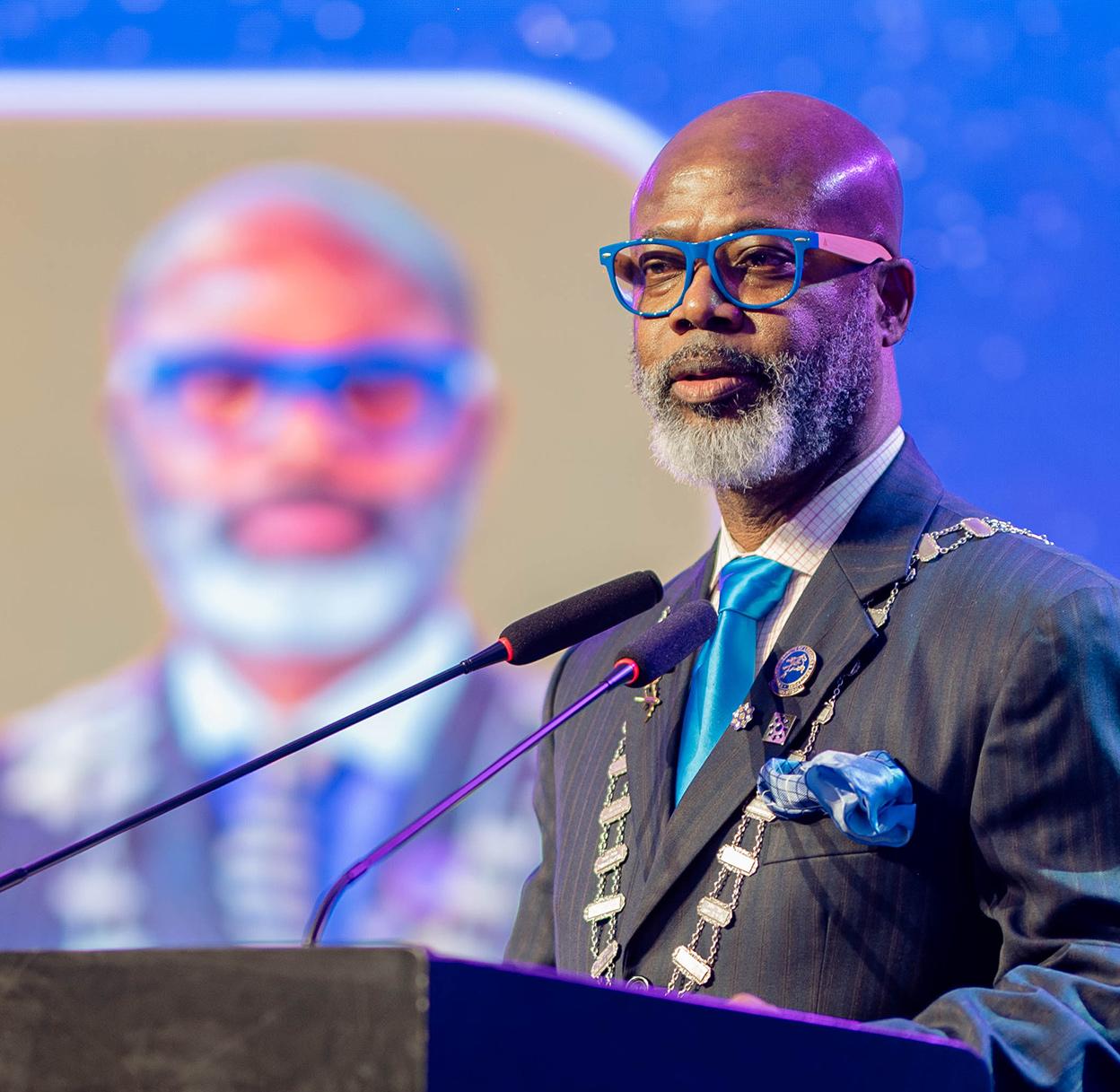
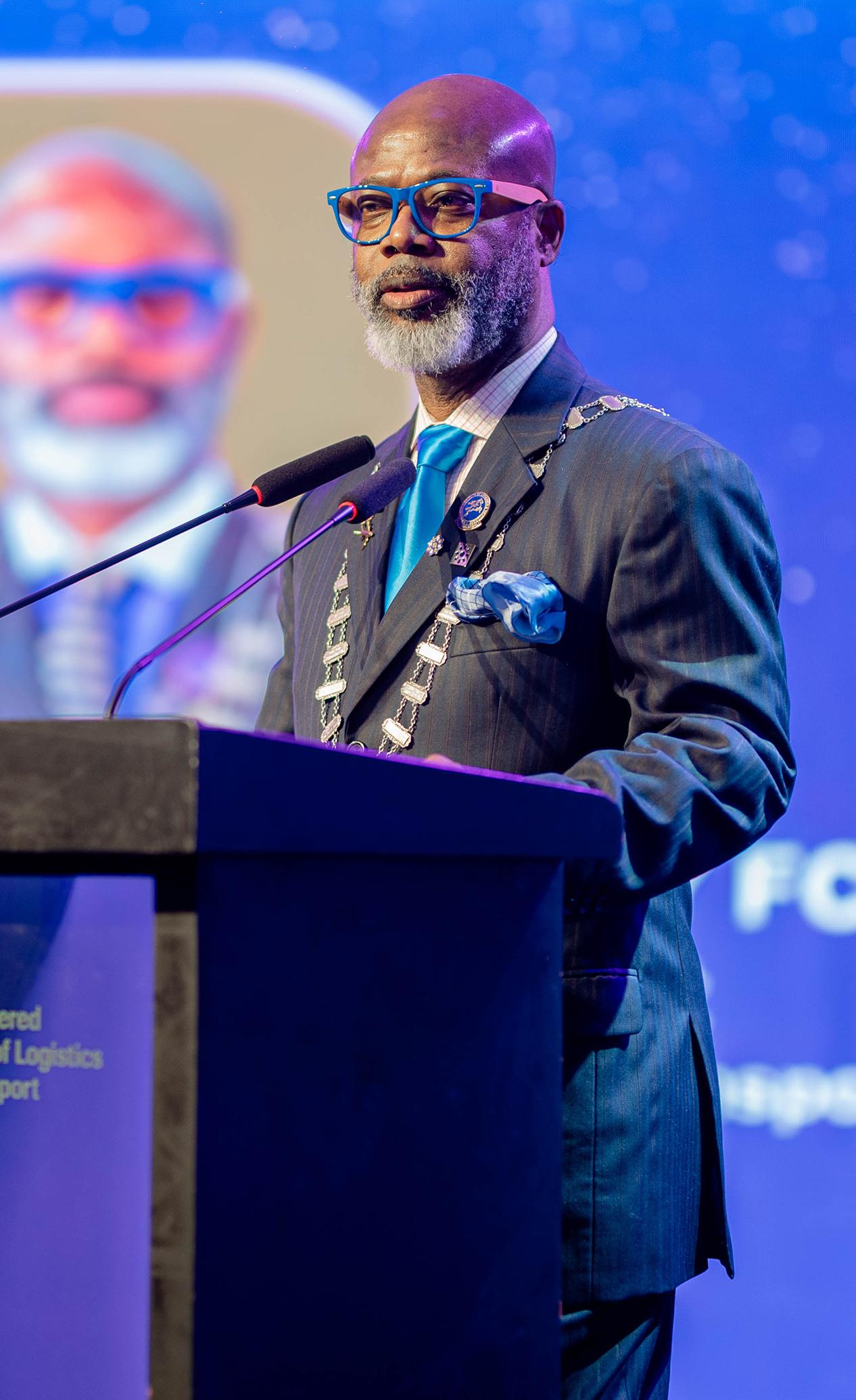
s I prepare to conclude my tenure as President of the Chartered Institute of Logistics and Transport International, I reflect with deep pride on the spirit of collaboration that has defined both my time in office and our Institute’s enduring mission. To serve this global community has been an immense honour, and I have seen first-hand how much stronger we become when we share knowledge, learn from one another, and work with a collective vision for the future.
We have achieved so much this year. Our landmark International Convention in Colombo stands out as a true celebration of collaborative spirit, bringing together members, partners, and industry leaders from across the world for an extraordinary programme of insights, innovation, and connection. Alongside it, we launched the Global Rail Group to unite expertise across a sector vital to sustainable mobility; WiLAT released its Values in Action ESG Report, showing how women are leading transformation across logistics and transport; and, through partnership with the University of Sulaimani and the Emergency Logistics Team, our internationally recognised qualifications are now being delivered in the Kurdistan Region of Iraq. Together, these milestones capture what collaboration makes possible – progress that no one region or individual could achieve alone.
This issue of The World in Motion continues that story. Inside, you will find perspectives from every corner of our profession – from established leaders to emerging innovators – all showing how partnership drives positive change. As we celebrated the 2nd Global Day of Supply Chain, Logistics and Transportation on 3 November 2025, coinciding with CILT’s 106th anniversary, I invite you to engage with these ideas, reflect on your own contributions, and carry forward the collaborative spirit that defines who we are.
It has been my privilege to lead CILT International through this chapter of its history, and I thank you all for the trust, energy, and commitment you have shown along the way. Our work together is proof that we are #StrongerTogether.
Chief Teete OWUSU-NORTEY FCILT President, CILT International.
CILT International's progress across different regions
We get ready to celebrate the 2nd Global Day of Supply Chain, Logistics and Transportation
Progress amid the patchwork
How global businesses are adapting to the
Tackling
Unveiling a bold new identity
As
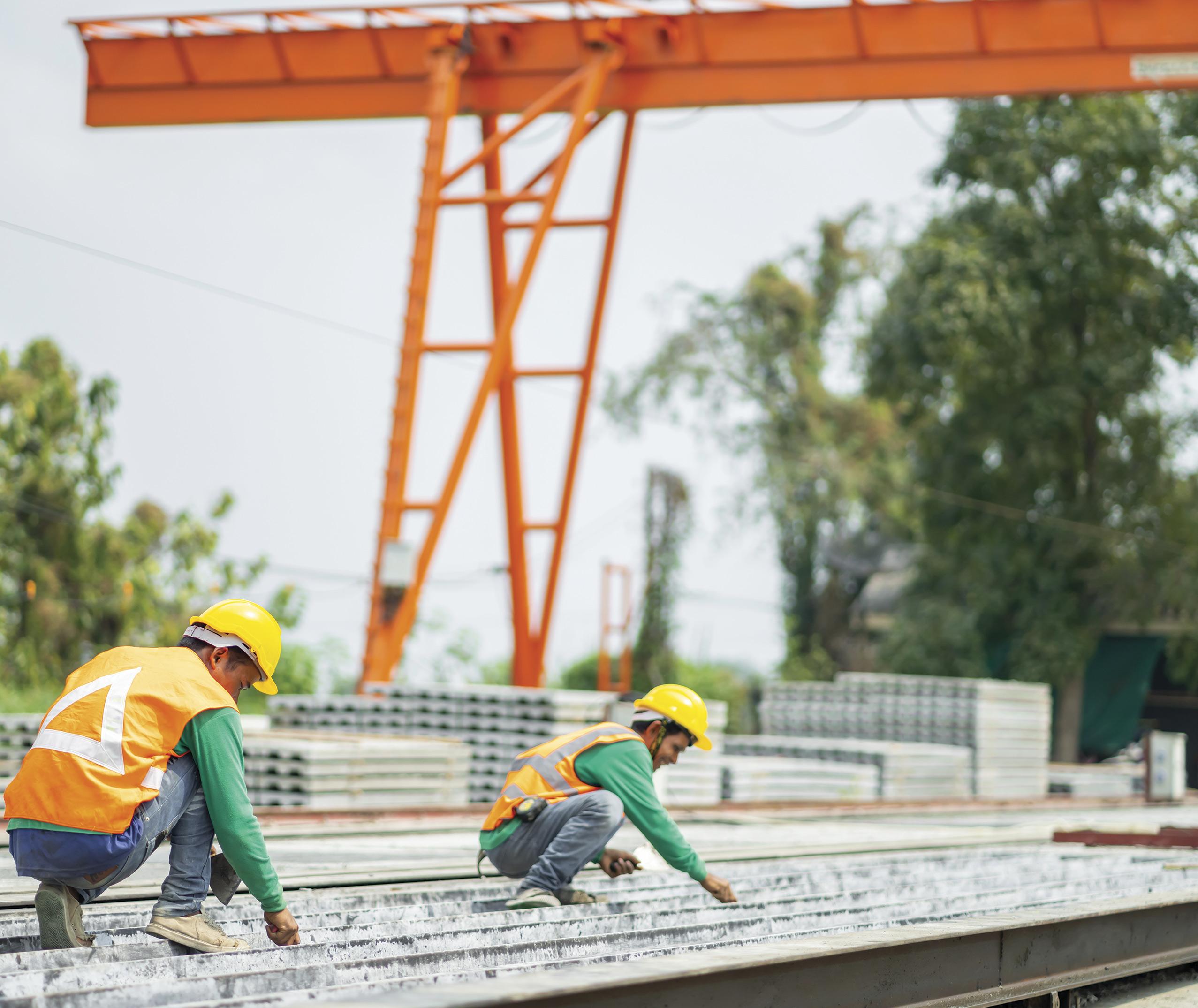
China has agreed to finance over half the costs of the long-delayed China-Kyrgyzstan-Uzbekistan railway, pledging $2.35 billion in low-interest loans to move the ambitious project forward.
The trilateral agreement signed in June between Beijing, Bishkek, and Tashkent aims to begin construction by October 2024 on the 900-kilometer railway that has been under discussion since 1997.
The $4.7 billion project will run from Kashgar in western China through the Torugart Pass to Kyrgyzstan's Jalal-Abad region before ending in Andijan, eastern Uzbekistan. Kyrgyzstan and Uzbekistan will
each contribute $573 million to cover remaining costs.
China will hold a 51% stake in the joint holding company, with Kyrgyzstan and Uzbekistan each taking 24% shares. The railway promises to reduce China-Europe transit times by eight days and provide an alternative route avoiding Russian territory.
The timing reflects China's strategic response to disrupted trade routes caused by Russia's war in Ukraine and Red Sea shipping attacks. Both Kyrgyzstan and Uzbekistan expect to earn $200 million annually in transit revenues while creating thousands of jobs.
The United States and European Union have agreed to a landmark trade deal, ending a prolonged standoff between two of the world's biggest economic partners after breakthrough negotiations in Scotland. President Donald Trump and European Commission President Ursula von der Leyen agreed to a 15% US tariff on all EU goods, significantly lower than the 30% import tax Trump had threatened to implement. In exchange, the 27-member bloc will open its markets to US exporters with zero percent tariffs on selected products.
The deal comes as Trump continues wielding tariffs against major trade partners to reorder the global economy and reduce America's trade deficit. He has struck similar agreements with the UK, Japan, Indonesia, the Philippines and Vietnam, though he has not achieved his ambitious goal of "90 deals in 90 days."
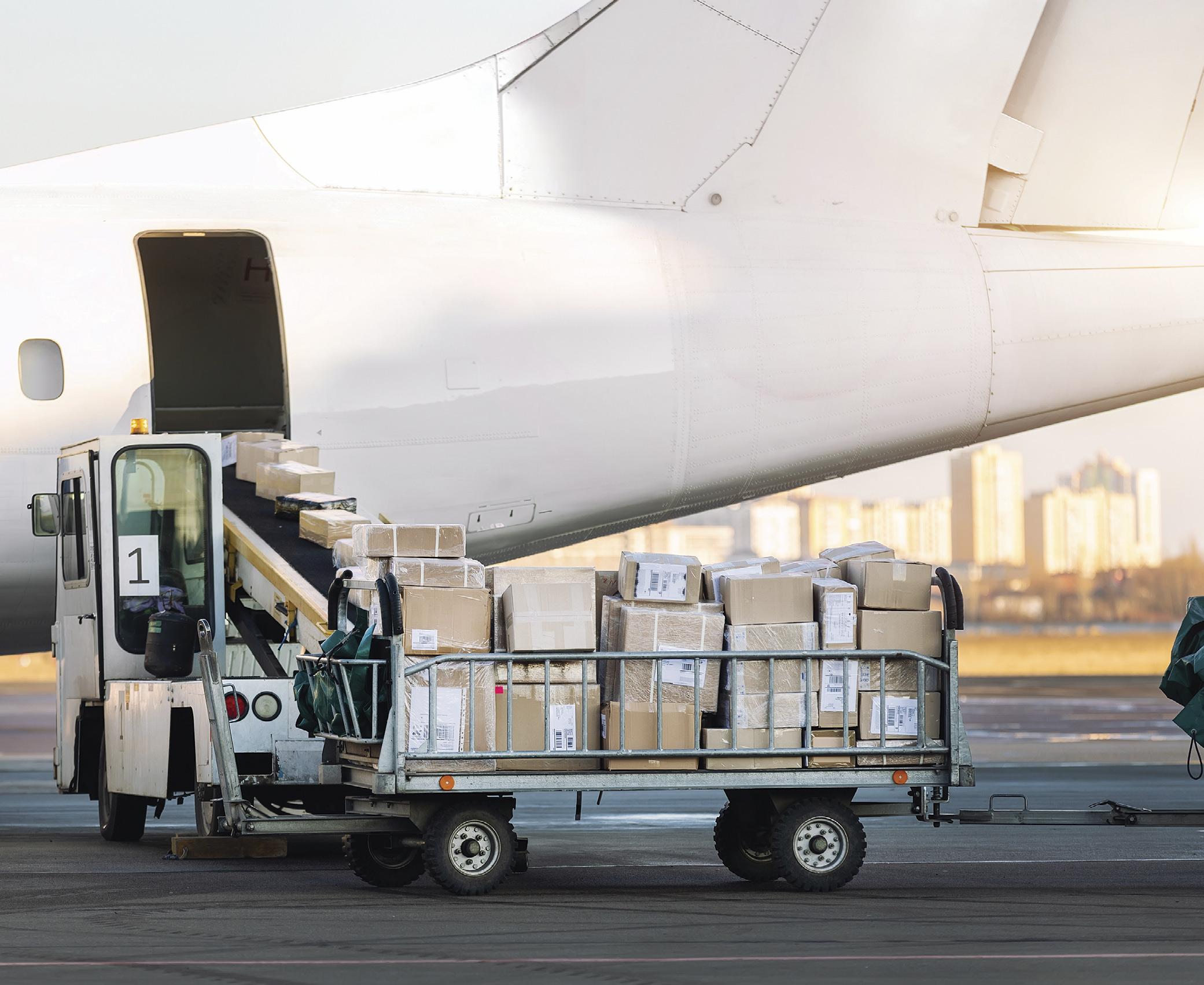
The traditional air freight peak season is underway with Southeast Asian countries overtaking China as the primary source of US-bound cargo, driven by surging demand for AI servers and consumer electronics.
Export flows from Vietnam, Thailand, and Malaysia are expected to surpass Chinese volumes on Transpacific Eastbound routes, prompting airlines to add capacity to meet growing demand. The shift reflects broader supply chain diversification as companies reduce reliance on Chinese manufacturing.
Shanghai Pudong Airport has responded by launching a direct transfer service allowing cargo connections between airlines within the terminal, eliminating the need for bonded facilities. The service aims to ease capacity pressures at regional origins including Hanoi, Ho Chi Minh City, Bangkok, and Penang.
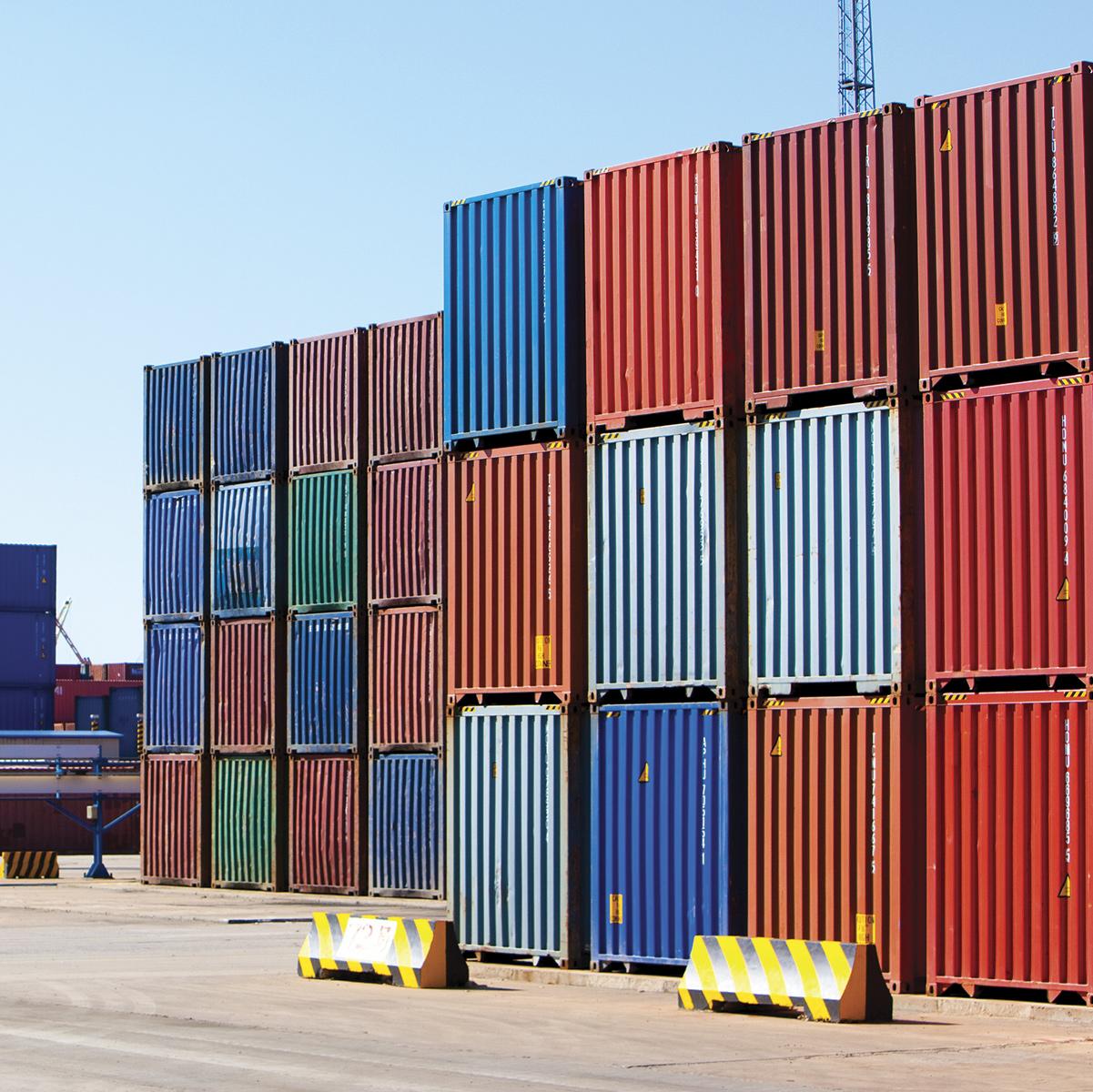
Global container shipping rates dropped 3% to approximately $2,350 per 40-foot container despite ongoing geopolitical tensions reshaping maritime trade routes worldwide.
Major disruptions include CMA CGM's $23 billion port asset acquisition bid, Panama's contract revocations, and sanctions forcing SeaLead Shipping to cancel 16 vessel charters. While large carriers continue rerouting around conflict zones, smaller regional operators are capitalizing on opportunities through the Suez Canal.
Intra-Asia rates fell 9% in the first half of 2025, with North American volumes particularly weak on the US West Coast as tariffs redirect trade flows. To address excess capacity, carriers canceled approximately 7% of scheduled sailings, with transpacific routes bearing the heaviest cuts.
Carriers maintain cautious outlooks for long-haul markets, with most focusing on operational efficiency improvements rather than capacity expansion.


Transport and logistics know no borders – and neither does CILT International.
With a presence in over 100 countries, our global network connects professionals, shapes policy, and drives innovation across continents.
Here’s a glimpse of what’s happening across our international branches.
From June 16 to 18, 2025, the CILT Langfang Conference, themed Digital and Intellectual Integration to Promote Industry Change, Cost Reduction and Efficiency in Logistics to Help High-quality Development was successfully held. Following the 2024 CILT International Convention, this event marked another international gathering hosted by CILT in Langfang, China.
Upholding the commitment of ‘gathering in Langfang every June,’ the conference featured multiple thematic sessions, two authoritative releases, and multi-dimensional field visits, fostering a global logistics summit focused on ideological exchanges and pragmatic cooperation.
Adjacent to Beijing and Tianjin, Langfang leverages the Beijing Daxing International Airport’s unique advantages as a freight hub. The Langfang Airport Economic Zone has built a global transportation network anchored by this international aviation hub, with three pillar industries – modern commerce logistics, life and health, and aerospace – showcasing clustered development momentum. The Langfang Municipal Government has attracted global enterprises through a policy combination of ‘computing power vouchers + talent introduction.’ Additionally, the zone supports renewable resource recycling projects with matching funds, reducing comprehensive logistics costs by 10% to 15%.
PRACTICAL OUTCOMES: CONNECTING CONFERENCE SITE VISITS WITH GLOBAL RESOURCES
During the conference, international delegates from CILT conducted on-site visits to intelligent manufacturing enterprises in the Airport Economic Zone and engaged in in-depth exchanges with Chinese and foreign exhibitors at the Langqia Fair, which featured an exhibition area of over 60,000 square meters. This event not only strengthened CILT’s cooperation with Chinese enterprises but also delivered replicable ‘China solutions’ for global logistics cost reduction and efficiency improvement through the operation of the CILT Langfang Innovation Cooperation Center and the release of the ‘Global Golden Key to Logistics Cost Reduction’ case studies.
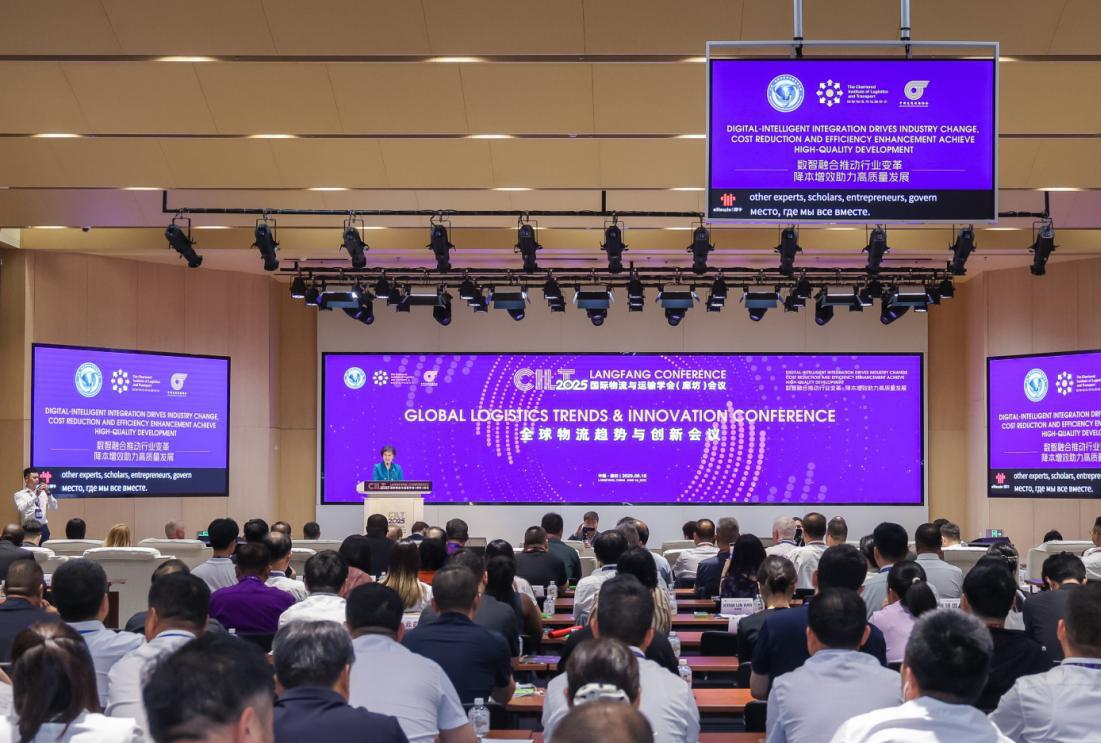
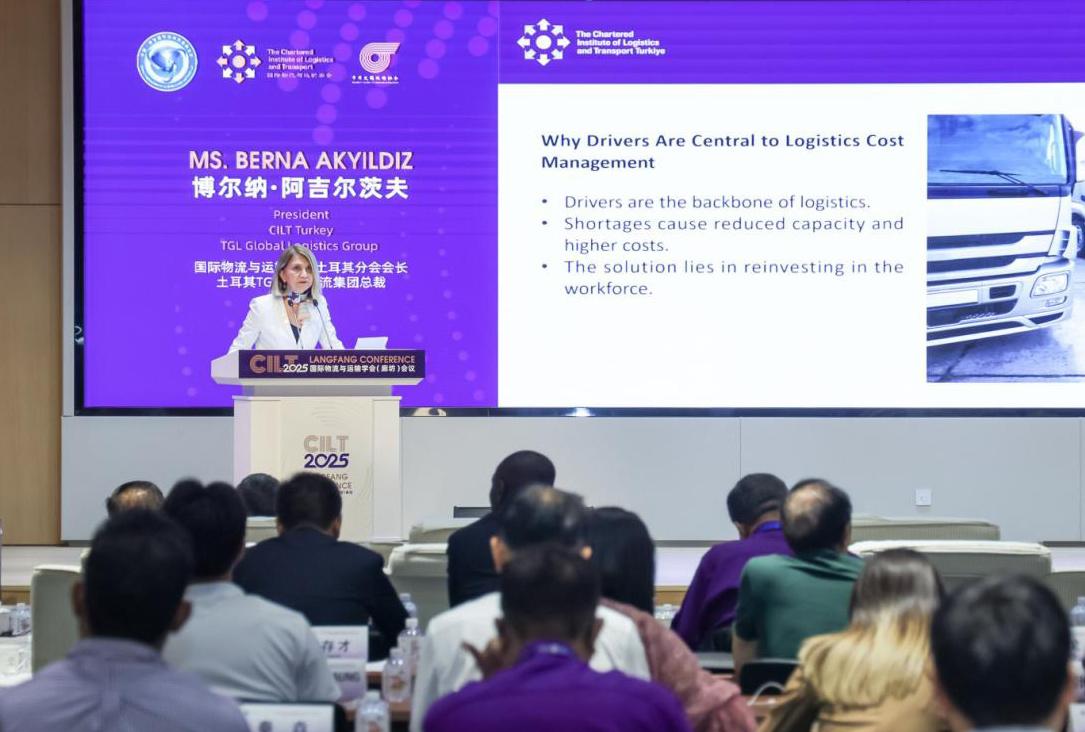
Langfang is a prefecture-level city of Hebei Province, China, and was known as Tianjin Prefecture until 1973. It was renamed Langfang Prefecture after Tianjin became a municipality and finally upgraded into a prefecture-level city in 1988. Langfang is located approximately midway between Beijing and Tianjin. Wikipedia
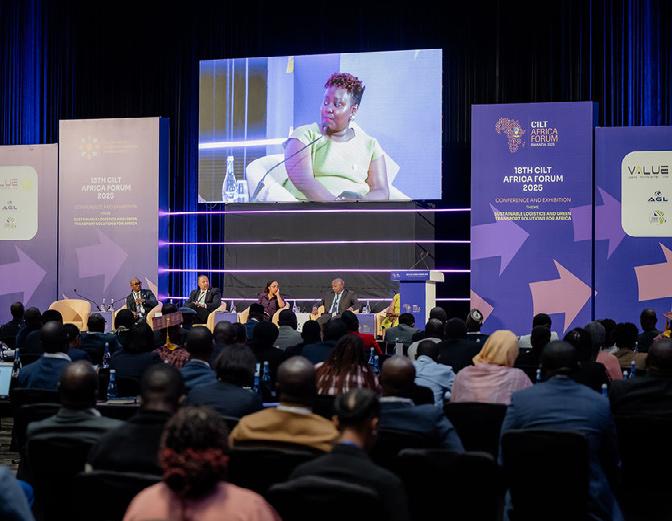
From 28 to 30 April, professionals from across the supply chain, logistics and transport industry came together at the Kigali Convention Centre for the 18th Annual CILT Africa Forum. Under the theme Sustainable Logistics and Green Transport Solutions for Africa, this year’s event was a landmark gathering of policymakers, industry leaders, academics and CILT members from across the continent and beyond.
The Forum featured keynote speeches, expert panels, case studies and in-depth discussion on the most pressing challenges and innovations shaping the future of African transport and logistics. Delegates explored issues including digital transformation, regional integration, investment in green infrastructure, climate resilience and professional development.
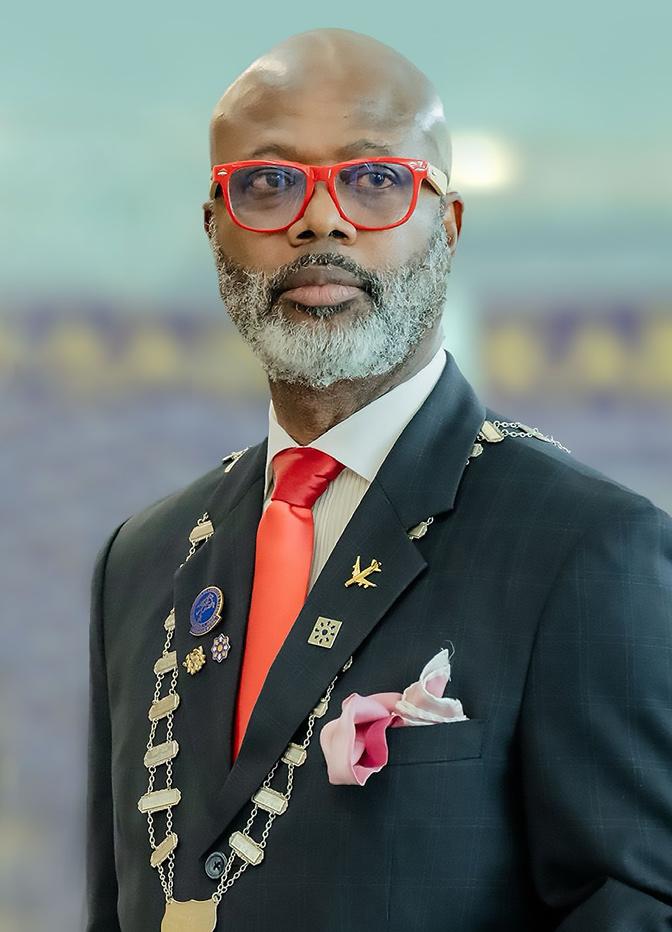
We were honoured to welcome our International President, Chief Teete OWUSU-NORTEY, FCILT, FGIPS, who addressed the Forum and participated in key sessions throughout the three-day event. CILT Rwanda, as the host branch, delivered an outstanding experience, combining insightful content with rich cultural moments and warm hospitality.
CILT Central Asia co-hosted the successful 2025 International Transport Forum in Almaty, uniting 300+ participants from 120+ companies to drive Eurasian transport collaboration and innovation.
Following the success of the inaugural event in 2024, the Chartered Institute of Logistics and Transport (CILT) Central Asia proudly co-hosted the Second International Transport Forum in Almaty in April 2025. This year’s forum brought together over 300 participants from more than 120 companies across Central Asia, Europe, the United Arab Emirates, India, Azerbaijan, Russia, and China, reaffirming its status as a key platform for regional and global collaboration in the transport and logistics sector.
Central Asia is a landlocked region of Asia that is generally defined as encompassing the former Soviet republics of Kazakhstan , Kyrgyzstan , Tajikistan ,Turkmenistan , and Uzbekistan . Situated between Russia, China, South Asia, and the Middle East Wikipedia
The forum featured a comprehensive multi-day program, combining strategic insights, practical exposure, and high-impact networking.
The forum concluded with a technical business tour to the Kazakhstan-China border, where attendees visited the Dostyk – Alashankou terminal, operated by PTC Holding, the Forum’s General Partner. This visit provided valuable insight into the scale and strategic importance of transcontinental infrastructure and trade. With its growing reputation and expanding international reach, the International Transport Forum ESE in Almaty, co-hosted by CILT Central Asia, continues to build bridges across Eurasia, fostering innovation, cooperation, and sustainable development in the transport and logistics industry.
THE DATE

CILT International is preparing to mark its second annual Global Day of Supply Chain, Logistics and Transportation on 3rd November 2025.
The 2025 campaign, entitled ‘Connected for Impact’, will celebrate CILT’s 106th anniversary whilst recognising the powerful connections across the organisation’s global network between people, ideas, systems, and countries that drive real-world progress in supply chain, logistics, and transportation.
Last year’s inaugural International Day of Supply Chain, Logistics and Transportation proved a resounding success, uniting more than 30,000 CILT members across 40 countries under the theme ‘One Network, One Global Community’. The event highlighted the contributions of over 450 million supply chain, logistics and transportation professionals worldwide –nearly 13% of the world’s total working population.
The 2025 campaign retains the recognisable ‘The World in Motion’ tagline, creating continuity with The World in Motion magazine, establishing a distinct identity for the annual celebration. The new ‘Connected for Impact’ theme builds on momentum generated by the magazine’s focus on innovation and collaboration, celebrating how purposeful connection transforms industry values into measurable action.
This year’s celebration will feature enhanced participation from CILT branches worldwide, with member storytelling, case studies, and local events showcasing the organisation’s global reach and professional impact. The initiative aims to unite branches, forums and territories under a shared message of pride and progress whilst raising external visibility and credibility of the logistics and transportation profession.
The Global Day will highlight contributions from across CILT’s international network through social media engagement and a Global Map of Impact, demonstrating how the organisation’s members drive innovation and excellence in their local communities whilst contributing to global industry advancement.
The 2025 CILT International Convention brought together logistics, transport, and supply chain professionals from across the globe to the vibrant city of Colombo, Sri Lanka. Motion reports.
Under the theme ‘Future Ready Logistics: Embracing Change and Driving Sustainability,’ the four-day event delivered on its promise to connect, educate, and celebrate the achievements shaping our industry’s future.
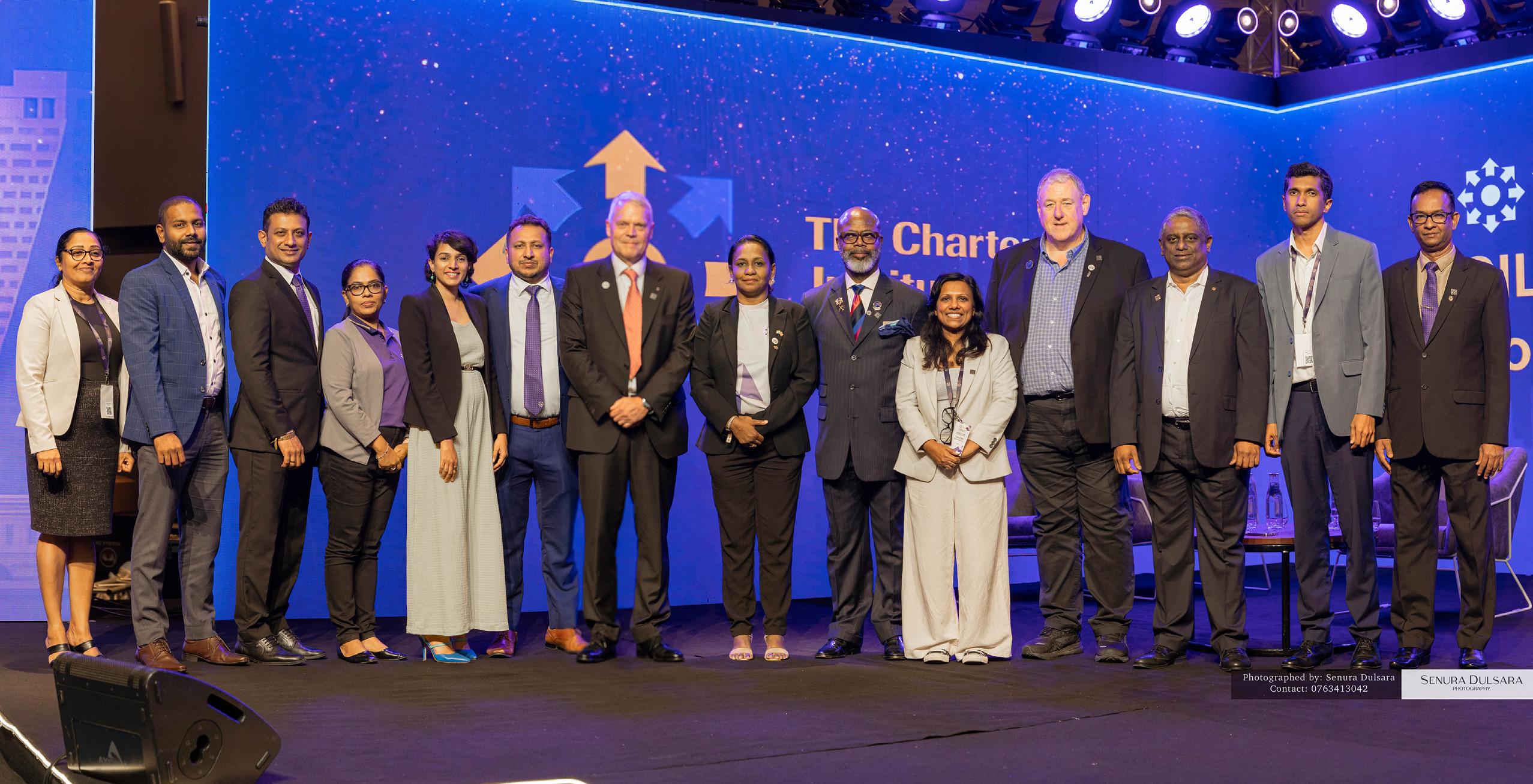
Hosted by CILT Sri Lanka at the prestigious Cinnamon Life Colombo, the convention welcomed delegates from across the CILT global network. International President Chief Teete OWUSU-NORTEY FCILT set the tone with opening remarks emphasising the critical importance of embracing change and driving sustainability in modern logistics operations. His message was echoed by CILT Sri Lanka President Chandima Hulangamuwa FCILT, who provided a warm welcome to delegates.
The convention's programme featured an impressive lineup of keynote speakers, including Jan Steenberg, Shuaib Yusoof, Upul Jinadasa, Richard Hall, Bhavik Mota, Dharshana De Silva, Danika Perera, and Professor Michael Bourlakis. Their presentations covered crucial industry topics
including artificial intelligence applications, renewable fuels adoption, and diversity, equity, and inclusion initiatives.
A standout moment came with the launch of WiLAT's Values in Action ESG Report 2025, a landmark publication showcasing how women across the global supply chain sector are leading transformation in environmental leadership, social inclusion, entrepreneurship, and governance. The report highlighted pioneering green practices in ports and airports, inclusive hiring initiatives championing neurodiversity, and the vital role of women entrepreneurs in driving innovation.
Themed sessions explored "Collaboration & Partnerships" and "Technology as a Catalyst for Change," featuring multiple speakers and interactive panel discussions that delved deep into sustainability challenges and solutions facing the industry. The Global WiLAT Workshop and Next Generation Workshop demonstrated CILT's commitment to developing future industry leaders, with a particularly memorable moment seeing the
International President meeting students from the National Institute of Business Management in Colombo.
Cultural immersion played a significant role, with the Sri Lankan Night Gala Dinner providing delegates with authentic local experiences that celebrated the rich heritage of the host nation. The CILT Awards Ceremony recognised excellence within the profession, followed by the International President's Dinner, creating lasting connections among global industry leaders.
The convention concluded with practical site visits, offering delegates hands-on insights through port visits and factory and warehouse tours. These experiences provided valuable real-world perspectives on how theoretical discussions translate into operational excellence. As delegates departed Colombo following the official announcement of the 2026 Convention venue, the success of the Sri Lankan convention reinforced that the industry's future lies in collaborative action, technological advancement, and unwavering commitment to sustainable practices.

While some routes like the new Vilnius-Riga service are proving wildly successful, Europe’s international railway network remains a mixed picture of breakthrough connections and frustrating gaps.
An extensive survey of 388 cross-border lines reveals both the potential and the persistent challenges facing the EU’s ambitious rail expansion goals.
Written by JON WORTH



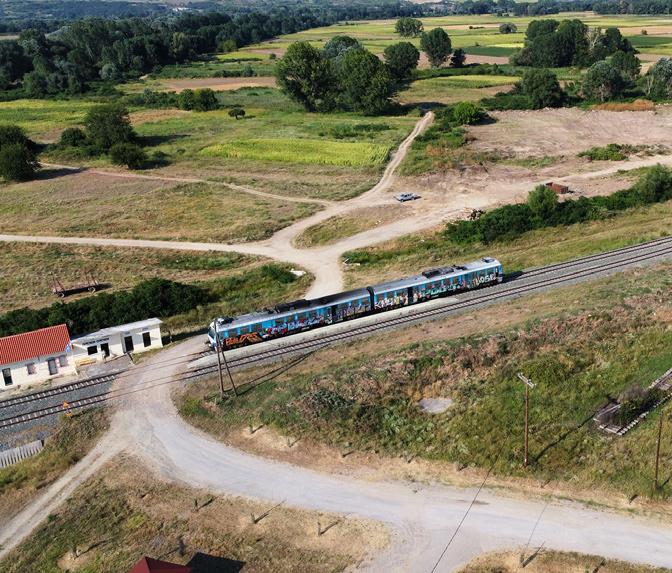
Six times a day a train departs from the Lithuanian capital Vilnius bound for Turmantas, a village with a population of 209 people just a few hundred metres from the border with Latvia. There is an active railway line from Turmantas to Daugavpils – Latvia’s second city with 78,000 inhabitants just 20km on the other side of the border – but not a single passenger train goes there from Lithuania. This is one of the starkest images from my #CrossBorderRail project (crossborderrail.trainsforeurope.eu) through which I have been investigating Europe’s international railways since 2022. I have been to and checked 388 international railway lines so far. There are dozens of places like Turmantas where infrastructure sits derelict or under used. With a little political will or a little money or both a lot could be achieved for local people.
200km to the west it is a different story. Since December 2023 once a day a train runs from Vilnius via Joniškis to Latvian capital Rīga, and from the start it has been a runaway success – in the summer months the train is sold out every day, and Lithuanian railways LTG Link is scrambling to find more trains to improve the offer. From the start of 2025 the service was extended to Valga at the Latvia-Estonia border, allowing convenient connections to Tallinn. “Build it and they will come” is the common refrain in public transport circles, and this very much applies here.
“‘Build it and they will come’ is the common refrain in public transport circles, and this very much applies here”
– Jon Worth –
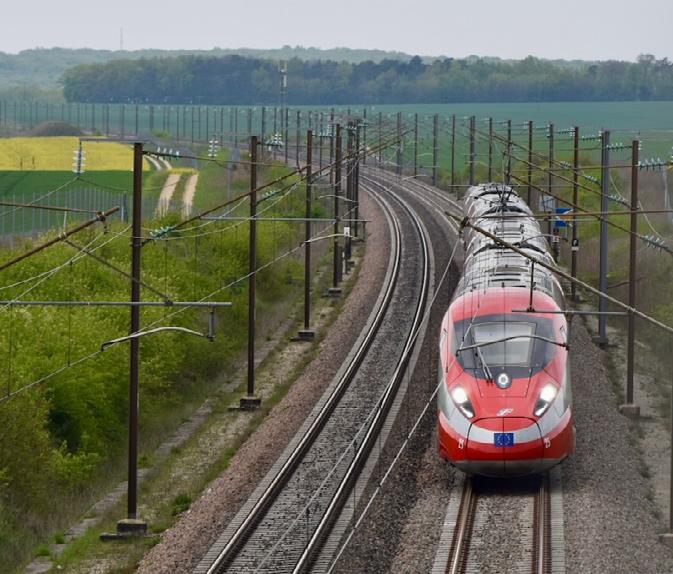
Yet in the European Commission and in Ministries of Transport in the capitals of the Baltic states and Poland they are thinking bigger still – the Rail Baltica high speed railway line is meant to connect Warszawa, Kaunas (with a spur to Vilnius), Rīga and Tallinn by 2030. Instead of the broad gauge lines of the existing tracks in the Baltic states, standard gauge will be used, and passenger trains are going to be able to run at up to 249km/h, and there will be freight too. Yet like many projects of this nature, cost increases, construction delays, political disputes between the participating countries, and a lack of consistent oversight from the EU mean the 2030 start is in question, and what will eventually be built could be downscaled. These examples in north eastern Europe are replicated all over the continent – from Valença do Minho to Ormenio, from Haparanda to Valenciennes. And they pose a fundamental question about how we think about the future of Europe’s railways. To what extent is fixing all of this something case by case, local, bottom up? Fixing Turmantas-Daugavpils in other words. Or to what extent is it something top down –that the European Union can set a framework for Europe’s international railways and let national and regional authorities, and railway companies, get on with the details of implementation?
If we look at the places where there has been progress we can see some different recipes for success. Improvements between the capital of Slovenia, Ljubljana and Villach

in southern Austria are based on shared responsibilities between the railway companies SŽ and ÖBB and good political relations at regional and national level. The picture is similar between Czechia and Poland where state owned companies ČD and PKP IC collaborate, and in addition private companies RegioJet and LeoExpress use EU mandated rules for access to infrastructure to start cross border services. Meanwhile between Italy and France, Trenitalia has abandoned trying to work with SNCF and is seeking to build its own presence both cross border between Milano and Paris, and within France between Lyon and Marseille and Paris.
While any progress is of course welcome, this all is rather piecemeal when set against the European Union’s lofty goals for railways – to double high-speed passenger rail traffic by 2030 and triple it by 2050, and to double rail freight by 2050. The nine EU-wide Trans-European Network Transport corridors are likewise supposed to be complete by 2030, and there are ten cross border passenger pilot projects announced in 2023 as well. But much of that does not result in changes on the ground.
Italy and Austria have begun building a base tunnel under the Brenner Pass, while Germany at present cannot work out where its section will even be constructed. France and Spain managed to get their high speed line from Perpignan to Barcelona built, but only four trains a day run on it each way year round as French railways SNCF has no interest in Barcelona and Spanish operator
Renfe’s new trains have not been approved in France. And the viaduct at the PolandGermany border Zgorzelec-Görlitz stands as a monument to the dysfunction – electrification masts end in the middle of the bridge as Poland has completed its works, while Germany has not even started.
There is however some hope one of the most niggling problems – the difficulties passengers have planning and booking cross border journeys – could soon be solved. President of the European Commission Ursula von der Leyen stated at the start of her second term in office: “People should be able to use open booking systems to purchase trans-European journeys with several providers, without losing their right to reimbursement or compensatory travel. To this end we will propose a Single Digital Booking and Ticketing Regulation.” This proposal will come by the end of 2025. The Commission is essentially saying that if national railway companies cannot collaborate on this matter on their own accord they will have to be forced to share their timetable and ticketing data, in the interests of passengers.
Overall though the picture is very mixed – progress in some places on projects big and small, but in others frustrating dysfunction and a lack of collaboration. And a European Union trying to set a policy framework for railways that has been only a partial success so far. With Europe facing a climate crisis, and rail being the greenest transport mode, we urgently need better than this.



Motion reports on two ambitious mega-infrastructure projects that are working to transform continental trade by creating direct transport arteries across the continent.
Africa’s vast distances and fragmented transport networks have always stood as barriers to continental trade. A shipment from Lagos to Nairobi still often travels via European ports, adding weeks to delivery times and thousands of dollars to costs. But across the continent, a new generation of mega-infrastructure projects is working to change that narrative, creating direct arteries that could reshape how goods and people move across African borders.
By 2030, Africa will need 1.8 million additional trucks, nearly 100,000 rail wagons, and hundreds of new cargo vessels just to handle the trade growth projected by the African Continental Free Trade Area (AfCFTA). The world's largest free trade area, uniting 55 African Union member countries to create a single market for goods and services, represents a market of 1.3 billion people and a combined GDP of over $3.4 trillion.
Yet intra-African trade accounts for only 15% of the continent’s total trade, a figure that adequate infrastructure and full AfCFTA implementation could increase to 33%, according to studies by the UN Economic Commission for Africa (ECA).
“Infrastructure is the game changer. It’s the glue that can make a real difference to our economies – moving from potential to connecting dreams and transforming lives,” explains ECA Executive Secretary Mr. Gatete. But the challenge, he notes, is ensuring that physical assets like roads and rail are not just built, but “interlinked in ways that contribute to real development outcomes.”
The scale of Africa's connectivity challenge is immense. The continent’s 54 countries are separated by complex customs procedures, inconsistent regulations, and infrastructure gaps that make regional trade more expensive than shipping to distant continents. According to the African Development Bank, intra-African trade accounts for just 15 per cent of total continental trade, compared to 69% in Europe and 59% in Asia.
Two ambitious initiatives are at the forefront of this transformation challenge: the Lamu Port-South Sudan-Ethiopia Transport (LAPSSET) Corridor stretching across East Africa, and the Abidjan-Lagos Highway connecting five West African economies. Together, these projects aspire to connect millions and open up new possibilities for an entire continent.
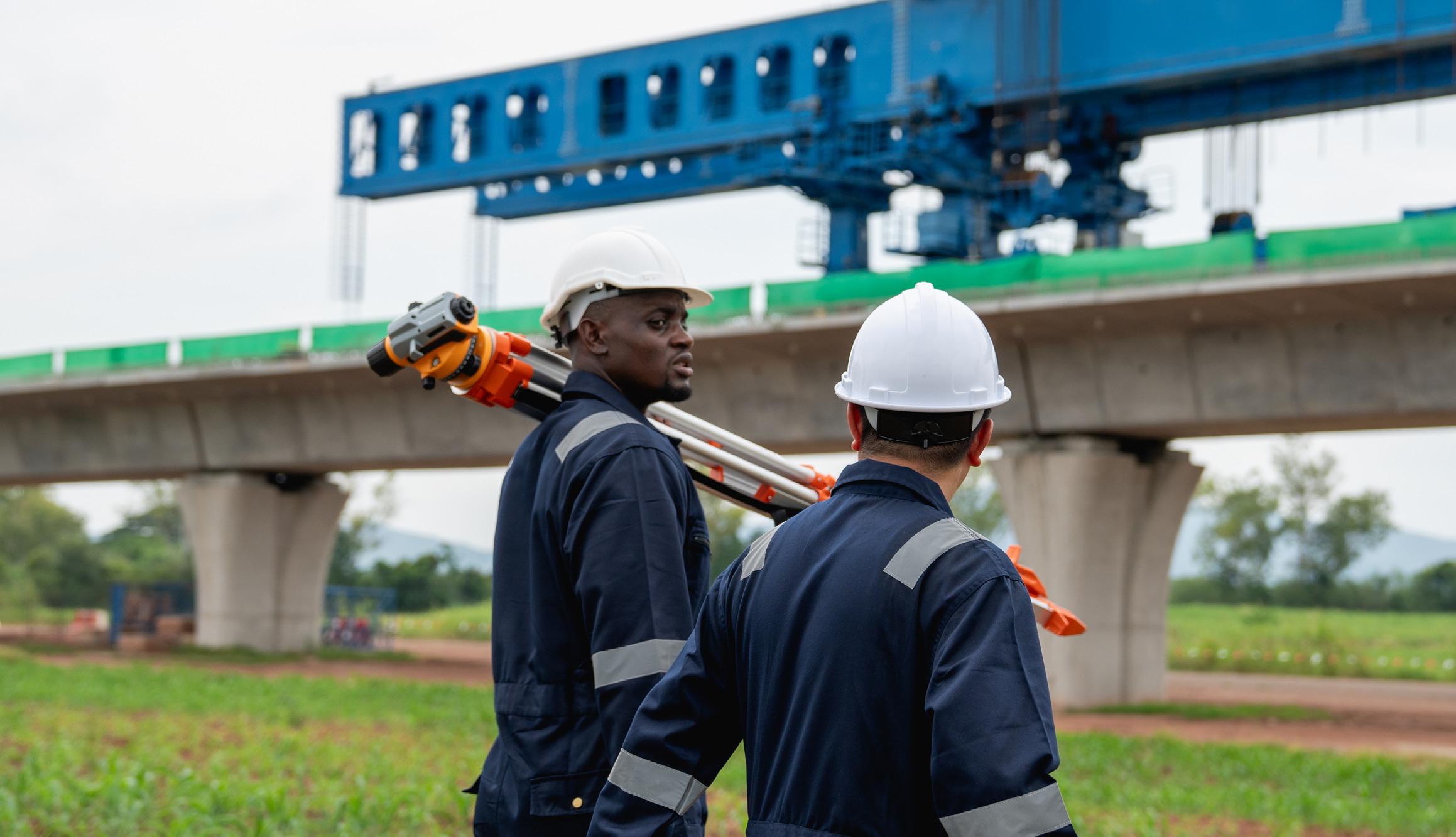
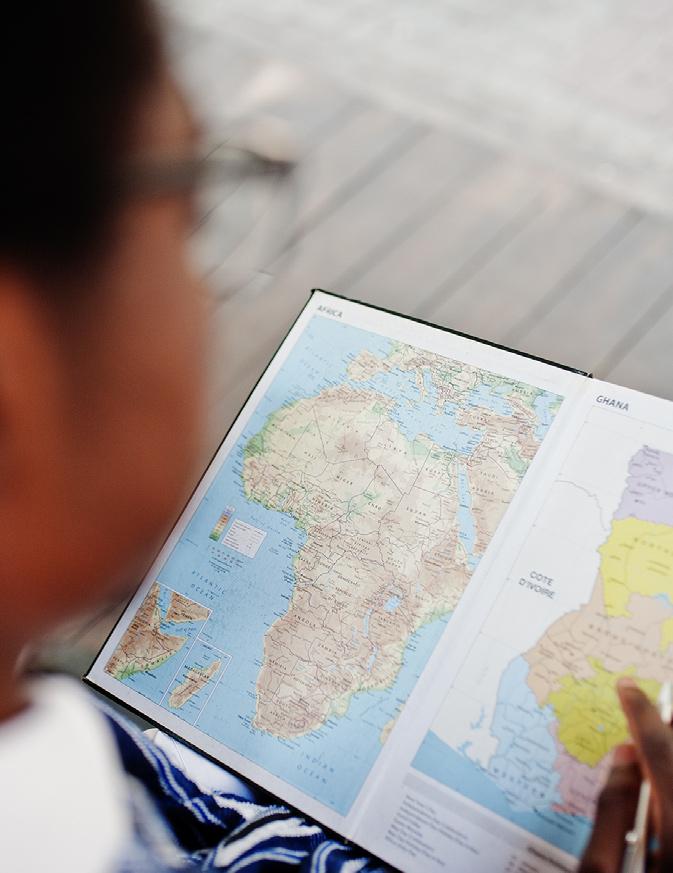
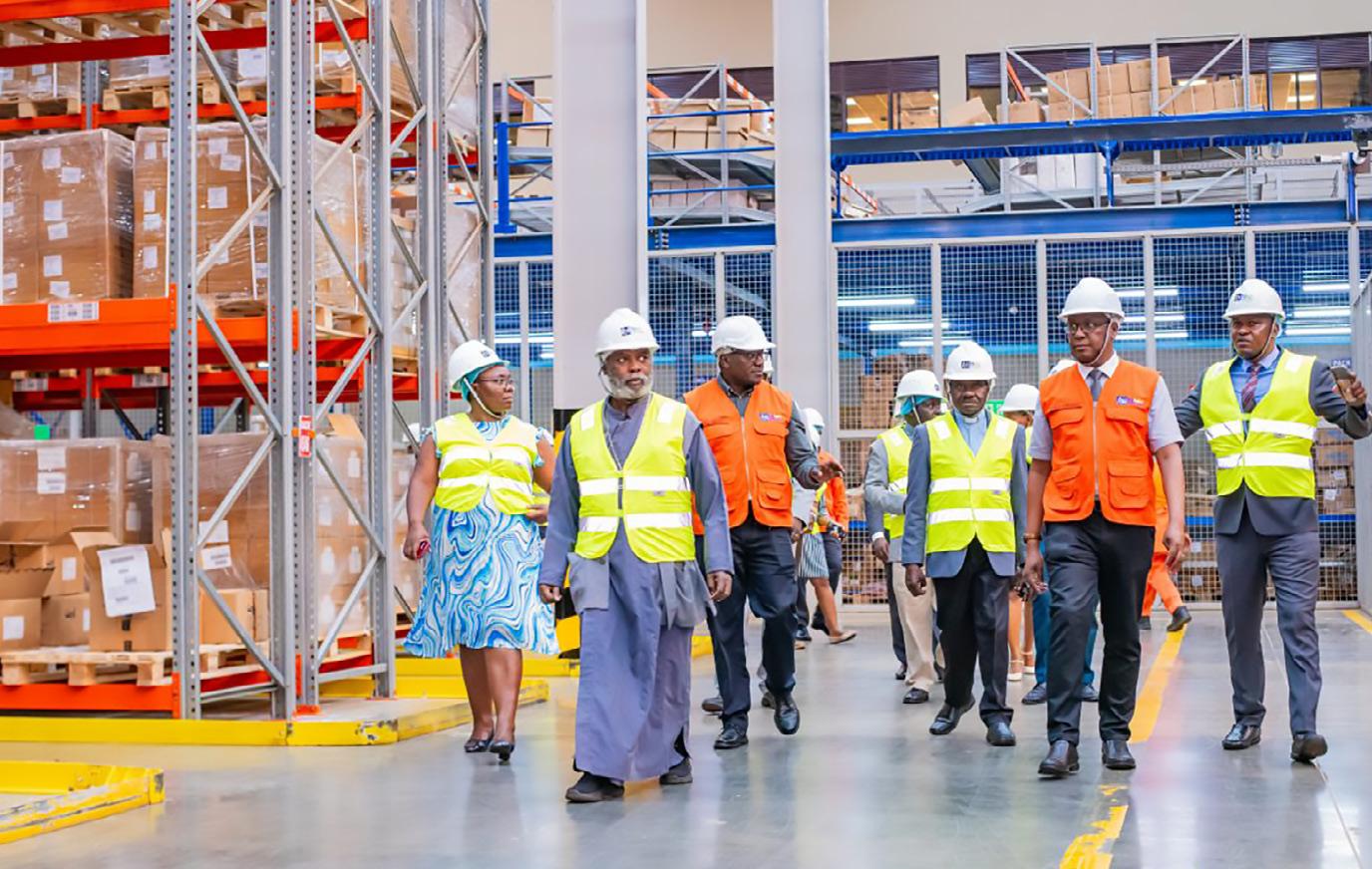
By Africa will need 1.8 million additional trucks

The LAPSSET Corridor Program is part of a long-term development policy that aims to transform Kenya into a newly industrialising, middle-income country by 2030. The Vision comprises economic, social and political pillars, aiming to achieve an average economic growth rate of 10 per cent per annum and sustaining the same beyond 2030.
The project will connect landlocked South Sudan and Ethiopia to Kenya’s new Lamu Port on the Indian Ocean, while opening up Kenya's northern and eastern regions for development. These underdeveloped areas account for over 70% of Kenya's landmass but have historically been isolated from national and regional economies.
“Bring the entire land mass traversed by the LAPSSET Corridor into active economic activities will provide the country with ample and multiple revenue generating activities, create employment and contribute to economic growth,” states the LAPSSET Corridor Development Authority.
The corridor forms part of an even grander vision: an “Equatorial Land Bridge” that would eventually stretch from the Indian Ocean to Cameroon’s Douala port on the Atlantic coast. This link across central Africa could rival the Suez Canal, carrying oils, minerals and merchandise between the Indian Ocean and the Atlantic Ocean. The project could enable Panama-class vessels to save at least three weeks of travel time they currently require to navigate around the Cape of Good Hope.
Meanwhile, West Africa’s most ambitious transport project is taking shape along the Atlantic coast. The Abidjan-Lagos Highway, a 1,028-kilometer, six-lane superhighway, will connect Côte d'Ivoire, Ghana, Togo, Benin, and Nigeria.
The Highway is poised to become a major socio-economic artery for West Africa,
“Infrastructure is the game changer. It’s the glue that can make a real difference to our economies – moving from potential to connecting dreams and transforming lives.”
– Mr. Gatete –
passing through more than 25 cities and connecting five borders. It is expected to significantly boost intra-regional trade, improve transport efficiency, enhance tourism, and deepen regional integration among ECOWAS Member States.
ECOWAS, the Economic Community of West African States, aims to promote economic integration and remove barriers to trade and movement between its 15 member countries. Chris Appiah, Director of Transport at the ECOWAS Commission, says the corridor is not just a 2×3 lane highway but an economic development tool to be used to unearth dormant economic activities and boost key economic sectors such as tourism, industrialisation and manufacturing, education, health and others. The African Development Bank echoes this sentiment, suggesting the corridor is about more than road capacity and travel time, but creating a large, interconnected system for West African economies.
Rather than relying solely on government budgets, both corridors are pioneering financing models that blend public and private investment.
For LAPSSET, the strategy involves attracting Foreign Direct Investment (FDI), partnerships with private sector concessionaires, and leveraging support from continental programs such as NEPAD (New Partnership for Africa’s Development), the African Union, and multilateral financial institutions.
The approach involves creating bankable assets that can attract private investors. Early phases, such as the construction of the first three berths at Lamu Port, are publicly funded, but further expansion is planned specifically to attract private operators who will finance, build, and operate additional infrastructure segments.
Special economic zones, industrial parks, and resort cities along the corridor are designed to spur business activities and generate additional revenue streams that will help sustain long-term financing and viability.
Developed economies may not be able to provide the required funding, which is why experts such as Emmanuel Onwodi, Director for Transportation and Infrastructure at Nigeria's Infrastructure Concession Regulatory Commission (ICRC) push for alternative means of funding such as PPPs, loans from development finance institutions, tax credits to corporate institutions including pension funds.
Beyond infrastructure, both corridors are addressing the customs and regulatory bottlenecks that have long plagued African trade. The Abidjan-Lagos corridor is pioneering solutions through joint border posts where customs authorities from neighbouring countries operate together in single locations, eliminating duplication and reducing clearance times.
The corridor features several pilot initiatives designed to reduce border delays and streamline trade, including establishing joint border posts, harmonising and digitalising customs documentation, piloting a traffic light system for risk-based customs clearance, and developing a digital trade and payments ecosystem.
At joint border posts like Seme-Krake between Nigeria and Benin, customs authorities now carry out export and import checks collaboratively in a single location.
The corridor is implementing unified customs systems such as SIGMAT connectivity for real-time data exchange and integrated customs declarations.
The corridor is also piloting a consolidated digital payments ecosystem for fees and duties, reducing reliance on cash and enhancing transparency.
“The project will help put in place more efficient trade and transport systems and enforce regional harmonised regulations in the sub-region,” explains Anca Dumitrescu, World Bank Team Leader for the project.
Despite these innovations, both corridors face significant obstacles. For LAPSSET, officials have identified the highest priority bottlenecks as lack of secure project financing, persistent security concerns, unresolved land acquisition and local community consultation issues, delays in project implementation, and intergovernmental coordination challenges.
“There is need to mobilise funds and improve on security to ensure projects are completed,” acknowledges LCDA Chairman Titus Ibui. He notes that while the LAPSSET port has had a successful transshipment test, completion of the roads will enable it to start handling transit cargo.
The success of these corridors requires overcoming challenges of inadequate funding, political instability, low demand for infrastructure services in some regions and many other barriers.
The need for regulatory frameworks for continental Pan-African corridor operations and Transit Authorities will ease cross-border movement and policy synergies. Soft infrastructure interventions are necessary to increase border and transport efficiency along trade corridors through reduced time and cost spent at borders.
As both projects advance through various stages of development, they represent more than infrastructure investments. They embody Africa’s effort to create integrated transport networks that can serve as foundations for years to come. The LAPSSET corridor has begun handling transit cargo as connections improve, while the AbidjanLagos highway continues expanding its pilot programs for joint customs operations and digital trade facilitation.
For a continent working to increase connectivity and integration, these megacorridors are ambitious attempts to address massive infrastructure gaps. This is the beginning, but the hard work of these African industry leaders now is setting up millions of civilians in the future for better lives.
THE LAPSSET CORRIDOR KEY COMPONENTS
Lamu Port
A new deep-water port with 23 berths designed for large cargo ships, offering a faster alternative to the Port of Mombasa.
Railways
A 1720 km standard gauge railway line connecting Lamu to Addis Ababa and Juba to move cargo efficiently.
Road Network
A highway network linking key regions in northern Kenya and providing access to the new port.
Oil Pipeline
An oil pipeline for crude oil and refined products connecting South Sudan and Ethiopia to the Lamu port and global markets.
International Airports
Planned international airports in Lamu, Isiolo, and Turkana to facilitate tourism and connectivity.
Resort Cities
Development of resort cities in Lamu, Isiolo, and Lake Turkana to create tourism and business hubs.
1,028
The Abidjan-Lagos Highway, a kilometer, six-lane superhighway, will connect Côte d’Ivoire, Ghana, Togo, Benin, and Nigeria
Upgrading your membership is a mark of leadership, expertise, and impact in supply chain, logistics and transportation.
Showcase your achievements by:
• Demonstrating measurable results in your role.
• Highlighting leadership and influence across sectors.
• Evidencing continuous learning and professional growth.
• Applications close at the start of each month, so don’t miss your chance to apply.


From Lesotho’s shuttered factories to Vietnam’s booming hubs, Trump’s trade war has forced companies into a frantic game of supply chain musical chairs – with trillion-dollar consequences and no clear end in sight. Motion investigates how global businesses are adapting to the most disruptive trade policies in decades.


The ‘Trump Round’ of trade negotiations has unleashed widespread disruption to global commerce, triggering a wholesale reorganisation of supply chains and forcing countries to choose between capitulation and coordinated resistance.
What began as an attempt to reassert American economic dominance has instead accelerated the fragmentation of the global trading system into competing regional blocs.
The scale of the disruption became evident in April when President Trump announced his Liberation Day tariff package, imposing rates of 20% or higher on major US trading partners before partially reversing course a week later. The whipsaw effect wiped close to $5 trillion from global market capitalisation in just two days, while companies across sectors found themselves unable to forecast demand or plan inventory with any certainty.
Unlike previous trade disputes, the current tariffs appear designed not to extract specific concessions but to fundamentally
reshape how global commerce operates. The US administration has abandoned attempts to justify violations of World Trade Organisation (WTO) rules, signalling what some trade analysts describe as an intentional dismantling of the post-war economic order.
There have certainly been ebbs and flows. Exporters across Asia and beyond have undertaken swift – and sometimes surprising – reconfigurations of their operations in response to Trump’s volatile tariff regime. Faced with punitive duties of up to 50%, Indian exporters in textiles, chemicals, and jewellery have begun rerouting goods to markets in Europe, Africa, and Asia – or even relabelling them to sidestep costs – with more than half considering supply chain adjustments and 16% planning outsourced production shifts, according
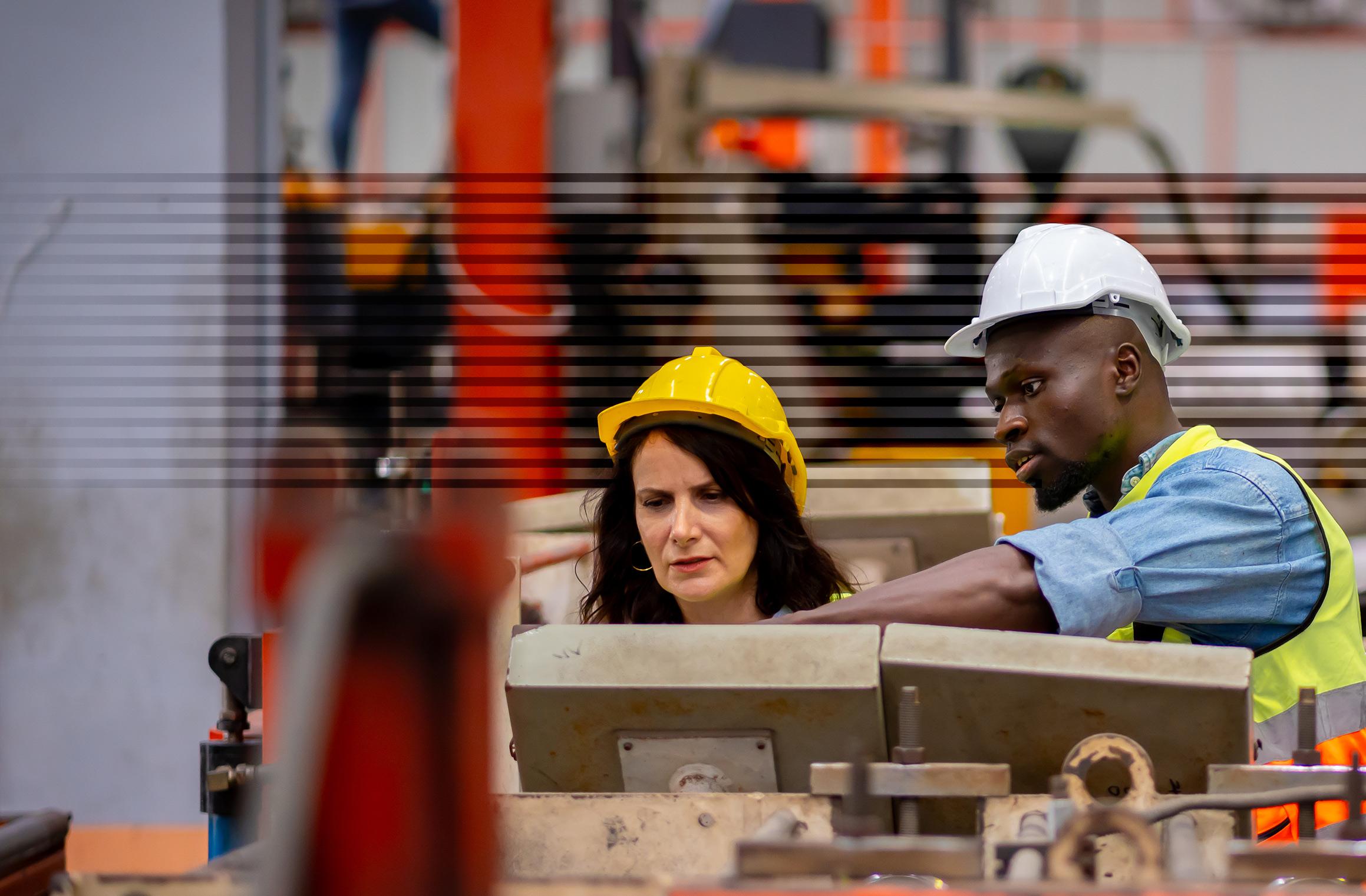
to an extensive India SME Forum survey. In Southeast Asia, the initial promise of tariff relief via ‘China-plus-one’ strategies has frayed: recent U.S. duties ranging from 10% to 40% – including a flat 40% on transhipped goods – undercut relocation benefits, prompting some firms to reconsider outsourcing and even reverse moves away from China.
Forecasting has gone haywire, inventory planning has faltered, and companies are leaning increasingly on near-term logistics and data tools to adapt. Meanwhile, sectoral disruptions intensified. French winemakers warn a new 15% U.S. tariff could cut annual revenues by up to €1 billion and inflate a bottle of champagne by $20 USD, imperilling both French and American jobs. The chaos has dented confidence: Boeing’s aerospace supply chain – once largely tariff-exempt –faces 10% duties on vital components, imperilling its international production network.
“I do not believe we’re going to get out of China anytime soon, it’s simply not possible given the sheer scale of manufacturing.”
– Lisa Anderson –
Lisa Anderson, whose consultancy LMA Consulting has worked with manufacturers for two decades, observes that companies are fundamentally reassessing their global strategies. “What we're seeing is that businesses are looking at countries that are safer for the long term, because the geopolitical risk that has built up in combination with the tariffs were like the straw that broke the camel's back,” she explains. From the US perspective, Anderson notes that while “most of the tariffs have been negotiated or worked out for most places,” the psychological impact on business confidence has been profound and lasting.
“One company that previously imported goods into the US before distributing them to Canada has reorganised its supply chain to import directly into Canada, avoiding double tariffs. Another firm that had built a manufacturing facility in Mexico to reduce reliance on Chinese imports was caught off-guard when Mexico initially became a heavy tariff target, forcing it to refocus on Latin American markets.”
In capital-intensive sectors like electronics and automotive, reshoring to the US faces greater challenges. South Korea has been investing heavily in US operations as part of trade agreements that explicitly prevent China from shipping products through South Korean intermediaries to access lower tariff rates. This is a fundamental shift from previous arrangements where trans-shipment was common.
The human cost hits hardest in developing nations such as Lesotho in Southern Africa, where U.S. tariffs threatened to escalate from 0% under the African Growth and Opportunity Act (AGOA) to 50%, immediately destabilising its garment industry. This sector – employing some 34,000 to 40,000 workers, mostly women –accounts for 75–80% of production destined for the U.S. Domestic orders vanished, factories shut down, and the government declared a state of disaster. For a country where the garment sector underpins both exports and household incomes, the shock has been devastating: wages that supported extended families have disappeared almost overnight, and policymakers face few alternatives given Lesotho’s landlocked geography and limited industrial base. While a few employers may explore relocation to neighbouring markets like Kenya, most coverage underlines sweeping layoffs and economic devastation as the immediate fallout – not widespread industrial migration.
Despite the push for diversification, China’s role in global trade remains largely irreplaceable.
“I do not believe we're going to get out of China anytime soon, it's simply not possible given the sheer scale of manufacturing,” Anderson explains.
This reality forces companies to take a more nuanced approach, selectively reducing dependence on Chinese suppliers while maintaining relationships where alternatives simply don't exist at the required scale.
However, the combination of tariffs and geopolitical risks has accelerated what Anderson describes as a shift toward ‘regional supply chains.’ Companies are selectively reducing dependence on Chinese suppliers while maintaining relationships where alternatives are not feasible.
This trend predates current tariffs. Since the mid-2000s, developing countries have traded more with each other than with developed economies, marking a structural shift in global commerce. Much of this ‘South-South trade’ has been fuelled by China’s demand for raw materials to power its industrialisation and, increasingly, by the rise of its own middle class as a vast consumer market. Beijing’s Belt and Road Initiative, launched in 2013, has deepened these ties by financing ports, railways and energy projects across Asia, Africa and Latin America, physically linking emerging markets to Chinese supply chains. The effect has been to reduce dependence on traditional North–South trade routes, giving many developing economies new options for growth even as U.S. tariffs and protectionist policies inject uncertainty into established markets.
The disruption has created winners and losers. Vietnam, with established manufacturing capabilities and preferential access to US markets, has emerged as a primary beneficiary. Mexico’s proximity and United States-Mexico-Canada Agreement protections have made it an attractive alternative for companies seeking regional supply chains.
India presents more complex prospects. While offering significant manufacturing potential, the absence of a comprehensive US trade agreement means Indian exports face relatively high tariffs.
For US consumers, the impact has been immediate. Tariff costs are being passed through the supply chain, with few goods immune from price increases given the widespread nature of global value chains. The Nike sports brand saw its stock value fall 14% following tariff announcements, despite 60% of its sales occurring outside the US market.

Companies preparing for continued disruption are pouring investment into automation and digital technologies to remain competitive while adjusting production footprints. As Anderson explains, “Automation allows firms to scale more quickly and consistently. By substituting technology for labour in routine tasks, companies can expand output without being constrained by labour shortages or rising wage bills. The real advantage, however, lies in the data – firms that digitise their operations gain visibility across their supply chains, which means they can spot bottlenecks early, reroute shipments in real time, and make faster, evidence-based decisions.”
Multinationals in electronics and logistics continue to ramp up robotics in warehouses, while apparel producers are rolling out automated cutting and sewing lines to offset higher tariff and labour costs. European retailers are balancing sourcing between Turkey and Southeast Asia, while U.S. automakers have signed multi-year contracts with South Korean battery makers to secure supply in the face of tariff volatility. These investments in technology and data analytics are less about cutting costs in the short term than about building resilience and predictability in an increasingly uncertain trading environment.
When forming trade strategies in 2026, Anderson says that organisations should pursue steady preparation rather than overreaction.
“Resilience requires investment before the crisis ends,” she notes. “The companies that emerge stronger will be those that put systems in place now – digital visibility, automation, and flexible capacity – so that when conditions stabilise they can scale at speed. You can’t wait for certainty and then expect to go from zero to full capacity overnight.”
Firms that adopt this measured approach, particularly through targeted investment in technology, are likely to capture market share from rivals paralysed by indecision.
If these tariffs are a passing shock, global supply chains may already have endured the worst. But if they signal an intentional remaking of the trading system, then this moment could be remembered as the calm before a far deeper disruption.
The broader question is whether coordinated resistance can restore stability to international commerce or whether the world is sliding into a permanent fragmentation of trade into regional blocs. Early indications suggest that without collective pushback, smaller economies will continue to be drawn into bilateral arrangements that undermine their long-term interests.




In Uganda’s remote mountains and islands, a logistics revolution is saving lives by bringing temperaturesensitive medicines and diagnostic equipment to communities that were once unreachable.
Motion sits down with Dianah Nassimbwa to find out more.
In the mountainous regions of Uganda, where electricity is scarce and transport routes are difficult to access, healthcare logistics systems. are being transformed. Through new infrastructure investments and strategic partnerships, healthcare workers are working tirelessly to deliver lifesaving medical supplies to some of the world’s most remote communities.
The transformation is being driven by logistics professionals like Dianah Nassimbwa, Laboratory Logistics Officer with Uganda's Ministry of Health –Department of National Health Laboratory and Diagnostics Services, whose experience in healthcare supply chains reveals both the challenges and opportunities facing African healthcare systems. today.
Uganda’s healthcare logistics problems. mirror those across much of sub-Saharan Africa: how do you deliver temperaturesensitive medicines and diagnostic equipment to remote areas that lack basic infrastructure? The challenges are multifaceted and deeply entrenched.
“When I joined the sector, the major challenge was having these commodities reach patients in hard-to-reach areas – the mountainous regions, the island areas,” explains Ms. Nassimbwa. “We had to ask ourselves: are there fridges to store the drugs? Are there fridges for the reagents? How do we bring science together with logistics and transport?”
The problem extends beyond physical infrastructure. Government healthcare workers often earn significantly less than their private sector counterparts, creating chronic staffing instability that undermines training investments and system improvements.
“The team you train this week is not the team you'll find next week,” says Ms. Nassimbwa. “And when people leave their positions, they rarely pass on the knowledge to others.”
Workers frequently question the value of additional training when career advancement opportunities and financial incentives aren't there. This is compounded by broader educational gaps. Across Africa, logistics education can be outdated, approaches that emphasise theory over practical application, according to Ms. Nassimbwa.
“Students are still studying things from our grandfathers’ era – the traditional way,” she says. “But logistics and transport isn’t about sitting in a class and studying theory. If I can't go out and practice what I’ve studied, what's the point?”
Despite these systemic challenges, Uganda has made significant strides in healthcare logistics over the past decade through targeted interventions and strategic partnerships. A breakthrough came in 2017 through funding from the Global Fund, USAID, CDC and other donor agencies, which supported a comprehensive infrastructure project targeting the country’s most remote healthcare facilities.
The initiative addressed multiple problems. simultaneously: solar panels were installed to provide electricity, refrigeration units were deployed for proper drug storage, and centrifuges were provided for on-site testing capabilities. The project worked across institutional boundaries, bringing together Uganda’s National Medical Stores, government agencies, and international funders.
“We found that where vehicles transporting drugs to peripheral sites couldn’t reach before, they can now reach,” says Ms. Nassimbwa. “The government has also helped with infrastructure development.” Perhaps most significantly, the project introduced point-of-care testing systems. that deliver results within 30 minutes to an hour –particularly valuable in areas affected by civil unrest where traditional laboratory services remain inaccessible.
“Even in areas where there are civil wars, more patients are able to get their drugs and their results on time,” she notes.
The digitisation of supply chain monitoring has been equally transformative. Through integrated ICT systems., healthcare officials can now track inventory levels at even the most remote health centres without physical site visits. A new ordering system currently in development promises to extend this capability down to Health Centre II level – Uganda’s most basic healthcare facilities.
Uganda’s experience reflects broader challenges facing logistics education and practice across Africa. Many universities continue to rely on curricula that fail to prepare students for modern supply chain realities, while institutional capacity remains limited and unevenly distributed across the continent.
Language barriers present further obstacles, particularly in francophone West Africa where English-language logistics courses limit accessibility.
“We shouldn’t just focus on English,” argues Ms. Nassimbwa. “If we had instructors offering logistics education in French, we could reach a much larger population.”




Part of the solution requires regional collaboration and institutional reform.
Countries like Cameroon, Togo, Mali, Burkina Faso, SierraLeone, and others could develop shared logistics education centres that emphasise practical training and modern supply chain practices. Such initiatives would need to address not just technical skills but also the motivational challenges that plague public sector logistics operations.
“Someone will ask you, ‘How do I benefit from this training?’” explains Ms. Nassimbwa. “They’re looking at what they can gain financially. We need to develop clear pathways for people to advance their careers, perhaps transitioning from medical backgrounds into supply chain management where life can become easier for them.”
Improvements in healthcare logistics align closely with the United Nations Sustainable Development Goals, particularly SDG 9 (Infrastructure, Industrialisation, Innovation), SDG 11 (Sustainable Cities and Communities), and SDG 13 (Climate Action). The emphasis on green logistics practices addresses both environmental and health concerns, particularly relevant in countries where emissions from aging vehicle fleets contribute to respiratory diseases and environmental degradation.
“People die because of toxic gas emissions from old vehicles,” Ms. Nassimbwa says. “If we have sustainable practices in place, if we keep talking about the dangers of not following proper logistics protocols, we can achieve healthier cities and communities.”
For Ms. Nassimbwa, logistics isn't just a corporate function but a community service that begins with farmers seeking markets for their produce and extends to ensuring life-saving medications reach the most vulnerable populations.
“Logistics and transport doesn’t start with someone sitting in an office,” she explains. “It starts with someone in a rural area growing their food and wondering how to get it to market. That's where our skills come in.”
Transforming African logistics requires sustained commitment across multiple stakeholders. Universities must modernise their curricula, governments must invest in infrastructure and workforce development, and international partners must provide targeted funding and technical expertise.
Most importantly, it requires advocates who refuse to give up.
“We will never get tired of speaking about supply chain management,” declares Ms. Nassimbwa. “Everywhere I go, we will not stop until people understand the importance of supply chain management.”
This persistence is already paying dividends in Uganda, where improved logistics systems. have enhanced access to essential medicines, reduced waste through better inventory management, and saved lives through faster diagnostic capabilities.
As African countries work toward the African Union’s Agenda 2063 and the Sustainable Development Goals, Uganda's experience demonstrates that effective logistics systems. aren't just about moving goods – they're about moving societies toward more equitable, sustainable, and healthy futures. The transformation in Uganda’s healthcare logistics offers a template for change across the continent, proving that with the right combination of technology, training, and determination, even the most challenging supply chain obstacles can be overcome.


Australia’s Logistics Council chief calls for enhanced government collaboration to tackle workforce and sustainability challenges, noting that despite Covid-19 elevating supply chains to prominence, the sector’s role as a key economic enabler still needs recognition.
In Australia, the average short-haul truck driver is in their early 40s, while long-haul drivers are in their 50s. This demographic challenge mirrors patterns across developed economies, where the global average driver age has reached 44.5 years, with young drivers under 25 representing just 6.5% of the workforce. Simple arithmetic reveals how close the industry stands to a precipice that has been visible for two decades.
“In 2007, I remember research about truck driver shortages across the Western developed world; these shortages were endemic, with a year-on-year ranking in the top 3–7 list of most severe worker shortages,” recalls Dr Hermione Parsons, CEO of the Australian Logistics Council. “So many governments across the world were struggling to respond adequately at the time – and in Australia this critical shortage continues unabated in one of our fastest ageing, male-dominated industries. To bring home the message, currently we have 27,000 vacant truck driver positions nationally and companies are battling to find the skilled labour they need in innumerable job types.”
“While this looming crisis is beginning to be recognised, the supply chain logistics sector faces a broader long-term challenge. These lessons give us a special opportunity to raise the prominence of this important, largely hidden sector, to build the necessary training and education services, to create a new workforce pipeline, and to attract new talent. We are facing the challenge head-on and working with governments across jurisdictions and departments to make effective our collaboration,” said Hermione.
The Australian Logistics Council represents 45 of the country’s largest supply chain logistics companies, collectively contributing over AUD$164 billion to the economy and has succeeded in many ways through collaboration to improve public sector policy, strategy, and investments. Yet, the industry continues to face mounting workforce pressures that threaten to undermine supply chain productivity, sustainability, and resilience.
“In order to meet the complex supply chain challenges we face now and in the future, we need to build new heightened recognition about the significance of our workforce issues, and this requires collaboration,” Parsons explains. “Our position is that Australia’s workforce development program – vocational, undergraduate and postgraduate education and training – does not adequately support Australia’s sovereign capability need in supply chain logistics.”
“In one lower-level university, for example, every female engineering student by the end of the first year in an undergraduate course has usually been given an employment contract either with a major construction or a major consulting firm,” Parsons notes. “It’s difficult for supply chain logistics firms to compete against these industries where the profit margins of companies are higher.”
The ALC is working to create a new pipeline of women entering the industry through an initiative called Wayfinder: Supply Chain Careers for Women, which delivers Wayfinder: Freight Heartland Tours for women seeking new jobs, courses, and careers. Supporting this campaign is a career map created by industry, identifying and describing 150 roles across 18 sectors against eight key recruitment criteria.
Rather than framing workforce shortages as an industry problem, she now characterises it as a matter of sovereign capability. “If we don't get our supply chains and logistics right, there are impacts – costs of living and inflationary – which our community simply cannot afford,” she argues. Some challenges require political urgency, but collaboration remains the key.
Similar tensions emerge around sustainability initiatives. While logistics companies invest heavily in electric vehicles and alternative fuels, government policy often works against these efforts. Australia is considering new taxation on electric commercial vehicles, starting with the freight industry, as traditional fuel excise revenue declines.
“Our companies are doing the right thing to reduce emissions and investing in these low and zero emission vehicles, but these vehicles are expensive, need to be imported, and have long lead times,” Parsons observes. “It would send a mixed signal if additional costs were imposed at this stage of developing new fleets to meet national objectives.”
The ALC’s strategy focuses on four outcomes: building supply chain productivity, resilience, sustainability, and awareness. Awareness, particularly among policymakers, remains the most important challenge.
“Supply chain logistics is cross-border, cross-departmental and, in academic terms, cross-disciplinary. Supply chains can't just be reduced to a single mode of transport – a truck and a truck driver – they are highly interdependent, complex global systems” Parsons explains. “If you only look at it as transport, you fail to understand the extraordinary economic, environmental, and social risks and benefits. The complexity is beginning to be recognised, and much progress has been made.”



“So many governments across the world were struggling to respond adequately at the time – and in Australia this critical shortage continues unabated.”
– Dr Hermione Parsons –
ALC’s work on the updated National Freight and Supply Chain Strategy (which was released at the ALC’s 2025 Supply Chain Summit) has been built on one principle: collaboration delivers the best results. The Council, plus an additional 136 industry experts across its states and territories, and supply chain functions, were coordinated to deliver a sector-wide set of priorities and practical steps going forward – a single industry voice. By presenting government with clear, coordinated expert recommendations, ALC has positioned industry as a constructive partner focused on achieving shared outcomes rather than advocacy alone.
As the Strategy moves into its implementation phase, ALC is energised by the opportunities ahead. With a shared focus on productivity, sustainability, resilience, and workforce development, government and industry now have the framework to deliver lasting improvements that will strengthen Australia’s supply chains for decades to come.“Our role is to identify the issues and help shape the solutions,” says ALC CEO Dr Hermione Parsons. “Government has the tools to implement them, and together we can make the National Freight and Supply Chain Strategy a driver of real, measurable outcomes for the nation.”
Freight transport and logistics is at the intersection of several major trends: decarbonisation, digitalisation, automation, resilience scarcity of resources and circularity. All of these bring urgent challenges and business opportunities that logistics professionals face daily. Addressing these realities requires more than just technical solutions; it requires deep, practical collaboration across the entire value chain to enable systemic transition addressing stakeholders' interdependencies. This is the unique role that ALICE (the Alliance for Logistics Innovation through Collaboration in Europe) has established for itself: building the logistics innovation ecosystem for Europe.
ALICE, The European Technology Platform in the field of logistics recognised by the European Commission, brings together members from industry, academia, and public authorities to advance climate-neutral, zero-emission, digital and automated freight transport and logistics. It leads holistic programmes, notably accelerating road transport and fostering public-private partnerships like Shift2ZERO – supporting the transition towards zero tailpipe emission road mobility and logistics across Europe – and CCAM – a program for Connected, Cooperative and Automated Mobility solutions.
ALICE was founded on the idea that no single actor, be it a logistics provider, shipper, policymaker or researcher, can address the systemic challenges of sustainable logistics alone. Real change requires structured collaboration across traditionally siloed sectors, perspectives and understanding of specific challenges.
“Our aim is to make Research and Innovation projects both solutions-driven and practical for logistics operations.”
– Fernando Liesa –

To this end, ALICE brings together over 900 experts in thematic groups and communities that focus on areas such as zero-emission logistics, urban freight, ports and hubs activities, digitalisation, etc. These groups serve as incubators for shared understanding and joint action, co-creation arenas shaping strategic research and innovation agendas that influence EU funding priorities and industry initiatives but also as live environments for best practice creation and sharing.
“Our aim is to make Research and Innovation projects both solutionsdriven and practical for logistics operations, helping innovative companies grow,” says Fernando Liesa, ALICE’s Secretary General. “We bridge policy objectives, R&I priorities, and operational needs while connecting public funding to industry driven innovation, which leads to real impact.”
IKIGAI is a new Horizon Europe-funded project under ALICE’s collaborative model, aiming to accelerate the Physical Internet and help achieve zero-emission freight transport by 2050. The project targets practical emissions reductions and efficiency gains within 3-5 years by scaling five logistics innovations: smart urban logistics hubs, collaborative service platforms, digitalisation in B2B and B2A, industrialising shipper processes for faster intermodality (ALICE EXPRESS), and standard modular transport in multi-manufacturer, multi-retailer, and multi-pooler networks (Smart Box).
Although still in its early stages, IKIGAI reflects a growing commitment to collaborative, affordable and system-level change in European logistics in multiple interconnected domains and building on common approaches towards innovation scaling up. ALICE is contributing to the project by helping to shape its innovation and scaling strategies. As the project progresses to the pilot phase, IKIGAI will also serve as a testbed for standardised processes and collaborative models designed to support the digital and green transitions of the freight sector.
In the URBANE project, ALICE collaborates with EIT Urban Mobility to co-develop urban logistics solutions. These solutions tackle the complexities of last-mile delivery by utilising digital platforms, consolidation models and multi-actor engagement. In Shift2Zero, ALICE contributes to the design and deployment of electric commercial vehicles adapted to urban freight needs (e.g. rise of e-commerce
Although collaboration is widely recognised as necessary, most efforts remain limited to individual company supply chains. Sectorwide issues like increasing rail or intermodal transport, or integrating electric trucks with suitable infrastructure and logistics, require open, multilateral industry cooperation.
ALICE offers a neutral platform for collaborative research and innovation, enabling stakeholders to identify shared
and restrictive access in cities), supporting the shift towards cleaner fleets while maintaining cost-efficient operations. In ZEFES, ALICE is involved in long-haul demonstrations of zero-emission, flexible vehicle platforms, providing the industry with practical insights into how to scale up electrification for long haul transport operations in cross-border european transport corridors.
Beyond these projects, ALICE participates in a diverse portfolio of Horizon Europe collaborations, showcasing its extensive expertise.
• Zero-emission vehicles and charging: Shift2Zero, ZEFES, FLEXMCS, MACBETH and CCAMbassador
• Urban logistics and hubs: URBANE, LogE-Hubs, GreenTurn, and DISCO
• Multimodality and Physical Internet pilots: IKIGAI, MODI, MultiRELOAD, DELPHI, FOREMAST, and SEAMLESS
• Infrastructure and resilience: CRISTAL, SARIL, ReMuNet and PIONEERS
• Automation and supply chains: AUTOMOTIF, AUTOSUP
• Data and governance models: CLEVER, GOLIA
Together, these initiatives demonstrate how ALICE unifies a fragmented innovation landscape, ensuring that the outcomes of R&I projects are not only promising on paper, but also practical.
In practical terms, ALICE clusters project independent innovations into domain and technology specific field as showcased recently in Transport & Logistics Munich which help companies to get sound overview of future market innovations.
opportunities and solve common challenges. Via webinars and workshops, ALICE facilitates discussions on digital transformation, technology, business models, and regulations affecting the future of logistics.
Digitalisation offers opportunities and poses challenges. Tools like digital twins, AI planning, and freight data spaces are promising but rely on broad adoption, interoperability, and shared governance. ALICE helps members by promoting standards and enabling dialogue between industry and policymakers.
Contributing to the development of the EU’s research and innovation programmes, particularly Horizon Europe, is another part of ALICE’s mandate. Through close collaboration with the European Commission, ALICE ensures that calls for proposals reflect the genuine requirements of industry and that funded projects are impact-driven. By translating project outcomes into policy recommendations, implementation guidance, and industry insights, ALICE helps to minimise duplication, accelerate deployment, and ensure that public investment creates tangible value for society.
In the future, the logistics sector will rely on collaboration among stakeholders, technologies, and industries. Achieving wider rail and water transport use, zero-emission fleets, and interoperable digital corridors requires strong coordinated leadership.
ALICE promotes the concept of the Physical Internet, in which logistics networks operate as open, modular and efficient systems, much like digital networks. This vision is guiding EU innovation strategies and investment decisions, helping to create a resilient and sustainable logistics ecosystem.
ALICE’s Logistics Innovation Summit was held in Brussels in October 2025 with the theme ‘Freight transport and logistics innovation for a competitive Europe.’ The event gathered key industry stakeholders for plenary sessions and discussions on automation, digitalisation, urban freight, and transport decarbonisation. An exhibition featured innovative solutions from EU projects and participating companies, offering opportunities to explore scaling and supporting ALICE’s mission to link research with practical application.
As Fernando Liesa puts it, “Collaboration is no longer optional. Only those companies that are able to build partnerships beyond current customer-supplier relations will be able to compete in future net-zero and fully digitalise supply chains”.
Despite proven economic and environmental benefits, supply chain collaboration remains underutilised – yet it may be essential for achieving net zero logistics targets as companies face mounting pressure to decarbonise their operations
Written by ALAN MCKINNON FCILT

upply chain collaboration has had a long and chequered history. It has been shown to yield substantial economic and environmental benefits, been actively promoted by governments and thoroughly researched by academics. So, you might expect that by now it would be widely practised. On the contrary, its uptake is still relatively limited. Why is this a problem, why has it happened and what can be done about it?
First, let’s clarify the term supply chain collaboration. In a supply chain context, companies can work together in many ways for a variety of purposes. This can extend from occasionally helping out in an emergency, such as the Covid pandemic, to sharing logistics assets, co-ordinating delivery schedules, pooling the procurement of critical resources and even developing joint logistics strategies.
for horizontal collaboration remains strong, it is increasingly encouraged as a means of decarbonising logistics. Indeed, it is difficult to see how net zero targets for logistics will be reached without the much higher levels of asset sharing that it would bring. One recent logistics study1 concluded that ‘collaboration is a pre-requisite for accelerated large-scale decarbonisation’.
“By working together companies can significantly increase the average utilisation of freight transport fleets.”
– Alan McKinnon FCILT –
A collaboration can occur in two dimensions. In the vertical form a company strengthens its ties with suppliers upstream and customers downstream, businesses with which it has a trading relationship. This is well established in sectors such as automotive and electronics. Horizontal collaboration typically occurs between companies in different supply chains that normally do not trade with each other. This sometimes involves them partnering with competitors. It is this form of collaboration which is still comparatively rare.
Low levels of horizontal collaboration used to be deemed problematic primarily for economic reasons. While the financial case
By working together companies can significantly increase the average utilisation of freight transport fleets, thereby cutting total vehicle-kms (including the average 20-30% of truck-kms run empty) and related fuel consumption and emissions. As logistical systems transition from fossil to renewable energy, new opportunities for collaboration are emerging, such as the sharing of recharging facilities for battery-electric vehicles and participation in joint initiatives to ramp-up the production and distribution of low-carbon fuels. Horizontal collaboration is also advocated as a means of ‘bundling’ freight into viably sized trainloads to facilitate road-to-rail modal shift as a decarbonisation option. At a more fundamental level, collaboration can help to disseminate innovations as reflected in the acronym ALICE2 adopted by the European Technology Platform for logistics: Alliance for Logistics Innovation through Collaboration in Europe. Much of this innovation is currently carbon-reducing.
Since a large proportion of global logistics spend is outsourced, logistics service providers have a key role to play in supply
Left: Regulatory and commercial obligations on businesses to report and reduce so-called Scope 3 emissions at a supply chain level are giving them a strong incentive to share data and jointly decarbonise
chain collaboration. Their groupage services reduce the carbon intensity of distribution operations by consolidating different shippers’ loads in the same vehicle, train, vessel or plane. The resulting carbon savings can be augmented when, as part of a horizontal collaboration, shippers adjust their schedules to maximise vehicle loading. This was illustrated by a logistics partnership between Nestle and Pepsico in the Benelux countries where a process of ‘collaborative synchronisation’ almost doubled the carbon savings accruing from groupage3
Numerous company case studies and logistical modelling exercises have quantified the potential logistics emission reductions from horizontal collaboration, but it is still not high on companies’ decarbonisation agendas. In a 2024 survey of 181 shippers, mostly in Europe, it rated ninth, with only 3% of companies placing it among the three top priorities for their logistics decarbonisation strategies4. So what is constraining it?
Competitive pressures are often cited as one of the main inhibitors5. Co-operating with competitors is seen as a radical departure from the way that business is currently conducted in logistics. There is also a fear that horizontal collaboration will infringe competition law. This fear has been largely allayed in Europe by several legal studies and by the fact that the EU and several national governments support the practice where it delivers environmental benefit. In other parts of the world anti-trust laws can be less accommodating. Even in the absence of legal concerns, supply chain collaboration can be considered risky. For example, what is to stop a partner from behaving opportunistically and capturing an unfair share of the gains? This requires a level of trust on both sides and gain-sharing mechanisms that are often lacking. Managers can also be reluctant to share the types and amounts of data required to make a collaboration successful. Some of these concerns can be assuaged where an independent third-party (sometimes called a ‘neutral trustee’ or ‘match maker’) is engaged to help set-up and ‘orchestrate’ the collaboration.
Several other developments are also strengthening the decarbonisation case for collaboration within and between supply chains, while making it easier to implement. Regulatory and commercial obligations on businesses to report and reduce so-called Scope 3 emissions6 at a supply chain level are giving them a strong incentive to share data and jointly decarbonise. Digitalization, AI, and mathematical tools based, for example, on game theory are helping them find
Below: When it comes to collaboration, competitive pressures are often cited as one of the main inhibitors
suitable partners, optimise the sharing of costs and benefits and make relationships more transparent, stable and trust-worthy. I envisage three phases in the evolution of horizontal collaboration. In the initial opportunistic phase collaborations often emerged from chance encounters between like-minded managers. This is how one of the most widely cited collaborations in the UK, between Nestle and United Biscuits, originated. We are currently in the second, systematic stage, when more companies are routinely searching for new collaborative opportunities, often for predominantly environmental reasons. In the longer term, network-based forms of collaboration may develop, possibly replicating the digital internet in the material world of logistics. ALICE has adopted the Physical Internet as its vision of the future of European logistics. This would ‘pool resources and assets in open, connected, and shared networks so they can be used seamlessly by network users and partners’.7 As Saenz8 noted this will require ‘a profound change in business and managerial mindsets’. It may, however, become imperative in the pursuit of net zero supply chains.

Thransporeon (2025)
The 2024 Green Freight Report. https://www.transporeon.com/e n/reports/green-freight-report2024
https://www.etp-logistics.eu/
Jacob, K., van Lent, C., Vestrepen, S., & Bogen, M. (2014). Horizontal collaboration in fresh & chilled retail distribution. EU CO3 project, Brussels. http://bit.ly/47gxfs7
op.cit. Transporeon (2025) McKinnon, A.C. and Petersen, M. (2021) Measuring Industry’s Temperature: An Environmental Progress Report on European Logistics. European Freight and Logistics Leaders Forum, Brussels. https://bit.ly/4fp2N12
McKinsey (2024) Tackling Scope 3 Emissions through Supplier Collaboration. https://bit.ly/4m36zjh
ALICE (2025) Roadmap to the Physical Internet. https://www.etplogistics.eu/alice-physical-internet-roadmap-released/
Saenz, M. J. (2016).
The Physical Internet: Logistics Re-imagined. Supply Chain Management Review, (23 March). http://www.scmr.com/article/the _physical_internet_logistics_reimagined


In an industry where milliseconds can mean millions and cultural misunderstandings can sink supply chains, Maersk has turned its workforce of over 100 nationalities into a precision collaboration machine that’s redefining global logistics.

When a port closes in Shanghai or tariffs shift in Washington, the ripple effects cascade through global supply chains within hours. For many companies, coordinating responses across continents and cultures would be a nightmare of miscommunication and delay. For Maersk, it’s just Tuesday.
The Danish shipping giant has mastered something that eludes many multinational corporations: harnessing cultural diversity as their most powerful competitive weapon. With over 100,000 employees representing more than 100 nationalities across 131 countries, Maersk has built what Stuart Clarke, People Business Partner for Maersk’s UK & Ireland operations, calls a “global collaboration engine.”
“We don't see this as a challenge. This is clearly an opportunity,” Clarke states emphatically when asked about managing such a culturally diverse workforce. The secret lies not in managing diversity, but in weaponising it. While many multinational companies view global diversity as complex to coordinate, Maersk has taken a different approach entirely. Instead of seeing 100 nationalities as something to manage, they see 100 local advantages waiting to be deployed.
“Most of our customers are multinational with offices around the world,” Clarke explains. “If Maersk as a Danish company would have primarily Danish or European employees and leaders, we probably couldn't meet the local expectations of our customers in every country because they also depend on established national rules and informal practices.”
The impact is tangible across the organization. “You would find multinational teams in every Maersk office around the world. It’s enriching the working culture and atmosphere –and leading to better results for our customers and Maersk,” Clarke notes.
The transformation didn’t happen by accident. Maersk built what amounts to a collaboration operating system, with three core components that turn diversity into synchronicity:
• Unified Technology Infrastructure
Every Maersk employee, whether in Copenhagen or Colombo, accesses the same systems and platforms. SharePoint, Teams, and a robust IT backbone ensure that geography becomes irrelevant. “Data control and platform architecture are key for having everyone on the same page in real time,” Clarke notes. When a complex shipment hits trouble, experts from multiple continents can collaborate in real-time, regardless of time zones.
• Matrix Organisation Structure
Traditional hierarchies crumble under the weight of global complexity. Maersk’s matrix organisation allows rapid assembly of cross-functional, cross-geographical teams. “At Maersk you can gather the experts from all geographies and functions needed to solve an important problem for a customer within few hours,” Clarke says.
• Asset Control Philosophy
Here’s where Maersk’s approach becomes truly distinctive. With 740 vessels, 60 terminals, 20 cargo planes, and 500+ warehouses under direct control, employees don’t need to wait for external approvals. They can make decisions and execute immediately. “The differentiator is that Maersk has asset control,” Clarke explains. “This empowers employees and fosters a culture of taking responsibility. This mentality is in our DNA when we solve problems for our customers.”

“You would find multinational teams in every Maersk office around the world. It’s enriching the working culture and atmosphere, and leading to better results for our customers and Maersk.”
– Stuart Clarke –
The Gemini network launch exemplifies how Maersk leverages diversity for breakthrough innovation. Gemini is Maersk's new East-West trade lane network featuring an innovative hub-and-spoke design borrowed from airline operations –the first time such a network has been successfully implemented in liner shipping at this scale. Success required more than logistics expertise – it demanded cultural fluency across dozens of markets,
regulatory knowledge spanning continents, and operational insights from teams who understand local nuances from Rotterdam to Singapore.
“You are only able to change an industry and introduce a new way of working as we did with Gemini if you can rely on an organisation driven by global diversity,” Clarke reflects. The result wasn’t just operational improvement – it was industry transformation, with schedule reliability jumping from the 50s to above 90%.
Perhaps nowhere is Maersk’s diversity dividend more apparent than in their customs operation. With over 2,700 customs experts based in more than 100 countries, they’ve created what amounts to a global regulatory intelligence network. These aren’t just process experts – they’re cultural translators who understand the unwritten rules, the informal practices, and the local expectations that can make or break a shipment.
During current US tariff challenges, these local experts have been ‘instrumental in keeping supply chains moving,’ according to Clarke. Combined with their digital platform ‘Trade & Tariff Studio,’ this human-AI collaboration processes over 6 million customs declarations annually, making Maersk one of the world’s largest customs brokers.
Maersk’s approach offers a masterclass in turning diversity from a management challenge into a competitive moat. The key lessons extend far beyond logistics:
2,700
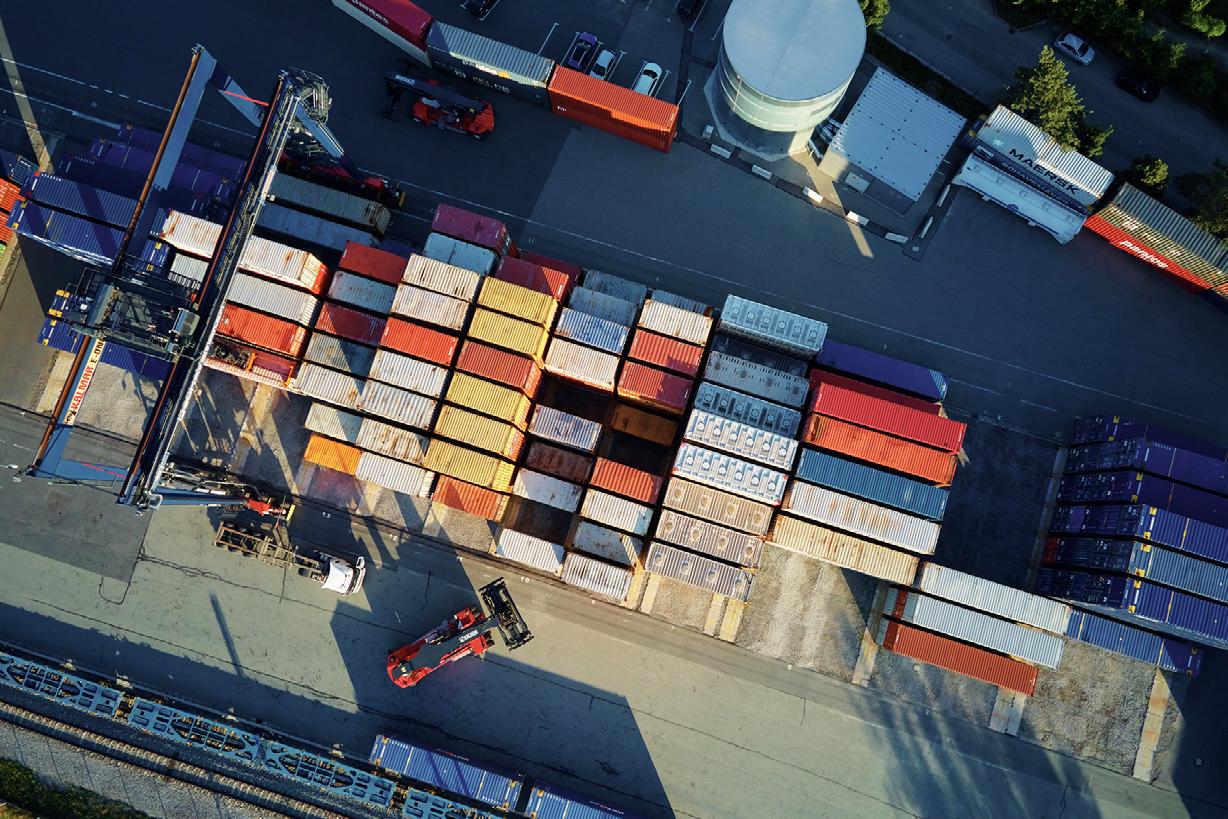
With such diversity, what prevents organisational chaos? Maersk has invested heavily in what Clarke calls ‘unifying elements’ – shared purpose, values, and mission that transcend cultural boundaries. The company purpose, ‘Improving life for all by integrating the world,’ provides a north star that resonates across cultures. Their five core values, including ‘Constant Care’ and ‘Humbleness,’ create a common behavioural framework. The integrator strategy gives everyone a shared mission: not just moving containers, but creating seamless end-to-end supply chain solutions.
“We have established a company purpose which is also a unifying element in daily work,” Clarke explains. “Our strong customer focus is a guiding star as well.”
• Invest in infrastructure Collaboration doesn’t happen naturally across cultures and time zones. It requires deliberate technological and organisational infrastructure that makes distance irrelevant. Embrace the matrix: Hierarchical structures optimised for local markets crumble under global complexity. Matrix organisations that can rapidly assemble cross-functional teams are essential.
• Unify through purpose, not process Instead of forcing uniform processes across cultures, create uniform purpose and values that allow local adaptation while maintaining global coherence.
• Make diversity operational Don’t just celebrate diversity in marketing materials – build it into your operational advantage. Use local knowledge and cultural insights as competitive weapons.
As trade tensions rise and supply chains face increasing volatility, Maersk’s collaboration model becomes even more valuable. Their ability to rapidly coordinate across cultures, languages, and time zones provides resilience that purely domestic or regionally focused competitors can’t match.
“In today's world that's essential to run resilient and fluid supply chains for our customers,” Clarke concludes. With recognition as a Leader in Gartner’s Magic Quadrant for Third-Party Logistics for the fourth consecutive year, and ambitious goals including net-zero emissions by 2040, Maersk continues to prove that in an interconnected world, collaboration isn’t just nice to have – it's the ultimate competitive advantage.
In a global economy, the companies that can best collaborate across cultures won’t just survive disruption – they’ll use it to pull ahead of competitors still struggling with their internal Tower of Babel. Maersk has shown the way forward, turning the complexity of 100 nationalities into the precision of a single, globally co-ordinated force.
CILT International has launched its Global Rail Group (GRG), a new strategic initiative designed to unite rail transport professionals across the globe and position the organisation at the forefront of an industry experiencing unprecedented growth and transformation.
The professional practice network welcomes individuals and organisations involved in every aspect of railway operations, from policy development and planning to rolling stock supply and systems maintenance. Founded by Darren King FCILT, Vice Chair, Member of CILT(UK) and Strategic Rail Advisor at WSP and Andrew Young, the GRG will serve as a hub for professional growth and a platform for developing thought leadership in the rail sector.
To ensure in-depth engagement across the diverse rail industry, the GRG will organise members into five specialised interest groups covering the complete spectrum of railway services: High-Speed Rail, Light Rail, Metro & Urban Rail, Regional & Intercity Rail, and Rail Freight. This structure allows professionals to connect with peers facing similar challenges whilst contributing to sector-specific best practices.
The group aims to facilitate knowledge exchange through multiple channels,
including publications, research papers, webinars, and in-person conferences,creating what organisers describe as “a global community committed to the advancement and integration of sustainable, efficient, and user-focused rail systems.”
Membership is open to all rail industry professionals, encompassing the broad ecosystem of roles from operators and supply chain specialists to policy makers and academics. Notably, there are no membership fees, though CILT membership is encouraged. The platform will be hosted as a curated LinkedIn community, maintaining high standards of membership and content quality.
The GRG has outlined an ambitious calendar of activities, including regular international forums conducted online, monthly or regular local conferences held in-person at country or regional levels, and quarterly flagship regional conferences spanning America, Europe, Africa, and Asia. Additionally, frequent podcasts will
cater to both global audiences and specific regional interests.
The Global Rail Group was formally launched at CILT International's September 2025 International Convention in Sri Lanka. The timing coincides with growing global emphasis on sustainable transport solutions and increased railway investment worldwide.
The GRG has outlined an calendar of activities
Wings of Change: Igniting the future
Wings of Change newsletter: Issue XVI and beyond
Celebrating Excellence: Star of WiLAT 2025
Global Recognition: UN Award for Gender Equality in Trade
Written by VICKY KOO FCILT Advisor to CILT Council of Trustees, WiLAT.



The CILT International Convention 2025 marks a special annual occasion for WiLAT members and friends to come together. Hosting the WiLAT Workshop in Sri Lanka carries deep significance, as it was here that WiLAT was formally adopted as a CILT Forum. Reflecting on our journey, we take pride in how WiLAT has evolved into a knowledge-generating platform, shaping thought leadership across the logistics and transport sectors.
At the WiLAT Workshop on 14 September 2025, we proudly launched the inaugural ‘WiLAT ESG Report 2025 – Values in Action.’ This landmark publication captures best practices in ESG that WiLAT has embraced over the years. More than just a report, it serves as a practical playbook for enterprises seeking to embed ESG principles into their operations. Exclusive interviews with thought leaders and industry executives distinguish this report from other ESG publications.
Special recognition goes to our WiLAT Champions whose significant contributions made this publication possible. Their expertise and commitment will continue to support organisations in achieving performance excellence.
• Reshma Yousuf FCILT, Malaysia Champion of Green Practices
• Gayathri Karunanayake CMILT, Sri Lanka – Champion of Neurodiversity
• Dato’ Dr. Sharifah Halimah Syed Ahmad FCILT, Malaysia – Champion of Gender Diversity
• Carmen Li FCILT, Hong Kong – GVC of East Asia (Gender Sensitive Public Transport Services)
• Kenneth Law CMILT, Hong Kong – Past Champion of D&I
• Margret Bango CMILT, South Africa –Champion of Entrepreneurship
• Ts Dr Hjh Zawiah FCILT, Malaysia –Champion of Webinars
The WiLAT ESG Report 2025 affirms that sustainability and inclusion are not merely ethical imperatives – they are strategic levers for business excellence. Organisations that embrace ESG holistically are achieving superior financial performance, operational resilience, and stakeholder satisfaction.
As we look ahead, WiLAT remains committed to leading this transformation. We will continue to empower women, advocate for inclusive policies, and drive innovation across the global logistics and transport sector. Together, we can shape a future that is not only sustainable and equitable, but also prosperous for all.
In July, we published Issue XVI of Wings of Change, WiLAT’s quarterly newsletter, dedicated to the theme of ‘Green Aviation.’ This issue featured Dr. Doreen Owusu-Fianko, our Deputy Global WiLAT Chairperson and a legend in the aviation industry. Even in retirement, Doreen continues to offer invaluable insights, advocating for ESG and sustainability in aviation.
Doreen was one of the invited speakers at the CILT International Convention 2025. In her captivating address, she took the audience on a compelling journey through the time tunnel of aviation – from the pioneering days of manual operation and navigation to the present era of sustainable aviation and AI-assisted operations. She reflected on the milestones that shaped the industry, the challenges overcome, and the innovations that redefined air travel. Her insights bridged the past and the future, highlighting how artificial intelligence,



data analytics, and green technologies are now transforming aviation into a smarter, safer, and more sustainable domain. Her message was clear: while the tools and technologies evolve, the vision, leadership, and values that drive progress must remain steadfast. Through her words, the audience was reminded that the future of aviation is not just about machines – it’s about people, purpose, and possibilities.
Looking ahead, our editorial team is preparing Issue XVII, themed ‘Zero Carbon RAIL,’ to be released in October. This edition will spotlight Carmen Li, GVC of East Asia, a veteran in rail services management. It will also feature contributions from Cheris Lee, WiLAT Hong Kong Chairperson, and Vivien Yang, WiLAT China Vice Chairperson, who share their expertise on rail development for both passenger and freight services. Carmen, Cheris, and Vivien exemplify the excellence and leadership that WiLAT proudly champions.

The annual ‘Star of WiLAT’ global contest was successfully conducted, following a rigorous selection and interview process. We are delighted to announce that the Star of WiLAT 2025 is Azila Binti Ayub from Malaysia. Azila is a vibrant and accomplished young woman with a strong academic background in logistics and transport. Her contributions to WiLAT Malaysia have been impactful, and she is now poised to inspire women globally through her continued engagement.

e are proud to share that Naa Densua Aryeetey, Global WiLAT Advisor, has been awarded the United Nations International Prize for Gender Equality in Trade, under Category III: Trade Facilitation. This prestigious recognition honours the work of the Gender Subcommittee of Ghana’s National Trade Facilitation Committee, which has pioneered innovative, impactful, and gender-responsive trade policies at national and international levels. Among all submissions, this initiative stood out for its excellence and transformative impact.
Our heartfelt appreciation goes to the Organising Committee for the successful execution of the WiLAT Workshop 2025 – Wings of Change: Igniting the Future. This impactful event would not have been possible without the dedication and hard work of key individuals.
Special thanks to Amra Zareer GVC of ERP, Rumal Fernando WiLAT Sri Lanka Chairperson, and Gayathri Karunanayake CMILT, CILT ICM Conference Chair, whose leadership and coordination were instrumental in bringing the workshop to life. They were ably supported by Gayani de Alwis, Dr. Doreen Owusu-Fianko, Carmen Li, Alice Yip, and Elise Kwok, whose contributions added depth and excellence to the event.
We also extend our sincere gratitude to the unsung heroes — the CILT Sri Lanka leadership team, led by Chandima Hulangamuwa, President of CILT Sri Lanka, and Romesh David, Past Global WiLAT Advisor. Their unwavering support and commitment ensured the success of this meaningful gathering. Together, they exemplify the spirit of collaboration and excellence that defines WiLAT.



CILT International’s Next Generation forum has launched its first dedicated global brand identity, marking a significant milestone for the organisation’s commitment to empowering young professionals in supply chain, logistics and transportation.
Chair Dianah Nassimbwa explains that Next Generation serves as one of CILT’s special interest groups with a clear mission: “to promote the art and science of Supply Chain, Logistics and Transportation through knowledge sharing, career development, mentoring and networking opportunities to the next generation of the Supply Chain, Logistics and Transportation sectors globally.”
The rebrand comes as Next Generation establishes itself as a strategic force within the industry. “The Next Generation Committee is where strategy meets action, giving young professionals a strong voice in shaping the future of logistics and transport,” says Ms. Nassimbwa.
The forum operates at multiple levels, guiding local branches and territories on industry trends, overseeing global projects and initiatives, and connecting regions for international knowledge sharing.
“It showcases Next Generation’s achievements globally and reviews progress, reporting to CILT leadership,” Ms. Nassimbwa adds.
The new visual identity, featuring burgundy and yellow colours designed to convey energy and inclusivity, supports the forum’s ambitious scope. The forum maintains an inclusive approach to membership. According to Ms. Nassimbwa, “CILT members worldwide can get involved with the Next Generation Committee by joining the Next Generation Forum.” Membership criteria are deliberately broad, open to those aged 35 or under, those who have been CILT members for five years or less, or those who have held Affiliate Membership for five years or less.
“This platform provides young professionals and early-career members with opportunities to connect, learn, and contribute to shaping the future of Supply Chain, Logistics and Transportation across the globe,” Ms. Nassimbwa explains.
The new brand identity represents more than visual changes – it establishes Next Generation as a powerful platform where emerging industry leaders can drive transformation whilst building the skills and networks needed for future success.
The CILT International Membership Panel stands as the guardian of professional excellence within the global transport and logistics community.
Comprising distinguished industry leaders from across the world, this dedicated group ensures that CILT's membership standards remain at the highest level while supporting professionals at every stage of their career journey.
From experienced executives to sustainability experts, each panel member brings unique insights and extensive experience to the membership evaluation process. Their collective expertise spans decades of industry knowledge, multiple continents, and diverse sectors within transport and logistics.
In this special feature, we speak with key panel members and CILT International staff to understand what drives their commitment to professional excellence and what advice they offer to aspiring members looking to advance their careers through CILT membership.

INTERNATIONAL MEMBERSHIP EXECUTIVE, CILT INTERNATIONAL
CAN YOU GIVE A BRIEF OVERVIEW OF WHAT’S INVOLVED IN THE PROCESS OF THE MEMBERSHIP PANEL?
The membership panel is at the heart of CILT International’s commitment to excellence. The process begins with a nomination or application stage, where prospective members highlight their experience and commitment to the industry. Applications are then carefully reviewed against clear criteria, with panel representatives considering a diversity of perspectives across membership levels, roles, and backgrounds. Through thoughtful discussion, the panel ensures that new members are not only well-qualified but also share CILT’s passion for advancing transport and logistics. In this way, the panel welcomes professionals who will contribute positively to the sector while strengthening and enriching the global CILT community.
WHAT DO YOU LOVE ABOUT WORKING IN THIS SPACE?
What I love about working in this space is the opportunity to help shape the future of our profession through the membership panel process. It's inspiring to see the amount of talent and commitment from applicants across the world and to play a part in welcoming them into the CILT community. Reviewing applications isn’t just about upholding standards – it’s about connecting with people who share a passion for transport and logistics and ensuring they have a platform to contribute and grow. Being involved in this process makes me feel part of something bigger: strengthening our global network and helping it thrive.
WHAT ADVICE WOULD YOU GIVE AN ASPIRING MEMBER WHO WANTED TO UPGRADE THEIR MEMBERSHIP LEVEL?
If you’re looking to upgrade your membership, get involved! Attend events, contribute to discussions, and be sure to highlight all your qualifications, work experience, and achievements. Familiarise yourself with all the membership gradings – FCILT, CMILT, MILT, and Affiliate – and the criteria for each. Make sure the grade you're aiming for meets all the requirements and is the most suitable for you. Upgrading isn’t just about a title; it’s about growing, learning, and making a real impact in the CILT community.
WHAT DO YOU LIKE ABOUT WORKING IN TRANSPORT AND LOGISTICS?
What I like about working in transport and logistics is the opportunity to meet and collaborate with strong, knowledgeable individuals who bring a wealth of experience to the sector. Every conversation and project is a chance to learn, share insights, and be inspired by people who are shaping the future of transport and logistics. It’s rewarding to be part of a community where expertise, innovation, and passion come together to make a real impact globally.

Gavin Clarke is an experienced Director, Board Member, and shareholder with over 20 years of success in the logistics industry. He is a passionate leader committed to driving industry-wide change through sustainability, innovation, and the modernisation of logistics. Recognised as a thought leader in digital transformation, Gavin balances innovation with the core values that define the sector.
He has a proven track record of building and scaling multiple start-ups to a combined turnover of £50 million per year. His leadership has been recognised with multiple awards, including Wales Start-Up Business of the Year (2018), Fastest Business-to-Business Company in Wales (2019 & 2020), and 2nd Overall Fastest Growing Business in Wales (2019 & 2020).
WHY DO YOU VOLUNTEER ON THE MEMBERSHIP PANEL?
I volunteer on the membership panel of the Chartered Institute of Logistics and Transport because I believe in giving back to the profession and helping to strengthen our community. Membership is the foundation of any professional body, and being part of the panel allows me to contribute to shaping a network that supports, develops, and inspires logistics and transport professionals. It also gives me the opportunity to connect with a wide range of colleagues across the industry, share best practices, and ensure that the Institute continues to deliver real value to its members. For me, it’s about promoting professionalism, encouraging continuous learning, and helping to build a stronger voice for our sector.
WHAT DO YOU LIKE MOST ABOUT YOUR ROLE ON THE MEMBERSHIP PANEL?
What I like most about my role on the membership panel is being able to directly contribute to the growth and development of our professional community. I really enjoy engaging with other panel members, hearing their perspectives, and helping to shape initiatives that make membership more valuable and meaningful. It's rewarding to know that our work supports people at different stages of their careers, while also strengthening the reputation and influence of the logistics and transport sector.
WHAT ADVICE WOULD YOU GIVE TO ASPIRING MEMBERS LOOKING TO RISE THROUGH THE GRADES OF MEMBERSHIP AT CILT?
My advice to aspiring members is to see membership not just as a title but as a journey of professional growth. Engage actively with the Institute – attend events, contribute to discussions, and connect with peers and mentors. Keep track of your achievements and experiences, because they will support your progression through the grades. Most importantly, focus on continuous learning and development, whether through formal qualifications, on-the-job experiences, or thought leadership. The more you invest in both your own growth and in the profession, the more value you'll gain from CILT – and the easier it will be to rise through the grades with confidence.

With 25+ years of expertise in logistics and supply chain, John Dube has been honoured with multiple Chartered Fellow designations from esteemed professional Institutes. He joined CILT when it was still the Chartered Institute of Transport (CIT) and witnessed the institute's strategic evolution to its current form. He brings a unique mix of real-world expertise and thought leadership gained from multinational companies including Delta Beverages, an associate of AB InBev.

Paul is a business leader with over 25 years board level experience spanning 40 years in retail, automotive, technology and logistics sectors. He has a proven track record in building and developing sales capability across organisations in many different countries and cultures, and is a sought-after consulting partner and international conference speaker. Paul was International President of CILT in 2015 and 2016 and remains a passionate advocate of learning and development.
WHY DO YOU VOLUNTEER ON THE MEMBERSHIP PANEL?
Serving on a global committee amplifies one's voice and influence. As a member of CILT's international Membership Panel, I actively support the Institute's mission of promoting worldwide professional excellence through a transparent selection framework rooted in ethical principles.
WHAT DO YOU LIKE MOST ABOUT YOUR ROLE ON THE MEMBERSHIP PANEL?
Panel discussions and the evaluation processes are done within the global membership framework, creating meaningful exchanges where decisions are collectively evaluated, reducing the likelihood of approval errors. I value this collaborative and team-based approach, acknowledging that even unapproved applications receive insightful evaluations to stimulate professional growth.
WHAT ADVICE WOULD YOU GIVE TO ASPIRING MEMBERS LOOKING TO RISE THROUGH THE GRADES OF MEMBERSHIP AT CILT?
For a sustainable and successful application journey, I recommend members establish connections with local CILT offices and authorised partner organisations. These relationships can provide essential guidance for optimising the process, addressing potential compliance gaps, and minimising obstacles that might delay recognition milestones.
WHY DO YOU VOLUNTEER ON THE MEMBERSHIP PANEL?
Firstly, there is nothing more important to maintaining professional membership standards across the Institute and having members at the right grade level supports this; and secondly it is great to see members progress through responsibility and seniority, achieving academic qualifications and making a difference to the role of logistics and transport across the globe.
WHAT DO YOU LIKE MOST ABOUT YOUR ROLE ON THE MEMBERSHIP PANEL?
Witnessing the diversity of applications for membership and upgrades and staying close to our members worldwide, as well as working with some truly awesome and committed people on the panel!
WHAT ADVICE WOULD YOU GIVE TO ASPIRING MEMBERS LOOKING TO RISE THROUGH THE GRADES OF MEMBERSHIP AT CILT?
Progression is part of a professional career and the gaining of both knowledge and experience drives recognition both in their own organisation and within CILT. By raising their grade level within CILT, this is a professional endorsement of both capability and capacity, from a world-renowned chartered body. This progression will help each member achieve and potentially exceed their career goals.
60

BYRNE FCILT
Lt Col Kevin Byrne availed of early retirement from the Irish Air Corps in 2012, in order to pursue teaching in Dublin City University and later in Coventry University (UK). Military appointments included service in the ATC unit, operations and public relations offices, the technical training school, military police unit and the senior logistics office in headquarters. More recently, he has been a certified Airport Safety and Security Auditor for Europe’s largest airline.
He holds a BA Degree from University College, Galway, an MSc in Airport Planning and Management from Loughborough University (UK), various post-graduate certificates and multiple IATA & ICAO certificates. He has been a Chartered Fellow (FCILT) since 2003, was President of CILT Ireland in 2004-5, and served as President of CILT International during 2017-18.
WHY DO YOU VOLUNTEER ON THE MEMBERSHIP PANEL?
Having held the highest office in the International Institute, I thought it only reasonable to continue to contribute in some fashion to its continued good workings. Very many years ago, I chaired the membership Committee in CILT Ireland and found it a challenge and a pleasure. It is very gratifying to assist in the selection and grading of those who wish to join our great logistics family. The panel is a great cross-section of experience and talent from all parts of the Institute and is very focused on its mission to find the correct grade for all of the applicants.
WHAT DO YOU LIKE MOST ABOUT YOUR ROLE ON THE MEMBERSHIP PANEL?
It's a genuine pleasure to read the very many application forms from those who wish to join initially or from current members who are seeking upgrades. It illustrates the relevance that our institute has in the working lives of so many logistics professionals in so many disparate parts. Meeting so many old friends and making new ones via Zoom, while not ideal, is also very gratifying, particularly when attending live conventions may not be possible.
The best advice that may be given to aspiring members is to carefully check their academic qualifications and experience and to match them against the specific criteria of each membership grade. Advice and clarification, if required, may be easily sourced from the local branch or territory. For every member, it should be their ambition to rise to the next higher grade as it may stretch them from their comfort zone, arguably a good thing in logistics! Based on relevant education and training in logistics and their experience, members should be encouraged to explore the potential of improving their particular grade. It is gratifying to see the many successful applications for an upgrade, because the future well-being of our institute rests with the induction of younger members, in particular, and their deserved advancement through the various grades to the highest one – FCILT.

LLB BL CSSCP
Obiageli Amajor is a seasoned Consultant, lawyer, and sustainability expert with over a decade of experience in corporate sustainability, environmental policy, and international business. As CEO of Zebulon Trade and Logistics, she led transformative initiatives that resulted in a 34% increase in net profits and a 21% expansion in market share.
During her tenure as Director General of the Nigerian Chamber of Shipping, Obiageli successfully secured Associate Member Status with the International Chamber of Shipping (ICS), making the Chamber the first African Shipping Group member. She holds certifications in Sustainable Supply Chain Management, Sustainable Energy, and Ocean Sustainability.
WHY DO YOU VOLUNTEER ON THE MEMBERSHIP PANEL?
I volunteer on the Membership Panel because it allows me to influence industry progress, cultivate meaningful professional relationships, and contribute to the community. This role aligns with my personal and professional values, enabling me to develop new skills while playing an active part in shaping the future of the organisation. It provides both professional growth and a deep sense of fulfillment as I work to drive positive change and innovation within the industry.
WHAT DO YOU LIKE MOST ABOUT YOUR ROLE ON THE MEMBERSHIP PANEL?
In my role on the membership upgrade panel, I deeply value the opportunity to influence industry standards and play an active part in the organisation's growth. I take great pride in building meaningful connections that inspire collaboration, while ensuring the membership remains forward-thinking and aligned with emerging trends. This role empowers me to drive impactful strategic initiatives that strengthen and innovate the community, helping to position the organisation as a leading force within the industry.
WHAT ADVICE WOULD YOU GIVE TO ASPIRING MEMBERS LOOKING TO RISE THROUGH THE GRADES OF MEMBERSHIP AT CILT?
To succeed in advancing through the grades at CILT, aspiring members should embrace continuous learning and stay proactive in engaging with events and networking opportunities. Seek out leadership roles in your current position to demonstrate your capabilities, and don’t hesitate to connect with mentors who can guide you. Your contributions – whether through sharing insights or shaping industry practices – will set you apart. Remember, maintaining strong ethical standards and being passionate about the profession will help you build credibility and unlock new opportunities for growth.

Dr. Ogochukwu Ugboma is an Associate Professor and Acting Dean at the School of Transport and Logistics, Lagos State University, Nigeria. A Fellow of the Chartered Institute of Logistics and Transport (CILT), she serves on the Membership Panel and the International Education Standards Committee (IESC), contributing to global standards for membership and education benchmarks.
With over 20 years of academic and consultancy experience, she has led more than 13 significant projects, including freight surveys for the Lagos Strategic Transport Master Plan, the Light Rail Blue Line, the Kaduna Bus Mass Transit project, and pharmaceutical supply chain quality assessments across some Nigerian states.
WHY DO YOU VOLUNTEER ON THE MEMBERSHIP PANEL?
I volunteer on the CILT Membership Panel because I strongly believe in the Institute's role as a custodian of professional standards in logistics, transport, and supply chain management. Having benefited from CILT's global network and recognition, I view it as both a privilege and a duty to contribute to the growth of our profession by ensuring that membership reflects the highest levels of competence and integrity. Serving on the panel allows me to give back to the Institute while creating opportunities to support professionals at various stages of their careers. I am especially passionate about encouraging more women and young professionals to view CILT membership as a path to visibility, recognition, and influence within the industry. By volunteering, I can help uphold the credibility of CILT's membership structure and ensure it continues to inspire trust, professionalism, and excellence worldwide.
WHAT DO YOU LIKE MOST ABOUT YOUR ROLE ON THE MEMBERSHIP PANEL?
What I enjoy most about serving on the CILT Membership Panel is the opportunity to witness the breadth and depth of talent within our profession. Every application tells a story of hard work, achievement, and dedication, and it is rewarding to be part of a process that recognizes and validates those efforts. I value the rigorous yet fair assessment process that ensures only deserving candidates are granted membership and progress through the grades. This responsibility keeps me informed about the evolving trends and standards within logistics and transportation. Equally fulfilling is the chance to work with distinguished colleagues on the panel, where we exchange perspectives and uphold a shared commitment to excellence. Ultimately, what I appreciate most is knowing that our work directly contributes to strengthening the Institute's credibility and motivating professionals to continue striving for higher standards of practice.
WHAT ADVICE WOULD YOU GIVE TO ASPIRING MEMBERS LOOKING TO RISE THROUGH THE GRADES OF MEMBERSHIP AT CILT?
My advice to aspiring members is to see CILT membership not just as a title, but as a journey of continuous professional growth. Rising through the grades requires more than years of experience; it demands evidence of impact, leadership, and a commitment to advancing the profession. I encourage members to document their achievements actively, highlight measurable outcomes, and continuously update their knowledge through training, certification, and engagement in professional activities. Building strong networks within CILT and contributing to the Institute's initiatives also strengthens one's profile. Importantly, aspiring members should align their career stories with CILT's professional sectors and values, ensuring their applications clearly demonstrate relevance and contribution. Finally, I advise members to seek mentorship and guidance early, as learning from others who have progressed through the grades can provide invaluable insight and encouragement.

RESEARCH-CONSULTANT, EDAB CONSULTING PTY LIMITED DR

Dr. Neville Binning has extensive breadth and depth of experience across the public and private sectors. He has substantial tertiary qualifications including Civil Engineering, MBA and PhD together with an extensive professional network. Dr. Binning is a Research-Consultant who established EDAB Consulting Pty Ltd to enable him to pursue his interest in devising innovative practical solutions that promote sustainability.
Dr. Binning also has a long-run continuing involvement with CILT, including as a past National Chair of Australia & International Vice President (Australasia). Neville is also involved in the Mentoring program at the University of Western Australia and volunteers in various Arts and Animal Rights Groups.
James Chimwemwe Katunga is a Malawian logistics professional who entered the field in 2001 and has been a member of CILT ever since. After early career experience in Sales and Marketing, logistics provided him with the complete management perspective and expertise needed to drive organisational success.
WHY DO YOU VOLUNTEER ON THE MEMBERSHIP PANEL?
As Malawi is landlocked, and predominantly a consuming nation, logistics and transport becomes very critical, that's why I decided to volunteer so as to help others see the world of operations through logistics and transport. I want to share my experience and help others understand how vital our profession is to making organisations and economies function effectively.
WHAT ADVICE WOULD YOU GIVE TO ASPIRING MEMBERS LOOKING TO RISE THROUGH THE GRADES OF MEMBERSHIP AT CILT?
I would strongly recommend to take logistics and transport as a profession so that they can influence the world of business at large. This profession gives you the tools and perspective to make a real difference in how organisations operate and succeed.

steps down as CILT International President at the end of 2025, he will leave behind more than just a successful tenure, he will have a rewritten history. As the first Black and African to lead the Chartered Institute of Logistics and Transport since its founding in 1919, his presidency represents a watershed moment for an organisation that spans the globe.
For Chief, as he’s known to colleagues worldwide, and usually response “that’s my name”, the significance of this achievement is inseparable from the journey that brought him here: a 35-year odyssey that began humbly in a branch treasurer’s role in Ghana.
“I never set out to be ‘the first’ in anything,” he reflects. “I simply found purpose in service.” That philosophy, inspired by Mahatma Gandhi's wisdom about losing oneself in service to others, has been the throughline of his remarkable career. Starting as Treasurer of CILT Ghana in 2000, he moved through the ranks not by grand design, but through consistent dedication. Honorary Treasure, Honorary Secretary, International Vice President and Chair of Africa Forum, International Ambassador and each role prepared him for the next role.
The weight of representation, however, is something Chief carries with profound awareness. “To represent the global community, our continent Africa, and my nation Ghana, this honour is significant,” he says. For millions of African professionals in Supply Chain, Logistics and Transportation, his presidency is a proof that excellence and perseverance can overcome any barrier. Yet Chief approaches this legacy with characteristic humility and gratitude, understanding that he stands on the shoulders of countless volunteers and mentors who believed in his potential.
His leadership style reflects both his Ghanaian roots and his Pan-African vision. Throughout his tenure, Chief has been unwavering in his commitment to ‘Stronger Together,’ making diversity and inclusivity not just buzzwords, but the beating heart of CILT’s global mission. He has personally established and restructured CILT branches across Africa, providing educational support and accreditation, ensuring that the next generation won't face the same barriers he encountered.
Chief’s achievements extend far beyond the boardroom. As the first individual recipient of the prestigious Pegasus Award in 2012 since 1919, presented by Her Royal Highness Princess Anne, he has been recognised for exceptional service. He pioneered Ghana’s first radio car talk show on car maintenance and road safety, ‘Arrive Alive,’ and produced the country's first televised driver education drama
series. These innovations reveal a man who understands that professional excellence must serve the wider community. Chief has a strong marketing and communication background and owns one of the top 3 Integrated Marketing Communication companies in Ghana with affiliates globally.
Perhaps most telling is his role as the first non-voting member co-opted into the CILT International Council of Trustees as an Advisor, a position that was subsequently institutionalised because of the value he brought. It's a perfect metaphor for his career: creating space where none existed before, then ensuring others can follow. “Every act of genuine compassion nourishes us,” Chief often says, quoting his personal philosophy. “I intend to inspire, especially our thousands of volunteers, before I expire.” It’s this combination of warmth, wisdom and determined optimism that has defined his Presidency.
As his tenure draws to a close, Chief Teete OWUSU-NORTEY'S legacy is already clear and some notable ones are;
• Establishing the Chief Teete OWUSU-NORTEY’s Volunteer of the Month Award.
• ‘The World in Motion’ journal which is the first ever journal for the Institute.
• Instituting the ‘International Day for Supply Chain, Logistics and Transportation’ which is being celebrated on the 3rd of November each year.
• Designing the CILT Africa Forum logo
• Producing the operational guidelines for the Next Generation Yes, he was the first, but more importantly, he ensured he wouldn't be the last. He leaves CILT more inclusive, more globally representative, and more committed to excellence than ever before.
For a man of many parts (Educator, Innovator, Trailblazer, Fashionista, DJ, Sound Engineer, Musician, follows his Passion, an Originator not an Imitator), perhaps his greatest achievement is this: He made history while making it easier for others to write their own.
CILT International celebrates exceptional volunteers throughout 2025, recognising individuals whose dedication and innovation strengthened the global logistics and transport community.
SINGAPORE COMMUNICATIONS CHAMPION

Peck Yong Chia (PY) from CILT Singapore brought three decades of unwavering service to the spotlight as February's volunteer. As Hon Treasurer and the driving force behind CILT Buzz, Singapore’s influential online newsletter, PY has kept members and stakeholders informed across governmental bodies, corporations, and educational institutions. His commitment to high-quality, timely content and mentorship of future communications leaders exemplifies sustained excellence in volunteer service.
RWANDA FOUNDING

Dr. MUGABO Patrick was recognised for his foundational role in establishing CILT Rwanda and his multifaceted contributions to professional development. Achievements span membership growth, the launch of Rwanda’s first CILT-accredited training centre, and the successful organisation of two Africa Forums through his company’s sponsorship. His current work positioning CILT Rwanda as a national regulatory body demonstrates his commitment to long-term professional transformation.
MS. MOIPONE C. MASALESA

Moipone C. Masalesa is recognised for advancing WiLAT South Africa, championing gender inclusion, and mentoring over 100 young logistics professionals. Moipone has been a trailblazer in logistics and transport for more than a decade, dedicating her leadership, passion, and expertise to strengthening WiLAT South Africa and empowering the next generation of leaders.
These five months of recognition reveal common themes among CILT’s outstanding volunteers spanning; communications, membership development, training centre establishment, and advocacy – illustrating the multifaceted nature of volunteer excellence within CILT’s international network. A PATTERN OF EXCELLENCE
GHANA GROWTH CATALYST

Engr. Clement Danyiwe Kubakwana CMILT, transformed the Takoradi Section from 113 to 335 members in just three years, earning recognition as Ghana’s ‘Most Inspiring Section’ leader for 2024. His pan-African vision has connected professionals across West Africa through workshops and partnerships, earning him the nickname ‘CILT West Africa President.’ Under his leadership, the section delivered over 70 programmes and landmark achievements including hosting Ghana’s first AGM outside the capital.
MALAYSIA EMPOWERMENT LEADER

Assoc. Prof. Ts. Dr. Jessica Ong Hai Liaw FCILT, Chairperson of WiLAT CILT Malaysia, has championed women’s advancement in logistics and transport through innovative initiatives. Her creation of WiLAT Kitchen, leadership of the Humanitarian Logistics Tour, and establishment of the FemForward Awards have elevated underrepresented voices while building community through mentorship and recognition programmes.

Alice Yip has been recognised for her outstanding dedication and contributions to CILT International, particularly through her work with WiLAT and Next Generation. Her commitment to the development and mentorship of emerging professionals within our industry has made a lasting impact.
If you know an outstanding volunteer making a difference in the CILT community, submit your nomination for Volunteer of the Month via the CILT International website: www.ciltinternational.org/initiatives/volunteer-of-the-month
Look out for the next edition of The World In Motion, where we’ll be exploring the importance of resilience
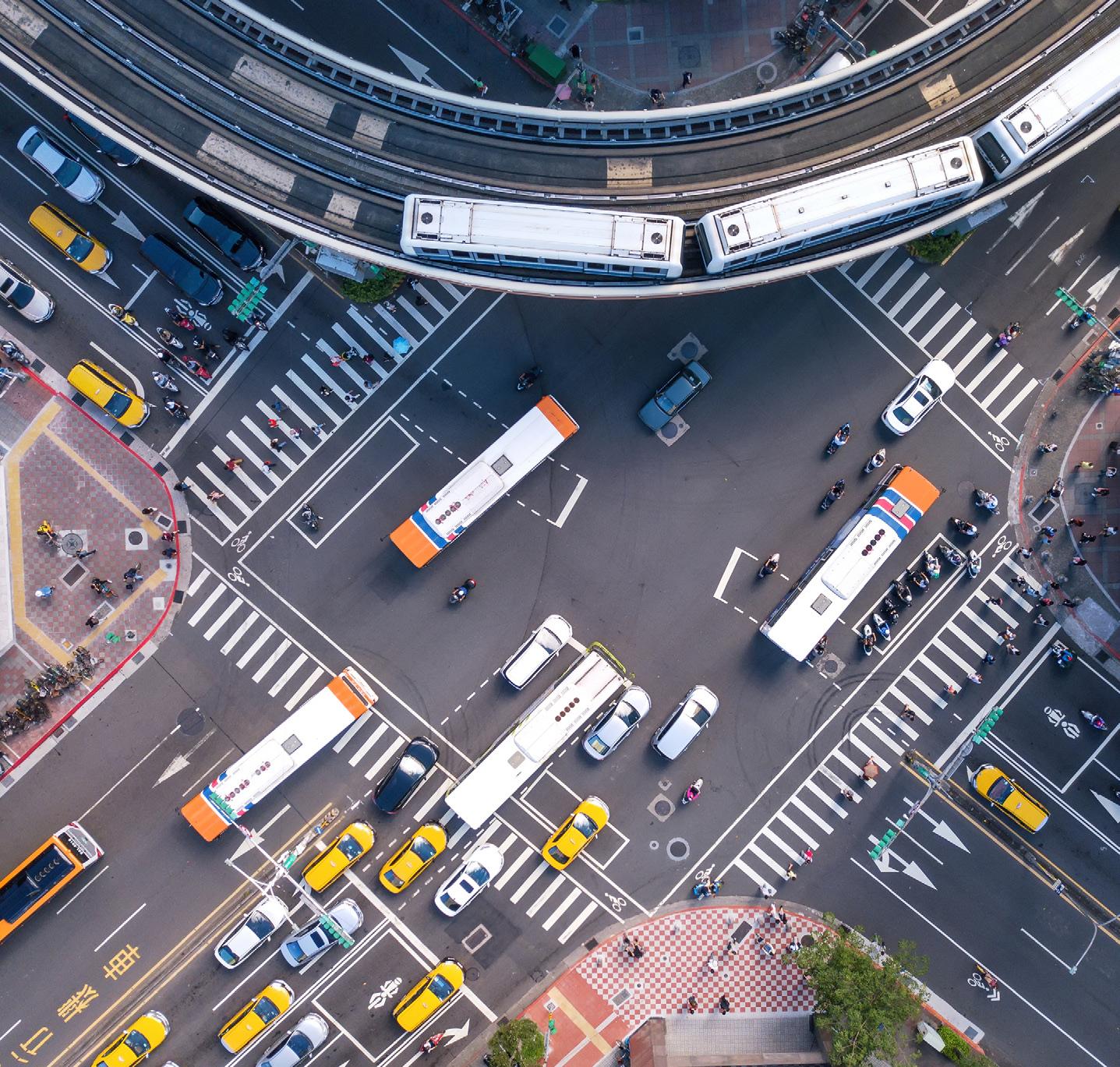
AFor all your latest supply chain, logistics and transportation industry news, be sure to join our community on LinkedIn
• Technology-enabled monitoring systems providing real-time visibility and early warning capabilities
s President of the Chartered Institute of Logistics and Transport International, it gives me great pleasure to welcome you to the inaugural issue of The World in Motion, our new flagship publication that marks an exciting chapter in CILT's 105-year history. In an increasingly interconnected world, the strength of our global community – over 33,000 professionals across more than 100 countries – lies in our ability to share knowledge, expertise, and innovation. The World in Motion embodies this spirit of collaboration and excellence, providing a platform where different perspectives meet to shape the future of logistics and transport.
In a world where disruption has become the new normal, the ability to adapt, recover, and thrive in the face of uncertainty has emerged as the defining characteristic of successful supply chains, logistics networks, and transportation systems. This edition will explore how resilience is being built into the DNA of global commerce through strategic planning, innovative thinking, and proactive risk management.
• Collaborative networks sharing intelligence and resources to strengthen collective resilience
• Adaptive infrastructure design building flexibility into ports, warehouses, and transport corridors
As the first African to hold the position of CILT International President, I have witnessed firsthand the transformative power of knowledge sharing and professional development across different regions. Every country and continent have their own strengths, so we all become stronger when we learn from each other and have a shared vision of progress.
We'll examine transformative approaches that demonstrate how preparing for the unexpected creates stronger, more agile operations:
The first edition of our magazine will explore industry frontiers, showcasing the achievements of our members worldwide while fostering the exchange of ideas that drive our sector forward.
For CILT International, this represents more than just a magazine – it is a testament to our mission of promoting and improving logistics and transport around the world. In these pages, you will find thought leadership from industry heavyweights as well as perspectives from new innovators who are challenging the old ways of working in their respective markets.
• Crisis response frameworks enabling rapid recovery from natural disasters, pandemics, and geopolitical events
As we embark on this journey together, I invite you to engage with the content, share your experiences, and contribute to the valuable discourse that will unfold in future issues. After all, it is through such collaboration that we truly demonstrate we are ‘Stronger Together.’
Chief Teete OWUSU-NORTEY FCILT President, CILT International.
• Supply chain diversification strategies reducing dependency and creating alternative pathways for critical goods
We will showcase inspiring examples of organisations that have transformed challenges into competitive advantages, from companies that pivoted operations overnight during global disruptions to transportation networks that maintained service through unprecedented circumstances, and examine how different sectors are reimagining resilience as a strategic asset rather than defensive necessity.