






Welcome to this issue of 2Inspire Magazine.
Today, wellness means something very different than it did just a few years ago It’s no longer about chasing perfection or following the latest trend It’s about creating a lifestyle that supports your physical health, mental well-being, and overall sense of balance In a world that moves faster every day, learning how to slow down, recharge, and care for ourselves has never been more important.
This issue explores the many dimensions of modern wellness from mindful nutrition and healthy aging to movement, mental health, and sustainable habits that support long-term success Our goal is to provide practical insights that help you make meaningful improvements without overwhelming your daily life.
One of the highlights of this issue is our feature with McKinzie Roth Her story is a powerful reminder that wellness begins with mindset Through discipline, gratitude, mindfulness, and intentional living, McKinzie has built a life and career centered on growth while remaining committed to what matters most. Her perspective offers valuable lessons for anyone striving to live with greater purpose and balance.
As you turn these pages, I encourage you to focus not on perfection, but on progress Small choices made consistently often create the greatest transformations Whether it’s improving your nutrition, prioritizing sleep, managing stress, or simply being more present each day, every positive step moves you closer to a healthier and more fulfilling life.
Thank you for being part of the 2Inspire community My hope is that this issue leaves you feeling motivated, empowered, and inspired to take the next step on your wellness journey
Dennis M. Postema Founding Editor & CEO

The content in 2Inspire Magazine is made available on the terms and conditions that the publisher, editors, contributors and related parties, shall have no responsibility for any action or omission by any other contributor, consultant, editor or related party; disclaim any and all liability and responsibility to any party for any loss, damage, or disruption caused by errors or omissions, whether such errors or omissions result from negligence, accident or any other cause; are not responsible in any way for the actions or results taken by any person, organization or any party on basis of reading information, or contributions in this publication, website or related product
Editor’s Letter
The Healing Kitchen
Why Home Cooking Is Becoming the Ultimate Form of Self-Care
Wellness Refined
Why Mental Health Is the New Foundation of Self-Care
The Future of Healthy Eating
Food Trends Transforming Modern Wellness
If Not Now, When?
Everyday Wellness Habits That Can Transform Your Life
Yoga for Modern Living
How Ancient Practices Are Helping People Find Balance
Again

The Power of Mindful Movement
How Yoga Is Helping People Heal From Stress and Burnout
The Low-Carb Revolution
Why More People Are Choosing Smarter Nutrition for Long-Term Health
Low-Carb Living in 2026
Why Simpler Eating Is Becoming the Future of Wellness
The New Age of Anti-Aging Why Longevity Is Becoming the Ultimate Wellness Goal
Aging Gracefully
The Wellness Habits Helping People Feel Younger at Every Stage of Life
Beyond the Scale
Why Sustainable Weight Loss Is Replacing Diet Culture


In a world dominated by rushed schedules, food delivery apps, and convenience meals, people are beginning to rediscover the beauty of cooking at home. What was once considered a chore is now becoming a deeply personal wellness ritual Across social media, wellness communities, and health-focused households, more individuals are embracing cooking not only as a practical necessity but also as a form of emotional healing, creativity, and self-care.
The modern kitchen has evolved into something much more meaningful than a place where meals are prepared It has become a sanctuary a place where people reconnect with themselves, their families, and their health Cooking encourages mindfulness, patience, and intentional living Whether it’s preparing a colorful salad, simmering a comforting soup, or baking fresh bread from scratch, the act of creating food can become therapeutic
Nutritionists and mental wellness experts continue to emphasize the emotional benefits of preparing meals at home. Research suggests that cooking can reduce stress, improve mood, and provide a sense of accomplishment. Unlike passive forms of entertainment, cooking actively engages the senses The sounds of vegetables sizzling in a pan, the aroma of herbs and spices, and the visual beauty of fresh ingredients all contribute to a calming and rewarding experience

“F00D IS N0T JUST FUEL — IT’S INF0RMATI0N. IT TALKS T0 Y0UR DNA AND TELLS IT WHAT T0 D0.”
Dr. Mark Hyman
As people become more aware of what they consume, there is also a growing desire to understand ingredients and make healthier choices Home cooking allows complete control over portions, sodium levels, sugars, oils, and additives. Instead of relying on processed meals packed with preservatives, individuals can create nourishing dishes filled with whole foods and fresh produce.
Cooking naturally supports intentional eating because it requires time and attention. Preparing ingredients from scratch encourages people to think carefully about what they are putting into their bodies It creates a deeper connection between food and health.
Intentional eating is one of the biggest wellness trends shaping modern lifestyles Instead of eating mindlessly or emotionally, people are learning to slow down and appreciate the experience of food. This movement encourages awareness around hunger cues, emotional triggers, and the nutritional value of meals.
Many families are also rediscovering the importance of shared meals. Sitting together around a dinner table without distractions promotes communication, emotional bonding, and healthier eating habits. Studies show that children who regularly eat home-cooked meals with their families tend to consume more fruits and vegetables and develop healthier long-term eating patterns.
The pandemic years significantly accelerated the home cooking movement During lockdowns, millions of people experimented with recipes, baking projects, and healthy meal preparation.
Even after restrictions ended, many individuals continued these habits because they realized how empowering and satisfying cooking could be.

Comfort food has always had a special place in human culture From soups passed down through generations to favorite childhood meals, certain dishes provide emotional reassurance and nostalgia Scientists now understand that food can directly influence brain chemistry.
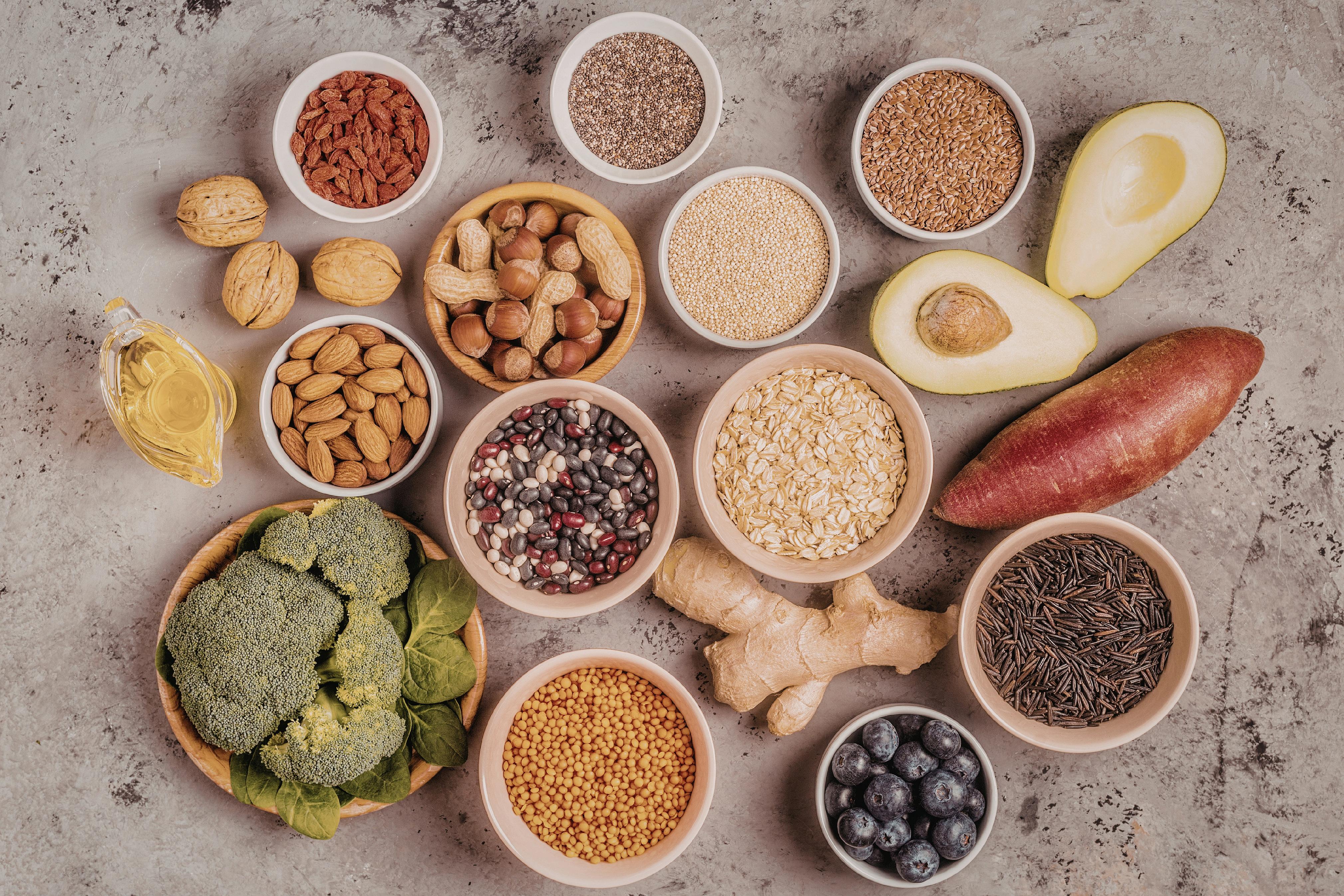
Meals rich in omega-3 fatty acids, antioxidants, probiotics, and essential nutrients may help support mental wellness Ingredients such as salmon, leafy greens, berries, yogurt, nuts, and seeds contribute to brain health and emotional balance.
Cooking also creates emotional stability through routine Following recipes, preparing ingredients, and sitting down for meals provide structure in an otherwise chaotic world. This predictability can reduce anxiety and help people feel more grounded
Warm, hearty meals also stimulate feelings of comfort because they are often associated with positive memories. A bowl of soup on a rainy day or freshly baked bread from a family recipe can trigger emotional responses connected to safety and care
One of the easiest ways to embrace healthier cooking is by creating a wellness-focused pantry Having nutritious ingredients readily available encourages better food choices and simplifies meal preparation.
A balanced wellness pantry often includes:
Whole grains such as brown rice, quinoa, and oats
Healthy fats like olive oil, avocado oil, and nuts
Herbs and spices rich in antioxidants
Canned beans and legumes for protein and fiber
Fresh or frozen vegetables
Lean proteins such as fish, tofu, or chicken
Fermented foods like kimchi or yogurt
Experts recommend focusing on simple, versatile ingredients rather than overly restrictive diets Wellness cooking is not about perfection; it is about consistency and nourishment.
This anti-inflammatory soup combines turmeric, ginger, garlic, and coconut milk for a comforting and nourishing meal
Ingredients:
1 onion
3 garlic cloves
1 tablespoon grated ginger
1 teaspoon turmeric
4 cups vegetable broth
1 can coconut milk
2 carrots
Salt and pepper
Instructions:
1 Sauté onion, garlic, and ginger
2 Add carrots and turmeric
3 Pour in broth and simmer
4 Blend until smooth
5.Stir in coconut milk and season
A nutrient-rich bowl filled with quinoa, cucumbers, tomatoes, chickpeas, olives, and grilled chicken.
Beyond nutrition, cooking is also becoming a creative outlet. Similar to painting or music, experimenting with flavors and presentation allows people to express themselves artistically
Social media platforms have transformed ordinary home cooks into culinary storytellers Short cooking videos, aesthetic meal prep photos, and recipe tutorials inspire millions to try new dishes and cuisines.
Many people now explore global flavors from the comfort of their homes Korean, Mediterranean, Japanese, Indian, and Middle Eastern cuisines continue to grow in popularity because they combine vibrant flavors with nutrient-rich ingredients
Cooking creatively also encourages adaptability. Learning how to substitute ingredients, reduce waste, and repurpose leftovers promotes sustainability while building confidence in the kitchen
Sustainable Cooking for a Healthier Planet
Wellness and sustainability are becoming increasingly connected Consumers are paying closer attention to food waste, packaging, and environmentally responsible eating habits
Simple sustainable cooking habits include:
Buying seasonal produce
Supporting local farmers
Reducing food waste
Composting kitchen scraps
Using reusable containers
Choosing plant-forward meals more often
Plant-based eating, even in moderation, has been linked to both environmental and health benefits. People do not necessarily need to become fully vegetarian to make a positive impact Simply incorporating more vegetables and reducing processed foods can create meaningful change.
The future of wellness is no longer focused solely on intense fitness routines or restrictive dieting

Instead, it centers around sustainable habits, emotional well-being, and mindful living
Cooking represents all of these values. It encourages balance rather than extremes It creates moments of presence in a distracted world It allows individuals to nourish both body and mind.
For many people, the kitchen is becoming the heart of modern wellness a place where healing begins one meal at a time
As the wellness industry continues to evolve, one thing remains clear: healthy living does not need to feel complicated Sometimes, the most transformative habits start with something as simple as preparing a homemade meal

For years, wellness was often associated with appearance. Fitness programs, diet plans, beauty routines, and weight loss trends dominated conversations around healthy living However, modern wellness culture is experiencing a significant shift.
Today, more people understand that true wellness goes beyond physical appearance. Emotional balance, mental clarity, stress management, sleep quality, and inner peace are becoming central to how society defines health
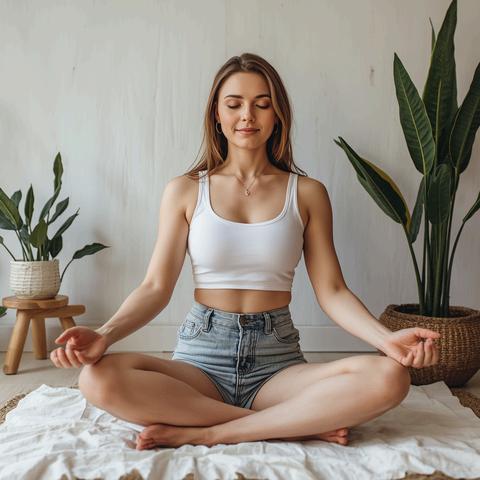
The growing conversation around mental health has transformed the wellness industry Therapy, mindfulness, journaling, meditation, and emotional healing are no longer considered taboo topics Instead, they are becoming essential parts of modern self-care.
This cultural shift reflects a deeper realization: people cannot fully thrive physically if they are emotionally exhausted
Modern life moves at an incredibly fast pace Constant notifications, social media pressure, demanding work schedules, financial stress, and global uncertainty have created a generation struggling with burnout and anxiety
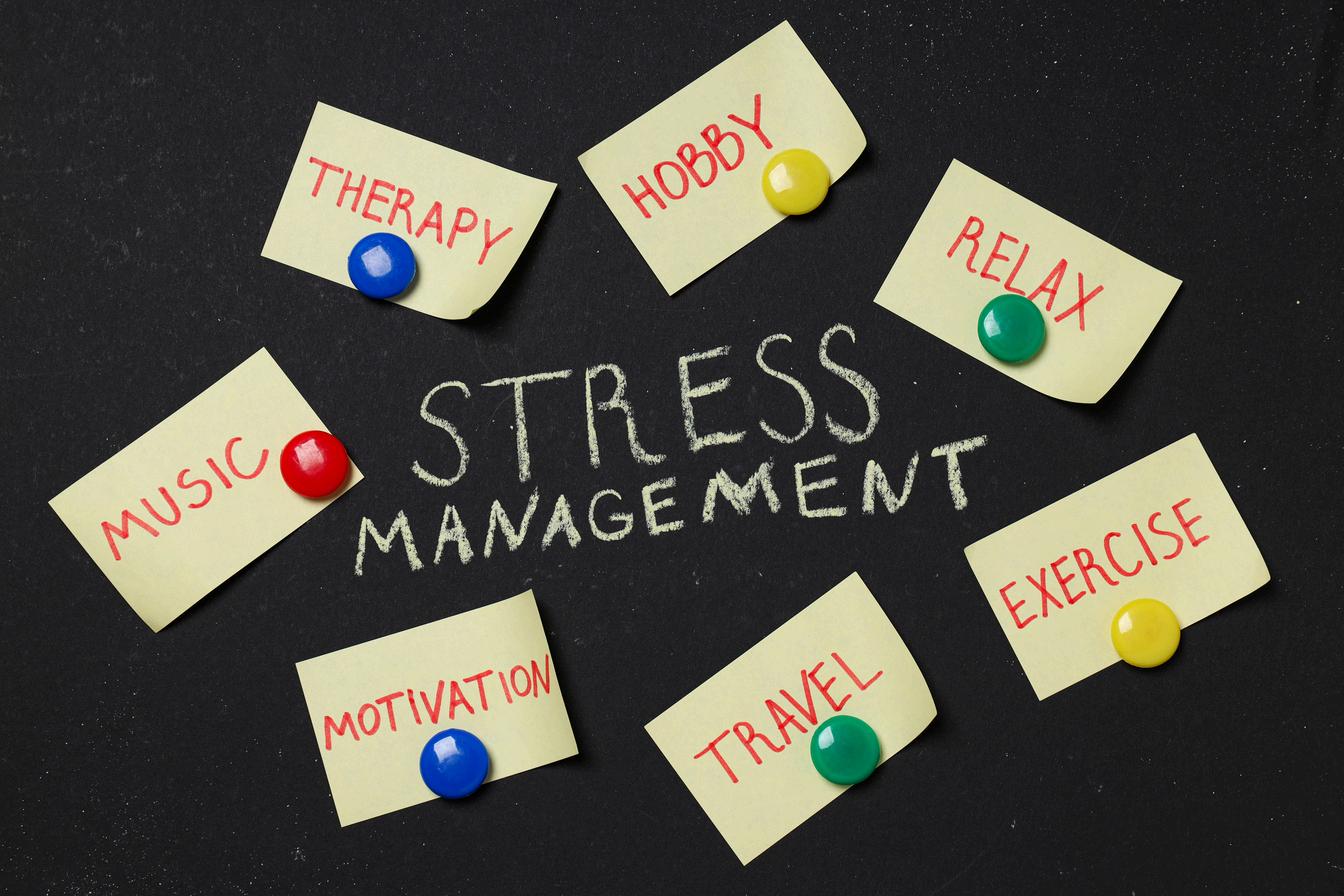
Many people spend their days overstimulated yet emotionally disconnected Productivity often becomes more valued than rest, leading individuals to ignore signs of emotional exhaustion
Common signs of burnout include:
Chronic fatigue
Difficulty concentrating
Lack of motivation
Sleep problems
Emotional numbness
Increased anxiety
Experts warn that untreated stress can eventually affect physical health as well High stress levels may contribute to inflammation, weakened immunity, digestive issues, and cardiovascular problems.
As awareness grows, more people are beginning to prioritize emotional wellness as seriously as physical health
Self-care has evolved far beyond bubble baths and skincare routines. While those activities can still be enjoyable, intentional self-care focuses on deeper emotional restoration.
True self-care includes:
Setting healthy boundaries
Prioritizing sleep
Practicing mindfulness
Limiting digital overload
Building healthy relationships
Managing stress effectively
Seeking therapy when needed
Wellness experts encourage individuals to create routines that genuinely support mental well-being instead of simply following trends online
“The greatest wealth is health.” Virgil
One of the biggest conversations in modern wellness is the importance of rest.
For decades, hustle culture promoted the idea that constant productivity equaled success. Today, many people are rejecting that mindset and embracing slower, more balanced lifestyles.
Digital Wellness and Social Media Balance
Technology has transformed communication and convenience, but it has also created new mental health challenges
Social media comparison culture can negatively affect self-esteem, body image, and emotional well-being. Constant exposure to curated lifestyles may create unrealistic expectations and feelings of inadequacy
As a result, digital wellness practices are growing in popularity
Many people are now:
Rest is now recognized as a biological necessity rather than a luxury.
Sleep researchers emphasize that quality sleep supports:
Brain function
Emotional regulation
Hormone balance
Immune health
Memory retention
Physical recovery
Unfortunately, millions of people still struggle with poor sleep due to stress, screen exposure, and overstimulation
Wellness routines increasingly include sleep-supportive habits such as reducing blue light exposure, maintaining nighttime routines, and practicing meditation before bed
Taking social media breaks
Limiting screen time
Turning off notifications
Practicing mindful technology use
Spending more time outdoors
Experts believe these habits can significantly improve focus, emotional balance, and stress levels.
Mindfulness as a Modern Wellness Tool
Mindfulness has become one of the most widely recommended wellness practices today
Mindfulness simply means being fully present in the moment without judgment


Your performance doesn’t rely on effort alone. The right nutrients help boost energy, improve recovery, and support muscle growth so you can stay consistent with your training.







This can include:
Meditation
Breathing exercises
Yoga
Journaling
Walking in nature
Intentional eating
Scientific studies continue to show that mindfulness may help reduce anxiety, improve concentration, and support emotional resilience.
People are increasingly realizing that wellness is not about constantly achieving more Sometimes, wellness means slowing down enough to reconnect with yourself.
Nutrition also plays an important role in emotional health
Researchers continue studying the connection between food and mood Diets rich in whole foods, healthy fats, lean proteins, and vegetables may support brain health and emotional stability.
Meanwhile, excessive sugar, alcohol, and ultra-processed foods may contribute to energy crashes and mood fluctuations
Foods commonly associated with brain wellness include: Salmon
Walnuts
Berries
Dark leafy greens
Yogurt
Avocados

Dark chocolate
Hydration is also essential for mental clarity and energy
One reason many people struggle with wellness goals is because they attempt extreme lifestyle changes
Sustainable wellness focuses on small, realistic habits
Examples include:
Walking daily
Drinking more water
Prioritizing sleep
Taking screen breaks
Cooking balanced meals
Spending time outdoors
Practicing gratitude
Small habits practiced consistently often create more lasting results than drastic routines
The future of wellness is becoming more holistic, compassionate, and emotionally aware
People are no longer chasing perfection as aggressively as before. Instead, they are seeking balance, peace, and sustainable happiness
Mental wellness is increasingly viewed as the foundation for every other area of health
As society continues evolving, one message becomes clearer than ever: taking care of your mind is just as important as taking care of your body
Wellness is no longer about appearances alone It is about creating a life that feels healthy, meaningful, and emotionally sustainable.

Healthy eating has undergone a major transformation over the past decade. Gone are the days when wellness was defined by restrictive diets, calorie counting, or eliminating entire food groups Today’s approach to nutrition is far more balanced, personalized, and sustainable.
Consumers are becoming smarter about food. They want meals that not only taste good but also improve energy,
mental focus, digestion, immunity, and long-term health As a result, food trends are shifting toward whole ingredients, functional foods, and lifestyle-based eating patterns.
The rise of wellness culture, social media education, and nutritional awareness has changed how people think about meals Instead of chasing temporary diet trends, many individuals now prioritize nourishment, longevity, and overall well-being
“Take care of your body. It’s the only place you have to live.” Jim Rohn
From gut-friendly foods to plantbased innovations, healthy eating is becoming more exciting, diverse, andaccessiblethaneverbefore.
One of the biggest nutrition trends today is the popularity of functional foods These are foods designed to provide benefits beyond basic nutrition.
Examples include:
Probiotic-rich yogurt for digestive health
Turmeric for inflammation support
Matcha for focus and antioxidants
Chia seeds for fiber and omega-3s
Mushrooms for immunity support
Fermented foods for gut balance
Social media platforms have transformed ordinary home cooks into culinary storytellers. Short cooking videos, aesthetic meal prep photos, and recipe tutorials inspire millions to try new dishes and cuisines.
Consumers are increasingly choosing foods based on how they make them feel Energy, mood, sleep quality, and mental clarity are now major considerations when planning meals.
Experts believe the gut-brain connection is partly responsible for this growing trend Scientists continue to discover how gut health influences immunity, mental wellness, and overall health.
Plant-based eating is no longer considered a niche lifestyle. Millions of people are reducing meat consumption and adding more vegetables, legumes, and plant proteins into their diets.
This movement is driven by several factors:
Health benefits
Environmental awareness
Ethical concerns
Increased availability of alternatives
Restaurants and grocery stores now offer countless plantbased options, from oat milk to meat alternatives made from peas or soy.
However, nutritionists emphasize that plant-based eating does not have to mean perfection. Flexible approaches such as “plant-forward” eating are becoming more realistic andsustainable.
A plant-forward lifestyle focuses on increasing vegetables and whole foods while still allowing occasional animalproducts
Another growing trend is personalized nutrition Instead of following generic diets, people are tailoring eating habits to their individualneeds.
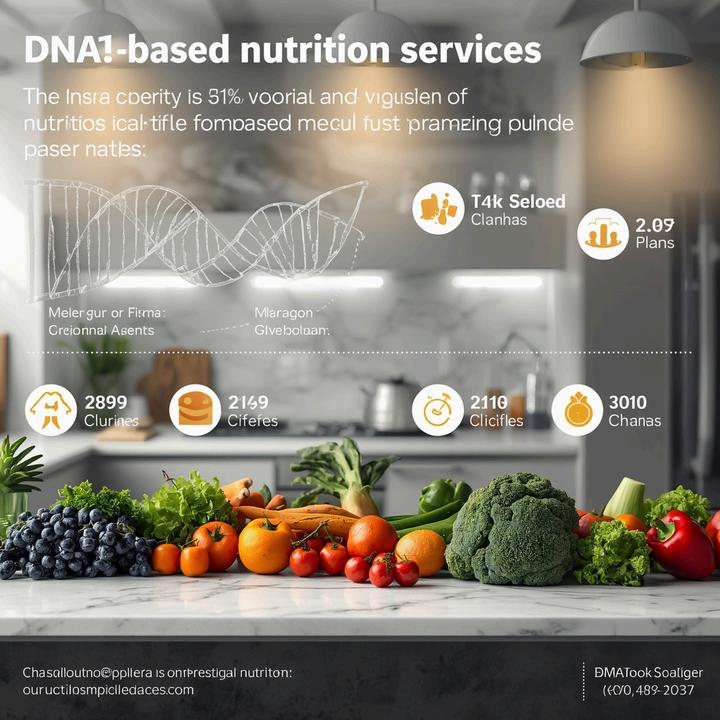
Technology has played a major role in this shift. Fitness trackers, meal planning apps, and DNA-based nutrition services now help people better understand their bodies
Some individuals thrive on higher protein diets, while others feel better with more carbohydrates or plant-based meals Personalized nutrition recognizes that wellness is not one-size-fits-all.
People are also paying closer attention to food sensitivities and digestion. Gluten-free, dairy-free, and lowinflammatory eating patterns have become increasingly common.
Ironically, while technology influences wellness, many people are also returning to traditional cooking methods and ancestral foods.
Bone broth, fermented vegetables, sourdough bread, herbal teas, and homemade meals are making a strong comeback.
Traditional diets often focused on whole ingredients, seasonal eating, and slower preparation methods habits that align closely with modern wellness goals.
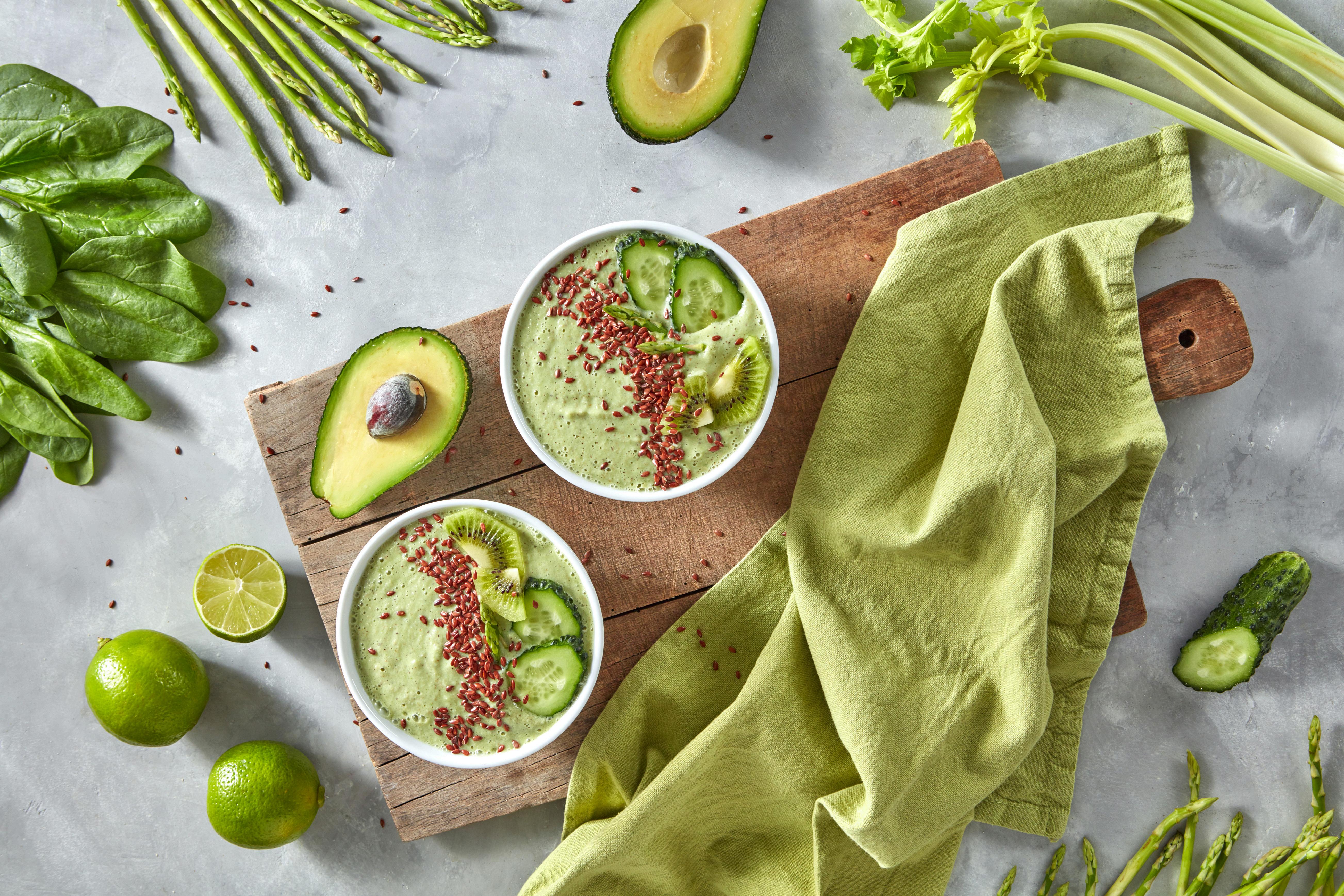
Ingredients:
Spinach
Banana
Almond milk
Chia seeds
Peanut butter
Ice Cooking traditions passed through generations are now being celebrated again because they emphasize nourishment, balance, and simplicity
Nutrition experts increasingly recognize the emotional relationship people have with food.
Stress eating, emotional cravings, and guilt around eating have become major concerns in modern wellness conversations. As a result, mindful eating practices are growing in popularity
Mindful eating encourages people to:
Slow down during meals
Eat without distractions
Listen to hunger signals
Appreciate flavors and textures
Remove guilt around food choices
This approach helps build a healthier and more sustainable relationship with food
Green Energy Smoothie
Blend until smooth for a nutrient-rich breakfast packed with fiber and healthy fats.
Roasted Vegetable Pasta
A healthier twist on comfort food using whole wheat pasta, roasted vegetables, olive oil, and herbs
This dish balances flavor, satisfaction, and nutrition without feeling restrictive
Experts predict several wellness food trends will continue growing:
Ingredients like ashwagandha and reishi mushrooms may support stress management and energy
Consumers want convenient snacks that support fullness and muscle recovery
Eco-conscious consumers increasingly support brands using recyclable or compostable packaging.
Drinks infused with vitamins, probiotics, and hydration support are becoming increasingly popular.
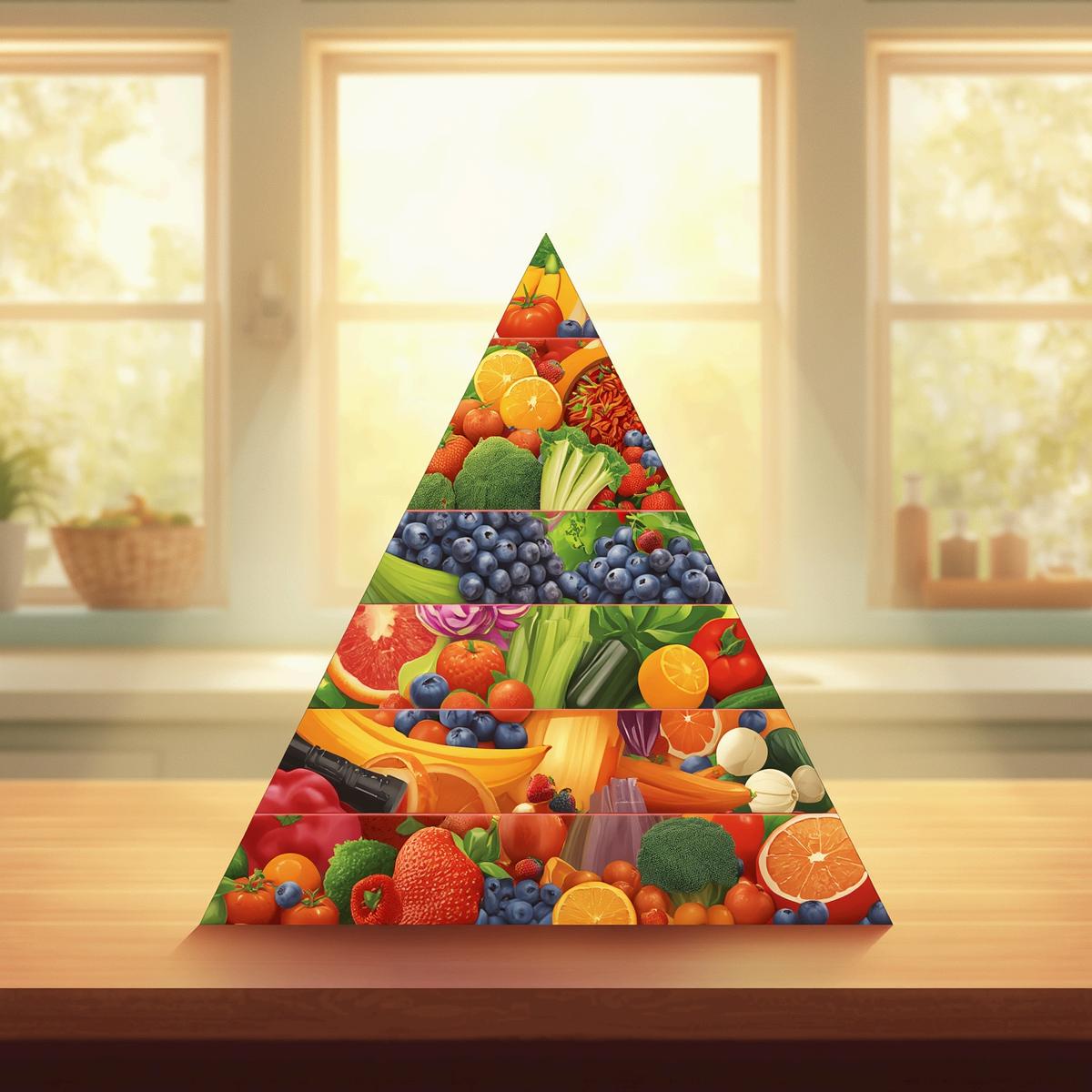
The Mediterranean diet remains one of the most recommended eating styles for heart health and longevity.
Healthy eating today is less about restriction and more about intention.
People want realistic habits they can maintain for years, not quick fixes They want food that energizes them, improves focus, supports emotional wellbeing, and still feels enjoyable.
Nutrition is becoming deeply connected to lifestyle, sleep, mental health, and sustainability
As wellness continues evolving, healthy eating will likely become even more personalized, mindful, and experience-driven
The future of food is not about perfection it is about balance, awareness, and making choices that support a healthier, happier life

Dennis Postema: You wear so many hats as an entrepreneur. What does your daily schedule look like?
McKinzie Roth: My life is not boring I’ll tell you that! I am very blessed to be so fortunate
For me, there’s no such thing as a “typical day” Every day is unique But there are instrumental facets of my whole health and wealth journey
I make sure to get at least eight hours of sleep every night When I wake up, I meditate for twenty minutes Meditation and setting the intention for the day, with a dollop of gratitude, is something I believe strongly in.
Afterward, I use an ice roller to wake myself up It’s a skin care tool you put in the freezer at night and roll over your skin in the morning.
I like to squeeze a quick workout in during the morning, and then I analyze my schedule I have time-blocked days I’m a busy single working mom, like many folks out there, so I have to be regimented Every day I strive to improve on narrowing down on what’s going to happen, where I’m shooting, if I’m traveling, whether everyone is situated, and then it’s off to the races!
Dennis: Do you hire anybody or use any tools to manage your calendar?
McKinzie: It’s all me I have some helpers, like AI assistants on my tablets, but my oldschool, literally in-pencil calendar is my tried-and-true best friend
I write everything down in a book that comes with me wherever I go I live by it I don’t have to worry about files being deleted or forgetting a small device somewhere.
I’d estimate my scheduling is successful 85% to 90% of the time But things change, and I’m flexible You have to roll with the punches
Discipline is a key value for success, but you need breathing room too.
When you schedule yourself in increments, fifteen minutes here and thirty minutes there, make sure to give yourself additional wiggle space just in case You never know when it might take twice as long to get somewhere
One thing I’ll never be late for is school pickup The parents out there know you don’t want your child to be the last one at school, looking sad and scared holding their little backpack. It’s the worst feeling in the world
Dennis: What advice do you have for people dealing with critics or naysayers?
McKinzie: Give yourself some grace I always say, “I don’t need that. I’m already the hardest on myself.” And as an entrepreneur, you probably are too Whatever pressure those critics are applying, you’re giving yourself ten times more



I remind myself that I’m human and can only do so much in one day.
I have funny stories around “haters” When I first started out in my early twenties, I had no concept of the level of hate that comes with the industries I’m in I make it a point to be kind to women especially because I want to see other women succeed I’m a girls’ girl, through and through But if you’re going to be mean, I won’t take it.
Like, you have a problem with what I’m wearing in this commercial? I wish I had the time and energy to care that much
Why not focus your energy on positivity instead?
It’s one thing to disagree with someone’s opinion, but hating someone based on their appearance is crazy. Life is hard enough. Be as kind as you can and move on with your life.
Manifestation is a huge part of my life too You don’t just want something you become it

Who is your dream version of yourself? How does that version of you walk, think and react to situations?
Let go of the broken version of yourself that relives trauma every single day
While out on the West Coast, I’d gotten a new job at a station. One of the tenured anchors would mess up my name every single time I came on the earlier show I had no idea she had beef with me. She’d call me Michelle, Melinda, Melissa I started wearing a name tag when I realized she was doing it on purpose
People are funny They can be kind and amazing, but some people have problems with everything. They’ll tear you down because they don’t like your clothes
These days I stay in my own lane I don’t enter the chat unless I have to. I prefer giving my energy to my loved ones.
Stay away from people who drain you Focus on the fountains instead
Dennis: How has meditation improved your life?
McKinzie: It’s been an incredible journey
I got serious about meditation two to three years ago I’m a huge fan of Dr Joe Dispenza, who has written books about meditation
Meditating helps you get outside your current circumstances.
People wake up thinking about their problems and the past and then repeat the same emotional patterns Your life won’t change much if you keep doing that Don’t stay stuck blaming your current situation on memories and people from ten years ago. You can’t change the past
You must become a new version of yourself.
When you stop giving energy to the people or circumstances that hurt you, you become free to focus on what you’re building, because what you focus on grows.
That’s why I meditate I think about where I want to be, my dream career, dream home, dream partner, and how I can impact the world and help others.
Your thoughts have the power to make you physically sick or make you well Which do you want?
When I catch myself falling into old patterns, I say the word, “Change.” I remind myself that’s the old version of me
If something goes wrong during the day, I’ll stop and do a fifteenminute meditation reset.
Betrayals and setbacks can be the events that transform you. People look back on those challenges and say, “If that hadn’t happened, I wouldn’t be the person I am today”
Pain can become power if you channel it the right way Those obstacles prepare you for your next era.
At some point you have to say, “Today’s the day”
If not now, when?
Dennis: How does mindset affect your fitness and nutrition?
McKinzie: I’ve never really followed a diet, and I have a strong sweet tooth.
Honestly, I keep things simple. Little kids naturally eat when they’re hungry and stop when they’re full I do the same, primarily eating protein, fruits and vegetables, and drinking copious amounts of water I avoid eating late at night
Movement is everything. I don’t follow a rigid workout routine because I get bored easily
Recently, I started a dance class in Tampa, Florida It has hip-hop choreography vibes, and I love it! I also do Pilates and lift weights and move around in nature.
Sleep significantly impacts me Waking up at 3:00 a m to do morning radio and TV shows was rough on my body. I gained weight and felt terrible Once my schedule changed and proper sleep became the norm again, my body became leaner almost immediately.
If nothing else is working, drink more water and sleep more
Dennis: What project are you most excited about right now?
McKinzie: The third season of my podcast, Blonde After Dark, which comes out at the end of May It’s been a stop-start labor of love because of network contracts, but now I have total freedom over it. One episode featured all blondes, but honestly, you don’t have to be blonde to get on the show it’s just all my baddies having fun, laughing and having real conversations! Life is so serious, and I think adults need to reconnect with their childlike spirits and have fun again
I’m also doing national commercial work, which has been really fun
And for the first time, I’m allowing opportunities to come to me instead of forcing everything.






Why aren’t we all doing everything we can to live out our dreams?
People say, “I’ll do it when I have more money,” or “I’ll do it when I’m older.”
But time is our most valuable asset, which is why it bothers me when people intentionally waste others’ time
Dennis: Is there anything else you’d like to share?
McKinzie: I’d love for people to follow along I share a lot on Instagram and social media in general, and I want to be more transparent about my journey what I’ve been through and what I’ve learned.
I want people to know they’re not stuck and that if you have something in your heart, it’s there for a reason and you should give your gift to the world You can change your life, but you have to decide to do it If you’re worried, break it down; remember, little changes add up Maybe you go to bed an hour earlier or dedicate more time to your children
Maybe you stop spending time with people who drain your energy.
At the end of life, people don’t wish they’d spent more time on their laptops They want to be around the people who make them forget about their phones.
My son literally takes my phone away sometimes. Being a mom is my number one job.
Also, compliment more people. Tell someone you like their nails or their outfit You never know how much a small act of kindness can impact someone People remember how you made them feel.


When people think about wellness transformations, they often imagine dramatic diets, intense fitness programs, or complicated routines. However, many health experts agree that long-term wellness is usually built through small daily habits rather than extreme lifestyle overhauls.
The human brain responds strongly to consistency Tiny actions repeated over time gradually shape physical health, emotional well-being, and productivity
Simple routines such as drinking water in the morning, taking short walks, preparing balanced meals, or improving sleep habits may seem minor individually, but together they can create significant life changes.
Wellness is increasingly becoming less about perfection and more about sustainability.
How people begin their mornings often influences the rest of their day
Many wellness experts encourage intentional morning routines that promote calmness and focus before daily responsibilities begin.
Healthy morning habits may include:
Stretching
Drinking water
Journaling

Avoiding immediate phone use
Eating a balanced breakfast
Morning sunlight exposure is also becoming widely recommended because it helps regulate the body’s natural circadian rhythm.
Spending even a few minutes outdoors early in the day may improve energy levels and sleep quality
Fitness culture is shifting away from punishmentbased exercise toward joyful movement
Instead of viewing movement as a chore solely focused on weight loss, many people are learning to appreciate physical activity for its emotional and mental benefits.
Walking, dancing, yoga, swimming, hiking, and stretching are all forms of movement that support wellness
Regular movement may help:
Improve mood
Reduce stress
Increase energy
Support heart health
Improve sleep
Experts emphasize that consistency matters more than intensity.
One of the simplest yet most overlooked wellness habits is proper hydration.
One of the simplest yet most overlooked wellness habits is proper hydration
Even mild dehydration can affect concentration, mood, and energy levels
Many people consume excessive caffeine while neglecting water intake
Adding fruits, herbs, or electrolytes to water can make hydration more enjoyable
Popular infused water combinations include:
Lemon and mint
Cucumber and lime
Strawberry and basil
Orange and rosemary
Modern lifestyles often keep people indoors for long periods
However, research continues to show that spending time in nature may reduce stress and improve emotional well-being
Activities such as:
Walking in parks
Gardening
Hiking
Beach visits
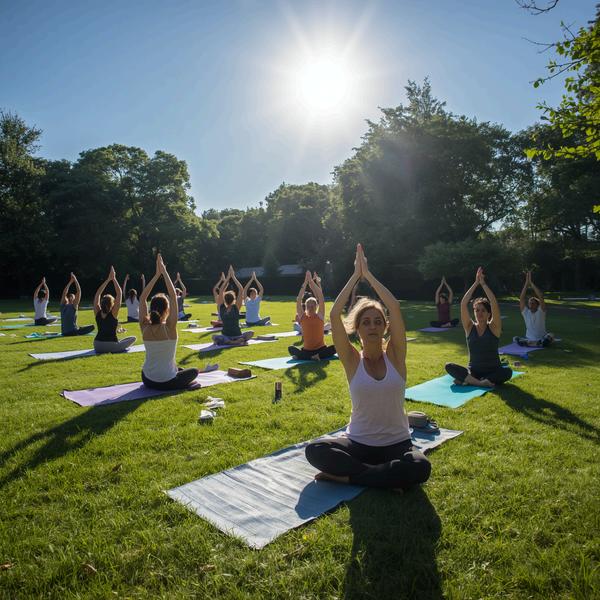
Outdoor yoga can create feelings of calmness and mental clarity.
Nature encourages mindfulness because it naturally slows people down and reconnects them with the present moment
Wellness nutrition today focuses more on balance than strict dieting
People are becoming more interested in adding nutritious foods instead of obsessing over restrictions
Balanced meals often include:
Lean proteins
Healthy fats
Fiber-rich carbohydrates
Fruits and vegetables
This approach helps support energy and satisfaction while reducing unhealthy cravings
Quality sleep is one of the strongest predictors of overall health
Unfortunately, sleep is often sacrificed due to work demands, stress, and technology use
Healthy sleep habits may include:
Consistent sleep schedules
Limiting screen time before bed
Reducing caffeine late in the day
Creating relaxing nighttime routines
Sleep is essential for:
Immune function
Emotional balance
Memory
Physical recovery
Hormone regulation
Human connection is another critical part of health
Supportive friendships, healthy communication, and emotional connection all contribute to overall well-being
Wellness experts increasingly encourage people to prioritize meaningful relationships alongside fitness and nutrition goals
One reason wellness routines often fail is because people try to change too much at once.
Instead, experts recommend starting with one or two manageable habits
For example:
Week 1: Drink more water
Week 2: Add daily walks
Week 3: Improve sleep schedule
Week 4: Prepare healthier meals
Small improvements gradually become part of daily life

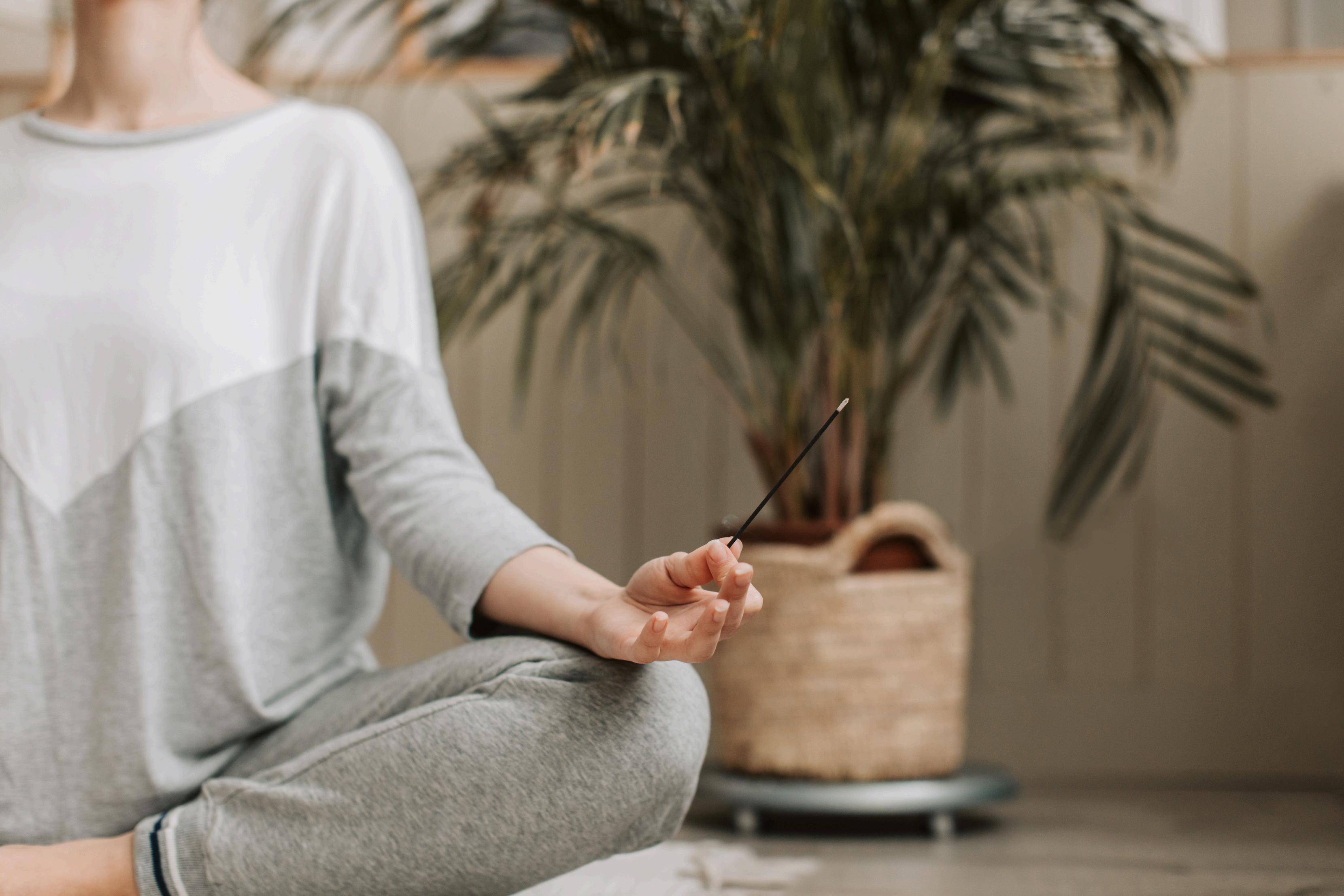
There is no single definition of perfect wellness.
Every person has different needs, goals, and lifestyles.
The most successful wellness routines are usually the ones that feel realistic, flexible, and enjoyable.
Modern wellness is moving away from extremes and embracing a more compassionate approach to health.
By focusing on sustainable habits rather than perfection, individuals can create healthier lives that support not only physical wellness but also emotional balance and longterm happiness
How Ancient Practices Are Helping People Find Balance Again
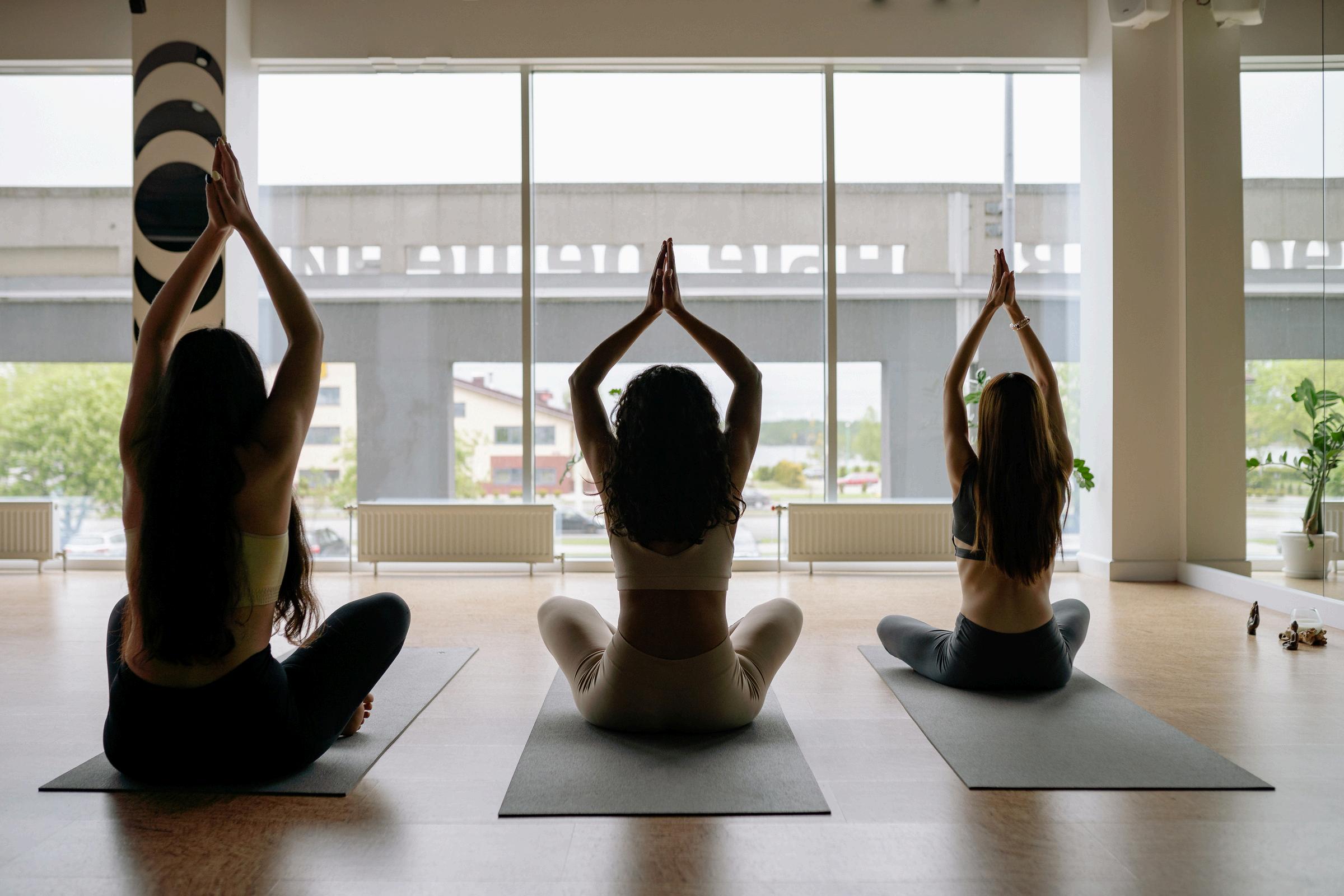






















Yoga has existed for thousands of years, yet it remains more relevant today than ever before. In a fast-paced world filled with stress, digital overload, and constant distractions, people are turning to yoga as a powerful tool for physical health, emotional balance, and inner peace.
The word “yoga” comes from the Sanskrit word meaning “union” the connection between mind, body, and spirit
Traditional yoga includes:
Physical postures (asanas)
Breathing exercises (pranayama)
Meditation
Mindfulness
Ethical principles
What was once viewed primarily as a fitness trend has evolved into a global wellness movement Millions of people practice yoga not only to improve flexibility but also to reduce stress, strengthen mindfulness, and reconnect with themselves
The beauty of yoga lies in its adaptability Whether someone is an athlete, busy professional, beginner, or senior, yoga offers accessible practices for nearly every lifestyle
Yoga is far more than stretching poses.
Modern yoga practices often combine physical movement with mental awareness, creating a holistic wellness experience
One reason yoga has become so popular is because of its impact on stress and emotional well-being.
Scientific studies suggest yoga may help:
Reduce anxiety
Improve mood
Support better sleep
Lower stress hormones
Increase mindfulness
Breathing techniques play a major role in these benefits.
Slow, intentional breathing helps activate the parasympathetic nervous system, which encourages relaxation

“Yoga is the journey of the self, through the self, to the self.” — Bhagavad Gita
Many people now use yoga as part of their mental wellness routines alongside therapy, meditation, and journaling
Although yoga supports mental wellness, it also provides significant physical benefits
Different yoga styles focus on varying goals.
Gentle and beginner-friendly
A flowing style connecting breath with movement
More intense and strengthfocused.
Slow stretches held for longer periods
Deep relaxation using supportive props
Regular practice may improve:
Balance
Core strength
Posture
Flexibility
Joint mobility
Yoga can also complement other forms of fitness by improving recovery and reducing muscle tension
Breathing is one of the most overlooked aspects of health
Many people breathe shallowly throughout the day due to stress and tension.
Yoga teaches intentional breathing patterns that support calmness and oxygen flow.
Popular breathing techniques include:
Inhale, hold, exhale, hold each for four counts.
A calming technique used to improve focus and balance
Encourages relaxation and nervous system regulation
Breathwork is increasingly used beyond yoga studios in workplaces, schools, and wellness programs
Burnout has become one of the defining health challenges of modern life
Many people feel emotionally drained from nonstop schedules, digital demands, and pressure to remain constantly productive
Yoga provides something modern life often lacks: stillness
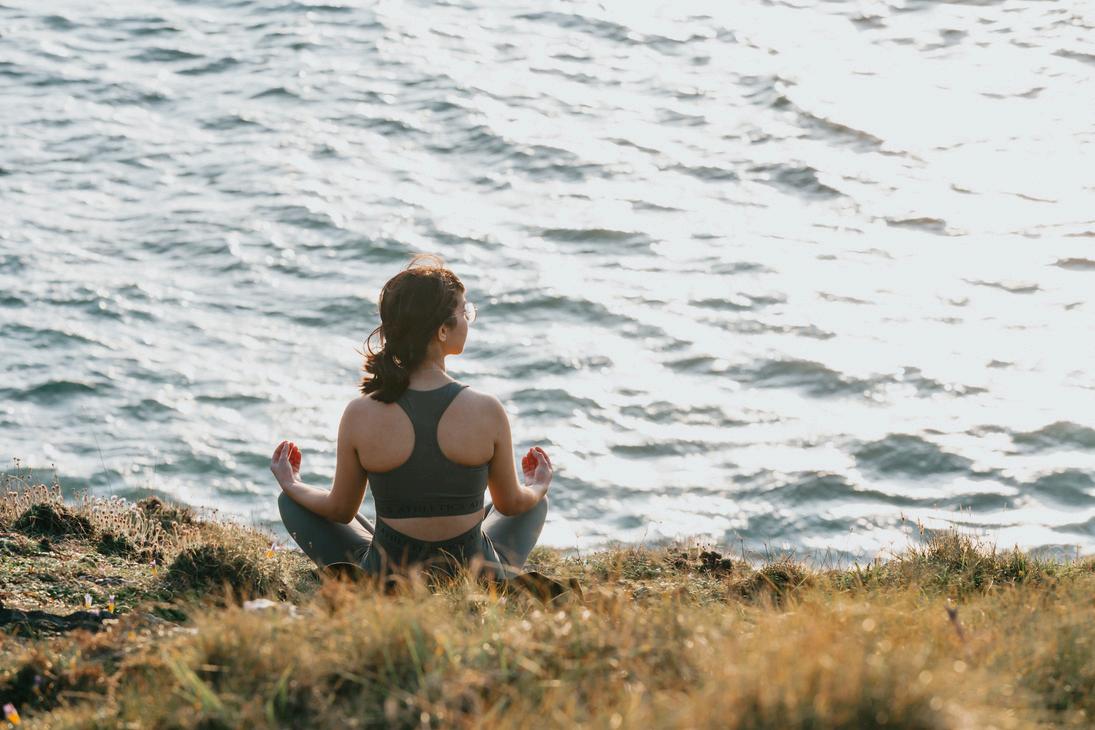
Through mindful movement and breath awareness, yoga encourages individuals to slow down and reconnect with the present moment.
Even short practices can help reset mental focus and emotional balance.
One reason yoga continues growing is its accessibility
People no longer need expensive memberships to begin practicing.
A simple home yoga practice may only require:
A yoga mat
Comfortable clothing
Quiet space
Online guidance or classes
Even 10–20 minutes daily may create noticeable benefits over time
Child’s Pose
Helps relax the body and release tension.
Improves spinal mobility and breathing awareness.
Strengthens the body while stretching muscles
Builds stability and confidence.
Encourages relaxation and flexibility
Corpse Pose
Promotes deep rest and mindfulness.
Modern wellness culture increasingly recognizes yoga as more than exercise.
For many people, yoga becomes a lifestyle philosophy centered around:
Presence
Compassion
Balance
Awareness
Simplicity
Yoga encourages individuals to listen to their bodies rather than constantly pushing beyond limits
As stress levels continue rising worldwide, yoga will likely remain an essential part of modern wellness
Its combination of movement, mindfulness, and emotional healing makes it uniquely valuable in today’s fast-paced world
Yoga reminds people that wellness is not simply about productivity or physical appearance
Sometimes, wellness means learning how to pause, breathe deeply, and reconnect with yourself
That simple practice may be one of the most powerful forms of healing available today



Modern culture often glorifies busyness People are expected to stay productive, connected, and constantly available As a result, burnout has become increasingly common across all age groups
Many individuals now feel mentally exhausted, emotionally overwhelmed, and physically drained.
This growing wellness crisis has sparked interest in slower, more intentional lifestyles. Yoga has emerged as one of the most effective practices helping people manage stress while improving both mental and physical health
Unlike high-intensity fitness trends that emphasize performance, yoga encourages awareness, balance, and mindfulness.
Burnout is more than simply feeling tired Understanding Burnout in Modern Life It is a state of emotional, mental, and physical exhaustion caused by prolonged stress.
Symptoms may include:
Constant fatigue
Lack of motivation
Anxiety
Difficulty concentrating
Irritability
Sleep problems
Experts believe chronic stress affects both the nervous system and physical health
People are increasingly searching for wellness practices that support nervous system regulation rather than adding more pressure.
Yoga combines movement, breathing, and mindfulness all of which may help calm the nervous system
During stressful situations, the body activates the “fight or flight” response
Yoga encourages the opposite response: rest and recovery
Slow breathing and mindful movement may lower stress hormones while helping the body feel safe and relaxed
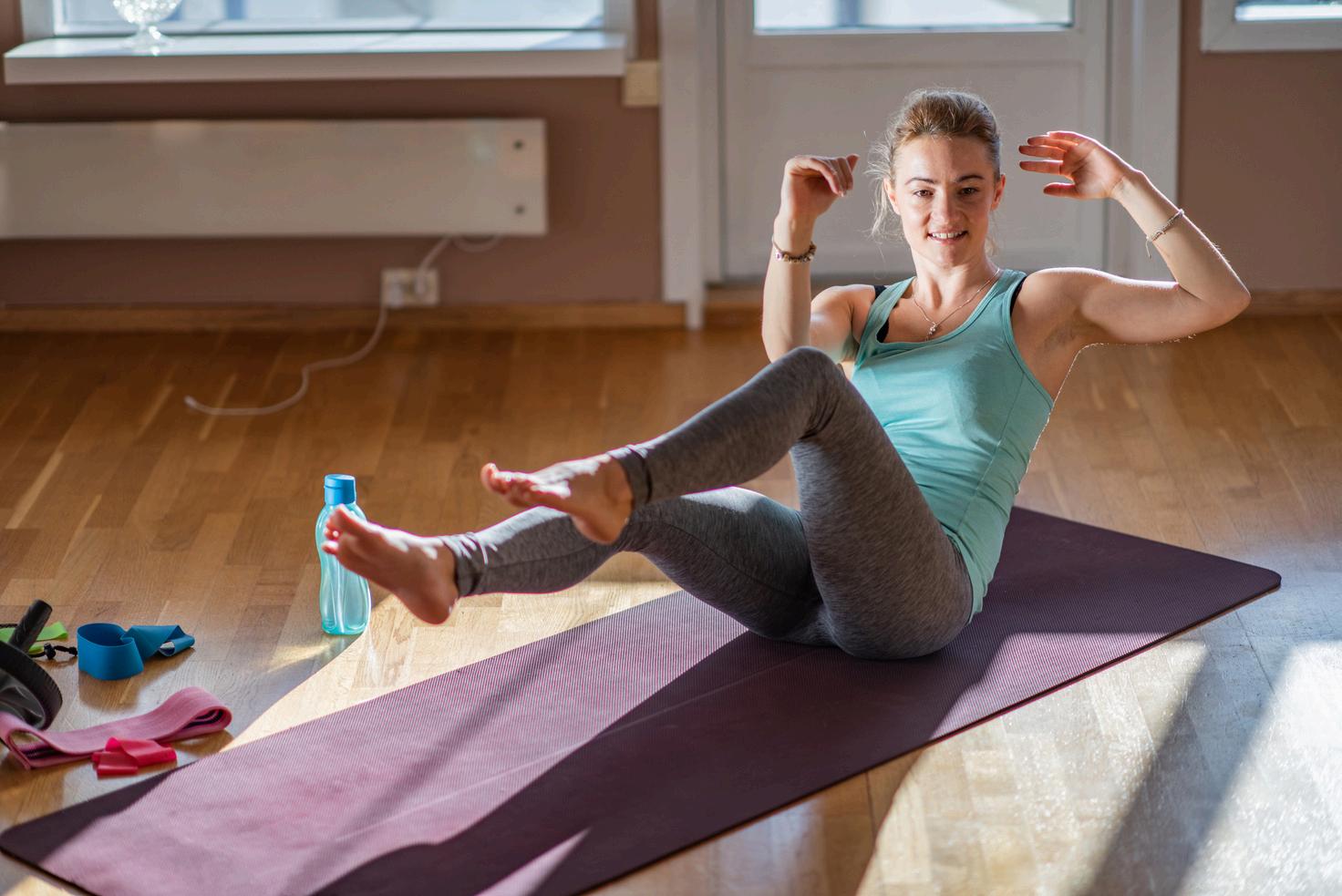
This is one reason many therapists and wellness professionals now recommend yoga alongside other mental health strategies.
Not all yoga needs to be physically demanding
Gentle practices such as restorative yoga and yin yoga focus more on relaxation and emotional release
These slower styles use supportive poses held for longer periods, allowing the body to fully relax.
Many people report feeling emotionally lighter after yoga sessions because tension is often stored physically in the body.
Stress and poor sleep often create a difficult cycle.
Anxiety may interfere with sleep, while sleep deprivation increases emotional stress.
Yoga may help break this cycle by encouraging relaxation before bedtime
Evening yoga routines often include:
Gentle stretching
Breathwork
Meditation
Relaxation poses
These practices may help quiet the mind and prepare the body for deeper rest
Breathing patterns are closely connected to emotional states
When people feel anxious, breathing often becomes shallow and rapid.
Yoga teaches controlled breathing techniques that support calmness.
Intentional breathing may help:
Reduce anxiety
Improve focus
Lower heart rate
Increase emotional awareness
One of the simplest techniques is diaphragmatic breathing, which encourages slow, deep breaths from the abdomen.
Yoga often inspires people to make healthier lifestyle choices beyond the mat
Practitioners frequently
become more aware of:
Nutrition
Sleep habits
Stress triggers
Emotional boundaries
Self-care needs
This awareness can lead to more intentional living overall.
Sit comfortably and focus on slow breathing for five minutes.
Release physical tension caused by stress and screen use.
Encourages relaxation and nervous system calmness
Improves circulation and relaxation
Finish with quiet mindfulness or calming music.
One of yoga’s greatest lessons is presence
Modern life constantly pulls attention toward the future or past
Yoga teaches people how to return to the present moment through breath and awareness.
This practice of presence can help reduce overthinking and emotional overwhelm

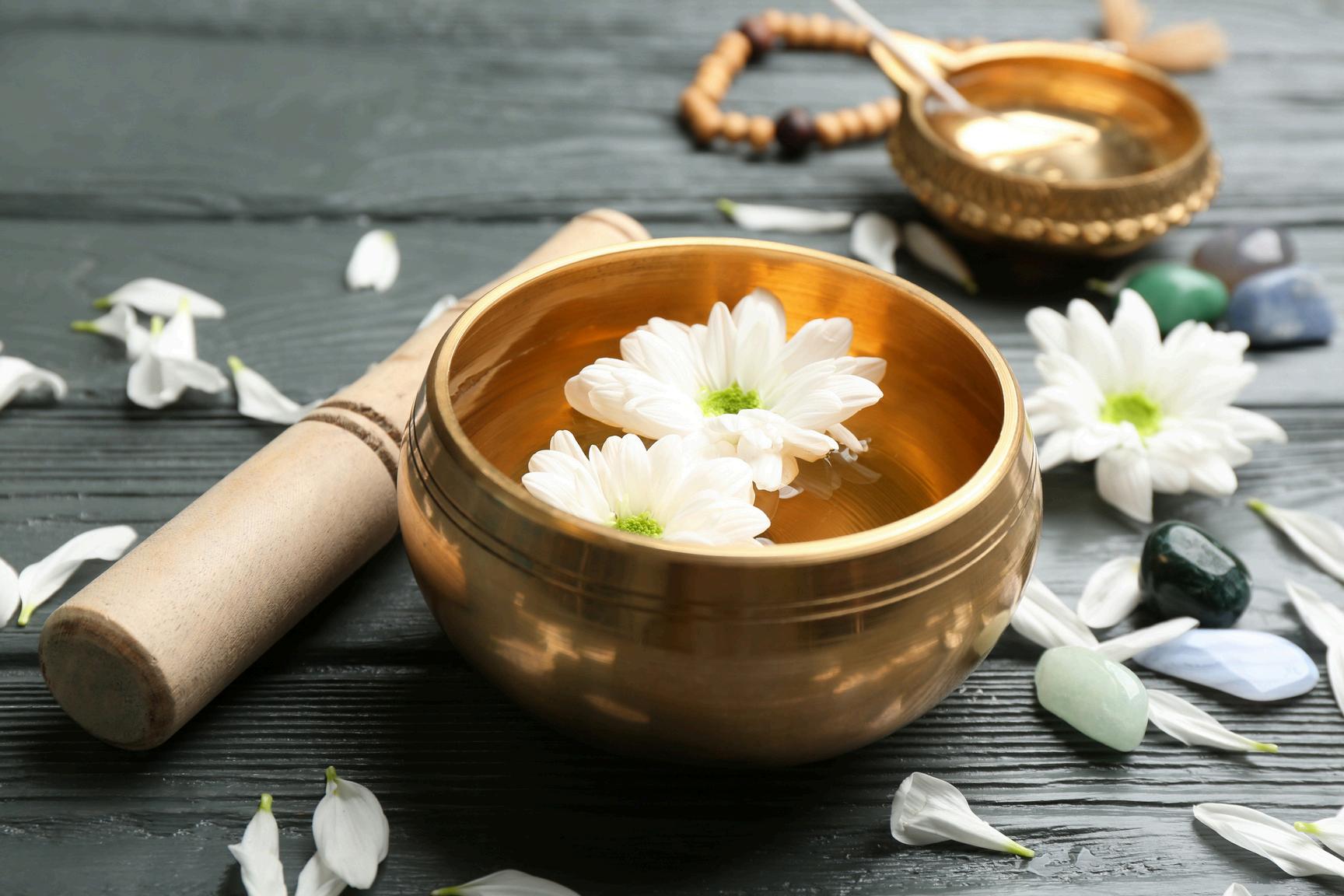
Yoga’s lasting popularity comes from its ability to support wellness on multiple levels
It strengthens the body while calming the mind
It encourages movement while also teaching stillness
Most importantly, yoga reminds people that healing does not always require intensity
Sometimes, healing begins with slowing down, breathing deeply, and learning how to listen to yourself again
In a world that constantly demands more, yoga offers something rare and valuable: permission to pause.







Over the past decade, lowcarb eating has evolved from a temporary diet trend into a long-term lifestyle embraced by millions around the world What began as a weight-loss strategy has now become part of a larger wellness movement focused on energy, metabolic health, blood sugar balance, and sustainable nutrition.
People are becoming increasingly aware of how processed foods and excessive sugar consumption affect the body Energy crashes, cravings, inflammation, and poor concentration are often linked to highly processed diets rich in refined carbohydrates
As a result, many individuals are turning toward low-carb living as a more balanced and mindful approach to nutrition.
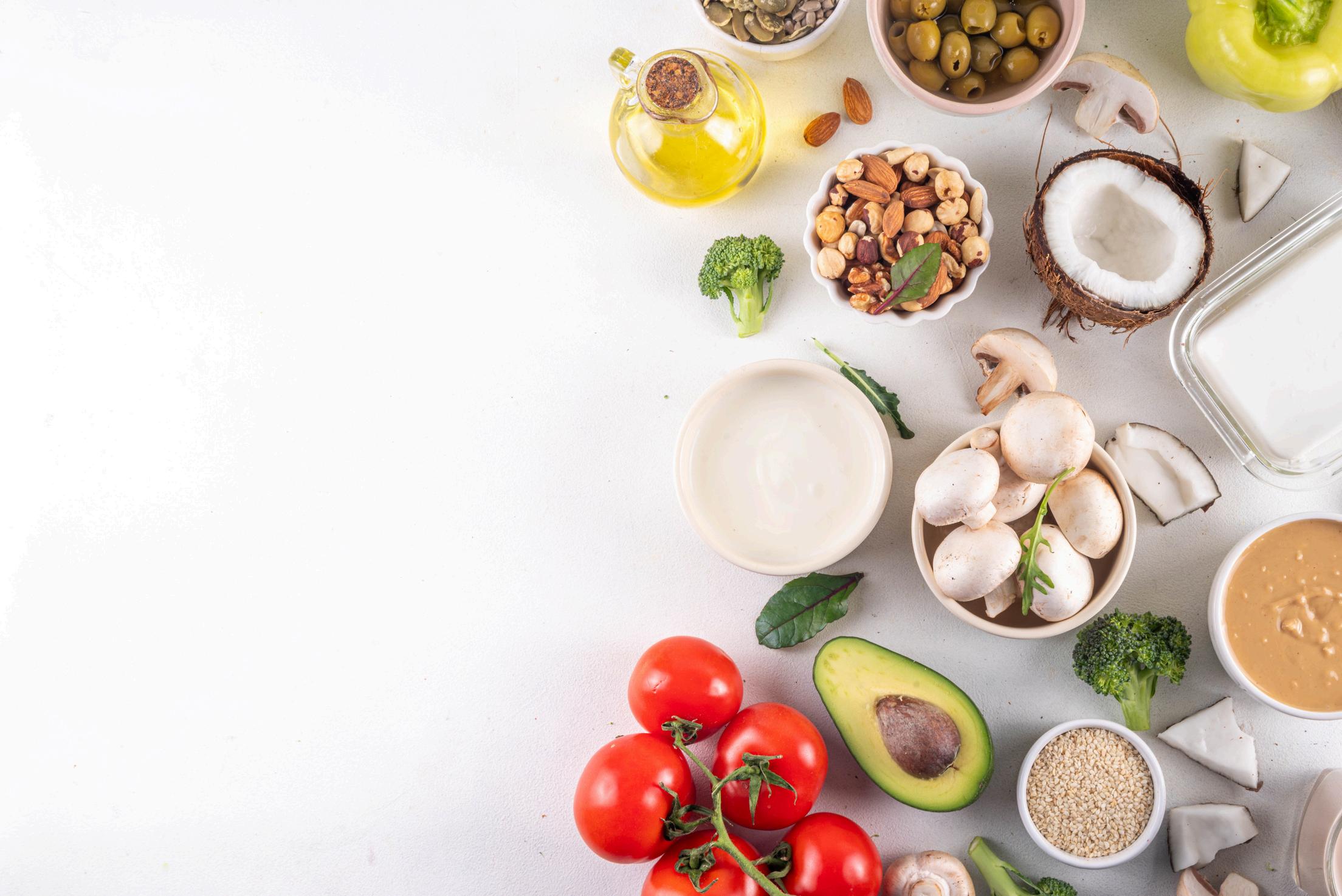
Unlike restrictive fad diets that eliminate entire food groups without purpose, modern low-carb lifestyles emphasize quality ingredients, balanced meals, and long-term sustainability.
A low-carb diet focuses on reducing refined carbohydrates such as white bread, sugary drinks, pastries, and heavily processed snacks
Instead, meals are built around:
Lean proteins
Healthy fats
Vegetables
Nuts and seeds
Whole foods
Fiber-rich ingredients
Low-carb eating does not necessarily mean eliminating carbohydrates completely.
Many nutrition experts now encourage a flexible approach where people reduce processed carbs while still enjoying nutrient-rich foods such as fruits, legumes, and whole grains in moderation.
“The goal is balance not deprivation ”
One reason low-carb lifestyles continue growing in popularity is their connection to blood sugar management.
Highly processed carbohydrates are digested quickly, often causing rapid spikes and crashes in blood sugar levels
These fluctuations may contribute to:
Fatigue
Brain fog
Mood swings
Increased hunger
Sugar cravings
Low-carb meals that include protein, healthy fats, and fiber tend to provide more stable energy throughout the day
This steady energy is one reason many people report improved concentration and reduced cravings after reducing processed carbohydrates
The Relationship Between Low-Carb Eating and Weight Management
Weight management remains one of the most common reasons people explore low-carb nutrition
Reducing processed carbohydrates often leads people to eat more filling foods such as proteins and vegetables, which may naturally reduce overeating
Unlike crash diets that rely on severe calorie restriction, balanced lowcarb lifestyles focus more on satiety and nourishment
Experts emphasize that sustainable weight management depends on long-term habits rather than temporary extremes
“The food you eat can be either the safest and most powerful form of medicine or the slowest form of poison.”
— Ann Wigmore
For years, dietary fat was heavily criticized in mainstream nutrition conversations
Today, many health experts recognize that healthy fats play an important role in wellness
Foods such as: Avocados Olive oil
Nuts Seeds Salmon Eggs
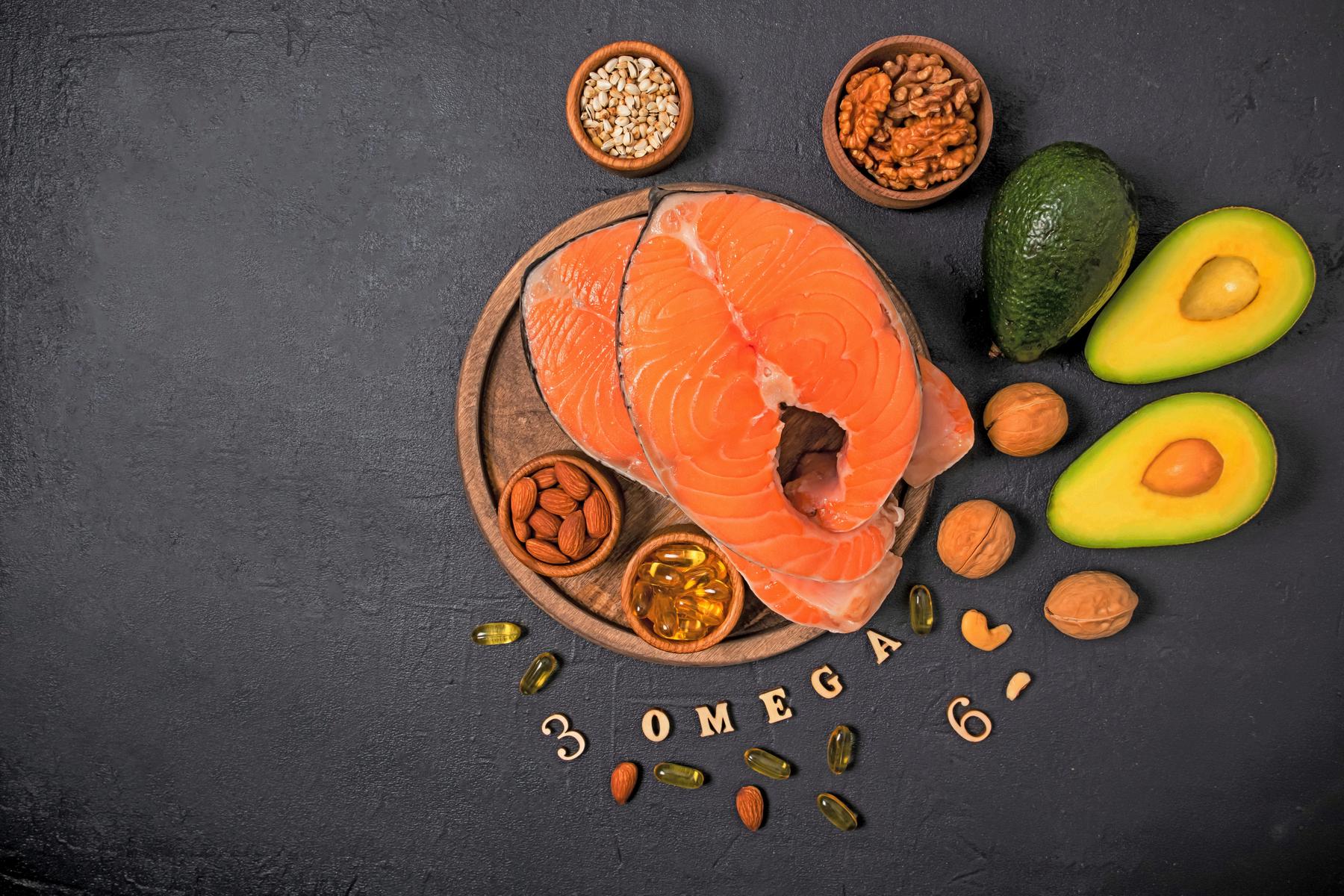
provide nutrients that support brain health, hormone balance, and satiety
Low-carb lifestyles often encourage healthier fat consumption while reducing excessive sugars and refined foods
Common Myths About Low-Carb Diets
Myth 1: Low-Carb Means No Carbs
Most balanced low-carb approaches still include nutrient-rich carbohydrates such as vegetables, berries, and legumes.
Myth 2: Low-Carb Diets Are Unsustainable
Modern low-carb eating is becoming increasingly flexible and realistic
Myth 3: Low-Carb Meals Are Boring
Today’s low-carb recipes are diverse, flavorful, and creative
From cauliflower rice bowls to zucchini noodles and proteinpacked salads, healthy eating can still feel satisfying and enjoyable
Avocado Chicken Salad
A balanced meal filled with protein, healthy fats, and fresh vegetables
Ingredients:
Grilled chicken
Avocado
Cherry tomatoes
Mixed greens
Olive oil
Lemon juice
Cauliflower Stir Fry
A flavorful alternative to traditional fried rice using cauliflower, vegetables, eggs, and sesame oil
Greek Yogurt Berry Bowl
A simple snack packed with protein and antioxidants.
One misconception about low-carb lifestyles is that they lack fiber
However, vegetables, seeds, nuts, and low-sugar fruits can provide significant amounts of fiber
Fiber supports:
Digestion
Gut health
Satiety
Blood sugar regulation
Experts encourage focusing on whole foods rather than heavily processed “diet” products.
Stable blood sugar levels may support:
Many individuals report improved focus and mental clarity after reducing highly processed foods
Concentration
Mood balance
Reduced energy crashes
Sustained productivity
This connection between nutrition and brain function is becoming a major area of wellness research
The future of nutrition is moving away from rigid dieting and toward sustainable wellness
Low-carb living continues to evolve into a more balanced approach focused on mindful eating, quality ingredients, and long-term health
People no longer want diets that feel punishing or unrealistic
Instead, they are searching for nutritional habits that improve energy, support emotional wellbeing, and fit naturally into everyday life
Ultimately, the success of low-carb living comes not from restriction but from awareness learning how food affects the body and making intentional choices that support lasting wellness

For years, the wellness industry promoted complicated diet rules that left many people overwhelmed and frustrated Calorie counting, restrictive meal plans, and endless food trends made healthy eating feel exhausting instead of empowering
Today, however, a major shift is happening
People are increasingly moving toward simpler, more sustainable approaches to nutrition and low-carb living continues to lead the conversation
Modern low-carb lifestyles are no longer just about weight loss They are now connected to energy, blood sugar balance, mental clarity, inflammation reduction, and long-term wellness
This evolution reflects a growing awareness that food directly affects how people feel every day
One reason low-carb nutrition has become increasingly popular is because consumers are paying closer attention to processed foods
Highly processed meals often contain: Excess sugars

Refined flours
Artificial ingredients
Preservatives
Low fiber conten
These ingredients may contribute to energy crashes, cravings, and poor nutritional balance
As people become more health-conscious, many are choosing meals built around vegetables, proteins, healthy fats, and minimally processed ingredients.
Low-carb lifestyles naturally encourage this shift.
One of the most discussed benefits of low-carb eating is stable energy.
Meals high in refined carbohydrates may cause rapid blood sugar spikes followed by sudden crashes
This cycle often leaves people feeling:
Tired
Balanced low-carb meals containing protein, healthy fats, and fiber may help support steadier energy throughout the day.
Many people report feeling more focused and productive after reducing sugary foods and processed snacks
Low-carb eating today looks very different from earlier diet culture trends
Modern recipes focus on flavor, creativity, and satisfaction
Social media has helped transform low-carb cooking into a vibrant lifestyle movement filled with colorful recipes and accessible meal ideas
Popular low-carb ingredients now include:
Cauliflower rice
Zucchini noodles
Almond flour
Greek yogurt
Avocados
Eggs
Salmon
Cottage cheese
Recipe creators are also reinventing comfort foods in healthier ways

Hungry soon after eating
Low-carb soups, protein bowls, keto desserts, and vegetable-based dishes continue trending online
Protein-rich meals continue gaining attention in modern wellness culture
Experts believe protein supports: Satiety
Muscle maintenance
Recovery
Stable energy

Many low-carb meal plans emphasize protein because it helps people feel fuller for longer periods
Balanced protein intake may also reduce mindless snacking and sugar cravings
For decades, dietary fat was unfairly blamed for many health concerns
Today, nutrition conversations are far more balanced
Healthy fats are increasingly recognized as essential for:
Brain function
Hormone balance
Satiety
Nutrient absorption
Foods like olive oil, nuts, avocados, and fatty fish are now considered important parts of balanced wellnessfocused diets
Modern wellness experts increasingly emphasize the connection between food and emotional health.
Many people notice that processed foods and sugarheavy meals affect mood, focus, and energy
Meanwhile, balanced meals rich in nutrients may support emotional stability and mental clarity.
Nutrition is no longer viewed simply as a way to control appearance
Instead, it is becoming a tool for improving overall quality of life
Garlic Butter Salmon Bowl
Ingredients:
Salmon fillet
Cauliflower rice
Spinach
Garlic
Olive oil
Lemon juice
Creamy Avocado Egg Salad
Ingredients:
Hard-boiled eggs
Avocado
Greek yogurt
Mustard
Green onions
Another reason low-carb lifestyles continue growing is flexibility
Many people are no longer interested in rigid dieting
Instead, they prefer approaches that feel realistic and adaptable
Flexible low-carb eating allows room for:
Social meals
Occasional treats
Personal preferences
Balanced living
The future of wellness nutrition is moving toward simplicity, balance, and intentional eating.
Low-carb lifestyles are evolving into something much more sustainable than traditional dieting
People want meals that help them feel energized, focused, and healthy without creating stress around food
Ultimately, successful nutrition is not about perfection
It is about understanding your body, making mindful choices, and building habits that support long-term wellness.

For decades, anti-aging conversations focused heavily on appearance Wrinkles, gray hair, and visible signs of aging were often treated as problems to hide or reverse
Today, however, the wellness industry is shifting toward a much broader and healthier perspective
Modern anti-aging is no longer just about looking younger it is about living better for longer.
Longevity, vitality, mental sharpness, mobility, and emotional wellness are becoming the true goals of healthy aging
People are increasingly interested in how lifestyle habits influence the aging process from the inside out
Advancements in healthcare and wellness awareness mean people are living longer than previous generations.
However, longevity alone is not enough.
Many experts now emphasize the importance of “healthspan” the number of years a person remains healthy, active, and independent.
Healthy aging focuses on preserving:
Cognitive function
Physical mobility
Emotional wellness
Energy levels
Heart health
Skin health
Rather than chasing unrealistic perfection, modern anti-aging encourages sustainable habits that support overall quality of life.
Nutrition plays a major role in how the body ages.
Research suggests diets rich in antioxidants, healthy fats, vitamins, and whole foods may help reduce inflammation and oxidative stress.
Foods commonly associated with healthy aging include:
Berries
Leafy greens
Fatty fish
Nuts
Olive oil
Green tea
Dark chocolate
Hydration is also essential for skin elasticity, energy, and overall wellness
Chronic stress affects far more than emotional health
Experts believe long-term stress may accelerate aging by increasing inflammation and affecting hormone balance.
This is one reason mindfulness practices such as meditation, yoga, and breathwork are becoming central to anti-aging wellness routines.
“Age is an issue of mind over matter. If you don’t mind, it doesn’t matter.”
— Mark Twain
Sleep is often called the body’s natural repair system.
During sleep, the body performs essential recovery processes that support:
Skin regeneration
Hormone balance
Brain function
Immune health
Cellular repair
Poor sleep may contribute to fatigue, inflammation, and visible signs of aging.
Exercise remains one of the most powerful tools for supporting longevity.

Regular movement helps maintain:

Muscle strength
Bone density
Heart health Mobility
Balance
Walking, yoga, resistance training, swimming, and mobility exercises are all associated with healthy aging
Healthy skin is often linked to:
Proper hydration
Balanced nutrition
Stress management
Sun protection
Quality sleep
Ingredients such as collagen, vitamin C, retinol, and hyaluronic acid remain popular in skincare routines
Anti-aging today also includes cognitive health
Many individuals are seeking ways to maintain focus, memory, and mental sharpness as they age
Activities associated with cognitive wellness include:
Reading
Learning new skills
Social interaction
Exercise
Healthy eating
Stress management
Healthy aging habits may include:
Drinking more water
Eating antioxidant-rich foods
Staying physically active
Protecting skin from sun damage
Managing stress
Prioritizing sleep
Maintaining strong social connections
The future of anti-aging is becoming more holistic, realistic, and wellness-centered.
People are moving away from fear-based aging conversations and embracing healthier lifestyles that support vitality and confidence at every age.
True anti-aging is not about stopping time
It is about creating habits that allow people to feel strong, energized, and fulfilled throughout every stage of life
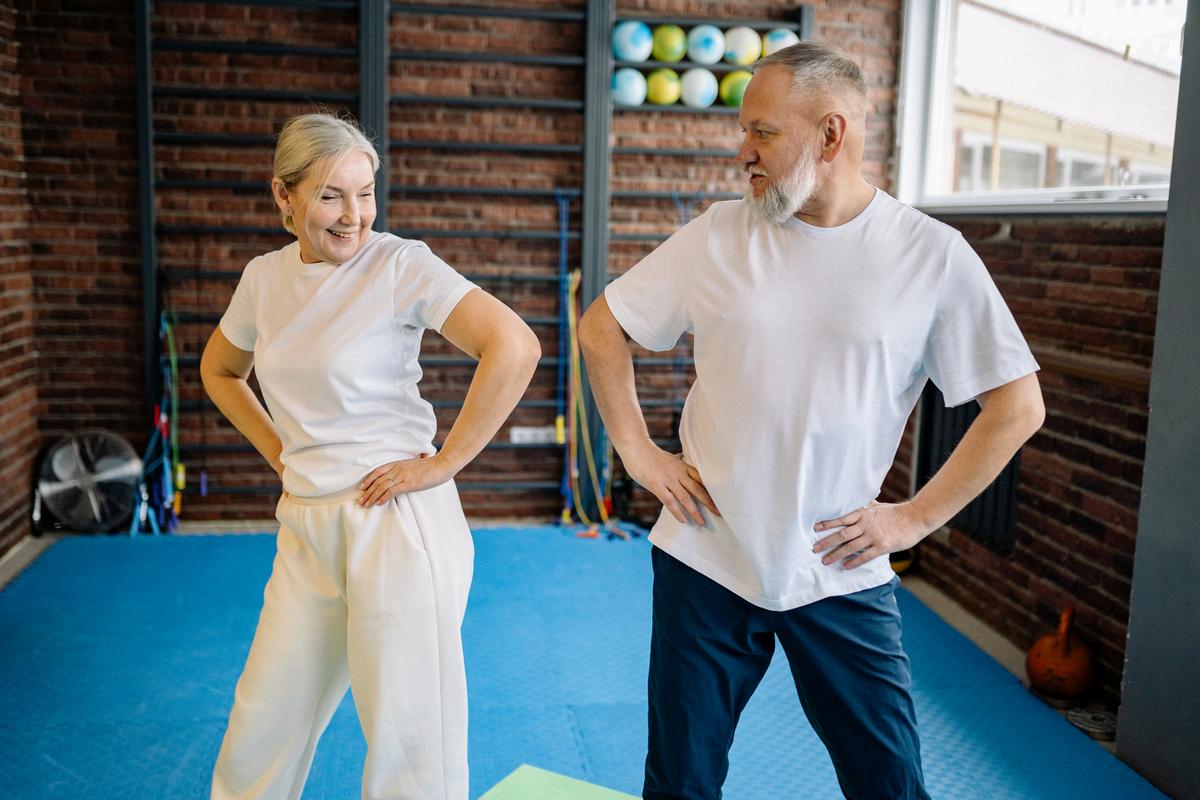




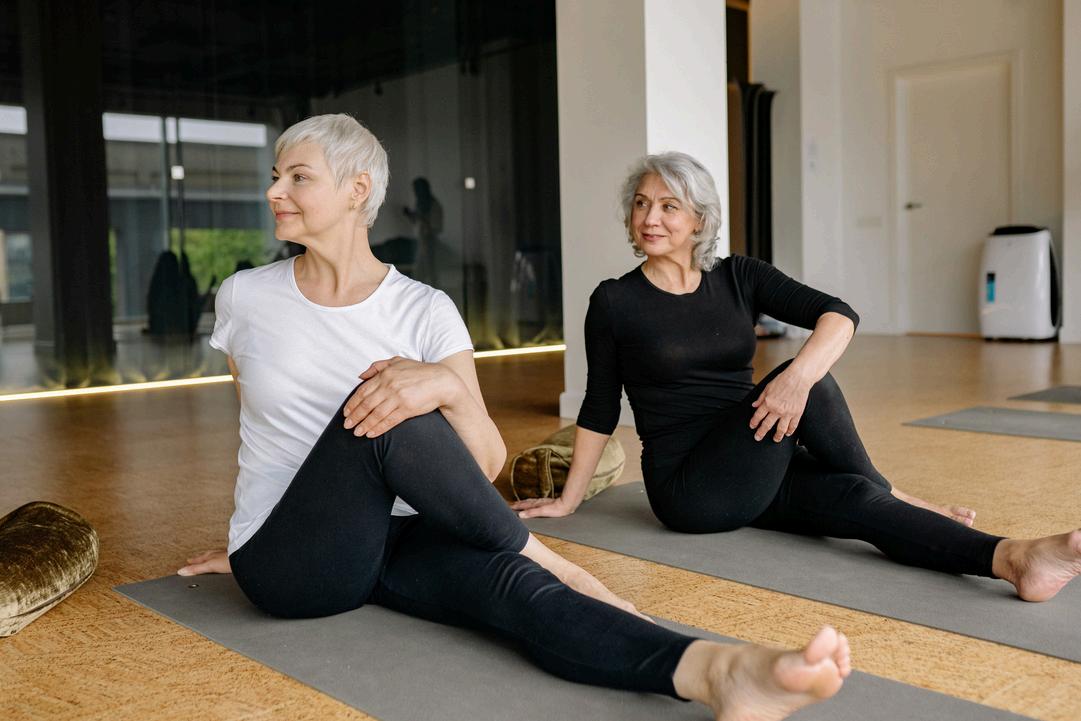
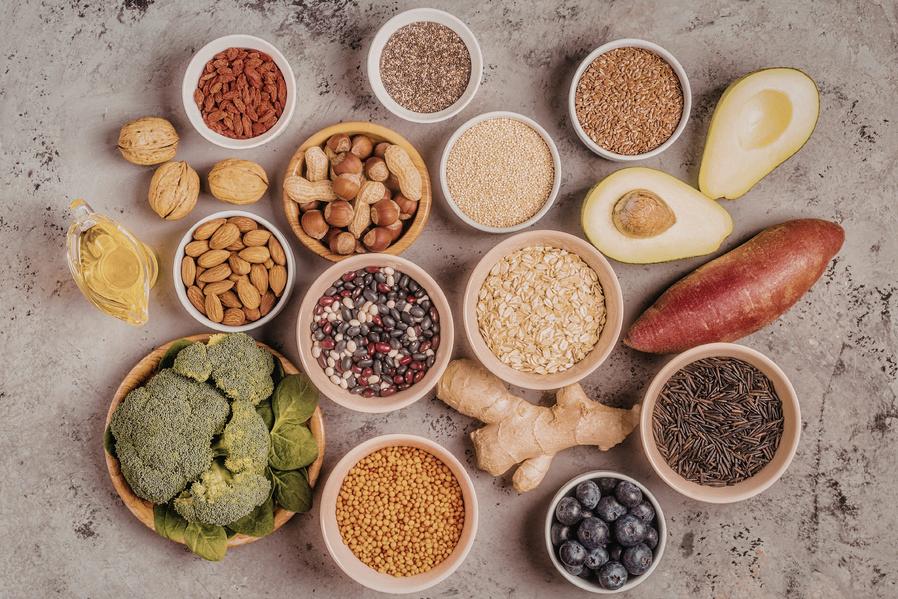
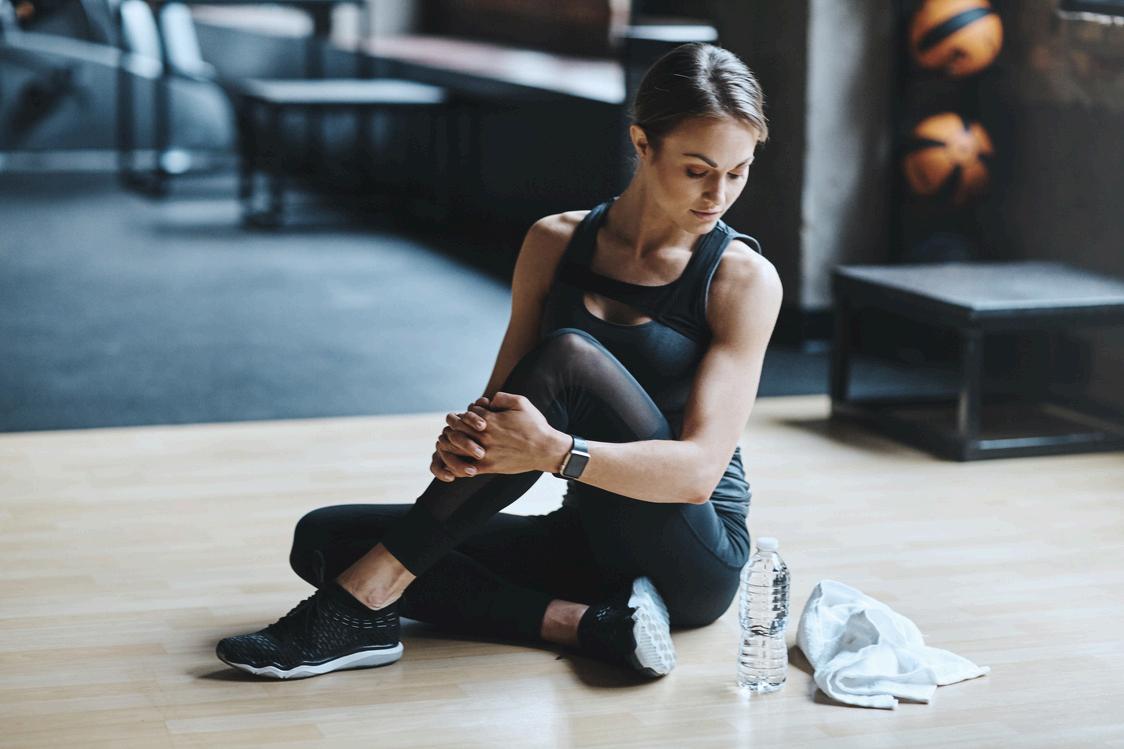






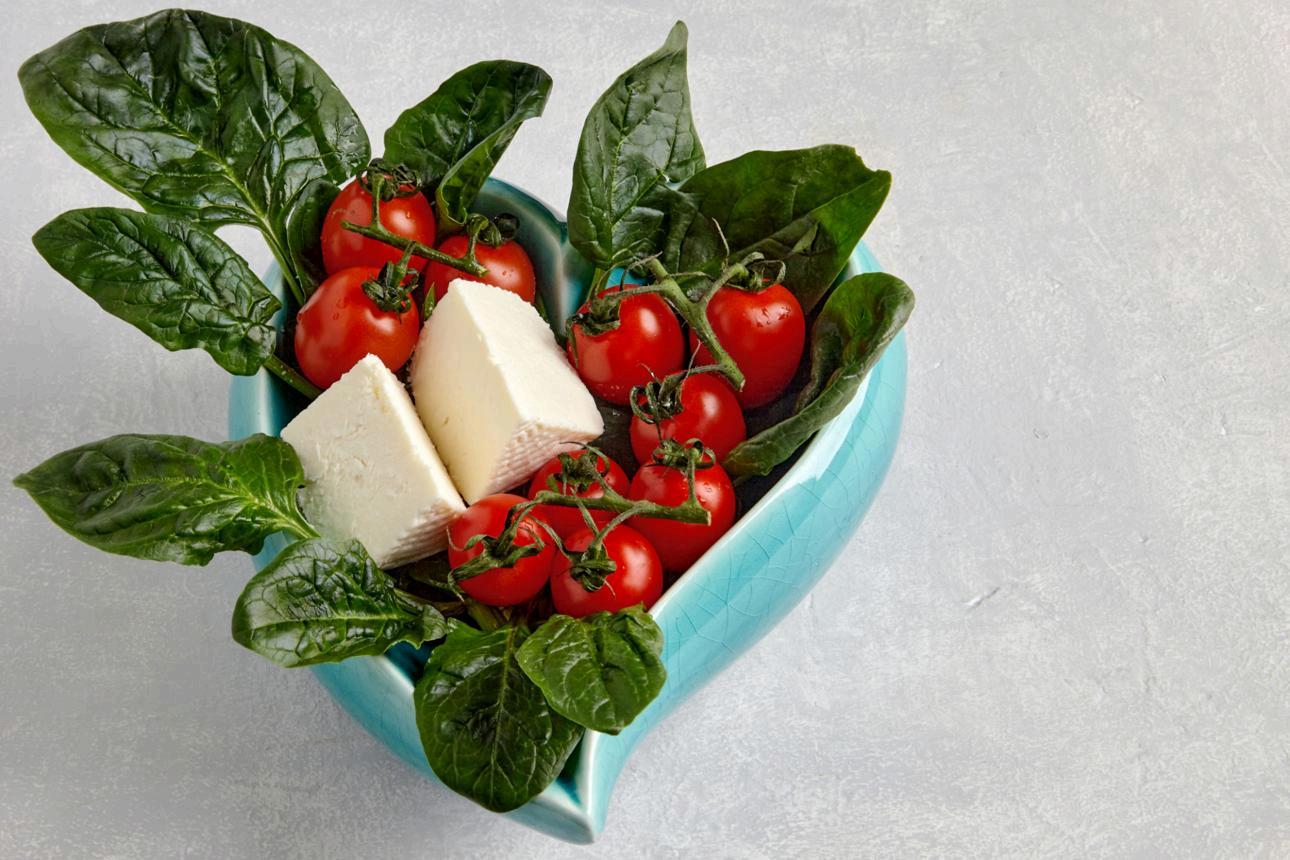
Aging is no longer viewed the same way it was decades ago.
Today’s conversations around aging focus less on fear and more on vitality, confidence, and healthy living
Modern wellness culture encourages people to embrace aging while also supporting their physical, emotional, and cognitive health
The focus is now on longevity and quality of life
Researchers continue studying how stress, nutrition, movement, sleep, and mindset affect the body’s aging process.
Factors associated with healthy aging include:
Balanced nutrition
Regular movement
Quality sleep
Emotional wellness
Stress management
Strong social connections
Experts now believe daily habits often have a greater long-term impact than expensive beauty treatments alone
Chronic stress affects more than emotional health.
Long-term stress may contribute to inflammation, fatigue, sleep disruption, and hormonal imbalance
This is one reason mindfulness practices such as meditation, yoga, journaling, and breathwork continue growing in popularity.
Foods rich in antioxidants, healthy fats, vitamins, and minerals may help support:
Skin health
Brain function
Heart health
Cellular repair
Energy levels
Popular anti-aging foods include blueberries, leafy greens, olive oil, salmon, avocados, nuts, and green tea
Exercise is increasingly viewed as one of the most effective longevity habits
Walking, yoga, stretching, resistance training, and swimming are all associated with healthier aging.
“Do not regret growing older. It is a privilege denied to many.” — Unknown

During sleep, the body performs critical repair processes that support:
Brain health
Skin regeneration
Immune function
Hormonal balance
Emotional wellness
Poor sleep may contribute to fatigue, stress, and visible signs of aging.
Healthy skin often reflects internal wellness
Lifestyle habits such as hydration, balanced nutrition, stress management, sleep quality, and sun protection strongly influence skin appearance
Healthy aging also includes protecting mental sharpness and emotional resilience.
Experts encourage activities such as:
Reading
Learning new skills
Meditation
Creative hobbies
Physical activity
Modern wellness experts often recommend:
Drinking more water
Eating antioxidant-rich foods
Staying active
Managing stress
Building strong relationships
Prioritizing rest

The future of anti-aging is becoming more compassionate and realistic
True vitality comes from feeling healthy, confident, and emotionally balanced not from chasing unrealistic perfection.
Modern aging is about creating a lifestyle that allows people to feel strong, energized, and fulfilled through every stage of life


Weight loss has long been one of the most discussed topics in health and wellness
For years, the industry was dominated by restrictive diets, unrealistic beauty standards, and quick-fix promises
Today, people are beginning to reject extreme diet culture in favor of more balanced and sustainable approaches
Modern wellness experts increasingly emphasize overall health rather than obsessing over numbers on a scale
Many traditional diets focus on severe restriction
While these approaches may produce temporary results, they are often difficult to maintain long-term
Crash dieting may lead to:
Fatigue
Nutrient deficiencies
Increased cravings
Emotional stress
Weight regain
Food is often connected to stress, comfort, celebration, and emotional experiences
Many people struggle with eating patterns influenced by:
Anxiety
Stress
Boredom
Loneliness
Lack of sleep
Understanding emotional triggers can help individuals build healthier relationships with food.
Balanced nutrition focuses on:
Whole foods
Protein
Fiber
Healthy fats
Portion awareness
Consistency
Meals rich in protein and fiber may help increase fullness and stabilize energy levels
People are increasingly encouraged to find movement they genuinely enjoy
This may include:
Walking
Dancing
Swimming
Yoga
Strength training
Cycling
Consistency is easier when movement feels enjoyable instead of forced
Poor sleep may disrupt hunger hormones and increase cravings for high-calorie foods.
Sleep deprivation can also affect:
Energy levels
Motivation
Stress hormones
Recovery
The Role of Mindset in
“Successisthesumof smallefforts,repeated dayinanddayout.”
—RobertCollier
Small habits practiced consistently often create more meaningful long-term progress than temporary extreme routines
Experts recommend focusing on manageable changes such as:
Drinking more water
Cooking at home more often
Walking daily
Reducing sugary drinks
Eating more vegetables
Improving sleep habits






Modern wellness culture increasingly encourages people to prioritize how they feel rather than chasing unrealistic ideals
Energy, confidence, mobility, emotional balance, and long-term health are becoming more important than rapid weight loss.
The future of weight management is becoming more compassionate, personalized, and realistic.
Extreme dieting is gradually being replaced by balanced nutrition, mindful movement, emotional awareness, and sustainable routines

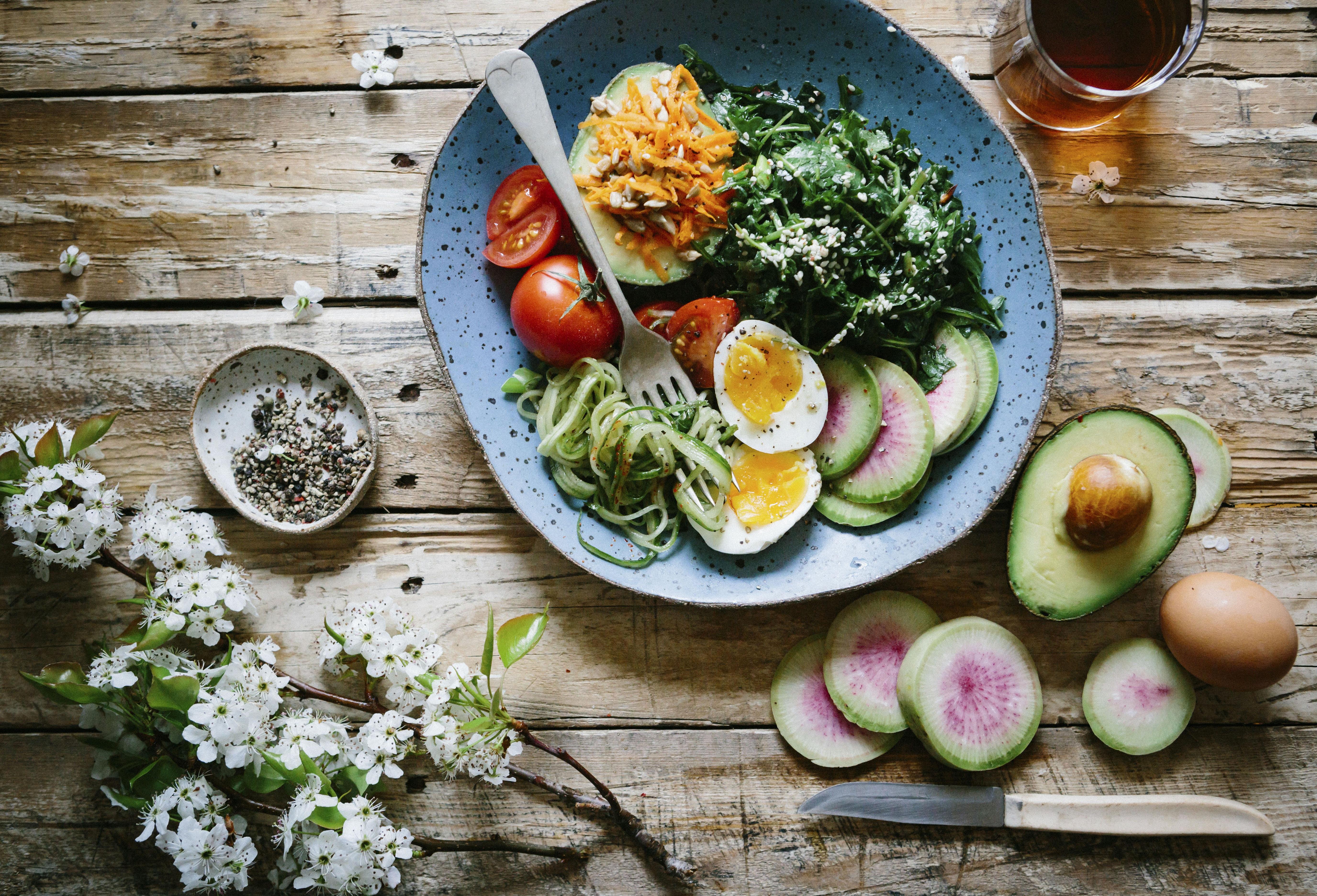

The End of Extreme Diet Culture Experts increasingly encourage sustainable approaches that prioritize realistic eating habits and gradual progress.
For decades, weight loss conversations were dominated by quick-fix promises and unrealistic transformations
Crash diets, extreme restrictions, and short-term challenges became common parts of wellness culture
Today’s wellness movement focuses more on balance, emotional health, and lifestyle sustainability rather than chasing rapid results
Severe restrictions can leave people feeling:
Exhausted
Frustrated
Deprived Emotionally overwhelmed
Busy schedules, financial pressure, lack of sleep, and digital overload all affect overall health
Stress may also influence eating behaviors such as emotional eating and sugar cravings
Poor sleep may affect:
Hunger hormones
Energy levels
Stress hormones Cravings Recovery
Creating healthier sleep habits may support both emotional wellness and healthier lifestyle choices
Building a Balanced Relationship With Food
Healthy eating today focuses on:
Portion awareness
Whole foods
Protein and fiber
Consistency
Flexibility
This approach allows people to enjoy food while still supporting wellness goals.
Popular wellness activities now include:
Walking
Yoga
Swimming
Cycling
Strength training
Dance workouts

The goal is creating a healthy lifestyle that supports energy and emotional well-being.
“Successistheproduct ofdailyhabits—not once-in-a-lifetime transformations.”
Experts often recommend starting with manageable changes such as:
Drinking more water
Preparing meals at home
Walking daily
Sleeping earlier
Increasing vegetable intake
People who approach health goals with patience and flexibility often experience more sustainable progress
Perfection-focused thinking may create cycles of guilt and frustration
Modern weight management conversations now include:
Mindfulness
Therapy
Stress reduction
Journaling
Emotional awareness
True wellness involves both physical and emotional care.
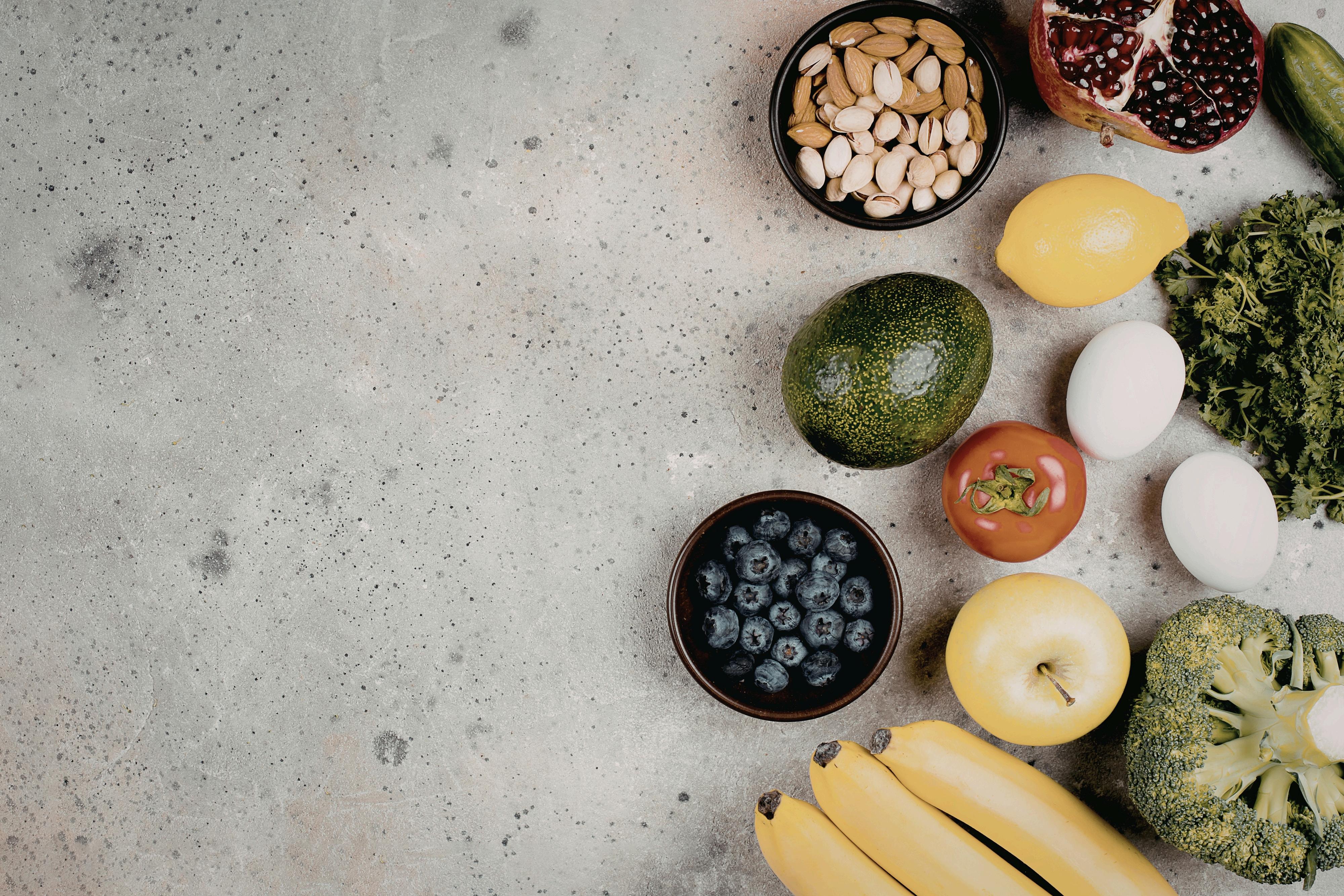
Balanced nutrition, joyful movement, quality sleep, stress management, and emotional resilience are becoming the true foundations of long-term health
Sustainable weight loss is not about punishing the body
It is about building habits that create energy, confidence, balance, and overall well-being.