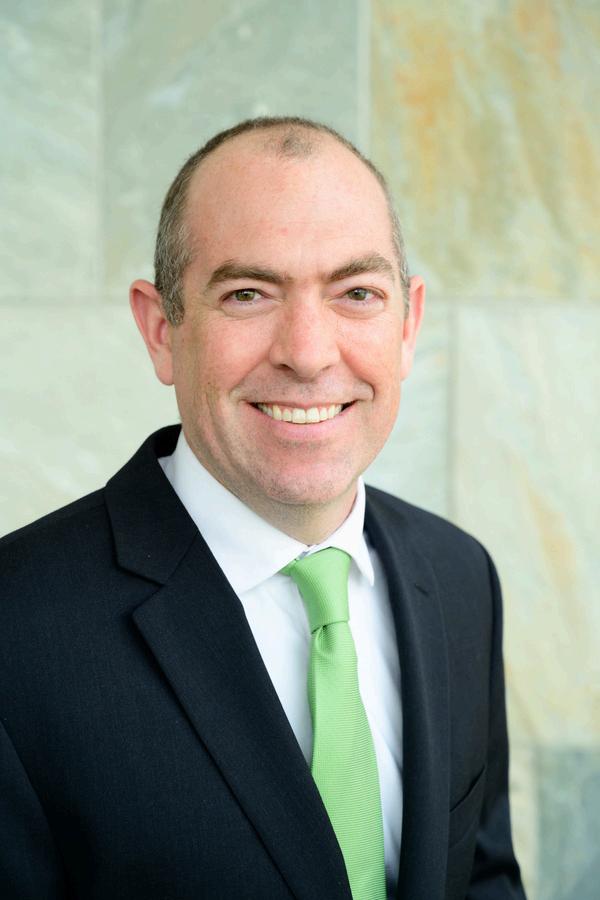
In this Director’s Note, I will be taking a slightly different approach. Typically, I focus on PEARL research accomplishments, student achievements, new research and upcoming educational programming. You will find all of that and more in this issue, be rest assured of that! But I would like to spill a bit of ink (or burn a bit of keyboard) on perhaps the hottest topic out there. Whether your interests and concerns lie with social matters, economic issues, or environmental factors – or an intersection of all three – there is likely no topic more important and controversial topic than Artificial Intelligence.
Efficiency – For folks who work in the environmental space, we must be on the lookout for ways to be more effective at what we do. The restoration of the Chesapeake Bay is a monumental task, with increasingly limited budgets to accomplish our objectives. I believe it is incumbent upon us to leverage all available tools in pursuit of the environmental goals that drove our entry into the environmental field in the first place. AI can help us be better at our jobs, and thus make faster progress towards restoration efforts.
Externalities – A very real concern is the environmental impact AI support infrastructure is having on the natural environment. Data centers consume immense amounts of water, require substantial energy, necessitate development that results in tree loss and increased impervious surfaces that elevate runoff. Their siting can change the nature of communities, increase traffic and produce visual and acoustic disamenities. These externalities are typically not fully considered when developing AI-support infrastructure. Efficiency requires that all costs and benefits – both private and social – be accounted for in production processes.
Context – AI is going to change research and education – foundations of the modern university. AI is enabling researchers to generate more proposals and increase research production – which will result in more knowledge and also, more AI “slop”. Students can work one-on-one with an AI tutor –learning at his or her own pace – or they can use it to pass online courses without learning much “ at all. What becomes scarce in an AI world is context. PEARL place-based research and education is “ messy ” –whether coproduced via stakeholder and student engagement or through physical spaces such as laboratories and the field. PEARL will continue to drive value in this era in which context is scarce.
Thank you for reading and for your support of the Morgan State PEARL. Have a great summer!
All the best,
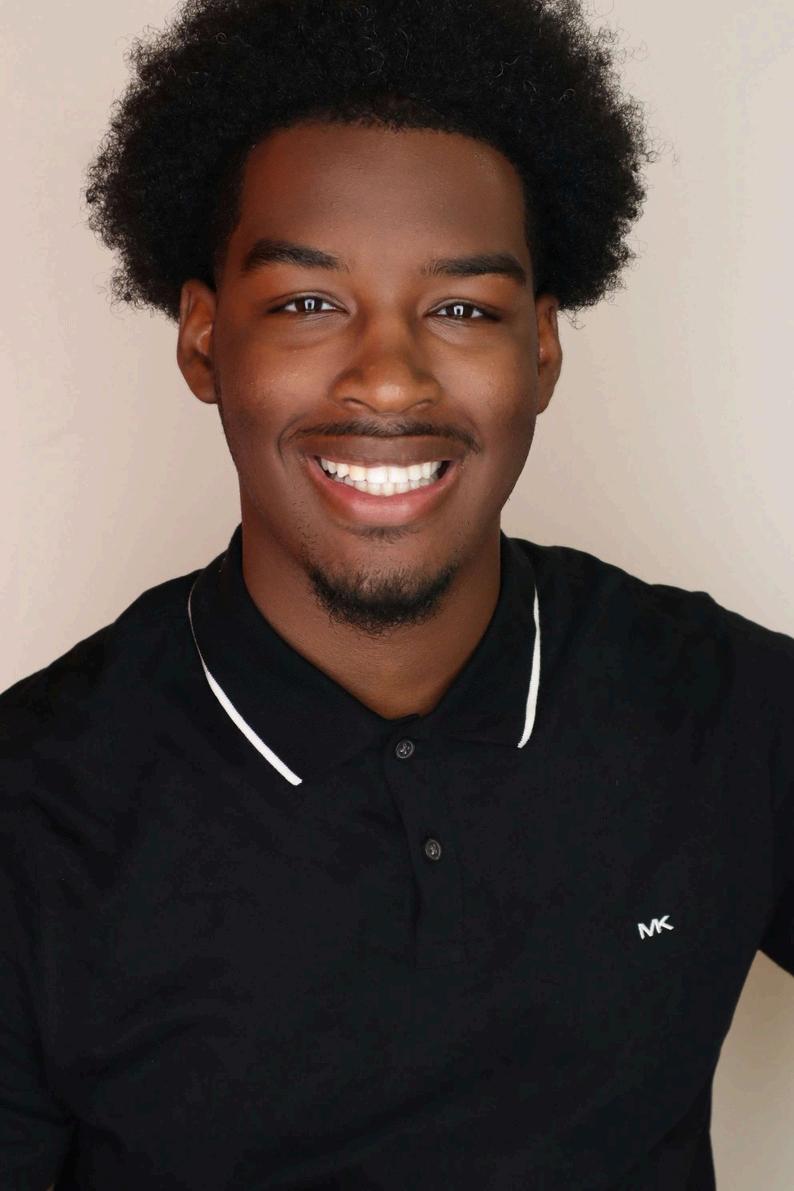
PEARL is excited to welcome 11 new interns to our 2026 Summer Internship Program Aquaculture
University of Maryland
Bioengineering Major
Ibosiola
Ololade Adeworan
Morgan State University
Sustainable Urban
Environmental Engineering Major
Morgan State University Biology Major
Biogeochemistry
Eisenhower Kondo University of Maryland
Biological Sciences Major
Abigail Chappell
St. Mary’s College of Maryland
Marine Science and Chemistry Majors
Virginia Commonwealth University
Environmental Studies Major
Emily Wu
Akinyosoye (Samuel)
Cecilia Kachurak
Education News
Blue Crab Survey
Noah Johnson Morgan State
Jackson Barnes
Joni Chuka
Autumn Murphy
Marissa Therrien
Mary’s
Coastal Biogeochemistry News
Welcome Lade, Abby, and Ceci!
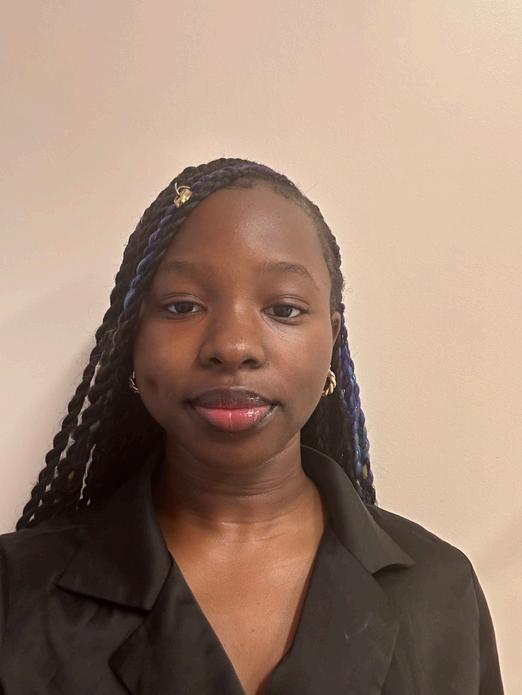
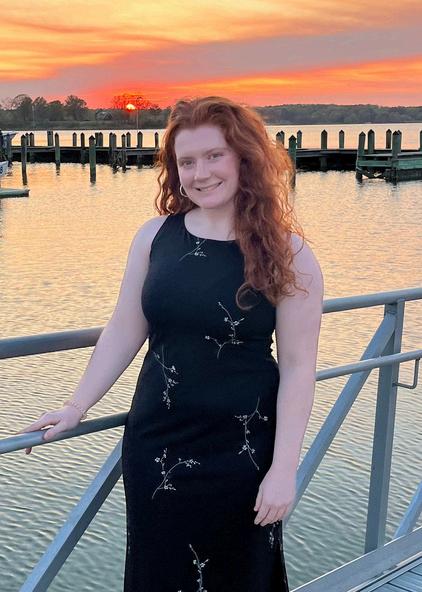
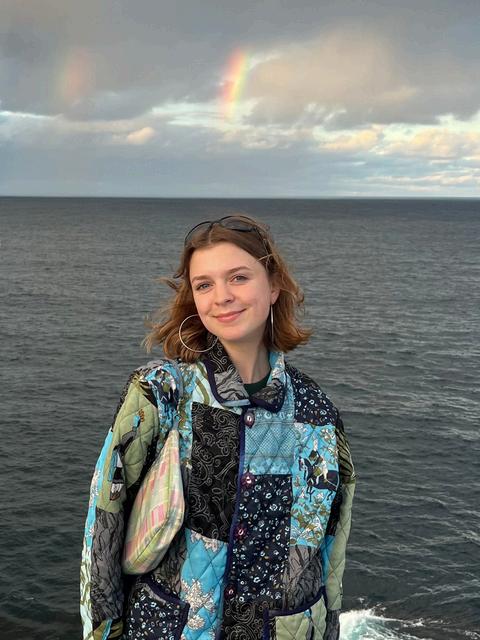
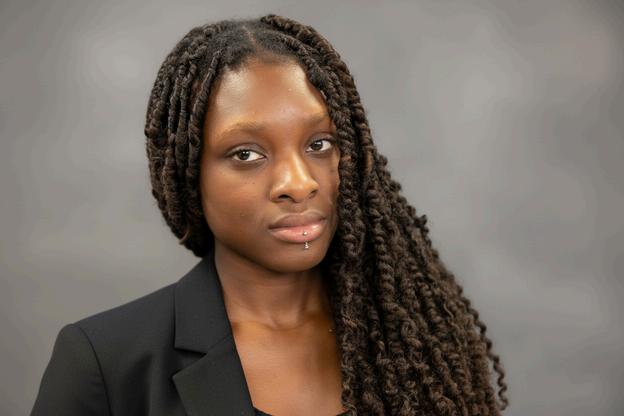
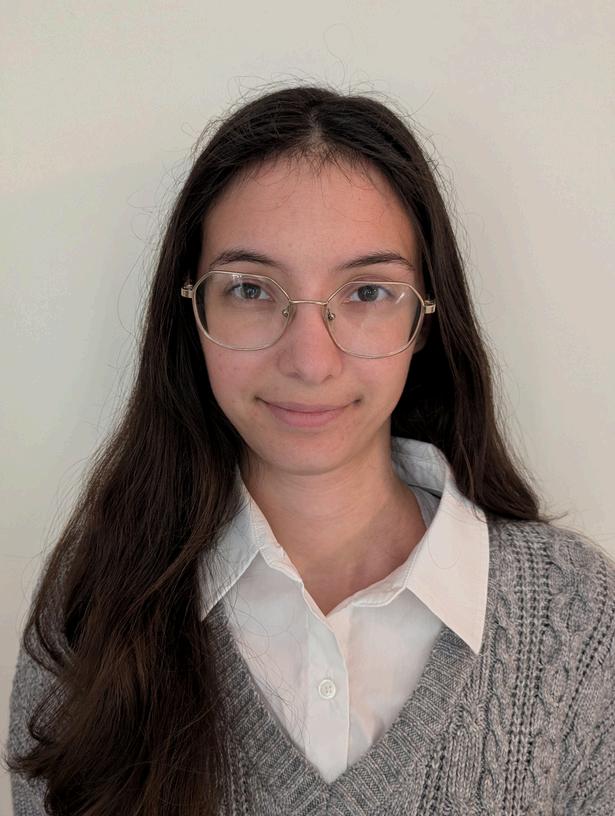
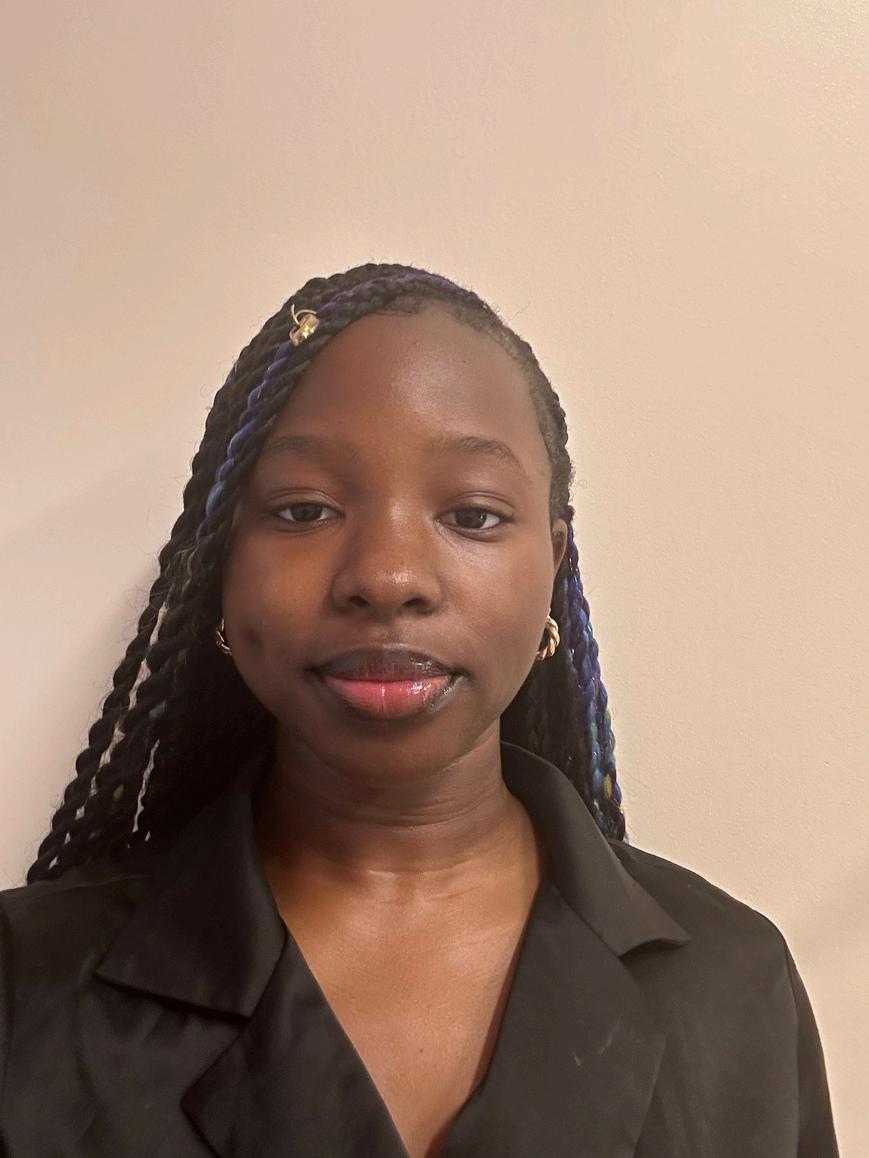
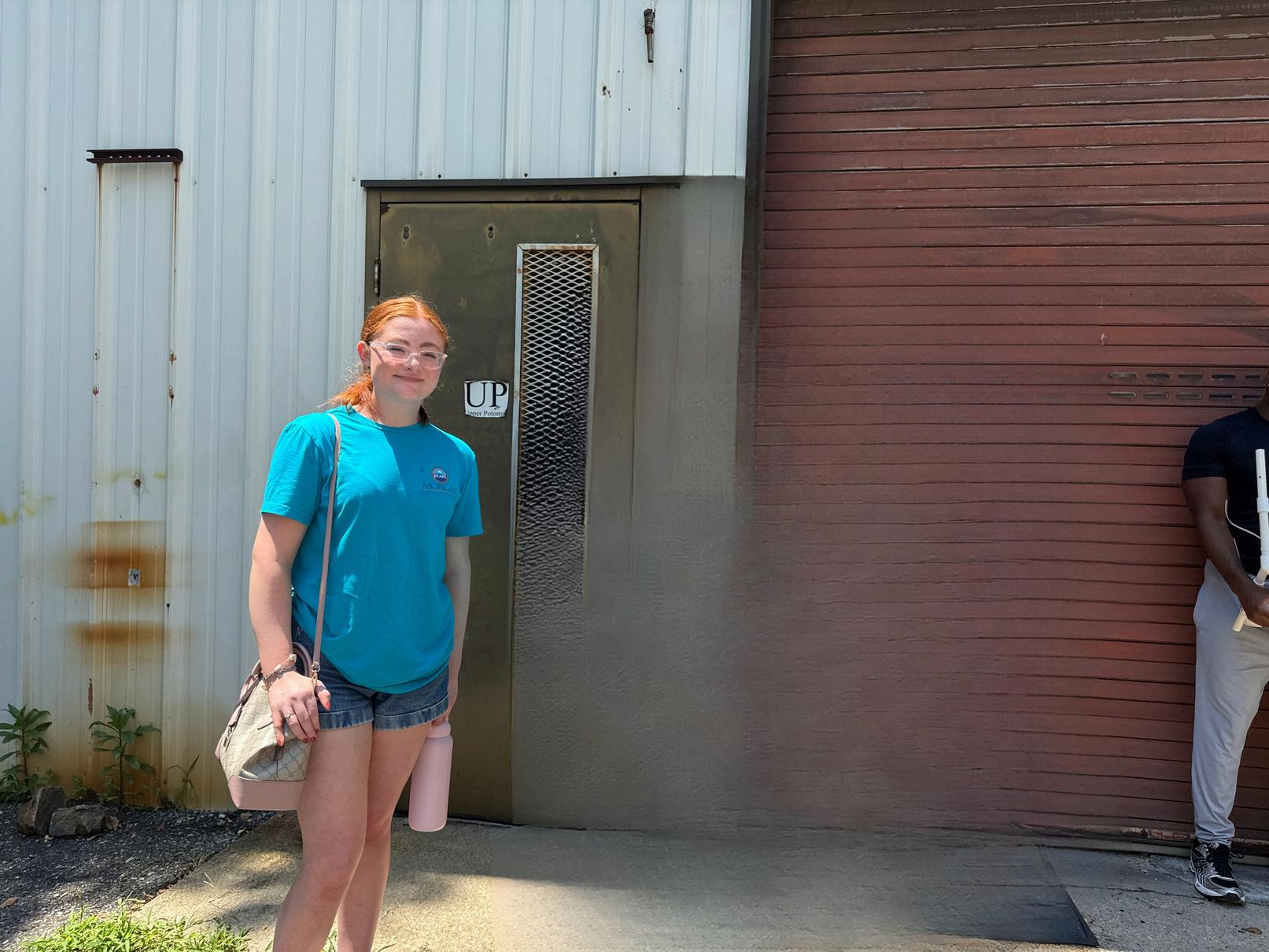
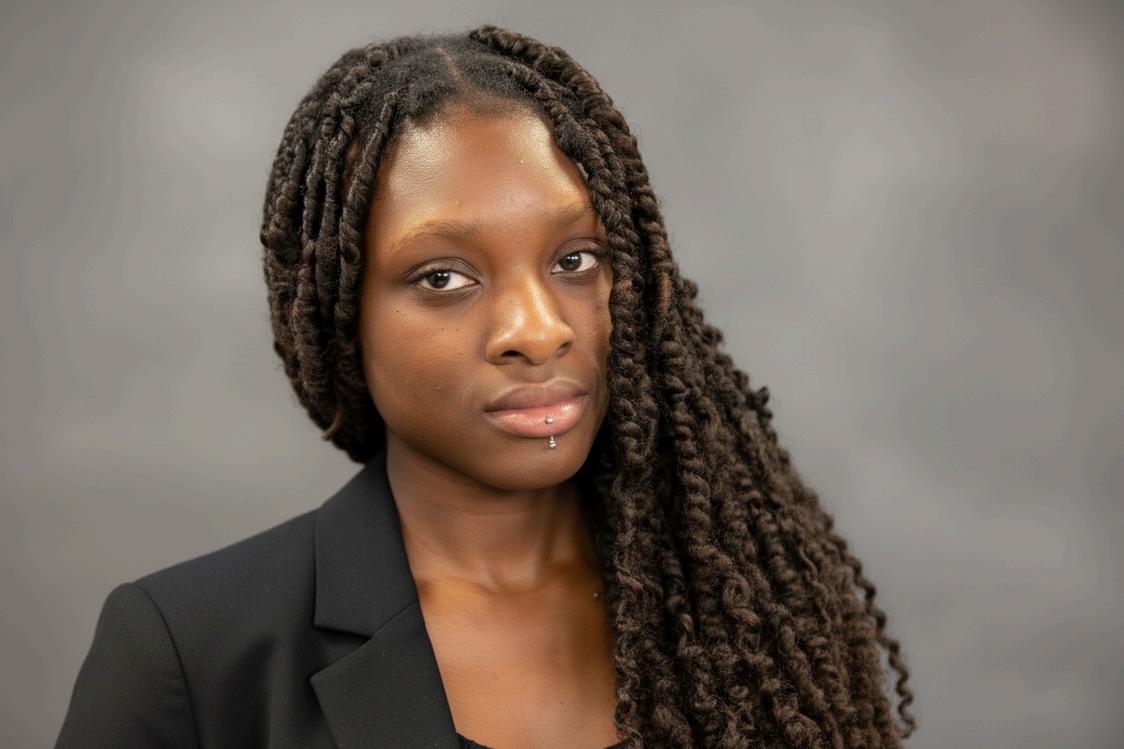
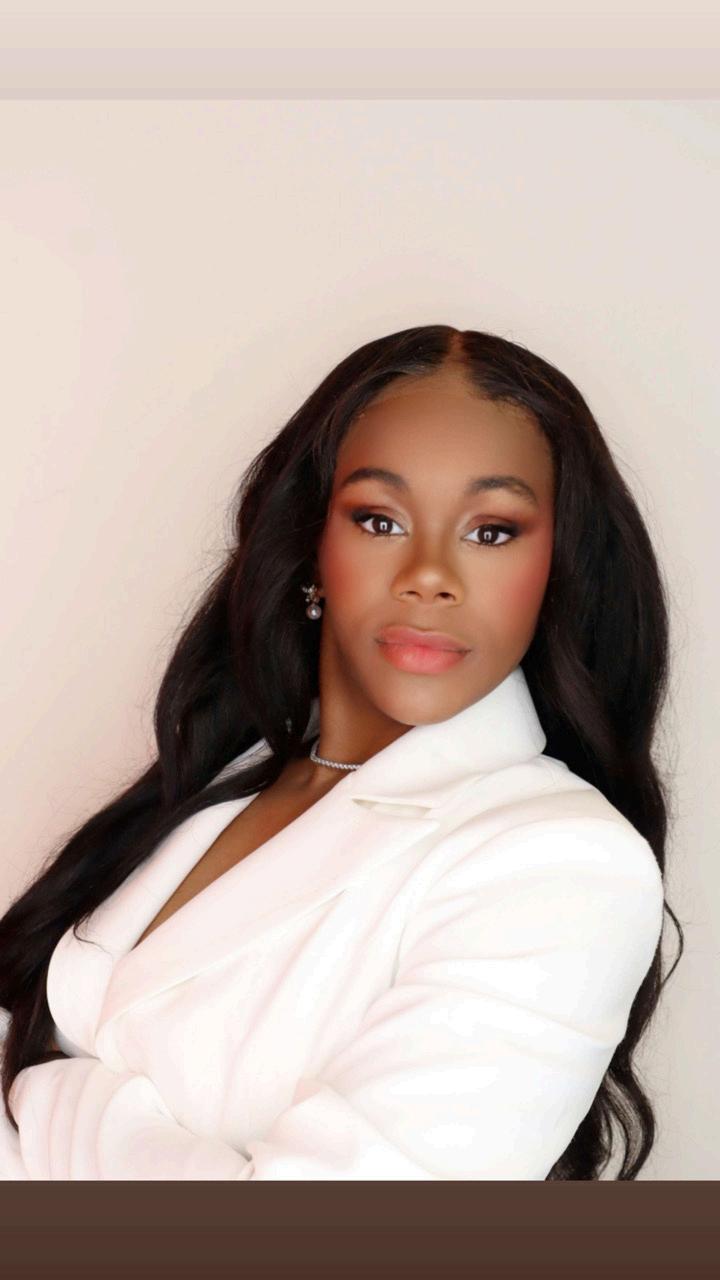
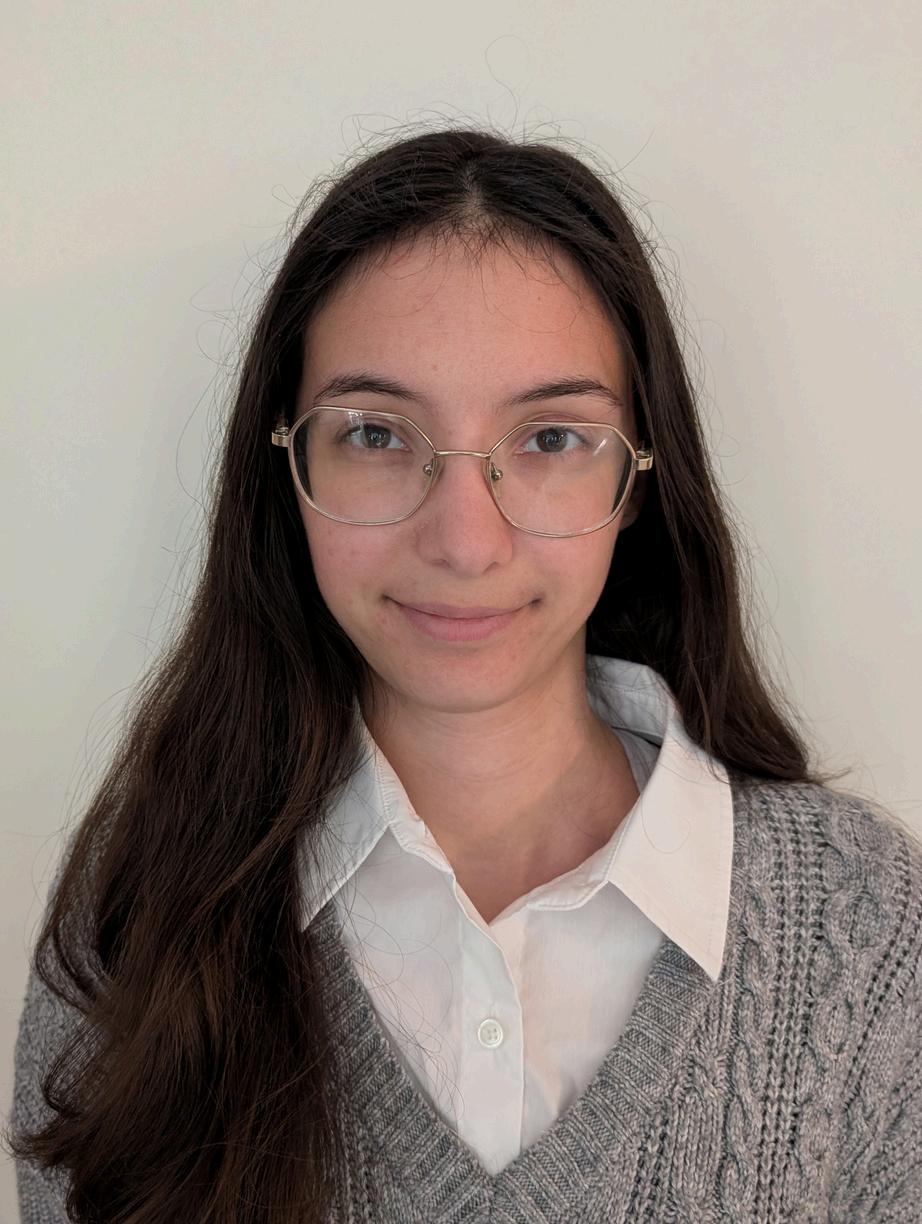
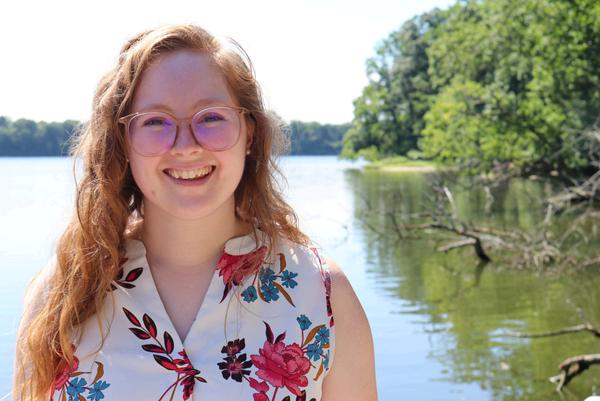
Lade ronmental Engineering Major at Morgan State University, Abby Chappell, a Marine Science and Chemistry Double Major at St. Mary’s College of Maryland, and Ceci Kachurak, a Environmental Studies Major at Virginia Commonwealth University will be joining the Biogeochemistry Research Lab this summer! Two of these interns will be working on the project focused on carbon cycling in tidal marshes and oyster aquaculture, and the other will be working on our new water quality monitoring program.
Abby Chappell
Ceci Kachurak
Coastal Biogeochemistry News
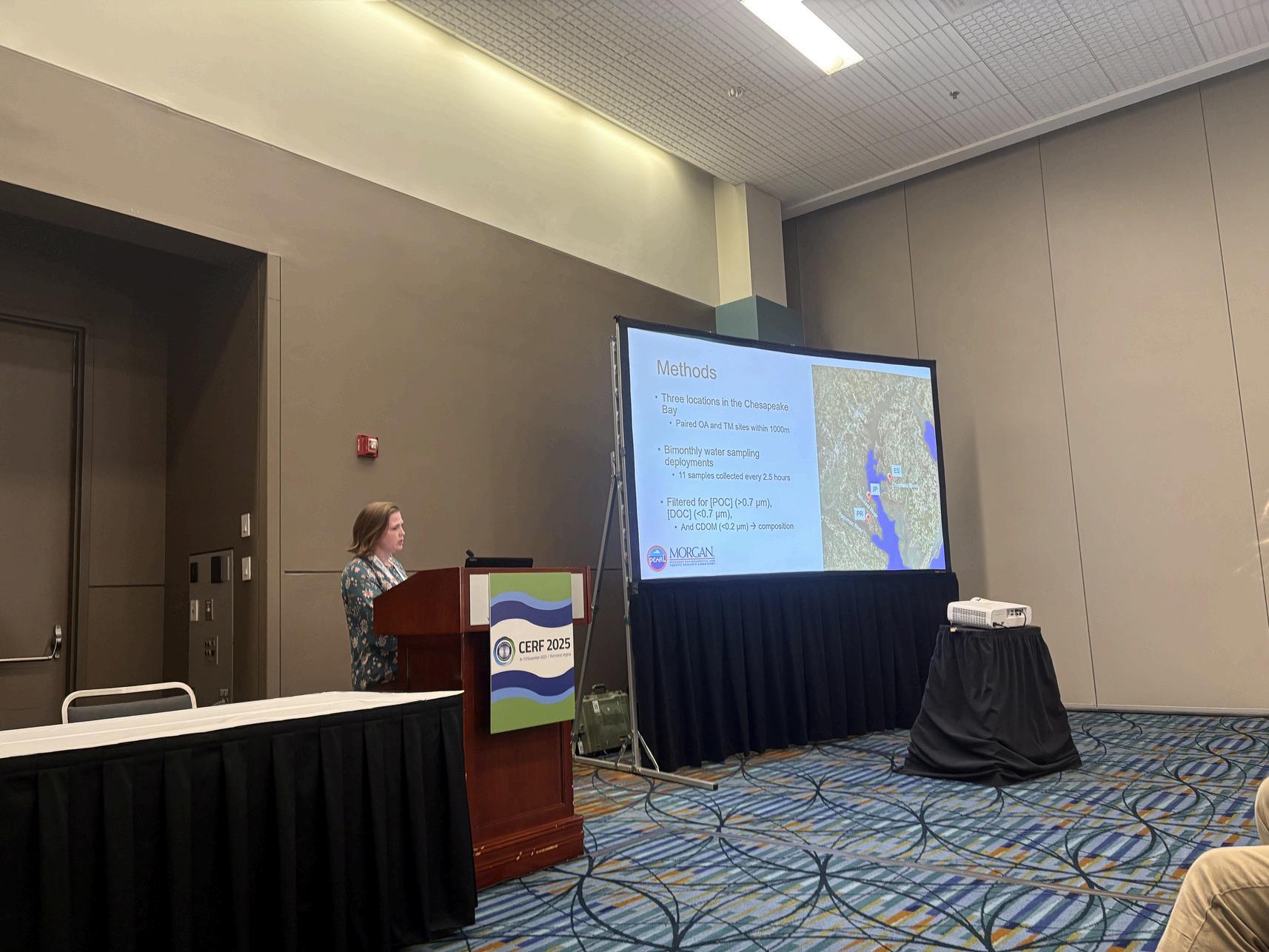
Dr. Amanda Knobloch presents at CERF!
Dr. Amanda Knobloch presented results from the current carbon cycling research project at the Coastal and Estuarine Research Federation (CERF) Biennial Conference in Richmond, VA in November 2025. Her presentation, “Carbon concentrations and composition in tidal marshes and oyster aquaculture facilities,” focused on some preliminary results from this project and highlighted the need for increased long-term monitoring of carbon cycling in all coastal systems.
Myla is headed to Washington College!
Long-term PEARL volunteer, intern, and research technician, Myla Bancroft, is headed to Washington College this fall to study Environmental Sciences and Neuroscience! Congratulations, Myla! We’re excited to see what this next chapter holds for you.
Myla Bancroft
Dr. Amanda Knobloch presenting at CERF
Environmental Economics News
Welcome Joni!
We are excited to welcome Joni Chuka, a sophomore majoring in Accounting at Morgan State University, to the Environmental Economics Team at PEARL as a summer intern. During the internship, Joni will contribute to an applied research project titled “Recreational Angler Spending Related to Harvest Fishery for Blue Catfish in the Chesapeake Bay.” This work focuses on estimating the direct spending value of recreational blue catfish harvest in the Chesapeake Bay. Joni will support the project through data analysis and applied economic methods, gaining hands-on experience at the intersection of environmental economics and resource management.
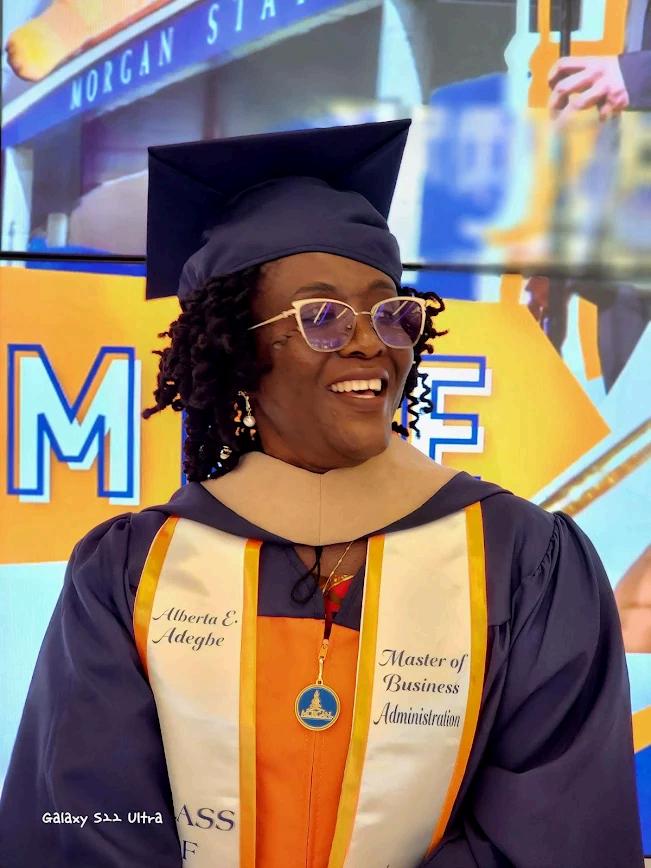
Congratulations, Alberta!
Congratulations to Alberta Adegbe, an MBA student at Morgan State University, who completed her studies in Fall 2025. Alberta was supported throughout her studies from August 2024 to December 2025 by the National Oceanic and Atmospheric Administration (NOAA) Aquaculture Grant awarded to MSU PEARL to train Morgan State University students in aquaculture economic techniques. During her time at PEARL, Alberta contributed to an ongoing project focused on understanding salmon purchases using retail scanner data.
Please join us in congratulating Alberta and wishing her continued success in her future!
Joni Chuka
Dr. Scott Knoche presented at the 81st Annual NEAFWA Conference
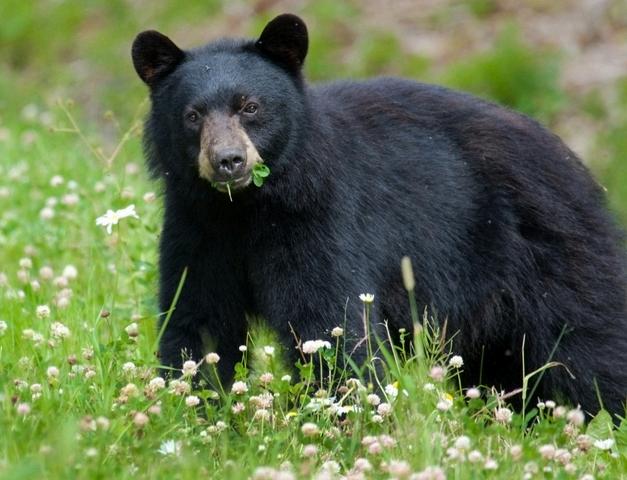
Dr. Scott Knoche, Director of PEARL, presented a research project titled “Hunter Preferences and Willingness to Pay for Attributes of a Black Bear Hunting Experience” at the annual meeting of the Northeast Association of Fish and Wildlife Agencies (NEAFWA), held April 7–10, 2026, in White Sulphur Springs, West Virginia.
This project, coauthored by Kehinde Ojo, Emily Hoyt, Kaitlynn Ritchie (Morgan State University, PEARL), and Jonathan Trudeau (Maryland Department of Natural Resources, Wildlife and
Heritage Service), examines how black bear hunters in Maryland value key attributes of the hunting experience by quantifying trade-offs related to success rates, season structure, and permit allocation. The results show that hunters place the highest value on harvest success and timing (e.g., Sunday hunting), offering insights to inform more effective and publicly supported wildlife management policies
PEARL Environmental Economics PhD Students Present BLUE-CORE Research at CUHDRI 2026
Two graduate students, Kristen Jones (PhD student, Bioenvironmental Science) and Ebram Victoria (PhD candidate, Architecture, Urbanism, and the Built Environment), working with the Environmental Economics Team at PEARL, presented a poster at the CUHDRI Biennial Conference at Morgan State University (April 2-3, 2026).
Their presentation on the Baltimore BLUE-CORE (BLUEspace COllaborative REsearch for Urban Coastal Access and Climate Resilience in South Baltimore) project focused on strengthening stakeholder relationships to support research co-production and inform the equitable design and placement of blue spaces in South Baltimore. Drawing on a literature review of peer-reviewed studies, reports, and community projects, they found that access to coastal green and blue spaces is shaped more by social, historical, and structural factors than by geographic proximity alone.
Kristen Jones
Ebram Victoria
Coastal Ecology
Welcome Noah and Jackson to the Blue Crab Survey!
With summer right around the corner, our Coastal Ecology team is gearing up for what promises to be a busy and productive field season! We are excited to welcome four new interns who will be working alongside our staff on a range of ongoing research efforts.
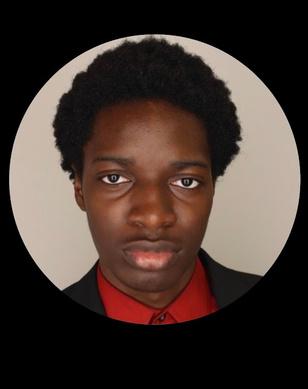
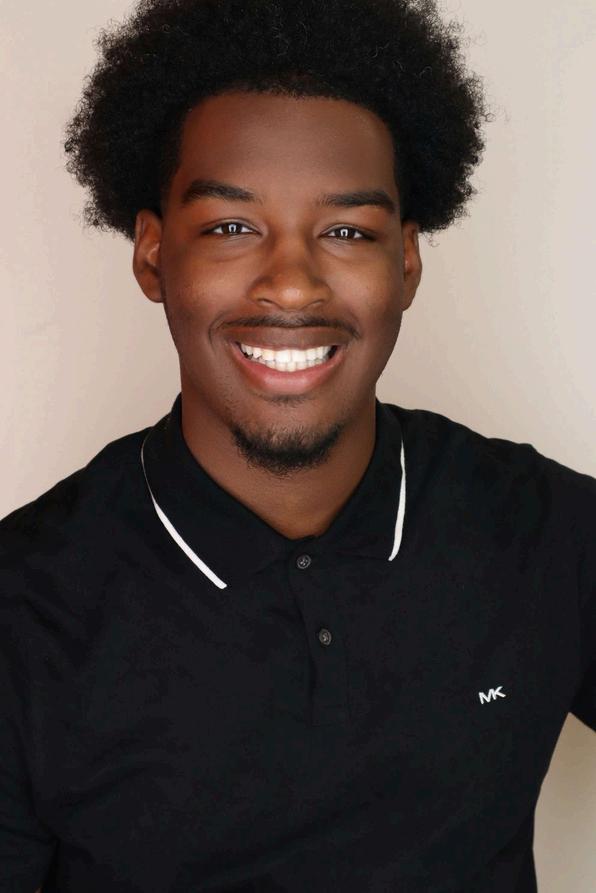
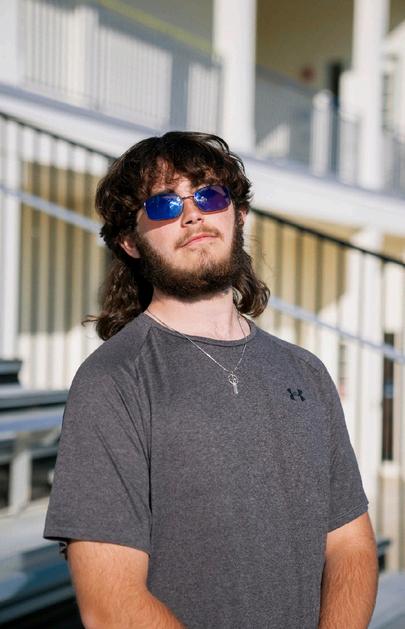
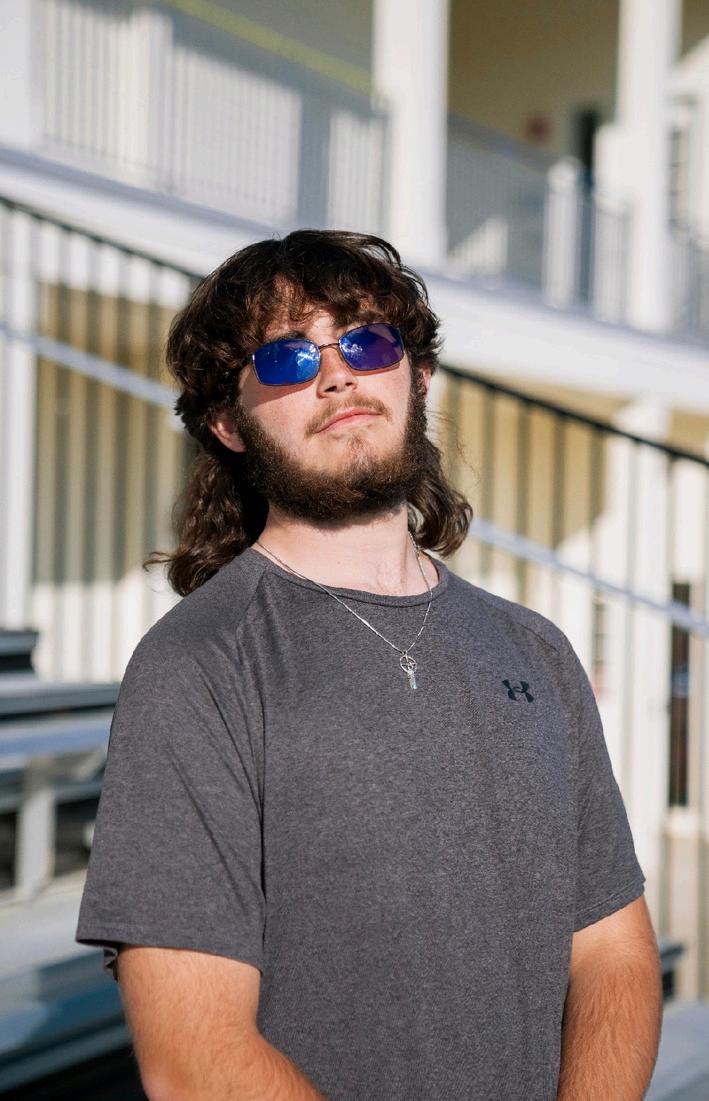
Noah Johnson (top), a sophomore Biology major at Morgan State University, and Jackson Barnes (bottom), a senior Marine Science major with a Spanish minor from St. Mary’s College, will be collaborating on our long-running PEARL Blue Crab Survey. This annual monitoring effort has tracked blue crab population dynamics and environmental conditions for nearly 60 years, providing critical insight into longterm trends and changes. Through this work, Noah and Jackson will gain hands-on experience in live animal collection and handling, survey data entry, and data analysis and interpretation.
Noah Johnson
Jackson Barnes
Coastal Ecology
Coastal Ecology Updates
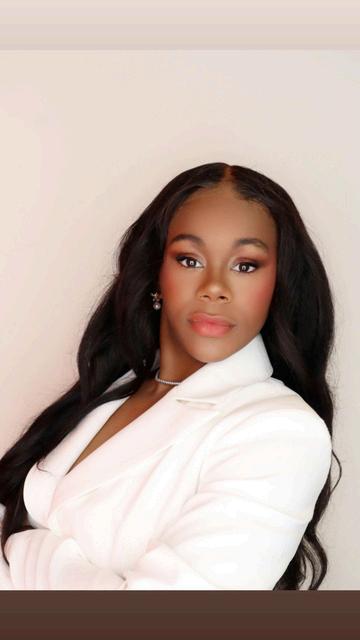
Autumn Murphy (left), a senior biology major at Morgan State University, and Marissa Therrien (right), a junior studying biology and marine science at St. Mary’s College, will be contributing to two additional projects this summer.
1.Evaluating how well oysters settle, grow, and survive using different oyster restoration strategies.
2.Forage species in the Chesapeake Bay, with an emphasis on how these organisms use different habitats.
Together, these projects will provide valuable experience in fieldwork, data collection, and understanding the role of habitat in shaping marine communities.
Marissa Therrien
Autumn Murphy
Launching the Oyster Heaven Project
In addition to supporting our interns, our team has been making steady progress on the Oyster Restoration Project, having completed two rounds of sampling during the fall and winter seasons. This work continues to inform the success of a new alternative reef structure that supports oyster growth.
Blue Catfish Research
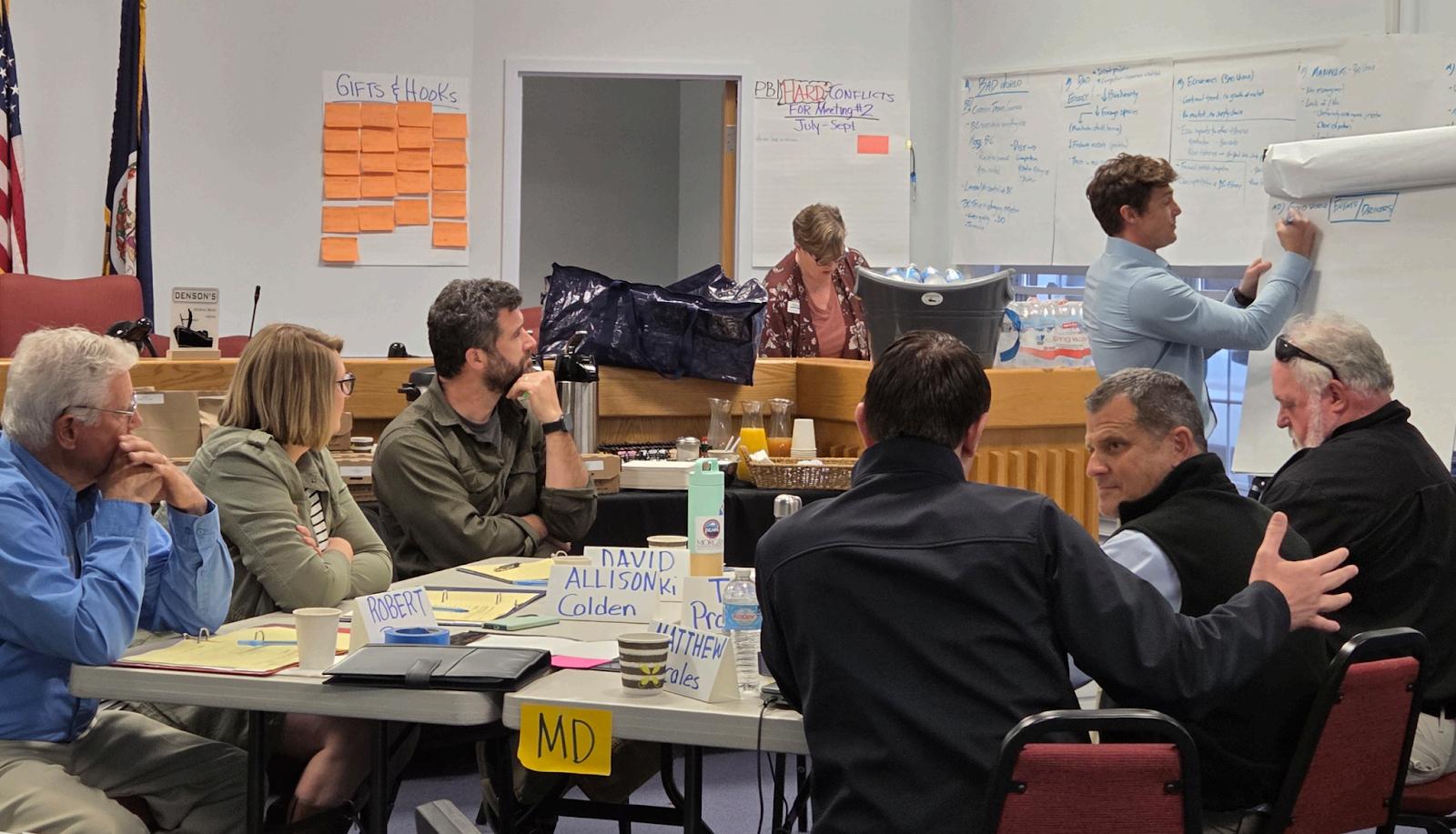
Activity is also ramping up on our invasive blue catfish project, where the project team is working closely with regional stakeholders to inform a Chesapeake Baywide spatial ecosystem model. This model will be used to explore different management approaches and ultimately support stakeholder-driven recommendations for management. Following a successful first stakeholder meeting in March, the team is now incorporating that input into ecosystem model development, adding to what is shaping up to be an exciting and impactful summ
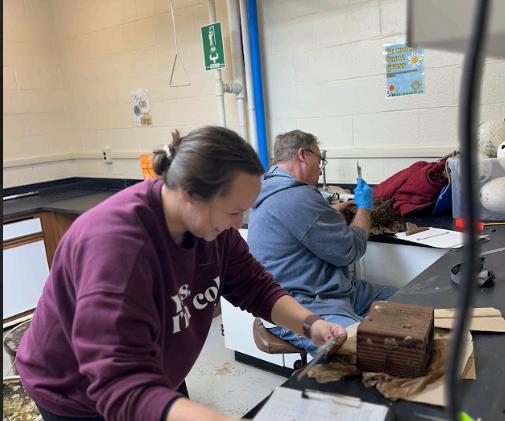
Foreground: Research Associate Emily Sommerfeld Background: Research Scientist Dr. Tom Ihde
Coastal Ecology
PEARL Intern: Then and Now 2019 PEARL Intern
Caroline Troy: Then and Now
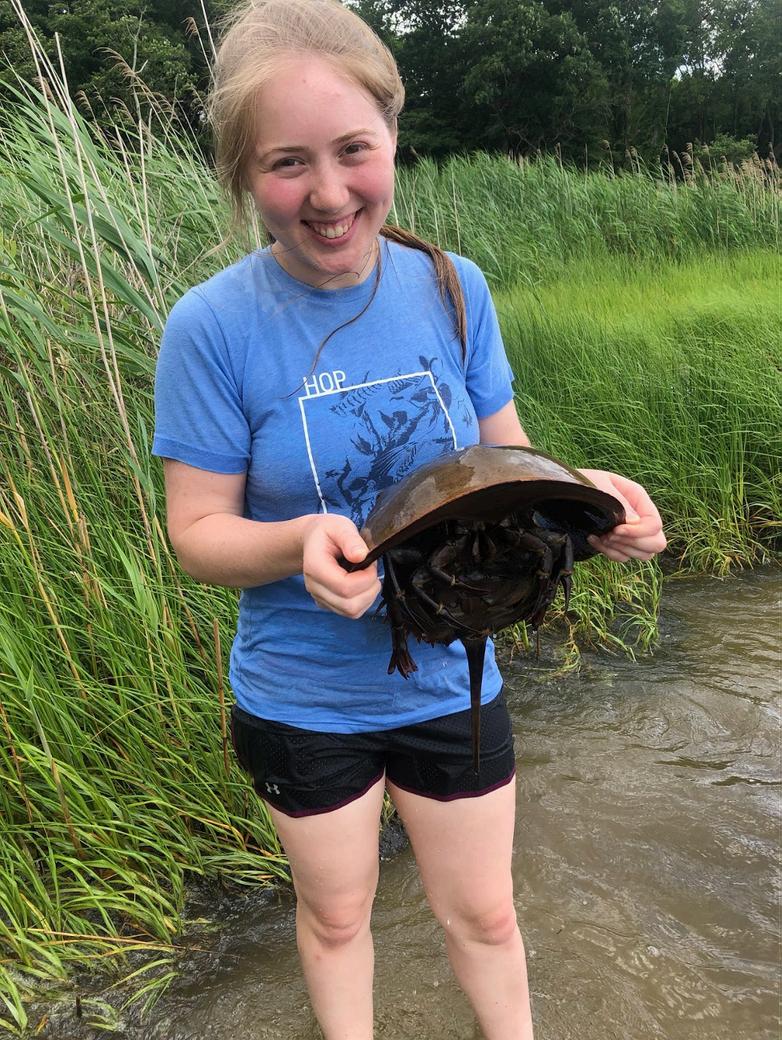
In 2019, Caroline Troy worked on two different projects as a PEARL Intern: a demonstration of oyster setting in the field with a method later patented (as opposed to the standard tank-based method), and a study focused on understanding what shoreline habitats are most important for different forage species (small fish and invertebrate species that larger species eat). Both projects are still ongoing, and this year, all four Coastal Ecology interns in the Ihde Lab will be working on projects that extend the work she helped establish.
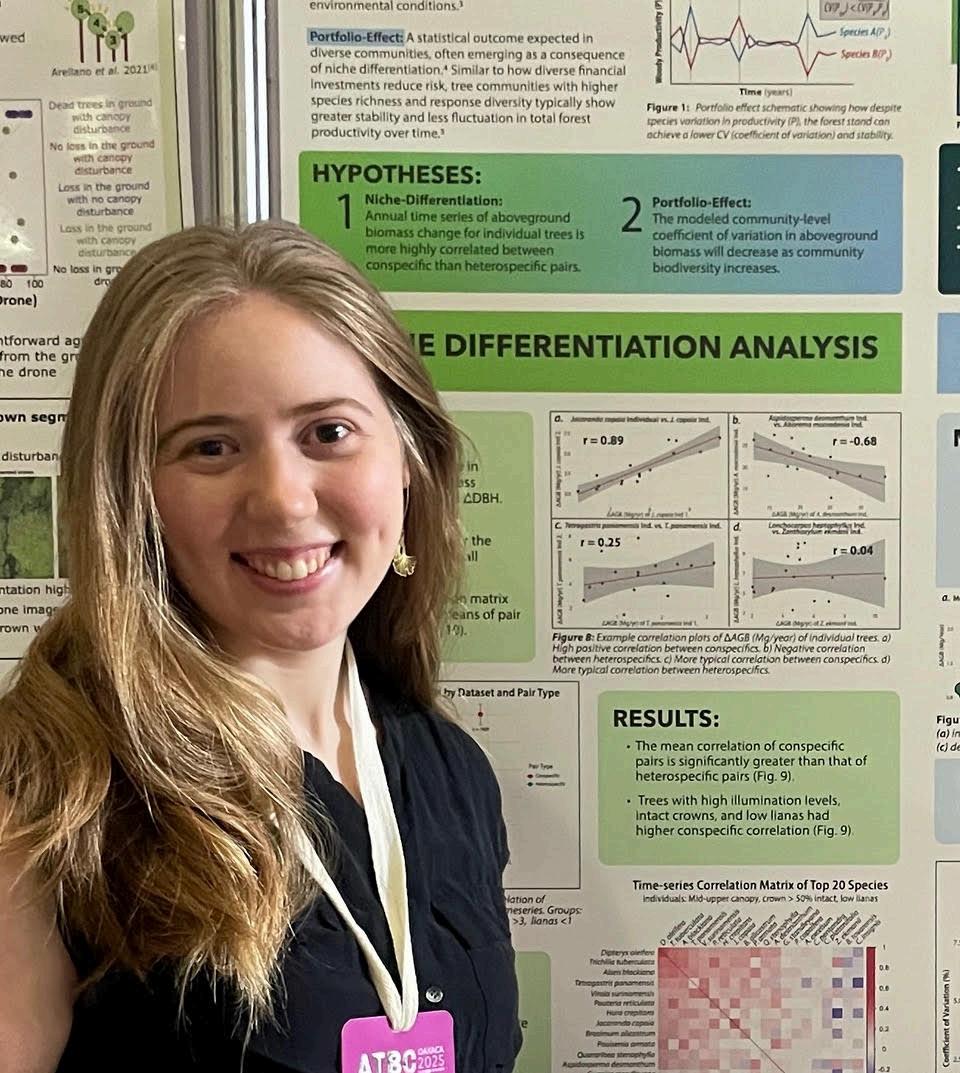
Following her internship at PEARL and prior to beginning her PhD, Caroline served as an intern for an urban coastal ecology NSF REU in New York City, studied woodpecker drumming behavior for her senior thesis at Brown University, interned for the 2023 ForestGEO census at the Smithsonian Conservation Biology Institute, completed a Fulbright Fellowship in India focused on bats and urbanization, and then completed a year-long internship at the Smithsonian Tropical Research Institute in Panama studying quantitative forest ecology.
For her PhD, Caroline will study the seagrass meadows at the Virginia Coast Reserve Long Term Ecological Research site on the eastern shore of Virginia, with a focus on how the genetic diversity of the meadows has changed over the past two decades of restoration, as well as the dynamics of eelgrass wasting disease across the meadows particularly its relationship with factors such as temperature and genetics.
Aquaculture News
Welcome Z
The PEARL Aquaculture Team recently wel Zophia Galvan, who joins us as a Technician. She will assist Dr. Ming Liu with and clam research, hatchery productio aquaculture extension activities.
Zophia received her Master’s degree in Fis Aquaculture, and Aquatic Sciences from University in 2025. Her thesis focus “Utilization of Egg Quality Biomarker Probiotics for the Improvement of Eastern (Crassostrea virginica) Larviculture.”
Prior to her graduate studies at Auburn, worked at PEARL in 2019 and 2020, Smithsonian Environmental Research (SERC) in 2021, and later at the Virginia In of Marine Science (VIMS) in 2022. Acros institutions, she participated in research o crab ecology, oyster rearing and selective breeding. These diverse research experiences have provided Zophia with strong technical skills and knowledge in aquaculture. Her addition to the team will further strengthen PEARL’s aquaculture research and hatchery capabilities.
Zophia Galvan
Aquaculture News
Triploid Soft-Shell Clams
The use of sterile, faster growing triploid oysters has been widely adopted in the oyster aquaculture industry and has significantly improved production efficiency.
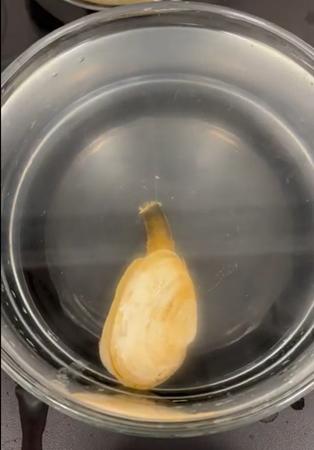
A similar advantage is expected for the soft-shell clam (Mya arenaria) Faster growth may improve survival rates because juvenile clams could burrow deeper into sediment earlier, helping them avoid predation during the spring and summer when predator populations increase. Faster growth could also shorten the time required to reach market size.
With support from the Northeast Regional Aquaculture Center (NRAC), Dr. Ming Liu and the PEARL aquaculture team are collaborating with Dr. Brian Beal at the Downeast Institute (DEI) to develop and evaluate triploid soft-shell clams
Producing triploid soft-shell clams presents unique challenges Unlike oysters, which can be reliably spawned through strip spawning, soft-shell clams rely on natural spawning, which is less predictable. Fertilization in clams is also often asynchronous, and fertilization rates are typically lower than in oysters, making triploid induction more difficult.
In early March 2026, Dr. Liu, new senior technician Zophia Galvan, and PEARL graduate student Xuetao Li traveled to DEI to conduct a triploid production trial. Successful spawning was induced using thermal shock, and fertilized eggs were treated with 6-DMAP to induce triploidy
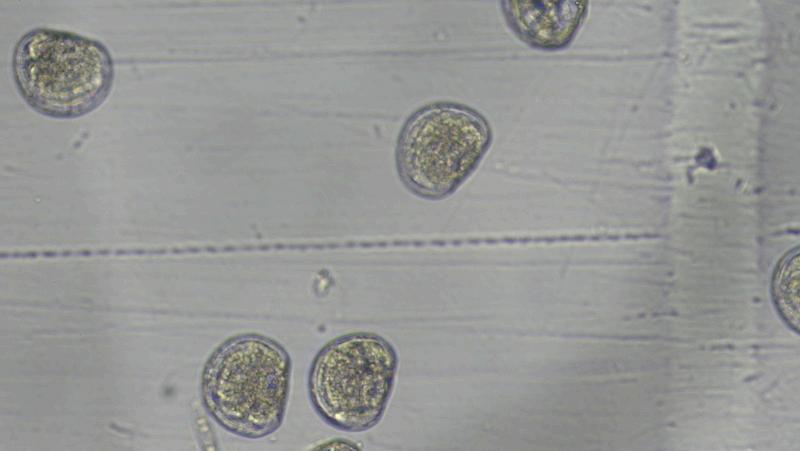
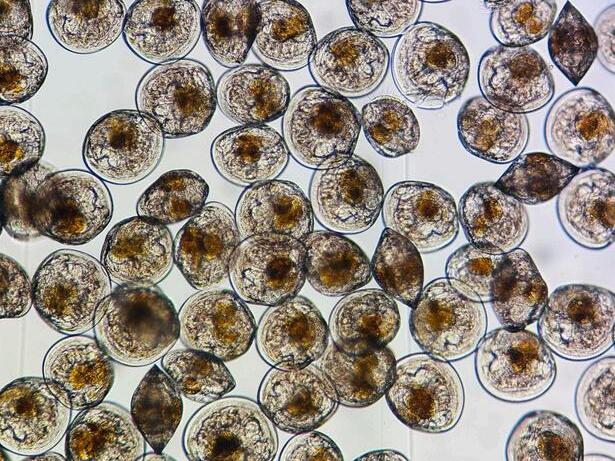
The treated embryos successfully developed into D-larvae within 24 hours, and triploidy was confirmed using flow cytometry. Both the triploid group and the diploid control group were successfully reared to the pediveliger stage prior to metamorphosis at DEI. Preliminary observations indicate that triploid larvae were larger on average than diploid larvae, which may be related to their additional set of chromosomes and potentially increased metabolic activity. Similar growth patterns have also been observed in triploid oyster larvae
g p when it was thermal shocked by warm water
soft-shell clam larvae (21 hours post fertilization)
Triploid
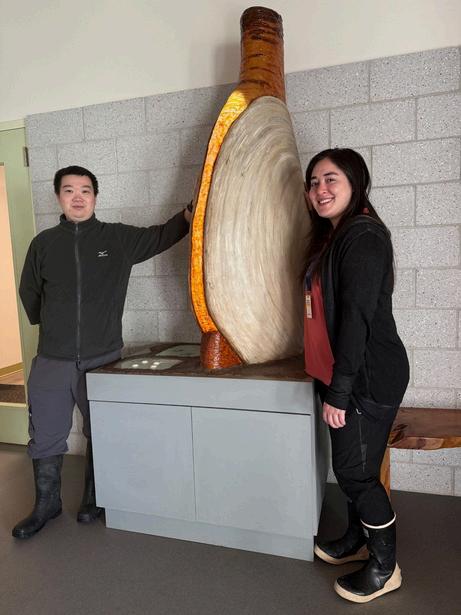
Zophia Galvan and Xuetao Li pose with a giant soft-shell clam model at the Downeast Institute
Aquaculture News
Breakthrough in Soft-Shell Clam Seed Production at PEARL
PEARL aquaculture team has been able to produce soft-shell clam seed annually since 2021, however, over 90% of these seed were spawned at dawn, with daytime spawning observed only rarely over the past five years. This year, through sustained team effort particularly the dedicated work of graduate student Xuetao Li, who conducted multiple trials alongside continuous, long-term observations the team finally identified several key factors influencing daytime spawning and fertilization success. As a result, PEARL achieved its first large-scale, repeatable daytime spawning events.
This breakthrough has enabled the production of over 6 million larvae by April 15, including normal larvae from wild broodstock, heat-tolerant lines, and triploid larvae. Based on current projections, a conservative estimate of the production would be at least 1 million clam seed by the summer.
Prior to this year ’ s production, PEARL has received seed orders or inquiries from growers in Maryland, Virginia, and New Jersey. The aquaculture team is actively developing partnerships with the growers to conduct field trials and evaluate culture performance, supporting the advancement of soft-shell clam aquaculture in Maryland and across the Mid-Atlantic region.
For inquiries regarding seed availability or culture techniques, please feel free to contact Dr. Ming Liu at ming.liu@morgan.edu
Xuetao Li
Soft-shell Clam Seed
Aquaculture News
Welcome Emily, Samuel and Ike to the Aquaculture Team!
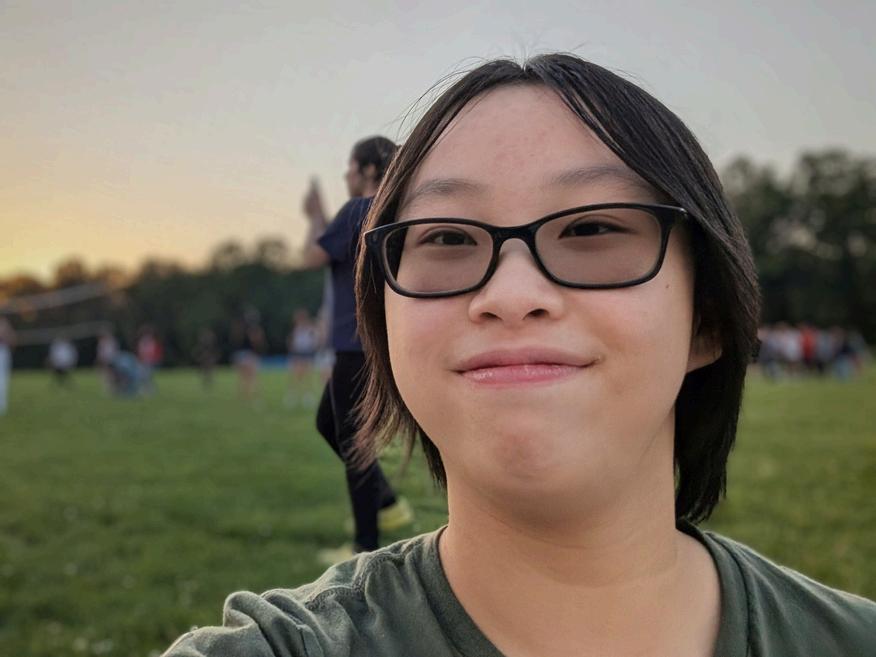
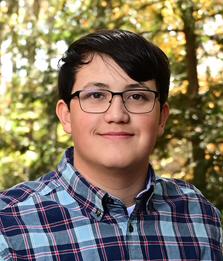
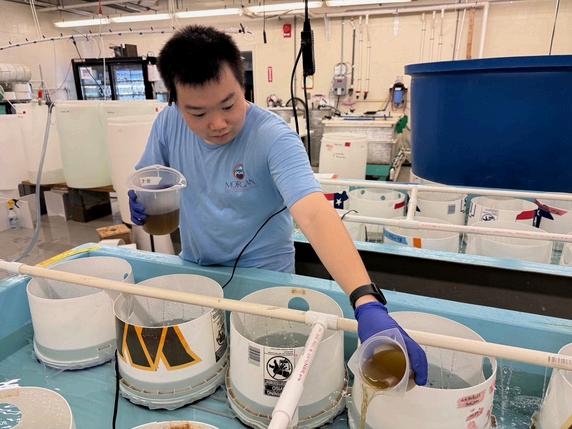
Emily Wu, a freshman Bioengineering Major at the University of Maryland, Akinyosoye (Samuel) Ibosiola, a junior Biology Major at Morgan State University, and Eisenhower (Ike) Kondo, a freshman Biological Sciences Major at the University of Maryland will be joining the aquaculture team this summer.
Farewell Brittany!
It is bittersweet that we announce the departure of our colleague, Brittany Wolfe, from her role as Shellfish Hatchery Manager here at PEARL.
For the past six years, Brittany has been an invaluable member of the PEARL team, especially the Aquaculture Team. Throughout her time here, Brittany’s efforts and leadership significantly contributed to the success of the PEARL Shellfish Hatchery. She has also served as a mentor to over a dozen interns throughout her time here, inspiring several of them to pursue careers in Aquaculture.
Brittany has taken a Hatchery Manager position at NOAA’s Milford Lab in Connecticut. We wish her all the best and are excited to see her excel in her new role!