SPECIALEDITION!
The Radical Methods Lab
From theTRANSFORMTeam
We are excited to feature TRANSFORM’s Radical Methods Lab in this issue of the New Magazine.The Lab was a three-day online “summer school” designed to support master’s and doctoral students, early career researchers, and community organizers—working in partnership with young people—in exploring youth-led engagement with Participatory Visual Research Methods and gender transformation. In keeping with TRANSFORM’s commitment to providing training and support to a new generation of researchers in youth-led methods, this exciting training program focused on Photovoice, Cellphilming, and Political Embroidery, combining hands-on workshops, mentoring sessions, Q&As, and discussions.
Facilitated by youth activists from Malawi, Mexico, Nigeria, Sierra Leone and SouthAfrica, and supported by theTRANSFORM team, the three half-day sessions offered a unique opportunity for participants to explore gender-transformative, arts-based approaches to community research and youth-led activism. It also put the youth facilitators in the spotlight in relationship to their leadership in the global arena.
The Radical Methods Lab brought together powerful stories, images, and creative expressions from youth across diverse global contexts, speaking to issues deeply rooted in their local realities and calling for attentiveness, respect, openness, and thoughtful engagement. More than anythingThe Radical Methods Lab tasked all participants with helping to foster a safe, transformative, and collaborative environment through care, sensitivity, and collective support. Whether they were new to participatory methods or were building on an existing practice, the Radical Methods Lab welcomed participants to take part in this unique learning opportunity. We want to thank the youth facilitators and the more than 70 enthusiastic trainees, joining from 11 countries around the world.
From the TRANSFORM Co-directors: Claudia Mitchell, (McGill University), Relebohile Moletsane (University of KwaZulu-Natal), Shannon Walsh (University of British Columbia), and Lisa Starr (University of Lethbridge).
A special thanks to the TRANSFORM research and administration team: Angela MacDonald, Leann Brown, Twisha Singh, Emilia Vero Romano, Tianna Kloepfer, and Maude Dupuis.
From theYouth Leaders
Reflections from Queeng Sburh
The Radical Methods Lab was important because it did more than teach methods it shifted power. It created a space where young people were not just participants, but facilitators, storytellers, and knowledge producers. In many contexts, especially in rural SouthAfrica where I come from, youth voices are often overlooked or spoken for.The Lab challenged that pattern by centring our lived experiences as valid and necessary forms of knowledge. What stood out to me most was how creative methodologies like Photovoice, Cellphilming, and Political Embroidery can become tools for resistance, healing, and advocacy. I learned that research does not have to be distant or extractive it can be embodied, collaborative, and deeply human. I also learned the importance of ethical facilitation: how to hold space gently, how to intervene respectfully, and how to amplify others without overshadowing them.
Leading and hosting the sessions was both affirming and transformative. It required presence, attentiveness, and care.As someone who identifies as LGBTQ+ and comes from a marginalized background, being able to shine my light in that space felt powerful. It reminded me that leadership is not about control it is about creating conditions where others feel safe to shine as well.
The Radical Methods Lab was not just an event. It was a reminder that youth-led transformation is not the future it is the present.
Reflections from Tuka (Teekay) Skhakhane
It was indeed an incredible moment to be remembered and cherished. It was a platform that brought youth together from various backgrounds to address pressing issues, more
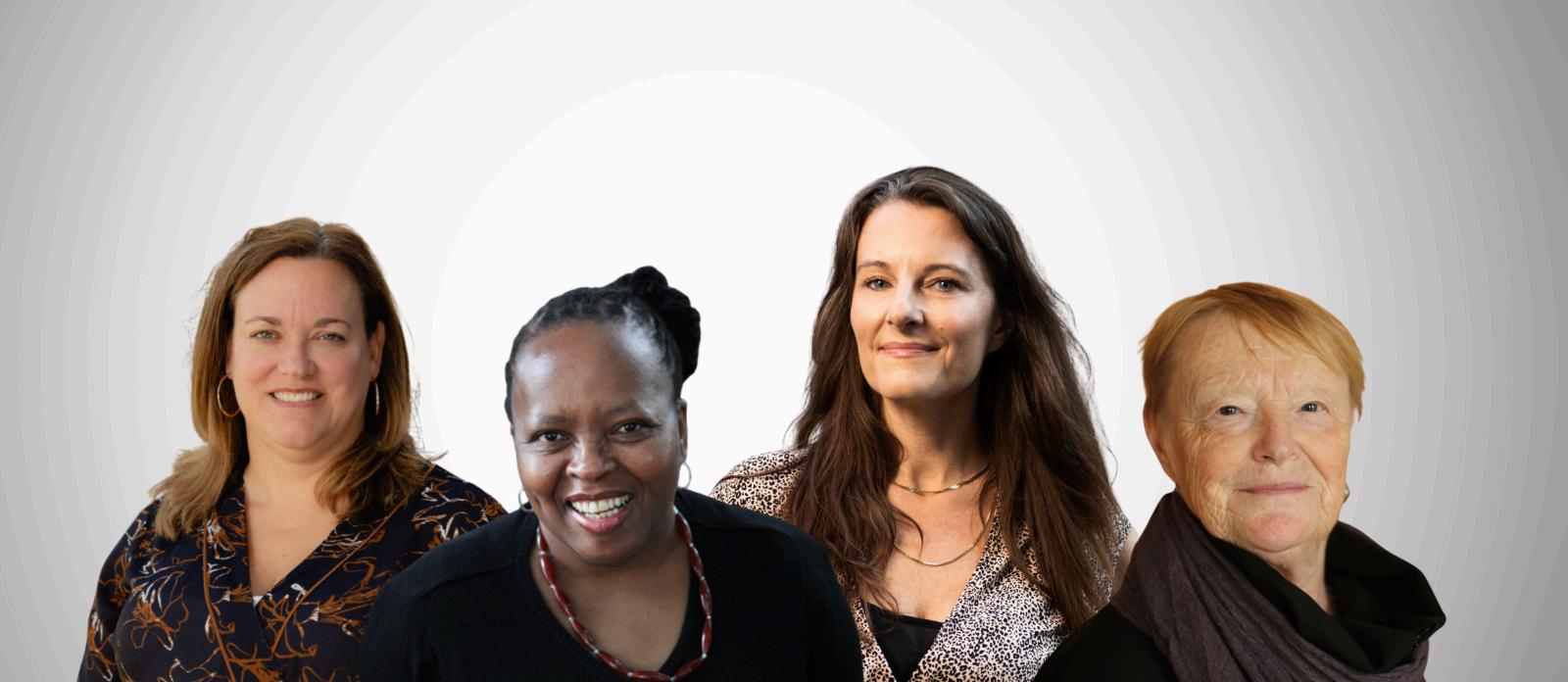
Left to right: Lisa Starr, Relebohile Moletsane, Shannon Walsh, Claudia Mitchell
especially Gender Based which i recognized as a breaking of silence in my society as I got to adopt tactics and many different ways which met the common grounds.
ForYouth in SouthAfrica, especially in rural areas, raising a voice can be a daunting process. Societal norms, lack of resources, and fear of backlash often silence them. The Radical Methods Lab played a crucial role in breaking this silence by providing a safe space for expression and empowerment.
The event facilitated connections and conversations that might not have happened otherwise.As a host and youth member undergoing gender-based issues, you showed immense courage and leadership in shining a light on these critical topics. Brenda from Mexico shared the most important lesson in my life when she brought us political embroidery , for instance, offered a unique way for participants to express themselves and process their experiences.This kind of creative expression can be particularly powerful for everyone dealing with a certain issue but cant raise their voices enough, providing an outlet where words often fail.
As someone who's navigated these challenges, your involvement highlights the hidden benefits of such events. Its awesome when you are able to connect with postgraduate, honours, and masters students , showing that impact isn't limited by one's educational background.
My experience hosting this event despite bot having attended higher education is a testament to the power of grassroots leadership and value of lived experience.
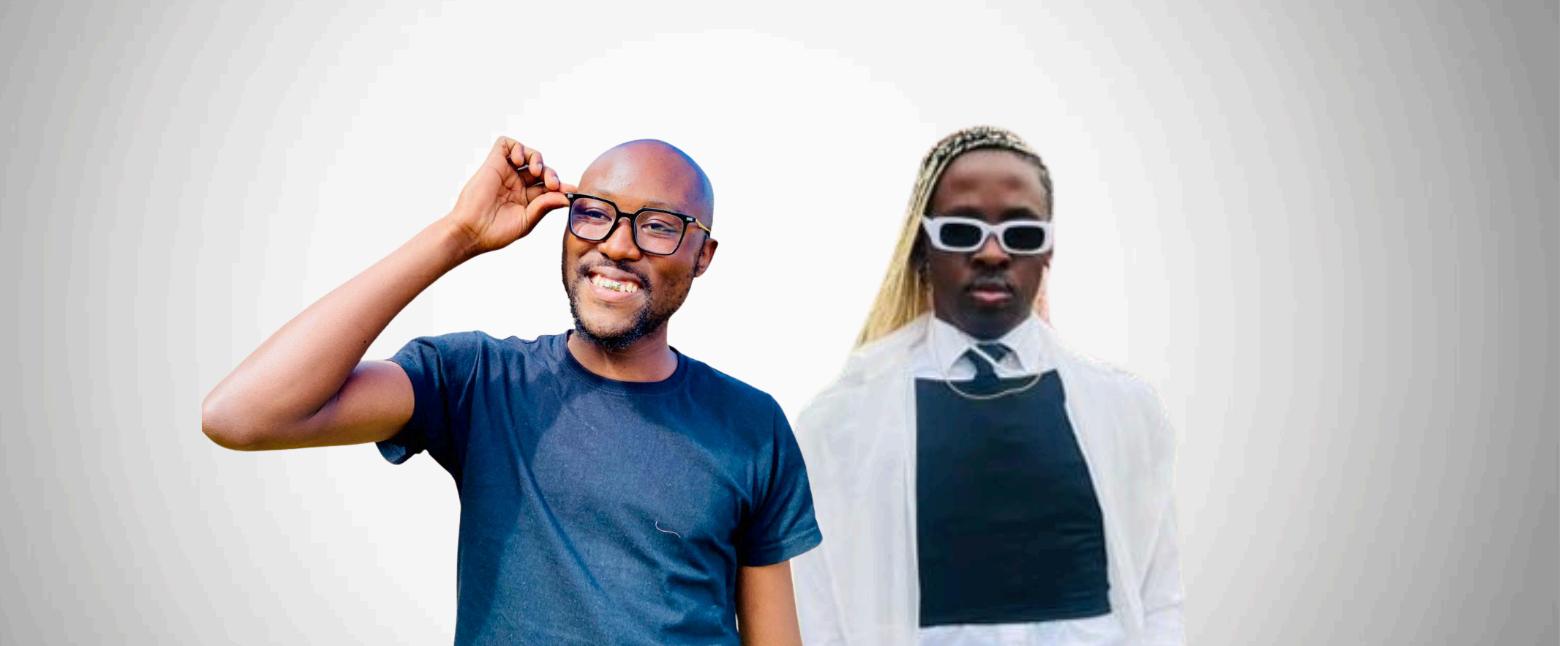
From the Radical Methods Lab Emcees, left to right, Tuka (Teekay)Skhakhane and Queeng Sburh
INSIDETHE RADICALMETHODS LAB
The Radical Methods Lab workshops were youth-driven spaces where young leaders from across TRANSFORM redefined what research, storytelling, and social change can look like. Their workshops were more than demonstrations of technique; they were acts of political claiming, where youth led with their creativity, lived experience, and collective wisdom. Each session became a site of transformation where young people:
Named the issues shaping their lives and communities, from drug use to Sexual and Reproductive Health & Rights (SRHR) to intergenerational harm
Created visual evidence through photovoice, cellphilming, and embroidery that refuses silence and demands public attention
Designed their own methodological futures, choosing the tools and approaches that spoke most powerfully to their realities
Modelled feminist, decolonial leadership, grounded in care, courage, reciprocity, and community accountability
Built cross-site solidarities, discovering resonances between Sierra Leone, Malawi, Mexico, Bauchi, Jos, and beyond
These workshops showed us what becomes possible when youth are not positioned as participants but as producers of knowledge, facilitators of learning, and architects of social change Their work is bold, political, imaginative—and central to the future of TRANSFORM.
Highlights of the Workshops
Capturing Reality: Photovoice forYouthAdvocacy
EllahTambalaweko, based in Lilongwe, Malawi, set out to deliver a fun and creative workshop to introduce young people to photovoice, a storytelling method where photos can be used to share real experiences, ideas, and challenges. Ellah showed
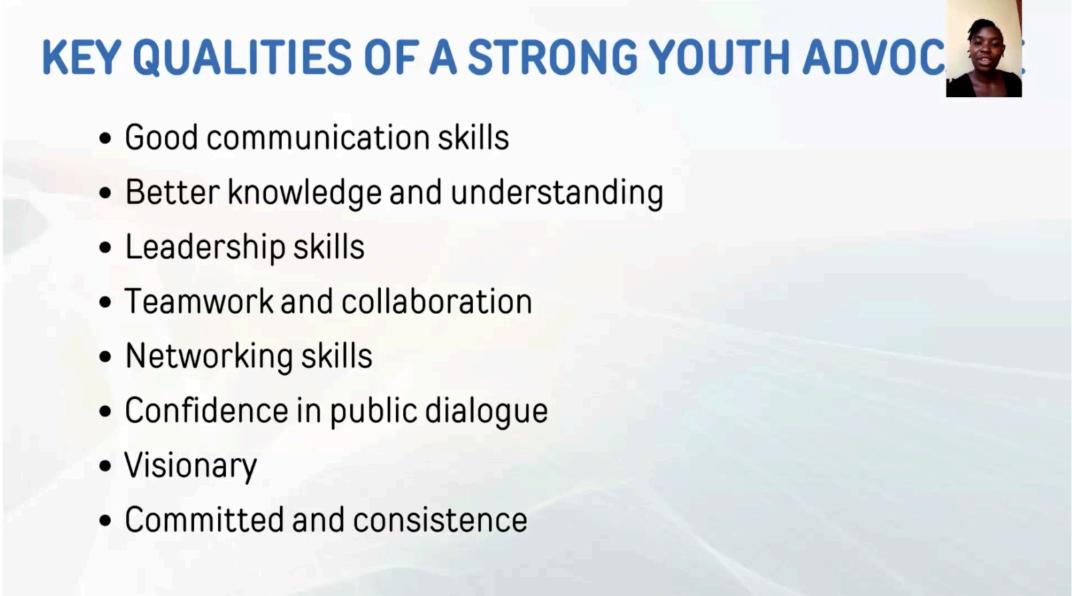
participants how useful photo exploration can be to spark conversations, raise awareness, and inspire action in our communities. She emphasized the importance of youth advocacy, encouraging young people to speak up and lead change, and how photovoice can be used to encourage advocacy. Participants left inspired and empowered to turn everyday moments into powerful catalysts for change.
“What really worked for me was the openness of the group and the intentional creation of a safe, participatory space worked very well. Participants were eager to engage with creative and visual methods, and there was a strong sense of mutual learning.” - Ellah Tambalaweko
Advocacy through Photovoice, presented by Ellah Tambalaweko
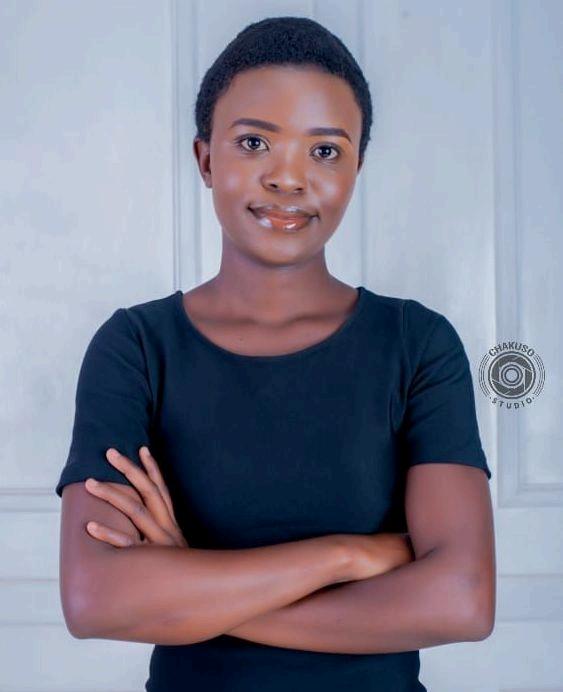
Ellah is a passionate Malawian youth advocate dedicated to advancing gender equality, social justice, and community development. With a strong background in SRHR, climate-smart agriculture, and youth empowerment, she has worked closely with community structures, young people, and development partners to drive meaningful change.
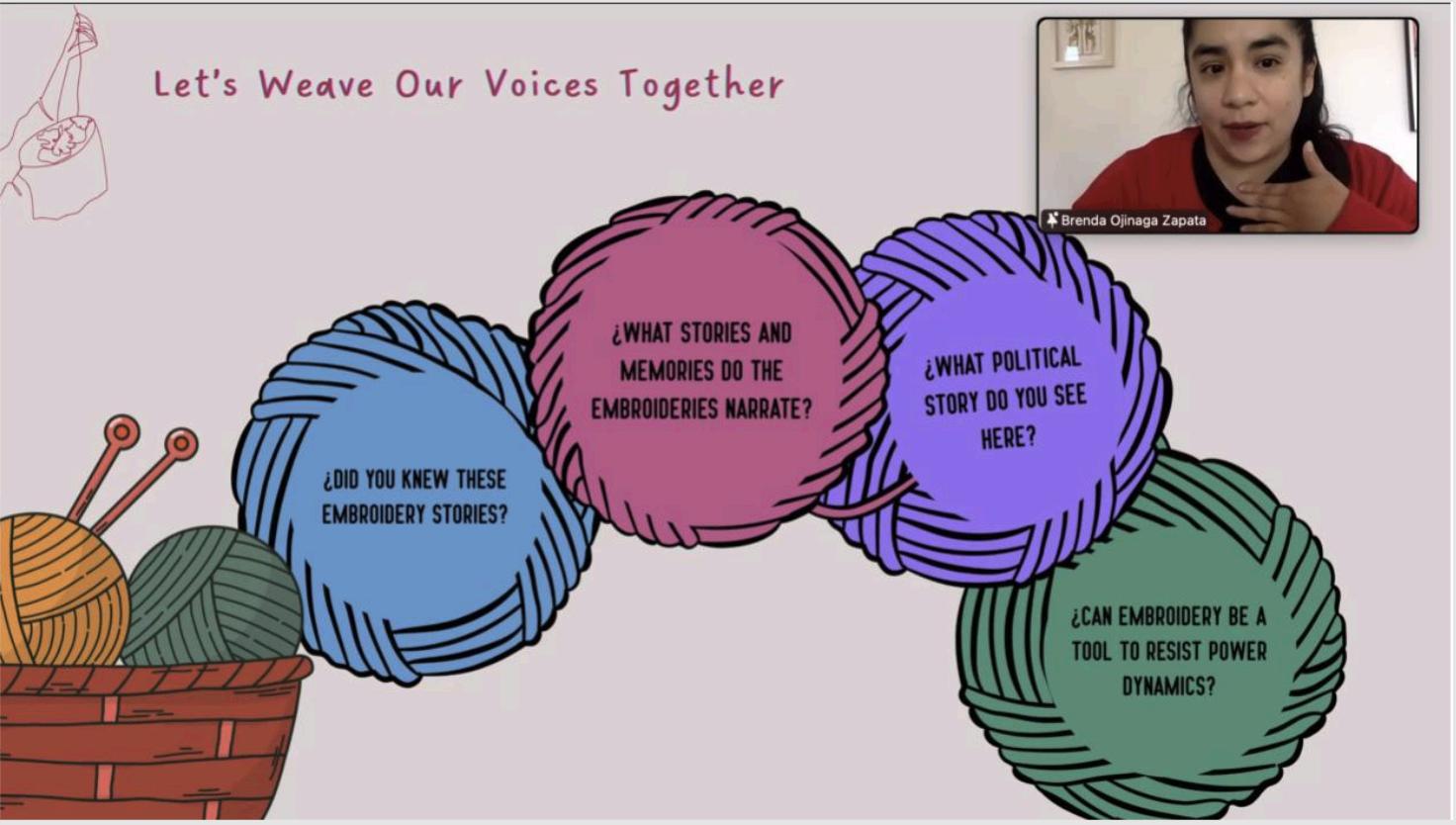
EmbroideryAs a Subversive and PoliticalAct
Brenda Ojinaga Zapata invited participants to a powerful workshop on political embroidery, a practice in which needle and thread become tools of expression and resistance. Brenda guided the group through the history of how, especially in Latin America, women have stitched their stories into fabric as acts of peacebuilding and collective memory.As part of the workshop, participants were then invited to join the practice themselves. Participants chose fabric, thread, and stitches to transform their personal reflections into embroidery.The session demonstrated how small, deliberate stitches can become bold gestures of solidarity and advocacy. Participants left inspired, and some even shared that they hoped to adopt political embroidery as a hobby and as a meaningful tool in their activism.
“I think the participants were interested in the topic and I think it broadened the perception of embroidery as a way to express political positions, stories and memories of women and other social groups around the world and not only be seen as a domestic labor.”
- Brenda Ojinaga Zapata
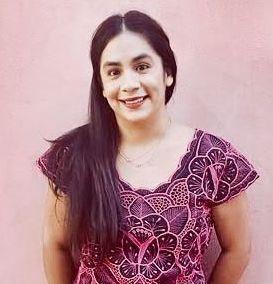
Brenda is a Mexican student and feminist embroider that is part of the Transform group at the Universidad Nacional Autónoma de México. She is interested in how embroidery becomes a political practice through which women share their experiences, express their demands, and make their presence visible in the public space.
Weaving our Voices Together, presented by Brenda Ojinaga Zapata
Photovoice and the Fight Against Drugs
In a photovoice workshop led by Bintu Dumbuya andAbdulai SahidTencoid Conteh Jr., participants learned of the power that photovoice has to empower young people, specifically in their work on the fight against drugs in Sierra Leone.Through photos and storytelling, the youth revealed hidden challenges, resilience, and the everyday courage around them. Participants learned how images can spark conversations, healing, and advocacy.
“The most successful part was sharing with others how drug abuse continues to harm many young people...Using photovoice to document these realities made the discussions especially impactful”
- Bintu Dumbaya
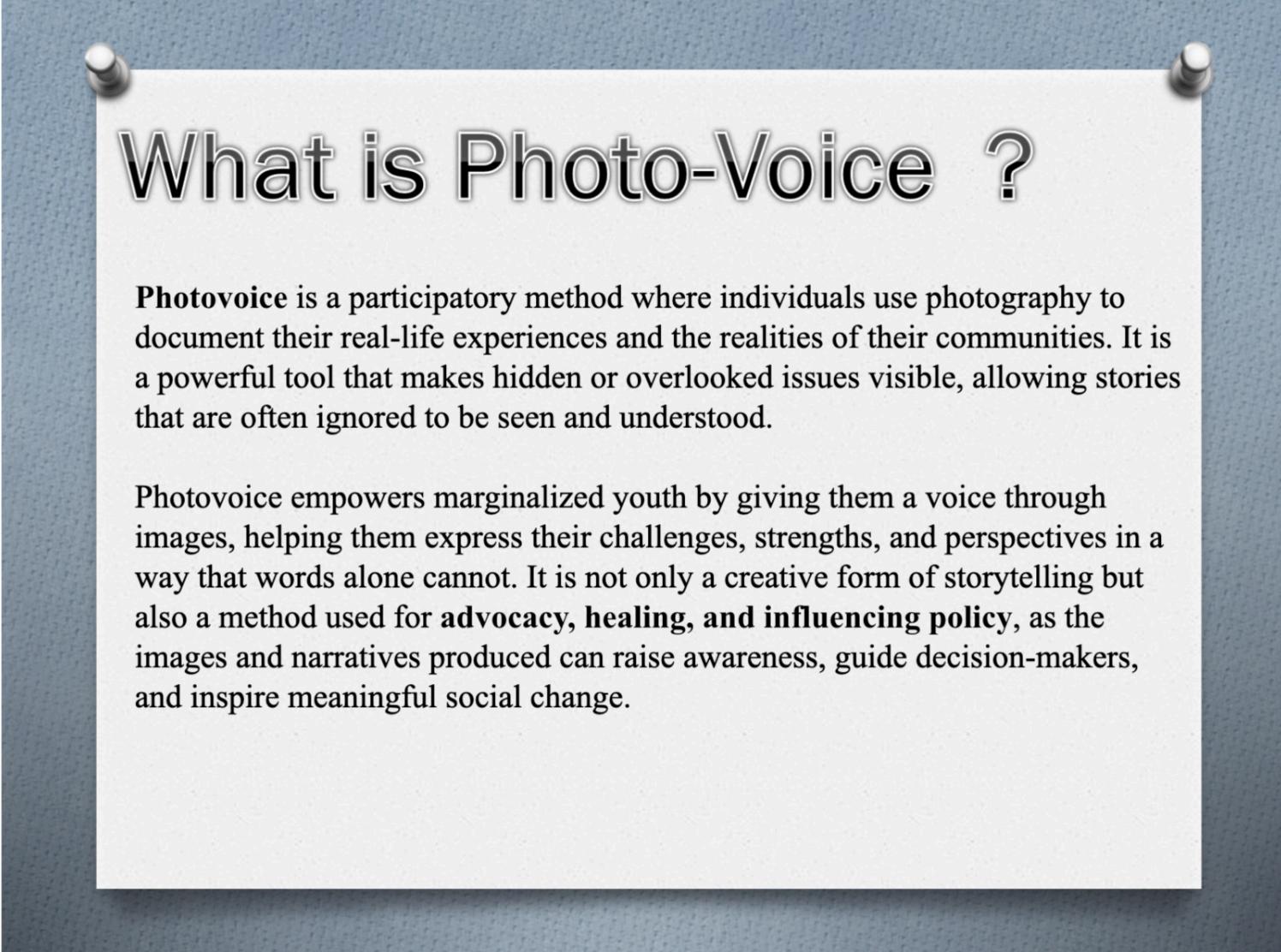
“I am looking forward to utilizing these ideas and experiences in educating others by organizing a project on cellphilm and photovoice amongst youth and adolescent in schools.”
- Abdulai Sahid Tencoid Conteh Jr.
Their hands-on workshop transformed lived experiences into collective insight and community awareness, where participants had the chance to send photos for a virtual exhibition in the chat box!
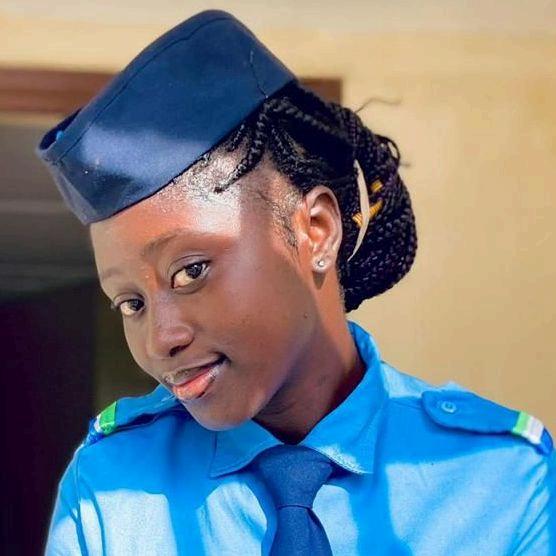
Bintu Dumbuya is a 24-year -old Sierra Leonean and and a soonto-be graduate of Milton Margai Technical University, where she has pursued her studies with dedication and purpose. She is passionate about personal growth, community service, and creating opportunities for others-especially young women striving to overcome challenges. Bintu continues to build herself as a leader, a learner, and an advocate for positive change.
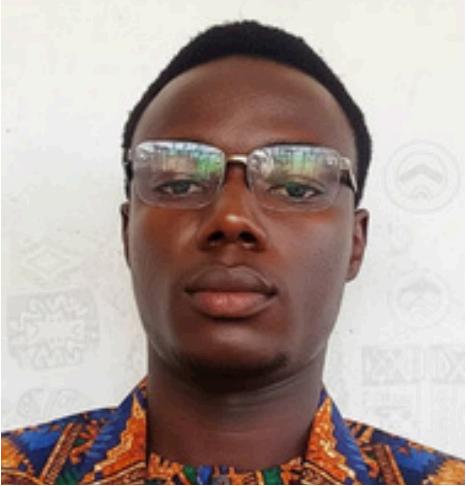
Abdulai Sahid Tencoid Conteh Jr. is a highly motivated and dedicated individual hailing from Freetown, Sierra Leone. With degrees in Education and Economics and International Diplomacy, plus certifications in digital communication, he blends academic rigor with global awareness. Currently pursuing an MPhil in Statistics, he is committed to data-driven solutions for development.
Photovoice to Empower, presented by Bintu Dumbaya and Abdulai Sahid Tencoid Conteh Jr
“What I see as next steps, is continuity, where many people will be engaging in the program, locally or internationally.”
- Blessing Azhime Moses
Women Make HistoryCellphilming
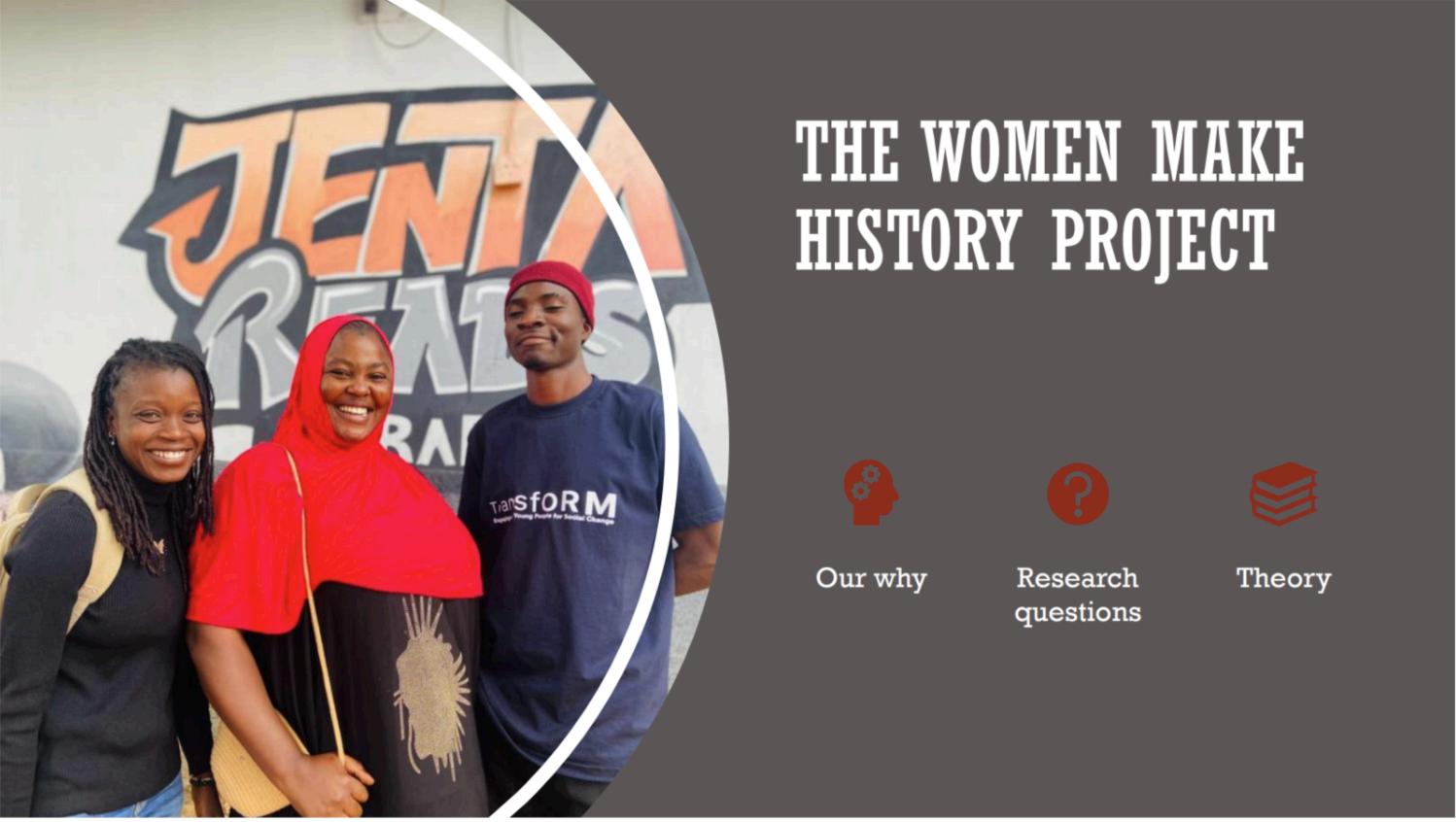
BlessingAzhime Moses, Khalid MuhammadAdam, Rejoice Nesho, and ShafatuAdamu came together to lead a workshop on visual storytelling, teaching participants how to move from a broad project introduction to specifics, through a case study of female activists across four communities in Jos, Nigeria with their ‘Women Make History’project.The facilitators discussed the methodology behind using cellphilming as a tool for empowerment, not just research, and with a particular focus on documentary video. Four cellphilms on the highlighted communities in Jos were used to explore various achievements and moments of women’s activism.The cellphilms presented documentaries of these communities, demonstrating how powerful cellphilming can be to become a catalyst for collective dialogue, visibility, and social action.This workshop left participants with a greater understanding of how visual methods can honour women's leadership and transform community narratives.
“The next step is empowering other women in business and workshops to stand up and be dependent on themselves, have a voice to speak in their community”
- Rejoice Nesho
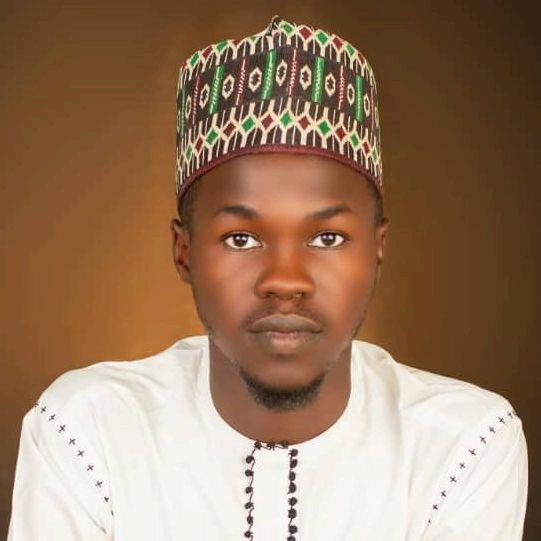
Adam Khalid Muhammad is a student of Sociology at the University of Jos, Nigeria. His studies are fueled by a strong interest in understanding social dynamics and inequality. He is deeply driven by the passion and zeal for change-making and actively embraces roles as a youth advocate and community activist.
Blessing Azhime Moses is a student from Jos, Nigeria. She is a graduating student of plateau State University Bokkos Nigeria, from the department of political science. She is an activist, a public administrator and one who believes in service to humanity that brings out positive change in her communities.
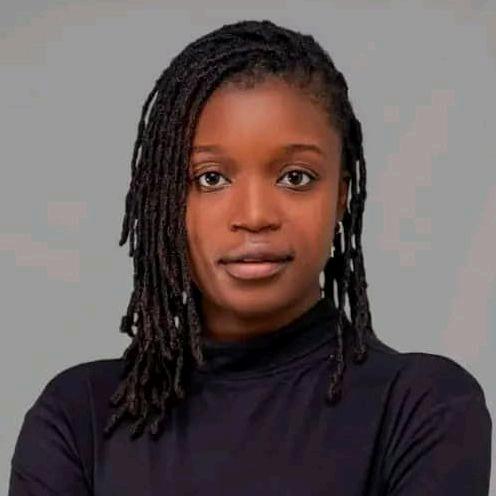
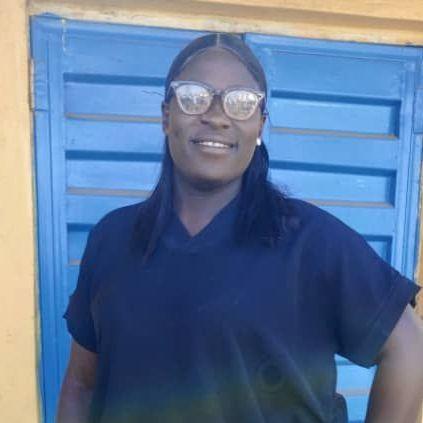
Some of the team behind the Women Make History Project
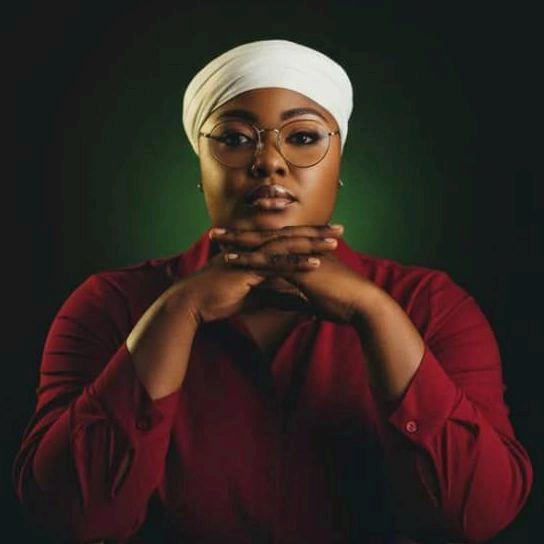
Shafa'atu Muhammad (Shafy) is from Jos, Nigeria and holds a a degree in Mass Communication. She has built a multidisciplinary career as a writer, communicator, and entrepreneur. She is the founder of Shafs Foodies and More, a catering brand through which she expresses her creativity and commitment to quality service.
Rejoice Nesho is currently a student of the National Teachers Institute (NIT) in Nigeria, studying English and social studies. She is also a fashion designer. She is a youth transformation leader from the vibrant Jenta community As a passionate advocate for personal growth and education, Rejoice is committed to inspiring positive change within her community, promoting learning, and supporting community development.
Transform Change Begins With Me - Cellphilming
Muhammad Haruna, Khamis Muhammad Chadi,Asma'uAbdulhakeem, and Nafisah Muminat Muhammad from Bauchi, Nigeria facilitated an engaging workshop exploring how cellphilming sparks personal insight and mobilizes community action. The youth facilitators introduced participants to a variety of cellphilm genres, ranging from
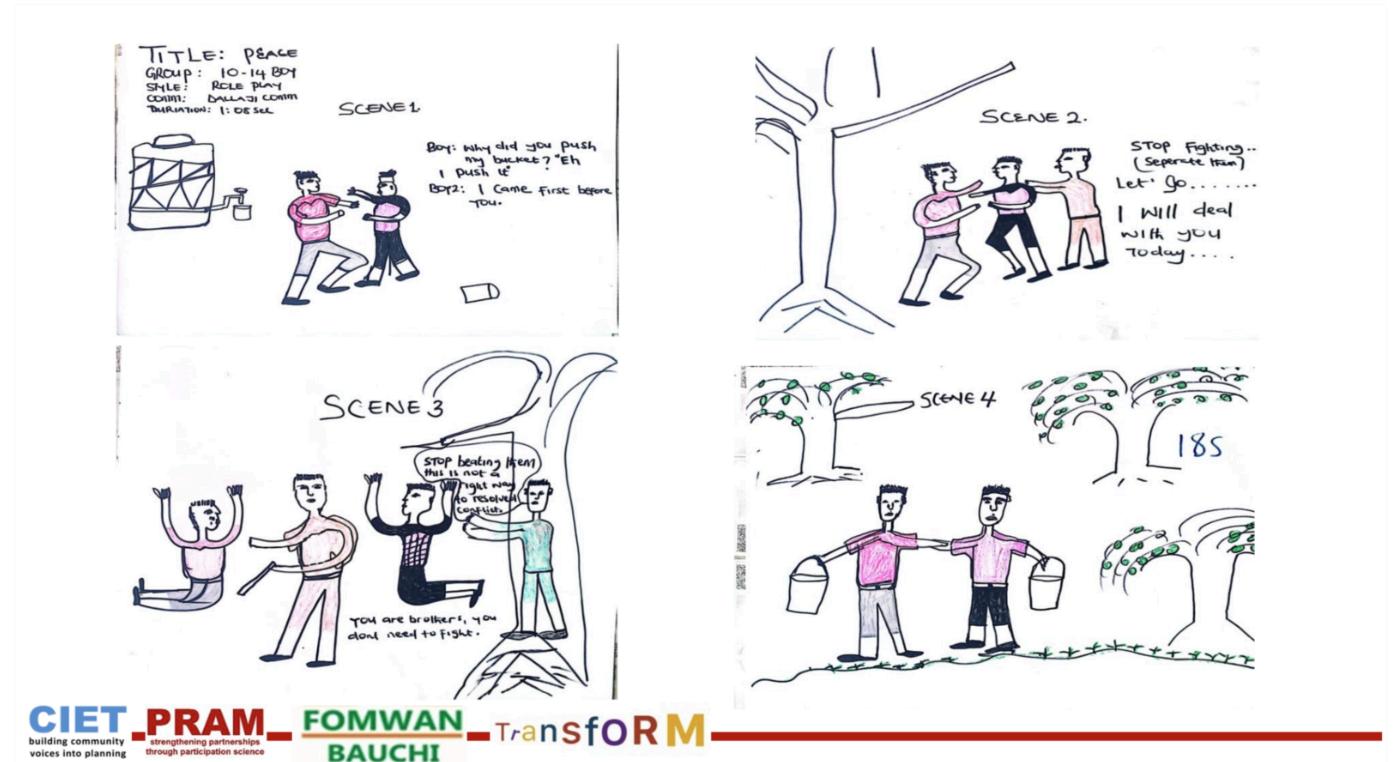
A storyboard for a cellphilm from the Adult Sexual and Reproductive Health project interview-based to more theatrical and expressive forms, demonstrating how each approach conveys a message in a unique way Acentral focus of the session was the storyboard, a simple but useful step that helps young creators clarify their message, plan their cellphilms, and take ownership of their stories. The facilitators shared the importance of youth-led media and how it can challenge dominant narratives and make space for community-led solutions. This workshop emphasized empowerment through creative expression, encouraging youth to transform their everyday lives into visual stories.
“Overall, we feel the session went well. From stories of experience, explaining what a storyboard is and illustrations of different storyboards about priority topics. The Q&A at the end reflected active interest of participants.”
- Bauchi Team
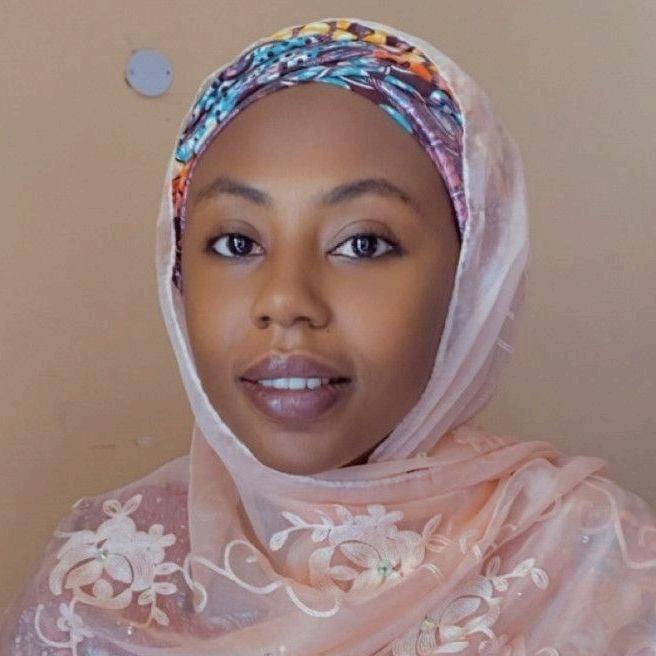
Asmau Abdulhakeem is a young public health student from Bauchi State, Northern Nigeria. She holds a diploma in health education and promotion and is passionate about community engagement, health education, and empowering young people. Asmau is skilled in communication, and aims to promote health and wellbeing through targeted interventions and education.
Muhammad Hayatu Haruna is from Bauchi State, Northern Nigeria. He has a higher national diploma in Business Administration and Management. Hayatu is an active member of a team working on adolescent sexual and reproductive health in Northern Nigeria.
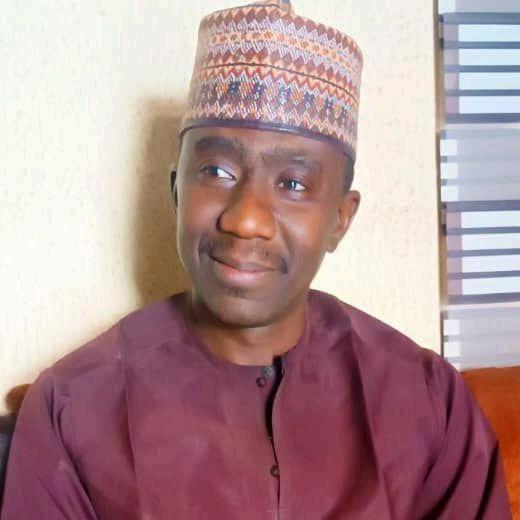
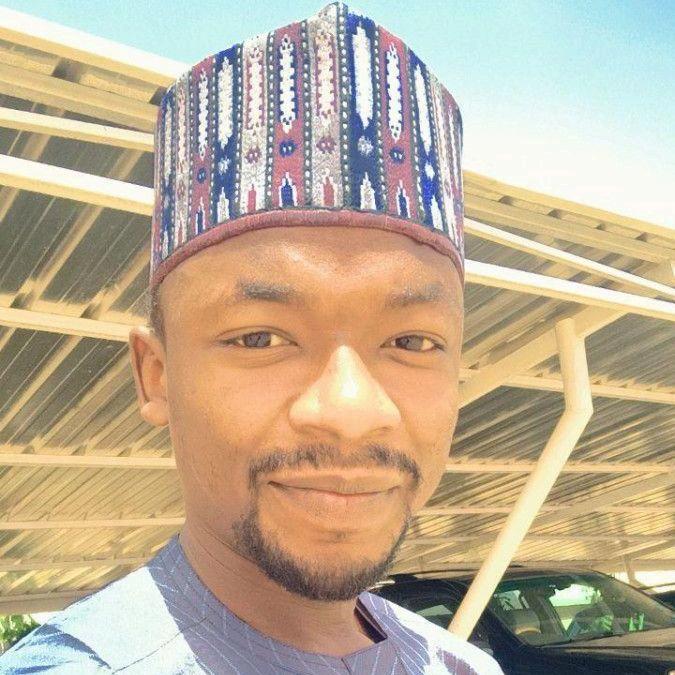
Khamis Muhammad Chadi is from Bauchi State, Northern Nigeria. He has a degree in Agriculture from Abubakar Tafawa Balewa University Bauchi. Khamis is a team player with considerable experience in adolescent sexual and reproductive health research. He has participated extensively in field activities, including data collection, training and supporting adolescents in creating cellphilms.
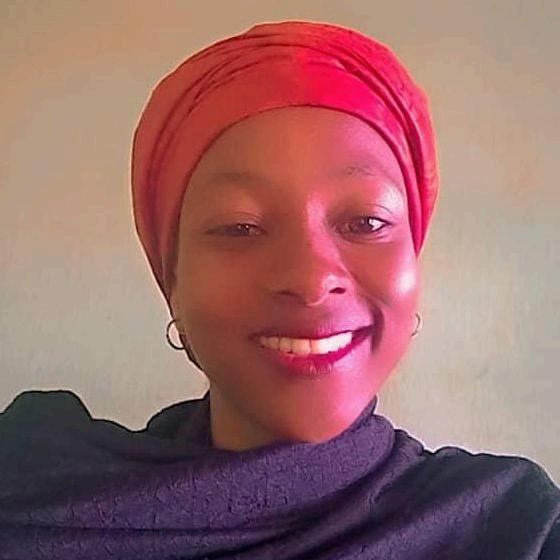
Nafisah Muhhamad Muminat is a graduate of English Literature from Bauchi State, Northern Nigeria. She is an educator and has a passion for field research. She has worked with adolescent girls in Toro Local government area of Bauchi State by supporting them on cellphilms and photovoice. Nafisa encourages young girls to use innovation and display confidence in their work.
What ParticipantsAre Saying
“Learning about Participatory Visual Methodologies through the experiences of youth leaders from outside the Global North was deeply affirming and grounding. Their perspectives highlighted how these methods emerge from lived realities shaped by inequality, creativity, and resilience, rather than abstract theory alone. It reinforced the importance of context, relational ethics, and cultural relevance in participatory work, and encouraged me to approach visual methods with greater humility, reflexivity, and attentiveness to local meanings and power dynamics.”
- Participant from the RML
The Radical Methods Lab offered an online inclusive learning space that centered youth-led facilitation, radical honesty, and artsbased participatory methods to spark conversations about activism and challenge traditional research norms.Across the three days, the Lab gathered master’s and doctoral students, early-career researchers, and community organizers from the Global North and South, connecting Canada,Australia, Bangladesh, India, Jamaica, Kenya, Mexico, Nigeria, Pakistan, SouthAfrica and the United States. With over 70 participants joining each day, reflections were collected through a
feedback form to learn more about what participants had to say about the impact of the workshops.
Participants highlighted how transformative it was to question taken-for-granted methodological assumptions and to center power, ethics, and lived experience in knowledge production. This reframing encouraged deeper consideration of whose voices are prioritized in research. The lab also created safe spaces where people could be completely honest with each other, fostering strong connections.Activities like political embroidery were especially powerful because they combined slow, hands-on, creative work with sharing personal stories and building meaning together
Participants appreciated the Lab’s emphasis on process over outcomes. This shift emphasized participatory visual methodologies as relational, evolving practices rather than fixed tools. Participants shared that the youth facilitators left a significant impact, demonstrating in practical ways how participatory visual methodologies are shaped by context, struggle, and creativity
“The youth were courageous it is shown in their eyes how they took every part in their heart to make other youths across the globe understand that youth are the leaders of tomorrow. They also use experience to bring out problems and solutions in their communities.”
- Participant from the RML
Participants affirmed shifting their perspectives about the role of youth in their research, advocating for them to be co-designers. In terms of long-term inspiration, they expressed strong interest in using participatory visual methodologies such as photovoice, cellphilms and political embroidery. Immediately following the workshops, participants applied their new knowledge in their practices by using visual facilitation tools and intentionally creating spaces for making, silence, and sharing.
Participants expressed deep appreciation for the youth facilitators. The strong engagement generated through the Lab reflected participants’interest in further deepening their learning and application of participatory visual methodologies. Participants expressed interest in additional resources, including practical toolkits for youth facilitators, case studies, templates, and short, accessible training videos.
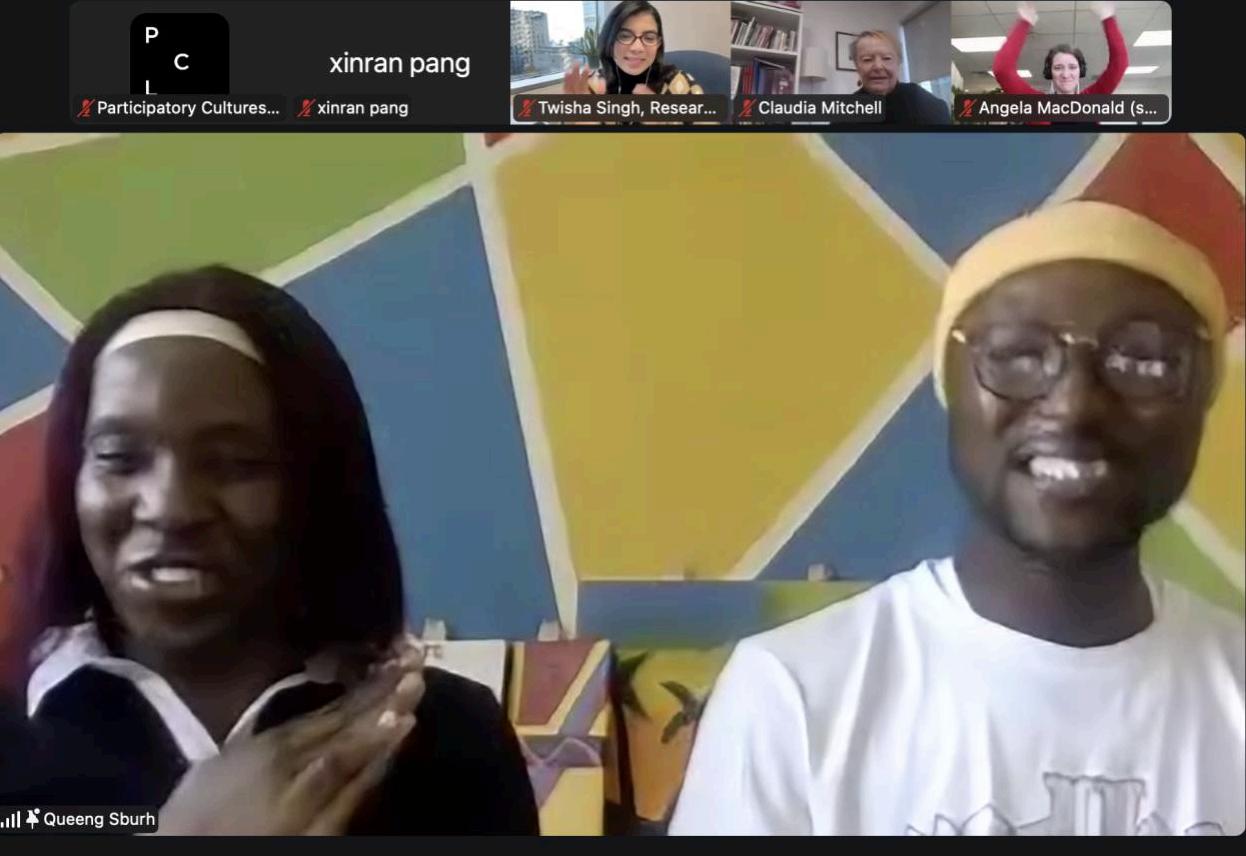
A screenshot of Queeng Sburh and Tuka (Teekay) Skhakhane from the RML
Next Steps - Mobilizing for Social Change
FROM THE YOUTH
“Today really proves that young people lead with creativity, courage, and heart. Real transformation doesn’t just build. It doesn’t just feel impossible, it happens.” -
Queeng
The youth panel discussion, facilitated by Lisa Starr, brought forward a series of action-oriented insights from youth leaders on how to strengthen youth-led, ethical, and inclusive approaches across digital, creative, and community-based work. Youth emphasized the need to design interventions that meet where young people are in the digital space, using tools that make participation accessible and engaging. They called for structures that shift decision-making power to youth, such as youth-led committees, and for practical support like data, cell phones, printed materials, and transport money to reduce barriers, especially in rural areas. The panel highlighted the responsibility of researchers to act as translators rather than controllers, recognizing community-generated knowledge and challenging dominant narratives. Ensuring balanced representation requires intention, acknowledging differences across geography and identity, and mobilizing existing youth networks to bring diverse voices into the work. Creativity and learning flourish when process is prioritized over perfection, when experimentation is encouraged, and when methods are adapted to local cultures and languages.Arts-based practices like zine, photovoice, and embroidery were mentioned as powerful ways to spark dialogue, build confidence, and generate stories that can shift community attitudes and influence
“Empowering voices and change, together we rise above the silence and step into a future where every story is heard and every life is valued” - Tuka
FROM THE RESEARCHERS
The researcher panel, featuring Dr. Lisa Starr, Dr. Claudia Mitchell, Dr. Relebohile Moletsane, and Dr. Shannon Walsh, discussed the next steps following the three-day Radical Methods Lab. Guided by the questions of where do we go now, and how we can build on what we’ve learned, the Co-Directors emphasized the importance of building on the work done to continue learning and policy work. Some of the ideas for short-term and long-term projects including theYouth Studying Change Lab, to guide youth-led initiatives with resources and toolkits for success in their communities. The need for continued support and facilitation was
policy The panel underscored the importance of ethics, consent, safeguarding, and cultivating casual, comfortable environments that honour the lived realities of everyone in the room.
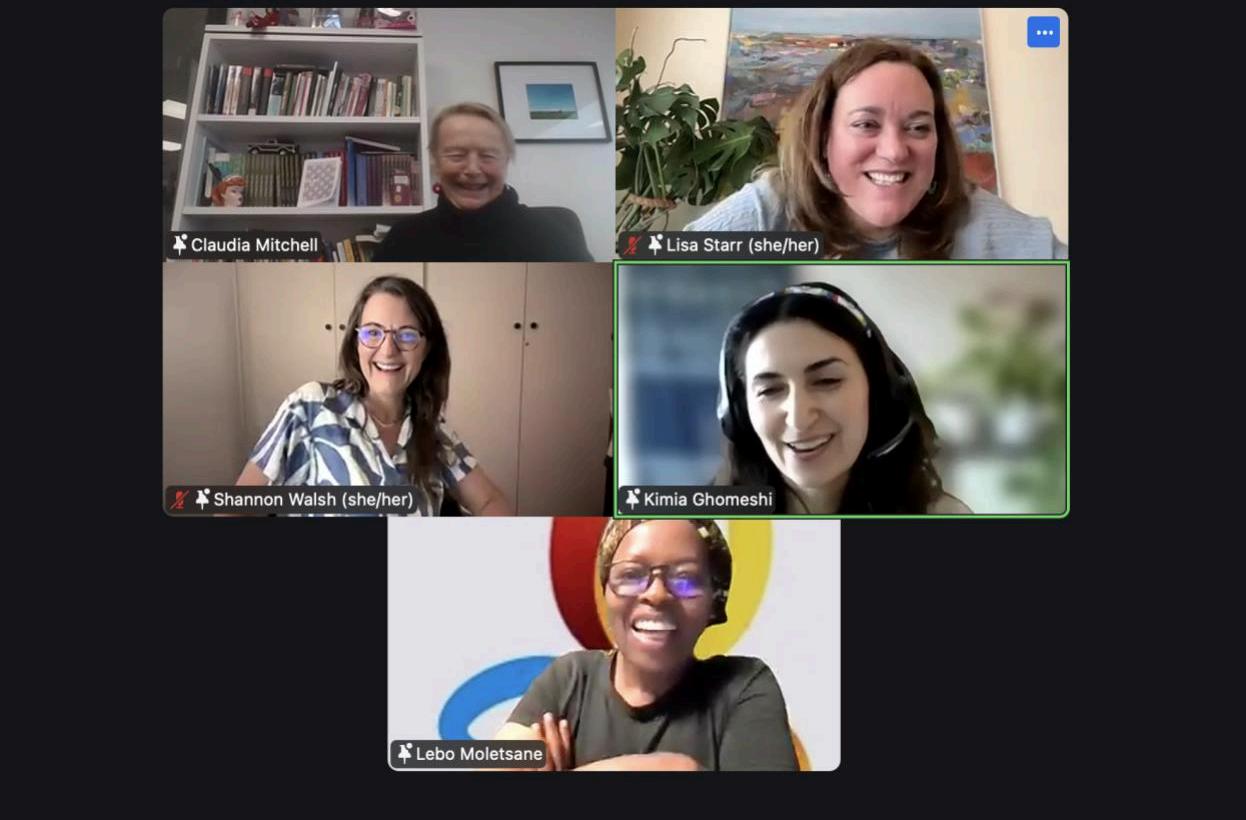
A screenshot of the researcher panel from the RML. From top right to left; Claudia Mitchell, Lisa Starr, Shannon Walsh, Kimia Ghomeshi, and Relebohile Moletsane
highlighted, focusing on cross-site dialogues within the project, including the use of various platforms such asYouTube and WhatsApp to increase accessibility and broader engagement.
The Co-Directors reminded us of the TRANSFORM project’s initial goals: to support youth-led work, learn from young people about gender transformation, what it looks like, and how it can influence policymakers and communities. The reflection during this panel emphasized the importance of researchers stepping aside to create space for youth leaders. So, what is the next step after the Radical Methods Lab? The momentum change was strong, and the TRANSFORM project to continue to guide participants and youth leaders to make their voices heard and share their stories, empowering change.
Partner News
RightTo Play - Disruptive Dialogues
As part of developing our next global strategic plan, Right To Play has been convening a series of Disruptive Dialogues with external experts, partners, and youth participants to ground the strategy in a shared understanding of the key forces shaping the world for children and young people. On 17 February 2026, we held a dialogue specifically to hear directly from young people to understand their priorities, challenges, and the solutions they see within their own communities. The session created space to explore how youth view the world today, the opportunities they believe exist for action, and how organizations like Right To Play can better support their ambitions over the next decade.Ayouth representative from the TRANSFORM project also joined to share her insights.
Centres, Labs, Studios & Institutes
The Visual Methods Studio (VMS), Concordia University, Montréal, Canada
Vectors of Visualizations: Troubling the Politics of Seeing
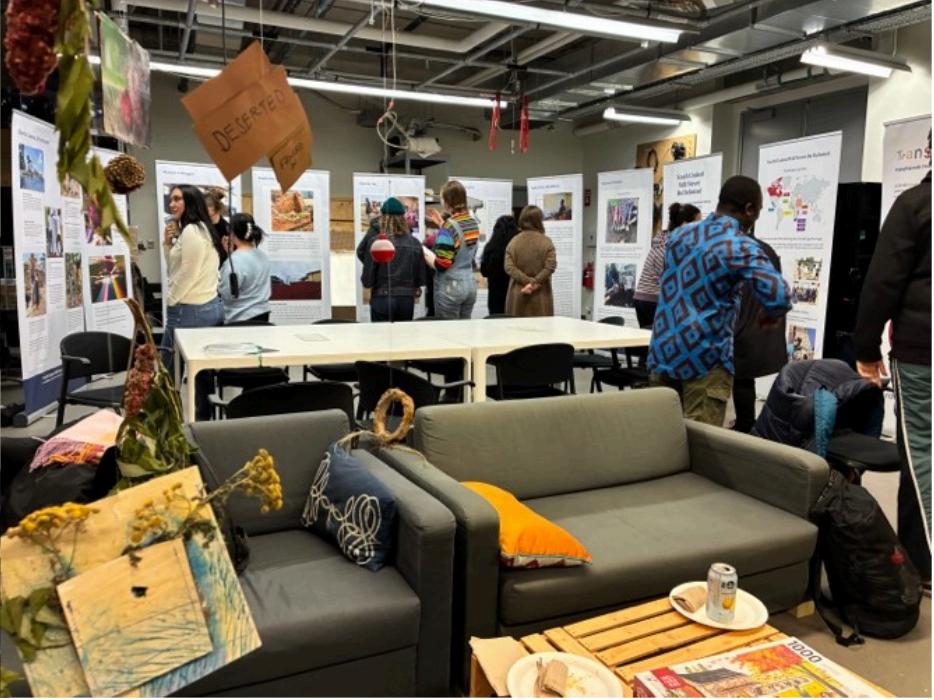
The vectors of visualization event at Concordia was an opportunity to really discuss the meaning behind carrying a photovoice exhibition beyond the places and people that curated the works.The Visual Methods Studio created an open space for scholars with various lived experience and research interests to reflect on the process of moving the Transform photovoice exhibition across research and community spaces.The event provided a unique opportunity for critique and
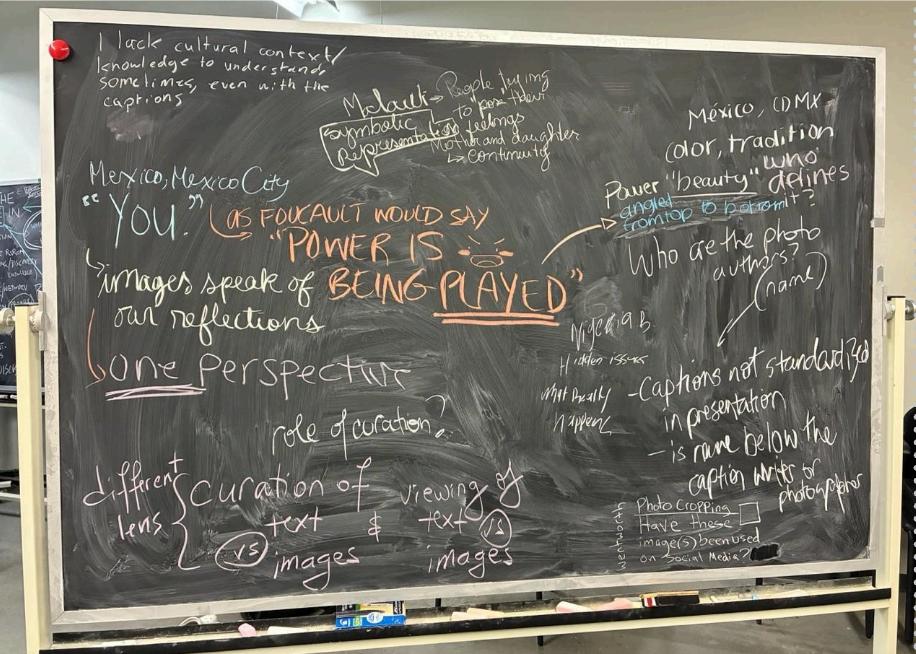
feedback on what a moving exhibition of youth photovoice means for researchers and can mean for the youth involved. I was able to join in and record some thoughts from the group discussions (that hopefully we will dive into in another audio story!) about themes of consent and photography, perceptions of the “global south” from the “global north”, and what advocacy for the desires of youth participants means in these exhibition spaces.
Reflection by Sam Nepton, RA, PCL
Participatory Cultures Lab, McGill, Montréal, Canada
14th International Cellphilm Festival - Futures Now
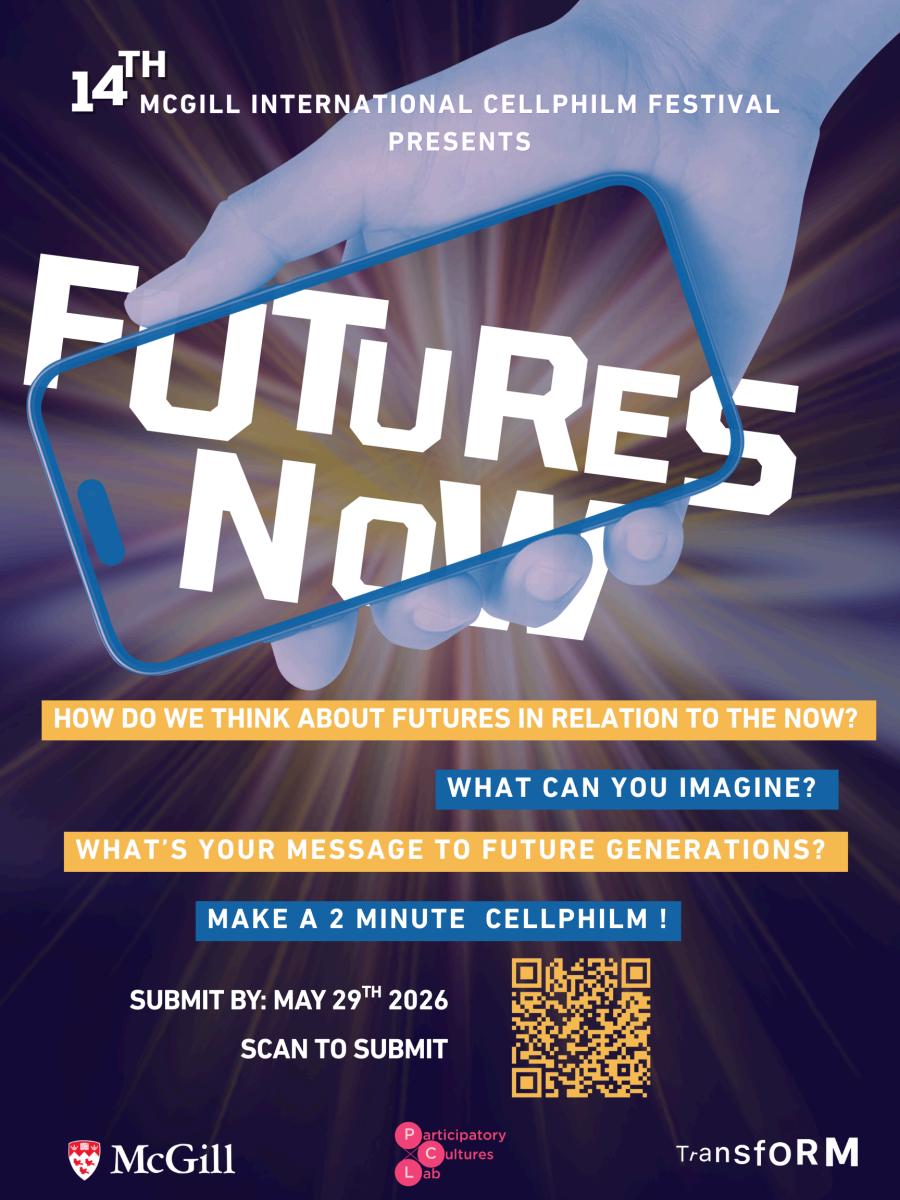
The International Cellphilm Festival (ICF) is hosted by the Participatory Cultures Lab (PCL) andTRANSFORM: Engaging with Young People for Social Change. Since its start in 2013, the festival has explored how the everyday mobile phone can be a powerful tool for community research and social storytelling.The term "cellphilm" was first created by SouthAfrican researchers Jonathan Dockney and KeyanTomaselli. Their innovative work inspired our team to begin using mobile filmmaking with rural teachers in SouthAfrica in 2011, sparking a movement that has grown every year since.
Over the past thirteen years, the festival has evolved through a wide range of meaningful themes. We have explored topics like "Bridging Communities" in our first year, "Well-being in theTime of Social Distancing" during 2020, and most recently, "Conversations and Connections: This is Not aTime for Silence" in 2025. Each edition has challenged participants to use their phones to document the world around them and advocate for positive change.
Photos from the Exhibition at the VMS
This year, “Futures.... Now!” dares participants to reimagine what the future looks like to them, while keeping those visions grounded in the now. It is an invitation to show us your "future" today. In addition to cash prizes, winning films will have the chance to be featured in upcoming events and showcase their work to a global audience.
The festival will take place online on June 18, 2026
If you would like to participate, the deadline to enter is May 29, 2026.
You can find more details and the entry form on our website.
For any questions, please feel free to reach out at thecellphilmfestival@gmail.com.
An Audio Story from Gender Travels - Led By Sam Nepton
It was my pleasure to get to join the Transform Exhibition Launch at McGill’s Faculty of Education, showcasing the incredible youth photovoices. Visitors of the exhibition got to engage with the exhibit through reflection opportunities, one of them being my overt questioning with microphones in hand…This podcast - or what we’re calling, audio story - was produced through conversations with visitors at the event. For many people, this was their first time engaging with photovoice. For others, they were engaging with the exhibit as researchers using photovoice with their own projects in their own communities. While I didn’t fully know what to expect going into the creation of this audio story, the conversations were incredibly genuine, and I am so grateful to folks for sharing the ways that the youth expressions of gender and gender-based violence resonated with them and their own experiences.
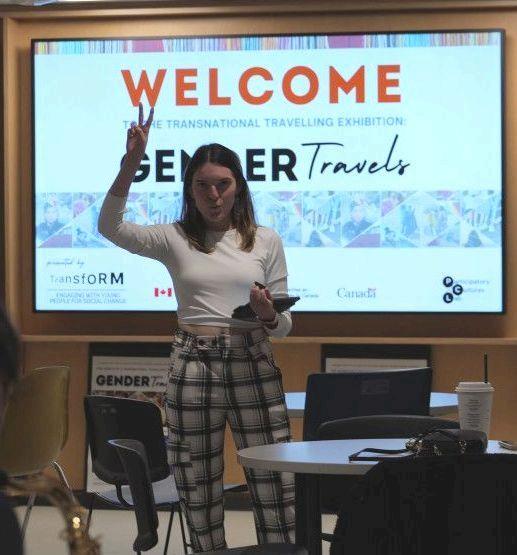
Sam Nepton, a graduate student in the McGill Faculty of Education, and Research Assistant at the PCL is leading the creation of an audio story from the Gender Travels Exhibition Launch at McGill University. The audio story, created through conversations with visitors and collaborators of the project, aims to highlight the emotional, pedagogical, and social impact of youth-created photovoice work on themes of gender, inequality, and community experiences.
New Researchers inAction
Transforming Perspectives
Meet Maude Dupuis, a fourth-year Cognitive Science student at McGill University working with Dr. Claudia Mitchell and the PCLteam.
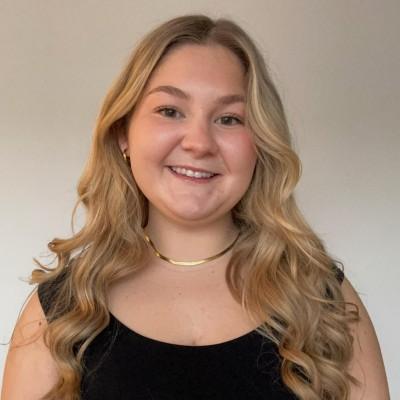
This summer, Maude joined the Participatory Cultures Lab (PCL) as a McGill Global Health Scholar and intern for theTRANSFORM Project. In this role, she was responsible for archiving, organizing, and analyzing data from the TRANSFORM Summit in SouthAfrica. Her work supported research examining how young people act as pivotal agents of change in advancing gender equity through participatory visual and artsbased methodologies.
She remains actively involved with the PCLteam, supporting ongoing research and collaborative projects.
TheTeam BehindThe 'Stories of Lives & Literacies Project'
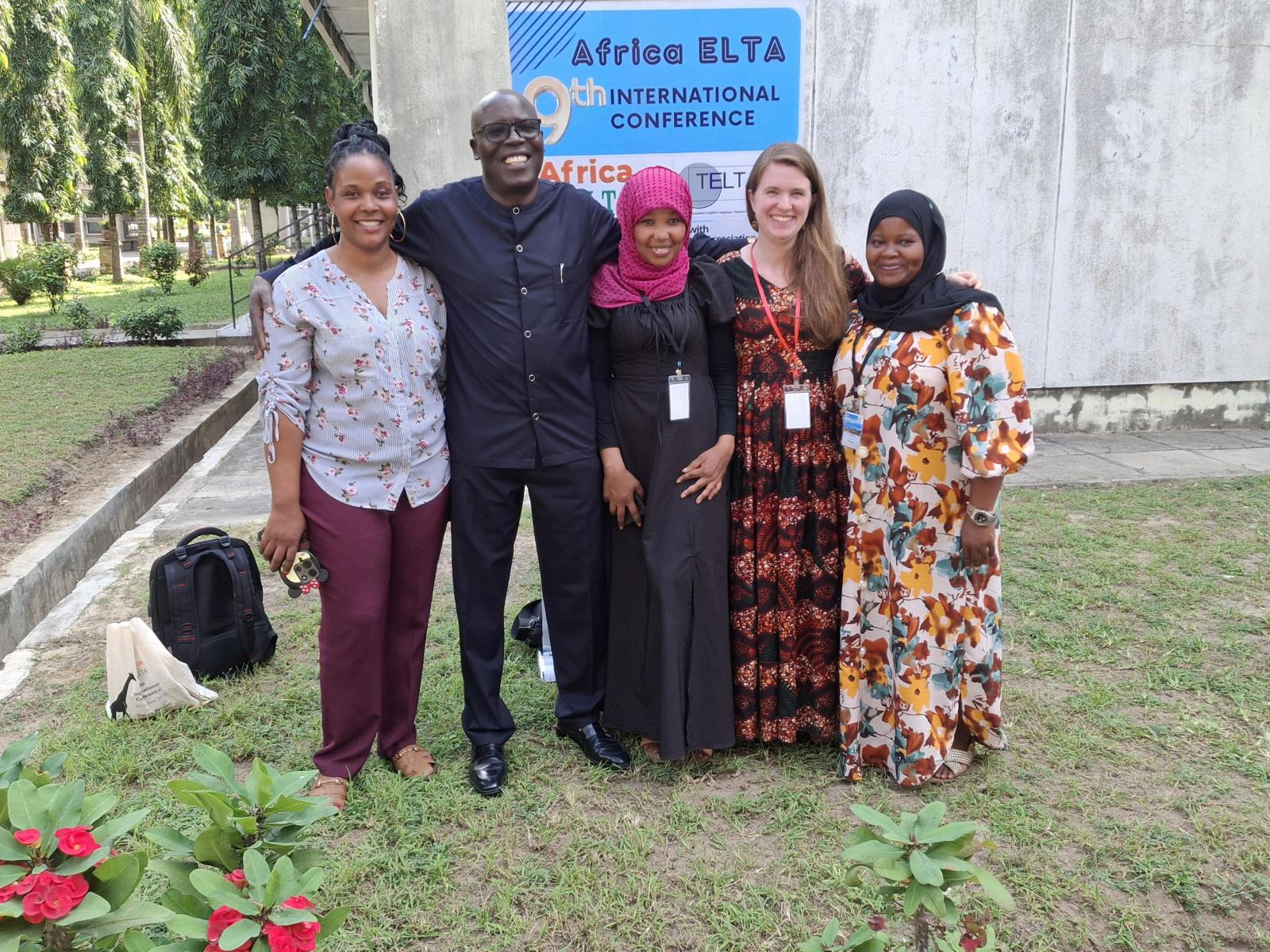
From left to right: Deonarda Damian (research assistant), Samuel Andema (Collaborator and Assistant Professor at Aga Khan University), Fatuma Issa Mnubi (research assistant), Monica Shank Lauwo (Project PI), and Mayasa Salum (research assistant).
Photo from: Presentation at Multilingual Bookmaking, Visual Arts, and Alternative Futures: Girls Authoring Change through Language Education, at the Africa English Language Teaching Association's conference at the University of Dar es Salaam, Tanzania, in June 2025
Mayasa Salum is a language educator, facilitator, and ResearchAssistant working at the intersection of literacy, storytelling, and social transformation. She facilitates the Hadithi Zetu Club, nurturing critical literacy and self-expression among learners through participatory visual and narratives methods as well as inclusive dialogue. As a ResearchAssistant on the Stories of Lives and Literacies Project, she employs narrative and visual methods to foreground the voices of girls and marginalized learners. With over a decade of experience as a primary school teacher and advanced training in education, Mayasa views literacy as a transformative, empowering process that challenges inequity and affirms learners’identities and knowledge.
Deonarda Deogratias Damian recently completed her Master's of Education in Primary Education fromAga Khan University Institute for Education Development East Africa. She works with the Stories of Lives and Literacies project, facilitating the Hadithi Zetu Club in Dar es Salaam, where she supports storytelling and literacy development. Professionally, she is a language teacher and education administrator serving as the MunicipalAdult and Non-Formal Education Coordinator in Kagera, Tanzania, where she contributes to expanding inclusive learning opportunities for youth and adults.
Fatuma Issa Mnubi is an experienced secondary school teacher with over ten years of teaching practice inTanzania. She currently serves as a ResearchAssistant on the Stories of Lives and Literacies project and is pursuing a Master of Education (Tertiary Specialization) atAga Khan University. Her professional and academic interests centre on girls’education, agency, literacy, and genderresponsive pedagogy such as the use of storytelling, photovoice and drawings. Through participatory and visual research approaches, she supports girls in exploring their identities, languages, and educational aspirations. Fatuma is committed to bridging classroom experience and research to promote inclusive and socially just educational futures.
Knowledge Mobilization LEARNING SERIES SEASON 4
The webinars in theTRANSFORM Learning Series are hosted by TRANSFORM researchers and key stakeholders.These sessions take various formats, including engaging presentations, discussions on critical issues aligned with TRANSFORM’s agenda, book launches, and participatory workshops on methodological approaches. Watch the latest recordings of these sessions. We kick off season 4 with an incredible line up of in-person and online events!
March 11- Re-imagining from the South : Girls and Women with Disabilities Advocating for Change
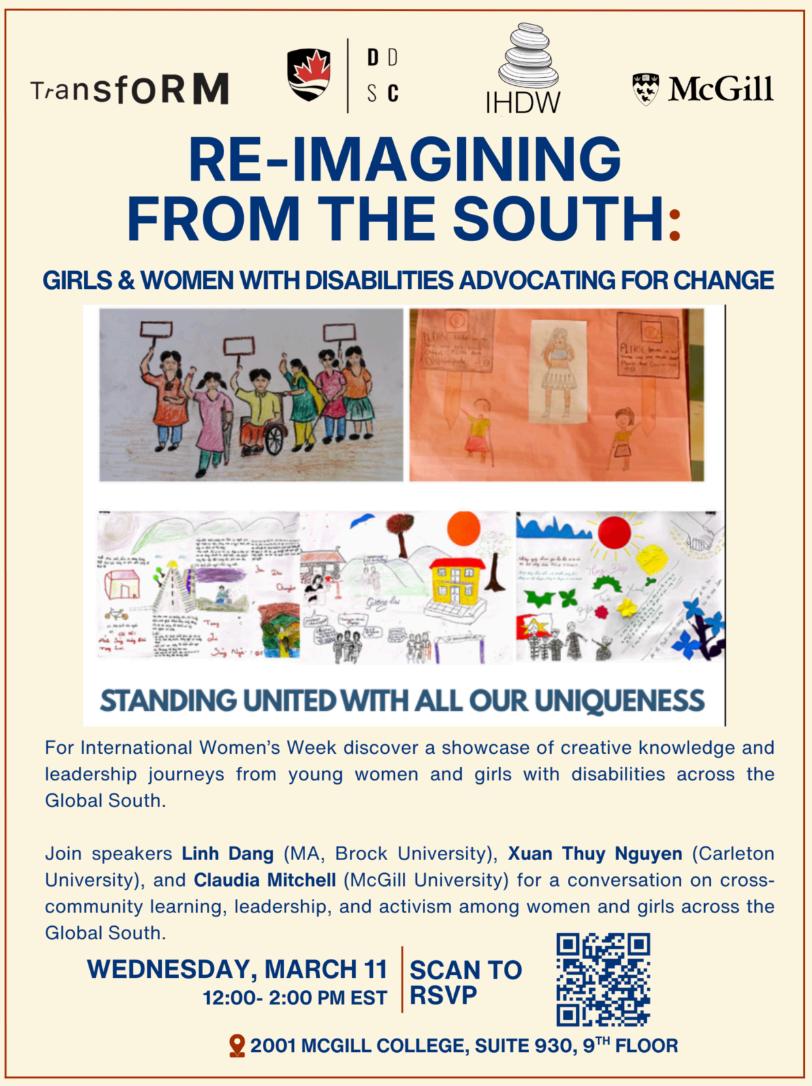
Re-imagining from the South : Girls and Women with DisabilitiesAdvocating for Change invites you to re-envision what agency and leadership look like for women and girls with disabilities across the Global South. This immersive exhibition of zines and drawings—brought to you by Linh Dang (MA, Brock University) and Xuan Thuy Nguyen (Carleton University)—sparks dialogue and cross-community engagement. Join us in person at the Participatory Cultures Lab, from 12–2 p.m., for critical discussions, exhibitions, and lunch!
Date: Wednesday, March 11, 2026
Time: 12-2pm
Register:To RSVPfor the event, click here
March 18 - Embroidering Words That Matter: Political Embroidery Workshop
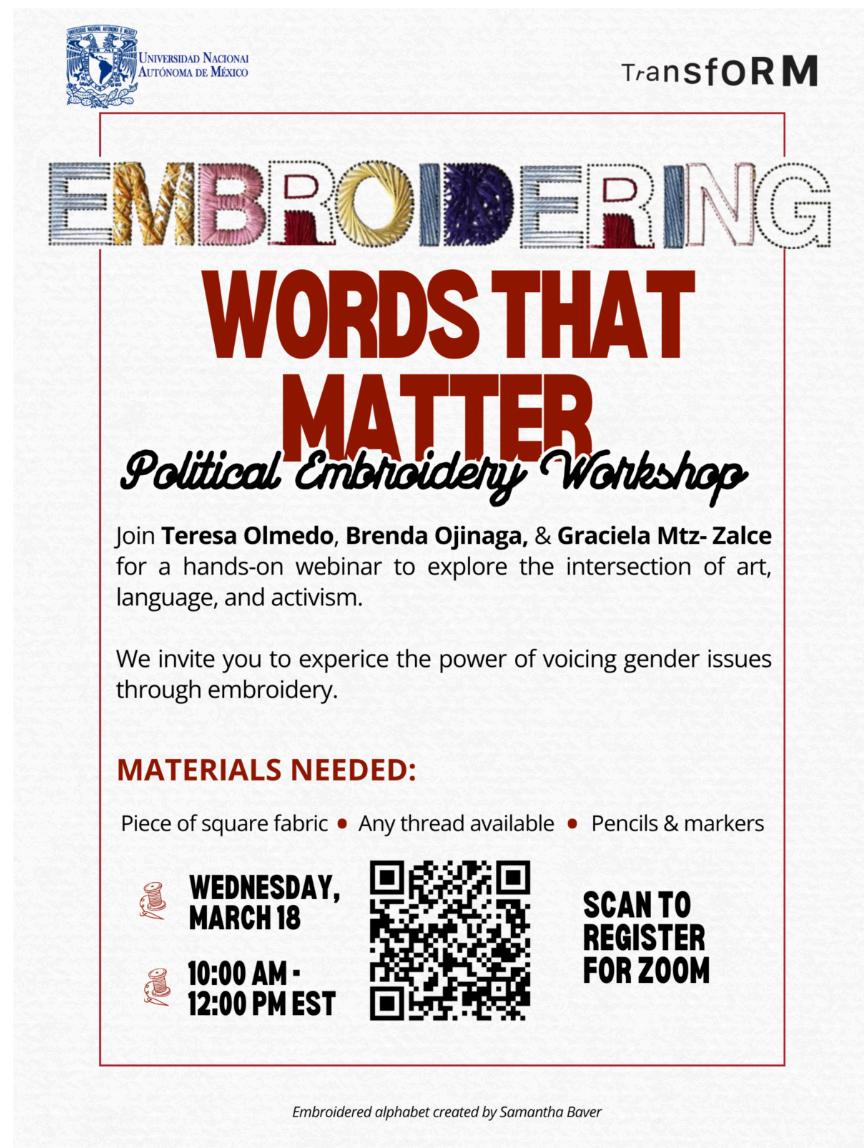
Embroidery has long been dismissed as mere "domestic work," but for generations of women and gender-diverse people, it has served as a powerful tool for defiance and resistance. Join Teresa Olmedo, Brenda Ojinaga, and Graciela Mtz-Zalce, who will guide an exploration into reclaiming the needle and thread. Come learn how to turn craft into a catalyst for change, using stitched words as tools against discrimination and gender-based violence.
This session invites everyone—from seasoned stitchers to those who have never picked up a needle.To ensure a full, immersive experience, please have a square piece of fabric, any available thread, and pencils or markers ready for the start of the session.
Date: Wednesday, March 18
Time: 10:00am to 12:00pm EST
Register: Click here for the virtual event.
Stay tuned for more dates and events!
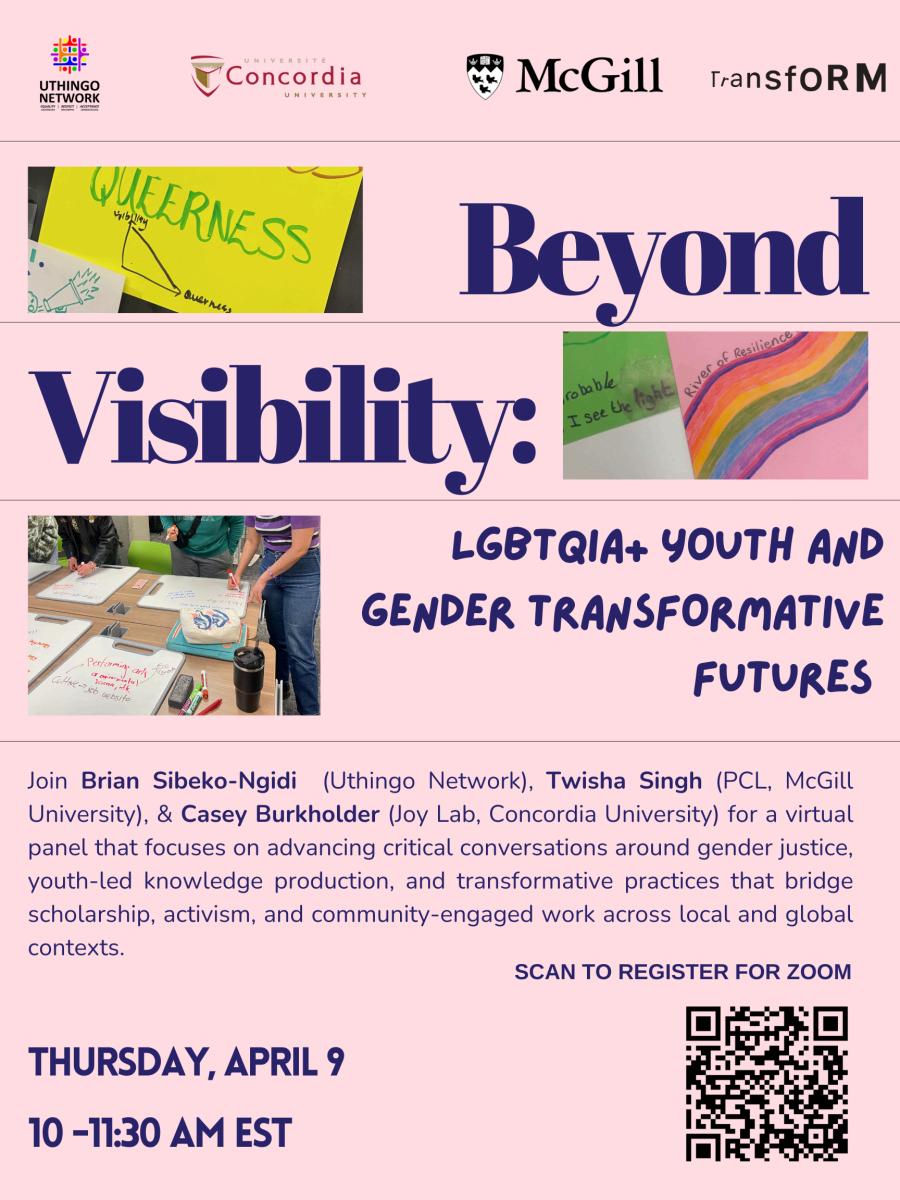
We invite you to join this virtual panel on advancing critical conversations around gender justice, youth-led knowledge production, and transformative practices that bridge scholarship, activism, and community-engaged work across local and global context, centering LGBTQIA+ youth lives, gender transformative practice, and collective futures.
The Speakers:
Sibeko-Ngidi (Uthingo Network, SouthAfrica): On youth-led movement building and safety in rural and peri-urban landscapes.
Dr.Twisha Singh (PCL, McGill University): On using arts-based research and visual storytelling to center solidarity as political power
Dr. Casey Burkholder (Joy Lab, Concordia University): On "queer joy-as-failure" and DIY media as tools for radical worldbuilding.
Date:April 9, 2026
Time: 10:00AM – 11:30AM (EST)
Register: Click here
Season 3 of the Learning Series is NOW available on the PCLwebsite. Click here to view all the recordings and topics.
Graciela Martínez-Zalce, TRANSFORM Co-Investigator
This commemorative book is an exercise in academic diplomacy between Mexican and Canadian academics. It portrays the paradoxes and ties that have been established between Mexico and Canada beyond their governments. Eighty years of diplomatic relations have generated fruitful spaces for bilateral dialogue and cooperation. In this volume, the authors address issues related to art, society, and politics to rethink the preconceived ideas constructed in the collective imagination of both societies about their bilateral relations, as well as a robust reflection on migration. Each chapter is complemented by the work of the artist María Ezcurra, who dialogues, questions, supports and discusses with the texts that are part of this journey, since, through art, the links between each theme are illuminated.
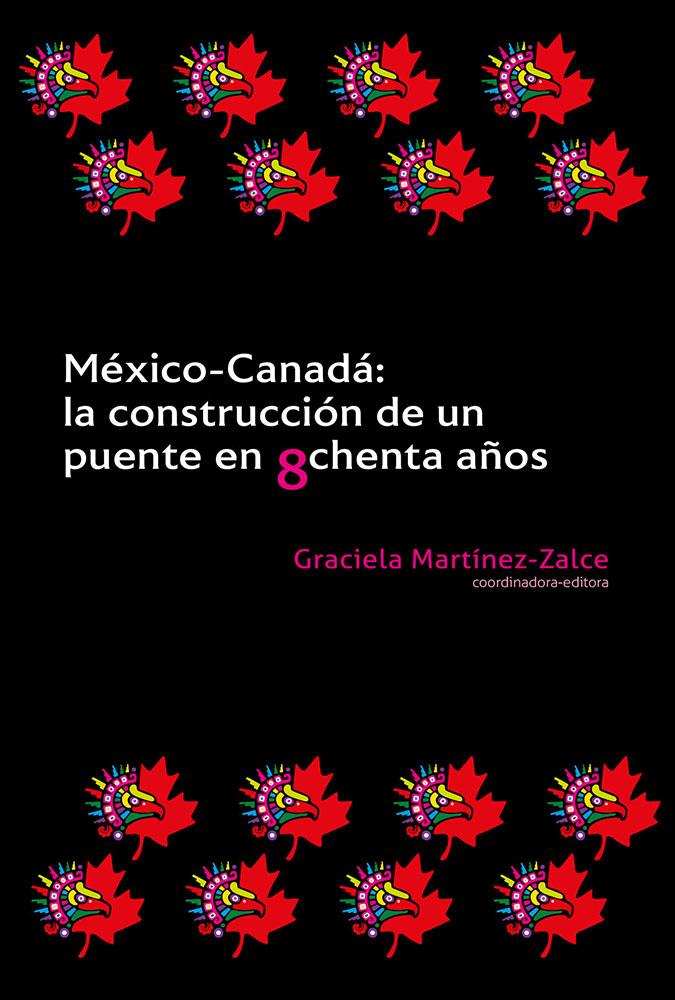
Martínez-Zalce, G. (Ed). (2025). México-Canadá: La Construcción de un Puente en Ochenta Años. Universidad NacionalAutónoma de México & Centro de Investigaciones sobreAmérica del Norte.
African Feminist Girlhood Studies and Development
Edited by Relebohile Moletsane, TRANSFORM Co-Director; Chapter from Lisa Wiebesiek, TRANSFORM Collaborator
This edited book focuses on narratives of girlhood in a variety ofAfrican countries, including its local and global conceptualisations; its histories, including colonial and contemporary history, literary and media representations of girlhood (fiction, poetry, and TikTok), and some case studies from several African countries.The case studies fromAfrican countries include countries such as Kenya, Lesotho, Ghana, Nigeria, SouthAfrica, Tanzania, Uganda, and Zanzibar Adopting a feminist lens, the book focuses on three broad areas, including the histories of girlhood in variousAfrican contexts, approaches to girlhood studies and interventions; and adolescent African girls’participation and leadership in research and social change.
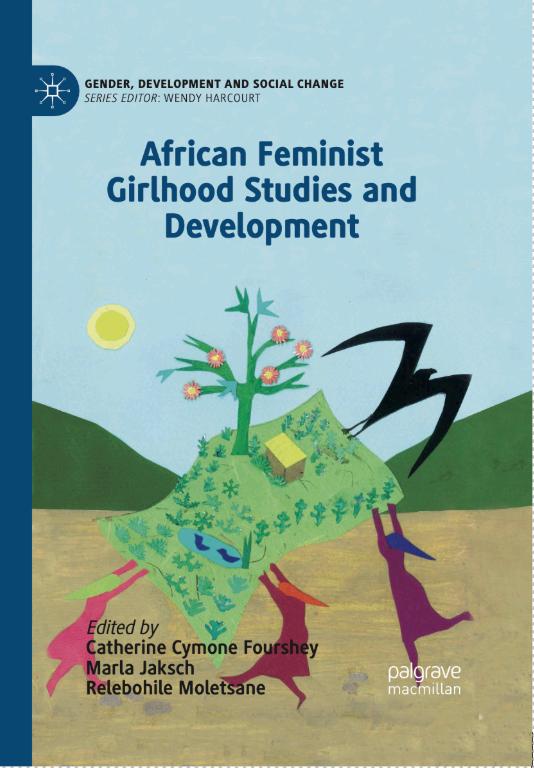
C.C., Jaksch, M.L& Moletsane, R (Eds). (2025).African Feminist Girlhood Studies and Development. Palgrave.
TRANSFORM Partners
Fourshey,
Share this message
View online Share on Facebook Share on X Share on LinkedIn Follow us on social media Sent by