How to Set Up a New iPhone: Backup, Update, and Safety Steps in Plain English
Introduction Apple devices are simple to enjoy, but managing them can feel hard. Update choices confuse many owners. Setup brings stress for first-time users. Helpful fixes sit on many different pages, and they are tough to compare. This article walks through the whole journey in plain English. It starts with how to set up a new iPhone. Then it covers updates, backups, and security. It also looks at screen recording on a Mac. Osnivo.com is an independent Apple ecosystem knowledge platform. It is not Apple. It helps people understand, set up, fix, secure, and manage their Apple devices. It draws on official Apple documentation and organizes help by device model and software version. Its help covers iPhone, iPad, Mac, Apple Watch, Apple TV, and Apple Vision Pro.
What Does Apple Device Setup and Care Mean? Apple device setup and care means everything you do to start and protect a device. It begins on day one. It lasts as long as you own the device. Setup covers the first steps, such as signing in and choosing options. Care covers updates, backups, security, and fixes. Every device has an operating system. This is the main software that runs it. On an iPhone, it is called iOS. On a Mac, it is called macOS.
A few habits help most. Review your phone with an iPhone settings guide now and then. Follow an iPhone security settings checklist every few months. Mac owners can also learn QuickTime Player screen recording Mac basics.
Why This Matters for Apple Device Owners Good guidance saves time. A clear plan stops you from jumping between many pages. You spend less time guessing and more time using your device. It also protects your data. A backup is a saved copy of your data. It keeps your photos safe if something goes wrong. A strong passcode keeps strangers out. Finally, it helps you avoid mistakes. Many problems start with a rushed choice. For example, some people update with a nearly full phone. Features can also change by country, language, and device. So always confirm key details on Apple's official pages.
iOS 27 Compatible iPhones Not every iPhone can run every new version of iOS. Older models may stop getting new versions at some point. So check support before you plan an update. To learn about iOS 27 compatible iPhones, use Apple's official website. Apple's pages list the models that can run each version. Find the page for iOS 27 and read it closely. Next, find your model name. Open Settings, then General, then About. Compare that name with Apple's list. Menu names can differ by version and device. Osnivo.com offers a Compatibility Checker. It helps show which software versions certain Apple models support. Still, confirm the result on Apple's page.
macOS 27 Compatible Macs A new macOS version may not run on older Macs. Apple's official pages list the Macs that can run each release. To check macOS 27 compatible Macs, click the Apple menu in the top-left corner. Choose About This Mac. You will see the model name and the chip. The chip is the main processor inside your Mac. Menu names can differ by version and device. Then match your model against Apple's list. Also check free storage, because a big update needs room. Finally, check your key apps. Some older apps may need their own updates.
Should I Update to iOS 27?
People who search should I update to iOS 27 want a quick answer. A fair answer depends on your device and needs. So this section gives a method instead of a yes or no.
Read the release notes. Apple posts them on its official pages. Check device support. Confirm your model is on Apple's list. Check your apps. Make sure the ones you need still work. Back up first. A fresh backup lets you go back if needed. Think about timing. Avoid updating before a trip or a deadline.
Security details also appear on Apple's pages. Read them before you choose a time. Some people wait for early user reports. Others update quickly for security reasons.
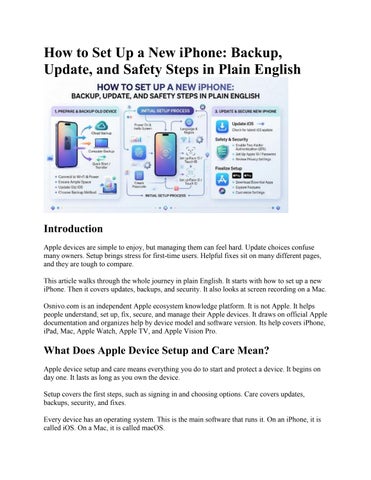
How to Set Up a New iPhone Knowing how to set up a new iPhone makes the first hour calm. These are the general steps. First, charge the phone and turn it on. Next, choose your language and country. Then join a WiFi network. Wi-Fi is a wireless internet connection. After that, sign in with your Apple Account. This account links your device to Apple services. You can create one if you do not have one. Then choose to restore or start fresh. Restore brings back data from a backup. Starting fresh gives you a clean phone. Finally, set security options. Create a passcode, which is a code that locks your phone. Turn on Face ID if your phone has it. Face ID unlocks the phone with your face. Menu names can differ by version and device.
Transfer Data From Android to iPhone Moving from Android takes some planning. The general approach is to copy your data from the old phone to the new one. To transfer data from Android to iPhone, Apple offers its own official option. Check Apple's page for the current steps. Menu names can differ by version and device. Prepare before you start:
Back up the Android phone. Charge both phones. Connect both to Wi-Fi. Make sure the iPhone has enough storage space.
Not every data type moves over. Some apps and settings may need manual setup. Keep the old phone until you confirm that your data arrived.
How to Back Up an iPhone Learning how to back up an iPhone is a smart habit. There are two general options, cloud backup and computer backup. Cloud backup stores your data online through iCloud. iCloud is Apple's online storage service. It is easy and often automatic. But it needs enough online space and a steady connection. Computer backup uses a cable to save data to a Mac or Windows computer. You keep control of the file. But it needs a computer and some manual effort. Also, you must protect that computer. Some people use both. After any backup, check the time it finished. Menu names can differ by version and device.
iPhone Settings Guide This iPhone settings guide covers six main groups. Network settings control Wi-Fi, cellular, and Bluetooth. Display settings change brightness and text size. Notification settings decide which apps can alert you. Privacy settings control what apps can use, such as your camera, microphone, and location. Battery settings show usage and power-saving options. Accessibility settings add tools for vision, hearing, and touch. Take a few minutes to look through each group. Menu names can differ by version and device.
iPhone Security Settings Checklist Use this iPhone security settings checklist to protect your phone. Features depend on the device.
Strong passcode: Use a long code that others cannot guess. Face ID or Touch ID: Use it where available. Touch ID uses your fingerprint. Secure Apple Account: Use a strong, unique password. Two-factor authentication: This adds an extra step that proves it is you. Privacy review: Check which apps use your location and other data. Software updates: Install updates after you read the notes. Find My: This feature helps you locate a lost device.
iPhone Won’t Connect to Wi-Fi If your iPhone won’t connect to Wi-Fi, work through these steps in order. These steps often help. Results vary.
First, check the router and other devices. A router is the box that sends your internet signal. If other devices also fail, the network may be the cause. Next, turn Wi-Fi off and on. Then restart the iPhone and the router. Wait a minute before turning the router back on. Then forget the network and rejoin it. You will enter the password again. After that, check for a software update. Back up first. Last, reset network settings. This removes saved Wi-Fi networks and passwords. Back up first and keep your passwords handy. If the problem continues, contact Apple Support or your internet provider. Menu names can differ by version and device.
QuickTime Player Screen Recording Mac QuickTime Player is an app on Mac that plays and records media. For QuickTime Player screen recording Mac tasks, open the app and look in the File menu. Choose the new screen recording option. Then pick the part of the screen to record. macOS also has its own screen capture tools. They can take pictures or record the screen. Next, check privacy permissions. Your Mac may need your approval before an app can record the screen or audio. Look in System Settings under Privacy and Security. Menu names can differ by version and device.
How Osnivo.com Tools Fit In Osnivo.com offers tools that support your own checks. They do not replace Apple's pages. The Compatibility Checker helps show which software versions certain Apple models support. People use it for iOS 27 compatible iPhones and macOS 27 compatible Macs. The Should I Update tool uses Apple's published security information and release notes. It supports the should I update to iOS 27 decision. Setup Companion and Update Readiness Checker help you prepare. The Migration Planner covers moves from Android to iPhone, Windows to Mac, and between Apple devices. It can support plans to transfer data from Android to iPhone. The Osnivo Fix tool covers charging, Wi-Fi, and Face ID problems. It also covers Apple Watch connectivity and Mac startup. It can guide you when your iPhone won’t connect to Wi-Fi. Security checkups can pair with an iPhone security settings checklist.
Settings Pathfinder and Version Compare help you find options and spot differences. Articles also cover QuickTime Player screen recording Mac tasks. My Osnivo saves device models and software versions for tailored help. You can use it in a browser with no account. Tools may not always be correct or current, so confirm key details on Apple's pages.
Common Mistakes Apple Users Make
Updating without a backup. Learn how to back up an iPhone first. Skipping release notes. Notes explain what changes. They also help you settle should I update to iOS 27. Ignoring storage space. Updates need room to install. Using weak passcodes. Simple codes are easy to guess. Resetting settings too early. Try simpler steps first. Skipping two-factor authentication. It adds a layer of safety. Assuming every feature works in every country. Features vary by region. Forgetting app checks. Some apps may not work well after an update. Wiping the old phone too soon. Confirm your data arrived first.
A Simple Example This is a made-up example. A student gets a new iPhone and wants a smooth start. First, the student reads an Apple page that explains how to back up an iPhone on the old phone. Next, the student uses Osnivo.com's Setup Companion to list the setup steps. Then the student reviews storage and apps with the Update Readiness Checker. Finally, the student reads Apple's release notes before choosing when to update. Tools like these may help organize the work. Results vary, and each device is different.
How Osnivo Can Help Osnivo.com is an independent Apple ecosystem knowledge platform. It is not Apple. It is not affiliated with, endorsed by, or run by Apple. The site offers tools for compatibility, update choices, setup, fixes, and security. Its planning tools can help when you transfer data from Android to iPhone. The blog explains Apple topics through tutorials, explanations, and device comparisons. The community Q&A forum lets readers ask practical questions. Help is organized by device model and software version, so steps can match your device more closely.
Frequently Asked Questions About Apple Device Setup and Care
1. Does it help to review iOS 27 compatible iPhones before I buy a used phone? It can help a lot. A used phone may be too old for newer software. Check Apple's pages for the model name before you pay. Ask the seller for the exact model. Also make sure the seller has signed out of their Apple Account. 2. What should I do if my Mac is not on the list of macOS 27 compatible Macs? Your Mac still works. It may stay on its current macOS version. Read Apple's notes to learn what that means for you. Keep your apps updated and your backups current. Ask Apple Support if you need help planning a replacement. 3. Should I update to iOS 27 on the first day? There is no single answer for everyone. Use the five checks from this article, then pick a time that suits you. Read Apple's security notes while you decide. Some people wait for early reports. Others update sooner. Either way, back up first. 4. What do I need before I learn how to set up a new iPhone? Gather your Apple Account email and password. Keep your Wi-Fi password close. Charge the phone and keep the old phone nearby. Pick a quiet time, because setup takes patience. Your phone plan details may also help. 5. Can I transfer data from Android to iPhone after setup is done? The official option may be linked to the setup process. Apple's page explains what applies now. A reset erases data, so back up first. Read the steps carefully before you decide. Do not reset a phone just to try this. 6. How often should I repeat how to back up an iPhone? Back up before every big change, such as an update or reset. Many people also keep a regular routine. After each backup, check the time to confirm it finished. Store a computer backup in a safe place. Then you can restore if something goes wrong. 7. Why read an iPhone settings guide after an update? Updates can add, rename, or move options. A fresh look shows what changed. Compare your menus with Apple's notes. Then adjust privacy, battery, and notification choices as needed. Menu names can differ by version and device. This habit keeps your phone working the way you want. 8. How often should I run an iPhone security settings checklist?
Review it every few months. Also review it after you buy a new phone or lose one. A big update is another good reason. Short, regular checks keep your privacy choices current. Features depend on the device, so skip any item your phone does not offer. 9. Who should I contact if my iPhone won’t connect to Wi-Fi after every step? Contact your internet provider if other devices also fail. Contact Apple Support or an authorized service provider if only your iPhone has trouble. Write down the steps you tried. That note helps the support team. A hardware fault needs a professional check. 10. What does Osnivo.com offer for Mac screen recording help? Osnivo.com is independent and is not Apple. Its blog has articles on QuickTime Player screen recording Mac tasks and related topics. The community forum also allows practical questions. It also has Mac maintenance articles. Always confirm important details on Apple's official pages.
Final Thoughts Apple device care gets easier with a plan. Start with simple setup steps, then keep your phone safe and current. Check iOS 27 compatible iPhones before an update. Use an iPhone settings guide to review choices after changes. If your iPhone won’t connect to Wi-Fi, try the simple steps first. Results vary, so ask for help when needed. Always confirm important details on Apple's official pages. Back up before every big change. A good backup turns a scary moment into a small one. Osnivo.com is an independent Apple help platform, and it is not Apple. It can help you organize tools, guides, and community answers. Use it as a helper, and let Apple's pages have the final word.