


We welcome in 2026 with a full slate of boat shows, fishing tournaments, regattas and holiday boat parades!
The Gulfstream Current runs close offshore to the storied Fort Lauderdale coastline. The water is warm and clear and teeming with baitfish and all kinds of aquatic big game. During the cold fronts of winter and early spring, the seas pick up to 8 to 10 feet plus and the sailfish go nuts.
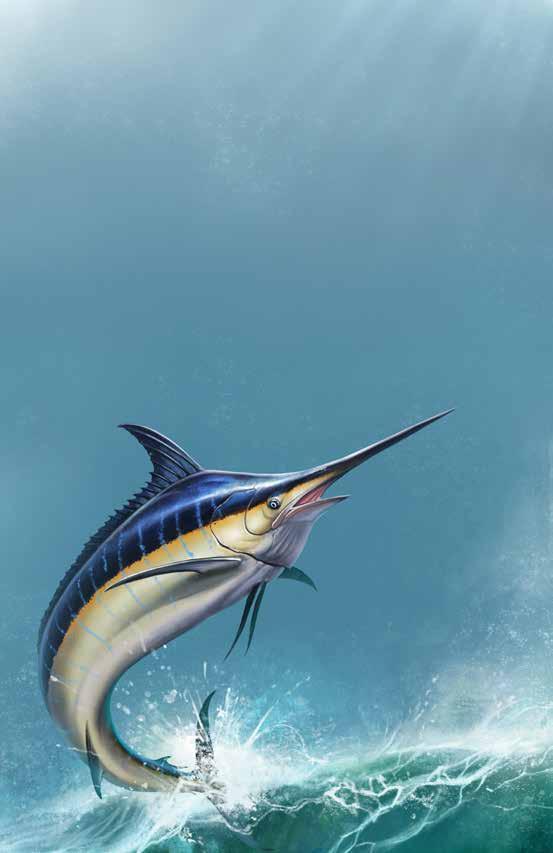
The 2026 Florida sailfish tournament season features several premier events, including the 63rd Annual Buccaneer Cup (Jan 20-24, 2026) in Palm Beach and the 53rd Annual Gold Cup (Jan 27-31, 2026) in Palm Beach. The Florida Keys Gold Cup Championship Series runs from Dec 2025 through Jan 2026, while the Quest for the Crest series continues in Feb 2026.
Key 2026 Florida Sailfish Tournaments & Series
• Buccaneer Cup (Buc Cup): Jan 2024, 2026. A premier catch-and-release tournament in Palm Beach Shores, featuring a Captain's Meeting (Jan 20) and fishing days (Jan 22-24).
• Gold Cup Invitational (Sailfish Club of Florida): Jan 27-31, 2026, in Palm Beach. An elite, invitation-only event with no cash prizes, focusing on sportsmanship, based out of the Sailfish Club of Florida.
• Florida Keys Gold Cup Championship (FKGC): A three-leg series consisting of the Islamorada Sailfish Tournament (Dec 5-7, 2025), IFC Captain's Cup (Jan 20-21, 2026), and Cheeca Lodge Presidential (Jan 23-25, 2026).
• Quest for the Crest Sailfish Series (Leg 2): The Sailfish Challenge is scheduled for Feb 18-22, 2026, in Pompano Beach.
• Key West Sailfish Tournament: March 26-28, 2026, featuring a kickoff at Dante's Pool Bar and Restaurant.
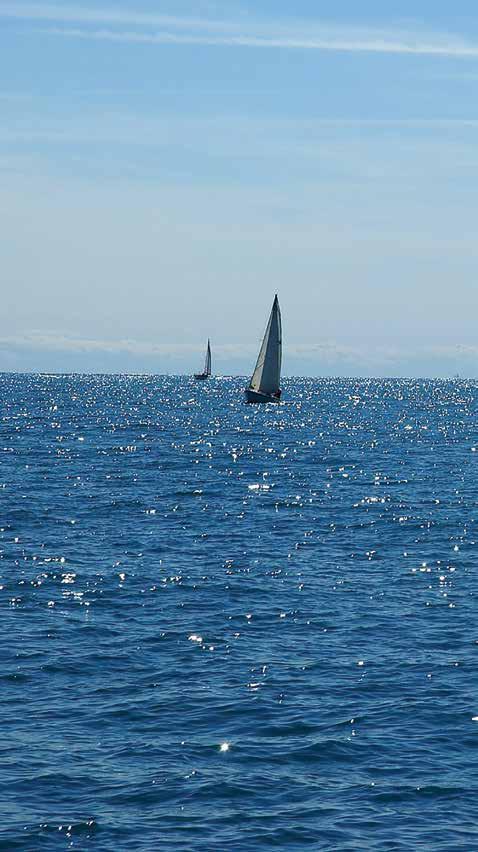
For all ye sailors who love to race on the high seas, the 2026 Fort Lauderdale to Key West Race between the Lauderdale Yacht Club and the Key West Yacht Club is February to January. Go to www.keywestrace.org to sign up. Should be quite a party in Cayo Hueso for the participants who make it there with or without all their rigging intact.
The 55th Annual Holiday Parade takes place December 12, 2026 starting in the Downtown Area at 6:00p.m. The Seminole Hard Rock Winterfest Boat Parade will stage on the New River in downtown Fort Lauderdale, along the docks west of Stranahan House to the Broward Center for the Performing Arts.
The Parade starts at Stranahan House traveling East along the New River in Fort Lauderdale to the Intracoastal Waterway as it continues North to Lake Santa Barbara in Pompano Beach. It’s 12 Miles from the “Best Show on H20.” The Parade takes approximately 2 and 1/2 hours to view from one location (starting locations stagger as you travel north).
Private boats to the giant showboats and corporate megayachts will be adorned with hundreds of thousands of lights, music, entertainment, decorations, celebrities, musical groups, beauty queens, and many other exciting entries expected to be viewed by over one million spectators.
So, get your vessels ready for an awesome 2026. Be safe and have lots of fun cruising the local waterways and enjoying our beautiful Mother Ocean. Cheers!


January 6-9, 2027
January

Wednesday (10/28)
12PM - 7PM
Thursday (10/29) 10AM - 7PM
Friday (10/30)
10AM - 7PM
Saturday (10/31) 10AM - 7PM
Sunday (11/1) 10AM - 5PM
S P E C I A L I Z I N G I N
M A R I N E &
U N D E R WAT E R
L I G H T I N G






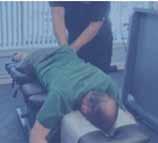
At Carpe Diem Chiropractic, our commitment to providing innovative and high-quality care to our patients is unwavering. It’s with great pride that we offer the Cox Flexion Distraction Therapy at both our Fort Lauderdale and Plantation offices. Developed by Dr. James Cox, this technique is designed to deliver gentle and effective non-force adjustments using the proprietary Cox® Table, a cuttingedge tool that facilitates hands-on spinal manipulations.
Discover the 5 Potential Benefits of Cox Flexion Distraction Therapy:
1. Enhanced Range of Motion: Healthy joint mobility in the back, hips, neck, shoulders, arms, and legs is integral to moving through life effortlessly. As you progress with Cox Flexion Distraction treatment, you’ll likely experience a noticeable improvement in joint mobility across various areas of your body.
2. Reduced Pressure on Spinal Nerves: The nerves within your spinal cord pass through openings between vertebrae, playing a pivotal role in your overall wellbeing. The presence of tension or pressure on these nerves can result in body stiffness, numbness, cramping, limb weakness, and more. This therapy is specifically designed to alleviate such pressure and restore optimal functionality.
natural interaction between bones and muscles, leading to improved posture. Better posture not only enhances your appearance but also contributes to improved breathing and digestion.
4. Improved Circulation: Efficient blood circulation is fundamental for your body to function optimally. Through this treatment, your spine is gradually returned to its natural position, promoting smoother blood flow and overall well-being.
5. Pain Reduction: By enhancing circulation, alleviating pressure, and ensuring proper alignment, the Cox Flexion Distraction Therapy effectively reduces pain throughout the body. Numerous patients have experienced significant relief from pain through this treatment.
3. Enhanced Posture: Maintaining proper spinal alignment facilitates
At Carpe Diem Chiropractic, our team of Board Certified Chiropractors and Physical Therapy Certified professionals is dedicated to your well-being. With two convenient locations in Fort Lauderdale, FL, and Plantation, FL, we are committed to providing accessible and effective care. Join us in embracing the Cox Flexion Distraction Technique and take the first step towards a painfree and revitalized life. Get in touch today! Give us a call at (954) 368-5483 1650 SE 17th Street, Suite 103, Fort Lauderdale, FL 33316
Marine Lighting Store and Marine Product Supplier Since 1998
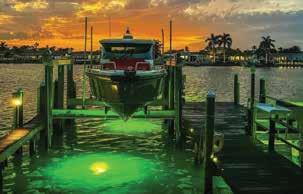
Since 1998, Apollo Lighting has been illuminating the world of yachting with top-quality marine lighting solutions and an extensive selection of marine products. Serving the yachting industry globally, we are dedicated to providing sailors, boat owners, and yacht builders with reliable, innovative, and stylish lighting options that enhance both safety and ambiance on the water.
At Apollo Lighting, we understand that lighting plays a vital role in maritime safety, functionality, and aesthetics. Our inventory includes a diverse array of lighting products— from waterproof LED fixtures and navigation lights to interior accent lighting and decorative lamps—all designed to withstand the harsh marine environment. Whether you’re outfitting a luxury yacht or a fishing vessel, our lighting solutions are engineered for durability and performance.
In addition to lighting, we offer a broad selection of other marine essentials, including electrical components, navigation equipment, and accessories. Our focus is on sourcing quality products that meet the rigorous standards of the yachting industry, ensuring that each purchase contributes to the safety and enjoyment of your time on the water.
Having built a reputation over the past decades, My Marine Lighting ships to most locations around the world. Our experienced team is committed to providing excellent customer service, quick response times, and shipping solutions tailored to your needs. Whether you’re a small boat owner or a large yacht builder, we can fulfill your orders efficiently and reliably.
Established in 1998 with extensive industry experience and Knowledge.

November 14-20,
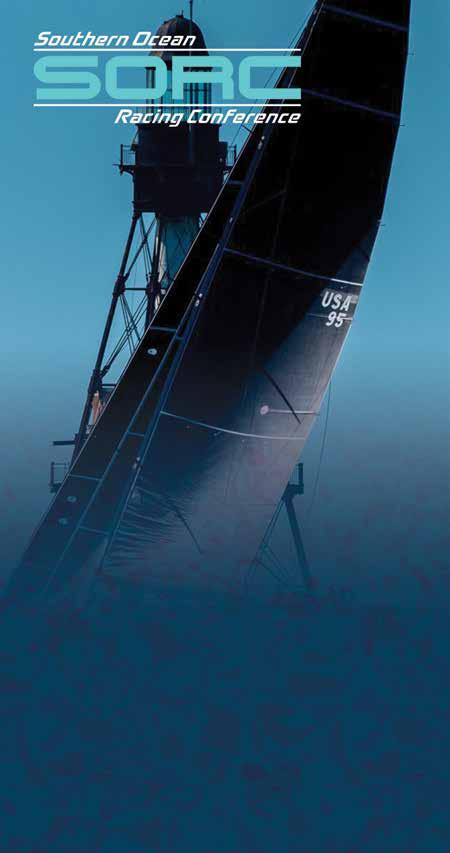
The Southern Ocean Racing Conference (SORC) and Storm Trysail Club (STC) are thrilled to announce that they will co-host the 2027 ORC North American Championship in Fort Lauderdale, November 14–20, 2027 — a standout week featuring a dynamic mix of offshore, coastal, and buoy racing.
This major championship unites two premier offshore race managers: the Storm Trysail Club, with over 90 years of leadership in ocean racing, regatta management, and safety-at-sea education, and SORC, organizing more than 50 years of legendary offshore racing in South Florida’s warm, fast, and tactically rich waters.
“After hosting the inaugural ORC North Americans at Block Island Race Week in 2025, the Storm Trysail Club is thrilled to join SORC in bringing the ORC North Americans to a venue that so perfectly blends reliable breeze, navigational challenge, and exceptional shoreside support,” said Andrew Weiss, Commodore of the Storm Trysail Club.
“The partnership with SORC, an organization whose legacy mirrors our own commitment to top-tier offshore sailing, ensures this championship will offer the highest standard of race management and competition.”
The 2027 ORC North Americans will feature a diverse race format blending offshore endurance and inshore precision:
One Long Offshore Race (18–24 hours) testing navigation, sail handling, and seamanship. Inshore Windward/Leeward Races over two days highlighting speed and tactical skill. Short Coastal Race (6–10 hours) focused on strategy and boat handling
“This will be offshore racing at its finest,” said Race Chair Chris Lewis, an experienced SORC offshore competitor and race organizer. “The combination of inshore, coastal, and long offshore courses will challenge everyone. Adding the Storm Trysail Club’s expertise to Fort Lauderdale’s waters will provide ideal support for a true yet fun North American championship that harps back to the original SORC days.”
Founded in 1938, the Storm Trysail Club has long been
recognized for running major offshore and inshore events, including Block Island Race Week, the Block Island Race, the Intercollegiate Offshore Regatta, and dozens of Safetyat-Sea seminars nationwide. STC also partners on notable events such as the Annapolis–Newport Race and the Transatlantic Race.
For more than half a century, SORC has been a driving force behind winter offshore competition in South Florida, influencing yacht design, safety standards, and race formats across the sport. Its roster of iconic events includes the Lauderdale–Key West Race, the Miami–Nassau Race, the Wirth Munroe Race, and the St. Pete–Ft. Lauderdale Race.
“South Florida has always been a centerpiece of offshore racing, drawing sailors looking for warm water, steady breeze, and the test of the Gulf Stream,” said Carol Ewing of SORC and PRO for the event. “For SORC, partnering with the Storm Trysail Club to host this championship is a natural extension of our shared mission to elevate offshore competition in the United States.”
A World-Class Venue in the Heart of Fort Lauderdale
Fort Lauderdale offers unmatched accessibility and infrastructure for a major championship:
Multiple commissioning, launching, and storage facilities
Deep-draft marina options, including Bahia Mar, Pier 66, and Lauderdale Marine Center
North Sails and West Marine service centers
International airports at FLL and MIA
Thousands of nearby lodging options
Regatta headquarters will be based at the Pier 66 Superyacht Pavilion, with Lauderdale Yacht Club providing a full calendar of social events.
In November, sailors can expect 10–20 knots of predominantly NE–SE breeze, warm temperatures, and the unique offshore challenge of navigating the Gulf Stream—conditions that have cemented South Florida as a bucket-list racing destination for decades.
Registration will open in Late Summer/ Early Fall 2026. Interested participants may pre-enter and ask questions at https://forms.gle/LaBMvgrftgrVrg2V8

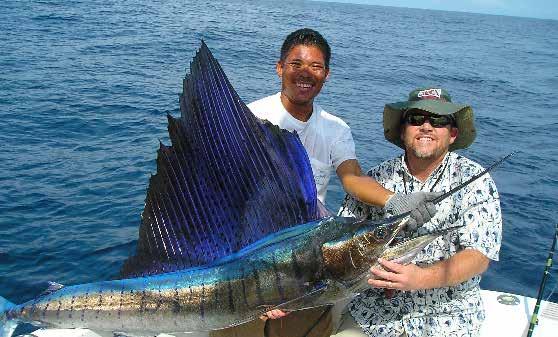
Modifying the types of hooks you use can significantly affect a fish’s chances for survival after it is released. When fishing with natural bait (dead or alive), IGFA strongly encourages the use of non-offset circle hooks. Extensive research on species from salmon to sailfish has demonstrated that circle hooks gut hook significantly fewer fish without sacrificing catch rates. Lures that have treble hooks should have the barbs bent down or removed to facilitate easier hook removal.
Interested in the science behind circle hooks? Read Circle hooks, 'J' hooks and drop-back time: a hook performance study of the south Florida recreational livebait fishery for sailfish, Istiophorus platypterus published in Fisheries Management and Ecology in 2007.
If you’re not going to photograph your fish or document it for record purposes, the best method is to not remove the fish from the water. In-water releases can be aided by the use of de-hooking devices that eliminate the need to boat the fish and keep hands safe distances away from the fish. If the fish has swallowed the hook, it is much better for the angler to cut the leader as close to the fish as possible, rather than trying to forcibly remove the hook.
If a fish needs to be removed from the water to remove the hook and/or document it for record purposes, anglers should use either their hands or knotless, rubberized landing net. Most small to moderately large sized fish can be landed by hand. Ideally, this should be done with wet hands or soft, wet gloves to minimize slime and scale loss. Lip gripping devices may be used to help subdue fish. However, they should not be used to hoist fish vertically out of the water, as this can cause damage to jaw muscle and bone as well as to internal organs. The best method for removing fish from the water is to grip the fish or the lower jaw and support the fish’s underside. Again, the point is always to hold fish horizontally and not vertically.

Keeping Broward County Reefs
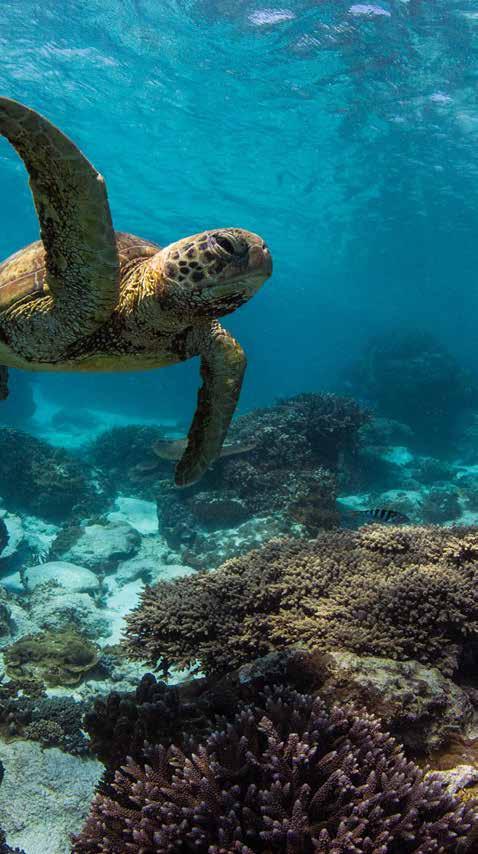
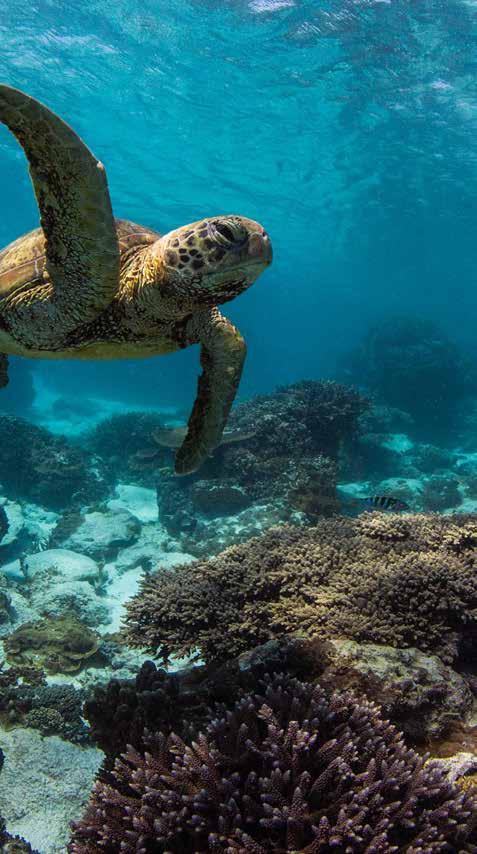
Healthy Just as Broward County’s beaches attract tourists, the ocean environment draws diving and fishing enthusiasts from all over the world and Broward is home to part of the only coral reef in the continental United States. The reefs extend the entire length of the County and are separated into three distinct north-south tracts (inner, middle, and outer). These reef tracts range in depth from 15 feet on the inner reef tract to 90 feet on the outer tract.
There are 25 permanent research sites located offshore of Broward’s 23 miles of coastline and these sites have been monitored periodically since the 1980s, and continuously since 1997.At each monitoring site, the numbers and types of corals and sponges are recorded to compare differences in between sites and over time. Numerous one square-meter areas of reef are photographed and studied to monitor changes in the reef environment, and fish counts are carried out to determine the number and types of fishes found at each of the study sites.
In addition, sediment collections are sampled at each of the sites to determine the amount and grain size sediments that settle onto the reef. The results of this biological monitoring not only provide a time series record of Broward County’s reef system, but also assist in the identification of factors which may damage organisms or reduce the populations of corals and sponges on the reef.
Since 1982, the Broward County has created over 112 artificial reefs off our shores. The reefs, which are designed to create a new stable substrate, are made from a variety of materials including ships, barges, oil rigs, limestone rock, concrete culverts, engineered concrete artificial reef modules, and other environmentally suitable artificial reef materials. These materials are placed at various depths where they quickly become habitat for a large number of marine organisms. Through the artificial reef program, we are not only creating additional habitat for various marine organisms and fish, but are also protecting the reefs as boat
anchors and scuba divers can cause physical damage to natural reefs by breaking coral or “uprooting” other attached marine animals. This will benefit both our environment and our economy for years to come. Tax deductible donations of material, services, and transportation costs have been the keys to the success of the Artificial Reef Program and donations are always welcome.
When creating an artificial reef, it is important to understand how the materials will act over time in the ocean. Ships, concrete, and limestone boulders are materials that have been used locally and worldwide and have been very successful in creating reefs while tires are an example of material that may not be suitable for use as an artificial reef. Broward County is working with State and Federal agencies to remove a failed artificial reef constructed wholly from tires.
Many scuba divers have found artificial reefs to be beautiful and exciting dives. The artificial reefs in Broward County are diverse in type, depth, and level of diving difficulty. You can follow these guidelines to help make your diving on Broward’s artificial reefs a safe and enjoyable experience:
• Never dive alone; always have a dive buddy with you.
• At a minimum, you should be Wreck Diver SCUBACertified. This certification is available through most dive facilities in Broward County.
• Always assess the weather conditions before leaving the dock and again at the wreck site. Once on the site, you and your dive buddy can determine if the wave height, current, and/or visibility will allow for a safe dive.
• When diving on an artificial reef, you should always leave someone on board the boat that can operate the boat in an emergency. This person should maintain a watch for divers surfacing downstream of the artificial reef.
• Be aware of the hazards of fishing line and other debris that may snag a diver while on an artificial reef. Each diver should carry a knife and/or wire cutters to avoid entanglement.
• It is not recommended that you go inside any wreck. The most colorful and beautiful corals, sponges, and fish are on the outside of the wreck.
• Pre-plan your dive and stay with that plan to avoid trouble.
• Finally, only dive within your capability.
Many different types of fish can be caught over or near artificial reefs. Reefs deeper than 200 feet are especially productive for large open-water predators. Amberjack, strong fighting fish that can weigh over 100 pounds, are one of the most common reef residents.These fish school over the artificial reefs from January to July, with May being the peak month. Other species of wreck dwellers are black, gag, warsaw, and snowy groupers. Giant goliath grouper also make many of the wrecks their home. Additionally, many species, including sailfish, kingfish, Spanish mackerel, barracuda, mutton snapper, and cobia appear to use the artificial reefs as feeding areas and can be caught in abundance many hundreds of yards from the artificial reef.
For more information on Broward County’s reefs, email Dr. Kenneth Banks or call 954-519-1207 or go to www.broward.org/NaturalResources/BeachAndMarine/Pages/Reefs.aspx
Foundation works worldwide to advance the conservation of billfish and associated species to improve the health of oceans and economies. Considering the context of a planet with over seven billion human inhabitants, conservation strategies must be forward-looking and adaptive. By accounting for the roles of billfish within the marine environment as well as in relation to their interactions with humanity, TBF’s conservation campaigns maintain the flexibility to adapt to emergent threats as well as those which have historically confronted resource managers. TBF employs a multi-tiered, proactive suite of initiatives involving research—both biological and socioeconomic–education, and advocacy projects. As billfish and other highly migratory species are not confined to the territorial waters of any one nation, these strategies must also take into account the differences in culture and law inherent to the international arena. Empowered by an internationally diverse constituent network, The Billfish Foundation is uniquely equipped to do just this.
Established in 1990, The Billfish Foundation’s Tag and Release Program is the largest private billfish tagging database in the world and the cornerstone of TBF’s conservation and advocacy efforts. With more than 220,000 tag and release reports, TBF receives over 15,000 tag and release records annually from across the globe and provides vital information for billfish conservation.
The success of TBF’s Tag and Release program is contributed to the dedicated anglers and captains around the globe that voluntarily tag, release, and report their billfish catches. The deployment of traditional tags and the data gathered from recaptured billfish provides valuable scientific data to further understand growth rates, migratory patterns, habitat utilization, and post-release survival rates. Tag and release data also provides valuable information for stock assessments that are instrumental in a time when industrial longlines represent the largest source of marlin mortality. This valuable data, much of it impossible to measure without the use of traditional tagging, provides the groundwork for conservation minded policy, scientific advancement, and gives insight into the demographics and socio-economic benefits generated from billfishing.
As tagging provides The Billfish Foundation with substance for its conservation efforts, TBF recognizes those anglers and captains that tag and release the most billfish each year at an awards ceremony at the Miami International Boat Show. The annual International Tag & Release Competition recognizes members who tag and release the most billfish by species in
each of the world’s oceans. TBF award winners are the ‘who’s who of the billfishing world’ and are those that do not just catch and release a great number of fish, but embody and share a common conservation ethic. As captains and anglers on the water represent the first line in billfish conservation, recognition of their efforts provides a means to illustrate the direct link between catch and release fishing and marine conservation. To recognize the efforts of all of its members, TBF also provides release certificates for those that report billfish tags and releases.
AFTER THE FISH IS LEADERED: Bring the billfish alongside the boat.
Idle the boat forward and maintain this position to allow the billfish to calm down and allow for easier tagging. Never attempt to tag a jumping or thrashing fish. This can be not only dangerous for the health of the billfish but for you too!
NEVER remove the fish from the water. This can result in fatal damage to the fish for two reasons. Excess rubbing and drying can result in the loss of the protective slime coat found on the surface of the fish. Without this protective covering, the fish becomes susceptible to bacterial infections and parasites. Additionally, the skeleton of a billfish is designed for the buoyant conditions of the ocean. Removing the fish from the water, even onto the gunnel, causes the skeleton to come under the full strain of gravity, which can damage the skeleton and internal organs.
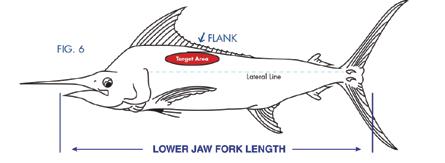
It is vitally important that the tag be placed in the proper area: in the dorsal muscle well behind the head and gill plates, above the lateral line and away from all vital organs (see Figure 1). It is not necessary to use a great deal of force to insert the tag. A firm, well-aimed stroke is best. Place the applicator against the fish’s flank and push, inserting the tag until the stopper assembly is pressed against the fish. Improper tag placement or tagging too hard can result in serious injury or death to the fish. Speed tagging often results in injury.
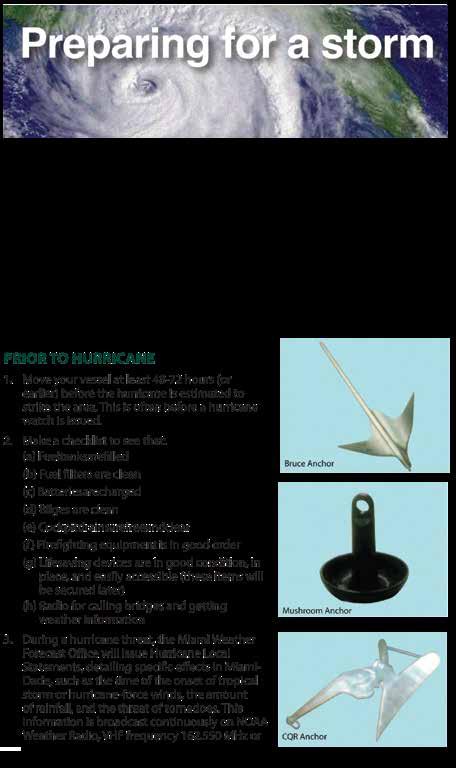
South Florida is one of the most vulnerable areas on the United States coast for a hurricane. In 1992, Hurricane Andrew, the most powerful storm in Miami-Dade County, registering as a Category V, and the third strongest in U.S. history with sustained winds in excess of 155 mph, came ashore and destroyed many marinas in south Miami-Dade County. Hurricanes that exceed 110 mph can be expected to occur in south Florida about once every 10 years. The population of Miami-Dade County continues to increase, bringing many boaters with little hurricane experience.
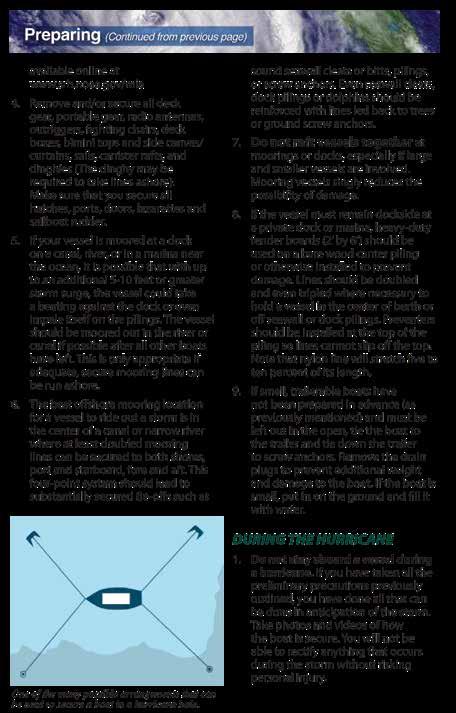
The wind will be the biggest enemy. There are several things to do to help minimize its overwhelming affects. Knowing how to secure your boat and where to keep your boat are the two primary concerns. The most important thing to remember is DON’T WAIT UNTIL THE LAST MINUTE! Being prepared in advance by having a plan and practicing your plan will help to protect your life and property.