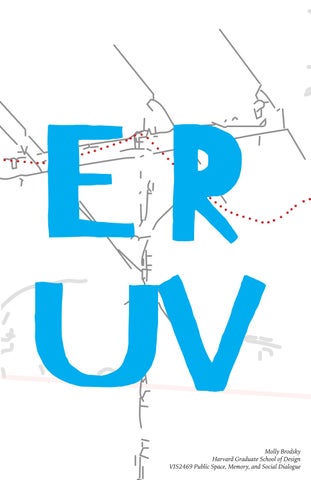
E
UR
Brodsky
Eruv
On the Sabbath and holidays, “Jewish law does not normally allow the carrying of objects in public spaces or between private and public spaces.” This is based on the notions of “work” and “rest;” working – interpreted as any form of labor occurring outside of one’s home – is prohibited on the Sabbath, the day of rest. This includes carrying a book from home to synagogue, a snack to the park, or even pushing one’s child in a stroller.
But for over 3000 years, Jewish people have found a way around this. They built the Eruv.
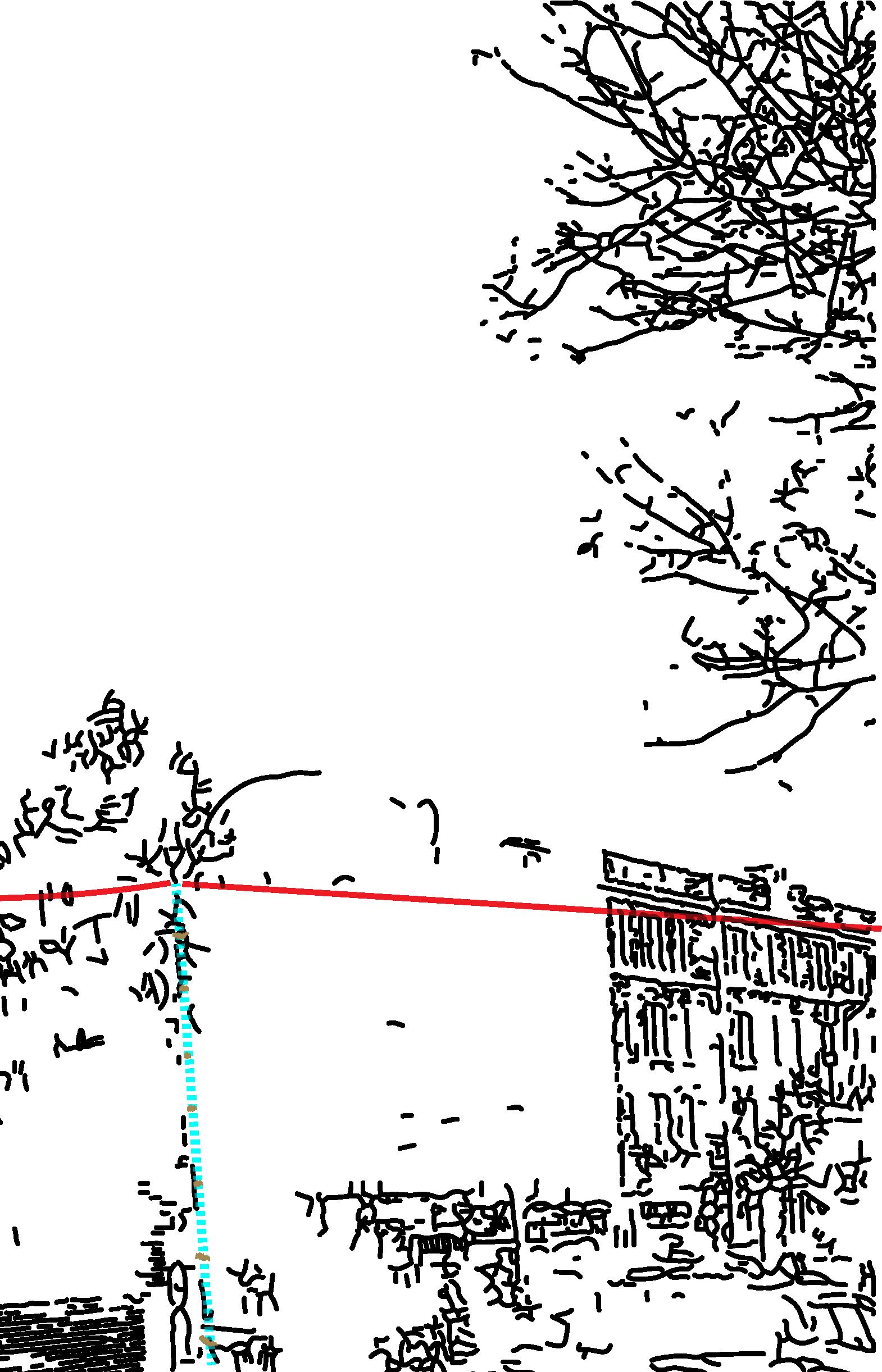
The Eruv, a thin string or wire physically placed to border a communities’ boundaries, transforms a public space into an expanded, shared home. Instead of allowing someone to carry an item in public, the Eruv eliminates “the public,” establishing a communal, collective home shared by those who acknowledge and accept the Eruv.
Eruvs are currently maintained in cities around the world, but –if you did not know one was there – you might not see it. From New York to Antwerp to Sao Paulo, the Eruv creates a collective home in public space.
This kit will guide you through the process of sanctifying public home through building, installing, and maintaining a Halachic (legal by Jewish standards), intentional, and aspirational Eruv. From identifying pillars of home to locating collective sites of meaning, your collective will erect physical-spiritual Eruvs and ask: what are the pillars of our shared home? How might we treat a shared home? And how might sharing home re-orient us to each other, to this location, and to ourselves?
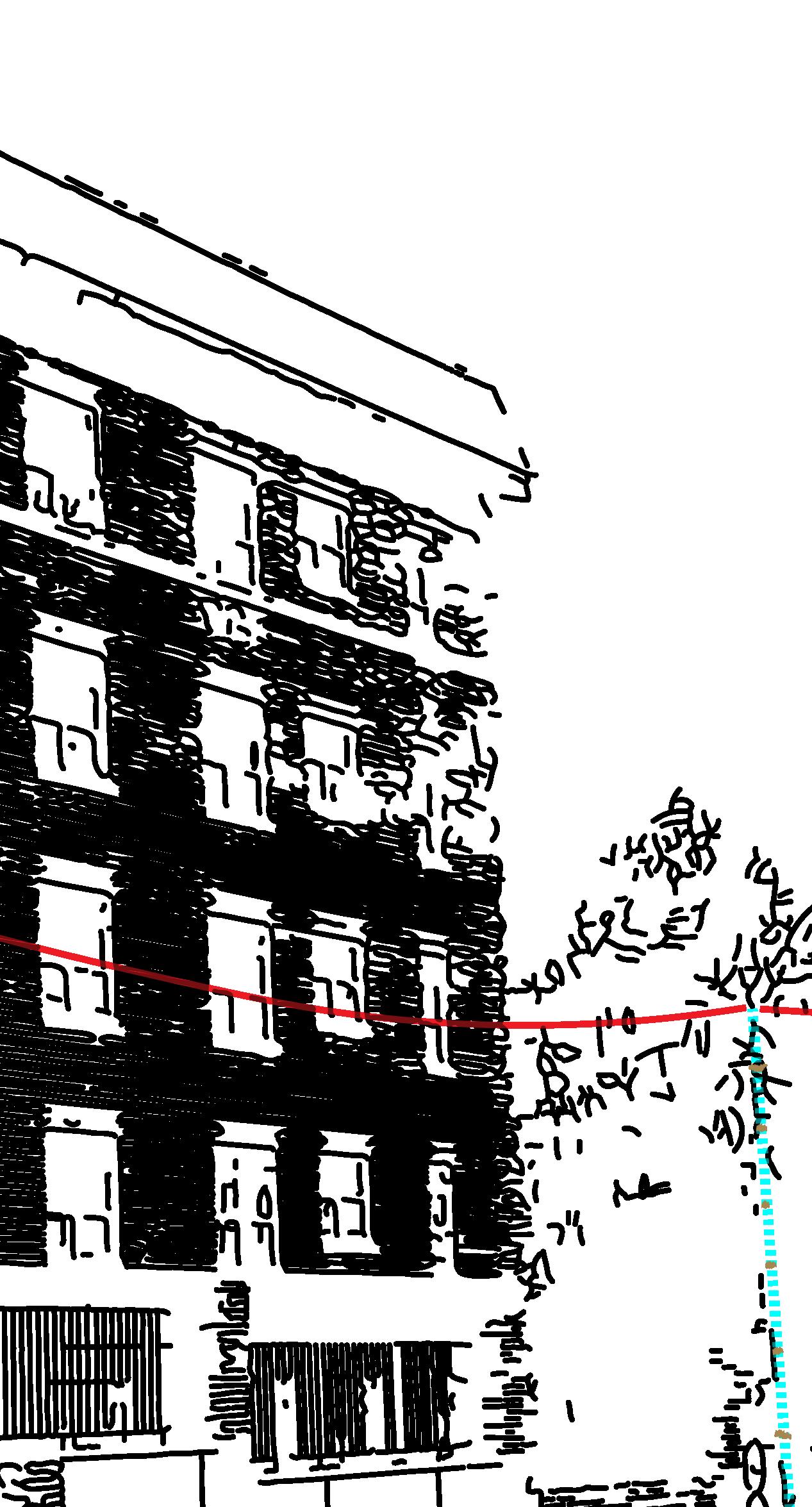
This Eruv kit contains the physical material needed to build an eruv, sanctify public space, and ensure that the “expansion” of home is inclusive, connected, and acknowledged.
Step 1: Review Materials
For every physical component, there is a spiritual com ponent. These are not provided in the kit; this kit will guide you in seeking them out as you plan, build, and maintain your eruv.
This kit is geared towards comunal use. While the Eruv is a traditional Jewish practice, the rituals in this kit can be used by any community seeking shared alignment around public space, home, and community care.
note: this Eruv abides by Halakha, Jewish traditional law. In additional to traditonal physical-legal requirments, this kit provides a spatial-spiritual framework for the eruv.
as you begin your Eruv-building process and practice, please consider: who do you share this space with? Whose voice is critical to this conversation?
Step 2: The Pillars river
The eruv designates a space between homes, buildings, and natural structures (hills, rivers, or hedges) to create an enclosed area.
The eruv is said to create a “shared couryard” (Mishnah, Eruvin 1:6); historically, meals were to be shared in the space, recognizing the collective sanctification.
As you consider to what you might attach your eruv, utilize this moment to consider, discuss, and define the pillars of your community. The eruv must be acknowledged collectively; it does not serve its purpose without a collective.
PILLAR 1:
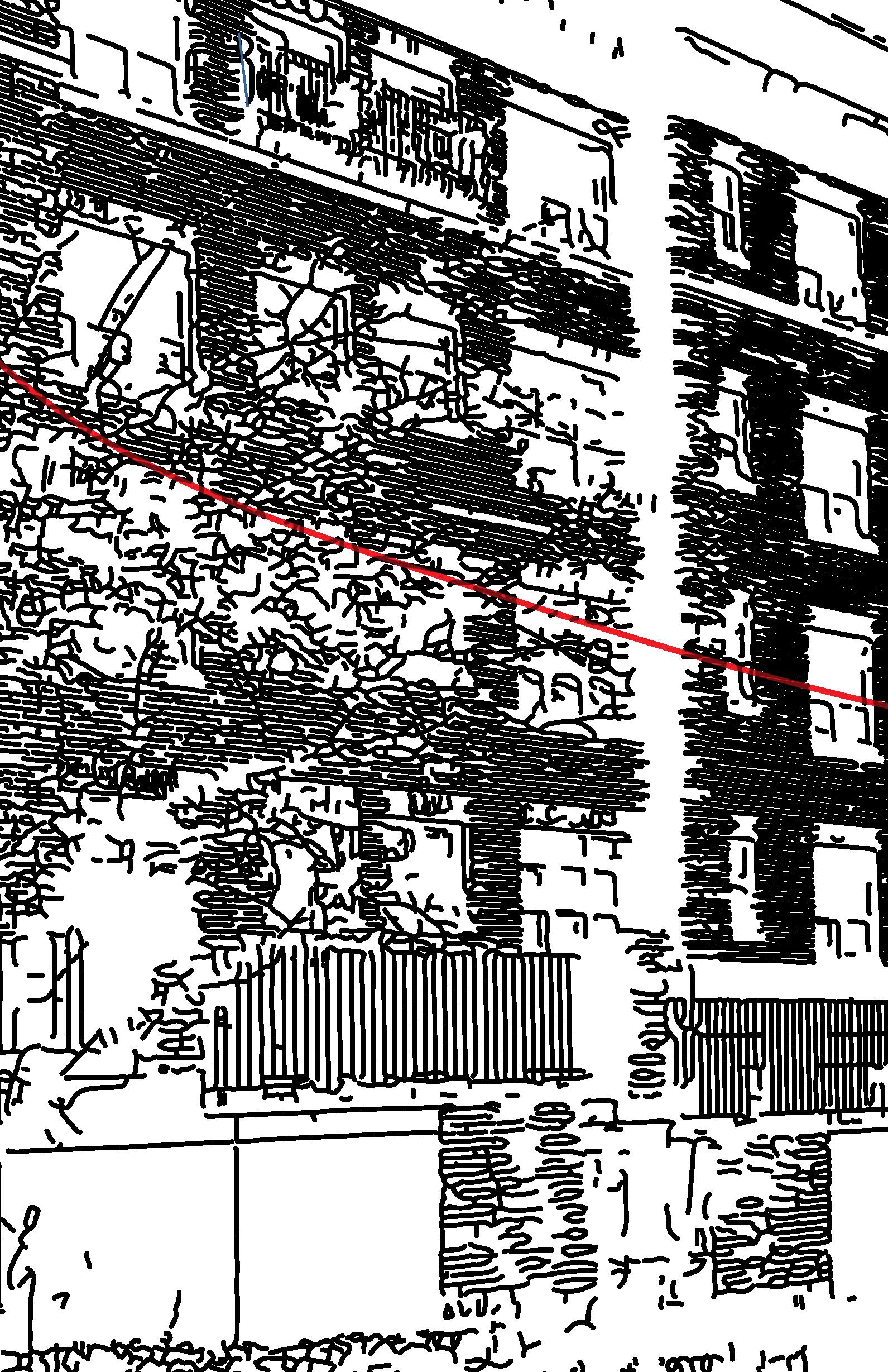
Together, consider: what are the pillars of this community? Whether just coming together, or deeply intertwined, what are the pillars that bind you together? That are the foundation of this group?
PILLAR 3: hill
PILLAR 2:
Step 3: Location
The Eruv surrounds a community to designate it as a shared space. While the Eruv traditionally encloses homes and synogogues, take this opportunty to discuss the places in your neighborhood that represent home to you.
Use the enclosed map to mark and guide this conversation.
As you plan your Eruv, what places would you like to be held inside the Eruv?
What do these places mean to you?
Do you have a specific memory in that place of when or why it became home?
And, as you consider adding it to the Eruv, why would you like to share it with your community members?
Step 4: Installation
As you prepare to install the Eruv, run through the Eruv Planning Checklist: made a map of the Eruv gathered all of the proper material for hanging the wire communicated with any/all local government agencies consulted with a Rabbi for halachic approval deeply considered the responsibility of creating a shared and sanctified public home identified any key historical landmarks in the bounds of the eruv; considered how to honor and uplift those spaces defined foundational Eruv-values for this group ensured the Eruv is 10 tefachim (30-40 inches) above the ground committed to the purpose of the Eruv in sanctifying a shared, public-private spatial-spiritual place
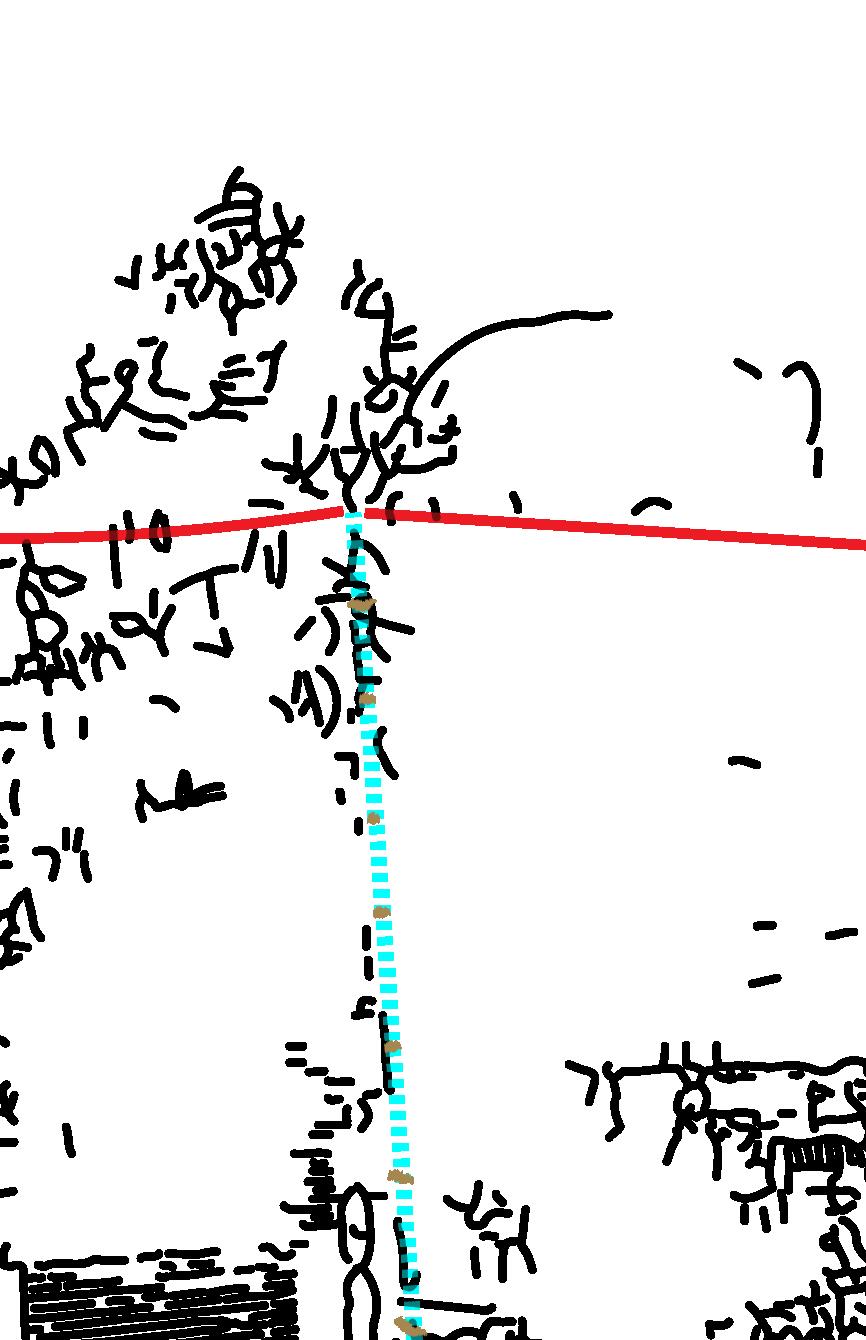
for your installation, identify a few key volunteers to manage the phyiscal labor. ensure the Rabbi is available to join. ensure all participants from the pillar and location activities are present if available and interested.
initial installation will require many moments of trial and error; remember to record these to share these learnings with our maintenance team, which is explained at the end of this booklet.
Step 5: Blessing and Sanctification
When constructing the Eruv, no blessing is required. Similarly to Sukkot - a holiday where we build indoor-outdoor dwelling structures - the blessing is not recited when constructing the structure; rather, blessings are reserved for enacting Mitzvot (commandments) within the structure.
Through the Eruv, we are constructing opportunity for blessing. Opportunity for Mitzvot. Opportunity for sacredness. Opportunity for newfound home.
In this moment, we will prepare for blessings. Consider how the Eruv will change the fabric of this community, creating space for sanctification.
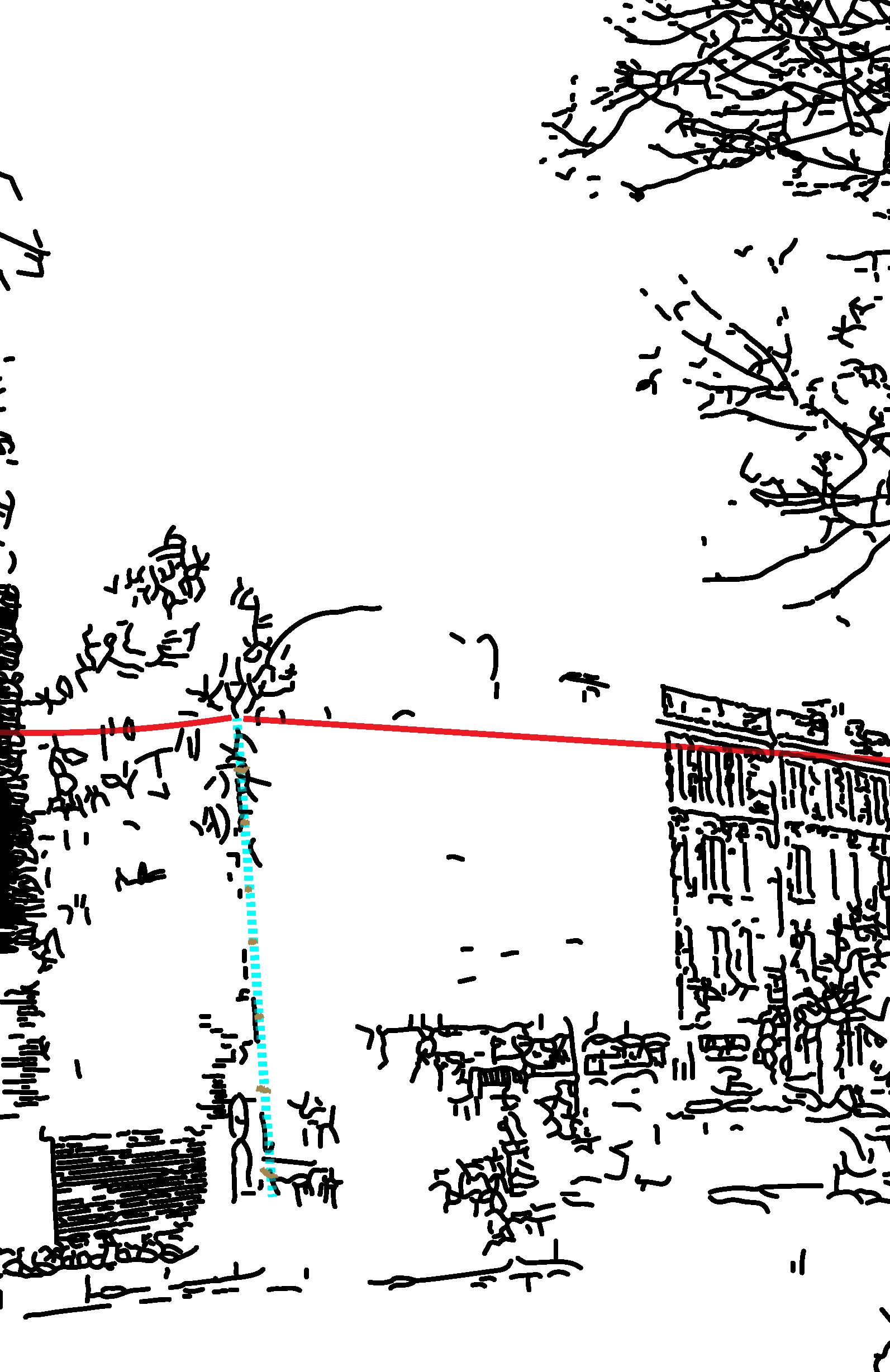
what opportunities for blessings do you hope emerge within the eruv?
what Mitzvah (commandment or good deed) do you want to enact within the Eruv? what do you hope others enact or contribute?
how will you arrive in sacred public space?
Step 6: Maintenance
Maintenance is a key part of the Eruv; the Eruv must be checked, maintained, and cared for on a weekly basis.
This Eruv practice requires physical and spiritual upkeep for the Eruv. Both need tenderness, care, and attention.
Use the enclosed calendar to create a team for the Eruv’s maintenance.
Feel free to expand the scope of care for the Eruv as you see fit.
“Gate eyed in the clearing. I stand up and the whole thing’s invited - already summoning
struck beneath the greening born again and again and all the time emptying”
- Eryn Green, “Eruv” - poems
Step 7: Rest
The Eruv orbits around the Sabbath, the day of rest.
“And God blessed the seventh day and declared it holy—having ceased on it from all the work of creation that God had done.” (Genesis 2:3).
Now that sacredness surrounds you, how will you rest?
This booklet was produced for Krzysztof Wodiczko’s class, “Public Space, Memory, and Social Dialogue” at the Harvard Graduate School of Design.
For more art, design, and scholarship about the Eruv, please explore:
Eruv - Eryn Green, 2014 [book of poetry]
Shaping Community | Poetics and Politics of the Eruv - Margaret Olin, 2012 [curated exhibit]
“Eruv: A Transformation of an Urban Space to a Private Place for Spiritual Renewal” - Jodi Rosenblatt Naderi, 2014 [Academic talk]
Molly Brodsky Master of Design Studies - Publics Harvard Graduate School of Design