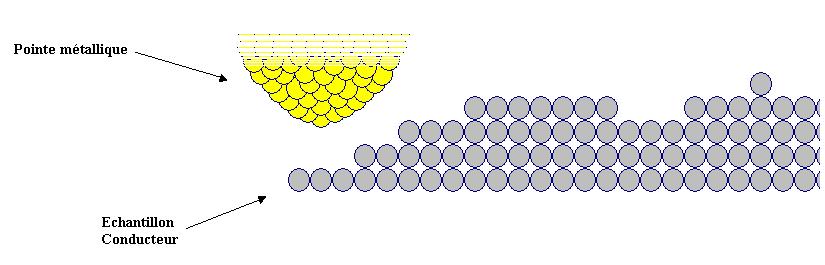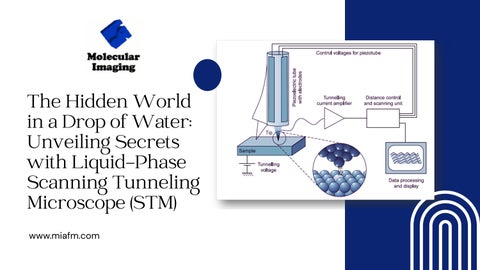

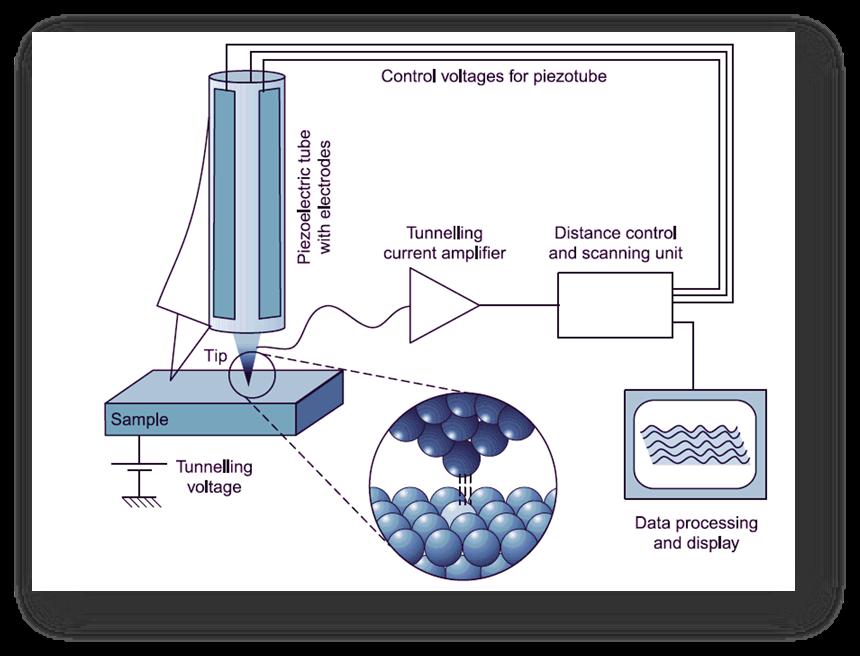
Picture this: you’re trying to understand the most intricate dance in nature how a drug latches onto a protein, or how a battery electrode truly charges. For years, we’ve had to study these events after the fact, like trying to understand a symphony from a single, frozen sheet of music. The magic happens in the flow, in the liquid environment where life and chemistry actually play out. That’s where the game changes. Using a scanning tunneling microscope in liquid (liquid-phase STM) is like getting a front-row seat to that symphony, watching the atomic performers move in real time.
It’s a challenging endeavor, no doubt. Any researcher who’s tried scanning tunneling microscopy in liquid will tell you the technique introduces noise and complexity that’s difficult to tame. The slightest vibration, a tiny temperature shift, or the drift of the fluid itself can turn a crystal-clear atomic image into a blur. For a long time, getting meaningful data with a scanning tunneling microscope in liquid felt more like art than science. But what if your tools were robust enough to cut through that chaos? What if you could stop fighting your equipment and start focusing on your discovery?