HUMAN GENDER AND EMOTION DETECTION FROM MULTI-MEDIA USING AI
PROJECT GUIDE:
Asst.Prof Aswathy Babu PRESENTED BY: Department of Computer Science & Engineering
Aswin C MES20CS028
Athul Krishna MES20CS032
Mohammad Rabah MES20CS020
Anand Das MES20CS017

PROJECT GUIDE:
Asst.Prof Aswathy Babu PRESENTED BY: Department of Computer Science & Engineering
Aswin C MES20CS028
Athul Krishna MES20CS032
Mohammad Rabah MES20CS020
Anand Das MES20CS017
Machine learning has been a recent trend and a course of study.
It basically involves knowledge mining using various statistical learning approaches. It is quite easy for a human brain to differentiate between various voices.
Gender identification is one such interesting problem, the results of which can be found using standard machine learning techniques.
Vogt and Andrè suggested that determining gender from a speech in turn help improve automatic emotion recognition from speech.
This experimental study tries to determine the most performant models using our dataset.


Researchers worldwide are studying how to tell a person ' s gender from their voice. It's not just about pitch and frequency; other features matter too.
In machine learning, it's tough to pick the right features or reduce complexity.
Similarly, choosing which vocal traits help determine gender is a big deal. Those traits are essential for correctly classifying a person ' s gender from their voice.
Models trained on specific datasets might exhibit bias towards certain ethnicities, genders, or age groups, leading to inaccurate recognition for others. Performance heavily relies on the quality of the multimedia data. Factors like lighting variations in images, background noise in audio, or low video resolution can significantly impact accuracy. The widespread use of emotion recognition raises ethical concerns about potential misuse and privacy violations.
Utilizing a dataset containing 110 features and a binary label.
Preprocessing the dataset to clean and prepare it for machine learning.
Splitting the data into training and testing sets.
Applying machine learning algorithms, specifically SVM and Neural Network, to train models for gender classification.
Saving the trained models to the system for future use.
When a user provides voice input:
1. Extracting relevant features from the input voice sample.
2. Loading the saved model.
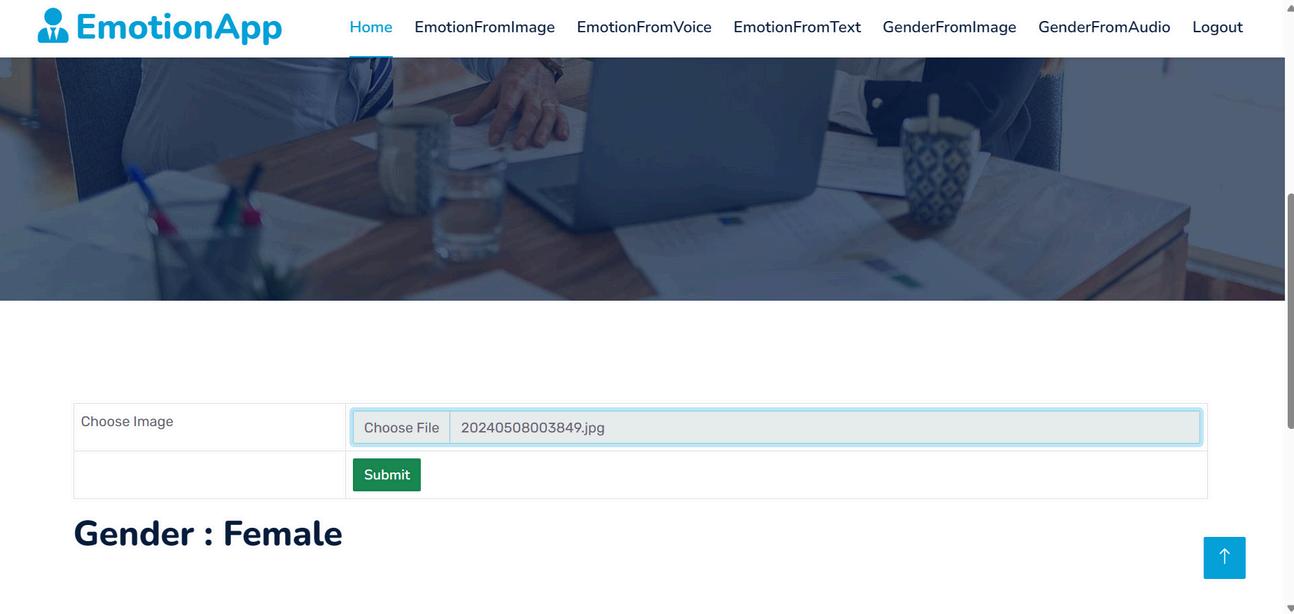
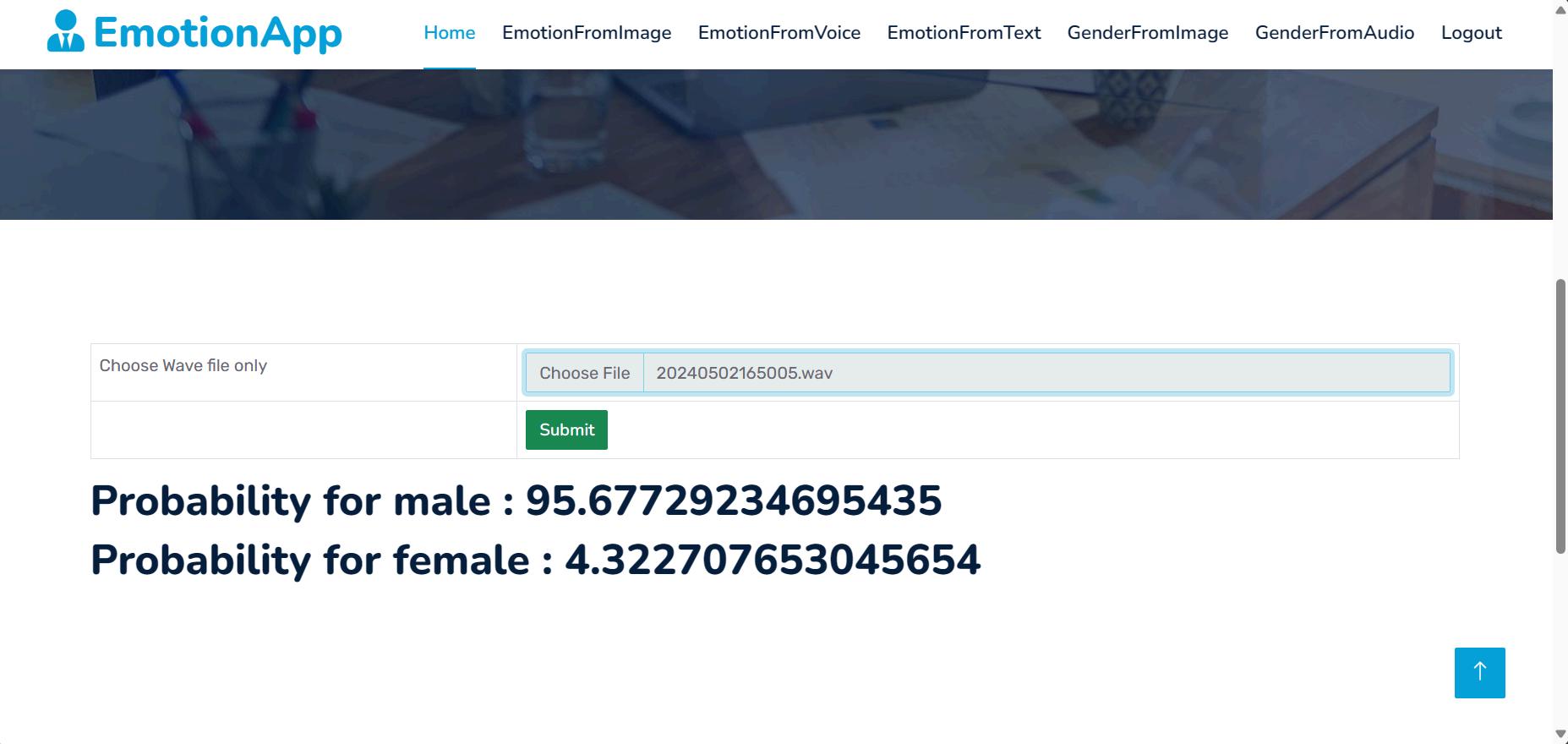
3.Using the model to predict the gender (male or female)
4.Returning the gender prediction to the user
Sarah Lee, David Chen focuses specifically on gender classification techniques applied to multimedia data.
It surveys different feature extraction methods, classification algorithms, and evaluation metrics commonly used in this field.
The paper also discusses applications of gender classification in various domains, including marketing, security, and humancomputer interaction
Ahmed Patel, Priya Gupta
This paper reviews recent developments in deep learning-based approaches for gender and emotion recognition from multimedia data. It explores various deep neural network architectures, including CNNs, RNNs.
The review also discusses the importance of large-scale annotated datasets and transfer learning techniques in training deep learning models for gender and emotion recognition tasks.
Javier Rodriguez, Maria Lopez
This paper discusses multimodal fusion techniques for integrating different sources of information, such as facial expressions, speech, and body gestures, for gender and emotion recognition. It reviews various fusion strategies, highlighting their advantages and limitations.
The paper also presents case studies and experimental results demonstrating the effectiveness of multimodal fusion in improving the performance of gender and emotion recognition systems.
Front End : Html, css , Javascript.
Back End : Python(open cv).
Operating System : Window 8 or above.
IDE : Pycharm.
Technical: Ensure necessary technology and expertise for voice analysis.
Data: Assess data availability and quality for AI model training. Budget: Confirm financial feasibility within set constraints.
Ethical: Address privacy and ethical concerns. Resources: Verify availability of required resources.
Market: Identify user demand and potential applications.
Data Collection:
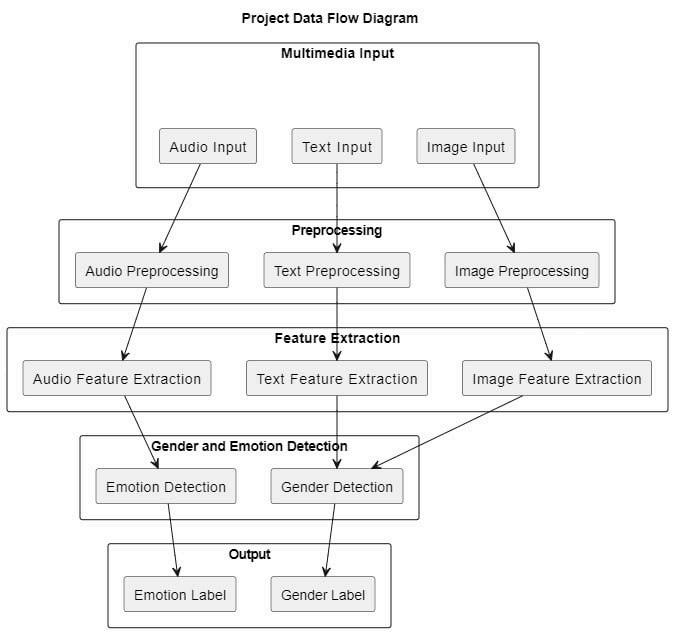
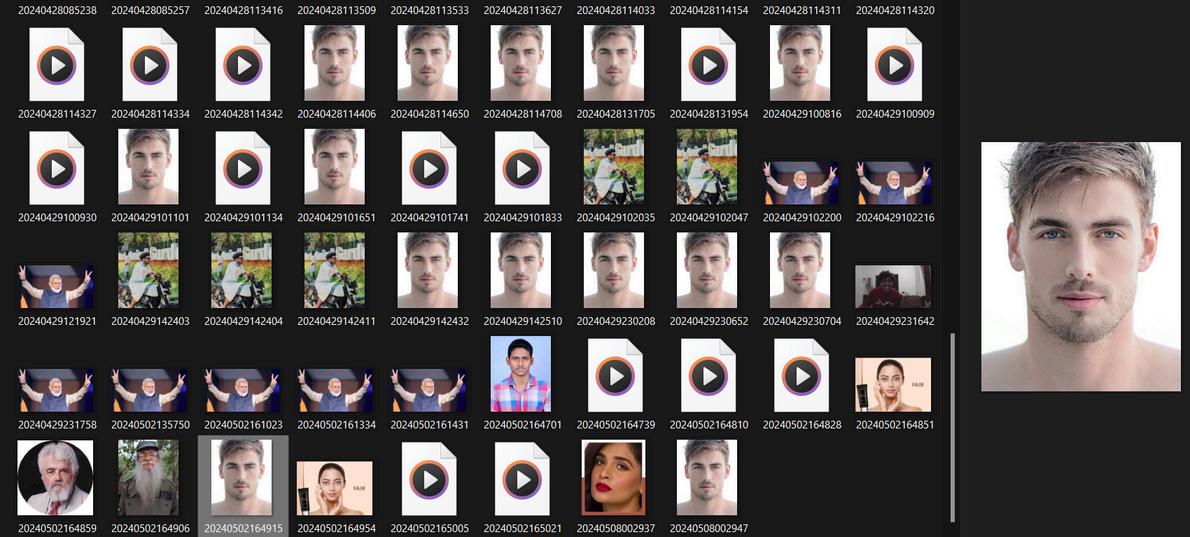
Gather a diverse dataset containing multimedia samples (images, videos, audio). Ensure the dataset covers a wide range of demographics, expressions, and cultural backgrounds to minimize biases.
Preprocessing:
Standardize the format and resolution of multimedia data to ensure consistency across samples.
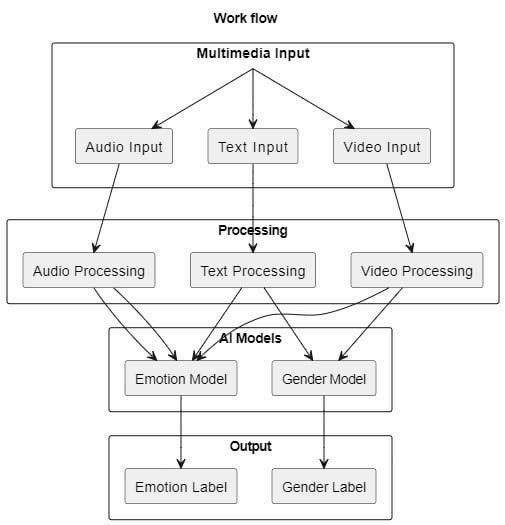
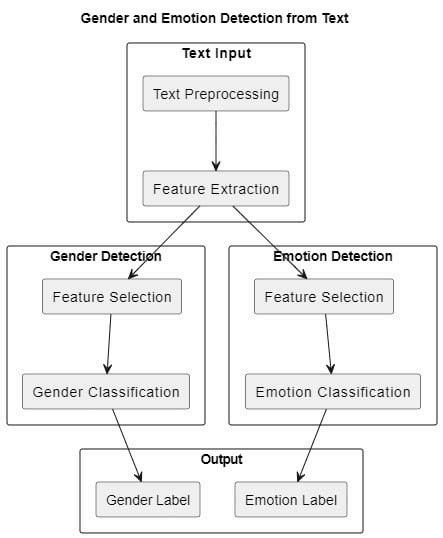
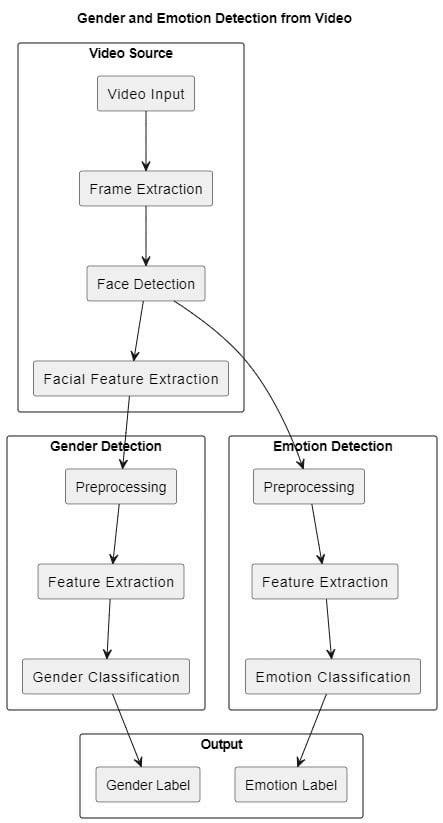
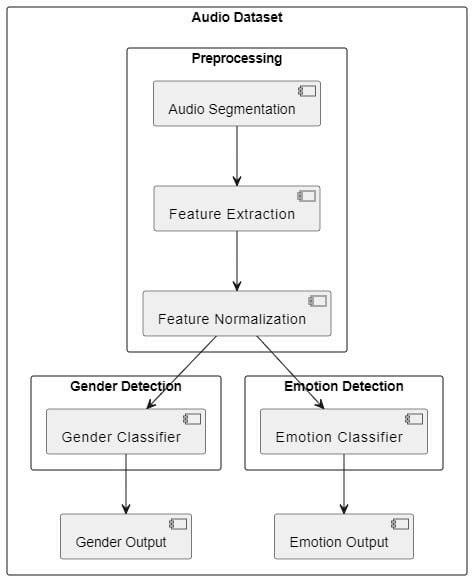
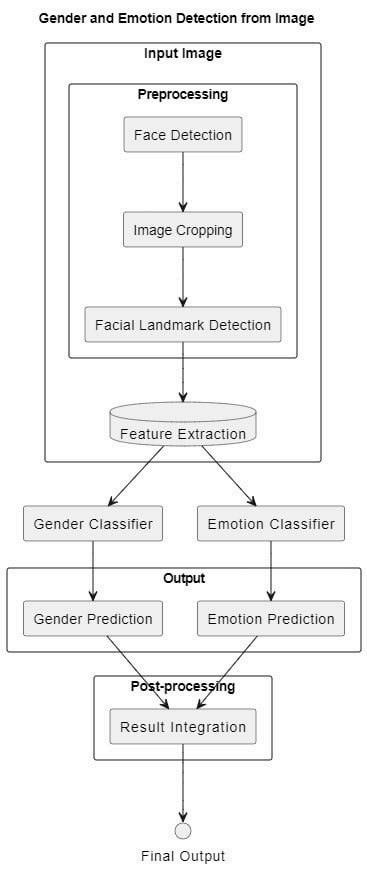
Feature Extraction: Extract discriminative features from multimedia data for gender and emotion recognition. For images, extract features from facial landmarks, facial expressions. For audio, extract features from speech signals, including pitch, intensity, and spectral characteristics.
Model Development:
Design and train machine learning or deep learning models for gender and emotion detection.
For gender detection, consider classification algorithms such as support vector machines (SVM), logistic regression, or deep neural networks.
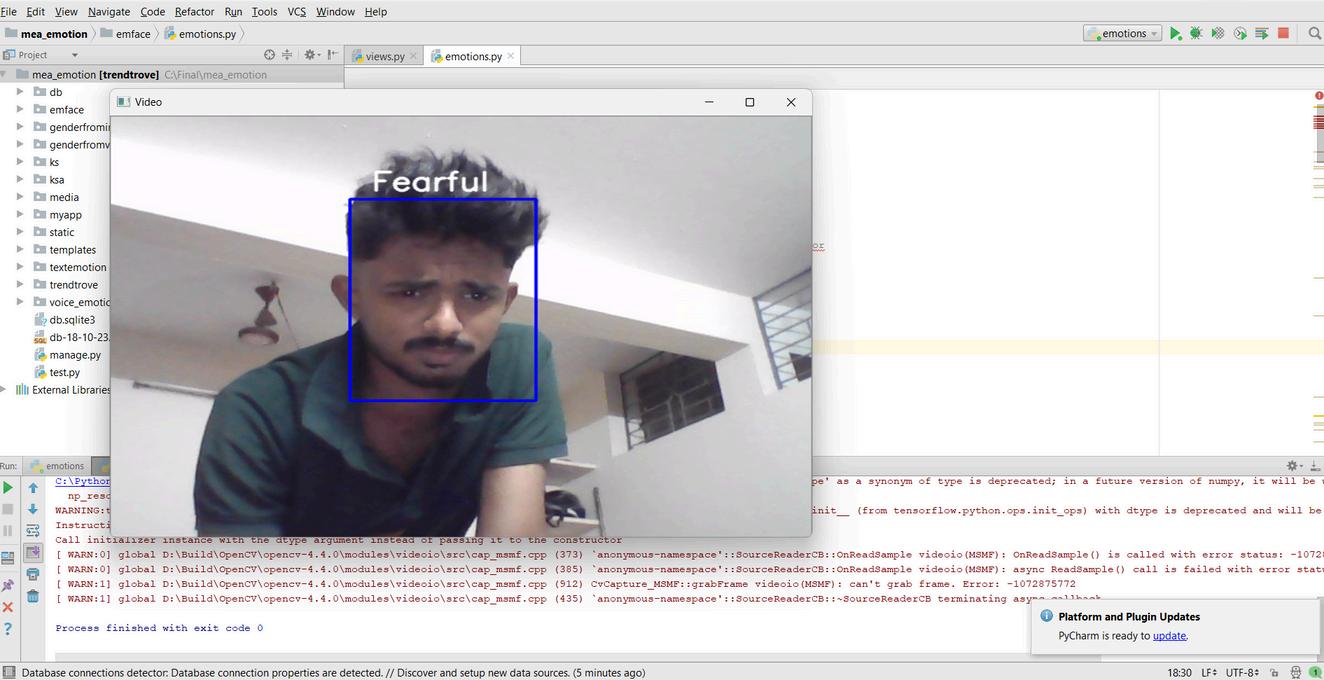
For emotion detection, explore models such as convolutional neural networks (CNNs), recurrent neural networks (RNNs), or hybrid models combining multiple modalities.
Model Evaluation:
Split the dataset into training, validation, and testing sets to evaluate the performance of the developed models.
Perform cross-validation and model selection to assess the generalization ability of the models across different datasets and scenarios.
Deployment and Integration:
Deploy the trained models in real-world applications such as video surveillance, human-computer interaction. Integrate the gender and emotion detection systems with existing multimedia platforms.
Continuous Improvement:
Collect feedback from users and stakeholders to identify areas for improvement and refine the gender and emotion detection algorithms. Monitor the performance of the deployed systems over time and update the models periodically to adapt to evolving user preferences and environmental conditions.


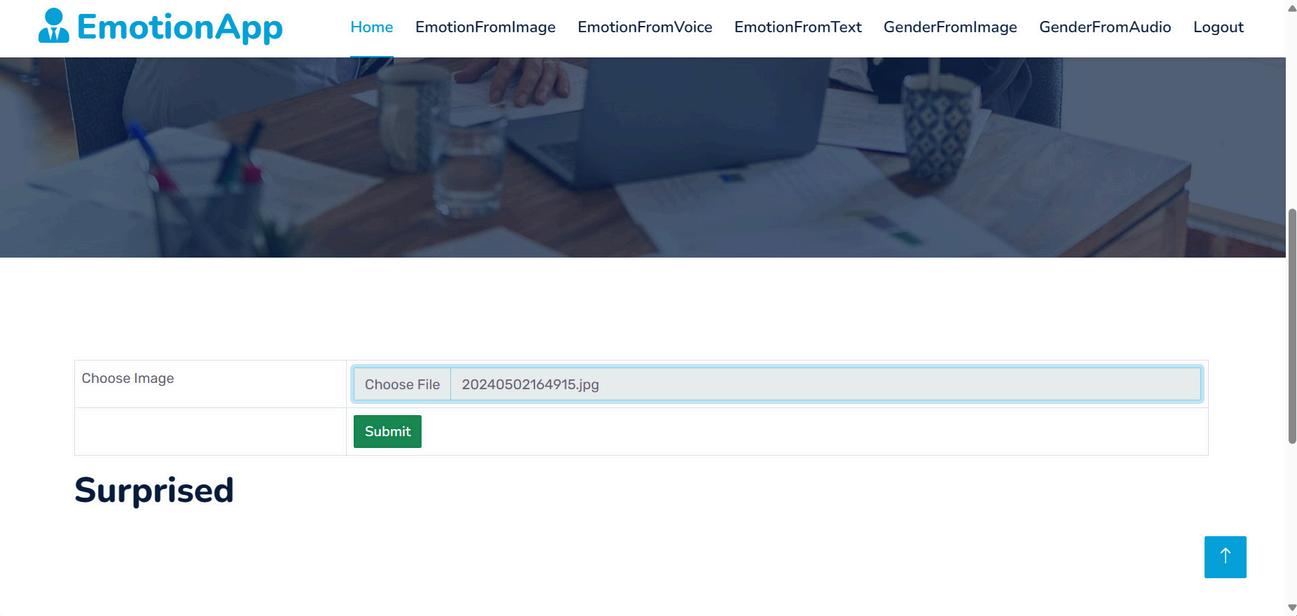
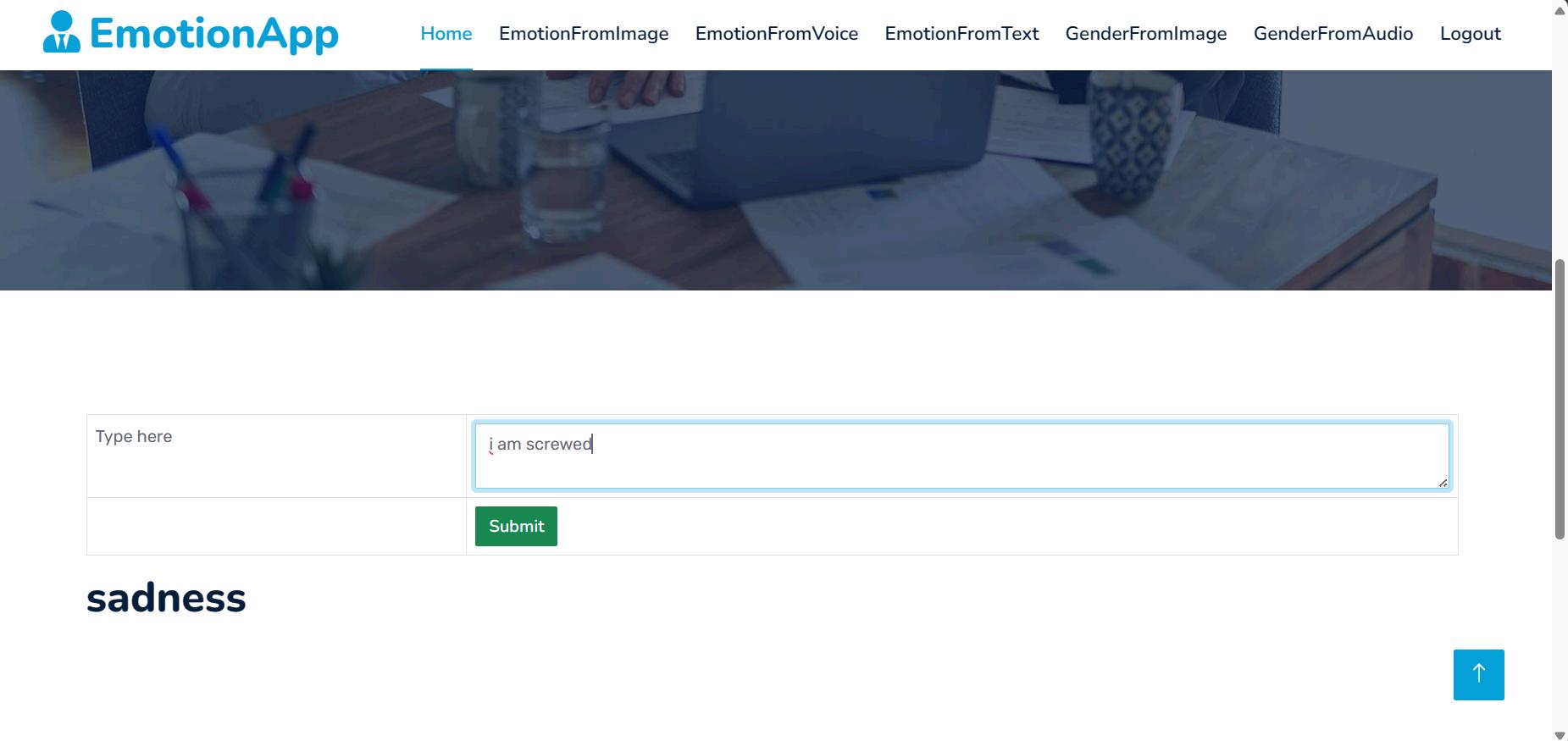
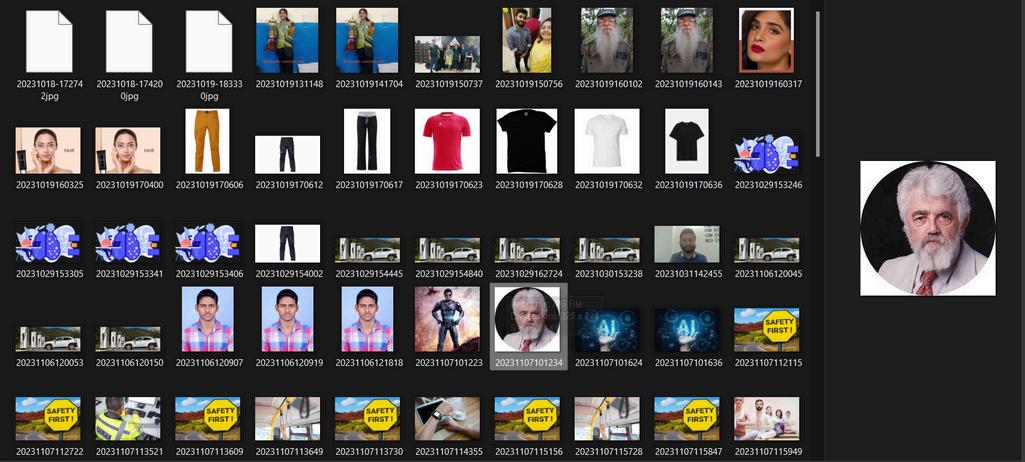
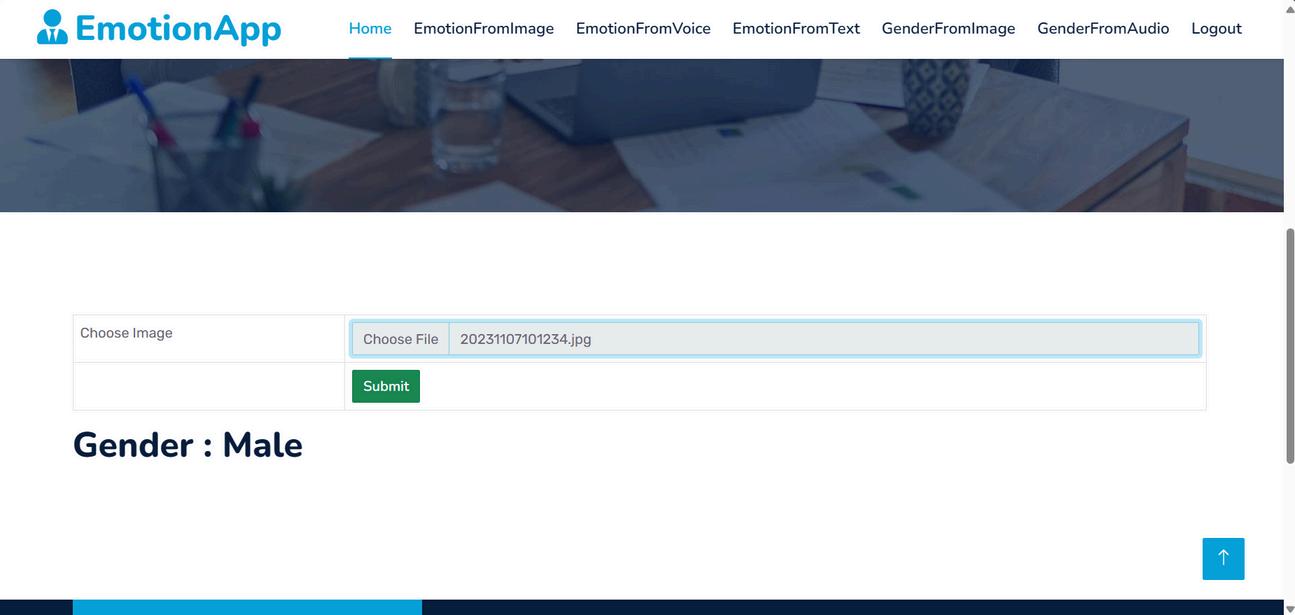
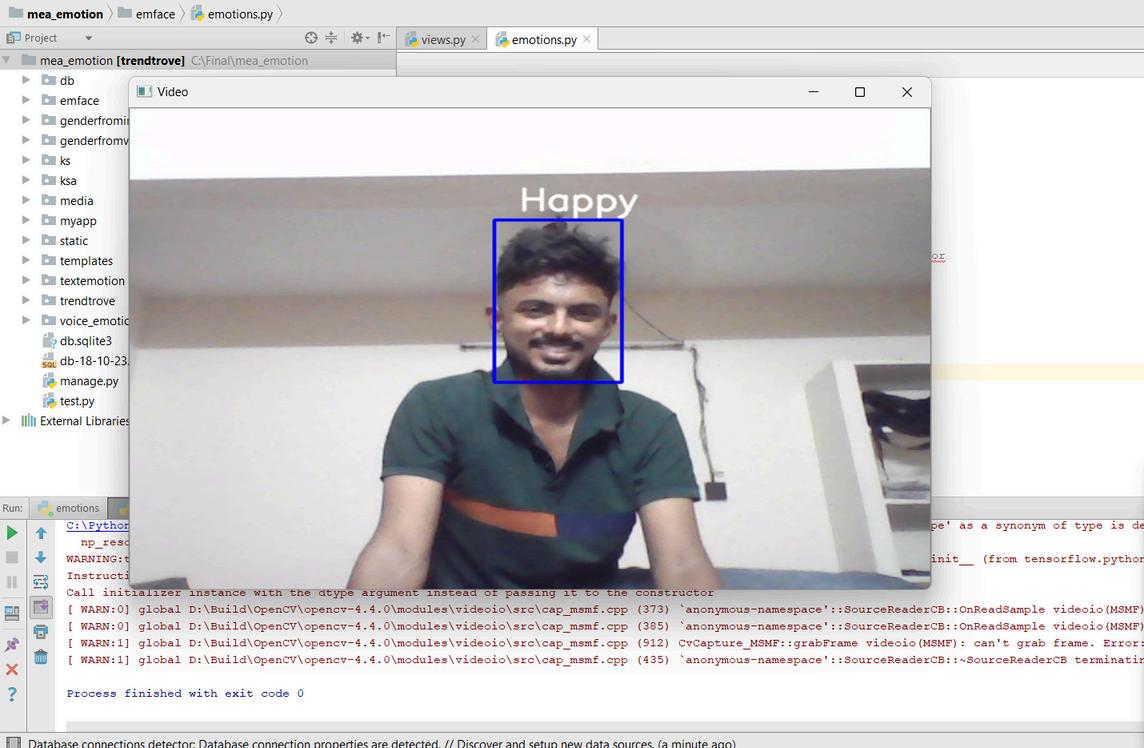
Inordertounderstandgender-specific characteristics,itisimportanttoeliminateall theinsignificantfeaturesfromthemodel.
By the end of the experimental study, it can be concluded that a great level of accuracy can be achieved by selecting some specific features.
This will reduce the overall model training time, model complexity and also increase inference simplicity
https://github.com/topics/emotiondetection
https://visagetechnologies.com/faceanalysis/ https://www.plugger.ai/blog/age-gender detection-top-use-cases
https://www.kdnuggets.com/2019/04/prediage-gender-using-convolutional-neural network-opencv.html