What is Moebius syndrome?
Moebius syndrome is a rare neurological disorder that is present at birth and affects the cranial nerves that control facial expression and eye movement. People with Moebius syndrome are often unable to smile, frown, raise their eyebrows, move their eyes laterally or blink.Their eyelids may not close completely when blinking or sleeping, which can result in dry or irritated eyes.
Additional symptoms may also be present, including but not limited to:
● Hearing loss
● Club Foot
● Strabismus (misalignment of the yes)
● Poland syndrome
● Sleep disorders
● Autism Spectrum Disorder
● Congenital heart disease
● Developmental delay/intellectual disability
How common is Moebius syndrome?
The causes of Moebius syndrome are unknown, although the condition probably results from a combination of environmental and genetic factors. Researchers estimate that the condition affects 2 to 20 per 1 million people.
Are there treatments available?
There is no cure for Moebius but there are treatments available. Children with Moebius syndrome usually benefit from physical and speech therapy to improve their gross motor skills and coordination, and to gain better control over speaking and eating, as well as occupational and sensory integration therapies. Infants may require special bottles or feeding tubes to maintain sufficient nutrition. Strabismus (misalignment of the eyes) is usually correctable with surgery. Limb and jaw differences may often be improved through surgery. Moebius syndrome is not progressive and will not get worse over time.
More detailed information can be found here: https://moebiussyndrome.org/what-is-moebius-syndrome/
● Encourage a sense of belonging and kindness among students.
● Use positive language and model acceptance. Reinforce that Moebius syndrome does not define a student’s intelligence, personality, or potential.
● Educate staff and other students about the condition to promote understanding.
● Avoid assumptions; because the symptoms of Moebius vary so greatly from child to child, each student with Moebius syndrome may have different abilities and needs.
● Support communication needs: Some students may have limited facial expression or speech differences. Offer alternative communication methods such as speech devices, written communication, or extra time for verbal responses.
● Ensure accessibility in all activities:Adapt physical education, field trips, and extracurriculars if needed so the student with Moebius can fully participate.
● Promote self-advocacy: Encourage the student to share what helps them succeed and to have a voice in decisions that affect them.
● Be mindful of social challenges: Support peer relationships and help address any teasing, exclusion, or misunderstanding that may arise.
● Check for sensory sensitivities or fatigue: Some students may tire easily from speaking or have sensory sensitivities - build in rest breaks or quiet time as needed.
● Ensure IEPs and 504 plans fully support students with Moebius syndrome, including accommodations for visual impairments.
Moebius SyndromeAwareness Day is an annual event celebrated globally each year on January 24th - the birth date of Professor Paul Julius Moebius, the doctor who first diagnosed the condition in 1888.
Since 2011, Moebius SyndromeAwareness Day has been embraced globally by the Moebius community in order to raise awareness.The Moebius Syndrome Foundation celebrates Moebius Syndrome Awareness Day (MSAD) by sharing information about Moebius syndrome, offering financial support and resources to approved events, encouraging people to wear purple (the official color of Moebius syndrome), and raising awareness through various means and channels.
The Moebius Syndrome Foundation creates a theme each year for Moebius Syndrome Awareness Day.You can find annual resources and more on this page: https://moebiussyndrome.org/moebius-syndrome-awareness-day/
Ways you can celebrate and acknowledge MSAD at your school:
● Encourage students and staff to wear purple.
● Offer classroom presentations or storytime highlighting Moebius syndrome. Consider asking the student with Moebius syndrome, or their family members, to present about living with Moebius.
● Have students create posters about Moebius syndrome with facts and positive messages, and place them around the school.
● Make school-wide announcements celebrating Moebius syndrome and educating students about facial differences
● Encourage students to write or draw about kindness and acceptance
● Decorate with purple balloons or streamers, and serve snacks that are purple or come in purple packaging.An idea list can be found here: https://bit.ly/PurpleItems
There are multiple resources, links and activities for children on the last page
On [date], our school community joins others around the world in recognizing Moebius Syndrome Awareness Day, which is celebrated annually on January 24. Moebius syndrome is a rare neurological condition that primarily affects the facial muscles and can impact speech, eye movement, and other motor functions.
This day is an opportunity to learn more about Moebius syndrome, and show support for students and families affected by Moebius.
Teachers will be sharing age-appropriate information and activities to help students learn about about facial differences, acceptance, and belonging. We encourage everyone to wear purple (the official color of Moebius syndrome) on [date] to show support and raise awareness.
To learn more, visit the Moebius Syndrome Foundation at www.moebiussyndrome.org
At [School Name], we’re committed to creating a welcoming environment for every student.This includes learning about conditions that may be unfamiliar to many, such as Moebius syndrome
Moebius syndrome is a rare neurological condition that affects the facial muscles and sometimes impacts speech, eye movement, and other motor functions. Students with Moebius syndrome may show limited facial expressions, but they experience the same full range of emotions, intelligence, and personality as their peers.
By learning about Moebius syndrome, we help foster empathy, understanding, and inclusion in our classrooms and school community.Teachers and staff work closely with families to provide accommodations that ensure all students can participate fully and thrive.
We encourage everyone to celebrate differences, ask questions respectfully, and continue to build a community rooted in kindness and acceptance.To learn more, visit the Moebius Syndrome Foundation at www.moebiussyndrome.org.
Subject: Join Us in Supporting Moebius SyndromeAwareness
Dear [School Name] Families,
This week, we are proud to raise awareness for Moebius syndrome, a rare condition that affects facial movement and other physical abilities. Our goal is to build understanding of Moebius and facial differences and create a sense of belonging for all members of our community.
We invite students and staff to take part by:
● Wearing purple on [date], to show support
● Learning and sharing facts about Moebius syndrome in class discussions or announcements
● Practicing kindness and celebrating what makes each of us unique.
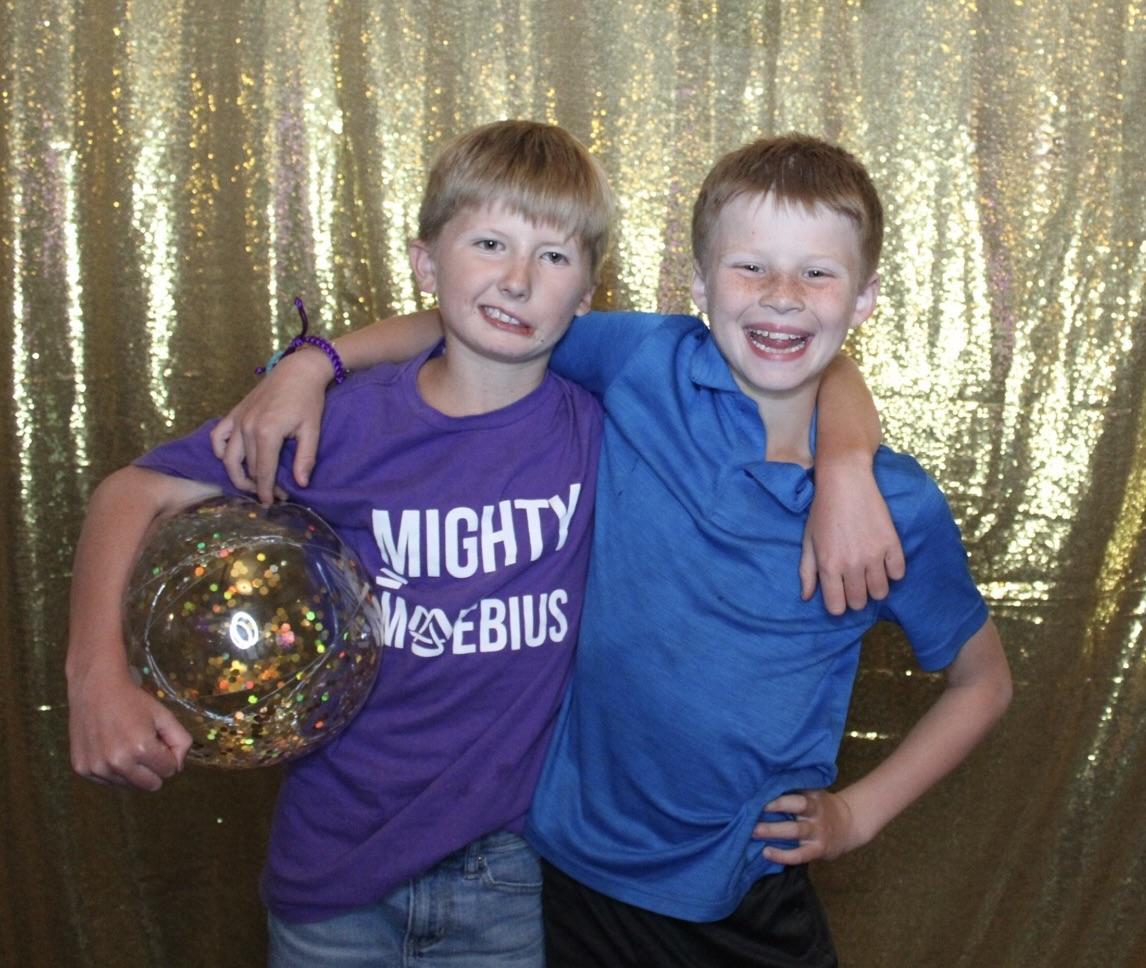
We’re proud to support our students and families affected by Moebius syndrome and to continue building a school a school community that welcomes everyone.
Thank you for helping us make a difference, [Name]
[Title & School Name]
●
Post for Moebius SyndromeAwareness Day
Today we recognize Moebius SyndromeAwareness Day (MSAD)! Moebius syndrome is a rare neurological condition that can affect facial expression and movement. Our students and staff are showing support by learning about facial differences and wearing purple to raise awareness. Learn more about Moebius syndrome: https://moebiussyndrome.org/
#MoebiusSyndrome #MoebiusSyndromeFoundation #MoebiusSyndromeAwarenessDay #MSAD #MSAD[Year] #FacialDifference
School Community Post
Our [School Name] community supports individuals and families affected by Moebius syndrome. Together, we’re learning about facial differences, and acceptance. We are proud to be part of a community that celebrates every face and every voice. Learn more about Moebius syndrome: https://moebiussyndrome.org/
#MoebiusSyndrome #MoebiusSyndromeFoundation #FacialDifference #MoebiusSyndromeAwareness #FaceEquality
Educational Post
Did you know? Moebius syndrome affects about 2-20 per million live births. It’s a rare neurological condition that can impact facial movement, speech, and other motor skills. We’re helping students understand and celebrate what makes each person unique. Learn more about Moebius syndrome: https://moebiussyndrome.org/
#MoebiusSyndrome #MoebiusSyndromeFoundation #MoebiusSyndromeAwareness #FacialDifference
Please feel free to tag the Moebius Syndrome Foundation in posts:
Facebook: @moebiussyndrome
Instagram: @moebiussyndromefoundation
LinkedIn: @moebius-syndrome-foundation
TikTok: @moebiussyndromefdn
● AGuide for Educators
https://moebiussyndrome.org/wp-content/uploads/2023/05/A-Guide-for-Educators.pdf
● School Resources and ClassroomActivities
https://moebiussyndrome.org/school-resources-2/
● Inclusive Booklist for Children and Educators
https://moebiussyndrome.org/books-for-children/ https://www.myface.org/readinglist/
● Bully Prevention Resources
https://moebiussyndrome.org/bullying-prevention-resources/ https://www.pacer.org/bullying/
● Moebius SyndromeAwareness Day (MSAD) Resources
https://moebiussyndrome.org/moebius-syndrome-awareness-day/
● Link to Informational Fliers
These fliers will serve as great tools you can use at an information table or at an event to further educate people about Moebius syndrome and the Moebius Syndrome Foundation
● Short Educational Videos to Help Better Understand Moebius Syndrome
https://vimeo.com/752980715
https://vimeo.com/128799693
● Resources and Information for Teens with Moebius Syndrome
https://moebiussyndrome.org/teens/
● Higher Education Scholarship Information
https://moebiussyndrome.org/educational-scholarships-2026/
● MyFace Wonder Project
Acustomizable program that teaches students of all ages the importance of empathy, inclusivity, and being an Upstander against bullying. https://www.myface.org/wonder/
● #ChooseKind Initiative for Educators
Children’s CraniofacialAssociation offers curriculum and books for educators centered around facial differences. https://ccakids.org/choosekind-initiative-new.html
● Copyright and Usage Notice
Unauthorized copying, distribution, or modification of this content is prohibited. If you would like to add any of the Moebius Syndrome Foundation resources to your website, please get in touch with info@moebiussyndrome.org for express permission.
Photos and logos from this document or any Moebius Syndrome Foundation marketing materials and publications may not be replicated or used in any way without express written consent.