This report covers the IMPACTS OF OUR BUSINESS between 2022 and 2023, explores OUR GOALS and TARGETS and sets out our ROADMAP FOR CHANGE .

This report covers the IMPACTS OF OUR BUSINESS between 2022 and 2023, explores OUR GOALS and TARGETS and sets out our ROADMAP FOR CHANGE .
THOUGHTFULLY MADE FURNITURE from our SOMERSET FACTORY .
We have been manufacturing beautifully designed furniture for over twenty years, working with some of the world’s greatest designers to create a unique collection of enduring, awardwinning pieces that are united by their superb craftsmanship and integrity of design.
We produce all our upholstery from start to finish in our renewably powered factory in South Somerset, working with a skilled team of local craftspeople who take great pride in their work. Combining world class international design with local craftsmanship, we create distinctive and inspiring furniture that is carefully considered, responsibly made and a joy to use — furniture with soul.
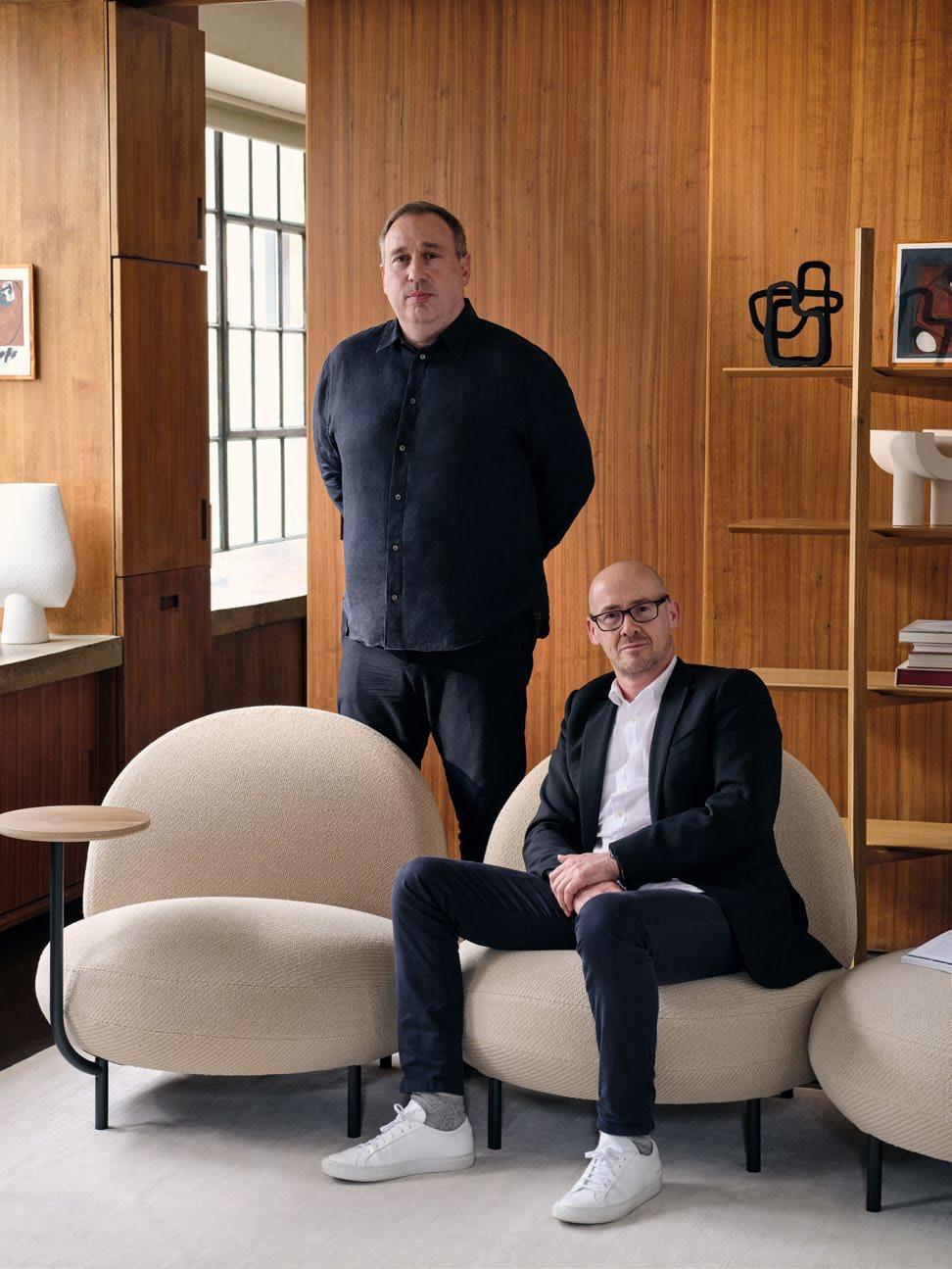
JON POWELL & ED RICHARDSON Co-founders
When we started Modus in 2000 the term ‘sustainability’ was not something we considered a great deal, we wanted to create unique and great design furniture – but we have learnt fast. Now our decision making pivots around products that are both deign focused and contribute to a better future. This Impact report sets out how far we have come, how far we have left to go, and what that journey looks like.
2023 continued to have its challenges with soaring energy prices and a growing cost of living crisis impacting both the cost for us to manufacture and the day to day lives of the whole nation. To help ease the squeeze we continued to work with the Living Wage Foundation to ensure we paid everyone in our team a wage that reflects the true cost of living. To reduce our electricity bills, and our reliance on external energy providers, we installed a 100kW photovoltaic system on the factory roof so we could generate our own supply. Bring on the sunshine!
Two of our designs scooped awards, our bestselling Balance Chair won an FX Design Award and our foam free seating system, Edge Free, gained recognition from the Sustainable Design
Collective. We continue to work on new designs for minimal impact furniture as well as developing carbon reduction plans for pieces in our current collection.
We spent many months working towards our B Corp submission and achieved certification in October, strictly speaking this falls outside the scope of our 22–23 impact report but we could not wait to shout about it!
This, our third impact report, is just one step in our journey towards greater transparency and accountability and shows our progress towards our commitments so far. Thank you for being part of this journey.

Jon Powell Managing Director
Increased the number of products in our collection that can be sold with FSC™ certification to 99%.

Installed solar panels on the factory roof to generate 39% of our electricity.
Installed EV charging at HQ for staff and visitors.
Developed our first seating system designed for disassembly - Maluma.
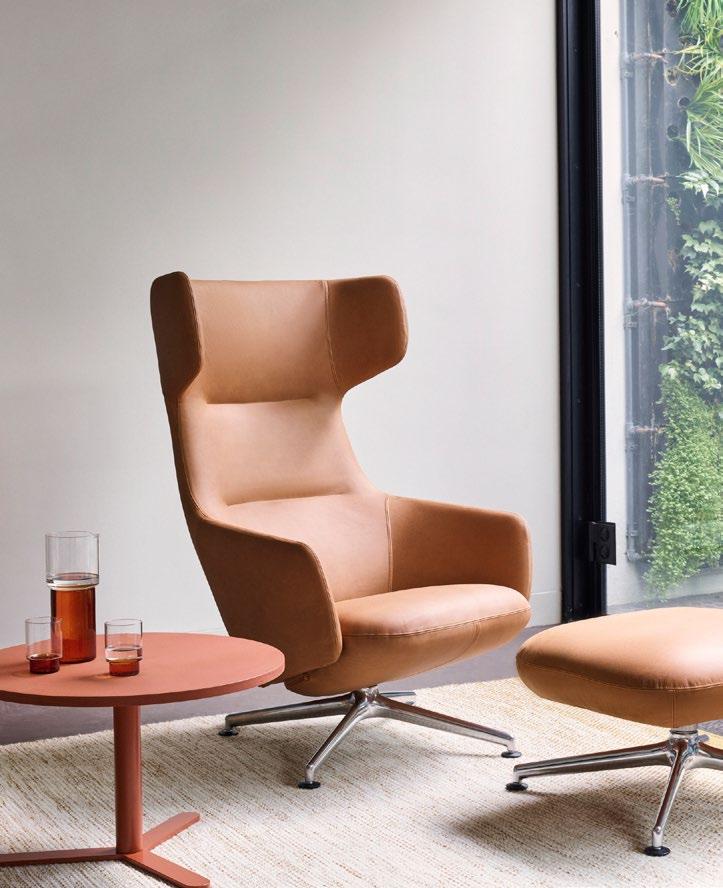
Our Balance chair, with its removable cover, won an FX Design Award.
Achieved the low VOC emission certification, Indoor Advantage™ Gold for the entire collection.
Edge Free – our first foam free seating system – shortlisted for its sustainable design in the Sustainable Design Collective Awards.
Submitted our B Corp assessment for review – showing our commitment to full accountability and transparency and making positive environmental and social progress.
Launched Balance Lounge collection with removable covers.

A snapshot of our work over the past few years.
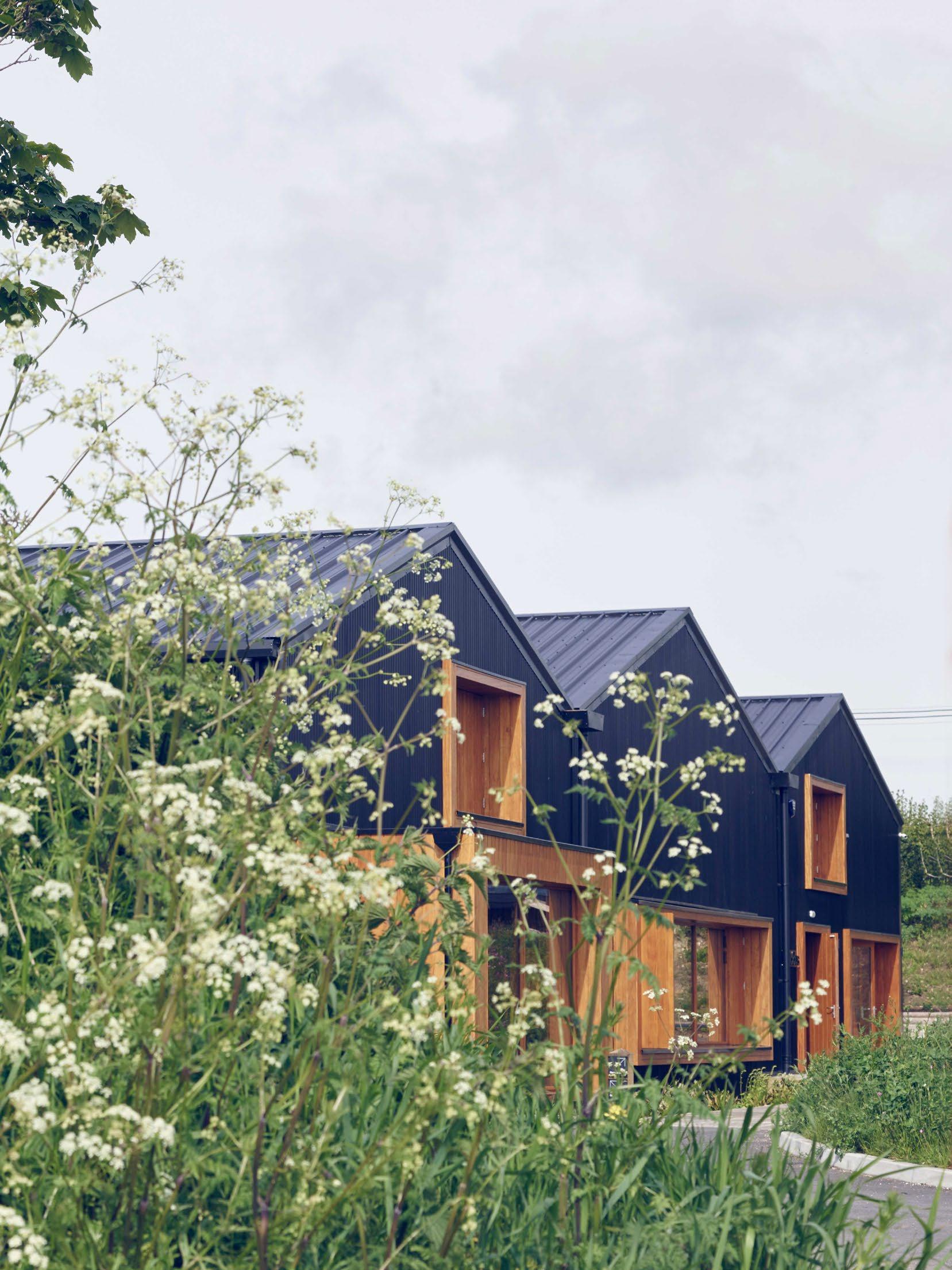
Moved to purpose built premises and planted our wildflower bank Created our policy on plastics Joined the Furniture Industry Sustainability Programme Developed our first chair with replaceable cover Set up our scrap donation scheme to local schools
Became a certified B Corporation

Achieved Indoor Advantage™ Gold certification for the entire collection
Launched our first chair made from 100 recycled bottles
Calculated recycled and recyclable content of our ranges
Created ReWork — our furniture take back scheme
Extended our warranty to 10 years 2
Started measuring embodied carbon in our collection
Developed Maluma — our first seating system designed for disassembly
Launched Edge Free — our first foam free seating system
Installed solar panels on our factory roof



What does furniture have to do with halting and REVERSING BIODIVERSITY LOSS and climate change, or ERADICATING POVERTY and REDUCING GLOBAL INEQUALITIES ?
The metrics opposite show some of the inputs and outputs of our operations. Furniture might not be the most damaging thing on the planet, but it does come at a cost. Our aim is to make the best furniture from the fewest resources, looking for low carbon solutions that work within a circular economy and align with the United Nation’s sustainable development goals.
We cannot ignore the impacts furniture manufacture has on energy and resource use, the challenges furniture poses at end of life and all the potential impacts it may have along its value chain. Ultimately, just like any manufactured product, furniture can contribute towards climate breakdown, biodiversity loss and the human costs of exceeding planetary boundaries. It is our responsibility to ensure we are making furniture that comes at the lowest cost to nature and the highest benefit to society.
As the built environment continues to come under greater scrutiny regarding the carbon intensity of its activities, so we are beginning to understand the extent to which furniture impacts a building’s whole life carbon.
We have invested a lot of effort into building a greater understanding of the environmental impacts of our furniture, using life cycle assessment methods, and we are evaluating the results to make meaningful changes as fast as we can.
At a time when global temperatures are soaring, biodiversity loss continues apace, 1 in every 69 of us has been forcibly displaced, and 75% of the world’s wealth is concentrated in the hands of just 10% of the population, we need to look to sustainability frameworks that work within the parameters of environmental limits and balance these boundaries with the fundamental needs of society.
Kate Raworth’s Doughnut Economics continues to inspire our efforts and as we move towards a broader understanding of sustainability, we applaud the goals and targets set by the Global Biodiversity Framework and the tireless efforts of those working to change attitude, policy and law. It is time to scale up our efforts to protect and restore the natural world and build a future that raises the living standards of the Global South and reduces the carbon overshoot of the Global North, it is time to give Nature and Justice a voice.
Lucy Crane Head of Sustainability
This assessment covers the financial year 1st April 2022 to 31st of March 2023
75.26 T CO2� CARBON
167 T
600.49 M3
WASTE TIMBER PLASTIC WATER
3.15 T 315 M3
reduce the threat of humanity - and that is GREENHOUSE GAS
Our carbon emissions for 2022–2023 were 75.26 T CO2e, 3% LOWER THAN OUR TARGET OF A 5% REDUCTION , this includes all GHGs in scopes 1 and 2 and two emissions categories in scope 3.
We achieved a significant reduction in company car travel but saw a slight increase in flights on the previous year (largely due to the travel restrictions throughout 2020-2021 which saw the previous year’s footprint drop in this area) but a continued reduction compared to our baseline year. COMPARED TO BASELINE YEAR
The bare bones of our carbon reduction plan are outlined on page 108 COMPARED TO PREVIOUS YEAR
*2020 – 2021 saw us move our financial reporting from 1st Nov to 1st April which is why 2021-2022 is not shown but has been included in our assessment.
SCOPE 01
SCOPE 02

SCOPE 03






SCOPE 1, 2 AND 3 might seems a bit confusing at first but once you break them down it is pretty straightforward.
Currently Reporting Recording in 2024-25
Scope 1 are the greenhouse gas emissions associated with what your company emits directly into the atmosphere. Emissions from petrol, diesel, gas and bio fuel all fall under scope 1.
Scope 2 covers the emissions associated with the electricity you buy on site.
Scope 3 emissions include the emissions associated with your business activities both up and downstream. Business travel, distribution, operational waste and so on.
Scope 3 typically represents at least 90% of a company's carbon emissions so it is in scope 3 that we need to concentrate our efforts.
We are currently reporting on our scope 1 and 2 emissions and 2 emissions categories from scope 3. We plan to report on more emissions categories in 2024 and we are still mapping the remaining emissions categories in scope 3 which is more difficult than you might think and is why we are behind target in this area.
While we are mapping our scope 3 emissions, understanding where our scope 1 and 2 emissions are coming from helps drive our carbon reduction efforts and led to us installing a huge solar array on our factory roof, installing EV charging at HQ, avoiding all unnecessary travel and making sure our deliveries are as fuel efficient as possible.
Looking at where our emissions come from it is clear to see that we need to reduce emissions associated with our deliveries and that means, when the technology is there, we need to transition to an electric fleet. We have EV charging set up and ready to go, we are just waiting for vans of the right size and range to become available.
2017–2018 2018–2019
2019–2020* 2020–2021
*2019–20 figures reflect the impact of the COVID pandemic on international travel. Figures show scope 1 and 2 emissions and all travel related scope 3 emissions.
Manageable, measurable and completely WITHIN OUR CONTROL , scope 1 GHG emissions are our DIRECT TO AIR EMISSIONS .
From the gas that heats our showroom, the bio pellets that heat our factory and offices and the diesel that powers our fleet.
While we cannot eradicate the gas or bio pellets we use for heat, we can make sure we are heat efficient, keeping doors closed and indoor temperatures sensible.
As electric vehicles, of the size and range we need, become available, we will be able to drive these transport related emissions towards zero.
In the meantime, we need to make sure we are as heat efficient as possible and that our deliveries are as fuel efficient as possible until we can transition to an electric fleet.
Every cut, sand, spray, sew, steam, screw and brew is POWERED BY RENEWABLES . Our company cars are electric and even our website is POWERED BY CLEAN ENERGY .
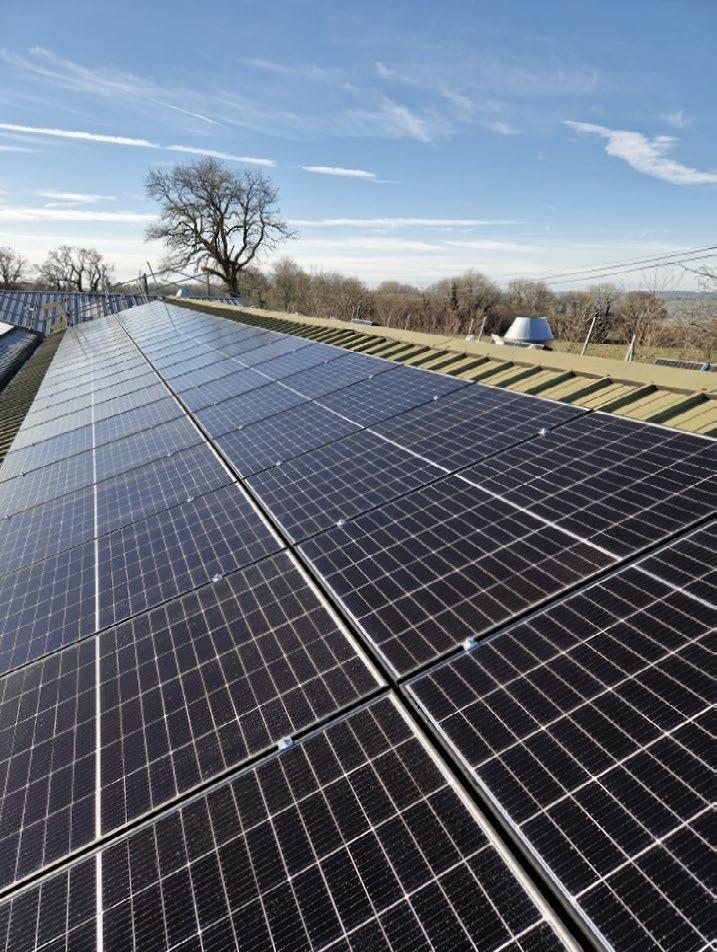
Costly to eradicate, our scope 2 emissions have been reduced to zero by using 100% renewables and generating our own electricity from photovoltaics.
Since January 2022 we have self generated 39% of our electricity from solar panels on the factory roof – our long-term goal is to become completely independent for all our electricity.
39% comes from the solar panels on our factory roof.
Complicated and much more difficult to control, scope 3 emissions have 15 emissions categories, some of which are relevant to our business, others which are not. We will do everything we can to reduce our emissions in scope 3. Ultimately this means BRINGING OUR
Emissions categories are set by the Greenhouse Gas Protocol.
To date in scope 3, we are reporting on emissions associated with:
3.3 Fuel and energy related activities not covered by scopes 1 & 2 - you will see these called ‘well to tank’ or ‘transmission and distribution’. These are emissions associated with the extraction, production and transportation of the fuels that we use but occurring off-site, for example extraction of gas or the refining of crude oil into diesel.
3.5 The treatment of waste-water in operational waste.
3.6 Business travel – we need to expand this to include hotel stays
For 2024-25 we will be we will also be measuring emissions associated with:
3.7 Employee commuting - from bikes to buses, we need to know how everyone is getting to work every day.
3.9 Upstream transportation and distributionthis category includes third-party distribution that we use to deliver our furniture and, more difficult to report on - emissions associated with the transport of materials to our factory.
3.1 Purchased goods and services - including all supply chain spending, this is where the bulk of our emissions sits, we estimate this will account for over 90% of our emissions and this is where we really need to focus.
3.2 Capital goods - including all machinery and computing related soft and hardware.
3.5 Operational waste - although we know our annual total of recycled and non recycled waste, we are working with our waste management partner to gain greater visibility on a more detailed breakdown by material type so that we can calculate the carbon.
3.4 Downstream transportation -the emissions that come about as a result of our customers collect goods from us.
3.12 End of life treatment of sold goods looks at the emissions associated with the recycling and disposal of our products when they can no longer be used.
Emissions categories 3.8, 3.10, 3.11, 3.13, 3.14 and 3.15 are not in scope for our organisation.
ATMOSPHERIC CARBON levels are just one indicator of the boundaries we are breaching. If we to bring about REAL CHANGE to look at the WHOLE PICTURE BEYOND CARBON
we are going CHANGE , we need
PICTURE .
Carbon dioxide is just one of many greenhouse gases (GHGs). Different gases have different global warming potentials (GWP) so all GHGs need to be converted into the equivalent amount of CO2 that has the same GWP. Very roughly, 1kg of nitrous oxide is equivalent to 298kg of CO2 and 1kg of methane is equivalent to 25kg of CO2, the ‘e’ just means that the GHGs have been standardised so you can compare apples with apples.
is absolutely vital, but it's not the be all and end all of what needs to be done.
There are environmental limits across every sphere of our natural world from land use changes, soil degradation, habitat and biodiversity loss, to fresh-water use, ocean acidification, and the accumulation of pollutants in soil, sea and air. Reaching beyond these planetary boundaries will lead to environmental tipping points and even greater social inequity. This is why we look beyond carbon to the wider impacts of what we do. As a manufacturer, our biggest impact lies in our use of material resources, particularly the upstream impacts of timber use. The choices we make about the products we manufacture and the raw materials we use makes a big difference and our sustainability strategy has been developed to reflect this.
A Life Cycle Assessment, or LCA, doesn't just give a carbon footprint, it assesses a product against its potential or likelihood to affect a whole range of environmental impact indicators - from ozone depletion to marine eutrophication - and gives results according to standardised units of measure.
In the table opposite we set out what each environmental impact indicator means, the units it’s measured in and the materials and activities that are high in impact.
Environmental Impact Unit Description
Global Warming Potential (GWP) Total kg CO2e The global warming potential of a greenhouse gas (GHG) is measured by its ability to trap heat within the Earth's atmosphere. All GHGs have been standardised to be equivalent to 1kg of CO2. GWP total is the sum of the three impact indicators below.
Global Warming Potential (GWP) Fossil Fuels kg CO2e
Global Warming Potential (GWP) Biogenic kg CO2e
Global Warming Potential (GWP) Land Use And Land Use Change (LULUC)
Global warming potential associated with the burning of fossil fuels.
Biogenic carbon sequestered from the atmosphere via photosynthesis in biomass growth. In an LCA, biogenic carbon is often reported as a negative value at the product stage but shown as a positive at end of life stage as it gets released back into the atmosphere via incineration or decomposition in landfill.
kg CO2e The potential for global heating as a result of land use and land use change. LULUC leads to habitat and biodiversity loss and can lead to soil degradation.
Ozone Depletion Potential (ODP) kg CFC-11e In the same way that GHGs are standardised against 1kg of carbon, ozone depleting substances are standardised against chlorofluorocarbon-11. We need ozone in the stratosphere to protect life on Earth against the harmful effects of UV radiation. Thanks to the Montreal Protocol, which restricted the use of ozone depleting substances, ozone in the stratosphere has begun to repair.
mol H+e
Acidification Potential (AP)
Eutrophication Potential Terrestrial mol Ne
Eutrophication Potential Marine
Sometimes shown as a sulphur dioxide equivalent (SO2), acidification potential is the ability of a substance to build and release hydrogen ions reducing the pH of water.
Eutrophication is the process where excess nutrients build up in one site, either aquatiuc or terrestrial. On land, excess nitrogen leads to individual species dominance, disrupting ecosystem balance.
kg Ne Marine eutrophication is caused when freshwater systems overloaded with nitrogen or phosphorous reach the coast or nutrients are released directly into the sea. Aquatic eutrophication leads to algal blooms and dead zones where there is little or no oxygen in the water.
Eutrophication Potential Freshwater kg Pe Freshwater eutrophication happens when systems are overloaded with nutrients, disrupting freshwater ecocystems.
Photochemical Ozone Creation Potential (POCP)
NMVOCe
Photochemical smog is created when sunlight reacts with nitrogen oxides (NOx) and hydrocarbons to form tropospheric ozone.
Abiotic Depletion Potential kg Sbe ADP relates to resource depletion. Abiotic depletion describes the global reduction of nonrenewable resources. The potential for abiotic depletion is determined for extraction of minerals based on their known remaining reserves and rate of extraction. Measured against the relative scarcity of antimony (Sb).
Abiotic Depletion Potential Fossil Resources
MJ
Water Use
High Impact Materials & Activities
Materials derived from fossil fuels, materials that demand a lot of energy to extract, refine and process.
The production of any material that has high demand for fossil fuels - steel, cement, plastics.
Timber based and renewable products - cardboard and paper, hemp, linen, cotton.
m3
Abiotic depletion potential for fossil fuels refers to the global reduction of fossil fuels. Like abiotic depletion potential, this is s determined by rate of fossil fuels and remaining reserves. Mainly used as source of energy, crude oil is also used to produce every type of plastic.
Use of freshwater and the likelihood of contributing to water deprivation. The United Nation predicts that by 2030 half the world's population will be living in areas of high water stress and between 24 and 700 million people could be displaced due to water scracity.
Any material that requires large amounts of land, especially land that has been deforested - wool, leather, paper, mined materials and agriculture.
Refrigerants of all kinds - air conditioning units, refrigerators.
Any activity that produces high levels of air pollutants - agriculture (ammonia) and burning of fossil fuels (nitrogen oxides and sulphur dioxide).
Activities that overload ecosystems with phosphorous or nitrogen - agricultural run off, poor sewage management.
Discharge of sewage directly into the sea, phosphorous used in industry.
Wastewater can be high in nutrients - textiles manufacture, household detergent use.
VOC emissions and NOx from industrial activity and emissions associated with transport are the biggest contributors to POCP.
Minerals and metals such as cobalt, copper, gold. Abiotic resources will all run out at some point so the best way to use these resources is to focus on the highest level of recycled content.
Fossil fuels - crude oil, gas and coal and materials derived from fossil fuels - plastics.
The following sectors have the highest demand for freshwater - agriculture, fashion, energy, meat production, beverages industry, construction, mining and automotive industries. The production of cardboard also has high water demand.
By creating life cycle assessments for our products, we can gain valuable information about where impacts build up within types of products and within individual designs. We aim to publish information for every product in 2025.
As we gather more information about our products, we will use this to develop LCA ACTION PLANS and apply this knowledge to designs in production as well as all future designs so that our collection will have the lowest possible impacts.
By carefully choosing materials that have lower impacts such as those with a high recycled content, low fossil fuel content and high biobased content, we can start to design out impacts.
LOCALISATION
Buying local or buying smart - because local doesn't always mean lower impact, we need to make sure our procurement policies consider the bigger picture.
Keeping materials and products in use over multiple lifecycles – designing and redeveloping products for disassembly.
When it comes to embodied impacts, some of our products are better than others and we will happily share this information so that you can make the right product selection for your project.
DEMATERIALISATION
Fewer material inputs = lower embodied carbon. Simple.
CORE ENVIRONMENTAL IMPACT INDICATORS - EN 15804+A2, PEF
GWP — Total (kg CO2e)
GWP — Fossil (kg CO2e)
GWP — Biogenic (kg CO2e)
GWP — LULUC (kg CO2e)
Ozone Depletion Potential (kg CFC-11e)
EP — Freshwater (kg Pe)
EP — Marine (kg Ne) 7,18E-01
EP — Terrestrial (mol Ne )
(kg NMVOCe)
— Minerals & Metals (kg Sbe)
— Fossil Resources (MJ)
Notes on abbreviations: GWP = global warming potential, LULUC = land use and land change, EP = eutrophication potential, POCP = photochemical ozone creation potential, ADP = abiotic depletion potential.
Decisions we make in the DESIGN biggest influence on A PRODUCT'S - so we have to get this right.
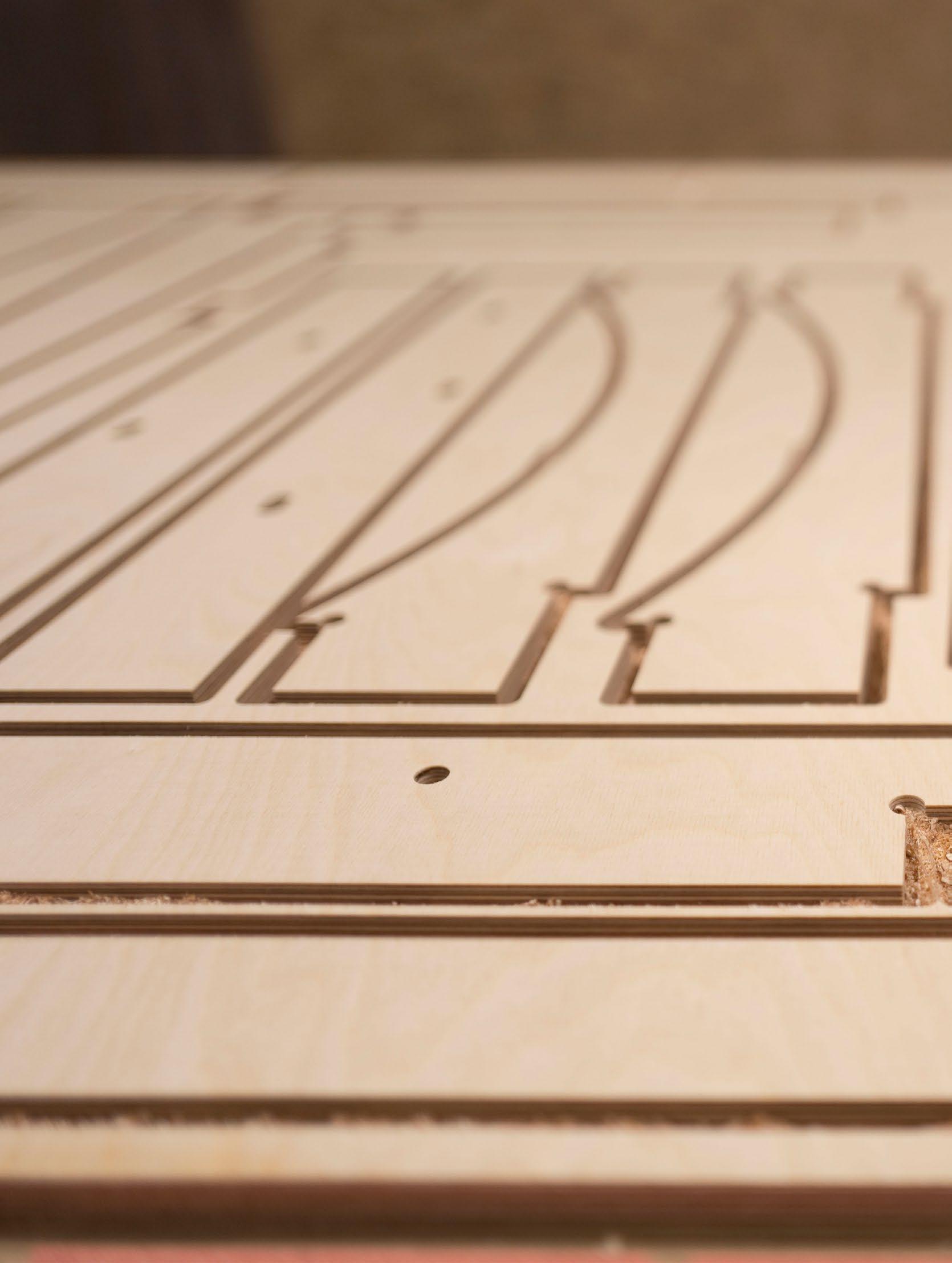
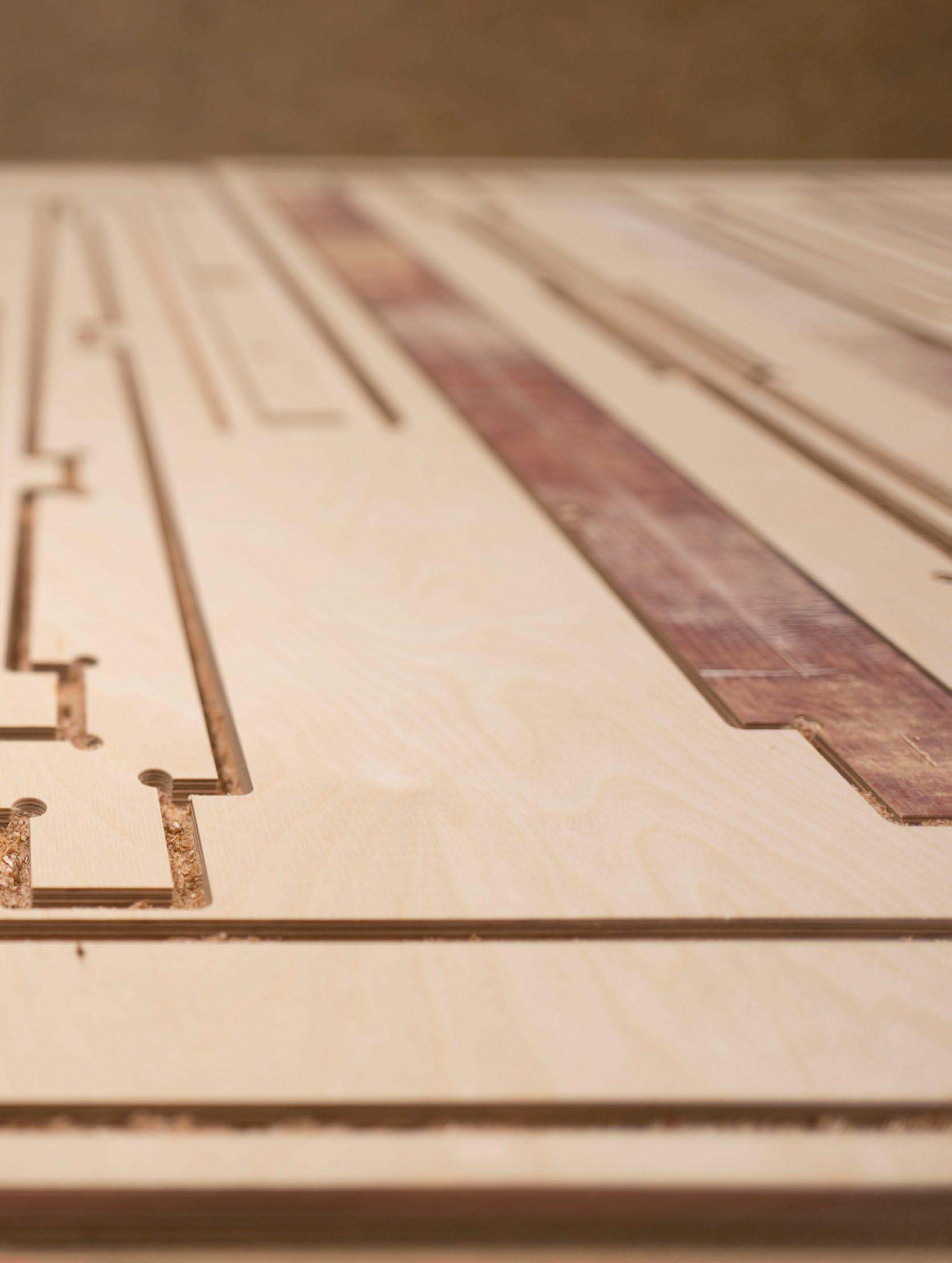
Maluma has a plywood frame instead of carbon intensive steel, and has been completely designed for disassembly, making it both lower in carbon and designed for a circular economy.
When you consider the overall impacts of a product across its whole lifecycle, you will see that most of those impacts can be attributed to the materials that go into that product. This is why material selection and dematerialisation are vital. But its not just about making the right choices in terms of environmental and social impacts, its also about designing for circularity – designing for longevity, for disassembly and for multiple lives in use – so that we can use resources in a way that retains their value for as long as possible.
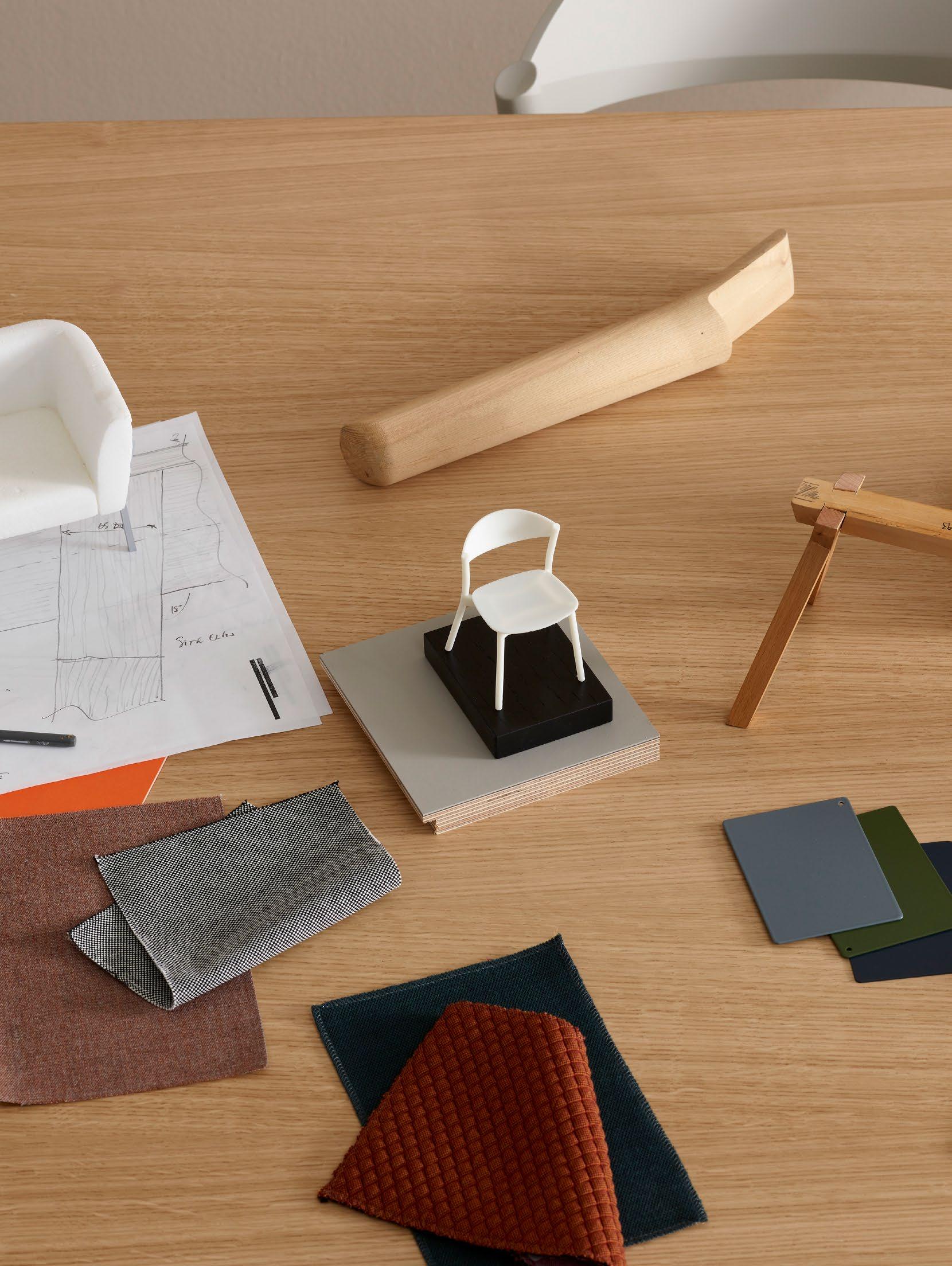
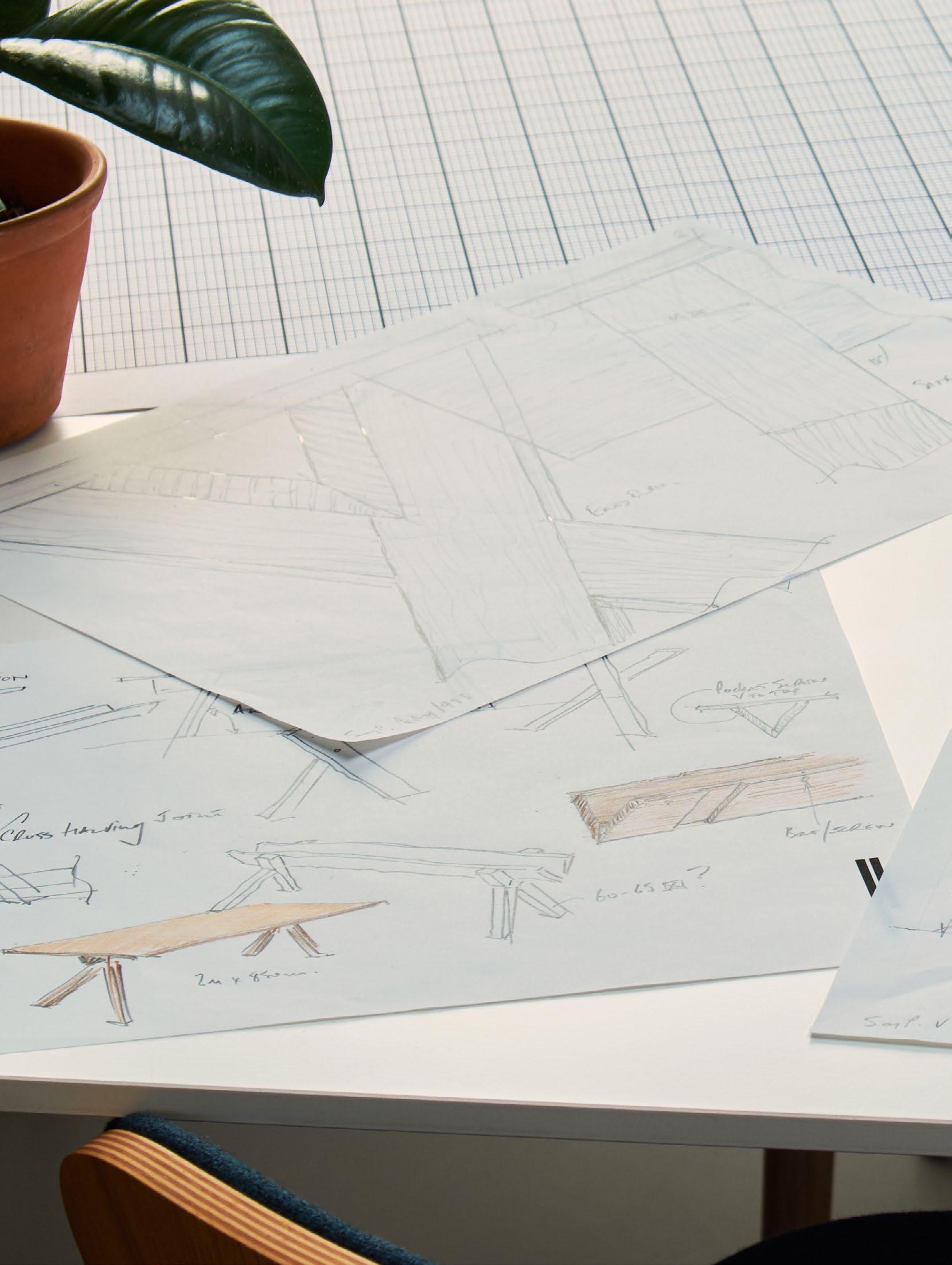
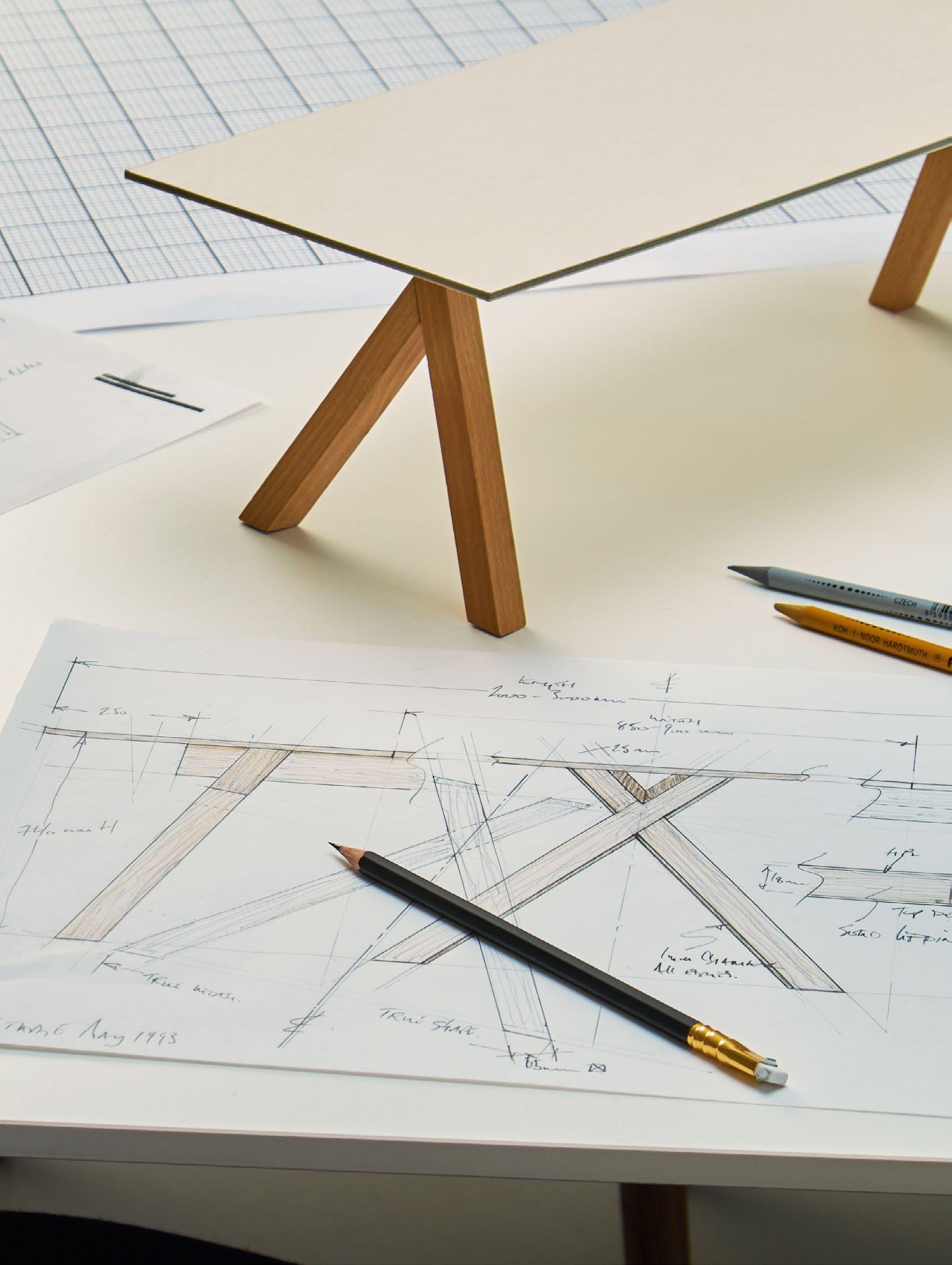
These two concepts guide all our design and development decisions. Using the knowledge we have gained from carrying out life cycle assessments on our collection, and the skills we have in our Development team, we continue to create thoughtfully made products and we are working our way through redeveloping existing collections to design out impacts.
We continue to work with celebrated designers who share our passion for sustainable design.
Development Director, Nick Savage on how the choices we make in the DESIGN PHASE are the most important when it
“We develop products in collaboration with our external design partners and internal stakeholders – we rely on a ‘healthy tension’ in the process to drive progress, innovation and an open mindedness to different approaches to old and new challenges. The strategy around sustainability evolves during the initial refinement of the brief and design response, our ambition is always to achieve both a circular and durable solution whilst having the lowest embodied carbon as possible. The basis of this comes from the consideration of the following three topics – Material chemistry, Process and Component Interfaces.
We specify materials that we understand the composition of and ensure these are not present on regional or global banned, pending or advisory substance lists, the chosen materials should have sufficient data to allow us to build accurate LCA analysis allowing us to understand and balance the elements of durability, embodied carbon and performance. We prototype and test components against agreed performance requirements to reduce and optimise the amount of material used so we only consume what we require.
We explore processes that support the ability to separate materials but also facilitate re-work, we are removing bonding of dissimilar materials wherever possible and prefer to develop either mechanical or other alternate methods of attachment or assembly, we consider how a product can be re-worked without the need for specialised fixtures, tools or processes.
This is really how a product is assembled and disassembled – separation of materials should be quick (less than 15 seconds) and use simple tools available anywhere such as screwdrivers, spanners, hammers to ensure there is every opportunity to recover individual materials without contaminates.”
BIODIVERSITY IS DECLINING than at any time in human history
SPECIES FACING EXTINCTION than ever before, now is the time RESTORE NATURE .
DECLINING faster history with 1 MILLION EXTINCTION . More time to conserve and
OUR STRATEGY for biodiversity is aligned to the GOALS AND TARGETS of the global biodiversity framework.
We've all heard of the Paris Agreement, we also need to know about the GBF that sets out to reduce biodiversity loss, restore degraded ecosystems and halt species extinction.
You might have missed it but the groundbreaking Kumming-Montreal Global Biodiversity Framework, or GBF, adopted in Canada by COP15 in December 2022, sets out an ambitious pathway to protect 30% of land and oceans by 2030 and create a world living in harmony with nature by 2050.
The framework sets 4 goals for 2050 and 23 targets for 2030.
Goal A of the Global Biodiversity Framework 2050 Goals is particularly relevant to anyone working with wood-based materials, as is Target 10 for 2030.
Goal A
Substantially increase the area of natural ecosystems by maintaining, enhancing or restoring the integrity, connectivity and resilience of all ecosystems. Reduce by tenfold the extinction rate and risk of all species and increase the abundance of native wild species to healthy and resilient levels. Maintain the genetic diversity of wild and domesticated species and safeguard their adaptive potential.
TARGET 10 Enhance Biodiversity and Sustainability in Agriculture, Aquaculture, Fisheries, and Forestry – pinpoints the FSC and PEFC as key indicators in measuring the proportion of sustainably managed land.

Of our collection containing timber parts can now be sold with FSC certification.
Furniture manufacture often uses a huge amount of wood, both solid wood and timber based products like plywood. Our collection is mostly constructed using timber components, from our spruce ply sofa and chair frames to our table tops. In 2022-2023 we used over 600 m3 of timber, which makes using sustainably sourced timber all the more important.
We have just one product left to redesign – a work in progress, watch out for a redevelopment of the Belt stool in 2024.
It’s not just about the habitats from which we source our timber, we want to LOOK AFTER THE BIODIVERSITY that’s right on our doorstep too.
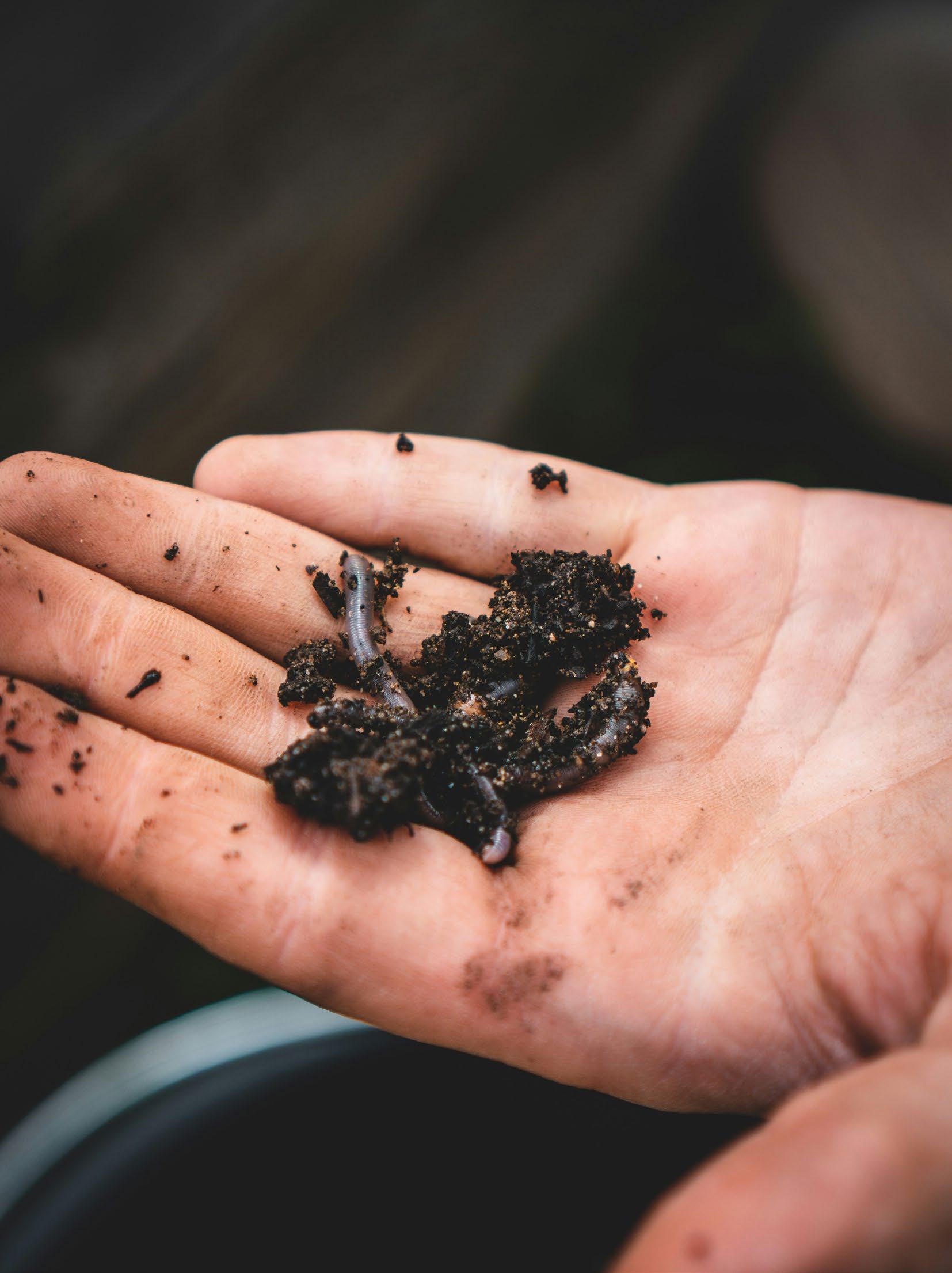
We make compost from our coffee grinds and food waste and give it back to the earth to improve soil structure at HQ.
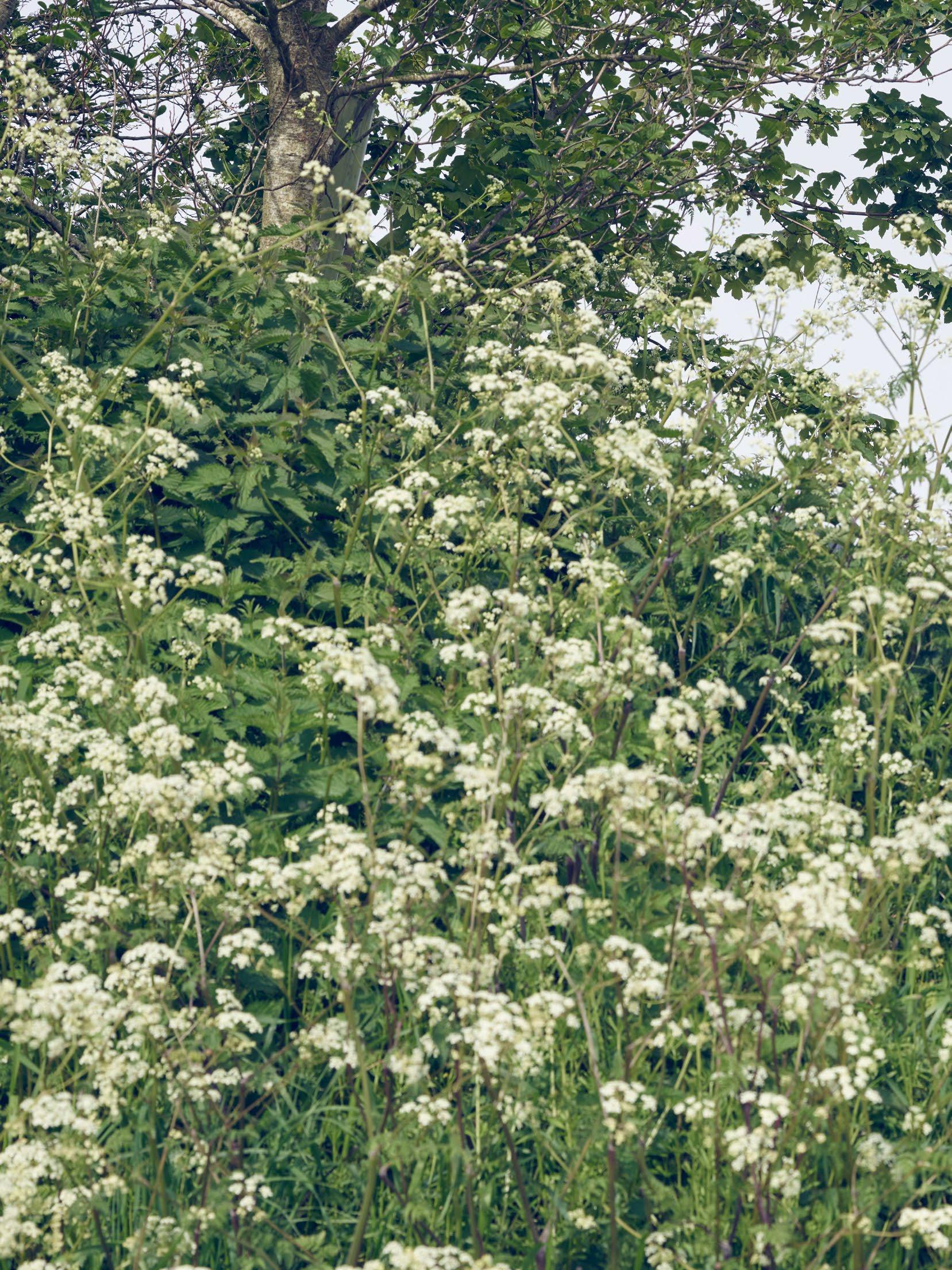
We leave plenty of spaces untouched for the local wildlife that shares our site, helping provide safe places to feed, nest and shelter. We have planted native species to help our dwindling pollinators and we have a wildflower bank that is hand scythed each autumn to minimise damage to our insect friends.
Biodiversity loss and climate change are two sides of the same coin and while land use change has been the prime cause of biodiversity loss until now, climate change threatens to become the biggest driver in the years ahead. According to The Living Planet Index, which tracks changes in the relative abundance of wild species populations over time, we have already seen a 73% decrease in monitored species between 1970 and 2020.
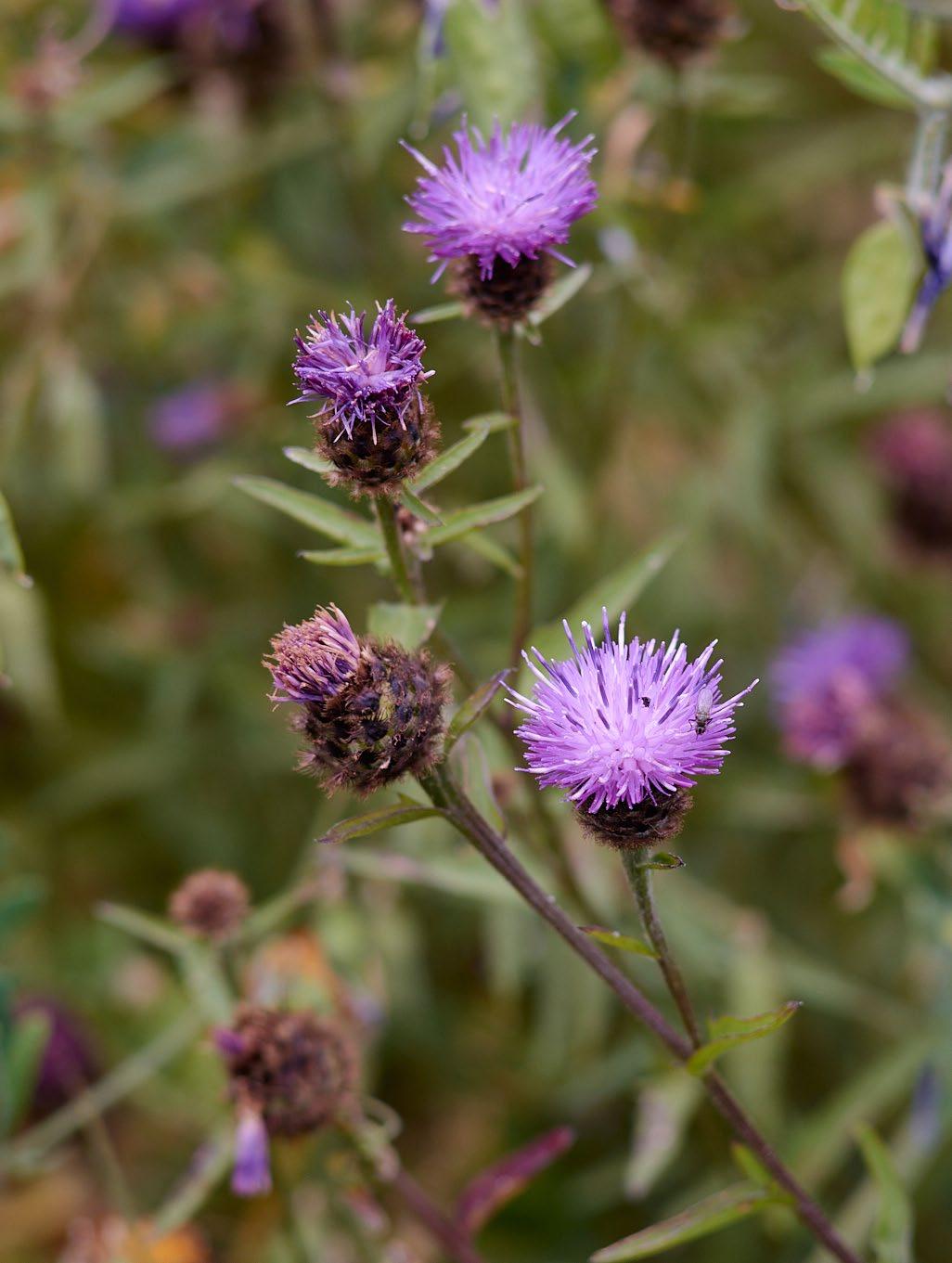
1 in 3 bee and butterfly species across Europe are currently in decline. To do our bit to reverse this decline we plant nectar rich, native flowers flowers - foxglove, cornflower, toadflax, cowslip, meadow cranesbill, red clover, common knapweed, red campion, ox eye daisy and musk mallow.
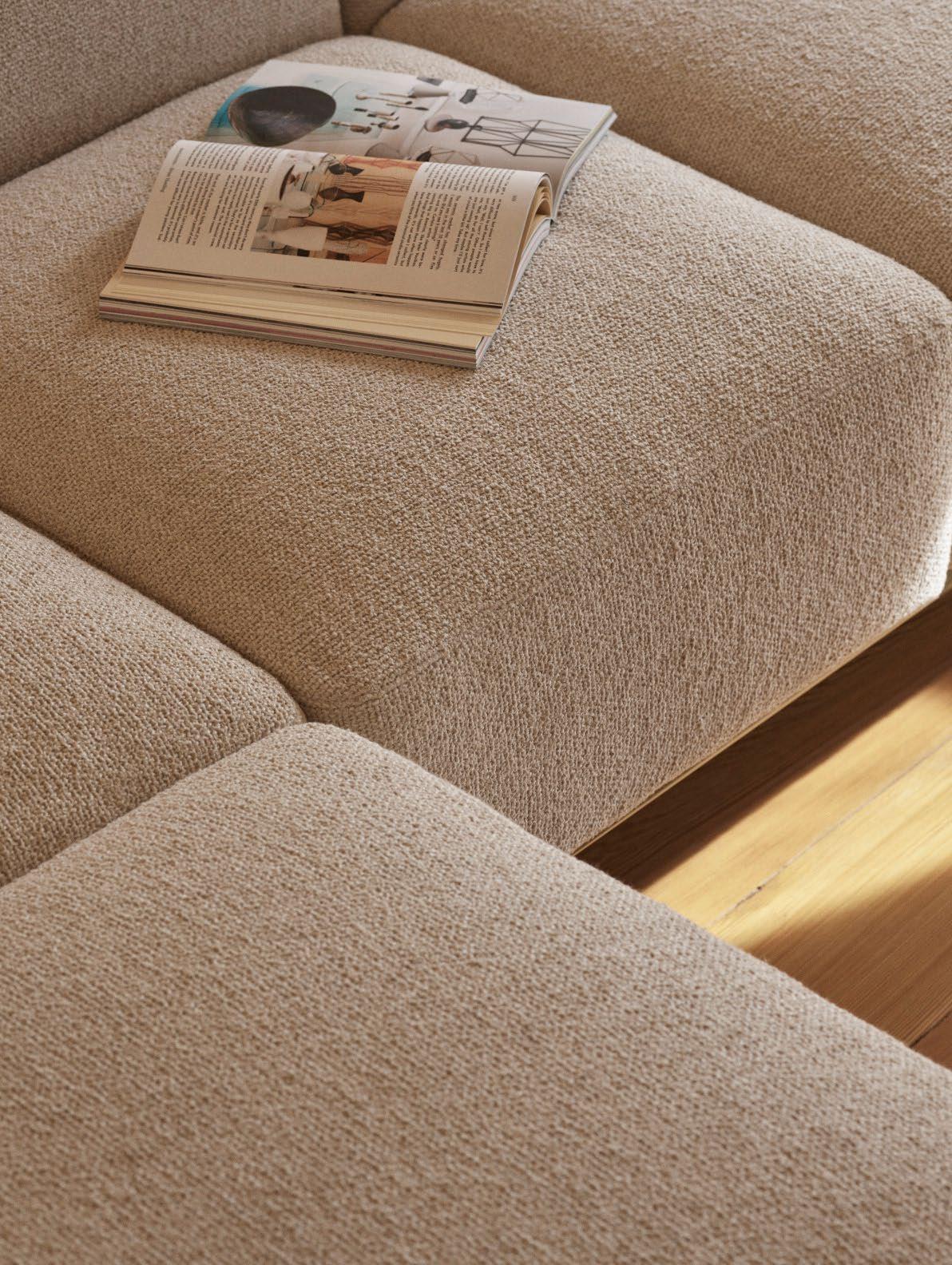
As the world continues to grow in its understanding of how MANUFACTURED CHEMICALS can behave in our bodies and build up in OUR ECOSYSTEMS , we continue to build on our understanding of any potentially harmful substances in OUR SUPPLY CHAIN or OUR MANUFACTURING PROCESSES .
The spaces we occupy can only be as healthy as the products we fill them with, but its not just about the end user, the ingredients that go into our products impact the team who makes our furniture, as well as workers furthest up the value chain, who often have the least protection and highest levels of exposure.
Risks to workers, to the environment and to workers extracting chromite from the earth makes chrome plating an unattractive option for us. We identified chrome as a substance and process of concern back in 2016 when we phased it out of our collection. Today we have a wide range of painted finishes or polished aluminium instead.
Known as ‘forever chemicals’, per and polyfluorinated alkyl substances are a group of thousands of chemical compounds used in finishes and coatings for their stain repellant and waterproofing properties. Found in nature (especially drinking water) and human blood, only 2 out of over 10,000 PFAS are currently restricted under UK REACH. Our standard range of fabrics do not contain PFAS.
The UK has some of the world's strictest standards when it comes to fire safety, leading to chemical flame retardants being added to almost all upholstered furniture. Our Edge Free seating system uses the naturally flame retardant properties of pure wool to meet UK regulations without the need for chemical additives.
Volatile organic compounds can be harmless and naturally occurring (think freshly sawn branches) or very damaging to the people that are exposed to them (think solvents). VOCs also react with nitrogen oxides from industrial and transport emissions, in the presence of sunlight to form photochemical smog. To ensure that our products have low VOC emissions, we use water-based paints and lacquers, and we test our products to compliance with strict emissions limits, our entire collection has been certified to Indoor Advantage™ Gold.
While we continue to search out any substances that pose any risk to human health or the environment, we cross check against the Living Building Challenge’s Red List and Cradle to Cradle restricted substances list, both of which have been chosen by the International WELL Building Institute (IWBI) ‘WELL Building Standard’ material optimization feature as lists to screen against.

The best way to REDUCE WASTE use the FEWEST MATERIALS
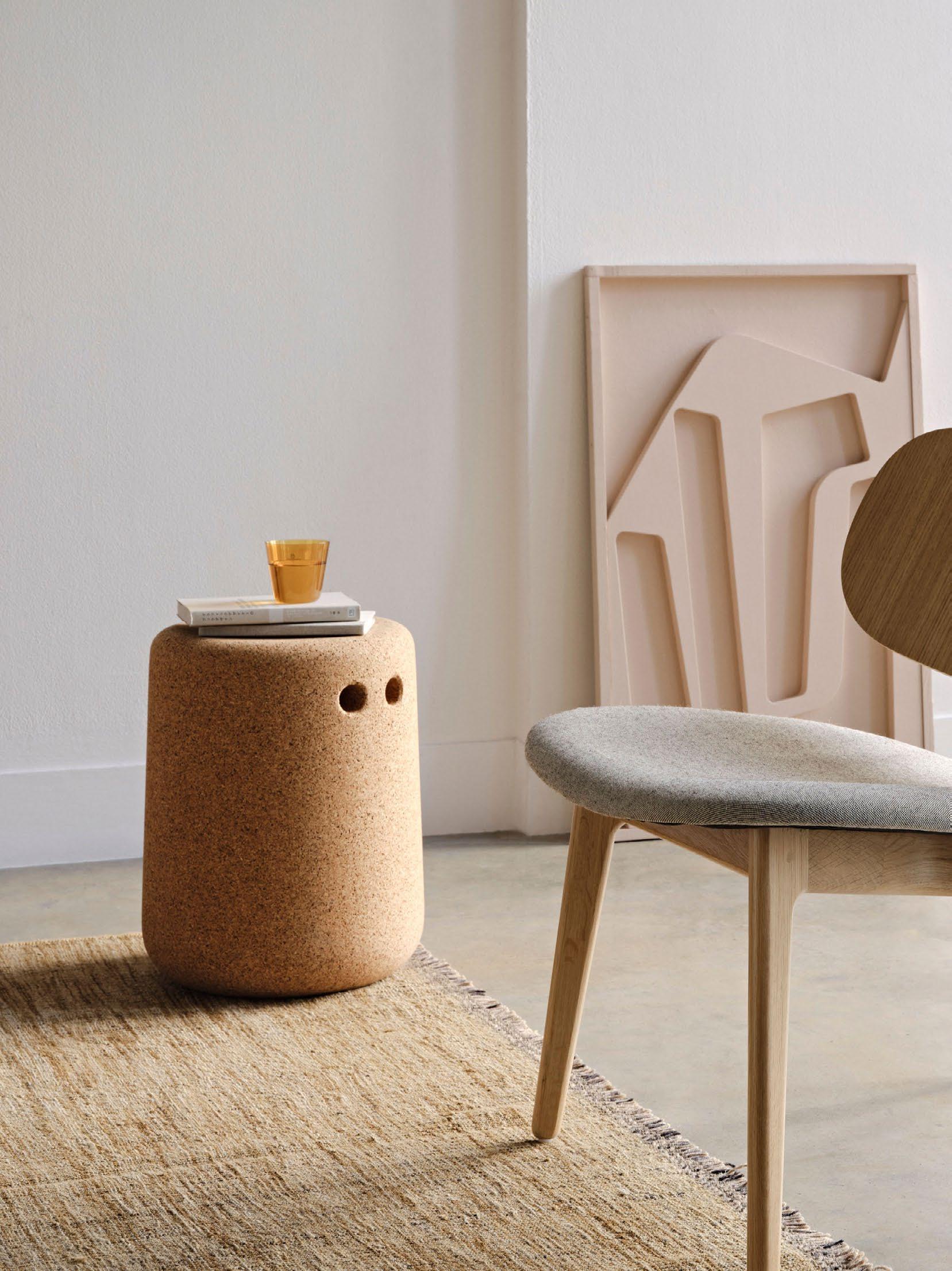
Perhaps one of the greatest challenges we face as a manufacturer, is the creation of waste. We have to work harder and harder at reducing the likelihood of waste being created at every stage of the manufacturing process and that starts with designing out waste.
A circular economy hinges on designing out waste and pollution. This means factoring avoidance of waste creation in right from the start, using waste materials and those with high recycled content, and carefully nesting parts to minimise waste fabric and board.
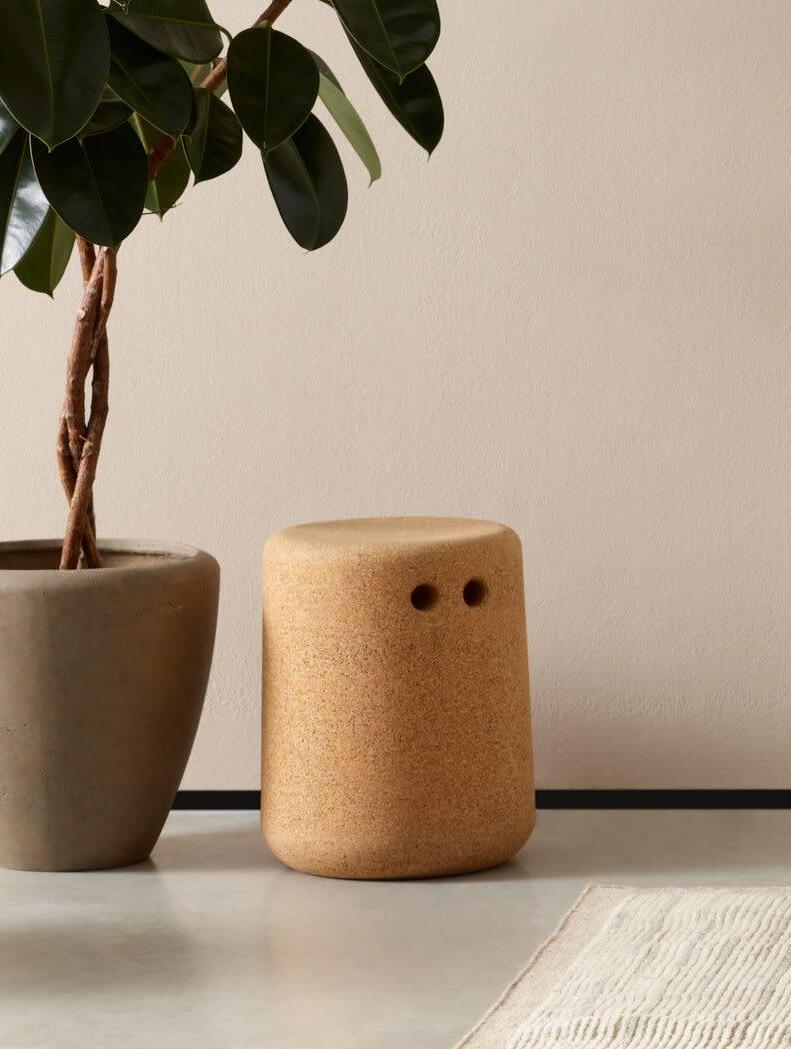
The Bob stool is made from 100% RECYCLED CORK – waste produced in the manufacture of wine bottle corks.
In 2023 WE RECYCLED 61.5% of our waste with a landfill DIVERSION RATE OF 95.5% .
Operational waste will always be a challenge for manufacturers. Even with the best nesting techniques, and a lot of donations to local groups, there will always be some wood and fabric waste. We are looking at ways to best manage this waste or use it as a resource.
167.08 T
TOTAL
56.72 T
INCINERATED
RECYCLED
102.84 T 7.52 T
LANDFILLED
INCINERATED
Our goals for the years ahead will be to minimise waste creation and find creative ways to increase the amount of waste we recycle.
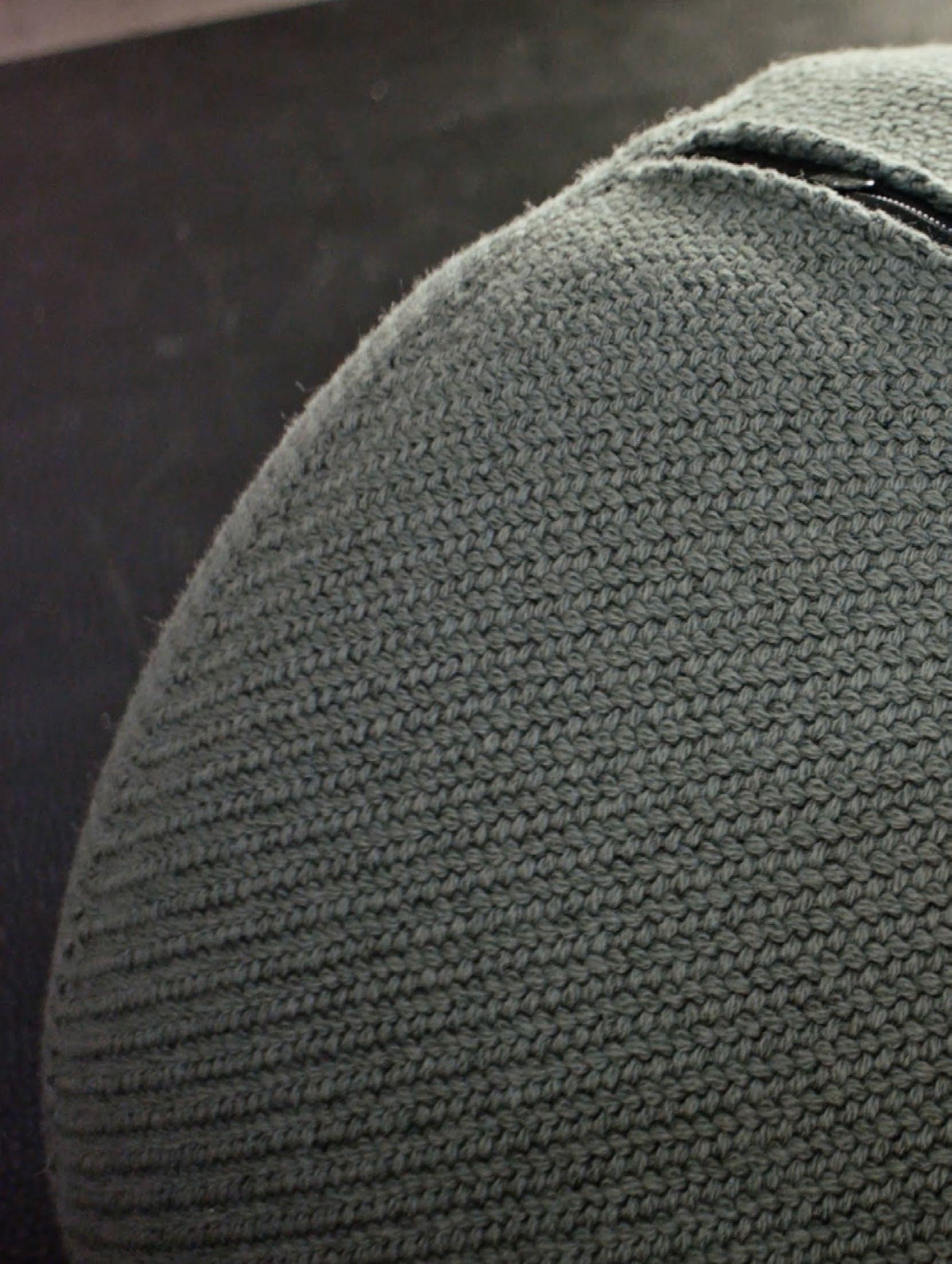
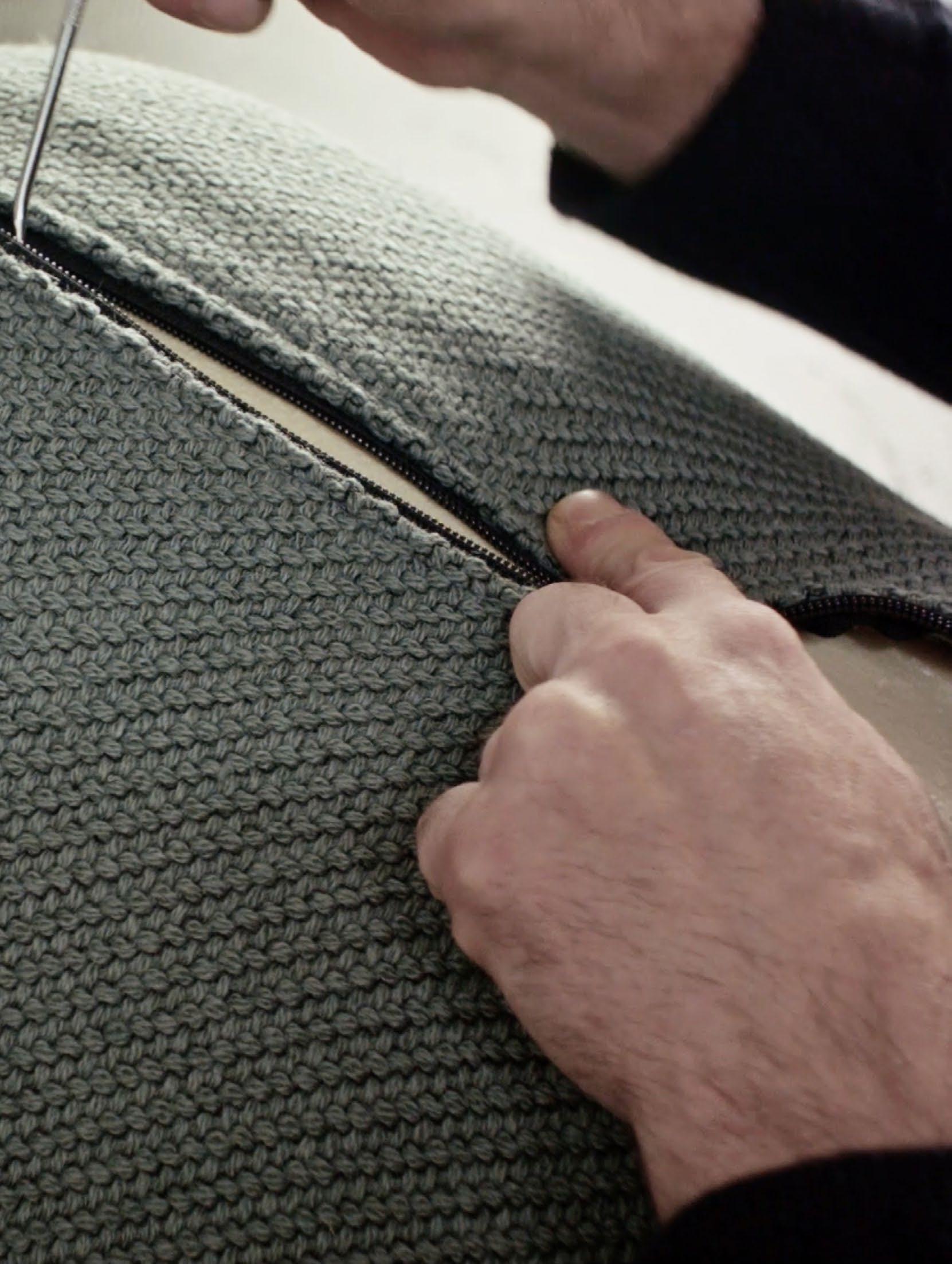
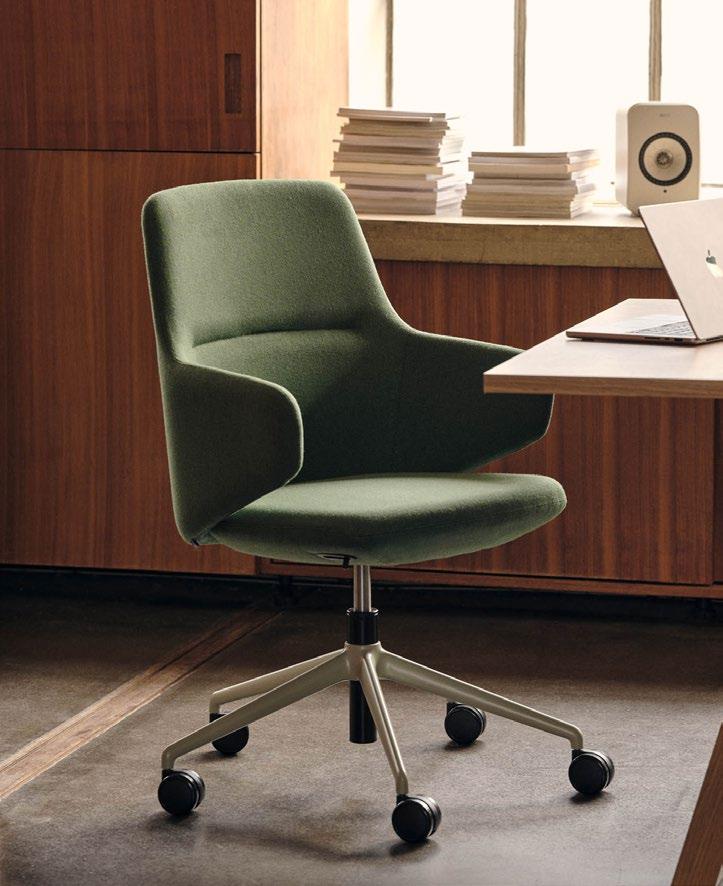
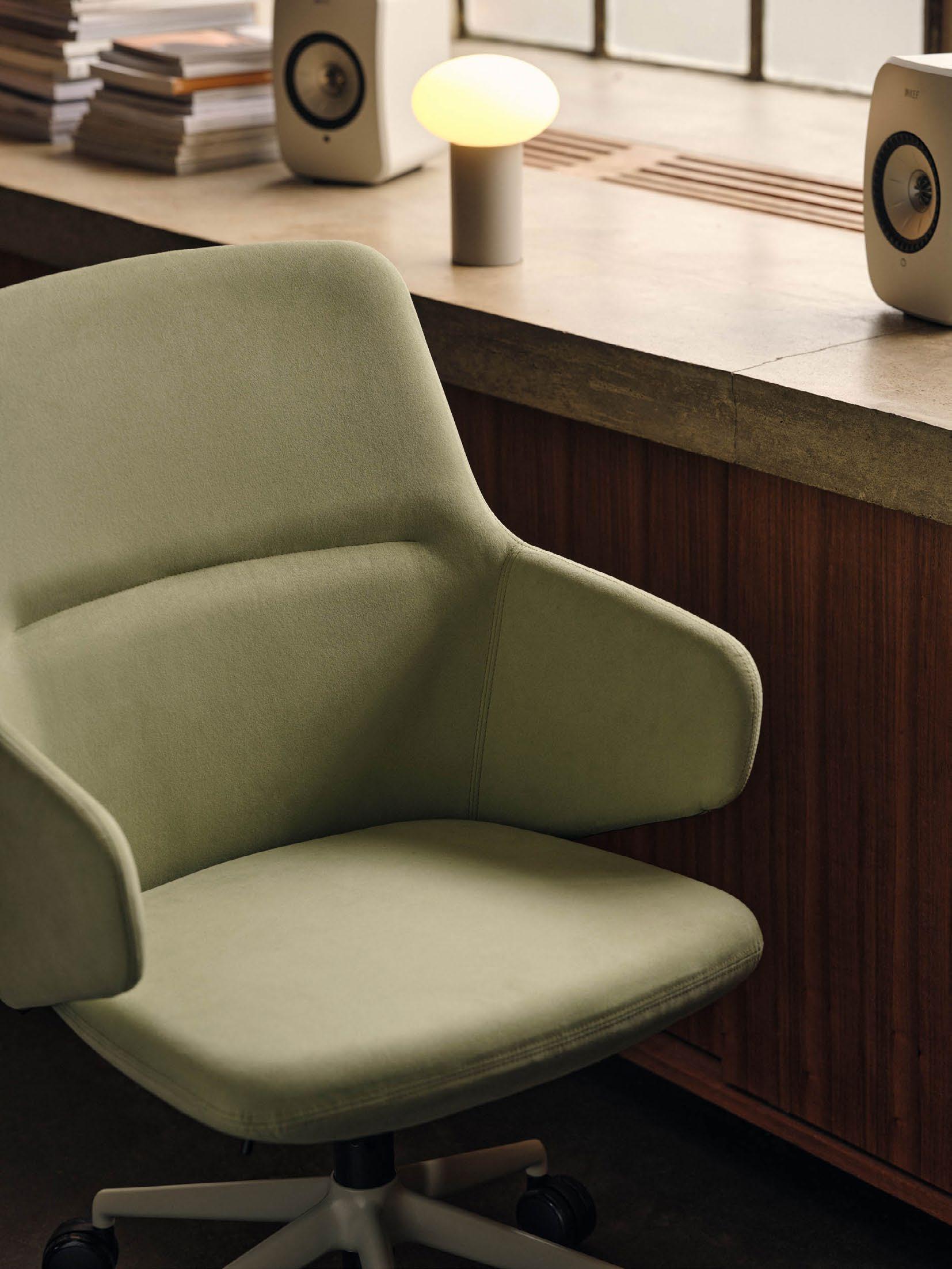
Our Development team are experts at creating removable covers with the tailored look of a fitted, glued cover. By supplying chairs with replacement covers we are helping to avoid waste at the end of each lifecycle, significantly reducing embodied carbon in the next phase of an interior scheme. If an interior is refreshed every 5-7 years, this adds up to a whole lot of carbon….
Every time you choose a new cover, instead of a whole new chair, you can SAVE OVER 50% of the EMBODIED CARBON
Offering replacement covers has been a key part of our sustainability strategy since we first launched the Milo chair back in 2017.
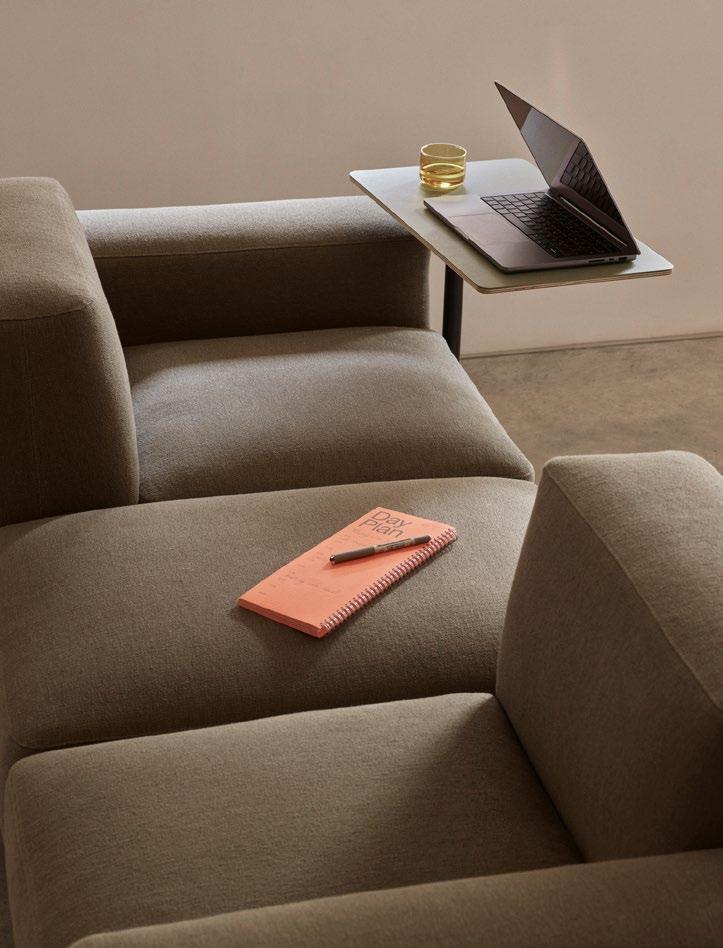
Of the 10 BILLION TONNES the world has produced so far, OVER SITS IN LANDFILL .
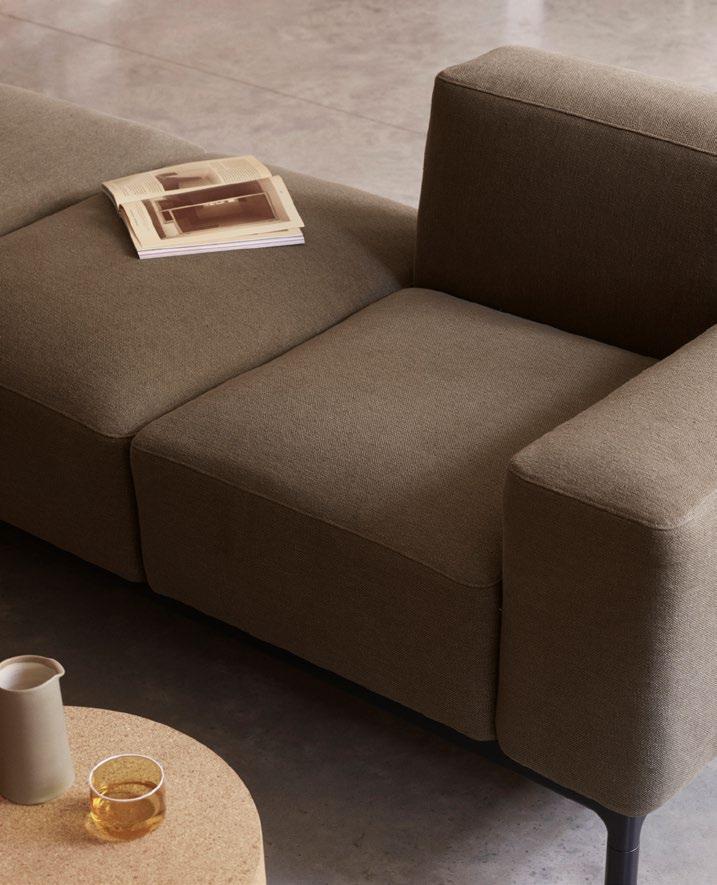
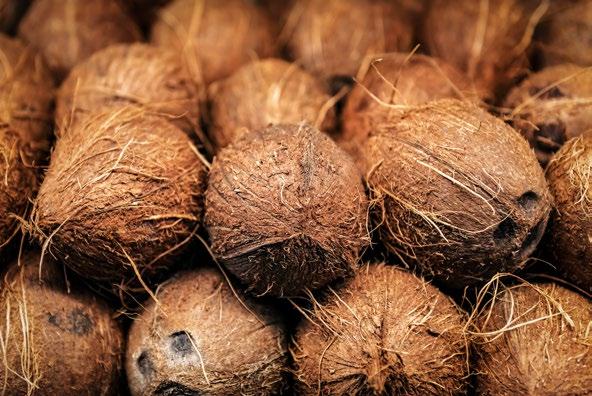
Our first foam free seating system, made using all natural fibres. Coconut fibre, a waste product from the food industry and a 100% wool felt replace polyurethane foam and polyester fibre, giving Edge Free a better end of life solution, reducing its embodied carbon and helping us reduce reliance on the petro-chemical industry. In 2025 we will be adding further foam free products to our collection… watch this space.
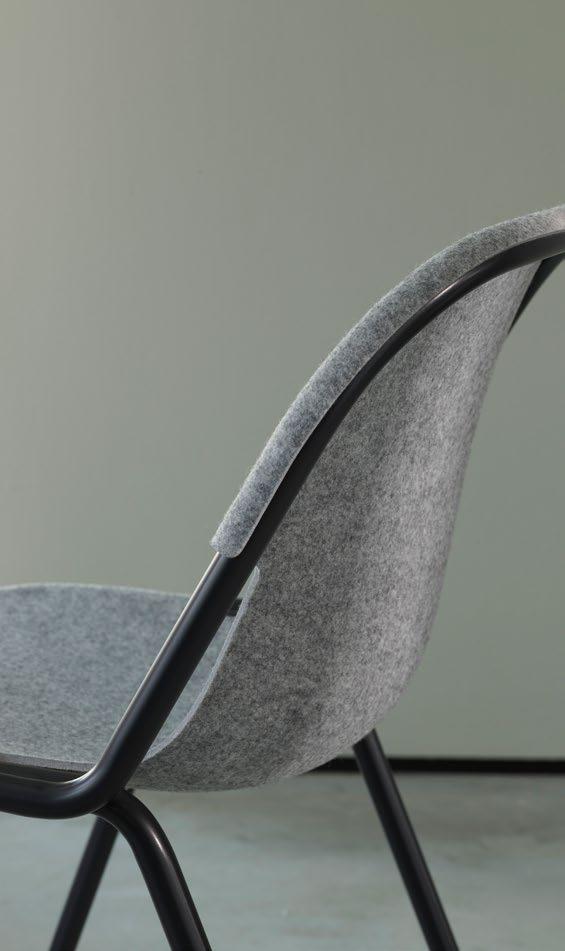
We are driving down the amount of plastic associated with our products and our operations, choosing recycled plastic over virgin materials and swapping out plastic for renewable alternatives.

Taking discarded PET plastic drinks bottles as a raw material, bottles are crushed, flaked, melted into pellets and stretched into long fibres and carded like wool. The fibres are layered and then compressed to form sheets of PET felt before being pressed in a mould and set with heat to form a permanent shape.
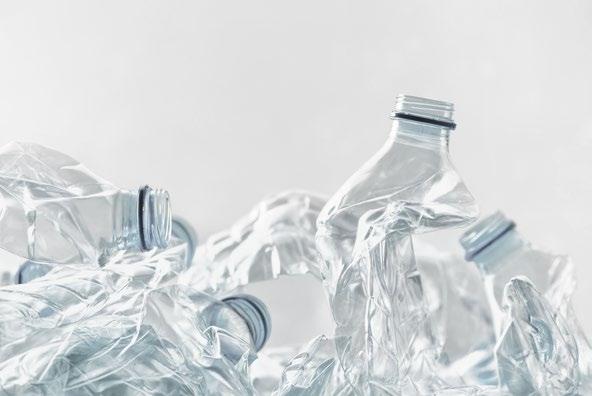
We are a SEAQUAL INITIATIVE licencee which means we can supply our furniture in fabrics made from marine plastic litter. The SEAQUAL INITITATIVE works with local groups to clean up our coastlines and oceans and turn ocean plastics into products. Marine litter is collected, sorted and cleaned and made into PET pellets stretched into fibres and spun to make PET yarn before being woven into textiles.
In 2022-2023 90% of our packaging was COMPOSTABLE or RECYCLED and we have been making good progress since…
Our target was to reach 100% recycled or compostable packaging by 2023 and we have fallen short, so we still have some way to go as we work to replace virgin plastic packaging with recycled plastic or compostable alternatives. We have set a new target of 2026 because this was one where we were just a bit too ambitious.
our staff, to everyone in PEOPLE POSITIVE


We want every one of our team to feel proud of their contribution and proud of us as a business. We have an open, transparent way of communicating that encourages staff feedback so we can keep improving.
We offer all our staff private healthcare insurance, with 24 hour access to mental health support.
We have the most fabulous location set amongst rolling hills, and our Thursday run club helps encourage our team to stay fit. For those that like to take things a bit slower, lunchtime walks still get the heart pumping on those inclines.
We host regular social events throughout the year to bring our people together and foster team spirit, from pancake breakfasts to pizza lunches, summer celebrations and Christmas parties, and we always celebrate employee achievements and work anniversaries.
Every quarter, we hold an employee forum where staff can ask questions and offer suggestions to make sure we are doing the best for our team and every voice is heard.
Staff development is focused on regular appraisals that offer the chance to talk through challenges and aspirations so that we get the best from our staff, and they get the best from us.
Workforce
Diversity brings fresh perspectives and helps prevent us continuing to do more of the same. Diversity results in better decision making, greater creativity and innovation, improves adaptability and resilience ultimately leads to a more just and equitable society.
We know we need to work harder to improve the diversity of our team and that’s why we are working on our recruitment process. When it comes to diversity in design – we know we need more diversity in the designers we work with, our plan is to reach out to more female designers and designers from underrepresented minorities to try to create a better balance.

HARVEY
Apprenticed in 2021
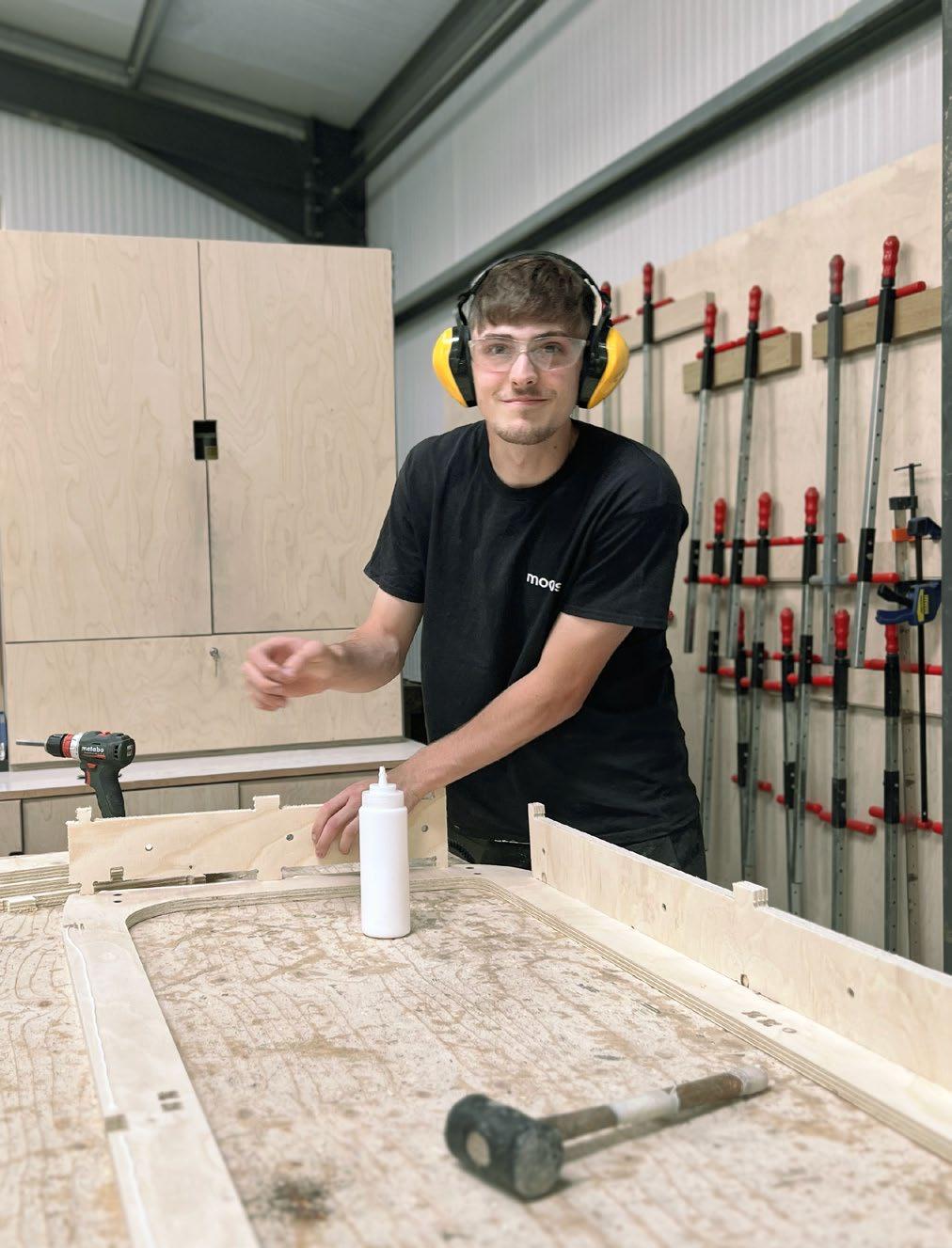
It is so important to our business that we welcome young talent. Young people bring enthusiasm, energy and new ideas and it is a chance for us to give something back to the communities that have supported us in building a furniture business in rural South Somerset.
Our apprenticeship programme has been running for almost ten years, helping young people from our local community learn upholstery, joinery and fabrication skills, skills that are becoming increasingly scarce but are essential to keep furniture production alive in the UK.
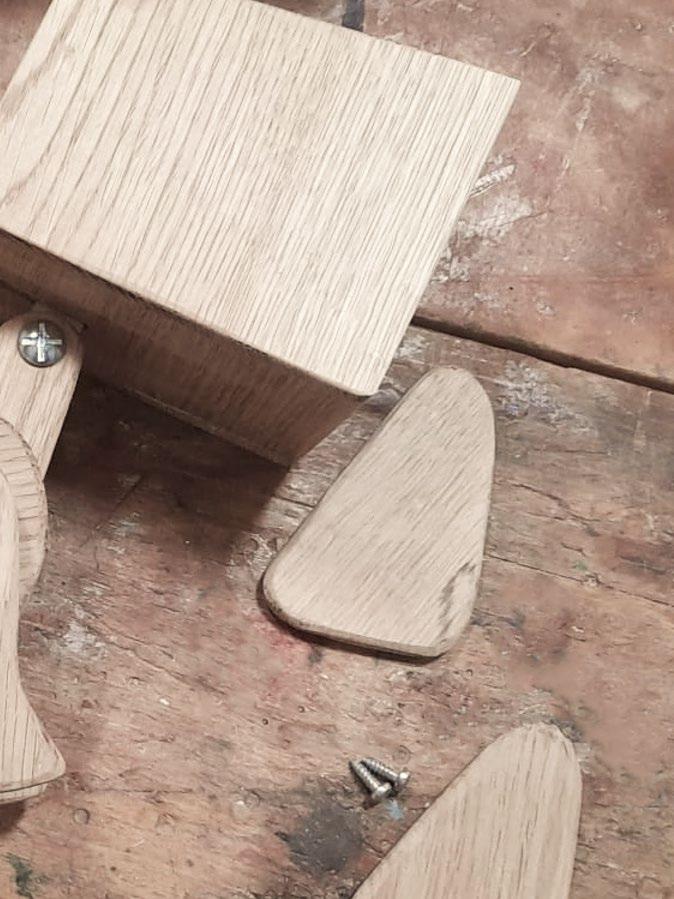
Starting as a joinery apprentice in 2021, Harvey successfully completed his apprenticeship and became a fully qualified joinery operative in 2023. Harvey’s irrepressible enthusiasm made him a much loved member of the team.
We have been offering internships since 2009, when our first intern Lizzie (now Development Manager) joined our, then tiny, team. Since Lizzie we have had 7 interns through our doors, many of whom returned to take permanent positions and who are now flourishing in the world of furniture design.
Dan
Dan worked with the Development team on the Balance Lounge collection and supported our work on Life Cycle Assessments. Dan is set to complete his final year in furniture design at Bath Spa University in 2024. We can’t wait to see what he does next.
Gigi
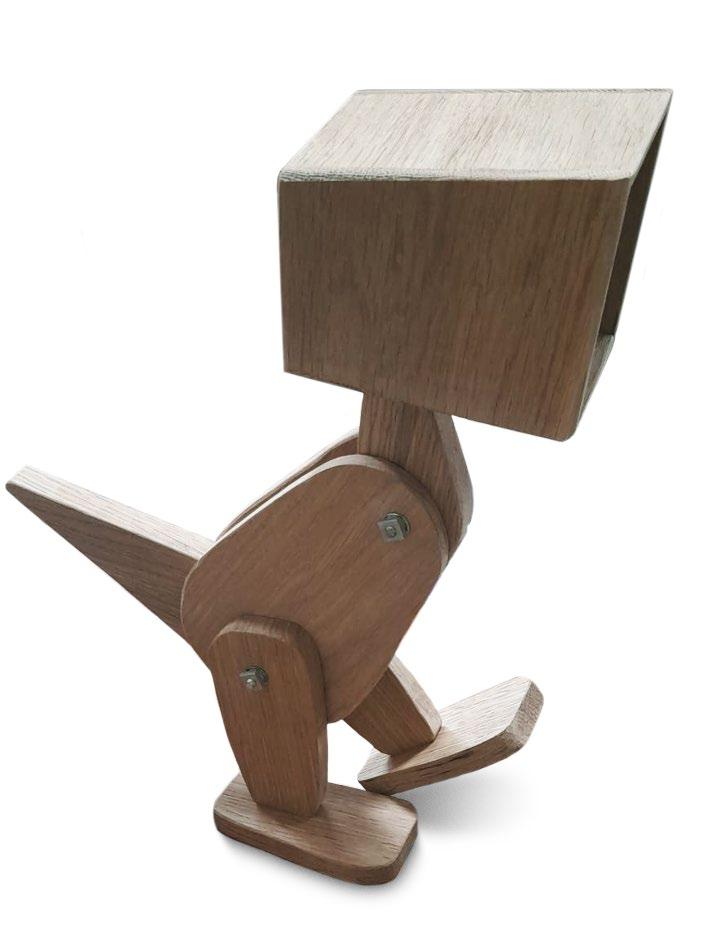
Furniture Design student, Gigi, joined the Marketing team as an intern and has since gone on to win awards for her versatile stool/table, Archie, made from Grown in Britain certified oak or ash. We are excited to see what will follow Archie.
Our staff love to take part in a diverse range of charity fundraisers from fun runs to cake bakes but we have a particular focus on SUPPORTING THE YOUNG PEOPLE in our LOCAL COMMUNITY .
We donate wood and fabric offcuts to three local secondary schools to help stretch budgets, providing quality materials to design and technology and art departments and encouraging a love of design.
We are proud to work with educational settings that offer creative alternatives to traditional teaching. We donate materials to enable the teaching of practical, hands-on skills, building self esteem in disaffected young people for whom the traditional system is not a good fit.
Our local community group, Crewkerne Shed, has used our offcuts to build easels and wendy houses for a pre school art group and stand-up desks for neurodivergent primary aged kids who find work and play easier standing up.
Textile offcuts are donated to a community textiles recycling hub in London, just 4 miles from our London showroom. Yodomo work with over 2000 creatives and craftspeople from the local area, finding good homes for the textile waste created in the manufacture of our upholstery.
This year, our team raised funds for the British Heart Foundation and Save the Children and we sponsored events for The Wallich, the Welsh homelessness and rough sleeping charity, which works to help get the most vulnerable people off the streets, building routes out of homelessness by creating opportunities through learning and employment.
The United Nations High Commissioner for Refugees reported 114 million displaced people worldwide, an increase of 4 million compared to the previous year. At the time of writing this figure will be far higher due to the tragic events unfolding in Gaza, and the continued displacement of people in Ukraine, Sudan, Syria, Myanmar, Afghanistan, Venezuela, Democratic Republic of the Congo and the Sahel region of Africa. By 2050 it is estimated that as many as 1.2 billion people may have been forced from their homes due to climate migration.
We partner with Movement On The Ground, a charity working to improve the lives of refugees. Our donations have contributed to the bare basics we all need to survive, to hot meals, and community shelters where individuals and families can come together to share a meal. As the refugee crisis continues to unfold, we are proud to be supporting the great work of this forward thinking charity.
5% of the sales of our Bob and Michael Stools are DONATED to Movement On The Ground.
76% of our significant suppliers * are WITHIN THE UK . The average length of time that we have been doing business with our suppliers is OVER 5 YEARS .
Many of the suppliers we work with have been with us right from the start, we like to build long lasting relationships with our suppliers and our clients so that many of them are more like old friends.
Somerset, UK
Modus Head Office
United
Lithuania
Netherlands
Norway
Portugal
Slovenia
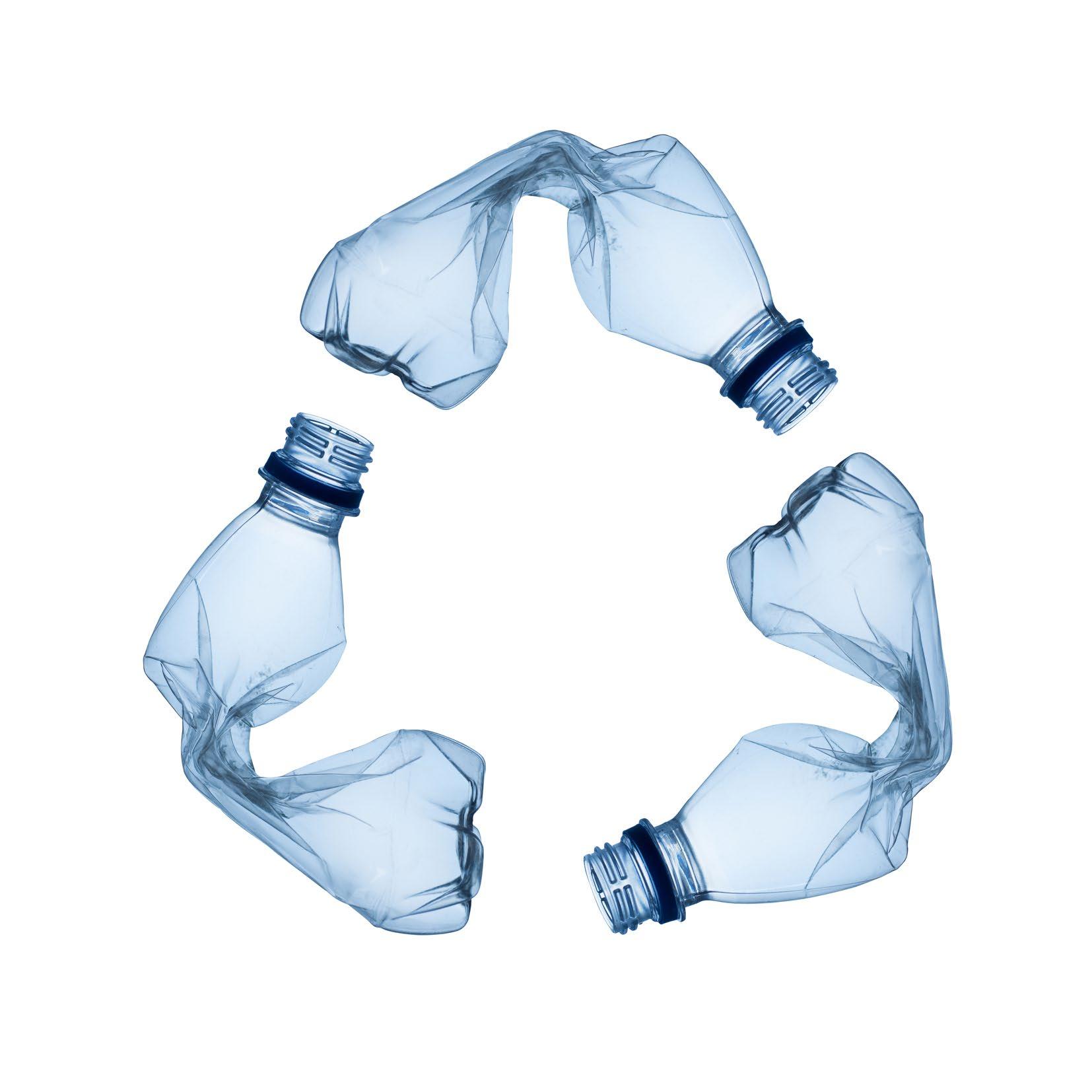
When you hear the words ‘circular economy’ what probably springs to mind is waste materials being used as a resource to make new products. A chair made from recycled plastic for instance. You might even think about a product being used and re-used multiple times, but you are probably less likely to think about the avoidance of pollutants, harvesting within ecosystem limits and regenerating natural systems. Yet these are key elements of a circular economy. The three pillars that support a circular economy ask that we work to:
Our approach to designing out waste and pollution is to minimise resource use and the production of waste, opt for low carbon, often bio-based materials, avoid harmful chemicals and all substances damaging to the environment from single use plastics to VOCs. Our design briefs always call for an eco design approach.
To keep our products in use over multiple lifecycles we offer spares and replacement parts and we are especially good at replacement covers. When you no longer want your product get in touch with us and we will take it back and refurbish or remanufacture it ready for its next life.
EQUITY are inseparably linked. Understanding this is an essential element to any SUSTAINABILITY STRATEGY .
A great framework that helps steer our sustainability strategy, Doughnut economics visualises the interplay between planetary limits and the needs of society as a ring doughnut shaped model, where excessive planetary pressures spill out over the outer circle of planetary boundaries — overshoot. These pressures include climate change, ocean acidification, biodiversity loss, land conversion, chemical pollution, ozone depletion, air pollution, freshwater withdrawal and phosphorous and nitrogen loading. These impacts disproportionately affect the young and those impacted by poverty and social disadvantage.
The hole in the doughnut represents the inner circle of social foundations, a shortfall if you like, of the minimum social standards as identified by the world’s governments in the Sustainable Development Goals in 2015: education, health, gender equality, income, social equity, political voice, peace and justice and access to networks, energy, housing, freshwater and food. The basics we all need to thrive. The space between ecological overshoot and social shortfall, the dough of the doughnut, is the safe operating space and the place we need to be.
These are the UN SDGs most relevant to our business activities alongside simple explanations from the UN as to WHAT WE CAN ALL DO to achieve these goals and the KEY STEPS WE HAVE TAKEN to align with these goals.
“Protect eco-systems and commit to sourcing 100% of operational electricity needs from renewable sources.”
We use 100% renewably powered electricity 39% of which is self-generated.
“Find new solutions that enable sustainable consumption and production patterns. A better understanding of environmental and social impacts of products and services is needed, both of product life cycles and how these are affected by use within lifestyles.”
We design for circularity, and we are carrying out life cycle assessments so we can design out impacts.
“Forests cover nearly 31 per cent of the world and are home to more than 80 per cent of all terrestrial species of animals, plants and insects. However, biodiversity is declining faster than at any other time in human history. Goal 15 is about conserving life on land. It is to protect and restore terrestrial ecosystems, sustainably manage forests, combat desertification, and halt and reverse land degradation and stop biodiversity loss.”
We hold FSC chain of custody certification and can certify 99% of our collection made from wood or containing wooden components.
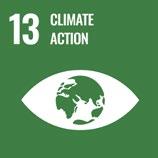
“Ensure emissions are lowered, not just because it is the right thing to do, but because it makes economic and business sense as well.”
We have reduced scope 1 & 2 emissions by 51% compared to our baseline year – we are mapping and starting to measure scope 3.
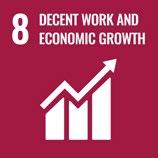
“Provding youth the best opportunity to transition to a decent job calls for investing in education and training of the highest possible quality, providing youth with skills that match labour market demands, giving them access to social protection and basic services regardless of their contract type, as well as levelling the playing field so that all aspiring youth can attain productive employment regardless of their gender, income level or socio-economic background.”
We offer apprenticeships, internships and have long standing relationships with local schools and alternative settings.
And now for the best bit. We know what our impacts are - here are our targets and the
2030
reduction
neutral across our operations
zero across scopes 1 and 2 via electrification of our fleet
2023 Complete Transition to an electric fleet as vehicles of the size and range become available
2023
39% Of our electricity is now self-generated
Investigate potential for greater energy independence
2030
Switched to paper tape, cardboard strapping protection and 100% recycled strapping, 100% recycled foam protection
2023 Complete Score of 90
to foam alternatives on 1 seating collection
Trial alternative packaging materials and swap to recycled and compostable alternatives
Continue to grow foam free collections
Ensure all new packaging is either recycled or compostable
Use the B Corp B Impact Assessment to drive continuous change Ongoing
We offer internships and apprenticeships
2024
Ongoing
Ongoing
Donations of materials to 3 local schools, community textile recycling hub and community woodworking group
Private healthcare with mental health support for all employees Option for flexible working to help work-life balance 2 mental health responders Modus Run Club
Review of recruitment and promotion process
Appoint individual to oversee DEI agenda
Ongoing In progress
2024 3 x Impact Reports published
Offer 1 internship 1 apprenticeship 1 work experience placement 1 school visit
Liaise with careers departments of local schools and colleges
Train 1 new mental health responder
Implement a social and wellness calendar of events Increase greenspace for staff use
Continue to implement positive actions for staff wellbeing
Increase representation ofl female designers
Narrow gender pay gap
Work with supply chain to drive improvements across environmental and governance factors starting with highest impact areas
Continue to develop breadth and depth of reporting
We all need to work together to create a better future, If you have a bright idea or long term plan and you think we ought to know about it, get in touch with us at sustainability@modusfurniture.co.uk
or contact us at:
HEAD OFFICE & FACTORY
Cricket St Thomas, Chard
Somerset TA20 4BZ
T + 44 (0)1460 258 590
SHOWROOM
28–29 Great Sutton Street
London EC1V 0DS
T + 44 (0)207 490 1358
modusfurniture.co.uk
PHOTOGRAPHY
JAKE CURTIS
STYLING
DESPINA CURTIS
HANNAH BORT
ART DIRECTION & DESIGN A COMMON PURPOSE