

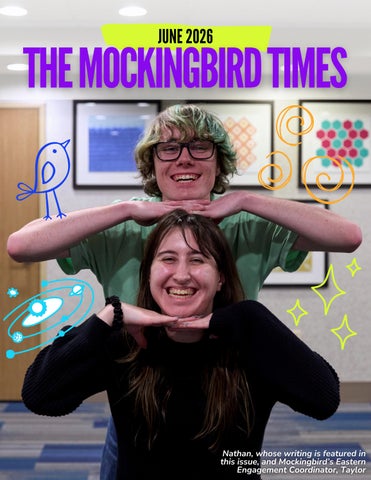
The Mockingbird Times is a publication aiming to: amplify the voices of youth and young adults with lived experience in foster care and/or homelessness; change and expand the public perception of young people and the challenges they face; and educate communities about foster care, youth homelessness, and advocacy work.
The Mockingbird Times was the first project launched after The Mockingbird Society was founded in 2000 and has since played a key role in our Youth Programs Not only does the publication provide an opportunity to elevate the voices of our young advocates and the issues they’re facing, it also provides a picture of young leaders balancing their roles as powerful, positive change agents in our community with all the joys, challenges, and questions experienced by youth and young adults
The Times has historically been distributed across the state and nation and has been included as an insert in Real Change, a Seattle-based community newspaper. All young reporters and contributors (ages 13-26) from across Washington state are compensated for their submissions to The Mockingbird Times
Artist Note: “I made this piece to symbolize reaching what I thought was unattainable, making my own path through life despite not thinking it possible before. The blue rose isn't a natural flower, you have to make it, and it's something I personally find beautiful.”
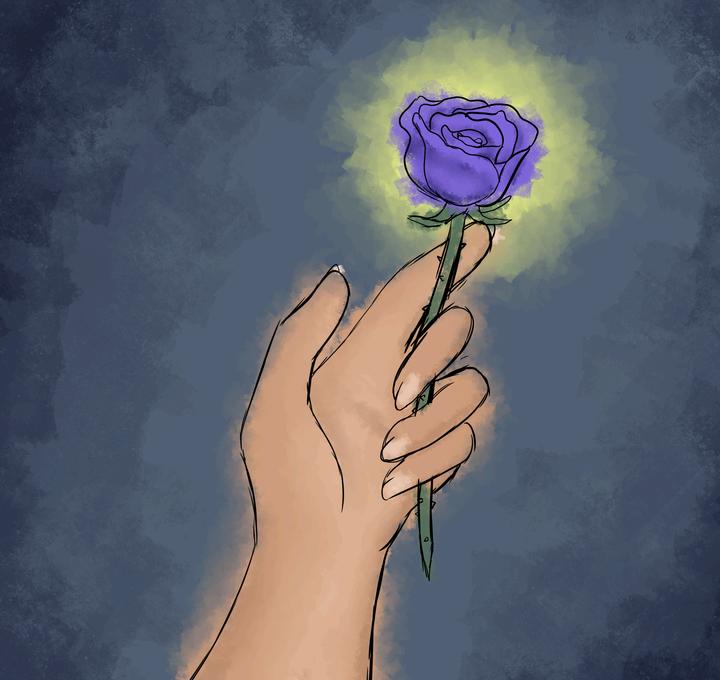
I bloomed where silence buried me Where sorrow soaked the soil, I grew anyway.
YAEH (YOUTH ADVOCATES ENDING HOMELESSNESS) CHAPTER MEMBER, YOUTH ADVOCATE, WRITER, LIVED EXPERIENCE LEADER, AND MUSICIAN
There’s a language we carry in our skin. Unspoken, but deeply understood. A rhythm pulsing beneath each scar, beneath each prayer whispered into the night when the world wasn’t listening
There are shades to our story not just the ones that stretch across our melanin, but the ones we live:
The shade of trying to stay afloat while smiling through the ache The shade of watching doors close without explanation. The shade of knowing who you are in a place that constantly forgets to ask.
I’ve worn them all.
Some know what it’s like to speak boldly and still go unheard. To be told you're too much or not enough. To see your brilliance mistaken for defiance. To carry your ancestors’ grief and your own in the same breath.
But we are more than survival. We are the stretch marks of growth
We are the voice that rises even after it's cracked. We are what happens when resilience finds rhythm — when history meets healing.
I come from places where stories get lost in noise, where dreams are bartered for bare minimums, where we are told we must shrink to stay safe
But I didn’t shrink. I searched. I cried. I rebuilt.
And when I had nothing left to offer the world, I gave it my truth.
There’s a sacredness in holding yourself through transition. In protecting your light when even you can’t see it. In saying, “I deserve to be here,” not with permission but with presence
Every part of my becoming has value. The lost seasons. The quiet ones.
The ones filled with fire and the ones that asked me to rest.
And now, I bloom intentionally in every shade I’ve earned
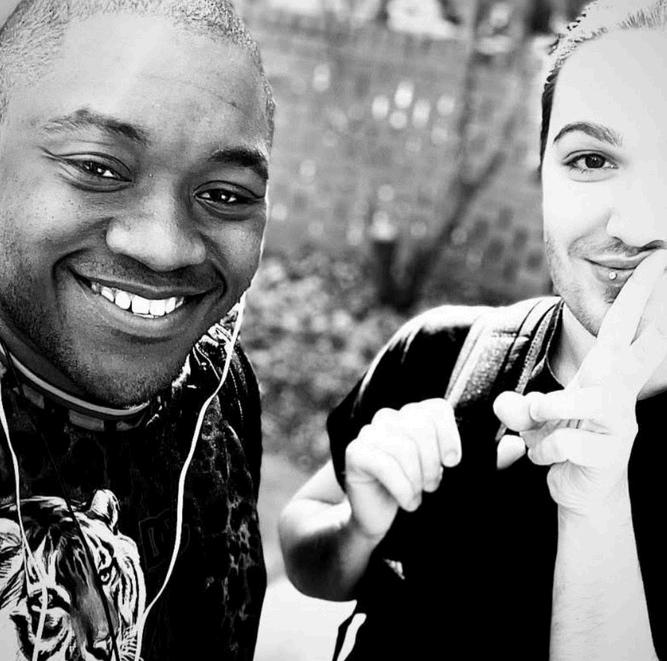
FOLLOW KONCRETE ROSE’S ONGOING WORK ON YOUTUBE AT: KONCRETE ROSE GARDEN
I believe that what leads to homelessness isn’t one event, but rather a sequence of events that cumulate into becoming homeless. It starts with a bad foundation, which could be a family falling out, a bad childhood, addiction, bullying, the list of possible reasons for a faulty foundation goes on… Some are even comorbid, creating even more fractures in the foundation and support A beginning of feeling a lack of support from family/the community is a huge starting factor, because this indicates a lack of support that others who have family support and community support would receive. When people with strong family ties, and healthy community fall down, as they inevitably will as human beings, they have people to help them get back on their feet. People without this will fall and struggle to get back up.
Then other life events can add onto struggles, which, as mentioned before, those with healthy connections often will have the support they need to get back up on their feet Those without those supports often falter and slowly fall deeper into struggle I recall from my own experience with Covid-19, my car being firebombed, among other personal struggles, how much each impacted me and removed stability from my life. Covid-19 caused me to lose my job due to the location being shut down, then my car being set on fire caused me to lose mobility and ability to easily earn money. Not to mention the plethora of other personal issues that fed into the problem
The lack of a safety net to fall back onto, lack of positive support in my life, and mental struggles that came with my experiences made being homeless almost an inevitable situation. The cycle of struggle also made it harder to get back on my feet due to stigma, lack of stability, and just the current world state. It all cumulates into what feels like a black hole that sucks you in, and you struggle to try to squirm your way out.
The REACH Center offered me support, and I finally began being able to make some semblance of progress. I was able to regain housing, no longer being without housing. The REACH Center also aided me in getting back into the workforce, which has allowed me to grow as a person in my ability to care for myself. Both of these at least have given me a chance, while before I was pretty much without any chance of escaping homelessness. I also managed to buy a car while under the REACH program, and while the car ended up breaking down and needing to be sold, I still appreciate that opportunity to grow and gain it even if only for a brief moment This to me demonstrates that with support and care, people can grow and bounce back from homelessness, and that the biggest root issue is a lack of support and care.
I believe getting up from homelessness is unfortunately a 3 steps forward, 2 back type of deal-or at least that was my experience. You have a few wins and life knocks you back down to size, but there is at least progress still made The mental toll of going forward to fall back again is draining, depressing, and it takes real self-motivation to continue to push forward It’s important to continue on even with setbacks.
One of the ways I continued to hold onto motivation despite setbacks was by finding people who show support and care for me. This gave me strength and belief that not everything and everyone was horrible. It also showed me that people care about me and believe in me. This allowed me to continue trying even when things looked bleak, because I was able to look out and see belief in me even when I did not feel it internally. It also allowed small glimmers into my life where I felt joy, even in my darkest hours.
I believe if those who have fallen victim to homelessness are given support, and are accepted by their community-- along with determination to do good-- they can recover and find stability within their housing and life I myself am still shaky, but I am being resourceful and finding ways to continue to survive and grow as a person. I am hopeful to break out of the cycle that is homelessness, and build myself a strong foundation.
In the vibrant and bustling University District of Seattle, a beacon of hope shines brightly for young people in need: Teen Feed. Conveniently located in the same building as Roots Young Adult Shelter, the Seattle Youth Ministry (SYM), and the University District Youth Center (UDYC), Teen Feed offers a safe haven where youth can access a free, nutritious dinner, connect with peers and caring adults, and receive vital support services But Teen Feed is more than just a meal; it's a community where young people can find friendship, laughter, love, and the resources they need to thrive.
At its core, Teen Feed is about providing a warm, welcoming space where young people can enjoy a hot, delicious meal without the burden of financial strain. For many, this dinner is the only guaranteed meal they will have all day Beyond the food itself, the shared experience of eating together fosters a sense of belonging and camaraderie It's a time to connect with peers, share stories, and build relationships in a supportive environment.
Teen Feed understands that addressing hunger is only one piece of the puzzle. They offer comprehensive case management services that cater to the unique needs of each young person. This includes assistance with obtaining essential identifying documents like IDs, which are crucial for accessing housing, employment, and other vital resources They also provide referrals to other services, ensuring that youth have access to the support they need, whether it's mental health counseling, medical care, or legal assistance.
Recognizing the importance of practical support, Teen Feed offers clothing resources to young people who may lack adequate attire. Having access to clean, appropriate clothing can boost confidence, improve self-esteem, and make it easier to navigate the challenges of daily life
Teen Feed extends its reach beyond its physical location through its outreach program. Dedicated staff and volunteers venture into the community, connecting with young people on the streets and providing them with information about Teen Feed's services. This outreach is crucial for reaching those who may be hesitant to seek help or unaware of the resources available to them.
The heart of Teen Feed lies in its vibrant community It's a place where young people can make friends, share laughter, and experience the joy of connection. It's a place where they can feel loved, supported, and empowered to reach their full potential. The organization also offers a volunteer program, allowing community members to contribute their time and skills to support Teen Feed's mission. Volunteers play a vital role in preparing and serving meals, providing companionship, and offering a listening ear
Teen Feed is more than just a program; it's a lifeline for young people in need. By providing nourishment, support, and a sense of community, Teen Feed empowers youth to overcome challenges, build brighter futures, and realize their dreams. It's a testament to the power of compassion, connection, and the belief that every young person deserves the opportunity to thrive.

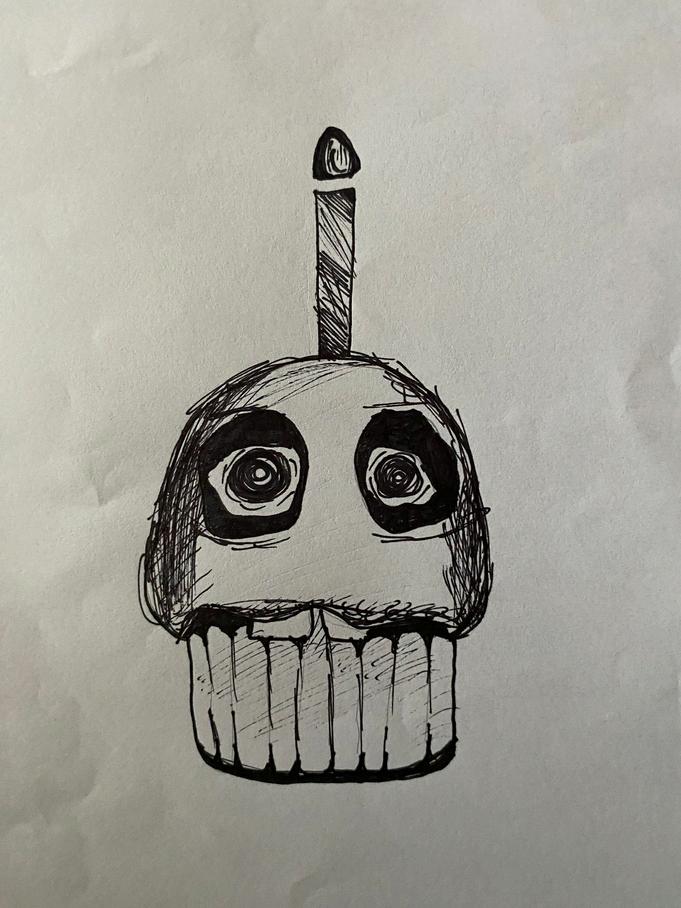
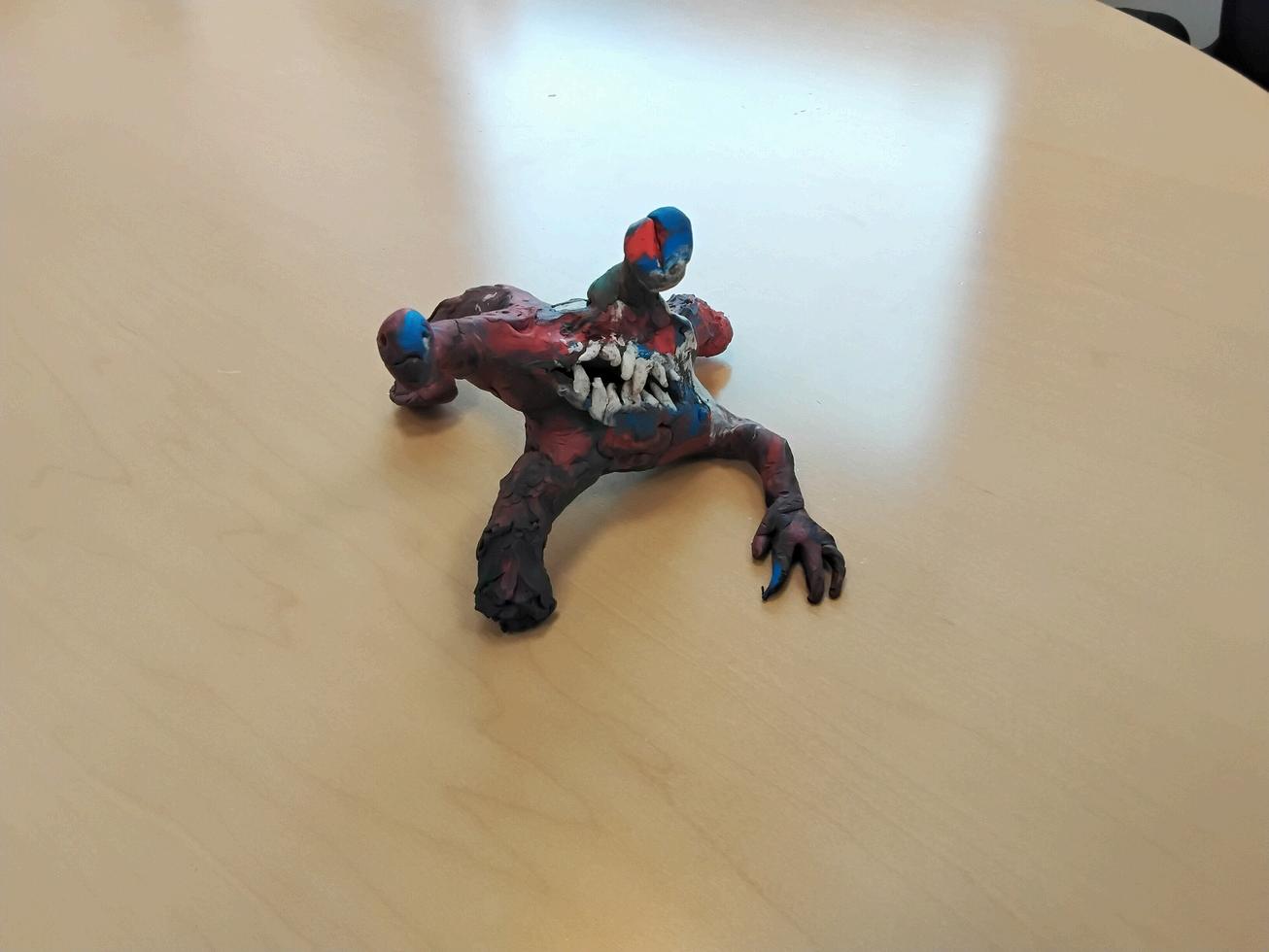
Artist Note: “[This] is a clay piece based on gluttony and greed I want people to feel curious and ask ‘what is it?’ It shows the creator being consumed by the monster they made.”
BY JAHAAD,
KING COUNTY CHAPTER MEMBER
Living in a car with my pregnant wife is not simply a housing challenge it is an emotional, physical, and psychological ordeal that tests the limits of patience, love, and resilience It is a reality that thousands of families across the world quietly face, though few speak openly about it. The combination of impending parenthood and unstable shelter creates a unique kind of weight: one made of fear and hope intertwined
Pregnancy, by its nature, demands rest, care, and consistency. Life in a vehicle offers the opposite. There is limited space, unpredictable surroundings, and constant disruption. Yet somehow, we in this situation find ways to endure each day, moving through small routines that hold back the chaos
The first night of sleeping in a car with a pregnant partner rarely feels real The shift from a stable roof to the seats of a vehicle is difficult, and the mind needs time to catch up. You’re surrounded by belongings reduced to a few bags. You look at your wife lying beside you, one hand over her stomach, and feel a mix of responsibility and helplessness that is difficult to put into words.
Every sound outside the car startles you at first the slam of a distant door, a dog barking, footsteps you can’t see. You become hyper-aware of everything: other cars, the glow of passing headlights, the temperature dropping after sundown Your senses sharpen because you no longer take safety for granted
My wife tries to be brave. She reassures me she’s “okay,” even when she isn’t. Pregnancy brings its own aches and discomforts, and the confined space of a car intensifies them There is no comfortable sleeping position; every few minutes, she shifts, sighs, and readjusts You do your best to cushion seats, fold blankets and/or sheets to find a slightly better arrangement, but the truth is, no arrangement is good enough.
Learning routines is needed After the initial shock, routine becomes essential, not because it makes the experience easy, but because it provides something predictable in an unpredictable life.
This routine became part of our daily life, and although it consumes time and energy, it also creates small pockets of normalcy that is really needed
My daily routine includes:
Finding a safe parking spot each night
Keeping the car organized despite limited space
Planning where to use restrooms
Identifying places to rest during the day
Managing food that doesn’t require refrigeration
Finding somewhere for my wife to stretch, breathe, and walk
You start recognizing which parking lots feel safer than others You learn which gas stations are welcoming, which ones aren’t. You memorize the hours of libraries, parks, and community centers. Each place serves a different purpose: bathroom, quiet, showers, or simply the dignity of being indoors for a while.
Pregnancy appointments become anchors in the week. Even if everything else is uncertain, the scheduled check-ins give you moments of structure and human connection.
Living in a car while expecting a child magnifies every emotion. There are moments of intense frustration. When your wife’s back hurts and there’s nothing you can do, when the weather turns hot, when you run out of gas money, or when someone knocks on the window asking you to move along
There is also guilt. As the partner, you feel responsible for her comfort and safety, yet your options are limited. Even though the situation may not be your fault, it’s hard not to internalize it. Many men in this circumstance describe feeling like they’re failing before fatherhood has even begun
Your wife, meanwhile, struggles with her own fears. Pregnancy already brings hormonal fluctuations and physical vulnerability. Add instability and you have a recipe for exhaustion physical and emotional She worries about the baby, about the future, about how long this chapter will last
Yet even amid the stress, there are quiet moments of closeness. Whispered conversations in the dark. Holding her hand when anxiety sets in. Feeling the baby kick while the world outside remains indifferent These moments become lifelines reminders that the situation is temporary, that you’re facing it together, that love persists even under pressure
The small victories matter in this situation. In a stable life, it’s easy to overlook small achievements. But when living in a car with a pregnant partner, even small victories feel monumental
Finding a well-lit, quiet parking area becomes a win. Getting through a doctor’s appointment smoothly feels like progress. Securing a hot meal becomes a moment of relief. A stranger offering a kind word or simple humanity can feel like a gift
These small victories matter because they prevent despair from fully taking root. They remind you that progress doesn’t always look dramatic it sometimes looks like one stable day at a time.
Pregnancy requires care: space to stretch, safe places to rest, access to hydration, and the ability to move freely A car restricts all of this Your wife’s back aches more easily Swelling comes faster Heat and cold affect her more intensely.
You become attuned to her needs in a way you might not have imagined before You watch her carefully for signs of fatigue, discomfort, or stress You learn to adapt to the cramped interior of the car as creatively as possible with: pillows, jackets, blankets, anything that can help her relax even slightly. You measure your days by her energy levels, her appetite, her comfort.
The limitations of the car make you realize how deeply you want stability not for yourself, but for her and the baby.
Possibly the most surprising part of living in a car with a pregnant wife is the hope that persists despite everything. Hope may shrink, flicker, or dim, but it rarely disappears entirely.
You imagine the baby’s arrival You imagine a different future. You imagine looking back on this chapter one day and saying, “We made it through.”
Hope became the fuel that kept me searching for resources, applying for jobs, saving small amounts of money, exploring housing options, and fighting through discouragement.
The experience shapes us both It teaches resilience, teamwork, and compassion in ways we never asked for but had to learn anyway
Living in a car with my pregnant wife is undeniably hard. It’s stressful, exhausting, and often frightening. But it is not the full story of my life. It is a chapter one that reveals our endurance, our love, our persistence, and our ability to stand strong even when circumstances crumble around us
Someday, the two of us will be able to look back on this period with perspective. It won’t define us. Instead, it will highlight everything we overcame, everything we protected, and everything we built together despite the odds
BY ZAYN, A TACOMA CHAPTER MEMBER
The clock chimes
Writing my endless apologies down the pencil scratching on the page She sits on her throne with that crown In the dying light of the sun, all you can feel is her rage
The clock chimes
She arises, swirling the leather between her fingers the blood on the ground; the scent lingers of iron and metal like dripping blood on your knee in summertime, your skin grey as a kettle, and they start barking just in time to stop her from unraveling your petals
the clock chimes
Your steps echo on the path the walk to darkness away from the sociopath the bruises from her heartlessness; that proves nothing can compare to the aftermath
Writer’s Note: “[This is] a poem focusing on the impact of how an abusive power can destroy someone, particularly a child. It aims to be flexible for interpretation, bonding to many others experiences in unsafe homes.”
BY

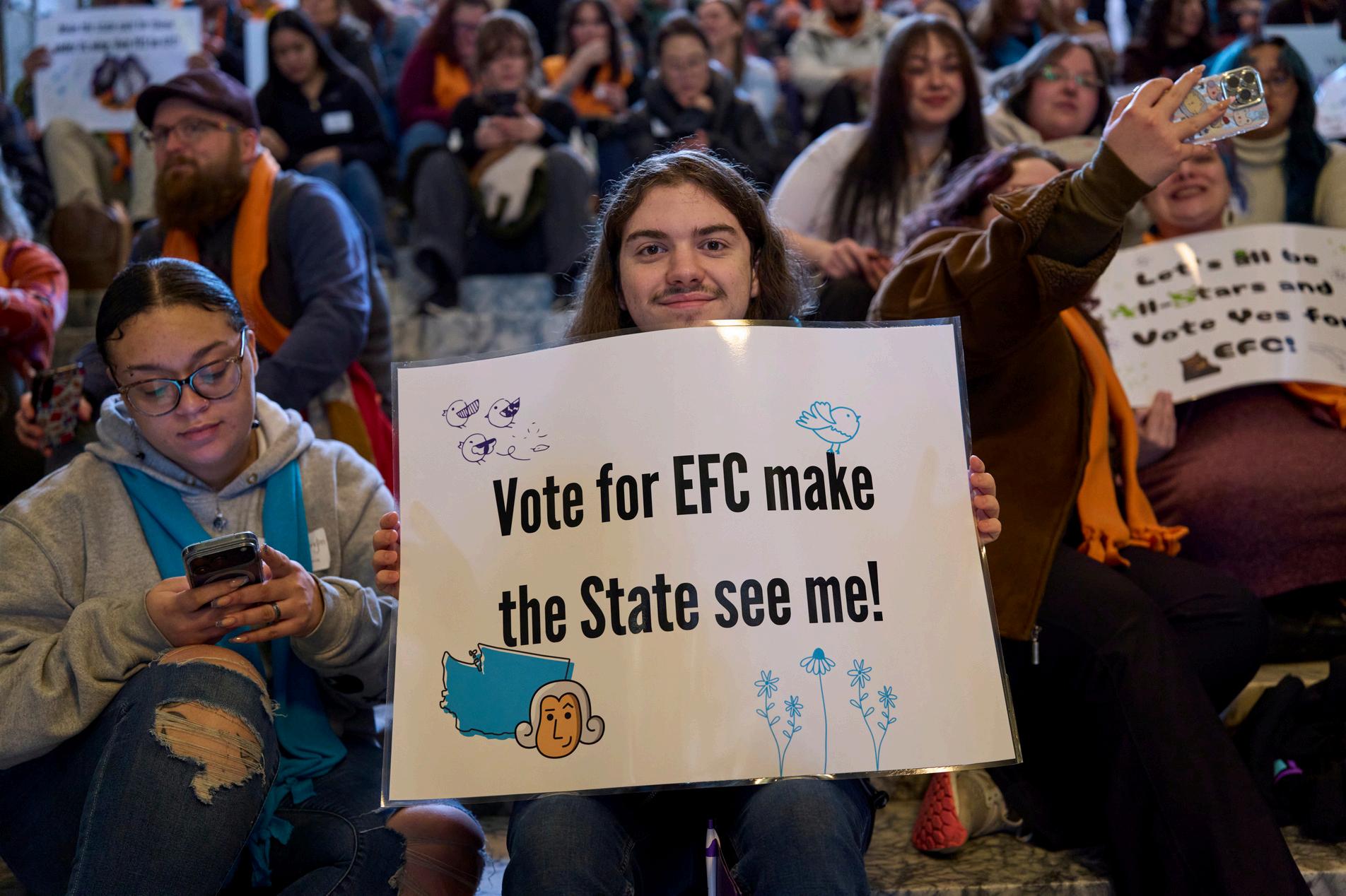
Coming out of the 2026 legislative session has renewed my hope for change to Extended Foster Care (EFC). When I first started doing advocacy work with The Mockingbird Society (TMS) in July of 2025, I did not know what EFC was or what it was about I am a foster youth that was moved from the state of Wisconsin back to the state of Washington in 2022 (because of The Interstate Compact on the Placement of Children, or ICPC) and was never offered any follow up services after exiting care.
When I joined my first EFC workgroup meeting in September of 2025, I was honestly surprised with how much work TMS has done for EFC and is currently doing with EFC Joining that space gave me a new sense of hope and purpose to fight for current and future foster youth The people in that space made me feel like I have a voice that needed to be heard and that I can help fight for more young people to have access to support from EFC.
While preparing for the 2026 legislative session I learned a lot of new information that I never knew about. I started not knowing what EFC was. After 2 weeks in the work group I learned a lot about EFC and what we are fighting for I was empowered to learn and help steer us in the right direction
When we started the 2026 legislative session, there were a lot of questions about our EFC bill, particularly the fiscal implications because of WA’s budget crisis. When we went into this session, we went in with the decision made that we want to work with legislatures and try to get this passed This session was my first time ever testifying in front of law makers And boy was I nervous But I was able to get up the courage to make sure my story was heard so no foster youth ever have to through what I ever went through again.
Our bill was thankfully passed through the Senate Human Services Committee, but we got caught up at The Senate Ways and Means. This is understandable due to the current budget crisis. I took this as a sign that we needed to do some work on the bill and come back with it next year, because we won’t stop fighting
I personally left this legislative session with a new hope of change that is coming and a new fire burning for me to continue working on this issue. I want to stand up for foster youth that can’t have their voices heard, and I will help be a part of the voice of change.
I am looking forward to continuing to fight for EFC and I will never back down from my fight.
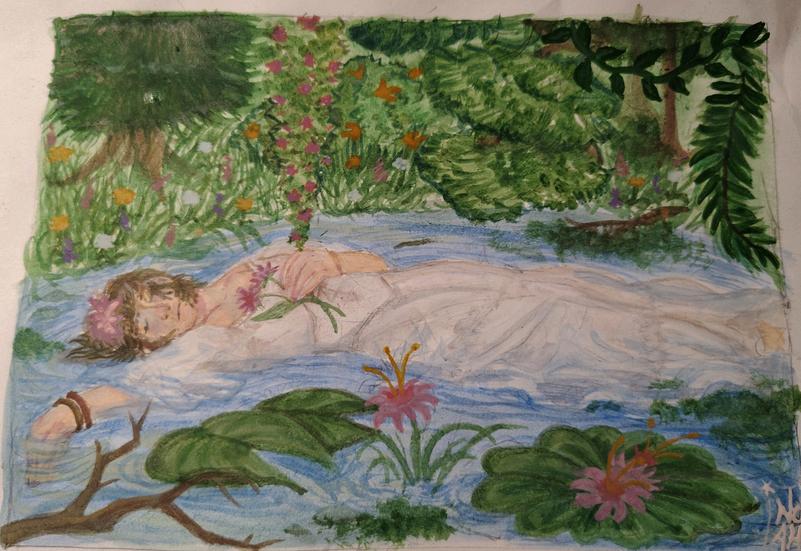
Artist Note: “[This piece is] about my experience as a transgender/queer person! This is a gouache painting done on paper that's made to represent the beauty and pain of trans guilt, done inspired by the famous Ophelia painting ”
I ate wings from my favorite spot today. A six piece and fries just for me.
I ate three of the pieces and half of the fries while sitting silently alone in the corner booth by the window. I decided to take the rest back to my residence; I wanted to eat with dignity, away from prying eyes.
I craved the privacy only a closed door could provide; a refuge from curious strangers
At home, I chewed all that was left on the bones; cartilage and all.
I cracked open treasure with my teeth and picked clean the marrow until none was left
I grew up with a shortage of food and my body doesn’t know that I might now have access to consistent sustenance.
It told me to eat everything on my plate in an angry, grating voice only I could hear.
I listened
After I finished picking the wings clean, I realized I was still hungry. I reveled in the feeling.
BY ZAYN, A TACOMA CHAPTER MEMBER
I hate being my mom’s favorite. To others, it means getting spoiled, nice words over dessert and never having to fear being grounded. To me, it means that I was able to wear clothes that day, that I could eat a meal, and walk the dog outside with no supervision Being the favorite meant I am useless and can’t stop what she’s done
I begin the game each morning, stepping onto the board at 5 o’clock. My mother waits on the opposite side, pieces already in motion, her gaze cold and calculating. I quietly move my pawn: I dress quickly, careful not to draw attention. She advances her knight, an unpredictable mood, a sudden command. Each step through the hallway is a new calculation in my brain, my mind scanning for threats in my next move as I memorize the pattern of tiles beneath my feet
Winning her favor is supposed to be victory, but in this game, being her favorite is just another trap. She lets me wear clothes, eat breakfast, small rewards for a piece well played. My victories are hollow. I survive but only in my mind is where I feel an ounce of freedom. Each piece I claim is paid for with my silence and unwavering loyalty. Losing is inescapable, my life like sand falling through my fingers. My clothes torn away, my body left exposed and trembling. Most of the time, the price is bruises, pain I cannot scrub away with a washcloth
My sister sits at the edge of the board, her moves restricted, her hope long gone. To protect her, I learn to play my mother’s game better. I study her patterns, her openings and traps. Sometimes I sacrifice my queen; My own comfort, my chance to speak, hoping the price of dinner is not my integrity. My mother praises me for being her “angel child”, as if devotion is strength But I know the truth: every good move is a betrayal Every piece I claim for myself is taken from my sister’s defense
So, I rebel quietly, sliding pieces across the board when my mother isn’t looking. I slip food to my sister, gather bits of hope in the darkness. Late at night, I read about people who don’t have to play the game I do. I learn from those games. I vow not to let her checkmate me, at least not without a fight.
Sometimes I am backed into a corner, knights keeping me in, bishops cutting off every escape I learn to hold my expression steady and as cold as hers. To keep my face blank as my blood spills quietly, so she cannot gloat at breaking me. For years, I believe the game will never end, that her control of the board is my life forever.
But the pandemic locks the world away and leaves us alone, the violence within our home invisible to all but us Now, with the board hidden from witnesses, I must plot the endgame myself. My sister’s soul is broken, her smile gone for months. I realize prayers and fiction cannot save us. Only a decisive move can. I scan the board and make a desperate gambit, seeking help at last. The day authorities say I won’t go back home, I watch as my mother’s grip on the board crumbles, her king finally cornered. Her control over me was broken, her reign coming to an end.
Eight years of calculated losses and hollow victories are unforgettable, but each day, her grip on me loosens as I walk away, farther and farther from her anger. I take a breath, finally putting the board away piece by piece, and discover my new opponent: one built on freedom, and my own hope for the rest of my life. My fear mutates into strategy, my hatred for my mother into love for the person I am becoming. I am free to play, to dream, and to move beyond her hold on the pieces of my soul.

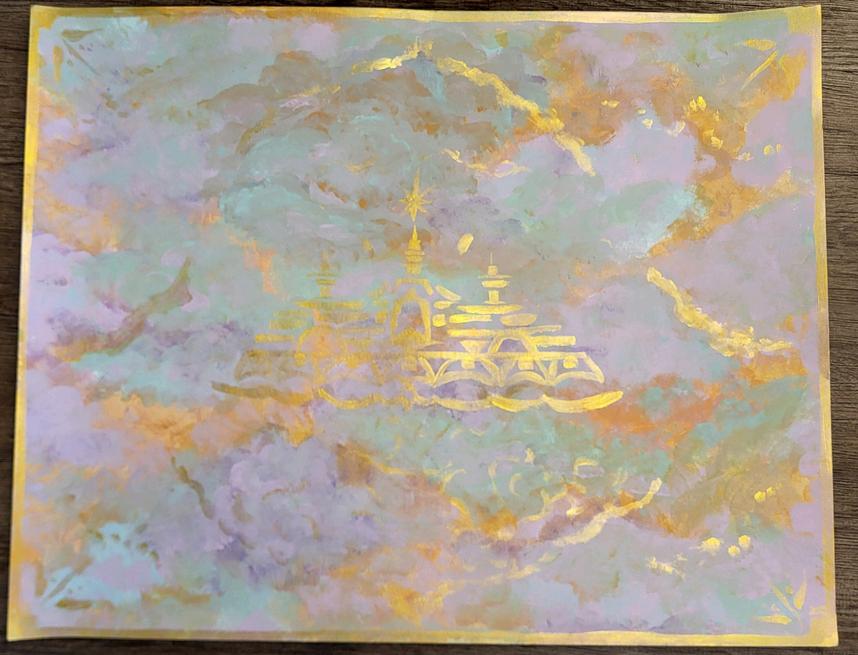
Artist Note: “This was artwork I had done during the time I was homeless Often times day dreaming and the fantasy genre are safe, motivating, and allow me to picture the future I want to have. It can be a symbol of hope. This castle now hangs in the drop in center I was with so a part of me is always there and reminds kids to keep dreaming ”
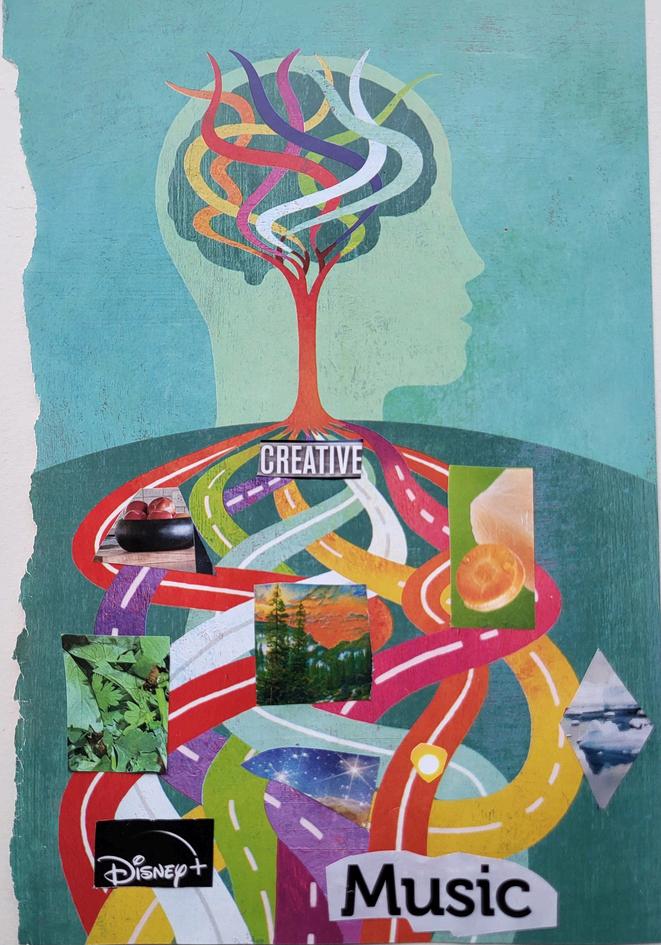
Artist Note: “Mental health is really important and it can be easy to feel overwhelmed, anxious, stuck, depressed, and additionally in my case, disabled when you've gone through hardships. I have to put extra care into myself on the daily and recently, alongside medications, I am trying to nurture myself and fuel myself with positivity as best as I can to be an overall healthier person Being creative (such as doing these collages!), eating healthier, watching tv or movies, seeing the sunlight or clouds, music, and getting out of the house when I can, have been helping me feel better. I still have flare ups but investing into myself has become a necessity to my health This can be a reminder to do something for yourself too!”
This past year has brought about many changes in our country, and I will be spending time going into the effects of federal and local funding cuts towards nonprofit work relating to youth in this article I’ve interviewed leaders/staff within the nonprofit space that gave me more insight on this issue and how organizations are addressing the uncertainty.
Due to the changes in funding priorities by the current administration last year that target social justice organizations, DEI (Diversity, Equity & Inclusion) hiring practices, and social welfare. Many nonprofits have been hit hard by the change, in particular ones who’ve served and are serving minority populations, immigrant populations, and marginalized communities This has impacted resources that are available to the youth that organizations like The Mockingbird Society, The YMCA, and Friends of Youth would often rely on. Alongside the recent government shutdowns which have stalled funding for essential needs like food benefits and housing programs. Housing organizations are unable to fully uphold the funding planned for housing vouchers that many youth in a housing crisis or who face homelessness would typically apply for or be referred to This presents an overall funding crisis that cannot keep up with the needs of vulnerable communities across The United States
In our local/statewide community I reached out to some leaders I have worked within managerial/director roles to gain more insight on how this affects us locally. Here are a few of my questions, as well as what I was told:
What has been the impact of state funding cuts and limitations on the nonprofit you work for and/or other nonprofits you work with/know of?
Yvonne Monique Aviva (Former Sr. Director of Residential & Foster Care Services at Friends of Youth, Current Executive Director of The Mockingbird Society. Was on staff at Friends of Youth at the time of this interview): “Economic insecurity, often underfunded prior, leads to more uncertainty The people we help have it harder than ever due to lack of resources and funding Results are dire How do we collectively address this? We don’t want to quit, how can we be resource smart?”
Imani Bender (Case Manager/Program Lead at The YMCA of Greater Seattle): “We’ve been feeling the impact in a lot of places in a lot of different ways. Shelters have shut down, certain programs are cut affecting certain populations of people. Resources that were already scarce are scarcer Staff is shrinking, there’s less workers, and fewer opportunities ”
Do you or your nonprofit have any proposed solutions, ideas, or ways to work around the limitations of these funding issues? How have you redirected or restructured yourselves to adapt to these new changes?
Yvonne Monique Aviva: “Our agency, [Friends of Youth], gave up all federal contracts. We’re not just friends of youth, we’re friends of all youth. We’ve become very mindful of resources, look at the work that we specialize in doing, trying to keep the work resources rich. The systems of oppression are not new, we’ve (nonprofits) dealt with segregation and economic hardship before”.
Imani Bender: “It’s like trying to come up with solutions in an area where there isn’t a lot of funding to those solutions. When we don’t have the funding we have to lean into the power of the people. Big focus on advocacy.”
How has this impacted grants/obtaining grants?
Yvonne Monique Aviva: “We spend grants we already have, seek out new ones, diversify our funding opportunities, partnering with the community. Nonprofits do good work, people know of our efforts and impact, and it helps garner support”.
Imani Bender: “There has always been a high demand for unrestricted funding/grants, the current context has changed, a lot of organizations won’t go to the federal gov. for funding. Private funding is going to have more competition as people scramble towards funding that meets their needs, much of private funding is from donors, and there’s less incentive to donate or invest in programs and communities.”
As the leaders in these organizations have stated, the need is dire and lack of resources is contributing to harm towards vulnerable populations that need it most While there may be strategies to minimize these struggles, it doesn’t make them go away, nor does it fully address what is needed. We must advocate for better in the face of this adversity, and for the future, work to prevent cuts to crucial programs and supports in our society. Guardrails must be made to ensure that in the future this cannot happen again to this degree, and furthermore that a presidential/federal administration is held accountable to checks and balances on its power.
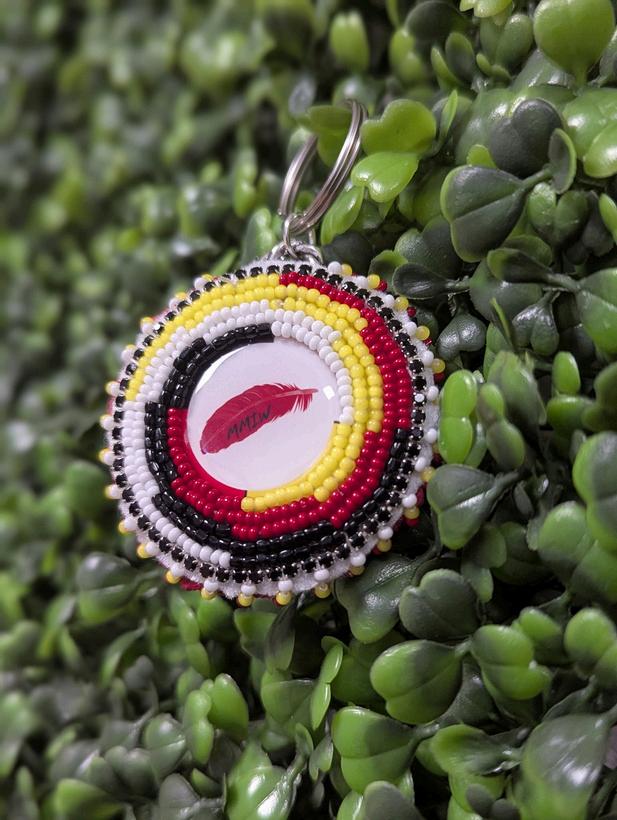
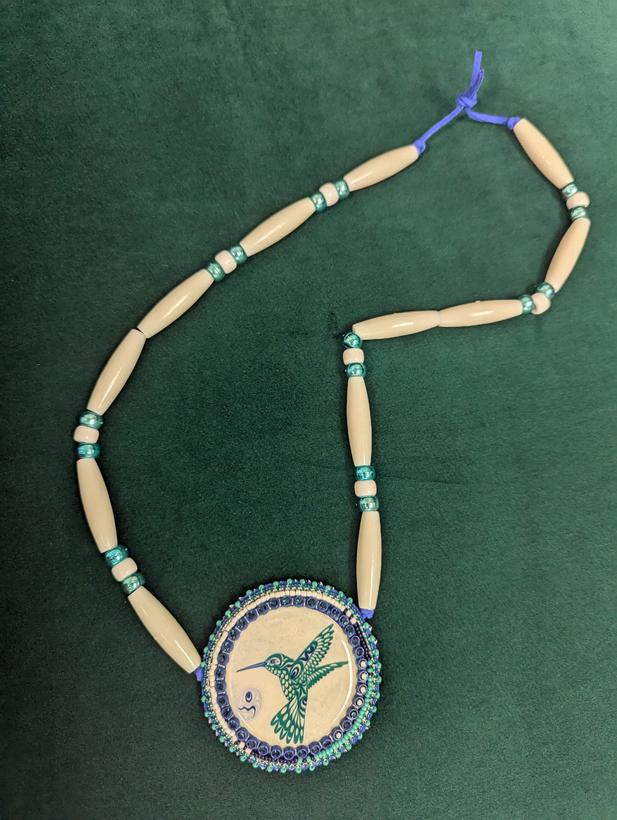
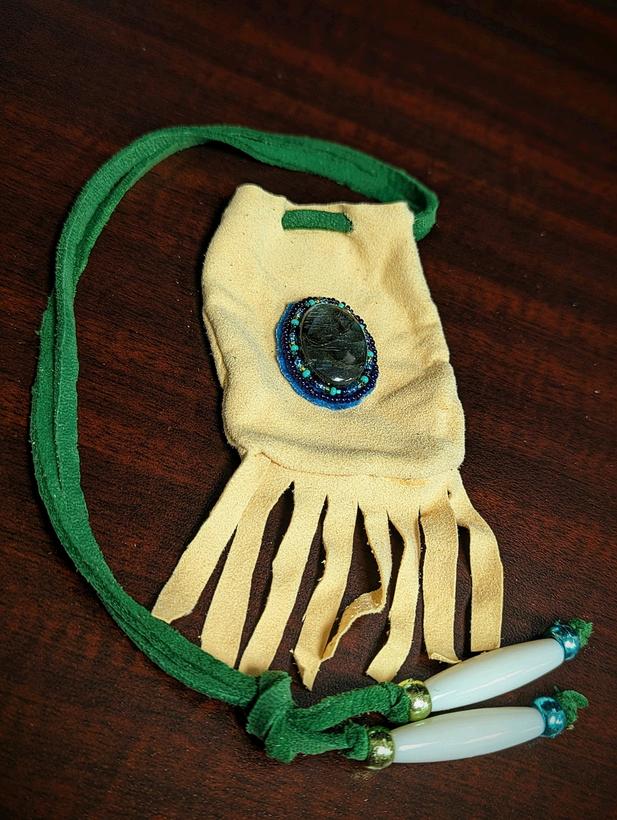
BY ENDER, A KING COUNTY CHAPTER MEMBER
I’ve been a pretty big crafter and artist from the time that I could so much as hold a crayon Since most of my free time throughout my time alive has been spent in my arts and crafts I’d say I’ve had a lot of experience expressing my own emotions and views through my arts. There is something so striking and beautiful about being able to tell a story through your art, to fight against a world that would rather you not have a voice. I’ve always been part of quite a few marginalized communities and unfortunately for those in power that will never change. I am Queer, mixed race, a second-gen kid, disabled, and have always been poor These things have of course been shown in my art for my entire life
These things, in art, have always been controversial. Despite how much I believe they should never have been, that cannot out-write the reality that this is the case. I am proud of who I am, I love all that is my identity despite how much hardship it brings me. I love my dad’s family, many of which are first or second gen immigrants. Meaning immigrants themselves or the children of immigrants They’ve been far far kinder and accepting of me than my white mother and her family have been of me Drawing BIPOC has been a comfort of mine due to this I find happiness and peace in the art that shows people like my family. I use the happiness and joys I find in my family as an act of rebellion against the people who would seek to silence me, and to show the world that people who are like me are people just like everyone else.
Not all of my art is BIPOC in nature. Many of my pieces are symbols of my struggles going through the harsh realities of my life Some of these drawings, which are my personal favorites of my recent works, I call “the red drawings ” They are just what the name would suggest A set of drawings comprised entirely of red hues and shades.
The red drawings are meant to show my experience with the world around me. Dirty fingernails and tired frustration, a look into my exhaustion towards constantly being forced to fight to get what most would consider the bare minimum A hand chained to the void where it crawls from, an endless struggle of trying to get out of the systems that bind me to poverty and the struggles I will forever be tied to, even if I manage to get out. My own eye, tired, sunken, and aged as it would look to me in the mirror. As a kid I never truly thought that I’d make it to 18, let alone into my twenties, it’s a sad but hopeful look into the future of my own life. All of these drawings and the future red drawings to come feel like the best middle finger that I can give to a world that made me have to make the only hobby that brought me joy as a child into a job as I grew into a teen and I needed to buy my own food, clothes, and entertainment I faced burnout for years and still deal with it to this day because of that
Art will always mean something, even if its meaning is quite literally to mean nothing at all, a blank canvas for those who view it to attach their own ideas to. To me, my art has always meant some form of rebellion. I used my art to pay for men's clothing as a small trans teen because of my mother not allowing me to be trans and reacting with extreme hostilities at even the hint of me being transgender I used art to vent my frustrations, my issues with my body, my issues with the way people around me were treated or were treating me I would show my support for or against the movements I felt deserved it. Nothing my art did would change the world, no singular art piece can do that. However, as I’ve always said for years, “If I can change one person's life for the better, I will have done my job.” I will keep making art, even if not for other people’s eyes. It’s my self expression, my own personal advocacy, and my own act of rebellion
SHARE YOUR WRITING, POETRY & ART | SHARE YOUR PERSPECTIVE | SHARE YOUR STORY
If you’re a lived experience expert and you paint, take photos, sketch, write, or create any other type of art, send in your work to be featured in The Mockingbird Times! Contact your Regional Engagement Coordinator or use the QR code below to contact us/submit your work.

mockingbirdsociety.org
information@mockingbirdsociety.org @mbsociety
@mockingbird.society
@Mb society
mockingbirdsociety