


Editor: John J. Han
Assistant Editor: Susannah Cerutti
Editorial Consultant: C. Clark Triplett
Cover Design: Terrie Jacks, Aurora McCandless
Webmaster: Joel Lindsey
The Right Words is a semiannual online magazine of nonfiction published by the Department of English at Missouri Baptist University, One College Park Dr., St. Louis, MO 63141. Nonfiction encompasses a broad range of literary works based primarily on fact, including essays, biographies, memoirs, documentaries, book reviews, movie reviews, travel stories, photo essays, and aphorisms. Interested students, faculty, and friends of the Department who support the university’s mission may submit previously unpublished works of nonfiction to john.han@mobap.edu for consideration.
For the April issue, we accept up to five nonfiction pieces during the reading period, with each piece ranging from 500 to 2,000 words. The October issue publishes only photo essays; please submit 1-3 photo essays of any length for consideration. Include “RW – your name” in the subject line (e.g., “RW – Jane Haas”). Along with your submission, provide a 100word author bio written in the third person using complete sentences. Below is our publishing schedule:
Reading Period Target Publication Date
January 1 - March 31 April 15 July 1 – September 30 October 15
Missouri Baptist University reserves the right to publish accepted submissions in The Right Words. Upon publication, copyrights revert to the authors. By submitting, authors certify that the work is their own. All submissions are subject to editing for clarity, grammar, usage, and Christian propriety. The views expressed in this publication do not necessarily reflect the views of Missouri Baptist University.
Issue 21, April 2026
© 2026 Missouri Baptist University
“Words satisfy the soul as food satisfies the stomach; the right words on a person’s lips bring satisfaction.”
Proverbs 18:20 (New Living Translation)
“The difference between the right word and the almost right word is the difference between lightning and a lightning bug.”
Mark Twain
“One day I will find the right words, and they will be simple.”
Jack Kerouac
5 Rudolph the Red-Nosed Reindeer: What It Means to Me
Susannah Cerutti
7 Review of Jianqing Zheng’s Visual Chords (2025)
Mary Saale
10 What Is Eternal Bliss?
Michael Shoemaker
11 Primordial Glimpses—Sky, Earth, Ice, Water, and the World (Photos)
Michael Shoemaker
17 Description of Photographic Series on Cemeteries
Michael C. Roberts
34 Savoring Bordeaux, France: More than a Wine Reduction (A photo essay)
Denise England
46 Echoes of Richard Wright: Scenes from Southwest Mississippi (A photo essay)
John J. Han
57 From Margins to Mastery: Endesha Ida Mae Holland’s Greenwood, Mississippi (A photo essay)
John J. Han
68 Where Harold Bell Wright’s Characters Rest: The Shepherd of the Hills Historic Evergreen Cemetery (A photo essay)
John J. Han
77 Notes on Contributors
When an individual is diagnosed with a disability, no matter what it may be, it is a life-altering experience. As an individual with a learning disability, I can attest to this. I was nine years old when I was diagnosed with autism. I felt like my world was being turned upside down. I felt as though I had been given an invisible label and that people would only see me for my diagnosis. I wanted to fit in with my peers. One movie that describes this feeling so well is Rudolph the Red-Nosed Reindeer.
In Rudolph the Red-Nosed Reindeer, Rudolph and Hermey are misfits in Christmas Town; Rudolph has a shiny red nose, and Hermey is an elf who wants to be a dentist. They want to fit in with the rest of Christmas Town despite their looks and passions, but little to no one is willing to support them, which results in their departure from Christmas Town. They travel to the Island of Misfit Toys, a place where differently made toys go because no little boy or girl wants them anymore.
When Rudolph and Hermey arrive on the Island of Misfit Toys, they meet the sentry, who is a jack-in-the-box. When he goes to introduce himself, Rudolph interrupts him, assuming his name is Jack. The jack-inthe-box replies, “No, Charlie. That’s why I’m a misfit toy. My name is all wrong. No child wants to play with a Charlie in a box, so I had to come here.” Hermey asks, “Where’s here?” After he says this, the misfit toys begin singing their song, introducing the Island of Misfit Toys.
On the Island of Misfit Toys, there is a polka-dotted elephant, a train with square wheels on its caboose, a cowboy riding an ostrich, a bird that swims, and a pistol that shoots jelly, along with many more toys. The toys feel sad; they think that no little boy or girl will want to play with them because they are made differently. That is why they go to the Island of Misfit Toys because boys and girls no longer love them. Since they are misfits as well, Rudolph and Hermey believe they will fit in on the island.
Like Rudolph, I felt that I had to do my best to blend in with the crowd, but something always revealed that I was different from everyone else. Just as Rudolph’s fake nose came off while he was playing with Fireball, Hermey’s dissatisfaction with making toys was exposed when the head elf confronted him, and the misfit toys were not played with because they were different, my autism showed in everyday moments. This caused me to worry that people would think I was weird and not want to be friends
with me. Part of the last line of Charlie’s quote “No child wants to play with a Charlie in a box” illustrates the feeling of wanting to fit in, which I desperately wanted as a child. This leads to feelings of exclusion and being misunderstood.
Rudolph feels excluded because he is left out of the reindeer games due to his nose being different from the other reindeer. Hermey feels misunderstood because he wants to do something entirely different from the other elves, and nobody understands why. The toys on the Island of Misfit Toys feel excluded because they do not get to experience the love of a child due to being made differently. Their uniqueness makes them “not normal,” meaning that they cannot do what the other reindeer or elves do. For the misfit toys, this means that a boy or girl will not love them because they are not the stereotypical toy (a cowboy riding a horse, a train with circular wheels on its caboose, etc.). This was the same for me. Where I could go was limited; some places were overstimulating for me.
The end of Rudolph the Red-Nosed Reindeer symbolizes that you can be accepted despite being different. Rudolph joins the sleigh team, and his red nose helps guide Santa’s sleigh through the snowstorm. Hermey is accepted among his peers despite his dislike for making toys, and he gets to help relieve the head elf’s toothache. The misfit toys finally experience the love of a child despite looking different. For me, I have found a friend group here at MBU that values me, autism and all.
As an adult, I no longer have the same desire to fit in with the crowd. I am comfortable standing out. People generally do not care that I have autism; it does not define me as a person. My autism is a gift, and it makes me who I am. Like Christmas Town eventually did for Rudolph’s nose and Hermey’s passion for dentistry, I have accepted it and learned to embrace it.
Review of Jianqing Zheng’s Visual Chords (Broken Tribe, 2025). ISBN 978-1965412251. 100 pages, $12.00.

Visual Chords is a collection of poetry by Jianqing Zheng that readers positively won’t want to let pass by, because these verses will stay etched in the heart long after the last page. I found myself just wishing for one more page, one more poem, one more visit to the South where I grew up, as Zheng seemed to capture again and again in his lines of verse that took me home and allowed me to see places I knew so well through different, important lenses, by lifting me up and taking me to different time periods, perspectives, points of view, and people’s lives. Being able to see through the looking glass of Jianqing Zheng is a literary experience I won't soon forget.
Zheng’s poems took me on a journey that made me long to pause and consider the world with a little more care, consideration, wonder, and love. His journey took me to places I had not paused to consider in a long time, so I thanked him for using his mind, his pen, and his imagination to allow
me to enter his world for a while. You will want to spend some time in Zheng’s world as well, as he takes you to places you will feel like you know well once you read for a spell.
Zheng introduced me to two old friends sitting on two metal chairs on a front porch in Mississippi, reminiscing about being kids together before leaving that safety of childhood to go live in the great big world, only to end up there once again as they were able to relive the pleasures of being young. Just like many of us with our childhood friends, life ends up separating us. These two friends Tiger and Mark have the joy of getting to reconnect. I loved the notable experience that happened on what might be otherwise an ordinary day. It made me hope that can happen for me one day with one of my childhood friends.
I also got a glimpse of the Great Depression, World War II, and the reminder of how so many lives were not easy at all. His poems showed me what hard work really looked like, and how it might have felt to be in a breadline hoping to be fed, what life was like to pick cotton, and how one man, a Japanese American, had his world abruptly shaken the day after Pearl Harbor was attacked. Zheng’s ability to capture the perspectives of so many people in the fabric of our nation through its history is magnificent, incredible, and should be honored. Not only is his poetry beautiful and thought-provoking, it also offers us a history lesson on one hand while simultaneously helping us hold this history with empathy for the people who lived it. We need to read these stories wrapped in his poems, so we know where we collectively have come from as people. Who came before us? How did America look at different times? How were people treated? How has our landscape changed, and how has it remained the same? How might we still need to change? Zheng made me pause and take notice. I am thankful for that. I also thank him for taking the time to see things deeply and to approach the world with curiosity to better understand it. Then, to help all of us make meaning of our world, he delivered us accounts so real, so honest, and so raw that we have snapshots of time.
Through all these poems, it is as if our author, the hero of our book, paints pictures of our world for us through words. His capacity to paint clear portraits through only a handful of words (or a few brushstrokes) is stellar. The pictures are clear, and they resonate permanently in my consciousness as I think about the people I have met through Visual Chords. You will most definitely be inspired and glad you go on this journey with our author, our painter, our hero: Jianqing Zheng.
So, to the reader, enjoy Visual Chords. Read it more than once. I have read it a few times, and I have left each time with different favorites. I think
you will as well. And, to Jianqing Zheng, please keep noticing. Keep imagining. Keep dreaming and remembering. Keep studying how the world once worked and how it could work. And then… please, please write about it for all of us. That would be a most wonderful gift.
MICHAEL SHOEMAKER
Most of the time, I do not recall or project eternity well. The earliest memory I can recall is drawing submarines in kindergarten at 5 years old. I was good at drawing submarines. It was a skill I have since lost. Projecting eternity is even more difficult. Next month’s water bill, next week’s work performance evaluation, and tomorrow’s leftovers for lunch are often the best that I can project. The eternal present seems more approachable. Moments of love or pain can seem frozen in a block of eternal happiness or misery. My aperture or depth of field of eternity is so shrunken, that I can sometimes see only my shoelaces well enough to tie them. However, when I pray and study the scriptures, my understanding of eternity expands just as heated air in a hot air balloon lifts it into the sky. There are cases where mothers can sense when a beloved child is in danger. Like these mothers, I believe in a God who knows me so intimately that He knows when I need His guidance. And I question less and less that God wants to show me more of eternity past, present and future. Otherwise, how can I, as a mortal, know anything about my future grandchildren now?
Bliss, “perfect happiness or great joy,” concerns me a bit. What new and different creature will I need to be to live contented with perfect eternal happiness? Will I have to surrender sarcasm or never again gulp of gossip? It seems a bitter pill to leave behind these familiar trappings. I have heard some say that they were so happy they could not speak. This has caused me to ask myself: what would eternal bliss or happiness be like? We may sometimes fantasize that heaven is a place where no one speaks, but as social beings, would we be honest enough to call this eternal bliss? As you can see, when I pass through the portals of mortal life, I may need one-onone tutoring in the eternity learning lab to unlearn my earthiness and accept bliss for what it really is. But there is one thing I know—I will feel less lonely when I see your smiling face as you pass through that same door into eternity.
MICHAEL SHOEMAKER
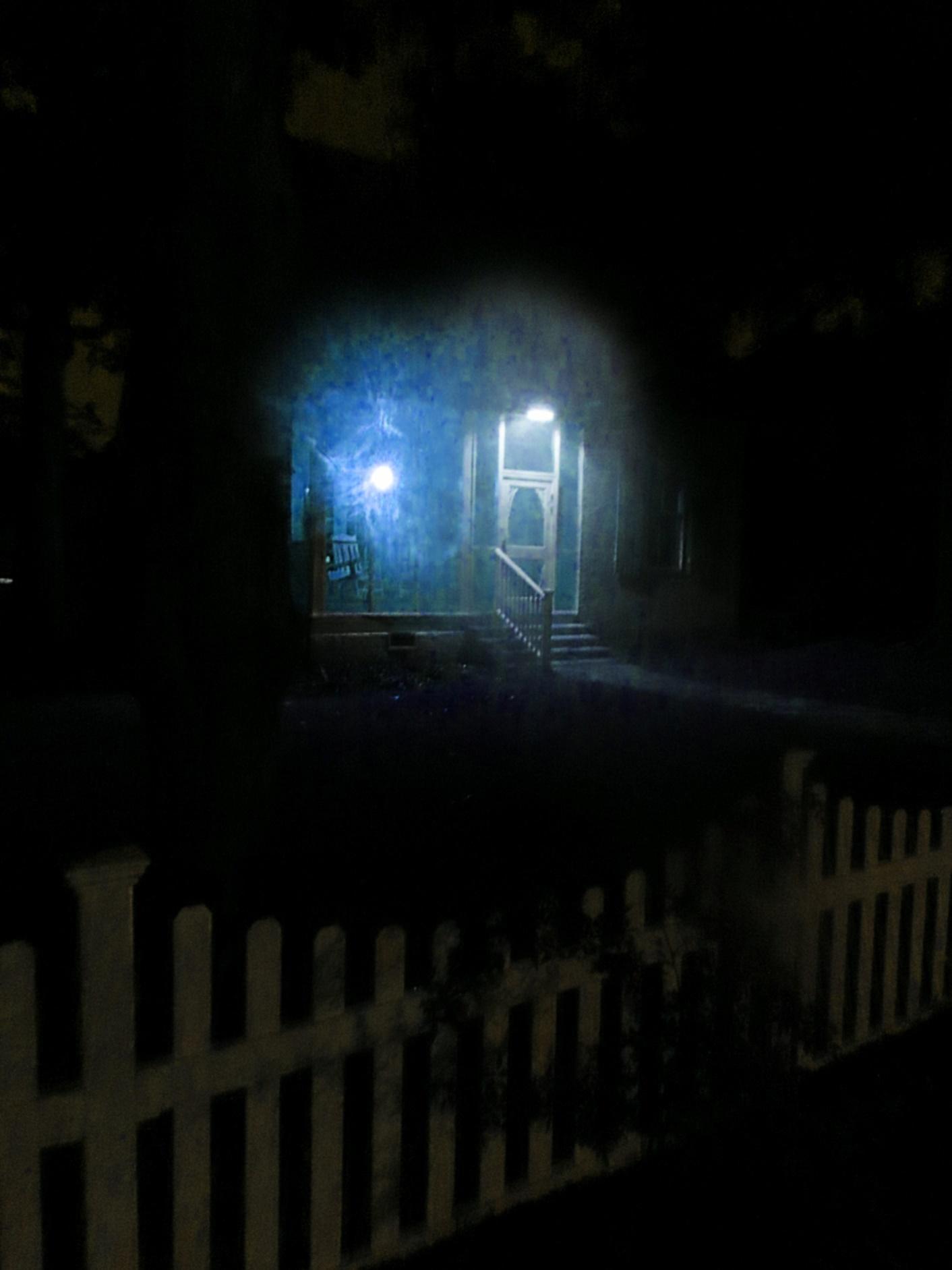
We take a journey from a sultry sunset when the sands are cooling in the Sonoran desert to a pigeonhole look-see into a British garden full of summer exuberance and liveliness. The cool blue ice from a patio reaches us up the hill, around the corner, and beyond a white picket fence in Fairhope, Alabama. Icelandic waters remind us that pure waters still flow over stone in precisely the same way they have for thousands of years. Thingvellir is an emblem that not only the ocean lays claim to the expanse and void, as this land lies between tectonic plates.




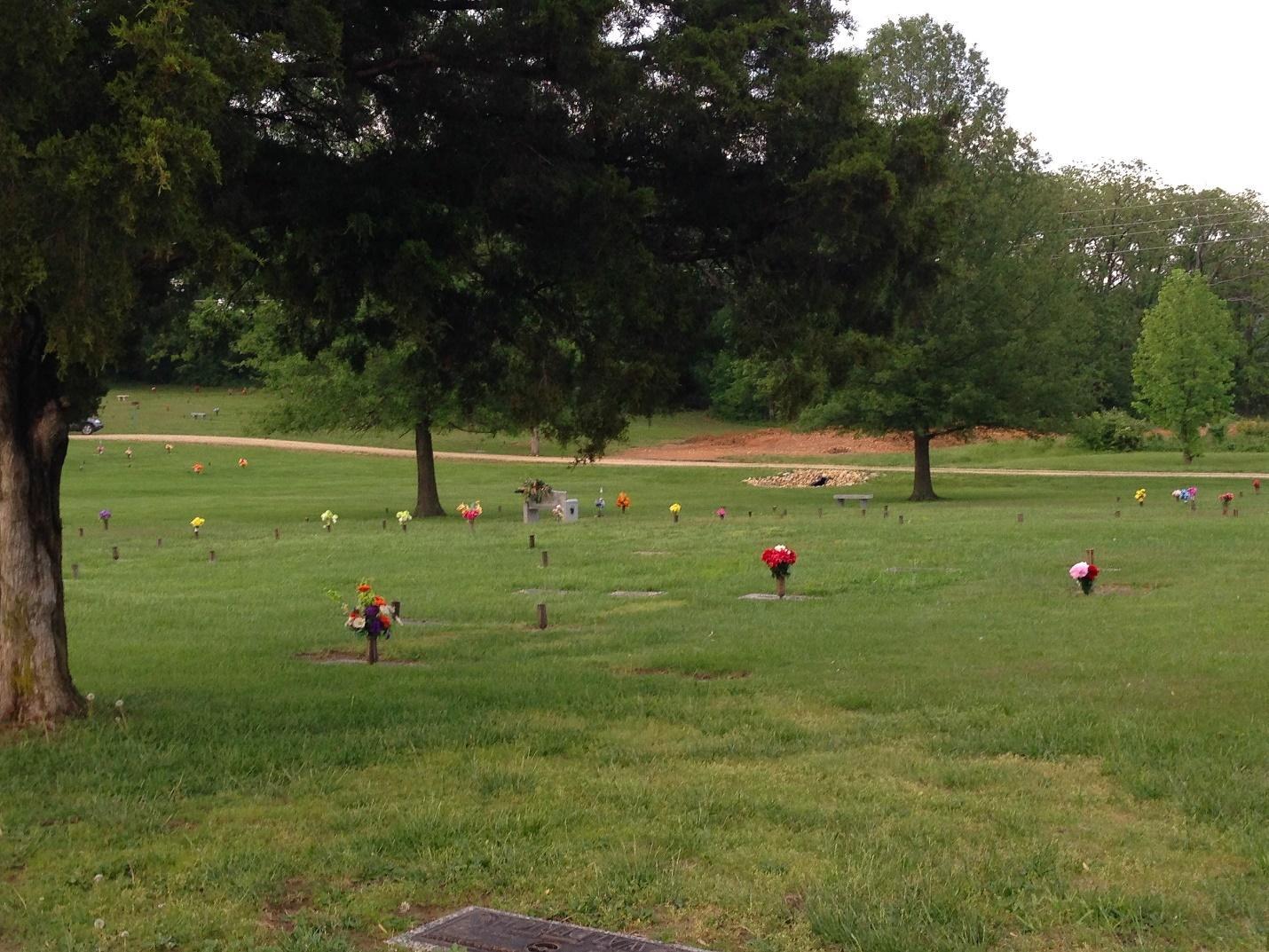
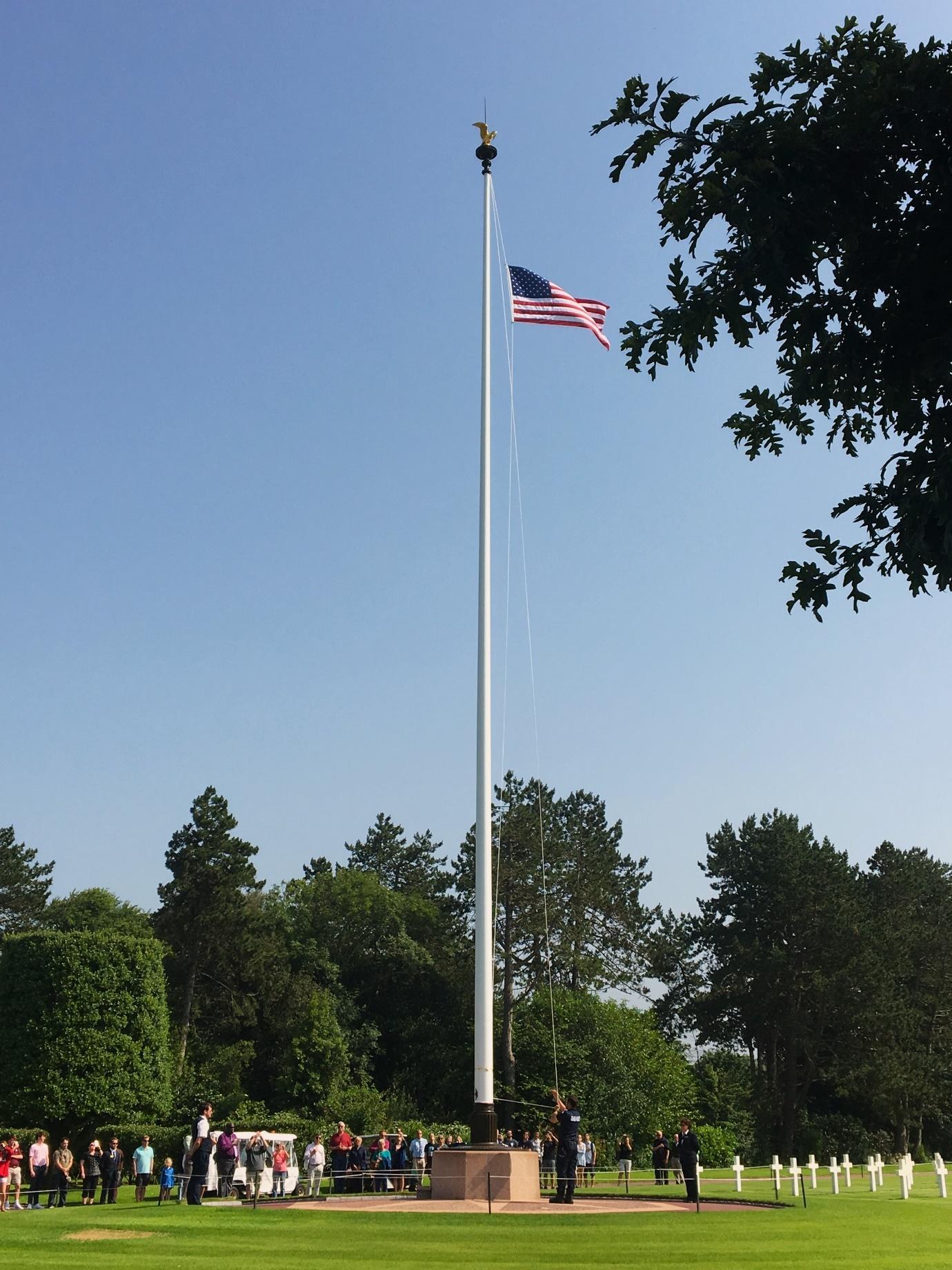
As my wife and I travel domestically and internationally, we frequently end up visiting cemeteries. In these we often learn how different cultures celebrate lives and honor their ancestors, come to terms with death and afterlife, and otherwise park their dead.
Some cemeteries are tourist destinations such as the Père Lachaise Cemetery in Paris, St. Louis Cemetery No.1 in New Orleans, and La Recoleta Cemetery in Buenos Aires. Maps and guides direct tourists to unique tombs, celebrities, and point out spots for best pictures.
On these visits, I have wondered about the stories of those whose lives and remains are memorialized in these plots. We often have only succinct information on the tombstone or plaque, but who were they and what were their lives like? Writers such as William Least Heat Moon, Susan Sontag, and John Steinbeck have noted that every place and everybody has a story. While cemeteries mark the ending of a life, they do not convey the time passing and life-markers for those entombed. Imaginatively, poets over history speak for the dead. An American poet, Edgar Lee Masters, projected stories voiced by those entombed in the “Oak Hill Cemetery” in his Spoon River Anthology. (Years ago, I trekked to Lewistown Illinois with a high school friend visiting cemeteries in the area and dipping our fingers into the Spoon River that inspired the poet as he was also influenced by epigrams in the Greek Anthology.)
We find that some cemeteries are plain with minimal markers such as memorial parks with lawn-level plaques to facilitate grass mowing, while others are above ground tombs with ornate vaults (often because of high water tables or as demonstrations of prominence and wealth).
Many are sad memorials to lives taken “too soon,” some are honorific for imminence and reputation, and other sculptures and inscriptions may be ironic or even jocular. Michael J. Crosbie, an architect, commented on “In Praise of Cemeteries” during the pandemic:
“Time spent in the presence of those who’ve gone before is a reminder of our shared ultimate reality, beyond the grand designs we fix upon the otherwise random pattern of our lives. As we survey the inscriptions, we find those who succumbed to wars, epidemics, childhood sickness. The history recorded in a cemetery reveals that
these people were as vital and alive as we are now, with dreams and plans that seemed within their grasp. Those imagined futures might not have come to pass, the stones tell us.”
(https://commonedge.org/in-praise-of-cemeteries/)
Rather than morbid obsessions with death, I too find that cemeteries are valuable chronicles of culture, art, and the arc of life and death.
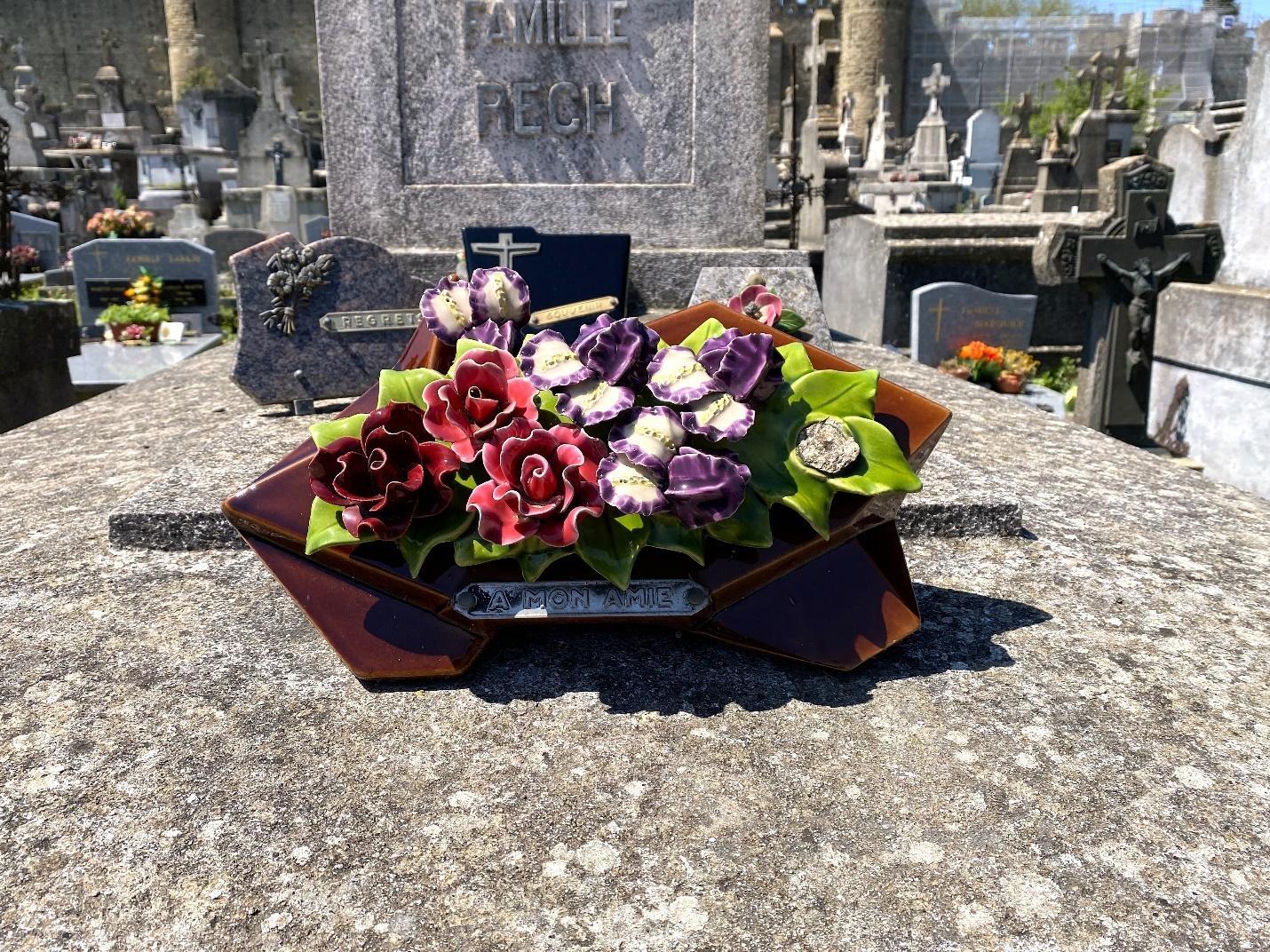

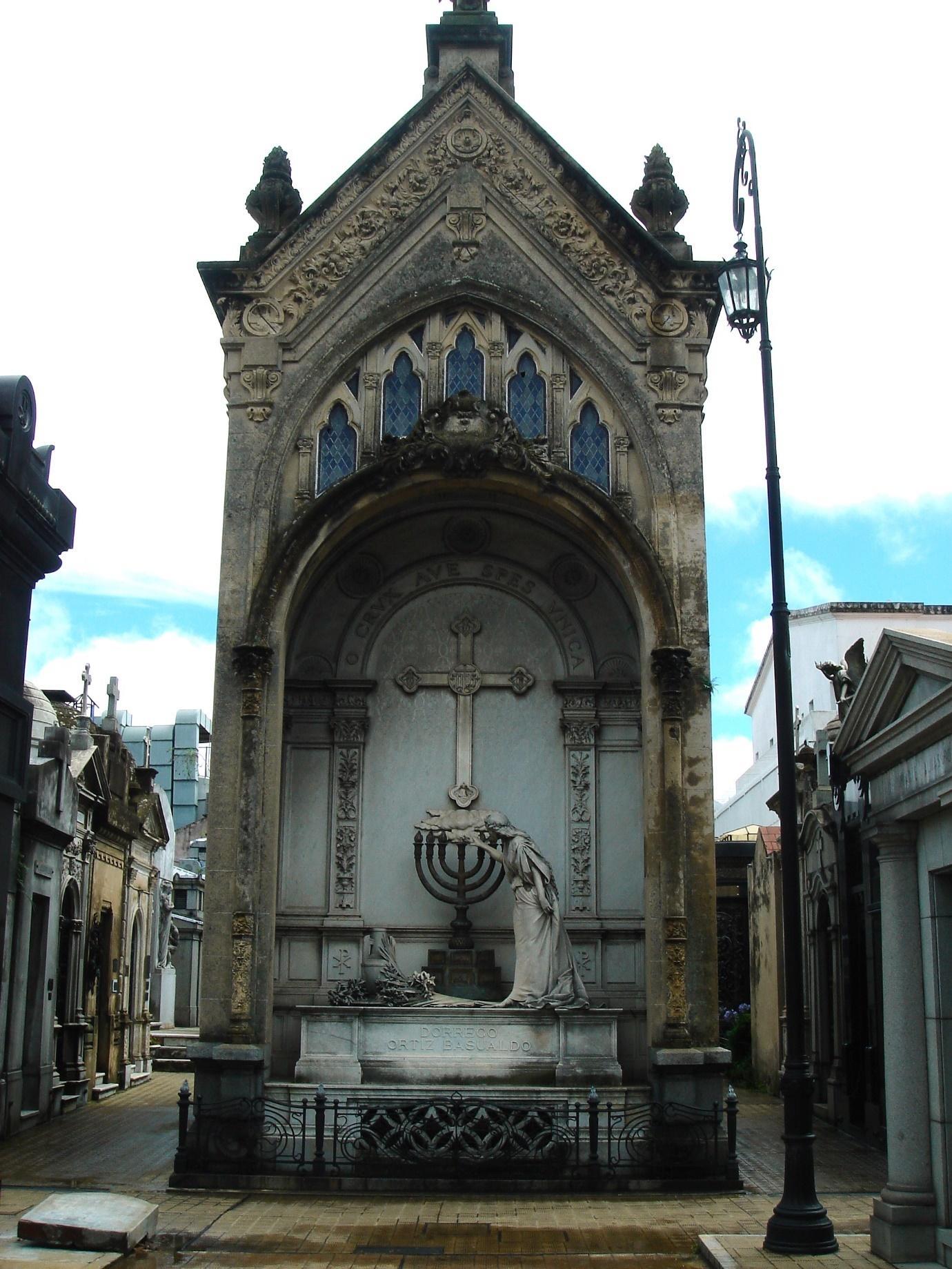
La Recoleta Cemetery, Buenos Aires, Argentina
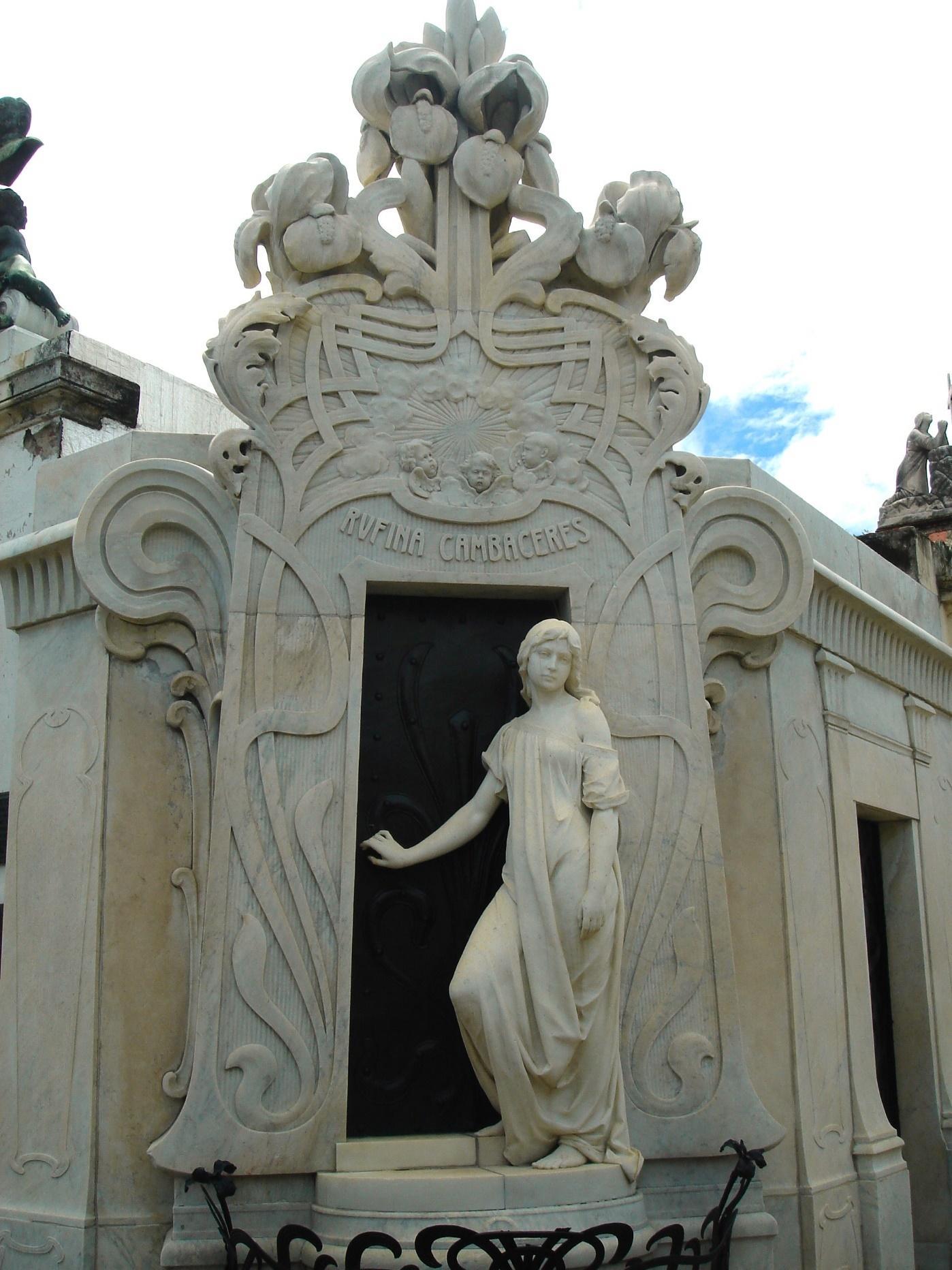
Recoleta Cemetery, Buenos Aires, Argentina
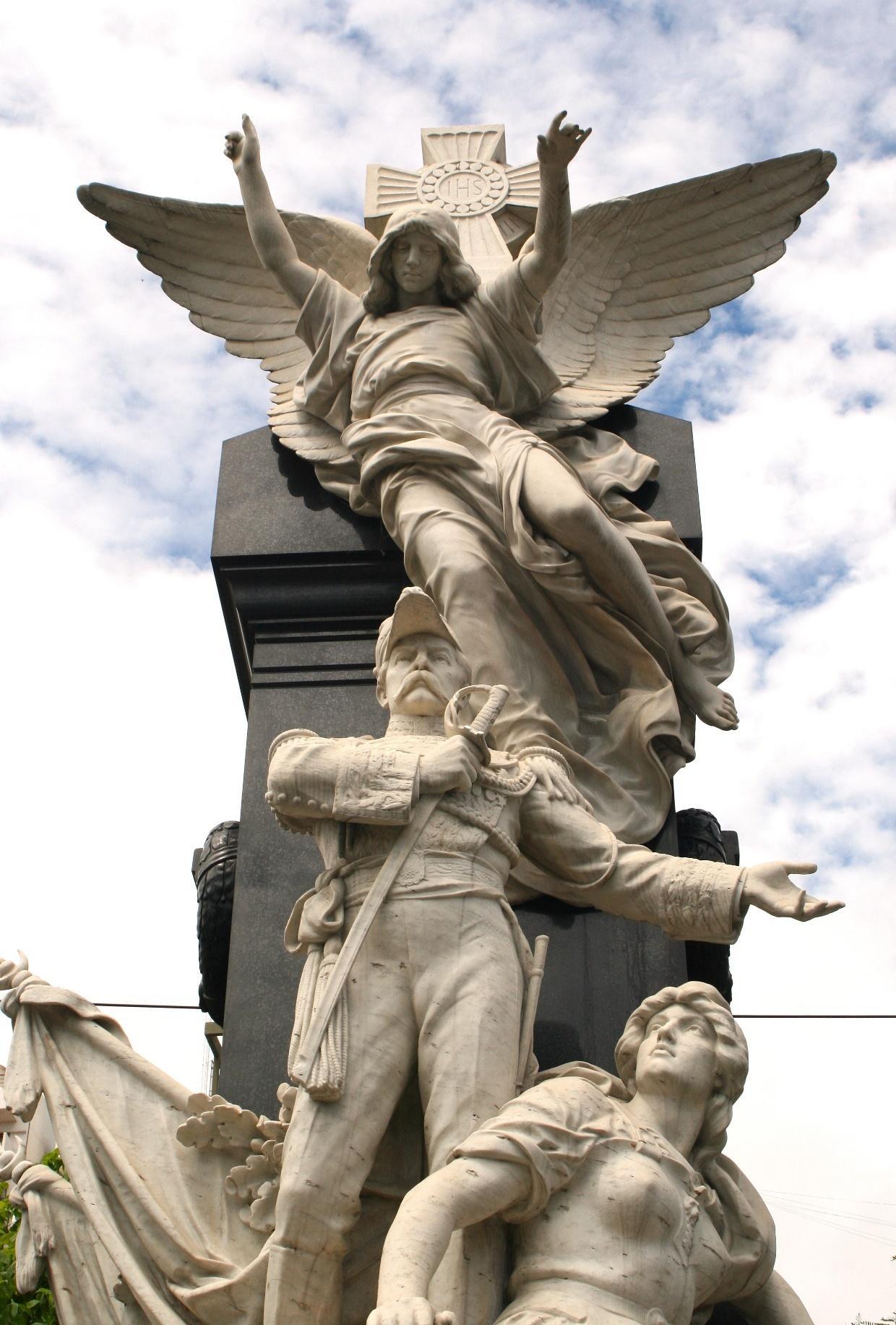
La Recoleta Cemetery, Buenos Aires, Argentina
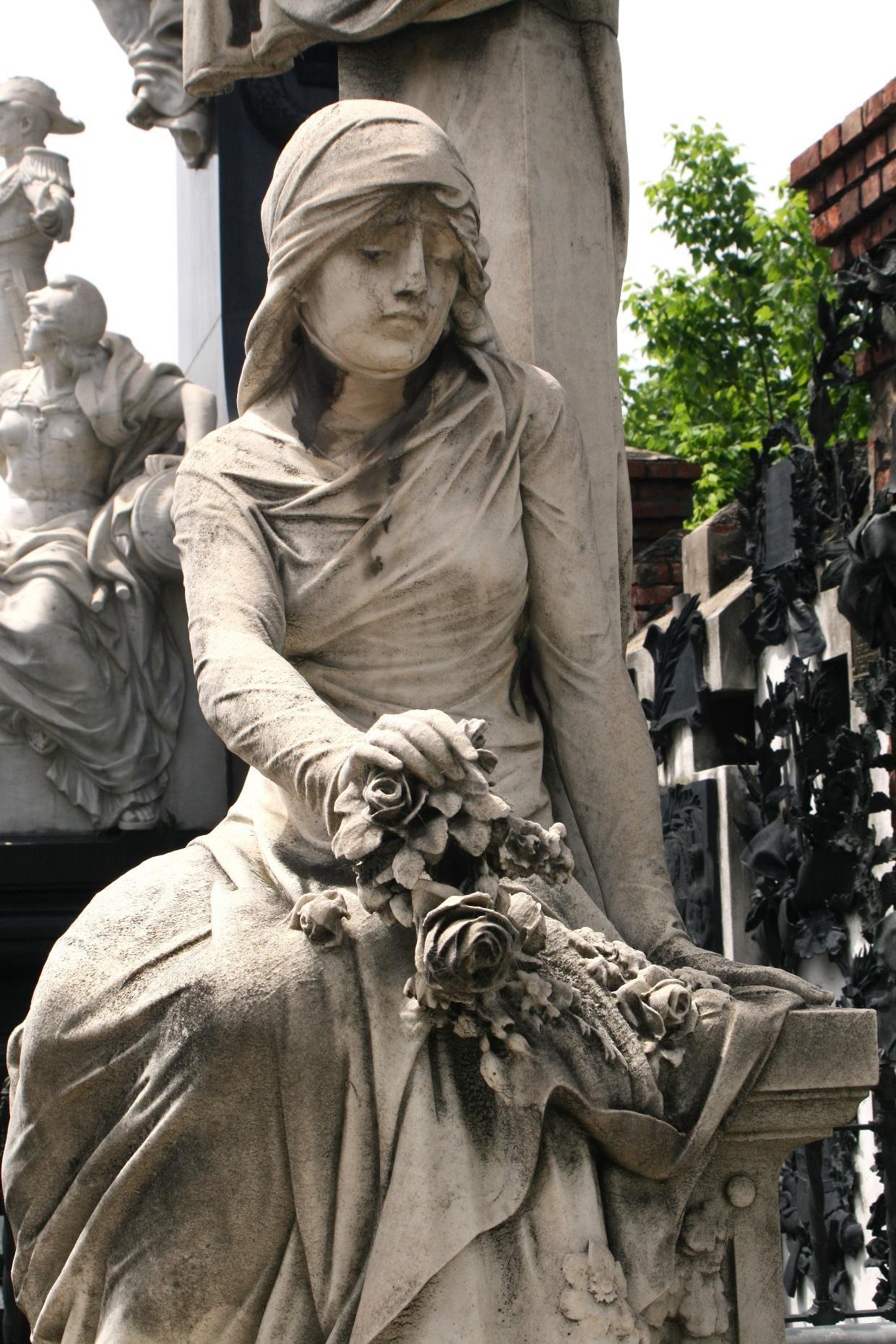
La Recoleta Cemetery, Buenos Aires, Argentina
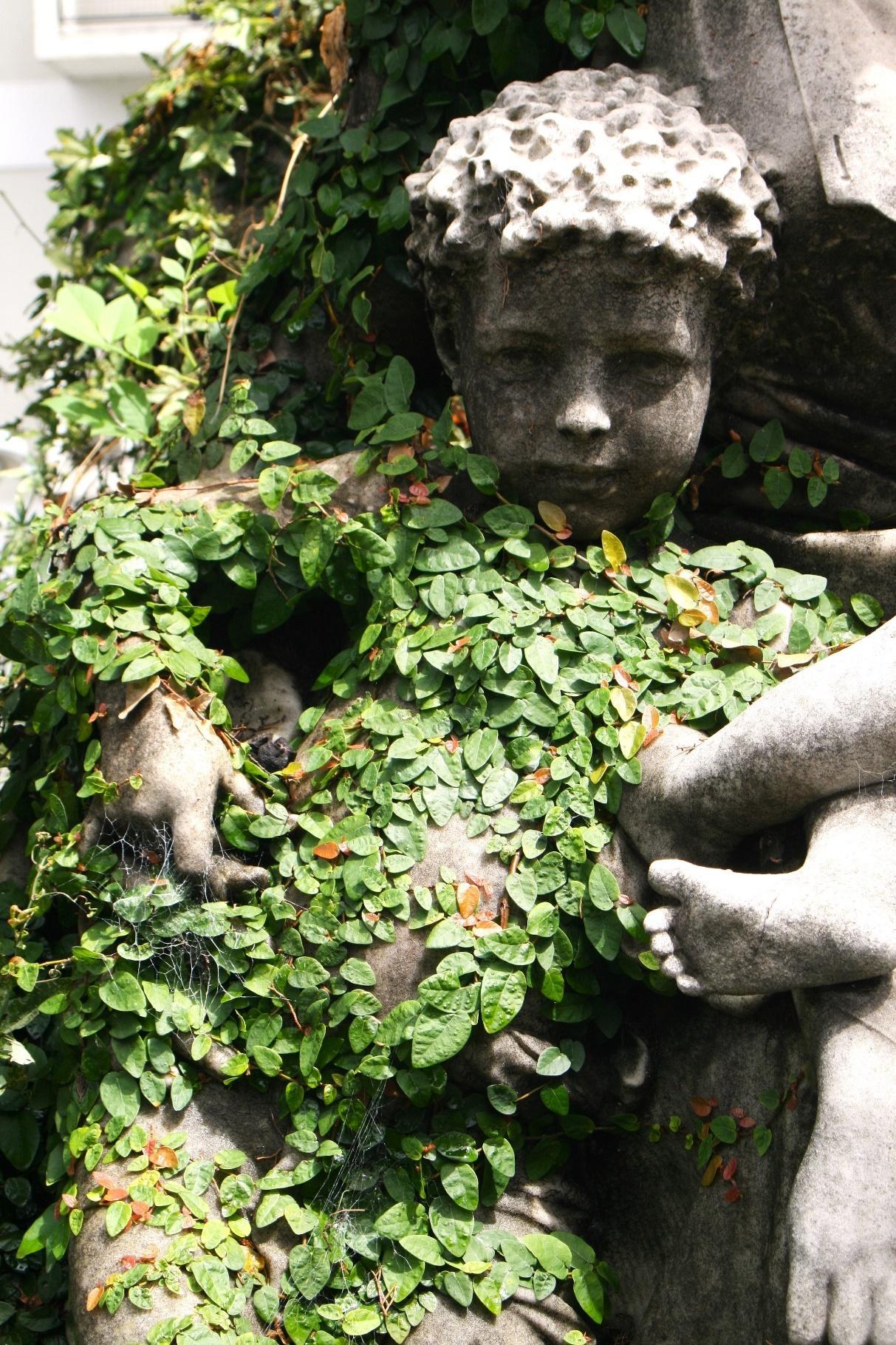
Recoleta Cemetery, Buenos Aires, Argentina
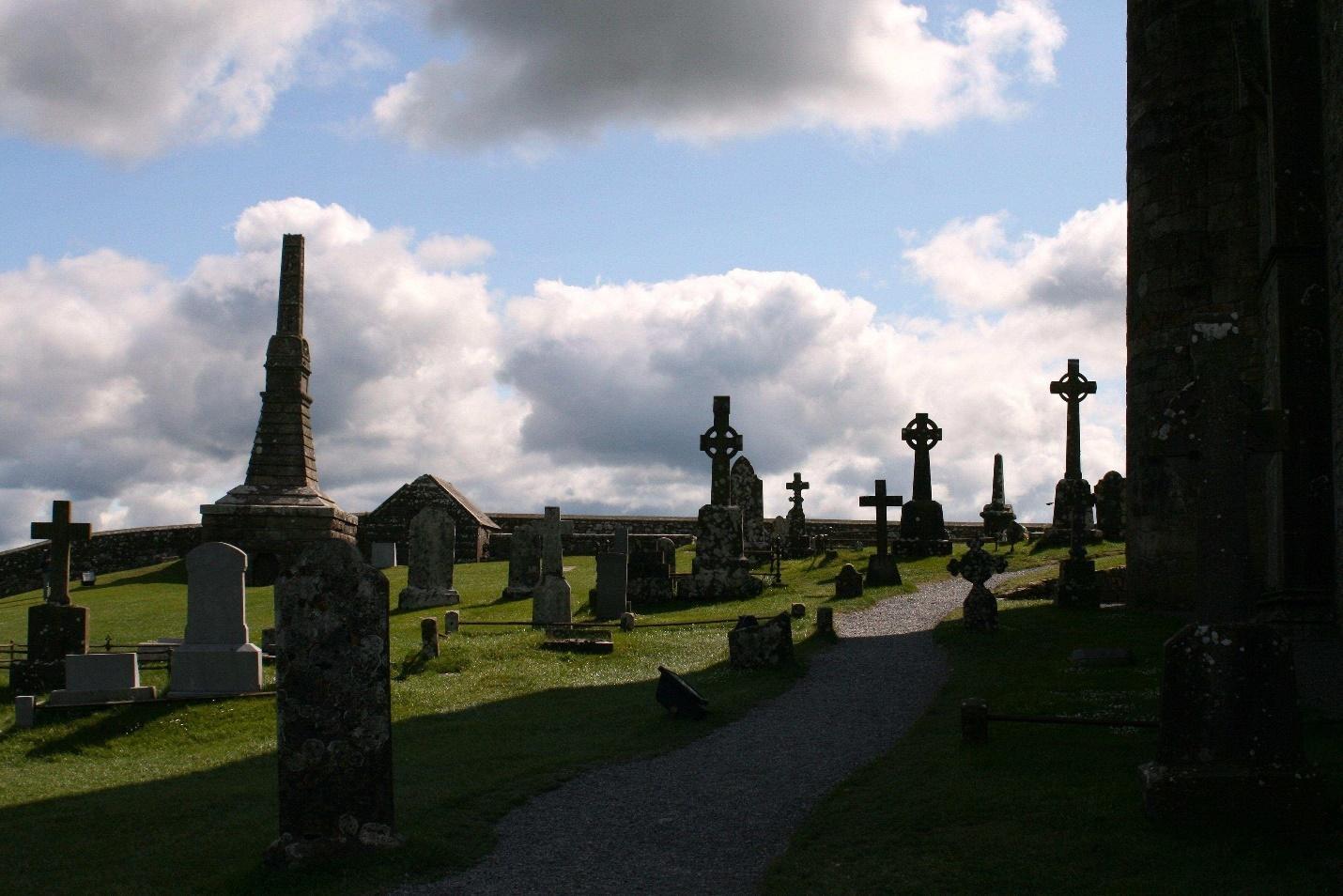
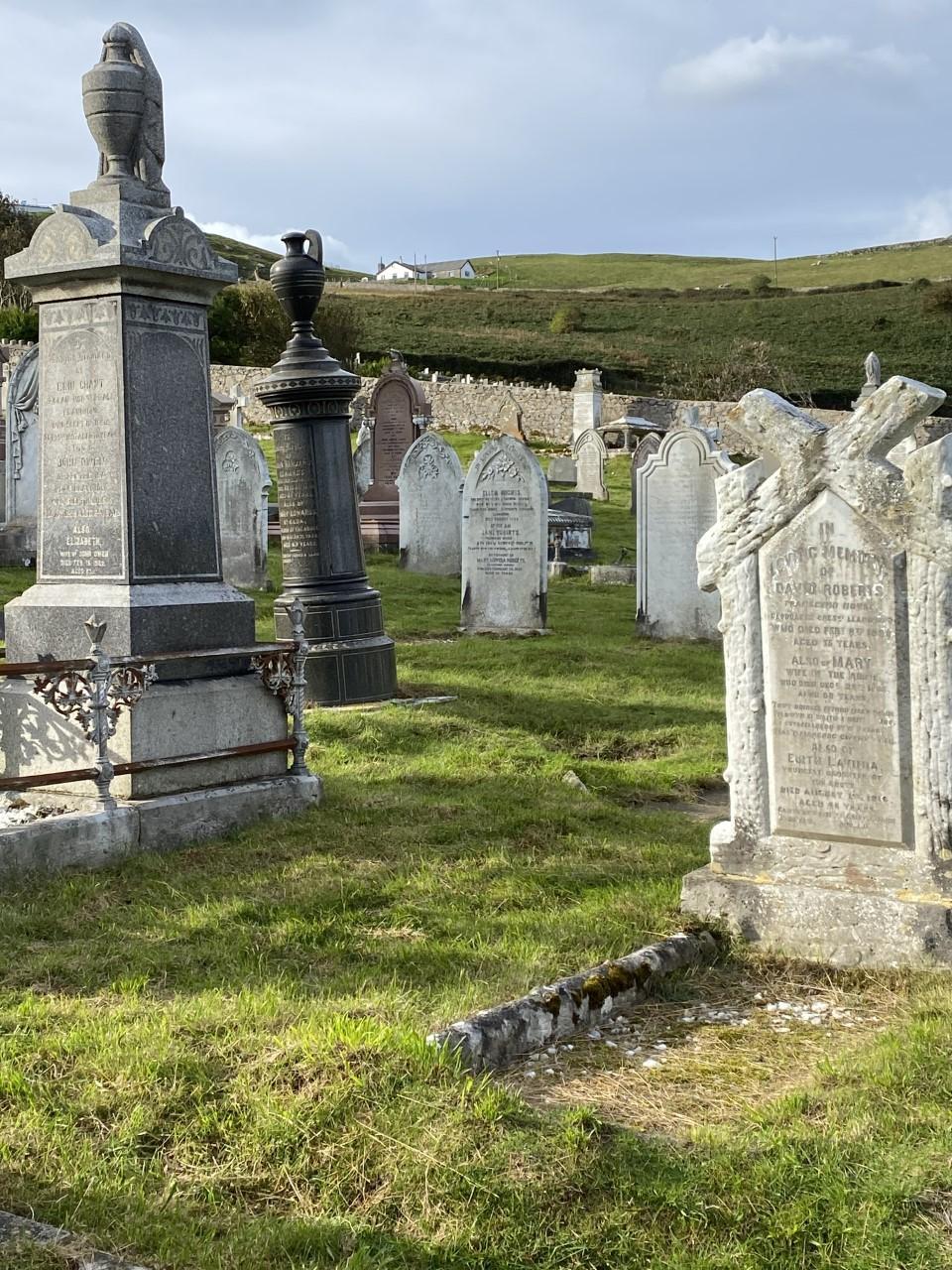
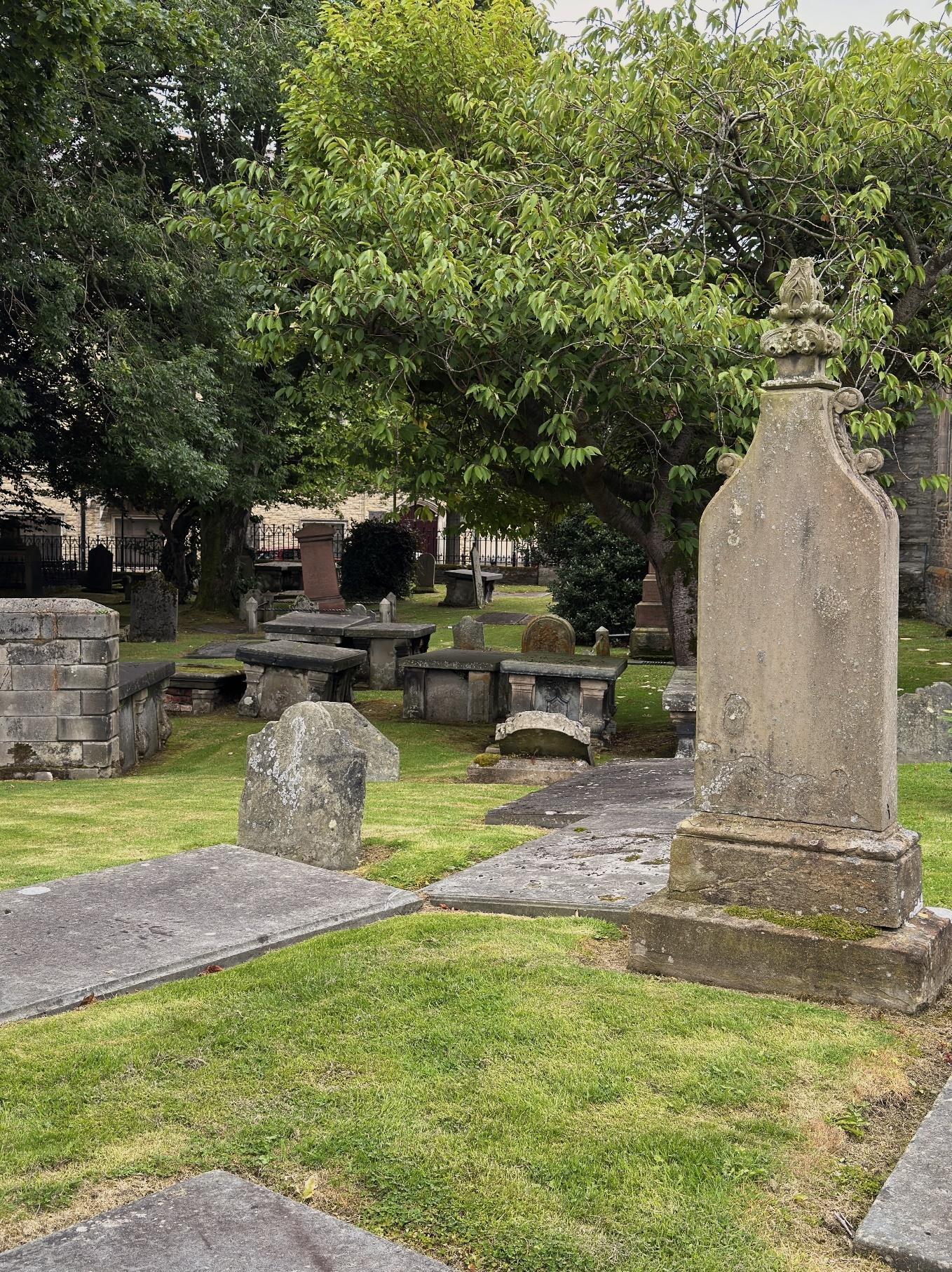
Cemetery at St. Augustine’s Church of Ireland, Londonderry, Northern Ireland
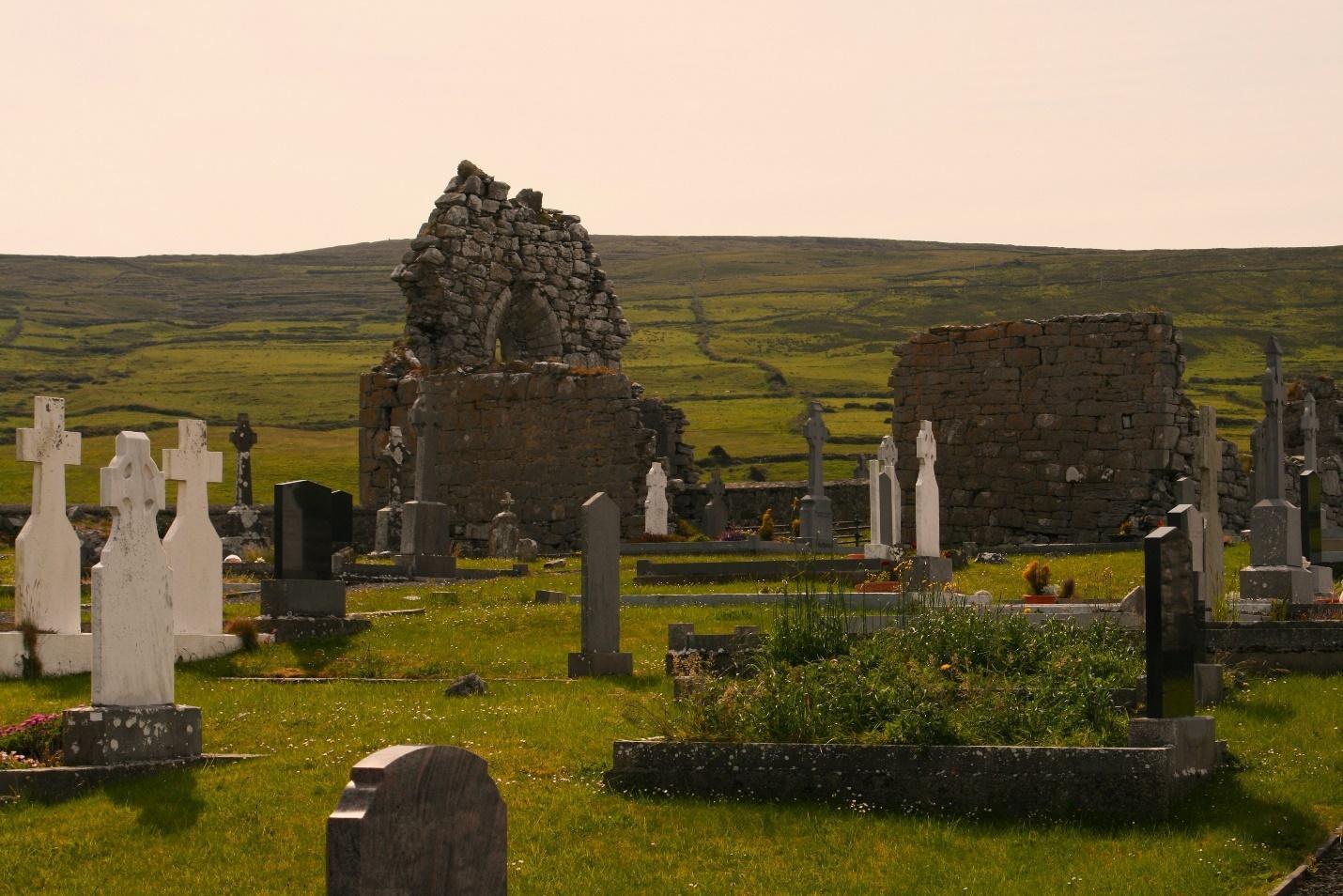

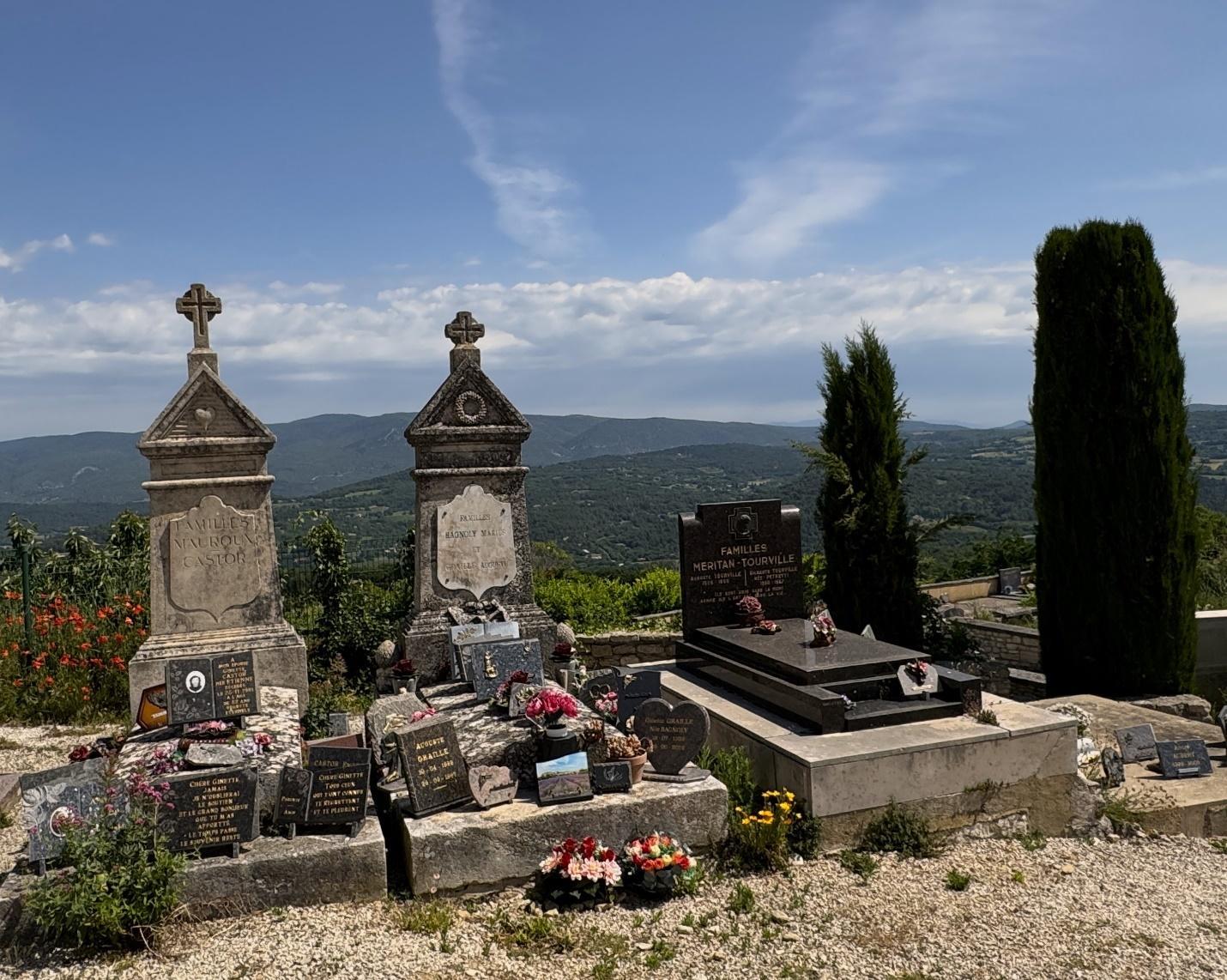
(
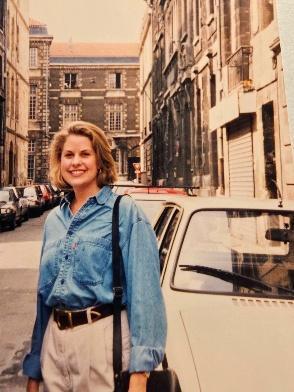
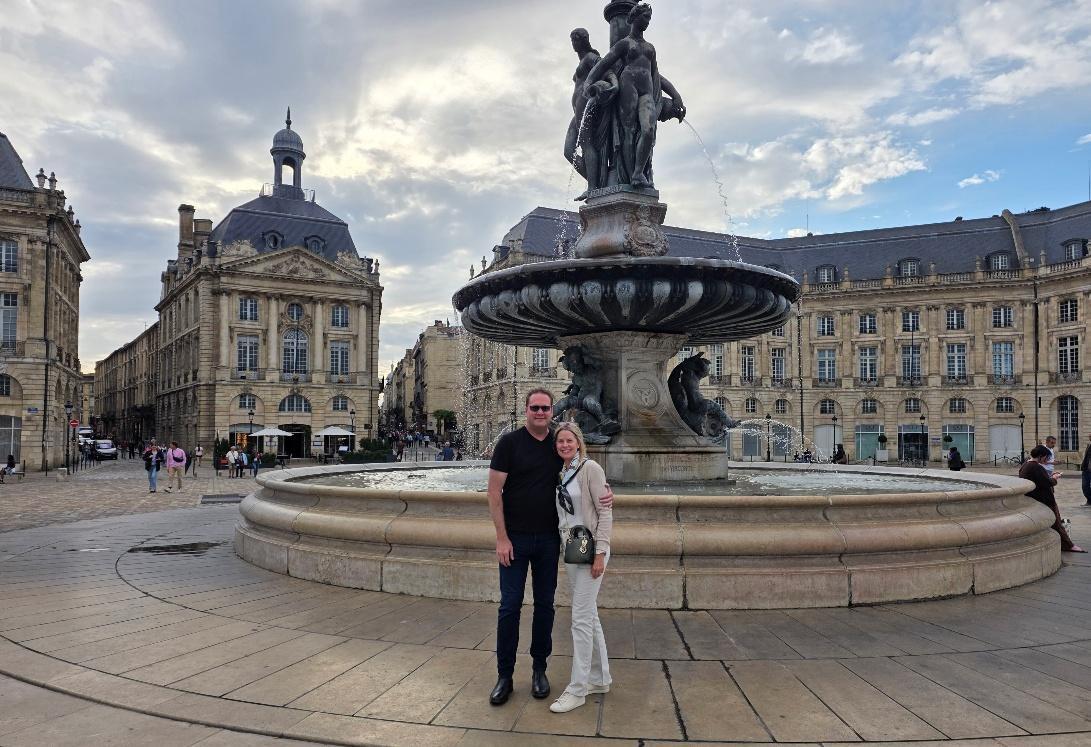
My favorite French dish is Beef Bourguignon: rich meat slow braised in red wine and broth with potatoes, carrots, mushrooms and pearl onions; it’s a savory blend caramelized for hours until tender and thick. This is a metaphor for my favorite French city, where I studied in college in the 1990s, where I’ve returned for thirty years: Bordeaux. Rightly revered for its wine, it’s been a hub of production since Roman times. But reducing Bordeaux to wine alone is like sampling the sauce of Beef Bourguignon without enjoying the meal, so I invite you to join my husband Heath and me as we savor this city.





Imagine Southwest France five hundred years before Christ’s birth, amid the Iron Age. Celtic people called Gauls, warrior tribes renowned for resourcefulness and fierceness in battle, bustle with industry. They build wheeled plows, forge chainmail, fire clay pots; they farm livestock, barley and rye, and plant a new crop grapes recently acquired from the Greeks. Then, around 60AD, Julius Cesar’s forces invade. On a fertile curve of river whose blonde waters nourish young vineyards, Romans destroy villages; soldiers dig trenches for roads, hone stones into cobbles, stamp their street axis. They name this city Burdigala.
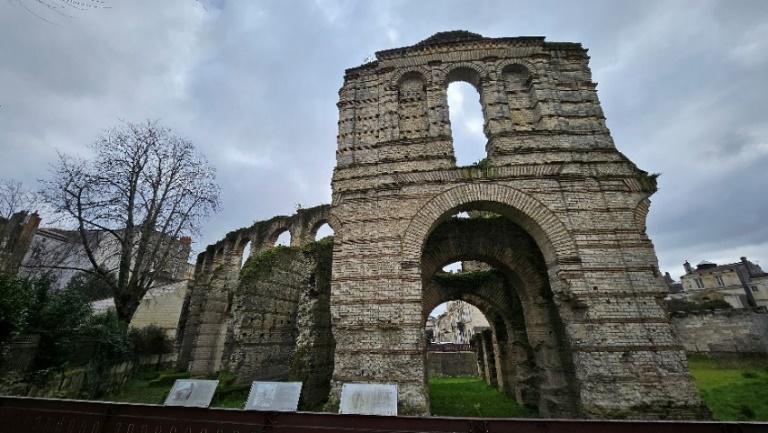
Nearly two-thousand years later, let’s wander these ancient streets. Come stand beneath the towering ruins of the Palais Gallien, a first-century Roman coliseum that held an audience of fifteen thousand; we can almost hear the shouting crowds, the clash of gladiators’ swords.

Descend into the crypt beneath the Basilique Saint-Seurin and encounter stone tombs from the 4th-century, aware that hundreds from this early Christian church lie buried beneath our feet. Here, we’ll find the tomb of Saint Seurin, a fifth-century bishop who trekked all the way from Cologne to bring the gospel. A few feet over, encounter a carved stone sarcophagus where, entombed together, crowd the guillotined heads of twelve nuns and a vicar executed in winter 1793, martyrs of the French Revolution’s Reign of Terror.
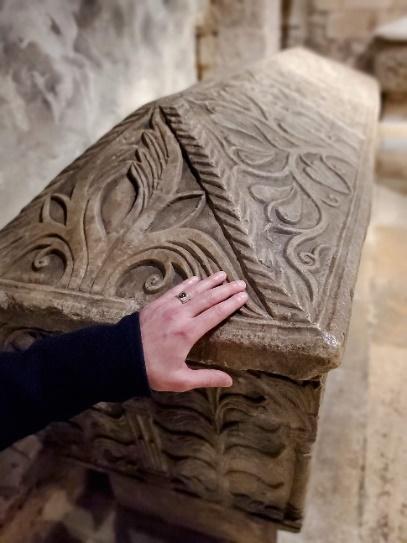


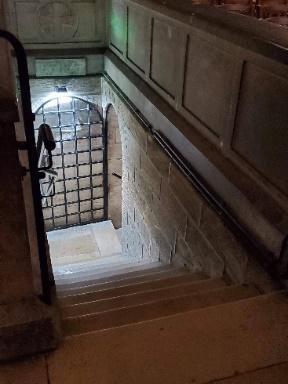

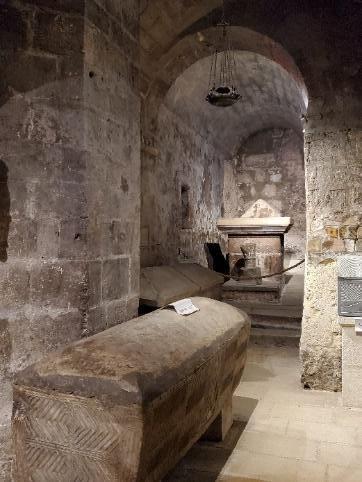
Next, let’s admire the Musée d’Aquitaine’s seventy-thousand-piece collection: view a first-century gold warrior’s torc; mimic facial expressions of Gallo-Roman sculptures; study an enameled reliquary hiding nested urns; find tiny lions on samian ware soup bowls. Turn the corner to meet an effigy of Eleanor of Aquitaine, recumbent atop her tomb. Bordeaux’s illustrious 12th-century duchess, queen of France and then of England, she united Aquitaine and England to form the Angevin Empire. The “grandmother of Europe,” her descendants started dynasties: the Plantagenets, Tudors, Stuarts and even Windsors, making her an ancestor of Queen Elizabeth II, King Charles and Prince William.

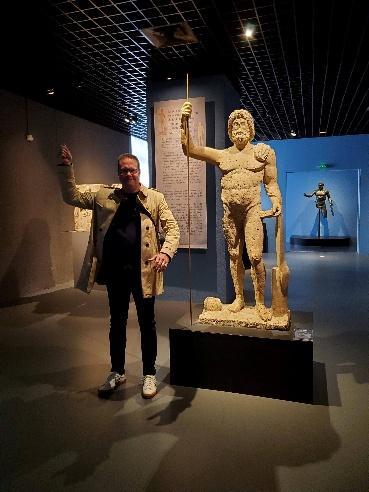



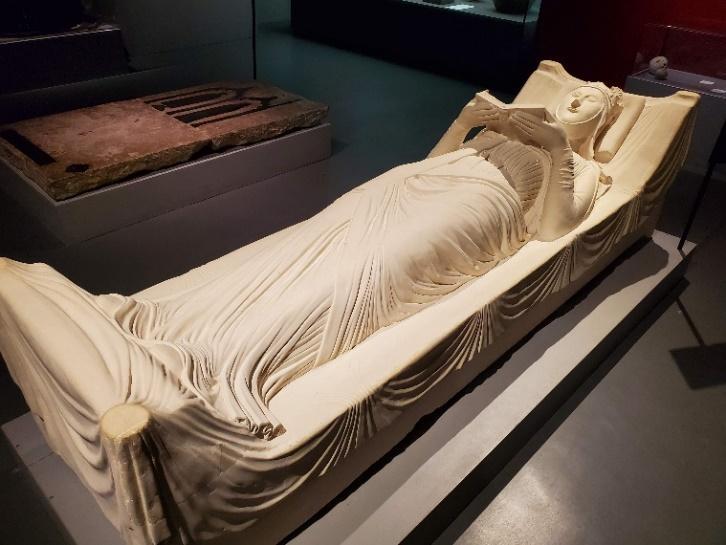
We’ll explore a host of heritage sites built in the centuries following Eleanor, thanks to the riches she brought to the region. Medieval city gates will stun us with their fairy tale turrets and curved arches. On holy days, we’ll hear La Grosse Cloche bell tower welcome pilgrims travelling the Saint James Way, as it has done for over five hundred years.

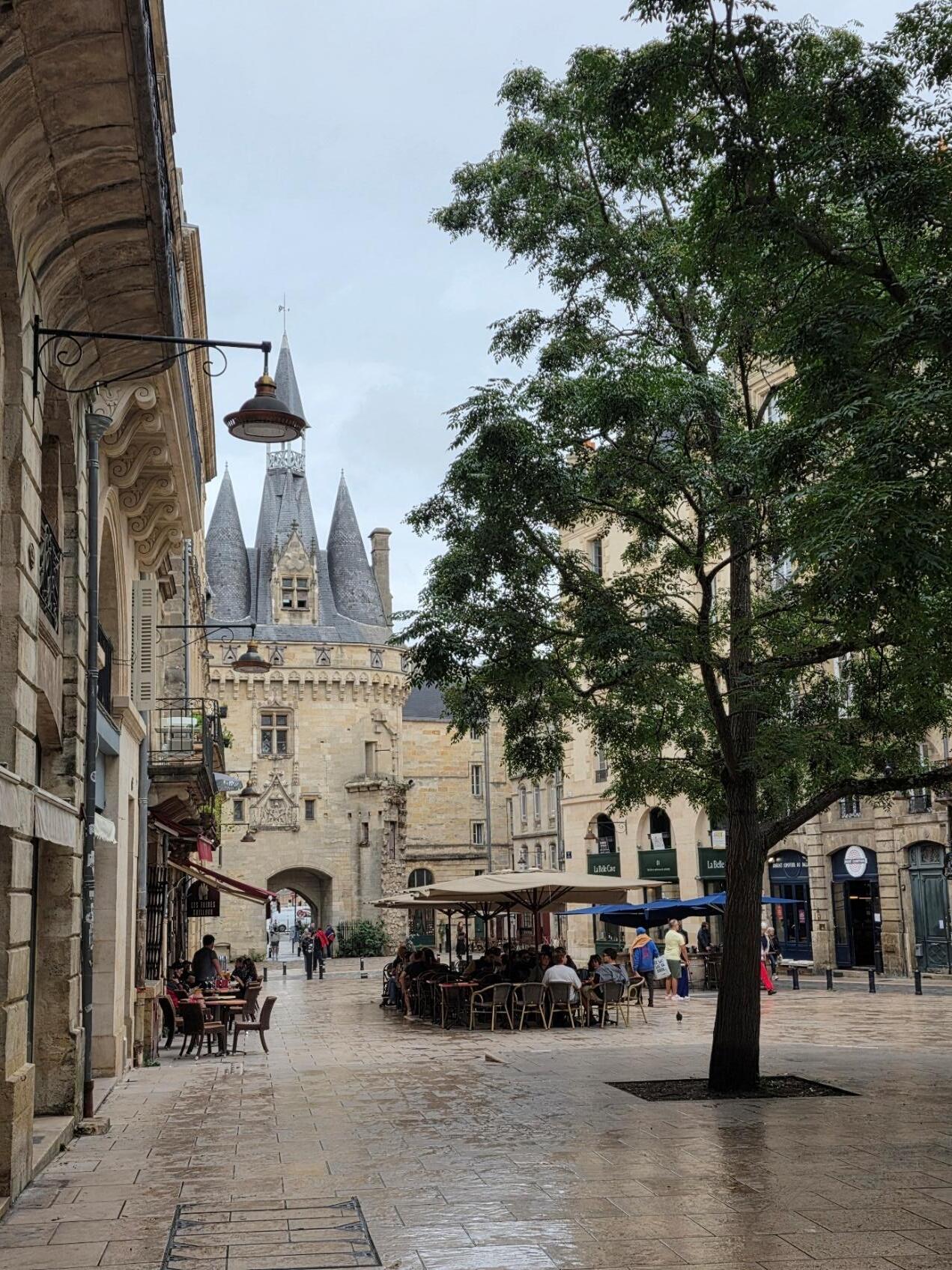
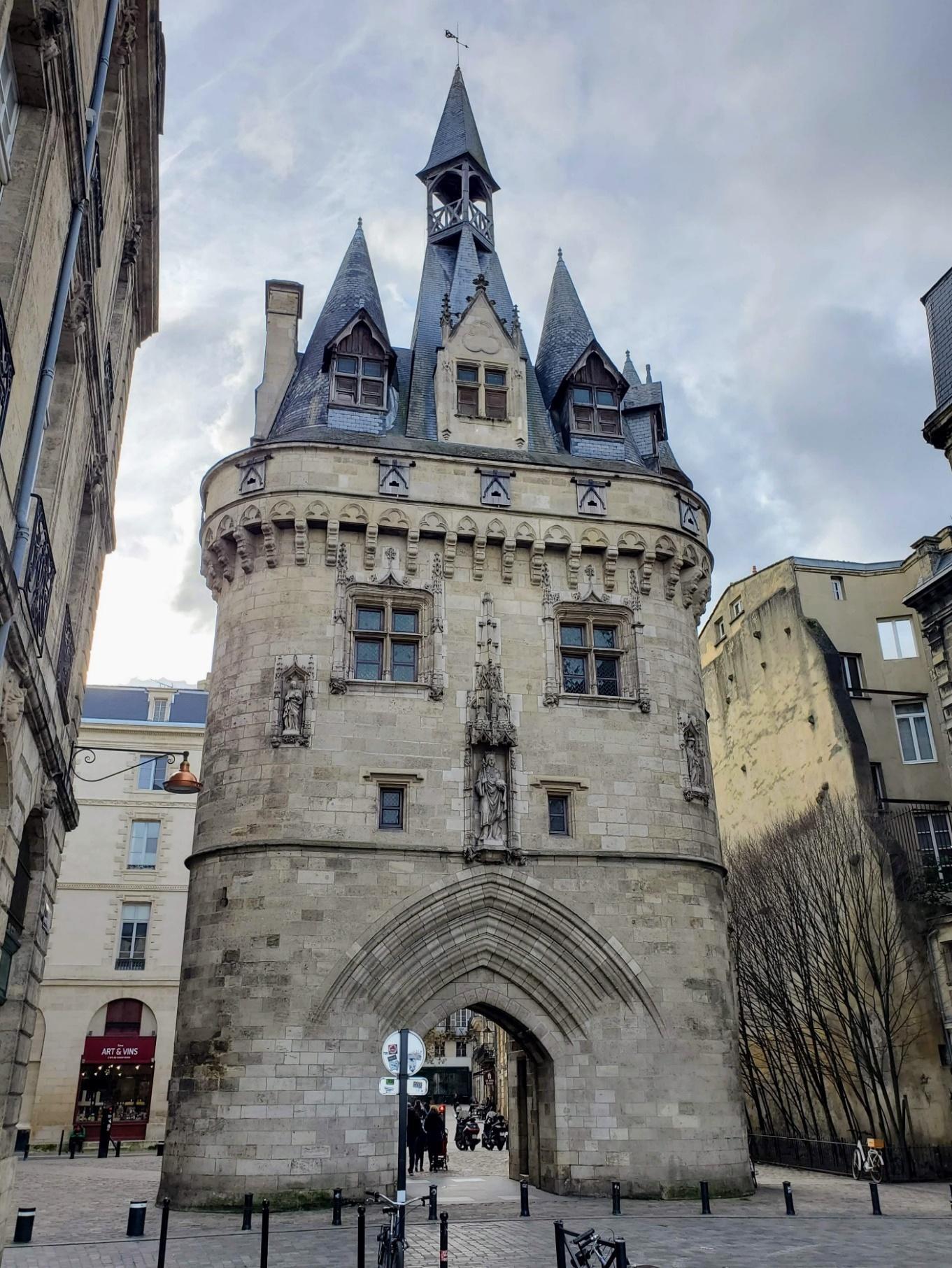
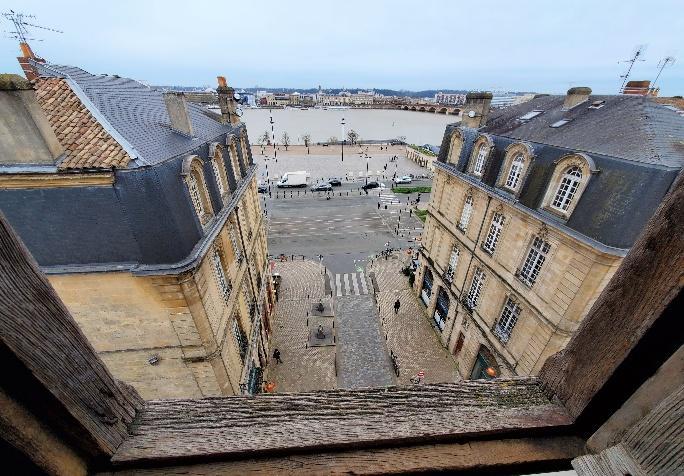
Its twin, Porte Cailhau, will beckon us climb up its circular stone staircase to peer down the shaft of the old portcullis.

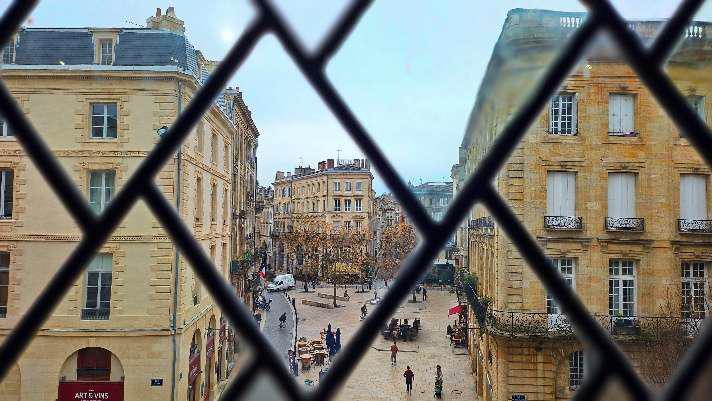
We’ll look through leaded windows where the river meets the port below. Before we go, Eleanor has left us a video message here about her life; we’ll listen to her story and to others from the past, like François I, a friend and patron of Leonardo da Vinci.

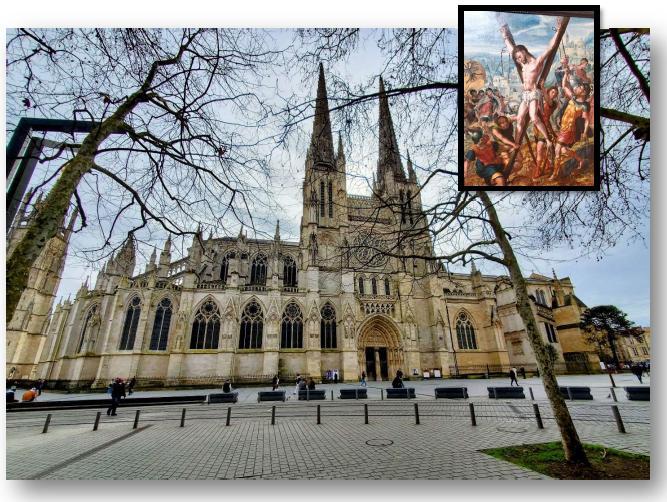
Cathedral spires pierce the sky like beacons grounding the city, girding the faithful. We’ll step inside the Cathédrale Saint-André, named after the Apostle Andrew, who was martyred on an X-shaped cross.
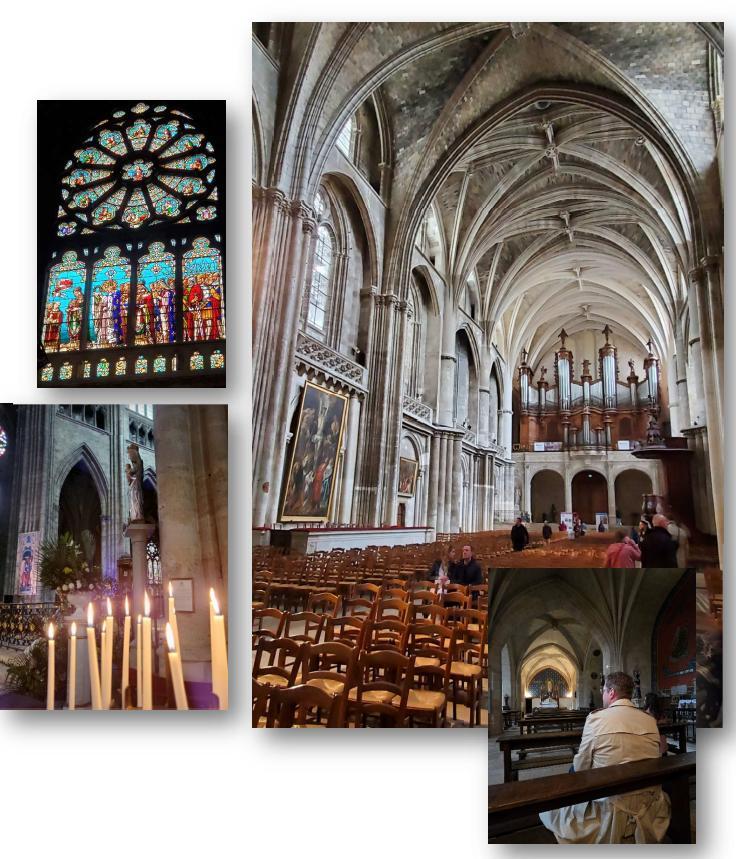
Pausing near the altar where Eleanor, at only thirteen, married Louis VII in 1137, let’s each find a seat; offer silent prayers amid glowing candles and stained-glass windows.
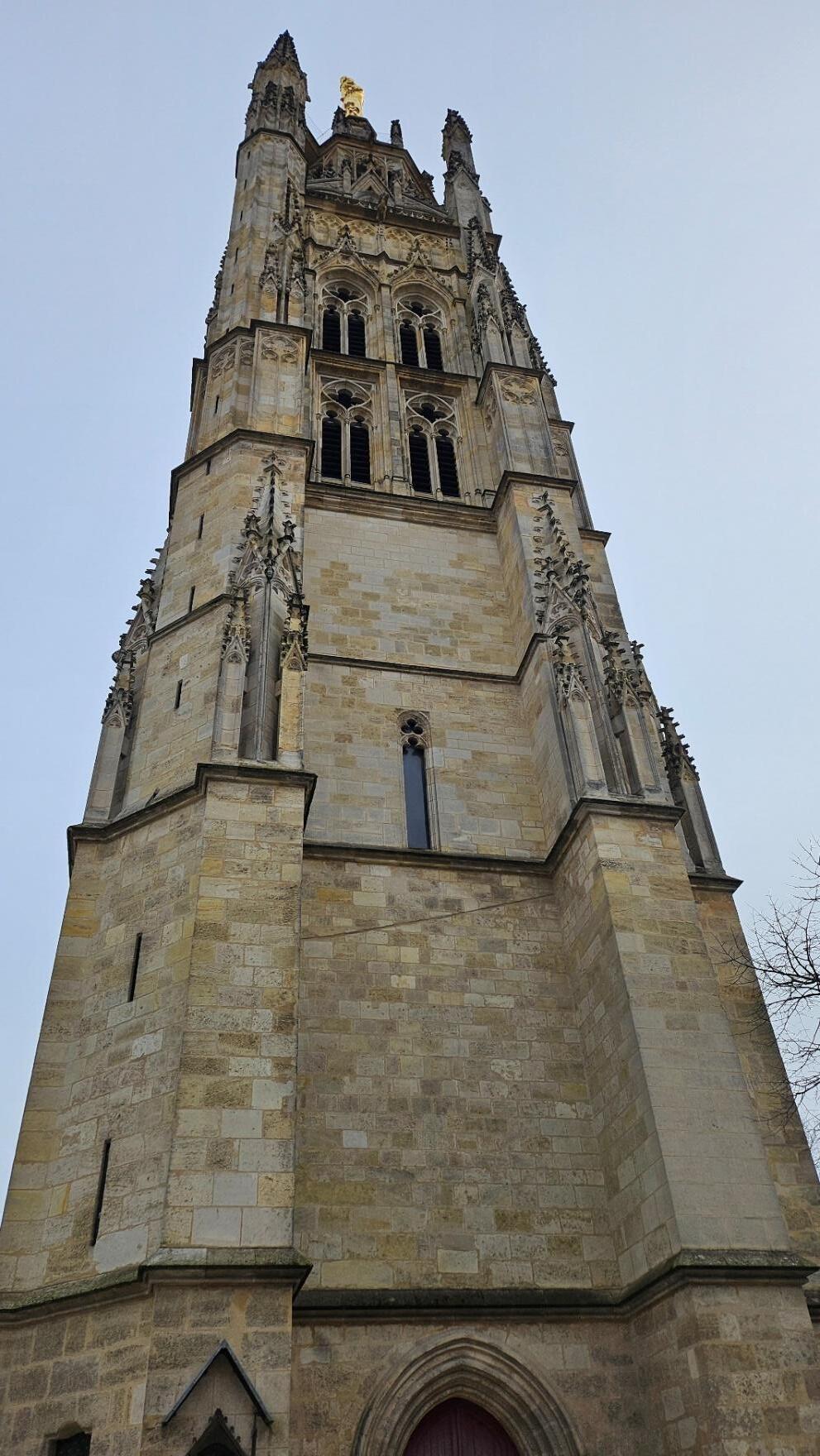
After reflection, we’ll raise our heart rates by climbing Pey Berland Tower for breathtaking sights of the gothic spire, flying buttresses and the city sprawling below.


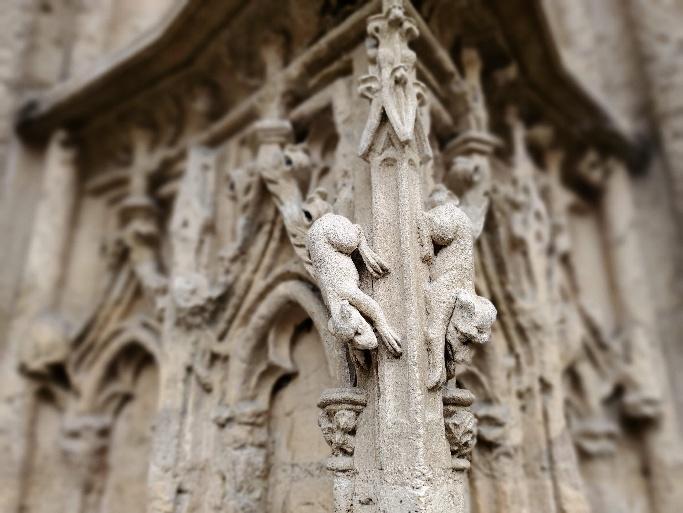

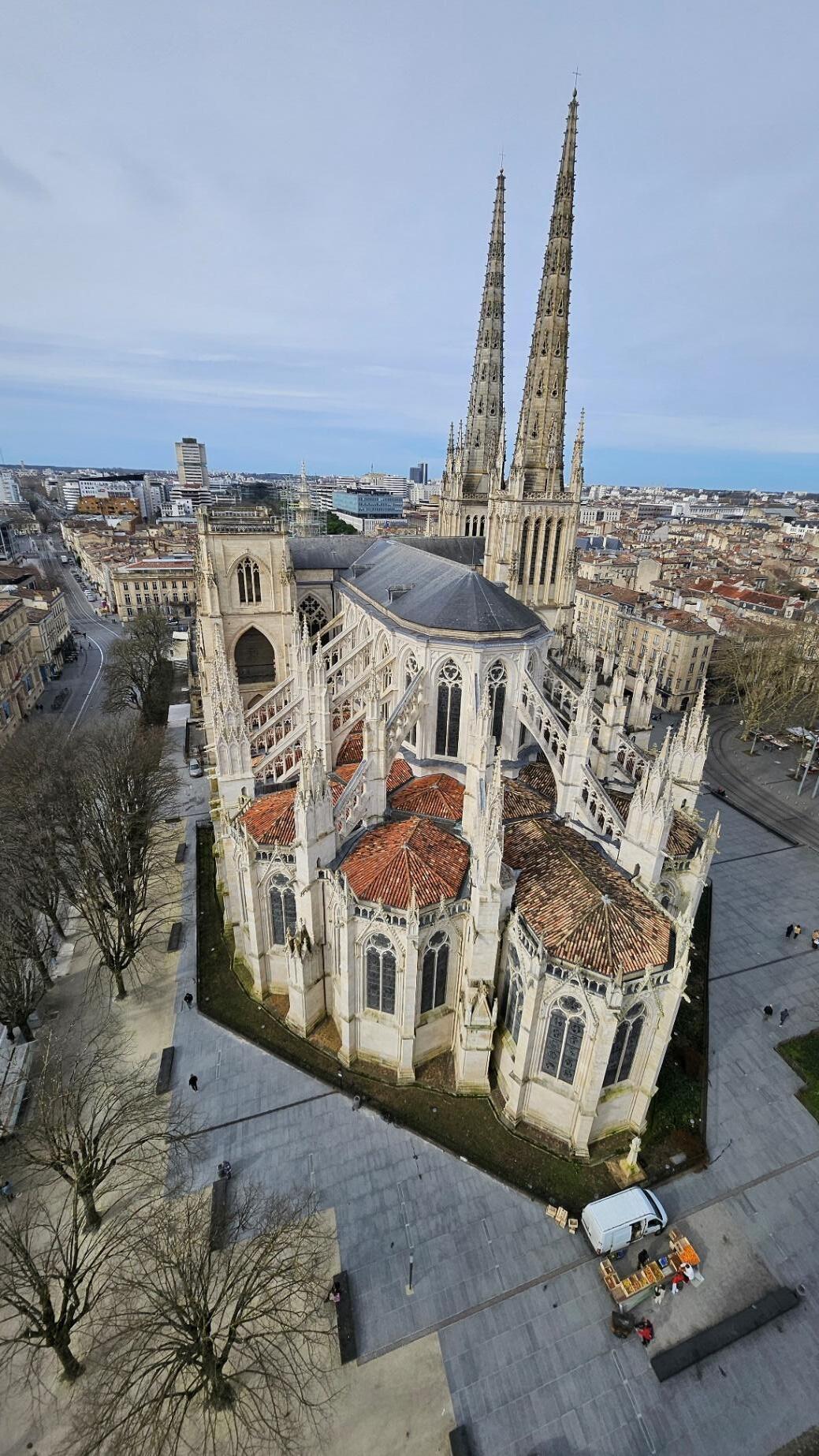

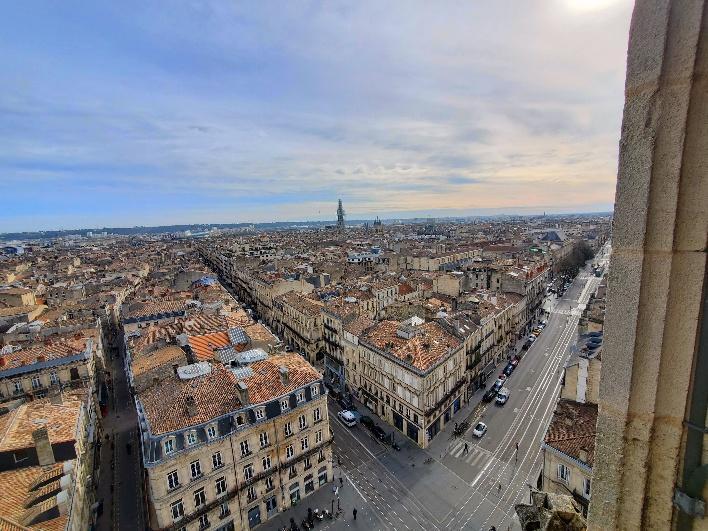
Later, we’ll amble through time under triumphal arches, discovering 18thcentury beauty: golden limestone facades facing the Port de la Lune, where the Garonne River curves like a sliver of moon. We’ll view the Place de la Bourse, where two hundred years ago, traders in tricorne hats tethered sailing ships, paid their taxes, loaded cargo. Here, we’ll stand at the edge of the Miroir d’Eau, a mirror made of water, beholding these arcaded buildings in double.

Chatting, let’s grab baguette sandwiches from a street vendor, simply made with butter and ham. In the sun, we’ll ponder 18th-century buildings: cream-stone rows topped with zinc-mansard roofs and dotted with dormer windows. Bordeaux’s architecture seems made of light and air, like an intimate Paris. There’s a reason for this: one hundred years after The Marquis de Tourny transformed these streets, Baron von Haussmann found inspiration here for his renewal of France’s crumbling capital.



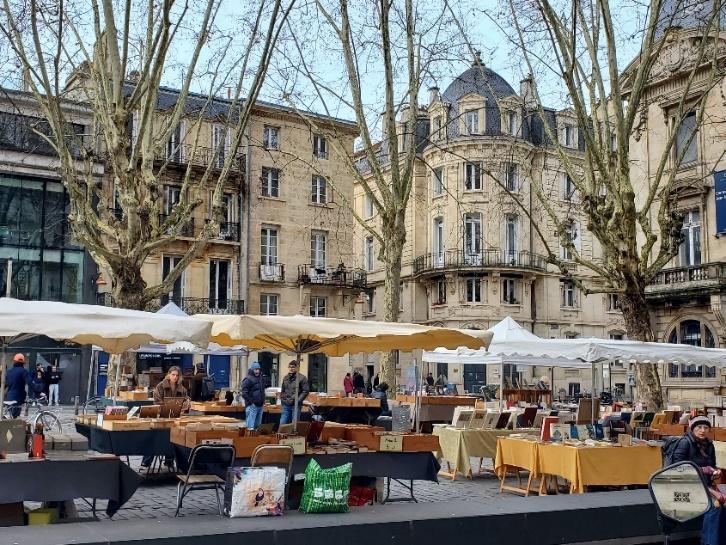
De Tourny demolished eroding medieval walls encircling Bordeaux, then filled the city with neoclassic grandeur, aided by several architects. Let’s take the tram to the Grand-Théâtre, the national opera that inspired Paris’ Palais Garnier. Built on the site of Burdigala’s old Roman forum, it’s aptly clad in Corinthian columns. Inside, we’ll laugh at Molière’s antics from the comfort of blue velvet chairs.

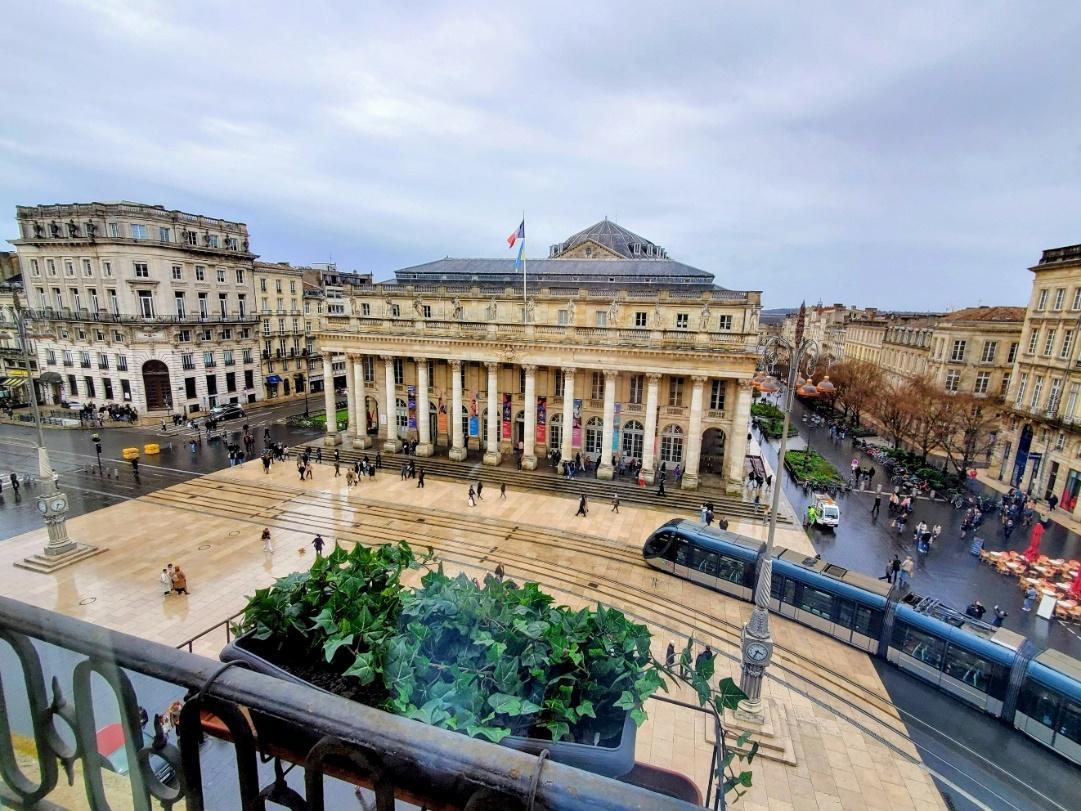

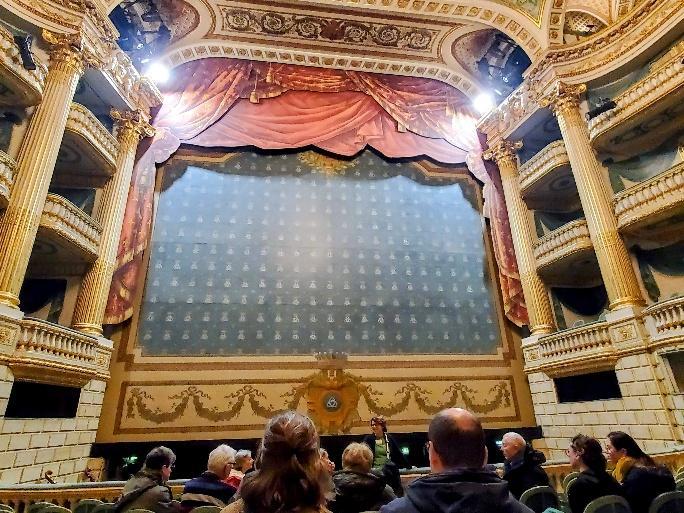

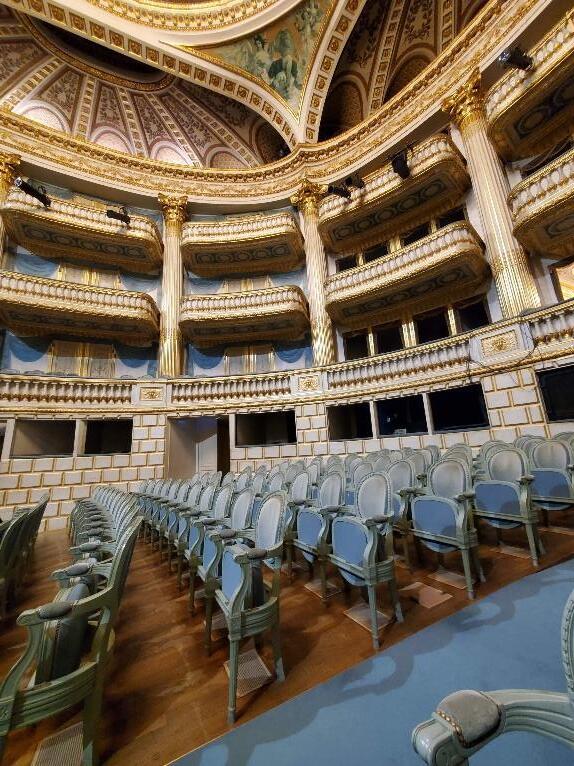
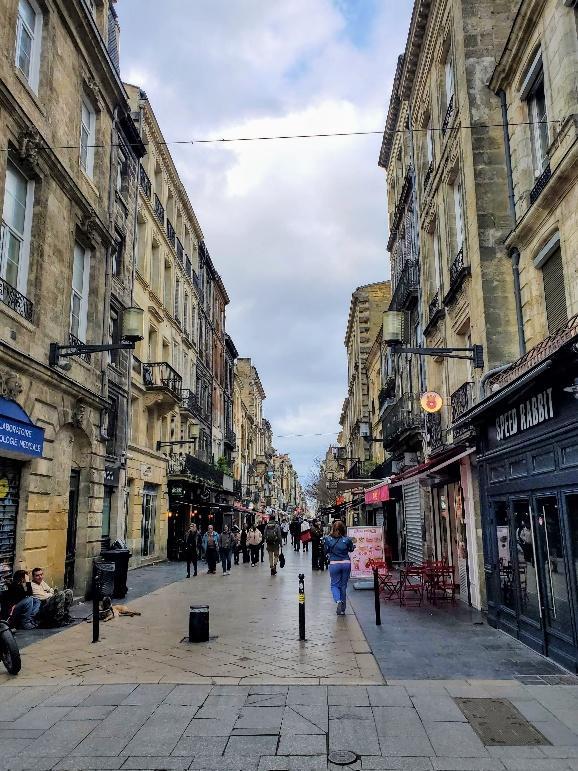
Slowly, we’ll stroll the old Roman road Rue Saint-Catherine, Europe’s longest pedestrian street, turning its ancient axis onto Rue Saint-Rémi. You must try soupe à l'oignon (a post-theater tradition), taste escargot (if you’re brave) and, as for me, I'll order the Beef Bourguignon. Filled with this city, we’ll wander in search of dessert, ending our day tasting hot canelé cakes fresh from copper molds, laughing as we lick Bordeaux's sweetness from our fingertips. Tomorrow, we’ll explore the Musée des Beaux-Arts, where I’ll introduce you to some friends: Rubens, Monet, Picasso, Rodin…






Richard Wright (1908-60) is one of my favorite authors, whose memoir Black Boy (1945) ranks among the 100 best books on my reading list. I first learned about him in a 20th-century American novel class at Kansas State University while pursuing my M.A. in English (1988-91). The instructor, Dr. Paul McCarthy, included Wright’s Native Son (1940) as one of the assigned readings. The book was interesting, but frankly, it did not impress me that much. It seemed like a typical African American novel about systematic racism, whose storyline felt somewhat predictable.
I rediscovered Wright after I came to Missouri Baptist University. Reading Black Boy was an eye-opening experience, and I now require the memoir for graduate students in my American multicultural literature course. His stories about growing up in the Deep South as a young Black boy include fascinating episodes, such as setting his grandparents’ house on fire and struggling to understand his fellow Black children who seemed to lack ambition or self-respect. The book is often tragicomic, reflecting the author’s wry sense of humor and keen observations of Black life. For those who are interested, I recommend this book as an excellent way to understand African American life in the South before the Civil Rights Movement.
Wright was born on a plantation near Roxie, Mississippi, where he lived until around 1911 or 1912. He then moved to the city of Natchez, about 28 miles west along the Mississippi River, to live in his grandparents’ house. Coming from a family with an absentee father, he lived in places such as Memphis, Tennessee; Elaine, Arkansas; and Greenwood and Jackson, Mississippi, with little sense of continuity. He left the South in 1927, moving to Chicago. Life there proved difficult, so he moved to New York in 1937 and then to Paris, France, in 1946. He died of a heart attack there in 1960, at age 52.
For many years, I wanted to visit Natchez, where Wright spent part of his early childhood. I had seen a photo of his historical marker standing near the Mississippi River. I also wanted to visit his grandparents’ house, which he set on fire as a young boy out of curiosity. Although I attended an
annual conference in Mississippi every year, Natchez always seemed too far southwest to visit. Finally, in March 2026, I took advantage of my trip to Hattiesburg, where the conference was being held. Google Maps indicated that the distance between the two cities was only 138 miles (about 2 hours and 30 minutes). After leaving the conference a little early, I headed west toward Wright’s childhood home. I arrived in Natchez with about an hour of daylight remaining. The following pages show some of the photos I took on the way to and in Natchez.
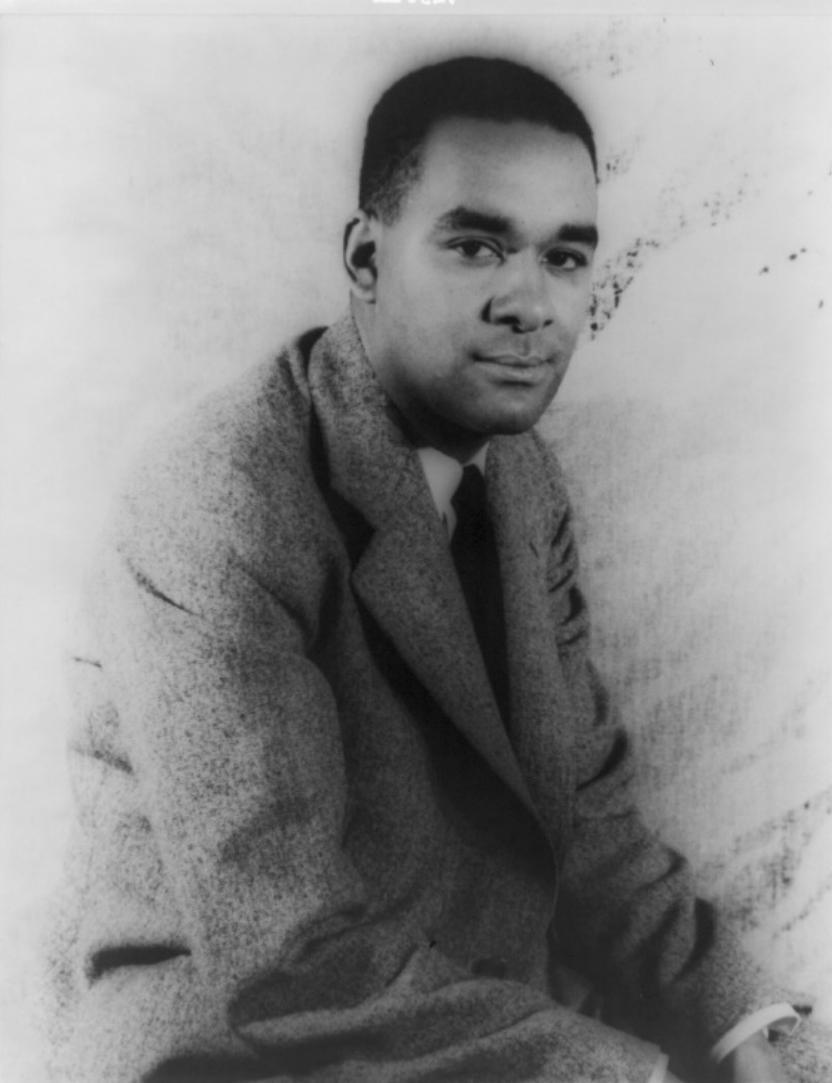
Richard Wright, photographed by Carl Van Vechten, June 23, 1939. Library of Congress, Prints and Photographs Division, Van Vechten Collection (reproduction no. van.5a52815). Public domain. The image has been slightly cropped for clarity and presentation purposes; no other alterations have been made.
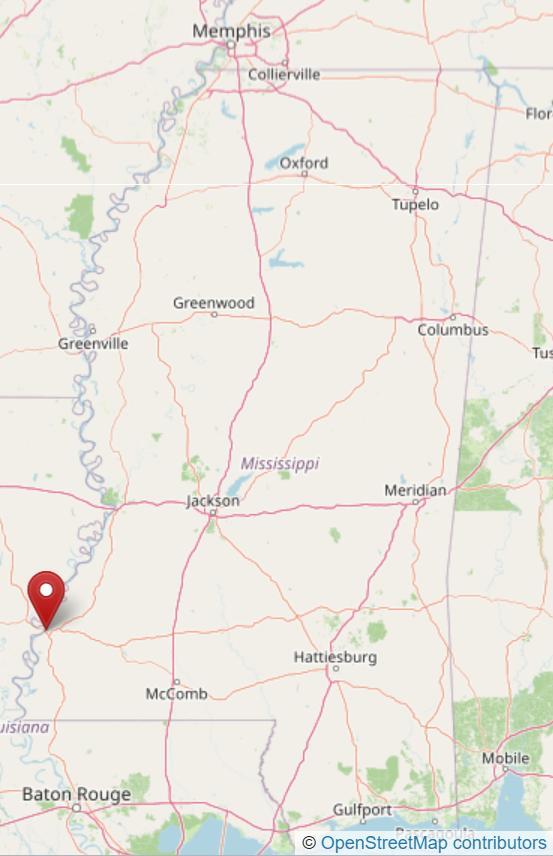
The location of Natchez, Mississippi. Composite image based on map data © OpenStreetMap contributors.
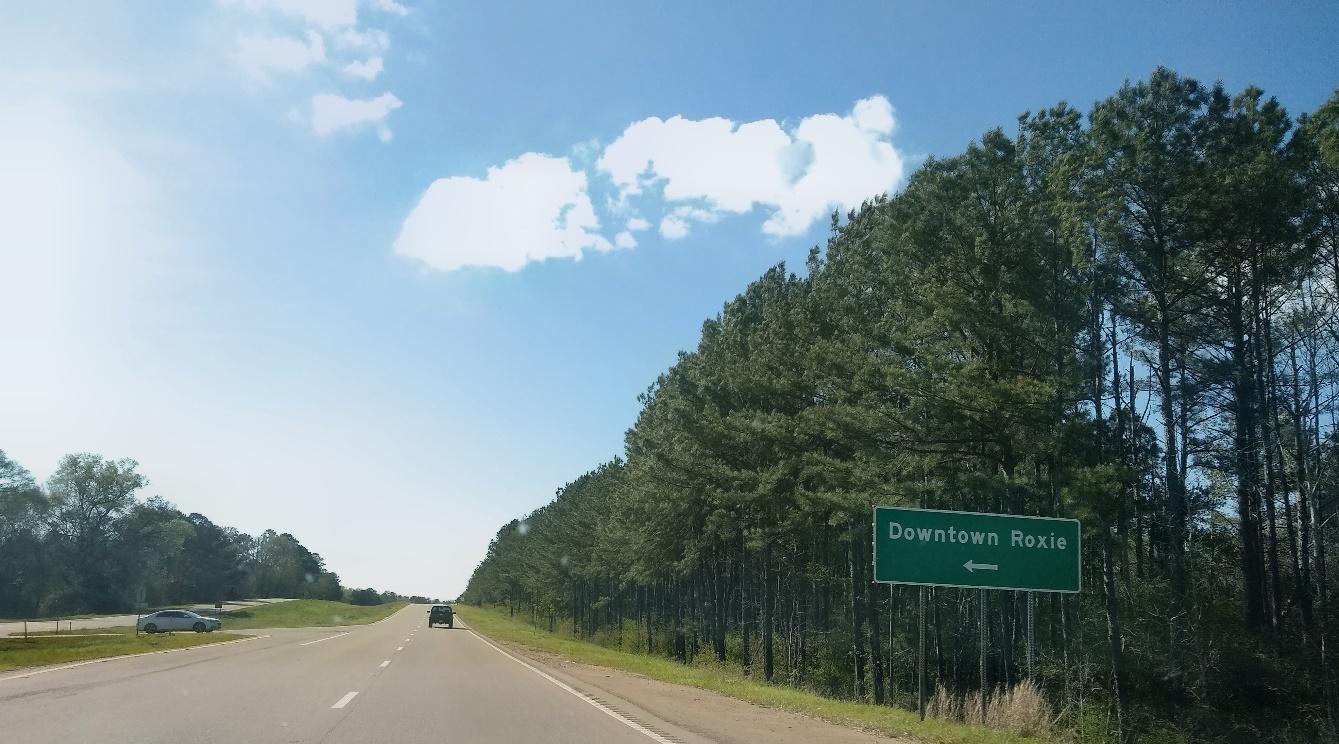
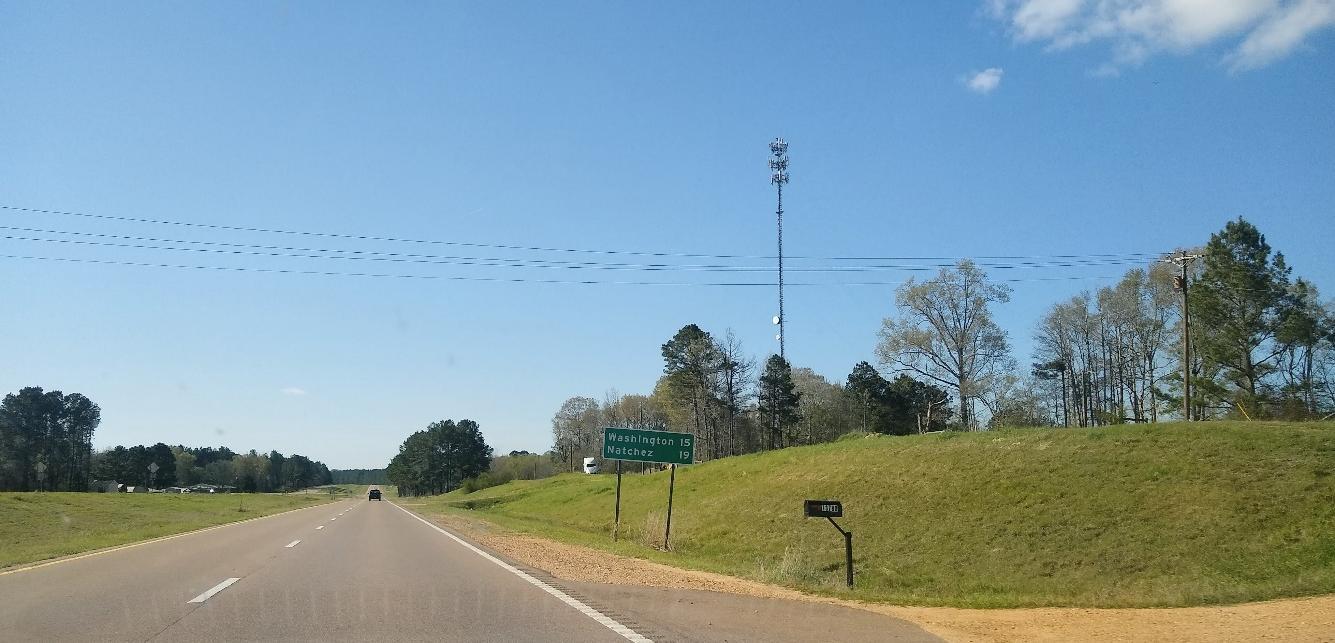
Top: The sign along US-84W/98W reads “Downtown Roxie.” Richard Wright was born on a plantation near Roxie. At the end of Chapter 1 of Black Boy, the author recalls his reunion with his father, who had deserted the family and was still struggling as a sharecropper: “That day a quarter of a century later when I visited him on the plantation he was standing against the sky, smiling toothlessly, his hair whitened, his body bent, his eyes glazed with dim recollection, his fearsome aspect of twenty-five years ago gone forever from him. […]”
Bottom: The highway sign shows that Natchez is 19 miles away.
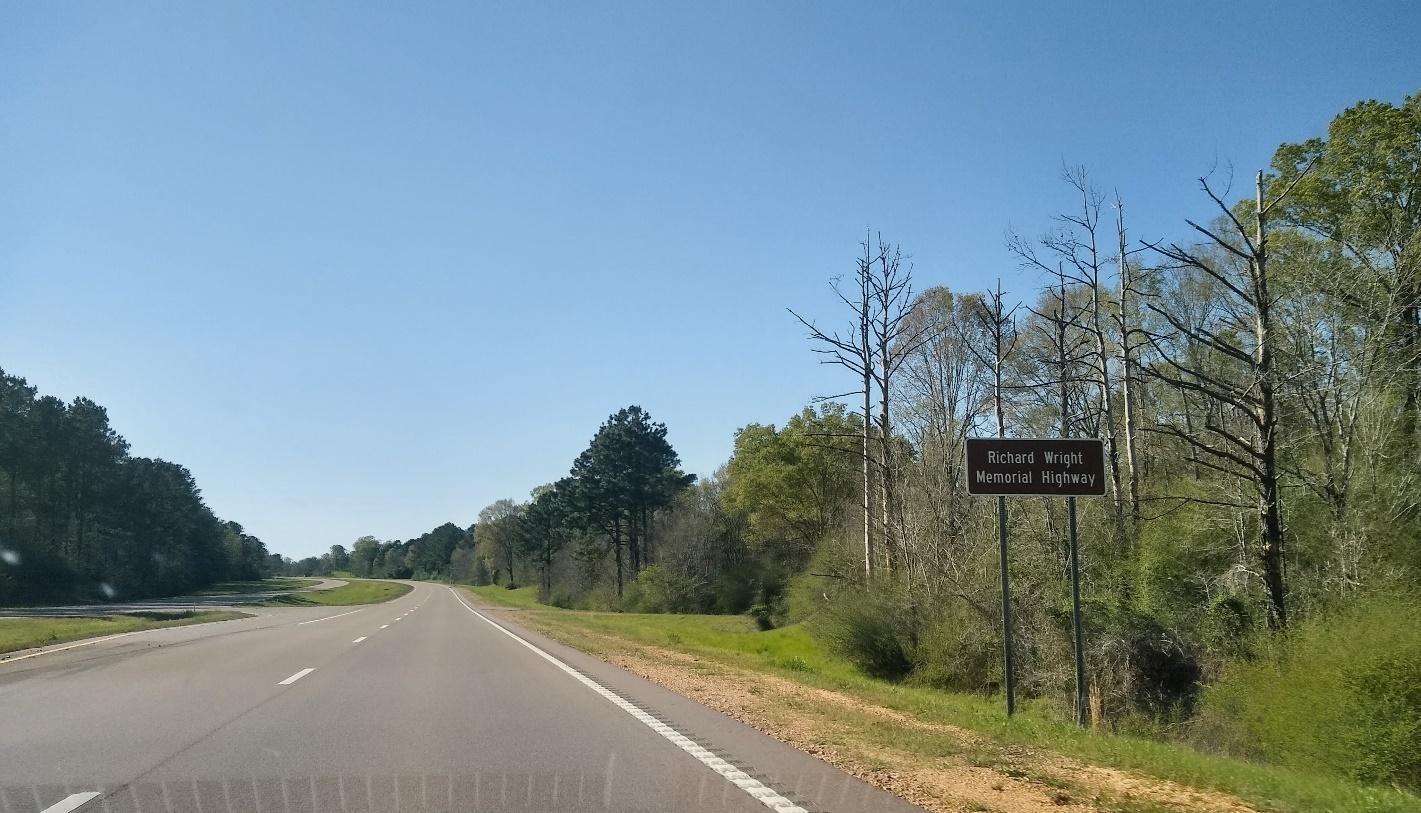
Top: In honor of Richard Wright, a portion of U.S. Highways 84 and 98 between Roxie and Natchez is designated the “Richard Wright Memorial Highway.”
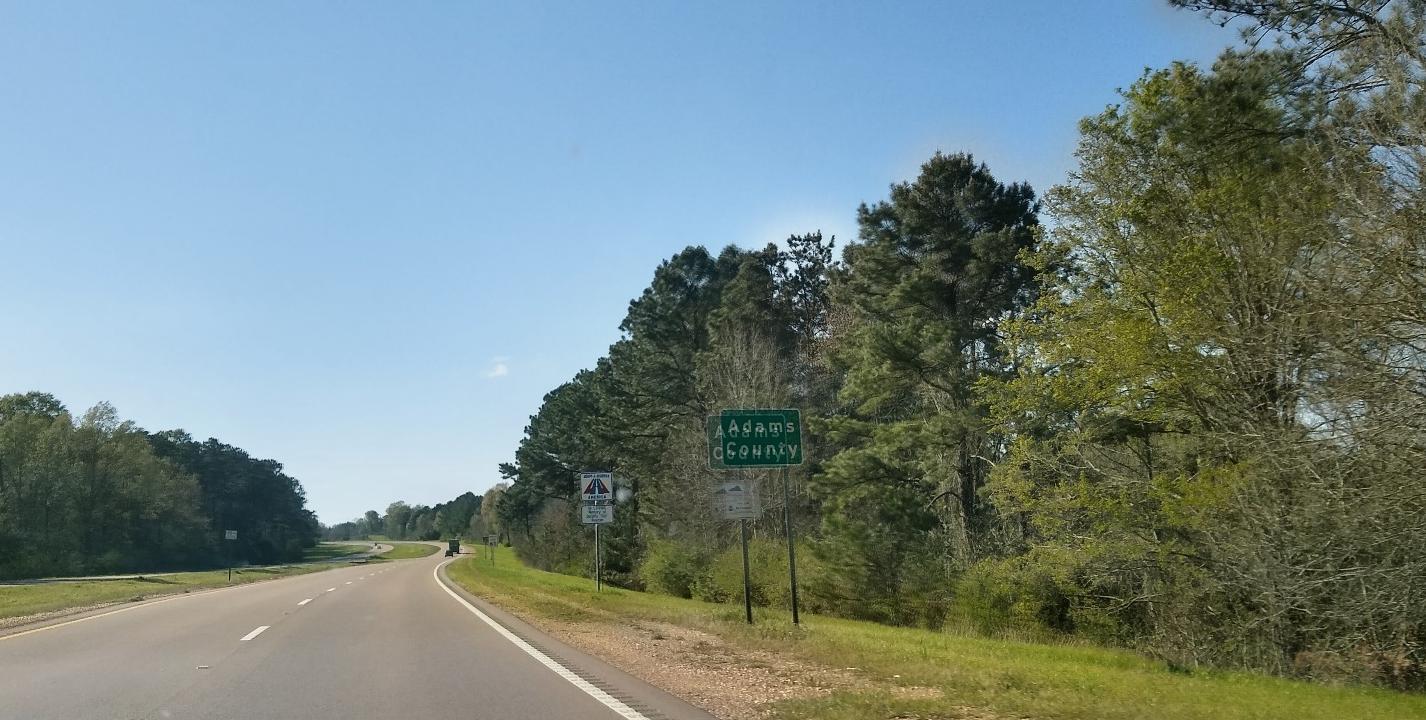
Bottom: Natchez is the only city in and the county seat of Adams County, Mississippi.
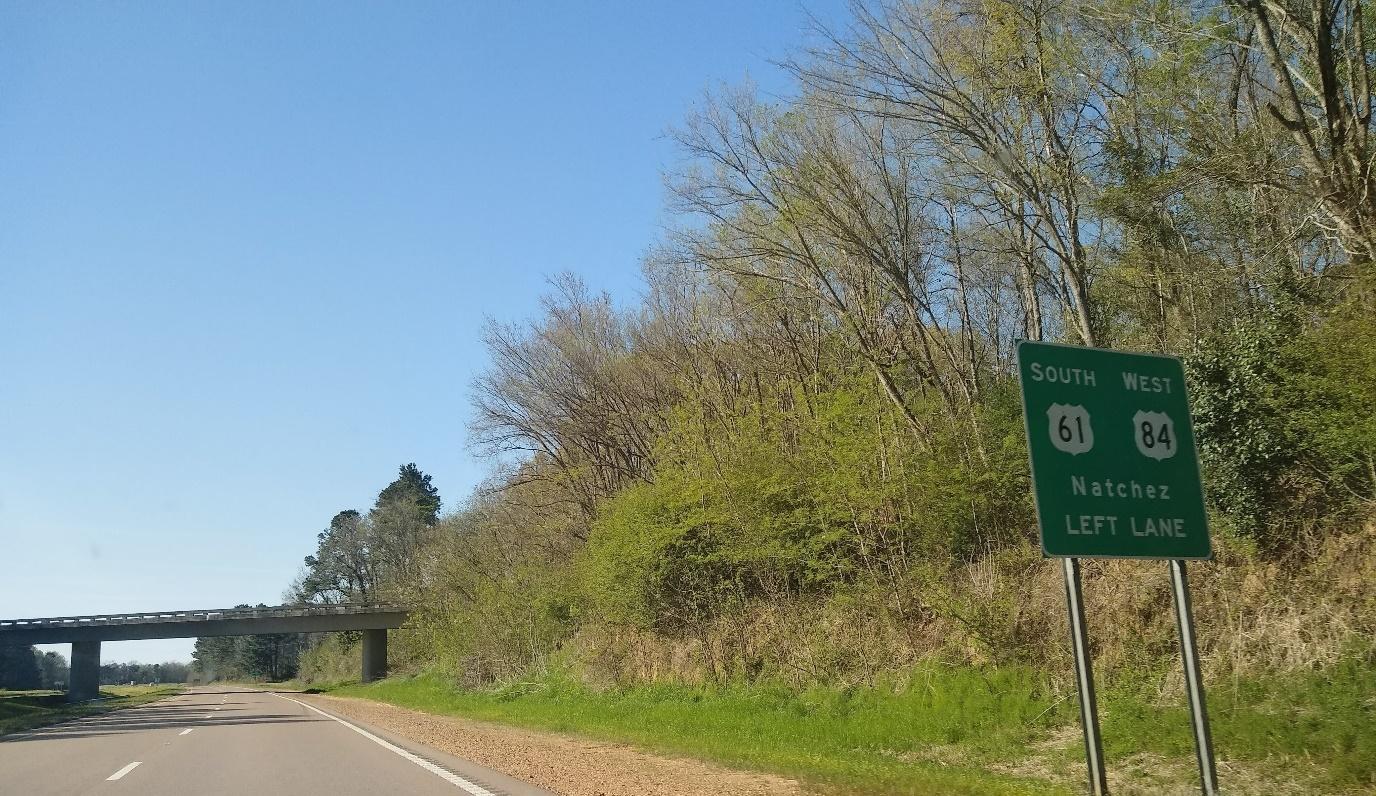
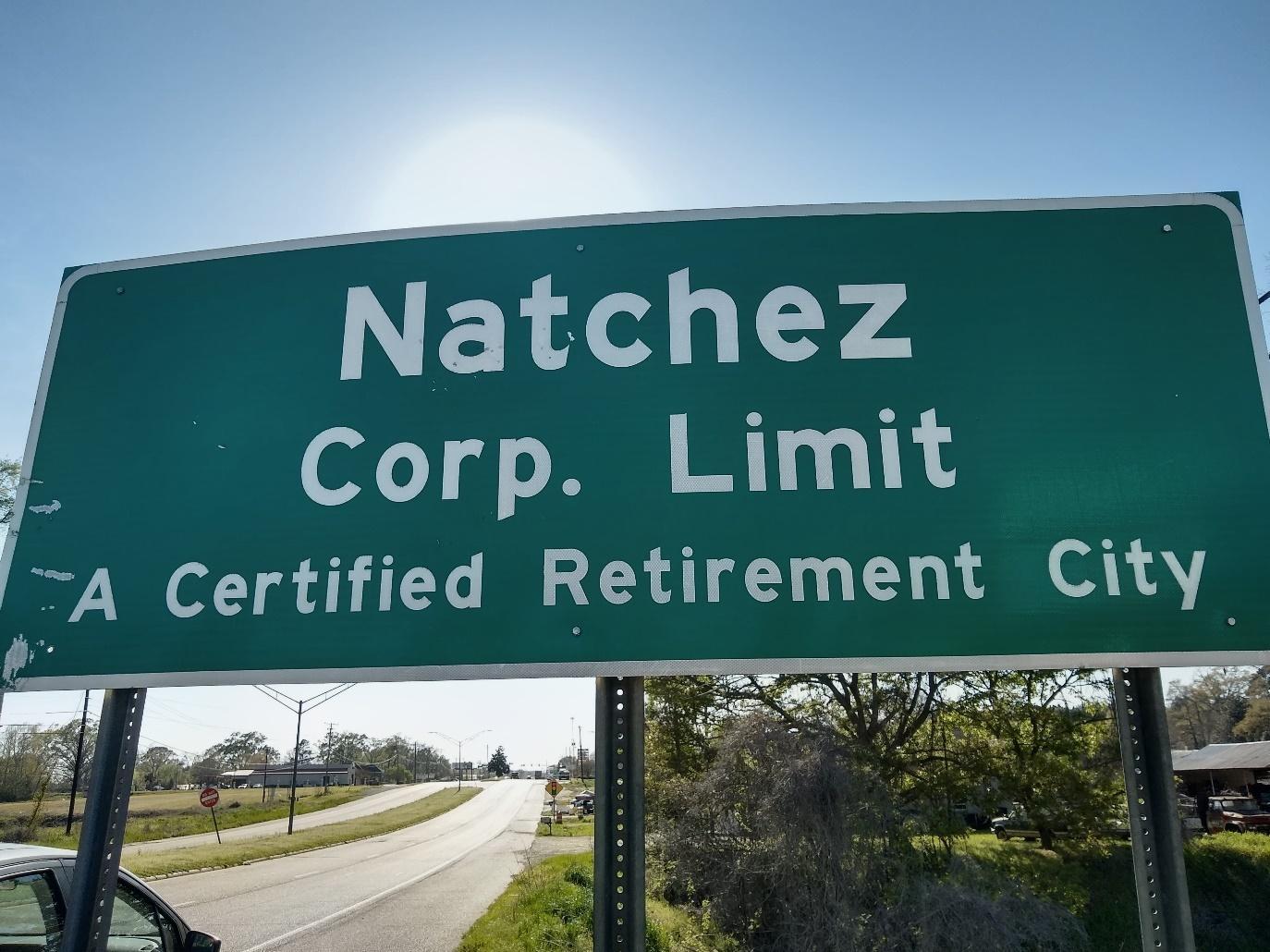
Natchez road signs.
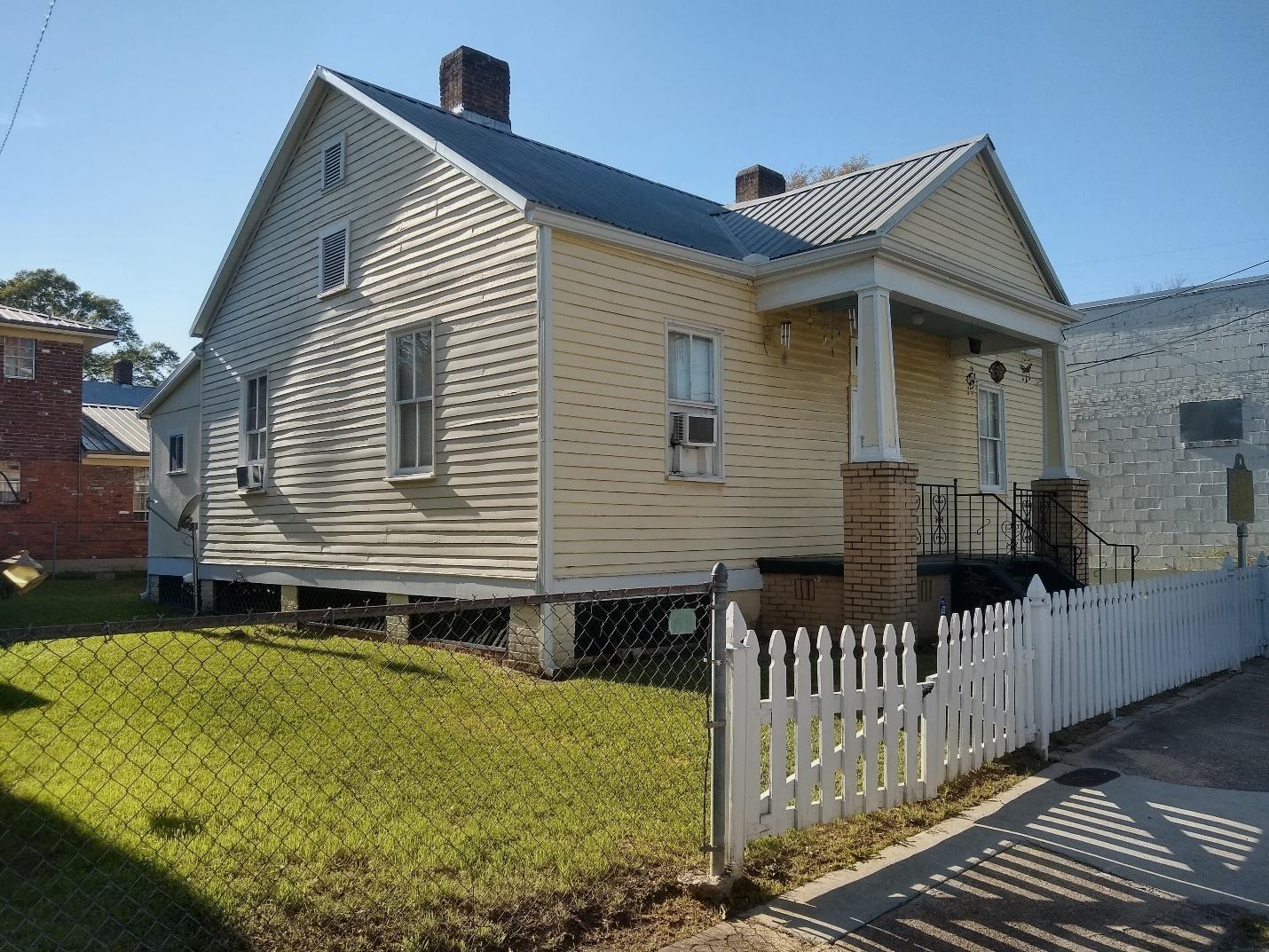
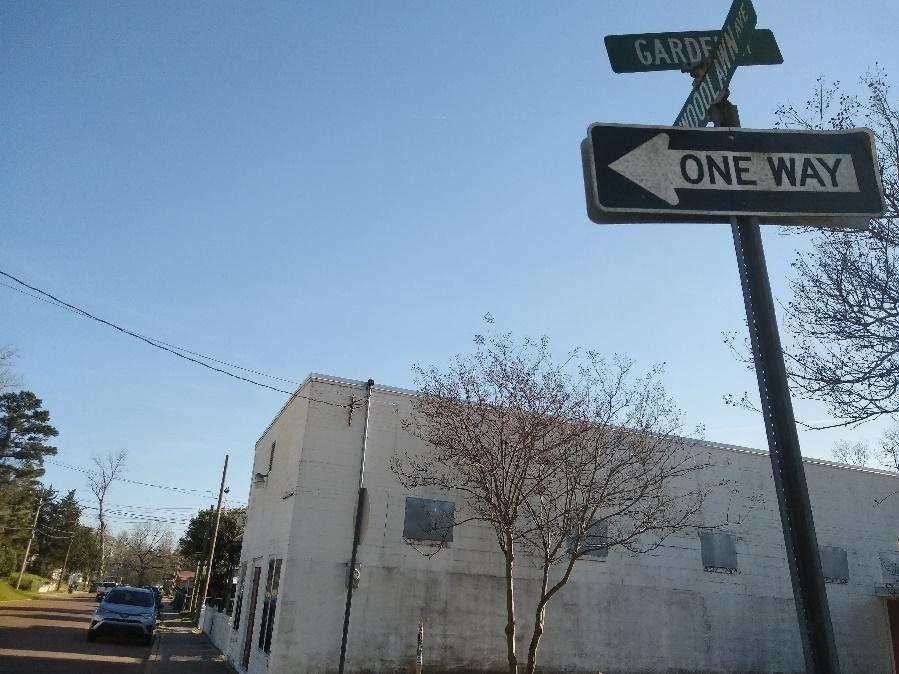
Richard Wright’s grandparents’ home, where the author lived as a young child. It is located at 20 Woodlawn Avenue, Natchez, Mississippi 39120.
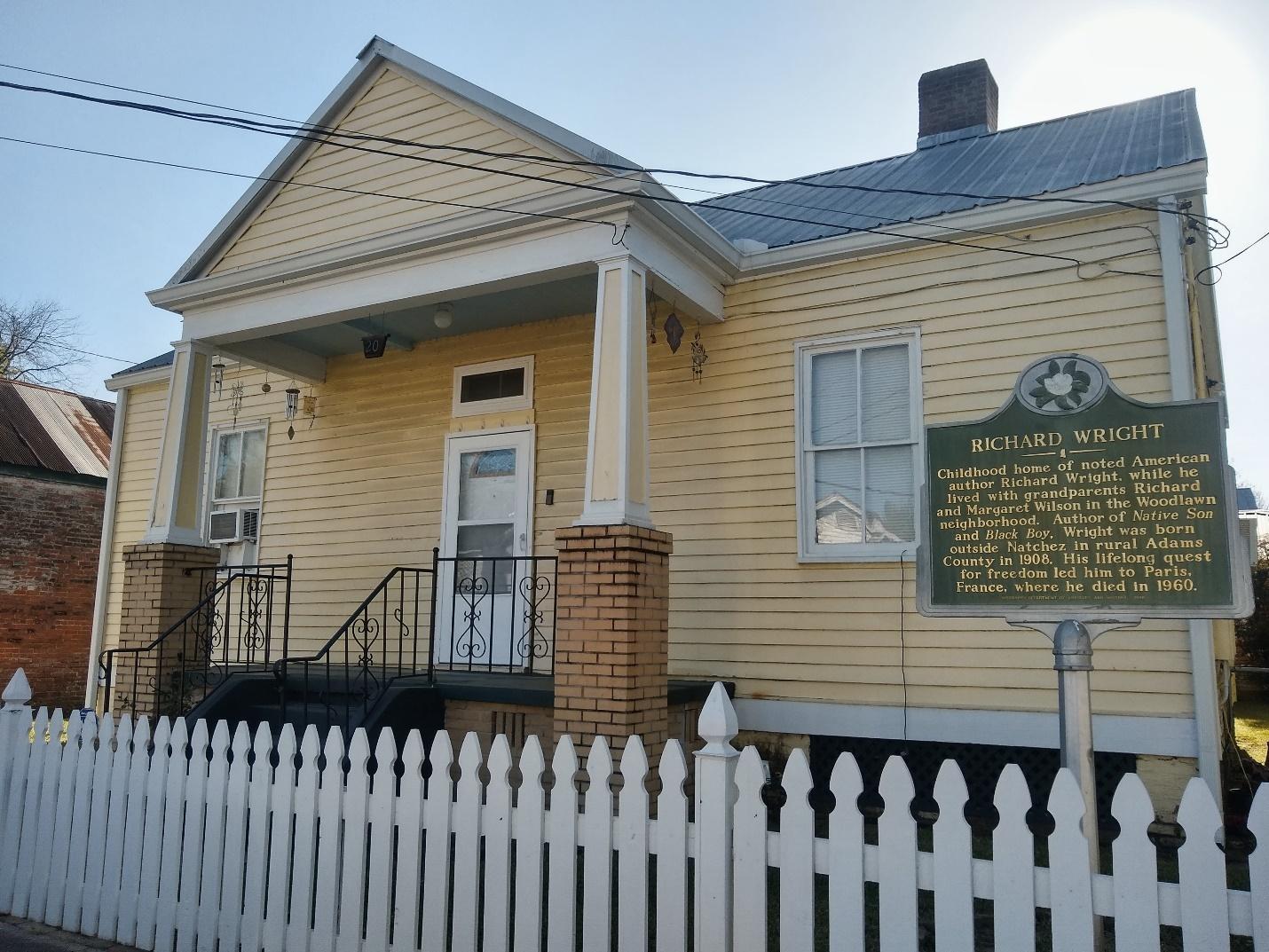
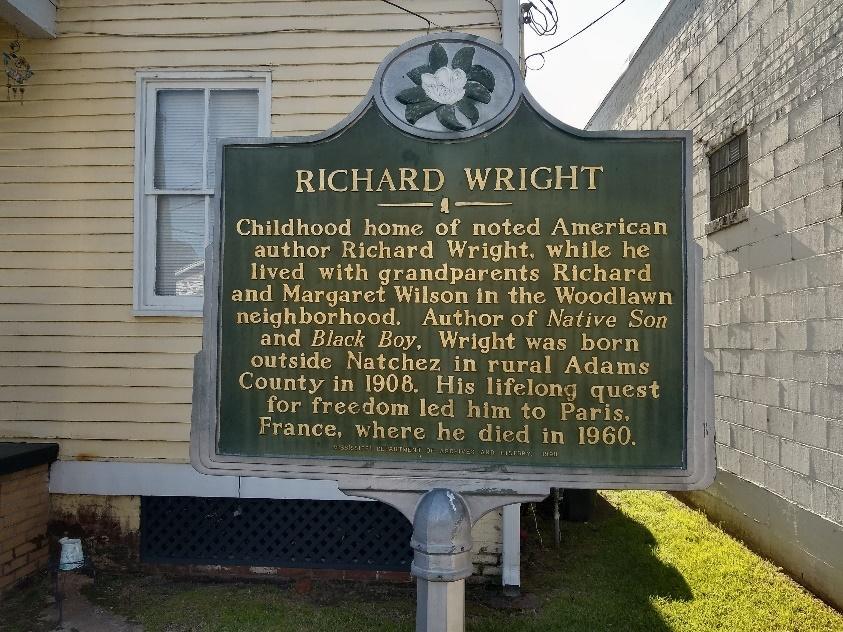
Top: Another view of Wright’s grandparents’ home.
Bottom: A close-up of the historical marker in the front yard of the house.
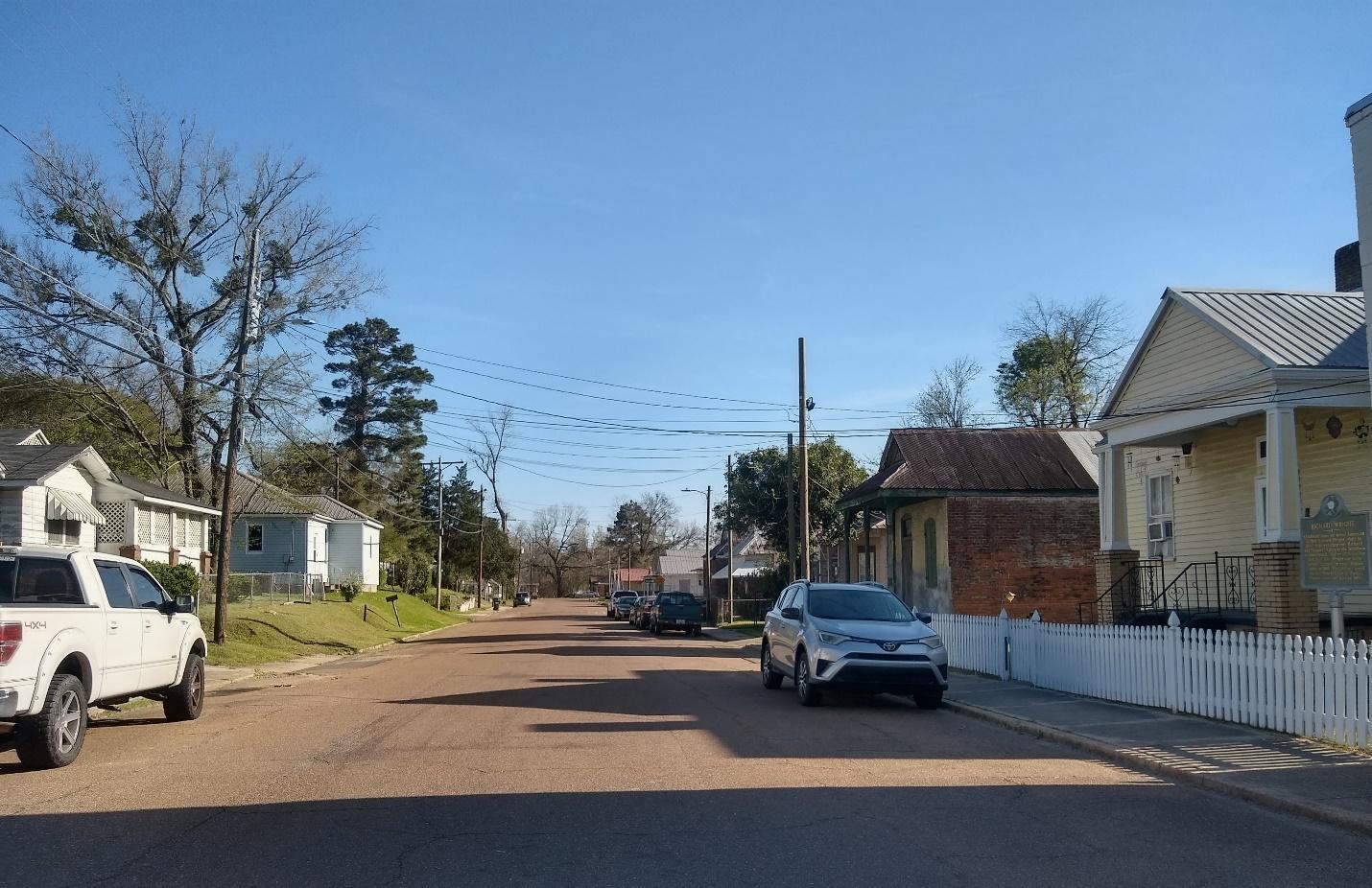


The neighborhood surrounding Wright’s grandparents’ home.


Views of the Mississippi River in Natchez. In Chapter 1 of Black Boy, the author recalls, “There was the vague sense of the infinite as I looked down upon the yellow, dreaming waters of the Mississippi River from the verdant bluffs of Natchez.” The opposite bank of the river is Louisiana.
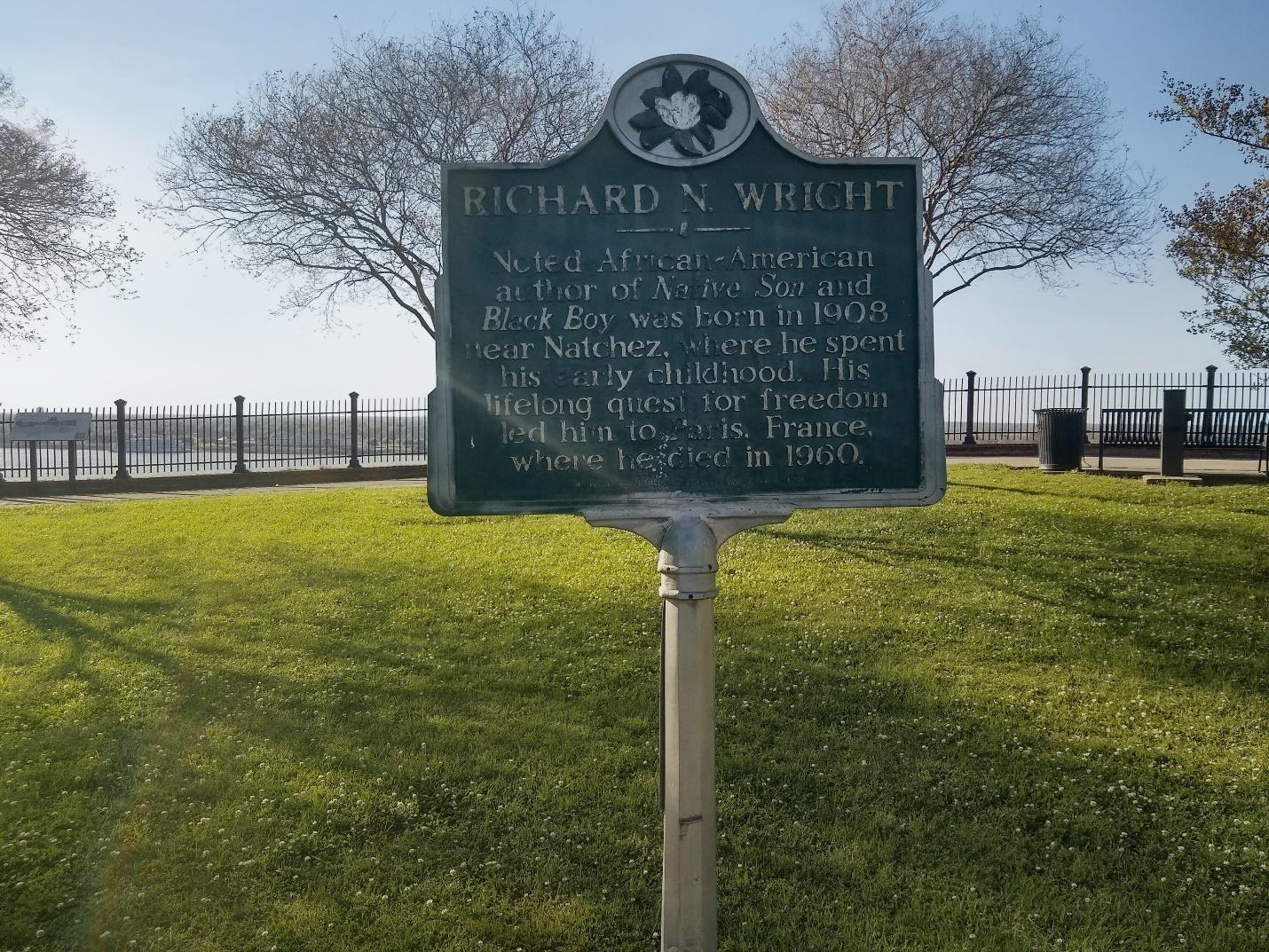
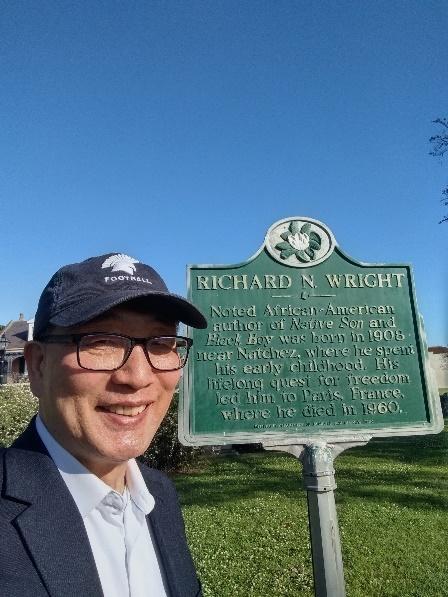
A historical marker near the Mississippi River reads, “Richard N. Wright. Noted African-American author of Native Son and Black Boy was born in 1908 near Natchez, where he spent his early childhood. His lifelong quest for freedom led him to Paris, France, where he died in 1960.”
(A photo essay)
I first learned about Endesha Ida Mae Holland (1944-2006), a native of Greenwood, Mississippi, in 2024. Dr. John Zheng, an English professor and editor of Valley Voices: A Literary Review at Mississippi Valley State University, invited me to contribute an essay on her 1997 memoir. Having stayed in Greenwood to attend conferences at his university at least twice, I was intrigued by the author and agreed to write the essay. The essay, titled “From Trauma to Triumph: Endesha Ida Mae Holland’s From the Mississippi Delta: A Memoir,” was published in the Spring 2025 issue of Valley Voices (pp. 55-66).
It would almost be a cliché to call Holland’s life “remarkable.” Her life story, which was cut short by her premature death in 2006, is more than remarkable. Coming from a low-income household, the author describes a difficult childhood marked by instability, including visits from three different men she refers to as her “Christmas daddy,” “Easter daddy,” and “birthday daddy” (From the Mississippi Delta 23), while her otherwise devout mother rented rooms to prostitutes. She had little interest in formal education and frequently got into trouble at school before being expelled. In her impoverished teenage years, she began to make money through prostitution.
Her life underwent a complete transformation with the rise of the Civil Rights Movement in the 1960s. She had the honor of meeting Dr. Martin Luther King, Jr., who visited her home in Greenwood. Through her association with the Student Nonviolent Coordinating Committee (SNCC), she learned that she could dedicate her life to meaningful social change. Eventually, she completed advanced academic training at the University of Minnesota, earning her bachelor’s, master’s, and doctoral degrees in African American and American studies between 1979 and 1986. During the early stages of her academic career, she gained recognition as a playwright, receiving the National Lorraine Hansberry Award in 1981, and in 1983 she changed her first name to Endesha (“to steer”) to reflect her African heritage. She went on to teach theater and American studies at
institutions such as SUNY Buffalo and the University of Southern California, continuing her academic career until her retirement in 2003.
I visited Greenwood in search of the historical landmark, which was established in 2023 by the Mississippi Writers Trail, not far from the Yalobusha River. Near the end of her memoir, she recalls returning to Greenwood to a hero’s welcome and notes that places where she once roamed as a prostitute had become commercial spaces, including Walmart. I wanted to see the store as well.
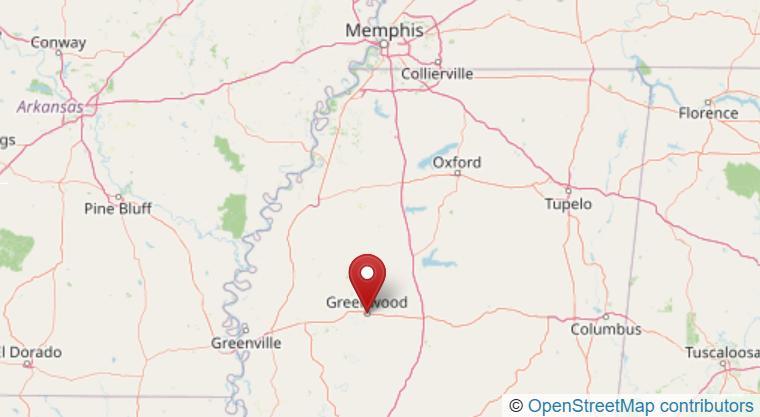
The location of Greenwood, Mississippi. Composite image based on map data © OpenStreetMap contributors.


After staying overnight in Grenada, Mississippi, I took the rural route of MS-8 West to reach Greenwood, located about 40 miles to the southwest.


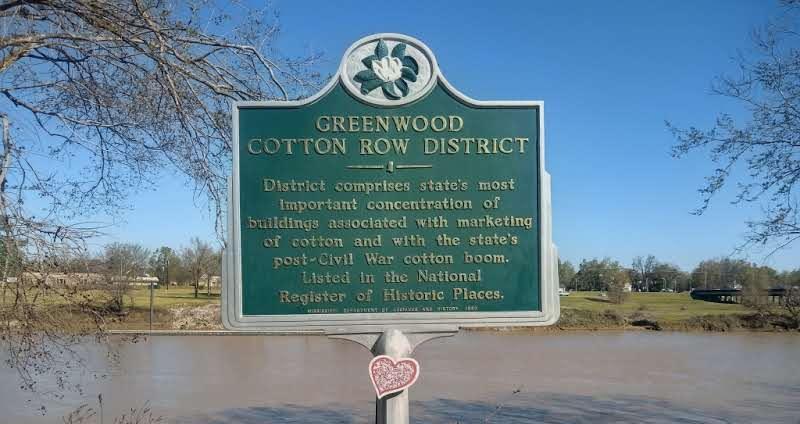
The Yalobusha River runs through Greenwood, where it joins the Tallahatchie River. A historical marker notes the city’s post-Civil War cotton boom.
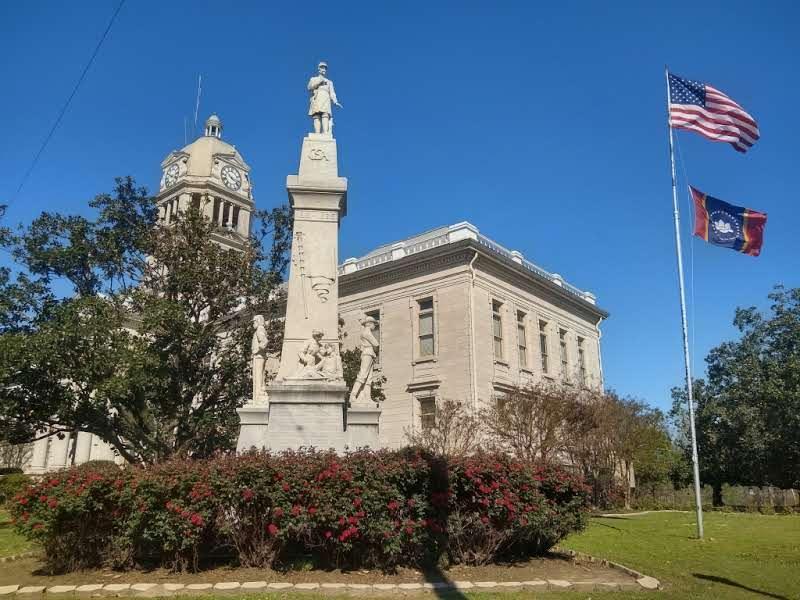
War memorial on the lawn of the Leflore County Courthouse in Greenwood, Mississippi, erected in 1913 by the Varina Jefferson Davis Chapter of the United Daughters of the Confederacy. For over a century, the monument has been a source of public debate, with some advocating its removal and others preserving it as a historic site.
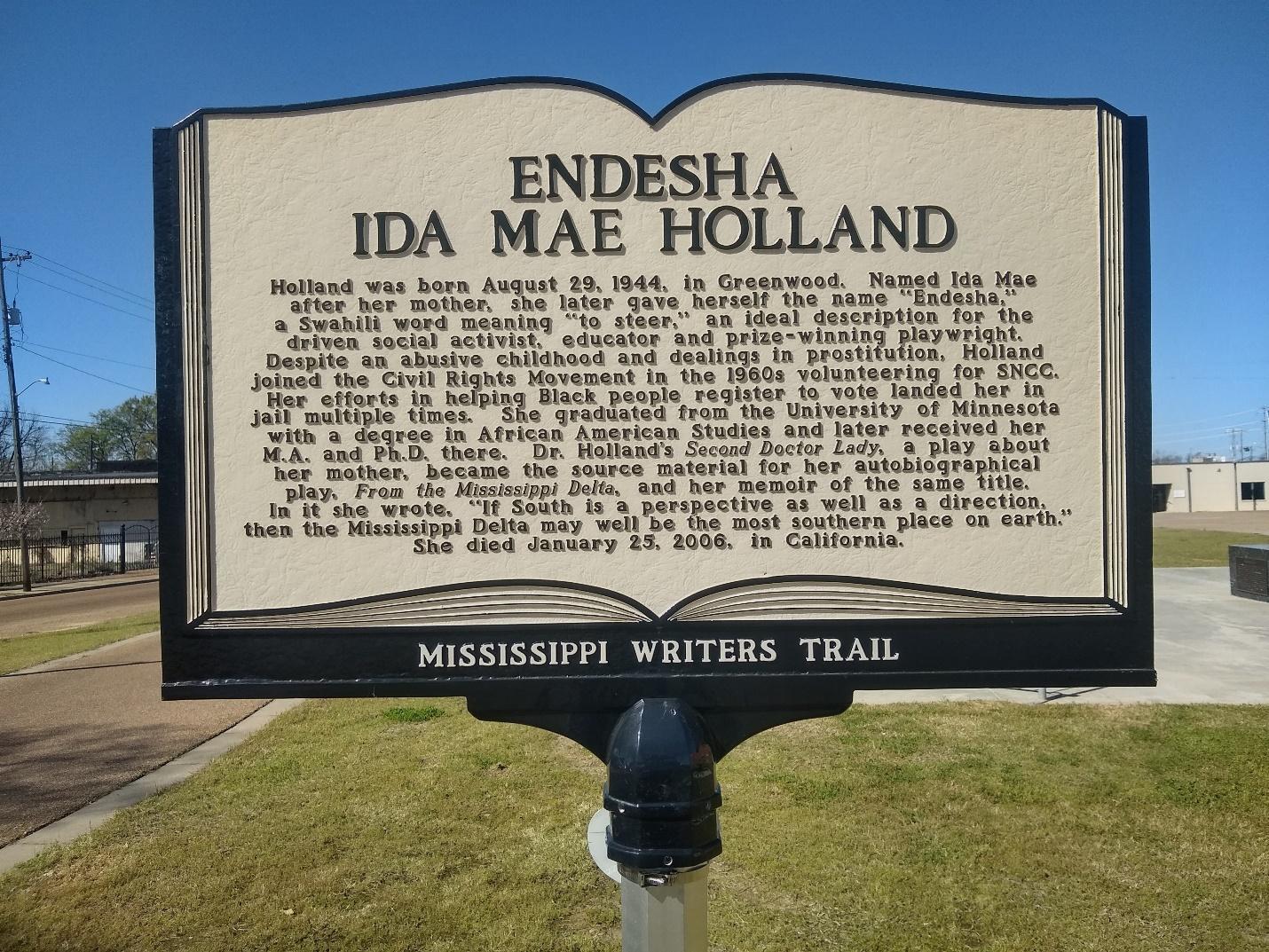
A historical marker honoring Endesha Ida Mae Holland stands in Rail Spike Park in Greenwood. It reads in part, “Despite an abusive childhood and dealings in prostitution, Holland joined the Civil Rights Movement in the 1960s, volunteering for SNCC. Her efforts to help Black citizens register to vote landed her in jail multiple times.”
Near the end of her memoir, she calls her return from New York to the Mississippi Delta to be honored on October 18, 1991, when the mayor of Greenwood declared it Dr. Endesha Ida Mae “Cat” Holland Day. It was a joyful event for her. Although she had permanently left the Delta in 1965, it had always remained in her heart. Despite her now-sophisticated manners and elegant clothing, “there was still a girl who wanted just one more chance to go barefoot and feel Mississippi mud ooze between her toes” (311). As a figure of national prominence, she was picked up from Memphis by Greenwood councilman David Jordan and his wife, and her trip was covered by NBC’s Dateline, with Jane Pauley as the host.
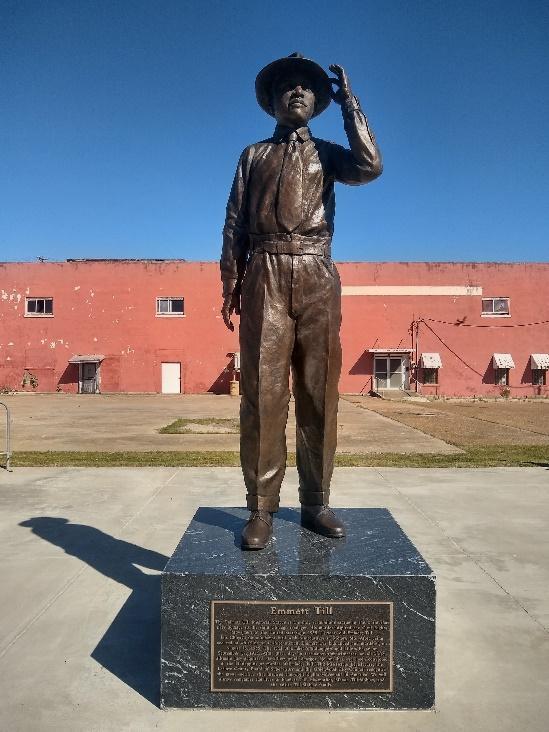
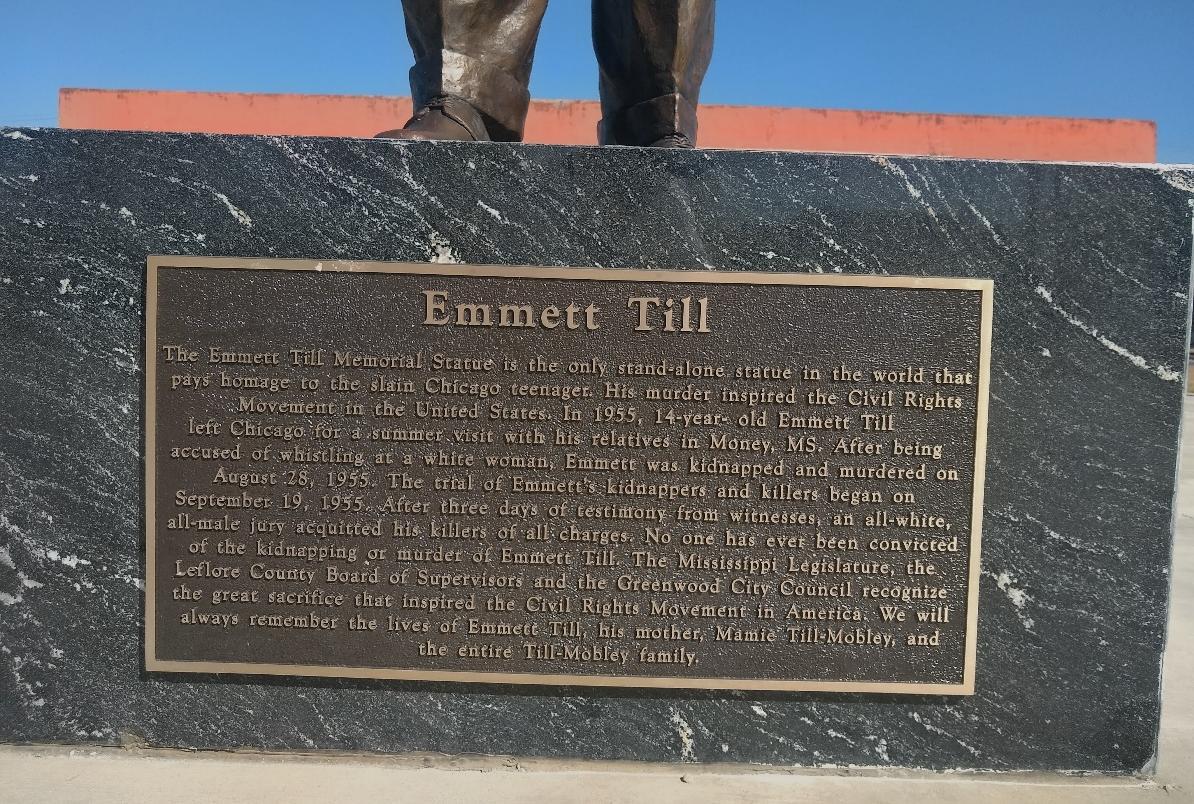
The Emmett Till Memorial Statue also stands in Rail Spike Park, near where 14-year-old Emmett Till from Chicago was abducted and murdered in 1955. The plaque declares, “The Mississippi Legislature, the Leflore County Board of Supervisors and the Greenwood City Council recognize the great sacrifice that inspired the Civil Rights Movement in America. We will always remember the lives of Emmett Till, her mother, Mamie Till-Mobley, and the entire Till-Mobley family.”
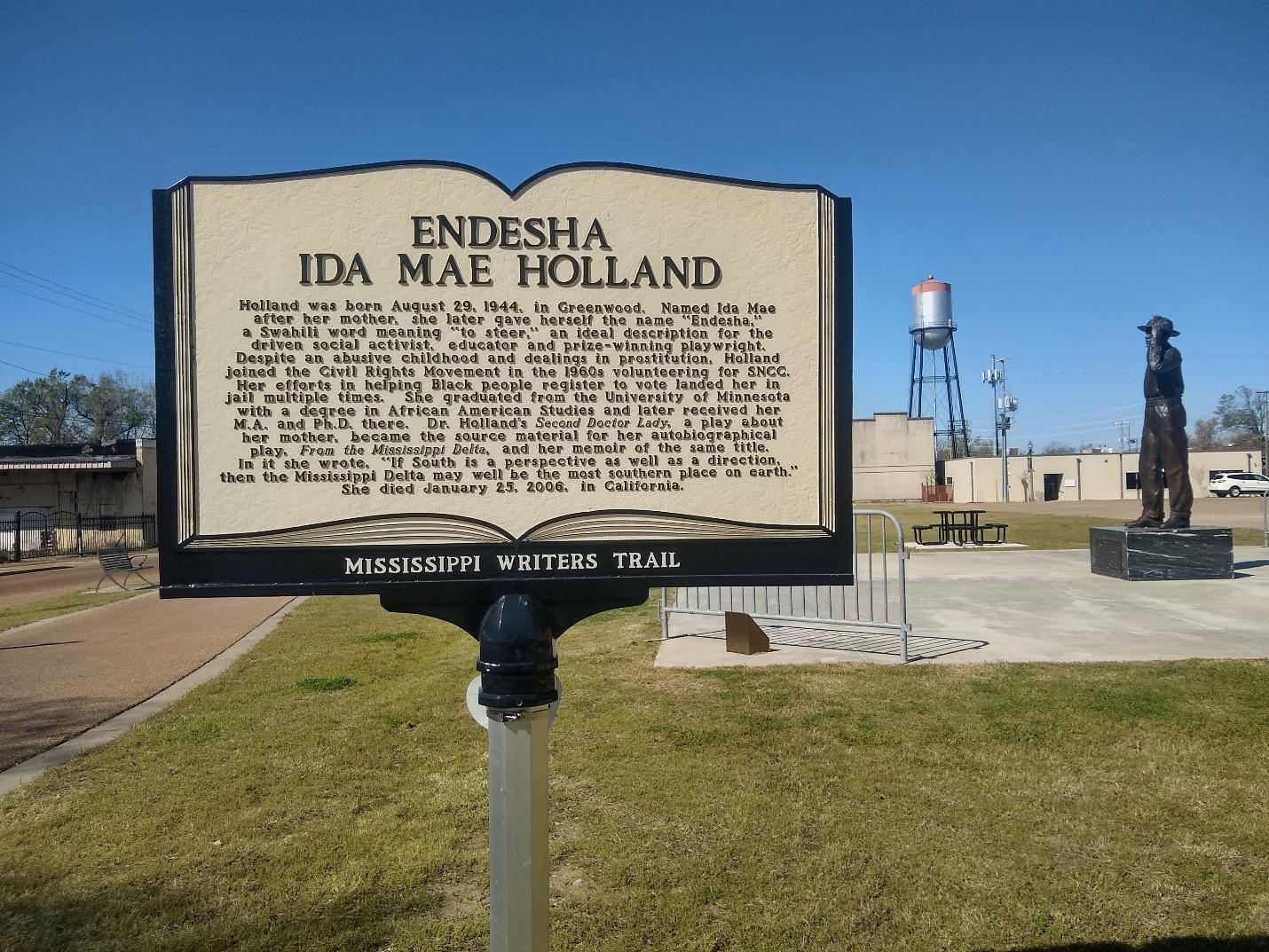
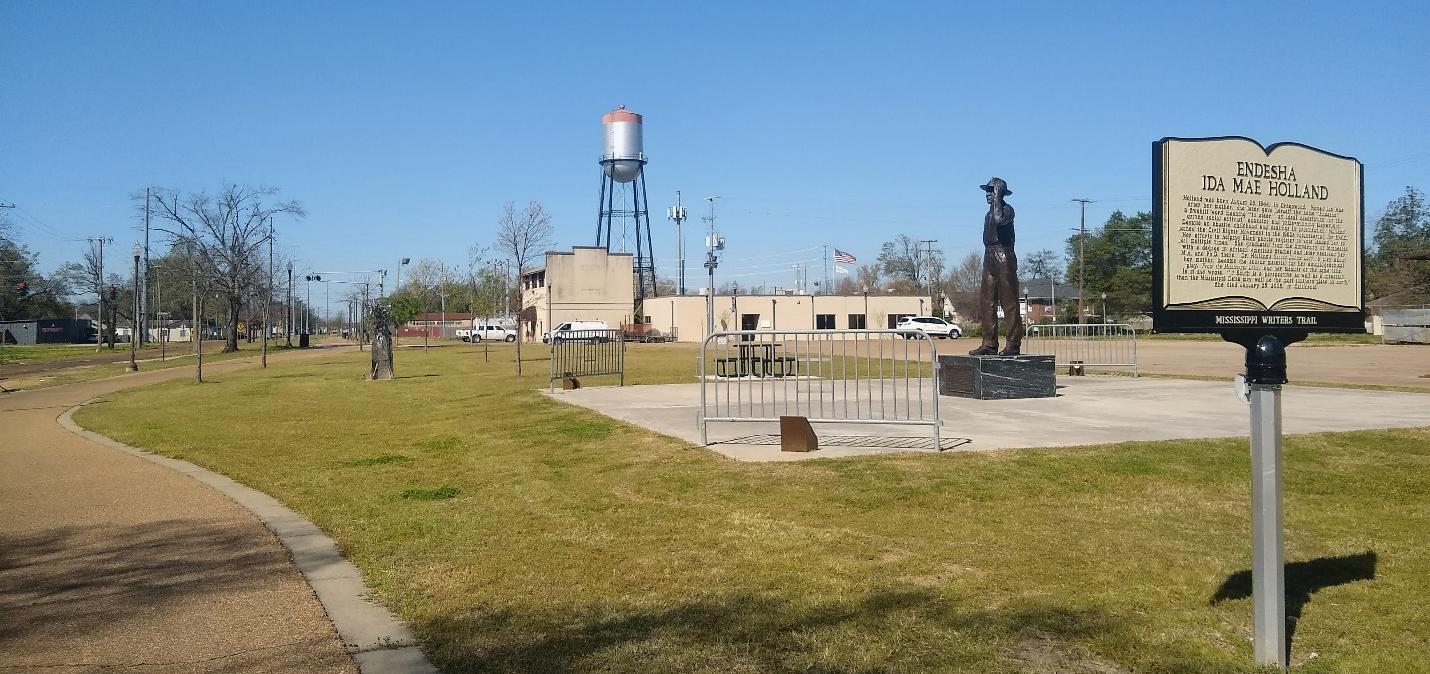
The Endesha Ida Mae Holland historical marker and the Emmett Till statue stand next to one another, as if in solidarity.

Highway 82 West in Greenwood, with a Walmart sign visible on the right.

The first thing that struck me was how much the landscape had changed. Not the tabletop land or levees or trees or the rippling heat those would go on forever but the people. In 1990, Mississippi had over 825 elected black officials more than any other state in the union. Machines had replaced the endless lines of sharecroppers and day laborers picking cotton or hoeing weeds; backbreaking labor for subsistence pay had become a thing of the past. Nearing Greenwood, I saw a Wal-Mart store and roadside video rentals along the highway where, a generation ago, I had turned tricks among the farmers. (From the Mississippi Delta 311-12)
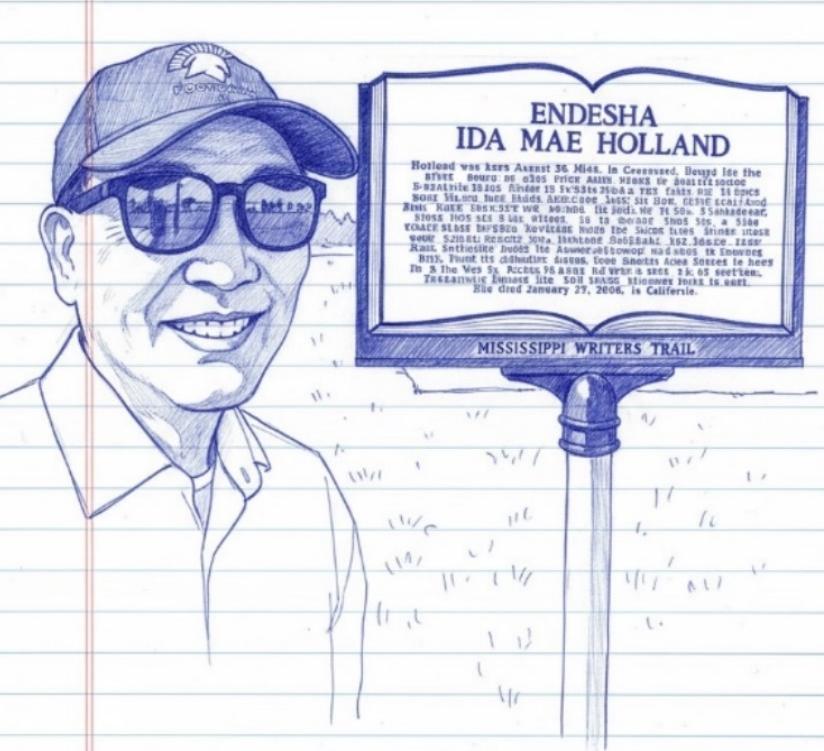
JOHN J. HAN
When Harold Bell Wright was writing his bestselling novel The Shepherd of the Hills (1907), he drew inspiration from residents of the Ozarks, particularly those living in and around Branson, Missouri. As a relative newcomer to the region, Wright was struck by the hardships of hill life and by what he perceived as its enduring virtues faith, family loyalty, honor, hard work, integrity, and honesty. It is therefore not surprising that he modeled several of his fictional characters on real individuals he encountered.
Among these were Old Matt and Aunt Mollie (John K. and Molly Ross), Uncle Ike (Levi Morrill), Dad Howitt (Truman S. Powell), and fiddlin’ Jake (Charles A. Vining). The individuals believed to have inspired these characters are buried in the Shepherd of the Hills Historic Evergreen Cemetery, located near Notch along Highway 76. Today, the site lies less than a mile from Silver Dollar City, and traffic along the highway can be heavy despite the cemetery’s otherwise quiet, pastoral setting.
As an Arcadian novel that idealizes life removed from urban centers, The Shepherd of the Hills reflects many of the conventions of its time, including regional stereotypes, melodramatic plotting, and traces of early twentieth-century social thought such as eugenics. Even so, the novel remains an uplifting work that reflects Wright’s broader commitment to moral and social wholesomeness.
I had intended to visit Evergreen Cemetery for three years but did not have the opportunity until attending the annual conference of the Ozarks Studies Association in Springfield in April 2026. A drive of about forty-five minutes south along Highway 65 brought me to the site. The cemetery was not included in my earlier photo essay book, Harold Bell Wright’s Ozarks: Photos with Notes (2023), as I was unaware of it at the time. Visiting the cemetery near sunset in the spring felt quietly significant. It was as if I were encountering the real lives behind Wright’s fictional world individuals whose stories, though long past, still resonate through the landscape.
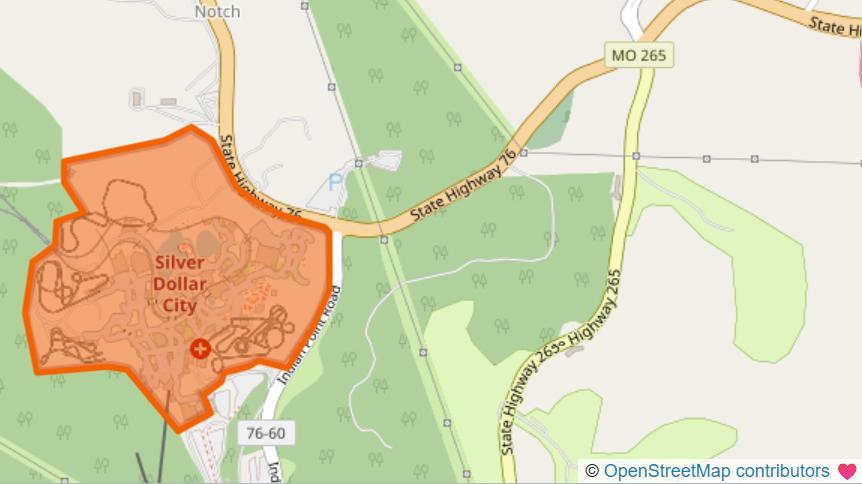
The Shepherd of the Hills Historic Evergreen Cemetery lies less than a mile east of Silver Dollar City on Missouri State Highway 76. Composite image based on map data © OpenStreetMap contributors.
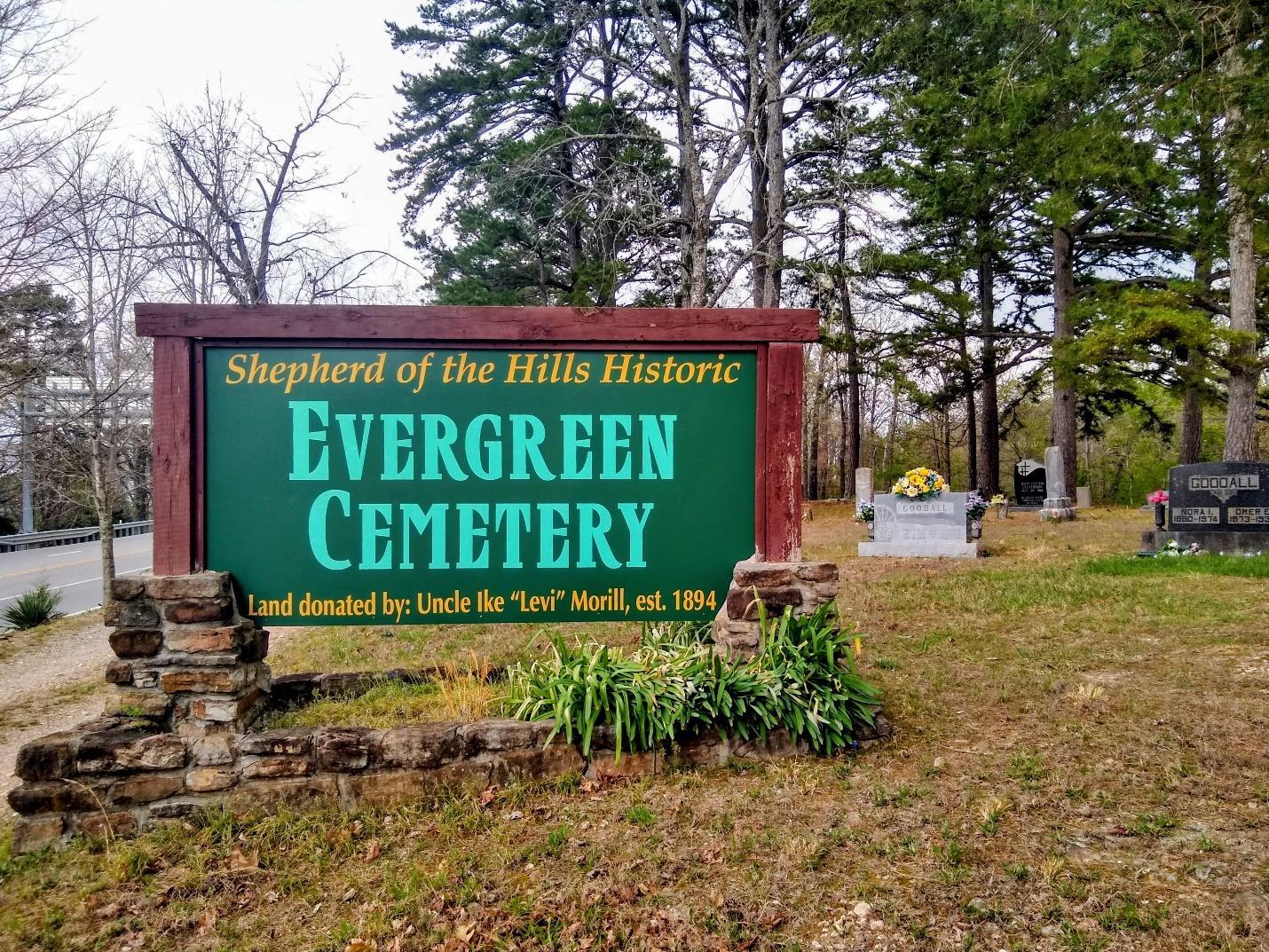
The sign reads, “Shepherd of the Hills Historic Evergreen Cemetery. Land donated by: Uncle Ike “Levi” Morrill, est. 1894.” The burial site is located on the south side of Highway 76. Because the entrance has no gate, it is easy to miss while driving, especially when approaching from the east. Uncle Ike is a local postmaster in Harold Bell Wright’s novel.
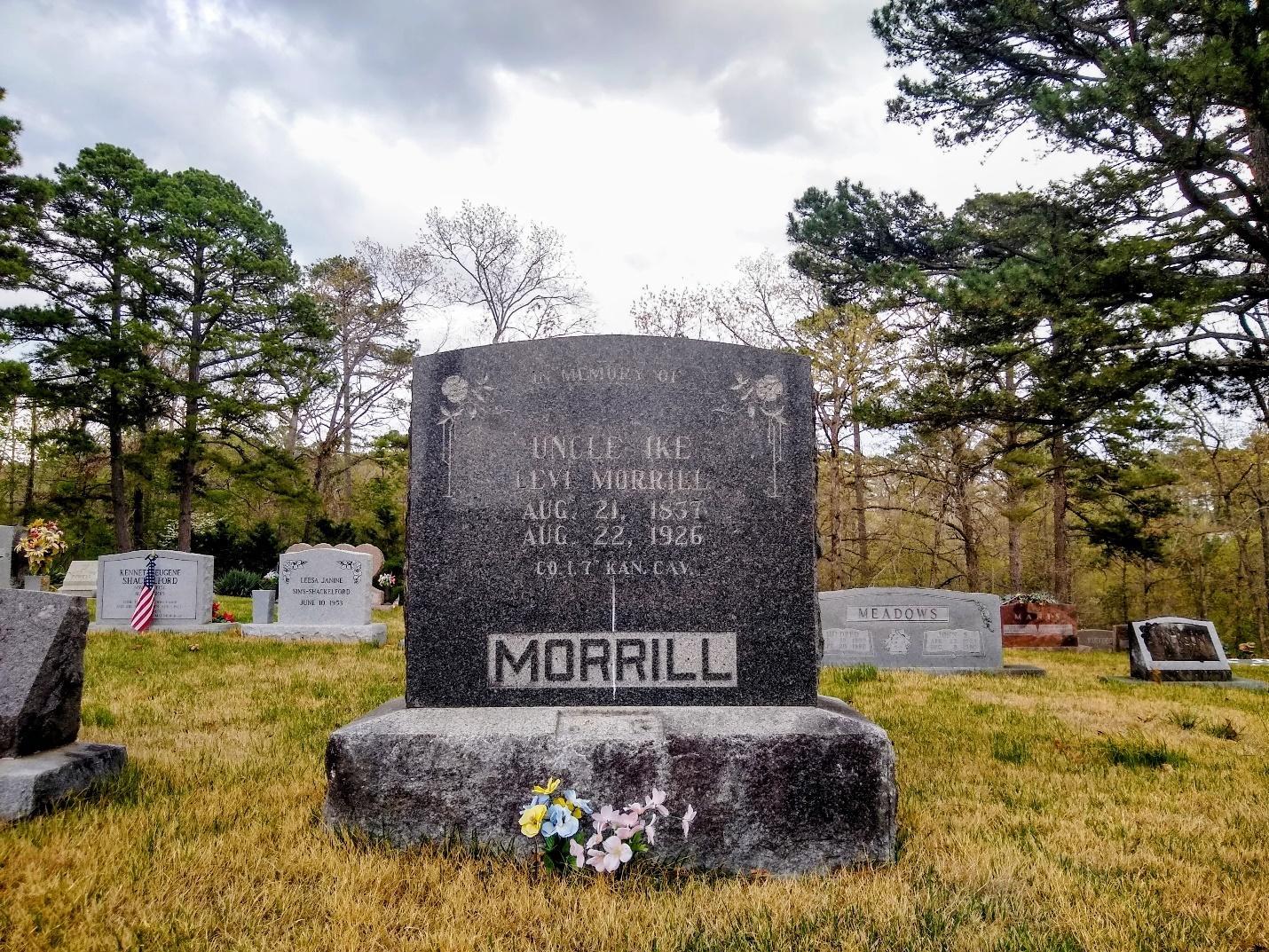
The gravestone of Uncle Ike, also known as Levi Morrill (1837-1926) in the cemetery. The Shepherd of the Hills mentions Uncle Ike thirteen times. In Chapter 22, Wright explains,
The Postoffice at the Forks occupied a commanding position in the northeast corner of Uncle Ike’s cabin, covering an area not less than four feet square.
[paragraph omitted]
Here Uncle Ike reigned supreme over his four feet square of government property. And you may be very sure that the mighty mysterious thing known as the “gov’ment” lost none of its might, and nothing of its mystery, at the hands of its worthy official.
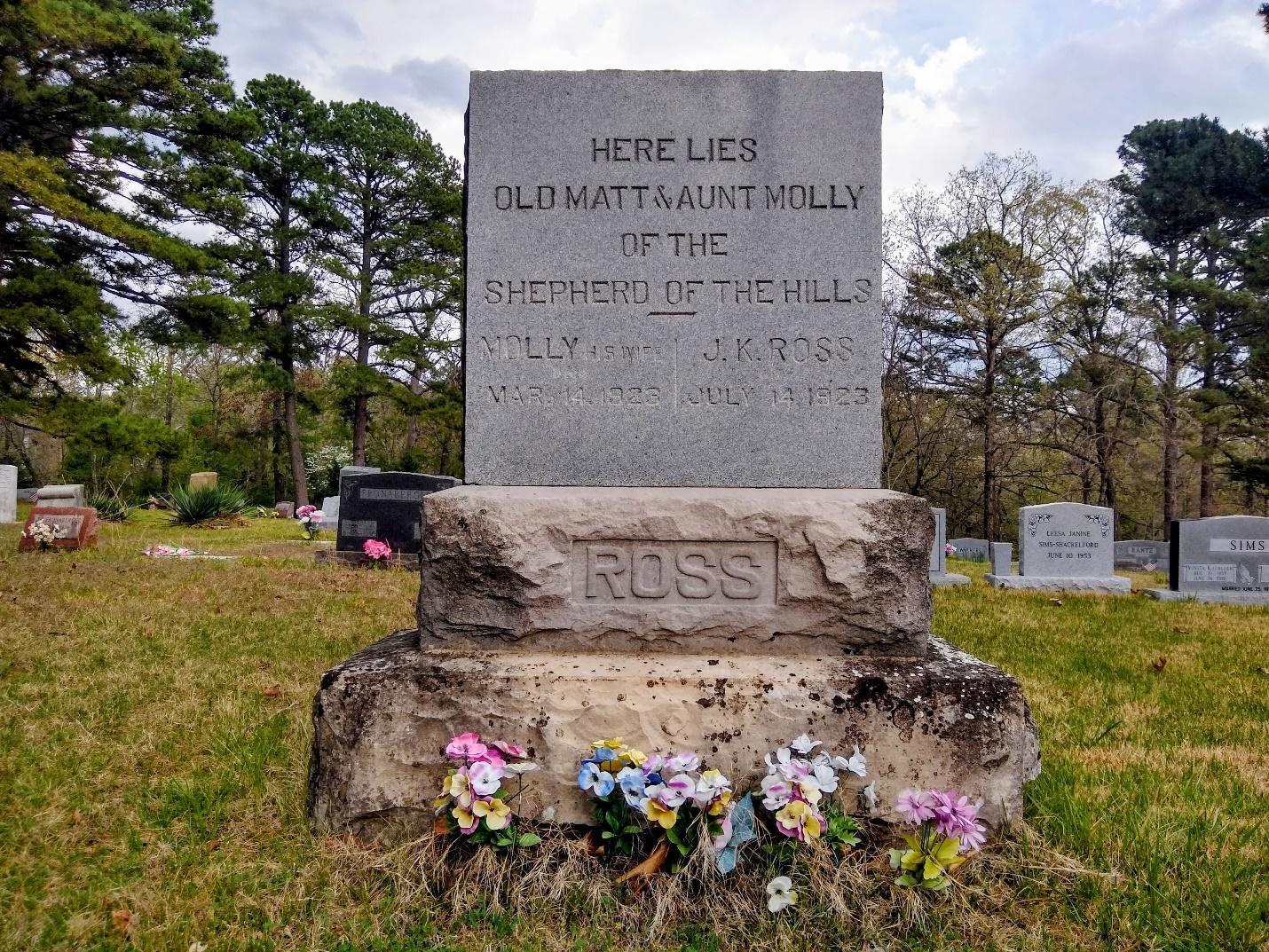
The Ross couple’s gravestone reads, “Here Lies Old Matt & Aunt Molly of The Shepherd of the Hills.” Aunt Molly (spelled “Mollie” in the novel) died on March 14, 1923, and J. K. Ross died on July 14, 1923. Following the publication of Wright’s novel, Old Matt became something of a local celebrity among fans, and his cabin became a popular tourist destination. For several years, he also gave lectures on Wright’s positive influence in the Ozarks.
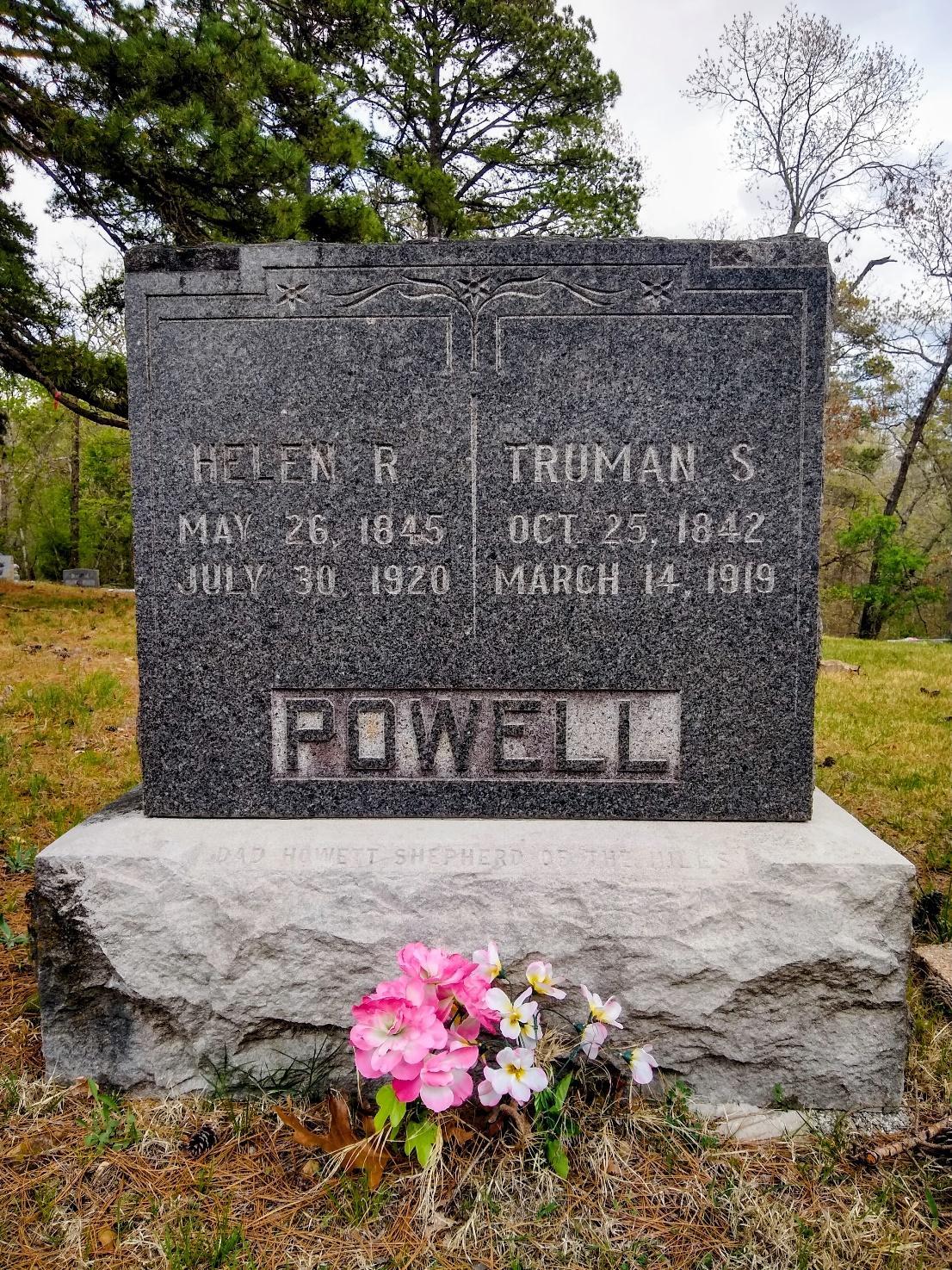
A grave marker for Truman S. Powell (1842-1919), who appears as Dad Howitt in Wright’s novel, and his wife, Helen R. Powell (1845-1920). The namesake of The Shepherd of the Hills, Dad Howitt is a former preacher from Chicago who comes to the Ozarks seeking to atone for his son’s wrongdoing against Old Matt and Aunt Mollie’s daughter, who died while giving birth to his child. His arrival as an educated outsider adds an air of mystery, which gradually unfolds as his identity is revealed. The story ultimately concludes with a reconciliation between the grieving couple and Dad Howitt.
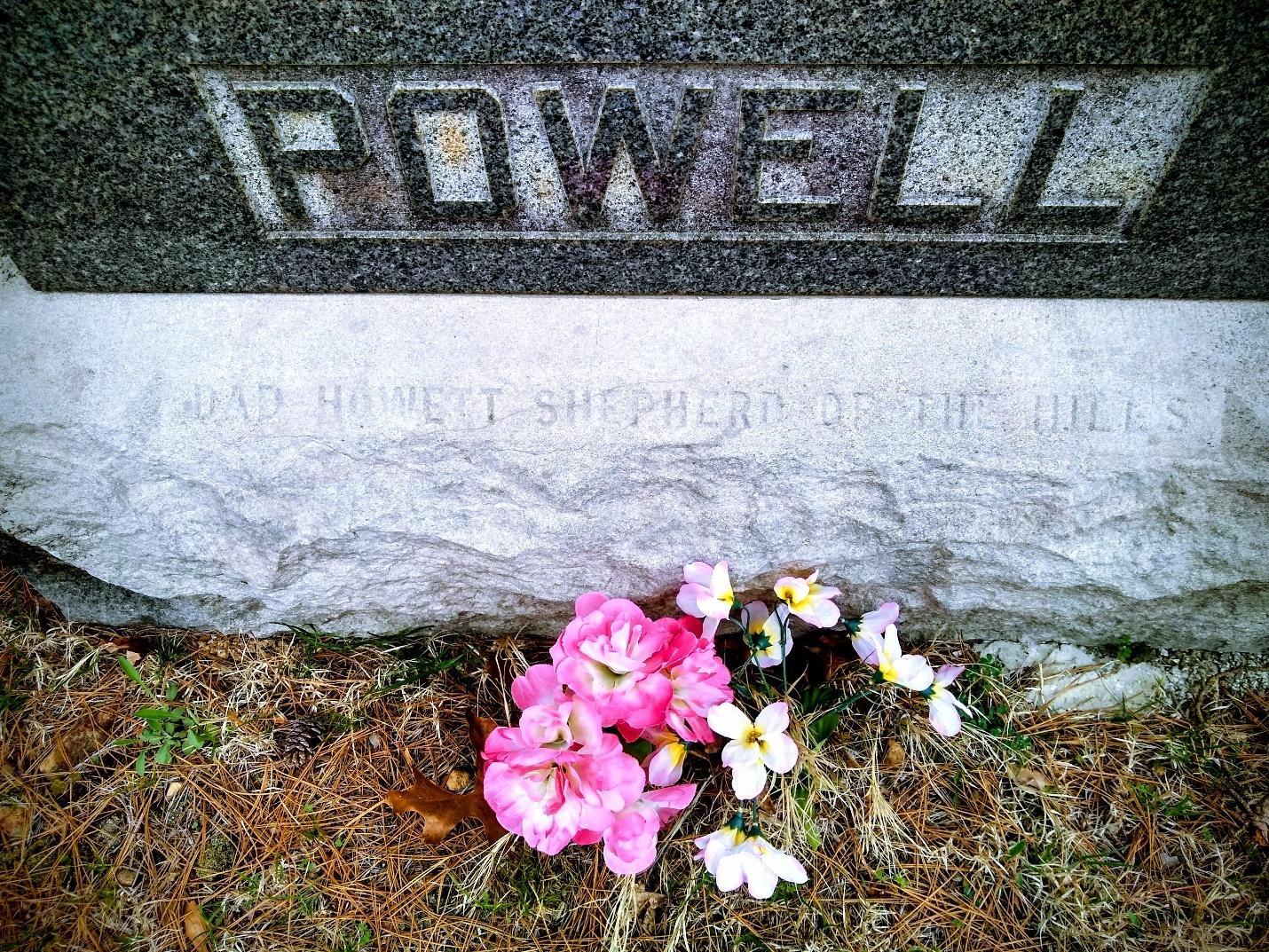
The base of the Powell marker reads, “Dad Howitt Shepherd of the Hills.” In Chapter 38 of the novel, the narrator states,
In sickness or in trouble of any kind the people for miles around had long since come to depend upon the shepherd of Mutton Hollow. The old man [Dad Howitt] turned now to the doctor [who came from Chicago to persuade him to return to Chicago]. “Someone needs me, David. We must go with the boy.”
The word “shepherd” appears almost 100 times in The Shepherd of the Hills. Initially a ranch shepherd in the Ozarks, Dad Howitt becomes a spiritual leader for the hill people.
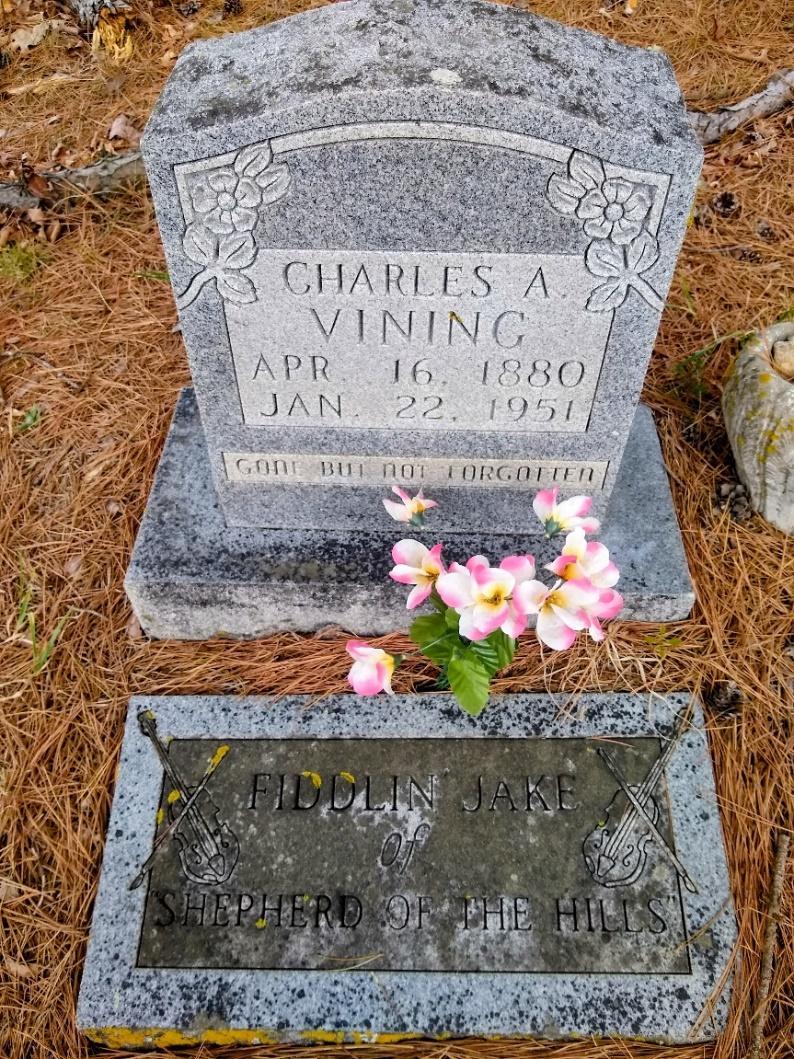
The headstone for Charles A. Vining (1880-1951), who appears as fiddlin’ Jake in The Shepherd of the Hills. Like Appalachia, the Ozarks is home to old-time mountain music, performed mostly by self-taught musicians. The following passage comes from the beginning of Chapter 35 (“The Party at Ford’s”):
“There’s sure to be,” returned the girl [Sammy Lane]; “everybody’ll be there. Mandy’s folks from over on Long Creek are comin’, and some from the mouth of the James. Mandy wanted Daddy to play for ’em, but he says he can’t play for parties no more, and they got that old fiddlin’ Jake from the Flag neighborhood, I guess.”
The mention of “old fiddlin’ Jake” signals the cultural backdrop of the event. He represents the traditional Ozark entertainment that would typically provide music and celebration at such gatherings, reinforcing the importance of music and dance in community bonding. Given that Vining was born in 1880, “old fiddlin’ Jake” would likely have been in his twenties at the time depicted in the novel.
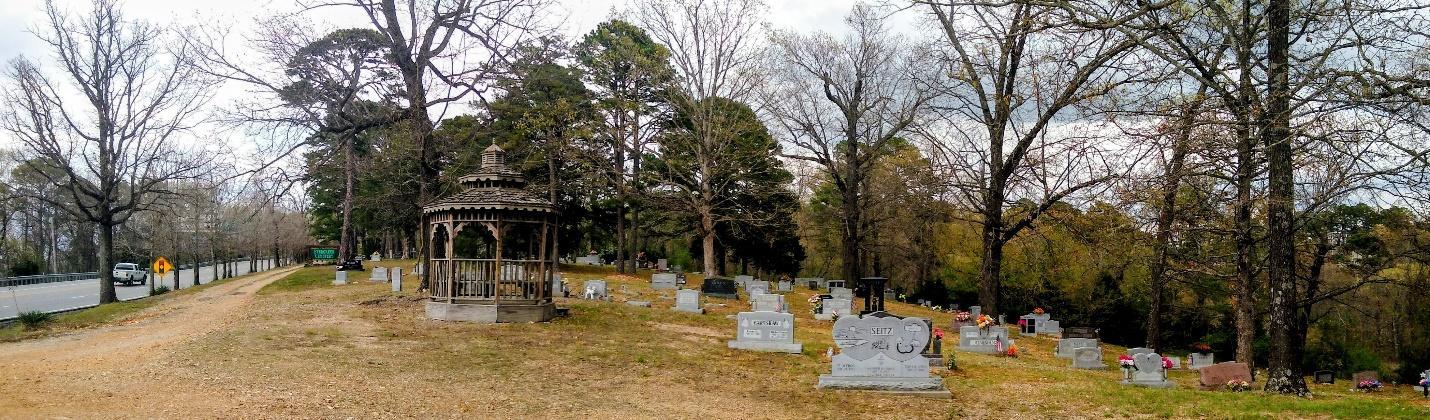
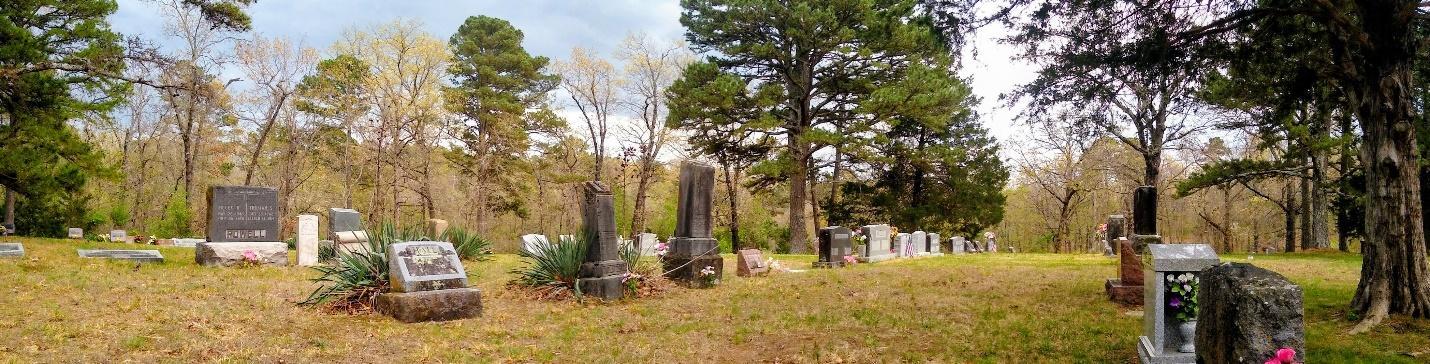
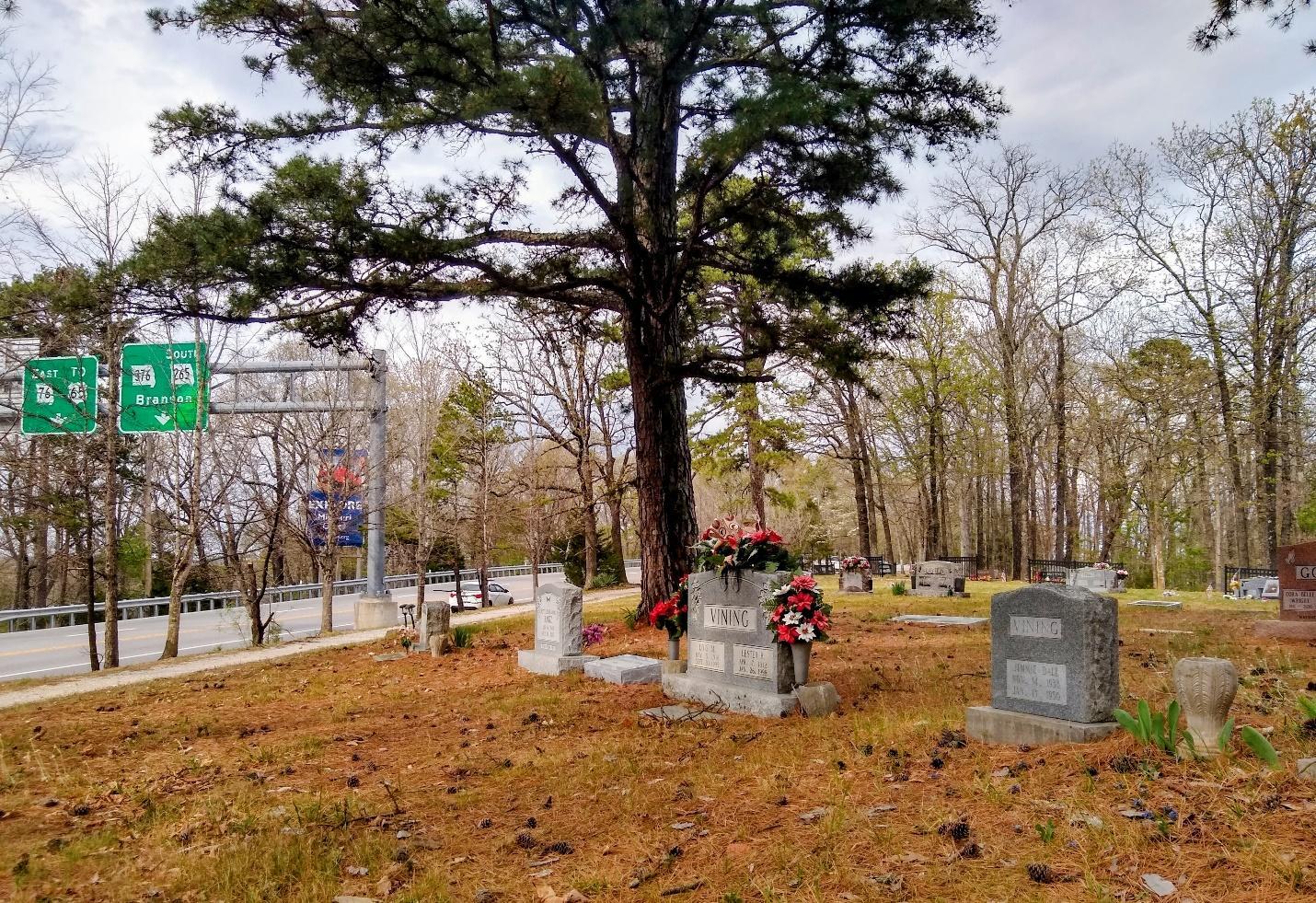
Other views of the Shepherd of the Hills Evergreen Cemetery.
Susannah Cerutti is a junior at Missouri Baptist University. She is from Washington, Missouri, a small city west of St. Louis. She is double majoring in English and Human Services, with hopes to be a writer. Susannah has always had a gift for spelling; she would get 100% on every spelling test. However, she did not discover she had a thing for creative writing until seventh grade when she took speech class.
Denise England’s passion for languages, art, cultures and connections inspires her writing. She studied in Bordeaux, France and holds an M.A. in French literature. Her poems have been published or are forthcoming in the U.S., U.K. and Canada in Cantos, Spiritus, Ekstasis (Inkwell), The French Literary Review, The Orchards Poetry Journal, SLANT, The Ekphrastic Review, Cave Region Review, and Neologism Poetry Journal. She enjoys sharing her poetry within communities of other writers and artists, including Ozark Mountain Poets and Spectra Arts in Northwest Arkansas, where she lives with her husband. deniseengland.substack.com
John J. Han, PhD, is Professor of English and Creative Writing and Associate Dean of the School of Humanities and Theology at Missouri Baptist University. He is the author, editor, co-editor, or translator of 35 books. His forthcoming book, Echoes from the Hills: Critical Essays on Ozarks Literature, co-edited with C. Clark Triplett, will be published by the University of Arkansas Press. Han has also published nearly 3,000 poems in journals and anthologies, such as Cave Region Review (featured poet of the year 2012), Failed Haiku, Frogpond, Modern Haiku, Simply Haiku (chosen as the world’s sixth-finest English-language haiku poet for 2011), Valley Voices (Pushcart-nominated), and Wales Haiku Journal (nominated for the Touchstone Award).
Michael C. Roberts is a mostly retired pediatric psychologist seeking creativity through photography. His film and digital photographs have appeared in The Canary, Burningword, The Alchemy Spoon, FERAL, Camas, Word’s Faire, and elsewhere. His book of photographs, Imaging the World with Plastic Cameras: Diana and Holga, is available on Amazon.com.
Dr. Mary Saale is the Assistant Director of MBU Early College Partnerships and an Adjunct Instructor of Education at Missouri Baptist University.
Michael Shoemaker is an award-winning author, poet, haikuist, photographer, writer, editor, and from Magna, Utah. He is the author of four poetry/photography collections, including Sky Mountain Rain Stars, a collection of short poems (Kelsay Books, forthcoming 2026). His book Sacred Strains of Praise is a 2025 ChristLit winner. Michael’s work has appeared in Boundless (2024, 2025, 2026), The Journal of the International Poetry Festival of the Rio Grande Valley, Tranquility: An Anthology of Haiku, Blue Lake Review, The High Window, and Poetry Pacific. He is a multiple nominee for the Pushcart Prize and Best of the Net.