

Elders reflect on struggle, survival and hope at Juneteenth brunch
By Jasmine McBride Editor
n Juneteenth, June
19, Black Lives
Matter Minnesota gathered elders, advocates and community members for a morning brunch to honor those who have carried the movement, and to hear what they have seen, survived and still hope for.
Among those honored was Valerie Castile, mother of Philando Castile, who was shot and killed by a St. Anthony police officer in 2016. She received the “Celebrating Revolutionary Sistas” award and accepted it with characteristic directness.
“I want to accept the award in honor of my son, because if he hadn’t been murdered, I don’t think I would be doing this
work,” Castile said. “He started something that I continue.”
Ten years after her son’s death, Castile has paid out roughly $350,000 toward school lunch debt through her Philando Feeds the Children program, continuing the work Philando did quietly every day as a school cafeteria worker, learning every child’s name, knowing every allergy, making sure no child went hungry.
“I didn’t know anything about him paying for students’ lunch out of his own pockets,” she said. “But I felt like it was important to continue that, because our future is with our children.”
Castile used her platform to sound an alarm about looming federal funding cuts she said will devastate community organizations that keep Black youth off the streets and out
of danger. “We have to do like our ancestors did,” she said.
“We have to figure some stuff out. No one is going to save us. We have to save ourselves.”
Also honored was Jeweliean Jackson, who received the Juneteenth Legacy Award as a founding mother of Juneteenth in Minnesota. Jackson, who came to the state as one of the first Black stewardesses at Northwest Airlines and is approaching her 80th birthday, has spent decades as an educator and community builder, and carries the title of Lifetime National Miss Kwanzaa.
“I’ve been in the trenches for a long time, and I’m not used to being recognized,” Jackson said. “That’s not why I do it, but when it comes, it feels very good.”
Minneapolis City Council votes on three measures affecting George Floyd Square

By Ella Stern Contributing Writer
he Minneapolis
City Council voted June 11 on three measures affecting George Floyd Square. The intersection of 38th Street and Chicago Avenue, renamed after police murdered George Floyd there six years ago, is undergoing construction and reimagining. Given its effect on an area of high emotional significance, the process has brought up a volley of debates. The council first voted unanimously to deny the special assessment for the street reconstruction at the intersection. The change saves community members from paying steep sums. Minneapolis city policy dictates that whenever streets are reconstructed, property owners adjacent to the work pay a tax known as a special assessment. This money, paid either at once or over 20 years, covers 4% of the project budget. Some homeowners near George Floyd Square told Council Member Soren Ste-
venson that they had received a bill for around $6,500; some businesses were facing payments of over $40,000.
“This is not a small chunk of change for the homeowner,” Stevenson said. “And it was really not a small chunk of change for the small, Blackowned businesses on 38th and Chicago that have been struggling for years as is.
“This is a project that was billed as: ‘this is what the city is doing for the community to invest in a community after the murder of George Floyd,’”
By Sharon M. Holder, PhD., MPhil., MSc., MSW
ormer First Lady Mi-
chelle Obama does not need defending. Her brilliance, her humanity, and her legacy
stand firmly on their own. But the attacks against her, especially the most recent demeaning smear from UFC fighter Josh Hokit, demand that we speak up because they are not isolated incidents. They are part of a longstanding pattern of stigma and misogynoir that Black women have been forced to navigate for generations.
Let’s be clear: when Former First Lady Michelle Obama is targeted, the harm does not land on her alone. It is a wound felt by Black women everywhere, because she embodies so much of what we are told we cannot be: brilliant, visible, self-possessed, and
Black Men Teach celebrates fellows, calls for investment in Black male educators
By Jasmine McBride Editor
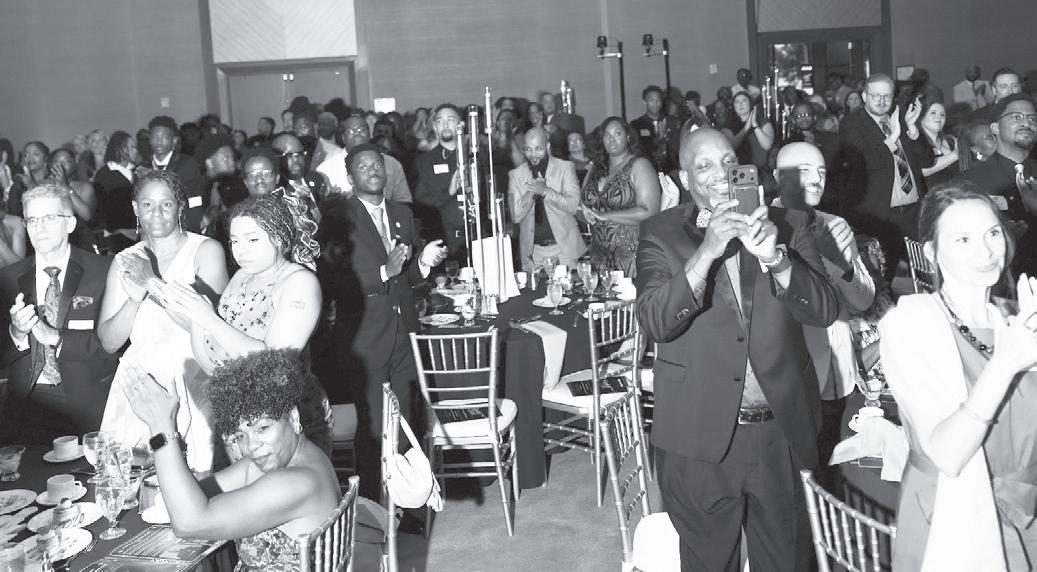
n June 20, Black Men Teach gathered educators, fellows, supporters and community members at the Hyatt Regency Minneapolis for its annual Gold
Gala.
An evening celebrating the Black male teachers working to transform Twin Cities classrooms and the young men being prepared to join them.
The event raised funds for scholarships, home down payment assistance, student loan forgiveness support and professional development for fellows pursuing careers in education. But beyond the fundraising, the gala was a statement about what is possible when Black men are supported, celebrated and given room to lead.

unapologetically ourselves. An attack on her womanhood is an attack on ours, echoing the lifelong struggle to navigate a world where Black women are subjected to scrutiny, stigma and misogynoir. These assaults reverberate through our lives, reinforcing the constant questioning, the relentless demands and the added burdens we are expected to carry simply for daring to exist in spaces that were never designed for us.
I have never met Former First Lady Michelle Obama. But as a Black woman and a behavioral health researcher who studies stigma, I recognize exactly what is happen-
“There’s no program, policy, or practice more influential to a Black student’s outcome than having a Black teacher,” said Markus Flynn, CEO of Black Men Teach. “Debating the benefit of Black teachers is like debating gravity. There’s no way you cannot.” Flynn pointed to research showing that Black students with Black teachers are more likely to go to college, less likely to drop out of high school, more likely to be identified for gifted programs and less likely to be suspended or expelled. For Flynn, the mission runs deeper than data. “I want to see Black boys grow into men,” he said. “I want them to have agency. I want to see them be in a position where they can be their whole selves and live full lives.”
Among those celebrated at the gala were Keon Lewis and
ing here. What makes it even more troubling is that these attacks persist regardless of her extraordinary accomplishments: a lawyer, a leader in higher education and healthcare, a bestselling author, and the 44th first lady of the United States. The first African American woman to hold that role. Racism, discrimination and stigma are not just social slights; they are powerful mechanisms that mark certain groups as “less than,” “other,” or “unworthy.” They shape how people are treated, how institutions respond, and how individuals internalize the messages they receive. For
Star
Photo courtesy of Izzy Canizares/MSR
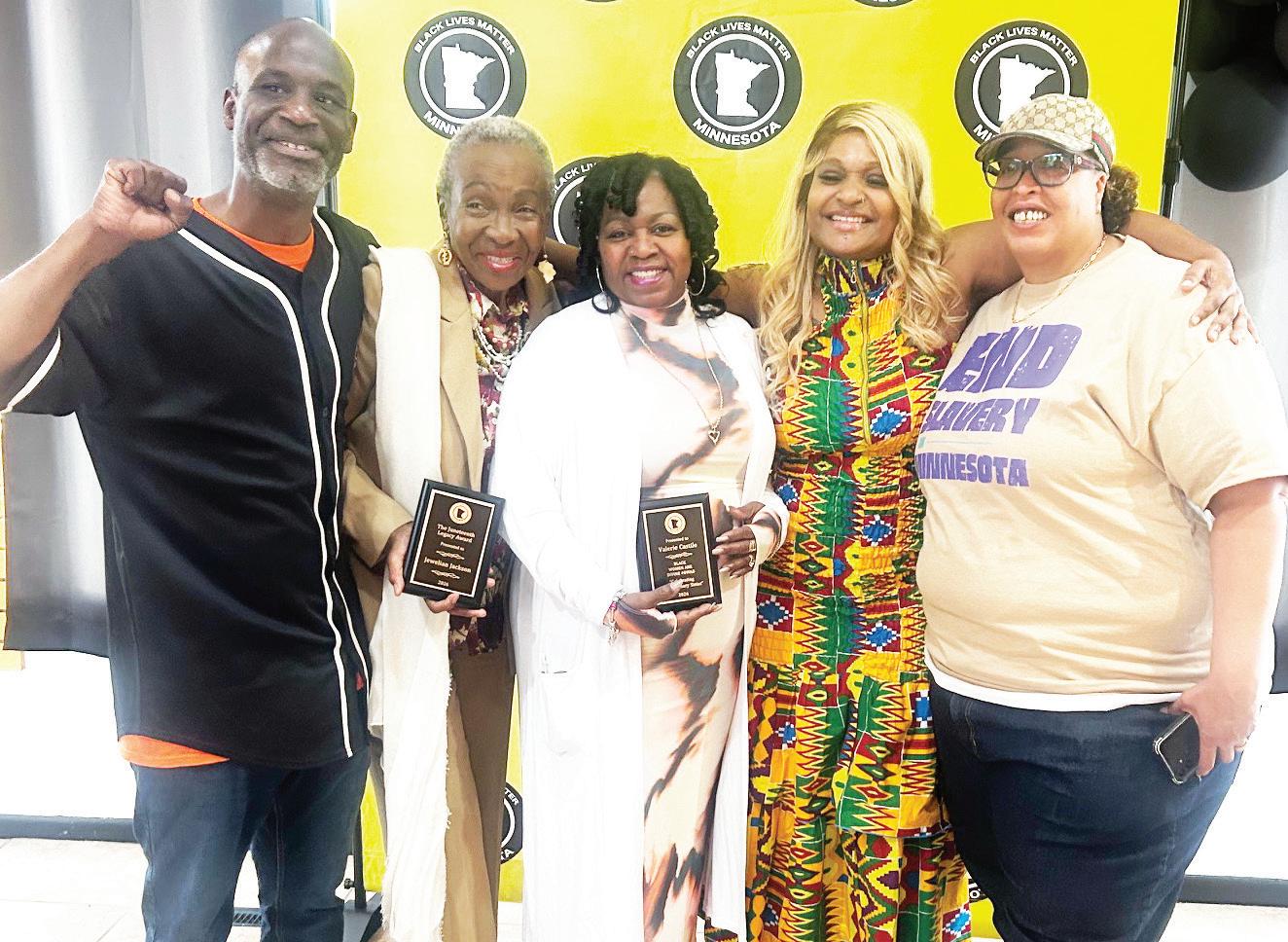
From left: Trahern Crews, Jeweliean Jackson, Valerie Castile, Toshira Garraway, Chauntyll Allen
Photo courtesy of Jasmine McBride/MSR
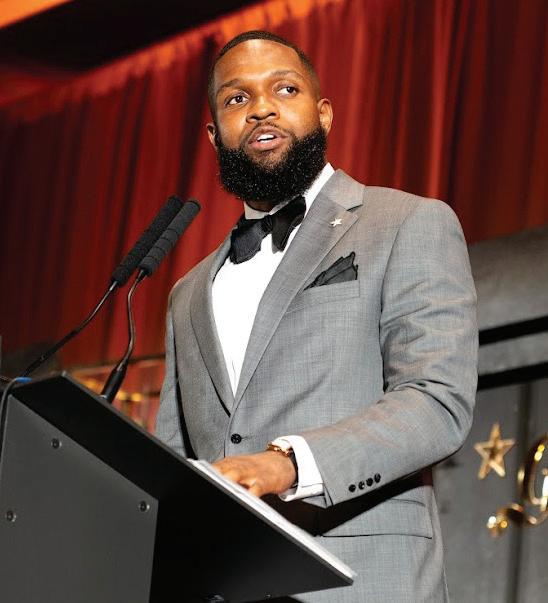
Markus Flynn, CEO
Photo courtesy of Black Men Teach
Sharon M. Holder, PhD Courtesy Michelle Obama
Miss Juneteenth Minnesota royalty speak to continued power of the pageant
By Ella Stern Contributing Writer
Zina Alston Fizer grew up
watching the Miss America beauty pageant. Among the women in their gowns and sashes, Alston Fizer would always look for darker-skinned contestants, hoping to see herself, but was always disappointed. Though she rooted for contestants she described as culturally ambiguous, she never saw contestants or queens of her hue.
On Saturday, June 6, 54-year-old Alston Fizer was crowned First Lady Juneteenth Minnesota in the third annual Miss Juneteenth Minnesota State Pageant. Steeped in the legacy of Juneteenth, the pageant centers freedom and self-confidence and features an all-Black slate of contestants.
“That little girl that I was, that didn’t see [herself in pageants], gets to participate in this space,” Alston Fizer said. “To see all those beautiful little girls twirl around in their dresses, put on their crowns, and know that they are queens. It made my heart whole.”
Miss Juneteenth Minnesota is not a beauty pageant; rather, the event aims to cultivate and reward contestants’ self-worth and poise. In the “evening gown” competition for the queens and the “suit” counterpart for the kings, judges focused on contestants’ confidence and posture.
Participants also completed an onstage question-and-answer segment, wrote an essay and showcased their talent.
For the talent portion, Alston Fizer memorized and performed Maya Angelou’s poem “Phenomenal Woman,” which rejects societal expectations
for women and embraces the speaker’s beauty.
In the lead-up to the pageant, contestants participated in workshops to build skills for the pageant and the wider world. They learned about etiquette, personal hygiene, selfdefense, opening checking accounts and building wealth. Whereas pageant preparation traditionally happens in the week before the event, Miss Juneteenth contestants met nearly every Saturday from January to June, according to Alston Fizer.
”Everything’s preparing them, not just for the pageant, but for life.”
“Everything’s preparing them, not just for the pageant, but for life: making them more confident, not only [in] who they are, but [in] being able to present themselves in front of other people,” said Rev. William Pierce, the pageant’s adviser and production manager.
This year, the pageant featured three new categories:
First Lady Juneteenth Minnesota, for women ages 40 and up; Mister Juneteenth Minnesota, for boys ages 1017; and Mr. Juneteenth Minnesota, for men ages 18-24. Pageant organizers expanded the women’s age categories and added men for the first time to include more community members and deepen the pageant’s impact.
Although Alston Fizer had previously said “absolutely not” to the idea of competing in a pageant, being a participant “rekindled a fire in me that let me know that age should not limit what you think that you can do,” she said.
“It gives the older ladies the audacity to dream again,” she continued. “Dream that I can still be considered beautiful, I can still be considered desirable, I can still wear an evening gown, I can still challenge myself, even at the 40 plus [age range].”
Alston Fizer and her cocontestant mentored younger participants and hosted a tea party for contestants in divisions four through seven (ages 19 to 40+) to have honest conversations in a way they wouldn’t with men or younger
girls around. “I got to see the maturation of womanhood,” Alston Fizer said.
The new First Lady Juneteenth Minnesota also thought it was crucial that organizers added the Mister and Mr. Juneteenth categories. Those contestants were mentored into civically engaged young men whose existence combats stereotypes and misrepresentation, according to Alston Fizer.
Turning Point celebrates 50 years of culturally specific care
By Ella Stern Contributing Writer
Turning Point, Inc. MN, a North Minneapolis substance abuse treatment center serving the African American community, celebrated its 50th anniversary this week. The milestone is a testament to the center's culturally specific approach to treatment.
After undergoing treatment himself in a primarily white treatment facility, Turning Point founder Peter Hayden decided that Black people struggling with substance abuse needed a program that would help them in a culturally informed way. On June 1, 1976, he founded Turning Point.
With an almost entirely African American staff and clientele, Turning Point's culturally specific approach is rooted in
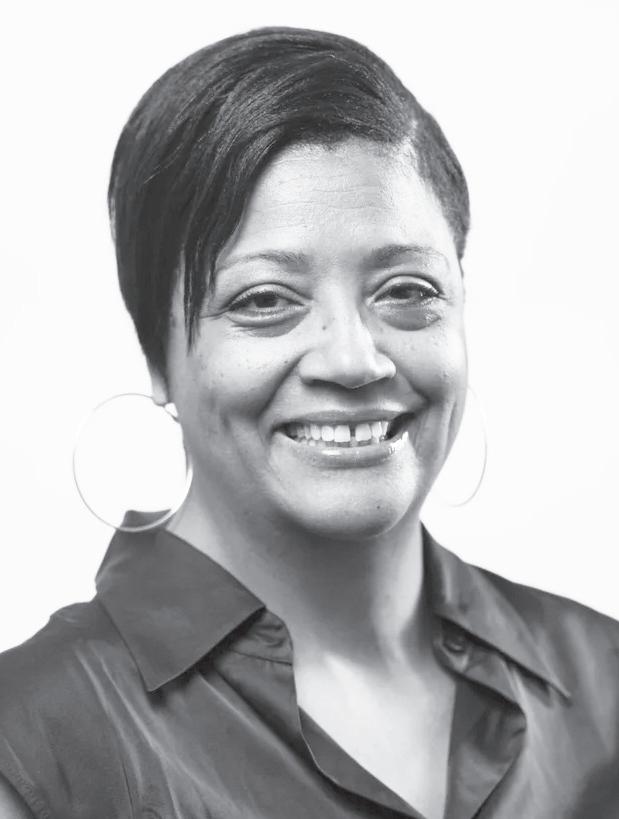
Lori Wilson
understanding, familiarity and a sense of family.
"We understand how we talk, how we live, we breathe," current CEO Lori Wilson said.
"You have to understand, culturally, what makes people comfortable in settings like treatment that are not so comfortable."
Staff, familiar with how clients were raised and the generational trauma they have faced, aim to provide the support system that they themselves have found in Black communities. For Wilson, this is embodied in the sense of family that underlies Turning Point's "no shame in coming back" mindset.
"No matter where you are … if there's a slip of some sort, there's always a place here for you," Wilson said. "No matter how many times you come back, one of those times
you're going to get it right, and we are always going to support you throughout it."
Additionally, Turning Point's curriculum includes Black mental health, personal triggers and unseen traumas. For instance, some staff talk to their clients about narratives around Black masculinity, such as "deadbeat dads." Turning Point, once a women's treatment center, now focuses entirely on men.
“Everybody that comes through here, they leave
The center also considers African American traditions around food. Staff make cli-
ents' comfort foods and use food to bring people together.
"In the African American community, food is a very important part of our culture," Wilson said. "Having conversations around the table really enriches the conversation, and you feel those barriers start to break down. The barriers need to break down in order to get down to the root of the situation."
"We don't want to take the familiarity out of the clients' lives as they're going through treatment," Turning Point executive assistant DeAndre Morris Jr. added.
When former client Byron Jeffery arrived at Turning Point for treatment, this reality, so different from what he had known of recovery centers from TV, was foreign to him.
"To go to Turning Point, for me, was to see others that
of a Black man,” Abatan said. “On social media and TV shows and movies, normally [Black men are shown to have] overall bad influence… So, I wanted to change that. I wanted to show the world that it’s more than [that negative representation].”
The theme of this year’s pageant was “Rediscovering Our Culture and Redefining Our Freedom.” To Alston Fizer, a new definition of freedom involves freeing one’s thoughts and worldview.
“There are so many Black men that are doing the right thing, they’re just not shown,” she said. “The negative, derogatory things that happen in our community are what’s highlighted in the media. I believe that that perpetuates stereotypes; it’s propaganda.”
The calling to provide positive representation brought Isaac Abatan, the first-ever Mister Juneteenth Minnesota, to compete.
“I wanna reshape the image
look like me," Jeffery said. Although it remained hard for him to build trust at first because he had experienced trauma from people who look like him, Turning Point staff took time with him and talked to him with care and concern.
Jeffery is now 10½ years clean and has returned to Turning Point as an employee. He went to school for counseling while living in Turning Point housing and has worked at the treatment center as a licensed alcohol and drug counselor for three years.
"It made me feel good to work with somebody that was struggling with drugs, and see them get off of drugs, get a job, transform their life, get back in a kid's life," Jeffery said. "That was really my breakthrough for understanding my calling."
Jeffery is one of 25,000 clients who have passed through Turning Point's doors over the past half-century.
As the staff member who administers end-of-program surveys, Morris hears, in clients' words, the way Turning Point has impacted them. He said clients write that they developed understanding and growth within themselves during their time at the center.
"Everybody that comes through here, they leave here with a purpose," Morris said.
"They leave here knowing that they can be successful in the world, when the world had kicked them down when they were in addiction."
At its milestone anniver-
“Redefining freedom: that is looking at, not just the literal chains that were placed on formerly enslaved people, but looking at the chains that were placed on our minds,” she said. “Those borders from during the Jim Crow era… are we still segregated in our minds? Do we still see ourselves as second-class citizens? How do we break out of those chains?”
At a block party Sunday in North Minneapolis, community members excitedly greeted their new Juneteenth royalty, who have been invited to a lineup of community events in the coming weeks and months.
“[The Juneteenth royalty are] really embraced and celebrated to a point that I’ve not seen in a long time,” Pierce said. “They want them to show up, and by doing that, they are inspiring not just young Black girls, but girls in general.”
This year’s pageant took place Saturday, June 6, at North Central University’s Trask Worship Center. Applications for next year open in mid-July at www.missjuneteenthmn.org.
Ella Stern is a contributing writer for the Minnesota Spokesman-Recorder.
sary, Turning Point is looking toward the next 50 years.
The center's facilities, which Wilson said have looked similar for decades, are undergoing renovations. As opioid overdose deaths are rising in Black communities, and Wilson said about 60% of Turning Point clients use opioids in some form, the center currently holds 24 beds. After the renovations, it will aim to house 60 and to add a detox or pain management facility.
Turning Point is also updating its treatment curriculum. The new curriculum, adopted in January, includes a deeper focus on mental health and approaches the topic from a Black lens, according to Morris.
The center has also reconnected with community partners who specialize in harm reduction, housing and job opportunities.
Returning to these community connections underscores the role Turning Point has come to hold in North Minneapolis over the decades.
"It's a staple," Wilson said.
"You know that if you go down, your family member goes down, one of your loved ones goes down, you can send them to Turning Point and get that love and care that they deserve."
For more information on Turning Point, visit www.turningpointmn.com/.
Ella Stern is a contributing writer for the Minnesota Spokesman-Recorder.
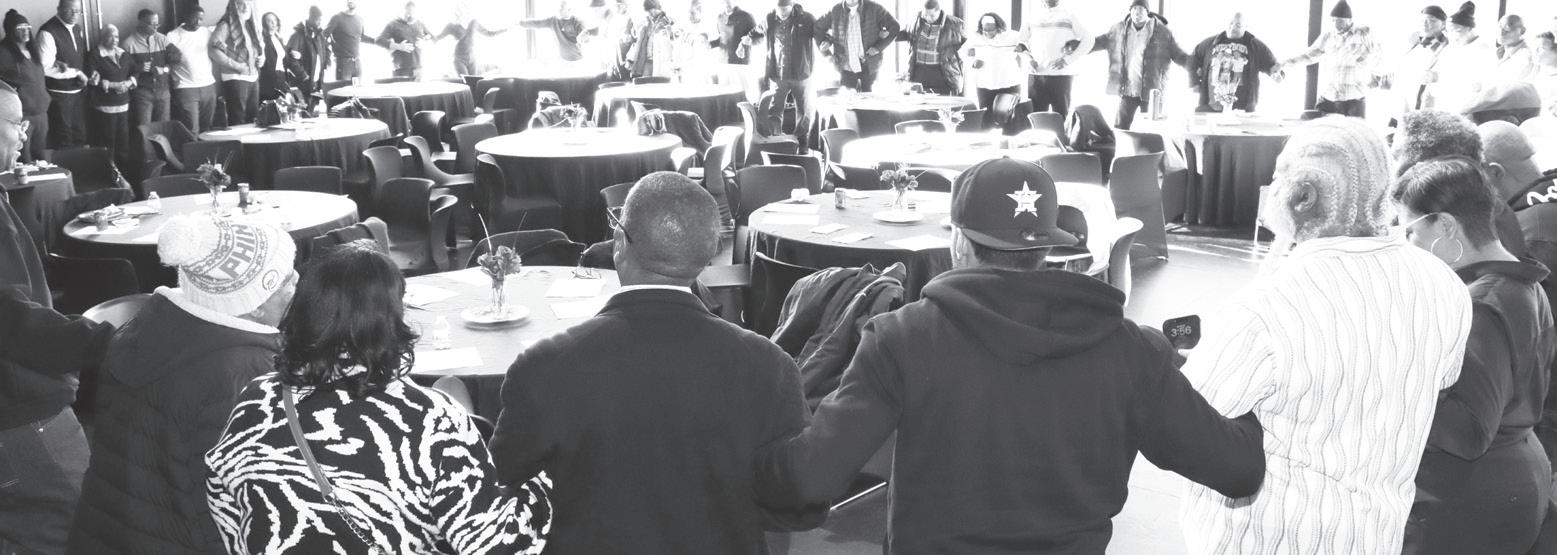
Turning Point, Inc. MN’s yearly client celebration earlier this year. Some faces are blurred to protect client identity.
courtesy of Turning Point
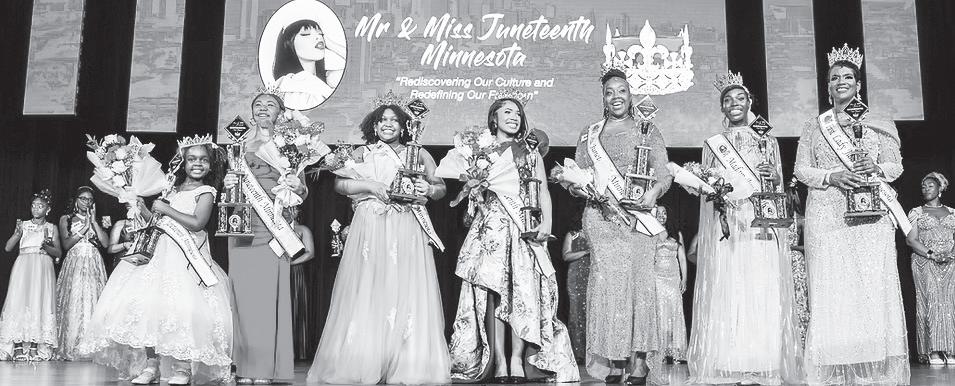
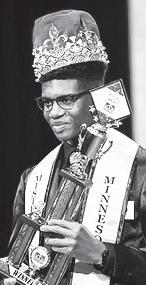
Pictured From Left to Right: Asmara Constantino, Wynter Frost, Ayla Porter, Aaliyah Murray, Ebony Wilson-Sinkfield, Mariah Hutton and Zina Alston-Fizer. Photos credited to Dante Davison
Isaac Abatan - Mr. Juneteenth, Ages 10-17.
Jorden Redding - Mr. Juneteenth, Ages 18-24

Carol’s African Restaurant
Black Business SPOTLIGHT
By Aamira Redd Contributing Writer
A new family-owned res-
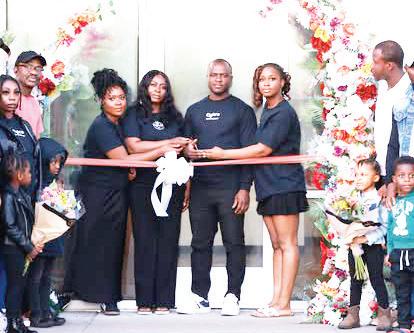
taurant serving authentic West African cuisine has opened in Brooklyn Park. Carol’s African Restaurant, which held its grand opening May 9, is the result of nearly a decade of hard work, family collaboration and a passion for sharing West African food with the Twin Cities. The restaurant is owned by Daniel and Jamecar Killen and named in honor of Jamecar’s mother, Carol Gbanjah, whose cooking helped inspire the business.
Before opening a brickand-mortar location, the family operated a catering business beginning around 2017. Jamecar, her mother Carol Gbanjah and her sister Jane Gbanjah catered birthdays, weddings, baby showers and
other events throughout the Twin Cities, developing a loyal following along the way.
“The dream of this business was birthed by my wife, her mother, and her sister,” Daniel said. “People loved the food, people loved them, and how they represented themselves in the community.”
“We
wanted to promote an authentic experience. But we also want to connect with the diverse
world.”
As demand grew, the family began searching for a permanent location where they could serve customers yearround. Finding the right space was a priority. They wanted

Carol’s African Restaurant brings Liberian cuisine and community to Brooklyn Park
somewhere connected to the community that had supported them for years. When they found an available commercial space in Brooklyn Park, Daniel said he immediately knew it was the right fit.
Transforming the empty shell into a fully functioning restaurant required a significant investment of time and resources. The space needed extensive renovations, including new plumbing, electrical work, ventilation systems and kitchen infrastructure.
“It took us two years to get everything ready,” Daniel said. “There were challenges, frustrations, and setbacks along the way, but our resilience carried us through.”
While Carol’s African Restaurant specializes in Liberian cuisine, the menu also reflects flavors and traditions shared across West Africa. The family carefully selected dishes that introduce customers to the region’s food while remaining approachable for first-time visitors.
“We wanted to promote an authentic experience,” Daniel said. “But we also want to connect with the diverse world we live in and make the food inviting for everyone.”
The grand opening drew more than 200 people, many of them longtime customers and supporters built through years of catering and community involvement.
“About 90 percent of the faces that came that day were familiar faces,” Daniel said.
Both Daniel and Jamecar
have deep roots in the community. Daniel, a former collegiate soccer player and Minnesota Mr. Soccer recipient, is well known throughout the local sports community. Jamecar’s years of catering community events built lasting relationships with customers across the Twin Cities. The family also became known for their hospitality. Community members would regularly gather at their home for meals, with dozens of guests attending cookouts and celebrations.
“At some point, people would call us and come to our house on a Saturday just to eat,” Daniel said. “We’d have 40 or 50 people at our house enjoying food together.”
Despite his role in helping launch the restaurant, Daniel is quick to credit Jamecar, Carol and Jane as the driving force behind the business.
“They’re the ones making sure the food meets expectations and that customers leave satisfied,” he said.
Jamecar was not available for comment.
Carol’s African Restaurant is located at 6940 Brooklyn Blvd. For more information, visit their Facebook at https://www.facebook. com/people/Carols-Restaurant/61563209879888/.
Aamira Redd is a contributing writer for the Minnesota Spokesman-Recorder.
Neighborhood Development Center Spotlights Community Businesses Through Hidden GEMS Campaign

University Avenue is home to some of the most unique, community-rooted businesses in the Twin Cities. This June and July, through the St. Paul Commercial Corridor Program, Neighborhood Development Center (NDC) is shining a spotlight on establishments between Lexington Parkway and Rice Street through storefront clings, billboards, local influencers, digital storytelling, and other efforts that celebrate the people and places that make this corridor special.

For more than 30 years, NDC has worked alongside entrepreneurs and small business owners across the Twin Cities, providing training, lending, and support that helps businesses grow and neighborhoods thrive. The Hidden GEMS on University Avenue campaign builds on that work by highlighting the people and places that make the corridor unique. Near
Dale Street, a collection of local businesses offers a glimpse into the stories, traditions, and entrepreneurial spirit that can be found throughout University Avenue. Centered around the intersection of Dale Street and University Avenue, Flava Coffee & Cafe, Angelea’s Soul Food Kitchen, and The Collective Salon Studios each tell a different story while contributing to the character of the corridor. Together, they represent the people, traditions, and entrepreneurial spirit that continue to shape University Avenue. Flava Coffee & Cafe is more than a place to grab a

throughout the cafe, with one customer describing Flava as “a beautiful and culturally grounded space” in the community. Alongside that mission, Flava has built a loyal following with its locally sourced menu, creative drinks, and welcoming atmosphere.
everyone she welcomed to her table. Named in her honor, Angelea’s Soul Food Kitchen celebrates the family recipes and traditions that continue to shape the restaurant today, preserving a legacy of hospitality, comfort, and community in every meal served.

mon commitment to community. Whether it’s creating opportunities for the next generation, preserving family traditions, or building businesses that give back to the neighborhoods that shape them, these entrepreneurs demonstrate the impact small businesses can have beyond their storefronts.
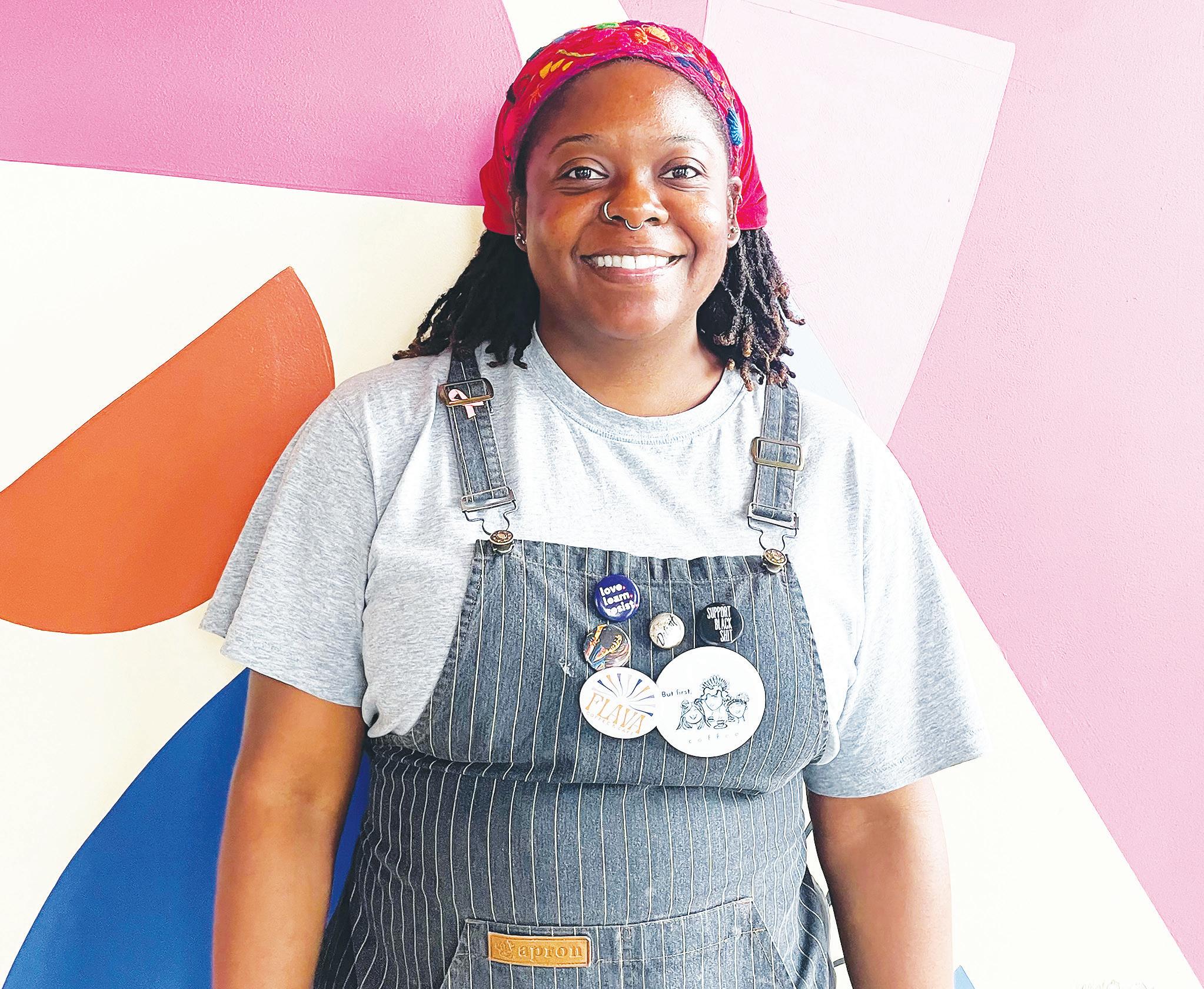
cup of coffee. Founder and CEO Shaunie Grigsby created the cafe as an extension of her work supporting young women of color and genderexpansive youth, using a “coffee to career” model that combines mentorship, workforce development, and community building. The impact of that mission can be felt
Also located at the corner of Dale Street and University Avenue, Angelea’s Soul Food Kitchen honors the legacy of Angelea Rogers through recipes and traditions passed down through generations.
Rooted in family, the restaurant is guided by the culinary spirit, warmth, and values that Angelea instilled in
Located across the street in Frogtown Square, The Collective Salon Studios provides beauty professionals with the opportunity to operate their own businesses while remaining connected to the community they serve. Home to businesses including Crown Garden, Salon Sheik, Braids by Esse, Consciously Beautiful, and Luckeyiology, The Collective brings together a diverse group of salon owners, stylists, and beauty specialists under one roof. While each business has its own story, they share a com-
Through the Hidden GEMS on University Avenue campaign, NDC is highlighting the people, businesses, and stories that continue to make this corridor a vital part of Saint Paul. Flava Coffee & Cafe, Angelea’s Soul Food Kitchen, and The Collective Salon Studios represent just a few of the businesses contributing to the character and culture of University Avenue.
Community members can explore more participating businesses and discover new places to visit by viewing the online directory at www.ndc-mn.org/ gems. Business owners interested in learning more about the campaign or getting involved are encouraged to contact Neighborhood Development Center at communications@ ndc-mn.org.


Pictured from left: Jamecar Killen, Carol Gbanjah, Daniel Killen and Jane Gbanjah. Photos courtesy of Carol’s African Restaurant
Sponsored by
Shaunie Grigsby, Founder and CEO of Flava Coffee and Café. Photo courtesy of NDC
Your home is an investment. How to create generational wealth

For most Americans, owning a home has long been considered a cornerstone to building and preserving generational wealth. A home purchase often symbolizes more than just securing a place to live. Homeownership can help anchor families, support longterm financial stability and fuel local economic growth.
If you currently own a home or if homeownership is one of your financial goals, it’s important to understand how your home can be a foundational pillar in helping you build and maintain generational wealth.
A home can be an asset that appreciates over time as you build equity, which can serve as a financial resource for you and your family for decades to come.
Chase’s home lending team in St. Louis shares more about the connection between homeownership and building generational wealth, and how you can make sure your home becomes, or remains, your most important financial asset.
Q: How does a home create generational wealth?
Q: Explain home equity and how building equity works.
A: The technical definition of home equity is the difference between the fair market value of your home and how much you still owe on your mortgage. Essentially, think of it as the part of your home’s value that you truly own. It’s made up of the amount you’ve already paid off, plus any increase in your home’s value. So, if your home’s value goes up, so does your equity, and vice versa. Equity grows as you pay down your mort-
A: There are several perks to homeownership, many of which contribute to building wealth. Owning your home may be cheaper than renting in the long term if you have a mortgage with competitive rates; however, it’s important to keep in mind other home expenses, like insurance and taxes, when considering costs. Plus, since you own the home, you can build and tap into your equity for future expenses or profit when your home is sold. Another way to think of homeownership as it relates to your financial picture is that it can influence your overall net worth. When you make monthly payments, you’re slowly owning more of your home and it can become an asset. On the other hand, if you rent, your monthly housing costs are just an expense for a place to live and you don’t own any of it when you leave. Put simply, owning a home may help you grow your money over time.

gage and as the market value of your home increases.
Q: How can this be beneficial financially?
A: There are a few ways. You can borrow against your home equity by taking out a loan, using your property as collateral. There are a variety of ways to do this, such as through a home equity loan, home equity line of credit (HELOC) or a cash-out refinance. You may use these funds to cover other expenses, like high-interest credit card debt, make home improvements, invest in another home or handle an emergency. Home
equity loans also tend to have more favorable terms than credit cards or other personal loans, potentially saving you money in the long run.
Q: What if you sell your home?
A: The more equity you have, the more you can profit from selling your home. For example, if you’ve paid off your entire mortgage before you sell, you may get to keep all potential profits. If you haven’t paid off your mortgage, any profits will pay off what you owe and you’ll keep the remaining funds. The more home equity you have, the greater
your profit could be.
Q: What other benefits come from owning your home?
A: Homeownership offers the potential opportunity for tax deductions. The interest you pay on your mortgage, insurance premiums, property taxes and even improvements to your energy efficiency may provide an opportunity for tax deductions. Consult with your tax advisor if you’re looking to understand how buying a home may impact your taxes.
There’s no place like home Homeownership has long been a powerful tool for build-
ing generational wealth in communities across the U.S. and can help you secure a solid financial future for yourself and your family. Your home is more than just the place where you rest your head. It can be your greatest financial asset.
For informational/educational purposes only: Views and strategies described in this article or provided via links may not be appropriate for everyone and are not intended as specific advice/recommendation for any business. Information has been obtained from sources believed to be reliable, but JPMorgan Chase & Co. or its affiliates and/ or subsidiaries do not warrant its completeness or accuracy. The material is not intended to provide legal, tax, or financial advice or to indicate the availability or suitability of any JPMorgan Chase Bank, N.A. product or service. You should carefully consider your needs and objectives before making any decisions and consult the appropriate professional(s). Outlooks and past performance are not guarantees of future results. JPMorgan Chase & Co. and its affiliates are not responsible for, and do not provide or endorse third party products, services, or other content. Deposit products provided by JPMorgan Chase Bank, N.A. Member FDIC. Equal Opportunity Lender. © 2026 JPMorgan Chase & Co.
The right property manager can change the game for Black investors
By Dax Janel Valencia
Building generational wealth remains a critical goal for modern Black Americans as the racial wealth gap stays wide. Per the National Community Reinvestment Coalition, the 2024 median Black household income was $56,020, compared to $124,500 for white households. A 2024 Pew Research Center study found that 66% of white families owned stocks, whereas only 39% of Black families did.
The right property management firm can help close that gap, turning landlordship from an active, often around-
the-clock job into a passive income generator. With the help of full-service property managers, investors can focus on expanding their generational wealth portfolio.
What is a property management firm?
A property management firm is a company that serves real estate owners, providing assistance in the form of real estate asset management solutions. These companies act as a crucial liaison between tenants and property owners. If their contract involves fullservice solutions, they handle everything from property

marketing to renter screening, rent collection and eviction.
What should you consider when hiring one?
As a Black investor, you should consider hiring a firm known for prioritizing equitable tenant screening. You can confirm a company implements objective, non-discriminatory protocols by requesting a copy of its fair housing practices, verifying it evaluates objective metrics such as credit scores and income-to-rent ratios, and confirming it uses the same standards for each applicant.
Being advocates of community empowerment and vendor inclusivity are other things to look for. A firm should show consistency in awarding contracts to minority- and women-owned maintenance companies. Equally important is hyper-local expertise. Property managers who are highly knowledgeable of the specific rental market in your property’s area understand the nuances of urban and historically challenged markets.
How can the right firm be a game-changer?
1. Transform landlordship into passive income
Being a landlord isn’t as passive an income generator as many new investors think. On the contrary, it’s often a 24/7 job for those who selfmanage. Think midnight calls from tenants about a burst pipe or a potential gas leak. With the right property manager, you can change that.
A full-service firm can conduct thorough property analysis, establish fair rental rates,

“The right partnership won’t just manage your property. It will help you build your future.”
perform compliant tenant screening, draft and enforce lease agreements, collect rent, schedule property inspections and repairs, serve as the tenant’s primary point of contact and assist with the eviction process. Depending on your preferences, you can have your manager take over most, if not all, of those tasks.
2. Empower portfolio expansion
With an experienced property management firm handling day-to-day operations, you free up time to focus on portfolio expansion, building the kind of generational wealth that Black Americans have historically faced systemic barriers to achieving.
3. Promote fair housing
Working with a trusted property management firm also allows you to turn your investments into tools for promoting fair housing. Together,
you can create inclusive community policies and ensure strict, uniform enforcement of fair housing laws.
Common mistakes to avoid
Self-managing landlords often run into trouble in a few key areas. Legal breaches are among the biggest. A lack of experience can result in failing to adhere to fair housing laws. Ignoring property repairs and maintenance is another costly mistake; even if a rental is currently vacant, deferred upkeep leads to property devaluation. And failing to screen applicants thoroughly can result in significant property damage, unpaid rent and costly eviction processes. A reliable property management firm helps you avoid all of these pitfalls. No reputable, law-abiding property manager will engage in discriminatory screening procedures or attempt self-help evictions. They follow all legal steps and, when
appropriate, will first explore solutions such as a formal repayment plan, before moving toward eviction for tenants with a strong payment history.
The bottom line
The right property management firm can be a powerful partner for Black investors, helping manage rentals, optimize income and free up time to build more generational wealth. As you evaluate your options, prioritize firms with a demonstrated commitment to fair housing, equitable practices and community investment. The right partnership won’t just manage your property. It will help you build your future.
column
Sponsored by
For Jackson, the work has always been about passing something forward. “Part of what we do is share our skills and knowledge… pass the baton, and have the good sense to get out the way so y’all can go,” she said. “As you learn from me, I learn from you, and it never stops.”
Marquitta Ransom, 81, was born and raised in St. Paul’s Rondo neighborhood and offered one of the morning’s most vivid accounts of what was lost when I-94 was built through the heart of the community in the 1950s and 60s.
“You could see from St. Anthony all the way up. Nothing but a big hole, dust,” she recalled. “You couldn’t keep your windows open. You’d clean your house, open your windows, and your whole house would be full of dust again. A lot of people had nervous breakdowns. Some had heart attacks and died.”
Yet Ransom and her hus-
band refused to leave. They fought for their land, built their home on Central Avenue and have lived there for more than 50 years. Her message to young people navigating today’s impossible housing market was rooted in that same resilience. “Black people, when they came here from the South, they had nowhere to live, but they doubled up in people’s homes,” she said. “They found jobs, saved their money, and were able to buy homes. That’s what we’re going to have to do.”
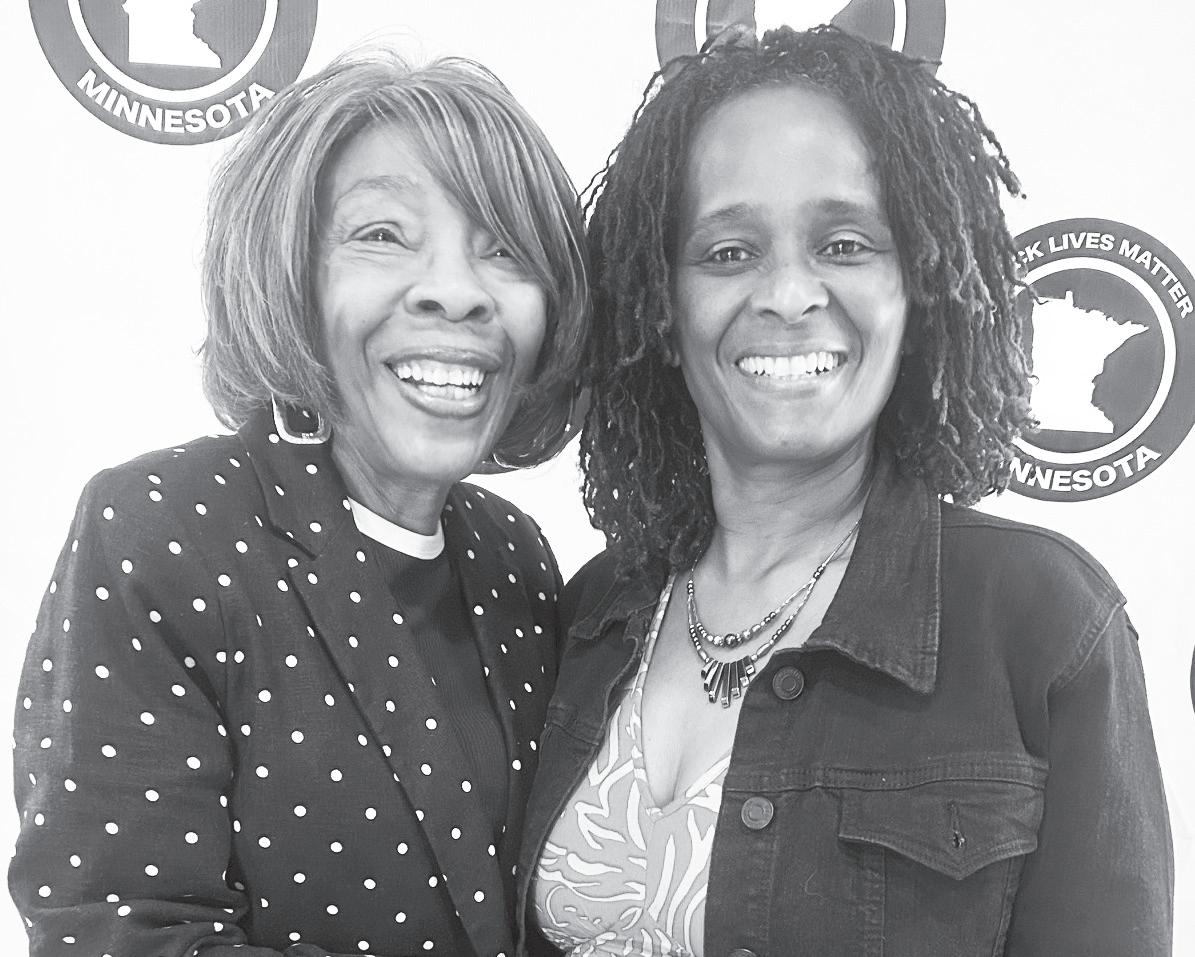
Dorothy Massey, also known as Laebai Sackey, was born and raised in Rondo as well and shared Ransom’s grief over what gentrification has taken. “I was born and raised here, and I can’t even afford to live in the city,” she said. “The things that we built here… they came in afterwards and just took advantage of it.” Even so, she said, “I love Minnesota because we’re still together here.”
Trahern Crews, co-founder of Black Lives Matter Minnesota and one of the event’s organizers, said honoring elders
is inseparable from the work of commemoration. “Part of commemorating Juneteenth is honoring our elders and their legacy and what they’ve overcome,” he said. Crews drew a clear line between civic representation and policy progress. “It’s good to get Black people elected, but actually getting the policies that Black people need: reparations, ending mass incarceration, closing the racial wealth gap… those are the things we still have to fight for,” he said. Juneteenth 2026, he added, represents “resistance, pushing back, and demand of what’s owed to Black Americans.”
University at age 71.
While incarcerated at Stillwater, Taliaferro says he ran The Prison Mirror newspaper, transforming it into a nationally recognized, award-winning publication. After his release in 2022, he earned a bachelor’s degree from Metropolitan State University, where he received an outstanding student award and delivered the commencement address, followed by two master’s degrees. He is now pursuing his doctorate.
“I’m having a blast,” he said. “I’m having so much fun. It’s got to be illegal.”
For Taliaferro, Juneteenth is less a single day than a daily
“Part of commemorating Juneteenth is honoring our elders and their legacy and what they’ve overcome.”
Robert Taliaferro Jr. came to the brunch with a story that spans Pittsburgh housing projects, U.S. Army intelligence deployments across Europe, 38 and a half years of incarceration and, now, a doctoral candidacy at St. Cloud State
orientation toward history and survival. He cited W.E.B. Du Bois on what Black Americans have contributed to this country: the music, the art, the color, the ideas. He warns that failing to study history leaves communities blind to
the patterns repeating now.
“If we don’t study those histories of what happened 40, 50, 60, 70 years ago, we might miss those same signs and symbols when it happens to our own people,” he said.
Minnesota SpokesmanRecorder Publisher and CEO Tracey Williams-Dillard was also recognized with a “Celebrating Revolutionary Sistas” award at the brunch.
The morning closed with the same urgency that has de-
the council member continued. “It’s not right to say we’re going to do something for you and then make you pay for it.”
City staff have identified some areas of city funds to cover the sum that would have come from the special assessment, according to Stevenson.
The council’s second vote denied the city’s recommendation to give exclusive development rights of People’s Way to the Minnesota Agape Movement, an organization aiming to support the community at 38th and Chicago through investment and violence prevention.
Since George Floyd’s murder, community members have decorated People’s Way, a former Speedway station in

George Floyd Square, with art and turned it into a memorial and mutual aid site. The city of Minneapolis, which currently owns People’s Way, has been searching for an organization to reimagine the site.
In winter 2025, 800 total residents of four neighborhoods near George Floyd Square filled out a survey, selecting the organization they believed should be in charge of reimagining People’s Way. Fifty-eight percent of respon-
and be the person that I didn’t necessarily have growing up.”
ber, a community organization focused on racial justice that has worked closely with George Floyd Square. Rise and Remember received the majority of votes in three neighborhoods; Urban League Twin Cities, which has since dropped out of the race, won out in the other. Agape did not win in any neighborhood.
Agape has stewarded the intersection by showing up consistently, caring for the
space and supporting families and community economic development since George Floyd was murdered, according to Bridgette Stewart, Agape’s director of communications and public relations.
“We decided to submit our proposal because we believe that those that are closest to the history and the community should have a role in shaping its future,” Stewart said.
Rise and Remember has been active at the intersection as well, preserving the offerings at the memorial, according to Stewart.
Agape’s proposal for People’s Way was a six-story building with a museum, a rooftop garden and a resource hub. The building would also include a “welcoming space and/or a souvenir style gift shop … because it’s a tourist attraction,” Stewart said. The
proposal was not final; Stewart said Agape would have gotten community feedback on the project and worked to find common ground.
Rise and Remember’s proposal was to refurbish the building, remove the tanks and add art and a memorial garden, according to Stevenson.
“It was a minimally invasive thing, but that was going to really improve the site,” Stevenson said. “[It would] keep it much how it is, but clean it up, put more green space in there [and] have more intentional space for people to gather and reflect.”
In denying Agape the exclusive development rights, the council did not select another organization to take over the project, nor does it have a timeline for the People’s Way reimagining. Instead, the council has “freed ourselves up to be a little more respon-
“We have to make
take care of our
Castile said. “That’s going to be on all of us.”
Jasmine McBride welcomes reader responses at jmcbride@ spokesman-recorder.com.
sive to community and find something that more folks can agree on,” Stevenson said.
The final council vote was a legislative directive asking city staff to report on the 38th Street THRIVE Plan. The plan calls for housing and commercial development and stabilization. It would reinvest in the 38th Street corridor, a historically Black residential, business and cultural district running along 38th Street from Cedar Avenue to Nicollet Avenue. In December 2025, the city set aside $1.2 million to implement the plan. The council expected to hear back about the initiative but has not, according to Stevenson. The June 11 vote requests a report within the next couple of months.
Ella Stern is a contributing writer for the Minnesota Spokesman-Recorder.
Devon Minke, both third and second grade teachers respectively at North Park School for Innovation in Minneapolis, who were recognized for their work in the classroom and beyond. The two also document their teaching experiences together on Instagram under @ twobrothersteach.
Lewis, who grew up without a single teacher who looked like him, said that absence became his motivation. “I reflected on my K–12 experience and realized I didn’t have teachers that looked like me or reflected me,” he said. “I really wanted to take that step
For Lewis, who grew up biracial in a minority community, finding his identity early, alongside peers who shared similar experiences, shaped the educator he became. His hope for the future is straightforward: “I want Black kids, Black teens, young adults to be able to see themselves in education and really see it as something that can be fruitful and a place where they truly belong.”
“I want to see Black boys grow into men.”
Minke’s path to the classroom began at home, as the
eldest of nine children, and was crystallized during his time as a Freedom School teacher, when he had his own classroom of 10 to 12 students for the first time. “Ever since that day, I’ve known that this is what I want to do for the rest of my life,” he said.
His grandmother, an immigrant from Sierra Leone who sacrificed everything to come to the United States and pursue an education, remains his north star. “The way that she sacrificed, leaving a country in West Africa to come all the way here at such a young age,
pushes me to continue to get my education and pursue my passions,” Minke said.
Emmanuel Williams, a community defense attorney and partner with Black Men Teach through the Children’s Defense Fund Freedom Schools program, said one of the most important things the community can do for Black boys right now is give them permission to feel.
“Black boy joy… joy within our men is so important,” Williams said. “The ability to validate emotions and have an emotional spectrum amongst Black men and boys. It is okay to feel all the ways you feel.”
Williams said emotional intelligence requires spaces of safety from teachers, mentors, fathers and uncles willing
to tell a young boy his feelings are valid. He also pushed back on low expectations for Black men in fatherhood and family life. “As a father, I’ll get people that will say, ‘Good job, you changed a diaper.’ Come on. The bar is higher than that. What am I teaching my kid day in, day out? How am I leading my household?”
For Flynn, the proof of the work is visible every time the community shows up. “The fact that all these people came out to celebrate our teachers,” he said, “that’s it.” For more information on Black Men Teach, visit www. blackmenteach.org/.
Jasmine McBride welcomes reader responses at jmcbride@ spokesman-recorder.com.
Black women, stigma is often weaponized through the dual forces of racism and misogyny, creating a uniquely corrosive form of marginalization.
In academia, I have seen, and experienced, how stigma operates in subtle and overt ways. The constant questioning, the relentless demands and the added burdens that so often fall on Black women, as if the goal were to stretch us thin enough to confirm some imagined incompetence. The scrutiny of tone. The policing of appearance.
The expectation to be endlessly resilient in the face of disrespect. These are not abstract concepts to me; they are part of the daily landscape Black women navigate in professional spaces. So when I hear someone publicly question the former first lady’s womanhood, I hear the echo of every moment Black women have been told we are “too much,” “too aggressive,” “not enough,” “too strong,” or “not feminine enough.” This is why the smear against Former First Lady Michelle Obama is not just a political cheap shot. It is a textbook example of how stigma functions by reducing a person to a stereotype, by stripping away
complexity, by attempting to make them small. Still, when the target is a Black woman, that stigma is amplified by centuries of narratives designed to undermine our dignity.
“This moment demands more than admiration for Michelle Obama’s grace.”
Former First Lady Michelle Obama famously told us, “When they go low, we go high.” It is a beautiful philosophy that is aspirational, dignified and rooted in a deep moral clarity that she herself embodied throughout her ten-
ure as the nation’s first African American first lady. Her grace, intellect and unwavering commitment to service gave that phrase its power. But it is also a heavy burden that Black women know all too well. We are expected to rise above, to maintain composure, to embody grace in the face of cruelty. Yet the world rarely asks why we are forced to “go high” so often, or why others feel so free to go low at our expense.
This moment demands more than admiration for Michelle Obama’s grace. It demands that we confront the systems that make such grace necessary. It demands that we challenge the normalization of cruelty toward Black women. It demands that we insist loudly and unapologetically that the dignity of Black women is not optional, negotiable, or subject to public debate. If we want a healthier public discourse, it begins with rejecting the stigmatization of Black women in all its forms. It begins with calling out these attacks for what they are, and it begins with building a culture where Black women are not expected to “go high” sim-
ply to survive.
America can do better. And Black women deserve better.
Dr. Sharon M. Holder is a behavioral health researcher with more than 25 years of experience in academia and healthcare. Her work centers on mental health stigma and health disparities, with a strong commitment to improving access to quality behavioral healthcare for vulnerable and marginalized communities. She lives in South Carolina and holds a Ph.D./ MPhil in gerontology from the University of Southampton, UK; a Master of Science in gerontology from King’s College London; and a Master of Social Work from the University of Houston.
fined Valerie Castile’s decade of advocacy. The work Philando began in a school cafeteria, and the work these elders have carried for generations, belongs now to everyone in the room and beyond.
sure we
children,”
Dorothy Massey (left) and Michele Larkin Davis
Photo courtesy of Jasmine McBride/MSR
Dr. Bernadeia Johnson (center) presented the inaugural Rhoda Stroud Award. Photo courtesy of Black Men Teach
Photo courtesy of Izzy Canizares/MSR
Arts & Culture
Known MPLS youth choir drops Father’s Day single celebrating Black men
By Jasmine McBride
Editor
Known MPLS, a Twin Cities youth choir, is releasing a new single this Father’s Day weekend, a celebration of Black men that founder Courtland Pickens says grew far beyond its original purpose.
The single began as a collaboration between Known MPLS and Black Men Teach, a Twin Cities organization, with the goal of uplifting Black male educators. But as the project developed, its scope expanded.
“What started as a song to do that has ended up being a song to amplify Black men altogether,” Pickens said. “Living in a world where Black men are torn down constantly and highlighted for all the negative things that they do, we want to highlight Black men who are actually doing positive things in the community, who are leaders, who are excellent fathers, who are breadwinners, who are making a change in this world.”
The single will be available on all major streaming platforms, including Spotify, Apple Music, Tidal and Amazon, as well as on YouTube and the choir’s website, knownmpls. com. The release marks a new chapter for Known MPLS,
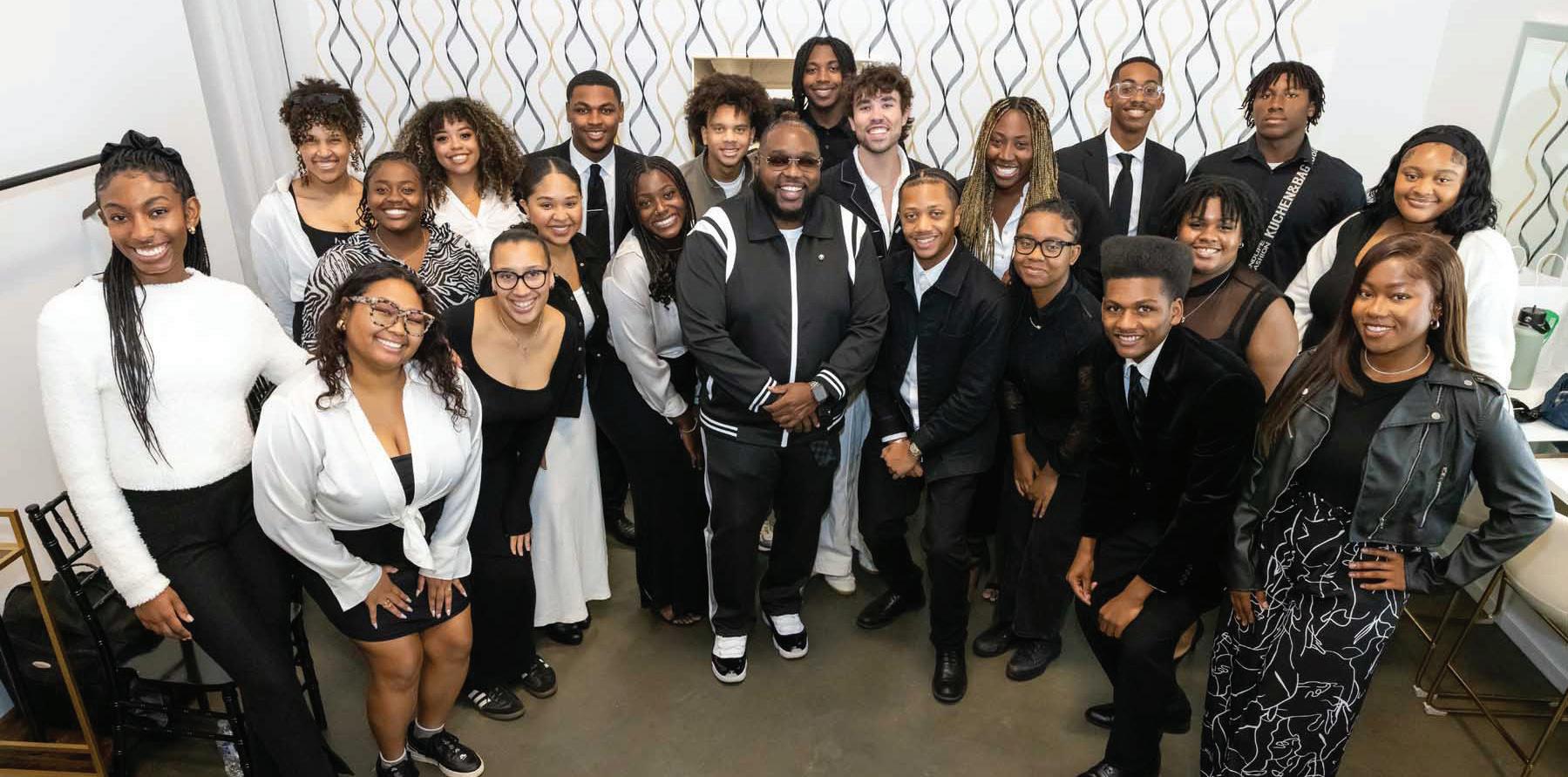
which Pickens started in July 2019 after a single Facebook post drew more than 144 interested youth and young adults. The choir has maintained 50 to 60 members since its founding. Though the group released its first single, “He Did It for Me,” in 2023, Pickens says the turbulence of the past year made clear that now is the time to share the music they have been sitting on.
“Earlier this year the world went through heavy trauma with this whole ICE situation,” he said. “I heard God tell me: use your voice, use the gift that I’ve given you. And
right there in that moment I penned this beautiful song.”
That song, “Minnesota Stand Up,” is set to release next month as part of a fivesong EP Pickens is calling a love letter to Minnesota.
“We want to spread love here first before we’re launched out into the world,” he said.
Known MPLS performs a mix of original music and covers, with Pickens arranging well-known songs into choir arrangements and reworking lyrics to keep the message positive and uplifting. While the choir is rooted in gospel
tradition, Pickens describes the music more broadly as inspirational.
“It’s all positive, inspiring music,” he said. “We’re not limited to gospel, but I make sure all the music that we do is positive and uplifting.”
confidence and invoke change among youth and young adults.
The name carries a double meaning. A desire to be known and celebrated in the community, and a commitment to making others feel seen.
“People go through this
“We want to use our voice to see others, to affirm them and to validate them.”
Known MPLS is a branch of Voices Inc., a nonprofit Pickens founded that uses music and performance to build
world and nobody even speaks to them,” Pickens said.
“We want to use our voice to see others, to affirm them and
to validate them.”
Beyond the choir, the organization is cultivating solo artists, including hip hop artists, singers and spoken word performers with a long-term vision of growing into a record label.
“I want to be able to speak into youth and young adults and really speak to their confidence, to ignite that passion in them,” Pickens said. “Whatever dreams and desires that they have, that they can achieve them.”
For Pickens, the work is also deeply personal. His mother, who ran a daycare and spent her life surrounding herself with young people, passed away about 12 years ago. He sees Known MPLS as a continuation of her legacy.
“The way that I saw her impact the lives of youth and young adults, I see myself doing the same thing,” he said.
Upcoming performances include Orchestra Hall this weekend and a June 28 appearance alongside Josh Groban and Jennifer Hudson. A full calendar is available at knownmpls.com. Youth and young adults interested in joining can submit an audition on the website.
Jasmine McBride welcomes reader responses at jmcbride@ spokesman-recorder.com.
By Charles Hallman
Contributing Writer
Minneapolis native and journalist Justin Ellis and local activist and speaker Lissa Jones will discuss Ellis’ new book, “The Cruelty of Nice Folks,” at Magers and Quinn Booksellers, 3038 Hennepin Ave., Minneapolis, on Monday, June 22, at 7 p.m. The instore event, free to the public, is part of the Black Market Reads podcast, a project of the Givens Foundation for African American Literature.
Ellis, who now lives in New York City, is co-owner of Defector, a worker-owned media company. He has published work in several national publications, appeared on ESPN, and has TV credits with Netflix and HBO.
Jones is a regular on Black

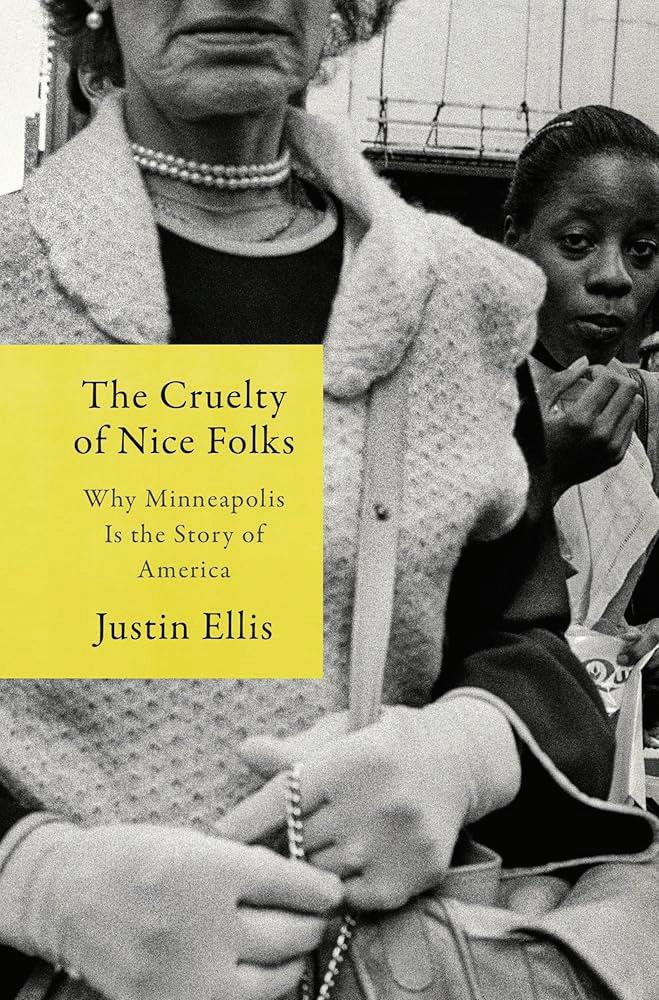
radio and a sought-after speaker, interviewer, facilitator and moderator. Ellis’ book is an extension of an essay he penned in 2020 for The Atlantic on George Floyd’s murder. He uniquely examines Minneapolis, historically
known as a liberal ally in the fight for civil rights, while telling his family’s story of surviving “Minnesota Nice” and the city’s seldom-discussed history of white supremacy. Using archival material from many sources, including the Black Press, Ellis reveals how racism has long shaped the city’s housing, education and political policies. Inequities that existed long before Floyd’s death.
“To
Asked why he chose the title, Ellis explained during a recent MSR phone interview:
“The initial idea for this book was the death of George Floyd in Minneapolis, that kind of exposed the conflicting ideas
of what it is actually like in Minneapolis and what it is like in Minnesota. What is the reality for Black people there versus the broader white community? I think that instead of directly talking about what is ‘Minnesota Nice,’ and the levels of passive aggressiveness, I think we wanted something that was a little bit deeper that we could talk about. So I think that’s why we settled on ‘The Cruelty of Nice Folks,’ because ultimately the image of Minnesota is one where its people are looking out for each other, and it’s really this veneer for so many years that masks the ugly truth and some of the persistent inequality.”
Ellis said he grew up in Minneapolis not fully understanding its history: that most Black families were systemically cut out of prosperous neighborhoods. His research proved that Minneapolis has rarely been forced to confront its racial history, hiding under its Minnesota Nice cloak.
Six years after Floyd’s death sparked global protests and a period of racial reckoning, Ellis says the city is still wrestling with its true identity.
“One of the things that was just incredibly shocking is the ways in which the history of Black life is just not really well documented,” he said. “You find it in the families that were able to save some papers or have had books written about them. You find a lot of it in the old archives of the Minneapolis Spokesman. Cecil Newman, the paper’s late founder, was so important because he took the lives of Black folks seriously, and it is one of the few places where you can actually find how many of our families were living for decades.”
In his epilogue, Ellis poses a pointed question: “What normal will you seek to rebuild?”
“I think what was interesting is looking at the period after George Floyd. All the promises for the ways that the city needed to change, how Amer-
ica needed to change. None of those things even came to pass, none of those things really happened,” he said. “There’s a very real urgency there. All the structural inequalities still exist. Does Minneapolis want to return to what life was like before the ICE raids, or do they want to try to imagine a different future?”
“One of the biggest takeaways I would hope is just that this is the book I wanted to try to draw a picture of ‘what the lives of our families were like across generations’ for many of us who lived here,” Ellis said, looking ahead to his discussion with Jones on June 22. “This myth of Minneapolis was manufactured in some way… that this is not necessarily a perfect city. To me, this book was trying to shed light on reality.” Charles Hallman welcomes reader responses at challman@ spokesman-recorder.com.
Copyright
Charles Hallman
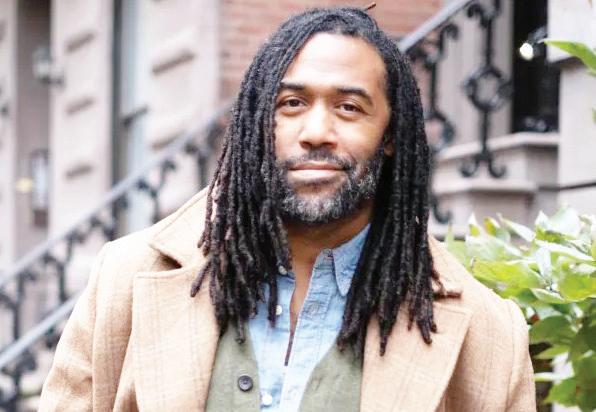
Justin Ellis Basil Lim. T
Courtland Pickens (center, wearing shades) with his choir, Known MPLS.
Courtesy of Known MPLS


Before diving into this column, I want to be clear: This is not a critique of any one school, district, or institution.
This is a broader reflection. A blend of research, observation, and personal experience on the current state of education for Black boys in America.
As I close out this year’s column series, I hope the information, research and guidance shared around this topic has helped you grow as an educator, a community member, and a parent. You are someone who has the opportunity to be around our amazing, brilliant and intelligent Black boys.
There is a bridge that too many Black boys are expected to cross without proper support. On one side stands dreams, potential, creativity, brilliance and promise. On the other side await opportunities, success, leadership and purpose.
But the truth is that the gap between those two sides has been widened by inequitable systems, limited access to opportunities, low expectations and a lack of meaningful relationships.
The most important ques-
Education Building the bridge
Every Black boy deserves a community that sees, hears and values him
tion is not whether Black boys are capable of success. It is whether we as educators, community members, families and policymakers, are willing to go the extra mile to help build that bridge.
I have learned as both an educator and a father that before Black boys will trust what we know, they must trust and believe that we care about them, their opinions, individuality, their successes and failures.
Research shows that positive relationships, in and out of school, are among the strongest predictors of student success. For many Black boys, one caring adult can make the difference between disengagement and achievement.
I attended an alternative school for seventh and eighth grade due to some concerning behaviors in elementary school. While there, I had the privilege of being educated by an all-Black male staff. During those two years, each of them was intentional about relationship building, learning who I was and what was behind my anger. That experience shifted my life. I was in an environment where I belonged and was seen as an individual, not a problem.
Building the bridge begins with seeing Black boys as individuals rather than statistics or data points. It means learning their stories, understanding their experiences and recognizing their strengths. It means seeing their shortfalls and failures and providing the guidance needed for growth.
Relationships create belonging. Belonging creates engagement. Engagement creates achievement.
Low expectations are one

“Every adult who interacts with a Black boy plays a role in shaping his future.’
of the greatest injustices Black boys face. Too often, educators and communities focus on “they can’t do it” or “they’re always the problem” rather than on potential and growth. We must challenge that narrative. Having high expectations is not about demanding perfection. It is about having belief.
Black boys deserve rigorous instruction, challenging opportunities and adults who refuse to give up on them.
Research also shows that when Black boys see someone who looks like them leading, teaching, creating and succeeding, they grow up believing in themselves more and expanding their vision of what is possible. When Black
boys see Black educators, mentors, coaches, entrepreneurs, pastors and professionals, they begin to envision unlimited possibilities. This is why schools and communities must be intentional about recruiting, retaining and supporting diversity.
Black boys should never have to choose between academic success and cultural identity. The most effective learning environments affirm students’ cultures while challenging them in the classroom. When Black boys understand that who they are is an asset, not a problem, confidence grows, and with it, the courage to learn and lead.
This responsibility does not rest on schools alone. Fami-
lies matter. Mentors matter. Churches matter. Community centers matter. Businesses matter. Libraries matter. This is the village. Every adult who interacts with a Black boy plays a role in shaping his future. We must come together with a shared vision and purpose, because there is power in community and togetherness in building the bridge each Black boy deserves. Systemic change is essential, but transformation happens one relationship, one classroom, one mentor, one community program and one student at a time. Every Black boy deserves an adult who believes in his future before he fully believes in it himself.
Every Black boy deserves opportunities that match his potential. Every Black boy deserves a bridge to success. Every Black boy deserves a community that sees, hears and values him.
We need to stop asking Black boys to overcome barriers they did not create, and start building the pathways they deserve to travel. Once we build the bridge, Black boys will not just cross it, they will rise. And when Black boys rise, so will their families, their communities and generations to come.
Let Them Rise. One Black boy at a time.
Think about this:
1. What will you do to bridge the gap for a Black boy in your life?
2. How will your environment promote positivity for Black boys?
3. What barriers need to be dismantled for Black boys to grow?
Let’s Rise Together, Richard D. Terrell
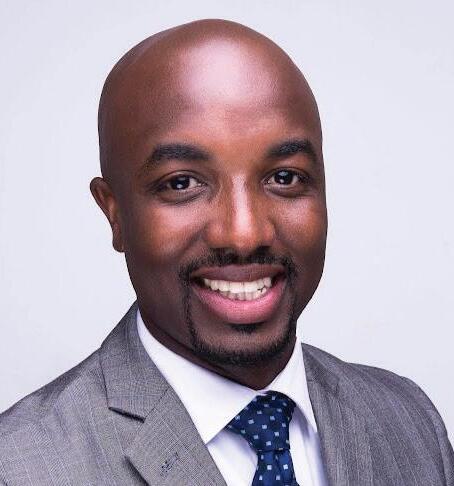
Richard D. Terrell is a native of Minneapolis, MN. He is the father of three; Zyree, Raymond and Vivian. Richard has a passion for community, education, and youth development. He has served as the senior pastor of God’s Revelation MBC in south Minneapolis, and for the last 20 years, he has served at various schools working with and supporting students, families, and teachers. He currently serves as an Assistant Principal with Saint Paul Public Schools. For more information on Richard D. Terrell or to purchase his book “Letters to my Young Brothers: There is Hope!” visit his website at https://mrrichardterrell.com.
Child care costs crush Twin Cities families as providers warn of deepening crisis
By Clint Combs Contributing Writer
You can sleep in on the weekends and have disposable income. You can also have children. But right now you can’t have both.
For Annel Velasco, that punchline rings more like a line item. Like most Americans, she is stuck between two impossible choices: working or taking care of her children.
Velasco and her husband spend more on childcare for their three children than most parents spend on a mortgage or tuition.
“We’ve spent $120,000 on child care, which is really incredible. It is the amount you can still buy a house for in the Twin Cities,” Velasco said outside Seward Child Care Center in Minneapolis.
Velasco wants to pay less for childcare. But she also doesn’t want workers in one of the country’s lowest-paid professions to lose out on raises.
“The cost of paying teachers professional wages and ensuring providers have the resources they need to provide high-quality child care for every child is far more than that,” Velasco said. “I don’t want just lower costs for families. I want our teachers to be cared for like they care for our kids, and I want all families to have ac-
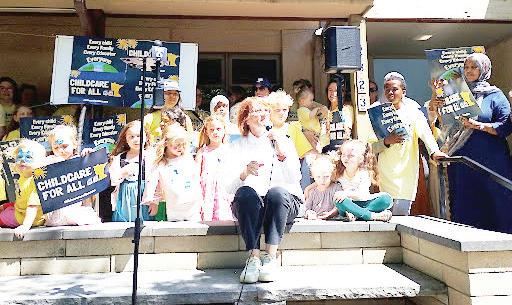
cess to high-quality child care.”
A survey from the Federal Reserve Bank of Minneapolis shows the child care crisis is growing every year. In 2024, 64% of centers said the industry is in crisis. By 2025, that number had climbed to 87%.
The director of Seward Child Care anticipates the center will raise costs just to maintain current staffing levels.
“We figured out the math that if we wanted to keep everything the same as last year… keep our same staffing
“Until lawmakers fully fund child care, parents across the state will break under the costs.”
schedule, keep our same benefits for our teachers, keep our same spending for materials and field trips, we would have had to raise our tuition by 20%, which is insane,” said Director Johanna Villa. “No family can absorb that cost.”
Senate Majority Leader Erin Murphy, who described herself as “a mom and a registered nurse,” said solving the crisis would require the state to invest tax dollars so families can afford care and pro-
viders can earn a living wage.
Sen. Liz Boldon of Rochester compared the proposal to the logic behind publicly funded K-12 education, saying “child care is not just daycare” but early infrastructure with decades of impact, and pointed to the state’s recent paid family and medical leave law as evidence that major policy shifts are achievable.
The event built on momentum from 2025, when Lt. Gov. Peggy Flanagan, a candidate
for Minnesota’s U.S. Senate seat, spoke about her own family’s reliance on the Child Care Assistance Program, which she said helped her mother return to school and “lift our family into the middle class.” Flanagan described child care as “the backbone of the economy” and highlighted state investments made under her and Gov. Tim Walz, including expansions to child care assistance, provider compensation and the state’s child tax credit.
That same year, Angie Claire, child care director at the St. Paul Wilder center, warned that providers across Minnesota are struggling to balance quality programming with sustainable budgets.
“Without child care, Minnesota cannot operate,” Claire said. “Until lawmakers fully fund child care, parents across the state will break under the costs.”
For Velasco, the solution is simple: universal child care.
“We’ve known this for a long time, but we keep putting small patches around the edges of a system that needs structural reform,” Velasco said. “Enough with the patches, let’s actually build a new system.”
Clint Combs welcomes reader responses at combs0284@ gmail.com.
Black Boys
By Richard D. Terrell Columnist
Senate Majority Leader Erin Murphy speaks to parents outside Seward Child Care Center in Minneapolis. Clint Combs/MSR
Soul of the Southside 2026
Centering Black joy and liberation in commemoration of Juneteenth
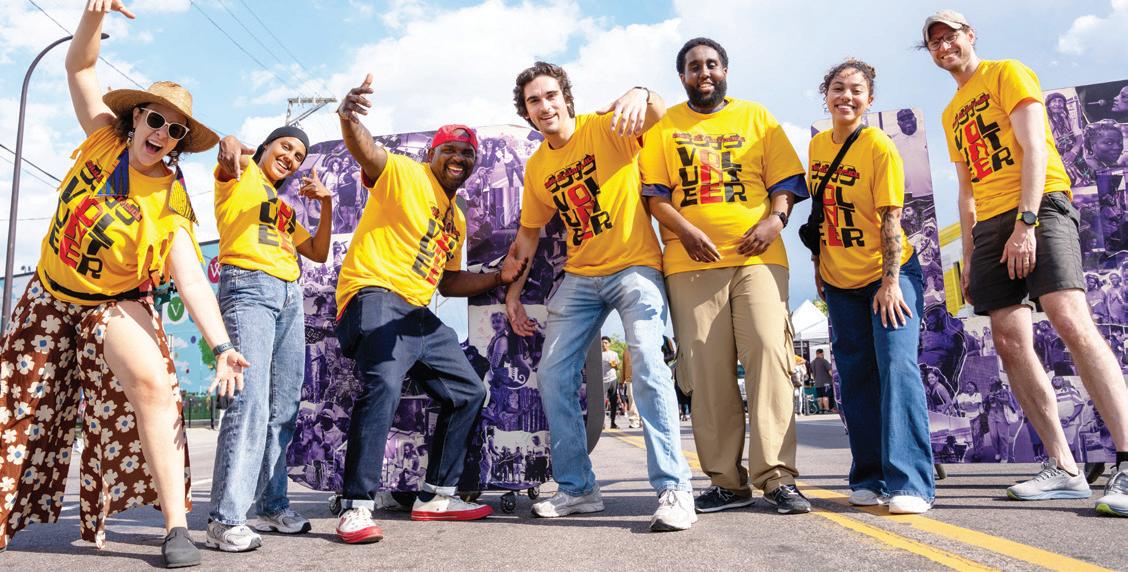

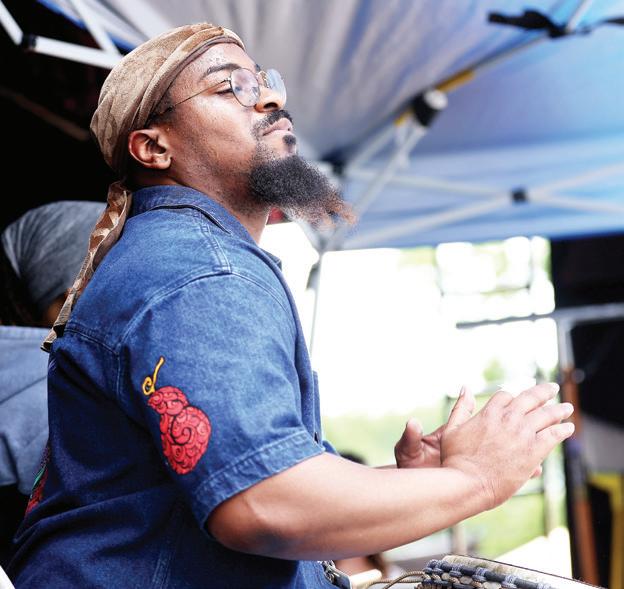
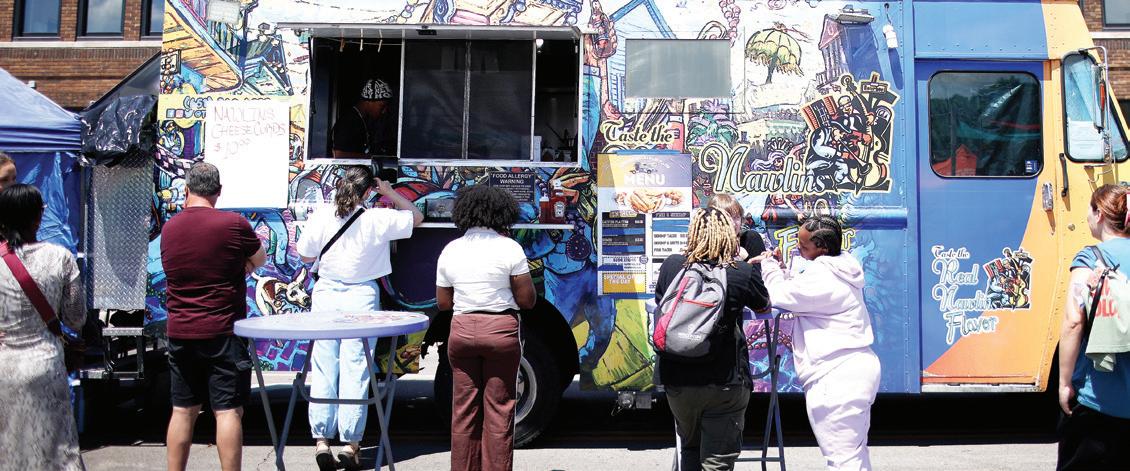




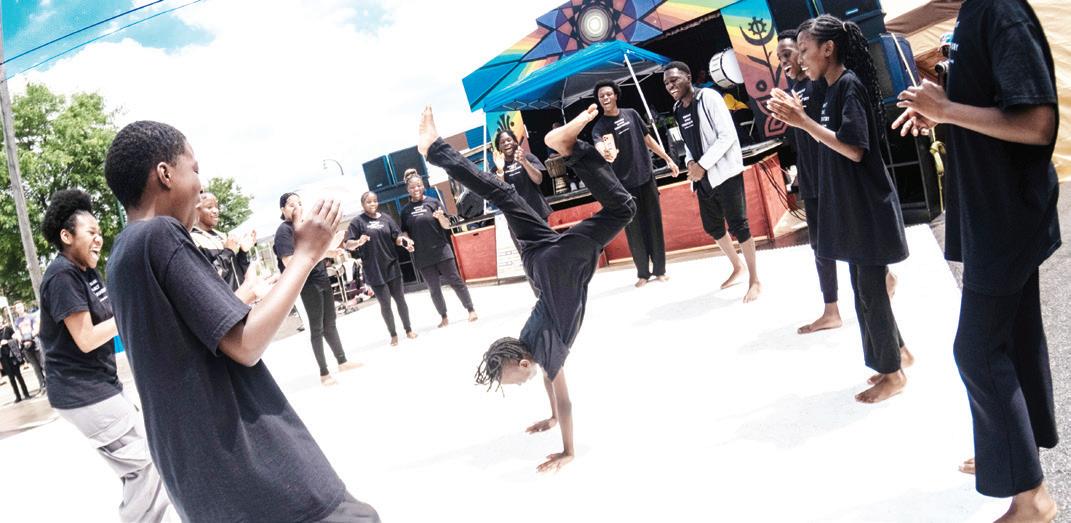

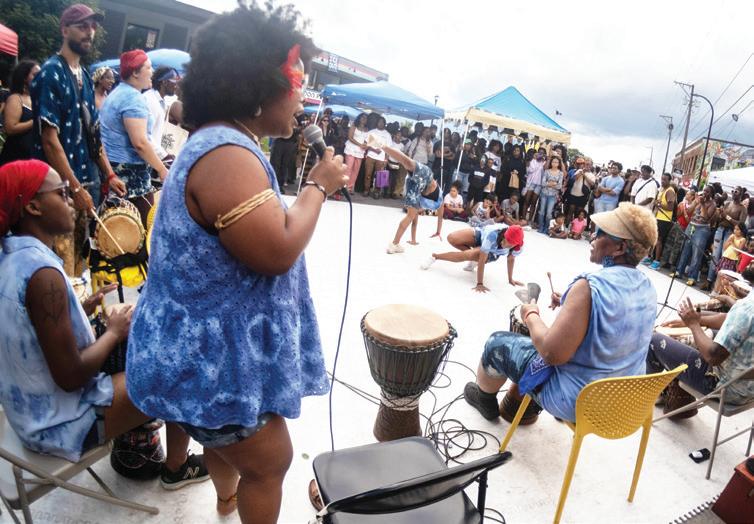

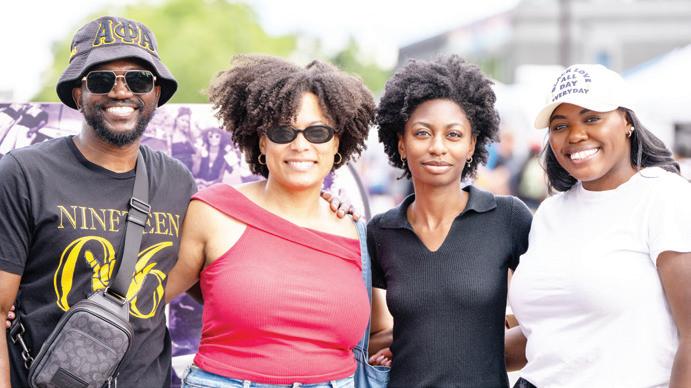

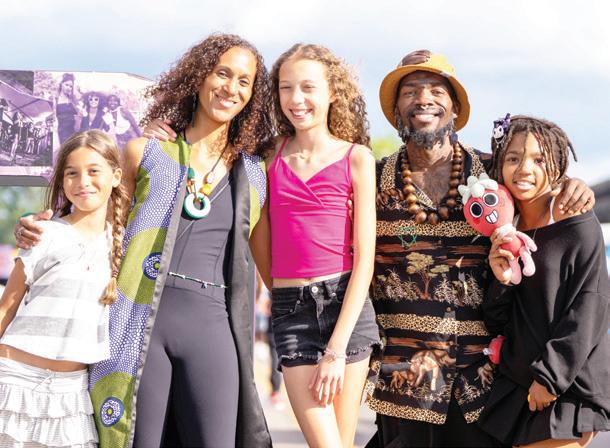
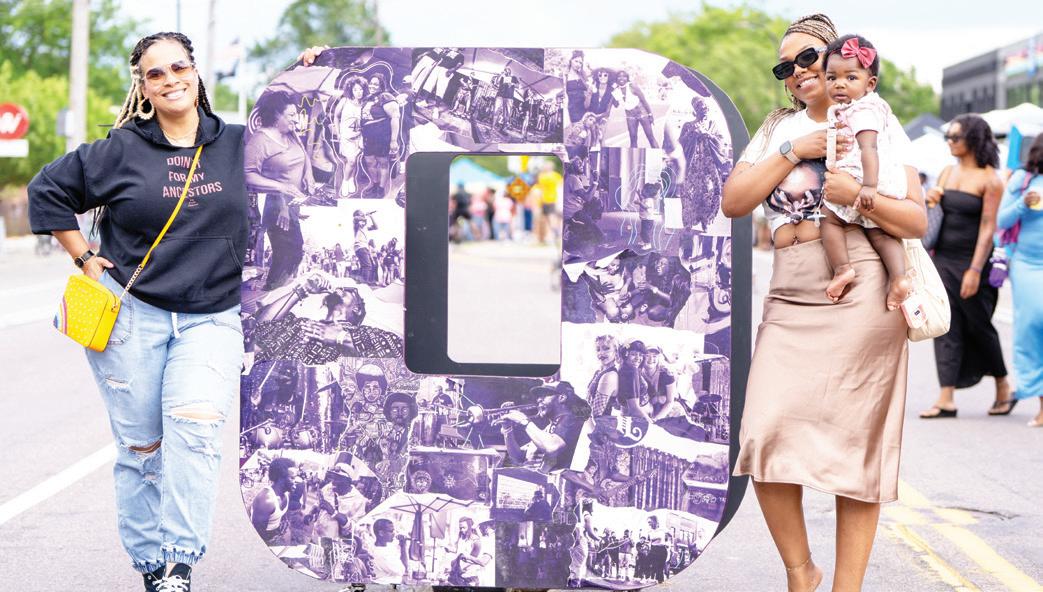
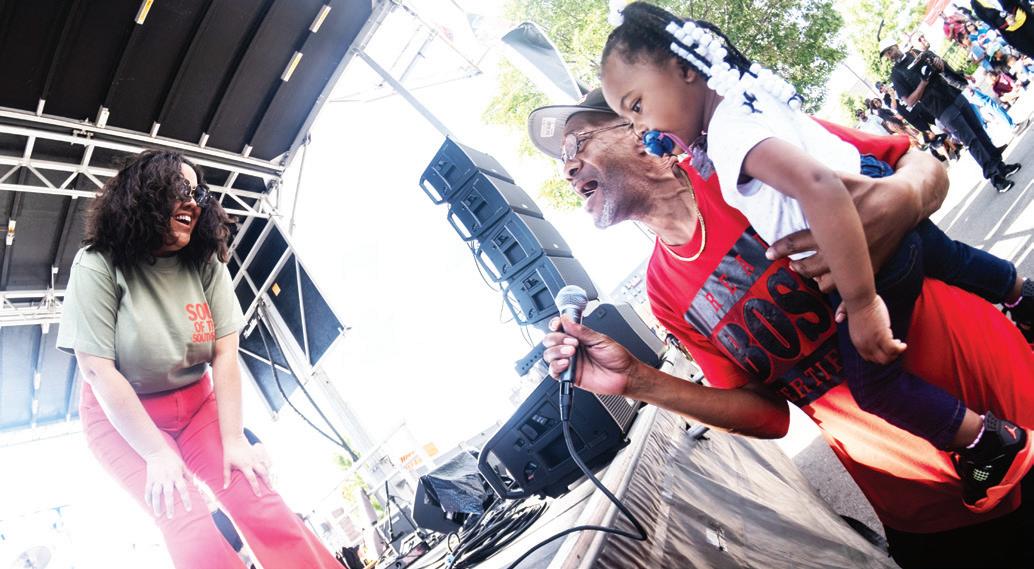
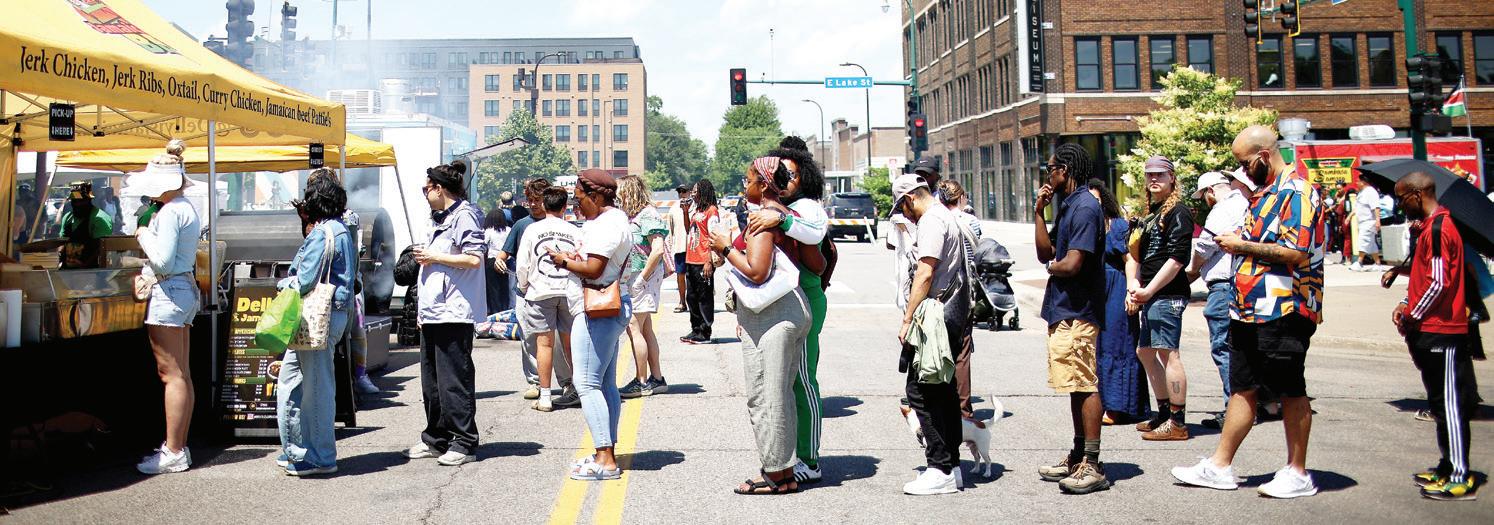
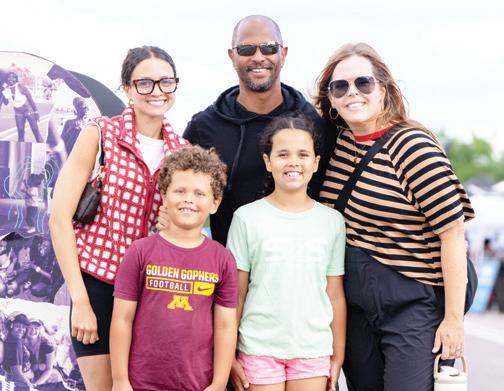



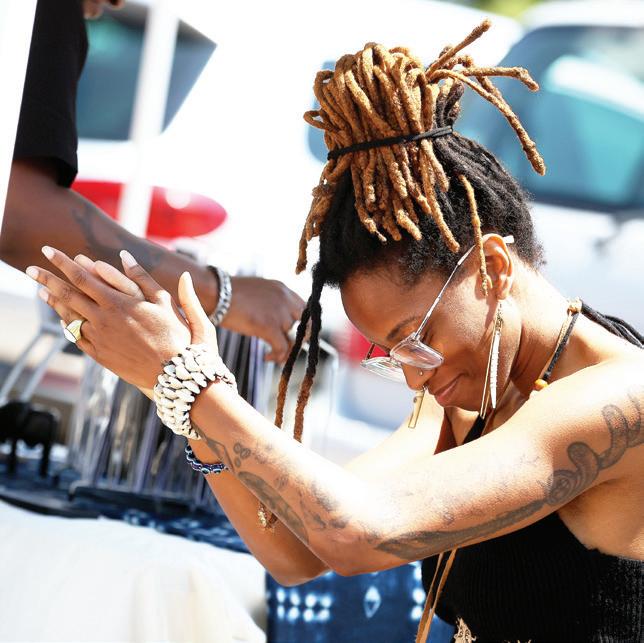
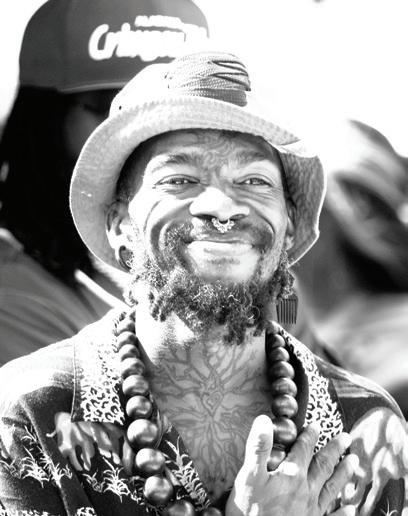

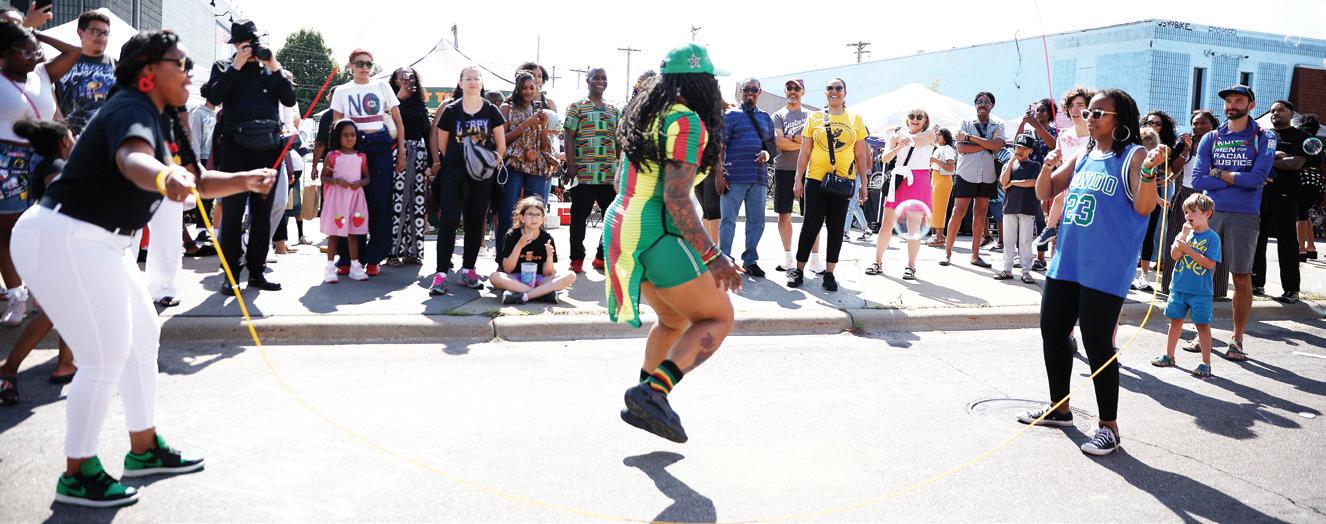


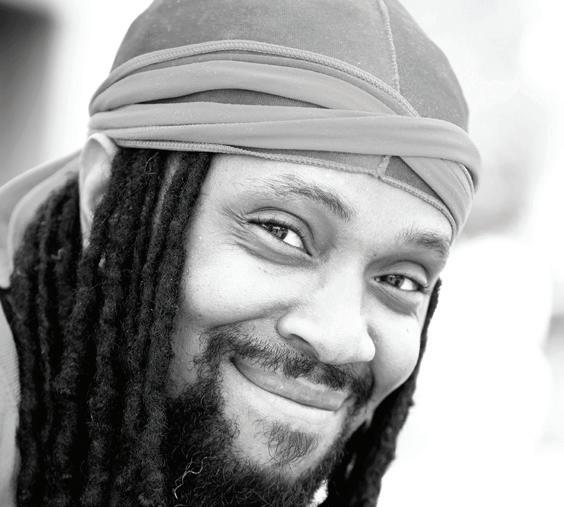
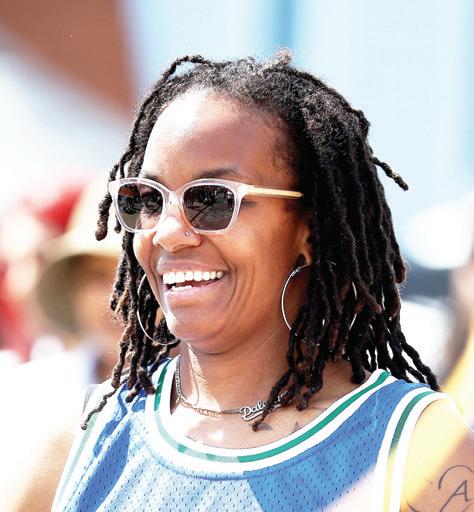

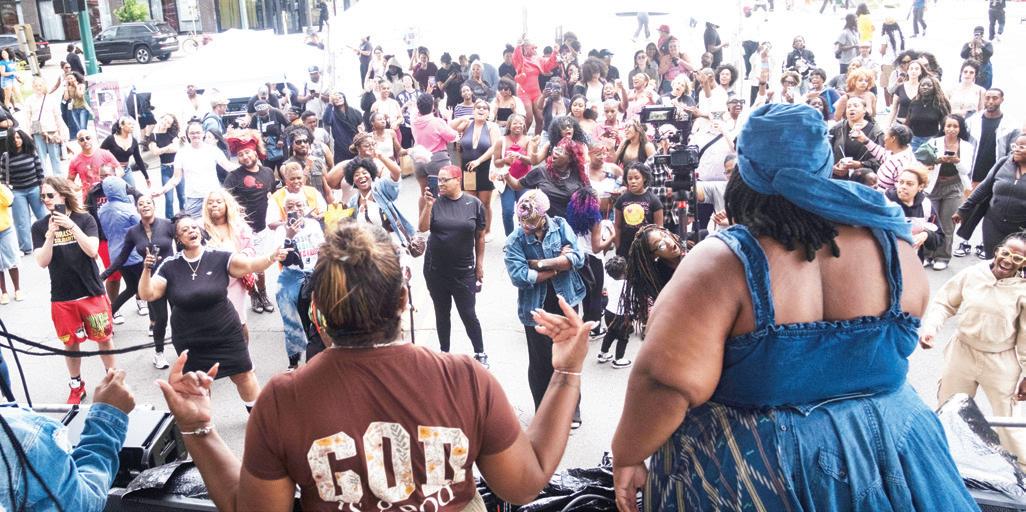
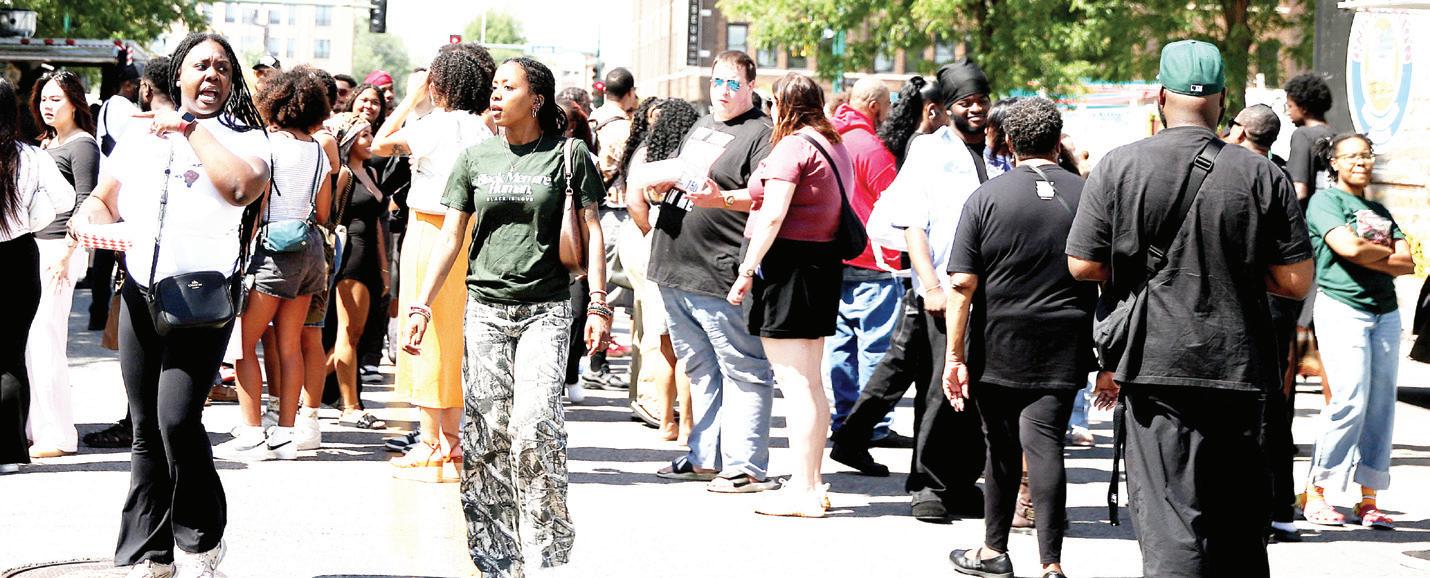

Photos by Tamika Garscia, Sammy Bramble, & Roosevelt Mansfield
Opinion
DevSecOps Engineer: Plymouth, MN

IT Company seeks DevSecOps Engineer to integrate security practices into DevOps workflows, automate security checks, and ensure the safety of cloud infrastructure. Work closely with development and security teams to enhance the security posture of applications and systems. Build and Configure delivery environments by using CD/CI, Agile delivery methodologies. Create and assist in performing various types of tests. Perform troubleshooting. Generate customized reports. Offered Salary: $116,480.00 to $116,500.00/yr. Send resumes to: HRD, VITS Consulting Corp., 14264 23rd Ave N, Plymouth, MN 55447. Minnesota Spokesman-Recorder July 10, 2025
By Wade Henderson
Juneteenth and the 250th anniversary of our nation’s founding are moments to take pride in the extraordinary progress our country has made toward becoming a more perfect union. But these milestones also demand honesty, and they require us to confront a glaring contradiction that remains a hole in the soul of America: more than 700,000 citizens living in the nation’s capital are still denied full voting representation in Congress.
By Denise Forte
The Supreme Court’s decision in Louisiana v. Callais is widely viewed as a voting rights case. Education advocate Denise Forte argues it is also an education issue, warning that reduced Black political representation could weaken communities’ influence over school funding, curriculum and access to opportunity.
For generations, Black families have understood that the right to vote and the right to a quality public education are not distinct but inseparable. Education, according to Frederick Douglass, “means emancipation. It means light and liberty.”
justice has always run through America’s classrooms. Elected officials control public school access and quality through funding. Denying access to education has always been central to politicians seeking to deny Black self-determination and political power.
sentation created access to education resources, accountability, and opportunity.
High-stakes fight
“When Black communities lose representation, they lose influence over decisions that shape their children’s education.”
That is why the recent Supreme Court decision in Louisiana v. Callais, which gutted a key provision of the Voting Rights Act, is not only a threat to democracy but a direct attack on educational equity.
Because elected officials control school funding, curriculum, accountability and access to opportunity, reducing Black political representation by weakening Black political power ultimately threatens Black communities’ ability to shape the education of their children.
Education and the vote
The fight for civil rights and
When Black communities lose representation, they also lose power over the systems and schools serving their children. Political representation influences nearly every public education decision, many of which are made locally: school funding, reading and math investments, history and language arts curricula; library catalogs; student supports and resources; school board representation; and the weight of student, parent, and community voices.
When Black communities lose representation, they also lose power over the systems and schools serving their children.
That reality is especially significant in the Deep South, where generations of Black civil rights activists and their allies fought to secure investments in public education that many communities had long been denied. The Voting Rights Act opened pathways to representation, and repre-

submissions@spokesman-recorder.com
submissions@spokesman-recorder.com
ads@spokesman-recorder.com
submissions@spokesman-recorder.com.
The connection is not abstract. Black voters helped elect a new generation of Black leaders across the South, including Mississippi’s Robert Clark, the state’s first Black congressional representative since Reconstruction and later chair of the House Education Committee. Increased Black political power made government more responsive to Black communities and expanded educational opportunities.
The stakes are evident today. By weakening Section 2 of the Voting Rights Act, the Supreme Court has made it harder to challenge maps that dilute Black voting power. It’s no coincidence that, within days of the decision, Louisiana moved to eliminate a majority-Black congressional district, while Alabama was allowed to proceed with a map that did the same.
When Black communities lose representation, they lose influence over decisions that shape their children’s education.
The ongoing attacks on voting rights will weaken Black communities’ ability to advocate for equitable schools and educational opportunity.
Speaking with one voice
As advocates and communities respond, the conversation must not become siloed.
In this moment, advocates must speak in one voice and say: “Public education gives power to the vote. The vote powers public education.”
We must all make clear the consequences of the Supreme Court’s decision that could affect classrooms across the country. We’re likely to see more underfunded schools in Black communities, and more inequitable access to advanced coursework as well as watered-down curriculum, distorted history, and racist disciplinary policies.
The right for Black communities to shape the educational futures of their children must remain intact. The right to responsive representation must endure. The demand of state and federal elected officials is simple: Defend the power of the vote and the power of an excellent education.
This op-ed appeared first in Word in Black. For more information, visit www.wordinblack.com.
Denise Forte is the president and CEO at EdTrust.
Juneteenth commemorates the day in 1865 when enslaved Black Americans in Texas finally learned they were free, more than two years after the Emancipation Proclamation. It is a reminder that freedom delayed is freedom denied, and that America has too often failed to extend its promises equally to all its people.
The residents of Washington, D.C., know that reality all too well.
D.C. residents pay federal taxes, serve on juries, own businesses and fight in America’s wars. More than 200,000 veterans call the District home. Yet residents have no voting representation in either chamber of Congress. They are governed by lawmakers they cannot elect and whose decisions they cannot ultimately influence through the ballot box. That violates the fundamental democratic principle that has defined our nation since its birth: no taxation without representation.
The population of the District exceeds that of Wyoming and Vermont and is comparable to several other states,
By R. Lynn Pingol
Across Minnesota, small businesses are fighting to survive. You see it on Lake Street, on University Avenue, on West Broadway, on Payne Avenue… corridors rebuilt by the grit of Black, immigrant and women-owned businesses after years of crisis. These businesses are more than storefronts. They are the cultural and economic anchors of our communities. They hire our neighbors, mentor our youth and keep dollars circulating where they’re needed most.
And now, a quiet federal rule change threatens to undo that progress.
The Office of Management and Budget is proposing a rule that would strip away the very tools small businesses rely on to access federal dollars: outreach, supplier-diversity programs, technical assistance and the SBA 8(a) pathway. These are not “extras.” They are the only reason many small businesses, especially Black-owned and immigrant-owned firms, ever get a seat at the table.
Without these tools, the federal marketplace becomes a closed loop dominated by the biggest players. And when the big fish enter the small pond, we already know who gets pushed out.
From Ads Department/MN Spokesman-Recorder PHON E: 612- 827- 4 021 FOR BILLING INQUIRIES & TEARSHEETS
PLEASE CONTACT ACCOU N T I NG DEPT @ BILLI NG@SPOKESM A N-R ECOR DER .COM EMPLOYMENT
yet residents of those states enjoy two U.S. senators and voting representation in the House. The citizens of Washington, D.C., do not. This is not merely a local issue. It is a national civil rights issue.
SIZE 2 COL X 2 INCH RATE: $44.60 PCI TOTAL: $178.40
The denial of congressional representation falls particularly hard on communities of color. Nearly half of the District’s population is African American, and generations of Black Washingtonians have lived under a system that deprives them of the same democratic rights enjoyed by citizens elsewhere. In a nation that has spent decades working to expand voting rights and dismantle barriers to political participation, the continued disenfranchisement of D.C. residents stands as a troubling exception.
The case for D.C. statehood is not only constitutional and moral, it is practical. Congress routinely intervenes in local District affairs despite the existence of an elected mayor and city council. Federal lawmakers from states thousands of miles away often seek to overturn local decisions on matters ranging from public safety to education to budgeting. No other American community faces such extensive congressional interference in its day-to-day governance.
Throughout our history, the nation has repeatedly expanded the circle of democracy. We abolished slavery. We adopted constitutional amendments guaranteeing equal protection and voting rights. Women gained the right to vote. The Voting Rights Act helped dismantle Jim Crow barriers that had excluded millions from political participation. Each step represented an acknowledgment that democracy is strongest when it includes everyone.
Please proof, respond with email confirmation to ads@ spokesman-recorder.com The MSR handles billing digitally. This means you will get e-tears and e-mailed invoices unless you specifically request a hard copy.
As we reflect on Juneteenth and 250 years of American history, we must also reckon with the setbacks threatening that progress. The Supreme Court’s recent decision in Louisiana v. Callais, which further weakened key protections of the Voting Rights Act, underscores how fragile democratic gains can be. Congress should respond by passing the John Lewis Voting Rights Advancement Act and granting statehood to Washington, D.C. This anniversary should be more than a celebration of past achievements. It should be a call to complete the unfinished work.
After 250 years, democracy should leave no American behind.
This op-ed appeared first in Black Press USA. For more information, visit www.blackpressusa.com.
Wade Henderson is past president of The Leadership Conference on Civil and Human Rights. A native Washingtonian, he currently resides in Washington, D.C.
Opponents sometimes suggest retrocession, returning most of the District to Maryland, as a solution. But neither Maryland nor D.C. residents have expressed any serious interest in that arrangement. More importantly, retrocession avoids the central question. The issue is not geography. The issue is citizenship.
Let’s be honest about the numbers. In 2023, whiteowned firms received 97% of all federal contracting dollars. Large corporations captured more than three-quarters of the entire marketplace. Meanwhile, Black-owned businesses received 0.5%; Hispanicowned businesses received 0.6%; Native-owned businesses received 0.3%; Asianowned businesses received 1.1%; and women-owned businesses received 5%.
These disparities did not appear because of DEI programs. They existed long before DEI was ever discussed. DEI programs were created because the market was already closed to most of us. So what happens if OMB removes the few access points we do have?
Minnesota’s corridors will feel it first.
Small businesses operate on thin margins. A missed contract can mean a hiring freeze. A delayed payment can mean a closure. A lost subcontract can mean another “For Lease” sign on a block that was just starting to recover. And once vacancies spread, the whole corridor suffers. Foot traffic drops, property values fall, and the neighborhood loses one more place that made it feel like home.
The damage doesn’t stop there. Cities lose tax revenue. Apprenticeships tied to federal projects disappear. Skilled workers leave the trades. Supply chains become more fragile. And the ladders into the middle class, the ones our communities fought to build, get pulled up.
This is not a technical policy change. It is a structural shift that will hit Black, immigrant and women-owned businesses first and hardest. Minnesota cannot afford that. Our communities cannot afford that. If the federal government is serious about equity, about economic mobility, about rebuilding cities from the ground up, then it must strengthen, not dismantle, the mechanisms that allow small businesses to compete. OMB should withdraw this rule.
Minnesota’s leaders should oppose it.
And our communities must speak up before the door closes again.
Because when small businesses lose access to opportunity, our neighborhoods lose their future.
THIRD
Continued from page 12
this year's induction?' I remember telling him, 'I hadn't really thought about it.'
"He said, 'So what you're telling me is that you have become a part of a legacy that's going to honor people every year from now on, and you don't want to continue to go back and support the careers that you've seen.'"
Thanks to her brother's persuasive argument, Chavers has annually made the round trip from Memphis to Knoxville and the WBHOF, the 35,000-square-foot facility and tribute to women's hoops at all levels that opened in June 1990 and houses the world's largest basketball, 30 feet tall and weighing 10 tons.
There are 27 total induction classes, including the 1982 Cheyney squad, the first and only HBCU to play for a Division I national title.
"It actually hit me right away," said Chavers of seeing her name listed in the Hall.
This year's class features
SOE
Continued from page 12
Point, Wisconsin, to coach, first as the girls JV coach, then promoted to head coach, a role she still holds and relishes.
“The basketball season in Wisconsin doesn’t start until Nov. 9,” McCarville pointed out, “so I get a week off” between when the Lynx season concludes and when she prepares for the winter prep season.
“I like the high school aspects,” she continued. “Sometimes it’s babysitting because ball is not life for everybody, but I still give them skill sets and I’m able to help them
PREP
Continued from page 12
Denver Broncos and Green Bay Packers before landing with Miami.
Jamison-Travis, a first-year player and 2020 North alum, starred in football and basketball before embarking on a collegiate career at Iowa Western Community College and Auburn University.
Johnson, a 2016 North graduate approaching his seventh NFL season, starred in football and basketball before an outstanding career at the University of Minnesota. He won a Super Bowl ring as
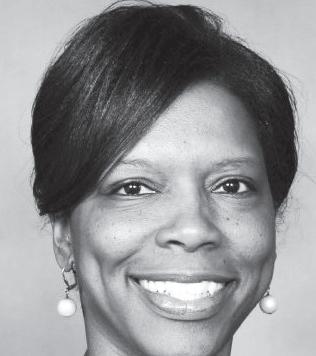
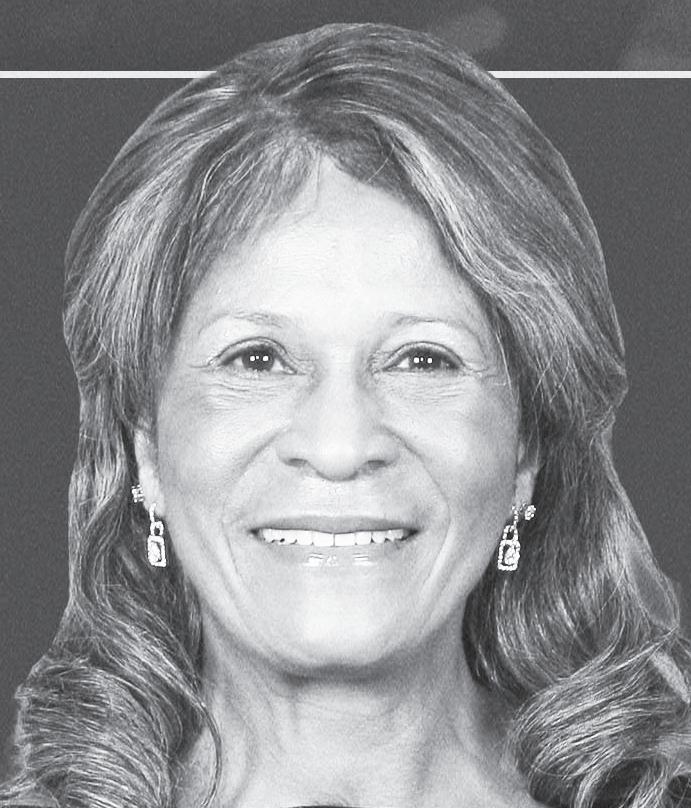
eight individuals, including Candace Parker, Elena Delle Donne and Minnesota Lynx
Coach Cheryl Reeve, who combined have seven WNBA titles, multiple MVP honors and several Olympic gold medals.
On Parker: "I didn't get a chance to see her as a high school player," Chavers said.
"I was able to follow her career at Tennessee, and just really be proud of the woman that she is."
"Elena Delle Donne… I really liked her because she was just so consistent," she added. "The injury set her back a little bit from time to time.
I'm really looking forward to hopefully getting a chance to
with strategy, learning how to deal with problem solving on the go, taking constructive criticism.”
But that’s the good part.
“Parents are involved more, and that sometimes takes away from the coaching aspect and what you want to do with kids. They have two voices. They hear your voice and they go home and hear the parents’ voice. That’s the hardest part.”
“She is one of the smartest players, men’s or women’s, that ever played the game,” Whalen said of her friend, teammate and coaching compadre, McCarville, was named to the All-25 Lynx Team in 2023.
McCarville logged nearly
a rookie with the Tampa Bay Buccaneers before stops with the Houston Texans, Las Vegas Raiders, Los Angeles Rams and New York Jets.
“What makes this story special is that these athletes once stood exactly where these young people stand today,” Anderson said while watching the 50-plus camp participants. “They grew up in the community, attended North High School, pursued their athletic dreams, and are now returning home during Juneteenth week to invest in the next generation.” Anderson spoke with passion when talking about the future of the camp.
shake her hand and congratulate her.
"Coach Reeve, they got it right this time," Chavers said of the veteran coach and basketball executive.
The class also includes Barbara Kennedy-Dixon, who died from cancer in 2018. She is among a select group of NCAA women's basketball players who scored at least 3,000 points and grabbed 1,000 rebounds, achieving both marks at Clemson in the late 1970s and early 1980s.
Chavers also can't wait to see one more inductee, broadcaster Doris Burke.
"I'm looking forward to
two decades of playing, first at Minnesota, where she finished among the top five in many statistical categories as a four-year starter. She then became the first Gopher women’s player selected No. 1 overall, taken by Charlotte in the 2005 WNBA Draft.
Unlike her steady college career, Mac’s pro career was more turbulent. But when she played, she excelled, earning the 2007 Most Improved Player award in New York, where she landed after Charlotte folded and she was picked up in the dispersal draft.
She was also suspended by New York and sat out the 2011 season after not reporting for training camp. The
“We plan on having the camp next year and beyond,” she said. “It’s important for the youth to understand that they can succeed growing up on the Northside.”
The 1994 North graduate, who starred in basketball at the school, also noted an interesting distinction.
“If I am not mistaken, there have only been two other Minnesota high schools with three active NFL players at the same time,” she said with pride. “Cretin Derham Hall, Wayzata and now North High.”
Dr. Mitchell Palmer McDonald welcomes reader responses at mcdeezy05@gmail.com.

meeting Doris Burke, one of my favorites," the Hall of Famer said excitedly. "She knows the game better than a whole lot of people."
FINALLY …
Hall of Famer C. Vivian Stringer is this year's recipient of the Betty F. Jaynes Lifetime Achievement Award, the Women Basketball Coaches Association (WBCA) announced last week. Stringer retired in 2022 with a 1,055-426 career record, sixth all-time and the first coach in men's or women's basketball history to take three different schools to the Final Four: Cheyney in 1982, Iowa in 1993 and Rutgers in 2000 and 2007.
"C. Vivian Stringer is a pioneer and giant in our game. She is the prominent example for our Black coaches, and her success has inspired future generations of coaches and student-athletes," said WBCA Executive Director Danielle Donehew.
"I had the great fortune to coach the sport I love for over 50 years," Stringer said, "to mentor hundreds of young women who played for
following season, McCarville took the year off to be with her family.
The Liberty traded her to Minnesota in 2013, where McCarville was a serviceable post player in helping the Lynx to the 2013 title, reunited with her college point guard Whalen.
Back pain finally got the best of McCarville, who sat out the 2015 season but returned for her final year in Minnesota in 2016.
Overall, she played 17 seasons, including nine in the W and overseas, winning the 2010 EuroLeague title.
“I’ve had lots of experiences,” she reflected. “I’ve got friends around the world, speak a couple of languages, mostly
VIEW Continued from page 12
from whom?
Athletics, Inc., a nonprofit college players advocacy group, recently published a letter opposing the SCORE Act, a second bill in Congress
me, to teach them to respect themselves and each other and to set them on their own journeys to success. That is my lifetime achievement …"
fluent … able to associate with people in different cultures.
“I never would have thought basketball would have given me that in eighth grade shooting hoops on the side of a barn with cow pies all over the place, but here I am,” she said proudly. Back in Minnesota. Back with Whalen and the Lynx.
“She was a big reason why I agreed to come here,” McCarville admitted of Whalen. “It’s like no time has passed. I followed her when she was with the Gophers as the head coach.
“I was excited to obviously reunite with Brunson as well, but a lot of it was Lindsay,” the first-year Lynx assistant coach said.
“Just the Two of Us” by Gro-
that the group strongly sees as a boom for athletic departments and a bust for the players.
But HBCU commissioners from the CIAA, MEAC, SWAC and SIAC jointly wrote the Congressional Black Caucus in May, urging Black lawmakers to push for the bill.
Charles Hallman welcomes reader responses at challman@ spokesman-recorder.com.
Copyright © Charles Hallman
ver Washington Jr. and Bill Withers, perhaps?
“I assume she wouldn’t have the success she had without me. I wouldn’t have the success I had without her,” McCarville concluded.
“We leaned on each other through the college years, and then again once we got overseas and professional, we still linked up, we still got together.
“We made time for each other, and I think that’s where the friendship lasts this long.”
Charles Hallman welcomes reader responses at challman@ spokesman-recorder.com.
Copyright © Charles Hallman
“Going in Circles” by the Friends of Distinction seems like the appropriate theme song for today’s college sports landscape.
Charles Hallman welcomes reader responses at challman@ spokesman-recorder.com.
Copyright © Charles Hallman
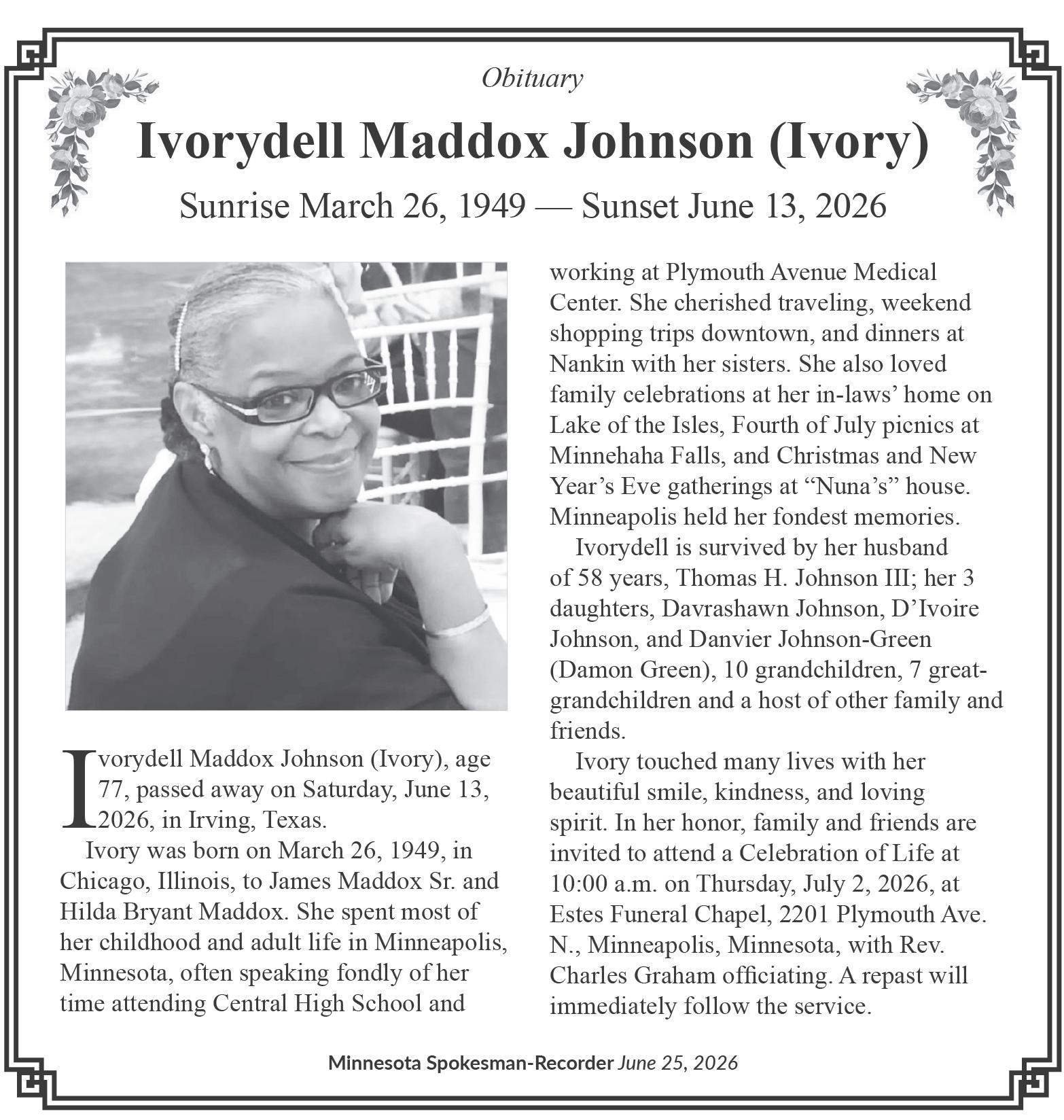
Barbara Kennedy-Dixo Women’s Basketball Hall of Fame
C. Vivian Stringer Women Basketball Coaches Association
NOTICE
(AV(SO
YOU
(LO
Dean Moua, Tou Moua
Employment & Legals
STATE OF MINNESOTA FOURTH JUDICIAL COUNTY OF HENNEPIN DISTRICT COURT
PROBATE MENTAL HEALTH DIVISION
SUPERIOR COURT OF CALIFORNIA
County of Tehama
Gregoria Guardado
Kevin Harrigan, Clerk of the Court By _____________________, Deputy EFILED
NOTICE! You have been sued. The court may decide against you without your being heard unless you respond within 30 days. Read the information below.
You have 30 CALENDAR DAYS after this summons and legal papers are served on you to file a written response at this court and have a copy served on the plaintiff. A letter or phone call will not protect you. Your written response must be in proper legal form if you want the court to hear your case. There may be a court form that you can use for your response. You can find these court forms and more information at the California Courts Online Self-Help Center (www.courts.ca.gov/selfhelp), your county law library, or the courthouse nearest you. If you cannot pay the filing fee, ask the court clerk for a fee waiver form. If you do not file your response on time, you may lose the case by default, and your wages, money, and property may be taken without further warning from the court.
There are other legal requirements. You may want to call an attorney right away. If you do not know an attorney, you may want to call an attorney referral service. If you cannot afford an attorney, you may be eligible for free legal services from a nonprofit legal services program. You can locate these nonprofit groups at the California Legal Services Website (www.lawhelpcalifornia.org), the California Courts Online Self-Help Center (www.courts.ca.gov/selfhelp), or by contacting your local court or county bar association. NOTE: The court has a statutory lien for waived fees and costs on any settlement or arbitration award of $10,000 or more in a civil case. The court’s lien must be paid before the court will dismiss the case.
¡AVISO! Lo han demandado. Si no responde dentro de 30 días, la corte puede decidir en su contra sin escuchar su versión. Lea la información a continuación.
Tiene 30 DÍAS DE CALENDARIO después de que le entreguen esta citación y papeles legales para presentar una respuesta por escrito en esta corte y hacer que se entregue una copia al demandante. Una carta o una llamada telefónica no lo protegen. Su respuesta por escrito tiene que estar en formato legal correcto si desea que procesen su caso en la corte. Es posible que haya un formulario que usted pueda usar para su respuesta. Puede encontrar estos formularios de la corte y más información en el Centro de Ayuda de las Cortes de California (www.sucorte.ca.gov), en la biblioteca de leyes de su condado o en la corte que le quede más cerca. Si no puede pagar la cuota de presentación, pida al secretario de la corte que le dé un formulario de exención de pago de cuotas. Si no presenta su respuesta a tiempo, puede perder el caso por incumplimiento y la corte le podrá quitar su sueldo, dinero y bienes sin más advertencia. Hay otros requisitos legales. Es recomendable que llame a un abogado inmediatamente. Si no conoce a un abogado, puede llamar a un servicio de remisión a abogados. Si no puede pagar a un abogado, es posible que cumpla con los requisitos para obtener servicios legales gratuitos de un programa de servicios legales sin fines de lucro. Puede encontrar estos grupos sin fines de lucro en el sitio web de California Legal Services, (www.lawhelpcalifornia.org), en el Centro de Ayuda de las Cortes de California, (www.sucorte.ca.gov) o poniéndose en contacto con la corte o el colegio de abogados locales. AVISO: Por ley, la corte tiene derecho a reclamar las cuotas y los costos exentos por imponer un gravamen sobre cualquier recuperación de $10,000 ó más de valor recib 1 ida mediante un acuerdo o u 2 na concesión de arbitraje en un caso de derecho civil.
Tiene que pagar el gravamen de la corte antes de que la corte pueda desechar el caso.
The name and address of the court is: (El nombre y dirección de la corte es): Superior Court County of Tehama 1740 Walnut Street, Red Bluff, CA 96080
CASE NUMBER (Número del Caso): 25CI-000033
The name, address, and telephone number of plaintiff’s attorney, or plaintiff without an attorney, is: (El nombre, la dirección y el número de teléfono del abogado del demandante, o del demandante que no tiene abogado, es): Natalie R. Ludwig, 2150 Main Street, Suite 116, Red Bluff, CA 96080 (530) 690-2711
DATE: (Fecha)
NOTICE OF INFORMAL APPOINTMENT OF PERSONAL REPRESENTATIVE AND NOTICE TO CREDITORS
In Re: Estate of FILE NO. 27-PA-PR-26-643
David Slaughter Ir. Deceased
TO ALL INTERESTED PERSONS AND CREDITORS:
Notice is given that an amended application for informal appointment of personal representative has been filed with the Registrar No will has been presented for probate. The second amended application has been granted.
Notice is hereby given that informal appointment of Hardy Armstrong, whose address is 368 Farrington St. St. Paul, Minnesota 55013, as personal representative of the estate of the above-named decedent, has been made. Any heir, devisee or other interested person may be entitled to appointment as personal representative or may object to the appointment of the personal representative and the personal representative is empowered to fully administer the estate including, after 30 days from the date of issuance of letters, the power to sell, encumber, lease or distribute real estate, unless objections thereto are filed with the Court (pursuant to Section 524.3 - 607) and the Court otherwise orders.
Notice is further given that ALL CREDITORS having claims against said estate are required to present the same to said personal representative or to the Probate Court Administrator within four months after the date of this notice or said claims will be barred.
Dated: June 3, 2026
Yvette M. Andrade Registrar Sara Gonsalves District Court Administrator Notice of Inf Appt of PR Minn. Stat. 524.3-310;524.3-801a
Minnesota Spokesman-Recorder, June 18, 25, 2026
Office of the Minnesota Secretary of State Certificate of Assumed Name Minnesota Statutes, Chapter 333
2 Columns x

Clerk, by (Secretario)
Deputy (Adjunto) 2/14/2025 9:12 AM
(For proof of service of this summons, use Proof of Service of Summons (form POS-010).) (Para prueba de entrega de esta citación use el formulario Proof of Service of Summons, (POS-010)).

] on behalf of (specify): under: [ ] CCP 416.10 (corporation) [ ] CCP 416.60 (minor) [ ] CCP 416.20 (defunct corporation) [ ] CCP 416.70 (conservatee) [ ] CCP 416.40 (association or partnership) [ ] CCP 416.90 (authorized person) [ ] other (specify): 4. [ ] by personal delivery on (date):
9, 2026
The filing of an assumed name does not provide a user with exclusive rights to that name. The filing is required for consumer protection in order to enable customers to be able to identify the true owner of a business.
ASSUMED NAME: NEON
PRINCIPAL PLACE OF BUSINESS: 1007 W BROADWAY AVE MINNEAPOLIS MN 55411 USA
APPLICANT(S): Northside Economic Opportunity Network 1007 W BROADWAY AVE MINNEAPOLIS MN 55411 USA
If you submit an attachment, it will be incorporated into this document. If the attachment conflicts with the information specifically set forth in this document, this document supersedes the data referenced in the attachment.
By typing my name, I, the undersigned, certify that I am signing this document as the person whose signature is required,or as agent of the person(s) whose signature would be required who has authorized me to sign this document on his/her behalf, or in both capacities. I further certify that I have completed all required fields, and that the information in this document is true and correct and in compliance with the applicable chapter of Minnesota Statutes. I understand that by signing this document I am subject to the penalties of perjury as set forth in Section 609.48 as if I had signed this document under oath.
SIGNED BY: Larry E. Posey
MAILING ADDRESS: None Provided
EMAIL FOR OFFICIAL NOTICES: larry@neon-mn.org
Minnesota Spokesman-Recorder, June 18, 25, 2026
Business Analyst
IT Company (Minnetonka, MN) seeks Business Analyst to develop strategic recommendations using data analysis and deliver insights through dashboards in PowerBI, Tableau, and Looker, conduct GAP analyses, build data-driven business cases, identify automation opportunities, design and execute test strategies for UAT, manage staging environments, and validate outputs using SQL and Python. Validate business and technical requirements by using project management tools such as JIRA & Confluence. Salary: $97,032.00-$97,500.00/ yr. + Benefits: Health Insurance, Holidays, Sick Leave or PTO. Send resumes to: HRD, Maritz Consulting (d/b/a Ledelsea) at careers@ledelsea.com Minnesota Spokesman-Recorder, June 25, 2026
2 Columns x
Women’s Basketball Hall of Fame They got
By Charles Hallman Sports columnist
he Women's Basketball Hall of Fame (WBHOF) Class of 2026 will take their rightful place this weekend in Knoxville, Tenn. Tonyas Chavers will drive nearly six hours from her Memphis home to attend the annual ceremony and related events. "I'm able to take that sce-
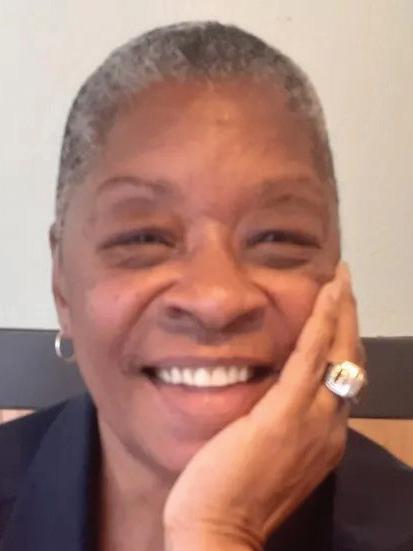
nic, nice five-hour drive, clear my head on the way, coming and going," said Chavers, the retired Minneapolis elementary gym teacher and Minnesota Teacher of the Year winner. She is also the first Black female girls' high school
“I remember in 2019 one of my brothers asked me, 'Are you going to Knoxville for this year's induction?’”


deals or athletic scholarships. Football and men’s basketball, as expected, get the lion’s share, while other sports will see benefits but not as much.
basketball head coach at Minneapolis North, a role she held in the early 1990s, where she coached a promising freshman and future WNBA lottery pick Tamara Moore. Chavers' place in history was further cemented when she and the Women's Basketball League, a forerunner of the WNBA, were inducted as "Trailblazers of the Game" in 2018. She left school and played on three clubs (197881), including the Minnesota Fillies, one of the league's eight original franchises. After the WBL folded, Chavers stayed in town, returned to college, earned both her bachelor's and master's degrees and was eventually hired by Minneapolis Public Schools, where she taught for nearly 30 years.
Back together again
covered both Lindsay Whalen and Janel McCarville, two Gopher greats recruited and signed by Cheryl Littlejohn, the second Black women’s basketball head coach at Minnesota, through their careers as players and now as coaches.
“I assume she wouldn’t have the success she had without me. I wouldn’t have the success I had without her.”
“Back Together Again” by Roberta Flack and Donny Hathaway feels fitting for Whay and Mac, nicknamed “Cold Blooded” and “Big Mac” in college by this longest-tenured

n a partly cloudy Juneteenth Friday, June 19, at Minneapolis North Community High School, Solana Anderson was beaming with pride as she greeted youth at a football camp.
“This isn’t just a football camp,” Anderson said. “It’s more than that.”
“This isn’t just a football camp. It’s more than that.”
was pointing out the fact that the free threehour camp was hosted by North alumni who not only helped
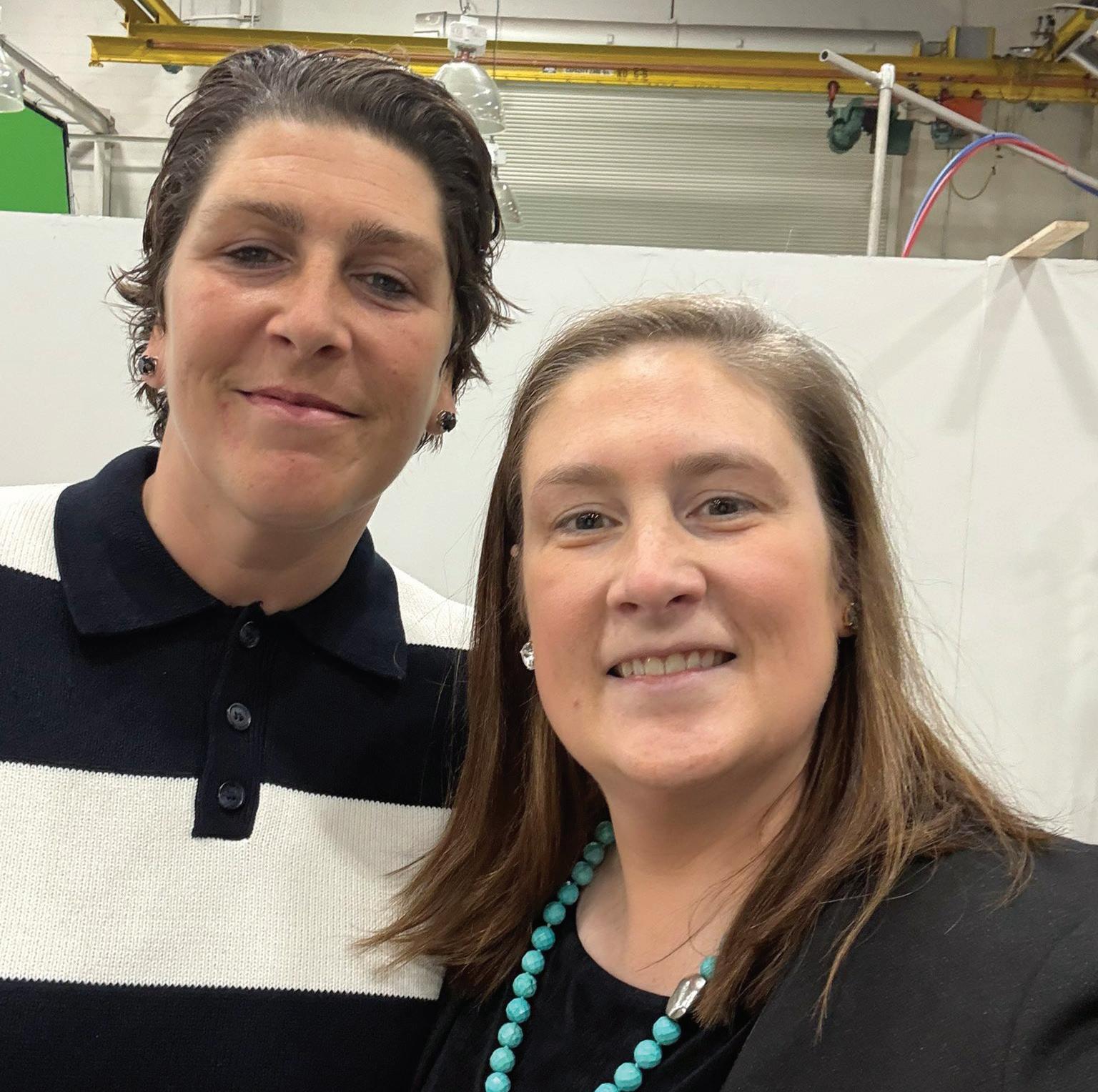
Gopher and Lynx beat reporter, now in their first year together as Minnesota Lynx as-
sistant coaches. They’ve been reunited since the two played together for three seasons, in-
During a phone call last week, Chavers recalled that she originally thought she would attend the induction just once. "I remember in 2019 one of my brothers asked me, 'Are you going to Knoxville for ■ See THIRD on page 10
cluding two WNBA Finals appearances and the 2013 title.
“Reunited” by Peaches and Herb also comes to mind, as this longtime reporter sat down with the former Gopher for an interview after a recent practice.
“It’s a great fit so far,” McCarville said. “It’s fun being back with Whay and (Rebekkah) Brunson. I understand what Cheryl [Reeve] was looking for, and I’m here to help the next set of kids coming up be prepared.”
We both chuckled when I reminded McCarville of her insistence that she would never go into coaching. While playing in Sweden near the end of her pro career, she served as an assistant coach for both the men’s and women’s teams there.
After retiring as a player in 2022, McCarville returned to her old high school in Stevens


he bipartisan Protect College Sports Act, also known as the SAFE Act, last week left committee and now heads to the U.S. Senate floor for a vote, hopefully this summer. It is the first college sports bill to advance this far in Congress.
The nonprofit think tank Drake Group last week released a report in support of the SAFE Act. President Kassandra Ramsey outlined “four significant recommendations.” Resolve the athlete compensation, employee status and collective bargaining issue; replace the NCAA Board of Governors and the Power Four’s control of Division I sports with a new enforcement system; the House settlement should not be codified into federal law; and Congress should set program standards applicable to all college athletic programs.
The NCAA, which strongly wants federal intervention, has found such unexpected bedfellows as the NFL, the NBA, the NFL and NBA players unions and the U.S. Olympic and Paralympic Committee.
Yet opponents of the SAFE Act continue to line up, including the Big Ten and SEC conferences, the WNBA, the NWSL and the AFL-CIO Sports Council.
The MSR obtained a copy of the University of Minnesota’s MFRS report filed with the NCAA last December, an itemized athletic department budget report showing income generated and expenses paid for the period July 1, 2024 through June 30, 2025.
The 98-page report highlights: Minnesota’s total operating revenues were $163.6 million, and expenses were $161.2 million, a $2.4 million difference.
it's
The Data Driven HBCU athletic spending dashboard reported several Black college MFRS FY25 athletic department figures: Norfolk State ($25 million), North Carolina A&T ($22.5 million) and North Carolina Central ($17.9 million) were among the top revenues.
Among the Black schools that reported negative net positions, revenue minus expenses, were Southern (-$1.3 million), Prairie View A&M (-$8.1 million), Morgan State (-$9.7 million), Grambling (-$4.9 million), Alcorn State (-$2.8 million), Coppin State (-$1.7 million), Jackson State (-$816,000) and FAMU (-$399,000).
“Yeah, there are challenges, but we always focus on the solutions, particularly at Alabama State University,” ASU
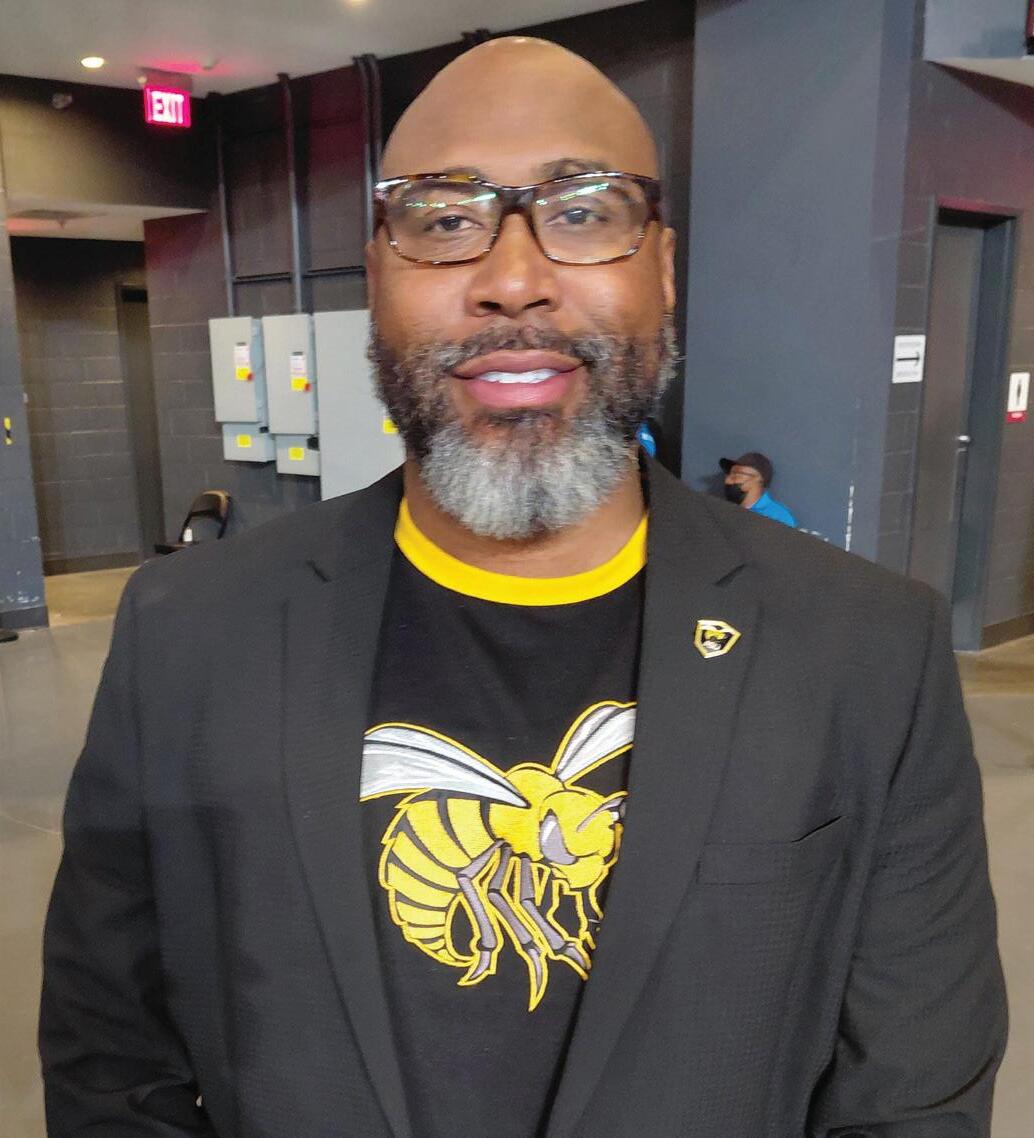
Meanwhile, the dollars keep rolling in. Reportedly the 18-member Big Ten divided up its media money and other funding sources, distributing between $76 million and $80 million to each school.
The O’Jays’ classic opening to “For the Love of Money” seems appropriate here: Money, money, money, money.
The 2026-27 academic and sports year will also be the second year of NCAA revenue sharing for players and 310 participating Division I schools, including Minnesota and St. Thomas, an estimated $21.3 million per school. A share of up to 27% of average revenues from media rights and ticket sales. This does not replace student-athlete NIL
Athletic Director and Vice
President Dr. Jason Cable told the MSR in March at the SWAC Tournament in Atlanta. Cable is not naive. HBCUs can’t compete financially with the University of Minnesota’s of the college sports world.
“We can talk about resources,” Cable continued. “Sometimes it’s intentional in terms of the way that we are funded. But we find ways to supplement our budget and have a great impact on our studentathletes and students alike.” What about the studentathletes, the traditional cash cows of college sports, where do they stand in all of this?
The bill’s name seems misleading: protect college sports
Second of two parts
Tonya Chavers Charles Hallman/MSR
Candace Parker in collage Women’s Basketball Hall of Fame
Cheryl Reeve Women’s Basketball Hall of Fame
Omar Brown (Miami Dolphins)
Bobby Jamison-Travis (New York Giants) Photos by Dr. Mitchell Palmer McDonald/MSR
Janel McCarville (left) and Lindsay Whalen Courtesy of X
Tyler Johnson Photo courtesy of the dallascowys.com
Dr. Jason Cable
Charles Hallman/MSR