To Subscribe Scan Here


By Chris Juhn Contributing Writer
ellow roses were laid one by one at the place where George Floyd took his last breath six years ago.
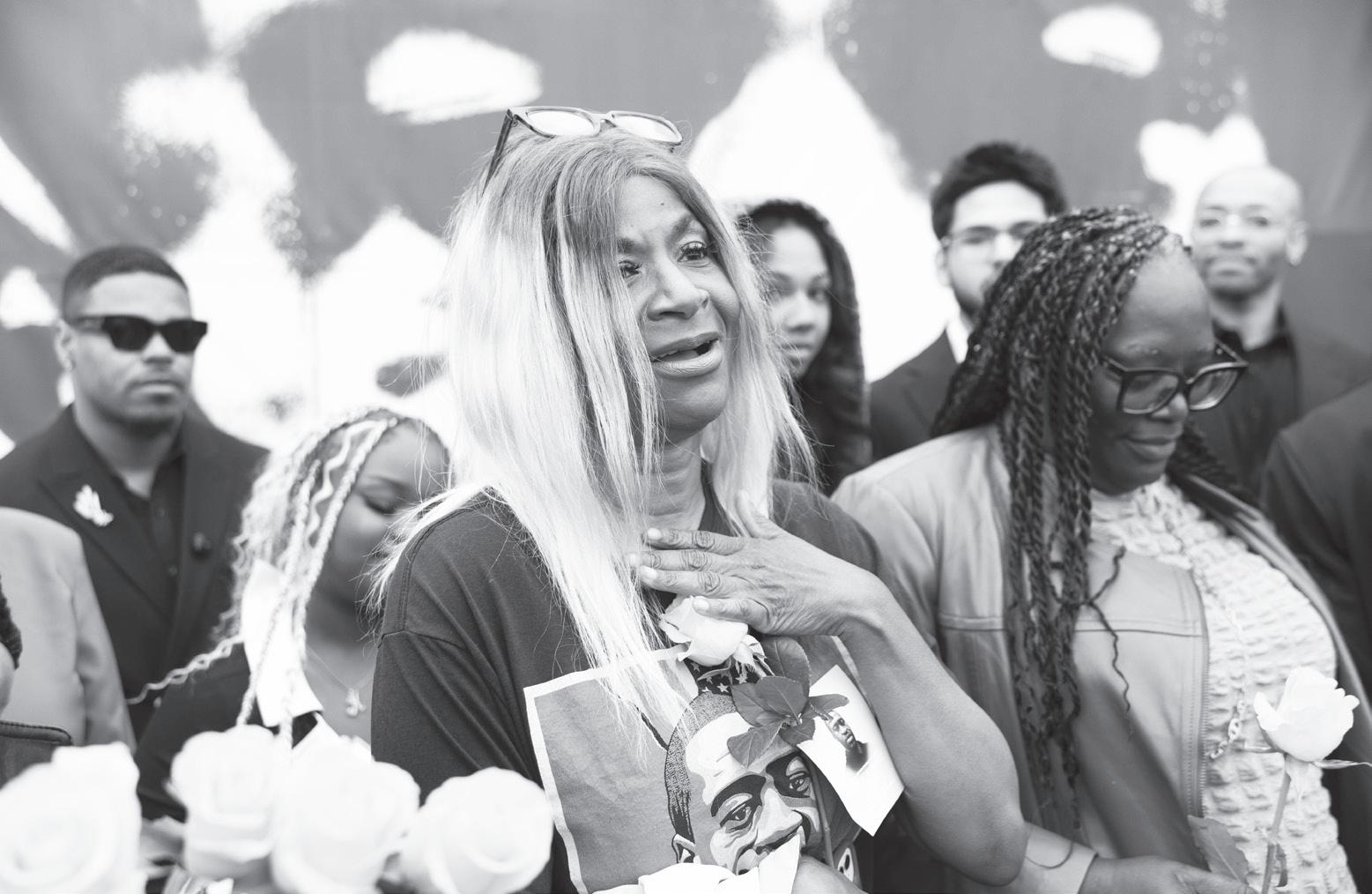
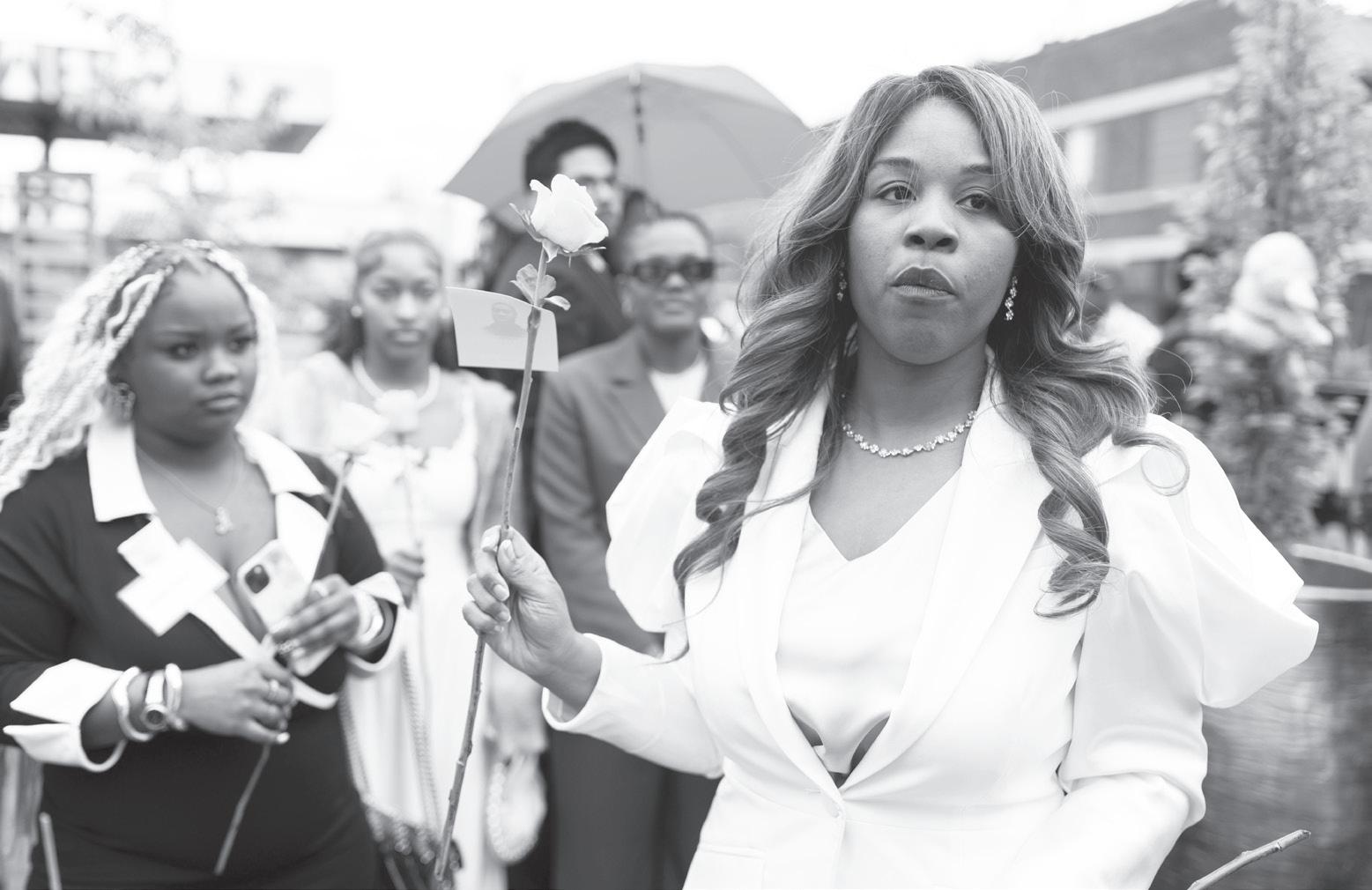
Family members, activists, and community leaders gathered at the memorial site at 38th Street and Chicago Avenue, each stepping forward to place a flower, pause, and remember.
Among them was Floyd's girlfriend, who knelt at the memorial, laid down a yellow rose, kissed her hand, and pressed it gently on top.
Six years have passed since former Minneapolis police officer Derek Chauvin killed George Floyd on May 25, 2020, sparking one of the largest protest movements in world history. Much of the country has moved on. But at 38th and Chicago, the memorial still stands. The keepers of the site have fought the city repeatedly to preserve it, insisting that it remain as a
reminder of what happened here, and of what continues to happen to Black people at the hands of police across Minneapolis, across Minnesota, and across the country.
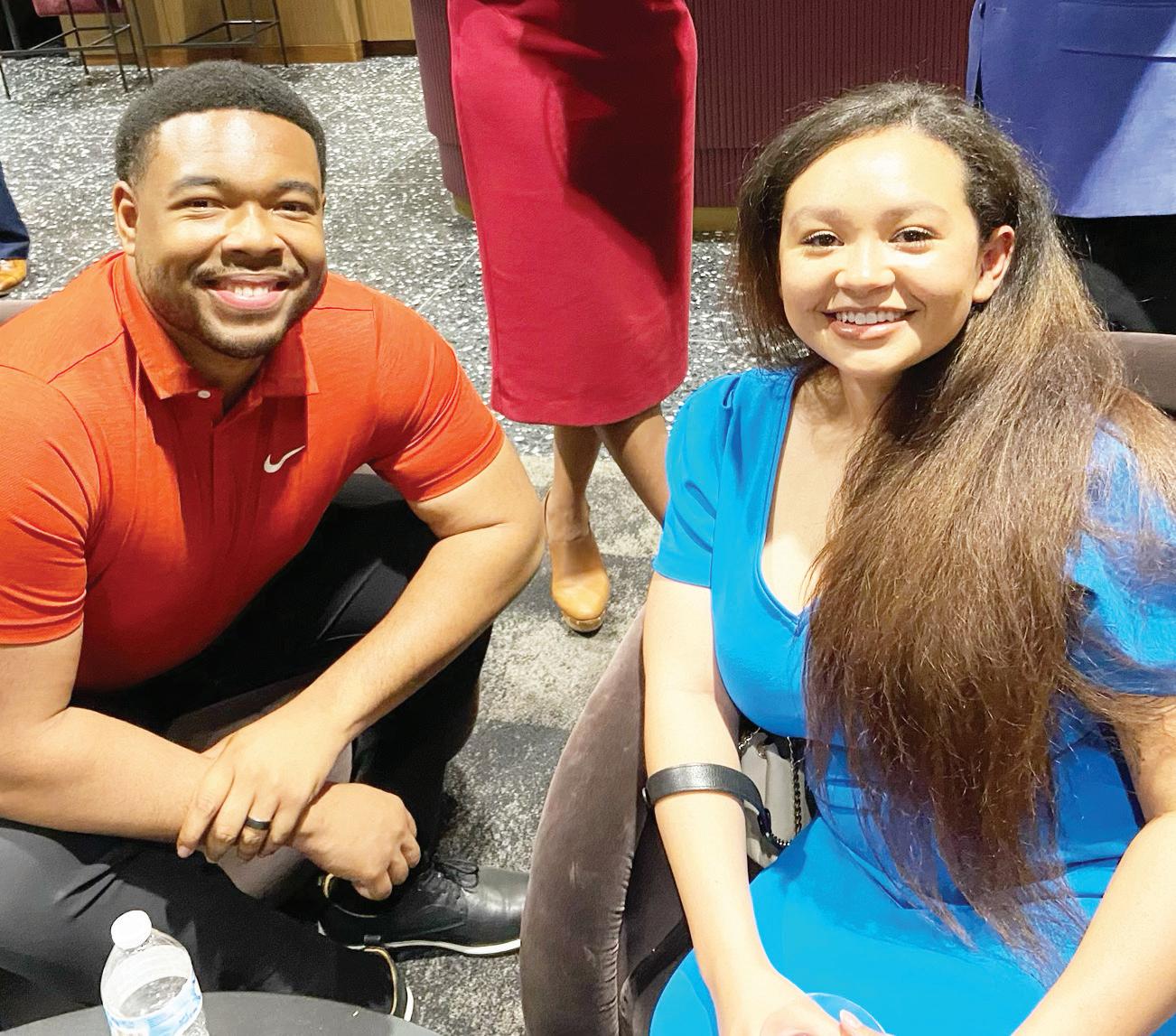
The day began with the Day of Remembrance Brunch, hosted by the organization Win Back. Approximately 200 people gathered to honor community members and invest in the next generation of leaders. The event featured discussion about the events of 2020 and the work that still lies ahead.
Two recipients of the 2025 Economic Development and Advocacy Fellowship, Myleeyah Holbrook and Jade Hill, spoke about how the scholarships they received have shaped their paths since. The message from organizers was clear: remembering George Floyd means more than ceremony. It means investment.
"You guys are a big corporation. You guys have an influence. Come with us when we're trying to pass laws. Because if they won't listen to

us, maybe they'll listen to y'all. Because one thing that people in higher places respect is money," said community advocate Brandon Williams, one of three panelists at the brunch.
Williams was joined on the panel by actor, singer, and songwriter Tristan Wilds and Deborah Watts, cousin of Emmett Till and co-founder of the Emmett Till Legacy Foun-
dation. The panel was moderated by Leslie Redmond, community activist and executive director of Win Back.
The Spokesman-Recorder sat down with Redmond to discuss the day's events and the enduring legacy of George Floyd.
"The legacy is that when we don't remember, we repeat," Redmond said. "For too long, people wanted to forget
about what happened with George Floyd. That's one of the reasons why I started doing the Day of Remembrance… because we were right here in Minnesota and people were sweeping it underneath the rug like, let's not talk about it anymore. And that's a problem for me."
She drew a direct line from Floyd's death to more recent losses. "Even Renee Nicole
Good. Alex Freddie, that just happened a couple months ago and we barely even talk about it. And if we don't remember, we will keep repeating the cycles." Redmond pointed to the tenth anniversary of Philando Castile's death approaching this summer as another reminder of how little has changed. "It keeps happening
By Clint Combs Contributing Writer
By Jasmine McBride Editor
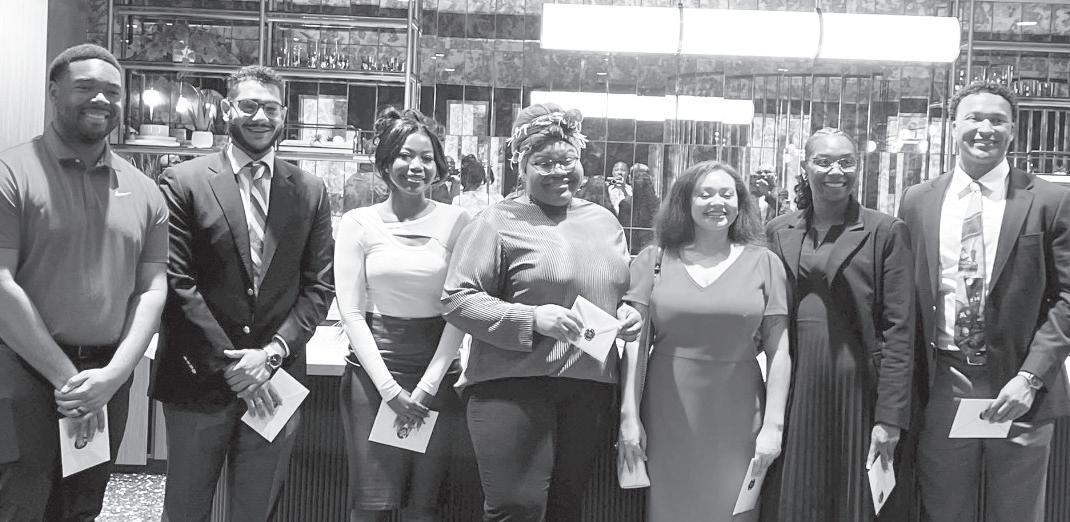
t a time when the rights of marginalized communities are under sustained attack, from voting rights rollbacks to DEI restrictions to immigration enforcement, a new class of Black lawyers is entering the legal profession with something to say and someone to fight for. Seven graduates from the University of Minnesota,
here, and what are you bringing with you? Their answers tell the story of a community that refuses to be left without representation. For many of these graduates, the road to law school began not in a classroom but in a living room, a courtroom gallery, or behind prison walls. Ebra Brock of Mitchell Hamline carries perhaps the most striking origin story. At eight years old, she met her father
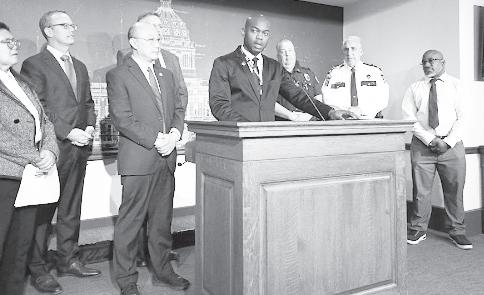
efore the Minneapolis Police Department created a dedicated non-fatal shooting investigative unit, a surviving victim’s case might land on the desk of a property crimes detective, a traffic investigator, or whoever happened to be on duty that night.
“The homicide unit was being assigned not just homicides but also non-fatal shootings, however, they would only respond to the scene when a homicide happened,” Minneapolis Police Chief Brian O’Hara said. “So what that meant was we rotate duty investigators during non-business hours, at night and on weekends, so tonight it might be a property crimes investigator, on Saturday it might be a traffic investigator.”
That approach left non-fatal shootings among the most under-investigated categories of violent crime in the city. Now, Minneapolis is changing course.
The Minneapolis City Council allocated $1.7 million
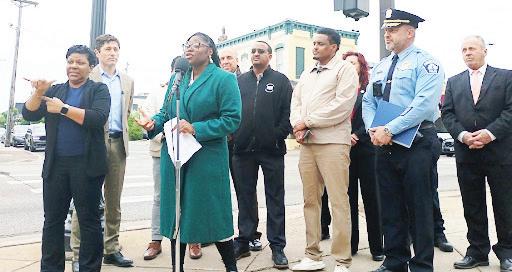
in the 2026 budget to fund the department’s new Firearm Assault Shoot Team, known as FAST. The unit represents the city’s most significant commitment yet to treating shootings where victims survive with the same urgency as homicides. It works in coordination with the Violent Criminal Apprehension Team (VCAT), which focuses on apprehending suspects once they are identified. “What is different now is,
just like when there is a homicide, an investigator assigned to the FAST team will respond immediately to the scene and start working the case, instead of having a detective who typically investigates some other crime start it and then wait for an investigator to be assigned Monday morning,” O’Hara said.
School of
cently crossed the
into
re
profession that has historically excluded people who look
The Minnesota
man-Recorder sat down with each of
to ask a simple question: what brought
The FAST team currently includes a lieutenant and seven Minneapolis officers, four agents from the Minnesota Bureau of Criminal Apprehension, intelligence support from the Hennepin County Sheriff’s Office, a Ramsey County Sheriff’s deputy, and a Metro Transit Police officer. Detectives from the Bloomington Police Department are expected to join next month.
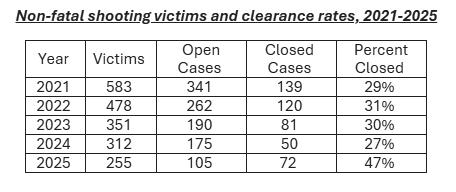
The urgency is rooted in data. Minneapolis’ clearance rate for non-fatal shootings had historically hovered near 30 percent. In 2025, it climbed to 47 percent, still well below the 80 percent clearance rate achieved for homicides that same year.
By Clint Combs Contributing Writer
Minnesota Attorney Gen-
eral Keith Ellison and Hennepin County Attorney Mary Moriarty announced criminal charges Monday against a second Immigration and Customs Enforcement agent for misconduct during Operation Metro Surge.
Prosecutors charged Christian Castro, 52, with four counts of second-degree assault with a dangerous weapon and one count of falsely reporting a crime, after he claimed he was struck by a shovel before shooting Julio Cesar Sosa-Celis.
The charges come as the county’s accountability effort continues to expand. In March, the Hennepin County Attorney’s Office launched an online evidence submission portal called the Transparency and Accountability Project (TAP), beginning with 17 investigations. That number has grown to 30 cases. Officials warn, however, that the future of those cases remains uncertain as the office and the Attorney General review the workload with help from the Bureau of Criminal Apprehension.
“This work will not be done by the end of my term,” Moriarty said, adding that the

agreement with the Attorney General’s office can be revoked at any time. “That speaks to the critical nature of who the next county attorney will be.”
With Moriarty’s term ending, the TAP program has become a flashpoint in the Hennepin County Attorney’s race.
The Spokesman-Recorder asked five candidates whether they support extending the program. Only three responded: Abigail Krenz, Joe Folk, and Cedrick Frazier. Krenz took issue with Moriarty raising the question at a press conference, calling it inappropriate campaigning. She said she cannot take a posi-
tion on existing charges without reviewing the evidence and stopped short of committing to the AG partnership.
“I won’t make a blanket promise to work with the Attorney General because I don’t know their agreement,” Krenz said. “I just need to know more.”
Folk and Frazier both said they support extending TAP. Folk pointed to his federal court experience as a key qualification.
“Because I believe these cases will likely be removed to federal court, based on my decades-long experience litigating in federal court, there is no one in this election more
qualified than I am to ensure justice and accountability,” Folk said.
agents a centerpiece of his campaign.
“From the moment Jonathan Ross shot and killed Renee Good, I have been clear — every federal agent who violated Minnesota law during Operation Metro Surge must be prosecuted,” Frazier said.
Frazier also criticized Folk over his time at Jones Day, a firm that advised Trump’s 2016 campaign, and for receiving financial support from the lawyer representing the ICE agent who killed Renee Good. Folk joined the firm in 2022, two years after it distanced itself from Trump’s election litigation.
Meanwhile, attorney Chris Madel, who suspended a gubernatorial campaign in pro-
Legal experts say Moriarty’s charges could become a landmark test of whether state courts can hold federal agents accountable.
“Hennepin County Attorney Mary Moriarty provides a model for what other local prosecutors should be doing around the country to protect their people,” said Craig Futterman, Director of the Civil Rights and Police Accountability Project at the University of Chicago.
Others say significant obstacles remain.
“While this may begin a process of limited accountability, the federal agents who killed Alex Pretti and Renee Good are still employed,” said Jessica Pishko, author of The Highest Law in the Land. “This alone is a sign that DHS needs to be abolished.”
Former DHS Secretary Kristi Noem defended Castro, claiming he was attacked by three individuals with snow shovels and broom handles.
Moriarty confirmed the defense is expected to seek removal to federal court, but said a conviction there would still stand, and would be beyond the reach of a presidential pardon.
Rep. Frazier has made prosecuting federal immigration
test of Trump’s immigration crackdown, drew scrutiny after his firm offered legal services to the ICE agent who killed Good. Attorney Matt Pelikan resigned from the firm over that decision and later launched his own county attorney campaign.
Acting ICE Director Todd Lyons placed Castro and another agent on administrative leave after video evidence showed they had made untruthful statements.
Clint Combs welcomes reader responses at combs0284@ gmail.com.
By James L. Dawson II, CFCM
On May 2, 2026 — 100 years to the day that Dr. John M. Warren Sr. was born in St. Louis, MO, fifty family and friends gathered in New Hope, Minnesota to celebrate with love the adventures and cherished times shared through the years.
“The joy he felt was something everyone in the room could feel.”
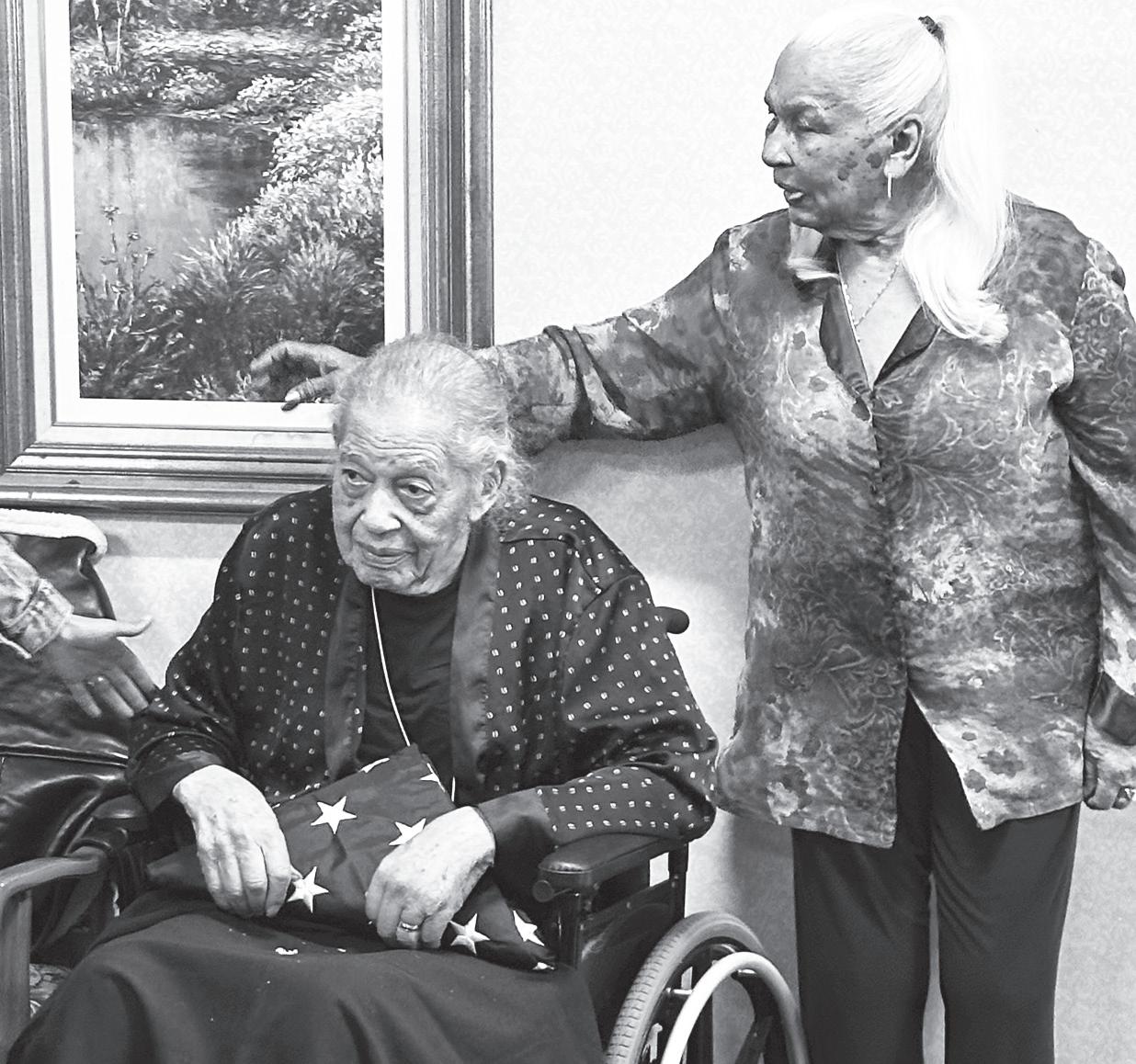
Dr. Warren was first married to Lillian Warren. He and his current wife, Gladys, have made their home in New Hope, MN for the past 50 years. John served in the United States Navy as a WWII veteran, earning the rank of Motor Machinist’s Mate Third Class (SV6, USNR) out of St. Louis, MO, and was honorably discharged on May 7, 1946. Dr. Warren is recognized as one of the first African American podiatrists in the State of Minnesota.
All gathered at Woodlake in New Hope, an assisted living facility, with guests traveling from as far as Washington, D.C. to attend. There was a wonderful display of memorabilia and hall decorations hon-
oring the “100 Years” being celebrated. Highlights included the presence of the family pastor, heartfelt presenta-
tions, a group photo, a full spread of food, and a beautiful and delicious birthday cake. The celebration was
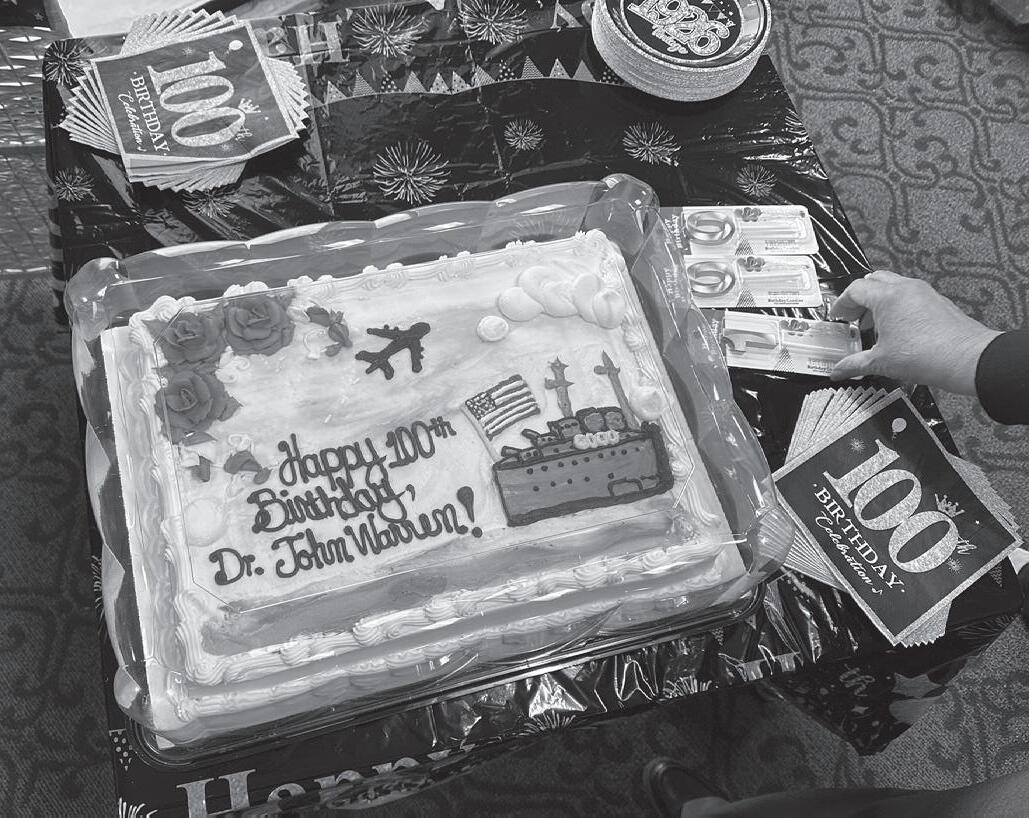
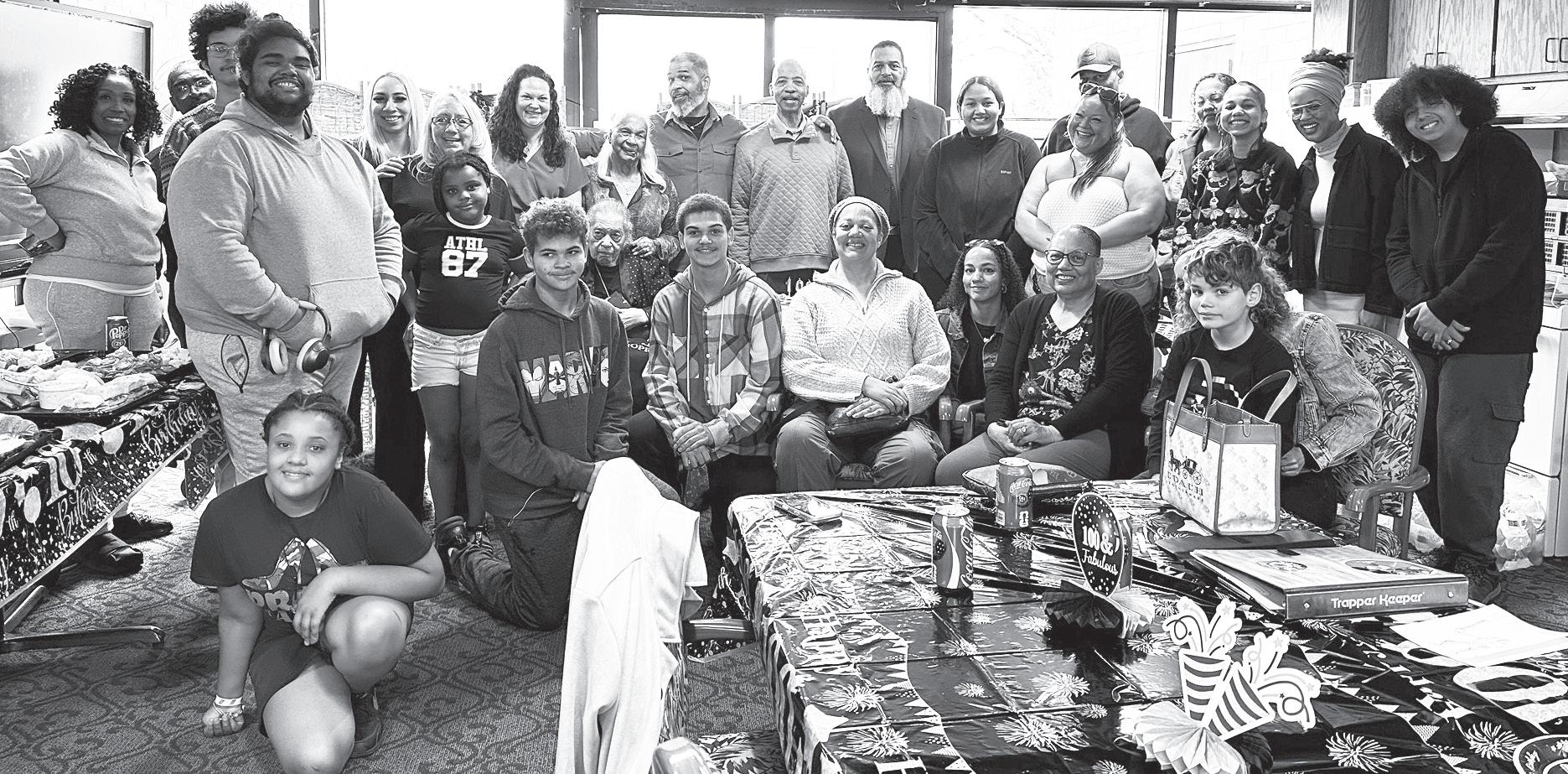

blessed by the presence of Pastor Yaffet Gabayehu of Holy Trinity Lutheran Church, who delivered God’s Word and a blessing over the 100year journey of John Warren, a journey that continues.
An American Flag was presented to Dr. Warren by his son James, a U.S. Air Force veteran, on behalf of the United States.
The family extends special appreciation to Mr. Drew Prestebak, Outreach Specialist at the U.S. Department of Veterans Affairs, Ms. Sheila Neurauter, LICSW, Primary Care Social Worker at the U.S. Department of Veterans Affairs, and Palmer Lake VFW Post #3915 and Mr. Bob Hystad, who donated the American flag to commemorate Dr. Warren’s 100th birthday.
One by one, all shared a personal moment with Dad. The joy he felt was something everyone in the room could feel. A large birthday card was passed around for all to sign and fill with words of love and joy.
The family wishes to thank everyone who contributed their time and effort to make this celebration an experience to be long cherished, especially the wonderful staff at Woodlake in New Hope. Many, many blessings.
James L. Dawson II is the son of Dr. John M. Warren Sr.
By Izzy Canizares Contributing Writer
While Minneapolis is not in the middle of nowhere, the metro area suffers from a lack of non-emergency medical centers, leaving those needing care to rely on hospitals like HCMC whose resources are already spread thin. At the beginning of May, Southside Community Health Services opened a new East Lake Street Clinic, offering more services for residents with and without insurance.
“Every community should have a place offering a full range of health care services in one, accessible place, but the Southside community is particularly underserved. There just aren’t enough places to care for the people who need it,” U.S. Sen. Tina Smith said in a statement about the clinic’s opening. “But now, how amazing is it that people can come to the new clinic and get the very best care you could get anywhere.”

gressional funding secured by Sens. Smith and Amy Klobuchar, was built to fill a void in health care among South Minneapolis residents. In Hennepin County alone, there are 32 community clinics, with only 15 offering services for those on Medicaid. Only one clinic, St. Mary’s, offers services free of charge.
continue to have the highest rates of uninsurance by race and ethnicity in the state at 20.7%, more than triple the statewide rate. Black Minnesotans are uninsured at nearly double the rate of all Minnesotans statewide.”
The pattern is consistent among South Minneapolis residents. The Neighborhood Development Center reported in 2023 that only 36% of lowincome South Minneapolis residents have received care at a community health center. The
Lake Street clinic is surrounded by neighborhoods with higher rates of poverty than the city average, including Midtown Phillips, which has a poverty rate of 40% compared to the city’s 17%, according to the Minneapolis poverty dashboard. The area also has a higher concentration of Black and Latino residents.
“What’s great about the Southside East Lake Street Clinic is that no matter what your health insurance is, or even if you don’t have health insurance, you can go to the East Lake Street Clinic and get fully integrated care,” Smith said. “You can get dental care, cancer screenings and even behavioral therapy, and that kind of complete care is exactly what people need.”
parities based on race and ethnicity, income or where they live. We use this knowledge and lived experience to inform how we provide person-centered care at Southside, and our clinical quality outcomes demonstrate our effectiveness in doing so.”
The clinic also offers services on a sliding fee scale, where patients must bring proof of income to determine whether they qualify and how much they are able to pay. While Southside Community Health Services originally operated out of two smaller clinics, it closed one to be replaced by the new Lake Street location.
The $30 million clinic, funded partially by private donations and $3 million in con-

Now that the weather is finally turning, it is a good time to set yourself up to fully enjoy the upcoming summer season. The warmer months and longer days can deplete minerals and hydration faster than we realize. Increased sun exposure can damage skin and accelerate inflammation. Travel can disrupt routines and sleep. Alcohol and sugary summer foods can impact digestion, energy, and hormones, leaving you exhausted by the time August rolls around. Luckily, there are simple ways to support yourself all the way through.
Data from the Minnesota Department of Health shows that the percentage of Minnesotans without health insurance increased to 5.8% in 2025, with rates among Black and Hispanic residents rising sharply between 2023 and 2025. “Long-standing disparities in the uninsurance rate by race and ethnicity and income persisted in 2025,” the report states. “Hispanic Minnesotans

Southside Community Health Services has been operating since 1971 and is a Federally Qualified Health Center, meaning its federal funding relies on its ability to provide care to underserved populations. The new Lake Street clinic will offer medical, oral, vision and behavioral health services, and also provides navigation assistance for patients seeking state insurance coverage.
“Through daily interactions with patients and residents, Southside’s staff and board are keenly aware of the effects that social drivers of health have on access to care, health outcomes and quality of life,” said Ann Cazaban, executive director of Southside Community Health Services. “Staff and the board see firsthand that patients have health concerns exacerbated by dis-
time outside, we don’t always adequately replace the fluids and minerals lost through sweat. Dehydration can lead to fatigue, headaches, muscle cramps, dizziness, constipation, brain fog, irritability, and even increased food cravings. Hydration is not just about drinking enough water. To truly hydrate, the body also needs electrolytes like sodium, potassium, and magnesium to help pull water into each cell so it can be used. Try adding electrolytes or citrus to your water, eating water-rich foods like cucumber, watermelon, berries, and leafy greens, and using coconut water for natural electrolyte support. Reducing alcohol and sugary beverages, which cause further dehydration, also helps.
One of the easiest ways to

improve
ids early can support energy, digestion, and circulation throughout the day.
Protect your skin
One of the best parts of summer is the long days full of sunlight. Sunshine supports vitamin D production, mood regulation, circadian rhythm balance, and immune function. But there is an important difference between healthy and excessive sun exposure. Repeated sunburns and UV damage can increase inflammation, accelerate skin aging, and raise the risk of skin cancer.
Although melanin provides a level of natural protection, darker skin tones are not immune to sun damage. Everyone benefits from protective habits: applying mineral-based sunscreen when spending more than 20 minutes outside, wearing hats, sunglasses, and protective clothing during peak UV hours, and seeking shade during the hottest parts of the day.
Diet also plays a role. Antioxidants like vitamin C, carotenoids, and omega-3 fatty acids can help protect the skin against oxidative stress from UV exposure. Dark berries, tomatoes, leafy greens, salmon, herbs, olive oil, and green tea are all good sources.
Watch for heat exhaustion
The summer heat can be welcome after a long cold winter, but it can also become dangerous, placing increased demands on the cardiovascular and nervous systems. This is especially important for people with chronic illness, autoimmune conditions, high blood pressure, migraines, or those already managing burnout and chronic stress.
Pay attention to subtle signs your body may be struggling: excessive fatigue, headaches, nausea, dizziness, muscle weakness, rapid heartbeat, irritability, or difficulty concentrating. Many people try to push through these symptoms. Don’t. Listen to what your body is telling you and give it the rest and support it needs.
Support digestion
Hectic summer schedules often mean more unstructured eating, later nights, travel, and inconsistent meals. All of which can contribute to bloating, acid
throughout the day, avoid skipping meals and then overeating later, keep snacks available when traveling, and add some vegetable sides to your barbecue plate. You can still enjoy the fun foods of the season without feeling like you are punishing yourself. Balance is the goal.
“At Southside, we believe that everyone has a right to high-quality health care,” Cazaban said. “We know that helping people achieve their best health makes our community better, and we know that getting access to highquality primary care can help people identify health concerns earlier when they are easier to treat. This keeps people out of the hospitals and emergency departments.”
“I’m excited for the Southside of Minneapolis and for everyone who can go to the East Lake Street Clinic to access the care they deserve,” Smith said.
The East Lake Street Clinic is located at 2215 East Lake Street. For more information, visit www.hennepinhealthcare.org/locations/east-lakeclinic.
Izzy Canizares is a freelance journalist and contributing writer for the Minnesota Spokesman-Recorder.
too aggressively in extreme heat can cause more harm than good. If you are not sufficiently prepared or trained, you risk injury or worse. Mix it up and listen to your body. Some days call for strength training. Others call for gentle stretching and rest. Both are effective, especially when paired with good hydration.
It’s all about balance
Keep moving Summer is a great time to
Many people consider summer the best season of the year: full of celebration, fun, and sunshine. So enjoy it. Protect your skin. Hydrate intentionally. Nourish yourself consistently. Move in ways that feel supportive and pay attention to what your body is asking for. Build in consistent habits, and you will be set up to enjoy summers for

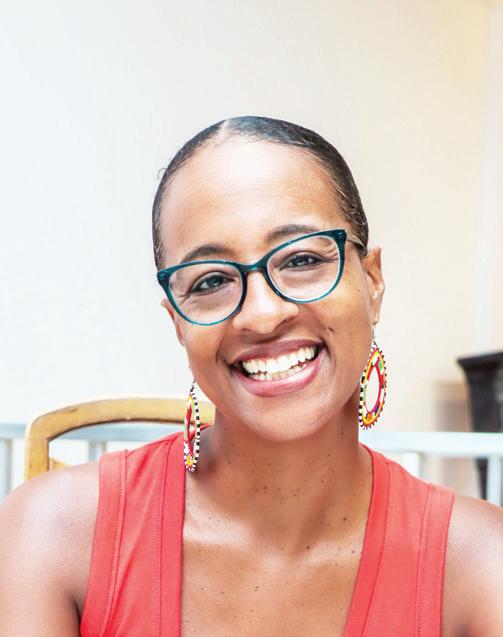
Learn more about Dr. Ayanna
and





By Lizzy Nyoike Contributing Writer
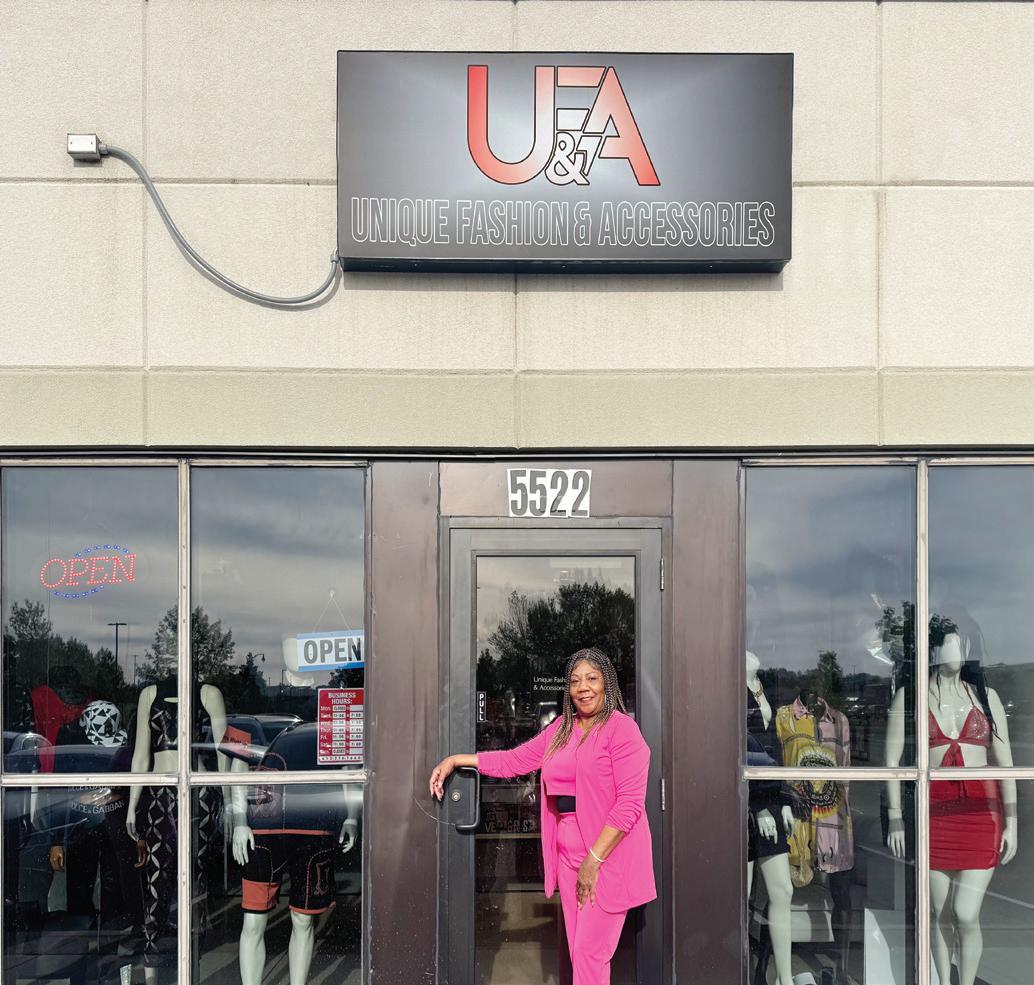
For a decade, Unique Fashion and Accessories has been more than just a boutique. For store owner Betty Sanders, the store represents survival, renewed confidence and community care.
Recently relocated to Crystal, the boutique offers affordable fashion and accessories for shoppers looking for something different without breaking the bank. Sanders said clothing and accessories range from $2 to $50, giving customers access to styles she believes should be available to everyone.
Behind the racks of clothes, accessories and jewelry is a deeper personal story.
Sanders is a two-time breast cancer survivor, an experience she says changed the direction of her life and inspired the mission behind her business.
“When I was going through breast cancer, it was very important that I felt good about
myself,” Sanders said. “That was part of my survivorship. If you look good, you feel good.” That belief became the foundation of Unique Fashion and Accessories. Sanders said fashion is not simply about appearances, but about helping people feel confident, beautiful and uplifted during difficult moments in their lives.
The boutique first began in Sanders’ living room with a small table of accessories before expanding into her basement. Over time, word spread and more customers began visiting her home-based shop, eventually prompting her to find a larger space to keep up with demand.
After several years operating out of her home, Sanders moved into a storefront in Brooklyn Center before later relocating to Crystal. While the journey was not easy, she said perseverance and faith helped carry her through the challenges of entrepreneurship.
One of the biggest obsta-
intentionally curates items that allow people to express themselves while remaining accessible in price.
Her passion for helping women feel beautiful deepened through her experience supporting other breast cancer survivors. The business became an extension of that work, combining fashion with encouragement and empowerment.
“Breast cancer moved me into another phase of my life,” Sanders said. “I’m continuing to work with women, but also to do fashion and make people feel good about themselves and look good at all times.”
times, but I pray and ask God to just give me the strength to continue to be able to move forward in this business, because our community needs it,” she said.
As Unique Fashion and Accessories continues to grow, Sanders is also looking to deepen its roots in the community. The boutique is currently seeking marketing interns, models, sales representatives and event coordinators, and welcomes volunteers interested in fashion, retail and community engagement. Booth rentals are also available for local entrepreneurs, including barbers, braiders, lash technicians and small business owners looking for a space to offer their products and services.
By Alaysia Lane Contributing Writer
The Northside Economic Opportunity Network, or NEON, celebrated the grand opening of NEON Collective Kitchens on Thursday, unveiling a 25,000-square-foot commercial kitchen and food business incubator designed to support caterers, bakers, food truck operators and consumer packaged goods businesses.
Located on West Broadway, the two-story facility includes 11 commercial kitchen spaces, retail food stalls, freezer and refrigeration storage, a selfleveling loading dock and specialized commercial equipment intended to help small food businesses scale without the financial burden of building independent kitchen facilities.
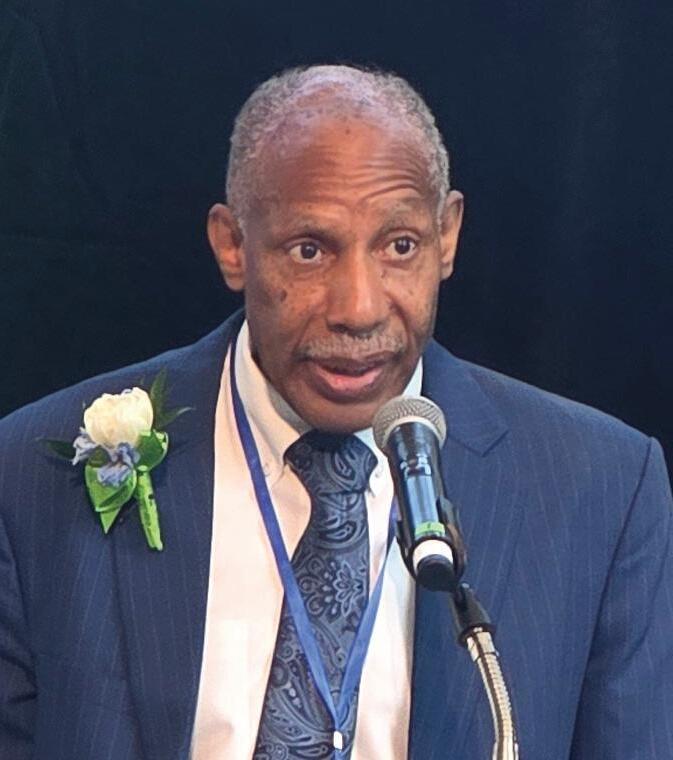
Warren McLean, president of NEON, said the project began in 2020 after food entrepreneurs lost access to kitchen space during the pandemic.
“There was really no commercial kitchen in North Minneapolis,” McLean said in an interview following the ribboncutting ceremony. “A lot of our clients had been using Kindred Kitchen, operated by Appetite for Change, but during the pandemic and after George Floyd’s murder, their business model changed, and the commercial kitchen was no longer accessible to our clients.”
McLean said approximately 40% of NEON’s business clients work in the food industry, creating an immediate need for affordable licensed
cles has been securing funding to grow the business and continue serving the community.
“Funding is just not available lately,” she said.
Despite those difficulties, Sanders has remained committed to keeping her prices affordable. She said many shoppers want to feel stylish without spending hundreds of dollars, especially during financially difficult times.
At Unique Fashion and Ac-
cessories, customers can find carefully selected pieces designed to help them stand out rather than blend in.
“If you want to look different, come to Unique Fashion and Accessories. You’ll find something unique every day,” Sanders said.
The boutique carries a mix of clothing and accessories for men and women, ranging from casual pieces to statement looks. Sanders said she
Sanders believes her boutique plays an important role in the community and hopes it will continue building confidence, creating opportunities and eventually expanding to employ more people.
“It’s been a struggle some-
Unique Fashion and Accessories is open Tuesday through Saturday from 11 a.m. to 7 p.m. After-hours appointments are available by request at 612-270-7664. The store is located at 5522 W Broadway Ave, Crystal, MN.
Lizzy Nyoike is a Hubbard School of Journalism & Mass Communication student and contributing writer for the Minnesota Spokesman-Recorder.

kitchen space on the North Side. Fundraising for the project began in November 2020. NEON secured private donations from individuals, corporations and foundations, as well as state and federal funding. Construction began in October 2024, and the facility welcomed its first entrepreneurs in March.
According to NEON, the facility is the fifth-largest shared commercial kitchen operation in the country and can support up to 85 businesses per day through flexible scheduling and 24-hour kitchen access. McLean said the project is also part of a broader effort to reshape economic development in North Minneapolis.
“One of my visions is to change West Broadway from a drive-through to a destination,” he said. “We want people investing in North Minneapolis. We want to change the narrative.”
The facility includes 15,000 square feet of kitchen space and more than 3,500 square feet of glass throughout the building, creating an open, collaborative environment for entrepreneurs. The kitchens feature rotary ovens, blast chillers, dough proofers, convection ovens, tilt skillets and industrial refrigeration systems.
Clara “Missie” Lewis, NEON’s director of community engagement, said the kitchens were intentionally designed to provide entrepreneurs access to high-quality equipment of-
ten found in large-scale commercial operations.
“NEON wants our clients to have the same kind of quality equipment that they have at these big establishments,” Lewis said.
Lewis said the facility serves a variety of food businesses, including caterers, bakers, food truck owners and producers creating packaged goods for retail sale. Entrepreneurs can rent shared kitchen space, cold and dry storage and specialized equipment while also receiving business advising and technical assistance from NEON staff. The building’s back-ofhouse kitchen space operates 24 hours a day through secure key-fob access, allowing entrepreneurs to prepare food overnight for catering events, restaurant service or food truck operations.
“This is more than a kitchen,” Lewis said. “It’s an opportunity for people to grow.”
NEON advisers also work with entrepreneurs on licensing, food safety certification, budgeting and pricing strategies to help businesses become financially sustainable.
“We go into that detail with them to make sure that they are actually pricing their product accordingly,” Lewis said.
The opening celebration featured local businesses already utilizing the space, including RTT Events, a Twin Cities catering company owned by Lisa Anderson and Eyvette
Tidwell. Anderson, who grew up one block away from the facility, said access to kitchen space has long been one of the biggest barriers facing small food businesses.
“Kitchen space, freezer space, refrigeration space and access,” Anderson said. “You can’t get in all kitchens at all hours of the night when you need to.”
Before NEON Collective Kitchens opened, Anderson said many caterers relied on partnerships with restaurants

or bakeries to share commercial kitchen space and operating costs. “You kind of team up with different restaurants or bakeries, and you share some of the costs,” she said.
“But it can be really expensive.”
For Anderson, the opening also represents a major investment in a neighborhood that historically lacked similar resources. “Growing up here, we didn’t have all this stuff,” she said. “This is huge. And it’s wonderful.”
the Black wealth gap. This is an opportunity to create ownership, create jobs, and build generational wealth.”
McLean said the project is ultimately tied to NEON’s broader mission of building wealth for low- to moderateincome entrepreneurs, particularly Black-owned businesses and businesses in historically underinvested communities.
“We need more Blackowned businesses,” McLean said. “We’re trying to close
NEON projects that the facility and related businesses will help create approximately 265 jobs while supporting hundreds of entrepreneurs annually. “This is a reflection of a belief system that the North Side deserves excellence,” McLean said. According to NEON officials, approximately 70 businesses had already signed up to begin using the facility before its official opening. Organizers say the building is designed to support dozens of businesses throughout the day and night, helping entrepreneurs transition from informal or temporary operations into long-term business ownership. For more information on the Northside Economic Opportunity Network (NEON), visit www.neon-mn.org/.
Alaysia Lane is a multimedia journalist and commerce writer based in Minneapolis.
Continued from page 1
over and over again, and we can never go backwards. What George Floyd did was lift the veil. He opened up the eyes of the world to what was right in front of us. And we can never unsee that."
Asked about the satisfactions and disappointments of the past six years, Redmond was direct. "The satis -
“The satisfaction was the community joining forces, banding together, our collective healing, our mutual aid, us fighting the good fight.”
faction was the community joining forces, banding together, our collective healing, our mutual aid, us fighting the good fight," she said.
"The disappointments are some of our political figures, corporations not keeping their promises, comedians making jokes six years later,
people not really understanding that Black people's pain is not a joke."
On where the community stands today, Redmond said the pushback itself is evidence of how powerful the movement was. "I think we're in a phase where there's been a lot of pushback, which means it was powerful enough to get pushback," she said. "In addition to that, I think it's a time to reimagine, to strategize, and to figure out some
offensive plans… because we see a lot that we're always on the defense."
What does the community need most? "Investment," Redmond said without hesitation. "The young people need to be invested in. The elders need to be invested in. And it's not just a money investment, it's a time investment."
As family and community members left the memorial, the site remained as it has for six years; with flowers,
photos, and a promise that this corner of Minneapolis will not let the world forget. The commemoration continues through Memorial Day weekend, with the solemn anniversary of Floyd's death falling on Monday, May 25. For more information on Win Back, visit www.winbacknonprofit.com/.
Chris Juhn is contributing writer and freelance photographer for the Minnesota Spokesman-Recorder.
Continued from page 1
"I knew he needed a lawyer to help get him out," Brock said. "People like us are meant to be in this space and to own this space, regardless of our financial situations, regardless of where we come from."
Gloria McKinney of Mitchell Hamline found her calling through watching family members navigate a justice system that felt designed to work against them. "Growing up, I saw just a lot of the harrowing experiences that can happen with the justice system through family… my father and my brother," she said. "That really inspired me to advocate for people who don't have a voice and don't know how to navigate what is unfortunately a tricky system." McKinney is heading to Dallas to join a firm focused on supporting nonprofit organizations.
For Jadyn Lovelady of the University of Minnesota, who aims to join the Minnesota Attorney General's Office as an assistant attorney general in the public safety division, the motivation was both personal and communal. "Seeing the way the world works, how it impacts people in the majority, but especially minority populations. How it impacted
myself and my family, people that I care about… and knowing that there was a way that I could help," she said. "There's something in me that always wants to help people."
Several graduates pointed to trailblazers who showed
ple face navigating the legal system, I'm able to meet them where they are, but also be their champion."
Kyle Fluker of the University of Minnesota traces his inspiration to a biography his mother brought home when
ing students what we can do, showing them someone that looks like them out there in the field."
The disparity in legal representation is not abstract. Black lawyers represent a fraction of the legal profession na-
them the door was open, even when it was barely cracked.
Desmond Bassett, who looks ahead to joining the Maslon LLP as a litigation associate, cited the late Justice Alan Page, NFL Hall of Famer and former Minnesota Supreme Court Justice, as the man who made him believe a path existed. "To see another African American man who played football and became a leader in the legal field really inspired me," Bassett said. "When it comes to the difficulties peo-
he was a child: the life of Thurgood Marshall. "I just really found myself attracted to his story and everything that he was doing back in the civil rights era," Fluker said. Now looking forward to Fredrikson & Byron's Tax & Business Planning practice group, Fluker has his eyes on the Cruz Guzman school integration case as an area where he hopes to contribute. "I really want to work towards integrating schools," he said. "Even if it means going into schools and show-
tionally, and in Minnesota the numbers are even starker. These graduates know the gap intimately, and they are stepping into it deliberately. Tyler Okemwa of the University of St. Thomas, heading to JHB Law Office to focus on estate planning and probate law, spoke directly to what her presence will mean. "We don't see a lot of Black people in the profession of law," Okemwa said. "I want to bring that personal connection with my clients, to represent people
where they are struggling. A lot of our people are not being represented fairly, and the fact that I would be able to advocate for them and bring that cultural connection, I feel like it would make them feel that they're seen.”
Jems Guirguis, spoke to the language and access barriers many communities face.
"Helping people understand what rights they have, and seeing how individuals are not aware of what services and what rights they can pursue, especially people of color who are disadvantaged or for whom English is their second language, that's something that drives me."
What unites these seven
an answer. Disorganized truth will never beat an organized lie. It's time to unify, organize, and make the right things happen."
Lovelady spoke about the empathy required to do this work well. "I understand that there's a person there, there's a heart, there's a human, and there's a way to impact them in the community that's beneficial to everybody involved."
“I hope to be a presence for
people
in my community who don’t
see themselves here.”
graduates is not just where they came from but what they are choosing to carry into rooms that were not built for them. McKinney put it plainly.
"Sometimes we can be called, as Black folks in predominantly white spaces, to shrink or silence ourselves or feel like we're impostors," she said.
"But it's really time to take a stand and push the envelope forward and not take no for
And Brock, whose life has been shaped by what happens when communities go unrepresented, offered a message to anyone watching from the outside who wonders whether this profession has room for them. "I hope to be a presence for people in my community who don't see themselves here," she said. "They are welcome. And they are needed." The bar has been passed. These seven are ready.
For more information on the Minnesota Association for Black Lawyers, visit www. mabl.org.
Jasmine McBride welcomes reader responses at jmcbride@ spokesman-recorder.com.
noted that St. Paul recently achieved a 100 percent clearance rate for non-fatal shootings.
“When the data came along showing that St. Paul was having great outcomes in reducing gun violence for their communities of color, I knew that Minneapolis needed to step up and do the same,”
said. Wonsley also raised a concern about the Minneapolis police contract, which she says restricts how many officers can be assigned to investigative roles, leaving the unit heavily reliant on partner agencies.
“If they walked away, this task force could collapse,” Wonsley said. “The police contract has limitations on who we can promote to do investigative work full time, so we have to find more creative
solutions.” The Minneapolis launch comes as a parallel effort moves through the Minnesota Legislature. State Senators Doron Clark and Cedrick Frazier are backing a bill that would distribute $1 million to police departments statewide to staff their own non-fatal shooting units.
Justin Terrell, executive director of the Minnesota Justice Research Center, said the stakes extend beyond arrests.
“This is also a racial justice
issue,” Terrell said. “Crimes affecting Black and brown communities are getting solved at disproportionately lower rates, and yet police feel ever present in our neighborhoods.”
O’Hara was direct about what non-fatal shootings represent. “They are failed homicides,” he said, “and they need to be treated with the same level of intensity and urgency.”
Clint Combs welcomes reader responses at combs0284@ gmail.com.

By Damenica Ellis Staff Writer
Kprecia Ambers creates colorful digital art illustrations that work to provide representation and connect with Black people. Ambers aims to see her pieces move throughout the world, uplift people and celebrate Black beauty.
The North Minneapolis native is inspired by photography, she said. Whether she is the one taking the photos or the photos she comes across, some of her work is creating images that portray the emotion she gets from the photos.
Many of her pieces feature people with no eyes, vines and flowers.
Ambers believes eyes give identity to the people in her pieces and she wants viewers to connect and see themselves in the art.
"I like for my artwork to just be relatable from the expression and emotion being displayed," Ambers said.
The nature in Ambers' work symbolizes life, she said.

illustration with a focus on home decor and stationery. Products that can put her work into homes and provide representation for Black homeowners.
“The mission is always to uplift people and encourage them.”
"These pieces are created to live with you… art for homes that hold meaning, reflect growth, and express indi-
viduality," her website states.
"Each piece is designed to bring warmth, affirmation, and presence into everyday spaces."
She currently offers wall art, pillows, journals, mugs and bags available to purchase.
Ambers is also a commercial artist. She has created artwork for Target's Artist Spotlight where her art was featured on different items including pillows and tumblers.
Her goal is to expand into a global commercial art licensing studio and continue collaborating with brands around the world.
"The mission is always to uplift people and encourage them," Ambers said.
Ambers' brand, KP Inspires, is located in Rondo Exchange on Selby Avenue in Saint Paul along with two other Black female artists. The art shop and studio is located in a new incubator space from the Rondo Community Land Trust.
The opportunity to fill this space came as Ambers felt the need to have her own place where she can pour into her and her art.
"I get to live out my vision and create products that connect to people in the community," Ambers said.
Ambers was a featured artist in the Art-A-Whirl Weekend that took place May 1517 in Northeast Minneapolis.
By Lachelle Cunningham Columnist
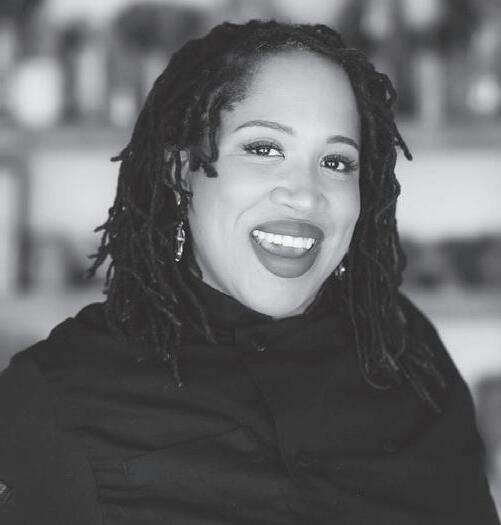
The first time I understood potlikker, I was not in a kitchen. I was at the table during the winter holidays, slurping the broth from a bowl of my mother's collard greens cooked with smoked turkey. I did not know what it was called. I just knew it was the best part. The greens were good, but that liquid they left behind… smoky, rich, alive. That was the thing I kept going back for. Greens carry everything. They are nostalgic. They are ancestral. They are a superfood before anyone thought to call them that. They are healing and tradition and the dish that tells you somebody in that kitchen loved you enough to stand over a pot for hours. Every Black family I know has a greens recipe, and every one of them will tell you theirs is the best. That is because greens are not just food. They are memory.
Ambers' exploration in graphic design in the past
"When these things grow it can look crazy but it reminds me of the beauty of life," Ambers said. "It can look crazy but there's still a lot to take from it. There's still a lot of beauty and things we can learn and grow from."
sparked her realization that she can create art and put good into the world.
"I got into art just seeing how hateful the art is and how crazy it can be and we just absolutely need love as a people," Ambers said.
She now works in digital

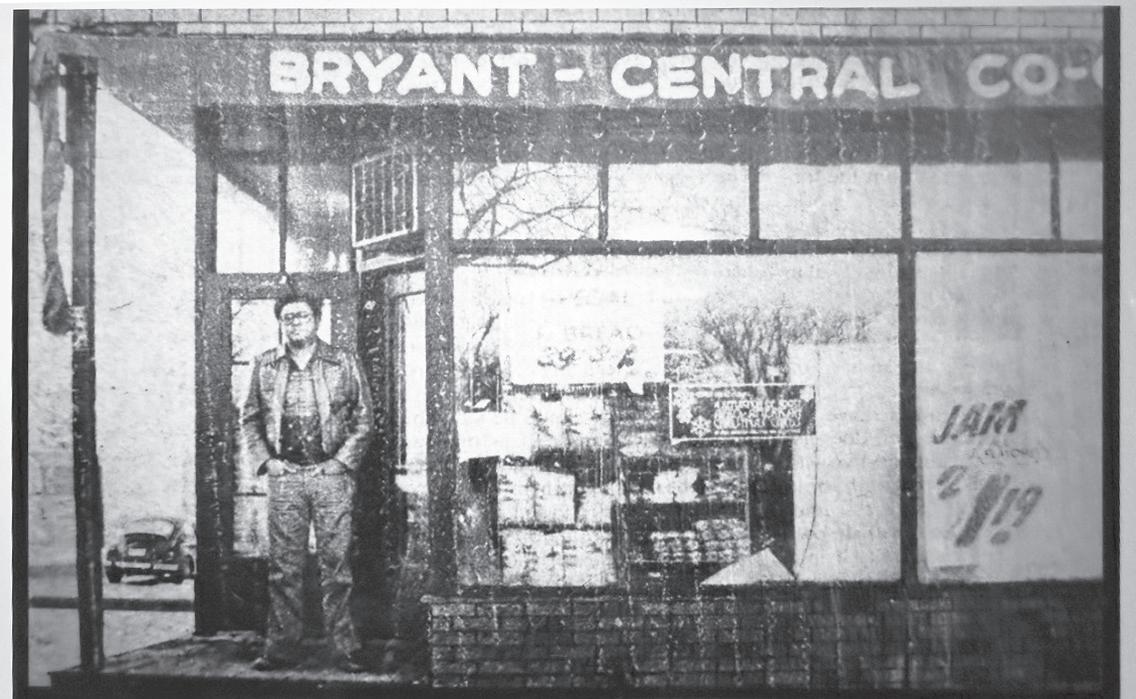
I mentioned my Uncle Moe last month. Moe Burton. I said his story deserves its own telling, and I meant it. Moe was an organizer in this very corridor. He turned vacant lots into community gardens and grew those gardens into the Bryant-Central Co-op, a Black cooperative grocery store in a neighborhood that did not have one. He paid his workers when other co-ops used volunteers. He hired young people so they could learn skills and earn income. He was doing food justice, workforce development, and community wealth building decades before any of those terms existed. And the man he raised, my father, is the man who raised me.
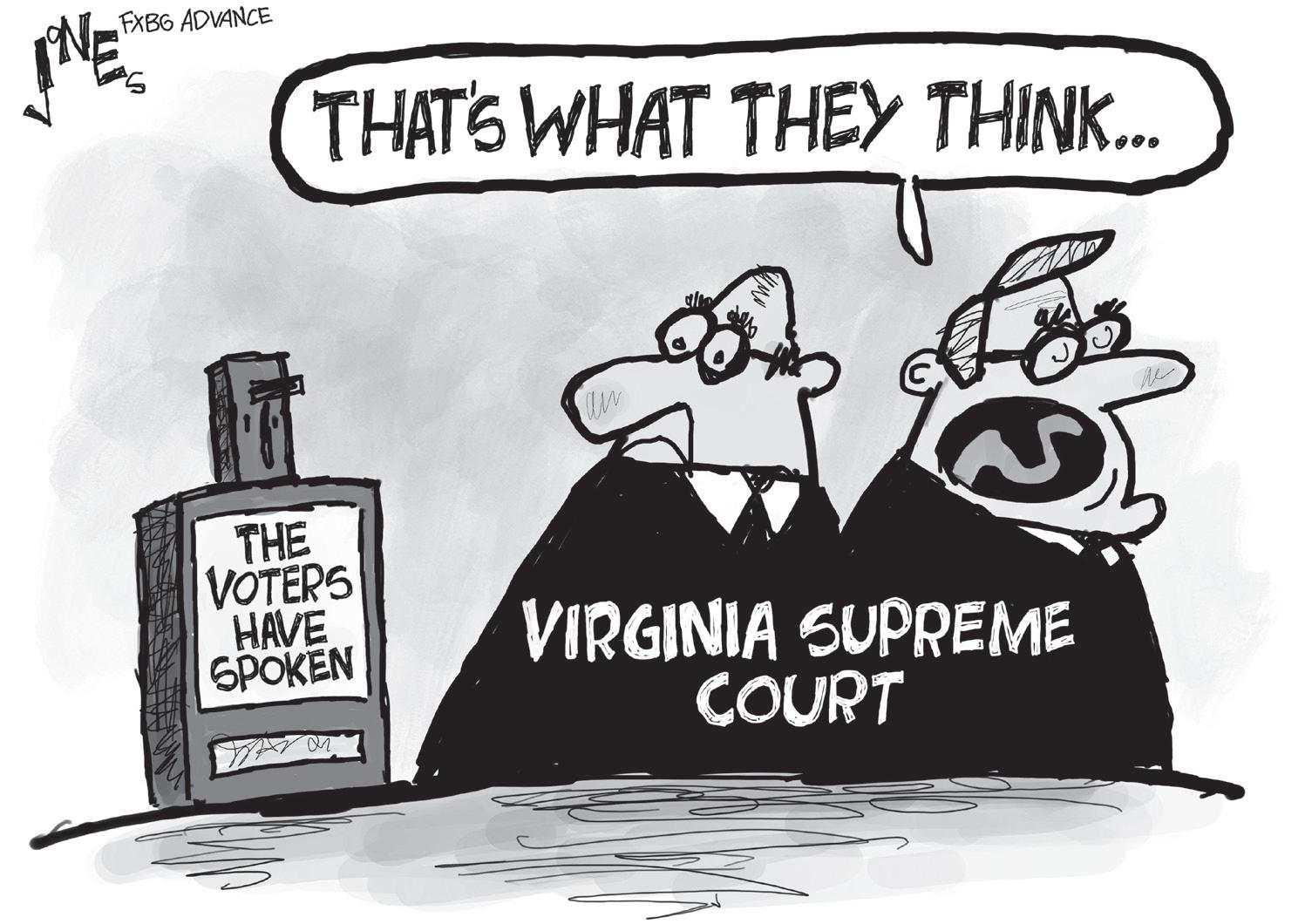
On April 29 of this year, the Supreme Court gutted Section 2 of the Voting Rights Act. Six to three. They ruled that proving your community's voting power has been diluted is no longer enough. Now you have
to prove intent. When I read that, I thought about Moe, organizing his community, exercising his rights, feeding his people. And that system kept finding ways to tear down what he built. Sometimes quietly, through policy, through funding decisions, through the slow withdrawal of resources that makes it impossible to sustain what you have grown.
“I did not have language for what I was tasting. I just knew it mattered.”
It is still finding ways. The work Moe was doing, the work so many in our community have been doing and are doing right now, it is the same work. It has always been the same work. We build, and they tear down, and we build again. That is not defeat. That is the struggle itself. And the people who keep showing up, who keep planting and cooking and organizing and feeding, those are the people who hold the broth. They are the potlikker.
I did not know I was carrying Moe's work forward until I started paying attention. I am running a kitchen in the same corridor where he organized.
I am growing food on a farm across the river. I am teaching young people the same skills he believed in, that work and dignity belong together, that a community that feeds itself

is a community with power. But the pot remembers, even when we forget.
To follow her journey, find her on social media @kprecia. To shop or collaborate, visit kpinspires.com.
Damenica Ellis welcomes reader responses at dellis@ spokesman-recorder.com.
So make yourself a pot of greens this month. Cook them slow. And when they are done, do not pour out the broth. Ladle it into a cup. Drink it slowly. Think about who taught you to cook, and who taught them, and what they were carrying when they did. That is the potlikker. That is what everyone overlooks. That is the inheritance.
This is a formula. You follow the structure, but you make it yours.
The greens: pick your green or mix, 3 bushels, stems removed, cut or torn into bite-size pieces, triple washed: collard greens (classic), mustard greens, turnip greens, kale, cabbage, or a combination.
The smoke (optional): smoked turkey tails or neck bones (traditional), smoked ham hock, or skip the meat entirely for a plantbased version. Your broth will still be rich.
The aromatics: one onion (diced), four to six garlic cloves (minced), two bay leaves, two pinches of oregano.
The base: two to three ounces grapeseed oil, two large tomatoes (diced), one tablespoon kosher salt, salt and pepper to taste.
The liquid: enough water to cover your greens. If using smoked meat, simmer it in the water for at least an hour first to build your broth.
The method: heat your oil. Sauté onions until soft. Add garlic until fragrant. Add tomatoes and cook down. Add your greens in batches, letting them wilt. Cover with your broth or water. Add bay leaves, oregano, salt, and pepper. Cover and cook low and slow until the greens are silky to desired tenderness (45–120+ minutes). Finish with three or more dashes of hot sauce and a drizzle of extra virgin olive oil. Taste. Adjust.
Do not throw out the broth. Drink it from a cup if you want. That is potlikker.
My version: collard greens, smoked turkey, diced tomatoes, onion, garlic, bay leaf, oregano, hot sauce, and a drizzle of good olive oil to finish. But yours does not have to look like mine.

Moe built something new out of what was already there. That is what this salad does. It takes the same greens your grandmother cooked and treats them differently. No heat. No pot. You massage the crema into the raw greens with your hands, and they soften into something silky without ever touching a stove. The sunflower seeds in the crema are nostalgic for me. I ate them by the handful as a kid. They grow here in Minnesota. Packed with nutrition, low allergen, and affordable. Old ingredients, new form. That is how we carry it forward.
The greens: one pound collard greens or broccoli greens, sliced thin in a chiffonade.
Sunflower seed crema: half a cup raw sunflower seeds (soaked overnight, or cover with boiling water and let sit 20 minutes, then drain). Blend with half a cup potlikker, one and a half tablespoons lemon juice, one tablespoon apple cider vinegar, one teaspoon salt, one teaspoon maple syrup, and one and a half teaspoons spicy chili crisp. Blend for two to three minutes until smooth and creamy.
The vegetables and garnish: one pound mixed sliced or shaved vegetables, such as bell peppers, grape tomatoes, purple onions, rhubarb, cucumber, carrots, radishes. A quarter cup sunflower seeds. A quarter cup pumpkin seeds. Salt and fresh cracked pepper.
The method: massage the crema into the chiffonade of greens until well coated. This is the step that changes everything. Your hands do what the heat would do. Toss with your vegetables and seeds. Season to taste. Serve.
My version: collard greens, sunflower seed crema with chili crisp, shaved carrots, grape tomatoes, purple onion, cucumber, and a handful of sunflower and pumpkin seeds. But yours does not have to look like mine.
What did your family’s greens recipe teach you? Write to me at chelleskitchenllc@gmail. com or visit www.healthyrootsinstitute.com.
Lachelle Cunningham is the founder of Healthy Roots Institute, owner of City Food Studio, and executive director of Frogtown Farm. She is a Bush Fellow, a practicing herbalist, and a chef who believes food is a vehicle for healing, memory, and power.
By Morgan Knight, Zoe Cummings, and Armani Durham
As the federal government moves toward automatically registering men ages 18 to 25 for the Selective Service System, a long-standing requirement tied to a potential military draft, confusion and concern are growing among young Americans.
The policy shift is intended to streamline the registration process and increase compliance by using existing government databases, such as Social Security and DMV records, rather than relying on individuals to sign themselves up. While officials frame the change as administrative, many young people say it feels more significant.
John Aden Wilson, a 20-yearold college student who plans to join the D.C. National Guard said his initial reaction was uncertainty and concern.
“I was a little bit worried,” Wilson said. “It feels like it sets up the future generation to become pawns of whatever administration is in power.”
Although Wilson is already involved in the military in a noncombat intelligence and logistics role, he said his perspective might be different if he had no connection to service.
“If I wasn’t already going into the National Guard, I think I would have been more worried,” he said. “Now it feels
less like a choice and more like something that’s forced.”
The United States has not used a military draft since 1973, during the Vietnam War. Still, registration with the Selective Service has remained mandatory for men, though enforcement has historically been inconsistent. The move toward automatic registration changes how that requirement is experienced, particularly for younger generations who may not have been fully aware of it.
Wilson said many people his age misunderstand what the change actually means.
“A lot of people think this means you’re going to be sent off to war immediately, and that’s not true,” he said. “It just means you’re in the system. A draft would have to be officially activated for anything beyond that.”
He added that there is also confusion about the difference between registering and being drafted.
Registering for the Selective Service simply means a person’s information is entered into a system that could be used in the event of a national emergency. Being drafted, however, would only occur if the government officially reinstates the draft and begins calling individuals to serve in the military.
“I don’t think the government has clearly explained that difference,” Wilson said.

“And that lack of clarity is what scares people.”
Misinformation circulating on social media has only added to the anxiety. Some posts falsely claim that automatic registration leads directly to military training or deployment.
“I’ve had people ask me if being registered means they have to go to basic training right away,” Wilson said.
“Now it feels like, ‘We already have your name, you don’t have a say.’”
“That’s not the case at all.”
Still, he believes social media plays a mixed role.
“It depends on who you follow,” he said. “There’s misinformation out there, but there are also people trying to explain what’s really happening. You just have to be careful about where you get your information.”
Beyond confusion, the policy raises broader concerns
about government authority and privacy. The use of centralized databases to automatically enroll individuals has prompted questions about how personal information is being used.
“That’s what worries me the most,” Wilson said. “Where is that information going, and how else is it being used? The government doesn’t always have the best track record when it comes to protecting people’s data.”
The change also shifts the symbolic meaning of registration. For some, signing up for the Selective Service was previously seen as a civic duty tied to patriotism. Automatic enrollment removes that element of personal choice.
“Signing up yourself felt like you were doing your part,” Wilson said. “Now it feels like, ‘We already have your name, you don’t have a say.’”
At the same time, not all young Americans view the policy through the same lens.
Brock Morgan, who is pursuing his master’s degree at Northwestern University, said military service was never part of his plans and views the potential return of a draft as deeply troubling.
To him, the decision represents a dangerous step backward.
By Noah Riccardi
Contributing Writer
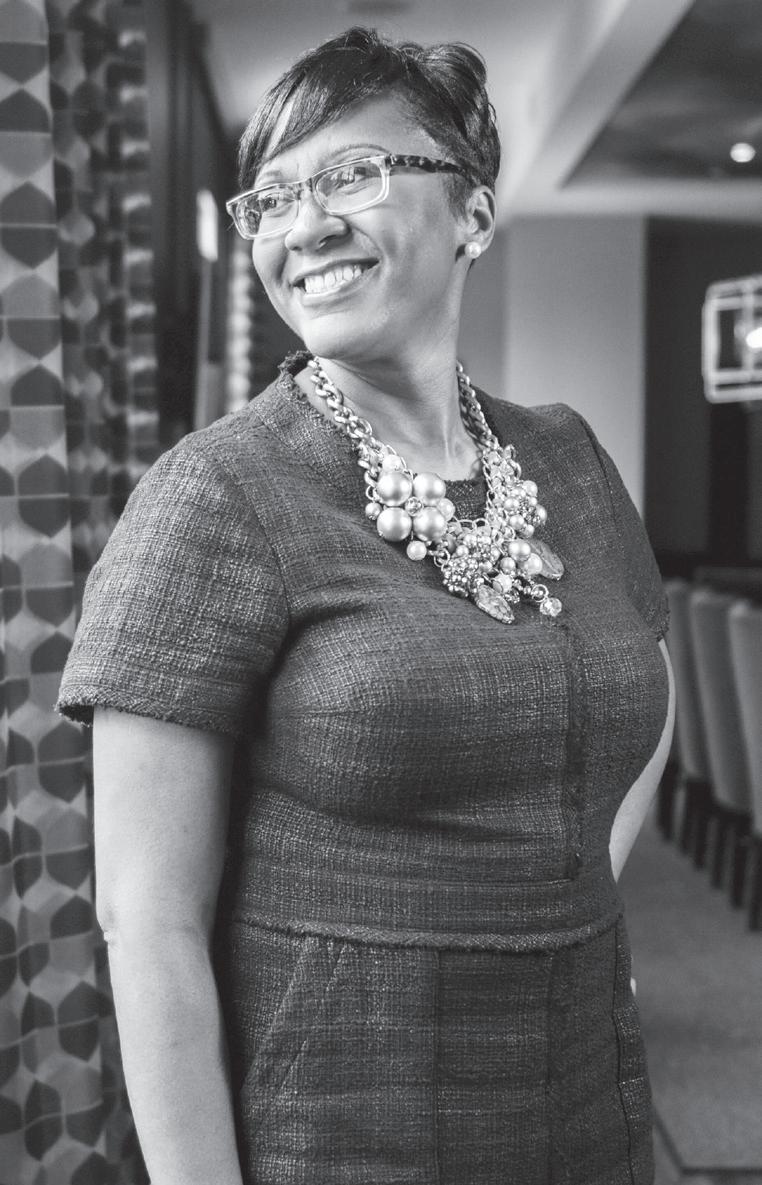
Where do Black communities in Minnesota and across the country stand today, and where are they headed? The Minnesota SpokesmanRecorder reached out to prominent Black academics to get their assessment. Looking back across the last several decades and forward to the next ten years, their responses were sobering, nuanced, and at times hopeful.

Dr. Walter Greason, a professor of history at Macalester College, cautioned against an overly optimistic view.
“There is a temptation to see the last fifty years through rose-tinted lenses due to the increasing levels of political participation and elected leadership for Black communities,” Dr. Greason said. “However, the realities that the core of Black middle class has been decimated and the increasing levels of carceral policy have reduced the opportunities for success in Black communities, especially since 2017.”
Dr. Artika Tyner, an author and educator who takes a data-based approach to sociology, arrived at a similar conclusion.
“In the past 50 years, technological advancement, broader access to higher education, and increased visibility of Black leadership across
sectors have reshaped opportunity in meaningful ways,” Dr. Tyner said. “At the same time, structural barriers have proven remarkably durable. Racial wealth gaps persist with a projection of over two centuries to bridge. According to Goldman Sachs, ‘The median Black household owns nearly 90% less wealth than the median white household.’”
When asked about the last 25 years, Dr. Greason pointed to the impact of international politics on Black communities within the United States.
“The rise of the United States as the world’s lone superpower has been disastrous for Black people,” Dr. Greason said. “Most of the leverage that the Civil Rights Movement had was based on the foreign policy of the U.S. to appear superior to the Soviet Union. In the wake of September 11, the foreign policy of the War on Terrorism combined with the expansion of the prison-industrial complex to destroy Black communities, especially in the Midwest. While educational gains were remarkable, the resistance of the private sector to invest equitably in Black communities places hard limits on the possibilities of equal opportunity nationwide.”
Dr. Tyner also emphasized how disparities in the justice and education systems continue to impede progress.
“For the first time, there is a coordinated effort to understand the specific histories of the Black Midwest.”
“Educational disparities remain entrenched with over five million Black children struggling to read,” Dr. Tyner said. “The criminal justice system continues to disproportionately impact the Black community… Black youth are nearly five times as likely as their white peers to be held in a juvenile facility.”
While some progress has been made,
Wilson emphasized that, regardless of perspective, young people should remain engaged, particularly through voting.
“People think once something like this happens, there’s nothing they can do,” he said. “But that’s not true. Elections still matter. Congress still matters. That’s how you push back.”
For veterans like Keith Austin, who served nearly 20 years in the U.S. Air Force, the conversation reflects a deeper disconnect between civilians and the military.
“I think for you to understand the military, you need to have at least been part of it,” Austin said. “The reason we serve is to protect the freedoms people use every day.”
But for many young Americans, the issue is less about understanding the military and more about trust in the institutions making these decisions.
“I would fight to protect my country,” Wilson said. “But I think people want to understand what they’re being asked to fight for and why.”
As the policy moves forward, that question of purpose, transparency and trust remains at the center of the national conversation.
Morgan Knight, Armani Durham, and Zoe Cummings are reporters for HUNewsService.com.
“It’s a waste of time, resources, taxpayer money and most importantly American lives over something that didn’t need to happen,” Morgan said.
Professors reflect on Black progress, and what the next decade demands
change has been slow and has yet to dismantle the major systemic barriers facing Black communities, particularly in education and the criminal justice system.
Minnesota is far from free of those barriers.
“For many, Minnesota represents the land of milk and honey, as evidenced by high qualityof-life rankings, strong educational outcomes, and economic prosperity,” Dr. Tyner said. “Yet for Black Minnesotans, the data tells a completely different story. The state consistently ranks among the worst nationally for racial disparities. Black communities face some of the widest gaps in educational achievement, household income, and criminal justice involvement. Minnesota’s narrative is not unique from the nation at large, but the disparities here are often more pronounced, creating what many describe as a tale of two Minnesotas.”
Dr. Greason also noted significant disparities in Minnesota while pointing out that the state fares somewhat better than its Midwest-
ern peers.
“For the first time, there is a coordinated effort to understand the specific histories of the Black Midwest,” Dr. Greason said. “These efforts hold enormous promise to reverse the devastating waves of deindustrialization that crippled Black communities from Cleveland to the Twin Cities. In Minnesota, there has not been enough effort to raise the standard of education for all students, especially Black students in the metropolitan area. Greater investment in hospitals, schools, and new small businesses would achieve the vision of a strong, equitable, and inclusive Minnesota. We are in a much better position than Ohio, Michigan, Wisconsin, and Iowa. Only Illinois has a similar path to widespread success.”
Looking ahead, both professors offered a mix of apprehension and optimism about the next ten years.
“Afrofuturism has emerged as a powerful cultural force that is shaping new institutions around the world,” Dr. Greason said. “My optimism is that Black communities will grow stronger in connection with the African continent, Asian markets, and the European Union. On the other hand, the vulnerability of most Black communities across the southern U.S. will become more entrenched.”
Dr. Tyner struck a note of both urgency and possibility.
“The next decade presents a choice,” Dr. Tyner said. “Progress is not inevitable. It is a conscious choice evident by daily action. Change will depend on leadership and strategic action. The path forward requires training the next generation of leaders to think critically, build sustainable solutions, and pursue justice with intention. The next ten years offer an opportunity to build new inroads to justice and freedom within our own communities, one step and one decision at a time. This is an investment of your time, treasure, and talent. How will you plant a seed of social change?”
Noah Riccardi is a recent Macalester College graduate and contributing writer for the Minnesota Spokesman-Recorder.
By R. Lynn Pingol
Minnesota’s small-business community is facing a perfect storm. What began with Metro Surge, disrupting project timelines and destabilizing revenue for small contractors, has been compounded by a triple federal shock: DEI restrictions, DBE rollbacks, and SBA 8(a) delays. Together, these forces are creating pressure that is landing hardest on the communities that have historically had the least margin for disruption.
Minnesota is home to more than 550,000 small businesses, representing 99.5% of all firms and employing 1.3 million workers. But businesses with fewer than 10 employees, operating on thin margins, and owned by Black, immigrant, and BIPOC Minnesotans are absorbing the hardest blows.
Shock one: DEI restrictions
DEI-linked supplier-diversity programs supported more than 8,000 Black-, immigrant-, and BIPOC-owned firms statewide, connecting them to $300–$400 million in contracting opportunities annually. The new federal restrictions have eliminated those pipelines almost overnight by putting $120–$160 million in annual revenue at risk, driving certification delays up 30–40%, and leaving one in three BIPOC-owned firms without
access to corporate or publicsector opportunities. For communities that fought decades for access, this is not symbolic. It is structural.
Shock two: DBE rollbacks
Minnesota has more than 1,500 DBE-eligible firms, nearly half located in the Twin Cities metro in North Minneapolis, Frogtown, the East Side, Brooklyn Park, and Brooklyn Center. Weakening DBE protections is projected to redirect $200–$350 million annually away from small and BIPOC-owned contractors, reduce DBE participation by 20–35%, and shrink apprenticeship pipelines by 15–20%.
For a state already facing a construction workforce shortage, this is not just a setback, it is a structural risk.
Shock three: SBA 8(a) delays Minnesota’s 8(a) firms, Black-owned engineering companies, immigrant-owned IT firms, small construction contractors, are reporting 60–90 day delays in federal contracting. That translates to $40–$60 million in delayed revenue annually, affecting 800–1,200 workers. With 40%

submissions@spokesman-recorder.com
submissions@spokesman-recorder.com
ads@spokesman-recorder.com
submissions@spokesman-recorder.com.
IT Company seeks DevSecOps Engineer to integrate security practices into DevOps workflows, automate security checks, and ensure the safety of cloud infrastructure. Work closely with development and security teams to enhance the security posture of applications and systems. Build and Configure delivery environments by using CD/CI, Agile delivery methodologies. Create and assist in performing various types of tests. Perform troubleshooting. Generate customized reports. Offered Salary: $116,480.00 to $116,500.00/yr. Send resumes to: HRD, VITS Consulting Corp., 14264 23rd Ave N, Plymouth, MN 55447. Minnesota Spokesman-Recorder
of Minnesota small businesses holding less than one month of cash reserves, these delays are not survivable for many.
The pain is visible
This triple shock is visible block by block, on West Broadway in North Minneapolis, along Payne Avenue on St. Paul’s East Side, on Brooklyn Boulevard, and in business corridors from Rochester to St. Cloud to Worthington. Without action, Minnesota could see 8,000–12,000 permanent small-business closures, a $1.2–$1.8 billion reduction in statewide small-business revenue, and the erosion of generational wealth in communities that have historically been excluded from opportunity.
By Osahon Akpata-Tanious
May is Foster Care Awareness Month, a time when headlines focus on “foster youth” by centering stories of crisis, instability, and need. What those stories rarely capture is what I see every day: people who lived through the foster care system and emerged not simply as survivors, but as leaders, advocates, and community builders insisting on the right to define themselves on their own terms.
Across Minnesota, more and more people with lived experience in foster care are reclaiming a word for themselves: Foster.
I want to speak directly to Black communities about why that matters. If there is any community that understands the political, cultural, and deeply personal power of naming ourselves, it is ours. Black people have spent generations resisting labels imposed upon us while redefining ourselves in ways that reflect dignity and self-determination. From “Negro” to “African American” to “Black,” we have always understood that language is never neutral. Naming yourself is an act of agency. A refusal to allow systems or institutions to tell you who you are.
That is what is happening when people choose to identify as Fosters.
A Foster is someone who has experienced the foster care system and carries that lived experience as part of
who they are. Not as a source of shame, and not as a temporary condition they “graduated” from at adulthood, but as one of the many experiences that shaped them. Just as military service shapes a veteran, foster care leaves an imprint that does not disappear because time has passed.
same is true for being a Foster.
What Minnesota can do now Minnesota cannot reverse federal policy, but it can build infrastructure strong enough to withstand it. That means creating a Small Business Access and Resilience Fund to replace lost federal technicalassistance dollars, expanding state and county contracting pipelines for BIPOC-owned firms, reinstating supplierdiversity engagement at the state level, protecting apprenticeship pipelines, stabilizing commercial corridors, and funding the culturally specific business organizations that have always done this work.
Minnesota’s Black, immigrant, and small-business communities have survived redlining, recession, and decades of disinvestment. They have rebuilt after every crisis. The question now is not whether they are resilient, they always have been. The question is whether Minnesota will match that resilience with action.
The decisions we make now will determine whether this perfect storm becomes a permanent setback, or the moment we chose to build something stronger.
R. Lynn Pingol is a FilipinaAmerican entrepreneur and procurement expert who has supported more than 1,500 executives across industries, from startups to established firms.
By Christopher Elliott
Headlines are fueling a fear of travel, but here’s why your summer vacation is still a safe bet.
Cindy Rubin is afraid to travel. She and her husband have saved for the trip of a lifetime, a Danube river cruise in September, followed by a week in Croatia. Then came the headlines: a hantavirus outbreak on a cruise ship, crew members arrested for possession of child sexual abuse material. She started having second thoughts. “Would you cancel this trip?” she asked. Rubin isn’t alone. A recent survey by Global Rescue found that more than half of respondents said their concerns about personal safety abroad have increased since last year. I get a version of Rubin’s email every day. Travelers aren’t asking me how to plan a trip, they’re asking permission not to take one. Call it the summer of fear. A rolling, low-grade panic that sets in between booking a vacation and boarding the plane, fed by headlines, group chats, and one too many late-night doomscrolls. Let’s work through the most common fears.
“My airline is going to go bankrupt mid-trip” Spirit’s recent collapse spooked a lot of people. But a broken safety net is not the same thing as every airline being about to fold. Delta, United, American, and Southwest
For Black communities, this conversation is not abstract. Black children are dramatically overrepresented in foster care, making up roughly one-quarter of children in the system. They spend longer periods in care and reunify with family at lower rates than their white peers. These disparities are connected to the same systems that overpolice Black neighborhoods, underfund Black schools, and scrutinize Black parenting more harshly than white parenting.
“Foster” is not somebody else’s identity. It belongs to our communities too.
I am many things. I am Black.
I am queer. I am neurodivergent. I am a New Yorker with Nigerian and Egyptian roots.
I am also a Foster. That “also” matters. It does not erase my other identities, it gives language to a formative experience that shaped the way I move through the world. We do not refer to ourselves as “former children” because childhood remains part of us. The
What keeps many people from embracing that identity is not the word itself, but the shame our society attaches to foster care. Too often, that shame is placed on young people and parents instead of on the systems that separated families and treated poverty as neglect rather than evidence of unmet need. Naming an experience does not trap someone inside it. In many ways, it creates the possibility for healing, connection, and collective power. That is exactly what Fosters across Minnesota are doing right now… leading policy reform, shaping public narrative, and advancing solutions across housing, education, and justice. The principle is simple: nothing about Fosters without Fosters. This Foster Care Awareness Month, I hope Black families and communities can see the Foster identity for what it truly is: not a stigma being preserved, but a stigma being dismantled. Not a label imposed by a system, but a name intentionally claimed by the people who lived through it.
Osahon Akpata-Tanious is the Executive Director of Foster Advocates, a Foster-led systemschange nonprofit in Minnesota.
are not Spirit. The big carriers remain profitable. The ultralow-cost carriers like Frontier and Allegiant are the ones to watch. If you booked one of them this summer, buy a solid travel insurance policy, pay with a credit card, and stop worrying.
“It’s too dangerous to travel”
Geopolitical anxiety can cast a shadow across an entire map. A conflict on one side of a continent does not make the other side dangerous, but travelers conflate them anyway. I’ve heard from readers who canceled trips to Portugal because of the war in Ukraine. That’s more than 2,000 miles away. It’s the equivalent of canceling a trip to Los Angeles because of something happening in Boston.
Austria came in fourth. When you cancel a European vacation out of safety concerns and stay home instead, you’re actually moving in the wrong direction. The world is bigger and safer than your news feed makes it look.
“Everyone hates American tourists”
Having spent much of the past year living outside the United States, including in cities that have made protestagainst-tourists headlines, here’s what I observed in cafés, on trains, and at hotel front desks from Barcelona to Sydney: nothing. Not a sneer, not a cold shoulder. The anti-tourist protests are aimed at policy: shortterm rentals hollowing out neighborhoods, cruise ship crowds overwhelming small ports, housing costs nobody can afford. They aren’t aimed at the polite American couple looking for the cathedral.
Here’s some perspective. The Institute for Economics and Peace’s annual Global Peace Index ranks the United States 128th out of 163 countries, behind South Africa, Kenya, and Uganda. The countries along Rubin’s Danube route, Austria, Hungary, Slovenia, Croatia, all ranked dozens of places ahead of us.
Learn “please” and “thank you” in the local language, be a decent guest, and you’ll be fine. The world in 2026 is no more dangerous than it was in 2016. What’s changed is the volume of the noise around you.
So, Cindy, don’t cancel. Your ship is safe, and so is your route. Go. Eat the schnitzel. See Croatia. Send a postcard.
Nimbus Consulting, LLC Eagan, MN
Seeks VP of Finance, Eagan, MN; req BS in fin, acctg, bus admin or rel. fld + 10 yrs exp as finance mgr or in finance mgmt occ, or MS in same + 6 yrs exp; remote wk @ employer’s discret. w/in area of intended employment. salary $204,995/yr. Resume to A. Naqvi at amber@ solarinformatics.com.
Minnesota Spokesman-Recorder May 28, 2026,
Continued from page 10
Texas native, were recruited by Michigan State coach Duffy Daugherty among other Southern-born Black players from a segregated Jim Crow South who came north to play college football. The legendary coach created a successful pipeline, drawing players such as Lewis, Washington, Bubba Smith and others to East Lansing.
“Duffy Daugherty was our head coach,” Washington continued. He was three years behind Lewis. “His senior year at Michigan State was my freshman year. When we got together at Michigan State, Sherman really served as a mentor to me.”
“We were the products of the South,” Washington stressed. He starred at Michigan State from 1963 to 1966, as did Lewis, a two-sport athlete in football and track
Continued from page 10
tonight,” added forward Natasha Cloud.
Banham has been a scorer since she started as an eighth grader on the Lakeville North varsity basketball team. She carried that scoring prowess to the University of Minnesota, where she set numerous records. She bounced back from a season-ending ACL injury in 2014-15 to finish her Gopher career with her best season ever, averaging over 28 points per game, including a 60-point performance in her redshirt senior season
who also won three Big Ten track and field titles and was a two-time All-Big Ten selection. Washington went on to play in the NFL with Minnesota (1967–72) and Denver (1973) before forging a successful post-athletic career in corporate America.
“He was a very great athlete, great competition, and a standout on the Spartan indoor and outdoor track scene,” Washington said.
After his pro football career ended, Lewis became a Michigan State assistant coach under Daugherty in 1969 and remained on staff there until 1982. He then returned to pro football as an NFL assistant at San Francisco (1983–91), Green Bay (1992–99), Minnesota (2000–01) and Detroit (2003), and later served as an offensive consultant with Washington before retiring in 2009. Lewis earned four Super Bowl rings. Three with San Francisco and one with
that earned her a congratulatory text from the late Kobe Bryant.
Banham was the fourth overall pick by Connecticut in the 2016 WNBA Draft. As a pro, she has not been asked to carry the scoring burden she bore at Minnesota, but she has never lost her knack for delivering buckets when needed through two stints with the Sun (2016-19; 2024); her time with the Lynx (2020-23); and now in her third season in Chicago after a mid-season trade from Connecticut in 2024.
Marsh told the Spokesman-Recorder he has deep respect for what Banham brings. “I can’t say enough
which gutted what remained of the Voting Rights Act.
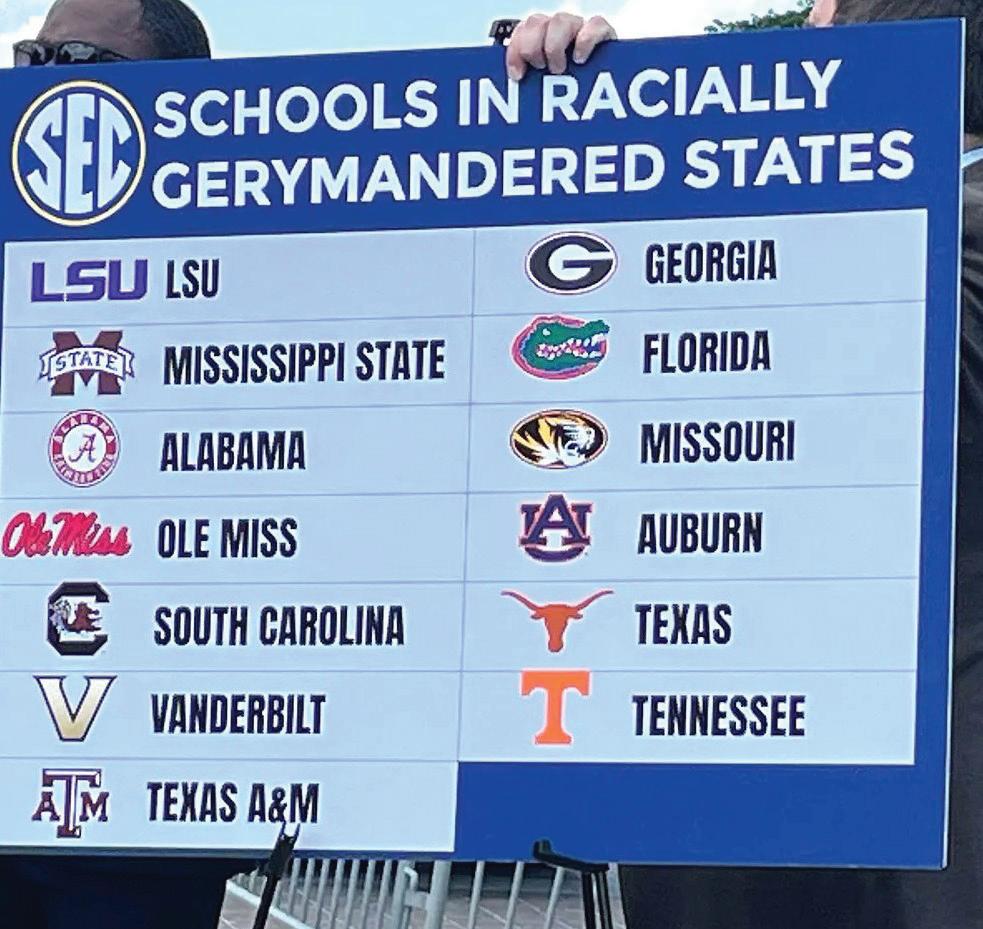
The targeted states are Tennessee, Louisiana, Alabama, Florida, Mississippi, South Carolina, Texas, and Georgia. Thirteen Southeastern Conference schools are in the crosshairs. The campaign centers on three demands: asking Black athletes and recruits to withhold commitments from targeted programs and seriously consider HBCUs instead; asking current college athletes to use their platforms to elevate the issue; and asking fans, alumni, donors, and consumers to stop purchasing tickets, merchandise, and licensed apparel from targeted programs and redirect that spending to HBCUs.
activists and Black political leaders protesting Southern state legislatures drawing new voting maps in the wake of the Supreme Court ruling. The debate over whether the boycott will have teeth continues. Will fans, Black people who are not into sports, or non-Black allies, get behind Out of Bounds?
“The idea that only Black athletes are responsible for using their platform to address racism is just naïve,” Los Angeles Times columnist LZ Granderson said on CNN. Comedian D.L. Hughley and ESPN analyst Ryan Clark both favor a sports boycott. But Jemele Hill raised a pointed question on her podcast: is it fair to ask only Black players to do the heavy lifting?
Sr. Industrial Engineer Covidien LP (AMedtronic Company)
From Ads Department/MN Spokesman-Recorder
EMPLOYMENT DISPLAY
Req. Master’s deg. in Mechanical, Industrial, Biomedical or Electronics Engineering or rel. engr. fld. & 2 yrs. exp. as an industrial engr. or rel. occupation in mfg. or quality engr., or Bachelor’s deg. & 5 yrs. exp. Salary: $131,000 to $148,800 per year. Apply for more details, see https://medtronic.wd1.myworkdayjobs.com/MedtronicCareers, Req. #R66813. No agencies or phone calls. Covidien/Medtronic are equal opportunity employers.
SIZE: 2 COL X 2 INCH
Minnesota Spokesman-Recorder May 28, 2026,
RATE: $44.60 PER COL. INCH TOTAL: $178.40
Green Bay. His record as an offensive coordinator on championship teams should have easily earned him an NFL head coaching opportunity. Instead, he was regularly passed over.
about that.”
SIZE: 2 COL X 2 INCH
Please proof, respond with email comfirmation to ads@spokesman-recorder. com
“I do think I’m as qualified as anybody in the league to be a head coach,” Lewis said in a January 1997 Chicago Tribune interview. “I’ve coached running backs, wide receivers and I’ve coordinated, so I’m qualified. I’ve been in six NFL championship games and won four. I’ve been in three Super Bowls and am going to a fourth. I think my record speaks for itself. I think if somebody does their homework, they will give me a good look.”
The MSR handles billing digitally. This means you will get e-tears and emailed invoices unless you specifically request a hard copy.
Phone: 612-827-4021
But being passed over for a head coaching job should not define Lewis’ legacy. It should be only a line or two. Lewis remains in the top ten of Michigan State career football records. He was inducted into the Michigan State Athletics Hall of Fame in 2001 and the Kentucky Pro Football Hall of Fame in 2014, and was named to the Pro Football Hall of Fame Awards of Excellence Class of 2023. He also received the Duffy Daugherty Award in 2002 for outstanding achievements as an MSU alumnus.
Please proof, respond with email firmation to ads@spokesman-recorder. com
The MSR handles billing digitally. This means you will get e-tears and emailed invoices unless you specifically request a hard copy.
Phone: 612-827-4021
FOR BILLING INQUIRIES & TEARSHEETS
PLEASE CONTACT
ACCOUNTING DEPT
He didn’t get that look, just a couple of interviews.
“We never got into a discussion about that,” Washington recalled. “I think in terms of his background and his experiences, it should have qualified him to be a head coach. No question
BILLING@SPOKESMAN-RECORDER.COM
good things about her because of the way she continues to work and make a niche for herself in this league,” he said. “It’s tough for anybody to last 10 years. She’s one of the more respected players around the league, certainly on this team, and she comes through in these types of moments. It was good for her to be back home.”
After a historic free agency period created when the new CBA was signed in March, making every returning player a free agent, Banham said she never considered leaving Chicago. “I told them last year I wanted to be here,” she said. “They wanted me back, and I wanted to be here. I love Jeff
“He was just a tremendous coach, had a beautiful family, and it’s heartbreaking that we lost him,” Washington said. “I’m so sad, and I’m so glad I had an opportunity to be his friend, and to be a good friend of his.”
Charles Hallman welcomes reader responses at challman@ spokesman-recorder.com.
Copyright © Charles Hallman
(Pagliocca, the Sky GM) and have a great relationship with them.”
As always, Banham and this reporter covered plenty of ground, basketball and life in general. She had delivered a big game in her hometown in front of family and friends.
“I went home yesterday. I got 30-plus people coming tonight,” she said, “so I’ll get to see everybody after the game.”
Jackson out for the season
The Sky received difficult news last week when the team announced that forward Rickea Jackson will miss the remainder of the 2026 season after an MRI revealed a torn anterior cruciate ligament in
FOR BILLING INQUIRIES & TEARSHEETS PLEASE CONTACT ACCOUNTING DEPT BILLING@SPOKESMAN-RECORD ER.COM
Self-Represented Petitioner Nayan Bodke 3922 Thomas Ave N Minneapolis, MN 55412 Telephone: 612-229-9037 Email: NayanBodke@gmail.com
her left knee, suffered during the May 17 Sky-Lynx contest in Minneapolis. She will undergo surgery. Jackson’s injury came during Chicago’s 3-1 road trip, which included the 86-79 victory at Minnesota. She had been playing at a career-best level. The Sky are also without Courtney Vandersloot (knee), DiJonai Carrington (foot), and, until recently, Azurá Stevens, who returned to action last Saturday at home against Minnesota and finished with six points.
CBA finally signed The WNBA and the WNBPA last Friday formally signed the new collective bargaining agreement that players ratified
on March 23 and the WNBA Board of Governors approved on March 24, completing a process that stretched to the eve of training camp.
“It was getting kind of sketchy for a while, but I truly thought we were going to get it done eventually,” Banham said of the months-long negotiations. “I didn’t think it was going to go until this late, literally right before training camp. But I wasn’t too worried. I didn’t think we were going to have to miss the season.”
Charles Hallman welcomes reader responses at challman@ spokesman-recorder.com.
Copyright © Charles Hallman
The Congressional Black Caucus has since joined in support, calling on Black athletes and fans to consider boycotting SEC sports programs alongside civil rights
I am all for boycotts. I have not shopped at Target since Nekima Levy Armstrong, Sheletta Brundidge, and other local activists called for a boycott after the store rolled back its DEI initiatives and promises. After former NFL quarterback Colin Kaepernick was effectively whiteballed for protesting police brutality and the kill-
ing of Black people in this country, I was among many journalists who pledged not to watch NFL games in protest. Sadly, only a few of us stuck to it, just as I regularly see Black shoppers out in public carrying Target bags.
Sometimes even the threat of a boycott can force change. In 2015, Missouri’s Black football players refused to play because of the racism they endured on campus and demanded that the university president resign. Had Mizzou forfeited, the school faced a massive financial penalty. Two days later, the president was gone.
A boycott demands commitment and sacrifice to be effective, especially when those being boycotted are feeling the heat.
“The boycott may not be practical, but the conversation is very necessary,” said Steven J. Gaither of HBCU Gameday.
Charles Hallman welcomes reader responses at challman@ spokesman-recorder.com.
Copyright © Charles Hallman VIEW Continued from page 10

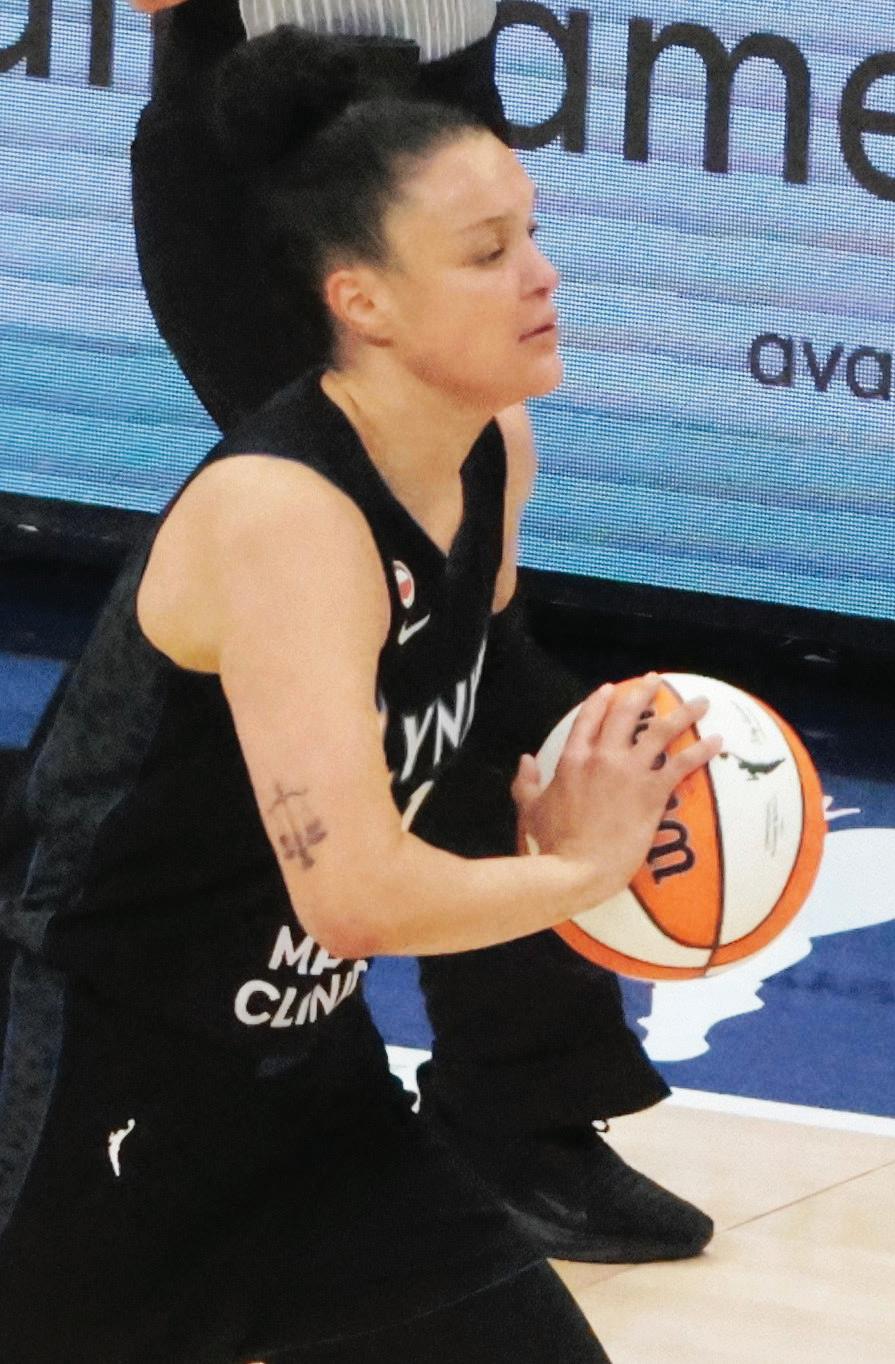


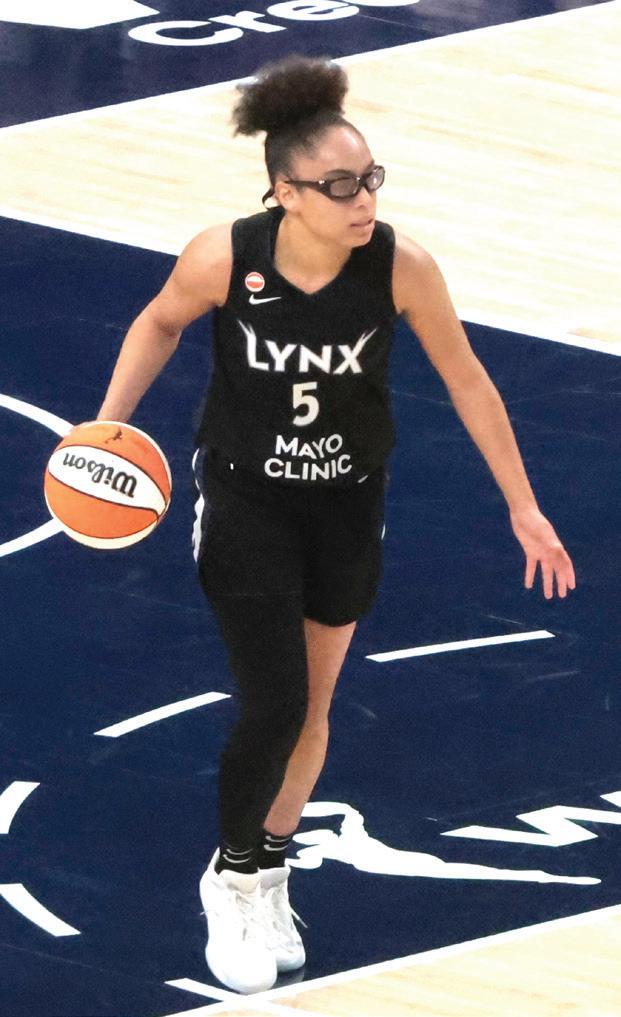

By Charles Hallman Sports Columnist
herman Lewis (1942–2026) finished third in the 1963 Heisman Trophy voting as an All-American
halfback at Michigan State. He went on to play pro football in the CFL and the AFL before embarking on a decades-long
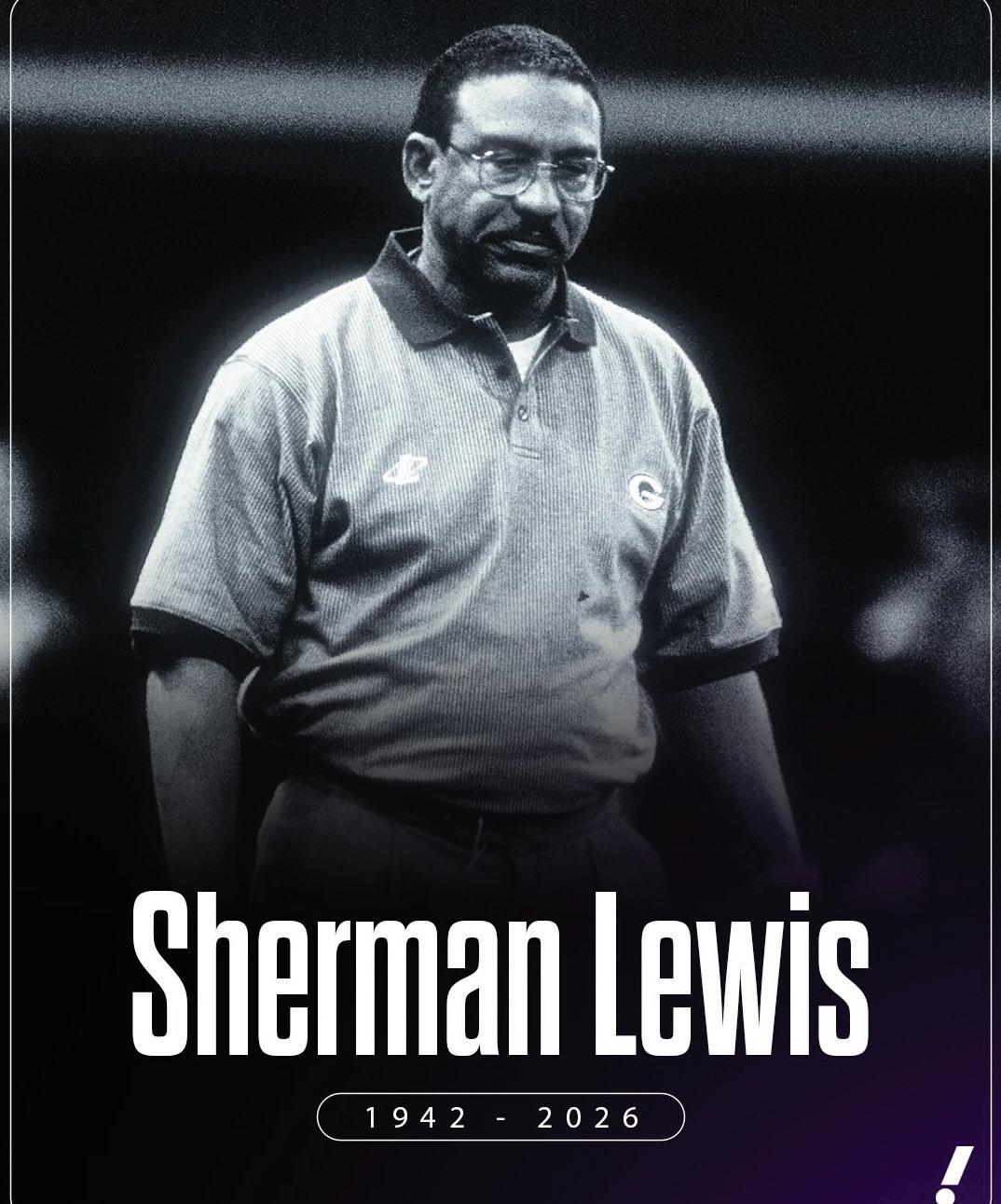

he NFL recently joined the growing list of institutions that have surrendered to the anti-diversity movement since the 2024 presidential election, shutting down a league-wide mandate requiring all 32 teams to have a minority coach serving as an offensive assistant. The requirement had been in place since 2022.
coaching career, including 12 seasons as an NFL offensive coordinator. A rare position for Black coaches at the time. Lewis died May 15 at age 83.
“He was just a tremendous coach, had a beautiful family, and it’s heartbreaking that we lost him.”
“Sherman has an affection for fairness, making sure that you work hard. He was a true counselor, a person that provided great support. He loves mentoring and being helpful. He enjoys helping people, especially young people in their career decisions,” said Gene Washington, a former college teammate, in a phone interview with the Minnesota Spokesman-Recorder.
Both Lewis, who was from Louisville, and Washington, a
tradition of sorts takes place whenever Minneapolis native Rachel Banham comes to town. The 10-year WNBA veteran guard and this reporter, who covered her during her Minnesota Gopher years and subsequent pro career, sit down and chat. I don’t remember exactly when it started, but Banham now expects at least one media request to speak with me after a team shootaround.
“My routine every time, hang out with Charles after shootaround,” Banham said, smiling as we chatted the morning of May 16.
Later that night, the 5-foot10 reserve combo guard scored 13 points off the bench, ac-
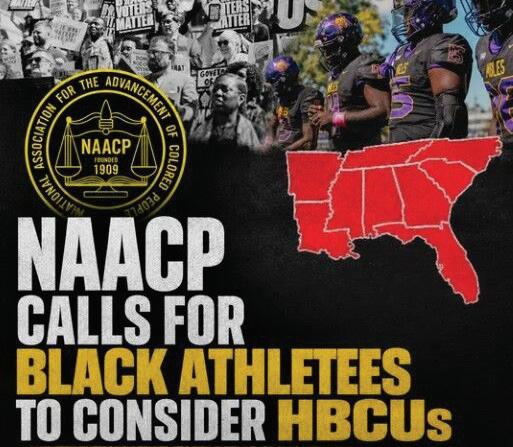
According to an ESPN report, the league backed down after Florida Attorney General James Uthmeier threatened legal action in March, challenging the NFL’s “discriminatory hiring quotas” and targeting the Rooney Rule among other diversity initiatives. The Root also reported that the NFL is now “cooperating with (the Florida AG) following a subpoena tied to a civil rights investigation into the Rooney Rule and other diversity hiring practices.” Uthmeier argues that the Rooney Rule, in place since 2003 and requiring teams to interview at least two Black or minority candidates for head coach and general manager openings, and at least one for coordinator roles, is itself discriminatory. Let’s be clear. The NFL has struggled for decades to hire Black head coaches, offensive and defensive coordinators, general managers, and key front office personnel. That persistent failure is the very reason the Rooney Rule was
created, named after the late Pittsburgh Steelers owner Dan Rooney, in hopes of righting a long-standing wrong. Today there are only three Black NFL head coaches and zero Black majority team owners. Not a single Black candidate was hired among the 10 head coaching openings that existed after the 2025 season.
It is also worth noting that Uthmeier has not moved to intervene in Minnesota Vikings defensive coordinator Brian Flores’ ongoing racial discrimination suit against the NFL.
“The
boycott
may not be practical,
Meanwhile, the league quietly restarted its Front Office and Coaching Accelerator Program, which had been
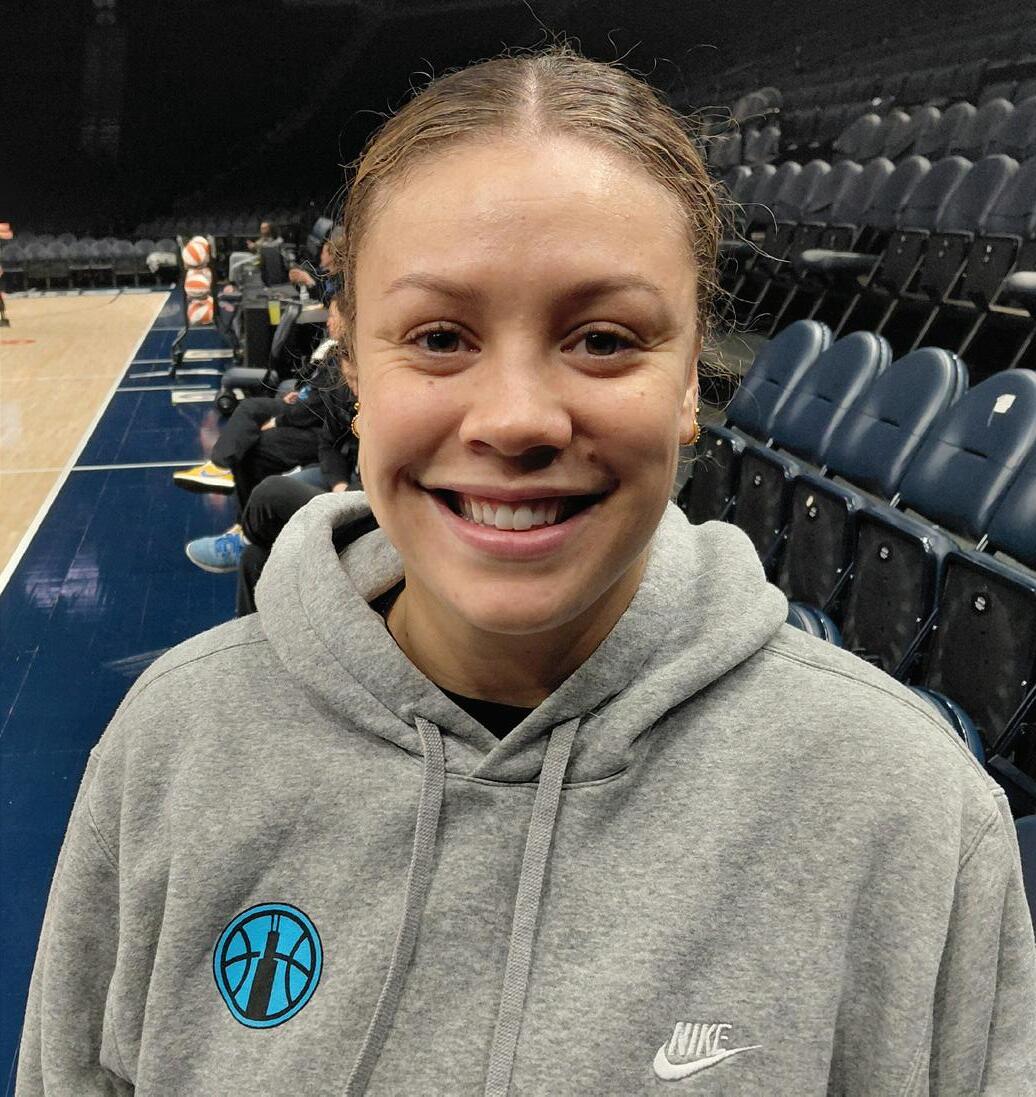
counting for six of Chicago’s 23 third-quarter points in the Sky’s 86-79 victory over the Lynx.
“She had some big buckets that we needed,” Chicago Coach Tyler Marsh said afterward. “Rachel was great for us
paused in 2025. Of the 34 current participants, 14 are Black and two are biracial. The program’s mission is to “advance talent from underrepresented groups.”
On a parallel front, the NAACP last week launched its “Out of Bounds” campaign. A national call for Black athletes, families, fans, alumni, and consumers to withhold athletic and financial support from Southern public universities in states “that have moved to limit, weaken, or erase Black voting representation” following the Supreme Court’s 6-3 ruling in Louisiana v. Callais,