
What is Invoice Factoring and How Does It Work?
Unlocking immediate cash flow through strategic invoice factoring management



Unlocking immediate cash flow through strategic invoice factoring management
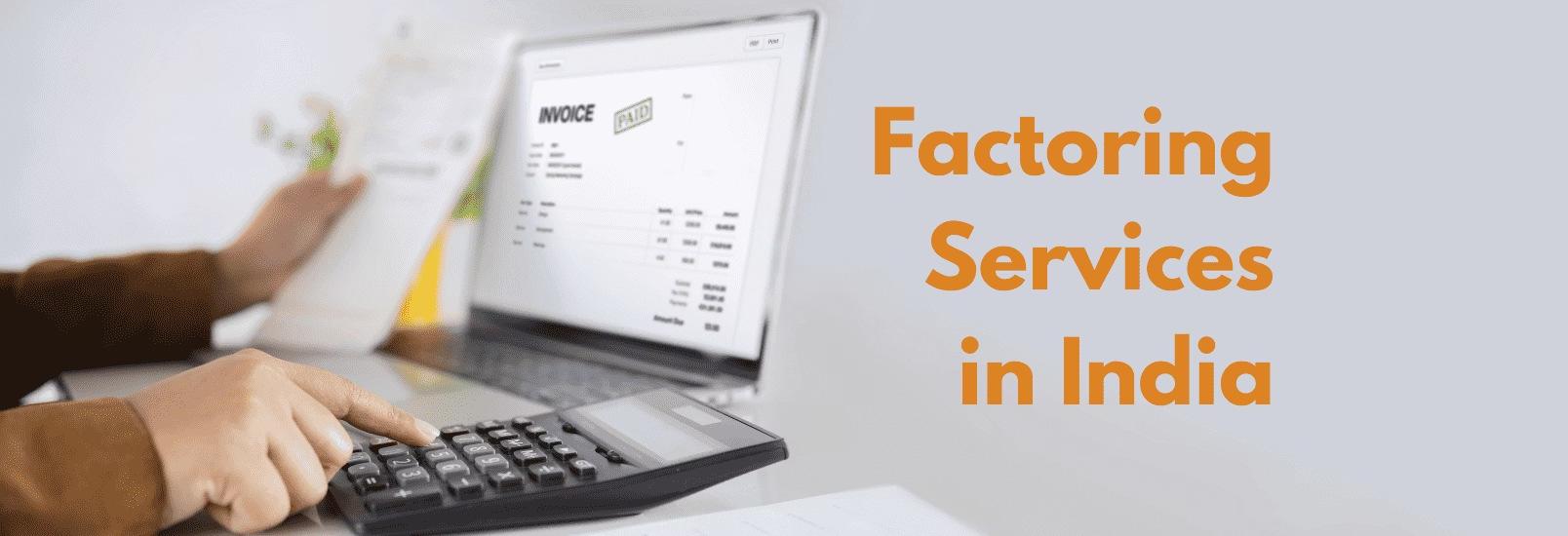
Many businesses face a critical timing mismatch: they've delivered value but must wait 30-90 days to receive payment. This extended payment cycle creates dangerous cash flow gaps that can threaten operations.
During this waiting period, bills still need paying, staff require salaries, and growth opportunities may slip away. Invoice factoring offers an elegant solution to unlock cash tied up in unpaid invoices, transforming future payments into immediate working capital.
A business sells its unpaid invoices to a third party called a factor, converting future payments into immediate cash.
The factor pays 70-90% of the invoice value upfront, providing instant liquidity to the business.
Once customers pay the factor, the remaining balance minus service fees is returned to the business.
The factoring process creates a seamless bridge between service delivery and payment realisation. It begins when your business completes work and issues an invoice.
Rather than waiting months for payment, you immediately sell that invoice to a factoring company. They verify its legitimacy, advance most of its value within 24-48 hours, and handle collection directly from your customer.
Once payment is received, you receive the remaining balance, minus the factor's service fee—typically 2-5% of the invoice value.

Transform unpaid invoices into working capital within 24-48 hours, dramatically improving cash flow and financial flexibility.

Meet payroll obligations, pay suppliers on time, purchase inventory, and seize expansion opportunities without delay.

Faster than traditional bank loans with less stringent credit requirements4 approval based on customer creditworthiness, not yours.

Factor assumes responsibility for collecting payments, freeing your team to focus on core business activities and growth.
Many profitable, growing companies use factoring strategically to accelerate expansion and maintain operational flexibility.
Professional factors maintain positive customer interactions, often improving collections without damaging business relationships.
Fees typically range from 2-5% of invoice value—higher than traditional loans but offering unmatched speed and flexibility.
Businesses cede some control over invoice collection and direct customer payment interactions to the factoring company.
Business repurchases unpaid invoices if customers default4lower fees but higher risk.
Factor assumes non-payment risk4 higher fees but complete protection from bad debts.
One-off invoice sales for occasional cash flow needs4maximum flexibility, no commitment.
Ongoing agreement covering multiple invoices4better rates, consistent cash flow management.

Businesses with extended payment terms (30-90 days) use factoring to bridge the cash flow gap between delivery and payment.
Young companies lacking established credit history leverage factoring to access capital based on customer creditworthiness rather than their own.
Key Industries
Manufacturing, staffing agencies, transportation, logistics, wholesale distributors, and professional services rely heavily on factoring solutions.
£100K
Invoice Value
Total outstanding invoices sold to factor
£80K Immediate Advance Cash received within 24 hours
£15K Final Payment
Remaining balance after fees 5% Factoring Fee Cost of accessing immediate capital
A manufacturing firm facing a cash crunch sold £100,000 in outstanding invoices to a factoring company.
Within 48 hours, they received £80,000—enough to pay suppliers, meet payroll, and maintain operations without disruption.
After customers paid the factor, the firm received the remaining £15,000 (after £5,000 in fees). The result: no missed payments, sustained production, and continued growth trajectory.
Invoice factoring transforms unpaid invoices into immediate working capital, enabling businesses to operate smoothly and pursue growth opportunities without waiting for customer payments.
Best suited for B2B businesses with reliable, creditworthy customers, frequent invoicing cycles, and extended payment terms that create cash flow challenges.
Carefully evaluate factoring costs (typically 2-5%), potential impact on customer relationships, contract terms, and whether the benefits outweigh the fees for your specific situation.
When implemented thoughtfully, invoice factoring becomes a strategic financial tool4not a sign of distress4that accelerates growth and maintains operational stability.