Solutions
Manual for Principles of Biology 2026 Release 1st Edition by Brooker,
Widmaier, Graham, Stiling
ISBN: 9781266522154

Manual for Principles of Biology 2026 Release 1st Edition by Brooker,
ISBN: 9781266522154
Chapter 2—Figure 2.2
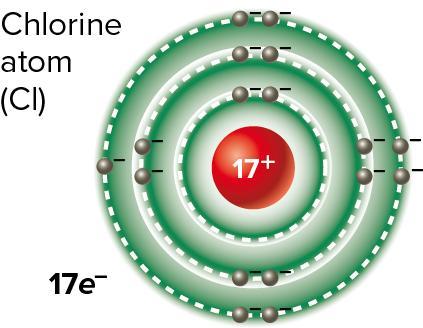
The model will have 17 protons in the nucleus and three electron shells: two electrons in the first shell, eight electrons in the second, and seven electrons in the third, as shown here.
Chapter 3—Figure 3.9
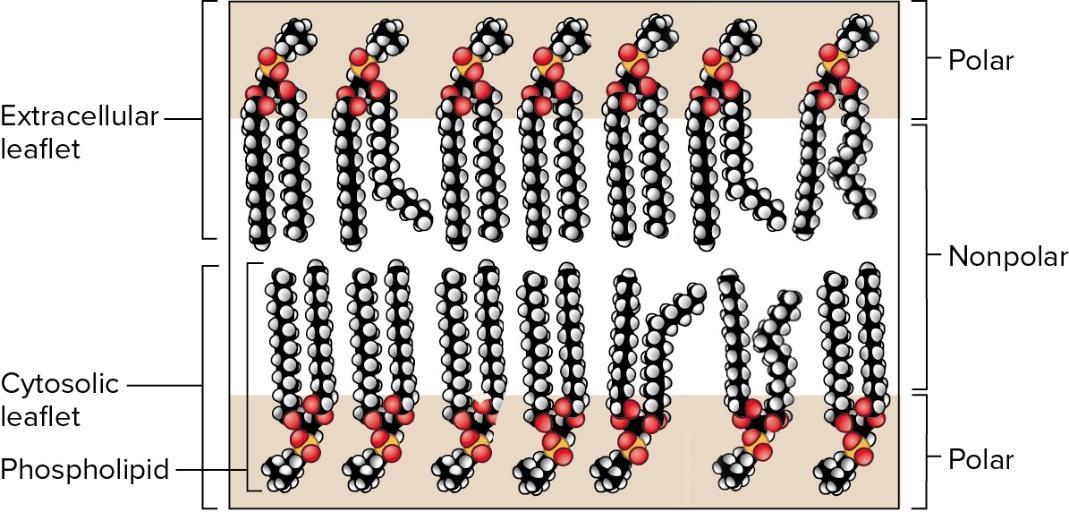
The modified model (shown here) would be more fluid because the lipid tails do not pack together as tightly as the model shown in Figure 3.9b.
Chapter 4—Figure 4.24
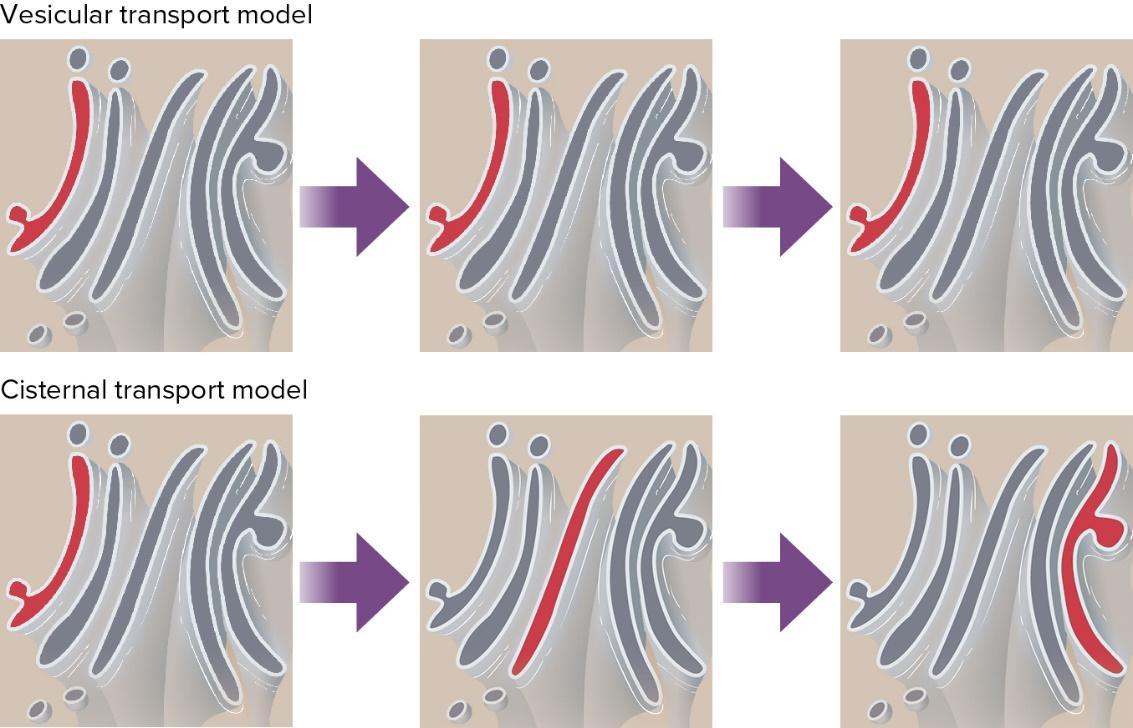
According to the vesicular transport model, the red color would stay in the cisside of the Golgi. According to the cisternal transport model, the red color would move from the cisside of the Golgi, to the medial Golgi, and then to the transside of the Golgi.
McGraw Hill LLC. All rights reserved. No reproduction or distribution without the prior written consent of McGraw Hill LLC.
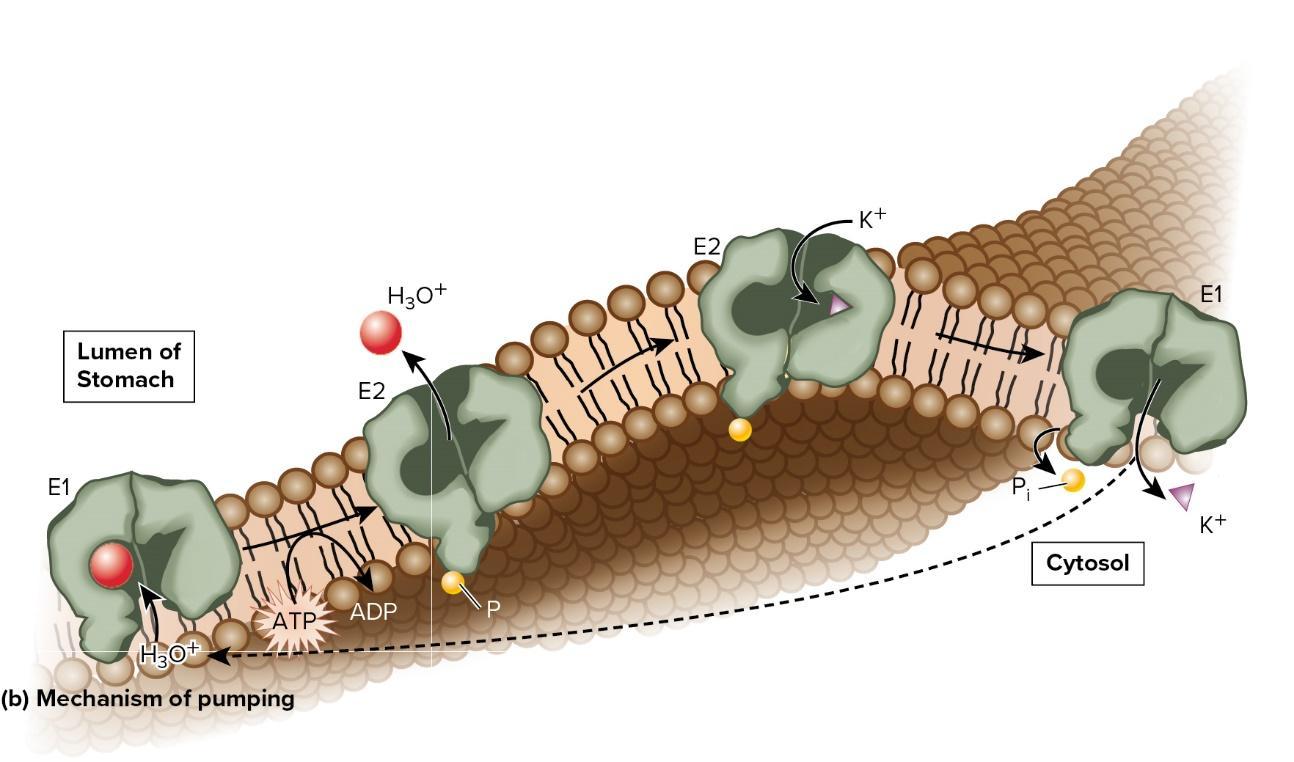
The model will look like the one in part (b) of Figure 5.17, except that it will contain one binding site for +O3H (instead of 3 +Na binding sites) and one binding site for +K (instead of 2). The +O3H should be pumped out of the cell; it is analogous to +Na . The gastric pump is not electrogenic.
McGraw Hill LLC. All rights reserved. No reproduction or distribution without the prior written consent of McGraw Hill LLC.
Chapter 6—Figure 6.10
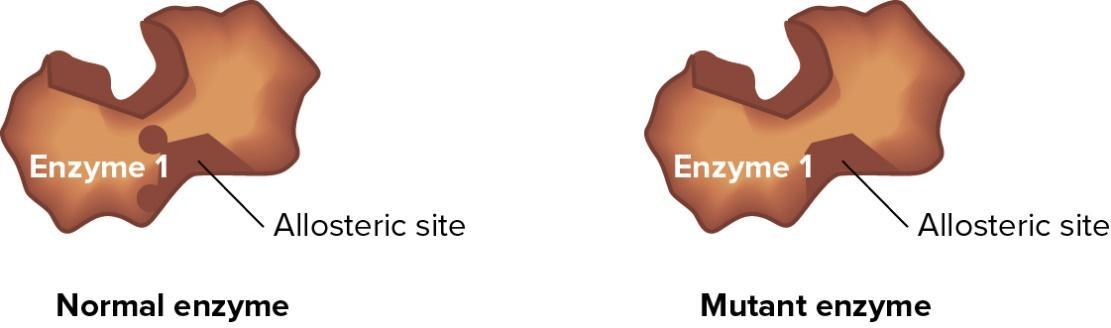
There should be two models. The model for the normal enzyme will look like enzyme 1 in Figure 6.10. In the model for the mutant enzyme, the shape of the allosteric site should be changed in such a way that the final product will not bind to the side. For example, one of rounded sites in the enzyme may be filled in. This change in structure would prevent enzyme 1 from binding to the final product and thereby would prevent feedback inhibition. A cell that produces only the mutant enzyme would have a higher concentration of the final product probably higher than it needs.
Chapter 7—Figure 7.7
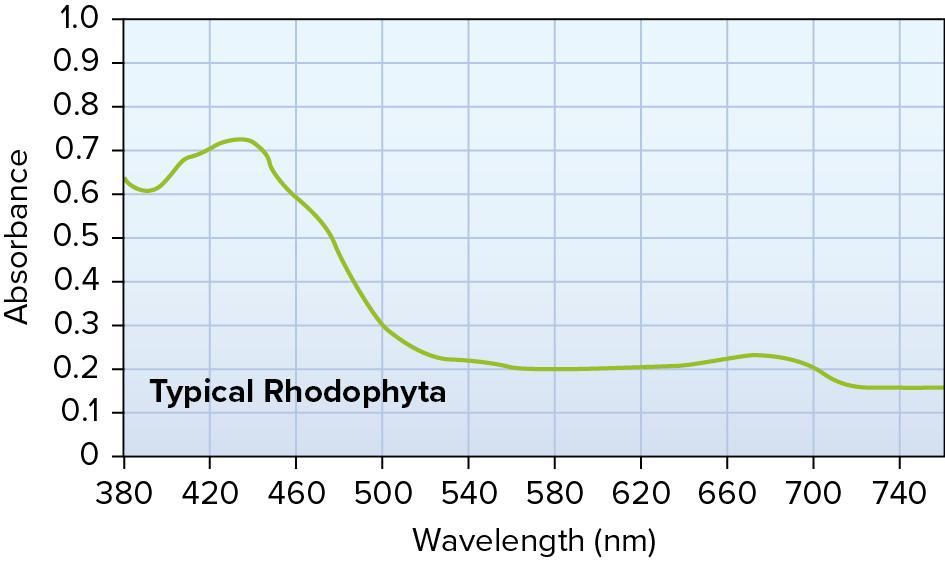
An example of a graph is shown below, but each student’s graph will be somewhat different. The key point is that there is little absorption in the red region of the spectrum but absorbs strongly in the blue and purple regions. Because red light has lowest energy, it does not penetrate very deeply into water. Therefore, red algae, which tend to grow at greater depths, benefit from having a pigment that absorbs in the green and blue region of the spectrum.
Chapter 8—Figure 8.9
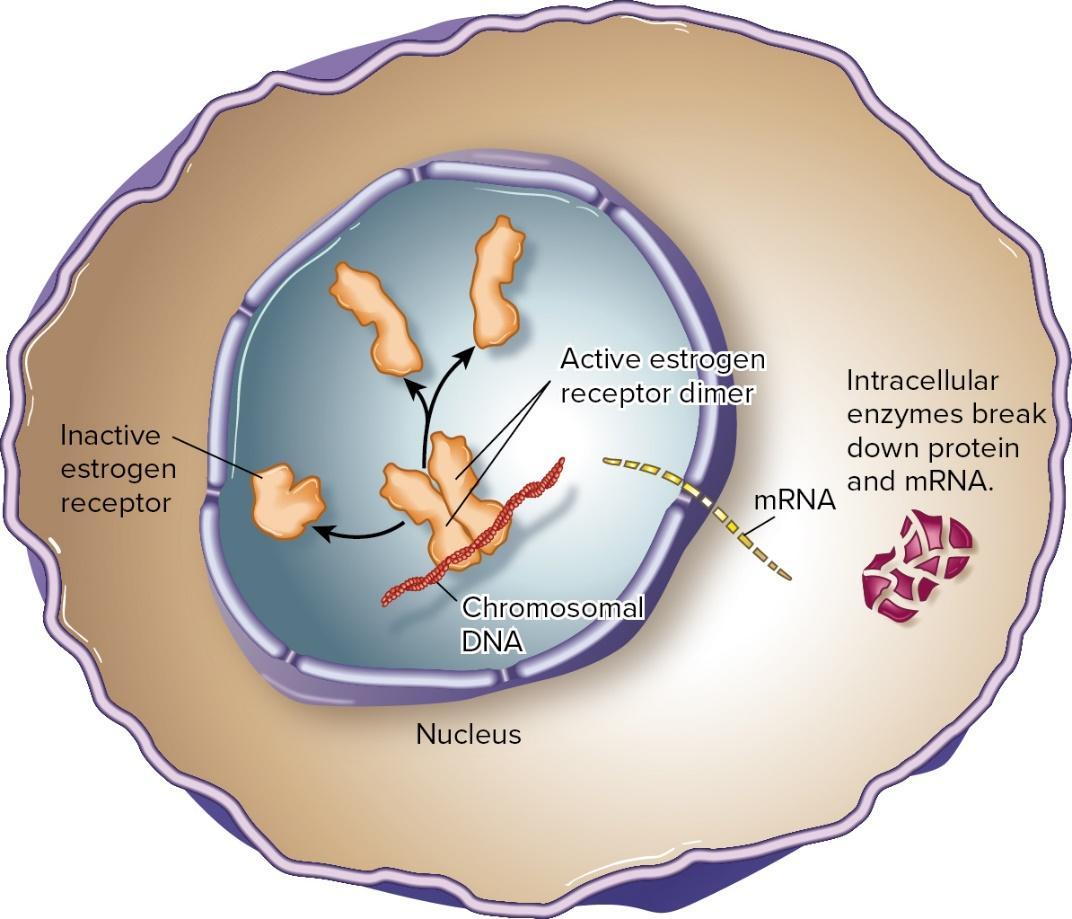
The proteins and mRNAs that were synthesized in response to estrogen will eventually be broken down by intracellular enzymes. When estrogen levels fall and estrogen is no longer bound to the estrogen receptor, the estrogen receptor will change it’s conformation and dissociate into monomers.
McGraw Hill LLC. All rights reserved. No reproduction or distribution without the prior written consent of McGraw Hill LLC.
Chapter 9—Figure 9.7
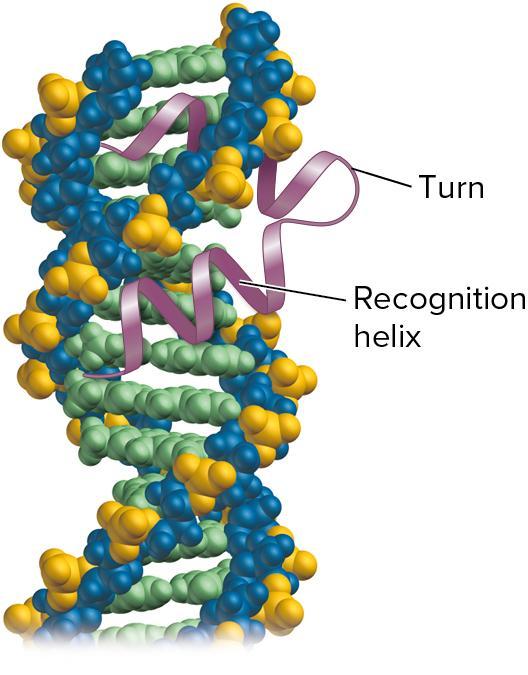
An example of such a model is shown below, but each student’s model will be somewhat different from each other. The key point is that the recognition helix is fitting within the major groove.
McGraw Hill LLC. All rights reserved. No reproduction or distribution without the prior written consent of McGraw Hill LLC.
Chapter 10—Figure 10.6
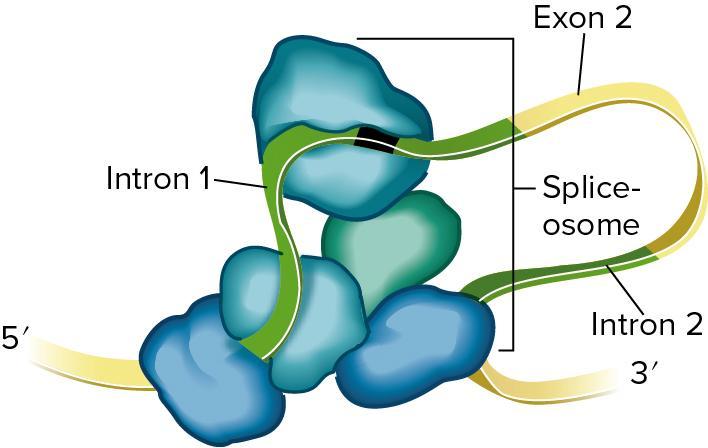
The loop would contain intron 1, exon 2, and intron 2 (see below). This occurs because the spliceosome chooses the 5′ splice site of intron 1 and the 3′ splice site of intron 2 because the 3′ splice site of intron 1 is missing.
Chapter 11 Figure 11.2
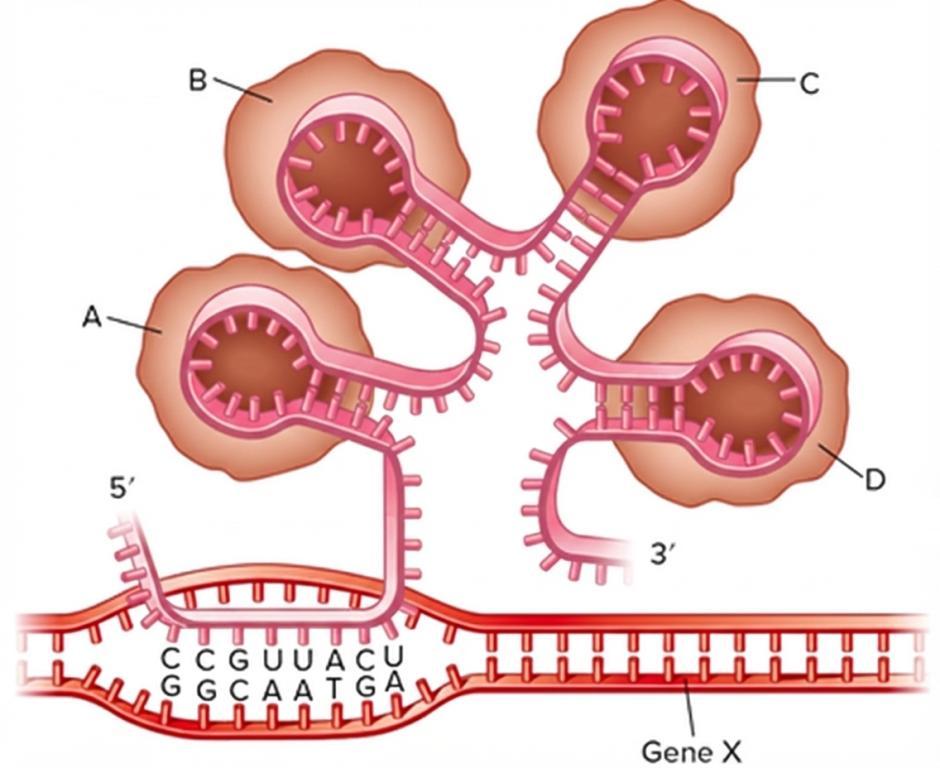
An example of an answer is shown below. A student should show the binding site near the 5′ end of the RNA, and the ncRNA should have 4 stem loops for the binding of proteins A, B, C, and D.
Chapter 12—Figure 12.7
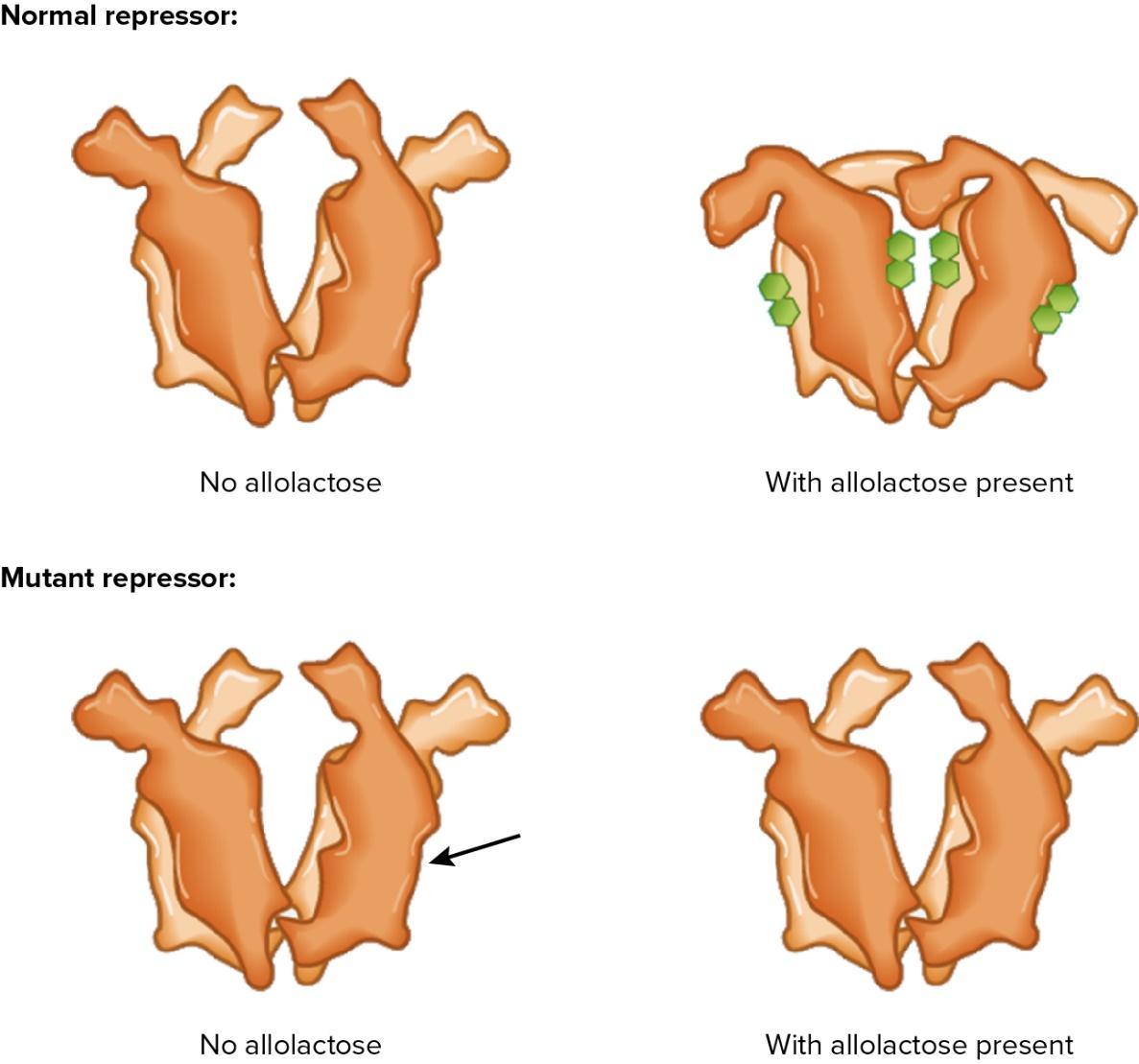
The mutant lac repressor will be in the conformation that binds to the DNA in absence or presence of allolactose. Allolactose will not bind to the repressor. In cells that make the mutant repressor, the operon will be turned off in the absence or presence of lactose.
© McGraw Hill LLC. All rights reserved. No reproduction or distribution without the prior written consent of McGraw Hill LLC.
Chapter 13—Table 13.5
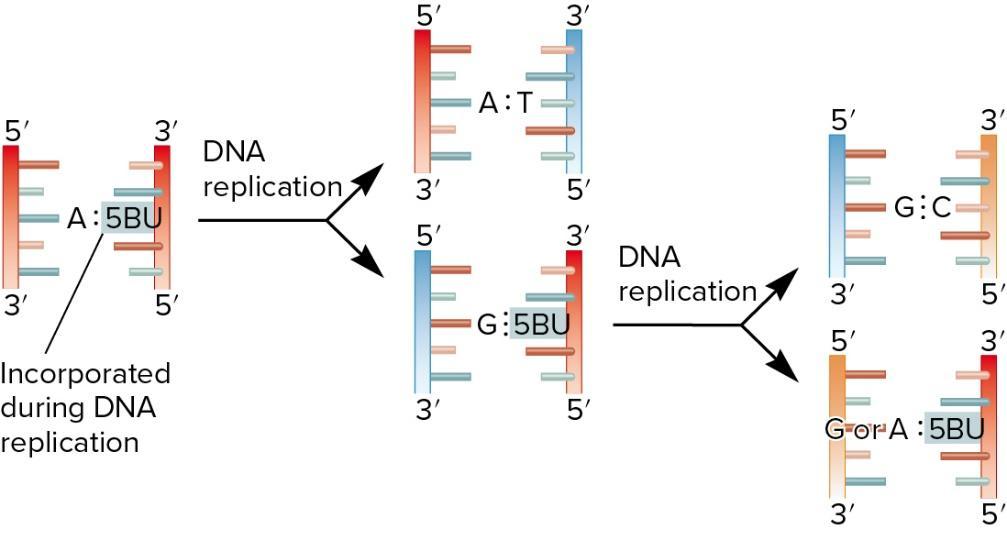
One possible model is shown below. A student’s model could be different depending on whether 5BU pairs with A or G during DNA replication.
McGraw Hill LLC. All rights reserved. No reproduction or distribution without the prior written consent of McGraw Hill LLC.
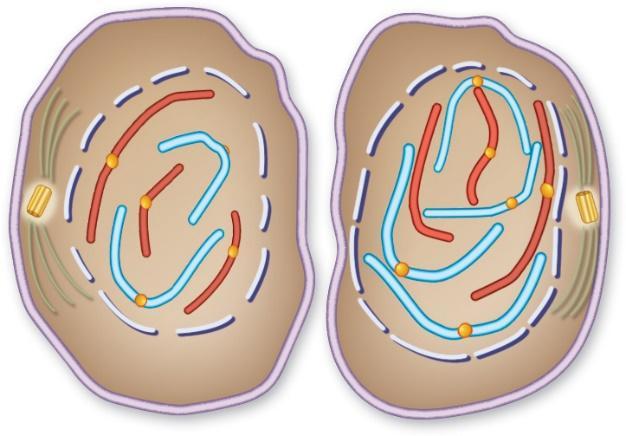
One of the resulting daughter cells will have 5 chromosomes (one red long, one red medium, one blue medium, one red short, and one blue short) and the other will have 7 chromosomes (one red long, two blue long, one red medium, one blue medium, one red short, and one blue short).
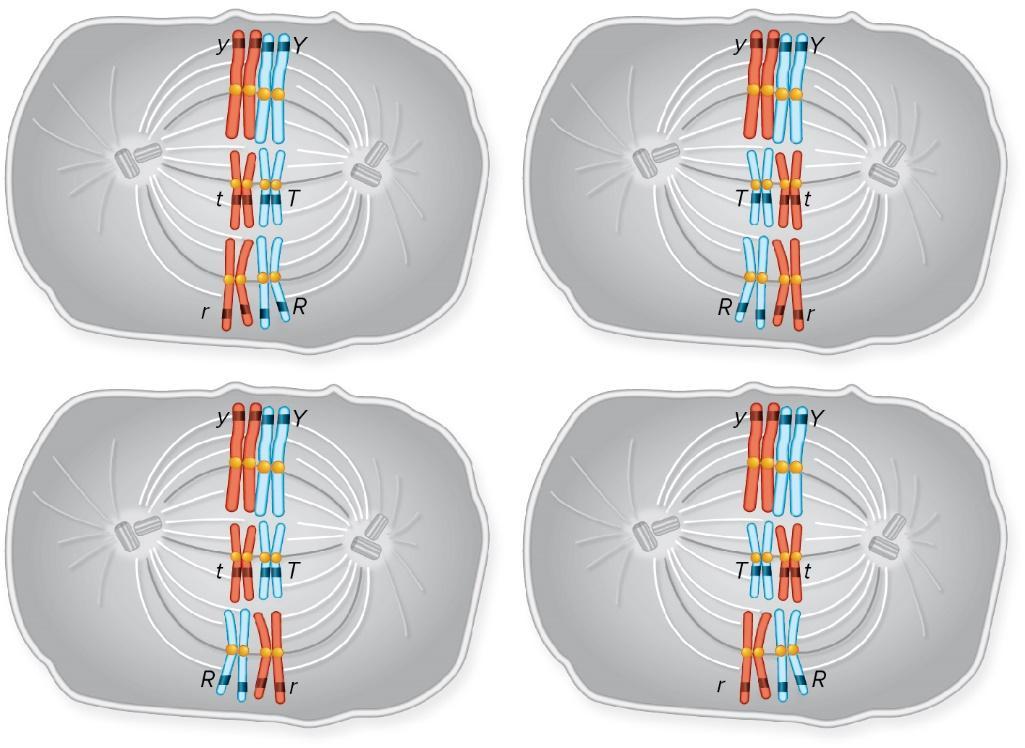
The answer would show a series of 4 models. Each model would show one cell in which 3 pairs of chromosomes are lined up as bivalents, as in Figure 15.10. The red chromosomes carry the recessive alleles: the long red carries y, the medium red carries t, the short red carries r. Likewise the blue chromosomes carry the dominant alleles: the long blue carries Y, the medium blue carries T, and short blue carries R. The possible alignments of chromosomes on each side of the metaphase plate are as follows:
Long blue, medium blue, short blue and long red, medium red, short red
Long blue, medium red, short red and long red, medium blue, short blue
Long blue, medium blue, short red and long red, medium red, short blue
Long blue, medium red, short blue and long red, medium blue, short red
McGraw Hill LLC. All rights reserved. No reproduction or distribution without the prior written consent of McGraw Hill LLC.
There are 8 different possible haploid cells that could be produced: TYR,tyr,Tyr,tYR,TYr,tyR, TyR,andtYr
Chapter 16—Figure 16.4
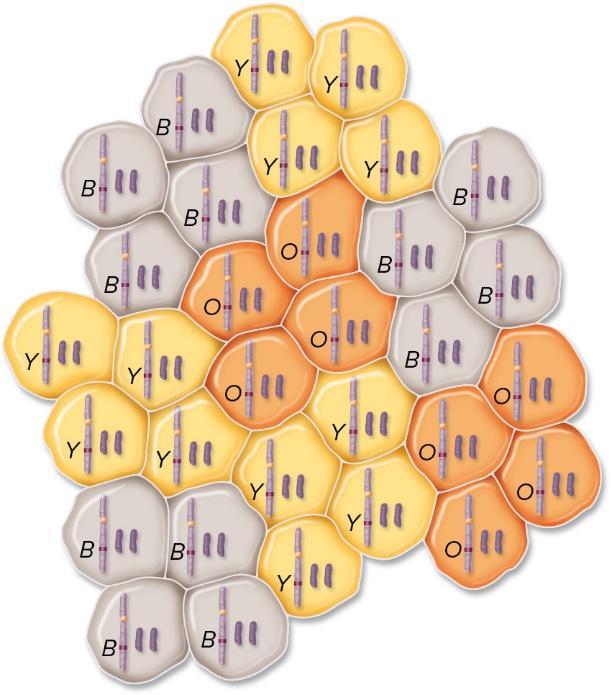
The model should show an embryo with 32 cells; the style should be like Figure 16.4b, except that there are 32 cells instead of 8. The cells should be in groups of 4 that are identical to each other. For example, one group of 4 could have a yellow background and show the Y allele on the active X chromosome plus 2 Barr bodies. Another group of 4 could have an orange background and show the O allele on the active X chromosome plus 2 Barr bodies. A third type of 4 cells would have a gray background and show the B allele on the active X chromosome plus 2 Barr bodies. There should be roughly equal numbers of these 3 types of groupings.
McGraw Hill LLC. All rights reserved. No reproduction or distribution without the prior written consent of McGraw Hill LLC.
Chapter 17—Figure 17.1
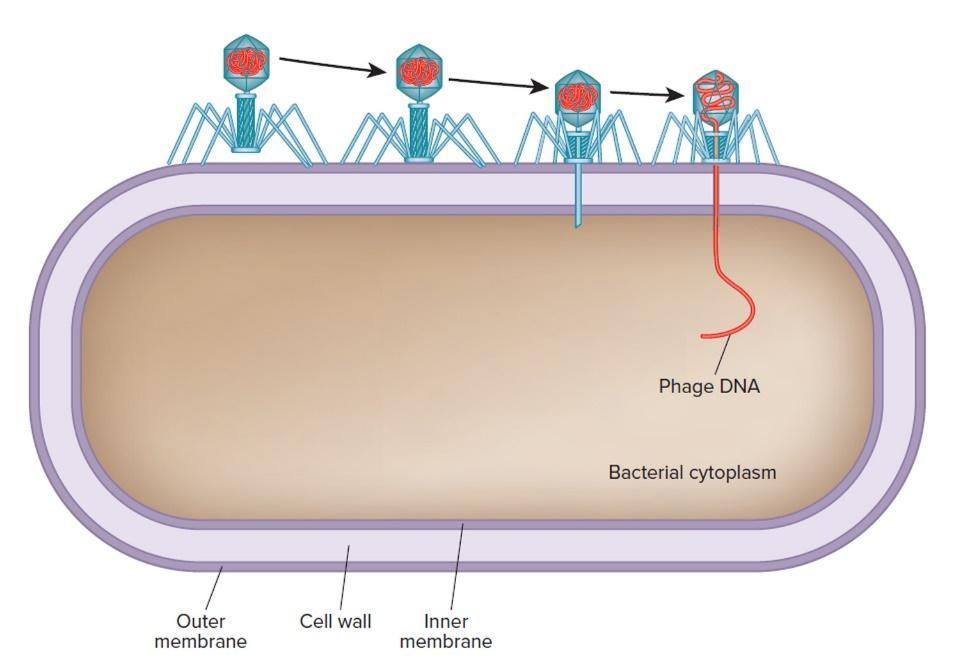
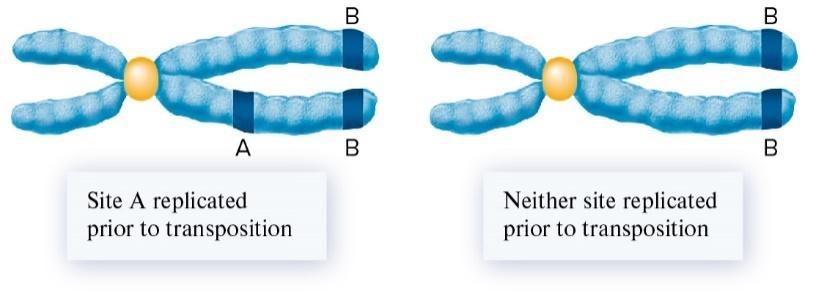
Chapter 18—Figure 18.19 If DNA replication of site A occurs prior to transposition, the transposon will be found at site A in one chromatid, and at site B in both of them. If transposition occurs prior to DNA replication, both chromatids will have the transposon only at site B.
McGraw Hill LLC. All rights reserved. No reproduction or distribution without the prior written consent of McGraw Hill LLC.
Chapter 19—Figure 19.14
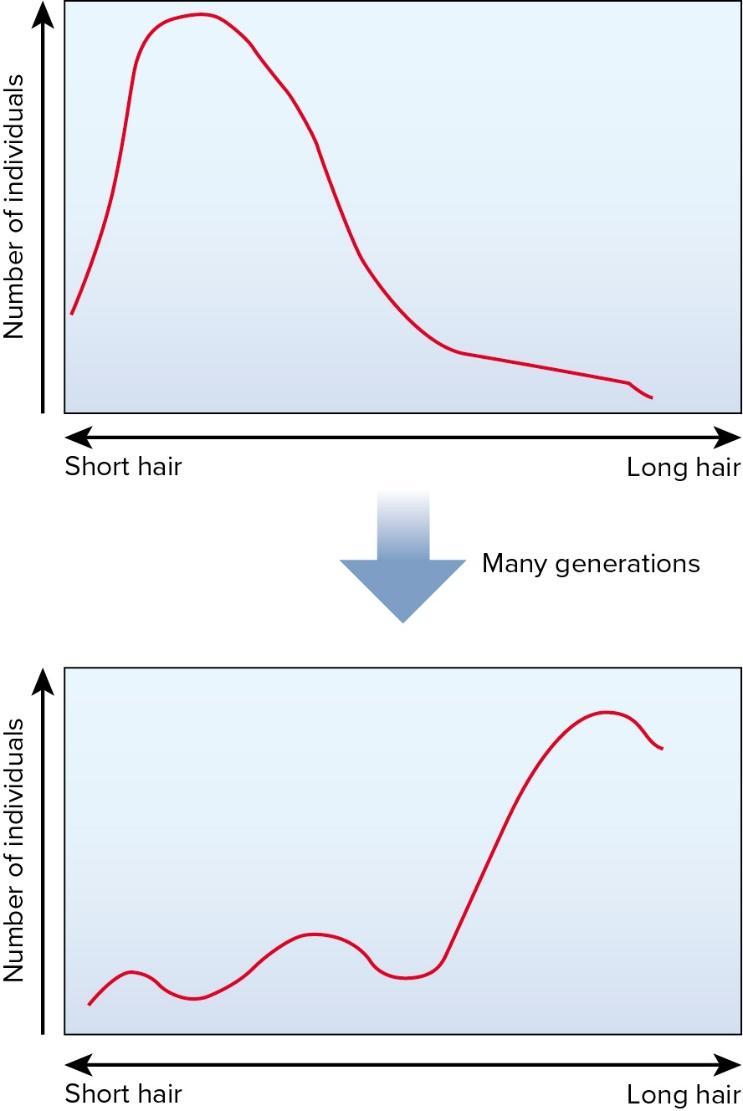
Chapter 20—Figure 20.18
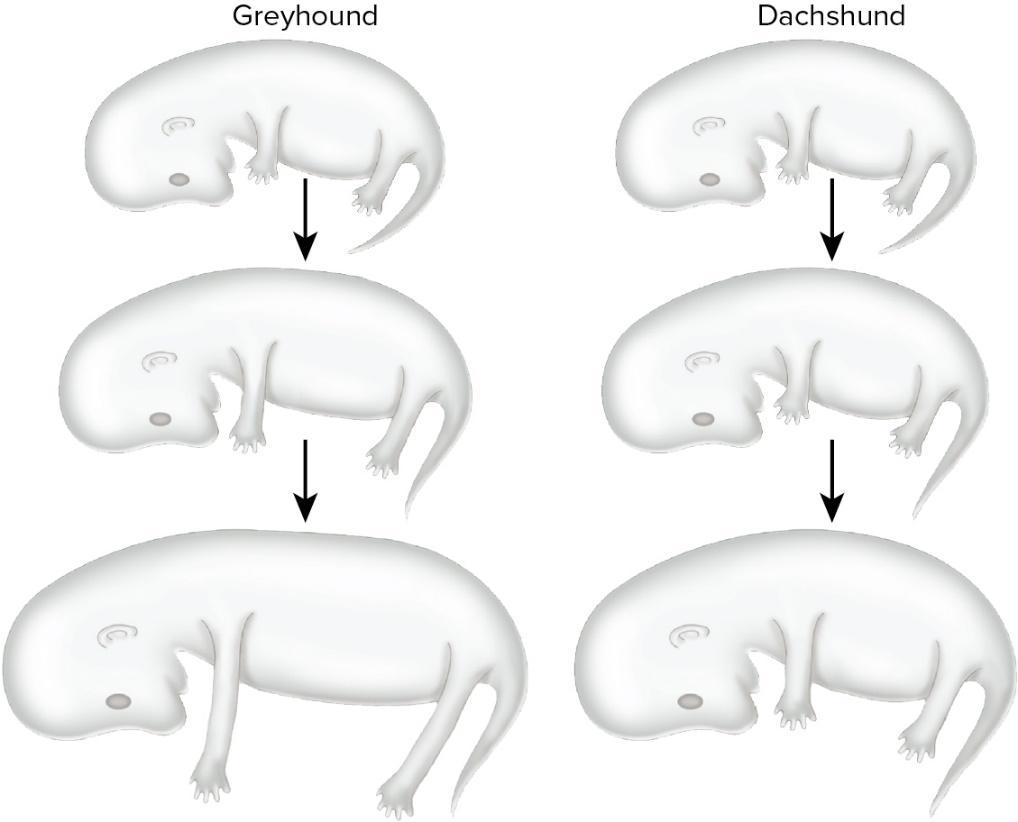
Both series of 3 drawings should begin with the same embryonic dog drawing. In the greyhound, the next 2 drawings should show a greater elongation of the limbs and torso compared to the next 2 drawings of the dachshund.
© McGraw Hill LLC. All rights reserved. No reproduction or distribution without the prior written consent of McGraw Hill LLC.
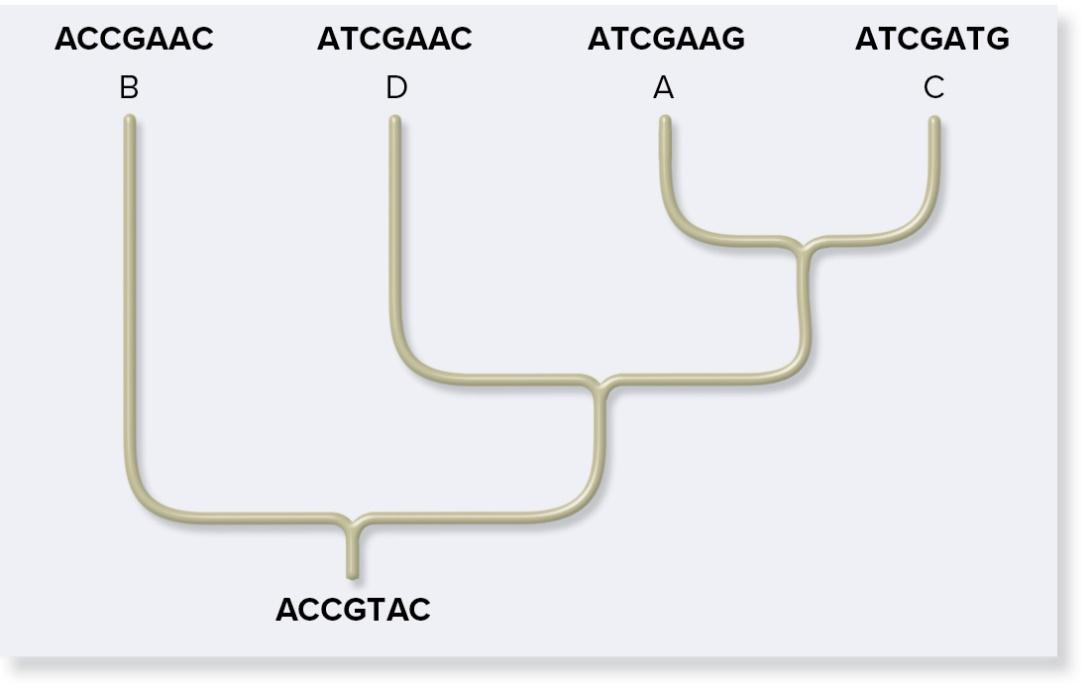
Chapter 21—Figure 21.9
McGraw Hill LLC. All rights reserved. No reproduction or distribution without the prior written consent of McGraw Hill LLC.
Chapter 22—Figure 22.3
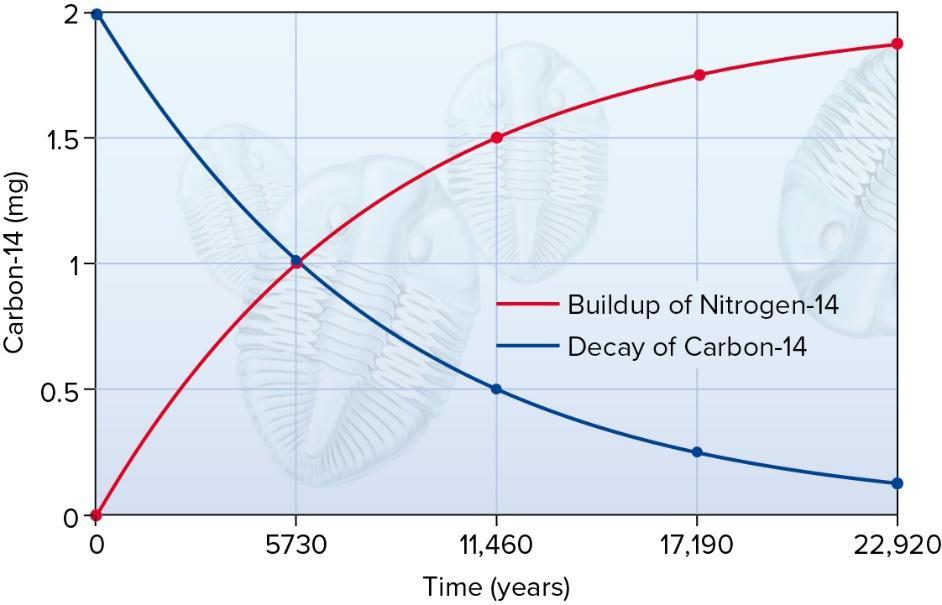
Chapter 23 Figure 23.22
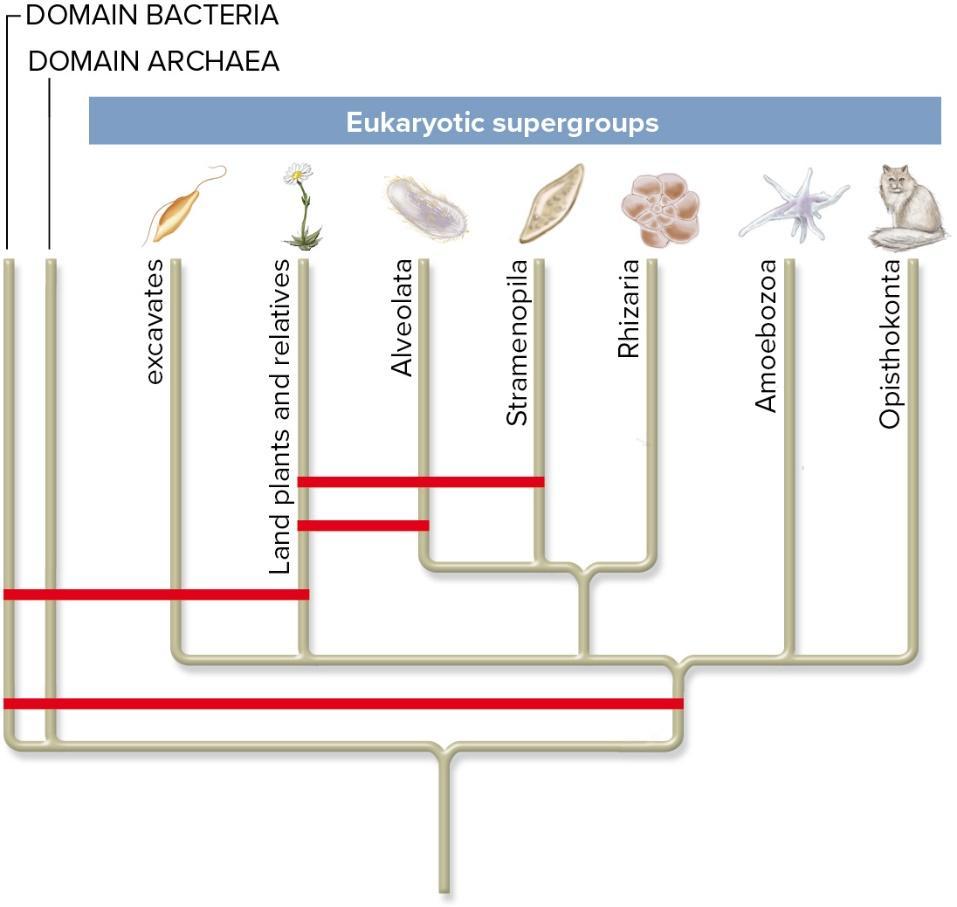
Chapter 24—Figure 24.10
One diagram would show only two types of partners, a green algal partner and the hyphae of a fungal partner, one contributing organic food and oxygen, and the other providing absorbed water and minerals, and protective pigments. A few arrows could indicate a simple pattern of materials movement or influence between partners.
© McGraw Hill LLC. All rights reserved. No reproduction or distribution without the prior written consent of McGraw Hill LLC.