Solutions
Manual for Payroll Accounting 2026 Release 1st Edition
by Landin, Schirmer
ISBN: 9781265750398
SOLUTIONS MANUAL: CHAPTER 1 END OF CHAPTER ANSWERS
ANSWERS TO STOP AND CHECK EXERCISES
Which Law?
1. K 2. H
3. B
4. F 5. I 6. J 7. A 8. D 9. G 10. C 11. E 12. L
Which Payroll Law?
1. D 2. A
3. F
4. C 5. G 6. J 7. B
8. I 9. E 10. H
What’s Ethical?
1. Answers will vary. Some concerns include data privacy and integrity in the software switchover, tax and employee pay integrity on the new software, and employee pay methods.
2. Answers will vary. Karsyn could choose to ignore her sorority sister’s request, claiming Confidentiality. She could also discontinue active participation in the sorority. In any case, Karsyn must not consent to her sorority sister’s request for confidential information.
Confidential Records
As the payroll clerk, your task is to protect the privacy and confidentiality of the information you maintain for the company. If a student group or any personnel aside from the company’s payroll employees and officers wishes to review confidential records, you should deny their request. If needed, you should refer the group to your department’s manager to discuss the matter in more depth. The laws that apply to this situation are the Privacy Act of 1974, U.S. Department of Health and Human Services Privacy Act 09-40-0006, Common-Law Privacy Act, Computer Fraud and Abuse Act, and potentially HIPAA.
Large vs. Small
1. Large companies face issues with multiple departments, employee access to online personnel portals, employee data security, and timekeeping accuracy.
2. For small companies, payroll processing will involve fewer employees than for larger companies. Smaller companies could maintain their payroll needs using company personnel because of the lower volume of transactions. Larger companies need to consider their available trained payroll accountants and other staff to determine if they can reliably handle the volume of payroll needs in a timely and accurate manner.
What Is the Difference?
a. Manual payroll systems involve the use of paper and pencil record-keeping or a spreadsheet program, such as Microsoft Excel. This is most appropriate for very small firms.
McGraw Hill LLC. All rights reserved. No reproduction or distribution without the prior written consent of McGraw Hill LLC.
b. Computerized payroll systems can be used by any company, regardless of size. Examples of computerized systems include QuickBooks, Sage, and Microsoft Dynamics 365 GP. These computer packages range in price, depending on the company size and operational scope.
c. Outsourced payroll involves the engagement of a third party to manage a company’s payroll data, issue employee compensation, and prepare tax forms.
d. Certified payroll pertains to companies with employees who work on federal government contracts. Certified payroll ensures that a company reports payroll expenditures of contractually allocated money.
ANSWERS TO END-OF-CHAPTER MATERIALS
REVIEW QUESTIONS
1. What is the purpose of a payroll system?
a. Provide for internal and external reporting of employee wages and associated taxes, payment of employee compensation, and monitoring of benefits to employees. It also serves as a means of tracking labor costs that managers use for decision-making, budgeting, and planning.
2. What are two of the differences between large- and small-company payroll practices?
a. Small companies would have fewer employees and reporting requirements and would be less likely to be required to have automated payroll systems.
b. Large companies have more employees and greater departmentalization. This increase in employees leads to a higher level of complexity in payroll accounting, disbursements, and reporting. Larger companies may also provide Intranet portals for
McGraw Hill LLC. All rights reserved. No reproduction or distribution without the prior written consent of McGraw Hill LLC.
employee self-service options. Additionally, larger companies may need additional accuracy checks.
3. What is certified payroll? Which companies must use it?
a. Certified payroll is a reporting requirement for companies that work with federal contracts that are subject to Davis-Bacon wages. Only those companies that have these types of employees would be required to complete a certified payroll.
4. Why might it be a good idea to let employees manage their payroll records? What are some of the pitfalls?
a. An advantage of allowing individuals to self-manage their payroll records would be the employee would be able to answer some simple questions on their own without having to come to the payroll accountant for answers. If employees have access to their payroll records, there would be the need to allow multiple access points to the confidential information. These open channels would require security settings to ensure the requirements of confidentiality are maintained.
5. What are two ways a payroll system may protect a company in the event of a visit from a government auditor?
Answers may vary, but should contain:
a. The establishment and maintenance of an accurate payroll system. Timely and accurately reporting wages and withholdings. Adherence to the legal framework of payroll.
6. What is payroll outsourcing? When might a company consider outsourcing its payroll?
a. Payroll outsourcing is the process of contracting another company for the preparation, reporting, and filing of employee payroll. Companies may consider this option if the company sees a benefit to the company that outweighs the cost of outsourcing.
7. What are three examples of federal laws that are essential to ensure legal, fair hiring practices?
Answers should contain three the following:
a. Americans with Disabilities Act
b. Age Discrimination in Employment Act
c. Fair Labor Standards Act
d. Civil Rights Act
8. What are the major types of payroll processing methods?
a. Manual
b. Computerized
c. Outsourced
d. Certified
9. What are two laws governing the taxes that employers must withhold from employees?
a. 16th Amendment of the U.S. Constitution
b. Social Security Insurance Act
10. What are the guidelines for FLSA, in terms of overtime and pay rate?
a. Maximum hours that covered individuals can work
b. Minimum pay for covered individuals
c. Minimum age for workers
d. Mandatory break times for covered employees
11. Why was the Social Security Act of 1935 created? What were its provisions?
a. The Social Security Act of 1935 was designed to create a contribution-driven fund to achieve a level of financial stability for the worker when he or she became too old or infirm to work.
12. How did the Medicare and Medicaid Act of 1965 modify the Social Security Act of 1935?
a. It was passed to fund medical services needed by older adults, disabled persons, and low-income individuals.
13. What are two of the advantages of a computerized payroll system over a manual system?
a. A computerized payroll system can meet the tax and regulatory requirements efficiently and can typically be set to automatically update for tax law changes. Web portals can streamline overtime reporting and other functions. A recent trend in computerized processing is the issuance of employee paycards.
14. Which Act created the term “full-time equivalents”?
a. The Affordable Care Act created the term full time equivalents to determine the number of employees that should be offered health care coverage under the act.
15. How has cloud-based payroll processing affected contemporary payroll practices?
a. Cloud-based payroll processing allows a company to take advantage of the scale of larger corporations without the additional licensing or responsibilities for updates. Cloud-based services can contain security comparable with on-site accounting software.
16. What are two of the differences between the completion of the I-9 and the use of E-Verify systems?
Answers may vary, but could contain the following:
a. I-9 is mandatory while E-Verify is voluntary.
b. I-9 does not require a Social Security number while E-Verify does.
c. I-9 does not require photo identification (List B) while E-Verify does.
d. I-9 must be used to reverify expired employment authority while E-Verify may not be used for this purpose.
17. What were three provisions of the SECURE 2.0 Act?
Answers may vary, but should contain:
a. The SECURE 2.0 Act included automatic enrollment in retirement plans at a rate between 3 and 10 percent of their annual pay. Employees can opt-out.
b. Automatic escalation of contributions at a rate of 1 percent per year up to a maximum of 10 to 15 percent of annual wages.
c. Employees 50 years of age or older may make post-tax “catch-up” contributions of the greater of $10,000 or 150% of regular catch-up limit indexed for inflation.
d. Employees 60–63 years of age with plans greater than $145,000 and catch-up needs to be done on a Roth basis.
e. Starting in 2024, employee student loan payments (and employer match) may be treated as contributions to the employee’s retirement plan.
18. What are two of the challenges that arise from the use of outsourced payroll systems?
Answers may vary, but should contain:
a. Late penalties
b. Loss of credibility
c. Flawed payroll
d. Security breaches of personnel information
McGraw Hill LLC. All rights reserved. No reproduction or distribution without the prior written consent of McGraw Hill LLC.
19. What distinguishes a “living wage” from the minimum wage?
a. The Federal Labor Standards Act depicts the federal minimum wage. While several states may have a rate over this, the living wage would need to exceed the poverty level for the family size and geographic region.
20. How does the Equal Pay Act of 1963 differ from the Lilly Ledbetter Fair Pay Act of 2009?
a. While the Equal Pay Act of 1963 mandated that men and women receive equal compensation for comparable work. The Lilly Ledbetter Fair Pay Act of 2009 removed the statutory timeframe for filing the allocation of unfair pay practices.
21. What are the differences between ARPA and TCDRA?
a. American Rescue Plan Act of 2021 (APRA) extended employee retention credits and family/sick leave related to COVID-19 through September 30, 2021. APRA increased the rate to $12,000 and eliminated the 10-day waiting period. Taxpayer Certainty and Disaster Recovery Tax Act of 2020 (TCDRA) also extended the employee retention tax credits and changed the amount per employee. TCDRA extended the date through June 30, 2021 and increased the amount to $14,000. The definition of qualified wages for both over and under 500 employees was also altered. TCDRA also allowed employers to take a refundable credit against their share of the Social Security taxes, up to 70% of the qualified wages paid to employees between December 31, 2020 and June 30, 2021.
22. What did ARPA and TCDRA do to the CARES Act?
a. Both the ARPA and TCDRA extended benefits of the CARES Act and made alterations to the amount of employee retention credits.
23. What were the guiding questions that PayrollOrg’s Government Relations Task Force posed for companies to consider when implementing AI technology?
a. Student answers should include: What tasks are going to be completed by AI? Who would have authorized or unauthorized access to AI? How would the payroll information be transmitted? What AI regulations, polices, or laws exist? How much does an outsourced provider have using AI? If the company is purchasing new software, how much will be AI driven?
EXERCISES SET A
E1-1A. Lupore Fabrics obtained a contract in Watts Mills, South Carolina, which involves the production of materials for military uniforms, a project contracted with the federal government for $2,800,000. What law(s) govern(s) the hiring or documenting of these workers? (Select all that apply.)
1. Davis-Bacon Act
3. Walsh-Healey Act
4. FLSA Fair Labor Standards Act
E1-2A. Dylan Piccirillo works as the payroll clerk for Centinix, a security company that hires many part-time and temporary workers paid hourly. What law(s) govern(s) the hiring or documenting of these workers? (Select all that apply.)
2. FLSA
3. IRCA
E1-3A. London Franco was dismissed from employment at Precision Dynamics because of a race-related incident. London sued Precision Dynamics for $150,000 because of the discrimination. Which of the following laws provides for monetary awards during discrimination lawsuits?
4. Civil Rights Act of 1991
E1-4A. Ines, Inc. is a qualified private-sector company that provides health insurance to its employees. The company is self-insured. Which of the following forms should the company provide its employees with to comply with the Affordable Care Act?
2. 1095-B
E1-5A. Addison Garnier is a payroll accountant who works for a private firm. The most recent professional development course in 2010. Which of the following ethical issues has Addison violated?
3. Professional competence and due care
E1-6A. Max Park owns Uninix Computers, a company with five employees. As a small business, several options exist for payroll processing. What factors should be considered when deciding on which payroll processing option is best for Uninix Computers? (Select all that apply.)
3. The amount of money Max has to spend on payroll processing.
4. The computer technology used by the business
MATCH THE FOLLOWING TERMS WITH THEIR DEFINITIONS:
McGraw Hill LLC. All rights reserved. No reproduction or distribution without the prior written consent of McGraw Hill LLC.
Question Answer
E1-7A: Manual payroll
E1-8A: Timecard
E1-9A: Paycard
E1-10A: Employee Internet portal
E1-11A: Certified Payroll
E1-12A: Outsourced payroll
E1-13A: Auditor
E1-14A: ADP and Paychex®
E1-15A: Time collection
E1-16A: Davis-Bacon Act
h. Payroll administration using a paper payroll register
e. A record of the time worked during a period for an individual employee
a. A pre-loaded credit card is used to pay employees
c. A web-based application wherein employees can modify certain payrollrelated information
k. A way for governmental agencies to track the payroll associated with a government contract
i. The use of an external company to track time and benefits and pay employees
j. A person or group who examines a company’s accounting records for accuracy
f. Examples of companies used for outsourcing payroll processing
b. The process of gathering information about hours worked for one or more employees
d. Governs accounting for firms with federal government contracts in excess of $2,000
McGraw Hill LLC. All rights reserved. No reproduction or distribution without the prior written consent of McGraw Hill LLC.
Question Answer
E1-17A: Consolidated Appropriations Act g. Provided funding for the E-Verify program
PROBLEM SET A
P1-1A: Ash Bassey is the accounting manager for a small local firm with full- and part-time staff. How do FLSA guidelines regarding working hours apply to Ash’s employees?
a. Minimum wage considerations for both salaried and hourly workers, whether the company is required to abide by the FLSA (no interstate commerce), maximum hours, minimum age, pay rates, and mandatory break periods.
P1-2A: Micah Levi works in the payroll department at Radiance Windows. The employer has determined that the payroll functions should be moved to a Cloud-based platform that can support its 500 employees, be used remotely, and has requested recommendations. What options could Micah propose?
a. When examining online services, employee security and confidentiality is important. There are online options with mobile access that can enable employees to submit time, check pay histories, make updates to address or personal contact information. It is important that there are layers of security in place. This could include SSL, VPN, and CAPTCHA tools.
P1-3A: Eden Kahn is the office manager and payroll clerk for a company, composed of 12 employees. An employee, Xai Gladwin, stops by Eden's office and wants to view their payroll record. What privacy regulations must Eden consider before granting the coworker access?
a. The Privacy Act of 1974 allows an employee access to their payroll records.
McGraw Hill LLC. All rights reserved. No reproduction or distribution without the prior written consent of McGraw Hill LLC.
P1-4A: A group of employees read on a website that income tax collection is illegal and approached the controller for a large company. They requested stopping withholding income taxes from their pay without an explanation of what laws govern income tax collection. What should the controller tell them?
a. The 16th Amendment to the U.S. Constitution created the legislation to support the collection of taxes from the employees. Additional Social Security Insurance Act was created to provide funding through tax withholdings.
P1-5A: Callen Oliveira is a warehouse worker for a small grocery market. While some merchandise was being moved, the loading dock door unexpectedly fell and injured Callen. How does OSHA apply to Callen for this type of injury?
a. In this type of situation, there would be an OSHA inspection to ensure that the working environment was not the cause of the injury. Workers’ compensation insurance will provide for the coverage of wage compensation for the employee and covered medical expenses should the company’s work environment, and not employee error, be found at fault. Another legal provision is that Callen may be protected under FMLA and may have to take unpaid leave if there is no accrued leave available, but the employment and medical benefits would be guaranteed.
P1-6A: Quinn Devi is a payroll accountant for Mama Bear Trading Co. A coworker from the packaging department contacts Quinn via electronic communication and requests to see all employees’ payroll records for a specific payroll date. How should Quinn respond?
McGraw Hill LLC. All rights reserved. No reproduction or distribution without the prior written consent of McGraw Hill LLC.
a. Ethically, Quinn should not provide the information. The Privacy Act of 1974 would protect the individual’s information from being disclosed. Additionally, an email request should be subject to additional scrutiny as the sender may be false.
P1-7A: Parker Alberighi and Val van Peij are friends who work for the same company. Parker manages a manufacturing department and Val supervises the payroll clerks. Which ethical guidelines or rules would these friends need to remember when discussing work?
a. Both employees would have the responsibility for non-disclosure of confidential information they have over the employees in their areas of responsibility. Exercising personal integrity to avoid any apparent conflicts of interest would also be appropriate for these individuals.
P1-8A: At Denniston Industries, employees have the option of choosing employer-sponsored health insurance. According to COBRA, what responsibilities does the employer have upon the termination of an employee?
a. The company must offer terminated employees COBRA coverage upon termination. The employee would be required to pay the health insurance premiums.
P1-9A: Xan Fitzpatrick is a new manager at Resterra Inc. Xan is looking at using the E-Verify process for new hires. What recommendations can you give regarding the differences between having an employee complete the I-9 and the E-Verify process?
a. The E-Verify process allows employers to utilize the Internet to verify if the employees are eligible to work in the United States. This does not eliminate the need for employees
McGraw Hill LLC. All rights reserved. No reproduction or distribution without the prior written consent of McGraw Hill LLC.
to complete the I-9 since E-Verify is a voluntary process and could require additional documentation from the employee.
P1-10A: Landry Weber is a new employee in the payroll department for Palermo Industries. Landry has had several employees approaching with questions but is unsure how privacy regulations could affect the response. What advice would you give Landry about privacy laws and payroll?
a. The Privacy Act of 1974 allows an employee access to their payroll records. The employee’s privacy is an important consideration and payroll workers need to be aware of updated information as it becomes available, for example U.S. Department of Labor OCFO-1 or the U.S. Department of Health and Human Services Privacy Act 09-40-0006.
EXERCISES SET B
E1-1B. Emery De Vries is a military veteran who requires many absences for medical reasons. The supervisor at Baytery Farms has demanded Emery either reduce the number of sick days or the provide a medical history to support the absences. Which law(s) protect Emery? (Select all that apply.)
E1-2B. Galen Costa is a production worker at Gexo Manufacturing, which produces air conditioning systems. After working there for 10 years, she discovers through conversations with a colleague with the same title and similar seniority that her wage is 20 percent lower than his
McGraw Hill LLC. All rights reserved. No reproduction or distribution without the prior written consent of McGraw Hill LLC.
wage. She feels that she has been a victim of discrimination. Which law(s) govern her situation? (Select all that apply.)
1. FLSA
2. Civil Rights Act of 1964
4. Lilly Ledbetter Fair Pay Act of 2009
E1-3B. Lyric Larsen is the new bookkeeper for Birch Online Enterprises, a small business consulting firm, and was hired to replace a long-time employee who retired. Lyric notices the prior bookkeeper used a manual system. The company owner said Lyric may update the payroll system. What options are available?
a. Student answers may vary but should include outsourcing payroll through sources like myPay Solutions, ADP or programs like QuickBooks, Sage, or Microsoft Dynamics GP, and spreadsheets.
E1-4B. Zyon Li is a payroll accountant at Sucre Foods. Zyon works remotely from home, communicates with colleagues via Zoom, and has a VPN to prevent hackers from accessing the computer data. Which privacy law(s) require Zyon to protect the information on the computer, even from family members? (Select all that apply.)
2. Common-Law Privacy Act.
3. Privacy Act of 1974.
McGraw Hill LLC. All rights reserved. No reproduction or distribution without the prior written consent of McGraw Hill LLC.
E1-5B. Regan Accola is in the payroll department Seven Wonders International Foods. Regan is part of a social organization, along with several coworkers. Which of the following ethical standards could become compromised in social situations?
4. Confidentiality
E1-6B. Kennedy Popa is the payroll accountant for Antizio Electronic, a company that engages in federal contracts. Kennedy wants to ensure that the company is compliant with the provisions of the Davis-Bacon Act. What is the process used to monitor payroll compliance in this situation?
3. Certified Payroll
MATCH THE FOLLOWING TERMS WITH THEIR DEFINITIONS:
Question Answer
E1-7B: USERRA
E1-8B: Respect for Marriage Act
e. Legislation that governs the treatment of military service personnel.
i. The law guaranteeing marriage equality under any circumstances.
E1-9B: Internal controls documentation a. A provision of the Sarbanes–Oxley Act.
E1-10B: HIPAA
E1-11B: Lilly Ledbetter Fair Pay Act
j. Protects the confidentiality of employee medical records.
g. Repealed the 180-day statute of limitations on equal pay complaints.
McGraw Hill LLC. All rights reserved. No reproduction or distribution without the prior written consent of McGraw Hill LLC.
Question Answer
E1-12B: Sixteenth Amendment
E1-13B: Walsh-Healey Public Contracts Act
E1-14B: Independent Contractor
E1-15B: Personal Responsibility, Work and Family Promotion Act of 2002
E1-16B: IRCA
E1-17B: Tax Cuts and Jobs Act
b. Instituted a tiered income tax on workers.
c. Prohibited employment of individuals younger than 16 years of age.
f. A worker who is not subject to a company’s direction or its payroll laws.
d Strengthened the child support provisions of PRWOR
k. Mandates completion of form I-9
h. Reframing federal employee income tax computation
PROBLEM SET 1B
P1-1B: Peyton Janssens is a payroll accountant with Embotelladora Traders Inc. One of the employees poses a question about the deduction for Social Security tax from her pay. What should Peyton tell the colleague?
a. The Social Security Act in 1935 created a contribution-driven fund that enforced the collection of Social Security tax for younger workers for when they retire or become too infirm to work.
P1-2B: Jaylin Botha is the payroll clerk for Telemba Communications. One of the company employees, Dakota Boon, informs Jaylin that they feel they were the victim of unequal pay three years prior. What law(s) guide about Dakota’s complaint?
a. FLSA, Civil Rights Act of 1964, Equal Pay Act
McGraw Hill LLC. All rights reserved. No reproduction or distribution without the prior written consent of McGraw Hill LLC.
P1-3B: Blake Burton is Conosis Incorporated's payroll accountant. During a casual conversation with coworkers, Blake learns that Teagan Vinkovic, a coworker, is deliberately overstating the number of hours worked during each pay period because of a personal economic situation. Which ethical guidelines pertain to this situation? What should Blake do with this knowledge?
a. Blake should use the ethical guidelines from the AICPA to use Professional competence and due care in the proper preparation of the payroll and verify externally with the supervisor or manager the actual hours worked. Professionalism to the company and ensuring that there is honest and true representation of the costs of the business. Where Integrity could make her an accomplice by allowing the transactions to continue overstated.
P1-4B: Amari Azan works in the payroll department for Racine Traders. The company has experienced a decline in revenue over the past six months. The company president asks Amari to delay the remittance of payroll taxes to make more cash available to the company. Which act would be violated if Amari complies with the company president’s request?
a. Current Tax Payment Act of 1943.
P1-5B: During a review of payroll records, Ocean Ailana notices that a female employee in Department A receives a significantly lower salary than similarly skilled male employees in the same department. What actions should Ocean take in this situation?
a. Under the Equal Pay Act of 1963, Ocean should first gather the information that shows the differences in pay based on the sex of the employee. Secondly, Ocean should go to
© McGraw Hill LLC. All rights reserved. No reproduction or distribution without the prior written consent of McGraw Hill LLC.
the manager or supervisor to discuss these differentials. Finally, if this has not been successful, Ocean should go to the supervisor of the individual spoken to previously. If all channels fail, then Ocean may have a claim under the Equal Pay Act with or without the extension provided by the Lilly Ledbetter Fair Pay Act of 2009.
P1-6B: Sawyer Gomez is an accountant for Diado, a large, multinational firm. Sawyer notices the new state payroll tax updates have not been installed during payroll processing in the firm’s software. What ethical guidelines govern Sawyer’s behavior in this situation?
a. Under the Professional Competence and Due Care ethical standard, Sawyer would need to notify the supervisor of the discrepancy and ensure the tax withholding and remittance are correct with the new state payroll rates.
P1-7B: Nyx Ambroz is an employee of Autonder, a contractor that provides governmental construction services in Washington, D.C. The current contract is for $250,000. Nyx is 22 and is paid $9.50 per hour. How does the Walsh-Healey Public Contracts Act affect Nyx?
a. As a governmental contract this position would fall under Walsh-Healey Public Contracts Act and would require minimum wage for all hours worked under 40 per week and wages at 1.5 times the regular hourly wage for those worked over 40 hours per week.
P1-8B: Marlon Agha works as a payroll clerk at Semiconductor, Inc. Marlon shares an office with three other coworkers and must examine documents containing personal information as a regular part of the duties. Based on the provisions of the Privacy Act of 1974, what responsibilities does Marlon have regarding handling the payroll records?
McGraw Hill LLC. All rights reserved. No reproduction or distribution without the prior written consent of McGraw Hill LLC.
a. Marlon must ensure not to leave any sensitive information as disclosed by the Privacy Act of 1974 where individuals can access it. This would include, but is not limited to: addresses, dependents, compensation, payroll deductions, social security number or garnishment information.
P1-9B: West Alba is a senior payroll administrator for Falcive Landscape Design. The company has 15 employees and annual revenues of $10 million. The company has been using and maintaining manual payroll records for the last 20 years. The president of Falcive Landscape Design wants to explore options for computerized payroll processing. Which payroll option is the most suitable for both West and Falcive Landscape Design? Why?
a. Given the size of the company, a computerized accounting system (QuickBooks or Sage) would be a good option for internal processing of the company’s payroll.
P1-10B: Angel Bellini is the payroll accountant for Pyrodono Fireworks, and he has been asked for information about employees and independent contractors. What are three key differences between employees and independent contractors?
a. For the classification of an independent contractor, there is analysis of the extent the employee’s work, management, decisions, investment and control the company has over the employee. Additionally, if a skilled worker and the individual provides their own tools, there could be a case made for an independent contractor.
CRITICAL THINKING
McGraw Hill LLC. All rights reserved. No reproduction or distribution without the prior written consent of McGraw Hill LLC.
1-1. You have been hired as an accounting consultant for Big Splash Movies, Inc., which is facing an IRS audit of its accounting records. During your review, the vice president of marketing asks for access to the marketing department’s payroll records. What ethical principles are involved in your decision? Explain your rationale.
Answers may vary but should include:
a. Answers will vary but should include any of the following principles and an explanation of how they apply:
• Confidentiality
• Professionalism
• Integrity
• Objectivity
1-2. You are the accountant for a local nonprofit organization. You have been tasked with outsourcing the payroll functions to a payroll processing company. Go to https://www.pcmag.com/pics/the-best-online-payroll-software. Which outsourced payroll processing software would you choose? Explain your rationale.
Answers may vary but should include:
a. Major concerns of confidentiality and security should be addressed. The company would still be responsible for payroll taxes and all filings. Ease of use should be discussed from management, payroll, and employee perspectives.
IN THE REAL WORLD: SCENARIO FOR DISCUSSION
Student answers will vary.
McGraw Hill LLC. All rights reserved. No reproduction or distribution without the prior written consent of McGraw Hill LLC.
CONTINUING
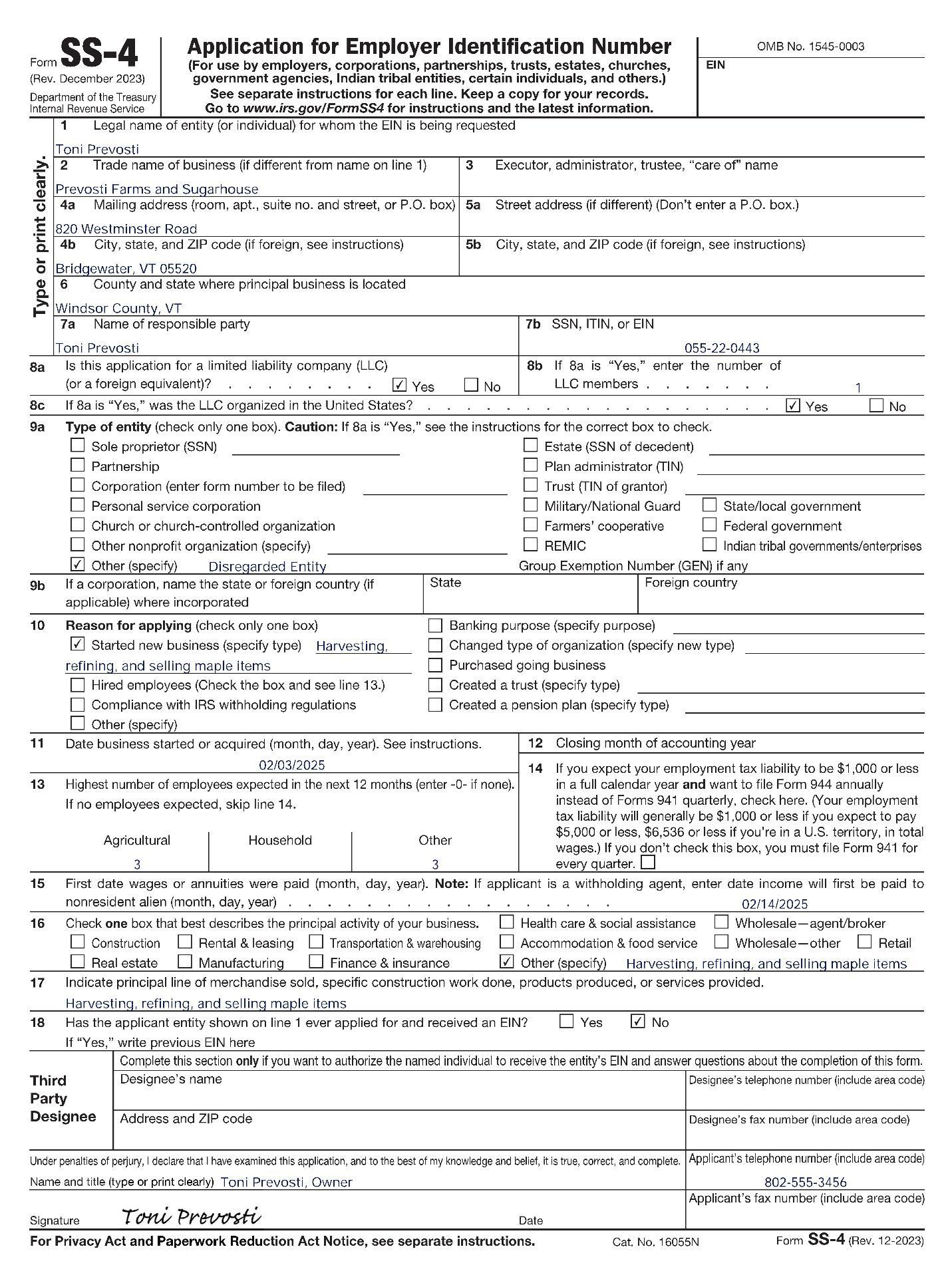
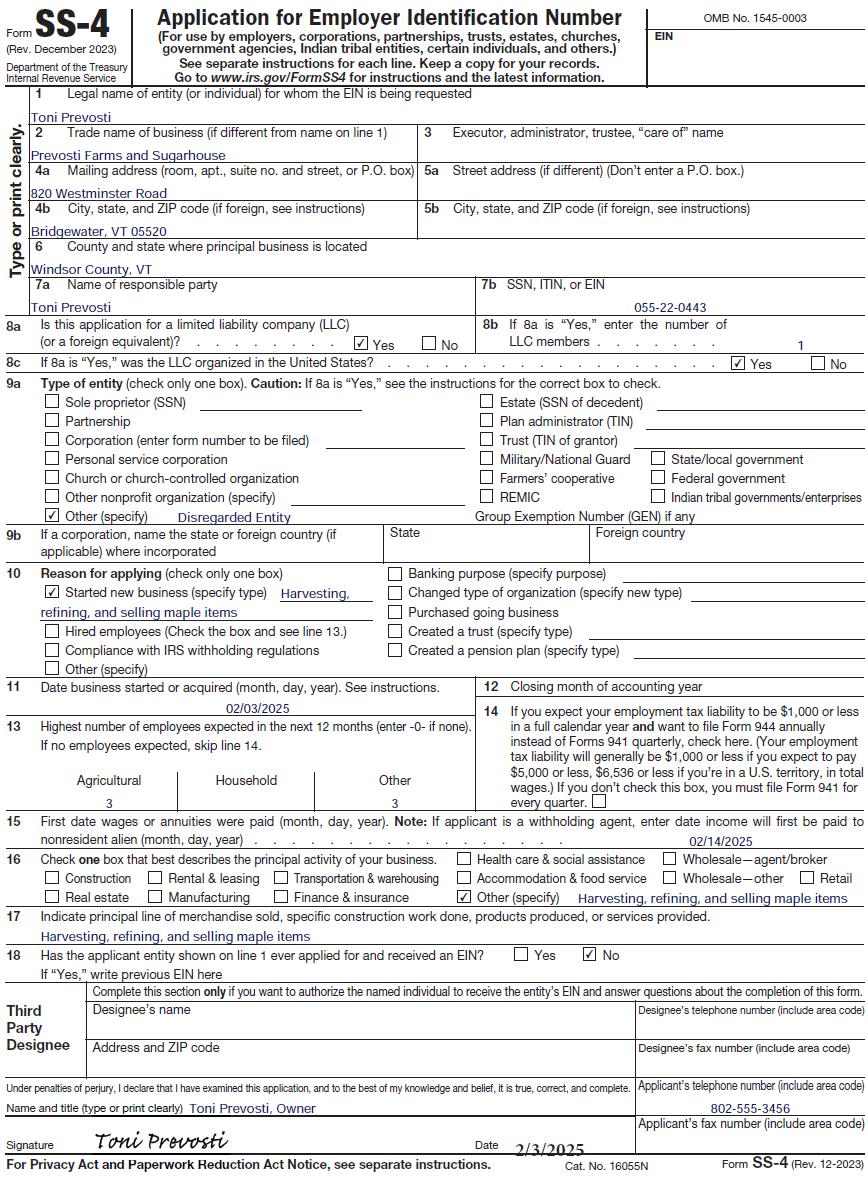
AND SUGARHOUSE
McGraw Hill LLC. All rights reserved. No reproduction or distribution without the prior written consent of McGraw Hill LLC.
McGraw Hill LLC. All rights reserved. No reproduction or distribution without the prior written consent of McGraw Hill LLC.