California Rodeo Salinas
Economic, Fiscal, and Social Impact Analysis
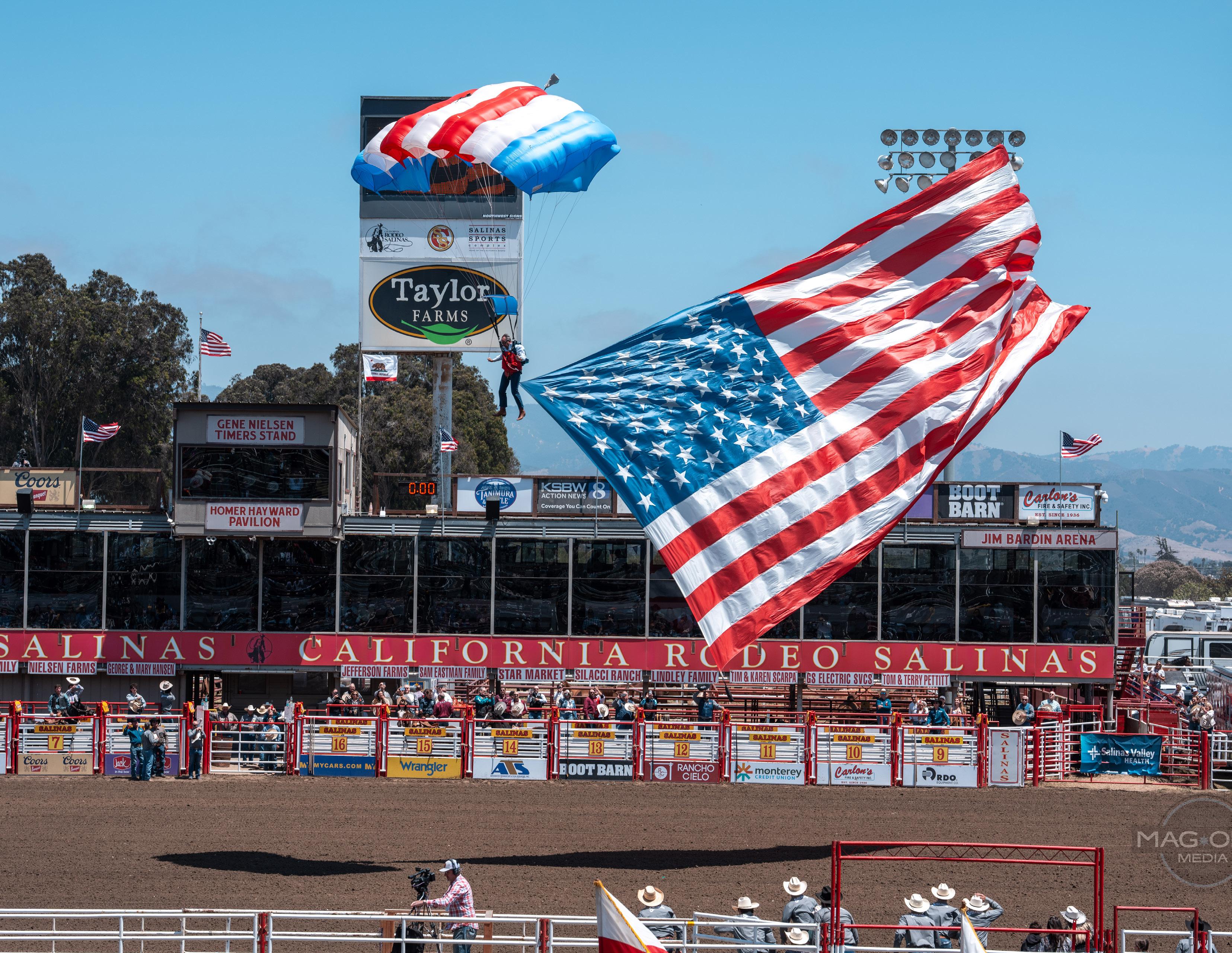
December 2025
Economic, Fiscal, and Social Impact Analysis
December 2025
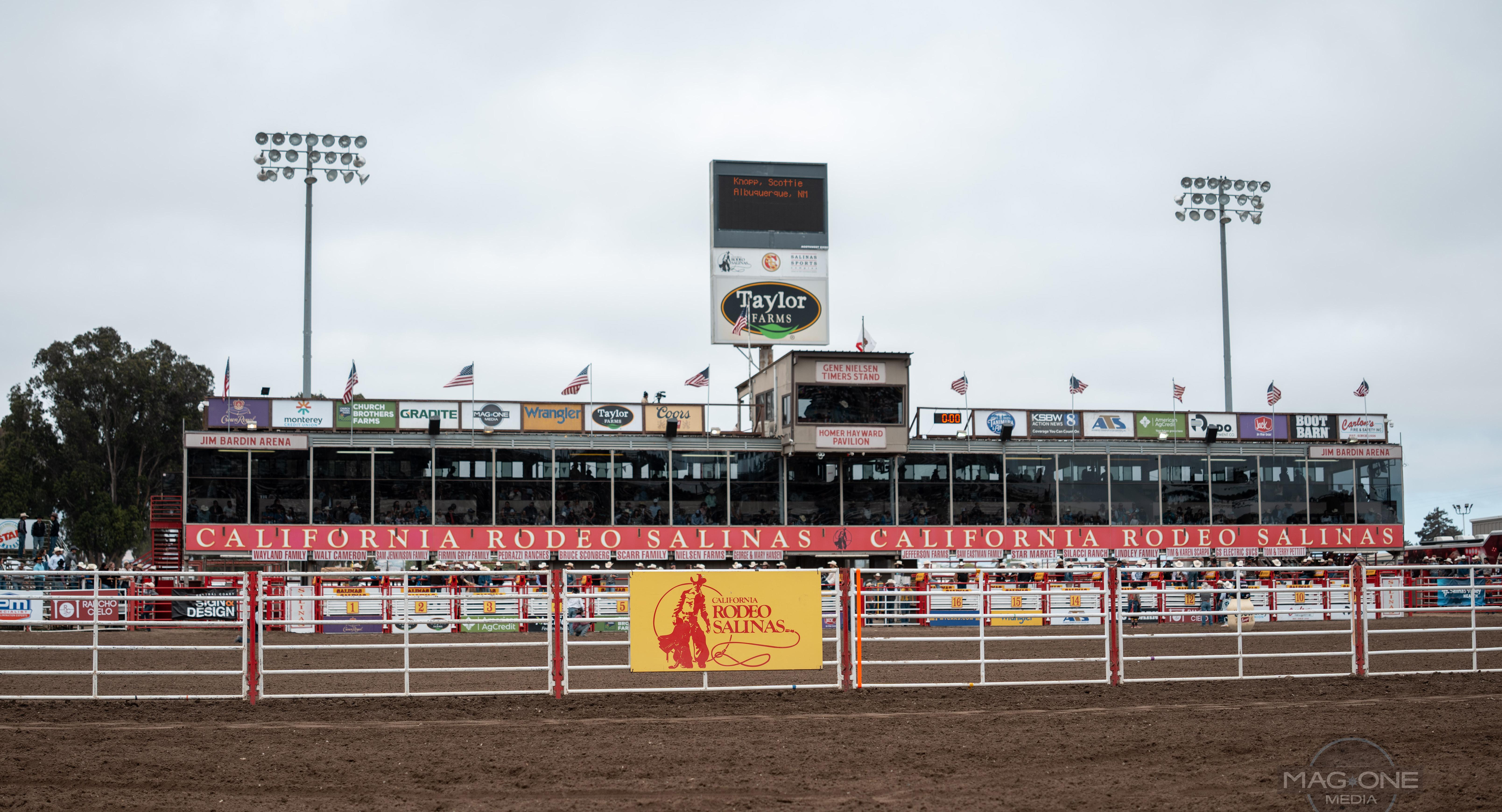
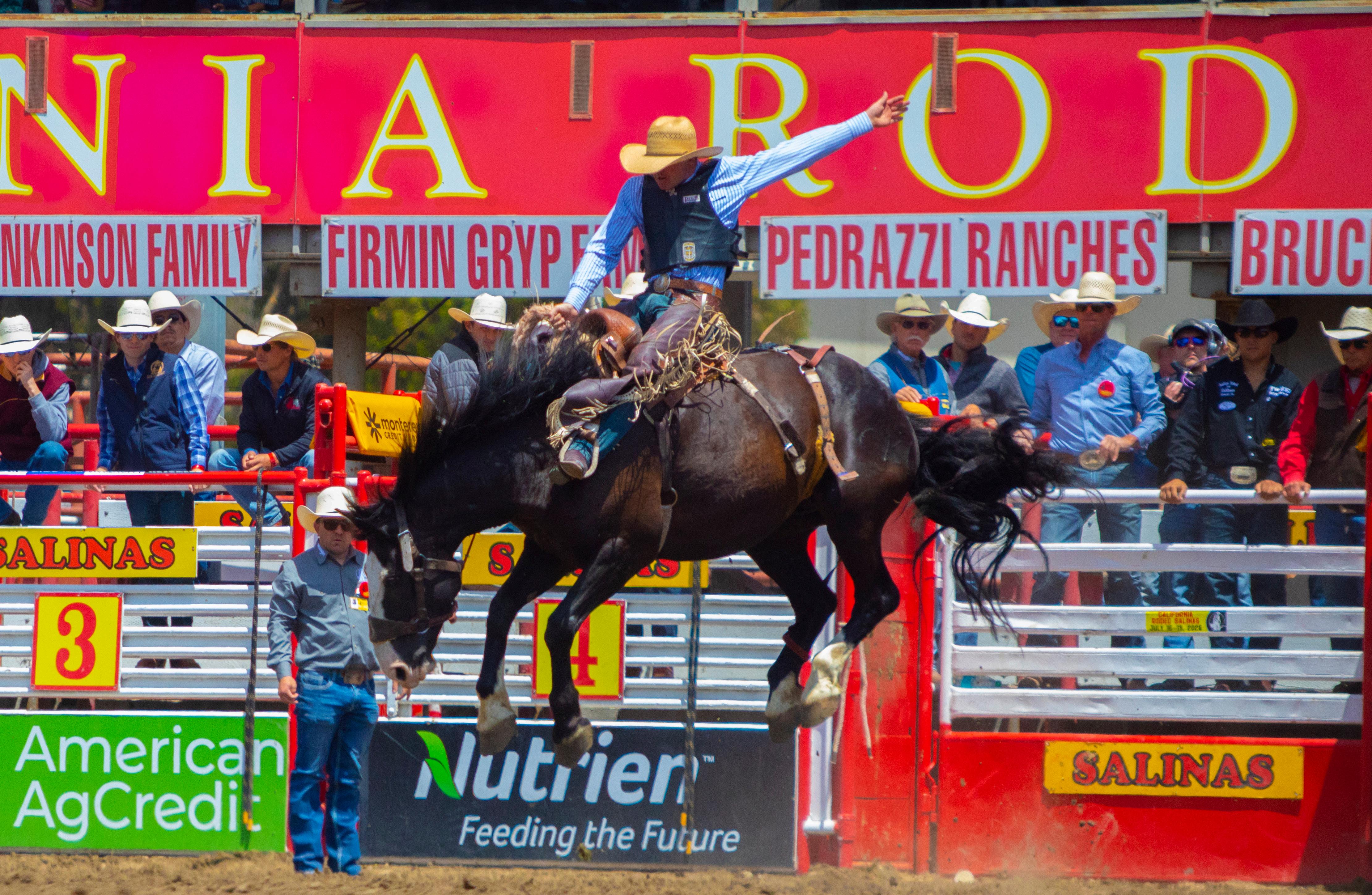
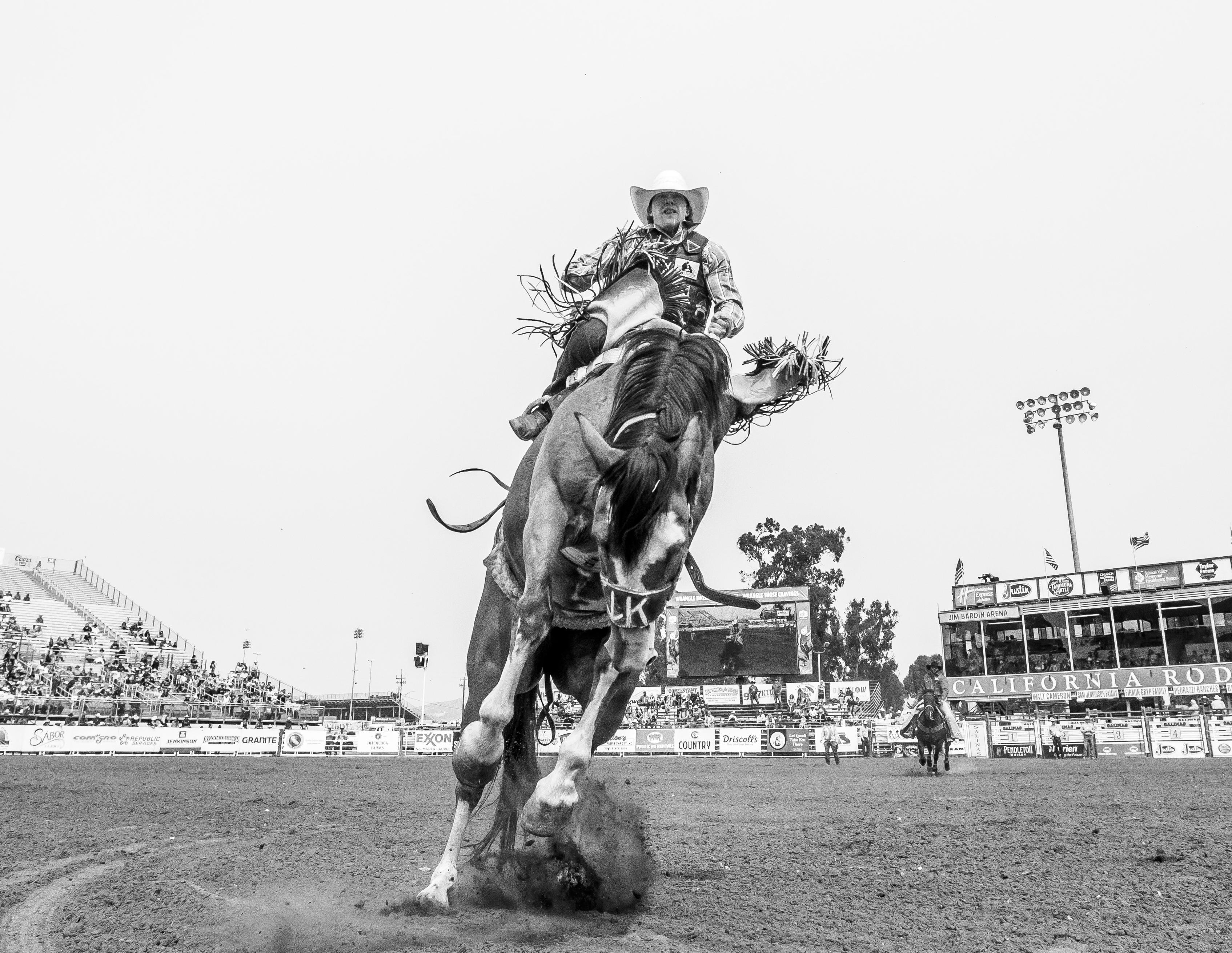
The California Rodeo Salinas (CRS), held annually in Salinas since 1911, is the largest professional rodeo in California and one of the top 15 in the United States. What began as a small local event attracting roughly 4,000 spectators has evolved into a major annual celebration that now welcomes nearly 90,000 attendees, reflecting more than a century of steady growth and enduring community pride. The California Rodeo Association (CRA), which produces the event, also drives year-round economic activity through the operation of the Salinas Sports Complex (SSC), a regional venue that hosts concerts, festivals, sporting events, and community gatherings. Collectively, the CRS and the SSC represent two of Monterey County’s most significant cultural and economic institutions.
The following economic, fiscal, and social impact study evaluates the contributions of the California Rodeo Association through both the annual California Rodeo Salinas and the yearround operations of the Salinas Sports Complex. The analysis draws on financial records from August 2024 through July 2025, including operational and capital expenditures, as well as results from an attendee survey conducted during the 2025 event season. These inputs were used to estimate the flow of CRS- and SSC-related activity throughout the local and regional economy, illustrating how these operations generate business activity, support public revenues, and strengthen community life in Monterey County and beyond.
In 2025, the California Rodeo Association generated new spending in the Monterey County economy through three primary channels: operating and on-site attendee spending, capital improvement expenditures, and off-site attendee expenditures. These direct contributions represent the initial flow of dollars that stimulate broader economic activity across local industries and households.
Total direct spending amounted to approximately $17.0 million:
• $14.6 million generated by the CRS.
• $2.4 million from year-round events at the SSC.
CRS spending was near evenly split between operations (52%) and off-site attendees (45%), underscoring its strong visitor-driven activity, while SSC spending was more concentrated in operations and on-site attendee spending (75%).
The direct contributions of the annual CRS, along with year-round events at the SSC, have a substantial impact on Monterey County and beyond. Combined, the CRS and the SSC supported 93 local jobs and generated approximately $21.8 million in total economic output. The majority of this economic activity was attributable to the CRS itself, which continues to anchor Salinas’s tourism and hospitality sectors as the largest county event.
Comparative Impact Results for CRS and SSC, Monterey County Figure 2
Source: California Rodeo Salinas, Bureau of Economic Analysis, Bureau of Labor Statistics, and the U.S. Census Bureau. Analysis by Beacon Economics using IMPLAN 2023 (2025 dollars).
Attendee and operational spending at the CRS and the SSC produced widespread local benefits, supporting businesses in hospitality, retail, construction, and event services. The resulting fiscal contributions totaled more than $2.4 million in tax revenues, including around $380,000 in local taxes that help fund essential city services and infrastructure throughout Monterey County.
Economic and Fiscal Impacts at a Glance (Monterey County, 2025):
Additional Statewide Impact: Together, CRS and SSC activities generated about $3.3 million in economic output and $454,000 in tax revenue across the rest of California, excluding Monterey County.
For more than a century, the CRA has advanced cultural preservation and community development in Salinas and Monterey County. Through its operations, which celebrate and maintain Western heritage for future generations, the CRA engages the public and reinvests event revenues into the community by providing scholarships, supporting local nonprofits, and uplifting area residents.
CRA’s Ongoing Contributions Include:
Community Giving – $850,000 distributed to 40-plus nonprofits, schools, and service groups.
Scholarships and Youth Development – More than
$200,000 awarded since the 1980s to support local students pursuing higher education and vocational training.
Volunteerism and Community Engagement – In
addition to more than 1,400 volunteers and committee members, 350 student volunteers contribute over 5,500 hours of community service each year.
Cultural Identity and Heritage – 13,000 spectators and 1,100 horses in Big Week parades, with more than 550 community events hosted annually at the SSC.
Beacon Economics assessed the economic, fiscal, and social contributions of the CRS and the SSC during the Rodeo year, spanning August 2024 through July 2025. The analysis evaluates how spending, onsite operations, and community programming associated with the CRS and the SSC contribute to regional and statewide outcomes.
The California Rodeo Salinas and the Salinas Sports Complex play a significant economic and community role in Monterey County. Founded in 1911, the CRS has grown into the largest professional rodeo in California and one of the top fifteen in the nation. Each year, around 90,000 people attend Big Week, the multi-day event centered on the CRS and supported by parades, concerts, and other community activities. The event relies on more than 1,400 community volunteers and generates revenue that supports local organizations, including approximately $850,000 distributed to nonprofits in 2025.
The CRS also supports a broader, year-round community asset. Operated by the California Rodeo Association, the SSC hosts more than 550 events each year, including concerts, tournaments, festivals, and community gatherings. These activities make the SSC an important contributor to Monterey County’s tourism, hospitality, and local business activity, while providing a space for community use and engagement.
This study measures the economic, fiscal, and social impacts of the CRS and the SSC. The analysis evaluates spending tied to operations, capital improvements, and attendance, and estimates the resulting business activity, employment, household income, and tax revenues across Monterey County and the rest of California. The study also reviews community benefits generated through volunteer involvement, reinvestment, and cultural programming.
• Monterey County – the primary region of impact, where most CRS and SSC daily operations, employment, and spending occur.
• Rest of California – capturing broader spillover effects that extend beyond Monterey County through supply chains, visitor spending, and business activity.
Dimensions of Impact
• Economic Impact – Measures the business activity supported by CRS- and SSC-related operations, vendor purchasing, and attendee spending.
• Fiscal Impact – Quantifies the tax revenues generated through sales, lodging, and business taxes that support local and state public services.
• Social and Community Impact – Evaluates how the CRS and the SSC strengthen civic identity and engagement through volunteerism, charitable giving, education, and cultural preservation.
• Employment – The total number of jobs supported, including full-time, part-time, and seasonal positions, measured on an annualized basis.
• Labor Income – The combined value of wages, salaries, and proprietor earnings generated by supported employment.
• Output – The total value of goods and services produced as a result of CRS- and SSC-related spending.
• Tax Revenues – The fiscal contributions to local, state, and federal governments through sales, lodging, and other tax channels.
• Volunteer Hours – The unpaid labor contributed by community members that supports event operations and outreach programs.
• Community Reinvestment – The financial and in-kind support directed toward local nonprofits, youth programs, and civic initiatives that enhance community well-being.
Economic and fiscal impacts were estimated using the 2023 IMPLAN (Impact Analysis for Planning) model, a widely used regional input–output system that measures how spending in one part of the economy generates additional activity across other industries. A multi-regional input–output (MRIO) approach was applied to track how economic activity originating in Monterey County extends through supply chains and visitor spending across the rest of California. The model captures three categories of economic effects:
• Direct effects – Immediate economic activity resulting from CRS- and SSC-related operations, capital spending, and visitor expenditures, net of regional economic leakage.1 These impacts occur in the industries where the original spending takes place, including event operations, hospitality, and food services.
• Indirect effects – Supply chain activity generated through business-to-business purchasing. For example, spending on event equipment, security services, or facility repair stimulates activity in manufacturing, logistics, and professional and technical service industries that support CRS and SSC operations.
• Induced effects – Household spending supported by wages earned by workers employed directly or indirectly.
The analysis incorporates 2024–25 operational, financial, and visitor data modeled in 2025 dollars. Inputs included:
• An online attendee survey, developed and administered by Beacon Economics through SurveyMonkey and accessed via QR code during events, capturing visitor spending behavior, lodging, transportation, and travel characteristics.
• Financial and operational records provided by the California Rodeo Association, including event-level attendance, revenues by category (ticket sales, parking, concessions), operating and capital improvement expenditures, and employment with associated payroll.
• These data sources form the basis for estimating direct spending and calibrating the IMPLAN model to generate secondary economic and fiscal impacts. All reported results are presented in 2025 dollars to reflect current economic conditions.
1 Leakage refers to industry activity, employment, labor income, or taxes that occur outside the region of analysis as spending flows to suppliers, workers, or services located elsewhere. See the appendix for a full glossary of terms.
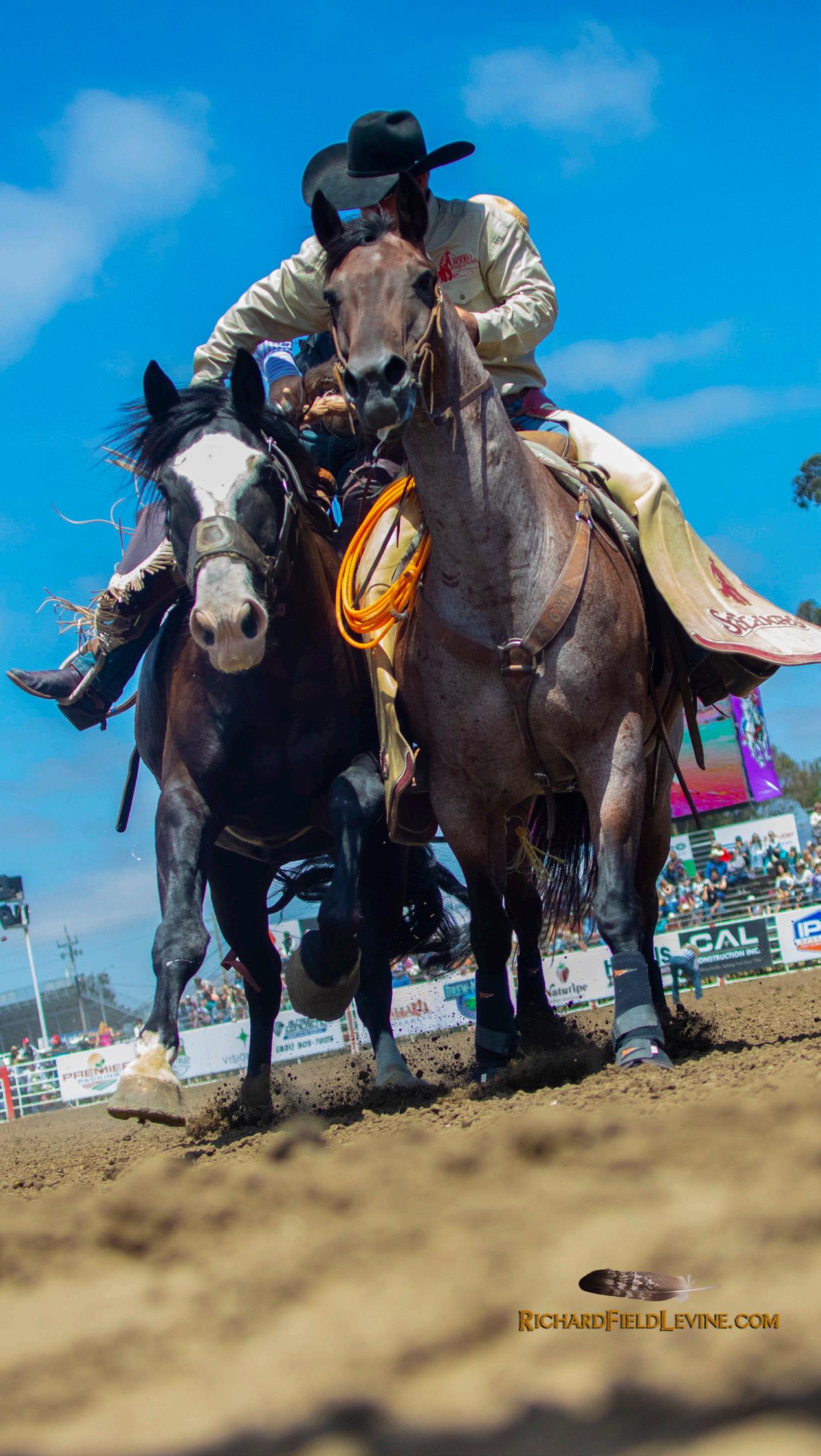
For more than a century, the California Rodeo Salinas and its surrounding Big Week festivities have celebrated the heritage of early California and the American West. Founded in 1911 as a community event featuring local cowboys and cowgirls, the CRS quickly became a professional contest attracting ever larger audiences.2
The CRS has weathered world wars, the Great Depression, massive social upheaval, and the COVID-19 pandemic, which marked its first cancellation since World War II.3 Enduring these challenges reflects the strong community support and organizational resilience that have sustained it for more than a hundred years.
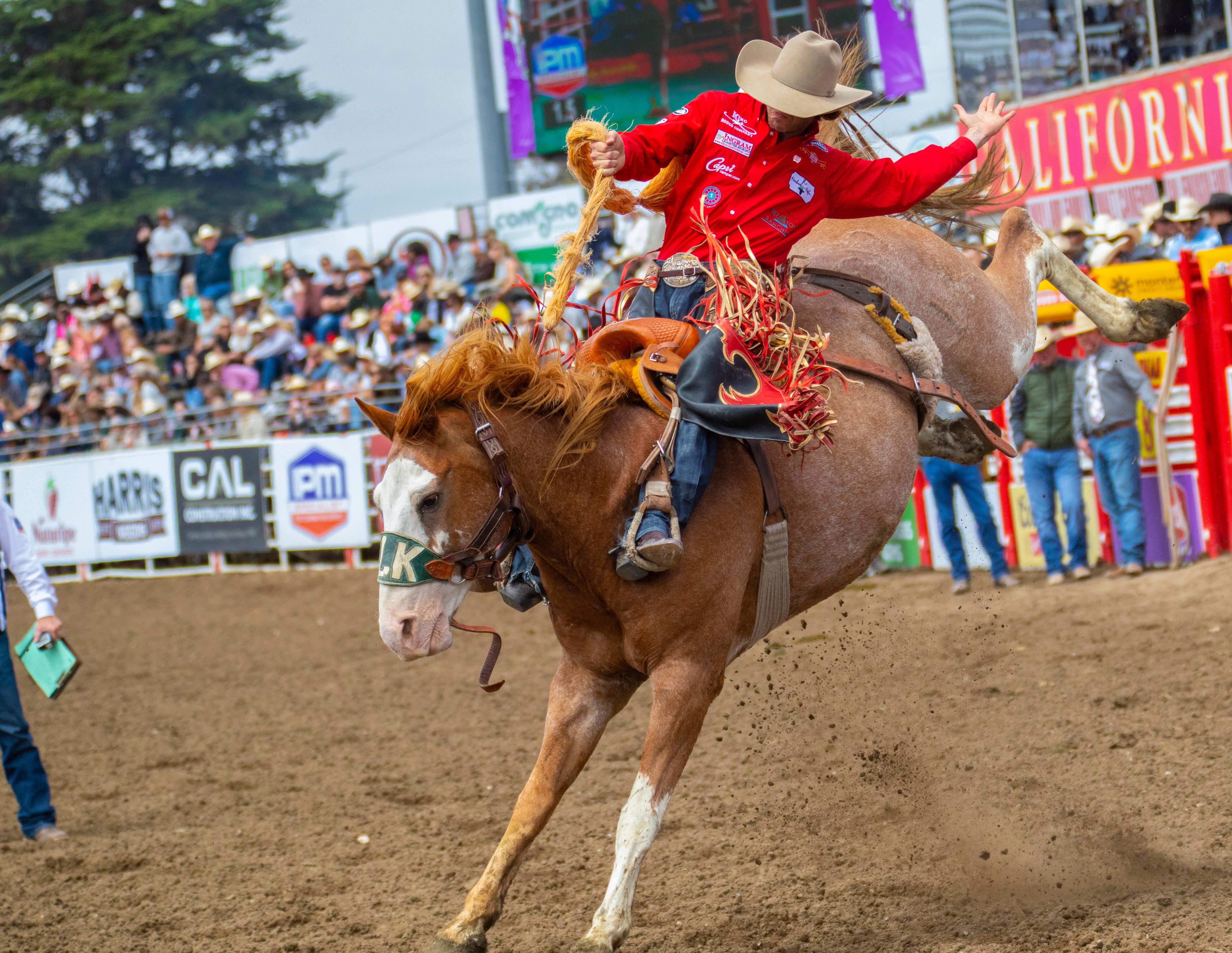
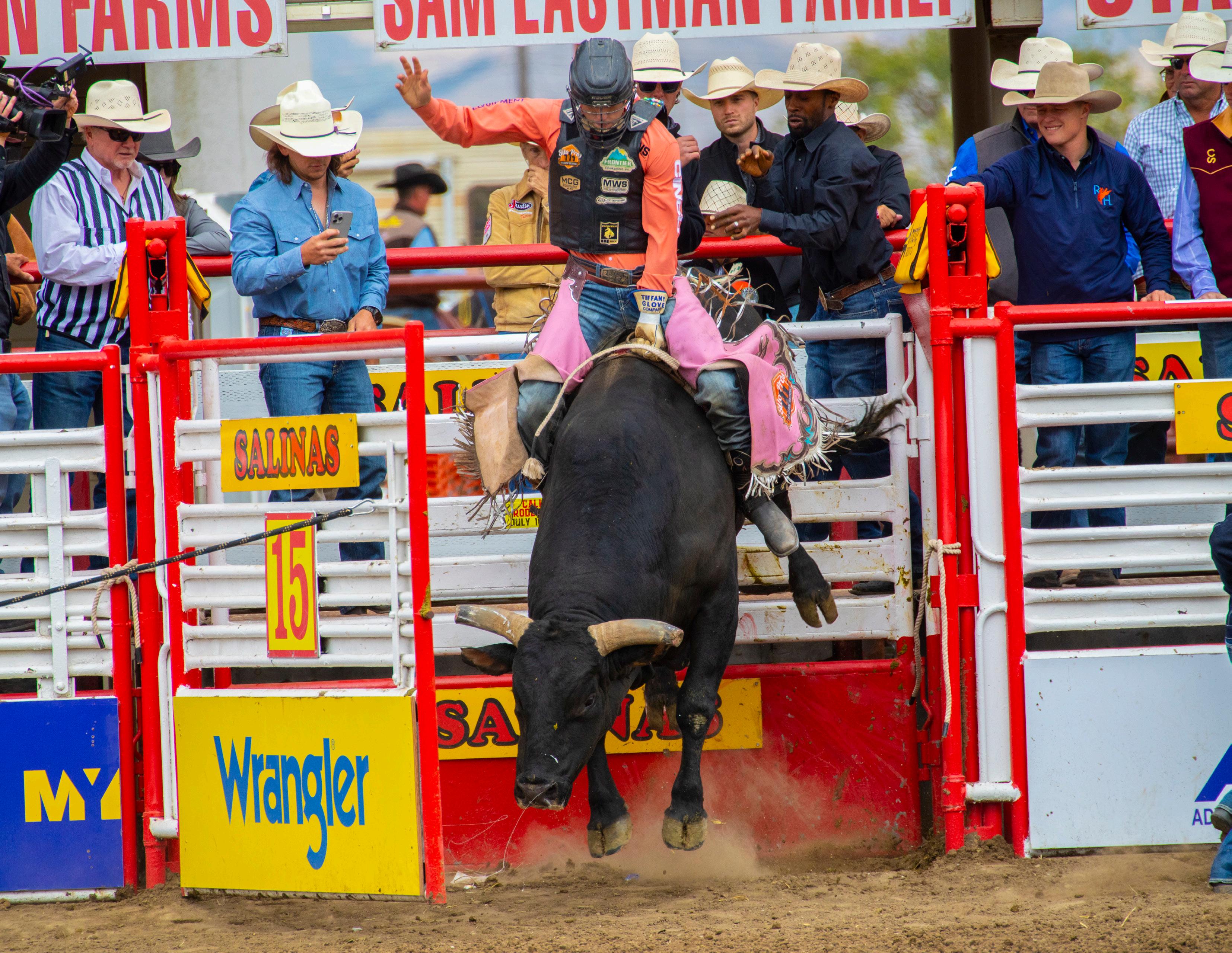
Today, the CRS is the largest professional rodeo in California and one of the top fifteen in the United States, sanctioned by the Professional Rodeo Cowboys Association (PRCA), attracting about 90,000 attendees in 2025. While the event has expanded to include concerts, motorsports, and family entertainment, traditional activities such as bull riding, roping, and parades continue to connect the generations.
Among its longstanding traditions are the horse parades that take place daily during the CRS. These parades have been part of Big Week since the beginning, carrying on a tradition that started in 1911 and has spanned more than a century. Today, the horse parades feature law enforcement riding units, rodeo competitors, local riding clubs, youth and adult riders, and cultural riding groups, with hundreds of horses filling the streets of Salinas each day of the four-day event and drawing thousands of spectators each summer.
Beyond its cultural legacy, the CRS is a cornerstone of Monterey County’s economy, the region’s largest annual event, and a major driver of tourism, retail, and hospitality activity. The not-for-profit California Rodeo Association reinvests event proceeds locally, distributing more than $850,000 in community donations in 2025 and $800,000 in 2024 to support local nonprofits, Western industry groups, and civic organizations. Scholarships are also central to its mission, with $47,500 awarded in 2024 and $30,000 in 2025 to local students through the Community Foundation for Monterey County.
2 Monterey County Historical Society. (n.d.). The California Rodeo: A Central Coast tradition. https://mchsmuseum.com/local-history/american-era-growth-anddevelopment/the-california-rodeo-a-central-coast-tradition/ 3 California Rodeo Salinas. (n.d.). History. https://www.carodeo.com/p/about-us/history

The growth of the CRS went hand-in-hand with the development of the Salinas Sports Complex. In 1911, the CRS was first held at the Sherwood Racetrack grounds. By 1924, the site had expanded to include an 8,000seat grandstand and a half-mile racetrack. In 1996, the facility was redeveloped and renamed the Salinas Sports Complex, featuring an arena with three grandstands and seating for 16,500 spectators. The SSC also includes banquet halls, exhibition spaces, a heritage museum, and athletic fields that accommodate a wide range of year-round community, entertainment, and sporting events in addition to the annual CRS.
Managed by the California Rodeo Association, the SSC is one of Monterey County’s most active and versatile event venues. It hosts a wide variety of activities each year, including concerts, cultural festivals, motorsports, sporting tournaments, banquets, and community fundraisers. In 2024, the SSC recorded 83 stadium rentals, 112 banquet rentals, and 333 sports rentals, underscoring its consistent use and economic value to the region.
Beyond its role as the home of the CRS, the SSC is a vital contributor to Monterey County’s tourism and hospitality sectors. Its broad event programming attracts thousands of visitors annually, supporting local businesses and providing a gathering place that strengthens community engagement throughout the year.
Through its operations, capital improvements, and attendee spending both on-site and off-site, the CRS injects millions of dollars directly into Monterey County’s economy each year. These expenditures represent the initial flow of funds that support local vendors, contractors, and employees before generating broader ripple effects throughout the region.
In 2025, the CRS and the SSC jointly contributed $17.0 million in direct spending within Monterey County. About 86% of this activity originated from CRS operations, while 14% was
generated by events and year-round operations at the SSC. Operating revenues accounted for the largest share of direct impacts at $9.4 million, followed by attendee spending outside the CRS and the SSC at $7.0 million, and capital improvement expenditures at $0.5 million.4
These direct contributions formed the foundation of
economic impact modeled in IMPLAN, illustrating how CRS and SSC activity stimulate demand across local businesses, service providers, and households.
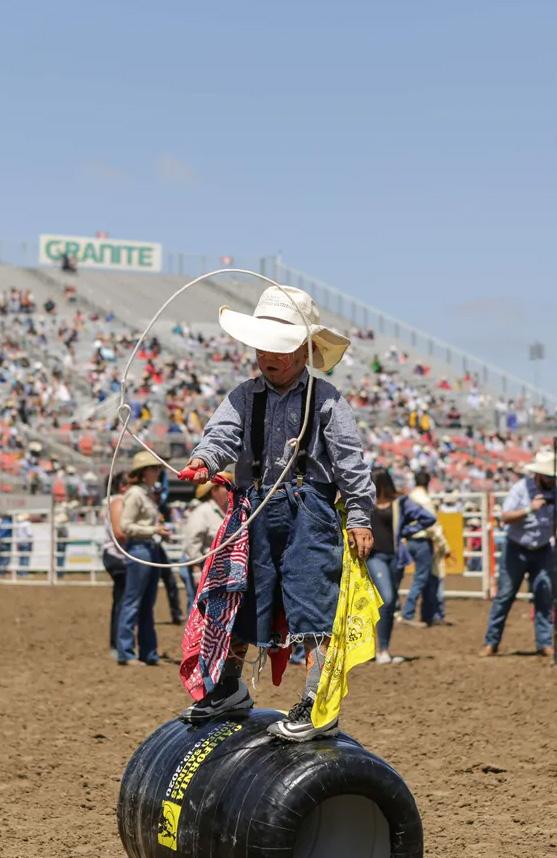
As the largest annual event in Monterey County, the CRS generates significant economic activity across the region and beyond. Attendee spending, event operations, and capital improvements together create widespread benefits for local businesses, supporting jobs, labor income, and output throughout the local economy.
Total attendance at the CRS approached nearly 90,000 across all events, including the Kick-Off Concert performed by Blake Shelton, the 10-Day Rodeo Carnival, the Xtreme Bulls event, and the four main days of the CRS. Using attendance data combined with results from the distributed attendee survey, it is estimated that 60% of attendees were residents of Monterey County, while 40% traveled from outside the area.
• Local and visiting attendees jointly generated approximately $8.2 million in direct spending during the 2025 CRS.
In-venue spending totaled $1.6 million, supporting local vendors, concessionaires, and event operators. Visitors contributed $5.8 million, representing more than 70% of all spending and underscoring the CRS’s tourism-driven impact.
Local attendees added another $800,000 in off-site spending at restaurants, retail outlets, and transportation services across Monterey County.
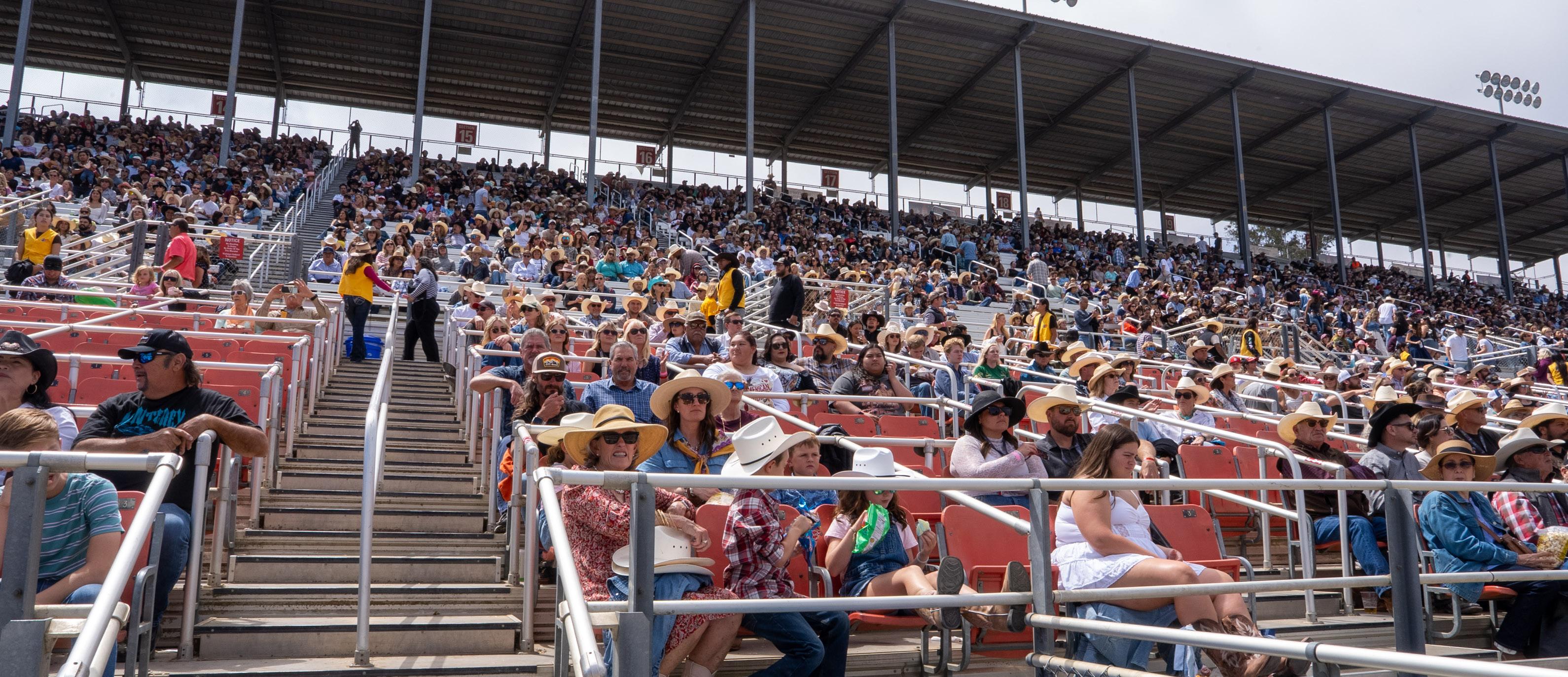
Results from the attendee survey show that both local and visiting attendees spent across a range of categories, with visitors spending considerably more per day on lodging, food, and retail purchases.
• Visitor spending was a major source of local economic activity during the 2025 CRS, averaging about $161 per person per day—including $63 on lodging, $41 on food and beverage, and $30 on retail. This spending reflects the CRS’s tourism impact, as out-of-town guests generate much of the revenue that supports local hotels, restaurants, and stores.
• Local attendees also contributed to the regional economy, spending an average of $15 per person per day outside the venue, mainly on dining and transportation.
Overall, these spending patterns show that the CRS provides broad economic benefits that reach businesses across Monterey County.
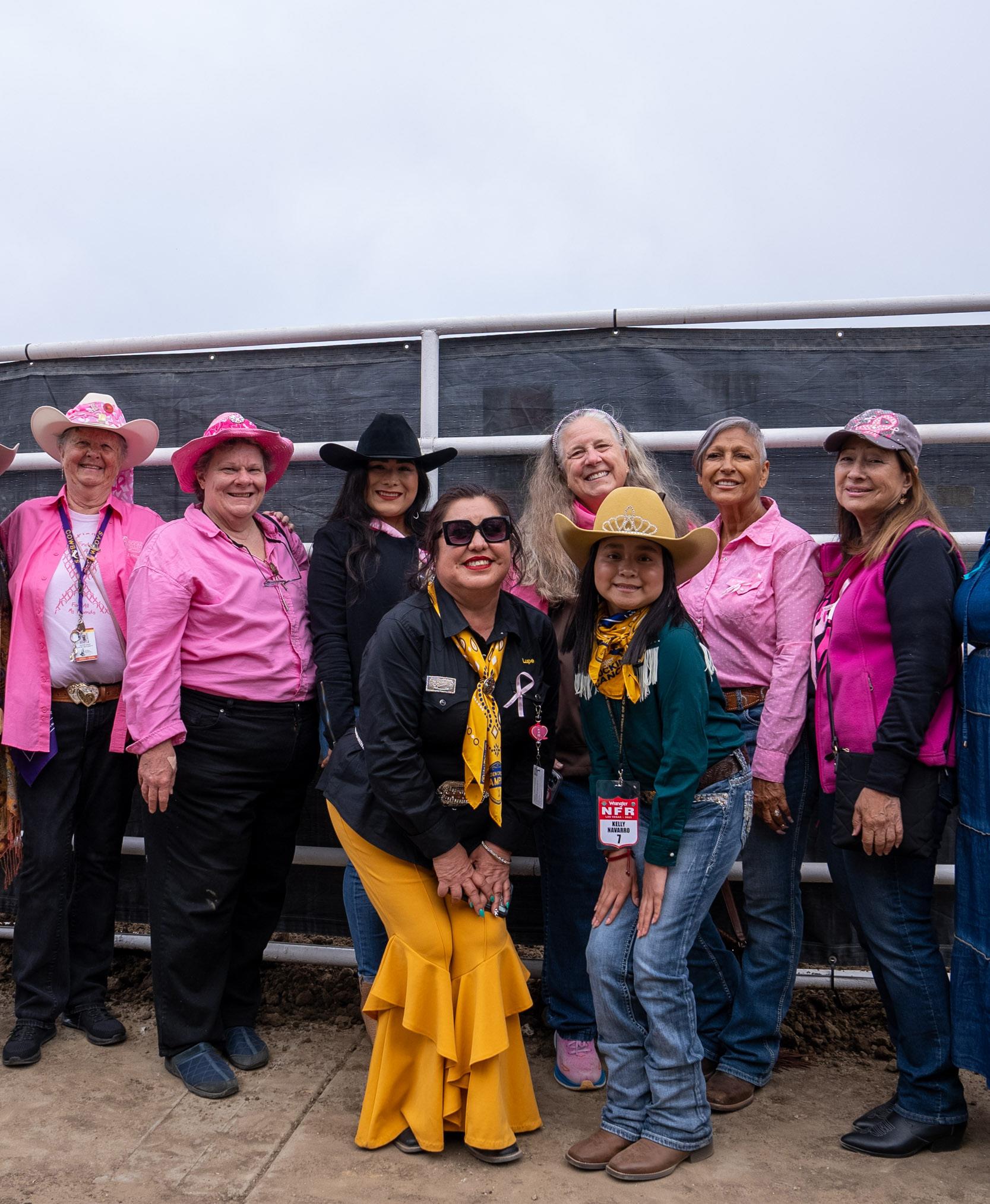
In 2025, the CRS generated an estimated $18.7 million in total economic output, supporting 83 full- and part-time jobs across Monterey County.
• Direct activity, including spending by the CRS, vendors, and attendees, accounted for nearly 60% of total output ($11.2 million) and 45 local jobs.
• Indirect impacts added another $5.1 million, reflecting strong business linkages with local suppliers, contractors, and service providers.
• Induced effects, generated by household spending from CRSsupported workers, contributed an additional $2.4 million, showing how CRS earnings circulate throughout the local economy.
Altogether, the CRS produced $7.8 million in local GDP (value added) and $5.9 million in labor income.
“Every
$1 of the California Rodeo Salinas’s direct economic activity supports an additional $0.70 in economic activity within Monterey County, resulting in $1.70 in total output.”
CRS Overall Economic Impact Monterey County, 2025
Table 1
Source: California Rodeo Salinas, Bureau of Economic Analysis, Bureau of Labor Statistics, and the U.S. Census Bureau. Analysis by Beacon Economics using IMPLAN 2023 (2025 dollars).
Note: The figures reflect both direct and secondary impacts, including spending on operations, maintenance, capital improvements, and by visitors.
(Totals may not sum exactly due to rounding)
• Attendee spending accounted for $5.1 million, or roughly 27% of total output, supporting 30 jobs across hospitality, retail, and transportation industries. Each dollar spent by attendees generated about $1.40 in total local economic activity.
• The remaining $13.5 million in output, or about 73% of the total, came from CRS operations and capital improvements, which supported 53 jobs through facility improvement, event services, and vendor contracts.
Source: California Rodeo Salinas, Bureau of Economic Analysis, Bureau of Labor Statistics, and the U.S. Census Bureau. Analysis by Beacon Economics using IMPLAN 2023 (2025 dollars).
(Totals may not sum exactly due to rounding)
Beyond Monterey County, CRS-related spending generated additional economic and fiscal impacts across the rest of California. These spillover effects occur through indirect and induced effects, as supply chain purchases and employee spending extend beyond the immediate region. As suppliers and manufacturers statewide respond to CRS-related demand, business activity increases, stimulating additional household spending and contributing to local and state tax revenues. For example, spending on food and beverages increases demand for trucking and transportation services as goods are shipped to distributors, vendors, and concessionaires supporting the CRS. In total, activity in the rest of California supported an estimated 10 jobs, $1.0 million in labor income, $1.8 million in value added, and $2.9 million in total output.5
The 2025 California Rodeo Salinas generated nearly $2.0 million in total tax revenues across federal, state, and local governments, reflecting strong returns on local economic activity.
• Federal revenues accounted for the largest share at $1.3 million, primarily driven by payroll and business income taxes generated through CRS-related employment.
• State revenues totaled approximately $404,000, supported by taxable sales, event-related income, and business activity across California.
• Local government revenues reached about $297,000, encompassing taxes collected by Monterey County, special districts, and incorporated cities and townships throughout the region.
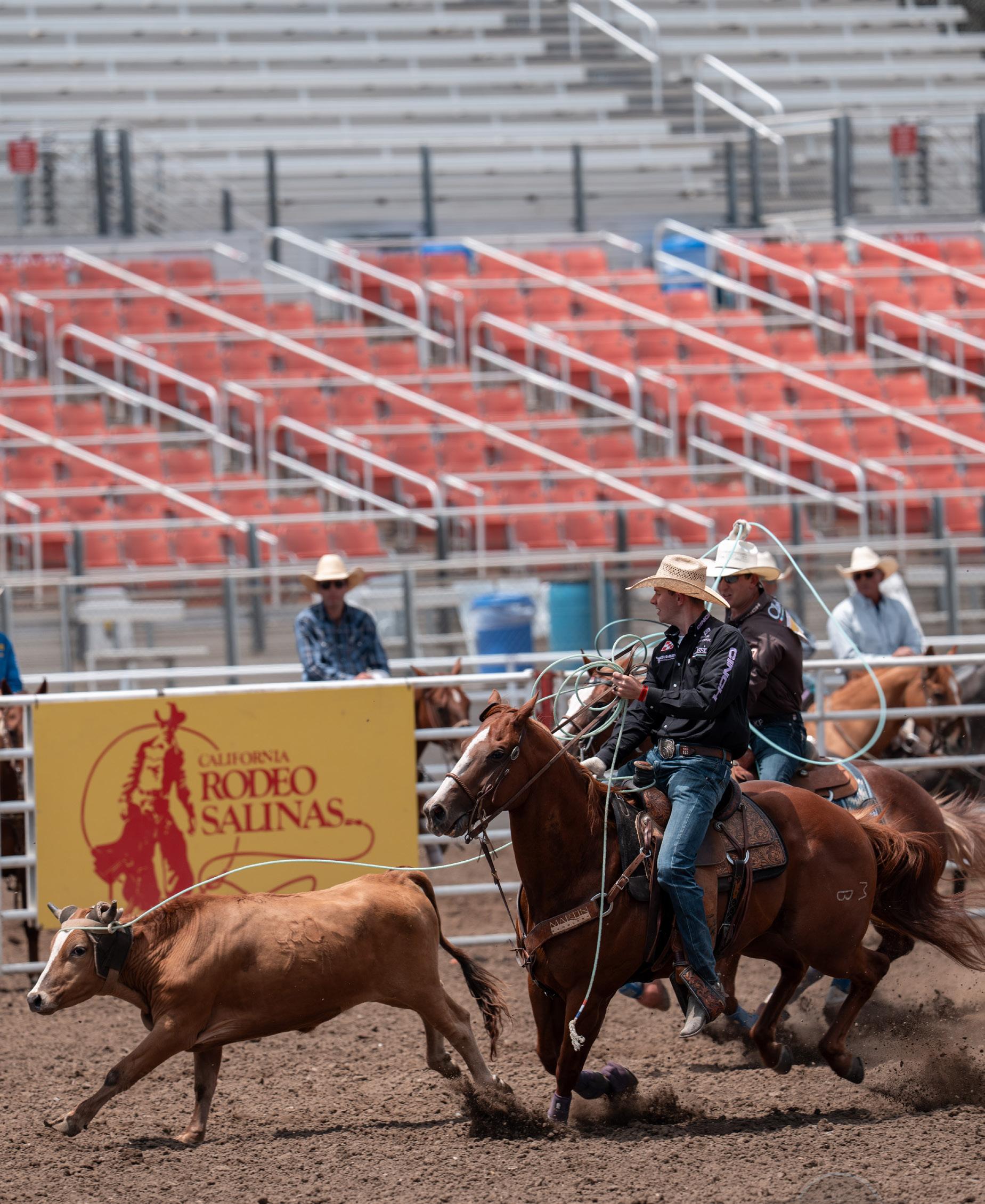
These revenues were largely derived from sales, lodging, and business taxes tied to visitor spending and event operations.
Within Monterey County, local revenue generation was bolstered by an estimated $203,600 in transient occupancy (hotel) taxes and $124,000 in sales tax revenue, based on prioryear benchmarks. These revenues help fund essential city services, public safety, infrastructure, and tourism promotion efforts that benefit residents and businesses throughout the region.
Source: California Rodeo Salinas, Bureau of Economic Analysis, Bureau of Labor Statistics, and the U.S. Census Bureau. Analysis by Beacon Economics using IMPLAN 2023 (2025 dollars).
(Totals may not sum exactly due to rounding)
“Every $10 in total economic output generated by the CRS, approximately $1 in tax revenue was created across all levels of government.”
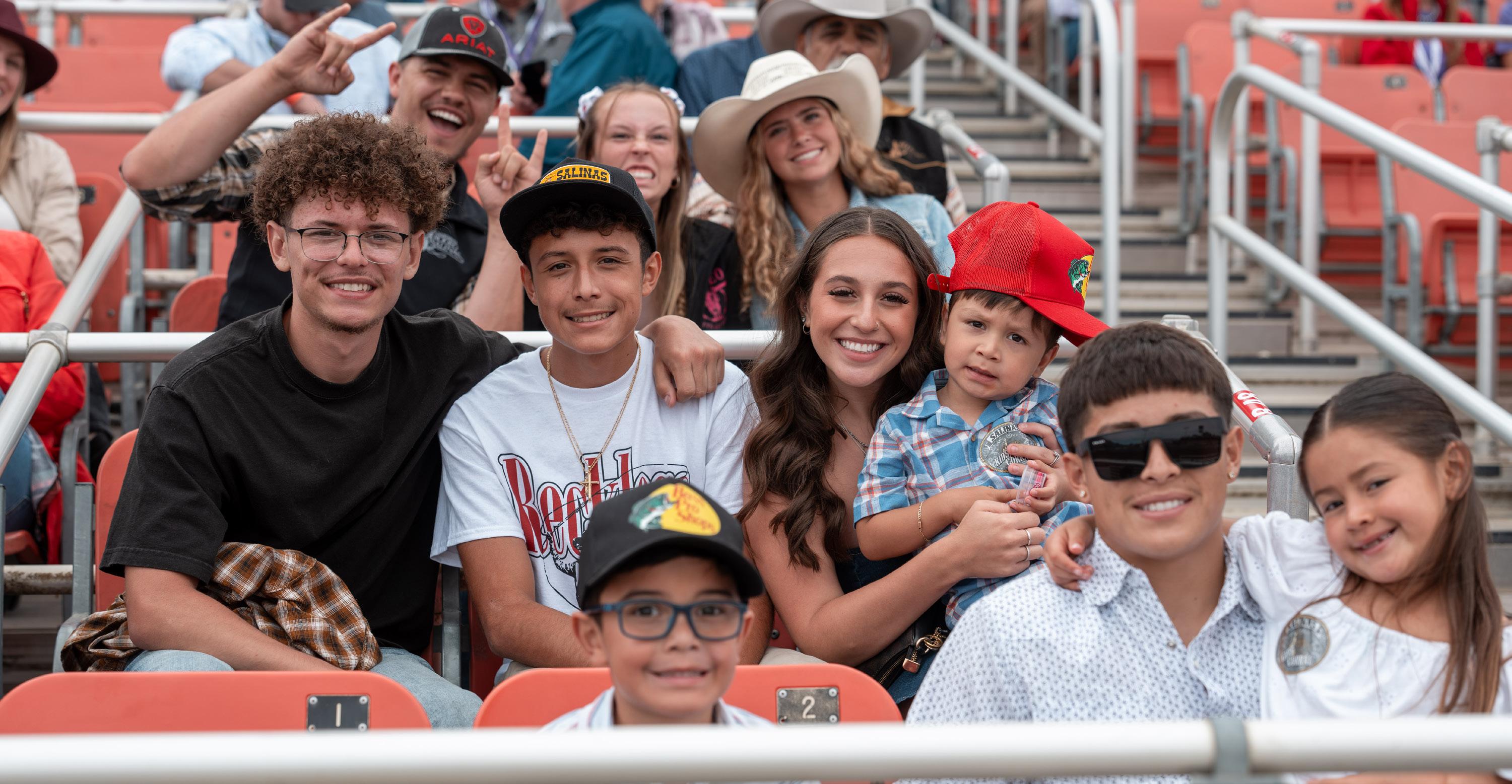
The Salinas Sports Complex plays a year-round role in Monterey County’s economy. Operated by the California Rodeo Association, the SSC hosts a wide range of public and private events that attract visitors, generate spending, and support local businesses. Consistent with the CRS, the SSC contributes to regional economic activity through event-driven attendee spending as well as operational, maintenance, and capital improvement expenditures.
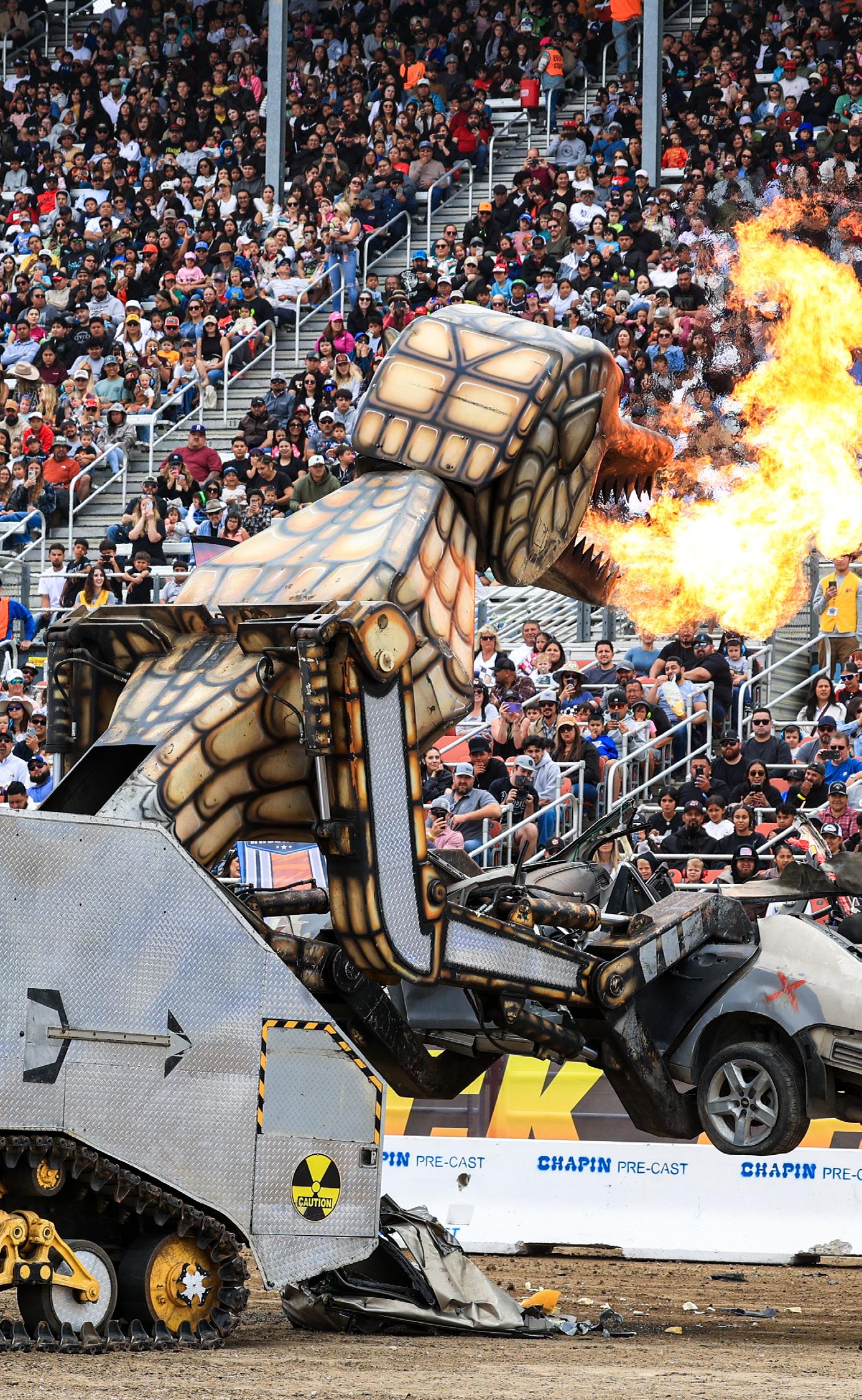
Total attendance at the SSC exceeded 11,000 across all captured events, including the Cowboy Gathering, Monster Truck Throwdown, and Sweetheart Soiree, among hundreds of others held throughout the year via facility rentals. Based on attendance data and the attendee survey results, an estimated 80% of attendees were residents of Monterey County, while 20% traveled from outside the area.
In total, the events generated more than $630,000 in direct spending, $150,000 of which was in-venue, which supported local operators, vendors, and service providers.
• Visitors accounted for about $350,000—roughly 55%—of total spending, underscoring the SSC’s role in attracting out-of-town guests and tourism revenue.
• Local attendees contributed an additional $130,000 in offsite spending at restaurants, retail stores, and transportation services. These activities show how the SSC supports Monterey County’s economy as a year-round hub for community, tourism, and entertainment.
SSC Attendee Spending Overview Figure 6
Source: California Rodeo Salinas. Analysis by Beacon Economics (2025 dollars).
Results from the attendee survey were used to estimate average daily spending for both CRS and SSC attendees, assuming a similar breakdown of expenditures.
• Visitors spent an average of $161 per day, primarily on lodging, food, and retail purchases.
• Local attendees spent around $15 per day on recreation and transportation.
SSC Attendee Spending Pattern Table 4 Source:

Events held at the SSC in 2025 generated an estimated $3.1 million in total economic output, supporting 10 full and part-time jobs across Monterey County.
• Direct spending by the SSC, vendors, and attendees accounted for about 68% of total output ($2.1 million) and four local jobs.
• Indirect and induced impacts contributed another $1.0 million, reflecting the activity of local suppliers and the household income generated through SSC operations.
Altogether, the SSC produced $1.6 million in local GDP (value added) and $691,000 in labor income.
SSC Overall Economic Impact Monterey County, 2025 Table 5
Source: California Rodeo Salinas, Bureau of Economic Analysis, Bureau of Labor Statistics, and the U.S. Census Bureau. Analysis by Beacon Economics using IMPLAN 2023 (2025 dollars).
Note: The figures reflect both direct and secondary impacts, including spending on operations, maintenance, capital improvements, and by visitors.
(Totals may not sum exactly due to rounding)
• Attendee spending generated an estimated $385,000 in total economic output and supported two jobs across Monterey County, with each dollar spent producing about $1.40 in total local activity through hospitality, retail, and transportation.
• Operations, maintenance, and capital improvements accounted for an additional $2.8 million in output and eight jobs, with each dollar invested by the SSC generating about $1.50 in total economic activity within the county.
“Every $1 of the Salinas Sports Complex’s direct economic activity supports an additional $0.50 elsewhere in the Monterey County economy, resulting in a total impact of $1.50.”
SSC Economic Impact in Monterey County by Activity, 2025
Table 6
(Totals may not sum exactly due to rounding)
Beyond Monterey County, spending related to the SSC also generated additional spillover effects across the rest of California. These secondary statewide impacts supported an estimated one additional job, along with $125,000 in labor income, $228,000 in value added, and $364,000 in total output.
Year-round operations at the SSC generated an estimated $357,000 in total tax revenues across all levels of government.
• Local governments received about $83,000, primarily from facility use fees, lodging, and local business activity.
• State revenues totaled approximately $93,000, supported by taxable sales and income from event-related employment.
• Federal revenues reached about $181,000, reflecting payroll and business income taxes tied to ongoing SSC operations.
These revenues demonstrate the ongoing fiscal benefits the SSC provides to public agencies at the local, state, and federal levels through its year-round economic activity.
SSC Fiscal Impact in Monterey County, 2025 Table 7
(Totals may not sum exactly due to rounding)
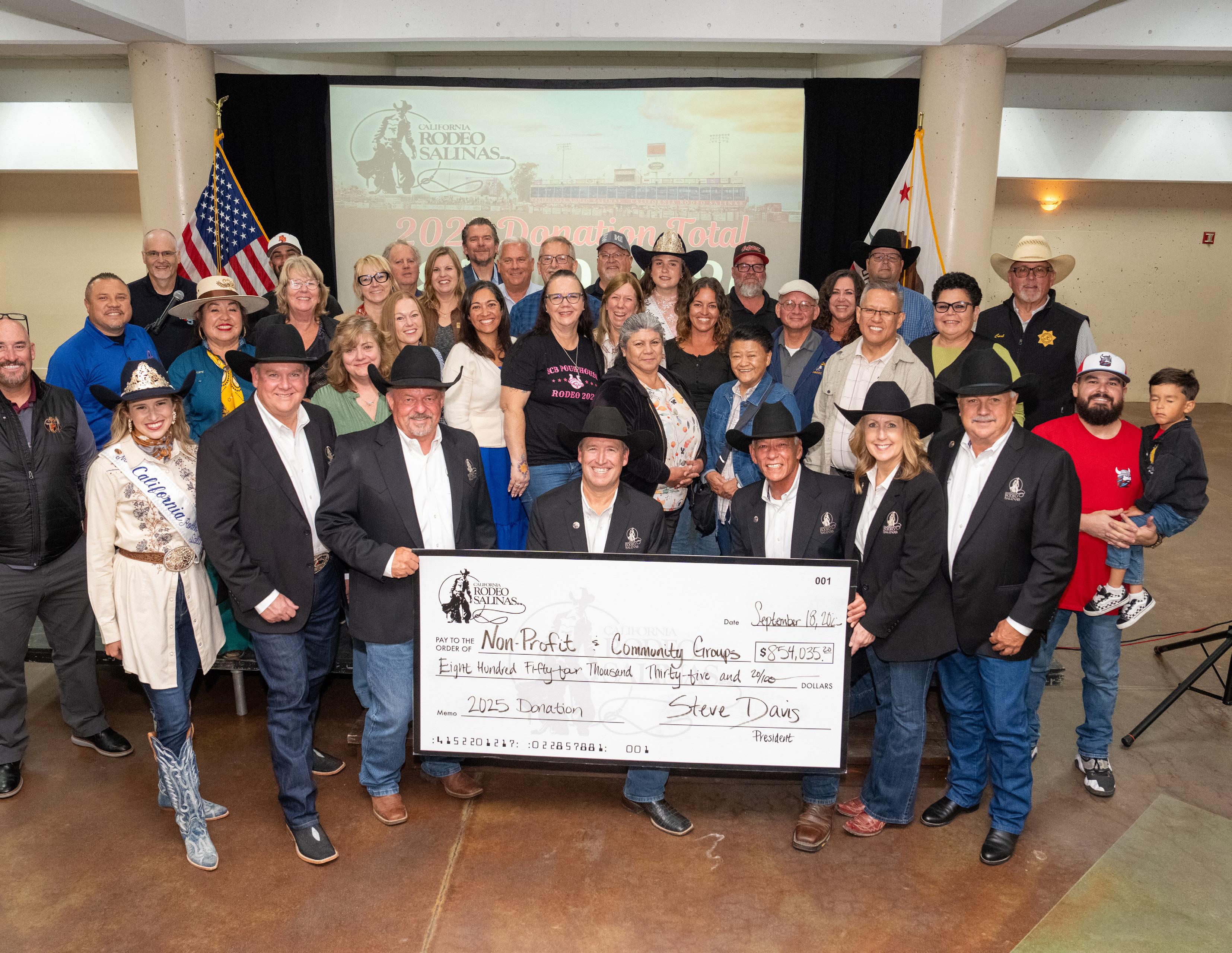
Beyond their economic and fiscal contributions, the California Rodeo Association, which operates the annual California Rodeo Salinas and the Salinas Sports Complex, plays a vital role in the social and cultural life of Salinas and Monterey County. As a not-for-profit organization with more than a century of history, the CRA has become deeply rooted in the community. The Association not only produces some of the region’s most celebrated events but also reinvests in local schools, youth programs, and nonprofit organizations, helping preserve Salinas’ Western heritage and fostering a strong sense of community pride.
The following section highlights the CRA’s ongoing contributions in four key areas: community giving, scholarships and youth development, volunteerism and community engagement, and cultural identity and heritage.
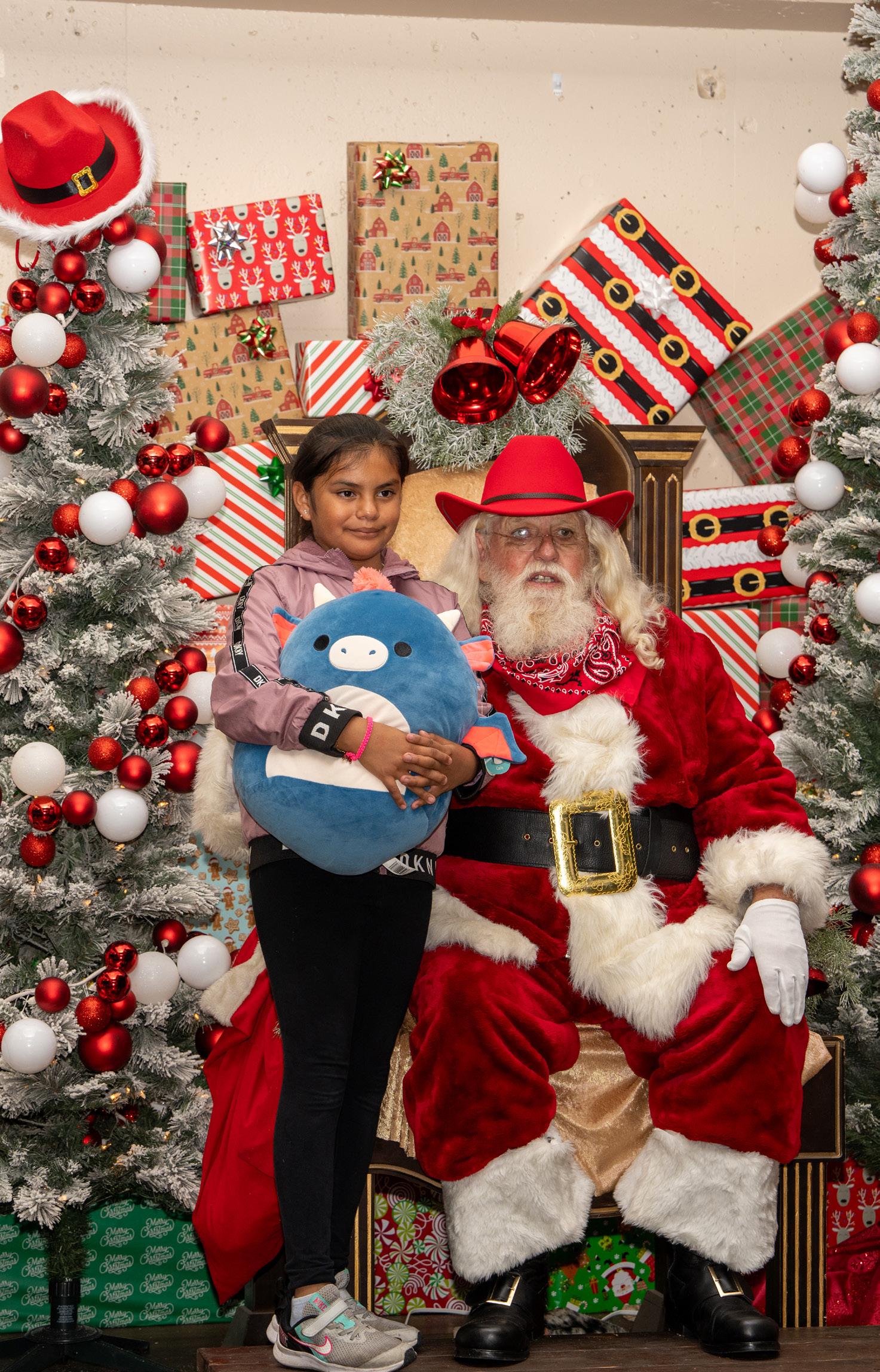
The CRA is one of Monterey County’s most consistent philanthropic contributors. In 2025, it distributed approximately $850,000 to local nonprofits, Western heritage groups, and community organizations, a 7% increase from 2024’s nearly $800,000 in contributions and the largest total in its 116-year history. Annual contributions have steadily increased since 2021, reflecting the CRA’s ongoing commitment to supporting the Salinas Valley community.6
2021-2025
Source: California Rodeo Salinas. Analysis by Beacon Economics.
6 California Rodeo Salinas, Press Releases.
Since resuming the CRS after the pandemic, community contributions have grown by 126%, rising from $376,700 in 2021 to $854,000 in 2025
These funds were generated through event operations and distributed to more than 40 community organizations7 each year that provided essential services during Big Week, including hospitality, facility maintenance, and event setup and cleanup across CRS grounds.
2025 Recipient organizations included:
• Educational and youth programs, such as North Salinas High School Band, Rancho San Juan FFA, the IMUA Volleyball Foundation, and ARIEL Theatrical. In 2025, 20 ARIEL volunteers supported the Sponsor Hospitality Committee with event setup, food service, and cleanup. Funds earned through this service help cover production costs for ARIEL’s children’s musicals and sustain its Youth Leadership Program, which teaches teamwork, communication, and self-confidence to local students.
• Community service and wellness programs, including Sun Street Centers, Hope, Horses & Kids, and the Monterey Bay Veterans group. During Big Week, approximately 20 participants from Sun Street Centers assisted with concert setup, grounds cleanup, and maintenance, helping care for nearly 800 horse stalls and keeping facilities ready for visitors. The funds they earn support sober social events such as group outings, barbecues, and movie nights that foster connection and reinforce recovery.
• Cultural and civic organizations, including the Filipino Community of the Salinas Valley and the Grower Shipper Association Foundation, which help preserve local heritage and promote civic engagement.
These partnerships illustrate how the California Rodeo Salinas functions as a community multiplier, transforming participation and volunteerism into lasting local benefits. Funds help local organizations enhance their capacity, sustain essential programs, and expand opportunities that strengthen the social and economic fabric of the Salinas Valley.
7 California Rodeo Salinas. (2024). Community https://www.carodeo.com/p/about-us/community.
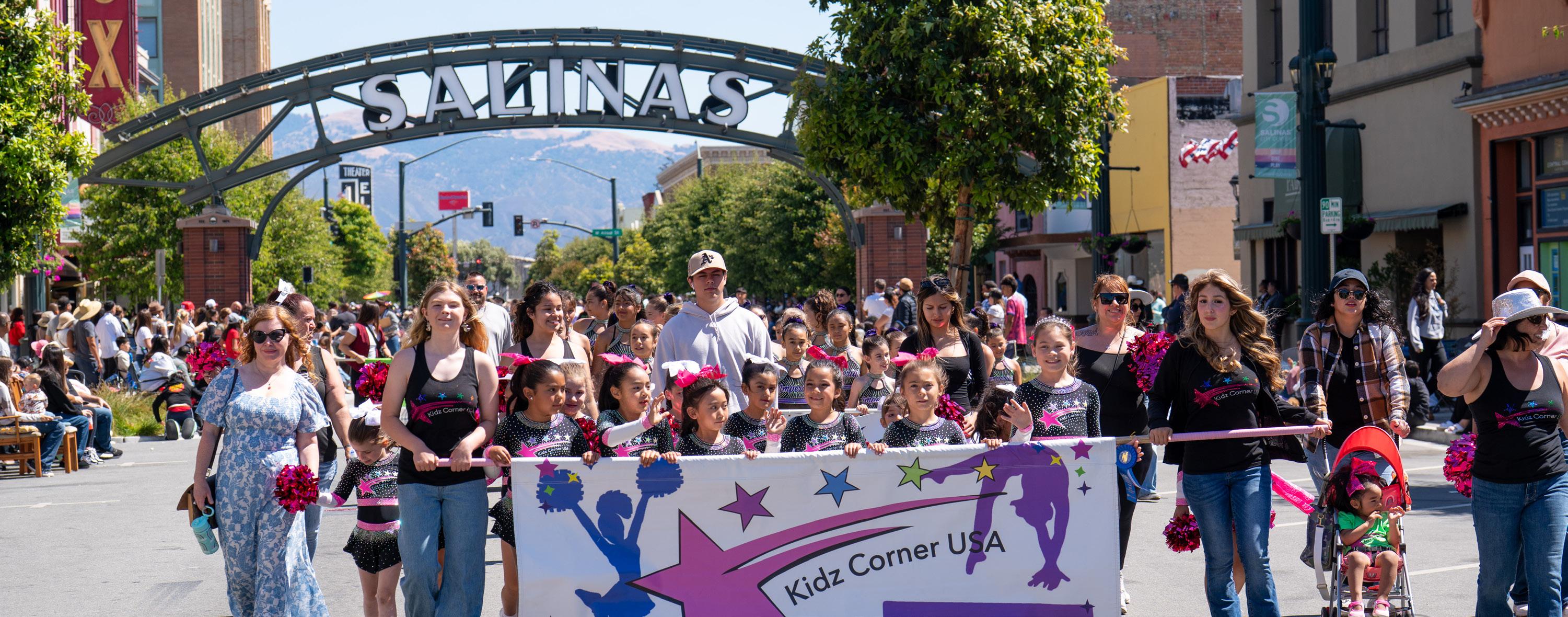
Education remains central to the CRA’s mission to support local youth and strengthen the Salinas Valley community. Since the 1980s, the organization has awarded more than $200,000 in scholarships to help students pursue higher education and vocational training. In recent years, the program has expanded beyond its long-standing partnership with Hartnell College to include a second scholarship administered through the Community Foundation for Monterey County (CFMC), providing additional opportunities for students pursuing post-secondary education. In 2024, the CRA awarded $47,500—the largest annual amount in program history—to 11 students.9 In 2025, the organization continued its investment in local youth, awarding $30,000 in scholarships to six recipients who demonstrated outstanding community involvement and leadership.10
8 California Rodeo Salinas.
9 California Rodeo Salinas. (2024, June 21). The California Rodeo Salinas awarded a record-breaking $47,500 in scholarships to local students [Press release]. https://www.carodeo.com/press_release.aspx?p=405.
10 California Rodeo Salinas. (2025, June 20). California Rodeo Salinas awards $30,000 in scholarships to local students [Press release] https://www.carodeo.com/ press_release.aspx?p=440.
Two recipients of the 2024 California Rodeo Salinas Scholarship exemplify the program’s ongoing commitment to supporting local students pursuing careers in agriculture.
Makayla Lemmon, an 18-year-old from Prunedale in the Salinas Valley, will study
Animal Science at Chico State. Her goal is to establish and manage a goat breeding operation, allowing her to contribute to the 4-H and FFA communities that helped shape her education and career interests.
Napolean Navarro of Salinas is pursuing degrees in Agricultural Systems Management and Agricultural Education. The scholarship provides vital financial support as he continues his studies and prepares for a career dedicated to advancing the region’s agricultural sector and serving his community.11

In 2026, the CRA plans to award seven $5,000 scholarships, totaling $45,000, to students who demonstrate outstanding community involvement and a connection to the Rodeo through volunteer service.12 The program continues CRA’s commitment to supporting local youth and cultivating the next generation of Salinas Valley leaders.
11 California Rodeo Salinas. (2024, June 21). The California Rodeo Salinas awarded a record-breaking $47,500 in scholarships to local students [Press release]. https://www.carodeo.com/press_release.aspx?p=405.
12 California Rodeo Salinas
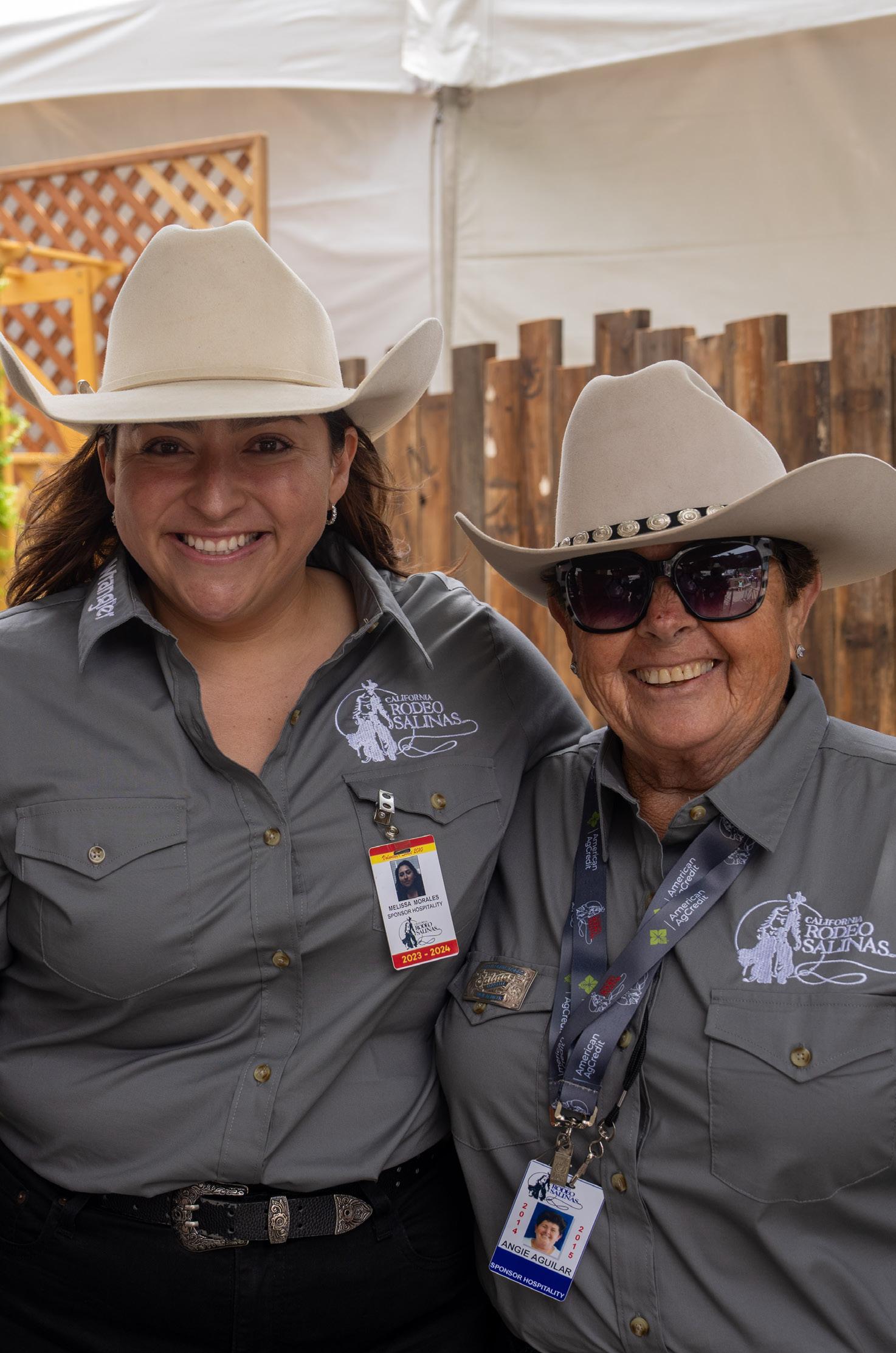
The CRA’s annual operations are supported by more than 1,400 volunteers who serve on over 60 committees responsible for organizing the CRS and events held at the SSC.13 With only 25 paid staff, volunteers are essential to managing the approximately 100,000 attendees who visit the CRS and the SSC each year. Volunteers include both members of local families who have supported the Rodeo for generations and students who contribute their time through community service and school programs. In 2025, more than 350 high school students volunteered for the Rodeo, contributing over 5,500 hours of community service through activities such as event setup, guest assistance, and operations support. Student participation rates exceeded 98%, reflecting the high level of engagement and commitment among local youth.14 The Association’s leadership also reflects this deep volunteer tradition, with the most recent President, Steve Davis first joining as a volunteer in 1991 and continuing to serve the organization for more than three decades.15 Davis
is one of many volunteers recognized for reaching the milestone of 25 or 50 years of service to the organization. As a thank-you for their long-term commitment, these dedicated volunteers receive special pins honoring their years of service.
In addition to engaging residents through volunteer opportunities, the year-round events hosted at the SSC provide the community with spaces to connect and celebrate local traditions. Spanning 96 acres, the SSC includes a 16,500-seat stadium, banqueting halls, exhibition spaces, a heritage museum, and athletics fields that host a wide range of community, entertainment, and educational activities. Since opening in 1911 as the home of the CRS, it has grown into one of Salinas’s most active civic venues, offering affordable, accessible space for nonprofits, schools, and community organizations. In 2024, the SSC supported more than 550 facility rentals, reinforcing its role as a hub for cultural, educational, and social activities, including:
• Concerts, festivals, motorsports, and youth tournaments, such as the Monterey Bay Youth Football League Jamboree & Conference Finals.
• Community celebrations, including local festivals such as Dia de la Familia.
• Weekly outdoor markets featuring local vendors, food stalls, and performances.17
• Educational and institutional events, including Farm Day programs sponsored by Monterey County Agricultural Education (MCAE) that bring thousands of third graders to learn about agriculture18, as well as commencement ceremonies for institutions such as Cal State Monterey Bay19 and Hartnell College20.
• Historical and cultural programs at the California Rodeo Heritage Museum, which hosts student field trips and educational tours.
13 California Rodeo Salinas. (2024). Community involvement. https://www. carodeo.com/p/about-us/community.
14 California Rodeo Salinas
15 California Rodeo Salinas. (2023, October 20). California Rodeo Salinas installs new president and directors [Press release], https://www.carodeo. com/press_release.aspx?p=381.
17 Salinas Valley Chamber of Commerce. (n.d.). The Outdoor Market: El Mercado Popular: https://business.salinaschamber.com/member-directory/Details/theoutdoor-market-el-mercado-popular-658937
18 Monterey County Farm Bureau. (n.d.). Farm Day: https://montereycfb.com/farm-day/
19 California State University, Monterey Bay. (2024, May 20). CSUMB comes together for unified commencement May 18: https://csumb.edu/news/newslisting/2024/q2/csumb-comes-together-for-unified-commencement-may-18/
20 Salinas Valley Tribune. (2024, May 22). Hartnell College to honor largest graduating class during Friday commencement ceremony: https:// salinasvalleytribune.com/hartnell-college-to-honor-largest-graduating-class-during-friday-commencement-ceremony/
The SSC continues to serve as a key venue for regional educational events. In 2024, it hosted Cal State Monterey Bay’s first unified commencement since 2015, welcoming more than 2,000 graduates and around 12,000 guests. The ceremony brought together students, families, and faculty from across the Monterey Bay area to celebrate academic achievement.21 The SSC also hosted the university’s 2025 commencement and is scheduled to host again in 2026, underscoring its value as a reliable and accessible site for large community gatherings.22
The SSC additionally accommodates Hartnell College’s commencement ceremonies at Rabobank Stadium, located on the facility grounds. The Class of 2025 ceremony welcomed more than 1,600 graduates, marking the largest graduating class in the college’s 105-year history. 23
As one of the oldest continuously operating rodeos in the United States, the CRS plays a defining role in preserving California’s Western heritage. The events, parades, western sports, and exhibitions highlight horsemanship, craftsmanship, and community celebration, values that have shaped the Salinas Valley for generations.
Parades are a central feature of Big Week and a major source of local pride, tracing their origins to the CRS’s earliest celebrations in 1911. The Kiddie Kapers Parade, held annually for more than 85 years, serves as one of the opening events of the weeklong festivities.24 Each year, more than a thousand children march through the streets of Salinas in Western attire before an audience of roughly 6,000 spectators.25 The Horse Parades, held daily during Big Week, continue a tradition that dates back to the first rodeo, when local ranchers and riders showcased their horses and wagons through downtown Salinas. Today, more than 13,000 spectators line the streets to watch more than 1,100 horses take part in this enduring display of ranching pride and community spirit. 26
21 California State University, Monterey Bay. (2024, May 20). CSUMB comes together for unified commencement May 18: https://csumb.edu/news/news-listing/2024/q2/csumbcomes-together-for-unified-commencement-may-18/
22 California State University, Monterey Bay. “Two Years in a Row for CSUMB’s Big Commencement.”: https://csumb.edu/news/news-listing/2025/q2/two-years-in-a-row-forcsumbs-big-commencement/
23 Salinas Valley Tribune. (2024, May 22). Hartnell College to honor largest graduating class during Friday commencement ceremony: https://salinasvalleytribune.com/hartnellcollege-to-honor-largest-graduating-class-during-friday-commencement-ceremony/
24 California Rodeo Salinas. (2024). Community involvement: https://www.carodeo. com/p/about-us/community.
25 California Rodeo Salinas
26 California Rodeo Salinas
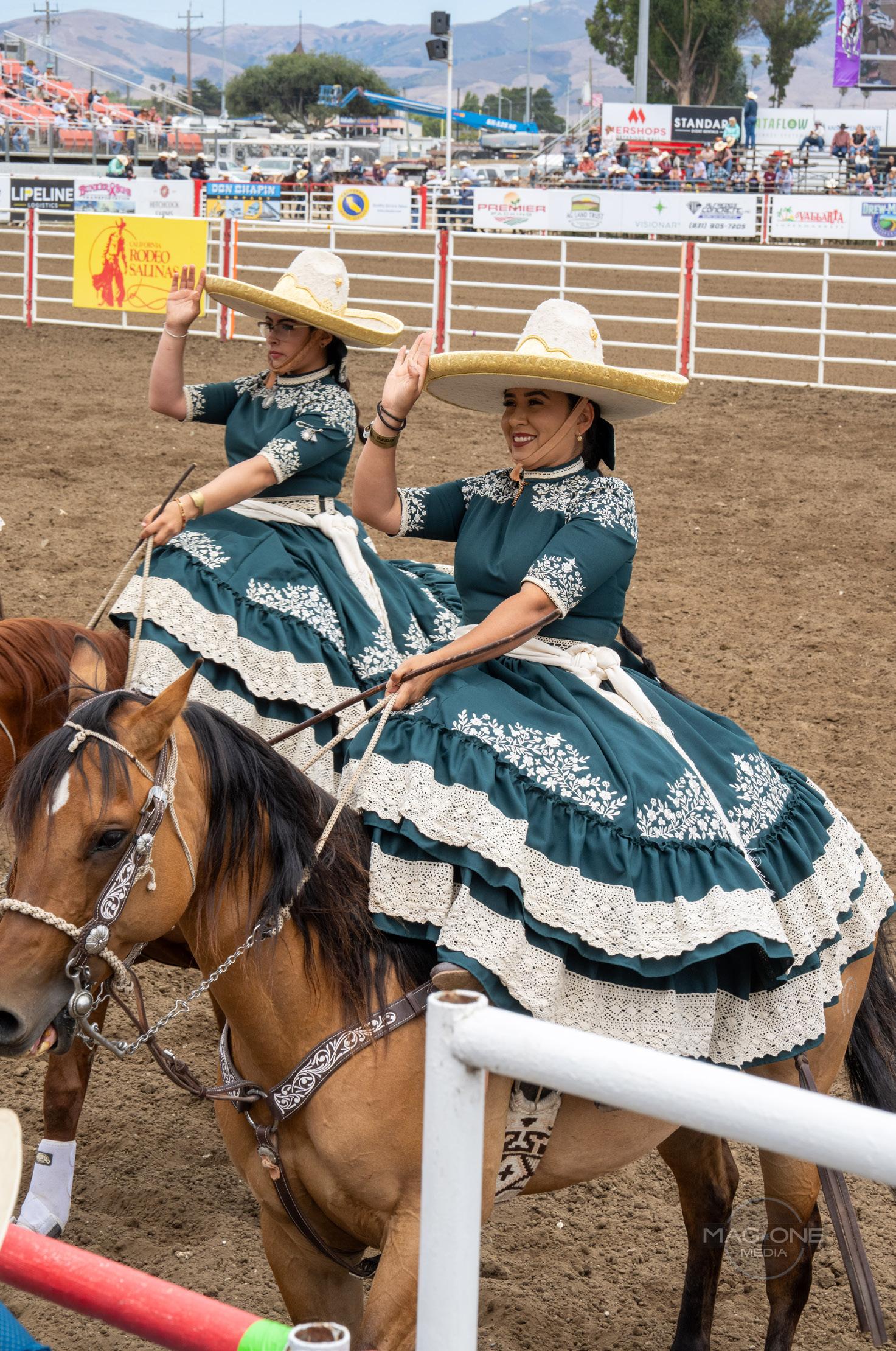
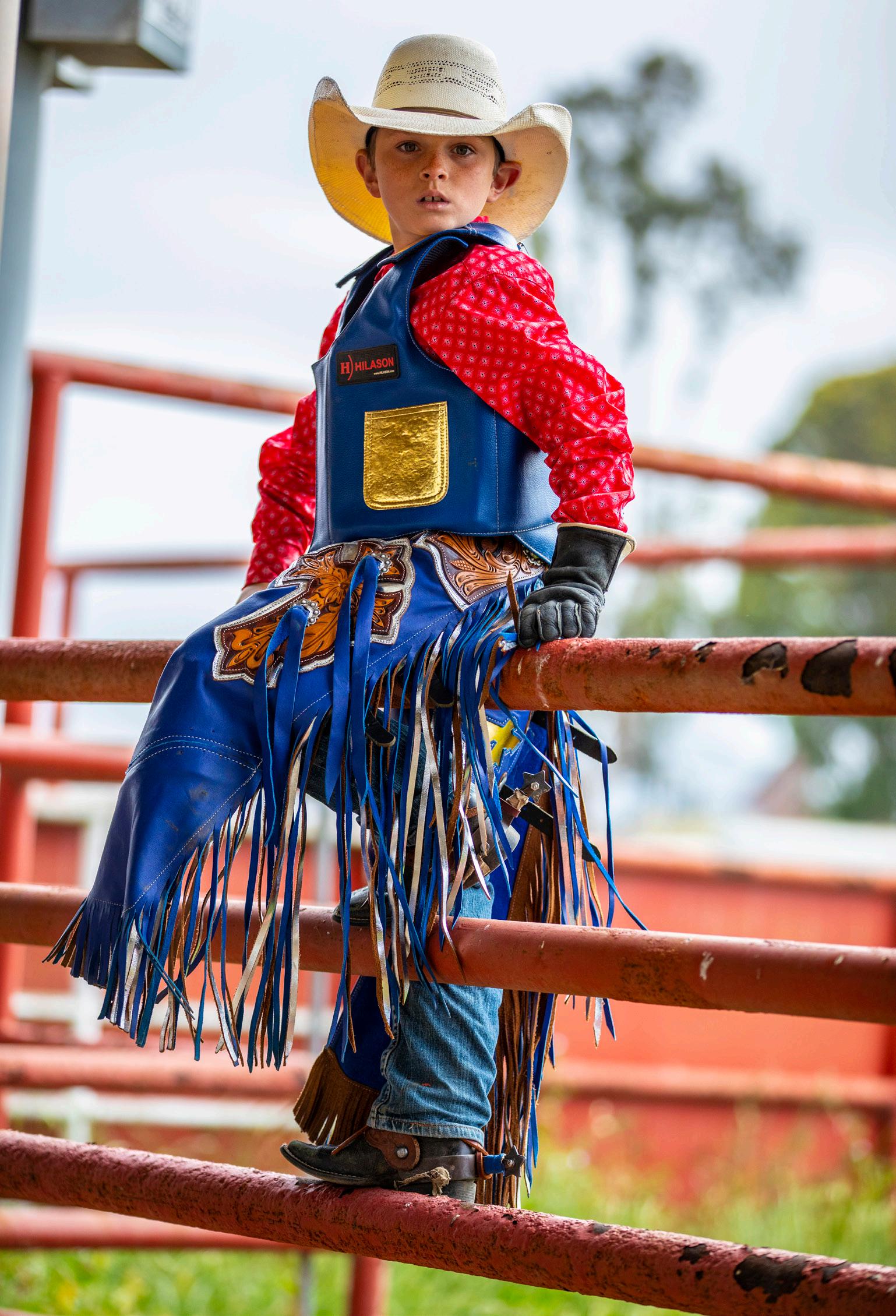
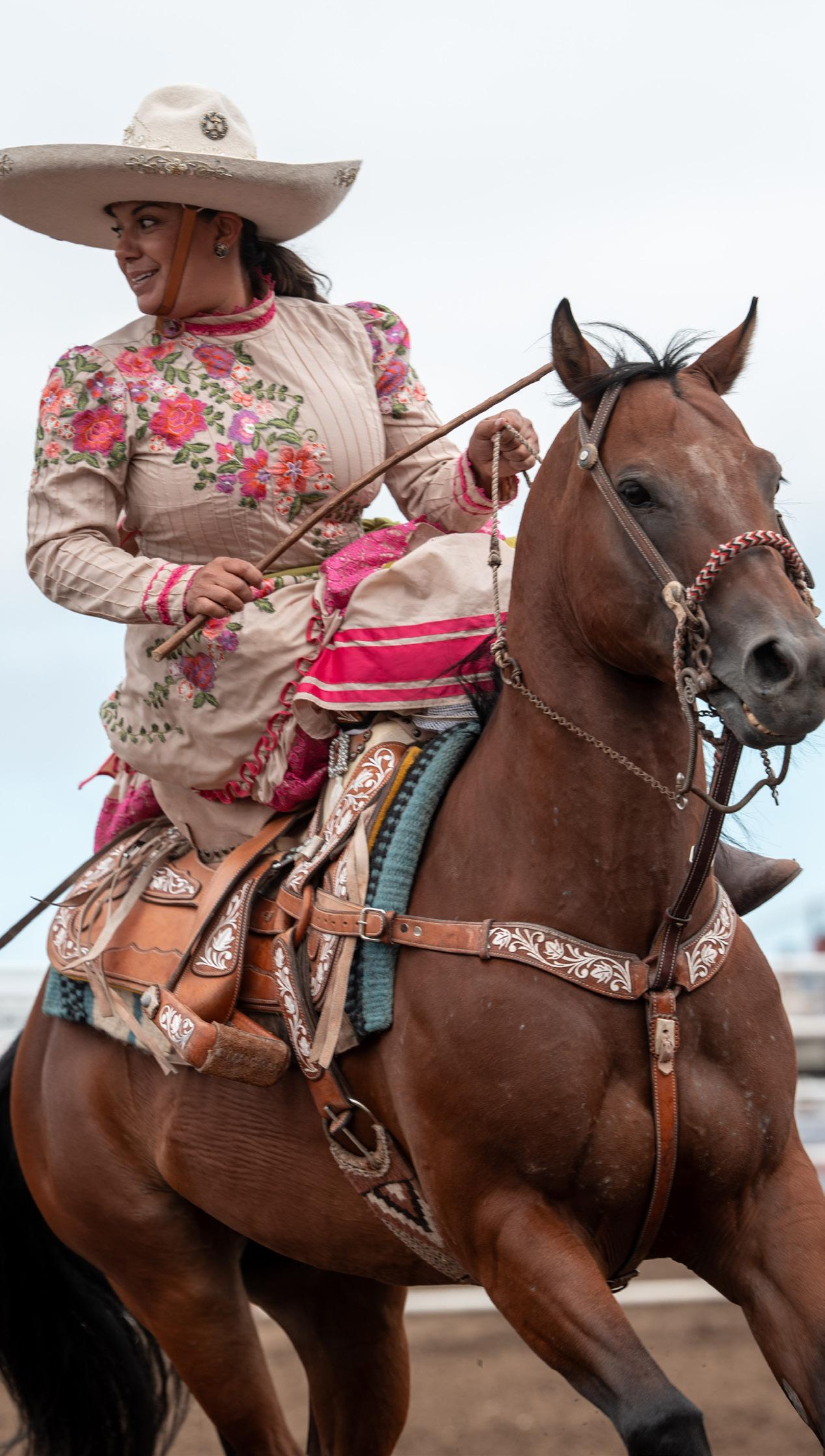
Newer events, such as the California Rodeo Salinas Junior Rodeo and Fiestas del Rodeo, reflect the organization’s commitment to expanding community participation while honoring cultural heritage. The Junior Rodeo, launched in 2024, welcomed nearly 300 young riders aged three to 18 to compete in traditional events such as team roping, chute dogging, and pole bending, encouraging youth engagement and the continuation of Western traditions27 Fiestas del Rodeo, also introduced in 2024, celebrates the region’s Hispanic and agricultural roots through Folklórico dance performances and Escaramuza horsemanship, showcasing traditional vaquero skills and artistry.
The California Rodeo Salinas and the Salinas Sports Complex continue to serve as key parts of Monterey County’s economy and community life. They generate measurable local benefits while preserving a century-old tradition that defines the Salinas Valley’s cultural identity.
In 2025, their combined activities delivered substantial economic returns across Monterey County:
• 93 jobs supported.
• $6.6 million in labor income.
• $9.4 million in value added.
Beyond Big Week, the SSC continues to host yearround cultural and community events that reflect the region’s shared heritage. The Clem Albertoni Memorial Cowboy Gathering celebrates traditional Western music and poetry, drawing over 150 attendees each year.
The SSC is also home to the California Rodeo Heritage Museum, which preserves the history of the Rodeo and Western culture through exhibits featuring a historic Wells Fargo stagecoach, vintage rodeo attire, and other memorabilia.28 Open year-round, the museum welcomed 188 students on field trips in 2024 and continues to offer residents and visitors opportunities to learn about and celebrate Salinas’s Western legacy.
27 California Rodeo Salinas. (2024). Community involvement: https://www.carodeo. com/p/about-us/community.
28 California Rodeo Salinas. (n.d.). Heritage Museum: https://www.carodeo.com/p/ about-us/history/heritagemuseum
• $21.8 million in total economic output.
• $2.4 million in federal, state, and local tax revenues.
These impacts show how CRS and SSC operations inject new spending into the local economy and support hospitality, retail, and service industries while sustaining public revenues that fund essential services and infrastructure.
Beyond their economic reach, the California Rodeo Association’s social and cultural investments strengthen community life and local pride:
• $850,000 distributed in 2025 to local nonprofits, schools, and civic organizations.
• More than $200,000 in scholarships awarded since the 1980s.
• 1,400 volunteers, including 350 students, contributing over 5,500 hours of service each year.
The SSC extends this impact throughout the year by hosting more than 550 annual events, providing accessible space for education, recreation, and cultural celebration.
The CRS and the SSC demonstrate how economic activity, civic engagement, and cultural heritage combine to create lasting value for Monterey County, strengthening both the regional economy and the traditions that define the Salinas Valley.
Beacon Economics uses the 2023 IMPLAN Input-Output model to apply an expenditure-driven approach for estimating how spending related to the venues would circulate through the local economy:
• Capital and Maintenance investment.
• Visitor spending tied to event attendance (ticket sales, dining, retail, lodging, transportation).
• Operations Expenditure.
Beacon Economics used IMPLAN Input-Output modeling to estimate the full spectrum of impacts:
• Direct impacts: Initial spending on construction, operations, and visitor activities.
• Indirect impacts: Business-to-business supply chain effects as initial spending circulates through the local economy.
• Induced impacts: Household spending from wages earned through direct and indirect activities.
• Initial spending on construction, venue operations, and by event attendees.
• Business-to-business effects as vendors and suppliers respond to increased demand (e.g., equipment rentals, security services).
• Household spending supported by wages earned through direct and indirect activity (e.g., rent, groceries, health care).
Key indicators included:
• Employment: Total number of jobs supported.
• Labor Income: Wages and benefits supported.
• Economic Output: Total revenue and value added contributions.
• Fiscal Revenues: Taxes generated at the federal, state, and local levels.
• Federal taxes include personal income taxes, payroll contributions (such as Social Security and Medicare), corporate profits taxes, excise taxes, and customs duties.
• State taxes commonly include personal and corporate income taxes, state sales taxes, excise taxes (such as fuel, tobacco, and alcohol), motor vehicle licenses, and other state-specific fees.
• Local taxes are primarily property taxes, but may also include local sales taxes, local income taxes (in certain jurisdictions), business license fees, and other charges imposed by cities or counties.
• Attendee Spending: Total expenditures made by event attendees, both at the venue and in the surrounding region. This includes spending at the venue on food and beverage and retail purchases, as well as spending outside the venue on categories such as hotels, recreation and entertainment, and local transportation.
• Direct Effects/Impacts: The set of expenditures made by the producers and/or consumers of an event, activity, or policy. These expenditures are applied to the industry multipliers in an IMPLAN model, which result in further, secondary expenditures (known as the indirect and induced effects).
• Expenditures: The amount of money buyers pay to sellers in exchange for goods or services.
• Fiscal Impact: Tax revenues generated at the federal, state, and local levels. These expenditures are included in the total impact as government expenditures.
• Indirect Effects/Impacts: The set of expenditures made by local industries on goods and services from other local industries as a result of the direct effects. This cycle of spending works its way backward through the supply chain until all money ‘leaks’ from the local economy.
• Induced Effects/Impacts: The set of expenditures made by local households on local goods and services as a result of increased labor income generated by the direct and indirect effects.
• Input-Output Analysis: A type of applied economic analysis that tracks the interdependence among various producing and consuming sectors of an economy.
• Jobs (Employment): A job in IMPLAN is equal to the annual average of monthly jobs in that industry. Thus, one job lasting 12 months is equal to two jobs lasting 6 months each, which is equal to three jobs lasting four months each. A job can be either full-time, part-time, or seasonal.
• Labor Income: All forms of employment income, including employee compensation (wages and benefits) and proprietor income.
• Leakage: Industry activity, employment, labor income, or tax impacts that occur outside the study region as a result of supply chains that extend beyond the local economy.
• Multiplier Effect: In simple terms, the phenomenon of final increased spending resulting from some initial amount of spending.
• Secondary Impacts: Indirect Effects + Induced Effects
• Total Effect/Impact: Direct + Indirect + Induced. The entire economic impact of an event, activity, or policy, found by combining the direct, indirect, and induced impacts.
• Output: The value of industry production. In IMPLAN, these are annual production estimates for the year of the data set and are in producer prices. For manufacturers, this is sales plus/minus changes in inventory. For service sectors, production is equal to sales. For retail and wholesale trade, output is equal to gross margin (not gross sales).
CRS Economic Impact, Rest of California (Excluding Monterey County), 2025
Table 12
Source: California Rodeo Salinas, Bureau of Economic Analysis, Bureau of Labor Statistics, and the U.S. Census Bureau. Analysis by
Economics using IMPLAN 2023 (2025 dollars).
(Totals may not sum exactly due to rounding)
CRS Fiscal Impact, Rest of California (Excluding Monterey County), 2025
Table 13
Source: California Rodeo Salinas, Bureau of Economic Analysis, Bureau of Labor Statistics, and the U.S. Census Bureau. Analysis by
using IMPLAN 2023 (2025 dollars).
(Totals may not sum exactly due to rounding)
Founded in 2006, Beacon Economics—an LLC and certified Small Business Enterprise with the state of California—is an independent research and consulting firm dedicated to delivering accurate, insightful, and objectively based economic analysis. Employing unique proprietary models, vast databases, and sophisticated data processing, the company’s specialized practice areas include sustainable growth and development, real estate market analysis, economic forecasting, industry analysis, economic policy analysis, and economic impact studies. Beacon Economics equips its clients with the data and analysis they need to understand the significance of on-the-ground realities and to make informed business and policy decisions.
Learn more at beaconecon.com
Christopher Thornberg, PhD Founding Partner (Project Advisor)
Miriam Valdes, PhD
Research Manager and Director of Research Operations
Christopher Carr Research Associate
For further information about this report or to learn more about Beacon Economics, please contact:
Sherif Hanna
Managing Partner
Sherif@beaconecon.com
Victoria Bond Director of Marketing and Communications
Victoria@beaconecon.com
Beacon Economics LLC shall remain the exclusive owner of any proprietary information and all patents, copyrights, trade secrets, trademarks, domain names, and other intellectual property contained herein.
Economic, Fiscal, and Social Impact Analysis