
Although the COVID-19 crisis kept us apart for much of this past year, the VCU School of Education reached new heights in the 2019-2020 academic year, thanks to our incredible faculty, staff and students and with the continuous support of our donors and friends. Our accomplishments demonstrate our strong focus on serving our communities, schools, families and children, especially in urban and high needs environments.
1.4M teacher and school counselor field hours over the past ten years
This past year, we achieved growth in our five new undergraduate programs, helping us to address critical shortages in Virginia schools in the areas of greatest need. We also maintained our superior national rankings, including 8th best online graduate program in education and 16th best public graduate school of education by U.S. News & World Report. We generated nearly $32 million in external awards, a $3 million increase over last year and once again, the largest amount of the VCU Monroe Park Campus.
We look forward to playing an important role in preparing educators who will work with citizens in our community from early childhood through adulthood. To do that, we must ensure that our educators are prepared for meaningful conversation and teachable moments on race and racism. We must ensure that our graduates are prepared to support the educational excellence and equity for all schoolchildren, which obviously includes our students of color.
We owe it to ourselves, our students and our community.
I’m extremely proud to be part of this institution, and I look forward as we continue our transformative and impactful work in the year ahead.
Stay safe!
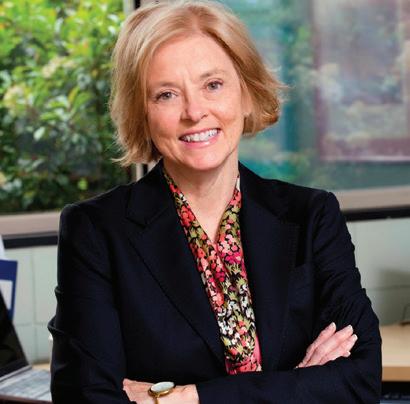
Andrew P. Daire, Ph.D. Dean, VCU School of Education
VCU SOE concluded our Make It Real Campaign on June 30, 2020, exceeding our goal of $7.5 million by 171%; that’s $12.8 million. Each of the last four years has been a historic fundraising year. Seventy percent of all philanthropic dollars raised in our eight-year campaign was raised in the last four years. This year was our third best in history. Our endowment has doubled in the last four years, and alumni account for nearly 50% of all dollars to the campaign. Of the $12.8 million, $7.9 million of philanthropic support were expendable funds while $4.8 million went to our endowment.
n 264 student scholarships were awarded from 2017-2021
n For 2020-2021, SOE awarded 28.5% more scholarship dollars to 32% more students than in 2019; the average scholarship amount is 15% higher than in 2019
n All RTR students who applied for scholarships received them
n The average scholarship award was $1,472
During fiscal years 2019 and 2020, the VCU SOE raised $2,443,480 for student scholarships. This includes endowed and current giving, as well as planned giving.

Katie Brendli,
Ph.D. in Education, concentration in Special Education and Disability Policy/Leadership (2020)
90% of ACE-IT alumni obtain paid, competitive, inclusive employment
Janai Santiago’s dream job is working as an assistant teacher at a preschool or elementary school. Her time at VCU’s ACE-IT in College program has given her the experience she’ll need to make that dream a reality.
ACE-IT in College, a VCU Rehabilitation Research and Training Center and School of Education partnership, is an inclusive college program for students with intellectual disabilities. It provides individualized support, allowing students to participate in employment, college classes and campus activities, preparing them to pursue self-determined futures.
Our affiliated centers and institutes serve as our arms out into the community, putting the research and learning being done in our programs and departments to use where it’s needed most.
11,062 total hours (training, technical assistance, professional development)
20,652 people trained
80% of ACE-IT students & families describe an improved quality of life
Santiago took courses such as Introduction to Teaching, Human Development, History of the Motion Picture, a dance and choreography course and more. ACE-IT also facilitated employment at VCU’s Child Development Center and VCU’s Office of Continuing and Professional Education, as well as a Virginia Museum of Fine Arts internship.
“My favorite time spent at VCU is being a part of the VCU
ACE-IT in College program and being with my peers, taking fun classes and hanging out on campus with all my new friends,” she said.
149,100 people reached through online platforms
International Educational Studies Center |
Center for Innovation in STEM Education |
Center for Teacher Leadership | Child Development
Center | Minority Education Center | Metropolitan Educational Research Consortium | Partnership for People with Disabilities | The Literacy Institute at VCU | Rehabilitation Research and Training Center
Travon Griffin: “I want to help children succeed.”
Travon Griffin works full time as a field support specialist at Wells Fargo Advisors in Richmond. After first enrolling in VCU’s Liberal Studies for Early and Elementary Education (LSEE) program in fall 2017, Griffin changed his major to the VCU School of Education’s B.S. Ed. in Elementary Education and Teaching. When he completes the program, he hopes to teach first or second grade and find new ways to help children succeed in the classroom.
We asked him why he chose the VCU School of Education: “I chose VCU SOE because of its diverse community. I want to be surrounded by different cultures and backgrounds to help me better connect to my students and the community where I teach once I get into the classroom. I love how VCU SOE prepares you for the classroom of today and the future.”
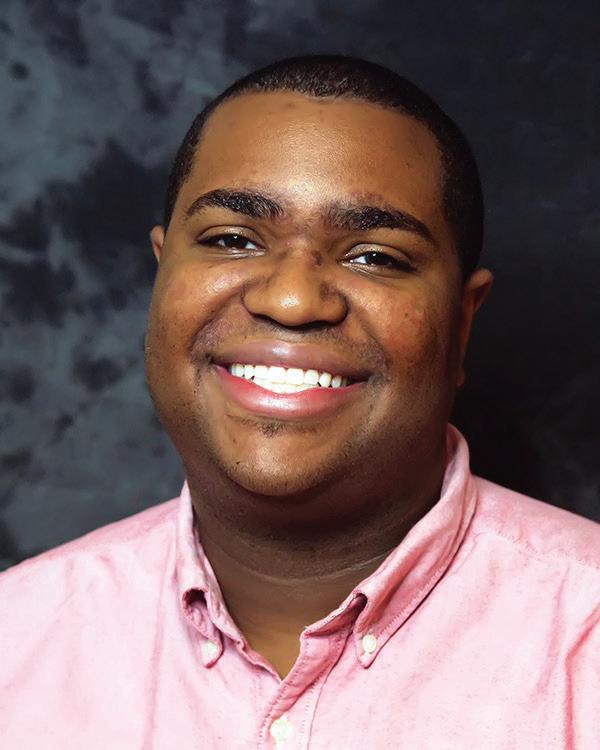
“I appreciated the fact that all of my professors were elementary classroom teachers before teaching at VCU. They are able to give real life situations and examples, because they have experienced them.”
–
Travon Griffin
Serving our community: The VCU School of Education’s undergraduate programs, which were launched Fall 2019, began producing new teachers in the community in December 2020.
Rankings from U.S. News & World Report
Innovative – Cultivate discovery, creativity, originality, inventiveness and talent.
The VCU School of Education once again ranked among the top graduate schools of education in the country in 2020, according to U.S. News & World Report. The school came in at No. 26 overall — No. 16 among public graduate schools of education. It also ranked No. 8 among online graduate school programs.
“Our ranking demonstrates not only the exceptional quality of our faculty, staff and students, it also confirms the impact of our teaching, research and service to the surrounding communities,” said Dr. Andrew Daire, dean of the School of Education.
With 256 schools of education participating nationwide, only two Virginia schools of education ranked among this year’s top 50, and VCU is the No. 2 education school in Virginia.
“We are committed to accessibility of our programs by those near and far, working full time or part time, which is why we continue to focus on the development of online programs. And not only that — but ensuring the quality of the programs and engagement of the students enrolled by our nationally recognized faculty,” said Daire.
Kendra Cabler, Ph.D. in Education, Urban Services Leadership (2020); Holmes Scholar; Assistant Director of Access, Inclusion and Community, VCU Da Vinci Center for Innovation

Studies provide resources for PreK-12 students, support systems for international students from China, and address needs of English language learners
Three VCU School of Education faculty members and their teams were awarded COVID-19 rapid research grants by the university in 2020 to help better understand the pandemic and to combat it.
Dwayne Ray Cormier, Ph.D., assistant professor in the Department of Foundations of Education and iCubed Scholar, and Yaoying Xu, Ph.D., professor in the Department of Counseling and Special Education, received news of their awards in April. Rachel F. Gomez, Ph.D., assistant professor in the Department of Teaching and Learning and iCubed Scholar, received news of her award in May.
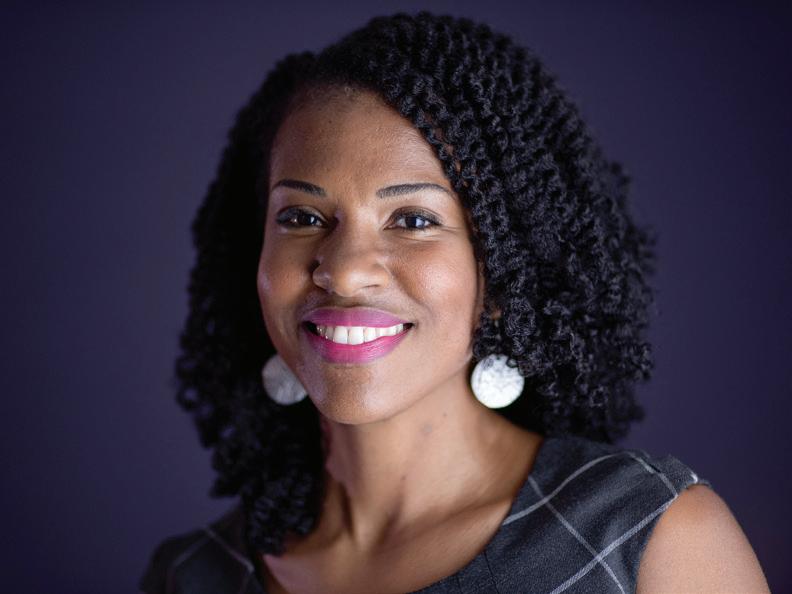
Gomez’s team in the iCubed Urban Education and Family Transdisciplinary Core includes co-principal investigators Andrene J. Castro, Ph.D., assistant professor in the Department of Educational Leadership and iCubed Scholar, and Cormier.
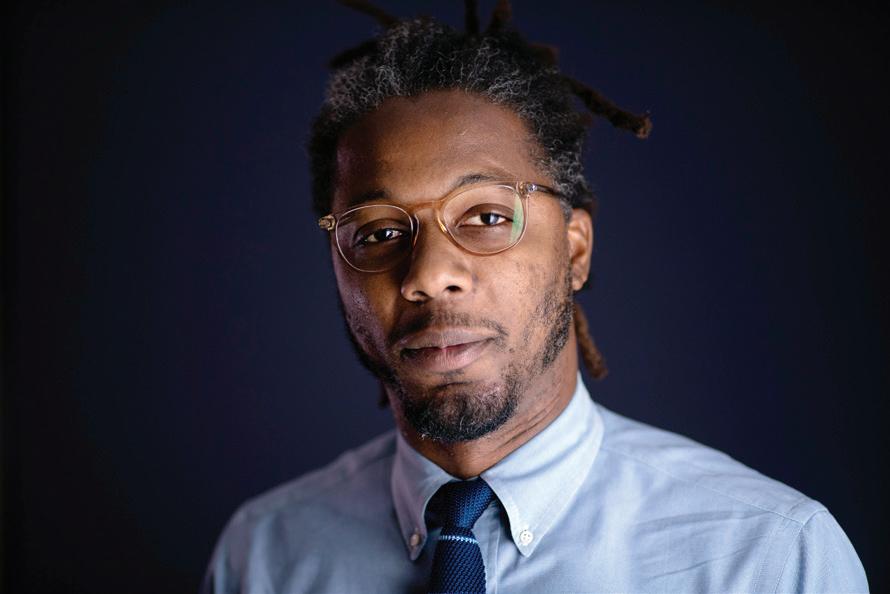
Cormier’s study will explore pandemic preparedness and response within PreK-12 public school systems located within the Greater Richmond area. Findings from the research will have an immediate impact, providing PreK-12 school systems with a preparedness checklist and resource guides as they prepare for future pandemics and the reopening of schools post-COVID-19.
The VCU School of Education had a recordbreaking year in FY2020 with nearly $ 32 million in external awards.
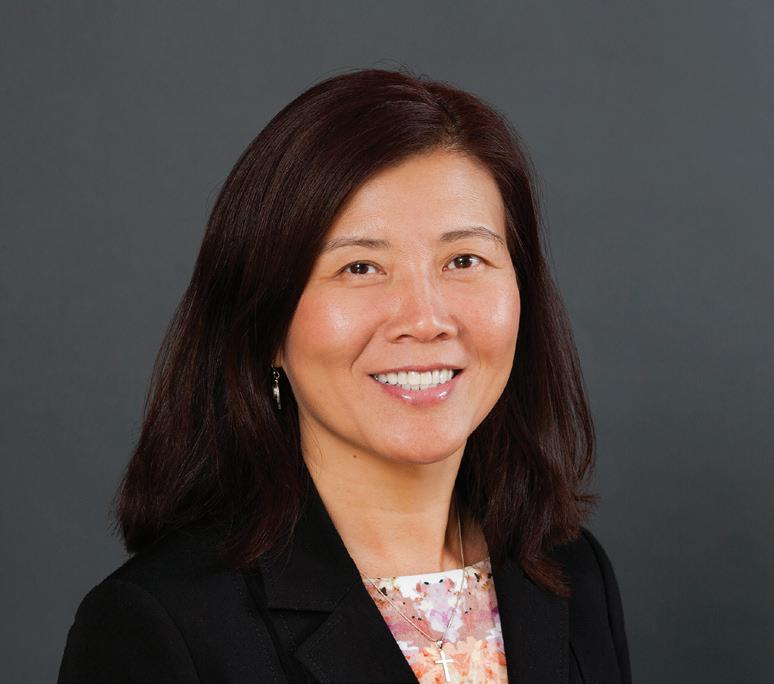
Xu’s study will begin with a focus group interview of 6-8 international students from China on their experiences and perceptions during the COVID-19 outbreak. Following that, Xu’s team will develop and implement a series of culturally responsive support systems to help international students from China cope with this world crisis.
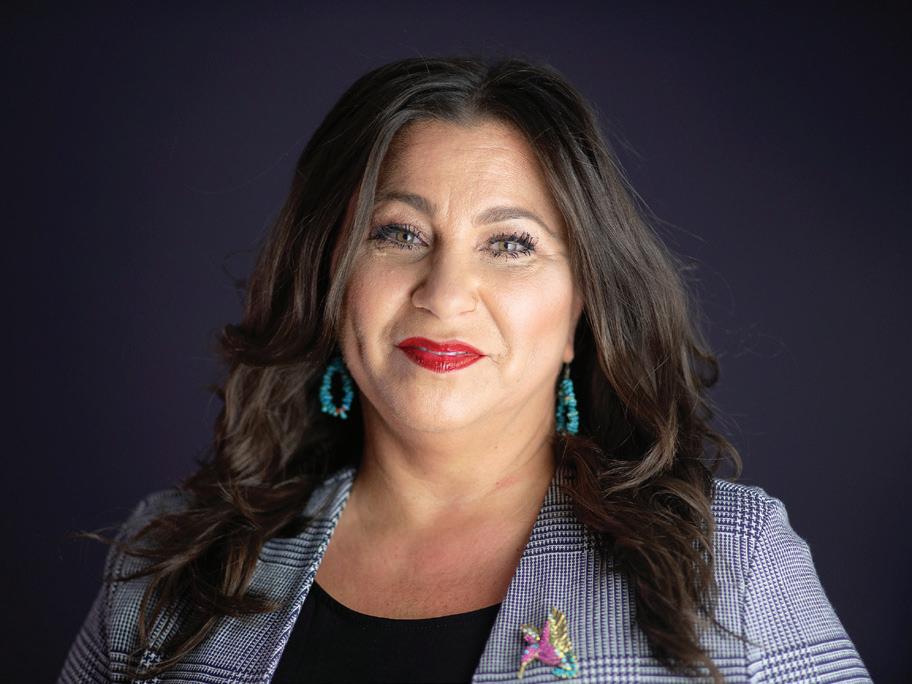
Gomez is principal investigator in her study, which is aimed at meeting the educational needs of Spanish speaking, K-12 English language learners and their families in the midst of the pandemic. Her study will draw from an existing research project with a local iCubed partner, the Richmond Region League of United Latin American Citizens (LULAC). Ms. Vilma Seymour, Richmond Region LULAC president, is a co-principal investigator in the study.
When VCU School of Education students and faculty “returned” from spring break in March 2020, things were a little different. Instead of making their way back to campus and ducking into classrooms, they logged on to their computers from their couches or beds, the kitchen table or their backyard, many of them fending off interruptions from parents, siblings, kids or pets.
Despite these challenges, professors kept teaching and students kept learning. Most professors had to modify their courses, and in some cases, the change in format led to unexpected opportunities to learn.
Adria Hoffman, Ph.D., the Anna Lou Schaberg Professor of Practice, Teaching and Learning, shifted gears to focus on her students’ well-being in the two sections of a course she teaches on communicating and collaborating with families. At the start and end of their first Zoom class, she asked students to provide words describing how they were feeling and created a word cloud from the results. At the start of class, the most common word was “overwhelmed” but by the end, it was “together.”
“I did a quick social-emotional check-in with my students, modeled it, and I realized, ‘You can do this with a 5-year-old. You can do this with a 10-year-old,’” Hoffman said, describing the social-emotional learning activity.
In the weeks that followed, Hoffman’s students learned how to combat compassion fatigue, a secondary form of trauma often experienced by teachers and others in the helping professions, and talked about the importance of self-care. The class exercises did double duty — they helped students deal with their own emotions in the face of COVID-19, and they provided tools for the students to use when they begin student-teaching.
Inclusive – Ensure a climate of mutual trust and respect where individuals of differing cultural backgrounds, identities, abilities and life experiences are embraced, engaged and empowered to drive excellence and success.
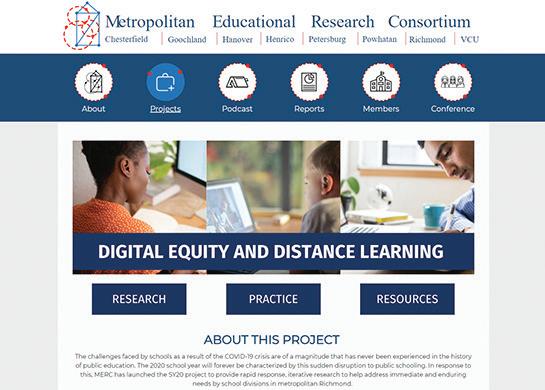
In 2019, the MERC website had a total of 108,855 page views (up 145% from 2018).
website related to digital equity
David Naff, Ph.D.
The Metropolitan Educational Research Consortium (MERC), a center affiliated with the VCU School of Education, launched a new website this spring that offers research and resources related to digital equity and distance learning during the COVID-19 crisis.
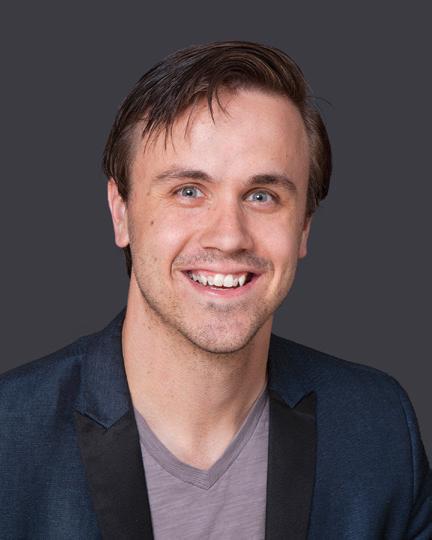
“The pandemic has disrupted public schools in the metropolitan Richmond area in ways we’ve never seen before. In response, we’ve launched this website to provide a rapid response to the research and resource needs in these school divisions,” said Dr. David Naff, assistant director of MERC.
A MERC research team has been exploring key takeaways from the literature, producing local profiles of innovative practices, and sharing resources for educators, students and parents as they navigate the transition to online learning.
As the number of English learners — students who are learning English as an additional language and receiving English as a Second Language (ESL) services — rises in Central Virginia, so does the need for their appropriate identification for and access to special education services.
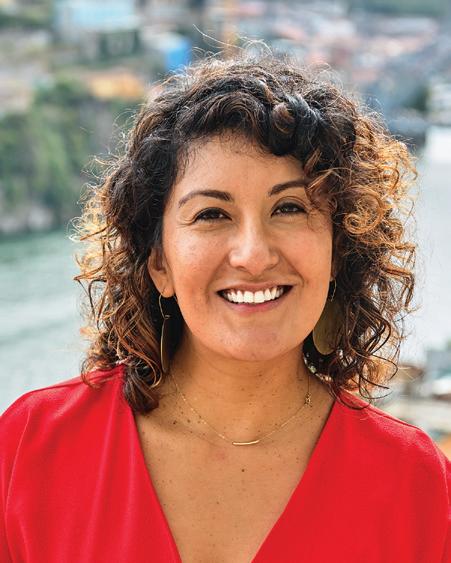
Dr. Melissa Cuba, who completed her Ph.D. in Education at the VCU School of Education this past spring, examined the disproportionality of English learners in special education in Virginia in her dissertation. She researched how policies and sociodemographic factors impact the disproportionate number of English learners in special education programs.
A former ESL teacher who worked with English learners with disabilities in northern Virginia, Cuba said her research was inspired by the discrepancies she witnessed in the schools where she taught. She regularly saw students of color and boys overrepresented in special education or segregated classes, even though these schools were very mixed in terms of race, ethnicity and gender.
Similar studies have been conducted in other states where there is already a large population of English learners, which is why Cuba said she focused her research on Virginia, a new destination state where the English learner population represented 13% of the total student count in 2018-19.
Dr. Cuba was a Holmes Scholar and the recipient of the VCU School of Education Distinguished Dissertation Award for the 2019-20 academic year.
“We’re all in this profession to some degree because of the opportunity for human interaction. Now, life is different. We’re working from home. That human contact is gone. I want to keep up that opportunity for contact.”
– Ira Padhye
A project coordinator at the Virginia Commonwealth University Partnership for People with Disabilities created a simple way for her co-workers at the Partnership to stay connected during the COVID-19 pandemic.
Ira Padhye, a VCU School of Education doctoral student in special education who works on the Partnership’s Virginia Project for Children and Young Adults with Deaf-Blindness, started hosting Virtual Lunch Hours on Tuesdays and Thursdays from her home in March.
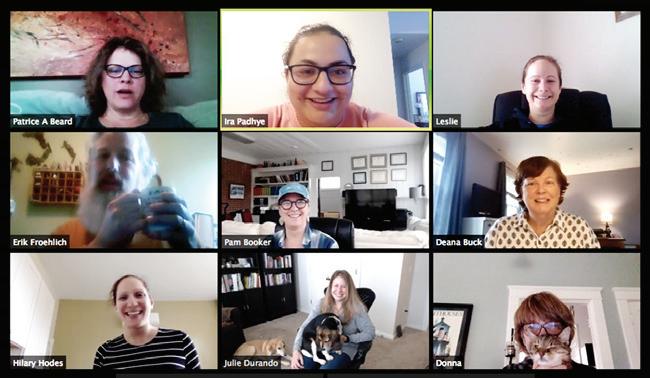
“We’re all in this profession to some degree because of the opportunity for human interaction. Now, life is different. We’re working from home. That human contact is gone. I want to keep up that opportunity for contact,” she said.
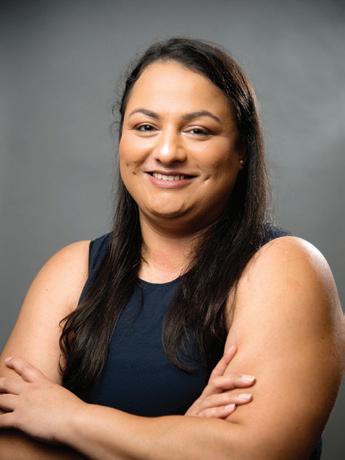
Conversations are casual and cover topics familiar to all of us by now. “We talk about what everybody’s watching on Netflix. We exchange recipes since everybody’s cooking at home more. It’s mainly an opportunity to connect, and to make sure that everybody seems okay,” she said.
The feedback she’s received has been largely positive.
“This is such a unique circumstance that we’re all in. It’s not like a snowstorm or anything like that.
Mental health is so important right now. Doing something as simple as this is the least I can do for my co-workers and for myself.”
Ejana Bennett was born and raised in Brooklyn, N.Y. When she was a rising freshman in high school, she tutored with the Read Alliance, whose mission is to improve the educational trajectories of historically marginalized early elementary students. That’s when she realized that she wanted a career that focused on improving education, particularly for historically marginalized students and communities. Bennett is currently a doctoral student in the VCU School of Education’s Ph.D. in Education with a Concentration in Curriculum, Culture and Change program.
We asked her why she chose the VCU School of Education:
“The VCU School of Education presents a diverse population of students and faculty with a unique concentration in Curriculum, Culture and Change that is not replicated in other programs. VCU has a deep connection to the Central Virginia community through its partnerships and programs. As a former Richmond Public Schools teacher who has worked beside several Richmond teacher residents and mentored VCU practicum students, I have seen first-hand VCU’s commitments to improve urban schools.”
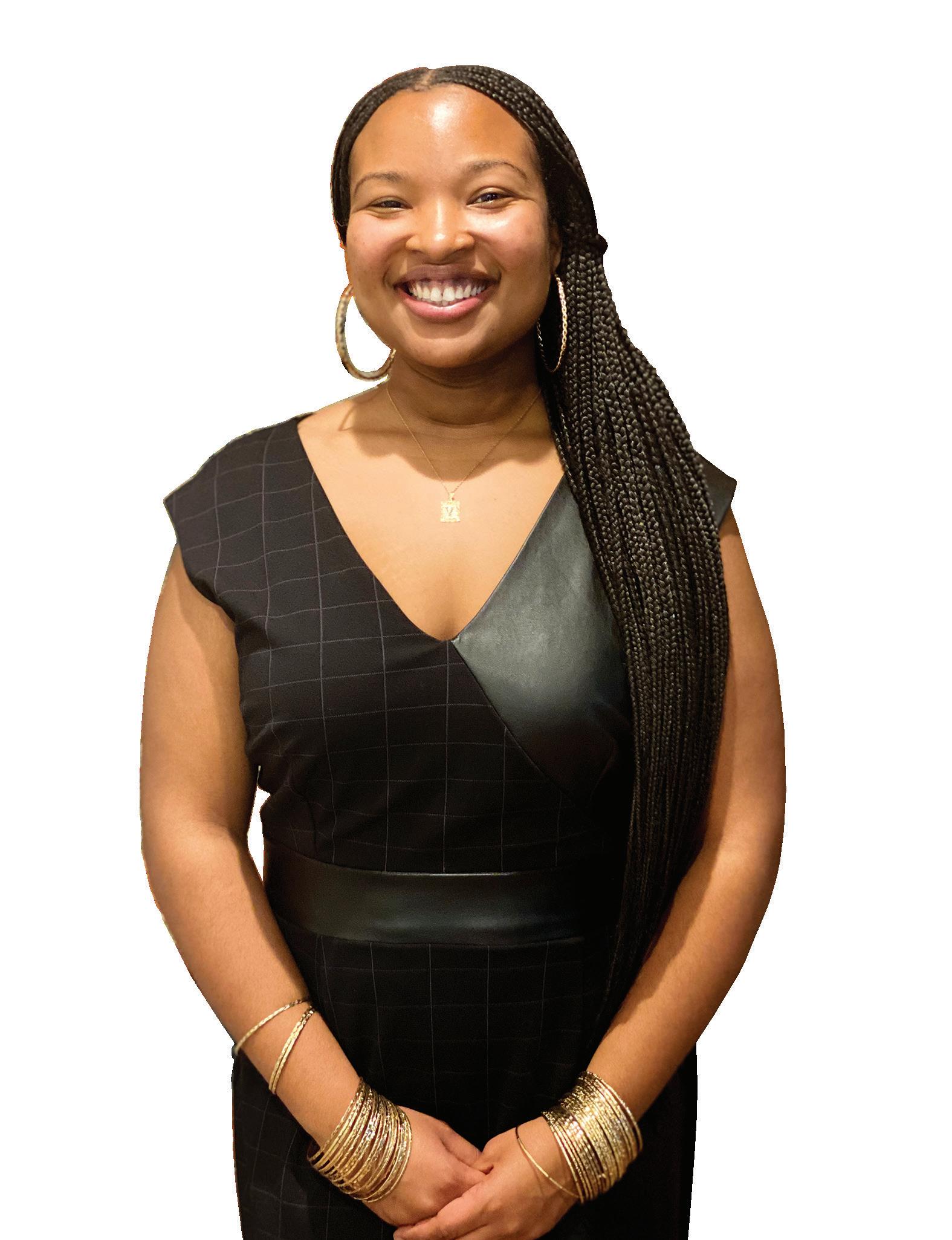
My interest in the VCU Holmes Scholars program stemmed from a yearning to be mentored and supported as a Black Ph.D. student. I wanted to be surrounded by like-minded doctoral students and mentors who look like me and support me through my educational journey.
– Ejana Bennett
Community-focused – Build deliberate/intentional relationships with the surrounding community and engage in actions that focus on the needs of its people.
66% of our RTR residents are people of color, the highest percentage in the RTR’s history.
Celebrating its 10-year anniversary in 2020, RTR is a school-based teacher preparation program that integrates research with practice to equip residents with the knowledge, skills and experience to be effective in high needs and hard-to-staff classrooms. RTR residents learn alongside top district teachers for an entire year while earning a graduate degree from VCU.
But their support doesn’t stop there. Graduates of the program receive one-onone training with a content-specific career coach throughout the first two years of their teaching careers. With RTR, residents gain the skills and the experience to positively impact the lives of students from historically marginalized communities.
RTR serves Richmond City, Petersburg City, Chesterfield County, and Henrico County high needs public schools. In an effort to widen their recruitment efforts, RTR has expanded to include their first cohort pursuing a Graduate Certificate in Teaching: Elementary Education RTR. Members of the cohort have been placed in Petersburg and Richmond for their residency. In January 2021, they will share with the General Assembly the results of their first Return on Investment study being conducted by the Wilder School of Government Center for Public Policy.
In a 2019 national survey, 98% of veteran RPS teachers reported “being an RTR mentor has made me a more effective teacher.”
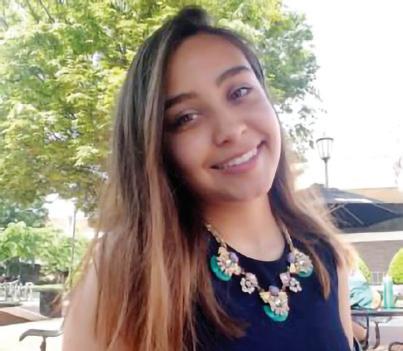
As a member of the first RTR cohort in Petersburg, Garcia-Plata demonstrated a strong commitment to her community. Because of her efforts, and those of her Clinical Resident Coaches, their students posted the highest achievement scores in the 5th grade.
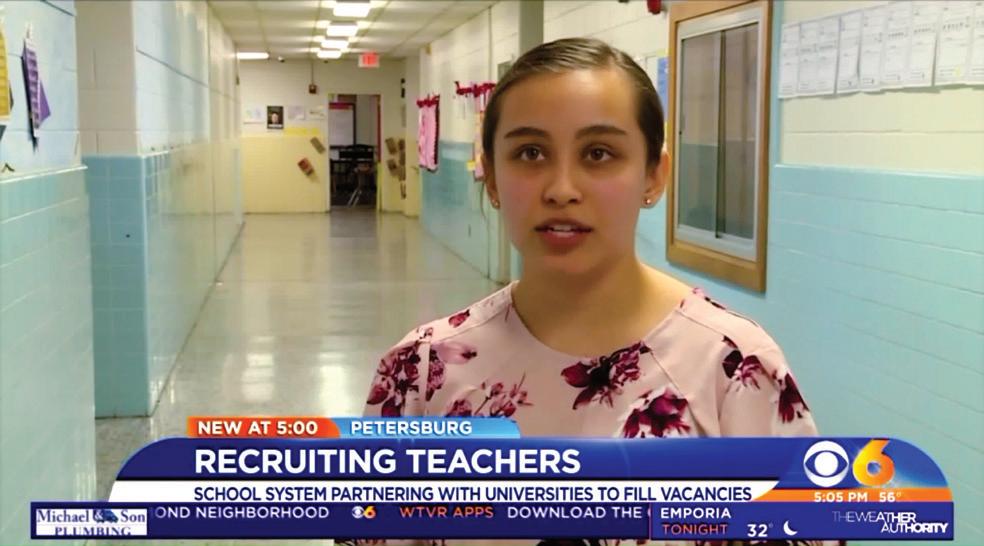
n In 2017-2018, RTR first-year teachers had a 96.4% retention rate compared to 62.4% of non-RTR first year teachers.
n Preliminary findings from an ongoing 2017-2108 study indicate that elementary students of RTR graduates are making faster gains in reading and mathematics compared to students of non-RTR teachers on curriculum-based measures.
n A 2019 evaluation found that students of RTRprepared teachers outperform those of similar non-RTR teachers on English (18 points), math (35 points), and social studies (24 points) Standards of Learning End-of-Course tests.
n The National Center for Teacher Quality (NCTQ) ranks RTR in the 99th percentile for the nation’s alternate route teacher preparation programs.
81% of RTR graduates contributed positively to school culture.* Principals rate RTR graduates 73% more effective than other teachers with comparable experience.
*according to a 2019 survey of RPS principals
$15K More than
$10K More than in funding to educators of color for tuition, rent, books, parking, & standardized testing fees.
The Minority Education Recruitment, Retention & Equity (MERREC) — also known as the Minority Education Center — had its official opening and ribbon-cutting ceremony in late 2019.
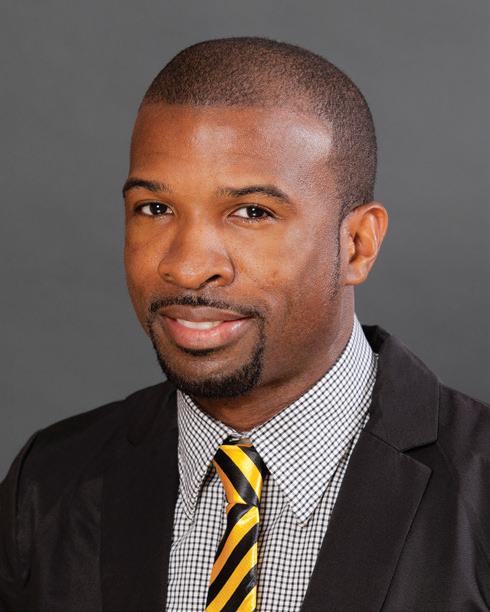
The grant-funded Minority Education Center serves as a safe hub for underrepresented minority (URM) educators across programs, and supports URM educators in our local school divisions.
“The main goal of this ground-breaking center is to provide a safe space, especially for black educators, to receive the support, mentoring, advising and resources they need to be successful,” said LaRon Scott, Ed.D., associate professor in the Department of Counseling and Special Education, who is also the executive director of the center and leading the project.
“Ultimately, we want to improve the racial diversity of the teacher workforce.”
500 impactful contacts with students, faculty/staff & alumni over the last 7 months. More than in professional development & training funding to more than 200 current and future educators.
Specifically, the Minority Education Center will serve as a space where culturally responsive mentoring and induction, culturally responsive professional development, and research efforts will take place to help understand how to better recruit, prepare and retain URM educators. Financial assistance will also be available through the center to serve the recruitment, retention and professional needs of URM educators.
Collaborative – Foster collegiality and cooperation with internal and external partners to advance learning, research and service.
New STEM Center works with Science Museum of Virginia, Richmond area schools to serve underrepresented students
In early 2020, the School of Education created a new center — the Center for Innovation in STEM Education — that coordinates efforts across VCU and with Richmond-area school divisions to empower students, particularly those from historically underrepresented and underserved populations, and the teachers who serve them to engage in STEM learning experiences and become aware of STEM career opportunities.
The center’s primary focus will be on serving populations underrepresented in K-12 STEM in Richmond City Public Schools, Hopewell City Public Schools, Colonial Heights Public Schools, Petersburg City Public Schools, as well as high need schools in sections of Henrico County Public Schools and Chesterfield County Public Schools.
The center is located at the Science Museum of Virginia as part of a partnership between the Museum and the School of Education with a goal to collaborate in outreach and research, building on strengths and capacity at both entities.
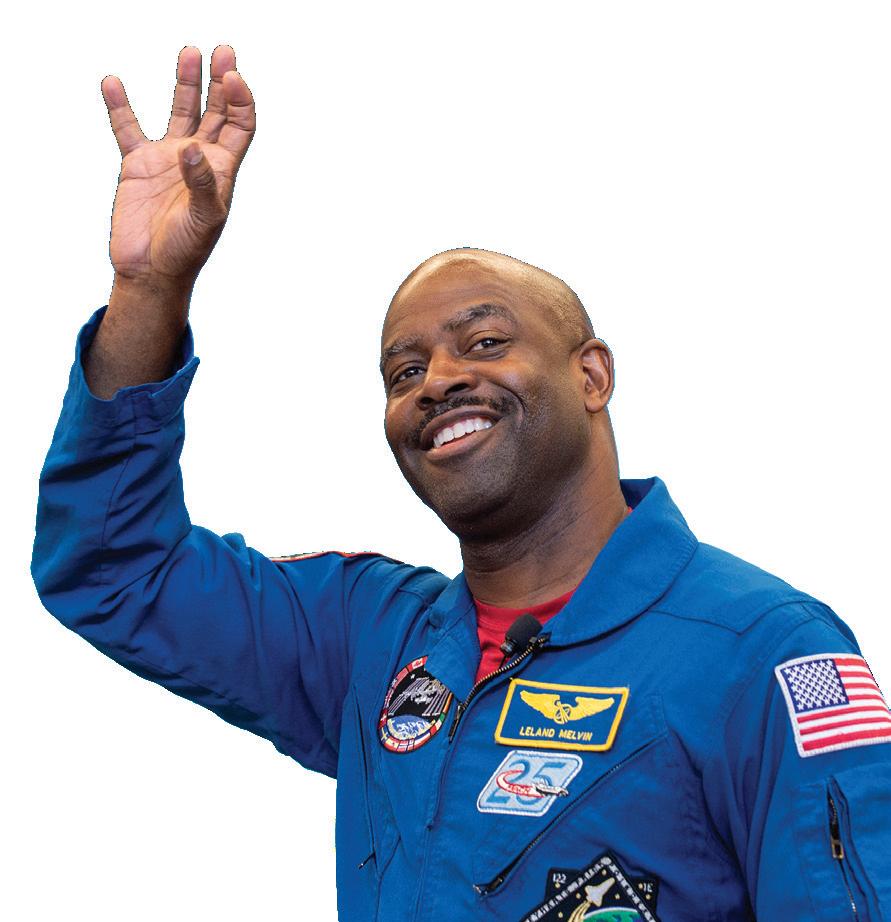
Leland Melvin, a retired NASA astronaut and former co-chair of the Federal Coordination in STEM Education Task Force, delivered a keynote address
“The new standards will impact every preschool classroom across the commonwealth.”
— Joan Rhodes, Ph.D.
Every child counts: Drs. Xu and Rhodes lead collaborative effort to develop early learning standards in Virginia
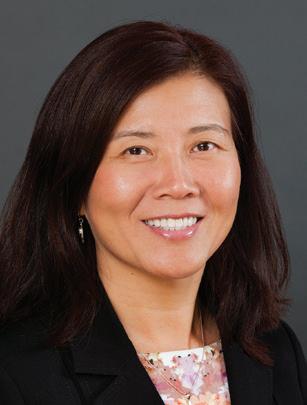
Yaoying Xu, Ph.D.
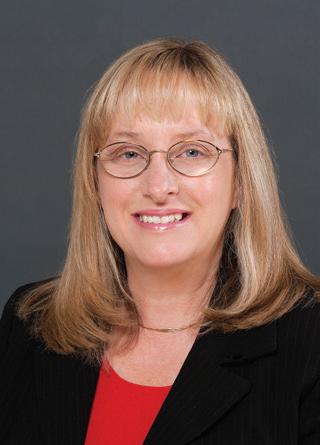
Joan Rhodes, Ph.D.
Dr. Yaoying Xu, professor in the Department of Counseling and Special Education, and Dr. Joan Rhodes, department chair and associate professor in the Department of Teaching and Learning, lead a project in 2020 with the Virginia Department of Education that focused on Early Learning and Development (ELD) standards for all children from birth to 5 years old in Virginia.
A wide range of studies, individuals and documents helped to inform the Virginia ELD standards, including position statements from the National Association for the Education of Young Children, existing Virginia standards and those from other states, the Head Start Framework for Early Learning Outcomes, and a review of research literature.
Statewide stakeholders, using relevant research and a wide array of resources, directed five work groups through the process — one for each of the ELD standards. Work group members represented numerous colleges, universities and organizations, and according to Xu, this reflects the immense effort that went into presenting standards that will serve all of Virginia’s early childhood providers and young children.
“It is the natural right of ALL children, regardless of their background or condition, to receive high quality education and care, and every early childhood provider’s basic obligation and essential responsibility to ensure that our children are learning and developing in a safe and nurturing environment,” Xu said.
Dwight VanRossum, principal at Chamberlayne Elementary School in Richmond, began his journey to becoming an educator with the initial goal of becoming a doctor. While working as a tutor as a VCU undergrad, his students started telling him, “I wish you were my teacher.” The experience was transformative.
“It felt like the angels started singing,” VanRossum recalls. He pivoted to the Liberal Studies for Early and Elementary Education track at the VCU School of Education and later earned his Master of Teaching degree there with a concentration in early and elementary education.
After graduation, VanRossum taught in Richmond schools as a student teacher and math instructional coach. During that time, he returned to VCU to get his Post-masters Certificate in Educational Leadership, which he credits for opening another door for him: the possibility of becoming a principal.
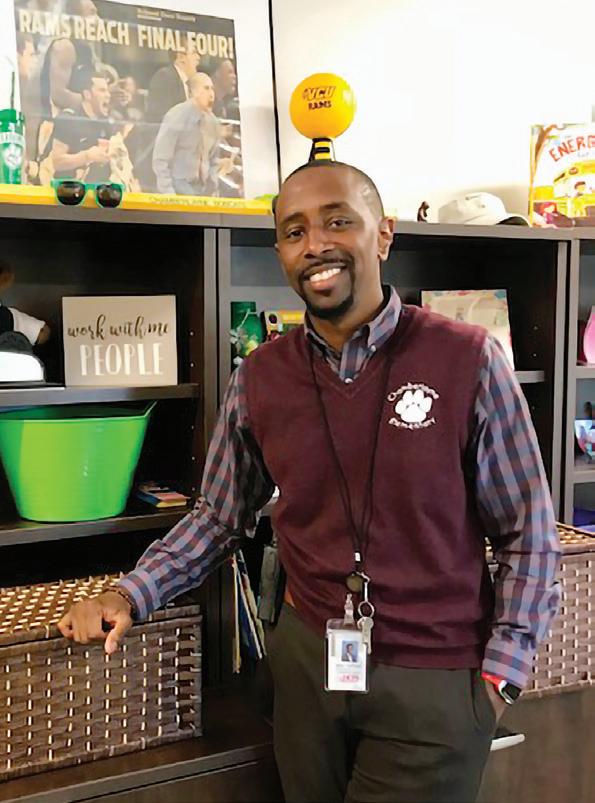
He’s been principal at Chamberlayne Elementary for four years, where he says his goal is building up the students and encouraging them to believe in themselves.
“When I’m gone, I want this to be my legacy — that I worked consistently to make sure these kids believed in themselves.”