
For more than ninety years, the Conservation Federation of Missouri (CFM) has served as “The Voice for Missouri Outdoors.” Join in our efforts to secure our stronghold as advocates for our state’s wildlife and natural resources by becoming a dedicated member of our Founders Circle.
Your contribution will play an influential role in preserving Missouri’s rich outdoor legacy.
Each year, earnings from the endowment will be used to support CFM’s education and advocacy efforts. Special recognition will be given to those who reach each level of giving. Additionally, memberships will be recognized at our annual Convention.
Make your contribution today, to preserving our state’s conservation legacy.
contact
McGeehan Family-2025
Gold
Abe Phillips-2024 Diamond
David Urich-2023
Anonymous-2025
Tanya Duvall-Haubein-2025
William R. Stork, Jr. - 2026
Zach Morris-2022
Mike Schallon-2023
Liz Cook-2023
Gene Gardner-2023
Charlie Wormek-2023
Ray Wagner-2023
Bill McCully-2025
Bruce Sassmann-2025
Nicole Wood-2025
Anonymous-2025
Anonymous-2025
Randy Washburn-2025
Mossie Schallon-2025
David Young - 2025
Jennifer Urich - 2025
Jan Sassmann - 2026
For 90 years and counting, the Conservation Federation of Missouri has stood as the voice for Missouri outdoors. Through changing political climates, economic uncertainty, and evolving conservation challenges, CFM has remained focused on one mission: protecting Missouri’s forests, fish and wildlife, clean water, working lands, and outdoor heritage for future generations. That work has only been possible because people across this state believed in conservation enough to invest in it, not just financially, but with their time, energy, and vision.
On page 22, you will read one of the most meaningful stories in our organization’s modern history: the growing partnership between Magnificent Missouri and CFM. It is a story rooted in legacy, stewardship, friendship, and a deep love for the Missouri outdoors. It’s because Dan and Connie Burkhardt believe in CFM and preserving our legacy, and I am eternally grateful to them for doing so.
Dan and Connie are extraordinary conservationists, but more importantly, they are people of action. For years, they have poured their hearts into protecting and improving the Katy Trail corridor, preserving historic landmarks, supporting rural communities, and helping Missourians connect to nature in meaningful ways. Through Magnificent Missouri, they have built something incredibly special along the Katy Trail, not just places and projects, but momentum, inspiration, and a vision for what Missouri conservation can become. As you will read in the first part of this two-part story, they just know how to get things done.
What makes this partnership so important is that Dan and Connie are not simply investing in projects. They are investing in people, staff, leadership, and in the future of conservation itself. Their support of CFM strengthens our ability to advocate, educate, convene partners, and prepare the next generation of conservation leaders. From improving trail hostels and supporting internships to preserving iconic Katy Trail destinations, their humble generosity is already reshaping what is possible for our organization.
You will also quickly recognize that this story stretches far beyond today. In many ways, it is the continuation of a conservation legacy started decades ago by Ted and Pat Jones and championed by the late Ed Stegner, CFM’s legendary executive director who led this organization for more than four decades. Ed understood that conservation succeeds when people work together around common ground. He helped build CFM into the broad coalition it remains today in a true federation of outdoor enthusiasts.
Ted and Pat Jones dreamed of transforming an abandoned rail corridor into what would become one of the most celebrated trail systems in America. Some doubted that vision. But because of determined leaders, steadfast advocacy, and organizations like CFM willing to stand strong, the Katy Trail became a reality. Coupled together today, Dan and Connie and CFM and I are carrying that same spirit forward into the modern era, overcoming challenges and ensuring that Missouri’s outdoors continue to thrive. We still have hard work to do, but we are up for it.
We are deeply honored that Magnificent Missouri chose to place its trust in CFM. That trust is not something we take lightly. The challenges facing conservation today are real, from habitat loss and invasive species to political polarization and threats to long-standing conservation funding. If the last 90 years have proven anything, it is that conservation works best when people come together with a shared purpose.
Because of leaders like Dan and Connie, CFM stands ready for the decades ahead. Together, we will preserve Missouri’s outdoors, strengthen conservation advocacy, inspire future generations, and ensure that the legacy handed down to us is protected and expanded for those still to come.
Yours in Conservation,
Tyler Schwartze CFM Executive Director, Editor
Passing a Magnificant Torch Along the Katy Trail
Blackberries, Dewberries, and Black Raspberries
Answering the Call of Water
How Kids Spell Love
Civility Raises Its Ugly Head
The Adventures of Frank, Ed, & Bert: Yes on 1
A Return to Pond Fishing
Missouri vs. Holland and the New Era of Conservation
Conservation Community at Its Finest
Carving Light
Tyler Schwartze - Executive Director, Editor
Micaela Haymaker - Director of Operations
Beth Cowgill - Membership Manager
Trisha Ely - Development & Events Coordinator
Taylor Hurley - Program & Comms Coordinator
Joan VanderFeltz - Administrative Assistant
Bill White - Grasslands Coordinator
Emma Kessinger - Creative Director
Executive Committee:
Ginny Wallace, President
Kyle Carroll, President-Elect
Ethan Duke, Secretary
Ryan Verkamp, Treasurer
Board Members:
Richard Ash
Mossie Schallon
Gary Van De Velde
Katherine Brookshire
Leanne Tippett-Mosby
Adam Sapp
Emily Schrader
John Hickey
Jake Swafford
Jane Williams
Cade Schmitz
Erin Reinhart
Allan Roach
Cary Creach
Dana Ripper
Bill Kirgan
Mike Schallon
Katie Marsh
Jean Nock
Steve Jones
Zach Morris
Michael Meredith
Zack Pollock
Dr. Marion Pierson
Bill McCully
Jennifer Battson-Warren
David Urich
Rob Hunt
April Hoffma
Eric Rahm
Jeff Meshach
Kathie Brennan
Kendra Varns Wallis
Pam Bollinger
Laurie Wilson
Renee Hahne
Lesli Moylan
Tessa Poolman
Conservation Federation (ISSN 1082-8591), Copyright 1938, is published 6 times a year in January, March, May, July, September, and November by the Conservation Federation of Missouri (CFM), 728 West Main, Jefferson City, MO 65101. Of each member’s dues, $10 shall be for a year’s subscription to Conservation Federation. Call (573) 634-2322 to become a member. Periodicals Postage paid at Jefferson City, MO.
POSTMASTER:
Send address changes to:
Conservation Federation 728 West Main
Jefferson City, MO 65101
Campaign announcement paid for by Citizens for State Parks, Soil and Water, Meagan Kaiser, Treasurer
Doolittle Trailer
G3 Boats



Pure Air Natives
Redneck Blinds
Forrest Keeling Nursery
Lilley’s Landing Resort & Marina
Missouri Wildflowers Nursery
Association of Missouri Electric Coop.
Black Widow Custom Bows, Inc.
Brockmeier Financial Services
Burgers’ Smokehouse
Central Electric Power Cooperative
AJ's Automotive & Air Conditioning
Bass Pro Shops (Independence)
Bee Rock Outdoor Adventures
Best Shot Insurance
Big Bear Butcher Shop
Boone Electric Cooperative
Cap America
Central Bank
Custom Promotional Branding
Dickerson Park Zoo
Mitico Quaker Windows
Roeslein Alternative Energy, LLC
Starline, Inc.
St. James Winery
Drury Hotels
HMI Fireplace Shop
Hodgdon Powder Company, Inc.
MidwayUSA
Missouri Wine & Grape Board
NE Electric Power Cooperative, Inc.
NW Electric Power Cooperative, Inc.
Ozark Bait and Tackle
Woods Smoked Meats
Farmer’s Co-op Elevator Association
FCS Financial
Gascosage Electric Cooperative
General Printing Service
GREDELL Engineering Resources, Inc.
Heartland Seed of Missouri LLC
Hulett Heating & Air Conditioning
Independent Stave
Joe Machens Ford
Lewis County Rural Electric Coop.
Marble Graphics II LLC
Midwest Mailing Services
Missouri Native Stewardship Services
ModernLitho Jefferson City
Moneta Group
On Time Toner and Supplies LLC
Peapod Learning Center LLC
Truman’s Bar & Grill
United Electric Cooperative, Inc.
Your business can benefit by supporting conservation. For all sponsorship opportunities, call (573) 634-2322.
If there’s one thing we don’t do at the Conservation Federation of Missouri, it’s slow down for long. Our calendar stays full - and that’s by design. Each event we host plays an important role in not only raising funds for our mission, but also building awareness of who we are and why conservation matters across Missouri.
We’ve got several exciting opportunities coming up, and I’d love for you to be part of them.
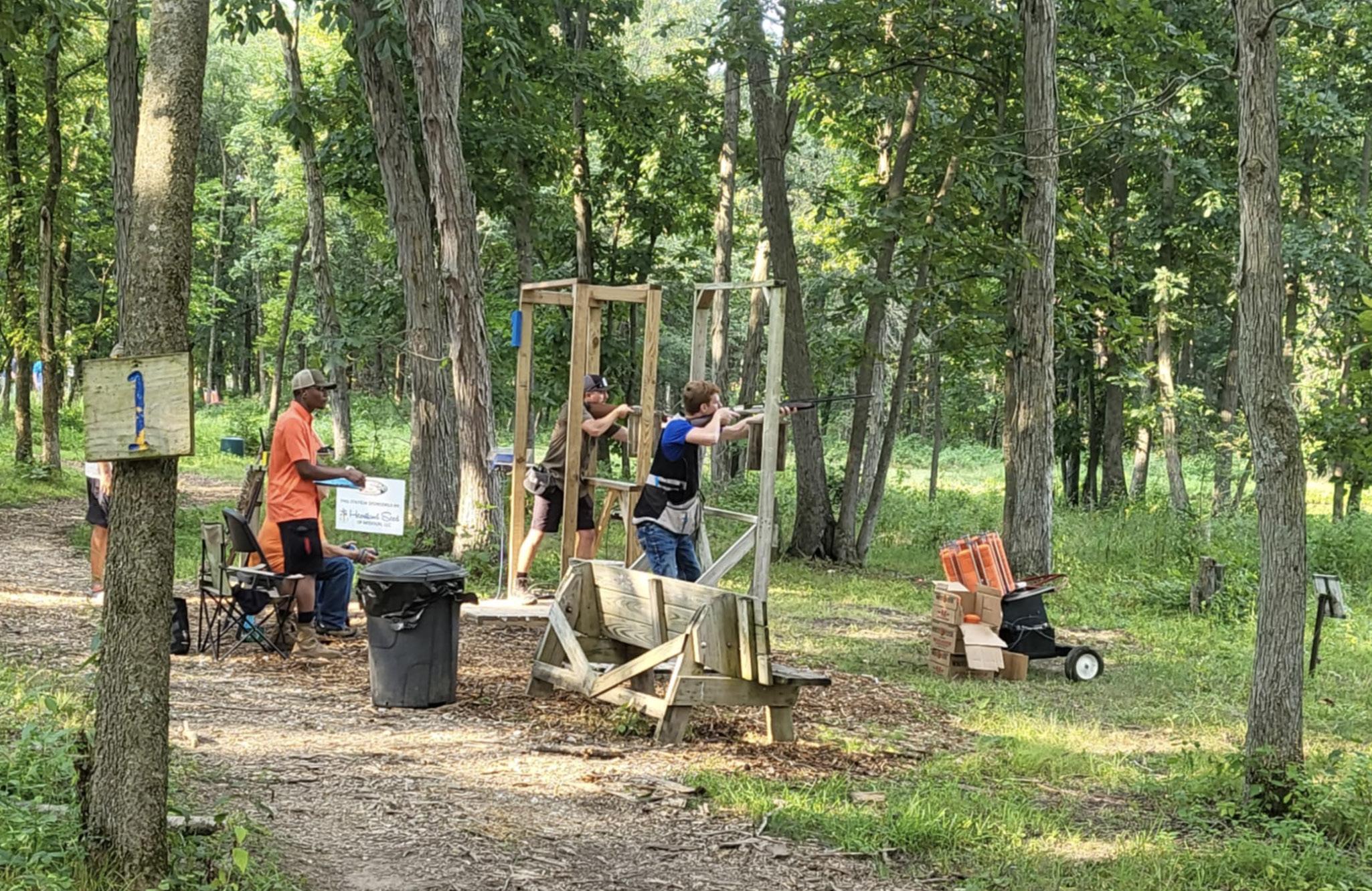
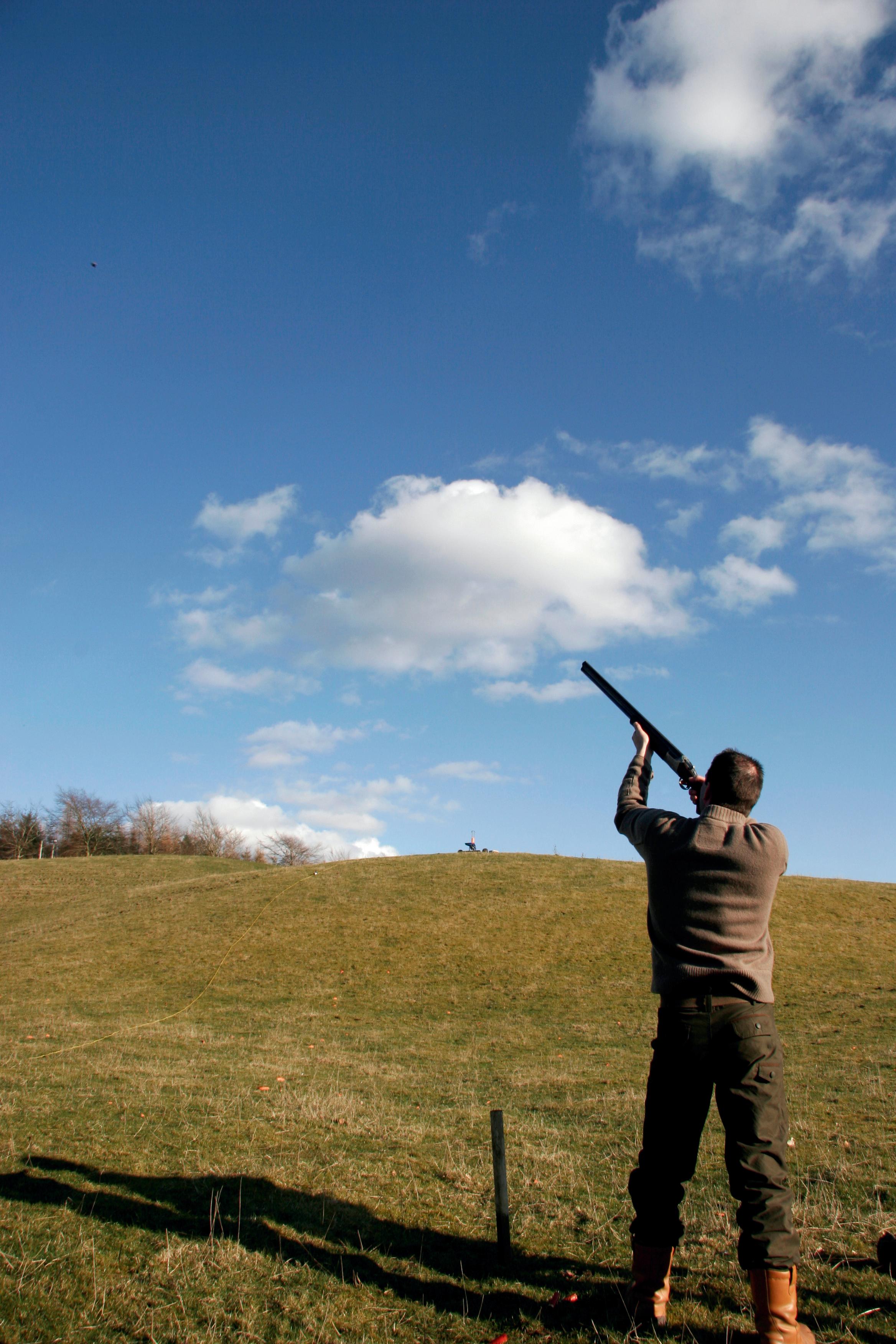
First on the list is our Pull for Conservation clay shoot, happening August 8th at Prairie Grove Shotgun Sports. This event is always a great time, whether you’re a seasoned shooter or just coming out to enjoy the atmosphere. It’s one of those days that perfectly blends friendly competition with meaningful impact - and a lot of laughs along the way.
Next, we’re introducing a brand-new event: Miles for Missouri Outdoors, a 5K taking place just north of Jefferson City on September 18th. This is more than a race - it’s a chance to bring together our business partners, affiliate organizations, and community members in a fun and active setting. We’re encouraging booths and displays so participants can learn more about the work being done across the state to protect and enhance our natural resources.
Looking ahead to fall, we’re excited to host our Wildlife & Whiskey event at Restless Spirits Distilling Company in October (date to be announced soon). This will be a relaxed and enjoyable evening featuring wild game appetizers sourced right here in Missouri, thoughtfully paired with locally crafted whiskey. It’s a unique way to celebrate conservation, local flavors, and good company all in one place.
From October 12–23, we’ll also be hosting our online auction. This is a fantastic opportunity to get involved, especially if you or someone you know has a talent, service, or item to donate. Some of our most popular auction items come from creative supporters willing to share what they do best. Best of all, every dollar raised goes directly back into our work here at CFM.
And believe it or not, convention planning is already underway. While it may feel early, the groundwork for a successful convention starts months in advance, and summer is when those plans really begin to take shape.
If any of these events spark your interest, we would truly appreciate your involvement - whether that’s helping plan, volunteering your time, becoming a sponsor, or simply helping us spread the word. You’re also invited to join our Ways and Means Committee, which meets every other month via Zoom. It’s a great way to stay connected and contribute to the success of these events throughout the year.
As always, feel free to reach out. I’d love to connect and find the perfect way for you to get involved.
Trisha Ely Development & Events Coordinator


When I moved to Missouri in 1979, I became the Department of Conservation’s first Botanist in the newly formed Natural History Section. Not being from Missouri, I had no idea how fortunate I was. Fortunate to have a job with the foremost conservation agency in the country, and fortunate to now live in a state with such a strong conservation ethic and rich natural resource heritage.
As a botanist, I had a statewide assignment and traveled the state updating plant records, looking for new things, assisting with natural features inventories, leading field trips, giving programs, and more. I quickly discovered just how special Missouri is: from prairies to pine forests to savannas, to glades, to sinkholes and caves, to mighty rivers and Ozark float streams. From swamps in the Bootheel with the federally endangered pondberry, to steep loess hill prairies in the far northwest, to sandstone canyons filled with native orchids and rhododendron, to huge granite outcrops and shut-ins. Each of these places supports unique assemblages of plants and animals, some found nowhere else in the world.
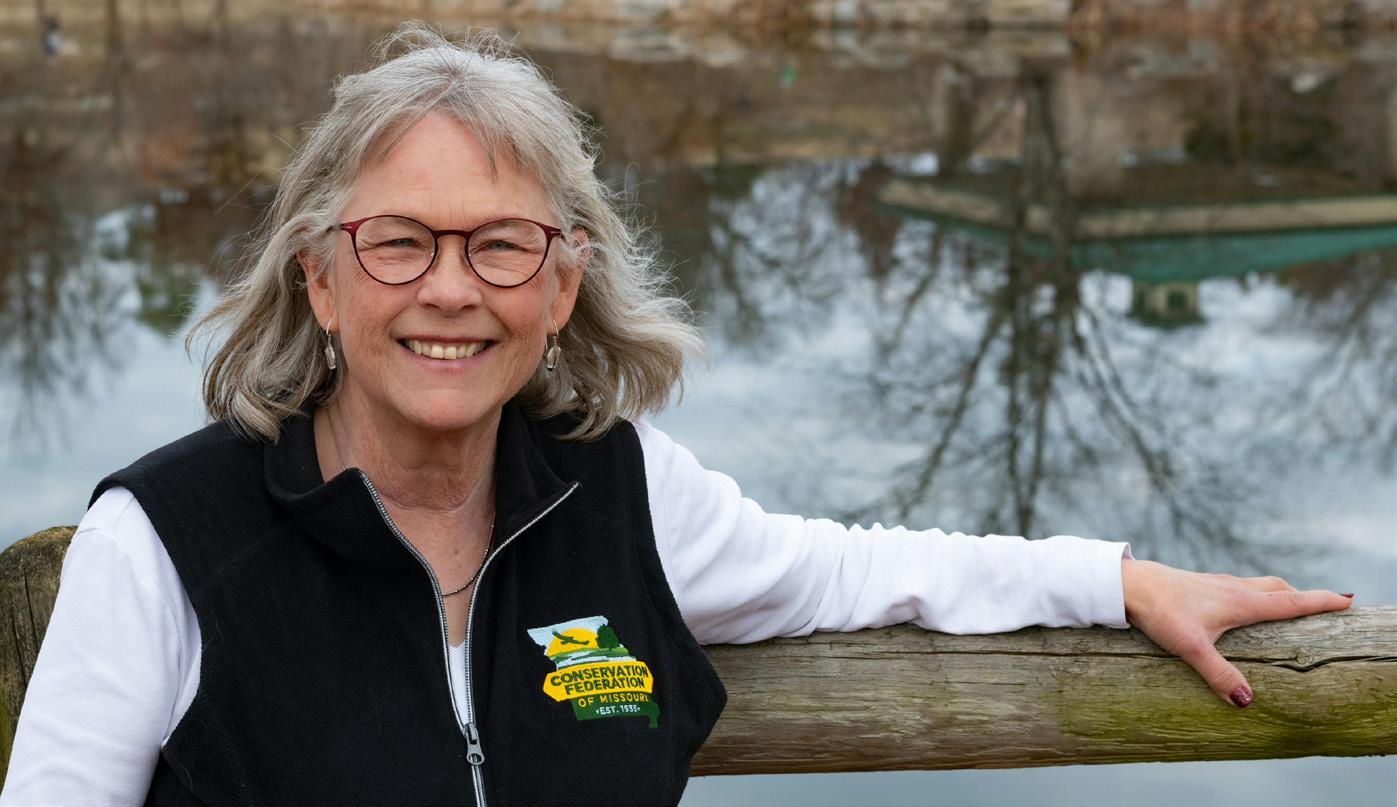
As I traveled through the state, I also discovered Missouri’s wonderful State Parks and Historic Sites, many of which provide access to the resources I just mentioned. Prairie State Park in southwest Missouri where you can get a glimpse of the vast prairies that covered a third of our state, and the animals that called them home – including Bison! And Johnson’s Shut-ins and Elephant Rock state parks, where you can climb granite shut-ins and outcrops. Or Hawn State Park with its sandstone canyons and cliffs, Onandoga Cave State Park where you can tour the cave that is a designated national natural landmark, or float on an Ozark stream.
Missouri State Historic Sites are great places to learn Missouri history; about early textile-making at Watkins Mill, or about famous Missourians at the Scott Joplin House, Mark Twain Birthplace, and others. About the civil war at the Battles of Lexington, Island Mount, Athens, Carthage or Pilot Nob state historic sites. And so much more.
With 93 State Parks and Historic Sites, there is somewhere nearby to explore no matter where you are in the state. And best of all, they are free – no admission, no parking fees. Why? Because Missourians care enough about our history and the outdoors to tax ourselves. On August 4th, we have the privilege to continue our legacy of stewardship by voting "Yes on 1" to renew the Parks, Soils and Water sales tax. This 1 tenth of 1 cent sales tax funds soil and water conservation as well as State Parks and Historic Sites. For about $10 per year per person –which, by the way, is less than the cost of a movie ticket or about the cost of two, one-day visits to a state park in other states – not only are we keeping our state parks free, but we are also saving literally tons of soil from erosion.
Missouri is rich in history and nature. It is important that we not take our legacy for granted. It is up to us to be the caretakers of these treasures for future generations.
For more information, visit Yes on 1 at www.preservemo. com.
Ginny Wallace President, CFM
Take your game to the next level with the Vortex Blade Laser Rangefinder, generously donated by Vortex Optics for CFM’s Share the Harvest Golf Tournament. Designed specifically for golfers, the Blade provides fast, accurate yardage readings to help players confidently choose the right club and improve precision on the course. Its compact, lightweight design and crystal-clear optics make it a dependable companion from the first tee to the final putt. Proceeds from the tournament help support Share the Harvest, providing nutritious venison to Missouri families in need. - vortexoptics.com
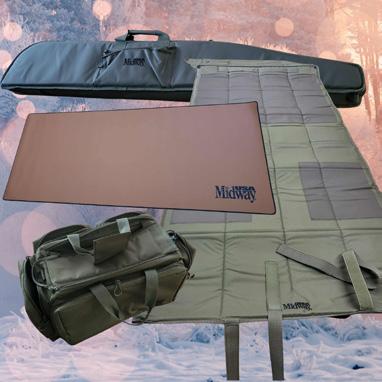
Be fully equipped for your next trip to the range with this outstanding Shooting Range Package from MidwayUSA. This practical collection includes a rugged ammo duffle bag, padded soft gun case, roll-up gun cleaning mat, and full-size cleaning mat - everything needed to transport, protect, and maintain your gear with confidence. Known for dependable quality and durability, MidwayUSA products are trusted by sportsmen and shooting enthusiasts across the country, making this package a must-have for anyone who enjoys time at the range.midwayusa.com
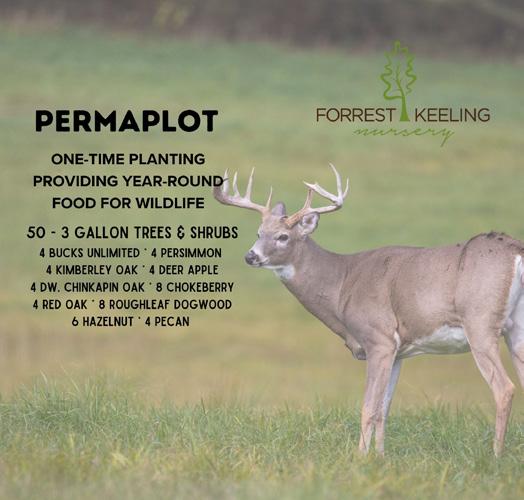
Create lasting wildlife habitat with this impressive Permaplot Wildlife Package from Forrest Keeling Nursery. This carefully selected mix of 50 three-gallon trees and shrubs is designed to provide year-round food, cover, and habitat for deer, turkey, songbirds, and other native wildlife. The package features species such as Persimmon, Deer Apple, Chinkapin Oak, Hazelnut, Pecan, Chokeberry, and Roughleaf Dogwood, creating a long-term food source while enhancing habitat quality and property value. Whether improving hunting ground or simply creating better habitat for native wildlife, this package offers a meaningful investment in conservation.
Little Timber Pellet Heater

Enjoy warmth, comfort, and the beauty of a real flame with the Little Timber Pellet Heater from HMI Fireplace Shop. This American-made outdoor heater delivers powerful radiant heat while creating the perfect gathering place for family and friends. Built from durable stainless steel and requiring no electricity, the Little Timber heater is powered entirely by gravity and natural draft using wood pellets as an efficient, low-carbon fuel source. Ideal for patios, deer camps, lake houses, and outdoor gatherings, it combines rugged craftsmanship, energy efficiency, and timeless outdoor ambiance in one impressive package. - hmifireplaceshop.com
DEX FingerLight
Inside a dark tent or hunting blind where a headlamp is too much. A nighttime dog walk. Or maybe you’re just working in tight spaces where flashlights can’t go. This nifty product just might be your answer. Its versatile use is limited only by your own imagination. A new addition to the world of wearable lights, DEX FingerLight® has a patented Griptonite-TPU ring that instantly adjusts to fit any size finger, thumb, or over glove. It’s USB-C rechargeable with three light modes (low, high, stealth green). DEX FingerLight® has up to 2.5 hours of continuous run time, IPX7 waterproof and delivers hands-free light faster and easier than a headlamp. DEX FingerLight® is a Missouri based product developed by family-founded Wild M Brands, LLC. - www.fingerlight.com


To ensure conservation of Missouri's wildlife and natural resources, and preservation of our state's rich outdoor legacy through advocacy, education and partnerships.
Imust admit that a previous World Bird Sanctuary director told me that I needed to become a Conservation Federation of Missouri (CFM) Affiliate Board Member. That director had other obligations, had to leave the World Bird Sanctuary affiliate board position and told me I needed to try to get on the board.
“Well, I have plenty of obligations, too,” I thought to myself. “Why would I want to get involved with an organization I didn’t even know existed until that conversation?”
Did my attitude ever change in a hurry!
Becoming a CFM Affiliate Board Member is one of the best conservation decisions I have ever made, so to me it was a simple decision to jump to the Life Member status. I look forward to everything I have to do with CFM. Using the words “have to” makes me feel uneasy, because ultimately, I “want to” do everything I have to do for CFM.
It didn’t take long to realize I became part of an organization that stays on the cutting edge of wildlife and resource conservation. From top to bottom, there are true professionals within CFM who are always working on the issues affecting our state. CFM is closely to the Missouri Department of Conservation.
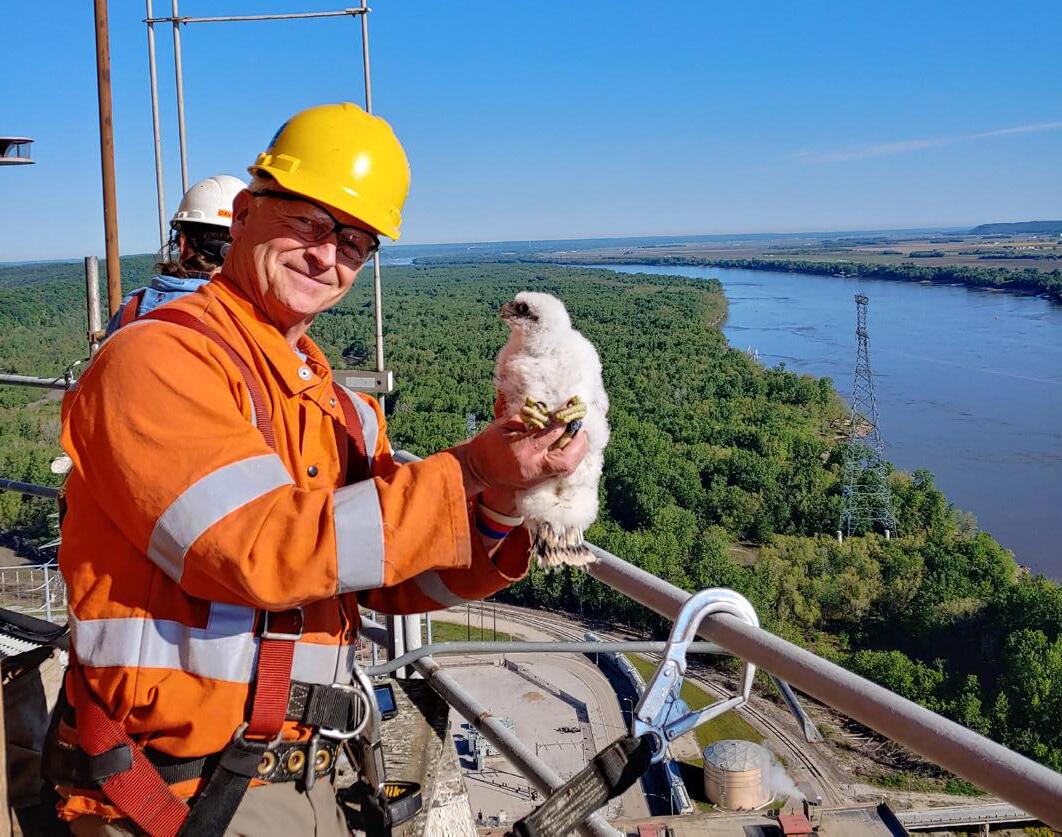
Both the Missouri Department of Natural Resources and the Missouri Legislature help every board member keep informed and up to the minute. CFM has discerning eyes and uses the ammunition of research, education and advocacy to address the issues threatening conservation.
All of this makes me so happy I had to join. I will stay involved with this great group for the rest of my professional life, and I am so happy to contribute my resources and mind to CFM.

Bill Mocca
Mr and Mrs Tyler Musgrove
Donna Brueggeman
Kristin Gaffney
Dennis Duke
Mr and Mrs Don Middendorf
Marble Graphics is a long-standing, family-owned business based in Jefferson City, Missouri, specializing in custom awards, engraving, and personalized promotional products. Established in 1983 and operated by Chris and Leslie Balk, the company has built a strong reputation for delivering high-quality, customized items for both individuals and organizations, including CFM.
At its core, Marble Graphics designs and manufactures a wide range of recognition products, including trophies, plaques, medals, and corporate awards. Their offerings span materials such as crystal, glass, wood, acrylic, and stone, allowing customers to choose pieces that best reflect the significance of their achievements or events. From sports teams and schools to businesses and civic organizations, Marble Graphics serves a diverse clientele seeking meaningful ways to celebrate accomplishments.
In addition to traditional awards, the company uses UV light to engrave and customize items like name badges, drinkware, clocks, and promotional giveaways. They also create banners and display pieces, helping businesses and organizations enhance branding and visibility. Their capabilities have expanded over time to include laser engraving and UV printing, enabling more detailed, durable, and visually striking designs.
What sets Marble Graphics apart is its focus on personalization and craftsmanship. Each product is tailored to the customer’s needs, ensuring that every award or gift carries a unique and lasting impression. With decades of experience and a commitment to quality, Marble Graphics remains a trusted resource for recognition products and custom-designed items. For more information, visit www.MarbleGraphics.com, or email Chris at Sales@marblegraphics.com.

Charles Abele
* R. Philip Acuff
* Duane Addleman
* Nancy Addleman
Tom Addleman
Nancy Addleman
* Michael Duane Addleman
James Agnew
Carol Albenesius
Craig Alderman
* Allan Appell
Victor Arnold
Bernie Arnold
Richard Ash
Judy Kay Ash
Carolyn Auckley
Debbie Audiffred
Doug Audiffred
Ken Babcock
Bernie Bahr
Michael Baker
* James Baker
Dane Balsman
Timothy Barksdale
Lynn Barnickol
Jamie Barton
Michael Bass
Robert Bass
Don Bedell
Troy Beilsmith
Cooper Bien
Thomas Bell
David F. Bender
Rodger Benson
Leonard Berkel
Barbi Berrong
Jim Blair
John Blankenbeker
Amy Bloomfield
Tom Bloomfield
Andy Blunt
Jeff Blystone
Kim Blystone
Glenn Boettcher
Arthur Booth
* Dale Linda Bourg
Stephen Bradford
Marilynn Bradford
Robin Brandenburg
Mark Brandly
Kathie Brennan
Robert Brinkmann
Kaley Brittain
Michael Brizendine
Virginia Brizendine
Lon Brockmeier
Katherine Brookshire
Donald R. Brown
* Scott Brundage
Bill Bryan
Misty Bryan
Alan Buchanan
Connie Burkhardt
Dan Burkhardt
Charles Burwick
Brandon Butler
Jackson Byrd
Randy Campbell
Brian Canaday
Mary Carey
Dale Carpentier
Joe Cater
* Glenn Chambers
Bryan Chilcutt
Ed Clausen
* Edward Clayton
* Ron Coleman
Denny Coleman
Rhonda Coleman
Liz Cook
Bill Cooper
Elizabeth Copeland
Mark Corio
* Bill Crawford
Todd Crawford
Andy Dalton
DeeCee Darrow
Brian Davidson
Mike Dempsey
Ryan Diener
Joe Dillard
Randy Doman
Tim Donnelly
Cheryl Donnelly
Ron Douglas
Chuck Drury
* Charlie Drury
Tom Drury
Ethan Duke
Mike Dunning
William Eddleman
Karen Edison
John Enderle
Theresa Enderle
Joe Engeln
Marlin Fiola
Fred First
* Mary Louise Fisher
Howard Fisher
Andrew Fleming
Brian Fleming
* Charles Fleming
David Fleming
Howard Fleming
Kailey Fleming
Lori Fleming
Matt Fleming
Paula Fleming
Sara Fleming
X. Daniel Forte
Bob Fry
Manley Fuller
Judge Gary M. Gaertner, Jr.
David Galat
Gene Gardner
Matt Gaunt
Jason Gibbs
Timothy Gordon
Blake Gornick
David Graber
Tim Grace
Jody Graff
Richard & Sally Graham
Timothy Graven
* Joseph Gray
Tom Gredell
Tyler Green
Jason Green
Gery Gremmelsbacher
Debbie Gremmelsbacher
Jason Gremmelsbacher
Bernie Grice Jr.
Mark & Kathy Haas
Tom & Margaret Hall
Christopher Hamon
* Deanna Hamon
J. Jeff Hancock
Herman Hanley
Keith Hannaman
Elizabeth Hannaman
Lonnie Hansen
Bryan Hargiss
John Harmon
* Milt Harper
Jack Harris
David Haubein
Tanya Duvall-Haubein
Carl Hauser
Jessica Hayes
* Susan Hazelwood
William Heatherly
Mickey Heitmeyer
* Loring Helfrich
* LeRoy Heman
* Randy Herzog
Todd Higgins
Bill Hilgeman
* Jim Hill
John Hock
April Hoffman
Mike Holley
Rick Holton
* CW Hook
* Allan Hoover
Amanda Horne
John Hoskins
Todd Houf
Tina Hrevus
* Mike Huffman
Wilson Hughes
Larry Hummel
* Patricia Hurster
Kyna Iman
Jason Isabelle
Jim Jacobi
Aaron Jeffries
Robert Jernigan
Jerry Jerome
Roger & Debbie Johnson
* Don Johnson
* Malcolm Johnson
* Pat Jones
Steve Jones
John Karel
Thomas Karl
Jim Keeven
Gov. Mike Kehoe
* Duane Kelly
Cosette Kelly
Junior Kerns
Todd Keske
Robert Kilo
* Martin King
Bill Kirgan
* Judd Kirkham
* Ed Kissinger
Sarah Knight
TJ Kohler
Jeff Kolb
Chris Kossmeyer
Chris Koster
Dan Kreher
Frank Kruse
Carl Kurz
* Ann Kutscher
Larry Lackamp
Kyle Lairmore
* Jay Law
Michael Leach
* Gerald Lee
Debra Lee
Mark Lee
Randy Leible
Wade Leible
* Joel LeMaster
* Norman Leppo
* John Lewis
Phil Lilley
Michael Lindsay
Bill Lockwood
Leroy Logan
Christine Logan - Hollis
Bob Lorance
Ike Lovan
Wayne Lovelace
Kimberley LovelaceHainsfurther
Jim Low
Mark Loyd
Bill Lyddon
Mary Lyon
Emily Lute-Wilbers
Martin MacDonald
Karen Mansell
Michael Mansell
Steve Maritz
Katie Marsh
Danny Marshall
Brenda Martien
Larry Martien
Edward Martin
Dwight Massey
Karen Massey
John Mauzey
Cydney Mayfield
Bill McCully
Chip McGeehan
Teresa McGeehan
Justin McGuire
William McGuire
Nathan "Shags" McLeod
Jon McRoberts
Judith Meier
Richard Mendenhall
Tom Mendenhall
Donna Menown
John "Mitch" Mertens
Jeffrey Meshach
Cynthia Metcalfe
Walter Metcalfe
Larry Meyer
Stephanie Michels
Brooks Miller
Mitchell Mills
Joshua Millspaugh
Davis Minton
Bill Moeller
Lowell Mohler
John Moore, Jr.
Gary Moreau
Johnny Morris
Mary Morris
Zachary Morris
Butch Morrissey
Keri Morrissey
John Mort
David Mosby
Leanne Mosby
Steve Mowry
Diana Mulick
David Murphy
* Dean Murphy
Richard Mygatt
* Steve Nagle
Rehan Nana
Robert Naumann
Phil Needham
J. Roger Nelson
Jeremiah (Jay) Nixon
Gary Novinger
Frank & Judy Oberle
Larry O'Reilly
Charlie & Mary O’Reilly
Beth O'Reilly
Anya O'Reilly
Jeff Owens
Austin Owens
Jeffrey Panchot
Sara Parker Pauley
Scott Pauley
Randy Persons
Edward Petersheim
Albert Phillips
Jan Phillips
Glenn & Ilayana Pickett
Jessica Plaggenberg
Becky Plattner
Zach Pollock
Tessa Poolman
* Jerry Presley
Albert Price
Nick Prough
Andrew Raedeke
Kirk Rahm
Camille Raymo
Kurtis Reeg
John Rehagen
David & Janice Reynolds
Carey Riley
Kevin Riley
Mike Riley
Dana Ripper
John Risberg
Mary Risberg
Ann Ritter
Charles Rock
Derrick Roeslein
Rudy Roeslein
Charles Rogers
Kayla Rosen
Gerald Ross
Pete Rucker
Benjamin Runge
Tyler Ruoff
William Ruppert
Tom Russell
Jacob Sampsell
Bruce Sassmann
Jan Sassmann
Frederick Saylor
Michael Schallon
Mossie Schallon
* Evelyn Schallon
Thomas Schlafly
Pamela Schnebelen
Emily Schrader
Deb Schultehenrich
Don Schultehenrich
Tyler Schwartze
* Ronald Schwartzmeyer
Timothy Schwent
Travis W. Scott
George Seek
Arlene Segal
* E. Sy Seidler
* Sara Seidler
Joshua Shadwick
Steven Sheriff
Anita Siegmund
Emily Sinnott
Douglas Smentkowski
Edward Smith
Gary & Susanna Smith
Zachary Smith
* M.W. Sorenson
Jeff Staake
* Ed Stegner
Jeff Stegner
Everett Stokes
William Stork Jr.
Robert Stout
Chris Straube
Winifred Stribling
Norm Stucky
Mary Stuppy
* Mark Sullivan
Caleb Sumners
Jacob Swafford
Jim Talbert
Norman Tanner
Stephen Taylor
Tim Taylor
Travis Taylor
Richard Thom
Don Thomas
Tim Thompson
Jim Thornburg
* Jeff Tillman
Robert Tompson
Mike Torres
Matt Tucker
Carl Turlin
David Urich
Jennifer Urich
Alex Uskokovich
Gary Van De Velde
Barbara vanBenschoten
Lee Vogel
Albert Vogt
Frank Wagner
Ray Wagner
* Julius Wall
Ginny Wallace
Mervin Wallace
Jennifer Battson Warren
Randy Washburn
Mary Waters
* Henry Waters, III. Daniel Weinrich
Michael Weir
* Robert Werges
Evelyn Werges Bennish
Pat Westhoff
Tom Westhoff
Gary Wheeler
Georganne Wheeler Nixon
Rayburn Whitener
Mark Williams
Dennis Williams
Dr. Jane Williams
Stephen Wilson
Michael Wilson
Laurie Wilson
Jonathan Wingo
Jon R. Wingo
James Winn
Michael Wiseman
Daniel Witter
Brenda Witter
* Addie Witter
Olivia McKinney Witter
Owen Witter
Shirley Wolverson
* Dick Wood
Howard Wood
Joyce Wood
Nicole Wood
Charles M. Wormek
Brad Wright
Evan Wright
Suzanne Wright
Veronika Yerina
David Young
Judy Young
Dan Zekor
Daniel Zerr
Jim Zieger
Robert Ziehmer
Emily Ziehmer
Lauren Ziehmer
Colton Zirkle
Ethan Zuck
Guy Zuck
Mark Zurbrick
*Deceased
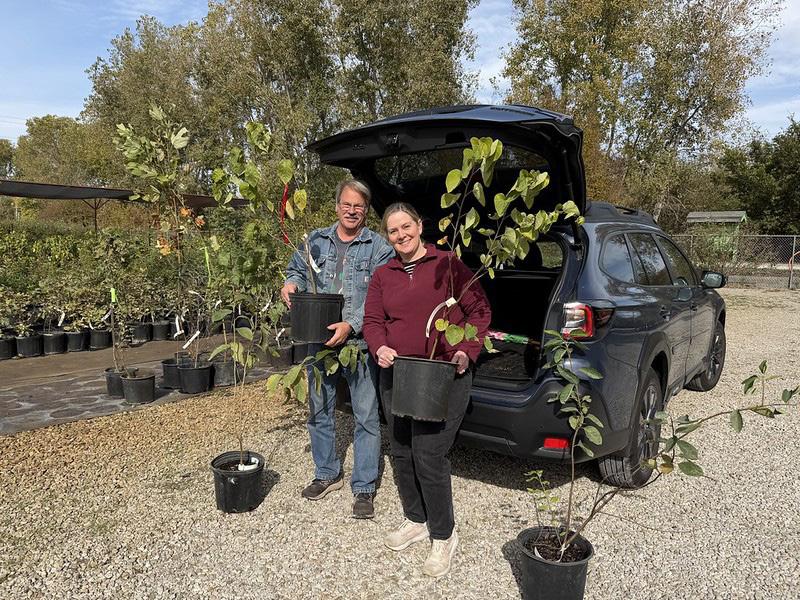
Forest ReLeaf of Missouri is committed to supporting communities through the simple but powerful act of planting trees. Whether responding to disaster, replacing invasive species, stabilizing a stream bank, feeding birds, or bringing beauty back to a neighborhood, planting a tree is an act of investment. It does not solve every problem. But it gives people agency. It allows us to say: this place matters now, and it will matter fifty years from now when this tree is at its best.
To make that possible, Forest ReLeaf takes a three-pronged approach. We cultivate a thriving nursery to grow high-quality Missouri native trees. We foster meaningful community engagement so people feel ownership in the places they live. And we provide technical forestry expertise to ensure trees are planted and stewarded for long-term success.
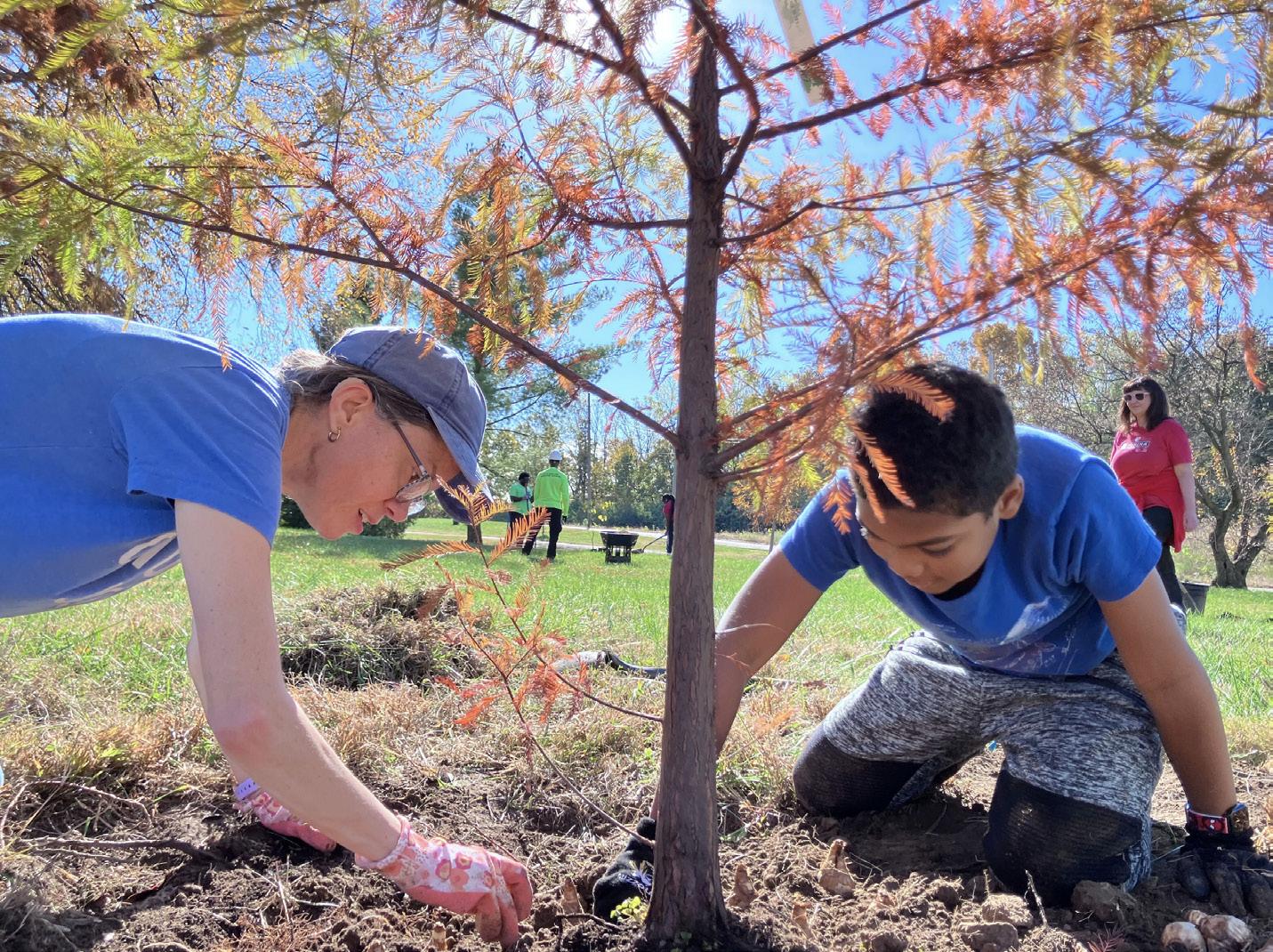
Join our efforts and see how this integrated approach is strengthening neighborhoods, rebuilding canopy after the storm, and growing the next generation of tree advocates. Together, we are planting more than trees. We are planting resilience.
Forest ReLeaf has been an Affiliate Partner with CFM since 1999. For more information, please visit www.moreleaf.org. You can also find them on Facebook, Instagram, LinkedIn, and YouTube.
Anglers of Missouri
Association of Missouri Electric Cooperatives
Bass Slammer Tackle
Basshole Bass Club
Burroughs Audubon Society of Greater Kansas City
Capital City Fly Fishers
Chesterfield Citizens Committee for the Environment
Columbia Audubon Society
Conservation Foundation of Missouri Charitable Trust
Dark Sky Missouri
Deer Creek Sportsman Club
Duckhorn Outdoors Adventures
Endangered Wolf Center
Festus-Crystal City Conservation Club
Forest and Woodland Association of Missouri
Forest ReLeaf of Missouri
Friends of Rock Bridge Memorial State Park
Friends of Rock Island State Park
Gateway Sustainable Farmers Alliance
Greater Ozarks Audubon Society
Greenbelt Land Trust of Mid-Missouri
Greenway Network, Inc.
Heartland Conservation Alliance
James River Basin Partnership
L-A-D Foundation
Lake of the Ozarks Watershed Alliance
Land Learning Foundation
Legends of Conservation
Magnificent Missouri
Mid Mo Prescribed Burn Assn.
Mid-Missouri Outdoor Dream
Mid-Missouri Trout Unlimited
Midwest Diving Council
Missouri Association of Meat Processors
Missouri B.A.S.S. Nation
Missouri Bear Foundation
Missouri Bird Conservation Initiative
Missouri Birding Society
Missouri Bluebird Society
Missouri Bow Hunters Association
Missouri Caves & Karst Conservancy
Missouri Chapter of the American Fisheries Society
Missouri Chapter of the Wildlife Society
Missouri Conservation Agents Association
Missouri Conservation Corps
Missouri Conservation Heritage Foundation
Missouri Conservation Pioneers
Missouri Consulting Foresters Association
Missouri Disabled Sportsmen
Missouri Ducks Unlimited- State Council
Missouri Environmental Education Association
Missouri Forest Products Association
Missouri Grouse Chapter of QUWF
Missouri Hunting Heritage Federation
Missouri Master Naturalist
- Boone's Lick Chapter
Missouri Master Naturalist
- Great Rivers Chapter
Missouri Master Naturalist
- Hi Lonesome Chapter
Missouri Master Naturalist
- Osage Trails Chapter
Missouri Master Naturalist
- Springfield Plateau Chapter
Missouri National Wild Turkey Federation
Missouri Native Seed Association
Missouri Outdoor Communicators
Missouri Outdoor Communicators
Missouri Park & Recreation Association
Missouri Parks Association
Missouri Prairie Foundation
Missouri River Bird Observatory
Missouri River Relief
Missouri Rural Crisis Center
Missouri Rural Water Association
Missouri Smallmouth Alliance
Missouri Society of American Foresters
Missouri Sport Shooting Association
Missouri State Parks Foundation
Missouri Taxidermist Association
Missouri Trappers Association
Missouri Trout Fishermen's Association
Northside Conservation Federation
Open Space Council of the St. Louis Region
Outdoor Skills of America, Inc.
Ozark Chinquapin Foundation
Ozark Fly Fishers, Inc.
Ozark Land Trust
Ozark River Audubon Chapter
Ozark Riverways Foundation
Ozark Trail Association
Ozark Wilderness Waterways Club
Pomme De Terre Chapter Muskies
Quail & Upland Wildlife Federation, Inc.
Quail Forever & Pheasants Forever
Renew Missouri
River Access Coalition
River Bluffs Audubon Society
Rolla Outdoor Collaborative School
Scenic Missouri Inc.
Scenic Rivers Invasive
Species Partnership (SRISP)
South Side Division CFM
Society of Wetland Scientists
Central Chapter
Southwest Missouri Fly Fishers
Sporting Dog Association of Missouri
St. Louis Audubon Society
St. Louis Community College Meramec Horticulture Program
Stream Teams United Student Air Rifle Program
The Conservation Fund
Tipton Farmers & Sportsman's Club
Tri-Lakes Fly Fishers
Troutbusters of Missouri
Turtle Conservation Group
United Bowhunters of Missouri
Veteran's Outdoor Therapy Foundation, Inc.
Watershed Conservation Corps
Wild Bird Rehabilitation
Wild Souls Wildlife Rescue Rehabilitation
WildHERness
Wonders of Wildlife
World Bird Sanctuary

Planning is already underway for the Conservation Federation of Missouri’s annual convention next March, and that means the resolutions process is officially open.
Members with conservation concerns, policy ideas, or emerging issues are encouraged to begin submitting topics for consideration now. Resource Advisory Committees (RACs) will spend the fall and winter researching, discussing, and developing potential resolutions ahead of the convention. The timeline and process of the resolutions can be found on CFM’s website: https://confedmo.org/resolutions/
Any member of CFM may request consideration of a conservation topic or issue by filling out the Member/ Affiliate Request for Conservation Issue Review form. Submitted topics are forwarded to the appropriate RAC for review and research.
When preparing your issue or topic, include as much information as possible (data, research, background). This may entail emails, calls, and letters to experts from agencies, affiliates, other RACs, etc. While members are not expected to provide everything, enough detail should be included to help the committee understand the issue, why it matters, and where additional information may be found.
Before submitting your ideas, quickly review previous resolutions (confedmo.org/listed-resolutions-through-theyears/). A quick search using keywords will let you know whether the subject has already been addressed.
CFM resolutions are intended to communicate the organization’s conservation priorities and positions outwardly to agencies, policymakers, and stakeholders. In general, resolutions are not written to direct internal action by CFM or create new staff responsibilities beyond the organization’s strategic plan.
After a topic is submitted, the chair or vice chair of the assigned RAC should contact the member regarding whether the committee intends to draft a resolution on the issue. Occasionally, submissions may be overlooked during the process. Members with questions about the status of an issue are encouraged to contact Tyler or Micaela for assistance.
Timeline for 2027 Convention resolutions:
• August 31 – Deadline for submitting issues/topics to be considered for any pre-filed resolutions for the annual convention.
• September - November – Individual RACs hold workshops with their official committee members to develop DRAFT resolutions and the convention agenda for their committees.
• November 30 – Deadline for RAC pre-filed DRAFT resolutions to be submitted to the Resolutions Committee.
• February – Pre-filed DRAFT resolutions to be considered at Convention are announced on the CFM website.
Fishing for facts is exactly what the first Missouri Conservation Commission wanted as they identified research as a major function of the newly formed Missouri Department of Conservation (MDC) at the very first meeting in July 1937. They wanted to base their decisions on sound science, not just “hearsay” from the “forks of the creeks”.
At that time, there was no Fisheries Research unit in MDC. The entire Fisheries Division totaled 13 employees, who were all “holdovers” from the former Fish and Game Department. All of them worked at hatcheries, and the Fisheries Chief was a dentist. The fisheries program consisted of hatching, rearing, and stocking fish, with a little fish rescue work in river oxbows as they began to dry up after floods.
It was the late 1930s, and fishing in Lake of the Ozarks wasn’t going very well. Whatever fishing boom there had been was long gone, and fishing folks were turning up the heat on the Department to do something about it. Adding to the problem, trained fisheries personnel were difficult to locate in those days. Few universities had fisheries programs, even though they may have had a limnologist or two. Finally, in 1939, the Department hired its first fisheries biologist with assistance from the University of Missouri, which donated $1,000 per year.
The first fisheries biologist was Albert E. Weyer. With a master’s degree from Oberlin College, he was hired at $100 per month and sent to the Lake of the Ozarks in August of 1939 to determine why fishing was so poor and what could be done about it. Impounded in 1931, it should have been at peak production in the late ‘30s, but was viewed with great suspicion by the streamoriented fishermen of the time. Biologists of the day knew little about reservoirs and were apprehensive about their widely fluctuating water levels. The initial surge of production in Lake of the Ozarks had already passed when Weyer was assigned to study the fishery.
After some cursory investigation, he termed the lake a “biological desert”, an ill-considered and misleading appellation that over time proved to be really, really wrong. He did recognize the importance of habitat though and introduced some aquatic plants into the lake and gave demonstrations on building fish habitat structures.
One of his early experiments, later turned over to the Missouri Cooperative Wildlife Research Unit at the University of Missouri, was entitled “Effects of growthpromoting substances upon fish and their foods”. He added small quantities of crude levulinic acid to aquaria filled with water from Lake of the Ozarks. At the end of two weeks, he noted a “luxuriant” growth of phytoplankton in the aquaria with the acid. Plankton in the aquaria with just lake water showed only small growth.
Jane Huntington Potter at the University of Missouri continued these experiments in the spring of 1943 in three coves at the Lake of the Ozarks, one farm pond, and in the laboratory. After her first semester of research, she became ill and resigned her position. She concluded that small concentrations of levulinic acid may increase the size of individual Daphnia but actually decrease the number of Daphnia in the population. In short, you would get fewer, but bigger Daphnia.
Today, through improved approaches to better fisheries management, Lake of the Ozarks is one of Missouri’s premier fishing lakes and we don’t even have to add any levulinic acid.
Dr. William C. Frohne was the next biologist hired in October 1939. He set up the first systematic survey of Missouri streams to “identify the factors influencing the population of fishes in each stream, so that stream management plans to improve conditions for fishes and fishing might be developed”. He became the first Fisheries Research Chief.
Water pollution in Missouri was already serious enough in the late 1930s and early 1940s that Paul G. Barnickol, the first fisheries graduate of the University of Missouri and MDC’s Lynn Barnickol’s dad, was hired in 1939 on a part-time basis to investigate these problems. His statewide survey of streams led to the state’s first water quality law and pollution control agency, the Pollution Control Act passed by the Missouri Legislature in 1957. He became the third Fisheries Research Chief in 1948, the Chief of Fisheries Division in 1959, and an Assistant Director in 1964.
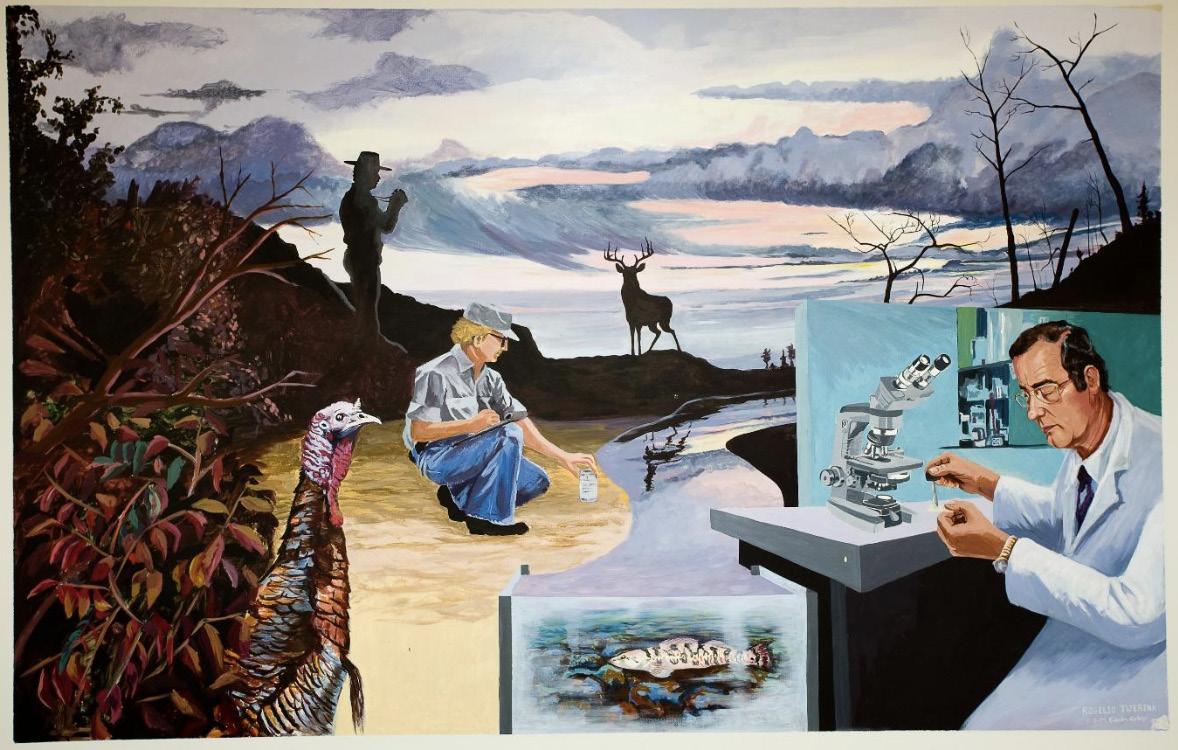
The single most important event in the history of fisheries research in Missouri, as in other states, was the passage of the federal Dingell-Johnson Act in 1951. This legislation provided funds from a federal excise tax on fishing tackle to the states to be matched on a 3:1 basis. This newfound source of funds permitted an almost doubling of the fisheries research staff and the acquisition of more sophisticated equipment.
Early research efforts were descriptive studies. Little was known about Missouri’s aquatic treasures, and more information was needed to better manage them. Therefore, many early studies were of the who, what, when, where, and how type. Later, more species-specific information was gathered to set regulations to prevent overharvest and to more equitably distribute the harvest among anglers. Today’s studies are more broadly ecologically and environmentally based, as well as longterm monitoring, habitat, and genetic studies.
• 1939 - 1942 - Dr. William C. Frohne
• 1942 - 1947 - Aden C. Bauman
• 1948 - 1959 - Paul G. Barnickol
• 1959 - 1972 - John L. Funk
• 1972 - 1981 - Joe G. Dillard
• 1981 - 1990 - Dr. James R. Whitley
• 1990 - 2001 - Gary D. Novinger
• 2001 – 2003* - Ronald J. Dent, Jr.
*MDC’s Fisheries Research Section was merged into the newly activated Resource Science Division effective January 1, 2003.
Significant accomplishments of the fisheries research section include: standardized approaches for sampling streams and impoundment fisheries; development of fishery management techniques and methods for farm ponds, lakes and reservoirs, and streams; reports of angler, recreational use, and socioeconomic surveys; establishment of paddlefish in Table Rock Lake; and three published books (The Fishes of Missouri, The Crayfishes of Missouri, and Water Plants for Missouri Ponds), 27 chapters in 13 different books, 50 technical reports, 145 peer reviewed publications, and 214 final reports.
CFM and the Nominations Committee are seeking passionate, dedicated members to help shape the future of conservation in Missouri by serving as a Board Member. Whether your background is in conservation, agriculture, business, education, communications, finance, natural resource management, advocacy, fundraising, or community leadership, your voice and experience matter and can help make a lasting impact.
Here is your chance to make a lasting impact on Missouri conservation by advocating for our state’s fish, forests, wildlife, and outdoor heritage. Board members help guide statewide conservation efforts and policy priorities while connecting with conservation leaders from across Missouri who share a passion for protecting our natural resources. Through leadership and service, members also support education, outreach, and the next generation of outdoor enthusiasts, leaving a meaningful conservation legacy for years to come.
We are seeking candidates for the 2027 election for the following positions:
• At-large board members: (4 positions), elected for a three-year term
• Executive committee: (2 positions), elected for a three-year term
The deadline for all applications is August 16, 2026. Any current board members with terms ending in 2026 who wish to stay on board must reapply.
You may nominate yourself or another qualified individual.
To learn more about the roles, responsibilities, qualifications, and experience for each position, visit confedmo.org/boardelections/.
O w n e d b y t h e m e m b e r s t h e y s e r v e , M i s s o u r i ’ s e l e c t r i c c o o p e r a t i v e s d o m o r e t h a n p r o v i d e r e l i a b l e a n d a f f o r d a b l e e l e c t r i c i t y . T h e y a r e a c t i v e i n t h e i r c o m m u n i t i e s , c o n c e r n e d f o r t h e w e l l - b e i n g o f t h e i r n e i g h b o r s a n d d e v o t e d t o t h e r u r a l w a y o f l i f e t h a t m a k e s t h e S h o w - M e S t a t e a s p e c i a l p l a c e t o l i v e , w o r k a n d p l a y . M i s s o u r i ’ s e l e c t r i c c o o p e r a t i v e s a r e d e d i c a t e d t o p r o t e c t i n g t h e l a n d , a i r a n d w a t e r r e s o u r c e s i m p o r t a n t t o y o u a n d y o u r q u a l i t y o f l i f e
L e a r n m o r e a t w w w . a m e c . c o o p


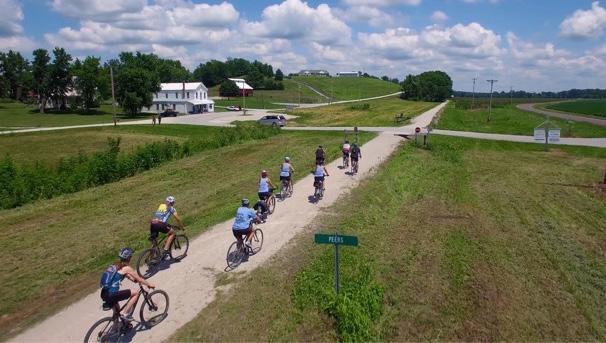
How Dan and Connie Burkhardt’s vision, generosity, and lifelong commitment to Missouri conservation are helping secure the future of the Katy Trail and the Conservation Federation of Missouri.
Dan and Connie Burkhardt thought long and hard about a partnership with CFM. They had put so much love, labor, and literal sweat into Magnificent Missouri (MagMO), the nonprofit that Dan founded with his late friend John McPheeters in 2012. Their goal had been to create a different kind of conservation organization, one that would conserve land in the Missouri River Valley and support, improve, and advocate for the Katy Trail.
The Katy is far more than just a recreational bike path. America's longest and narrowest state park, it provides recreation and an up-close view of the Missouri countryside for hundreds of thousands of visitors a year. Bikers and hikers spend time with birds, bees, butterflies, turtles and black snakes, and they leave not just able to notch off the longest rail trail, but excited about the natural history lesson taught by the farm fields, rivers, creeks and creatures they passed.
Connie and Dan weren’t ready to give up their mission. But they had seen too many nonprofits crumble or fade because, as Dan put it, “the folks who started them got old or got tired or died, and all of their work just evaporated.” And while he hoped he and Connie had a lot of good years left, he kept thinking of business guru Peter Drucker’s admonition to his old boss Ted Jones: There’s no success without a successor.
So…CFM? It has stood strong for ninety years. It had been a staunch supporter and facilitator for the Katy Trail. MagMO and CFM had been collaborating on projects since 2012, and Dan and Connie liked what they saw. They admired the way CFM’s leaders planned ahead, identifying chairpeople two terms before they would serve in those roles. Tyler Schwartze’s leadership impressed them—he understands conservation, but he also has a tight grasp on corporate governance. And CFM’s membership spanned the political spectrum, yet consistently found common ground and took action.
The year before, Connie and Dan had donated money to CFM to improve the Turner Shelter, a hostel on the Katy Trail in Tebbetts. CFM had shepherded the cash carefully. Hostel occupants now had a more welcoming (and still low-cost) place to bunk, with bigger and newer bathrooms, a kitchenette, and a place to work on their bikes. And there was money left to make more improvements when needed. More amenities like the Turner Shelter along the trail could make such a difference.
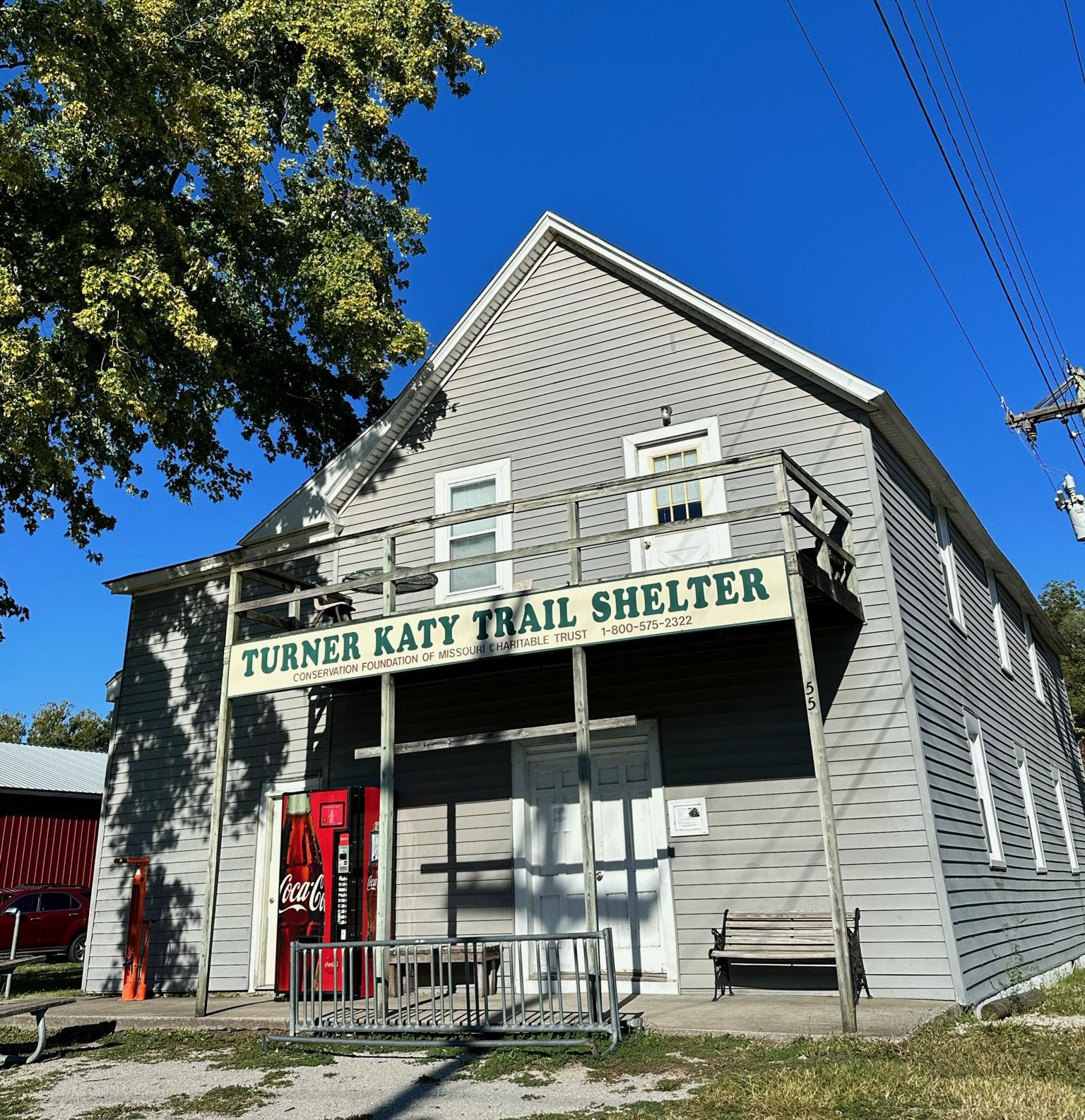
With enthusiastic support from Magnificent Missouri’s board of directors, the decision was made. MagMO would place its long-term future in CFM’s capable hands. This new arrangement would not just assure a stable future for MagMO but would also strengthen CFM’s financial stability and fund a MagMO/Katy Trail internship program for college students.
Now that it was settled, this partnership felt obvious and inevitable—in the works, really, since the very beginning of the conservation movement in Missouri in 1925. That was the year both Ted Jones and his future wife, Pat Young, were born. They grew up in families who exposed them to nature, wilderness, and farmland. Ed Stegner was born the same year, on a family farm near Pilot Grove, a train stop for the KATY Railroad and a future trailhead for the Katy Trail.
Ted, Pat, and Ed all enrolled, in different years, in the University of Missouri Ag college. They would wind up good friends, but their paths branched off. Ted ultimately joined his father’s Edward Jones investment firm in St. Louis, then expanded it to meet the needs of people in Missouri’s small towns and across America. He and Pat also restored his family farm, near Williamsburg in Central Missouri, improving it for wildlife. Ed was doing the same on his family farm when he became the executive director of the Conservation Federation of Missouri in 1954.
Back in 1935, the newly formed Conservation Federation of Missouri had pushed the Missouri Department of Conservation into existence. Decades later, in 1966, a former farm kid named Dan Burkhardt got a summer job counting fishing licenses in the basement of the new MDC building in Jefferson City. And because the lives of people who care about nature tend to criss-cross, his boss, the director of the Missouri Department of Conservation, was Bill Towell—whose nephew and namesake, Bill Kirgan, is the current past-president of the CFM board.
On March 31, 1974, Dan's daughter, presciently named Katy, was born. Brimming with joy and energy, Dan left the hospital after meeting the newborn and rushed to plant, in her honor, trees he had ordered from the MDC tree nursery. These would be the first of many tree bundles, and in time, Katy’s children would be bringing MDC seedlings to school for planting.
In 1978, Dan started work at Edward Jones. He shared his boss’s love for Missouri’s clear creeks, dense woods, and expansive farm fields. So when Ted campaigned to turn the old Katy railroad tracks into a hiking and biking trail, Dan had a front row seat to witness what many said couldn’t be done.
Darwin Hindman, an outdoorsman who would become the longest-serving mayor of Columbia, Missouri, was on the front lines with Ted—and so was CFM's Ed Stegner.
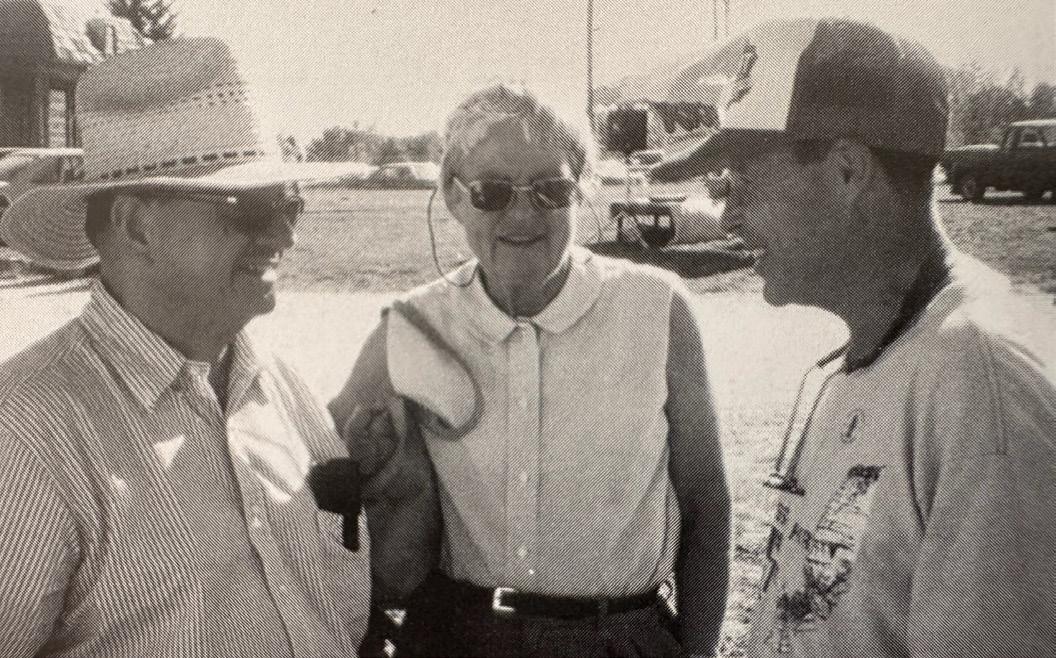
The fight for the Katy was not an easy one, but those guys never looked for easy. After years of vehement advocacy plus an impossible-to-refuse infusion of cash from Ted—and much-neeeded support from Governor John Ashcroft—they triumphed. CFM agreed to hold the funds Ted donated and disburse them as needed as the trail was constructed.
The Katy Trail opened in Rocheport in 1990. A few months later, his last big goal accomplished, Ted died of cancer. Among the directions he left were these:
I want Ed Stegner (CFM Exec. Director) to be in charge of quail hunting on my farm. He should get out in the spring with the local conservation agent…and plan where to put game patches, tree plantings, or weed patches, and help my wife Pat hire people to install these wildlife plots. I request that Ed Stegner allow my nephew, John Key, and his friends to hunt, as well as D. Boy Garner, the Williamsburg blacksmith…As long as I, my estate, or my wife own this farm, I allow hunting, but not overhunting.
Years later, inspired by his longtime boss and friend, Dan founded Magnificent Missouri. In 2019, when Pat Jones died, he was surprised to learn that both Pat and Ted had named him as a trustee for their estates. He was also surprised that almost 30 years after Ted’s passing, and after supporting just about every conservation cause in Missouri, Pat still had money left! He and his fellow trustees now had to figure out a way to use the remaining funds in the ways that Ted and Pat had specified. They worked with David Kelly and Mike Sutherland at Missouri State Parks to develop a plan to build a long-needed bridge at Pleasant Hill on the Rock Island Trail. This connection would go far to fulfill Ted’s vision of connecting the Katy Trail to Kansas City. Today that bridge is being built, and a ribbon-cutting is planned for late summer 2026.
All that history is coming together.
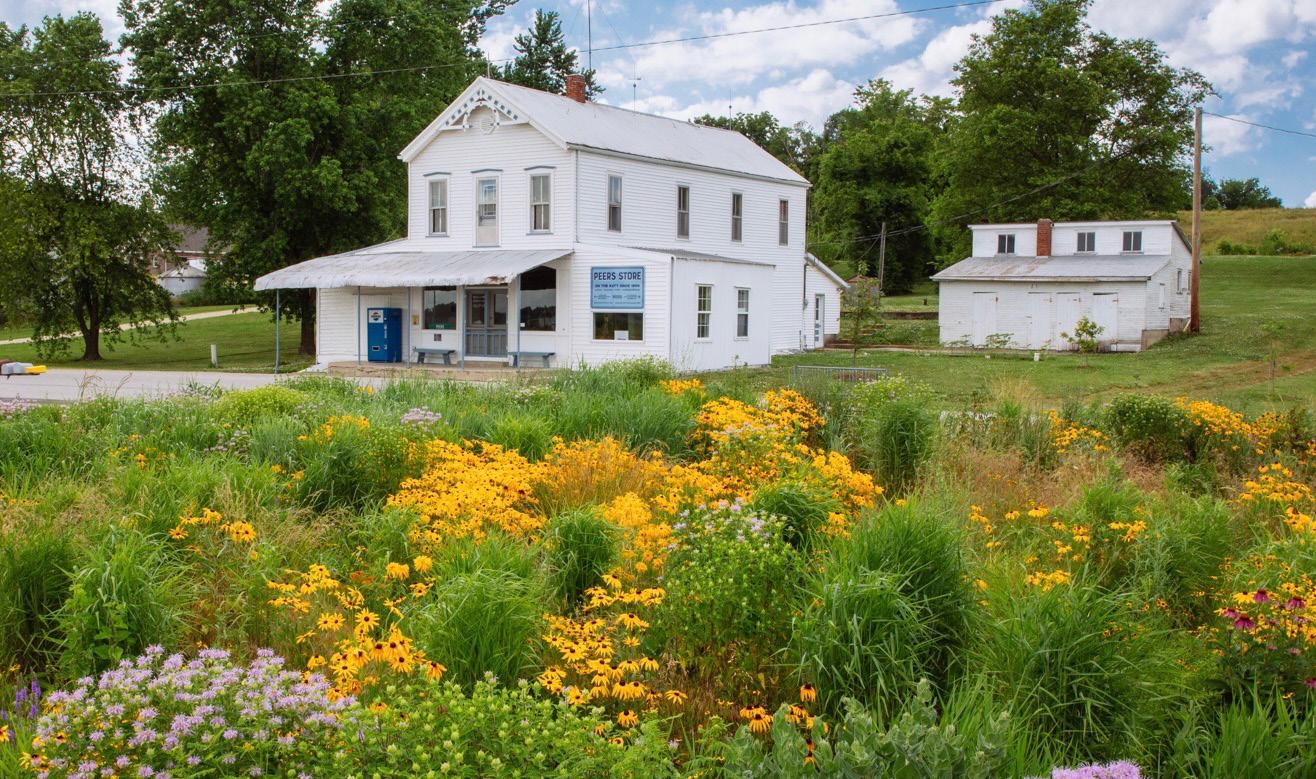
Magnificent Missouri brings quite a dowry to this marriage. One example: the Peers General Store, built in 1896 and a likely candidate for demolition in 2014 when the Burkhardts saved it. In the future, CFM will assume custody of this icon. Listed on the National Register of Historic Places in 2018, it’s become a beloved gathering spot along the Katy. Visitors can cool off, combine an ice cream with some nature education, learn the trail’s story, and maybe catch an impromptu bluegrass concert on the porch. Then they can stroll through the four-acre Peers Prairie, inspired by Pat Jones’ earlier, vast restoration of what is now the Prairie Fork Conservation Area on the old Jones farm near Williamsburg.
Other Burkhardt properties have already been donated to Missouri State Parks, for which CFM advocates. The historic Treloar Mercantile Building, for example, is now the Ted and Pat Jones Welcome Center at the Treloar Mercantile. The Welcome Center introduces visitors to Missouri’s longest, narrowest state park and the nation’s longest rails-to-trails project. Part of that gift in Treloar was Burkhardt Grove, a pocket arboretum across the street from the Visitor’s Center that is now dense with native Missouri trees: bur oak, sycamore, serviceberry, persimmon, Kentucky coffee tree, river birch, and paw paw.
The Burkhardts also plan to donate an old storage building behind the Welcome Center to the Conservation Foundation of Missouri Charitable Trust (CFMCT). Known locally as “The Treloar Country Club,” it is solidly built but in need of some creative restoration. When the infrastructure is in place, Dan and Connie will provide funding to CFMCT for a gut rehab, turning the old building into a hostel for trail riders. The location is perfect: one day’s ride from St. Charles and another day’s ride to the Tebbetts hostel, on the way to Jefferson City.
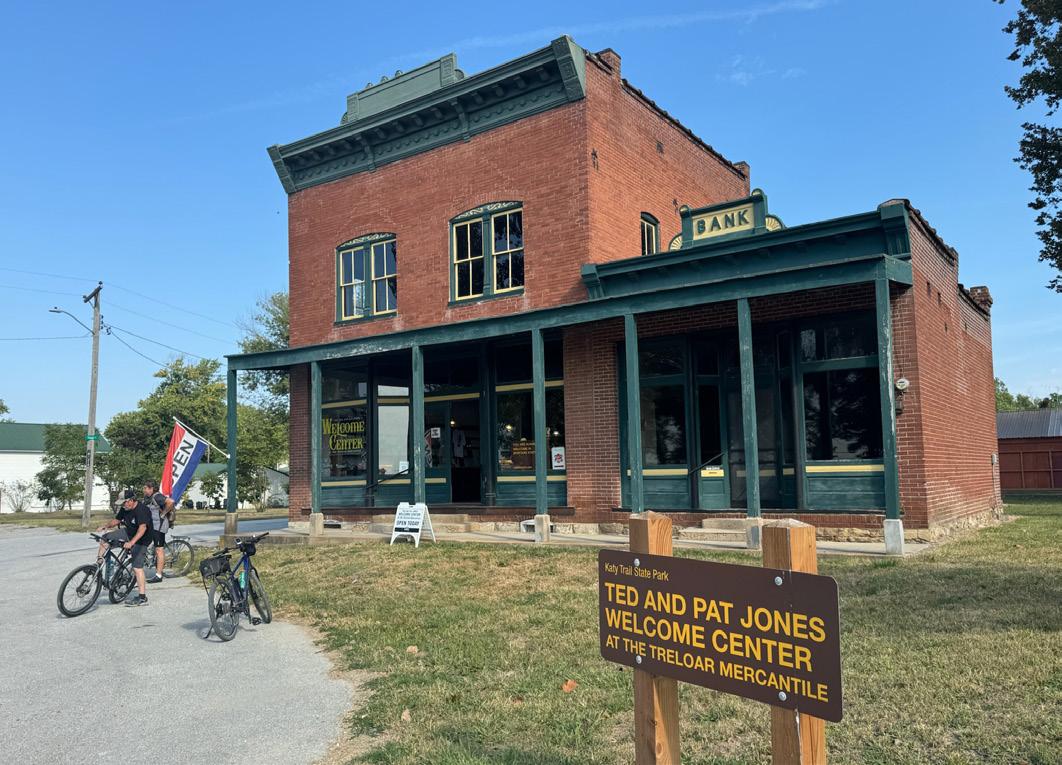
“Dan and Connie are the modern-day Ted and Pat,” Schwarze remarks. “They pour their hearts into conservation and the outdoors. They have the wherewithal to know the right people to make things happen. They know how to take a good idea and make it real and special. Their vision is inspiring.”
It’s a trait the two organizations share. This year CFM is advocating hard, every day, to make sure Missouri’s Parks, Soils, and Water Sales Tax is renewed. That dedicated tenth of one percent tax, split between Missouri State Parks and the Soil and Water Conservation Program, does not dump bags of gold into CFM’s cashbox, but it does offer basic, steady help. “You don’t have to go through the legislative process every time and not know until the very last minute, so it’s stop and start every year, and you are inefficient,” explains CFM vice president Kyle Carroll. Besides, he adds, “without that sales tax, MDC would not have had a natural history program. Collared lizards, hellbenders, songbirds are all projects that would not have been possible.”
CFM also started the Missouri Native Grasslands Collaborative, the Share the Harvest program, and Operation Game Thief to stop poaching, Schwarze continues.
"Over the decades, we’ve been involved in many important conservation battles, including the Meramec Dam, the Recovering America’s Wildlife Act, the Mississippi River Restoration Initiative, the Clean Water Act, the Endangered Species Act, Waters of the United States, and, of course, the passage of Missouri’s State Parks, Soil and Water Conservation Sales Tax and the Missouri Department of Conservation sales taxes. Throughout it all, CFM has been there every step of the way."
CFM board member Ginny Wallace, the first Missouri state botanist with the Missouri Department of Conservation, knew Pat Jones: “My husband owns a wildflower nursery, and she was a customer forever.” Unassuming, and amazing. “Then, when I met Dan and Connie, I was blown away by their generosity, passion, and commitment. They don’t just talk about things, they do them. So I felt an instant affinity.
“The fact that they’re willing to invest in the CFM staff is huge,” she adds. “There’s a lot of work to be done, and not a lot of funds to do it. And the role CFM plays is a hard one to fundraise for, because so much of what we do is behind the scenes. Our affiliates are all on the forefront, but the advocacy and collaboration are not.” CFM, in her mind, is “an incubator. The Stream Team project started at CFM. The Grow Native started at CFM. We have convened summits on wetlands and grasslands. We are bringing people together to solve problems or to think about the future, and from there, things happen.”
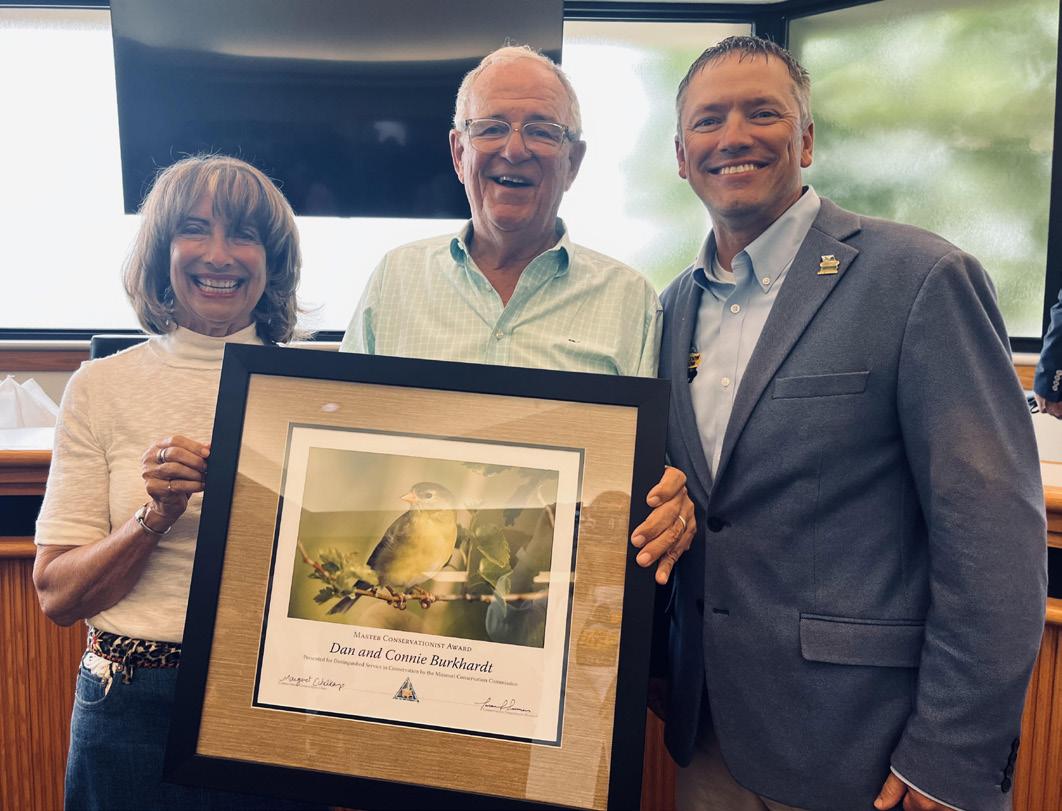
The Burkhardts, who received the 2019 National Conservation Leadership Award from The National Wildlife Federation for their pioneering work protecting Missouri wildlife and habitat, recognize the value of CFM’s work, and the difficulty of paying for it. Additionally, in May of this year, they were recognized as Master Conservationists by MDC. An amazing achievement that few Missourians have been bestowed.
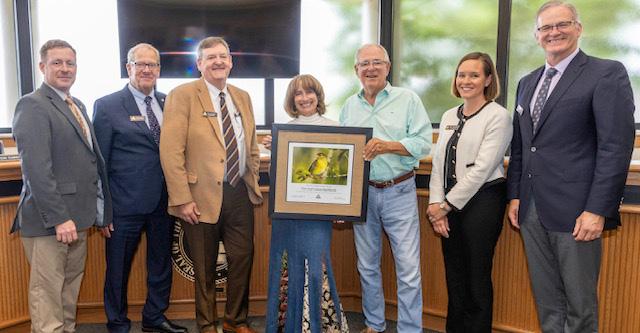
Be sure to read the September/October edition for more about Dan and Connie’s legacy and future plans for Missouri and the outdoors.
Jeanette Cooperman
Editor's Note: This is Part 1 of a two-part series exploring the remarkable story of Dan and Connie Burkhardt, their lifelong dedication to conservation, and their deep love for Missouri's outdoors. Through their vision, generosity, and commitment to the Katy Trail and natural resources, the Burkhardts have helped shape a lasting legacy that will benefit future generations of Missourians. The second part of this story will be featured in the September/October edition of this publication.




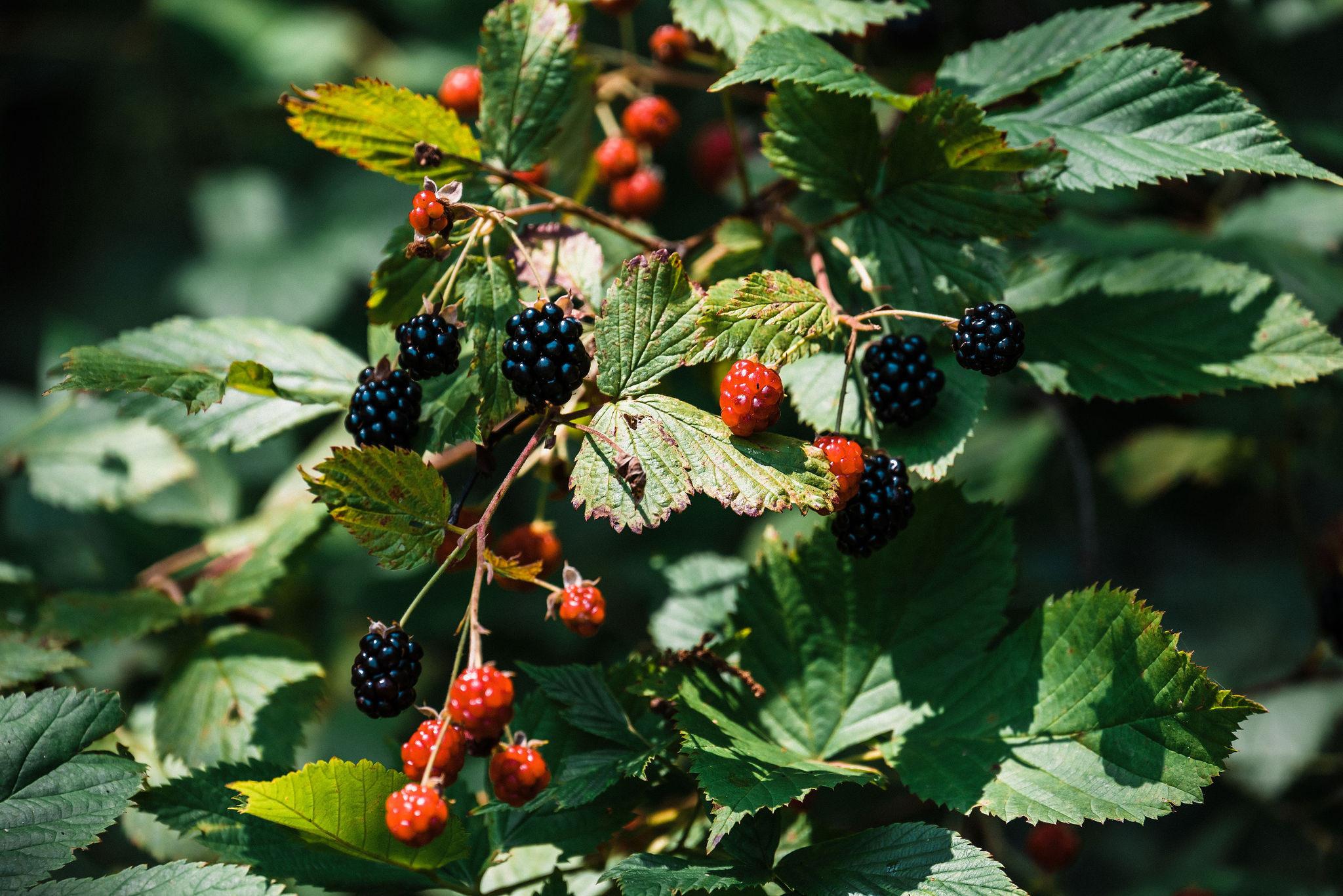
Wild about wellness spotlights berries this time. Blackberries, Dewberries, and Black Raspberries are staple forage fruits that can get even the most skeptical person into foraging.
Many people don’t know the difference between blackberries, dewberries and black raspberries. They are all very similar brambles. When picked ripe, blackberries and dewberries will come off the vine with the center intact. Dewberries ripen earlier in the summer and grow low to the ground.
Blackberries grow on higher vines. Black raspberries come off the vine with a hollow center shaped like a raspberry from the store. Blackberry and black raspberry vines are slightly different as well. My favorite way to tell them apart is the stem of the blackberry vine has ridges where the raspberry vine is round. This is identifiable year-round.
It doesn’t matter which of these berries go into the Wild Berry Freezer Pops. They all have lots of dietary vitamin K, Folate, Vitamin C, Vitamin E, B vitamins, manganese, magnesium, potassium, iron, and zinc. Talk about tasty wild superfoods! Wild berries have more antioxidants and flavor than grocery store berries because domestic berries have been bred to produce sweet, fast growing, easy to ship fruit. Flavor and nutrition of all berries also depends on the soil and water they are grown in. Grocery store berries are likely grown using pesticides. All reasons to go spend the day picking your own. Bonus, it’s fun to include kids and might save some money at the grocery store. A note on flavor, though, if you’re used to the very mild store blackberries, you may want to use more sugar when cooking with wild blackberries.
Safety note while picking berries: look out for poison ivy. Poison Ivy tends to grow in similar habitats. I try to avoid touching poison ivy as much as possible and I can identify it easily. I still usually wash with an abrasive rag and soap or a poison ivy specific wash when I’ve been in the brambles very much to help ensure I don’t get poison ivy rash.
Limitless recipes call for blackberries and raspberries. They are mostly used in sweet treats and breakfast items. They can be used in vinegars, salads, made into wine, or dried. Even when I make sweet treats, I try not to use much processed sugar, so when I make treats with berries, I avoid recipes like pie or coffee cake. Everyone thinks of those when they hear about berry recipes. Instead, lets make some Wild Berry Freezer Pops!
Wild Berry Freezer Pops are a fun treat that really hits the spot this time of year. Freezing these goodies now preserves them for when you want a hint of summer flavor in the winter, too, if they don’t get consumed by then. Making them doesn’t require firing up the oven or drowning naturally sweet berries in mass amounts of sugar. It also adds some healthy fats with the berries to increase absorption of some of the vitamins and antioxidants. This recipe is incredibly flexible and lends itself to adding fun things like fresh mint, protein powder, other fruit, thyme, rose water, or even chocolate syrup if that’s your jam. I personally add collagen powder to things like this all the time. This recipe can be made with any kind of milk, cream, or milk alternative and this recipe is gluten free, making it an easy treat for dairy free and gluten free folks. Extra sugar and cream can be added if that’s your preference. You can even make each pop a little different if that floats your boat this summer.
Wild Berry Freezer Pops
Ingredients:
1.5 Cups Berries (fresh or thawed)
1 cup milk or milk substitute (coconut milk is my favorite for this)
¼ cup honey or sugar
Directions:
1. Place the milk, one cup of the berries, and the honey or sugar in a blender or food processor. Blend to smooth. If adding mint, thyme, or other ingredients, this is where to add them.
2. Add the last half cup of berries and pulse once in the blender. This adds a great texture.
3. Pour into 4-6 popsicle molds. Cover with foil or the mold lids. Cut a hole in the foil to slide the popsicle sticks in. Slide the popsicle sticks ¾ the length of the mold.
4. Freeze hard. Ideally overnight.
5. Let popsicles sit out for 5 minutes or run warm water over them before removing the popsicle mold.
Happy Foraging. Forage for wellness.
Black raspberry, Rubus occidentalis. (Photo: Courtesy of Missouri Department of Conservation) Kat Brookshire
When I mentioned to the owner of the fly shop I lived in Missouri, he asked if I ever fished Bennett Springs State Park. I told him I occasionally went there as it’s close to home and a great place to go when I felt the need to bend a rod.
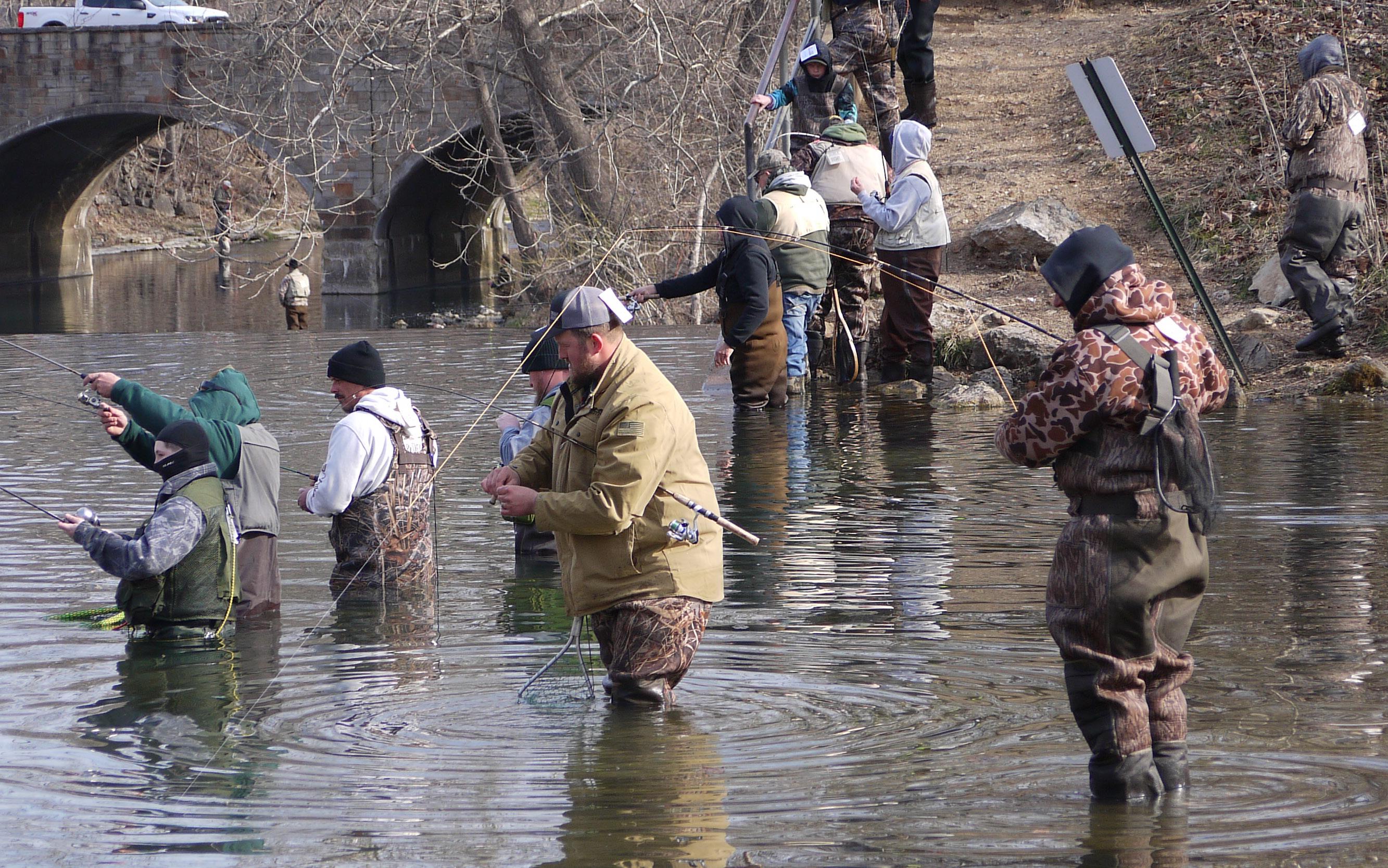
“That’s where they line up to fish, or do whatever this is,” he said as spun his computer screen in my direction to show me a picture of Missouri’s version of combat fishing. Anglers of every kind, standing shoulder to shoulder with barely enough room to maneuver let alone catch and net a fish. The opening morning of the catch and keep trout season at a popular trout park.
I smiled and said, “Yep, that’s the place.”
I was a little put off by the comment. The shop owner was a little snooty in a stereotypical way often assigned to certain members of the trout fishing crowd. Yet, I got the message. He didn’t approve, and I felt he was missing the point.
Yeah, it ain’t a Montana trout stream. On March 1 of each year, a couple thousand anglers line up in the dark along the bank and dam with spinning gear and fly rods for a chance to catch a mess of trout. At 6:30 a.m. a VIP guest pulls the trigger on a starter pistol and a siren blares throughout the park and the season begins! Most importantly, though, is the tradition. A moment in time when friends, families, young, old, men, women, and children converge on this beautiful little park to fish. They range from meat hunters to the clueless but they are all there for the same reason – to experience the power of water and fish and be part of the tribe.
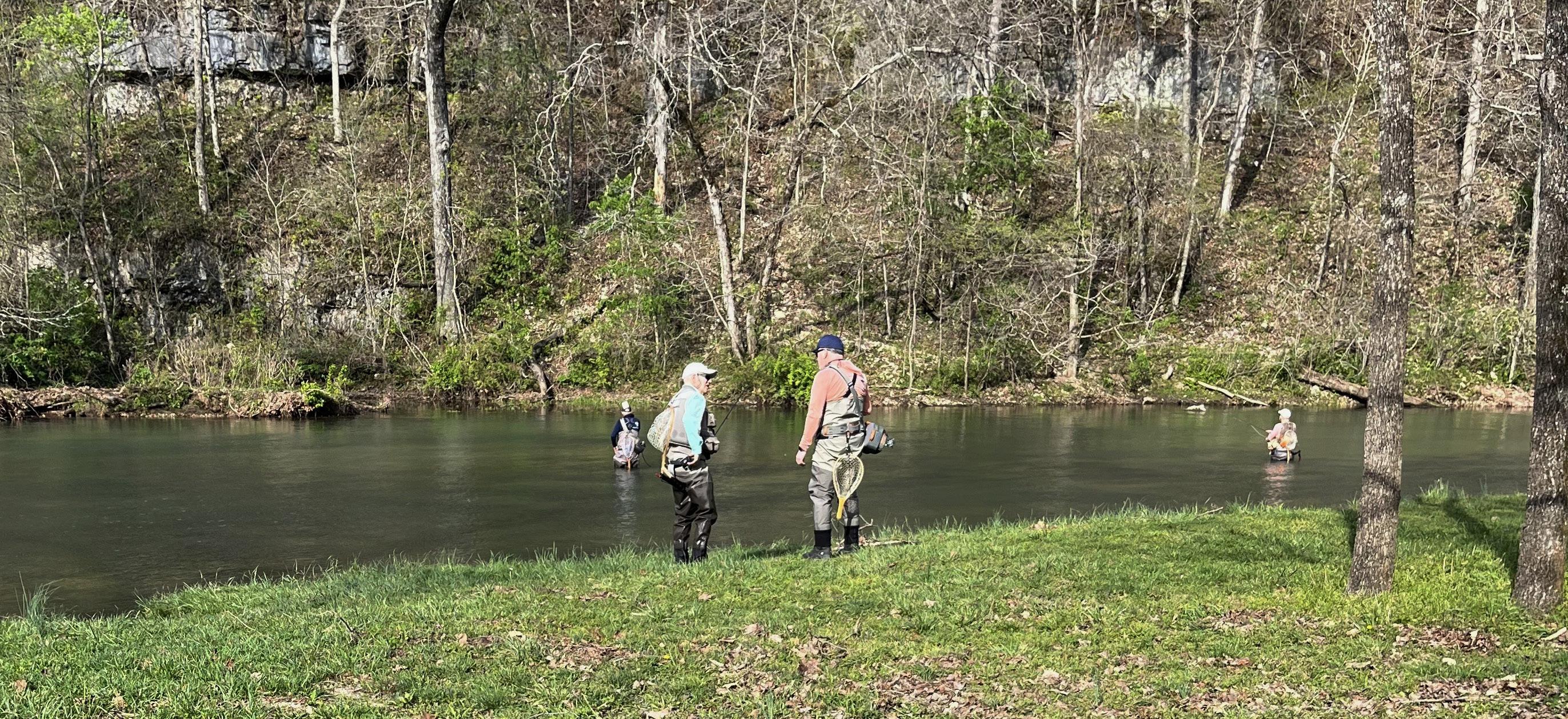
In the interest of full disclosure, I don’t go to the opener. I’m crowd-averse and I track a little closer to the mindset of the fly shop owner. But by early April I feel the calling. Once the chaos of the opening days pass, the presummer days at Bennett Springs are mostly quiet and tranquil. If the weather is nice, there will be a steady but slow stream of visitors, mostly trout anglers with a few others mixed in who are simply there to enjoy the day, the water, trail walks, bike rides, and the peacefulness. If the weather is marginal there’s a good chance you’ll get much of the park to yourself, including most of the water and the fishing.
When I arrived late morning to my favorite stretch of water on a recent visit, I was surprised to see a few more anglers than normal. Working from the tailgate of my truck I glanced to my right and saw a fisherman approaching quickly in my direction. He smiled large and I studied his face long thinking I must know him. “Good morning, how you doing?” he called out. “I’m doing well, how about you? I replied. “It’s a great morning.”
“Yes it is,” he said enthusiastically.
His truck parked next to mine, he was a friendly stranger and maybe thought I was someone else. Either way, his smile and kind demeanor was welcoming. As we visited briefly he told me he was part of group of men, Flyfishers at The Crossing, who gathered together on occasion to fish different places. Later I would search for the group and learned from their website they are a not-forprofit, charitable organization: “The Flyfishers at The Crossing (FATC) is a fellowship for men with a passion for fly fishing, helping them grow in their faith through community service, charity and brotherhood.”
An organization boasting over 200 members, there seemed to be at least a dozen members present at Bennett Springs on this April day, living up to their motto “It isn’t just about the fly fishing.”
We talked a few minutes more and I asked if anything was working particularly well this morning. He showed me a fly, a flashy little nymph he called the House-ofPayne. He explained how a friend developed this fly with one of its components being his wife’s hair! Gotta love the imagination of people who create fishing flies.
“Yeah, whenever she gets her haircut he asks that she save some so he can use it later,” he explained.
Now my mind was going a couple different directions on this topic but I figured a five-minute friendship was not enough time for me to reveal my sense of humor so we laughed it off and went our separate ways.
A little sleuthing afterwards helped me discover that a Missouri business, the Wooly Bugger Fly Fishing Company, sells the mysterious Houseof-Payne, a fly developed by a man named Scott Payne and advertised as “This fly is so hot it can’t have its picture taken.” No picture of the fly is available on the Wooly Bugger website but having seen it in the wild, I ordered a few, size 16.

The remainder of the day was about as good as it gets. Fishing was great, catching was reasonable. Surrounding anglers politely stood in the green-blue water in various stages of meditation as a breeze gently pushed downstream. And as I reflected on the day’s achievements, I considered the inexplicable call of water and fish and their role as my own weight forward lifeline.
In short order between roll casts I recalled what was likely my earliest introduction to fishing. Going to a park with fishing poles sneaked out from someone’s basement or garage; worms picked from puddles and lawns after an evening rain. Standing on the bank of a park lagoon, trying not to get leather school shoes wet or muddy, being somewhere I shouldn’t have been, catching bluegills with friends.
During my second decade I would ride a bicycle to the harbor pier where people lined the edge, dangling minnows hoping to catch a bucket of yellow perch, or stand on an old narrow wooden dock, a Zebco rod and reel in hand watching a red and white bobber for signs of hungry fish. With saved birthday money I would graduate to spinning gear and learn to cast standing on the giant shoreline rocks pitching spoons and spinners into a great lake hoping for the silver of a rainbow or coho.
After dark I’d watch men drinking beer, eating hard salami, dropping and lifting big nets under Coleman lanterns, helping to scoop smelt during the run. Then watching blurry-eyed neighbors sitting on buckets in the driveway, gutting the silvery fish, keeping a few for the freezer, Swedish hooks inserted, later to be dropped into a bait buckets as pike candy during ice fishing.
During my third decade there was the adventure of sliding out of the harbor into a dense fog, the CB radio chatter warning of a freighter somewhere between here and there. Two young men with coho fever, out too late the night before yet undeterred. Or squeezing between cabins along a narrow easement to access the water on a small lake with just enough room to cast spinners for bass along weed beds. Or slipping down through an industrial area to access the Mighty Mississippi to catch drum as barges and house boats cruised by. Then fishing another great river from the bank behind a cemetery where no one else would come but large pike could be found. And walking along a rural road in deep south Mississippi scouting new water among mostly black faces catching bream.
And so it went and so it goes. Countless other lakes and rivers with names like Taneycomo, Manitou, Namekagon, Binder, Little Piney, Brule, Timber Coulee, and on and on and more. Places I have been, will go to again, and hope to see one more time.
And my conclusion after this deep piscatorial contemplation, while watching a few trout rise under fishing tackle dangling in the trees above? Even with the scales tipped, advantage to the angler, whether or not a boat or other fancy gear is used, whether standing shoulder to shoulder waiting for a siren to wail or somewhere alone and remote, the fish still makes the decision and the only constant is hope. Everything else is a dance with deception.
When the summer heat turns Missouri’s reservoirs into giant sauna baths, I look for some fishing holes where I can seek relief from the searing sun and hot weather.
Throughout the years I have found that Show-Me State streams and creeks offer shade, solitude, and some great fishing action as well. Many of these waters have massive overhanging trees that provide protection from the sun so you can fish comfortably even during the hottest part of the day. Fishing pressure on these streams in the heat of summer is minimal—especially during the week.
Many of my stream experiences in the summer have revolved around an annual family float trip either on the Current River, Meramec or Huzzah Creek. The Current River float from Akers Ferry to Round Springs was usually jampacked with canoes and tube floaters, but I still managed to catch some smallmouth and goggle-eye despite the traffic. Running a brown Rebel Crawfish crankbait along bluff walls and deeper holes produced best for me during the middle of the day. I also caught some smallmouth along weed edges with a Tiny Torpedo.
In recent years, we moved the family float trip to Huzzah Creek, which is great for either floating if the summer has been wet or wading. The last time we floated the Huzzah I caught about 10 smallmouth on 3 1/2-inch green pumpkin Senkos that I let drift into logs and eddies near the riffles. After the float trip I waded a stretch of the stream near our campgrounds and caught goggle-eye and smallmouth, including a 2-pound brown bass. When I was wading, I used a brown Jewel Bait Company Spider Jig and small green pumpkin plastic craw that I pitched to logs about 2 feet deep.
Three other streams I have fished during the heat of summer are the Gasconade, Niangua and Big rivers. I fished the Gasconade around Mayfield Springs and from the State Highway 7 Bridge to the Missouri Department of Conservation (MDC) Shlicht Spring Access. We did a combined float/wade trip on the Niangua around the MDC Prosperine Access.
The Rebel Crawfish crankbait, stick worms and finesse worms produced both largemouth and smallmouth bass around the Mayfield Springs area of the Gasconade. I caught my biggest fish of the day on a brown Berkley Power Tube with a 1/8-ounce jighead that I let drift into a pool below a riffle.
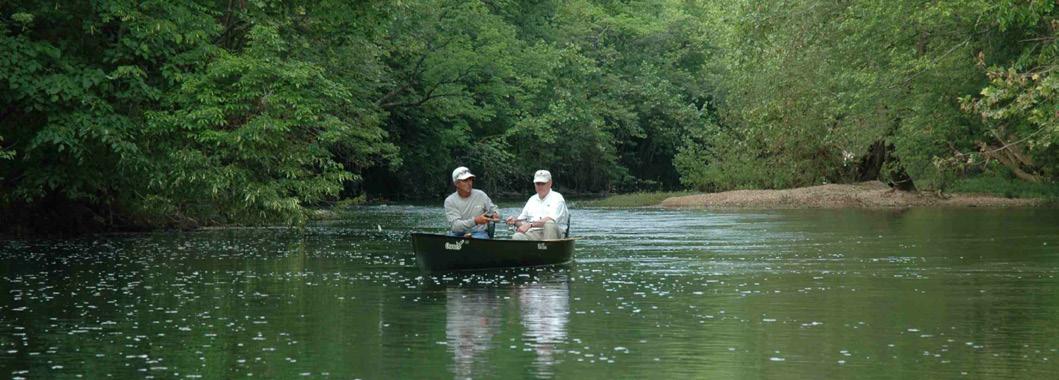
My partner caught his biggest smallmouth on a green pumpkin finesse worm attached to a 1/8-ounce slider jighead.
A variety of lures worked during our float trip from the State Highway 7 Bridge to Schlict Springs. Keying on holes above and below riffles and shallow weeds with current running through the vegetation, I tricked several smallmouth with a white buzz bait, spinnerbait, brown Rebel Crawfish crankbait and a plastic craw worm on a slider jighead. My partner also had plenty of smallmouth action on a LuckyCraft Sammy topwater plug, spinnerbait, buzz bait and jig and plastic craw.
While wading and floating the Niangua, we caught some goggle-eye and several smallmouth around 14 inches long. Our most productive lures were the Rebel Crawfish crankbait retrieved at a fast, steady pace and stick worms that we let fall slowly in the slack water below the riffles. I discovered the best way to catch the biggest smallmouth (including a 3-pounder that I hooked but jumped off) was to let a brown Jewel Bait Spider Jig and green pumpkin plastic craw drift with the current into laydowns or big rocks.
On the southeastern side of the state, I have spent a couple of August days fishing the Big River where I caught a couple of 12- to 14-inch smallmouth and several sublegal smallmouth, largemouth and spotted bass. My partner also caught numerous bass including the biggest fish of the trip, a 2-pound smallie. Our most productive pattern was throwing 1/4-ounce spinnerbaits around riffles, laydowns and boulders. My trusty brown Rebel Crawfish crankbait also produced several fish as did a motor oil tube bait with a 1/16-ounce jighead and a green finesse worm with a jighead that we tossed around laydowns.
Try a Missouri stream this summer if you are looking for a cool place to catch bass and goggle-eye.
John Neporadny Jr.
Float fishing offers anglers solitude and an opportunity to catch lots of fish in the heat of summer. (Photo: John Neporadny Jr.)

Iwas outside enjoying my morning cup of coffee. The sunrise was beautiful. Birds serenaded me with songs. A deer walked through a nearby field. Turkeys soon joined them. I sat down on the porch to spend a little time talking to God.
A big yellow school bus drove by. My smartphone dings, and I look at several pictures on Facebook of kids from our church heading off to the first day of school after their summer break.
I sip my coffee and think about our kids and grandkids when they were young and going off to school on a big yellow school bus. Our sons are now past middle age. Grandkids are either married or attending college. They are all busy with their own lives now.
I wish that I had grown up with what some kids have. A mom and a dad, and a grandma and papa who always greeted me with a hug and a kiss.
Who let me do just about anything, within reason, and would even do it with me sometimes. Who would wave goodbye, blow kisses, and tell me they loved me when it was time to go. That is only some of what I would want if I were a kid again.
I would want to build a campfire, enjoy poking around in it, watch the flames dance, and make s’mores. I would want Dad to make me a wooden boat, and sail it down the creek, and use my truck and digger to make roads on the gravel bar. I would want to find beautiful rocks, others with holes in them, and sticks that beavers chewed on.
I would want to feel good about myself because I could drive an ATV even though parents or grandparents were riding with me. I would want to sing songs at the top of my voice as I ride and feel the comfort of big arms around me.
I would want to be oblivious to the complexities of life and be overly excited about the little things, like finding a turkey feather or a turtle shell, hunting squirrels, and picking apples.
I would want to be excited when I catch a fish or a crawdad. I would want to have fun walking through a puddle, learning to skip a rock, or playing in the creek. I would look forward to helping Grandma bake cookies and pumpkin pies, and helping grandpa fry fish and make cinnamon rolls. I would want to smile when I beat adults in board games and video games. I would want to go to Disney World one more time.
I would want to feel important when I was handed a trophy or ribbon from karate classes, bowling, basketball, baseball, gymnastics, or showing cows. I would want to look into the stands, and Mom, Dad and grandparents would always be there to see me. I would want to know they are all there when I need them.
I would want to climb into Mom or Dad’s or Grandma or Papa’s lap and have them read me a book, and then feel proud when I can read it to them. I would want Mom to talk to me as she drives me to school, and watch her cry when I get on that big yellow school bus, and cry again when I drive myself to school.
I would want to know I can always run and jump in my Dad or Papa’s arms and they would catch me. I would want dad to patiently explain to me again how to do things. I would want Grandma to take me shopping. I would want to know that if I have bad dreams or hear a storm, mom and dad are close by and would snuggle with me so I could go back to sleep.
I would want to know when my Dad is too busy or too tired to play ball with me. I could call my Papa, and he will come right over. I would want to ride my bike for the first time without training wheels, feel safe because Dad is running along right beside me, and smile when Grandma says she is proud of me.
I would want to experience summer nights catching lightning bugs and putting them in jars. I would want to catch a frog or turtle, give them a name, and feel tears running down my cheek when they escape or when Dad tells me I have to let them go.
I would want to pick up a garden hose and squirt all the adults in sight or play on a slip ’n slide until my toes and fingers were wrinkled. I would want to slide a snake down my sliding board again and cut down the neighbor’s tree with my dad’s hatchet. I would want to dress up like Spider-Man and make things out of Legos. I would want Grandma to scratch my back.
I would want to play snow football, build a snowman or a fort, and make a snow angel. I would want to play wiffleball, do a cartwheel, and color in my coloring book. I would want to take cardboard and slide down the steps. I would want Grandma to lie down on the driveway while I outline her in chalk.
I would want to climb a tree and sit with Dad or Papa, looking for deer. I would want to go turkey hunting and walk to the blind holding hands with Dad.
I would want Dad to lift me up to put a ball in the basket and help me swing a big bat. I would want to toss the football with Dad or Papa, or play on my little indoor basketball goal again.
I would want to jump on the trampoline and play sports for the fun of it. I would believe, as Papa told me, that I can do anything I put my mind to. I would want to sit in church again with my family and have Mom teach me how to pray.
All of what you have read are things that happened in the lives of our kids and grandkids. I wish I had good memories from when I was a kid, but I do not. My Mom and Dad divorced when I was young. Most of my time was spent with Grandma and Grandpa but they were always busy on the farm. I made memories, but mostly by myself.
Our family life was not always the best by any means. Yours probably isn’t either. I personally made mistakes that I regret. God did not give up on me, though, and He will not give up on you either.
Parents and Grandparents, go make memories with your kids and grandkids that they will never forget. TIME is how kids spell love.
Beautiful weather prompts people to get outside for a variety of recreational activities – including shooting sports. The Missouri Department of Conservation (MDC) offers hunters and recreational shooters five staffed shooting ranges and more than 35 unstaffed shooting ranges around the state.
MDC's five staffed shooting range and outdoor education centers have trained staff and volunteers to help range users master firearms and archery through a variety of rifle, pistol, and archery ranges. Fees are required to use MDC staffed shooting ranges. The centers also offer programs on hunting, wildlife identification, and many other outdoor skills.
MDC also welcomes hunters and recreational shooters to use its more than 35 unstaffed shooting ranges free of charge – when used safely and in compliance with posted range rules.
Each MDC unstaffed shooting range has a posted set of rules specific to the range. MDC also reminds range users that every shooter shares responsibility for safety on the firing line, clear communication with others, and respect for the range and its infrastructure.
MDC reminds range users that leaving trash behind or damaging the range impacts all range users. Shooting range users are expected to:
• Clean up spent casings, targets, and trash.
• Dispose of materials properly or pack them out.
• Respect signage, backstops, and structures.
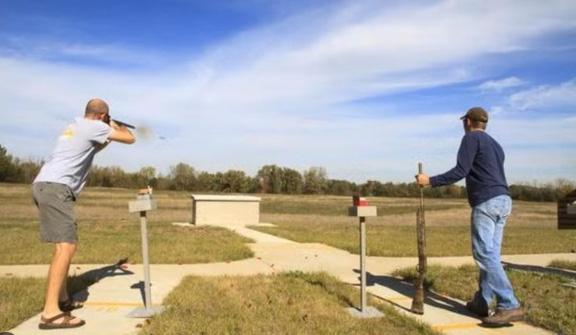
Learn more about Missouri Shooting Range Etiquette from MDC at missouri.outdooreln.org/course/missourishooting-range-etiquette/
MDC encourages people to report misuse or safety violations at unstaffed shooting ranges to local conservation agents or MDC offices. Find local contact information at mdc.mo.gov/contact-engage/local-mdccontacts
Learn more about MDC staffed and unstaffed shooting ranges around the state at mdc.mo.gov/discover-nature/ places/shooting-ranges.
In 1988, a small group of anglers became fed up with unsightly trash disrupting their fishing in Roubidoux Creek in Pulaski County. These conservation-minded Missourians decided to clean this section of stream, thus forming the first Missouri Stream Team in 1989.
Fast forward more than three decades later. The Roubidoux Fly Fishers Association (Stream Team #1) is still going strong and has been joined by more than 7,000 Stream Teams around the state with more than 58,000 volunteers who helped Missouri’s streams in some impressive ways last year.
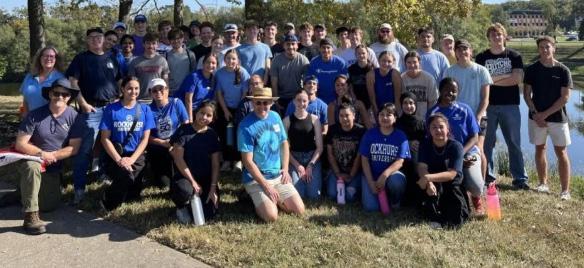
Learn more about Missouri Stream Team and read the 2025 Annual Report at mostreamteam.org/annualreports.
“Missouri Stream Team just released our 2025 Annual Report with some impressive accomplishments by Stream Teams and their members,” said Stream Team Volunteer Programs Manager Rebecca O'Hearn. “During 2025, Stream Teams collected 506 tons of trash, planted 1,119 trees, stenciled 53 storm drains, conducted 334 water monitoring trips, educated 22,967 attendees, gave more than 58,900 volunteer hours, and much more.”
The Missouri Stream Team Program is a volunteerled effort to conserve Missouri streams. Sponsored by the Missouri Department of Conservation (MDC), the Missouri Department of Natural Resources (DNR), and the Conservation Federation of Missouri (CFM), the program focuses on education, stewardship, and advocacy for Missouri stream resources.
O'Hearn added that the ongoing work of more than 7,000 Stream Teams and their volunteers have made significant positive impacts on the health of Missouri’s streams over the last 36 years. That work includes volunteers giving more than 3.5 million hours of time, removing more than 15,079 tons of trash from Missouri waterways, planting 407,842 trees along streams, conducting 35,692 water quality monitoring trips, and stenciling 22,458 storm drains.
Annual Watershed Celebration July 25 at Meramec State Park
Missouri Stream Team and Stream Teams United invite Stream Teams from around the state to come together for the 30th Annual Watershed Celebration at Meramec State Park on July 25 from 10 a.m. to 5 p.m. at the Hickory Ridge Conference Center and Overlook Pavilion. Free Stream Team camping will be available. Lunch will be provided, and attendees are encouraged to bring a dessert to share. The day will include a variety of fun and educational activities for all ages. For more information, including a full list of activities and calendar of the Watershed Celebration Weekend, visit Stream Teams United at streamteamsunited.org/watershed-celebrationpicnic.html.
For more than four decades, Missourians have benefited from free entry into one of the country’s top-ranked state park systems, a privilege almost unheard of in other states. Residents have also witnessed a dramatic reversal of the state’s severe soil erosion problem. These successes are the direct result of a small, but mighty constitutional measure: the Parks, Soils and Water Sales Tax.
First approved by voters in 1984, this dedicated onetenth-of-one-percent sales tax is an impressive example of Missourians choosing to invest in their state. The tax is then split 50/50 with half dedicated to Missouri State Parks and the other half going to the Soil and Water Conservation program.
The benefit many Missourians and out-of-state visitors experience is the unmatched accessibility of Missouri state parks and historic sites.
“Missouri State Parks and Historic Sites highlight amazing outdoor spaces and locations of importance to our state’s history and culture,” said director of Missouri Division of Tourism, Stephen Foutes. “To be able to offer our residents and our-of-state travelers the opportunity to explore those locations with either no general admission or enjoy a tour for a very modest fee is greatly appreciated by visitors and makes Missouri the envy of many states.”
This small investment yields massive returns. The parks’ portion of the tax provides about 75% of the division’s budget, covering vital operations, maintenance and improvements. Also, Missouri is only one of six states that provides free admission – a point of envy for many other states, where entrance fees can easily cost $10 or more per daily visit.
Missouri State Parks and Historic Sites receive an estimated 20 million annual visitors, including 1.3 million overnight guests. This influx creates a "multiplier effect," as visitors spend money locally on essentials like gas, food and lodging, transforming conservation investment into a tourism economy.
Beyond recreation, the parks function as vital economic hubs, providing public services such as administration, sanitation, water and wastewater, and road maintenance, much like small towns.
The Soil and Water Conservation Program, also funded by the sales tax, provides financial incentives and cost-share assistance to landowners and farmers across the state's 114 Soil and Water Conservation Districts. This program supports voluntary conservation practices, including:
• Erosion Control: Funds for structural solutions like terraces, grassed waterways, and sediment basins to keep valuable topsoil on the fields.
• Water Quality: Assists with nutrient and pest management and proper animal waste management to protect rivers and streams from runoff.
• Land Productivity: Encourages the use of planned grazing systems and permanent vegetative covers to enhance the health and sustainability of agricultural lands.
These efforts have successfully pulled Missouri back from having one of the highest erosion rates in the nation.
“Since 1984 the Parks, Soils and Water sales tax has served all of Missouri by conserving and protecting our soil and water through cost-share assistance,” said Missouri Farm Bureau (MFB) President Garrett Hawkins. “These programs, administered by local soil and water conservation districts, have supported 288,000 practices on farms across the state, resulting in 194 million tons of soil saved since inception. Every 10 years, voters have reaffirmed their support for these initiatives, making Missouri a national leader in locally led conservation and ensuring our soil and water resources are preserved for the next generation.”
Prior to the sales tax, Missouri State Parks and the Soil and Water Conservation Districts faced federal and state funding cuts. As a response, entrance fees to state parks were proposed. Entrance gates were built, and park passes were sold. However, the public disapproved, which led to the formation of the Missouri Parks Association (MPA) in 1982.
MPA worked with other organizations, such as Missouri Farm Bureau and Conservation Federation of Missouri (CFM), to seek alternative sources of funding.
On Aug. 7, 1984, voters approved the Conservation Sales Tax (also known as Missouri Issue 1) on the primary election ballot by a narrow 50.1% The tax levied an additional 1/10 of 1% sales tax, split evenly between the state parks operation and maintenance and soil and water conservation efforts. This initiative expired five years after adoption. Initially, there was some confusion due to the tax’s name, with several voters mistaking it for the Missouri Department of Conservation’s already existing tax.
In 1988, one year before the sales tax expired, CFM, MPA and MFB once again met and through their work, collected 300,000 signatures from voters throughout the state to get the Missouri Tax Extension for Parks Amendment (Amendment 7) put on the Nov. 8, 1988, ballot. This measure proposed extending the tax for 10 years and allowed revenues from the tax to be used for soil and water conservation as well as state parks. Once again, the vote was approved by 68.66%.
“The Parks, Soils and Water Sales Tax is the backbone of Missouri State Parks, preserving the campgrounds, trails and natural spaces that generations of families rely on,” said Tyler Schwartz, executive director and editor for the CFM. “Protecting these outdoor recreation opportunities is vital to ensuring every Missourian can continue to explore, learn and find belonging in our shared outdoors.”
The significance of the sales tax was realized during the 1990 financial crisis, when Missouri State Parks lost its remaining $9 million of General Revenue Funding, marked for State Parks. Historically, this covered staff salaries and benefits and basic operating costs. Since then, MSP has not received any General Revenue operation funding, emphasizing just how important the sales tax is in helping to fund their operations.
By 1996, there was an initiative petition statewide to automatically add the tax to the ballot every 10 years. The Missouri Conservation Tax Amendment, also known as Amendment 8, was approved with a 66.61% vote of extending the tax for soil and water conservation, as well as the acquisition, development, maintenance and operation of state parks and historic sites.
The first automatic renewal under this amendment was on Aug. 8, 2006. Despite being held during a nonpresidential election, the tax was again approved by 70.79% of voters.
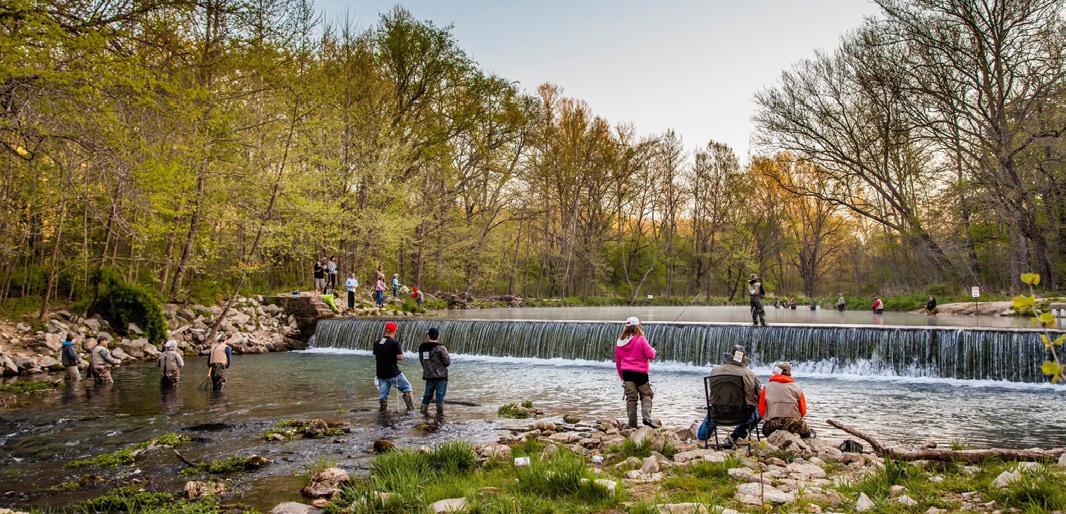
The Missouri Sales Tax for Parks and Conservation Measure, or Constitutional Amendment 1, was automatically on the Nov. 8, 2016, passing with 80% statewide approval! This was the first time it was approved in all 114 counties and the City of St. Louis.
Today, the Parks, Soils and Water Sales Tax remains the dominant funding source, providing 75% of MSP’s budget, with the other 25% coming from other earnings and federal funds. In FY24, the sales tax generated $68.5 million in funding. On average, the portion of the tax that supports MSP averages about $10 per year per Missourian.
“Forty-two years ago, Missouri citizens made a remarkable commitment to protecting our natural heritage by passing the Missouri Parks and Soils Sales Tax,” said Kendra Varns Wallis, executive director of the Missouri Parks Association. “Since then, voters have reaffirmed that dedication every time it’s appeared on the ballot. This small investment delivers enormous benefits—preserving our state parks, conserving our soils and waterways, and ensuring every Missourian can enjoy free access to some of the finest parks in the nation."
While state parks and soil conservation may see like an odd couple, they have several similarities, making them the perfect fit. First, both serve the entire population of the state. Next, they both encourage greater use of their respective natural resources, yet both are required to protect those same resources from overuse, damage or potential depletion. Dividing the tax between the two efforts seemed to make the most sense.
In essence, the Parks, Soils, and Water Sales Tax is citizen driven. For the equivalent of a few dollars a year per person, Missourians gain free, high-quality access to the outdoors, while simultaneously funding the fundamental conservation work that sustains the state’s environment and economy. It is a quiet success story, renewed time and again by overwhelming voter support, proving that a small investment can yield monumental results for the quality of life in the Show-Me State.





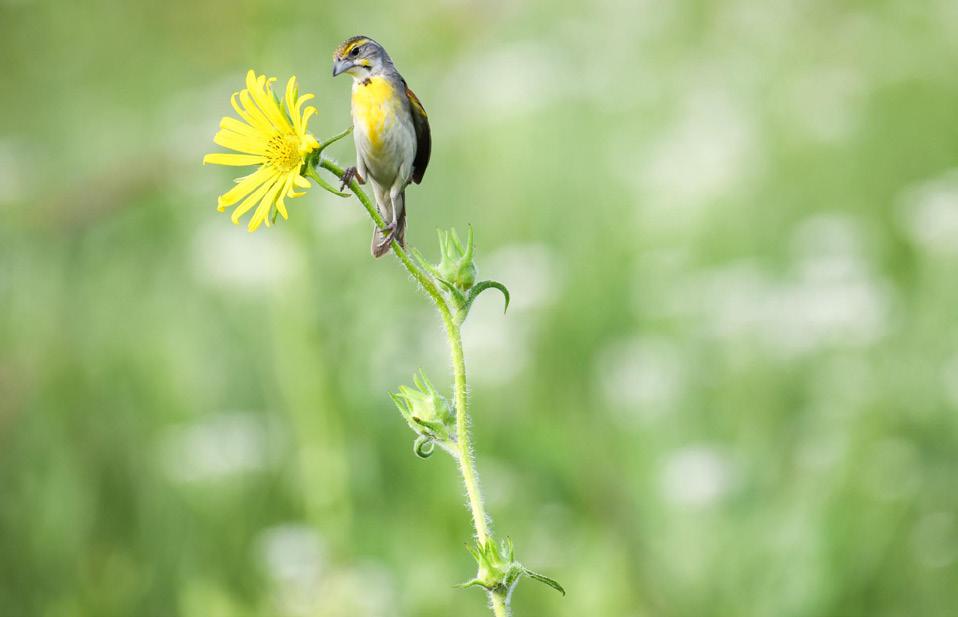
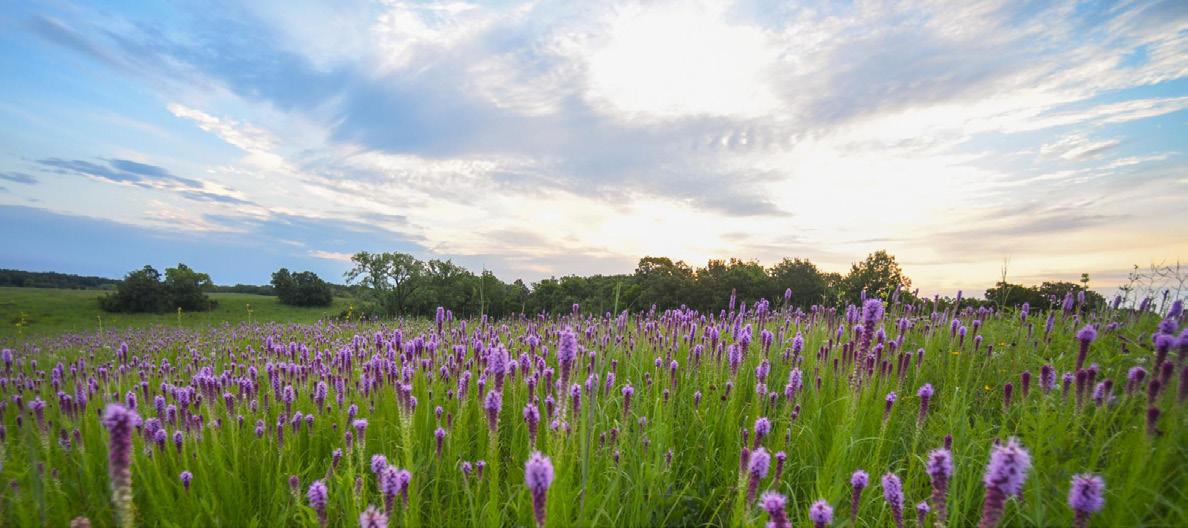
GOOD FOR LAND. GOOD FOR LIFE.
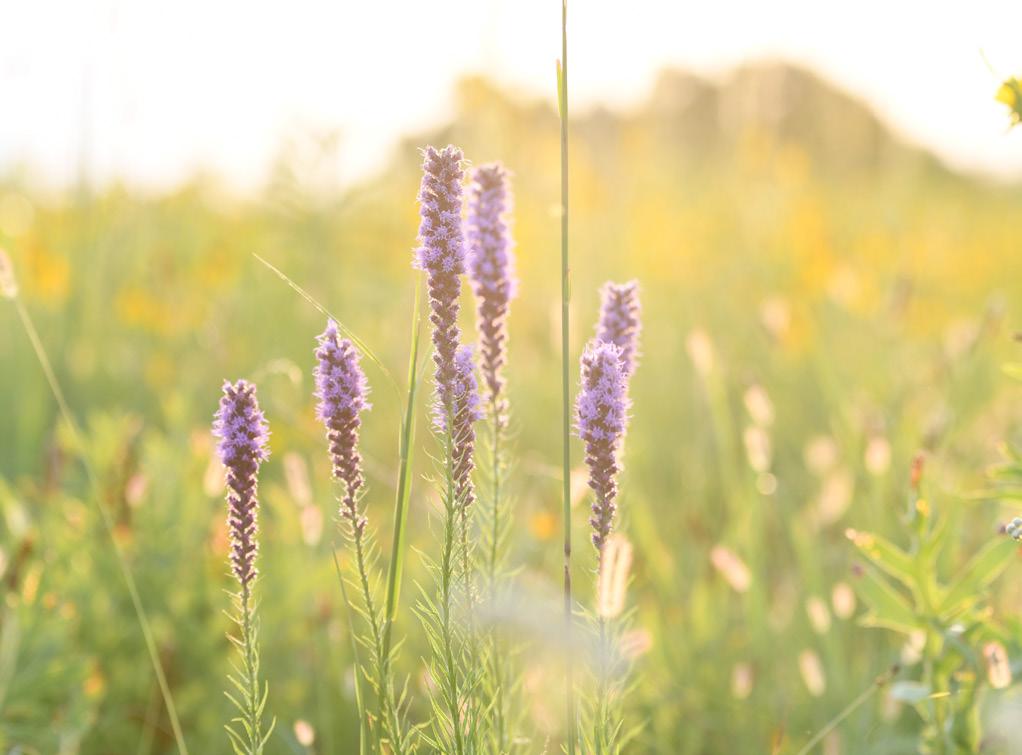
Prairie Prophets is a media platform created by Roeslein Alternative Energy to showcase the stories and objectives of the USDA Climate Smart Commodities Grant.
Everything profits from prairie. Soil, air, water - and all kinds of life! Learn how you can make the most of your land with prairie restoration, cover cropping, and prairie strips.
Explore the Prairie Prophets podcast, video series, website, and socials.
Scan the QR code to learn more.

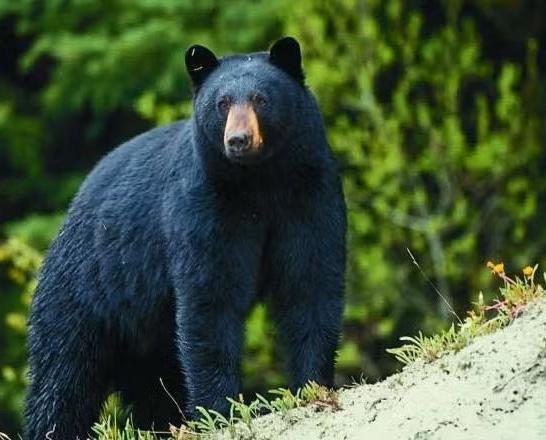
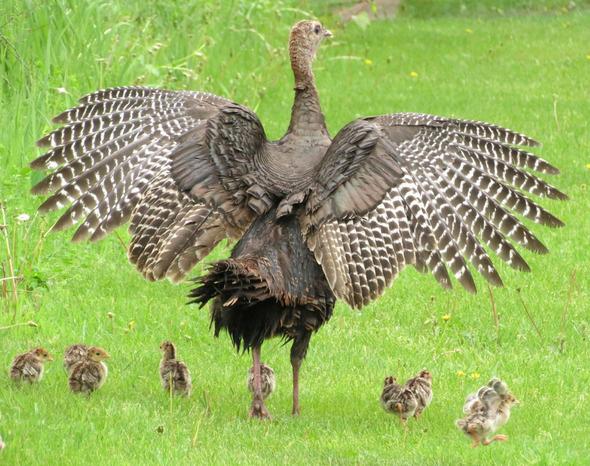
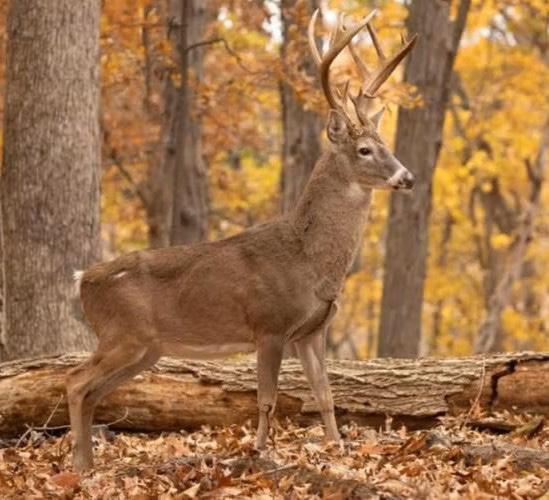
In just a few months, I’ve added several items to my list of soon-to-be-countless reasons to love being an MDC Commissioner. A recent addition has been an encouraging and timely reinforcement of the wonderful nature of the citizens we serve.
My most recent experience working for someone else was with a pre-clinical pharmaceutical testing company. Our company helped ensure nobody dies when taking a new drug. Pharma companies hired us to marshal some uniquely gifted scientists to test their beautiful pharma baby and help them recognize their billion-dollar dreams. But, unfortunately, most of the time our tests showed that their baby wasn’t beautiful; frequently it was terribly ugly.
It was part of my job to deliver this news to our clients during what we termed “ugly baby calls”. Our counterparts were mostly scientists but, to a person, bright, experienced, strongly opinionated, and committed people. Not surprisingly, ugly baby news can result in intense frustration, to put it mildly. Mix a gigaton of money with bright, experienced and intense people and significant fireworks are possible.
I remember one instance where my counterpart on the Zoom call was a renowned scientist. Throughout her career in the pharmaceutical industry, she built a stellar track record of discovering therapies that benefited tens of millions of people. She was brilliant, prickly, and well-known for her ability to excoriate with scalpellike precision those who disappointed her. She was developing a therapy for a disease that is nearly 100% fatal. I was steeling myself for this call because I assumed she was going to be very angry and I was going to get absolutely clobbered.
It was her, me, and our senior scientist on the call. We went through the data, which clearly indicated that her compound had failed. Her baby was really, REALY ugly. She sat uncharacteristically quietly throughout, and halfway through the call, turned off her camera. When she spoke it was hard to hear her. After an uncomfortable pause, she said she’d collect her thoughts about opportunities to improve the compound and get back to me very soon. I recall looking at my colleague who said, “Ooooh, She sounded REALLY upset”.
Five minutes later my cell phone rang and it was her. She was indeed emotional, but not angry. She was calling to apologize and with a painfully choked voice explain that her granddaughters (two of them) had the disease. She knew most drug candidates fail testing, but could not help getting emotionally caught up in this effort. As if reading my thoughts, she said that it is unlikely her granddaughters will still be alive even if she were successful. She was doing it so future parents and grandparents could enjoy long happy lives with their healthy children. She said, “Helping future generations is the highest calling in life.”
It was a gut-punch of a call. We committed to working together to find a path forward. And we did. She also retaught me a lesson: not everyone is only looking out for themself and their pocketbook, and when they’re upset, it may be because they deeply care for other who are impacted.
How does all of this relate to my role with the MDC? Our partners and our constituents are every bit as intense, bright, experienced, strongly opinionated, and committed as any I’ve ever worked with. Missouri’s natural heritage is our billion-dollar dream. When mixed together, perhaps inevitably, conflicts arise. A critical component of a Commissioner’s job description is to bring an open, unassuming perspective to every interaction, as well as a commitment to helping understand and resolve conflicts.
Collectively, we Missourians have made a legendary commitment to conservation. Some of us ardently believe that MDC should focus on hunting and fishing, managing black bears, fur-bearers, trout, and other fisheries, reestablishing populations of endangered or extirpated species, and preserving threatened landscapes. Others, with scalpel-like precision, tell us we’re failing to focus enough on their particular area of interest, such as working with private landowners, who control by far the largest amount of habitat and natural resources. After all, when these folks adopt conservationoriented practices, the benefits are incalculable. And what about our millions of acres of forests and meeting the threats of invasive and feral species that can devastate local wildlife and plants with depredation and disease and often contribute to rampant erosion. Of course, we have millions of citizens without easy, close access to wild spaces or the improved trails and shelters that make them enjoyable and provide immense educational and health benefits.
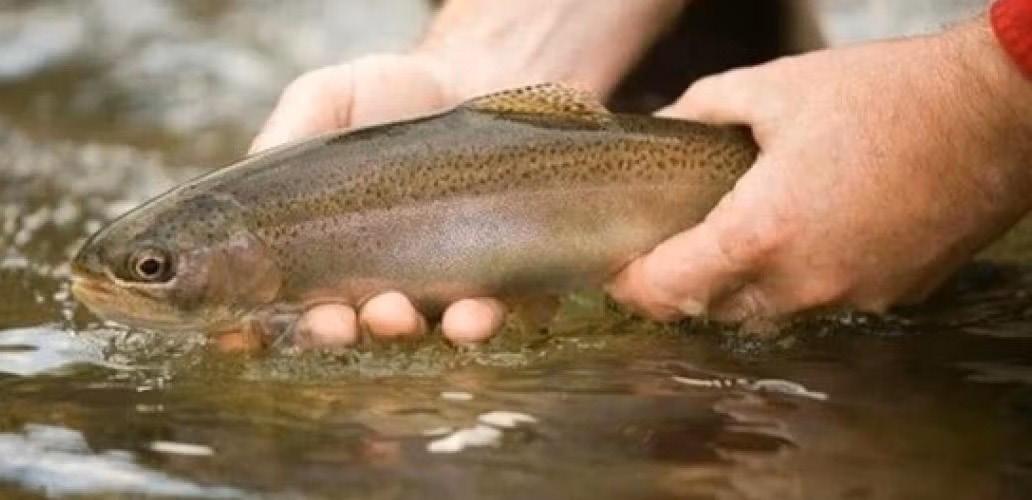
All of them are entitled to be heard. Another part of a Commissioner’s job description is to listen to them and ensure we continue to have multiple avenues to engage folks with diverse perspectives, especially when making management decisions in the best interests of all of Missouri’s citizens.
There certainly is plenty to get emotional about, but we should understand that most of those emotions actually come from a good and generous place. We must work through them and maintain the focus on our common mission. We must preserve and improve our extraordinary natural resources for the enjoyment of future generations.
I’ve certainly read enough uninformed vitriol online to convince me not to tread in that space without careful thought. But, without a single exception, in my numerous 1-on-1 conversations with my fellow passionate citizens, I’ve found them wonderfully and warmly civil and still strongly opinionated: willing to join me in collecting our thoughts and finding opportunities to improve our billion-dollar dream. The rewards of happy children for future parents and grandparents are simply too great. After all, helping future generations is the highest calling in life. We can find a path forward. And we will.
Frank Kruse
The hunt is a cooperative effort between Governor Mike Kehoe, the Sportsmen's Caucus, the Conservation Federation of Missouri, the National Wild Turkey Federation, the Missouri Department of Conservation, the Friends of the NRA, Independent Stave Company, Young Outdoorsmen United, and private landowners.
The 2026 Governor’s Youth Turkey Hunt marks the 17th year of this very special event. The hunt serves as a recognition by our government of the importance of natural resources and outdoor recreation to Missouri citizens. It is also a celebration of Missouri’s leading role in recruiting, retaining, and reactivating hunters.
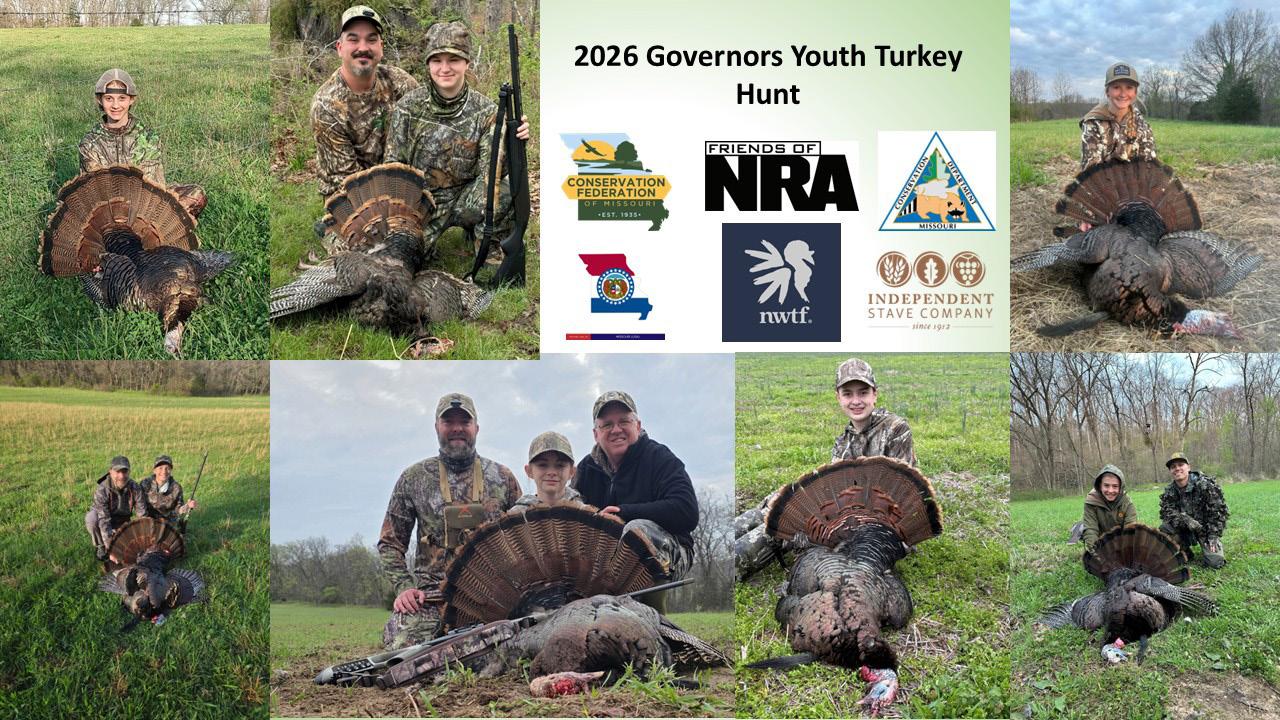
The youth started the weekend the day before the season opened by attending an informational session on turkeys and turkey calling. The youth learned the basics of calling, woods etiquette, and other important things to be aware of when pursuing wild turkeys. They also learned about shooting mechanics and the importance of hunter safety. This very informative clinic was put on by the dedicated staff at the Missouri Department of Conservation.
The evening portion of Friday’s festivities took place at the Governor’s Mansion, where the youth and a guest were able to enjoy a delicious sit-down dinner prior to the evening program. Representatives from the partnering agencies and organizations spoke briefly about the importance of the event, while also building anticipation for what awaited the young hunters throughout the remainder of this special weekend. The speakers included Kevin Hess, Jason Sumners, Ben Deorge, Ginny Wallace, and Tyler Schwartze. The youth were then each given a custom call made by Jim Clark, a hat donated by Friends of the NRA, and a backpack full of goodies donated by Bass Pro Shops before taking their picture with Ginny Wallace and Director Jason Sumners. From there, the youth departed across the state to meet up with their landowners and guides to try and notch their first turkey tag.
Turkey hunting is a weather-dependent activity. To get the best opportunity to experience “the show,” hunters pray for clear, calm conditions at dawn.
Missouri has had three above-average hatches in a row, and the 2026 youth season harvest was 5,228 birds, nearly 1,000 higher than the harvest in 2025 and an all-time harvest record for this season, which was initiated in 2001. Overall, the results were good, with 7 of the 16 participating youth harvesting birds.
The perennial success of this event is largely a product of the overall quality of the experiences it has been able to provide participants. All of the hunts throughout the 17year history of this event have occurred on private land. We are therefore indebted to the generosity of the private landowners and guides who make it possible every year. The 2026 guides and landowners included: R.L. Bennett, Kevin Hess, Ren Steevens, Bill Haag, Bruce Sassmann, Jeff Knight, Brant Masek, Dwayne Lucas, Jim Cihy, Cole Cihy, Logan Burk, David Guerrant, John Burk, Phil Rockers, Tyler Schwartze, Jason Sumners, Tim Taylor, and Kennon Windsor.
Thanks once again to everyone who made this year’s hunt so special for Missouri’s youth. Most of the landowners and guides are dedicated members of the National Wild Turkey Federation and/or the Conservation Federation of Missouri, and without them, this event would not be possible. We especially thank the landowners; the incredibly special gift you willingly give year after year cannot be repaid. Please know that everyone involved recognizes your generosity and that your efforts truly are making a difference in the cherished memories you helped create.
John Burk & Tyler Schwartze
On April 27, Donald Trump signed H.J. Res. 140 into law, stripping federal protections from 225,000 acres of public lands surrounding the Boundary Waters Canoe Area Wilderness. This action removes a major barrier to proposed copper-sulfide mining by Twin Metals LLC, a subsidiary of Antofagasta Minerals, at the edge of one of the nation’s most pristine wilderness areas.
Congress used the Congressional Review Act (CRA) to overturn a 2023 Biden administration action that imposed a 20-year mining moratorium in the Rainy River watershed, most of which lies within the Boundary Waters Canoe Area Wilderness and Voyageurs National Park. This type of moratorium is also known as a “mineral withdrawal.” The Biden administration’s decision followed a comprehensive, two-year scientific review by the U.S. Forest Service, which concluded that copper-sulfide mining in the area posed an unacceptable risk of irreversible harm.
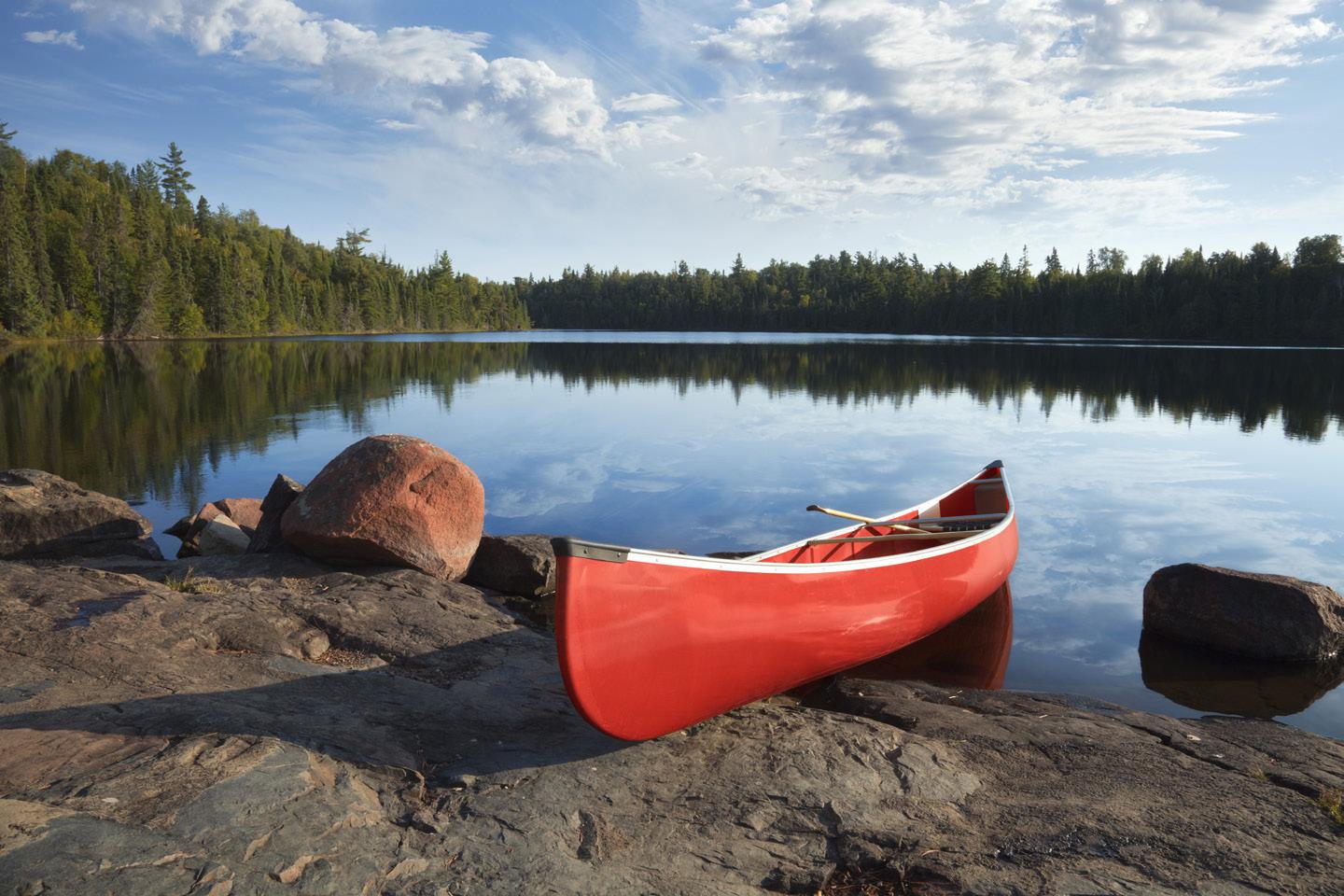
Supporters of the resolution argued that the Biden administration failed to follow proper procedures in issuing the 2023 withdrawal. The Trump administration used that claim to reissue the action, effectively resetting the CRA clock and enabling Congress to act.
Key findings from the Forest Service analysis underpinning the Biden administration mineral withdrawal included: contamination from spills, accidents, or technological failures could persist for centuries—potentially in perpetuity; routine mining operations could pose serious risks to water quality, aquatic ecosystems, and public health; wilderness character and recreational experiences would be diminished; and adverse impacts on federally protected wildlife are likely.
The use of the CRA in this case carries broader implications for public lands across the country. Enacted in 1996, the law allows Congress to overturn recent federal agency actions within a 60-legislative-day window by simple majority vote in the Senate, bypassing the 60-vote threshold needed to overcome a filibuster.
While H.J. Res. 140 removes federal protections, it does not authorize mining outright. Twin Metals must still obtain multiple permits from the Minnesota Department of Natural Resources, each of which could face legal challenges. Additional complications could arise from potential cross-border treaty concerns with Canada related to downstream pollution.
As of this writing, no lawsuits have been filed—but given the legal and environmental stakes, further challenges appear likely. This includes a possible challenge to Congress’s use of the CRA in this matter.
The Advocacy Action Team
Iyell as we load up the truck for another adventure.
“Here we go, boys—YES on 1!” Say it with me now: Yes on 1, Yes on 1, Yes on 1!” Finally, they catch on, and we're all chanting, “Yes on 1!”
“Whoa, whoa, whoa, Papa, I've got a question,” Frank says. “What the heck is Yes on 1?”
“Yes on 1! Yes on 1! Yes on 1!” Ed and Bert start chanting again just to annoy Frank, and it's working quite well. “Shut up!” Frank yells. “I'm trying to ask Papa a question!”
That's how our morning started as we drove to Watkins Mill State Historic Site and Watkins Mill State Park. Grandsons Frank, Ed, and Bert are along, as well as their dad, Mark, for today's adventure.
To answer Frank's question, I start by telling him about what a cool place Watkins Mill is. The place we're exploring today began as a farm back in 1839 when Waltus L. Watkins purchased 80 acres of land in northern Clay County. By 1880, the property had grown to 3,600 acres spanning Clay and Ray counties.
The farm raised cattle, pigs, sheep, chickens, and turkeys. It also produced row crops, fruits, and vegetables and operated a woolen mill that was constructed in 1860.
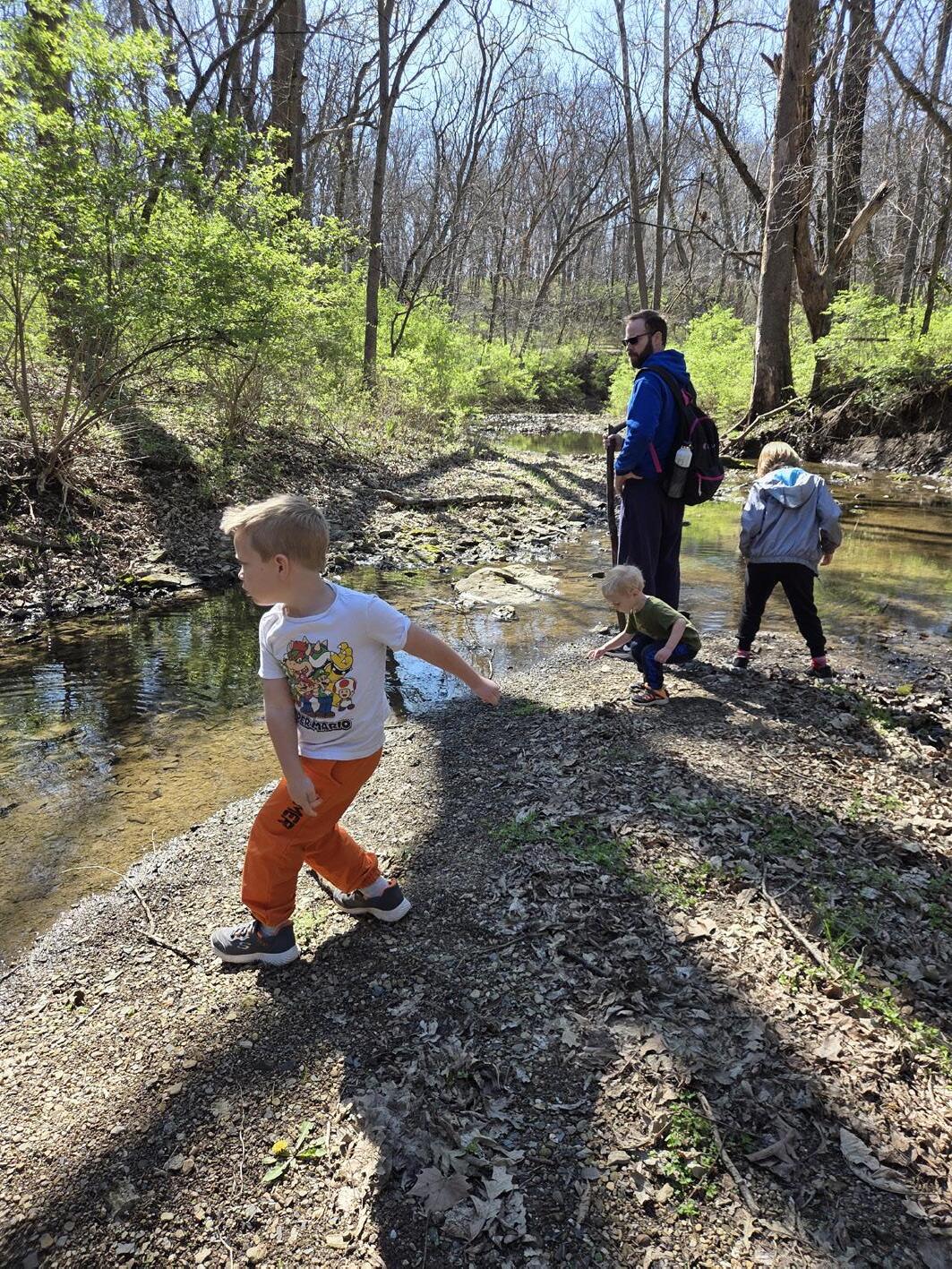
It's a remarkable historic site that has been preserved through the years. The house, barns, factory, gardens, and even some of the original machinery remain for visitors to see. There is also an excellent visitor center where guests can learn more about the history of the State Historic Site.
“I thought we were going outside to hike and play,” Ed says. “It sounds more like we're going to school to learn stuff.” “All this stuff is outside where we can run, play, and learn,” I reply. “Plus, there are hiking trails, creeks, bicycle paths, picnic areas, a campground, and a lake where we can fish and swim as part of the State Park.”
“Papa, you still haven't told me what Yes on 1 means,” Frank reminds me.
“'Yes on 1' is a slogan that helps remind Missouri voters to vote yes on Question 1 this August. A yes vote means you're in favor of renewing the State Parks, Soil and Water Conservation Tax for another ten years.”
“I thought most people don't like paying taxes.”
“That is true, Frank. But this tax only costs the average Missourian about ten dollars a year. It helps keep our 93 State Parks and Historic Sites free to visit and beautiful to explore. It also benefits Missouri farms and ranches by providing funding for soil and water conservation practices.”
“So how do we pay our ten-dollar tax each year?” Frank asks. “It's a one-tenth-of-one-percent sales tax,” I explain. “That means every time you spend ten dollars in Missouri, one penny goes toward State Parks, soil conservation, and water conservation.” Frank is pretty good at math for a second grader, and I can see him calculating in his head. Sure enough, the light bulb comes on.
“Does that mean if I spend one hundred dollars on something, then one dollar goes to help our parks, soil, and water?” “Well, you're close. It would actually only be ten cents,” I answer. “Well, that doesn't seem so bad, especially if we get places like this to explore for free,” Frank concludes. “I agree with you, Frank.”
As we enter through the park gates on our way to the visitor center, blooming redbud trees line the road. “Did you boys know you can eat the flowers on a redbud tree?” I ask. “What do they taste like?” Ed asks. “To me, they're a little peppery and a little sweet.”
“Just don't grab a flower a bee is using, or you might get stung on the tongue. Hey, that rhymes!” Ed laughs.
The visitor center is a nice modern building with exhibits about Watkins Woolen Mill, the Watkins House, and life in the 1800s. There are lots of artifacts, including old clothing and tools. One exhibit features a topographical model showing the layout of the farm.
I snap a quick photo of the boys doing their best imitation of an old-time no-smile photograph while standing next to a wall mural of one. Frank and Bert are perfectly stoic, but Ed can't help cracking the slightest smile.
I can only keep the boys inside for so long. Soon we're heading out the back door and down the lane toward the Watkins House.
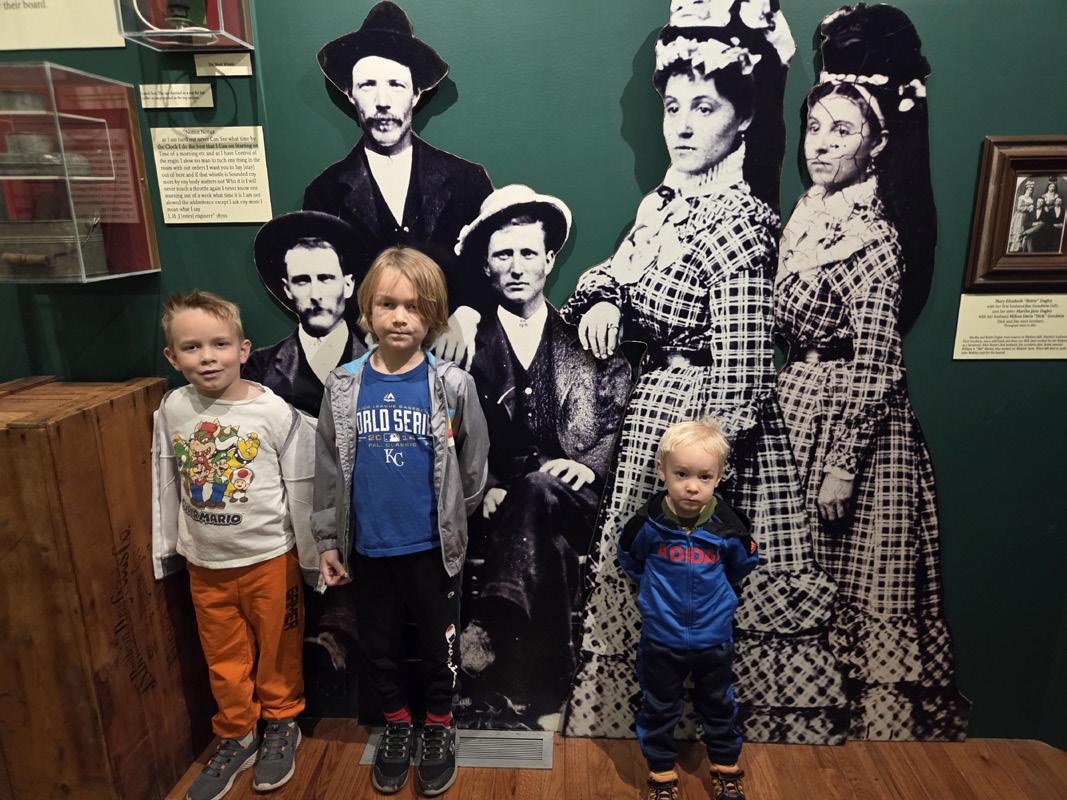
The youngest grandson, Bert, is running as fast as he can and getting a little too far ahead of us. “Hey, Bert! Stop! Bert, come back! Bert, stop running!” I yell. No reaction whatsoever. Bert just keeps running down the lane. Dad Mark smiles and says, “Watch this.” Then he yells, “Hey, Bert, you want a sucker?”
Young Bert immediately slams on the brakes, spins around, and starts running back toward us as fast as he can. I thought maybe he couldn't hear me, but I think he heard every word. He just wasn't hearing the right word.
We spend the next hour exploring the grounds and visiting the sheep, chickens, and turkeys. The turkeys provide some great lessons in turkey behavior and sounds. Hen yelps, tom gobbles, and even the drumming sound that can only be heard when a gobbler is strutting nearby are all demonstrated for us.
Bert, especially, can get a gobbling response almost every time he yells in his high-pitched voice.
We also explore antique farm machinery and gardens scattered around the grounds. We don't take a tour of the house or the inside of the mill, but both are available if you'd like to do that.
While exploring around the three-story brick woolen mill, we discover the old boiler and the well beside it. All of the machinery inside the mill was steam-powered. I bet it was a hot place to work during the summer.
Eventually, we head back to the truck, load up, and drive to the hiking trail and picnic area near the creek. Once there, the boys find walking sticks for the hike while Mark and I prepare lunch.
During lunch, I ask whether they want to hike the paved bicycle trail or follow the creek banks. “Creek! Creek! Creek!” they all yell.
I have to agree that hiking along a creek is more interesting. I also know there will soon be three boys with wet, muddy shoes, which means a couple of hours of truck cleaning for me. Still, it's worth it.
The next few hours are spent throwing rocks, trying to catch bugs and frogs, and listening for birds while spotting them in the trees. We even try our luck fishing at the 100-acre lake. Frank manages to catch a nice redear sunfish, but it's our only fish of the day.
“I almost forgot to give you boys a taste of redbud flowers,” I say. A beautiful redbud tree is blooming near the edge of the woods by the swimming beach parking area. I collect a few blossoms and hand each boy a couple to try.
Bert, the youngest, just shakes his head and says, “No.” Ed, who is willing to try almost anything involving nature, pops one in his mouth. “They do taste kind of sweet, but they're still not very good,” he says before spitting them out.
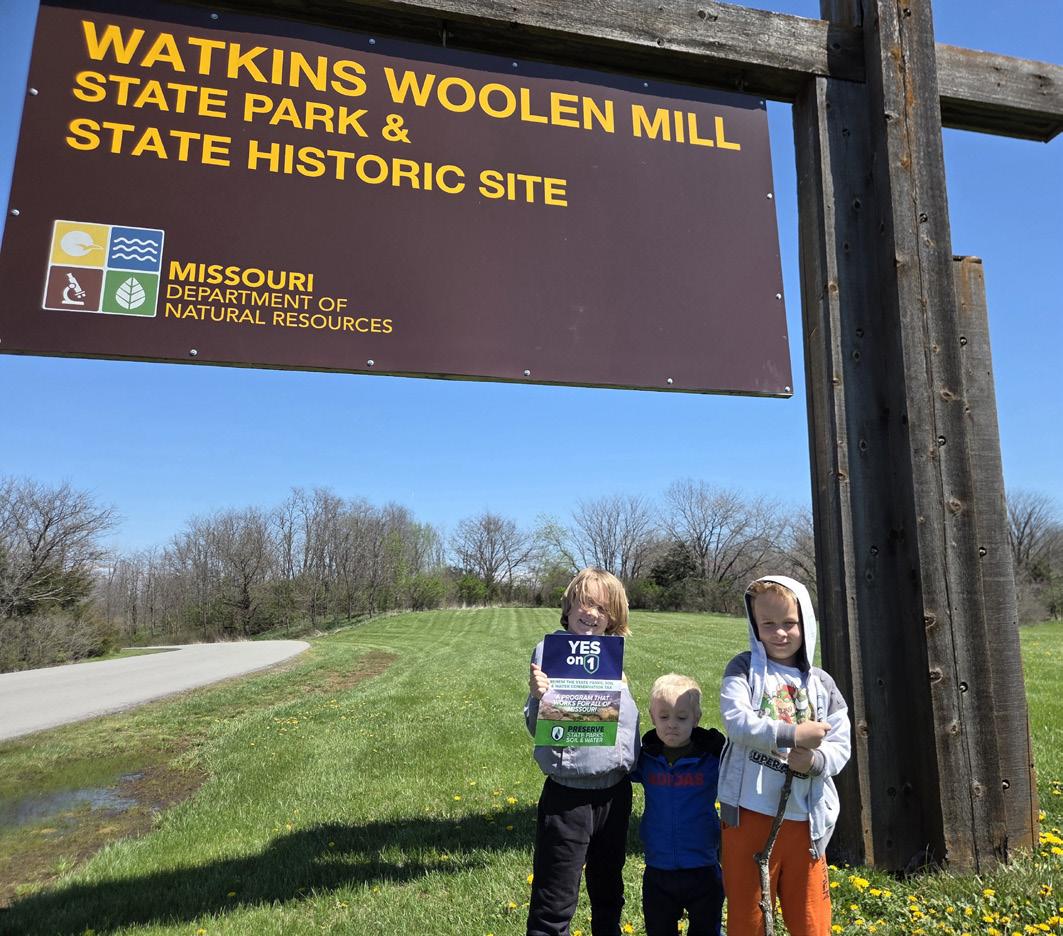
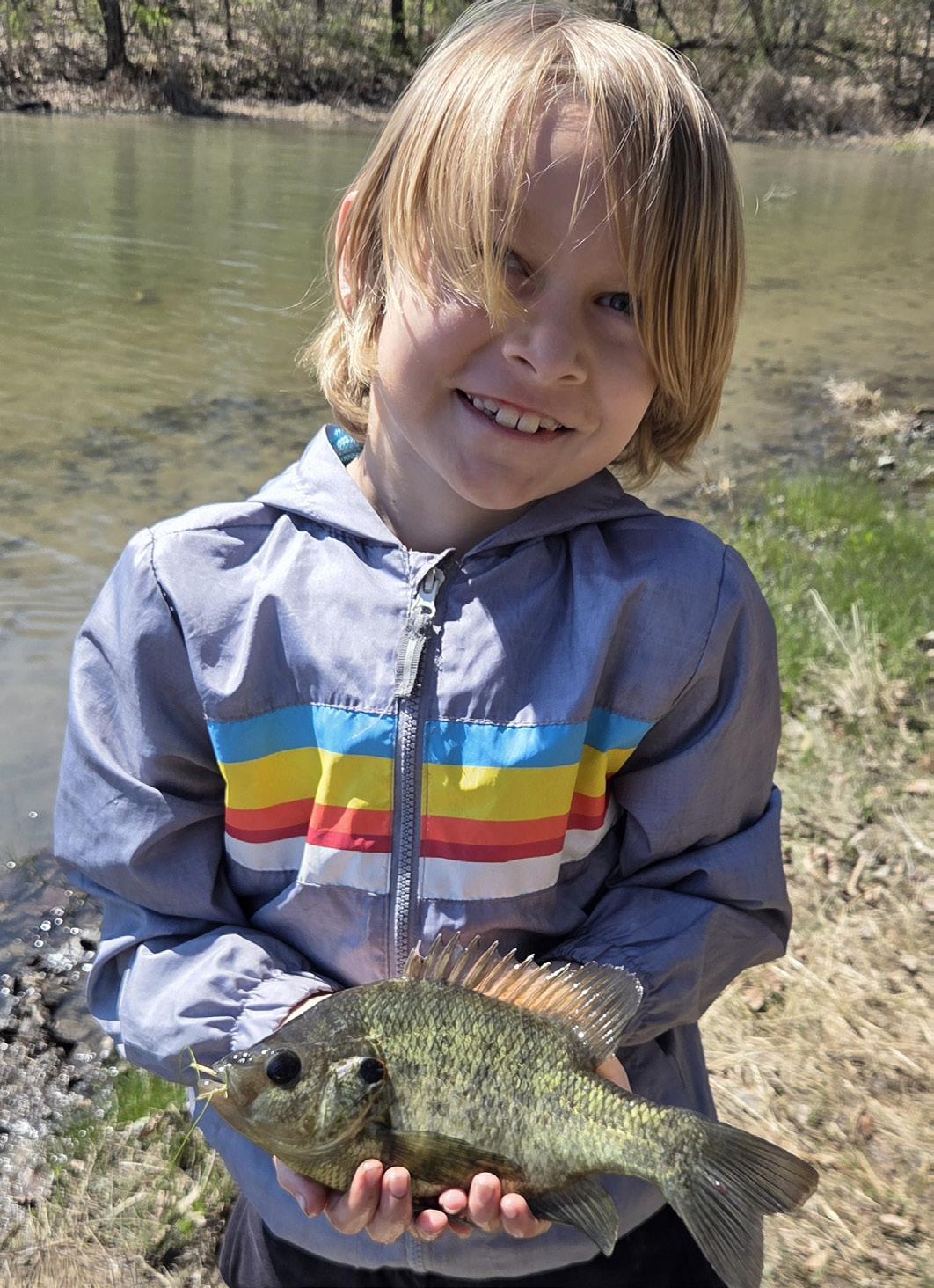
Frank's reaction is much the same. “I guess you boys just don't appreciate a good-tasting flower,” I reply with a smile. “But at least none of you got stung on the tongue.”
Back at the truck, I tell the boys to take off their wet, muddy shoes and socks to minimize the mess I'll have to clean later. As we're buckling our seat belts, I ask one final question.
“What was the theme for today, boys?”
“YES ON 1! YES ON 1! YES ON 1!” they all chant back.
Jeff “Papa” Blystone
Pg 46 - Dad and the boys explore the creek
Pg 47 - Ed, Frank, & Bert 1800’s no smile photo
Pg 48 Left - Frank, Bert, & Ed with Yes-on-1 for State Parks
Pg 48 - Top - Frank’s catch
All Photos: Jeff Blystone.
President Trump released his proposed budget for Fiscal Year 2027 on April 3. The federal fiscal year runs from October 1 through September 30. The proposal includes a $1.5 trillion increase in defense spending—a 44% increase—paired with a $660 billion (10%) cut to non-defense programs.
The president’s budget is a starting point, not a final decision. Congress holds the constitutional authority over federal spending and is not obligated to adopt any portion of the proposal. The appropriations process is often lengthy and frequently extends beyond the start of the fiscal year. When that happens, Congress typically passes continuing resolutions to maintain current funding levels. Failure to do so can result in partial or full government shutdowns.
While Congress is not bound by the president’s proposal, it does carry political weight. Ultimately, any budget agreement passed by the House and Senate must be signed into law by the president.
Below are several provisions in the proposed budget that raise significant concerns for the conservation community. These are not exhaustive, but they represent areas likely to require close attention and potential advocacy.
According to the National Parks Conservation Association, the proposal includes sweeping cuts across the Park Service budget, including a $736 million cut—more than 25%—to park operations. This level of reduction would likely eliminate thousands of staff positions, further straining already understaffed parks and reducing public access and resource protection.
For the second year, the proposal targets this program for elimination. Previously, Congress rejected similar cuts following strong public response.

Missouri-based EMA-affiliated programs include: the USGS Cooperative Fish & Wildlife Research Unit at the University of Missouri, which is instrumental in advancing fish and wildlife science; and, the Columbia Environmental Research Center, which engages in cutting-edge research on environmental contaminants and habitat alterations.
The proposal eliminates funding for forest and rangeland research as well as state, private, and tribal forestry programs. It also cuts operational funding by 44%. At the same time, it significantly increases funding for grazing and timber production, including more than quadrupling the Forest Products line item from $39 million to $175 million. This represents a substantial shift away from conservation and toward extractive uses of public lands.
Funding for conservation technical assistance, which helps farmers and ranchers implement conservation practices, is decreased from $850 million in FY2026 to $111 million in the president’s proposed FY2027 budget.
The president’s proposal is only the first step in the process but clearly articulates the president’s priorities. Experience shows that strong, coordinated advocacy can and does make a difference. Many of the most harmful cuts proposed in prior years were prevented because engaged citizens spoke up. Your engagement continues to be essential in ensuring that conservation remains a priority in federal policy decisions.
The Advocacy Action Team
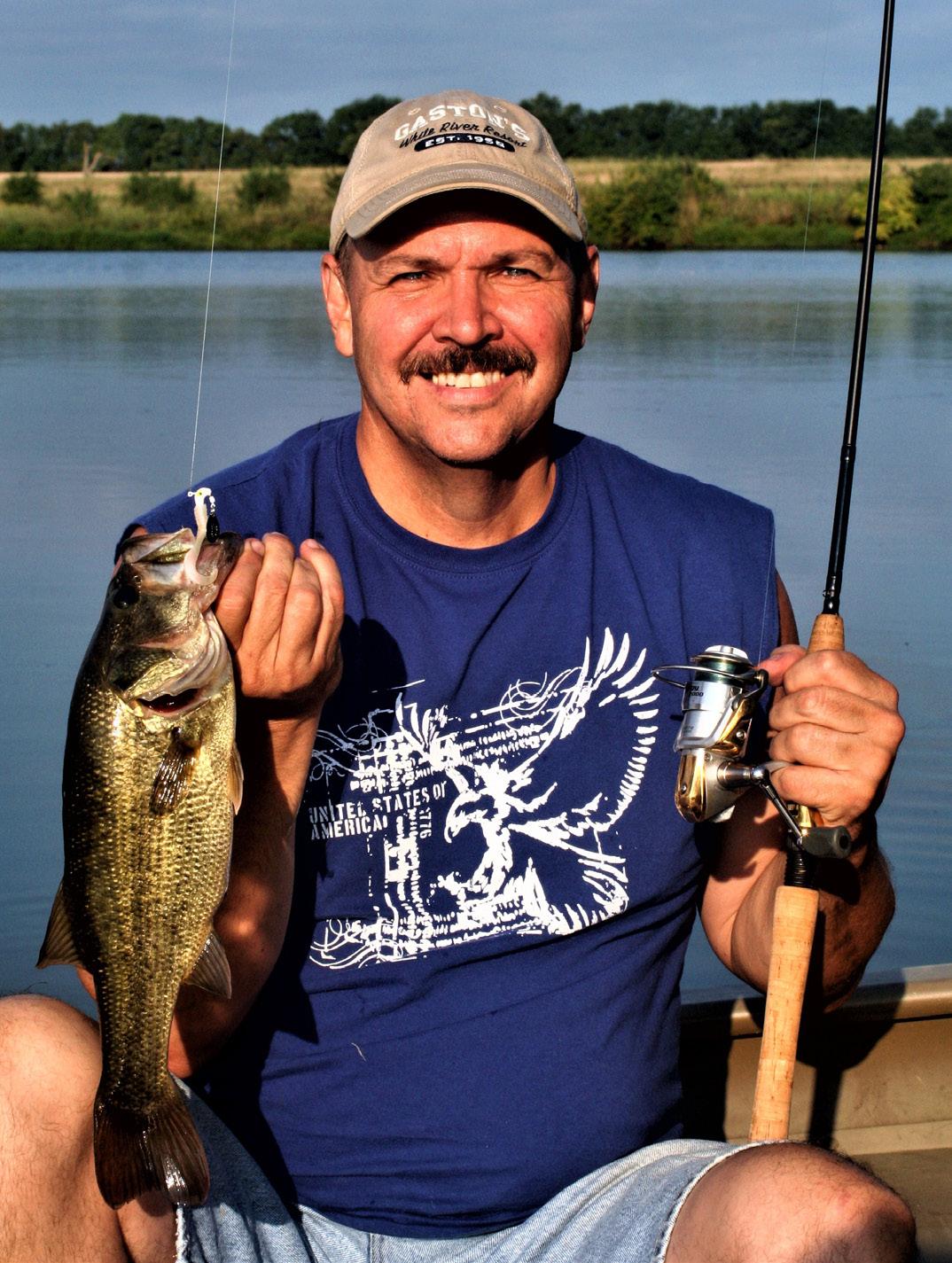
Sunbeams reflecting off the Eastern horizon turned our pond’s surface orange, a reminder that soon it would be too hot for man, beast, or fish. Lines shot out as frog topwater lures splashed close to several tree limbs. The plastic frog made enticing, struggling motions until a loud splash broke the quiet, calm morning. A fair bass engulfed the lure and dove deep, stripping line against the reel’s drag system.
Stephen Matt took a deep breath and set the hook. The bass felt a deep sting, and he turned up the power in a run that tested the strength of his medium-light rod and reel. He reeled when possible and let the flex of his spinning rod work until the fight was finished and the five-pound bass released. Minutes later another fine bass attacked my frog. I set the hook and enjoyed several deep runs.
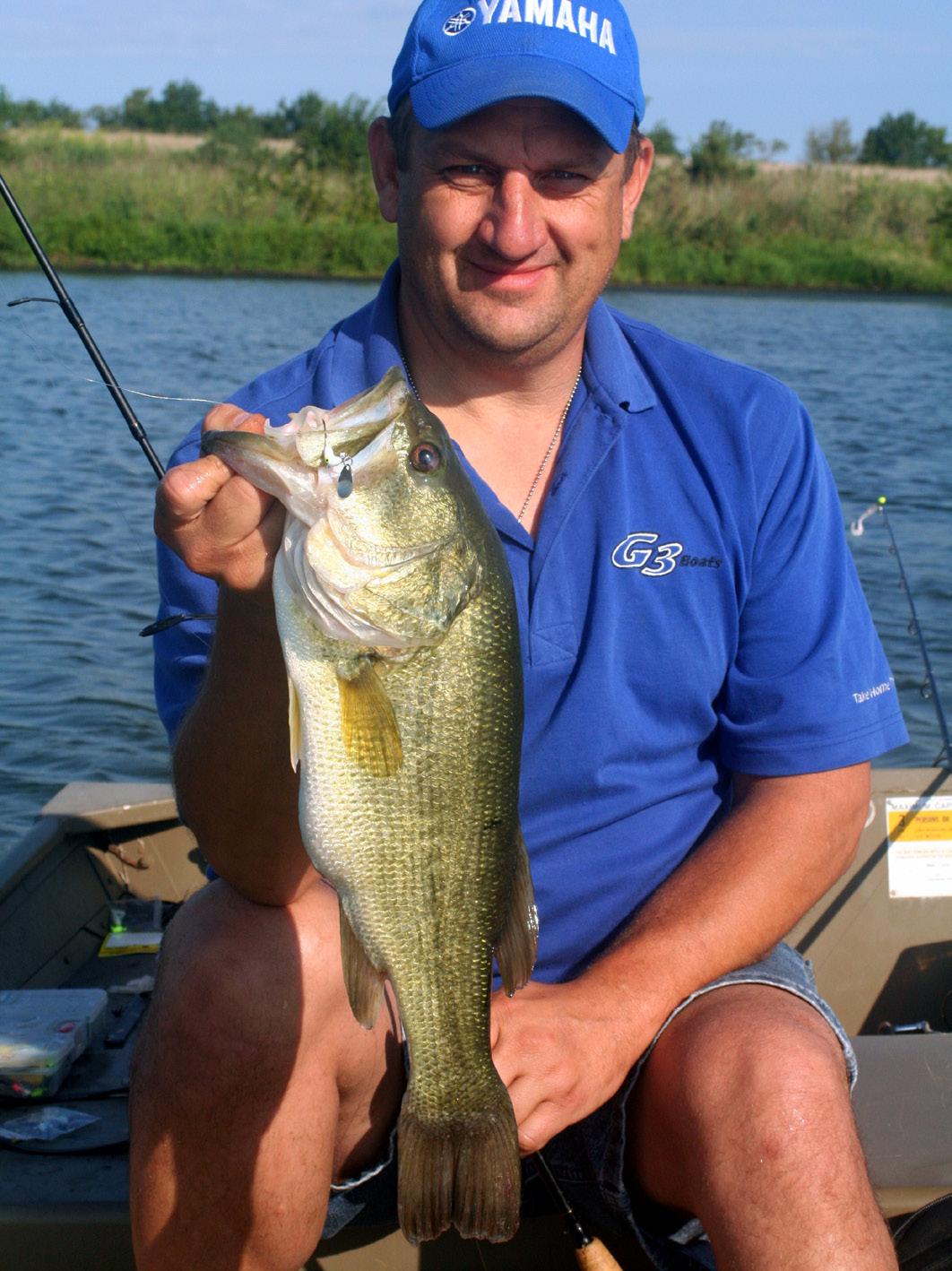
We were enjoying these feisty bass, but our target was slab crappie that sometimes weighed over two pounds from this forage-rich pond. We realized that big bluegill would attack our Road Runner jigs and welcomed the fight. Few fish fight better than a big bluegill, pound for pound, as it turns its wide body sideways against current, making the fight even tougher.
The boat rocked as Matt set the hook on the first bluegill that took his jig. The fight was on and that panfish was ready to rumble. The big “gill” dove straight down and made several quick turns, including what appeared to be a couple of tight spins. Soon he held up the beautiful fish of brown, orange and green colors before slipping it back into the pond.
Minutes later something hit my jig and dove straight down. I set the hook and enjoyed several deep runs and twists. The crappie was determined to be free and I was enjoying the fight. Soon I released the determined fish that scaled over two pounds.
It’s All About the Pond: Missouri has ponds of all sizes. Some are well-managed for fishing and other serve as water for sheep, cows and horses, or perhaps deer on your ranch. Plenty of work goes into a well-managed pond.
Matt’s four-acre pond is terraced with grass down to the lake’s edges, creating an impoundment that is not filled in by runoff from dirt banks. He built crappie beds from discarded Christmas trees and sank two piles in the lake’s channel where crappie can hide with the addition of several cut down trees that fell into the pond. Any body of water is a study of food-chain survival and adequate cover allows smaller fish to grow larger.
The general rule is to only stock bass, bluegill and channel catfish in a pond less than ten acres. Crappie are exceptionally prolific and can reproduce in large numbers, eventually harming any pond’s forage base and leading to stunted fish.
Channel catfish are chosen because they can grow large while not eating all of your smaller fish. Flathead and blue cats on the other hand are eating machines, terrible for small impoundment fish populations.
Then you have those unique ponds that are not managed and generally used for watering livestock or not used at all. I found an abandoned pond years ago and caught incredible bluegill and bass. There clearly were enough cover and forage in the pond to allow this bluegill population to grow.
There, too, were big snakes. I watched one slither across the pond surface one afternoon and “WHAM” a big bass took the two-foot-long reptile. I saw two bullfrogs on different days make the mistake of swimming across the same surface only to become a bass dinner. I tried to catch that bass and her siblings several years without success. She was huge.
Make sure you ask permission before fishing farm ponds. More importantly, don’t break down fences, leave open gates, bother livestock or leave any kind of trash anywhere on the property once you find these treasured spots. Make sure you take the landowner care packages to show your appreciation. I once took an old farmer a case of his favorite chewing tobacco.
I was always welcome to fish his pond until the day he died. He knew I would treat his property like it was my own, and I certainly did.
Panfish--Summer Favorites: Bass, bluegill and crappie provide excellent summer pond fishing. Bluegill fillets are not large but daily limits are generous. Crappie fillets may be larger, depending on the fish, and are some of the best freshwater fish ever cooked. A well-fried batch of fillets never lasts very long on our kitchen table. Some fishermen prefer them over almost any other type of fish for taste. I personally will never turn down a bluegill or crappie fillet dinner.
Bluegill are not hard to catch. Popping bugs, worms, crickets and tiny lures are the main bluegill baits. A small Mepps Spinner works well. But that is the joy of bluegill fishing--they are not particular. If it looks or smells good, chances are they’ll bite it. Crappie seem to bite best on jigs or minnows, but spinners or tiny crankbaits work too.
Both species will move into the pond’s shallows for food. Anglers may find success around logs and stumps after either fish spawns. Fly fishermen consider this to be one of the best times to fish. Try an 8-inch leader, two to fourpound test and a box of tiny popping bugs.
Bluegills tend to hang around woody cover for protection. The wood, too, draws a healthy population of insects. Bluegill love these tiny aquatic insects and respond well to black and brown wet flies. You might do as well with 1/80 and 1/100-ounce black and brown jigs.
Pond Fishing for Big Bass: A key to catching bass from ponds or small lakes any time of year is stealth. Big bass in smaller worlds are very sensitive to foreign sounds, shadows on the pond or other unnatural circumstances. Ponds or lakes are their world. They know when something is out of place or wrong.
Timing is another important factor. Late evening or early morning is normally good. Bass in ponds or smaller lakes begin feeding when the surface is darker. They are least likely to be active when a hot summer sun is beating directly down on their shallow world.
Kenneth L. Kieser
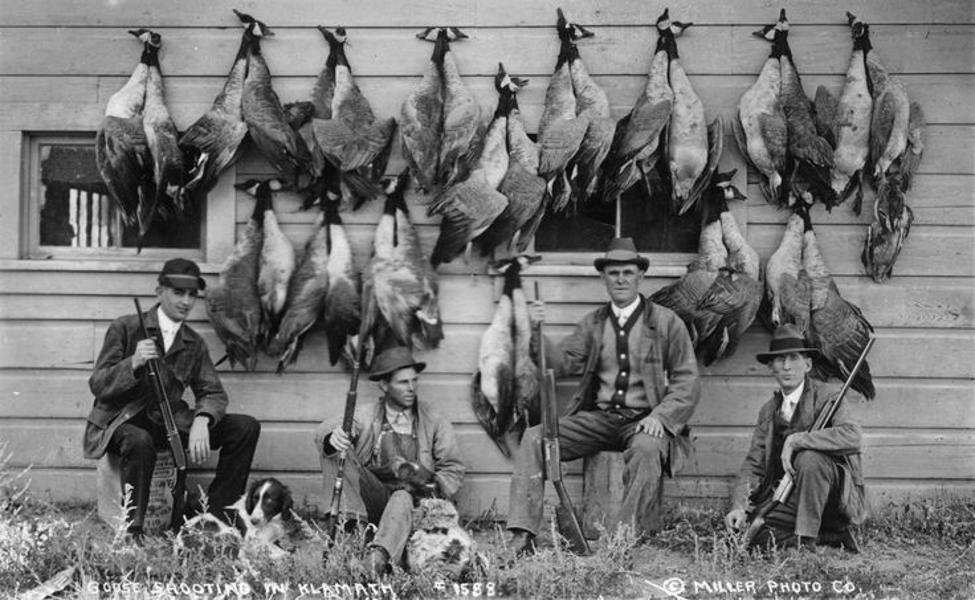
Just over a century ago, Chief Justice Oliver Wendell Holmes and the US Supreme Court decided a landmark case involving Missouri. The case established the federal government’s authority to regulate the taking of migratory birds and waterfowl, marking the beginning of a new era of conservation.
Before the events that led to Missouri suing a federal agent named Holland, some individual states had made efforts to protect certain species by prohibiting the sale of those birds and their plumage. World fashions and the hat market for women had pushed the per pound value of some feathers to twice the price of gold.
The rarer the bird, the higher the market price went for that species. Wood ducks were on the verge of disappearing completely. Plume hunters shot out whole egret and heron rookeries, leaving the young to starve in their nests. In 1913, twelve thousand hummingbird skins sold at auction in London. One hummingbird coat sold for $10,000 in Cuba.
By the early 1900’s, President Theodore Roosevelt had established numerous bird refuges around the country to give nesting birds protection from plume hunting and egg collectors, but indiscriminate shooting continued elsewhere. Barrels of robins were shipped to cities from the south for sale in markets and spring duck shooting up and down the Mississippi Flyway was a tradition, regardless of the plight of the species being shot. Legal market hunting continued as well. Individual state laws could not adequately protect species that routinely crossed state and national boundaries. Birds were also being “collected” during this period. What we would call bird watching today was done with a shotgun prior to 1918. A serious birder was not thought to be legitimate if he did not have the bird in hand to identify.
All these forces combined to place the survival of several species in jeopardy. Martha, the last passenger pigeon, died in 1914 in a zoo in Cincinnati. There was a desire by many to pass some kind of “bird law” that would give the federal government the ability to protect and manage migratory bird populations. The constitutionality of any measure to tackle a jurisdiction that broad was controversial. It was eventually determined that such an effort could pass constitutional muster if the law was passed as a treaty with Mexico and Canada.
The passage of the Weeks-McClean act in March of 1913 was Congress’s first attempt at a bird law. It was replaced with the Migratory Bird Act in 1918. The 1918 act gave the Secretary of Agriculture the power to set hunting seasons nationwide, making it the first functional U.S. law ever passed to regulate the taking of migratory birds. With the passage of this law, the federal government could now protect migratory birds of all kinds. The test if the law would stick would come with warm weather in 1919 when waterfowl headed north.
Not everyone was happy about this new law. Author James H. McCommons says in The Feather Wars, “The hotbeds of resistance were in the Midwest, along the Mississippi and Missouri Rivers, where spring shooting was a tradition, and in the South, along the Atlantic and Gulf shores, where feather and market hunting remained a big business.”
Senator James Reed, former Mayor of Kansas City, worked hard in Congress to stop the bill, who, according to McCommons, instructed the “Missouri Attorney General Frank McAlllister to defend any Missouri residents arrested by Federal Wardens. Several hunt clubs pledged money for a defense fund.” McAllister was positioning himself to be the next Governor of Missouri and was vocal about his opposition to the new law. “If I want to shoot ducks in the spring, I’ll go shoot them.” he was quoted as saying.
It is ironic that the James A. Reed Conservation Area in Jackson County is named after an opponent of one of the most significant wildlife protection laws ever passed in the United States. I am sure if you could ask Senator Reed about his position on the Bird Treaty Act today, he would say his concern was the expanding reach of the federal government, not the regulation and conservation of migratory birds.
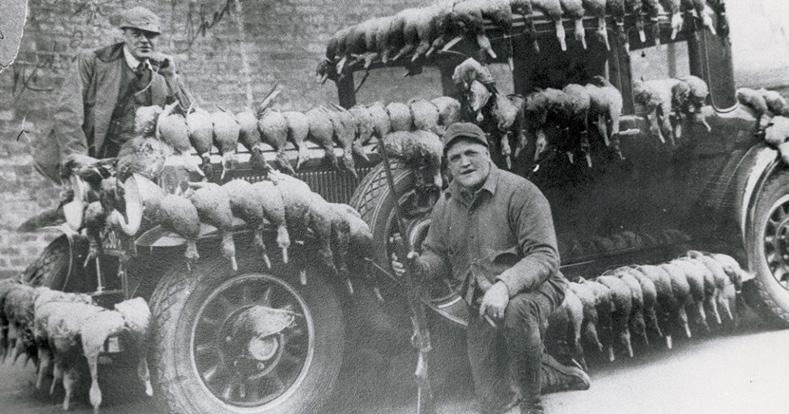
In the spring of 1919, the Missouri legislature passed a bill instructing Missouri Attorney General Frank McAllister to defend any Missouri resident arrested by federal wardens. The Civil War was not that long ago, and states’ rights passions still ran high in Missouri and elsewhere.
In early 1919, federal wardens arrested two men near Kansas City for shooting mallards. That is when a young federal agent named Ray Holland received a tip that Missouri Attorney General McAllister was hunting with some wealthy cronies on a private duck club near Nevada, Missouri. Holland, a native of Atchison, Kansas, a duck hunter and former market hunter himself, was one of only a handful of federal agents in the country and was working in his seven-state district. Holland’s information indicated that McCallister and his companions had boarded the train in Kansas City with “guns and sporting clothes” and were headed south to hunt on Stultz Lake near Nevada.
Holland knew that Vernon County had several duck clubs, lots of lakes and natural marshes and had the reputation as a good area for migrating spring waterfowl. Deciding to follow up on the tip, he hopped on a southbound train with a deputy named Concannon.
According to James McCommons in The Feather Wars, the two law men arrived in Nevada after midnight with their suitcases and approached a taxi. Thinking on his feet, Holland said,
“We want to go out to the duck club.”A driver asked, “which one?” “How should we know? The Attorney General told me that any of you boys would bring us out.”
“Oh, them fellas. They went north, but you can’t get in there.” The driver said, “They got a padlock on that gate on account of keeping out the game wardens.”
“Don’t worry about that, they’re expecting us.”
The taxi driver then proceeds to drive Holland as his deputy to the Stultz Lake Hunting and Fishing Club (still in existence today as the oldest hunt club west of the Mississippi River). It was a long trip on muddy roads, but the gate was unlocked when they arrived, and they ended up being driven right to the clubhouse. Hunters on the lake waved as they passed by.
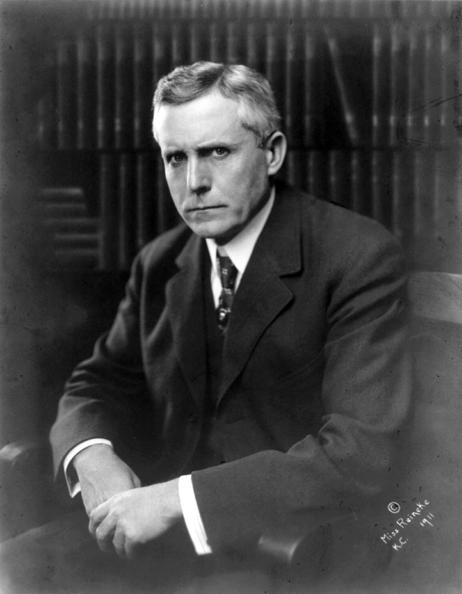
Arrests were made, ducks were confiscated. Missouri sued. In 1920, the case of Missouri vs Holland was heard by the US Supreme Court and found in favor of Holland. On April 19, 1920, Chief Justice Oliver Wendal Holmes cited the supremacy clause and decided the 1918 law as constitutional.
This decision put an end to all legal challenges to the treaty. William T. Hornady called the Migratory Bird Treaty Act, “The greatest victory for birds ever achieved anywhere.” Indeed, it may have been.
Pg. 52: Market hunting put unsustainable pressure on waterfowl and other birds
Pg. 53: Spring duck shooting was a tradition throughout the Mississippi river drainage. Pg. 54: James A. Reed, Former Mayor of Kansas City and US Senator, opposed the Migratory Bird Treaty Act.
Conservationists are often asked to think about the future. We study projections of habitat change, species populations, and the long-term health of our natural resources. But I often find myself wondering about the people involved. What will conservation look like for future generations?
The answer rests largely on the shoulders of the next generation of conservation professionals. Young conservationists are entering a field shaped by generations of stewardship, scientific innovation, and public engagement. Preparing them to carry that legacy forward requires more than classroom instruction; it requires meaningful experiences that build confidence, skills, and a deeper understanding of Missouri’s relationship with conservation.
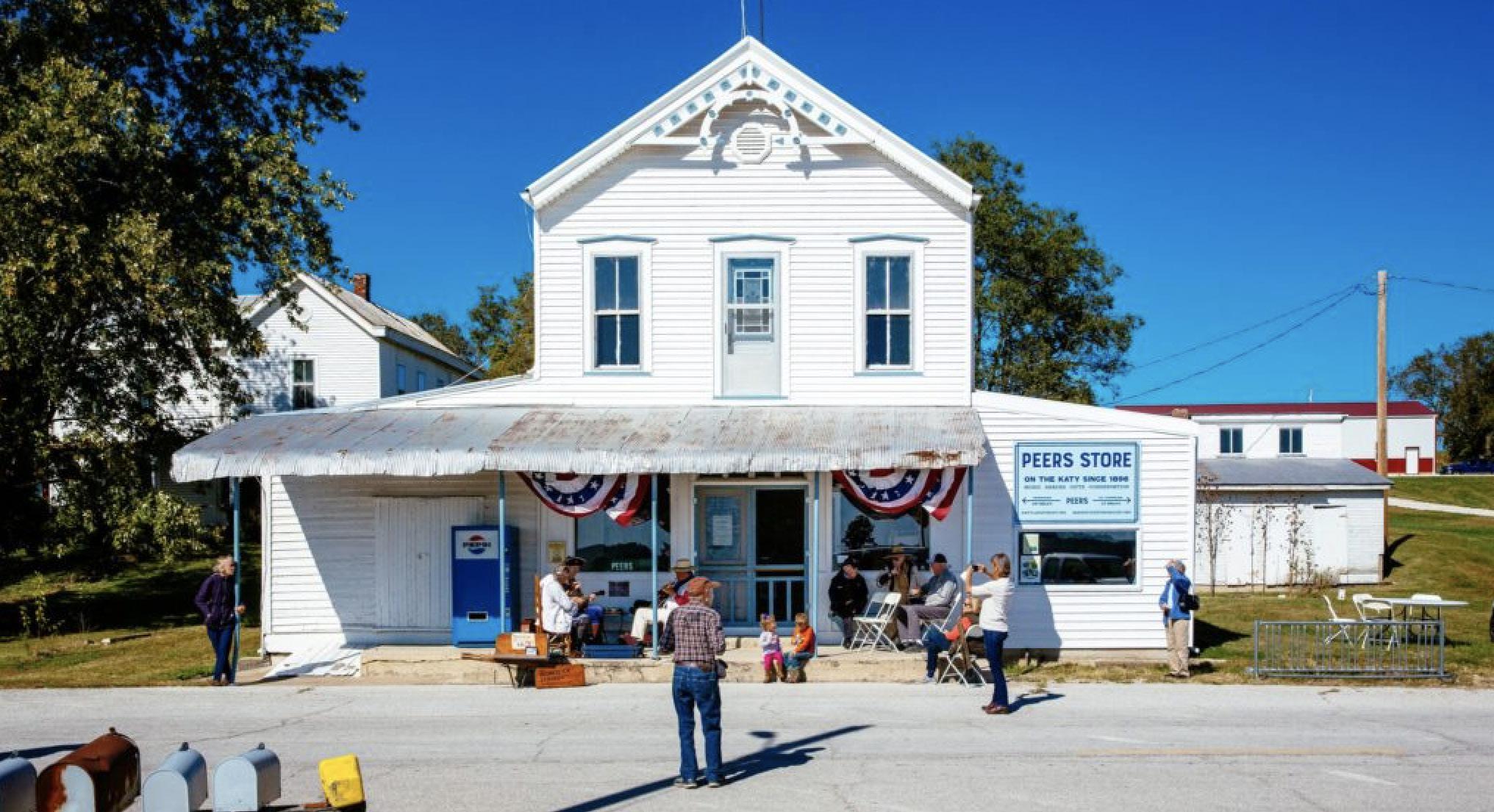
Their work will take them along Katy Trail State Park, the nation’s longest developed rail-trail at 240 miles. Following the former Missouri-Kansas-Texas Railroad corridor, the trail winds through scenic Missouri landscapes and historic communities, offering visitors a one-of-a-kind blend of recreation, history, and conservation.
Recognizing this need, the Conservation Federation of Missouri (CFM) and Magnificent Missouri launched the Katy Trail Magnificent Missouri Internship Program. Built around education, advocacy, and partnerships, the program aims to provide young professionals with handson conservation experience while fostering a lasting connection to Missouri’s outdoors.
As Magnificent Missouri Co-Founder Dan Burkhardt explained, “It is always a great benefit to engage young people with the Katy Trail, and we wanted to help students with an interest in state parks find their place.” Beyond professional development, the goal is to create experiences that shape perspectives and inspire future conservation leadership.
This summer, interns Colby Adams and Carter Taylor will work directly with Katy Trail users to better understand visitor experiences, trail usage, and public needs. Their backgrounds reflect the diversity of modern conservation. Colby brings experience in trail running and sport management, while Carter contributes knowledge of wildlife biology and a passion for archery. Together, they demonstrate that there is no single path to becoming a conservationist.
Throughout the summer, Colby and Carter will conduct surveys and collect stories from trail users. By documenting these experiences, they hope to highlight the importance of public lands and the role they play in recreation, tourism, and community life. They will also share their findings through social media, encouraging others to experience the trail and appreciate the value of Missouri’s outdoor spaces.
By combining research, public outreach, and conservation education, this internship reflects the shared mission of CFM and Magnificent Missouri: connecting people to Missouri’s natural resources while preparing the next generation of conservation leaders. As the program grows, it has the potential to inspire future conservationists and strengthen the connection between people, place, and stewardship. This is the Missouri way—the Show-Me State at its best.
Taylor Hurley
The historic Peers Store, located in Marthasville, Missouri. The store was built in 1896 for the arrival of the KATY Railroad. Originally operating under the name Glosemeyer General Store, the Peers Store now serves as a place for trail travelers to grab beverages and snacks, and a not-forprofit business to support Magnificent Missouri. (Photo Courtesy of Magnificant Missouri)

As you walk into the MoNASP State Archery Championship, it feels a little like organized chaos. Students weave in and out of the crowd, bow cases in tow. Coaches corral their teams. Booths line the halls, offering everything from live animal demonstrations to sweet treats. But when you step into the shooting ranges, something shifts. It’s so quiet, it feels almost reverent. You can hear the pop of each arrow striking its target. Possibility is in the air. For the student archers, this is the moment they’ve been working toward. “It’s astounding how talented these kids are,” Tricia Burkhardt, executive director of the Missouri Conservation Heritage Foundation (MCHF), said. “There’s really nothing else like this experience. It energizes us and reminds us why we’re doing this.”
A little history: MCHF and the Missouri Department of Conservation have been working together to put on this state championship for the last 10 years. Together, we’ve helped MoNASP become the second-largest tournament of its kind in the United States. Four thousand archers and 17,000 spectators make their way to Branson for the event. Proceeds from the event go toward youth archery programs across the state and other conservation efforts, and the tourism surge in Branson results in a $10 million economic boost for the community. Thirty thousand dollars in scholarships are awarded to the top five male and female archers in bullseye and 3D.
While these numbers speak volumes, the impact the sport has on kids who participate is truly something special. Each student had to qualify to compete in the championship, requiring dedicated, consistent practice to build their skills. For Trinity Lutheran student Garrett Dougan, he gained lessons beyond skill with a bow. “I like how it's unlike what I expected,” Garrett said. “Aiming and all that was what I thought the focus was going to be, but it's only half of it. I like how it's patience, endurance and consistency that really matters when it comes to archery.”
Archery is also an extremely accessible sport, no matter who you are. Down the shooting line, you’ll see high school seniors nocking arrows alongside fourth graders. Students with disabilities can compete using modified equipment like mouth tabs, wheelchair supports and mechanical releases. “This sport is for anybody,” Levi Henry with sponsor Morrell Targets said. “It is an avenue for greatness in these kids.”
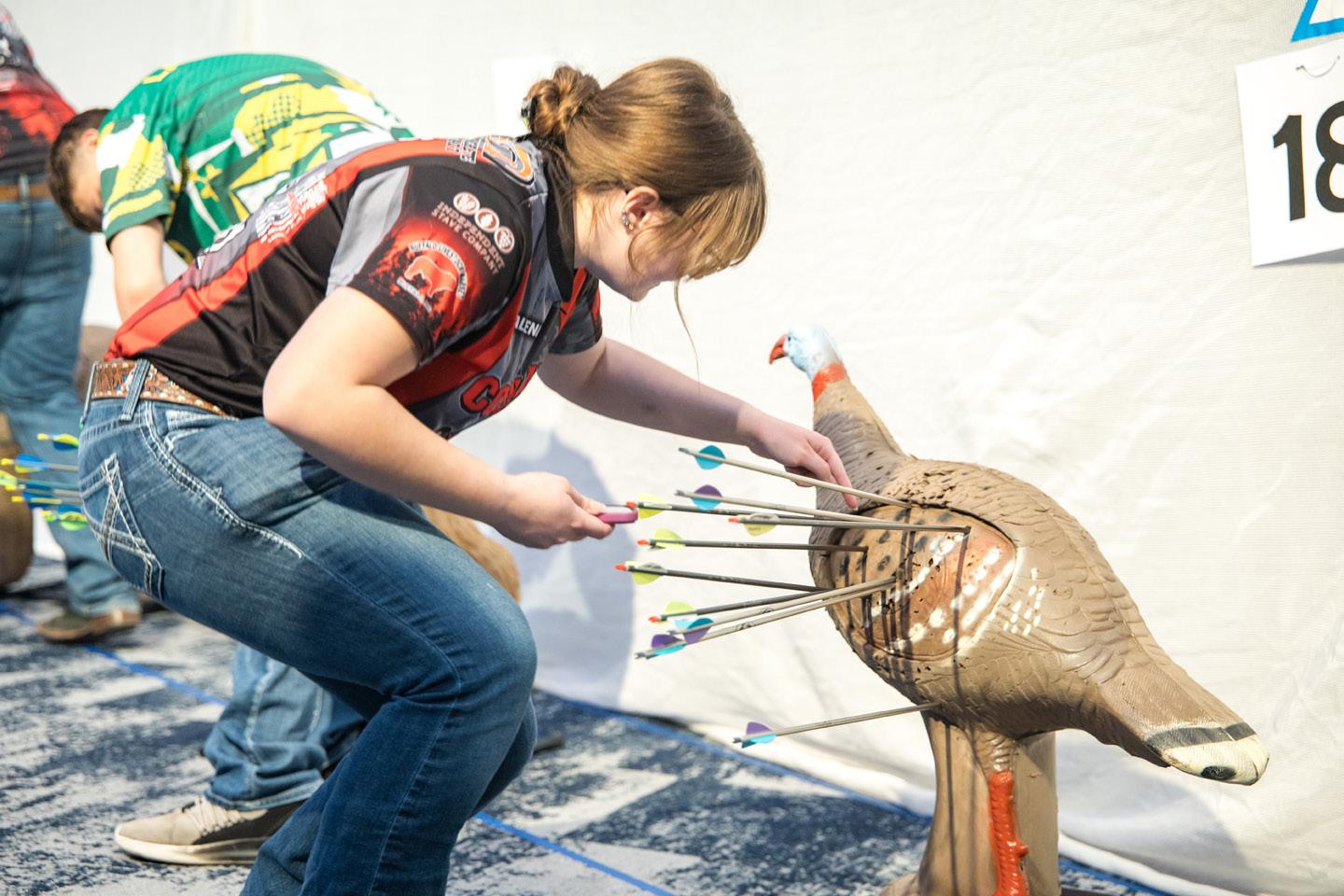
Smithton High School senior Corinthea Biggs is another student who benefited from the sport. She’s been practicing archery since seventh grade and is now in her last year at MoNASP. “Archery is one of my favorite things to do,” Corinthea said. “Archery seemed hard at first, but the feeling of actually getting into it and then starting to get better and better made me really happy. I fell in love with it." Corinthea plans to continue her archery career in college.
The MoNASP archery program also serves as a way to connect kids to nature. According to the National Archery in the Schools Program (NASP), 66% of students pursue (or want to pursue) other outdoor activities after being involved with archery. “This is a segue to teaching these kids about conservation, which is near and dear to our foundation,” MCHF Board President Will Coates said. “We exist to provide an avenue or a pathway from archery and shooting paper targets into all matters outdoors and lifelong support.”
Archery may come off as a very individualized sport, but each student’s performance affects the larger team. One student shared that though he didn’t surpass his personal best, he was still satisfied with his score because it helped his team qualify for nationals. Even across school districts, students support each other and make connections. When you’re in that shooting hall, it’s clear that this sport is bigger than any one person or team. “Throughout this tournament, I’ve been realizing that we’re really all an archery family,” Tricia said. “The sponsors, the vendors, the parents, the kids, the coaches who spend so much time with the kids – everybody who’s in this and who can see and feel the vibes is family.” If you need a wholesome reminder of what conservation can do for community, come on down to MoNASP next year March 17-20, 2027.

Scan the QR code to view the winners of MoNASP 2026.
MCHF contact: Charlotte Renner, charlotte.renner@mochf.org
Charlotte Renner
Road trip. We didn’t choose the perfect playlist. Or program the GPS. But we did fuel the car that made you realize there are no wrong turns, only new adventures. When the energy you invest in life meets the energy we fuel it with, amazing journeys happen.
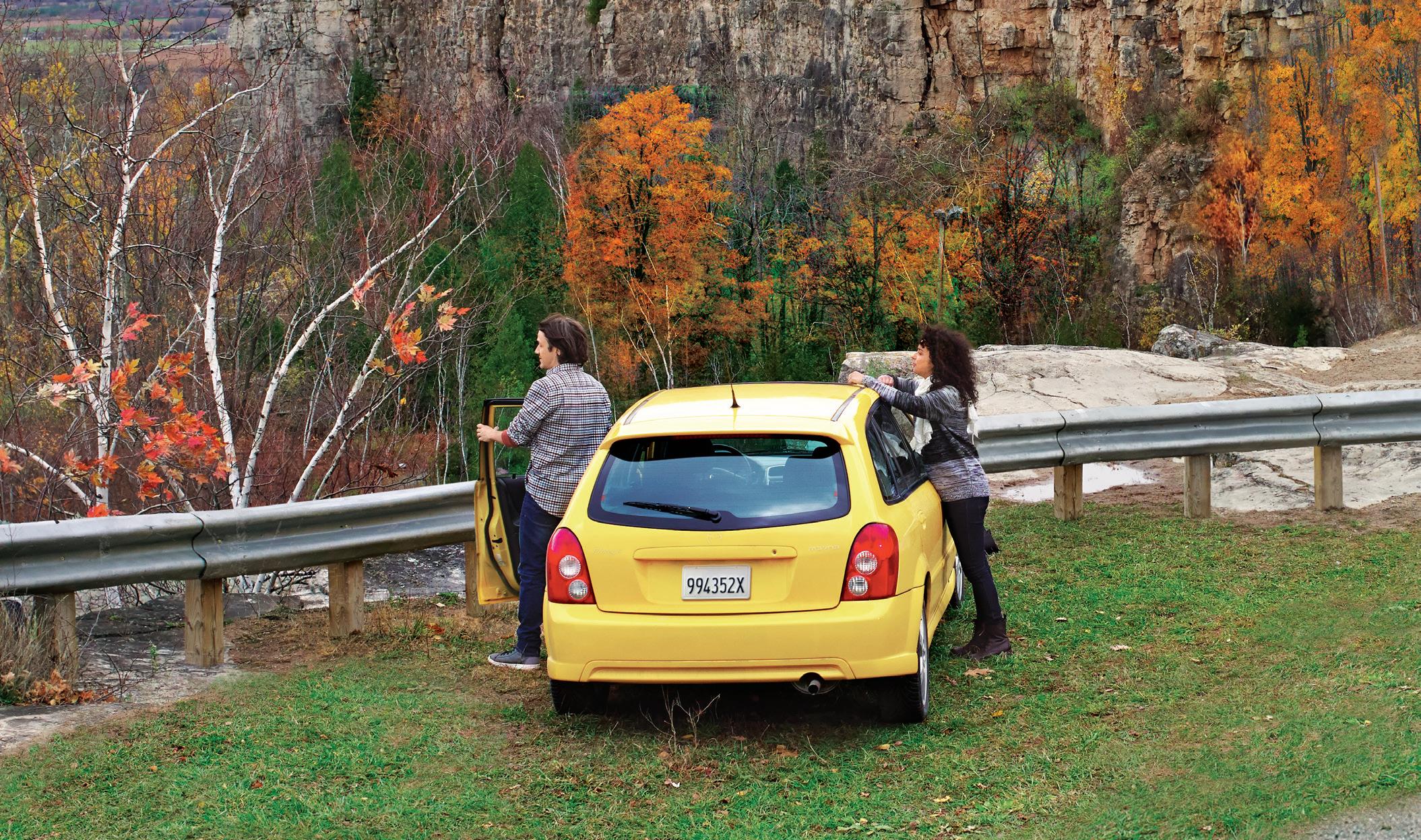

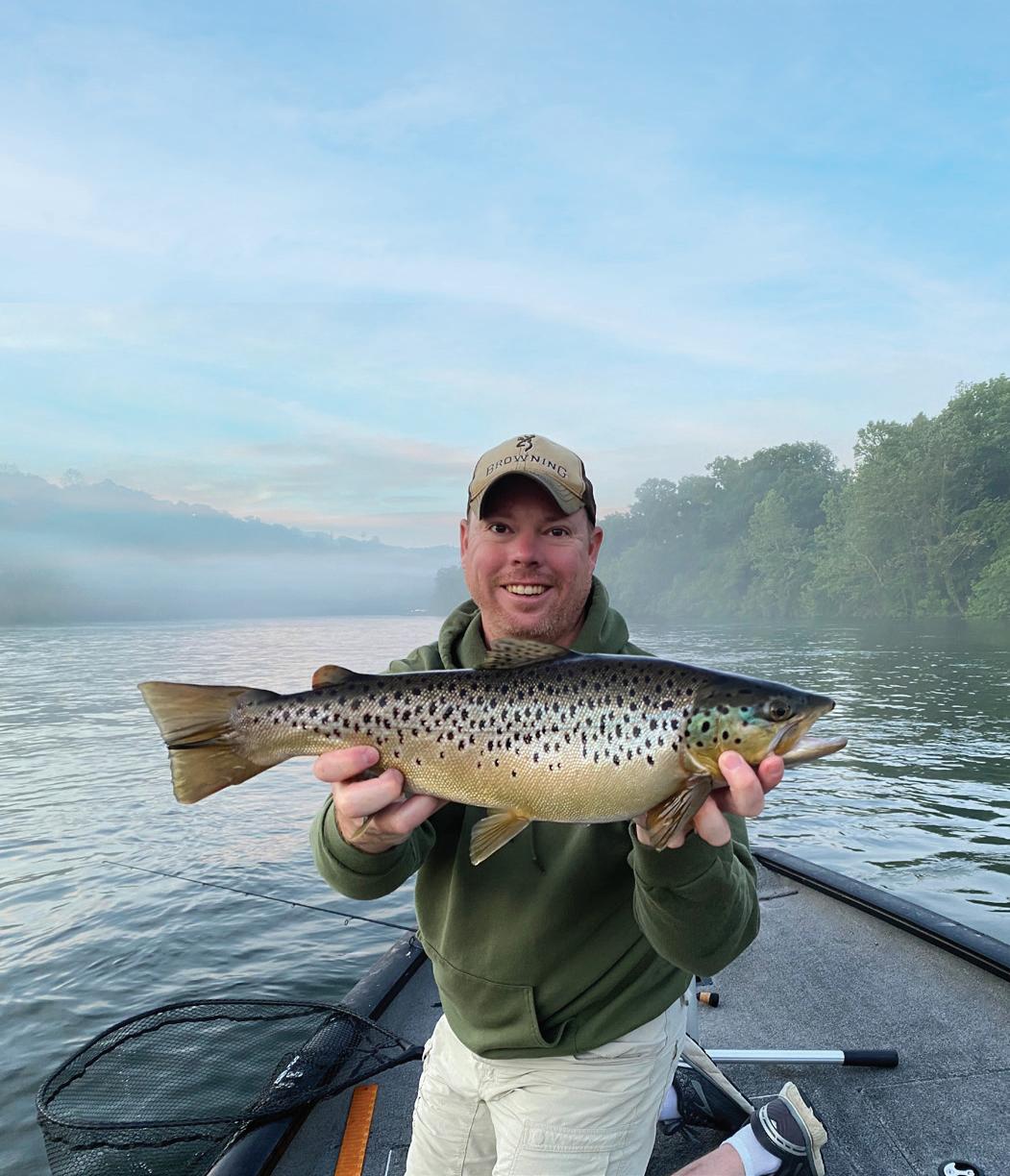

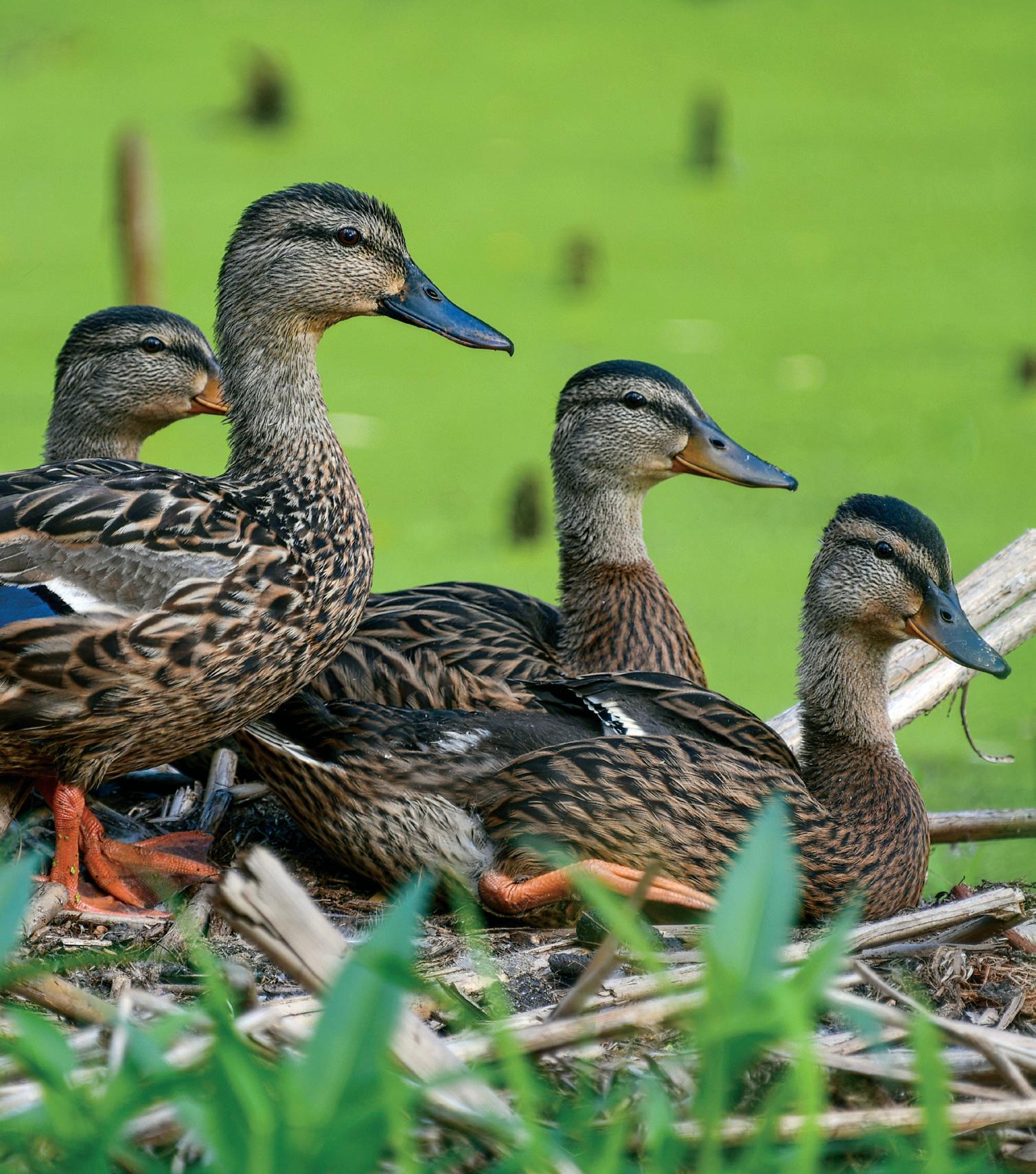
9814 Pleasant Hill Rd Jefferson City MO 65109 www.mowildflowers.net mowldflrs@socket.net 573-496-3492





How family, science, and the Missouri outdoors shaped the art of Bryan Haynes
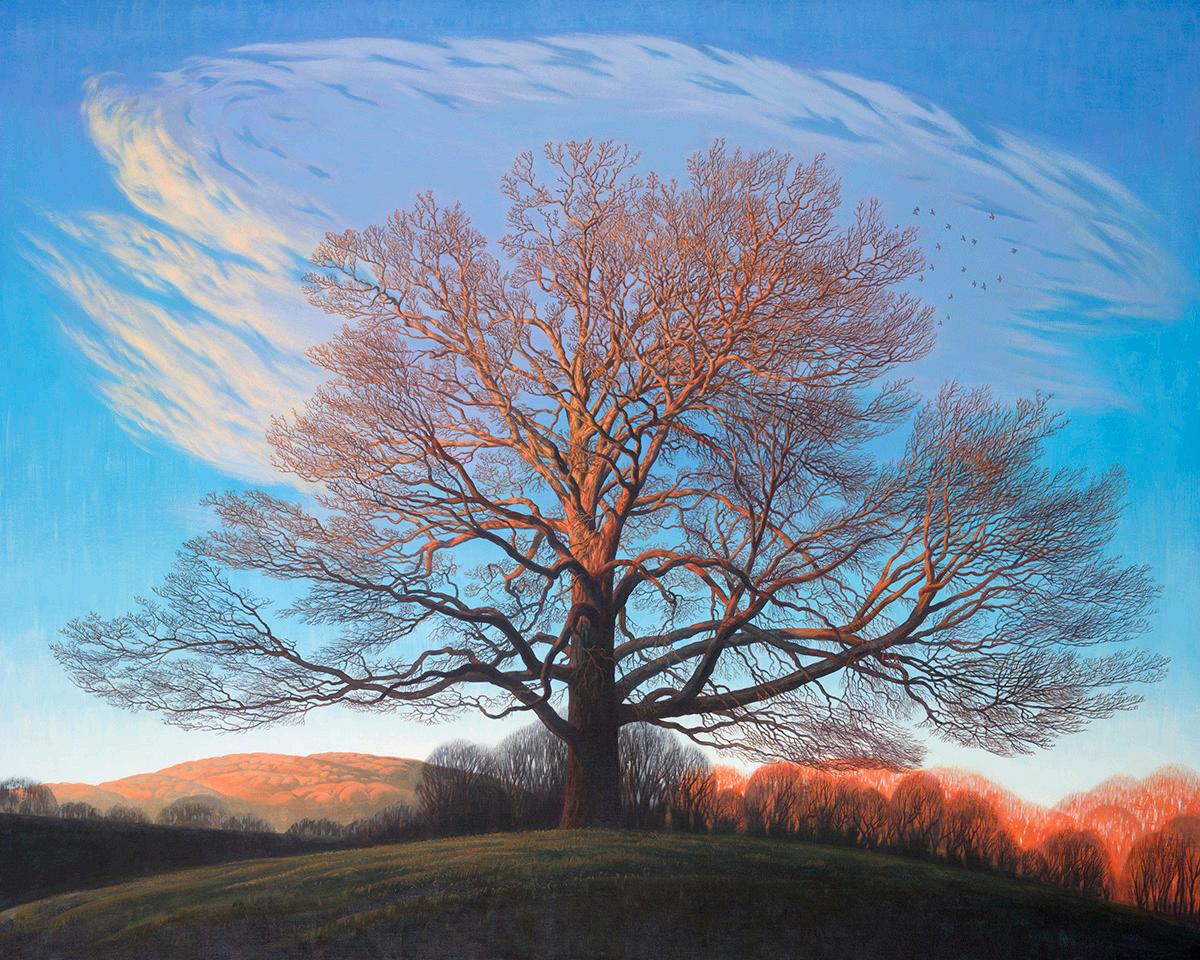
Astory about a father. A story about seeing the world. A story about why conservation matters. Bryan Haynes lets his art be the thread that ties all of this together.
In Missouri, conservation is more than policy — it’s personal. It lives in early morning fog rising off the river, in the quiet patience of a hunter at dawn, and in the flash of wings over flooded timber. For artist Bryan Haynes, those moments don’t just pass — they take shape. Through his work, he captures not only the beauty of wildlife, but the deeper connection between people and the places that shape them.
Haynes’ connection to conservation is rooted not just in the landscapes he paints, but in the life he was raised to live.
“I joined CFM because I believe in what the Federation stands for — preserving the natural resources of Missouri,” he said. “I’d like to think my wife and my two daughters are citizen conservationists.
My parents, Richard and Diana Haynes, imbued their four children with the joy of gardening, birdwatching, and preserving the natural environments around our homes, and in the communities where we grew up.
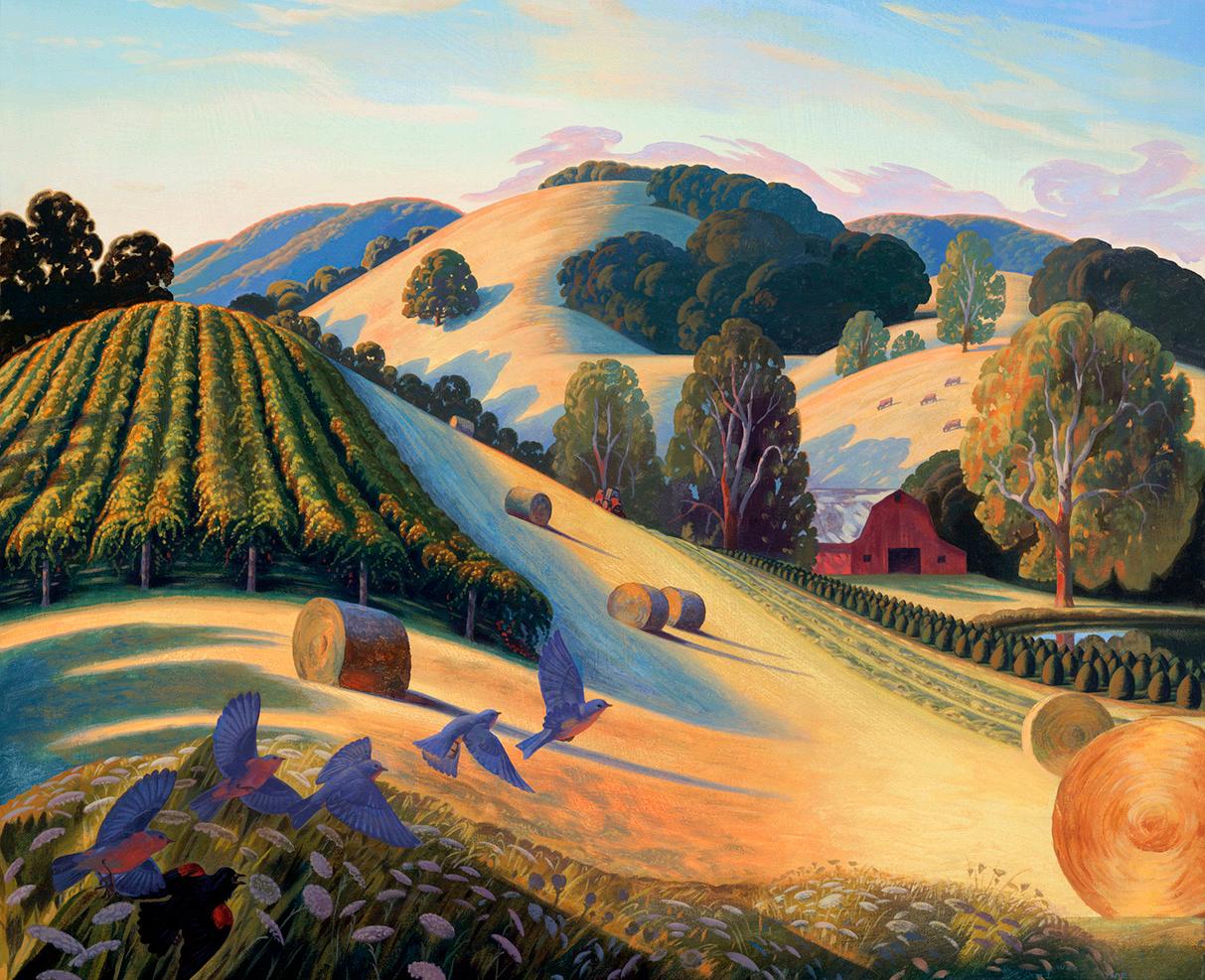
My mother descends from the Dawes family that founded the Dawes Arboretum in Newark, OH. The legacy of my great-grandparents transferred the love of preserving the natural environment.”
Haynes describes the artistic mind with equal part humor and honesty.
“I really think a brain scan of my head would reveal that it is basically empty except for a softball-sized visual cortex,” he said. “We artisans know we are simply compelled to draw and paint.”
Through years of practice, he explains, a connection forms — a “cord fastened between eye, brain, and hand.” It’s through this connection that artists interpret the world, organizing shape, color, and movement into something both recognizable and deeply personal.
“We take the world in and organize shapes and colors the way our brain — our intuition — dictates.”
That intuition is built on experience.
It’s in the memory of painting alongside his father on a windswept hillside above Galway Bay, where “greens so intense they transcend one sense to another.” It’s in the rhythmic pull of a paddle in a canoe, where the swirling water mirrored the fluid dynamics sketches of Leonardo da Vinci. It’s in the quiet moments outdoors — the same kinds of moments that define Missouri’s natural heritage.
Hayne’s father, Richard, passed away in 2021. He was a scientist who wanted to be an artist. For Bryan, “that explains much about his teaching the love of nature to me.” An excerpt from his dad’s eulogy:
The boy asks his father, “Dad, why is the sky blue? “As much for affirmation as for the answer, the hoped for reward comes, “that’s a great question son.” The father describes light from the sun as waves, shorter waves in reds and yellows, longer waves in blue. The shorter waves pass through the atmosphere, longer waves strike the blanket of air that wraps our globe, and scatter. “Son, it’s the scattering of blue.”
My father explained: “Son, if you were to ride a sunbeam at the speed of light, the speed would forever be the same even traveling in any direction, and if another boy on the ground saw the first boy, you, pass by - in any direction, your speed would still be the same. Albert Einstein realized it was time that was relative”.
My father told me that if I used a prism, this same sunbeam could be separated into a whole rainbow of colors. But, it was Isaac Newton who placed a second prism in the path of the rainbow-colored beam to discover that the recombined light mixed back into white. The rainbow was really a white sunbeam, the sunbeam a rainbow.
Art Rooted in the Outdoors
Haynes hopes his work reflects “a sensitivity to and a love for the rural environment, including its flora and fauna.”
His paintings do more than depict wildlife — they invite viewers to pause, to notice, and to connect. In a fast-moving world, that pause matters.
It’s where conservation begins. When people see the details — the curve of a feather, the light across a field, the stillness of a wooded edge — they begin to understand what’s at stake. They begin to value it. And what people value, they’re more likely to protect.
In one of the most profound lessons passed down from his father, Haynes recalls a reflection on the nature of existence itself — drawn from an ancient poem:
“The stuff of the universe is an infinite number of atoms… colliding, forming complex structures, breaking apart again… Nothing… lasts forever. Only the atoms are immortal.”
It’s a perspective that humbles and grounds.
"My father made the physics of light a thing of wonder. He said it was a beautiful thing to describe the whole world and all shapes within it. He told me it was possible to carve light in my paintings to describe an entire universe. This son became the artist the father wanted to be. I am an artist because of you, Dad."
Bryan Haynes paints not just what he sees, but what he’s been taught to understand — that the natural world is both fragile and profound, shaped by forces both seen and unseen.
And in every brushstroke, in every play of light and shadow, there is something more than an image—there is a legacy.
Artist Bio: Since graduating from the Art Center College of Design, Pasadena, CA in 1983 work by the artist has been represented by; Manitou Galleries, Santa Fe, NM; Legacy Gallery, Scottsdale, AZ; Bryan Haynes Gallery, Washington, MO. Recent corporate and institutional commissions include murals, and large scale paintings for, The Kauffman Foundation in Kansas City, The Missouri Botanical Garden’s permanent collection, The Westward Expansion Memorial Museum at the Arch, Novus International Inc., Edward Jones, Inc., Missouri Athletic Club, Arrowhead Stadium, The Missouri History Museum, PGAV Architects, First Bank, and the Danforth Plant Science Center. Additional patrons include Disney, Estee Lauder, Warner Bros., Toblerone –Switzerland, Universal Studios, IBM, Nike, Sony Music Corp., and Anheuser Busch.
www.artbybryanhaynes.com bryan@artbybryanhaynes.com (636) 544-1016 www.facebook.com/bryan.haynes.58 www.instagram.com/artbybryanhaynes/
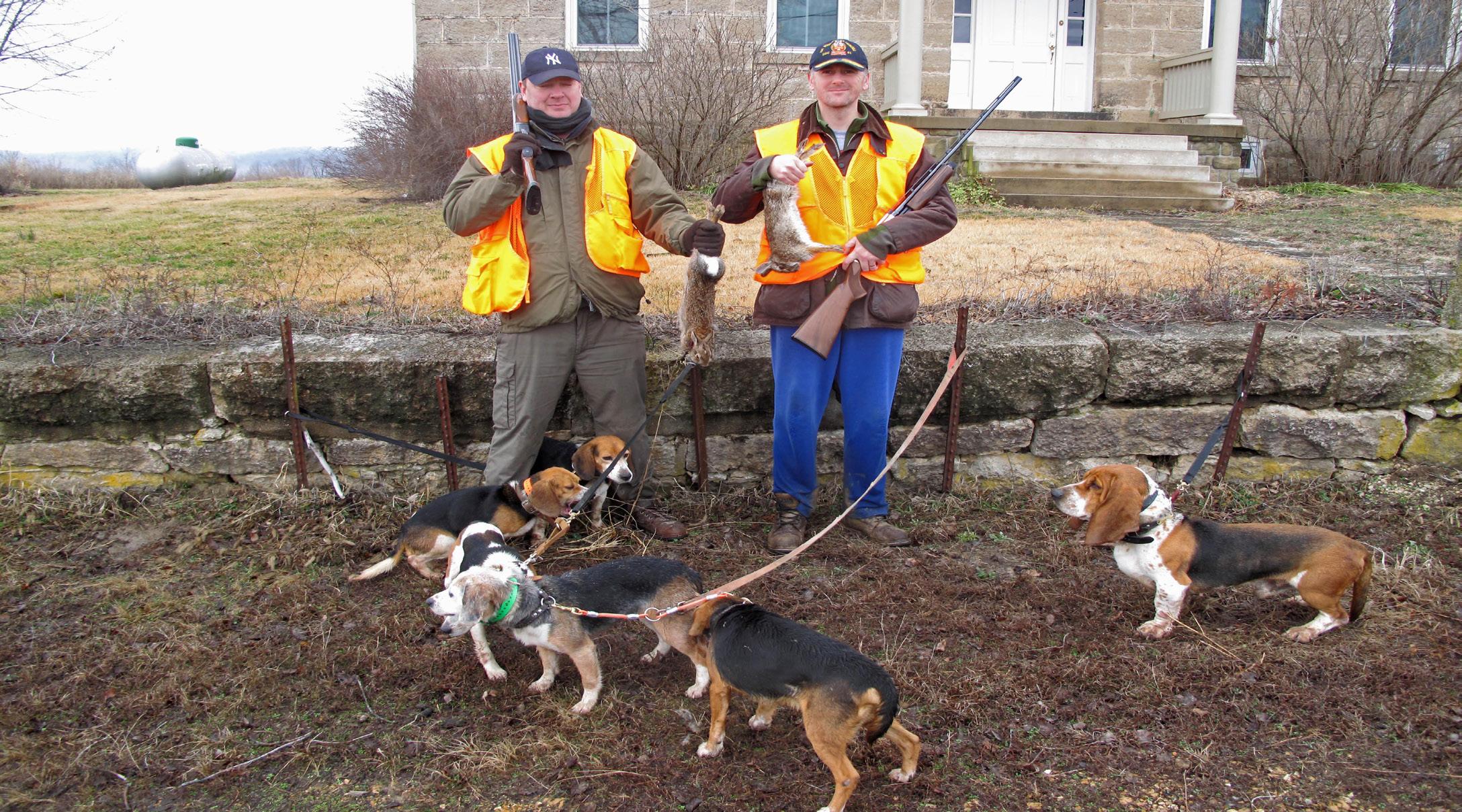
Iwas not a rabbit hunter as a kid growing up on the eastern slope of the Rocky Mountains. I had never heard of rabbit hunting, and rabbits were not common. When I finally settled in rural Moniteau County, I didn’t give much thought to rabbit hunting, although rabbits seemed to be everywhere, especially in the spring. But our oldest son found a beagle puppy and wanted to keep it. About six months later, this beagle was teaching me to rabbit hunt. I realized rabbit hunting was an excellent way to introduce our three sons to shooting and hunting.
I started with a clay bird thrower to teach our kids gun handling skills. They enjoyed shooting, and I insisted they reload their own shells. Then I bought a rabbit clay bird thrower for our practice sessions, which threw thicker clays rolling on their edge on the ground. The number of beagles grew, and we were eventually rabbit hunting most weekends during the season. Because I had the equipment, I sponsored clay-bird shoots for the local Rotary Club's inbound foreign exchange students.
These kids were usually high school seniors from all over the world who would spend the school year with host families in central Missouri. Many had a big interest in learning to shoot firearms since most had never handled a gun before and heard that in America everyone owned a gun.
I set up clay bird stations for both flying and ground targets. I also had .22 rifle targets, but the big draw was shooting a pistol. The boys seemed more interested in shooting firearms than the girls, although the girls always participated at least once. Frequently, the host parents would attend and shoot. Two of the more memorable shooters I had were two Englishmen who came to our house along with their wives. One was the new director of America's National Churchill Museum in Fulton. The other was a visiting instructor at Westminster College.
Not only were they fascinated with the shooting, but they also wanted to go rabbit hunting when they saw my six beagles and basset hound. Teaching two novice gun shooters to hunt safely was a more vigorous process, but I decided to accept the challenge.
The biggest issue with novice hunters is teaching safe gun handling skills, especially checking the safety after firing. I had both English hunters attend several training sessions. I set up the rabbit clay thrower and placed cedar logs at intervals in a line from the thrower with a two-foot space between each log. It took many sessions before they were quick enough to get the gun up, click the safety off, and fire even with the advantage of hearing the rabbit thrower go off. They got better, but more importantly, I became more comfortable that they were setting the gun safety on after shooting.
Finally, it was time to go rabbit hunting. Both had busy schedules, and we chose a February weekend when it was not too cold. We planned to hunt in Osage County, and on the way, we stopped at a Walmart to purchase hunting licenses. The Department of Conservation had recently transitioned to a new online system for purchasing hunting licenses, which required either a US driver’s license or Social Security number. The English hunters had neither and could not purchase hunting licenses. Apparently, the programmers had not anticipated foreign hunters. But I put too much effort into this hunt to be stopped by a computer. I had the attendant write a note indicating we tried to buy licenses, and I would deal with the license issue later.
I gave both hunters orange hats and vests, then let the dogs out of their boxes in the trailer, but on leashes. The English hunters held the dogs for a picture. I noticed one aspect of their training and orientation I had neglected. Boots. Only one had boots. The other was ready to begin the hunt dressed in black leather wingtips. There was little snow, but it was going to get muddy as the morning warmed. I didn’t say anything about the shoes. He would discover the problem soon enough.
It took the beagles about two minutes to strike the first trail. The English hunters were fascinated by the dogs and their baying, especially the basset hound. I repeated several times not to watch the dogs but look in front of the dogs. They couldn’t do it, and the first time the dogs ran twenty-five feet in front of them, they just broke out laughing. They never saw the rabbit.
Several more times, a rabbit ran close to them, but they could not get the gun up quickly enough. Each time they broke out laughing again. We hunted for several hours, and they shot once or twice each, but were always way too slow.
I shot a few rabbits for them, and they were impressed that my Labrador retrieved them. I showed them how to clean rabbits and brought several rabbit recipes. Apparently, both were good cooks. It had warmed up about thirty degrees by the time we were ready to leave. I parked the truck and trailer on the side of the road. The mud was just slippery enough so I was stuck even in four-wheel drive. I asked the English hunters to help me unload the dog boxes to reduce the weight, but they both had bad backs and could only watch. I tied the beagles to a tree so they wouldn’t resume the hunt, removed the dog boxes, unhooked the trailer, and then rotated the trailer to keep the truck wheels on the gravel. All of this took forty-five minutes while the English hunters talked about their rabbit hunting experience, cleaned their shoes, and decided which rabbit recipe they were going to try first.
I still use my clay bird throwing equipment once a year when our three sons gather for an annual visit. We can only manage one visit a year with our sons because of competing schedules. We have a clay bird shooting contest in three categories. The first is with doublebarreled shotguns. There are five rounds with two clays released simultaneously. The second is with automatic shotguns with four clays released simultaneously in five rounds. The third round is the toughest with a lever-action .410 shotgun with two clay targets released together. Pappa Dollar brings the $100 prize money for each round. I’ve won the automatic shotgun round for the last two years because I cheat. My sons use twentygauge guns, but I have a twelve-gauge, which they never noticed. At my age, I need the extra advantage. The additional shot in a twelve-gauge shell makes a big difference on the fourth clay bird, which has moved much farther out than the others. But I always give the $100 prize money to the grandkids to ease my conscience, but only after I’m done gloating, of course.
David Urich
Anyone can garden with native plants—no experience or “green thumb” required! For those would-be gardeners with little or no gardening experience, the Missouri Prairie Foundation’s Grow Native! program has developed the Guide for Beginning Native Plant Gardeners to serve as a basic introduction to do-it-yourself native plant gardening in the lower Midwest. This new resource is available on the Grow Native! website: grownative.org/beginner-guide.
Missouri is home to a diversity of natural communities, including tallgrass prairies, savannas, rocky glades, deciduous woodlands and forests, and wetlands. Native plants evolved alongside other organisms, including insects and birds, in these wild settings, and they are adapted to our regional climate, soil, and site conditions.
Native plants can bring benefits to home gardens, whether used in container gardens, as additions to small, traditional garden beds, or to restore a whole property. Many have bright flowers, interesting foliage, and other features that can enliven any type of outdoor space. Native plant flowers support native bees and other pollinators, too, and the leaves of many native plants provide food for butterfly and moth larvae. Others produce fruits and seeds that are food for birds, and keystone species like oaks (Quercus spp.), goldenrods (Solidago and Oligoneuron spp.), and asters (Symphyotrichum spp.) feed the caterpillars that feed other wildlife, like songbird young. Native plants can also help you, by providing shade, intercepting and absorbing rainwater, storing carbon, producing food to eat, reducing mowed areas, and creating beautiful, resilient landscapes that you can enjoy throughout the year.
The Beginner’s Guide features step-by-step instructions for planning, preparing, and installing a new native plant garden, worksheets to guide the process, and beginnerfriendly garden plans. Special topics include conducting a thorough site assessment, transforming areas of lawn into native plant beds, and shopping for native plants. It also includes links to additional resources from Grow Native! and our conservation partners with information about pollinators, songbirds, butterflies, edible native plants, and more.
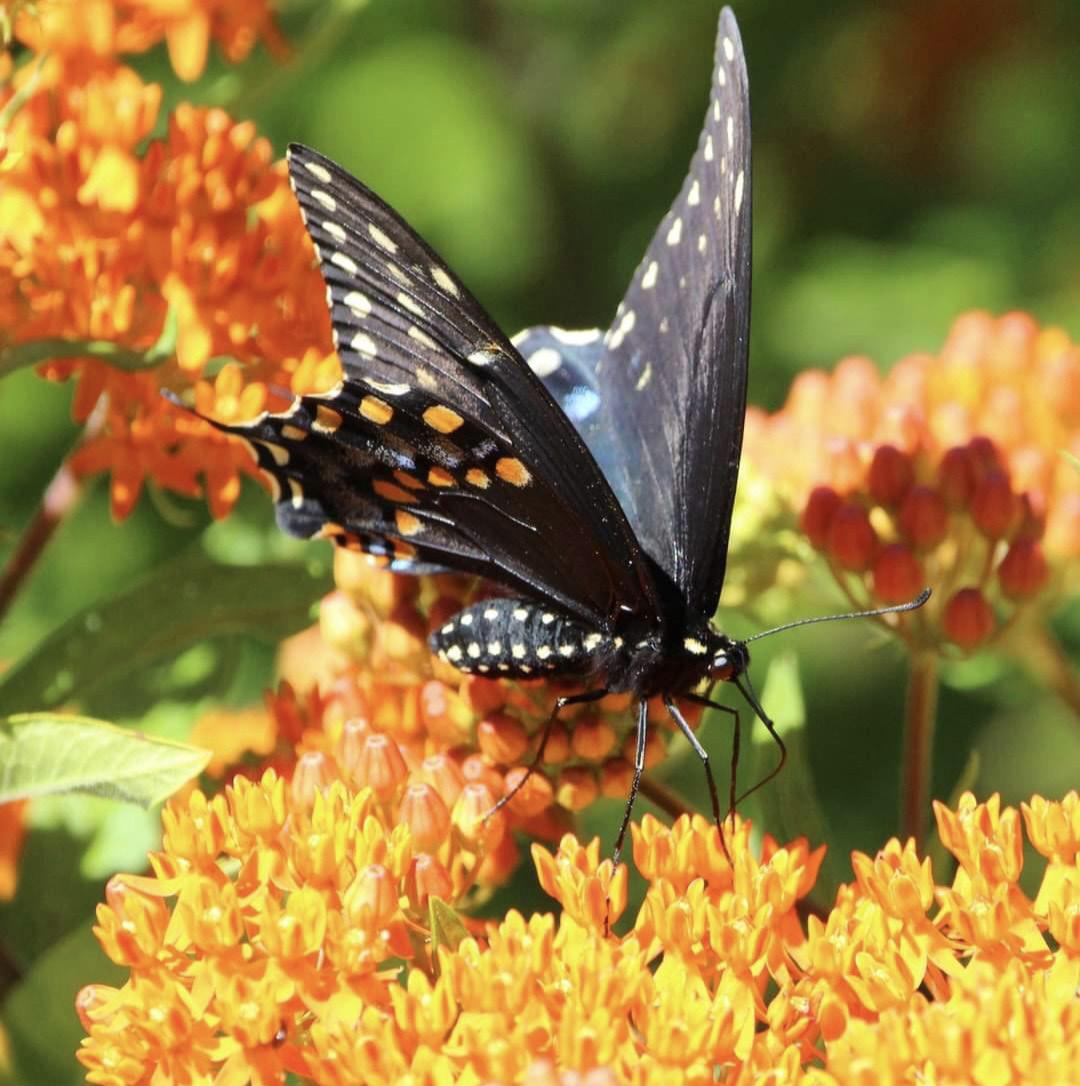
While this resource is intended for residential use, it can also be adapted by schools, community and volunteer groups, churches, and others getting started on small native landscaping projects.
Grow Native! has many additional resources at grownative.org for everyone—from those curious about native plants to landscaping and conservation professionals. Highlights include the Native Plant Database with information on 400+ species and the Resource Guide directory of suppliers of native plant products and services, as well as recent additions like the Native Plants for Stormwater Management eBook (available to download in full online) and the Native Landscaping Planning Toolkit for Municipal Professionals.







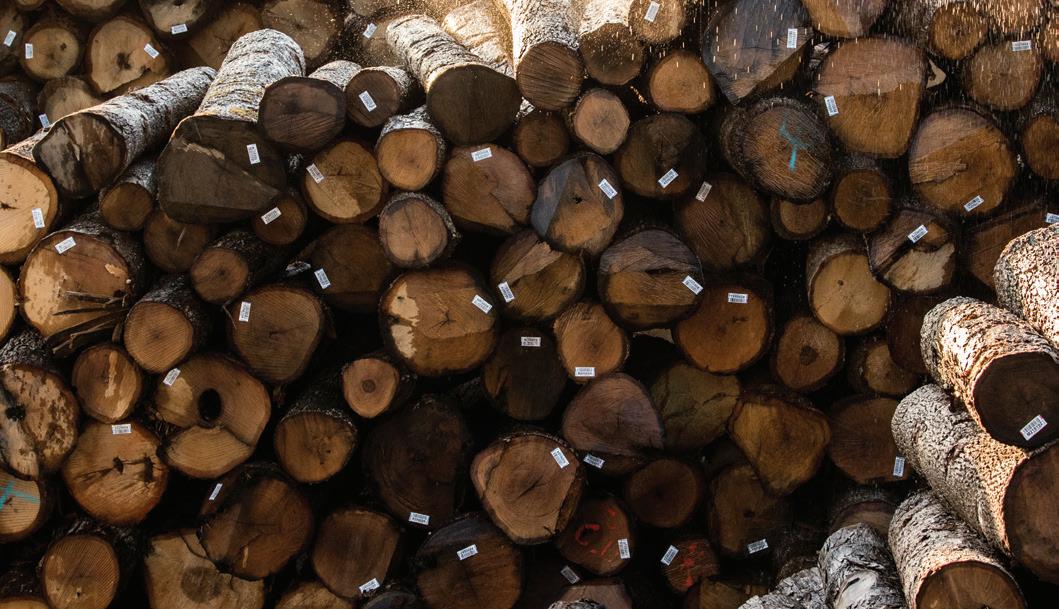





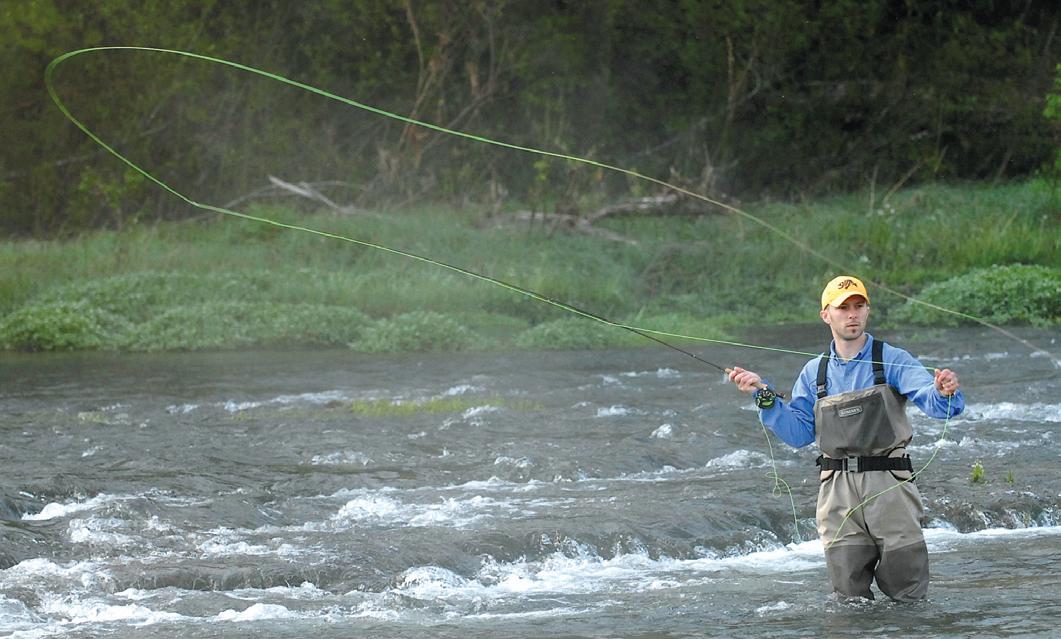




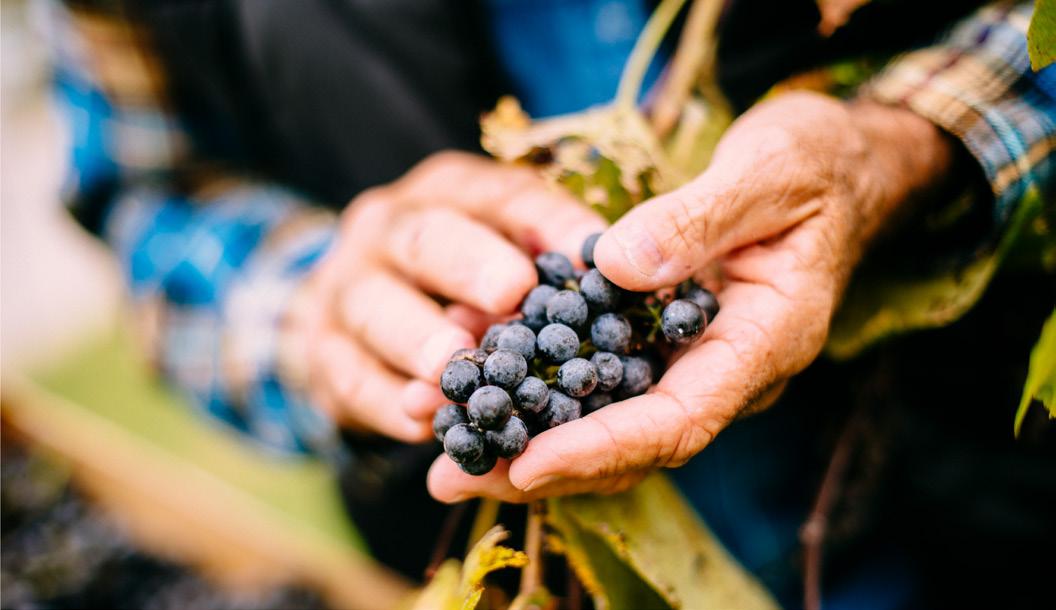









Include the Conservation Federation of Missouri in your estate plans.
Leave a legacy for the natural resources and traditions you have valued throughout your life. Make CFM a beneficiary of your will, trust, life insurance policy, or retirement plan. Any amount helps preserve Missouri’s resources and natural history for generations to come. What will your legacy be? Call 573-634-2322 to find out more information.
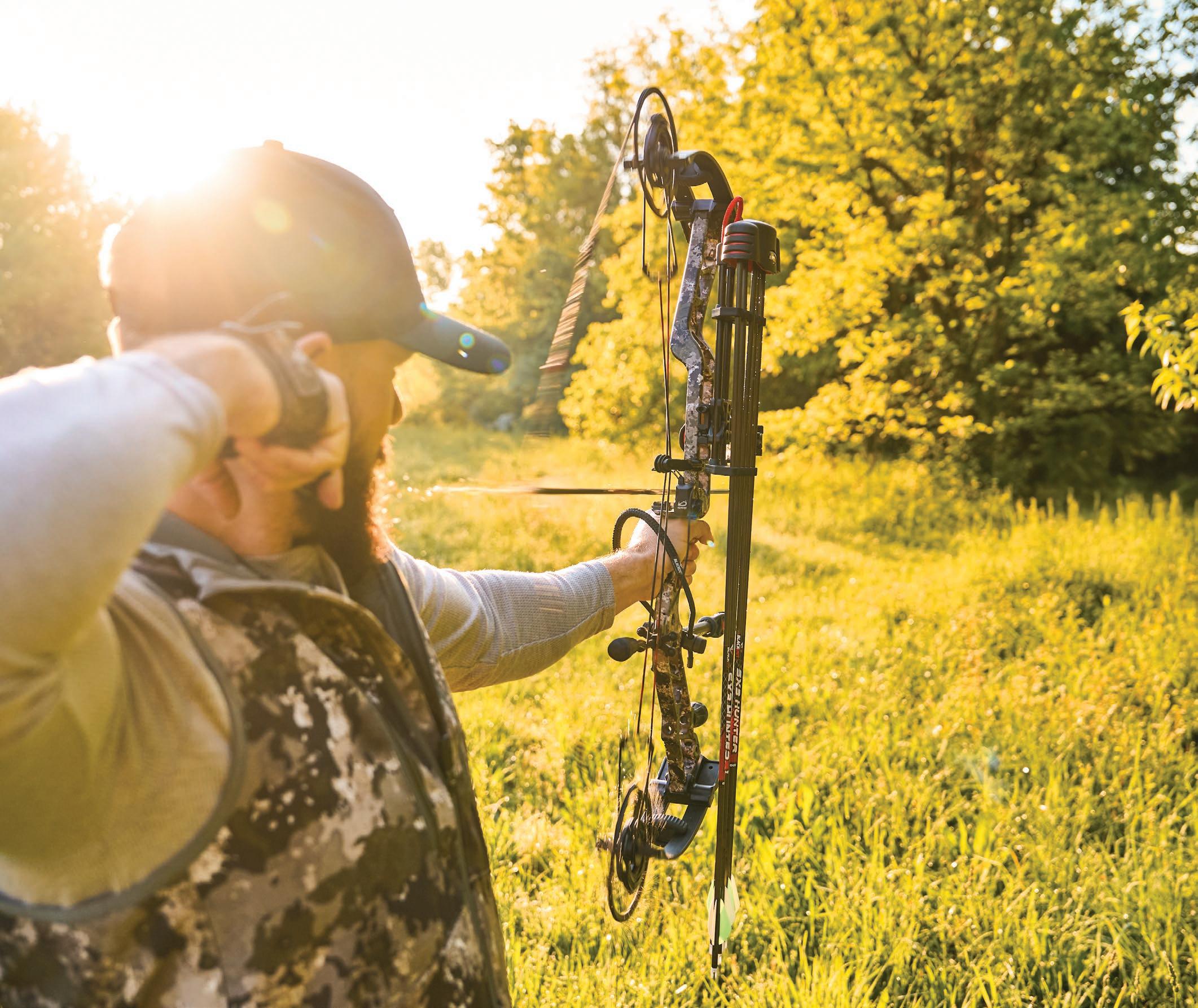
Less vibration, less noise
SPLIT PAYOUT CABLE SYSTEM
Explosive power with smooth & silent draw


DRAW LENGTH | 24-1/2”- 30”
DRAW WEIGHT | 60-70 lbs.
AXLE-TO-AXLE | 31”
SPEED | 338 FPS
Also available in 50—60 lbs.
ONLY AVAILABLE IN RIGHT-HAND
PICATINNY SIGHT MOUNT
Stable, integrated design
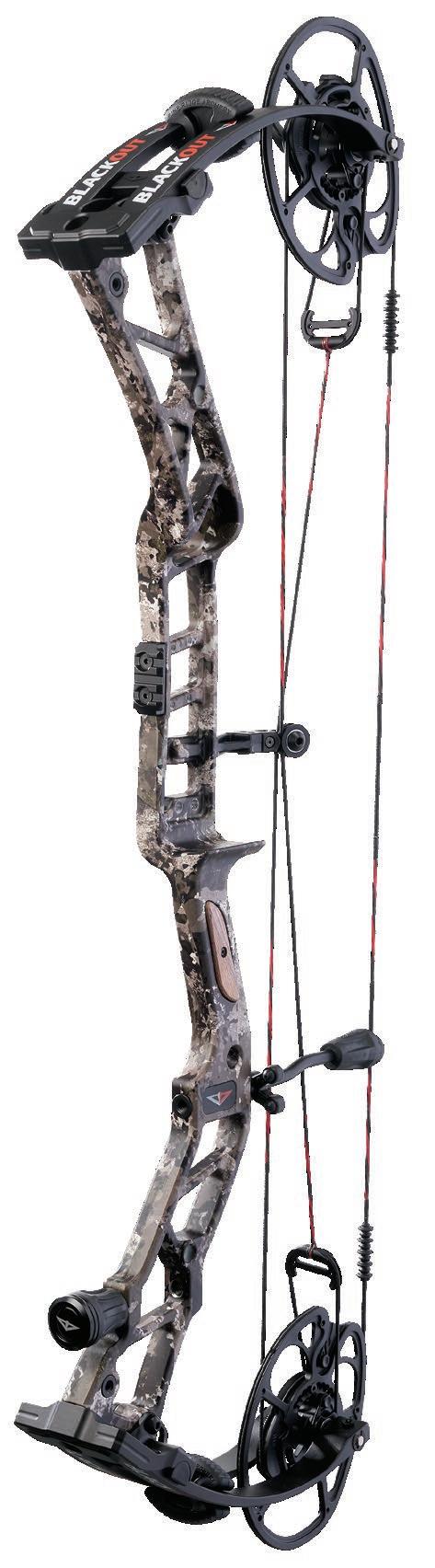
Bass Pro Shops® is proud to stand alongside our customers in support of the Conservation Federation of Missouri. Our partnership has made significant strides in protecting our rich outdoor heritage for future generations. Together, we are supporting the conservation of Missouri’s abundant wildlife and natural resources.