

Date: May 2026

Soju might be the next big thing in spirits. The IWSR is forecasting a CAGR volume growth of +16% between 2024 and 2029. This is particularly notable for two reasons: the total US spirits volumes are predicted to decline 2% over the same timescale, and the CAGR is comparable to that of tequila and RTDs when they were in their early emergence stage.
Soju is a clear, fairly neutral-tasting spirit, traditionally made from the fermentation of rice, although now many other starches are used. Comparable in taste to vodka, it contains around
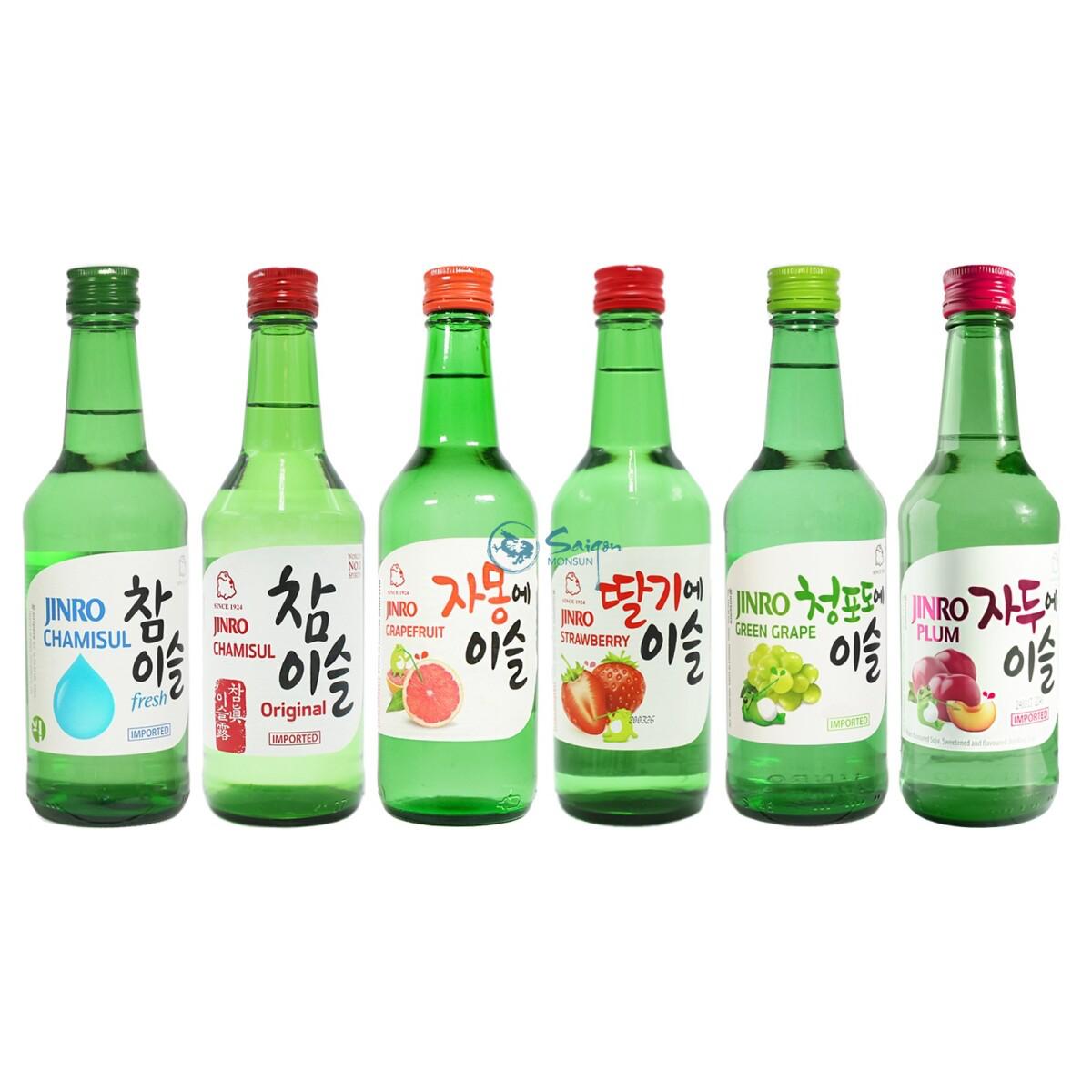
spirits volumes in the US in 2024, it is one of the most popular spirits globally.
With K-Pop, K-Dramas, and K-Beauty fuelling the rise of interest in Korean culture as a whole, consumers are now entering a new phase of cultural exploration, reaching further into the nation’s lifestyle trends.
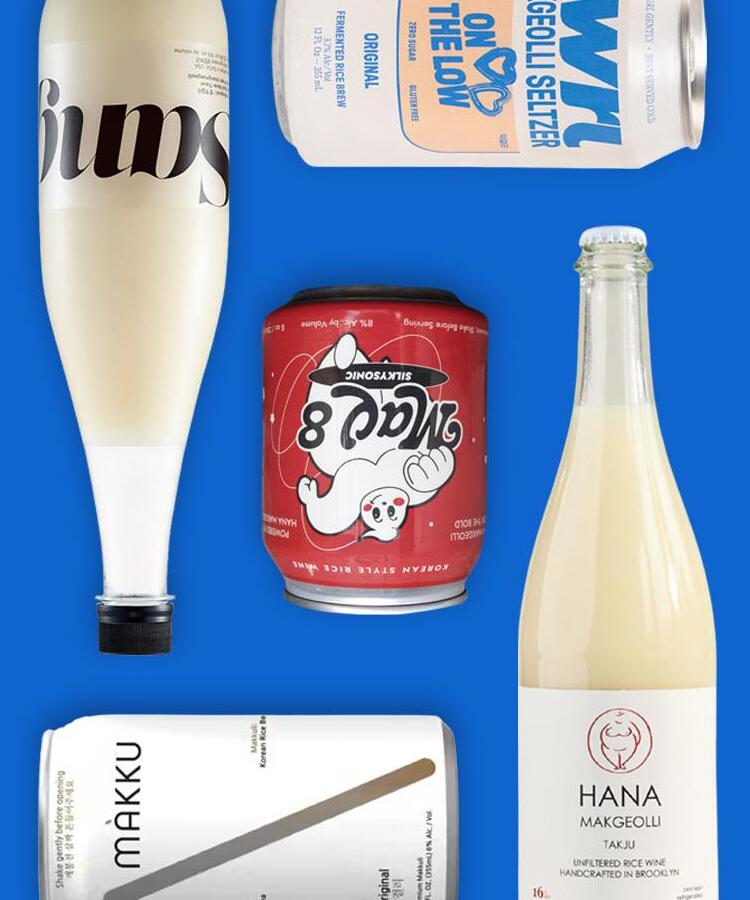
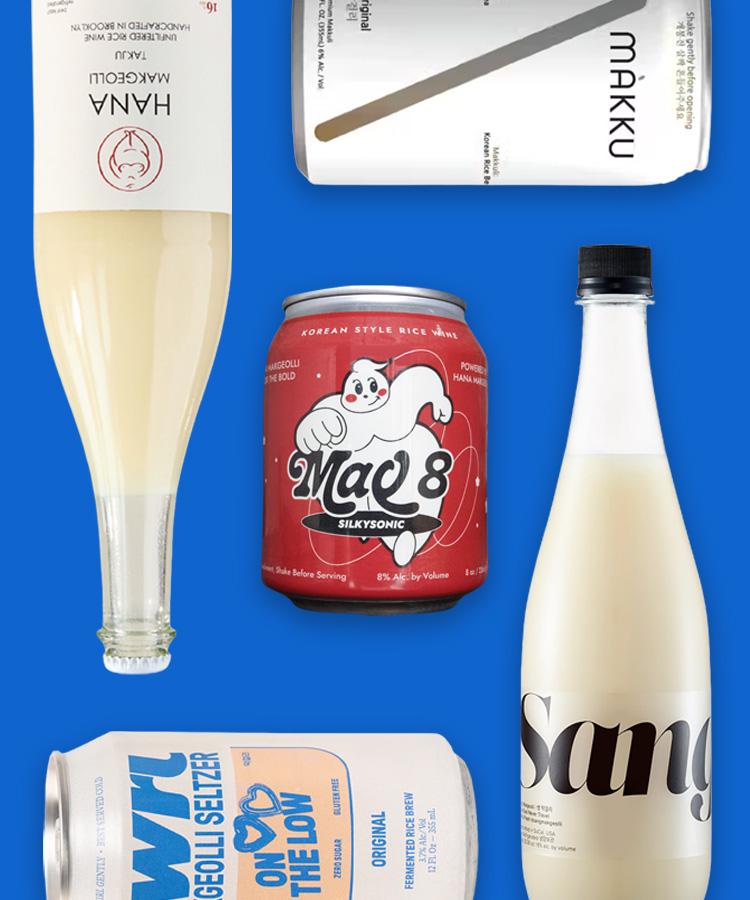
Korea’s refusal to assimilate into the global Western cultural machine is casting the glow of intrigue onto more categories, particularly food and drink. With taste profiles just ‘foreign’ enough to feel exciting, yet not too challenging, we don’t think it will be too long before Korean flavours are
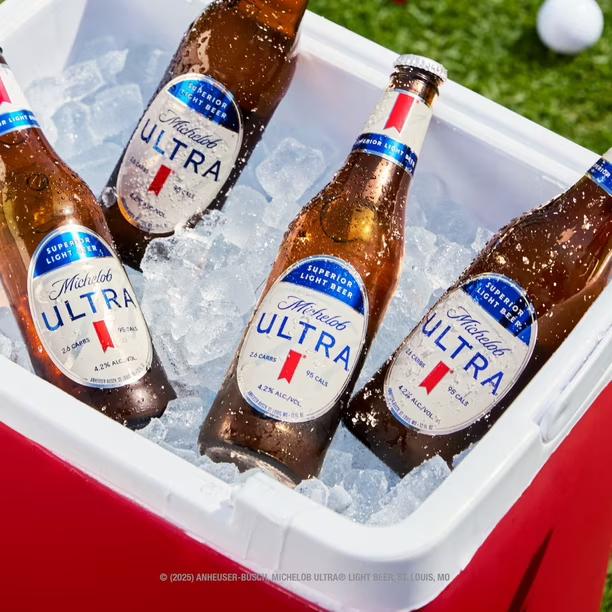
AB InBev have sold more drinks in Q1 2026 than they have since Q1 2023, fuelled by growth in major beer brands Corona, Michelob and Stella Artois. Volumes were predicted to fall instead rose 0.8%.
The brewer’s 2026 strategy has been to focus resources on a smaller selection of key brands. Clearly it is paying off in a market where beer has been hit by shifting drinking habits and rising cost of living.
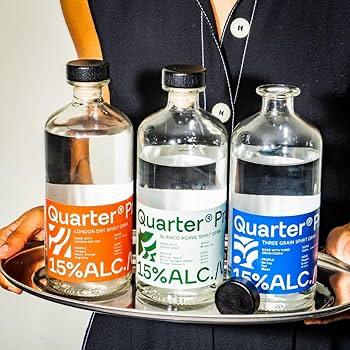
Mid-strength spirits brand Quarter Proof has secured its first supermarket listing with Sainsbury’s for it’s 15% ABV gin alternative spirit.
Founded in 2021, Quarter Proof also offers tequila and vodka alternatives.
The mid-ABV category is growing as consumers look for more ways to moderate their alcohol intake without missing out entirely. With supermarkets awarding valuable shelf space, this trend is likely to only grow.
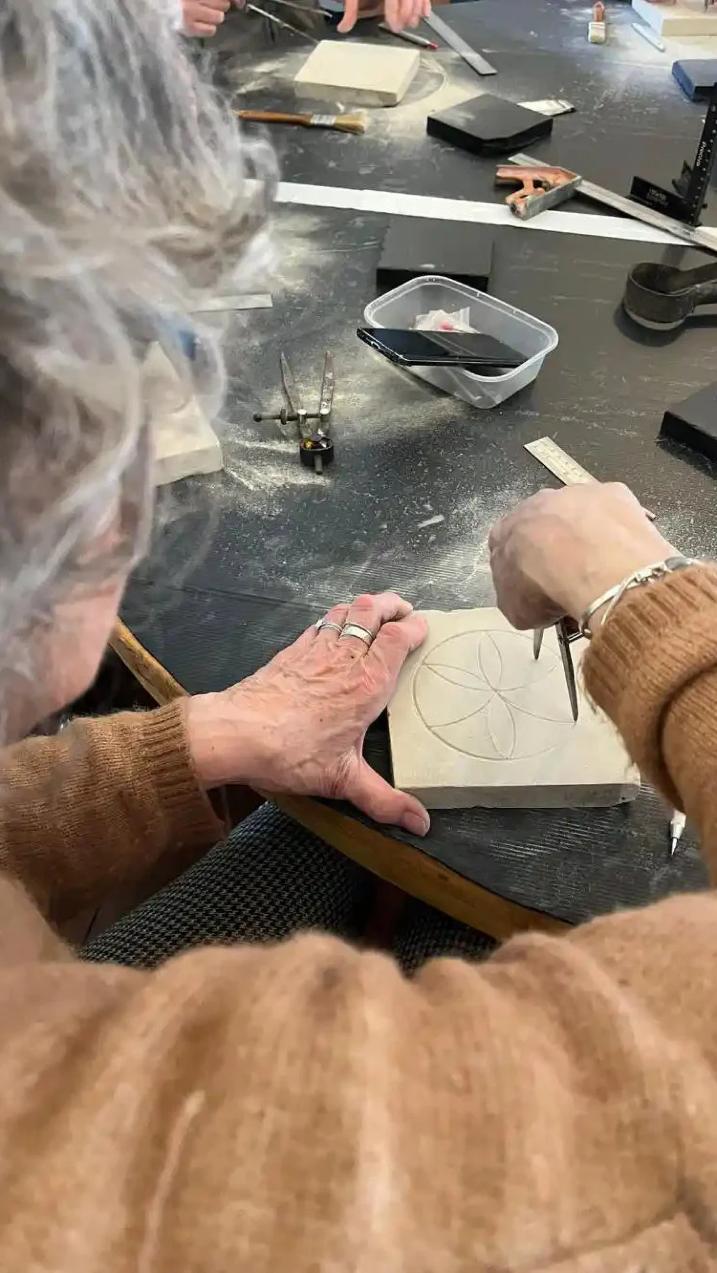
Wiltshire-based Witchmark Distillery has launched stone carving workshops as part of their on-site experiences. Inspired by the ‘witch marks’ that give the brand its name, guests are invited to explore the brand’s history while carving their own replica.
As interest in earth-based spirituality, and folklore grows and more consumers pick up craft-based hobbies, this sits perfectly between both worlds, while being very on brand.

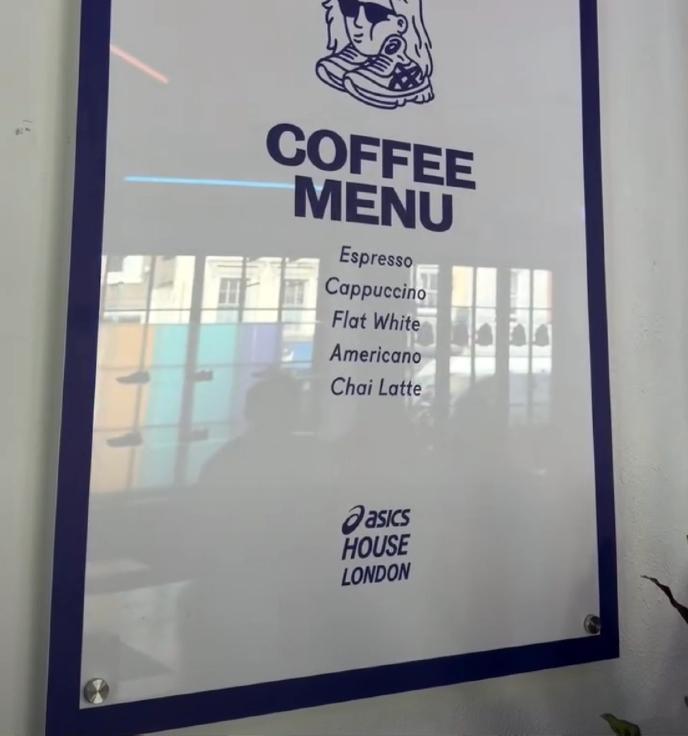
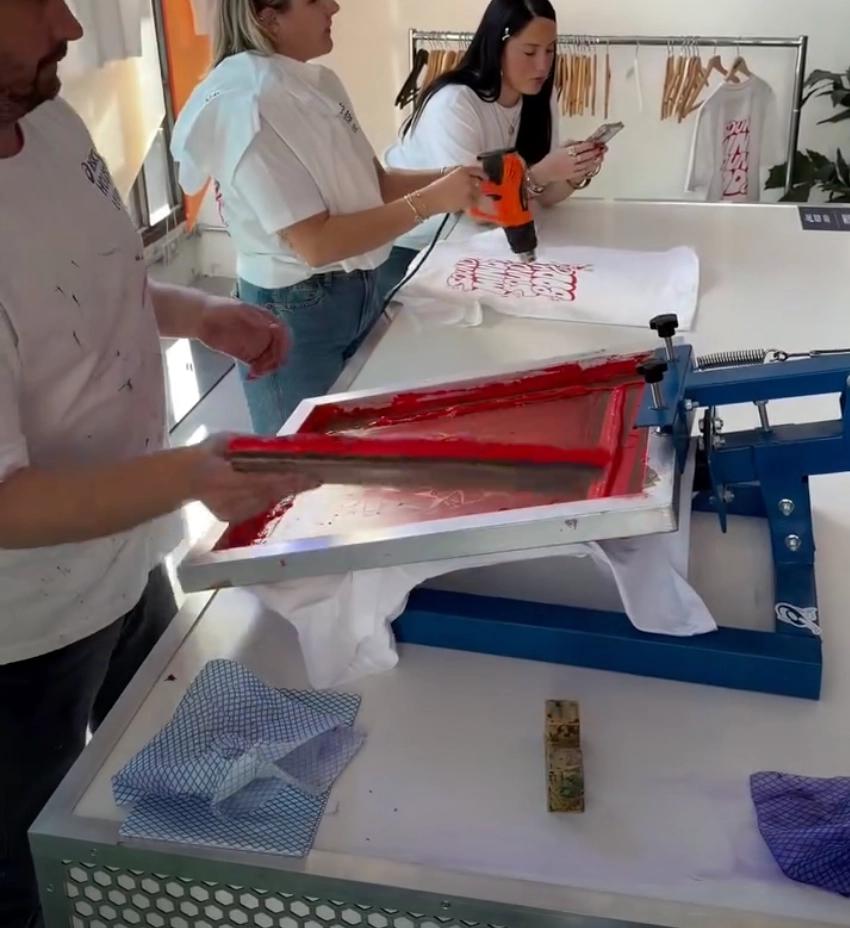
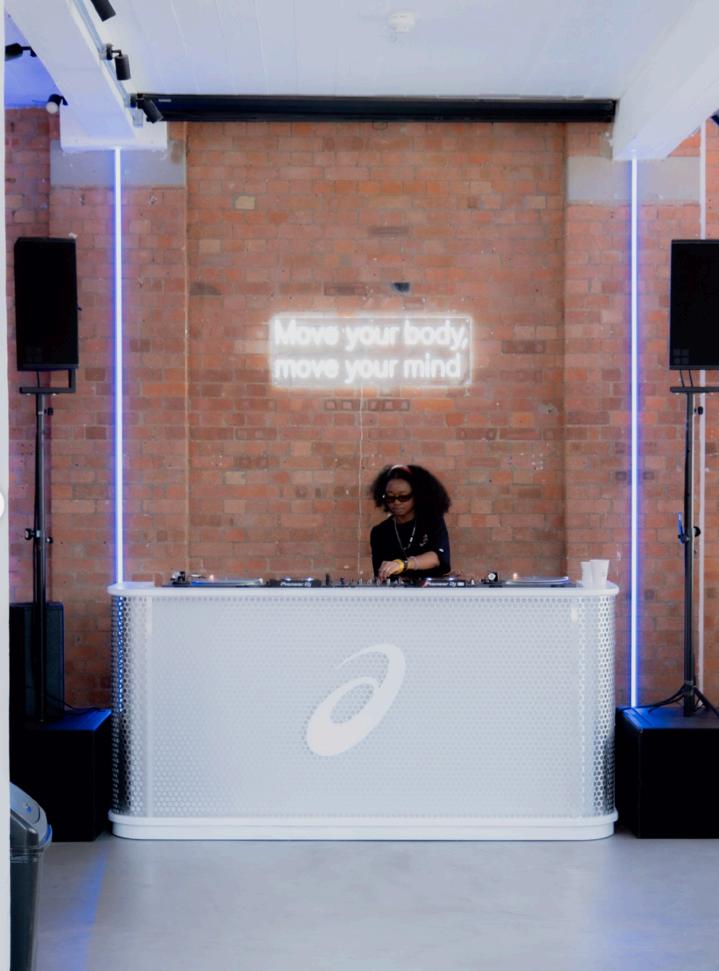
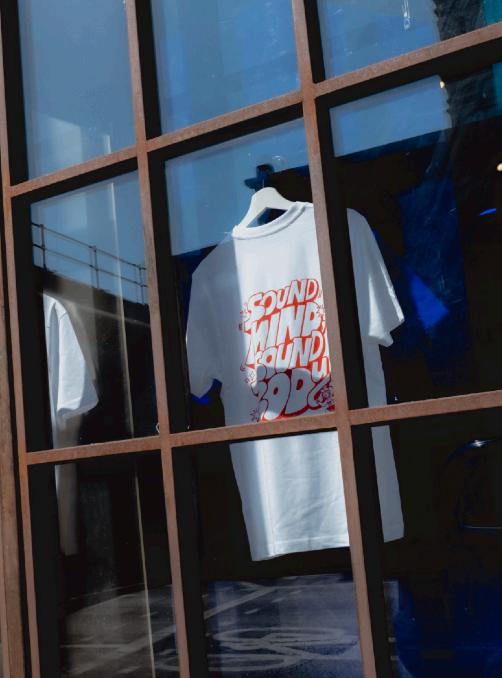
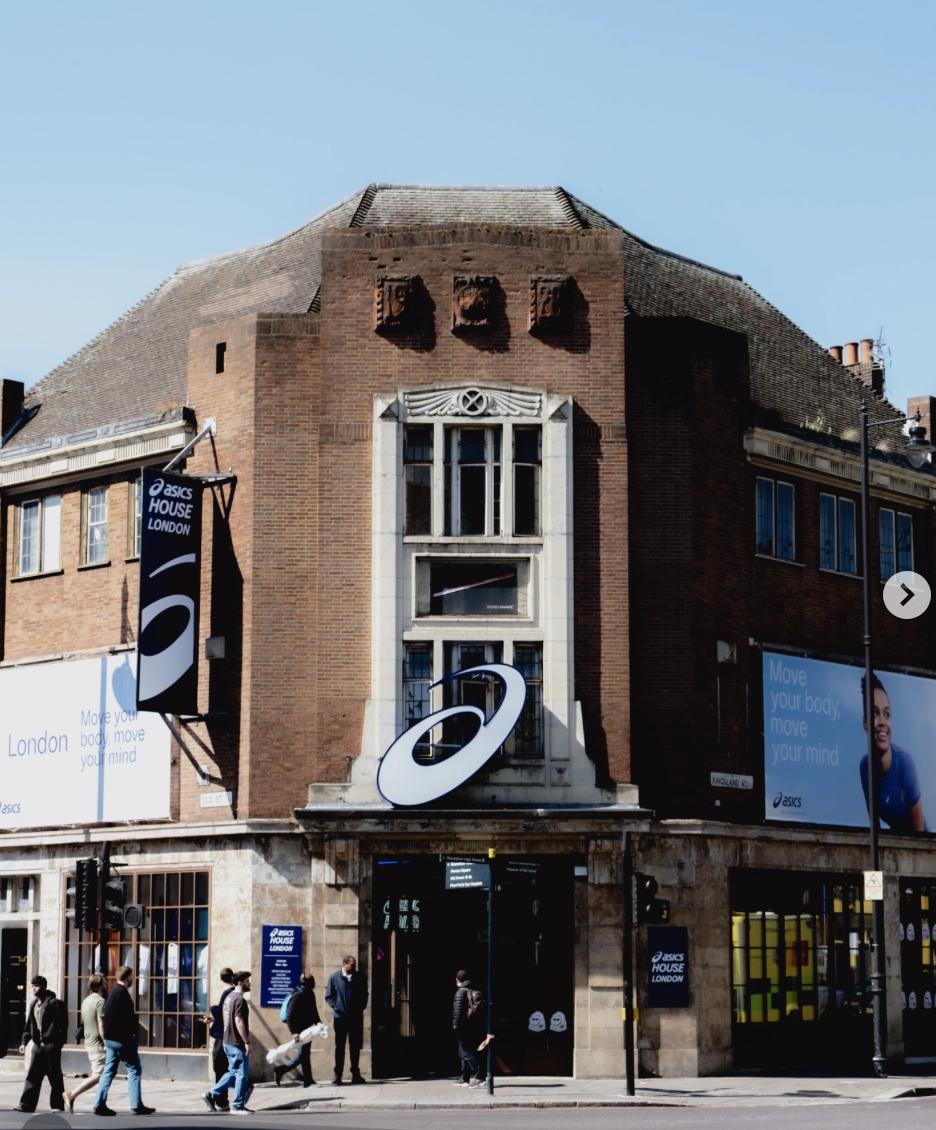
Sportswear brand Asics hosted a week-long pop-up for the London Marathon, round the corner from Missouri HQ.
Alongside a series of wellness workshops, DJ sets and run club outings, the space also featured a coffee bar collab with plantbased milk brand Minor Figures and (our favourite) t-shirt screen printing. With branded merch so often unexciting, the screen-printed shirts felt like a fresh take. Four creative designs were offered through the week, and we’ve already seen them worn in our studio.
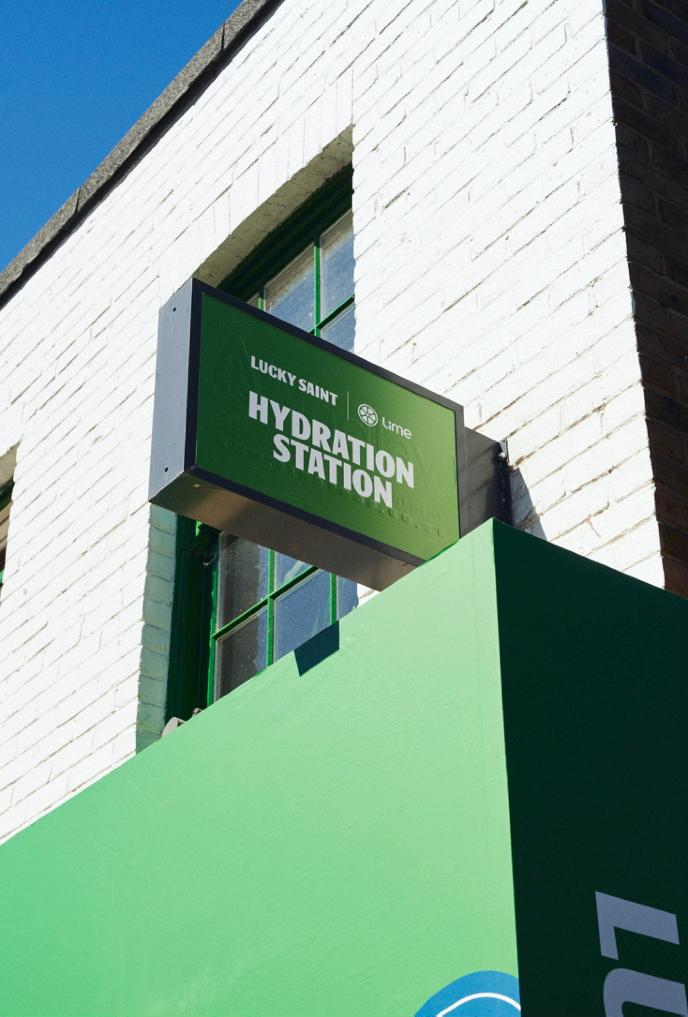
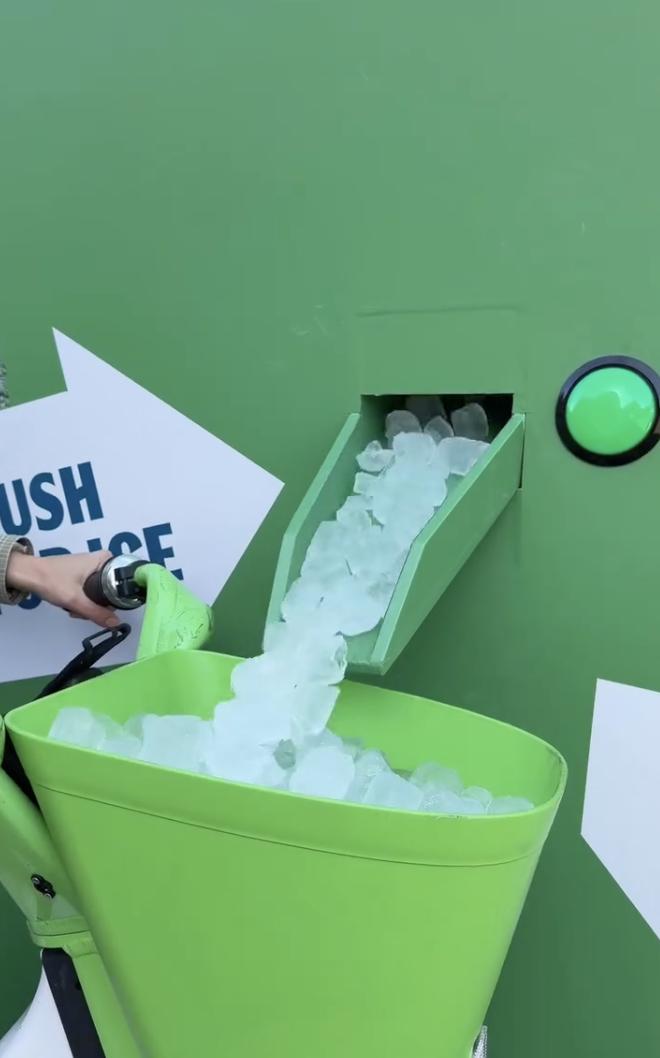
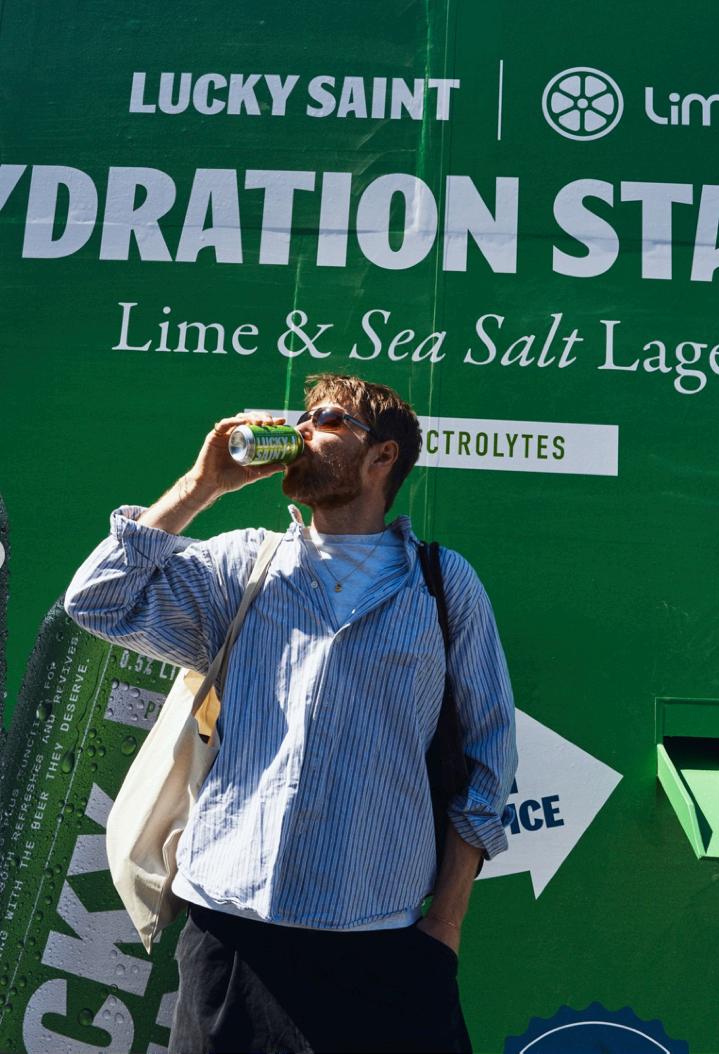
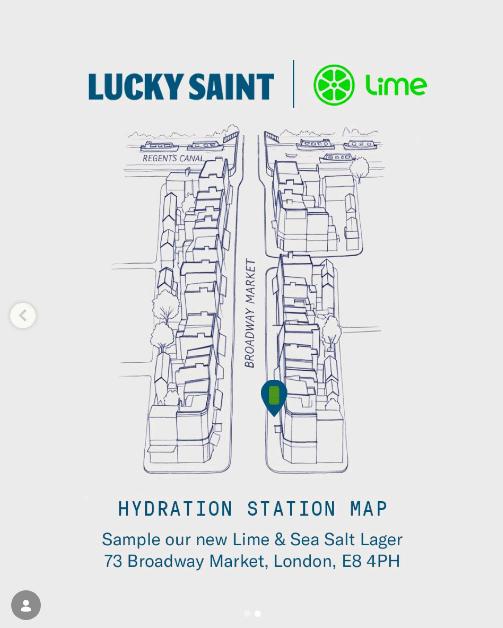
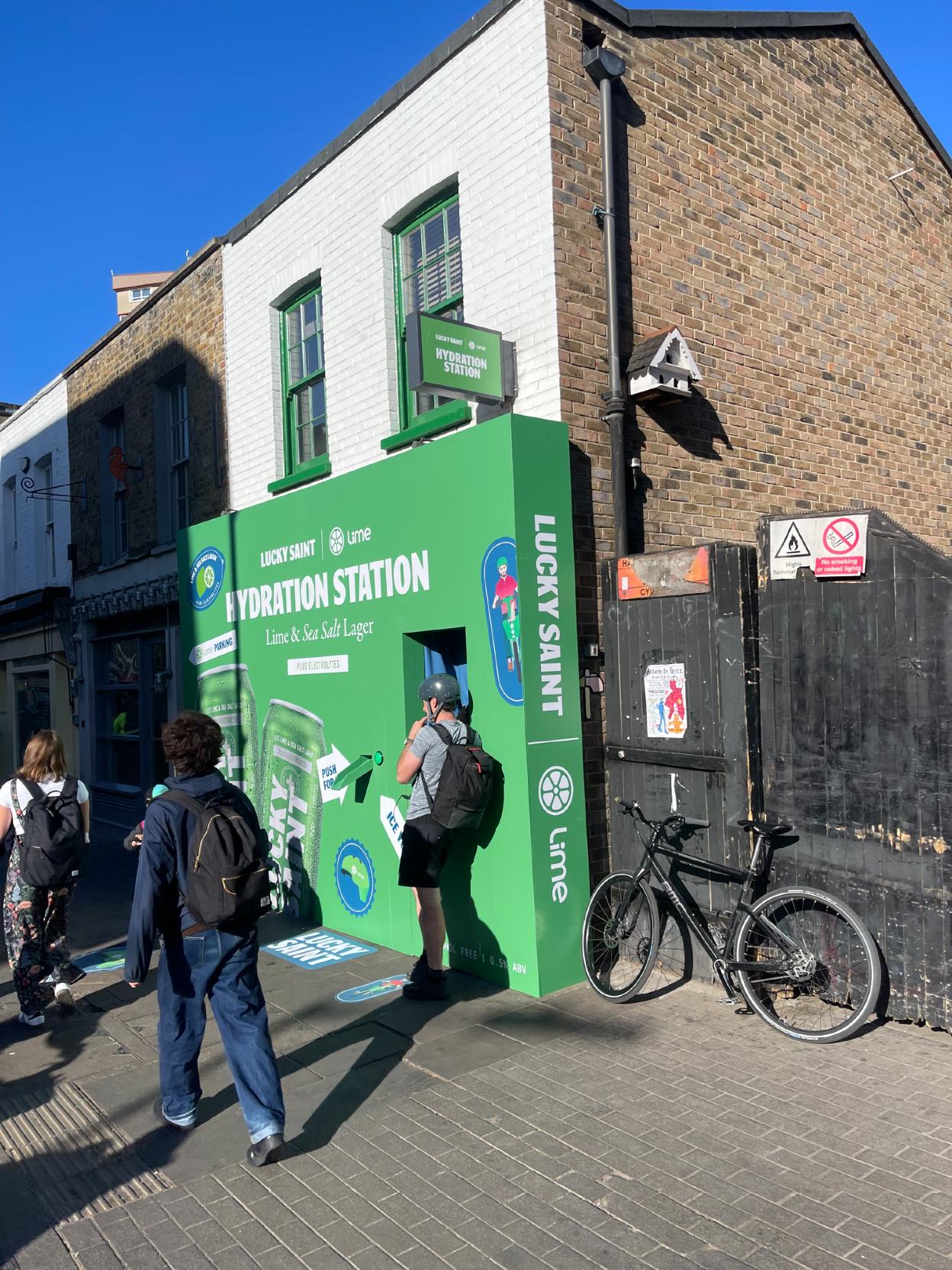
To launch their new Lime & Sea Salt flavour lager, alcohol-free beer brand Lucky Saint partnered with Lime Bikes.
They created a two-day ‘hydration station’ pop-up on Broadway Market in East London. Consumers could walk or cycle up to receive a free can of the new flavour.
With summer heat almost upon us, and with it a glut of fair-weather cyclists on Lime bikes, this was a great way to show consumers a way to cycle safely, even on ‘Thirsty Thursday.’
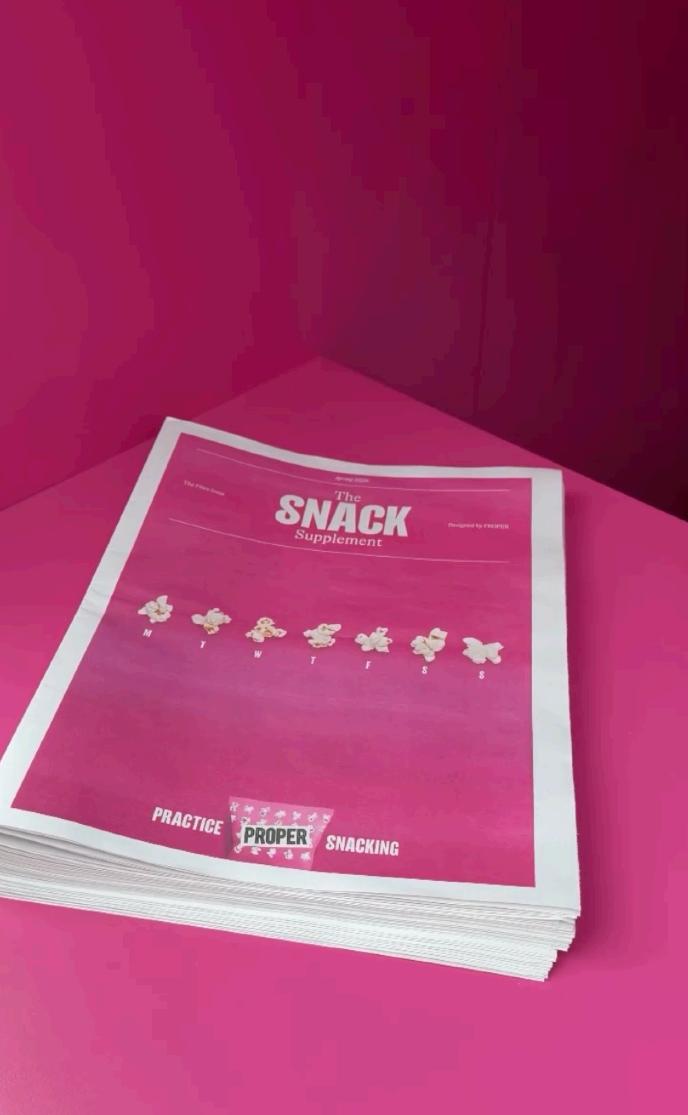
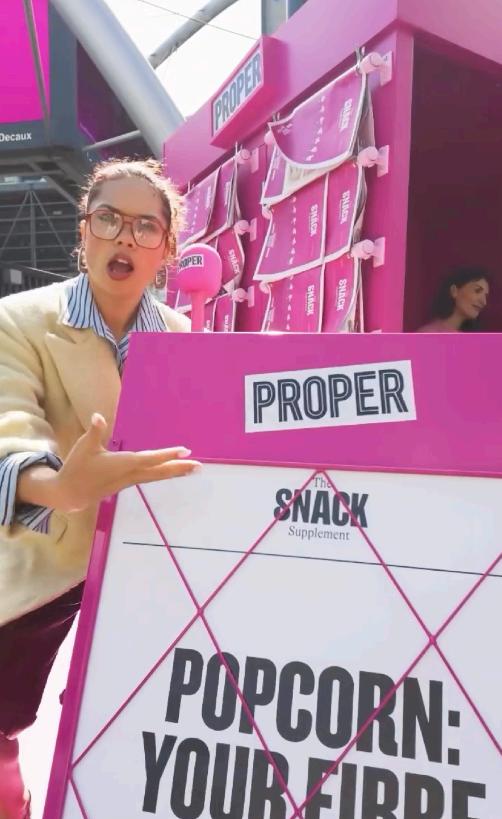
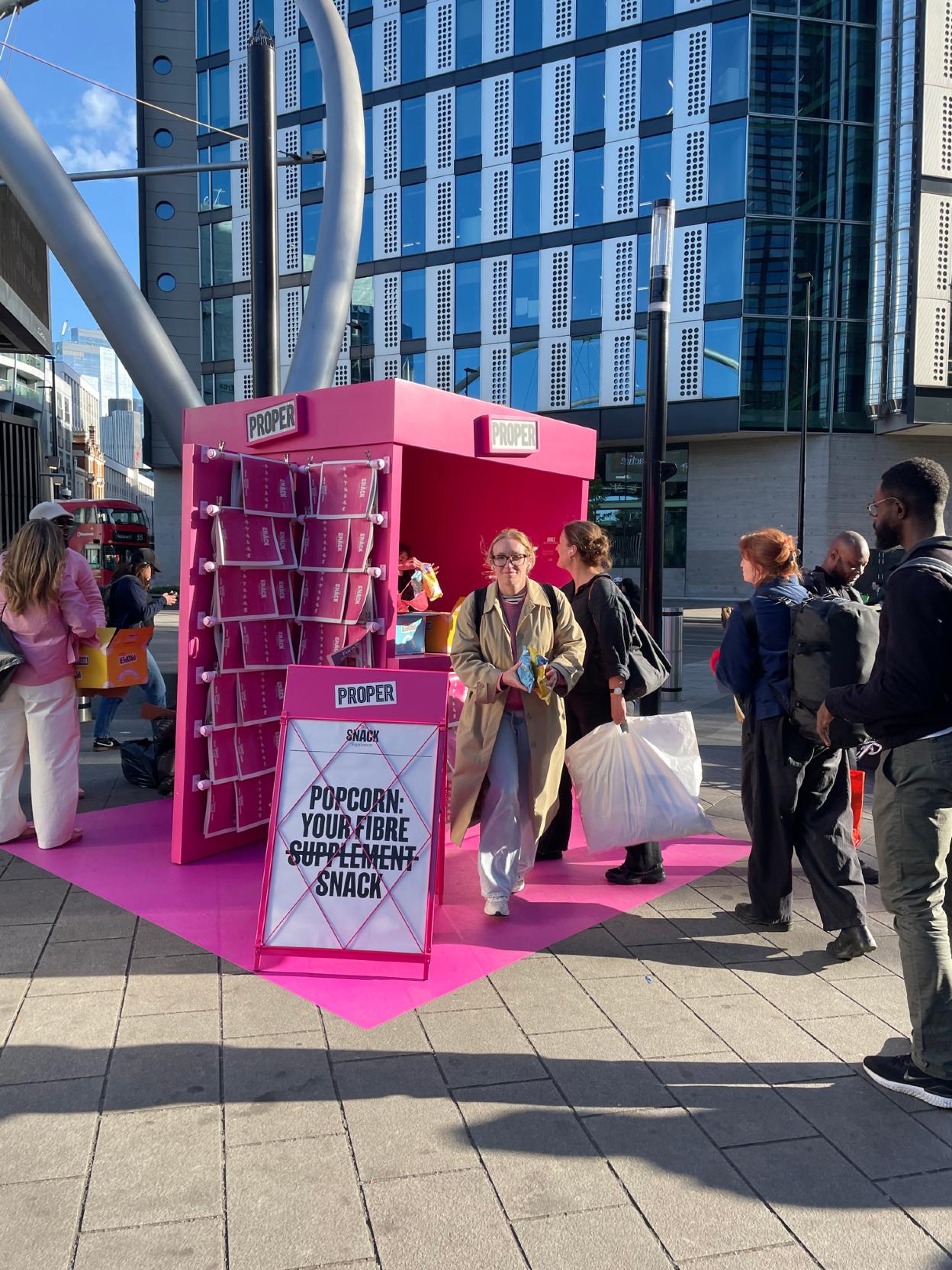
Proper Snacks’ new campaign is focused on the moment’s trending micronutrient: fibre. According to CEO Alex Brittain, “popcorn provides 10 times more fibre [by weight] than spinach.”
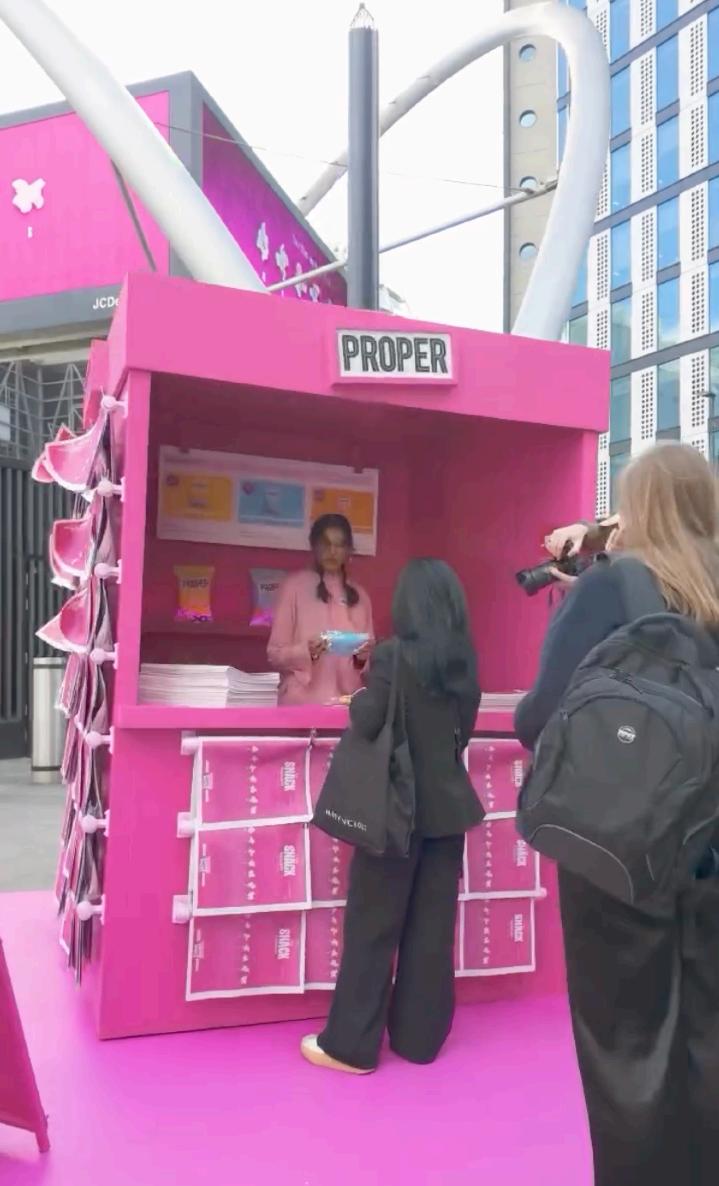
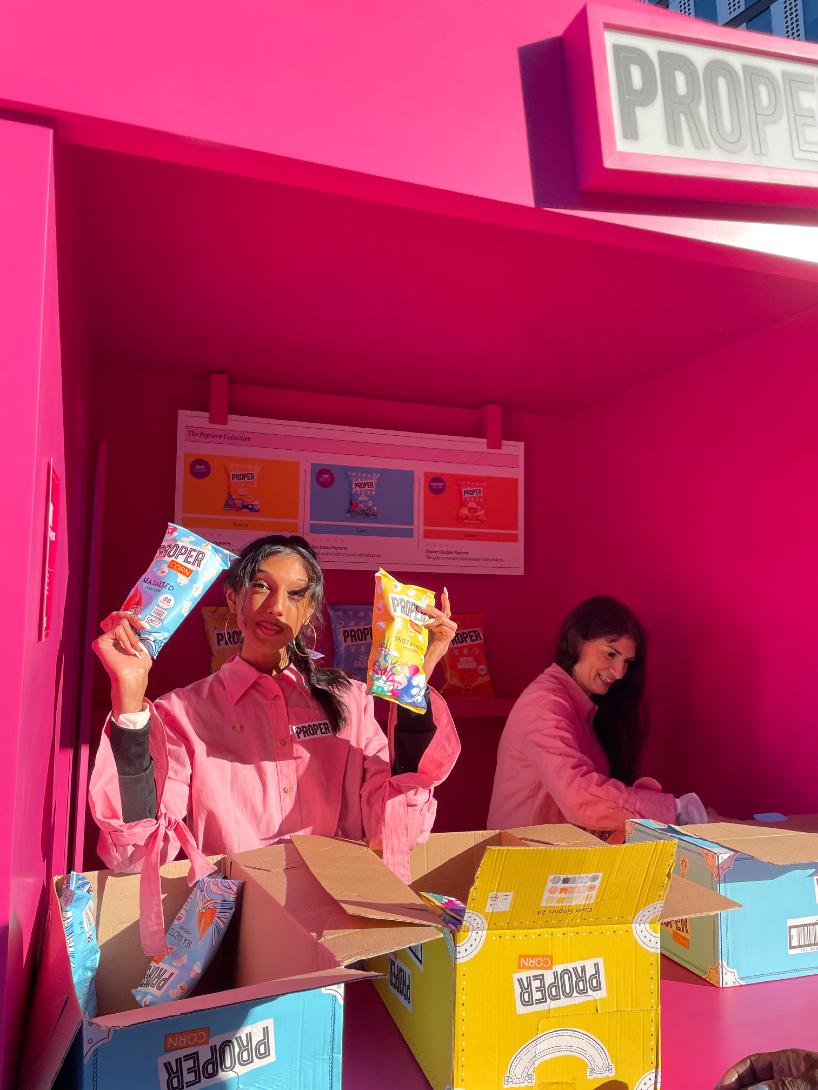
Thus, the recent newsagent pop-up at Old Street. Using the double-entendre of ‘supplement’ - both a nutrition additive and a newspaper insert - they positioned popcorn as ‘your fibre supplement snack.’
As consumers learn more about processed foods, being able to market as a clean source of nutrients is a powerful position in the current market. And a fun, hot pink, take on the trend is very on-brand.



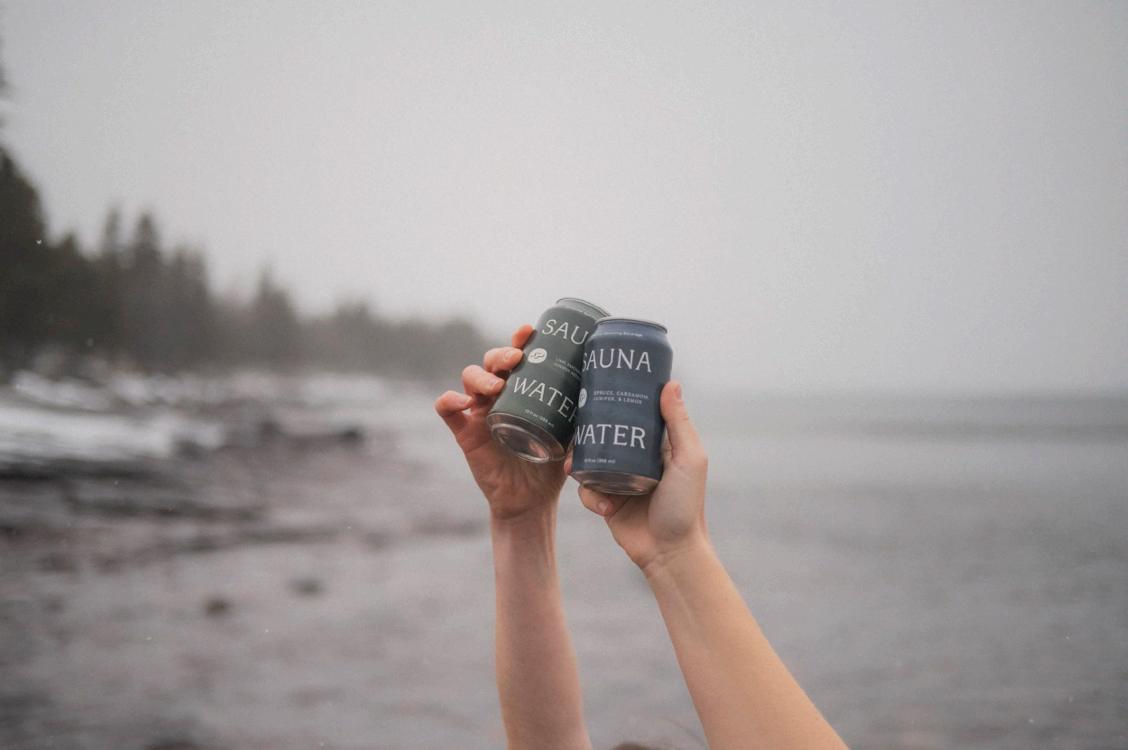
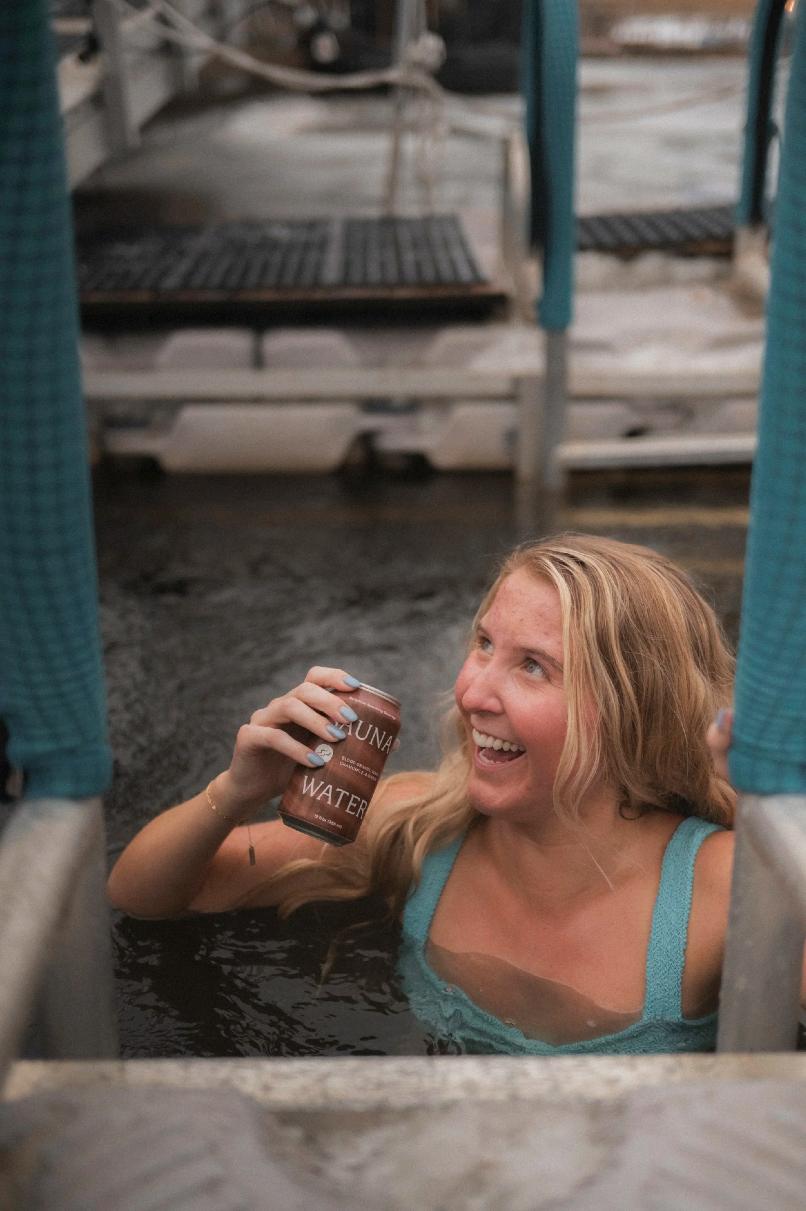
Founded in 2023 as a collaboration between Portage Brewing Company and Cedar & Stone, a sauna-making company, Sauna Water is a range of botanicallyflavoured sparkling water aimed at aiding recovery from the sauna and fostering connection. Packed with 75mg of mineral sea salt to provide rehydration support, these are functional beverages with a very specific target.
They say: “Sauna Water is a culmination of our creative curiosity, the thermic cycle, and our basic need to be nature. By designing products around various the sauna experiences and cultures, we can expand our circles hot, cold, and rehydration.”
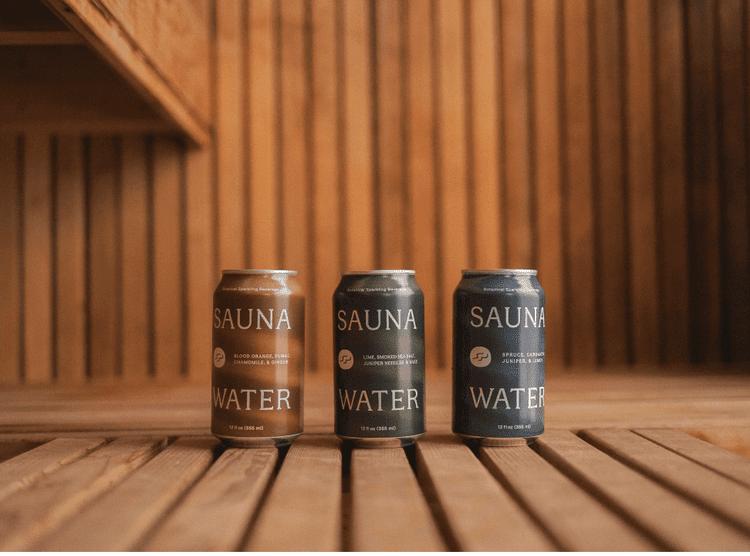
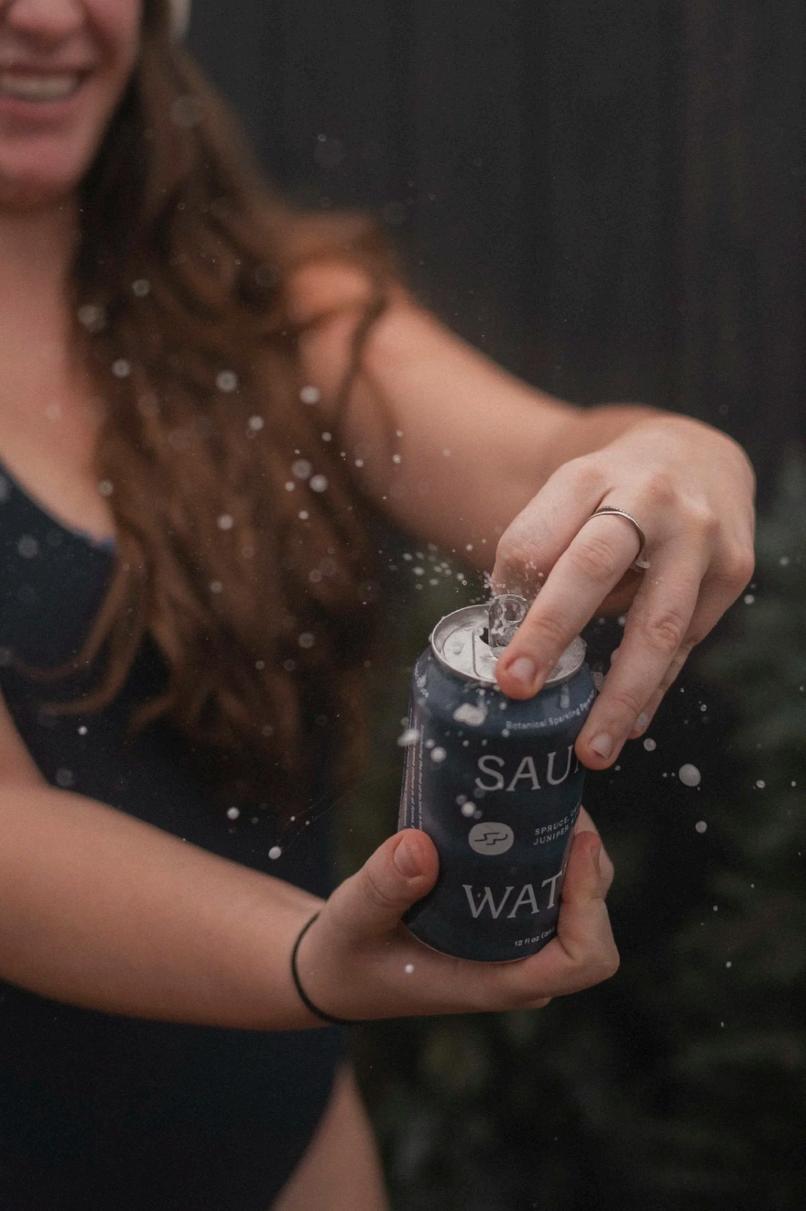
We like: We know functional beverages are big at the moment; we explored where they’re going in our Beyond Booze. Sauna Water, with their incredibly specific proposition, cuts through the generic ‘hydration beverage’ market and targets a smaller but frequently very engaged audience. Very smart.


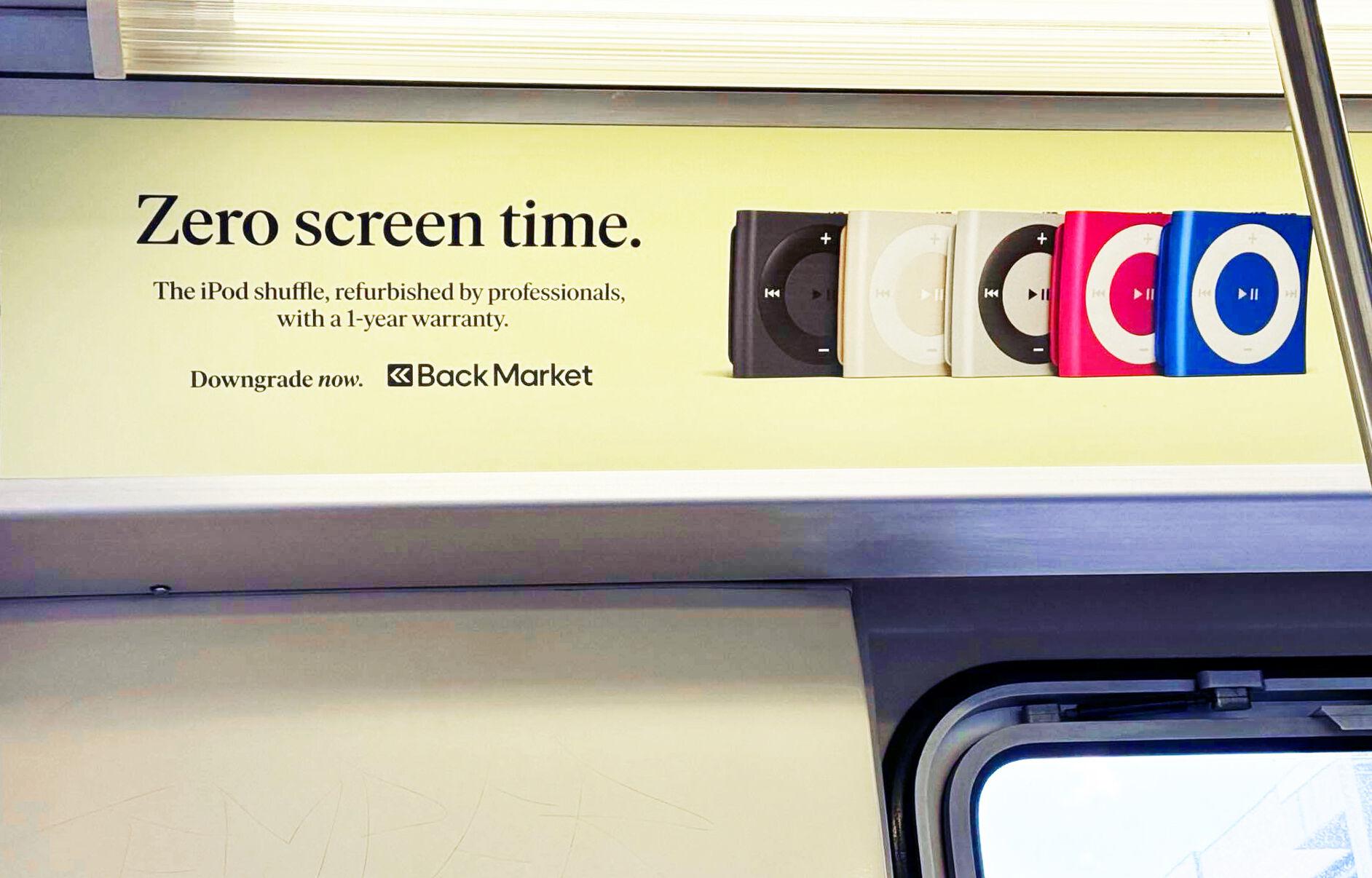
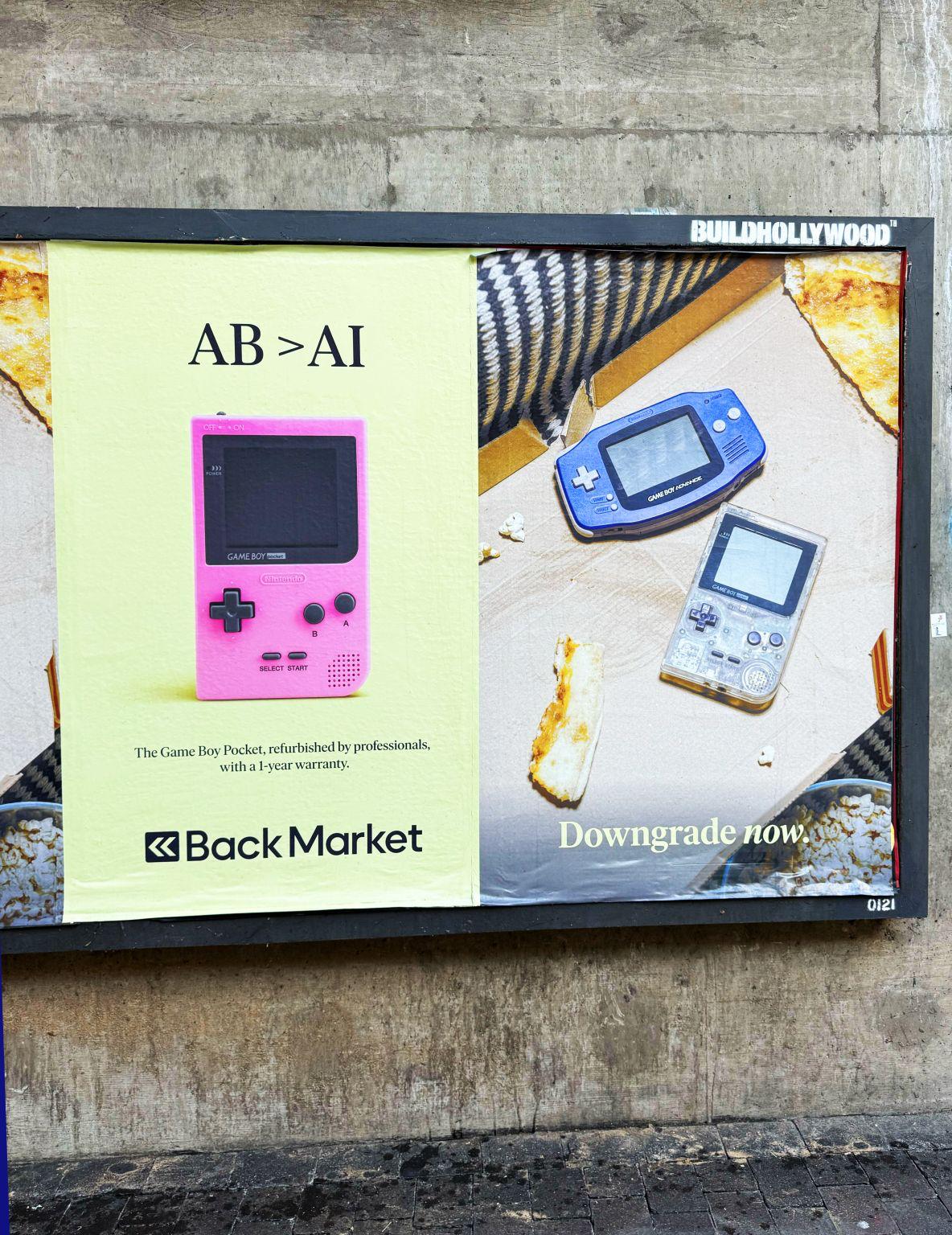
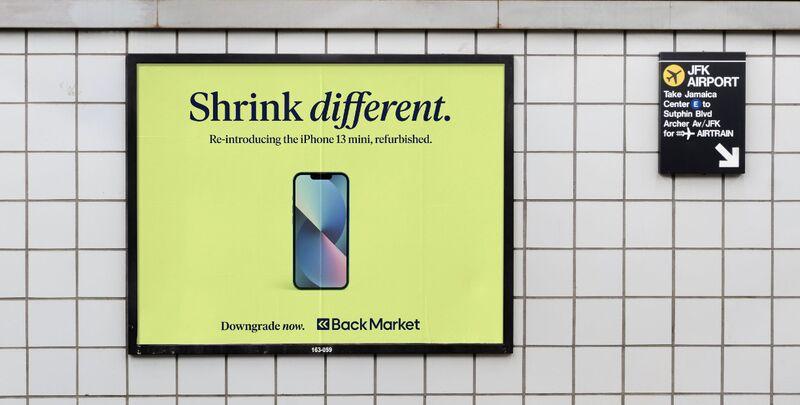
Back Market is taking its challenger positioning seriously in their new global campaign. As the leading marketplace for refurbished tech, they are frequently making the case for the ’N-1’ tech still being relevant, just at a cheaper price. But now they’re taking it further, showing the older tech has its own set of benefits.
Speaking on the campaign, CMO Joy Howard said “Once you understand how you interact with tech in the real world, you have the opportunity to ‘downgrade’ to a refurbished version that serves your daily needs for a fraction of the price of new and much less impact on the environment.”
We love: Few people get excited about new iPhone launches any more. More are lamenting the loss of features like physical keyboards and headphone jacks than waxing lyrical about the slightly faster chip. At the same time, people are looking to reduce their screen time. This campaign combines both these cultural truths into a fun campaign with witty copy backing up a genuinely insightful idea.
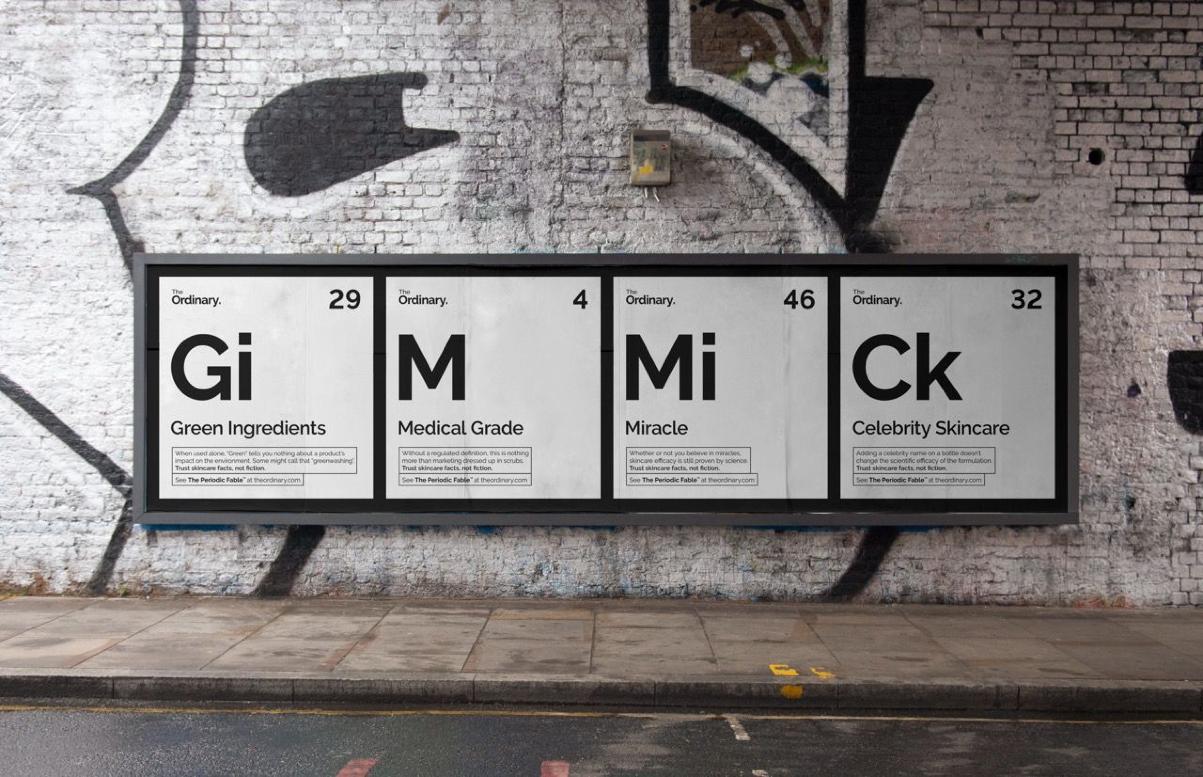
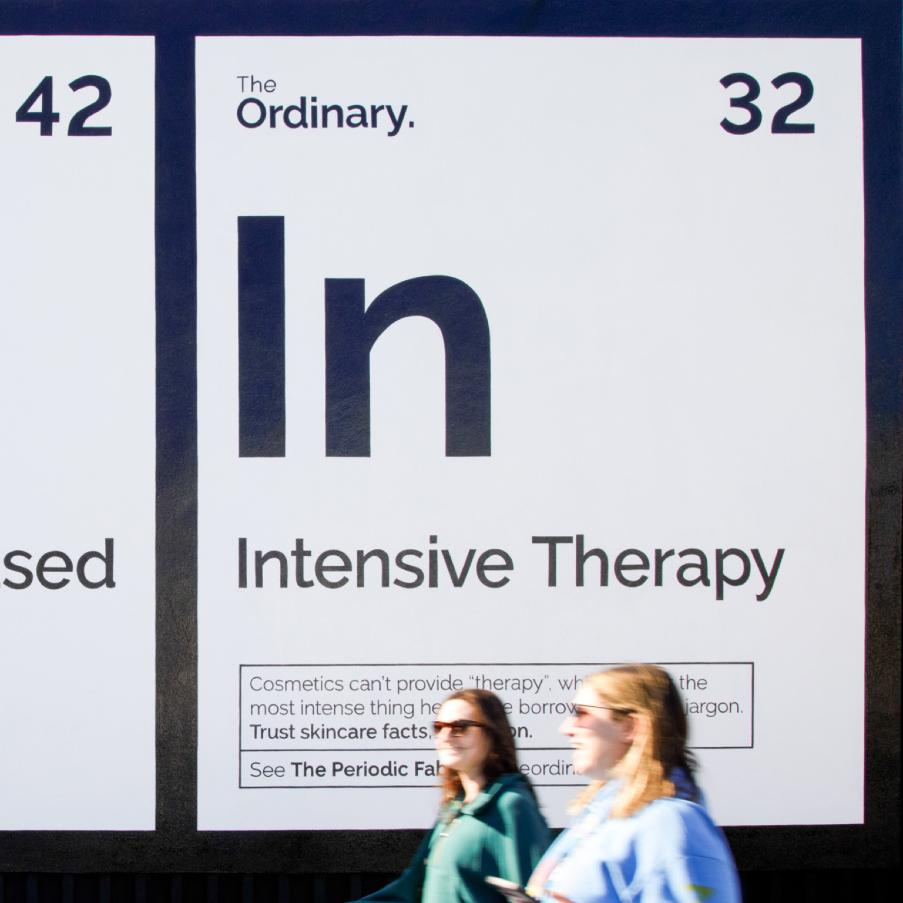
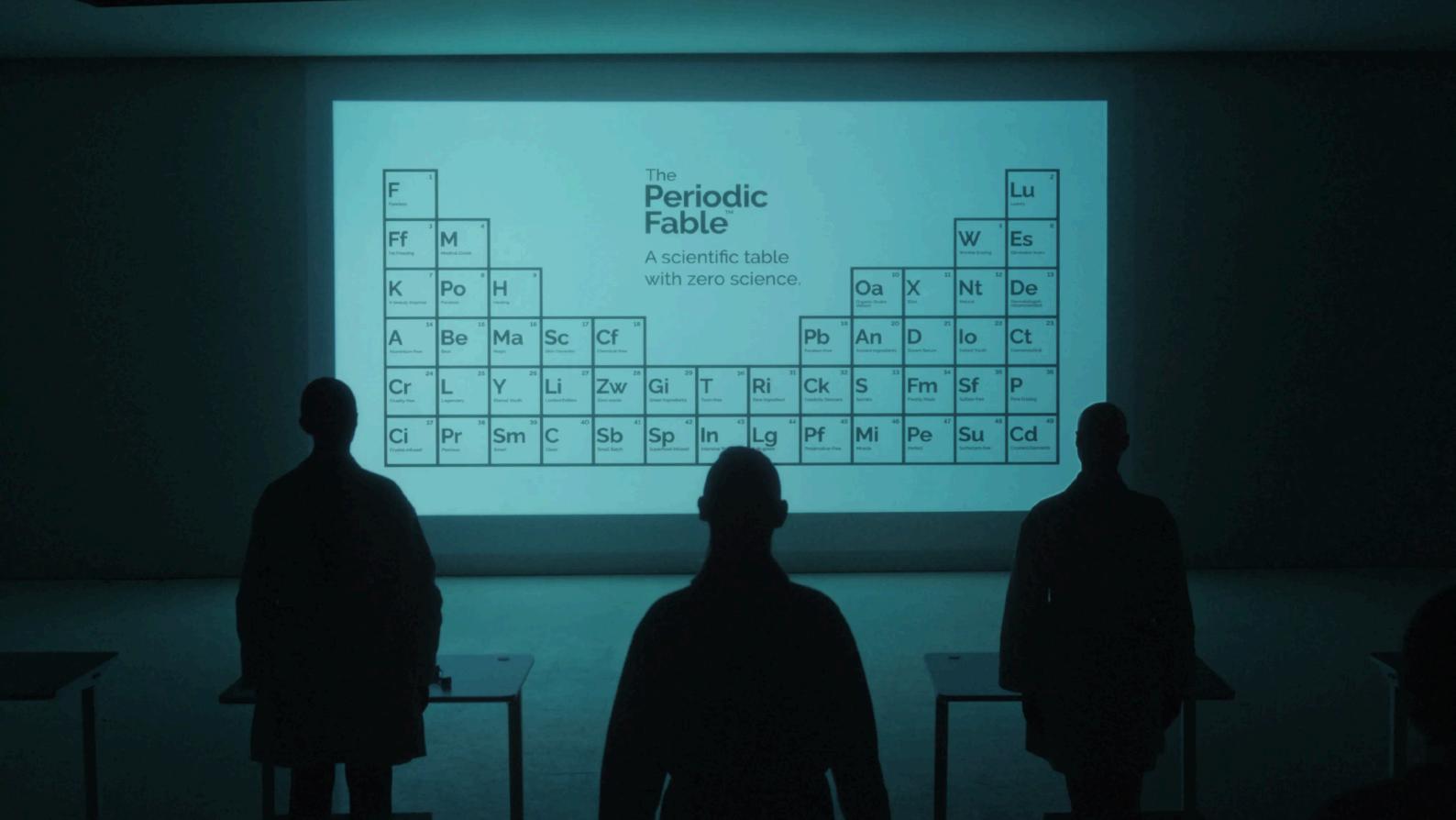
The beauty industry is full of dubious claims, misleading marketing, and ingredient lists longer than the receipt for the ‘big shop.’ The Ordinary has always been a counterpoint to these industry norms, and is bringing that to life in a creative new campaign: The Periodic Fable.
The core idea is a ‘scientific table with zero science’, swapping the elements for 49 beauty buzzwords. Each is explained and debunked, as the brand hopes “it will help create a better, more transparent industry, where everyone can tell fact from fiction, and science from story.” The campaign includes a dystopian film, and a series of OOH ads spelling words from the elements.
We love: The semiotics of the periodic table are instantly understood by most consumers, so this is a striking way to flip science on its head. The Periodic Fable positions The Ordinary in bold opposition to their competitors, not just in product but in philosophy.

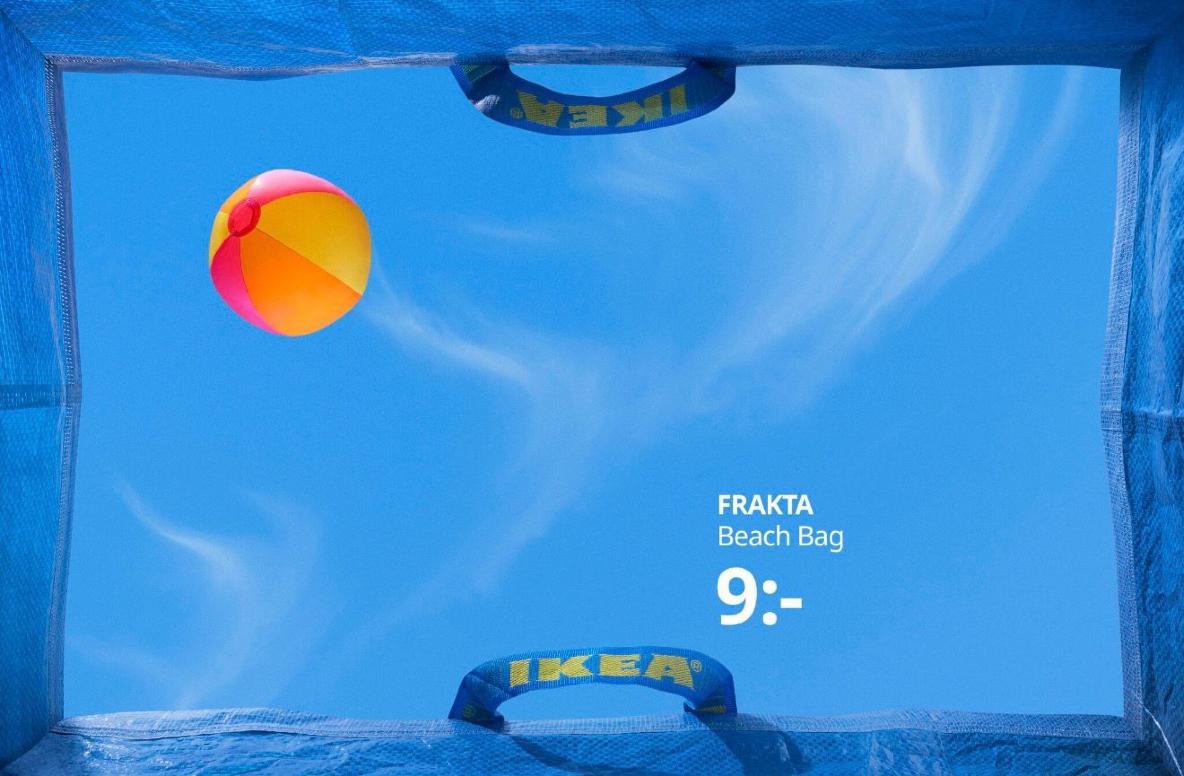
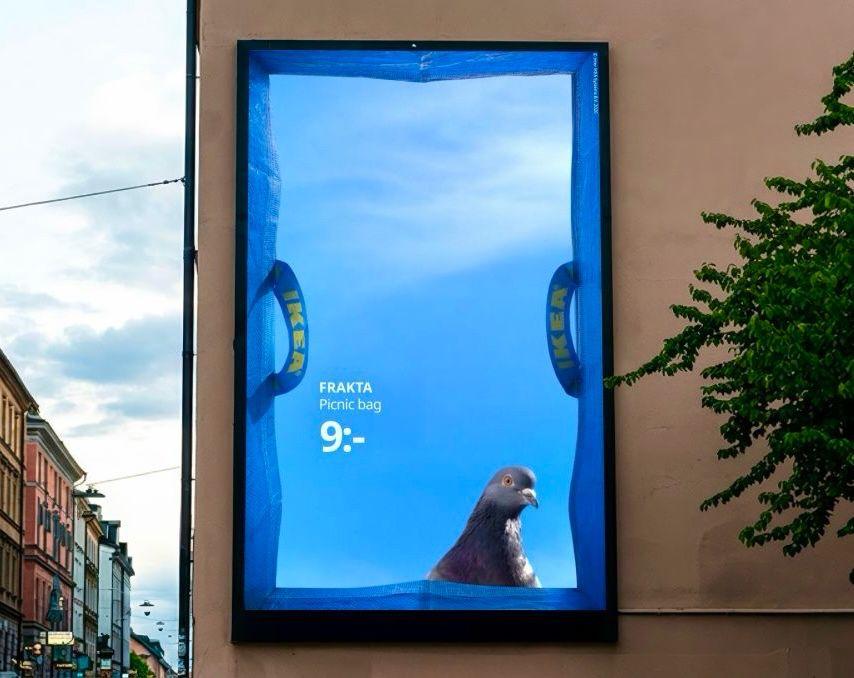
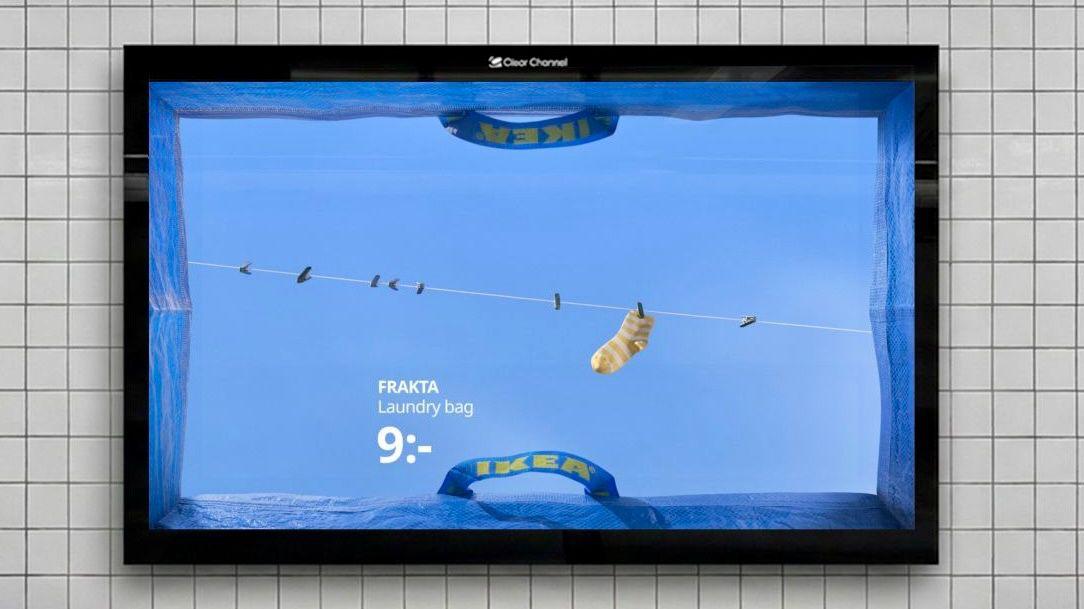
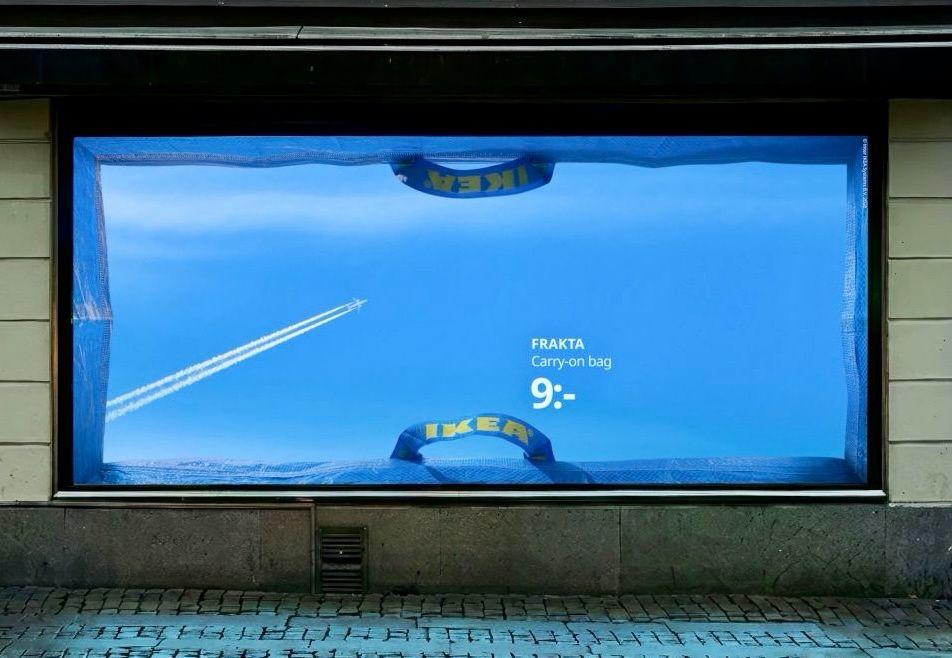
The Ikea blue bag has been a distinctive brand asset for years - how else are we supposed to carry home a shelf, a saucepan, and a stuffed shark? Instantly recognisable, the blue bag was even the centrepiece of Ikea’s Oxford Street store launch.
But now they’re taking it a step further, using the blue bag as a frame. The campaign shows scenes as if we are looking out of the bag, showing different uses for this most mundane oft objects, placing Ikea at the centre of them all.
We love: Everyone knows Ikea and everyone knows the blue bag. But maybe they’re only associating it with certain spaces and occasions. This campaign creates a creative system that can be flexed across many occasions, platforms, and markets.