Uncharted Territory:
Perceptions of Charter Schools in Mississippi Counties Without Charter Schools 2025-2026 School Year
ACKNOWLEDGEMENTS
Mississippi First worked with the Survey Research Laboratory (SRL) at Mississippi State University’s Social Science Research Center to obtain survey data for this report. Mississippi First completed all analysis and SRL does not necessarily agree or disagree with any of the analysis or commentary. The views expressed in this report are those of Mississippi First alone.
ABOUT
Driven to change the fact that Mississippi has historically been last, our founders set a bold vision: a Mississippi first in education nationally. Mississippi First champions transformative policy solutions ensuring educational excellence for every Mississippi child. We are a leading voice for state-funded pre-K, high-quality public charter schools, access to highly effective teachers, and rigorous state learning standards and materials.
TEAM
Grace Breazeale, Author Director of Research and K-12 Policy
Angela Bass, Editor Executive Director
Steve Mancini, Editor Consultant
Jon Cetel, Editor Consultant
Heather Bruce, Designer
Copyright and updates © 2026, by Mississippi First. All rights reserved. No part of this book may be reproduced in any form without written permission from the publisher.
Executive Summary
Public charter schools remain a limited and geographically concentrated part of Mississippi’s public education system. At the same time, new survey data indicate that public attitudes toward charter schools in communities without charter access are shaped less by opposition and more by information gaps and desire for more quality school options.
To better understand these attitudes, Mississippi First commissioned a county-level survey of adults living in Mississippi communities that have C, D, or F-rated school districts but do not have operating charter schools. The survey was conducted by the Survey Research Laboratory at Mississippi State University and focused on perceptions of school quality, priorities in school choice, familiarity with charter schools, and interest in charter schools if available locally.
Key Findings
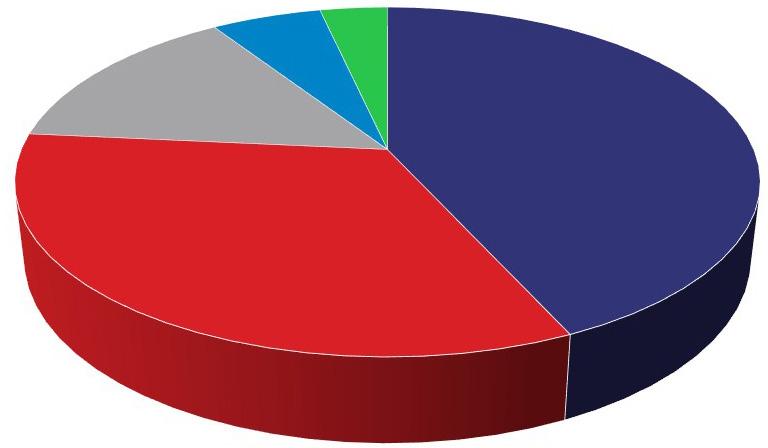
Parents prioritize academic quality and safety above all other factors when choosing a school. Academic quality (43.2%) and safety (33.3%) rank well above alignment with family values, location, or extracurricular activities.
A majority of respondents perceive gaps in access to high-quality schools in their communities. More than half (56.6%) believe that only some or no children in their community have access to high-quality schools.
Support for multiple public school options is broad and strong. Nearly all respondents agree that parents should have a choice in where their child goes to school (91.8%) and that having more than one type of public school option is a good thing (94.5%).
Familiarity with charter schools is low, and misinformation is common. More than half of respondents (54.4%) report being not at all familiar with charter schools, and many incorrectly believe that charter schools are private or charge tuition.
Respondents who are familiar with charter schools tend to support them. Among survey respondents who reported familiarity with charter schools, a majority of respondents (56.9%) say they support or completely support having charter schools in their community.
Implications for Policymakers
The survey findings suggest several implications for public education policy in Mississippi.
Demand exists for charter schools beyond current eligibility boundaries. Even in communities without charter schools, a majority of respondents perceive gaps in access to high-quality schools and strongly support having multiple public school options. This demonstrates that current charter eligibility rules do not fully reflect where families see unmet need.
Openness to public charter schools may be constrained by low awareness, not opposition. More than half of respondents are unfamiliar with charter schools, and misinformation about tuition and public status is widespread. For those who do know charter schools, a majority support them. Policymakers and advocates should view this as an opportunity for education and engagement, rather than evidence of resistance.
Expanding access to public school choice should be paired with strong accountability. Parents in counties without charter schools overwhelmingly prioritize academic outcomes and student safety when choosing schools. Expansion of school choice should maintain strong accountability, including participation in state exams, to ensure access to meaningful data for parents to make informed choices.

Background: Charter Schools in Mississippi
Public charter schools in Mississippi are tuition-free public schools authorized by the state and held to public accountability standards. Under current law, charter schools may open by right only in school districts that receive a D or F rating under the state accountability model. In districts with higher accountability ratings, charter applicants must receive approval from the local school board, which has never occurred in Mississippi.
As of the 2025–26 school year, Mississippi has 10 operating charter schools serving approximately 3,000 students in grades K–9, with two additional schools preparing to open. These schools operate, or are slated to operate, in Adams, Bolivar, Coahoma, Hinds, Humphreys, Leflore, and Madison counties.
As a result of the statutory constraints, charter schools remain concentrated in a small number of counties. Most Mississippi communities—including many with persistent concerns about school quality—have no access to charter schools as a public education option, regardless of local interest or perceived need.
Survey Overview and Methodology
To better understand public attitudes toward charter schools in communities without charter access, Mississippi First commissioned a survey of adults living in select Mississippi counties.
The survey was conducted by the Survey Research Laboratory, part of the Social Science Research Center at Mississippi State University, using standard survey research protocols, including weighting and quality-control procedures to ensure reliable and representative results.
Telephone interviews with adults aged 18 or older were conducted in October and November 2025 across 30 Mississippi counties: Carroll, Claiborne, Clarke, Clay, Copiah, Holmes, Jefferson, Jefferson Davis, Jones, Kemper, Lauderdale, Lawrence, Leake, Lowndes, Monroe, Montgomery, Neshoba, Noxubee, Panola, Pike, Quitman, Scott, Sharkey, Simpson, Sunflower, Tallahatchie, Walthall, Washington, Wilkinson, and Yazoo.
These counties were selected because they include at least one C-rated school district and/or D- or F-rated school district without an operating charter school, making them especially relevant for assessing perceptions of school quality and potential interest in charter schools in communities where charters are currently absent. The survey sample is representative of the adult population in the counties surveyed, with results weighted to reflect county-level demographic characteristics.
Respondents were asked about:
Perceptions of school quality in their community;
Priorities when choosing a school;
Familiarity with charter schools;
Interest, among parents, in enrolling a child in a high-quality charter school if one were available locally.
This survey builds on, and should be read alongside, the Mississippi Charter School Authorizer Board’s 2025 statewide Public Perceptions Survey, conducted by Gibson Consulting Group. That survey found broadly positive attitudes toward charter schools across Mississippi, strong support for expanding charter access beyond D- and F-rated districts, high satisfaction among charter parents, and significant gaps in public understanding about what charter schools are.
While the MCSAB survey provides a statewide view that includes charter parents, non-charter parents, and community members, the Mississippi First survey is distinct in its focus on county-level perspectives in communities without charter schools, where access is currently limited or nonexistent. Together, the two surveys offer a more comprehensive picture of public opinion, showing both strong support for public school choice statewide and untapped openness to charter schools in communities where familiarity remains low.
We encourage stakeholders to review both studies to better understand how information, access, and local context shape attitudes toward charter schools in Mississippi.

Findings
FINDING
1
Parents Prioritize Academic Quality and Safety When Choosing Schools
When asked to identify the single most important factor in choosing a school, parents consistently prioritized academic outcomes and student safety over other considerations.
Most important factor when choosing a school:
A Majority of Respondents Perceive Gaps in Access to High-Quality Schools
Many adults in the surveyed counties believe that access to high-quality schools is limited in their communities.
Perceptions of access to high-quality schools:
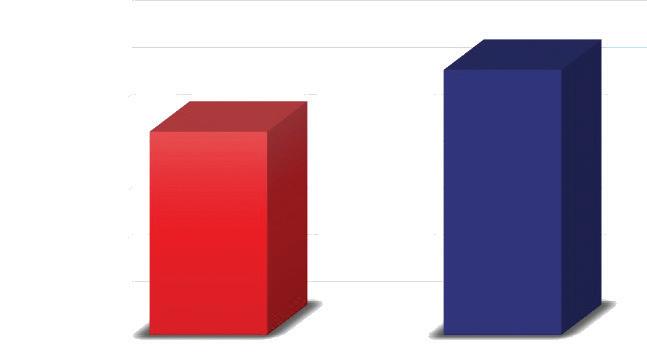
or most children have access to high-quality schools Only some or no children have access to high-quality schools
These perceptions are prevalent even in communities that are not currently eligible for charter schools under state law, suggesting that concerns about school quality extend beyond the small number of places where charter schools currently operate.
There Is Broad Support for Multiple Public School Options
Survey respondents express overwhelming support for choice within the K-12 education system.
Percent of respondents who agree:
Parents should have a choice in where their child goes to school
Having more than one type of public school option is a good thing
These findings reflect strong support for flexibility and innovation within the public education system.
Familiarity with Charter Schools Is Low and Misinformation Is Common
Charter schools have operated in Mississippi since 2015. They are free, public, and open to all. Despite support for public school choice, familiarity with charter schools remains limited, and misconceptions are widespread.
Familiarity and beliefs about charter schools:
Not at all familiar with charter schools
elieve charter schools are private schools
Among parents who say they would be unlikely to enroll their child in a charter school, the most common reason is uncertainty rather than opposition.
Reasons parents may not choose to send child to charter school:
“I don’t know enough about charter schools” 55.2%
These results suggest that many respondents lack basic information about what charter schools are and how they operate.
Respondents Who Are Familiar With Charter
Schools Tend To Support Them
Among survey respondents who reported familiarity with charter schools, a majority supported public charter schools in their community.
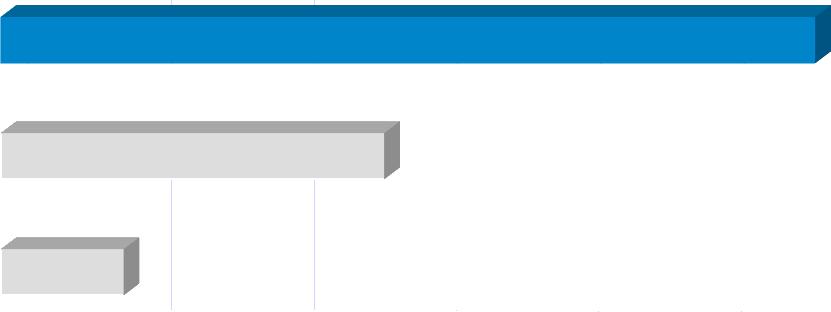
This support is observed even in counties without existing charter schools, indicating that openness to charter schools is present but not fully formed. The findings suggest that low awareness, rather than ideological opposition, may be the primary factor shaping public attitudes in these communities.