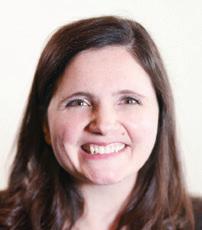
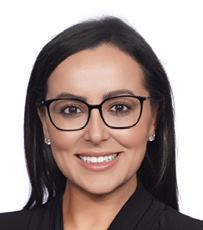
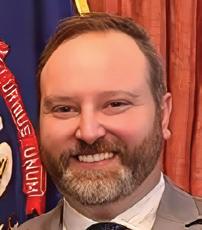
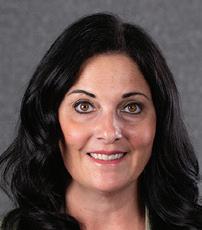
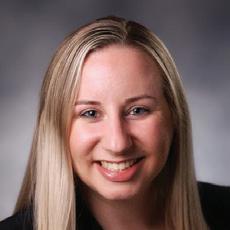
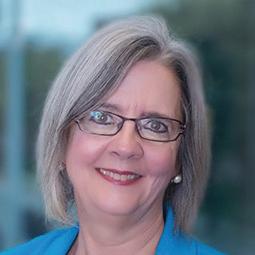
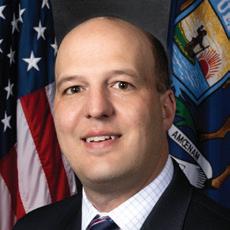
President Kelly on how to grow the pharmacy profession. (p. 3)
FROM THE FOUNDATION
Ways to get involved and foster the future of pharmacy. (p. 11)
MSCP FOCUS
AI is a tool that can enhance a pharmacist's abilities. (p. 24)
PROFESSIONAL AFFAIRS
16
4 CEO Corner
MPA is committed to fostering lifelong learning.
8 CE Calendar
Upcoming CE opportunities from MPA.
6 Events Calendar
Upcoming MPA and national events.
27 Regional Page
A look at what local associations have been up to recently.
CEO: Mark Glasper; EDITOR: Ryan Weiss
18
7 Student Focus
The FDA approves a first-of-its-kind treatment for pancreatic cancer.
GROWING THE NEXT GENERATION OF MICHIGAN PHARMACISTS
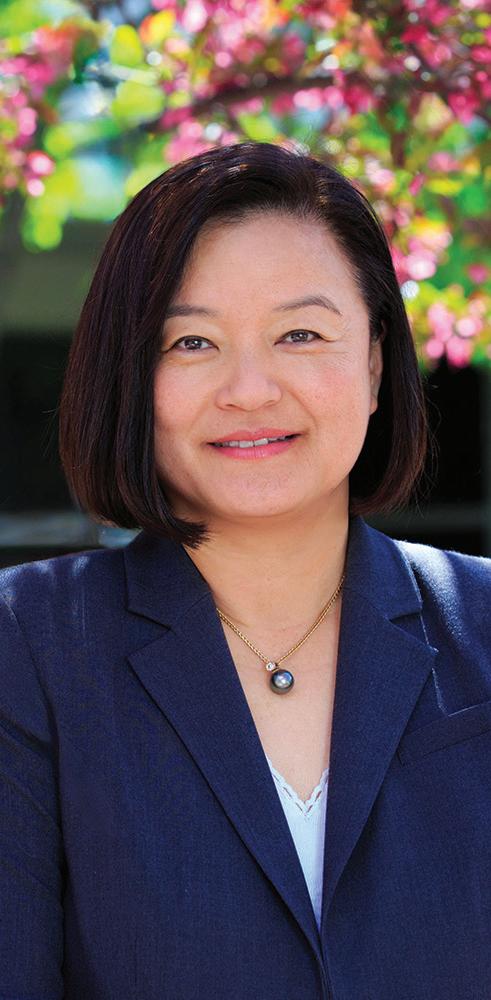
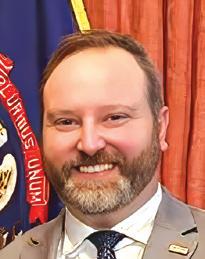
BY MICHELLE KELLY, Pharm.D., MPA president; associate professor, Ferris State University
Spring in Michigan is one of my favorite times, as new growth is happening and temperatures are warming up. As our pharmacy schools’ graduation ceremonies approach, it reminds me of a new chapter that is happening for so many students and the growth they have had in their four years of pharmacy school. Watching our Ferris State University P4 students cross the stage and enter a profession that I love so dearly is a favorite part of my job, and it is such a privilege to have had a small part in their pharmacy journey.
Graduation is a moment worth celebrating, not only for our students, but for the preceptors, mentors, faculty, friends and family that have played a role in their accomplishments. Our graduates have completed rigorous coursework, clinical training and demanding experiential rotations in a healthcare environment that continues to evolve. They are stepping into practice clinically prepared, adaptable and eager to contribute to patient care in meaningful ways across our state.
At the same time, graduation season should prompt us to think beyond celebrating the graduates, and to bring attention to Michigan’s pharmacy workforce pipeline which requires deliberate attention. Pharmacy school applications continue to fluctuate; overall, numbers have significantly decreased from a decade ago. People are leaving the profession and some communities – particularly rural areas – face access issues to pharmacy services. If we want a strong profession five, 10, or 20 years from now, we must be intentional about how we build and retain talent today.
However, our responsibility to grow the next generation does not begin in the P4 year – or even in pharmacy school. Recruitment starts much earlier, often with a single positive interaction that introduces a middle or high school student to the possibilities within pharmacy. Many of us can recall a moment when someone took the time to explain the profession, answer questions, or encourage us to consider this path.
We cannot assume students will discover pharmacy without purposeful outreach. When we host a job shadow, participate in a career fair, or speak to a classroom, we provide visibility to a profession that is often misunderstood. These moments allow us to highlight the breadth of pharmacy practice and to share the human impact of our work. Counseling a patient who is overwhelmed, administering an immunization that protects a community, or identifying a medicationrelated problem that prevents harm are powerful examples of the difference pharmacists make every day.
Our enthusiasm and passion matter. When we speak with pride about our work and demonstrate its impact, we influence how young people perceive the profession. Early exposure shapes undergraduate decisions, strengthens applicant pools and ultimately reinforces the workforce pipeline.
Once students have chosen pharmacy, then we need to have engaged preceptors that help students apply what they have learned and push them to grow exponentially. We need to welcome graduates into supportive practice environments and mentor new practitioners as they transition into independent roles.
Here are a few ways you can contribute to growing our profession:
• Volunteer to precept
• Offer mentorship to a student or new colleague
• Host a job shadow for a student considering pharmacy school
• Participate in outreach events in your community
• Encourage students to become involved in professional associations early
• Build confidence in our future leaders
As we celebrate this year’s graduates, let us also recommit to the broader responsibility of sustaining our profession. The future of pharmacy in Michigan will depend not only on policy and reimbursement reform, but on whether the next generation sees a profession that is vital, supported and worth investing their future in.
The next generation is watching. What they experience will shape the future of pharmacy in our state, so let’s make it positive!
“Graduation is a moment worth celebrating, not only for our students, but for the preceptors, mentors, faculty, friends and family that have played a role in their accomplishments. Our graduates have completed rigorous coursework, clinical training and demanding experiential rotations in a healthcare environment that continues to evolve. They are stepping into practice clinically prepared, adaptable and eager to contribute to patient care in meaningful ways across our state.”
NEVER STOP LEARNING MPA ENSURES YOU
BY MARK GLASPER, chief executive officer, Michigan Pharmacists Association
The first CEO I reported to in my association management career had an engraved stone paper weight on his desk. The inscription read “When you’re through learning, you’re through.” Ever since, I’ve tried to learn something new every day and I hope to do so every day for the rest of my life.
In pharmacy, the pace of change is relentless. Learning something new every day is a necessity. New drugs emerge, guidelines evolve and technology reshapes how you deliver care. This is why lifelong learning is not just a professional obligation; it is the foundation of your ability to serve the patients that depend on you.
Profession Builds on Continuous Growth
Pharmacy sits at the intersection of science, patient care and public trust. Every prescription you dispense and every clinical recommendation you make carries the weight of someone’s health and well-being. To uphold that trust, you must remain current – not only with drug information, but also with broader healthcare trends, public health priorities and evolving patient needs.
Through this change, the Michigan Pharmacists Association has been there to help you every step of the way. We stay focused on latest trends and late-breaking developments to provide you with the training and continuing education you need.
Case in point, the Michigan Department of Licensing and Regulatory Affairs recently implemented updates to the Michigan Board of Pharmacy General Rules and Pharmacist Continuing Education Rules. These updates affected scope of practice, telehealth services, compounding oversight and continuing education requirements for license renewal. MPA offered a members-only webinar within a week and had updates in April at its Annual Convention & Exposition.
Continuing Education Produces Leaders
Too often, continuing education is viewed as a requirement to be checked off for license renewal. But the most impactful pharmacists see it differently: as an opportunity to expand their influence, improve patient outcomes and shape the future of the profession.
In Michigan, we have seen firsthand how pharmacists who invest in their own growth become catalysts for innovation – implementing new clinical services, leading interprofessional teams and advancing public health initiatives.
MPA members Lisa Bade, Brittany Stewart, Karen Farris, Shannon Habba and MPA Chief Pharmacy Officer Farah Jalloul-Rizk, among others, all represent leaders recognized on the national stage not just for keeping up, but for setting the pace.
MPA Facilitates Lifelong Learning
At MPA, we are committed to fostering a culture of lifelong learning. Through our meetings, webinars, peer networks, and advocacy efforts, we provide you with the tools and connections needed to thrive in a rapidly changing healthcare environment.
But the real driver is you – the individual member who chooses to stay curious, stay engaged and stay committed to excellence.
I encourage every pharmacist, pharmacy technician and student pharmacist in Michigan to view lifelong learning not as an obligation, but as a privilege. It is how we honor patients, strengthen the profession and ensure that pharmacy remains a vital, trusted pillar of healthcare.
The future of pharmacy will be shaped by those who are never “through learning.” Let’s make sure that includes all of us.
Independent Pharmacies Deserve an Edge.
Too many independent pharmacies are forced to compete without the purchasing power and support they need to thrive. With AAPA, you gain the tools, pricing, and insights that help your pharmacy compete, and win.
If your Michigan-based independent pharmacy is looking for stronger margins, better purchasing leverage, and practical tools that help you grow, AAPA delivers the competitive edge you need.
BENEFITS:
Unlock aggressive cost of goods designed for independent pharmacy success
Gain access to tools, analytics, and programs that help improve pharmacy profitability
Join a network built to support growth, innovation, and stronger pharmacy performance
Simply keeping up isn’t good enough – your pharmacy deserves to move ahead. Find AAPA. Discover your Competitive Edge.
EVENTS CALENDAR
MPA events, as well as health observances, are included below. For the most up-to-date information, please visit our online calendar at MichiganPharmacists.org/events
APRIL 2026
Wednesday, April 1Thursday, April 30 Alcohol Awareness Month Nationwide 15-16
Wednesday, April 15Thursday, April 16
NCPA Congressional Fly-In Alexandria, Virginia
16
16
17-19
Thursday, April 16
MSHP Board of Directors Lansing Center, Lansing
Thursday, April 16
MPA Executive Board Meeting Lansing Center, Lansing
Friday, April 17Sunday, April 19
MPA Annual Convention & Exposition Lansing Center, Lansing
18
19
Saturday, April 18
CSPM, MSCP and MSPT Annual Meetings and Luncheons Lansing Center, Lansing
Sunday, April 19
MPA House of Delegates Lansing Center, Lansing
MAY 2026
Friday, May 1Sunday, May 31 Asthma and Allergy Awareness Month Nationwide
Thursday, May 7
MSHP Committee Day MPA Headquarters, Lansing
Friday, May 8
MSPT Executive Board Meeting Virtual
Wednesday, May 13
MPA Committee Day Virtual
Wednesday, May 13
MPA Executive Board Meeting
Thursday, May 14
WMSHP Spring Seminar Calvin College, Grand Rapids
Friday, May 22
Infectious Diseases Pharmacist Day Nationwide
Monday, May 25 Memorial Day MPA office closed
Tuesday, May 26
MSCP Executive Board Meeting
MPA Headquarters, Lansing
JUNE 2026
Thursday, June 4
MSHP Board of Directors Meeting Virtual 17
Wednesday, June 17 MPF Golf Classic
The Emerald Golf Course, St. Johns 27
Saturday, June 27 National HIV Testing Day Nationwide 22-23
Monday, June 22Tuesday, June 23 Section and Local Association Officer Meeting
MPA Headquarters, Lansing
24
Wednesday, June 24 Community Pharmacy Summit
MPA Headquarters, Lansing
Please note: Some board and committee meetings may be subject to change in format to virtual or in-person at the discretion of the members. Please check the online calendar or contact MPA@MichiganPharmacists.org for more information.
FDA APPROVES FIRST-OF-ITS-KIND DEVICE TO TREAT PANCREATIC CANCER
BY NADINE FOUMIA, 2026 Pharm.D. candidate, University of Toledo
Optune Pax, created by Novocure, was approved by the Food and Drug Administration in February as a portable, non-invasive device that delivers tumor treating fields (TTfields) to the abdomen to treat pancreatic cancer.
What are TTFields?
TTFields are alternating electric fields that interfere with rapid cell division, a defining feature of cancer cells, by physically disrupting the process. It does this while also minimizing damage to healthy tissue.
How Does Optune Pax Work?
The TTFields are delivered through electrically insulated adhesive patches. These patches are placed on the patient’s skin and connected to an electric field generator. Everything is preset and cannot be adjusted by the patient nor the physician. Patients are trained how to use the device and maintain it.
The device is designed to be worn with the generator carried in a specifically-designed bag. This allows the patient to receive continuous treatment without disrupting their normal activities.
What was the Process to Get Optune Pax FDA Approved?
It received approval through the FDA’s premarket approval (PMA) pathway, the agency’s most stringent review process for medical devices. Optune Pax’s approval was supported by data from a pivotal clinical trial conducted under an Investigational Device Exemption. This randomized, controlled study followed adults with locally advanced pancreatic cancer for up to five years. The findings demonstrated that adding TTFields to the standard of care chemotherapy regimen, gemcitabine and nab-paclitaxel (GnP), extended overall survival by about two months compared with GnP alone. The most frequently reported device-related side effect observed in the study was local skin reactions.
RESOURCES:
1. FDA News Release, https://www.fda.gov/news-events/pressannouncements/fda-approves-first-its-kind-device-treatpancreatic-cancer
WEDNESDAY, MAY 14
8 a.m.-4 p.m.
57th Annual WMSHP Spring Seminar
Calvin College Prince Conference Center, Grand Rapids
https://www.wmshp.net/event-6496225
Increasing Access to Hormonal Contraceptive Products - Home Study
This APhA-developed 4-hour, pharmacist-only online interactive training program will prepare pharmacists to discuss the hormonal contraceptive options available to prescribe, furnish or dispense, in accordance with state laws. Additionally, this ACPE-accredited training program fulfills the requirements of Michigan Board of Pharmacy Administrative Rule R 338.581b for pharmacists to prescribe hormonal contraception under MCL 333.17744g.
Live session date; this training program requires that approximately 12 hours of home study materials and six hours of video training modules be completed before the live webinar date. https://fs27.formsite.com/7jFRIO/rvvtjkxxie/index
QUESTIONS
If you have any questions about any of these MPA education events, please email Education@MichiganPharmacists.org
JOIN THE KROGER HEALTH TEAM
Scan the QR code or visit krogerfamilycareers. com to apply now.
Once you’ve submitted your application, email your resume to MIPharmacyDept@Kroger.com and mention your referral from the MPA.
MEMBER SPOTLIGHT
Adam King
MPH, CPhT, PRS, director of pharmacy advocacy, Health Plan Advocate, CSPM president-elect
Describe your current role and what a typical day looks like for you. I lead a multidisciplinary team of 12 healthcare professionals that manage health information, six pharmacy technicians that are member advocates, one nurse and two administrative team members. During my day I generally provide directive support to my two team leaders and answer general pharmacy questions from my team. I also get to participate in projects that grow the program further.
Name three interesting or unique things about your job. My role is generally project based and requires extensive use of Microsoft Excel, Vizio and Word. I get to develop my own products and services that help self-funded plans save money; last year, the 80 health plans I work with saved about $16 million. I also got to develop the career paths for my team over the last three years based on program growth.
What are your three favorite things about your job?
• Getting to promote someone internally. Both of my team leaders started at the ground floor.
• My patients and clients are grateful for the work of my team.
• I continually get to learn about new drugs as they are approved by the FDA.
How did you get to your current position? I started out as a retail pharmacy technician in 2008 at one of the big three chains. I grew to add compounding and community independent pharmacy from 2009 to 2018. I also worked in academia from 2013 to 2017, working at two different colleges in the greater Grand Rapids area. I became a certified tech in 2009, received a certificate in pharmacy regulation in 2015, and my master of public health degree in 2020.
I was hired as a pharmacy technician at Health Plan Advocate in 2018. I was the only employee in the department and reported to the vice president of utilization review, who at the time was a nurse. About a month into my role at HPA, I was informed that my position was actually a director level role. I hired my first direct report about five months later.
What inspired you to become an MPA member, and what keeps you engaged? I was encouraged by one of my former pharmacists to join MPA after I got my regulatory specialist certificate. At the time, I primarily used MPA to get updates on policy changes. This was around the same time as the NECC incident, so there was a lot of focus on compounding pharmacies. The information I received kept the whole team up to date.
I stay engaged because of all the people I've been fortunate enough to meet through CE programming and conventions.
What recent accomplishments or milestones are you most proud of? Getting my masters degree was one of my biggest achievements because of all the hard work I had to go through to get it.
In 2020, I was one of the inaugural members of the PTCB Item Writing Committee and was promoted in 2025 to the Exam Development Committee. This allows me to meet pharmacists and technicians all over the country and we get to exchange ideas on pharmacy practice.
In 2026, I became the first ever technician officer for both the Kent County Pharmacists Association (KCPA) and the Consultant and Specialty Pharmacists of Michigan (CSPM) boards of directors.
Share an impact story on how you directly affected a patient's outcome. Right before Christmas a couple of years ago, I worked with a cancer patient who had problems affording treatment. Because the medication was classified as "specialty" the copay was quite high and the PBM was charging a high price compared to the wholesale cost. I was able to connect the member with an independent pharmacy that offered the medication on a cost plus basis to the health plan.
Since the lower cost reduced the liability for the health plan, the plan agreed to cover the full cost of their medication. The member picked up the medication the next day with no copay.
I received a Christmas card three days later saying that "I saved and made the patient's Christmas."
MEMBER SPOTLIGHT CONTINUED
How has MPA supported you in your professional growth or helped you achieve these accomplishments? The policy updates I get from MPA are vital to my practice when I worked at an independent pharmacy. Now the updates I get from MPA keep me connected with current events in pharmacy practice.
What advice would you share with fellow pharmacists, student pharmacists, or pharmacy technicians in Michigan? Invest in pharmacy technician development and empower them. Technicians that make a leader's day easier are invaluable and can sometimes improve the revenue and cash flow of the pharmacy.
What do you like to do outside of work? I love to crochet, nothing soothes my mind like losing myself in a project. I also like to go hiking and inline skating.
I am also a hockey fan, rooting for the WMU Broncos, Grand Rapids Griffins and Montreal Canadiens.
2026 Board Nominations Are Open
Nominations are now open for the MPA Executive Board and section boards (CSPM, MSCP, MSHP and MSPT). We welcome nominations from all MPA members – whether you are a seasoned professional or just getting started in your career. You can nominate yourself or a colleague! Learn more about each board and the election process
• The deadline to submit your nomination is May 31, 2026
• Elections will be held online July 8-22, 2026
• Board members assume office in January 2027
If you are interested in serving on the MPA Executive Board or a practice section board, please fill out the form
Questions? Email MPA@MichiganPharmacists.org
New MPA members
(Jan. 1-Mar. 31)
Lana Abbas
Fahmida Abdin
Yara Kannab Aida
Miriam Al-Farah
Fatima Al-Hakim
Salam Alashkar
Yara Ali
Shahada Altaii
Alexandra Andrei
Christina Antoun
Michelle Aultman
Heba Babiker
Theresa Ballington
Matthew Barkey
Janelle Beaulieu
Alina Bejoy
Lilliana Boblet
Haley Boucher
Amanda Bowey
Tyler Bringedahl
Bridgette Brodacki
Corynn Burrus
Rhonda Bush
Sabrina Causer
Scott Ciarkowski
Sydnee Clairmont
Bailey Cole
Savannah Collier
Robeska Costello
Gracie Cracker
Alaina Curry
Alejandro Dominici
Jordan Ferrell
Leah Flanigan
Lisa Forsyth
Nadine Foumia
Madeline Fouts
Allison Fox
Jonah Fronk
Michael Gambino
Gavin Gentile
Coleen Gietzen
David Grattan
Kenessa Guleta
Claudia Hanni
Lauren Harrington
Christy Hartline
Lars Henderson
Andrea Hoffman
Rahmah Hubbah
Anna Hutchins
Manar Ibrahim
Cierra Jackson
Noor Jassem
Sarah Jerew
Jasmine Jordan
Yara Kannab Aida
Ciara Kaszuba
Bradley Kihn
Yujeong Kim
Jennifer Kondzer
Demetrius Kukulka
Chloe Labrie
Tracy LaRoy
Naomi Martinez
Tamiya Massey
Alexis McCool
Marielys Mendez
Jennifer Miles
Jon Monroe
Sommer Nelson
Yesenia Orozco
Pankajkumar Patel
Laura Patterson
Alexandra Pawlitz
Jillian Reddy
Dianna Resto Santos
Rob Riffert
Abraham Robles
Brydonne Rodriguez
Cheryl Rogers
Kristin Romer
Tyler Ross
Hammam Saeed
Asadullah Safi
Aliaa Salim
Timothy Schoenborn
Nichole Sentz
Lydia Shmona
Jessica Siffledeen
Phil Sloboda
Natalie Smith
Kylie Starry
Melisa Stevens
Colin Swindlehurst
Rachel Taggs
Emily Torongo
Matthew Unke
Alexia Vorva
Ashlyn Walter
Lindsey Watson
Lauren White
Amber Williams
Melissa Wilson
Sierra Wood
Yi Yao Xia
INVESTING IN TOMORROW:
HOW YOUR GIFT FOSTERS THE FUTURE OF PHARMACY
BY RICK DRABEK, executive director, Michigan Pharmacy Foundation
The Michigan Pharmacy Foundation exists to bridge the gap between potential and possibility. With the support of donors like you, MPF fulfills its mission “To Foster the Future of Pharmacy” by investing directly in the next generation of Michigan’s pharmacy professionals. Every contribution — large or small — sends a powerful message: the pharmacy community believes in you.
Scholarships That Change Lives
This April, at the Michigan Pharmacists Association Annual Convention & Exposition, the Michigan Pharmacy Foundation proudly awarded scholarships that will make a meaningful difference in the lives of deserving pharmacy students across our state. MPF presented three $3,000 scholarships — one to an outstanding student at each pharmacy school in Michigan. These awards recognize academic excellence, professional promise and a commitment to the communities our pharmacists serve.
The future of pharmacy does not begin on graduation day. It begins years earlier — in late-night study sessions, clinical rotations and moments of self-doubt overcome by sheer determination. Far too often, it is threatened by financial hardship. That is where you come in. DONATE HERE
Additionally, one exceptional student received the prestigious $3,500 Larry Wagenknecht Leadership Scholarship, awarded to a student who has demonstrated outstanding leadership within their school, community, or the profession — honoring the legacy of a leader who dedicated his career to advancing pharmacy in Michigan.
Your Dollars at Work
Consider what a scholarship means to a student carrying the weight of tuition, textbooks and living expenses. A $3,000 award can mean one less semester of financial stress, staying in school rather than dropping out, or the freedom to focus fully on becoming the best pharmacist possible. When you donate to MPF, you are not simply writing a check — you are co-authoring the story of a future pharmacist who will serve patients in your community for decades to come.
A Community That Gives Back
Michigan’s pharmacy community has always been defined by generosity — toward patients, colleagues and the profession itself. The scholarships presented at ACE celebrate that spirit and remind us that our collective investment in students today determines the strength of our profession tomorrow.
We invite you to stand with us. No gift is too small and every gift matters. Together, we can ensure that financial barriers never stand between a motivated student and a meaningful career in pharmacy.
Help Us Make an Even Bigger Difference
MPF’s goal extends beyond maintaining what we have — we want to grow. With increased donor support, we can expand both the number and size of scholarships we award each year, reaching more students and making a deeper impact across the state. As you consider your giving, we ask you to think not just about sustaining our current program, but about helping us expand it. A larger gift or a recurring annual commitment moves us closer to a future where no deserving Michigan pharmacy student is held back by financial need. The pharmacists who will serve your community tomorrow are counting on the generosity you show today.
Please consider making your gift to the Michigan Pharmacy Foundation today.
Because every great pharmacist started with someone who believed in them.
The Michigan Pharmacy Foundation (MPF) is proud to recognize exceptional student pharmacists during the Michigan Pharmacists Association (MPA) Annual Convention & Exposition. Each year, a $3,000 scholarship is awarded to at least one student pharmacist at each of Michigan’s three colleges of pharmacy. The Larry Wagenknecht Leadership Scholarship is a $3,500 scholarship established in 2021. Since 2002, MPF has awarded more than $150,000 in scholarships to deserving future practitioners.
MICAIAH WHITAKER
Micaiah Whitaker is a Pharm.D. candidate in the class of 2027 at Wayne State University’s Eugene Applebaum College of Pharmacy and Health Sciences. She currently serves as president of the Student National Pharmaceutical Association (SNPhA), where she leads community health initiatives focused on addressing social determinants of health in underserved communities across Metro Detroit. Through wellness clinics, HIV awareness events and student clinical training programs with Henry Ford Health Pharmacy Advantage, she is committed to expanding the role of pharmacists in preventive care and patient education. She is also an executive board member of Wayne State University’s Christian Pharmacists Fellowship International (CPFI) and the Oakland County Pharmacists Association (OCPA). Whitaker is particularly interested in managed care and ambulatory care settings that allow pharmacists to build lasting relationships with patients and improve chronic disease outcomes.
REBECCA BOVEE
Rebecca Bovee is a fourth-year student at the Ferris State University College of Pharmacy and lifelong Michigan resident. She is dedicated to advancing pharmacy practice and improving patient care throughout the state. She has demonstrated strong leadership through multiple roles within Kappa Psi Pharmaceutical Fraternity’s Gamma Chi chapter, and at the regional level in the Great Lakes Province, promoting professionalism and collaboration among students and pharmacists. In addition to organizational leadership, Bovee has actively engaged in community service and advocacy, administering vaccines to legislators during Pharmacy Day at the Capitol and providing free cholesterol and A1c screenings at the Remote Area Medical Clinic in Big Rapids this past year. These experiences reflect her continued commitment to expanding access to care and strengthening the pharmacist’s role as a community health leader in Michigan.
AIYAT ALI
Aiyat Ali is a Pharm.D. candidate at the University of Michigan College of Pharmacy, graduating in May 2026. Throughout pharmacy school, Ali has been actively involved in student organizations and initiatives that support leadership, collaboration and mentorship within the profession. She is particularly interested in advancing patientcentered care and expanding access to safe and effective medications. After graduation, Ali is excited to begin a regulatory affairs fellowship with Dompé, where she hopes to contribute to the development and accessibility of innovative therapies.
GRETCHEN
EICKELBERG
Gretchen Eickelberg is currently a third-year pharmacy student at Wayne State University. Eickelberg is highly involved in student organizations, specifically APhA-ASP, where she currently serves as chapter president. She is also one of Wayne State’s student ambassadors, playing a role in helping students navigate the admissions process, transition into pharmacy school and assist with outreach to promote application into the pharmacy program. Eickelberg practices as an intern at CVS in her hometown of Macomb, which is where she learned her love of direct patient care and education. Following graduation, Eickelberg plans to pursue either community pharmacy, ambulatory care, or academia – or some combination of the three.
Please support MPF’s Mission “To Foster the Future of Pharmacy” through making a donation to the MPF Scholarship fund
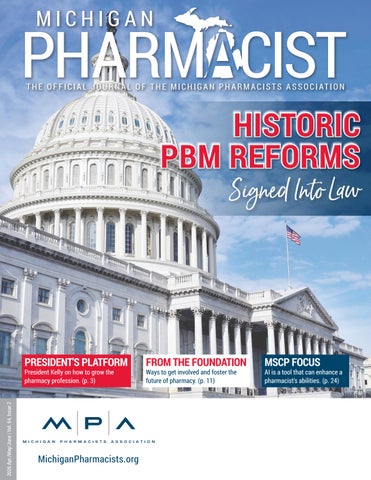
HISTORIC PBM REFORMS Signed Into Law
BY ERIC ROATH, Pharm.D., MBA; MPA director of government affairs
The new federal funding package that was passed by Congress and signed into law by President Trump didn’t just avert another prolonged government shutdown. It also marked the most sweeping PBM and Medicare Part D reforms seen in decades. This is a hard-fought moment which pharmacy advocates in Michigan and across the country have been battling to achieve for years. After many near misses and false starts, several critical reforms have finally made it across the finish line. Here’s a closer look at the pivotal changes:
• The Centers for Medicare and Medicaid Services (CMS) must now define “reasonable and relevant” contract terms through their rulemaking process. Although federal law has long required Medicare Part D to contain “reasonable and relevant terms,” the lack of a legal definition has left the federal government with little ability to stop the blatantly abusive Part D contracts offered to pharmacies in recent years. By defining “reasonable and relevant,” CMS has the power to do many things, such as limiting retroactive fees, standardizing payment timelines, and reducing arbitrary reimbursement variability that has contributed to sweeping pharmacy closures in Michigan and across the country.
• PBMs can no longer tie their Medicare Part D compensation to drug list prices or manufacturer rebates. This reform, often referred to as “delinking,” forces PBMs to rely on flat administrative fees and eliminates their incentives to prefer higher-priced drugs. This critical reform is aimed at directly reducing patient costs at the pharmacy counter and potentially paving the way for fairer reimbursement for pharmacies as PBMs move away from spread pricing and rebate-driven formularies.
• CMS has been empowered to track pharmacy payment trends and PBM network inclusions. This includes a new designation of “essential retail pharmacies.” Though the package does not define the designation, it directs CMS to establish a definition through its rulemaking process. The bill also includes provisions mandating greater pricing and contract transparency for employers and plans, including disclosure of negotiated rates and payment flows.
• The law allocates $188 million to CMS to enforce PBM contract terms and create a formal appeals process for pharmacies. As we’ve seen with the implementation of our state reforms, new regulations are meaningless without effective enforcement. The funding allocation supports the expectation that these reforms, as well as those introduced in the forthcoming rulemaking process, will be enforced.
“I
came to Congress with the goal of building a healthcare system that puts patients before profits,”
Rep. Buddy
Carter,
R-Ga.,
a key sponsor of the bill, said in a statement. “Today, I can proudly say that we have enacted the first major PBM reform in decades, a meaningful step toward achieving that goal. PBMs have been stealing hope and health from the American people for decades, inflating prescription drug costs, forcing pharmacy closures and blocking access to medications. To that I say: Not on my watch. The PBM mafia has officially been put on notice. I’m excited to continue working with President Trump to help build a quality, accessible and affordable healthcare system for patients.”
MPA echoes our national colleagues in thanking the members of Congress who were so critical to this long fight and this much-needed legislative victory.
“I came to Congress with the goal of building a healthcare system that puts patients before profits,” Rep. Buddy Carter, R-Ga., a key sponsor of the bill, said in a statement. “Today, I can proudly say that we have enacted the first major PBM reform in decades, a meaningful step toward achieving that goal. PBMs have been stealing hope and health from the American people for decades, inflating prescription drug costs, forcing pharmacy closures and blocking access to medications. To that
I say: Not on my watch. The PBM mafia has officially been put on notice. I’m excited to continue working with President Trump to help build a quality, accessible and affordable healthcare system for patients.”
Last, but not least: Thank you to each and every one of you who have taken the time to advocate for this issue. Whether it was signing a form letter or taking your valuable time to fly to Washington, D.C., this would not have happened without your actions. You are the voice of pharmacy, and by working together, we will continue to improve the lives of our patients and the health of our communities.
Why Pharmacy Professionals Should Take Mental Health First Aid Training
BY ASHLEY BUILTA, Pharm.D., MPA director of meetings and education
Pharmacists have long been recognized as some of the most accessible healthcare professionals in the system. Patients walk through our doors without appointments, without barriers and often without a clear understanding of what they truly need. They come for prescriptions, for advice, for reassurance – and increasingly, they arrive carrying the weight of mental health challenges that are not always visible at first glance.
Mental health first aid (MHFA) training offers pharmacy professionals a structured, practical and compassionate way to respond in those moments. It is not therapy, diagnosis, or treatment. Instead, it equips you with the skills to recognize when someone may be struggling, approach them safely and guide them toward appropriate support. In a world where mental health concerns are rising and stigma still lingers, MHFA is becoming as essential as CPR in frontline healthcare.
As both a pharmacist and a MHFA trainer, I have seen firsthand how transformative this training can be. Every day, patients (and our coworkers) bring us far more than prescriptions. They bring fears, frustrations, confusion and sometimes deep emotional pain. MHFA equips pharmacy teams with the skills to respond confidently and compassionately when those moments arise. Whether you realize it or not, you are already engaging with mental health every day. Patients, coworkers, friends, family members and others on the healthcare team often reveal pieces of their emotional lives in the process. Some confide openly; others hint more subtly. Many are unsure where to turn to, facing barriers to access that simply do not exist in their interactions with you.
MHFA training provides a framework to handle these interactions with confidence and clarity. Instead of relying on instinct alone, you gain a structured approach to recognizing signs of distress, listening nonjudgmentally, and encouraging meaningful next steps toward help.
Mental Health Concerns Are Increasing – and Patients Need Support
Rates of anxiety, depression, substance use challenges and crisis situations have risen significantly in recent years. Social isolation, economic pressures, chronic illness and the lingering effects of global disruptions have all contributed to an increasing mental health burden.
Think about the last time you interacted with:
• Patients who suddenly stop refilling medications
• Caregivers overwhelmed by responsibility
• Individuals misusing over-the-counter products to cope
• Customers who appear confused, agitated, or withdrawn
• Team members who just seem “off”
MHFA training helps you interpret these moments not as inconveniences or anomalies, but as potential indicators of deeper struggles. It empowers you to respond with empathy and skill rather than uncertainty or hesitation.
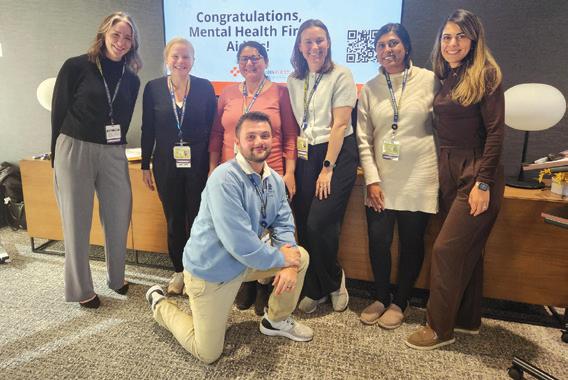
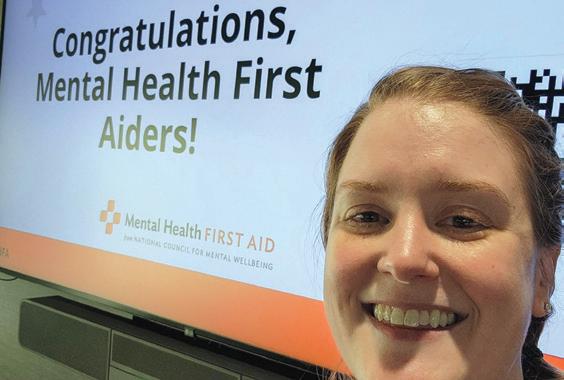
MPA Director of Meetings and Education Ashley Builta, right, led the November 2025 Mental Health First Aid training session. Across six sessions, 44 pharmacists at the University of Michigan have received MHFA training.
MHFA Strengthens the Pharmacist-Patient Relationship
One of the most powerful outcomes of MHFA training is how it enhances your connection with patients. When someone feels seen, heard and supported, trust deepens. That trust translates into better medication adherence, more honest conversations and a stronger therapeutic alliance.
Patients often remember how you made them feel more than the specific advice you gave. MHFA equips you to:
• Approach sensitive topics with confidence
• Listen in a way that helps people feel safe
• Offer reassurance without minimizing their experience
• Maintain appropriate boundaries while remaining supportive These skills elevate your practice and reinforce your role as a vital member of the healthcare team.
It Helps You Navigate Difficult Situations with Confidence
Every pharmacist has encountered moments that feel uncomfortable or uncertain. A patient crying at the counter. Someone expressing hopelessness. A caregiver asking what to do about a loved one’s erratic behavior. A customer showing signs of intoxication or withdrawal.
Without training, these situations can feel overwhelming. You may worry about saying the wrong thing, overstepping your role, or overlooking something important.
MHFA provides a clear, evidence-based action plan that guides you through these moments step by step. You learn how to:
• Assess for signs of crisis
• Approach someone safely and respectfully
• Listen without judgment
• Offer information and reassurance
• Encourage appropriate professional help
• Support the person in the moment while staying within your scope of practice
This structure reduces your stress in the moment and improves outcomes for the person in front of you.
A Small Investment with a Big Impact
We know we are essential to the healthcare system, but MHFA training amplifies that impact. It strengthens your ability to serve your community, enhances your professional confidence, and contributes to a more compassionate, responsive healthcare environment.
At a time when mental health challenges are widespread and support systems are stretched thin, pharmacists trained in MHFA become invaluable anchors of stability and understanding.
Taking MHFA is not just an educational choice – it is a commitment to better care, stronger relationships and a healthier community.
Set Up Your MHFA Training Today – It’s Practical, Accessible and Immediately Applicable
MPA is now providing MHFA training, with sessions that can be run for as few as four people and up to 16 at a time. If you are interested in setting up a training for your worksite or group of interested people, please contact the MPA Education Department at Education@ MichiganPharmacists.org
You will not walk away with abstract theories. You will walk away with practical tools you can use immediately.
“We know we are essential to the healthcare system, but MHFA training amplifies that impact. It strengthens your ability to serve your community, enhances your professional confidence, and contributes to a more compassionate, responsive healthcare environment.”
PHARMACY HALL OF HONOR
EXECUTIVE BOARD SERVICE AWARDS
FELLOW OF MICHIGAN PHARMACISTS ASSOCIATION
Courtney Biehl
Gary Blake
Ashley Blanchette
Tara McAlpine
Maria Young
MARIA YOUNG Canton
SARAH HILL Howell
SARAH LERCHENFELDT Rochester Hills
BRITTANY STEWART Livonia Alto
DANIEL LOBB Westland
FARAH JALLOUL-RIZK Dearborn
ASHLEY BUILTA Brighton
HOPE BROXTERMAN Traverse City
ERIC ROATH Haslett
SARA BROWN Lowell
HAE MI CHOE Ann Arbor
THOMAS ROLANDS Troy
MARY BETH O'CONNELL Waterford
MICAIAH WHITAKER Lake Orion
REBECCA BOVEE DeWitt
AIYAT ALI Ann Arbor
GRETCHEN EICKELBERG Macomb
RYAN GREENLEY Chassell
VALERIE KELLEY-BONNER Belleville
YESRX
OTHER 2025-26 AWARDS
Please congratulate the following award recipients recognized at other events.
Michigan Society of Community Pharmacists (MSCP) Pharmacist of the Year Award
Michigan Society of Pharmacy Technicians (MSPT) Pharmacy Technician of the Year
Michigan Society of Pharmacy Technicians (MSPT) Service Award (Sponsored by PTCB)
Michigan Society of Health-System Pharmacists (MSHP) Pharmacist of the Year Award
Consultant and Specialty Pharmacists of Michigan (CSPM) Pharmacist of the Year Award
EDWARD SZANDZIK Grosse Pointe Woods
ANTHONY CODREAN Lake Orion
JOHN MOHLER Marengo
JORDAN MARCHETTI Iron Mountain
KEITH BINION Harper Woods
SEN. KEVIN HERTEL
REP. TOM KUNSE
Capital Area Pharmacists Association
Genesee County Pharmacists Association
Great Lakes Bay Pharmacy Association
Kent County Pharmacists Association
MPA Upper Peninsula Division
Oakland County Pharmacists Association
Southwest Michigan Pharmacists Association
Wayne County Pharmacists Association
Western Michigan Pharmacy Association
DR. NATASHA BAGDASARIAN
GREG BAISE Detroit
HARVEY SCHMIDT Tecumseh
NEW PRACTITIONER MEMBER SPOTLIGHT
MPA Member since:
Day in the Life/Current Role: I am currently completing a PGY-1 community-based pharmacy residency with Meijer, the Ferris State College of Pharmacy and Pfizer. My learning experiences are all longitudinal, so I am at a different site every day for the whole residency year. The sites are all within the Grand Rapids area and include Meijer corporate; two Meijer pharmacy locations in Corewell Health Butterworth/Blodgett hospitals and on Plainfield Avenue; two Cherry Health Ambulatory Care sites at Heart of the City Adult Medicine; as well as the Southside Clinic, which is primary care in opioid use disorder. I also get the opportunity to earn a teaching certificate through the Ferris State University College of Pharmacy, which includes lecturing pharmacy students, evaluating students on APPEs and OSCEs, and having students shadow me in practice. During my time at each site, I am able to help precept students on rotation at Meijer and Cherry Health by leading topic discussions and other assignments on the rotations like patient cases or drug monograph discussions.
This residency has been fantastic and a formative experience as a new practitioner. I would highly recommend pharmacy students interested in community pharmacy and patient care to review the opportunities that a residency can offer.
A New Practitioner’s Perspective: I love being a pharmacist! Pharmacy school/rotations can be a long and challenging process, but I can honestly say it is totally worth it. The knowledge base and perspective a pharmacist brings to a patient’s care is valued and trusted by most patients and providers alike. Dispensing medications, counseling patients in the community pharmacy setting and being the medication expert on ambulatory care teams has been as rewarding as it has been fulfilling. The safety and optimization of medications in respect to each specific patient’s medication regimen is increasingly important, especially in an ever-changing landscape of accessibility and indications.
In my experience, it is common that the community pharmacists and their relationships with the various prescribing staff can influence some patients’ access to medications in a positive and timely manner. This has created an invaluable learning insight by being present at multiple sites in a patient’s healthcare experience. I can help patients in clinics and in the community pharmacy due to being aware of common pitfalls and barriers to care. For example, in the ambulatory care clinic a patient was having trouble getting their glucometer. The physician wanted to know more about the process of filling a glucometer through the pharmacy and what she can put on the script to allow for billing and insurance product preferences. This small conversation led to the patient being able to get a glucometer for free and led to an ongoing relationship with this patient after helping coordinate their care. I have since met with this patient four times and talked with her about all of her medications and diabetes care at every PCP appointment. Relationships like this will continue to shape how I practice and guide my rapport building with patients moving forward.
About me: I worked for Walgreens for seven years in the community pharmacy setting and for Spectrum/Corewell health for two years at Blodgett Hospital inpatient pharmacy. I am from Grand Rapids, and a graduate of Lowell High School. I completed my undergraduate/pre-pharm education at Grand Rapids Community College and pharmacy school at Ferris State University.
In my personal time I enjoy reading, swimming, tennis, basketball, golf and chess. I have two younger brothers, William and Patrick, who work in computer science and education. My dad worked in pharmaceutical sales for more than 20 years, and my mom has been a pharmacist for more than 30 years, working as an inpatient critical care pharmacist and a faculty member and preceptor for generations of pharmacists.
Andrew de Voest Pharm.D.
2022
MEMBER SPOTLIGHT
Pharm.D., Pharmacy Team Leader, Meijer; member, Michigan Board of Pharmacy
MPA Member since: 2021
Describe your current role and what a typical day looks like for you. I am a pharmacy team leader at Meijer Pharmacy, where I support daily operations, develop pharmacy teams and help ensure safe, patient-centered care. I work closely with pharmacists, technicians and leadership to maintain regulatory compliance and efficient workflows.
In addition, I serve as a member of the Michigan Board of Pharmacy and have previously held the roles of vice chair and chair. My work focuses on regulatory oversight, rule development and advancing pharmacy practice.
What inspired you to become an MPA member, and what keeps you engaged? My involvement with the Michigan Pharmacists Association was driven by a desire to be part of meaningful advocacy and professional leadership within the state. I remain engaged because MPA provides a strong platform for collaboration, education and advancing the role of pharmacists in healthcare.
What recent accomplishments or milestones are you most proud of? One of my proudest accomplishments has been serving as chair and vice chair of the Michigan Board of Pharmacy, where I helped contribute to regulatory oversight and rule decisions impacting pharmacy practice statewide. I’m also proud of the work I do daily at Meijer Pharmacy to support my team, improve workflows and ensure safe, high-quality patient care.
Share an impact story on how you directly affected a patient's outcome. One of my regular patients, a retired war veteran, came to the pharmacy one day frustrated because he was struggling to sleep. He told me that his Ambien wasn’t working as well as it used to. His wife, who was with him, explained that he frequently woke up in the middle of the night, often after nightmares, and rarely felt rested in the morning. According to her, this had been going on for many years.
After talking with him for a few minutes, I asked whether he had any recent blood work done. He said he hadn’t. I mentioned that magnesium deficiency is quite common and that magnesium plays an important role in sleep regulation and relaxation. I suggested that he consider having his levels checked but, in the meantime, I recommended trying magnesium glycinate, which is often better tolerated and can help support relaxation, stress reduction and sleep.
After reviewing his medication profile to ensure there were no interactions, I also recommended an herbal supplement, valerian root, which may help promote sleep by increasing GABA activity in the brain. We discussed how both could potentially support better sleep alongside his current therapy.
A few days later, he came back to the pharmacy and told me he had experienced the best sleep he’d had in years. Shortly after, his wife came in as well. She was emotional and thanked me repeatedly, explaining that they had struggled with his sleep for nearly 20 years and that this was the first time in a long time he had finally been able to rest.
Moments like that are a powerful reminder that pharmacists can have a meaningful impact on patients’ lives. Sometimes our role goes beyond dispensing medications — we’re also educators, problem-solvers, and trusted healthcare professionals who can help patients find solutions that improve their overall quality of life.
What advice would you share with fellow pharmacists, student pharmacists, or pharmacy technicians in Michigan? My advice is to stay engaged, whether it’s through professional organizations, continuing education, or mentorship. Getting involved beyond your day-to-day role helps you grow as a professional and gives you a voice in shaping the future of pharmacy in Michigan.
Michael Sleiman
AUGMENTED, NOT AUTOMATED:
AI AND THE FUTURE OF COMMUNITY PHARMACY
BY AUSTIN BROWN, Pharm.D., MBOA, executive consultant, Public Procurement Institute of Michigan
Community pharmacy has never been a static profession. Over the past several decades, pharmacists have navigated significant shifts in reimbursement models, regulatory requirements, workforce expectations and patient care responsibilities. From the expansion of immunization programs to the introduction of point-of-care testing, medication therapy management, and pharmacist-prescribed services, community pharmacists have consistently adapted to meet the evolving needs of their patients and communities. Artificial intelligence (AI) represents the next major inflection point in this evolution – not as a replacement for pharmacists, but as a tool capable of supporting, enhancing and elevating professional practice.
Changing the Community Practice Landscape
Over the last decade, AI technologies have rapidly transitioned from experimental applications into core components of the healthcare marketplace. Early uses focused primarily on administrative analytics, claims processing and fraud detection. However, between 2019 and 2025, AI adoption expanded significantly into clinical decision support, medication safety, predictive analytics, workflow automation and patient engagement tools.1,2 Professional organizations, including the International Pharmaceutical Federation (FIP) and the American Society of Health-System Pharmacists (ASHP), now recognize AI as a foundational element of modern pharmacy practice rather than a speculative or future-state technology.3,4
Traditionally, community pharmacy has operated within a high-volume, reactive dispensing model. Pharmacists and technicians are responsible for prescription intake, manual data entry, insurance adjudication, refill processing, inventory management and patient counseling – often simultaneously and under significant time constraints. While the scope of
"Over the last decade, AI technologies have rapidly transitioned from experimental applications into core components of the healthcare marketplace. Early uses focused primarily on administrative analytics, claims processing and fraud detection."
community pharmacy practice has expanded over time, the operational demands of daily dispensing continue to limit pharmacists’ ability to consistently practice at the top of their license. Administrative tasks and workflow inefficiencies frequently crowd out opportunities for deeper clinical engagement, proactive patient outreach and service expansion.
How AI Can Assist the Pharmacy Team
AI technologies offer a practical pathway to redesign these workflows. One of the most immediate and realistic applications lies in automating routine, repetitive tasks that require minimal clinical judgment but consume substantial staff time. Prescription refill requests, for example, account for a significant proportion of inbound phone calls in many community pharmacies. AI-enabled refill systems can securely collect refill requests, verify patient identity and eligibility, flag exceptions and route complex cases to pharmacy staff for review.2 By reducing manual phone triage and data entry, these tools allow technicians and pharmacists to redirect their time toward clinical services, medication counseling and patient problem-solving.
Beyond refill automation, AI-driven workflow tools can support task prioritization by identifying prescriptions or patients that require immediate attention based on medication complexity, adherence risk, or recent therapy changes.5 Predictive inventory management systems can forecast medication demand, reduce excess stock and minimize shortages – helping pharmacies improve cash flow and operational stability. Given ongoing reimbursement pressures and rising operational costs, these efficiencies may be critical to long-term sustainability.
AI also has growing relevance in medication adherence and population health management. Traditional adherence metrics often rely on retrospective data, limiting pharmacists’ ability to intervene before therapy gaps occur. AI-enabled adherence platforms use predictive analytics to identify patients at risk for non-adherence earlier, allowing pharmacists to initiate proactive outreach and targeted interventions.6 These tools align closely with pharmacists’ expanding role in chronic disease management and outcomes-based care models.
The Challenge of Implementing AI in the Pharmacy
Despite its potential benefits, AI adoption in community pharmacy must be approached deliberately and responsibly. Protecting patient privacy remains paramount. AI systems that access or process PHI must comply fully with HIPAA guidelines, including adherence to minimum necessary use standards and the execution of appropriate Business Associate Agreements with vendors.7,8 Pharmacists must understand not only what data are used by AI systems, but also how those data are stored, secured and governed.
Transparency and professional oversight present additional challenges. Many AI models function as “black box” systems, making it difficult to understand how recommendations are generated. While AI can support clinical decision-making, pharmacists retain responsibility
for independent professional judgment and patient care outcomes.1 AI tools should augment, not replace, the pharmacist’s role as a medication expert. Furthermore, AI systems trained on incomplete or biased datasets may inadvertently perpetuate health disparities if not actively monitored and evaluated.9
Change management is another critical consideration. Successful AI implementation requires staff training, workflow redesign and clear communication about the role of technology within the pharmacy. Poorly-implemented tools risk increasing workload rather than reducing it, undermining staff trust and adoption. Pharmacists must remain actively involved in evaluating AI solutions, setting appropriate guardrails and ensuring that technology aligns with professional values and patient-centered care.
Stepping Into the Future
Ultimately, AI should be viewed not as a threat to the profession, but as an opportunity to realign community pharmacy practice with its clinical mission. By reducing administrative burden and improving operational efficiency, AI enables pharmacists and technicians to focus on patient-centered care, service expansion and improved health outcomes. As with every major transformation in pharmacy practice, success will depend on leadership, education and thoughtful implementation. Community pharmacists who actively engage in shaping how AI is integrated into practice – rather than passively reacting to it – will be best positioned to thrive in the next era of healthcare.
REFERENCES:
1. Alam, A., Shah, S. S., Rabbani, S. A., & El Tanani, M. (2025). The role of artificial intelligence in pharmacy practice and patient care: Innovations and implications. BioMedInformatics, 5(4), 65. https://doi.org/10.3390/biomedinformatics5040065
2. Kimble, C., Coustasse, A., & Gorli, K. (2025). Intelligent pharmacy: Leveraging AI and automation to enhance patient care and pharmacist roles. Pharmacy Times. https:// www.pharmacytimes.com/view/intelligent-pharmacy-leveraging-ai-and-automationto-enhance-patient-care-and-pharmacist-roles
3. International Pharmaceutical Federation. (2025). FIP statement of policy: Artificial intelligence in pharmacy practice. https://www.fip.org/file/6354
4. American Society of Health System Pharmacists. (2025). Digital health and artificial intelligence resource center. https://www.ashp.org/pharmacy-practice/resourcecenters/digital-health-and-artificial-intelligence
5. Ibrahim, I. R., Majeed, I. A., & Zaki Fareed, Y. Y. (2024). The transition towards artificial intelligence in healthcare: A systematic review of cases from community pharmacies. International Journal of Pharmaceutical and Biomedical Science, 4(12), 940–945. https:// doi.org/10.47191/ijpbms/v4-i12-04
6. Bickkie, S. (2026). AI enabled medication adherence and scalable pharmacy transformation. U.S. Pharmacist, 51(3), 38–42. https://www.uspharmacist.com/article/ aienabled-medication-adherence-and-scalable-pharmacy-transformation
7. U.S. Department of Health & Human Services. (2013). Summary of the HIPAA privacy rule. https://www.hhs.gov/hipaa/for-professionals/privacy/laws-regulations/index.html
8. Foley & Lardner LLP. (2025). HIPAA compliance for AI in digital health: What privacy officers need to know. https://www.foley.com/insights/publications/2025/05/hipaacompliance-ai-digital-health-privacy-officers-need-know/
9. Marks, M., & Haupt, C. E. (2023). AI chatbots, health privacy, and challenges to HIPAA compliance. JAMA, 330(4), 309–310. https://doi.org/10.1001/jama.2023.9458
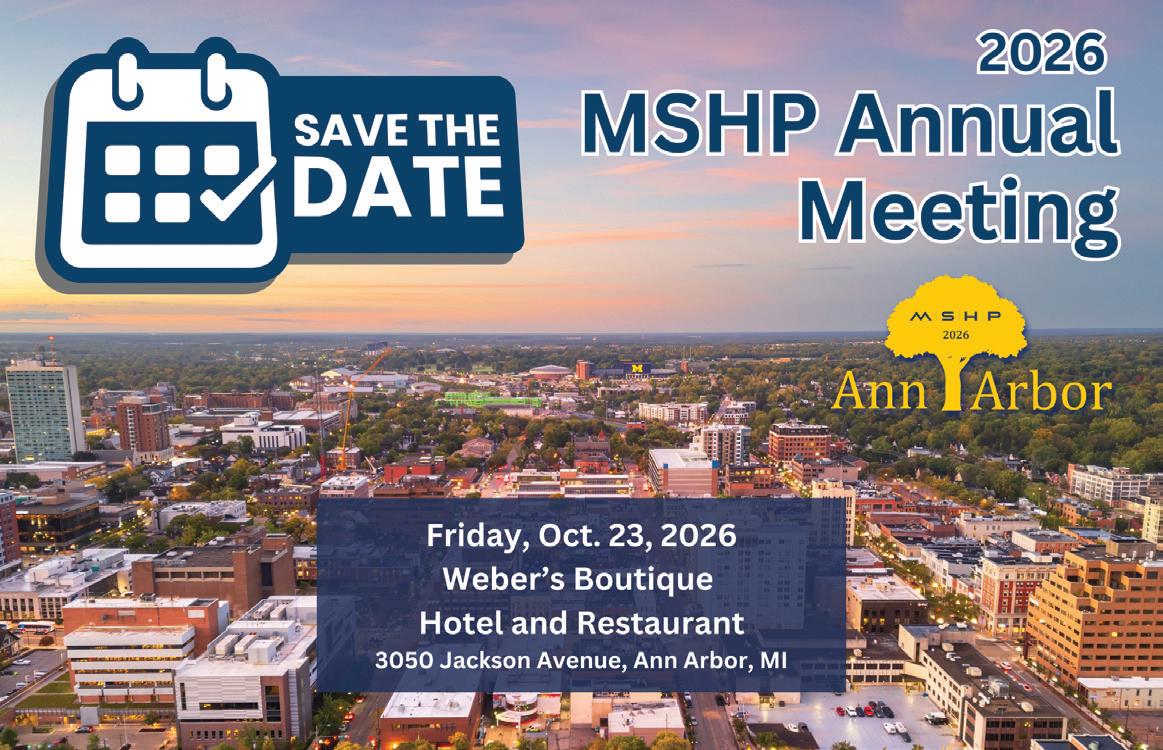
M I C H I G A N S O C I E T Y O F
H E A L T H - S Y S T E M P H A R M A C I S T S
P H A R M A C Y
S P E C I A L T Y S P O T L I G H T
T H E A M B U L A T O R Y C A R E
V I D E O C H A L L E N G E
C a l l i n g a l l s t u d e n t p h a r m a c i s t s !
M S H P w o u l d l i k e t o e n c o u r a g e y o u t o c r e a t e a v i d e o
c l i p t h a t h i g h l i g h t s t h e p r a c t i c e o f A m b u l a t o r y C a r e
P h a r m a c y . T h e v i d e o s w i l l b e u s e d t o e d u c a t e t h e
c o m m u n i t i e s w e l i v e i n , o u r l e g i s l a t o r s , a n d o u r
c o m m u n i t y o f p h a r m a c y p r o f e s s i o n a l s .
1 S T P L A C E
$ 1 0 0 0 C A S H P R I Z E
2 N D P L A C E $ 3 5 0 C A S H P R I Z E
3 R D P L A C E
$ 1 5 0 C A S H P R I Z E
W H A T Y O U R V I D E O C O U L D
H I G H L I G H T
T h e d a y i n t h e l i f e o f a n
a m b u l a t o r y c a r e p h a r m a c i s t
P a t i e n t t e s t i m o n i a l s *
T e s t i m o n i a l s o f t h o s e w o r k i n g
w i t h t h e i n t e r d i s c i p l i n a r y
t e a m o f c a r e
T a r g e t a u d i e n c e : l e g i s l a t o r s
a n d c o m m u n i t y m e m b e r s
S U B M I S S I O N D E A D L I N E
M a y 3 1 , 2 0 2 6
3 0 - 4 5 s e c o n d v i d e o
E n r o l l e d i n a C o l l e g e o f
P h a r m a c y i n t h e S t a t e o f
M i c h i g a n
P a r t i c i p a n t s m u s t b e M P A
m e m b e r s .
I n c l u d e a s o c i a l m e d i a
p r o m o t i o n p o s t . Q U A L I F I C A T I O N S
* T e s t i m o n i a l s s h o u l d b e d e - i d e n t i f i e d a n d i n c o m p l i a n c e w i t h H I P A A
MPA is encouraging all its locals to submit a short recap of activities they have been up to over the previous few months. These can include, but are not limited to CE events, networking activities, charity work or even a recap of your executive board meeting — if you think it's newsworthy, please submit it! Please keep recaps to 300 words and one picture; MPA may edit or trim content to accommodate for spacing. Content for each issue is due by the following dates:
• January/February/March – Dec. 1
• April/May/June – Feb. 1
• July/August/September – June 1
• October/November/December – Sept. 1
You may find MPA's Contribute to a Publication form useful when submitting your content, or you are free to email MPA Marketing and Communications Manager Ryan Weiss directly.
We look forward to seeing what you've all been up to!
Western Michigan Pharmacists Association
WMPA held its first educational event of the year in February, hosting a speaker from Moderna to present about clinical updates, key considerations for the respiratory season, and be available to answer questions about their portfolio of vaccines, recommendations, and best practices. It was a very informative evening and I think everyone who turned out enjoyed it!
Capital Area Pharmacists Association
Upcoming events:
• May 11 – Continuing Education (live)
• May 30 – Advent House Volunteer
CAPA serves the evening meal on the fifth Saturday of the month (when there is one) at Advent House (corner of Oakland and MLK in Lansing). Our next date is May 30, with several more opportunities in 2026. If you are willing to organize one of these meals, please email: capapharm@gmail.com
Annual CAPA Poison Prevention Day
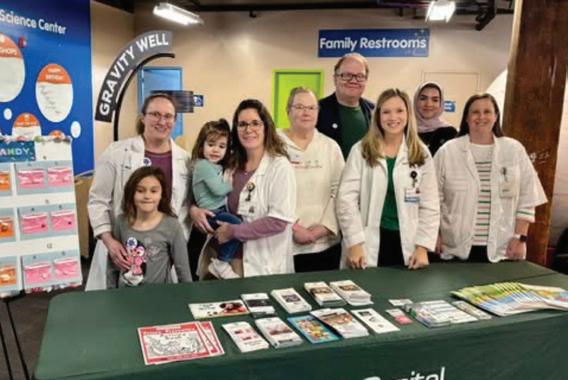
Our Capital area pharmacists were at Impression 5 Science Museum in Lansing on March 14 providing information about medication safety, household chemicals, toxic plants and pet safety.
Advent House
WMPA hosts an educational event in February with a speaker from Moderna.
CLEAR COMMUNICATION:
BY MICHAEL A. SLEIMAN, Pharm.D.,
Meijer Pharmacy team leader; Michigan Board of Pharmacy member; Michigan Pharmacists Association Executive Board member; MPA Government Affairs Committee member
Disclaimer: The views and interpretations expressed in this article are those of the author and are based on professional experience and understanding of applicable laws and regulations. They do not represent official guidance, policy, or positions of the Board of Pharmacy or any regulatory authority.
In today’s regulatory climate, many Board of Pharmacy (BOP) complaints stem not from misconduct, but from miscommunication. As pharmacists, our documentation and communication practices often determine whether a routine dispensing issue becomes a formal investigation.
The following are some key areas where proactive communication can significantly reduce complaints and protect both patients and pharmacists.
Opioid Quantity Limits and Insurance Restrictions
A common scenario involves insurance-imposed daysupply limits on opioid prescriptions. For example, a patient may present a prescription for a 30-day supply, but their insurance limits coverage to a seven-day supply. If the pharmacy reduces the quantity to seven days and dispenses it without clearly explaining the reason, the patient may believe the pharmacy “shorted” them. Unfortunately, complaints to the Board often allege diversion or inappropriate dispensing practices. What began as an insurance limitation can quickly escalate into a formal investigation.
Best Practices
• Clearly explain the insurance limitation to the patient.
• Offer all available options:
o Filling the limited quantity through insurance.
o Paying cash.
o Using a discount card (which is often less expensive than insurance).
• Document the patient’s informed decision.
Patients have the right to choose how their prescription is filled. If they elect to fill the limited quantity through insurance, document that authorization. If they choose to fill the full amount using a discount card or cash, document that as well. Proper documentation protects you. If a complaint is filed, your records should reflect that the patient made an informed decision.
Michigan Law: Partial Fills of Controlled Substances
Under Michigan law, a prescription for a Schedule II controlled substance may be partially filled multiple times to complete the full quantity, provided all fills occur within 30 days of the written date.
This means the patient does not lose the remainder of their prescription simply because they initially filled seven days. Pharmacies should not tell patients that accepting a partial fill forfeits the remaining balance (if within the legal 30-day window).
Best Practices
• Proactively educate staff on Michigan’s 30-day rule for partial fills of Schedule II prescriptions. All pharmacists and pharmacy technicians should understand that multiple partial fills are permitted within 30 days of the written date.
• Clearly document partial fills in the pharmacy management system, including the quantity dispensed and the remaining balance, to avoid confusion or dispensing errors.
• Communicate transparently with patients. When offering or processing a partial fill, explain the remaining quantity available, the deadline to obtain the remainder (30 days from the written date) and any inventory-related limitations
"Patients
have the right to choose how their prescription is filled. If they elect to fill the limited quantity through insurance, document that authorization. If they choose to fill the full amount using a discount card or cash, document that as well. Proper documentation protects you. If a complaint is filed, your records should reflect that the patient made an informed decision."
Your Strongest Protection Against Board of Pharmacy Complaints
Providing inaccurate information can lead to unnecessary complaints and undermine patient trust. Accurate knowledge of state law is essential. When pharmacists confidently communicate correct legal information, misunderstandings decrease significantly.
Written (Paper) Prescriptions for Controlled Substances
There is frequent confusion regarding electronic prescribing requirements. While electronic prescribing of controlled substances is widely required, written prescriptions for opioids and other controlled substances may still be legally valid in certain circumstances. It is not the pharmacist’s responsibility to “police” whether the prescriber has a waiver allowing a paper prescription.
Best Practices
• If there is concern, call the prescriber to verify legitimacy.
• Do not automatically refuse a valid written prescription solely because it is not electronic.
• Do not tell patients that paper prescriptions are categorically illegal. Refusing a lawful prescription or providing inaccurate legal statements can lead to patient complaints and unnecessary scrutiny.
Documentation: Your Legal Shield
In the event of a Board investigation, documentation often determines the outcome! In regulatory matters, documentation serves as proof because, without it, actions cannot be verified. I am sure you have heard this before: if it isn’t documented, it didn’t happen. When in doubt, document. Your documentation should reflect:
• Explanation of insurance limitations
• All payment options offered
• Patient’s choice acknowledged
• Any prescriber communication
• Legal basis for dispensing decisions
The Bottom Line
Many Board complaints stem from misunderstandings. Patients report perceived wrongdoing. When communication is incomplete, perception becomes reality in the complaint narrative.
By clearly explaining insurance limitations, offering all available payment options, understanding and accurately communicating state law, accepting legally valid prescriptions, and properly documenting patient authorization, pharmacists can significantly reduce the risk of complaints and regulatory scrutiny while also protecting their professional licenses and maintaining patient trust.
Communication is not just customer service…. it is regulatory protection!
"Many Board complaints stem from misunderstandings. Patients report perceived wrongdoing. When communication is incomplete, perception becomes reality in the complaint narrative."
Clear, concise and contemporaneous documentation demonstrates professional judgment and protects against allegations of diversion or misconduct.
OZEMPIC® PRESCRIPTIONS CONTINUE TO WREAK HAVOC ON AUDIT RESULTS
Pharmacies know Ozempic® prescriptions have been on PBM radars since they were first released. Not only are these high dollar claims, but they are an easy target for incorrect billing. Making a simple days’ supply error on an Ozempic® claim can result in thousands of dollars being recouped.
Two common days’ supply errors occur with the initial titration dose and patients remaining on the 0.25 mg weekly dose. Billing either one of these incorrectly may cause refill claims to pay earlier than they should. Each early refill is subject to full recoupment.
*Package contains six pen needles; pharmacy may need to provide/sell additional pen needles as needed
A safe way of handling titration prescriptions is to create two prescriptions tied to the same originating order: one for the initial fill only and a second that contains the maintenance dose instructions. This allows you to bill each prescription claim accurately, without needing to change any billing information on refills. By creating a maintenance dose prescription, it may also prevent prescribers from continuing to send prescriptions with the initial titration instructions. Should you receive a prescription with a titration after the patient is on a maintenance dose, it’s best to call the prescriber, confirm the maintenance dose and update the prescription SIG with a clinical note.
PAAS Tips:
• Self-Audit your Ozempic® prescriptions weekly/monthly to ensure accurate billing
• Monitor patients Ozempic® fill history and document when initial titrations are complete
• Watch for prescriptions with old pen size of 1.5 mL, these should be re-authorized by the prescriber for the 3 mL pen
Enriching Lives communities we serve in the
Community Support
• Providing valuable health services to the community like: vaccinations, medication therapy management, point of care services, and drug take back.
• Collected over 63 tons of unused and expired medication last year in our drug take back program.
• Generated and donated more than $10M to food pantries in 2024 in addition to over 10M pounds of food donated to Feeding America to help our neighbors in need.
Investing In You
• Great Place to Work 2025.
• Benefit package with over 40 offerings!
• Meijer invests in our technicians offering training programs that lead to state board certification, national certification, and training in advanced clinical services.
• Through partnership with ACPE-accredited colleges of pharmacy and pharmaceutical industry, Meijer offers 2 community-based PGY1 residencies.