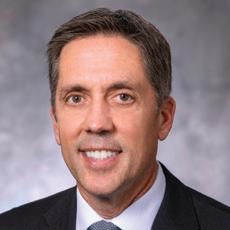
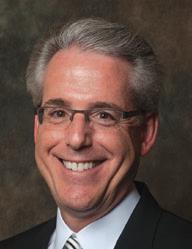
President Kelly looks ahead to the work of MPA's committees. (p. 3)
BOARD OF PHARMACY
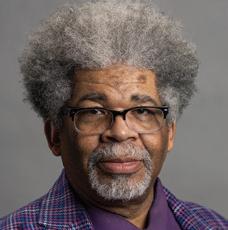
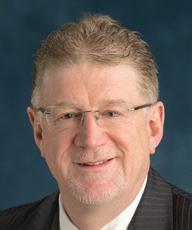
Board of Pharmacy Chair Rony Foumia provides an update. (p. 17)
CSPM FOCUS
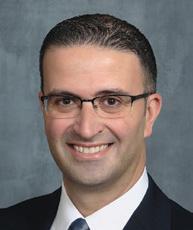
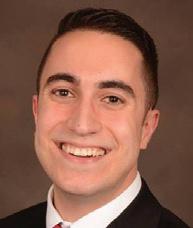
CSPM President Andrew Nobani discusses AI and managed care roles. (p. 19)
14
6 CEO Corner
MPA unveils its 2026-28 Strategic Plan.
10 From the Foundation
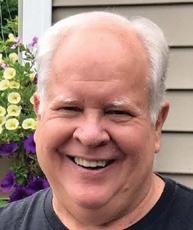
MPF Chairman James Vander Linde details how the Foundation is continuing its mission.
8 Events Calendar
Upcoming MPA and national events.
22 Education Update
A sneak peek at the featured speakers for ACE 2026 in Lansing.
24
9 Student Focus
U-M students sit down with MPA Director of Government Affairs Eric Roath.
31 Regional Page
A look at what local associations have been up to recently.
CEO: Mark Glasper; EDITOR: Ryan Weiss; PUBLISHER: Bryan A. Freeman
HAPPY NEW YEAR & WELCOME TO 2026
Happy new year and welcome to 2026. I am truly excited for what MPA and our members will accomplish together in the year ahead. Every day I am impressed by the dedication, expertise and commitment of our MPA staff and members.
• Marketing Committee
Courtney Biehl (chair), Ashley Diedrich (vice-chair), Bryan Freeman (staff liaison) and Ryan Weiss (staff co-liaison)
Shapes the direction of MPA’s print, web and social media communications, strengthens the visibility of MPA, and highlights the value of the pharmacy profession across the state.
BY MICHELLE KELLY, Pharm.D., MPA president; associate professor, Ferris State University
Congratulations to all our newly elected Board members for MPA, MSCP, MSHP, MSPT, CSPM and MPF. MPA is a strong and successful association because of the leadership and vision these boards provide.
January is an especially energizing time within the association, as our 2026 MPA and MSHP committees convene for the first time to begin work on their charges. When I asked our members to get engaged, you responded in a big way – more than 160 members volunteered to serve on an MPA and/or MSHP committee. MSHP President Nada Farhat and I were thrilled to see such robust interest and commitment from our membership.
Committee charges have been developed thoughtfully and intentionally, informed by past committee accomplishments, our new 2026-2028 Strategic Plan, current House of Delegates resolutions and feedback from members. There is important work ahead, but I am confident that with such strong committee teams and the support of our excellent staff, these groups will deliver meaningful outcomes. Look for updates and new ideas from these committees throughout 2026.
MPA Committees & Leadership
• Government Affairs Committee
Dan Lobb (chair), Ashley Blanchette (vice-chair), and Eric Roath (staff liaison)
Serves as a sounding board for legislative and practice changes in Michigan and champions pharmacy-focused legislation on behalf of our members and the patients we serve.
• Membership Committee
Julie Schmidt (chair), Katie Axford (vice-chair), and Sona Camara (staff liaison)
Enhances member experience through virtual orientation sessions, expanded networking opportunities and initiatives that help members feel connected and supported throughout the year.
• Professional and Educational Affairs Committee
Katie Wenstrom (chair), Kevin Szyskowski (vice-chair), Farah Jalloul-Rizk (staff liaison), and Ashley Builta (co-staff liaison)
Identifies and approves MPA educational offerings, including continuing education at the Annual Convention & Exposition (ACE) and other timely programs, ensuring members have access to current, relevant information for their practice.
My sincere thanks to each of these individuals for volunteering their time and expertise to lead our MPA committees. Your leadership is critical to our success.
One of my favorite events each year is the MPF Adopt-a-Student program at ACE. This program has been instrumental in my leadership and professional development, and I have heard similar stories from many association leaders.
To our student pharmacists planning to attend ACE this year: I strongly encourage you to sign up for Adopt-a-Student. It is an excellent opportunity to meet a mentor, expand your professional network, and gain insights that can shape your career.
To my pharmacist colleagues and members: please consider “paying it forward” by participating as an Adopt-a-Student mentor. Many of us would not be as engaged in the association – or even in our current leadership roles – without an “adopted parent” who showed us the way. Let’s make this the largest year yet for MPF’s Adopt-a-Student program. Your investment in our future leaders will have a lasting impact.
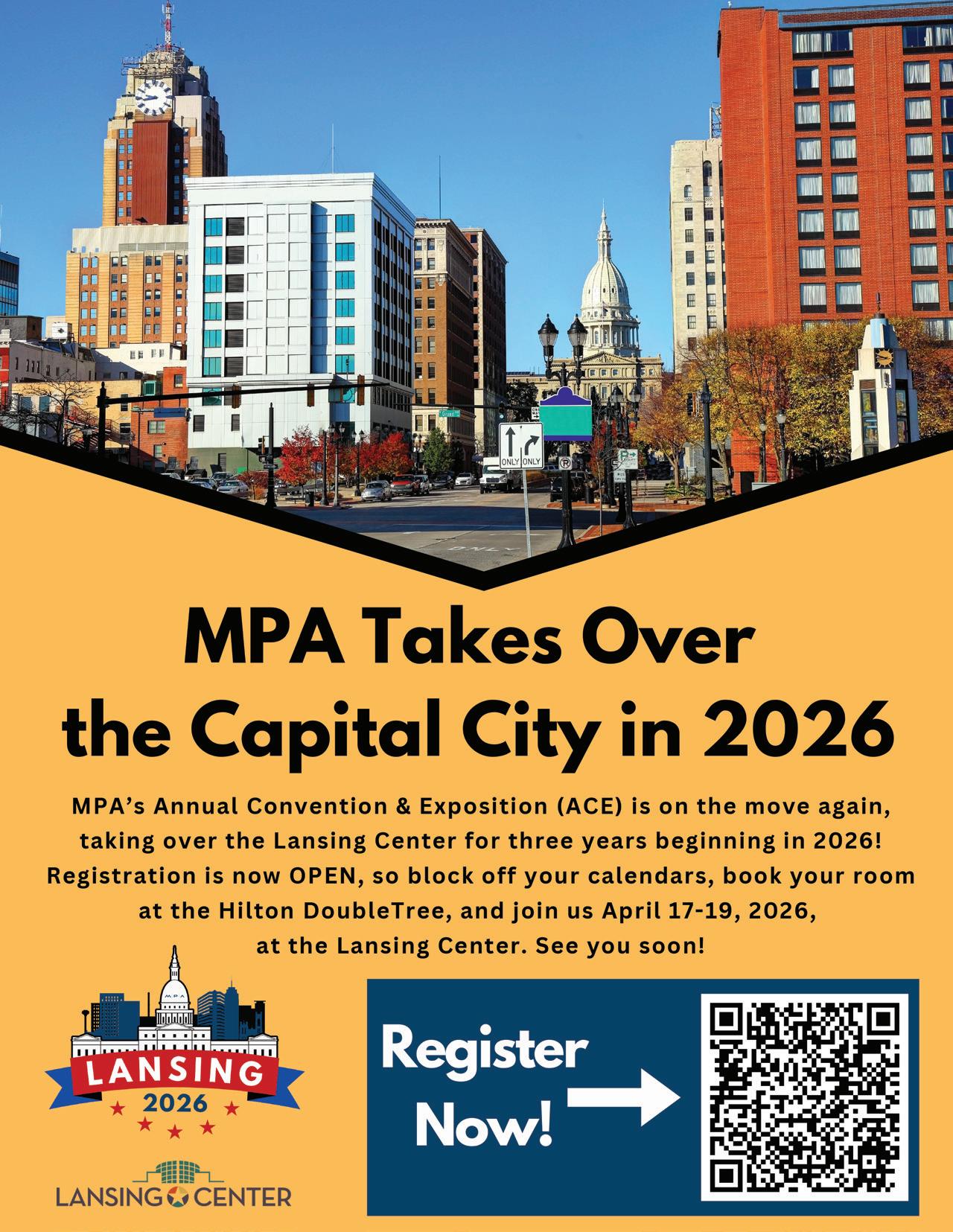
Since we are talking about ACE, I hope you have marked April 17-19, 2026, in Lansing on your calendar. ACE is a truly impactful meeting that offers:
• Cutting-edge continuing education to keep pharmacy practice advancing
• Multiple networking opportunities to expand your professional circle
• Outstanding exhibitors who bring innovative ideas and practical solutions to your practice
• Inspiring keynote presentations, including this year’s focus on Teamwork and Artificial Intelligence
Throughout the weekend, we will also celebrate excellence in our profession through more than a dozen award categories, recognizing the incredible work our members are doing in all practice settings.
If you are on the fence about attending ACE, I encourage you to register. I have been attending since my P1 year, and it remains one of my favorite weekends of the year. Each ACE builds on the last – and every year, it gets better.
As your MPA president for 2026, I welcome your comments, ideas, and questions. I am here to serve you – our members – and to work alongside you to ensure pharmacy remains a strong, vibrant and rewarding profession.
MPA EXECUTIVE BOARD
Elections for the 2026 Michigan Pharmacists Association Executive Board were held last October. New officers and board members took office Jan. 1, 2026.
MICHAEL SLEIMAN Dearborn
RYAN BICKEL PRESIDENT-ELECT Kalamazoo
MARC GUZZARDO TREASURER Rochester
DMITRIY MARTIROSOV SPEAKER OF THE HOUSE OF DELEGATES Troy
ROBIN CURTIS VICE SPEAKER OF THE HOUSE OF DELEGATES Ada
MARK GLASPER SECRETARY/CEO Williamston
HANADI THOMAS Waterford
DAVID MILLER Alto
BRITTANY KINNEY Grand Rapids
REBECCA MAYNARD Kalamazoo
KYLE SCHMIDT Grand Rapids
KEITH BINION Harper Woods
MICHELLE KELLY PRESIDENT Rockford
STEVEN WALLNER Negaunee
CHRISTIANA SHORE SPEC liaison, Wayne State
RYAN J. GREENLEY CHAIR Chassell
LISA BADE Rockford
REMA FARRAN CHAIR
ADAM KING MSPT LIAISON
STEVE ERICKSON DIRECTOR
MATTHEW McTAGGART DIRECTOR
ANDREW NOBANI PRESIDENT
ERIC FOSTER DIRECTOR
JODY GEMBARSKI DIRECTOR
RUTH OPDYCKE DIRECTOR
COURTNEY BIEHL CHAIR
SYLVIA WASSON DIRECTOR
TONINO MICHIENZI DIRECTOR
MIKE NABOLSI PRESIDENT
CHRIS WOLFINGER DIRECTOR
MARK SALEH DIRECTOR
OPEN PRESIDENT-ELECT
SAHAR SWIDAN DIRECTOR
KIM MOON DIRECTOR
RANDOLPH REGAL DIRECTOR
BRITTANY STEWART PRESIDENT-ELECT
KEN CHAK DIRECTOR
BROOKE ROE DIRECTOR
C.J. HEISLER MSPT LIAISON
TOM HANCOCK DIRECTOR
AMY ELLIS DIRECTOR
MARK GLASPER SECRETARY
ALINE SAAD DIRECTOR
MANJULA JAYABALAN DIRECTOR
ZACHARY MUELLER DIRECTOR
MARK GLASPER SECRETARY
BETHANY LATHAM DIRECTOR
JOHN GROSS DIRECTOR
AUSTIN BROWN DIRECTOR
NADA FARHAT PRESIDENT
GARY BLAKE EXECUTIVE VP
AMBER
LANAE MARTIROSOV PRESIDENT-ELECT
TARA McALPINE DIRECTOR
TIM EKOLA CAPA DELEGATE TBD NMSHP DELEGATE
LISA FORSYTH SMSHP DELEGATE
C.J. HEISLER
IMMMEDIATE PAST-PRESIDENT, MSCP LIAISON
KIM ELIASON DIRECTOR
JENNIFER MAJESKE PRESIDENT
VALERIE KELLEY- BONNER DIRECTOR
STACY BROUSSEAU PAST-PRESDIENT
BEN PONTEFRACT DIRECTOR
ASHLEY BLANCHETTE WMSHP DELEGATE
BECKI FLEGEL PRESIDENT-ELECT
DENISE PROPES DIRECTOR, MSHP LIAISON
MICHELLE DEHOORNE TREASURER
CALVIN ICE DIRECTOR
DENISE PROPES MSPT LIAISON
MARK GLASPER SECRETARY
ADAM KING DIRECTOR, CSPM LIAISON
SHELBY KELSH DIRECTOR
MARK GLASPER SECRETARY
RYAN COOK DIRECTOR
JILL CORWIN DIRECTOR
STRATEGIC PLAN MPA LAUNCHES NEW 2026-2028
BY MARK GLASPER, chief executive officer, Michigan Pharmacists Association
Welcome
to 2026 and to MPA’s bold, new Strategic Plan!
It was just a few short years ago when MPA developed a new strategic plan for 20222024. Because strategic plans are living, breathing documents and the current plan was serving our needs well, your Executive Board made the decision to stretch the plan one more year to cover 2025.
I am delighted to report some excellent highlights since the plan was put into motion in 2022, including:
• Membership has increased by 31.2% from 1,974, on Dec. 31, 2021, to 2,590 on Dec. 31, 2025.
• The Annual Convention & Exposition (ACE) persevered through COVID, shifted timing from February to April, and adopted a traveling rotation of cities, building attendance back up to more than 700 and the number of exhibitors to nearly 90.
• Legislative advocacy soared to its highest level with multiple pharmacy-friendly bills being passed:
- HB 4348 PBM Reform in 2022.
- SB 219 Immunizations in 2023.
- HB 5436 Contraceptive Prescribing in 2025.
• Launched a new website and association management system.
• Annual budget grew from $2,184,103 in 2022 to $2,344,920 in 2025, despite no increase in membership dues.
STRATEGIC PLAN
"I want to thank the committee and the nearly 50 MPA members and staff who participated in the retreat at MPA headquarters in Lansing."
Not to be lost on these achievements are the hundreds of individual projects undertaken by your dedicated MPA staff in support of the strategic plan each year. Staff assemble an annual operations plan that is reported on at each Executive Board meeting. After four years of tracking these efforts, more than 90% of these projects are completed each year supporting the three goals of the strategic plan.
Now it’s time to apply this momentum to the new strategic plan.
The Process Works
Our new strategic planning initiative started exactly one year ago, when an ad hoc Strategic Planning Committee was formed, composed of Chair Sarah Hill, President Ryan Greenley and President-elect Michelle Kelly, and MPA Chief Strategic Officer Bryan Freeman, Chief Pharmacy Officer Farah Jalloul-Rizk and myself. Our first order of business was to select a facilitator for our strategic planning retreat held this past July. Committee members reviewed three proposals generated by a search through the Michigan Society of Association Executives. We selected Event Garde, which has its roots in Grand Rapids but has evolved into a remote company serving associations nationwide. The committee met several times with Event Garde in preparation for the retreat.
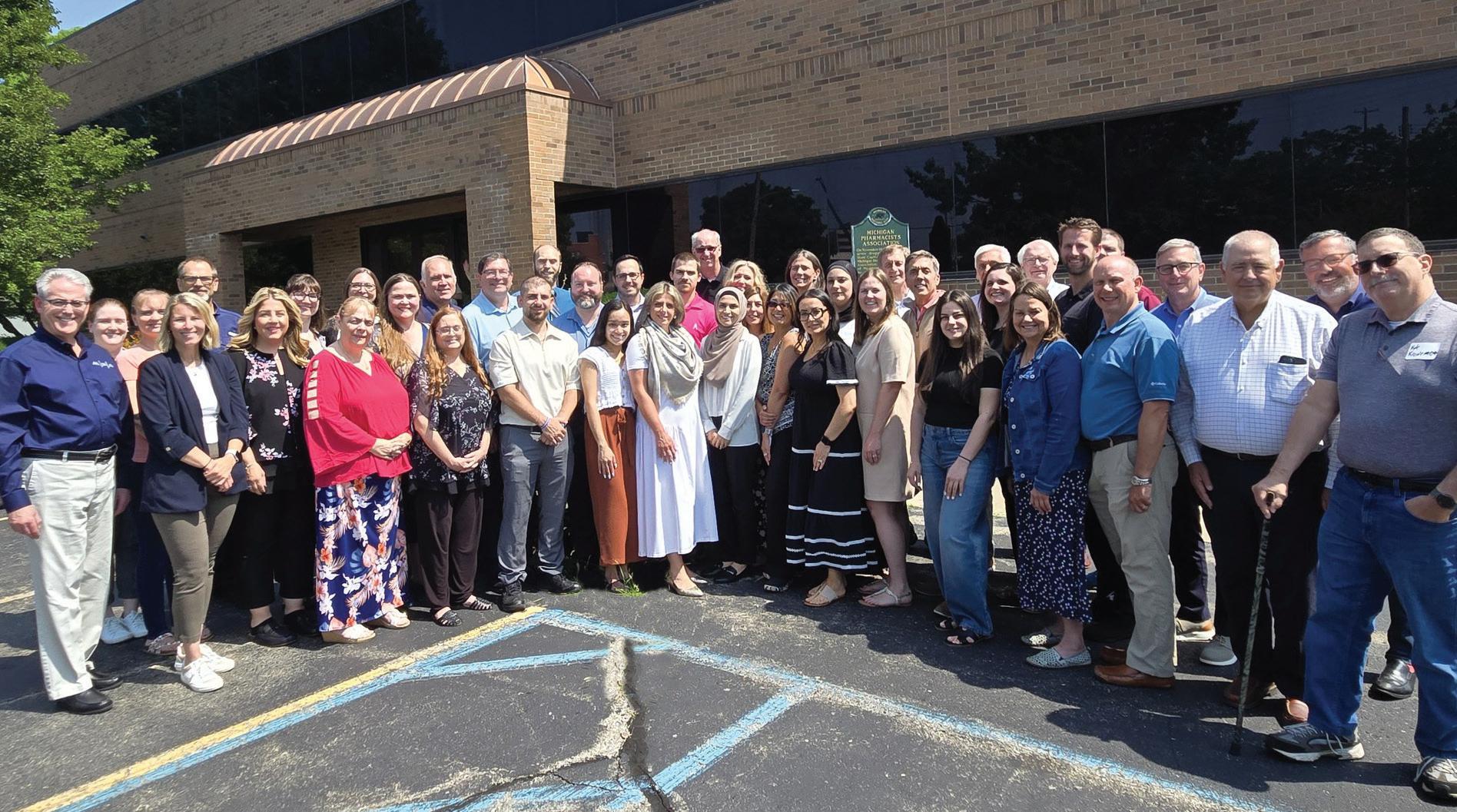
I want to thank the committee and the nearly 50 MPA members and staff who participated in the retreat at MPA headquarters in Lansing. Participants represented almost every MPA component organization –
executive, section, local and regional boards – the Michigan Pharmacy Foundation and the three colleges of pharmacy.
We came together over a day and a half to chart the course for MPA over the next three to five years. The facilitated event had participants think about where we see MPA heading while considering the obstacles that could stand in our way. A great discussion led to big, bold ideas –such as having an MPA member elected to the Michigan Legislature. This is exactly the sort of input you get when you have a lot of great minds working synergistically.
The Plan Delivers
Since the retreat, the Strategic Planning Committee continued to meet with Event Garde to map out an implementation plan for our new strategic initiatives. The final strategic plan and its implementation counterpart were approved at the Nov. 11, 2025, Executive Board meeting.
The new strategic plan displayed on Page 6 includes all of the components for us to achieve great things over the next few years. New goals address membership, education, advocacy and our organizational infrastructure. And, of course, the details of future success will be outlined more fully in our annual operational plans.
Now, we just need to make it happen!
EVENTS CALENDAR
MPA events, as well as health observances, are included below. For the most up-to-date information, please visit our online calendar at MichiganPharmacists.org/events
Thursday, Jan. 1Saturday, Jan. 31 National Slavery and Human Trafficking Prevention Month Nationwide
8
8
Thursday, Jan. 8 MSHP Committee Day In Person, MPA Headquarters
Thursday, Jan. 8 MSHP Board of Directors Meeting In Person, MPA Headquarters
12
Monday, Jan. 12 National Pharmacist Day Nationwide 19 Monday, Jan. 19 Martin Luther King Jr. Day MPA Office Closed
FEBRUARY 2026
1-28
6
Sunday, Feb. 1Saturday, Feb. 28 American Heart Month Nationwide
Friday, Feb. 6 National Wear Red Day for the American Heart Association Nationwide
6
16
26
Friday, Feb. 6 MSPT Board of Directors Meeting Virtual
Monday, Feb. 16 President's Day MPA Office Closed
Thursday, Feb. 26 MPF Board of Trustees Meeting Virtual
MARCH 2026
1-31
12
12
24
27-30
Sunday, Mar. 1Tuesday, Mar. 31 National Kidney Month Nationwide
Thursday, Mar. 12 MSHP Board of Directors Meeting Virtual
Thursday, Mar. 12 CSPM Board of Directors Meeting Virtual
Tuesday, Mar. 24 American Diabetes Association Alert Day Nationwide
Friday, Mar. 27Monday, Mar. 30 APhA Annual Meeting & Exposition Los Angeles, California
28
Wednesday, Jan. 21 MPA Committee Day Virtual 21 Wednesday, Jan. 21 MPA Executive Board of Directors Meeting In Person, MPA Headquarters 27
Please note: Some board and committee meetings may be subject to a change in format to virtual or in-person at the discretion of the members. Please check the online calendar or contact MPA@MichiganPharmacists.org for more information.
Saturday, March 28 NASPA Spring Meeting Los Angeles, California
28 Saturday, March 28 Michigan Reception at APhA Annual Meeting & Exposition, 5-7 p.m. Los Angeles, California
Tuesday, Jan. 27 MSCP Board of Directors
Thursday, Jan. 29 CSPM Board of Directors
"Engagement can start small, whether by attending legislative days, writing to local representatives, or simply staying informed about policy issues affecting pharmacy practice."
A FIRESIDE CHAT WITH MPA
BY TYLER HART, SMPA president, 2027 Pharm.D. candidate, University of Michigan College of Pharmacy
In November, the University of Michigan chapter of the Student Michigan Pharmacists Association (SMPA) had the privilege of hosting a fireside chat with MPA Director of Government Affairs Eric Roath. The event brought together student pharmacists from across the college for an open, honest and forward-looking discussion about the role of advocacy in shaping the future of our profession. What emerged was not only a better understanding of why advocacy matters, but also a renewed confidence among students that their voices can play a pivotal role in health care.
One of the central themes of the conversation was the hesitancy many students feel when considering getting involved in advocacy. Roath emphasized that this reluctance is common, often rooted in uncertainty about where to begin or fear of not “knowing enough.” He reminded students that advocacy does not require expertise; it requires willingness. Engagement can start small, whether by attending legislative days, writing to local representatives, or simply staying informed about policy issues affecting pharmacy practice. Throughout the discussion, students were encouraged to view advocacy not as an intimidating responsibility, but as a professional duty that grows more manageable – and may also be more rewarding – the earlier we begin.
Another important topic was the number of misconceptions that still exist about what pharmacists do. From the belief that pharmacists simply dispense medications to misunderstandings about our training and clinical capabilities, these misconceptions can limit the profession’s visibility and influence. Roath highlighted how intentional advocacy can correct these narratives. By speaking confidently about our expertise, sharing real examples of patient care and engaging with interdisciplinary teams, pharmacists can reshape public perception and demonstrate the full scope of our value within health care.
The conversation then moved toward communication strategies, particularly how to explain our role to non-pharmacy audiences. Students discussed how tailoring messages to the interests of the listener, whether a patient, policymaker, or community member, can make advocacy more effective. Using clear language, focusing on impact, and grounding conversations in patient stories were identified as powerful ways to connect with the public and build support for the profession.
Looking ahead, Roath also shared insight into how the profession may evolve over the next decade, especially as technological innovations continue to accelerate. Students explored questions surrounding artificial intelligence, workflow automation, and expanding scopes of practice. Rather than viewing these changes with apprehension, the group discussed how embracing technological advancements can enhance pharmacists’ clinical roles, allowing us to practice at the top of our license while improving patient outcomes. Preparing for this future means staying adaptable, continuously learning, and maintaining a proactive mindset.
In the end, this fireside chat provided immense value by helping students recognize not only the importance of advocacy, but also their capacity to contribute meaningfully to it. The event strengthened our understanding of pharmacy’s evolving landscape and underscored the impact we can have when we engage early and consistently.
For student pharmacists across Michigan, I cannot recommend these types of events enough. Hosting fireside chats, policy discussions, or advocacy workshops can empower students, spark curiosity and build the next generation of pharmacist leaders. Our experience was both energizing and educational. We hope other student organizations will consider creating similar opportunities to inspire their members and advance our profession.
FOSTERING THE FUTURE OF PHARMACY – THE MISSION CONTINUES:
BY JAMES B.
VANDER LINDE, Pharm.D., MPF chairman
In the January 2024 issue of the Michigan Pharmacists Association journal, then Michigan Pharmacy Foundation Chair Chris Maksym wrote an article titled “Moving Forward in 2024 and Beyond.” Chris addressed the MPF vision, which is “To Foster the Future of Pharmacy,” and also touched on the development of the MPF Strategic Plan as well as key initiatives of the Foundation – including the Health Professional Leadership Academy, the Adopt-a-Student Program, grants and student scholarships.
As the incoming MPF chair for 2026, I am pleased to report MPF has made significant progress in fulfilling its mission. We have 17 highly-engaged board members representing a variety of pharmacy practice settings, as well as a public member. Collectively, this diverse and engaged board works diligently to shape the future of pharmacy.
Each board member serves as a chair or a member of one of the following committees: Development/Events, Grants, Finance, Golf, Nominations and Scholarship. Each committee has specific objectives to accomplish in order to ensure the Foundation advances its mission.
The Foundation needs support – your support – to continue the mission. HPLA, student mentoring programs, scholarships and grants all come at a cost.
For MPF to become a sustaining endeavor, a detailed fundraising campaign has been developed. This is the first campaign of its kind for MPF and it was methodically and thoughtfully developed along with education and training for MPF members. The MPF Board is now implementing the campaign.
DONATE HERE
Over the past several months, the MPF Board has been fine tuning its strategic plan, which was originally developed in 2022. The revised strategic plan will maintain the core elements while providing clarity and focus, with detailed goals and implementation and achievement.
One of MPF's success stories is the Health Professional Leadership Academy. The Academy has produced more than 125 graduates since its inception. Past participants in this program have included pharmacists and pharmacy technicians, as well as non-pharmacy-related health care professionals. While all attest to the fact that this training has contributed to their professional growth and leadership capabilities, many also attribute the program as being a major reason they have received promotions and have made them more valuable to the organizations in which they work.
The Michigan Pharmacy Foundation is your foundation. The strategic plan and initiatives were formulated from input that you, the members, thought should be our priorities.
The board has much more to accomplish. We can only do this with your support. Each year, board members rotate off after their terms of service are completed and we look to nominate replacements. That could be you. It’s a rewarding experience to work on initiatives that will help shape the future of pharmacy.
As the fundraising campaign continues, we will be relying on your support to make this happen. When you are contacted, I am counting on you for a favorable response and a gift to the Foundation.
For ways in which you can financially support the Foundation, scan the QR code to get started.
Thank you for your support as together we “Foster the Future of Pharmacy.”
"We have 17 highly-engaged board members representing a variety of pharmacy practice settings, as well as a public member. Collectively, this diverse and engaged board works diligently to shape the future of pharmacy."
2026 MPF BOARD OF TRUSTEES
The Michigan Pharmacy Foundation (MPF) is proud to introduce its new officers and members of the 2026 MPF Board of Trustees. Members are elected by the board annually on a rotating basis to three-year terms.
JAMES VANDER LINDE MPF CHAIR East Lansing
MARK BOMIA Canton
ANDREW NOBANI Saint Clair Shores
MARK GLASPER MPF SECRETARY/MPA CEO Williamston
MOHANNAD AL-NABOLSI Livonia
STEVEN DURST MPF VICE CHAIR Big Rapids
AMY SMENDIK MPF TREASURER Middleville
DOUGLAS SAMOJEDNY New Baltimore
RICK DRABEK MPF EXECUTIVE DIRECTOR St. Johns
JOHN BRUBAKER PAST MPF CHAIR Sterling Heights
DENISE MARKSTROM Sterling Heights
SARAH HILL Howell ROBERT HODGES Portage
RONALD DEVERS Jackson
CHRISTOPHER MAKSYM Dexter
CHRIS WOLFINGER Dimondale
RYAN BICKEL MPA PRESIDENT-ELECT Kalamazoo
ROX GATIA Bloomfield Hills
THE OPPORTUNITY IS HERE, BUT WHAT REMAINS IS THE WILL TO ACT!
BY LEANG MEY TAO, Pharm.D., MPA executive fellow and E. MICHAEL MURPHY, Pharm.D., MBA, senior advisor for state government affairs, American Pharmacists Association
Health care transformation often emerges from crises. During the COVID-19 pandemic, pharmacists filled critical gaps by providing testing, vaccinations and essential services when other sectors were overwhelmed or unavailable. What began as a temporary emergency authority quickly proved indispensable – so indispensable that Michigan made pharmacist independent immunization authority permanent.
Now, Michigan faces another health care crisis in rural communities. Hospital closures threaten to strip away critical access points, with four facilities at immediate risk of closing within the next two to three years and 11 more at risk of closing, leaving residents with few options for timely medical care.1 Compounding this challenge, anti-competitive business practices implemented by pharmacy benefit managers (PBMs) have contributed to the expansion of pharmacy deserts, leaving residents to travel significant distances for even basic pharmaceutical services.2 With worsening primary care shortages and declining access, state leaders are once again searching for innovative, scalable solutions to meet patients where they are. And once again, pharmacists, due to their training, trust and presence in nearly every community, are uniquely positioned to answer the call.
The Rural Health Transformation (RHT) program aims to address alarming shortages in primary and preventive care across underserved areas.3 But this moment’s significance extends far beyond rural counties. Michigan stands at a rare point of alignment: a clear access crisis, an existing but underutilized workforce, and new funding for innovation. Adding a standard of care (SoC) framework and full prescriptive authority – or what some might call full practice authority — would complement this alignment by offering a powerful pathway for pharmacists to expand their clinical authority, strengthen care delivery statewide and reshape the future of the profession.
The proposed SoC framework would establish a regulatory approach that holds pharmacists accountable for their education and training rather than the current bright-line regulatory model used in most states. Under bright-line regulation, state laws explicitly list what pharmacists can and cannot do, requiring state legislative authorization for each new service, a process that bottlenecks innovation and limits responsiveness precisely when communities need agility. In contrast, a SoC framework defers to health care professionals’ clinical judgment within established scope of practice boundaries, similar to how other health care professions are regulated. For example, if a pharmacist faces a malpractice claim under the current bright-line regulation, the court evaluates whether state law explicitly authorizes that specific action. Under a SoC framework, the evaluation shifts to whether the pharmacist’s education and training prepared them to provide that service competently – the same standard currently applied to physicians and other health care providers. This shift would allow flexibility in scope of practice over time, eliminate unnecessary regulations and strengthen accountability mechanisms without sacrificing patient safety or professional oversight.
Paired with full prescriptive authority – which would expand pharmacists’ capabilities beyond collaborative practice agreements and standing orders to include independent prescribing for conditions that don’t require new diagnosis, are minor and generally self-limiting, have tests to guide diagnosis, or are emergencies requiring professional judgment – this combined approach would enable pharmacists to practice at the top of their license. Instead of rigid, prescriptive protocols, this approach mirrors the framework governing physicians, nurse practitioners and physician assistants. Pharmacists would be expected to deliver care that aligns with accepted clinical standards, evidence, state regulations and professional judgment.
Even if Michigan adopts a SoC framework, it’s important to recognize that prescribing mechanisms exist on a spectrum that ranges from restrictive to broad. CPAs represent the most restrictive approach, followed by standing orders and protocols, and independent being the least restrictive. Most states move incrementally towards independent prescribing rather than making a single large leap. Alaska serves as a cautionary example: the state has adopted SoC language in law, yet prescriptive authority remains limited to CPAs. This demonstrates how unnecessary regulations can significantly limit the effectiveness of the SoC model. Without expanded prescriptive authority to complement the regulatory framework, pharmacists remain constrained by the same barriers that prevent them from practicing at the top of their education and training. To fully realize the benefits of a SoC approach, Michigan must pair this regulatory shift with meaningful expansion of prescriptive authority that reflects pharmacists’ clinical competencies.
While SoC and full prescriptive authority are essential, a third element is necessary for patients to have full access to pharmacist-provided health care services: coverage and reimbursement. Even with expanded clinical authority, employers won’t implement new services without a viable business model and patients won’t access care they must pay for out-of-pocket. Two types of parity are needed to address this barrier: coverage parity, which requires
health plans to cover services within a pharmacist’s scope regardless of provider type, and payment parity, which ensures reimbursement equivalent to other providers delivering the same service. However, state authority over payment is limited to Medicaid and locally-registered commercial plans; ERISA-governed employer plans and Medicare Part B remain outside state control.
Colorado illustrates this challenge: despite having a SoC approach and independent prescriptive authority for certain services, the state has achieved Medicaid payments for pharmacist services but lacks coverage parity, limiting the full potential of their expanded scope. Common opposition from health plans stems from practical implementation challenges: insurance systems aren’t currently set up for pharmacist credentialing, and even when authority exists, many pharmacists struggle to navigate billing processes. This is where RHT funding creates a pivotal moment for the profession to justify compensation by demonstrating what pharmacy is capable of when equipped with an enabling policy framework and the freedom to meet patients’ needs. The RHT program offers a critical opportunity to address this gap. The $50 billion grant program, running from fiscal year 2026 through FY 2030, with $10 billion allocated annually across all 50 states, provides the funding infrastructure needed to pilot pharmacistled services.4
Pharmacist-led models of care implemented through this grant will produce data on patient outcomes, cost effectiveness, improvements in access and population health impacts. Michigan policymakers and health care stakeholders need concrete evidence that expanded pharmacist authority improves care without compromising safety or quality. That evidence, in turn, becomes the foundation for policy advocacy. By carefully tracking clinical outcomes, patient satisfaction, health care utilization patterns and health equity metrics, participating pharmacies can help build the case for permanent statewide scope expansion
While the RHT program is designed to support underserved and geographically isolated areas, its impact should not be confined to rural ZIP codes. The underlying crisis is the shortage of accessible providers, which affects patients statewide. This crisis creates a policy window in which stakeholders have recognized that traditional approaches have failed, and that alternatives must be considered. Pharmacists can use this moment not only to serve rural communities, but also to demonstrate to legislators, insurers and the public that they are a consistent, highly-trusted touchpoint in the health care system. Showcasing success through grants, expanded immunization, contraceptive prescribing, chronic disease management, or other pharmacist-driven services will allow Michigan to build the evidence base needed for universal pharmacist provider status under this policy tool. The results of data outcomes could transform conversations about pharmacist authority from theoretical possibilities to demonstrated realities. It addresses skeptics who question whether pharmacists can safely provide expanded services and reassure policymakers about the quality of care. Most importantly, it gives patients and communities concrete reasons to support pharmacists as frontline providers. To effectively leverage this data and overcome anticipated challenges, advocates must employ strategic approaches: separating advocacy efforts for scope expansion from payment discussions allows stakeholders to manage different points of opposition more effectively, preventing one battle from derailing the other. Building personal relationships with physicians to demonstrate pharmacist value in real-world settings is equally critical – and bringing physician champions to advocate alongside pharmacists amplifies credibility with
both legislators and the public. Throughout these efforts, framing the issue as a patient access crisis rather than a pharmacy profession issue ensures the conversation remains centered on community health needs, not professional turf battles.
Most importantly, the RHT program provides a critical opportunity for preventing pharmacy deserts from expanding. With locations in nearly every community and expertise in medication management, chronic disease support and preventive care, pharmacists are often the only health care professionals still accessible to populations abandoned by traditional health care infrastructure. When pharmacists can respond to diverse patient needs under a coherent clinical framework rather than a patchwork of individual protocols, they become sustainable health care providers rather than mere medication dispensers. This model addresses the rural health crisis in two critical ways: it removes unnecessary barriers to timely clinical services and enables scalable, flexible care in communities with limited health care access without waiting years for individual legislative changes. Communities keep their pharmacies and patients maintain access to trusted clinicians who understand their health history and social contexts.
To position the profession effectively, the Michigan Pharmacists Association will continue working toward the adoption of the SoC framework, support members in identifying and pursuing RHT opportunities, gather and disseminate data on pharmacist-driven outcomes, and facilitate collaboration with public health entities and community partners. Beyond policy advocacy, members are encouraged to engage MPA for strategic support in addressing operational implementation challenges, including traditional workflow, driving patient demand for pharmacist services and reimagining pharmacy technician roles to support expanded clinical responsibilities. MPA strives to advocate for a shift toward medical benefit billing for all pharmacist clinical services rather than continuing the current split between pharmacy and medical benefits, which complicates reimbursement and limits service scalability. Pharmacists are encouraged to stay engaged with MPA for updates and to share success stories so MPA can elevate these examples to policymakers and strengthen the case for permanent pharmacist provider authority.
The difference between temporary emergency measures and lasting professional advancement lies in documentation and outcome. Just as the pandemic permanently expanded immunization authority, today’s rural health crisis can accelerate the recognition of pharmacists as fully accessible health care providers under the SoC framework and full prescriptive authority – not as an exception, but as the norm. If Michigan pharmacists seize this opportunity, the impact will extend far beyond rural communities. It will redefine what pharmacy practice looks like statewide for the next generation.
REFERENCES:
1. "760 Hospitals at Risk of Closure: State by State." Becker's Hospital Review, www. beckershospitalreview.com/finance/760-hospitals-at-risk-of-closure-state-by-state/
2. Conti, Rena M., and Erin L. Duffy. "What Pharmacy Benefit Managers Do and How They Contribute to Drug Spending." The Commonwealth Fund, 13 Mar. 2025, www. commonwealthfund.org/publications/explainer/2025/mar/what-pharmacy-benefitmanagers-do-how-they-contribute-drug-spending
3. "Rural Health Transformation Program." Michigan Department of Health and Human Services, www.michigan.gov/mdhhs/assistance-programs/medicaid/rural-healthtransformation-program
4. "Trump Medicaid Cuts Risk Closing Three Michigan Hospitals." Michigan Public, 15 July 2025, www.michiganpublic.org/politics-government/2025-07-15/trump-medicaidcuts-risk-closing-three-michigan-hospitals
BY BRYAN FREEMAN, chief strategy officer, Michigan Pharmacists Association
The Return on Your Membership Investment
Membership in the Michigan Pharmacists Association offers pharmacists, pharmacy technicians and student pharmacists a powerful combination of professional support, financial value and long-term career benefits. Across all membership levels the return on investment is consistently strong, demonstrating that MPA provides far more than a simple association fee. It offers resources that elevate practice, expand professional opportunities, and strengthen the pharmacy profession as a whole.
For active pharmacists, the value is especially significant. Although annual dues are $316, the estimated benefits exceed $4,400, driven by high-quality continuing education, substantial discounts and the association’s extensive advocacy efforts. This advocacy ensures that pharmacists have a voice in legislative and regulatory decisions that shape the profession. Additionally, networking events, member resources and professional tools help pharmacists remain informed, connected and competitive in a quickly evolving health care landscape.
New practitioners and student pharmacists experience one of the strongest returns on investment. With dues of only $125 or less per year, members gain access to mentoring, practice resources and career-advancing connections worth more than 20 times the cost of membership. For those transitioning from school to practice, MPA provides a supportive bridge that accelerates professional growth. The association’s emphasis on leadership development and early-career engagement helps newer pharmacists build confidence and navigate the complexities of the profession. Pharmacy technicians also benefit significantly from joining MPA. For only $40 per year, technicians receive access to continuing education, networking opportunities and professional development tools valued at approximately $1,700 annually. Membership strengthens their skills, enhances career mobility, and connects them with colleagues across the state.
Across all categories, MPA membership delivers exceptional value – financially, professionally and personally. It connects individuals to a statewide community dedicated to advancing pharmacy practice, advocating for the profession, and supporting members at every career stage. For anyone working in pharmacy in Michigan, joining MPA is not just beneficial – it is a strategic investment in long-term success.
PHARMACIST MEMBERSHIP
Estimated annual value:
• Free/discounted CE: ~$850
• Advocacy representation: ~$1,000 (industry standard valuation)
• Member resource access & networking: ~$800
• Discounts/resources: ~$1,810
Total Estimated Value: ≈ $4,460
PHARMACY TECHNICIAN
Estimated annual value:
• Free/discounted CE: ~$300
• Networking/professional development: ~$300
• Advocacy: ~$1,000
• Discounts/resources: ~$100
Total Estimated Value: ≈ $1,700
2025 MEMBERSHIP REPORT
MPA would not have had success in 2025 without you, our members. At the end of December membership growth was nearly 10% more than in 2024. This means MPA ended 2025 with close to 2,600 members. This was accomplished through the hard work and passion of MPA members, MPA staff, MPA executive and section boards, committees, local associations and affiliated regional health-system pharmacists societies.
2025 Members
Pharmacists 1,342
Pharmacy Technicians 417
Student Pharmacists 630
Associate Members 37
Honorary Members 164
2025 Members by Practice Section
Michigan Society of Community Pharmacists 615
Michigan Society of Health-System Pharmacists 551
Consultant and Specialty Pharmacists 98
Michigan Society of Pharmacy Technicians 417
Student Michigan Pharmacists Association 630
This year is off to a great start with work being accomplished by MPA and the Michigan Society of Health-System Pharmacists membership committees.
While committee assignments have been made for 2026, there is still time to request an appointment to a committee this year. Please complete the MPA Member Engagement form which can be found here: https://fs27.formsite. com/7jFRIO/Committees/index
Thank you for your commitment to MPA, and we look forward to a successful and engaging year!
Describe Your Role/Day in the Life: In my role, I provide support for the direction, coordination and analysis of clinical pharmacy services for Michigan’s second-largest health plan, with a focus on quality, safety, equity and pharmacoeconomic outcomes. This includes analyzing data related to pharmacy prescribing patterns and medical outcomes for individual patients and the communities they live in, to inform formulary and coverage decisions for the pharmacy benefit.
Each day brings opportunities to be collaborative with members of the health care team (providers, nurses, pharmacists, etc.), as well as colleagues in technology, contracting and sales, all working towards accessible, exceptional and affordable health care.
The part of my day that gives me the most joy is leading an incredible team of pharmacists who bring diverse experiences from community, ambulatory care, long-term care, specialty, and healthsystem pharmacy. Together, we make evidence-based clinical decisions to ensure patients have access to appropriate and cost-effective medication therapies. Of course, having such an exceptional team is a gift as a leader and something I never take for granted – especially when we are entrusted with decisions that directly affect patient care. Each day, I reflect on how I supported my team and how I can improve for them tomorrow.
Why You’re an MPA Member: I am an MPA member because, like many of you, life can get hectic and filled with competing responsibilities, making it difficult to stay current on everything happening in pharmacy. I am thankful for all the time and effort MPA members and MPA staff commit to pursuing advancement for our pharmacy profession at both the state and the federal level.
Recent Accomplishments: I have always believed that “the best accomplishment is the next one.” With that being said, I am very honored to have been selected by peers to serve on the MPA Executive Board for the next three years. I feel we have an incredible opportunity in pharmacy to address and support the changes needed to create a health care model that is accessible to all and sustainable for the future.
How MPA Has Helped You Achieve Any Accomplishments: MPA has been the one pharmacy organization I have remained continuously active in, from student pharmacist to now. When I was a “conquer the world yet nervous for what the future held” student pharmacist, MPA helped provide networking and mentorship opportunities with pharmacists leading the profession. When I was a pharmacy resident staring down the possibility of my first leadership role in pharmacy, MPA helped me mature through the MPF Health Professional Leadership Academy. When I led clinical pharmacy services through the COVID-19 pandemic, MPA helped ensure I had access to the latest information on vaccines, masking and other tools to keep people safe. When I changed careers from community pharmacy to managed care pharmacy, MPA connected me to the leaders in Consultant and Specialty Pharmacists of Michigan. Overall, MPA has been an organization that has supported me throughout my pharmacy career, and I anticipate MPA will continue to find ways to support all of you.
— NEW STAFF —
Sona Camara, senior membership manager
Sona Camara joined the Michigan Pharmacists Association in November 2025. She brings deep experience in membership management and analytics, with proven abilities in strengthening organizational growth through data informed decisions, strategic planning and strong relationship building.
In her role as senior membership manager, Camara is committed to supporting MPA’s mission and building a strong foundation for member success.
Outside of work, she enjoys time with her husband and their two daughters. She loves rowing and traveling, has visited 52 countries, and speaks three languages. Originally from the Washington, D.C. area, Camara brings a broad global perspective to her work and community.
A Call to Michigan’s Pharmacy Community: Technician CE – a Shared Responsibility
BY RONY FOUMIA, chairman, Michigan Board of Pharmacy
"Two hours in implicit bias training (IBT): at least one hour per year of the license cycle may count toward CE. It is important to note that IBT has been a huge miss with CE audits."
Disclaimer: Although I serve as Chair of the Michigan Board of Pharmacy, the views expressed in this article are my own and do not necessarily reflect the official position of the Michigan Board of Pharmacy.
In Michigan, pharmacy technicians must meet specific continuing education requirements as part of the biennial license renewal process. These requirements are mandated under the Michigan Public Health Code and Board of Pharmacy rules. The requirements must be satisfied before submitting a renewal application to the Department of Licensing and Regulatory Affairs (LARA).
A critical issue that continues to require attention is compliance with pharmacy technician continuing education requirements. While pharmacists are passing CE audits at a high rate, pharmacy technicians are not. Without getting into specific numbers, this trend is concerning – but it is also preventable. Let's review the requirements.
Total Hours Required
Technicians must complete a minimum of 20 hours of board-approved continuing education over each two-year license cycle. Within those 20 hours, CE must include:
• At least five hours must be “live” CE: meaning synchronous, interactive instruction (in-person or virtual).
• One hour in pharmacy ethics and jurisprudence: ensuring technicians stay current with legal and regulatory changes.
• One hour in pain and symptom management: focused on safe, effective approaches as they relate to pharmacy practice.
• One hour in patient safety: covering risk reduction, medication errors and quality improvement principles.
• Two hours in implicit bias training (IBT): at least one hour per year of the license cycle may count toward CE. It is important to note that IBT has been a huge miss with CE audits.
The remaining hours (up to 15) may be completed through other approved formats, including home study or online programs, provided they meet Board criteria.
There is also a one-time requirement for identifying victims of human trafficking that you must complete prior to licensure.
Recordkeeping and Audit Compliance
Pharmacy technicians do not need to submit CE certificates with the renewal application, but they must retain documentation for at least four years in case of a Board audit.
Common Compliance Challenges
Given these details, there are several ways technicians can fall short if expectations aren’t clear:
• Misunderstanding which courses count (e.g., assuming all online CE satisfies live requirements).
• Forgetting to complete the required content areas amid busy workflows.
• Not regularly tracking hours, leading to last-minute scrambling before renewal deadlines.
• Cost
Addressing Barriers to CE Compliance
It is important to acknowledge that cost can be a real barrier for pharmacy technicians when it comes to completing continuing education. CE requirements can feel overwhelming when technicians are balancing busy work schedules, personal obligations and financial constraints. However, lack of access or affordability does not have to be a reason for noncompliance.
There are numerous free and low-cost CE options available, including board-approved online programs, employer-provided education and
offerings through professional organizations. In particular, the Michigan Pharmacists Association provides affordable CE opportunities that meet Michigan requirements and are designed to be accessible for both pharmacists and pharmacy technicians.
Pharmacists-in-charge and supervising pharmacists can play a meaningful role by helping technicians identify these resources early, encouraging CE planning throughout the license cycle, and reinforcing that cost-effective options exist. Proactive conversations about CE access can reduce uncertainty and prevent last-minute compliance issues.
Pharmacists-in-charge and supervising pharmacists play a critical role in supporting pharmacy technician CE compliance. This includes ensuring technicians understand what CE is required – not just that it is required – well before license renewal, helping them identify affordable, accessible education options early and encouraging CE planning throughout the entire license cycle. Clear, ongoing communication about Michigan’s specific CE requirements helps reduce uncertainty, prevent last-minute compliance issues, protect the pharmacy during audits and ultimately support safer patient care. Proactive, consistent conversations set clear expectations and reinforce accountability for everyone involved.
Technicians or pharmacy leaders with questions about available education opportunities are encouraged to contact MPA directly at Education@MichiganPharmacists.org for guidance and support. The future of pharmacy in Michigan depends on all of us—showing up, speaking up, and working together.
AI, AUTOMATION AND THE FUTURE ROLE OF MANAGED CARE PHARMACISTS
BY ANDREW NOBANI, Pharm.D., MBA, CSPM president
Anyone working in managed care right now can feel how quickly things are shifting around us. The pace is different. Expectations are tighter. And almost every workflow conversation circles back to the same theme: how artificial intelligence and automation are becoming part of our daily reality. Not as a future concept, not as a buzzword, but as an active part of how we review cases, support decisions and move work through the system. Some of these tools have been helpful. They clean up repetitive noise, streamline routing and uncover patterns we may not spot right away. Other times, the technology introduces surprises, decisions that move too fast or logic that does not quite line up with clinical reasoning. Anyone who has worked in prior authorization or specialty care has already felt both sides of that experience.
A recent AMCP Foundation report noted that more than 90% of managed care leaders believe AI will soon be involved in at least half of all prior authorization reviews.1 That aligns with Deloitte’s prediction that AI-driven decision support and automated workflows will become standard across pharmacy benefit management.2 These trends are not theoretical. They are already changing how organizations structure teams, measure performance and define the pharmacist’s role.
For all the noise surrounding AI, there is one thing it still cannot do. It cannot understand patients the way pharmacists do. It cannot feel when something in a case presentation does not fit. It cannot interpret the small contextual clues we pick up naturally. It cannot see the difference between two nearly identical requests that, clinically, move in completely different directions. This gap is where the pharmacist’s role becomes even more important.
As AI takes on repetitive work, pharmacists must step more fully into roles requiring judgment, interpretation, and clinical leadership. The goal is not to compete with automation but to guide it. Efficiency should never eclipse appropriateness. Algorithms should be questioned when needed. Member experience must remain at the center, even when workflows become increasingly digital.
This shift raises concerns about transparency. As pharmacy benefit managers face greater scrutiny, the way decisions are made will matter more than ever. Automation cannot become a black box. Providers expect clarity. Members expect fairness. Pharmacists, especially in managed care and specialty roles, are best positioned to keep those standards intact.
There is also a need for new skills. We do not need to write code, but we do need to understand how these systems function, where they fall short, when they miss context and how to build workflows that allow technology to support clinical goals without overriding them. This fluency will become just as important as mastering emerging therapies.
Pharmacists already excel at balancing appropriateness, cost, access, safety and outcomes. We sit at the crossroads where these decisions meet. As AI becomes more common, that perspective becomes one of the most valuable tools an organization can have.
The landscape is moving quickly, sometimes faster than we might prefer. But pharmacists have always adapted. Whether facing new therapies, new regulations, or new care models, we continue to adjust while protecting the patient’s experience. AI is simply the next chapter of that evolution.
If we remain engaged, ask difficult questions and push for thoughtful implementation, this technology can strengthen our profession rather than dilute it. AI will absolutely be part of the future of managed care pharmacy, but that future still requires the judgment, perspective and steady clinical instincts of a pharmacist guiding the process.
REFERENCES:
1. AMCP Foundation. “AMCP Releases New Report About Emerging Trends Impacting Managed Care Pharmacy in 2025.” AMCP, 2025.
2. Deloitte. The Future of Pharmacy: Disruption, Opportunities, and Challenges. Deloitte Insights, 2024.
3. Commonwealth Fund. “What Pharmacy Benefit Managers Do and How They Contribute to Drug Spending.” The Commonwealth Fund, 2025.
4. Specialty Pharmacy Continuum. “AI and Managed Care: Preparing for Disruption.” Specialty Pharmacy Continuum, 2025.
MICHIGAN MPJE: What the class of 2026 Needs to Know
BY ZAHRA ALKHAYAT, P4, University of Toledo College of Pharmacy
MICHIGAN MPJE UPDATE
• As of Feb. 29, 2024, the state of Michigan removed the Multistate Pharmacy Jurisprudence Examination (MPJE) as a licensing requirement.
• Alaska, Idaho and Vermont have also eliminated the pharmacy law exam requirement.
CURRENT MICHIGAN LICENSING REQUIREMENTS
• To become licensed in Michigan, candidates must:
o Pass the NAPLEX
o Attest that they possess sufficient knowledge of Michigan pharmacy laws and rules.
WHY THE LAW STILL MATTERS FOR PHARMACISTS
Patient safety: Pharmacy law helps ensure safe dispensing and appropriate counseling.
Legal accountability: Pharmacists are responsible for every prescription they verify, dispense and document.
License protection: Understanding the law reduces risk of violations, audits, and disciplinary action.
Out-of-state licensure: Pharmacists seeking licensure in other states must pass that state’s law exam (MPJE or UMPJE).
UNIFORM MPJE
• The UMPJE is a new, standardized version of the MPJE that creates a national and uniform law exam across participating states.
• While the UMPJE will cover applicable federal law, it should not be considered a federal law exam.
• The UMPJE will cover the common pharmacy laws across states and will test understanding of regulations that are used nationwide.
• State boards of pharmacy will have the option to begin using the UMPJE or to continue to use the state-specific exam. First expected exam administration: June 2026
BENEFITS OF TAKING THE LAW EXAM
• Simplifies license transfers and score transfers between states.
• In 2026, graduates and pharmacists seeking licensure in states that adopt UMPJE will only be required to take and pass one law exam, reducing cost, regulatory burden, and time to license.
QUESTIONS TO ASK YOURSELF
• Do I plan to practice outside of Michigan? Some states still require a law exam for licensure.
• Will I transfer my license in the future? Taking the exam now may simplify score transfers.
• Am I aiming for residency or a specialized role? Some programs may value law exam completion.
RESOURCES/LINKS FOR MORE INFORMATION
• NABP UMPJE Information page
o https://nabp.pharmacy/programs/ examinations/mpje/uniform-mpje/
• UMPJE Content Outline
o https://nabp.pharmacy/wp-content/uploads/ Uniform-MPJE-Content-Outline.pdf
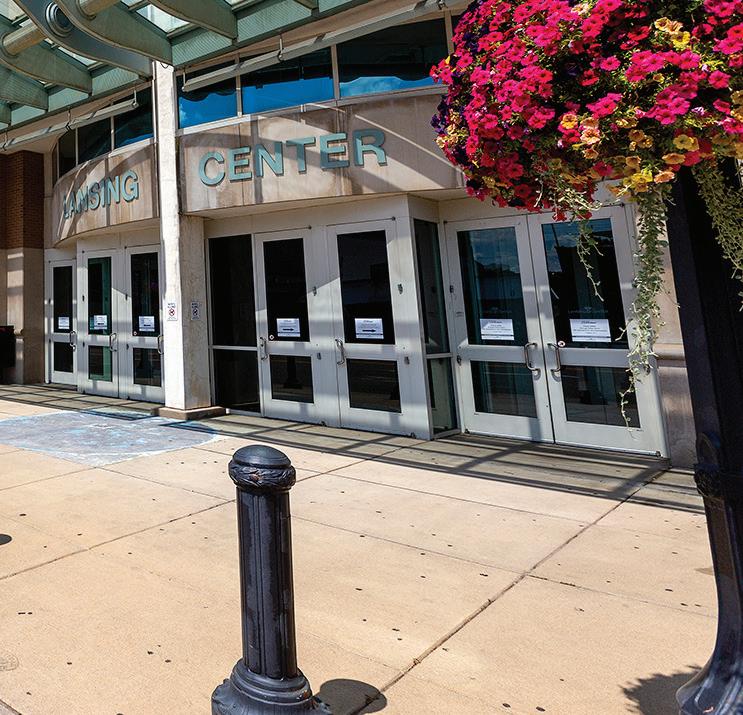
MPA is excited to reveal its keynote speakers for the 2026 Annual Convention & Exposition, taking place April 17-19 at the Lansing Center in Lansing!
Friday, April 17, 2026
The Critical Care Collaborative (C3) was formed in 2017 and is composed of clinical, tenuretrack and adjunct faculty members at the University of Georgia College of Pharmacy with its members located in four cities in Georgia and Colorado. The team’s core mission is to "pay it forward," mentoring the future of the profession through collaboration that stimulates professional development, scholarships and teaching. Since inception, C3 mentees have been recognized more than 30 times with state and national awards and scholarships. C3 members have generated more than 50 peer-reviewed manuscripts and delivered over 20 invited national and international presentations. This team has found great purpose, maintained energy and combatted burnout. Due to their success, C3 wrote a guidebook, titled "InteGREAT," in hopes of developing more successful teams. You can read more about C3 and "InteGREAT" at critcarecollab.com
About the presenters: Trisha Branan, Pharm.D., BCCCP, FCCM, is a clinical professor and assistant department head for professional education at the University of Georgia College of Pharmacy in Athens, Georgia. She practices as a critical care pharmacist at Piedmont Athens Regional Medical Center. W. Anthony Hawkins, Pharm.D., BCCCP, FCCM is a clinical associate professor at UGA COP and adjunct faculty with the Medical College of Georgia at Augusta University.
LANSING CENTER • APRIL 17-19, 2026
Saturday, April 18, 2026
Does AI represent the dawn of a new era of humanity or the end of the world as we know it? Both are being suggested as possible outcomes. This session will explore the geopolitics, climate implications, risks and opportunities for AI. What does this mean for pharmacy? How is AI being adopted in health care? Are there guardrails to protect individuals and patients from these increasingly powerful tools? The discussion will also highlight companies and products that are already deploying health care-focused AI tools.
About the presenter: Sean Jeffery is director of pharmacy services at Integrated Care Partners, the clinically integrated delivery network for Hartford Healthcare. He is currently the first vice president of the Connecticut Pharmacists Association and is also APhA’s 25th treasurer. Jeffery was president and chairman of the Board of Directors for the American Society of Consultant Pharmacists from 2012 to 2014.
2026
ANNUAL CONVENTION & EXPOSITION
FRIDAY, APRIL 17 – SUNDAY, APRIL 19
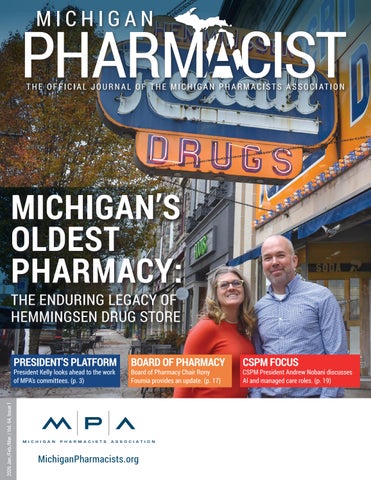
MICHIGAN’S OLDEST PHARMACY: The Enduring Legacy of Hemmingsen Drug Store
BY MATTHEW C. SCHWARTZ, Pharm.D., Hemmingsen Drug Store
Since the dawn of time – or so it seems – Hemmingsen Drug Store has stood at the heart of Marshall in Calhoun County. When Chris and Mindy Munden took ownership in 2016, they found themselves entrusted with an enduring legacy and looked forward to celebrating the pharmacy’s 90th anniversary in 2026. In anticipation of the celebration, I was invited to explore the store’s history, delving into boxes of records and antiques in the attic to curate a display and share the pharmacy’s story with our community.
On the surface, the history seemed straightforward. Everybody knows that Hemmingsen Drug Store was founded in 1936 by Chet and Helen Hemmingsen – it’s in the logo after all.
The documents and antiques, however, told a very different story.
Tools and instruments that would have been obsolete well before the 1930s. Pharmacist licenses from the 1920s. Drug and chemical invoices from the 1880s. Prescription records going back to the 1870s.
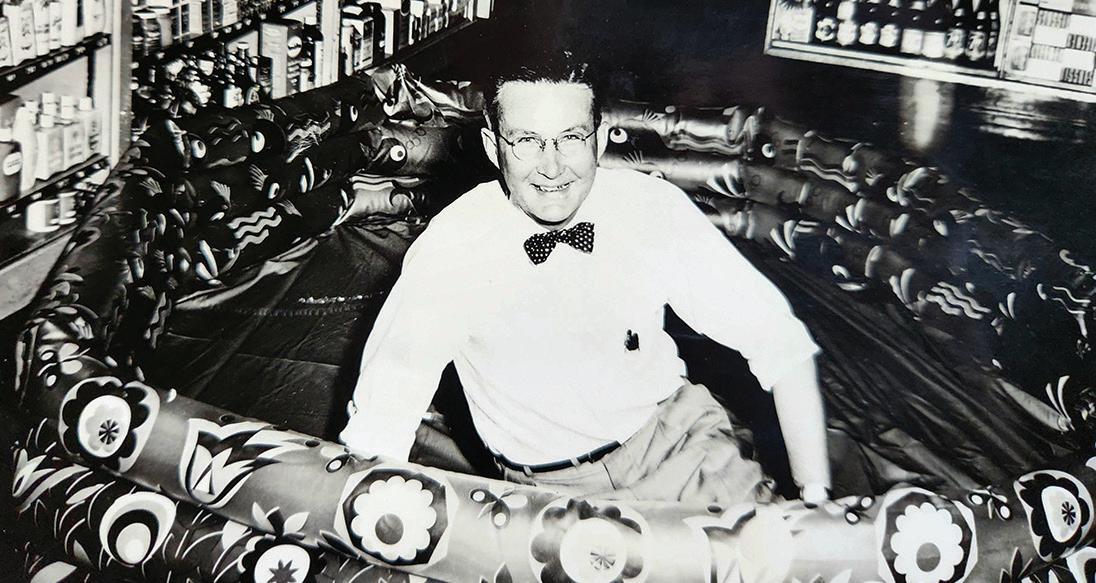
Chet Hemmingsen after purchasing the pharmacy.
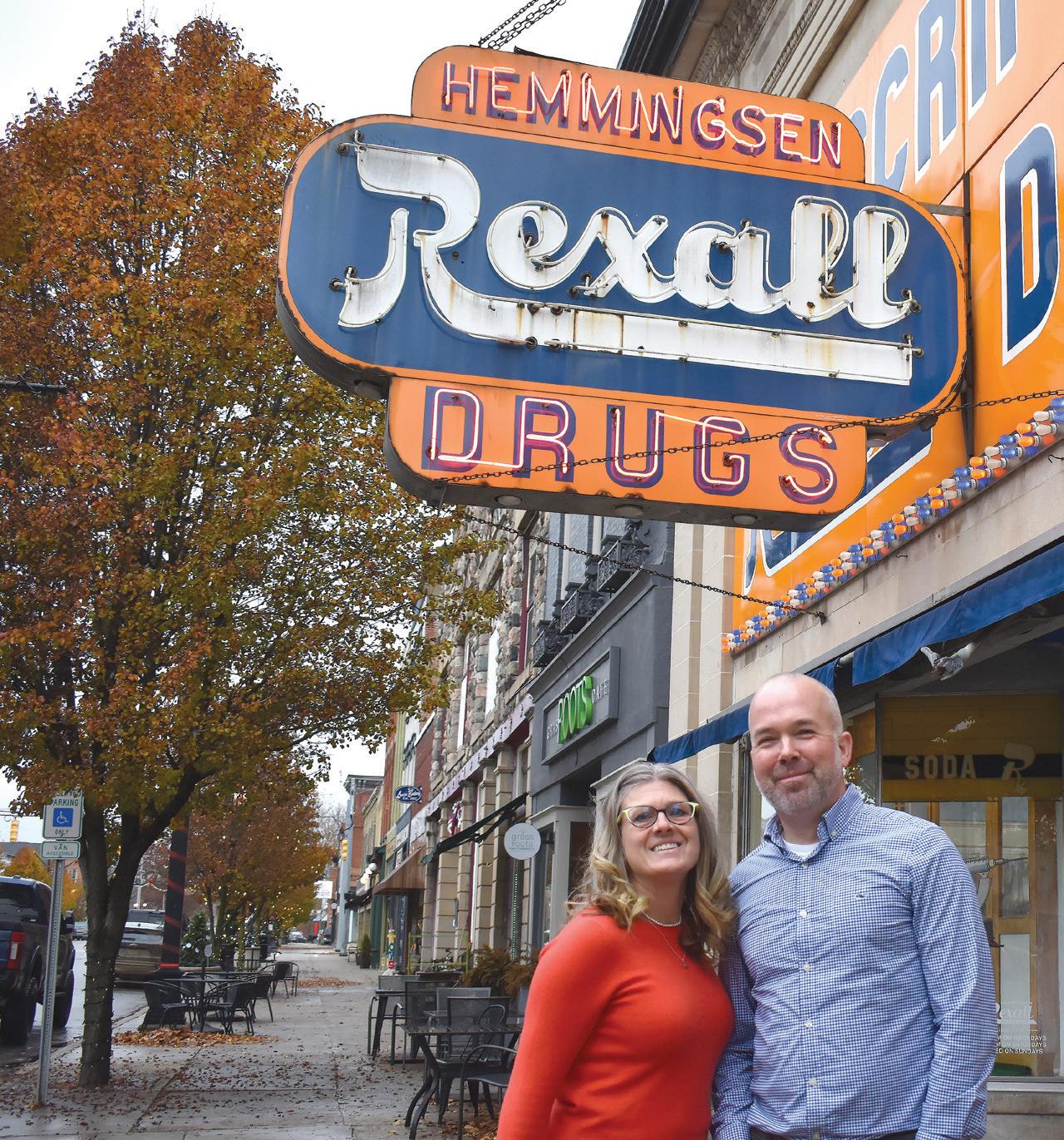
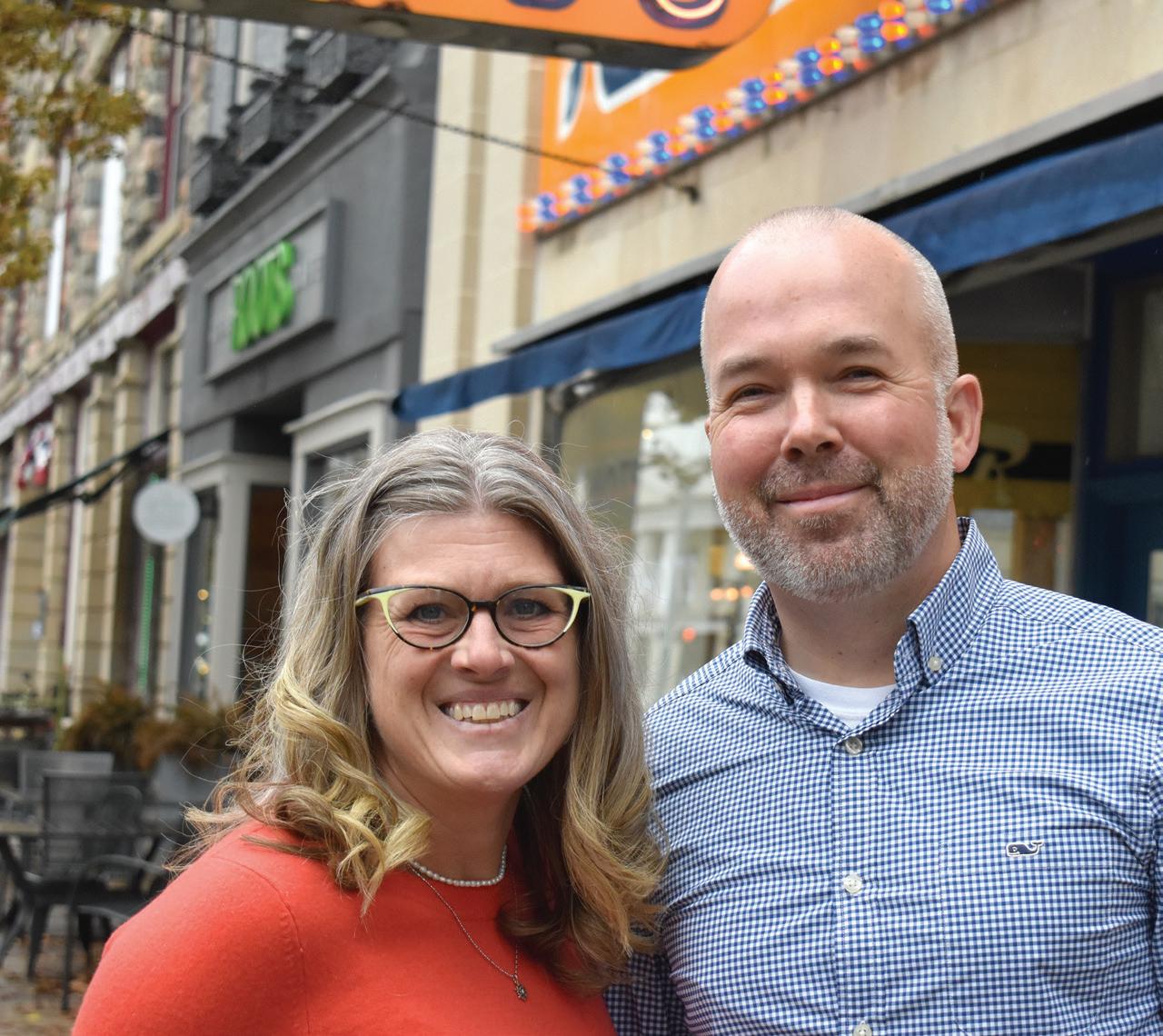
Current Hemmingsen Drug Store owners Chris and Mindy Munden.
With the guidance of Chelsea Heisler from the Marshall History Center at the Marshall District Library, our investigation led us deeper than we ever expected. Piece by piece, we uncovered a story that stretched far beyond the commonly accepted founding date. It is a story entwined with the evolution of pharmacy itself in America. Its true origins make Hemmingsen Drug Store not just Marshall’s oldest pharmacy, but what is understood to be the oldest continuously operating pharmacy in the state of Michigan and among the oldest pharmacies still operating in the United States.
The Origins of Michigan’s Oldest Pharmacy
Records show that Chet Hemmingsen did not start his own pharmacy in 1936 – instead, he purchased an existing pharmacy and changed its name to the one it has today.
The real origin of Hemmingsen Drug Store takes us back nearly a century earlier to 1847, when Dr. Anthony D. Schuyler opened the Marshall Dispensary on the northeast corner of State Street (now Michigan Avenue) and Eagle Street in the building that still stands there today. Typical of many pharmacies at the time, Schuyler carefully compounded individualized prescriptions by hand, while also offering prepared remedies, paints, oils and other conveniences for the community.
Schuyler operated the business until 1885, when his health began to decline. He sold the store and its stock to Dr. George H. Greene and his clerk Will Drake, who renamed the business Greene & Drake, and later, Greene’s Drug Store. Greene grew the business and quickly became a respected figure in town. His contributions to the community went beyond pharmacy practice; he served one term as mayor of Marshall from 1886-87, exemplifying the civic leadership that was common among community pharmacists in the 19th and early 20th centuries. He continued managing the store until his own health deteriorated and he was succeeded by his son, Grove Greene, who was himself a pharmacist and avid photographer.
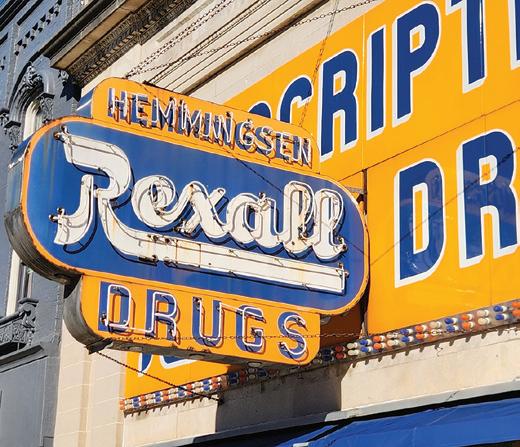
Chet and Helen Hemmingsen purchased the store from Grove Greene in 1936. Hemmingsen Drug Store continued to serve the community of Marshall from the same street corner until 1944, when he remodeled the Commercial Bank building into a modern Rexall drug store, complete with a soda fountain, and relocated the store to its current home at 132 W. Michigan Ave. The pharmacy remains there today as a fixture of downtown.
Since Hemmingsen’s retirement, Dick Mumaw, Ron and Donna Dillman, and Chris and Mindy Munden have carried on the store’s legacy as owners.
The Art and Practice of Early Pharmacy
Among the most fascinating discoveries during our research were the ledgers, receipts and invoices that connected us directly to those earlier pharmacists. Complete prescription records from 1879 to 1904, handwritten and individually numbered, document the daily work of Schuyler and Greene as they prepared medicines for the community. Each entry tells a story: tinctures of opium for a man in pain, powders of quinine to treat a woman’s fever, mercury ointment to treat an infection of the eyelid. These records reflect the history of the science and art of pharmacy, a field that demands medical and chemical knowledge in addition to craftsmanship and trust.
The invoices uncovered from the 1880s offer another layer of insight. They list chemical and botanical ingredients purchased from Detroit and Chicago, showing how even a small-town pharmacy in Michigan was connected to a growing national network of trade. They also show more than pharmaceutical purchases. We forget that in the 19th century, the local pharmacist was often called the chemist for a reason. Beyond the medicines, the pharmacists would use pigments and oils to make paints, provide oil for lamps and heating, and mix oils with waxes for wood finishing and waterproofing.
Collectively, these documents provide a comprehensive account of the progression of pharmacy from a simple trade to a professional discipline within the community.
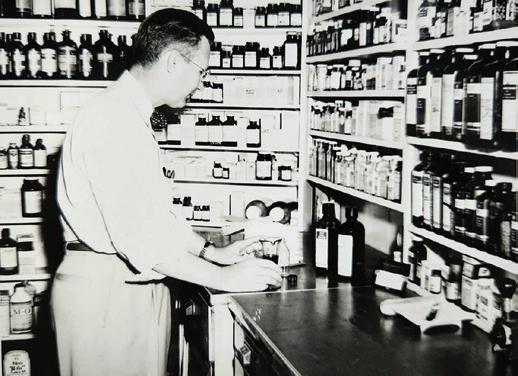
Chet Hemmingsen works behind the counter of the pharmacy.
Continuity Through Change
Since its founding in 1847, Hemmingsen Drug Store has weathered nearly every major challenge in American history. During the Civil War, in addition to medical supplies, Schulyer would have also provided comfort and reassurance to families as Michigan’s soldiers fought in Gettysburg and Shiloh. As the decades rolled on, it endured the economic and social upheavals of both World Wars, adjusting its inventory and operations as rationing and shortages affected the entire nation. During World War II, Chet Hemmingsen headed a fundraiser that collected $4,000 to send Christmas packages to every Marshall man and woman in the armed forces.
The store has also weathered countless economic crises. It’s probably no coincidence that the Hemmingsens purchased the drug store amid the Great Depression. With the pharmacy facing financial hardship, Hemmingsen breathed new life into the store and pivoted focus to a more retail-friendly model, offering not only medicines and inexpensive necessities, but also compassion and practical support for those struggling in difficult times.
The store’s resilience was further tested by waves of major pandemics, including the flu in 1889-90, 1918-20 and 1957, and most recently the COVID-19 pandemic in 2020. Drawing from our own experience in 2020, we can imagine that each crisis brought new demands and required rapid adaptation, whether by sourcing essential medications, or providing trusted counsel when fear and uncertainty gripped the community. Throughout these trials, the community has had this pharmacy to lean on and Hemmingsen’s has risen to each occasion with unwavering care and reliability.
The pharmacy has continually evolved with the times, embracing major advancements in medicine and pharmacy practice. Keep in mind that in 1847, especially in rural areas, the primary system of medicine was Humourism, passed down from the ancient Greeks. It would be another
decade or two before germ theory and modern physiology would firmly unseat it.
The pharmacy would have been the community’s gateway to countless medical and pharmaceutical advancements. From providing compounded botanical alkaloids in the 1840s, to dispensing the first synthetic drugs in the 1880s, to the advent of antibiotics in the early 20th century, to the adoption of vaccination programs and modern pharmacy services we offer today, Hemmingsen’s has always sought to bring the best in health care to its neighbors. By constantly updating its services and expertise, the pharmacy has remained not only relevant, but indispensable to the people of Marshall.
Navigating the Modern Pharmacy Landscape
As Hemmingsen Drug Store continues to serve the Marshall community, it faces a new kind of challenge. It is not a challenge born of war or disease, but one of economics and public policy: the growing influence of pharmacy benefit managers (PBMs). These powerful intermediaries play a dominant role in determining how much an insurance company reimburses a pharmacy for a prescription, which medications are available to patients through their insurance, and how much patients pay at the register. Unfortunately, their opaque practices and unpredictable fees have created an environment that makes it increasingly difficult for community pharmacies to keep their doors open to the patients they’ve served for generations.
Independent pharmacies like Hemmingsen’s are vital links to the health care system in America. Pharmacists are often the most accessible health care professionals in their communities, providing guidance, education and continuity of care for patients navigating an increasingly complex medical landscape. However, unfair PBM practices often threaten their ability to sustain that role. Small-town pharmacies and the patients who rely on them are at risk.
Chet Hemmingsen makes a sale to a couple children.
According to the Federal Trade Commission, nearly one-third of independent pharmacies have closed since 2010, and a recent National Community Pharmacists Association (NCPA) survey found that more than 30% of independent pharmacy owners are considering closing their doors before the end of 2025. PBM reform is essential, not just for the future of independent pharmacy, but for the health and stability of the communities they serve.
For Chris Munden, that advocacy has become personal. He has spent countless hours working with professional organizations such as the National Community Pharmacists Association (NCPA) and the Michigan Pharmacists Association, and is a board member of the Michigan Independent Pharmacy Association (MIPA) in an effort to raise awareness of PBM practices and their impact on patient care. He has also met directly with state and federal legislators, sharing firsthand experiences from the pharmacy counter to help lawmakers understand how PBM policies affect small businesses and the patients they serve. His efforts, and those of other pharmacists across the country, are helping to raise awareness and push for meaningful legislative PBM reform.
Hemmingsen Drug Store has endured wars, pandemics and economic depressions. It will endure this challenge, too. As it has for nearly the past 180 years, Hemmingsen’s is determined to adapt and thrive. Through programs like medication synchronization, free home delivery, multi-dose packaging and vaccination services, the pharmacy continues to evolve in ways that directly benefit its patients and the community.
A Living Legacy
Looking back through nearly two centuries of history, it’s impossible not to feel a deep sense of connection with those who came before us. Each pharmacist – Schuyler, Greene, Hemmingsen, Mumaw, Dillman and now Munden – has added a chapter to the same story, serving the same community, often from the same prescription counter. That unbroken chain is rare – not just in pharmacy, but in any profession.
Hemmingsen Drug Store’s story is more than a historical curiosity. It is a reminder that the most enduring institutions are those that evolve without losing sight of their purpose. The pharmacy that began in 1847 as an apothecary and chemical shop remains a vital part of Marshall’s community and health care landscape; modernized in its services, but timeless in its commitment to care.
We owe a special thanks to Heisler and the Marshall History Center at the Marshall District Library for her expertise and guidance in uncovering this remarkable story. Her work sorting through local records brought clarity and certainty to the story of Michigan’s oldest pharmacy. However, she also humanized the individuals we studied by locating their obituaries and the advertisements that they shared with the community.
As Hemmingsen Drug Store looks forward to the future, it does so with confidence, rooted in nearly 180 years of history, driven by the same purpose with which it began: serving the people of Marshall and its surrounding communities with integrity, compassion and care.
With continued community support and a commitment to innovation, we look forward to continuing to serve Marshall for generations to come.
"As Hemmingsen Drug Store looks forward to the future, it does so with confidence, rooted in nearly 180 years of history, driven by the same purpose with which it began: serving the people of Marshall and its surrounding communities with integrity, compassion and care."
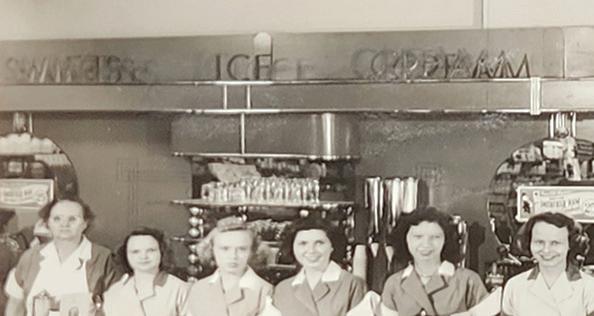
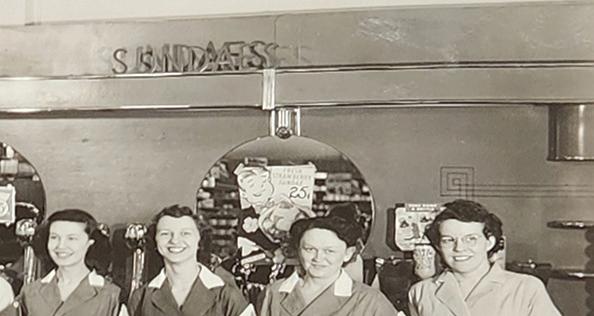
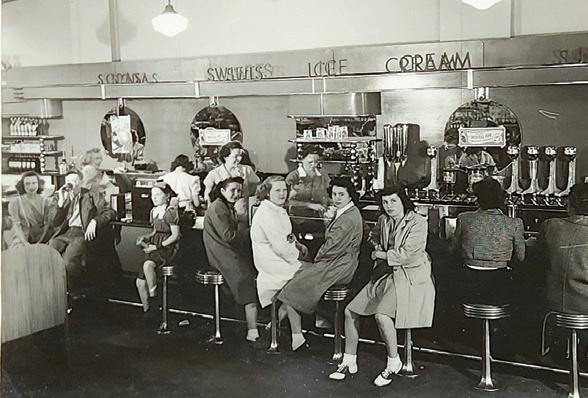
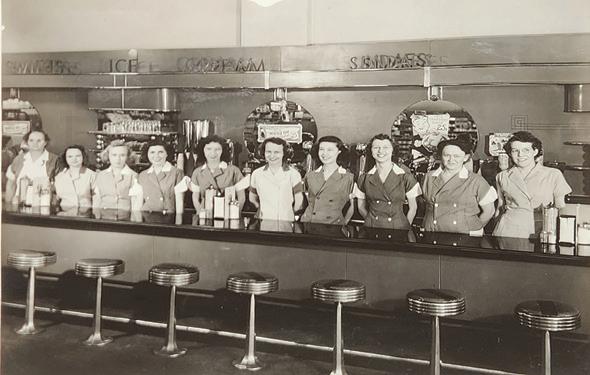
The soda fountain at Hemmingsen's is pictured in 1947.
The soda fountain at Hemmingsen's is pictured in 1947.
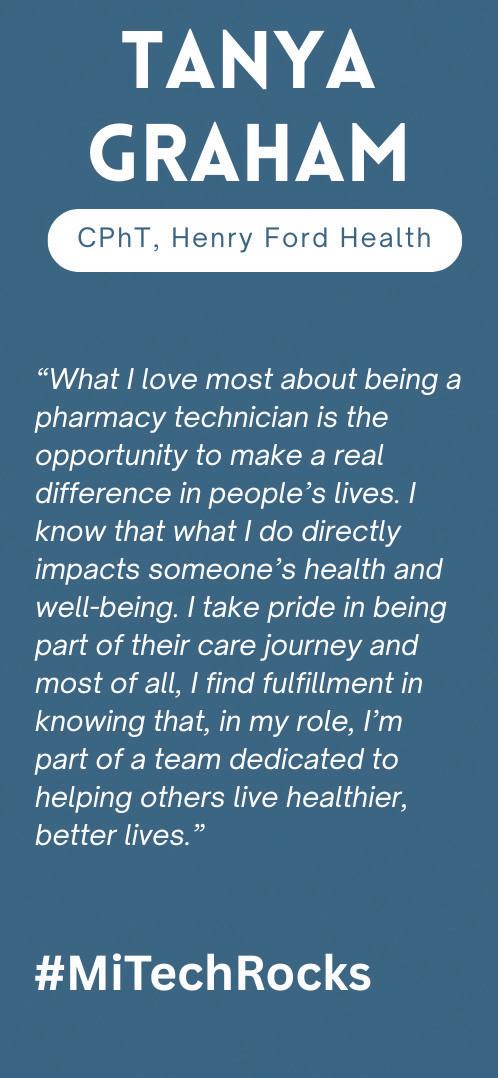
Tanya Graham was the winner of MPA's #MiTechRocks competition in honor of Pharmacy Technician Day in October! Tanya received an MPA goodie bag and a complimentary 2026 membership. Congratulations Tanya!
— OBITS AND MEMORIES —
RICHARD J. PAZIN SR.
Richard J. Pazin Sr. passed away Dec. 10, 2025, at Henry Ford Macomb Hospital in Clinton Township at the age of 90. Richard was born on June 24, 1935, in Detroit to Nicholas and Helen Paczynski. He joined the Michigan Pharmacists Association in 1985 and remained a licensed pharmacist until his passing. He was the beloved husband of Delphine and loving father of Linda (Alexander) Witan, Richard Pazin Jr., Christine Flaugher, Karen (Steve) Braun and Donna (Tom) Hartwig. He was a very proud grandpa of Sarah, Alex, Anna, Rachel, Braden, Rebecca, David James, Grace, Hannah, Enoch, Nathaniel, Kristin, Jason, Joshua, Katie, Elizabeth, Elaina, Melissa, Paul, Nathan, Bethany, Mariah, Juliana, Gabriel and Eden; and very proud great grandpa of Jeremiah, Matthias, Kayla, Vivian, Melody, Stetson, Evan, Elise, Zachary, Thea, Lucas, Samuel, Nora, Grant, Oliver, Henry, Olivia, Kassandra, John, Addison, Dominic, Ellie, Elysia and Alexander.
Wednesday, June 17, 2026 9 a.m. to 4 p.m.
WELCOME TO THE LOCAL ASSOCIATION REGIONAL PAGE!
MPA is encouraging all its locals to submit a short recap of activities they have been up to over the previous few months. These can include, but are not limited to, CE events, networking activities, charity work and recaps of your executive board meeting — if you think it's newsworthy, please submit it! Please keep recaps to 300 words and one picture; MPA may edit or trim content to accommodate for spacing. Content for each issue is due by the following dates:
• January/February/March – Dec. 1
• April/May/June – March 1
• July/August/September – June 1
• October/November/December – Sept. 1
You may find MPA's Contribute to a Publication form useful when submitting your content, or you are free to email MPA Marketing and Communications Manager Ryan Weiss rweiss@michiganpharmacists.org directly.
We look forward to seeing what you've all been up to!
Capital Area Pharmacists Association
In celebration of Pharmacy Week, CAPA hosted another well-attended “Wits & Wagers” continuing education event Oct. 20. This interactive CE provided members with an enjoyable and engaging way to learn about several different pharmacy topics, including 340B legislation updates, heparin-induced thrombocytopenia, finerenone for heart failure, and mepolizumab for COPD.
For many years, CAPA has committed to serving a meal at Advent House Ministries on the four fifth Saturdays of the month that occur each year. Advent House is one of the only places in the Lansing area where people in need can get free meals on the weekends outside of shelters. On Nov. 29, CAPA members Curtis Smith, Todd Belding, Greg and Denise Pratt, and Cathy Edick and husband Mat were able to serve more than 80 adults and children a warm meal. Our next service date is Jan. 31, 2026. Please email capapharm@gmail.com if you want to help serve!
CAPA also continued its tradition of supporting pharmacy education by awarding two $500 scholarships to outstanding area pharmacy students. This year’s recipients are Afrah Alamery and Lanny Lo, who both currently attend University of Michigan College of Pharmacy. CAPA is grateful for the ability to continue to invest in the next generation of pharmacists.
To close out the year Dec. 11, ambulatory oncology pharmacist Jenni Vansickler educated pharmacists and technicians on insights to enhance patient counseling related to supplement use, including evidence-based safety and efficacy considerations.
Prior to the December CE program, outgoing and incoming executive board members met to transition leadership and discuss next year’s initiatives. CAPA looks forward to building on this momentum in the coming year through continued education, service, and advocacy for the pharmacy profession!
MPA Upper Peninsula Division
The MPA Upper Peninsula Division hosted its Fall Conference Oct. 25, 2025, at Northern Michigan University in Marquette. Attendees earned 5.5 hours of continuing education credit through presentations covering elderly fall prevention, the use of buprenorphine for pain management, applications of artificial intelligence in health care, and recent drug updates. A social event was held the evening before at the Superior Culture Taproom in Marquette, sponsored by the Ferris State University College of Pharmacy Alumni’s Advisory Board.
Genesee County Pharmacists Association
On Sept. 14, GCPA hosted the 14th Annual Sovita Scramble Golf Outing at Sugarbush Golf Club in Davison. The outing hosted 68 golfers, several sponsors and silent auction items. The proceeds were donated to the Genesee County Free Medical Clinic. A huge thank you to our golf committee members, sponsors and the staff at Sugarbush Golf Club for making this year’s outing a success. We couldn’t have done it without you!!
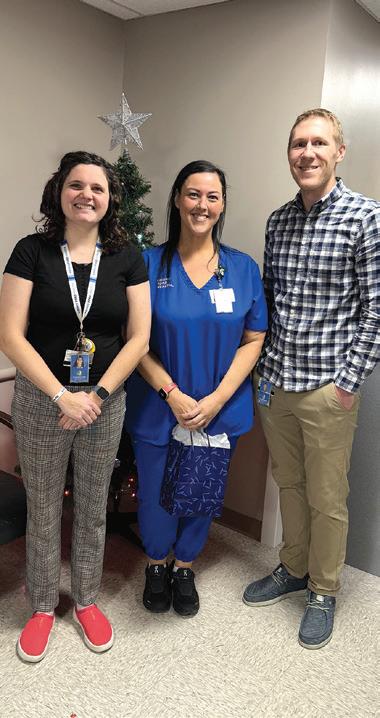
On Dec. 9, GCPA conducted the first annual community service "Gratitude and Goodies" event. Holiday bags filled with goodies were assembled, and Mike Crowe, Joe Leonard and Melissa Murphy handed out the bags during a surprise visit to three "patient-favorite" pharmacies in Genesee County. It was great to spend time with the excellent outpatient pharmacy teams in our area and hear about the opportunities and challenges currently facing retail sites. A meal at a local eatery was enjoyed afterwards.
"MPA is encouraging all its locals to submit a short recap of activities they have been up to over the previous few months. These can include, but are not limited to CE events, networking activities, charity work or even a recap of your executive board meeting — if you think it's newsworthy, please submit it!"
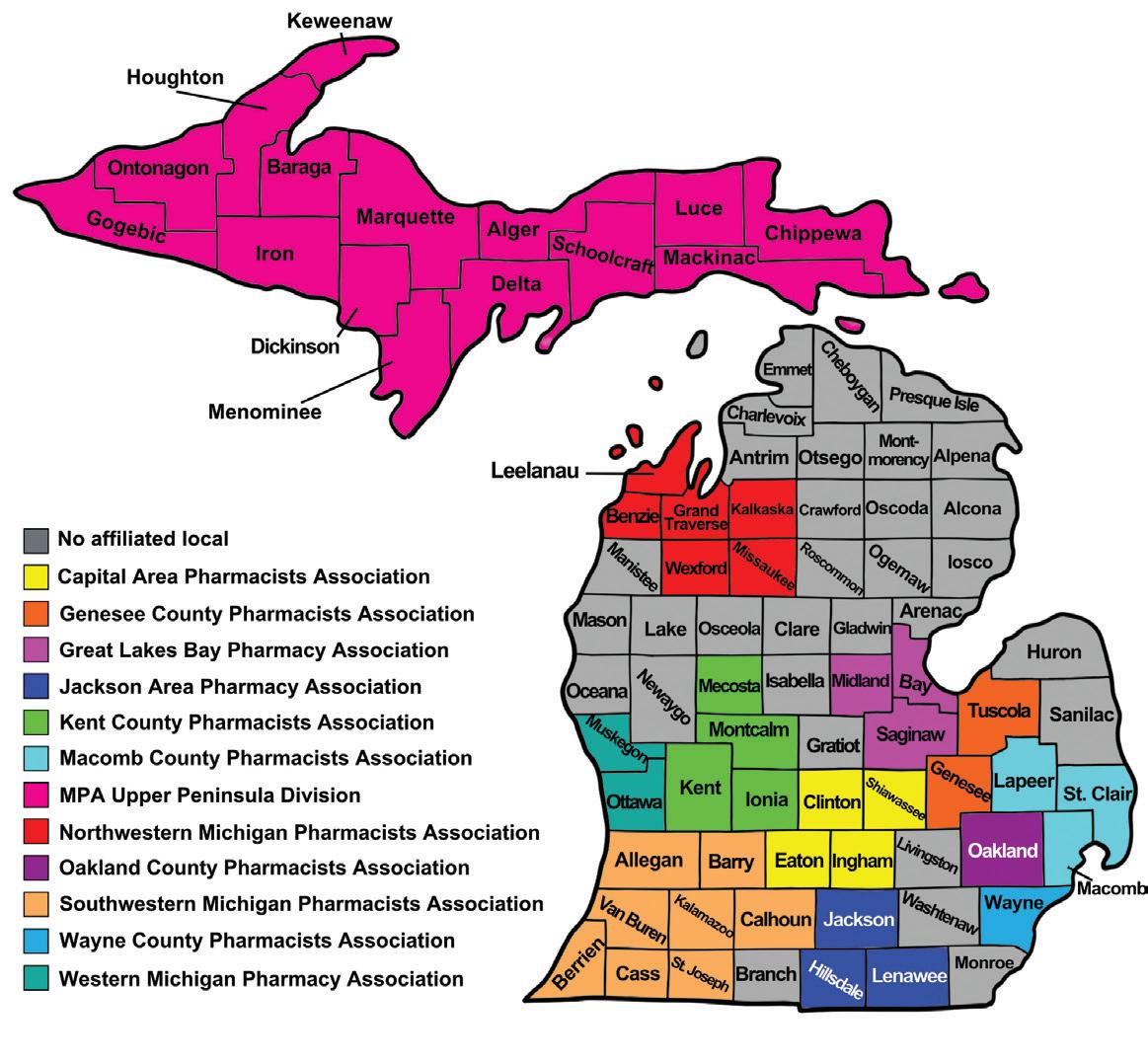
Michigan Pharmacists Association (MPA) members are enrolled in a local association as part of their MPA membership to build relationships with those in certain areas of the state. You must be an active member of MPA to belong to a local association.
Local associations adopting approved bylaws and maintaining a compliant status are eligible for all privileges and services of an affiliated local association, including operational funding from the Association for each member designating that organization as their local.
If you do not select a local when signing up for your membership, MPA matches you to a local association closest to your home address on record. Those members who live in an area with no active local association (areas of the state that are gray on the corresponding map) may choose any local association. For more information about locals, visit MichiganPharmacists.org/membership-local-associations.
NEW YEAR, SAME ROUTINE: TIPS FOR ENSURING ACCURATE BILLING
BY TRENTON THIEDE, Pharm.D., MBA,
president, PAAS National®, expert third-party audit assistance and FWA/HIPAA compliance
For pharmacies, the new year is often hectic. PAAS National® is here to help make your transition into the new year less stressful by highlighting important billing considerations and tips.
Entering the new year means entering new patient insurance information into the system. While this process may feel tedious, it’s crucial to ensure accurate billing. It’s not a bad idea to scan new insurance cards to have on file and keep a close eye out for special patient specific ID numbers or person code(s).
While you’re taking the time to update the patient’s insurance, be sure to ask if any of their demographic information has changed. Do they have a new address? Did they learn of a new allergy, intolerance or sensitivity to a medication or ingredient? It is also important to include food allergies and any allergies to dyes or inactive ingredients such certain starch-based ingredients (e.g., starch derived from wheat) for those with Celiac Disease. Some additional examples include progesterone, which can contain peanut oils, and gelatin which is often used when making capsules. Some flu shots may not be appropriate for patients with egg allergies, and many medications have dyes in them to produce their coloring. Including patient allergies is critical for ensuring patient health and is also required by some PBMs. Section 10.08 of Caremark’s Provider Manual highlights this requirement for maintaining up to date Part D patient information on their profiles. Often during an on-site visit, Caremark auditors will ask to see a covered Part D patient’s profile, looking specifically for patient demographics and allergy information. While PAAS has not seen any significant recourse due to missing information on Part D patient profiles, consider validating these elements when updating insurance information.
With the new year also comes new formularies. It is important to be extra cautious of any incoming refills that are utilizing a DAW 9, as a new formulary could require the generic version or even an alternative drug. PAAS suggests challenging any historical DAW 9’s by trying to bill the claim first with the generic. Historical use of DAW 9 should be challenged anytime there is a change in insurance, new prescription being authorized, or when a new generic or interchangeable biosimilar is approved in the marketplace.
PAAS Tips:
• When a claim rejects due to a mismatch in the patient’s date of birth submitted on the claim (versus the date of birth on file with the insurance company), it is best to call the patient to verify the correct date of birth.
o If your system is correct and the insurance plan has documented the incorrect date of birth, have the patient contact their plan (or Human Resources Department for employee-sponsored plans) to update the information.
• When you see a blank field in the allergies section of a patient’s profile, be sure to confirm any allergy information with the patient and update their file accordingly. Rather than leaving the field blank for patients with no known allergies, be sure to document “no known drug allergies” to show it has been addressed.
o If your system has “no known allergies” listed for a patient, periodically verify that this is still accurate, as some patients develop allergies and sensitivities to medications, ingredients and foods as they age.