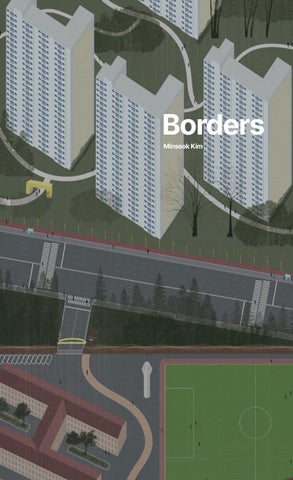
Borders
Minseok Kim
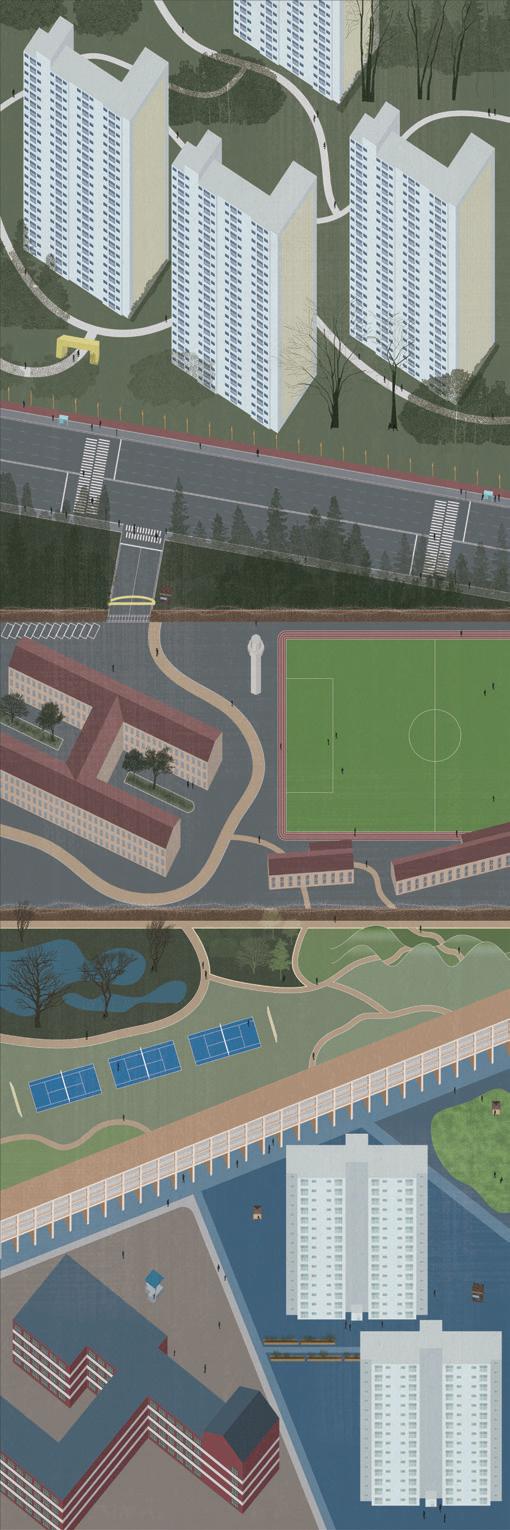
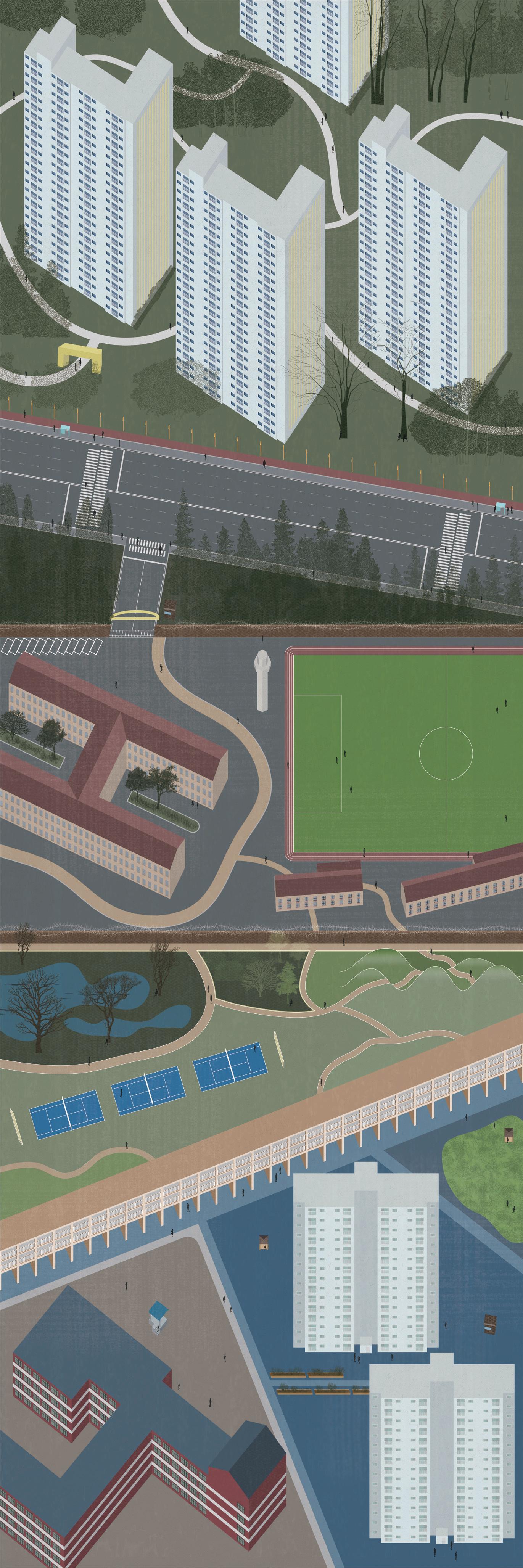
Typology of Boundaries, 300 x 900 mm
Cities are increasingly smoothed into order. That smoothness demands every place become predictable. On the site of the former Taereung Golf Course, fi ve claimants stand: the central government, Nowon District, Guri City, the Ministry of Defense, and nature. Each cuts the site by its own logic. This project accepts all fi ve at once. The site fractures into countless small pieces. Borders do not disappear; they multiply, yet cease to function. When division is taken to its end, division undoes itself. What does this fragmented territory, with boundaries and ownership rendered ambiguous, make possible?
경계
도시는 점점 더 매끄럽게 정돈된다. 그 매끄러움은 모든 자리가 예측 가능해 질 것을 요구한다. 태릉골프장 부지 위에는 다섯 주체가 있다. 중앙정부, 노원 구, 구리시, 국방부, 자연. 다섯은 각자의 논리로 사이트를 자른다. 이 작업은 그 다섯을 동시에 받아들인다. 사이트는 셀 수 없이 많은 작은 파편으로 갈라 진다. 경계는 사라지지 않는다. 그 어느 때보다 많아진다. 다만 작동을 멈춘다. 분할이 끝까지 갔을 때, 분할은 자기 자신을 무효화한다. 경계와 소유권이 극 도로 모호해진 이 파편화된 영토는, 도시 안에서 어떤 가능성을 갖는가?
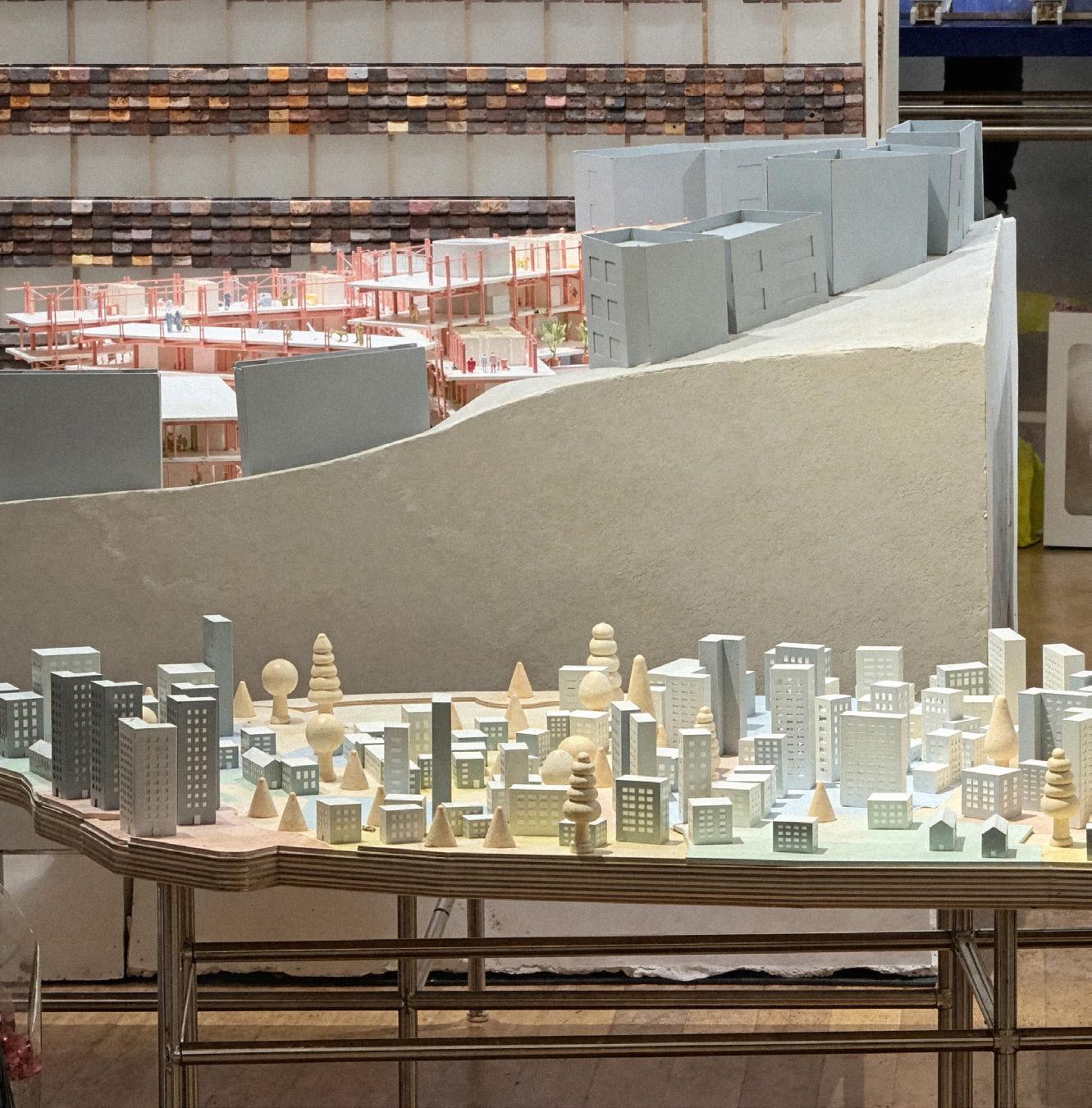
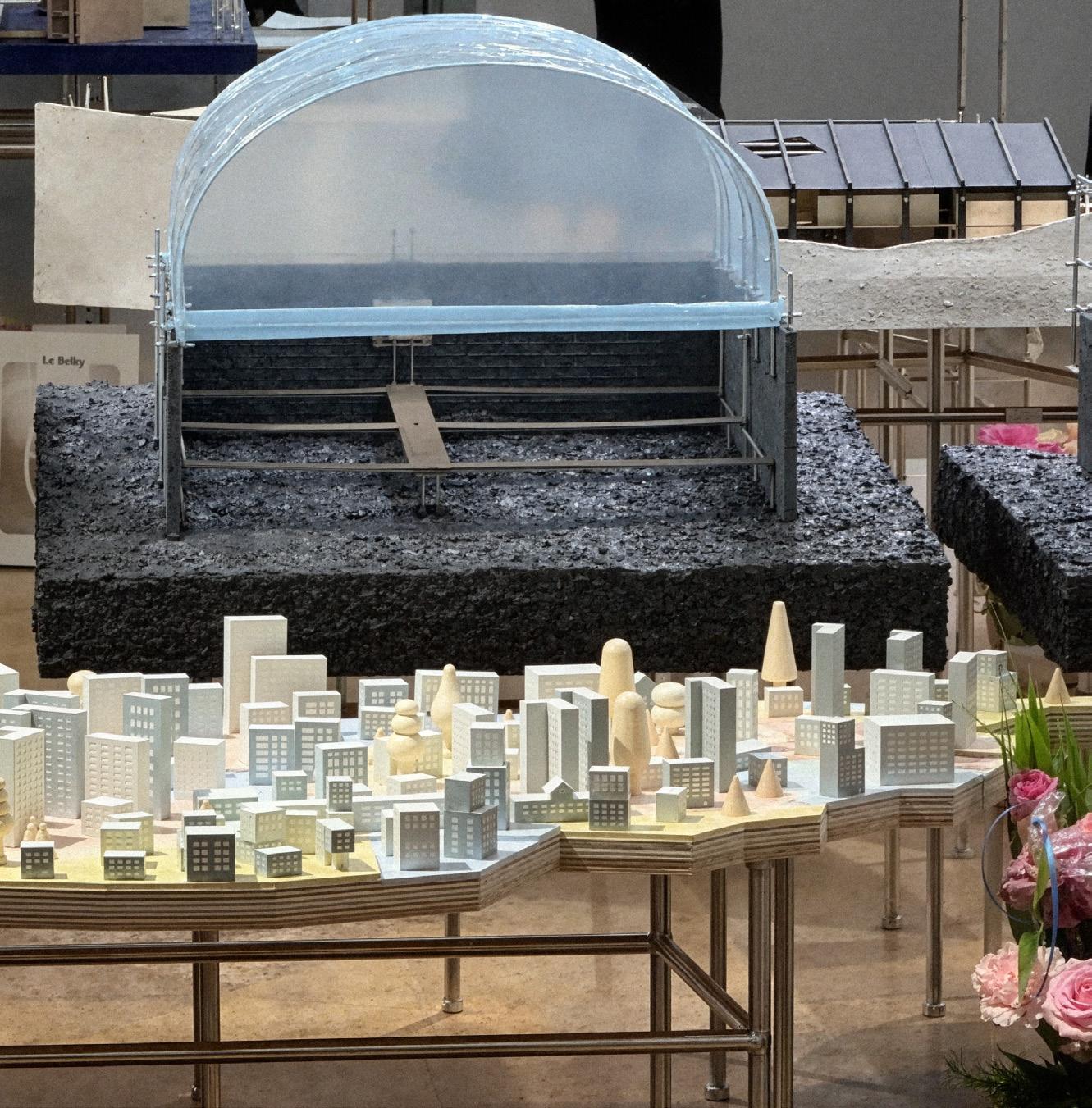
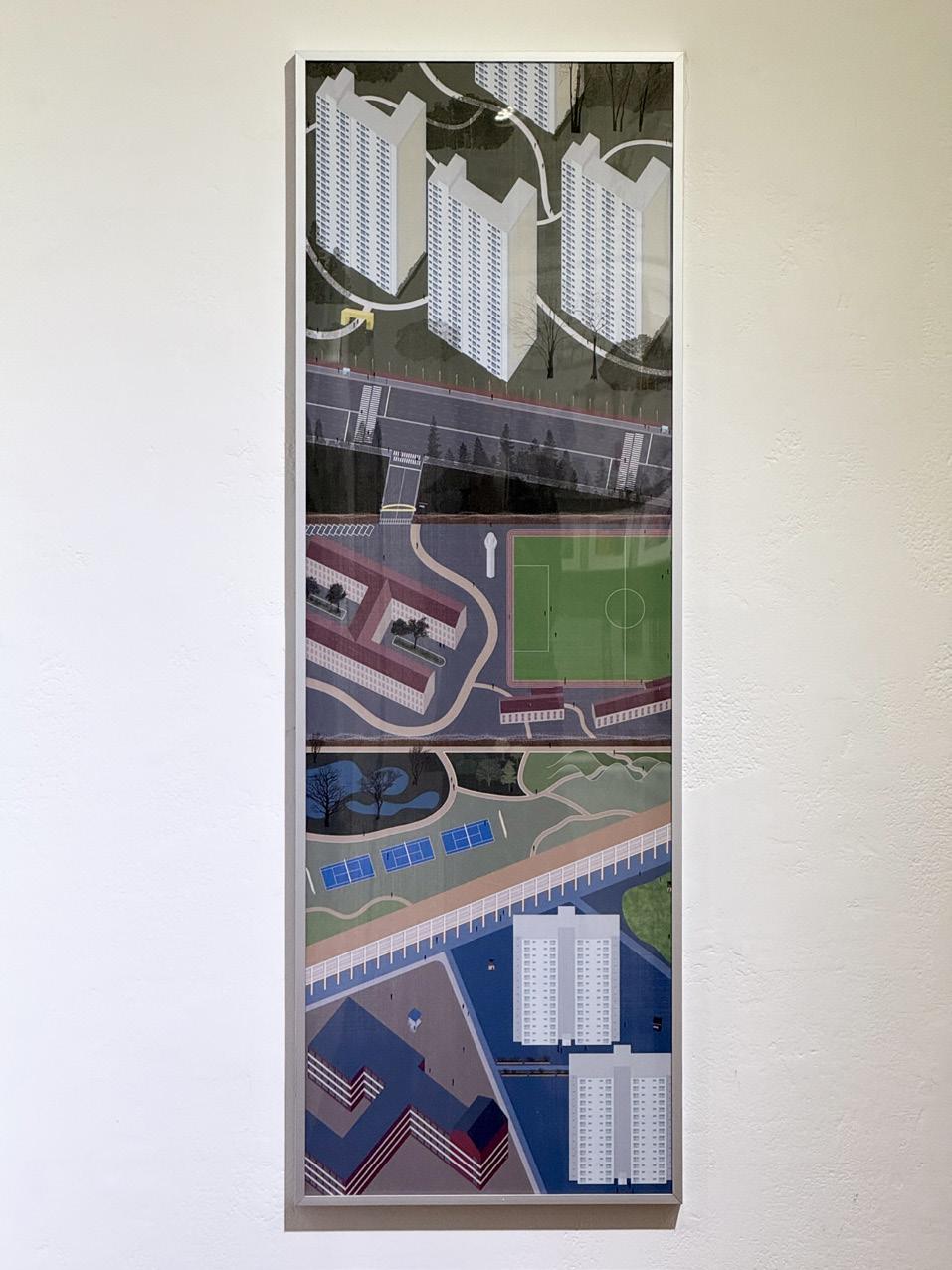
Physical Model
Painted birch plywood, 3D-printed buildings, Mermaid paper façade cladding 1676 x 735
x 445 mm
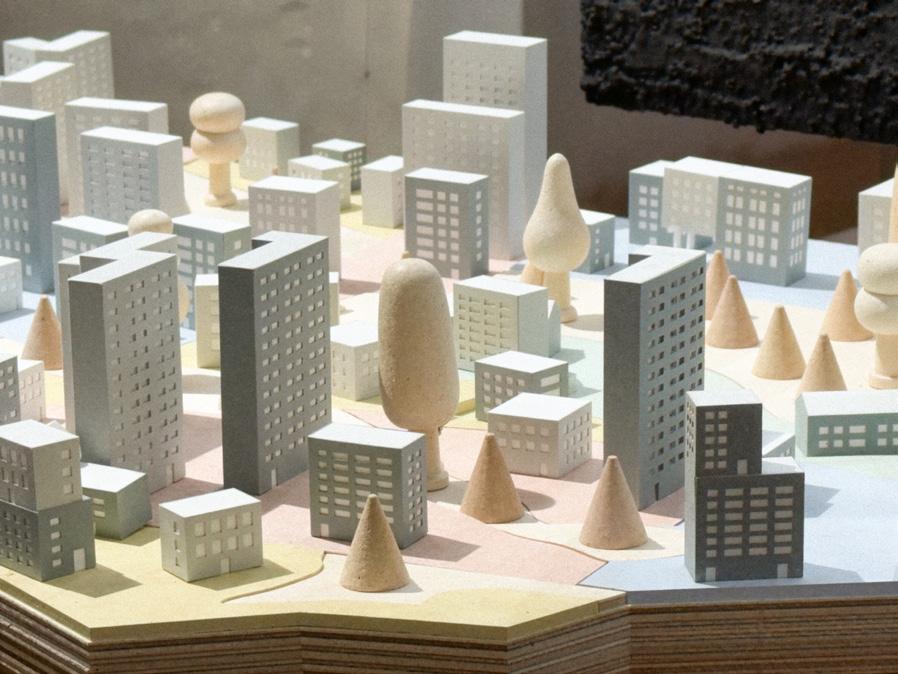
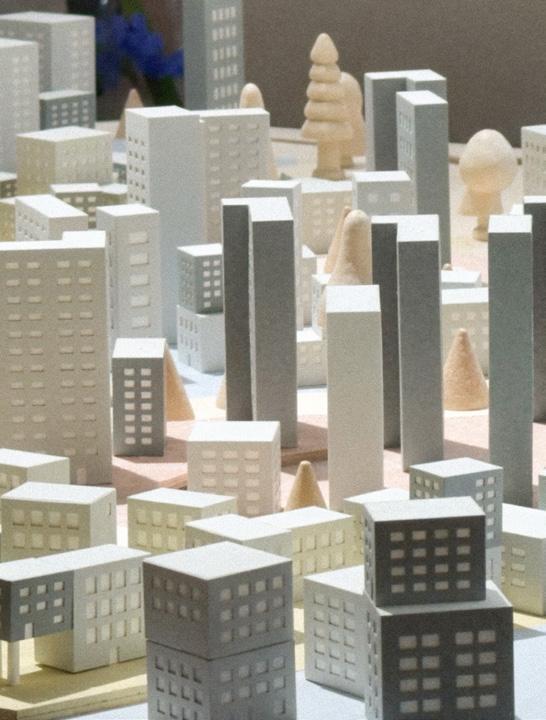
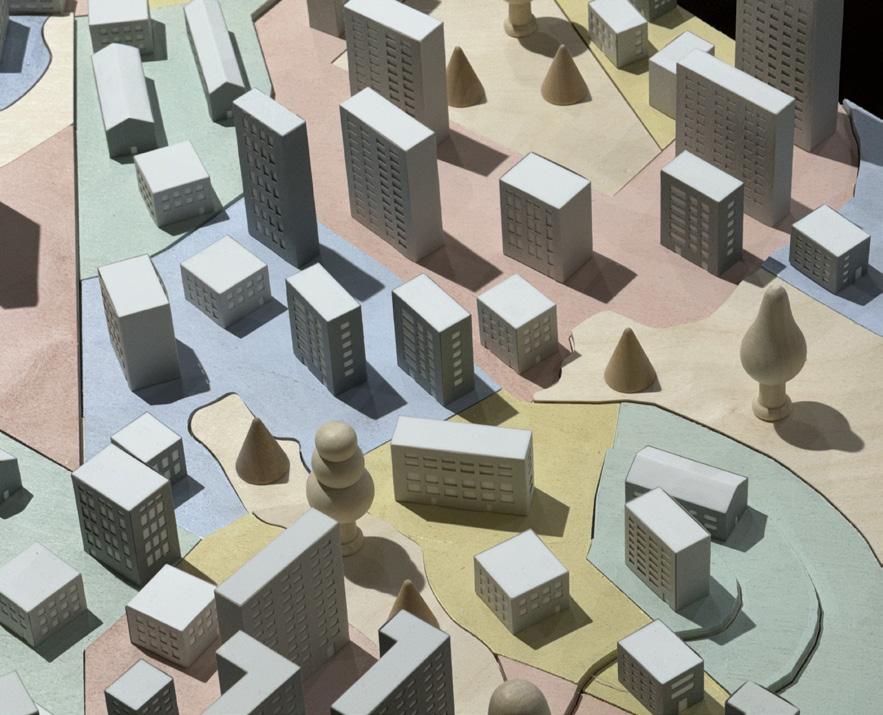
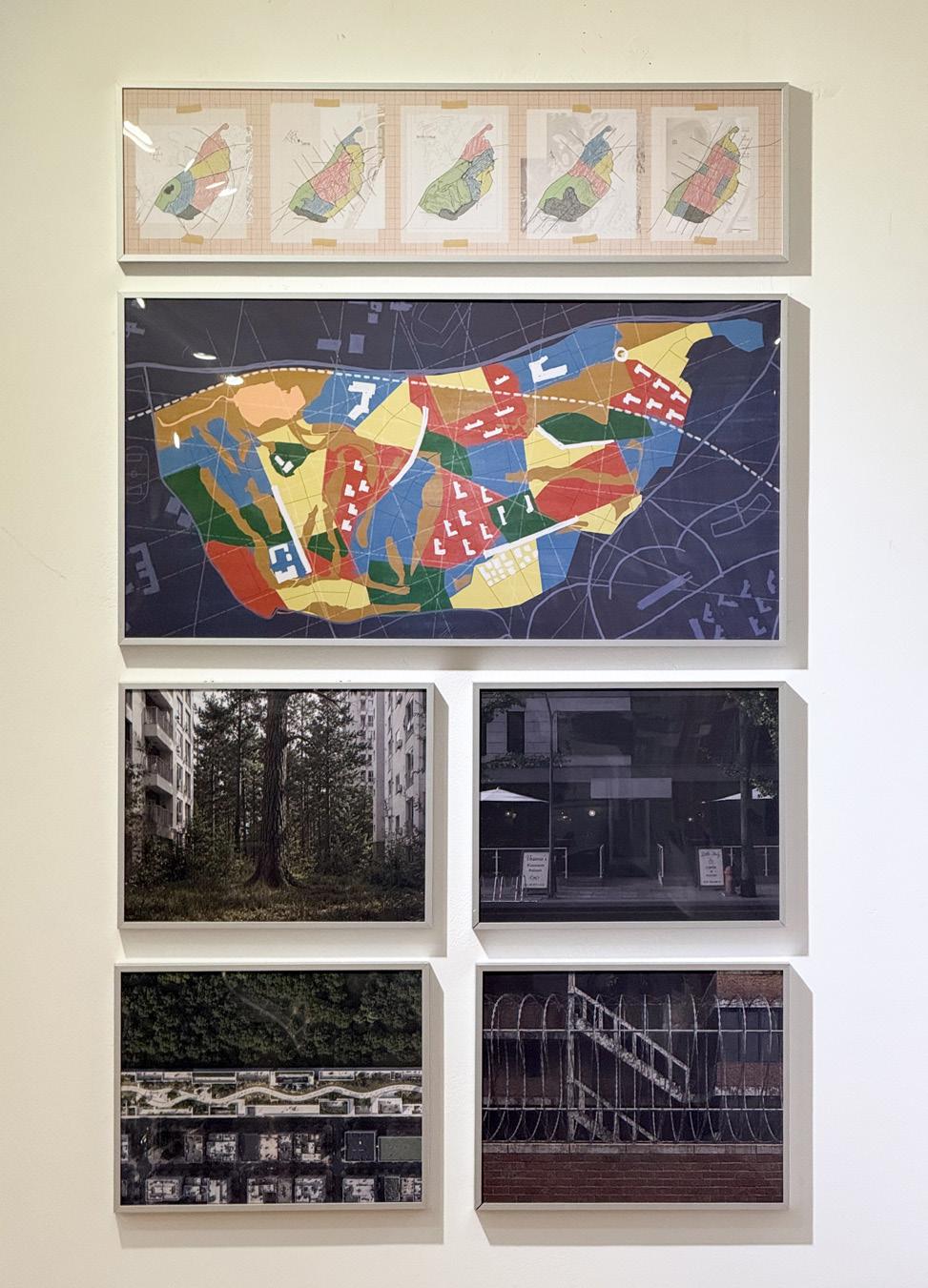
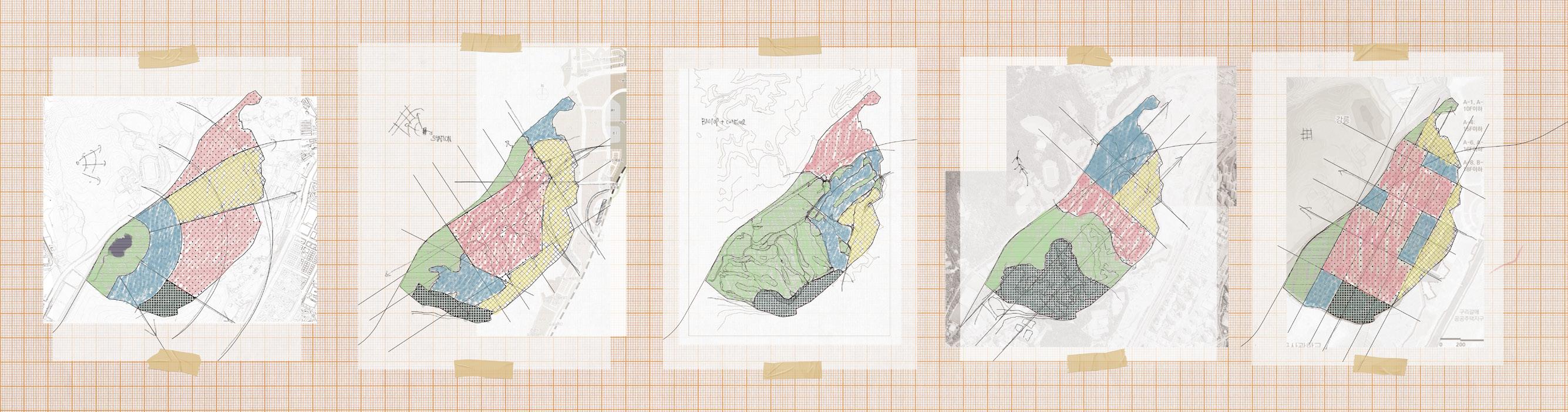
Five Territorial Divisions
762 x 200 mm
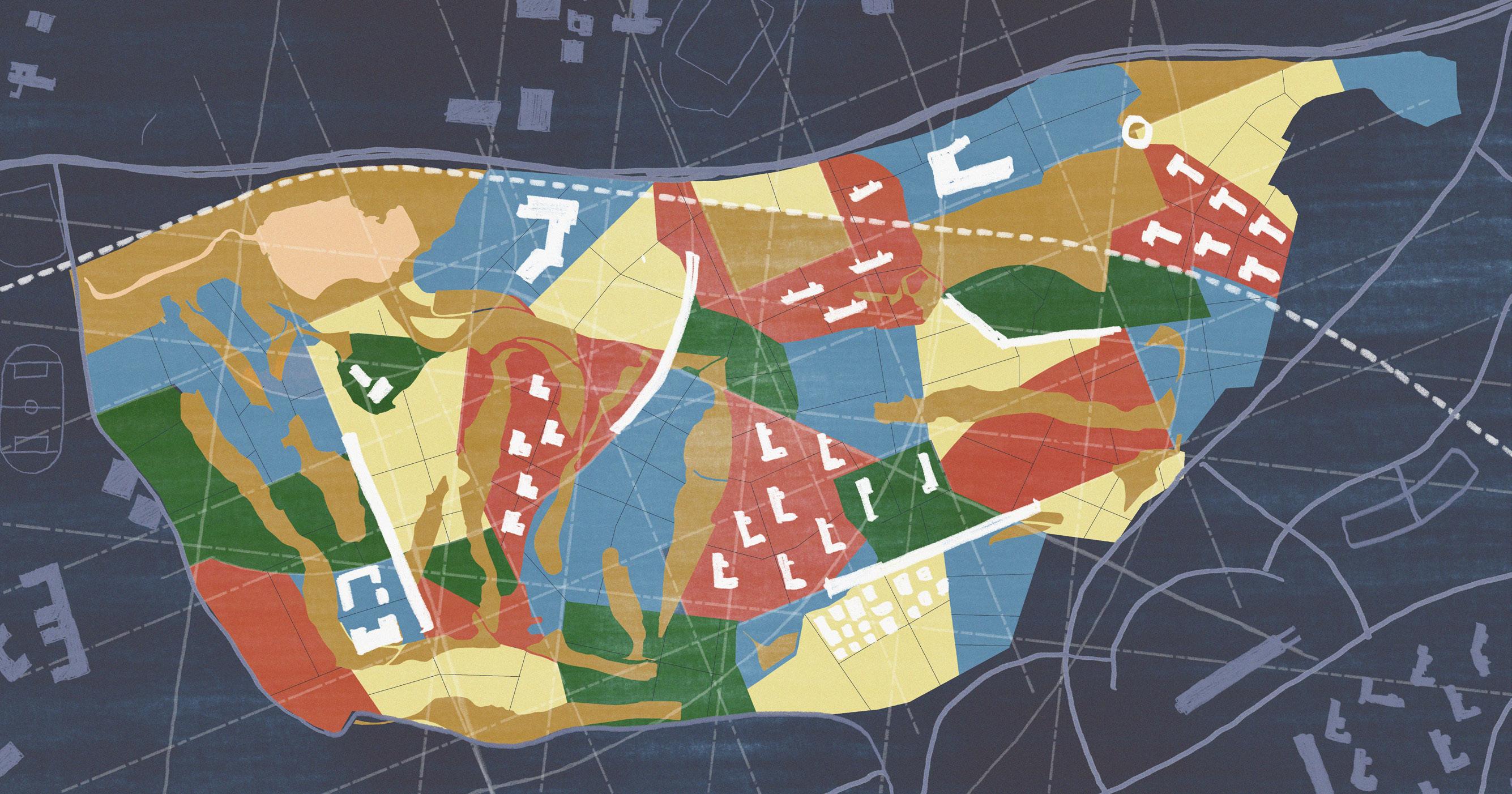
Composite Masterplan
762 x 400 mm
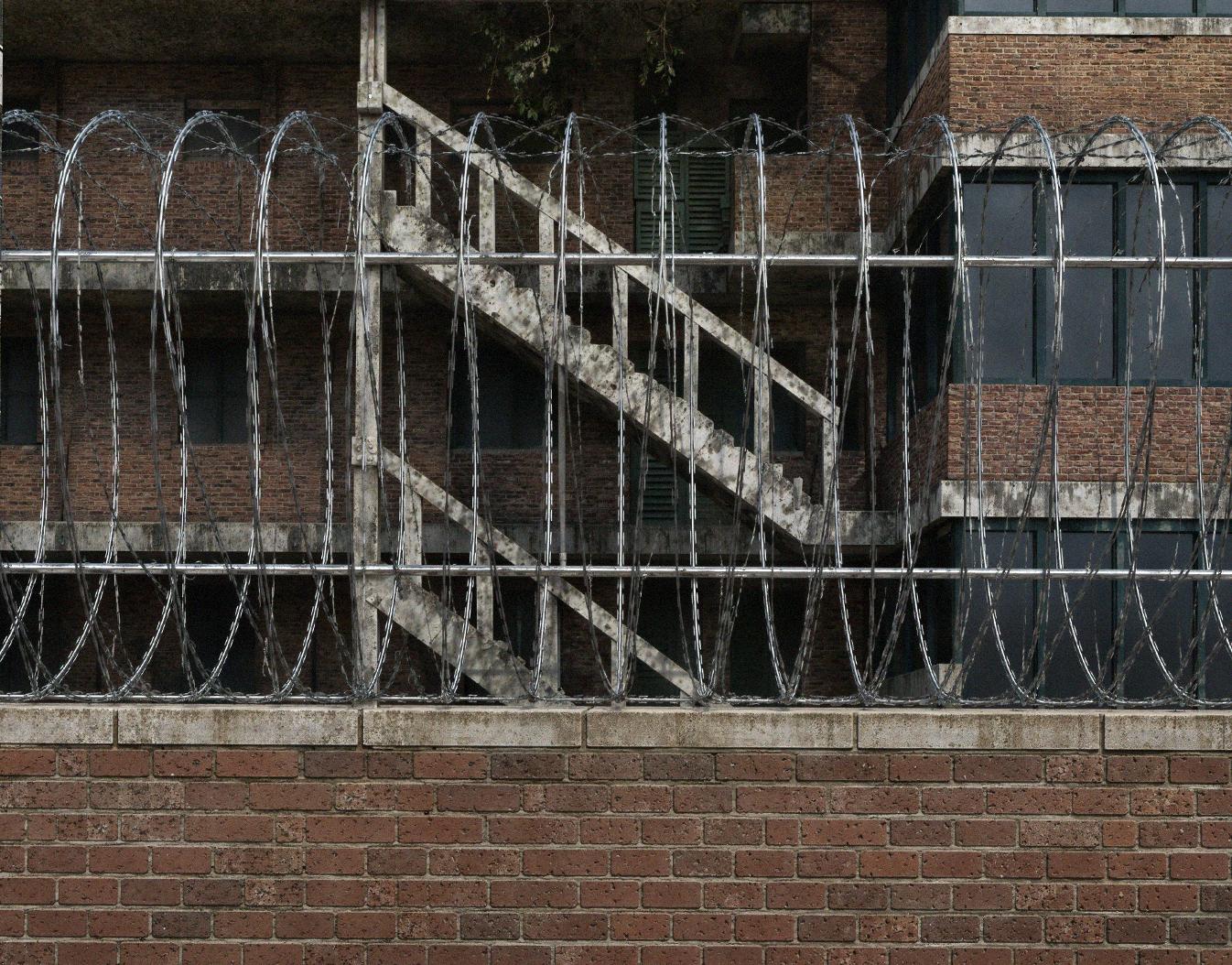
Military Compound / Guri Urban Fabric
356 x 279 mm
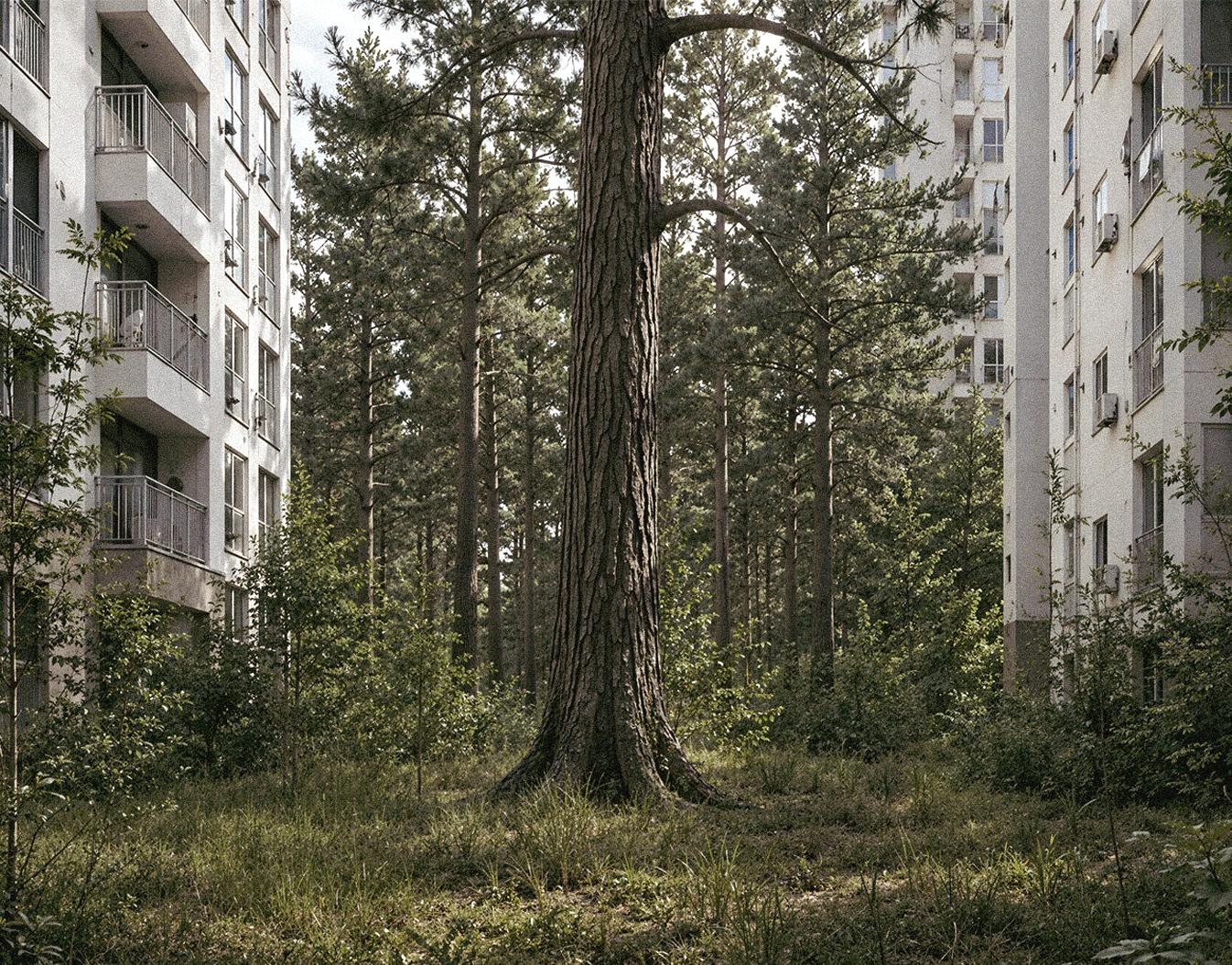
Nature / Apartment Complex
356 x 279 mm
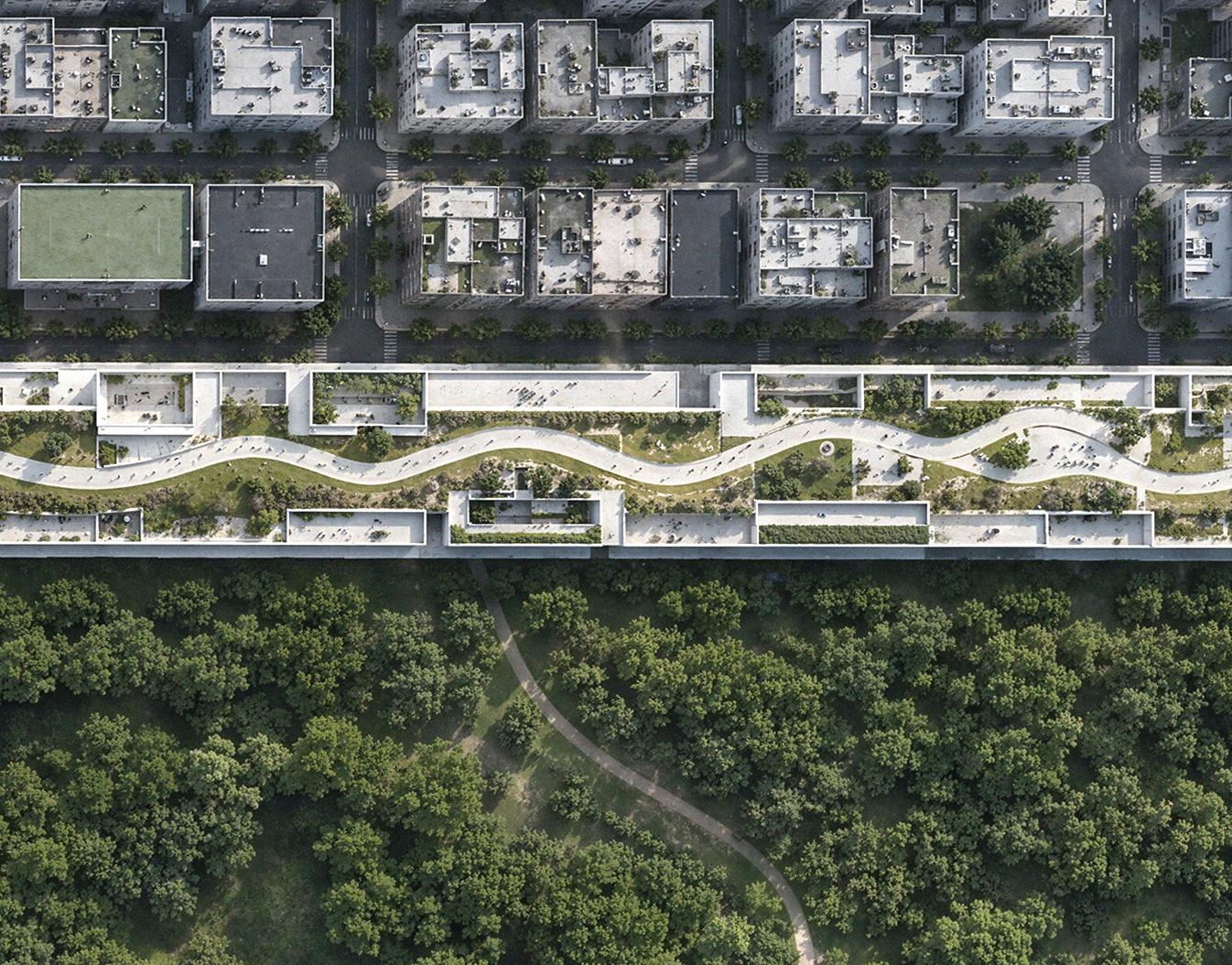
Building as boundary between Nature and Urban Fabric 356 x 279 mm
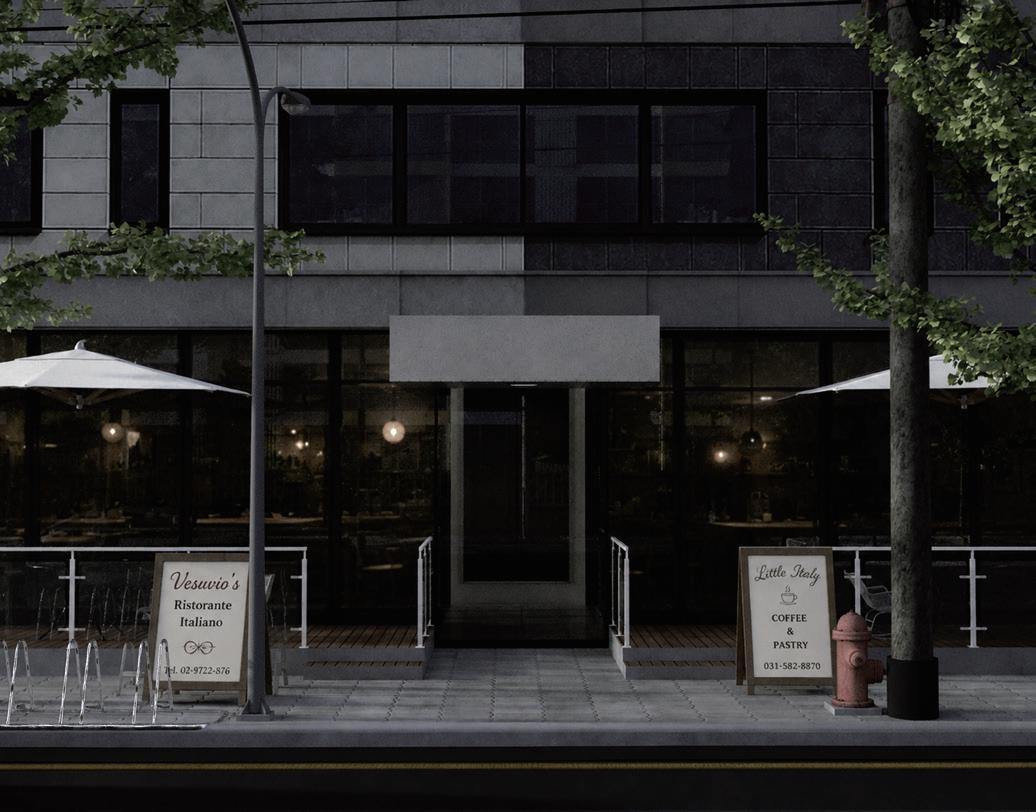
Building across the Guri–Nowon Boundary 356 x 279 mm
오늘날 다원주의 사회에는 하나가 맞고 다른 것이 틀린 것이 아니라, 둘 다 맞
을 수 있는 합리적 불일치가 존재한다.
서로 다른 주체의 욕망과 논리가 타협 없이 충돌할 때, 대지는 파편화되고 경 계는 증식한다. 건물과 담장이 누군가를 걸러내고, 행정 구역이 엉키며, 유기 적인 숲이 콘크리트 격자를 뚫고 들어오는 불편한 풍경이 만들어진다.
경계가 늘어나 대지가 무수히 쪼개질 때, 역설적으로 ‘배제’와 ‘독점’의 기능 은 멈춘다. 누구도 온전히 만족하지 못하지만, 동시에 그 누구도 단일한 권력 으로 땅을 독점할 수 없는 모호한 틈새. 어쩌면 서로가 유발하는 불편함을 견 뎌내는 이 파편화된 영토야말로, 우리가 마주해야 할 진짜 도시의 모습일지 모 른다.
In today’s pluralistic society, there exists a reasonable disagreement—not a matter of right versus wrong, but the possibility that both can be right.
When the desires and logics of different actors collide without compromise, the land fractures and borders multiply. Uncomfortable landscapes emerge: buildings and walls act as filters, administrative boundaries blur, and organic forests breach concrete grids.
As borders proliferate and the territory is endlessly subdivided, the very functions of ‘exclusion’ and ‘monopoly’ come to a halt. It is an ambiguous gap where no one is fully satisfied, yet no single power can dominate the ground. Perhaps this fragmented territory, where we endure mutual discomfort, is the true face of the city we must confront.