Volume 44 No. 6
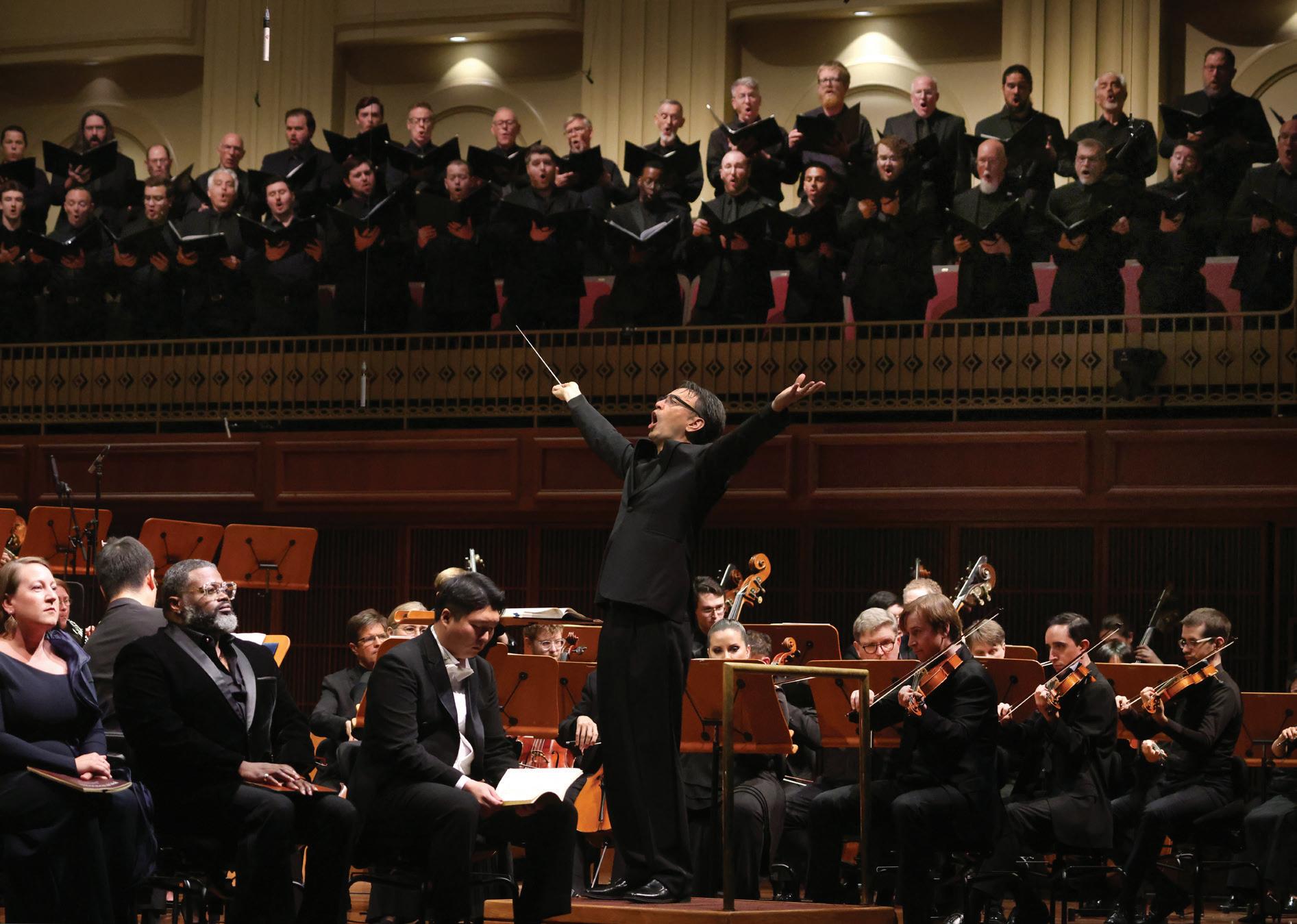
14 May 8-10 — Classics Copland & Twain: America 250
23 May 16 — Special Ledisi with the MSO
26 May 22-24 — Pops America the Beautiful: Patriotic Pops
29 May 29 & 30 — Classics Stravinsky’s Firebird
39 June 5 & 6 — Classics Rachmaninoff & Saint-Saëns
45 June 13 & 14 — Classics Masur Conducts Missa Solemnis
5 Orchestra Roster
7 Music Director
8 Music Director Laureate
9 Principal Pops Conductor
10 Associate Conductor
11 Milwaukee Symphony Chorus
58 MSO Endowment Musical Legacy Society
59 Annual Fund 61 Corporate & Foundation 62 Matching Gifts Golden Note Partners
63 Marquee Circle Tributes
66 MSO Board of Directors
67 MSO Administration

This program is produced and published by ENCORE PLAYBILLS. To advertise in any of the following programs:
• Milwaukee Symphony Orchestra
• Florentine Opera
• Milwaukee Ballet
• Marcus Performing Arts Center Broadway Series
• Skylight Music Theatre
• Milwaukee Repertory Theater
• Sharon Lynne Wilson Center
• First Stage
Please contact: Scott Howland at 414-469-7779 scott.encore@att.net
MILWAUKEE SYMPHONY ORCHESTRA 212 West Wisconsin Avenue Milwaukee, Wisconsin 53203 414-291-6010 | mso.org
Connect with us!
MSOrchestra
MilwSymphOrch
@MilwSymphOrch
The MSO and the Bradley Symphony Center have partnered with KultureCity to improve our ability to assist and accommodate guests with sensory needs. For information on available resources, visit mso.org.


Exceptional chamber music performances in Milwaukee since 1963!
1946-2026
May 17 · 19 · 21 · 26 · 28 · 31 | returning July 12
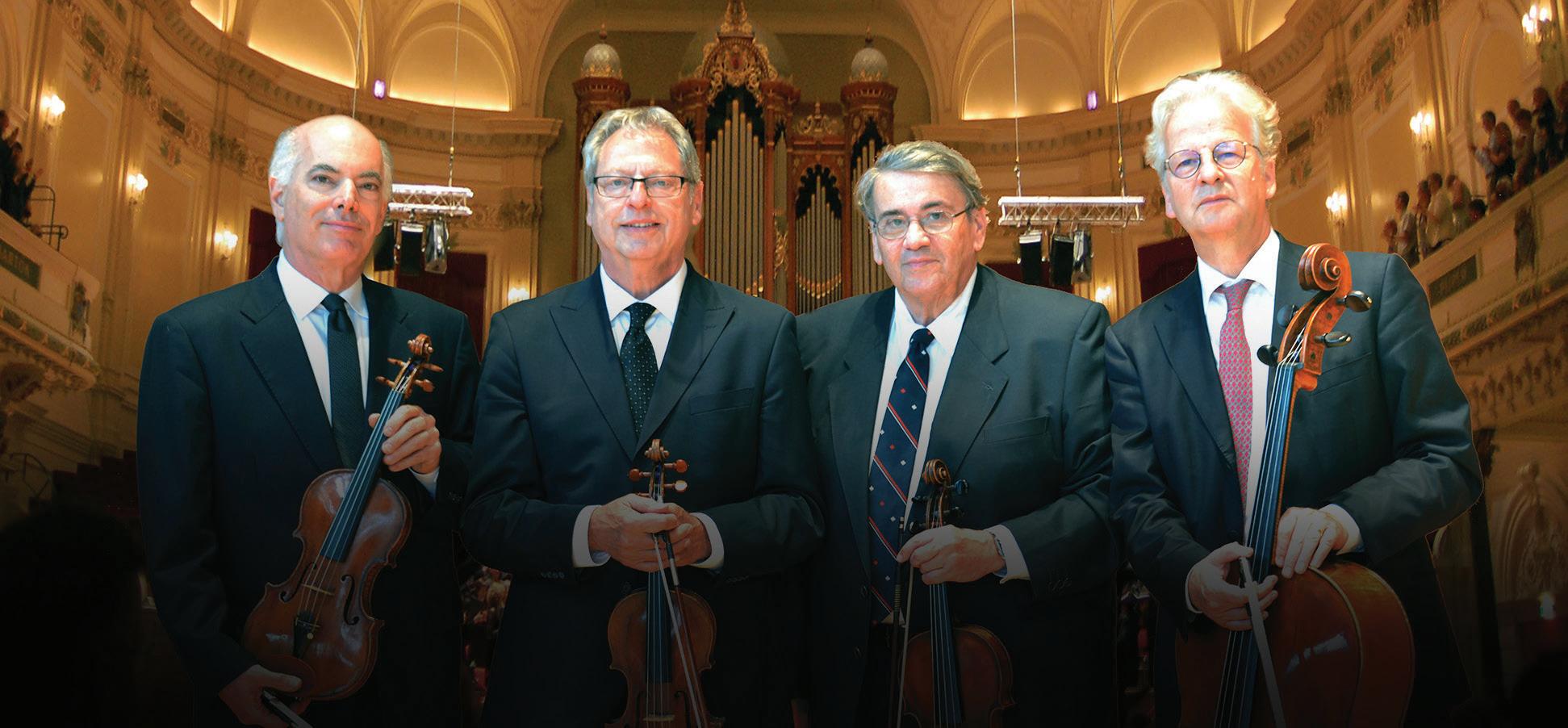
Renowned violinists, Ralph Evans and Efim Boico, have performed with the Quartet for over 40 years. Joined in 2018 by two eminent musicians, violist Gil Sharon (founder of the Amati Ensemble) and cellist Niklas Schmidt (co-founder of Trio Fontenay), they will perform an ambitious program in May of twelve masterworks revealing the Fine Arts Quartet’s classical music legacy.
Stream the newly released 80 th anniversary virtual album20 years of Naxos CDs

“Living at Saint John’s enables us to continue our passion for music which we love to share with our fellow SJOL Neighbors and Friends.”
– Tom & Cheri Briscoe R Residents since 2011
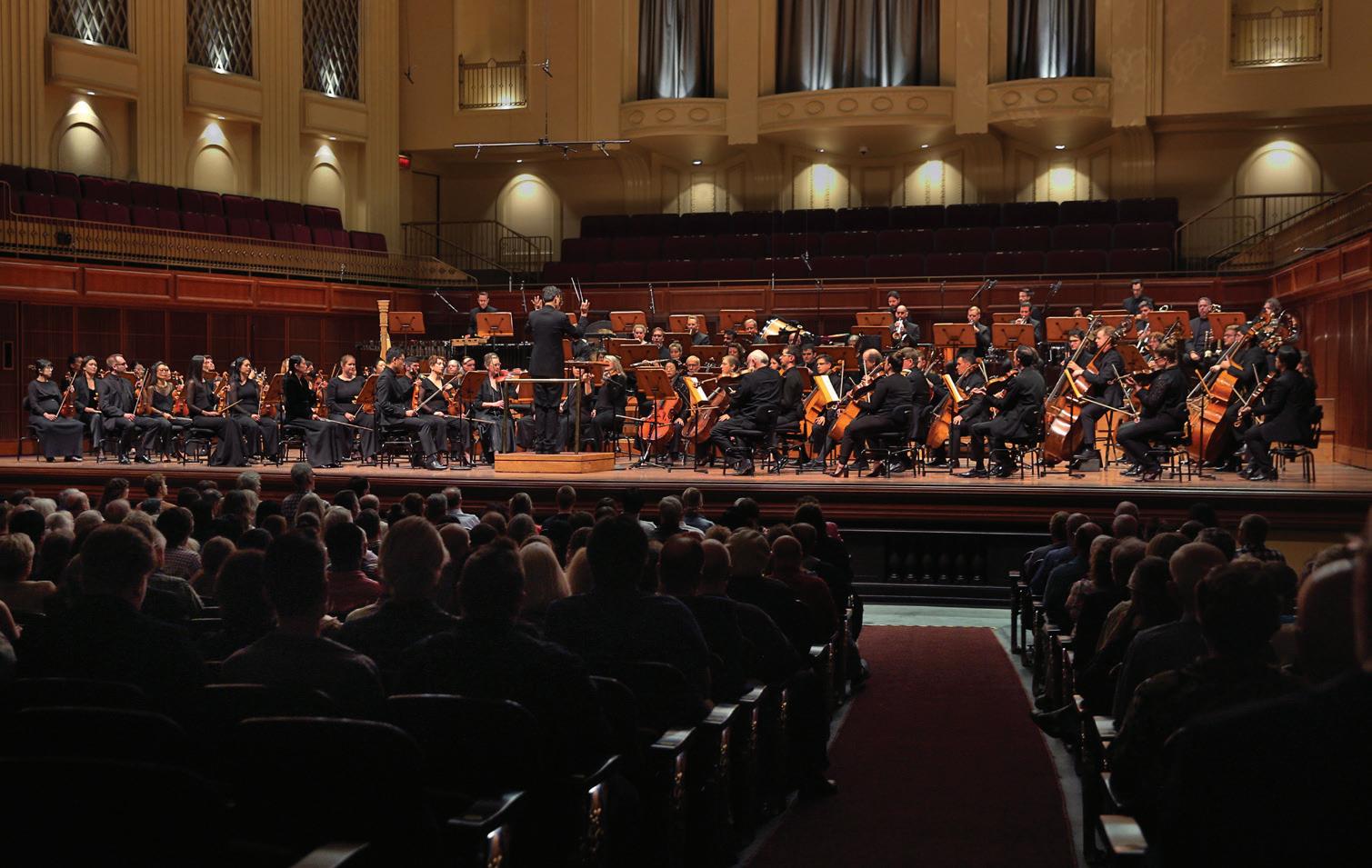
The Milwaukee Symphony Orchestra, led by Music Director Ken-David Masur, is among the finest orchestras in the nation and the largest cultural institution in Wisconsin. Since its inception in 1959, the MSO has found innovative ways to give music a home in the region, develop music appreciation and talent among area youth, and raise the national reputation of Milwaukee.
The MSO’s full-time professional musicians perform over 135 classics, pops, family, education, and community concerts each season in venues throughout the state. A pioneer among American orchestras, the MSO has performed world and American premieres of works by John Adams, Roberto Sierra, Philip Glass, Geoffrey Gordon, Marc Neikrug, Camille Pépin, Matthias Pintscher, and Dobrinka Tabakova, as well as garnered national recognition as the first American orchestra to offer live recordings on iTunes.
In January of 2021, the MSO completed a years-long project to restore and renovate a former movie palace in the heart of downtown Milwaukee. The Bradley Symphony Center officially opened to audiences in October 2021. This project has sparked a renewal on West Wisconsin Avenue and continues to be a catalyst in the community.
The MSO’s standard of excellence extends beyond the concert hall and into the community, reaching more than 30,000 children and their families through its Arts in Community Education (ACE) program, Youth and Teen concerts, Family Series, and Meet the Music pre-concert talks. Celebrating its 36th year, the nationally recognized ACE program integrates arts education across all subjects and disciplines, providing opportunities for students when budget cuts may eliminate arts programming. The program provides lesson plans and supporting materials, classroom visits from MSO musician ensembles and artists from local organizations, and an MSO concert tailored to each grade level. The ACE program serves 5,500 students, teachers, and administrators in the Milwaukee area every year.
KEN-DAVID MASUR
Music Director
Polly and Bill Van Dyke Music Director Chair
EDO DE WAART
Music Director Laureate
BYRON STRIPLING
Principal Pops Conductor
Stein Family Foundation Principal Pops Conductor Chair
RYAN TANI
Associate Conductor
CHERYL FRAZES HILL
Chorus Director
Margaret Hawkins Chorus Director Chair
TIMOTHY J. BENSON
Assistant Chorus Director
FIRST VIOLINS
Jinwoo Lee, Concertmaster, Charles and Marie Caestecker Concertmaster Chair
Ilana Setapen, First Associate Concertmaster, Thora M. Vervoren First Associate Concertmaster Chair
Jeanyi Kim, Associate Concertmaster
Alexander Ayers
Autumn Chodorowski
Yuka Kadota
Elliot Lee
Dylana Leung
Kyung Ah Oh
Lijia Phang
Vinícius Sant’Ana**
Yuanhui Fiona Zheng
SECOND VIOLINS
Jennifer Startt, Principal, Andrea and Woodrow Leung Principal Second Violin Chair
Ji-Yeon Lee, Assistant Principal (2nd chair)
Hyewon Kim, Acting Assistant Principal (3rd chair)
Heejeon Ahn
Lisa Johnson Fuller
Clay Hancock
Paul Hauer
Sheena Lan**
Janis Sakai**
Yiran Yao
VIOLAS
Victor de Almeida, Principal, Richard O. and Judith A. Wagner Family Principal Viola Chair
Samantha Rodriguez, Acting Assistant Principal (2nd chair), Friends of Janet F. Ruggeri Assistant Principal Viola Chair
Alejandro Duque, Acting Assistant Principal (3rd chair)
Elizabeth Breslin
Georgi Dimitrov
Nathan Hackett
Michael Lieberman**
Erin H. Pipal
CELLOS
Susan Babini, Principal, Dorothea C. Mayer Principal Cello Chair
Shinae Ra, Assistant Principal (2nd chair)
Scott Tisdel, Associate Principal Emeritus
Madeleine Kabat
Peter Szczepanek
Peter J. Thomas
Adrien Zitoun
BASSES
Principal, Donald B. Abert Principal Bass Chair
Andrew Raciti, Acting Principal
Nash Tomey, Acting Assistant Principal (2nd chair)
Brittany Conrad
Broner McCoy
Paris Myers
HARP
Julia Coronelli, Principal, Walter Schroeder Principal Harp Chair
FLUTES
Sonora Slocum, Principal, Margaret and Roy Butter Principal Flute Chair
Heather Zinninger, Assistant Principal
Jennifer Bouton Schaub
PICCOLO
Jennifer Bouton Schaub
OBOES
Katherine Young Steele, Principal, Milwaukee Symphony Orchestra League Principal Oboe Chair
Kevin Pearl, Assistant Principal
Margaret Butler
ENGLISH HORN
Margaret Butler, Philip and Beatrice Blank English Horn Chair in memoriam to John Martin
CLARINETS
Todd Levy, Principal, Franklyn Esenberg Principal Clarinet Chair
Jay Shankar, Assistant Principal, Donald and Ruth P. Taylor Assistant Principal Clarinet Chair
Besnik Abrashi
E-FLAT CLARINET
Jay Shankar
BASS CLARINET
Besnik Abrashi
BASSOONS
Catherine Van Handel, Principal, Muriel C. and John D. Silbar Family Principal Bassoon Chair*
Rudi Heinrich, Acting Principal
Matthew Melillo
CONTRABASSOON
Matthew Melillo
HORNS
Matthew Annin, Principal, Krause Family Principal
French Horn Chair
Krystof Pipal, Associate Principal
Dietrich Hemann, Andy Nunemaker French Horn Chair
Darcy Hamlin
Dawson Hartman
TRUMPETS
Matthew Ernst, Principal, Walter L. Robb Family Principal Trumpet Chair
David Cohen, Associate Principal, Martin J. Krebs Associate Principal Trumpet Chair
Tim McCarthy, Fred Fuller Trumpet Chair
TROMBONES
Megumi Kanda, Principal, Marjorie Tiefenthaler Principal Trombone Chair
Kirk Ferguson, Assistant Principal
BASS TROMBONE
John Thevenet, Richard M. Kimball
Bass Trombone Chair
TUBA
Robyn Black, Principal, John and Judith Simonitsch Principal Tuba Chair
TIMPANI
Dean Borghesani, Principal
Chris Riggs, Assistant Principal
PERCUSSION
Robert Klieger, Principal
Chris Riggs
PIANO
Melitta S. Pick Endowed Piano Chair
PERSONNEL
Antonio Padilla Denis, Director of Orchestra Personnel
Paris Myers, Assistant Manager of Orchestra Personnel
LIBRARIANS
Paul Beck, Principal Librarian, James E. Van Ess Principal Librarian Chair
Matthew Geise, Assistant Librarian & Media Archivist
PRODUCTION
Tristan Wallace, Production Manager/Live Audio
Lisa Sottile, Production Stage Manager
* Leave of absence during the 2025.26 season
** Acting member of the MSO for the 2025.26 season
Door County’s International, Philharmonic Orchestra
August 4 - American Masterworks
James Ehnes, violin
August 6 - String Serenades
James Ehnes, violin
August 8 - Scandinavian Sounds
August 11- Wizardry and Wonder: The Music of John Williams
Bob Bernhardt, guest conductor
August 13 - An Evening with Mozart Stewart Goodyear, piano
August 15 - La Dolce Vita
August 18 - Viennese Legacy
Michelle Cann, piano
August 20 - Revolution and Romance
August 22 - A World of Symphony
Michelle DeYoung, mezzo-soprano
Apollo Chorus of Chicago
Concerts held at 7:30pm
MAESTRO RUNE BERGMANN music director
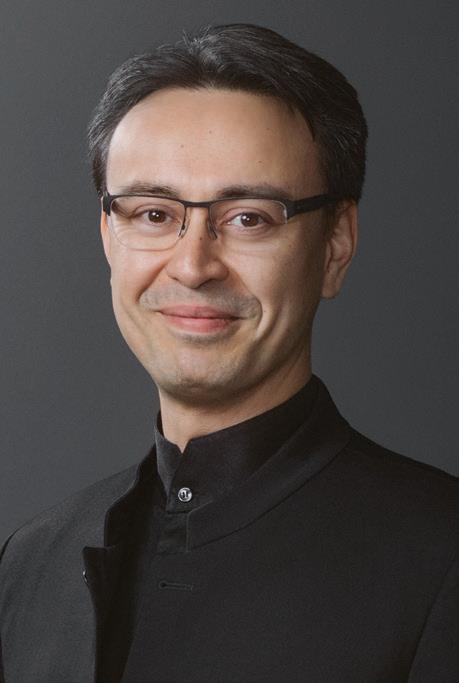
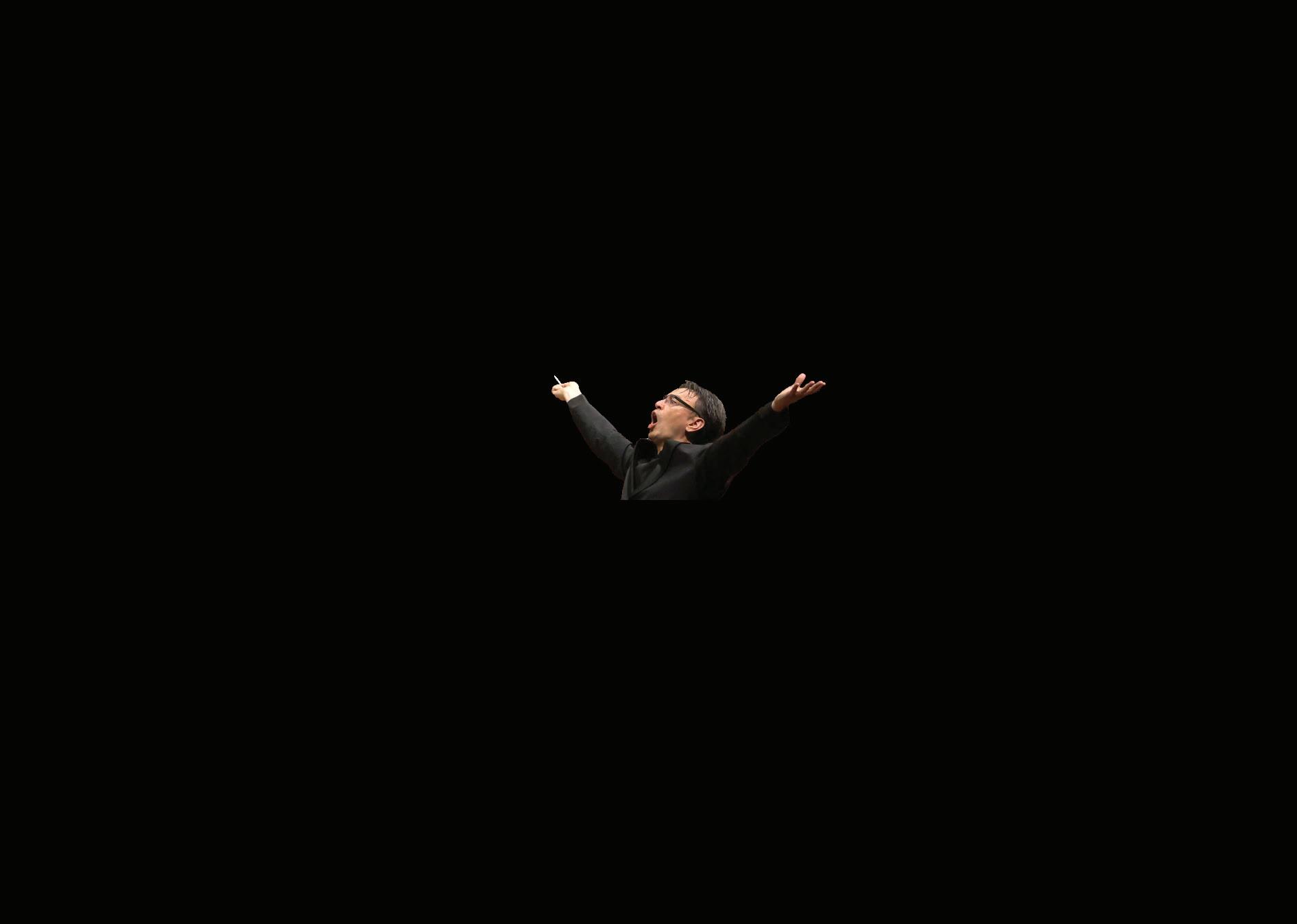
Hailed as “fearless, bold, and a life-force” (San Diego UnionTribune) and “a brilliant and commanding conductor with unmistakable charisma” (Leipziger Volkszeitung), Ken-David Masur is celebrating his seventh season as music director of the Milwaukee Symphony Orchestra and principal conductor of the Chicago Symphony’s Civic Orchestra.
Masur’s tenure in Milwaukee has been notable for innovative thematic programming and bridge-building, including a festival celebrating the music of the 1930s, when the Bradley Symphony Center was built; the Water Festival, which highlighted local community partners whose work centers on water conservation and education; and a new city-wide Bach Festival, celebrating the abiding appeal of J.S. Bach’s music in an ever-changing world. He has also instituted a multi-season artist-in-residence program, and he has led highly acclaimed performances of major choral works, including a semi-staged production of Peer Gynt
In the 2025-26 season, Masur leads celebrations of the 50th anniversary of the Milwaukee Symphony Chorus, featuring performances of Beethoven’s Symphony No. 9 and Missa solemnis, as well as Bach’s St. Matthew Passion as part of the MSO’s third Bach Week. Ken-David Masur and the MSO reunite with longtime collaborators such as Augustin Hadelich, Orion Weiss, Stewart Goodyear, Nancy Zhou, and Bill Barclay and Concert Theatre Works for a special project celebrating America’s 250th birthday with a program interweaving the music of Aaron Copland with the words of Mark Twain. In Chicago, Masur leads the Civic Orchestra, the premier training ensemble of the Chicago Symphony Orchestra, in a wide range of programs, including its annual Bach Marathon.
Masur has conducted orchestras around the world, including Boston, Chicago, New York, San Francisco, l’Orchestre National de France, Kristiansand Symphony Orchestra, NFM Wrocław Philharmonic in Poland, and Tokyo’s Yomiuri Nippon Symphony Orchestra. He makes regular festival appearances at Ravinia, Tanglewood, the Hollywood Bowl, Verbier, the Pacific Music Festival, and the Oregon Bach Festival. Masur is passionate about contemporary music and has conducted and commissioned numerous new works from living composers, including Wynton Marsalis, Augusta Read Thomas, and Unsuk Chin, among others. He has recorded with the English Chamber Orchestra and the Stavanger Symphony Orchestra and received a Grammy Award nomination from the Latin Recording Academy for the album Salón Buenos Aires
Masur and his wife, pianist Melinda Lee Masur, are founders and artistic directors of the Chelsea Music Festival, an annual summer festival in New York City with programs ranging from the Baroque and Classical to contemporary and jazz, placing a special emphasis on the intersection of the culinary and visual arts. The festival celebrated its 16th anniversary in 2025 and has been praised by The New York Times as a “gem of a series” and by Time Out New York as an “impressive addition to New York’s cultural ecosystem.”
Born and raised in Leipzig, Germany, Masur was trained at the Mendelssohn Academy in Leipzig, the Gewandhaus Children’s Choir, the Detmold Academy, and the “Hanns Eisler” Conservatory in Berlin. While an undergraduate at Columbia University in New York, Masur became the first music director of the Bach Society Orchestra and Chorus, with which he toured to Germany and recorded the music of J.S. Bach and his sons.
Music education and working with the next generation of young artists are of major importance to Masur. In addition to his work with the Civic Orchestra of Chicago, he has conducted orchestras and led master classes at many international conservatories and festivals.
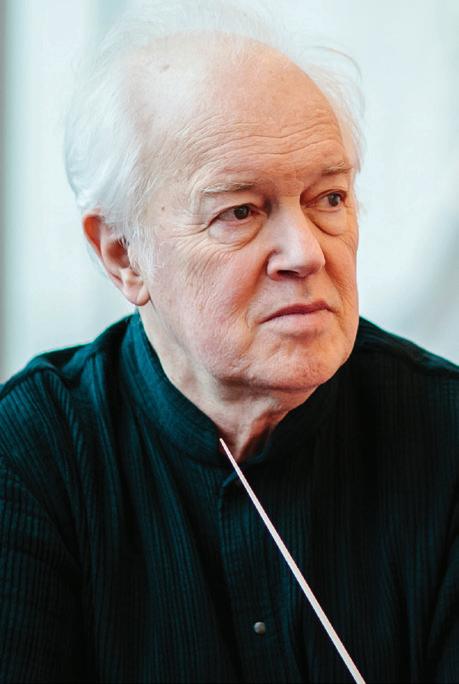
Throughout his long and illustrious career, renowned Dutch conductor Edo de Waart has held a multitude of posts with orchestras around the world, including music directorships with the Rotterdam Philharmonic Orchestra, San Francisco Symphony, Minnesota Orchestra, Netherlands Radio Philharmonic Orchestra, Hong Kong Philharmonic Orchestra, Milwaukee Symphony Orchestra, Antwerp Symphony Orchestra, New Zealand Symphony Orchestra, and Sydney Symphony Orchestra, as well as a chief conductorship with De Nederlandse Opera and the Santa Fe Opera.
Edo de Waart served as principal guest conductor of the San Diego Symphony, conductor laureate of both the Antwerp Symphony Orchestra and Netherlands Radio Philharmonic Orchestra, and music director laureate of the Milwaukee Symphony Orchestra.
As an opera conductor, de Waart has enjoyed success in a large and varied repertoire in many of the world’s greatest opera houses. He has conducted at Bayreuth, the Salzburg Festival, Royal Opera House, Covent Garden, Grand Théâtre de Genève, Opéra Bastille, Santa Fe Opera, and the Metropolitan Opera. With the aim of bringing opera to broader audiences where concert halls prevent full staging, he has, as music director in Milwaukee, Antwerp, and Hong Kong, often conducted semi-staged and opera in concert performances.
A renowned orchestral trainer, he has been involved with projects working with talented young players at the Juilliard and Colburn schools and the Music Academy of the West in Santa Barbara.
Edo de Waart’s extensive catalogue encompasses releases for Philips, Virgin, EMI, Telarc, and RCA. Recent recordings include Henderickx’s Symphony No. 1 and oboe concerto, Mahler’s Symphony No. 1, and Elgar’s Dream of Gerontius, all with the Royal Flemish Philharmonic.
Beginning his career as an assistant conductor to Leonard Bernstein at the New York Philharmonic, de Waart then returned to Holland, where he was appointed assistant conductor to Bernard Haitink at the Royal Concertgebouw Orchestra.
Edo de Waart has received a number of awards for his musical achievements, including becoming a Knight in the Order of the Netherlands Lion and an Honorary Officer in the General Division of the Order of Australia. He is also an Honorary Fellow of the Hong Kong Academy for Performing Arts.
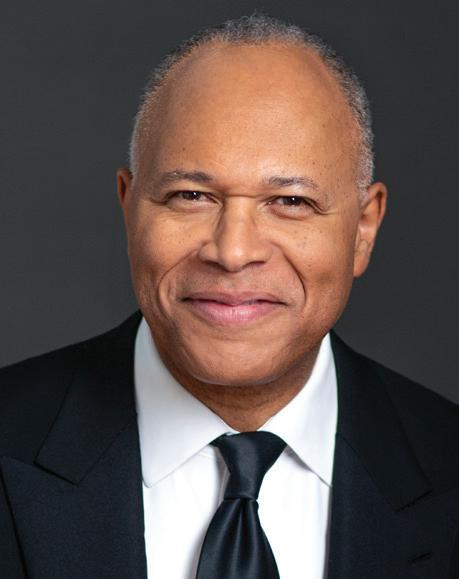
With a contagious smile and captivating charm, conductor, trumpet virtuoso, singer, and actor Byron Stripling ignites audiences across the globe. In 2024, Stripling was named Stein Family Foundation Principal Pops Conductor of the Milwaukee Symphony Orchestra. He also currently serves as principal pops conductor of the Pittsburgh Symphony Orchestra and artistic director and conductor of the highly acclaimed Columbus Jazz Orchestra. Stripling’s baton has led countless orchestras throughout the United States and Canada, including the Boston Symphony Orchestra at Tanglewood and the orchestras of San Diego, St. Louis, Virginia, Toronto, Baltimore, Milwaukee, Fort Worth, Rochester, Buffalo, Florida, Portland, and Sarasota, to name a few.
As a soloist with the Boston Pops, Stripling has performed frequently under the baton of Keith Lockhart, including as the featured soloist in the PBS television special Evening at Pops with conductors John Williams and Mr. Lockhart.
Since his Carnegie Hall debut with Skitch Henderson and the New York Pops, Stripling has become a pops orchestra favorite throughout the country, appearing as soloist with more than 100 orchestras. He has been a featured soloist at the Hollywood Bowl and performs at festivals around the world.
An accomplished actor and singer, Stripling was chosen, following a worldwide search, to star in the lead role of the Broadway-bound musical Satchmo. Many will remember his featured cameo performance in the television movie The Young Indiana Jones Chronicles and his critically acclaimed virtuoso trumpet and riotous comedic performance in the 42nd Street production of From Second Avenue to Broadway.
Television viewers have enjoyed his work as a soloist on the worldwide telecast of the Grammy Awards. Millions have heard his trumpet and voice in television commercials, TV theme songs including 20/20 and CNN, and soundtracks of favorite movies. In addition to multiple recordings with his quintet and work with artists from Tony Bennett to Whitney Houston, his prolific recording career includes hundreds of albums with the greatest pop, Broadway, soul, and jazz artists of all time.
Stripling earned his stripes as lead trumpeter and soloist with the Count Basie Orchestra under the direction of Thad Jones and Frank Foster. He has also played and recorded extensively with the bands of Dizzy Gillespie, Woody Herman, Dave Brubeck, Lionel Hampton, Clark Terry, Louis Bellson, and Buck Clayton in addition to the Jazz at Lincoln Center Orchestra, the Carnegie Hall Jazz Band, and the GRP All-Star Big Band.
Stripling is devoted to giving back and supports several philanthropic organizations, including United Way and the Community Shelter Board. He also enjoys sharing the power of music through seminars and master classes at colleges, universities, conservatories, and high schools.
Stripling was educated at the Eastman School of Music in Rochester, New York, and the Interlochen Arts Academy in Interlochen, Michigan. One of his greatest joys is to return periodically to Eastman and Interlochen as a special guest lecturer.
A resident of Ohio, Stripling lives in the country with his wife, Alexis, a former dancer, writer, and poet and their beautiful daughters.
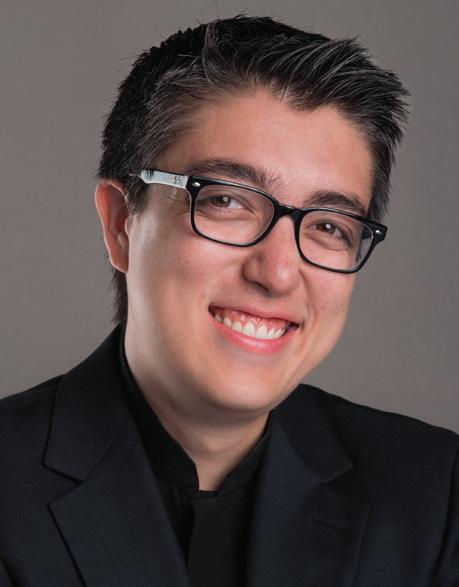
Now in his third season with the MSO and his first as its associate conductor, Ryan Tani has built a reputation for inventive programming, as well as an energetic connection with audiences in Milwaukee and beyond. At the MSO, he conducts a wide range of concerts — including education, family, pops, and classics — and has stepped in for Edo de Waart and led sold-out performances in his 2025 classics debut. He has served as cover conductor for the Minnesota Orchestra, New York Philharmonic, St. Louis Symphony Orchestra, Colorado Symphony, and Bozeman Symphony.
A committed advocate for new music, Tani was music director of Baltimore’s Occasional Symphony, commissioning over 20 works and supporting dozens of composers in just three years. At Yale, he served as conducting fellow of the Philharmonia and resident conductor of New Music New Haven, earning the Dean’s Prize for artistic excellence.
Tani’s community-focused work includes leading multiple ensembles across Montana, including the Bozeman, Missoula, Great Falls, and Montana State University symphonies. Committed to connecting with audiences off the podium, he also developed outreach programs, taught university courses, and fostered collaborations between artists and the public — efforts that continue to shape his approach today.
He holds degrees from Yale University, the Peabody Institute, and the University of Southern California, and has studied with Marin Alsop, Peter Oundjian, Markand Thakar, Larry Rachleff, and Donald Schleicher. He lives in Milwaukee with his wife Bronte and his corgi Darby and enjoys cooking, reading, and playing violin.
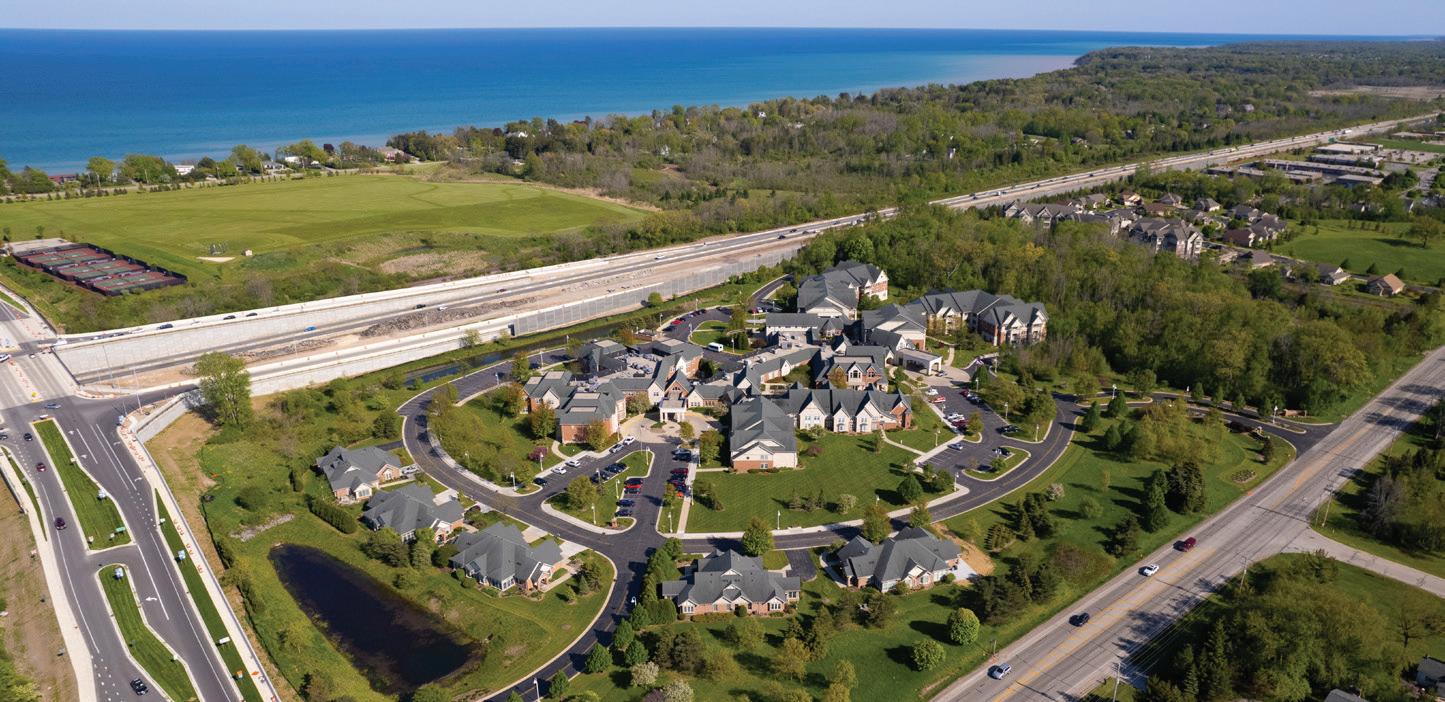
Mequon, Wisconsin

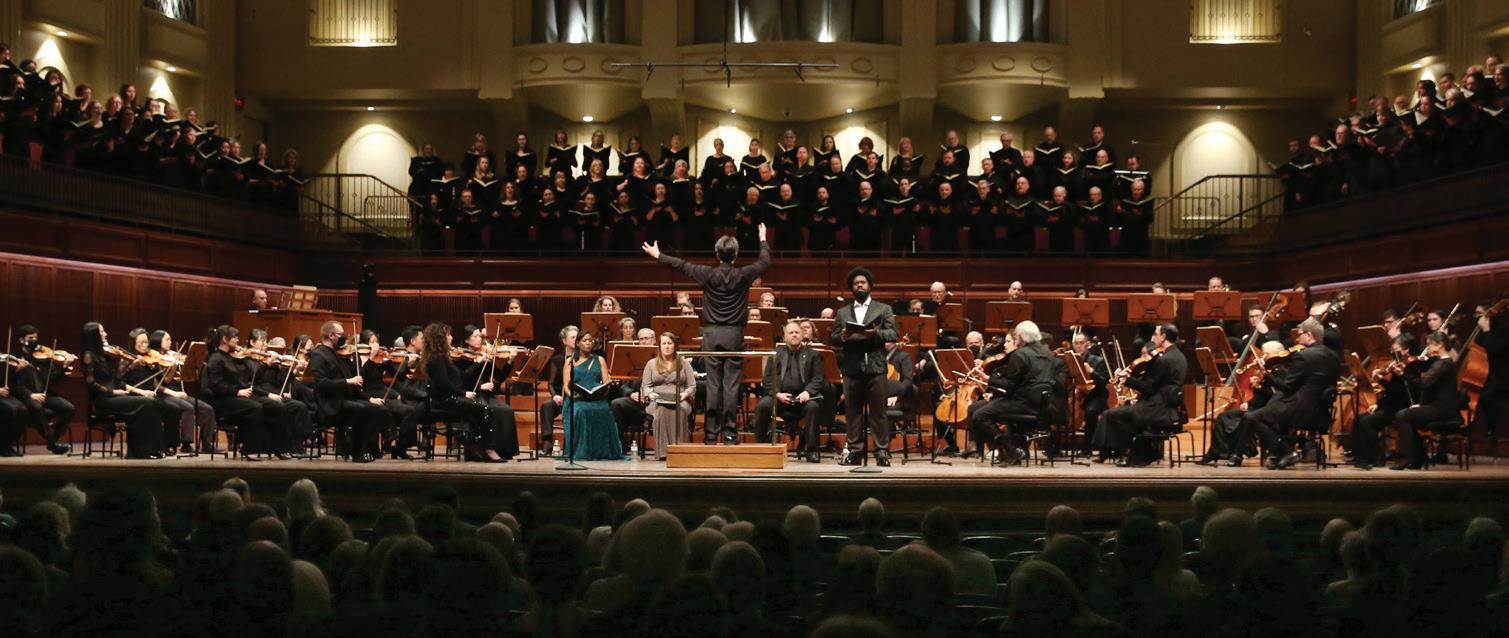
Established in 1976 as a joint effort between the Wisconsin Conservatory of Music and the Milwaukee Symphony Orchestra, the Milwaukee Symphony Chorus has distinguished itself over the course of half a century as one of the preeminent choral ensembles in the United States. Celebrating their landmark 50th anniversary this season, the chorus appears alongside the MSO in monumental masterworks by Bach, Beethoven, and Handel, as well as the MSO’s annual Holiday Pops concerts.
Founded by legendary choral pedagogue Margaret Hawkins, the chorus’s meteoric rise in stature during the late 1970s broadened the orchestra’s repertoire and set a new standard of excellence in Milwaukee’s musical landscape. Under Hawkins’s baton, the chorus produced its first commercial recordings and made multiple appearances at New York’s Carnegie Hall. Their voices were heard in the MSO’s first radio broadcasts, receiving airtime nationally and internationally.
The chorus has made numerous guest appearances at the Ravinia Festival through the years, beginning in 1984 and as recently as 2019, performing with the Chicago Symphony Orchestra and Chorus, singing Gustav Mahler’s “Symphony of a Thousand.” Other collaborations include appearances with local performing arts groups, including the Milwaukee Ballet, Milwaukee Musaik, and Present Music.
The Milwaukee Symphony Chorus’s wide range of ability has been a signature of the ensemble throughout their history. They have moved seamlessly from works by Bach and Brahms to Prokofiev’s Alexander Nevsky, sung during a live screening of the film. Semi-staged productions of Wagner’s The Flying Dutchman and Grieg’s Peer Gynt are featured alongside performances with contemporary artists, such as their recent appearance with the esteemed mandolinist Chris Thile. Their repertoire spans the centuries, regularly placing their enormous versatility on full display.
Made up of musicians from every walk of life, the 150 members of the Milwaukee Symphony Chorus devote countless volunteer hours every season to preparing and performing the great cornerstones of the symphonic literature with an unqualified love for their craft.
To learn more about becoming a member of the chorus, visit mso.org/chorus.
Jahnavi Acharya
Anna Aiuppa
Mia Akers
Laura Albright-Wengler
Alexander Z. Alden
Anthony Andronczyk
James Anello
Evan Bagwell
u Thomas R. Bagwell
Scott Bass
Marshall Beckman
Emily Bergeron
JoAnn Berk
Edward Blumenthal
Alice Boesky
Jillian Boes
u Scott Bolens
Madison Bolt
Neil R. Brooks
Riley Brown
Michelle Budny
Ellen N. Burmeister
John Bushman
Gabrielle Campbell
Gerardo Carcar
Elise Cismesia
Sarah M. Cook
Amanda Coplan
Sarah Culhane
Barbara Czarkowski
Phoebe Dawsey
Colin Destache
Rebeca A. Dishaw
Megan Kathleen Dixson
Rachel Dutler
James Edgar
Joe Ehlinger
Kaleigh Ellis
John Erzberger
Katelyn Farebrother
Michael Faust
Catherine Fettig
Marty Foral
Madison Francis
u Karen Frink
Maria Fuller
Haley Gabriel
James T. Gallup
Jonah Gaster
Jonathan Gaston-Falk
William Gesch
Samantha Gibson
Jessica Golinski
Mark R. Hagner
Mary Hamlin
Beth Harenda
u Karen Heins
Mary Catherine Helgren
Kurt Hellermann
Melissa Kay Herbst
Nathan Hickox-Young
Eric Hickson
Michelle Hiebert
Laura Hochmuth
Mara Hoffman
Amy Hudson
Matthew Hunt
John Itson
u Tina Itson
Jane Jaikumar Knight
Christine Jameson
Paula J. Jeske
Robin Jette
John Jorgensen
Heidi L. Kastern
Summer Ketchell
Christin Kieckhafer
Katherine Kondratuk
Jill Kortebein
Kaleigh Kozak-Lichtman
Kyle J. Kramer
u Joseph M. Krechel
Cheryl Frazes Hill, chorus director
Timothy J. Benson, assistant director
Darwin J. Sanders , language and diction coach
Christina Williams, chorus manager
Julia M. Kreitzer
Harry Krueger
Benjamin Kuhlmann
Alexandra Lerch-Gaggl
Robert Lochhead
Grace Majewski
Rachel Maki
Ethan T. Masarik
Joy Mast
Justin J. Maurer
Betsy McCool
Hilary Merline
Kristine Mielcarek
Megan Miller
Bailey Moorhead
Jennifer Mueller
Lucia Muniagurria
Matthew Neu
Kristin Nikkel
Jason Niles
Alice Nuteson
Robert Paddock
Daniel Edward Parks
Heather Pierce
R. Scott Pierce
u Jessica E. Pihart
Bianca Pratte
Abby Prom
Kaitlin Quigley
Mary Rafel
Jason Reuschlein
Rehanna Rexroat
James Reynolds
Marc Charles Ricard
Amanda Robison
Shawn W. Runningen
u Bridget Sampson
James Sampson
Joshua S. Samson
Darwin J. Sanders
Alana Sawall
Melissa Cardamone
Jeong-In Kim
Teree Shofner-Emrich
Sarah Schmeiser
Rand C. Schmidt
Randy Schmidt
u Allison Schnier
Andrew T. Schramm
Matthew Seider
Bennett Shebesta
u Hannah Sheppard
David Siegworth
Samuel Skogstad
Bruce Soto
u Joel P. Spiess
u Todd Stacey
u Donald E. Stettler
Scott Stieg
Donna Stresing
Sara Strommen
Shannon Sweeney
Joseph Thiel
Clare Urbanski
Bobbi Jo Vandal
Matthew Van Hecke
Maria Waldkirch
Maggie Walz
Stephanie Weeden
Tess Weinkauf
Amy Weyers
Erin Weyers
Christina Williams
Sally Witte
Kevin R. Woller
Rachel Yap
James Yarbrough
Ben Young
Jamie M. Yu
Katarzyna Zawislak
Stephanie Zimmer
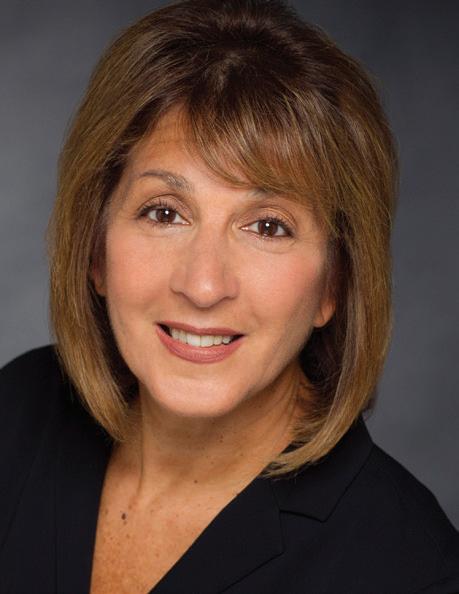
Dr. Cheryl Frazes Hill is now in her ninth season as director of the Milwaukee Symphony Chorus. During their landmark 50th anniversary season, Frazes Hill prepares the Milwaukee Symphony Chorus for classical performances that include Beethoven’s Symphony No. 9, Handel’s Messiah, Bach’s St. Matthew Passion, and Beethoven’s Missa solemnis.
Frazes Hill also serves as associate conductor of the Chicago Symphony Chorus. In that role, she has prepared the chorus for maestros Alsop, Boulez, Barenboim, Conlon, Levine, Mehta, Salonen, and Tilson Thomas, among many others. Recordings of Frazes Hill’s choral preparations on the Chicago Symphony Orchestra label include Beethoven, A Tribute to Daniel Barenboim, and Chicago Symphony Chorus: A 50th Anniversary Celebration
Frazes Hill is professor emerita at Roosevelt University’s Chicago College of Performing Arts, where she served for 20 years as director of choral activities and head of music education. Under her direction, the Roosevelt University choruses have been featured in prestigious and diverse events, including appearances at national and regional music conferences and performances with professional orchestras, including the Chicago Symphony Orchestra, the Chicago Sinfonietta, the Civic Orchestra of Chicago, and the Illinois Philharmonic. The Roosevelt Conservatory Chorus received enthusiastic reviews for their American premiere of Jacob ter Veldhuis’s Mountaintop. Other recent performances have included the internationally acclaimed production of Defiant Requiem and three appearances with The Rolling Stones during a recent U.S. concert tour.
Frazes Hill received her master’s and doctoral degrees in conducting from Northwestern University and her bachelor’s degrees in voice and music education from the University of Illinois. An accomplished vocalist, she is a featured soloist in the Grammy-nominated CBS Masterworks release Mozart: Music for Basset Horns. An award-winning conductor and educator, Frazes Hill recently received the ACDA Harold Decker Conducting Award, the Mary Hoffman Music Educators Award, and in past years, the Commendation of Excellence in Teaching from the Golden Apple Foundation, the Illinois Governor’s Award, Roosevelt University’s Presidential Award for Social Justice, the Northwestern University Alumni Merit Award, and the Outstanding Teaching Award from the University of Chicago.
Frazes Hill’s recently released book, Margaret Hillis: Unsung Pioneer, a biography of the famed female conductor, received a commendation from the 2023 Midwest Book Awards. Frazes Hill is nationally published on topics of her research in choral conducting and music education. A frequent guest conductor, clinician, and guest speaker, Frazes Hill regularly collaborates with maestro Marin Alsop at the Ravinia Festival’s ”Breaking Barriers” series, providing seminars for Taki Alsop female conducting fellows.
Friday, May 8, 2026 at 11:15 am
Saturday, May 9, 2026 at 7:30 pm
Sunday, May 10, 2026 at 2:30 pm
ALLEN-BRADLEY HALL
Ken-David Masur, conductor
Bill Barclay, writer and director
Carson Elrod, actor
Caleb Mayo, actor
Chloe McFarlane, actor
Maurice Emmanuel Parent, actor
Robert Walsh, actor
Music for Movies and Music for the Theatre
Prologue
Sunday Traffic from The City
Barley Wagons from Of Mice and Men
Dance
Burlesque
Threshing Machines from Of Mice and Men
Interlude
Grover’s Corners from Our Town
New England Countryside from The City
Epilogue
JOAN TOWER
For the Uncommon Woman
JAMES LEE III
Freedom’s Genuine Dawn
JOHN STAFFORD SMITH/arr. Walter Damrosch and John Philip Sousa
The Star-Spangled Banner
AARON COPLAND
Suite from The Tender Land
III. Finale: The Promise of Living
Production Credits
Arthur Oliver, costume designer
S. Katy Tucker, projection designer
Kylee Loera, video engineer
Nottingham Design, wig and hair styling
The 2025.26 Classics Series is presented by the UNITED PERFORMING ARTS FUND and ROCKWELL AUTOMATION.
Copland & Twain: An America 250 Celebration is supported in part by the NATIONAL ENDOWMENT FOR THE ARTS
The length of this concert is approximately 2 hours.
The Milwaukee Symphony Orchestra can be heard on the Naxos, Telarc, Koss Classics, ProArte, AVIE, and Vox/Turnabout labels. MSO Classics recordings are available for digital streaming and download on Spotify, Apple Music, and more.
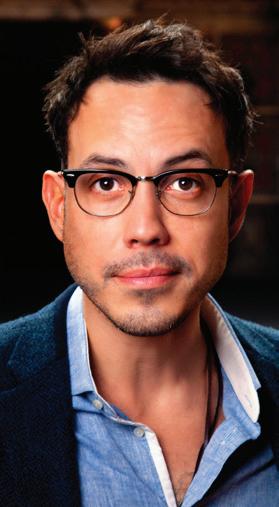
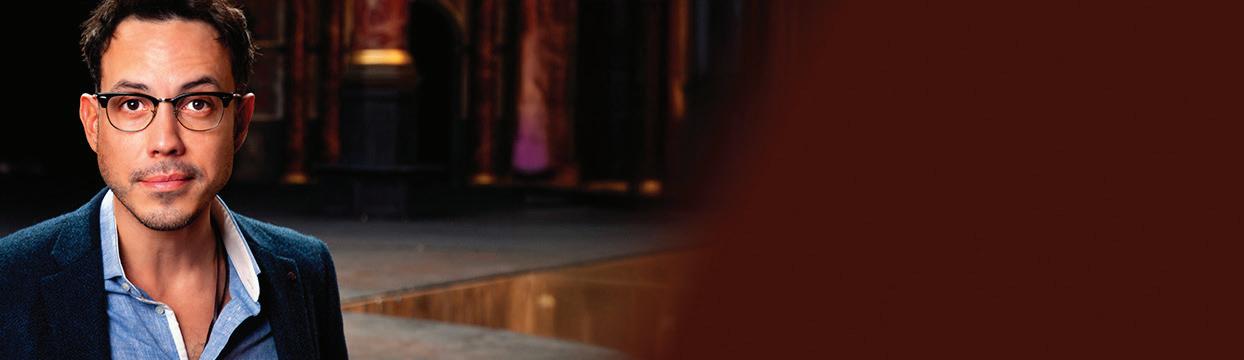
Writer, director, and composer Bill Barclay is best known for his 25+ productions of concert-theater, including Secret Byrd, Romeo and Juliet, Bach’s St. Mark Passion, and The Chevalier. He is artistic director of Concert Theatre Works, which tours his productions to 30 cities internationally each year. His most recent production with the Milwaukee Symphony Orchestra featured his largest theatrical concert, Peer Gynt.
As director of music at Shakespeare’s Globe Theatre, he produced live music for over 130 productions and 100 concerts, composing original music for over a dozen, which have toured to six continents. His Broadway and West End credits include Farinelli and the King, Twelfth Night, and Richard III, all starring Sir Mark Rylance. Barclay’s original works have been described as “witty and incisive” (The New York Times), “emotionally supercharged” (The London Times), “quietly transfixing” (The New Yorker), “effortless perfection” (The Observer), and “quite simply exquisite” (The Guardian).
Orchestral partners include the Los Angeles Philharmonic (at the Hollywood Bowl), National Symphony Orchestra (Kennedy Center), BBC Symphony Orchestra (Barbican Centre), London Philharmonic Orchestra, The Cleveland Orchestra, New World Symphony, Buffalo Philharmonic Orchestra, and the Cincinnati, Milwaukee, St. Louis, New Jersey, Virginia, Colorado, Indiana, Hartford, Harlem, Winston-Salem, and Chautauqua symphony orchestras. He has been commissioned five times by the Boston Symphony Orchestra, staging his own original adaptations over 12 seasons, including Romeo and Juliet, Peer Gynt, A Midsummer Night’s Dream, L’Histoire du soldat, The Chevalier, and The Magic Flute.
An early music specialist, his productions Death of Gesualdo, Secret Byrd, Bach’s St. Mark Passion and Art of Fugue, and others have variously featured The Gesualdo Six, Music of the Baroque, The English Concert, The Sixteen, Fretwork, Barokksolistene, the Handel & Haydn Society, Academy of Ancient Music, Dunedin Consort, Orchestra of the Age of Enlightenment, Academy of St Martinin-the-Fields, National Centre for Early Music, Oregon Bach Festival, Early Music Seattle, Portland Baroque, San Francisco Early Music Society, Abendmusik, and others at dozens of festivals around the world.
As a composer, his original music has been performed for President Obama, for the Olympic torch, at the United Nations, and three times for the British royal family. He was the composer for Hamlet Globe to Globe, which toured 197 countries, and Call of the Wild, which toured to 42 states. He directed Silkroad’s Heroes Take Their Stands and conducted the City of London Sinfonia on international tours. He has been commissioned by the Royal Albert Hall, Washington National Cathedral, and Hollywood Bowl.
A contributor to The Guardian and Songlines, Barclay is published on the music of Shakespeare by both Cambridge and Oxford University presses, and he lectures widely on Shakespeare and the music of the spheres. His newest work, What Music Is, is aimed at revealing music’s essential role on our planet. He is the recipient of a Fox Foundation Resident Actor Fellowship, the largest grant for actors in the U.S., and spent 12 years as a company member at both Shakespeare and Company and the Actors’ Shakespeare Project, where he collaborated on over 40 productions as an actor, director, composer, and educator. Barclay earned his Master of Fine Arts degree in playwriting at Boston University.
He can be followed @barclayarts and concerttheatreworks.com.
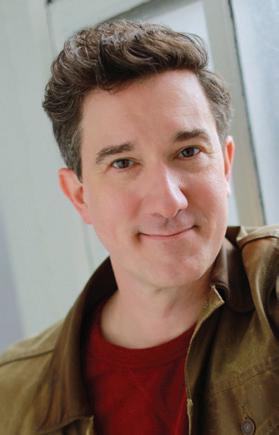
Carson Elrod’s acting credits include A Midsummer Night’s Dream and L’Histoire du soldat with Concert Theatre Works and the Boston Symphony Orchestra, Peter and The Starcatcher, Reckless, and Noises Off on Broadway, and The Merry Widow with the Metropolitan Opera. Off-Broadway credits include A Midsummer Night’s Dream, Twelfth Night, and Seize the King with the Classical Theatre of Harlem, The Alchemist with Red Bull Theater, The Tempest, Measure for Measure, and All’s Well That Ends Well at the New York Shakespeare Festival, and The Liar and The Heir Apparent with Classic Stage Company. Appearances with the Manhattan Theatre Club have included Important Hats of the Twentieth Century, The Explorer’s Club, Based on a Totally True Story, House, Garden, and Comic Potential. Additional theatrical credits include Lives of the Saints and All in the Timing with Primary Stages, Cavedweller with the New York Theatre Workshop, and Pygmalion with Gingold Theatrical Group. Elrod’s television and film credits include Evil, The Good Fight, Law & Order: Criminal Intent, The Medium, 30 Rock, Wedding Crashers, and Kissing Jessica Stein. Elrod received his Master of Fine Arts degree from New York University and is executive director of Arts Workers United (artsworkersunited.com).
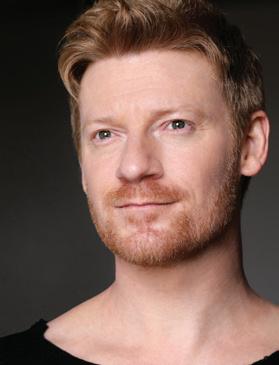
Caleb Mayo is delighted to return to Milwaukee, where he performed the title role of Peer Gynt in 2022. A frequent collaborator with Concert Theatre Works, he originated Peer Gynt with the Boston Symphony Orchestra, later playing the role with the Milwaukee, Cincinnati, and St. Louis symphony orchestras and reprising it in Boston for the BSO’s 2023-24 season. He has also appeared with the BSO at Tanglewood in A Midsummer Night’s Dream and Romeo and Juliet and with the Boston Symphony Chamber Players in L’Histoire du soldat. Caleb began his classical training at age 11 and made his professional debut at 15 in the Huntington Theatre Company’s To Kill a Mockingbird. He holds a Bachelor of Arts degree in Drama from Vassar College and trained at the Royal Academy of Dramatic Art in London. He has worked in film (One-Eyed Monster), television (Criminal Minds), new media (What the UFO?), and regional theater across the U.S., including with the Shakespeare Theatre Company in Washington, D.C., the Knightsbridge Theatre in Los Angeles, and the Stonington Opera House in Maine.
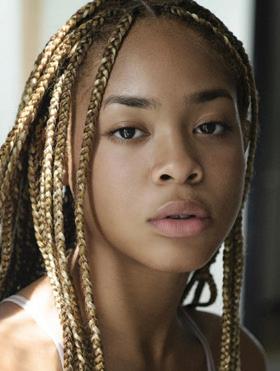
Chloe McFarlane has appeared as Juliet in Romeo and Juliet and Amy in Little Women with the Actors’ Shakespeare Project, as well as Noel Calloway’s film Mr. Santa. McFarlane’s formal training includes the Boston University School of Theatre, the British American Drama Academy, and the Stella Adler Studio of Acting.
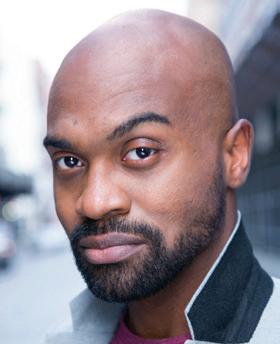
Maurice Emmanuel Parent is an award-winning actor, director, and educator. With over 40 acting credits, he has performed on stages across the nation and abroad, working with some of Boston’s most esteemed theater companies, including the Huntington Theatre Company, Actors’ Shakespeare Project, Commonwealth Shakespeare Company, SpeakEasy Stage Company, Lyric Stage Company, New Repertory Theatre, and Central Square Theater, among others. His work as both an actor and director has earned him numerous accolades, including three Elliot Norton Awards from the Boston theater Critics Association, three Independent Reviewers of New England Awards, and an ArtsImpulse Award.
Beyond the stage, Parent has been a dedicated educator for over a decade. He has taught at Northeastern University, Massachusetts Institute of Technology, and the Boston Conservatory at Berklee in addition to spending six years as a performing arts specialist in the Boston public school system. He is currently a full-time professor at the Tufts University Department of Theatre, Dance, and Performance Studies. In 2016, driven by the lack of opportunities for artists of color and the urgent need to address racial inequities in Boston’s theater landscape, Parent co-founded Front Porch Arts Collective, where he now serves as producing artistic director. Under his leadership, The Porch has become a catalyst for change, creating space for dialogue, representation, and artistic excellence.
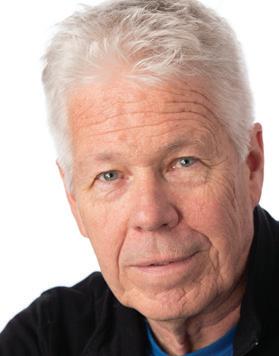
Robert Walsh’s off-Broadway credits include Gloucester Blue with Cherry Lane Theatre, Big Maggie with Douglas Fairbanks Theater, and Penelope with Perry Street Theatre. Walsh has been a company member with Open Eye Theatre, Riverside Shakespeare Company, and Circle Repertory Company. Appearances in Boston have included The Dybbuk and The Gaaga with Arlekin Players Theatre, Ah, Wilderness! and Hamlet with Huntington Theatre Company, Trouble in Mind with Lyric Stage, Our Town, Mass Appeal, and A Midsummer Night’s Dream with Merrimack Repertory Theatre, Sins of the Mother and The Subject Was Roses with Gloucester Stage Company, The Cocktail Hour with New Repertory Theatre, Next Fall with SpeakEasy Stage, The Winter’s Tale, Coriolanus, Macbeth, and Henry V with Commonwealth Shakespeare Company, and King Lear, Henry IV, Titus Andronicus, and Hamlet with the Actors’ Shakespeare Project, of which Walsh was a founding company member. Walsh’s television and film credits include Fourth of July, Black Mass, Dead Reckoning, The Spirit of Christmas, Evening, State and Main, Amistad, Eight Men Out, and Body of Proof. Walsh is former artistic director of Gloucester Stage Company and the American Stage Festival and currently serves on the faculty at Brandeis University. He directed the on-field ceremonies for the 1999 All-Star Game for Major League Baseball at Fenway Park in Boston.
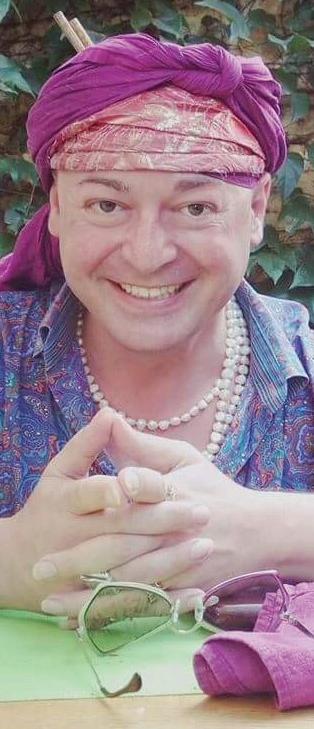
Arthur Oliver is a designer with 35 years of experience in the performing arts. His work has received praise from The London Times, The New York Times, The Wall Street Journal, The Huffington Post, The Boston Globe, and Variety Magazine. Oliver’s first design for Concert Theatre Works, Secret Byrd, premiered at the National Cathedral in Washington, D.C., and St Martin-inthe-Fields in 2023. It continues to tour the U.S. and the U.K.
In the summer of 2025, he designed costumes for Romeo and Juliet, conceived and directed by Bill Barclay of Concert Theatre Works. The production, commissioned by the Royal Albert Hall and the Boston Symphony Orchestra, premiered with Andris Nelsons conducting the Boston Symphony Orchestra at the Tanglewood Music Shed. Approximately 15,000 people were in attendance.
International design work includes the Mikhailovsky Theatre (St. Petersburg, Russia) and the National Opera and Ballet of Ukraine (Kyiv and Odesa). He continues to design in the U.S. for regional theaters, opera, ballet, and independent films.
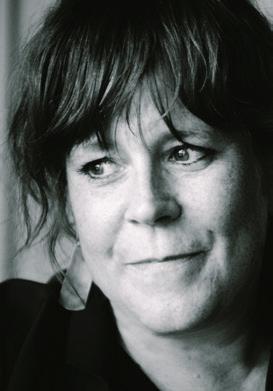
S. Katy Tucker designs video and projection for live performance, working frequently in opera and theater and collaborating with composers and musicians. Her work has been seen internationally, including Broadway, Carnegie Hall, the Metropolitan Opera, Teatro alla Scala, New York City Ballet, Park Avenue Armory, BAM, San Francisco Opera, Metropolitan Museum of Art, Dutch National Opera, Sydney Opera House, and Canadian Opera Company, among others. She began her career as a painter and video installation artist, exhibiting her work at a variety of galleries, such as the Corcoran Museum, Dupont Underground, and Artist’s Space in New York City, including a video installation titled Stone Memory, commissioned by the Kennedy Center. Tucker was nominated for a Lucille Lortel Award for Letters From Max.
Recent productions include Smash on Broadway with director Susan Stroman, Wagner’s “Ring” cycle with Sir David McVicar at Teatro alla Scala, Tannhäuser (Houston Grand Opera), Florencia en el Amazonas, Eurydice, Peter Grimes, Verdi’s Requiem, and Prince Igor (Metropolitan Opera), Florencia en el Amazonas (Lyric Opera of Chicago, Houston Grand Opera, and Washington National Opera), Rebecca (Vereinigte Bühnen Wien), Klangwolke 23 (Brucknerhaus), and Turandot, Macbeth, Fidelio, Elektra, Don Giovanni, and Samson and Delilah (Washington National Opera).
This program began by imagining how to publicly go about celebrating America’s 250th anniversary. How could this event serve such a polarized time in our history? I have always been moved by some of the traditional American tunes and hymns, but the state of our country called for something else, something I couldn’t quite identify at first.
I now realize that for some reason or other, I wanted to laugh. I wanted to release energy, not summon it. I wanted the community of joy, not the burden of politics. And it seemed that avoiding politics entirely was ignoring the elephant in the room.
A symphony audience today may be one of the last public spaces of American life that is truly politically heterogeneous. Classical music plays to Republicans, Democrats, and Independents alike. This prompts a follow-up question: is there a way we can laugh about ourselves without excluding people?
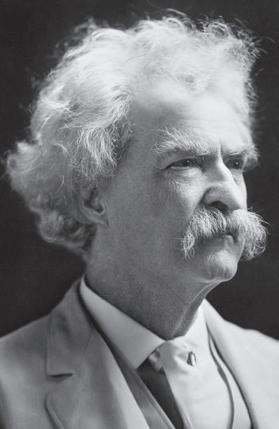
Today, Mark Twain seems as mainstream as apple pie, but during most of his life, he lived the life of a tramp. Both a free-wheeling populist and a cunning intellectual, his brand of satire made him the first true American celebrity. He also left behind a voluminous body of largely forgotten work, writing every week of his adult life. I took the opportunity of this anniversary to read some 2,000 pages of apocryphal speeches, articles, toasts, diary entries, and humorist essays that I had never even heard about before. I wanted to look beyond the author of Huckleberry Finn and summon his faith in America from beneath the quips. The richness of this corpus, and its resemblance to the ills that still plague us today, is simply uncanny.
Aaron Copland is often called The Dean of American Music, and it’s not hard to understand why. His long life (1900 – 1990) witnessed several profound changes in American identity. Yet however closely we associate him with the establishment in retrospect, his actual lived experience — like Twain’s — ran largely counter to that image. He was hauled before the House Un-American Activities Committee in 1953 as a suspected communist. He was blacklisted for his leftist associations and, in other chapters of his life, marginalized for his homosexuality. His musical pivots away from the tonality that made him famous and into the serialism of Arnold Schoenberg further cemented his outsider persona during his lifetime.
Today we present two distinctively American artists, mutually holding up core pillars of our identity, who need to be unpolished before authenticated. Their bodies of work cry out for a robust re-examination, and what else is an anniversary for? I take two of Copland’s lesser-known suites, Music for Movies and Music for the Theatre, and restore them to their incidental roots, while sharing with you some of the gems collected from dozens of Twain’s most colorful passages that history has forgotten. More surprises await after the intermission.
It is a theatrical concert that I deeply believe both men would have loved.
— Bill Barclay, writer and director of Copland & Twain
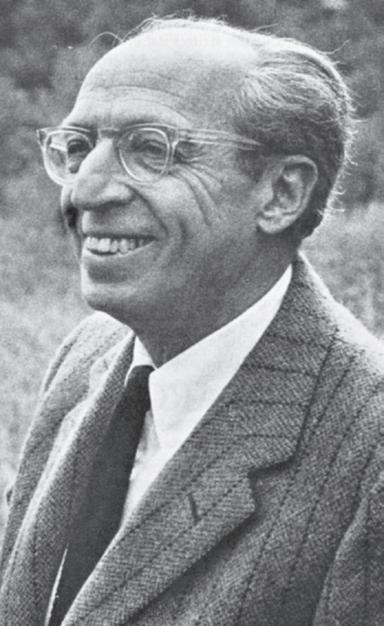
Born 14 November 1900; New York City, New York
Died 2 December 1990; North Tarrytown, New York
Composed: 1939 – 1940; suite compiled in 1942
First performance: 17 February 1943; Daniel Saidenberg, conductor; Saidenberg Little Symphony
Last MSO performance: MSO Premiere
Instrumentation: flute (doubling on piccolo); oboe; clarinet; bassoon; horn; 2 trumpets; trombone; timpani; percussion (bass drum, glockenspiel, snare drum, suspended cymbal, triangle, xylophone); piano; strings
Approximate duration: 16 minutes
As the technological innovations that revolutionized life in the first decades of the 20th century transformed the world around him, Aaron Copland realized that it was imperative to connect with the public in a meaningful way. Turning to their radios, record players, and movie theaters for entertainment during the difficult years of the Depression, he recognized that to dismiss these new mediums of musical transmission ran the very real risk of alienating listeners. “It seemed to me that we composers were in danger of working in a vacuum. … It made no sense to ignore them and to continue writing as if they did not exist,” Copland wrote in Our New Music. “I felt that it was worth the effort to see if I couldn’t say what I had to say in the simplest possible terms.”
Shedding the avant-garde modernism then in vogue with the musical literati in favor of an “imposed simplicity” marked by a sparse, broadly accessible, and delicately colored musical language, Copland’s earliest filmic undertakings appealed directly to his humanist and leftist ethics. The documentary The City examined the problems endemic to rapid urbanization and the solutions offered by planned communities and public housing, while the dramatic rural and small-town portraits found in John Steinbeck’s Of Mice and Men and Thornton Wilder’s Our Town provided ample inspiration for the “clean and clear sounds” and “straight-forward harmonies and rhythms” that were coming to define Copland’s voice. Compiled in 1942, Copland dedicated this suite of excerpts to the French composer Darius Milhaud, a pioneer of film scoring from the medium’s first silent years.
Composed: 1925
First performance: 20 November 1925; Serge Koussevitzky, conductor; Boston Symphony Orchestra
Last MSO performance: 20 June 2004; Andreas Delfs, conductor
Instrumentation: flute (doubling on piccolo); oboe (doubling on English horn); clarinet (doubling on E-flat clarinet); bassoon; 2 trumpets; trombone; percussion (bass drum, glockenspiel, snare drum, suspended cymbal, tenor drum, wood block, xylophone); piano; strings
Approximate duration: 21 minutes
Continued on page 22
Continued from page 21
Aaron Copland wasn’t born into a particularly musical family — of his parents, who had immigrated to the United States by way of Russia, only his mother, Sarah, expressed any interest in music. As an amateur pianist and singer, she ensured that her children received a musical education, though it was his older sister, Laurine, who gave him his first instruction at the piano. After progressing to private lessons under Victor Wittgenstein and learning the rudiments of harmony through a correspondence course, Copland began studying composition with Rubin Goldmark in 1917, whose loyalty to the German Romantic tradition gave him a robust foundational training. But his greatest transformation was to take place half a world away: in 1921, after saving up his summer wages, he departed for Paris, where he came under the influence of Nadia Boulanger.
As one of the most powerful and incisive musical minds of the century, Copland was only the first among dozens of American students to benefit from her intellectual rigor, spending the next three years studying under Boulanger while immersing himself completely in the contemporary artistic scene thriving in Europe’s urban centers. Returning to New York City with the aim of cultivating a distinctly American musical persona, he began incorporating the vigorous rhythmic mechanisms and riveting “blue” harmonies characteristic of the “Jazz Age” into his compositions. Written not for a specific production, but as music that “seemed to suggest a certain theatrical atmosphere,” Music for the Theatre encapsulates the stylistic and intellectual transitions Copland underwent as a young artist while foreshadowing the highly individualized style that emerged at the peak of his career.
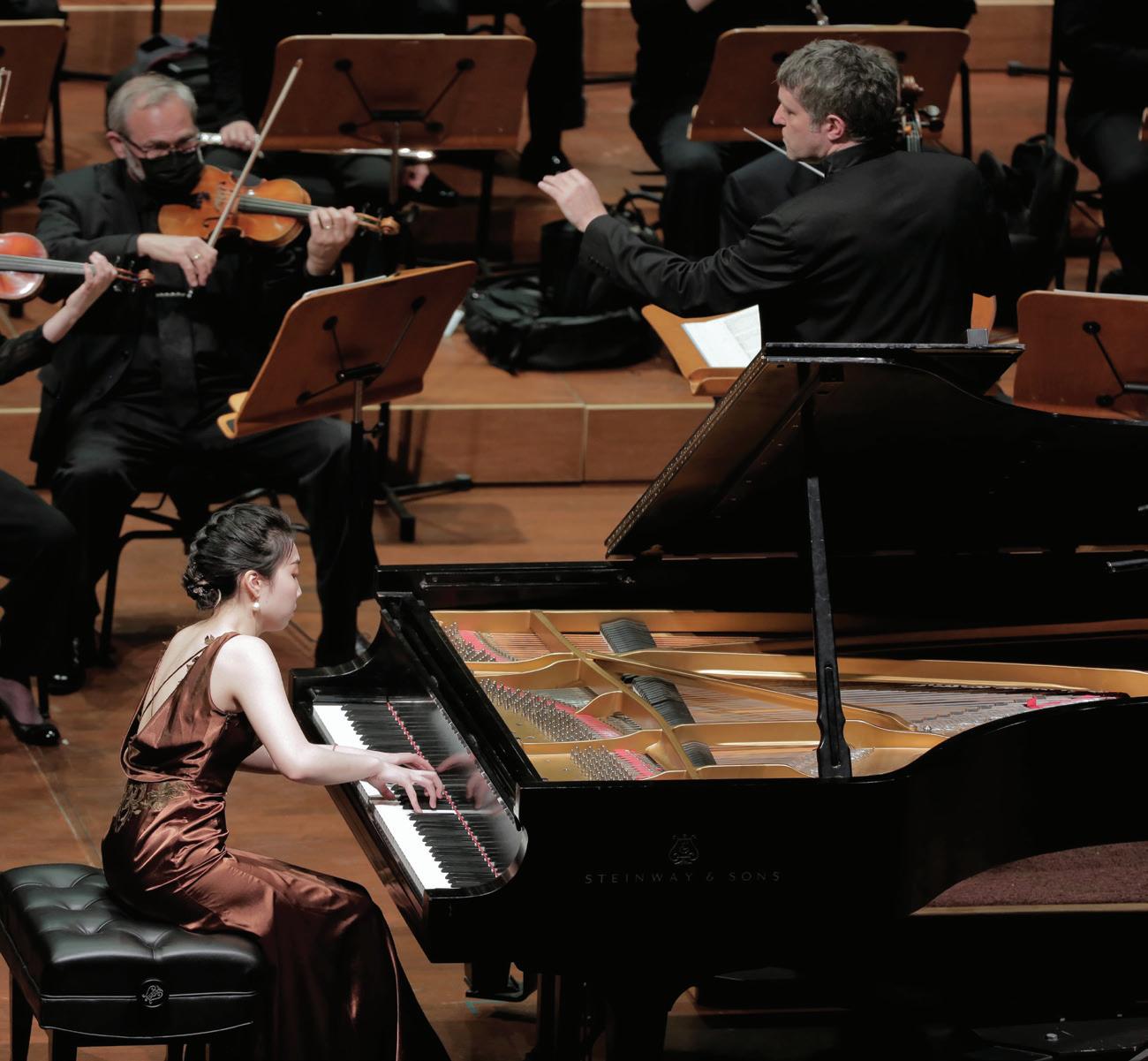
Community concerts, competitive solo and duo recitals with MSO musicians at the Wisconsin Conservatory of Music, and Concerto Finale with the MSO at Bradley Symphony Center on June 4.
For more information or to sign up for updates on the 2024 competition, contact Info@PianoArts.org

Saturday, May 16 at 7:30 pm
ALLEN-BRADLEY HALL
Ryan Tani, conductor
Ledisi, vocalist
GEORGE GERSHWIN AND IRA GERSHWIN
Love is Here to Stay
STANLEY ADAMS AND MARÍA GREVER
What a Difference a Day Makes
ANITA HILL AND DINAH WASHINGTON
If I Never Get to Heaven
GENE DE PAUL AND DON RAYE
You Don’t Know What Love Is
CLYDE OTIS AND MURRAY STEIN
Baby (You’ve Got What It Takes)
REDD EVANS, ARTHUR KENT, AND DAVE MANN
Don’t Go to Strangers
PEARL DELANEY AND TOM DELANEY
Nobody Knows the Way I Feel This Morning
JOHN FREDERICK COOTS AND JAMES LAMONT GILLESPIE
You Go to My Head
IRVING CAESAR AND VINCENT YOUMANS
Sometimes I’m Happy
COLE PORTER
Let’s Do It (Let’s Fall in Love)
DUKE ELLINGTON, JUAN TIZOL, AND IRVING MILLS
Caravan
CLYDE OTIS
This Bitter Earth
DUKE ELLINGTON AND BUB RUSSELL
Do Nothin’ Till You Hear From Me
This weekend’s media sponsor is WISCONSIN PUBLIC RADIO
The length of this concert is approximately 2 hours. All programs are subject to change.
The Milwaukee Symphony Orchestra can be heard on the Naxos, Telarc, Koss Classics, ProArte, AVIE, and Vox/Turnabout labels. MSO Classics recordings are available for digital streaming and download on Spotify, Apple Music, and more.
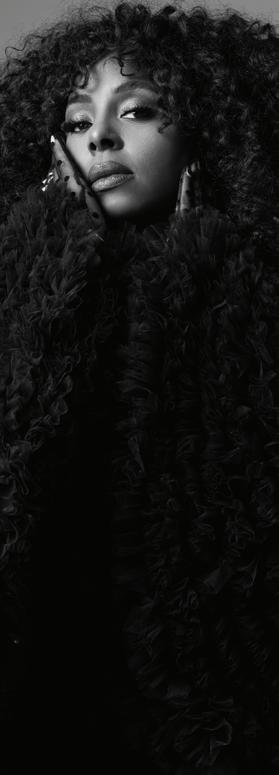
Grammy Award-winning artist Ledisi is one of the most dynamic vocalists of her generation. Classically trained, her powerhouse voice transcends genre, blending soul, R&B, gospel, and jazz with emotional depth and technical mastery. Ledisi has evolved from local stages to global acclaim, including a sold-out Carnegie Hall performance and a commanding appearance at Super Bowl LIX, where she opened the game with “Lift Every Voice and Sing.” Ledisi recently released her 16th studio album, The Crown, a bold, genre-blurring celebration of identity, joy, and empowerment. The project marks a defining moment in her career, reinforcing her place as an artist who can’t be boxed in.
Ledisi also released a tribute album in 2025 titled For Dinah, honoring jazz and blues legend Dinah Washington with reimagined classics that showcased her soulful artistry. The album dropped in October 2025, blending Washington’s timeless material with Ledisi’s expressive voice and contemporary flair.

Piano and Organ Music Celebrating Independence Day 2026
Saturday, June 20, 3 p.m. Elm Grove Lutheran Church
The concert features the church ’s digitally enhanced Casavant pipe organ and classic Steinway piano played by Mr. Richard C. Ewert, organist at Elm Grove Lutheran, and Dr. Aaron Wunsch, Professor of Keyboard Studies at the Juilliard School in New York City. Musical selections include a rare live performance of the Concerto for Organ and Piano (Op. 74) by Flor Peeters as well as George Gershwin ’s Rhapsody in Blue and Charles Ives' “Variations on ‘America’" in celebration of the 250th birthday celebration July 4th.
Admission is free and open to the public. Ample parking is available. A reception will be held afterwards in the Fellowship Hall in honor of the artists.
Elm Grove Ev. Lutheran Church · 945 Terrace Drive · Elm Grove WI · (262) 797 -2970 · egl.org
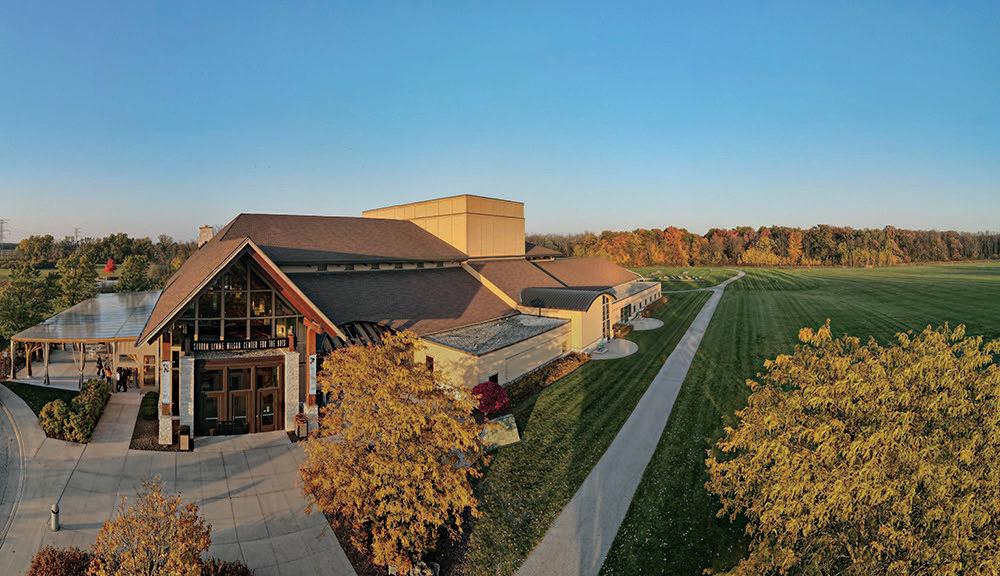
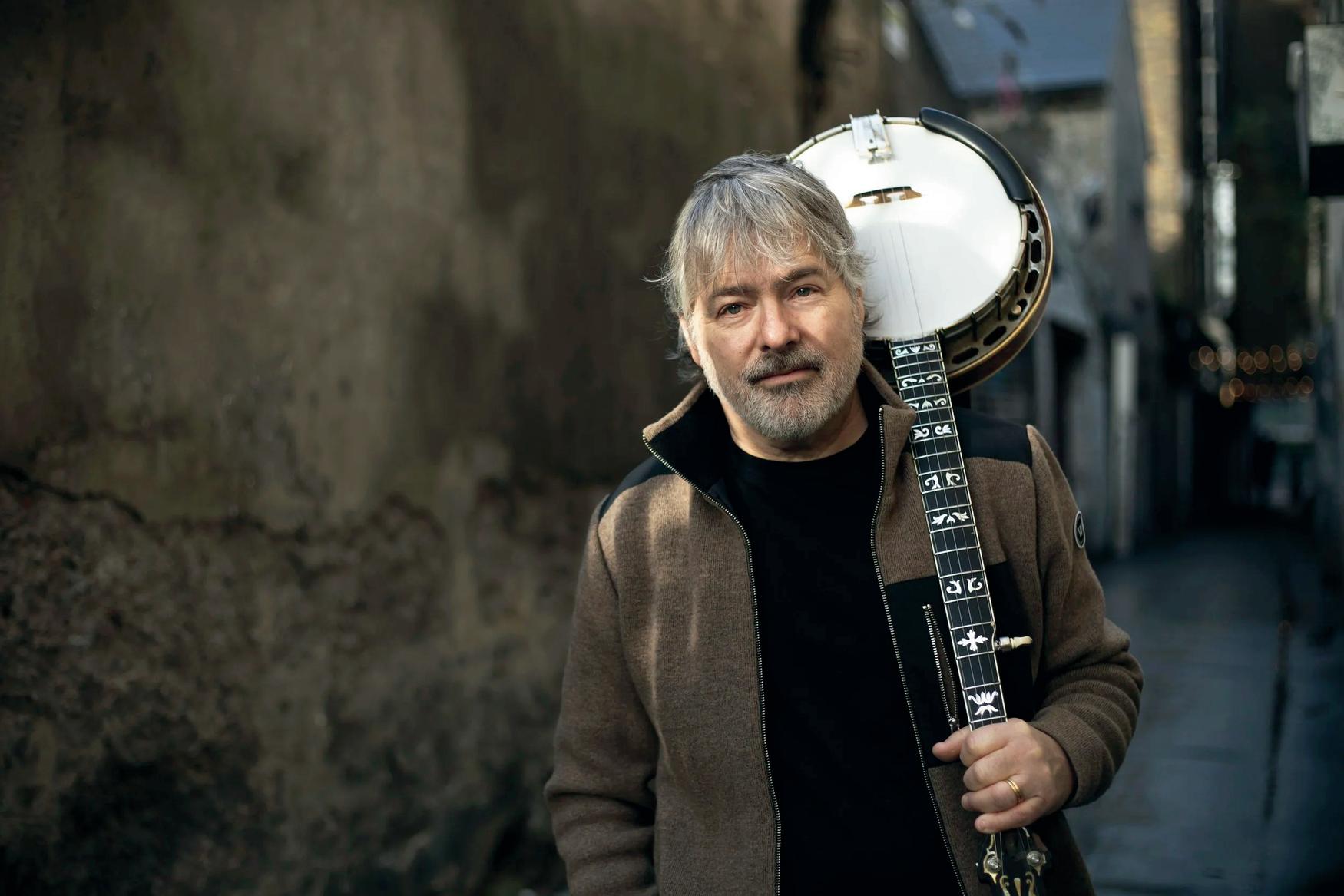
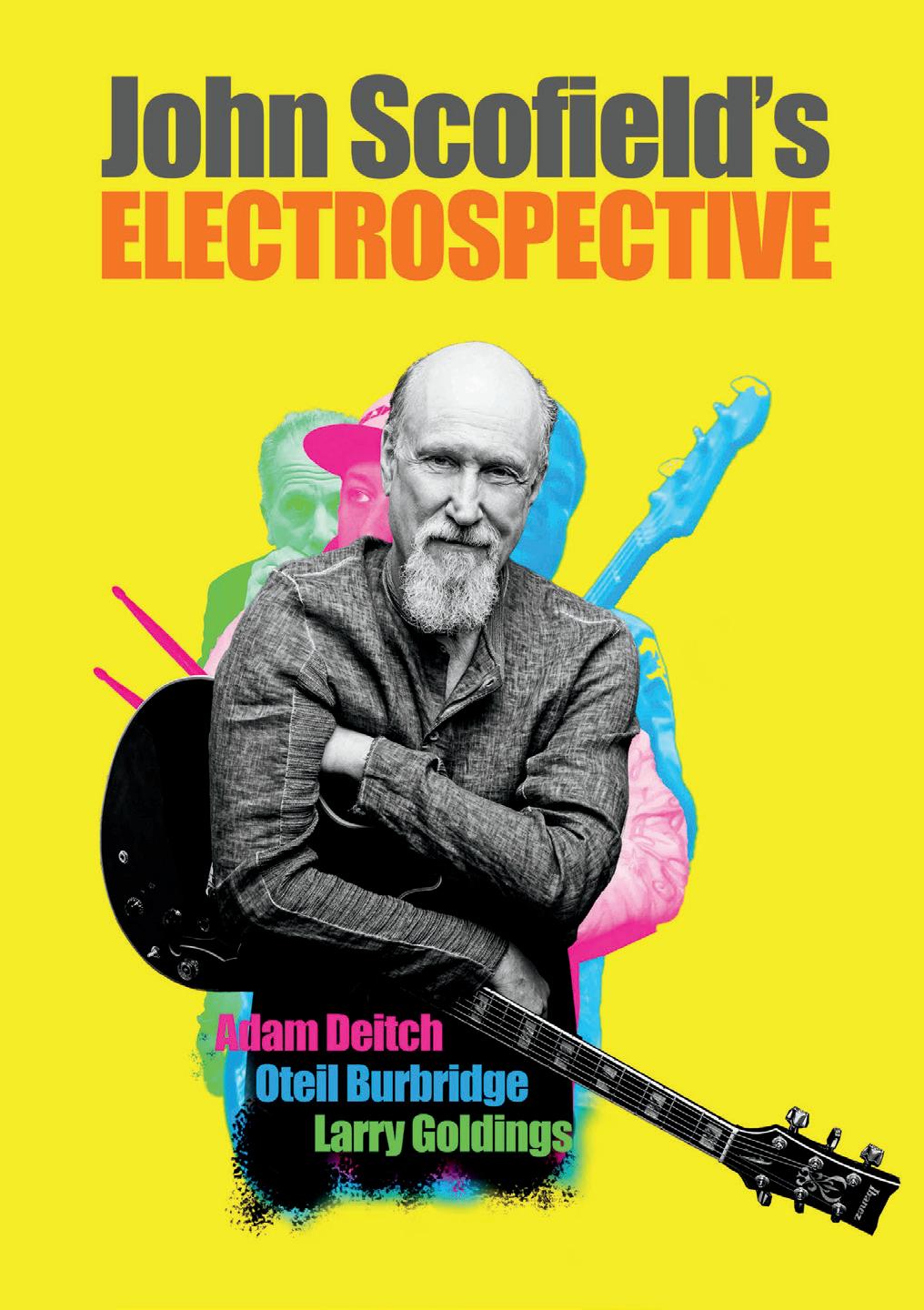
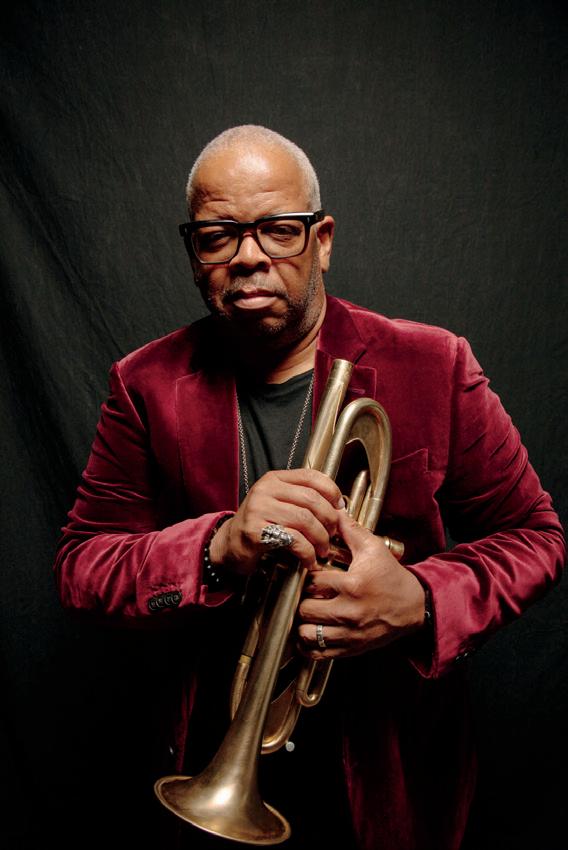
From genre defying jazz to bluegrass brilliance, iconic tributes to holiday traditions and high-energy crossover, the Mainstage season brings world-class artistry to every performance. Experience legendary musicians like Béla Fleck, John Scofield, and Terence Blanchard alongside unforgettable evenings of classical, comedy, and more. Discover the artists, the stories, and the sounds that make this season one you won’t want to miss.


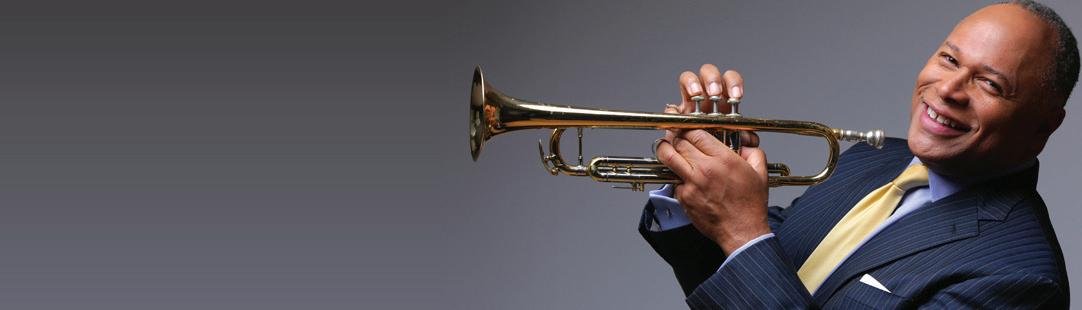
Friday, May 22, 2026 at 7:30 pm
Saturday, May 23, 2026 at 7:30 pm
Sunday, May 24, 2026 at 2:30 pm
ALLEN-BRADLEY HALL
Byron Stripling, conductor
Mamie Parris, vocalist
GEORGE M. COHAN/arr. Jeff Tyzik
Give My Regards to George
TRADITIONAL/arr. John Clayton Shenandoah
EDWIN EUGENE BAGLEY
National Emblem March
FERDINAND JOSEPH “JELLY ROLL MORTON” LAMOTHE/arr. Jeff Tyzik Black Bottom Stomp
LEW BROWN, GEORGE DESYLVA, AND RAY HENDERSON/arr. George Rhodes/ orch. Morton Stevens/ed. Rob DuBoff and Jeffrey Sultanof The Birth of the Blues
IRVING CAESAR AND VINCENT YOUMANS/arr. Larry Cook I Want to Be Happy
JOHN NEWTON/arr. Hank Marr/orch. Vaughn Wiester Amazing Grace
IRVING BERLIN/arr. Richard Hayman
God Bless America
INTERMISSION
JOHN PHILIP SOUSA
Stars and Stripes Forever
IRVING BERLIN/arr. William Grimes
Puttin’ On the Ritz
GEORGE GERSHWIN AND IRA GERSHWIN/arr. William Grimes
The Man I Love
ROBERT MERRILL AND JULE STYNE/arr. Larry Moore
Don’t Rain on My Parade
KENNETH J. ALFORD/ed. Clark McAlister
Colonel Bogey March
KATHARINE LEE BATES AND SAMUEL AUGUSTUS WARD/arr. Jeff Tyzik
America the Beautiful
ROBERT THIELE AND GEORGE DAVID WEISS/arr. Emmanuel Albam
What a Wonderful World
This weekend’s media sponsor is WISCONSIN PUBLIC RADIO.
The length of this concert is approximately 2 hours. All programs are subject to change. The Milwaukee Symphony Orchestra can be heard on the Naxos, Telarc, Koss Classics, ProArte, AVIE, and Vox/Turnabout labels. MSO Classics recordings are available for digital streaming and download on Spotify, Apple Music, and more.
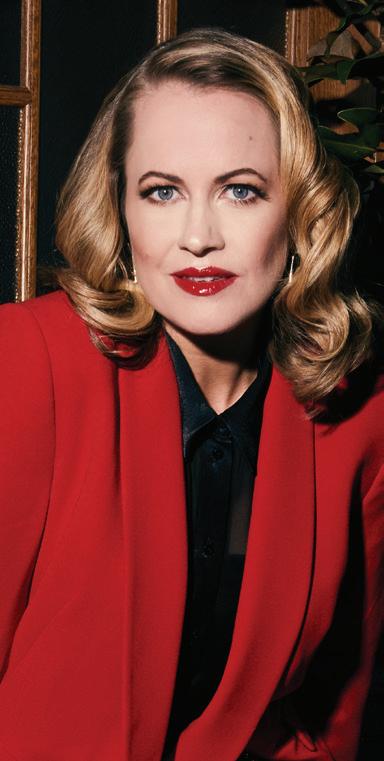
Mamie Parris has developed a diverse and unique body of work throughout her extensive career. In addition to appearances with symphony orchestras across the continent, including the Rochester Philharmonic, Columbus Jazz Orchestra, and the Fort Worth, Pittsburgh, Baltimore, Milwaukee, and St. Louis symphony orchestras, her one-woman cabaret, Surrender: An Andrew Lloyd Webber Thrill Ride, was awarded the Best of the City by Time Out New York. Best known on Broadway for her one-of-a-kind rendition of the iconic “Memory,” she is no stranger to the work of Sir Andrew Lloyd Webber, having starred as Grizabella in the Broadway revival of Cats, as Rosalie (closing cast) and Patty (opening cast) in Broadway’s School of Rock, and in the U.S. premiere of the Lloyd Webber retrospective Unmasked Other Broadway appearances include the Tony-nominated revivals of Ragtime, 110 in the Shade, and On the Twentieth Century, as well as the Tony-winning musical The Drowsy Chaperone
Her film and television credits include The Blacklist, State of Affairs, A Stand Up Guy, and Great Performances: Celebrating 50 Years of Broadway’s Best on PBS. Across the country, she appeared as Elphaba in the first national tour of fan-favorite Wicked and performed with the touring companies of Legally Blonde and Dolly Parton’s 9 to 5: The Musical. Originally trained as a coloratura soprano, today she is considered one of Broadway’s preeminent belters, employing her versatile technique to create nuanced performances of even the best-known scores and songs. Her credits include roles at the Goodspeed Opera House, Pittsburgh Civic Light Opera, Old Globe, St. Louis Municipal Opera Theatre, Macau International Music Festival, and more. A native of Fort Worth, Texas, Mamie attended the Paseo Academy of the Arts in Kansas City, Missouri, and the American Musical and Dramatic Academy in New York City.
Friday, May 29, 2026 at 7:30 pm
Saturday, May 30, 2026 at 7:30 pm
ALLEN-BRADLEY HALL
Jader Bignamini, conductor
Giuseppe Gibboni, violin
WYNTON MARSALIS
Violin Concerto in D
I. Rhapsody
II. Rondo Burlesque
III. Blues
IV. Hootenanny
Giuseppe Gibboni, violin
INTERMISSION
NIKOLAI RIMSKY-KORSAKOV
Capriccio espagnol, Opus 34
I. Alborada
II. Variazioni
III. Alborada
IV. Scena e canto gitano
V. Fandango asturiano
IGOR STRAVINSKY
Suite from The Firebird, K010 (1919 version)
I. Introduction
II. The Firebird and its Dance
III. Variation of the Firebird
IV. Round of the Princesses
V. Infernal Dance of King Kashchei
VI. Berceuse
VII. Finale
The 2025.26 Classics Series is presented by the UNITED PERFORMING ARTS FUND and ROCKWELL AUTOMATION.
The length of this concert is approximately 1 hour and 45 minutes.
The Milwaukee Symphony Orchestra can be heard on the Naxos, Telarc, Koss Classics, ProArte, AVIE, and Vox/Turnabout labels. MSO Classics recordings are available for digital streaming and download on Spotify, Apple Music, and more.
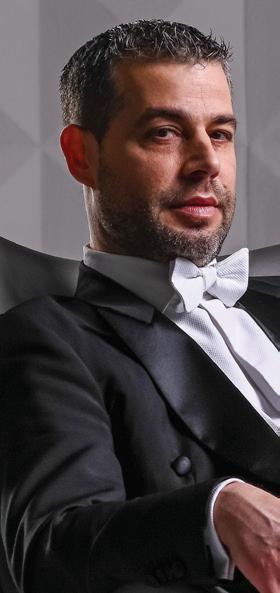
Jader Bignamini was introduced as music director of the Detroit Symphony Orchestra in January 2020. His tenure has already included a highly successful tour to Florida, commissions and premieres of new works, audience growth in and around Detroit, and the release of a brand-new recording of Wynton Marsalis’s Blues Symphony, Jader’s first commercial release with the DSO.
Outside of Detroit, recent highlights include Bignamini’s debuts with the Atlanta Symphony Orchestra, Orchestra dell’Accademia Nazionale di Santa Cecilia, and Orchestra della Svizzera italiana, return engagements with the symphony orchestras of Bergen and Bern, and a production of Otello at the Teatro Massimo in Palermo.
Previous season highlights include concerts with The Cleveland Orchestra, the Houston, Dallas, Milwaukee, National, and New Jersey symphony orchestras, and the Minnesota Orchestra. Internationally, he has conducted the London Philharmonic Orchestra, BBC Symphony Orchestra, Frankfurt Radio Orchestra, and Residentie Orkest. Opera highlights include productions with the Metropolitan Opera, Paris Opera, Vienna State Opera, Deutsche Oper Berlin, Bavarian State Opera, Dutch National Opera, Oper Frankfurt, and Canadian Opera Company. Bignamini led an extensive tour across Asia in August 2024 with the Asian Youth Orchestra.
In Summer 2021, Bignamini conducted triumphant performances of Turandot at the Arena di Verona with Anna Netrebko and Yusiv Eyvazov, as well as a staged production of Rossini’s Stabat Mater at the Rossini Opera Festival in Pesaro. Other highlights include Cavalleria rusticana at the Detroit Opera, La bohème at the Santa Fe Opera, Theatro Municipal de São Paulo, and La Fenice, La traviata in Tokyo directed by Sofia Coppola, Manon Lescaut at the Bolshoi Theatre, La traviata at the Bavarian State Opera, Eugene Onegin at Stadttheater Klagenfurt, Turandot at the Teatro Filarmonico, Il trovatore and Aïda at Rome’s Teatro dell’Opera, the opening concert of the Filarmonica del Teatro Comunale di Bologna conducting Carmina Burana, L’elisir d’amore in Ancona, Tosca at the Teatro Comunale di Bologna, La forza del destino at the Verdi Festival in Parma, La bohème, Cavalleria rusticana, and El amor brujo at the Teatro Filarmonico di Verona, Madama Butterfly at La Fenice, and engagements with Maggio Musicale in Florence, the Festival della Valle d’Itria in Martina Franca, and the MITO SettembreMusica festival conducting Berlioz’s Messe solennelle. He made his concert debut at La Scala in 2015.
Bignamini began his conducting career as assistant and then resident conductor of the Orchestra Sinfonica di Milano Giuseppe Verdi, having been appointed by Riccardo Chailly in 2010. He was born in Crema and studied at the Giuseppe Nicolini Conservatory of Music in Piacenza.
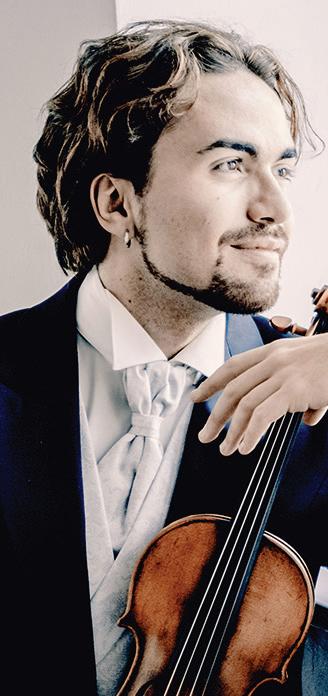
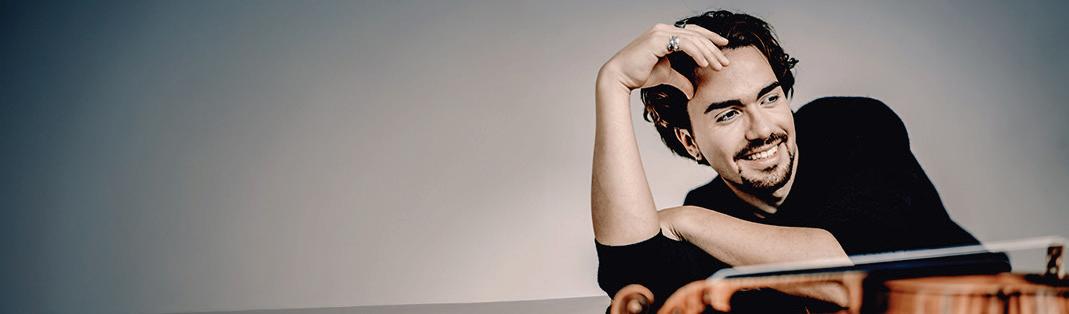
Giuseppe Gibboni, regarded as one of the most extraordinary talents of his generation, is renowned for his prodigious technique, expressive depth, and remarkable interpretive maturity. In October 2021, he captured international attention by winning first prize at the 56th “Premio Paganini” International Violin Competition in Genoa — earning, in addition to the audience award, two special prizes for the best interpretations of Paganini’s caprices and concerto. He was the first Italian violinist in 24 years to win this prestigious competition.
Born into a family of musicians, he began studying the violin at a very young age under the guidance of his father, Daniele Gibboni. He graduated with top honors from the “Giuseppe Martucci” Conservatory of Music in Salerno under the mentorship of Maurizio Aiello, quickly standing out for his natural virtuosity. At the age of 14, he was admitted to the Stauffer Academy in Cremona, where he studied with Salvatore Accardo, and later continued his training at the Chigiana Musical Academy in Siena, where he received a Diploma of Honor. He also completed advanced studies at the Perosi Academy in Biella with Pavel Berman and at the Mozarteum University in Salzburg with Pierre Amoyal. His victory at the Paganini Competition launched a career that rapidly took on an international dimension. He has collaborated with some of the world’s most prestigious orchestras, including the Orchestra dell’Accademia Nazionale di Santa Cecilia conducted by Lorenzo Viotti, the Detroit Symphony Orchestra with Jader Bignamini, the Orchestra del Maggio Musicale Fiorentino with Zubin Mehta, and the RAI National Symphony Orchestra. With the latter, he gave the Italian premiere of Wynton Marsalis’s violin concerto, working closely with the composer under the baton of John Axelrod. His repertoire spans the great Romantic concerti as well as contemporary works, showcasing both his exceptional versatility and deep artistic curiosity.
In the current season, he made his debut under the baton of Riccardo Muti at the opening concert of the Ravenna Festival. Other major engagements include debuts with the Atlanta Symphony Orchestra, Filarmonica della Scala, Tokyo Philharmonic Orchestra, Beijing Symphony Orchestra, and the Seoul Arts Center. He performed Busoni’s violin concerto in Trieste in celebration of the centenary of the composer’s death and toured the U.S. with the Orchestra del Teatro Carlo Felice of Genoa, performing Paganini’s Violin Concerto No. 1 under the direction of Donato Renzetti, with whom he also performed Tchaikovsky’s violin concerto in Milan with the Orchestra i Pomeriggi Musicali.
A featured artist supported by the Nippon Foundation, Giuseppe Gibboni performs on the 1722 “Jupiter” Stradivarius on loan from the foundation, the 1734 “Lam; Ex-Scotland University” Stradivarius, kindly provided by the CCI Foundation of New York, and a modern instrument by Luiz Amorim, a copy of the famed 1734 “Stauffer” Guarneri del Gesù.
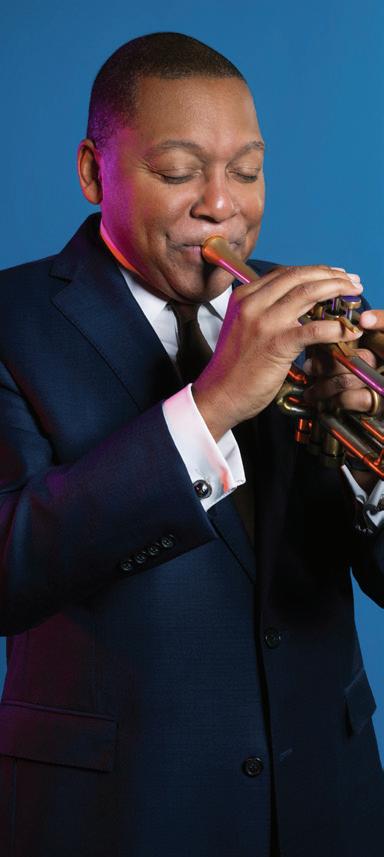
Born 18 October 1961; New Orleans, Louisiana
Violin Concerto in D
Composed: 2015
First performance: 6 November 2015; James Gaffigan, conductor; Nicola Benedetti, violin; London Symphony Orchestra
Last MSO performance: MSO Premiere
Instrumentation: 3 flutes (2nd doubling on piccolo); 3 oboes (3rd doubling on English horn); 3 clarinets (2nd doubling on E-flat clarinet, 3rd doubling on bass clarinet); 3 bassoons (3rd doubling on contrabassoon); 4 horns; 3 trumpets; 2 trombones; bass trombone; tuba (doubling on sousaphone); timpani; percussion (2 African hand drums, large African drum, 2 bass drums, 2 cowbells, crotales, djembe, field drum, glockenspiel, high hat, marimba, police whistle, sandpaper blocks, sizzle cymbal, splash cymbal, 3 suspended cymbals, snare drum, tam-tam, tambourine, tom-tom, vibraphone, whip, 2 wood blocks, xylophone); harp; strings
Approximate duration: 43 minutes
Wynton Marsalis is a living legend of contemporary music. Born in New Orleans to the jazz pianist Ellis Marsalis and gifted his first trumpet by the American bandleader Al Hirt when he was six years old, Marsalis was steeped in two distinct musical idioms from an early age. As a teenager, he performed in jazz, brass, and funk bands, appeared as soloist with the Louisiana Philharmonic Orchestra, attended the Tanglewood Music Center, and eventually pursued classical training at The Juilliard School — before setting aside his formal studies to strike out on his own, touring the world with Art Blakey, signing his first recording contract with Columbia Records, and launching his international career.
At 22 years old, Marsalis made history as the first musician to win two Grammy Awards in both the jazz and classical categories in the same year. Only a few years later, he broke new ground in founding Jazz at Lincoln Center, going on to serve as its artistic director and leading its orchestra for nearly 40 years. He has since sold millions of records, played thousands of concerts around the globe, garnered nine Grammy Awards, the National Medal of the Arts, and the Pulitzer Prize, and been inducted into Britain’s Royal Academy of Music, France’s Order of Arts and Literature, and the American Academy of Achievement. The man is, in a word, talented.
Like many landmarks of the concertante literature, Marsalis’s violin concerto was written with a specific performer in mind. Marsalis met the Scottish violinist Nicola Benedetti at an annual summit of the Academy of Achievement in New York, and over the course of time, he began consulting her technical expertise whenever he found himself writing for the instrument. More than a decade later, the two began collaborating on a violin concerto, taking Benedetti’s life as a traveling musician and educator as an inspirational point of departure and blending the harmonies and textures integral to jazz and blues music into the instrumental palette of the symphony orchestra — inviting, in the words of Benedetti, “a diverse world of people into the experience.”
Though written “from the perspective of a jazz musician and a New Orleans bluesman,” Marsalis taps into a broad range of styles. Beginning with a single hushed note, “Rhapsody” unfolds as a dreamy exploration of the instrument’s lyrical qualities, occasionally calling to mind
the bold modernist gestures favored by Shostakovich or Bernstein. Out of stillness, the “Rondo Burlesque” bursts forth, its hard-edged rhythms and brassy embellishments painting a distorted, mesmerizing view of a New Orleans Mardi Gras celebration. A lengthy cadenza, accompanied by snappy interjections in the percussion, takes on the folksy groove of bluegrass fiddling, eliding into to the sultry, swirling hues of the “Blues.” Heralded by stomps and claps from the orchestra, “Hootenanny” arrives as a “barnyard throw-down,” indulging in all manner of “virtuosic chicanery” before, Marsalis writes, “our journey ends with the jubilance and uplift of an optimistic conclusion.”
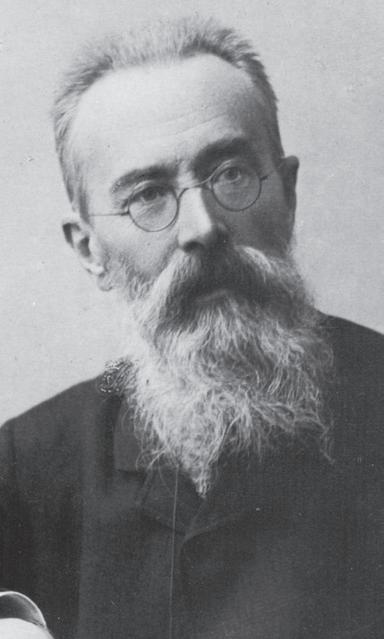
Born 18 March 1844; Tikhvin, Russia
Died 21 June 1908; Lubensk, Russia
Capriccio espagnol, Opus 34
Composed: Summer 1887
First performance: 31 October 1887; Nikolai Rimsky-Korsakov, conductor; Russian Imperial Opera Orchestra
Last MSO performance: 6 October 2019; Jun Märkl, conductor
Instrumentation: piccolo; 2 flutes; 2 oboes; English horn; 2 clarinets; 2 bassoons; 4 horns; 2 trumpets; 3 trombones; tuba; timpani; percussion (bass drum, castanets, cymbals, snare drum, tambourine, triangle); harp; strings
Approximate duration: 15 minutes
The 1880s had been shaping up as a rather unproductive decade for Nikolai Rimsky-Korsakov. With the death of Modest Mussorgsky in 1881, he had taken up the task of editing and publishing his late friend’s work, an act which modern scholarship would never forgive. In fairness, untangling the mess of Mussorgsky’s manuscripts took years, but Rimsky-Korsakov’s heavy-handed approach to “correcting” and “improving” his colleague’s adventurous musical experiments preserved Mussorgsky’s cultural image at the expense of his authentic voice. Alexander Borodin’s death six years later likewise moved Rimsky-Korsakov to collaborate with Alexander Glazunov on the completion of Borodin’s Prince Igor, dispensing with about a fifth of the opera’s original material as the two pieced together a working edition suitable for performance.
Though Rimsky-Korsakov composed comparatively little during the years he was busying himself with his editorial affairs, he found himself increasingly involved in the musical activities centered around Mitrofan Belyayev, a wealthy industrialist and amateur violist committed to patronizing Slavic cultural life. In his capacity as founder and financial backer of both his own publishing house and a series of Russian Symphony Concerts, Belyayev was aiming to better the international reputations of rising Russian composers, and he relied extensively on RimskyKorsakov’s expertise to do so. The ongoing engagements seem to have broken the intellectual dam that had impeded his creative processes, inspiring the last substantial symphonic music Rimsky-Korsakov would author.
At the end of 1886 (only a few months after premiering his heavily revised edition of Mussorgsky’s Night on Bald Mountain as part of Belyayev’s concerts), Rimsky-Korsakov took an interest in the violin, consulting with the violinist Piotr Krasnokutsky on matters of technique as he prepared a virtuoso fantasy on Russian folk tunes. Pleased with the result, he began to work out another concertante showpiece steeped in the Spanish aesthetic the following summer, which he soon refashioned into a “Spanish caprice” for orchestra, focusing specifically on the details of its instrumentation. Along with his symphonic suite Scheherazade and the Russian Easter Festival overture, both written just a year later, the three works constitute the principal achievements upon which his reputation as a composer of instrumental music rests.
Continued on page 36
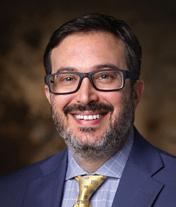
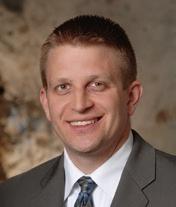
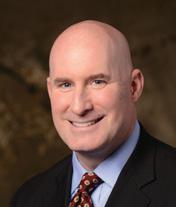
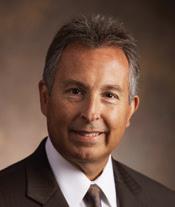
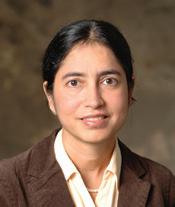
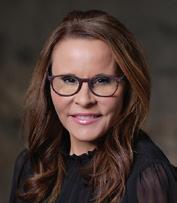
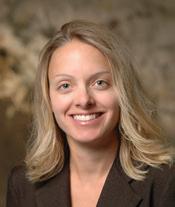
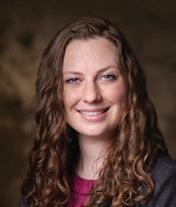
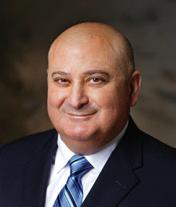
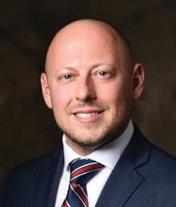
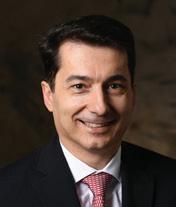
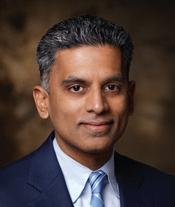
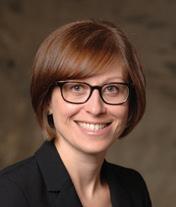
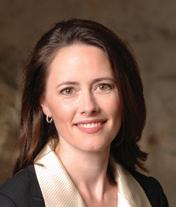
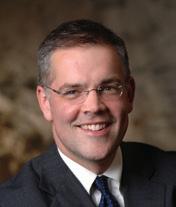
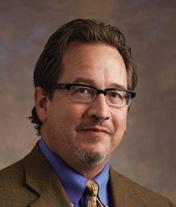
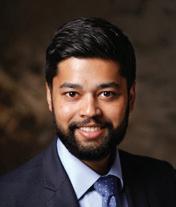
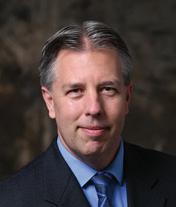
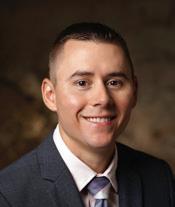
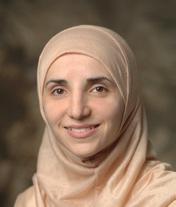
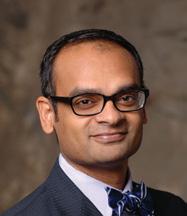
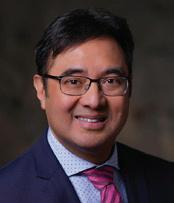
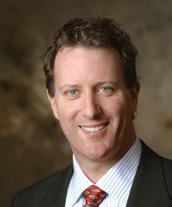
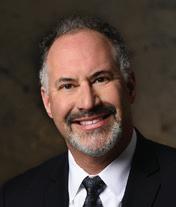
It’s important to choose a physician who will listen closely to your needs and respond genuinely to your concerns. Fortunately for you and your family, our physicians have been providing exceptional care in Milwaukee and Ozaukee for over 120 years.

Continued from page 33
Though he had been regarded for decades as a genius of instrumental color, the Capriccio espagnol represents the pinnacle of Rimsky-Korsakov’s orchestral writing. In his autobiography, My Musical Life, he was quick to distinguish a merely well-orchestrated piece of music from what he had achieved: “The Capriccio is a brilliant composition for the orchestra. The change of timbres, the felicitous choice of melodic designs and figuration patterns, exactly suiting each kind of instrument, brief virtuoso cadenzas for solo instruments, the rhythm of the percussion instruments, and so on, constitute here the very essence of the composition and not its garb or orchestration. ... All in all, the Capriccio is undoubtedly a purely external piece, but vividly brilliant for all that.”
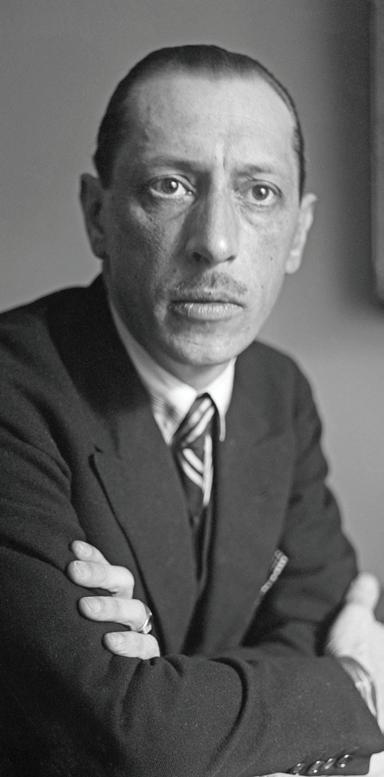
Born 17 June 1882; Oranienbaum, Russia
Died 6 April 1971; New York City, New York
Suite from The Firebird, K010 (1919 version)
Composed: November 1909 – May 1910; suite compiled in 1919 First performance: Ballet premiered 25 June 1910; Gabriel Pierné, conductor; Orchestre des Concerts Colonne; suite premiered 12 April 1919; Ernest Ansermet, conductor; Orchestre de la Suisse Romande Last MSO performance: 3 October 2021; Ken-David Masur, conductor
Instrumentation: 2 flutes (2nd doubling on piccolo); 2 oboes (2nd doubling on English horn); 2 clarinets; 2 bassoons; 4 horns; 2 trumpets; 3 trombones; tuba; timpani; percussion (bass drum, cymbals, suspended cymbal, tambourine, triangle, xylophone); harp; celesta; piano; strings
Approximate duration: 22 minutes
The turn of the 20th century was undoubtedly one of the most exciting and innovative golden ages of classical music. In the twilight days of the Romantic idiom that had cultivated increasingly liberal approaches to harmony, form, and instrumentation, Igor Stravinsky emerged as the poster child of musical modernism. Disinterested in his academic studies, he spent his childhood listening to his father Fyodor, a professional singer, rehearsing operatic roles, attending performances at the Mariinsky Theatre, and improvising at the piano. Shortly before his father’s death in 1902, Stravinsky befriended Nikolai Rimsky-Korsakov, the great authority on virtuoso orchestration, who took the fledgling composer under his wing and transmitted the technical expertise which would quite literally color Stravinsky’s fantastical scores.
After six years of private study under Rimsky-Korsakov, Stravinsky composed his orchestral fantasy Feu d’artifice (“Fireworks”) as a wedding present for Rimsky-Korsakov’s daughter Nadezhda. Its performance in Saint Petersburg made a lasting impression on Sergei Diaghilev, the champion of Russian art and impresario who was then in the process of getting his latest artistic venture off the ground. Eager to capitalize on the Western fascination with Russian cultural wares, Diaghilev had procured the talents of the choreographer Michel Folkine and the artists Léon Bakst and Alexandre Benois, but had found no composer — and so, taken by Stravinsky’s sparkling instrumental effects, he invited him to orchestrate music by Chopin for his ballet Les Sylphides, presented during the first season of his newly established company, the Ballet Russes.
But it was the first large-scale commission Stravinsky received from Diaghilev that would make his reputation practically overnight. Drawing upon a variety of literary sources, Diaghilev’s inner circle selected the Slavic legend of the Firebird as the scenario of their new ballet, and
Stravinsky was chosen to provide an original score. The undertaking presented him with the most stimulating challenge of his career thus far: clearly articulating, by strictly musical means, a fulllength dramatic narrative for the stage. In response, he delivered a work of arresting originality, persuasively rendering the supernatural dimensions of the story by assimilating Russian folk tunes with the coloristic and textural command he had inherited from Rimsky-Korsakov. Leveraging the ballet’s unmitigated success, Stravinsky compiled three separate suites of its music over the course of his life. The version he prepared in 1919 remains the most popular, stripping the tale down to its fundamentals while illuminating Stravinsky’s genius for gesture and characterization.
The low, slithering bass lines of the introduction raise the curtain on the wretched King Kashchei’s garden, where the Firebird, pursued by Prince Ivan, dances among the golden apple trees. Captured and begging for her freedom, the Firebird offers Ivan a single magical feather. Thirteen princesses, captives of Kashchei, appear and perform a simple khorovod, or circle dance, as Ivan falls instantly in love with Princess Tsarevna. Kaschei enters, and Ivan summons the Firebird with the feather, who bewitches the sorcerer and his coterie, forcing them to perform the roiling “Infernal Dance.” As they collapse from exhaustion, the Firebird sings its ghostly lullaby and commands Ivan to destroy the magic egg containing Kaschei’s soul. With the entrance of a lone horn, the magician’s spell is broken at last — as the dawn breaks, the music flowers triumphantly into a tremendous brass fanfare while Ivan and his love revel in their newfound freedom.


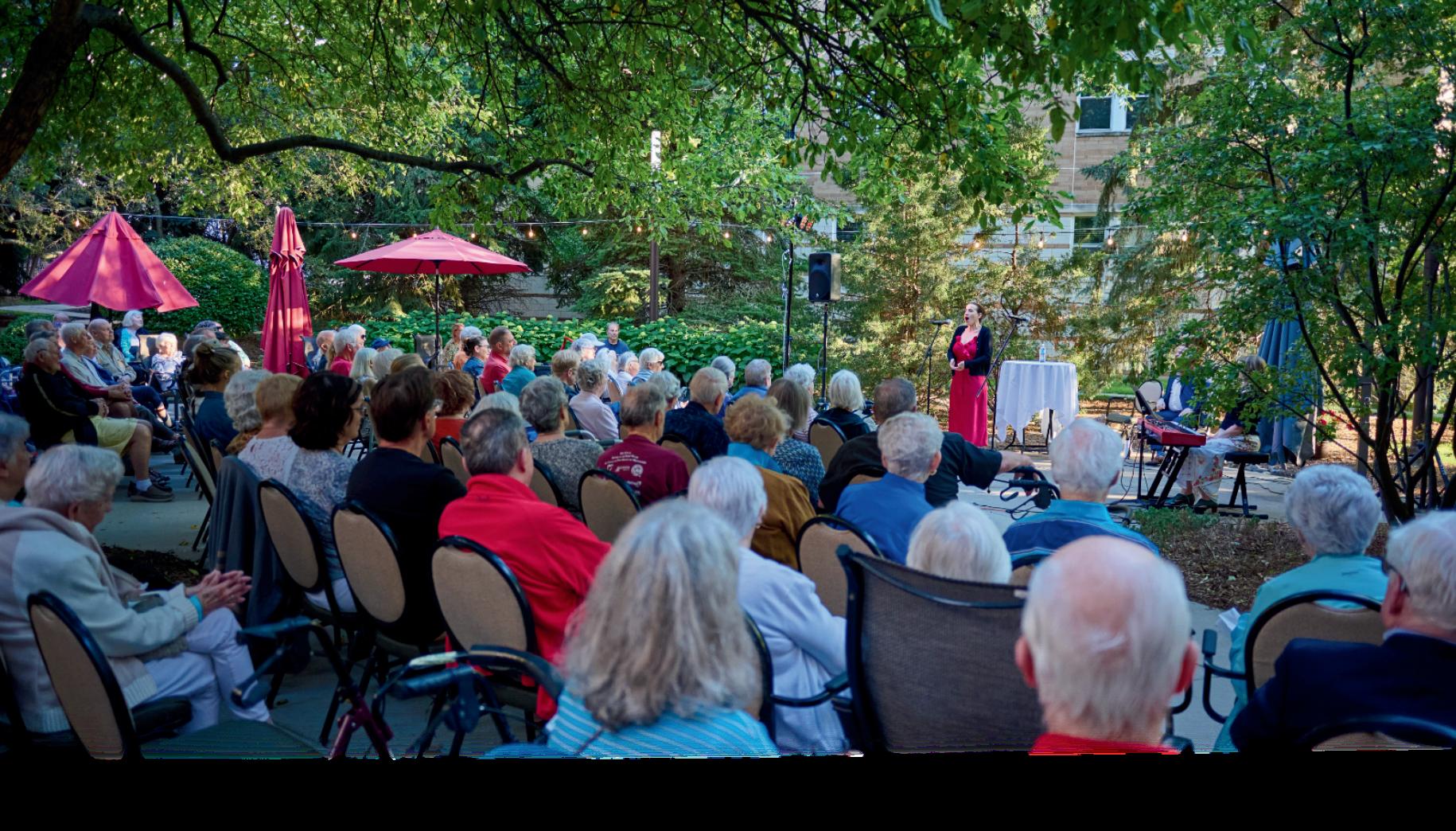
Wake


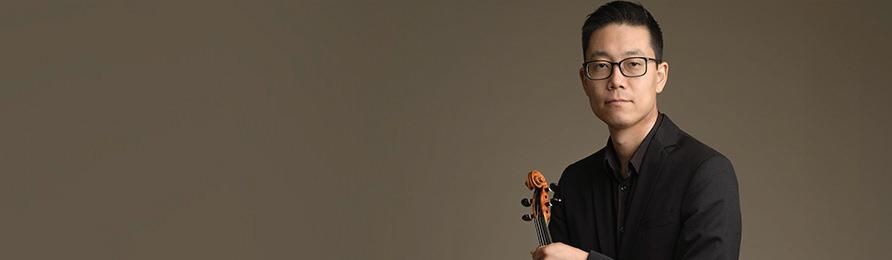
Friday, June 5, 2026 at 11:15 am
Saturday, June 6, 2026 at 7:30 pm
ALLEN-BRADLEY HALL
Iván López Reynoso, conductor Jinwoo Lee, violin
Violin Concerto No. 3 in B minor, Opus 61
I. Allegro non troppo
II. Andantino quasi allegretto
III. Molto moderato e maestoso – Allegro non troppo Jinwoo Lee, violin
INTERMISSION
SERGEI RACHMANINOFF
Symphony No. 2 in E minor, Opus 27
I. Largo – Allegro moderato
II. Allegro molto
III. Adagio
IV. Allegro vivace
The 2025.26 Classics Series is presented by the UNITED PERFORMING ARTS FUND and ROCKWELL AUTOMATION.
The length of this concert is approximately 2 hours.
The Milwaukee Symphony Orchestra can be heard on the Naxos, Telarc, Koss Classics, ProArte, AVIE, and Vox/Turnabout labels. MSO Classics recordings are available for digital streaming and download on Spotify, Apple Music, and more.
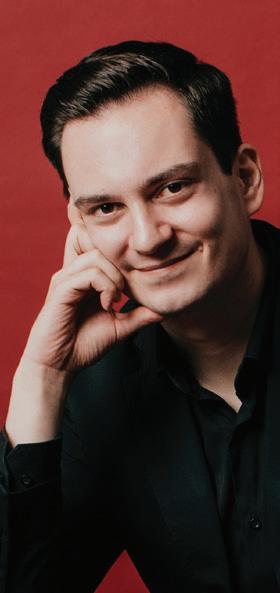
Iván López Reynoso possesses a musicianship and a solid temperament proved in numerous leading ensembles in Mexico, Spain, Switzerland, Germany, Peru, Oman, and Italy. His collaborations extend to some of the most renowned artists, such as Bryn Terfel, Brigitte Fassbaender, Ildar Abdrazakov, Javier Camarena, Rolando Villazón, Ute Lemper, Ramón Vargas, Irina Lungu, John Osborn, Alessandro Corbelli, Franz Hawlata, Paolo Bordogna, Augustin Hadelich, Michael Barenboim, Yulianna Avdeeva, Gabriela Montero, Leticia Moreno, and Alex Klein.
He has conducted the Philharmonia Zürich, National Orchestra and Chorus of Spain, Santa Fe Opera Orchestra, Milwaukee Symphony Orchestra, Filarmonica Gioachino Rossini, Navarra Symphony Orchestra, Madrid Symphony Orchestra, Royal Seville Symphony Orchestra, Braunschweig State Orchestra, Orchestra of the Community of Madrid, Oviedo Philharmonic, National Symphony Orchestra of Mexico, Orchestra and Chorus of Mexico’s Palacio de Bellas Artes, Minería Symphony Orchestra, Philharmonic Orchestra of the National Autonomous University of Mexico, and the Jalisco Philharmonic Orchestra in venues such as the Opernhaus Zürich, Deutsche Oper Berlin, Rossini Opera Festival, Donizetti Opera Festival, Santa Fe Opera’s Crosby Theatre, Dallas Opera’s Margot and Bill Winspear Opera House, Atlanta Opera’s Cobb Energy Performing Arts Centre, Seville’s Teatro de la Maestranza, Madrid’s Royal Theater, and the Royal Opera House Muscat.
A gifted opera conductor, López Reynoso made his opera debut in 2010 at the age of 20 with Le nozze di Figaro. This was only the first in a list of more than 50 operas: Aïda, Der fliegende Holländer, Carmen, La bohème, Die Zauberflöte, La clemenza di Tito, Don Giovanni, L’elisir d’amore, Madama Butterfly, La Cenerentola, Il turco in Italia, The Rake’s Progress, La traviata, Il barbiere di Siviglia, Rigoletto, Werther, Tosca, Don Carlos, Hänsel und Gretel, and the Mexican debuts of Le comte Ory, Il viaggio a Reims, and Viva la mamma.
López Reynoso was selected as the conductor for the 2014 Rossini Opera Festival Accademia, conducting Il viaggio a Reims as part of the festival program and working closely with the Rossini specialist Alberto Zedda. Previous positions include interim artistic director of the Aguascalientes Symphony Orchestra (2017), erster kapellmeister of the Braunschweig State Theatre (2017 – 2019), principal guest conductor of the Oviedo Philharmonic (2018 – 2024), associate conductor of the Philharmonic Orchestra of the National Autonomous University of Mexico (2020), and artistic director of the Orquesta del Teatro de Bellas Artes (2021 – 2024). In June 2025, he was appointed principal conductor of The Atlanta Opera.
Born in 1990 in Guanajuato, Mexico, López Reynoso studied violin under Gellya Dubrova, piano under Alexander Pashkov, and choral conducting under Jorge Medina, and he graduated summa cum laude in orchestral conducting under Gonzalo Romeu. He has since taken part in numerous master classes, including those led by Alberto Zedda, Jean Paul Penin, and Avi Ostrowsky. López Reynoso also sings as countertenor.
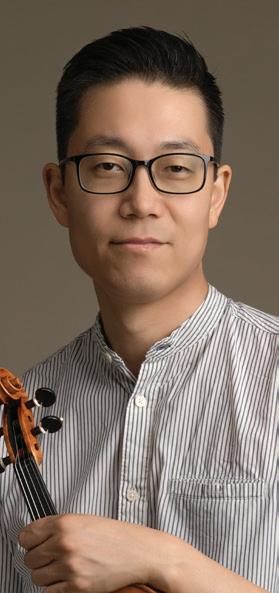
Jinwoo Lee, a native of South Korea, began playing the violin at the age of four. He is an international concert violinist with recitals and concerts with orchestras in the U.S., Korea, Germany, Switzerland, Slovenia, France, Italy, the Netherlands, and Austria, to name a few.
He has enjoyed success at several international competitions, including first prize at the Sorantin Competition in San Angelo, Texas; second and special prizes at the 20th International Rodolfo Lipizer Violin Competition in Gorizia, Italy; special prize at the International Georg Kulenkampff Violin Competition in Cologne, Germany; second prize, audience, and Bach prizes at the 33rd International Tibor Varga Violin Competition in Sion, Switzerland; first and special prizes at the second International Louis Spohr Violin Competition for young violinists in Weimar, Germany; and first prize at the National German Competition “Jugend Musiziert” in the solo violin and chamber music categories. He also won the Manhattan School of Music concerto competition and the Waldo Mayo Memorial Violin Competition.
He and his wife Eunice Kim, who have been enthusiastic duo partners for nearly two decades, formed the duo “Arco e Tasto” and were awarded the prize for Best Duo at the 20th International Violin and Piano Master Classes of the Music Academy of Lausanne, Switzerland.
Lee graduated from the Humboldt Grammar School in Cologne, Germany, in 2001. He studied with Stephen Clapp and Donald Weilerstein at The Juilliard School, where he received his bachelor’s degree in 2006. Two years later, Lee received his master’s degree from The Juilliard School under the tutelage of Robert and Nicholas Mann. He continued his studies with them at the Manhattan School of Music, where he received his Artist Diploma in 2009 and doctorate in 2016.
His former teachers include Michael Davis, Maria Giesy, Christiane Hutcap, Hyo Kang, Jongsuk Li, Igor Ozim, Jaegwang Song, and Viktor Tretjakov. He drew inspiration from master classes with Pierre Amoyal, Bruno Canino, Pamela Frank, Miriam Fried, Leonidas Kavakos, Masao Kawasaki, Herman Krebbers, Cho-Liang Lin, Martin Lovett, Yfrah Neaman, and Sylvia Rosenberg, all of whom strongly influenced him and shaped his musical ethos.
Lee was appointed concertmaster of the Milwaukee Symphony Orchestra in 2023; prior to that, he served as first concertmaster of the Neue Philharmonie Westfalen for a decade. Equally passionate about teaching, he was a violin faculty member at the Robert Schumann Musikhochschule in Düsseldorf from 2018 until 2022.
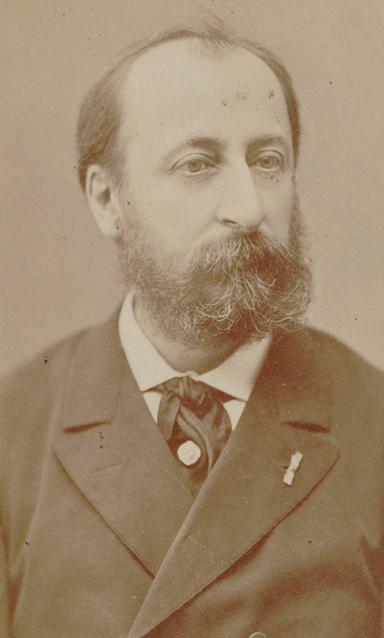
Born 9 October 1835; Paris, France
Died 16 December 1921; Algiers, Algeria
Composed: 1879 – 1880
First performance: 15 October 1880; Adolf Beer, conductor; Pablo de Sarasate, violin; Hamburg Philharmonic Orchestra
Last MSO performance: 6 October 2001; Pavel Kogan, conductor; Elmar Oliveira, violin
Instrumentation: 2 flutes (2nd doubling on piccolo); 2 oboes; 2 clarinets; 2 bassoons; 2 horns; 2 trumpets; 3 trombones; timpani; strings
Approximate duration: 30 minutes
Enamored with the clearly defined musical conventions of the past, Camille Saint-Saëns distinguished himself as a virtuoso pianist with a gift for crafting pristine music as naturally, in his words, “as an apple tree produces apples.” Unfairly accused of lacking a distinctive personality by his detractors, who considered him an old-fashioned formalist, his work was dismissed as “la mauvaise musique bien écrite” — or “bad music written well.” Though indisputably orthodox in his artistic convictions, Saint-Saëns enjoyed a wonderfully successful career, composing within every major genre native to classical music with exceptional skill, and as an intellectual and an authority on early music, his was a musical mind equaled only by the scholarly class.
By the time he was writing his third violin concerto, Saint-Saëns was an old hand at turning out showpieces for the instrument. He had already produced two concerti, written during the last years of the 1850s, and the Introduction et Rondo capriccioso, each demonstrating the brilliant technical finesse and musical poise that had become hallmarks of his concertante style. Since 1859, Saint-Saëns had been inspired by one history’s greatest fiddlers: as the story goes, a young Spaniard by the name of Pablo de Sarasate simply showed up unannounced at his front door and requested a concerto from him as though it were the most ordinary thing in the world.
Born in Pamplona, Sarasate’s prodigious abilities earned him a place at the Paris Conservatoire at just 12 years old. As a teenager, he had already established his career as a soloist, and he spent his adult life touring the world and performing both his own virtuoso compositions and those of composers enamored with his sound: Bruch, Lalo, and Wieniawski each dedicated some of the greatest literature in the violin repertoire to him. Accounts of Sarasate’s playing describe his clarity of tone, warm, wide vibrato, and technical perfection; the Hungarian violinist Carl Flesch described him as “a completely new type of violinist” whose flawless intonation and physical ease in even the most demanding bravura passages astonished his audiences.
Saint-Saëns’s third violin concerto balances the ideals of melodic intrigue, drama, and structural precision, centering the violinist in the heart of the action while containing the heightened emotional charge of the music within a sensitively refined style. Bristling with the hush of tremolo strings, a brazen opening statement from the soloist magnifies a musical tension soon intensified by a dazzling series of runs and double-stops. A florid middle movement places the violin in dialogue with the orchestra as winds and strings echo the motivic fragments introduced by the soloist, ultimately coming to rest in a delicate sequence of harmonics in the closing bars. Evoking the sizzling virtuosity of Sarasate’s playing, the finale’s dotted rhythms and whirlwind triplets emulate the incisive rhythms of the tarantella, urging the music on to its exhilarating conclusion.
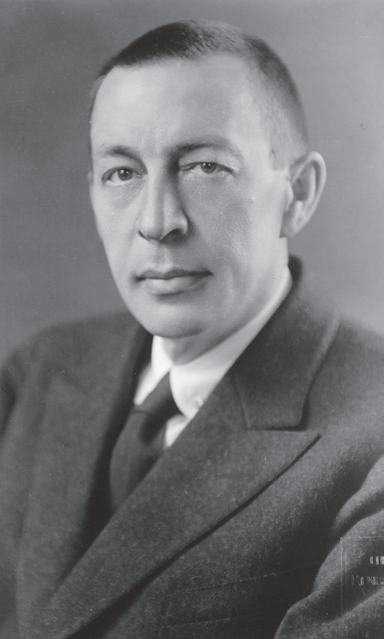
Born 1 April 1873; Semyonovo, Russia
Died 28 March 1943, Beverly Hills, California
Composed: October 1906 – April 1907
First performance: 26 January 1908; Sergei Rachmaninoff, conductor; Russian Symphony Orchestra Society
Last MSO performance: 1 February 2020; Edo de Waart, conductor
Instrumentation: 3 flutes (3rd doubling on piccolo); 3 oboes (3rd doubling on English horn); 2 clarinets; bass clarinet; 2 bassoons; 4 horns; 3 trumpets; 3 trombones; tuba; timpani; percussion (bass drum, cymbals, glockenspiel, snare drum); strings
Approximate duration: 60 minutes
When Sergei Rachmaninoff began drafting his first symphony in 1895, he had no reason to expect anything but success. As a teenager, he had already completed his first piano concerto, several works of chamber music, and his one-act opera, Aleko, composed as a graduation exercise for the Moscow Conservatory. How much greater the shock must have been, then, when its premiere proved to be an utter disaster. Under-rehearsed, formally difficult, and led by the dilettante conductor Alexander Glazunov (who, according to eyewitness accounts, was almost certainly drunk on the podium), the composer César Cui, in an especially scathing review, condemned it as “a program symphony on the Ten Plagues of Egypt,” and its dismal reception pitched Rachmaninoff into the depths of despair.
Rachmaninoff composed next to nothing for three years, describing himself in a letter 20 years later as “a man who had suffered a stroke and for a long time had lost use of his head and hands.” He took up conducting the Moscow Private Russian Opera for a season, discovering a new avenue of musical expression, gave his London debut, and even met the novelist Leo Tolstoy in the hopes it might alleviate his psychological distress, though not even one of Russia’s greatest literary minds could induce him to take up his pen. Despondent, he agreed to his family’s suggestion that he seek medical treatment, and during the early months of 1900, he underwent daily hypnotherapy at the hands of Dr. Nikolai Dahl.
By the summer, Rachmaninoff reported that “new musical ideas began to stir within me” as he began sketching the outlines of his second piano concerto. His health and confidence were soon restored, and the next several years were witness to Rachmaninoff’s ascent to the realm of genius — his second concerto, dedicated to Dahl, was an immediate triumph, he completed his cello sonata, a suite for two pianos, and ten preludes, and even conducted at the Bolshoi Theatre for two seasons, where his operas The Miserly Knight and Francesca da Rimini enjoyed successful premieres. Escaping the political instability of the Russian Revolution of 1905, he relocated to Dresden to concentrate on his work as a composer, arriving at the fullest expression of his intensely emotive style.
Rachmaninoff’s second symphony is the apotheosis of the paradigm he had been cultivating since his recovery — its ideas are extravagantly realized, woven into a luscious orchestral medium and expounded in a robust, immediately felt harmonic language. Its melodies seem to unspool continuously, taking up as much temporal space as necessary to effectively render their meaning. Consider the opening movement: its slow introduction occupies a quarter of its length as it presents the potent thematic material that saturates the music. The scherzo begins with a quotation of the Dies irae in the brass, its frantic energy soon dissolving into a finely wrought lyrical theme and, later on, a sudden episode of fugal discourse. The sprawling, heartfelt lines of the adagio have earned it a place as one of Rachmaninoff’s most popular musical moments, while the finale, an absolute juggernaut of sonic jubilation, gathers up the themes of the proceeding movements and transforms them into an explosive tour-de-force of symphonic might.
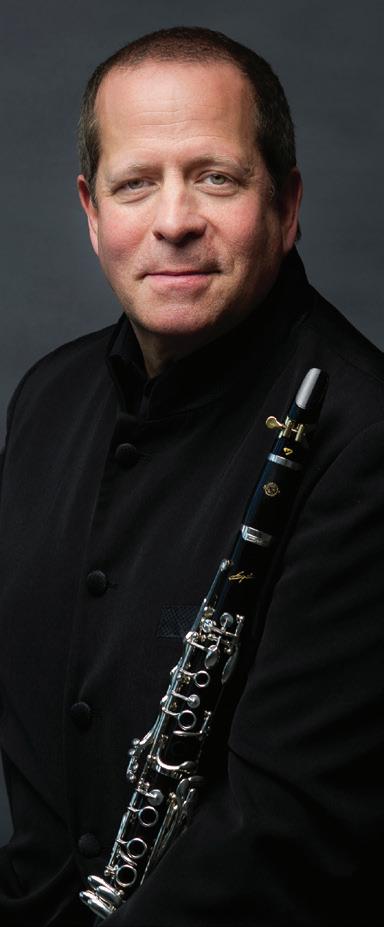
Franklyn Esenberg Principal Clarinet Chair Joined the MSO in 2000
Principal clarinet of the Milwaukee Symphony Orchestra and the Santa Fe Opera Orchestra and participant in the Santa Fe Chamber Music Festival, fourtime Grammy Award-winner Todd Levy has performed as a soloist at Carnegie Hall, Mostly Mozart, with the Israel Philharmonic, and at the White House, among many other venues. An active chamber musician, Levy has appeared with members of the Guarneri, Juilliard, Orion, Ying, Miro, and Miami string quartets, and with James Levine, Christoph Eschenbach, and Mitsuko Uchida. He has also been a participant at the Marlboro Music Festival for four summers and was a member of the Naumburg Award-winning Aspen Wind Quintet.
In demand as guest principal clarinet with the top American orchestras, Levy has played principal clarinet with the Chicago Symphony Orchestra, Philadelphia Orchestra, New York Philharmonic, Metropolitan Opera, and frequently for Seiji Ozawa and Riccardo Muti in Japan with Tokyo Opera Nomori and the Mito Chamber Orchestra. An avid supporter of new music, he has performed world premieres of concerti and chamber works by composers such as John Harbison, Joan Tower, Peter Schickele, Paquito D’Rivera, Morton Subotnick, Magnus Lindberg, Marc Neikrug, and Outi Tarkiainen. He performs on the new release of Marc Neikrug’s Through Roses with violinist Pinchas Zukerman, actor John Rubenstein, and the composer conducting.
Levy’s new CD for Avie, Rhapsodie, features 20th-century classics for clarinet. He has also recorded the Brahms clarinet sonatas and Schumann’s romances and Fantasiestücke for Avie, as well as three educational CDs of clarinet competition works entitled The Clarinet Collection for G. Schirmer and Hal Leonard. In 2021, he compiled a book of French repertoire for publisher Alphonse Leduc called French Music for Clarinet. Levy has recorded and edited the new exclusive editions and CDs of the Bernstein clarinet sonata and Gerald Finzi’s five bagatelles for Boosey and Hawkes, in addition to more than 20 other orchestral and chamber music CDs on the Deutsche Grammophon, Sony, and Decca labels. He performs on Vandoren reeds, mouthpieces, and ligatures and Selmer Signature clarinets. Levy serves on the clarinet faculty at the Bienen School of Music at Northwestern University and at UW-Milwaukee. He is a graduate of The Juilliard School and an alumnus of the New World Symphony.
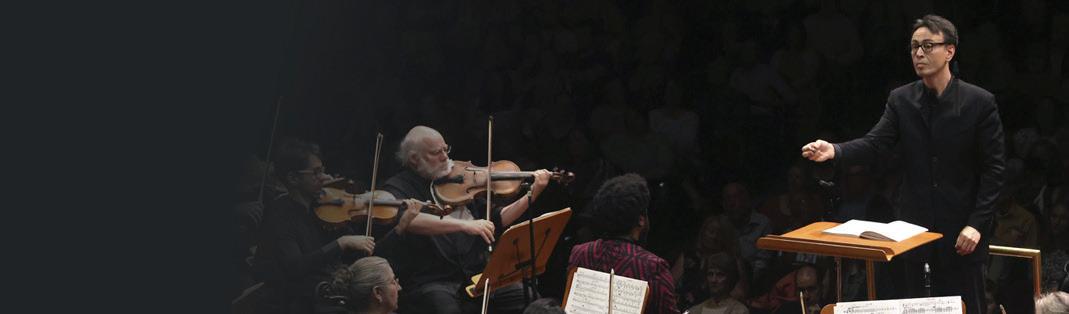
Saturday, June 13, 2026 at 7:30 pm
Sunday, June 14, 2026 at 2:30 pm
ALLEN-BRADLEY HALL
Ken-David Masur, conductor
Katerina Burton, soprano
Jennifer Johnson Cano, mezzo-soprano
Issachah Savage, tenor
Adam Lau, bass
Milwaukee Symphony Chorus
Cheryl Frazes Hill, director
LUDWIG VAN BEETHOVEN
Missa solemnis in D major, Opus 123
I. Kyrie
II. Gloria
III. Credo
IV. Sanctus
V. Agnus Dei
Katerina Burton, soprano
Jennifer Johnson Cano, mezzo-soprano
Issachah Savage, tenor
Adam Lau, bass
Milwaukee Symphony Chorus
Jinwoo Lee, violin
This weekend’s performances are generously sponsored by SUSAN AND LEANDER JENNINGS in honor of Ken-David Masur.
The 2025.26 Classics Series is presented by the UNITED PERFORMING ARTS FUND and ROCKWELL AUTOMATION
The length of this concert is approximately 1 hours and 30 minutes.
The Milwaukee Symphony Orchestra can be heard on the Naxos, Telarc, Koss Classics, ProArte, AVIE, and Vox/Turnabout labels. MSO Classics recordings are available for digital streaming and download on Spotify, Apple Music, and more.
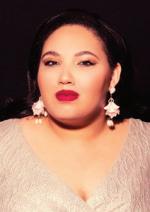
American soprano Katerina Burton, acclaimed for her “vocal fire and dramatic conviction” (Isthmus), is a 2024 winner of the George and Nora London Foundation Competition and a recipient of the Sara Tucker Study Grant from the Richard Tucker Foundation. She is a graduate of the Cafritz Young Artists Program at Washington National Opera, where she gained recognition for her thrilling mainstage debut as Micaëla in Francesca Zambello’s renowned production of Carmen
The 2025-26 season saw both a role and company debut for Burton as Serena in Porgy and Bess with the Lyric Opera of Kansas City, as well as a solo debut with the New Orchestra of Washington in Beethoven’s ninth symphony in collaboration with the Denyce Graves Foundation. She also made a return to the Cathedral Choral Society in Washington, D.C., where she appeared as soloist in Mozart’s Requiem, joined Cantori New York as the soprano soloist in Frank Ferko’s Stabat Mater, and made her Carnegie Hall debut singing Mendelssohn’s “Hear My Prayer” with MidAmerica Productions.
Burton has seen much success as an international competitor, having placed in the Dallas Opera’s 2024 National Vocal Competition and been chosen as a Grand Finalist in the Concours Tenor Viñas presented by the Gran Teatre del Liceu in Barcelona, Spain. Previously, Burton was a semifinalist for the prestigious Queen Sonja Singing Competition in Oslo, Norway, and was also a semifinalist for the Concours musical international de Montréal. A native of Ocean City, Maryland, Burton completed her graduate studies at The Juilliard School.
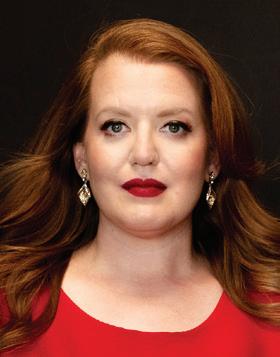
Jennifer Johnson Cano’s portrayal of Michele in the recent premiere of The Righteous at the Santa Fe Opera earned her accolades from The New York Times, which noted how she “voluptuously captured” the pain and strength of her character; Opera Today called Cano’s arias in The Righteous “flawless combinations of radiant, poised, attractive singing invested with heartfelt delivery.”
After creating the role of Michele in the world premiere of Gregory Spears’s The Righteous with the Santa Fe Opera in the summer of 2024, she was invited back to sing the role of Mrs. Grose in Britten’s The Turn of the Screw as well as Schwertleite in Wagner’s Die Walküre in the summer of 2025. Her 2025-26 season includes engagements with the Chicago, San Francisco, Colorado, and Seattle symphonies and The Apollo Orchestra. The Philadelphia Chamber Music Society presents Cano in recital with pianist Christopher Cano and violist Beth Guterman Chu. Tours include a project with Simone Dinnerstein and her ensemble, Baroklyn, as well as a week with the National Symphony Orchestra of Taiwan. Cano returns to the Metropolitan Opera in her role debut as Suzuki in Madama Butterfly and premieres a new song cycle by Gregory Spears at the Tucson Desert Song Festival.
Cano joined the Lindemann Young Artist Development Program at the Metropolitan Opera after winning the Metropolitan Opera National Council Auditions. Among her honors are the first prize from the Young Concert Artist International Auditions, a Sara Tucker Study Grant, a Richard Tucker Career Grant, and a George London Award.
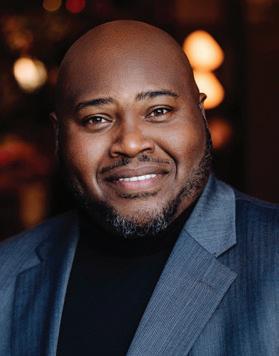
Dramatic tenor Issachah Savage has appeared with many of the world’s leading orchestras, including The Cleveland Orchestra, The Philadelphia Orchestra, the New York Philharmonic, Los Angeles Philharmonic, San Francisco Symphony, Houston Symphony, and the Chicago, Boston, Detroit, Dallas, Toronto, and St. Louis symphony orchestras.
Operatic highlights include performances with the Metropolitan Opera, Lyric Opera of Chicago, Houston Grand Opera, LA Opera, Seattle Opera, Canadian Opera Company, Opéra National de Bordeaux, Dutch National Opera, l’Opéra national du Capitole de Toulouse, and the Salzburg Festival. He has sung much of the great dramatic tenor repertoire, including the title roles in Tannhäuser, Otello, Peter Grimes, and Rienzi, Siegmund in Die Walküre, Radamès in Aïda, Bacchus in Ariadne auf Naxos, Der Kaiser in Die Frau ohne Schatten, Manrico in Il trovatore, and Narraboth in Salome.
This season, Savage makes debuts with the Milwaukee Symphony Orchestra in Beethoven’s Missa solemnis and with the North Carolina Symphony in Mozart’s “Great” Mass in C minor. He also returns to the Lyric Opera of Chicago for “Echoes of Excellence: Celebrating the Legacy of Chicago’s Black Voices,” and to the Orquestra Sinfônica do Estado de São Paulo for Puccini’s Messa di Gloria and Beethoven’s Symphony No. 9.
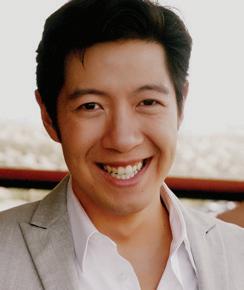
Chinese-American bass Adam Lau, praised for his “dauntingly low register” (Classical Voice North America) and “cellar-deep sound” (Post Alley), continues to garner acclaim on opera and concert stages worldwide. Lau has received top honors in several major competitions, including first prize at the George and Nora London Foundation for Singers Competition, Jensen Foundation Vocal Competition, Palm Springs Opera Guild Vocal Competition, and Young Patronesses of the Opera National Voice Competition.
In 2025-26, Lau made his house and role debut at Houston Grand Opera as Betto in Gianni Schicchi, his Calgary Opera debut as Don Basilio in Il barbiere di Siviglia, and returned to Florida Grand Opera as Timur in Turandot and Carnegie Hall with the Oratorio Society of New York as the bass soloist in Handel’s Messiah. He will be featured in the upcoming film adaptation of Gordon Getty’s opera Plump Jack in the role of the Lord Chief Justice. He can also be heard as Oroveso in the newly released EuroArts recording of Norma, which is available on all platforms.
In recent seasons, Lau has appeared with San Francisco Opera as Samuel in Un ballo in maschera, returned to Minnesota Opera as Frère Laurent in Roméo et Juliette, played Narbal in Les Troyens and Angelotti in Tosca with Seattle Opera, performed in concerts with the Metropolitan Opera at Carnegie Hall and on the company’s European tour, conducted by music director Yannick NézetSéguin, and appeared as Sarastro in The Magic Flute under the baton of Marin Alsop at the Ravinia Festival.
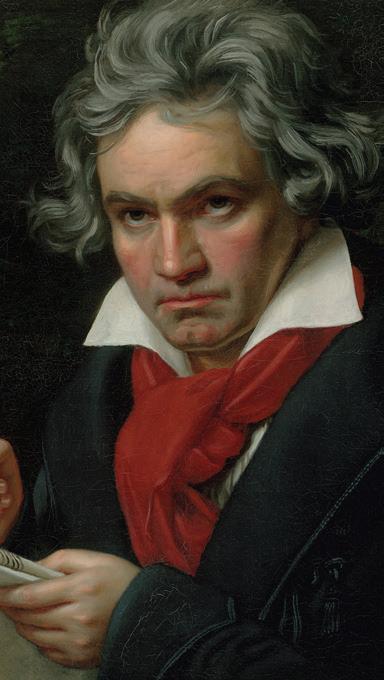
Born 17 December 1770; Bonn, Germany
Died 26 March 1827; Vienna, Austria
Missa solemnis in D major, Opus 123
Composed: 1819 – 1823
First performance: 7 April 1824; Saint Petersburg
Philharmonic Society
Last MSO performance: 20 May 2007; Andreas Delfs, conductor; Turid Karlsen, soprano; Gigi Mitchell-Velasco, mezzo-soprano; Anthony Dean Griffey, tenor; Stephen Morschek, bass
Instrumentation: 2 flutes; 2 oboes; 2 clarinets; 2 bassoons; contrabassoon; 4 horns; 2 trumpets; 3 trombones; timpani; organ; strings
Approximate duration: 81 minutes
In the autumn of 1802, Ludwig van Beethoven penned one of the most intensely personal documents of his life. At the direction of his doctor, Johann Adam Schmidt, Beethoven had spent the summer in Heiligenstadt, a rural outpost of Vienna, working out his second symphony while suffering the oppressive silence of his steadily deteriorating hearing. Written to his brothers Carl and Johann, the letter that came to be known as the Heiligenstadt Testament was primarily intended as his last will; more importantly, it marked definitively Beethoven’s acceptance that his condition was certain to become a permanent feature of his life. The letter not only grapples with his own distraught psychological state, articulating in painful detail his sense of isolation and withdrawal from civil society, but offers an intimate view of his own philosophical and religious convictions.
Wrestling with the question of whether his life was worth living, he ultimately rejected suicide, recognizing that the driving force of his destiny as an artist was far greater than his personal despair: “it was only my art that held me back. … it seemed to me impossible to leave the world until I had brought forth all that I felt was within me.” Typical of his unorthodox relationship to the sacred, his letter invokes an ambiguously defined but entirely personal God: “Divine One, thou seest my inmost soul, thou knowest that therein dwells the love of mankind and the desire to do good. … despite all the limitations of Nature [I] nevertheless did everything within [my] powers to become accepted among worthy artists and men.” Tellingly, the letter was left unsent and was not discovered until Beethoven’s death.
These are salient points worth making in that Beethoven’s life became, in the wake of his disability, something of a spiritual path. It was shortly after leaving Heiligenstadt for Vienna that he composed the oratorio Christ on the Mount of Olives, and by the time he began planning in earnest a “High Mass” befitting Archduke Rudolf of Austria’s new appointment as Archbishop of Olomouc in 1819, he had already produced his first setting of the Mass for Prince Nikolaus Esterházy II. Quite predictably, his final, and greatest, expression of religious thought quickly grew to tremendous proportions, rendering the intended premiere in the spring of 1820 an impossibility. Writing to the Archduke in 1823 after having finally finished the score, Beethoven modestly quoted the philosopher Gottfried Wilhelm Leibniz: “There is nothing higher than to approach more nearly to the Godhead than other mortals, and by that contact to spread the rays of the Godhead through the human race.”
We know that Beethoven, in preparation for his “solemn mass,” was fastidious not only in his survey of the doctrinal implications of the language of the Mass, but the historical precedent set by Bach, Handel, Palestrina, and their predecessors, studying liturgical plainchant, ecclesiastical modes, and Renaissance treatises on music theory. Like much of the music written during the final chapter of his life, it is expressive in the extreme. A plea for mercy, the grand instrumental overtures and silken vocal polyphony of the Kyrie immediately suggest the reverence with which Beethoven has approached his subject matter; underscoring their lofty expressions of faith, magnificent fugues crown the Gloria and the Credo; the concertmaster solo that threads its way through the Sanctus, entering just as the chorus intones “Blessed is he that cometh in the name of the Lord,” assumes celestial dimensions; and the Agnus Dei, as a final prayer for, in Beethoven’s words, “inner and outer peace,” transports us from the dark night of the soul to our final absolution.
Continuing a tradition that had been in practice for more than half a millennium, the Missa solemnis imposes staggering demands upon its performers in an attempt to communicate the ineffable, immanent, and sublime quality of the spiritual ground as Beethoven understood it. Perhaps it is within this very struggle to intimate the nature of the divine itself that we can most completely recognize Beethoven in the handwritten note he included at the top of the manuscript: “From the heart — may it once again — return to the heart!”
KEN-DAVID MASUR
Music Director
Polly and Bill Van Dyke Music Director Chair
EDO DE WAART
Music Director Laureate
BYRON STRIPLING
Principal Pops Conductor
Stein Family Foundation Principal Pops Conductor Chair
RYAN TANI
Associate Conductor
CHERYL FRAZES HILL
Chorus Director
Margaret Hawkins Chorus Director Chair
TIMOTHY J. BENSON
Assistant Chorus Director
FIRST VIOLINS
Jinwoo Lee, Concertmaster, Charles and Marie Caestecker Concertmaster Chair
Ilana Setapen, First Associate Concertmaster, Thora M. Vervoren First Associate Concertmaster Chair
Jeanyi Kim, Associate Concertmaster
Alexander Ayers
Autumn Chodorowski
Yuka Kadota
Elliot Lee
Dylana Leung
Kyung Ah Oh
Lijia Phang
Vinícius Sant’Ana**
Yuanhui Fiona Zheng
SECOND VIOLINS
Jennifer Startt, Principal, Andrea and Woodrow Leung Principal Second Violin Chair
Ji-Yeon Lee, Assistant Principal (2nd chair)
Hyewon Kim, Acting Assistant Principal (3rd chair)
Heejeon Ahn
Lisa Johnson Fuller
Clay Hancock
Paul Hauer
Sheena Lan**
Janis Sakai**
Yiran Yao
VIOLAS
Victor de Almeida, Principal, Richard O. and Judith A. Wagner Family Principal Viola Chair
Samantha Rodriguez, Acting Assistant Principal (2nd chair), Friends of Janet F. Ruggeri Assistant Principal Viola Chair
Alejandro Duque, Acting Assistant Principal (3rd chair)
Elizabeth Breslin
Georgi Dimitrov
Nathan Hackett
Michael Lieberman**
Erin H. Pipal
CELLOS
Susan Babini, Principal, Dorothea C. Mayer Principal Cello Chair
Shinae Ra, Assistant Principal (2nd chair)
Scott Tisdel, Associate Principal Emeritus
Madeleine Kabat
Peter Szczepanek
Peter J. Thomas
Adrien Zitoun
BASSES
Principal, Donald B. Abert Principal Bass Chair
Andrew Raciti, Acting Principal
Nash Tomey, Acting Assistant Principal (2nd chair)
Brittany Conrad
Broner McCoy
Paris Myers
HARP
Julia Coronelli, Principal, Walter Schroeder Principal Harp Chair
FLUTES
Sonora Slocum, Principal, Margaret and Roy Butter Principal Flute Chair
Heather Zinninger, Assistant Principal
Jennifer Bouton Schaub
PICCOLO
Jennifer Bouton Schaub
OBOES
Katherine Young Steele, Principal, Milwaukee Symphony Orchestra League Principal Oboe Chair
Kevin Pearl, Assistant Principal
Margaret Butler
ENGLISH HORN
Margaret Butler, Philip and Beatrice Blank English Horn Chair in memoriam to John Martin
CLARINETS
Todd Levy, Principal, Franklyn Esenberg Principal Clarinet Chair
Jay Shankar, Assistant Principal, Donald and Ruth P. Taylor Assistant Principal Clarinet Chair
Besnik Abrashi
E-FLAT CLARINET
Jay Shankar
BASS CLARINET
Besnik Abrashi
BASSOONS
Catherine Van Handel, Principal, Muriel C. and John D. Silbar Family Principal Bassoon Chair*
Rudi Heinrich, Acting Principal
Matthew Melillo
CONTRABASSOON
Matthew Melillo
HORNS
Matthew Annin, Principal, Krause Family Principal
French Horn Chair
Krystof Pipal, Associate Principal
Dietrich Hemann, Andy Nunemaker French Horn Chair
Darcy Hamlin
Dawson Hartman
TRUMPETS
Matthew Ernst, Principal, Walter L. Robb Family Principal Trumpet Chair
David Cohen, Associate Principal, Martin J. Krebs Associate Principal Trumpet Chair
Tim McCarthy, Fred Fuller Trumpet Chair
TROMBONES
Megumi Kanda, Principal, Marjorie Tiefenthaler Principal Trombone Chair
Kirk Ferguson, Assistant Principal
BASS TROMBONE
John Thevenet, Richard M. Kimball Bass Trombone Chair
TUBA
Robyn Black, Principal, John and Judith Simonitsch Principal Tuba Chair
TIMPANI
Dean Borghesani, Principal
Chris Riggs, Assistant Principal
PERCUSSION
Robert Klieger, Principal
Chris Riggs
PIANO
Melitta S. Pick Endowed Piano Chair
PERSONNEL
Antonio Padilla Denis, Director of Orchestra Personnel
Paris Myers, Assistant Manager of Orchestra Personnel
LIBRARIANS
Paul Beck, Principal Librarian, James E. Van Ess Principal Librarian Chair
Matthew Geise, Assistant Librarian & Media Archivist
PRODUCTION
Tristan Wallace, Production Manager/Live Audio
Lisa Sottile, Production Stage Manager
* Leave of absence during the 2025.26 season
** Acting member of the MSO for the 2025.26 season
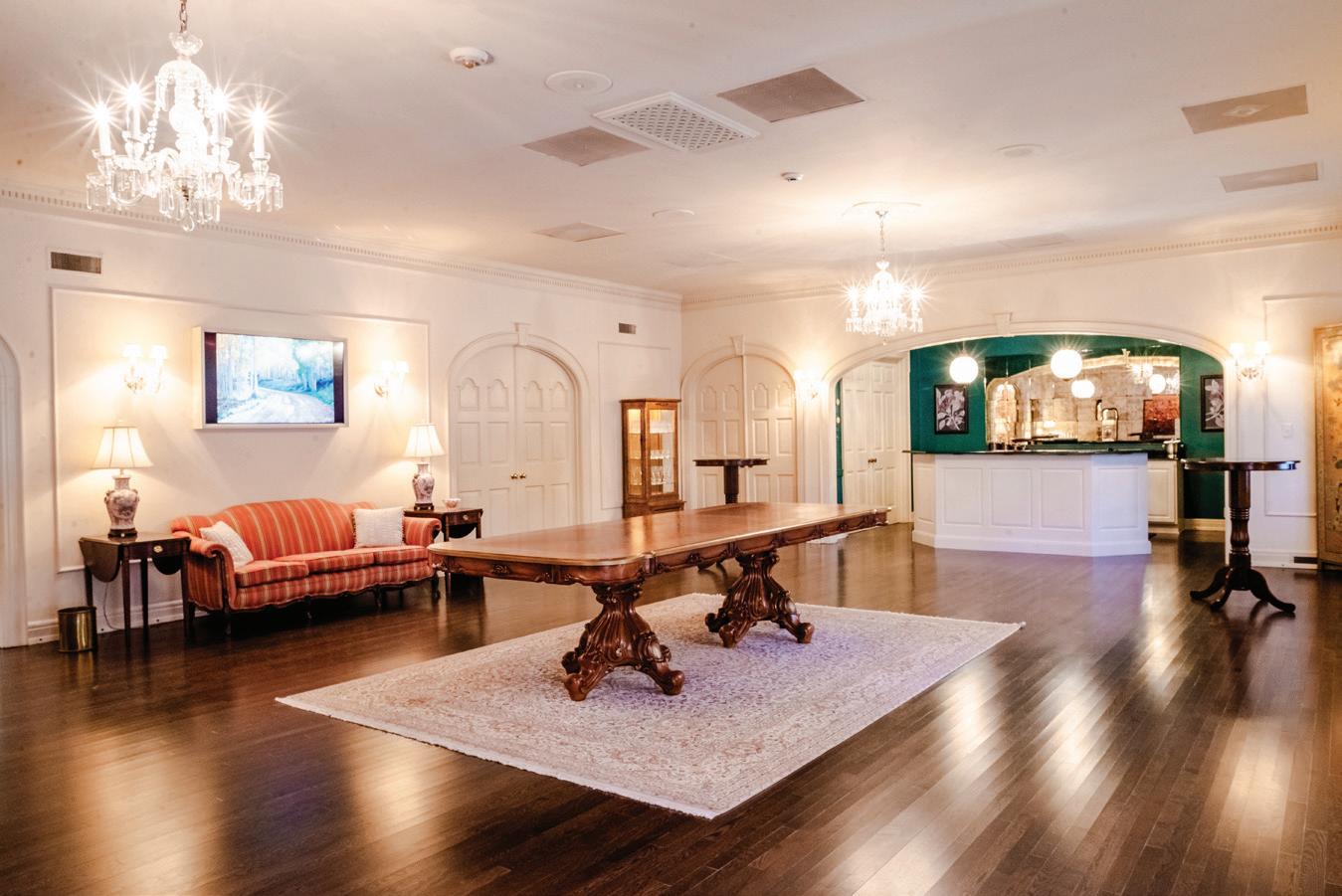


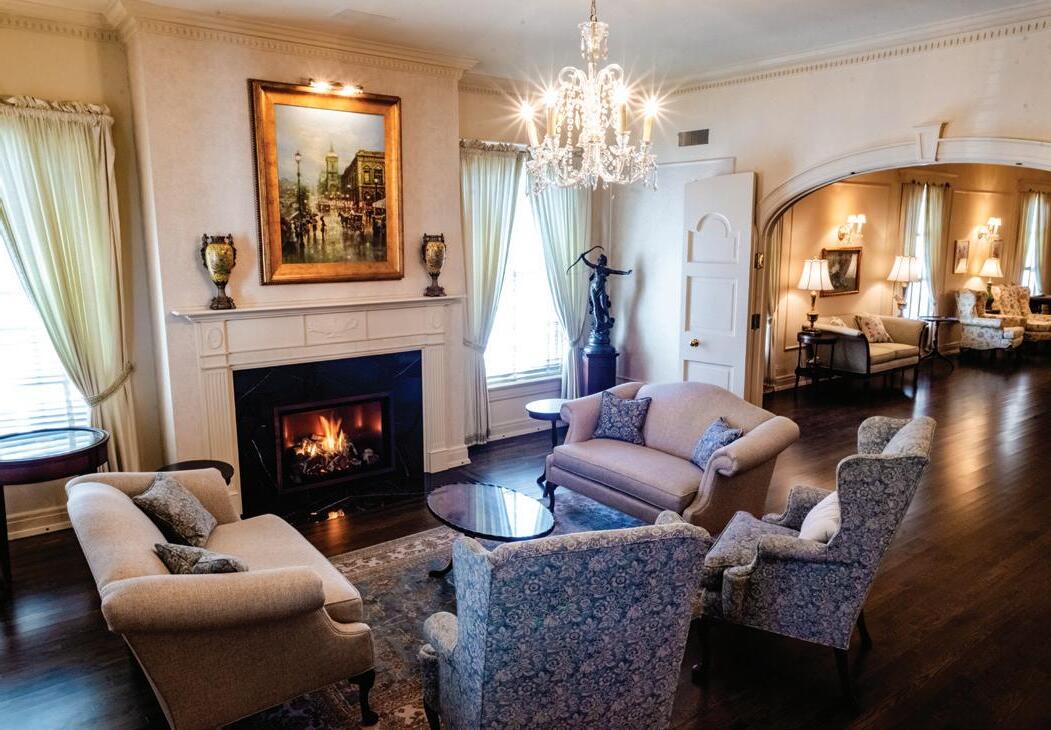



Situated on a bluff overlooking Lake Michigan, Chai Point offers a life steeped in culture and creativity. Enjoy rotating art exhibitions, intimate concerts from symphony to jazz, visiting international lecturers, and excursions to Milwaukee’s cultural treasures.
With independent and assisted living options, you'll enjoy cityscape and lake views from your high-rise apartment — all with predictable rent and no buy-in.
Step into a community where inspiration lives in every note, brushstroke, and conversation.
To schedule your personalized tour, call Josh Kaplan at 414.277.8829. Visit ovation.org or scan the QR code to learn more.
While rooted in Jewish tradition, our community welcomes residents of all faiths.



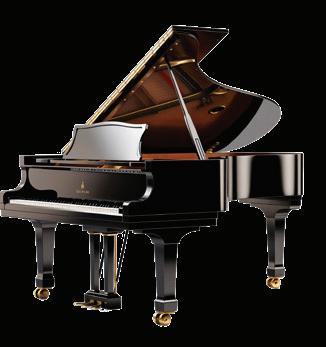

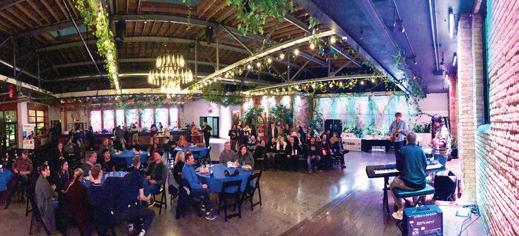
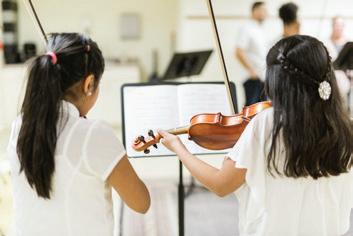
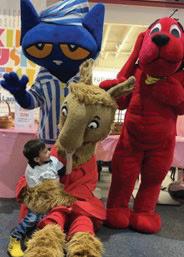
YOUTH MUSIC PROGRAMS
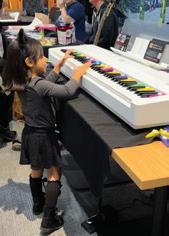
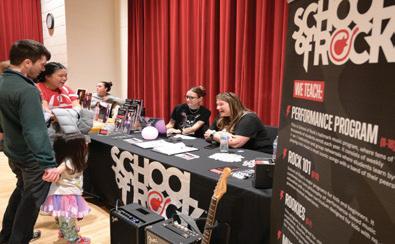
PRIVATE LESSON PROGRAM
HIGH SCHOOL COMPETITION
RECOGNITION
EDUCATOR AWARDS
CITIZEN AWARDS
HIGH SCHOOL AWARDS
EVENTS
KIDS MUSICFEST
LIVE AT THE IVY
CELEBRATING MUSIC IN GREATER MILWAUKEE SINCE 1918!

FINE ART SERIES
WEDNESDAY AFTERNOON CONCERTS
812 N Jackson Street Begin at 12:15 PM

May & June 2026
Featured Artists:
May 06
Brian Riggs, Guitar
May 13
Diana Eiler, Contralto
May 20
May 27
Michael Keegan, French Horn
June 3
Kirstin Roble, Mezzosoprano
June 10
Karen Beaumont, Organist
June 17
James Hogan, Tenor & Debra Hogan, Pianist
Derrick Hahn, Piano www stjohncathedral org (414) 276-9814
June 24
Karen Beaumont, Organist.
LEARN MORE AT CIVICMUSICMILWAUKEE.ORG

For the 16th consecutive year, the Argosy Foundation is partnering with generous supporters like you to sustain artistic excellence in our community. Now through August 31, every

Loyal and generous supporters who choose to honor the Milwaukee Symphony Orchestra through bequests and planned giving become members of our distinguished Musical Legacy Society.
MLS members not only enjoy the satisfaction of knowing their gift will support the MSO for generations to come, but also receive special insider benefits. Scan to learn more about how to leave your legacy.
Visionaries
Commitments of $1,000,000 and above
Two Anonymous Donors
Jane Bradley Pettit Foundation
Richard Bradley
Charles and Marie Caestecker Concertmaster Chair
Ellen and Joe Checota
The Cudahy Foundation
Franklyn Esenberg
Herzfeld Foundation
Krause Family Principal Horn Chair
Dr. Keith Austin Larson Principal Organ Chair
Laskin Family Foundation
Dr. Brent and Susan Martin
Andy Nunemaker French Horn Chair
Phyllis and Harleth Pubanz
Gertrude M. Puelicher Education Fund
Michael and Jeanne Schmitz President and Executive Director Chair
John and Judith Simonitsch Tuba Chair
Stein Family Foundation
Principal Pops Conductor Chair
John Stewig
Lynde B. Uihlein via the Brico Fund
Polly and Bill Van Dyke Music Director Chair
James E. Van Ess Principal Librarian Chair
Thora M. Vervoren First Associate Concertmaster Chair
The Family of Evonne Winston and Paul Nausieda
Philanthropists
Commitments of $500,000 and above
One Anonymous Donor
Donald B. Abert Principal Bass Chair
Mr. Richard Blomquist
Patrice L. (Patti) Bringe
Margaret and Roy Butter Principal Flute Chair
Bobbi and Jim Caraway
Donald and Judy Christl
Fred Fuller Trumpet Chair
Sandra and William Haack
Douglas M. Hagerman
Mrs. Alyce Coyne Katayma
Andrea and Woodrow Leung Principal Second Violin Chair and Fred Fuller
Dorothea C. Mayer Principal Cello Chair
Milwaukee Symphony Orchestra League Principal Oboe Chair
Northwestern Mutual Foundation
Melitta S. Pick Endowed Piano Chair
Dr. Carol Pohl
Walter L. Robb Family
Principal Trumpet Chair
Robert T. Rolfs Foundation
Gertrude Elser and John Edward Schroeder Guest Artist Fund
Walter Schroeder Foundation Principal Harp Chair
Muriel C. and John D. Silbar Family Principal Bassoon Chair
Allison M. & Dale R. Smith Percussion Fund
Marjorie Tiefenthaler
Principal Trombone Chair
Richard O. and Judith A. Wagner Family Principal Viola Chair
Benefactors
Commitments of $100,000 and above
Four Anonymous Donors
Patty and Jay Baker Fund for Guest Artists
Mr. and Mrs. Frederick J.O. Blachly
Philip Blank English Horn Chair in memoriam to John Martin and his favorite cousin, Beatrice Blank
Judith and Stanton Bluestone
Estate of Lloyd Broehm
Louise Cattoi, in memory of David and Angela Cattoi
Lynn Chappy Salon Series
Terry J. Dorr
Elizabeth Elser Doolittle
Charitable Trusts
Franklyn Esenberg
Principal Clarinet Chair
David L. Harrison
Estate of Sally Hennen
Karen Hung and Robert Coletti
Richard M. Kimball
Bass Trombone Chair
William Randolph Hearst Foundation
Judy and Gary Jorgensen
Judith A. Keyes MSOL Docent Fund
Charles A. Krause
Donald and JoAnne Krause Music Education Endowment Fund
Martin J. Krebs
Co-Principal Trumpet Chair
Charles and Barbara Lund
Mr. Peter L. Mahler
Marcus Corporation Foundation Guest Artist Fund
Annette Marra
Susan and Brent Martin
Christian and Kate Mitchell
William and Marian Nasgovitz
Estate of Jessica Nienas
John and Elizabeth Ogden
Lois and Richard Pauls
Gordana and Milan Racic
The Erika Richman MSO-MYSO
Reading Workshop Fund
Pat and Allen Rieselbach
Friends of Janet F. Ruggeri
Assistant Principal Viola Chair
Sara and Jay Schwister
Nancy and Greg Smith
Estate of Walter S. Smolenski, Jr.
Bert L. & Patricia S. Steigleder
Charitable Trust
Donald B. and Ruth P. Taylor Assistant
Principal Clarinet Chair
Gile & Linda Tojek
Haruki Toyama
Mrs. William D. Vogel
Barbara and Ted Wiley
Jack Winter Guest Artist Fund
Fern L. Young Endowment Fund for Guest Artists
MUSICAL LEGACY SOCIETY
The Musical Legacy Society recognizes and appreciates the individuals who have made a planned gift to the MSO. The MSO invites you to join these generous donors who have remembered the orchestra in their estate plans.
Nine Anonymous Donors
George R. Affeldt
Dana and Gail Atkins
Robert Balderson
Bruce and Margaret Barr
Adam Bauman
Priscilla and Anthony Beadell
Dr. Philip and Beatrice Blank
Mr. Richard Blomquist
Judith and Stanton Bluestone
Patrice L. (Patti) Bringe
Jean S. Britt
Neil Brooks
Anthony and Vicki Cecalupo
Lynn Chappy
Ellen and Joe Checota
Donald and Judy Christl
Mary and James M. Connelly
Jo Ann Corrao
Lois Ellen Debbink
Mary Ann Delzer
Robert C. and Lois K. Dittus
Julie Doneis
Terry J. Dorr
Donn Dresselhuys
Beth and Ted Durant
Rosemarie Eierman
Franklyn Esenberg
JoAnn Falletta
Donald L. Feinsilver, M.D.
Susie and Robert Fono
Ruth and John Fredericks
Brett Goodman
Roberta Gordon
Marta P. and Doyne M. Haas
Douglas M. Hagerman
Ms. Jean I. Hamann
Ms. Sybille Hamilton
Kristin A. Hansen
David L. Harrison
Judy Harrison
Cheryl H. and Roy L. Hauswirth
Cliff Heise
Sidney and Suzanne Herszenson
Dr. and Mrs. Samuel Hoke
Glenda Holm
Jean and Charles Holmburg
Karen Hung and Robert Coletti
Myra Huth
William and Janet Isbister
Lee and Barbara Jacobi
Leon and Betsy Janssen
Marilyn W. John
Faith L. Johnson
Jayne J. Jordan
Judy and Gary Jorgensen
Debra Jupka
James A. and Robin S. Kasch
Howard Kaspin
James H. Keyes
Judith A. Keyes
Richard and Sarah Kimball
Mary Krall
JoAnne and Donald Krause
Martin J. and Alice Krebs
Cynthia Krueger-Prost
Alice Kuramoto
Steven E. Landfried
Mr. Bruce R. Laning
Victor Larson
Tom and Lise Lawson
Andrea and Woodrow Leung
Mr. Robert D. Lidicker
Mr. and Mrs. John B. Liebenstein
Drs. John and Theresa Liu
Mr. Peter L. Mahler
Dr. John and Kristie Malone
Steven and Mary Rose Marinkovich
Ms. Kathleen Marquardt
Susan and Brent Martin
JoAnne Matchette
Rita T. and James C. McDonald
Patricia and James McGavock
Nancy McGiveran
Mark and Donna Metzendorf
Mrs. Christel U. Mildenberg
Dr. Mary Ellen Mitchanis
Christian and Kate Mitchell
Joan Moeller
Ms. Melodi Muehlbauer
Robert Mulcahy
Kathleen M. Murphy
William and Marian Nasgovitz
Andy Nunemaker
Diana and Gerald Ogren
Lynn and Lawrence Olsen
Mr. and Mrs. Philip W. Orth
Lygere Panagopoulos
Deborah Patel
Gerald T. and Carol K. Petersen
Mr. and Mrs. Ronald R. Poe
Dr. Carol Pohl
Julie Quinlan Brame and Jason Brame
Ms. Harvian Raasch-Hooten
Christine Radiske and Herbert Quigley
Steve and Susan Ragatz
Catherine A. Regner
Stephen and Frances Richman
Pat and David Rierson
Pat and Allen Rieselbach
Roger B. Ruggeri and Andrea K. Wagoner
Nina Sarenac
Mary B. Schley
Michael J. and Jeanne E. Schmitz
James and Kathleen Scholler
Charitable Fund
James Schultz and Donna Menzer
Mason Sherwood and Mark Franke
John and Judith Simonitsch
Margles Singleton
Lois Bernard and William Small
Dale and Allison Smith
John Stewig and Richard Bradley
Dr. Robert A. and Kathleen Sullo
Terry Burko and David Taggart
Lois Tetzlaff
Gile and Linda Tojek
James E. Van Ess
Thora Vervoren
Dr. Richard O. and Judith A. Wagner
Michael Walton
Brian A. Warnecke
Earl Wasserman
Alice Weiss
Carol and James Wiensch
Janet Wilgus
Rolland and Sharon Wilson
Sandra and Ross Workman
For more information on becoming a member of the Musical Legacy Society, please contact the Advancement Office at 414-226-7891.
The Milwaukee Symphony Orchestra truly values the music lovers in the concert hall, and we thank our contributors to the Annual Fund for investing their time and support in this treasure. We gratefully acknowledge their contributions to the Annual Fund as of February 20, 2026.
$100,000 and above
Ellen and Joe Checota
Mrs. George C. Kaiser
Donald and JoAnne Krause
Marty Krebs
Sheldon and Marianne Lubar Charitable Fund of the Lubar Family Foundation
Dr. Brent and Susan Martin
Michael Schmitz
Julia and David Uihlein
$50,000 and above
One Anonymous Donor
Laura and Mike Arnow
Anthony and Vicki Cecalupo
$25,000 and above
Bobbi and Jim Caraway
Mr. Franklyn Esenberg
Doug Hagerman
Mrs. Alyce Coyne Katayama
Judith A. Keyes
Robert and Gail Korb
Maureen McCabe
Dr. Carol Pohl
Nancy and Greg Smith
Drs. George and Christine Sosnovsky Charitable Trust
Drs. Robert Taylor and Janice McFarland Taylor
Thora Vervoren
$15,000 and above
Two Anonymous Donors
Richard Bradley
Marilyn and John Breidster
Elaine Burke
Ms. Trish Calvy
Mary and James M. Connelly
Dr. Deborah and Jeff Costakos
Mary Lou M. Findley
The Paul & Connie Flagg Family Charitable Fund
George E. Forish, Jr.
Kim and Nancy Graff
Drs. Carla and Robert Hay
Jewish Community Foundation
Eileen and Howard Dubner Donor Advised Fund
Christine Krueger
Charles and Barbara Lund
Dr. Ann H. and Mr. Michael J. McDonald
Brian and Lesli McLinden
Teresa and Mike Mogensen
Lois and Richard Pauls
Pat Rieselbach
Sara and Jay Schwister
John and Judith Simonitsch
Allison M. and Dale R. Smith
Mr. and Mrs. Thomas R. Tiffany
Haruki Toyama
Mark Van Hecke
Alice Weiss
Herbert Zien and Elizabeth Levins
$10,000 and above
Four Anonymous Donors
Dr. Rita Bakalars
Robert Balderson
Dr. and Mrs. James D. Buck
Joanne Doehler
Jack Douthitt and Michelle Zimmer
Bruce T. Faure M.D.
Mrs. Susan G. Gebhardt
Elizabeth and William Genne
Judith J. Goetz
Stephanie and Steve Hancock
Katherine Hauser
Mr. and Mrs. Eric E. Hobbs
Dr. and Mrs. Samuel Hoke
Judy and Gary Jorgensen
Dr. Joseph E. and Jane C. Kerschner
Geraldine Lash
Mr. Peter L. Mahler
Mark and Donna Metzendorf
Dr. Mary Ellen Mitchanis
Patrick and Mary Murphy
Elaine Harmand Pagedas
Julie Peay
Leslie and Aaron Plamann
Lynn and Craig Schmutzer
Tracy S. Wang, MD
Evonne Winston
Diana J. Wood
PRINCIPAL CIRCLE
$5,000 and above
Six Anonymous Donors
Fred and Kay Austermann
Thomas Bagwell and Michelle Hiebert
Natalie Beckwith
Lois Bernard
Richard Bibler
Dr. Sherry H. Blumberg
William and Barbara Boles
Marcia P. Brooks and Edward J. Hammond
Roger Byhardt
Ms. Trish Calvy
Ara and Valerie Cherchian
Donald and Judy Christl
Sandra and Russell Dagon
Paul Dekker
Mrs. William T. Dicus
Karen Dobbs and Chris DeNardis
Jacquelyn and Dalibor Drummer
Beth and Ted Durant
Dr. Eric Durant and Scott Swickard
Dr. and Mrs. Harry A. Easom
Elizabeth and Herodotos Ellinas
Dr. Donald Feinsilver and JoAnn Corrao
Stan and Janet Fox
Alison Graf and Richard Schreiner
James and Crystal Hegge
Ms. Mary E. Henke
Mark and Judy Hibbard
Peg and Mark Humphrey
James and Karen Hyde Foundation, Inc.
Lee and Barbara Jacobi
Jayne J. Jordan
Lynn and Tom Kassouf
Kathryn Koenen Potos
Benedict and Lee Kordus
Charmaine and James LaBelle
Mary E. Lacy
Drs. Kaye and Prakash Laud
Dr. Joseph and Amy Leung
Peter and Kathleen Lillegren
Gerald and Elaine Mainman
Sara and Nathan Manning
John and Linda Mellowes
Judith Fitzgerald Miller
Barbara and Layton Olsen
Brian and Maura Packham
Ellen Rohwer Pappas and Timothy Pappas
Sharon L. Petrie
Dr. and Mrs. Richard A. Pierce-Ruhland
Jim and Fran Proulx
Christine Radiske and Herbert Quigley
Jerome Randall and Mary Hauser
Dr. Donna Recht and Dr. Robert Newby
Steve and Fran Richman
Roger Ritzow
Mary Roberts
Gayle G. Rosemann and Paul E. McElwee
Mr. Daniel J. Schicker
Carlton Stansbury
Richard and Linda Stevens
Jim Strey
Kathleen Thometz
Gile and Linda Tojek
Janet Wilgus
Jessica R. Wirth
$3,500 and above
One Anonymous Donor
Jacqlynn Behnke
Marlene and Bert Bilsky
David and Diane Buck
Daniel and Allison Byrne
Chris and Katie Callen
Mr. and Mrs. Thomas F. Christie
Mr. and Mrs. A. William Finke
Barbara Gill
Kurt and Rosemary Glaisner
Margarete and David Harvey
Barbara Hunt
David and Mel Johnson
Olof Jonsdottir and Thorsteinn Skulason
Megumi Kanda Hemann and Dietrich Hemann
Stanley Kritzik
Norm and Judy Lasca
Micaela Levine and Thomas St. John
Tom Lindow
Lynn Marzinski
Ann Rosenthal and Benson Massey
Dr. and Mrs. Debesh Mazumdar
Donald Petersen and Corinthia Van Orsdol
Mrs. David Y. Rosenzweig
Dottie Rotter
Judy and Tom Schmid
James Schultz and Donna Menzer
Joan and Kevin Schultz
Paul Seifert
Vickie Shufton
Sue and Boo Smith
Pamela and John Stampen
James and Catherine Startt
Jim Ward
Mr. and Mrs. Donald S. Wilson
Jim and Sandy Wrangell
Carol and Richard Wythes
Marshall Zarem
Sandra Zingler
Leo Zoeller
$2,000 and above
Two Anonymous Donors
Drs. Helmut and Sandra Ammon
Richard and Sara Aster
Bruce and Maggie Barr
Mr. Jack Beatty
Elliot and Karen Berman
Karen and Geoffrey Bilda
Cheri and Tom Briscoe
Mike and Ericka Burzynski
Edith Christian
Lynda and Tom Curl
Larry and Eileen Dean
Ms. Nancy A. Desjardins
Art and Rhonda Downey
Steven and Buffy Duback
Signe and Gerald Emmerich, Jr.
Ms. Shirley Erwin
Kristin Fewel
Pearl Mary Goetsch
Ginny Hall
Robert Hey
Robert S. Jakubiak
Leon Janssen
Maja Jurisic and Don Fraker
Dr. Bruce and Anna Kaufman
Dr. Jack and Myrna Kaufman
Mr. Rick Kirby
Julilly Kohler
Maritza and Mario Laguna
Mr. and Mrs. Mark Levy
Bruce Loder
Kathleen Lovelace
Guy and Mary Jo McDonald
Mrs. Debra L. Metz
George and Salie Meyer
Steve and Ellie Miller
Gregory and Susan Milleville
Mark and Carol Mitchell
Christine Mortensen
Ms. Mary Ann Mueller
Laurie Ocepek
Susan M. Otto
Dr. and Mrs. James T. Paloucek
Anthony Perella
Raymond and Janice Perry
Gerald T. and Carol K. Petersen
David J. Petersen
Donald A. Pollack and Adrienne PollackSender Family Charitable Trust
Susan Pustejovsky
Katie Quirk
Susan A. Riedel
Curt and Patty Robinson
Mr. Thomas Schneider
Elaine and Martin Schreiber
Mr. and Mrs. Mark W. Schwallie
Mrs. George R. Slater
Marybeth and Gregory Shuppe
Dr. and Mrs. Squat-Botley
Loretto and Dick Steinmetz
Jeff and Jody Steren
Terry Burko and David Taggart
Joan Thompson
Mr. Stephen Thompson
Joan and David Totten
Mike Uihlein
Mr. and Mrs. Lynn F. Unkefer
James Van Ess
Robert and Lana Wiese
Lee and Carol Wolcott
Mr. Wilfred Wollner
William and Denise Zeidler
$1,000 and above
Four Anonymous Donors
Ruth Agrusa
Sue and Louie Andrew
Mr. and Mrs. James B. Anello
Betty Arndt
Dr. and Mrs. Robert Ashmore
Danielle Baerwald
Paul E. Barkhaus, MD
Steve and Mary Barney
James and Nora Barry
Paul and Paula Bartel
Rodney C. Bartlow
and Judith K. Stephenson
Mr. James M. Baumgartner
Ms. Christine Beck
Ron and Mary Beckman
David A. Benner and Dianne Benjamin Benner
Richard Bergman
Ken and Kristine Best
Mr. Lawrence Bialcik
Jeff and Elizabeth Billings
Marjorie Bjornstad
Greg Black
Mr. Brian P. Blake
Robert Borch and Linda Wickstrom
Mr. and Mrs. Darold Borree
Art and Jacinda Bouton
James L Brown and Ann Brophy
Michael and Marianna Bruch
Karen and Harry Carlson
Ms. Carol A. Carpenter
Mr. John Chain
Margaret Cieslak-Etlicher and David Etlicher
Margaret Crosby
Marilou and Bryan Davido
Garrett and Anne de Vroome Kamerling
Gerald and Ellen DeMers
Ms. Kristine L. Demski
Mary Paula Dix
Amy Domagalski
Peter Drenzek
Dr. and Mrs. Peter Drescher
Tom Durkin and Joan Robotham
Margaret Eigsti
Lori Erickson and John Bell
Mrs. Suzy B. Ettinger
Jill and George Fahr
Mr. and Mrs. Gerald Freitag
Allan and Mary Ellen Froehlich
Drs. Mark and Virginia Gennis
Gerald R. Gensch and Ellen Conley
Jane K. Gertler
Ralph and Cherie Gorenstein
Sarah Gramentine
Greater Milwaukee Foundation
Dresselhuys Family Fund
Leesley B. and Joan J. Hardy
Jay Kay Foundation Fund
Mr. and Mrs. James Grigg
Mr. and Mrs. Douglas W. Haag
Karleen Haberichter
Ms. Caroline Ham
Lawrence and Tsui-Ching Hammond
Leila and Joe Hanson
Jean and John Henderson
Dr. Sidney and Suzanne Herszenson
Renee Herzing
Ms. Judy Hessel
Jenny and Bob Hillis
Dr. Peter Hinow and Dr. Yuqiang Wei
Mr. Bernard C. Hlavac
Jeanne and Conrad Holling
Richard and Jeanne Hryniewicki
Barbara Hunteman
Suzanne and Michael Hupy
Jerome and Alice Jacobson
Amy Jensen
Faith L. Johnson
Ms. Karen Johnson
Mr. William Johnstone
Stephen Jones
Mr. Stephen Kaniewski
Rose and Dale Kaser
Allan Kasprzak and Trudi Schmitt
Patrick and Jane Keily
Brian and Mary Lou Kennedy
Sarajane and Robert Kennedy
Robert and Dorothy King
Thomas Kelly
Joseph W. Kmoch
Dr. and Mrs. Anthony Krausen
Dr. and Mrs. John Krezoski
Mr. Eric Krismer
Ian and Katherine Lambert
Mr. and Mrs. David Leevan
John and Janice Liebenstein
Matt and Patty Linn
Xia Liu
Neill and Fran Luebke
Ms. Joan Maas
Ann MacIver
Stephen and Judy Maersch
Dr. John and Kristie Malone
Mr. Peter Mamerow
Jeanne and David Mantsch
Mr. Jonathan March
Steven and Mary Rose Marinkovich
Dr. and Mrs. Francisco Martinez
Dr. Daniel and Constance McCarty
Diane Griewank McGinn and Thomas McGinn
Mr. and Mrs. John S. McGregor
Robert E. Meldman and Lila F. Silverberg
Ray and Elaine Meyer
Dr. David Miyama
Rusti and Steve Moffic
Richard and Isabel Muirhead
David and Gail Nelson
Ms. Doris Nice
David Olson and Claire Fritsche
Gladys Omahen
Judith Ormond
Joseph Pabst and John Schellinger
Douglas E. Peterson
William Prost and Cynthia Krueger-Prost
Eugene Pocernich
Mr. Ed Puzia
Mr. and Mrs. Thomas Quadracci
Dr. Francis J. Randall
Myron Re
Drake Reinick
Lysbeth and James Reiskytl
Robin Gerson and Tim Riley
Dan and Anna Robbins
Emily and Mike Robertson
Roger B. Ruggeri and Andrea K. Wagoner
Michael and Mary Ryan
Allen & Millie Salomon
Ms. LindaGale Sampson
Keri Sarajian, Rick Stratton & Family
Keri Sarajian
Dr. Mary Lynn Schneider and Paul Thielhelm
Lawrence and Katherine Schnuck
Mark and Marlene Schrager
Phil Schumacher and Pauline Beck
Bob and Sally Schwarz
Mr. Thomas P. Schweda
Fred and Ruth Schwertfeger
Ronald and Judith Shapiro
Margles Singleton
Reeves Smith
Mr. James Stanke
Ken and Dee Stein
Ms. Bonnie Steindorf
Ann Stevens
Mr. Andrew Stillman
Mr. and Mrs. Roland E. Strampe
Sally Swetnam
Mr. and Mrs. Robert E. Tenges
Tim and Bonnie Tesch
Kent and Marna Tess-Mattner
Winifred Thrall
Mr. and Mrs. James S. Tidey
Katherine Troy
Roy and Sandra Uelner
John Viste and Elaine Strite
Atty. Greg E. Vollan
We Energies Foundation
Ms. Beth L. Weckmueller
Henry Wellner and James Cook
Mr. and Mrs. Jerome T. Welz
Bill and Gwen Werner
Barbara Wesener
David Wesley
Lynn and Richard Wesolek
Bob and Barbara Whealon
A. James White
Linda and Dan Wilhelms
Terry and Carol Wilkins
Rolland and Sharon Wilson
Ron and Alice Winkler
Mrs. Melinda D. Wolf
Mr. Daryl and Mrs. Bonnie Wunrow
Mrs. Sharon S. Ziegler
The Milwaukee Symphony Orchestra truly values the generosity of musicloving patrons in the concert hall and throughout the community. We especially thank our Corporate and Foundation contributors for investing their time and support in this treasure. We gratefully acknowledge contributions from:
$1,000,000 and above
United Performing Arts Fund
$250,000 and above
Argosy Foundation
The Lynde and Harry Bradley Foundation
$100,000 and above
Greater Milwaukee Foundation
Dr. John H. and Sara Sue Esser Fund
Milwaukee Symphony Orchestra Fund
Herzfeld Foundation
Laskin Family Foundation
We Energies Foundation
$50,000 and above
Anonymous
Bader Philanthropies, Inc.
Chase Family Foundation
Greater Milwaukee Foundation
Norman and Lucy Cohn Family Fund
Helen and Jeanette Oberndorfer Fund
Melitta S. and Joan M. Pick
Charitable Trust
National Endowment for the Arts
Rockwell Automation
$25,000 and above
Anonymous
Greater Milwaukee Foundation
Gertrude Elser and John Edward Schroeder Fund
Jay Kay Foundation
Johnson Controls, Inc.
R.D. and Linda Peters Foundation
Schoenleber Foundation, Inc.
Wintrust Financial Corporation
Wisconsin Arts Board
$15,000 and above
A.O. Smith Foundation, Inc.
ATC
Bert L. & Patricia S. Steigleder
Charitable Trust
Greater Milwaukee Foundation
David C. Scott Foundation
Krause Family Foundation
U.S. Bank
$10,000 and above
Brico Fund
Ellsworth Corporation
Gladys E. Gores Charitable Foundation
Greater Milwaukee Foundation
William A. and Mary M. Bonfield, Jr. Fund
Margaret E. Sheehan Memorial Fund
Jane Bradley Pettit Foundation
Komatsu Mining Corp Foundation
Northwestern Mutual
Ralph Evinrude Foundation, Inc.
William and Janice Godfrey
Family Foundation
Wispact Foundation
$5,000 and above
Charles D. Ortgiesen Foundation
Frieda and William Hunt Memorial
Gene and Ruth Posner Foundation, Inc.
Hamparian Family Foundation
Harbeck Family Foundation
Herb Kohl Philanthropies
Joyce Foundation
Julian Family Foundation
Milwaukee Arts Board
Milwaukee County Arts Fund (CAMPAC)
Richard G. Jacobus Family Foundation
Stackner Family Foundation, Inc.
Versiti Blood Research Center
$2,500 and above
Camille A. Lonstorf Trust
Dean Family Foundation
Enterprise Holdings
Gardner Foundation
Greater Milwaukee Foundation
Del Chambers Fund
ELM II Fund
Henry C., Eva M., Robert H. and Jack J. Gillo Charitable Fund
Margaret Heminway Wells Fund
Mildred L. Roehr & Herbert W. Roehr Fund
Pieper Electric, Inc./Ideal Mechanical
PKSD Law
Theodore W. Batterman Family Foundation
Walker Forge, Inc.
$1,000 and above
Albert J. & Flora H. Ellinger Foundation
Anthony Petullo Foundation, Inc.
Barney Family Foundation
Clare M. Peters Charitable Trust
Curt and Sue Culver Family Foundation
Delta Dental of Wisconsin
DeWitt Law Firm
Educators Credit Union
Festival Foods
Greater Milwaukee Foundation
Cottrell Balding Fund
Bechthold Family Fund
Cream City Foundation
Irene Edelstein Memorial Fund
George and Joan Hoehn Family Fund
David and Marion Meissner Fund
George and Christine Sosnovsky Fund
Carrie Taylor & Nettie Taylor
Robinson Memorial Fund
Eleanor N. Wilson Fund
Gruber Law Offices LLC
Hupy and Abraham, S.C.
Mars Family Foundation
Michael Koss/Koss Foundation
Loyal D. Grinker
SixSibs Foundation
Summit Credit Union
Townsend Foundation
Usinger Foundation
$500 and above
Greater Milwaukee Foundation
Robert C. Archer Designated Fund
de Hartog Family Fund
Roxy and Bud Heyse Fund/Journal Fund
Wealthspire Advisors
Wisconsin Women’s Health Foundation
The Milwaukee Symphony Orchestra gratefully acknowledges the following corporations and foundations who match their employees’ contributions to the Annual Fund.
Abbvie
ATC
Aurora Health Care
Benevity Community Impact Fund
BMO Harris Bank
Caterpillar Foundation
CyberGrants, LLC
Dominion Foundation
Eaton Corporation
GE Foundation
Google Inc.
Johnson Controls Foundation
Kohl’s Corp.
Microsoft Corp.
National Philanthropic Trust
Northwestern Mutual
Paypal Giving Fund
Renaissance Charitable Foundation
Rockwell Automation
Sherwin Williams
Stifel
Sun Life
Thrivent Financial
UMB Fund Services
U.S. Charitable Gift Trust
United Way of Greater Milwaukee and Waukesha County
Wintrust Financial Corporation
Wisconsin Energy Corporation
The MSO gratefully acknowledges the following organizations and individuals for their gifts of product or services:
Belle Fiori – Official Event Florist of the MSO
Beth and Michael Giacobassi
The Capital Grille
Central Standard Craft Distillery
Coffman Creative Events
Downer Avenue Wine & Spirits
Drury Hotels
Encore Playbills
Foley & Lardner LLP
GO Riteway Transportation Group
Hilton Milwaukee
Kohler Co.
Residence Inn – Marriott Milwaukee
Sojourner Family Peace Center
Steinway Piano Gallery of Milwaukee
Studio Gear – Official Event Partner of the MSO
Wisconsin Public Radio
The Milwaukee Symphony Orchestra proudly partners with the following members of the 2025.26 Marquee Circle. We thank these generous partners of our annual corporate subscription program for their charitable contributions and for connecting their corporate communities with the MSO.
DeWitt Law Firm
Ellsworth Corporation
Hupy and Abraham, S.C.
Walker Forge, Inc.
In memory of Patricia Anders
Kay and Douglas Simpkin
In memory of John “Steve” Anderson
Mr. and Mrs. Anthony W. Asmuth, III
Sara and Dick Aster
Warren, Cathy, Olin & Everett Banholzer
Priscilla and Anthony Beadell
Sandy and Jean Custer
Kurt and Rosemary Glaisner
James and Gisela Kuist
Serigraph Incorporated
Sharon, Sophia, and Sarkis at Kirkland
In memory of Louie Andrew
Michael Schmitz
In honor of Glenn Asch and his many years performing with the MSO
Stephen and Jerilyn Smith
In memory of Italo Babini
Terry Burko and David Taggart
In honor of Robyn Black, Principal Tuba
Dennis and Patricia DuBoux
In honor of Andrew Banach
James Banach
In memory of Clair Baum
Julie and Gary Anderson
Sara and Dick Aster
Barbara and Philip Bail, Jr.
Stacy Wilson-Baum
Richard Bergman
Richard and Kay Bibler
Jane Lee and William Buege
Barbara and Allen Cairns
Joan Callan
Sinikka and Gilbert Church
Joyce Cupertino
Ryan Daniel
Barbara Dobbs
Marcia Dollerschell
Carol Dolphin
Patricia and Daniel Fetterley
Louise and David Gartzke
Judith Goetz
Alison Graf and Richard Schreiner
Tonya Hennen
Joseph and Louise Hoffman
Jayne J. Jordan
Alice Kuramoto
Gerald and Joan Luettgen
Harold and Goldie Markey
Patricia Morrison
Roxy Mortvedt and Charles Lewis
J.C. Oehlschlager
Richard and Suzanne Pieper
Frederick and Patricia Rudie
Carol Ryan
Richard Schmidt
Mary Ann Schwartz
Dr. and Mrs. C. John Snyder
Judith Tarabek
Dean and Katherine Thome
Jack Warden
Kathleen and Thomas Wilson
In memory of Virginia Beatty
Jack Beatty
In memory of Margaret and Roy Butter
Anne Butter and Jeffrey Frey
Dr. John and Rev. Dr. Sarah Butter
In honor of Carol Cobus
Mary Jo Wolf
In honor of Beth and Mike
Giacobassi
Cindy and Tim Friedmann
In memory of Dr. Jon Gudeman
Howard and Eileen Dubner
In memory of Carmen Haberman
Terry Burko and David Taggart
In honor of Darcy Hamlin
Mimi Lewellen
In memory of Roy L. Hauswirth
Mary and James Mark Connelly
In honor of Rudi Heinrich
David Blend
In honor of the helpful
MSO Box Office Staff
Fred Keller
In honor of Celia and Stanley Holland
Mark Holland
In memory of Dolores Johnson
Lynda Johnson
In memory of Peter Mamerow
Cathy Gorski
In memory of Roman Kontorovsky
Mr. and Mrs. Michael Hauer
In honor of Doris Jean Kuhn
Laura Koepp
Ted and Mary Kellner
In honor of Stephanie Kruse
Richard Kruse
In memory of Elaine Mainman
Ann and Mark Johnson
In memory of Peter Mamerow
Cathy Gorski
In honor of Susan Martin
Caroline Ham
In memory of Dr. A. Stratton
McAllister
Dr. Caryl McAllister
In memory of Gail Louise McCarthy
David and Ellen Easley
Dawn (Chris) Linder
Donald and Joan Logan
Tina (John) Muswieck
Starr (Jeff) Sanders
Jon and Jeanne Thayer
Curt Thomas
Kim (Martha) Thomas
In memory of John McGregor
Mike Schmitz and Ginny Bolger
In honor of Joel Gidone Needlman
Bunny and Ron Cohen
Alan and Heather Cole
Cunningham Meyer and Vedrine
In memory of R. Scott Pierce
Grace Majewski
In memory of Sally Prodoehl
Mr. and Mrs. J.T. Christofferson
Barbara and Daniel Dedrick
Janet Friestad
Diane Lane
Dr. William and Susan LeFeber
Nancy R. Little
Michele Masters
Robin B. Petzold and Allan E. Erickson
Tracie Zoll
In memory of Dr. Thomas Roberts
Mary Roberts
In memory of Carl Romer
Beulah Romer Erickson
In memory of Colleen Rose
Brenda Bertram
James and Mary Ellen Clinton
Mary Gerbig and William Houlihan
In memory of Leonhard Rose, 1960s Trombone
Barbara and Paul Ahlf
Ann and Richard Cotter
Mary Gerbig and William Houlihan
Laura and Victor Ruiz
In honor of Carol Seefeld
Doris Strunk
In honor of Hilde Strigenz
Maria Pretzl
In gratitude for their time:
David Taggart & Julie Jahn
David Harrison
In honor of Dr. Robert Taylor
Elizabeth Taylor
In honor of Julia Uihlein
Dr. Joseph E. and Jane C. Kerschner
In memory of Judith Margaret Wagner
Steven A. and Lisa L. Wagner


S O U N D B I T E S
YOUR PRE-CONCERT DINING IN THE BRADLEY SYMPHONY CENTER
Enhance your pre-concert dining with Indulge Catering Company — A Bianchini Experience at the Bradley Symphony Center. Begin your evening with an elevated meal in the Ellen & Joe Checota Atrium and delight in a delicious selection of appetizers, salad, entrées, sides, and desserts. Located steps away from your evening’s MSO performance, this curated dining option allows for a seamless experience. Sound Bites meals are offered beginning at 6:00 pm before all Friday and Saturday night concerts.
OFFICERS
Gregory Smith, Chair
Susan Martin, Immediate Past Chair; Secretary; Chair, Governance Committee
David Uihlein, Honorary Co-Chair
Julia Uihlein, Honorary Co-Chair
Patrick Murphy, Treasurer; Chair, Finance Committee
Mark Niehaus, President & Executive Director, Michael and Jeanne Schmitz Chair
EX OFFICIO DIRECTORS
Douglas M. Hagerman, Chair, Chair’s Council
Ken-David Masur, Music Director, Polly and Bill Van Dyke Music Director Chair
Mark Niehaus, President & Executive Director, Michael and Jeanne Schmitz Chair
EXECUTIVE COMMITTEE
Gregory Smith, Chair
Susan Martin, Immediate Past Chair; Secretary; Chair, Governance Committee
Dan Byrne, UPAF Liaison
Douglas M. Hagerman, Chair, Chair’s Council
Renee Herzing, Chair, Audience Development Task Force
Robert Klieger, Chair, Players’ Council
Mark A. Metzendorf, Chair, Advancement Committee
Patrick Murphy, Treasurer; Chair, Finance Committee
Mark Niehaus, President & Executive Director, Michael and Jeanne Schmitz Chair
Michael J. Schmitz
Pam Stampen, Chair, Equity, Diversity, & Inclusion (EDI) Task Force
Haruki Toyama, Chair, Music Director Search Committee
ELECTED DIRECTORS
Steve Hancock, Chair, Education Committee
Alyce Coyne Katayama
Teresa Mogensen
Robert B. Monnat
Leslie Plamann, Chair, Audit Committee
Jay E. Schwister, Chair, Retirement Plan Committee
Laurie Simpson
Dale R. Smith
Tracy Tavolier
Tom Zale
Herb Zien, Chair, Facilities Management Committee
DESIGNATED DIRECTORS
City
Sachin Chheda
Theodore Perlick Molinari
Pegge Sytkowski County
Rene Izquierdo
Niko Ruud
PLAYER DIRECTORS
Robert Klieger, Chair, Players’ Council
Ilana Setapen, Player-at-Large
CHAIR’S COUNCIL
Douglas M. Hagerman, Chair
Chris Abele
Laura J. Arnow
Richard S. Bibler
Charles Boyle
Roberta Caraway
Judy Christl
Mary E. Connelly
Donn R. Dresselhuys*
Eileen Dubner
Franklyn Esenberg
Marta P. Haas
Jean Holmburg
Barbara Hunt
Leon Janssen
Judy Jorgensen
James A. Kasch
Lee Walther Kordus
Michael J. Koss
JoAnne Krause
Martin J. Krebs
Keith Mardak
Susan Martin
Andy Nunemaker
James G. Rasche
Stephen E. Richman
Michael J. Schmitz, Immediate Past Chair
Joan Steele Stein
Linda Tojek
Joan R. Urdan
Larry Waters
Kathleen A. Wilson
MSO ENDOWMENT & FOUNDATION TRUSTEES
Bruce Laning, Trustee Chair
Amy Croen
Steven Etzel
Douglas M. Hagerman
Bartholomew Reuter
David Uihlein
PAST CHAIRS
Susan Martin (2020-2025)
Andy Nunemaker (2014-2020)
Douglas M. Hagerman (2011-2014)
Chris Abele (2004-2011)
Judy Jorgensen (2002-2004)
Stephen E. Richman (2000-2002)
Stanton J. Bluestone* (1998-2000)
Allen N. Rieselbach* (1995-1998)
Edwin P. Wiley* (1993-1995)
Michael J. Schmitz (1990-1993)
Orren J. Bradley* (1988-1990)
Russell W. Britt* (1986-1988)
James H. Keyes (1984-1986)
Richard S. Bibler (1982-1984)
John K. MacIver* (1980-1982)
Donn R. Dresselhuys* (1978-1980)
Harrold J. McComas* (1976-1978)
Laflin C. Jones* (1974-1976)
Robert S. Zigman* (1972-1974)
Charles A. Krause* (1970-1972)
Donald B. Abert* (1968-1970)
Erhard H. Buettner* (1966-1968)
Clifford Randall* (1964-1966)
John Ogden* (1962-1964)
Stanley Williams* (1959-1962)
* Deceased
Mark Niehaus, President & Executive Director, Michael and Jeanne Schmitz Chair
Bret Dorhout, Vice President of Artistic Planning
Tom Lindow, Vice President & Chief Financial Officer
Kelley McCaskill, Vice President of Advancement
Terrell Pierce, Vice President of Orchestra Operations
Kathryn Reinardy, Vice President of Marketing & Communications
Rick Snow, Vice President of Facilities & Building Operations
Marquita Edwards, Director of Community Engagement
Sean McNally, Executive Assistant & Board Liaison
Colleen Bruce, Director of Major Gifts
Leah Peavler, Director of Institutional Advancement
Jessica Tedamrongwanish, Director of Individual Gifts
William Loder, Gift Officer
Julie Jahn, Campaign & Planned Giving Manager
Megan Martin, Donor Stewardship Manager
Tracy Migon, Development Systems Manager
Andrea Moreno-Islas, Giving Manager, Institutional Advancement
Abby Vakulskas, Giving Manager, Advancement Communications
Rebecca Whitney, Director of Education
Courtney Buvid, ACE & Education Manager
Nathan Hickox-Young, Concerts for Schools & Education Manager
Nicole Magolan, Controller
Jenny Beier, Senior Accountant
Tim Petropoulos, Accounting Coordinator
Crystal Reed-Hardy, Human Resources Manager
Lizzy Cichowski, Director of Marketing
Erin Kogler, Director of Communications
Adam Cohen, Patron Systems Manager
Katelyn Farebrother, Marketing Coordinator
David Jensen, Publications Manager
Zachary-John Reinardy, Lead Designer
Luther Gray, Director of Ticket Operations & Group Sales
Al Bartosik, Box Office Manager
Marie Holtyn, Box Office Supervisor
Adam Klarner, Patron Services Coordinator
Sean Goldman, Director of Operations
Antonio Padilla Denis, Director of Orchestra Personnel
Paul Beck, Principal Librarian, James E. Van Ess Principal Librarian Chair
Sofia Castanho-Bollinger, Artistic Coordinator
Maiken Demet, Assistant to the Music Director
Matthew Geise, Assistant Librarian & Media Archivist
Miles McConnell, Artistic Operations Assistant
Paris Meyers, Assistant Manager of Orchestra Personnel
Emily Wacker Schultz, Artistic Associate
Lisa Sottile, Production Stage Manager
Tristan Wallace, Production Manager/Live Audio, MSO | Technical Director, BSC
Christina Williams, Chorus Manager
Sam Hushek, Director of Events
Anthony Andronczyk, House Manager
Donovan Burton, Facilities Manager - 2nd Shift
Travis Byrd, Facilities Manager
Lisa Klimczak, House Manager
David Kotlewski, House Manager
Steve Pfisterer, House Manager
Jenn Sorvick, Event Operations Coordinator
Zed Waeltz, Event Services Manager
Marta Bianchini, Chief Executive Officer
Marc Bianchini, Executive Chef
Cristina Bianchini, Director of Marketing and Event Coordinator
Valentina Bianchini, Director of Operations and Event Coordinator
thrives with community suppor t.
Across Southeastern Wisconsin, per formances of ever y size come to life because the community shows up From premiere venues to emerging companies, shared suppor t keeps music, theater, and dance vibrant and accessible for all.