






“There was no inflated salesmanship, no up-charging tiers of services and no overly unrealistic flowery promises. He was just honest and professionally straightforward. I quickly saw once we had the third-party valuations and had listed the practice that Matt as an inexhaustible resource of experience and advice that helped me navigate and make crucial decisions throughout the process. Along the way, he connected me with other professionals who not only solidified my situation but greatly augmented my outcomes. In time we were able to find the perfect match to purchase my practice and office building. I wholeheartedly recommend Matt Hamblin and DDSmatch to help you with your transitions whether you’re buying or selling, you won’t regret it.”

-Dr. Robert Flynn

Olivia Anderson
Dr Rich Fisher
Noah Levine
Dr Scott B. Nilson
Colin Parish
Dr Ben Russell
Dr Rodney Thornell
Tracy Thorup, MBA
Utah Oral Health Program
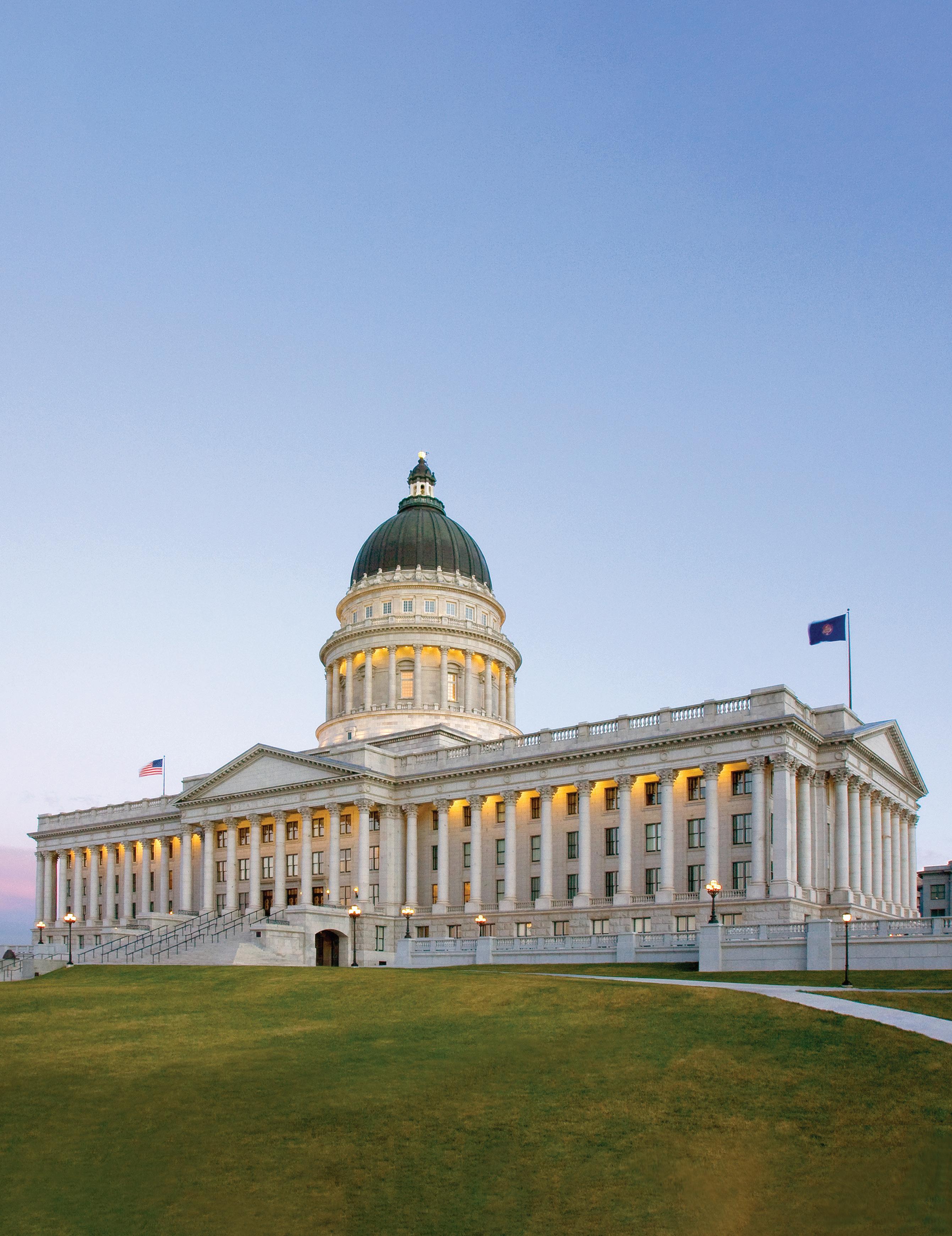
Photo Credit:
mediagraph.io/visitutah
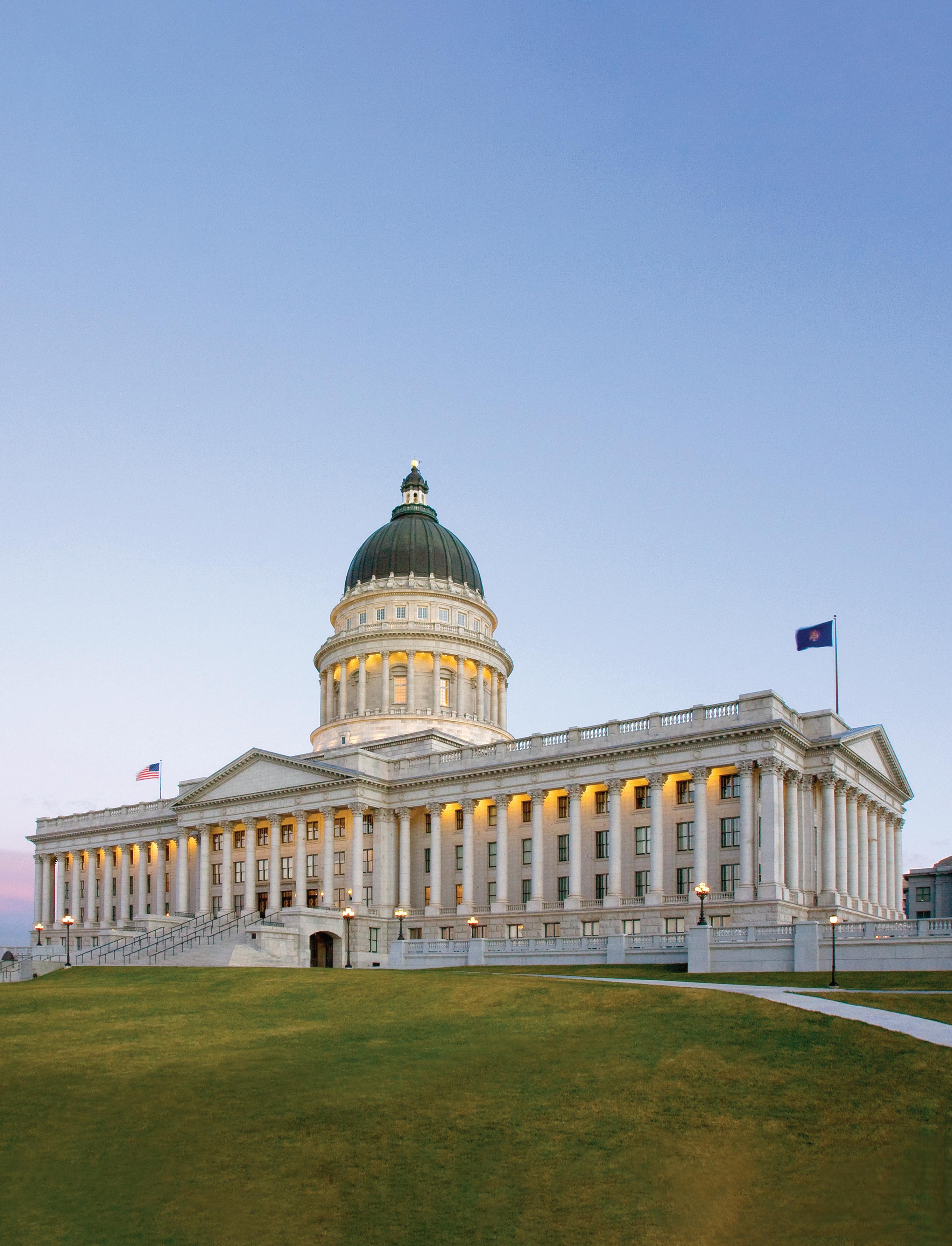
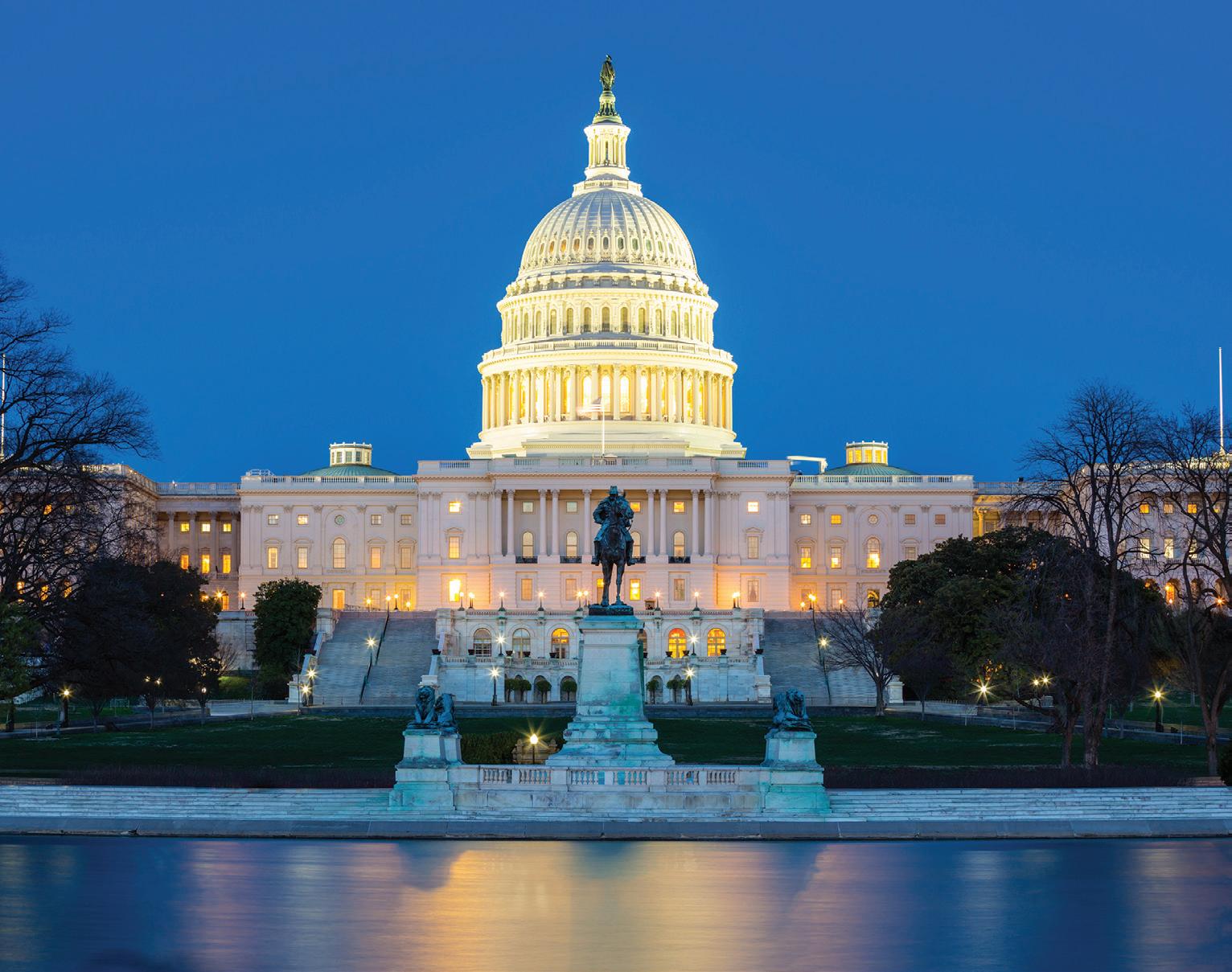
Utah State Capitol Morning
© Matt Morgan
The Utah Dental Association holds itself wholly free from responsibility for the opinions, theories or criticisms herein expressed, except as otherwise declared by formal resolution adopted by the association. The UDA reserves the right to decline, withdraw or edit copy at its discretion.
UDA Action is published bi-monthly. Annual subscriptions rates are complimentary to all UDA members as a direct benefit of membership. Non-members $30.
Utah Dental Association, 801-261-5315 1568 500 W Ste. 102, Woods Cross, Utah 84010 uda@uda.org
UDA Action is published by Mills Publishing, Inc. 801-467-9419; 772 East 3300 South, Suite 200, Salt Lake City, Utah 84106.
Inquiries concerning advertising should be directed to Mills Publishing, Inc.
2026.
Continues to Lead the Nation in Dental Insurance
Dentistry in Transition: Navigating Scope, Workforce, and Team‑Based Care
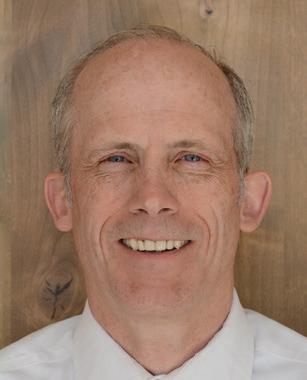
Over the past ten years, I have listened to many inspiring people give powerful presentations about change. Most of the time I listened—but chose not to change. In fact, I occasionally avoided certain speakers because I knew they were going to try to inspire me to do exactly that.
It was not that I was against change. When I have reflected on it recently, I realized something simple: my status quo felt good enough. The energy required to change seemed better spent doing the things I already enjoyed.
Still, even the most resistant among us occasionally click on an inspiring article. Thanks to the cookies embedded in our devices, we start receiving more of them until one day something finally catches our attention.
My devices have been doing this to me for years. Articles about how many pushups you should be doing for your age, reminders to make sure your investments are managed by a fiduciary, and plenty of sports stories always seem to appear.
One article suggested removing distractions from the bedroom to improve sleep. It claimed that cell phones were one of the biggest distractions. Inspired, I went to the store and bought an old-fashioned alarm clock.
I used it for a couple of weeks. Then I went back to using my phone as my alarm.
Another purchase made with good intentions was a pushup/pullup bar. That piece of equipment has traveled with me through three houses and has been placed in nearly every room imaginable. Each move was meant to encourage a little exercise during otherwise sedentary moments.
Again, no success.
The reality was simple: I lacked the commitment to follow through.
Then came 2026—not because of a New Year’s resolution (those have never worked well for me), but because of a small life-changing event. I learned that a high school classmate of mine had gone to bed one night feeling slightly sick and never woke up the next morning.
This friend had always treated me well more than 30 years ago. He lived a full life with successes and struggles. Through it all, he remained an optimist.
Although I had not seen him in about sixteen years, I remembered something clearly about him. Even in high school, he seized the moment when opportunities were in front of him, and from what I could tell, he carried that mindset into adulthood.
Sitting through his funeral and reconnecting with old classmates afterward, I felt a renewed urgency. For years I had reflected on
ideas that encouraged improvement—but I rarely acted on them. Now it felt like it was time to start.
One idea that stuck with me came from a presentation at the 2025 UDA Wellness Summit. Dr. Robert Ferrell gave a powerful presentation about communication and its ability to help us improve.
Afterward, I asked him how he managed to consume so much information. It seemed like he would have to be reading constantly.
He told me about an app called Blinkist.
Blinkist condenses books into short 18–28 minute summaries you can listen to or read. Each one highlights the key ideas from the original book, and with the Pro version another recommendation follows when one finishes.
Even after learning about it months earlier, I wasn’t ready to make a change—until now.
For years my wife and I had asked our teenage children to leave their phones in the kitchen at night. Eventually I decided it was time to lead by example.
So, I started leaving my phone in the kitchen too.
That meant bringing the dusty old alarm clock back into my bedroom.
At the same time, I made another small decision: I would wake up twenty minutes earlier each morning and start the day with pushups. The exercise bar that once seemed to mock me from the corner of the room finally had a purpose.
Now my routine is simple. When the alarm clock goes off, I turn it off and drop down for my first pushup. After that, I walk to the kitchen and retrieve my phone.
But instead of checking emails or texts, I open Blinkist and listen to a short book summary on an inspiring topic.
In those quiet morning minutes, I’ve learned about the power of habits, the value of morning silence, and the realization that consistent exercise doesn’t actually hurt every time—kind of like flossing.
Many people are naturally good at making changes when they encounter new ideas. For those of us who are not wired that way, the solution might be much simpler.
Start with just one small thing.
Wake up twenty minutes earlier. Use an old-fashioned alarm clock. Do twenty pushups and slowly build toward fifty+. Because the morning is quieter than usual, use the time to think—or listen to ideas that inspire your best thoughts before the demands of the day begin to take over.
(continued on page 6)
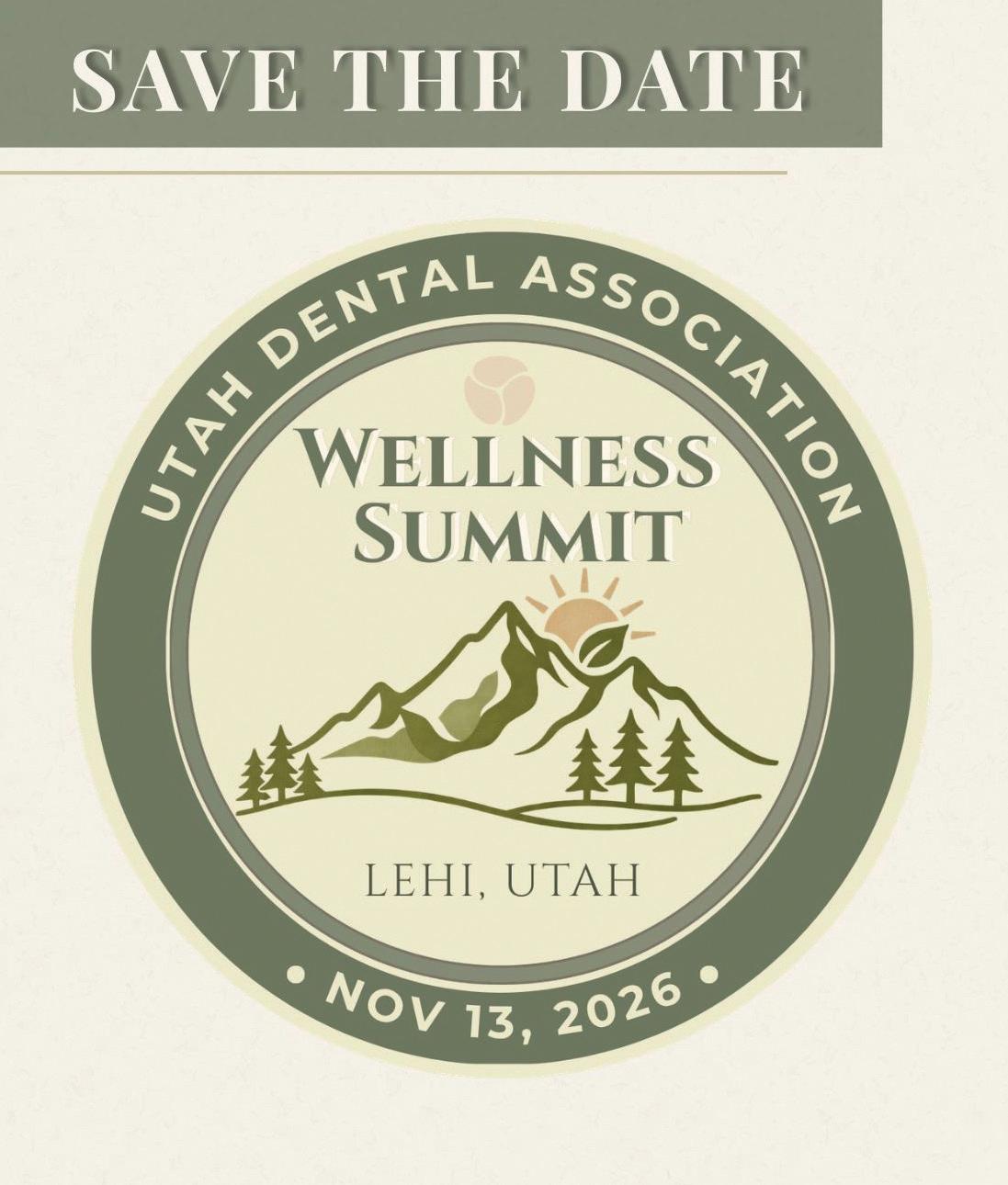
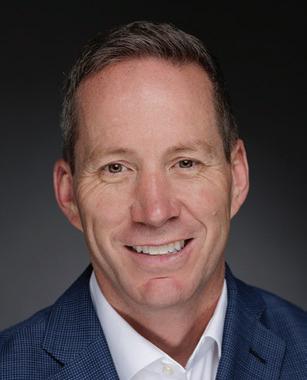
As I write this, I’m preparing for our annual leadership summit in Cedar City, where I’ll have the opportunity to speak with district leaders from across the state about the ADA, the UDA, and how together we can positively impact the lives of dentists in Utah.
This year, I’ve been asked to address a topic that is both timely and deeply important: professional wellness.
Wellness has become one of the most discussed subjects in dentistry over the past several years and for good reason. Over the last decade and a half, rates of anxiety and depression within our profession have risen exponentially. During that same period, ADA membership has declined at a strikingly similar rate. I don’t think that’s a coincidence. Being part of an organized group — something larger than your own practice, your own four walls, your own world — offers real protection against the kind of isolation that feeds anxiety and depression. With that in mind, I’d like to share why your membership in this organization matters more than you might realize.
Being part of a unified, cohesive group has been shown to benefit individuals in a wide range of meaningful ways.
Reduced Stress and Burnout.
When people share burdens and responsibilities within a group, stress levels measurably decrease. Social connection helps regulate cortisol and other stress hormones, making challenges feel more manageable.
A Stronger Sense of Purpose.
Belonging to something greater than yourself provides the kind of meaning that sustains motivation and counters the emotional fatigue that comes with a demanding career.
Improved Mental Health.
Groups offer psychological safety and a stable sense of identity — two foundational elements of emotional wellbeing.
Better Physical Health.
The benefits of strong social networks extend well beyond the mind. Research consistently links social connection to lower blood pressure, stronger immune function, reduced risk of heart disease, and even a longer lifespan.

Increased Resilience.
When adversity strikes, group members recover faster — buoyed by emotional encouragement, shared wisdom, and the kind of mentorship that only comes from people who truly understand your experience.
Professional Growth and Confidence.
In professional organizations, unity creates opportunity. Members share knowledge, develop leadership skills, advocate collectively, and solve industry-wide problems together — all of which build confidence and deepen career satisfaction.
Collective Advocacy and Influence.
A unified group has a voice that no individual can replicate. Whether influencing policy, shaping legislation, or changing systems, members of organized groups feel empowered knowing their participation contributes to outcomes far beyond their individual reach.
Deeper Relationships and Social Support.
Perhaps most importantly, unified groups build lasting bonds — real friendships, emotional safety, and a reliable support network when life gets hard. Social support remains one of the strongest predictors of overall wellbeing across every field of research.
The benefits above aren’t abstract — they translate directly and powerfully into the realities of dental practice.
Reducing Professional Isolation. Dentistry can be a lonely profession, particularly for solo practitioners. Through the ADA and your local and state dental societies, you gain access to study clubs, peer discussion groups, society meetings, and a network of colleagues who understand exactly what you’re facing. That community is one of the most effective buffers against burnout that our profession has to offer.
Access to Mental Health and Wellness Resources. The ADA has meaningfully expanded its commitment to dentist wellbeing through programs like the ADA Dentist Health and Wellness Program. These resources include confidential counseling referrals, stress and burnout management tools, suicide prevention support, and educational materials on anxiety and depression in dentistry. Having these resources available means dentists can recognize warning signs earlier and get help sooner.
Advocacy That Reduces Systemic Stress.
Third-party payer issues and workforce shortages are persistent stressors for nearly every dentist in practice. Strong advocacy at the local, state, and national level — carried out by ADA and UDA representatives on your behalf — helps address these pressures directly. Through the ADA House of Delegates and ongoing advocacy efforts, members can influence insurance reform, scope-of-practice policies, regulatory burdens, and student debt policy. When these systemic issues improve, the entire profession benefits.
Financial Wellness Support.
Financial stress is one of the leading contributors to burnout in dentistry, and frankly, it’s one of the main reasons some dentists grow disillusioned with organized dentistry altogether. But ADA membership offers real tools to address this — practice management guidance, financial planning resources, insurance programs, and coding
and billing assistance. Greater financial stability means less anxiety and more satisfaction in your day-to-day work.
Professional Development and Confidence.
Continuing education and leadership opportunities through the ADA help dentists stay competent, current, and confident in their clinical and professional lives. From CE courses to leadership development programs to practice management training, these offerings ensure that you are never standing still — and that sense of growth matters deeply to your overall wellbeing.
A Sense of Purpose and Professional Identity.
Finally, involvement in organized dentistry gives you the opportunity to be part of something that outlasts any single patient interaction or workday. Whether through committee work, advocacy, or public health initiatives, participation strengthens your professional identity and your sense of purpose — both of which research consistently links to improved wellbeing and long-term job satisfaction.
My hope is that the tide is turning — that the downward trend in organized dentistry membership will begin to reverse, and that as more of our colleagues rejoin our ranks, we will see corresponding decreases in the anxiety and depression that have taken such a toll on our profession. Together, we can work toward a dental career that is not only more fulfilling, but more sustainable and more prosperous for everyone in it.
We dentists are the ADA, and the ADA is us. We need each other more than we often realize. Alone, we can treat patients. Together, we can transform a profession. I am grateful for your commitment to this organization and to the colleagues who stand beside you, and I wish you a year filled with renewed purpose, good health, and well-earned success.
Dr Rodney Thornell
UDA Past
President
President's Message (continued from page 4)
When I think back to sitting in that funeral, I am reminded that life is not measured only by big accomplishments, but by the moments we choose to act instead of delay. My friend lived that way—seizing moments while they were in front of him.
Now every morning when that old alarm clock goes off and I drop down for the first pushup, I am reminded that change does not start with a major decision.
It starts with one small action—and the decision to begin today.
Dr Rich
Fisher
UDA President

Find programs and resources to support your mental, emotional and physical well-being at ADA.org/wellness. All resources are free for all to use – dentists, dental team members, dental students, specialists – unless marked with an asterisk.
Well-Being Index (WBI)
ADA.org/WellBeingIndex
Dental Sound Bites™
ADA.org/podcast
Putting Your Oxygen Mask on First
ADA.org/wellbeingCE
State Well-Being Programs Directory (updated in 2026)
ADA.org/wellnessdirectory
ADA Ergonomic Stretches*
ADA.org/stretch
After a Suicide Postvention Toolkit
ADA.org/postvention
Your health matters. The ADA offers access to the Dental Well-Being Index (WBI), a validated, anonymous risk assessment tool invented and provided by the Mayo Clinic. Scan the QR code to set up your WBI account using the code: ADA Wellness. In just one minute, you’ll have access to a personalized dashboard and resources, allowing you to track your well-being over time.
Dental Sound Bites is an ADA podcast created for dentists, by dentists. Explore the show’s episodes focused on addressing the mental health issues that may arise in dentistry. Hear expert insights and real experiences designed to give you practical strategies to support your well-being over time.
This new CE course explores current data on dental professionals’ wellness and dives into how dentistry impacts mental and physical well-being. Learn practical and actionable self-care strategies and discover ADA initiatives and resources that support mental health, reduce burnout, and promote resilience in practice. (1 CE credit).
Looking for help and guidance? Support may be closer than you think. This directory links you to local resources, state dental society contacts, ADA Wellness Ambassadors and the 28 Federation of State Physician Health Programs that provide a therapeutic alternative to discipline for dentists, connecting you to assistance closer to home.
Better ergonomics, stretching, and exercise can help dental teams build long, healthy careers. Download the ADA Ergonomic Stretches infographic with 25 quick stretches or access the ADA Member app for more resources to keep you and your dental team healthy. The ADA Member App is available to ADA members and ASDA/ADA student members.
Developed in 2023 by the American Foundation for Suicide Prevention (AFSP) and the ADA, the After a Suicide Postvention Toolkit provides guidance for those responding to a suicide death for professional dental settings. 988 Suicide and Crisis Lifeline
If you or someone you know is experiencing suicidal thoughts or a crisis, please text or dial 988 to be connected to the 988 Suicide and Crisis Lifeline. This service is free and confidential and is provided by a national network of more than 200 crisis centers supported by local and state sources as well as the Department of Health and Human Services’ Substance Abuse and Mental Health Services Administration (SAMHSA). For a medical emergency dial 911.
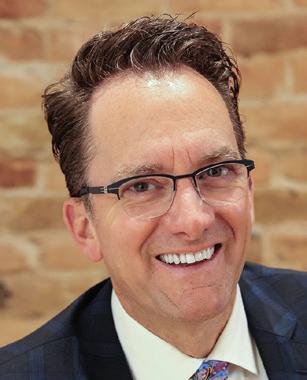
The practice of dentistry in Utah has always balanced two priorities: protecting patients while adapting to a changing healthcare landscape. Over the past year, several legislative and workforce developments have signaled that our profession may be entering another period of meaningful transition.
For practicing dentists, the changes largely center around scope of practice expansion, workforce shortages, and evolving teambased care models.
In recent legislative sessions, Utah lawmakers have continued modernizing the state’s Dental Practice Act. One major shift allows expanded functions for dental auxiliaries, including restorative procedures performed by trained hygienists or dental assistants under dentist supervision.
The goal of these changes is to improve efficiency within dental practices while maintaining appropriate oversight by the supervising dentist. Under current law, certain procedures—such as placing restorations—may be delegated to properly trained auxiliaries working under indirect supervision (pending approval of DOPL guidelines).
For dentists, this represents both an opportunity and a responsibility. Expanded delegation can increase practice efficiency and improve access to care, but it also requires careful attention to training standards, supervision protocols, and patient safety.
In many ways, the discussion mirrors a broader national conversation about how dental teams should evolve to meet growing demand. I had the opportunity to attend the ADA conference in Washington, DC this year and heard many of these same concerns discussed among dentists from across the country.
Another recent development involves expanded practice settings for dental hygienists. Legislation passed during the 2026 Utah legislative session adds hospitals to the list of approved “public health settings” where hygienists may practice without a dentist physically present.
Supporters of the change argue that this will improve preventive care access for medically complex patients who already receive treatment within hospital systems. Hospitals join a list of locations—including schools, long-term care facilities, and community clinics—where hygienists may provide care in public health contexts.
For dentists in private practice, the implications remain to be seen. Some view the change as a useful expansion of preventive care access, while others believe it represents another step in a gradual shift toward greater professional autonomy for non-dentist providers. In my opinion, while it is a wonderful idea for patient care, it will be interesting to see how often this is utilized because of the difficulty an outside auxiliary may encounter when attempting to obtain hospital privileges. I know this from personal experience.
Underlying many of these legislative discussions is a challenge familiar to most Utah practices—one that I addressed in a prior article: staffing shortages.
Across the state, dentists report difficulty hiring dental hygienists and experienced assistants. Workforce constraints have pushed policymakers and professional organizations to consider alternative care models, including expanded roles for auxiliaries and new training pathways.
At the same time, dental education institutions and professional organizations are working to increase the pipeline of trained professionals entering the field.
The dental profession has historically adapted well to change. From the introduction of expanded function auxiliaries decades ago to modern digital workflows, dentists have continually integrated new tools and team structures while maintaining the profession’s core commitment to patient care.
Utah’s current legislative developments reflect that ongoing evolution.
For practicing dentists, the key will be remaining engaged— both clinically and politically. We need your help. Understanding the direction of regulatory change, participating in professional organizations, and mentoring the next generation of dental team members will ensure that dentistry in Utah continues to be guided by those who understand it best: practicing dentists.
Staying involved in these discussions—through professional organizations, legislative awareness, and mentorship within our own offices—will help ensure that Utah dentistry continues to evolve in a way that protects patients while strengthening the dental team. Thoughtful engagement from practicing dentists remains essential as we navigate the next chapter of our profession.
Dr Scott B. Nilson Utah Dental Association Treasurer
August 25
September 8
September 15
September 17
District 6:30 PM
Elder District Noon
September 17 Cache District 6:30 PM
September 22 South Davis District Noon
September 22 Provo District 6:30 PM
September 29
October 1
October 1
October 6
Lake North District 6:30 PM
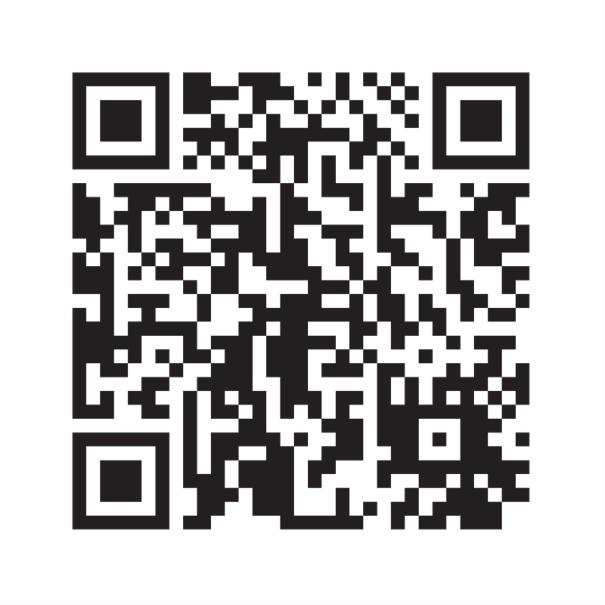
You are invited to participate in a brief study assessing dental professionals’ knowledge of the human microbiome. Use the QR code below to access the survey. Thank you for your participation.
The Smile Healthy Children’s Oral Health Dental Screening survey is an optional parent questionnaire and a simple visual dental evaluation of third-grade students from selected schools. The screening is done every five years to help provide a snapshot of the state’s dental needs and successes.
Why the Smile Healthy survey is important. This dental screening helps track trends and identify issues that might affect the learning and development of children.
School success: Children thrive in the classroom and in life when they have good oral health.
The concern: Cavities are the most common chronic disease in children. Students with poor oral health are nearly 3 times more likely to miss school.
Whole-child care: Oral health affects speech development, eating, self-esteem, and social interactions.
The latest Smile Healthy data shows
• 2 out of 3 of the 3rd graders screened currently have or have had a cavity.
• Children from families who qualified for free or reduced-price lunch were 4 times more likely to not receive the care they needed compared to students who did not receive subsidized lunch (21% vs 5%).
• Children who visited the dentist in the past year were 3 times less likely to have untreated cavities and 3 times more likely to
have a dental sealant, compared to those who did not go to the dentist during that time (13% and 39%).
• Parents reported that the top reasons for not obtaining dental care were cost (68%) and insurance (63%).
For more information
Catch the highlights: Professional oral health organizations | PCRH
Read the full report: Professional oral health organizations | PCRH
Stay informed: Visit https://ruralhealth.utah.gov/oral-healthprogram/ for expert tips.
Our mission is to advance the general health and well-being of all Utahns by promoting oral health and preventing oral disease.
Smile Healthy Children’s Oral Health Dental Screening 2024-2025
Gathering data to improve children’s oral health statewide.
Effective July 1, 2026, dental services for members receiving Early and Periodic Screening, Diagnostic, and Treatment (EPSDT) benefits, as well as pregnant and postpartum members, will transition from Managed Care Entity (MCE) dental plans (Premier Access and MCNA Dental) to Medicaid Fee for Service (FFS). Members will be transitioned to FFS automatically. For information about dental services, refer to the Dental, Oral Maxillofacial, and Orthodontia provider manual. For information about covered services and procedure codes, refer to the PRISM Coverage and Reimbursement Code Lookup Tool. To download the Provider Allowable Code (PAC) fee schedule, refer to the PRISM Coverage and Reimbursement Fee Schedule Download Tool.
To receive reimbursement for dental services rendered to any
Medicaid member, providers must meet both of the following requirements:
1. Medicaid enrollment: Providers must be actively enrolled as Medicaid providers.
2. University of Utah School of Dentistry (UUSOD) Network enrollment: Providers must be enrolled in the UUSOD Medicaid Associated Provider Program.
Providers who have not yet enrolled in the UUSOD Medicaid Associated Provider Program need to contact the UUSOD Associated Provider Team:
• Phone: (801) 646-7401
• Email: dental.network@hsc.utah.edu
UTAH ORAL HEALTH COALITION CAMPAIGN REPORT MAY 2026
Your Smile Matters is a statewide campaign dedicated to improving the oral health of all Utahns by promoting prevention, education, and access to essential resources.
Distributed 772 toothbrushes.
Gave resources to parents.
Placed fluoride varnish on 41 students
In conjunction with Weber State Dental Hygiene Students and Fortis College Dental Hygiene Students
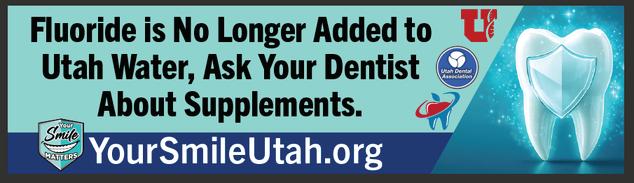
19,077,380 Impressions
Increase public awareness
Empower parents and families
Reduce disparities
Collect and share data
Build strong partnerships
Clearfield High School Cluster
Bountiful Elementary
Davis County Head Start
Northridge High School Cluster
Layton Elementary
West Clinton Elementary
Davis County Senior Citizen Fair
Cyprus High Community Night
Granger High Community Night
Cottonwood High Community Night

The ADA is supporting newly introduced federal legislation aimed at ensuring that state dental insurance reform laws apply to self-funded dental plans.
The Improving Dental Administration Act, or IDA, was introduced March 12 by Reps. Jeff Van Drew, D.M.D., R-N.J., and Herb Conaway, M.D., D-N.J. The measure would ensure that the more than 360 state dental insurance reform and patient protection laws enacted in the past decade apply to patients enrolled in self-insured plans.
Self-funded dental plans are regulated under the federal Employee Retirement Income Security Act of 1974, or ERISA. Some dental carriers have argued that the law allows them to avoid complying with state insurance regulations designed to protect patients and providers, and the ADA said it wants to close the loophole and return the power to regulate health care to the states.
“The growing number of ‘self-funded’ plans regulated by ERISA has emboldened carriers to assert they are not subject to state oversight, claiming that the ERISA preemption gives them a free pass to ignore insurance laws,” said ADA President Richard Rosato, D.M.D. “We need to fix this ERISA loophole that keeps state regulators from enforcing pro-consumer insurance laws enacted in their states. Patients and providers should not be left unprotected based simply on how their dental benefits are purchased.”
The ADA highlighted that the legislation is intended to address ambiguity surrounding ERISA and reaffirm states’ authority to regulate insurance coverage offered within their markets. If enacted, the bill would clarify that self-funded dental plans must comply with applicable state dental insurance laws.
Dr. Conaway expressed pride in introducing the legislation, which he emphasized ensures consistent standards and puts patients first.
“Dentists across the country want to focus on caring for their patients, but too often they are forced to navigate a system where certain insurance companies are not playing by the same rules. When companies take advantage of loopholes in federal law, it creates confusion, higher costs, and unfair treatment for both providers and the people they serve,” he said.
As a dentist, Dr. Van Drew said he saw firsthand how confusing and frustrating dental insurance can be for both families and the dentists trying to treat them.
“The problem is simple: some insurance companies use a loophole in federal law to avoid the same state rules everyone else follows,” he said. “That means patients and providers are not

always treated fairly. This bill closes that loophole and makes sure the system protects patients and the dentists caring for them, not just the insurance companies.”
Dr. Rosato said state insurance regulators often face uncertainty when attempting to hold carriers accountable to state laws when those carriers administer self-funded plans, noting that the legislation takes a “big step forward” in creating fairness and accountability.
According to the ADA, the continued growth of self-funded plans, compared with fully insured plans, has contributed to confusion about which laws carriers must follow. Dr. Rosato said ERISA was originally intended to protect retirement plan assets, including 401(k), 403(b) and pension plans.
“It wasn’t meant to let carriers ignore state laws and weaken consumer protections,” he said. “We want carriers to follow the law and stop claiming ERISA as a reason to ignore the insurance reform efforts within our states.”
Additionally, the ADA led a letter of thanks from the Organized Dentistry Coalition to Drs. Van Drew and Conaway for introducing the legislation. They said the bill is “an important and timely response to the growing disconnect between state insurance protections and the realities of today’s dental coverage market.”
“We greatly appreciate your leadership in addressing longstanding inequities in the administration of dental benefits that negatively affect patients and dentists across the country.
The ADA said the proposed legislative change would not affect employer-sponsored retirement benefits regulated under ERISA. For more information, visit ADA.org/ERISA
Olivia Anderson
New Laws Effective May 6, 2026
Utah dentists know the challenges facing modern dentistry all too well. Reimbursement rates remain among the lowest in the nation, overhead continues to rise, staffing challenges persist, and insurance-related administrative burdens continue placing strain on practices and teams throughout the state.
Yet despite these challenges, Utah has quietly become one of the most innovative states in the nation when it comes to protecting dental providers and the patients they serve.
That progress did not happen overnight. It came from years of advocacy, collaboration, frustration, persistence, and a belief that providers deserved better tools, better protections, and a stronger voice.
At My Practice My Business (MPMB), advocacy has never been theoretical for us. Dr. Rob Thorup and I are not removed from the realities of dentistry. We own and operate our own dental practice. We participate with many PPO plans. We experience the same frustrations and pressures that dental offices throughout Utah face every day.
Back in 2019, after encountering what we believed were misleading and manipulative insurance tactics, I reached out to a national association leaders looking for guidance and support. The response I received was one that many dental offices have heard before: “You signed a contract. There’s nothing we can do.”
That answer did not sit well with us. Not because we wanted
conflict, but because we believed there had to be a better path forward. That moment became a turning point. Instead of accepting that contracts could never change, Rob and I began asking a different question: “What laws need to change, or be created, so the contracts themselves must improve?”
That question ultimately sparked years of legislative work, collaboration with lawmakers, conversations with providers throughout the state, and ongoing advocacy efforts focused on restoring balance between providers, third-party payers, and patients.
When we first began discussing the idea of pursuing a “Bundling” law in Utah, not everyone immediately understood our intentions. There was understandable hesitation. Trust matters, especially when legislation is involved.
At the time, some leaders did not yet know our hearts, our motivations, or how committed we were to protecting providers and patients in our state. But over time, relationships were built. Conversations happened. Trust developed.
Eventually, a simple understanding emerged: “Let us do what we are good at, and support us in moving this forward.”
That mutual trust changed everything. The Utah Dental Association trusted that we were advocating with integrity and with the profession’s best interests at heart. In return, we trusted that the Association would support us with meaningful legislative efforts designed to strengthen dentistry in Utah.
Because of that partnership, Utah has become THE national leader in dental insurance reform.
That progress did not come from one organization alone. It came from collaboration.
Associations carry enormous responsibility. They advocate, educate, communicate with members, monitor legislation, and support providers throughout the state. Like many organizations, they also face bandwidth limitations and increasing demands. That is why involvement matters.
Professional advocacy cannot rest entirely on the shoulders of a small group of volunteers or association leaders. It requires engaged providers, supportive members, and organizations willing to step forward and help carry the load.
For us, this has never been about criticism from the sidelines. Ok, maybe some in the beginning….but, it has always been about participation, solutions, and action.
It is also important to clarify something that is often misunderstood when discussing insurance reform and state law applications:
Applying the laws available in our state is not “nickel and diming.” It is financial responsibility.
Dental practices today face extraordinary overhead costs, staffing challenges, equipment expenses, compliance obligations, and reimbursement pressures. Providers cannot continue absorbing increasing losses while still maintaining high-quality patient care.
Transparency matters. Sustainability matters. Patient communication matters. And most importantly, healthy practices have less mental stress, pay everyone above a “livable wage”, and are better positioned to continue serving their communities for years to come.
Many of the laws passed in Utah are designed specifically to strengthen the doctor-patient relationship by limiting unnecessary third-party interference, improving clarity, and helping providers operate more sustainably and transparently.
None of this work would be possible without the support of our clients and colleagues throughout the state. A portion of our training fees has consistently gone toward legislative work designed to protect Utah dentists and the patients they serve, regardless of whether a provider is a client of ours or not.
That commitment remains central to who we are.
Utah’s 2026 Dental Insurance Reform Laws
Effective May 6, 2026
The newest laws passed in Utah continue to build upon years of dental insurance reform efforts, many of which are the first of their kind in the nation.
Utah law now helps clarify the difference between baseline covered services and enhanced treatment options selected by patients and providers.
What this means: Providers have stronger clarity surrounding
treatment options, patient choice, and enhanced services when appropriately documented and communicated.
Utah now provides clearer language regarding unbundling and distinct services. Per state law, “Unbundling” is the “systematic separate billing of distinct dental procedures by a dental provider that results in transparent documentation of actual services rendered”.
What this means: This helps protect providers from inappropriate accusations when separate, legitimate procedures are performed and documented appropriately. Given that the ADA considers “bundling” by third-party payers to be “potentially fraudulent”, we need to understand that the opposite, “unbundling”, is absolutely the right thing to do. This also aligns with the ADA’s code of ethics to “Code for what you do”. The term “unbundling of services” can no longer be used against us when coding for services rendered.
of
Plans Written Outside Utah (First in the Nation)
Commercial plans covering Utah residents must now follow Utah law under specific circumstances.
What this means: Providers gain stronger protections even when dealing with plans administered outside the state.
Provider Handbook Protections (First in the Nation)
Insurance companies are limited to enforcing handbook provisions that were properly disclosed during contracting and participation.
What this means: Providers are better protected from undisclosed policy changes and shifting administrative requirements. Controlling policies derived from handbooks from other states cannot be imposed on Utah dentists under the same dental insurance company.
Additional clarification was added regarding explanation of benefits language and transparency expectations.
What this means: Providers and patients benefit from clearer communication surrounding non-covered services and patient responsibility.
Restrictions were added regarding fees associated with tangible paper checks.
What this means: Providers maintain greater flexibility in payment methods without unnecessary administrative costs.
Fee Submission Freedom (First in the Nation)
Providers now have additional protections regarding fee submission practices.
What this means: Practices gain greater flexibility and protection when submitting fees consistent with Utah law and contractual requirements.
Anti-Retaliation Protections (First in the Nation)
Additional protections help prevent discriminatory actions tied to lawful provider decisions.
What this means: Providers can advocate for themselves and apply Utah law with greater confidence.
Today, as of the writing of this article, the President of the American Dental Association, Dr. Rosado, has begun collaborating with Dr. Rob and I here at MPMB in discussions surrounding Utah’s legislative accomplishments and the importance of sharing these ideas nationally.
For years, many providers and state association leaders have quietly wondered whether Utah’s work would ever receive broader national attention. That time appears to be arriving.
We strongly believe other states can replicate many of these reforms, and we are hopeful Utah’s progress will continue encouraging providers throughout the nation to become more involved in advocacy efforts within their own states, working with their state dental associations. Utah dentists are huge beneficiaries with this type of collaboration.
Over the coming months, Dr. Rob and I will be traveling throughout Utah to help dental providers better understand these laws, where to find them, what they mean, and most importantly, how to apply them ethically and appropriately within their practices. We will begin with Utah’s landmark 2018 non-covered services law, championed by Senator Christensen, and continue through the many reforms that followed.
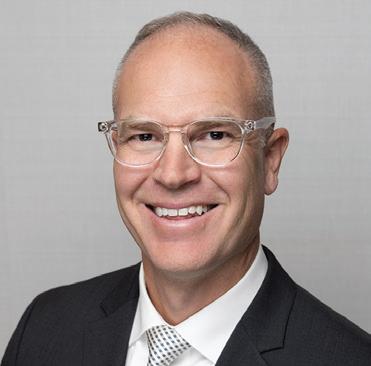
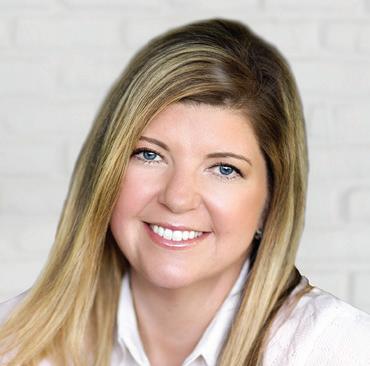
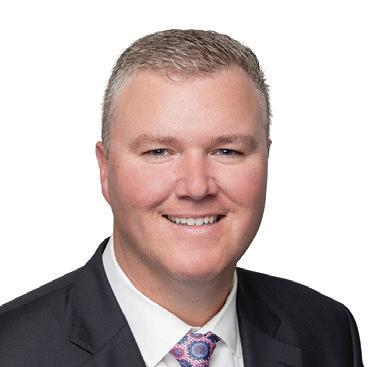
We recently reached out to district leadership throughout Utah, and multiple district presidents have already stepped forward with plans to help share this information with the dentists they represent. We are sincerely grateful for leaders who recognize the importance of education, collaboration, and proactive advocacy.
Because ultimately, the providers who understand these laws will be far better positioned to protect their practices, support their teams, communicate clearly with patients, and preserve the integrity of the doctor-patient relationship moving forward.
Utah dentistry has proven something important: Meaningful change is possible when providers become involved.
We encourage providers and teams throughout the state to stay engaged, continue learning, and become familiar with the laws available to protect their practices and patients.
Keep an eye out for upcoming trainings, legislative updates, and educational events hosted by My Practice My Business in collaboration with leaders throughout the state.
Together, organized dentistry can continue strengthening the future of patient care in Utah and beyond.
By Tracy Thorup, MBA President, My Practice My Business
“I have used the advice and services of Randon Jensen and CTC over many years. First, to form a partnership, and more recently to move out of complete ownership of the practice I started 43 years ago. I have the highest regard for Randon and his honesty and integrity. His knowledge and skill has made all the difference. I give him my highest recommendation and would surely encourage you to trust him with your practice transition.”
–Roger L. Farley, DDS
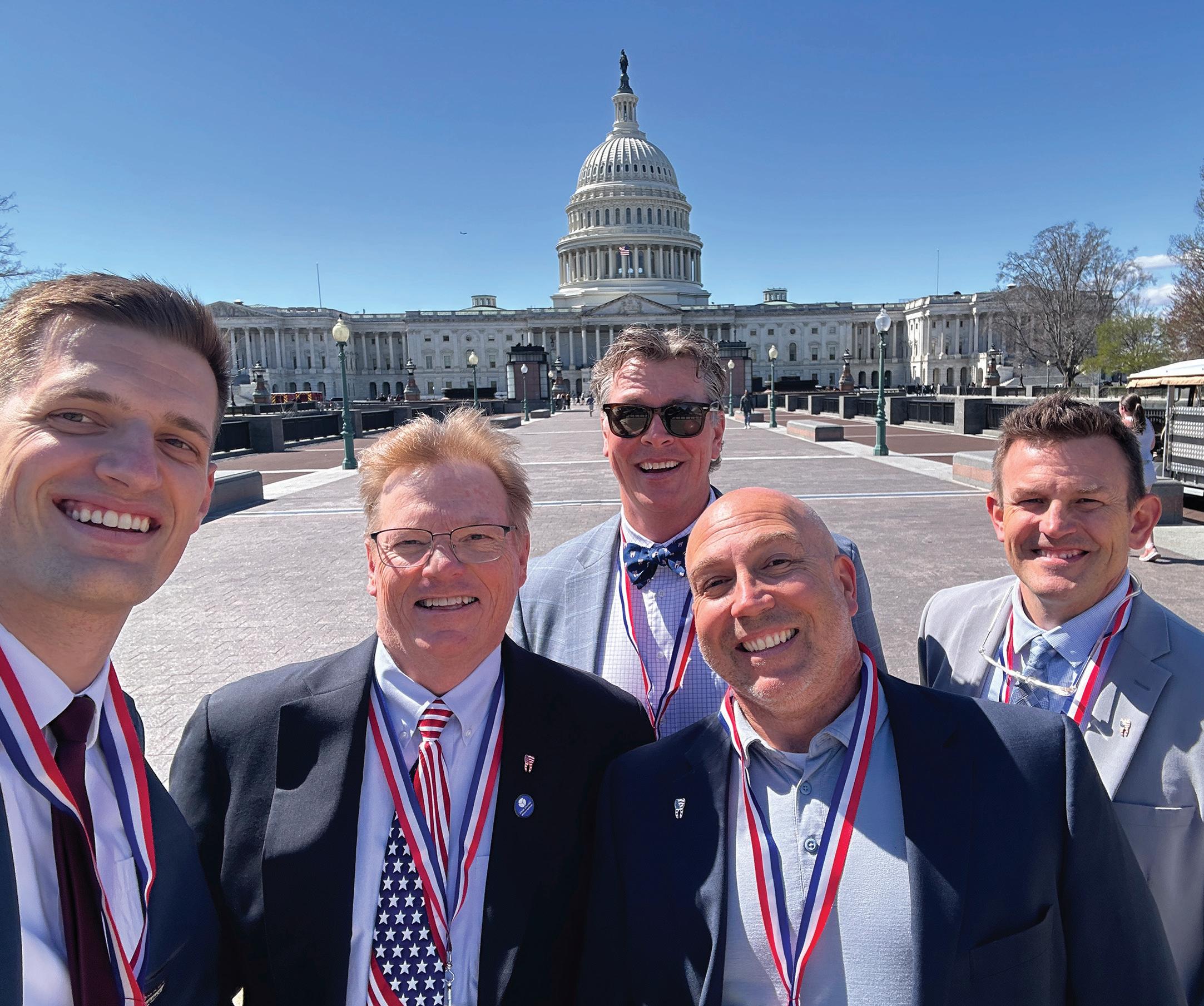
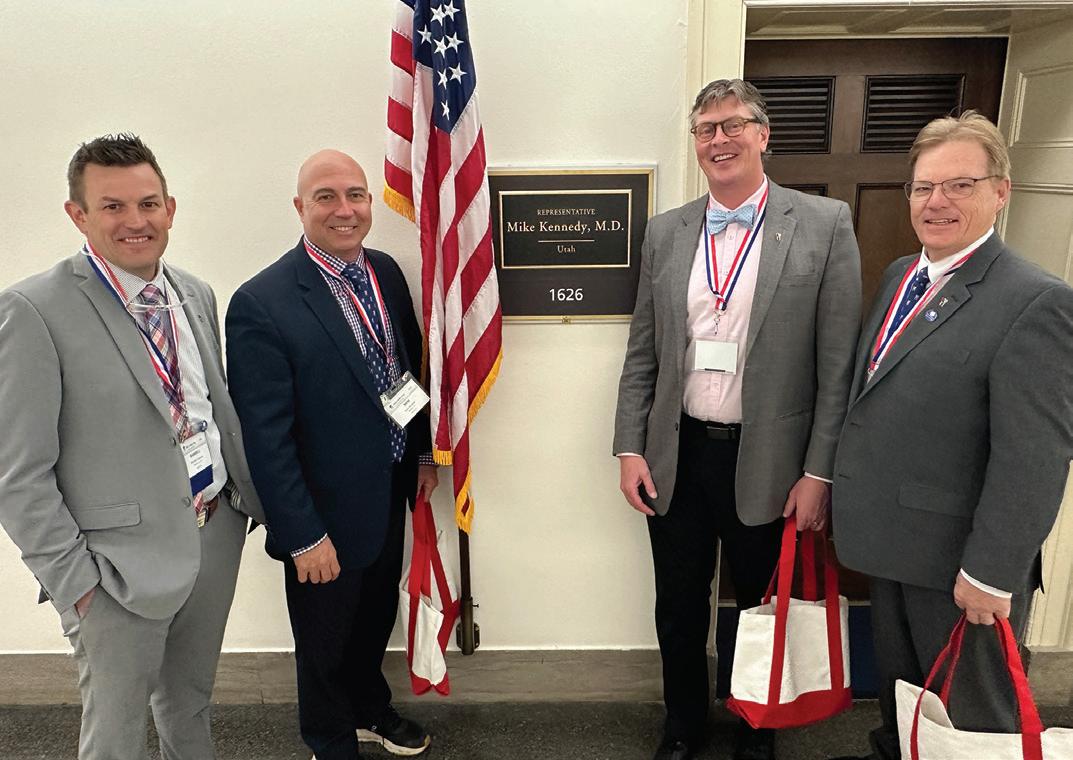
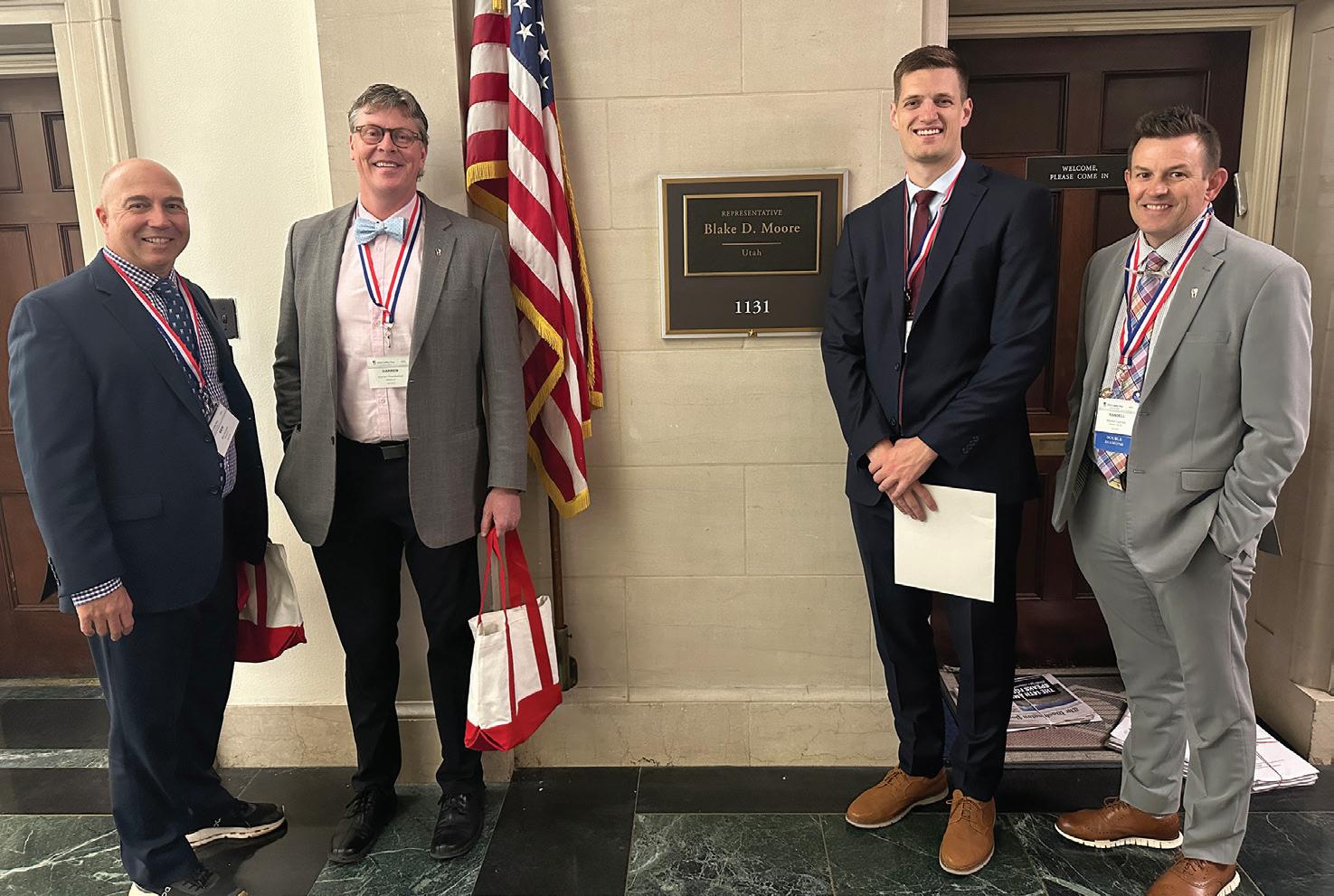
The American Dental Association (ADA) Lobby Day in Washington, D.C. is a significant annual advocacy event that brings together dentists, dental students, and industry leaders to engage directly with federal policymakers. Organized by the American Dental Association, this event plays a crucial role in shaping national oral health policy and ensuring that the perspectives of dental professionals are represented in legislative discussions.
Held each year in the nation’s capital, ADA Lobby Day for 2026 was held from March 22 to March 24 in Washington, D.C., continuing a tradition that has grown steadily in size and influence. Over the years, participation has expanded significantly, with more than 1,200 dentists and dental students attending the 2025 Lobby Day, demonstrating the event’s importance as a national platform for advocacy.
One of the primary purposes of ADA Lobby Day is to educate participants about current legislative and regulatory issues affecting dentistry. Attendees participate in sessions led by policy experts, political analysts, and experienced advocates who provide insight into the federal policy-making process and the specific challenges facing oral health care in the United States. These sessions help prepare participants to effectively communicate with lawmakers and advocate for policies that improve patient care and support the dental profession.
A central component of the event is the opportunity for attendees to meet directly with members of Congress and their staff
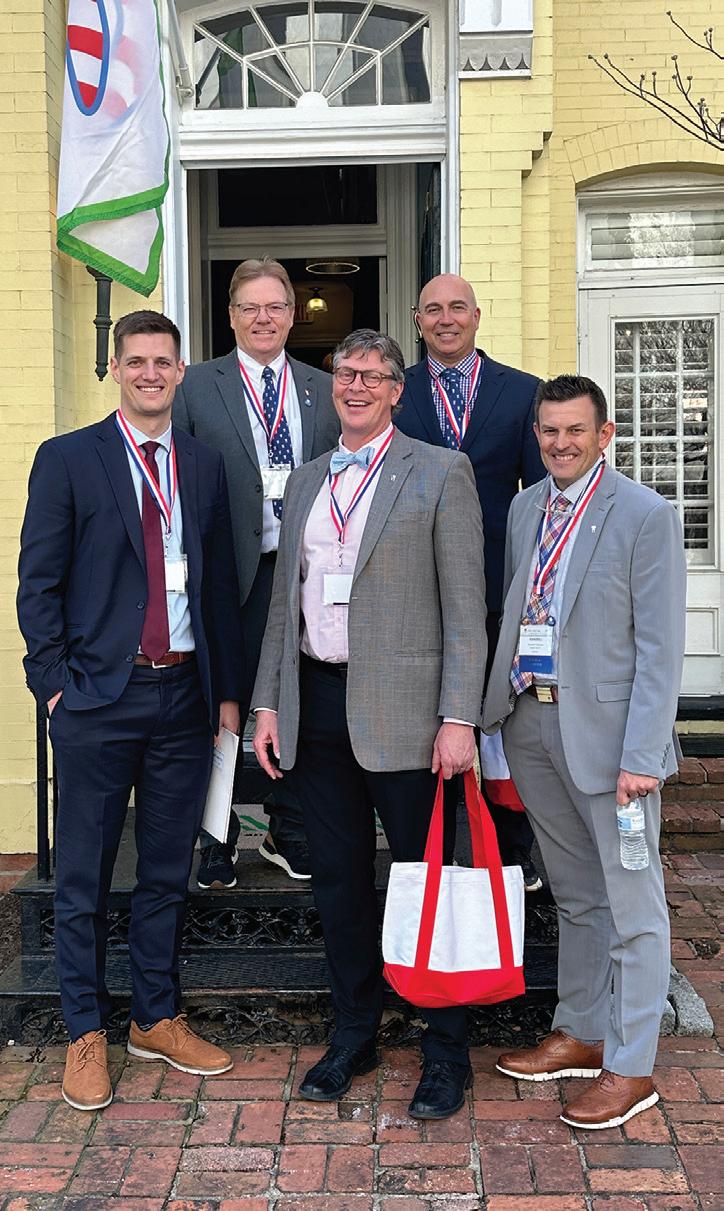
on Capitol Hill. During these meetings, participants discuss key issues such as access to dental care, student loan debt for dental graduates, insurance reform, and public health initiatives. By sharing their professional experiences and patient perspectives, dentists and students can provide valuable real-world context that informs legislative decision-making. This direct engagement is a cornerstone of grassroots advocacy and helps ensure that policymakers understand the impact of their decisions on both providers and patients.
Another important aspect of ADA Lobby Day is its focus on building advocacy skills among dental professionals, particularly students and early-career dentists. Many participants attend the event for the first time as students, often through collaboration with the American Student Dental Association. These individuals gain hands-on experience in political advocacy, learning how to effectively communicate with elected officials, craft policy messages, and navigate the legislative process. This experience not only empowers them as advocates but also helps cultivate the next generation of leaders within the dental profession.
The event also highlights the role of organized dentistry in influencing public policy. The ADA, as one of the largest and most established professional associations in the United States, has a long history of advocacy on issues such as dental education, workforce development, and public health initiatives.
Through Lobby Day, the organization mobilizes its membership to collectively advocate for policies that align with its mission of improving oral health nationwide. This coordinated effort amplifies the voices of individual practitioners and strengthens the profession’s overall influence in Washington.
In addition to policy advocacy, ADA Lobby Day fosters networking and collaboration among participants. Dentists and students from across the country come together to share ideas, discuss challenges, and build professional relationships. These connections can lead to ongoing collaboration in advocacy efforts, research, and professional development. The event also often includes social gatherings and receptions, providing opportunities for informal interaction and community building.
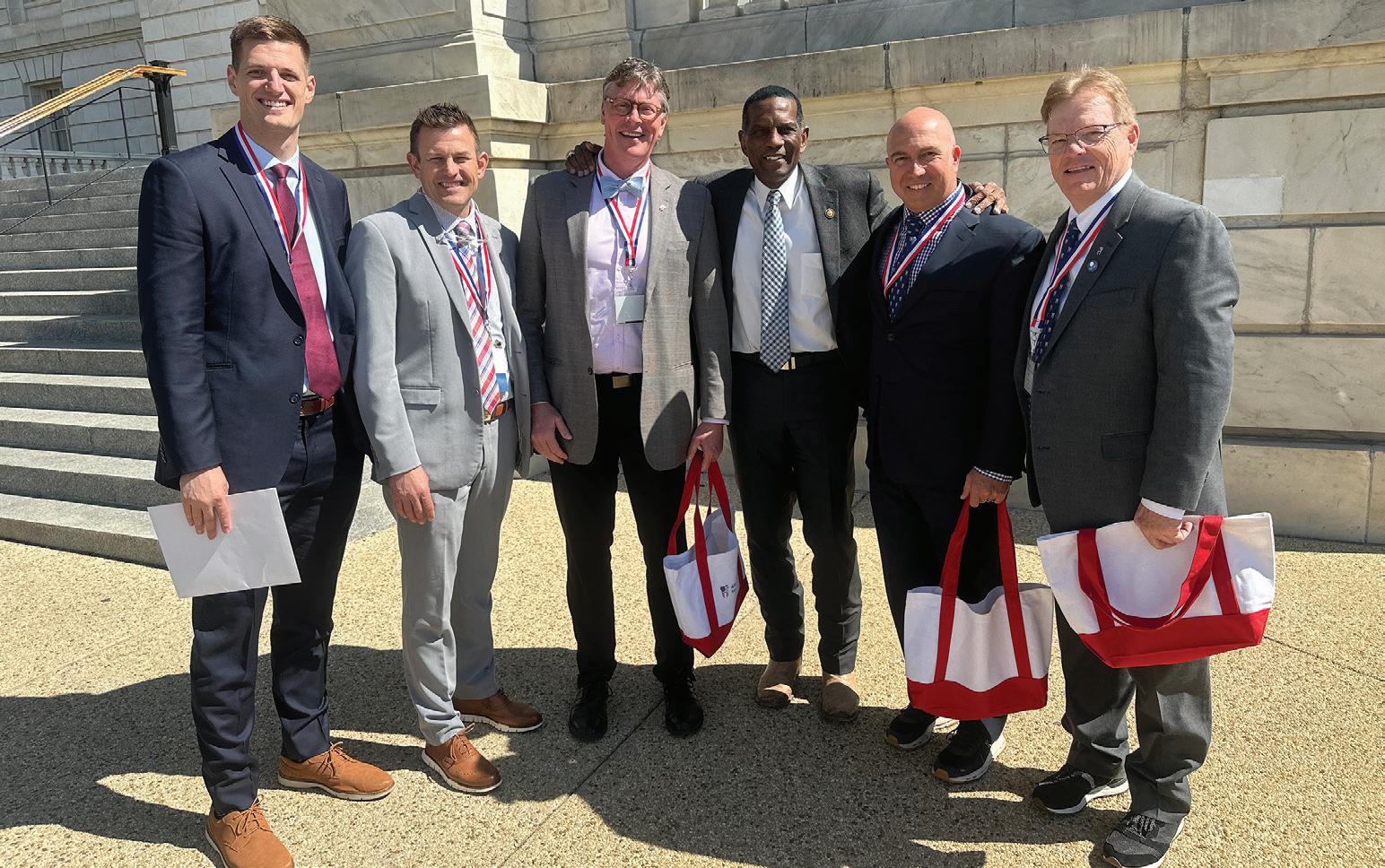
Another key element of the event is the emphasis on specific legislative priorities. This year, the ADA identified a set of issues to focus on during Lobby Day. These included The REDI Act to provide interest-free student loan deferment during dental and medical student residency. Also asking our Legislators to ensure the Department of Health and Human Services (HHS) maintains senior-level dental leadership and technical expertise across key agencies, so federal oral health investments are effectively administered, coordinated, and accountable. Lastly we asked legislators to support targeted ERISA reform so state dental insurance consumer and patient protection laws apply consistently to patients covered through employer self-funded dental plans, as well as fully insured plans. By concentrating
on a defined set of priorities, the ADA ensures that its advocacy efforts are targeted and effective.
Furthermore, ADA Lobby Day underscores the importance of political engagement within the healthcare sector. Dentistry, like other healthcare professions, is heavily influenced by government policies related to funding, regulation, and public health programs. By participating in Lobby Day, dental professionals can play an active role in shaping these policies rather than simply responding to them. This proactive approach is essential for advancing the profession and improving patient outcomes.
Dr Ben Russell UDA Advocacy
Chair
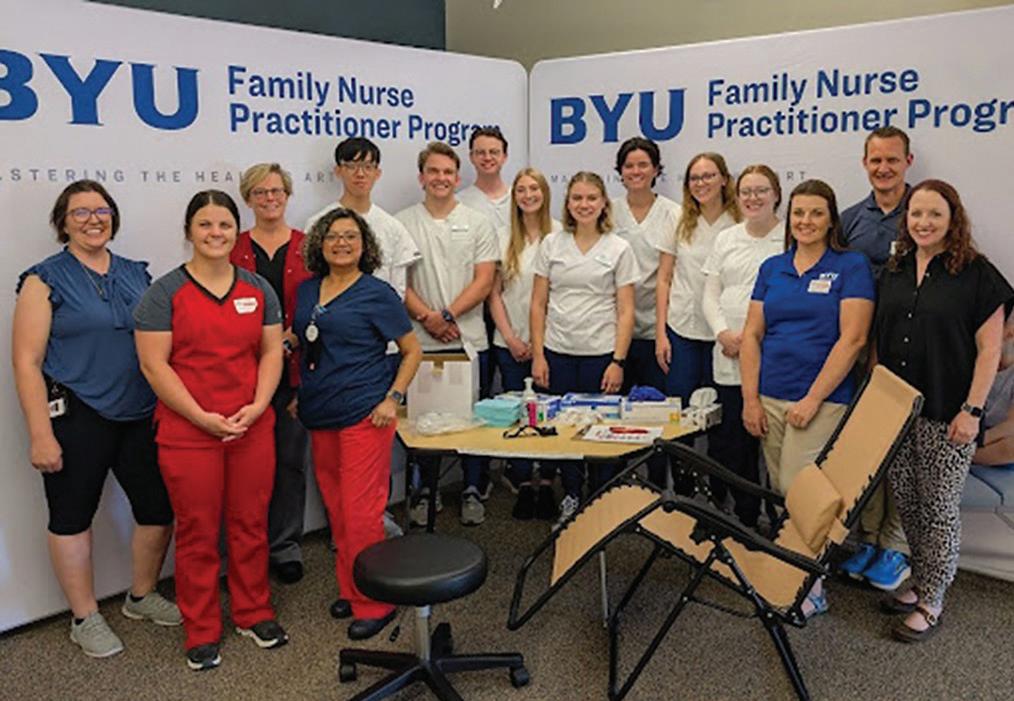
A school-based oral health program in Moab identifies children with oral health needs and connects families to local dental clinics.
Why do school-based oral health programs matter?
Oral health plays a crucial role in a child’s well-being and can significantly affect their success in school. When children maintain good oral health, they are more likely to thrive both academically and socially. Oral health is an essential part of overall health, yet cavities are the most common chronic disease among children. Students with poor oral health are nearly 3 times more likely to miss school. Issues with oral health can affect speech development, eating habits, self-esteem, and social interactions. Research shows that children who have dental problems are more likely to struggle in school. They are more likely to miss class and less likely to do all their homework.
Moab school-based oral health program
As the school nurse for Grand County School District, Mary Frothingham recognized the gaps in care related to untreated dental decay in children. Mary eagerly accepted the opportunity to partner with the Brigham Young University (BYU) College of Nursing and the Department of Health and Human Services (DHHS) Oral Health Program (OHP) to provide a preventive oral health program at school.
Three dental days were scheduled during the 2024-2025 school year. BYU Family Nurse Practitioner students and faculty conducted oral health assessments for 2 days in November 2024. BYU Registered Nursing students returned in May 2025 to conduct another assessment and varnish event for students not seen in November. Additionally, students identified as high risk in November received a second fluoride varnish application. “Working in a small district with limited resources, it is vital to
build partnerships to bring critical services to our community’s children. The collaboration with BYU and DHHS has not only allowed us to provide these services but also gives us good data. We knew that addressing dental disease in children was a critical need, but now we have objective data to measure the extent of the problem. I could have not done this on my own – this has been a win-win for everyone involved.” Mary Frothingham, Moab school nurse
BYU nursing students provided oral health education, visual dental assessments, and fluoride varnish. Oral health education was given in the classroom, and each student got a new toothbrush and toothpaste. Students brushed their teeth and received a visual dental assessment. Students who had parental/guardian consent also received a fluoride varnish treatment. DHHS OHP team members assisted the nursing students as they had questions or if dental concerns were noted.
“Working with Mary on this project enabled our students to gain hands-on experience in preventive care. It facilitated their understanding of oral health as a key component of overall health, particularly in at-risk populations. By conducting visual oral assessments and applying fluoride varnish, students not only gain clinical skills but also deepen their understanding of health equity, early intervention, and interprofessional collaboration. Several students stated that they “never realized how connected oral health is to chronic disease and school readiness.” One graduate student said, “Now I’ll always include a quick look in the mouth during my assessments—especially with kids.” This project truly puts oral health on their radar for the rest of their careers.” Janelle Macintosh, BYU Professor College of Nursing
Following the events, the school nurse used the assessment results to follow-up with families. Additionally she worked closely with a local dentist in the area. Together they ensure these children receive dental exams and access to appropriate care. Families with children who have high restorative needs or needing special care may be required to drive two hours for treatment. The remote location of the school remains a challenge, but the in-school oral health days help by identifying students with dental health needs and connecting families to dental care.
November 6 & 7, 2024: Dental assessment results
For this event, all students at school on the dental days in kindergarten, 1st, 2nd, 3rd, and 5th grade received a visual dental check. Students with parental permission also received a fluoride varnish application.
Urgent referrals are when a person needs to see a dentist in 2 days or less.
452 students received a visual dental check by a BYU graduate nursing student.
203 students received fluoride varnish.
170 of the 452 students had identified areas of concern.
75 students received an urgent referral to a dentist due to pain or infection.
May 9, 2025: Dental assessment results
For this event, any student who was not seen in November and students from any grade who were identified as high risk of oral disease received a dental assessment. Those students with parental permission also received a fluoride varnish application.
93 students received a visual dental check by a BYU undergraduate nursing student.
91 students received fluoride varnish.
54 of the 93 students had identified areas of concern.
8 students received an urgent referral to a dentist due to pain or infection.
• Urgent referrals are when a person needs to see a dentist in 2 days or less.
The school nurse plans to bring back oral health days in the 2025-2026 school year, with dates set for October 2025. This program provides a thoughtful solution for a rural community’s dental needs.
This project was funded by the Bates Family Foundation.
American Dental Association President Richard Rosato, D.M.D. found a receptive audience when he shared the concept behind the ADA’s Oral Health 2050 Initiative while participating in a panel discussion at the 2026 Dental VIP Summit.
Taking place Feb. 18 in Chicago, the Summit brought together dental innovators, leaders and investors for a full day of lectures, panel discussions and presentations focused on the future of the dental industry and oral health care. The day culminated with a panel discussion about the importance of strategic collaboration featuring Dr. Rosato.
Moderated by immediate past ADA president Brett Kessler, D.D.S., the panel also included Ryan Hungate, D.D.S., chief clinical and strategy officer at Henry Schein One; Aman Kaur, D.M.D., founder and president of Women in DSO; Eric Shirley, CEO of VistaApex Solutions; Heather Trombley, president and COO of DENTALEZ; and Jason Woods, vice president of strategy and innovation at Delta Dental of Minnesota.
The discussion began with a focus on collaborations for the future of oral health care. Dr. Rosato stressed that for collaborations between the ADA and industry to be successful, they must be built around a shared purpose such as helping dentists succeed. He noted that oral health is facing research challenges due to funding cuts at the National Institutes of Health, cuts to Medicaid that impact practices and dental educational institutions, and challenges to the preventive benefits of fluoride.
“If there’s ever a time when we all need to be together in the profession, it’s now,” he said.
Closing out the panel, Drs. Rosato and Kessler introduced the ADA’s Oral Health 2050 Initiative, explaining that the goal is to bring industry voices together to create a shared vision for the next 25 years of oral health care. Dr. Rosato noted that the focus is on oral health and not just on dentistry because part of this vision is solidifying the place of oral health and oral health professionals among the wider health care continuum.
Dr. Rosato noted that the ADA is looking for help creating this vision from beyond ADA member dentists. He noted that after putting out a call for those interested in working on the initiative several weeks ago, the ADA has already attracted more than 100 volunteers.
With the effort focused on the entire oral health ecosystem, Dr. Rosato outlined challenges including expanding access to care, growing capacity to serve more people and evolving what that care looks like. Most importantly, he explained that Oral Health 2050 is not working toward a preset idea of the profession’s future, but instead wants to find consensus and build coalitions to make a shared vision into the next 25 years of oral health.
Noah Levine ADA News
Behind every successful professional organization is a dedicated group of volunteers working quietly—and passionately—to move the profession forward. The Utah Dental Association is no exception.
From advocacy and continuing education to membership outreach and community initiatives, the work of the UDA is made possible by dentists and dental professionals who volunteer their time, talents, and expertise through committees, councils, and district leadership positions throughout the state.
As dentistry continues to evolve, the need for engaged members has never been greater.
Whether you are a recent graduate, mid-career practitioner, or seasoned dentist nearing retirement, there is a place for your experience and perspective.
The strength of the UDA depends on members who are willing to step forward and participate.
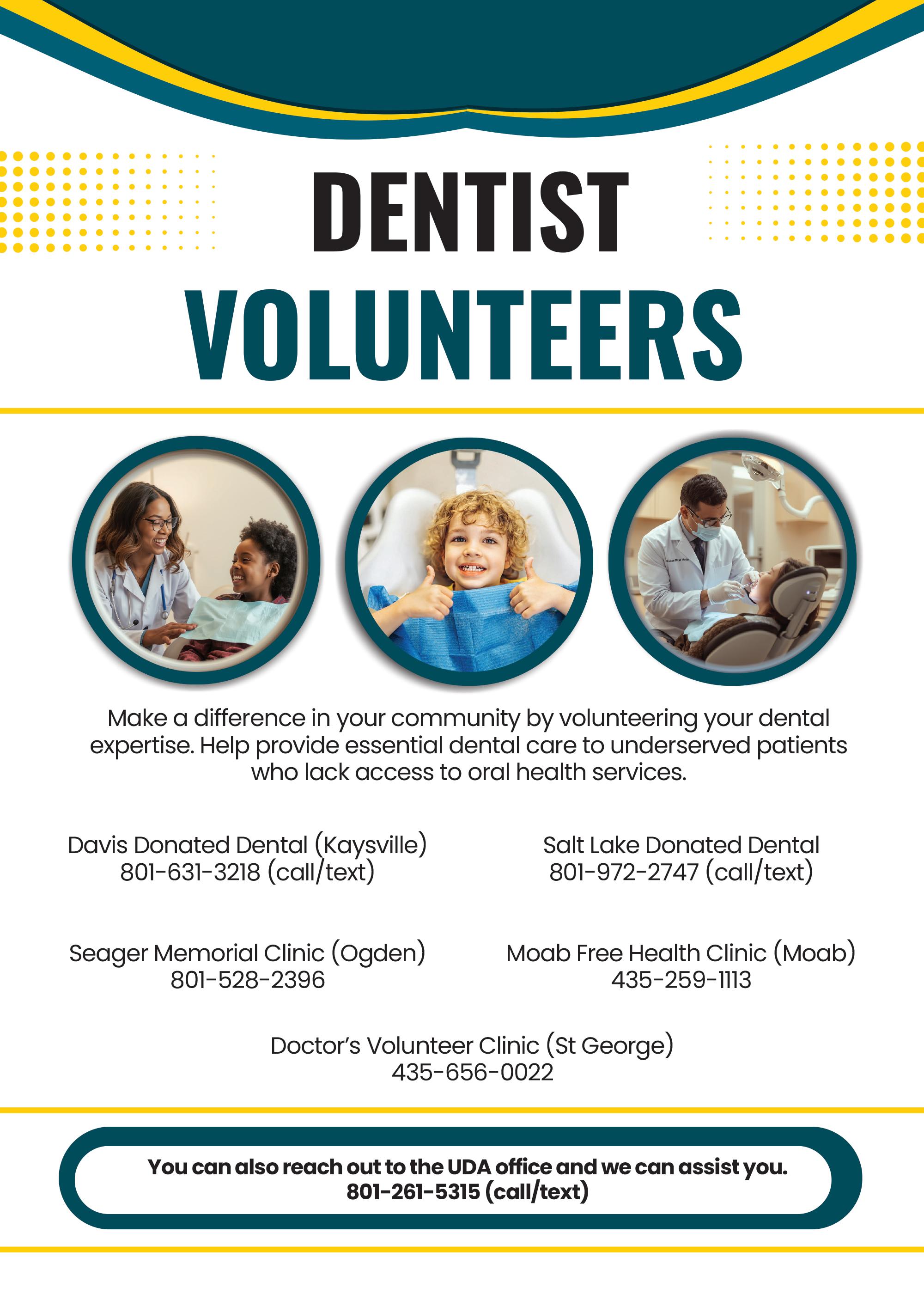
If you have ever considered becoming more involved, now is the time. The UDA is actively seeking members interested in serving on committees, task forces, or in district leadership positions.
Members interested in learning more about volunteer opportunities are encouraged to contact the Becky at the UDA office. Together, we can continue building a strong and unified dental community throughout Utah.
As a fourth-year dental student at the University of Utah School of Dentistry, I had the opportunity to represent Utah at the American Dental Association’s Lobby Day in Washington, D.C. alongside members of the Utah Dental Association. During the event, our delegation met with legislative staff from each of Utah’s six members of Congress to discuss key issues impacting both the dental profession and the patients we serve. Lobby Day offered a unique opportunity to engage directly in the legislative process and advocate for meaningful change, and with increased clinical experience and a clearer view of my future, the policies we discussed felt especially relevant.
Having participated in this event previously, I felt more prepared to contribute and more confident in communicating the importance of these issues. This year’s event was slightly smaller, which allowed for more focused and productive conversations. In each meeting, our group was able to clearly present our priorities, and the legislative staff we met with were engaged, asked thoughtful questions, and seemed genuinely receptive. It was particularly rewarding to see that several issues we had advocated for in prior years had gained traction, including legislative sponsorship. That continuity reinforced the idea that these efforts matter and can lead to real progress over time.
Our discussions centered on dental insurance reform, student loan interest deferment during residency, and increasing
dental representation within federal agencies such as the Department of Health and Human Services. Of these, student loan policy was especially meaningful to me. As I prepare to enter residency while carrying significant educational debt, I was able to speak directly to how interest accrual during training impacts young dentists and can influence career decisions. I also shared my perspective as both a student and a father, along with my experiences treating patients at the University of Utah School of Dentistry, where we serve many individuals from underserved communities. Seeing firsthand how policy decisions affect access to care and long term oral health outcomes added important context to these conversations and helped highlight the real-world impact of legislative decisions.
One particularly meaningful interaction was with Representative Maloy’s office, as I am a constituent in her district. There was strong interest in one of the bills we presented, which already has bipartisan support, and it was encouraging to see a willingness to engage and potentially help move the legislation forward. Moments like this highlight the value of building relationships with elected officials and maintaining ongoing dialogue.
Participating in Lobby Day reinforced my belief in the importance of advocacy within dentistry and strengthened my commitment to staying informed and involved. It also deepened my appreciation for the role of organizations like the American Dental Association and the Utah Dental Association, whose coordinated efforts ensure that dentistry has a unified and effective voice at both the state and national levels. Overall, this experience further solidified my desire to remain involved in organized dentistry throughout my career. Advocacy is an important part of protecting our patients and advancing our profession, and I am grateful for the opportunity to participate in this process as a student.
Colin Parish
University of Utah School of Dentistry D4 Student

SOME VEHICLES ARRIVE. OTHERS TAKE THE LEAD.
The BMW X5 is crafted for those who move with intention—balancing confident design, dynamic capability, and intelligent innovation. With available xDrive all-wheel drive and a driver-focused interior, it adapts seamlessly to every road and every moment.
Because when presence meets performance, it doesn’t go unnoticed.
Experience the performance worthy X5 at BMW of Murray or BMW of Pleasant Grove.
BMW of Murray
4735 S. State Street
Murray, Utah
801-262-2479
bmwofmurray.com
BMW of Pleasant Grove 2111 West Grove Parkway Pleasant Grove, Utah
801-443-2000
bmwofpg.com
© 2026 BMW of North America, LLC. The BMW trademarks are registered trademarks.