Advancing technologies to enhance on-farm production and herd health.
PRODUCERS

Advancing technologies to enhance on-farm production and herd health.



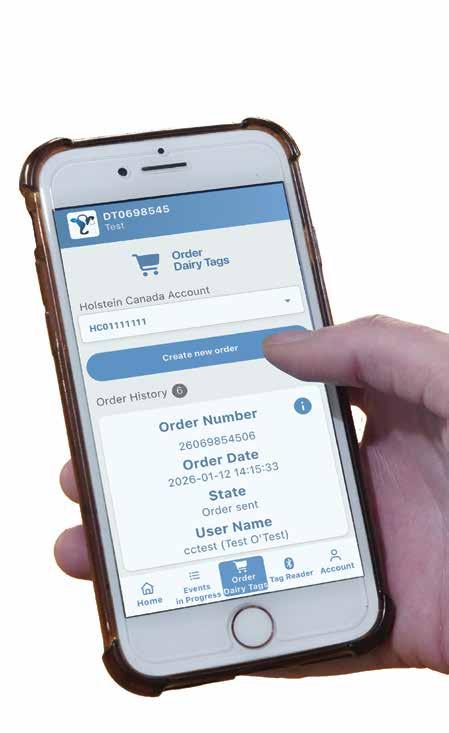
You can now order tags through the DairyTrace mobile app.
If you are already authorized to order tags through the DairyTrace Portal, simply update your app to the latest version. The new menu item will show on the app home screen. Tap, Type, Trace and now…Order tags!




PUBLISHED BY
DAIRY FARMERS OF ONTARIO
6780 Campobello Road Mississauga, ON L5N 2L8
COMMUNICATIONS
Sandra Da Silva sandra.da-silva@milk.org 905-817-2178
ADVERTISING
Pat Logan pat.logan@milk.org 519-788-1559
GRAPHIC DESIGN
Katrina Teimo
CONTRIBUTORS
Chris McCullough, Dairy Modernization Initiative Steering Committee, Gagandeep Khinday, Essi Evans, Sean Tarry, Jeanine Moyer, Victoria Asselstine, Sarah Dean, Cynthia Miltenburg, Dr. Amanda Fischer-Tlustos, Dr. Dave Renaud, Dr. Michael Steele, Bruna Mion, Liliana Fadul, Workplace Safety and Prevention Services, Veal Farmers of Ontario
Canada Post Publications Mail Sales Product Agreement No.40063866.
Return postage guaranteed. Circulation: 7,000. ISSN 0030-3038. Printed in Canada.
SUBSCRIPTIONS
For subscription changes or to unsubscribe, contact:
MILK PRODUCER
6780 Campobello Road
Mississauga, ON L5N 2L8
Phone: (905) 821-8970
Fax: (905) 821-3160
Email: milkproducer@milk.org
Opinions expressed herein are those of the author and/ or editor and do not necessarily reflect the opinion or policies of Dairy Farmers of Ontario. Publication of advertisements does not constitute endorsement or approval by Milk Producer or Dairy Farmers of Ontario of products or services advertised.
Milk Producer welcomes letters to the editor about magazine content.
*All marks owned by Dairy Farmers of Ontario.
WEBSITES & SOCIAL MEDIA
www.milkproducer.ca
www.milk.org
Facebook: /OntarioDairy
X: @OntarioDairy
www.milkproducer.ca
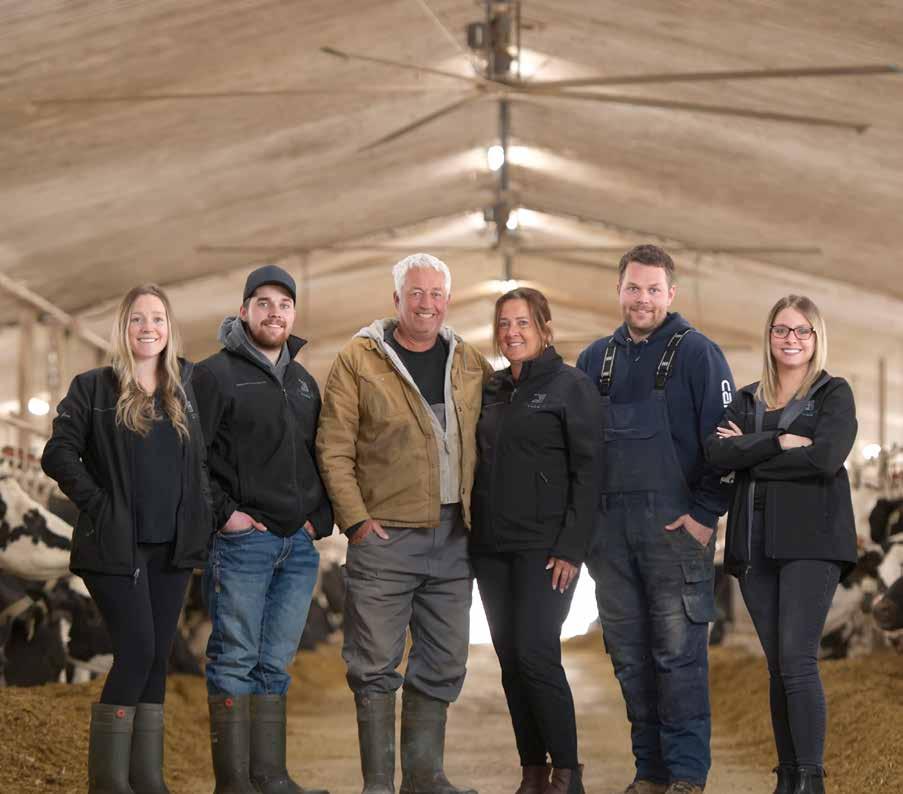
In an industry where timing and accuracy can make all the difference, technology isn’t just a convenience, it’s embedded in the daily operations of Windulan Holsteins.
Precision nutrition: The next frontier in dairy nutrition
Increasing risk for Asian Longhorned Tick and Theileiria orientalis Ikeda
From the lab to the calf pen: How the University of Guelph is shaping the next generation of Canadian dairy calves 38 What dry period length says about your herd
grain handling safety blitz is coming to Ontario
Instagram: @OntarioDairy
LinkedIn: dairy-farmers-of-ontario


By Brian Burnett, Dairy Farmers
of Ontario
(DFO)
Board
Member,
Region 2, representing producers in Dundas, Ottawa-Carleton (except for twp. of Cumberland) and Stormont, and 2nd Vice-Chair. He chairs the DFO Transportation Committee and serves on the DFO Audit and Markets and Allocation, and Dairy Farmers of Canada Sustainability Committees.
The theme for this month’s edition of Milk Producer is Advancing Technology, which we’ve embraced wholeheartedly on our farm by investing in advanced tools and systems that improve herd health, streamline workflow and strengthen long- term productivity. For today’s dairy producers, technology is not just an advantage; it is essential to building efficient, sustainable and resilient operations.
One area where technological progress is making a major impact is smart barn environment control, designed to create the ideal conditions for cow comfort and wellbeing. Equipped with sensors that monitor temperature, humidity and ammonia levels, the system automatically adjusts fans and ventilation to maintain a consistent climate year round. This means cows stay cooler in the summer, warmer in the winter and healthier overall. A stable barn environment not only boosts milk production but also supports animal welfare.
Similarly, collar based activity and rumination tracking has become a valuable tool for herd management. These devices detect changes in movement, eating patterns and rumination, helping to identify health or reproductive issues early. This proactive approach allows for timely interventions, reduces stress on the animals and enhances overall herd management.
Outside the barn, technology continues to power efficiency. Fuel monitoring technology is helping producers track equipment usage, reduce waste and manage costs more effectively.
Meanwhile, the ability to synchronize computer programs directly with planting and harvesting equipment ensures crop management decisions are data-driven and precisely timed. With these tools, we can align feed production with herd needs more accurately than ever before.
Artificial intelligence is emerging as a major support tool on farms and has been invaluable on our farm. AI-assisted troubleshooting systems can diagnose equipment problems, suggest solutions and reduce downtime. These tools enhance reliability and help keep operations running smoothly, even during peak periods. Whether it’s flagging a potential equipment problem or helping us evaluate a management decision, AI gives us fast, reliable information when we need it most.
One other very important improvement we made is the technology on our milk bulk tanks. If there is ever an issue with milk temperature, agitation, cooling or washing cycles, the system instantly sends text alerts to all team members.
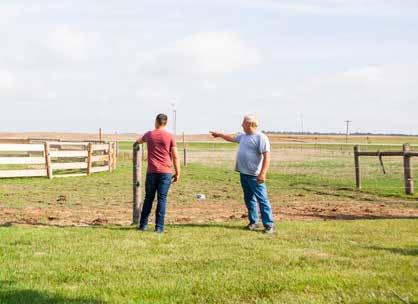
This allows us to respond immediately and protect milk quality at every stage. Ensuring proper cooling and sanitation is critical, and this system helps us maintain the highest standards for the milk we produce.
To bring all these components together, software platforms such as herd management software, complete with remote access capabilities, give producers the ability to view herd reports, environmental data and performance trends from anywhere. This centralization of information strengthens daily decision-making and long-term planning.
Technology will never replace the dedication and care that go into dairy farming, but it can strengthen every aspect of it.
By adopting these innovations, we are shaping the future of dairy farming and building a smarter, more efficient and more sustainable farms.
Don’t settle for generic advice. Our workshops provide your family with direct consultations with a team of advisors, including an accountant, lawyer, and financial advisor. Scan the QR code to find a workshop near you. Scan Here


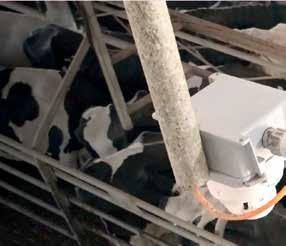
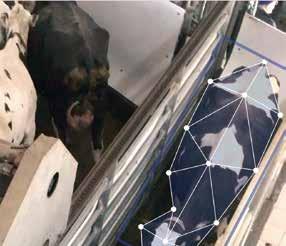
Every step, every movement matters. CattleEye continuously analyzes your cows to detect the earliest signs of lameness or stress. Fewer risks, greater productivity. Because a healthy herd means a thriving farm.


BRITISH COLUMBIA
Mountain View Electric Ltd.
Enderby — 250 838-6455
Pacific Dairy Centre Ltd.
Chilliwack — 604 852-9020
ALBERTA
Dairy Lane Systems
Leduc: 780 986-5600
Blackfalds: 587 797-4521
Lethbridge: 587 787-4145
Lethbridge Dairy Mart Ltd.
Lethbridge — 888 329-6202
Red Deer — 403 406-7344
SASKATCHEWAN
Dairy Lane Systems
Warman — 306 242-5850
Swift Current — 306 203-3066
MANITOBA
Tytech
Grande Pointe — 204 770-4898


ONTARIO
Conestogo Agri Systems Inc.
Drayton — 519 638.3022 1 800 461-3022
Dairy Lane Systems
Komoka — 519 666-1404
Lawrence’s Dairy Supply Inc.
Moose Creek — 613 538-2559
McCann Farm Automation Ltd.
Seeley’s Bay — 613 382-7411
Brockville — 613 926-2220

McLaren Works
Cobden — 613 646-2062
Performance Dairy Centre Inc.
Embro — 519 423-9119
ATLANTIC PROVINCES
Atlantic Dairy Tech.
Charlottetown, PE — 902 368-1719
Sheehy Enterprises Ltd.
Shubenacadie, NS — 902 758-2002
Lower Queensbury, NB — 506-478-4878
Dairy Farmers of Ontario’s (DFO) Field Services Representatives (FSRs) are not only milk inspectors, they are also your support for everything from milk quality troubleshooting to quota questions and paperwork, questions about policies and regulation, and anything else related to DFO and how it applies to your farm. Our 13 FSRs have seen and heard a lot. This column was created to use their collective expertise to share answers to some of the most common questions received.
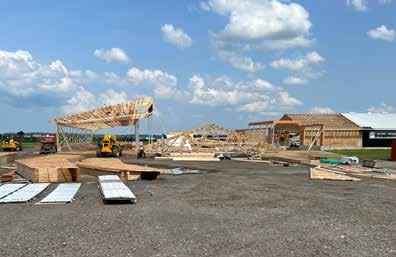
PLANNING A BARN UPGRADE, MILKHOUSE RENOVATION OR NEW CONSTRUCTION PROJECT THIS YEAR? Before finalizing your plans or breaking ground, producers are reminded to submit a Notice of Renovations and/or Construction of New Facilities form to Dairy Farmers of Ontario (DFO).
This notice should be completed during the early planning stages of your project — before site layouts and building plans are finalized. Submitting the form early allows your Field Service Representative (FSR) and DFO Production and Transportation teams to review the proposed changes and provide guidance on applicable policies and regulations.
The goal is simple: to help ensure your new or renovated facilities meet regulatory and program requirements from the start, avoiding costly redesigns, delays or compliance issues later in the process. Early communication also gives producers the opportunity to discuss items such as milkhouse location, bulk tank considerations, lane access and other factors that may impact milk pickup etc.
It’s important to note that submitting this notice is not an approval process, but rather a proactive step to support producers as they plan improvements to their operations.
If your project may require temporary shared facilities during construc tion, a separate request must be submitted for approval.
Your FSR is your first point of contact and can help walk through requirements and answer questions before construction begins.
Bottom line: If you’re thinking about building or renovating — reach out early and submit the Notice form before finalizing your plans.
The form can be submitted via email to: renovationsornew@milk.org. The form can be found on the DFO website or contact your FSR.
By Chris McCullough
FARM MACHINERY MORE COMMONLY USED ON DAIRY FARMS IS GETTING BIGGER, more precise and much more expensive, as visitors to Agritechnica found out.
Hailed as the world’s biggest farm machinery show, Agritechnica is held every two years in Hanover, Germany, and this time had equipment from 2,849 exhibitors representing 52 countries. A total of 476,000 visitors attended the event over seven days in early November to see the latest technology destined to make farming more efficient.
Specific to the dairy industry, there were massive cattle feeder wagons, hybrid telehandlers, latest high-tech tractors and of course, a multitude of new silage machinery.
As more new farm machines are unveiled, it is clear digital technology is destined to play a huge part in future farming. However, with such volatile international milk prices, the big question is if dairy farmers, or the contractors who work for them, will be able to justify this technology financially.
Tobias Eichberg, managing director of show organisers, German Agricultural Society (DLG), was full of praise for the event.
“Agritechnica 2025 has convincingly showed how innovation, productivity and sustainability can go hand in hand,” said Eichberg. “Under the guiding theme ‘Touch Smart Efficiency’, Agritechnica showcased how advanced technologies in digitalisation, automation, robotics and AI are now integrated into agricultural production processes to boost efficiency.”
“Here in Hanover, we have sent forward-looking impulses for the agriculture and agricultural machinery sectors of tomorrow and across the globe,” he added.
Here are some of the highlights of the show:
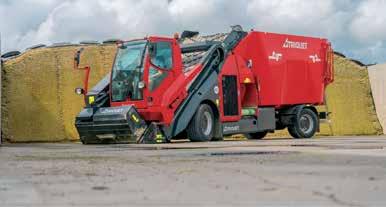
Referred to as the world’s most powerful self-propelled feed mixer, Siloking’s new SelfLine 4.0 System 2000+ has an impressive three augers, a mixing volume of 45 cubic metres and driven by a powerful 510 hp (375 kW) Volvo engine.
Ultimately designed for the big dairy herds around the world with 2,000 cows or more, or big feedlots, this machine can feed up to 320 cows with just one mix.
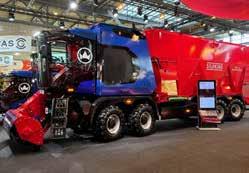
Four heavy duty steerable axles support the chassis of this mammoth machine, three of which are driven, to increase stability, manoeuvrability and traction, even under the toughest conditions.
And if that doesn’t sell it, the machine is designed for a service life of 20,000 operating hours indicating manufacturer confidence in reliability and performance.
In terms of advanced technology, New Holland exhibited its new TH Hybrid Power telehandler, fuelled on natural gas and electric.
Hailing it as an industry first, New Holland says the machine can lift a maximum 4.2 tonnes and has a maximum lift height of seven to nine metres.
The machine is currently going through tests and features an electric drivetrain connected to a supplementary battery/ electric power system.
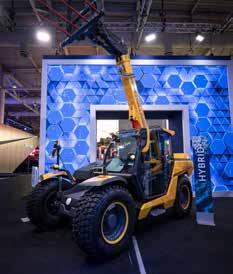
It operates fully electric for up to four hours on medium-heavy tasks and up to six hours on light-duty cycles. During heavy-duty work, a four-cylinder F28 methane gas engine from FPT provides supplementary power and simultaneously recharges the battery.
The 2.8-litre engine generates 75 kW/100 hp and there is 84 kW/112 hp rated output available at the hydraulic pump and 115 kW/154 hp rated available for traction.
Field tests show up to 70 per cent saving in energy usage compared to diesel alternatives, and 30 per cent better performance.
JCB always impresses at Agritechnica and this time showed off its new 6000 Series Fastrac tractors incorporating two models up to 335 hp.
The two models include the 6260 at 284 hp and the 6300 at 335 hp. Both tractors run on 38-inch or 34-inch rims all round and 600- to 710-millimetres wide tires, with a maximum top speed of 41 mph.
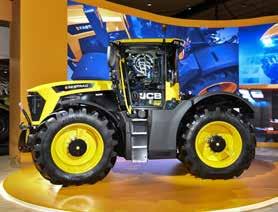
Power under the hood is supplied via the 6.7-litre FPT NEF67 six-cylinder diesel engine, tuned to deliver peak power at 1,850 rpm alongside a torque curve that rises as the revs are pulled down under heavy load to peak at 1,400 rpm, generating 1,275 Nm for the Fastrac 6260 and 1,400 Nm for the 6300.
Krone BiG Pack HDP II 1290 VC baler
Krone’s latest BiG Pack HDP II 1290 VC baler has a 51-blade cutting unit, achieving an extremely high density, especially when working with dry straw.
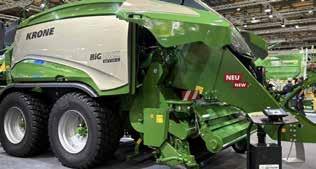
Crops are collected by the proven camless EasyFlow Active pick-up that has been tried-and-tested thousands of times. It now includes a crop press roller unit that can be infinitely adjusted in height from the comfort of the tractor cabin.
In the VC variant, the crops are then fed into the large cutting rotor with a diameter of 720 millimetres. The rotor pulls the material through the blades with little effort and conveys the crushed material into the bale channel.



Two variants of the VariCut cutting unit are available, the first with 26 blades for cutting lengths from 44 millimetres, or the second with 51 blades for particularly short cuts from 22 millimetres.
The blades, which are individually protected against foreign objects, can be manually pre-selected on the machine in one of five possible groups depending on the desired cutting length.
Case IH’s new Optum Series tractors are available in three models, 360 (360 hp), 390 (390 hp) and 440 (435 hp), and have faster transport speeds, increased service intervals and fuel autonomy.
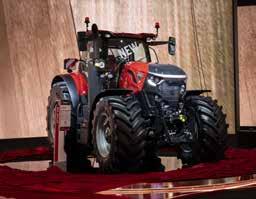
With a 6.1-metre (20-foot) turning radius and new Cursor 9 engine, the new Optum tractors are easily manoeuvred, while covering more ground with the fastest road speeds yet, up to 60 kph (37 mph).
They also feature an extended 750-hour service interval and a fully integrated Central Tire Inflation System, which allows operators to quickly and easily change tire pressures when going from the road to the field.
An all-new independent front axle suspension paired with upgraded braking, transmission and hydraulics delivers heightened control and power.
Claas exhibited its powerful new Jaguar 1000 series self-propelled foragers ranging from 850 hp to over 1,100 hp at Agritechnica.
Four models complete the new series, namely the Jaguar 1080 (850 hp), 1090 (925 hp), 1100 (1,020 hp) and 1200 (1,110 hp), and all are powered by an efficient, transversemounted MAN V12 24-litre engine.
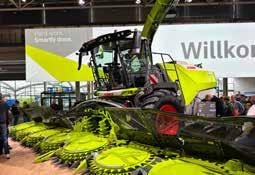
These new machines can achieve harvest capacities of up to 500 tonnes per hour with the widest crop flow on the market.
Thanks to its 910-milllimetre width, the Jaguar 1000 now offers even more space and inertia for maximum throughputs and continuous crop flow even at the highest swath thicknesses.
The crop is cut even more efficient thanks to the steep knife angle of 10 degrees. This is not only noticeable in the excellent chop quality, but also in the reduced noise level.
The V-Flex chopping cylinder can be fitted with full and half knife sets, as well as half-section knives, enabling a uniquely wide chop length range. The knives, fastened from above with three screws, are fixed in the drum stars and automatically aligned.
Claas has also developed new front attachments for the Jaguar 1000, including the Pick Up 3000, 3800 and the new 4500 with independent variable drive and intake auger speed.
With a price tag of around 215,000 euros (CAN $350,000), the huge Peecon Biga 64 Mega Mammoet feed wagon certainly created a lot of interest on the Dutch company’s stand.
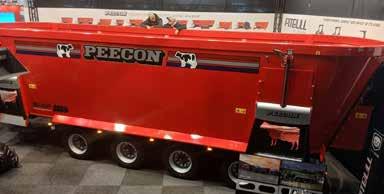
With four vertical augers and a load capacity of 25,600 kgs, this machine is designed for the biggest dairy farmers in the world and needs a tractor with over 350 hp to drive it.
This particular feeder was going to a dairy farm in Belgium that is increasing its herd up to 1,000 cows.
A well-guarded secret was launched by Deutz-Fahr at Agritechnica, namely its new 8 Series TTV tractors.
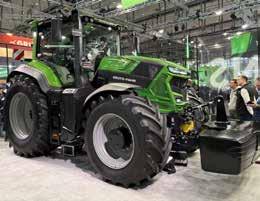
Engineered and built at Deutz-Fahr Land in Lauingen, the new 8 Series marked its debut with two highperformance models delivering 313 hp from the 8310TTV and 340 hp from the 8340TTV.
Powering up the 8 Series, in collaboration with FPT, is the latest
N67 engine with eVGT and high efficiency Hi-eSCR system, delivering up to 1398 Nm of torque.
The engine is HVO-compatible and features a 1,000-hour oil change interval, ensuring reduced maintenance costs and maximum uptime. A robust aluminium cooling system guarantees optimal thermal efficiency even under the most demanding conditions.
The TTV transmission delivers smooth, continuous power from 0–60 km/h, providing outstanding traction, acceleration and control across all terrains at low engine speed, all while keeping fuel consumption remarkably low.
Hydraulic performance has been further optimized with up to 220L/min load-sensing pump capacity featuring a separate CleanOil tank, 10-way electronic distributors, a dedicated low flow valve for the hydraulic top link and pressure relief levers for easy coupling and uncoupling.
The rear lift offers 12,000 kg capacity, while the front lift provides 5,450 kg with Load Relief Control.
Manitou unveiled its first electric telehandler for agriculture at Agritechnica. It is powered by a 35-kWh lithium-ion battery, which can work for five hours in a typical farmyard, says the manufacturer.
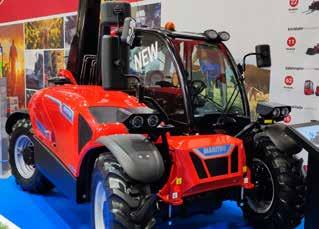
One major benefit of the new electric machine is the 30 per cent reduction in the amount of hydraulic oil used, made possible by two innovations.
The first is a 100 per cent electric transmission that eliminates the need to use hydraulics for transmission, unlike the hydrostatic internal combustion version.
Secondly, the integration of an anti-emulsion filter in the hydraulic oil tank optimizes the volume required. This design helps to simplify maintenance, which is already reduced as a result of the small number of components to be serviced.
By the Dairy Modernization Initiative Steering Committee
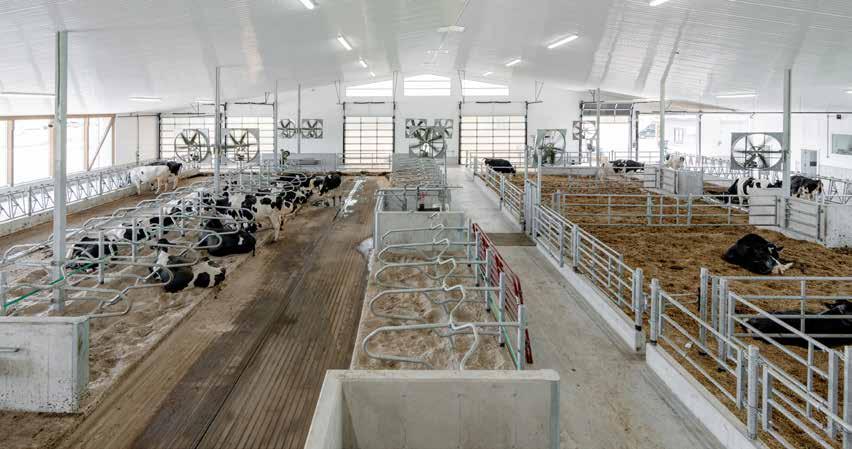
BUILDING A NEW DAIRY BARN IS ONE OF THE LARGEST AND LONGEST-TERM INVESTMENTS a producer will make. With barns expected to last 20 years or more, the slow turnover of infrastructure can hinder the adoption of improved housing and management practices. Producers are understandably cautious given the financial implications of undertaking barn modernization. While many farmers are already considering transitioning to modern housing, a coordinated, cross-industry effort will provide the knowledge and confidence needed to move forward with these decisions.
Dairy Modernization is an Ontario-based initiative guided by a steering committee representing a cross-section of expertise and knowledge, including those from the Ontario Ministry of Agriculture, Food and Agribusiness (OMAFA), the Ontario Agri Business Association, the University of Guelph, Dairy Farmers of Ontario, the Canadian Farm Builders Association, Farm Credit Canada, Lactanet, the Saputo Dairy Care Program and independent consultants. Together, the team is working to address the common financial, technical and sometimes, emotional barriers producers face when planning to modernize their barns.
The priority of the initiative is to provide farmers with credible, unbiased information that helps them navigate the complex decisions involved in renovating or building new facilities. In addition to the steering committee,
the project is supported by a financial advisory team with representatives from Ontario’s major agricultural lenders, and a technical advisory team with expertise in housing, design, cow comfort and construction.
A key outcome of this project is the development of new resources for producers planning modernization projects. These resources will draw on current research in dairy cattle welfare, housing and comfort, and translate that knowledge into practical guidance that is relevant and accessible to Ontario dairy farmers. Between 2025 and 2028, the Dairy Modernization project will host a series of webinars and in-person meetings to share information with dairy producers and advisors. The initiative will help producers plan with greater confidence, while supporting the industry’s goal of producing high-quality milk efficiently and sustainably.
The initiative started in December 2025 with a webinar focused on the financial and planning aspects of modernizing a dairy barn. It was moderated by Tom Wright, dairy specialist at OMAFA, with Jeffrey Adams, relationship manager at TD Agriculture; John Townsend, regional leader of agriculture in Southwest Ontario at CIBC; and Steve Duff, chief economist at OMAFA.
The webinar emphasized the importance of building strong relationships with your financial advisor and institution to ensure they understand the specific opportunities and risks within the dairy industry. Panellists pointed out that these partnerships help develop an appropriate financing structure that aligns with the farm's cash flow and long-term goals.
They also discussed the importance of knowing your numbers, including production costs, milk records and feed use. The session highlighted that young producers should have enough time to work on the farm and participate in management decisions before taking over, including involvement in financial decisions and engagement with industry
The webinar emphasized the importance of building strong relationships with your financial advisor and institution to ensure they understand the specific opportunities and risks within the dairy industry.
The event concluded with a question-and-answer session, reinforcing the importance of a strong advisory team, thorough record-keeping and a balanced approach to decision-making when undertaking a modernization project.
Where can producers and service providers access Modernization resources?
For more information on the Dairy Modernization initiative, including previous webinars, online resources, and upcoming in-person and webinars, visit the initiative's website at www.dairymodernization.ca.

By Gagandeep Khinday, Manager, Measurement and Technical Support, Dairy Farmers of Ontario
CALIBRATION OF THE FARM BULK TANK IS A REGULATORY REQUIREMENT as per Regulation 761 of the Milk Act. As a part of Dairy Farmers of Ontario’s (DFO) Delegated Authority, every bulk tank must be calibrated to ensure accuracy and fair compensation for producers. DFO's Measurement team conducts farm calibrations on dairy farms across Ontario to accomplish this essential task.
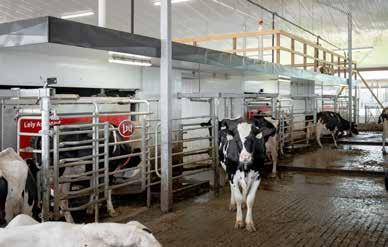
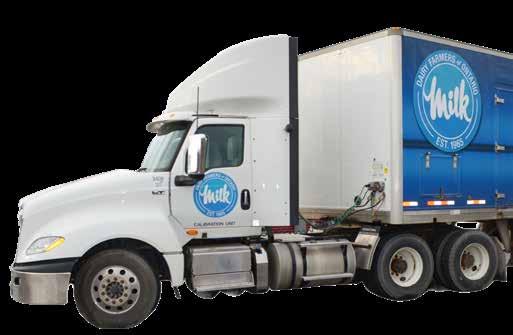
DFO has two on-farm calibration units, consisting of tractor-trailers that house the calibration equipment and water for the tank calibration. Calibrating robotic farms and 3X milking systems poses certain challenges due to the continuous milking. Producers can support the Calibration team with recommended actions to allow for the time that is required for calibration at automated milk system (AMS) farms.
A blend of molasses, protein and other soluble carbohydrates. Promix has a variety of solutions, each specific to your haylage to corn silage ratio used in the TMR:
> Palatable molasses based feed
> Provides sugar energy
> Helps reduce sorting, increases dry matter intakes
> Increases feed efficiency
The calibration technicians notify the respective producers of the calibration between 24 and 48 hours in advance. On the day of calibration, the calibration technician will arrive at the farm 15 to 30 minutes before the milk truck to begin setup. The length of calibration depends on milk pick up time, bulk tank size and tank wash cycle time. With the current equipment in calibration units, a 20,000-litre tank calibration will take approximately seven to eight hours to complete, barring any unforeseen circumstances. Larger bulk tanks may be calibrated over multiple days.
It is recommended that producers try to create extra free time in their robot operation before calibration whenever possible. This can be achieved by encouraging animals to use the AMS before the milk truck arrives on the day of the calibration.
Additionally, during calibration, the robot system will remain in pick-up mode until the milk tank wash is started. It’s recommended that the producer contact their AMS technicians in advance to confirm that the parameters in their system will allow it to remain in pick up mode for prolonged periods without timing out. If the buffer tank times out, it can close the main valve to the tank and possibly divert milk into the main tank. This would ruin the milk and the calibration water, rendering the calibration process incomplete. The result is that the calibration would then need to be rescheduled for another day.
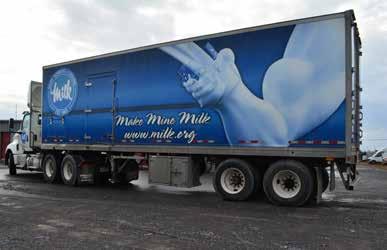
DFO has two on-farm calibration units, consisting of tractortrailers that house the calibration equipment and water for the tank calibration.
It is recommended that producers try to create extra free time in their robot operation before calibration whenever possible.
Finally, in extreme circumstances, the producer must shut down the AMS units for the time determined by the calibrator to complete the calibration. The necessity of this step depends heavily on buffer capacity and the success of herd milking changes implemented prior to calibration.
Bulk tank calibration is essential to ensure fair payment of all producers and is required under regulation 761 of the Milk Act. Producers using AMS can support the Calibration team through the steps outlined in this article.
For further information, please refer to the “AMS (Automated Milking System) farm tank calibration" found online. If you have any questions regarding this, please contact your Field Service Representative (FSR) or a member of the DFO Measurement team.




By Essi Evans, E+E Technical Advisory Services
FOR YEARS, RATION FORMULATION WAS BASED ON MEETING CRUDE PROTEIN and metabolizable protein requirements. With rumen protection technology came the ability to take two often limiting amino acids – lysine and methionine – into consideration. However, recent developments in feed analysis, formulation software and nutritional modeling have shown that milk yield and milk component production may be limited by the need for other essential amino acids as well.
Why protein supply alone can fall short
Protein is a collection of amino acids, some of which cows can synthesize, and others, the essential amino acids that must be supplied through dietary ingredients and rumen microbial protein. Milk protein synthesis depends on the availability of prescribed amounts of essential amino acids at the mammary gland. When an essential amino acid is limiting, rations that appear adequate on a protein basis may still be deficient in a specific essential amino acid. The result can be higher feed costs, greater nitrogen excretion and reduced feed efficiency thereby missing out on the herd’s production potential.
What has changed: technology and ingredient characterization
The shift toward balancing for more essential amino acids has been enabled by technology. Advanced ration formulation software incorporates improved predictions of microbial protein synthesis, digestion rate and intestinal amino acid absorption. In addition, advances in feed analysis and ingredient databases allow nutritionists to better characterize the amino acid profiles and digestibility of commonly used feed ingredients.
These tools make it possible to discover which essential amino acids are truly limiting in a given ration and to adjust formulations accordingly. Rations can now be designed to deliver a more balanced and predictable supply of essential amino acids. As models have improved, so has confidence in using amino acid balance as a practical decision-making tool rather than a theoretical concept.
An important piece of this shift toward amino acid balanced rations is attention to rumen microbial protein. Microbial protein has an amino acid profile that closely matches the requirements for milk protein synthesis, making it possibly the most efficient sources of metabolizable amino acids available to the cow. When microbial protein supply is optimized, balancing rations for essential amino acids becomes both simpler and more effective, allowing nutritionists to focus on finetuning limiting amino acids with the protein in the ingredients at hand.
The role of protein ingredients in amino acid supply
Ingredients differ not only in crude protein content, but also their contribution to the metabolizable protein supply. Protein from some ingredients, like silages, primarily support the rumen ecosystem, while others, such as treated soybean meal products, canola meal and some distillers’ products provide considerable quantities of amino acids directly to the cow.
These ingredients range in their ability to provide the exact amino acids required, with no plant ingredients being quite as complete as microbial protein. Canola meal, for example, has gained attention in amino acid–balanced rations due to its favorable profile, which is similar to microbial protein. When properly characterized in formulation models, this ingredient contributes meaningfully to meeting amino acid requirements without driving crude protein levels higher than necessary. In a contrasting example, ingredients derived from processed corn products supply amino acids, but the pattern differs substantially from that of milk, requiring either elevated protein levels or the inclusion of rumen protected amino acids in order to reach the same balance. The goal is to recognize that amino acidfocused formulations require reliable information on how each ingredient contributes to the overall amino acid balance of the ration.
Balancing for essential amino acids offers practical advantages on farm:
Better feed efficiency: Supplying the limiting amino acids allows cows to use dietary protein more effectively, supporting milk and component production without excess protein intake.
Formulation flexibility: Nutritionists can optimize ingredient inclusion and ingredient value by focusing on the amino acid contribution of each rather than protein or bypass protein alone.
Lower nitrogen losses: A more precise amino acid supply improves nitrogen utilization, which can help address environmental and regulatory pressures.
Consistent performance: Accounting for amino acid balance can reduce unexplained variation in milk production and component production, especially in high-producing herds.
Moving from theory to practice
Balancing for more essential amino acids does not require abandoning established protein systems. Instead, it builds on them. Crude protein and metabolizable protein remain useful benchmarks, but they are no longer the final word in ration design.
For many herds, the transition begins with evaluating whether current rations are likely limited by specific amino acids. From there, nutritionists can use formulation software to test alternative ingredient combinations, adjust protein sources or fine-tune rumen-protected amino acid supplementation where appropriate. Importantly, this approach emphasizes precision rather than addition. The objective is not higher protein diets, but better-balanced ones.
Balancing for more essential amino acids does not require abandoning established protein systems. Instead, it builds on them.
As technology continues to evolve, amino acid balancing is expected to become even more refined. Improved models, better ingredient data and closer integration between feed analysis and formulation software will further enhance the ability to match nutrient supply with cow requirements.
Ultimately, balancing for more essential amino acids reflects a trend in dairy feeding: moving away from broad nutrient targets and toward precision feeding strategies that support productive, efficient and sustainable milk production.
Congratulations to the top herds who were recognized at the unveiling of Canada’s Best Managed Dairy Herds for 2025.

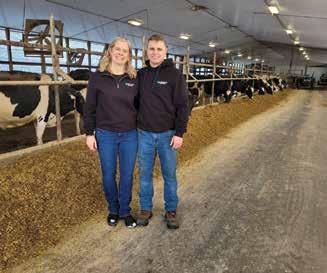
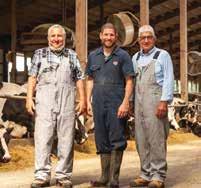
Alexerin Dairy Inc
Manotick, Ontario
199 Cows Milking • Parlour
Ranked in top 25 since 2021
#1 parlour milking system in Canada

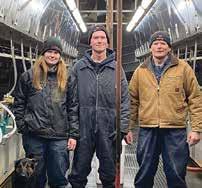
Summitholm Holsteins (Joe Loewith & Sons)
Lynden, Ontario
530 Cows Milking • Parlour
5-time top 25 award recipient
#3 parlour milking system in Canada (tied)
Bruggart Farms
Clinton, Ontario
273 Cows Milking • Parlour
Ranked in top 25 since 2024

Visit our website to see the full list of Canada’s 2025 Best Managed Dairy Herds and watch the video highlights of our celebration!
*Based on the Herd Performance Index from Lactanet Canada
By Sean Tarry
According to researcher John Church, the next wave of dairy innovation will hinge on wearable sensors, artificial intelligence and advanced milk analytics.
Ontario dairy farmers have long embraced innovation, from robotic milkers to precision feeding. But according to Church, cattle research chair at Thompson Rivers University, the next frontier lies in how producers measure – and act on – an unprecedented flood of data.
“My good friend Temple Grandin says, 'We manage what we measure'," Church notes. “And the more eyes we can get on our animals, the better.”
The use of drones aside, here are some of the top technologies Church believes are transforming – or poised to transform – modern dairy operations.
At the top of Church’s list are smart rumen boluses – ingestible sensors that reside in the reticulum, the second stomach compartment.
“I really love boluses,” he says. “They don’t just give you temperature. Some of them will even give you pH, and many have three-axis accelerometers.”
Those accelerometers measure motion in multiple directions, generating data that can be translated, via algorithms, into behavioural insights. Is the cow eating? Resting? Walking?
“In the future, we may be able to tell all kinds of things,” Church explains. “Even heart rate. The potential is tremendous.”
For dairy producers focused on early disease detection and reproductive efficiency, that internal, continuous stream of data could be game-changing.
Ontario dairy farmers have long embraced innovation, from robotic milkers to precision feeding.
Subtle shifts in temperature or rumen activity may flag health challenges before outward symptoms appear.
Closely related to boluses are external wearables – ear tags and neck collars equipped with accelerometers and GPS.
“The accelerometers measure force in the X, Y and Z axes,” Church says. “When you look at it on a computer, it’s just numbers. But with AI (artificial intelligence) and machine learning, we can now tell what those numbers mean.”
That includes identifying estrus. For an industry that relies on herd efficiency, more precise heat detection can directly influence conception rates.
“If you use when the cow naturally cycles to inseminate, as opposed to using alternative therapies to get cows to cycle, I think your conception rates go up,” he says.
Beyond reproduction, wearable sensors allow producers to monitor feeding behaviour, rest patterns and mobility. In tie-stall or free-stall barns alike, that kind of real-time behavioural tracking strengthens herd management and welfare oversight.
“I think this has likely been a game changer for the dairy industry,” Church adds. “The ability to monitor animals for health and welfare purposes goes way up.”
While robotic milking systems are no longer new, Church still views them as revolutionary, particularly when paired with advanced analytics.
“Robotic milkers just blow my mind,” he says. “The level of sophistication in what we’re going to be able to achieve in terms of animal management is staggering.”
Modern systems don’t simply harvest milk; they analyze it. In-line sensors measure somatic cell counts, components such as butterfat and protein, and other indicators of udder health.
As technology evolves, Ontario dairy producers who harness the tools at their disposal will be best positioned to improve welfare, boost efficiency and strengthen profitability in an increasingly complex industry landscape.
“You can interface diet to what’s coming out the other side,” Church says. “It’s astonishing.”
And when integrated with artificial intelligence, that milk-line data can reveal patterns invisible to the human eye, linking feed changes to milk components, subtle production dips to early health events and cowlevel trends to broader herd performance.
Underlying all these technologies is artificial intelligence.
“The challenge is what to do with this enormous amount of data that’s now at our fingertips,” Church says. “That’s where AI comes in. It starts to see patterns in the data.”
From wearable-derived activity logs to milk-line analytics, dairy farms are generating more information today than ever. AI systems can sift through that data, flag anomalies and help producers prioritize attention where it’s needed most.
As algorithms become more sophisticated, Church expects even stronger links between feeding strategies, production metrics and health outcomes, turning raw data into practical decision-making tools.
What’s holding some producers back? Often, it’s comfort with technology and confidence in return on investment.
Yet as sensors become more affordable and AI tools more userfriendly, barriers continue to fall. Many Ontario dairy farms are already integrating multiple systems, layering milk data with behavioural monitoring to build a more complete picture of each cow.
For producers navigating labour pressures, climate variability and rising expectations around sustainability, Church believes these tools are more than high-tech extras.
“They give us more eyes on the animals,” he says. “And the better we measure, the better we manage.”
In a sector built on incremental gains, that precision, and the ability to act on it, could define the next decade of dairy farming.
As technology evolves, Ontario dairy producers who harness the tools at their disposal will be best positioned to improve welfare, boost efficiency and strengthen profitability in an increasingly complex industry landscape.



NEWTON® is a specialized model for formulating dairy rations that is rooted in the principles of precision nutrition.
























Reach out to your Trouw Nutrition or Shur-Gain Advisor to see how Newton can formulate for you.
By Jeanine Moyer
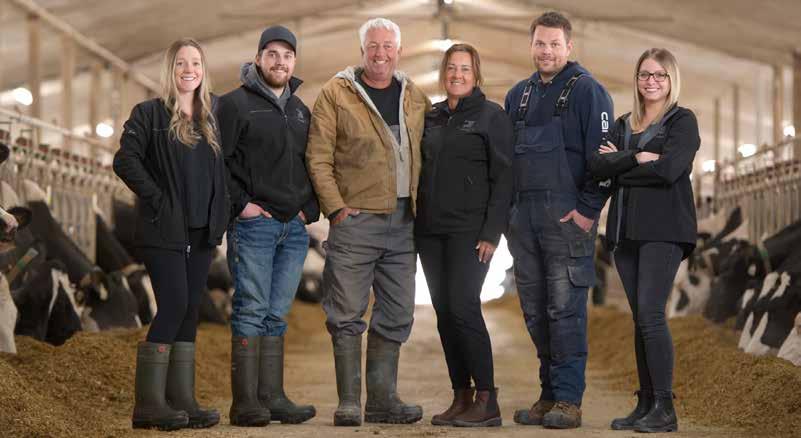
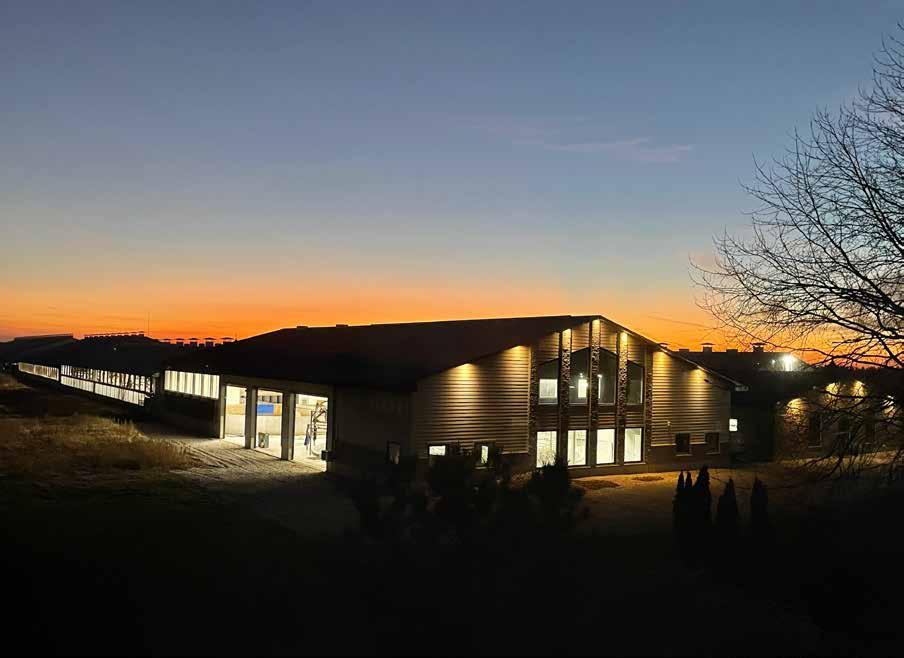
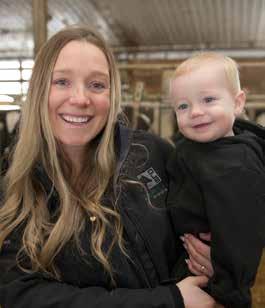
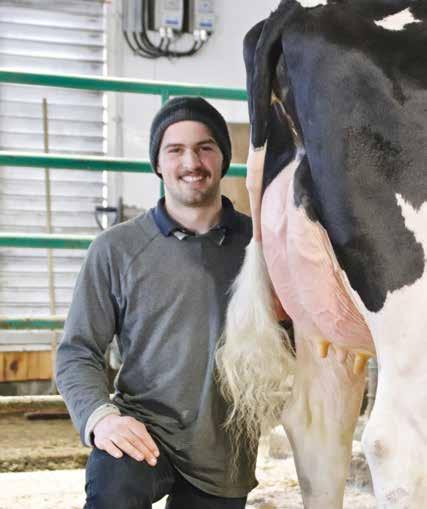
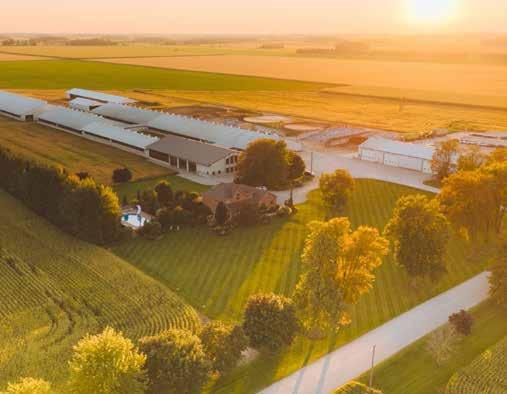
THERE’S A LOT OF MOVING PIECES ON A DAIRY FARM – from managing feed rations and monitoring heats to working with employees and keeping animals healthy – and for the Portena family of Windulan Holsteins Ltd., staying on top of it all means leaning into technology. Every app notification, data point, connected device and system upgrade in the barn helps them make smarter decisions, streamline daily work and, most importantly, keep a closer eye on herd health. In an industry where timing and accuracy can make all the difference, technology isn’t just a convenience, it’s embedded in the daily operations of Windulan Holsteins.
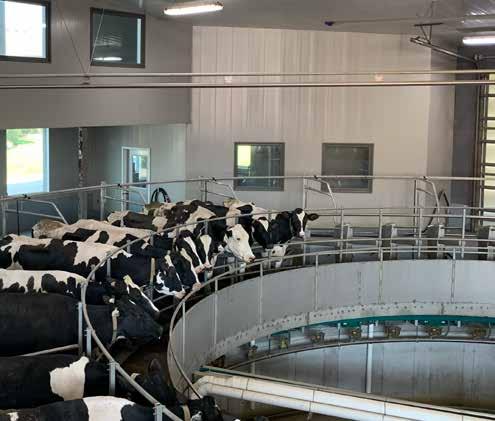
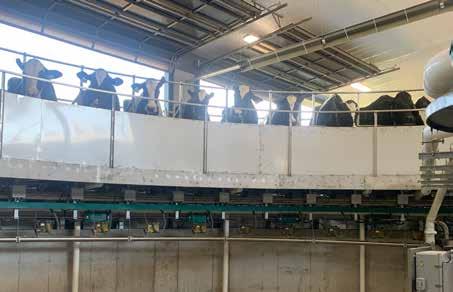
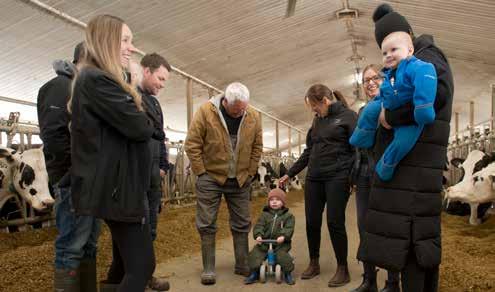
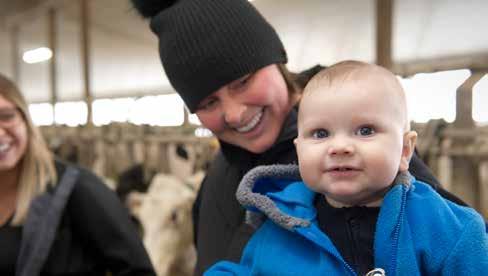
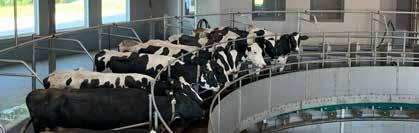
Since Mike and Theresa Portena founded their family farm in 1997, the family has transitioned from a double-six parallel parlour to a 50-stall external GEA rotary parlour that was installed in 2021 on their home farm in Monkton, Ont. Gina Portena, one of Mike and Theresa’s four children, says she’s grateful her parents led the milking system upgrades over the years. As a result, Gina and her three siblings – Joanne, Ryan and Marco – are all actively involved on the farm, along with their spouses. Today, the family continues to invest in new technology to help them manage their workload, enhance herd health and improve their overall farm management.
While both parents are still actively involved in the farm management and day-to-day operations, each sibling has found their own niche, or area of interest. Joanne supports the farm’s human resources and payroll needs, along with the responsibilities that come with hiring and managing foreign workers that are employed on the farm. Gina is responsible for herd health, breeding and employee scheduling, Ryan takes care of feeding, fieldwork and barn maintenance, and Marco splits his time between fieldwork, barn work and barn maintenance too.
In addition to milking 500 cows at their home farm location, the family also has a second farm in Walton, Ont., where they milk 120 cows in a double-12 parallel parlour. The Portena family relies on eight full-time employees to manage their farms, including foreign and local workers.
“Securing a consistent workforce, especially individuals with dairy experience, continues to be a challenge,” says Gina. “By implementing technology and standardized systems, we’ve been able to bridge critical skill gaps, especially in identifying animal health concerns, while also improving overall labour efficiency.”
In an industry where timing and accuracy can make all the difference, technology isn’t just a convenience, it’s embedded in the daily operations of Windulan Holsteins.
From parlour upgrade to precision monitoring
“Our cows love the rotary parlour,” says Gina, noting the cows on their home farm in Monkton are milked three times each day, and the cows at their Walton farm are milked twice a day. “The system also helps with cow flow and makes milking a lot faster and more efficient.”
With the installation of their new GEA rotary parlour, Windulan Holsteins also adopted the GEA CowScout ID system, equipping cows with neckband transponders to enhance monitoring and data collection. Gina says the information collected through the neckband monitoring, especially the rumination statistics, has been a game changer for their herd health. Not only can she pick up on feed intake changes earlier, but she also relies on the data as an important check point for monitoring animal health. Gina estimates the rumination monitoring has helped their farm identify 90 per cent of their sick cows and says it’s a beneficial tool for their herd and everyone working with the animals.
“We’re always looking for ways to enhance how we care for our cows,” says Gina. “The neckbands and rumination monitoring give us deeper insights into early changes, allowing us to act quickly and support long-term herd health.”
The neckbands also help identify cows that need to be sorted and separated for breeding and health checks. Once identified, the rotary’s sorting lane automatically sorts the cows, keeping animal flow efficient and reducing labour requirements. The Monkton farm location also has an additional single-six parlour where they milk treated and fresh cows.
With the installation of their new GEA rotary parlour, Windulan Holsteins also adopted the GEA CowScout ID system, equipping cows with neckband transponders to enhance monitoring and data collection.
“The amount of information collected from the neckbands is amazing,” says Gina, noting that while the information is valuable, it also needs to be processed and presented in a timely and efficient way for the Portena family to apply it. That’s where the Nedap Now system has made a difference, helping the family make informed decisions and elevating their herd management to the next level.
Gina explains that information from their cows on both farms is collected using the Nedap Now app that is connected to her phone. The information on the app can also be accessed through their computer in the barn. Every family member has access to the app and together, they all make a point to check the data and take any necessary action twice each day. As the farm’s herd health lead, Gina says she monitors the app regularly, watching for a variety of notifications like feed intake and heats. Even though the family has only been using the app since early 2026, Gina says it’s already made a significant impact, helping identify signs of mastitis earlier and enabling her team to treat cows faster.
The Nedap Now app also collects information about reproduction, general cow health, feed intake and animal movement. “The time savings and accuracy of data is a huge benefit, especially with the number of cows we have to monitor and manage,” says Gina, noting that the technology also takes the pressure off of her and her staff when it comes to proactively detecting health concerns.
The more technology becomes part of the Windulan Holsteins operation, the more critical strong technical support becomes. Gina says technical support is essential to maintain their systems, especially because they rely on it so heavily now. She encourages fellow farmers exploring comparable technology to prioritize dependable technical support.
For anyone thinking about investing in on-farm technology or systems upgrades, Gina also recommends making the time for thorough research. For the Portena family, that looks like talking to fellow farmers who have experience with the technology they are interested in, meeting with equipment or service providers, touring dairy operations and asking questions.
By implementing technology and standardized systems, we’ve been able to bridge critical skill gaps, especially in identifying animal health concerns, while also improving overall labour efficiency.
– Gina Portena
1997 – double-six parallel parlour
1999 – double-nine parallel parlour
2002 – double-12 parallel parlour
2016 – internal 40-stall rotary parlour
2021 – 50-stall rotary parlour
2026 – Nedap Now app
Calling all Youth and Young Adults, Holstein Canada wants to hear from you!
Are you between the ages of 12 – 30 and passionate about the future of Canada’s dairy industry? Well, we want to hear from you!
We are inviting all youth and young adults to take part in a short survey that will build and shape the direction of Holstein Canada’s Youth Programs (Junior Member and Young Leader).
Your feedback will directly influence how our programs evolve and whether we introduce new programs to better support, inspire, and connect the next generation of dairy leaders.
Share your perspective and shape what’s next for the future of Holstein Canada’s youth programs!

When it comes to investing in new technology or adjusting their management approach, the Portena family makes those decisions as a team. “The changes we’ve made have been a collaborative investment in our farm and our dayto-day operations,” says Gina, reflecting on just how much the data provided by the neckbands and using the Nedap Now app has changed their reliance on using data to make decisions.
Today’s tech supports tomorrow's legacy While technology will continue to share the success of Windulan Holsteins, Gina says her family's management appraoch hasn't really changed. They remain hands-on with herd health, but the added data is helping them to streamline the process, enabling everyone on the farm to leverage another tool to help identify problems through the information collected.
“We are all so proud to be a part of such a great industry,” says Gina. “The dairy industry is constantly evolving, and as a family, we’re committed to growing right along with it.”
ARTIFICIAL INTELLIGENCE (AI) HAS RAPIDLY BECOME A TRANSFORMATIVE FORCE IN THE WORKPLACE. Its ability to analyze data, interpret behaviour, generate content and automate repetitive tasks is helping organizations elevate their strategies and create more meaningful connections with consumers.
In today’s digital landscape, AI supports marketers in a wide range of activities, from content and image creation to customer service chatbots to market analysis, and everything in between. Many organizations also rely on AI tools to process large volumes of data, uncover trends and generate insights that guide more informed decision-making.
When used responsibly, AI enhances human creativity rather than replacing it. It allows marketers to spend less time on manual tasks and more time on storytelling, strategy and building authentic relationships with audiences.
For Dairy Farmers of Ontario (DFO), AI is becoming a key ingredient in an increasingly interconnected digital marketing strategy. Over the past several years, DFO has expanded the individual components of its digital presence – websites, email marketing and social media. With each channel now strong on its own, the organization has shifted its focus to building what it calls a “digital ecosystem”: a seamless experience where every platform works together to guide and engage consumers.
In this ecosystem, no channel exists in isolation. Instead, each acts as a wheel in a larger machine designed to reach people where they are, draw them toward a central online hub and keep them engaged with content that feels timely, relevant and personalized.
DFO’s marketing evolution centers on three priorities:
Understanding and prioritizing user behaviour on its website
Segmenting email lists to deliver more customized content
Automating content to stay efficient with available resources
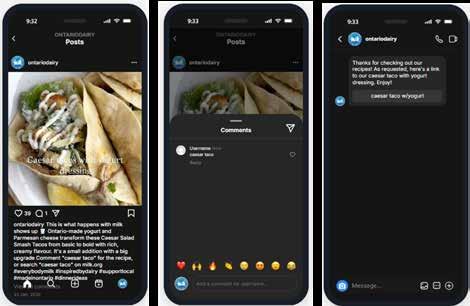
For example, a consumer may start their journey by commenting on a social media post asking for a recipe. DFO then uses online tools to automatically trigger a personalized response with a link to the recipe on DFO’s website. Once the user spends time on the recipe page, consumers are segmented into a “recipe maker” audience within the email platform. From there, they receive follow-up emails featuring complementary recipes that match their interests. Many of these online tools include AI features to help set up triggers and automations, identify patterns based on user behaviours, and provide actionable alerts and suggestions to improve our digital marketing flow.
This creates a smooth, connected experience where each digital touchpoint reinforces the next.


DFO’s use of AI highlights how technology can enhance, not replace, the human touch in consumer marketing. By combining AI-driven insights with thoughtful storytelling and community engagement, DFO is creating more relevant, meaningful interactions with consumers, while strengthening its digital presence as a whole.
As the digital landscape continues to evolve, AI will remain a tool in helping DFO connect with audiences in smarter, more personalized ways.
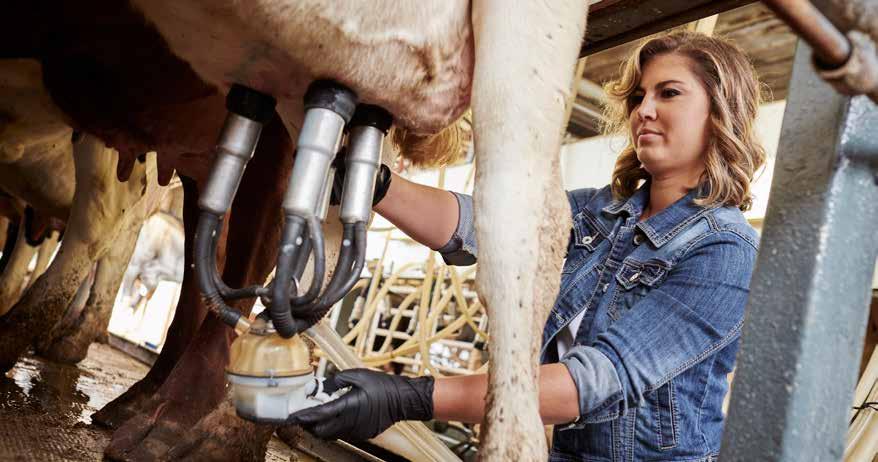
TOTAL REQUIREMENTS IN DECEMBER SAW A ONE PER CENT INCREASE compared to December last year. On a 12-month basis, growth continues to be strong at 3.7 per cent. The same trend was seen in quota requirements for December. With the growth in December, P5 was able to repay prefilled quota from the spring and avoid an over-quota penalty.
At the P5 level on a 12-month basis for December, quota growth continues to be strong at 3.1 per cent. Overall, December was a relatively strong month.
For 2025, growth was stronger than had been forecasted with strong demand from further processing markets contributing to the higher than expected demand. For 2026, growth of total requirements is forecasted at 1.5 per cent, which is driven by a decrease in population and trends around consumer demand for high-fat products.
In January 2026, butter stocks reached 41,945 tonnes, up from December by 5,400 tonnes. Butter stock levels continue to be at the highest seen in the last five years. The increase in stocks is significantly higher than in previous years and is as a result of the increase in cream availability due to higher fat tests on farm, and strong demand from processors to fill demand for high-protein products.
Cheese stock levels for the month of January 2026 were at 105,446 tonnes, up 2,000 tonnes from December and higher than the last five-year average.
For the 52 weeks ending January 31, 2026, sales for fluid milk, fluid cream, yogurt, ice cream, cheese and butter increased/decreased by -0.3, 0.2, 6.2, 7.8, 1.9 and 5.2 per cent, respectively.
Canadian butterfat requirements in kilograms and actual butterfat production across the P10.
1,000,000 1,050,000 1,100,000 1,150,000 1,200,000 1,250,000 1,300,000 1,350,000 1,400,000
12-month production (in millions of kilograms)
12-month requirements (in millions of kilograms)
452.5
Canadian production has increased by 3.2 per cent over the previous 12 months, and requirements have increased by 2.9 per cent over the previous 12 months.
This graph shows Ontario’s SNF-BF ratio for the last 12 months.
Average increase in retail sales for dairy products sold in Ontario and the dairy product’s share of the total market sales, including at hotels, restaurants and institutions.
• At the P5 level on a 12-month basis for December, quota growth continues to be strong at 3.1 per cent. Overall, December was a relatively strong month ;
• For 2025, growth was stronger than had been forecasted with strong demand from further processing markets contributing to the higher than expected demand
• Butter stock levels continue to be at the highest seen in the last five years. The increase in stocks is significantly higher than in previous years and is as a result of the increase in cream availability due to higher fat tests on farm, and strong demand from processors to fill demand for high-protein products
As of March 26, 2022
* Source: AC Nielsen & StatsCan NOTE: There is a two-month lag in the national retail sales data.
Percentage of the total milk produced in Ontario that was used to produce dairy products.
January 2026
For January 2026 (kg of butterfat/kg of solids non-fat)
*There is a two-month lag reporting these figures.
% Solids non-fat
% Butterfat
Class 1a1 (includes Classes 1a2, 1a3, 1c and 1d for confidentiality reasons) Fluid milk and beverages
Class 1b Fluid creams Class 2a Yogurt, yogurt beverages, kefir and lassi
Class 2b4 (includes Classes 2b1, 2b2 and 2b3 for confidentiality reasons) Fresh dairy desserts, sour cream, milkshakes and sports nutrition drinks
Class 2b5 Ice cream and frozen yogurt
Class 3a1 Specialty cheese
Class 3a2 Cheese curds and fresh cheeses
Class 3b2 (includes Class 3b1 for confidentiality reasons) Cheddar cheese and aged cheddar
Class 3c1 Feta
Class 3c2 Asiago, Gouda, Havarti, Parmesan and Swiss
Class 3c4 (includes Classes 3c3 and 3c5 for confidentiality reasons) Brick, Colby, farmer’s, jack, Monterey jack, muenster, pizza cheese, pizza mozzarella and mozzarella other than what falls within 3d
Class 3c6 Paneer
Class 3d Mozzarella used strictly on fresh pizzas by establishments registered with the Canadian Dairy Commission
Class 4a Butter and powders
Class 4d (includes Classes 4b1, 4b2, 4c and 4m for confidentiality reasons) Concentrated milk for retail, losses and animal feed
Class 5a Cheese for further processing
Class 5b Non-cheese products for further processing
Class 5c Confectionery products
A total 3,140 producers sold milk to DFO in January compared with 3,157 a year earlier. Jan. 2026:
DEDUCTIONS, PER HL
For January 2026
* These figures are based on Ontario’s average composition for January, 2026 of 4.4699 kg butterfat, 3.3974 kg protein and 5.9723 kg other solids, rounded to the nearest cent.
The graph below shows the 12-month blend price for the P5 provinces and Western Milk Pool (WMP).
*There is a two-month lag reporting these figures.
The February 2026 Class III Price, US $14.94 per hundredweight, is equivalent to C $46.40 per hectolitre. This equivalent is based on the exchange rate US $1 = C $1.3681 the exchange rate when the USDA announced the Class III Price.
The Class III Price is in US$ per hundredweight at 3.5 per cent butterfat. One hundredweight equals 0.44 hectolitres. Canadian Class 5a and Class 5b prices track U.S. prices set by the U.S. Department of Agriculture.
Source: USDA
QUOTA PRICES ($/KG)
Co-ordinated by Dairy Farmers of Ontario’s communications and economics departments. Questions? Please email questions@milk.org.
STAY UP TO DATE!
Weekly Update email newsletter every Friday for Ontario dairy producers.
Milk Producer magazine is the voice of Ontario dairy producers. Subscribe for free or read online at www.milkproducer.ca.
Dairy Farmer Update provides updates with the monthly milk cheque.
Producer Dashboard , a secure platform behind your password on MMS that contains important news, updates and forms.
www.milk.org
Facebook: /OntarioDairy
X: @OntarioDairy
Instagram: @OntarioDairy
LinkedIn: /company/Dairy-Farmers-of-Ontario
By Victoria Asselstine and Sarah Dean, Jefo Nutrition Inc. & Essi Evans, E+E Technical Advisory Services
WHERE precision is no longer optional. Feed is the single largest cost on most dairy farms, and small inefficiencies in nutrient utilization can quietly erode profitability. While ration formulation software continues to evolve, one biological reality remains: the rumen is both an asset and a source of variability. When nutrients are degraded, transformed or tied up in the rumen before reaching the small intestine, the cow does not receive what was formulated on paper. In a system where every penny counts, that gap between formulated supply and metabolizable supply matters.
For decades, dairy nutrition relied on the assumption that rumen microbes synthesize sufficient B vitamins to meet the cow’s needs. While this may have been adequate for lower-producing cows, today’s high-performing dairy animals operate under dramatically greater physiological demands. Modern cows consume more dry matter, have faster passage rates and produce higher milk volumes than ever before. Transition stress and high-energy diets place additional strain on liver function and metabolic pathways. Under these conditions, microbial synthesis may not consistently meet requirements, particularly for key B vitamins involved in energy metabolism.
Biotin plays a critical role in keratin formation and hoof integrity, with responses often observed in claw health and production when metabolizable supply is optimized. Folic acid and vitamin B12 are central to one-carbon metabolism and energy partitioning, especially during early lactation when metabolic demand peaks. Riboflavin and thiamine support carbohydrate metabolism and oxidative balance, yet their availability can be influenced by rumen conditions and diet composition.
From an economic perspective, improved predictability supports tighter formulation margins. Instead of over-supplementing to compensate for uncertainty, nutritionists can align supply more closely with physiological demand.
Many B vitamins are readily degraded in the rumen (Figure 1). Rumenprotected forms allow targeted delivery past microbial fermentation and release in the small intestine, where absorption occurs. This increases certainty in metabolizable supply and reduces variability linked to rumen environment, diet fermentability or intake fluctuations.
From an economic perspective, improved predictability supports tighter formulation margins. Instead of over-supplementing to compensate for uncertainty, nutritionists can align supply more closely with physiological demand. Even modest improvements in metabolic efficiency can translate into measurable herd-level gains.
minerals: managing interactions in a complex system
Trace minerals such as selenium, copper and zinc present a similar challenge. While essential for immune function, reproduction, antioxidant defense and hoof health, their bioavailability is highly influenced by rumen chemistry and dietary antagonisms. In the rumen, trace minerals don’t always stay in a form the cow can use. They can attach to other compounds in the diet, which limits how much is ultimately absorbed. For example, certain feed components can reduce copper availability, and zinc can become tied up in parts of the ration that pass through unused. Selenium absorption can also vary depending on its source. Because of this
Figure 1. A large portion of dietary B vitamins and choline can be broken down in the rumen before they are absorbed. Rumen-protected forms help ensure more of these nutrients reach the cow where they are needed, improving efficiency and reducing nutrient waste.
uncertainty, nutritionists often increase mineral inclusion rates to ensure cows receive enough. While this may safeguard against deficiencies, it can also raise feed costs and increase mineral excretion.
Improving mineral bioavailability helps ensure more of what is fed is used by the cow, supporting both profitability and sustainability. Protected or more bioavailable mineral forms help reduce ruminal binding and improve intestinal absorption. Improved tissue retention supports immune resilience, reproductive performance and oxidative stability, while potentially lowering total inclusion rates. Greater nutrient efficiency not only supports cow performance but also reduces nutrient waste and environmental losses.
Precision feeding: efficiency is the new margin
Rumen-protected amino acids, vitamins and optimized mineral sources help close that gap. By increasing certainty in metabolizable supply, they allow nutritionists to formulate closer to true biological requirements rather than gross dietary inclusion. Across an entire herd, small improvements in nutrient utilization can generate significant economic return. Improved feed efficiency, reduced health disruptions and lower nutrient waste all contribute to stronger margins.
Today’s dairy cows are metabolic athletes. Delivering nutrients precisely, where and when they are needed, supports both performance and sustainability. Because in a business where margins are tight and input costs fluctuate, improving nutrient efficiency by even a few percentage points matters. When every penny counts, precision is profit.
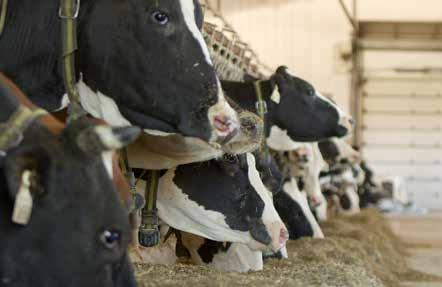
Improving mineral bioavailability helps ensure more of what is fed is used by the cow, supporting both profitability and sustainability. Protected or more bioavailable mineral forms help reduce ruminal binding and improve intestinal absorption.
“We believe in Udder Comfort.”


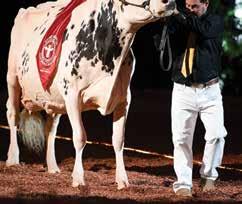

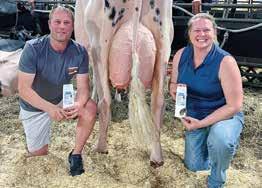

“We believe in Udder Comfort™ and are using it 15 years for our show cows and fresh cows to bring quality and texture to the udder,” says Ysabel Jacobs, Ferme Jacobs, Cap-Santé, Québec, 10-times


Premier Breeder at World Dairy Expo. They apply Udder Comfort daily at shows and to all fresh udders after each milking for 3 days after calving. Ferme Jacobs were the 2025 WDE Premier Breeder of the Holstein Show.
By Cynthia Miltenburg, Lead Veterinarian Animal Health and Welfare, Ontario Ministry of Agriculture, Food and Agribusiness
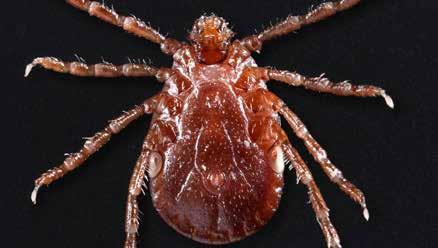
IS A GROWING RISK FOR ONTARIO, AND OTHER PARTS OF SOUTHERN CANADA, for ticks and tick-borne diseases of cattle. The Asian Longhorned Tick (ALT) has spread rapidly across the eastern United States in the past decade and a new disease, Theileria orientalis Ikeda, is spreading with it.
The Asian Longhorned Tick was first detected in North America in 2017 on a sheep in New Jersey. A review of archived specimens revealed the tick was likely present as early as 2010, and later research suggests it entered North America through four distinct introductions from Asia. The ALT has been detected in 25 different states across the central and eastern U.S., including Maine, Michigan, New York and Ohio. It is likely that the tick could spread into Canada given their host range, cold tolerance and reproductive pattern.
ALT
The ALT is unusual because it exists in two forms: a sexual form, with males and females that reproduce together, and a parthenogenetic form, made up entirely of self-cloning females. The parthenogenetic form, currently present in the United States, allows a single female to lay viable eggs and start an entirely female population on her own. The ALT tick feeds on many different types of hosts, including dogs, humans, deer and other wildlife, birds, horses and livestock, especially sheep, goats and cattle.
ALT survives under a wide range of environmental conditions but prefers mild temperatures and humid climates. They are found in a variety of habitats including fields, pastures and along forest edges. The tick lives for approximately two years, so they are able to survive colder temperatures in the winter by entering a diapause (a form of suspended development) at any life stage.
In the United States, ALTs transmit the protozoal parasite Theileria orientalis Ikeda, which causes bovine theileriosis. Theileria orientalis Ikeda infects and destroys red blood cells, which causes anemia. Symptoms typically appear one to four weeks after exposure and may include weakness, reduced appetite, rapid breathing, jaundice and in some cases, abortion or death. Mortality is typically less than five per cent, however, some herds have experienced losses up to 50 per cent. Some, or even most, cattle in a herd may become infected without showing clinical signs. Animals that survive the infection become lifelong carriers of the parasite; there is no curative treatment. These animals act as reservoirs of Theileria orientalis Ikeda and can contribute to future infections when ticks feed on them and transmit the parasite to other animals in the herd. Theileria orientalis Ikeda can also be transmitted by practices that transfer infected blood between animals, such as shared needles or equipment like dehorning or tagging tools, without proper disinfection. Although less efficient than tick transmission, biting flies and lice can also move infected blood between cattle.
As ALT becomes more common in the U.S., Theileria orientalis Ikeda infections have risen in U.S. beef and dairy cattle, particularly in the midAtlantic, Northeast and Midwest regions. Data provided by Virginia Tech for a recent webinar estimated that 85 per cent of cull cattle sold through some Virginia sales barns are now positive. Cattle imported from these regions, but broadly anywhere in U.S. are at increased risk of carrying the parasite. Carrier cattle may appear healthy but can introduce the disease into naïve herds.
Presently, ALT has not been detected in Canada, but that could change. Ticks can be moved internationally on infested horses, pets and even people, and may be transported long distances on cattle or other livestock. This occurred in August of 2025 when ALTs were detected on a load of cattle from Virginia, presented at a port of entry in Ontario. This is concerning because Southern Ontario, Quebec and Atlantic Canada have regions that are likely suitable for the tick to establish if introduced. Recently, a case of Theileria orientalis Ikeda was detected in a dairy cow imported from the United States into an Ontario dairy herd. Subsequently, one other cow in the same herd was found to be positive. There is no testing requirement for Theileria orientalis Ikeda prior to importation.
With the increasing risk for ALT introduction and Theileria orientalis Ikeda exposure, producers and veterinarians should take precautions, particularly when importing cattle.
1. Monitor cattle for ticks.
• Carefully inspect cattle before introducing them to your herd. Key areas to inspect include ears, inside of the legs, tail head, under the tail and around the udder.
• Discuss tick control protocols with your veterinarian, particularly for imported cattle.
• If ticks are found, remove the ticks and submit photos for free tick
identification at https://etick.ca/. The site provides instructions for safe removal, photography and next steps. Ticks should be kept until photo identification is complete, ensuring any species new to Canada can be further examined if needed. This resource can also be used for ticks found on people, pets or horses.
2. Test and isolate imported cattle.
If purchasing cattle from the U.S., talk to your veterinarian about blood testing for Theileria orientalis Ikeda infection. Isolate and monitor newly purchased cattle before introducing to your herd.
3. Watch for clinical signs.
Contact your veterinarian if cattle show signs such as anemia (pale mucous membranes, often appearing as white or light pink tissue around the eyes, nose and vulva), weakness, increased respiratory effort or unexplained mortality. Theileria orientalis Ikeda can look like another emerging tick-borne disease called bovine anaplasmosis, which should also be ruled out.
Livestock, ticks and tick-borne pathogens have the potential to move far and wide, and Ontario and other parts of Canada’s climate is suitable for ALT establishment should it arrive. Newly purchased cattle may look completely healthy yet still pose a risk to the rest of your herd. Talk to your veterinarian about your own herd’s risk level, and please submit photos of any ticks you find so we don’t miss it when it arrives.
The author gratefully acknowledges the contributions of the Canadian Animal Health Surveillance System Asian Longhorned Tick Task Force to this article.

By Drs. Amanda Fischer-Tlustos, Postdoctoral Fellow, Dept. of Animal Biosciences; Dave Renaud, Professor, Dept. of Population Medicine, Ontario Veterinary College; & Michael Steele, Professor, Dept. of Animal Biosciences, University of Guelph
RESEARCHERS, NUTRITIONISTS, VETERINARIANS AND PRODUCERS
ALIKE RECOGNIZE A SIMPLE BUT CRITICAL FACT: today’s heifer calves are the future of the dairy herd. We have known for more than a decade that early-life nutrition and health are strongly linked to calf productivity and future milk production. Yet, many farms continue to face challenges in implementing optimal nutrition and management practices, resulting in high rates of preweaning illness and associated declines in productivity and future milk yield. Thus, there remains a lot of work to be done at the research level to ensure maximum benefit at the farm level.
To investigate opportunities to improve calf nutrition, management and health, the University of Guelph leverages a powerful synergy between the Department of Animal Biosciences and the Department of Population Medicine within the Ontario Veterinary College. Researchers in Animal Biosciences focus on the underlying mechanisms driving calf development, while colleagues in Population Medicine evaluate how changes in these processes influence health and performance at the calf and farm levels. This integrated approach has fueled a significant increase in research output,
with more than 150 peer-reviewed publications on best practices over the past decade. Supported by over $10 million in competitive research funding and guided by the priorities of our Canadian dairy producers, our program is committed to conducting research that not only propels the science further, but remains directly applicable at the farm level.
At the University of Guelph, our current calf research programs are centered around three integrated themes:
1. Early-life nutrition and development
2. Health management and disease prevention
3. Whole-systems approaches
Within early-life nutrition, our recent work highlights that calves require more colostrum than previously recommended and we have begun to identify modifiable cow-level factors that impact colostrum quality and volume. Moving beyond the first day of life, we have also shown that milk replacer composition and weaning protocols can drastically impact calf productivity. And for producers raising dairy-beef animals, we have demonstrated that early-life nutrition can dictate their feed efficiency and carcass quality later in life.
From a health management perspective, our research emphasized judicial antibiotic use as preventative administration can negatively impact calf development. We are also leveraging on-farm technologies, such as automated milk feeders, to enhance early disease detection and intervention. Additionally, we are examining transitional stressors, and have identified calf transportation within the first week of life as a significant risk factor for disease.
Together, these research themes reinforce the importance of our wholesystems approach. Our calf nutrition and health management research are not conducted in isolation; rather, they are intentionally designed and executed in coordination with one another. Further, we have been conducting work with Canadian producers, which highlights the need for producers to work collaboratively with veterinarians and advisors to drive meaningful and lasting impacts on calf health and performance.
The researchers at the University of Guelph are committed to knowledge transfer and we recognize that we cannot encompass all of our findings and new recommendations in this article. For that reason, we are hosting a Producer Day at the University of Guelph on Saturday, May 23rd, 2026 from 10:00 am to 2:30 pm. Details on speakers and how to register can be found on our website: https://colostrummeeting.com/producerday. This event is important not only about sharing our research – it is about creating a meaningful dialogue and discussion with you, the producers. When you register, you will be invited to submit your most pressing questions related to calf health, nutrition and management so we can address the topics that matter most to you and assist in advancing your farm’s productivity and profitability. Mark your calendars and join us as we work together to shape the next generation of calves!

18 Ontario farms are among the 58 farms from across Canada participating in the second round of the On-Farm G reenh ou s e Gas (GHG) Calc ulator project. Organized by the provincial associations and Dairy Farmers of Canada (DFC), the project a i m s t o t e s t on-farm tools and provide s u s ta inabili t y support to dairy farmers. Here’s an update on the project’s progress in 2026.
In the first round of the project, 41 farms across Canada tested a calculator called the Cool Farm Tool (CFT). Five advisors completed the Certified Advisor program and met with the participants to help them collect data. The farms represented the average size, management system, and location for their province.
Once all the necessary data were collected, advisors entered the information into the CFT to obtain an individual assessment of GHG emissions for each farm. The advisors helped the farmers create a continuity plan, including a breakdown of the CFT assessment results and best management practices that could be implemented on-farm to potentially lower emissions.
At the 2025 DFC Annual General Meeting, project participant and Ontario dairy farmer Janet Harrop emphasized the tool’s usefulness in providing farmers with more insights into their management practices. “It p rovides us, the producers, with tools to be able to have a bigger, different lens of the farm,” she said.
The second round of the project, ongoing until May, has a third of the farms from Round 1 returning; these farms will be able to see where and how their results differ from the previous round. Round 2 tests the Cool Farm Platform, an updated version of the CFT, and, in Quebec, a tool from AgriClimat.
Advisors still help create individual continuity plans for each farm, which include a breakdown of assessment results, including o verall farm emissions, em issions per kilogram o f milk produced, and emissions per source (e.g. livestock, manure, crops). The plans also suggest management practices which could be used to reduce on-farm emissions.
Once all assessments are complete, a team of GHG calculator ex per ts review the data to check fo r ou tl iers or da ta errors. I n April, participating farmers will discuss continuity plans and assessment results with their advisors, then provide DFC with feedback at a virtual roundtable or through a survey.
W h i le providing valuable data o n GHG e missions from Canadian dairy farms, the calculator assessments could be used in annual sustainability reporting. This will help both dairy farmers who want to monitor their individual progress and DFC monitor progress at the national level, hopefully inspiring and informing change.
For more updates on the On-Farm GHG Calculator Project and other initiatives, sign up for DFC’s Dairy Express, the newsletter exclusively available to Canada’s dairy farmers. You will get immediate updates right to your inbox. Email Communications@dfc-plc.ca with your name, farm name, and farm number.
By Bruna Mion, PhD – Dairy Production Expert, Lactanet & Liliana Fadul, PhD – Data Science Manager, Lactanet
TWO MONTHS OFF. NO STRESS. JUST REST AND RELAX?
Sounds like nice vacation plans, but it is just what we expect from cows during the dry period. This period is the best opportunity to prepare cows for the next lactation. When the dry period is managed well, cows are more likely to peak higher and perform better in the next lactation.
What is the ideal dry period duration?
There is no single number that fits every farm. Dry period length is influenced by stall availability, milk production, reproductive performance, labour, quota and incentive days. Because of these differences, producers use a wide range of strategies.
In general, very short or very long dry periods have been associated with negative effects in the production of the next lactation1,2
When the dry period is shorter than 25 to 30 days, the udder does not have enough time to fully recover and prepare for the next lactation, reducing milk yield after calving. In many cases, shorter dry periods are linked to shorter gestation caused by twins, abortions, dystocia or other stressors. Recent studies suggest that the factors causing shorter gestations are the main contributors to poor performance associated with the shorter dry period3,4
On the other hand, long dry periods often lead to excessive gain in body condition before calving. Over-conditioned cows are at greater risk of metabolic challenges and diseases. Cows that take longer to become pregnant and/ or have a low production late in lactation are often dried-off early, contributing to a longer dry period.
These associations are based on specific cows that fall outside the target range. However, a small number of cows is unlikely to strongly affect overall herd performance. To better reflect what happens on farms, we focused on herd-level average dry period length.
What are Canadian
We analyzed data from 5,316 Lactanet herds across Canada. In 2025, the average dry period was 65 days. However, the distribution was wide.
Most herds (76 per cent) were between 40 and 70 days, less than one per cent of the herds were below 40 days, and 23 per cent were above 70 days.
This wide range made us curious to see whether dry period length is associated with herd performance and the success of the transition period.
We classified herds into three groups: the 10 per cent of herds with the shortest dry period (48 days), the middle 80 per cent, referred to as the average dry period group (63 days), and the 10 per cent of the herds with the longest dry period (97 days). Herd performance was compared across these groups.
Before we dive into the results, it’s important to note that while the data explored here is collected through milk recording, errors cannot be identified retrospectively, underscoring the importance of accurate data entry. In addition, herds using embryo collection or in vitro fertilization (IVF) protocols may have a longer dry period average because of their reproductive strategy, and this was not accounted for in the analysis.
Herds with the longest dry periods had the poorest performance (Figure 1). Compared with average dry period herds, they produced on average 1,437 less milk, 66 kg less fat and 52 kg less protein per year.
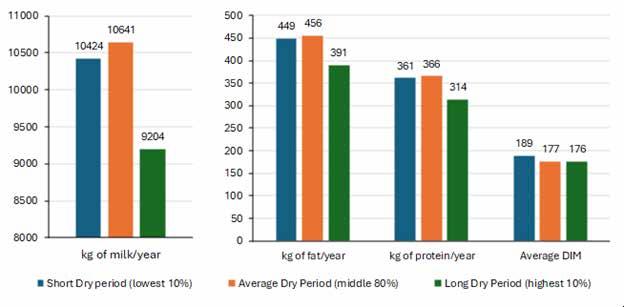
Herds with short dry periods performed only slightly below the average group. Although fat and protein yields were similar, herds with short dry period produced on average 217 kg less milk per year. These herds also had higher days in milk, which likely reflects a management choice to milk cows longer before dry-off rather than a high number of cows calving early.
The number of lactating cows was similar between short and average dry period herds (about 92 cows), while herds with long dry period were smaller, averaging 73 lactating cows.
The transition period is the most challenging time for cows, and dry cow management strongly influences success after calving. We also examined the impact of dry period duration on key transition indicators (Table 1).
Herds with short or long dry periods had lower Transition Management Index (TMI) averages and a higher proportion of cows with negative TMI. These herds also had lower milk yield at peak.
Although the proportion of cows with elevated milk beta hydroxybutyrate (BHB), which indicates subclinical ketosis, was similar across groups, herds with the longest dry periods had the highest percentage of cows culled by 60 days in milk (DIM). A longer dry period could be associated with high body condition at calving, leading to more metabolic challenges and increasing the risk of diseases, and consequently the risk of culling early in lactation.
References
This helps explain why their performance was like herds with an average dry period.
The greatest risk is when the dry period is too long, which was associated with lower milk and component yields and increased early culling. Longer dry periods can result from poor reproduction, low production and space availability. Improving those metrics, avoiding excessive body condition gain and strengthening transition cow management can improve long-term herd performance.
Getting the dry period right is about consistency across the herd and setting cows up for a productive next lactation.
1Cermakova, J., V. Kudrna, M. Simeckova, A. Vyborna, P. Dolezal, and J. Illek. 2014. Comparison of shortened and conventional dry period management strategies. J. Dairy Sci. 97:5623-5636.
2Kuhn, M. T., J. L. Hutchison, and H. D. Norman. 2006. Dry Period Length to Maximize Production Across Adjacent Lactations and Lifetime Production. J. Dairy Sci. 89:1713-1722.
3Olagaray, K. E., M. W. Overton, and B. J. Bradford. 2020. Do biological and management reasons for a short or long dry period induce the same effects on dairy cattle productivity? J. Dairy Sci. 103:11857-11875.
4Santschi, D. E., and D. M. Lefebvre. 2014. Review: Practical concepts on short dry period management. Can. J. Anim. Sci. 94:381-390.


We regrouped herds based on their dry period duration into free-stall herds or tie-stall herds. The same general patterns were observed in both housing types. Both housing systems had similar averages in the short dry period group. In the long dry period group, tie-stall herds had even longer averages (104 days) and much greater variation between herds.
Despite these differences, the negative impact of long dry periods on performance and transition success was consistent across housing types.
The target dry period duration is different for every herd. Our results show that a moderately short dry period can support good production. The short dry period herds still had averaged more than 35 days dry, allowing cows enough time to recover and prepare for the next lactation.
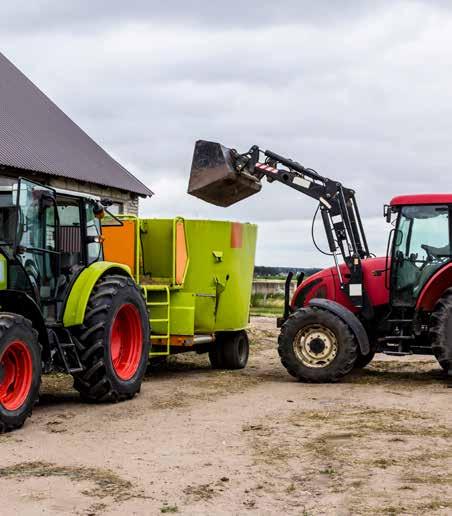
By Workplace Safety and Prevention Services
COMPLIANCE with federal safety standards, inspectors from Employment and Social Development Canada (ESDC) will visit federally regulated grain operations in Ontario. Bruce Christianson, Ontario regional director and regional operations and compliance director at ESDC explains where inspectors will focus their efforts.
“Most farm operations in Canada, including those that grow grain, are regulated by the province, operating under each province’s health and safety legislation,” says Christianson. “However, the Federal Labour Program gets involved in very specific, federally regulated grain operation, such as grain elevators, feed and seed mills, feed warehouses, and grain and seed cleaning plants.”
With heavy machinery, confined spaces, working at heights, moving conveyors and the possibility of engulfment, handling grain is a high-risk business. When you factor in mental health stressors, such as fatigue and anxiety, the risk of a serious injury rises. Handling grain is essential to how we live, but it is also potentially fatal if these hazards are not controlled.
“We know grain handling can be dangerous, but with proper planning and
yOur Beef / dairy CrOss Calves
Oxford Cattle Company is working with genetic companies to select sires for use in our guaranteed calf buy back program.
• We are now pleased to announce that we are interested in buying your holstein bull calves and can include them i n your regular pick up. We will take calves that are over 9 2 lbs and 10 days old. The price will be negotiated on a w eekly basis.
Presently serving southwestern Ontario region and Ottawa region.
For a Calf Pick Up Request text (519) 788-1399 by 1:00 pm Mondays
effective training, farms can eliminate many of the risks,” says Ryan Dick, a health and safety consultant with Workplace Safety and Prevention Services (WSPS).
Understanding whether your business is governed by federal or provincial legislation is a good starting point because failing to comply with the correct regulatory framework can leave your farm vulnerable to penalties and, more importantly, injuries. “Our health and safety experts will help ensure that farming operations are meeting their legislative requirements. That way, operators aren’t left guessing about what they need to do,” explains Dick. “Our focus is strictly prevention. We are not there to report on your operation. Our goal is to provide you with the guidance and information you need to protect your workers and keep your business running smoothly.”
During this initiative, inspectors will verify equipment is properly guarded, conveyors have adequate safety measures in place and confined space protocols are clearly documented and followed. These hazards have historically been linked to serious injuries and fatalities, making them a priority for the Federal Labour Program. “A few years ago, an 18-year-old worker died after falling down an unguarded elevator shaft. This is the kind of tragic incident we hope to prevent,” says Dick.
“Inspectors will conduct a physical walkthrough with workplace parties and will review relevant health and safety documentation. It’s an opportunity to review any issues and educate workplace parties if corrections are needed,” says Christianson.
We have seen a greater focus on the health and safety of agriculture operations from both the Federal and Provincial governments in recent years. Inspectors are looking for workers who know what to do, supervisors who are trained and equipment that is maintained. “Inspectors aren’t just looking for paperwork,” Dick points out. “They want to see that safety procedures are being lived out on the farm. That means the way a task is completed during training is done exactly the same way during harvest when it’s late at night and everyone is tired.”
Start preparing today
“Early planning and preparation are your best defence against tragedy. If you wait until inspectors show up, you’re already behind. But if you start now, you can build a culture of safety that protects your team every day,” says Dick. He and the team at WSPS are farm safety experts who can walk you through a detailed risk assessment, breaking down tasks, identifying hazards and guiding you through establishing controls. “We don’t just provide resources and leave you to figure it out on your own. We work with you to get it right and help you stay up to date,” he says.
WSPS has everything you need to make compliance accessible and efficient. Visit wsps.ca/farmsafety for free templates, checklists, training and other resources. Check out the latest episode of our podcast, Farm Safety Roundup, for the latest in farm safety news and best practices. “Safety isn’t just about avoiding fines. It’s about making sure everyone goes home at the end of the day,” says Dick. “That’s the real measure of success.”
Early planning and preparation are your best defence against tragedy. If you wait until inspectors show up, you’re already behind. But if you start now, you can build a culture of safety that protects your team every day.
— Ryan Dick, health and safety consultant with Workplace Safety and Prevention Services
Understanding whether your business is governed by federal or provincial legislation is a good starting point because failing to comply with the correct regulatory framework can leave your farm vulnerable to penalties and, more importantly, injuries.
By Veal Farmers of Ontario
ADDRESSING DIARRHEA EARLY IN A CALF’S ILLNESS HELPS LIMIT DEHYDRATION, discomfort and setbacks in growth. Acting quickly also improves the chances of a smoother recovery. This article is the second in a two-part series exploring calf diarrhea, with a focus on treatment and supportive care, along with herd-level prevention strategies to help producers strengthen calf health and reduce future disease risk.
The earliest visible sign of diarrhea is a noticeable increase in the water content of the manure. Early in the disease process, calves may respond well to oral electrolyte therapy and nutritional support, but as diarrhea progresses, rapid dehydration becomes a major concern. While dehydration is a frequent consequence of diarrhea, its intensity can range from mild to severe.
Mortality most often results from significant fluid depletion and the complications associated with dehydration, underscoring the importance of early detection and prompt fluid therapy. Administering an antiinflammatory can also help ease a calf’s discomfort from abdominal pain and fever, and that relief often helps them resume normal feeding behaviour, which is important for recovery.
A recent study presented by Dr. Luiza Stachewski Zakia at the 2024 Healthy Calf Conference highlighted that not all calves with diarrhea may need antimicrobials. The study showed that only 37 per cent of diarrheic calves were found to have bacteremia, meaning bacteria had moved beyond the gut and entered the bloodstream, creating a systemic infection.
Zakia encouraged producers to monitor calves closely for signs of bacteremia such as sunken eyes, increased rectal temperature, absence of a suckle reflex and difficulty standing to help prioritize which calves need immediate attention. If the calf has at least two of these symptoms, it may need antibiotics, said Zakia, otherwise the treatment may do more harm than good by killing more good bacteria in the gut.
Producers should collaborate with their herd veterinarians to create a clear treatment plan and determine when antimicrobials or other health products are truly warranted. Focusing treatment only on calves that genuinely require it helps slow the development of antimicrobial resistance and preserves the effectiveness of these medications for calves facing systemic infections.
For calves experiencing diarrhea but showing no signs of bacteremia, provide oral electrolytes (either by bottle or with an esophageal feeder) and alternate milk feedings at the usual volume. Always follow label directions when mixing electrolytes and avoid restricting milk intake. High-quality milk or milk replacer does not worsen diarrhea; in fact, restricting milk limits the energy and protein calves need to fight illness. Because nutrients are also lost through diarrhea, those calories must be replaced to help maintain energy levels and hydration. If a calf loses its suckle reflex or refuses to drink, evaluate its level of dehydration and contact the herd veterinarian for further care.
An easy test for evaluating dehydration involves pinching the loose folds of skin over the neck and/or shoulder of the calf to see if the skin quickly returns to normal or if it remains in folds for a few seconds. If the skin remains tented for two to five seconds, the calf is moderately (eight to 10 per cent) dehydrated. Looking at the inside corner of the eye can also be used as an indicator of dehydration. If there appears to be a gap between the corner of the eye (canthus) and the eyeball, significant dehydration is present. Calves in this condition require intravenous (IV) fluids and other medications.
Working closely with a herd veterinarian gives producers a clearer, more consistent plan for treating calves, especially during diarrhea outbreaks. Establishing a treatment protocol and receiving hands-on training for administering IV fluids helps ensure timely and effective care. Maintaining clear, accurate treatment records also makes it easier to spot underlying causes and risk factors sooner.
Vaccinating pregnant cows and heifers will boost the antibodies available in colostrum for the calf to defend itself against diarrhea pathogens. Vaccination is a worthwhile tool, but is not a replacement for inadequate management. These should be used in conjunction with a good colostrum and nutrition program and cleaning protocols.
Effective management of calf diarrhea relies on spotting the key clinical signs early, identifying which calves are at greatest risk of severe illness, and understanding when to use treatments such as oral electrolytes, antimicrobial medications and anti-inflammatory drugs. Herd veterinarians can help producers make informed decisions about when and how to intervene during diarrhea outbreaks and improve long-term outcomes.