Smart farm management: herd health, productivity and performance.

Smart farm management: herd health, productivity and performance.
PUBLISHED BY
DAIRY FARMERS OF ONTARIO
6780 Campobello Road Mississauga, ON L5N 2L8
COMMUNICATIONS
Sandra Da Silva sandra.da-silva@milk.org 905-817-2178
ADVERTISING
Pat Logan pat.logan@milk.org 519-788-1559
GRAPHIC DESIGN
Katrina Teimo
CONTRIBUTORS
Jeff Hyndman, Farm Credit Canada, Eric Olson, Amanda Hammell, Sean Tarry, Jeanine Moyer, Brynn McCannel Bross, Brooke McNeil, Elouise Molgat, Bruna Mion, Robert Matson, Workplace Safety & Prevention Services, Angie Wilson, Veal Farmers of Ontario, Sophia Borys.
Canada Post Publications Mail Sales Product Agreement No.40063866.
Return postage guaranteed. Circulation: 6,900. ISSN 0030-3038. Printed in Canada.
SUBSCRIPTIONS
For subscription changes or to unsubscribe, contact: MILK PRODUCER
6780 Campobello Road Mississauga, ON L5N 2L8
Phone: (905) 821-8970
Email: milkproducer@milk.org
Opinions expressed herein are those of the author and/ or editor and do not necessarily reflect the opinion or policies of Dairy Farmers of Ontario. Publication of advertisements does not constitute endorsement or approval by Milk Producer or Dairy Farmers of Ontario of products or services advertised.
Milk Producer welcomes letters to the editor about magazine content.
*All marks owned by Dairy Farmers of Ontario.
WEBSITES & SOCIAL MEDIA
www.milkproducer.ca
www.milk.org
Facebook: /OntarioDairy
X: @OntarioDairy
Instagram: @OntarioDairy
LinkedIn: dairy-farmers-of-ontario

www.milkproducer.ca
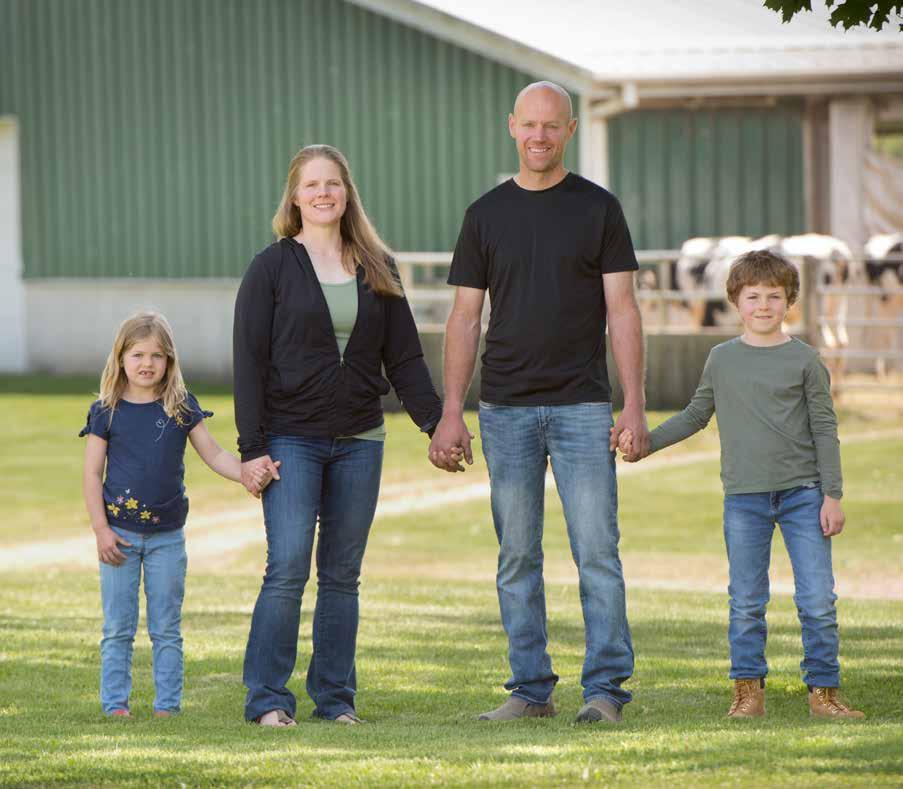
Doug Donkers, it’s a holistic approach that ties soil health, crop management and herd nutrition
and it’s changing the way he farms.
By Pete Overdevest, Dairy Farmers of Ontario Board Member, Region 8, representing producers in Waterloo and Oxford. Pete serves on the DFO Quota, Transportation, and Marketing and Promotions Committees, as
well as on the board
of Farm & Food Care Ontario.

Running a successful dairy farm today is as much about smart farm management as it is about hard work. Success comes from balancing animal health, feed efficiency, labor productivity and financial discipline, while adapting to evolving market dynamics and regulatory frameworks.
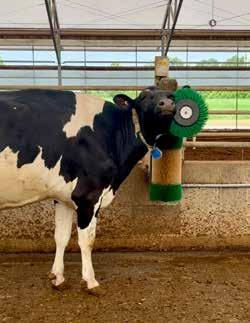
From my perspective as a dairy farmer, it all starts with our cows. Prioritizing cow comfort and health is at the core of producing highquality milk. That means focusing on the details: well-designed housing, proper ventilation, clean, comfortable bedding, consistent access to clean water and balanced rations tailored to each stage of lactation.
Investing in herd health programs, routine veterinary care and accurate record-keeping helps reduce disease risks and improves longterm productivity.
Feed is typically the single largest operating cost on a dairy farm, so managing it well is critical. We grow as much of our own forage as possible, focus on minimizing waste and work closely with nutritionists to fine-tune rations. Getting the most out of every tonne of feed has a direct impact on both production and profitability.
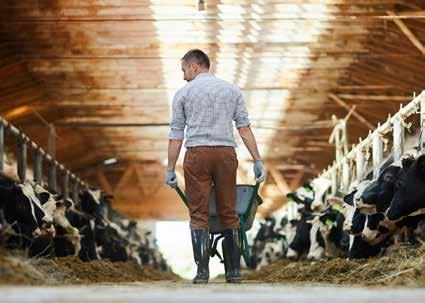
Labour efficiency and technology have transformed how we operate. Automated milking systems, herd management software and data analytics tools allow us to monitor performance in real time, detect issues early and make better decisions every day. It also helps us make the best use of our time – something every farm family understands is always in short supply.
Strong financial management is equally important. We track key metrics like cost of

production and milk per cow, and we’re always looking for ways to improve efficiency. Having a clear picture of our finances helps us plan ahead and stay resilient when input costs rise.
Vicky Morrison
Supply management plays an important role in providing that stability and the ability to plan ahead. It gives us a predictable framework by aligning production planning to meet market demand and providing a fair return. That stability allows dairy producers to invest in our farms, our animals and our communities with confidence.
Ultimately, a successful dairy farm isn’t achieved overnight. It’s built and sustained through careful management, attention to detail and a longterm mindset. For those of us in the industry, it’s not just a business, it’s a commitment to doing things right, every single day.
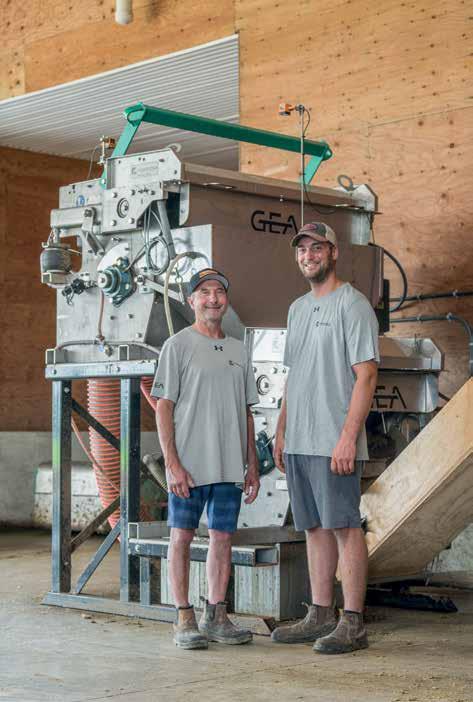
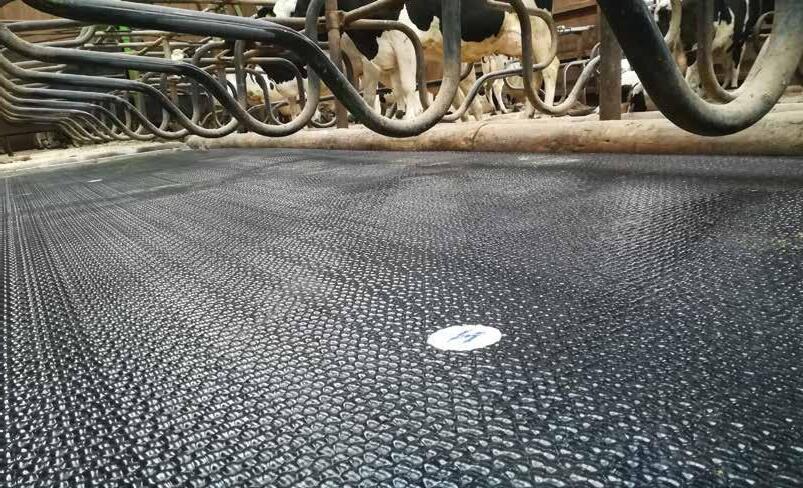
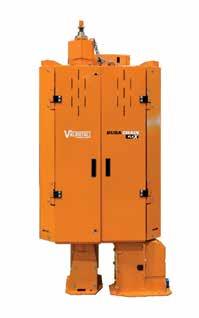
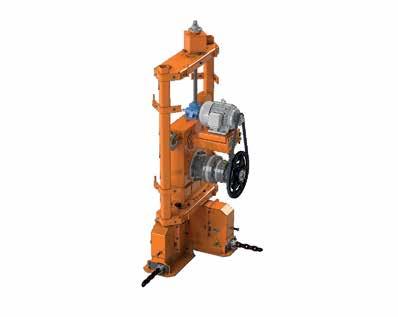
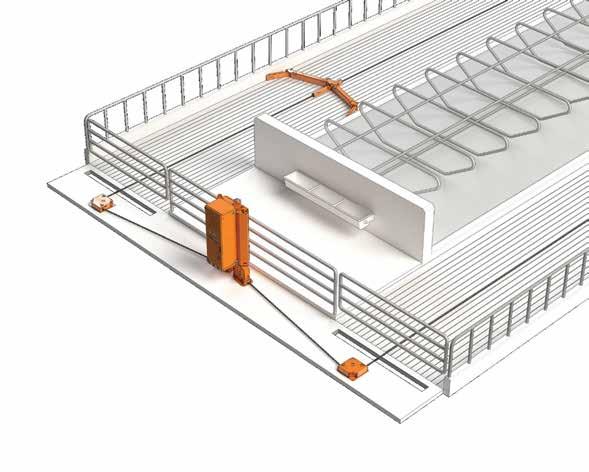
GEA XPressTM provides the best available comfort to your cows.
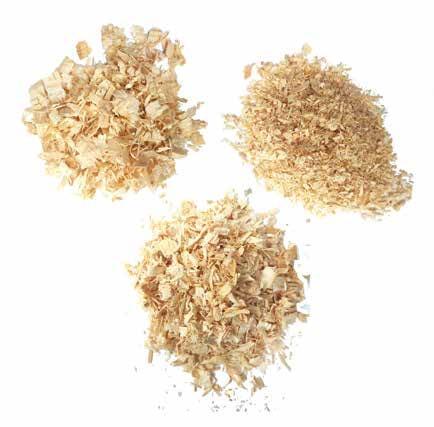
‘‘We’re a closed herd calving all our own replacements. By adding fiber bedding from our GEA roller press system, it’s comforting, not worrying if any bacteria will come in purchased bedding material. We can bed anytime of the day even during the summer with fans running and curtains open, there’s no dust blowing. Since switching from sawdust, the barn stays much cleaner.’’
Mountain View Electric Ltd.
Enderby — 250 838-6455
Pacific Dairy Centre Ltd.
Chilliwack — 604 852-9020
ALBERTA
Dairy Lane Systems
Leduc: 780 986-5600
Blackfalds: 587 797-4521
Lethbridge: 587 787-4145
Lethbridge Dairy Mart Ltd.
Lethbridge — 888 329-6202
Red Deer — 403 406-7344
Dairy Lane Systems
Warman — 306 242-5850
Swift Current — 306 203-3066
MANITOBA / NW ONTARIO
Penner Farm Services Ltd.
Blumenort — 204 326-3781
Thunder Bay ON – 800 461-9333
Tytech
Grande Pointe — 204 770-4898
Claire Snoddon Farm Machinery
Sunderland — 705 357-3579
Conestogo Agri Systems Inc.
Drayton — 519 638-3022 1 800 461-3022
County Automation
Ameliasburg — 613 962-7474
Dairy Lane Systems
Komoka — 519 666-1404
Keith Siemon Farm Systems Ltd.
Walton — 519 345-2734
Lamers Silos Ltd.
Ingersoll — 519 485-4578
Scan this QR code to learn more about GEA XPressTM fiber separation system.
Lawrence’s Dairy Supply Inc.
Moose Creek — 613 538-2559
McCann Farm Automation Ltd.
Seeley’s Bay — 613 382-7411
Brockville — 613 926-2220
McLaren Works
Cobden — 613 646-2062
Melbourne Farm Automation
Melbourne — 519 289-5256
Watford — 519-876-2420
Silver-Tech Systems Inc.
Aylmer — 519 773-2740
Dunnville — 905 981-2350
ATLANTIC PROVINCES
Atlantic Dairy Tech.
Charlottetown, PE — 902 368-1719
Mactaquac Farm Equip. Ltd.
Mactaquac, NB — 506 363-2340
Sheehy Enterprises Ltd.
Shubenacadie, NS — 902 758-2002
Sussex Farm Supplies
Sussex, NB — 506 433-1699
By Jeff Hyndman, Executive Director, Regulatory Compliance and Quality Assurance, Dairy Farmers of Ontario
systems and oversight to ensure that high quality milk is collected, transported and delivered to processors each day. A major component of the system is the Bulk Tank Milk Graders (BTMGs). These certified professionals are more than just milk truck drivers and are responsible for grading, measuring, sampling and transporting raw milk from farms to processors. Based on the Delegated Authority from the Ontario Ministry of Agriculture, Food and Agribusiness (OMAFA) and as the director of regulatory compliance (DRC), I have the responsibility for overseeing the certification and monitoring of BTMGs. While the BTMG certification process was covered in a past issue of the Milk Producer, the focus of my column today is to highlight the monitoring process through the Dairy Farmers of Ontario (DFO) BTMG accountability program.
This program outlines expectations for BTMGs and establishes clear consequences for non-compliance. At the heart of the program is that all BTMGs are expected to meet the requirements of Regulation 761 of the Milk Act and follow all procedures as outlined in the BMTG Manual, which is covered in the certification process each BTMG must complete. The Accountability Program focuses on three major areas: general compliance, performance evaluations and tank truck inspections.
The general compliance area covers daily responsibilities such as proper sampling, accurate measurement, documentation, and adherence to safety and sanitation protocols. This area ensures BTMGs are following the Regulation and following all procedures on farm.
Once certified, BTMG certificates are valid for up to five years. During these five years, every BTMG must undergo at least one performance evaluation, although additional evaluations may occur if there are any concerns.
The purpose of the performance evaluation is to evaluate milk grading, measurement and sample collection procedures used by the BTMG. It is a scoring and accountability evaluation, but it is also an extension or education program to ensure BTMG performance consistency throughout the province.
Equipment cleanliness and sanitation of milk trucks are essential for maintaining milk quality. BTMGs are responsible for ensuring that the tank interior, hoses, pump compartment and related components are washed daily.
During this evaluation, a DFO Transportation Officer will observe BTMGs during key stages of their work: pre departure, on-farm pickup, delivery to processors and return to the depot. Each aspect of the evaluation is rated as acceptable, needs improvement or unacceptable. A perfect evaluation earns a score of 100 per cent, while non-compliant actions result in deductions.
Equipment cleanliness and sanitation of milk trucks are essential for maintaining milk quality. BTMGs are responsible for ensuring that the tank interior, hoses, pump compartment and related components are washed daily. During inspections, trucks are scored on multiple areas, including the tank interior, pump, hose, manhole and exterior. A perfect inspection earns 100 per cent. A BTMG specific score is also calculated, deducting points for issues directly under the grader’s control.
Each of the three areas are monitored and assessed and the DFO BTMG Accountability Program is based on the number of a demerit points accumulated within a rolling five-year period. The demerits signify the impact of the action on milk quality or regulatory compliance. For example, during a performance evaluation, scores between 91 and 93 per cent result in one demerit, 88 to 90 per cent result in two and anything below 88 per cent earns three demerits.
The demerits accumulated within the five-year period also have direct consequences:
• 1 demerit: A warning letter issued by DRC to the BTMG outlining the nature of the non-compliance, with copy to Transporter.
• 2 demerits: Letter issued by DRC requiring the BTMG to successfully complete the next refresher course, with copy to Transporter.
• 3 demerits: DRC to hold a hearing with the BTMG to review the noncompliance and issue an order. This could include signing a letter of undertaking outlining the requirements to be met, requiring successful completion of the BTMG Course, certificate suspension or permanently revoking the certificate.
Overall, the BTMG Accountability Program ensures fairness, while emphasizing the importance of consistent and high quality performance by BTMGs in Ontario.

Paying yourself is vital, but pulling too much too quickly risks limiting expansion or even meeting obligations.
© 2026 Farm Credit Canada. Used with permission. Additional information is available online at AgriSuccess magazine | FCC. For inquiries about this content or to request permission for use, please contact FCC at mediarelations@fcc-fac.ca.
PAYING YOURSELF FROM THE FARM ISN’T ALWAYS STRAIGHTFORWARD, especially if your operation is incorporated. Draw too much, and you risk weakening the business. Draw too little, and you shortchange your family and security. Find balance using a mix of salary, dividends and other tools to give yourself a fair income, while protecting the farm’s finances.
Paying yourself a salary (wages that create RRSP room but require payroll deductions) or dividends (profits paid to you as a shareholder, often taxed at a lower rate but without RRSP room), or a mix of both, depends on your financial goals.
“With wages, you’ve got deductions – the big one being Canada Pension Plan (CPP) contributions,” says Mike Bossy, chartered professional accountant with Bossy Nagy Group in Tillsonburg, Ont.
“With dividends, you don’t have payroll contributions like CPP, so it’s important to set aside savings,” Bossy says. “That’s when I suggest a Tax-Free Savings Account (TFSA). Your investments grow taxsheltered, and you can contribute up to $7,000 per year, to a lifetime maximum of $109,000.”
If you invested $5,000 annually in a TFSA for 20 years with a modest five per cent return, you’d accumulate about $165,000 completely tax free.
Retained earnings and shareholder loans offer flexibility when used wisely. “Retained earnings are just the accumulated profits the business has had since it started,” Bossy says. “If I give you a $50,000 dividend but you only need $25,000, the company owes you the rest. After 10 years, that’s $250,000 in your shareholder account.”
Estate freezes can also support succession and retirement. “You value the company and trade growth shares for freeze shares. If you buy back $50,000 of those shares, that creates a gain taxed at dividend rates.”
Good compensation planning supports personal goals and your farm’s future. “Cash is king. Drawing a living pulls cash from the business, so you have to manage it carefully,” Bossy says.
Balance living expenses with what the farm needs to cover debt, leases and reinvestment
“You’ve got four buckets: the banker, leases and interest, personal living and growth. The first two are fixed. Your living becomes fixed. What suffers? Growth. You need to decide what to sacrifice.”
The challenge isn’t just choosing salary or dividends. It’s ensuring your income doesn’t strain farm finances. Balance living expenses with what the farm needs to cover debt, leases and reinvestment. Paying yourself is vital, but pulling too much too quickly risks limiting expansion or even meeting obligations.
The right strategy protects both: steady income for you and healthy cash flow for the farm.
By Eric Olson, BSAg, PAg, National Leader, Farm Management Consulting, MNP & Amanda Hammell, B.Comm Ag, Senior Manager, Farm Management Consulting, MNP
BENCHMARKING IS BECOMING AN ESSENTIAL PART OF MANAGING
a successful farm. It helps producers understand how their operations perform, compare results with others in the industry, and uncover opportunities to strengthen profitability and efficiency.
Experience and hard work remain important, but data-driven insights are what turn effort into long-term progress. Even small adjustments in productivity, cost control or resource use can make a lasting difference by helping you focus on what works and applying those lessons across your operation.
Why benchmarking matters
Farming has always carried uncertainty. What’s different today is how much more data is available to support decision-making. Digital tools, recordkeeping software and detailed financial reports now allow farms of all sizes to track their performance with precision.
However, having data isn’t the same as understanding it. By benchmarking, you bring structure to that information. It allows you to compare your results against peers and top performers in your sector. This comparison highlights strengths where you can improve in a consistent way, rather than constantly reacting to short-term pressures.
Think of benchmarking as your operation’s report card. It’s not about competition but about learning where you stand and where to go next.
Getting started: Turning data into action
These steps are actions you can take on your own, or with the support of an advisor who can help you interpret results and identify relevant benchmarks.
1. Identify key metrics
Start by selecting metrics that reflect your long-term goals. Focus on these three categories.
• Financial: Cost per acre, gross margin, net profit margin or return on assets
• Operational: Yield per acre, labour productivity, equipment uses or input efficiency
• Environmental: Water use, soil health, nutrient balance or energy efficiency
Choose only the indicators that matter most to your operation and measure them consistently. Benchmarking works best when you build a clear, ongoing picture rather than trying to track everything at once.
Benchmarking works because it connects data to real-world outcomes. It replaces assumptions with facts, helping you direct time and resources where they matter most.
2. Collect reliable data
Accurate benchmarking depends on accurate data. Pull information from your accounting system, production records or farm management software. Identify any gaps and start improving record-keeping now. Even one season of consistent data can make future benchmarking much more meaningful.
External reports and producer networks can also offer valuable context. Industry associations and government sources often publish aggregated benchmarks for different sectors and regions. The more credible and comparable the date, the stronger your insights will be.
3. Compare against benchmarks
Once your data is organized, compare your results to those published benchmarks or peer averages. Focus on operations that are similar in size, geography and production type. A grain farm in Saskatchewan will not look the same as a dairy operation in Ontario, and that context matters.
Understanding how your numbers stack up reveals both opportunities and risks. The goal isn’t mirroring others but to identify practices that could strengthen your own results.
4. Interpret your results
Metrics speak volumes, but meaning comes from interpretation. Ask questions, such as:
• Where do we outperform?
• Where do we lag?
• What is driving the difference?
You might discover simple wins, such as renegotiating supplier contracts or scheduling maintenance more efficiently. Or you might uncover deeper opportunities, such as improving labour allocation, adjusting crop rotation or exploring technology that reduces inputs. Benchmarking helps you move from guesswork to informed action.
5. Set improvement goals
Once you understand where you stand, translate your findings into practical goals. Focus on areas that will have the greatest effect on profitability, efficiency or sustainability.
If your cost per acre is higher than the average, review what contributes to that difference. Could input planning, technology adoption or new management techniques improve your margins? Benchmarking gives you evidence to set priorities that make sense for your farm, rather than assumptions based on trends or anecdotes.
6. Monitor progress
Benchmarking is an ongoing cycle of learning and improvement. Review your results regularly, update your data and track progress over time. Patterns will emerge that show which strategies are working and which may need adjustment.
Farms that make benchmarking part of their management routine can better adapt, stay profitable and make informed investments for the future.
Practical questions to guide your assessment
If you’re ready to begin, start with a few practical questions:
• How does my cost per acre compare to leading producers?
• What is my yield per acre versus the industry average?
• Which operational practices are most efficient on leading farms?
• Where can I reduce waste or improve resource use?
The answers will help you identify strengths to build on and gaps to address. They can also spark conversations with advisors, lenders or team members who can help interpret the data and plan next steps.

Turning insights into improvement
Benchmarking works because it connects data to real-world outcomes. It replaces assumptions with facts, helping you direct time and resources where they matter most.
Every operation is unique, and there is no single formula for success. However, benchmarking gives you context and a clear view of your performance. Start with one area of your farm, collect reliable data and explore what the numbers reveal. Over time, you will see where efficiencies can be found and where new opportunities may exist.
The best time to begin is before a major decision is needed. By making benchmarking part of your regular management process, you’ll be better equipped to make informed choices, build resilience and strengthen your farm’s profitability year-after-year.
"Milk recording and the sharing of milking behaviour, health, disease, fertility and calving are vital to keep the genomic reference population and genetic evaluations accurate. This is for the benefit of all farms that use Canadian bull proofs to make mating decisions."
Anton Borst
Halarda Farms Ltd, Elm Creek, MB Milking 1,350 cows | 20 Lely A5 robots


"Milk recording is the engine behind our genetic progress. It’s not just about tracking fat and protein in the tank; it’s about the verified data that allows us to refine our components and prove our cow families, ensuring that every generation we breed is more functional and efficient than the last."
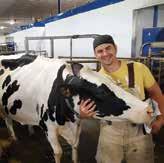
Nick Bokma
Bokma Farms Ltd, Shubenacadie, NS Milking 368 cows | 7 DeLaval robots



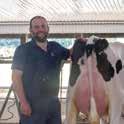
"With milk recording, we are verifying the data on a herd level, as well as on an individual cow basis. We can see that our animals with a high genetic potential for fat, for example, are actually producing the kilos. From a big picture point of view, we are making our bull population better."
Jason Van der Linden Lindenright Holsteins, Antigonish, NS Milking 110 cows | Double-10 parallel parlour




Read more in the 2025 Progress Report

By Sean Tarry
THE CANADIAN DAIRY SECTOR HAS CHANGED DRAMATICALLY
over the last several decades. Farms have consolidated, quota values have climbed, technology has transformed barn operations and debt loads have increased alongside expansion. Yet, despite the rising complexity of the business, from a lender’s perspective, profitable farms are still built on disciplined management.
For Clair Doan, vice-president of agriculture at National Bank, evaluating a dairy operation starts with understanding whether the business generates enough cash flow to support both current obligations and future growth.
“First and foremost, the nice part of supply management is that regardless of the size of the farm operation, they all have the opportunity to be profitable,” he says. “That’s really what we’re looking at first when reviewing financial statements – the profit margin.”
At the centre of that assessment is EBITDA – earnings before interest, taxes, depreciation and amortization – a key benchmark that lenders often use to determine how much cash is available to service debt, reinvest in the operation and support family living expenses.
“We’re trying to determine how much free cash flow is available to repay the bank, repay loans, reinvest for the future and support the family,” he says.
Because Canada’s supply-managed dairy system provides relatively predictable revenue streams, lenders tend to focus heavily on cost control and operational efficiency.
“Supply management in dairy production really is about cost minimization,” Doan says. “We’re able to effectively anticipate what the top-line revenue is from dairy sales, so we really focus on understanding the cost structure.”
One of the most important metrics banks monitor is the efficiency ratio –how much it costs to generate one dollar of income. According to Doan, some of the country’s strongest operations maintain ratios in the 50 to 60 per cent range, while others may fall closer to 70 per cent. But those numbers are never viewed in isolation.
“It’s not that one is better or worse than another,” he says. “We compare farms to peers of similar size and scope, but we also have to understand the demographics of the farm.”
That broader context includes the age of producers, succession timelines, debt levels and the condition of facilities. A younger producer who recently purchased the family operation may carry significantly more debt than an established farmer nearing retirement. Likewise, a modern robotic facility presents a different financial picture than an aging tie-stall barn requiring future upgrades.
“Every farm can be different,” says Doan. “Everyone is entitled to their own goals and desires, and we have to respect that, while still ensuring the loans are repaid as agreed.”
Strong financial performance often reflects strong herd management. While quota utilization remains a foundational measure, lenders increasingly
examine production indicators that reveal how efficiently a herd performs over time.
“If production issues start to occur, we take it back to non-financial questions,” Doan explains. “What is the cull rate? Are they needing to buy replacement heifers? Are the cows breeding back properly?”
Reproduction efficiency has become especially important in recent years as livestock values have risen sharply. Farms unable to raise sufficient replacements internally can quickly see costs escalate.
“There’s a lot of money to be lost if farms are not meeting those basic reproduction requirements,” he says. “Ideally, they’re not only filling their own herd needs but also generating surplus livestock sales that contribute to cash flow.”
Milk quality, herd longevity and overall herd health also serve as indirect indicators of management quality – something lenders pay close attention to when evaluating long-term viability.
Automation and precision technology continue to reshape dairy production, but Doan cautions against assuming that every investment automatically improves profitability.
“What we’re really assessing is management,” he says.
That assessment goes beyond financial and production performance to include communication skills, labour management and the producer’s ability to actually use the technology being purchased.
“Not everybody is meant to have the most advanced technology,” Doan says. “There’s a lot of data and information available today, so we want to know if they’re actually going to harness it and use it.”
For some operations, robotic systems or automation tools help reduce labour pressures. For others, investments may not generate enough operational improvement to justify the added debt load.
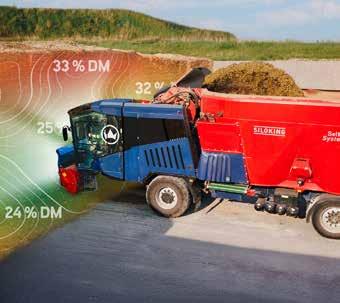
“Just because somebody invests in a certain level of technology, it’s not a guarantee to be successful,” he asserts. “We’re looking for farmers who can implement it and extract value from it over the long-term.”
As farmland values continue to rise across Canada, many producers face difficult decisions about expansion, land ownership and capital purchases. And Doan says one of the biggest financial blind spots occurs when farms pursue aggressive growth before fully stabilizing their existing operation.
“Farm within your own fence rows,” he advises. “Growth is exciting, but farmers have to be doing a good job of what they’re already doing.”
Land purchases, in particular, can strain cash flow despite their long-term appreciation potential.
“People that bought land have generally seen those assets go up in value,” he says. “But ultimately, the debt still has to be paid.”
The same principle applies to equipment decisions. While discussions often centre around owning versus leasing machinery, Doan says there’s a third option producers sometimes overlook – repairing and maintaining existing assets.
“Some people are really handy, and they can make great things work because they have those skills,” he says. “Ultimately, they still have to be able to afford either the repair or the payment.”
Doan adds that off-farm income can also strengthen a farm’s financial position when managed carefully. Additional revenue streams may help support living costs or offset investment pressure, provided they do not distract from the core farming operation.
Finally, Doan believes one of the dairy industry’s greatest strengths is its growing culture of collaboration.
“We’re seeing more benchmarking groups where farmers are learning from each other. There are a lot of successful farmers out there, and when they work together and share information, it can be a win-win situation for the industry as a whole.”
By Jeanine Moyer
FINDING RELIABLE LABOUR CONTINUES TO BE ONE OF THE biggest challenges facing Ontario dairy farmers. That’s one of the reasons producers are turning to the Temporary Foreign Worker Program (TFWP) to help fill the gap and most importantly, maintain consistent day-to-day operations.
For Joanne Fallis, owner of J Fallis Immigration Consulting, the issue is personal, as well as professional.
Fallis first became involved with the foreign worker program while helping manage labour needs on her family’s dairy farm near Monkton, Ont. After navigating the process herself, she became a licensed immigration consultant and now helps farmers across Canada manage applications and compliance requirements related to hiring foreign workers.
Most of her clients are dairy farmers in Ontario, although she also works with poultry, swine and horticulture operations across Canada.
“I’m here to support farmers who are looking for full-time, consistent labour on their farms,” says Fallis. “Consistent and reliable labour is so important, especially on a dairy farm where many of the jobs, like milking, can be labour intensive and require following a regular routine two to three times a day.”
According to Fallis, more dairy farmers are exploring the TFWP because local labour can be difficult to attract and retain, particularly in rural areas.
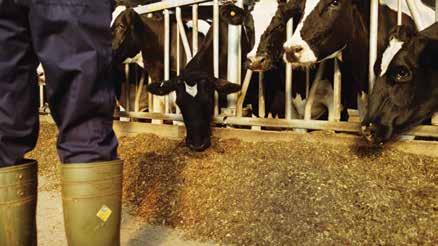
“We are seeing a noticeable increase in the number of dairy farmers turning to foreign workers,” she says. “Fewer local applicants are available or willing to commit to these positions long-term, which has made the TFWP an essential workforce solution for many farms.”
The consistency foreign workers provide can also support farm growth and succession planning. As operations expand, farm owners are often able to divide responsibilities more effectively when they know daily labour needs are covered.
“Reliable labour can help support growth and expansion on a farm,” says Fallis. “It allows owners to focus on other areas of the business.”
Hiring workers through the TFWP involves several steps and requires planning well in advance.
Employers must first apply for a Labour Market Impact Assessment (LMIA), which demonstrates there are no available Canadian workers to fill the position. As part of the process, farms must advertise the position for a minimum period of at least two consecutive weeks and document recruitment efforts. Fallis points out that this posting requirement is mandatory as of January 2026 and is meant to demonstrate that the farm has tried to hire Canadians first, before seeking employees from outside of the country.
As operations expand, farm owners are often able to divide responsibilities more effectively when they know daily labour needs are covered.
“In my role, I represent farms on behalf of the LMIA process,” says Fallis, explaining that she can help by writing ads, posting ads, reviewing resumes and communicating with applicants. If there are no suitable Canadian candidates for the job, she also assists producers by preparing documentation, ensuring compliance with federal requirements, and submitting applications to Employment and Social Development Canada. Fallis is also on hand to support clients throughout the foreign worker’s employment term to ensure they remain compliant with program obligations.
The process can take time, she explains, which is why Fallis encourages farmers to start early. Depending on the worker’s country of residence, the hiring process can take three to four months. She notes that many workers currently coming to Ontario farms are from Mexico, Guatemala and the Philippines.
While foreign workers can provide stability, employers must also meet several program requirements.
Housing is one of the biggest considerations. Farm owners are required to provide suitable accommodation, either on or off the farm, and housing must pass inspection by the local health unit as part of the application process. Housing requirements include working appliances, safe drinking water and adequate living conditions.
Employers are also responsible for transportation costs, including flights to and from Canada and travel between housing and the farm if workers are living off-site.
Wages must meet provincial minimum wage requirements and can be selected by the employer before submitting the LMIA application. In Ontario, agricultural workers hired under the program currently start at $17.60 per hour, although pay may increase depending on experience and skill level. Currently, program regulations allow employers to deduct up to $30 per week for housing.
Foreign workers must also receive training that includes workplace policies, harassment and violence policies, and on-the-job instruction related to farm duties. Fallis points out that language barriers can be one of the greatest
challenges for employers, and farmers should be prepared to navigate communication differences in the workplace.
“Program compliance doesn’t end after approval,” says Fallis. “There are ongoing responsibilities throughout the worker’s employment.”
Addressing misconceptions
Fallis says that while the TFWP is gaining popularity, there are still plenty of misconceptions surrounding foreign workers in agriculture.
“One of the most common ones is that foreign workers are brought in for cheap labour or are subjected to poor working conditions,” she says.
In reality, the program is highly regulated, with employers required to meet strict standards related to wages, housing and workplace safety. Farms that fail to meet their obligations can face penalties or lose access to the program.
Foreign workers have become an essential part of the workforce for many Ontario dairy farms, helping ensure farms can continue operating efficiently and provide the highest standards of animal care.
“Many foreign workers bring valuable hands-on experience and a strong work ethic,” says Fallis. “They become an integral part of the agricultural workforce.”
For producers considering the program, she recommends approaching it as a long-term investment rather than a short-term fix. “Creating a positive work environment and maintaining strong communication can lead to better retention and overall success,” she says.
By Brynn McCannel Bross, Dairy Nutrition Advisor, Trouw Nutrition Canada B.Sc. (Hon.), University of Guelph
“WHERE DOES MY MILK PROTEIN NEED TO BE?”
“How can we drop my butterfat?”
These may be the two most common questions dairy nutritionists hear right now – and neither has a universal answer.
As milk pricing systems evolve, producers are paying closer attention to protein, butterfat and solids-non-fat (SNF) ratios. SNF is the milk protein and the other solids portion of the milk, basically lactose and minerals. That makes sense. But chasing one number without considering the whole farm can create expensive mistakes.
At the same time, market signals are shifting. Consumers are increasingly seeking higher protein dairy products, and the industry is placing greater emphasis on protein relative to butterfat in the milk supply.
The most profitable strategy depends on the cows, the facilities, the labour force, the genetics and the farm’s ability to turn change into profitable milk production.
There is no universal protein target
Many producers want a clear goal: 3.30 per cent, 3.40 per cent or 3.50 per cent.
The challenge is that milk protein is influenced by much more than ration crude protein. It reflects genetics, rumen microbial protein production, starch digestibility, amino acid supply, forage quality, cow comfort, transition success and herd health.
A herd historically averaging 3.45 per cent protein likely needs a different plan than a herd averaging 3.10 per cent. One may focus on protecting gains. Another may need to improve intake, rumen function or amino acid balance before expecting a higher response.
The better question is: what protein level is realistic and profitable for this farm?
Lower butterfat can, in some situations, allow more litres to be shipped and improve SNF/BF positioning when paired with stronger protein. That has created interest in intentionally lowering butterfat percentage – sometimes that can make economic sense but not always.
A herd historically averaging 3.45 per cent protein likely needs a different plan than a herd averaging 3.10 per cent. One may focus on protecting gains. Another may need to improve intake, rumen function or amino acid balance before expecting a higher response.
If butterfat falls but litres do not rise enough to fill quota, the farm may need more cows, more feed, more labour and more barn capacity to ship the same quota. That is not always optimization. Lower butterfat only works when the whole system responds positively.
SNF is a ratio – not the whole story
SNF/BF ratio matters under current payment systems, but it is only one Key Performance Indicator (KPI).
Two farms can carry the same ratio and have very different profitability.
Example: same ratio, different outcome
Farm B ships stronger butterfat and stronger protein, while carrying the same ratio. That often means fewer litres needed to fill quota, fewer cows required and more total component value.
100 kg butterfat quota example
A higher SNF/BF ratio is not automatically a problem. On the right farm, it may reflect an efficient strategy.
A herd with excellent reproduction, lower average days in milk, strong fresh cow flow, spare robot or parlour capacity and ability to add litres efficiently may be able to run closer to the 2.20+ range, fill Tier 1 protein and capture some Tier 2 protein pricing.
That may be optimization.
But the same ratio on a full barn with poor reproduction and no litre response may be a warning sign.
The same number can mean two very different things depending on the farm.
A robotic herd with unused capacity may have levers such as improving cow traffic, refining robot pellet strategy, increasing voluntary milkings, improving PMR (partial mixed ration) intake and raising litres per stall.
A tie-stall or free-stall parlour herd may not have those same options. That farm may be better served by protecting strong components, longevity and feed efficiency. The barn often determines which nutrition strategy is realistic.
A higher SNF/BF ratio is not automatically a problem. On the right farm, it may reflect an efficient strategy.
As nutrition advisors, our role is not to give every farm the same recommendation. It is to build the right strategy for each herd.
That means asking: What is limiting profit today? Can this farm add litres profitably? Is protein limited by genetics, nutrition or management? Is butterfat carrying quota efficiency? What happens if components shift but health declines? Where is the best return on the next nutrition dollar? Those questions matter more than any universal target.
No component strategy is profitable if cows lose body condition, struggle with fertility or develop lameness.
If a plan weakens the cow, the hidden costs often appear later through more days open, lower persistency, hoof problems, higher culling and reduced lifetime production.
There is no universal component strategy in dairy farming. The best results come when nutrition, facilities, cow health and economics all move in the same direction.
By Jeanine Moyer
FOR ONTARIO DAIRY FARMERS, PROGRESS IS OFTEN MEASURED in incremental gains. Efficiencies in milk production, lower somatic cell counts or better forage quality from tighter nutrient management. These are practical wins, but they also tell a larger story about how sustainability is already embedded in the day-to-day practices of milk production and dairy farms.
Backed by a commitment to invest $1.9 billion in sustainable finance by 2030, the Farm Credit Canada (FCC) Sustainable Finance Framework is designed to support capital investments in projects that strengthen resilience, improve efficiency and support long-term food security – without layering on prescriptive new standards or more paperwork.
“We’re investing in future-proofing the industry,” says Marie-Claude Bourgie, FCC’s executive vice-president of strategy and impact. “When farmers are more resilient, they are in a better position to access stronger markets, manage volatility and strengthen the security of their farms.”
that reflects farming
Most Canadian farms operate in a capital-intensive environment. For dairy farmers that can look like barn renovations, robotic milking systems, feed storage upgrades, manure handling improvements and on-farm energy systems that all require significant investments. At the same time, farmers are managing weather variability, rising input costs and evolving expectations from processors and consumers.
FCC’s Sustainable Finance Framework aims to align lending with those realities. Its objective is to help position Canadian agriculture and agri-food as a global leader in sustainable food production by mobilizing capital toward resilient, nature-positive and low-carbon solutions.
In the framework, FCC has identified 60 eligible activities and best management practices that qualify for sustainable financing. These activities are science-based, industry-vetted and validated by third-party experts. They span the value chain – from primary production to processing – and recognize that sustainability improvements often go hand-in-hand with operational gains on the farm.
For dairy farms, that could mean financing opportunities that are tied to nutrition programs that reduce enteric methane emissions, wetland conservation, improved manure storage that enhances nutrient stewardship or forage management practices that build soil health and boost yields.
Bourgie describes the framework as taking a whole value-chain approach, incorporating environmental and social aspects across the agri-food system.
In practical terms, that means FCC isn’t singling out one commodity or prescribing a uniform checklist. Instead, it is creating a structure that can support a wide range of investments that improve environmental performance, while reinforcing economic viability of Canada’s farms and food system.
FCC firmly believes that every component of the agriculture and agri-food sector can advance along a sustainability journey. The framework serves two key functions: it defines what qualifies as sustainable agriculture for financing purposes, and it guides how FCC develops and manages capital solutions that advance its broader corporate strategy.
For dairy farmers, that approach recognizes a reality they know well –resilient, dynamic and sustainable agriculture is rarely a single project, and it’s never a one-size-fits-all. It’s the cumulative result of ongoing management decisions, like a better cropping rotation, more efficient water use in the parlour, or even genetic progress that improves cow longevity and productivity. Every decision contributes to the resilience and sustainability of the farm, the dairy industry and our environment.
A common concern when sustainability enters the conversation is added paperwork or new layers of compliance. The framework is designed to reduce unnecessary administrative burdens and build on practices already in place on the farm. By using existing farm management tools and data collection systems, the program is intended to integrate with current operations rather than require new administrative processes. As a result, participation shouldn't add more work for producers.
That flexibility is particularly relevant in Ontario’s supply-managed dairy sector where herd sizes, land bases and infrastructure vary widely across the province. “The framework’s practice-based structure is intended to accommodate diversity,” notes Bourgie.
“For dairy producers, access to capital that recognizes resilience and environmental stewardship as business strengths could help reinforce the sector’s competitiveness,” says Bourgie.
Canada’s dairy sector already operates under high standards for quality, animal care and environmental management. By aligning financing with recognized best practices, FCC’s framework may also support producers in demonstrating performance to processors, retailers and consumers who are increasingly focused on sustainability metrics.
“We’re recognizing, supporting and investing in the sustainability and future of the industry,” says Bourgie.
For Ontario dairy farmers focused on efficiency, stewardship and farm succession, that recognition reinforces what good farm management has always been: practical, resilient and built for the future.

Where the science of nutrition meets accurate feeding for a sustainable future
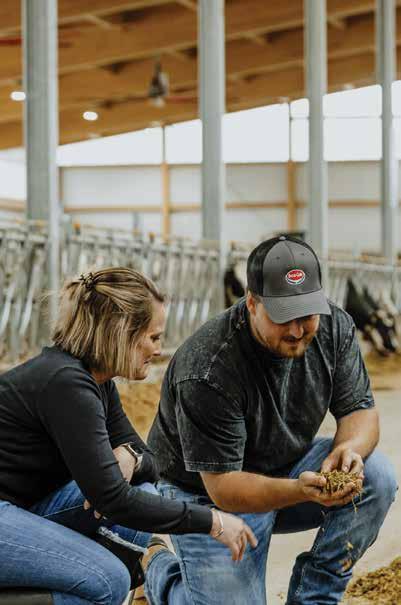
By Brooke McNeil, Knowledge Transfer Specialist; Elouise Molgat, Advisory Veterinarian; & Bruna Mion, Dairy Production Expert in Nutrition and Management, Lactanet
Dairy Farmers of Ontario (DFO) has an annual scholarship program that offers up to six $5,000 scholarships to high school students entering a post-secondary degree or diploma program in agriculture.
To be eligible for these scholarships, an applicant must:
• be the son or daughter of a DFO licensed producer;
• be entering semester one of an agricultural degree program or a diploma program with a demonstrated tie back to agriculture (up to one scholarship will be available from a non-traditional degree or diploma program);
• have achieved an average of 80 per cent or greater in Grade 12 credits (best six to be averaged).
Selection criteria will be based on:
• academic achievement;
• future career plans;
• demonstrated leadership in secondary school and community activities.
How to Apply:
• Application forms are available on DFO’s website at new.milk.org under Industry Login. On the left-hand side, go to Documents > Forms > Application for DFO Scholarships.
• Dairy Farmers of Ontario must receive complete application forms by August 30, 2026, to be considered.
For more information or for different accessible form versions, contact Robert Matson at robert.matson@milk.org or 905-208-7981.
DAIRY DYNAMICS WORKSHOP, ORGANIZED BY HOLSTEIN
Canada in March 2026 at Dalhousie University’s Faculty of Agriculture in Truro, Nova Scotia, focused on tools to improve cow longevity, performance and profitability. One of the speakers, Stirling Dorrance, DVM, delivered a presentation on drying off high-producing cows, which inspired this article.
How should a cow be dried off?
Step 1: Reduce milk production to at least 15 kg/cow/day
The National Mastitis Council recommends that milk production be reduced to at least 15 kg/day before dry-off. Drying off cows that are still producing a lot of milk increases the risk of udder infections and mastitis during the dry period and in the subsequent lactation1. High production before dry-off can also negatively affect the cow’s comfort and well-being2. Reducing milk yield before dry-off helps protect the cow during this vulnerable time. However, genetic selection and improvements in nutrition and management practices have resulted in increasing average milk yield over time. While maximizing performance is a goal for many dairies, it can make it more difficult to achieve lower milk production at dry-off. Dry-off management remains an important topic today and additional or alternative strategies for drying off high-producing cows are needed and in development.
Milk production can be reduced using a few different strategies:
1. Change the diet: Reducing the amount of concentrate offered to cows, or changing from high-protein, high-energy forages to lower-energy forages can be helpful in reducing milk production, without reducing the amount of forage available. Talk to your herd nutritionist to ensure dietary needs are met.
2. Adjust milking frequency: Gradually reducing milking frequency before dry-off can efficiently reduce milk production. Different protocols can be used, such as intermittent milking, where cows must still be milked at least once per day. This strategy is most effective at reducing milk production when combined with diet changes3.
3. Administer oral dry cow boluses: Made up of anionic minerals, oral dry cow boluses cause a reduction in dry-matter intake for a short period, leading to a reduction in milk production.
4. Change the environment: Moving the cow to another pen may help to reduce production and may facilitate the change in diet.
5. Consider vaccination: A recent study showed that administering a vaccination 11 days before dry-off helped reduce milk production before dry-off, lower inflammation and improve performance in the next lactation4
Although these interventions have been noted in the literature as contributing to a reduction in milk volume, producers should consult with their herd veterinarian, along with other relevant farm advisors, before implementing any intervention to assess potential impacts on transition success, udder health and farm-specific considerations.
Step 2: Effectively seal the teat canal
Cows have a natural way of protecting themselves during the dry-off period. The lining of the teat canal forms a plug after a cow is dried off, called the Mucin Plug. It is both a physical and chemical antibacterial defense barrier.
Drying off cows that are still producing a lot of milk increases the risk of udder infections and mastitis during the dry period and in the subsequent lactation.
However, many cows often fail to form a good plug. For this reason, commercial internal teat sealants can be a helpful tool, though strict attention to application and removal procedures is crucial. When applied with excellent hygiene and correct technique, internal teat sealants can help protect cows from new udder infections during the dry period.
Step 3: Monitor the success of your dry-off approach
Health status metrics and the somatic cell count (SCC) of fresh dairy cows should be tracked. Lactanet’s Dry Off and Fresh Monitoring Report is one helpful tool to assess both the effectiveness of the dry-off strategy and overall dry-period management practices on udder health. Similar metrics can be generated using herd management software that imports test day SCC data. Keeping a close eye on infection rates and clinical mastitis events in early lactation is critical for understanding the impact of any changes to dry-off treatment protocols. It is crucial to work with your herd veterinarian to establish a dry-off protocol for your herd; they can help equip you with the right tools, ensure you are gathering reliable data and monitor its success.
What advantages come from following best practices during dry-off?
1. Less stress for cows starting their dry period (improved cow health and welfare)
2. Supports the success of dry cow therapy and cure rates
3. Reduced herd SCC, new infections and antimicrobial use
4. Higher milk quality
5. Reduced involuntary culling rates
6. Improved production, reproduction, longevity and profitability
References
1De Prado-Taranilla, A. I., M. M. C. Holstege, L. Bertocchi, A. Appiani, O. Becvar, J. Davidek, D. Bay, L. M. Jimenez, N. Roger, V. Krömker, J. H. Paduch, S. Piepers, A. Wuytack, A. Veenkamp, T. van Werven, B. Dalez, P. Le Page, Y. H. Schukken, and A. G. J. Velthuis. 2020. Incidence of milk leakage after dry-off in European dairy herds, related risk factors, and its role in new intramammary infections. J. Dairy Sci. 103:9224-9237. https://doi.org/10.3168/jds.2019-18082
2Rajala-Schultz, P. J., P. N. Gott, K. L. Proudfoot, G. M. Schuenemann. 2018. Effect of milk cessation method at dry-off on behavioral activity of dairy cows. J. Dairy Sci. 101:3261-3270. https://doi.org/10.3168/jds.2017-13588
3Cattaneo, L., A. Minuti, G. E. Dahl, and E. Trevisi. 2023. Graduate Student Literature Review: The challenge of drying-off high-yielding dairy cows. J. Dairy Sci. 106:6416-6426. https://doi. org/10.3168/jds.2022-23113
4Gao, J., C. G. Savegnago, T. N. Marins, A. M. Roper, J. Bohlen, and S. Tao. 2026. Effects of different vaccination schedules prior to dry-off on systemic inflammation, immunity, and subsequent performance of dairy cows. J. Dairy Sci. 109:1816-1830. https://doi.org/10.3168/ jds.2025-26999

By Jeanine Moyer
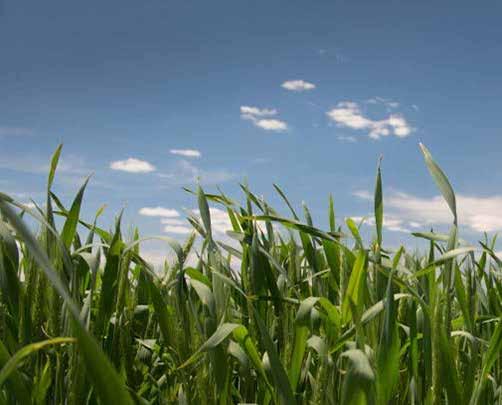
DOUG DONKERS IS LOOKING TO NATURE FOR ANSWERS. On his Branchton, Ont. dairy farm, cooler-season forages like fall rye are doing more than filling the bunk. They’re part of a whole-farm management approach that focuses on working with the soil, the weather and the sun itself to produce high-quality feed for his herd.
Over the last decade, Donkers has shifted his thinking about forage production. Instead of simply growing crops, he’s focused on “harvesting the sun” – maximizing plant photosynthesis to improve both the quantity and quality of the forages he produces and feeds. By paying closer attention to maximizing plant nutrient uptake and efficiency, and growing cooler crops that thrive in cooler seasons, he’s finding new ways to make nature work harder for the farm, and his herd.
For Donkers, it’s a holistic approach that ties soil health, crop management and herd nutrition together, and it’s changing the way he farms.
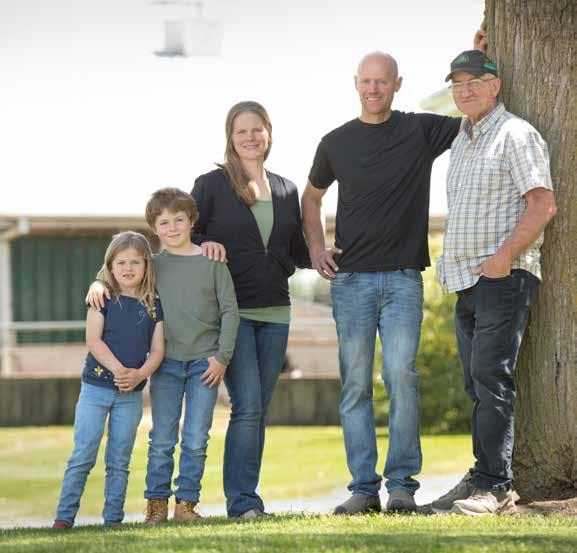
Donkerdale Farms Inc. was founded in 1962 when Donkers’ grandparents emigrated to Canada. Today, he is the third generation to milk cows on the family farm, working alongside his wife, Laura, and their children, Jack (nine) and Kate (six). His parents, John and Dorothy, still help on the farm as the family works through a succession plan to transition ownership to the next generation.
He describes his management style as a holistic, whole-farm approach focused on maximizing efficiency, while keeping labour demands low.
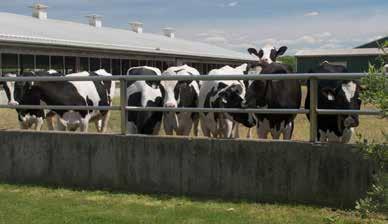
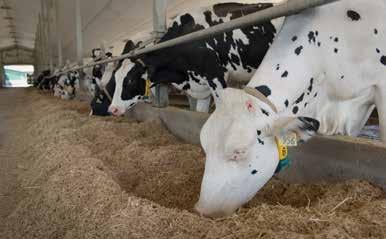
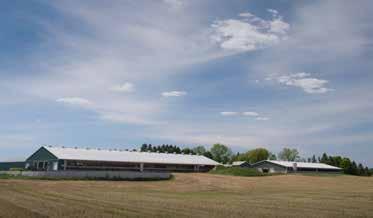
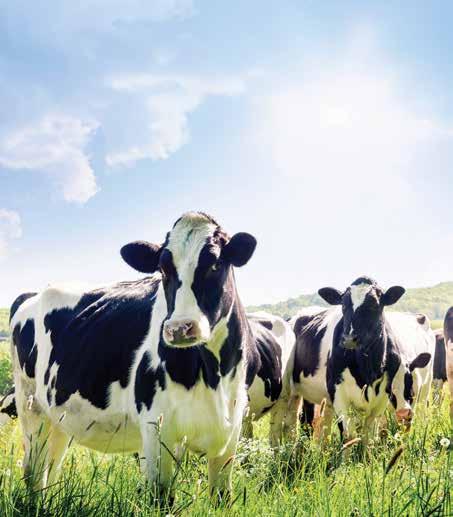
Today, the family milks 160 Holsteins in a double-10 parallel parlour installed in 2018 and crop 450 acres. Milk cows and dry cows are housed in a sand-bedded free-stall barn.
The Donkerdale Farms breeding program uses sexed semen alongside beef on dairy, with about one-third of pregnancies now Holstein and the remainder beef.
For Donkers, forages play a defining role in herd performance, even more than breeding decisions or genetics. That approach has driven his focus on improving forage quality across the operation. He feeds a high forage ration, with forages representing 80 to 90 per cent of total animal ration. Forages include rye, corn silage, dried distillers grains with solubles and soy meal. His goal is to produce 1.3 to 1.4 kg of butterfat daily per cow.
“We’re common-sense based,” says Donkers. “We don’t overcomplicate anything. We work with the skills we have to be successful, and we aren’t afraid to try new things.”
Today,
the
family milks
160 Holsteins in
a double-10 parallel parlour installed in 2018 and crop 450 acres. Milk cows and dry cows are housed in a sand-bedded free-stall barn.
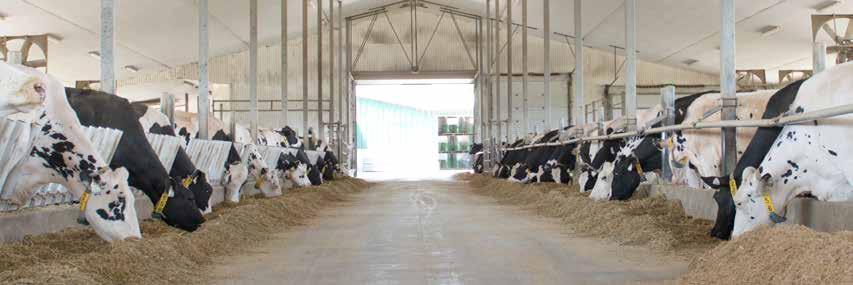
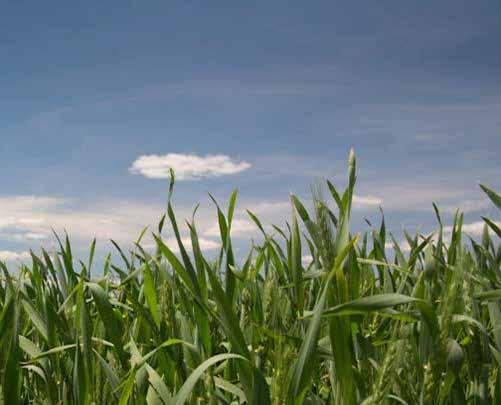
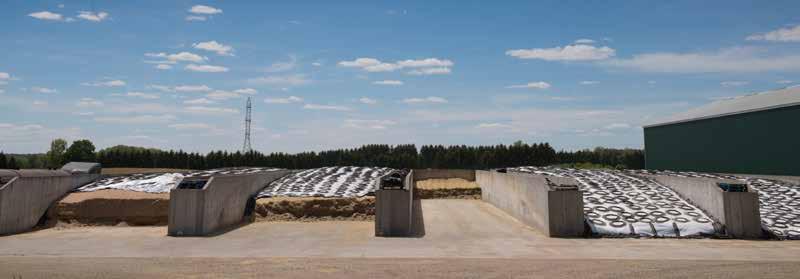
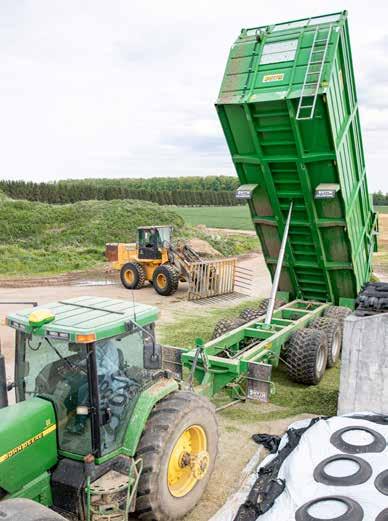
Seven years ago, Donkers took a chance on 100 acres of fall rye. His goal was to replace alfalfa, his traditional forage crop, with rye. After harvesting the crop the following spring and storing it in a separate bunk, he watched closely for changes in herd performance as he incorporated it into the feed ration. When he didn’t see any major differences, he wasn’t discouraged.
It was in the second year of feeding fall rye that he had his first real “aha” moment.
“The cost of production and forage output was about the same as alfalfa, but the seasonal timing of the fall rye allowed me to free up 100 acres for cash crop,” says Donkers. Because fall rye grows from fall through spring, he was able to maximize his land base and replace those alfalfa acres with other profitable cropping options. “That was just the beginning of realizing the benefits of this new crop.”
When it came to penciling out fall rye, Donkers says the economics initially looked comparable to alfalfa. While equipment costs are lower, he still had to invest in different harvesting equipment, and rye requires more acres to produce an equivalent quantity of forage. He estimates it takes about 280 acres of fall rye to replace the forage harvested annually from 100 acres of alfalfa.
“At the end of the cost comparison, putting the feed in the bunk is a wash between the two forages,” he explains.
The real advantage came from freeing up land that would otherwise be tied up in alfalfa production. Those acres could instead be planted in corn, soybeans or wheat, a shift Donkers estimates adds an additional $50,000 in annual net income.
More recently, he’s also begun seeing agronomic benefits from the crop. Donkers now relies on rye as an effective weed suppression tool, a strategy that has helped him successfully grow Identity Preserved (IP) soybeans. The rye allows him to reduce weed control costs to about $20 per acre, while capturing IP premiums that he estimates add roughly $200 per acre in net returns.
Nutritionally, fall rye is typically lower in protein than alfalfa, but Donkers says its improved digestibility has allowed it to perform just as well in the bunk and in milk production.
It’s hard to change, but you can’t be afraid to try. The trick is you have to be open to the results of trying something new too.
— Doug Donkers
The soil health benefits are harder to measure directly, but Donkers says the rye’s living roots and winter ground cover are making a noticeable difference. “We’re keeping the soil alive for more of the year,” he explains.
Nutritionally, fall rye is typically lower in protein than alfalfa, but Donkers says its improved digestibility has allowed it to perform just as well in the bunk and in milk production.
“There’s a difference between the two forages on paper, but I haven’t seen any significant differences in cow performance,” he says, noting that since shifting to a rye-based forage program, he has seen herd lactation rise to 3.8. He credits the quality of the forage and the high-forage ration for those results.
“Cows are made for forage,” says Donkers. “This highlights the need for good-quality forages to produce quality milk.”
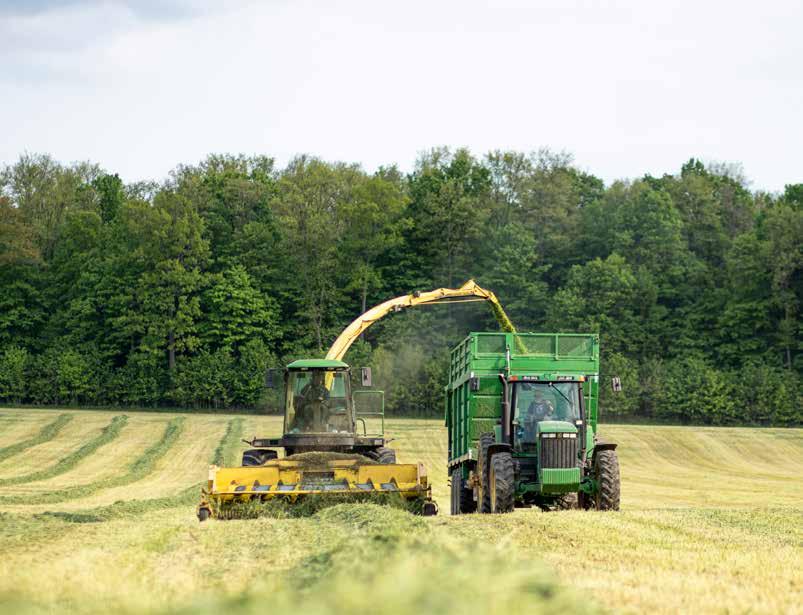
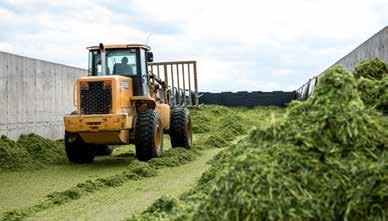
The forage transition has been a learning curve for Donkers, along with a change in routine. Spring is even busier on the farm now, with the rye harvest typically falling around mid-May, just ahead of the already demanding planting season. The trade-off, he says, is that he can harvest his entire year’s forage in roughly three days, compared to alfalfa, which required a more intensive management approach with four cuts spread across the season.
In the early years, he admits it was difficult to watch neighbours bringing in hay. After years of following the same cropping routine, he says it felt unusual not to be doing the same. Over time, though, Donkers adjusted to the new farm management system. His fall routine has shifted as well, with the added time crunch of seeding fall rye immediately after wheat harvest to give the crop as much time as possible to establish and grow before winter.
“It’s hard to change, but you can’t be afraid to try. The trick is you have to be open to the results of trying something new too,” says Donkers.
The idea to grow fall rye originally came from a neighbour’s suggestion, and together they’ve started a new approach to growing forages. Donkers and his neighbour planted their first crop together and have continued to troubleshoot and exchange ideas ever since. That collaborative approach reflects Donkers’ broader mindset toward learning. He regularly listens to podcasts, watches YouTube videos, attends conferences and courses, and connects with other dairy farmers to expand his understanding of nutrition, production and forage quality.
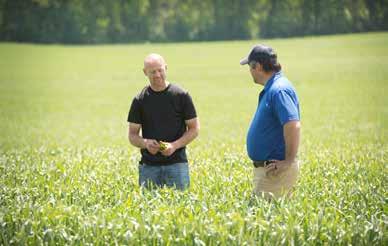
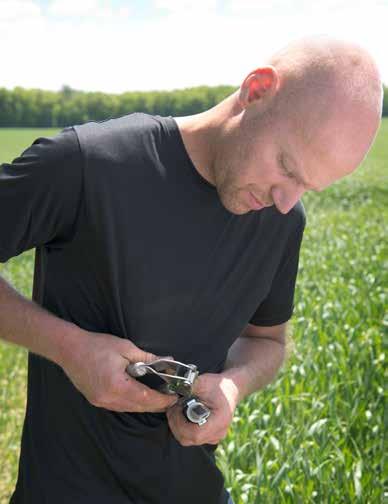
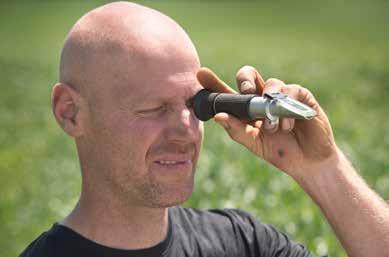
Today, his focus is on improving the health and sugar content of fall rye, which he believes will directly improve feed efficiency in his milking herd.
“Farming has to be profitable, so I’m always strategizing to find ways to lower my cost of production,” he says. His immediate goal is to reduce dry matter intake, while maintaining production, something he believes can be achieved through higher-quality forages.
For Donkers, it comes back to what he calls “harvesting the sun.”
“Since 90 per cent of the dry matter of a healthy plant is carbon, oxygen and hydrogen, the sugars produced through photosynthesis directly impact the quality and nutritional value of the forage harvested,” he explains. Improving both forage quality and yield, he adds, has a direct impact on feed efficiency.
He also expects broader farm management benefits, including reduced herbicide use, lower soil nutrient requirements and less manure output – all of which could translate into fewer field passes and longer-term soil health gains.
Looking ahead, Donkers has both short- and long-term goals. In the short term, the priority is maintaining annual farm business profitability. Longer term, he wants to address soil nutrient deficiencies to improve plant health and reduce disease pressure in his fields.
In 2024, he also experimented with a multi-species rye blend, seeding rye alongside buckwheat, clover, hairy vetch, oats, sorghum, sunflowers and wheat. While most companion species were killed off over the winter, leaving rye as the dominant spring crop, he says the mix helped improve fall crop establishment and may deliver additional soil health benefits over time.
Looking ahead, Donkers has both short- and long-term goals. In the short term, the priority is maintaining annual farm business profitability. Longer term, he wants to address soil nutrient deficiencies to improve plant health and reduce disease pressure in his fields. This year, he plans to complete a geological profile of his land and focus on balancing plantavailable minerals, including addressing boron deficiencies, which he believes could help improve forage protein levels.
In 2024, he also experimented with a multi-species rye blend, seeding rye alongside buckwheat, clover, hairy vetch, oats, sorghum, sunflowers and wheat. While most companion species were killed off over the winter, leaving rye as the dominant spring crop, he says the mix helped improve fall crop establishment and may deliver additional soil health benefits over time. Donkers also notes that this year’s multi-species rye crop looks promising, showing better colour and he estimates it will produce a sugar content (measured by brix readings) when compared to the monocrop rye.
“Change can be hard, and trying something new requires patience and a willingness to learn from your mistakes,” says Donkers. “But sometimes change makes sense too, like why isn’t it more common to grow coolseason crops like fall rye in cooler seasons, and warm-season crops like corn in warm seasons? You can’t be afraid to try something – what if the results are worth it?”
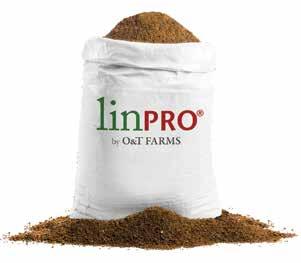
PRO helps improve herd performance while naturally enriching milk with beneficial Omega-3s.
543-4777 | otfarms.com




Effective June 1, 2026, the P5 Boards have approved changes to the payment policy to increase protein production:
• Increase the no-pay ratio from 2.30 to 2.50; and
• Modify butterfat and Tier 1 Protein price by changing the distribution of the residual revenue from the other solids, from 30 per cent to butterfat and 70 per cent to protein, to 100 per cent to protein paid in Tier 1.
As part of the continuous assessment of the payment policy parameters, the conclusion was reached that to meet the recent and expected market demand for increased protein, the volume produced by the P5 needs to increase more significantly. Therefore, the no-pay ratio is increased to 2.50 to further support those in a position to make greater contribution. There is no change in the market ratio of 2.20 as it continues to be in line with market demand.
The 2025 P5 SNF ratio was 2.1190 with the market demand for SNF currently closer to 2.20. Therefore, to emphasise the importance of increasing the protein and volumes produced, the butterfat will be paid at the market revenue. The other solids residual revenue will be applied at 100 per cent to the Tier 1 protein price. The effect is expected to increase the Tier 1 protein price by approximately $1.60 and decrease the butterfat price by approximately $1.20.
In addition to the payment policy changes announced above and to provide additional flexibility in the short-term to producers during the changes in the milk composition, while there is continued focus on increasing volume production in the medium to long-term, the P5 Boards have approved the issuance of two per cent non-saleable quota to all P5 producers effective June 1, 2026.
The combination of these announcements is to implement changes in a timely manner with the available tools. The P5 Quota Committee will continue to monitor the markets to determine if further adjustments are required, to the payment policy or the production signal.
Total requirements in March, on a 12-month basis, growth continues to be strong at 3.6 per cent. At the P5 level on a 12-month basis for March, quota growth was 3.6 per cent. January and February total requirements were revised due to a change in butter stocks reported, but the 12-month basis remains the same.
P5 production is trending at 0.9 per cent above the forecast for the last four months. With the change in payment policy in April, as well as normal seasonality, there was a decrease in the butterfat test at P5 between April and March, but it is still above the butterfat test in April 2025. Given the strong demand for protein, there is still a strong need from the market to better align production.
In April 2026, butter stocks reached 42,012 tonnes, up from March by 2,186 tonnes. Given the level of stocks, there is pre-filled quota at the national level, P5 will need to reduce production on a butterfat basis in six months to avoid a financial penalty .
Cheese stock levels for the month of April 2026 were at 106,891 tonnes, up 866 tonnes from March and higher than the last five-year average.
For the 52 weeks ending May 2, 2026, sales for fluid milk, fluid cream, yogurt, ice cream, cheese and butter increased/decreased by -0.6, 0.1, 5.9, 4.9, 1.7 and 3.4 per cent, respectively.
Canadian butterfat requirements in kilograms and actual butterfat production across the P10.
1,000,000 1,050,000 1,100,000 1,150,000 1,200,000 1,250,000 1,300,000 1,350,000 1,400,000
Average increase in retail sales for dairy products sold in Ontario and the dairy product’s share of the total market sales, including at hotels, restaurants and institutions.
As of March 26, 2022
* Source: AC Nielsen & StatsCan NOTE: There is a two-month lag in the national retail sales data.
12-month production (in millions of kilograms)
12-month requirements (in millions of kilograms)
Canadian production has increased by 2.6 per cent over the previous 12 months, and requirements have increased by 3.1 per cent over the previous 12 months.
This graph shows Ontario’s SNF-BF ratio for the last 12 months.
• Effective June 1, 2026, the P5 Boards have approved changes to the payment policy to increase protein production:
• Increase the no-pay ratio from 2.30 to 2.50; and
• Modify butterfat and Tier 1 Protein price by changing the distribution of the residual revenue from the other solids, from 30 per cent to butterfat and 70 per cent to protein, to 100 per cent to protein paid in Tier 1;
• P5 Boards have approved the issuance of two per cent non-saleable quota to all P5 producers effective June 1, 2026;
• Total requirements in March, on a 12-month basis, growth continues to be strong at 3.6 per cent. At the P5 level on a 12-month basis for March, quota growth was 3.6 per cent.
Percentage of the total milk produced in Ontario that was used to produce dairy products.
April 2026
For April 2026 (kg of butterfat/kg of solids-non-fat)
*There is a two-month lag reporting these figures.
% Solids-non-fat
Class 1a1 (includes Classes 1a2, 1a3, 1c and 1d for confidentiality reasons) Fluid milk and beverages
Class 1b Fluid creams Class 2a Yogurt, yogurt beverages, kefir and lassi
Class 2b4 (includes Classes 2b1, 2b2 and 2b3 for confidentiality reasons) Fresh dairy desserts, sour cream, milkshakes and sports nutrition drinks
Class 2b5 Ice cream and frozen yogurt
Class 3a1 Specialty cheese
Class 3a2 Cheese curds and fresh cheeses
Class 3b2 (includes Class 3b1 for confidentiality reasons) Cheddar cheese and aged cheddar
Class 3c1 Feta
Class 3c2 Asiago, Gouda, Havarti, Parmesan and Swiss
Class 3c4 (includes Classes 3c3 and 3c5 for confidentiality reasons) Brick, Colby, farmer’s, jack, Monterey jack, muenster, pizza cheese, pizza mozzarella and mozzarella other than what falls within 3d
Class 3c6 Paneer
Class 3d Mozzarella used strictly on fresh pizzas by establishments registered with the Canadian Dairy Commission
Class 4a Butter and powders
Class 4d (includes Classes 4b1, 4b2, 4c and 4m for confidentiality reasons) Concentrated milk for retail, losses and animal feed
Class 5a Cheese for further processing
Class 5b Non-cheese products for further processing
Class 5c Confectionery products
A total 3,134 producers sold milk to DFO in April compared with 3,157 a year earlier.
ONTARIO DEDUCTIONS, PER HL
For April 2026
* These figures are based on Ontario’s average composition for April 2026 of 4.3554 kg butterfat, 3.3427 kg protein and 5.9655 kg other solids, rounded to the nearest cent.
The graph below shows the 12-month blend price for the P5 provinces and Western Milk Pool (WMP).
*There is a two-month lag reporting these figures.
The May 2026 Class III Price, US $16.92 per hundredweight, is equivalent to C $53.16 per hectolitre. This equivalent is based on the exchange rate US $1 = C $1.38394 the exchange rate when the USDA announced the Class III Price.
The Class III Price is in US$ per hundredweight at 3.5 per cent butterfat. One hundredweight equals 0.44 hectolitres. Canadian Class 5a and Class 5b prices track U.S. prices set by the U.S. Department of Agriculture.
Source: USDA
Co-ordinated by Dairy Farmers of Ontario’s communications and economics departments. Questions? Please email questions@milk.org.
Weekly Update email newsletter every Friday for Ontario dairy producers.
Milk Producer magazine is the voice of Ontario dairy producers. Subscribe for free or read online at www.milkproducer.ca.
Dairy Farmer Update provides updates with the monthly milk cheque.
Producer Dashboard , a secure platform behind your password on MMS that contains important news, updates and forms.
www.milk.org
Facebook: /OntarioDairy
Program is helping a next wave of dairy entrepreneurs turn ideas into viable businesses. The program is designed to equip both new entrants and onfarm processors (producer – processors) with starting and scaling their dairy business. Through mentorship, industry expertise, business planning resources and up to three matching grants of $10,000 awarded over a threeto five-year period, the Innovation Program supports businesses at different stages, from early concepts to operations ready to grow.
As interest from dairy producers wanting to process dairy products using milk from their own herds continues to rise across the province, the program is playing a critical role in equipping producers with the tools needed to innovate, diversify and add value to the dairy category. Today, there are 25 on-farm processors across the province, with several more producers in the early and developmental stages of processing ventures.
Here are four Ontario dairy producers who are participants in the Innovation Program and are innovating in unique and impactful ways.
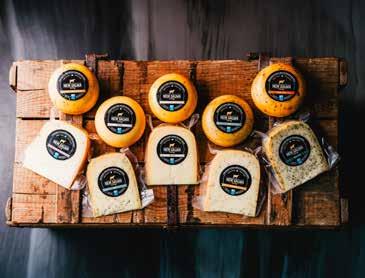
Located in Mount Elgin, Oxford County, the Zeldenrijk family’s New Galma Dairy blends tradition and innovation. Established in 2001, the farm took a significant step forward in 2023 with the launch of its on farm processing facility and retail shop. Drawing inspiration from their Dutch heritage, the family produces artisan Gouda style cheeses, ranging from spiced varieties to aged offerings.
A defining moment came when the family’s youngest daughter travelled to the Netherlands to better understand the cheesemaking techniques passed down through generations. That commitment paid off in 2025 when New Galma’s signature Smoked Gouda earned first place at the Royal Winter Agricultural Fair Cheese & Butter Competition. Most recently, the operation has expanded into fluid milk processing, further connecting their farm and products to Ontarians.
Learn more at https://newgalmadairy.ca/.
In Ilderton, Middlesex County, the McNaughton family is connecting consumers to their farm through Proof Line, a business focused on fresh fluid milk and small batch gelato. Their milk is shipped to a licensed dairy processing facility and returned to the farm for sale and gelato production.
Each week, Proof Line churns small batches of gelato using their own milk and locally sourced ingredients, including fruit from neighbouring farms. From classic flavours to seasonal creations like a Valentine’s Day raspberry gelato (using berries from a neighbour’s farm), Proof Line highlights how collaboration and creativity can add meaningful value to Ontario milk.
Learn more at https://www.prooflinefarm.ca/.
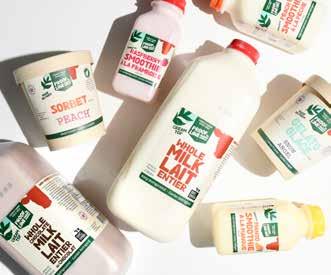
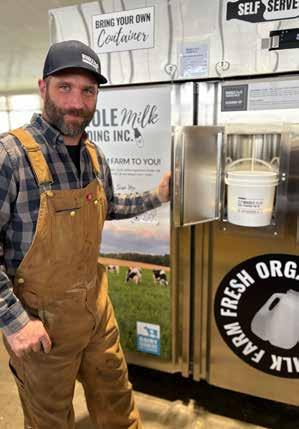
For Derek and Marie Brouwer, innovation didn’t mean building an on-farm processing facility. Instead, the Hamilton area dairy farmers launched Whole Milk Vending in 2025, a business that allows them to sell full fat, organic, nonhomogenized milk through a unique vending machine model.
Their milk is shipped to a nearby licensed dairy plant for processing, then packaged into stainless steel vats and delivered to vending machines located in retail spaces across southwestern Ontario and the greater Toronto area. This flexible approach allows the Brouwers to offer a specialty product in an innovative bulk format, while scaling their business in a way that fits their family and farm today.
Learn more at https://www.wholemilkvending.com/.
These four businesses demonstrate that there is no single path to innovation. Whether through on-farm processing or off-farm processing partnerships, Ontario dairy producers continue to find new ways to grow their businesses, delivering high quality milk and dairy products to consumers.
Dairy Farmers of Ontario is proud to support producers who are shaping the future of the sector: one idea, one innovative product and one community at a time.
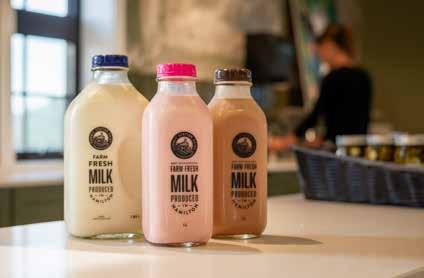
After three years of planning, permitting and building, the Loewith family opened Summit Station Dairy & Creamery on their farm near Hamilton in the fall of 2023. Their store offers bottled milk in several flavours, cream, cheese curds and yogurt. Summit Station also runs its own home delivery service and has a growing wholesale presence with local retailers.
With ticketed guided tours and open barn days, last year the farm welcomed over 8,000 urban visitors, where they had the opportunity to not only see the cows, but to have a meaningful conversation with a farmer about agriculture, animal welfare and the Canadian dairy industry.
Summit Station has embraced a nostalgic, yet modern, approach by reintroducing bottled milk delivery to neighbourhoods in Hamilton. With strong local branding and a focus on community, the family is connecting with consumers – at their front doors or in the barn – while building a resilient and diversified dairy business.
Learn more at https://summitstationdairy.com/.
Program information:
Supports both on-farm processors and new entrants into the dairy sector through two streams, based on the stage of the business:
• START UP: New ideas and concepts, business is not yet operational
• SCALE UP: Business is operating and in need of support for further growth
This program offers entrepreneurs:
Three matching grants of $10,000 awarded over a three- to five-year period
By Robert Matson, Production Research Manager, Dairy Farmers of Ontario
TO REACH DAIRY FARMERS OF CANADA’S SECTOR GOAL OF working towards Net Zero by 2050 and achieve our ambitious sustainability targets, we can't just talk about solutions – we need to develop them with producers to make sure they work for producers. It demands practical solutions that are developed, tested, refined and proven on real farms.
Living Lab – Ontario is grounded in the principle of co-development, bringing scientists, producers and industry experts together to design, test and evaluate farming practices that are both economically viable and environmentally sustainable. By moving research from the lab to working farms, the program ensures solutions are rooted in real-world conditions and producer priorities.
In late 2025, Living Lab – Ontario hosted the 2025 Innovation Exchange, a four-part Research Forum highlighting learnings from the initiative. This article highlights the key learnings from the session, “Managing Marginal Lands”.
Described as non-cropped areas, field boundary habitats include riparian zones, hedgerows, shelterbelts or small wooded strips, often composed of a mix of trees and perennial vegetation. While these areas are traditionally viewed as unproductive or marginal, researchers involved with the Living Lab – Ontario are working to reconsider their value as components of the farm ecosystem. The goal is ultimately to quantify their impact on carbon storage, greenhouse gas emissions and crop yields, while also exploring the broader ecological impacts of these areas.
Dr Raju Soolanayakanahally (Agriculture and Agri-Food Canada;
AAFC),
Kara Looyenga and Dr. Adam Gillespie (University of Guelph) are investigating how field boundary habitats, such as shelterbelts and tree rows, influence soil carbon storage, greenhouse gas emissions and crop productivity. Soil cores collected to a depth of one metre are being analyzed for carbon content, while chamber systems measure carbon dioxide, methane and nitrous oxide emissions at varying distances from the boundary. These measurements are paired with crop yield data to assess the environmental and economic impacts of boundary habitats on working farms.
The team is also examining soil microbial diversity from the tree row to the middle of adjacent fields and comparing conventional and organic farming systems. Together, these studies will improve our understanding of how field boundaries contribute to carbon sequestration, soil health, biodiversity and farm resilience, helping producers make informed management decisions.
Early observations suggest that while crop yields may be lower immediately adjacent to tree rows due to competition for light, water and nutrients, these effects decline farther into the field. In some cases, yields appear to increase at intermediate distances, likely benefiting from reduced wind stress, moderated temperatures and improved soil moisture. These findings underscore the importance of evaluating whole-field impacts rather than focusing solely on field-edge yields.
To better understand these effects, researchers are using drone-based LiDAR (light detection and ranging) and multispectral imaging to assess habitat structure and crop health, alongside soil sampling to evaluate nutrient dynamics and microbial diversity. Combined with carbon storage, greenhouse gas and yield measurements, these data will help reveal how field boundaries and other marginal lands contribute to productive and environmentally sustainable farming systems.
Another component of Living Lab – Ontario focuses on biodiversity, particularly insect communities. Insects are critical to agriculture, providing ecosystem services such as pollination, pest control, nutrient cycling
From a producer’s perspective, integrating marginal habitats requires considerations of practicality and profitability. While environmental benefits are important, producers must also assess how these changes affect their bottom line.
and soil aeration. However, farming systems that lack diversified rotations, include intensive tillage, and limited natural habitat have contributed to significant declines in insect populations. Restoring habitat on marginal lands, such as through prairie strips planted with native grasses and wildflowers, offers a potential solution, and researchers from AAFC are aiming to reexamine these areas as part of the Living Lab – Ontario.
These prairie strips consisting of deep-rooted perennial plants, intend to enhance soil structure, reduce erosion and improve water quality by limiting nutrient runoff. The researchers aim to measure how quickly these benefits materialize and how effectively they translate into improved ecosystem services on farms.
From a producer’s perspective, integrating marginal habitats requires considerations of practicality and profitability. While environmental benefits are important, producers must also assess how these changes affect their bottom line. This is where researchers at the University of British Columbia have partnered with the Canadian Wildlife Federation to understand how profit mapping may become a decision-making tool. By analyzing yield, input costs and spatial variability within fields, profit maps can identify areas that consistently underperform – often along field edges or in compacted headlands. These marginal zones may be better suited for alternative uses, such as habitat restoration, rather than continued crop production.
The concept is straightforward, as one would assume that revenue minus costs determines profitability. However, accurately calculating both components at a granular spatial scale can be complex, involving detailed data on inputs, equipment use, land costs and yields. Once established,
profit maps may be able to guide decision-making, helping producers target specific areas for improvement or conversion to conservation practices.
Producer participation is essential to the success of these projects. Producers bring practical knowledge, historical context and a willingness to experiment, all of which are critical for translating research into real-world solutions.
The Living Lab – Ontario 2025 Innovation Exchange session highlighted the importance of co-developing innovations with researchers and producers. As data becomes available over the next couple of years and refinements are made to practices based on participant insights, Living Lab – Ontario will provide increasingly valuable guidance on how innovative practices can be applied to marginal land to promote soil carbon sequestration and biodiversity, while also ensuring economic factors are considered.
More information, resources and recordings from the 2025 Innovation Exchange can be found on the Ontario Soil and Crop Improvement Association Living Lab – Ontario website: https://www.ontariosoilcrop.org/ livinglab/.
Funding for the project has been provided by Agriculture and Agri-Food Canada under the Agricultural Climate Solutions – Living Labs program and by the following partners: Beef Farmers of Ontario, Dairy Farmers of Ontario, Grain Farmers of Ontario, Ontario Federation of Agriculture, Ontario Pork and Ontario Sheep Farmers. The project is coordinated by the Ontario Soil and Crop Improvement Association.
“We believe in Udder Comfort.”


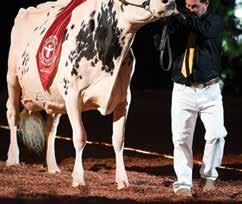

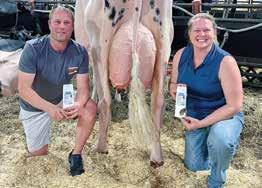



“We believe in Udder Comfort™ and are using it 15 years for our show cows and fresh cows to bring quality and texture to the udder,” says Ysabel Jacobs, Ferme Jacobs, Cap-Santé, Québec, 10-times Premier Breeder at World Dairy Expo. They apply Udder Comfort daily at shows and to all fresh udders after each milking for 3 days after calving. Ferme Jacobs were the 2025 WDE Premier Breeder of the Holstein Show.
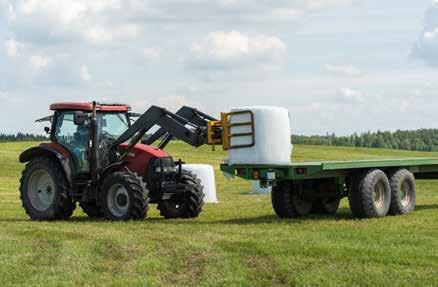
By Workplace Safety & Prevention Services (WSPS)
– Kristin Hoffman
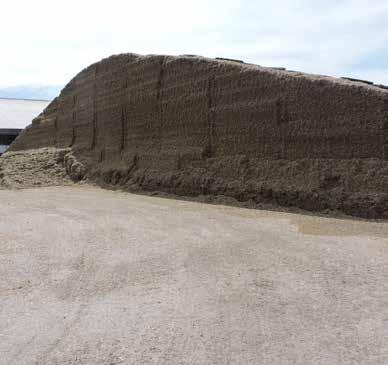
TO PROTECT ONTARIO FARMS, WE MUST PROTECT ONTARIO FARMERS, their families and their workers. That is why the Ministry of Immigration, Labour, Training and Skills Development (MLITSD) has begun an inspection campaign that focuses on the farming and agriculture sector.
Since April 1st, inspectors have been visiting farms, greenhouses and other agriculture services. “Agriculture services include crop and livestock management, farm equipment dealerships and other suppliers,” says Kristin Hoffman, health and safety consultant with Workplace Safety & Prevention Services (WSPS). “The scope of this campaign is much wider than the farm or greenhouse.”
Hoffman explains that the purpose of this MLITSD campaign is to increase compliance with the Occupational Health and Safety Act (OHSA) and related regulations within the agriculture sector. To help keep everyone safe, inspectors will raise awareness of the main hazards at these workplaces and make sure operators, supervisors and workers all understand and fulfill their legal responsibilities. “Agriculture continues to be among the top contributors to fatalities and critical injuries in Ontario. Data from the MLITSD shows that 12 agriculture workers died and 67 suffered a critical injury in 2024 to 2025,” says Hoffman, emphasizing that even one worker death or injury is too many.
Regardless of the specific type of farm, greenhouse or agriculture service, there are some general high-risk activities that can lead to serious injuries or death if unsafe practices are used. “Operating vehicles and machinery are a common activity that puts workers at risk if not done properly,” says Hoffman. “Whether it’s a tractor out in the field or a lift truck in a greenhouse, being crushed or struck by equipment or material is a top hazard in the agriculture sector.” Other top hazards include falls from heights and at the same level, working with equipment and tools such as shears or knives, and working with livestock. “These hazards can lead to amputations, severe lacerations and fractures,” says Hoffman.
Overexertion from manual material handling, repetition and awkward postures is another high-risk activity present in most agriculture operations. While rarely fatal, this type of recurring exposure often leads to musculoskeletal disorders (MSD). “Workers who have suffered from an MSD understand how debilitating these types of injuries can be. Living with constant pain and limited mobility negatively impacts a worker’s day-to-day life,” adds Hoffman.
MLITSD inspectors will visit farms, greenhouses and other agriculture services as part of this inspection campaign until March 31st, 2027. “They have the right to enter workplaces, and they will comply with any biosecurity measures,” reminds Hoffman. Here are a few things you can do to prepare your workplace for a visit.
1. Complete a hazard assessment and implement controls. To protect workers, first you must identify the hazards to which they will be exposed. The best way to do this is to complete a detailed hazard assessment for your workplace. “For example, think about handling chemicals, operating machinery, entering confined spaces, heat and cold stress, and air quality exposures. Go through each task workers perform, identify the associated hazards and outline how you are going to control them,” says Hoffman, reminding employers that this includes MSD hazards.
2. Ensure all machines are properly guarded, and lockout procedures are used. Inspect each piece of machinery at your workplace to ensure that guards are in place and in good working order. Blockout, lockout and tagout machinery to protect workers from hazardous energy during maintenance and repair.
3. Remove tripping hazards. Remove items such as hoses, containers, material, and electrical cords from work areas and walkways. Reorganize how workspaces are set up to eliminate the need for hoses or cords to stretch across work areas.
Regardless of the specific type of farm, greenhouse or agriculture service, there are some general high-risk activities that can lead to serious injuries or death if unsafe practices are used.
4. Gather and organize maintenance records. Inspectors may ask to see proof that vehicles, equipment and other machinery have had regular maintenance performed on them. Have these records ready.
5. Have training documentation readily available. “You must be able to demonstrate that every reasonable precaution has been taken to protect the worker. This means that each worker must receive training related to the tasks they perform,” says Hoffman. “For example, every worker who operates equipment, such as a tractor or forklift, must be trained in its safe operation. If you have workers who refuel vehicles with diesel, it is reasonable to provide them with training on how to handle, store, transport and dispose of the fuel.” In addition to the MLITSD’s mandatory Worker Health and Safety Awareness Training, ensure that other required training is up-to-date and the documentation is available.
6. Demonstrate due diligence for temporary foreign workers. If your workplace employs workers whose first language is not English, you need to provide training in a language they will easily understand. Be prepared to show inspectors what steps you have taken to ensure temporary foreign workers have understood the training they have received.

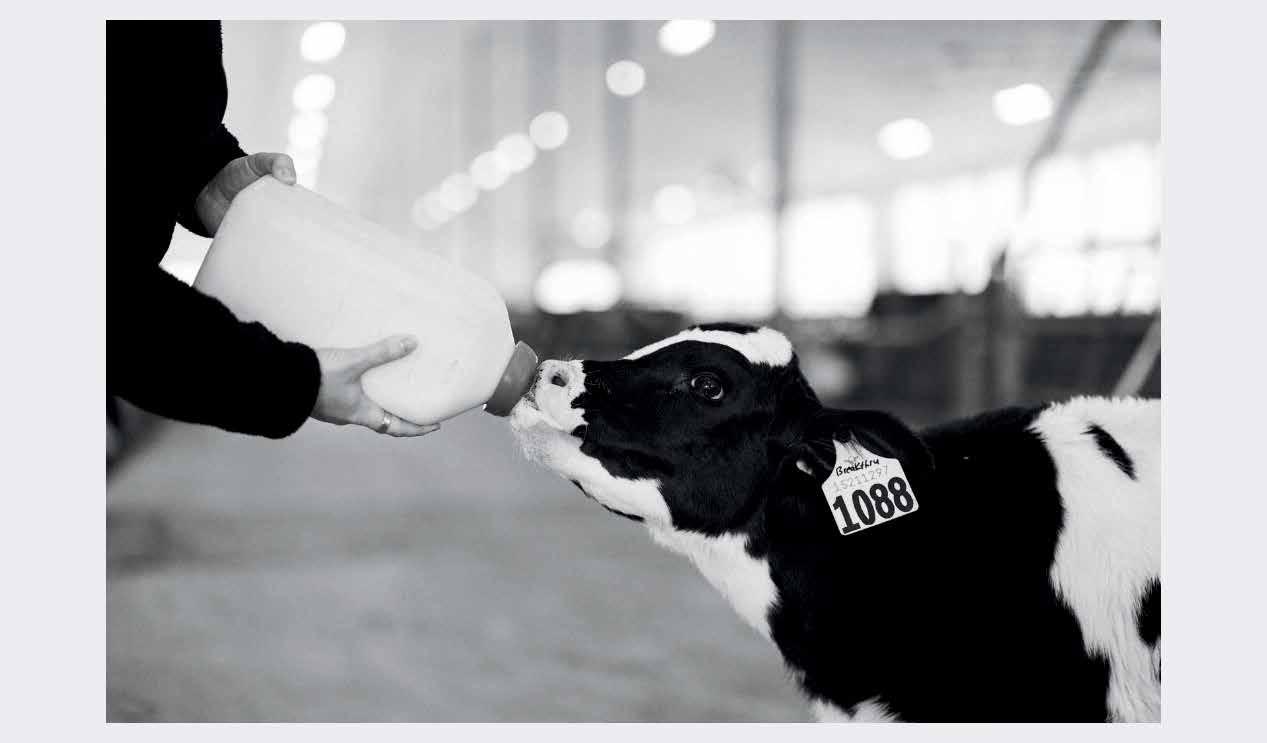
Set your calves up for success with premium, research-backed milk replacer, powering growth, health, and performance from day one.
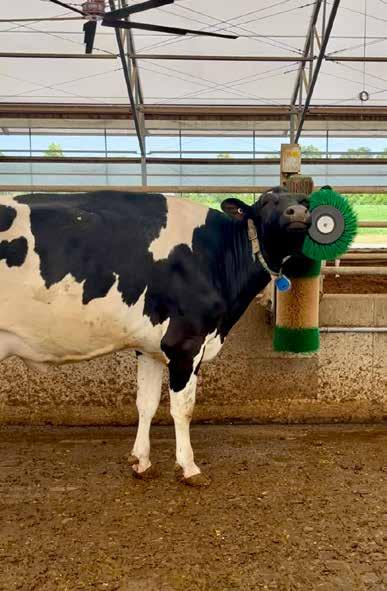
By Angie Wilson, PhD, Dairy Specialist, Ontario Ministry of Agriculture, Food and Agribusiness (OMAFA)
COW BRUSHES ARE INCREASINGLY COMMON ON DAIRY FARMS, and many producers have noticed that cows use them multiple times throughout the day. Previous research shows that cows are strongly motivated to use brushes, and new research suggests that they actually favour different brush types for different ways of grooming.
Grooming is important to cows
Grooming is a natural and rewarding behaviour for animals. It also plays an important role in hygiene and social relationships. Grooming among animals within a group works to form and maintain social relationships and manage hierarchy and conflict. Cattle groom by licking or scratching themselves, rubbing against objects and licking each other. This behaviour aids in keeping them clean by removing dirt, manure and loose hair. A clean coat also helps cows regulate their body temperature both in the summer and winter.
Providing a brush gives cows a good way to groom themselves. Without a brush or other rough surfaces, cows may not be able to get at areas that are hard to reach, like under the neck or the tail area.
Interestingly, grooming behaviour is affected by the animal’s health, stress
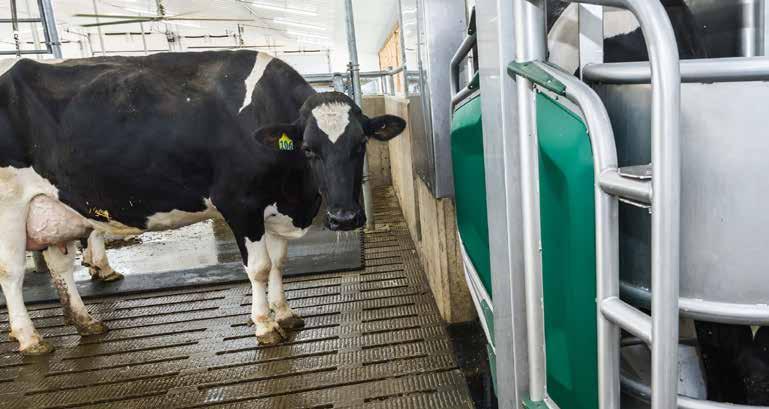
LFI is proud to have developed an innovative, robust system that ties right into your robot, feeding the most palatable liquid molasses mix, having your cows coming back for more, time and time again.
> Increases visits which is directly correlated to milk production
> follows your feed table according to production and / or days in milk
cows with lameness or mastitis decrease their brush use. Brush use is also influenced by barn conditions: cows use brushes less when they are located farther away from feed and during hot, humid weather.
Previous research at the University of British Columbia has shown that cows are strongly motivated to access brushes. Motivation can be studied by testing how hard animals are willing to "work" to access a resource of interest (in this case, a brush), often by comparing this with their willingness to "work" for another valuable resource, such as fresh feed. The idea is that the harder an animal is willing to work for a resource, the more important it is to them.
In one study, researchers trained cows to push a weighted gate to access either a mechanical brush, fresh feed or an empty space. They found that cows pushed up to 41 kg to get to the mechanical brushes and fresh feed, but they only pushed up to 14 kg to get to the empty space. Cows pushed similarly heavy weights to get to a brush as they did to get to fresh feed, showing that a brush is important to cows.
There are a variety of grooming brush designs available for dairy cows, but do cows respond differently to certain types?
A study published earlier this year in the Journal of Dairy Science investigated whether cows had preferences for different types of grooming brushes:
1. swinging and rotating, 2. swinging only and 3. stationary (neither swinging nor rotating).
Preference tests give animals a choice between two or more options, helping researchers understand what animals value. The three brush types had the same shape and bristle material, so that any preferences for the different brushes would be attributed to how the brush moved.
The researchers tested 14 first-lactation cows, first by familiarizing them with the brushes in a test pen, then exposing them to each brush type individually and finally conducting preference testing. During the nine-day testing period, each cow had access to all three brush types in the test pen for five minutes once a day. No other cows were in the test pen to avoid competition. Video recordings were used to determine which brush type cows chose first, the time spent grooming with each brush and which body part they groomed.
Cows have individual preferences for brush type and use
The swinging-rotating and swinging-only brushes were chosen first at the highest rates. Cows used the stationary brush mostly on their heads, spending about two minutes, relative to just seconds on other body parts. In contrast, cows groomed themselves more evenly with the swingingrotating and swinging-only brushes, reaching their necks, backs and rumps in addition to their heads. This suggests these brushes allow better access to the full range of areas cows want to scratch.
There were also individual differences among cows in their preferred type of brush. Of the 14 cows tested in the study, 10 preferred the swingingrotating brush, three preferred the swinging-only brush and one preferred the stationary brush. Cows varied in how long they spent using the swinging-rotating brush, ranging from 41 per cent to 80 per cent of the total time, overall showing variability among how individual cows use brushes.


Dundas Prime 496 Acres For Sale
July 21, 2026 from 11am-12pm Chesterville, ON
Why CLHbid.com?
Selling farmland is very di erent than selling a house in Ottawa. Knowing what didn’t work with traditional sale methods was the catalyst for CLHbid.com to build a platform designed for selling farmland.
We are not auctioneers or realtors, rather a law firm that does things di erently and farmers are paying attention. As professionals with farm backgrounds, we know farmland sales require experience rooted in agriculture to monetize a lifetime of hard work.
• Locate near feed or water troughs to encourage use, but not so close that they create a bottleneck.
• Ensure adequate space around each brush so cows can access and leave without crowding.
• Consider multiple brushes per pen – smaller group sizes per brush allow more cows access and reduce competition.
• Offer different brush types: swinging and rotating brushes allow full-body grooming, whereas stationary brushes can provide more precise control.
• Dry cows, heifers and calves benefit from brushes in their pens too.
Silage compaction roller
• Provide brushes for young calves – even stationary brushes satisfy their natural grooming, sucking and chewing behaviours.
The MAX PACK has been specially designed to increase forage compaction to pack silage tighter, increasing storage capacity and silage quality
Adjust the weight of MAX PACK by filling the drum with water
Provides a raking action to help level the silage
while




The researchers suggest that swinging brushes are generally favoured by cows because they allow them to reach multiple body areas, whereas a stationary brush may provide more precise control for grooming around the head.
Cows have individual preferences and needs, and their stage of production, physical condition and differences between animals can affect brush use. A separate study found that brush use changed with production stage (lactating, dry, fresh/calving), and cows that had recently calved preferred to groom the hip region.
Grooming brushes are a practical way to add environmental enrichment, while supporting dairy cow hygiene and natural behaviours. Many producers already provide their cows with grooming brushes to promote cow comfort. For those looking to add another brush, consider a different type to help meet the needs of more cows.
Providing a variety of brush types, including swinging and rotating brushes, allows cows to groom their whole body and better meet their individual preferences. Brushes can be added to pens, retrofitted into facilities and incorporated into new builds.
References
Osório-Santos et al., 2026. J. Dairy Sci., 109(2).
Foris et al., 2021. Sci. Rep., 11. Mandel et al., 2013. J. Dairy Sci., 11(96).
McConnachie et al., 2018. Bio. Lett., 14(8).



Dairy Farmers of Canada has an exciting slate of presentations and speakers ready for the 2026 Annual General Meeting. Farmers unable to travel to Moncton can read all about them in the Dairy Express email newsletter.
This farmer-exclusive newsletter will give you in-depth recaps of the panels and discussions, including:
➜ Supply Management and the International Trade Environment
➜ The Whole Protein Perspective
➜ Buy Canadian Movement
➜ What’s New in proAction
➜ Why Sustainability Still Matters in the Current Context
➜ The Price of the Truth – Navigating the Disinformation Minefield
The 2026 AGM will not be livestreamed. If you do not get Dairy Express, follow the QR Code below and fill out the easy form to sign up now!

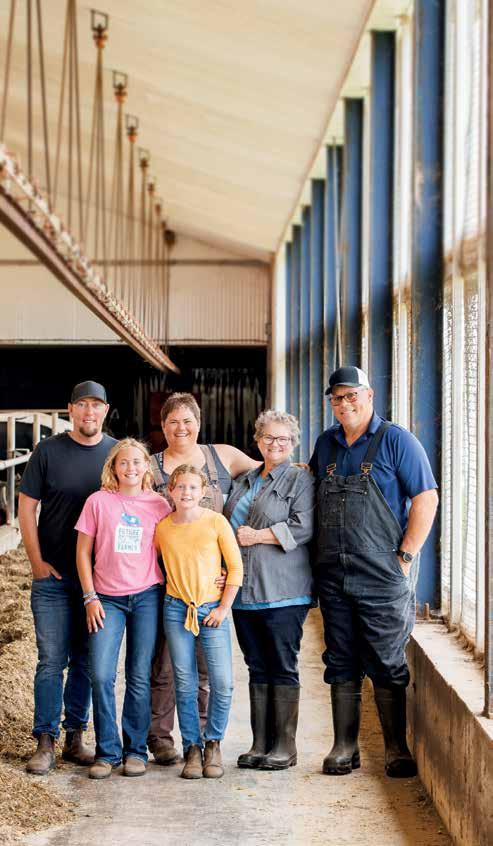
Sunday, July 12 to Wednesday, July 15 in Moncton, New Brunswick
Canada’s dairy sector is propelled by our shared pursuit of progress. From one generation to the next, this momentum shapes our work, investments, advocacy, and collaboration.
The 2026 Annual General Meeting brings together dairy farmers, stakeholders and industry leaders to share ideas, build relationships, and forge the path ahead. We do this at a pivotal time. It’s a time to lead with energy and ambition, facing challenges head-on while advancing the priorities that matter most to our industry.
We will celebrate the progress we’ve made and take the next step forward, together.
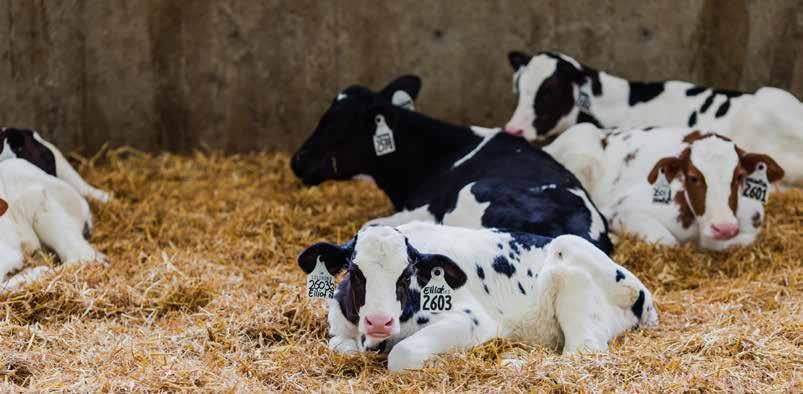


In the summer months, temperatures inside hutches are often higher than outdoors, and calves don’t always have the ability to move to a cooler spot. Consider locating the hutches in a shady area, facing north or east, and position them to take advantage of natural airflow.
Depending on hutch style, this could involve opening the rear doors, lowering/opening vents or even propping up the back of the hutch six to eight inches off the ground to facilitate air movement (while avoiding drafts). Consult the manufacturer for their recommendations.
Inside barns, low ceilings also mimic temperatures experienced in hutches and high amounts of heat can be radiated onto the calf. Opening windows and curtains and adding fans or adjusting ventilation systems for summer air exchange rates will all help remove heat and circulate air uniformly.
Shade is one of the most effective cooling tools. If a shaded area isn’t readily available, consider creating a shaded cover or roof over the hutches. To encourage air circulation and prevent heat build-up, ensure there are at least three metres between the roof and the tops of the hutches.
According to Harold House, engineer with DairyLogix, calves from birth to weaning require 170 m3/h (100 cfm) of fresh air per calf in the summer to remove heat. However, the actual air exchange required is usually greater than the minimum ventilation requirements, and in summer can be 40 to 60 room air changes per hour.
If mechanical ventilation is used, being prepared for power outages during summer thunderstorms is also something to be mindful of.
Along with optimizing air flow, there are a few other ways to help keep the calves’ environment cool, such as misting with sprayers. This can create the same effect as panting and sweating; heat dissipates with water as it evaporates off the animal. However, in high humidity, the ability to cool by evaporation is limited due to the moisture already present in the air.
• Oxford Cattle Company is working with genetic companies to select sires for use in our guaranteed calf buy back program.
We are now pleased to announce that we are interested in buying your holstein bull calves and can include them i n your regular pick up. We will take calves that are over 9 2 lbs and 10 days old. The price will be negotiated on a w eekly basis.
Presently serving southwestern Ontario region and Ottawa region.
• For a Calf Pick Up Request text (519) 788-1399 by 1:00 pm Mondays .
Bedding should also be both added and fully replaced more frequently; if wet and dirty, it will retain heat. Sand is better than straw or shavings at dissipating heat, but all bedding must be clean, dry and comfortable.
Late spring and summer can bring highly variable and unpredictable weather. So far, this year has been no exception, and it is important to consider the effects of heat stress on all groups of cattle in your barn. Regularly assessing calf behaviour, adjusting ventilation and providing other cooling measures such as shade, fresh bedding, and of course, plenty of fresh, clean water will help keep your calves cool and thriving throughout the summer season.
By Sophia Borys, Grober Nutrition Ltd.
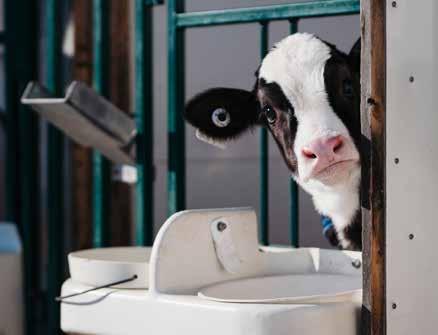
CONCERN FOR ON-FARM CALF MANAGEMENT IS BECOMING increasingly important for dairy producers. With this comes a growing demand for knowledge on best management practices to support calf health and performance. One of the many challenges dairy producers’ face is managing calves during periods of high temperature and humidity, commonly referred to as heat stress.
Calves have an immature thermoregulatory system, much like their immature immune system at birth, making them especially vulnerable to heat stress. As a result, elevated temperatures can quickly reduce feed intake, impair growth and further compromise immune function, ultimately increasing the risk of disease. Effective calf management during hot weather is therefore essential to maintaining calf health, welfare and longterm productivity.
One of the most important tools in managing heat stress is providing calves with unrestricted access to clean, fresh water. Combined with strategic electrolyte supplementation and proper environmental management, these practices can help reduce the negative impacts of summer heat on calf health and performance.
Heat stress can affect calves earlier than many dairy producers realize, with signs often appearing when temperatures rise above 26°C. Recent research has also shown that heat stress during pregnancy may negatively impact the calf and future generations. Reported effects include lower birth weights, reduced immune organ development, and delayed growth and immune function in newborn calves.
When calves become heat stressed, they increase their breathing rate, heart rate and blood pressure as they work harder to cool themselves. At the same time, feed intake and growth performance often decline because more energy is directed toward regulating body temperature instead of growth. Heat stress can also reduce digestive efficiency by slowing gut movement and decreasing nutrient absorption. In addition, calves require significantly more water to stay hydrated and maintain normal body function during hot conditions.
Water is essential
Providing calves with ad libitum access to fresh, clean water is one of the most effective and economical ways to reduce the effects of heat stress. Water is a vital nutrient involved in temperature regulation, digestion, nutrient transport and overall metabolic function.
Milk or milk replacer alone does not meet a calf’s water requirements during periods of heat stress; calves still require free-choice water beginning in the first days of life. Research consistently shows that calves with unrestricted access to water consume more starter grain, which supports rumen development and improves growth performance.
As temperatures rise, water requirements increase significantly, with intake often doubling or even tripling during hot weather. Producers should closely monitor water availability, including immediately after milk feedings. Warm, dirty or stagnant water can discourage intake and may increase the risk of pathogen exposure. Refilling buckets frequently with cool, fresh water throughout the day can help encourage consumption and maintain hydration.
Electrolytes are another valuable tool for managing heat stress in calves. Elevated temperatures increase fluid and mineral losses through respiration and normal metabolic processes, placing calves at greater risk of dehydration and electrolyte imbalances. Electrolyte solutions help replenish key minerals such as sodium, potassium and chloride, while supporting water absorption and maintaining acid-base balance. Although electrolytes are commonly used to treat scours, they can also help support hydration during periods of extreme heat.
Strategic electrolyte supplementation may benefit calves showing early signs of dehydration, reduced appetite or mild digestive upset. However, fresh, clean water must remain continuously available, even when electrolyte solutions are provided. In addition, adequate nutrition through milk or milk replacer is essential to meet calves’ energy demands during heat stress.
Alongside hydration strategies, environmental management plays a major role in reducing heat stress in calves. Proper ventilation is essential in hutches, barns and group housing systems, as poor airflow traps heat and humidity, increasing calf discomfort and disease pressure.
Producers can help by maximizing both natural and mechanical ventilation, providing shade for outdoor hutches and pens, increasing air movement with fans where possible, using dry bedding to reduce humidity buildup and avoiding overcrowding in group pens. Calves housed in direct sunlight without adequate airflow can experience dangerously high hutch temperatures, even when outdoor temperatures appear only moderately warm.
Managing heat stress effectively is not only about short-term comfort. Heat stress during early life can have lasting effects on growth, immune development and future productivity. Calves that remain hydrated and maintain feed intake during hot weather are better positioned to reach growth targets and avoid health setbacks.