
BUILDING RESILIENT FARMS TOGETHER
THE VOICE OF ONTARIO DAIRY PRODUCERS
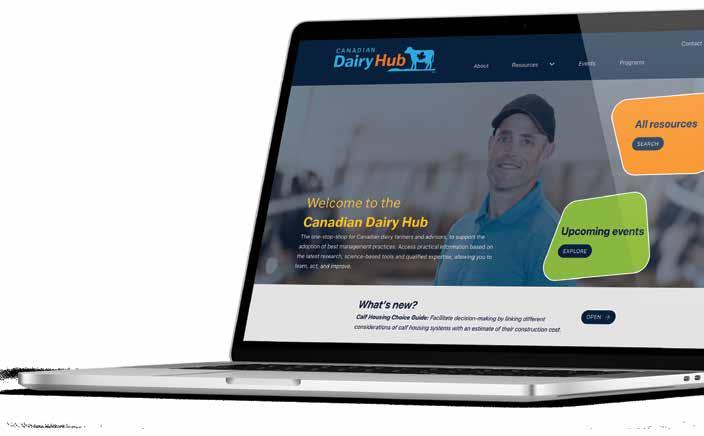
Access your new go-to web platform for resources to help your dairy farm thrive.
The Canadian Dairy Hub is a comprehensive, bilingual one-stop-shop that supports dairy farmers and their advisors through industry changes.
Dig into decision tools, factsheets, and videos on:
or
PUBLISHED BY
DAIRY FARMERS OF ONTARIO
6780 Campobello Road Mississauga, ON L5N 2L8
COMMUNICATIONS
Sandra Da Silva sandra.da-silva@milk.org 905-817-2178
ADVERTISING
Pat Logan pat.logan@milk.org 519-788-1559
GRAPHIC DESIGN
Katrina Teimo
CONTRIBUTORS
Dezarae Kemp, Dairy Modernization Steering Committee, Manage Resistance Now, Agriculture Wellness Ontario, Robert Matson, Jeanine Moyer, Mélissa Duplessis, Masoumeh Bejaei, Rodrigo Molano, Simon Jetté-Nantel
Workplace Safety & Prevention Services, Chris McCullough, Veal Farmers of Ontario.
Canada Post Publications Mail Sales Product Agreement No.40063866.
Return postage guaranteed. Circulation: 6,900. ISSN 0030-3038. Printed in Canada.
SUBSCRIPTIONS
For subscription changes or to unsubscribe, contact: MILK PRODUCER
6780 Campobello Road Mississauga, ON L5N 2L8
Phone: (905) 821-8970
Email: milkproducer@milk.org
Opinions expressed herein are those of the author and/ or editor and do not necessarily reflect the opinion or policies of Dairy Farmers of Ontario. Publication of advertisements does not constitute endorsement or approval by Milk Producer or Dairy Farmers of Ontario of products or services advertised.
Milk Producer welcomes letters to the editor about magazine content.
*All marks owned by Dairy Farmers of Ontario.
WEBSITES & SOCIAL MEDIA
www.milkproducer.ca
www.milk.org
Facebook: /OntarioDairy
Instagram: @OntarioDairy
LinkedIn: dairy-farmers-of-ontario

CON TENTS
www.milkproducer.ca
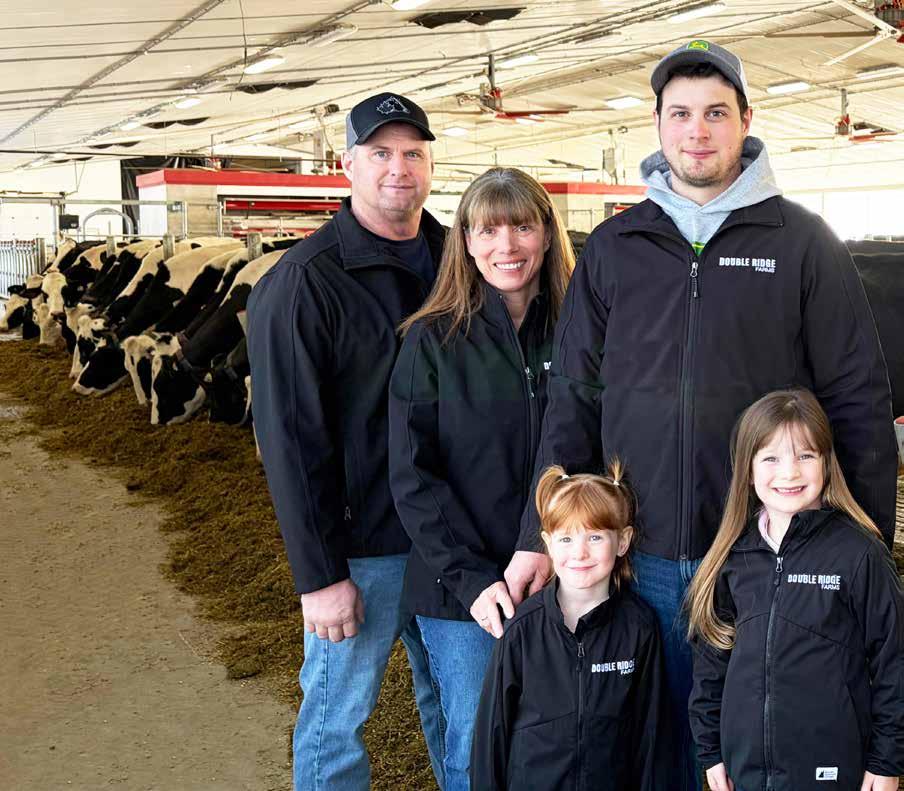
At Double Ridge Farms, the shift from one generation of father-and-sons to the next generation of father-andson has brought new family and farm management priorities into focus: better communication, more flexibility and room to grow.
A survey of Canadian dairy producers on footbath management and perception: the results 34 The calf market continues to offer opportunities to dairy farms
Find out how dairy farmers are getting hurt and what to do about it
Back to basics calf care
Sustaining a thriving Ontario dairy industry through relationships
By Albert Fledderus, Dairy Farmers of Ontario Board Member, Region
7,
representing producers
in the counties of Brant, Haldimand, Halton, Niagara, Norfolk and Wentworth. Albert chairs the DFO Quota Committee and the P5 Quota Committee, and serves on the DFO Audit, Markets and Allocation, and Quality Assurance Committees, as well as the Ontario Advisory Committees for Milk and Transportation and the Agriculture Adaption Council.
As dairy producers, we are part of a dynamic ecosystem that includes farmers, processors, transporters, retailers, researchers and policymakers. Our industry success depends not just on what we do individually, but on how effectively we collaborate with others in the dairy industry to address challenges, manage risk and seize new opportunities.
Relationships are essential in ensuring our industry remains viable. Whether it’s our focus on herd health, improving feed efficiency or adopting more sustainable farming practices, progress is rarely achieved in isolation. Instead, it is powered by shared knowledge, ongoing dialogue and mutual goals.
On our own farm, the spirit of collaboration is part of our daily operations. Our veterinarian is a regular and trusted partner, helping us stay ahead of herd health concerns and ensuring our animals receive the highest standard of care. Healthy cows aren’t just good for business; they are critical to maintaining public trust in our industry.
Our work with nutritionists and agronomists is equally important. Feed represents one of our largest investments, and optimizing it requires both expertise and precision. By working closely together, we continually adjust rations to support animal wellbeing, maintain the production of high-quality milk and make informed decisions about crop selection, soil health and nutrient management, ensuring we grow feed that supports both animal performance and environmental sustainability.
We also couldn’t do what we do without our farm families and employees who work alongside us every day. Their dedication, care and attention to detail are critical to maintaining the health and wellbeing of our herd. From feeding and milking to monitoring animal comfort, their commitment helps ensure we consistently deliver the high standards our industry and consumers expect.
Collaboration should also extend beyond the farm gate. Strong, working relationships with milk transporters and processors are vital to maintaining quality and ensuring efficient delivery throughout
the supply chain. Respectful interactions with Bulk Tank Milk Graders also play an important role in our industry’s quality assurance. Every step is connected, and each one of us plays a role in getting a safe, high-quality product to Ontarians.
Just as importantly, these relationships help us tell our story. Today’s consumers want to understand how their food is produced. By working together, we can communicate transparently and share the care and commitment behind every litre of milk. Collaborations to develop tools like the Ontario Dairy Guide help bring that story to life, making it easier for consumers to discover local dairy products and connect with the people and businesses behind them.
By strengthening our connections and embracing collaboration at every level, we can build a more sustainable, competitive and forward-looking sector that maintains strong public trust.
Together, we are stronger, and together, we can ensure that Ontario dairy continues to nourish communities for generations to come.
Vicky Morrison
Albert Fledderus

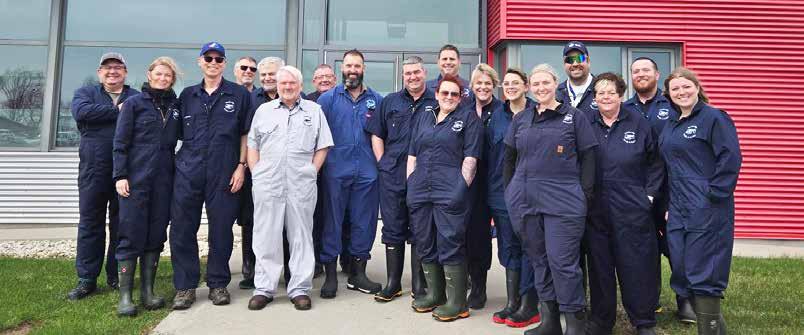
Partners in dairy quality in Ontario How field service representatives strengthen dairy farm success
Dairy Farmers of Ontario’s (DFO) Field Services Representatives (FSRs) are not only milk inspectors, they are also your support for everything from milk quality troubleshooting to quota questions and paperwork, questions about policies and regulation, and anything else related to DFO and how it applies to your farm. Our 13 FSRs have seen and heard a lot. This column was created to use their collective expertise to share answers to some of the most common questions received.
DAIRY FARMING TODAY IS MORE COMPLEX THAN EVER. From advancing technology and rigorous regulatory standards to high expectations in milk quality and animal care, producers are required to balance countless responsibilities every day. In this industry, success is a team effort. One of the most valuable relationships is between Ontario producers and their Field Service Representatives.
A holistic understanding of the farm
FSRs bring a unique combination of technical expertise, regulatory knowledge and on-farm perspective. While advisors such as nutritionists or veterinarians may focus on specific aspects of the operation, FSRs develop a holistic understanding of the farm over time. They see how management decisions, infrastructure, milk quality trends and long-term goals intersect, allowing them to provide informed, practical guidance that supports both day-to-day decisions and forward-looking planning.
One of the most tangible benefits of working closely with an FSR is support in maintaining and improving milk quality. FSRs are trained to investigate milk quality concerns, identify contributing factors and recommend targeted improvements. Their involvement doesn’t end with a report. Ongoing communication and follow-up help track progress and achieve objectives, aligning everyone around a shared goal: producing consistent, high-quality milk.
FSRs also play a critical role when farms face major transitions or unexpected challenges. Whether it’s navigating succession planning, updating licences, adding new partners or responding to significant events
that disrupt normal operations, having a knowledgeable and trusted partner makes a difference.
Support through transition and challenge
Dairy farming comes with its share of stress, uncertainty and high stakes decisions. FSRs are often a sounding board for producers who want to speak openly about concerns, ideas or future plans. That trust is developed over time through regular, consistent engagement and it enables more productive conversations when challenges arise.
FSRs can also be a resource to support producers in preparing for proAction® validations. Whether it is reviewing standard operating procedures (SOPs), answering questions about new requirements or finding information, they can help mitigate risks and build confidence. When compliance is approached as a collaborative process rather than a last minute scramble, it becomes far more manageable.
Your success is their success
When producers view their FSR as part of their broader farm team, alongside family members and professional advisors, they unlock greater value from the relationship. Regular communication, mutual respect and early involvement in key decisions strengthen the relationship and, ultimately, the resilience of the operation.
In an industry where no two farms are the same, strong relationships with field service representatives build long-term success in a constantly evolving dairy landscape.
Right Time & Place for RIGHT STUFF & Sons
“As protein trends drive formula changes across the industry, Right Stuff & Sons are coming out on top”
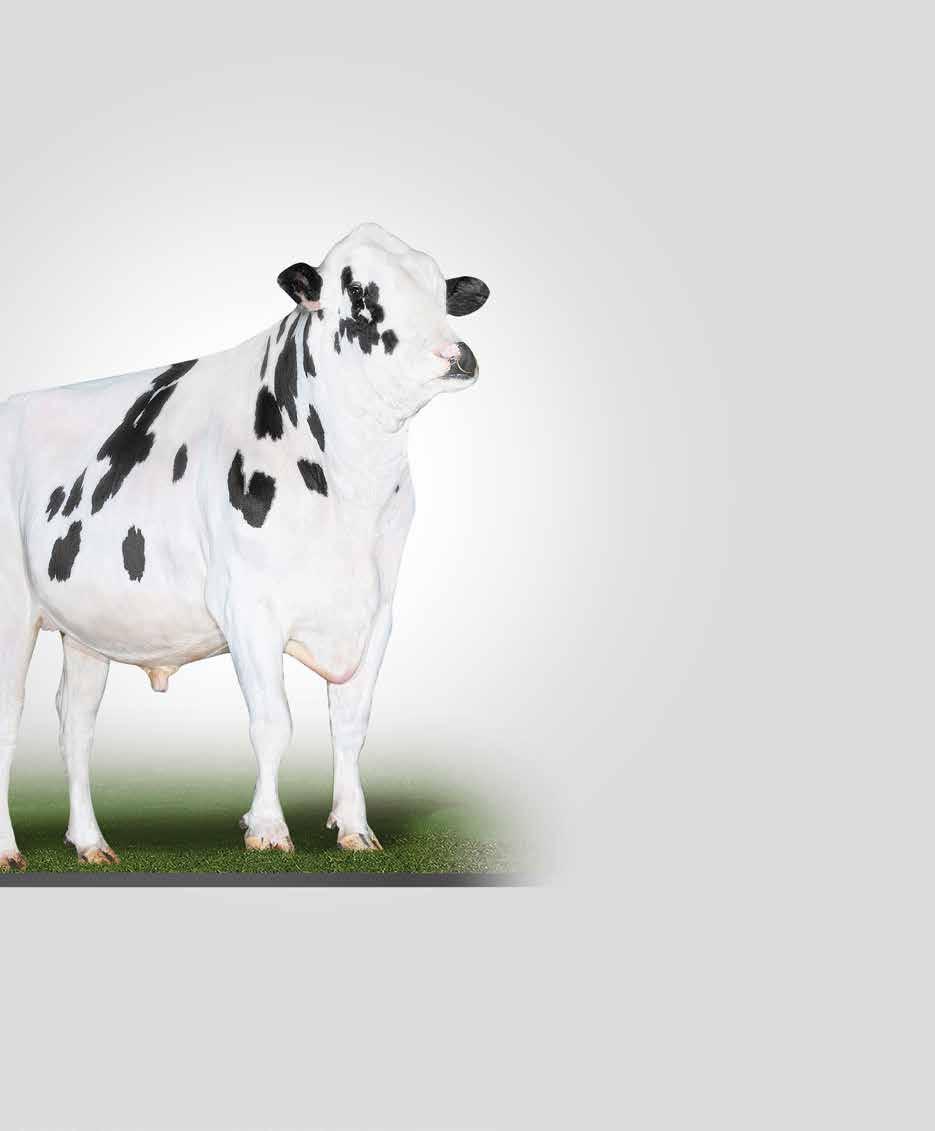
1 OF ONLY 2 SIRES > +75 kg PROTEIN +10 CONFORMATION (& the only one that is Polled)
Right Stuff daughters are starting to calve in and it’s getting exciting!
Validity/Vector is the leading supplier of Right Stuff sons.
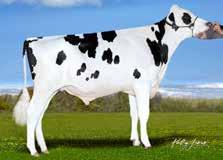

H-BRIDGE VEC STELLAR-PP*RC (VG-88 2yr)
A2A2 / BB aAa 243615 #2 “PP” A2A2 SIRE > +1000 KG MILK + 10 CONF.
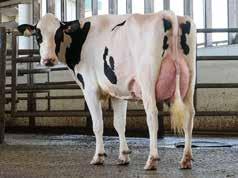

STANTONS RIGHT STUFF-PP (EX-95 3yr) 724HO02031 A2A2 / BB aAa 243615 REMOVER PP x VG-89 BUNDLE x VG-18* BIGHIT
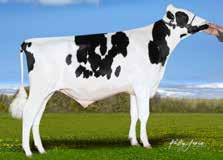
CASHCOW BITCOIN-PP (VG-85 1yr) 724HO02057 A2A2 / AB aAa 243165 +12 CONF & IDEAL FOR ROBOTS Now EX-96!
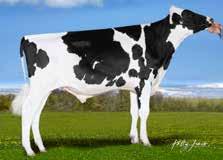
VEC SIAKIM-PP*RC (VG-86 2yr)
A2A2 / BB aAa 324165 EXCITING NEW OUTCROSS FOR RED’S
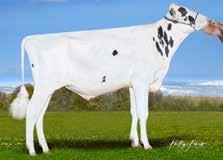
VEC
A2A2 / BB aAa 243165 #1 GPA-LPI CONF. POLLED SIRE > +15
RIGHT STUFF-PP is believed to be the 2nd highest scored living bull, surpassed only by teammate A2P2-PP @ EX-97. RIGHT STUFF-PP or his sons are the perfect mating on daughters of A2P2; and on RIGHT STUFF daughters, APOLLO PP (VG-89 2yr) is an ideal mating. Modern genetic progress using three generations of the highest PP - A2A2 bulls of their generation!

H-BRIDGE
Paul Risebrough: Honouring a lifetime of service to Ontario dairy
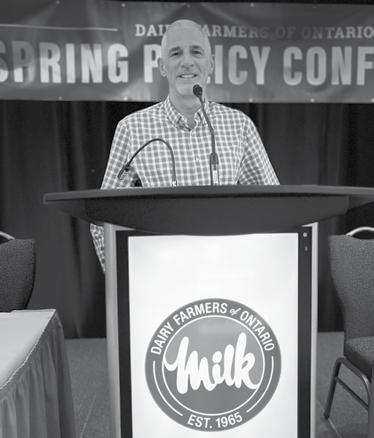
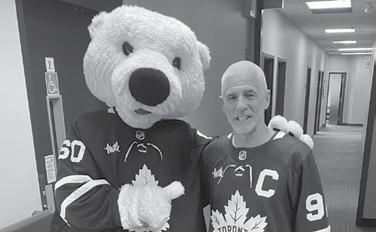
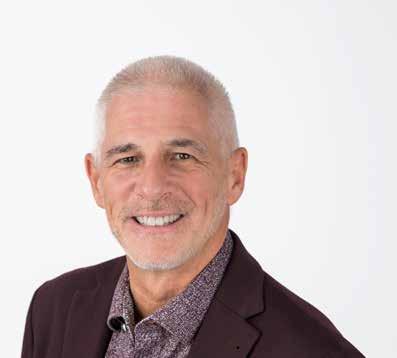
P..aul Risebrough’s passion for the dairy industry began long before his career at Dairy Farmers of Ontario (DFO). It was rooted in a proud family legacy on the dairy farm established by his great-greatgrandfather, J.B. Feasby – now carried on by Paul’s brother, Michael.
Paul started his career at Dairy Farmers of Ontario (then the Ontario Milk Marketing Board) in March 1988, dedicating 38 years of service to the organization. Over that time, he became a respected and trusted leader, developing deep expertise in milk allocation and working closely with DFO processor customers and transporters to support the efficient movement of milk across Ontario and the P5.

He was instrumental in modernizing DFO’s milk allocation systems. In the late 1990s and early 2000s, Paul played a key role in transitioning the allocation process from manual methods to a software-based system and he remained an invaluable contributor as those systems evolved over time.
Recognized for his commitment to excellence and collaborative approach, Paul was promoted to Milk Allocation Lead in 2015 and later to Milk Allocation Manager, where he guided his team with professionalism and care, while consistently delivering high-quality service to stakeholders. He was known as both a leader and an innovator in the allocation field, with a unique ability to understand, in real time, the movement of milk and transportation resources across the system. His exceptional problem-solving skills helped the organization navigate complex allocation and logistics challenges.
In 2023, Paul was named Associate Director, Logistics, a role that reflected both his extensive knowledge and the strong relationships he had built throughout the dairy sector. He was a valued mentor and resource to colleagues, sharing his experience generously and supporting continuous improvement within the team. Paul enjoyed getting “out of the office” to meet with producers, processors and transporters, to share DFO business updates and connect directly with industry stakeholders.
Paul’s influence was especially evident over the past decade, as he played a critical role in managing the rapid growth in milk production continued sector expansion. He supported modernization efforts, including playing an active leadership role in the recent selection and development of a new allocation software solution (Optahaul) in 2026.
“Paul’s commitment to the Ontario dairy industry was unwavering,” says Cheryl Smith, CEO, Dairy Farmers of Ontario. “His deep knowledge of the industry, his steady management and his enthusiasm have made a lasting mark on DFO. We are forever grateful for his dedication, passion and many contributions during the normal course of business and always stepping up during weather and other business interruptions to help ensure the safe delivery of Ontario milk.”
Beyond his professional achievements, Paul took pride in spending time with his family – his wife, DonnaMarie, and their children, Brandon, Kaitlyn and Jordan, and grandchildren – who grew up alongside his work at DFO and his pride in Ontario’s dairy industry. A devoted Toronto Maple Leafs fan, his enduring optimism for the team will now be carried on by his family and friends.
February 11, 1964 – April 27, 2026
Superior Science. Smart Solutions.
At Endovac, we take a proactive approach to protecting animal health. By o ering gram-negative cross-protection in a single product–powered by our exclusive immunostimulant, Immune Plus–our vaccine line sets a new standard in disease prevention and immune support. That means better health for animals, and a better bottom line for you.
Learn more about whole herd protection with Endovac-Dairy at EndovacAnimalHealth.ca.

Strengthening the dairy industry through apprenticeship
By Dezarae Kemp, Ridgetown Campus, University of Guelph
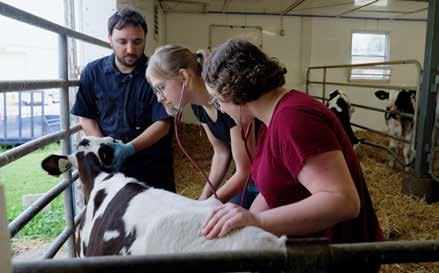
THE DAIRY HERDSPERSON APPRENTICESHIP PROGRAM AT THE UNIVERSITY OF GUELPH Ridgetown Campus brings together farmers, educators and industry experts to train apprentices in a way that has a positive impact on the dairy sector.
Apprentices develop their skills while working on the farm, learning from their employer, who is willing to invest in the long-term success of the herdsperson by offering mentorship and practical, hands-on learning opportunities. Ridgetown Campus is responsible for the formal classroom training that helps apprentices understand the “why” behind the work they are doing.
The program strives to offer as many experiential learning opportunities as possible. Regular tours of different dairy operations are part of the program. Students see how different farms approach herd health, nutrition, technology and management. Industry experts are brought in for guest lectures, sharing the latest information with apprentices. Through these experiences, apprentices gain perspective and a strong connection to the dairy industry as a whole. Students are learning from their peers and other dairy professionals, building relationships that are valuable to the farm. These experiences demonstrate to the students that dairy farming is strengthened when ideas and expertise are shared.
For many apprentices, the program reinforces for them that the best way to learn dairy farming is by doing it. The program’s structure allows students to take what they learn in class and immediately apply it on the farm, whether that means discussing ration changes or refining a hands-on skill with guidance from their employer. Visits to other farms enhance their learning, giving apprentices the opportunity to see different approaches, ask questions and continuously improve their own practices.
For employers, the apprenticeship program fosters motivated employees who are eager to learn. Dairy producers recognize that while classroom learning provides a foundation, real skill is developed through handson experience and consistent practice. Apprentices often bring fresh perspectives back to the farm, sparking conversations and encouraging continuous improvement, which is important in an industry where innovation and adaptability are key.
The program itself has also grown through sector partnership. In 2023, Dairy Farmers of Ontario and the University of Guelph Ridgetown Campus partnered to enhance the Dairy Herdsperson Apprenticeship program. Through this partnership and provincial government funding, Ridgetown Campus developed a distance education delivery option to improve access to the program across the province. This delivery model increases accessibility to the program by reducing the amount of time students need to be away from the farm, while still incorporating important in-person learning opportunities.
The Dairy Herdsperson Apprenticeship program is a reflection of the power of partnership in the dairy industry. Producers provide mentorship and the hands-on learning environment, while Ridgetown Campus brings together expertise and support for skill building. Industry partners help expand access to train more dairy herdspersons. Together, these relationships help develop skilled herdspersons who will play an important role in the long-term success of the industry.
How to apply
Once you are employed on a dairy farm and your employer has agreed to sponsor you as an apprentice, you must apply for an apprenticeship through Skilled Trades Ontario (www.skilledtradesontario.ca).
Dairy Herdsperson Apprenticeship program highlights
• Two-year in-class program
• Two delivery models to choose from:
1) Traditional in-class model: apprentices attend one week in-person each month over eight months (eight weeks in person each year)
2) Distance education model: apprentices attend three weeks in-person each year, with the remainder of the training completed from home
• 90 per cent of training takes place on the farm
• 10 per cent of training takes place in the classroom
• Industry training opportunities are incorporated into the program, including artificial insemination (AI), hoof trimming and nutrient management
• One major experiential learning trip each year (World Dairy Expo or Eastern Ontario tour)
REST EASY
Your next
By Dairy Modernization Steering Committee
build
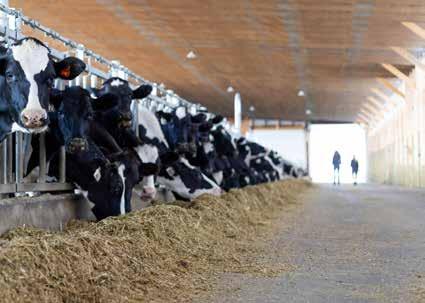
PRODUCERS CONSIDERING WHETHER TO BUILD OR ADAPT THEIR CURRENT FACILITY rarely face a single decision. Instead, modernization involves choices about labour, finances, family goals and considerations related to cow comfort. The complexity of the decision often leaves those looking to modernize their facility with many questions, and the hardest part of the process is finding a starting point. This was the reason for the launch of the Dairy Modernization Initiative, which was highlighted in the March issue of the Milk Producer magazine.
Dairy Modernization is an Ontario-based initiative guided by a Steering Committee representing a cross-section of expertise and knowledge, including those from the Ontario Ministry of Agriculture, Food and Agribusiness (OMAFA), the Ontario Agri Business Association, the University of Guelph, Dairy Farmers of Ontario (DFO), the Canadian Farm Builders Association, Farm Credit Canada, Lactanet, the Saputo Dairy Care Program and independent consultants. Together, the team is working to address the common financial, technical and, sometimes, emotional barriers producers face when planning to modernize their barns.
The group has previously launched a website and hosted webinars; the next step was to host an in-person event to bring the different considerations for modernization together through producer stories, technical presentations, financial planning sessions and on-farm tours that put some of those
considerations into practice. This article highlights learnings from the recent “Dairy Modernization – Your Next Build” full-day event held in Drayton, Ont., on April 16, 2026.
Setting the tone for the day
The day opened with a strong emphasis on mindset and featured an opening presentation by producers Frank and Mike Vandenberg of Bergvale Acres. While the Vandenbergs had decided to build a new barn, they shared that each person's experience with modernization is a little different, and farmers looking to modernize should tour a number of farms before deciding which direction to take their operation. They also stressed that producers should consider designing or building the barn how they would like to work in the new barn, not how you have always worked. They also emphasized budgeting roughly 10 per cent more upfront to avoid regret and expensive retrofits later. This flexibility allowed for changes in cow size, management style and future expansion. More importantly, it built a barn that supported the people who worked in it.
They also described modernization as an investment in longevity. For them, installing robotic milking reignited enjoyment in daily chores and delayed retirement by more than a decade. For them, this made the operation feel sustainable again – not just financially, but personally. However, they were also candid that not all aspects of modernization were smooth sailing.
The Vandenberg’s were candid about the realities of transitioning from tie-stall to free-stall housing. Cows struggled to learn how to exit stalls, approach robots and adapt to new routines. There were moments when going back to the old system felt tempting. However, they also shared how they effectively lived in the barn during those early days – walking cows to robots, observing behaviour closely and adjusting their management in real time. Walk-throughs helped identify problems before they escalated.
While improvements were noticeable after about a month, producers agreed it took a full year – one complete calving cycle – before the new system truly stabilized. Older cows, especially those coming from tie-stalls, were the hardest to transition. However, looking back, the decision was consistently described as one of the best they made. Finally, producers stressed that these gains came from the entire system – housing, feed, grouping, cow flow and management – not the robot alone.
Cow comfort as the foundation
Throughout the day, cow comfort was framed not as an after thought, but as the foundation of productivity and longevity. In a presentation by Dr. Cynthia Miltenburg of OMAFA, she emphasized that comfort was both a management and a design decision.
Keeping animals clean and dry was highlighted as non-negotiable, regardless of the housing system. Stall width, bedding, traction and softness all influenced lying time, with a target of 12–14 hours per cow per day are critical factors. Dr. Miltenburg also highlighted the potential detrimental effect of even temporary overstocking as a major pitfall that often became permanent.

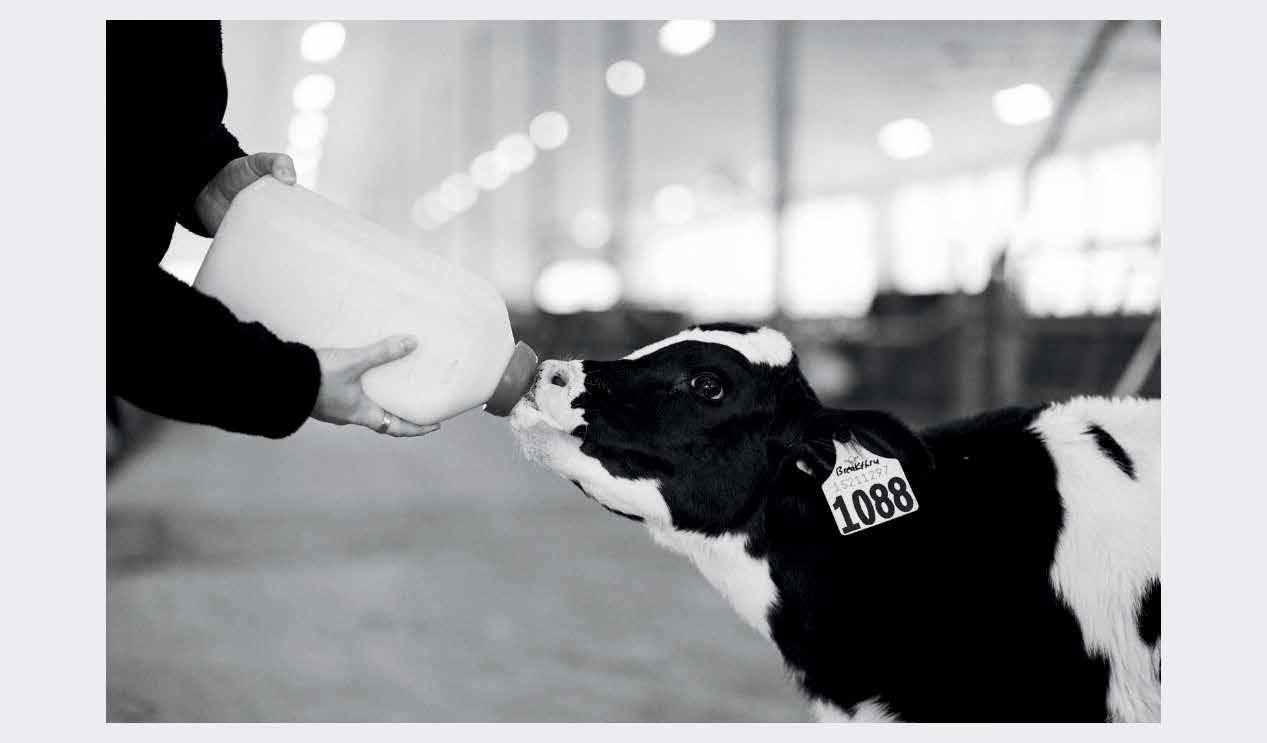
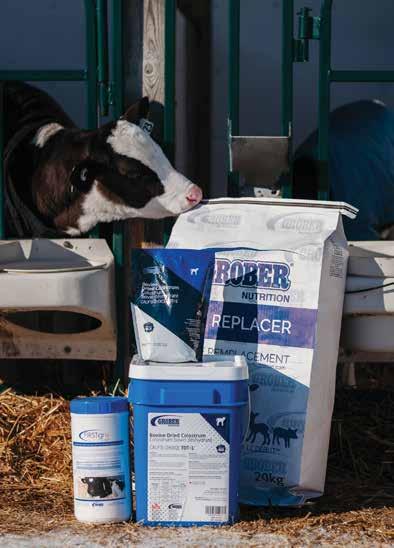
Set your calves up for success with premium, research-backed milk replacer, powering growth, health, and performance from day one.
From both research and farm experience, it was clear that overstocking disproportionately affected fresh and lower-ranking cows. These conditions can result in reduced feed access, faster eating, poorer rumination, higher stress, lameness and increased somatic cell counts as common effects if space considerations are not considered. Therefore, an appropriate space in both lactating and non-lactating spaces, considering surges in cow numbers, should always be considered when designing modernized facilities; extra space is rarely ever wasted.
Calving areas received particular attention. Calving was described as an active, dynamic process requiring cows to stand, lie down, shift weight and turn around to optimize fetal positioning. Loose-housed maternity pens support calmer, more efficient calving and reduced dystocia risk, while also aligning with the updated Code of Practice requirements.
Financing the plan: how to prepare for lender conversations
Stephanie Szusz of Kindred Credit Union provided a presentation emphasizing that modernization did not have to mean a brand-new build, but it did require preparation. Participants were urged to understand their current metrics, including debt servicing, leverage, production levels and Earnings Before Interest, Taxes, Depreciation and Amortization (EBITDA) per kilogram.
HOOF TRIMMING AND CARE COURSE
While producers may not have all of these numbers readily available, working with financial advisors to determine these can help producers bring rough, but thoughtful, budgets to an initial meeting with a lender. Szusz also highlighted the importance of asking your lender for anonymized budgets from other completed modernization projects, so producers can learn about expenses they might not otherwise consider. Additionally, by comparing expected versus actual costs of these example projects, producers can reveal where surprises often occurred, such as excavation, permits, building code requirements and servicing.
Key lessons included building a 10–20 per cent contingency fund, minimizing design changes once construction started and testing future cash flow by setting aside mock loan payments in advance to simulate covering the cost of borrowing. Finally, participants were reminded that HST was recoverable, but refunds were not immediate and sometimes required interim financing.
Planning for the long-term
In the session by Nick Hiemstra, P. Eng., of Design Logix Engineering, he highlighted that good design starts with asking the right questions: Should I build? Am I allowed to build? Where should I build?
While producers are not experts, they should engage experts early in the process. Topics like zoning, minimum distance separation, environmental approvals, wind patterns, slope, drainage, soil type, water quality, hydro service and access routes can all influence site approval. Additionally, seeking approvals early on in the process, along with contacting the producer's DFO field service representative can ensure that problems are avoided later in the process.
Hiemstra also encouraged a plan for five- and 10-year expansion, recognizing that today’s barn needs to serve future generations. Whether choosing wood, steel or fabric construction, considerations about roles, insurance and project management were essential – particularly when producers acted as their own general contractor.
Farm tours: where design met reality
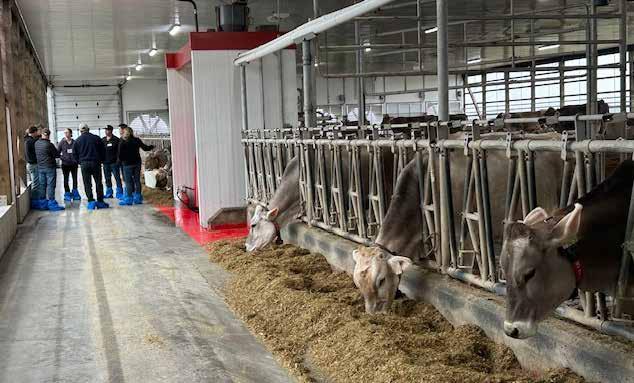
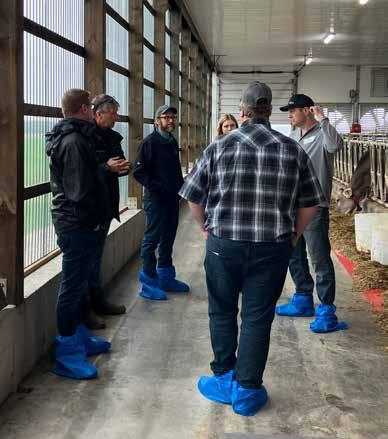
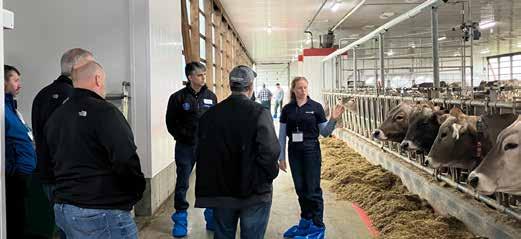
The second part of the day highlighted some real examples of modernized facilities in the surrounding area. For many, the on-farm tours were a highlight of the day, allowing participants to see how planning decisions played out in working barns. By touring both renovated and newly built facilities, participants experienced a module-based format that used small groups to ask experts questions about layout, precision feeding, nutrient management planning, ventilation considerations, building design and alternative bedding types (compost-bedded pack considerations).
The tours reinforced a recurring message: the most successful facilities balanced cow comfort, labour efficiency and flexibility for future growth.
Bringing it all together
The combination of presentations and farm tours made it evident that a well-designed facility supports cow welfare, more efficient labour and supports future options. For those who had already taken the step, modernization was rarely described as easy, but it was repeatedly described as worth it. Together, the day illustrated that successful modernization is based on thoughtful planning, realistic expectations and a clear vision of where the farm is headed.
The Dairy Modernization Initiative Steering Committee wishes to express their gratitude to all attendees, presenters and those who coordinated modules. We also wish to thank both the Gingrich and Signer families for opening their farms to participants for tours of their operations. The project is grateful for the financial support received from OMAFA’s Knowledge Translation and Transfer program, Dairy Farmers of Ontario and the University of Guelph, which was awarded to Dr. Derek Haley at the Ontario Veterinary College to support this project.
For more information on the Dairy Modernization Initiative, including previous webinars, online resources and upcoming in-person and webinars, visit the initiative's website at www. dairymodernization.ca.
Smarter Dairy Stronger Future
Why milk test?
Understand profit values
Milk revenue accounts for approximately 85% of the total revenue on most dairy farms and productivity matters.
Boost performance
Future-proof your herd and develop high performing cows that are fit for tight margins, high quota demands, and longevity.
Monitor animal health
Improve cow care, prevent disease, and manage treatment plans to ensure your cows are functioning and feeling their very best.

Improve milk value
Optimize protein and fat ratios to maximize returns on the milk cheque.
Mindful breeding
Select superior bulls and cows through performance records that contribute to genetic gain and improve breeding programs.
Modern practices
Work with proven and sustainable methods of dry cow, transition and animal care that save money and are simply better for the cows.
Milk testing helps you stay confident, drive progress and take the guess-work out of your day with data-driven decision making.
Lactanet collects and analyzes 5.3 million milk samples each year from 6000+ dairy farms across Canada
One simple milk sample, so many solutions
• Milk Value & Quality
• Fat, Protein & BCAs
• Lactose
• KetoLab
• MUN
• SCC
• Mastitis4
• Johne’s
• Leukosis
• GestaLab
• Genetics
• Transitional Management Index (TMI)
Contact us to learn more

Manage Resistance Now Why resistance management matters on dairy farms and where to find information
By Manage Resistance Now
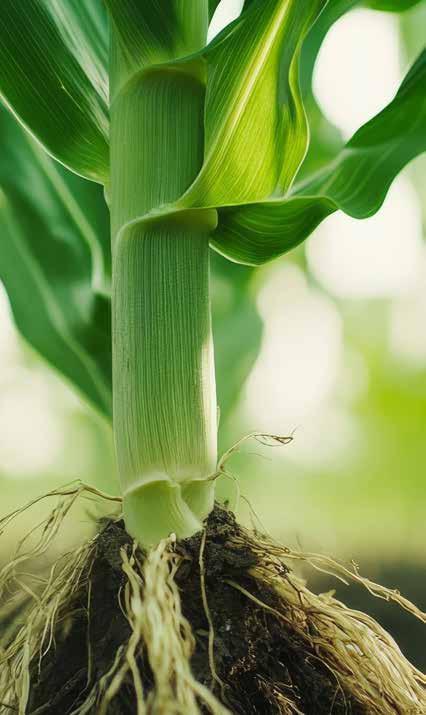
ACROSS ONTARIO, DAIRY FARMERS WORK HARD TO PRODUCE HIGH-QUALITY FORAGE and feed crops, from corn silage to alfalfa and cereals. These crops are the foundation of a productive dairy operation. However, an increasing challenge is showing up in more fields each year: resistance. Whether it is herbicide-resistant weeds, fungicide resistance or insect resistance, resistance management is no longer something for the future; it is a present-day reality. Farmers must now take a proactive approach to managing resistance as part of their ongoing crop protection strategies.
Resistance is not a new issue, but it is becoming more common and more complex. Resistant weeds such as waterhemp are spreading in Ontario, and fungicide resistance in corn leaf diseases has also been documented. For dairy farmers who rely on consistent, high-yielding forage crops, resistance can directly impact feed supply, crop quality and input costs.

What is resistance?
Resistance is the genetically inherited ability of a pest to survive a control method that would normally be effective under recommended use conditions. Resistance develops as an evolutionary response to repeated and prolonged use of the same pest management practices. Over time, a small number of weeds, insects or diseases that can survive a management treatment (i.e., pesticide) pass on their traits, and those survivors become more common. This is accelerated if crops are not rotated. For instance, planting corn year-after-year on the same field provides the perfect breeding ground for increased resistance.
This is where Manage Resistance Now (MRN) comes in. MRN is a collaborative effort between experts from industry, academia and government, brought together by CropLife Canada to increase awareness and promote the adoption of resistance management strategies. The goal is to help farmers slow the development of resistance in weeds, insects and plant diseases and protect the tools they rely on to grow crops.
MRN brings together resistance management information from across Canada into one place. Adopting resistance management practices is important for protecting crop yields and quality today, as well as maintaining effective crop protection tools for the future.
What resources are available?
Resistance management is about stewardship using products in a way that slows resistance development and preserves their effectiveness. The MRN website includes resources on herbicide, insecticide and fungicide resistance that can help farmers and agronomists make informed management decisions.
Some helpful resources include fact sheets such as:
• Managing Corn Rootworm resistance to Bt corn fields
• Herbicide Resistance 101
• Managing Herbicide Resistant Wild Oats
• Managing Herbicide-Resistance Waterhemp
• Hear from a Grower
These resources offer information and tools for managing resistance on Canadian farms, including case studies featuring practical strategies from experts and farmers.
Expand your knowledge
Farmers and agronomists can subscribe to the MRN newsletter to receive updates on resistance issues, new resources and upcoming events. MRN also shares resistance management information through videos and social media, making it easy to stay informed throughout the year. Links to resources can be found on https://manageresistancenow.ca/.
Resistance management is about using the right tools, in the right way, at the right time, so they continue to be effective for years to come.

Where the science of nutrition meets accurate feeding for a sustainable future

Optimized Rations

How Agriculture Wellness Ontario is meeting the ag industry where it’s at –including those in dairy
By Agriculture Wellness Ontario
ESTABLISHED BY THE CANADIAN MENTAL HEALTH ASSOCIATION (CMHA), ONTARIO DIVISION
in 2022 to address a growing need for mental health education, support and community in agriculture, Agriculture Wellness Ontario (AgWO) was created to meet those needs in a way that understands the farming way of life and the unique stressors and pressures that come with it.
Four years on, this suite of mental health programs tailored to farmers, farming families and farm employees is embedded in many areas where this community shows up. It’s there to promote its educational offerings, encourage resource- and support-seeking and to work at building a mental health culture in ag that’s stigmafree and non-judgmental.
As it relates directly to the dairy industry, AgWO is often available at dairy-focused and dairy-adjacent events, such as the Southwestern Ontario Championship Jersey Show, Canadian National Guernsey Show and Royal Agricultural Winter Fair, as well as dairy producer meetings and agricultural fairs with strong dairy participation. Through these events, the AgWO team connects directly with dairy producers in their own spaces, builds relationships, shares resources and promotes free supports like the Farmer Wellness Initiative (a free, unlimited counselling service with 24-7 intake).
More broadly, and aside from a general community outreach presence at events around the province, AgWO works to develop partnerships with many ag-specific organizations to bring education, support and community to farmers.
One such instance of this is a unique partnership with the University of Guelph’s Ridgetown Campus. This initiative sees AgWO staff deliver In the Know mental health literacy training to agriculture students as part of the school’s programming. Now in its fourth year, this partnership allows AgWO to reach upwards of 150 students annually, many of whom are from family farms – including dairy operations – or entering roles that directly support producers.
The focus of this partnership is on preparing the next generation of producers and ag professionals to recognize stress, support peers and start conversations early. This can be particularly relevant in multigenerational dairy farms, where responsibilities are shared across family members, making early awareness and communication critical.
More broadly, and aside from a general community outreach presence at events around the province, AgWO works to develop partnerships with many ag-specific organizations to bring education, support and community to farmers.
Other ways AgWO meets the needs of farm life include bringing workshops directly to producer groups and ag businesses, always respecting and working around high-pressure times such as planting and harvest.
The Ridgetown Campus partnership is just one example of AgWO meeting farmers, or prospective farmers, at a grassroots level, working to build mental health literacy from the ground up. Generally, AgWO’s programs are shaped by what the team hears directly from producers and partners, including those in the dairy sector.
Other ways AgWO meets the needs of farm life include bringing workshops directly to producer groups and ag businesses, always respecting and working around high-pressure times such as planting and harvest. The team also targets training for those that work closely with dairy producers, such as veterinarians or sales reps, which helps to create a broader community of people who can recognize and respond to those experiencing difficulty.
Further, to aid in meeting the needs of the ag industry, AgWO has developed an ag advisory committee made up of cross-commodity producers and industry representatives. It was established to ensure programming reflects real, day-to-day experiences on farms, and to provide input into new workshops and refinement of existing trainings. This input directly shapes sessions like its new Growth Workshops offerings, Navigating Stress in Agriculture and Preparing for Uncertainty in Agriculture.
Going forward, Agriculture Wellness Ontario remains committed to developing best-in-class mental health education, support and community in agriculture. Always ag-informed and led by a team of individuals with a background in farming, AgWO is well-positioned to change the way farmers think about their mental health and support their wellbeing – as a partner working in lockstep with the industry.
To learn more about Agriculture Wellness Ontario, visit its new website at agriculturewellnessontario.ca.

Partnering to support youth development with 4-H Ontario
By Robert Matson, Production Research Manager, Dairy Farmers of Ontario
AS PART OF OUR
COMMITMENT TO SUPPORTING YOUTH DEVELOPMENT
, Dairy Farmers of Ontario (DFO) sponsors two opportunities each year through 4-H Ontario. This article highlights two recent events and the great work that 4-H Ontario is delivering on for the future of the industry.
Future Leaders in Action (FLIA)
The FLIA program supports industry education by encouraging youth to explore their skills and develop their leadership in a hands-on group environment. This year, FLIA hosted 36 youth from March 17–21, 2026 at Camp Mini-Yo-We in Port Sydney, Ont.
Over the course of the week at FLIA, youth were challenged to step outside of their comfort zone to expand their knowledge about leadership, including how to maximize and facilitate group discussions, identify personal values and manage their time. Other skills learned included communication, team building, public speaking, effective questioning and goal setting. A core component of FLIA is the leadership training sessions and these sessions encouraged youth to explore their skills and put them into practice in a hands-on learning environment. New this year, 4-H Ontario added Youth Leader Training to the sessions, so all FLIA delegates left camp able to lead in their clubs at home. This approach means that more youth may have the opportunity to work on their leadership skills at the grassroots level.
While leadership and skill building are at the heart of FLIA, the opportunity also has numerous components, which aim to combine both education and fun. Mornings were comprised of leadership training sessions, while the afternoons and evenings included a high ropes course, an escape room, scavenger hunts and, of course, line dancing. This format allowed youth to
Dairy Sen$e
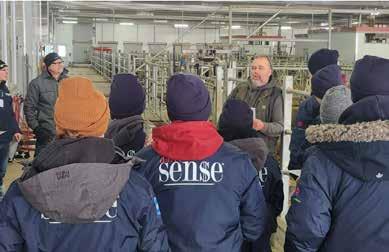
Thirty youth participated in the 2026 Dairy Sen$e conference in Stratford, Ont., on January 30 - February 1, 2026. Participants ranged in age from 1825 years old and represented 15 different 4-H Associations.
The first afternoon of Dairy Sen$e started with an overview of the dairy industry, providing the necessary information to bring folks up to date on farm finances, farm succession and understanding aspects of policy that affect the dairy industry in Ontario. The program had time included throughout for the youth to network through meals, breaks and social time each evening.
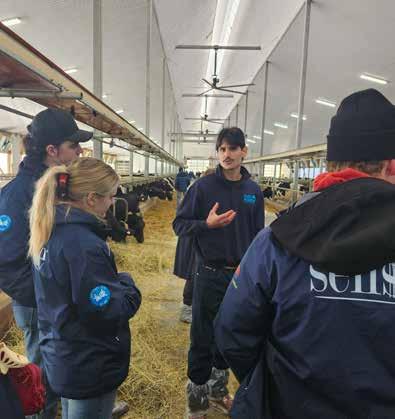
The second day of the program consisted of a bus tour, which included local producers, Hillmanor Farms, Sutherhill Farms and Heeg Dairy Inc. Each of these farms provided a chance for the participants to learn about genetics, nutrition, reproduction and farm management. The tours also included opportunities for participants to ask questions to help improve their understanding and contribute to the examination of the farm as a case study.
The final day provided an opportunity for the participants to present their findings from the farm visits as a case study and finished with an award presentation.
DFO not only supports the event through sponsorship but contributes to the programming through presentations each year. This year, Heather McFarlane, Field Services Representative, presented on the DFO Milk Cheque and Vicky Morrison, Board Member for Region 9, provided a comprehensive overview of DFO. These components allowed participants to engage with DFO representatives and to gain valuable insight into the industry.


The Dairy Sen$e organizing committee is thankful to the speakers and farmers who partnered with 4-H Ontario to make Dairy Sen$e possible.
Looking forward
Milled our dair y barn floors in of 2000.22 Years later we just had AGRI-TRAC backto do them again. It lasted 22 Years! We chose AGRI-TRAC bothtimesinstead of grooving because it works and lasts. We have experience, grooving does NOT work! Thank you AGRI-TRAC.
In support of this partnership, DFO has renewed its commitment to 4-H Ontario programming for another three years, allowing more youth to take advantage of these opportunities through the 4-H program.
While two DFO-sponsored opportunities are offered each year, FLIA is offered every other year, and Provincial Leadership Camp (PLC) will be offered in 2027 during the March break period.
Those interested in these programs or would like more information are encouraged to check out the 4-H Ontario website at https://4-hontario.ca/.
Building a partnership across generations
By Jeanine Moyer
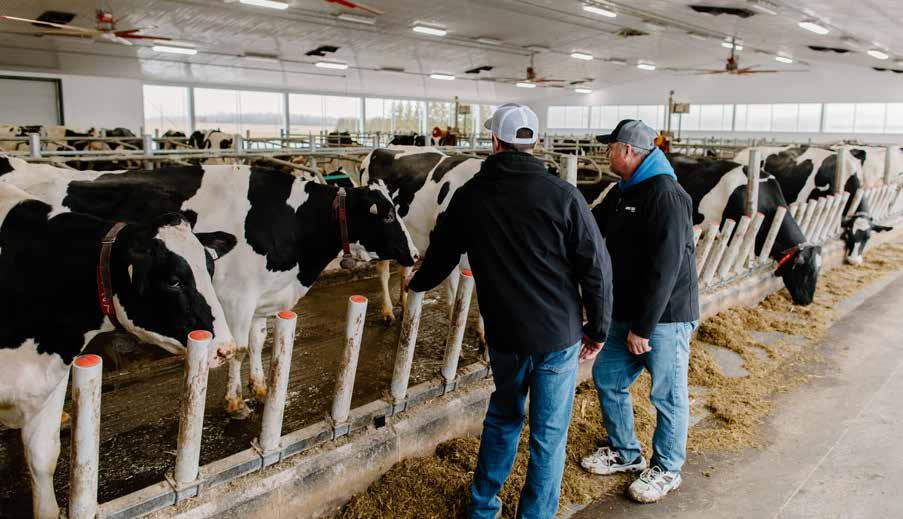
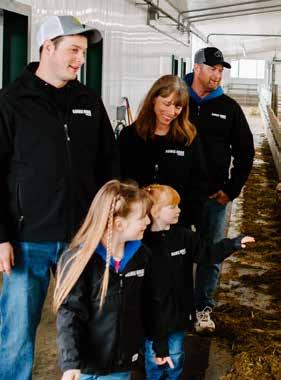
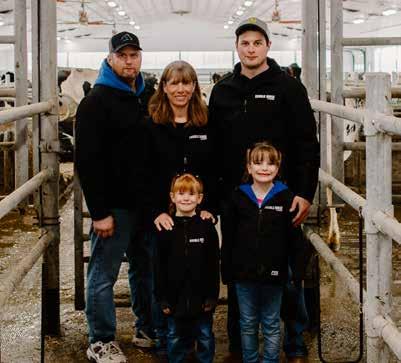
Every generation farms a little differently. At Double Ridge Farms, the shift from one generation of father-and-sons to the next generation of father-and-son has brought new family and farm management priorities into focus: better communication, more flexibility and room to grow – not just a business, but the people behind it.
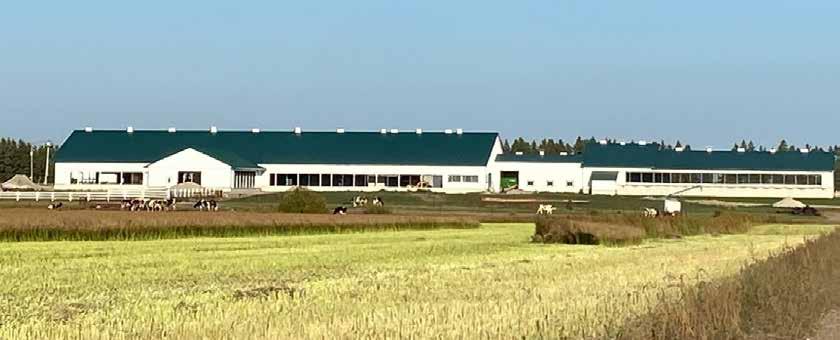
THE FAMILY DAIRY OPERATION IS LOCATED IN THE DISTRICT OF Temiskaming Shores, near New Liskeard, Ont. Today, a father-and-son team, Darren and Shawn Jibb, manages the farm, with daily help from Darren’s wife, Kim, and seasonal support from his son-in-law, Zach.
Double Ridge Farms has a strong legacy of family partnerships. The farm started in 1947 with Darren Jibb’s grandparents. Jibb’s parents, Fraser and Audrey, bought a neighbouring farm in 1967 and began shipping milk in 1974. In 1991, Jibb, along with his parents and brother Dennis, bought his grandparents’ farm, which was also an established 50-cow dairy operation, founding Double Ridge Farms Inc. This marked the beginning of a 33-year farm business partnership that would see significant growth and investment in both land base and dairy production.
“We started farming 320 acres and milking 100 cows in a tie-stall barn,” says Jibb, explaining that over the years, the family continued to purchase additional acres to expand the cash crop side of the business and acquire quota to grow their dairy production. “Together, we grew our farm to 1,800 acres.”
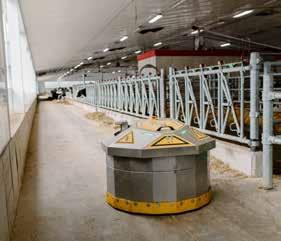
After dividing the farm, Jibb and Shawn entered a new multi-generation partnership. In 2025, they built a new sand-bedded barn and upgraded their entire system by installing two Lely A5 robots, two Lely collectors and a feed pusher.
While the farm grew, the brothers worked alongside their parents. Jibb says they always got along but describes the management style as more traditional and top-down. His dad made most of the decisions, and any extra time or money was invested back into the farm. They all loved what they were doing and respected each other, but Jibb notes there was little time left for family.
“We did what worked for us at the time, and built what we have today,” he says. “But now that the farm has changed and I’ve become my own boss, I don’t want my son to miss out on opportunities to learn and grow as a dairy farmer and as a father himself.”
Dividing the farm
Double Ridge Farms has a strong legacy of family partnerships. The farm started in 1947 with Darren Jibb’s grandparents. Jibb's parents, Fraser and Audrey, bought a neighbouring farm in 1967 and began shipping milk in 1974.
In 2024, discussions about farm succession started. What was built by a father, mother and two sons would be divided between Jibb and his brother. Their parents had retired, and Shawn was interested in becoming part of the ownership team, alongside his dad. As a result, the land and farm operation was split, with Dennis maintaining a share of the acres and managing the cash crop side of the business, while Jibb continued working the dairy side of the farm with his wife and son. The Jibbs knew the division was coming, and it was amicable, with both brothers taking over areas of the business that most interested them.
“Our long-term goal was to enable Shawn to take over the farm when my wife and I retire, and while I’m proud to say everything has worked out smoothly, the process certainly took a long time,” says Jibb, who advises fellow farmers to start early and be patient when it comes to farm succession.
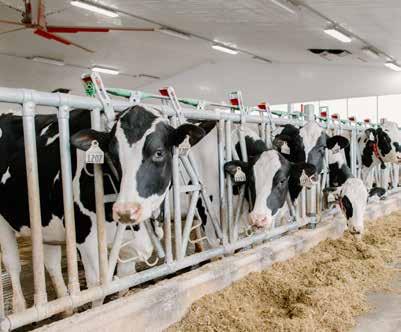
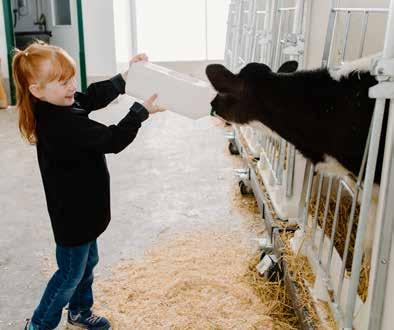
After dividing the farm, Jibb and Shawn entered a new multi-generation partnership. In 2025, they built a new sand-bedded barn and upgraded their entire system by installing two Lely A5 robots, two Lely collectors and a feed pusher. They also built a new calf barn with automated calf feeders. Today, they milk 90 Holsteins to fill their 130 kg of quota, raise their own replacement heifers and manage 620 acres, growing hay and corn to feed their dairy herd. In the spirit of collaboration and putting family first, Jibb and his brother continue to support each other, knowing they’re only a phone call away whenever needed.
“We’ve changed our approach to farm management and redefined what it means to spend time with family,” says Jibb. “We now have more flexibility to take time off and it is easier for Shawn to attend school and recreational activities with his daughters, as well as openly discuss management decisions together, as equal partners with open minds.”
Working as partners
At the core of Jibb’s new approach to farming together with his son is communication. He’s eager to foster open lines of communication by asking questions, talking about both farming and family, and exploring new ideas. Jibb says even his wife has noticed how much conversation is happening as he and his son work together, thanks to barn cameras that catch them in the act.
“Open communications are important,” says Jibb. “That includes disagreements too. You can still disagree, but at the end of the day, you still must work with each other, so you might as well say what’s on your mind.”
Jibb is also committed to ensuring his son is part of the farm management and decision-making process. He was pleased to hear Shawn’s opinions during the barn building process and quickly changed the design plans based on his son’s recommendation that “just made more sense.” Shawn has also taken the lead in managing the new robotic technology, and Jibb says he appreciates his eagerness and fresh perspective.
“I didn’t have as much opportunity to make management decisions or implement ideas that would impact the future of the farm when I worked under my dad,” reflects Jibb. “Now, I want Shawn to have that opportunity, he’s the one who’ll be living with the decisions down the road.”
When it comes to day-to-day responsibilities, the pair has found a rhythm that reflects both their strengths and their shared approach to learning. Through ongoing conversations, they’ve aligned their work with their individual strengths and interests. Shawn, who is mechanically inclined, has taken the lead on equipment, technology and maintenance, while Jibb focuses on herd health. At the same time, they make a point of involving each other in decisions, building knowledge and confidence across all areas of the farm.
We’ve changed our approach to farm management and redefined what it means to spend time with family. We now have more flexibility to take time off and it is easier for Shawn to attend school and recreational activities with his daughters, as well as openly discuss management decisions together, as equal partners with open minds.
— Darren Jibb
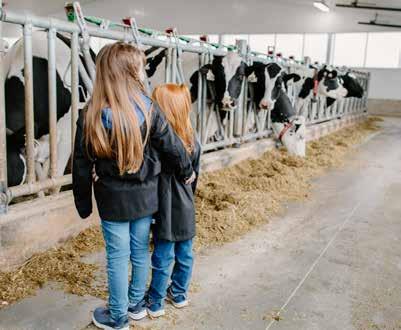
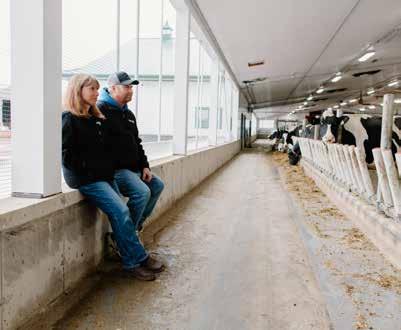
Beyond the day-to-day work, that same collaborative approach carries into how they structure their time. With more intentional scheduling and new flexibility thanks to the robots, Jibb and his son are making space for family, rest and life off the farm, something that still feels new to Jibb. That flexibility is paired with a shared openness to learning. Whether trying a new approach or adjusting an existing practice, when something doesn’t go as planned, they are committed to working together to move the farm forward.
What comes next
Double Ridge Farms has seen a lot of change over the course of Jibb’s farming career – from expansion to division, and from a more traditional management approach to a collaborative partnership. Now, the focus is on what comes next, as Jibb and his son begin planning for the next decade of the farm’s future.
“Being big isn’t the answer for everyone,” he says, reflecting on his experiences. “We’re at the right size now where we can be more flexible and focused.”
Looking ahead, Jibb says he would like to expand the farm, but at a “manageable pace.” He also looks forward to stepping back and slowing down as Shawn takes on more of the farm’s management and responsibilities.
“I am most proud of our children, Chelsea and Shawn, for the people they have become and sharing the experience of farm life with them,” he says, noting his daughter Chelsea lives close by with her husband. “It means even more to see our granddaughters, Arizona and Hailey, growing up on the farm as well. Maybe one day they’ll choose to farm alongside their dad and become the fifth generation of Jibb dairy farmers.”
Whatever comes next, the Jibb family will keep leading by example –through communication, collaboration and a commitment to family.
Looking ahead, Jibb says he would like to expand the farm, but at a “manageable pace.” He also looks forward to stepping back and slowing down as Shawn takes on more of the farm’s management and responsibilities.
May 2026 Incentive Day - Conventional
P5 Message – May 2026 Incentive Day - Conventional
In addition to the changes made to the SNF/BF payment policy to meet the growing protein market which requires additional volumes of milk (not butterfat), the P5 Boards announce one incentive day to be issued to conventional producers for the month of May, on a non-cumulative basis
IN ADDITION TO THE CHANGES MADE TO THE SOLIDS-NON-FAT/ BUTTERFAT (SNF/BF) payment policy to meet the growing protein market, which requires additional volumes of milk (not butterfat), the P5 Boards announce one incentive day to be issued to conventional producers for the month of May, on a non-cumulative basis.
The P5 provincial boards’ primary objective is to continuously monitor the milk market situation and meet demand in the most optimal way and will continue to adapt production signals to address market changes, as required.
The P5 provincial boards’ primary objective is to continuously monitor the milk market situation and meet demand in the most optimal way and will continue to adapt production signals to address market changes, as required.
The following table summarizes the incentive days:
The following table summarizes the incentive days:
Total requirements in February saw a 6.8 per cent increase compared to February last year. On a 12-month basis, growth continues to be strong at 3.5 per cent. At the P5 level on a 12-month basis for February, quota growth was 3.2 per cent and is up 7.9 per cent compared to February last year. Overall, February was a strong month with an increase in butter promotions and relatively strong sales for Easter. Special class sales were also strong in March; however, pricing has likely played a role, and it will be monitored to see if this becomes a trend.
P5 production is trending at 0.8 per cent above the forecast for the last three months. On the protein side, the results from the payment policy change are still being assessed. Ontario’s preliminary results have shown a decrease in the butterfat test above normal seasonality in April compared to March. Given the strong demand for protein and the need for a significant shift to align supply and demand, changes in production will continue to be monitored to see if additional payment policy adjustments are required.
In March 2026, butter stocks reached 39,833 tonnes, down from February by 2,105 tonnes. Butter stock levels are close to what they were for March last year, which is a good sign.
Cheese stock levels for the month of March 2026 were at 106,025 tonnes, down 812 tonnes from February and lower than the last five-year average.
For the 52 weeks ending March 28, 2026, sales for fluid milk, fluid cream, yogurt, ice cream, cheese and butter increased/decreased by -0.5, 0.6, 5.8, 6.8, 2.1 and 7.6 per cent, respectively.
A monthly recap of markets and production trends in Canada and Ontario
CANADIAN REQUIREMENTS AND PRODUCTION
Canadian butterfat requirements in kilograms and actual butterfat production across the P10.
1,000,000 1,050,000 1,100,000 1,150,000 1,200,000 1,250,000 1,300,000 1,350,000 1,400,000
SNF:BF Ratio
NATIONAL RETAIL SALES
Average increase in retail sales for dairy products sold in Ontario and the dairy product’s share of the total market sales, including at hotels, restaurants and institutions.
As of March 26, 2022
* Source: AC Nielsen & StatsCan NOTE: There is a two-month lag in the national retail sales data.
12-month production (in millions of kilograms)
12-month requirements (in millions of kilograms)
Canadian production has increased by 2.8 per cent over the previous 12 months, and requirements have increased by 3.6 per cent over the previous 12 months.
This graph shows Ontario’s SNF-BF ratio for the last 12 months.
March 2026: 2.1097
MARCH HIGHLIGHTS
• In addition to the changes made to the solids-non-fat/butterfat (SNF/BF) payment policy to meet the growing protein market, which requires additional volumes of milk (not butterfat), the P5 Boards announce one incentive day to be issued to conventional producers for the month of May, on a non-cumulative basis;
• Total requirements in February saw a 6.8 per cent increase compared to February last year. On a 12-month basis, growth continues to be strong at 3.5 per cent;
• P5 production is trending at 0.8 per cent above the forecast for the last three months. On the protein side, the results from the payment policy change are still being assessed. Ontario’s preliminary results have shown a decrease in the butterfat test above normal seasonality in April compared to March.
ONTARIO UTILIZATION
Percentage of the total milk produced in Ontario that was used to produce dairy products.
March 2026
P10 UTILIZATION BY CLASS
For March 2026 (kg of butterfat/kg of solids-non-fat)
*There is a two-month lag reporting these figures.
Class 1a1 (includes Classes 1a2, 1a3, 1c and 1d for confidentiality reasons) Fluid milk and beverages
Class 1b Fluid creams Class 2a Yogurt, yogurt beverages, kefir and lassi
Class 2b4 (includes Classes 2b1, 2b2 and 2b3 for confidentiality reasons) Fresh dairy desserts, sour cream, milkshakes and sports nutrition drinks
Class 2b5 Ice cream and frozen yogurt
Class 3a1 Specialty cheese
Class 3a2 Cheese curds and fresh cheeses
Class 3b2 (includes Class 3b1 for confidentiality reasons) Cheddar cheese and aged cheddar
Class 3c1 Feta
Class 3c2 Asiago, Gouda, Havarti, Parmesan and Swiss
Class 3c4 (includes Classes 3c3 and 3c5 for confidentiality reasons) Brick, Colby, farmer’s, jack, Monterey jack, muenster, pizza cheese, pizza mozzarella and mozzarella other than what falls within 3d
Class 3c6 Paneer
Class 3d Mozzarella used strictly on fresh pizzas by establishments registered with the Canadian Dairy Commission
Class 4a Butter and powders
Class 4d (includes Classes 4b1, 4b2, 4c and 4m for confidentiality reasons) Concentrated milk for retail, losses and animal feed
Class 5a Cheese for further processing
Class 5b Non-cheese products for further processing
Class 5c Confectionery products
Butterfat
Fluid milk & cream
Yogurt & ice cream
Butter & powders
Cheese
Fluid Milk & Cream Yogurt and Ice Cream Cheese Butter & Powders
ONTARIO MONTHLY PRODUCER AVERAGE GROSS BLEND PRICE
A total 3,140 producers sold milk to DFO in March compared with 3,157 a year earlier.
$105
$100
$80 $85 $90 $95
$75
$70
P5 AND WESTERN MILK POOL BLEND PRICES *
The graph below shows the 12-month blend price for the P5 provinces and Western Milk Pool (WMP).
*There is a two-month lag reporting these figures.
2026: 99.93
ONTARIO DEDUCTIONS, PER HL
For March 2026
Blend price in $/hL
* These figures are based on Ontario’s average composition for March 2026 of 4.4278 kg butterfat, 3.3751 kg protein and 5.9663 kg other solids, rounded to the nearest cent.
U.S. CLASS PRICES
The April 2026 Class III Price, US $16.82 per hundredweight, is equivalent to C $52.15 per hectolitre. This equivalent is based on the exchange rate US $1 = C $1.36589 the exchange rate when the USDA announced the Class III Price.
The Class III Price is in US$ per hundredweight at 3.5 per cent butterfat. One hundredweight equals 0.44 hectolitres. Canadian Class 5a and Class 5b prices track U.S. prices set by the U.S. Department of Agriculture.
Source: USDA
QUOTA PRICES
Co-ordinated by Dairy Farmers of Ontario’s communications and economics departments. Questions? Please email questions@milk.org. STAY UP TO DATE!
Weekly Update email newsletter every Friday for Ontario dairy producers.
Milk Producer magazine is the voice of Ontario dairy producers. Subscribe for free or read online at www.milkproducer.ca.
Dairy Farmer Update provides updates with the monthly milk cheque.
Producer Dashboard , a secure platform behind your password on MMS that contains important news, updates and forms.
www.milk.org
Facebook: /OntarioDairy
Instagram: @OntarioDairy LinkedIn: /company/Dairy-Farmers-of-Ontario
Deepening the love of dairy
through strategic, collaborative and meaningful partnerships
Sports, health and wellness: partnerships driving impact
Sports, health and wellness opportunities and events provide a natural and credible space for dairy to connect with consumers. In these settings, nutrition is top of mind, making them ideal platforms to reinforce milk’s role as a trusted source of essential nutrients working together to support energy, strength and overall health.
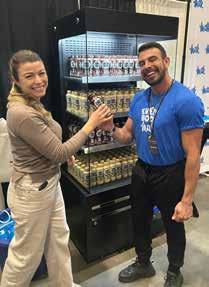
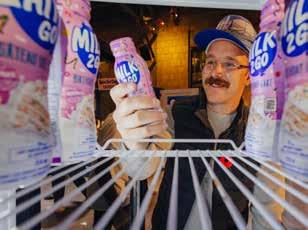
A powerful example was DFO’s partnership with Fairlife at the 2025 Toronto Waterfront Marathon Expo, where milk was positioned as a trusted source of nutrition for fuel and recovery. Over two days, 10,000 bottles of Fairlife Core Power were distributed to marathon enthusiasts, with each sample accompanied by nutrition education. This approach reached a highly motivated and health-focused audience, while reinforcing milk’s role in active lifestyles.
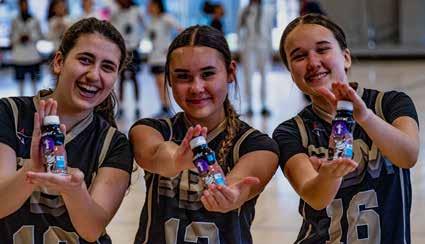
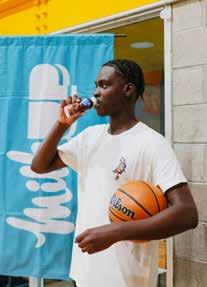
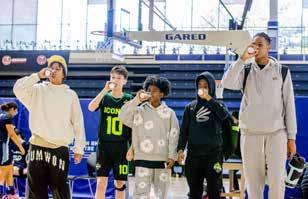
Beyond specific events, ongoing sport partnerships ensure dairy remains visible and relevant across all levels of athletic participation. From grassroots programs to professional leagues, DFO and processor partners support athletes by providing chocolate milk, protein milk and branded experiences that reinforce milk as a natural recovery beverage. In 2025 alone, regional Dairy Producer Committees helped distribute more than 65,000 servings of chocolate milk within communities, keeping dairy top of mind for athletes and families alike.
THE STRENGTH OF ONTARIO’S DAIRY SECTOR HAS ALWAYS BEEN BUILT on collaboration. From farm to processor to community, meaningful partnerships allow dairy to show up where consumers are and help deepen Ontarian’s love of dairy. As consumers increasingly gravitate toward brands they feel connected to, the right partners play an important role in building that connection, strengthening trust and driving dairy consumption.
Dairy Farmers of Ontario (DFO) works closely with industry stakeholders, synergistic organizations and community groups to drive dairy consumption through strategic, integrated marketing initiatives and activations that tie into our messaging pillars: nutrition, local food, farmer equity and dairy education. These partnerships allow dairy to move beyond traditional advertising and instead engage consumers through real, memorable experiences.
Community engagement reinforces dairy’s commitment to Ontario
Experiential marketing also plays an important role in reinforcing dairy’s emotional connection with consumers. Seasonal activations such as The Care Corner by Milk pop-up at Yorkdale Mall in November and the holiday Magic Milk Truck in December brought dairy into moments of care, comfort and generosity. Consumers experienced dairy as a constant, caring presence throughout every stage of life – whether enjoying milk with cereal, indulging in gelato made with Ontario milk, or sharing milk and cookies in support of children and families

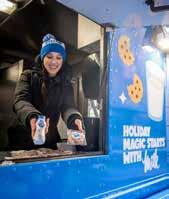
spending the holidays in hospitals. Throughout these moments, Ontario processors partnered with DFO to ensure dairy products remained accessible, reinforcing dairy’s role in both everyday nourishment and meaningful community support. These experiences help build lasting brand affinity and strengthen dairy’s relevance beyond the grocery aisle.
Ultimately, partners in dairy amplify what the sector does best. By working together, farmers, processors and community partners work together to tell a more compelling story and meet consumers where they are. These collaborations not only build brand awareness, but they also drive meaningful engagement, reinforce trust and help keep dairy relevant, valued and enjoyed across generations.

Partnerships showcase a thriving dairy industry
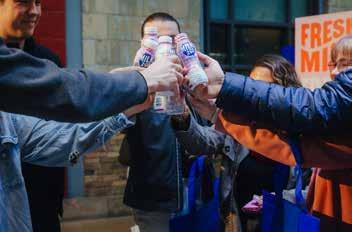
Equity-focused activations further strengthen dairy’s connection to local communities by highlighting the people behind the product. As an example, part of the Spring Farmer Equity campaign, DFO and Ontario dairy farmers activated at farmers markets in Niagara Falls, Toronto and Prince Edward County. Visitors enjoyed local milk and cheeses, while engaging directly with the people who produce highquality milk and dairy products Ontarians know and trust. By showcasing local brands and sharing farmers’ passion for quality, these activations reinforced dairy’s place at Ontario tables, while supporting inclusive community spaces.
A survey of Canadian dairy producers on footbath management and perception: the results
By Mélissa Duplessis, Ph. D., Research Scientist, Sherbrooke Research and Development Centre, QC & Masoumeh Bejaei, Ph. D., Research Scientist, Summerland Research and Development Centre, BC, Agriculture and Agri-Food Canada
LAST YEAR, OUR RESEARCH TEAM
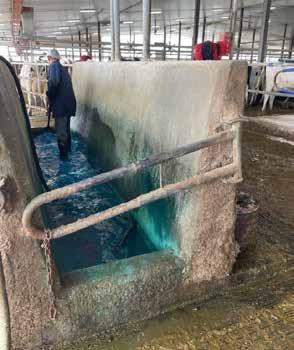
LAUNCHED A SURVEY RELATED to footbath management and perception. We would first like to thank all dairy producers who took time out of their busy schedule to respond to the survey. We obtained interesting results that we are pleased to share in this edition of the Milk Producer.
Footbath management
We asked dairy producers several questions about their footbath management. About 68 per cent of them disposed the footbath solution
after between 50 and 200 cow passages. The most common response for how long the footbath solution was kept before being discarded was less than five hours (reported by 32 per cent of respondents), followed by more than 24 hours (22 per cent of respondents).
Producers were also asked how many times per week their lactating and dry cows and heifers passed through the footbath. For lactating cows, the majority (56 per cent) passed through the footbath either one or two times per week, followed by three times per week (16 per cent). In contrast, producers responded that most of their dry cows and heifers never passed through the footbath (69 per cent and 82 per cent, respectively).
The most commonly used product in the footbaths was copper sulfate, reported by 76 per cent of producers, either as the sole product or with others. Table 1 summarizes both the number and type of different products used in the footbath.
Safety when handling footbath products
• 46 per cent of respondents reported that the person preparing the footbath solution wore personal protective equipment (PPE);
• The most commonly used PPE was gloves followed by coveralls;
Survey demographics at a glance
• 246 dairy producers responded to the survey;
• 82% of respondents were either owner or co-owner of the farm;
• 67% of them had between six and 25 years of experience;
• Respondents were located in eight different provinces of Canada (British Columbia, Alberta, Saskatchewan, Manitoba, Ontario, Québec, New Brunswick and Prince Edward Island);
• 46% had been using footbaths for less than 10 years, indicating that this is a relatively recent management practice on many Canadian farms;
Table 1. Number and type of products used in the footbaths, based on a survey of 246 Canadian dairy producers
• Producers using formaldehyde were more likely to wear PPE when preparing the solution.
• 19% were using automatic footbaths (41% of users were in Western provinces and 32% in Ontario).
Although personal protective equipment may be perceived as inconvenient or slowing down work, it is important to emphasize its necessity. Improper footbath product handling may result in respiratory tract, skin and eye irritation if proper precautions are not taken. Hence, appropriate PPE (gloves, masks, goggles, coveralls) should be available in a clean and dry location to all individuals responsible for preparing footbath solution.
Producers were asked to rate their level of confidence (on a scale of 1 = low confidence to 10 = high confidence) in: 1) using the footbaths on their farm; 2) the recommended number of cow passages before discarding the footbath solution; and 3) the recommended weekly frequency of footbath use. Approximately 51 per cent, 25 per cent and 32 per cent of respondents respectively selected that they were very confident about these (Figure 1). Interestingly, confidence levels consistently increased with the number of years producers had been using footbath. This could suggest that experience is a good teacher.
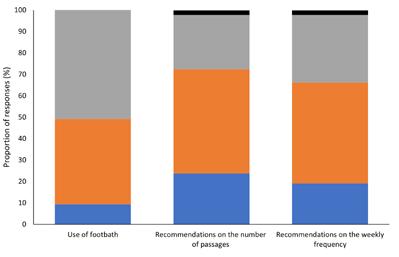

Figure 1. Levels of confidence among Canadian dairy producers regarding footbath use, and recommendations on the number of cow passages before discarding the solution and the weekly frequency of the footbath use. The blue bars represent producers who selected a confidence level between 1 and 6; orange represents a confidence level between 7 and 9; green, a confidence level of 10; and black, a “don’t know” response. A score of 1 is low and 10 is high confidence level.
This survey highlights that footbath management practices vary greatly among Canadian herds; but most respondents believed that footbaths are effective in helping prevent foot lesions.
The authors would like to sincerely thank all Canadian dairy producers who took the time to fill out this questionnaire. We are also grateful to Alberta Milk, Dairy Farmers of Ontario, Les producteurs de lait du Québec, Dairy Farmers of New Brunswick and Dairy Farmers of PEI for distributing the survey links to their members.
This survey highlights that footbath management practices vary greatly among Canadian herds; but most respondents believed that footbaths are effective in helping prevent foot lesions.
Footbath perception
• 92% of dairy producers believed that footbaths were effective in preventing foot lesions;
• 32% believed that footbath products were harmful to human health, while 34% responded maybe;
• 23% believed that footbath products were detrimental to the environment, whereas 34% selected maybe;
• Producers using formaldehyde were more likely to believe that footbath products have a negative impact on human health;
• Producers using copper sulfate were more likely to believe that footbath products negatively affect the environment.





The calf market continues to offer opportunities to dairy farms
By Rodrigo Molano, agr., PhD – Dairy Production Expert & Simon JettéNantel, agr., PhD – Economist, Lactanet
STRONG DEMAND FOR BEEF-ON-DAIRY CROSS CALVES,
combined with better herd management, continues to create real opportunities to improve the profitability of dairy farms.
To meet growing demand for dairy protein, producers are currently evaluating and implementing a range of strategies. But milk markets are not the only force driving change on farms. For several years, many dairy producers have increasingly targeted beef-on-dairy cross calves, supported by prices that have kept climbing and now exceed $20 per pound.
Higher calf values reflect stronger demand from North American feedlots. That demand is expected to remain firm for at least the next few years,
driven by strong beef consumption, historically low beef-cattle inventories and a temporary disruption of cattle exports from Mexico to the United States due to the screwworm outbreak.
Producers have been able to leverage beef-market conditions to increase revenue from animal sales. In 2024, those sales accounted for nine per cent of total revenues on Quebec dairy farms, and the average is expected to exceed 10 per cent in 2025 and 2026. At the same time, higher calf values have also pushed heifer rearing costs upward. Based on an analysis of Agritel-ViaPole data, average rearing cost exceeded $6,000 per heifer produced in 2024 – nearly 45 per cent higher than in 2021 (Figure 1). Rearing-cost estimates from the Agritel-ViaPole database include the calf’s value, as well as all other expenses (variable and fixed) incurred from birth until the pre-calving period (about one month before calving).
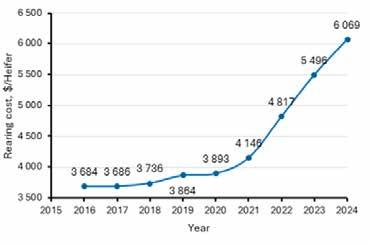
Figure 1. Progression of total rearing cost per heifer produced in Québec from 2016 to 2024. Agritel-ViaPole data; Lactanet calculations.
While most costs have increased since 2021, the largest jump was seen in the calf value (up 400 per cent, averaging $850 per calf in 2024). Feed, primarily forages, has also contributed substantially. The average cost of producing grass silage rose from $260/ton in 2021 to $350 in 2025, an increase of about 34 per cent.
Given this reality, selling a one-week-old beef-on-dairy cross calf for more than $1,500 versus investing more than $4,000 over two years to raise one additional replacement heifer, the choice has been straightforward for many farms. Most producers have increased their use of beef semen and reduced the use of dairy semen. This shift has had a measurable impact on the dairy heifer population in North America. In Québec, the inventory of dairy heifers relative to cows has fallen by nearly 20 per cent since 2010, according to the Lactanet database. As shown in Figure 2, in 2010 about 85 heifers were raised per 100 cows (all breeds combined), compared with fewer than 70 in 2024.
Overall, a lower heifer inventory relative to cow numbers reflects efficiency gains for the dairy sector. For some herds, however, it could create challenges in maintaining enough replacements, unless additional measures are adopted. With that in mind, there are a few key areas where dairy producers can fine-tune their management to fully capture the added income from calf sales, while still producing enough high-quality heifers to meet the needs of their operation.
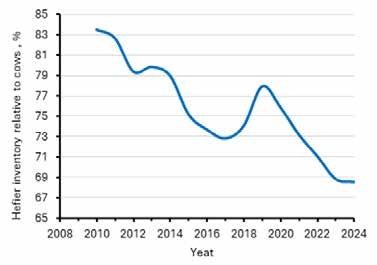
2. Change in the inventory of dairy heifers relative to cows in Québec from 2010 to 2024 (all breeds combined).
This includes:
• Promote cow longevity. Keeping mature cows at all costs is not the goal, but retaining productive, healthy cows longer reduces replacement needs. Review culling reasons and identify ways to improve cow comfort and health.
• Assess replacement needs and adapt your breeding strategy to ensure enough heifers, achieve genetic progress and optimize sales of beef-ondairy cross calves.
• Reduce calf losses. Given average perinatal (0–24 hours) and preweaning (24 hours to two months) mortality rates, many herds could produce five to 10 per cent more calves for sale. This might require putting adequate resources and protocols in place for maternity management, newborn care and the first weeks of life.
Cattle COmpany wants yOur Beef / dairy CrOss Calves
• Oxford Cattle Company is working with genetic companies to select sires for use in our guaranteed calf buy back program.
We are now pleased to announce that we are interested in buying your holstein bull calves and can include them i n your regular pick up. We will take calves that are over 9 2 lbs and 10 days old. The price will be negotiated on a w eekly basis.
Presently serving southwestern Ontario region and Ottawa region.
• For a Calf Pick Up Request text (519) 788-1399 by 1:00 pm Mondays .
• Raise fewer, but better heifers. Improve your heifer-rearing management to reduce costs, while ensuring healthy, well-grown replacements. With tighter inventories, one can’t afford to lose heifers along the way. And given the high cost of rearing, one can’t afford to raise heifers that won’t generate an adequate return. Careful selection of the heifers to keep, both after the first months of life and after the first months of lactation, is an essential strategy to consider.
• Improve reproductive efficiency. Better reproduction helps reduce involuntary culling, lower age at first calving and increase the number of pregnancies that can be bred to produce crossbred calves.
• Focus on the transition period. Comfort and proper nutrition during this stage are essential not only for milk yield and reproductive performance, but also for calf survival and health.
• Consider collaborative approaches. Depending on available resources and the herd’s health status, raising heifers for other herds, using custom heifer raising or purchasing high-quality heifers may be cost-effective options.
Ultimately, capturing the full value of this opportunity will depend on careful decision-making, aligning breeding, rearing and herd management practices so that short-term gains from calf sales translate into sustainable, long-term profitability for the dairy operation.
Figure
Government of Ontario introduces Bill 109
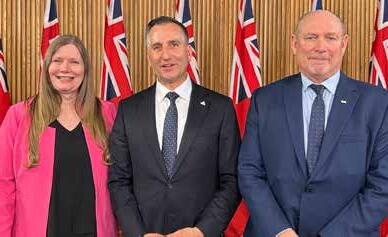
On April 22, 2026, the Government of Ontario introduced Bill 109, the Protecting Ontario’s Food Independence Act, to strengthen domestic food production and build a more resilient agri-food sector. Key measures include aligning Ontario’s milk pricing with national standards through updates to the Milk Act, a change supported by Dairy Farmers of Ontario (DFO), to ensure fairness and stability in the dairy industry. The bill also proposes enhanced food safety oversight through amendments to existing legislation.
Beyond dairy, the bill includes broader reforms such as restricting foreign ownership of farmland, expanding agricultural production in northern Ontario, merging agricultural tribunals and improving financial protections for grain and beef producers. Additional updates address beef marketing, the Ontario Food Terminal Board’s authority and veterinary medicine modernization.
Canadian Dairy XPO 2026 showcased youth engagement, global
influence and record growth
The Canadian Dairy XPO (CDX) returned to Stratford, Ont., April 1–2, 2026, welcoming dairy producers, industry leaders and international innovators for another high-impact event. Minister of Agriculture and AgriFood, Heath MacDonald, attended the opening ceremony and toured the trade show, noting the strong sense of pride and innovation evident across Canada’s dairy sector.
CDX 2026 marked a milestone year, with record attendance and engagement. A total of 17,900 people attended over two days, including a record-setting 9,800 visitors on day one – the highest single-day attendance in the event’s 12-year history. Youth participation continued to grow, reflecting strong interest from the next generation of dairy producers and reinforcing optimism for the industry’s future.
Fundraising once again played a key role at CDX, with record grilled cheese and milkshake sales supporting 4 H and Junior Farmers, made possible through donations from processing partners. The Calves for a

“I am absolutely a fan of
Udder Comfort!




“I am absolutely a huge fan of Udder Comfort!™ It gives the feeling of freshness and comfort. We have used it 12 years, rubbing it on for better texture or to soften a quarter. We use Udder Comfort for fresh cows, especially good for rst calf cows. We also use it before, during, and after a show to give the best udder texture possible. We see more of the udder’s veins, and the cows are more comfortable,” says Bianca Foley. The Foley family has a rich history of honors in Ayrshire breeding. They milk 50 Ayrshires at Vieux Village, Piopolis, Quebec. Their 5-year-old Vieux Village Gentleman Joy EX97 stood grand with 4-year-old Vieux Village G Montana EX94 reserve at the 2024 World Dairy Expo and Royal Agricultural Winter Fair.
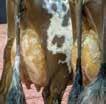

— Bianca Foley
Piopolis, Quebec,
At Queen's Park for introduction of Bill 109 ABOVE: (L-R) Cheryl Smith, CEO, Dairy Farmers of Ontario, the Honourable Trevor Jones, Minister of Agriculture, Food and Agribusiness and Mark Hamel, Chair, Dairy Farmers of Ontario.
Cause sale also saw significant growth, generating $484,248 – up 31 per cent from 2025 – for the Children’s Health Foundation.
Momentum extended to the Canadian Dairy Business Summit, held onsite ahead of CDX, which drew more than 100 attendees. Organizers are already looking ahead to the 13th Canadian Dairy XPO, scheduled for April 7–8, 2027, in Stratford. Mark your calendars!
Lactalis Canada opens new milk receiving at its Winchester, Ont. facilityoooooooooo
Lactalis Canada recently marked the official opening of a new state-of-theart milk receiving bay at its Winchester, Ont. cheese processing facility.
The $16.4 million investment increases the site’s milk receiving capacity by approximately 25 per cent, enhancing its ability to support growing production demands and long-term growth.
The 180,000-square-foot facility can now receive up to two million litres of milk per day and includes four truck bays and three independent milk receiving systems. The expansion also improves ergonomics for milk drivers and receivers, supporting operational efficiency and workplace safety.
This project is part of a broader commitment to infrastructure investment at the Winchester site. In 2026 alone, Lactalis Canada is investing $42 million at the facility. Recent upgrades include an award-winning wastewater treatment plant completed in 2020, the construction of a private roadway in 2021 to divert milk truck traffic away from the town core and major infrastructure improvements such as new refrigeration and boiler plants.
With roots dating back to the late 1800s, the Winchester facility is the largest cheese manufacturing plant in Canada by volume. The site employs more than 300 people and produces well-known Canadian brands including Balderson, Black Diamond, Cracker Barrel, Lactantia and Président, playing a vital role in the regional and national dairy industry.
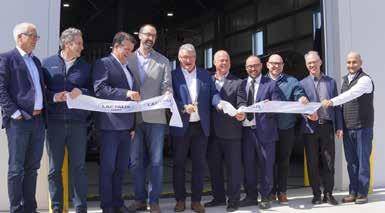
(L-R) Lactalis Canada celebrates official opening of Winchester, Ont. facility’s new milk receiving bay with special ribbon cutting event. Bruce Shurtletff, VP, Manufacturing, Cheese & Tablespreads, Lactalis Canada; Matt Price, CHRO, Lactalis Canada; Gilles Froment, SVP, Government & Industry Relations, Lactalis Canada; Nolan Quinn, Member of Provincial Parliament for Stormont-DundasSouth Glengarry; Mark Taylor, President & CEO of Lactalis Canada; Tony Fraser, Mayor of the Township of North Dundas; Chris Laskaris, Senior Logistics Specialist, Milk Allocation, Dairy Farmers of Ontario; Vasile Raileanu, SVP Financial Control, Lactalis Canada; Martin Santerre, SVP Manufacturing, Lactalis Canada; and Navid Kobari, Plant Director, Lactalis Canada Winchester.
Breakfast on the Farm –Binbrook & Brusselsooo oooo
At Breakfast on the Farm, you’ll enjoy a delicious, farm-fresh breakfast and get a behind-the-scenes look at how food is grown and raised right here in Ontario. Step onto a real working farm and experience agriculture like never before!
Binbrook Breakfast on the Farm
Date: June 13, 2026
Time: 9 a.m. to 1 p.m.
Location: Roy-A-Lea Farms Ltd., Binbrook, Ont.
Host: Spoelstra family and Farm & Food Care Ontario
Details: https://www.farmfoodcareon.org/binbrookbreakfast/
Brussels Breakfast on the Farm
Date: July 25, 2026
Time: 9 a.m. to 1 p.m.
Location: Cranbrook Farms, Brussels, Ont.
Host: Terpstra family and Farm & Food Care Ontario
Details: https://www.farmfoodcareon.org/brusselsbreakfast/
Dairy Farmers of Ontario (DFO) has an annual scholarship program that offers up to six $5,000 scholarships to high school students entering a post-secondary degree or diploma program in agriculture.
To be eligible for these scholarships, an applicant must:
• be the son or daughter of a DFO licensed producer;
• be entering semester one of an agricultural degree program or a diploma program with a demonstrated tie back to agriculture (up to one scholarship will be available from a non-traditional degree or diploma program);
• have achieved an average of 80 per cent or greater in Grade 12 credits (best six to be averaged).
Selection criteria will be based on:
• academic achievement;
• future career plans;
• demonstrated leadership in secondary school and community activities.
How to Apply:
• Application forms are available on DFO’s website at new.milk.org under Industry Login. On the left-hand side, go to Documents > Forms > Application for DFO Scholarships.
• Dairy Farmers of Ontario must receive complete application forms by August 30, 2026, to be considered.
For more information or for different accessible form versions, contact Robert Matson at robert.matson@milk.org or 905-208-7981.
ABOVE:
Advanced Agricultural Leadership Program
Dream Gala & Auction: A Night at the Races0
Date: June 19, 2026
Time: 5:30 p.m. to 11:00 p.m.
Location: GrandWay Events Centre, Elora, ON
The Advanced Agricultural Leadership Program’s (AALP) Dream Gala is a biennial event that brings together hundreds of Ontario agriculture leaders to raise funds that support the current Class and ongoing program needs. Details: https://www.aalpdreamauction.com/about/default.aspx
Forage Expo
Date: Thursday, July 9, 2026
Time: 10 a.m. to 3 p.m.
Location: 1810 County Rd 45, Norwood, ON
Cost: Free! Just show up. No registration necessary.
Forage Expo is a day of in-field equipment demonstrations and your chance to see all the major brands go head-to-head. Get all the answers to your questions from the equipment reps, visit the exhibitors in the trade show, and have a fantastic day of watching hay making and connecting with other producers.
Lunch will be available for cash purchase on site. The event happens rain or shine! For more information please call (519) 986-1484 or email admin@ontarioforagecouncil.com.
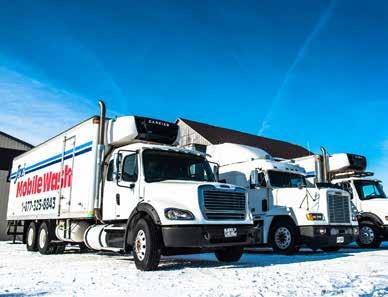
Applications now open for 2027 Nuffield Canada Scholarship Programooooooooooooo
The Nuffield Canada Scholarship is an prestigious award available to anyone mid-career who is involved in agriculture in any capacity of primary production, industry or governance.

Nuffield Canada is now accepting applications for the 2027 Contemporary Scholarship Program. Scholars will have the opportunity to experience agriculture, farming and food production first-hand through international travel and study, with hands-on learning and leadership.
This life-changing experience is open to people in agricultural production, food and business between the ages of 25 and 50.
At the end of the two-year journey, which includes a minimum of 10 weeks of travel, the successful applicants will have an international network, lifelong friends, deep knowledge of their chosen topic, an understanding of global food production and renewed desire to inspire positive change in their business, community and Canadian agriculture.
For more information on Nuffield Canada, the scholarship program or to apply, go to nuffield.ca. For more information and interviews, please contact Steve Larocque, Nuffield Canada Chair, chair@nuffield.ca.
Deadline for applications: June 30, 2026.



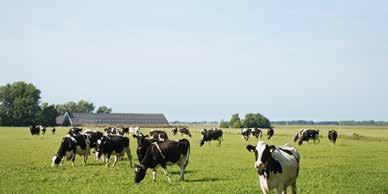


ONE NAME. PICK YOUR FIGHT.
Are you at risk? Find out how dairy farmers are getting hurt and what to do about it
By Workplace Safety & Prevention Services
WHEN ASKED ABOUT THE TOP HEALTH AND SAFETY RISKS
AFFECTING dairy farmers, Ryan Dick from Workplace Safety & Prevention Services did not hesitate. “We’re talking about runovers, rollovers and entanglements,” he says. This is not surprising when you think about the vehicles and equipment dairy farmers use regularly. Tractors, trailers, augers and balers can all lead to serious injuries if safe work procedures are not followed.
Injury data from the Workplace Safety and Insurance Board (WSIB) tell a similar story. From 2020 to 2023, WSIB data for the agriculture sector show a significant number of injuries were the result of workers being caught in, compressed by or struck-by equipment. “Understanding the hazards related to working with vehicles and equipment, and training on how to control those hazards is critical to preventing injuries and fatalities,” reminds Dick.
Stress and fatigue heighten the risk
In addition to injuries from runovers and entanglements, injury statistics from WSIB also show that incidents of violence and harassment among farm workers have been rising. “This may be somewhat of a surprise to people, but we’re seeing it in many areas of agriculture,” says Dick. “Long hours, hot working conditions, changes in public perception, increased financial burdens across the board and the stress related to more weatherinduced emergencies are part of it, which is why it is so important for farm operators to have an up-to-date violence and harassment policy, provide training on that policy and ensure everyone on the farm understands the expectations for behaviour and how to report an incident.”
Road rage may also be a factor in the incidents of violence and harassment in farming. “When large, slow-moving vehicles are travelling on the roads and highways, it can frustrate some drivers,” says Dick, having experienced this as a farm worker. To ensure your team is prepared to effectively handle a situation like this, provide training on de-escalation. Knowing what to do can help prevent panic and will help keep everyone calm.
“When you add stress and fatigue to the physical hazards already present, the risks become heightened.” Dick explains that when workers are under pressure to get a job done, that’s usually when they rush a task or skip a step. Fatigue can impair judgement. To combat these tendencies, create a safety culture where procedures are always followed. Plan for breaks and try to avoid situations where workers feel pressured or overwhelmed.
Start with hazard recognition
To prevent the risk of injury, start with the RACE method of hazard recognition – Recognize, Assess, Control and Evaluate – to manage hazards. Identify the hazards related to each task and how they are controlled. Develop safe work procedures and then train farm workers on those procedures. Observe work being done to ensure farm workers understand how to do it properly and evaluate the effectiveness of the controls.
Dick offers these tips to help control the top hazards found on dairy farms Think about where these points fit into your safe work procedures.
• Ensure workers receive detailed training on how to safely operate equipment, such as tractors and forklifts. Training should include an understanding of blind spots and lockout/tag out procedures for safe access and maintenance.
• Provide high-visibility clothing for people working out in the fields to help ensure they are seen.
• Always maintain three-point contact. Do not jump on or off a tractor or truck. Climb in and out properly, while holding the handrails.
• Always shut off power when hooking up equipment. “I’m not going to trust my life to an electronic clutch that could burn out unexpectedly, or a plate that may be worn out and not easily inspected,” says Dick. He recommends having the power completely shut off and isolated off when someone is handling or hooking up equipment to a vehicle or tractor.
• Avoid loose hair, clothing and shoes. Never wear loose or flowing clothing near equipment. “Even an open jacket can be problematic if a gust of wind blows it in the wrong direction and it becomes caught,” says Dick. Make sure workers always have their hair tied back. They should never wear jewellery or hoodies with dangling ties when working near equipment.
• Perform regular maintenance. To keep equipment in good working order and to ensure all safety features are functional, stay on top of regular maintenance.
• Encourage employees to take care of themselves. Getting enough sleep, eating well and staying physically active help to cope with stress. When your physical health is on track, you feel better.
The Agriculture Safety Centre at WSPS.ca (https://wsps.news/Ag) has valuable information to help you keep safe. Check it out today.
GEA DairyRobot R9650 tradition meets automation.
You’ve mastered batch milking for decades. Now, take it further. The DairyRobot R9650 combines the structure you trust with the automation you need— delivering predictable schedules, lower labour costs, and consistent milk quality.
Efficiency without compromise: Subway cellar design means cleaner barns, easier maintenance, and more space.
Smart savings: One central receiver serves up to 12 boxes—fewer pumps, fewer parts, less power required.
Your flexibility: Retrofit or new build—whatever fits your farm.
Farmer-focused innovation: Every improvement comes from real farm feedback.
Plan your day. Own your schedule. Automate your future.
Batch. Your. Way.
BRITISH COLOMBIA
Pacific Dairy Centre Ltd.
Chilliwack — 604 852-9020
ALBERTA
Dairy Lane Systems Alberta
Leduc: 780 986-5600
Blackfalds: 587 797-4521
Lethbridge: 587 787-4145
Lethbridge Dairy Mart Ltd.
Lethbridge — 888 329-6202
Red Deer — 403 406-7344
Scan to explore Batch Milking with GEA DairyRobot R9650.
SASKATCHEWAN


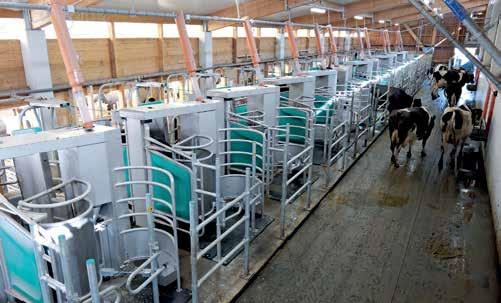








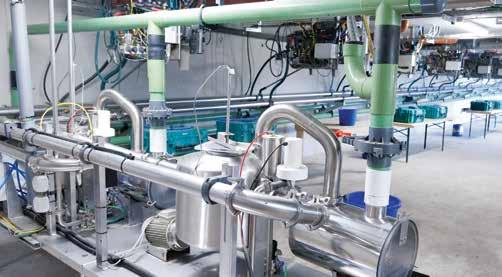
Dairy Lane Systems Saskatchewan Warman — 306 242-5850 Swift Current — 306 203-3066
MANITOBA Tytech Grand Pointe — 204 770-4898
Conestogo Agri Systems Inc. Alma — 519 638-3022
Dairy Lane Systems
Komoka — 519 666-1404
Lawrence’s Dairy Supply Inc.
Moose Creek — 6 13 538-2559
McCann Farm Automation Ltd.
Seeley’s Bay — 613 382-7411
McLaren Works
Cobden — 613 646-2062
Performance Dairy Centre Inc. Embro — 519 423-9119
ATLANTIC PROVINCES
Atlantic Dairy Tech, Inc.
AMS Sub-dealer for Sheehy Entreprises Ltd.
Charlottetown, PE — 902 368-1719
Sheehy Entreprises Ltd.
Shubenacadie, NS — 902 758-2002
Lower Queensbury, NB — 506 478-4878
ONTARIO
Tough times for Australian dairy farmers force calls for milk price increase
By Chris McCullough
DAIRY
FARMERS IN AUSTRALIA ARE CALLING FOR THE PRICE of milk to increase by at least 30 cents per litre to help mitigate the escalating costs of fuel and fertilizer.
It’s a tough time being a dairy farmer in Australia right now with one crisis after another squashing any profits to unsustainable levels. Current milk prices are bad enough, but when coupled with droughts, floods and now, high fuel and fertilizer prices, the situation for the farmers is being described as critical.
In 2015, the total number of registered dairy farms in Australia was 6,128 and by 2025 that number had fallen to 3,772. The national herd size is around 1.3 million cows producing over 8 billion litres of milk per year.
Aussie dairy farmers fear more farms could shut their gates if there isn’t any easing of costs pressures, and already some are cutting cows numbers and production to try and save money. The immediate biggest concern is the ongoing Iran war, which is continuing to push up oil and diesel prices, adding more costs to producing milk.
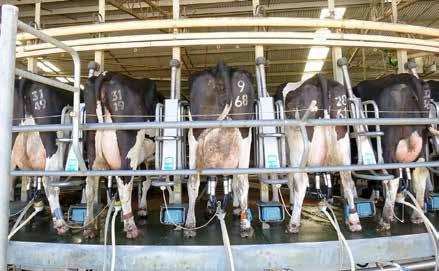
We want to see milk processors and retailers also receive extra payments to cover their increased costs over the past few months. As a result, milk on shelf for all brands need to increase by at least 30 cents per litre.
— Tim Bale
According to Tim Bale, president of eastAUSmilk, a lobby group for dairy farmers in Queensland and New South Wales, milk production could plummet soon. “Dairy farmers need a price increase immediately before milk production plummets. They cannot afford to sit back and hope that things improve. Many have already made the difficult decision to sell good dairy cows to fund the extra costs for fertilizer, fuel and other products,” Bale says.
“Milk prices paid to dairy farmers must increase by around 15 cents per litre in the coming weeks just to cover the increase in costs that dairy farmers are facing. If not, production will fall significantly over the coming months,” he warns.
Bale says this increase must come down the retail chain and he urges consumers to pay a bit more in the shops to help support the farmers.
“We want to see milk processors and retailers also receive extra payments to cover their increased costs over the past few months. As a result, milk on shelf for all brands need to increase by at least 30 cents per litre,” he says. “Food security has been talked about for years with dairy and seafood identified by government as the two most at-risk industries. Right now, a milk shortage is almost guaranteed if milk prices paid to farmers do not go up now to reflect the massive increase in costs."
“We strongly encourage all milk processors to immediately negotiate with their customers, including major retailers, to adjust prices to reflect the cost increases felt by both farmers and processors,” Bale adds. “The current price of store brand milk is $3.30 for two litres. It is unfathomable to see how any milk could sell for less than $4.00 for two litres given the current cost increases.”
Aussie dairy farmers fear more farms could shut their gates if there isn’t any easing of costs pressures, and already some are cutting cows numbers and production to try and save money. The immediate biggest concern is the ongoing Iran war, which is continuing to push up oil and diesel prices, adding more costs to producing milk.
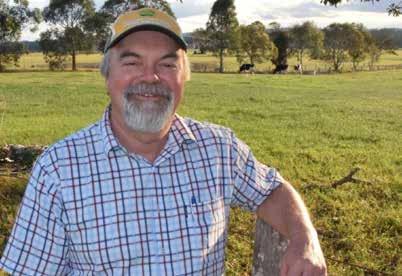
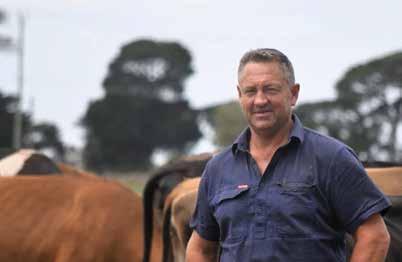
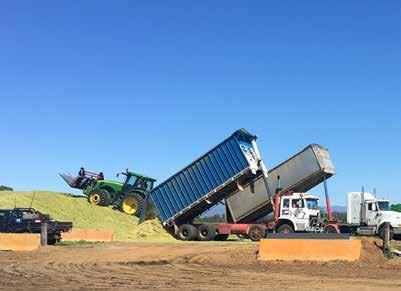
Some prices being quoted suggest fertilizer costs, using Urea as an example, have increased from AUS$800 to an unprecedented cost of $1,800 per tonne. And diesel has increased in price from under $2 per litre to over $3 per litre in just a couple of weeks.
Australia relies on importing 90 per cent of its transport fuels and has less than one month’s supply of diesel, and only a few days more of petrol in its current storage reserves.
Australian Dairy Farmers (ADF) is the national industry representative body representing dairy farmers across the six dairying states. ADF president, Ben Bennett, says the dairy industry is uniquely vulnerable due to its continuous production cycle and reliance on diesel across every stage of operations.
“Dairy is not a sector that can pause. Cows must be milked every day, milk must be collected every day, and it must reach processors and consumers quickly,” Bennett says. “This is a highly perishable staple product. If fuel is not available, milk is lost, animal welfare is compromised and supermarket supply will be affected.”
The fuel and fertilizer cost hikes have arrived at the worst time for the Australian dairy farmers as they are in the harvest period for silage and maize harvesting, and winter planting for next season.
In the midst of harvesting his maize corn, Tamworth dairy farmer, Mitch Brown, says “After a very hot and dry summer with only 75 to 100mLs of rain, this crop will only yield 55 to 60 tons per hectare. That’s bad enough, and it will cost us $3,000 per hectare just to take this corn off. The hike in fuel price has added $200 per hectare.”
As if milking cows in Australia was not challenging enough with a run of climate disasters and a labour shortage, along came the war in Iran to add to the stack of problems. Given the vast geography of Australia’s dairy sector, fuel costs, including delivery, were already significant. Added to this is the scarcity driven price pressure resulting from the war, leaving many farmers stating they can no longer afford to operate essential machinery. Rising food prices may offer short-term support for producers, though balancing this with affordability for consumers facing higher fuel costs remains a priority.

The fuel and fertilizer cost hikes have arrived at the worst time for the Australian dairy farmers as they are in the harvest period for silage and maize harvesting, and winter planting for next season.
Tim Bale, president of eastAUSmilk, is calling for an immediate price rise for milk.
ADF president, Ben Bennett, said reliable fuel supply is critical in maintaining daily dairy operations and protecting milk quality, animal welfare and supply chains.
With heavy reliance on diesel, the cost of harvesting a hectare of maize has risen substantially.
LISTEN TO “CAPITALIZING ON THE PROTEIN MARKET”
THE LATEST EPISODES OF THE CANADIAN PODCOW
Protein is having a moment—and the food industry is racing to keep up.
For Canadian dairy, long known as a naturally h igh-quality source of pro tein, this shift presents b oth challenges and opportunities. In the latest episodes of the Canadian Podcow, hosts and dairy farmers Sarah Sache and Andrew Campbell take a closer look at how the high-protein trend is affecting the industry and what dairy farmers can do to position themselves in an increasingly protein-focused marketplace
To gather more insights, they talk to Lactanet’s Simon JettéNantel, Cindy Jaton, and Rodrigo Milano, Trouw Nutrition’s Sebastian Decap, and DFC’s own Director of Nutrition & Research Isabelle Niederer.
Find these episodes, the French-language podcast Entre deux traites, and both podcasts’ entire back catalogue anywhere you listen to podcasts. You can also watch the interviews at Youtube.com/@CanadianPodcow or Youtube.com/@Entredeuxtraites
SIGN UP FOR DFC’S DAIRY EXPRESS NEWSLETTER
The Canadian dairy industry is dynamic.
Farmers need to know what’s happening in trade, consumer trends, and biosecurity – and they need to know as soon as possible. Get insights into these t opics and more by subscribing to Dairy Farmers of Canada’s Dairy Express newsletter (Express laitier in French).

To start receiving Dairy Express or Express laitier, scan the QR code or email Communications@dfc-plc.ca with your name, farm name, and license number.

Dairy Express is available only to Canada’s dairy farmers. You’ll get the information you need to stay ahead of the curve, straight to your inbox, including:
➜ Advocacy updates: Learn more about DFC’s work representing your interests to the federal government.
➜ Biosecurity reports: Time-sensitive updates and critical recommendations regarding animal health and traceability.
➜ Program reminders and deadlines: Links to opportunities and support services such as the Dairy Direct Payment Program.
➜ Market intelligence: Analysis of consumer trends and international trade developments.
➜ Event recaps: Summaries of national and i n t ernational e vents.
Back to basics calf care
The difference protocols will make to calf health on your farm
By Veal Farmers of Ontario
MANAGING CALF HEALTH IS A TEAM EFFORT. Depending on the size of the farm, this could mean a variety of people have responsibility for calf health, husbandry, biosecurity, cleaning, feeding and even euthanasia.
Why do I need protocols?
The key to the best possible outcomes in all aspects of raising and managing calves is consistency – and one of the best ways to achieve that is by developing a strong and detailed set of protocols or standard operating procedures.
In a step-by-step way, the protocols spell out routine on-farm procedures involved in everything from managing and treating certain diseases or conditions, and implementing biosecurity to managing vaccination regimens, or handling euthanasia.
The goal is that any new farm employee could read them and understand how the tasks should be performed, resulting in a consistent approach regardless of who is completing the job.
Ultimately, following standard processes will result in healthier calves, while also lowering your cost of production by ensuring you’re compliant with drug withdrawal periods, making it easier to train new employees and maximizing treatment success by reducing the number of errors or missed treatments.
What kind of information is part of a protocol?
A treatment protocol for Bovine Respiratory Disease and pneumonia, for example, will describe early symptoms of the condition to help you detect which animals might be sick. A scoring chart of the severity of clinical signs helps determine whether or not antimicrobial treatment is required, followed by a list of acceptable treatment options, their dose and frequency, and necessary withdrawal times.
The calf vaccination protocol indicates at what age calves should be vaccinated against which diseases and with which vaccine.
The calf vaccination protocol indicates at what age calves should be vaccinated against which diseases and with which vaccine. A biosecurity and cleaning protocol describes daily tasks to clean feeding equipment, automatic calf feeders, hutches and pens, as well as tips on how to best minimize possible disease transmission.
How do I get started?
Your herd veterinarian is the best partner in helping you develop and implement protocols appropriate for your farm. That’s because they have a broad range of knowledge about production practices, health and welfare, and can work with you to put the solutions in place that will work best for your herd and your operation.
Calfcare.ca features a series of downloadable protocol templates that can be completed and customized with the help of your herd veterinarian. Available are protocols for:
• Bovine Respiratory Disease
• Calf vaccination
• Cleaning and biosecurity
• Dry cow vaccination
• Euthanasia
• Navel infection treatment
• Diarrhea treatment
You may already be following most or even all of the best practices and procedures from memory, but it’s always best to have a written plan in place that considers all aspects of animal welfare and human safety. Proper documentation will also help you benchmark your performance and encourage continuous improvement.
The BouMatic TL Series liners are the next step for a more efficient dairy parlor.
The specially designed tapered triangular barrel along with the round should aides to keep the mouthpiece vacuum low. The tapering also keeps the touchpoint well below the teat end, effecitively hugging the teat rather than pinching the teat. Our lightweight shell keeps her comfort level high and the milkout time at an all-time low.
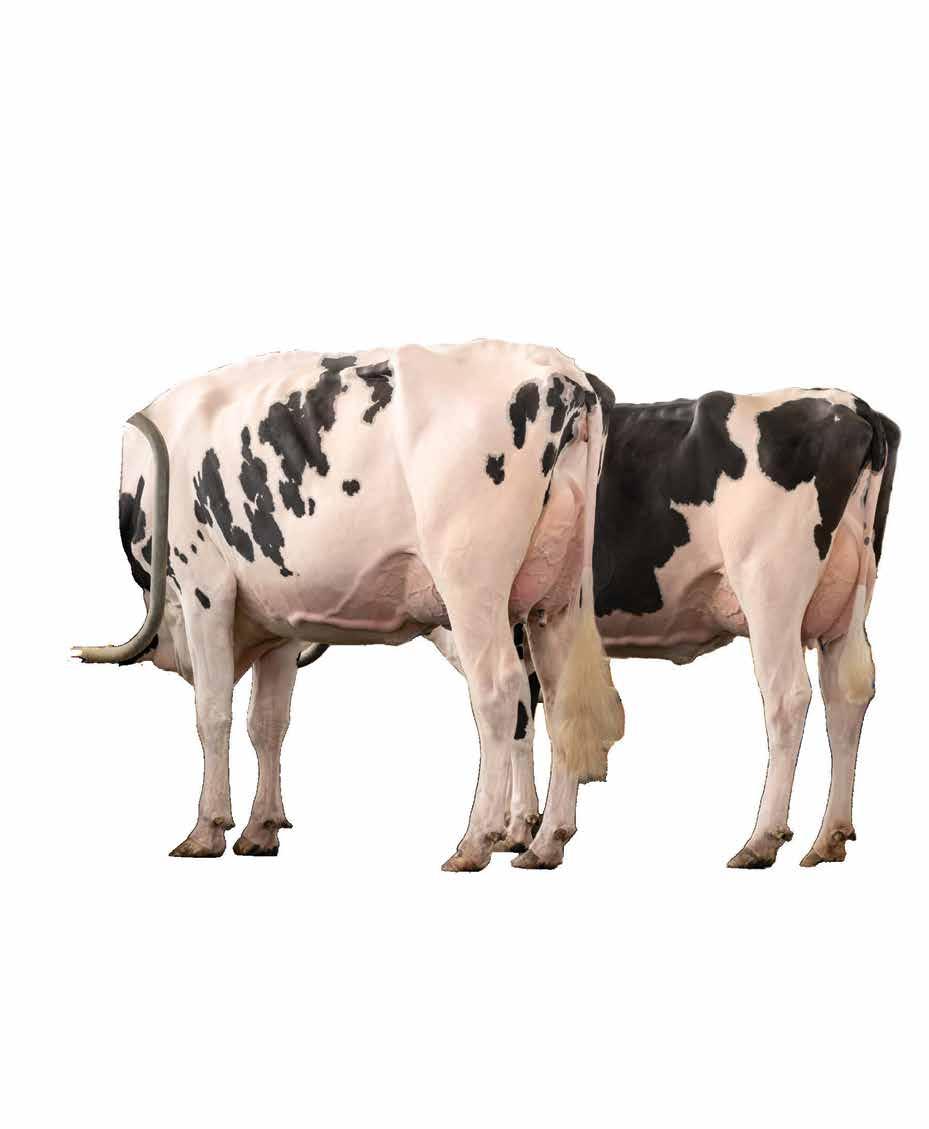

Photo: Clarissa McCallum