
Prioritize brain health with a delicious peanut-packed menu

Prioritize brain health with a delicious peanut-packed menu
Press Release
NORFOLK, Va. — Norfolk Botanical Garden (NBG) will open an ambitious new chapter with the debut of The Garden of Tomorrow on Sept. 12, 2026 — a new kind of botanical destination that blends world-renowned art by artist Dale Chihuly, rare plant conservation and immersive design into one of the most distinctive garden experiences in the United States.
CHIHULY: The Perry Collection is one of the nation’s most significant permanent collections of Chihuly work and includes the Chiffon and Sangria Azalea Chandelier (2024), created for the Garden to honor the 220 African American Works Progress Administration workers who shaped NBG by transforming the land and planting its iconic azaleas. The Garden recognizes these individuals as its orig-
inal gardeners. The Tidewater Teal Chandelier (2024), also created specifically for NBG, draws inspiration from the Garden’s waterways and coastal Virginia landscape, reflecting the Garden’s focus on water ecology and conservation.
“Norfolk Botanical Garden is such a beautiful location. It’s a pleasure to not only present my work there, but to see it become a part of the Garden’s permanent collection and its history—particularly the Chiffon and Sangria Azalea Chandelier. I’m honored that future visitors will have the chance to see it for themselves,” said renowned artist Dale Chihuly.
At the heart of the project is the 26,000-square-foot conservatory, a unique
See GARDEN on Page A3

Press Release
NESCONSET, N.Y. — Every day, U.S. Marine Lance Cpl. Michael Casillas calls home to talk to someone he misses dearly: his dog, Margaery. Stationed in Okinawa, Japan, Casillas has been separated from his beloved companion for months while navigating the lengthy international requirements needed to bring her overseas. Now, Paws of War is stepping in to help reunite them.
“When our service members are deployed thousands of miles from home, the companionship of a beloved pet can provide comfort, stability, and a sense of home during one of the most challenging times of their lives,” said Robert Misseri, co-founder of Paws of War. “Unfortunately, international regulations can make these reunions incredibly complicated and expensive. We’re committed to helping Michael and Margaery get back together as quickly as possible.”
Casillas, who is from Victorville, California, has been stationed in Okinawa while Margaery remains in the United States with a temporary foster family until she can safely travel overseas. International import requirements including: vaccinations, testing, documentation, and mandatory waiting periods have delayed the reunion despite months of planning.
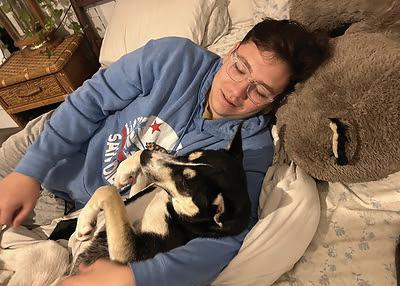
Although separated by thousands of miles, Casillas makes it a point to call Margaery every day, speaking to her over the phone and reminding her that he loves and misses
her and is doing everything possible to bring her home to Japan.
“Margaery has always been part of my family,” Casillas said. “Being separated from
her has been one of the hardest parts of this deployment. Knowing Paws of War is helping bring us back together means everything to me.” Paws of War has made it its mission to support active-duty military members, veterans, and their beloved pets, helping at both ends of the leash. The organization works to navigate the often-complex international transportation process while helping cover the significant costs associated with veterinary care, documentation, travel requirements, and transportation so military families can be reunited with the animals that provide them comfort and companionship.
“This mission represents everything Paws of War stands for,” Misseri said. “Our military members sacrifice so much in service to our country. If we can help reunite Michael with Margaery and give them the opportunity to be together again, it’s one small way we can give back to someone who serves all of us.” Paws of War is currently raising support to help cover the expenses required to safely transport Margaery to Japan. Those interested in following the journey can watch videos of Casillas and his wife sharing their story on the organization’s Facebook page at www.facebook.com/PawsOfWar and www. Deployed U.S. Marine calls his dog every day while waiting for the day they’re finally reunited – Paws of War launches mission to reunite beloved dog with her Marine in Japan after international regulations delayed their reunion
See GARDEN on Page A3

Page 2 The Virginia Aquarium celebrates first successful lesser Madagascar tenrec birth
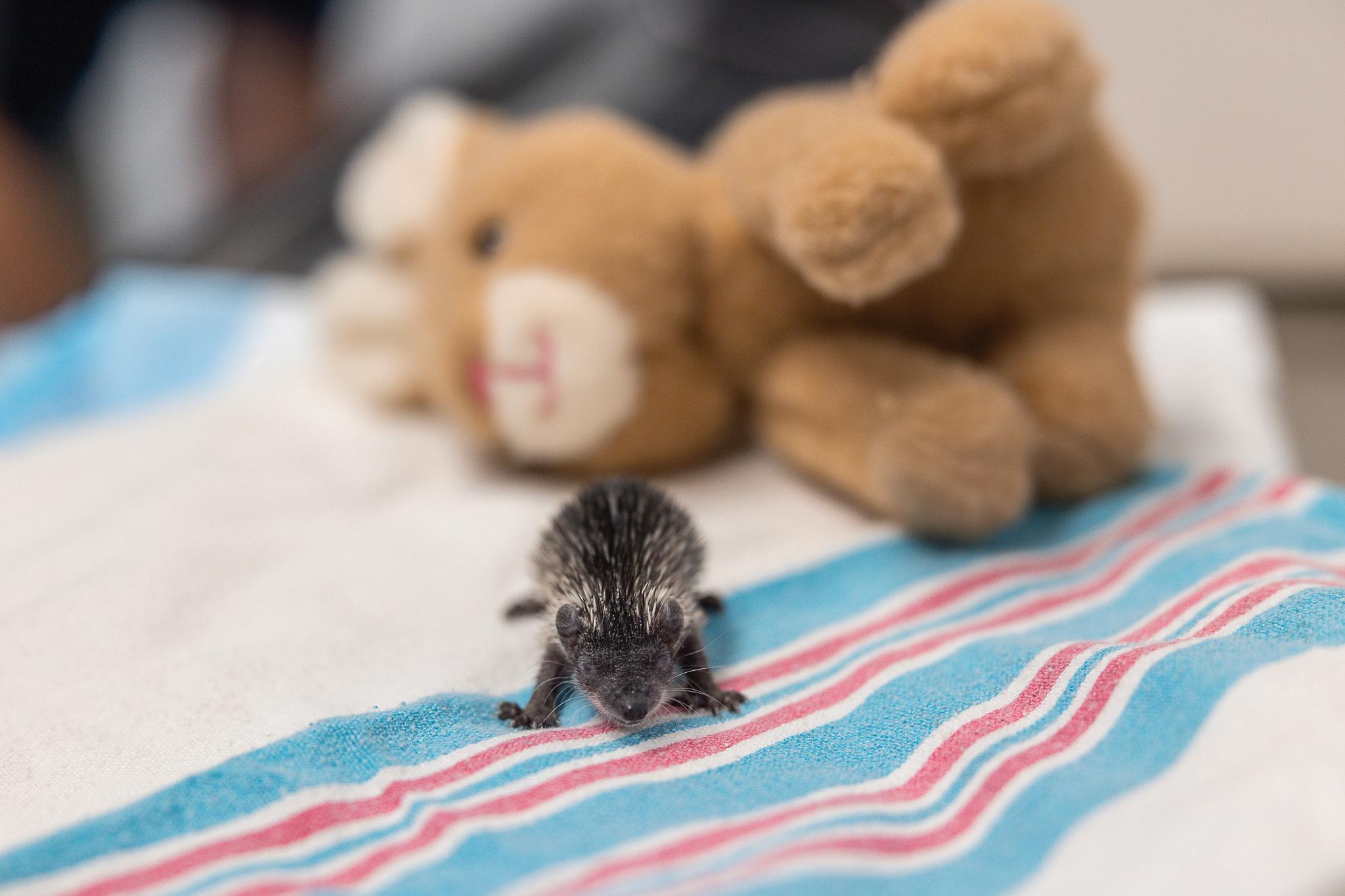
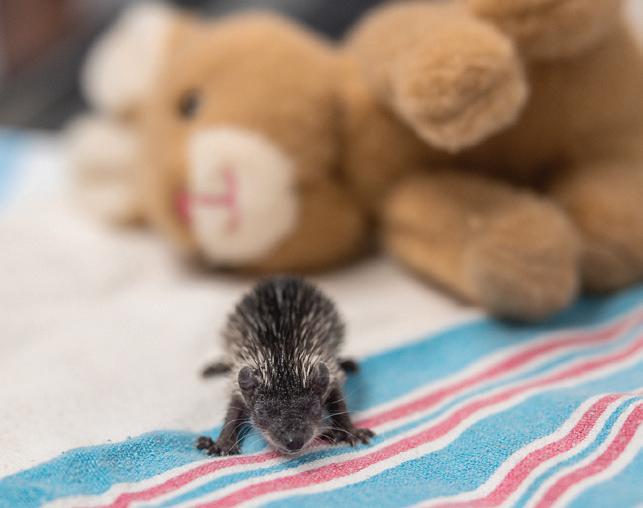
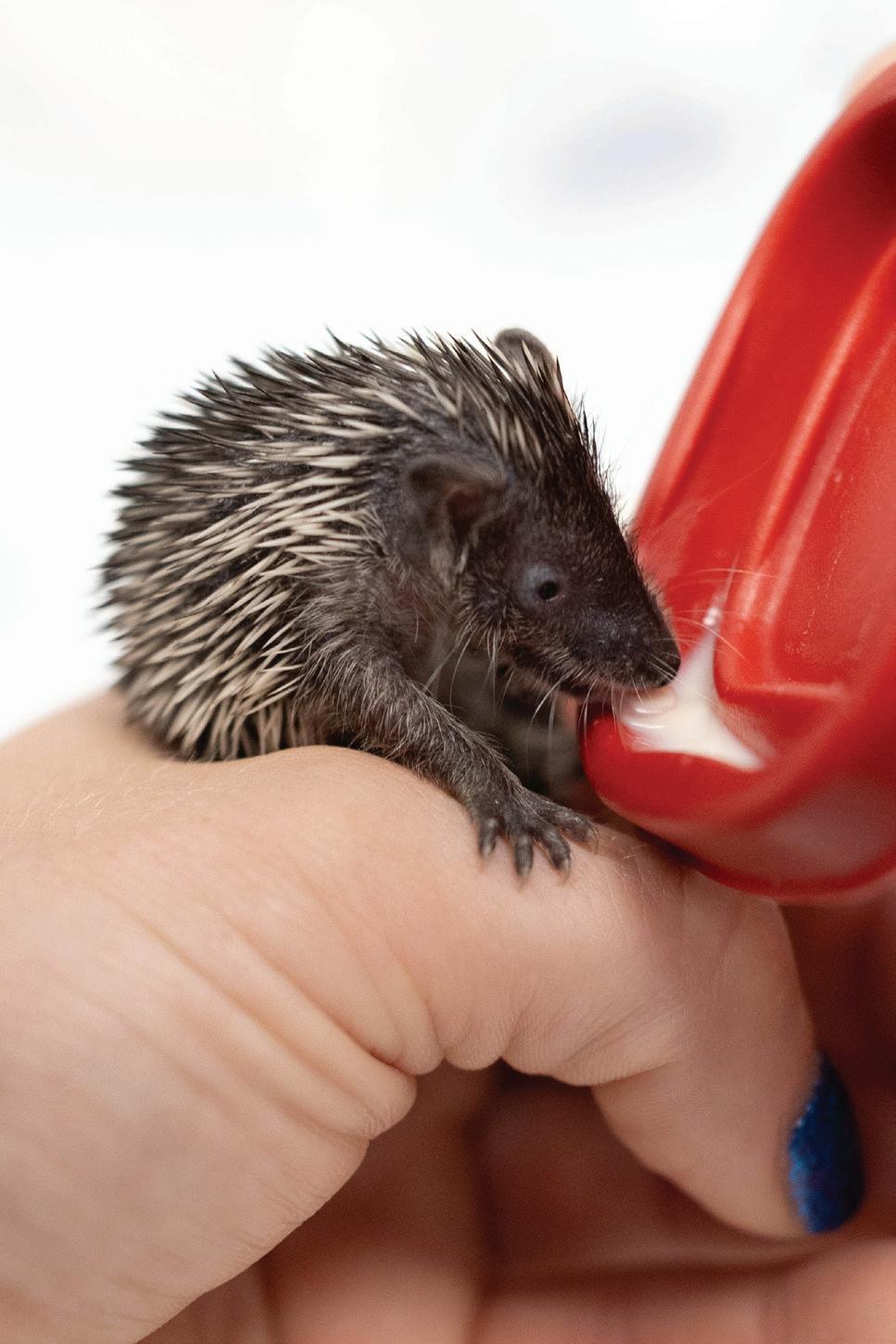
VIRGINIA BEACH, Va. — The Virginia Aquarium & Marine Science Center is celebrating the first successful birth of a lesser Madagascar tenrec in the institution’s history—a significant milestone that advances the Association of Zoos and Aquariums’ (AZA) Species Survival Plan (SSP). The baby was born on June 29 weighing only 11 grams and approximately an inch long. Gestation for tenrecs is around two months, and the Virginia Aquarium’s animal care and veterinary staff were monitoring the expecting mother throughout her pregnancy and overnight for two weeks leading up to her anticipated due date. The mother, Elise, and the baby are both doing well.
The AZA’s SSP Program helps sustain species populations for accredited zoos and aquariums. This successful birth strengthened the managed population of lesser Madagascar tenrecs in North America; representing an important contribution to the collaborative conservation work of AZA accredited facilities. These breeding plans support population biodiversity through exceptional animal care, scientific collaboration, and conservation education.
Elise is nine years old and was born at the Virginia Zoo and has been at the Aquarium since 2018. The male tenrec and father, named Squash, is six years old and came from the Abilene Zoo in 2023. Squash and Elise are both part of the Aquarium’s Animal Ambassador Program; participating in various education programs and gallery presentations.
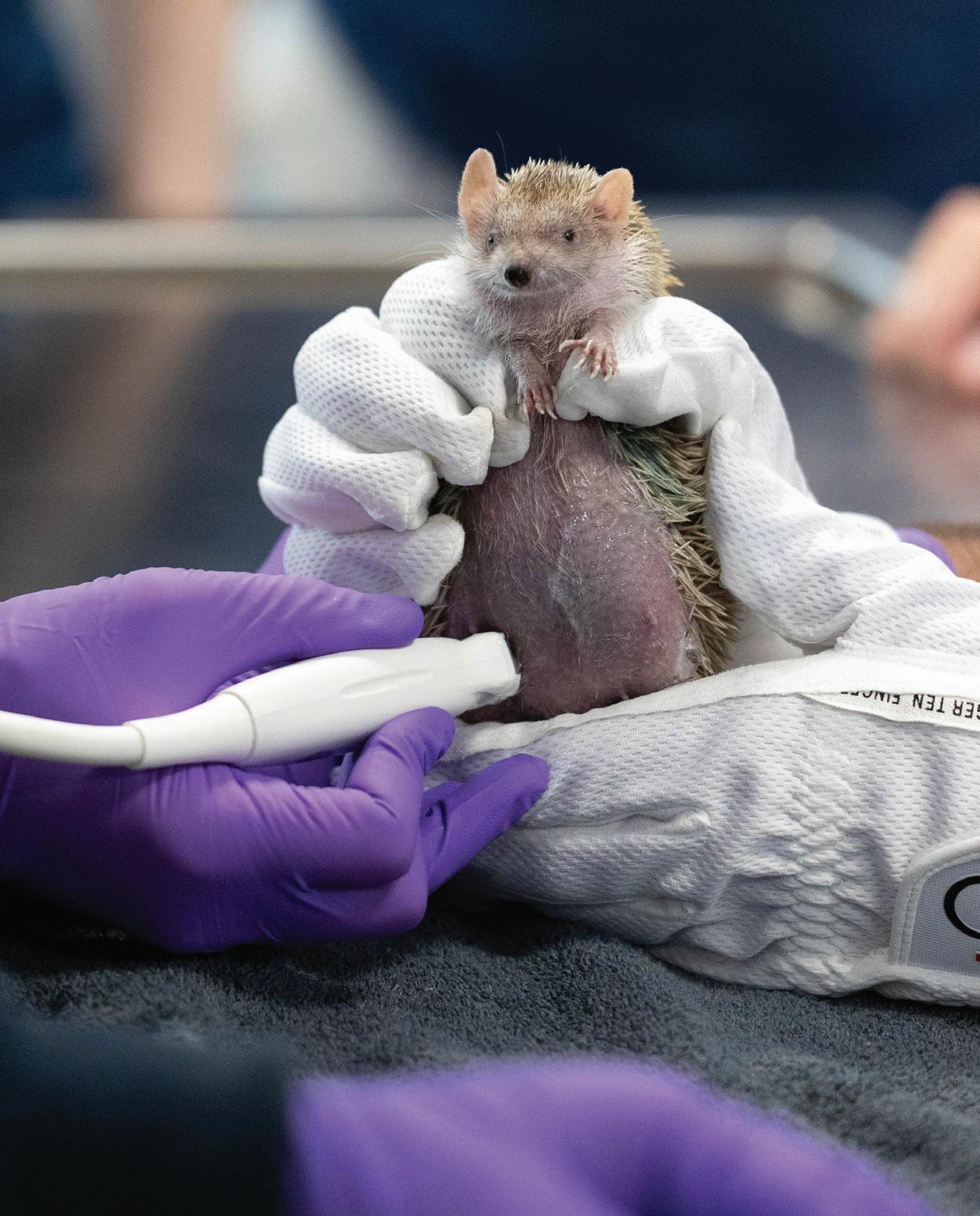
During her pregnancy, Elise received ultrasounds and radiographs regularly to monitor development. Staff checked on her frequently throughout the day and used cameras to monitor her behavior overnight. Elise received an adjusted diet from our nutritionist to accommodate her changing nutritional needs and was also given various nesting material for her to choose how and where to build her nest.
The tenrec baby will be cared for at the Virginia Aquarium until it is given a permanent home at a fellow AZA-accredited facility.
After the baby has weaned, the Virginia Aquarium animal care team will begin behavioral training and enrichment with the tenrec. This gives the tenrec time to become comfortable around people in preparation for travel to its future home where it’ll become an ambassador for the species.
About the Virginia Aquarium & Marine Science Center: The Virginia Aquarium


& Marine Science Center’s mission is to connect people to the marine environment, inspiring a more sustainable future. The Aquarium aspires to be a driver in conservation, education, tourism, and sustainability, leading the charge to save wildlife and their ecosystems. Owned by the City of Virginia Beach, the Aquarium operates as a city department in partnership with the Virginia Aquarium & Marine Science Center Foundation. The Aquarium is proud to be an accredited member of the Association of Zoos and Aquariums, and the World Association of Zoos and Aquariums.
The Virginia Aquarium & Marine Science Center Foundation is a 501(c)(3) nonprofit organization that supports the work of the Virginia Aquarium. The Foundation procures and maintains the Aquarium’s exhibits, including the animals and habitats. It is also responsible for annual and capital fundraising, administration and funding for the Virginia Aquarium Stranding Response Program, conservation and scientific research efforts, and the Aquarium’s mission-related education programs. You can be a part of our mission by making a tax-deductible donation to support our programming.



ABOUT DALE CHIHULY
two-story structure designed as a living sanctuary. Within its Tropical and Arid Houses, the Garden will protect some of the world’s most threatened and endangered plant species, many with untapped ecological, scientific and potential medicinal value. Through partnerships with botanical institutions worldwide, NBG will share knowledge and resources to help preserve plant diversity and advance conservation efforts for generations to come.
The project also includes an elevated canopy skywalk with sweeping outdoor views of the Garden’s nationally recognized rose garden, a new entry pavilion with a rooftop sky meadow, and THE REEDS BISTRO featuring a Garden-inspired menu. The experience is complemented by a new environmental education center designed for immersive, hands-on learning, as well as an expanded boardwalk providing access to the Garden’s waterways.
More than 2,700 donors and corporate partners have made this project a reality. One of the Garden’s environmental part-
from Page A1
facebook.com/reel/1026157323103062. To get more information and donate to help support the mission, visit www.pawsofwar. org. Paws of War focuses on helping active
ners, Trex Company, the world’s leading brand of wood-alternative decking, railing and outdoor living products based in Winchester, Virginia, provided 24,000 sq. ft. of decking made with 95% recycled and reclaimed materials for the entry walkway, skywalk and boardwalk.
“At Trex we’re all about creating durable, sustainable products that bring people together and transform outdoor spaces, and the Garden of Tomorrow is a prime example,” said Amy Fernandez, Chief Sustainability Officer and Chief Legal Officer for Trex Company.
The Garden of Tomorrow reflects Norfolk Botanical Garden’s continued focus on conservation, education and accessibility while positioning the institution among a select group of public gardens globally that are redefining how visitors engage with nature. As part of the project and to support these initiatives, the Garden has launched a Conservation & Education Fund. More information about the project is available at www.gardenoftomorrow.org.
ABOUT NORFOLK BOTANICAL GARDEN
Norfolk Botanical Garden is a 175-acre oasis and one of America’s leading public
duty soldiers and veterans in various ways. They have helped relocate the rescued pets of overseas military members. They have helped veterans with numerous issues, including suicide prevention, service and support dogs, companion cats and dogs, food insecurity, veterinary care, etc. Paws of War has a large, loyal following of supporters and looks forward to working with new corporate spon-
gardens, home to more than 65 themed landscapes, nationally accredited plant collections, an award-winning butterfly garden and immersive horticultural experiences. The Garden is evolving as a new kind of botanical destination. Anchored by the 26,000-square-foot Perry Conservatory, featuring tropical and arid biomes, and by a significant permanent Dale Chihuly glass art collection, the Garden offers visitors a distinctive experience. Here, art begins with nature, bringing together living collections, world-renowned glass art and global plant conservation. The Garden is also known for its nationally accredited collections of camellias, hydrangeas and crape myrtles, as well as one of the region’s most celebrated rose displays. Guests can explore by tram, boat or walking paths, including WOW: World of Wonders, a Children’s Adventure Garden. Norfolk Botanical Garden is accredited by the American Alliance of Museums, is a member of Botanic Gardens Conservation International, and is recognized as a Virginia Historic Landmark, listed on the National Register of Historic Places and designated a Virginia Green attraction. For more information, visit www.norfolkbotanicalgarden.org
sors to support these life-saving programs. To donate to help their missions, visit their site at http://pawsofwar.org.
About Paws of War
Paws of War is a nonprofit 501(c)(3) charitable organization dedicated to helping active-duty military members, veterans, first responders, and their pets. The organization rescues and trains service dogs, provides
Dale Chihuly is an American artist who transforms spaces with experiments in color, light, transparency, and form. He is known for his exhibitions and large-scale architectural installations around the world and for revolutionizing the studio glass movement. Chihuly works with a variety of media including glass, paint, charcoal, neon, ice, and Polyvitro, and his work is included in more than 200 museum collections worldwide, including Metropolitan Museum of Art, Smithsonian American Art Museum, and Corning Museum of Glass. Major exhibitions include Chihuly Over Venice (1995—96); Chihuly in the Light of Jerusalem (1999); de Young Museum in San Francisco (2008); Museum of Fine Arts, Boston (2011); Virginia Museum of Fine Arts, Richmond (2012); Montreal Museum of Fine Arts (2013); Royal Ontario Museum, Toronto (2016); Crystal Bridges Museum of American Art, Bentonville, Arkansas (2017); Groninger Museum, Groningen, the Netherlands (2018); Royal Botanic Gardens, Kew, London (2019); Gardens by the Bay, Singapore (2021); and Adelaide Botanic Garden, Australia (2024). Chihuly Garden and Glass, a major long-term exhibition, opened in Seattle in 2012.
companion animals, assists with veterinary care, supports food-insecure veterans, and reunites deployed military members with beloved pets separated by military service. Through its life-changing programs, Paws of War continues to serve those who have served our country while strengthening the bond between people and animals.


By Feature Impact
SOURCE: GEORGIA PEANUT COMMISSION
A healthy brain goes beyond reading exercises and completing puzzles — it extends to the kitchen, too. Emerging nutritional science is clear that what people eat doesn’t just fuel the body; it shapes memory, mood and cognitive health.
Among the foods you can include in your diet to give your brain a boost are peanuts and peanut butter, staples valued not only for their convenience but also for their cognitive benefits. In fact, a study published in the “Journal of the Prevention of Alzheimer’s Disease” found adults 60-80 years old who did not eat peanuts and peanut butter regularly were 30-50% more likely to perform poorly on tests measuring learning, memory, language, processing motor speed and attentiveness compared to those who did consumer peanuts and peanut butter.
It’s not just the older generation that can benefit. According to research published in “Clinical Nutrition,” a study of college students ages 18-33 showed consumption of peanuts and peanut butter was associated with improved memory function and decreased anxiety, depression and stress.
Consider this key information from the Georgia Peanut Commission before your next meal planning session.
NUTRIENTS THAT GIVE THE BRAIN A BOOST
Despite their small stature, peanuts pack a nutrition punch. Their unique blend of various vitamins, minerals and bioactive compounds includes:
Niacin, which can slow cognitive decline and reduce the risk for Alzheimer’s disease, according to the “Journal of Neurology, Neurosurgery and Psychiatry”
Vitamin E, found to promote healthy brain aging and delay cognitive decline
Resveratrol, believed to be beneficial in fighting against Alzheimer’s disease and other nerve degenerating diseases, per the “Journal of Biological Chemistry”
P-coumaric acid, an antioxidant that appears to target the neurotransmitters in the brain that regulate mood, stress and anxiety
PEACE OF MIND
Peanuts are included in the MIND diet, a combination of the Mediterranean and DASH diets, which specifically includes foods shown to benefit the brain.
Adding peanuts to your menu can be a breeze. Look no further than a powerful main course like Crunchy and Creamy Cold Green Pea and Peanut Salad, a perfect accompaniment at potlucks and cookouts as an easy side or light main course. Make breakfast-on-the-go part of your daily commute with Flourless Blueberry Muffins that require just five ingredients, including creamy peanut butter, or add a pinch of protein to snack time with Protein Balls that can be refrigerated until hunger strikes.
BRAIN FOOD FOR THOUGHT
Supporting your brain starts with the right nutrition, and evidence makes clear peanuts and peanut butter should be top-of-mind as you head to the grocery store. For help getting started, find more recipes and nutritional information by visiting GAPeanuts.com.
Flourless Blueberry Muffins
Recipe courtesy of The Peanut Institute
Servings: 12
2 bananas
1 cup creamy peanut butter
2 eggs
1/2 teaspoon baking powder
1 cup blueberries
Preheat oven to 350 F. Grease muffin pan. In blender or food processor, combine bananas, peanut butter, eggs and baking powder; blend until smooth. Fold in blueberries by hand.
Pour mixture into muffin tin. Bake 12-15 minutes. Store in airtight container up to 3 days.
Nutritional information per serving: 155 calories, 10 g carbohydrates, 31 mg cholesterol, 2 g saturated fat, 9 g unsaturated fat, 2 g fiber, 6 g protein, 98 mg sodium, 5 g sugar.
Crunchy and Creamy Cold Green Pea and Peanut Salad
Recipe courtesy of The Peanut Institute
Servings: 8
Dressing:
1/3 cup sour cream
1 1/2 tablespoons mayonnaise
2 teaspoons apple cider vinegar
2 teaspoons sugar
Salad:
1 package (20 ounces) green peas, frozen
1 cup celery, chopped
1/3 cup red onions, chopped
1 cup dry roasted peanuts
6 slices thick cut bacon, cooked and crumbled
1 pinch salt, or to taste
1 pinch freshly ground black pepper, or to taste
To make dressing: In small mixing bowl, whisk sour cream, mayonnaise, apple cider vinegar and sugar.
To make salad: In large mixing bowl, combine frozen green peas, celery and onion. Pour dressing over salad and toss to combine. Refrigerate at least 2 hours.
Before serving, stir in roasted peanuts and crumbled bacon. Season with salt and freshly ground black pepper.
Nutritional information per serving: 230 calories, 17 g carbohydrates, 12 mg cholesterol, 3 g saturated fat, 9 g unsaturated fat, 5 g fiber, 11 g protein, 249 mg sodium, 6 g sugar, 1 g added sugar.
Peanut Butter Protein Balls
Recipe courtesy of The Peanut Institute
Servings: 24
1 cup chunky peanut butter
1 tablespoon vanilla
1/4 cup honey
2 cups quick oats
2 tablespoons ground flaxseed
1/2 cup shredded coconut
1/2 cup dried, chopped cranberries
1/8 teaspoon iodized salt
1/4 cup water
Using stand mixer, combine peanut butter, vanilla, honey, quick oats, flaxseed, coconut, cranberries, salt and water; mix until well combined.
Form dough into 1-ounce portions and refrigerate 30 minutes before serving.
Nutritional information per serving: 130 calories, 7 g fat, 14 g carbohydrates, 3 g protein, 2 g fiber, 60 mg sodium.





























By TRICARE Communications
FALLS CHURCH, Va. — When was the last time you looked to see if your information in the Defense Enrollment Eligibility Reporting System is up to date? If it’s been a while, it’s extremely important to take time and log in to DEERS to review or update your information.
DEERS is key to managing military health benefits, supporting the needs of service members, retirees, and their family members. You should make sure to update your information in DEERS so your family can get the benefits they deserve.
The Defense Manpower Data Center operates DEERS. DEERS contains confidential information about the eligibility of service members, retirees, and their family members for benefit and privilege programs. It shows if you and your family members are eligible for and enrolled in TRICARE benefits.
But the Defense Health Agency doesn’t administer DEERS—DMDC does. This means you’re responsible for keeping your DEERS information up to date. You should check your DEERS record in milConnect at least once every three months to make sure your family’s information is accurate. If you see anything that’s incorrect, get it fixed right away.
In addition to updating your own DEERS record, your service personnel office will sometimes update your DEERS record following important life events, like retirement. So, you should check your DEERS record often—even if you haven’t recently made updates yourself—to ensure it’s correct.
If your DEERS record is incorrect or outdated, it could lead to:
Delays in accessing healthcare, filing claims, and getting prescriptions
An inability for TRICARE to contact you about your health coverage
Unexpected bills for healthcare
Disenrollment from your TRICARE plan
Want to ensure this doesn’t happen to your family? Follow these steps to find and main-
tain your information in DEERS.
1. Check your DEERS record
The first step is to check your DEERS record. You can do this in milConnect. What are some things to check? As described in the TRICARE Qualifying Life Events Fact Sheet (online at www.tricare.mil/Publications/Fact-Sheets/qle), your DEERS record lists your:
Service status Family status TRICARE coverage status and plan Contact information, including phone number, mailing address, and email address
You should also review the information for each family member and confirm your
personnel, service, and eligibility status are accurate.
Keep in mind, each family member must be registered in DEERS before they can have TRICARE coverage. If you’re a sponsor, you’re automatically registered in DEERS, but you must register your eligible family members.
2. Update your DEERS record
If you need to update or correct your DEERS record, do so immediately. Sponsors and family members can update their contact information. Your contact information includes your phone number, mailing address, and email address. Here are your options for updating your contact informa-
tion in DEERS:
Online: Log in to milConnect.
Phone: 800-538-9552
(TTY/TDD: 866-363-2883)
Mail: DMDC/DEERS Support Office
Attention: COA
400 Gigling Road Seaside, CA 93955-6771
Fax: 800-336-4416
If you need to add or remove family members, sponsors must do this in person promptly by going to their nearest ID card office. Only sponsors can add or remove family members. Call or check online for your ID card office’s operating hours and to make an appointment. Don’t forget to bring supporting documents, such as a birth certificate, marriage certificate, or divorce decree.
3. Maintain your DEERS record
Throughout the year, you may experience changes that require you to update your DEERS record. So, the third step is to continue to update your information as soon as a change occurs. You can do this by making sure that every time you have a qualifying life event, you update your DEERS information. A QLE “unlocks” a 90-day period for you to make changes to your plan. Common examples of QLEs include:
Retiring or separating from active duty
Getting married
Giving birth or adopting
Moving
Becoming eligible for Medicare
Gaining or losing other health insurance
Following these steps will help you avoid any break in your TRICARE coverage. Unlock your health by going to DEERS to learn more. Would you like the latest TRICARE news sent to you by email? Visit TRICARE Subscriptions to get benefit updates, news, and more.
By American Heart Association
The busy summer season can take you almost anywhere — baseball fields, backyard cookouts, long workdays or road trips across the country. Regardless of where you are, summer is a reminder that emergencies like cardiac arrest can happen anywhere.
More than 350,000 out-of-hospital cardiac arrests occur in the United States each year, and 90% of people will not survive, according to the American Heart Association, a nonprofit organization devoted to changing the future for a world of healthier lives for all. Sudden cardiac arrest can happen anytime, anywhere. People often hesitate to step in. In fact, nearly 2 out of 3 adults believe CPR can only be performed by medical professionals. This mistaken belief can cost lives and contributes to the low survival rate.
Ordinary people have extraordinary power.
You don’t need to wear scrubs or have a medical background to save a life — you just need the courage to act.
Take the safety of those around you into your own hands this summer with this checklist.
Plan Ahead
Summer is often a time for welcome disruptions, including vacations, camps, sports and parties. Before traveling or attending events, check if your destination has a cardiac emergency response plan, which establishes specific steps to reduce death from cardiac arrest in any setting, from schools and community organizations to workplaces and sports facilities.
Learn CPR
Cardiac arrest can happen anywhere: at home, at work, in schools, at a soccer game or on vacation. When it happens, the first chance for survival often rests with the people nearby.
Anyone can be the difference before professional help arrives. The power to save a life is in your hands. CPR is a human responsibility, not just a medical skill. When friends, family or even strangers step in during cardiac emergencies, survival rates can double or even triple.
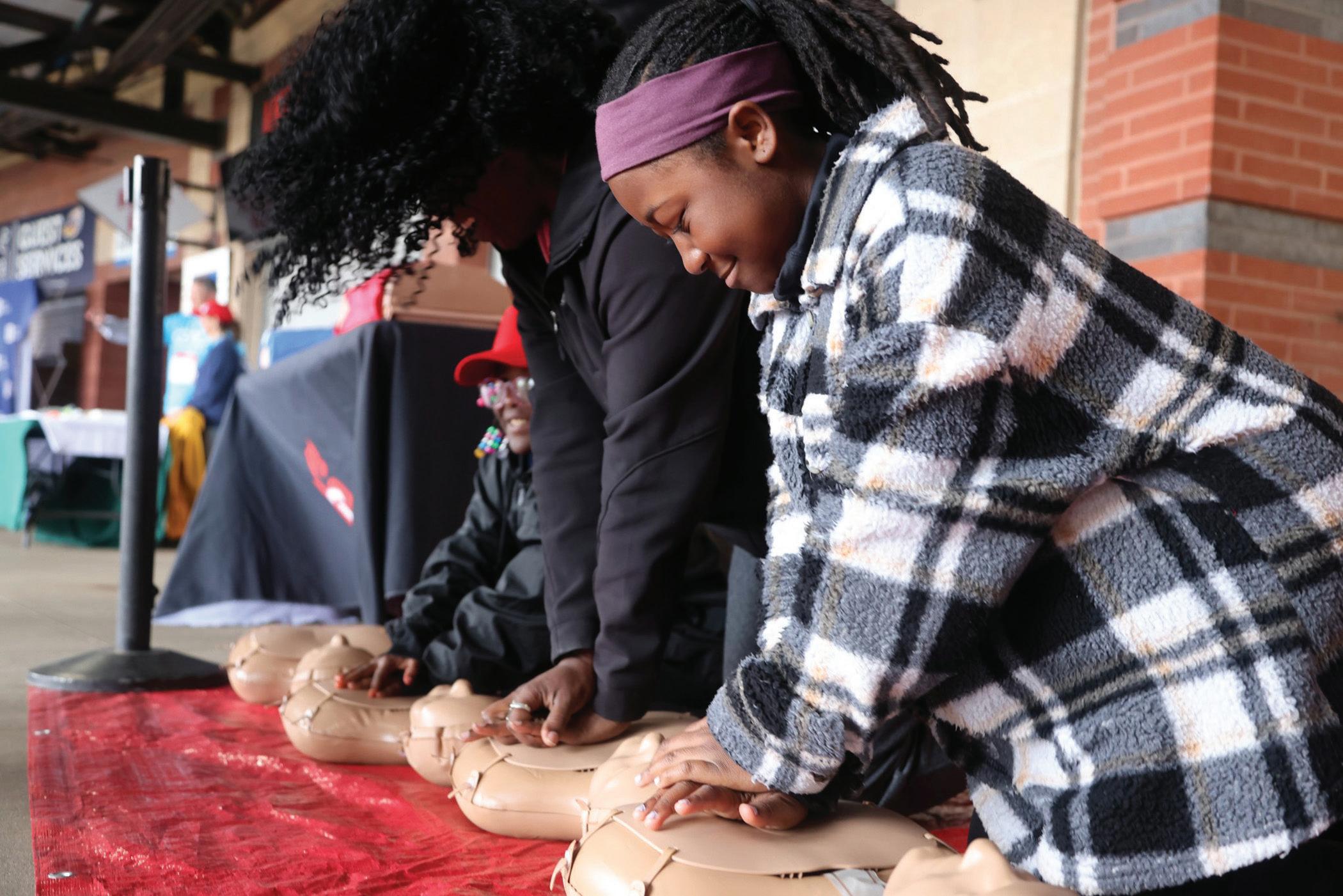
Hands-Only CPR for adults consists of two easy steps:
Call 9-1-1 or shout for someone else to call.
Push hard and fast in the center of the chest to the beat of a familiar song that’s 100-120 beats per minute, such as “Stayin’ Alive” by the Bee Gees.
Share resources with your family and community
Once you’ve learned simple, two-step Hands-Only CPR, share resources with your community to help expand the American Heart Association’s Nation of Lifesavers. Raising awareness with family, neighbors and colleagues can help people feel confident in the face of an emergency.
Families can watch short instructional videos that demonstrate the life-saving steps for adults as well as techniques for infants and children.
Travelers can also get trained in about 5 minutes with a Hands-Only CPR Kiosk, located in many airports and public spaces across the country.
To find more information about learning CPR, visit Heart.org/Nation.
Summer safety tips
In addition to learning CPR and sharing valuable resources with your family and
community, consider these ways to keep yourself and loved ones safe throughout the summer months.
Stay Hydrated: High temperatures can quickly lead to dehydration and heat-related illness. Drink water regularly throughout the day, especially during outdoor activities, and pack extra water when away from home.
Protect Your Skin: Hats, sunglasses and lightweight clothing can protect skin from sun exposure, but it’s important to use broad-spectrum sunscreen and reapply every 2 hours.
Swim with a Buddy: Hopping in a pool, lake or ocean is a hallmark of summer but can be dangerous without precautions. Never swim alone and ensure children are always supervised by an adult near water.
Identify the Locations of Safety Equipment: When attending camps, heading to a sporting event or enjoying the pool or beach, identify where lifeguards, AEDs and emergency exits are located. Knowing where to find help can save valuable time when every second counts.
Practice Grill Safety: Some of your most memorable summer moments may happen during a backyard barbecue or cookout, and it’s important to keep those gatherings safe. Use grills away from homes, decks and dry grass. Never leave them unattended while cooking, and be sure kids and pets stay at a safe distance from hot surfaces.
One mans story of saving a life within 1 year of learning CPR
On a chilly Tuesday, dawn was breaking as Matthew Lynch reached his highway exit, but traffic was backed up at a particular intersection. He waited through three cycles before finally getting close enough to see the holdup: a stalled SUV.
While most cars buzzed by, Lynch moved slowly and peered into the vehicle. He saw people inside and parked his sedan, flipped on the hazard lights and ran to the stalled SUV. As he knocked on the driver’s window, there was no response. The doors were locked. Two people — a male driver and female passenger — were unresponsive.
Lynch ran back to his own car and called 9-1-1 before managing to open the driver’s side door. He discovered the driver was not breathing normally, signaling to Lynch he’d need to start CPR — which he’d learned 10 months earlier during a training session he’d helped organize for a work-sponsored men’s group.
Knowing he had to do something, Lynch started pushing hard and fast in the center of the man’s chest. Within a minute, the man gasped for breath.
Just as Lynch leaned over to see if he could help the female passenger, first responders arrived and Lynch backed away, knowing there was nothing more he could do.
“It was just a lot to take in,” said Lynch, a member of the American Heart Association’s 2026 Nation of Lifesavers Class, a small group of volunteers, dedicated to raising awareness of CPR by sharing their own personal stories of survival or rescue. “Mostly I felt an incredible sense of gratitude that I could help someone.”
A strong admirer of the Good Samaritan parable, Lynch is always on the lookout for the opportunity to help others. He learned a lot about himself in that moment and about the importance of learning CPR, along with the confidence that comes from knowing you could be a lifesaver.
“I quickly realized the certification was way less important than the actual CPR training,” he said. “Your ability to help in any capacity is better than doing nothing. If I hadn’t done that training, I probably would not have helped.”