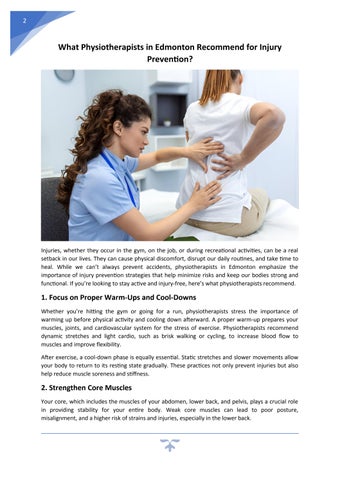

What Physiotherapists in Edmonton Recommend for Injury Prevention?

Injuries, whether they occur in the gym, on the job, or during recreational activities, can be a real setback in our lives. They can cause physical discomfort, disrupt our daily routines, and take time to heal. While we can’t always prevent accidents, physiotherapists in Edmonton emphasize the importance of injury prevention strategies that help minimize risks and keep our bodies strong and functional. If you’re looking to stay active and injury-free, here’s what physiotherapists recommend.
1. Focus on Proper Warm-Ups and Cool-Downs
Whether you’re hitting the gym or going for a run, physiotherapists stress the importance of warming up before physical activity and cooling down afterward. A proper warm-up prepares your muscles, joints, and cardiovascular system for the stress of exercise. Physiotherapists recommend dynamic stretches and light cardio, such as brisk walking or cycling, to increase blood flow to muscles and improve flexibility.
After exercise, a cool-down phase is equally essential. Static stretches and slower movements allow your body to return to its resting state gradually. These practices not only prevent injuries but also help reduce muscle soreness and stiffness.
2. Strengthen Core Muscles
Your core, which includes the muscles of your abdomen, lower back, and pelvis, plays a crucial role in providing stability for your entire body. Weak core muscles can lead to poor posture, misalignment, and a higher risk of strains and injuries, especially in the lower back.

Physiotherapists in Edmonton recommend incorporating core-strengthening exercises into your routine. These exercises, such as planks, bridges, and leg raises, help stabilize your spine, improve balance, and reduce the likelihood of injury. A strong core also supports better posture, which is key for injury prevention, particularly in activities that involve lifting or twisting.
3. Practice Proper Technique and Posture
One of the most common causes of injury is improper technique. Whether you’re lifting weights, doing yoga, or sitting at a desk for hours, poor posture or form puts undue stress on your muscles and joints, leading to strain or injury over time.
Edmonton physiotherapists often advise people to focus on correct posture throughout daily activities. For instance, when lifting objects, bend at the knees, not the waist, and engage your core to avoid stressing your lower back. Similarly, when sitting, maintain a neutral spine position with shoulders relaxed and hips at 90-degree angles.
In sports, mastering proper form—whether in running, cycling, or swimming—ensures that your body moves efficiently and reduces unnecessary strain. If you’re unsure of your form, a physiotherapist can help with assessments and personalized recommendations.
4. Gradual Progression in Exercise
Many people push themselves too hard, too quickly when starting a new workout routine or increasing intensity. This often leads to overuse injuries, such as tendonitis or stress fractures. Physiotherapists stress the importance of gradual progression.
Building up your strength, endurance, and flexibility over time is key to injury prevention. Start slowly with lighter weights, lower intensities, or shorter sessions, and gradually increase as your body adapts. The goal is to avoid overloading your muscles and joints too early, which can cause strain and set back your progress.
5. Stay Hydrated and Nourished
Hydration and nutrition play an essential role in injury prevention. Dehydration can lead to muscle cramps, decreased performance, and a higher risk of strains. Likewise, a lack of proper nutrition can impair muscle recovery and tissue repair, making you more susceptible to injury.
Physiotherapists recommend drinking plenty of water before, during, and after exercise. Additionally, focus on a well-balanced diet rich in protein, healthy fats, vitamins, and minerals to support muscle repair, joint health, and overall well-being.
6. Use Proper Footwear
Your feet are the foundation of your body, and wearing the right footwear can make a significant difference in preventing injuries. Whether you’re running, walking, or standing for long periods, the right shoes provide essential support to your joints, ligaments, and muscles.
Physiotherapists in Edmonton often recommend visiting a specialty store for shoe fittings, especially for active individuals. If you’re involved in sports or activities that require running, having shoes with the appropriate arch support and cushioning can prevent common injuries like plantar fasciitis, shin splints, and stress fractures.
7. Incorporate Rest and Recovery
While exercise is vital for injury prevention, rest is equally important. Overtraining without sufficient rest can lead to fatigue, increased injury risk, and slower recovery times. Physiotherapists recommend scheduling regular rest days into your workout routine to allow your body to repair itself and avoid burnout.
In addition to rest days, other recovery methods, like foam rolling, massage therapy, and adequate sleep, can significantly aid in muscle recovery and reduce the likelihood of injury. Remember, your body needs time to heal and rebuild stronger after exercise, so don’t neglect the recovery process.
8. Listen to Your Body
Perhaps one of the most important pieces of advice from physiotherapists is to listen to your body. If you’re feeling pain or discomfort during any activity, it’s important to stop and assess what’s going on. Pushing through pain often leads to more severe injuries down the road.
Physiotherapists in Edmonton emphasize the need for self-awareness. Pay attention to any unusual aches, tightness, or swelling. If you notice persistent pain, it’s crucial to consult with a physiotherapist before continuing physical activity. Early intervention can prevent more serious injuries and help you recover faster.
9. Cross-Train to Prevent Overuse Injuries
Engaging in a variety of activities, known as cross-training, helps prevent overuse injuries by working different muscle groups. For example, if you’re a runner, try swimming or cycling to give your joints and muscles a break from repetitive movements. Cross-training also helps improve your overall fitness level, making you less prone to injury.
Physiotherapists recommend that athletes and active individuals mix up their routines to avoid excessive strain on any particular part of the body. This balanced approach ensures that all muscles are strengthened and can handle different types of stresses.
10. Seek Professional Help When Needed
If you’re unsure about your exercise routine or dealing with an injury, seeking professional help is always a good idea. Physiotherapists are trained to assess your movement patterns, identify weaknesses or imbalances, and create a personalized plan to address your needs. They can also provide hands-on treatments like manual therapy, dry needling, or ultrasound therapy to accelerate recovery and prevent future injuries.
In Edmonton, physiotherapists offer a range of services, from injury rehabilitation to injury prevention strategies tailored to your lifestyle and activity level. Getting a professional assessment can provide peace of mind and ensure you’re on the right track to staying injury-free.
Conclusion
Injury prevention isn’t just about avoiding accidents—it’s about being proactive and taking steps to strengthen and protect your body. By following the advice of physiotherapists in Edmonton—such as warming up properly, strengthening your core, listening to your body, and seeking professional help when needed—you can reduce the risk of injury and continue to enjoy an active, healthy lifestyle.