Nature support of architecture — Architecture support of nature - 1O -
2
Sharing senses — Sens of sharing - 26 -
3
Vertical — Link of knowledge - 30 -
4
Climatic heterotopia — Runway retreat - 34 -
5 Between 4 walls - 36 -
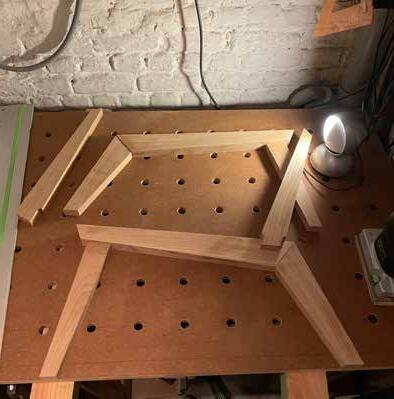
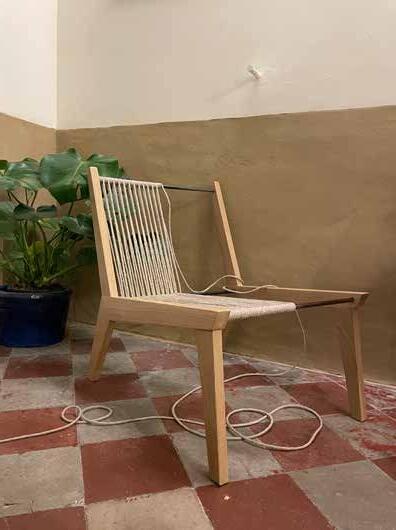
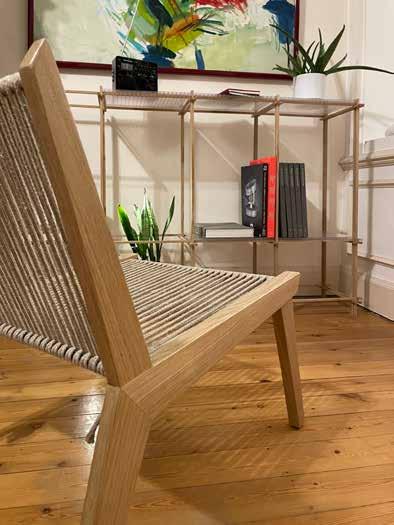
WOODWORKING
- 37 -
NEW HEADQUARTERS OF THE BELGIAN ARMY
2023-2028, ArtBuild associated with ASSAR and ANMA Program :
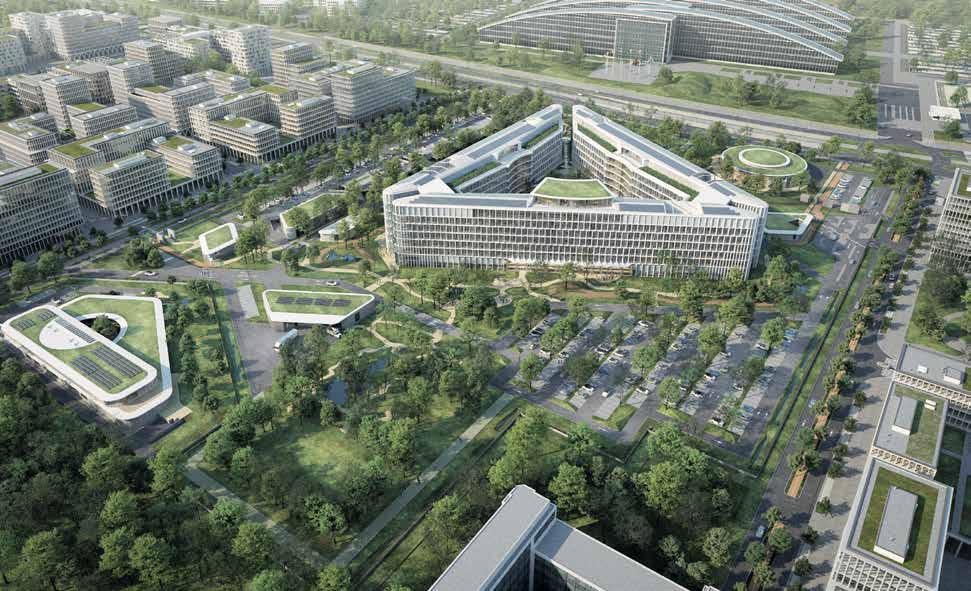
To accommodate over 3,000 employees daily and fulfill its primary functions as an army command center, this new headquarters includes a wide variety of office typologies with different security levels. These range from flexible offices to highly secured bunkers. The complex also comprises catering services, a daycare center, a conference center, several logistics and support buildings, parking facilities, and security posts.
This project combines functional complexity with significant security complexity, resulting in a strict hierarchy of different exterior perimeters and interior clusters based on sensitivity levels.
Context :
From a contextual perspective, the project is particularly complex as the site straddles two regions — Brussels-Capital and Flanders — with two different official languages and, more importantly, distinct administrative procedures, particularly for urban planning permits.
NATO headquarters is located directly across the Bourget Avenue, and Zaventem Airport is 2 km away. Furthermore, the project is part of a large-scale development plan covering a 92-hectare urban zone in eastern Brussels.
Render of the site facing the NATO HQ, credits : ORBRS
Actors and implementation :
To fully meet the client’s requirements for a project of this scale, the operation is being carried out under a Design, Build & Maintain contract. The contract was awarded through a public competitive tender to the BE-Defence consortium for €499 million.
Due to the evident sensitivity and confidentiality of this project most documents are subject to a restricted distribution. I hereby only used public information.
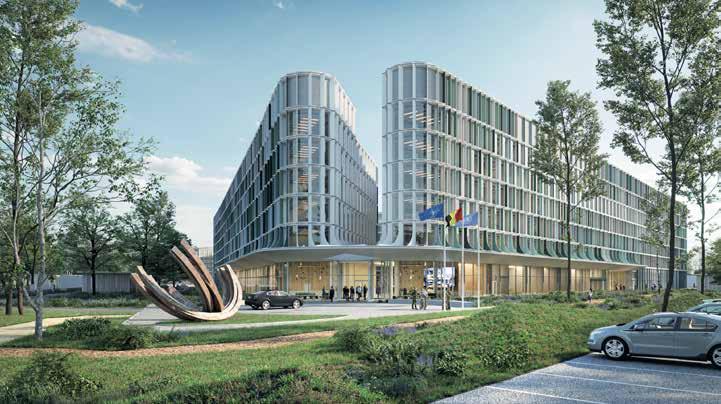
Render of the main entrance, credits : ORBRS
Main actors of the BE-Defence association
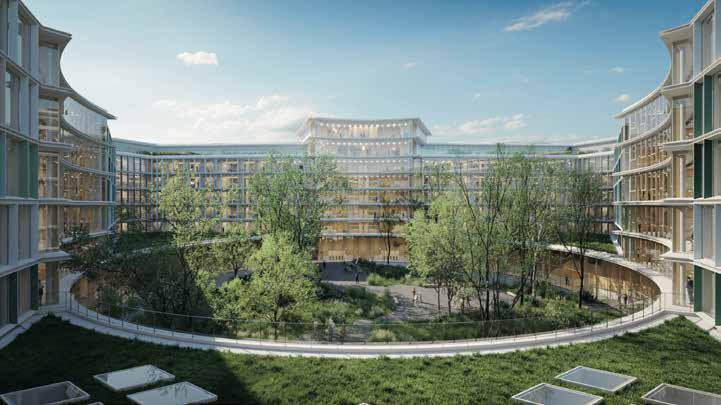
Render of the main building’s agora, credits : ORBRS
CERN BUILDING 140
International competition, ArtBuild architects in partnership with Ferrari architectes
Context :
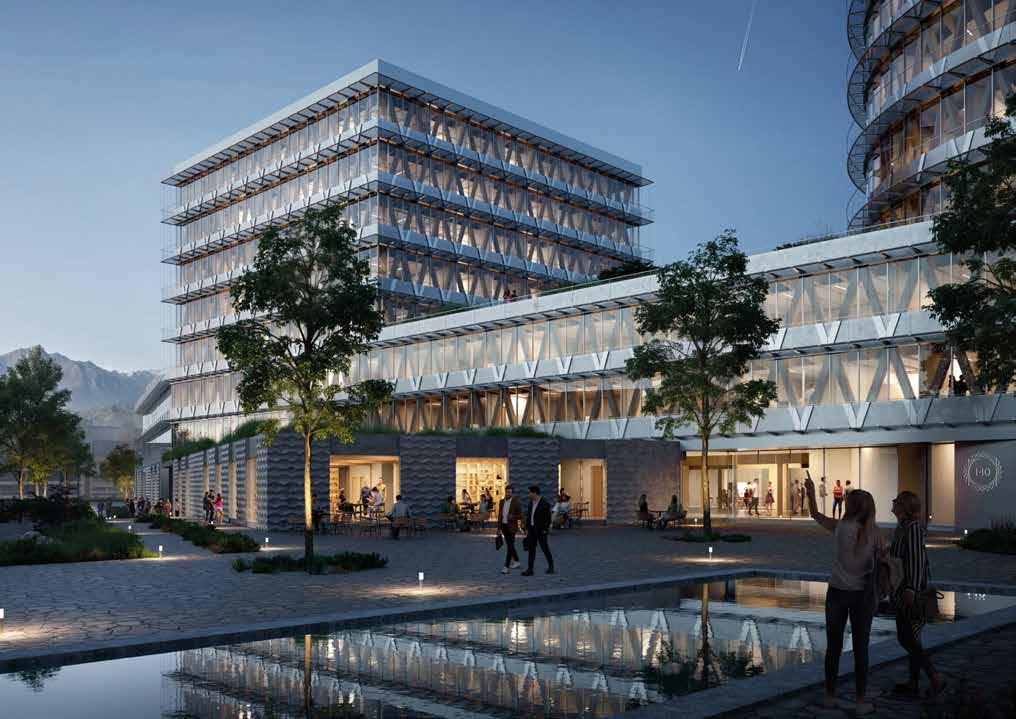
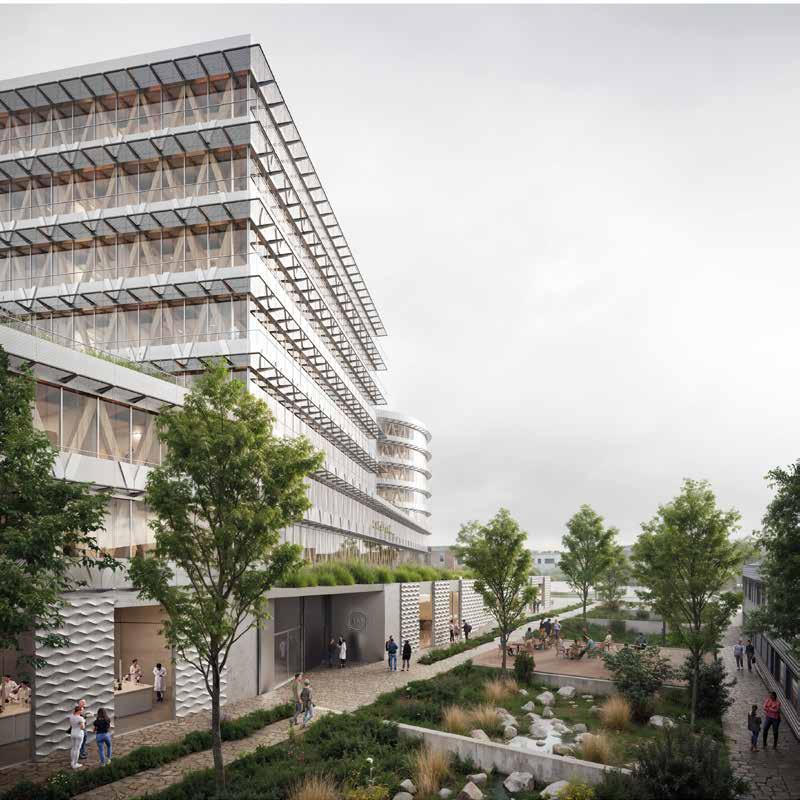
Located near Geneva at the Swiss-French border, the world-renowned European Center for Nuclear Research (CERN) is home to thousands of breakthrough researchers and state-of-theart particle accelerators. From its establishment in the 1950s, CERN has developed into a dynamic research campus and is now embarking on a major transformation through the CERN Master Plan 2040. Within this ambitious vision, Building 140 emerges as a pivotal element in reimagining the Meyrin site. Building 140 should stand as a pioneering facility in sustainable design with the aim to strengthen the campus’s urban character by consolidating essential functions within a unified center. The building will integrate laboratories, workshops, educational facilities, and office spaces, creating an environment that promotes interdisciplinary collaboration and scientific innovation. Strategically positioned at the campus’s main entrance, this architectural landmark will enhance connectivity throughout the site while embodying CERN’s commitment to progressive design and scientific excellence.
Render of the main entrance, credits : Playtime
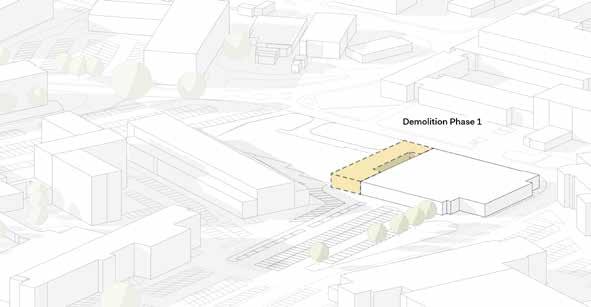
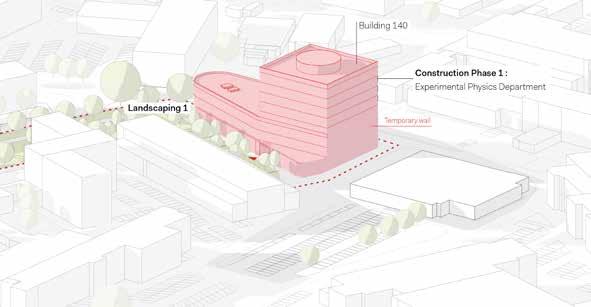
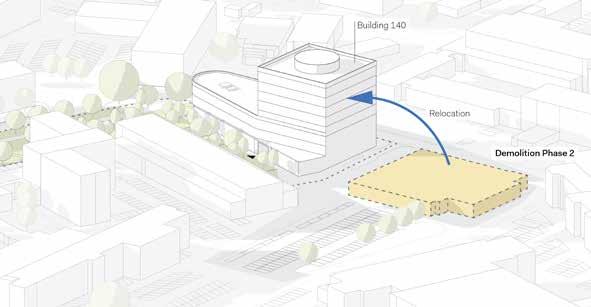
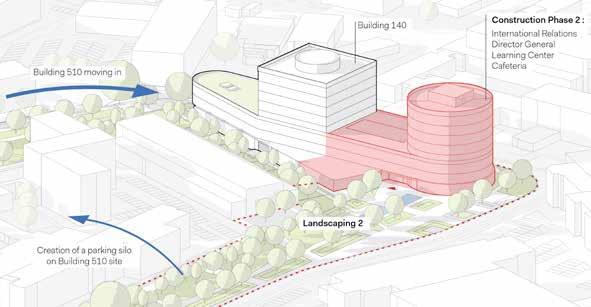
Program : With over 15000 m², the design must be pragmatic, optimising the layout for each function while considering future growth. The project will be delivered in two phases: the first will focus on the Experimental Physics Department, including advanced laboratories and offices, while the second will establish the CERN learning center, alongside spaces for international relations, a plenary room for the CERN directorate and a cafeteria.
Phasing and programatic sketches
Concept :
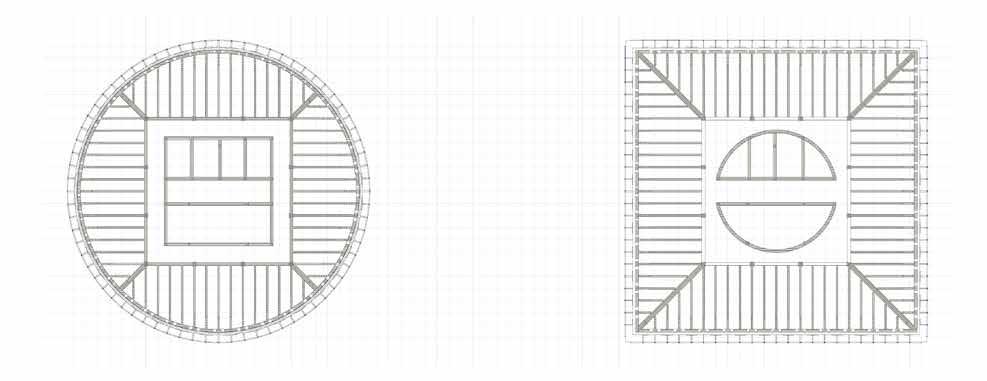
Influenced by the site’s research on the elementary things that compose our world, a poetic side of our interpretation was to compose with probably the 2 most elementary shapes: the circle and the square. Respectively synonyms of infinity and matter, two worlds in between which the scientist live in studying the perfect, infinitly small in order to interpret the imperfection of our surrounding.
Strucure :
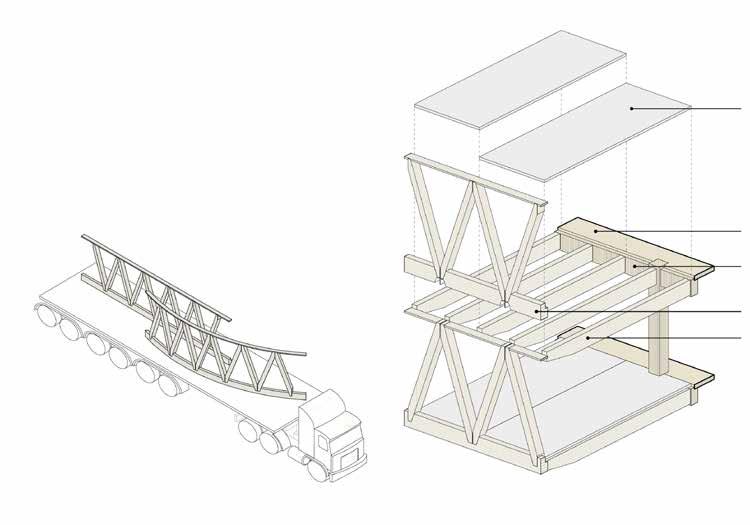
In collaboration with Ney Partners, a particular attention was given to the wood structure with an off-site production, fast assembly and therefore cost reductions. The building’s whole life was taken into account giving the ability to dismantel and reuse all the structural wood.
A system that favors flexibility and dismountability Use of renewable materials and prefabrication
Prefabiracted concrete slabs
Primary laminated veneer
lumbers (LVL)
Prefabiracted truss beams
Secondary gluelam beams
The common structural grid for the circle and square floors
Cross laminated timbers (CLT)
Render of the first built entrance, credits : Playtime
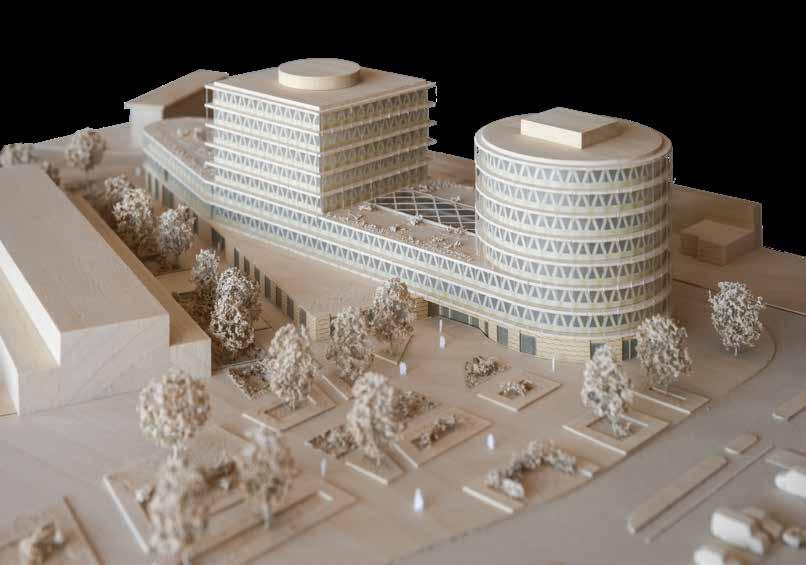
Model - scale 1 : 250
NATURE SUPPORT OF ARCHITECTURE — ARCHITECTURE SUPPORT OF NATURE
Thesis project, INSA Strasbourg
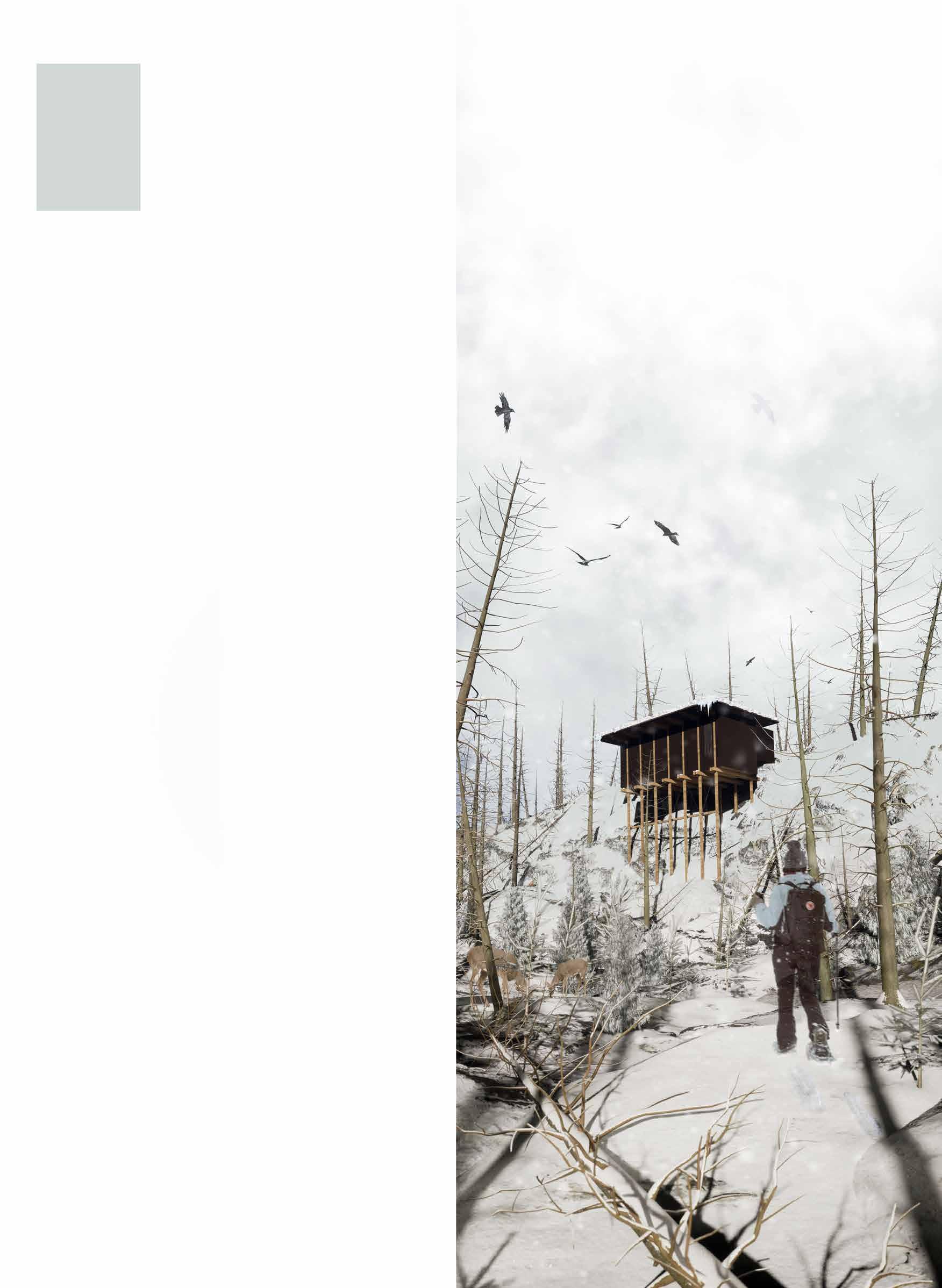
Architecture as a mean to reveal, narrate, and accompany one of Sweden’s largest modern history wildfire.
In July 2014, the largest wildfire in modern Swedish history ignited in the heart of Västmanland County, 120 km from Stockholm. Within the span of 5 days, the fire reduced forests, plains, and peat bogs to ashes across nearly 15,000 hectares. Surprising everyone with its violence and speed, it took four months for the fire to be considered completely extinguished, leaving behind a heavy human and material toll, significant economic losses, and a massive ecological disruption of fauna and flora.
Milan Engström Étape
Nature support d’Architecture - Architecture support de Nature
Comment révéler, accompagner et amplifier l’histoire du plus grand incendie de Suède à travers l’architecture ?
Milan Engström
Étape 4 - 15 Juin 2022
Suède Comté de Västmanland
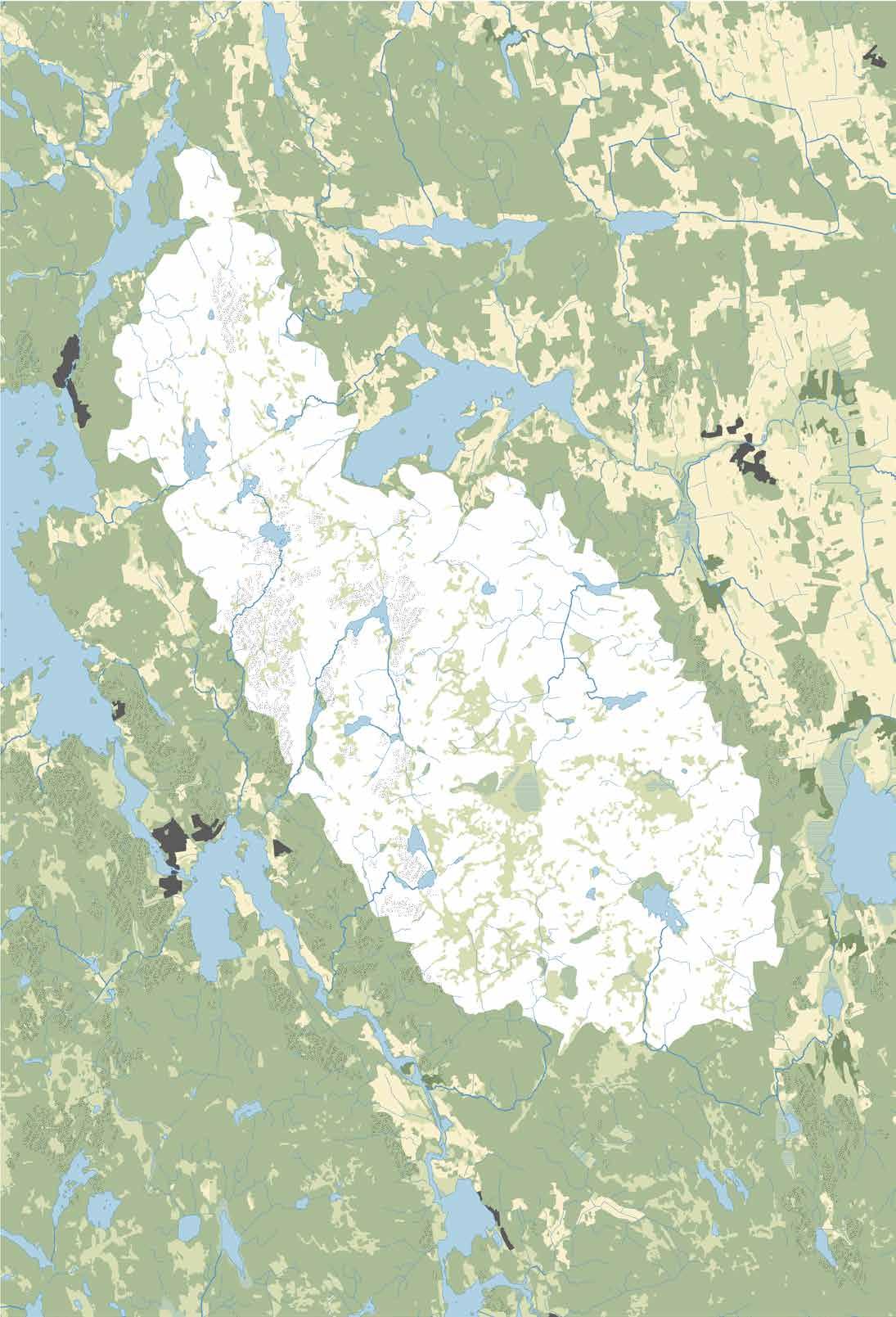
Carte d’occupation des sols
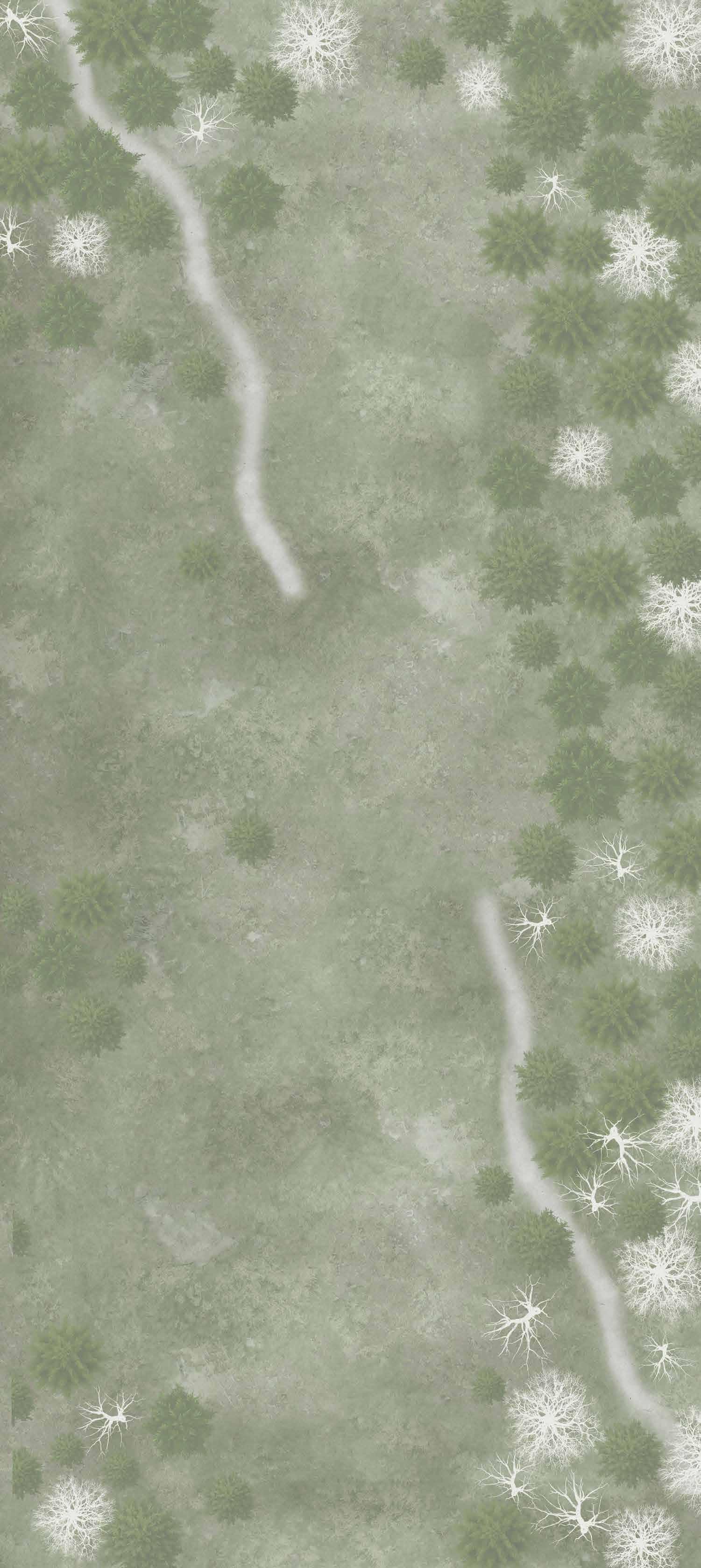
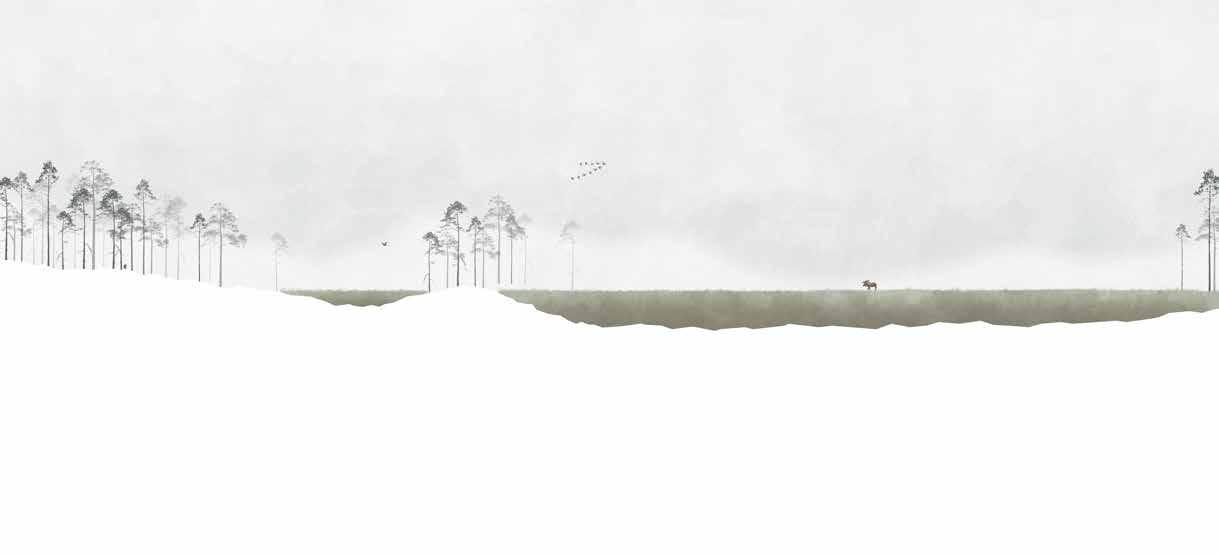
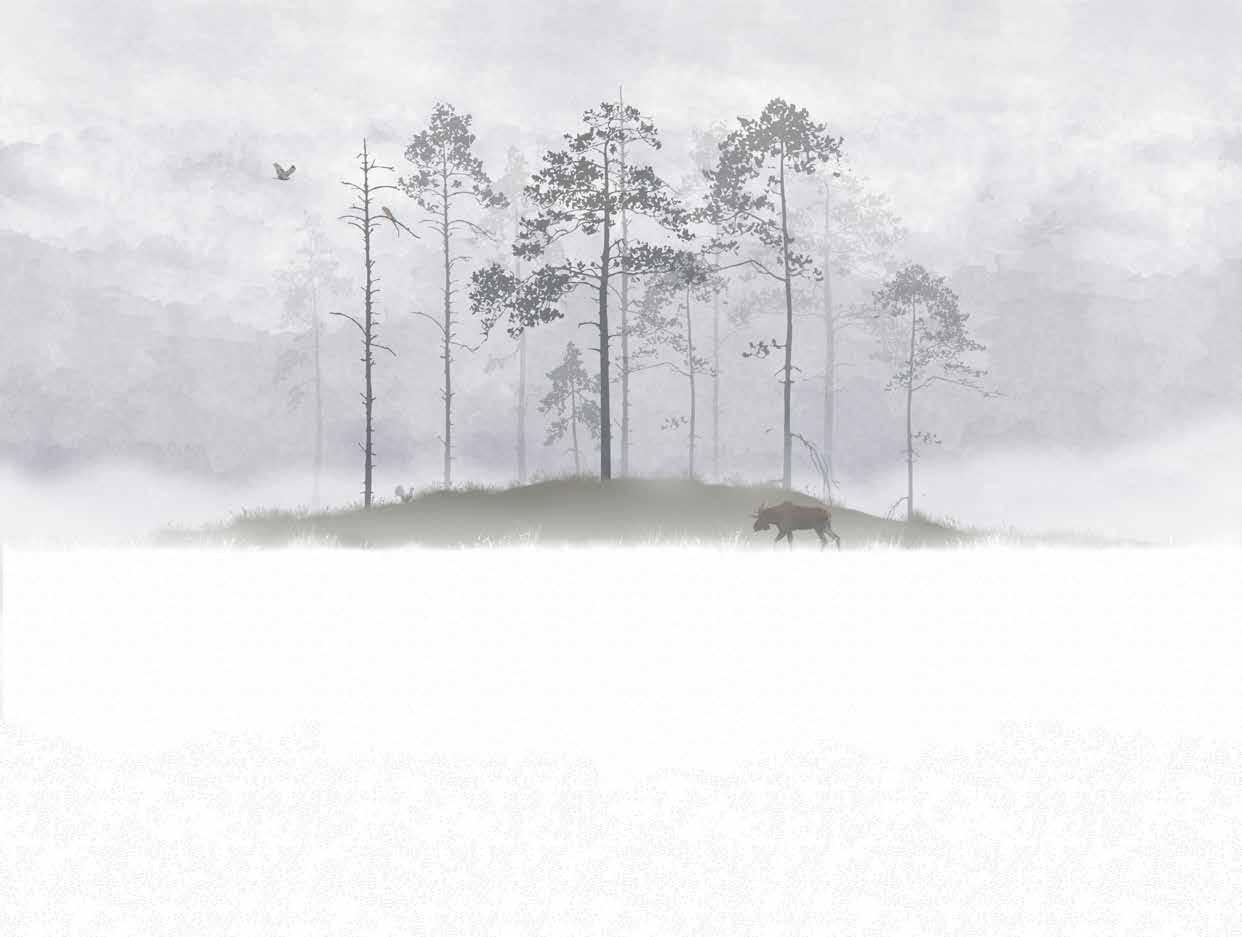
However, the wildfire did not mark the end of this unique territory. Astonishingly, it was, in fact, the beginning of a new and more complex ecosystem than before. Biodiversity, temporarily affected by the incident, flourished and gave rise to numerous rare plant and insect species made possible by the fire. The proliferation of insects subsequently attracted birds and other predators that enriched the existing avian fauna. The burned area encompasses a wide variety of biotopes that contribute to the site’s richness. It includes extensive peat bog complexes, wooded marshes, and floodplains covered with a wide variety of mosses and grasses, as well as fields of stones piled up by the sea and strong winds during the time when the region was still a remote archipelago. Several years after the fire, the reserve site gradually transformed into a lush ecosystem characterized by rich, rare and recognized biodiversity.
Västerås
Zone incendiée
Municipalities of Västmanland
Municipalities of Västmanland
Norberg
Fagersta
Skinnskatteberg
Surahammar
Västerås
Hallstahammar
Köping Kungsör Arboga
Cities of Västmanland
Attractivités culturelles et naturelles
Nature support d’Architecture - Architecture support de Nature
Comment révéler, accompagner et amplifier l’histoire du plus grand incendie de Suède à travers l’architecture ?
Milan Engström
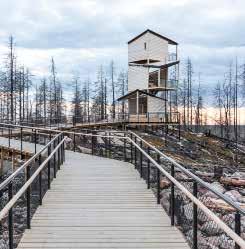
In order to preserve this new ecosystem, regional authorities decided the year following the fire to establish a nature reserve covering nearly half of the burned area. The reserve was named Hälleskogsbrännan and now spans approximately 6,420 hectares. Quickly, several principles were established to protect this unique and special site. These principles primarily involve minimizing human intervention in the environment and promoting its free and autonomous regeneration. Beyond the preservation of this new ecosystem, one of the intentions behind the creation of the nature reserve was also to promote ecotourism to raise public awareness about this new environment and the site’s history. This intention was partially realized in 2018 with the construction of a nature observation tower in the center of the new reserve.
Étape 4 - 15 Juin 2022
Västerås
Cities of Västmanland
Roadways incl. buses
Västmanland Sweden Côtes d’armor France
Occupation
Population density (hab./km2)
Carte d’occupation des sols
Wildfire’s location
Faune Flore Biotopes
Zone incendiée
Projet de Grävlingsberget
Oiseaux Arbres Promontoirs en roche mère
Chouette perlière
Aigle royal
Aigle à queue blanche
Balbuzard
Buzard pêcheur
Migrateurs
Cygne chanteur Oies Grue cendrée
Hirondelle Rapaces
Nicheurs
Pluvier
Paris
Pipit des bruyères
Pipit des arbres
Verdier
Grand moineau
Bec-croisé
Pics (vert, épeiche, épechette, tridactyles)
Tétraonidés
Grands tétras
Martin-pêcheur
Corbeau freu
Mammifères Elan Cerf Daim Chevreuille Lynx Loutre Castore Ours brun Renard Blaireau Martres
Lièvres
Insectes (dépendants du feu) Coléoptère noir fuligineux des prairiesMelanophila acuminata Scolyte à cornes blanches - Aradus signaticornis Reptiles Lézards et serpents
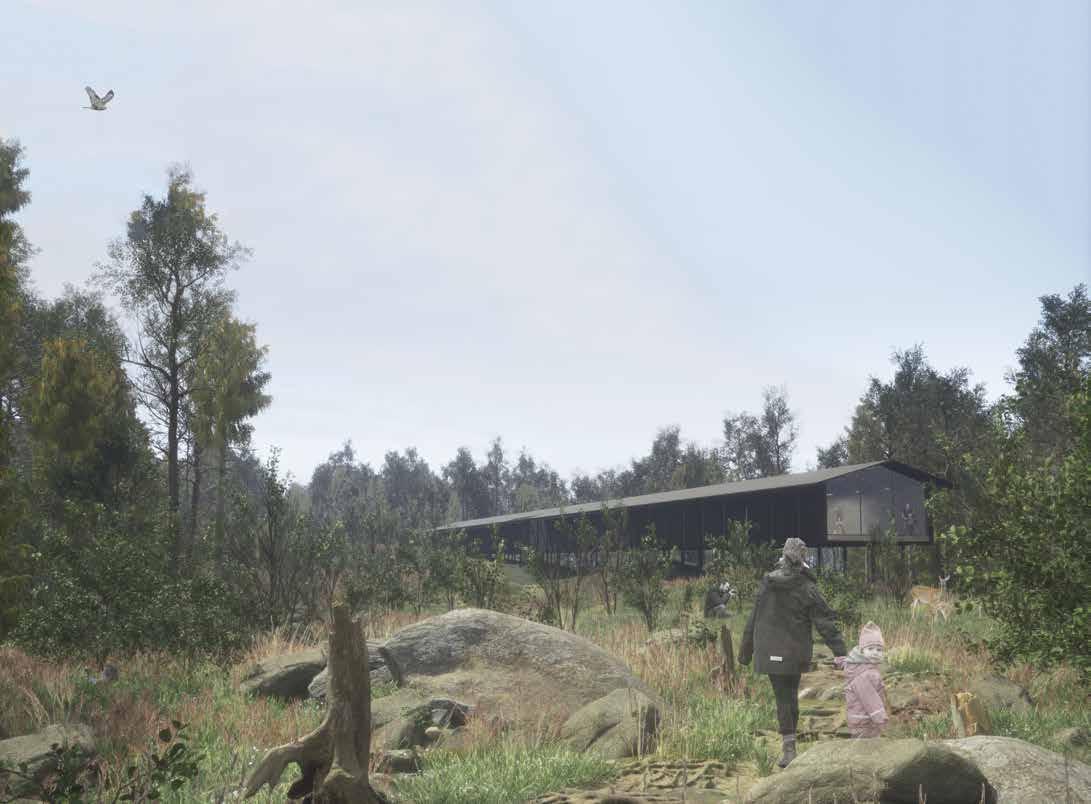
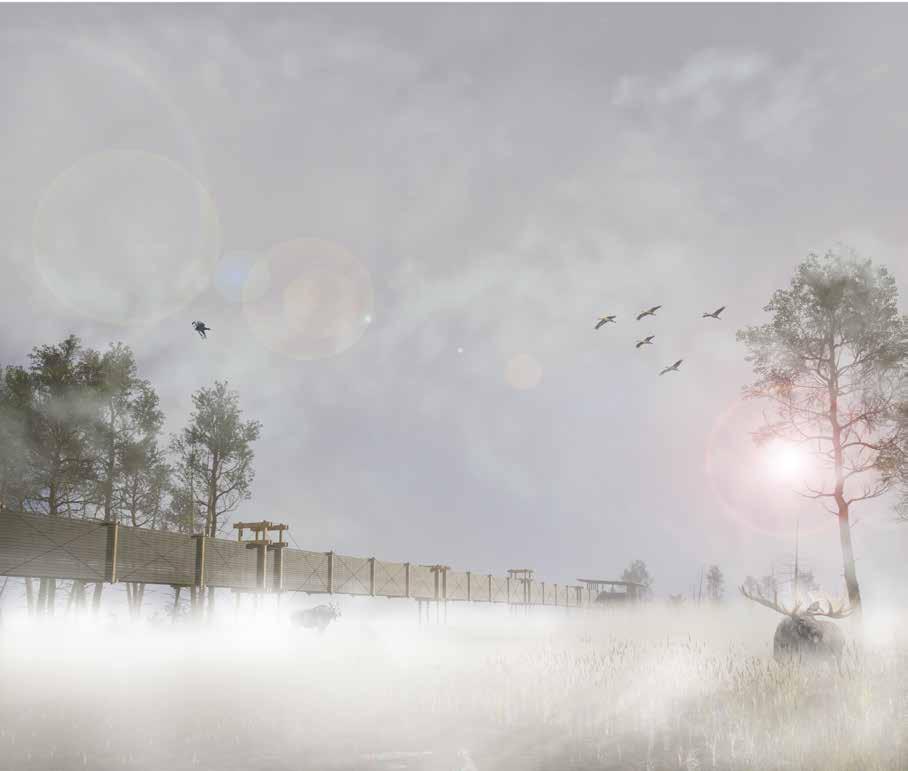
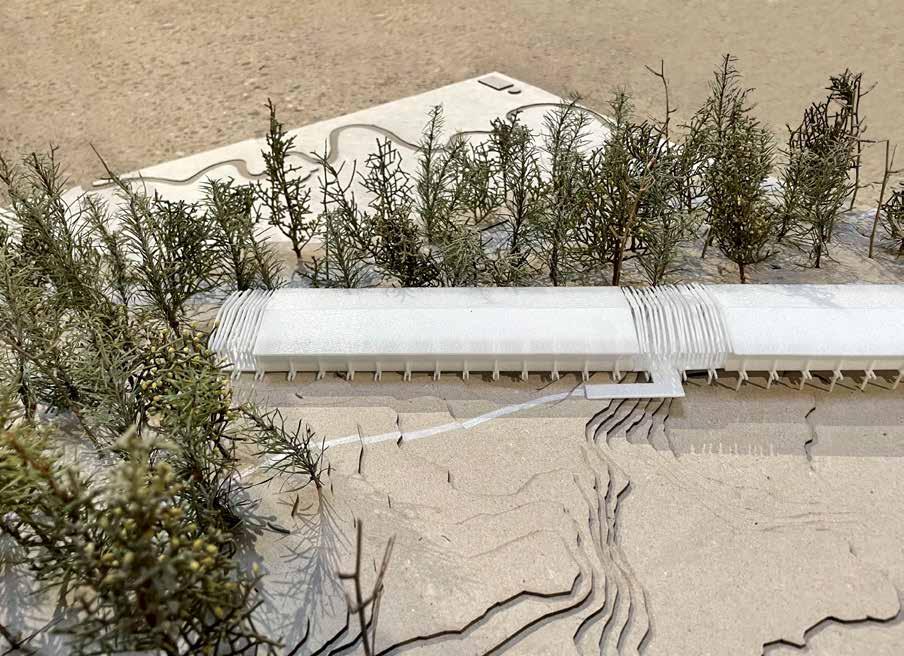
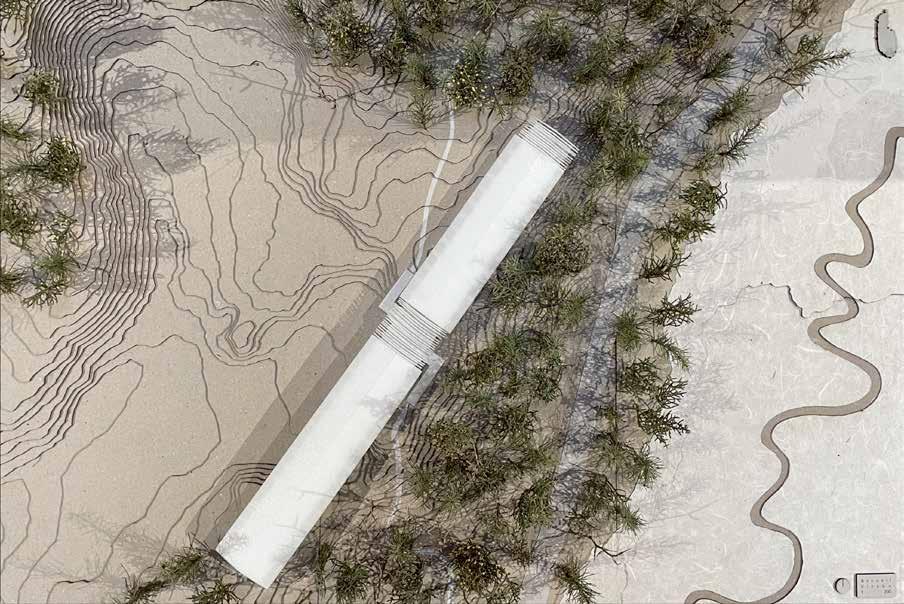
The project adheres to the aforementioned principles and aims to address the site’s challenges and needs. The richness and complexity of the Hälleskogsbrännan reserve’s ecosystem make it a unique place that offers the opportunity to showcase the wealth represented by Sweden’s natural biodiversity. It is important to me to provide this territory with the opportunity to be explained and understood with the appropriate tools by visitors who venture into its woods, plains, and peat bogs. Therefore, my intervention will strive to minimize its environmental footprint, with minimal ground alteration and a low carbon footprint for the structures. The program will also address the challenges through a visitor and information center coupled with a research center on forest resilience, group accommodations, as well as small shelters for observing the evolution of various environments and landscapes, along with an observatory for mammalian and avian fauna.
Nature support d’Architecture - Architecture support de Nature Comment révéler, accompagner et amplifier l’histoire du plus grand incendie de Suède à travers l’architecture ?
Forge d’Ängelsberg patrimoine mondiale de l’UNESCO
Ra nerie de pétrole 1875
Musée d’art de Virsbo
Nombre de visiteurs par an
Nombre de visiteurs par an
‘‘Découvrir les e ets du feu et de la renaissance de la nature’’
‘‘To discover the wildfire e ects and wilderness rebirth’’
‘‘Vivre une aventure’’
‘‘To live an adventure’’
‘‘Rencontrer sa famille et ses amis en plein air’’
‘‘To gather with family in the nature’’
‘‘Faire de randonnées et activitées en plein air’’
‘‘To hike and have activities outside’’
Other
Annual visitation & Type of public
Stora Hoberget natural reserve
Hälleskogsbrännan natural reserve
Natura 2000 Svartådalen
Virsbo-Näs natural reserve
St. Flytens natural reserve
Ulvbomuren natural reserve
Naddennäsets natural reserve
Öjesjön Ekopark
Färmansbo Forest
Ramnäs natural reserve
Natura 2000 Svartådalen
AN ACCESSIBLE NATURE GREEN AND BLUE FRAMEWORK - 1 : 25
Rock’s shelter
House of the nature
Nature Observatory
RÉPARTITION
Fire zone
Hardwood forest
Softwood forest
Fauna Observatory
Lake’s shelter
Glade - Swamps
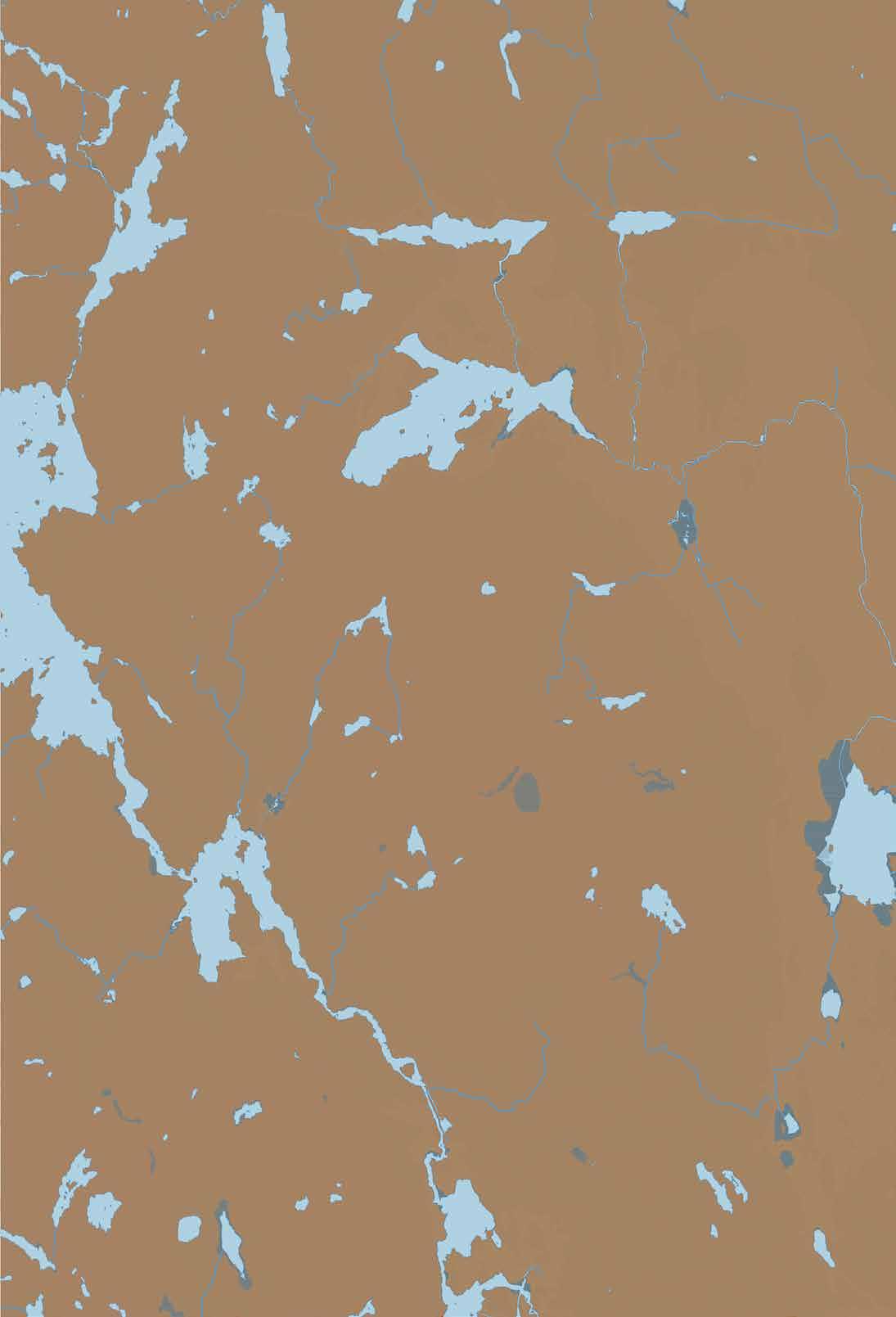
Zones inondables Lacs
Water streams Lakes
Green and blue framework Agriculture land
Accessibilties
Gravel roads
Paved roads Forestry tracks
Västerfärnebo
Virsbo Ängelsberg
Flora
Open soft marshes
White otter
Sooty white Field thistle Water clover
Bog
Pins du Mousse Petits myojets Mousses Camarine
Bruyère
Unburned
Randonneurs
Nature
Site’s entrances
Randonnée paths
Existing program Pedagogic loop
New program
Center of interest
FAUNA OBSERVATORY
Plan - scale 1 : 100 + Morning render
LAKE’S SHELTER
HORIZONTALITY
Plan - scale 1 : 100 + Render
ROCK’S SHELTER
Section - scale 1 : 200
Winter render from the south
MODELS
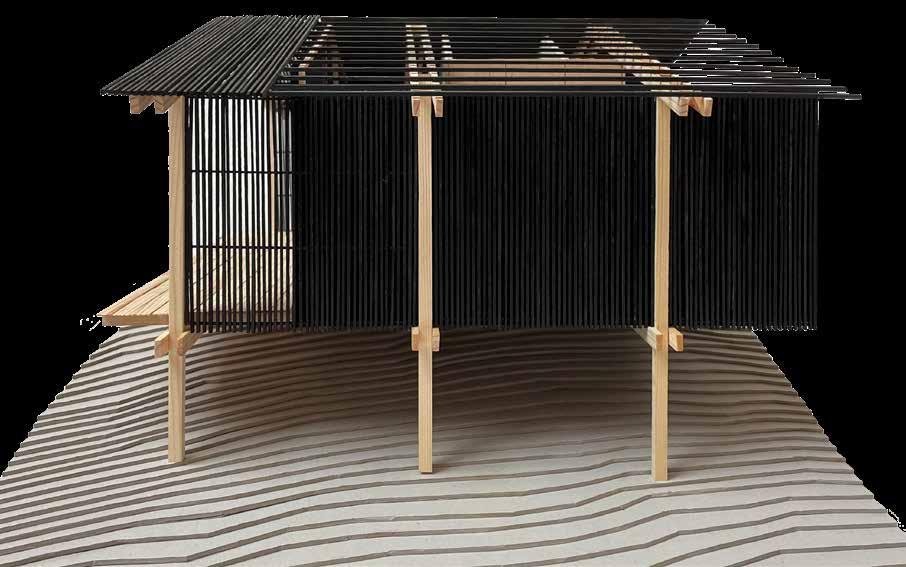
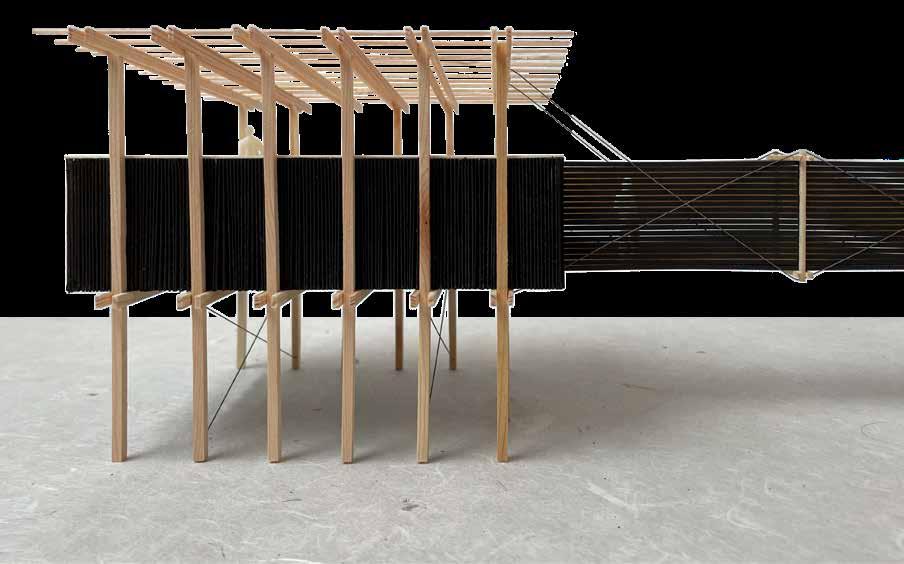
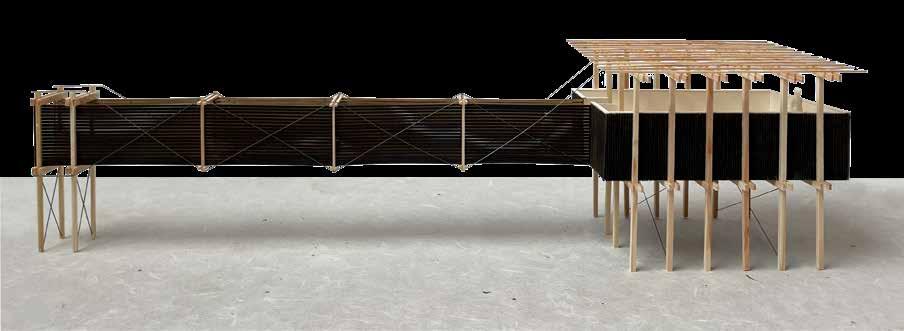
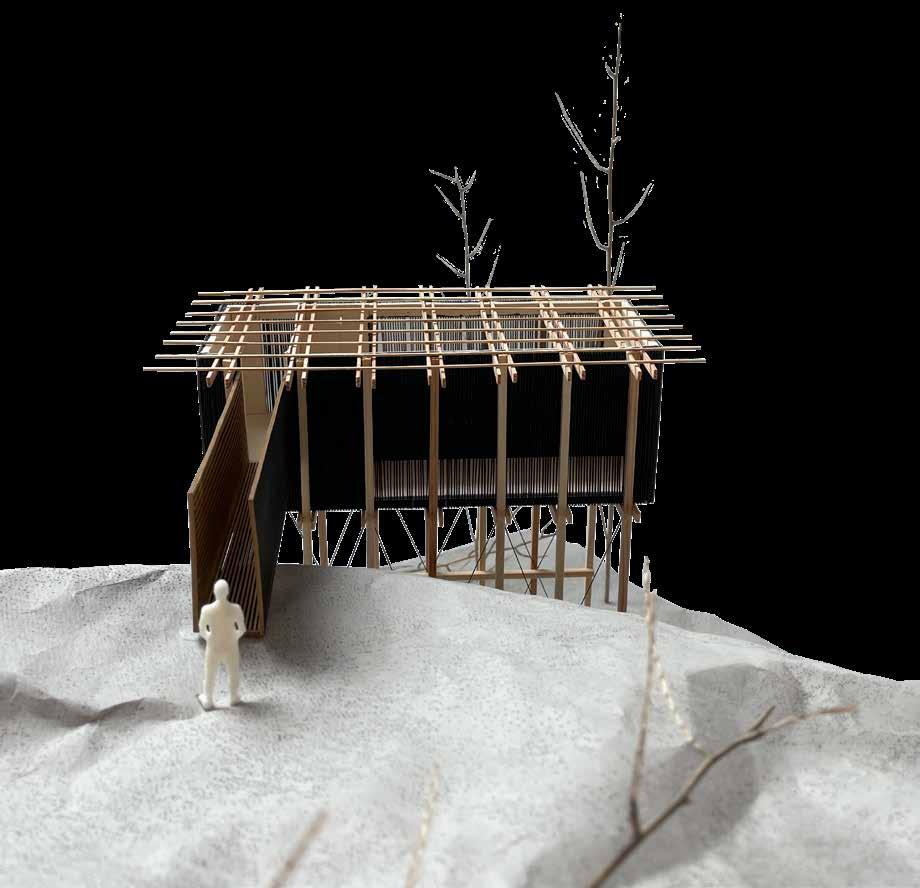
Rock’s shelter - 1 : 50
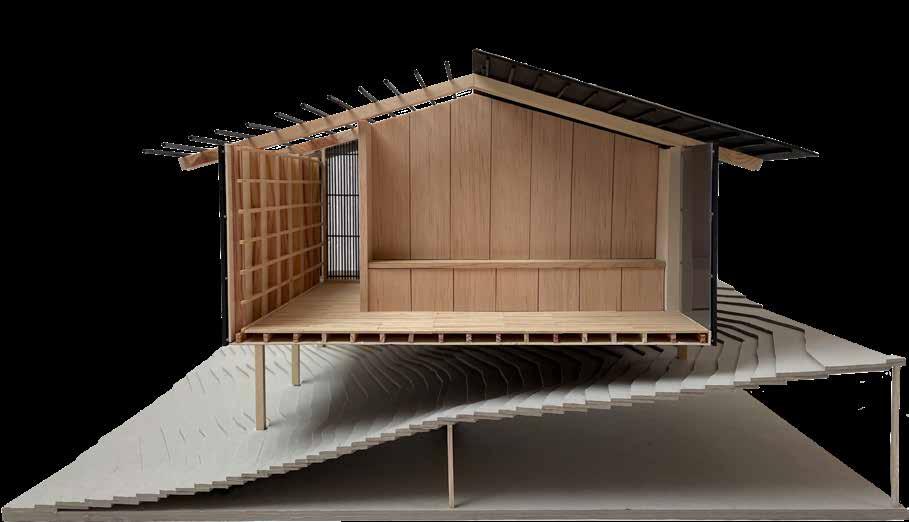
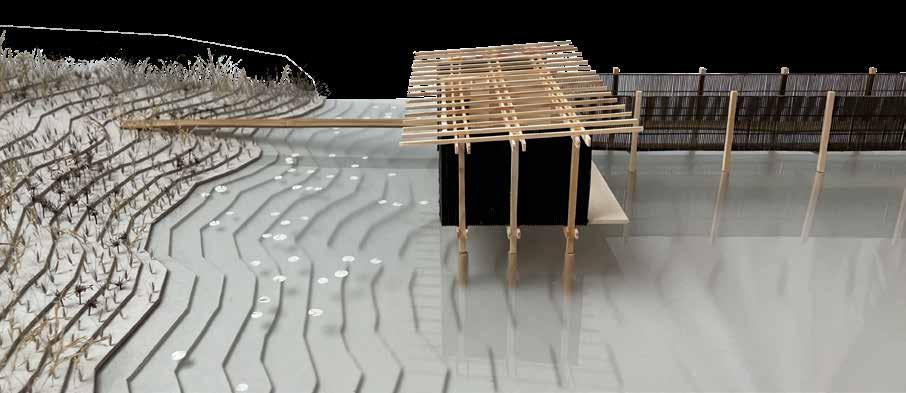
Lake’s shelter - 1 : 50
SHARING SENSES SENSE OF SHARING
2019 CNSA Competition, with David Martin
Aim :
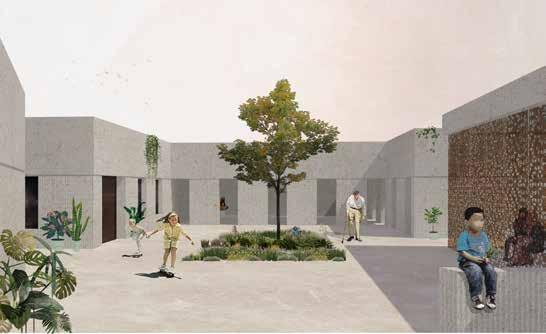
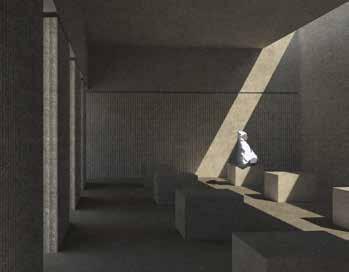
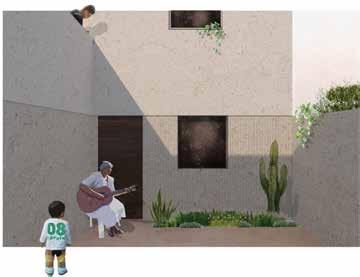
Propose an innovative collective housing for adults with disabilities. A place to live that promotes inclusion, professional and social integration, as part of a sustainable approach.
Context :
In the very heart of Neustadt in Strasbourg, between university campus and botanical garden, our proposition consists in a rehabilitation of the Botanical Institute currently relocating and in the process of being converted.
Concept :
Through urban agriculture and parallel activities, we want to set up 5 missions to learn to appreciate each other in order to live better together.
1- Deconstruct the ideals
2- Promote personal development
3- Valuing specific talents
4- Build a new, more versatile world centered on mutual aid
5- Promote health prevention
Location in Strasbourg
Botanic park
Campus
3 min video french caption
Theoretical concepts
Formal concepts
Integration in the neightborhood life of Neustadt
Transverse section - AA -
Void on level+2
VERTICAL
LINK OF KNOWLEDGE
5th year, group of 2, INSA Strasbourg
Aim :
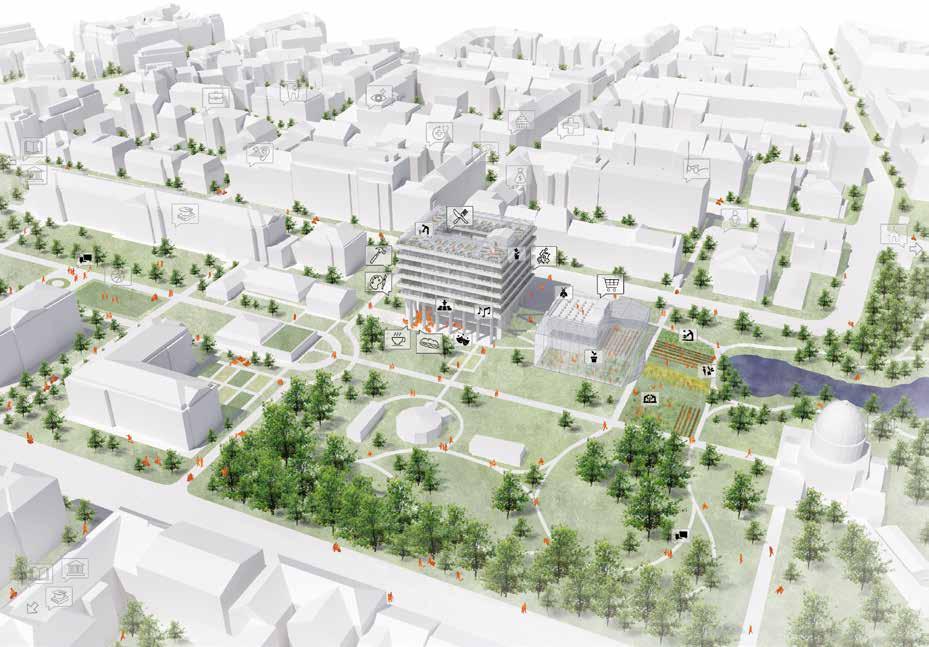
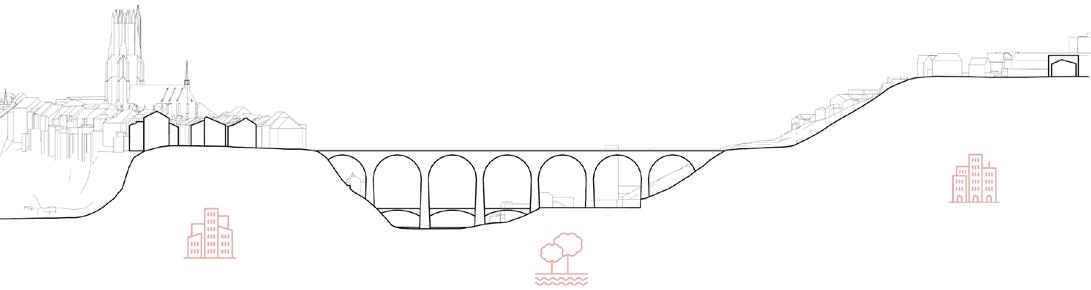
On the theme of complexity and simplicity, develop a project to reconnect the center of Fribourg and the Schoenberg neighborhood through an intervention at the vicinity of the Zähringen Bridge.
Concept:
Create a multicultural and multiactivity gathering space to increase passion sharing and create new friendships.
Section of the city through the Zähringen bridge
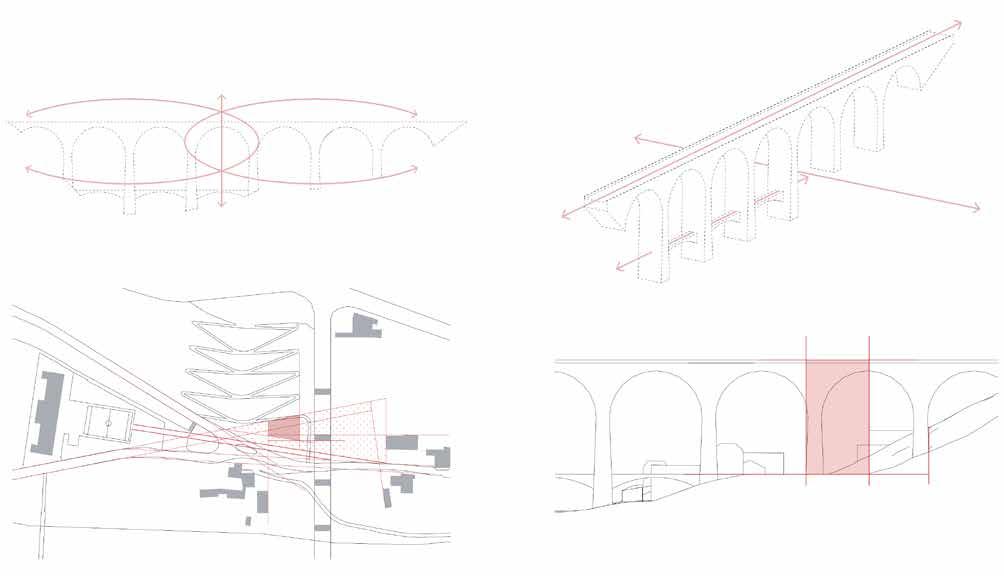
Geometric construction
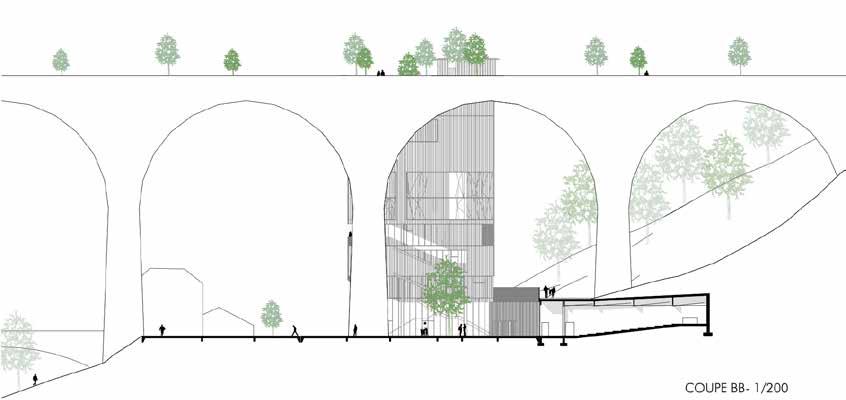
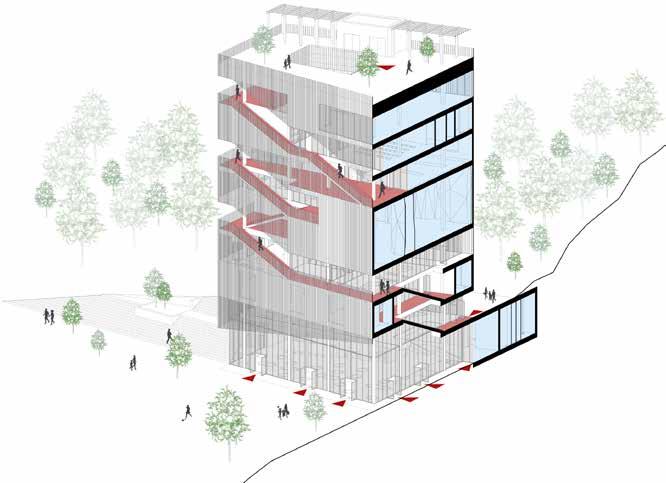
Sectional elevation
Axonometric section
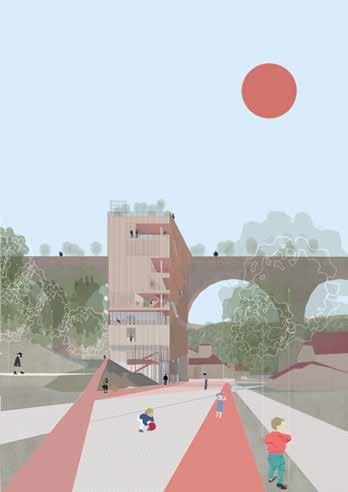
Atmospheric perspective
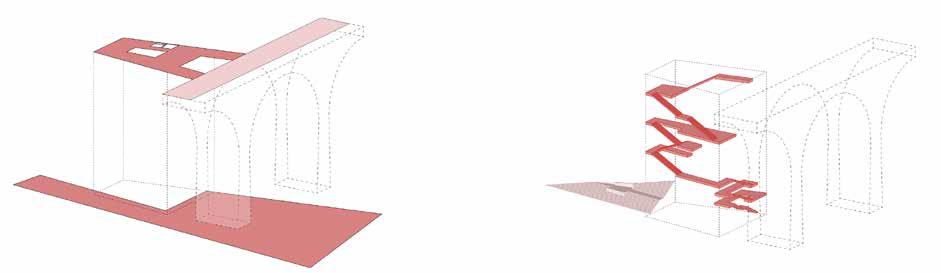
Mix structure
COUPE BB- 1/200
R+6 atelier machinerie lourde
R+7 salles polyvalentes de représentation ...
R+8 exposition TOIT belvédère
+8 Exhibition
R+4 salle de block
R+3 atelier d’art plastique
R+5 fablab
R+4 salle de block
R+6 atelier machinerie lourde R+7 salles polyvalentes de représentation ...
R+3 atelier d’art plastique
+6 Heavy machinery workshop
exposition TOIT belvédère
R+4 salle de block
R+6 atelier machinerie lourde
R+2 salles de musique
R+4 salle de block
+7 Multifunctional rooms
R+8 exposition
R+5 fablab
TOIT belvédère
R+7 salles polyvalentes de représentation ...
+5 Fablab
R+3 atelier d’art plastique
+4 Bouldering gym Roof Lookout
R+3 atelier d’art plastique
R+5 fablab
R+6 atelier machinerie lourde R+7 salles polyvalentes de représentation ...
R+6 atelier machinerie lourde
R+4 salle de block
R+7 salles polyvalentes de représentation ... R+8 exposition
R+2 salles de musique
+2 Music rooms
R+4 salle de block R+5 fablab R+6 atelier machinerie lourde
R+7 salles polyvalentes de représentation ... R+1 bilbiobar ludothèque
R+3 atelier d’art plastique
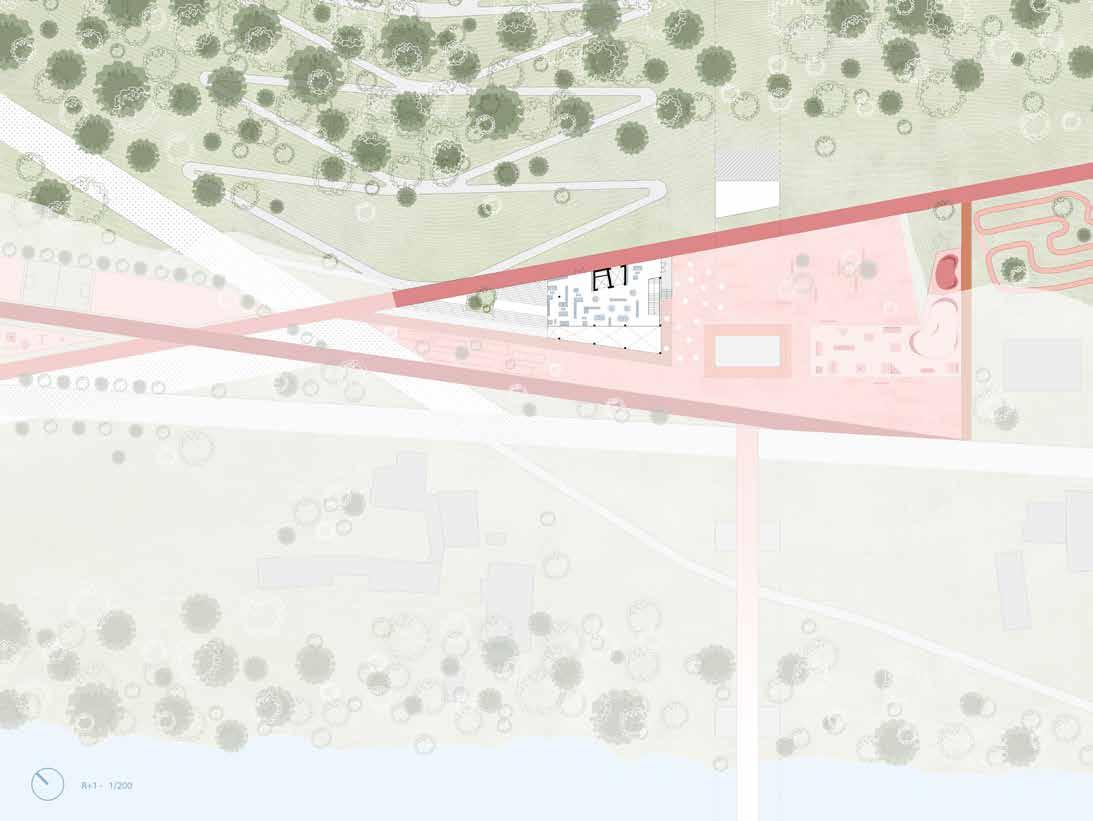
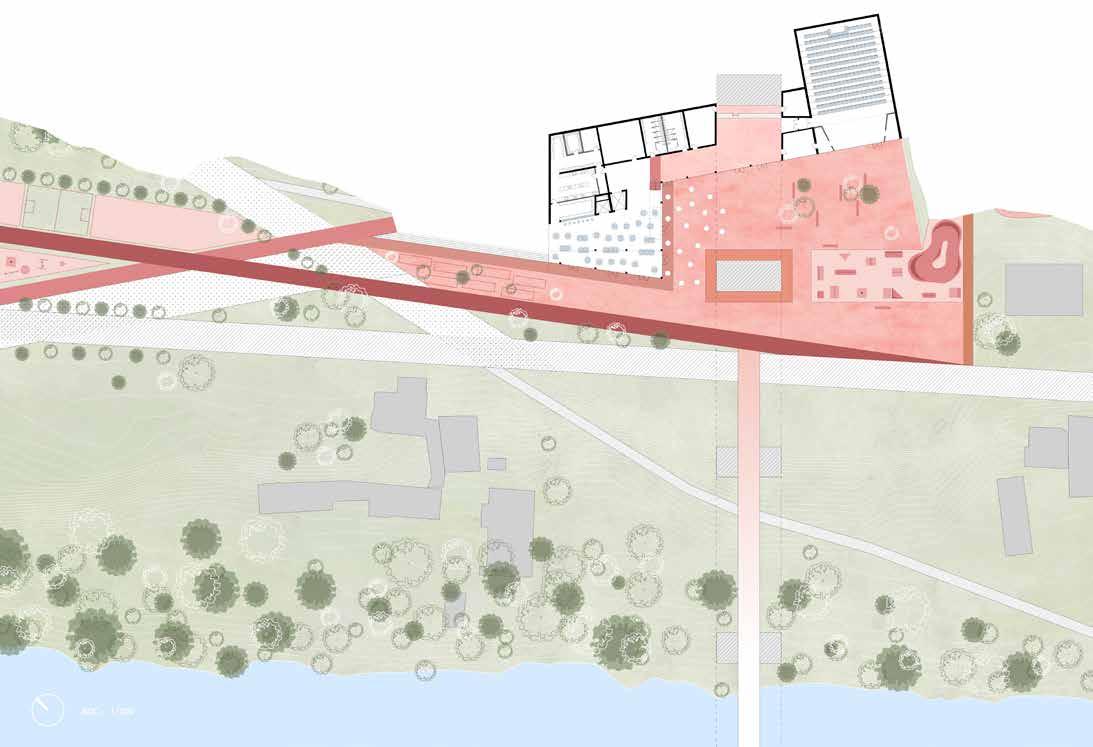
+3 Art workshop Plans - scale 1 : 500
Publication
https://onlinelibrary. wiley.com/ doi/10.1002/9781119779339. ch7 Lazaros Mavromatidis, Climatic Heterotopias as Spaces of Inclusion: Sew Up the Urban Fabric Wiley, 16 October 2020, ISBN:9781786306777
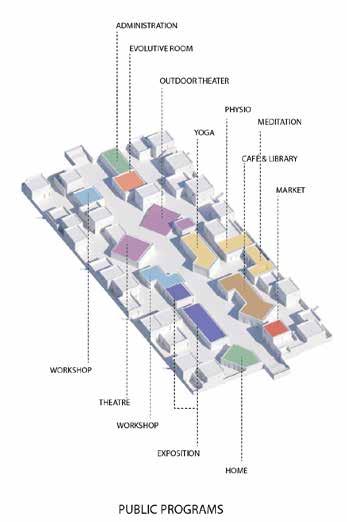
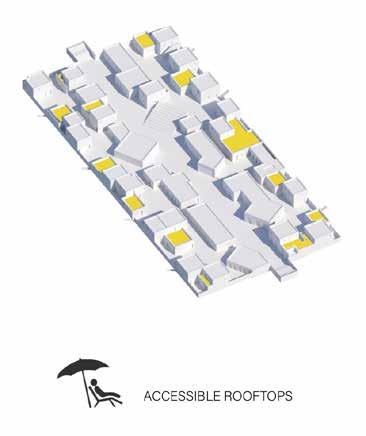
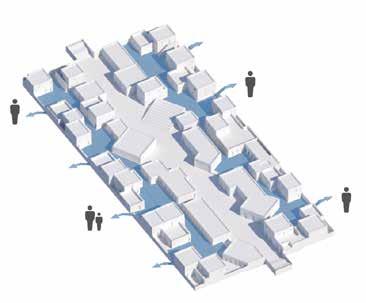
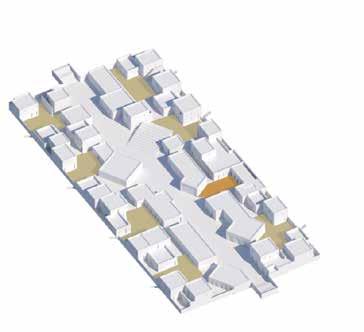
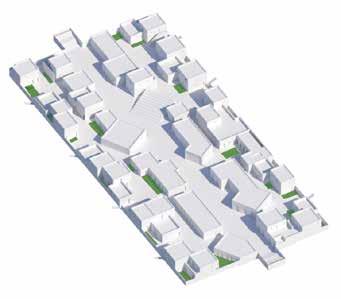
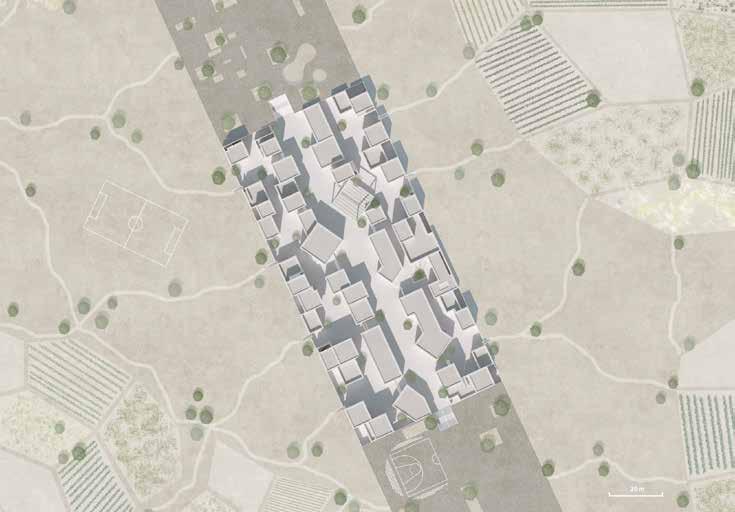
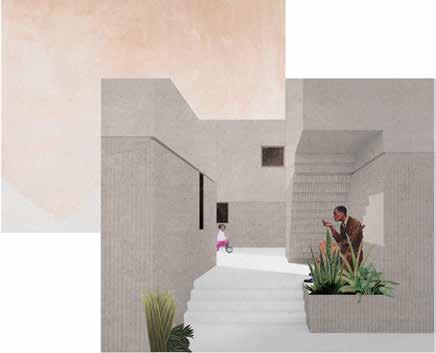
After a comprehensive analysis of international and local issues related to climate and the increasing migration of refugees, develop a project for the design of space and place that integrates political, environmental, and sociocultural dimensions. The project proposes the creation of a place that offers protection and care to those in need. The outer boundaries define flows that are coherent with the urban environment, linking density and topography. The goal is to marginalize localist or nationalist claims by challenging the exclusive characteristics of belonging to a place. In this perspective, the Climatic Heterotopia must be viable and sustainable, even in the absence of or with few new populations.
Context :
In the heart of the Greek capital lies the abandoned former international airport of Athens. Following the 2004 Olympic Games, the aim is to breathe new life into this neglected site, with the terminal designed by Eero Saarinen.
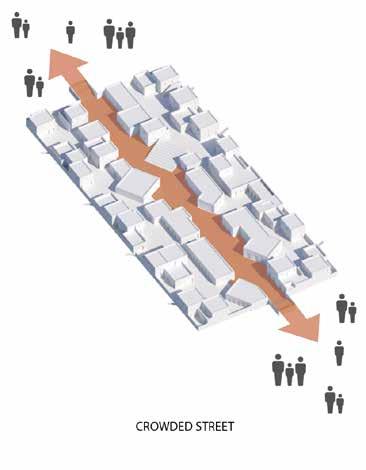
Lively axis
Mass plan
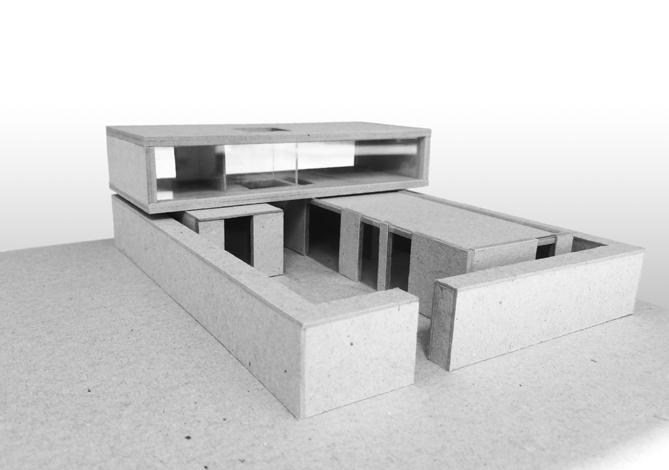
BETWEEN 4 WALLS
1sr1st year, INSA de Strasbourg
Programme :
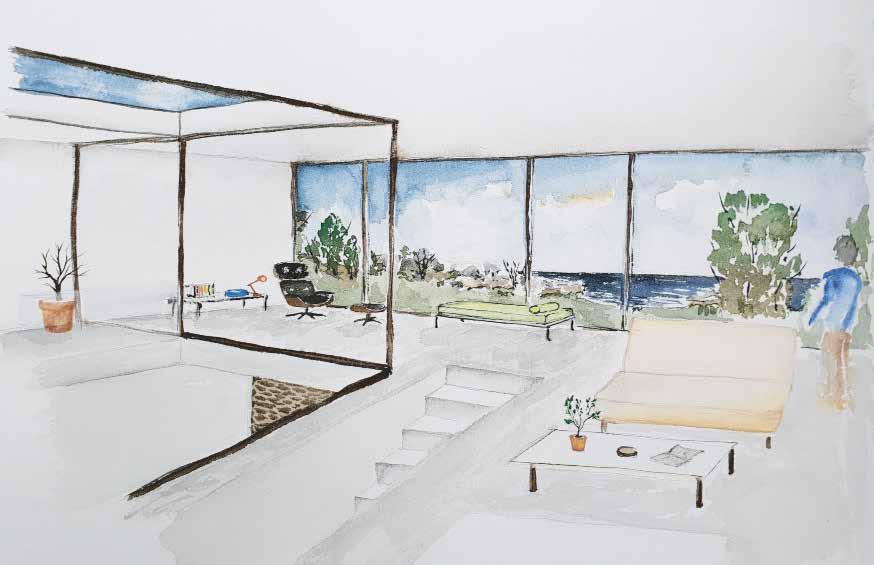
Family house and independant studio.
Context :
Located in Brittany 500m away from the coast, the site consists of a 4 x 18 m plot surrounded by a dry-stone wall of 2.80 m high.
Stakes :
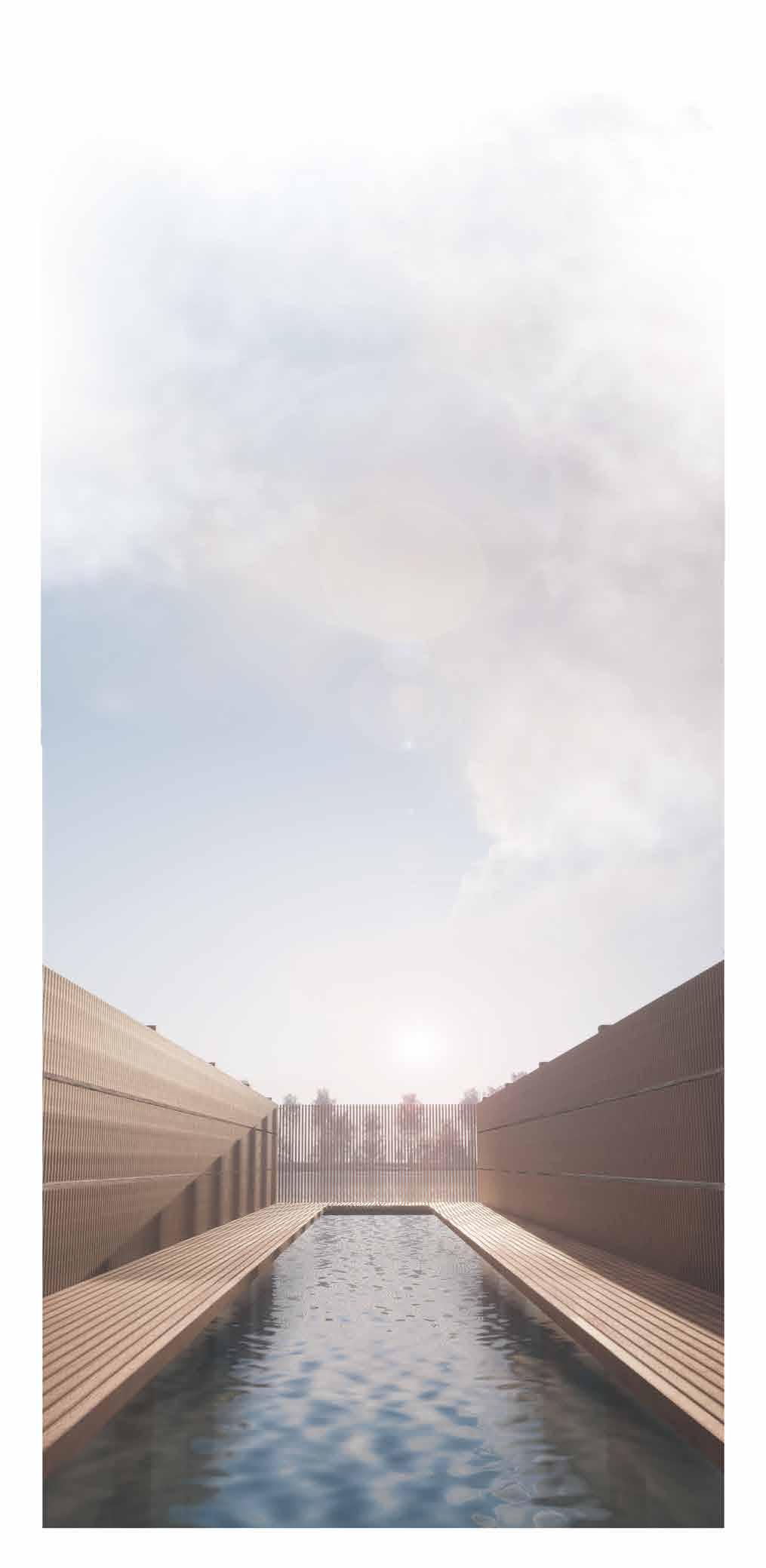
While enjoying the view and the proximity of the sea, appropriate the enclosed space without touching the ancient wall, a witness of the past and craftsmanship.