







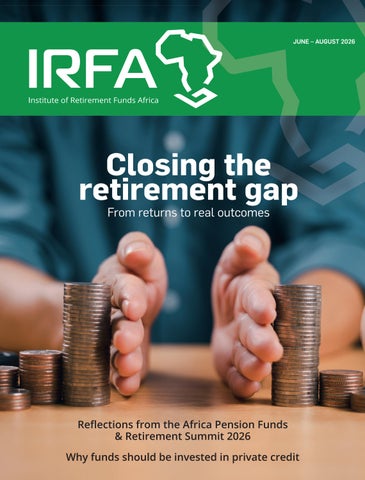

From returns to real outcomes



Reflections from the Africa Pension Funds & Retirement Summit 2026 Why funds should be invested in private credit









08
For more than a decade, the retirement and investment industry has been grappling with a harsh reality: only 6% of South Africans are able to retire comfortably. This is despite investment experts guiding clients on how to make sound investment management decisions.
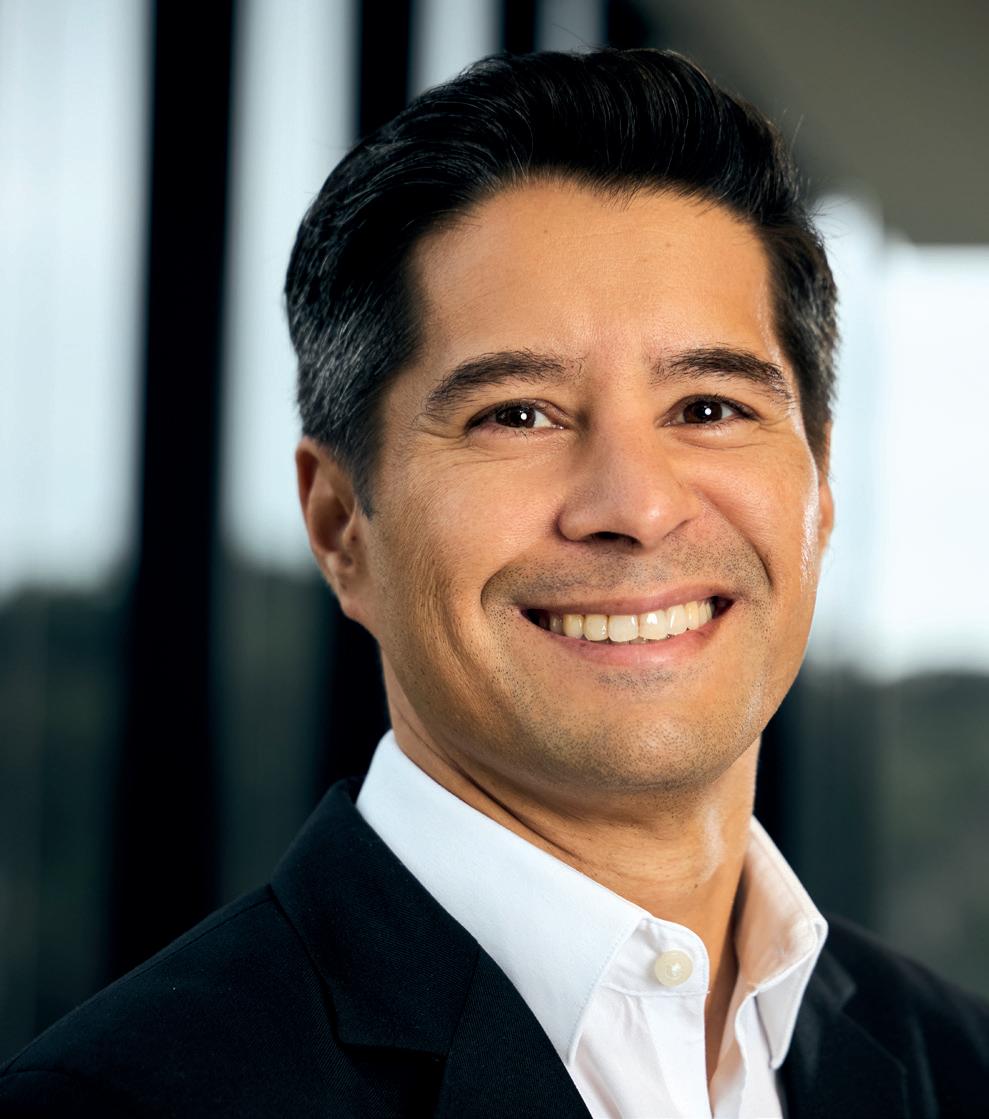
“Built on Shari’ah principles that emphasise ethical conduct, asset-backing, and financial prudence, Islamic equity strategies embed discipline at the structural level. But beyond their ethical alignment, they also play a powerful diversification role – particularly when considered alongside global sukuk allocations.”
With investors allocating a fraction of their portfolios to private credit, trustees are on the sidelines of a R1 trillion funding opportunity.

The recent wave of mergers and acquisitions across the sector is not merely a cycle of opportunistic deal-making; it’s a response to a shrinking financial market.


The problem often starts with a simple assumption: if the portfolio is performing reasonably well, the income plan must be working. But that can be misleading.






IRFA Talk is published on behalf of the Institute of Retirement Funds Africa by Mikateko Media. 7 Norton Way, Rondebosch, Cape Town, 7700 www.mikatekomedia.co.za
Brandon Johnson (Commercial Manager) +27(83) 406 3700 brandon.johnson@mikatekomedia.co.za

Disclaimer: The views expressed in this publication do not necessarily reflect those of the Board and Management of Mikateko Media (Pty) Ltd and the Institute of Retirement Funds Africa, nor do we take responsibility for third party advertising and pricing supplied. While precautions have been taken to ensure the accuracy of information, neither the editor, publisher nor Mikateko Media can be held liable for any inaccuracies, injury or damages that may arise. All correspondence regarding the publication should be directed to Mikateko Media.



During recent months, I have had the privilege of participating in numerous discussions with pension leaders, policymakers, trustees, regulators and investment professionals from across Africa. These conversations have covered many of the challenges facing our continent, from governance and pension coverage to infrastructure investment, technology, economic resilience, and financial inclusion.
Yet amidst these discussions, one message has consistently stood out. Africa possesses far more than potential. Africa possesses capability.
Too often, conversations about our future begin with what Africa lacks. We speak about funding gaps, infrastructure needs, institutional weaknesses, or economic constraints. While these challenges are real, they should not define our narrative.
What continues to inspire me is the depth of expertise, innovation and leadership that exists across our continent. Every day, African professionals are developing solutions, strengthening institutions, and finding practical ways to address complex challenges in environments that demand resilience, creativity, and adaptability.
The knowledge exists, the talent exists, and the leadership exists. Our greatest opportunity lies in connecting these strengths more effectively.
No single country has all the answers. Yet across Africa, there are countless examples of successful approaches to governance, financial inclusion, investment, regulation, and institutional development. The opportunity before us is to learn from one another, share knowledge more openly, and collaborate more deliberately.
The future of Africa will increasingly depend on African solutions to African challenges. This does not mean turning away from global experience. Rather, it means recognising that many of our circumstances are unique and that the most sustainable solutions are often those designed with African realities in mind.
This spirit of collaboration extends beyond the pension and investment industry. Strong institutions contribute to stronger economies. Strong economies create opportunities for people. And when we work together across borders, sectors, and disciplines, we create the conditions for meaningful and lasting progress.

―The future of Africa will increasingly depend on African solutions to African challenges. This means that the most sustainable solutions are often those designed with African realities in mind.―
As I reflect, I am reminded that Africa’s greatest resource is not found beneath the ground, but within its people. The wisdom, experience, and intellectual capital that exists across this continent represent an extraordinary foundation upon which to build a more prosperous and resilient future.
If we continue to share ideas, challenge one another constructively and collaborate in pursuit of common goals, there is every reason to believe that Africa can create solutions that benefit not only individual countries, but the continent as a whole.
The future we seek will not be built by any one institution or nation alone. It will be built through collective effort, shared learning and a belief in the immense potential that already exists within Africa.
Geraldine
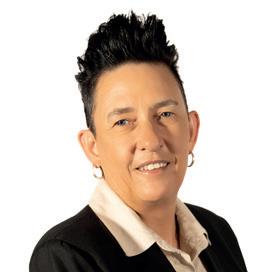
Geraldine Fowler President of the Institute of Retirement Funds Africa (IRFA)


Woolworths CEO Roy Bagattini has rejected claims by Beyers Chocolates founder Kees Beyers that the retailer’s decision to end a 34-year supply relationship led directly to the company’s liquidation and job losses. According to Bagattini, Woolworths terminated the agreement more than a year ago after discovering that Beyers Chocolates had begun supplying competing retailers with products that leveraged Woolworths-funded intellectual property. Bagattini said exclusivity agreements are central to Woolworths’ operating model and underpin long-term investment in product development with suppliers. He maintained that Woolworths had engaged extensively with Beyers over two years in an effort to resolve the dispute and that the decision to end the partnership was not taken lightly.
Responding to allegations of unethical conduct and poor communication, Bagattini said Woolworths’ actions were consistent with its values and commercial obligations, and that subsequent difficulties faced by Beyers Chocolates were not the retailer’s responsibility.



South Africa’s table grape industry closed the 2025/26 export season with higher volumes despite continued strain on ports and logistics networks. The South African Table Grape Industry (Sati) reported exports of 78.3 million 4.5 kg cartons, slightly higher year on year, while inspected volumes rose 3% to 81.25 million cartons.
Sati said the season demonstrated resilience under difficult conditions, as growers faced weather disruptions, rising costs, and persistent logistics delays. Constraints at the Port of Cape Town were a key challenge, with its share of exports dropping sharply, with volumes redirected through Eastern Cape ports, increasing costs for exporters.
While national plantings declined marginally, improved yields from newer cultivars supported a record harvest. From a market perspective, Europe and the UK still accounted for more than 80% of exports, but diversification is underway. First shipments to the Philippines were completed, and access to South Korea is planned from 2027. The industry said future performance depends on logistics reform and continued expansion into new markets.


in consumer tastes. Since taking the helm in 2011, CEO Antonio








450%
Europe’s co-located renewable power and battery capacity is expected to surge more than 450% by 2030, with Germany being the most attractive country to build projects, a report by Aurora Energy Research showed.





heavily in retail, e-commerce, and production capacity, targeting $1 billion in revenue by 2029 and expanding its Pennsylvania

Lavazza is accelerating its expansion in the US and China as it seeks to keep pace with global coffee giants amid rapid shifts in consumer tastes. Since taking the helm in 2011, CEO Antonio Baravalle has overseen a transformation that reduced the Italian roaster’s reliance on its home market and repositioned it as a more global player. Currently, more than 75% of Lavazza revenue is generated outside Italy, with North America and China central to its growth plans. In the US, the group is investin heavily in retail, e-commerce, and production capacity, targeting $1 billion in revenue by 2029 and expanding its Pennsylvania plant, which already supplies half of its US coffee sales. China represents a different challenge.

Through a joint venture with Yum China, Lavazza is rapidly rolling out café concepts, introducing new products every two weeks to meet fast-moving trends. The aim is to build brand equity through physical stores in a highly competitive, trend-driven market. Despite pressures from volatile coffee prices and tariffs, Baravalle says scale, innovation and targeted investment are key to ensuring Lavazza remains ‘off the menu’ amid accelerating industry consolidation.

67
6.1%
Listed telecommunications service provider Safaricom stock performed strongly, rallying more than 6.1%, as CEO Peter Ndegwa said the company remains optimistic about the future.




Zimbabwe will return 67 farms seized from foreign owners from Denmark, Switzerland, Germany, and the Netherlands, which are protected under bilateral investment treaties, as it seeks to repair relations with Western countries and unlock debt relief. The move follows the seizure of more than 4,000 farms from 2000 onwards that damaged agriculture and the economy. Zimbabwe’s foreign debt stood at $13.6 billion in September 2025, including $7.7 billion in arrears.


6.7 MILLION






Heathrow Airport said its passenger numbers fell 5% to 6.7 million in April as the US-Iran war disrupted travel plans, with traffic from the Middle East plunging more than 50%. Britain’s biggest airport by passenger traffic said transfer passenger numbers rose 10% as travellers rerouted through London.







Over three days in Mauritius, leaders, experts, and practitioners from across Africa engaged in a deep and honest examination of the future of retirement systems on the continent, under the theme of Revisiting Governance and Pension Fund Management in Africa.

What emerged was a powerful, unifying message: pension funds are no longer passive custodians of savings – they are strategic institutions shaping economic stability, social protection and long-term national development.
The conference opened with a call to revisit governance and pension fund management in Africa. Delegates were reminded that governance is ultimately about trust – trust between institutions and members, between generations, and between citizens and the systems designed to safeguard their future. Strong governance, ethical leadership and institutional accountability were repeatedly affirmed as the bedrock of sustainable pension systems.
Speakers emphasised that pension systems cannot remain static while economies, labour markets and demographics evolve. Adaptability, innovation and institutional resilience will define the next era of pension reform. The Dutch pension system overhaul offered valuable international lessons –
particularly around balancing risk, transparency, and longterm sustainability. While African contexts differ, the insights on communication, reform management and member confidence resonated strongly.
A major theme throughout the conference was the role of pension capital in financing Africa’s development. Delegates explored how domestic pension funds can support infrastructure, deepen regional trade and stimulate economic growth – all while maintaining fiduciary discipline.
The message was clear: pension capital can be both developmental and responsible, provided governance is strong and investment structures are sound.
The leadership panel on political, policy, and market shocks underscored that volatility is now a permanent feature of the global environment. Pension funds must respond with diversification, resilience and robust governance frameworks capable of withstanding uncertainty.
The discussions on South Africa’s Two-Pot Retirement System highlighted both the promise and the challenges of reform. Delegates debated how to balance member accessibility with long-term preservation – a tension that will continue to shape policy decisions in the years ahead.
Trusteeship and governance remained central throughout the programme. Effective trusteeship requires more than meeting regulatory requirements. It demands competence, integrity, investment literacy, and an unwavering commitment to acting in members’ best interests.
Sessions on funding shortfalls and pension gaps highlighted the structural pressures facing many African systems. Yet the tone was not pessimistic – alongside the challenges came practical ideas for reform, innovation and improved sustainability.
One of the most urgent conversations focused on the millions of African workers excluded from formal retirement systems. Extending coverage to the informal sector will require flexibility, digital innovation and solutions tailored to African realities. This remains one of the continent’s most significant opportunities for impact.
Infrastructure discussions moved beyond conceptual frameworks into real-world implementation. Delegates examined how pension funds can participate meaningfully in national development when supported by credible projects, strong governance and appropriate investment vehicles.
The ESG sessions reinforced that sustainability considerations are no longer optional. Environmental, social and governance principles are becoming integral to long-term investment decision-making. Delegates explored practical ways to embed ESG within African pension systems without compromising returns.
Speakers highlighted the growing importance of diversification, alternative assets and co-investment models
in achieving long-term returns. Innovation in investment strategy will be essential for future resilience.
On the final day, the focus shifted decisively to technology. The message was unequivocal: digital transformation is no longer optional. Technology will shape the future of pension administration, investment management and member engagement. But with digital capability comes heightened responsibility – cybersecurity and operational resilience must advance in parallel.
Discussions on pension reform and auto-enrolment systems demonstrated that meaningful change is possible when vision, leadership and execution align. Operational excellence emerged as a defining requirement across governance, administration, investments and technology.
Delegates were reminded that retirement security is broader than pension savings alone. Health, longevity, and financial wellbeing must all be part of a holistic approach to retirement dignity.
As the conference concluded, several truths stood out:
n Africa possesses growing pension capital.
n Africa possesses growing expertise.
n Africa possesses a real opportunity to shape pension systems that reflect African realities, priorities and ambitions.
But realising this future will require leadership, collaboration and trust.
The conversations held in Mauritius must now translate into action – within institutions, across industries and throughout countries. The continent stands at a pivotal moment, and the decisions made today will shape the retirement security of generations to come.
Geraldine Fowler President of IRFA
For most South Africans, the vision of a good retirement is unattainable. But is it really? For more than a decade, the retirement and investment industry has been grappling with a harsh reality: only 6% of South Africans are able to retire comfortably. This is despite investment experts guiding clients on how to make sound investment management decisions.
The industry looks healthy. The 2023 FSCA Retirement Funds Statistical Report showed that pension funds in South Africa grew their asset base from R5.56 trillion in 2022 to R5.84 trillion in 2023. Among the reasons for this growth were the expansion of total fund membership from 17.3 million in 2022 to 18.6 million in 2023, and positive investment returns. Although strong fund participation and asset growth are the right way to go, do they improve the outcomes for pension fund members?
In my younger years, I cannot count the number of times that I sat in investment conferences and attended webinars in which the success of a pension fund and (even worse) the fund manager was defined in terms of asset growth and investment performance. Is this how we should be gauging the success of a retirement fund? Are investment returns and asset growth the bottom line that we should be focusing on? While outcomes-based investing is a common strategy used in the retirement and investment industry to steer decision-making and objective-setting, the fact that only 6% of South Africans can retire in comfort suggests that a great deal of investment activity is missing the mark – by a wide margin. This begs the question: are pension fund members’ investment decisions designed to deliver the outcomes that the investment professionals talk about? What, ultimately, makes a pension fund successful, and how does one measure that success?
Before I try to answer these questions, let me provide some context. The South African retirement industry has a long history, with its formal ‘modern’ structure coming into being with the passing of the Pension Funds Act of 1956. As a regulated industry, therefore, it is roughly 70 years old. It
is very sad and indeed unacceptable that, after 70 years of offering all sorts of investment advice and solutions, so few people – from all walks of life – can retire confidently and maintain a comfortable lifestyle.
Let us look at this from an industry perspective. Imagine that you are reading this article as a trustee of a mid-sized pension fund with approximately 1000 members. You have attended innumerable quarterly meetings to discuss operational and investment fund matters, you have regularly reviewed and readjusted the fund’s asset allocation or strategy, and you have appointed and/or replaced various service providers that support you and your fund. And despite all this activity, only 60 of your 1000 members are likely to retire in the way that they had hoped, with dignity.
Something is missing from the equation – perhaps the point of it all? The portfolio may be outperforming benchmarks and assets may be growing. But the real question to ask is: Are members able to sustain themselves and their families with a decent level of income during retirement? We need to start asking the experts in the room. After all, as Albert Einstein said, “Insanity is doing the same thing over and over again and expecting different results.”
You cannot construct an investment solution at the total fund level unless it is understood at the member level. The retirement problem rests with the member, who is the beneficiary, along with their dependents. Therefore, investment objectives must revolve around the income that the member needs in order to sustain their working-life standard of living into retirement. This is the very essence of outcomes-based investing.
Let me share a true story of how we construct investment solutions at Mentenova and how we measure success for our clients.
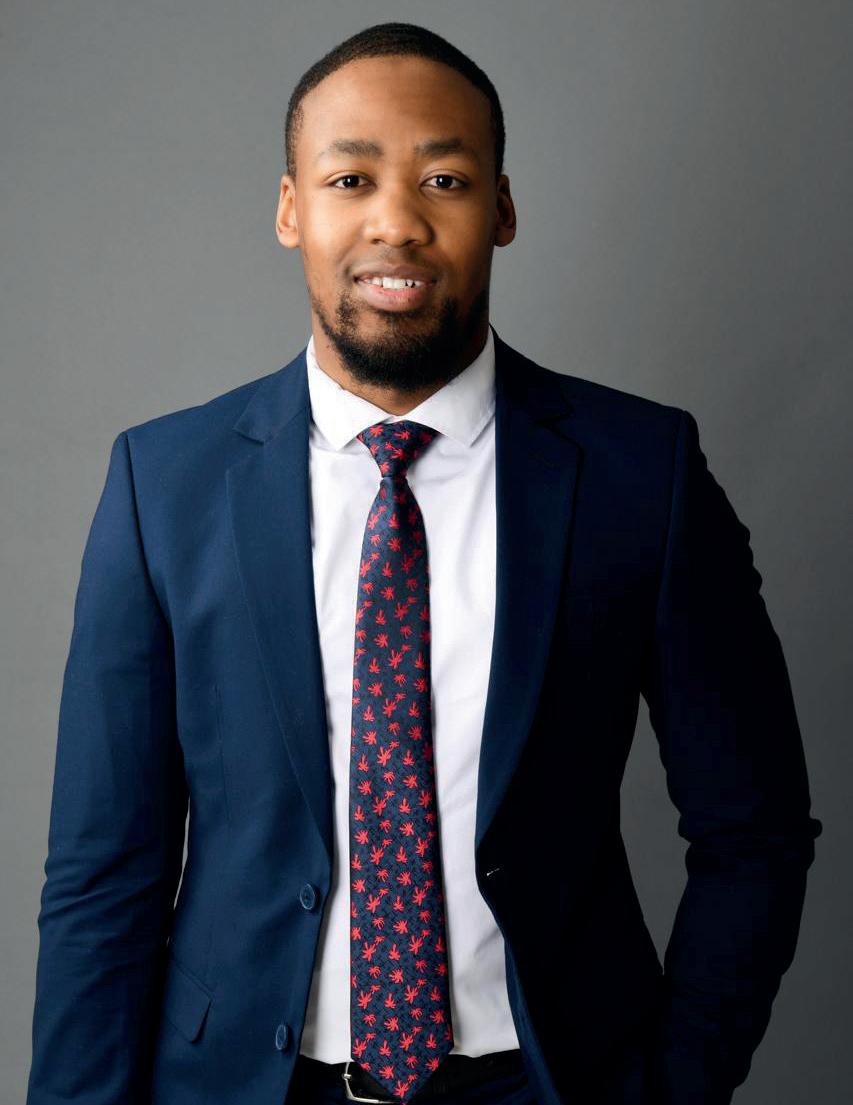
Member A – whom I shall anonymously call Mr Khumalo – is a vehicle operator at a steel factory shop. He lives with his wife and grandchild. His mother, 77, is also under his financial care. Mr Khumalo does not have any other retirement savings outside the retirement fund offered by his employer. Sound familiar? This is the reality faced by large numbers of households in South Africa.

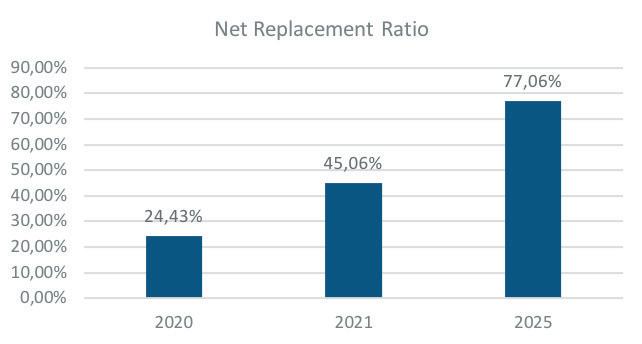
Mentenova first engaged with Mr Khumalo in 2020, in a member group session. Using our proprietary memberfocused liability system, we projected his individual replacement income at retirement to be 24.43% of his final salary. This means that if Mr Khumalo earns R10 000 per month as his final salary the day before he retires, he would earn only R2 443 from his retirement annuity. This means that Mr Khumalo must reduce his liabilities and expenses on the day he retires by approximately 76% to adjust his lifestyle to this new level of income.
As investment consultants, we must ask ourselves: how does a breadwinner, whose wife, granddaughter and mother depend on him, reduce the household standard of living by 76%? How does he explain this to his wife and mother? We can only imagine the psychological blow that this would have.
Retirement industry experts have done well in publishing average replacement ratios. But what these numbers mean for individual households, given their particular circumstances, are rarely unpacked. In Mr Khumalo’s case, it means that, upon retirement, he will be facing an extremely worrying outcome – his financial wherewithal will suddenly shrink to just under a quarter of what it used to be when he was working.
Knowing and publishing likely outcomes does not improve outcomes, which is why we do not stop there with our clients – even though retirement is, strictly speaking, a household matter. As Henry Ford famously said, “Don’t find fault, find a remedy.”
We gave Mr Khumalo three simple evidence-based tools within the retirement fund structure to consider, to help him avert the outcome that he was facing: (1) invest in a portfolio with a higher income target, (2) increase his contribution, and/or (3) defer his retirement to the age of 65 from 60. The latter related to a proposed change to the fund rules, which – in the view of the Management Committee – was likely to improve the average fund outcome.
Many employers claim that their employees cannot afford to increase their contributions, yet the same employees can afford an extra R100 for sports betting every weekend! For us at Mentenova, the true measure of success is how we improve the retirement outcomes for South African households. Our market analyses, investment advice and solutions, and fund management are all aligned to this mission.
Following a comprehensive analysis that tracked each proposed change and the impact it would have on his retirement outcome, Mr Khumalo was advised to increase his contributions by 0.5% and extend his retirement age by five years to 65. The compounded effect of these actions almost doubled his projected retirement income for 2021 to 45.06%.
Source: Mentenova PlanMyBenefits
These two levers were activated at a time when the JSE Capped All Share declined by 16.7% in the first three months of 2020, when we were all bracing ourselves for a new type of existence defined by masks, lockdowns and curfews. Scary times – yes. But not scary enough to backtrack on making intelligent investment decisions.
Between 2021 and 2025, by shifting his definition of risk from risk of volatility to risk of losing purchasing power, Mr Khumalo switched from a stable growth portfolio to a wealthbuilding portfolio and further increased his contributions by 2.5%. These levers improved his outcome – from R4 506 to R7 706 – which meant that at the end of 2025, he was projected to be able to maintain his standard of living when he retires. This would allow a much easier financial transition from employment to retirement and put a smile on his face as he could continue to care for his family with confidence and dignity.
This is what investing for retirement means. At the end of the day, we see success as the impact that we have on people’s lives. How many Mr Khumalos do you have in your pension fund? What measures do you have in place to track and improve their retirement income liability?
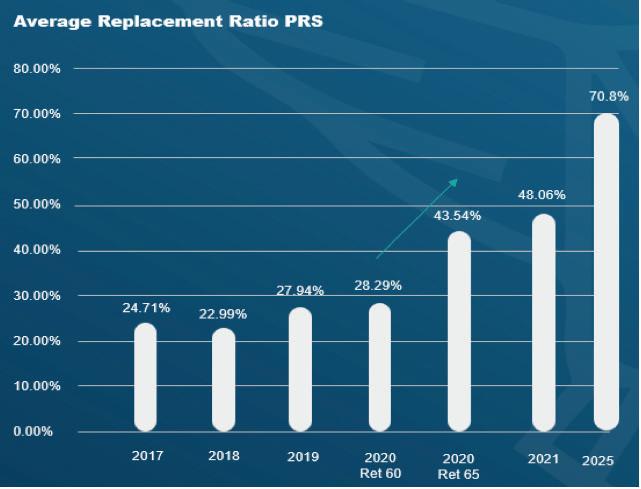
Below is the total fund improvement after all our engagements with the Management Committee and members of the fund that Mr Khumalo belongs to:
On countless occasions, we have walked into boardrooms and presented this approach, only to be told by Mancos or benefit consultants that this would be an impossible task for their employees. The problems seem endless and there are always reasons why things can’t be done.

But this should not be the focus. Consultants are not rewarded for sounding the alarm; they are rewarded for advising and providing solutions in an increasingly unpredictable and volatile environment. How many times do we convince ourselves that we’re too busy to go to the gym, to prepare proper meals, to get enough sleep? The problem is not time. It is how and where we allocate the time that we have, and how we prioritise. The same principle applies to income. It is how we allocate our money that matters.
Prudent retirement planning requires a particular mindset –where the priority is not indulging in distracting, short-term gratification or postponing one’s well-being. Rather, it is about increasing contributions, being invested in the right riskprofiled portfolio and, when there is no longer an employer, being able to retire comfortably.
Is it possible for the average South African to earn a good retirement income? We certainly think so. Ask Mr Khumalo.
This is what investing for retirement means. At the end of the day, we see success as the impact that we have on people’s lives.
Infrastructure is often viewed as a collection of individual assets: a dam, a port, a transmission line, a water scheme. But that framing misses the real investment case. Infrastructure does not create value in isolation. It creates value through connection.

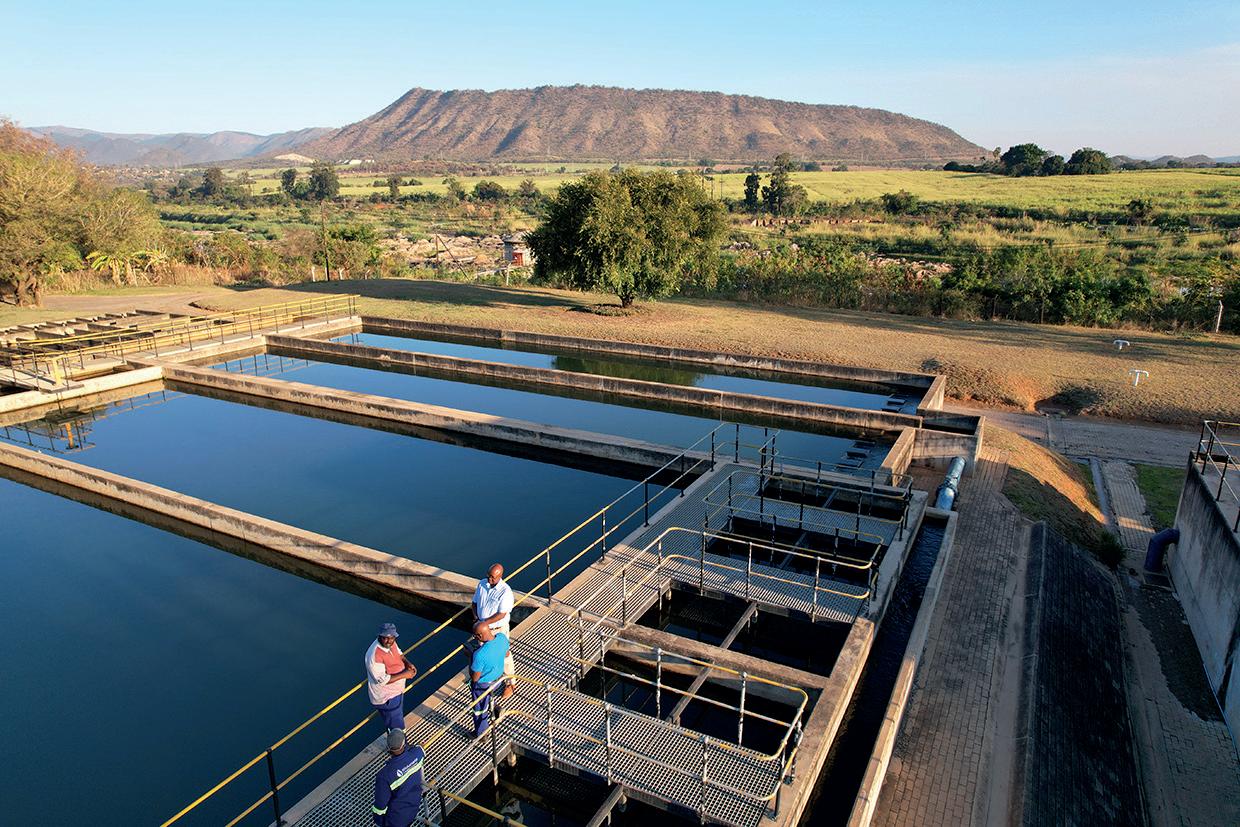
During a recent Ninety One site visit to one of the Trans-Caledon Tunnel Authority’s major water projects, the scale of the asset made the investment case feel immediate and tangible. It also raised an important question: if the physical asset is so visible and understandable, why invest through a diversified infrastructure fund rather than directly in a single project?
The answer lies in the difference between owning one vulnerable node and gaining exposure to the resilience and growth of the wider network. Individual assets may seem discrete and easy to understand, but they are part of larger, interconnected systems - energy grids, water value chains, and transport corridors - whose value depends on the strength of the broader network. For this reason, infrastructure exposure is rarely built through standalone projects, but through diversified portfolios spanning sectors, assets, regions, and counterparties.
Power plants depend on generation, transmission, and distribution networks. Water schemes rely on river catchments, storage, and transfer systems that serve multiple regions. Transport corridors connect
production centres to ports and markets. In every case, the economic value of a single asset extends well beyond its physical location. Its impact is shaped by the connectivity, productivity, and returns it enables across the wider economy.
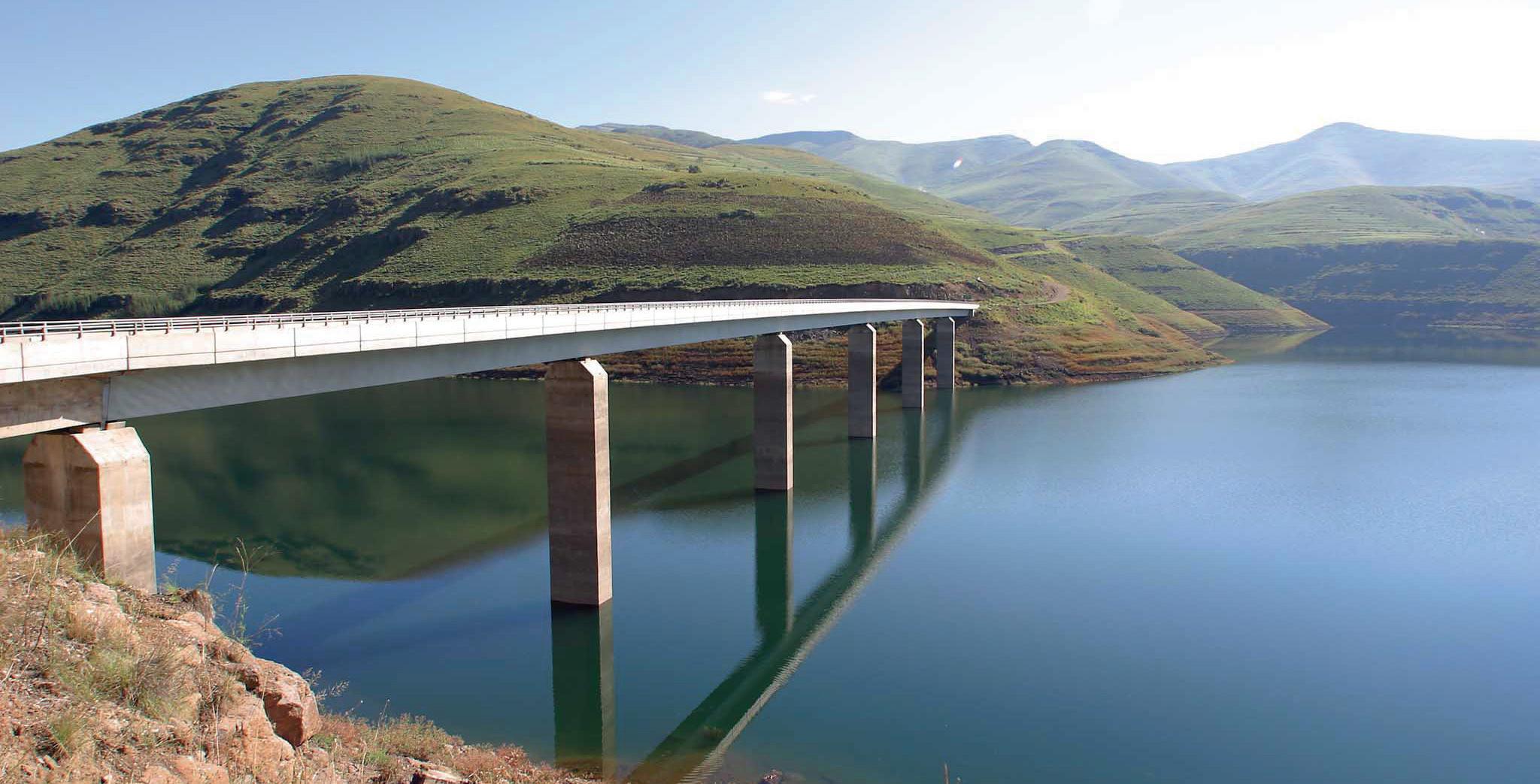
The Lesotho Highlands Water Project is a powerful example of this geographic network effect. While the physical infrastructure is in Lesotho, much of the economic benefit accrues to South Africa’s industrial heartland. By supplying water into the Vaal River System, Lesotho effectively serves as a strategic reservoir for Gauteng, a province that contributes about 35% of South Africa’s GDP and supports major industrial users such as Sasol and Eskom.
Viewed through this lens, South Africa’s emerging infrastructure opportunity becomes clearer. Publicsector infrastructure ambitions remain substantial. The 2026 Budget Review estimates that national government, municipalities, provinces, and state-owned companies will spend more than R1 trillion on capital investment over the next three years. This is not a single pool of capital earmarked for new projects. It is spread across various public entities and programmes, with a significant share allocated to maintaining and upgrading existing infrastructure networks.
At the same time, fiscal constraints and capacity pressures mean the state cannot deliver the full pipeline of investment needed to strengthen electricity transmission, expand logistics corridors, secure water supply, and improve social infrastructure. As a result, policymakers are increasingly looking to private capital to help finance these systems alongside public institutions.
Turning infrastructure plans into projects on the ground, however, is rarely straightforward. Projects often require years of preparation before they are ready for financing. In practice, the pace of infrastructure investment is shaped less by the availability of capital than by the ability to prepare, structure, and scale bankable projects.
In practice, the constraint is not capital, but the availability of projects that are sufficiently structured and scalable to attract investment. As sectors become bankable, funding tends to follow.
In South Africa, that process is still evolving. Government remains central to the system — both as owner of key infrastructure networks and as the architect of the policy and regulatory frameworks that shape investment opportunities. Reforms aimed at improving project preparation and attracting private capital are gradually creating a more investable environment across priority sectors such as energy, transport, and water. This complexity is precisely why investors typically access infrastructure through specialist strategies rather than individual projects.
As South Africa works to modernise and expand its infrastructure systems,
the role of private capital will become increasingly important. Public resources alone are unlikely to meet the scale of investment required to strengthen energy systems, improve logistics corridors, secure water supply, and expand digital connectivity.
Encouragingly, sector reforms, growing institutional investor interest, and a gradually strengthening project pipeline are beginning to create a more investable infrastructure landscape.
For investors, infrastructure offers exposure to the essential assets that underpin economic activity while offering the potential for long-term, attractive, income-orientated returns. Diversified infrastructure portfolios provide a practical way to participate in the development of these critical systems - and in the long-term growth of the broader economy.
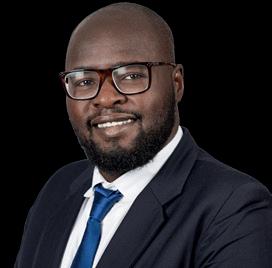
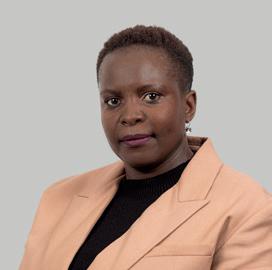
Muedi Managing Director SA Infrastructure
Global markets are navigating an era of heightened uncertainty. Geopolitical fragmentation is reshaping trade alliances; inflation remains structurally higher than in the decade following the global financial crisis; interest rate cycles are less predictable; and technological disruption is accelerating across industries. Against this backdrop, global investors are rethinking portfolio construction – seeking resilience, diversification, and sustainable sources of growth.

Pension reform across Gulf Cooperation Council (GCC) countries is accelerating the shift toward funded, long-term savings frameworks, increasing demand for diversified, Shari’ah-compliant investment solutions. As institutional pools deepen, Islamic equities stand to benefit from sustained inflows, particularly into high-quality, lowleverage companies.
In such an environment, Islamic equity investing offers a distinct advantage. Built on Shari’ah principles that emphasise ethical conduct, asset-backing, and financial prudence, Islamic equity strategies embed discipline at the structural level. But beyond their ethical alignment, they also play a powerful diversification role – particularly when considered alongside global sukuk allocations.
Islamic equity screening imposes both sector and financial filters. Companies involved in prohibited activities are excluded, and firms must meet specific financial ratio thresholds, including limits on leverage and interest-based income.
The result is a natural tilt toward businesses with stronger balance sheets and more conservative capital structures. In a world of elevated borrowing costs and tighter liquidity, such characteristics are valuable. Companies with manageable debt levels are generally better positioned to navigate rate volatility and economic slowdowns.
Additionally, the absence of conventional banking exposure reduces vulnerability to systemic financial stress – an important consideration in periods of monetary tightening.

A key strategic benefit of Shari’ah-compliant or Islamic equity investing lies in its complementary role alongside sukuk in global portfolios.
Sukuk, by design, are structured to provide income stability and asset-backed exposure. Their performance drivers are typically linked to profit distributions, credit conditions, and prevailing rate environments. Islamic equities, by contrast, are primarily driven by corporate earnings growth, innovation cycles, and broader economic expansion.
Because these return drivers differ, Islamic equities and sukuk tend to exhibit lower correlation relative to assets within the same class. While both adhere to Shari’ah principles, their market behaviour can diverge meaningfully – particularly during periods when interest rate movements dominate fixed-income performance or when equity markets respond to growth expectations.
Within the global market environment, this lower correlation enhances portfolio efficiency across a far broader universe. The inclusion of Islamic equities in a global portfolio provides capital appreciation potential during growth cycles. The result is a more balanced risk-return profile over time.
In modern portfolio construction, diversification is not merely about holding multiple assets – it is about combining asset classes that respond differently to economic forces. Islamic equities fulfil that role effectively within Shari’ah-compliant portfolios.
The Old Mutual Islamic Equity Fund illustrates how global Islamic equity exposure can be implemented with discipline and depth. In April, the fund will celebrate its 10th anniversary, maintaining top-quartile performance since inception. It has achieved this by using a systematic investment approach, providing access to a global pool of equities, while applying a Shari’ah-compliant process that screens out non-compliant stocks.
This international exposure enhances its role as a complement to sukuk allocations, which may be more sensitive to rate movements and credit spreads.
Fundamentally, sukuk - while similar to bonds - are based on risk and reward sharing driven by real assets. By incorporating Islamic equities alongside global sukuk within a holistic strategy, investors can construct strategies that balance income stability with long-term capital growth – while maintaining faith alignment.
Today’s investment environment demands adaptability. Elevated volatility, shifting policy cycles, and structural technological change mean that portfolios must be both resilient and growth-orientated.
Islamic equity investing meets this challenge on multiple fronts. Its screening methodology fosters financial discipline, while its differentiated return drivers provide meaningful diversification benefits relative to global sukuk.
As Shari’ah-compliant investing continues to evolve, Islamic equities are emerging not simply as an alternative allocation, but as a strategic pillar within modern portfolios. Strategies such as the Old Mutual Islamic Equity Fund demonstrate that investors need not choose between values and opportunity.
With thoughtful allocation across asset classes – including both sukuk and global equities – faith-based portfolios can be positioned to navigate uncertainty while participating fully in global growth.
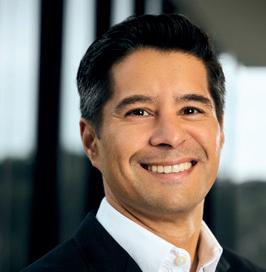
Maahir Jakoet Portfolio Manager at Old Mutual Global Islamic Equity Fund
South Africa’s asset management industry is growing, but the more interesting story is not only about assets under management. It is about trust, behaviour, access, and whether the industry can help people stay invested when life gets difficult.
South Africa’s asset management industry is often discussed through the usual lenses: performance, fees, regulation, offshore exposure, active versus passive investing, or whether the JSE still offers enough opportunity.
But there is another story sitting just beneath the surface. It is less spoken about, yet arguably more important. The future of asset management in South Africa may not be won only by the manager with the best quarterly performance. It may be won by the manager that helps investors understand what they own, why they own it, and why staying the course still matters. In other words, the next big battleground is not just returns. It is trust.
That may sound soft in an industry built on numbers, charts, and benchmarks. But trust is the reason people invest, remain invested, and allows professionals to manage their long-term wealth. Without it, even the best investment strategy can fail at the point where human behaviour takes over. The local collective investment schemes industry ended 2025 with assets under management of R4.58 trillion and near-record annual net inflows of R196 billion, according to ASISA. On paper, that tells us the industry is healthy, sizeable, and still attracting capital.
But asset growth does not automatically mean investor confidence is deep. It may mean markets have performed well. It may mean money has moved from one structure to another. It may mean institutions have continued allocating capital. What it does not always show is whether ordinary South Africans feel more financially secure, more informed, or more confident about the investment decisions being made on their behalf.
For many investors, asset management still feels distant. The language can be technical. The products can feel
complex. Communication often arrives during moments of market stress, when people are already anxious, and the explanations, while accurate, can sometimes feel as though they were written for another asset manager rather than for the person whose retirement savings are at stake.
The asset manager of the future will need to do more than manage money. It will need to manage meaning. It will need to explain uncertainty without creating panic. It will need to make long-term investing feel practical rather than theoretical. It will need to show that risk is not just something found in a factsheet, but something people experience emotionally when markets fall, inflation bites, or retirement feels too far away.
The introduction of the two-pot retirement system has made this even more important. The reform, which came into effect on 1 September 2024, was designed to balance long-term preservation with limited access to savings in times of financial pressure. But it has also revealed something deeper about the South African savings landscape: many people are not only investing for the future; they are trying to survive the present.
On the one hand, asset managers must help protect longterm wealth. On the other hand, they must understand that many investors are dealing with real financial strain today. It is not enough to tell people not to withdraw. The industry has to help them understand the trade-offs in a way that is human, respectful, and clear.
This is where communication becomes part of the investment solution.
A well-managed portfolio can be undone by poor behaviour. Panic selling, switching at the wrong time, chasing yesterday’s winner, or withdrawing too early can all damage long-

term outcomes. The role of the asset manager, adviser, and investment platform is therefore not only to deliver performance, but also to help investors make better decisions through different market cycles.
Investors should not only hear from asset managers when markets are falling or when a product is being promoted. They need regular, useful, and understandable communication that builds familiarity over time. The more investors understand the philosophy behind a portfolio, the less likely they are to abandon it during uncomfortable periods.
This is especially relevant in South Africa, where confidence is often tested by local headlines: weak growth, political uncertainty, infrastructure challenges, currency volatility, and concerns about the local market. At the same time, investors are also exposed to global forces they cannot control, from interest rates and inflation to geopolitical tension and shifting trade patterns.
In this environment, complexity is not the answer. Clarity is. That does not mean oversimplifying investment management. It means making the important things easier to understand. It means explaining why diversification matters. Why time in the market still matters. Why offshore exposure is useful, but not a magic escape route. Why local assets can still play a role. Why risk and opportunity often arrive together.
South African investors have more options than ever before. Unit trusts, model portfolios, exchange-traded funds, hedge funds, offshore funds, discretionary fund managers, retirement products, and bespoke share portfolios all form part of the broader landscape. Choice can be empowering, but it can also be overwhelming. The real value may no longer lie in simply offering more products. It may lie in helping investors make better choices.
That is why the relationship between asset managers and advisers is becoming increasingly important. Advisers are often the bridge between investment expertise and investor behaviour. They translate technical decisions into personal outcomes. They help clients remain calm when markets are uncomfortable. They turn portfolio construction into conversations about goals, income, retirement, family, and legacy. For asset managers, supporting advisers with better insight, better tools, and better communication will become a competitive advantage. Not just product brochures. Not just performance updates. But usable thinking that helps
advisers have better conversations with clients.
Asset management is not only about individual wealth. It is part of the country’s savings infrastructure. The industry influences how capital is allocated, how retirement outcomes are shaped, how institutions preserve wealth, and how confidence is built in financial markets. ASISA describes its members as key custodians of South Africa’s savings and investments, which is a significant responsibility in a country where many households remain financially vulnerable.
The firms that stand out over the next decade may not be those that shout the loudest about performance. They may be those that communicate with discipline, act with consistency, and build trust before they need it. They will understand that brand, credibility, and investor confidence are built slowly, through every market update, every adviser conversation, every client letter, and every decision made when no one is watching.
South Africa’s asset management industry is entering a more demanding phase. Scale will matter. Performance will matter. Fees will matter. Regulation will matter. Technology will matter.
Because investors do not only want to know where their money is invested. They want to know that someone is thinking carefully about their future. They want to feel that the strategy is understandable, the decisions are deliberate, and the people managing their money are steady when the environment is not.
Asset management is moving from a product conversation to a confidence conversation. From “Here is the fund” to “Here is how we help you stay invested.” From performance alone to performance with purpose, perspective, and patience. And in a country where financial resilience is still being built, that may be the most important landscape of all.
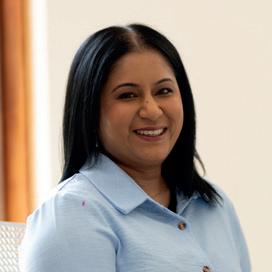
Verosha Rangayah Manager: Asset Management Administration at Otto1890 Asset Management
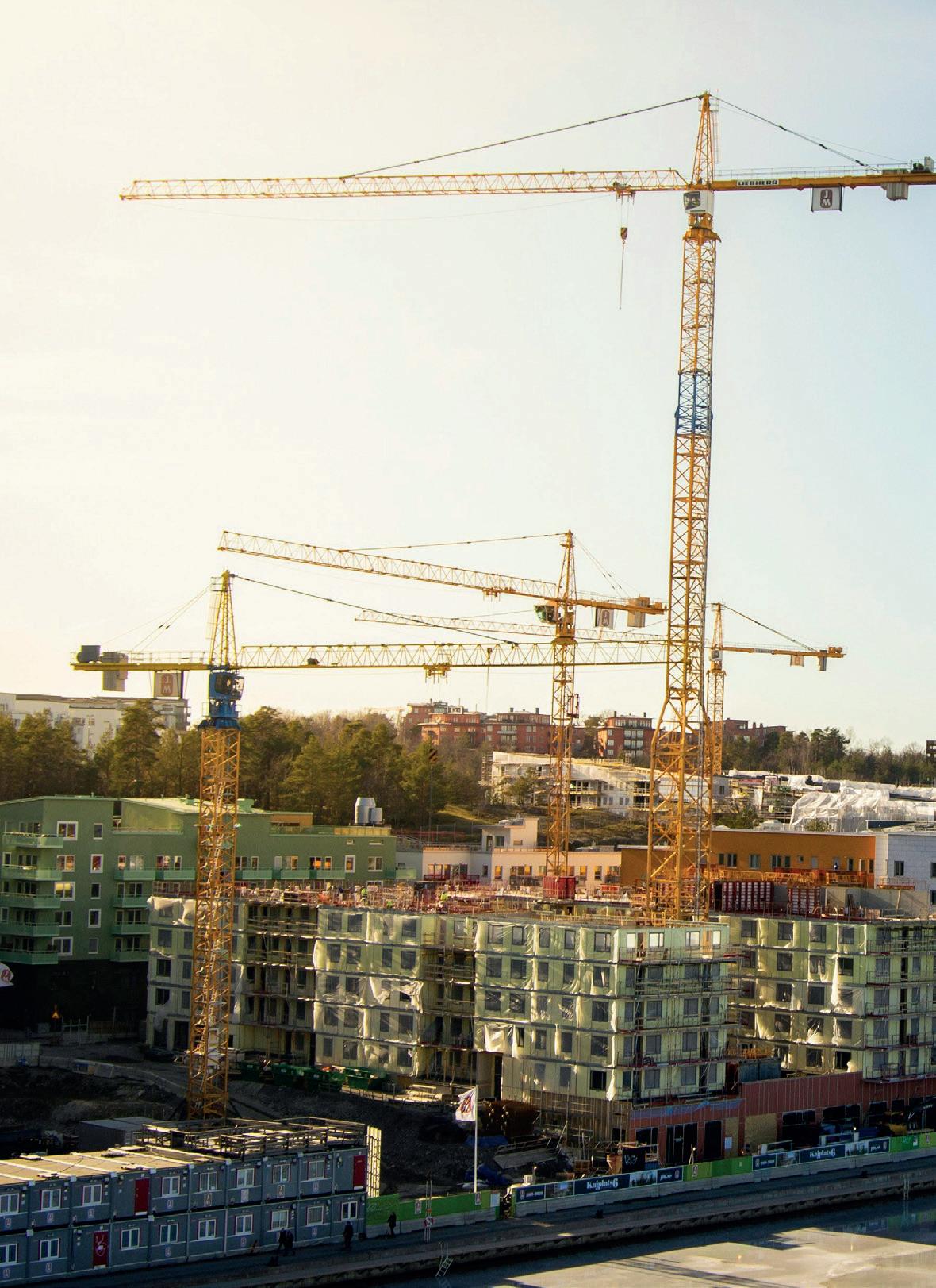
For many pension fund trustees, the investment landscape often feels divided between the volatile swings of listed instruments on the JSE and the complex world of alternative assets. Private credit is one of these alternative assets and is one of the fastest-growing asset classes globally.
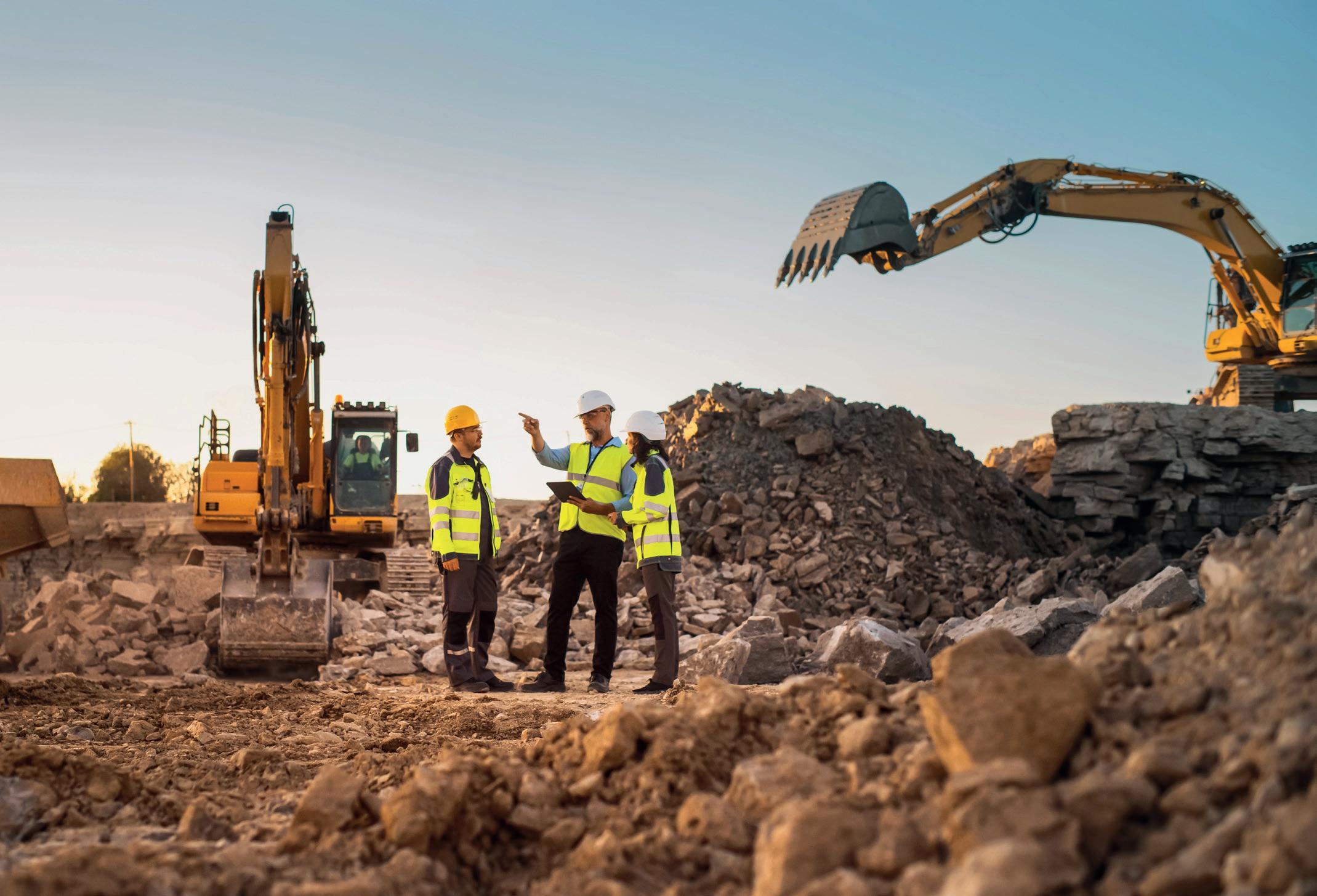
Private credit is also one of the oldest forms of finance. It is simply non-bank lending, typically involving direct loans to businesses (the borrower) tailored to their needs, such as funding growth, infrastructure, and jobs. Since traditional banks have had to tighten their lending criteria due to stricter global regulations like Basel III, private credit has stepped in to bridge the gap, becoming a critical pillar in the growth of the South African economy. The Real Economy Bulletin: Second Quarter 2025 reports that South African retail and corporate small businesses received only 13% of bank loans over the past six years compared to 51% for large corporates, further emphasising the dire funding gap.
With institutional investors only allocating a fraction of their portfolios to private credit within a broader private asset allocation of just 3% to 6%, trustees are sitting on the sidelines of a R1 trillion funding opportunity.
This trillion-rand estimate comprises the SMME funding gap of R350bn and the remainder spanning across various infrastructure sectors such as water, electricity transmission, among others.
Investment managers will generally receive and review investment transactions for mandate fit, potential financial returns, inherent risks, and environmental and social impact. These transactions span debt facilities for property development, asset-backed lending, revolving credit facilities for trade finance businesses, working capital facilities, and infrastructure debt, among others.

After extensive KYC, due diligence, and risk assessment processes, the investment team finalises the transaction with robust covenants and security structures which serve as the primary safeguards for institutional capital, particularly within South Africa’s complex economic landscape. Covenants serve as early warning systems, granting managers the legal authority to intervene if a borrower’s financial position deteriorates, while underlying security provides a tangible ‘second way out’ to preserve the capital advanced to the borrower.
By strictly governing borrower behaviour and taking collateral over some of the borrower’s assets, the lender can effectively mitigate downside risk and insulate portfolios from market volatility.
For trustees, this rigorous oversight ensures the stability of cash flows and the reliable repayment of loans essential for long-term fiduciary success.
Thereafter the investment team presents the opportunity to
the Investment Committee for consideration and approval. Investment Committees should comprise a healthy mix of external, independent members with extensive credit experience. Once approved, the funding is deployed to the borrower, backed by extensive loan and security agreements protecting the rights and obligations of the lender and the borrower. The post-investment asset monitoring process commences, where financial and information covenants are monitored throughout the life of the loan.
These and other borrower-dependent measures are some of the ways investment managers manage risk to limit the downside that comes with investing in private credit. This entire process is regulated by authorities such as the FSCA to ensure sound governance.
The core appeal for trustees lies in the structural design of private credit. Unlike fixed-income bonds that can lose value when interest rates rise, private credit instruments are typically linked to a floating rate, such as Prime or JIBAR (now transitioning to ZARONIA).
For trustees weighing private credit against traditional fixed income or listed equity, the return profile is compelling. South African private credit strategies have historically targeted gross returns of Prime plus 3% to 6%, translating into midteens returns in the current interest rate environment, comfortably ahead of inflation and comparable traditional listed bond alternatives, without the mark-to-market volatility Institutional investors broadly expect annualised returns of around 11% to 15% in emerging market private credit, a range that South African strategies are well-positioned to achieve given the structural funding gap that keeps deal pricing attractive.
It is worth noting, however, that private credit is an illiquid asset class. Capital is typically committed for three to seven years, with distributions occurring as loans are repaid rather than on demand. Trustees can work with their asset consultants to map private credit exposure against their funds’ long-dated liabilities before committing capital. There is, however, a way to innovate around this illiquidity.
For institutional investors like pension funds, private credit offers a unique proposition: the ability to earn attractive, inflation-beating returns while funding the ‘real economy’: local SME and infrastructure projects that improve the quality of life of the pension fund members – South Africans. One of the challenges that pension funds face, however, is the investment limits on asset class exposures as guided by Regulation 28. Private credit as an alternative asset class typically falls under a tight 15% limit under ‘alternative investments.’
Not only does this limit the amount of capital that is allocated to investment managers specialising in private credit, but it also limits the rate at which the private credit market in South Africa is growing. A 2025 survey released by SAVCA reported that allocators (institutional investors) have only approximately 7% of their alternative assets in private credit, lower than the 14% global average. The optimistic outlook, however, is that 40% of the same allocators indicated that they intend to increase their allocation to private credit over the next three years.
Listed vehicles are one way that investment managers can facilitate allocators’ exposure to private credit. Here, investors can invest in notes listed on an exchange with private credit as the underlying assets. Not only does this enable investors to increase their allocations to private credit, but it also provides a way to access liquidity despite the inherently
By strictly governing borrower behaviour and taking collateral over some of the borrower’s assets, the lender can effectively mitigate downside risk and insulate portfolios from market volatility.
illiquid nature of the asset class. Listed notes are tradeable instruments and may be structured to provide coupons at regular intervals (typically every six months) agreed upon by the investor and investment manager. As listed notes gain traction in the South African market, allocators may be able to sell the notes they hold as a means of obtaining liquidity rather than trying to find ways to unlock liquidity in the unlisted investments.
Not all private credit managers are equal. When evaluating a manager, trustees and their investment consultants should probe the following: the depth and independence of the investment committee; the track record of the team across different credit cycles; the quality of borrower covenants and security structures; the diversification of the loan book by sector and borrower size; and the transparency of reporting provided to investors throughout the life of the fund.
Not all private credit managers operate to the same standard, which is why manager selection and the governance around that selection are important for trustees who carry fiduciary duties to their members.
South African pension funds are custodians of long-term capital on behalf of ordinary workers. That responsibility demands not just preservation of capital, but meaningful, real-economy returns that outpace inflation and support the livelihoods of the very people those funds serve. Private credit, when accessed through a credible, well-governed manager, does exactly that by funding the SMEs that employ South Africans, the infrastructure that powers communities, and the businesses that drive economic growth.
The question for trustees is no longer whether private credit deserves a place in the portfolio. The question is how long a fund can afford to leave a R1 trillion opportunity on the table.
South Africa’s asset management industry has long been one of the quiet pillars of the financial system. It carries the retirement aspirations of millions, manages retail and institutional capital across pension funds and endowments, and plays a critical role in capital allocation within the economy. But beneath the surface, something structural is shifting.
by Rabotho Mathekga Senior Manager Research Analyst at Novare Holdings

The recent wave of mergers and acquisitions across the sector is not merely a cycle of opportunistic deal-making. It is a response - perhaps even a defensive one - to a shrinking financial market.
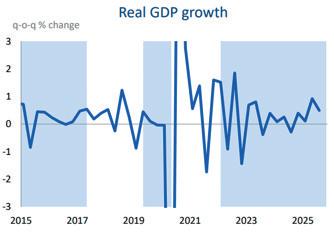
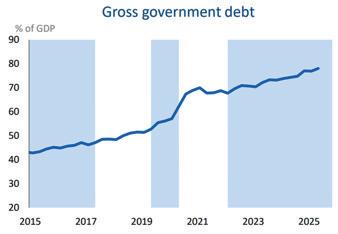
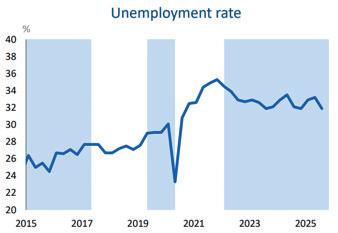
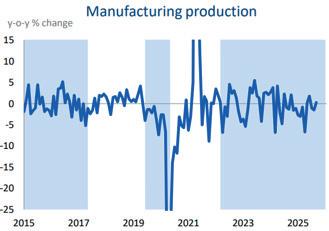
The macroeconomic backdrop is well known; low GDP growth (below 2%), rising debt-to-GDP levels (c. 76%), persistent unemployment (c. 31%), infrastructure bottlenecks, and declining levels of entrepreneurship.
According to a September 2025 research note by the Bureau for Economic Research (BER) titled “Accounting for South Africa’s Remarkable Growth Deterioration”, South Africa experienced a pronounced and sustained decline in economic growth between 2005 and 2025. The report further highlights a contraction in productivity alongside stagnation in investment, underscoring structural weaknesses that have constrained the country’s long-term growth trajectory.
Refer to the graphs below:
Source: BER/Stats SA
Source: BER/SARB
Source: BER/Stats SA
Source: BER/Stats SA
For asset managers, these realities translate into a more immediate challenge: slower growth in assets under management (AUM). Fewer jobs mean fewer pension contributions. Weak disposable income suppresses household savings. Limited business formation constrains institutional capital growth. The result is a tighter pool of investable capital. In a low-growth environment, market share becomes a zero-sum game. Asset managers can no longer rely on organic asset expansion; they must compete for slices of an increasingly constrained pie.
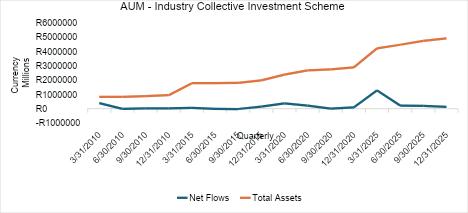
The chart below illustrates Industry Collective Investment Scheme (CIS) AUM – Local Fund Statistics.
Source: ASISA Statistics
According to ASISA’s CIS local fund statistics, the total assets reflect the combined effect of existing assets, new investments, and market performance. In contrast, net flows exclude market performance and capture only investordriven capital movements, thereby providing a cleaner proxy for assessing organic industry growth.
While total assets may suggest expansion, net flow data does not exhibit a sustained upward trajectory. Instead, it reflects extended periods characterised by stagnant or declining flows and limited growth in new investments. This pattern points to structural stagnation rather than meaningful organic expansion.
According to ASISA’s 14 August 2025 report titled “Local CIS Industry Celebrates R4 Trillion in Assets Under Management”, the Collective Investment Schemes (CIS) industry recorded total net inflows of R146.13 billion for the 12 months ending June 2025. However, the majority of these inflows were attributable to reinvested income (dividends and interest) rather than new capital. Of the total inflows, only R23 billion represented new investments, with R18 billion of this amount received in the first half of 2025 (R12 billion in Q1 and R6 billion in Q2).
Subsequently, ASISA’s 25 November 2025 statistics release indicated that, for the quarter ended September 2025, a larger proportion of net inflows consisted of new investments rather than reinvested income – the first occurrence since 2020. Of the R65 billion in net inflows recorded in the third quarter of 2025, R27 billion was attributable to new investments. Nonetheless, reinvestments continued to constitute the majority of overall net flows from 2020 to 2025. The data suggests that new capital remains challenging, with industry growth largely supported by reinvested income rather than sustained inflows from new investors. This reinforces the view that organic expansion within the industry remains constrained.
Over the past few years, consolidation has accelerated. Transactions involving firms such as Taquanta Asset Managers, Ngwedi Asset Managers, Absa Asset Management, Sanlam Investments, Ninety-One, 10X Investments, CoreShares, Old Mutual Investment Group, Vunani Fund Managers and Sentio Capital, among others, reflect a broader strategic pivot. According to the DEInvest Annual Survey (2025), corporate activity among asset managers has increased materially, rising from 4% of firms in the 2024 survey to 17% in 2025. This sharp uptick reflects a consolidation trend within the industry.
Some of the key rationales include:
n Achieve economies of scale
n Spread fixed regulatory and technology costs
n Strengthen distribution networks
n Improve pricing competitiveness
n Protect or expand market share
In a compressed-fee environment, scale matters more than ever. Regulatory compliance, technology platforms, ESG reporting requirements, and distribution costs are largely fixed. Larger balance sheets absorb these costs more efficiently. But consolidation raises an uncomfortable question: is scale being pursued as a growth strategy or as a survival mechanism?
The ripple effects extend beyond asset managers themselves. Investment consultants and multi-managers - the allocators of capital - rely on a broad and diverse universe of asset managers to construct differentiated portfolios. Their value proposition depends on access to unique strategies, niche capabilities, and uncorrelated alpha sources. As consolidation reduces the number of independent managers, allocators face a narrowing opportunity set.
Less diversity in the manager universe may lead to:
n Greater concentration risk
n Fewer specialist or entrepreneurial offerings
n Increased homogeneity in portfolio construction
n Reduced competition-driven innovation
In short, fewer independent managers can mean fewer genuinely differentiated solutions for pension funds and end investors. Consolidation may strengthen individual firms, but it could also compress diversity across the ecosystem.
There is nothing inherently negative about mergers and acquisitions. In fact, well-executed consolidation can enhance operational resilience and create globally competitive firms. However, the current wave in South Africa appears to reflect both strategic expansion and structural pressure, with a leaning towards the latter. When economic growth is weak, savings pools stagnate. When savings stagnate, AUM growth slows. When AUM slows, margins compress. When margins compress, firms seek scale.
The real long-term solution to industry competitiveness does not lie in balance-sheet engineering. It lies in economic expansion. Sustainable job creation would expand pension contributions. Revived entrepreneurship would increase institutional capital formation. Infrastructure investment would unlock productivity and corporate growth. Domestic manufacturing and private sector confidence would stimulate broader savings. Without these structural drivers, consolidation may continue, not because firms are thriving, but because they must adapt to survive.
South Africa’s asset management industry remains sophisticated, well-regulated, and globally respected.
The country has produced firms with international reach and strong governance standards. But it now stands at a crossroads. The next few years will determine whether consolidation creates stronger, more competitive national firms or whether it signals a slow contraction of diversity and dynamism within the financial industry. If scale becomes the only viable model, smaller entrepreneurial managers may struggle to emerge. And yet, history shows that innovation often comes from precisely those smaller, agile firms. The industry cannot outgrow the economy indefinitely. Until the broader macroeconomic engine is repaired, consolidation may remain the defining feature of South Africa’s asset management landscape - not as a bold growth strategy, but as a rational response to constrained conditions.
by Wouter Fourie CEO and co‑founder at Ascor Independent Wealth Managers

Many affluent retirees pay close attention to investment returns. Far fewer give the same attention to the tax leakage that quietly reduces their available cash flow. That is a mistake. In retirement, tax is not only an annual compliance issue. It is a cash-flow issue. A lifestyle issue. In some cases, a structural issue. And when it is poorly understood, it does not usually reveal itself through one dramatic event. It shows up more quietly, through lower spendable income, unnecessary withdrawals and planning inefficiencies that build over time.
That is why tax deserves far more respect in retirement planning.
The problem often starts with a simple assumption: if the portfolio is performing reasonably well, the income plan must be working. But that can be misleading.
A retiree may focus on gross returns and gross withdrawals while underestimating the effect of tax on net usable cash. Yet retirement is lived after tax, not before it. Two retirees can have similar portfolios and similar income levels on paper, but very different lifestyles in practice because their tax planning is handled differently.
One has an integrated approach. The other deals with tax
only after the income decision has already been made. That second approach is where leakage begins.
Tax becomes most damaging when it is treated as a separate conversation from retirement income. A retiree increases living annuity income to meet rising expenses, but does not fully assess the tax effect. The higher gross withdrawal looks helpful, but the improvement in net cash flow is smaller than expected. Or the retiree sells the wrong discretionary asset for liquidity, triggering a capital gain that could have been managed more carefully. Or money is held across living annuities, discretionary investments, tax-free investment structures, and sometimes trusts or companies, but the withdrawals are not coordinated properly.
The result is unnecessary friction, and over time that friction becomes expensive. This is why effective retirement planning does not ask only, “How much income do you need?” It also asks, “How do we deliver that income in the most taxefficient way?”
This year’s Budget did provide some welcome relief. National
Treasury confirmed that personal income tax brackets and medical tax credits would be fully adjusted for inflation after two years with no inflationary relief, and other tax thresholds and limits were also adjusted. That is helpful, but it does not remove the deeper retirement challenge.
Inflationary relief in the tax tables can soften pressure at the margin. It does not eliminate the need for active retirement tax planning. A retiree can still lose meaningful cash flow through poor drawdown design, poor asset location, poor timing of disposals, and unnecessary structural complexity.
That is the blind spot. Many retirees assume that if the tax tables have improved, the tax problem is largely under control. In practice, most of the real damage comes from how the retirement income system is designed and maintained.
Living annuities create flexibility, but flexibility can disguise tax inefficiency. A retiree may think, “I need more income, so I will simply increase my drawdown.” That may solve an immediate spending problem, but it can also increase taxable income in a way that weakens net cash flow and puts more long-term pressure on capital.
This matters even more in a South African framework where the legal rules tell you what is allowed, but not what is wise. The South African Revenue Service and Budget 2026 guidance notes state that a living annuity can now be fully commuted once its value falls below R150 000, up from R125 000, and that the annuitisation de minimis threshold on retirement has increased to R360 000.
Those changes are useful. But they should never be mistaken for a guide to sustainable retirement income. Legal room is not the same as planning discipline.
Another common tax blind spot is the assumption that capital gains are somehow separate from retirement cash flow. They are not. When liquidity is needed, the choice of which asset to sell matters. A retiree who triggers gains without understanding the broader tax effect may reduce net spendable cash more than necessary. The decision may still seem manageable in the year it is made, but over time repeated inefficiencies can quietly reduce financial flexibility.
This is one reason why experienced planners look beyond the immediate transaction. The question is not only, “Where can we get the cash?” It is also, “What does this do to the wider
tax position, and is there a better source of liquidity?”
Retirement tax planning does not stop at lifetime withdrawals. It is deeply connected to estate planning, liquidity, and family continuity. South Africa’s Department of Justice states that a deceased estate must be reported to the Master within 14 days of death. That may sound administrative, but the planning implication is much bigger. If tax, liquidity, and structure have not been properly coordinated before death or incapacity, families can face delays, confusion, and avoidable cash-flow stress at exactly the wrong time. A retirement plan may appear healthy while the main decision-maker is alive, but still prove inefficient or fragile when it matters most.
That is why tax should never be treated as a side issue in retirement. It is part of the broader question of how wealth is converted into usable, sustainable, and transferable value.
Experienced planners usually frame the tax question differently from retirees. Retirees often ask, “How much tax will I pay?” That is not the wrong question, but it may be too narrow. A better question is: “How do we structure retirement income so that more of my wealth reaches my life and my family with less unnecessary friction?” That immediately improves the quality of planning.
It forces a review of drawdowns, the source of income, capital gains timing, asset location, spousal continuity, and estate liquidity. It also reduces the temptation to optimise one part of the plan while quietly weakening another.
That is the real value of integrated financial planning.
The tax blind spot is dangerous precisely because it does not usually feel urgent. It quietly turns a seemingly sound retirement plan into a less efficient one. The retiree may not feel the damage in month one. But over the years, tax leakage compounds just like returns do, only in the wrong direction.
Retirement cash flow should never be judged by gross income alone. What matters is what remains spendable, sustainable, and adaptable after tax. Because in retirement, the real question is not what the portfolio earns before tax.
It is what your family gets to keep.