

By Ebony JJ Curry SENIOR REPORTER
By Sam Robinson SENIOR REPORTER
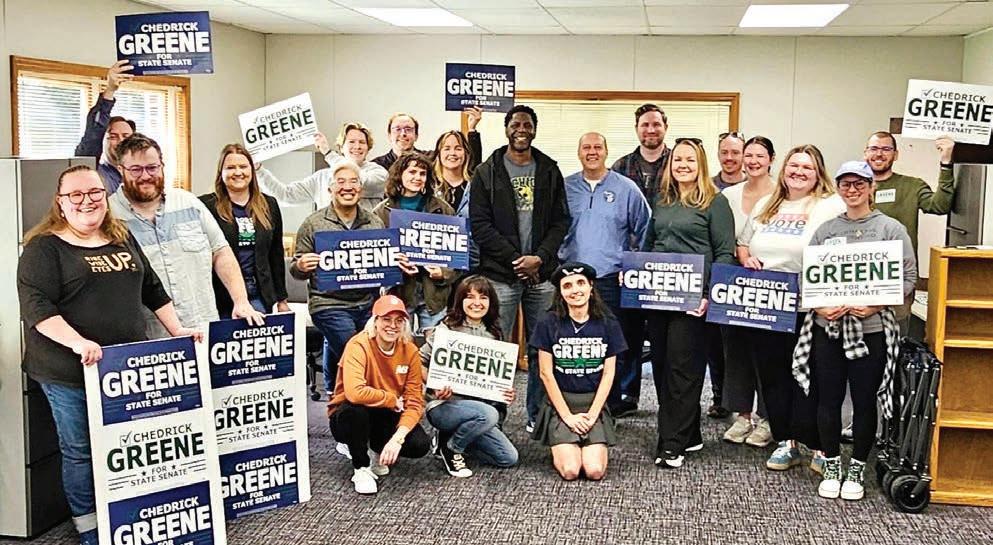
Democrat Chedrick Greene defeated
Republican Jason Tunney on Tuesday in a special election for a mid-Michigan state Senate seat that had sat empty for more than a year.
Grenene’s win maintains Democratic control of the Michigan Senate through the rest of Gov. Gretchen Whitmer’s term.
By Ebony JJ Curry
Late Thursday night, Sept. 14, a historic moment unfolded in American labor relations as the United Auto Workers (UAW) union initiated a strike against Ford, General Motors (GM), and Stellantis. For the first time, the union took simultaneous action against all three major Detroit-based automakers. The action involves approximately 13,000 UAW members in assembly plants across Michigan, Ohio, and Missouri, who walked off their jobs after existing labor contracts expired at 11:59 p.m.
A Republican win would have forced Lt. Gov. Garlin Gilchrist to serve in a tie-breaking vote.
Shortly before midnight on Sept. 14, GM released a statement expressing disappointment with the strike action, despite offering what it termed an “unprecedented economic package” that included historic wage increases. Stellantis
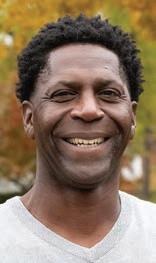
On Tuesday night, unofficial results show Greene beat Tunney by nearly 20 percentage points. Greene acknowledged the historic nature of his election win, becoming the first Black man to represent the tri-cities, comprised of Midland, Bay City, and Saginaw, in the state Senate.
By Jeremy Allen EXECUTIVE EDITOR
n a breathtaking celebration of talent, determination, and the unyielding spirit of Black excellence, the Michigan Chronicle marked its 10th Annual 40 Under 40 event Thursday evening. This year’s soirée, drenched in the theme “All Black Everything with Gold Accents,” transcended expectations and essential ly illuminated the golden gems within the true essence of Black excellence. Hosted by the charismatic duo of Andre Ash and Lynzee Mychael from Michigan Chroni cle’s Finally Friday, the night was a triumph for the city of Detroit and its vibrant community of young Black professionals.
The evening sparkled with a golden promise as we celebrated remarkable individuals from various walks of life. Among the honorees were the brilliant and vi sionary co-founders of Detroit Hives, Nicole Lindsey and Timothy Paul Jackson. Their work has not only changed the landscape of beekeeping and urban farming in De troit but also exemplified the transformative impact Black professionals can have on their communities.
“I am deeply honored to be the first African American person ever elected to represent any part of our Great Lakes Bay Region,” Greene told supporters at his victory party Tuesday night, the Midland Daily News reported. “We delivered this decisive victory by listening and speaking to the things keeping everyday people up at night — worries about affordability, safety, and freedom,” Greene said in his victory speech.
also expressed disappointment in a statement, saying the company immediately went into contingency mode to protect its operations.
House Minority Leader Hakeem Jeffries, a New York Democrat, said in a post on Wednesday that the contest was a “massive defeat for MAGA Republicans.” Jeffries said Greene’s huge win meant two House Republicans from the state, Reps. Tom Barrett and Bill Huizenga were “officially on notice.”
By Ebony JJ Curry SENIOR REPORTER
“Together we have created a social, environmental, and financial impact through bees,” said Jackson. Lind sey followed that sentiment with, “It is through our local partnerships and collaborative efforts that we exist in over 28 plus locations managing the health of 4.5 mil lion honeybees – humbly speaking our movement has inspired others locally, nationally, and even internationally to take on similar missions.”
Tunney conceded the race early Tuesday evening after the polls closed, saying the two would likely meet again in the November general election.
Shamayim “Mama Shu” Harris, the nationally known founder of Avalon Village and one of Highland Park’s most recognizable community leaders, has officially launched her campaign to run for mayor. She made the formal announcement at an event at Prayer Temple of Love Cathedral in Highland Park on Monday, May 11, from 11 a.m. to 1 p.m. This announcement sets up what could become one of the city’s most talked-about elections in recent years.
Harris joins incumbent Mayor Glenda McDonald and community activist Joshua LaMere in the race to lead the small city surrounded by Detroit that has spent years fighting through financial hardship, infrastructure issues, and the lingering effects of disinvestment.
Mama Shu – to Highland Park residents and many Detroiters, too – is already seen as someone who has helped reshape Highland Park without ever holding elected office.
The UAW has branded the industrial action as the “Stand-Up Strike,” focusing on specific plants within each automaker. UAW President Shawn Fain stated, “This strategy will keep the companies guessing. It will give our national negotiators maximum leverage and flexibility in bargaining. And if we need to go all out, we will. Everything is on the table.” Union leaders have also indicated that additional plants could be targeted in future waves if negotiations remain stalled.
For many Detroiters, Interstate 375, or I-375, has long been just another stretch of urban highway, a concrete artery connecting different parts of the city. To some, it’s a mere convenience; to others, it’s an unremarkable part of their daily commute. However, there’s a deeper, far more troubling story beneath the surface of this seemingly ordinary freeway—a story of pain, displacement, and the lasting impact on Black Detroiters.
Detroit Hives, a pioneering organization founded by Lindsey and Jackson, harnesses the power of urban beekeeping to revitalize neighborhoods in the Motor City. Their initiative not only addresses critical issues like environmental conservation but also provides valuable education and employment opportunities to Black De
“This is only the halfway point,” Tunney said. “As we head into November, the contrast between Chedrick and myself will only become clearer to more and more voters. I’m excited about what lies ahead, and I’m not going anywhere.”
By Andre Ash DIGITAL ANCHOR
Through Avalon Village, Harris turned vacant lots and abandoned spaces into a neighborhood-centered development that includes gardens, community gathering spaces, a marketplace, a basketball court, and the Homework House, a learning space designed to give children access to tutoring, technology, and a safe place to study. What started as a personal mission eventually became one of the best-known grassroots redevelopment efforts in the region and across the state.
Greene, a retired fire captain from Saginaw, overperformed in a district previously held by Congresswoman Kristen McDonald Rivet. Rivet left the state Legislature when she was elected to Congress in 2025. Rivet campaigned with Greene, as did Democratic Gov. Gretchen Whitmer.
The tale begins in what is now Lafayette Park, once known as Black Bottom—a neighborhood rooted in African-American culture and history. Named after its dark, fertile soil, Black Bottom flourished during the mid1900s, nurturing the dreams and aspirations of prominent Detroiters like Coleman Young, Joe Louis, and numerous other Detroit legends. But in the name of urban renewal in the 1950s, this vibrant neighborhood was systematically dismantled, erased from the map, and replaced by a lifeless stretch of asphalt.
scientist pushing the boundaries of her field, to math wizards like Donna Laster, who
Her work has put both her and Highland Park in the national spotlight several times over the years. In 2023, Harris was named one of “CNN’s Top 10 Heroes” in the country and became a finalist for “CNN Hero of the Year” because of her work rebuilding her neighborhood after the tragic deaths of two of her sons. Her story and Avalon Village have been featured nationally as examples of what community-driven investment can look like in Black neighborhoods that have long gone overlooked.
Greene defeated progressive state board of education chair Pam Pugh in the August primary.
Fain clarified the union’s strategy: “I want to give a major shoutout to the thousands of members who are on the picket lines right now fighting for all of us. The Stand-Up Strike is a new approach to striking. Instead of striking all plants at once, select locals will be called on to stand up and walk out on strike. This is our generation’s answer to the movement that built our union – the sit-down strikes of 1937. We told the Big 3 that Sept. 14 was the deadline and we meant it. We gave the companies our economic demands eight weeks ago and it took more than a month to get to the table.”
He ran on his background at the Saginaw Fire Department and as a Marine, saying he would lower prices for consumers.
“Congrats to Chedrick Greene on a landslide victory last night! Because of
The union is pushing for a comprehensive list of demands. This
Homelessness continues to plague urban communities, with families and individuals grappling with the challenges of making ends meet in today’s economic climate. Whether it’s struggling to meet monthly mortgage payments or coping with soaring rental costs in a housing market marked by shockingly high prices, a variety of factors contribute to the growing issue of people becoming unhoused.
While the residential areas bore the brunt of this demolition, the heart of Black Bottom, its thriving business center, remained largely untouched. Restaurants, theaters, clubs, and bars—the very places that brought Detroit’s Black community together—were concentrated around Hastings Street, the epicenter of African-American culture in the city.
Then, in a cruel twist of fate, Hastings Street, too, was obliterated a few years later, making way for the construction of I-375. This marked the final blow, sealing the fate of Black Bottom and signaling the beginning of the end for Paradise Valley, the Black busi-

Historically, shelters have provided a temporary respite for those in need, often serving as the first or second option after exhausting alternatives like staying with friends or family. Shelters offer a place to rest one’s head and a warm meal, albeit sometimes for extended periods. For others, being unhoused means living in cars or makeshift outdoor
all Detroit residents. This initiative simplifies access to the City’s various housing services, ensuring that residents in need can easily find assistance.
Now, Harris is looking to bring that same energy into city hall, and her campaign feels like a natural next step to her supporters. Avalon Village has become one of the few visible success stories in Highland Park over the last several years. It has created opportunities for children, small businesses, and neighborhood engagement in a city that has struggled with blight,
By Sam Robinson SENIOR REPORTER
By Lynzee Mychael MULTIMEDIA JOURNALIST
The causes of homelessness are as diverse and complex as the individuals experiencing it. In response, the City of Detroit has adopted a holistic approach to combat this issue.
“Providing services and high-quality housing to persons at risk of or who are experiencing homelessness is a key priority of the City of Detroit, said Julie Schneider, Director of Detroit’s Housing and Revitalization Department.
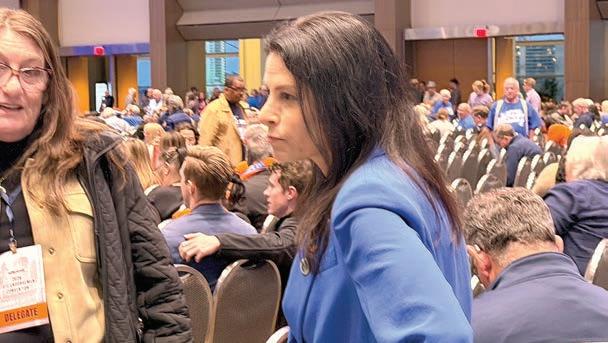
Michigan Attorney General Dana Nessel is joining state Sen. Sylvia Santana and another Democratic candidate who lost their race at last month’s Michigan Democratic Party convention in a call to have a third-party firm audit the election results.
“The city and its partners offer a lot of great services to help Detroiters with their housing needs, but they don’t mean much if people don’t know how to access them,” said Mayor Mike Duggan. “Thanks to the efforts of our partners and the generous support of the Gilbert Family Foundation, we now have a simple process to guide residents to the right housing resource and a growing number of programs to help them.”
a Federal Government Shutdown Could Mean for Detroiters?
“This means focusing on building the pipeline of supportive housing and coordinating with the Continuum of Care on the delivery of critical resources such as emergency shelter, rapid rehousing, and diversion and prevention programs. It also means preserving and expanding affordable housing options for Detroiters of all incomes and improving housing stability though comprehensive service offerings available through the Detroit Housing Resource HelpLine and Detroit Housing Services Division within HRD.”
In May 2023, the City of Detroit launched the Detroit

From the days of the Great Migration when thousands of Black families flocked to Detroit in search of jobs and a better life, to the pivotal role they played in the city’s cultural and musical heritage, Black Detroiters have left an indelible mark on the city. However, in recent years, Detroit has experienced significant gentrification, which has raised concerns about the displacement of long-standing Black residents. Similar to a setting sun, there’s a rising spirit, and Black Detroiters are reclaiming their place in the city, despite the challenges posed by gentrification.
The Gilbert Family Foundation’s broader commitment involves pledging $500 million to support projects across Detroit over the next ten years, with housing initiatives being a significant part of their contribution.
Santana filed an appeal with the party after she says she lost the Michigan State University trustee race by 15 votes. Oakland County Prosecutor Karen McDonald is also calling for an independent audit after she lost the convention election for attorney general to Washtenaw County Prosecutor Eli Savit.
Notably, Detroit has witnessed a consistent decrease in recent years, with the number of unhoused residents steadi ly declining. In 2019, approximately 7,847 people
Chronicle they believe many delegates who voted in the Michigan State University Board of Trustees race signed up after the 30-day deadline. Over
deterrent for some, and some have tested it. If you are legally carrying a weapon and carrying a CPL, have a great day. If you’re
“Petitioners learned that members were voting from as far away as Montenegro and Antrim County during the convention,” Santana claims in her filing.
and west
During the Great Migration, thousands of Black families from the South came to Detroit in search of jobs in the booming automobile industry. Despite facing discrimination and segregation, they built vibrant communities on the city’s east
Santana isn’t commenting on the matter but a source close to her trustee campaign told Michigan
cine and healthcare, may be adversely impacted by
what the Supreme Court will rule in the upcoming
women been premoment of the final. a law1931 law effect, asked the affirm that constitucontain abortion. Our Planned Advocates of founding coalition ReproducAll, a affirm abortion and freedom in constitution,” Giroux. is that everything in aborMichigan, makes we will we can patients care they
to have representalegislacollection and criminal jusrecomcollection analywith the AttorMichigan Law Standards Association Prosecutors stakeholders collect and strategically. warHouse Operations hearand other would ban of noknock urging the pass reform and Whitmer to the leg-
embraces. transforleadership as a approach that change the syscircumstancoperating Ivory “Transformationdoesn’t just do certhem view of and exdrive that because what create everyentire because
his hard work, Democrats are expanding their majority in Michigan’s state Senate,” Sen. Elissa Slotkin said on social media. “The only way we are going to nurse our country back to health is by electing good, decent people to public office. Senator-elect Greene is one of those leaders, who has dedicated his life to serving our coun-
v. Wade would impact several systems across the spectrum. With the potential to drive both foster and adoption numbers upward, a ban on abortions could leave many women to choose a less safe route restoring ‘back alley’ and illegal abortion practices, including self-abortions. Moreover, African American women and women of color, who already have a long-storied history with access and inclusion in medi-
islature adopts it.
the votes of all party delegates including elected office holders obtained by Michigan Chronicle showed Nessel voted for Savit, but she says she abstained from voting in the race.
try and his community.”
trol if, when and how to become a parent is central to building and living a healthy, happy life,” said Vasquez Giroux.
Democrats across the country took notice of Greene’s decisive win Tuesday.
Heather Williams, president of the Democratic Legislative Campaign Committee, which boosts Democratic Party campaigns for state legislatures, said Greene’s win provides an early look into what to expect come the November general election.
the right to reproductive freedom,” said Chair Alisha Bell, on behalf of the Wayne County Commission.





Beyond the scope of pro-choice versus prolife, the fight for reproductive choice is one of freedom. As Michigan officials work to ensure each woman who finds herself in the position to choose has access to care without the threat of legal action, many wonder
“His victory defends the Democratic majority in the Michigan Senate
and builds undeniable Democratic momentum for November, which is an all-hands-on-deck moment for building state legislative power all across the country,” Williams said. “The DLCC is clear-eyed about the stakes of 2026 elections in the wake of the Callais ruling and is building an unprecedented operation to meet this moment. Our strategy to remake the landscape of state legislative power doesn’t end with special elections – we’re just getting started.”

From page A-1
population loss, and limited resources. Harris has often talked about turning pain into purpose, and many residents see her work as proof that real change can happen even without major outside investment.
At the same time, the race is also bringing renewed focus to McDonald’s time as mayor and the direction of the city overall.
One former U.S. House candidate from Antrim County told The Detroit News she was able to cast her vote through the email voting system from her home in northern Michigan.
The Detroit News first reported on the voting data leak last week and Santana’s appeal on Monday.
Increase school funding: Statutory changes to increase the School Aid Fund revenue by at least $3.6 billion and establish a permanent weighted funding formula based on student and community needs and universal preschool (0-3).
Michigan Democratic Party convention rules require members to be present inside building where the convention takes place in order to vote.
The health committee recommends reviewing state licensure policies to address the barriers that Black psychologists face in obtaining licensure in Michigan.

McDonald is seeking another term after leading Highland Park through ongoing financial challenges and infrastructure struggles that have defined the city for decades. Supporters of the current mayor say she has helped keep city government operating during difficult times while continuing efforts to work with regional and state partners on redevelopment and city services.
“Members were required to be in-person at the Huntington Place to credential and vote,” Derrick Honeyman, a spokesperson for the party told Michigan Chronicle in a statement. “Any voting that took place off-site is a violation of party rules.”
Honeyman explained candidates had until May 4 to submit a formal appeal. The party’s Appeals Committee will review submitted appeals and de-
By Black Information Network
Reject censorship in history instruction: Encouraging Gov. Whitmer to ensure the goal for Michigan schools should be history instruction that is presented by professionals with the subject matter expertise, pedagogical skills, and judgment necessary to present complex information to students that are grounded in provable facts and add to the understanding of mod ern-day America.
tribution of state health funds: Ensure all Michigan communities with a significant Black population receive adequate funds to address mental health issues.
termine next steps. “We are committed to following the appeals process and ensuring it is fair and independent,” he said. It’s not clear when the committee plans to meet.
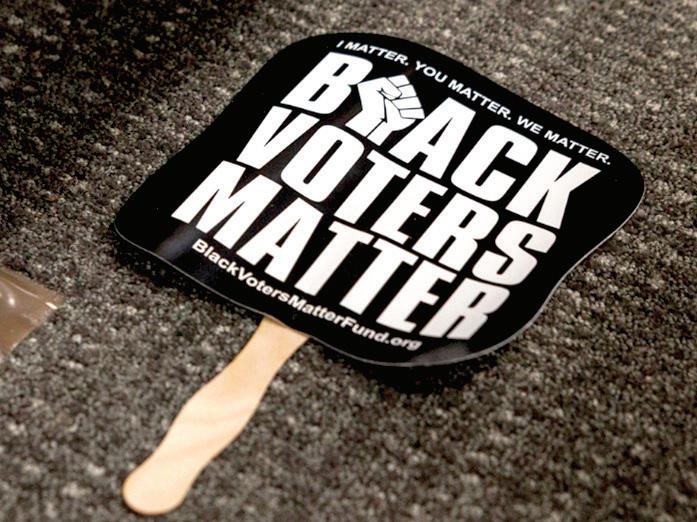
Protecting Black voting rights: Urge state officials to remain vigilant in the fight against schemes to disenfranchise Michiganders of color.
The allegations have prompted some Democrats to argue for doing away with the process in which certain state offices are elected by party members during convention instead of by statewide voters in a primary election.
MDP Endorsement Convention, it became clear that votes were incorrectly recorded, people voted who were not onsite, and some votes were not recorded at all,” McDonald said in a statement. “I strongly support Senator Santana’s request for an independent audit and urge my Democratic colleagues across the state to support it as well. It is critical that every voter and every campaign have confidence in the vote.” You can reach Sam at srobinson@ michronicle.com.

But frustrations remain throughout the community. Residents have continued raising concerns about blight, neglected properties, slow economic growth, and the overall pace of improvement in the city. Like many older cities across Michigan, Highland Park continues to deal with aging infrastructure, public safety concerns, and years of economic decline that cannot be fixed overnight.
That frustration has created space for candidates like Harris, whose reputation has largely been built on action instead of politics.
“BLAC members have worked hard to identify the needs of the Black community and we feel these recommendations
“After reviewing the results of the
In the wake of the U.S. Supreme Court’s historic ruling on a majority-Black district in Louisiana, multiple Southern Republican states have taken action to swiftly redraw their congressional maps before the midterms — and eliminate Black representation in the process.
Increase mental health supports for the Black community: Recommend ing Michigan set a goal of increasing the number of Black mental health service providers by 20% each year over five years.
On April 29, the U.S. Supreme Court ruled 6-3 to strike down a majority-Black congressional district in Louisiana, declaring it unconstitutional to draw up a district on the basis of race. The ruling weakens Section 2 of the Voting Rights Act of 1965, which protected such districts.
people believe that they need to for themselves and others to live better lives.”
Upon the ruling being declared, Republican states looking to follow President Donald Trump’s congressional redistricting order from last year wasted little time.
Louisiana Gov. Jeff Landry (R) suspended the state’s May 16 primary elections for the House the day after the ruling, according to The Hill, extending the date until either July 15 or “such time as determined” by the state legislature.
The legislature is expected to vote on a new map this week, and is expected to eliminate one of (or both) of the state’s two majority-Black U.S. House districts represented by Troy Carter or Cleo Fields.
ence in discussing the recommendations to support the Black community.
stopping an election in progress,” Justin Levitt, a constitutional law professor at Loyola Law School, told the outlet. “I think we haven’t seen the worst of it yet, and I think there are a lot of other states that are feeling enormous amounts of pressure to join the race to the bottom.”
“Chancellor Ivery is a true transformational leader and an outstanding CEO, who is more than worthy of the CEO of the Year Award he just received, “ said Prof. James C. Mays, who teaches entrepreneurship and supply chain management at WCCCD’s Corporate College. “In his 27 years at WCCCD, Dr. Ivery has elevated WCCCD to become nationally recognized for excellence and innovation and preparing our students professionally and personally to do great things in the world.”
Fields is the Congressman of the district that the Supreme Court ruled unconstitutional. His victory in the district in 2024 — which is about 54% Black — marked only the second time in nearly 50 years that a Democrat had won there.
“There are very real constitutional problems with
In Alabama, Republicans approved legislation directing the governor to schedule new primary elections this year under a GOP-friendly map. However, the legislation is defunct following a district court injunction requiring that the current map remain in place through 2030, according to The Alabama Reflector. Alabama Attorney General Steve Marshall is currently arguing for the injunction to be lifted.
state lawmakers on May 6 as they were weighing a vote, and claims he aims to continue fighting it following.
BLAC is housed in the Michigan Department of Labor and Economic Opportunity. Members represent many professional backgrounds, including economics, law, public safety, health and wellness, arts and culture and media. They leverage their experiences and expertise to make recommendations to the governor on critical issues affecting the Black community.
The Tennessee Democratic Party filed a lawsuit on May 8 to prevent the state from using the new districts until after this year’s elections, per The Hill.
“And just like that, the TN GOP voted to enforce a racial gerrymander of Memphis and strip our city of effective representation for decades,” Cohen wrote in a statement posted to X. “Trump knows he HAS TO rig the game to keep his majority in November. And the TN GOP was willing to go along with it. It’s shameful. Next stop is the courts.”
To learn more about BLAC and this upcoming event, visit www.michigan.gov/BLAC.
Elsewhere, Tennessee lawmakers successfully pushed through a new congressional map on May 7, splitting the state’s only majority-Black district in Memphis — represented by Democrat Rep. Steve Cohen — three ways, forcing Black voters out into the neighboring areas. Tennessee Gov. Bill Lee (R) signed the map the following day.
Cohen testified before
On May 7, House Republicans in South Carolina voted to extend their legislative calendar and consider redrawing congressional lines in the next session, despite the state primary being less than a month away. Absentee ballots have already been sent out to voters. The extension now moves to the Senate.
Rep. James Clyburn, the legislator’s lone Democrat representing the majority-Black 6th Congressional District, criticized the move.
“Republicans in the South Carolina state legislature began the process of extending their session to allow for the redrawing of the state’s congressional map — with one goal in mind: eliminating the state’s only Democratic House district that is occupied by a Democrat,” Clyburn said in a series of posts on X. “Republicans are trying to break apart South Carolina’s 6th District. Not because voters demanded it, but because Donald Trump requested it. We cannot let them succeed.”
Finally, lawmakers in Mississippi are also holding a special session on May 20 in the state’s Old Capitol Building, following an order from Mississippi Gov. Tate Reeves (R), according to Mississippi Today. Given the building’s history, Black lawmakers are reportedly worried that this will result in the erasure of the state’s only Democratic district in the majority-Black Jackson area.
One of Harris’ biggest strengths entering the race is that people can physically point to what she’s done. Avalon Village has gone from planning to implementation, piece by piece, and doesn’t simply serve as an idea or campaign promise. Residents can see the gardens, the programming, the community events, and the spaces created for children and families. In a city where redevelopment conversations have often stayed on paper, Harris brings a project that many people view as tangible progress.
Her national visibility could also become a major factor in the race. Over the years, Harris has appeared at conferences, community development events, and national media programs discussing neighborhood revitalization, trauma recovery, and grassroots organizing. Those appearances helped shine a light on Highland Park at a time when many small cities struggle to attract investment or attention.
LaMere, who is also running, enters the race as a community activist offering another alternative for voters who want change in city leadership. While Harris is expected to draw much of the public attention because of her profile and years of visibility, the growing field could still make for a competitive race as candidates lay out different visions for Highland Park’s future.
For many residents, the race will come down to what kind of leadership they believe Highland Park needs right now. Some voters may lean toward continuity and experience inside government, while others may be looking for someone with a more community-based, activist approach to solving problems.
The challenge for Harris will be turning years of goodwill and community recognition into a citywide political campaign. Running a nonprofit and running a city are two very different things, and voters will likely want to hear detailed plans on public safety, economic development, infrastructure, and city finances as the campaign continues.
Still, Harris enters the race with something few local candidates can claim: a visible record of work that residents can actually see and experience for themselves.

By Traci Davis VP OF MICROTRANSIT
I’ve worked in transit for about 15 years, spending much of that time in on-demand services with Flint’s MTA before joining SMART this January. When people ask me what’s different about microtransit, I tell them this: it’s the connector between fixed-route service and paratransit that too many people didn’t have access to before.
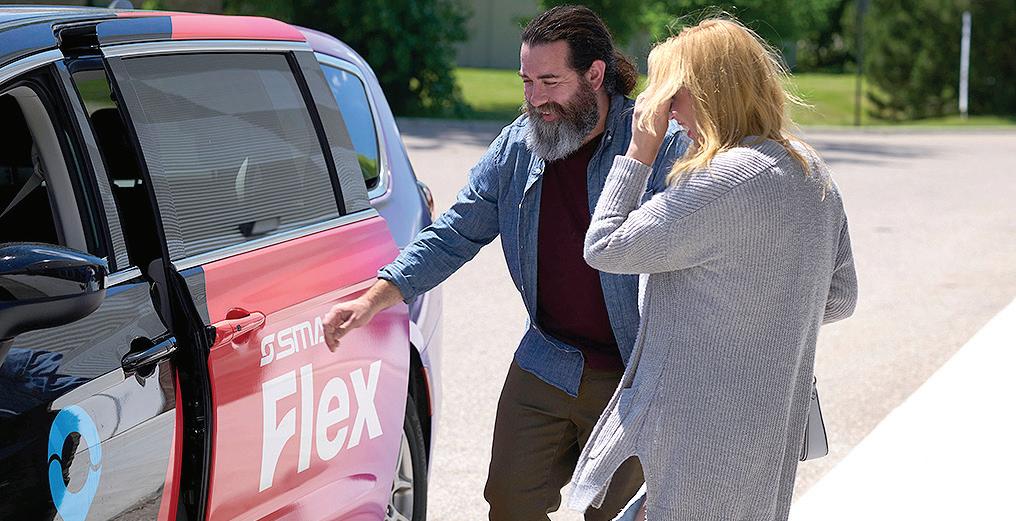
For riders who don’t live near a fixed route or don’t qualify for ADA paratransit, microtransit is the door that opens access to everything else. It’s how a senior gets to a doctor’s appointment, how college students get to campus, how families make it to the grocery store or laundromat. It’s solving a real gap in how people move through their communities, and it does so affordably. SMART Flex costs $2 for trips within five miles of your zone. For seniors 65 and older and people with disabilities, it’s $1. Compare that to ride-sharing services, and the value becomes immediately clear.
We currently operate in five zones—Troy, Farmington Hills, Pontiac, Dearborn, and Auburn Hills—providing about 36,000 trips per month. We’re working to expand to Romulus, Rochester, and Bloomfield, and actively partnering with Wayne County and Dearborn Township to grow our reach. The way microtransit is set up gives riders more flexibility than traditional transit. You don’t have to wait at a stop for long periods or ride circuitous routes. It’s more direct, more personable. We get great feedback through our customer service line about how drivers connect with riders and make the experience feel human, not transactional.
Learning Who We Serve
My focus at SMART is understanding all the zones and finding out what communities are interested in our service. We recently added tracking for where people are going and why. If 50% of riders in a zone are heading to work, how can we better reach other potential riders in that area? If medical facilities are a major destination, how do we partner with healthcare providers to spread awareness? We’re also looking at age demographics because each group has different needs and awareness levels. College students want to use this service but may not know it exists. Seniors need it but might not understand how it works.
That’s why we’re actively engaging in communities through senior centers, student centers, and community organizations. We’re talking to Oakland County services, Richmond Lenox, and OPC, which operates both as a transit agency and an activity center for seniors. We’re giving out brochures, hosting conversations, and meeting people where they are. The reality is we’re still educating people about this service. Many residents don’t know microtransit exists or understand how it’s different from fixed-route buses or paratransit. Making It Work Better
I want to be honest about where we’re still improving. Wait times are a concern we hear about, and we’re actively working to address them. Currently, our average monthly wait time is about 21 minutes, which reflects the strong demand and growing use of the service. Riders worry about whether they’ll make connections from fixed routes to Flex service on time, and that’s a legitimate concern. Our team has been working overtime on real-time monitoring and operational improvements to bring

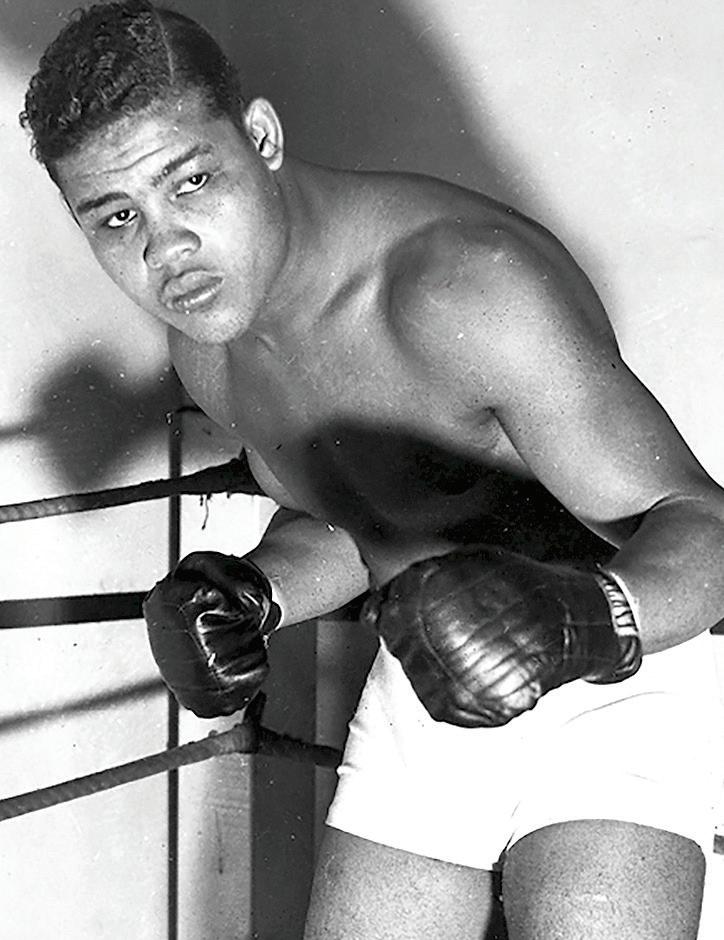
Detroit families will gather on the city’s growing greenway network later this week to celebrate one of the city’s most iconic sports heroes during the first-ever Joe Louis Birthday Celebration.
Hosted by the Joe Louis Greenway Partnership, the free community event will take place Saturday, May 16, from 10 a.m. to 2 p.m. at the Warren Trailhead, 7242 McDonald St. Organizers say the celebration is designed to honor the life and legacy of heavyweight boxing champion Joe Louis while bringing residents together through sports, music, culture, and family-friendly activities.
The event will feature youth boxing demonstrations, golf activities, live music, interactive games, and cultural programming centered on the legendary boxer, who was born in Alabama but became one of Detroit’s most celebrated figures during his rise to international fame.
Leona Medley, executive director of the Joe Louis Greenway Partnership, said the celebration reflects the broader mission of the Greenway project, which aims to connect neighborhoods and communities across Detroit.
“This first-ever Joe Louis Birthday Celebration is about bringing people together — just like Joe Louis did,” Medley said. “We’re activating the Greenway in a way that reflects Southeast Michigan’s pride, history and future.”
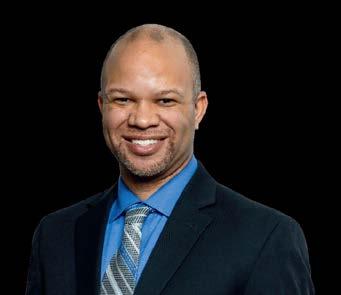
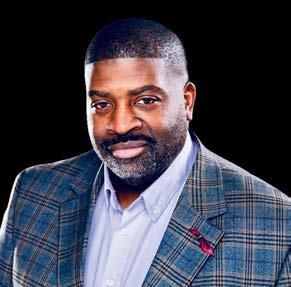
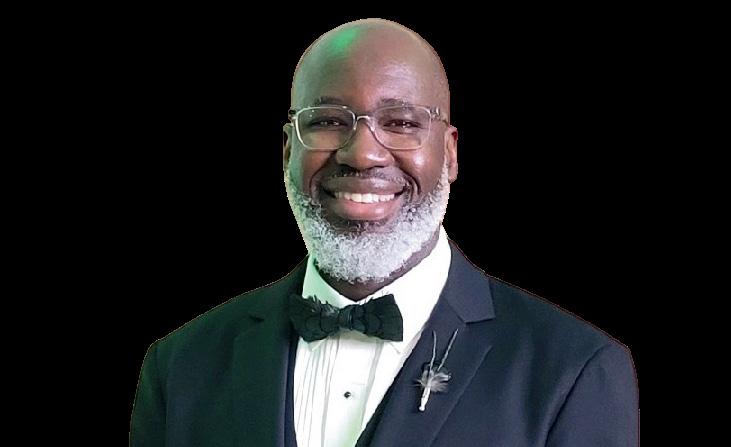
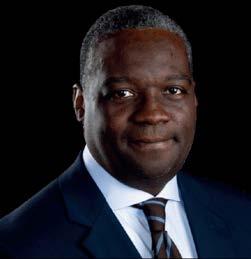

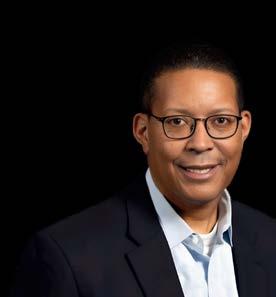

By Jasmine West
Detroit has always measured excellence differently.
Here, excellence does not live only in a corner office, behind a pulpit, inside a classroom, or at the head of a boardroom table. Detroit knows excellence by the people who keep showing up. The men who mentor without cameras present. The men who build institutions brick by brick. The men who carry responsibility in public and private. The men who understand that Black leadership in this city has always required a deep relationship with service.
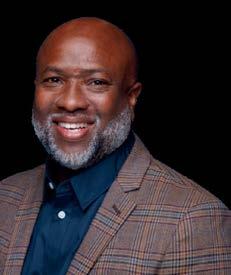
That legacy sits at the center of the Michigan Chronicle’s 2026 Men of Excellence Awards & Induction Celebration, where this year’s honorees will be formally recognized Thursday, June 18, 2026, at 6 p.m. at the International Banquet & Conference Center, located at 400 Monroe in downtown Detroit.
The annual recognition has become one of the Chronicle’s signature platforms for honoring Black men whose work continues to shape the region’s civic, professional, cultural, educational, and economic landscape. The 2026 class reflects a broad portrait of leadership across Metro Detroit and Michigan, from faith and education to housing, health care, labor, public service, entrepreneurship, finance, the arts, and corporate leadership.
What makes this year’s class significant is the range of institutions represented and the shared responsibility that runs through their work. These are men leading schools, guiding congregations, expanding access to care, strengthening public systems, supporting small businesses, advancing housing solutions, protecting labor, building cultural spaces, and helping shape how communities experience opportunity.
The honorees include Bishop Lambert W. Gates Sr. of Kingdom Apostolic Ministries, Rev. Darryl Williams of St. Stephens AME Church, and Pastor Quantez Pressley of Third New Hope Baptist Church, men whose leadership reflects the enduring role of the Black
church as a place of spiritual care, civic grounding, and community direction. Education is also deeply represented in this class, with leaders such as Lawrence Hood of Detroit Academy of Arts and Sciences, Kevelin B. Jones II of Flint Community Schools, Jerry Lawrence Jr. of University Prep Science and Math High School, and Myron Montgomery of East English Village Preparatory Academy. Their inclusion speaks to a larger truth for Black communities across Michigan: schools remain one of the most important places where futures are either narrowed or expanded. The men leading within these spaces carry the daily charge of shaping students who deserve access, rigor, safety, identity, and possibility.
Health care and wellness also stand among the class through honorees such as Dr. Herman J. Glass II of Glass Chiropractic Health Plaza, Dr. Cleamon Moorer Jr. of Eye Care for Detroit, Dr. Teronto Robinson of John D. Dingell VA Medical Center and Corewell Health, and Dr. Warren Woodruff of Caring Smiles Family Dentistry. Their work reflects the importance of trusted care in communities where access, prevention, and culturally grounded medical relationships remain essential to long-term well-being.
The 2026 class also carries a strong economic development and business leadership thread. Sean Gray of the Detroit Economic Growth Corporation, Huey S. Gray III of the Detroit Regional Chamber, Stefen J. Welch of the Detroit Pistons, DeJuan Woods of First Independence Bank, Rashaan Josey of Bose Corporation, Tyron Releford of General Motors, Dan Ringo of SEEL, LLC, and Glenn Wilson of Communities First, Inc. represent the kind of leadership that touches business growth, corporate strategy, public affairs, banking, community development, and regional investment.
That matters in Detroit because economic opportunity has never been abstract for Black communities. It shows
Organizers expect the event to attract families from across the city, offering residents a chance to engage with the Greenway while learning more about the enduring impact of Louis, whose achievements extended beyond boxing and into the broader civil rights and cultural landscape of America.
A special guest at the event will be Joyce Louis-Barrow, daughter of Joe Louis and a member of the Joe Louis Greenway Partnership Board. She said the celebration is a meaningful way to connect younger generations to her father’s story.
“I’m honored to see my father celebrated in a way that connects generations,” Louis-Barrow said. “It makes me incredibly proud to serve on the Joe Louis Greenway Partnership Board. His legacy continues to inspire people of all ages, and moments like this remind us why his story still matters today.”
In addition to sports and entertainment, the event will provide opportunities for community engagement and interviews with local leaders and partner organizations involved with the Greenway initiative. The Joe Louis Birthday Celebration is free and open to the public. Organizers encourage residents of all ages to attend and participate in a day dedicated to honoring a Detroit legend while celebrating community connection along the city’s expanding Greenway network.
up in whether entrepreneurs can access capital, whether neighborhoods benefit from development, whether institutions invest in talent, whether business leadership reflects the communities it serves, and whether Black professionals are positioned to influence decisions that reach beyond symbolic representation.
Housing and community stability are also reflected through honorees such as Aaron Hall of CHN Housing Partners and Detroit Housing Network, and Damon Thompson of Local Initiatives Support Corporation. Their work sits inside one of the most pressing realities facing Detroit and cities across the country: the need for housing systems that protect families, support neighborhoods, and create pathways toward stability rather than displacement.
Public service and civic leadership are also central to this year’s class. Richard T. Seay serves as Deputy Mayor and Director of Information Technology for the City of Pontiac. Bruce Simpson serves as Assistant Wayne County Executive. Darryl Woods serves as Police Commissioner and Vice Chair for the City of Detroit. These roles matter because the daily function of government shapes how residents experience safety, technology, county services, accountability, and public trust.
Labor, too, remains part of this story. Dwayne Walker, UAW Local 900 President with UAW/Ford, represents a tradition deeply tied to Detroit’s identity. Black labor leadership has helped shape the region’s middle class, its manufacturing legacy, and its ongoing conversations about wages, dignity, and worker power.
Arts, culture, and community life also have a place in this class through honorees such as Bruce Hunt of Detroit-Windsor Dance Academy and Maurice Wallace of LoneStar Catering. Their work reminds us that community is built through more than policy and boardrooms. It is built through movement, food, gathering, discipline, cre-
service, like picking up clients directly from a doctor’s office. That’s possible as we grow and learn what riders need most.
that average down to 15 to 18 minutes. We’re committed to faster, more reliable service while maintaining the flexibility and accessibility riders depend on.
The technology helps. SMART Flex operates through Via, a third-party platform that handles operations while we focus on accessibility and service quality. This setup allows us to reach more people than we could independently. We’re also rolling out new branding for SMART Flex vehicles that will make our service more visible and recognizable across the region. This isn’t just about aesthetics. It’s about clearly communicating that SMART Flex is a modern, technology-driven mobility solution that meets riders where they are, building greater trust and visibility in the communities we serve.
Long-term, I’d love to see us evolve toward more dedicated and personalized
From page A-3 ativity, and spaces where people see themselves reflected with care.
Microtransit isn’t meant to replace fixedroute service or ADA paratransit. It’s the bridge between them. For someone who lives too far from a bus line but doesn’t qualify for paratransit, microtransit provides freedom they didn’t have before. It gives people confidence that they can get where they need to go for an affordable price.
That confidence matters. It’s the difference between being able to accept a job offer or having to turn it down because you can’t reliably get there. It’s the difference between isolation and community connection. It’s access to healthcare, education, and daily necessities that many of us take for granted. Microtransit is one of the greatest innovations I’ve seen in transit because it acknowledges a simple truth: not everyone’s transportation needs fit neatly into traditional service models. Some people need something more flexible, more responsive, more tailored to how they actually live.
From page A-3
Shawn Smith’s work across labor relations at Blue Cross Blue Shield of Michigan and as an NFL official reflects the kind of excellence that crosses sectors with discipline and precision. Chris Taylor of United Way for Southeastern Michigan represents the connective work required to bring outreach, service, and resources closer to the people and neighborhoods that need them.
Kevin Manuel, owner of Amada Senior Care, reflects the growing importance of elder care and family support as communities continue to navigate aging, caregiving, and dignity for seniors.
The 2026 Men of Excellence class does not tell one story of success. It tells many stories of responsibility.
Black men are too often flattened in public narratives, reduced to statistics, crisis frames, or limited portrayals that fail
to capture the full scope of their leadership. Men of Excellence offers a fuller picture. It honors men who are shaping systems, mentoring young people, carrying institutional memory, building economic pathways, and leaving evidence of their work in the lives of others.
The June 18 induction celebration will bring that work into the room. Families, colleagues, community leaders, and supporters will gather to honor men whose careers speak to achievement, but whose impact speaks to something deeper.
Excellence, in this city, has always required more than arrival. It requires stewardship.
The Michigan Chronicle’s 2026 Men of Excellence honorees represent that charge. They are part of a continuing legacy of Black men who lead with skill, service, vision, and accountability. Their names now join a tradition that reminds Detroit what leadership can look like when it is rooted in community and built to last.


A5 | May 13-19, 2026
By J.P. Morgan Wealth Management
Business owners often have a million things to juggle with day-to-day operations. Have you taken the time to slow down and think about what you can be doing now to prepare yourself and your business for later in life? If the answer is no, you aren’t alone. Although 76% of business owners plan to transition over the next 10 years, only 35% of businesses have a formalized succession plan in place.
You’ve worked hard to grow your business, so it’s important to think about what will happen when you want to move on from the company – whether that’s retirement, selling the business or trying something new. Thoughtful planning in advance can help give business owners peace of mind knowing that both you and your business will be cared for in retirement. A plan can also ensure your employees are cared for and, if you choose, allow your business to continue serving the local community.

Here are some tips for business owners to consider: Having a plan is key Planning ahead can help give you peace of mind and avoid unnecessary stress in the future. Everyone’s situation is unique, so make sure your plan incorporates your personal needs and desires. A financial advisor can be a helpful partner in putting together your plan. They can also identify how you can work towards your personal and retirement goals, separate from equity you may have in your business.
Also consider working with an estate planning attorney to help incorporate your business into your estate plan. A basic estate plan for most business owners should include: a revocable trust, a will, a financial power of attorney, a health care power of attorney and beneficiary designations. Make sure to review these documents periodically with your attorney to ensure they still reflect your wishes. Build a trusted team
Assembling a team of trusted professionals can play a big role in making sure your preferences are honored after you transition away from the business. They can also help evaluate the value of your business, which can be important to know in the succession planning process.
Consider including your financial advisor, certified public accountant, business and estate planning attorney, insurance advisors, business valuation professional, investment
See SUCCESSION PLAN Page A-6
By Dr. Anthony O. Kellum
CONTRIBUTING COLUMNIST
I’ve said many times, we have been taught to think about housing primarily as shelter, a roof, a neighborhood, a monthly payment. But in America, property has never simply been about where you live. Property determines where wealth accumulates, where opportunity concentrates, where schools improve, where political influence grows, and ultimately, whose future appreciates alongside the land beneath them. That is why appraisal bias matters far beyond real estate. It is not merely a housing issue. It is an economic justice issue, a valuation issue, and perhaps most importantly, a power issue.
And despite all of the conversations around equity since 2020, one uncomfortable truth remains deeply embedded within the American housing market homes in predominantly Black neighborhoods continue to be systematically undervalued compared to similar homes in predominantly white communities. Study after study has shown that Black neighbor-
‘Bridge
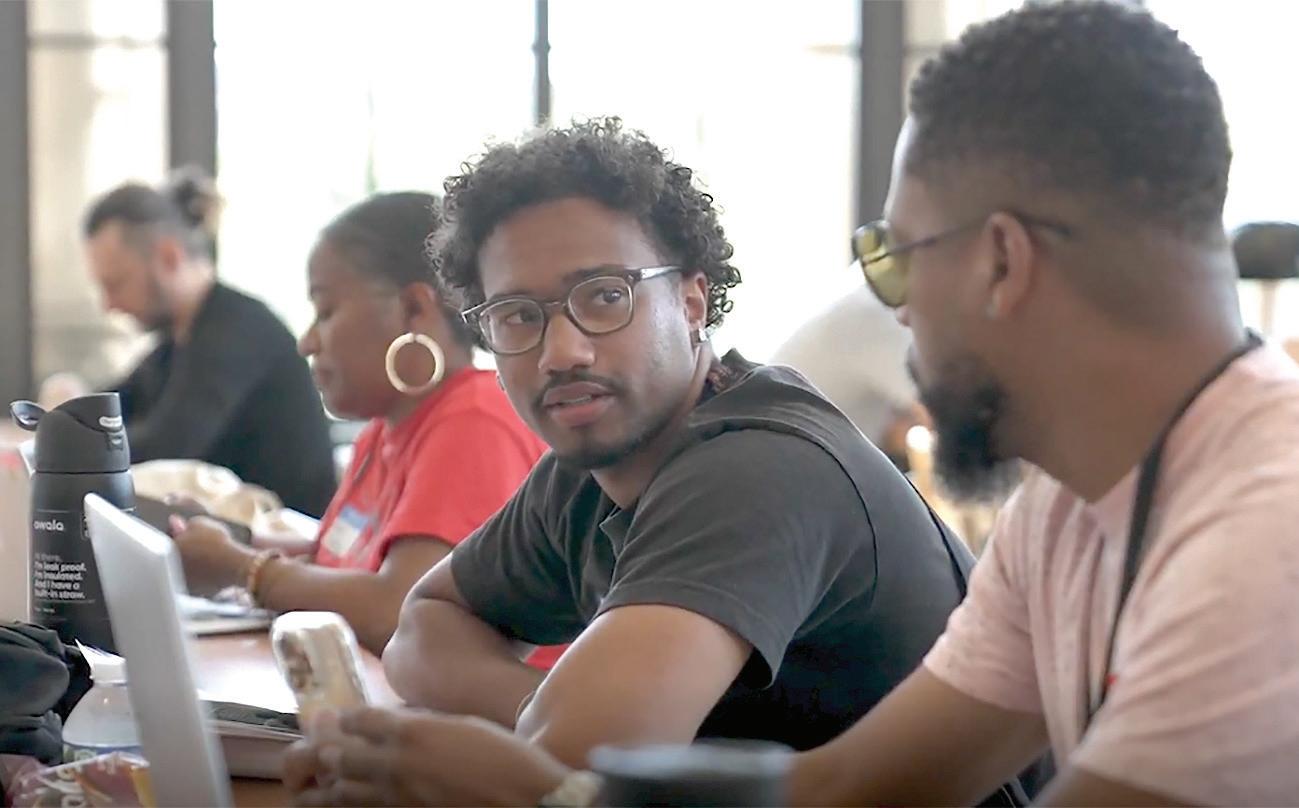
As the demand for tech and innovation talent continues to grow worldwide, Black Tech Saturdays (BTS), Michigan Central, and the University of Michigan are entering into a new partnership rooted in Detroit to ensure that local residents aren’t left behind.
BTS, Detroit’s fast-growing community-driven tech and entrepreneurship movement, has joined forces with the University of Michigan Center for Innovation in Detroit (UMCI) and Michigan Central to launch Bridge to Success, a first-of-its-kind micro-credential initiative aimed at helping Detroiters build critical workforce skills and gain access to new economic opportunities.
The program will provide University of Michigan-backed credentials to entrepreneurs, creatives, professionals, and aspiring innovators across the city, helping participants strengthen their competitiveness in a rapidly changing labor market. Organizers say the initiative was designed specifically to address the widening global skills gap that experts project could leave more than 85 million jobs unfilled worldwide by 2030.
For many communities that are anchored in legacy industries like automotive and manufacturing, like Detroit is, the shift to a more tech-driven workforce has the potential to deepen economic inequality if residents are not equipped with the skills and credentials needed to compete in emerging industries. Organizers of the Bridge to Success program say the partnership is about ensuring Detroiters are positioned to lead in the next era of innovation rather than being excluded from it.
“When a community-rooted organization, one of the nation’s top public univer-
hoods can be undervalued by as much as 25 to 35 percent, translating into an estimated loss of more than $160,000 in value per home in many markets. The implications of that are staggering. When homes are undervalued, equity is suppressed. When equity is suppressed, borrowing power shrinks. When borrowing power shrinks, businesses do not start, college tuition becomes harder to fund, retirement becomes less secure, and intergenerational wealth becomes harder to transfer.
This is not theoretical for me. I recently experienced this firsthand with an investment property I purchased for $240,000. The projected after-repair value came back at roughly $333,000. But after reviewing the appraisal closely, we initiated a rebuttal process and discovered something troubling there were multiple comparable properties within blocks of my project, some within a mile radius that had sold for $450,000, $490,000, $500,000, and even as high as $620,000. These were not luxury outliers detached from reality. They were relevant compara-
sities, and the anchor of Detroit’s innovation district sit at the same table as equals with shared ownership — that is how we win,” Johnnie Turnage, co-founder of Black Tech Saturdays, said in a statement. “That is infrastructure. And infrastructure is how you build a future that doesn’t leave anyone behind.”
Classes begin June 6, 2026, coinciding with the two-year anniversary of The Station at Michigan Central reopening. Courses will be held in person at Newlab at Michigan Central, located at 2050 15th St. in Detroit, on Saturday mornings from 9 a.m. to 12 p.m. Applications are now open, and the first 100 participants will attend free of charge.
Each certification track includes nine hours of classroom instruction spread across three weeks, along with independent work between sessions. The program combines BTS’s community-centered approach and tech expertise with UMCI’s academic framework to offer certification badges in five key areas: AI Fluency, Storytelling and Marketing, Problem Solving, Design Thinking, and Leadership.
The AI Fluency course, which launches June 6, will introduce participants to the fundamentals of artificial intelligence, including how AI systems work, how they can be used to generate income and improve productivity, and how to think critically about their impact on society. Organizers emphasized that no technical background is required for enrollment.
Additional courses begin later in the summer. Storytelling and Marketing launches on July 11 and will focus on branding, marketing strategy, analytics, and helping entrepreneurs effectively communicate the purpose behind their businesses and ideas. Other tracks will
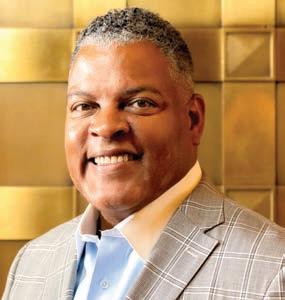
Anthony O. Kellum
ble properties in the same broader market area. Yet somehow, the valuation assigned to my property came in dramatically lower.
As someone in the industry, I understood immediately that this was not just a math problem. It was a framework problem. Appraisals are often presented as objective science, but in reality, they are heavily influenced by interpretation, market assumptions, neighborhood narratives, and historical data that itself may have originated from decades of discriminatory practices. In many Black communities, lower historical appraisals become the justification for future lower appraisals, creating a self-reinforcing cycle where suppressed values become normalized. The market begins to treat undervaluation as evidence rather than distortion.
This is where many conversations about race and housing
teach participants how to solve complex business and community challenges, apply design thinking principles to product and business development, and strengthen leadership and organizational planning skills.
Under the terms of the partnership agreement, Black Tech Saturdays and the Regents of the University of Michigan will share ownership of the program, co-design the curriculum, co-brand the credentials, and split revenue evenly. Organizers describe the collaboration as one of the first partnerships of its kind between a Black-founded community tech organization and a major public research university at this scale.
Michigan Central will serve as the founding location sponsor and host every class during the pilot phase of the initiative.
The U-M Center for Innovation in Detroit, currently under development as part of a $250 million investment in downtown Detroit, says the partnership aligns with its mission to create more inclusive pathways into innovation, technology, and entrepreneurship for Detroit residents.
“At U-M Center for Innovation in Detroit, we are working to ensure the future of innovation in Detroit belongs to everyone who lives here,” said Lutalo Sanifu, Director of Community Engagement at U-M Center for Innovation in Detroit.
“Black Tech Saturdays is exactly the kind of partner making programs like Bridge to Success possible – a trusted, community-rooted organization with the reach and relationships to connect groundbreaking opportunities to the
become too simplistic. People often assume discrimination in housing must look explicit to be real. But modern inequity frequently operates through systems that appear neutral while producing deeply unequal outcomes. Appraisal bias is one of the clearest examples of this phenomenon. No one has to openly say a Black neighborhood is worth less. The market simply behaves as though it is, and that behavior compounds over generations.
If a family in a white neighborhood gains an additional $150,000 or $200,000 in equity over a decade while a similar Black family does not, the gap is not just financial. It affects inheritance, mobility, educational opportunity, entrepreneurship, and access to capital. Equity becomes leverage, and leverage determines who can move forward economically without starting from zero for each generation.
What makes this particularly frustrating is that Black buyers, investors, and homeowners are often asked to overcome barriers that have little to do with financial irresponsibility. Many Black professionals today are highly educated, dual-income earners with strong careers and stable finances.
Yet they still encounter markets and valuation systems that frequently fail to recognize the full
worth of the communities they invest in. In many cases, Black buyers are not underqualified, their neighborhoods are undervalued. That distinction matters, and it raises an important political and civic question what do we do about it?
First, Black communities must become far more educated on how appraisals actually work. Most people assume an appraisal is fixed and unquestionable. It is not. Appraisals can be challenged, rebutted, and reviewed. Homeowners and investors should understand the importance of gathering strong comparable sales data, documenting renovations thoroughly, presenting neighborhood development trends, and understanding how appraisers select comps. Too many people accept undervaluation without realizing there are mechanisms to dispute it.
Second, we need greater engagement with appraisal companies and lending institutions themselves. This cannot simply be treated as an adversarial issue. There must be sustained dialogue between Black real estate professionals, developers, homeowners, and the appraisal industry about how neighborhoods are evaluated and how implicit assumptions shape valuation outcomes. Appraisers often rely on historical sales patterns without adequate-
bankers and/or business brokers. Spending time, effort and money now to build a team of people you trust can help drive more favorable outcomes in the end.
Don’t forget about your own retirement
When it comes to investing for retirement, the sooner the better – whether you are a business owner or not. Starting with investing now can give your money more time to potentially grow.
If you don’t have a company-funded 401(k), there are other retirement planning options for business owners to consider, like an IRA or solo 401(k). Make sure to consult your tax advisor, as they can help you understand the tax implications of each option and identify which one may be right for you.
Securing your legacy
Taking the time now to thoughtfully plan for your retirement as a business owner may seem daunting, but it can help ensure peace of mind later in life. There’s a lot to consider, so staying informed is key. If you’re looking for more resources in your financial journey as a business owner, visit our library of free educational content at chase.com/theknow
JPMorgan Chase & Co., its affiliates, and employees do not provide tax, legal or accounting advice. You should consult your own tax, legal and accounting advisors before engaging in any financial transaction.
J.P. Morgan Wealth Management is a business of JPMorgan Chase & Co., which offers investment products and services through J.P. Morgan Securities LLC (JPMS), a registered broker-dealer and investment adviser, member FINRA and SIPC
From page A-5
ly accounting for neighborhood transformation, rising demand, infrastructure improvements, or broader economic shifts. Communities must push for valuation models that recognize future trajectory and actual market behavior rather than outdated narratives tied to race and geography.
Third, there is a political dimension that cannot be ignored. Regulators, housing agencies, and elected officials must continue scrutinizing appraisal disparities and modernizing oversight standards. Data transparency matters. If certain communities consistently appraise lower despite similar housing stock and market conditions, that should trigger investigation, not dismissal. The federal government has already begun acknowledging appraisal bias more openly, but acknowledgment alone is insufficient. Accountability mechanisms must follow.
But beyond policy, there is also a cultural responsibility within Black communities themselves. We must continue investing in ownership, development, and local economic ecosystems despite the frustrations. One of the dangers of persistent undervaluation is psychological people begin to internalize the belief
that their communities are inherently less valuable. Value is often political before it becomes financial. Neighborhoods appreciate when investment, confidence, infrastructure, and ownership align over time.
This is why property remains one of the most important battlegrounds in America. The racial wealth gap in America has never been driven solely by income differences. It has been driven largely by asset appreciation and homeownership remains the largest asset most families will ever possess. When Black communities are undervalued, the issue is not simply that homes sell for less. It is that the economic futures attached to those homes are constrained before families ever have a chance to fully realize them. That is why appraisal bias deserves far more public attention, and until we answer that honestly, the market will continue doing what it has quietly done for decades assigning different values not just to properties, but to communities themselves.
Property is Power! is a movement to promote home and community ownership. Studies indicate homeownership leads to higher graduation rates, family wealth, and community involvement.
people who will pursue and benefit from them.”
Michigan Central leaders say the collaboration reflects the broader vision for Detroit’s innovation district as a hub where institutions, businesses, and community organizations work together to create opportunity.
“Michigan Central is a place where big ideas are built in genuine partnership with ecosystem members and the community,” said Carolina Pluszczynski, acting CEO of Michigan Central. “Bridge to Success represents exactly the kind of inclusive, opportunity-building programming our platform was designed to foster. We’re thrilled to host Black Tech Saturdays and UMCI as they equip Detroiters to lead the next innovation economy.”
The partnership is supported
through a foundational investment from the Knight Foundation, which provided funding to help BTS build the organizational infrastructure necessary to expand programs at scale while strengthening the organization’s broader ecosystem of services and initiatives.
“Knight believes Detroit’s future will be shaped by the people leading its transformation,” said LaTrice McClendon, Knight Foundation’s Detroit Program Director. “Black Tech Saturdays is a model of what place-based, community-rooted investment looks like when it is done right. Bridge to Success is the kind of partnership that shows how equity, education, and economic mobility can be built together – and built to last.”
For Black Tech Saturdays, the program represents the next phase of an organization that has rapidly grown since its launch in 2023 by Johnnie and Alexa Turnage. Over the last three years, BTS has engaged more than 30,000 commu-
nity members, raised more than $5 million in grants and funding, distributed nearly 1,000 devices, and hosted more than 1,000 workshops in Detroit and beyond.
Alexa Turnage says Bridge to Success is a direct response to what participants have consistently requested: credentials that carry institutional weight while remaining accessible and immediately useful.
“Every single person we have served over these last three years has told us the same thing: they are ready to work. Ready to build. Ready to lead,” said Alexa Turnage, President and Co-Founder of Black Tech Saturdays.
“What they’ve been missing is the credential that opens the door. Bridge to Success is that credential — University of Michigan-backed, community-designed, and built for people who need to put it to use right away. That is what our community has always deserved.”


There are around 1.4 million people in Michigan who rely on SNAP food assistance to help put food on their family’s table. That’s roughly 1 in 7 residents. It is the largest anti-hunger program in the U.S.
What is SNAP?
SNAP (Supplemental Nutrition Assistance Program) provides monthly benefits on Electronic Benefits Transfer (EBT) cards to eligible low-income individuals and families to help them buy groceries and afford nutritious food. The program is federally funded but administered at the state level by the Michigan Department of Health and Human Services.
Why is it important to keep information accurate?
When it’s time to update your SNAP information, it’s important to make sure the information is accurate. Life changes. Make sure your benefits keep up and your SNAP information reflects any changes in the following areas.
• Income: Has your income changed? Are you making more or less than before? Has your household added or lost income due to a change in your living situation?

• Employment: Do you have the same job or has your job changed affecting your income? Do you have seasonal work that fluctuates?
• Living situation: Has your living situation and the people you live with changed due to marriage, divorce or a relationship? Or do you have more or fewer children in the household to care for?
• Address: Has your residence changed? Are you living in the same place or moved to somewhere new?
What is the SNAP Payment Error Rate (PER)?
The PER measures how accurately a state determines eligibility and benefit amounts for SNAP households. The PER is calculated as total mis-issued dollars divided by total benefits issued. A mis-issuance occurs as the result of an error regardless of whether the error was intentional. There are four types of payment errors:
• Underpayments: When a household receives fewer benefits than they are entitled.
• Overpayments: When a household receives more benefits than they are entitled. Payment errors may happen due to:
• State agency error – for example, the agency miscalculates a household’s expenses.
• Household error – for example, the client does not report a change in income.
Under H.R. 1, Michigan’s share of SNAP benefit costs will be determined by the state’s federally calculated PER for FY 2026. States with higher error rates will be required to pay a higher portion of SNAP benefit costs, while states with PERs under 6% will continue to receive full federal funding. Today, states pay 0% of these program costs. The added financial obligations could strain Michigan’s ability to sustain SNAP services. That’s why it’s critical to reduce the PER — the lower the PER, the smaller the share of benefit costs.
What can we do to help?
Michigan is doing several things to reduce the SNAP Payment Error Rate. But you can also help by keeping your information fresh. Together we can help keep food on the table. Learn more at Michigan.gov/FoodAssistance.






Workforce Wednesday:
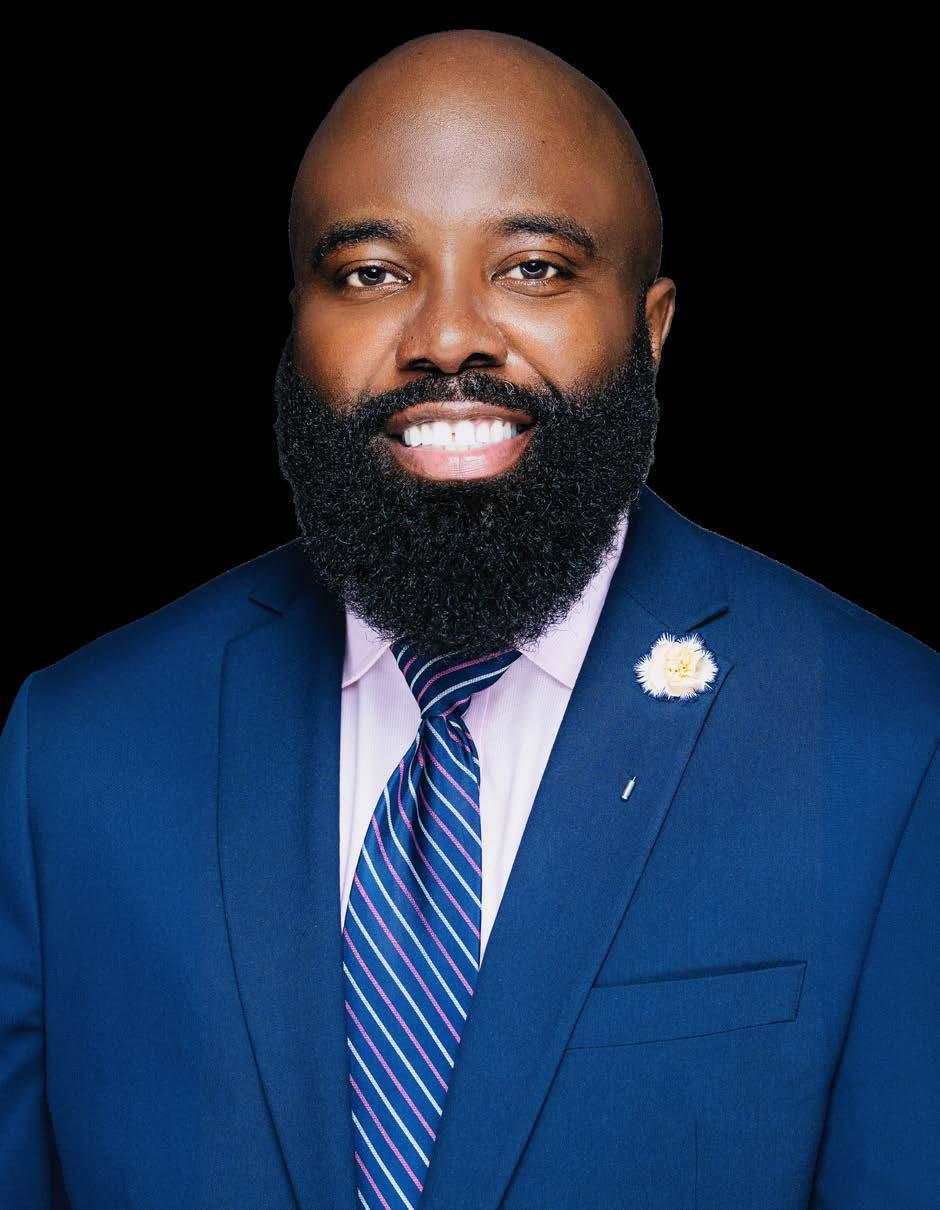
Walker-Miller Energy Services is proud to introduce Workforce Wednesday, a new thought leadership series focused on the evolving workforce landscape across industries, led by Derrick Meeking, Director, Market Development Initiatives at
Series Launches this May 2026
13-19,
By Miss AJ Williams
A boundary is not the same as a wall. It is not just a script, a limit, or a line meant to keep things out. At its core, a boundary is an expression of self-knowledge. It happens when someone understands themselves well enough to see what does not fit within who they are. This difference is important, even though most conversations about boundaries overlook it, because it changes how we understand why boundaries fail and what it really takes to maintain them.

The wellness industry has created a whole market around teaching people how to set boundaries. There are scripts for what to say, frameworks for how to respond when someone pushes back, and affirmations to make setting limits feel easier. None of this comes from a bad place. People who look for these tools are not naive—they truly want relief from patterns that have cost them something important. The real issue is not their desire for help. The issue is that scripts address only what happens on the surface, leaving the deeper structure untouched. You can learn every phrase out there and still see your boundaries fall apart when someone close to you pushes hard enough. The problem was never the boundary itself. It was the foundation underneath.
Having a stable sense of identity is necessary for strong boundaries. This is not just a figure of speech. If someone lacks a clear, steady sense of who they are, setting boundaries can feel like harming the relationships that have helped shape their identity. If your sense of self is built on being useful, available, and taking care of others’ needs, setting a boundary can feel like defying yourself—and even like destroying part of yourself. That is why boundaries often fail, not because you were not determined or said the wrong thing, but because your identity was not strong enough yet to handle the cost of keeping that boundary.
Most conversations about boundaries do not get to this deeper level. Boundaries do not fall apart during the confrontation itself. They collapse in the moments just before, during the quiet inner struggle when the fear of letting someone else down becomes stronger than the fear of letting yourself down. This turning point shows exactly where your identity still depends on outside approval instead of your own sense of self. It shows who still has power over your feelings of being accepted, loved, and needed. Boundaries do not break because people are weak. They break because the identity underneath has not been explored enough to know what it needs to stay whole.
This is why the first three articles in this column were not just an introduction. They were essential. The process of understanding who you were before outside influences, grieving the loss of your true self, and reclaiming the parts of you that were pushed aside for

By Jasmine West
A stage doesn’t just hold a performer. It holds electricians, stylists, camera operators, logistics teams, sound engineers, and young people who rarely get invited into those rooms—especially young Black talent from cities like Detroit who know creativity but are too often locked out of the business behind it.
That reality is exactly what Usher’s New Look and Boys & Girls Clubs of Greater Detroit are working to disrupt with the launch of a national internship program designed to place young adults directly inside the live touring industry.
Announced May 5, the Entertainment Industry Club: Live Touring Edition arrived with urgency—and a deadline. Applications closed Friday, May 8, narrowing a short window for Detroit youth to step into a multi-billion-dollar global industry that has historically kept its doors closed to many.
This initiative connects directly to the 2026 North American R&B tour, where a select cohort of ten interns — ages 18 and older—from Detroit and Atlanta will move beyond observation and into execution. These young professionals will train and work across tour production, wardrobe, multimedia, operations, and community engagement. That means real work, real responsibilities, and real exposure to the machinery behind one of music’s most lucrative ecosystems.
Shawn H. Wilson, who serves as President and CEO of Boys & Girls Clubs of Greater Detroit and co-founded Usher’s New Look, framed the opportunity with clarity.
Those pathways matter deeply in Detroit.
A city known for shaping global sound — from Motown to modern hip-hop — has long produced talent that fuels the culture. Yet access to the infrastructure behind that culture— the technical trades, production roles, and business operations— has not always been as visible or accessible. Programs like this begin to close that gap, offering something tangible: proximity, training, and paid experience tied to a major touring production.
Before stepping onto the road, selected interns will complete pre-tour training focused on professional standards, safety, and specialized skills tied to their assigned roles. That preparation signals something larger than a summer internship — it signals an investment in readiness, in professionalism, and in longterm employability.
Usher, whose career has spanned decades at the top of the industry, connected the program to a broader truth about talent and access.
“At Usher’s New Look, we’ve always believed talent is everywhere, but access is not,” he said. “This program is opening doors and putting young professionals in a position to learn, grow, and work inside the entertainment trades. It’s about giving them a real opportunity.”
That distinction — between talent and access — sits at the center of this moment.
For many Detroit youth, especially Black youth, creativity has never been a barrier. Opportunity has. Exposure has. Networks have. This program meets that gap head-on by placing participants inside spaces where decisions are made, shows
B-2 See BOUNDARIES Page B-2
By Miss AJ Williams
MotorCity Casino Hotel is focusing on creating a great atmosphere. With The Wagner now open, this well-known Detroit spot has introduced a striking new centerpiece that brings a sleeker, more social vibe to the casino floor. The bar and lounge, located at the heart of the property, is the latest part of the casino’s $65 million ELEVATE THE ESCAPE renovation.
The Wagner is more than a simple makeover. It shows how casinos are changing the way they welcome guests. Instead of a hidden bar between slot machines, there is now a large 4,500-squarefoot lounge that feels both like an upscale cocktail spot and a lively nightlife hub. Guests can enjoy handcrafted drinks under high ceilings while staying close to the excitement of the gaming floor.
The Wagner sits at the center of the casino and offers a walk-up bar, lounge seating, and bar-top gaming stations. These features encourage guests to relax and stay awhile instead of just passing by. The space was designed to be a main meeting spot where people can gather before dinner, celebrate a win, or enjoy cocktails late into the evening.
“The Wagner is a standout destination where our guests can come together right at the center of the action,” said John Policicchio, general manager of MotorCity Casino Hotel, in a statement. “As part of ELEVATE THE
“The live touring industry is a multi-billion-dollar global business—yet access to the entertainment trades remain limited,” Wilson said. “Together, we’re changing that by placing young professionals on one of the most historic tours and turning access into real pathways to lasting careers.”

MotorCity Casino Hotel Raises the Stakes with the Opening of
and social focal point within the casino.”
The Wagner’s drink menu is designed to stand out from other bars at MotorCity. The lounge serves exclusive cocktails and premium spirits you won’t find elsewhere in the casino, plus a changing list of beers, wines, and nonalcoholic cocktails. Offering high-quality alcohol-free drinks is part of a growing trend for guests who want a refined nightlife experience without alcohol.
The transformation has also significantly expanded. The new lounge is much larger than the old center bar, with seating increasing from 44 to 109 guests. This makes the space more comfortable and social, even in the busy casino setting. More improvements are coming soon, like reserved seating, dedicated cocktail servers, and special menu options to give guests a more personal experience. is only one piece of a much larger reinvention strategy. Future phases of ELEVATE THE ESCAPE will continue with the ongoing renovation of all 400 hotel guestrooms and suites, signaling the brand’s broader push to compete not only as a gaming destination, but as a full-scale luxury entertainment experience in Detroit.
As Detroit’s hospitality scene evolves, The Wagner opens at a time when visitors seek places that blend nightlife, design, and social connection. With its industrial style, larger space, and central location, MotorCity’s newest spot is set to be more than just a bar. It aims to be the heart of the casino.
survival is not just background for setting boundaries. It is the foundation. You cannot set limits around something you have not fully recognized. And you cannot keep those limits strong if what is inside them still feels uncertain.
When you start doing the inner work, boundaries that once felt harsh begin to feel right. A woman who has a stable sense of self does not see saying no as a threat. She sees it as staying true to herself. She is not shutting out someone she cares about. She is being clear about who she is and what she can handle. The boundary is not about conflict. It is about structure. It is what happens when self-knowledge becomes visible in your life.
This also means that when a boundary falls apart, the discomfort is not just a social issue or a relationship problem. It is a sign. Each time a boundary dissolves, it shows exactly where your identity is still shaped by old habits and seeks approval from others rather than from within. This is not a failure. It is information. And if you are willing to look at it closely, that information is the start of building something new.
So, the spiritual practice of boundaries is not about forcing them. It is about digging
deeper. It means being willing to ask yourself, again and again, what the moment of collapse was really showing you. Not what you should have said, or what the other person should have done, but what you learned about the part of you that still does not feel sure, steady, or real enough to stand firm. That is where the real work happens.
This column has been leading up to this point from the start. Identity is like a structure. Conditioning is the framework. The self you have been protecting and showing to the world was built out of necessity, not truth, and taking it apart is not just therapy—it is also a spiritual process. Boundaries are not the end goal, but they are clear signs that real change is happening. When a woman can set a limit not out of fear or strictness, but from a calm and clear sense of who she is, something has shifted deep inside. It changes not only what she allows, but also what she expects from herself.
That shift is what we are building toward.
Miss AJ Williams is a Spiritual Wellness Architect and Educator and the Managing Editor of the Michigan Chronicle. A thought leader at the intersection of astrology, psychology, and identity evolution, she is the founder of Sunday Communion, a quarterly live transformation experience held in Detroit. The Inner Architecture is her editorial column on the work of becoming.
are built, and careers are shaped.
Beyond the ten selected interns, the program’s reach extends nationally through “Spark Sessions: Making of the Tour.” These sessions will bring behind-the-scenes insight into Boys & Girls Clubs across the country, offering young people a window into the planning, logistics, and business of live touring. That expanded access builds awareness early, giving younger students a clearer sense of what careers exist beyond the spotlight.
As the tour travels from city to city, interns will also

take on leadership roles — facilitating community activations, hosting career workshops, and engaging directly with local youth. It ensures the program doesn’t stop with individual advancement but instead circulates knowledge back into communities that need it most.
Detroit stands at the center of that impact.
Boys & Girls Clubs of Greater Detroit has long served as a pipeline for youth development, mentorship, and opportunity. Pairing that infrastructure with a global entertainment platform creates a bridge between community-based support and industry-lev-

el access, something rarely done at this scale.
This program lands at the right time. It speaks to a generation that is both digitally fluent and culturally influential, yet often underrepresented in the technical and operational sides of entertainment.
For Detroit’s young people watching from the outside, this program offers a different narrative — one where they are not just fans in the crowd, but professionals behind the curtain, shaping what the world sees and hears.
Access changes everything. And right now, that door is open.





Postpartum Depression (PPD) Screening Available
Feeling overwhelmed, anxious, or not like yourself after having a baby? It may be more than the “baby blues.” PPD is common, treatable, and not your fault.
KNOW THE SIGNS:
Persistent sadness or anxiety
Trouble bonding with your baby
Changes in sleep or appetite
Feeling overwhelmed or disconnected
Take the PPD test. Reach out for support. Help is available for you and your family.
Contact Detroit Wayne Integrated Health Network to learn more, get screened, and access care. Call 800-241-4949 | Support available 24/7 365 You’re doing your best—you don’t have to do it alone.



p.m. (Local Time)
Robert B. Blackwell Municipal Building 12050 Woodward Avenue Highland Park, MI 48203
This project will be divided into two (2) phases, and bidders may bid on one or multiple phases. Bidder may be awarded one phase or multiple. Considering the funding source requirements, time is of the essence for this project. If a bidder is awarded multiple phases, it will be the bidder’s responsibility to ensure required manpower and resources are dedicated to this project such that the phases are completed in the allotted project time.
This project is funded by the State Revolving Fund (SRF) grant agreement between the Michigan Department of Environment, Great Lakes, and Energy and the City of Highland Park, and as such, the Contract will require Davis-Bacon/Prevailing Federal as well as Debarment and Suspension Certification, Labor Standards Provisions, American Iron & Steel (AIS) requirements, and the Iran Economic Sanctions Act.
The Contract Documents may be obtained by emailing procurements@metroca.net. Starting Tuesday, May 12, 2026, hard copies of the plans and flash drives containing the procurement/contract and specifications books may also be picked up at the Robert B. Blackwell Municipal Building, Water & Engineering Department, 12050 Woodward Avenue, Highland Park, MI 48203, free of charge for up to two (2) copies per contractor. Contractors must send an email requesting hard copies at least 24 hours in advance. Additional copies may be obtained at cost per copy. All qualified vendors are encouraged to bid on all City of Highland Park construction projects.
All bidders will be required to attend the mandatory Pre-Bid Meeting at the time and location or remotely as mentioned above. If attending in person, please submit the number attending in each bidder’s party in writing by Wednesday, May 27, 2026, to procurements@metroca.net.
Bonding and Insurance Requirements
It is recommended Bidders review bonding and insurance requirements prior to making their bid.
Bid Bond: A refundable bid deposit in the form of certified check, cash, or surety bond payable to the City of Highland Park for a sum not less than five percent (5%) of the amount of the Proposal shall be required with each Proposal.
Performance, Payment, and Maintenance Bonds: The successful bidder will be required to furnish satisfactory performance, labor, and materials and maintenance and guarantee bonds in the amount of one hundred percent (100%) of the Contract price.
Workers’ Compensation, Commercial General Liability, Auto Liability, Owners and Contractors Protective (OCP), and Property Insurance (materials) are required. The successful bidder will be required to furnish satisfactory proof of insurance in amounts as required under the Contract Documents.
The City of Highland Park reserves the right to waive any irregularity, to accept or reject any or all bids, and to accept the proposals that, in the City’s opinion, are in the best interest of and to the advantage of the City of Highland Park. The City’s decision will be final. No bidder may withdraw his bid within ninety (90) calendar days after the date of bid opening. Project may be awarded as an individual phase or combination of phases.
Bids (Proposals) will not be received unless made on forms furnished by the City of Highland Park and delivered to the City Clerk’s office on or before 12:00 p.m. Local Time on Friday, June 12, 2026. City of Highland Park Brenda Green, City Clerk
REQUEST FOR PROPOSAL
The Suburban
Corporate Predictive
& search by Keyword: 1385. EOE/M/F/D/V. 3 cols x 1.75 inches The Detroit Transportation Corporation, Detroit People Mover is solicitating bids for LAW ENFORCEMENT UNIFORMS RFP 5.13.26 can be accessed on Bidnet Direct, www.bidnetdirect.com//detroit-transportation-corporation. Proposals must be received electronically by Bidnet Direct on or before 5:00pm ET, June 5, 2026.






place and date above indicated to consider the following PROPOSED FY 2026-2027 BUDGET
Copies of the proposed budget may be viewed at the City Clerk’s Office Monday-Thursday 10:00 a.m.3:00 p.m. Brenda Green City Clerk

so does exposure, and the experts at multiple-line insurance carrier Mercury Insurance are reminding homeowners that basic cybersecurity practices can help reduce both their digital and physical risks.
“Smart-home technology is incredibly useful, but it also expands the number of entry points into your home – not just digitally, but physically,” said Dustin Howard, head of info security at Mercury Insurance. “The good news is that many of the most effective protections are simple, proactive steps that homeowners can take today.”
Smart-home adoption continues to accelerate with recent studies showing roughly 70% of U.S. households now use at least one connected device. From video doorbells to smart garage doors, these tools provide visibility and control, but if not properly secured, they can also create vulnerabilities that bad actors may exploit.
Consider these cybersecurity best practices for connected homes:

n Secure your Wi-Fi network: Use strong, unique passwords – at least 14-16 characters with a mixture of letters, numbers and symbols – and enable WPA3 encryption when available to prevent unauthorized access. Also turn on your router’s built-in firewall and disable Wi-Fi protected setup.
n Update devices regularly: Firmware and software updates often include critical security patches that close known vulnerabilities. Turn on automatic updates for operating systems, applications, browsers and smart home devices such as thermostats and cameras. If devices are no longer able to update, it may be time to replace them to avoid compromising security.
n Enable multi-factor authentication (MFA): Adding a second layer of verification significantly reduces the risk of unauthorized account access. Enable MFA for email accounts, banking and financial apps, cloud storage and social media accounts, and use an authenticator app for confirmation rather than receiving a code via text or email.
n Segment your network: Consider placing smart-home devices, including televisions, security cameras and speakers, on a separate network from personal devices like laptops and phones. Also create a guest network for visitors to use to help further protect your main network.
n Change default settings: Many devices come with default usernames and pass words that are widely known and easily exploited. Change the defaults on your router as well as login credentials for any new devices, making admin accounts more difficult to target.
n Monitor device activity: Regularly review connected devices and remove any that are unfamiliar or no longer in use. If your router supports it, enable notifications for new device connections for real-time visibility.
“As homes become more connected, cybersecurity becomes a core part of overall home protection,” Howard said. “It’s not just about protecting your data – it’s about protecting your property, your privacy and your peace of mind.”
With smart-home technology expected to continue expanding, homeowners should treat cybersecurity as a routine part of home maintenance – just like checking smoke detectors or locking doors –to stay ahead of evolving risks.
For more information about protecting your home from cyberattacks, visit mercuryinsurance.com/resources.