Gathered






Soybean Staff
Ben Steyer
Chief Executive Officer bsteyer@michigansoybean.org
Volume 17 - Issue 4
Gathered
Soybean Staff
Ben Steyer
Chief Executive Officer bsteyer@michigansoybean.org
Volume 17 - Issue 4
Mark Seamon
Research Director mseamon@michigansoybean.org
Sonja Lapak, Editor Communication Director slapak@michigansoybean.org
Katlin Fusilier Outreach Director kfusilier@michigansoybean.org
Hanna Campbell Market Development Director hcampbell@michigansoybean.org
Anna Skelly
Accounting & Compliance Specialist askelly@michigansoybean.org
Claire Dewey
Administrative & Marketing Coordinator cdewey@michigansoybean.org
Michigan Soybean Association
3055 W M-21 St. Johns, MI 48879
Phone: 989.652.3294 soyinfo@michigansoybean.org
Ad Sales
Sonja Lapak slapak@michigansoybean.org
J.L. Farmakis Inc. - National Phone: 203.834.8832 bill@jlfarmakis.com
Copyright 2025 by Michigan Soybean Association; all rights reserved.
Magazine Circulation: 18,000 Michigan Soybean News is published quarterly.
12

18
28
Farmers to Social Media Influencers Deep Dive into High Oleic Soybeans

Disclaimer:
Advertisements within this publication contain the opinions and information of the advertisers and do not necessarily reflect the opinions or views of the Michigan Soybean Association or affiliated groups. The United Soybean Board/soybean checkoff neither recommends nor discourages the implementation of any advice contained herein, and is not liable for the use or misuse of the information provided. Michigan Soybean Association Mission: To improve and advocate for the Michigan soybean industry.

Michigan Soybean Leadership
Michigan Soybean Association
Larry Phelps, Vicksburg
Jay Williams, Waldron
Tom Woelmer, Monroe
Karen Warner, Yale
Allison Thiel, Birch Run
PJ Feldpausch, St. Johns
Matthew Wila, Blanchard
Rob Howland, Brown City
Robert Wasmiller, Burt
Michigan Soybean Committee
Sara Trattles, Colon
Gary Parr, Charlotte
Nathan McCalla, Ann Arbor
Scott Wilson, Lexington
John Burk, Bay City
Jeff Fromm, Owosso
Ryan Drozd, Allegan
American Soybean Association
Heather Feuerstein, Belding
Janna Fritz, Bad Axe
United Soybean Board
Laurie Isley, Palmyra
Dennis Gardner, Croswell
Carla Schultz, Mayville
North Central Soybean Research Program
Steve Koeman, Hamilton
US Soybean Export Council
Dave Williams, Elsie
Clean Fuels Alliance America
Zach Schaffner, Hudson
Soy Aquaculture Alliance
Alan Moore, Bannister
Soy Transportation Coalition
Rob Green, Corunna
World Initiative for Soy in Human Health
Doug Darling, Maybee
Specialty Soya & Grains Alliance
Steve Peach, Plymouth
US Meat Export Federation
Brian Pridgeon, Montgomery
Farm Produce Insurance Fund
Jason Haag, Unionville
Tell us about yourself, your farm and your family.
My name is Rob Howland, and I'm currently in my second term as one of the At-Large Directors on the MSA board. I live and farm in the Brown City/North Branch area with my long-term partner Casey. I have three adult children - two sons who live nearby and a daughter in California, as well as a stepson. I also have two adorable grandchildren.
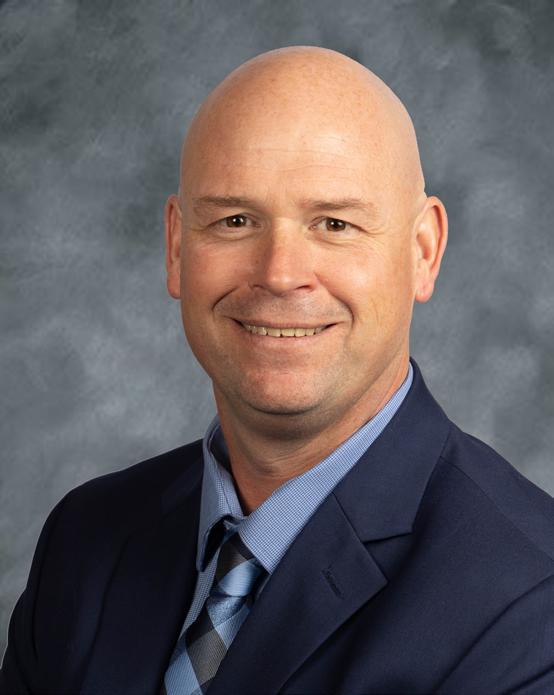
I grew up in North Branch farming with my dad, who is now retired. I operate our family’s roughly 900 acre corn and soybean farm with the help of my sons after their day jobs. In addition to farming, I serve as the township supervisor for Burlington Township.
Favorite MSA board experience?
I have enjoyed all of the MSA events I have been a part of, including the Legislative Lunch at the Capitol in Lansing, ASA Hill visits in Washington D.C. and Commodity Classic. As a farmer, I feel it is important to have contacts and conversations with our lawmakers on behalf of our industry.
Aside from the work as a board member I enjoy being able to connect and learn from other people in the state whether it be industry leaders or other board members. I also enjoy the opportunity to network with farmers from across the country. I have learned a lot about other operations and other parts of the country. Many of them are dealing with similar issues but we can always learn something new from them.
Planting or harvest?
Harvest is my favorite time on the farm as we get to see what all we have worked for throughout the year.
Red or Green?
Neither, I prefer Blue. Mainly Ford plus an AGCO combine.
Do you have a farm dog?
Yes, we have three very active farm dogs. The oldest is Gunner our Australian Shepherd who wants to be by my side all day. Then we have Maple the Bernese Mountain dog and Stubs the Pembroke Corgi.
Off-farm hobbies?
In the winter time I enjoy snowmobiling with my family. We do not have a favorite spot as we try out new places. Our family is planning a trip to the U.P. to snowmobile this winter. In the summer I enjoy being on the pit crew for my sons during their Bump-N-Run derbies.

It is always interesting for me to talk with someone outside of agriculture and explain my job. This usually begins with questions about their knowledge of crops, especially soybeans. Even though there are more than two million acres of soybeans in Michigan and more than 85 million acres in the country, some people claim to have never seen a soybean plant. Then again, there isn't necessarily a need for a U.S. citizen to know about soybeans or agriculture because the industry operates every day without their knowledge or input. Similarly, it is interesting to talk with a soybean grower who knows little about the checkoff system. Of course, they are aware of their payment of the checkoff from the sale of their soybeans, but they may not have taken the time to learn what their checkoff investment is used for.
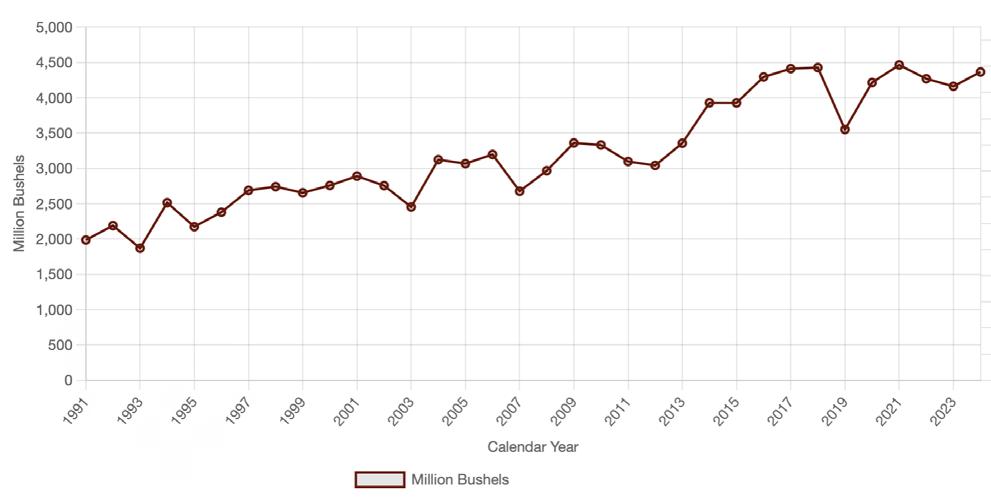
The federal soybean checkoff system has been in effect since the creation of the United Soybean Board in 1991. Prior to that, the Michigan Soybean Committee state checkoff came to be due to Public Act 232 of 1976. At the time the federal checkoff was created, U.S. soybean growers produced 1.987 billion bushels on 59.2 million acres with an average yield of 34.2 bushels per acre. Fast forward 34 years to 2024 when U.S. soybean growers produced 4.366 billion bushels on 87.1 million acres with an average yield of 50.7 bushels per acre. In that same time period the price of soybeans went from $5.74 to $12.40 per bushel. There are lots more statistics and methods of financial analysis but these simple numbers tell a great success story.
Source: USDA NASS
The success was created by American farmers who identified an opportunity to become the leading source of a high protein and vegetable oil crop to the world. Those same farmers wisely created the soybean checkoff system to support their production, marketing and market development efforts to sustain production and create demand.
While it can be frustrating to deal with the low prices of soybeans today and recognize the challenges in soybean production and exports throughout the world, we should still take time to celebrate the success of the soybean checkoff. We’ve more than doubled the production of soybeans on just 68 percent more acres by increasing yields by 68 percent per acre since the inception of the federal soybean checkoff. Equally as important is the creation of demand for those additional 2.3 billion bushels each year. Every year, we need to find a market for more than 4 billion bushels of soybeans (and the meal and oil that come from them) so that we can produce them again the next year. This is a delicate balancing act the checkoff aims to tackle.
Sometimes it is easy to have an attitude of gratitude while other times we need to look through many challenges to find the shining examples of success. Please be assured that your soybean checkoff system is working diligently on your behalf to make the future even better than the past.

Mark Seamon Research Director mseamon@michigansoybean.org
The 2025 Michigan Soybean Association Yield Contest is well underway. Harvest forms can be found at misoy.org and are due at the end of November. Thank you to all who entered this year's contest. We are looking forward to more outstanding yields as results are submitted. Winners will be notified in December and announced on social media. Further recognition of the winners will take place at the Great Lakes Crop Summit in January and winners will also be featured in the spring issue of the Michigan Soybean News magazine. Stay tuned to see a lineup of impressive soybean yields from this year's participants.
MSA would also like to thank the sponsors of this year's contest for their generous support.
Without it, the contest would not be possible. This year, there are 12 participating seed company sponsors, along with support from the Michigan Soybean Committee.













Pursuant to Article V, Section I of the Bylaws of the Michigan Soybean Association, notice is hereby given that the Annual Meeting of the members of the Michigan Soybean Association will be held on Tuesday, January 27, 2026 at Soaring Eagle Casino, 6800 Soaring Eagle Boulevard, Mt. Pleasant, Michigan, convening at 4:00 p.m.
The purpose of the Annual Meeting is to announce director election results and transact other business as may properly come before the members.
Respectfully Submitted,
PJ Feldpausch Secretary
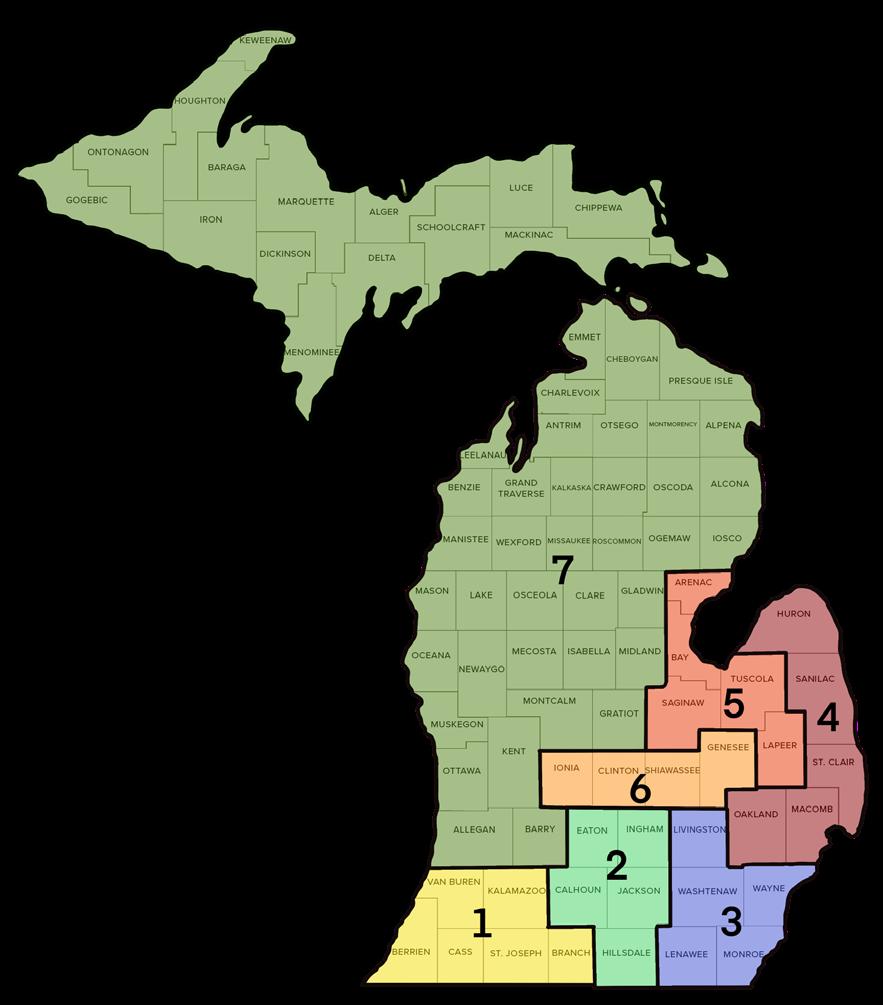
All MSA members who are in District 1, 4 and 7 should have received ballots for board of director elections. Elections are only being held in Districts 1, 4 and 7 this year. Please return ballots using the envelope included in the election packet.
Ballots must be postmarked by December 5, 2025 in order to be counted.


Jason Wadaga, Vice-President of Government Relations, Kindsvatter, Dalling & Associates
After a contentious nine plus month negotiation over the state budget, lawmakers were able to pass an $81 billion fiscal year 2025-26 budget in the early morning hours on November 3 rd .
While a “framework” for a deal was announced the week prior, it took roughly a week for the details to get hammered out, which forced the legislature to pass a “continuing budget” from fiscal year 2024-25 to avoid a state government shutdown until the final budget could be finalized.
After decades of trying to pass a long-term road funding plan in Michigan, the legislature was able to dedicate $1.85 billion annually to road funding and infrastructure. Other budget highlights included the elimination of the Strategic Outreach and Attraction Reserve (SOAR) funding, an increase to K-12 funding, eliminating 1,800 unfilled state employee positions and expanding prescription drug cash payments for pregnant mothers and newborns.
The long-term road funding plan was made up of a compromise over both new revenue and spending cuts. Included in the plan was:
• A new 24 percent wholesale tax on marijuana that is estimated to raise roughly $420 million annually
• “Decoupling” the corporate tax breaks from the “Big, Beautiful, Bill” raising over $500 billion annually
• Increasing the gas tax from 31 cents per gallon to 51 cents per gallon while eliminating the sales tax on gasoline which is predicted to be nearly revenue neutral
• Creating a Neighborhood Roads Fund that would focus part of the road funding package to local municipalities for upgrades
During budget negotiations, MSA lobbied against various proposals being floated to increase road funding revenue including a tax increase on Grade 7 and 8 trucks and a registration increase for heavy duty trucks. Thankfully, those proposals were not included in the final deal.
Aside from a long-term road funding plan, much of the discussion around this year’s
budget centered around a more transparent budget process and less “enhancement grants” or one-time funding projects.
The House of Representatives required all one-time funding proposals from their members to identify the sponsor of the project, the public need for the project, the cost of the project and additional details that were posted to their website for public viewing. The Michigan Senate later followed suit and both chambers passed legislation requiring a process for proper disclosure and monitoring of earmark projects.

Following several embarrassing news stories on how earmarks in previous budgets were being spent and administered, one-time funding projects were reduced from $1.3 billion in fiscal year 2024-25 budget to $168 million for fiscal year 2025-26.
Both chambers of the Michigan Legislature were able to secure key priorities in the budget that they outlined early on in the process.
Aside from making the process more transparent, the House of Representatives was able to eliminate 1,800 unfilled state employee positions and the Speaker of the House, Matt Hall, has said that he will make it a caucus priority to focus on eliminating additional “ghost positions” within state government. The House was also able to get language in the budget to require that state departments prioritize in-office work as opposed to work from home policies that have been adopted.
On the Senate side, Senate Majority Leader Winnie Brinks was able to secure $250 million for “RX Kids” which is a program that was launched to provide a $1,500 cash payment to pregnant women and $500 monthly for the first 12 months of the infant's life.


NEW MEMBERS:
Lucas Sharp, Colon
Matthew Sharp, Colon
Jim Hempton, Cass City
Leo Morehouse, Charlotte
Nadia Kreft, Canton
Robert Barr, Avoca
Brandon Bauer, Reese
Scott Beltman, Wayland
Todd Benjamin, Webberville
Ed Benkert, Burt
Brandon Blain, Williamston
Derrick Bracy, Quincy
Andy Ciborski, Allegan
Justin Dentler, Vandalia
Jarred Finnerman, Sturgis
Chris Heck, Petersburg
Steve Holden, Paw Paw
Todd Hull, Bancroft
Mike Ivory, Lapeer
Scott Jirgens, Kalamazoo
Dave Kasperski, Allenton
Matthew Kimerer, Onsted
Margo Knabusch, Monroe
Jeffery Krohn, Owendale
Cody Kulicamp, Coopersville
Darren Kulicamp, Coopersville
Ron Landis, Schoolcraft
Greg Leach, Richmond
Dave Lefler, Marlette
Wallace Loewen, Middleton
Greg Mahoney, St. Charles
Charles Malley, Henderson
Amy Mallory, Henderson
Kyle Meyer, Milan
Mike Mingus, Sturgis
Bob Ohse, Custer
Bret Pyper, Hudsonville
Adam Robson, Marcellus
Ryan Rock, Saint Charles
Grant Simpson, Vermontville
Matthew Sobieski, Hemlock
Mark Story, Wheeler
Edward Stotz, Ida
Timothy Stotz, Ida
Jacob Sulkowski, Goodells
Dave Terwillegar, Midland
Jake Terwillegar, Midland
Scott Thomas, Brown City
Chris Tibbits, Richmond
Nick Tipper, Fowler
Ashton VanderMarkt, Wayland
Curtis Vanvorst, Bronson
Jeff Vogl, Henderson
Edwin Watson, Hemlock
RENEWING MEMBERS:
Kelly Carns, Allegan
Larry Gould, Morenci
Pat Zeeb, Bath
Douglas Long, Clayton



First Name:_____________________________
Last Name:_____________________________
Address:_______________________________
City/State/Zip:___________________________
Phone:_________________________________
Cell Phone:_____________________________
Email:_________________________________
1-yr: $75 3-yr: $190
Young Farmer (18-24): $20
Non-Farmer Individual: $100
Payment Amount & Method:
Check (Payable to MSA) or Credit Card
Credit Card Type:_____ Expiration Date:______
Credit Card #:_________________ CVV:______
Signature:_______________________________
Date of Birth:__________________
Number of Soybean Acres:_______
Total Farm Acres:______________
Occupation (circle one):
Farmer Retired Other
• Dues are not tax deductible as a charitable contribution for federal tax purposes, but may be deductible as a business expense.
• 18% of member dues are allocated to lobbying activities and are not deductible.
Mail application with payment to: Michigan Soybean Association 3055 W M-21, St. Johns, MI 48879
Join online:

Paying the soybean checkoff does not make you an MSA member. Checkoff dollars cannot be used for lobbying. Your membership is critical to our efforts on behalf of Michigan soybean farmers!
For more information on member benefits, visit www.misoy.org/member-benefits/. Member benefits include:
• Scholarship opportunities for your children and grandchildren
• Preferred vehicle pricing opportunities
• Cabela’s gift card purchase discount
• Discounted registration to Commodity Classic




• Annual $75 seed coupon for renewing members to use with our partnering seed companies
• The MOST IMPORTANT MSA member benefit: Having a voice in Lansing and Washington, D.C.!

















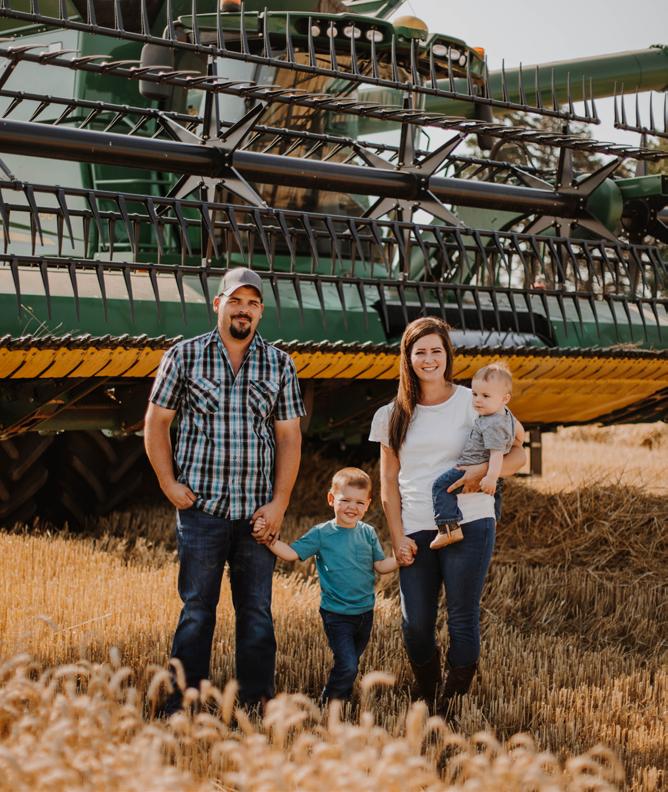
The 2026 Michigan Soybean Association scholarship application is now available to high school and college students. This exciting opportunity is offered to college students who are MSA members, as well as children and grandchildren of members, ages 17-25. Applicants must be enrolled as a full-time student at a postsecondary educational institution during the fall 2026 semester to be eligible. Students are only eligible to win an MSA scholarship one time. Through their strategic plan, the MSA board of directors has placed an emphasis on outreach and support for college students and young professionals in the agriculture industry. Today's college students are not only the next generation of farmers and agriculturalists, but also future policymakers, teachers, healthcare workers, consumers, etc. Supporting students who are connected to agriculture through membership in the Michigan Soybean Association is a rewarding opportunity that allows MSA to connect with students and help develop a relationship with future leaders. Application information can be found at misoy.org/scholarship. Applications are due to the Michigan Soybean Association office by March 1, 2026. Additionally, we would like to thank our generous sponsors who help make this program possible.

Governor Gretchen Whitmer recently announced one new appointment and one reappointment to the Michigan Soybean Committee board of directors.
Ryan Drozd of Allegan is an owner and partner in his family's farm, Drozd Family Grain. He holds a bachelor’s degree in farm management from Purdue University. Ryan was reappointed to represent District 7 growers for a second term commencing September 2025 and expiring September 2028.
Jeff Fromm of Owosso farms soybeans, corn and wheat in Shiawassee County. In addition to farming, Jeff owns a trucking company, Fromm Farms Trucking, LLC. Fromm was appointed to represent District 6 growers with a first term running through September 2028.
“The Michigan Soybean Committee is led by a board of industry leaders with expertise and knowledge that benefits all Michigan soybean farmers. Ryan and Jeff are great examples of strong leaders who are committed to being good stewards of soybean checkoff funds,” said MSC communication director Sonja Lapak. “We are excited for Ryan to serve for another term and for Jeff to hit the ground running."
MSC would like to congratulate Ryan and Jeff on their appointments. We appreciate their willingness to serve the Michigan soybean industry.
MSC would also like to recognize and thank Mark Senk for his six years of service on the Michigan Soybean Committee board of directors. Mark, who farms in Owosso, served on MSC's production, outreach, market development and administration and resources subcommittees, and also served as MSC's president for a number of years during his time on the board. He was a strong advocate for MSC's programs and is an excellent representative for Michigan's soybean farmers.
Thank you to Mark for his dedication and time spent serving Michigan's soybean growers.



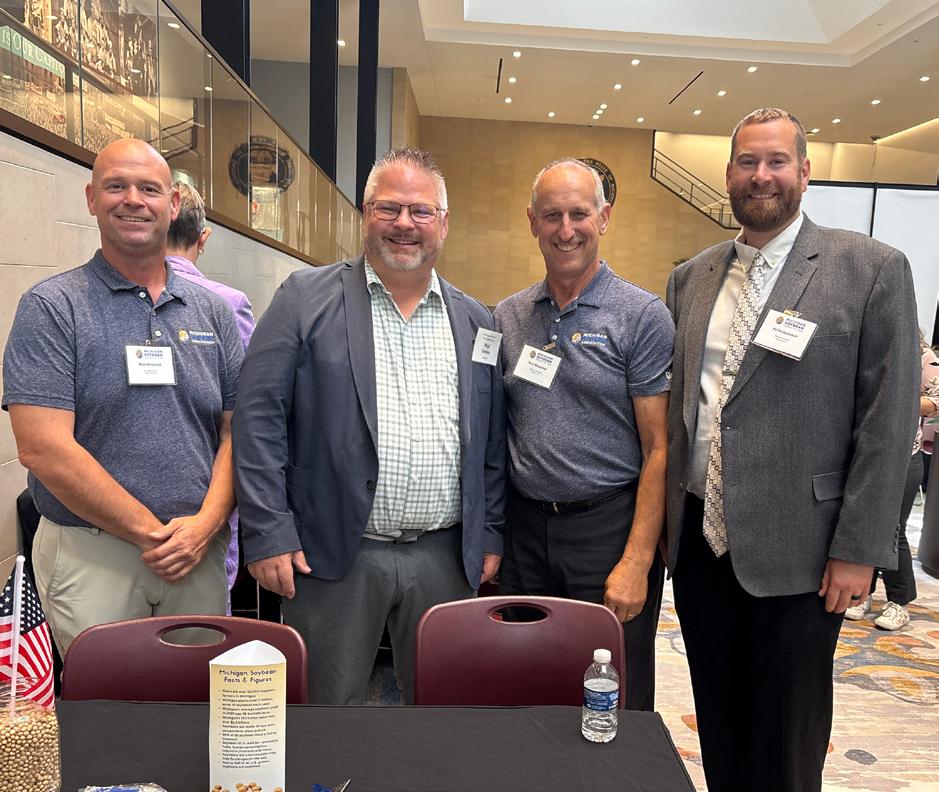
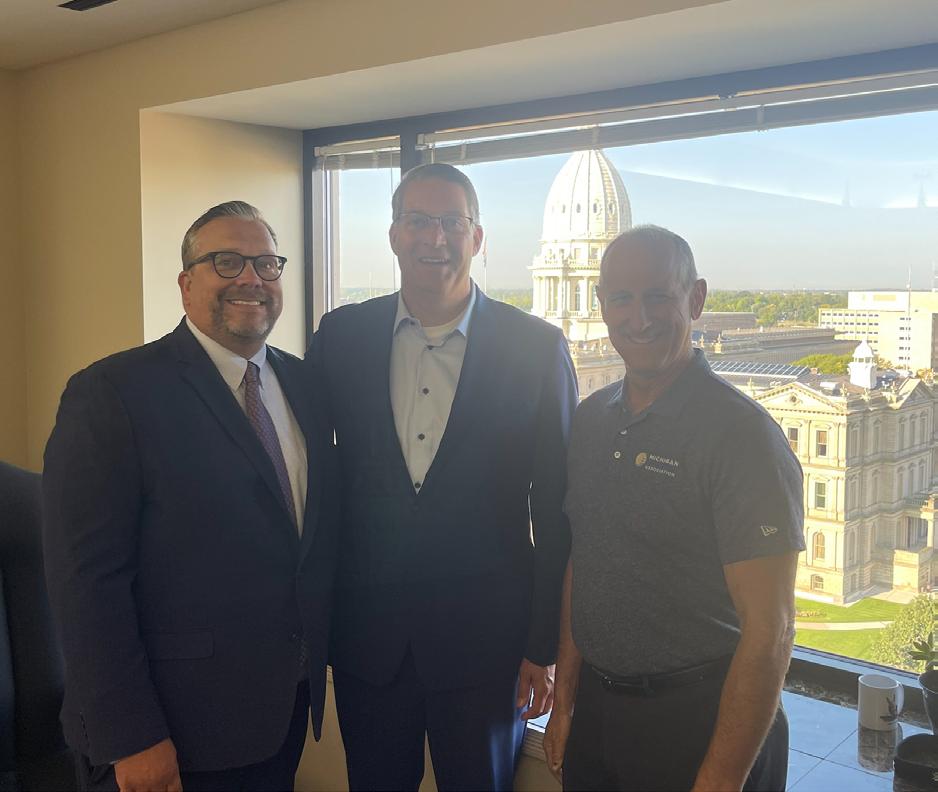
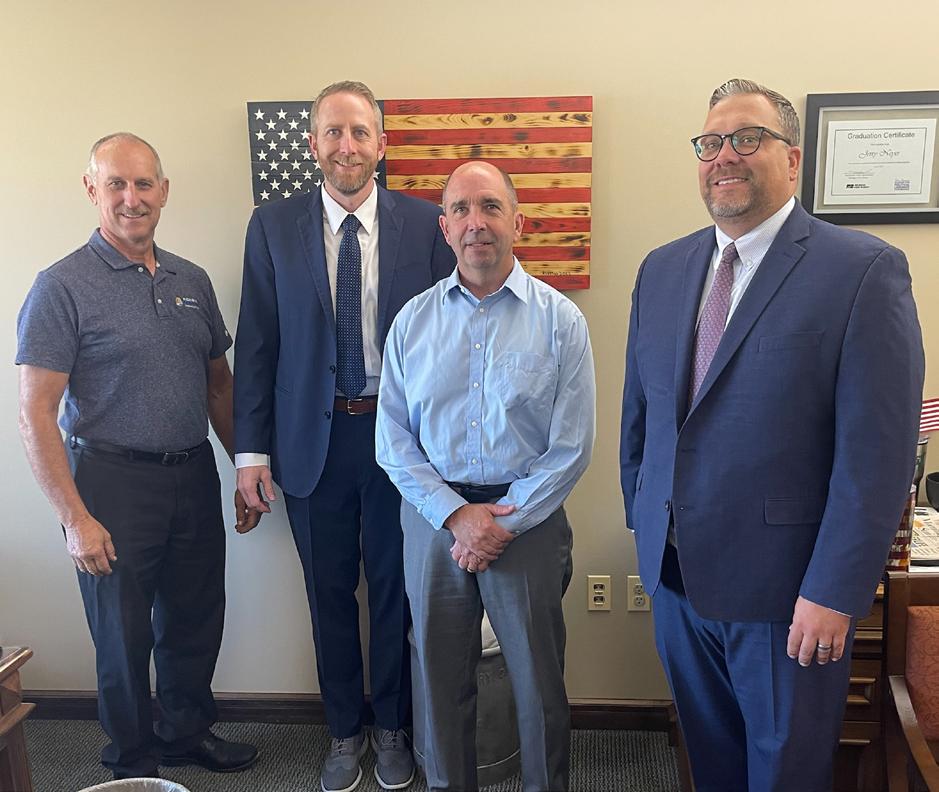
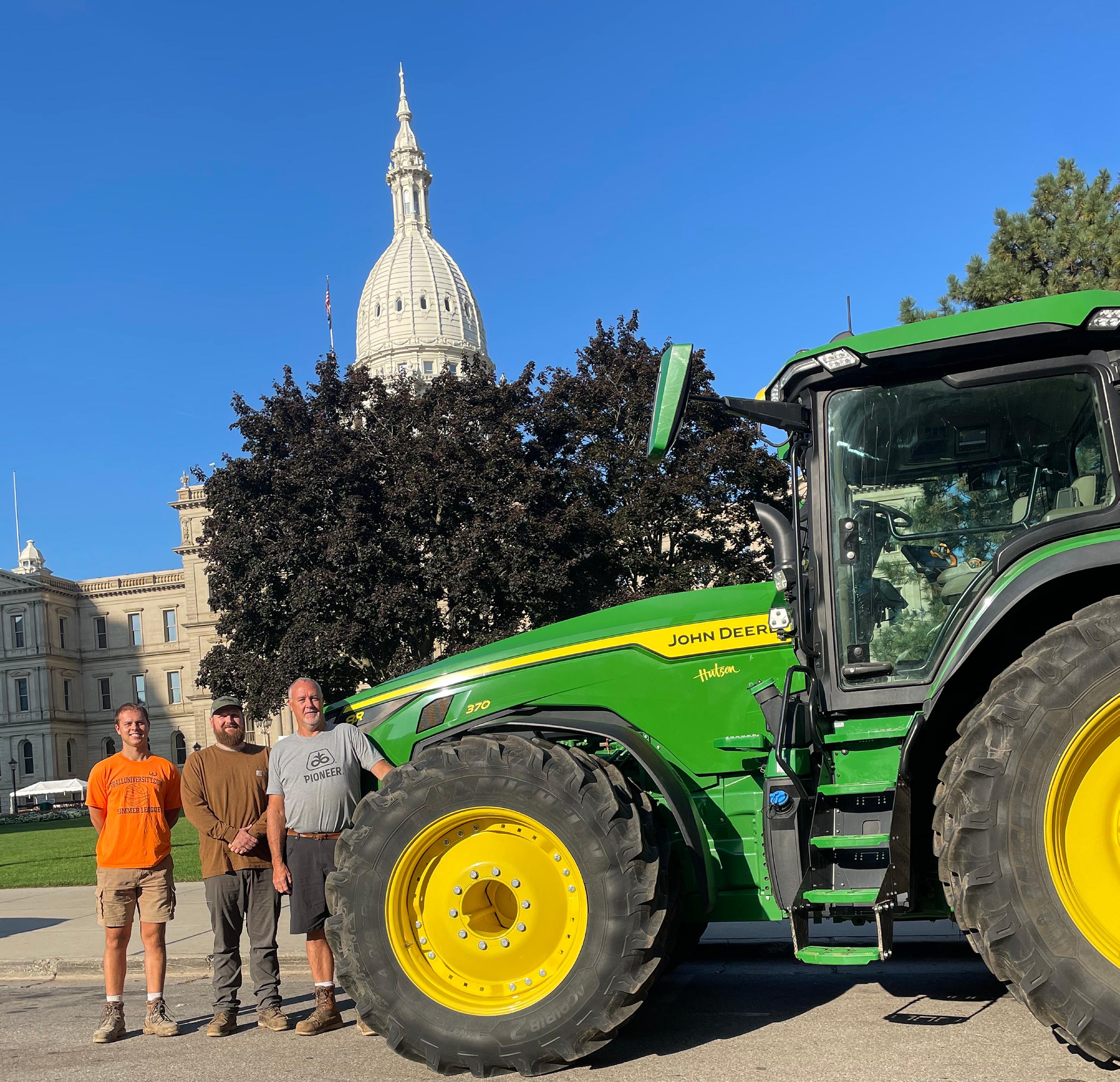
On September 17, Michigan Soybean Association board members from across the state traded in their work boots for walking shoes to bring support for Michigan soybeans to Lansing. Leaders made their way to Lansing to meet with state representatives and senators, not just to talk about soybeans, but to advocate for biodiesel and seek support of House Bills 4721 and 4722 which aim to provide tax credits for biodiesel production and sales in Michigan.
The daylong event provided a powerful message across the capital city. The morning kicked off with office visits and extending invitations for legislators and staff members to join MSA for a delicious lunch event highlighting soybeans and biodiesel. Meetings were held with several bill sponsors and legislators of focus including Representative Karl Bohnak, Representative William Bruck, Representative Steve Carra, Representative Steve Frisbie, Representative Tom Kunse, Representative Jerry Neyer, and Representative Jennifer Wortz.
Beyond the policy points, the most impactful moments came from the stories shared by the farmers who took part in the event. They were able to share their stories and explain how these bills would directly impact their operations. These conversations emphasized that legislative actions in Lansing have an impact on Michigan soybean farmers.
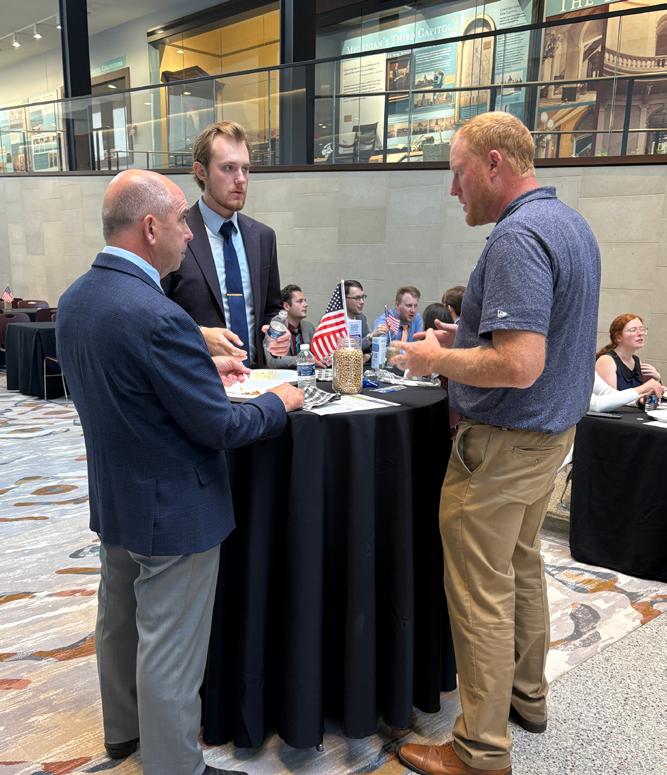
For lunch, over 200 legislators, staffers and special guests attend the Michigan Soybean Association Legislative Lunch at the Capitol. Conversations continued to flow as board members educated more legislators and staffers about farming, soybeans, biodiesel and House Bills 4721 and 4722.
At-Large Director Robert Wasmiller recalled the event - “It was great being able to visit with legislators in the morning but also making a second point of contact with them at lunch. I feel that we were able to share our message several times so hopefully it stuck with them. We appreciate the time they took out of their schedules to meet with us and join us for lunch.”
The successful day at the Capitol serves as a powerful reminder that grassroots advocacy can drive change for the betterment of Michigan soybeans.
As the demand for cleaner energy increases, the Michigan Soybean Association (MSA) and many environmental groups see biodiesel as an effective drop-in alternative to petroleum diesel. Electric vehicle technology has limited capabilities Tom Woelmer, Jeff

for heavy-duty applications like long-haul trucking and large commercial fleets due to range, charging infrastructure and weight constraints, making biodiesel a viable alternative fuel option among several competing technologies.
Incentivizing the production and sale of biodiesel in Michigan will reduce vehicle and equipment emissions for healthier air and a better environment. Biodiesel has helped fleets easily and economically reduce their carbon footprint for over 30 years, while supporting farmers through the use of locally grown feedstocks.
Representative Greg Alexander and Representative Angela Witwer have introduced House Bills 4721 and 4722 respectively to incentivize the production and sale of biodiesel here in Michigan. States like Illinois, Missouri and Iowa have signed similar legislation into law. This bipartisan legislation has been referred to the Transportation and Infrastructure Committee in the Michigan House of Representatives.



Doug and Angie Myers are firefighters in Marshall with a passion for agriculture and a commitment to public safety. The Myers family have been farming corn and soybeans for over 45 years, and have been members of the Fredonia Township Fire Department for 42 years.
After reading about a new soybean flour-based firefighting foam in a magazine article, Doug Myers wanted to learn more. “Once I read that SoyFoam isn’t hazardous for the environment or human health, I knew I needed to learn more,” says Myers. He then reached out to the creators of the product, Cross Plains Solutions, and was connected to PK Foam Solutions. PK Foam Solutions is Michigan’s SoyFoam distributor and helps to plan trainings and demonstrations using the new product.
Doug helped to plan a vehicle extrication training course that brought together firefighters from Fredonia Township, Marshall Township, Marengo Township and City of Marshall Fire Departments. As part of the event, the team tested SoyFoam’s ability to generate foam and form a protective film. “The product seemed to foam up well when we sprayed it, and it created a nice film. We were also excited to learn that it is cost comparable with our other foam options,” Myers told us after testing SoyFoam for himself.
One of the most exciting things about SoyFoam is that it contains no PFAS or fluorine, which pose both environmental and human health risks. This foam is a certified USDA BioPreferred product and is made from more than 70 percent biobased materials, meaning it is completely biodegradable. Doug says, “I like the idea that I can spray SoyFoam and not have the concerns of PFAS that we have get with AFFF foam.”
SoyFoam is National Fire Protection Association (NFPA) 18 certified and has demonstrated vapor suppression on a variety of Class B hydrocarbon fuel sources and Class A woodland materials. It requires no special handling requirements and is fully compatible with standard foam concentrate dispensing equipment, making it an easy switch for departments looking to adopt safer alternatives.
“As a farmer, any opportunity to use soybeans in new ways is exciting,” Myers added. “I’ve already purchased more SoyFoam for upcoming catch pan fire trainings.”
With questions about SoyFoam, or to inquire about a product sample, please reach out to Michigan Soybean Committee’s market development director at hcampbell@ michigansoybean.org or PK Foam Solutions at pkfoamsolutions@gmail.com. Learn more about SoyFoam by scanning this QR code.

The MISOY PAC was established in 2024 and is the only political action committee that solely represents the interests of Michigan soybean farmers. The MISOY PAC provides the Michigan Soybean Association with resources to support Michigan legislators who advance soy farmer priorities.
MISSION: The mission of the MISOY PAC is to utilize contributions in a strategic way that strengthens and supports our relationship with policy makers to advance the soybean industry and to benefit Michigan soy farmers.

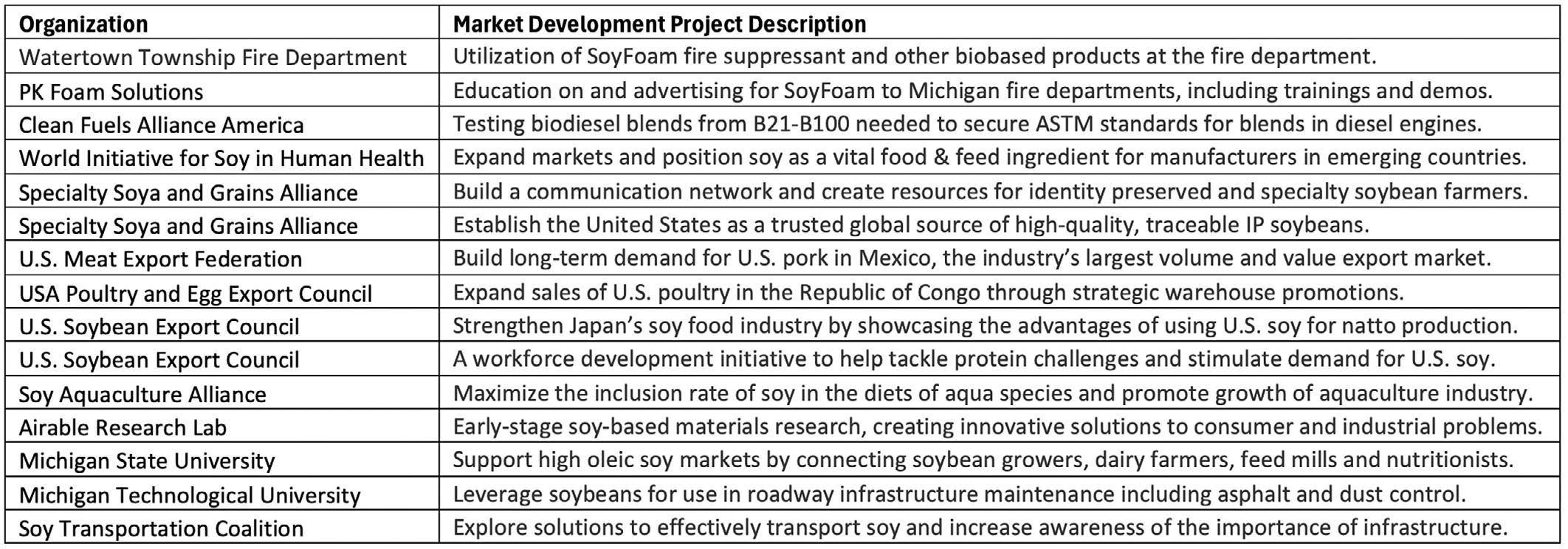
The Michigan Soybean Committee is pleased to share their 2026 market development funded projects. The following projects were evaluated by the MSC market development subcommittee and board of directors to determine their potential to grow markets for Michigan soybeans. Exploring new uses and markets for soybeans is vital to the long-term profitability of Michigan soybean farmers. With fluctuating markets, changing consumer preferences and increasing global competition it is necessary to continue to diversify how and where soybeans are used. Stay tuned to future Michigan Soybean News issues for updates on these exciting projects.










































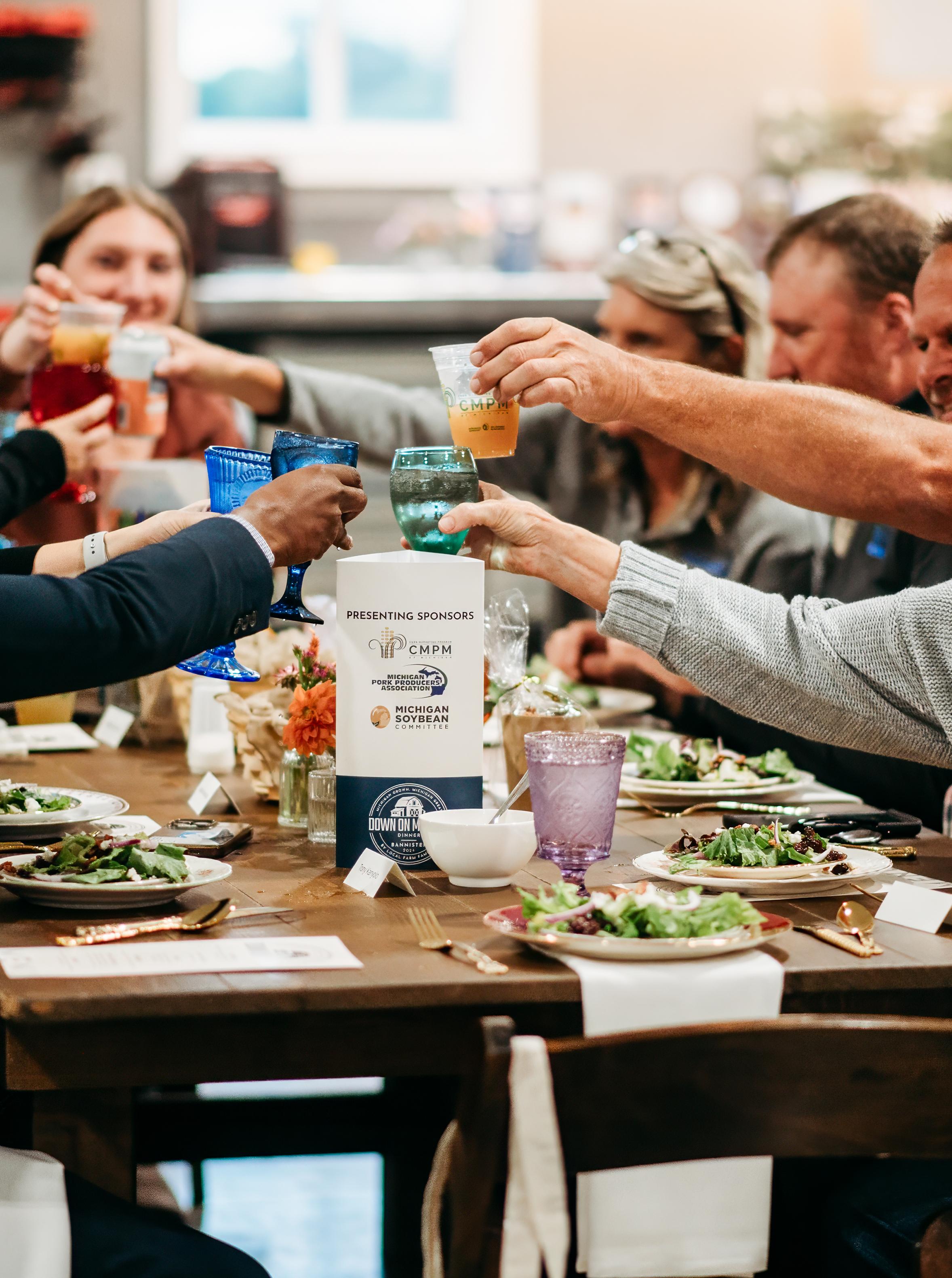
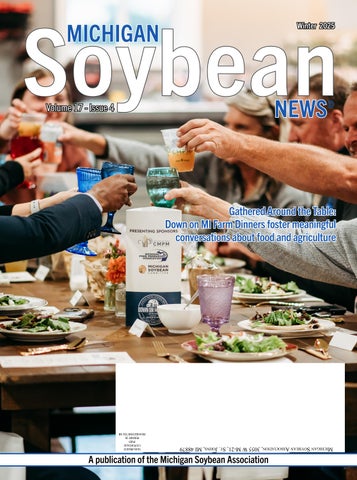
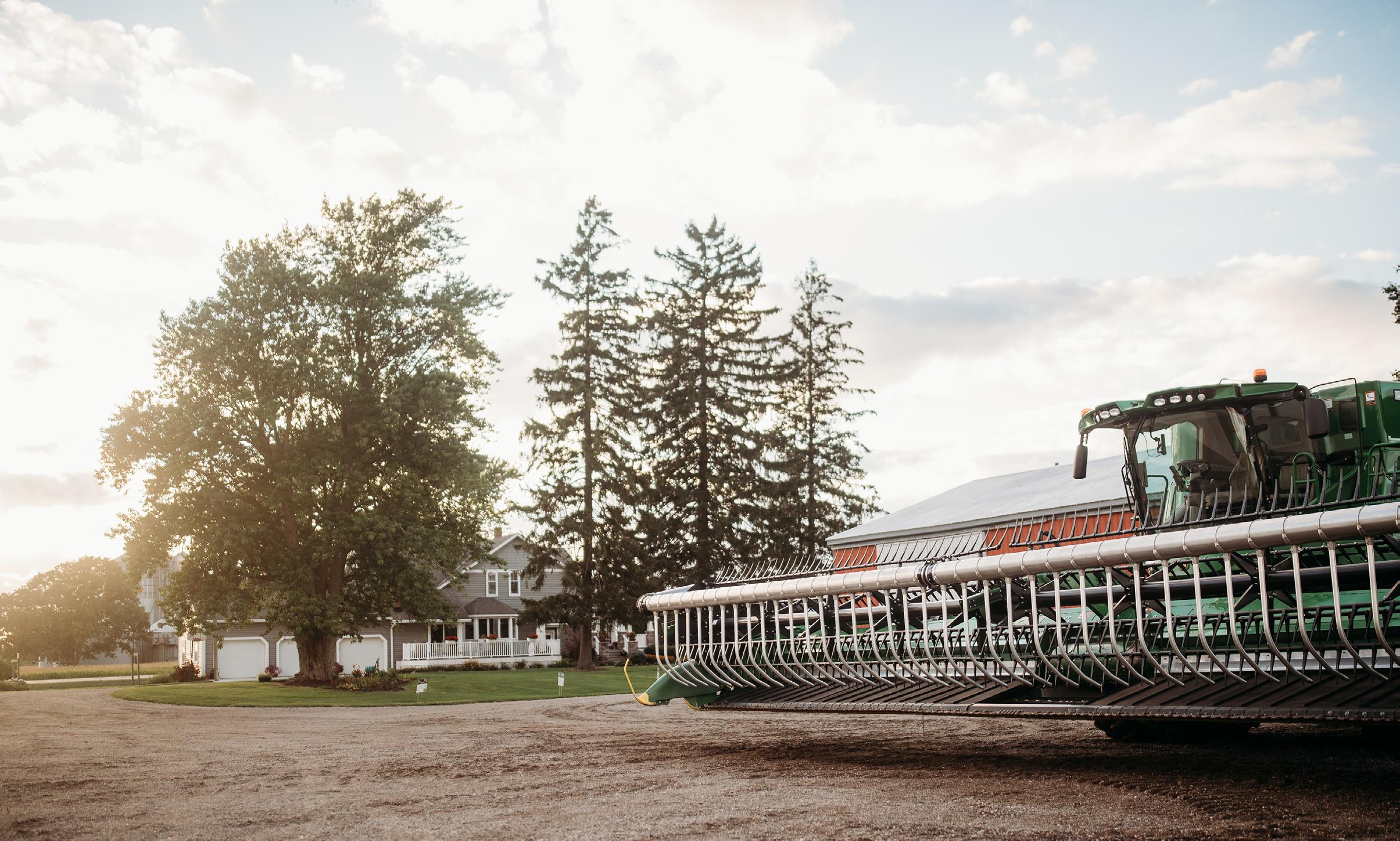
Food is deeply personal but also something that bridges gaps and brings people together. Think about it. Many of life's major moments are celebrated by breaking bread together. Birthday parties, wedding receptions, first dates, reunions, graduation celebrations and more gather people around a table to share a meal as a way to acknowledge milestones and accomplishments. There's power in sitting down across from someone and sharing a conversation that goes deeper than surface level. That’s exactly what happens at Down on MI Farm dinners, where farmers, community leaders, and social media influencers gather around the table to connect, listen, and learn from one another - all through the simple, timeless act of sharing a meal.
For the fourth year, the Michigan Soybean Committee was proud to be a Gold Level sponsor of the 2025 Down on MI Farm Dinner Series, presented by Michigan GROWN, Michigan GREAT. This year's three dinners took guests on a delightful culinary journey that honored the essence of Michigan's farms and fostered fulfilling conversations about food and agriculture in Michigan.
The three host farms were Koeman Farms in Hamilton, Ritter Farms in Byron and Zwerk Farms in Vassar. We'd like to extend our gratitude to the farms for their openness and hospitality. Each of the venues provided an excellent backdrop for a memorable evening.

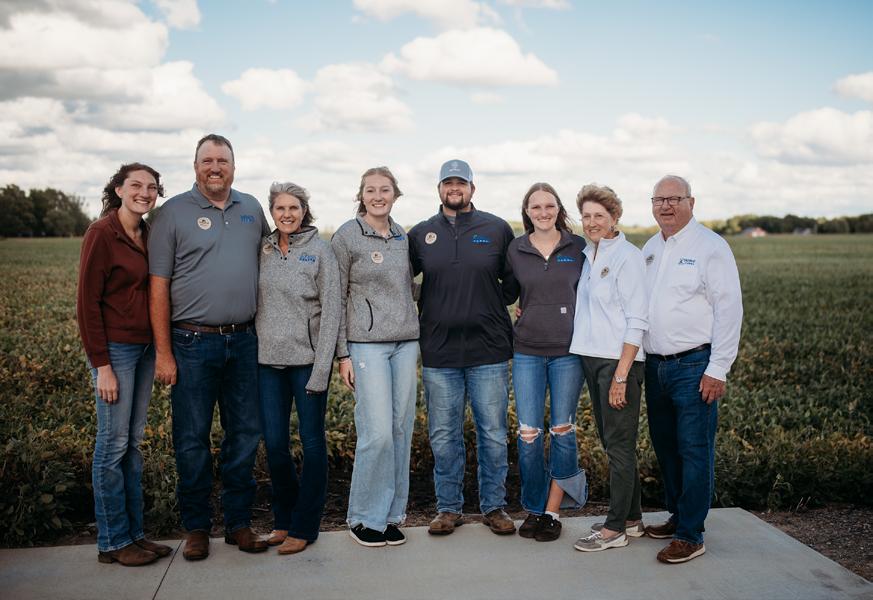
Each event brings together a mix of social media influencers, community leaders and farmers - all seeking to better understand one another’s perspectives on Michigan agriculture and food. By bringing people together with diverse backgrounds and interests, as well as different areas of expertise and influence, we are able to facilitate conversations that dive deep into what it's like to farm in Michigan and what consumers want to know about those that grow their food.
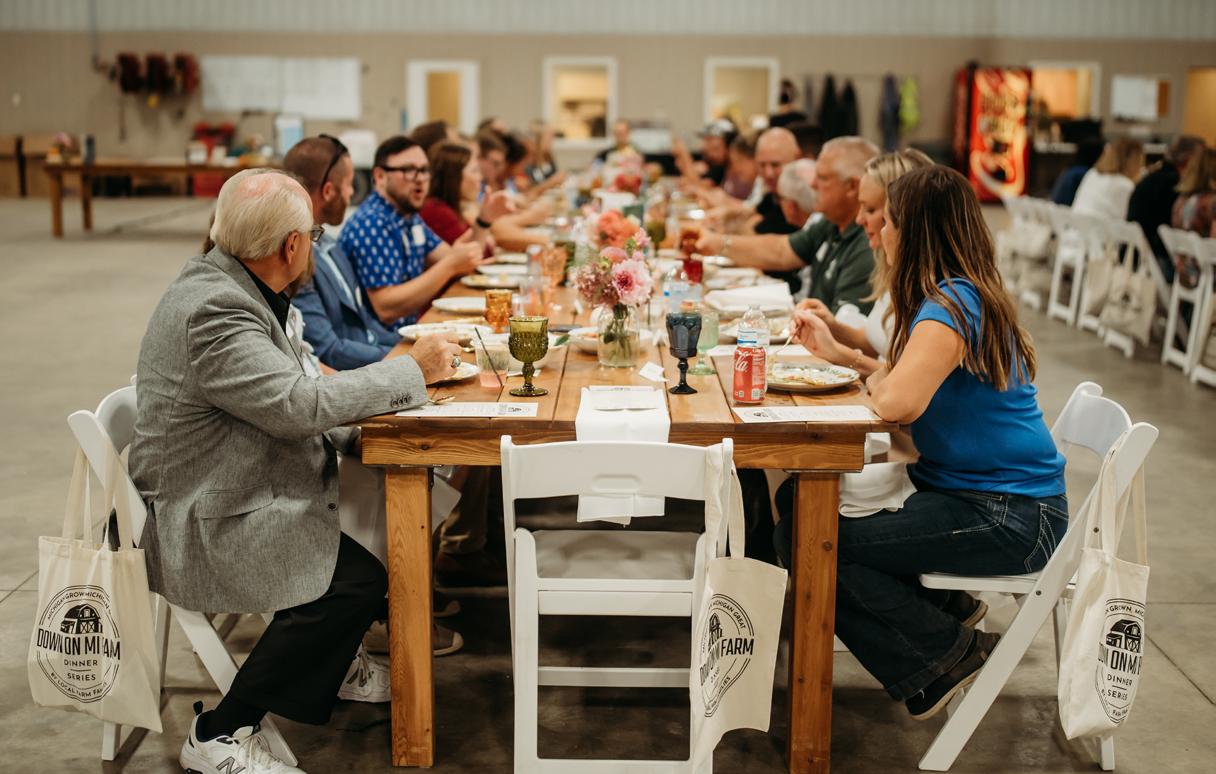
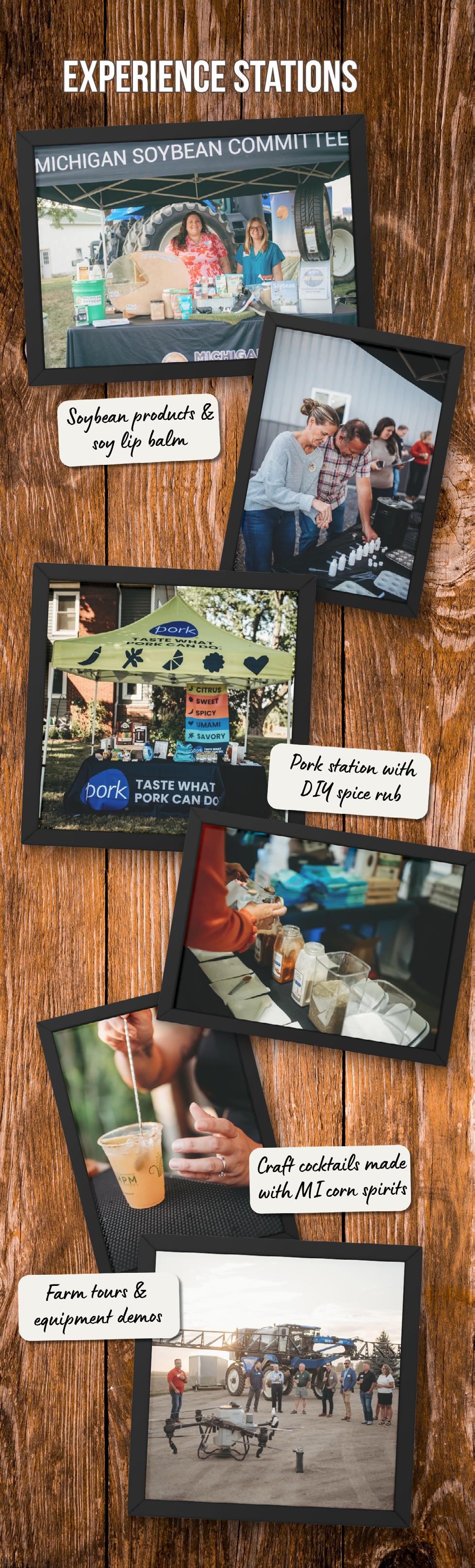
During the on-farm dinners, guests were served extraordinary farm-totable cuisine featuring locally-sourced produce and pork from nearby farms. Each event began with experience stations and a farm tour, allowing attendees to learn more about the farms and the crops and livestock they raise. The interactive experience stations gave guests a chance to delve deeper into Michigan's agriculture industry and learn more from the event's top sponsors - the Michigan Soybean Committee, Corn Marketing Program of Michigan and Michigan Pork Producers Association. The experience stations included specialty craft cocktails made with Michigan-made corn-based spirits, an introduction to the Michigan pork industry with a DIY pork spice rub activity, and learning more about the versatility of soybeans while pouring and flavoring soy lip balm.
Additionally, this year's experience stations had an added emphasis on the technology and sustainability practices implemented on farms. It was important to us as sponsors that our guests got a real look at how farms run - they learned about variable rate technology, soil sampling, drones, chopping corn silage and more. They also got to see modern equipment up close and even take photos in the cab.
Michigan agriculture is known for a lot of different things. We grow millions of acres of cash crops, raise livestock, milk cows and produce many different fruits, vegetables and other specialty crops. That diversity was on full display at each of our events this year. Through shared experiences, we aimed to create lasting connections and build a deeper understanding of the crucial role that Michigan agriculture plays in our local economies, the environment and Michiganders' overall quality of life. Learn more about the work of Michigan GROWN, Michigan GREAT at michigangrown.org
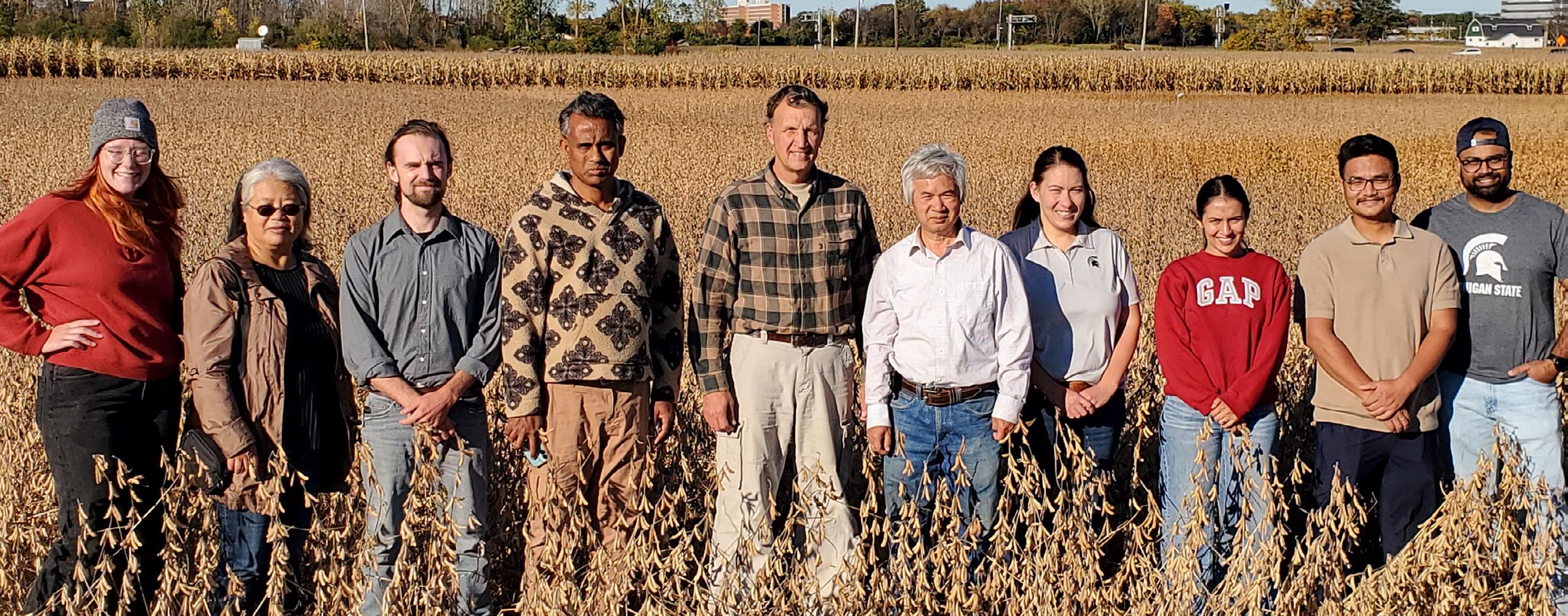
The Michigan State University Soybean Breeding Program continues to serve Michigan soybean growers by developing new soybean varieties, conducting a multiple-location variety performance program, and collaborating with other breeding programs across the country. MSC has provided funding support for this program for decades as an investment of soybean checkoff funds.
Dr. Dechun Wang has led the breeding program for 25 years. Due to the long-term nature of developing soybean varieties, this longevity is a great benefit to creating successful soybean varieties. Randy Laurenz, Cuihua Gu and Paige Tabit assist in the management and operation of the program as research technicians, alongside graduate students, postdoctoral researchers and other staff.
The goal of the breeding program is to develop new soybean varieties with resistance to major diseases and insects in Michigan, as well as improved seed quality for both animal feed and human food uses. Resistance to white mold, soybean cyst nematode, sudden death syndrome and seedling diseases are currently the targeted traits for improvement. The seed quality traits being improved include a high content of protein, oil and oleic acid, as well as a low content of linolenic and saturated fatty acids. Small-seeded and large-seeded varieties are also developed for natto and tofu uses, respectively, specifically for Asian markets.
Developing a new soybean variety typically requires 10 growing seasons. The soybean breeding process is somewhat a matter of numbers. Each year, Dr. Wang and his staff make hundreds of crosses between parent lines, make selections, grow thousands of single row ascensions, rate characteristics and performance, and choose varieties for seed increases.
The breeding program releases about two new varieties per year. These varieties are well-suited for
the specialty soybean industry, with many catering to specific food-grade markets. Tofu, natto, soy milk, and miso are a few soybean products that require specific characteristics to create the highest value to food processors and to soybean growers. Making the new soybean varieties available for licensing to commercial seed companies plays an important role. MSC assists in the licensing of MSU varieties to commercial seed companies. This licensing allows MSC and MSU to recoup some of their investment in the breeding program through royalties charged to the seed company. As the performance of varieties and the number of varieties increase, this revenue source increases.
DF Seeds, LLC is a commercial seed company, focused in Michigan, and specializing in food grade soybean varieties. DF Seeds has partnered with MSC and MSU for many years to bring high-yielding, quality soybean varieties to their product line to Michigan soybean farmers. President Janna Fritz says, “DF Seeds strongly values the relationship we have built with MSU, MSC and Dr. Wang over decades. We have a mutually beneficial relationship that allows for the research and commercialization of new varieties that are desired by Michigan farmers.”
“DF Seeds appreciates the work and dedication of MSU, Dr. Wang and his team who have worked year after year to develop new products. We also value MSC, Mark Seamon and all the Michigan soybean farmers who support these efforts in soybean breeding. We are glad to continue these partnerships long into the future,” added Fritz.
The breeding program also conducts soybean variety performance trials at seven locations throughout the state. These trials include both commercial varieties and MSU experimental varieties. Reports on the trial results can be found online at canr.msu.edu/varietytrials.
MSU Extension will host five in-person Crop and Pest Management Updates for field crop farmers, agronomists and agribusiness professionals in 2026. All meetings will open with registration at 8:30 a.m. and end by 3 p.m.
Date Location Contact
Thursday January 8
Thursday January 22
Tuesday February 3
Thursday February 19
Friday February 27
Gratiot Isabella Regional Education Service District 1131 E Center St., Ithaca, MI 48847
Dowagiac Conservation Club 54551 M51 N, Dowagiac, MI 49047
Sanilac Career Center 175 E Aitken Rd., Peck, MI 48466
Newaygo County Regional Education Service Agency 4747 W Fremont St., Fremont, MI 49412
Saginaw Valley Research & Extension Center 3775 S Reese Rd., Frankenmuth, MI 48734
Isabella County MSU Extension 989.317.4079
Van Buren County MSU Extension 269.657.8213
Huron County MSU Extension 989.269.9949
Newaygo County MSU Extension 231-924-0500
Saginaw County MSU Extension - Teresa Crook 989.652.3552
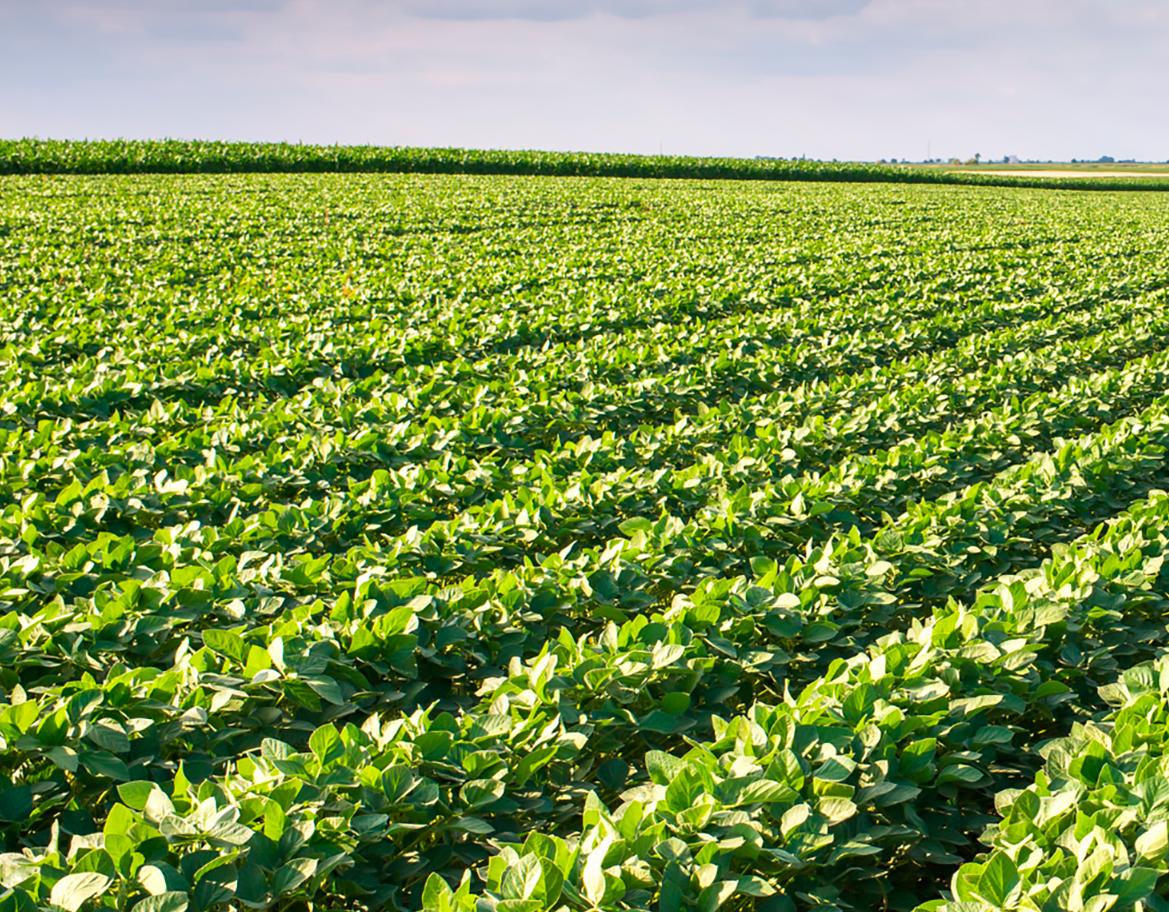
Participants of the Crop and Pest Management Update Meetings will hear MSU Extension specialists present the latest recommendations for managing weeds, diseases, insects, and nematodes and receive a copy of the updated bulletin E-434 “Weed Control Guide for Field Crops.” Printing of the Weed Control Guides is sponsored by the Michigan Soybean Committee, Michigan Wheat Program and Corn Marketing Program of Michigan.
The topics covered at the programs will be determined by the local host and will vary from site to site. Detailed agendas for all programs are available online at the link below or by calling the host MSU Extension office.
There is a registration cost of $40 per person. The registration fee includes lunch and materials. Pre-registration is required to ensure an accurate count for meals and materials. Registration will close one week prior to the event date so please plan accordingly when registering. Registrations canceled within 7 days of the program date will not be refunded. You can register online at bit.ly/2026msucpm or by calling the host site phone number provided above.
Michigan Department of Agriculture and Rural Development (MDARD) Restricted Use Pesticide (RUP) and Certified Crop Advisor (CCA) credits are available for each date and location. Only participants who attend are eligible to receive RUP and CCA credits. MDARD RUP credits are only available to Michigan residents.

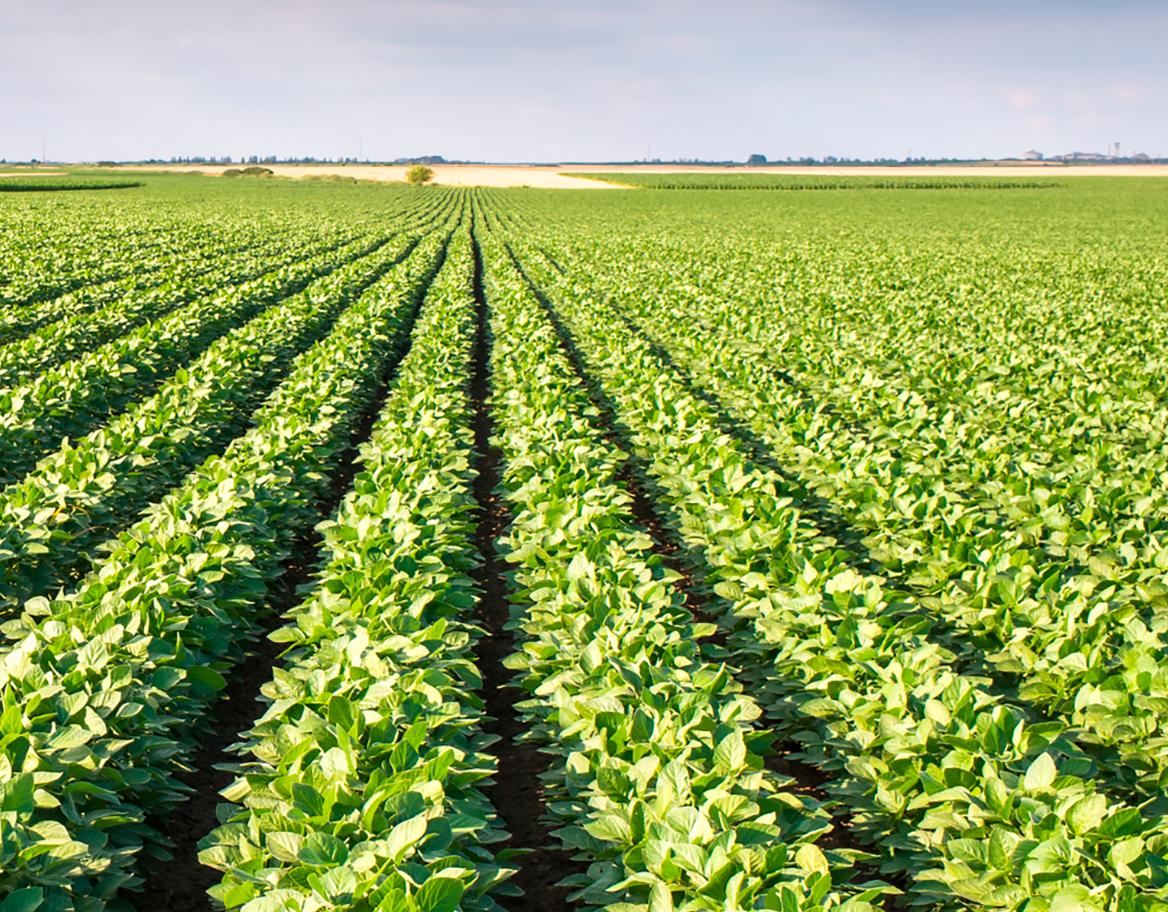
The results of the 2025 soybean on-farm research projects will be presented at our upcoming winter meetings. Participants will also learn about high oleic soybean production and marketing opportunities including feeding to dairy cows in Michigan. Attendees will also have an opportunity to provide input on potential research project topics for 2026. Time will be available for questions, comments and discussion.
Meeting Dates and Locations:

• January 6, GreenMark Equipment, 16700 Heimbach Rd., Three Rivers, MI 49093
• January 7, Blaauw Farms, 2876 13 th St., Shelbyville, MI 49344
• January 9, Lenawee Christian Center Auditorium, 111 Wolf Creek Hwy, Adrian, MI 49221
*This soybean on-farm research update is part of the Center For Excellence Crop Day
• January 15, AgroLiquid, 3055 W M-21, St. Johns, MI 48879
• January 20, Saginaw Valley Research & Extension Center, 3775 S Reese Rd., Frankenmuth, MI 48734
• January 21, Beagio's Pizza, 5795 Sanilac Rd., Kingston, MI 48741
All programs begin with registration at 9:00 a.m. and end by 1:00 p.m., except Adrian which will begin at 8:30 a.m. and conclude around 3:00 p.m.
Registration Information:
Through farmer investments in the soybean checkoff, the Michigan Soybean Committee is pleased to partner with MSU Extension and cover all meeting costs. However, pre-registration is requested to ensure an accurate count for lunch and materials.
Please register online at events.anr.msu.edu/SoybeanResearchUpdate2026 or scan the QR code. For help registering for any of the meetings, call the St. Joseph County MSU Extension office at 269.467.5511. Please pre-register seven days prior to your preferred location date.
Agenda:

(For all locations except Adrian, which will follow the Center for Excellence Crop Day agenda) 9:00 a.m.
• Registration and coffee
• Soybean Checkoff and Association Updates
• 2025 Michigan Soybean On-Farm Research Trial Results
• High Oleic Soybean Production and Marketing Opportunities in Michigan
• Identify Potential 2026 Research Projects
• Complimentary lunch (courtesy of the Michigan Soybean Committee) 1:00 p.m.
• Credits, program evaluation and adjourn
This program has been approved for 1 pesticide applicator recertification credit and 2.5 CEUs for certified crop advisors. Restricted use pesticide (RUP) credits in Adrian will be offered by the Center for Excellence.
MSU is an affirmative-action, equal-opportunity employer. Michigan State University Extension programs and materials are open to all without regard to race, color, national origin, gender, gender identity, religion, age, height, weight, disability, political beliefs, sexual orientation and marital status, family status or veteran status.
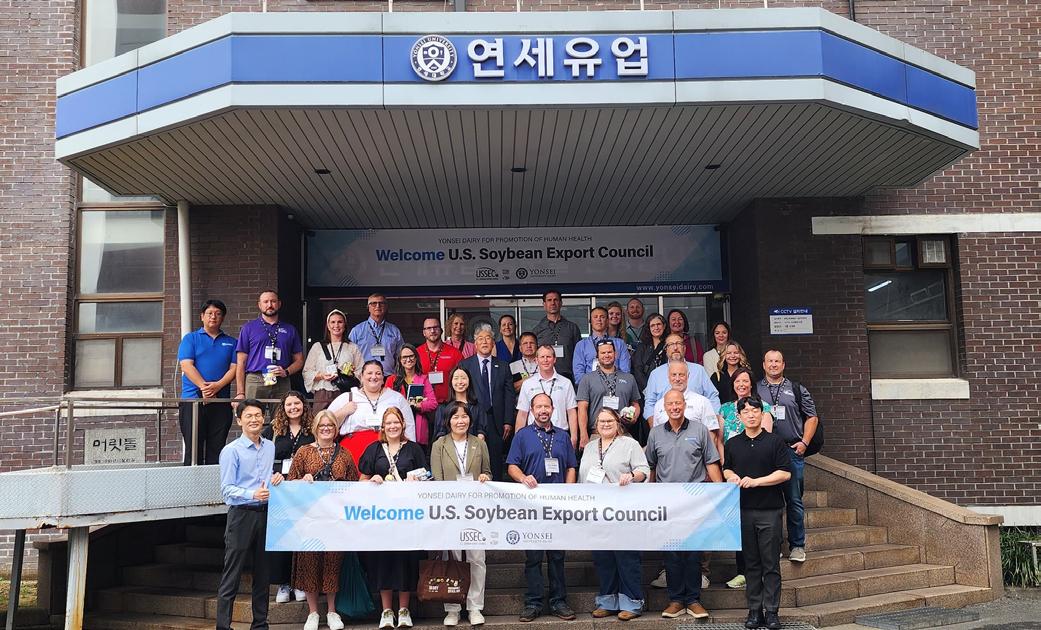
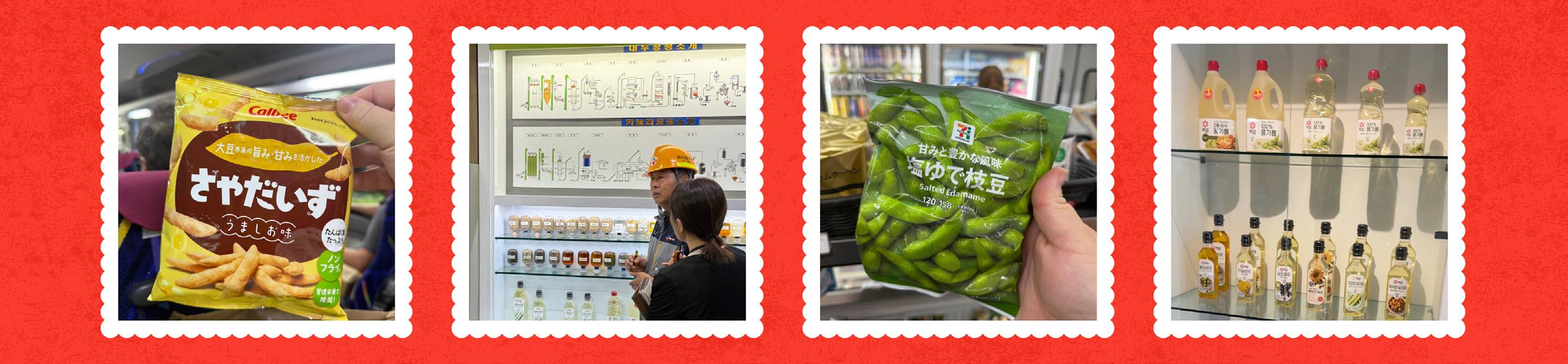
In September, 29 farmers and staff members from 12 Qualified State Soybean Boards (QSSBs) traveled on a learning mission with the United States Sobyean Export Council (USSEC) to Japan and South Korea, where they explored whole soybean, soybean meal and specialty soy opportunities. Michigan Soybean Committee communication director Sonja Lapak and outreach director Katlin Fusilier were among the delegation.
While on the mission, staff and farmers connected with some of U.S. Soy’s biggest customers and gained firsthand experience in Northeast Asian markets.
Strategic engagements included:
• Yonsei University Dairy, soy milk producer and Sustainable U.S. Soy label user
• Boo Kook Feed Mill Co.
• CJ CheilJedang crush plant
• Daehan Feed
• Incheon Port
• Kanematsu Corporation, soy foods producer and Sustainable U.S. Soy label user
• Fuji Oil Co., Ltd., soy protein ingredient producer
• Kewpie Group, Japan’s largest soybean oil user
• Japan Oil & Fat Importers & Exporters Association
• Mitsui&Co. Food Business Unit
• USDA Foreign Agricultural Service - Japan and South Korea
South Korea is a mature market for U.S. soybean exports. Korea ranked 10 th for U.S. whole soybean exports, second for U.S. food soybeans, and sixth for U.S. soybean oil exports in marketing year 2023/24. Typical soy foods include tofu, soy sauce and paste, soy milk, and soybean sprouts. Soybean oil is a key vegetable oil, second to palm oil. Soybean meal is the major protein source for swine and poultry.
Japan ranks second in the world for per capita soybean consumption, according to 2022 Food and Agriculture Organization statistics. This level of consumption presents a significant opportunity for U.S. Soy to expand market presence and meet growing demand. In Japan, the U.S. supplies about 50 percent of the food soybean segment and about 80 percent of the crush market. High-value identity preserved (IP) soybeans are preferred for food products, which are essential for items such as tofu, natto, miso, soy sauce and soy milk.
Both countries place immense value on the consistent quality and reliable supply chain the U.S. is able to deliver. There is also a growing emphasis on sustainability. U.S. Soy can strengthen its market position by clearly communicating its sustainable production practices. In addition, both countries have aging populations with a strong focus on health and wellness - a trend that aligns well with U.S. food-grade soy, which meets the demand for soy-based foods that support a healthy diet.
The mission deepened the team’s understanding of the key demand drivers for U.S. soy and bolstered relationships across Northeast Asia. In turn, these partnerships support Michigan soybean farmers by maintaining access to vital markets for their crop.
To show appreciation for the dedication and hard work of our state’s soybean farmers, the Michigan Soybean Committee delivered nerly 1,000 harvest snack bags to elevators this fall, handing them out to farmers as they pulled in to unload their crop.
Each bag was packed full of quick tasty snacks perfect for the combine, semi or grain cart tractor. The bags were designed to be simple and easy to enjoy while working in the field, offering a bit of encouragement and nutrition during one of the busiest and most demanding times of the year.
Michigan Soybean Committee is grateful for all of the hard work that farmers put in each year and are always looking for ways to recognize their dedication. By showing up where farmers are, the committee reinforces its commitment to supporting growers not just through research and market development, but through genuine appreciation and community presence. Efforts like these are made possible through soybean checkoff dollars, working to support farmers beyond the field.
Elevators that received snacks this year are:
• ADM, Grand Ledge
• ADM, Ottawa Lake
• The Andersons, Standish
• Bunge, Carrolton
• Caledonia Farmers Elevator, Charlotte
• Coleman Elevator, Coleman
• Freeland Bean and Grain, Freeland
• MAC, Blissfield
• Ottawa Lake Farmers Co-Op, Ottawa Lake
• Penn Acres Grain, Clinton
• Star of the West, Gera
• Star of the West, Rosebush
• Star of the West, Shephard
• ZFS, Ithaca
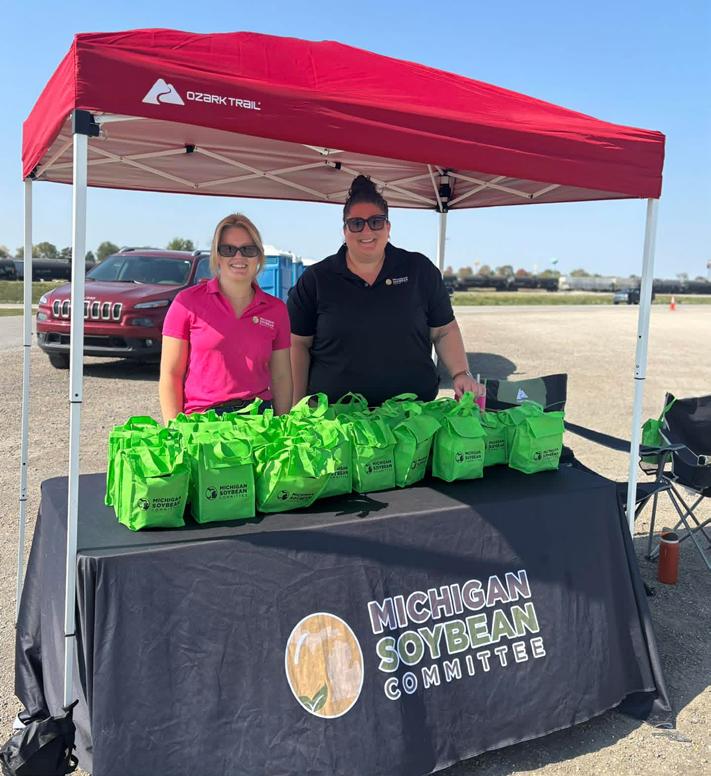
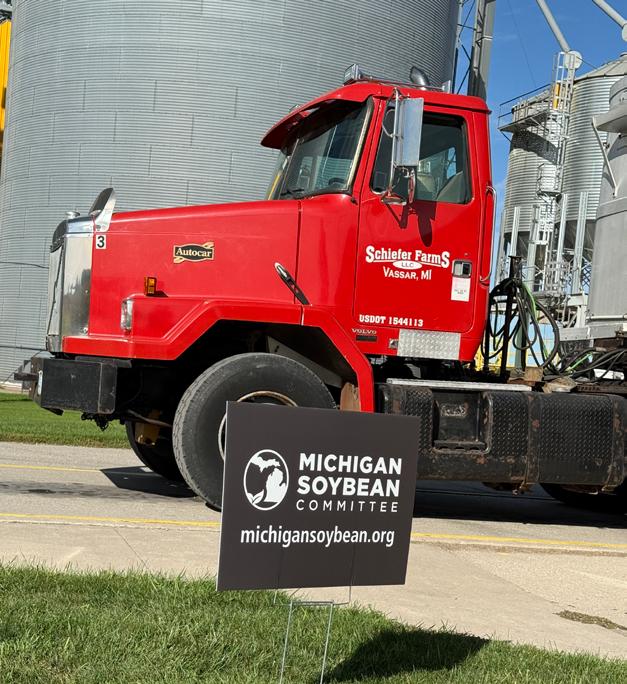
Even though a bag of snacks is just a small gesture, we hope those snacks serve as a reminder that behind every load of soybeans is a farmer who deserves thanks and a moment to refuel.
We plan to continue harvest handouts next year, so if we didn't make it to your preferred elevator, there will be more chances in the future!
We’re proud to provide the farmers and agribusinesses in our community with the financial services necessary to help them grow their operations, and we’re ready to do the same for you.
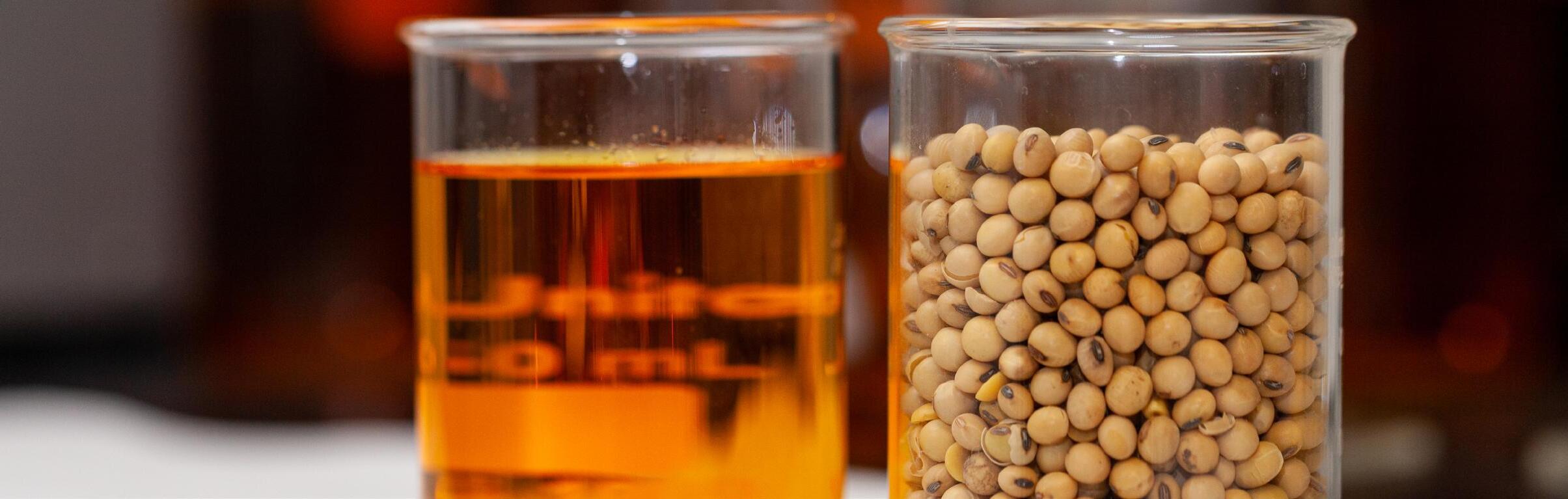
After months of uncertainty, new policies and market developments are creating a more positive outlook for biodiesel - creating good news for Michigan soybean farmers who supply soybean oil for biodiesel production.
“There are many reasons to be optimistic about biodiesel going into 2026,” says Hanna Campbell, market development director for the Michigan Soybean Committee (MSC). “With new and updated policies in place, conditions are more favorable for producing and using biodiesel.”
W2 Fuel, LLC, one of Michigan’s two biodiesel producers, responded to the positive market outlook by resuming biodiesel production in September. W2 Fuel had paused production at the beginning of 2025 due to market uncertainties. But now the company is ramping up production in hopes of reaching its full 15-milliongallon capacity by January 2026.
At full capacity the Adrian, Michigan, plant would use oil from 10.8 million bushels of soybeans annually. Having local demand for soybean oil adds value to Michigan soybean farmers, especially while soybean export markets remain uncertain.
A few hours northeast in Sandusky, Michigan, Thumb BioEnergy also looks to rebuild production after scaling back in early 2025 due to market uncertainties. At full capacity, Thumb BioEnergy can produce an estimated 1 million gallons of biodiesel. Used cooking oil (UCO) collected by the company’s B20-powered collection fleet serves as the feedstock.
This positive outlook is a dramatic turnaround from earlier this year. In the first quarter of 2025, U.S. biodiesel production was running at only 38 percent of capacity, with several factors to blame:
• Lower requirements for the amount of renewable fuel that must be blended into fuel in the U.S.
• A new clean fuel producer tax credit (PTC) had passed, but unfortunately biodiesel producers could not claim these credits because rules had not yet been established by the U.S. Treasury Department
• An agri-biodiesel small producers tax credit of 10 cents per gallon expired at the end of 2024.
• The federal biodiesel blenders tax credit (BTC) expired last January, thrusting biodiesel producers into uncharted and volatile waters
“The $1.00-per-gallon blenders tax credit had been in place for the past 10 to 15 years. It was critical to maintaining positive margins for W2 Fuel,” says Roy Strom, president and CEO of W2 Fuel. “Without the blender’s credit, we watched our revenue drop by an estimated 70 cents per gallon. We were completely upside down, where it cost more to produce biodiesel than we could get in return.”
The company had no choice but to cease operations and wait for market conditions to improve. W2 Fuel utilized the downtime for extensive plant maintenance and efficiency improvements, helping the plant avoid layoffs for its full-time staff.
Meanwhile, the following new policy developments improve potential for a more viable biomass-based diesel market in the coming months and years:
• In June 2025, the EPA proposed significantly higher renewable fuel use requirements under the RFS
• New legislation extended the producer tax credit and removed penalties targeting crop-based feedstocks such as soybean oil
• The small agri-biodiesel producer tax credit was reinstated effective July 2025 and increased to 20 cents per gallon. The credit runs through 2026
Based on these policies, both W2 Fuel and Thumb BioEnergy are optimistic about the biodiesel outlook.
“This year began with significant uncertainty due to the changes in policy. However, we remain optimistic as these policies are clarified and begin to offer more stability to the industry,” says Alex Ritter, vice-president and co-owner of Thumb BioEnergy.
Adds Strom: “For now, we’re bullish on biodiesel. Policies are pointing in the right direction, and I expect our markets to come back.”
While weathering the ups and downs of biodiesel markets and policies, W2 Fuel remains steadfast in its commitment to provide sustainable, renewable biodiesel fuel, using soybean oil as a feedstock.
“W2 Fuel believes in alternatives to fossil fuels. Our mission in producing biodiesel is to achieve energy independence, clean air and environmental responsibility,” Strom says. “Biodiesel can be a volatile business, but it’s a mission we believe in.”
Both Michigan biodiesel producers agree that more support is needed to ensure consistent and financially viable markets.
“Our business faces high market risks due to policies that cause price fluctuations. It is hard to move forward on investments in greater production capacity when policies change every few years,” Strom says. “We need assurance that policies will remain in place long enough to get a return on that investment.”
State-specific tax credits would also help create incentives to strengthen and expand Michigan’s biodiesel industry.
“Michigan is one of the few states without any incentives for biodiesel, so the approval of a state-level blender and producer tax credit would be a critical step in supporting and retaining biodiesel production within Michigan,” says Ritter.
The Michigan Soybean Association (MSA) is working to support such legislation but has faced challenges due to state budget constraints.
The ups and downs of the biofuels market make the mission of MiABC even more important. Founded in 2022 by MSC and MSA, MiABC works to increase understanding and adoption of biodiesel and other advanced biofuels produced from renewable resources such as soybean oil. MiABC provides training and educational resources for users of biodiesel, renewable diesel, and sustainable aviation fuel, including farmers, fleet operators and marine shippers.
W2 Fuel and Thumb BioEnergy were among the first MiABC stakeholders. For more information on MiABC and its stakeholders, visit miadvancedbiofuels.com


Scan this QR code for a "Biodiesel on the Farm” fact sheet
The federal Renewable Fuel Standard (RFS) provides a sometimes confusing but important series of regulations meant to support U.S. energy independence and environmental goals. A strong RFS is essential to a healthy biodiesel industry. Here’s how the RFS works:
• Under the RFS, the U.S. Environmental Protection Agency (EPA) sets minimum requirements for the amount of renewable fuel that refiners must blend into the nation’s transportation fuel supply. These minimums are known as renewable volume obligations (RVOs)
• The EPA tracks compliance with established RVOs through Renewable Identification Numbers (RINs). Companies can buy and sell RINs to meet their blending obligations
• In early 2025, the EPA set RVOs that were actually less than the U.S. biodiesel production capacity. These low RVOs put downward pressure on the value of RINS, depressing biodiesel market prices
• In June 2025, the EPA restored strong RVOs for the biomass-based diesel category - an estimated 5.61 billion gallons for 2026 and 5.86 billion gallons for 2027. These record-high RVOs significantly improve the value of RINS, and in turn, the market potential for biodiesel
Here’s more good news bolstering biodiesel demand: John Deere recently announced it now approves the use of B30 biodiesel blends in all Tier 4 John Deere Power Systems engines - a 10 percent increase over the previously approved B20 biodiesel blend. John Deere previously approved the use of 100 percent renewable diesel (R100) in Tier 4 engines and blends up to 100 percent biodiesel (B100) for all Tier 3 and Tier 2 engines.
Tier 4 engines incorporate the latest exhaust after treatment technology designed to reduce harmful particulate matter and nitrogen oxides. Using B30 in Tier 4 engines takes emission reductions even further, reducing hydrocarbons and greenhouse gases.
“The ability to use B30 biodiesel fuel in John Deere equipment opens up opportunity for greater biodiesel demand in Michigan and across the country,” says Campbell. “We applaud this move by John Deere to support Michigan farmers through use of higher biodiesel blends made from soybean oil.”
Campbell points out that higher biodiesel blends are growing in acceptance by other manufacturers and companies as well. For example, Volvo, a manufacturer in the heavy truck sector, approves the use of B100, and ADM uses B100 in Mack semi trucks equipped with the proprietary Vector System from Optimus Technologies.
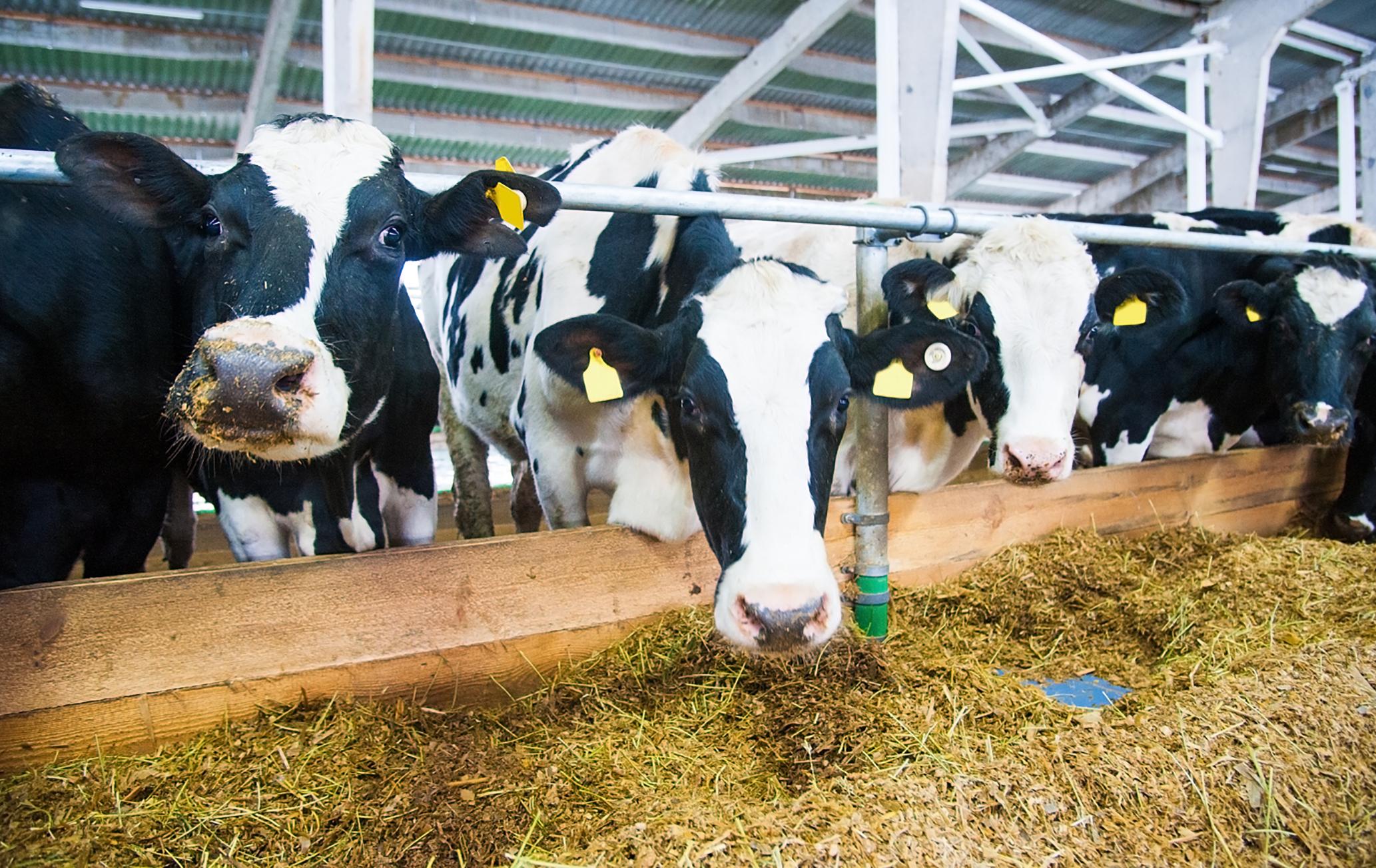
High oleic soybeans (HOSB) have the potential to improve human health and increase farm profits for those able to take advantage of near-term opportunities. They offer Michigan farmers the opportunity to improve profitability while meeting demand for healthier oils and livestock feed. Demand has grown rapidly in recent years, driven by food manufacturers and dairy farms using roasted HOSB in feed rations.
An article discussing HOSB was published in the Winter 2024 edition of this magazine introducing this as a premium opportunity for soy farmers. This article further outlines marketing, feeding, production and contract considerations for HOSB in Michigan.
In 2024, soybean farmers across 14 states grew 800,000 acres of HOSB. The United Soybean Board (USB) projects the potential to grow more than 3 million acres as human and dairy industry demand for HOSB continue to grow.
“At T&H Dairy we have traditionally grown commodity soybeans and sold them at harvest. This year we grew 900 acres of high oleic soybeans and contracted 300 acres of high oleics with a local farmer, to roast and feed to our lactating dairy cows,” says Mike Halfman of T&H Dairy in Fowler.
Linoleic and linolenic acids contribute to instability in oil and reduce shelf life, while oleic acid improves oxidative stability (Fig. 1). Olive oil, considered by many to be
- Comparison of select oil traits of various oils and current high oleic soybean developers
the gold standard when it comes to healthy oil, has approximately 75 percent oleic acid while oil from commodity soybeans has only 23 percent. USB has set industry standards for high-oleic and low-linolenic soybean oil at greater than 75 percent oleic and less than three percent linolenic acids.
High oleic soybean oil is highly sought-after in the human food market due to its health and food industry benefits. It is authorized by the FDA to be labeled as a heart-healthy oil due to its relationship to a reduced risk of coronary heart disease compared to other oil choices. Not only is the health of the oil beneficial to the food industry, but the neutral flavor, improved shelf life and longer fry life have increased demand for HOSB oil.
While in the past the market signaled for strong growth of HOSB acres to be needed for human food applications, today in Michigan the largest growth potential is seen in the dairy sector. One milking cow consumes approximately one acre of HOSB on an average ration per year. Considering 2024 Michigan dairy herd numbers, the dairy industry could create 439,000 acres of HOSB demand in Michigan alone.
Cows utilize both the oil and protein efficiently, leading to improvements in milk yield and component production when high oleic soybeans are roasted and correctly incorporated into rations as they provide a feed source rich in both protein and energy while maintaining a favorable fatty acid profile. The balance of fatty acids in HOSB lowers the risk of diet-induced milk fat depression.
Michigan State University research has shown that including roasted HOSB at 16 percent of the ration dry matter can increase milk yield without reducing feed intake. Research and producers report gains of two to 10 pounds of milk per cow per day and modest increases in fat concentration (0.2–0.5 percentage points). Improvements depend on three controllable factors: roast quality, particle size, and inclusion rate. Maintaining consistent roasting temperature and managing ration fat levels are key to realizing benefits.
Halfman says, “Back in March we started feeding three pounds of roasted high oleic soybeans per cow that we purchased so we could familiarize ourselves with the feed. In August we began roasting our own and bumped the feed rate to about eight pounds per cow per day. So far, we've seen similar results to what MSU reported in their research.”
Unlike conventional soybeans, which are limited to roughly 10–12 percent of ration dry matter because of their higher linoleic acid content, roasted HOSB have been fed successfully at levels up to 24 percent without
measurable signs of diet-induced milk fat depression. As with any ingredient, inclusion should be based on comparative nutrient value and ration cost.
Replacing purchased protein and fat supplements with roasted HOSB can lower feed costs and improve margins. Recent economic modeling found an average income-over-feed-cost advantage of $0.65 per cow per day for farms producing and roasting their own HOSB and about $0.27 per cow per day for farms buying roasted beans and paying transport.
Halfman says, “We could not have fed this much fat any other way because it would have been far too expensive. While we aren’t quite sure our exact feed savings per cow yet, we are now purchasing a lot less feed back onto our farm.”
Between oil and dairy markets, there is potential for increasing soybean acreage in Michigan and improving
continued on following page...
T&H Dairy is operated by Mike Halfman, the Halfman family and family friend, Jamie Meyer, in Fowler, Michigan. They milk 1,600 cows with approximately 4,400 acres of corn, alfalfa, wheat and soybeans. Over two years ago, the farm began exploring the use of high oleic soybeans in their dairy rations after their seed representative introduced them to the concept. In August 2025, they began roasting soybeans onsite, following nearly a year of construction to build their own roasting and storage facility.
soybean farmers’ net income. However, there are concerns that have kept many farmers from growing HOSB in the past. Early accounts of a yield drag with HOSB have been replaced by numerous university and industry trials showing yields are now comparable with commodity soybean varieties. No significant agronomic characteristics are different between HOSB and commodity varieties aside from weed control. However, significant differences may exist in yield potential and agronomic characteristics between differing varietal germplasm sources.
For farms who choose to plant HOSB in fields with no soybean growing history in the last three to five years, a few factors need to be considered. Seed should be treated with a Bradyrhizobium japonicum inoculant to ensure sufficient nodulation. If the field has been heavily manured, nodulation may be poor until soil nitrogen levels are reduced, although the crop may still be highly productive due to the abundance of nutrients. It is less likely that SCN will be present in these fields, but best practices should be maintained with rotating SCN resistance sources to delay potential SCN resistance. Rotating soybeans into long-term corn-on-corn fields will likely be beneficial to reduce corn pathogen and pest populations and provide more herbicide options for challenging weeds.
Weed control is one of the main concerns expressed by farmers who have considered planting HOSB. Three sources of HOSB seed will be commercially available for 2026. Pioneer’s Plenish® HOSB are GMO and have several varieties available in Michigan. Vistive® Gold Xtend seed from Bayer Crop Science are also GMO and are expected to be available to Michigan farmers with select maturity groups in 2026. SOYLEIC® is a non-GMO type of HOSB developed by the University of Missouri, the Missouri Soybean Merchandising Council and USB that is currently being licensed by Beck’s and other companies.
“This year we grew three different soybean varieties to see what will work best for our operation,” says Halfman.
Non-GMO varieties of HOSB will require a different suite of herbicides compared with GMO varieties. Both Plenish® and Vistive® Gold have only glyphosate tolerance, so glyphosate-resistant weeds may pose problems in these fields. Several effective herbicide options exist for all HOSB systems, although herbicide programs with layered residuals will likely be critical.
Select maturity groups of Plenish® with glyphosate, glufosinate and 2,4-D tolerance (Enlist E3® varieties) will be available in Michigan for the 2026 growing season. Bayer Crop Science has rebranded its Vistive® Gold as Vistive® Gold Xtend seed which is tolerant to dicamba formulations labeled for in-crop applications. However, in the near-term, dicamba use will be limited to burndown applications due to uncertainty over EPA approval of labels for over-the-top dicamba products.
Halfman says, “Moving to a non-GMO soy variety was not as much of a shift as we had expected. We are currently doing an extra spray pass on the high oleics than we would on our traditional beans. All our acres are on a conventional tillage program, and we are doing a burn down prior to tillage and then putting down a pre-emerge and then doing a post on the 20-inch rows before canopy. Last year we had to go back later in the season and clean up some of our acres, but no clean-up was necessary this year.”
The main difference in production practices between HOSB and commodity soybeans is the need for identity preservation (IP) programs. Since HOSB have distinct genetic differences compared with commodity soybeans, they must be kept separate all along the value chain. Trait stewardship includes such practices as cleanout of planting, harvest and transportation equipment and storage bins. More stringent monitoring during harvest may be conducted when growing non-GMO varieties as presence of GMO seeds will produce a positive detection for the trait and can cause rejection of a load.
Stewardship is also required when growing GMO varieties since inclusion of significant quantities of HOSB in conventional loads will change the fatty acid
ratio and nutritional value of the oil and potentially cause problems for end users. If storing grain prior to delivery, growers must have enough separate bins for the HOSB and their other grains.
Entering into a HOSB contract with another farmer typically means one party, often a dairy farmer, intends to use the soybeans as feed. In this case, it’s important for both parties to identify the number of soybean acres or bushels needed to meet the herd's nutritional requirements as well as the amount the soybean farmer can reasonably supply. In a science-backed ration, one milking cow consumes approximately one acre of HOSB on average per year.
A farmer-to-farmer contract should outline key terms, including the premium to be paid for HOSB— often based on third-party processor premiums, which range from $0.50 to $1.50 per bushel. This price may also be tied to local commodity soybean prices and adjusted for increased input costs, storage, basis or transportation savings. Any trucking or hauling charges should be specified and factored into the premium.
“When deciding on a premium, we used the non-GMO soybean price that Zeeland Farm Service was offering and then subtracted freight. The farm we are working with is close by, so we are able to save on the trucking side,” says Halfman.
Harvest and delivery terms should also be clearly defined, detailing how soybeans will be assessed upon delivery - such as test weight, moisture content, oil content testing - and applicable discount schedules for not meeting quality standards. Storage responsibilities should be agreed upon, including whether a storage premium will be paid.
Finally, the contract must address soybean checkoff remittance. If the dairy farm is the first purchaser, they are responsible for collecting and submitting checkoff funds. For more information about how to remit to the checkoff, contact the Michigan Soybean Committee at soyinfo@michigansoybean.org or 989.652.3294. If a
dairy farm is growing HOSB for use on their own farm, they are not subject to checkoff remittance.
If you prefer to work through a third-party HOSB processor, for either the dairy or human oil market, start by locating a processor in your area and reach out to learn about their contracting process and the premiums they offer. Carefully review the harvest and delivery requirements to ensure your farm can meet them - many processors have strict standards, including moisture level caps between 13 to 15 percent and the need for IP procedures.
In both private or third-party sales, a written and signed contract is essential and should be reviewed by an outside party such as an attorney or other qualified professional to ensure clarity and fairness. Because of stewardship considerations, buyer agreements are typically on a per-acre rather than a per-bushel basis. Growers should establish the end user prior to planting HOSB. Viable end users include feed use on the grower’s own farm, feed for another farm, or a specified processing facility. Before entering into any contract, compare the premium offered to your expected cost of production and proceed with the contract only if the financial return makes sense for your farm.
Both the high oleic dairy and oil markets can add value back to soybean farmers through per-bushel premiums which range from $0.50–$1.50 per bushel. If you have interest in growing HOSB - either for a dairy farm or third-party processor - contact the end user to discuss premium opportunities and contract considerations.
A deeper dive into these HOSB topics will be published in an MSU Extension bulletin this winter with plans to share the full bulletin to attendees of the Michigan Soybean On-Farm Research regional winter grower meetings. The bulletin will also be available electronically on the MSU Extension website.
Over half of all U.S. soybeans are exported each year, making global markets essential to soybean farmers' bottom line. In today’s uncertain trade environment where geopolitical shifts are creating market volatility, strong international relationships are more important than ever. Hosting trade teams gives buyers the opportunity to see the value of Michigan soy firsthand and build trust in the farmers growing it.
This summer, Michigan Soybean Committee, in partnership with the U.S. Soybean Export Council, hosted several international trade teams with the goal of showcasing the quality, sustainability and reliability of Michigan soybeans. The teams connected directly with Michigan farmers, walked through soybean fields, and toured processing facilities.
The largest group MSC hosted was a trade team made up of 23 visitors from Mexico, the Dominican Republic, Colombia, Jamaica and Costa Rica. Participants included soybean oil refiners, crushers, and traders - all key players in Latin America’s soy supply chain with a key interest in high oleic soybean oil.
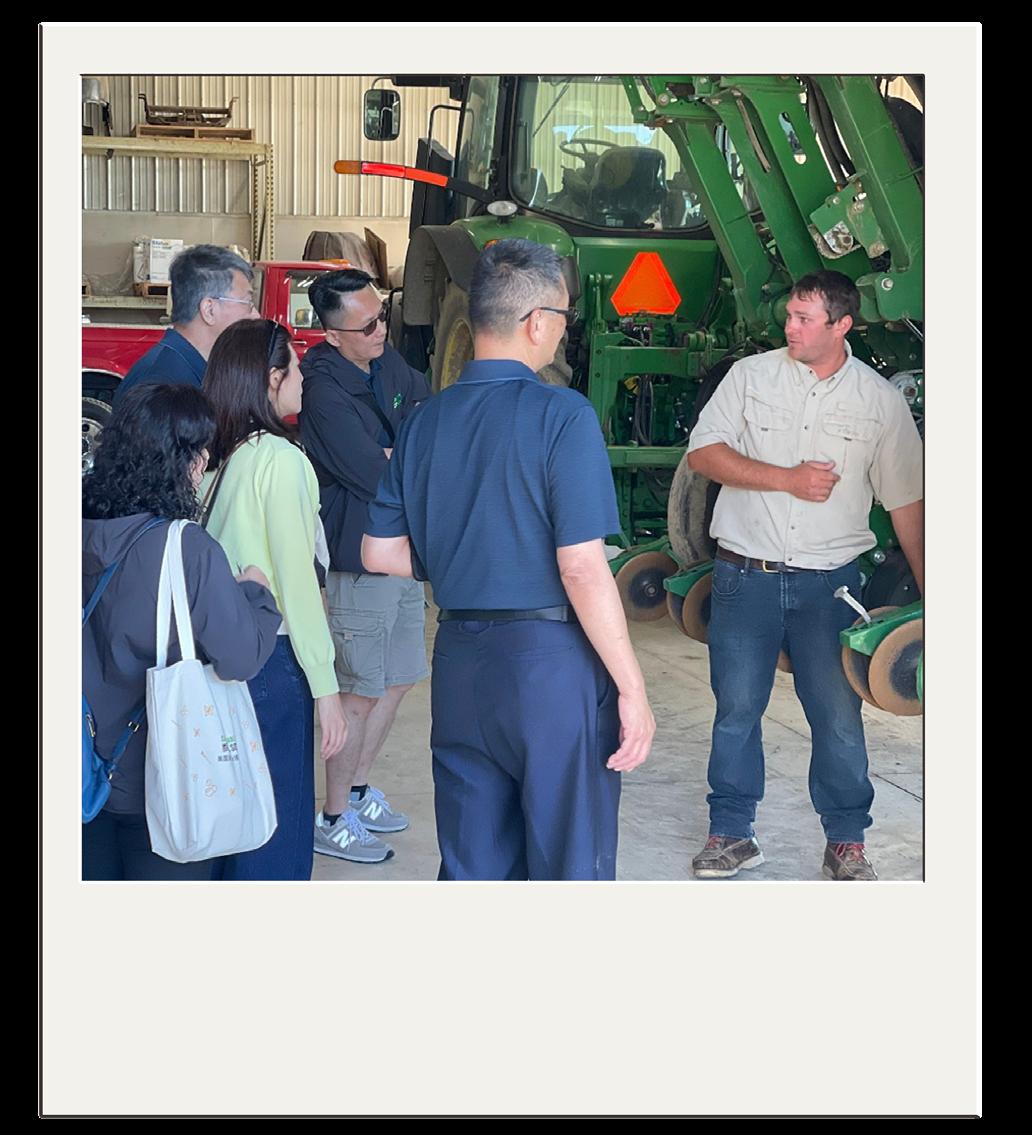
The team’s Michigan visit began at Drozd Family Grain in Allegan, where Ryan Drozd gave the group an up-close look at planting and harvest equipment, farm operations, and fields of both commodity and high oleic soybeans.
The team also traveled to Preston Farms in Quincy, a 1,000-cow dairy operation where high oleic soybeans are incorporated into feed. The group got to see a soybean roaster in action and learned about the nutritional benefits of roasted high oleic soybeans for dairy cows. Many participants who work directly in soybean processing were particularly excited to see this innovative use of soy and look forward to having conversations about high oleic soybeans in dairy rations with their companies.
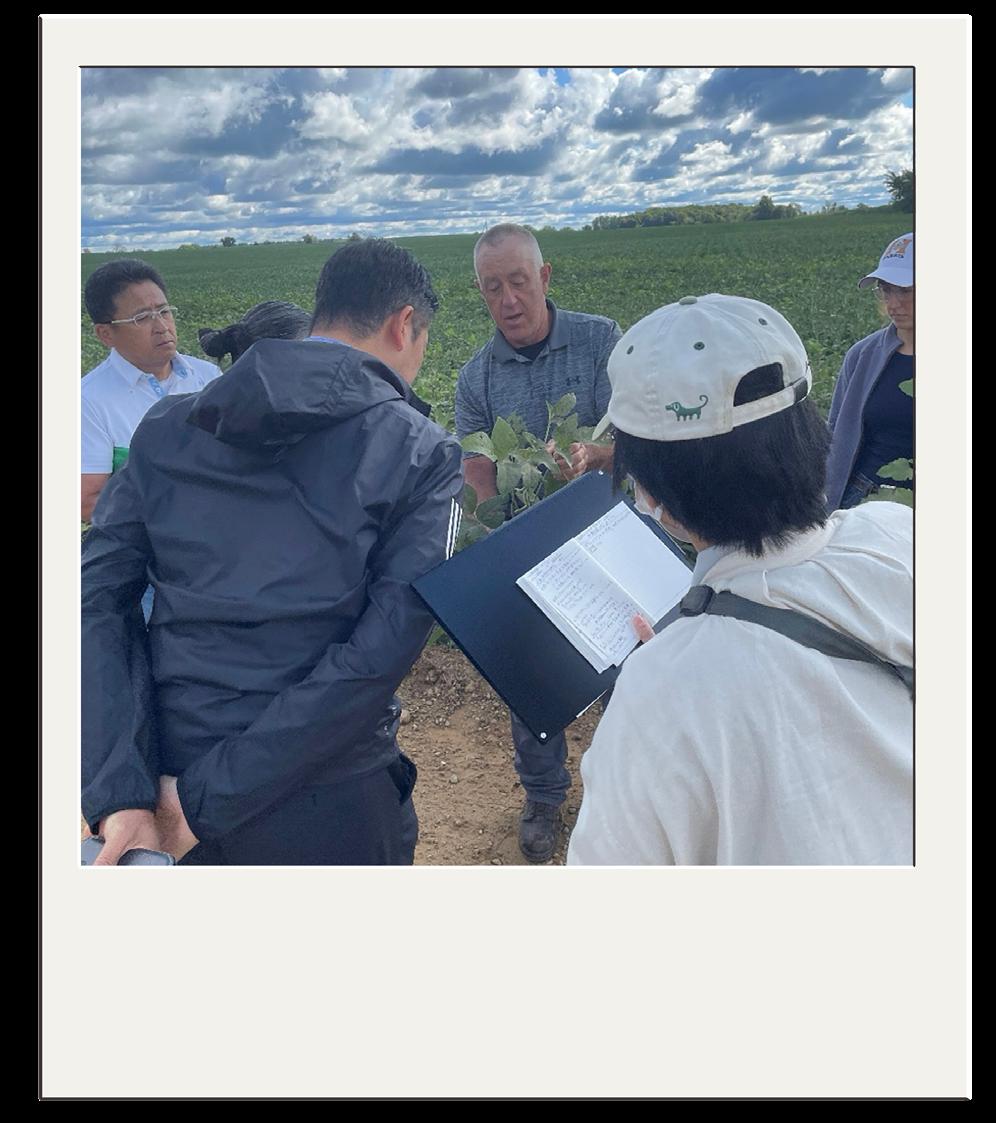
Earlier in the summer, MSC also hosted a trade team from Taiwan. This smaller group visited Nathan McCalla of Broadview Farms in Milan to gain a firsthand understanding of how U.S. soybeans are grown and managed.
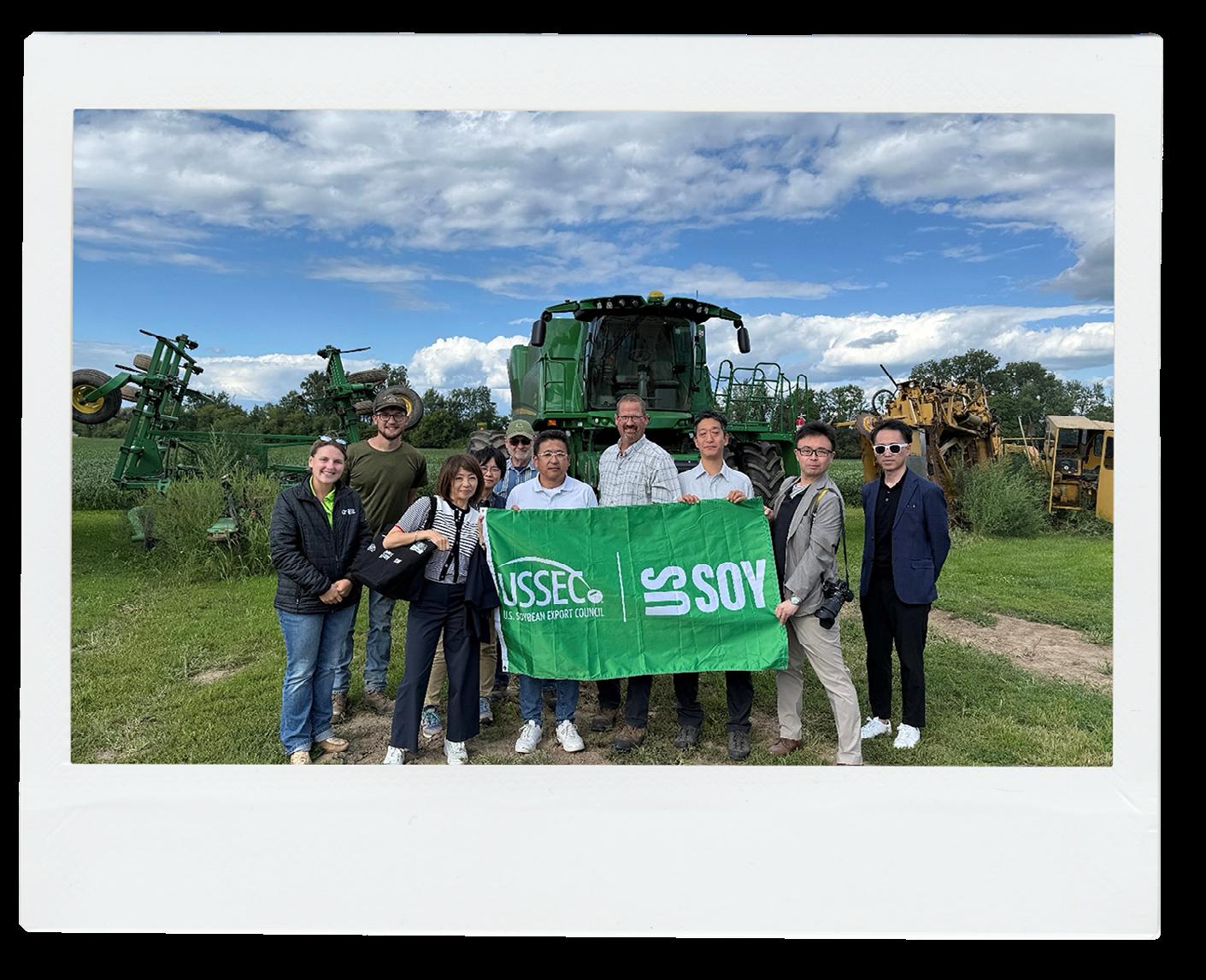
MSC also hosted a nine-member trade team from Japan with a specific interest in food-grade soybeans. Japan is a critical market for food grade soybeans, and this group was excited to learn how Michigan meets their strict quality standards. The Japanese team's visit included stops at Parr Farms in Charlotte and Little Creek, operated by the Oesterle family, in Mason. They also toured Star of the West in Charlotte and Michigan Agricultural Commodities in Breckenridge. To round out their experience, the team heard from DF
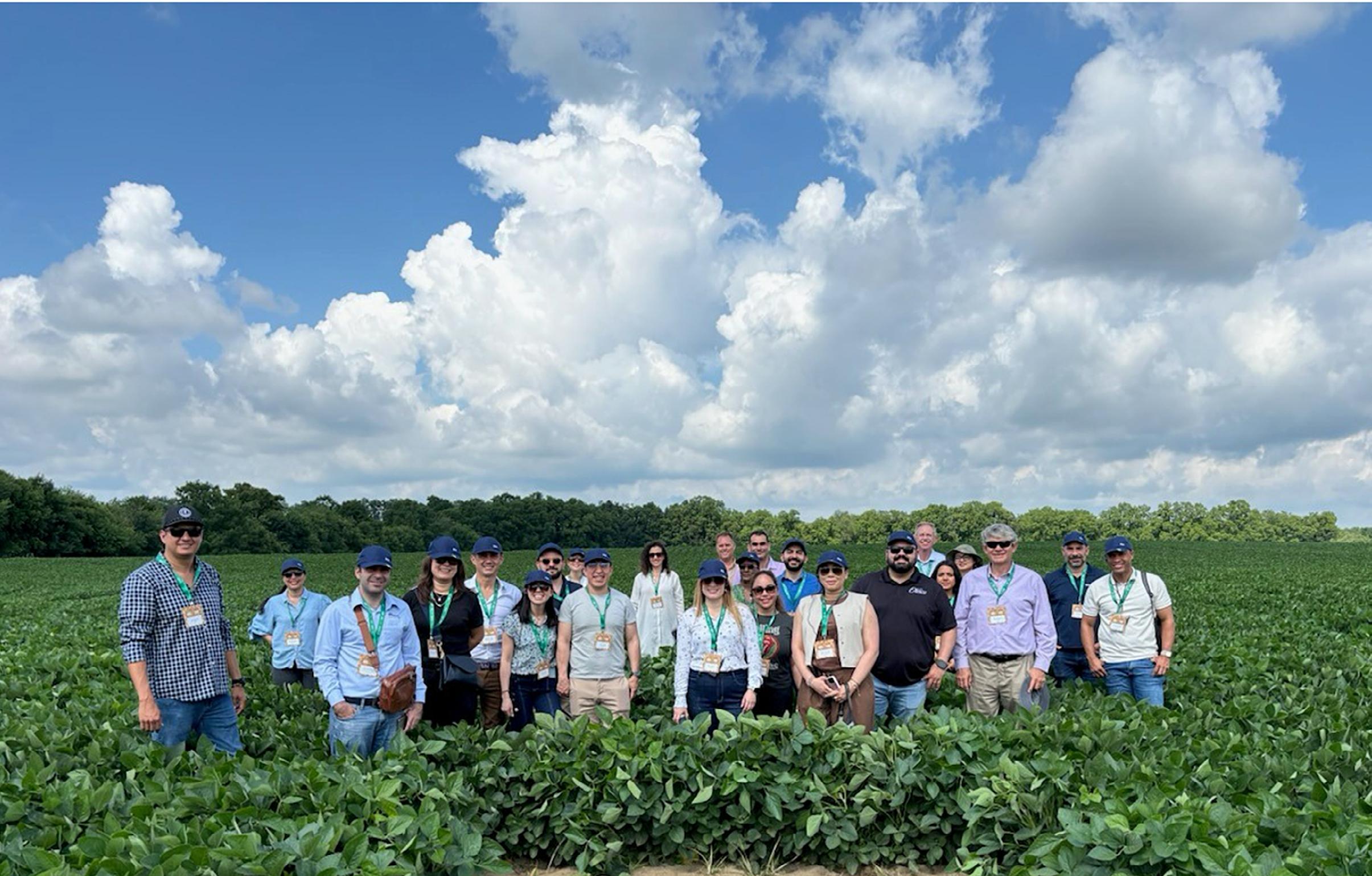
23
trade team from
in a field of high oleic soybeans at
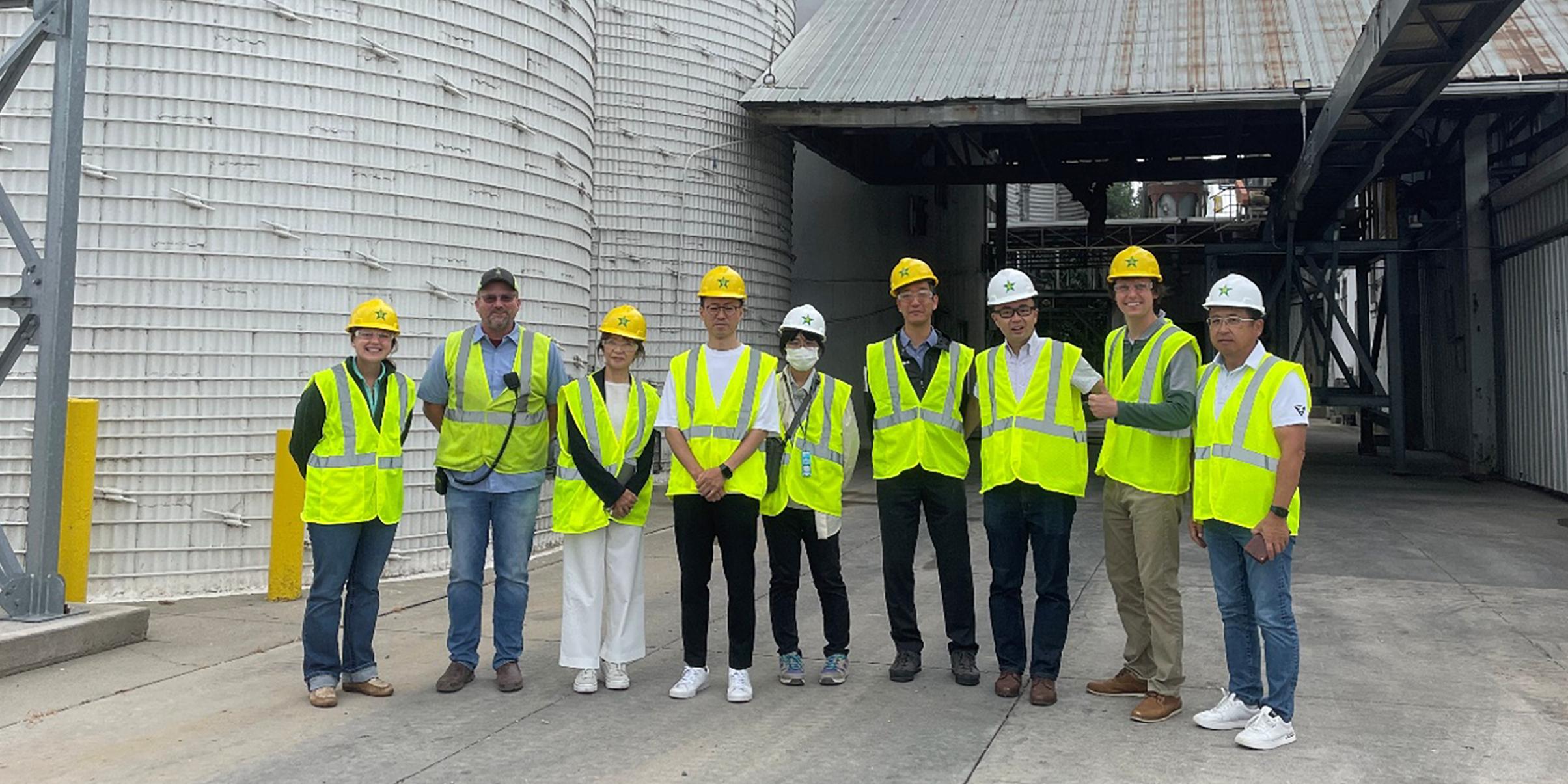
Seeds about specialty soybean varieties and the research and breeding work that goes into supporting food grade soybeans in Michigan.
Michigan farmers are uniquely positioned to lead in the global food grade soybean market. With a favorable climate and access to identity-preserved, food grade processing, Michigan soybean farmers offer exactly the product international buyers are looking for.
Each of these trade team visits worked to build longterm global preference for Michigan soy by showcasing the farmers and practices behind our beans. Relationships formed during trade team visits are a powerful tool in growing demand and helping create more secure global markets for years to come.



JANUARY 27-28, 2026
Soaring Eagle Casino & Resort
Mt. Pleasant
SPONSORED BY: Sponsored by