Ric Federau, Stacy Drzewiecki, Kim Kisner, Mike Olmstead, Dominic Santina, Joyce Wiswell
STAFF PHOTOGRAPHER
Faith Taylor SALES
Scott Drzewiecki, Chris Sutton
Kelly Kosek, Kaitlyn Schoen
MICHIGAN
Mud, Motors, and Mayhem
Northern Power Race Park’s biggest summer race weekend returns.
BY SCOTT DRZEWIECKI CONTRIBUTING WRITER | PHOTOGRAPHY
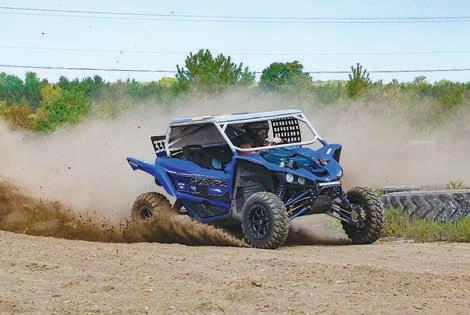
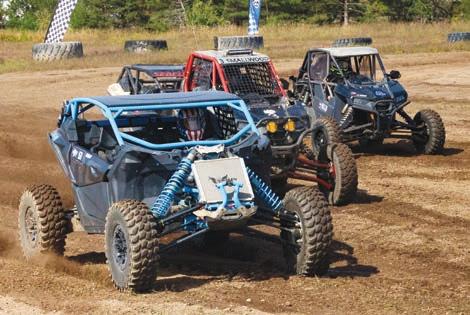
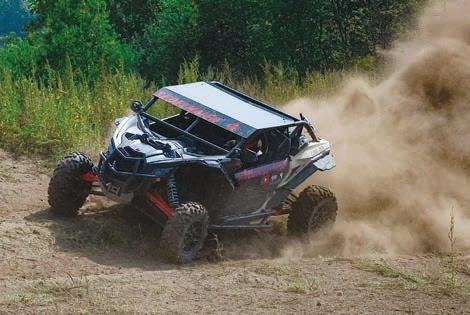
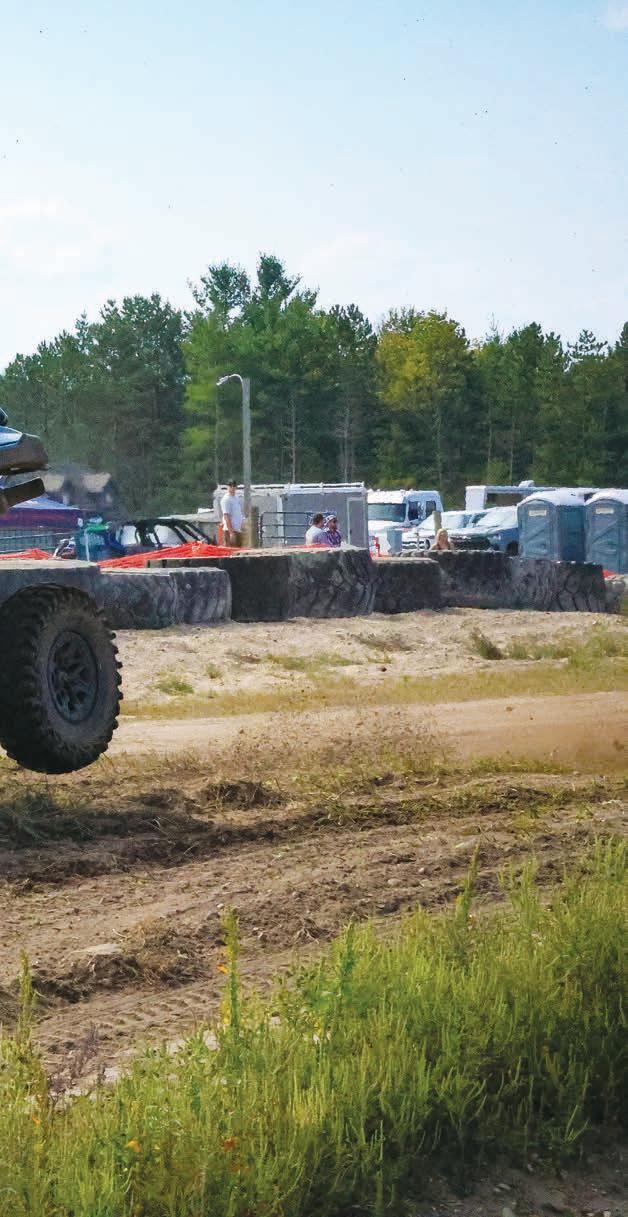
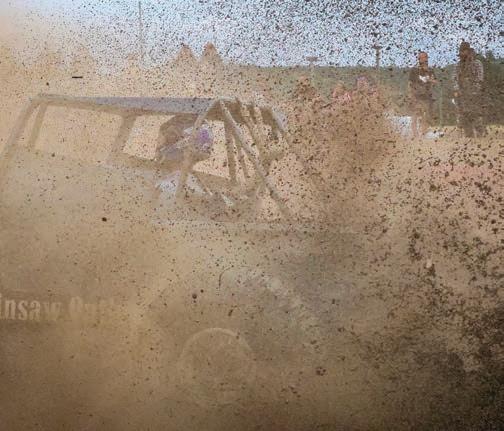
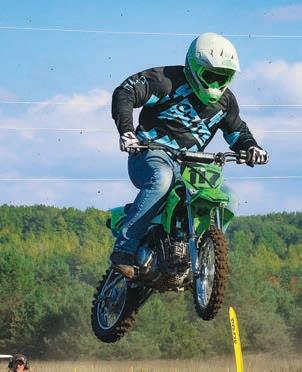
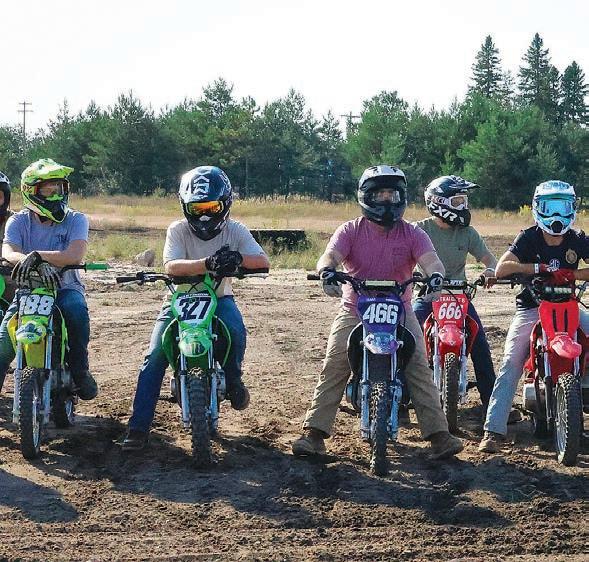
The sound of horsepower and ying dirt will once again take over northern Michigan this June as racers and fans head to Northern Power Race Park for one of the most exciting weekends of summer racing action. From high-speed side-by-side battles to adrenaline- lled pit bike competition, Northern Power Race Park continues to establish itself as one of Michigan’s premier destinations for grassroots motorsports and family entertainment.
Located in the heart of northern Michigan, the 72acre facility has quickly become a hub for year-round
racing events and outdoor excitement. Since opening in 2021, Northern Power Race Park has experienced rapid growth, drawing competitors and spectators from across the Midwest for Snocross, mud bogs, side-by-side racing, pit bike events, and more.
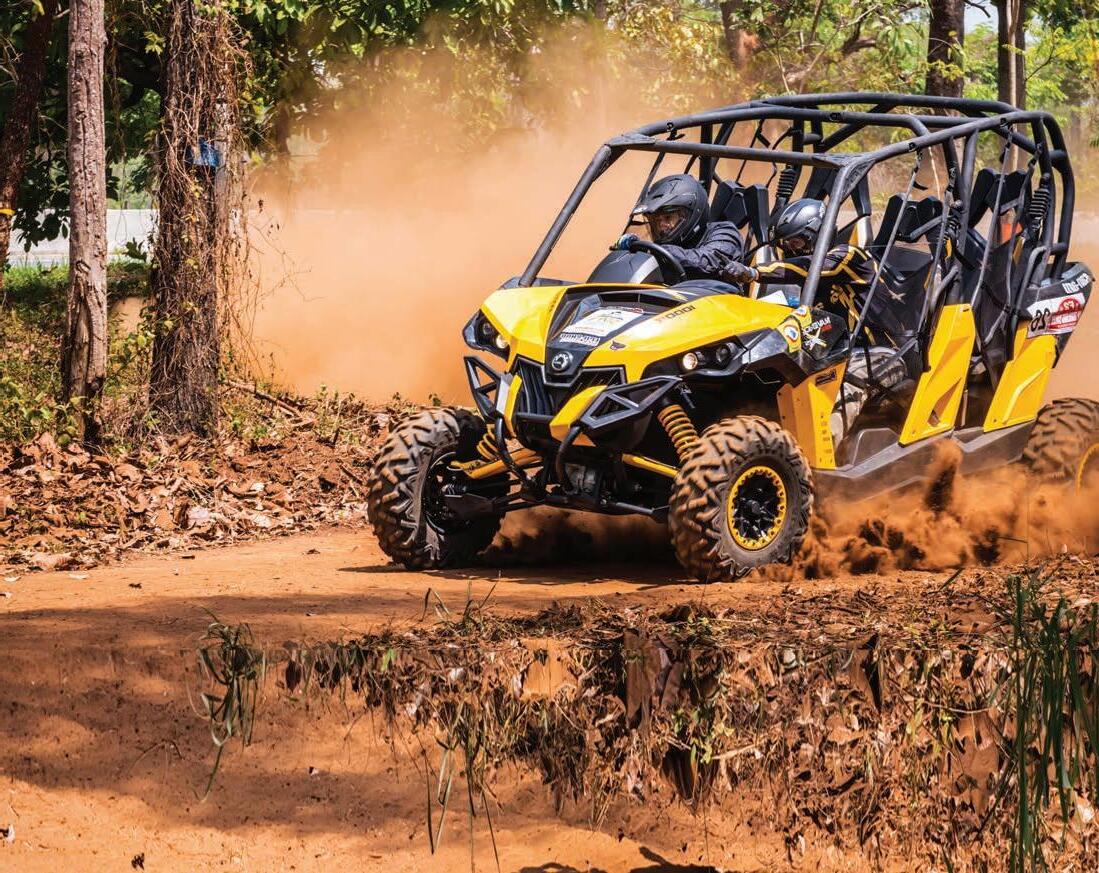
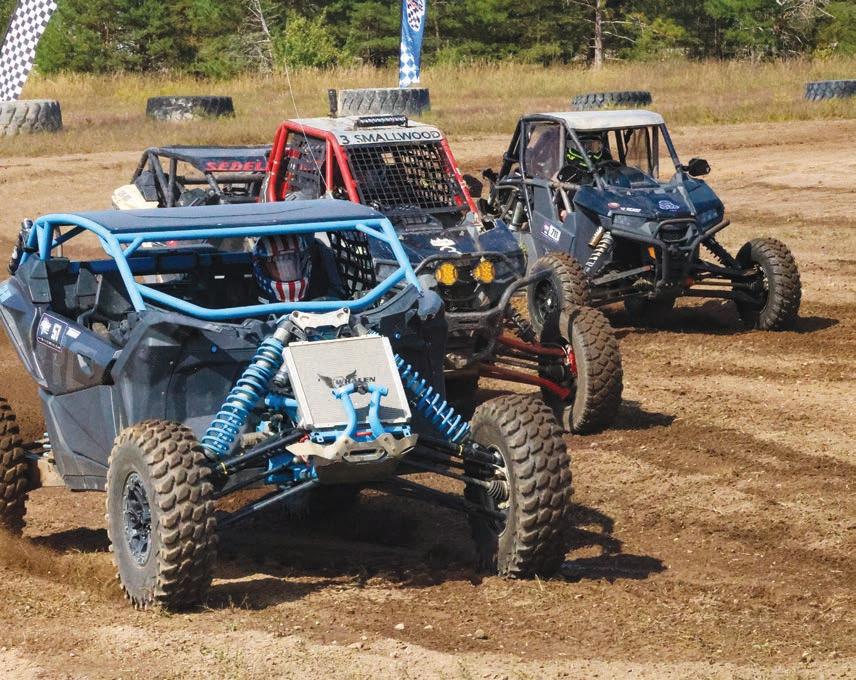
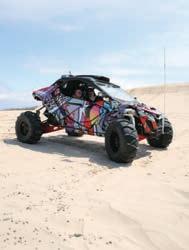
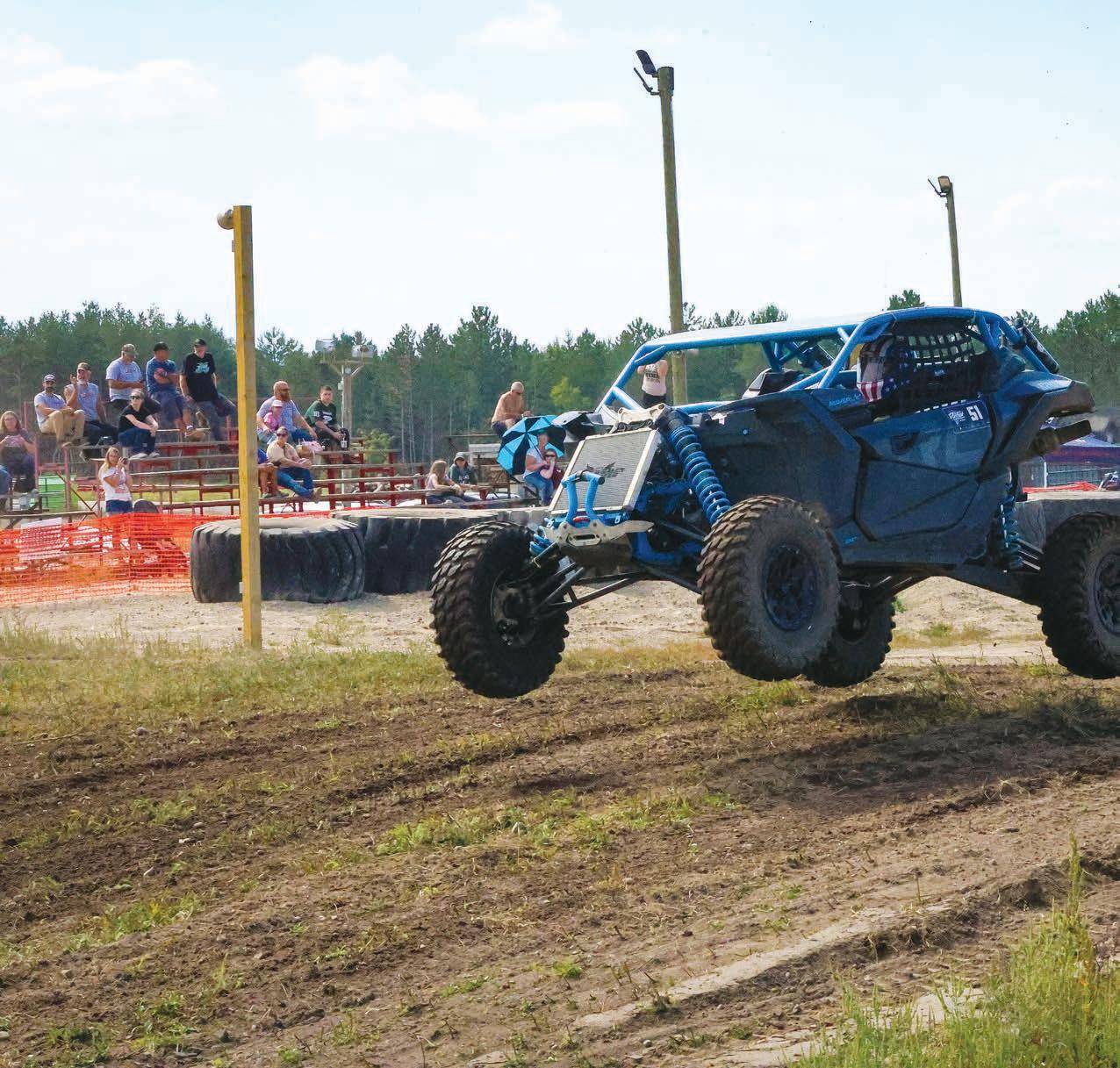
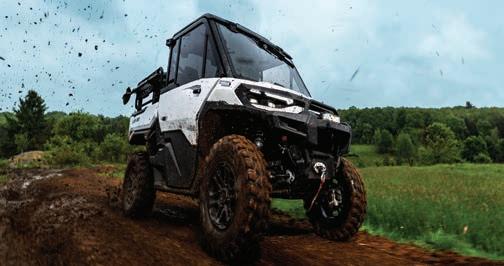
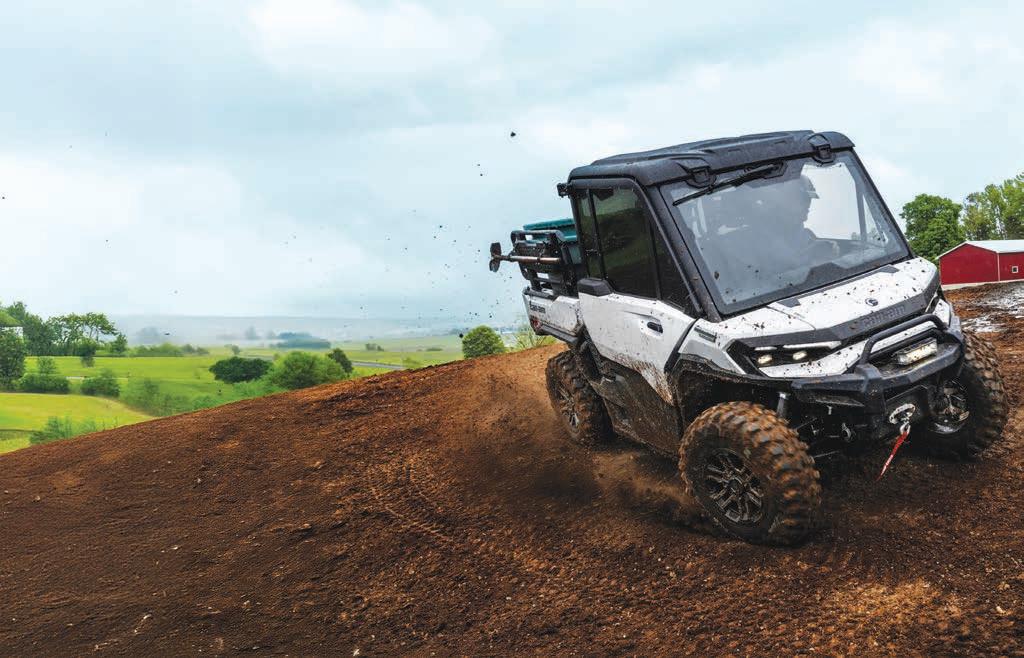
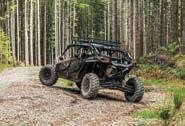
The June 2026 race weekends are expected to bring nonstop action to the track. The side-by-side races will showcase some of the region’s top off-road drivers as they battle wheel-to-wheel through tight corners, jumps, and rough terrain. Fans can expect aggressive racing, close nishes, and plenty of dirt ying as competitors push their machines to the limit.
BY ASHLEY LIZZIE PHOTOGRAPHY
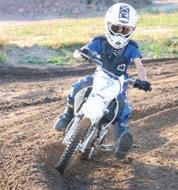
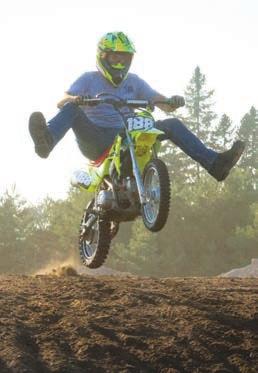
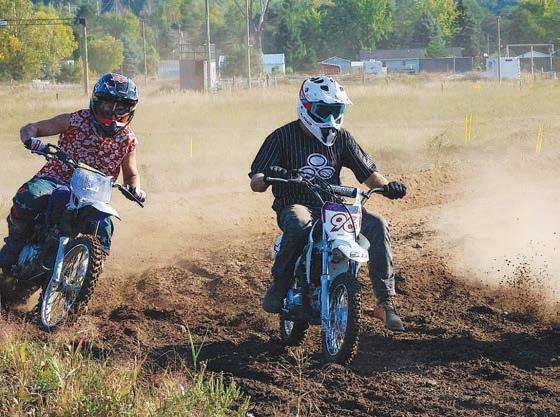
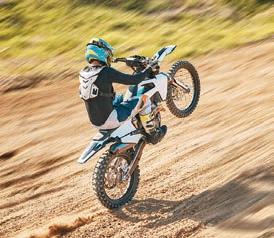
The pit bike races add another layer of excitement to the weekend. These events have become fan favorites thanks to their fast-paced format, unpredictable racing, and family-friendly atmosphere. Whether it’s experienced riders chasing victories or newcomers looking to test their skills, the pit bike races deliver entertainment for racers and spectators alike.
On Sunday, June 28, Northern Power Race Park will transform into one of Michigan’s wildest off-road playgrounds as drivers from across the Midwest bring continued on page 8
continued from page 7
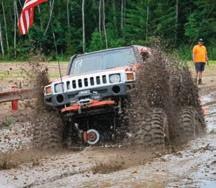
out their biggest trucks, deepest tires, and boldest attitudes for a full day of mud-slinging action. From Mega Trucks to Street Stock and Farm classes, the competition promises nonstop excitement for racers and spectators alike.
What makes the mud bogs at Northern Power Race Park special is the atmosphere. This is not just another motorsports event — it’s a northern Michigan summer tradition in the making. Families line the fences, coolers are packed, campers ll the grounds, and the crowd erupts every time a truck disappears into the mud pit only to claw its way out with tires spinning and mud ying everywhere.
The June mud bog weekend will showcase multiple classes including Mega Truck, Open Paddle, Open Cut, Super Modi ed, Modi ed Stock, Powder Puff, and Street Stock/Farm divisions. Every class brings a different style of racing and strategy to the pit, creating a full day of unpredictable action.
Fans attending the event can also enjoy everything northern Michigan has to offer. Located near the beautiful communities of Mancelona and Bellaire, the area is lled with outdoor recreation, lakes, trails, restaurants, and camping opportunities. Many race fans make an entire weekend out of the event by camping in the area and spending time exploring northern Michigan between races.
Beyond the track, the Mancelona area offers outstanding camping opportunities for visitors looking to enjoy everything Northern Michigan has to offer. From scenic campgrounds and RV parks to quiet wooded campsites near lakes and trails, the region provides the perfect setting for families, race teams, and outdoor enthusiasts to extend their stay and experience the beauty of the area.
When the mud ies at Northern Power Race Park, the fun truly begins.
What makes Northern Power Race Park stand out is that it offers much more than just racing. The facility was built with motorsports fans and families in mind. The park features professionally maintained tracks, spectator-friendly viewing areas, onsite concessions, camping
continued on page 10
continued from page 8 opportunities, and a welcoming atmosphere that makes everyone feel part of the racing community. Organizers continue to focus on creating events that are accessible to racers of all ages and skill levels while also delivering an exciting experience for fans.
Visitors attending the June races will also have the opportunity to explore everything northern Michigan has to offer. Mancelona sits within driving distance of some of the state’s most popular outdoor destinations, including scenic trails, lakes, golf courses, rivers, and small-town attractions. Race fans can spend the day at the track and still enjoy northern Michigan’s incredible recreation opportunities in the evenings.
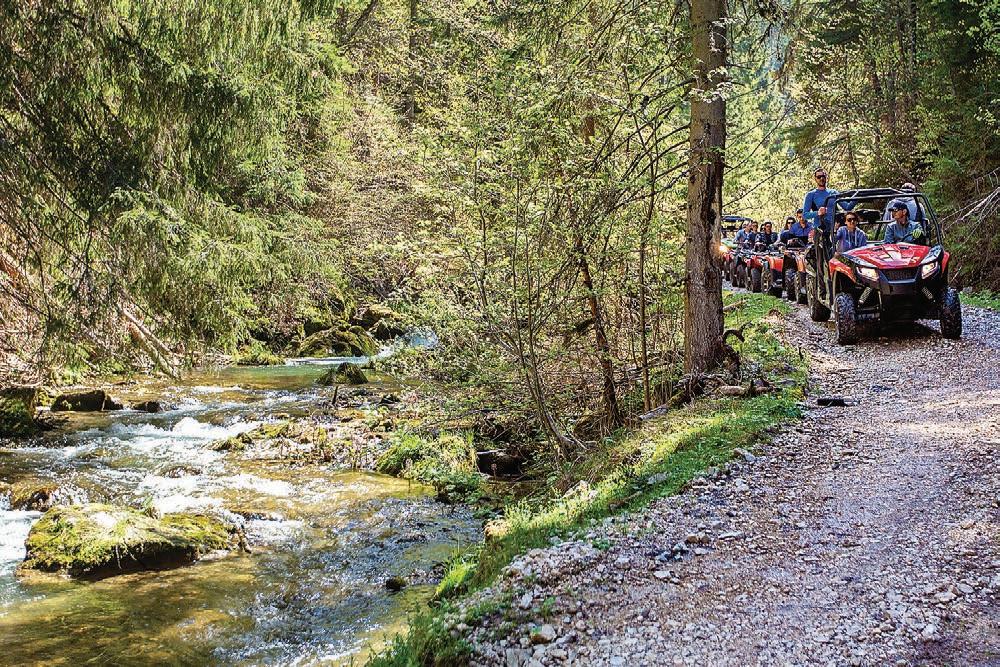
The area is known for its ORV and trail systems, making it a perfect destination for motorsports enthusiasts looking to extend their stay beyond race day. Nearby communities also offer restaurants, campgrounds, shopping, and outdoor activities that help turn a race weekend into a full vacation experience.
As Northern Power Race Park continues to expand its summer schedule, events like the June 2026 side-by-side and pit bike races are helping build a new tradition for off-road racing in Michigan. For racers, it’s a chance to compete at one of the Midwest’s fastest-growing motorsports facilities. For fans, it’s an opportunity to experience the excitement of live racing while enjoying everything northern Michigan has to offer.
For event schedules, registration information, camping details, and race updates, visit Northern Power Race Park. •
MANISTIQUE
906.341.6656
COMFORT INN 617 Lakeshore Drive
906.341.6981
ECONO LODGE
1101 E. Lakeshore Dr.
business spotlight
Driven by Passion
The enduring success of C&C Sports
BY SCOTT DRZEWIECKI
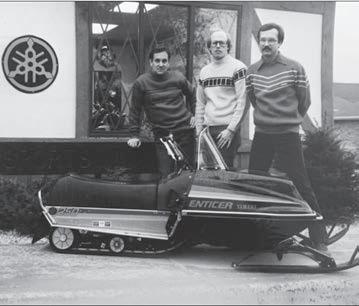
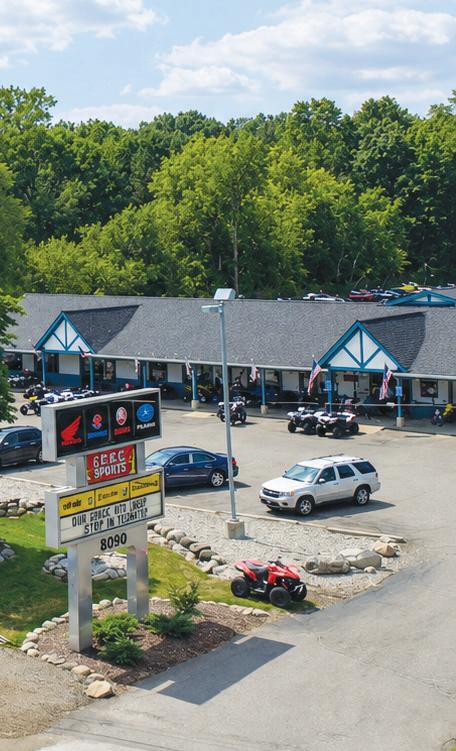
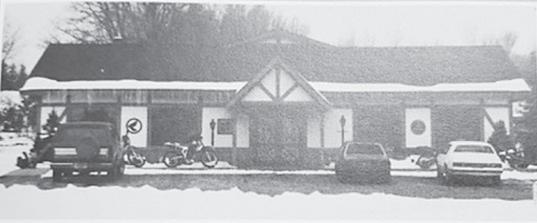
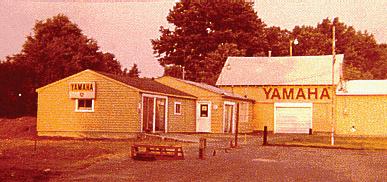
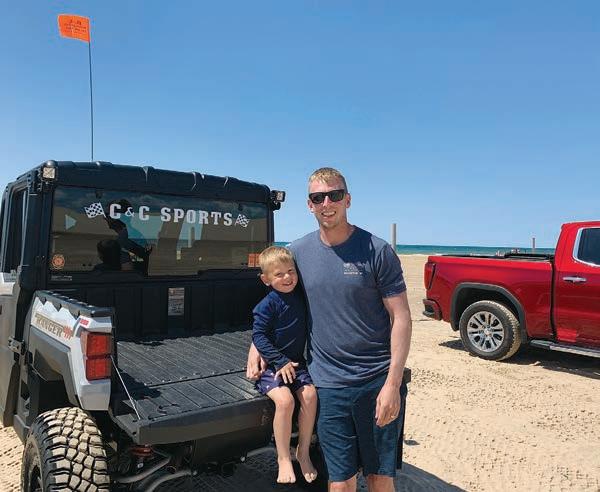
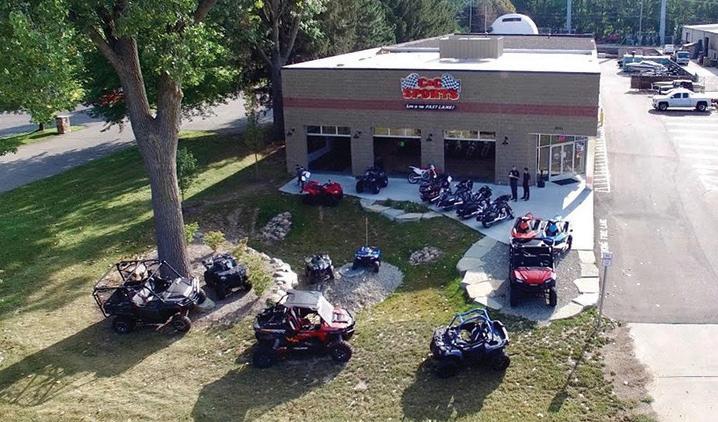
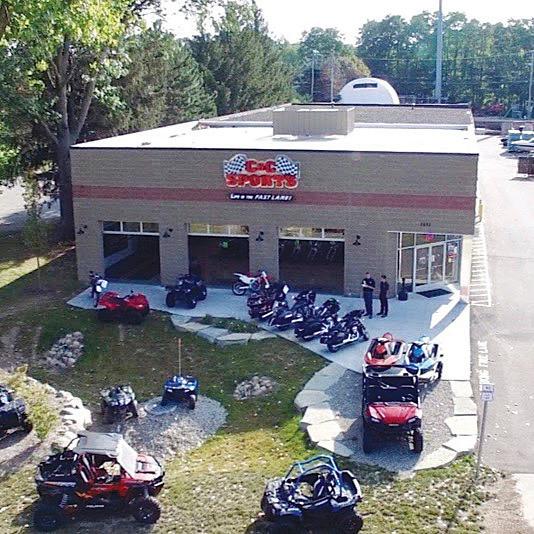
In 1974, Bill Piggins and two co-workers left their jobs at an engineering rm to pursue a business built around their passion for motorcycles and the powersports lifestyle. Together, they purchased a small yellow 2,500-square-foot building on Grand River Avenue in Brighton, Michigan, hired one employee, and opened a dealership selling Yamaha motorcycles and MasseyFerguson lawn equipment. What started as a small local dealership quickly developed into a destination for riders and outdoor enthusiasts throughout Southeast Michigan.
During the early years, the powersports industry was much different than it is today. Dealerships relied heavily on wordof-mouth advertising, customer relationships, and community involvement. Bill’s vision was simple: treat customers fairly, stand behind the products being sold, and create an atmosphere where enthusiasts felt welcome. That philosophy became the foundation that C&C Sports was built upon and remains a core part of the company today.
As C&C Sports continued to grow, the dealership expanded
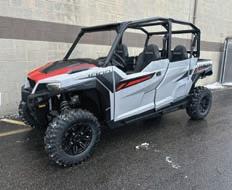
its vehicle offerings, added employees, and remodeled the original store several times to meet increasing demand. Eventually, Bill purchased his partners’ shares and became sole owner, continuing to guide C&C Sports with a strong commitment to customer service, community involvement, and the powersports industry. Over the years, the dealership added multiple major brands and evolved into a full-service powersports dealership offering motorcycles, ATVs, side-by-sides, snowmobiles, and personal watercraft. One of
continued on page 14
Located in Reese, Michigan, Finishline Shocks specializes in high-performance suspension solutions for trail riding enthusiasts . Owned and operated by Dave Hausbeck, a seasoned competitor in Alaska’s renowned Iron Dog Snowmobile Race, the company is driven by expertise and passion for the sport. Dave personally builds and tunes each set of shocks to ensure peak performance, durability, and customer satisfaction. Elevate your trail ride with custom-crafted shocks tailored to take your snowmobile to the next level. We specialize in Walker Evans and Polaris skids, but can build multiple other brands of shocks.
“Dave is the man to see for shocks on your Polaris sleds. I’ve had him do a few sleds for me over the years, and they have turned out great. Anyone who rides my sled with the finish line shocks on it is blown away of how well they ride compared to stock sleds. If you want the full potential out of your sled, go see Dave. You will not regret it.”
continued from page 12
the newest additions to the lineup is CFMOTO ATVs, UTVs, and motorcycles, further expanding the dealership’s offerings for customers looking for value and versatility in the powersports market.
At C&C Sports, service has always been a major priority. The dealership understands that purchasing a vehicle is only the beginning of the ownership experience. Customers rely on dependable service support to keep their machines operating during Michigan’s relatively short riding and snowmobiling seasons. Today, C&C Sports employs seven full-time technicians with a combined 85 years of shop
experience. Factory training, continued education, and staying current with rapidly changing technology have become essential parts of modern dealership operations.
In 2023, C&C Sports expanded its service capabilities by launching a mobile service division focused primarily on light repairs and maintenance for personal watercraft. The mobile service program was developed to provide customers with greater convenience and exibility, particularly during the busy summer season when transporting watercraft to a dealership can be dif cult. The program has been
well received and re ects the dealership’s continued focus on adapting to customer needs and industry trends.
Today, C&C Sports is operated by Bill’s son, Phillip Piggins. Phillip has worked through nearly every department of the dealership and represents the second generation of family ownership. Starting as a shop porter in 2003, Phillip gained rsthand experience throughout the business, including parts, sales, service, and used vehicle operations before stepping into dealership management. That hands-on experience has helped shape his understanding of continued on page 16
C&C Sports has continued to thrive in an ever-evolving powersports market by embracing change while remaining committed to the values the dealership was founded upon more than 50 years ago.
business spotlight
C&C Sports
continued from page 14
dealership operations and the importance of every department working together to create a positive customer experience.
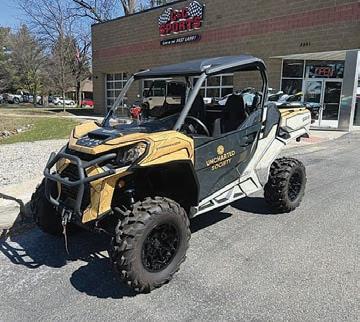
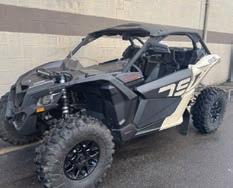
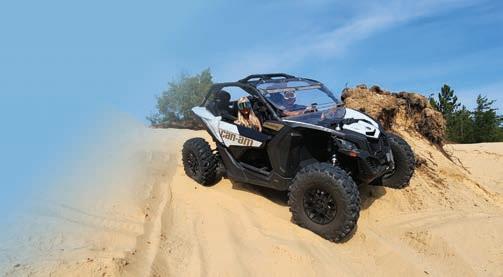
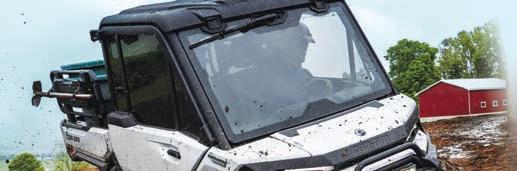
Like many employees at C&C Sports, Phillip remains an active powersports enthusiast outside of work. His favorite pastime is trail riding in his Can-Am side-by-side with his family throughout Michigan’s trail systems. Staying actively involved in the lifestyle helps the dealership remain connected with the products and customers they serve.
with other progressive dealers has become
Phillip is also an active member of a national powersports 20 Group, where dealership owners and managers collaborate to share best practices, operational strategies, and new ideas to help dealerships continue evolving within a rapidly changing industry. As the powersports business continues shifting toward digital marketing, online purchasing research, and changing customer expectations, staying engaged with other progressive dealers has become increasingly important.
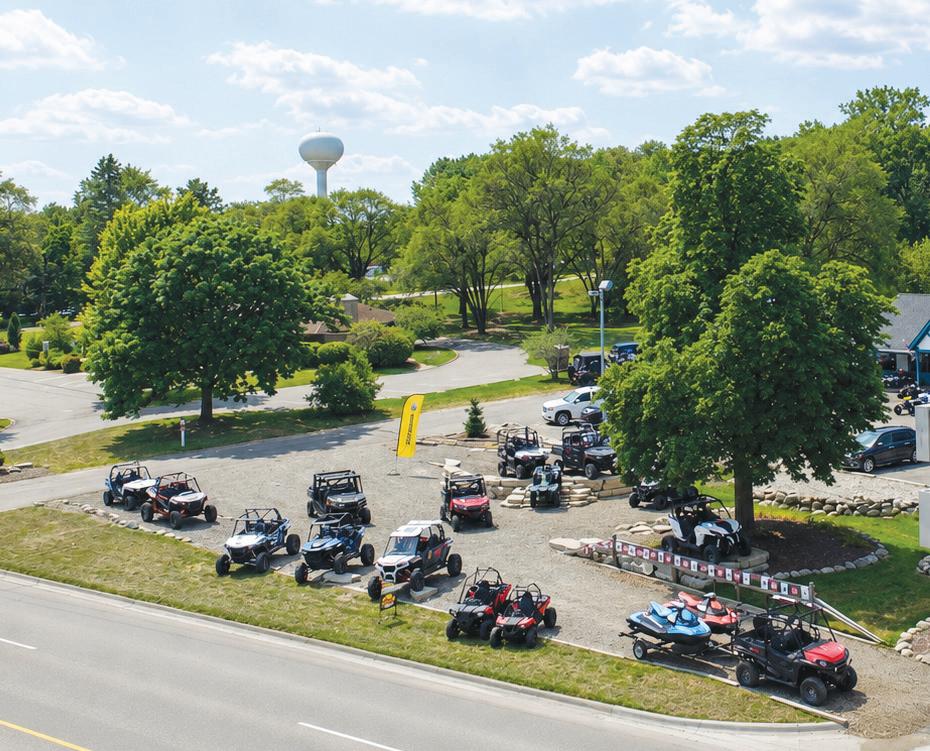
C&C Sports has continued to thrive in an ever-evolving powersports market by embracing change while remaining committed to the values the dealership was founded upon more than 50 years ago. Today, the dealership is believed to be the only dealer in Michigan with a separate standalone pre-owned powersports showroom. The dedicated preowned facility allows customers to browse a large selection of used motorcycles, ATVs, side-by-sides, snowmobiles, and personal watercraft in one location.
The company takes pride in sourcing clean, reliable pre-owned inventory and offering customers exceptional value compared to both other used options and many new vehicles on the market. The pre-owned segment of the business has continued to grow signi cantly in recent years as more customers seek affordable entry points into the powersports lifestyle.
More than ve decades after opening the doors of the little yellow building on Grand River Avenue, C&C Sports continues to grow while remaining focused on the same principles it was founded upon: customer relationships, community involvement, industry passion, and a commitment to helping families and enthusiasts enjoy the outdoors through powersports. •
ichigan United Conservation Clubs, an organization that served Michigan’s outdoor community for more than 90 years, has voted to disband a er reviewing its nancial condition and future options. e public announcement came on JUNE 4, 2026. At its peak, MUCC represented more than 40,000 individual members and over 400 a liated clubs across Michigan. When the organization closed its doors, that number had reportedly fallen to roughly 100 clubs.
volunteerism and civic participation nationwide
I nd this deeply troubling—not simply because one organization is disappearing, but because of what it represents.
What does this mean to the average user?
Another advocacy group has succumbed to dissolution. Another recreational organization has lost the collective voice of its users.
MUCC leadership cited several connected reasons for the decline:
• Long-term membership loss
• Declining club participation
• An aging membership base
• Younger generations not joining civic and recreation organizations
• Financial strain caused by shrinking support
• A broader decline in
It means there is one less organization overseeing the actions and decisions of the Michigan Department of Natural Resources. It means the organizations and individuals advocating for restrictions on recreation o en have louder representation. It means less opposition to limitations handed down through policy and administration. And ultimately, it means the collective voice of outdoor users becomes quieter.
Whether you supported or opposed issues like the baiting ban, the one-buck rule, trail access changes, or land-use policy, the reality is the same: when advocacy organizations disappear, the public loses representation.
continued on page 20
MISORVA
continued from page 19
For decades, organizations like MSA, now MISORVA, worked alongside MUCC and other advocacy groups to protect user-funded programs and ensure recreation dollars were constitutionally protected and spent appropriately. ose protections did not happen accidentally. ey happened because organizations showed up, attended meetings, worked with lawmakers, and advocated for the users they represented.
That work still matters.
• Who will continue attending the meetings where decisions a ecting your recreation are made?
• Who will review budgets, policies, and proposals?
• Who will provide lawmakers with information beyond agency talking points?
• Who becomes the sounding board for the users?
For years, people understood the importance of “their drop in the bucket.” Membership dues JUNE have seemed small individually, but together they created a stronger voice. Every membership mattered because every member strengthened representation.
As these organizations disappear under increasing nancial pressure and declining participation, we all lose something valuable.
When advocacy groups meet with elected o cials, they carry the voice of the user community. Legislators listen to those perspectives, compare them against information provided by state
agencies, and make decisions based on what they believe is best for Michigan.
But if you attend enough meetings, you begin to notice something troubling: narratives change depending on the room. Certain details are emphasized in one setting and omitted in another. at reality makes independent oversight even more important.
To be clear, many individuals within the DNR genuinely care about Michigan’s natural resources and recreation opportunities. Some are deeply passionate about protecting what makes this state special. But agencies are still agencies, and without strong public engagement and oversight, bureaucracy naturally grows louder than the users themselves.
Michigan needs balance. We need protected areas. We need advocates for hikers, bikers, equestrians, paddlers, hunters, anglers, and conservationists.
And yes, we also need advocates for responsible motorized recreation.
MISORVA advocates for motorized users because those users are an important part of Michigan’s economy and culture. Snowmobilers and ORV riders support local restaurants, gas stations, hotels, repair shops, and countless small businesses throughout the state. Tourism is woven into the fabric of Michigan’s economy.
Michigan is not a pass-through state. People come here speci cally to recreate. ey come to ride trails, sh rivers, hunt forests, paddle streams, and experience the incredible terrain this state o ers.
at shared love for the outdoors should unite us more than it divides us.
We must learn to work together better. We must let go of old grudges and recognize that protecting recreation access requires cooperation, not constant con ict.
And we need to support the people doing the work.
Join the clubs maintaining your trails.
Volunteer when you can.
Stop attacking the volunteers because conditions were not perfect on the exact day you rode.
Most of these individuals are unpaid volunteers. ey spend countless hours brushing trails, repairing equipment, grooming, signing routes, attending meetings, fundraising, and advocating for recreation access. If Michigan had to fully pay for the volunteer labor supporting snowmobiling and ORV recreation today, many programs would become nancially impossible to sustain.
We also have a responsibility to police ourselves and ensure we are using public lands responsibly and respectfully.
Michigan’s public lands belong to the people, but they are managed by the Department of Natural Resources. at management works best when users remain engaged, informed, and represented.
Because when advocacy groups disappear, eventually recreation opportunities disappear with them. Silence does not protect access. Participation does. ■
The
Future
SKaryn Robare President Executive Committee
When the Volunteers Go Quiet
of Snowmobile and ORV Clubs in Michigan
mall clubs, state organizations, and nonpro ts across Michigan are facing the same challenges: shrinking funds, fewer volunteers, and aging memberships.
For those of us involved in snowmobile and ORV organizations, the concern hits especially close to home. e recent closing of Michigan
United Conservation
Clubs a er 90 years is more than sad news — it is a warning sign for every outdoor recreation group in the state.
So what’s the answer?
e truth is, there is no single solution. But there is one thing we cannot a ord to do: pretend things are the same as they were 20 or 30 years ago.
Snowmobile and ORV clubs were built by generations of hardworking volunteers. ese were the people who spent weekends brushing trails, repairing bridges, fundraising at pancake breakfasts, attending meetings, and ghting to keep public access open. Many clubs still
survive because of a small handful of dedicated members carrying enormous workloads year a er year.
But that model is becoming harder to sustain.
Today’s reality looks different:
• Insurance costs continue to rise.
• Equipment costs are staggering.
• Fuel and grooming expenses strain budgets.
• Grant processes become more complicated.
• Volunteers are harder to nd.
• Leadership burnout is becoming common.
• Younger riders participate in the sport but o en do not join organizations.
Meanwhile, the work itself never stops. Trails do not maintain themselves. Signs do not magically appear. Bridges do not repair themselves a er spring washouts. Groomers do not run on goodwill alone. Behind every mile of trail is a club lled with people donating time, money, equipment, and energy.
e di cult part is this: many riders enjoy the trails without fully understanding what it takes to keep them open.
at is where clubs face their biggest challenge. Not a lack of interest in the outdoors — Michigan’s outdoor recreation industry is still thriving — but a disconnect between recreation and participation.
People still love:
• Snowmobiling
• ORV riding
• Trail riding
• Camping
• Exploring public lands
• Weekend trips to trail towns
Just look at the tra c in northern communities during riding season. Hotels ll up. Restaurants stay busy. Fuel stations thrive. Local economies depend heavily on recreation tourism.
Snowmobile and ORV clubs are not just hobby groups. ey are economic engines for rural Michigan.
When clubs struggle, communities eventually feel it too.
e problem is not that people no longer care. e problem is that volunteerism has changed.
continued on page 22
Help protect trails, fuel the fun and enjoy exclusive member perks along the way!
MISORVA has a presence on the Snowmobile Advisory Work group (SAW) and ORV Advisory Work group (ORVAW) State Board that makes recommendations on our trail program.
• $4,000 Death & Dismemberment Policy through American Income Life
continued from page 21
Younger generations often want:
• Flexible involvement
• Short-term projects
• Family-friendly events
• Hands-on work instead of long meetings
• Clear impact from their time
• Many are willing to help. ey simply engage di erently than previous generations.
Unfortunately, some organizations unintentionally push new people away through internal politics, resistance to change, or the attitude of “this is how we’ve always done it.” Small disagreements become major battles. Meetings become exhausting. Volunteers burn out. New ideas get buried under procedure and con ict.
And because of politics, eventually, good people walk away. New people walk away. Young people walk away.
If clubs want to survive long term, adaptation is not optional. at does not mean abandoning tradition. It means protecting the mission while modernizing the approach.
e clubs that will survive the next generation are likely the ones that:
Focus more on action and less on politics
• Welcome newcomers openly
• Mentor and engage younger leaders
• Share workloads instead of relying on the same few people
• Collaborate regionally instead of competing internally
• Use social media and digital outreach e ectively
• Create events that bring families and communities together
• Remind riders where their trail systems actually come from - Remind riders that the trail systems are a product of hard work by volunteers. Because every marked trail, every groomed corridor, and every successful riding season exists because somebody volunteered.
e future of snowmobiling and ORVing in Michigan will not depend only on snow conditions or new machine sales. It will depend on whether people are still willing to step forward and support the organizations doing the hard work behind the scenes.
If the groomers and graders ever go quiet, if the volunteers stop showing up, we will all understand just how important these clubs truly were. ■
BY RIC FEDERAU CONTRIBUTING WRITER PHOTOGRAPHY BY PPP STUDIO
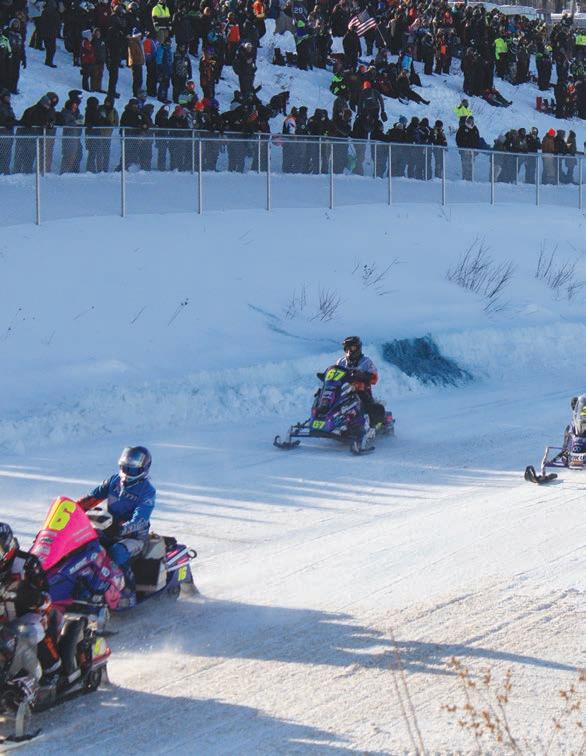
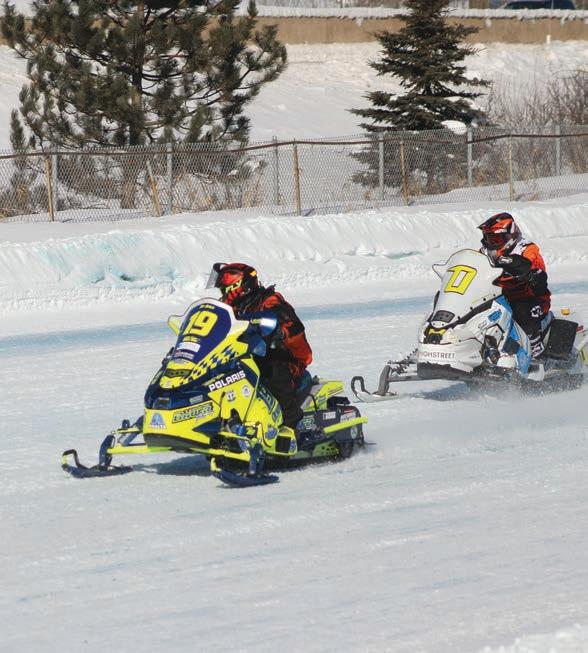
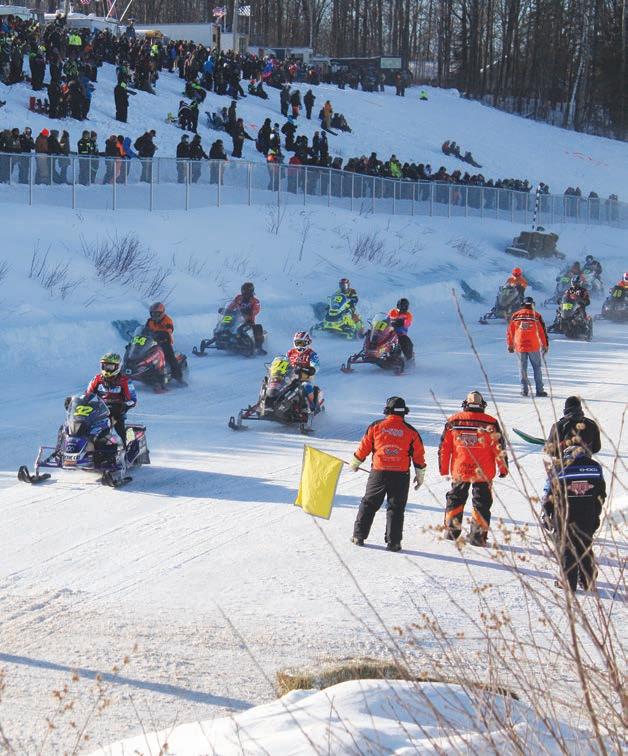
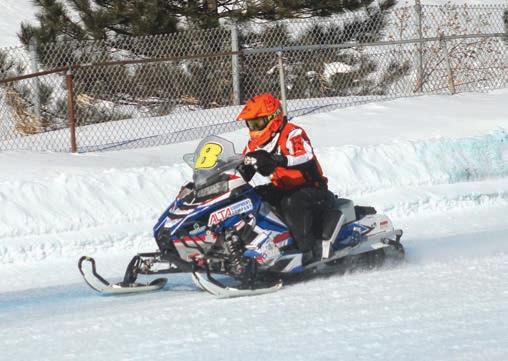
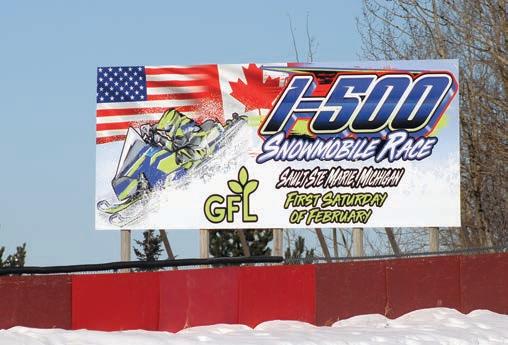
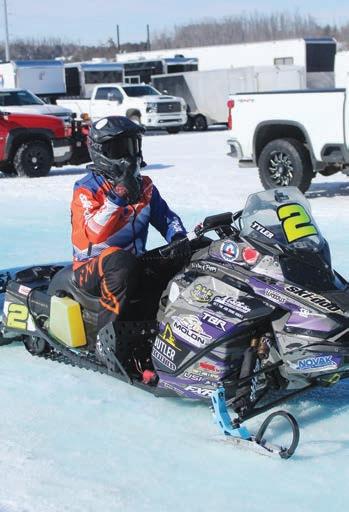
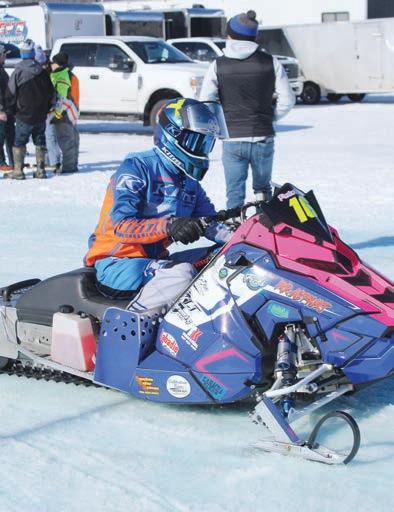
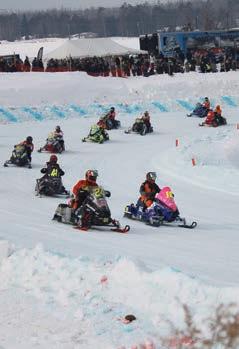
You are the reader, I’m the writer. So grab your beverage and seat of choice, get comfortable and let me write about the everyday happenings that transpire during race week each year at the International 500. 2026 and the 57th running of the I-500 is no exception. The race is known worldwide as the most prestigious snowmobile oval ice endurance race bar none.
The “GRAND DADDY” of ALL snowmobile oval ice endurance races. The one all race teams want to win!
Fast forward to the weekend before the main event. Every year the Sunday before the main event all volunteers that make this event possible in every aspect is called together for a volunteer workers meeting. It’s the opportunity for our race management teams to meet with all volunteers in advance to go over rules, safety guidelines,
radio communication, volunteer availability, the individual volunteer responsibilities while working the track, and protocol for connecting with various key management staff. Virtually every aspect for good communication throughout race week is done at this meeting to enlighten everybody that volunteers for this event as tothe proper protocol and what is required for taking action as deemed necessary under any in all circumstances. Make no mistake about it safety is paramount, there is little or no regard for error. Every volunteer at every position understands the I-500 format following the 5-P’s.... Proper, planning, prevents, poor, performance. SAFETY FIRST!
That’s just the beginning of many itinerary objectives that take place each year
The 57th International 500
continued from page 25 on the Sunday before race week starts. But... hold on, there’s more I-500 family fun the Sunday before race week. How bout this? The Sunday prior to race week the I-500 hosts the worlds most excitiing “kids-race”. Held on the main I-500 famous mile oval. Kids race mini-sleds, coming from different areas throughout the region and Canada as well. Main I-500 track of cials manage this outstanding fun kids race activity. It’s run like the “big one” a ton of kids attend to race with their family as their crew. Another successful kids’ race this year and a great time for all to enjoy. Do you have a child you want to enter? Simply go to the I-500 website: www.i-500.com and click on the link. Come join the fun. Now that we’ve reviewed the pre-race week volunteer itinerary, let’s move toward Monday, day one. City of cials proclaimed the Monday of race week each year as
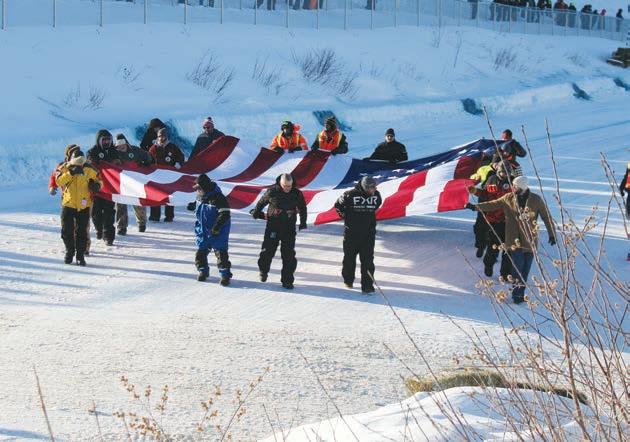
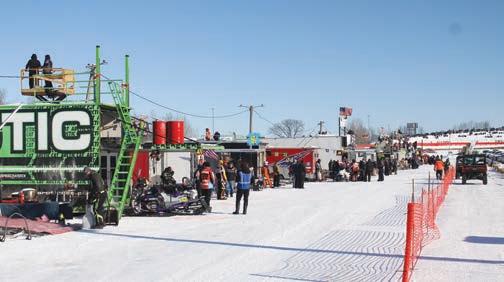
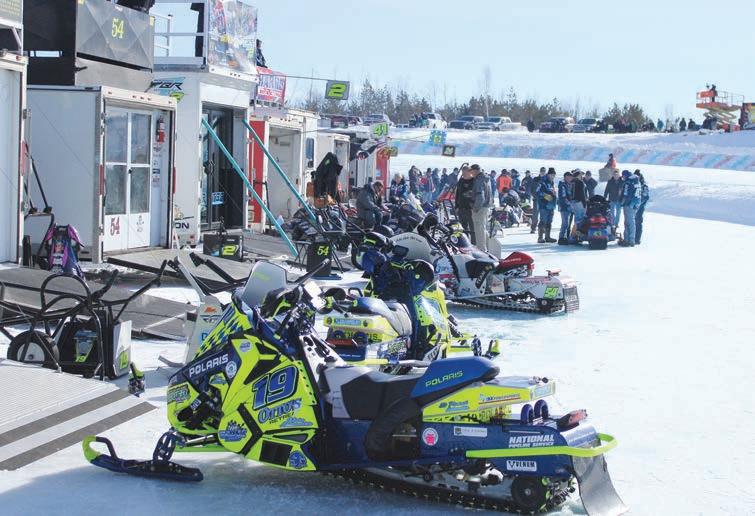
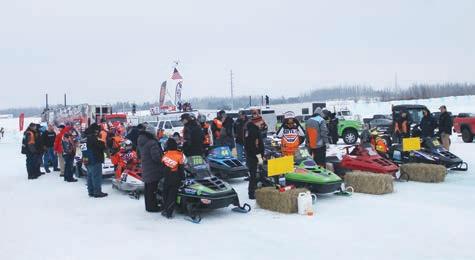
opening day, titling it “Bud Clarke Day.” A loyal and valued volunteer who set high standards in support of the International 500 Project. “Bud-Clarke Day” is the rst day race teams can enter the in eld pit area to park their rigs for the duration of race week. It’s beyond exciting for the community and race fans to see the teams come to town each year. Seeing the teams arrive each year is colorful; they arrive at different times with their rigs decked out. It’s part of the I-500 race week hoop-la that gets everyone pumped. Teams take advantage of arriving the Monday before time trials begin. It’s their initial ON SITE prep time. So cool to see them get settled, situated, and commence race prep. It’s the rst of many days where the sights, sounds and yes... smell of race fuel oats in the air like a B.B.Q. It’s the aroma or smell of bacon at a campsite in the morning.... Pending time
allowance and prep time, teams also start going through “ Tech.” A must before skis and drivers hit the ice. Check this out, Monday of race week the I-500 track is open to the public for ice skating. Yup, the track is like glass and this year as in every year, people of all ages—kids, hockey teams, moms, and dads— can ice skate on the I-500 mile oval under the lights. Beverages and food are provided for everyone to enjoy. A true family night experience that’s successful every year. Come skate the mile.... It’s free!
This brings us to Tuesday, Wednesday and Thursday two of race week. Teams are still arriving and getting settled into their respective pit garage areas. From early morning teams already settled in can get into the “Tech Center” and get approved for seat time on the ice. Let the time trials begin!! Fans can enjoy watching time trials continued on page 28
I-500: The Finish Line
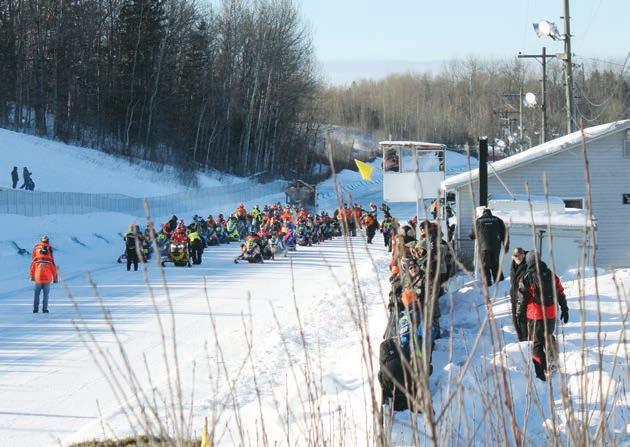
continued from page 26 generally from 9am well into the late afternoon and evening. The on track racing excitement starts Tuesday evening as the I-500 hosts its rst of three midweek races. Midweek races are held Tuesday, Wednesday, and Thursday nights of race week. Midweek racing starts with the Vintage race on Tuesday and the Rookie race on Wednesday. And... our designated Thursday night sponsored “Shootout” race. This is the last chance to qualify for the main I-500 event. This year as in our “Fiftysix” previous years, each daily event proved successful in every aspect. You can be assured from Monday through Thursday each year, you along with thousands of race fans will enjoy the high octane excitement through all I-500 race week activities. The 57th Midweek races are outstanding and this year’s midweek racing events did not disappoint. Every race features fast and furious competition. This last race week was another success story that our fan base, teams and viewers on FloSports could enjoy.
On the Friday of race week, all volunteers and race project management staff put the nal touches in place for the main event which historically has been and always will be held the rst Saturday each year. That being said, the “on track” activity is completely closed on Friday the day before the I-500 main event. However there is one exception, I-500 apparel can be purchased on
site Friday. Outside the venue itself, the I-500 proudly hosts our Miss I-500 Pageant each year. This tradition is special and involves the public as well. This year as with every year the Miss I-500 Pageant is hosted at the Kewadin Casino Resort in Sault Ste. Marie, Michigan. Young women of various ages participate in the pageant, offering all attendees an evening of beauty, talent and family time together. There is never a charge or entry fee for attending as a spectator or a contestant.
This past pageant was no different from any previous one. A capacity crowd lled the concert facility at Kewadin Resort, and the attendees enjoyed all the contestants and the entire pageant. It’s like a Vegas act and as always, everyone has a fun family time. To learn more about becoming involved as a contestant or volunteer. Simply access the I-500 website: www.i-500. com. Did I mention the Miss I-500 pageant offers contestants the opportunity to achieve a scholarship to further their education endeavors?
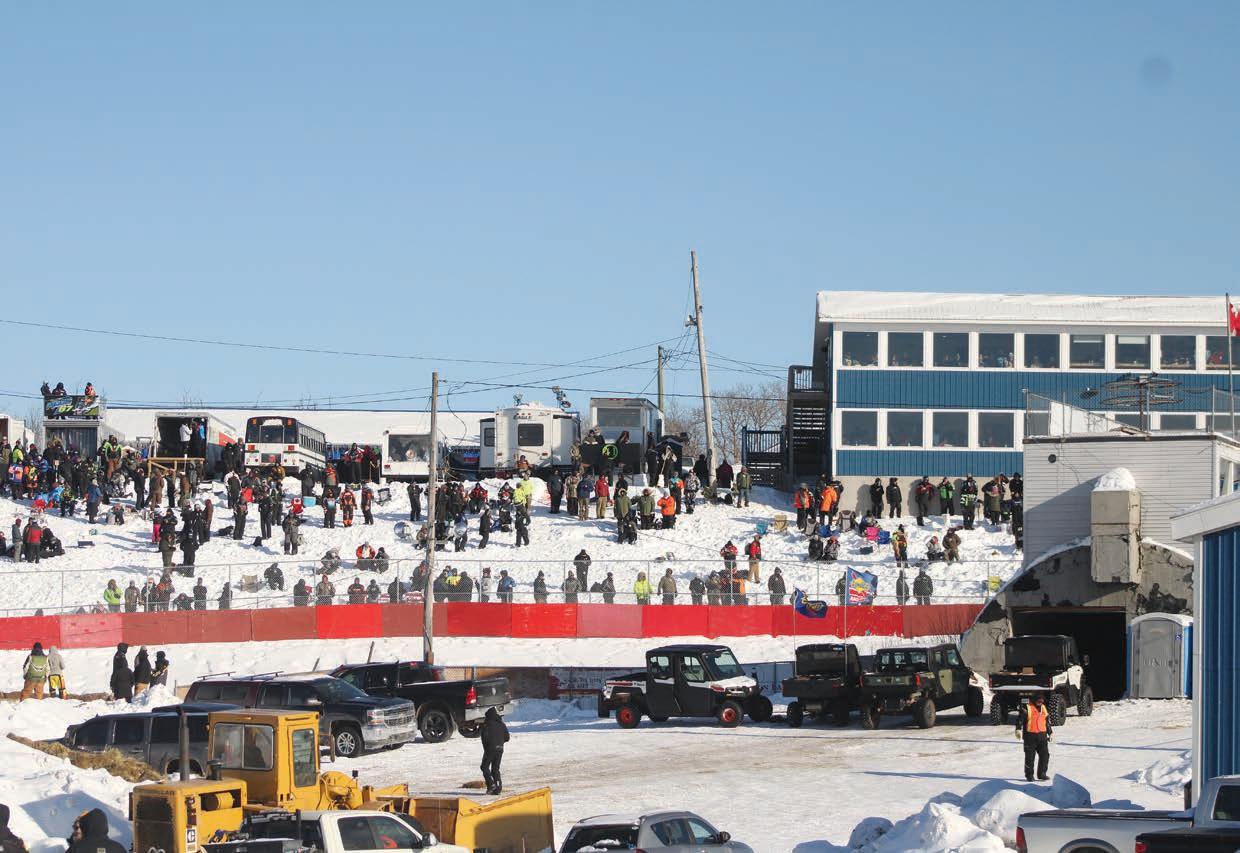
FINALLY, RACE DAY 2026 was everything everyone wanted it to be. The morning of the main event, race day is so special. Fans arrive early to claim their spots around the track for the best possible view. Gates open early and as always, anticipation for the day includes spectators, of cials, and media representatives, as well as project management and
continued on page 30
continued from page 28 teams in the “can’t wait t o get things roll’n” mode. As usual, the opening ceremonies commenced at 9am. sharp! Thousands of spectators enjoyed a beautiful day of racing in the most perfect weather conditions. Sunny, with just enough wind to move the ice dust off the track and the temps made for a great spectator race day.
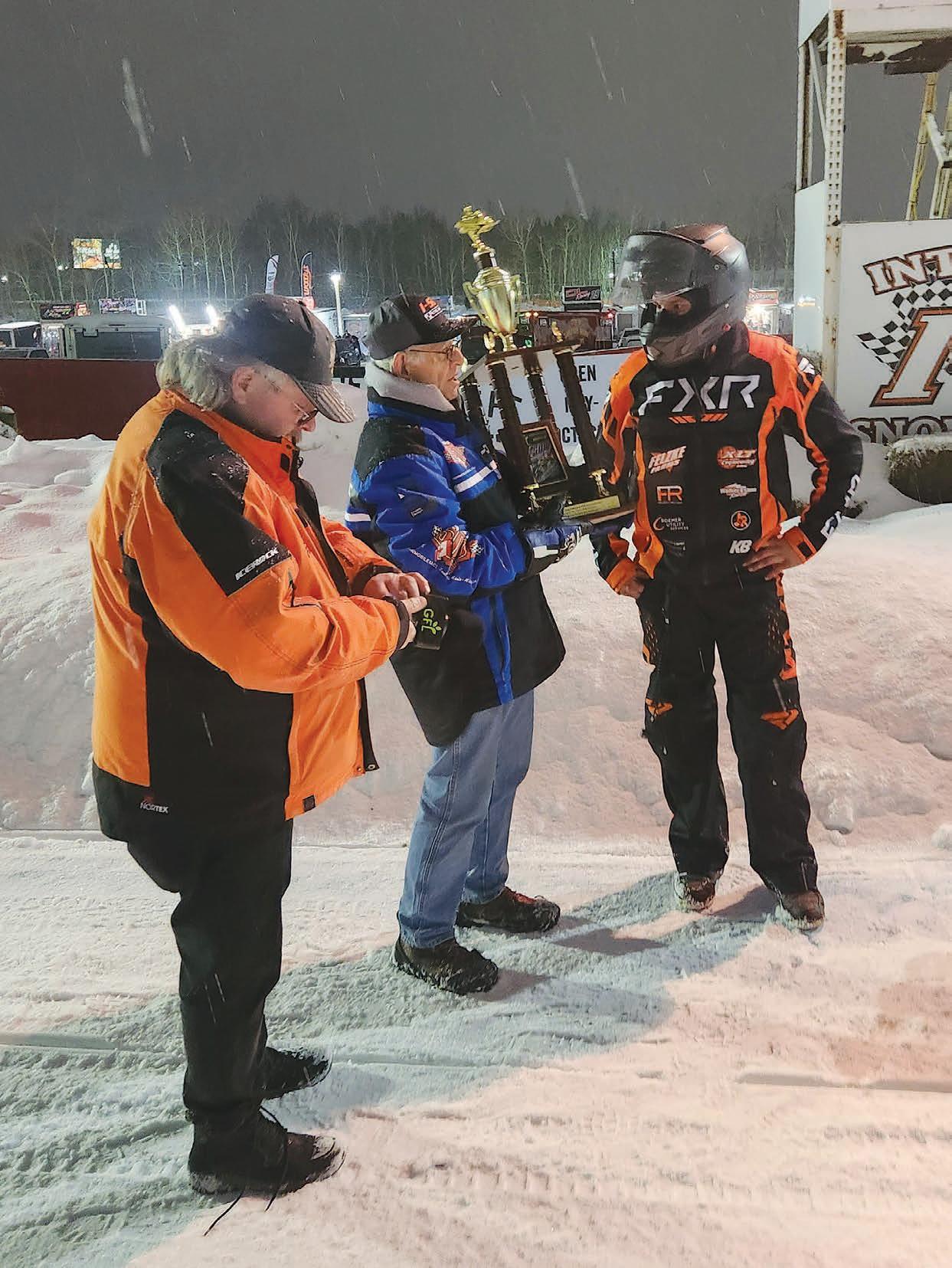
YOU can enjoy the awards ceremony following each I-500 main event race. That’s right! This year as in every year, YOU the fan can attend the I-500 awards ceremony hosted at Kewadin Casino Resort. There’s no charge for attending and as always, all teams, team owners, sponsors and public can attend and share in the celebratory event. It’s a memory you’ll hang on to I assure you.
Now that you’ve read my rendition and recap of the 57th Running of the International 500, I’ll nish by stating “ the I-500 enjoys many success stories that surround the week-long series of events, ftyseven years of enjoyment!” The goal is for every fan, spectator, team and more to return year after year. That’s success!
To have folks like YOU build memories and share them with race fans and winter sports enthusiasts. That’s awesome. We strive to give everyone a positive, fun and exciting experience of a lifetime. For the project management team and all volunteers alike, the real success at the I-500 is having everyone attending in any capacity going home only to return again and again and again.....
To learn more about the I-500, become a volunteer or sponsor, or for new and upcoming information, visit our social media site throughout the year. Please stay tuned and please share I-500 race week information with others. I’m racing to put our I-500 social media following in the “pole position” for snowmobile oval ice endurance racing information. YOU can help make the I-500 social media a winner by sharing our information with others! That’ll give the International 500 a “VICTORY LAP!”
“ALL
Keweenaw ATV Club
Embraces the Season
CONTRIBUTING WRITER
As the seemingly never-ending winter nally recedes – along with the mammoth snowbanks that towered over everything – the Keweenaw ATV Club is hard at work tidying up.
While 360-plus inches of snow was good news for snowmobilers, it meant all the more work to keep the trails safe for off-road vehicles. It’s a responsibility the Keweenaw ATV Club, which is now in its 22nd year, takes seriously.
“People don’t realize the effort it takes to keep the trails safe, dealing with signing, brushing, removing obstacles like windfalls, lling in waterfalls, and dealing with other hazards,” said Club President Daryl St. John. “Everyone takes it for granted.”
The club is funded primarily by the state’s Department of Natural Resources, as well as about 40 commercial sponsors and 250 members who pony up the $25 annual fee.
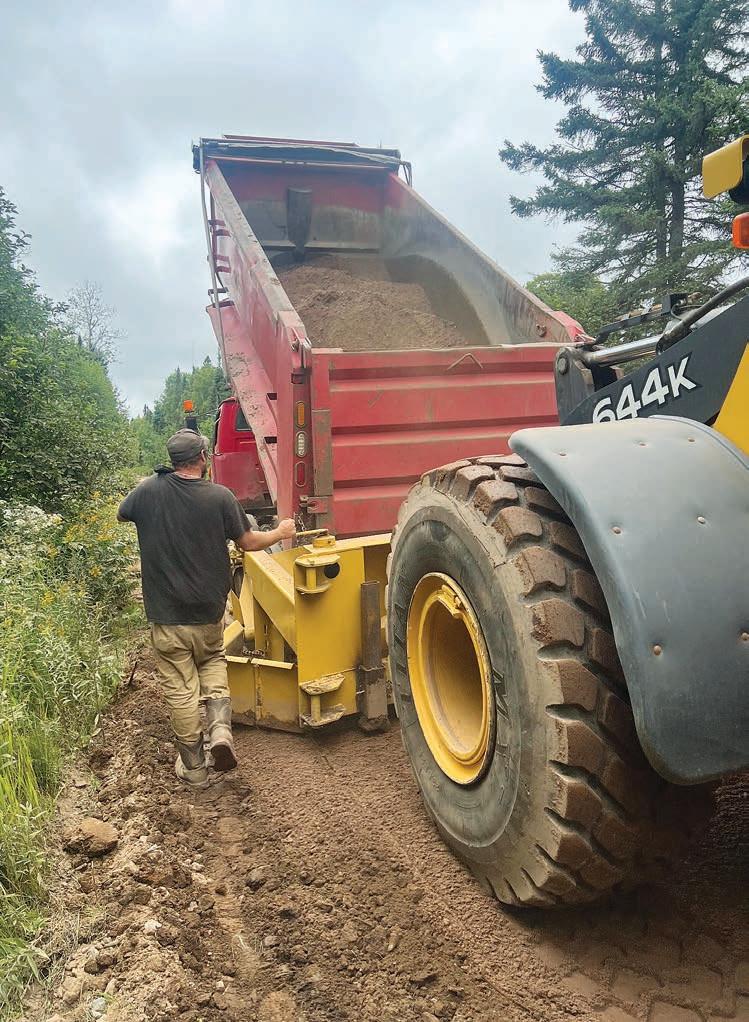
“There’s no tax money; all of our money comes from trail stickers and there are certain things we can’t pay for,” St. John said. “With our meager club funds, we bought an old grader and keep it out on the trails to touch them up with a volunteer driver.”
Skyrocketing fuel prices are also a challenge. “A lot of our heavy equipment runs on diesel,” said St. John. “I like to say that ours run on donations.”
The ATV Club also sells trail maps that are updated once every two years (this year’s is brand new) and has
donation boxes displayed throughout the area.
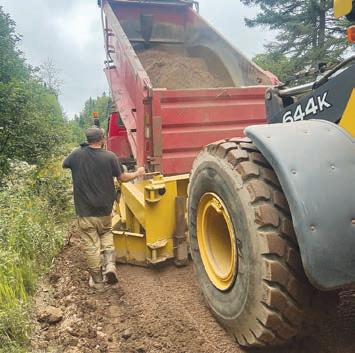
New this year is a culvert installed on the High Rock Bay Trail and the resurfacing of about four and half miles on Trail B from Phoenix to Central.
“We hired a contractor, pulled out all the big rocks, and graveled it,” St. John said. “It’s nice, but then people go at a higher rate of speed. We have made a lot of progress improving our trails, but that brings more street traf c. When the trails are too good, people power slide around the corners. That throws gravel everywhere, especially off the trail, which is one of my pet peeves.”
Most Keweenaw trails are dual-purpose for both continued on page 36
continued from page 35
ATVs and snowmobiles. The ATV Club has a joint project with the Keweenaw Snowmobile Club to build a trailhead in Calumet to provide much-needed parking for trucks and trailers.
Upcoming events include the annual ATV ride to bene t Omega House, which provides compassionate end-of-life care, on June 20. Last year as many as 70 machines participated in the bene t, which begins and ends at the Maple Leaf American Legion Post in Lake Linden. The club’s annual picnic will be held in August.
The ATV Club meets at 7 p.m. on the rst Monday of the month at the VWF in Hubble. All are welcome, and you don’t have to be a member to attend – though St. John hopes all riders, both locals and visitors, will consider joining. Like many organizations, the club is in need of fresh blood. “We are all getting pretty old,” said St. John.
“If you are enjoying the trails,” he added, “help us with the effort to keep them well maintained and open.”
Visit KeweenawAtvClub.com for trail updates and news. •
John Cat 5000
BY KURT STINSON CONTRIBUTING WRITER
The fever started in the fall of 1971. My father bought a 1972 Nordic 440E from Johns Sports in Owosso. The next fall I, my brother, brother-in-law and my mother all had new sleds. Our rst ride was in Paradice Michigan December of 1972, Christmas week. Never missed Christmas week until 2015. I have owned 38 new sleds since 1972, all different manufacturers.
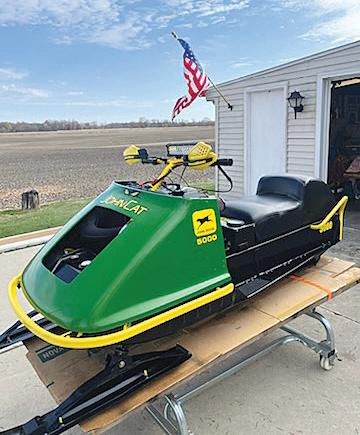
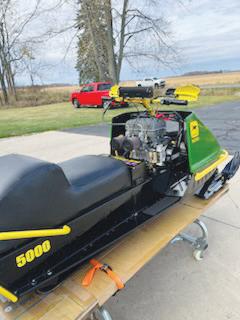
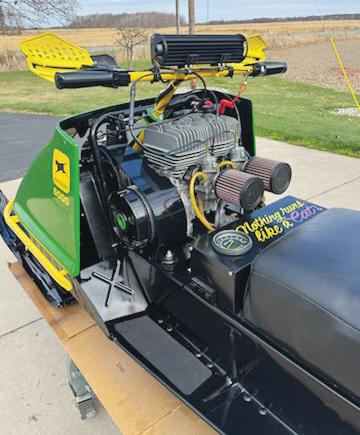
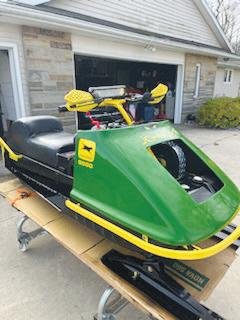
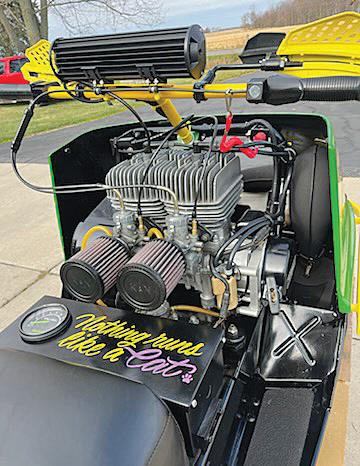
Now I have vintage fever! I got a special build book in 2018. I found a 1973 John Deere 500 at a barn yard in Ovid Michigan. Brought it home and completely disassembled it. Then I bought a 1977 Arctic Cat 5000 El Tigre in
Cadillac, Michigan, mainly for parts. Got the build concept from a 1972 Ski Doo 400 Free Air (mid-engine open front for air ow). I used the chassis, track, suspension, skis and fuel tank from the John Deere. The 5000 Motor, wiring and seat were from the cat. I special built the handle bars, wiring box and cat tachometer. The special decaling and lettering were done by Brent Corbin. The chassis along with other parts were powder coated. It was a long but fun build. I nished it in January of 2020.
We have all heard the rumor of John Deere buying Arctic Cat. We will have to wait and see. In the meantime, there is my 2020 John Cat. •