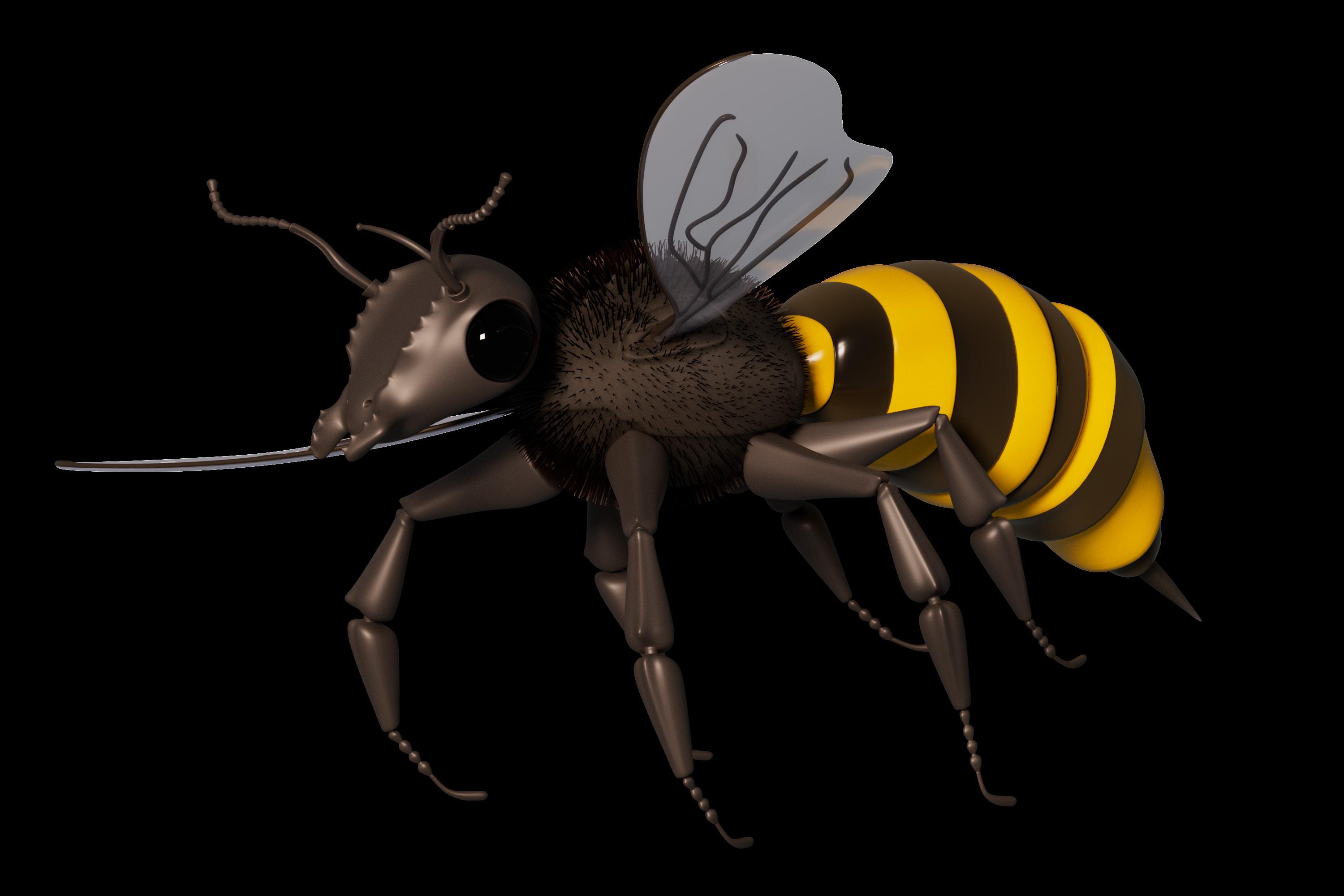
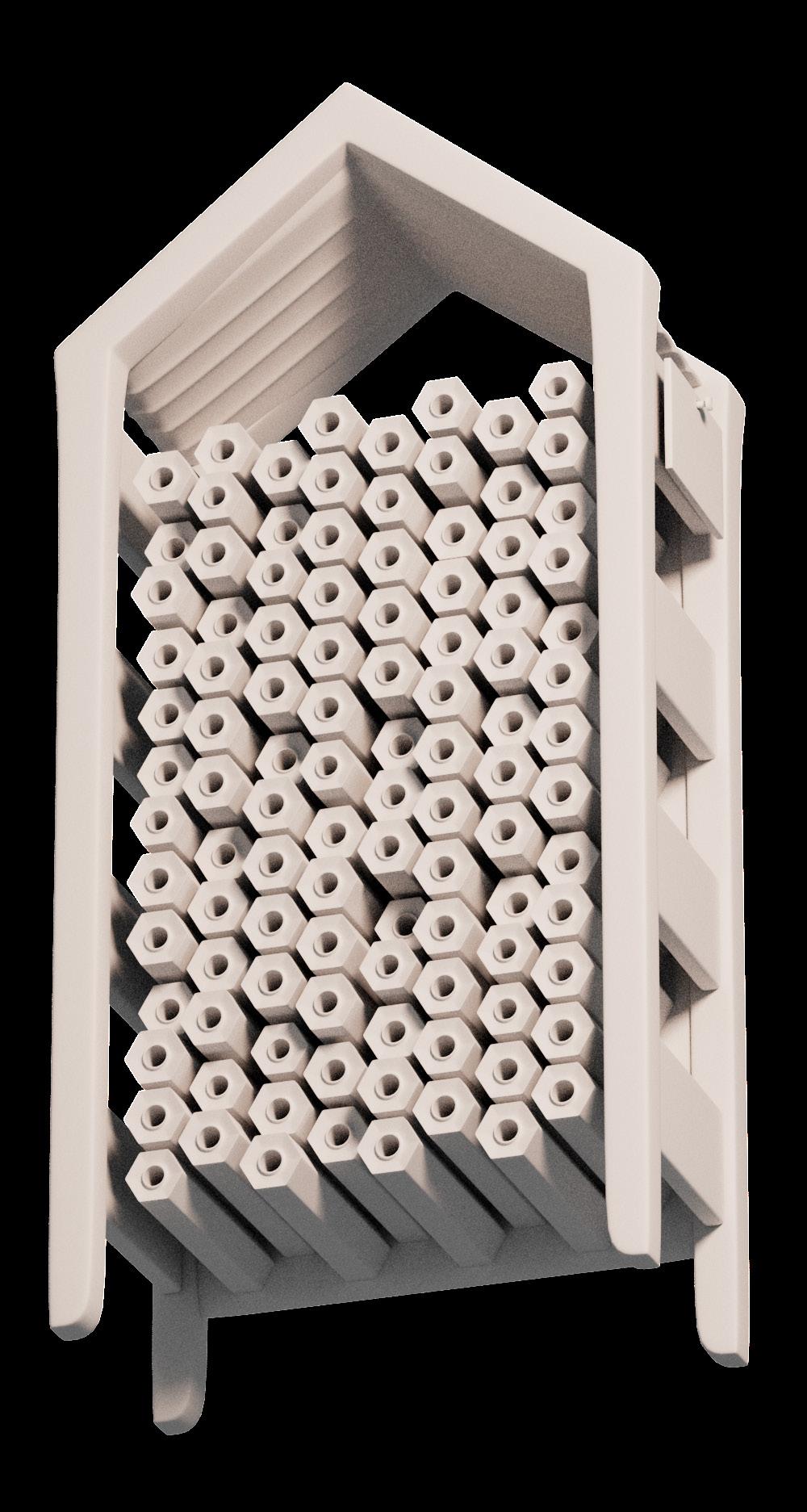
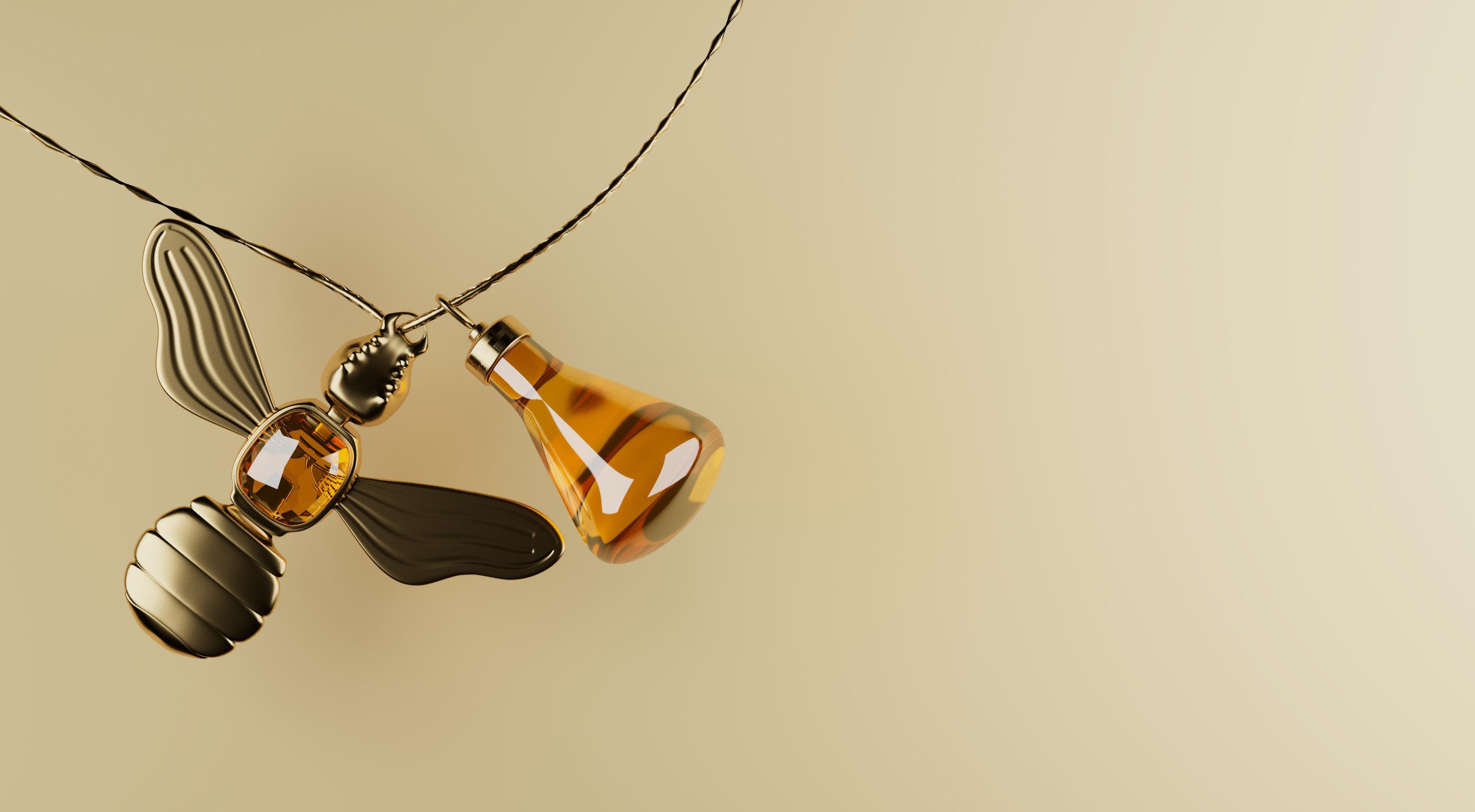
Bees are essential pollinators that play a crucial role in the health of our ecosystems. They help pollinate many of the crops that provide our food, contributing to biodiversity and the stability of our environment. However, bees are facing significant threats from human activities. Sometimes, in our quest for development or agriculture, we destroy their homes, leaving them without a place to live and work. Pollution, too, poses a serious danger to bees. The chemicals and pollutants in the air and soil can harm their health, making them feel tired and less capable of doing their vital work. Protecting bees is not just about saving these incredible insects—it’s about ensuring the future of our planet’s food supply and natural ecosystems.











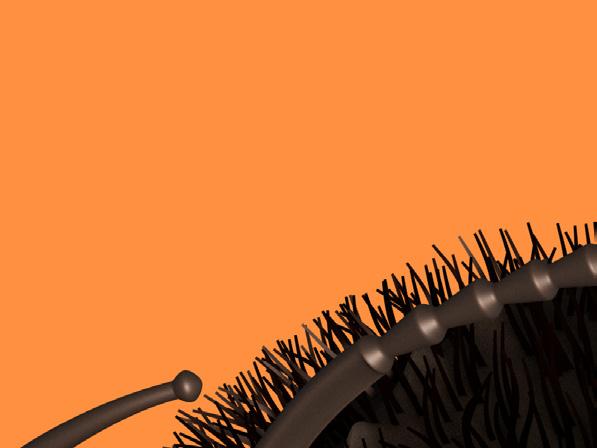

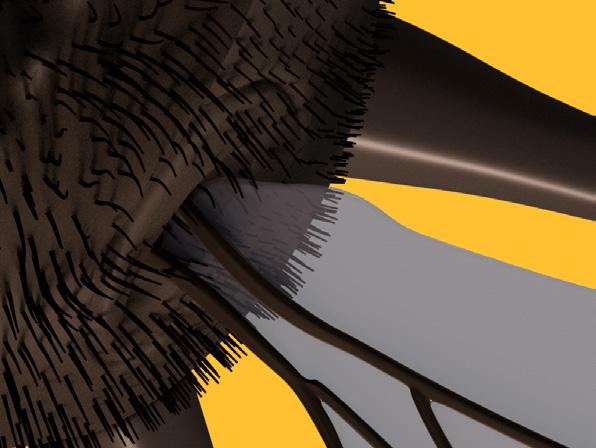




Thorax



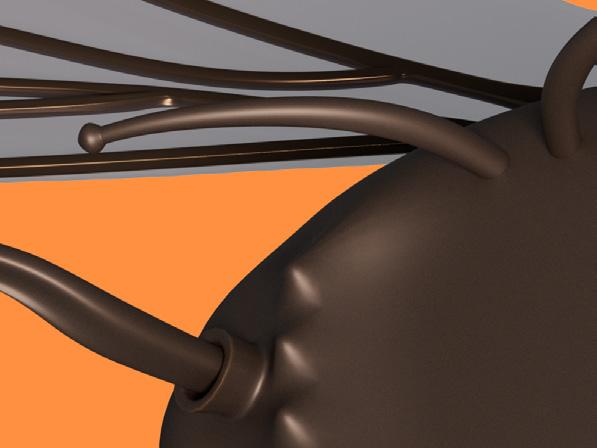
Mandibles


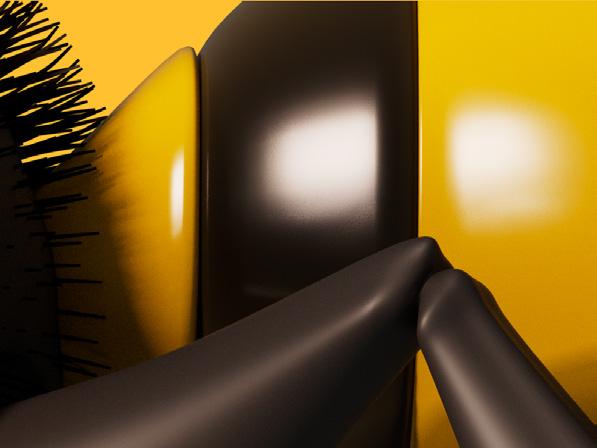

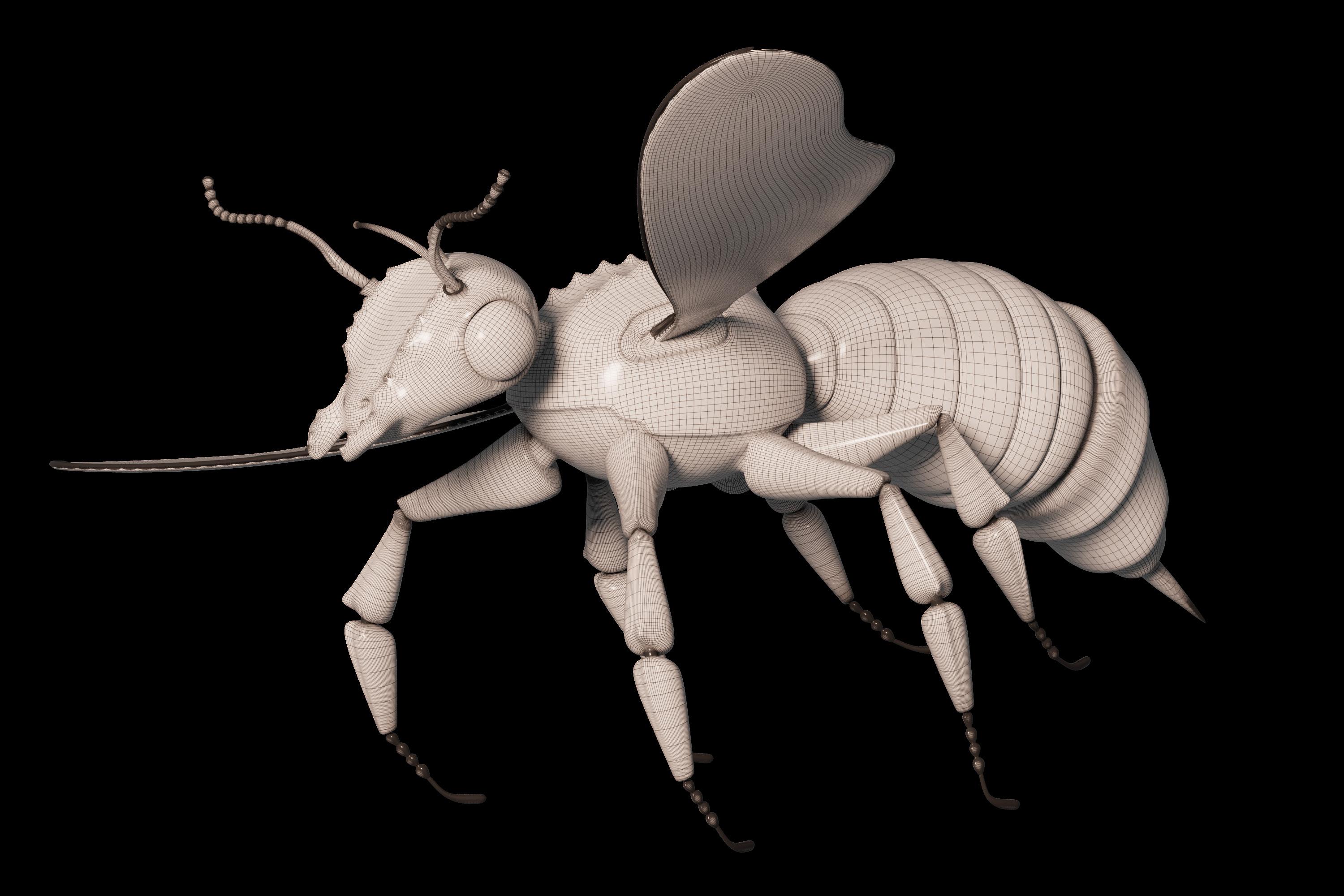
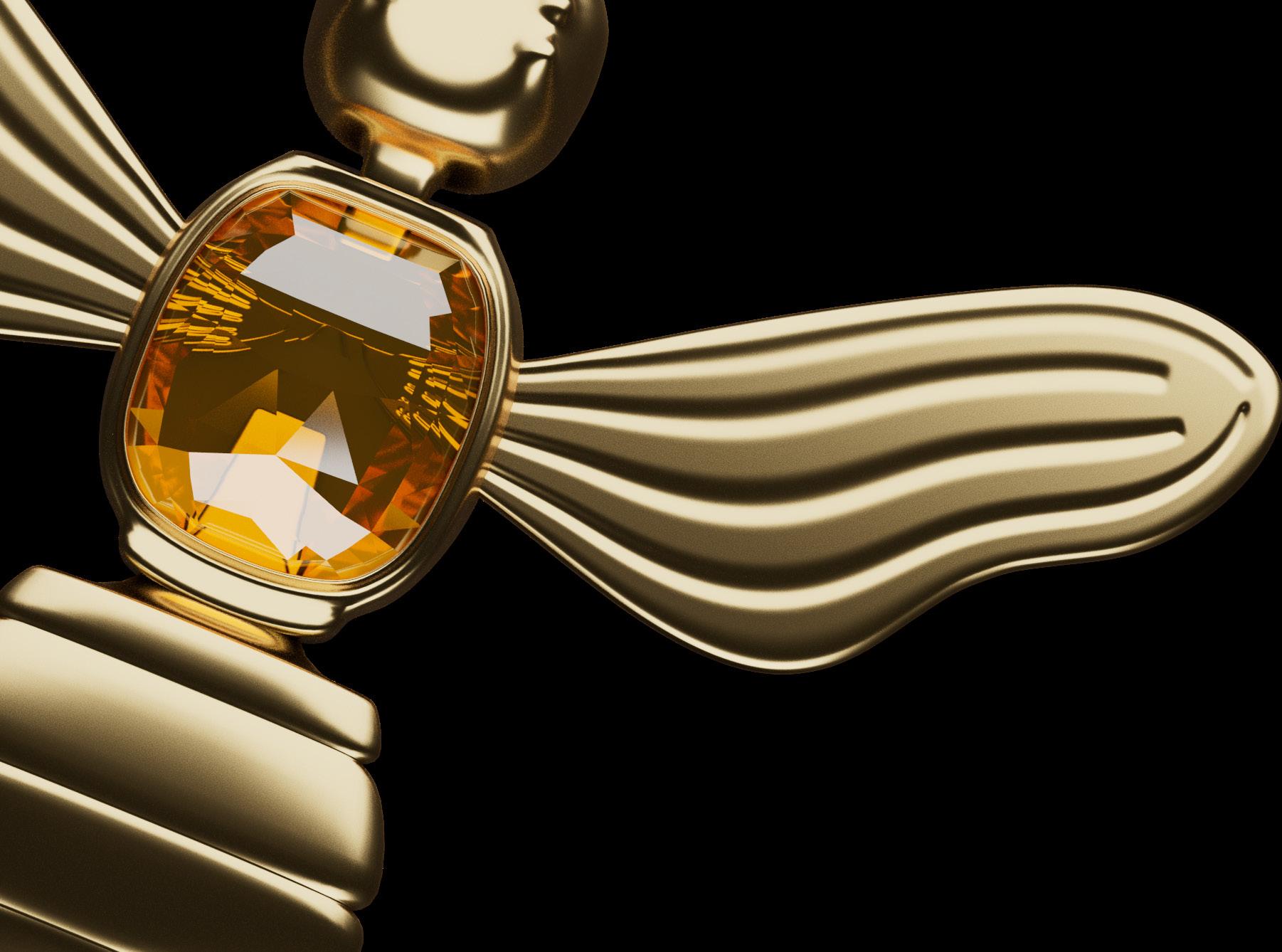
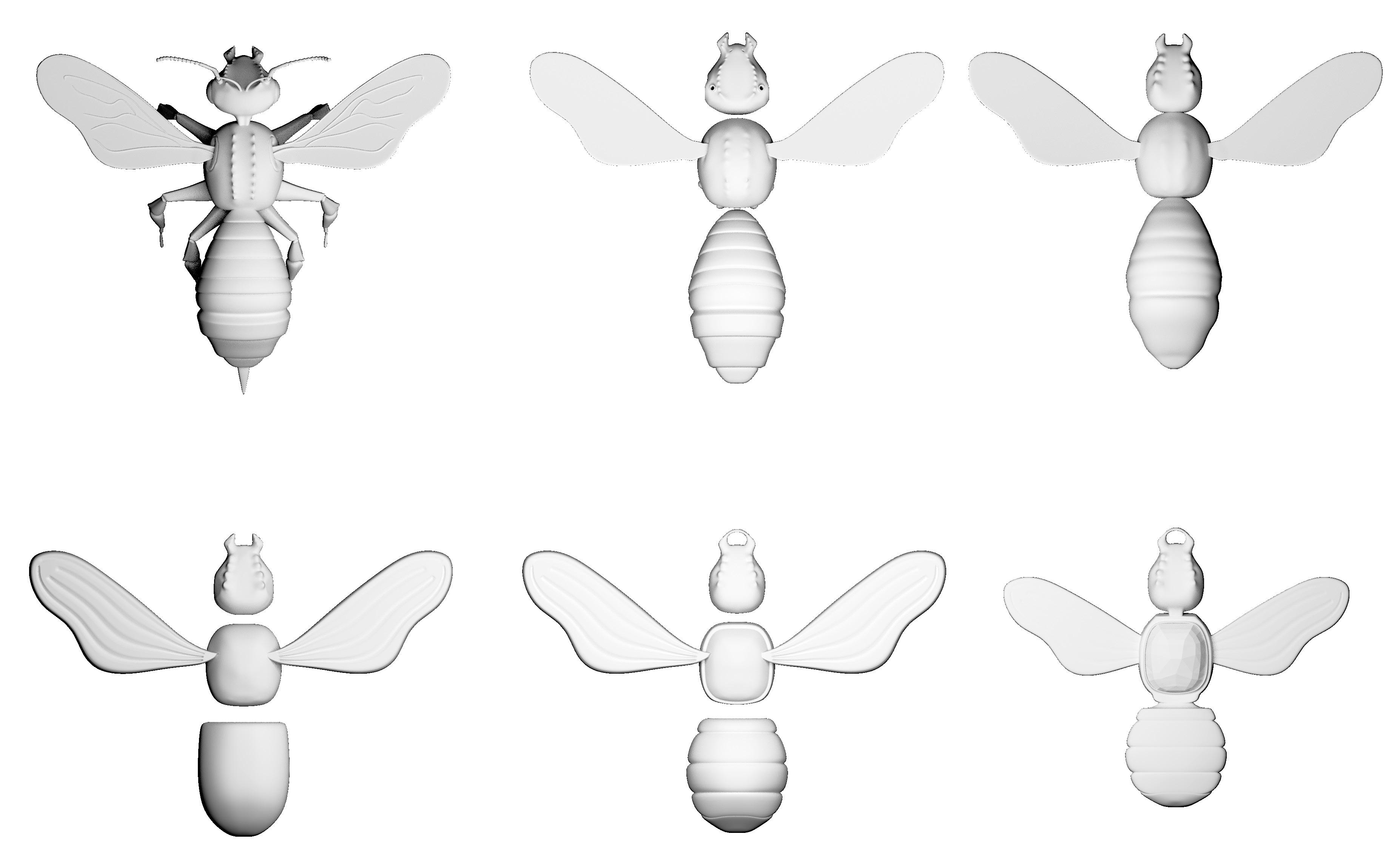
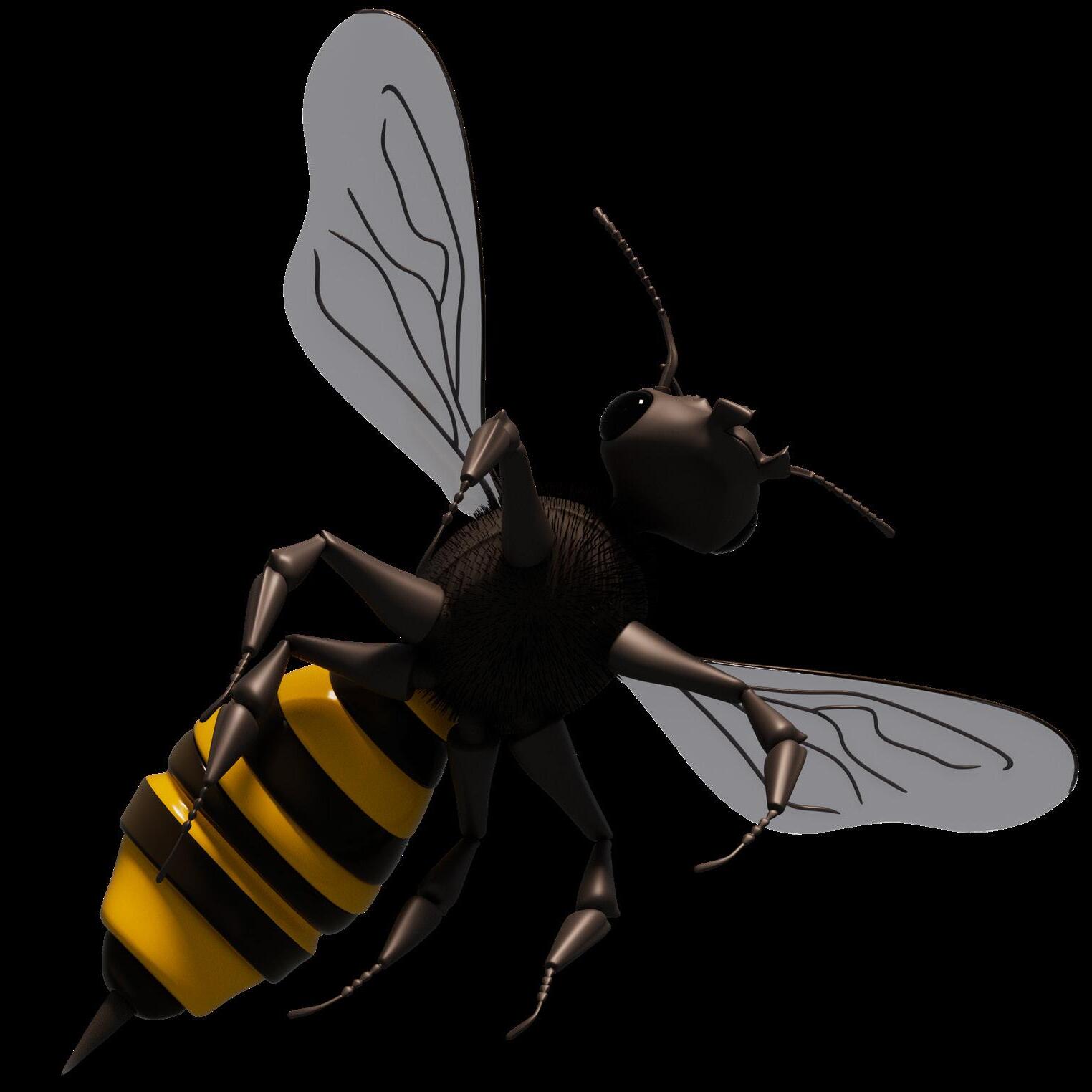
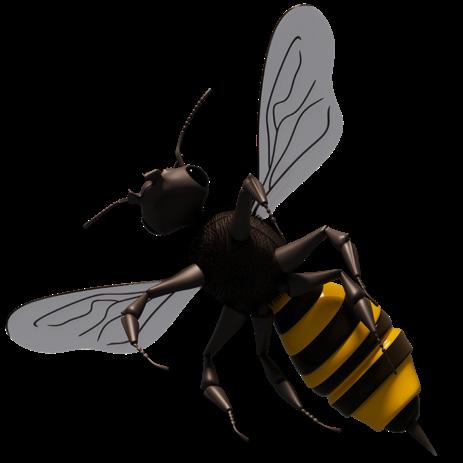
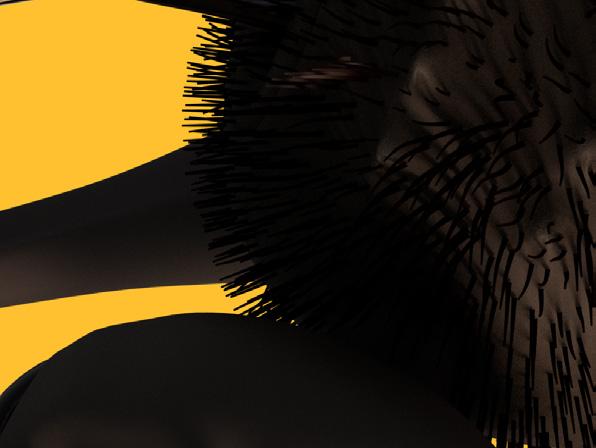
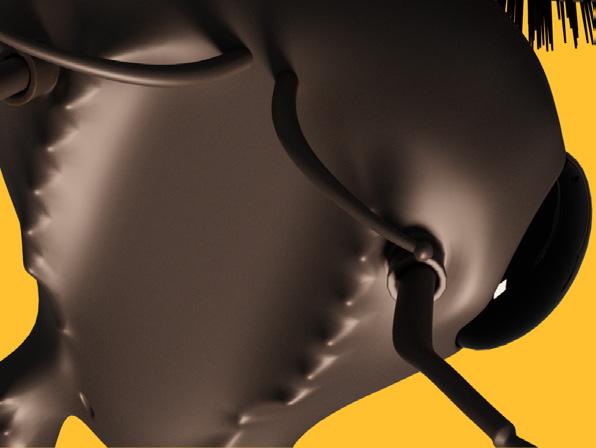
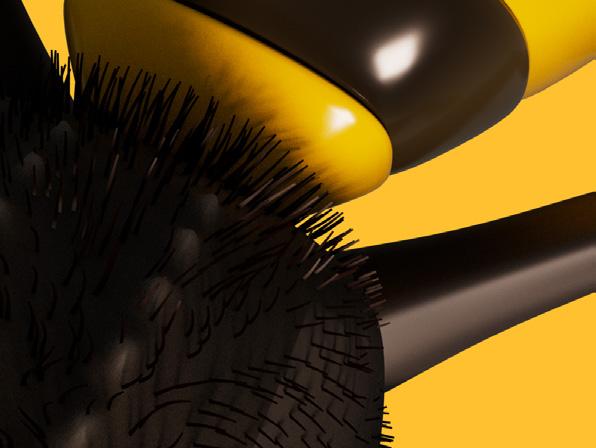
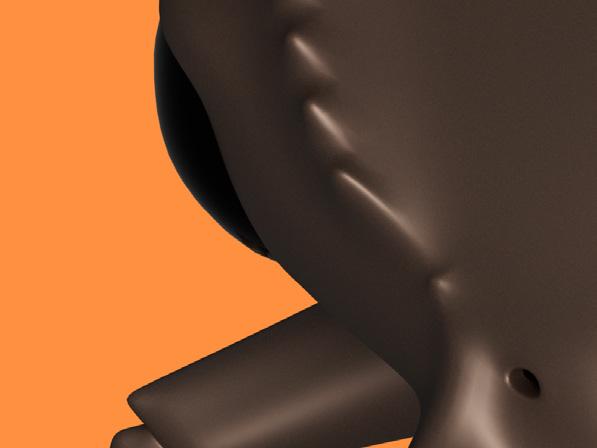
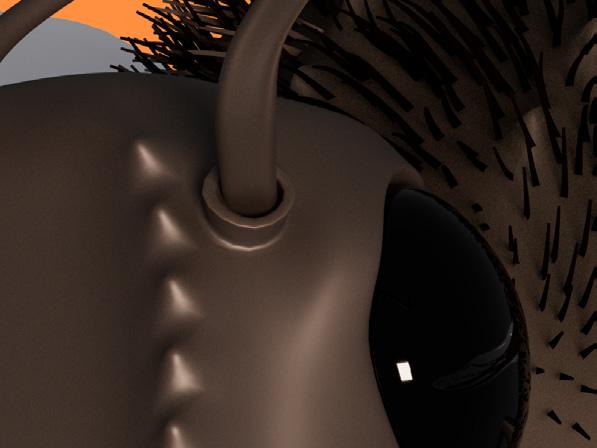
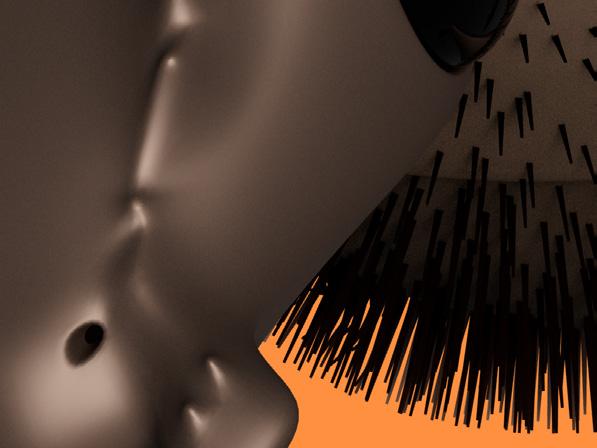
The bee’s thorax, or central body, is covered in tiny hairs that help collect pollen as it flies. These hairs are essential for pollination, making the bee’s thorax both the powerhouse for flight and a key part of its role as a pollinator.
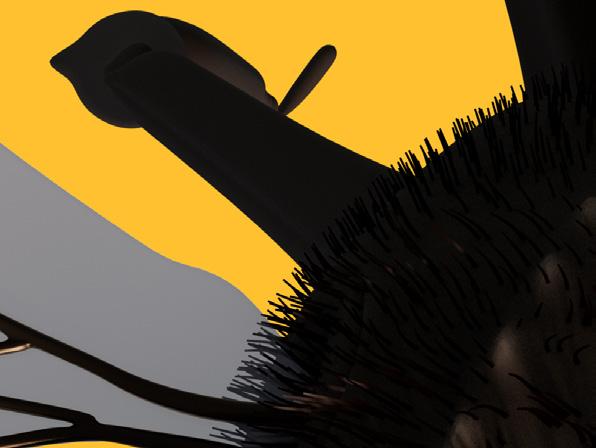
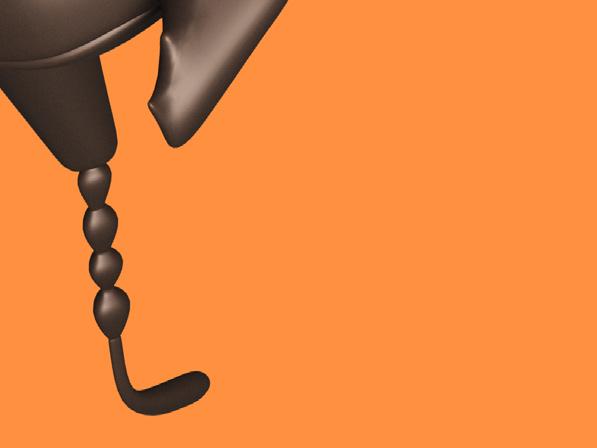
The mandibles, or pincers, on a bee’s mouth are versatile tools used for various tasks. Bees use their mandibles to cut and shape wax when building honeycombs, handle food, and even defend the hive by biting intruders.
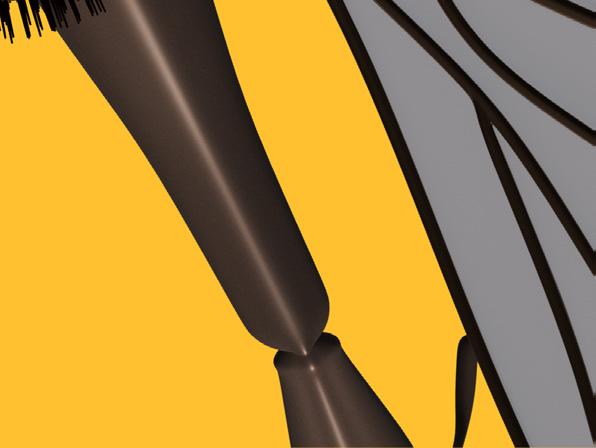
Legs
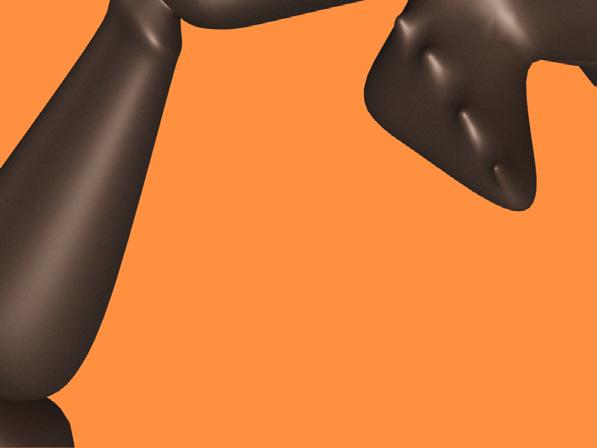
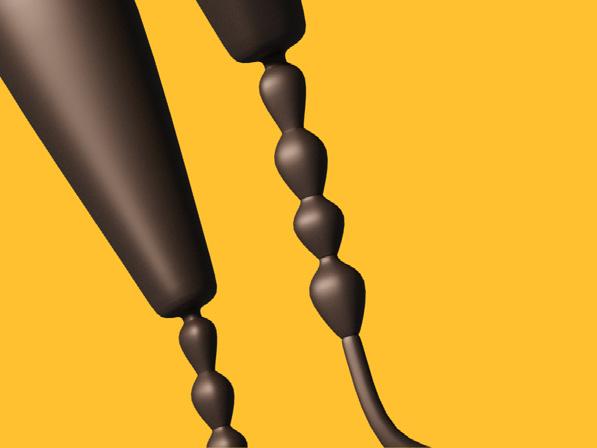
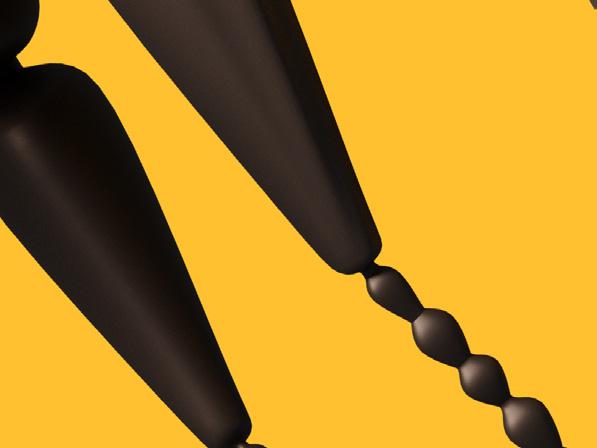
Bee legs are not just for walking; they play a crucial role in collecting pollen. Each hind leg has a “pollen basket,” a flattened area surrounded by stiff hairs, where bees pack the pollen they gather while visiting flowers.