











Editor Amanda Buckingham editor@fdpp.co.uk
Business Manager Josh Holmes josh@mhmagazine.co.uk
Digital Sales Manager Jessica Bennett T: 01227 936971
Sales Manager Jamie Bullock jamie@mhmagazine.co.uk Tel: 01227 936971
Publishing Director Martin Holmes martin@fdpp.co.uk Studio Designer Leila Schmitz leila@mhmagazine.co.uk
M H Media Global Ltd. 18/20 Newington Road, Ramsgate Kent, CT12 6EE Tel 01304 806039 www.fdpp.co.uk
Features
< 10 EFFICIENT STEAM GENERATION ENGINEERED IN GERMANY
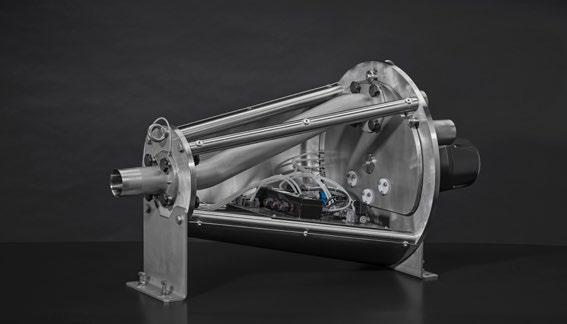
CERTUSS steam generators are built with precision engineering and a strong focus on efficiency.
< 16 EFFICIENT ACCURATE COOK CCP VALIDATION WITH FULL PU ANALYSIS
PhoenixTM have developed a thru-process temperature monitoring technology specifically for this task designed to meet the challenges of the food processing market.
< 28 SUBCON - THE MANUFACTURING SOLUTIONS SHOW
UK’s leading event focused on manufacturing supply chains.
< 44 COPPER SUSTAINABILITY PARTNERSHIP
Launches awareness campaign to curb plastic use.
< 50 ENTERPRISE METERING DATA
Maximising energy savings with sub metering systems processing.
< 60 UNCERTAINTY, COMPLIANCE AND SUPPLY CHALLENGES
Outlook for wood pallet and packaging sector.
Avoiding these hidden costs starts with understanding what is being collected and how cleaning fits into the process.
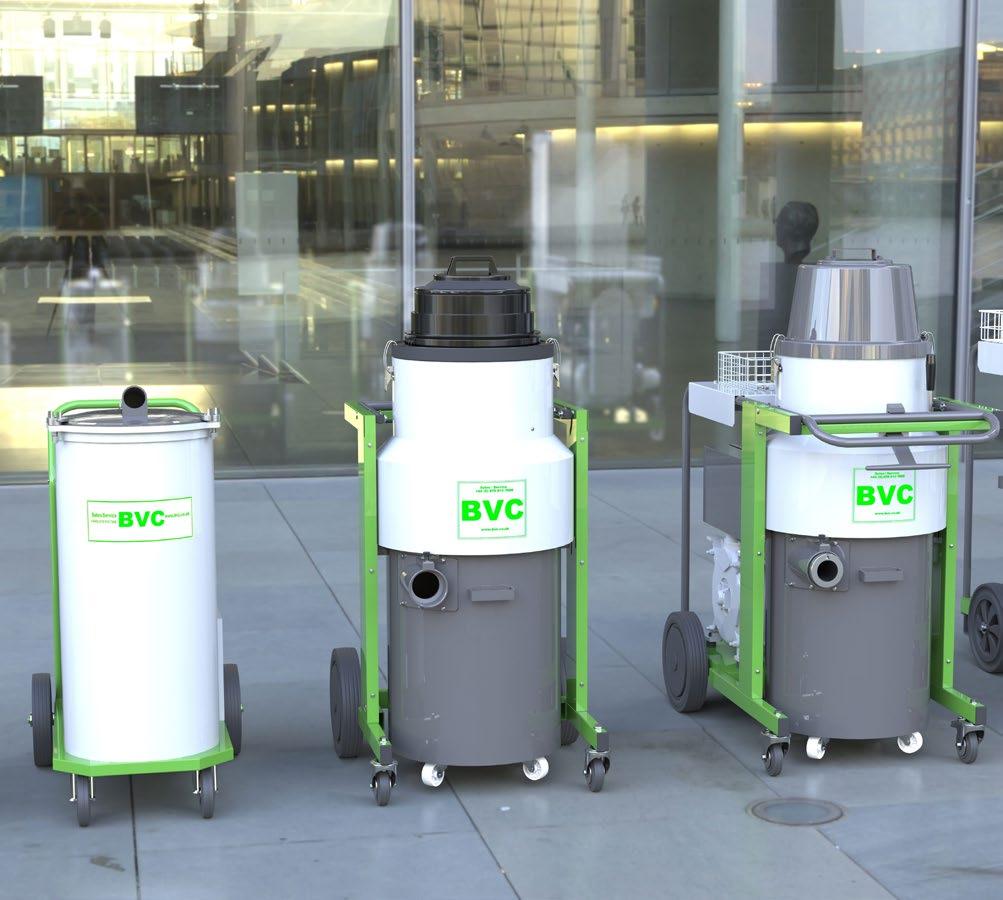
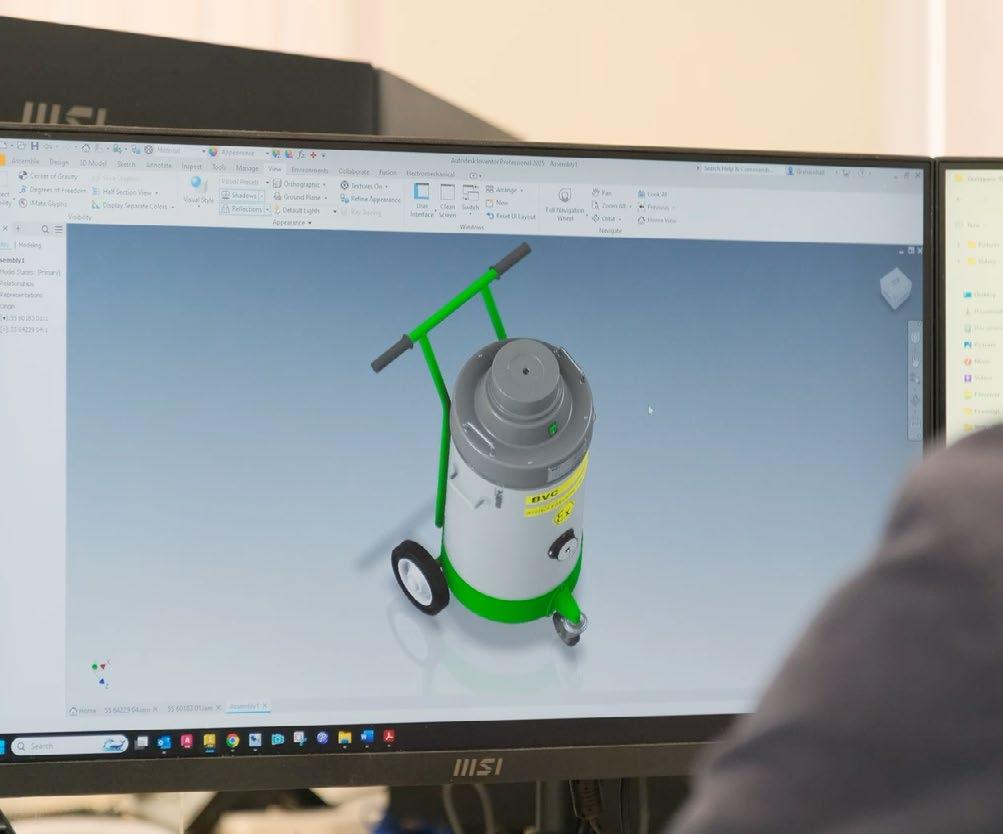
BVC – British Vacuum Cleaners – is built by Quirepace in Fareham and supplied as industrial vacuums to order. Rather than selecting from a fixed catalogue, each machine is sized and configured for the job it will be doing.
M-Class and H-Class machines are used where dust is hazardous to health. Where there is a risk of an
explosive atmosphere, ATEX rated units are required, and in many cases both apply.
Primary filters are available in a range of media including anti-static options, with additional filtration stages ensuring collected material stays contained and discharge air remains clean.
Portable machines will always have a place because they are flexible and easy to move. On larger sites,
however, multiple machines and cable routes can begin to interfere with production.
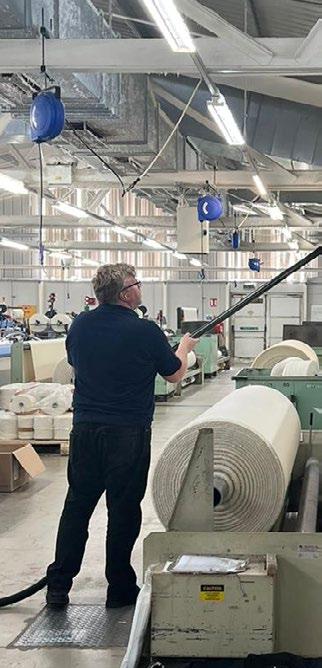
In these situations, Central Vacuum Cleaning is worth considering. A central plant connected to pipework allows operators to plug in where needed, without moving equipment across the factory.
There are no trailing power leads and maintenance is carried out in one location. Cleaning becomes quicker, more consistent and easier to manage.

Industrial vacuum systems operate in demanding environments and are used every shift. If they fail, production, hygiene and audit readiness are all affected.
For that reason, whole life value matters more than lowest purchase price. Treat cleaning as part of the factory safety and process design, not as an afterthought, and the true cost becomes easier to control.
Working with a specialist manufacturer makes it easier to match the solution to the real risks on site and to adapt as production changes.
BVC Quirepace offers free on site demonstrations of BVC equipment at food factories in the UK. For more information or to discuss your site, contact Quirepace:
T: 023 9260 3700
E: bvcsales@quirepace.co.uk
W: www.quirepace.co.uk | www.bvc.co.uk
Mention Food & Drink Processing & Packaging when you contact us and we will apply a 5% discount to your first order for BVC industrial vacuum equipment.


Quality and consistency sit at the heart of every food and beverage brand. They shape reputation, build trust, and decide whether a product earns a place on the shelf. As the sector adapts to new ingredients, regulations, and consumer expectations, particle size analysis has become a core part of quality control and product development.
Endecotts has specialised in this field for more than 80 years. Its equipment helps manufacturers monitor performance, meet compliance standards, and maintain the quality that customers expect, from laboratory testing to production.
Endecotts designs and builds instruments for one purpose: dependable, repeatable results. The company’s products are used across food and beverage production, including baking, dairy, beverages, confectionery, and other process industries.
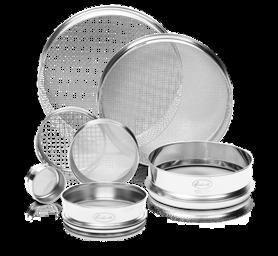
Made from high-grade stainless steel and supplied with Calibration Certificates to ISO 3310 or ASTM E11, Endecotts sieves provide full traceability. Each is measured and
inspected to confirm accuracy before it leaves the factory.
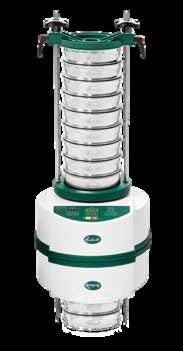
Electromagnetic drive systems automate the sieving process. They remove much of the variation found in manual testing and ensure consistent outcomes over long production runs.
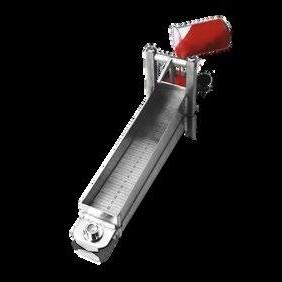
Used to measure viscosity and flow rate in sauces, dressings, and spreads. These instruments help food producers maintain uniform texture and appearance across every batch.
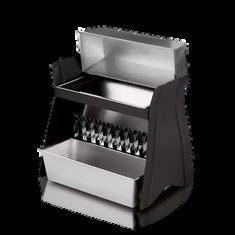
Accurate sampling is vital for representative testing. Endecotts dividers ensure powders, grains, and other bulk materials are split precisely, giving reliable data for process control.
Together, these instruments form a complete solution for measuring and managing particle size, from incoming ingredients through to the finished product.
Particle size influences nearly every characteristic of a food or drink, be it flavour, texture, solubility, or stability.
• In baking, flour size affects dough formation, structure, and crumb.
• In coffee and tea, grind size governs extraction and taste.
• Spice and seasoning producers depend on uniformity for even blending.
• Powdered dairy products rely on correct sizing for solubility and flow.
• Chocolate and confectionery require precise control to achieve a smooth finish.
• In beverages, sieving prevents sedimentation and ensures a consistent mouthfeel.
Accurate particle analysis helps producers maintain these qualities, reduce waste, and keep every batch within specification.
Manufacturing excellence depends on reliable measurement. Endecotts instruments support that aim by giving clear, repeatable results that stand up to scrutiny. Decades of engineering experience have shaped the company’s range, which continues to evolve with new materials and production techniques.
Whether testing ingredients in a development lab or monitoring production in a busy factory, Endecotts equipment helps ensure every batch meets the same standard of quality and consistency.
For more information or to speak with a specialist: www.endecotts.com
sales@endecotts.com



ENDECOTTS delivers premium particle analysis equipment for the food and beverage industry. Our equipment is precision-engineered and EU-made for unbeatable quality.




There are several trends in the food and beverage industry that are influencing the growing importance of advanced particle analysis, such as:

Health & Nutrition Focus

Clean Label & Natural Products
Plant-Based & Alternative Proteins
Food Safety & Quality Assurance
Sustainability & Waste Reduction

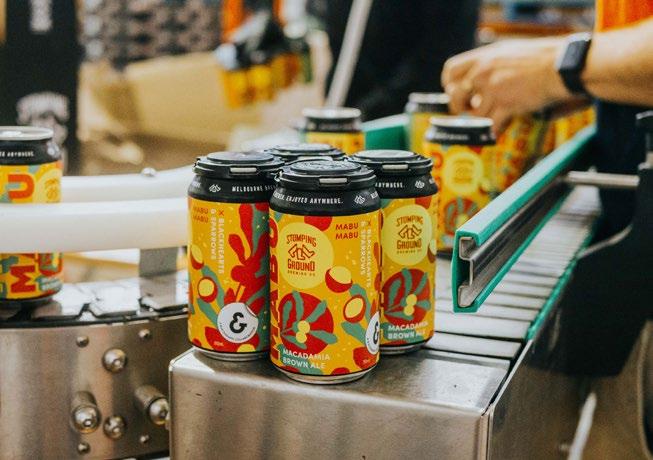
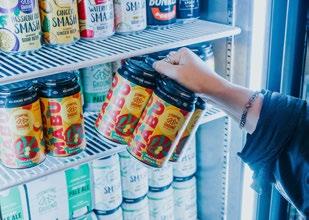
Ian Wright, MD at Prism eLogistics highlights how evidence-led secondary packaging choices can help drinks brands reduce material use, improve line flexibility and respond more quickly to demand for retail-ready mixed can formats.
Beverage brands today are taking a fresh look at secondary packaging, and recycled plastic multipack handles are helping to cut packaging volume while giving producers and co-packers greater flexibility on the packing line.
As pressure grows on drinks manufacturers to reduce environmental impact, packaging choices must now be judged on evidence and application rather than material perception alone.
Life cycle analysis shows that 100% recycled rHDPE multipack handles can deliver a lower carbon impact than some paperboard alternatives, while also reducing overall packaging weight and volume.
That matters for brands under pressure to balance sustainability goals with operational efficiency. Lightweight and fully recyclable, multipack handles offer a practical route to reducing material use in transit and on shelf, particularly where brands want to avoid the additional board and print associated with carton-based formats.
The format is also well suited to the growth of mixed-flavour and promotional packs. As variety packs become more popular across categories such as functional drinks, soft drinks and alcoholic beverages, handles allow different can combinations to be grouped without the need for multiple carton designs, extra packaging inventory or long lead times for new printed formats.
For contract packers and fulfilment specialists such as Prism eLogistics, that translates into greater agility, faster changeovers and less packaging complexity. It also gives beverage brands more
freedom to trial seasonal packs, retailer exclusives and limitededition combinations without committing to large volumes of pre-printed secondary packaging.
Alongside the sustainability argument, durability remains a practical consideration. Secure handle-based grouping can help reduce the risk of product loss from packaging failure during handling and distribution, while maintaining a simple format that is easy for consumers to carry and easy for operators to apply at scale.
While there is an understandable focus on reducing unnecessary plastic, recycled plastic should be assessed on how it performs in real applications. In the right format, rHDPE multipack handles offer a lower-weight, recyclable solution that are durable and effective for consumers, and provide flexibility for brands and co-packers.
For today’s drinks producers, the combination of efficiency, flexibility and sustainability is becoming increasingly important and that’s where recycled rHDPE multipack handles are meeting the need for retail-ready multipacks.
www.prismelogistics.co.uk

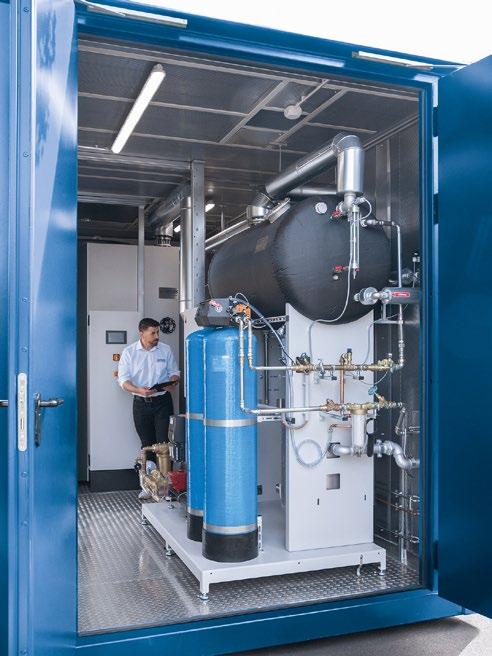
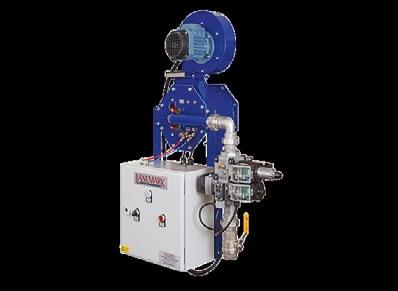
CERTUSS has been supplying high-quality steam generators to a wide range of industries for many years, helping businesses optimise their processes with reliable and efficient steam solutions. As energy efficiency becomes increasingly critical in today’s rapidly evolving industrial landscape, CERTUSS technology continues to provide real value for organisations looking to improve performance while reducing operating costs.
Manufactured in Germany, CERTUSS steam generators are built with precision engineering and a strong focus on efficiency, reliability, and longevity. Designed to meet the demands of modern industry, our systems provide a dependable supply of steam for a wide variety of applications, including food processing, healthcare, pharmaceuticals, manufacturing, sterilisation, and cleaning processes.
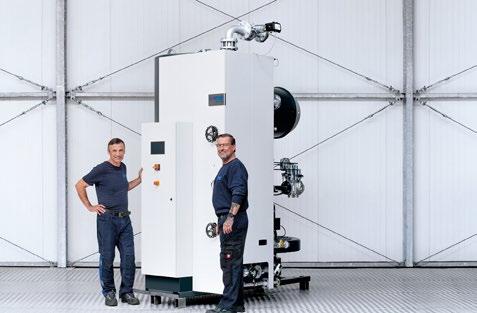
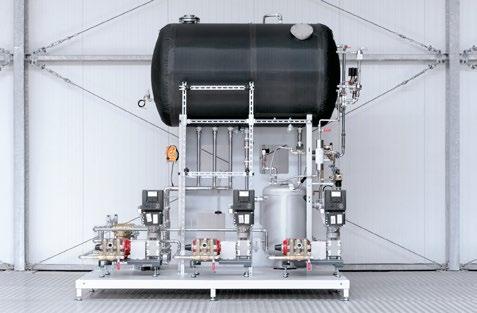
CERTUSS offers a comprehensive range of fossil fuel steam generators, with capacities from 80 kg/hr up to 2000kg/hr on a single unit. For larger steam demands, our modular systems can be combined and supplied as pre-piped skid units, enabling outputs of 8000kg/ hr and higher, while maintaining the flexibility, redundancy, and efficiency that CERTUSS systems are known for.
In addition, CERTUSS provides electrical steam generators, offering capacities from 10kg/hr up to 320kg/ hr on a single unit. The EMX range features advanced modular systems that can be combined to achieve higher capacities while delivering full modulation, ensuring precise control and maximum energy efficiency.
A key advantage of CERTUSS steam generators is their highly efficient design. Rapid start-up times, responsive control, and excellent
thermal efficiency allow businesses to generate steam exactly when it is needed while minimising energy consumption and operating costs.
CERTUSS systems are also designed with practicality in mind. Their compact footprint makes them ideal for installations where space is limited, while the modular design allows systems to grow alongside increasing steam demand.
At CERTUSS UK, we combine worldclass German manufacturing with local expertise and support, working closely with customers to deliver tailored steam solutions that save time, space, and money.
CERTUSS UK – Reliable Steam Generation, Engineered in Germany.
www.certuss.co.uk




In the food and drink industries, precision is not just a process requirement, it’s a commercial and legal necessity. Every stage of production, from raw ingredient storage to packaging and distribution, relies on maintaining controlled environmental conditions. Yet, temperature uniformity is often the most underestimated variable.
Just a few degrees of fluctuation in a cold room or process area can compromise product quality, trigger compliance issues, or lead to costly product losses.
For modern food processors and packagers, thermal mapping has become a cornerstone of quality assurance and regulatory compliance.
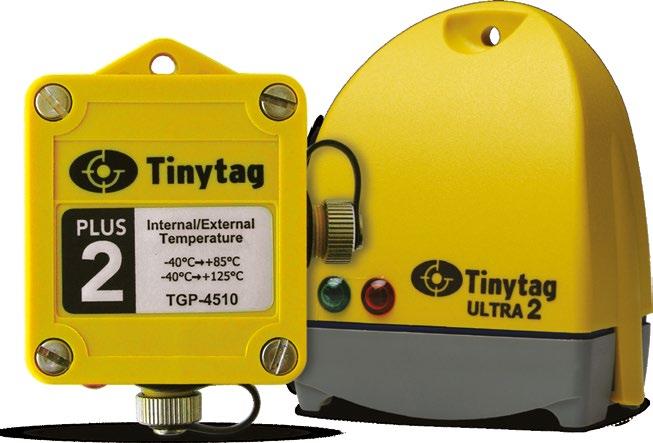
Thermal mapping is the process of assessing and documenting how temperature is distributed across a controlled space over time. Precision data loggers, like the ones from Tinytag, are strategically placed to capture environmental data and identify any inconsistencies such as hot spots, cold spots, or uneven airflow.
This process creates a detailed profile of how a facility behaves under real operating conditions. You can monitor the true performance of storage and process areas to help ensure systems are operating as expected. For facilities handling perishable goods, this insight can mean the difference between a safe, compliant product and one at risk of spoilage or contamination.
Thermal mapping and effective environmental monitoring enable proactive correction before small inconsistencies turn into major failures.

Even in highly automated facilities, temperature variations can arise from multiple factors:
• Door openings and workflow traffic.
• Uneven air circulation or fan malfunctions.
• Variations in product load and stacking height.
• Equipment performance differences between zones.
• External climate and building insulation.
These variables can lead to uneven chilling or freezing, shortened shelf life, or microbial growth which are all critical issues in food production. A single incident of temperature non-compliance can result in expensive recalls and damage to your brands reputation.
Regulators and auditors expect documented proof that temperature-controlled areas have been validated through mapping studies.
Thermal mapping provides:
• Evidence of compliance with regulatory standards (BRCGS, HACCP, ISO 22000, FDA).
• Assurance during auditsmapping reports demonstrate due diligence.
• Support for validation of new installations - confirming new cold rooms, freezers, or production lines meet design specifications before commissioning.
Tinytag: Trusted Environmental Monitoring from a British Manufacturer
Manufactured in Chichester, West Sussex, Tinytag by Gemini Data Loggers are known globally for their accuracy, reliability, and robustness. With over 40 years of experience, Gemini’s Tinytag range has earned the trust of industries where data integrity is critical such as in the food, chemical, pharmaceutical, and biotechnology sectors.
Tinytag data loggers measure temperature, humidity, CO2, energy and other conditions across a wide range of environments, from production zones and cold rooms to transport and warehousing. Our rugged design and simple operation make our data loggers ideal for the
challenging conditions found in food and beverage facilities.
Whilst our data loggers provide continuous environmental tracking, thermal mapping takes monitoring further by validating entire areas through planned, strategic studies.
Our trusted partner, Valcomm, delivers comprehensive thermal mapping and validation services tailored to each facility’s specific needs:
• Thermal Mapping Studies: Detailed temperature distribution analysis identifying hot / cold spots across process and storage areas.
• Validation Services: Full documentation ensuring compliance with food industry and regulatory standards.
• Consultancy: Expert advice on best practice, risk mitigation, and system optimisation.
Together, Tinytag and Valcomm offer flexible solutions from fully managed projects to guided DIY mapping kits, helping facilities of all sizes achieve compliance with confidence.
The real value of mapping lies not only in data collection but in data interpretation. Tinytag’s intuitive software can help you to transform thousands of logged readings into actionable insights, allowing managers to visualise trends, identify anomalies, and implement corrective actions quickly.
By combining historic and real-time data, organisations can move from reactive to proactive environmental management, maintaining both compliance and efficiency.
Thermal mapping is more than a regulatory checkbox, it’s a strategic investment in product quality, safety, and operational resilience. In an era of rising energy costs and tighter compliance standards,
accurate environmental data is the foundation of good manufacturing practice.
With our proven expertise, British manufacturing heritage, and partnerships with industry specialists like Valcomm, food and drink processors can ensure their environments are validated, efficient, and ready to meet
both customer expectations and regulatory demands.
Tinytag by Gemini Data Loggers
Accurate, reliable, and trusted environmental monitoring solutions for the food and drink processing industry.
Learn more: www.geminidataloggers.com/
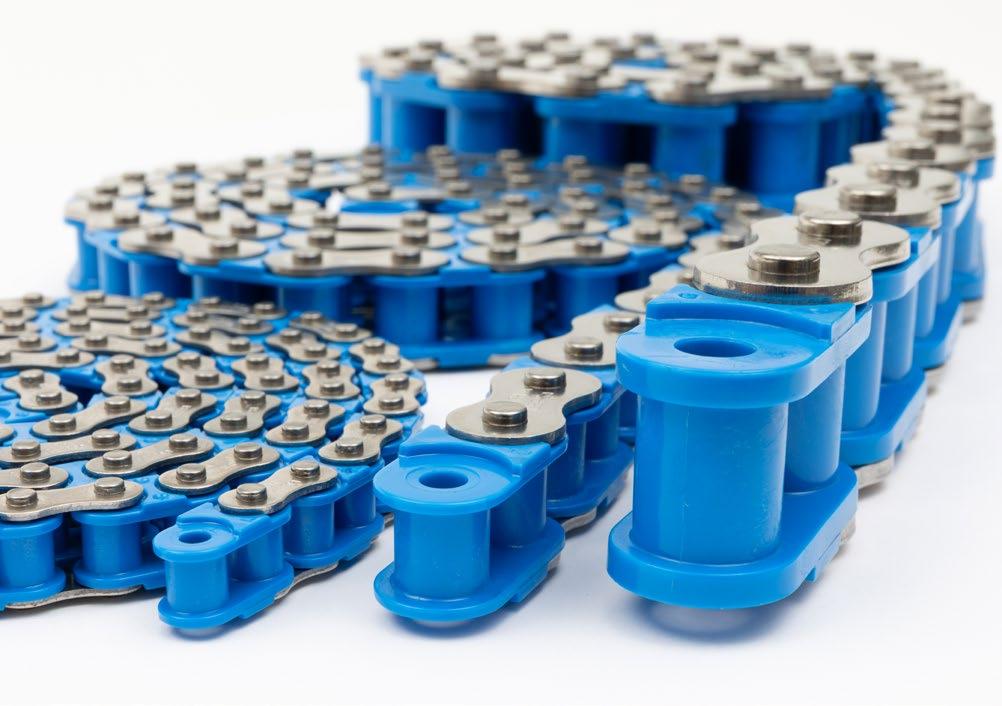
In food and drink manufacturing, efficiency, hygiene and uptime are fundamental to success. As production lines become faster and more complex, even the smallest component can have a critical impact on performance. Chains remain a vital yet often overlooked element in ensuring continuous, reliable operation.
Donghua Limited is helping reshape how food processors and packaging machinery manufacturers approach chain solutions. Since establishing its UK presence in 2009 and expanding into a 25,000 sq ft facility in the West Midlands, the company has positioned itself as a leading engineering partner to the sector.
What sets Donghua apart is their commitment to producing chains that meet the unique demands of food production which requires
solutions that can withstand heavy wash-downs, meet strict hygiene standards, operate at high speeds, and deliver minimal downtime.
Donghua’s chain portfolio reflects these demands
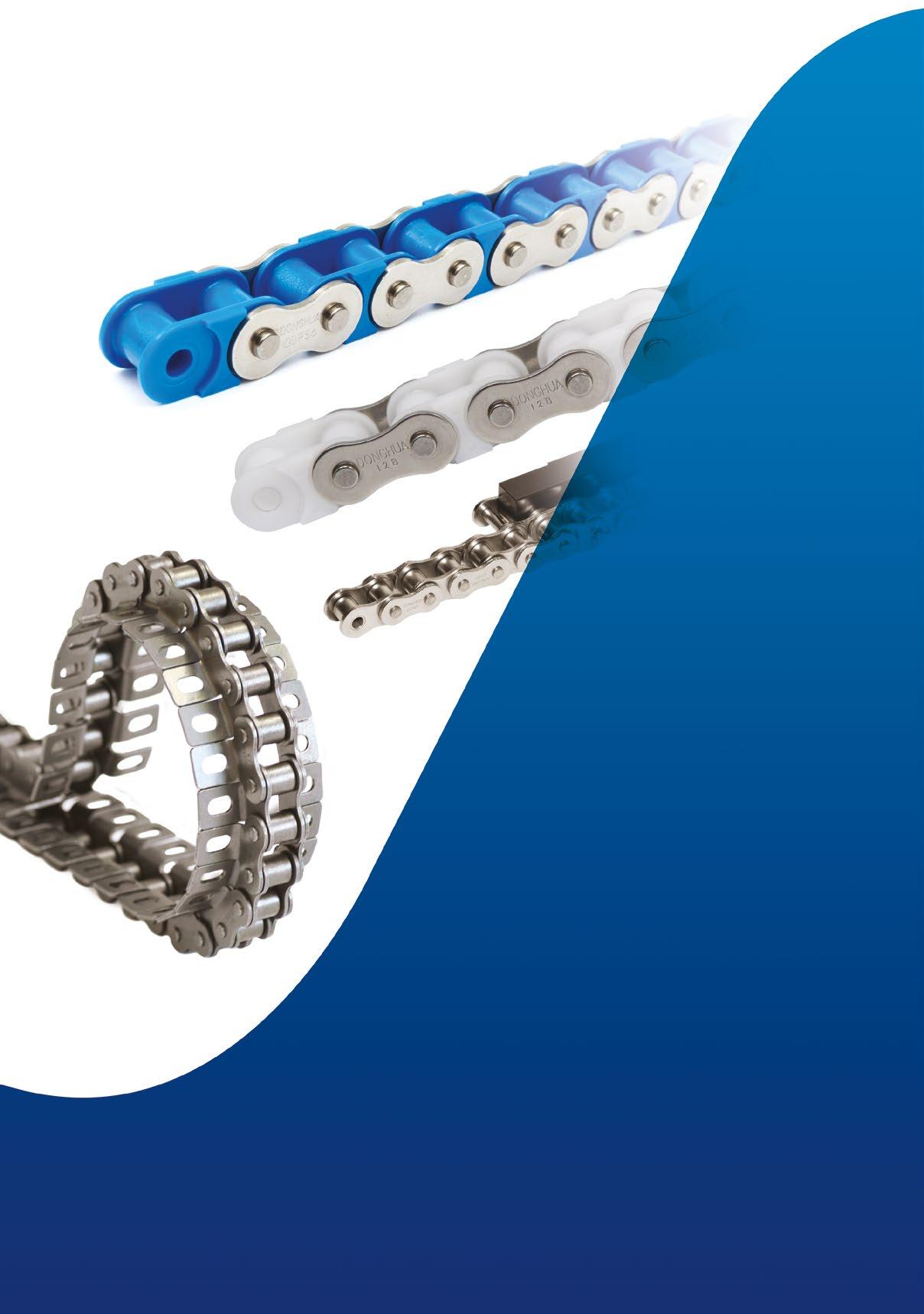
From Roller Chains and Polymer Conveyor Chains to Universal Attachment Chains and Bespoke assemblies, the company offers solutions designed specifically for the food processing industry. Features such as food-safe coatings, H1 food-grade lubrication, and lubrication-free blue polymer options ensure compliance while reducing maintenance requirements.
These capabilities are particularly critical in packaging applications where modern machinery operates at increasingly high speeds. A single chain failure can
halt sealing, labelling or cartoning processes, leading to costly downtime. Donghua addresses this risk through precision engineering – pre-loading Attachment Chains, accurately matching parallel running chains, and maintaining tight manufacturing tolerances to ensure smooth, reliable performance.
Chain, though often hidden from view, plays a central role in maintaining line efficiency. By combining application-specific design, high manufacturing standards, and technical support, Donghua Limited is delivering the operational resilience that modern food manufacturing and packaging operations demand.
To discuss your Food Processing Chain requirements, call 01902 866200.


As part of any Food processors HACCP program validation of cook and chill processes is a critical and significant task taking time, effort, and resources.
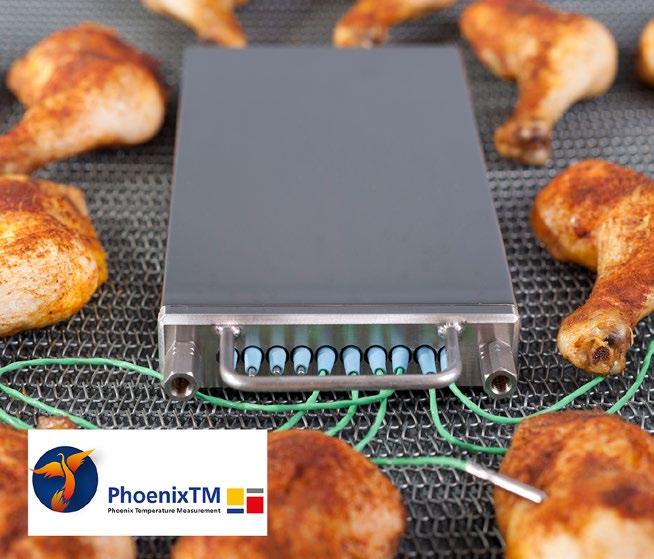
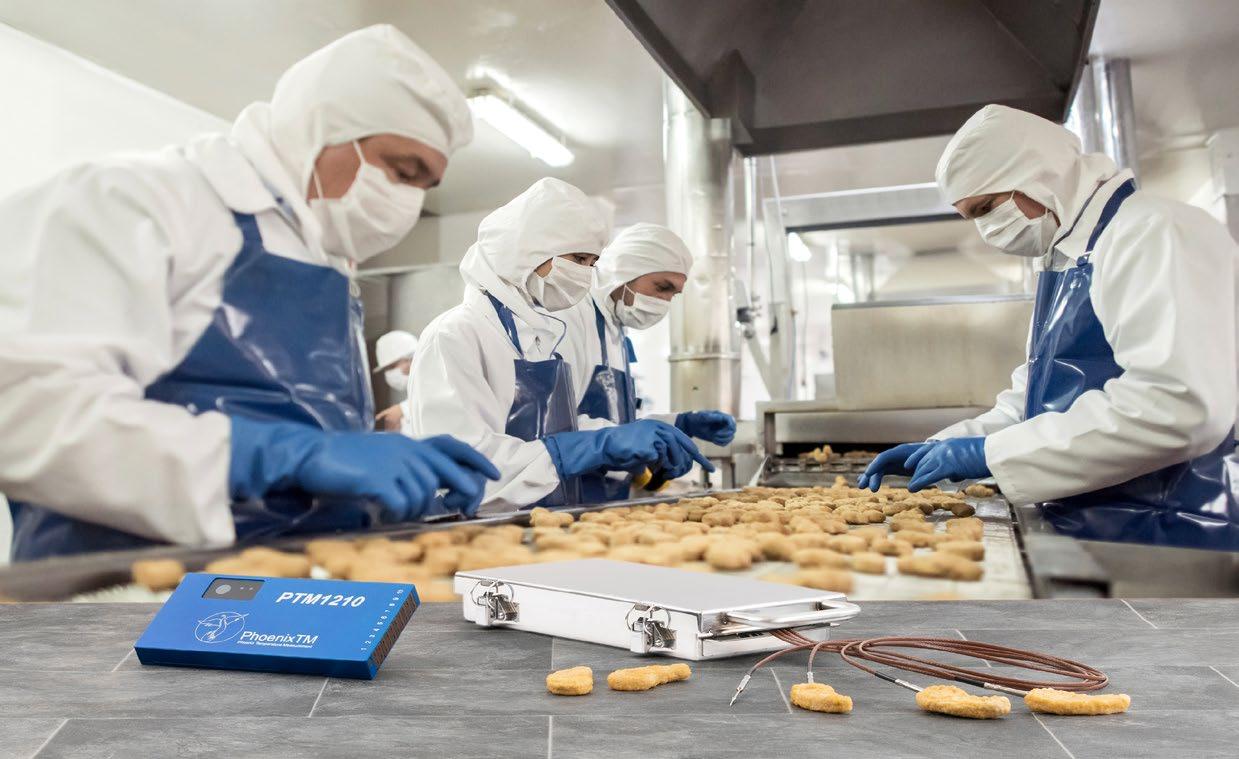
PhoenixTM have developed a thruprocess temperature monitoring technology specifically for this task designed to meet the challenges of the food processing market. Ideal for the validation process for any new cook regime, new product, or annual process certification.
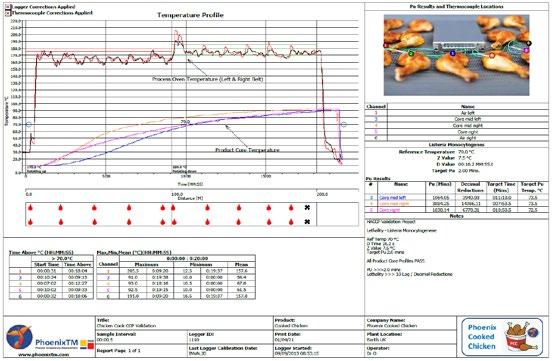
From a temperature profile it is possible to accurately quantify product safety (pasteurisation) knowing both the temperature, and time at temperature, of the product.
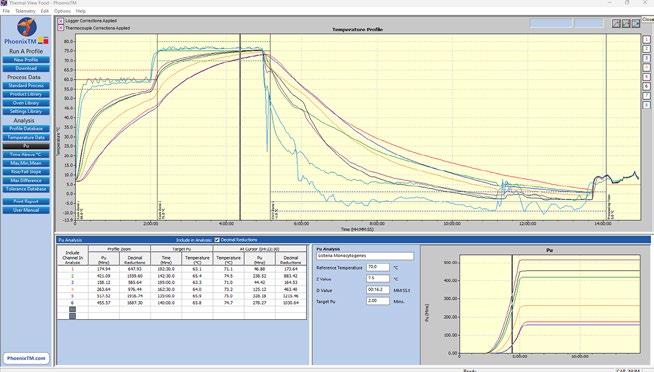
The Pasteurisation Value (Pu) is the equivalent cook time for the temperature profile at the nominated reference cook temperature. Basically, the calculation converts each data point in the profile trace to an equivalent time at the reference temperature which is then summed. The Pu value (mins) is divided by the decimal reduction time to give the resulting number of log/decimal reductions in the micro-organism population. Many processors look for a minimum lethality of 6 log. For LMono (listeria monocytogenes) the minimum target Pu is therefore 6 log x 16.2 s (Dt) = 1.62 mins which is rounded up to 2 mins hence the specification 70 °C / 158 °F for 2 mins.
The PhoenixTM system is offered with a custom designed software package, Thermal View Food software. The software allows setup and control of the data logger but also full review and analysis of the profile data collected. As part of the comprehensive analysis suit the software provides recognised and approved lethality calculations allowing quantification of food cook safety. For a specific target microorganism, the software will calculate Fo/Pu and or number of log/decimal
reductions achieved by the cook profile to quickly determine whether the Cook Critical Control Point (CCP) has been achieved. The lethality results can be viewed either numerically or graphically.
The lethality calculation gives you the accuracy you need to prove food safety. At the same time the confidence to potentially reduce cook time or temperature to improve productivity, yield, and quality without compromising safety.

Contact PhoenixTM to help Find, Fix and Forget your Food Cook Problems! further Information www.phoenixtm.com

Product Safety
Process Efficiency
Improved Product Yields
Rapid Fault Finding
Full HACCP Certification
Thru-process temperature monitoring solutions for all your cook applications
PhoenixTM Technology
• Accurate IP67 data logger (Type K or T)
• 10 Measurement Points for full oven mapping
• Thermal barrier options to suit cook regime
• Comprehensive thermocouple range
• Standard miniature thermocouple plugs
• Calibrated thermocouple options
• Food trays and thermocouple jig options
• Full lethality (Fo/Pu) and reporting
• Real Time RF Telemetry options
• Local efficient calibration and service support
Phoenix
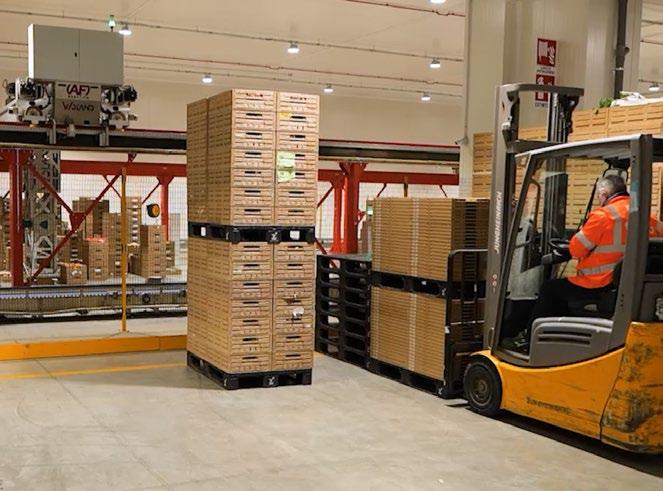
As European businesses face increasing pressure to meet tighter sustainability regulations while maintaining efficient, cost-effective operations, the role of transport packaging is evolving rapidly. Pallets are no longer just a logistics toolthey are becoming a critical part of delivering performance, compliance and circularity across the supply chain.
In response to these changing demands, Tosca has introduced the next generation of pallet design: the Euro-sized Tosca CP 1208. Developed specifically for modern, automated and regulation-compliant supply chains, this circular pallet solution offers a circular, reusable alternative to traditional one-way packaging.
“Our new circular pallet gives producers, growers and retailers a standardised, automation-ready, PPWR-compliant alternative that improves efficiency, enhances worker safety and supports a truly circular supply chain without disrupting existing operations,” says Laurent Le Mercier, EMEA President at Tosca.
Engineered to integrate seamlessly into existing operations, the Tosca CP 1208 pallet delivers the consistency and reliability required in automated, high-throughput environments.
Its 1200 x 800 mm Eurostandard dimensions ensure full compatibility with existing pallet handling equipment, eliminating the need for costly retrofits or process changes. Rounded skid edges also help minimise damage during forklift handling, reducing impact points compared with traditional square skid designs.
The result is a stable, standardised platform that enables companies to modernise their supply chains efficiently - without disruption or major infrastructure investment.
Alongside operational efficiency, the CP 1208 has been designed with worker safety in mind.
Its ergonomic design includes smoothly integrated, wellpositioned top-deck handles, enhanced stability and anti-slip features to improve handling across warehouses and retail distribution centres. The pallet is also more than 4 kg lighter than traditional wooden pallets, making it easier to lift and move during daily operations.
This contributes directly to the social pillar of ESG by helping reduce physical strain and lowering the risk of injuries associated with manual handling.
“In high-throughput environments, efficiency and worker safety go hand in hand,” adds Le Mercier. “By improving stability, grip and ease of handling, the Tosca CP 1208 helps reduce manual strain and the risk of musculoskeletal injuries, creating safer working conditions while supporting operational performance.”
Designed to work seamlessly with Tosca’s reusable plastic crates, the CP 1208 features integrated deck grooves that securely lock crates into place without the need for strapping. This enables stable, safer double-stacked transport and more efficient load handling.
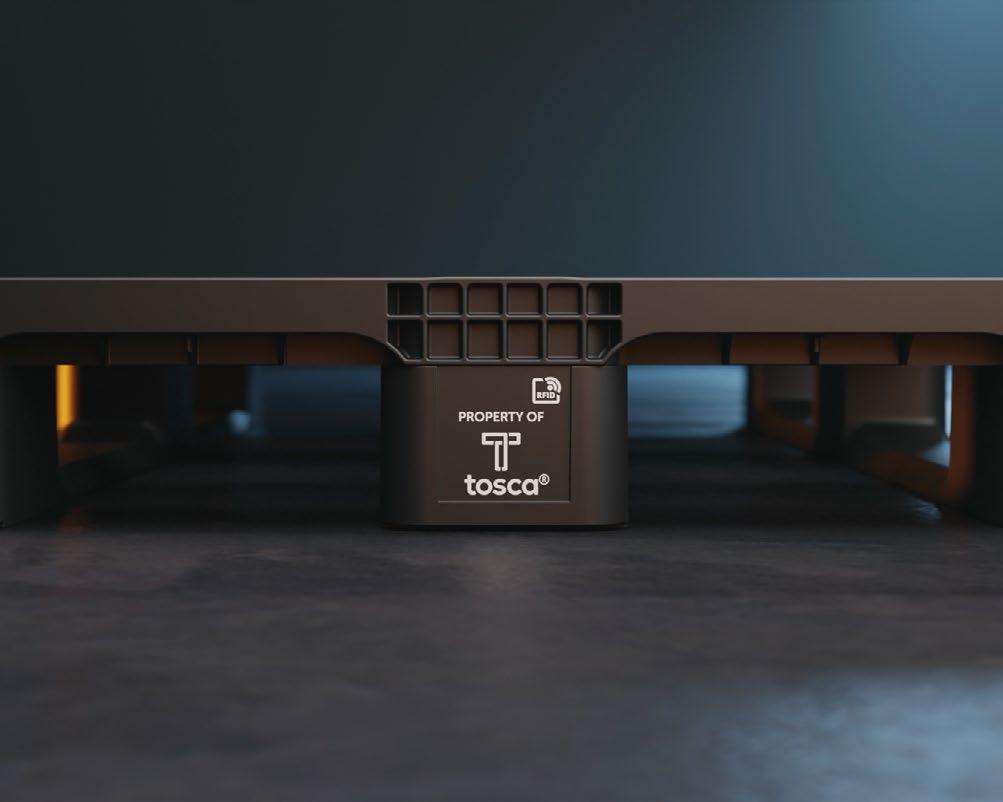
RFID integration further enhances traceability, asset management and full supply chain visibility - key requirements for modern logistics operations.
The Tosca CP 1208 offers a durable and hygienic alternative to traditional wooden pallets. Its nonporous, splinter-free plastic surface is easy to clean, making it ideally suited to FMCG, fresh produce and
retail environments where product protection and hygiene are critical.
Manufactured from a unique blend of 100% recycled plastic, the pallet also incorporates integrated drainage holes to prevent water build-up and reduce moisture retention. This helps resist contamination and damage while maintaining consistent performance in automated storage and retrieval systems.
In addition, the use of recycled materials reduces dependence on volatile input markets, supporting more stable operational costs throughout the year.
With the EU’s Packaging and Packaging Waste Regulation (PPWR) reshaping logistics and packaging strategies, supply chains increasingly require reusable, recyclable and traceable solutions by design.
The Tosca CP 1208 is engineered to support PPWR and EPR compliance, offering a futureproof alternative to wooden pallets, which require ISPM-15 heat treatment or fumigation and are less compatible with circular reuse models.
Made from 100% recycled plastic and designed to be repaired, reused and ultimately recycled at end of life, the pallet reflects Tosca’s pooling-based circular economy approach. Its durability and modular repairability lower total cost of ownership while eliminating waste associated with singleuse assets.
“At Tosca, we don’t simply supply a pallet,” concludes Le Mercier. “We partner with customers to manage assets, deliver supply chain performance, meet regulatory requirements and turn circularity into a lasting competitive advantage.”
The Tosca CP 1208 represents the next step in helping food and beverage supply chains become safer, more efficient and more sustainable. By combining circular design with pooling expertise and asset management, it demonstrates how companies can achieve both regulatory compliance and operational excellence - while building a more resilient, futureready supply chain.
To find out more, visit www.toscaltd.com
For many maintenance engineers, analogue sensors remain the backbone to reliable measurement in industrial plants. Devices using 4 to 20 mA and 0 to 20 mA signals are valued for their simplicity, robustness and long service life. However, as digitalisation and data driven condition monitoring advance, these legacy sensors often fall outside modern automation systems. Fully replacing them is rarely practical due to cost, time and limited necessity. Maintenance teams instead need an effective way to connect proven analogue technology with today’s digital requirements.
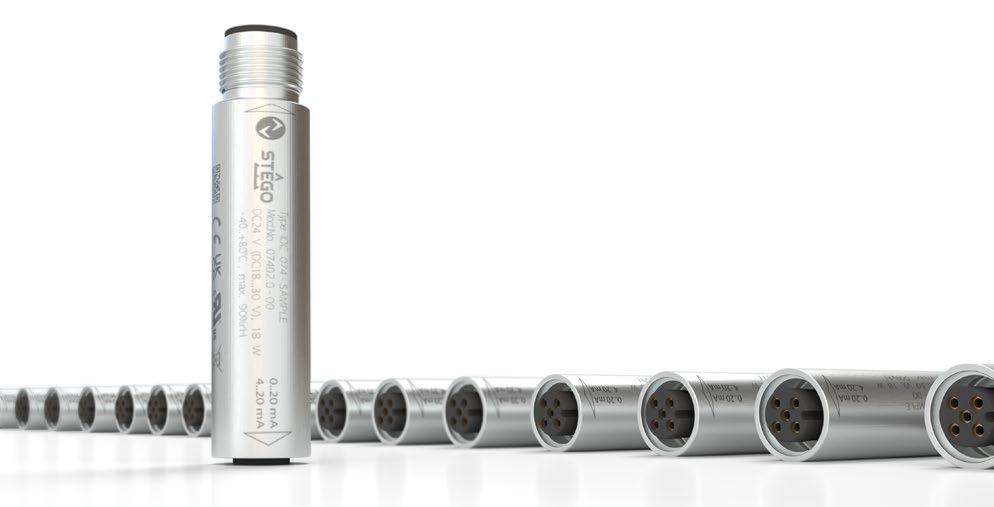
This is where STEGO’s new IOC 074 IO-Link Converter becomes relevant. Designed for retrofits and maintenance upgrades, the device enables existing analogue sensors to communicate digitally without requiring replacement. For facilities taking incremental steps towards smarter automation, following a philosophy of evolution rather than revolution, the converter provides an effective middle ground.
A major strength of the IOC 074 is its ability to digitalise up to three analogue channels simultaneously,
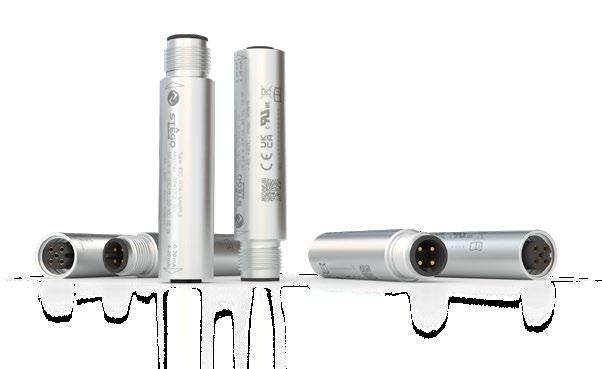
making it the first converter of its kind. With many machines still using multiple analogue inputs packed tightly into control enclosures, this offers clear gains in wiring efficiency and cost per channel. Its compact size, at 14 millimetres in diameter and 63 millimetres long, allows it to fit easily alongside existing sensor setups, even in confined spaces.
The IOC 074 is also built for demanding maintenance environments. Its stainless-steel housing rated to IP65, IP66 and IP67 ensures reliable operation in areas exposed to dust, moisture, vibration and other harsh conditions. Installation requires no specialist tools, with standard M12 connectors and a supplied pipe clip enabling quick and straightforward mounting during planned maintenance work.
Configuration is fully software based through IO-Link tools such as LR-Device. Users can define measurement ranges for temperature, pressure or other parameters without manual scaling or the need for additional hardware. The converter manages automatic signal processing and
supplies ready to use digital values directly to the control system. For maintenance teams, this simplifies commissioning, reduces calibration errors and improves data consistency.
Digitising analogue signals also supports predictive maintenance, clearer diagnostics and quicker fault identification. With greater visibility of sensor behaviour including drift, failure trends and out of range conditions, teams can act proactively, reduce unplanned downtime and extend equipment lifespan.
As digital transformation continues to shape maintenance strategies, retrofit solutions such as the IOC 074 offer a practical and cost-effective way forward. Facilities can enhance their proven analogue technology while gaining improved diagnostics, greater process transparency and better operational efficiency, creating a maintenance approach that is ready for the future and aligned with the principles of Industry 4.0.
www.stego-group.com











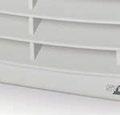
STEGO ‘the protector of electronics’ have developed a filter fan series. This series has a more effective airflow and significantly increases air volume, thanks to its unique air-flap outlet technology, and only one filter mat. But there is more …
TAKE A LOOK AT ALL PRODUCT HIGHLIGHTS: w w w . s t e g o - g r o u p . c o m / p r o d u c t s / c o o l i n g













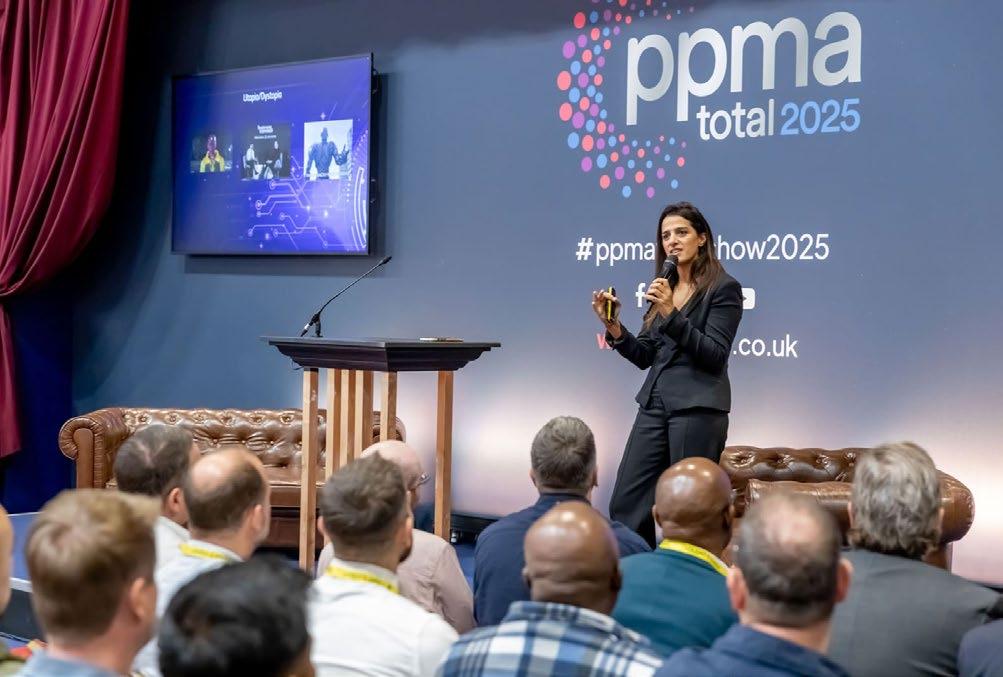
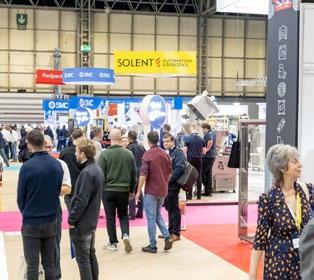
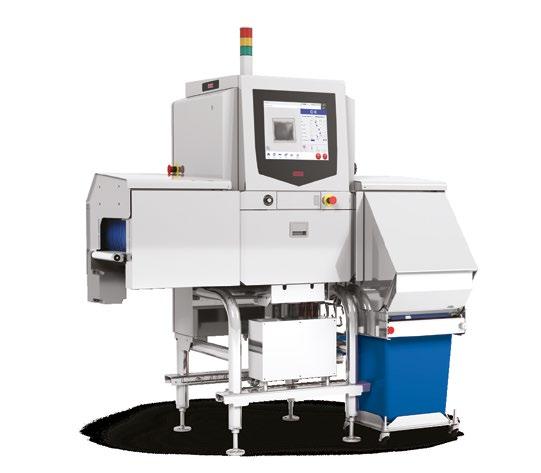
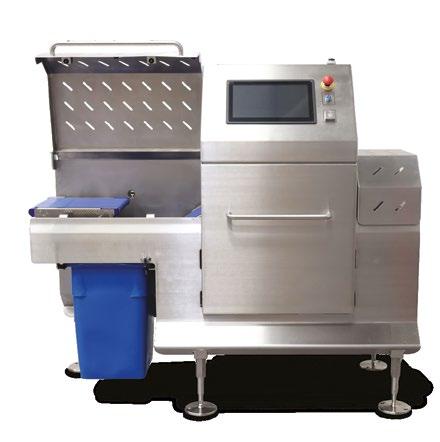
The UK’s biggest processing and packaging machinery, robotics and industrial vision event returns to the NEC, Birmingham in September, offering visitors access to neverseen-before technologies and addressing key challenges currently facing the industry.
Organised by Automate UK, The PPMA Show® 2026 will take place from 22-24 September, bringing together professionals from across the manufacturing spectrum to showcase business-boosting technologies and offer networking opportunities, live equipment demonstrations, and tried and trusted advice from industry experts.
Scott McKenna, Chief Operating Officer at Automate UK said: “The PPMA Show® is now in its 39th year and our goal is to make it bigger and better every year to keep it relevant, educational and insightful, making it a must-attend event for the entire manufacturing industry.
“The processing and packaging and industrial vision sectors are currently facing significant challenges and in addition to providing a platform for the latest state-of-the-art technologies, we plan to help members navigate these concerns and find solutions via a series of seminars and meetand-greet opportunities.
“From labour shortages to sustainability and regulatory compliance issues and technology automation and adoption, over the course of the three-day event, the PPMA Show® will give visitors the opportunity to hear from experts within their field and visionary keynote speakers to use their experience to strengthen and grow their operations.
“As always, attendees will have access to cutting-edge technology and solutions to optimise performance, reduce costs, and future-proof their businesses, with many of the innovations being
showcased to the public for the first time,” he added.
The PPMA Show® 2026 will once again feature its Innovations Eleven showcase - a live demo theatre in which 11 selected exhibitors will launch brand-new technology directly to the audience.
With more than 350 exhibitors and 1,500 brands in attendance, The PPMA Show® 2026 is free to attend. To register, visit: www.ppmashow.co.uk


22 - 24 September 2026 l NEC, Birmingham
The stage is set for the PPMA Show 2026, held at the NEC, Birmingham from 22 to 24 September. See over 350 exhibitors, discover the latest technologies, experience live demonstrations and meet new contacts. Scan the QR code to reserve your free pass today.
As sustainability targets tighten and diners and drinkers become more discerning about what surrounds their food, packaging is under greater scrutiny than ever. It’s no longer enough to simply preserve freshness on the shelf—today’s solutions must also support recyclability, meet evolving regulations and enhance convenience without compromising product quality. In the food and beverage sector, this shift is driving renewed interest in glass, prized for its purity and premium appeal, while also placing fresh focus on how these containers are sealed to maintain safety and integrity.
Traditionally, induction heat sealing has been most closely associated with plastic packaging, valued for delivering a reliable, cost-effective hermetic seal. But as glass gains ground across sauces, beverages and other consumables, the technology is evolving— adapting to new materials and stricter regulatory demands while meeting the expectations of both producers and consumers.
The packaging landscape is being refined by a convergence of sustainability targets, regulatory pressure and rising consumer expectations. Packaging is no longer viewed as a passive barrier; it is now expected to actively support product integrity, safety and user experience.
Features such as tamper evidence, freshness assurance and ease of opening have moved from valueadds to baseline requirements. At the same time, manufacturers are balancing those expectations with the need to reduce material usage, improve recyclability and demonstrate compliance with increasingly detailed legislation.
Several key directions are shaping innovation across the sector. Reuse and refill models are gaining traction as brands look beyond single-use formats, while developments in modified atmosphere packaging (MAP) continue to extend shelf life in
more sustainable ways. Material reduction remains a priority, driving minimalist design approaches that eliminate unnecessary components without compromising performance.
Digitalisation is also playing a growing role. From smarter sorting systems to packaging design for improved recyclability within existing infrastructure, technology is being used to close the gap between design intent and realworld recovery.
For producers, the challenge is not to add complexity, but to deliver packaging that meets these overlapping demands efficiently. As a result, solutions that combine proven performance with clear sustainability and regulatory alignment are increasingly in focus.
Glass has re-emerged as a preferred material in this context, driven by its strong sustainability credentials and consumer perception. Infinitely recyclable and widely accepted within established waste streams, it aligns well with both regulatory frameworks and brand positioning strategies.
Market data reflects this continued demand; the global glass packaging sector is projected to grow at a compound annual growth rate (CAGR) of 3.29% , reaching approximately USD 29.55 billion between 2024 and 2033. This steady growth underscores glass’s resilience despite the competition from lightweight alternatives.
The sealing challenge
Yet while glass performs well environmentally, it presents distinct technical challenges, particularly when sealing liquid, oil-based or particulate-rich products.
Historically, steam vacuum capping has been the dominant solution for glass containers. While effective, it is energy-intensive, relatively slow and can result in closures that are difficult for consumers to open. In addition, it offers limited flexibility for modern high-speed production environments.
Production formulation further complicates matters. Substances with high oil or fat content, or those containing volatile compounds from spices such as pepper, nutmeg or clove, can migrate into the sealing area. This contamination interferes with seal integrity, increasing the risk of leakage or failure.
Alongside these technical hurdles, regulatory expectations have become more stringent. Earlier approaches often deemed packaging compliant if no leakage occurred under standard conditions. Today, requirements are rigorous.
Under frameworks such as Commission Regulation (EU) No 10/2011, materials used in food contact applications, including sealing adhesives, must demonstrate sustainability across a wider range of conditions, including exposure to fatty substances and variable orientation during transport.
This has significant implications for induction sealing on glass. Not all adhesive systems historically used with liners are compatible with fatty or oil-based products, meaning previously accepted solutions may no longer meet compliance standards.

As a result, manufacturers must ensure that all sealing components – not just the container and closure- are validated for their intended application.
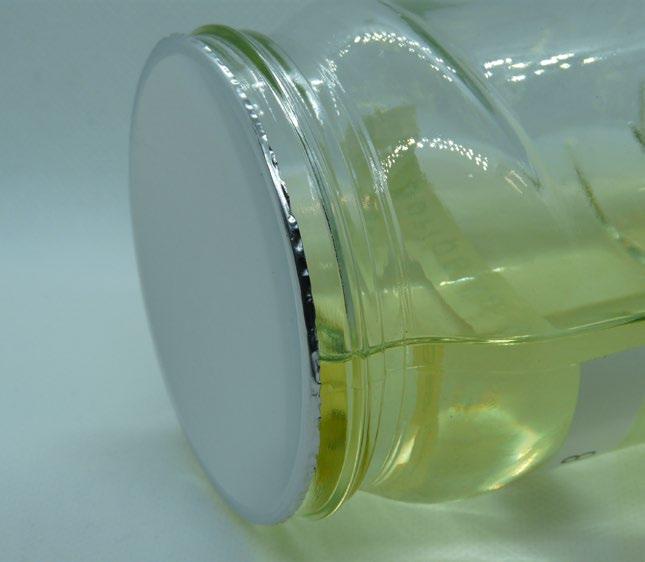
To address these challenges, induction heat sealing technology has been further developed for glass applications. At its core, the process remains the same: a foilbased liner is inserted into the cap and bonded to the container rim through electromagnetic induction.
The critical difference lies in the adhesive system. Glass requires a specialised bonding layer capable of overcoming inert, non-porous surfaces while maintaining performance in the presence of oils, fats and volatile compounds.
One example is Selig’s GlassFuzeTM heat seal technology, designed specifically for glass containers. When combined with liner systems such DELTASEALTM, Uni-GardTM or Lift ‘n’ PeelTM, it provides a hermetic seal while meeting the requirements of EU food contact regulations.
The structure typically consists of an aluminium foil laminated with a heat-seal polymer. During induction sealing, the foil heats rapidly, activating the polymer layer to form a bond with the glass rim. This creates a secure seal without the need for steam-based processes.
Beyond compliance, these systems also address longstanding usability concerns. Unlike traditional vacuum caps, induction-sealed glass closures can be engineered for easier opening while still delivering clear tamper evidence.
For example, two-piece liner systems can produce an audible indication upon first opening, while leaving a foil seal on the container and a secondary reseal liner inside the cap. This supports both product integrity and consumer confidence.
Equally important is visual presentation. Modern liner
technologies are designed to leave a clean, residue-free finish, maintaining product aesthetics after opening, an increasingly important factor in premium and retail-driven categories.
Plastics will continue to play a central role in packaging, particularly where weight, cost and flexibility are critical. However, glass is firmly re-establishing itself as a material of choice where sustainability perception and product differentiation are key.
Advances in induction sealing are helping to remove one of the material’s historic limitations. By enabling reliable, compliant sealing across a broader range of product types, including those with challenging formulations, these technologies are making glass a more viable option for modern production lines.
As the industry gathers at Interpack the direction of travel is clear: innovation is no longer about adding complexity, but about refining existing processes to meet evolving expectations. In that context, the evolution of glass sealing is less a breakthrough moment than a necessary step forward.
Boxout: GlassFuzeTM in focus:
Selig’s GlassFuzeTM technology forms part of its , DELTASEALTM liner system, engineered specifically for glass container applications. The liner incorporates a polymer layer laminated between foil and backing materials. During induction sealing, this layer bonds directly to the glass rim, creating a hermetic seal that remains intact even with high oil, fat or spice content products.
On opening, the foil remains on the container to provide tamper evidence, while the closure retains a secondary reseal liner. The result is a combination of product protection, regulatory compliance and improved consumer usability.
To find out more about GlassFuze and DELTASEAL, visit Selig at Interpack, Hall 7, Level 1, Stand B06
With mounting pressure on warehouse space, businesses looking to expand in a rapidly evolving, highly unpredictable environment, are having to frequently and quickly re-evaluate how to future-proof their strategy for growth, both in the short and long term.
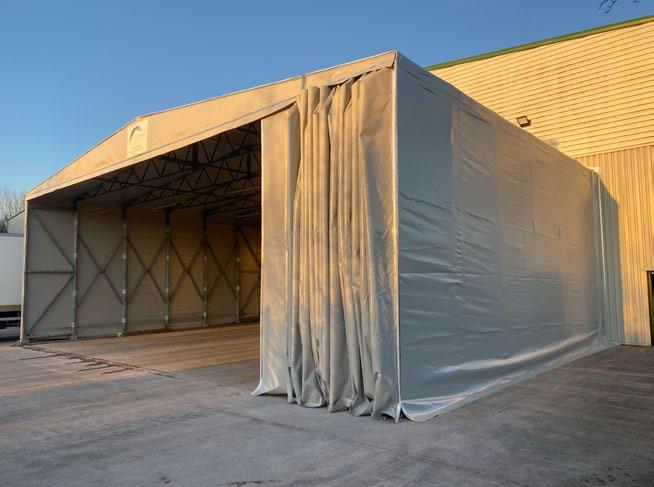
With traditional bricks and mortar, a five-year lease is not long but many businesses don’t have the money to commit to those timescales, the associated business rates or the certainty that they can fix themselves to one specific location. It’s often inconvenient to move and can take significant time to find the ideal conventional premises, a luxury that not many businesses have. “Temporary” warehouse buildings, such as those manufactured by CopriSystems, are carefully and individually designed to lead a dynamic life so they can be relocated to a new site or modified to suit a business’ ever-changing needs. CopriSystems understand there is no one-size-fits-all model so will work with each organisation to establish how best to optimise the space available and come up with a design solution that will integrate with your existing buildings,
systems and daily operations – i.e modular to enable an expansion or reduction in size at any time, telescopic to allow for easy loading and unloading of goods by crane or retractable for minimal disruption on a site that must remain accessible.
It may be that a relocation to a new conventional warehouse is in your growth plans but, right now, a custom-made temporary structure could be just the right solution to give you some breathing space while you consider your next move. Since disruption is the new normal, the trend for on-demand warehousing is prevalent but be sure to choose a building solution that can be easily modified without compromise when responding to altered circumstances. Warehouse buildings need to be designed in a manner that offers maximum adaptability, flexibility and durability, in case the temporary solution needs to become more permanent.
Quick installation time alone is a huge draw for businesses that need to respond fast without having to commit to a fixed location but this
should not mean that you have to sacrifice on strength or quality of materials. CopriSystems’ canopies can typically be designed, installed, fully functional and operational within 8 weeks of ordering. They are manufactured off-site to avoid any disruption and once delivered, a small or medium-sized canopy can be erected on an existing concrete base in a matter of days. Their structures are built using strong, corrosion-free, galvanised steel frames that are engineered to last and covered with a heavyduty, flame-retardant PVC-coated polyester fabric, which offers complete protection from arduous marine conditions as well as heavy wind and snow loadings. A 10year guarantee comes as standard, although many are still going strong after 20.
Consider the financing. The cost savings are significant compared to conventional bricks and mortar and for businesses looking to build resilience and flexibility into their plans, a prefabricated warehouse could be the best tactical solution for now. It is a more affordable and viable alternative to a rigid, constrained property market and one that’s proven to be effective time and time again, no matter what circumstances threaten to destabilise our supply chains.
Changes are coming thick and fast from all angles and we know that industrial buildings must be able to consistently perform at the highest level without impacting on daily operations. With that in mind, look for flexibility in every area of your decision to install a temporary building, from the initial design to the financing, the short-term usage plan and long-term growth strategy.
For more information, contact sales@coprisystems.com www.coprisystems.com
Klöckner Pentaplast launches kp Infinity® HP3, its largest and most robust Hotpacs® yet
Klöckner Pentaplast (kp), a global leader in packaging and specialty films, has introduced the kp Infinity® HP3, the largest and most durable addition to its Hotpacs® range. Designed in response to customer demand, the HP3 caters to larger, more substantial food-to-go portions that exceed the limits of existing packaging formats.

Manufactured in the UK, kp Infinity® HP3 supports local supply chains while delivering reliable, high-performance packaging for dishes such as loaded fish and chips, burgers, jacket potatoes, and Asian noodles. Made from Expanded Polypropylene (EPP), it is fully recyclable within existing PP waste streams and compliant with UK regulations on singleuse packaging, featuring clear ‘Recycle Me’ messaging and recycling code 5.
kp Infinity® HP3 offers strong performance benefits, keeping food over 10°C hotter than alternative packaging while remaining cool to handle. It is waterproof, resistant to oils, acids and alkalis, and microwaveable for added convenience.
Available from late April through kp’s distributor network, the kp Infinity® HP3 provides foodservice operators with a larger, robust, and recyclable solution tailored to modern consumer demands.
Discover more at: at www.kpfilms.com











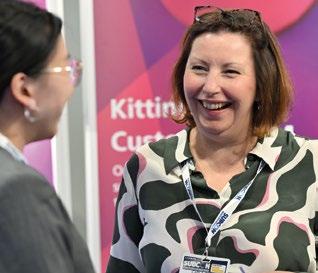
Subcon – The Manufacturing Solutions Show stands as the UK’s leading event focused on manufacturing supply chains. It will return to the NEC Birmingham on 3-4 June 2026, with an edition set to be its most ambitious and forwardlooking yet.
Following a strong period of expansion - including an 85% rise in visitor numbers and a 30% increase in exhibitors over the past two years - the show has cemented its position as the go-to destination for subcontract manufacturing, supply chain innovation, and engineering excellence. This momentum was further recognised in March when Subcon received the Exhibition Expansion Award at the Exhibition News Annual Awards.
Bringing together more than 200 exhibitors and 6,000 visitors, Subcon offers a comprehensive showcase of the technologies, partnerships, and processes driving the future of UK manufacturing. Spanning key sectors such as aerospace, automotive, defence, energy, medical, and electronics, the event demonstrates the depth and strength of Britain’s engineering capabilities. From precision component specialists to contract manufacturers and materials experts, exhibitors are united by a shared aim: supporting OEMs and tier suppliers in building smarter, more resilient supply chains.
Attending Subcon 2026 offers a valuable opportunity to connect with over 200 exhibitors from across the UK and around the world, showcasing the latest in manufacturing capability and supply chain solutions. Exhibitors span across areas such as machining and precision engineering, fabrication and metal processing, plastics and composites, casting and forging, electronics and electrical, additive manufacturing, assembly and finishing, as well as components and parts.
Alongside the exhibition, visitors can benefit from a fully CPDaccredited conference programme, featuring expert speakers from leading organisations including Airbus, Bentley Motors, Rolls-Royce and Make UK, providing insight into the trends and challenges shaping the industry.
On top of this, new for 2026, our traditional long-form workshops have been replaced with The Skills Sprint, a high-intensity conference stream designed for the time-poor professional. Every session in the Sprint is strictly curated to deliver a functional “blueprint” in 20 to 45 minutes. From rapid-fire lead generation tactics for SMEs to live cybersecurity audits and “Agentic AI” implementation guides, this isn’t about sitting in a classroom; it’s about gaining a competitive edge and getting back to the show floor with a toolkit that can be used on Monday morning.
The event creates a strong environment for networking and collaboration. Free networking drinks from 16:30 on 3 June are open to all attendees, while Pubcon provides a more informal setting with games, refreshments and relaxed conversations. For those looking for more structured connections, the VIP buyers programme offers senior manufacturers access to exclusive networking opportunities tailored to their needs.
Show Awards
Subcon 2026 goes beyond business by celebrating innovation and engagement within the sector. The Manufacturing Solutions Show Awards, taking place on 4 June,
recognise outstanding achievements across the industry.
Games zone
Visitors can take part in interactive experiences such as pro motorsport simulators in the games zone, adding an engaging and competitive element to the event.
To help attendees make the most of their visit, tailored visitor trails guide them through key sectors including automotive, aerospace, defence and medical, ensuring relevant connections and discoveries.
Co-located events
In addition, access to co-located events at the NEC - including Smart Manufacturing Week, Interplas, TCT 3Sixty and Med-Tech Expo - broadens the experience, offering even greater exposure to innovation, technology and industry expertise.
Sponsors and Partner highlights
We’re proud to partner with leading organisations across the manufacturing sector, including Smiths Metal Centres, Target Integration, TechPoint, EEPC India, Qimtek, The Manufacturing Technologies Association (MTA), the British Turned Parts Manufacturers Association (BTMA), and the GTMA, The Gauge and Tool Makers Association. Together, they bring expertise in materials, digital transformation, engineering, supply chains, and industry representation - supporting manufacturers to connect, innovate, and grow.
View more at www.subconshow.co.uk/sponsorsand-partners
Register a free place today: www.subconshow.co.uk











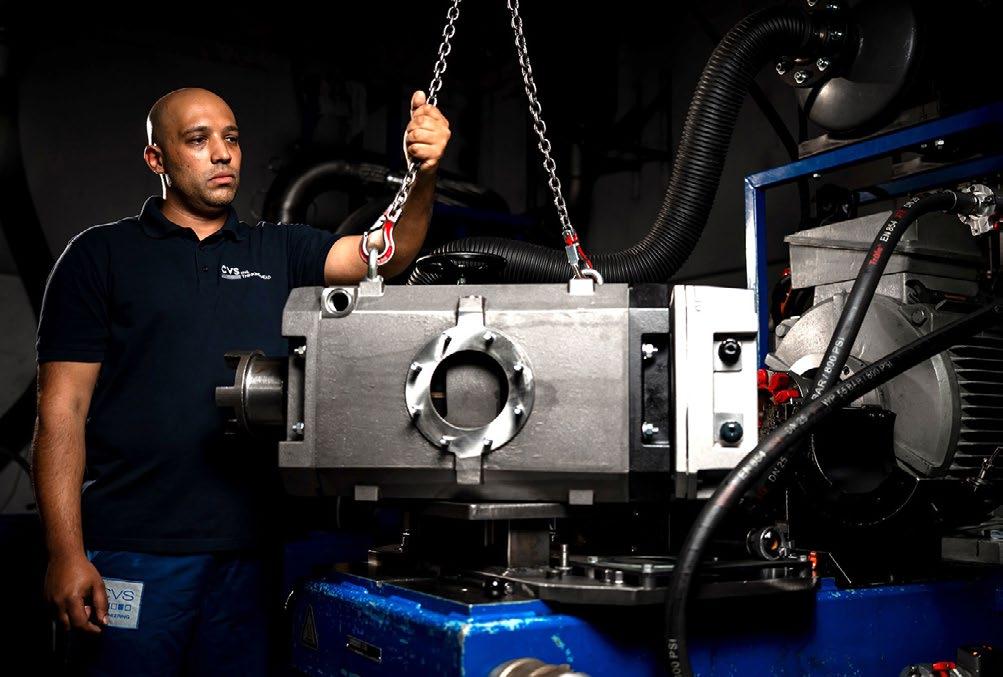
CVS engineering GmbH, based in Rheinfelden, offers sustainable solutions for suction, flushing and silo vehicles: These include vacuum pumps from the VacuStar series for suction and flushing vehicles (‘sewage handling’) and oil-free screw compressors from the SKL series (‘dry bulk’). “With Dry Bulk, we have efficient solutions in our portfolio for the rapid and residuefree unloading of silo vehicles for bulk goods such as cement, grain or plastic pellets,” explains Fabio Geiger, Area Sales and Marketing Manager at CVS engineering.
High suction capacity and durability in harsh conditions
These technologies ensure maximum suction capacity and durability in extreme conditions –such as sewer cleaning and sludge extraction. The range includes oil-free screw compressors (SKL 700, 1100, 1500), rotary vane vacuum pumps (VacuStar L / W) and liquid ring pumps (VacuStar WR) – supplemented by drive components such as hydraulic adaptors or drive shaft couplings and other accessories.
Sewer maintenance, efficient unloading of large volumes of material
These solutions are in demand among fleet operators, vehicle manufacturers and engineers in the
road haulage, transport, distribution and logistics sectors. The suction and flushing vehicles are used in the wastewater sector, in industrial cleaning (grease separators in the catering industry), the construction industry (pit emptying), agriculture and in environmental technology for the removal of pollutants.
“Specifically, they are indispensable for sewer maintenance, emergency cleaning in the event of blockages, the transport of hazardous liquid waste, and the efficient unloading of large quantities of material in the building materials and food industries,” explains Fabio Geiger.
A growing need for efficient waste management and low-emission transport
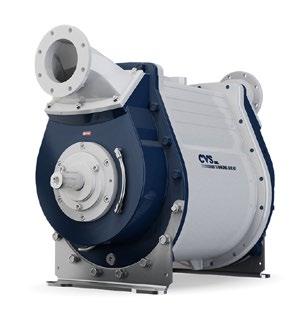
“Particularly against the backdrop of urbanisation and increasing environmental regulations driven by decarbonisation and noise protection, there is currently a growing need for efficient waste management infrastructure and low-emission transport solutions,” emphasises Fabio Geiger.
Clean conveying air is essential for the food and chemical industries
It is not least these challenges that make CVS engineering’s technologies the ideal solution: the oil-free SKL technologies ensure clean conveying air – a fundamental requirement of
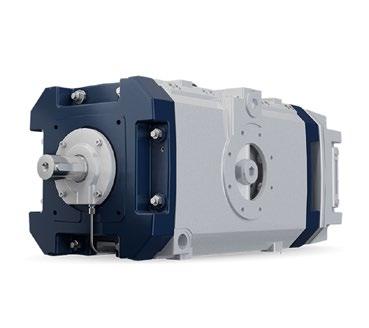
the food and chemical industries. Further benefits of the ‘Dry Bulk’ compressors include their low weight, low discharge temperatures and wide speed range, ensuring energy-efficient, resource-saving operation. The VacuStar series for ‘sewage handling’ offers users high protection against wear and corrosion thanks to optional plasma nitriding and ceramic coating. “Innovative cell aeration systems also enable continuous operation at high vacuum without overheating,” adds Fabio Geiger.
Complemented by first-class service
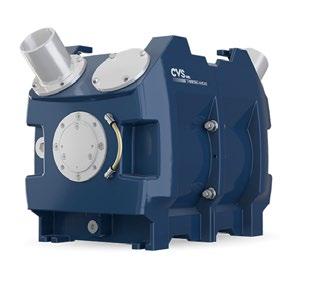
With this package, the Rheinfelden-based company serves OEMs (Original Equipment Manufacturers) that install components ex-works, as well as end customers such as haulage firms and local authorities, who place great importance on weight, reliability and low lifecycle costs, as well as first-class service.
Visit us at: www.cvs-eng.com


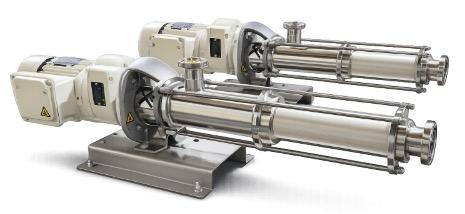
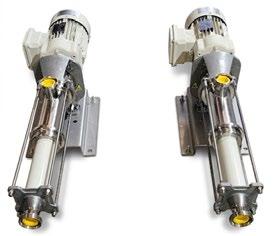
A major food manufacturer needed two new high temperature oil pumps for the transfer of vegetable oil for cooking corn-based products on their production line.
At home in the kitchen, precise temperature control is the key to successful frying. It can make the difference between a crisp, golden product everyone loves and a soggy, unappetising mess nobody wants.
On an industrial production line, oil temperature control is even more critical. In fact, it plays a key role in the food’s taste, consistency and safety, the lifespan of the oil and overall efficiency.
What’s more, temperature fluctuations of even a few degrees can produce large amounts of waste, inconsistent product quality and higher production costs.
So these two new pumps are needed for pre-heated high temperature cooking oil transfer on their production line. This will help maintain a steady oil temperature
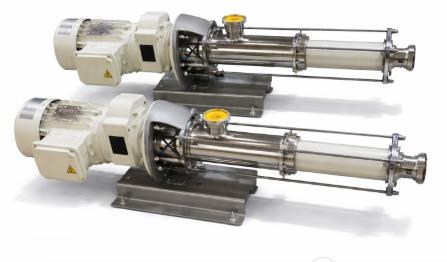
for consistent food quality, lower costs and a safer cooking process.
Unlike some pump manufacturers, we don’t do off the shelf - and we’re not tied down to just one type of pump or pump technology. At North Ridge Pumps, we can select the best performing pump for every application offering the optimum lifetime cost.
In fact, as the UK’s biggest pump supplier with over 25 years successful trading in this sector, we have a vast amount of experience in specifying pumps for a wide range of clients.
State-of-the-art hygienic pump models
The key requirement was for two high temperature oil pumps to transfer a set quantity of vegetable oil at 70°c to 80°c for cooking cornbased products at their plant.
We supplied two of our proven DXC progressive cavity pumps which comply with standards EHEDG and 3A for use in the
food, beverage, cosmetic, pharmaceutical and chemical sectors.
An extremely hygienic pump design, it’s ideal for transferring edible oils, creams, shampoo, wine, fruit juice pulp and fruit paste, grapes, milk and dairy.
The units were designed for cooking oil transfer up to 15L/min, up to 6 bar at a very low speed of less than 300rpm. They will operate either simultaneously every 7 to 8 minutes or individually every 90 seconds, pumping 24/7 in a continuous batch-cooking food facility. They will be handling the oil at a viscosity range between 10 to 30 cPs.
If your company needs pumps capable of transferring fluids with low shear at high temperatures, talk to North Ridge Pumps today, we’ll be happy to help.
For the Right Pump, Every Time visit North Ridge Pumps at www. northridgepumps.com to see how we can help.
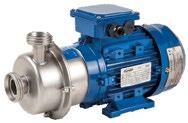
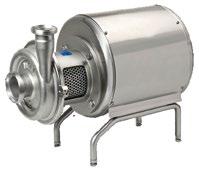
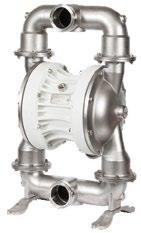
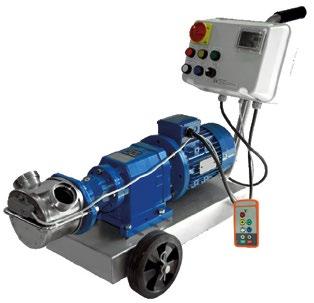
Optimise performance with specialist support
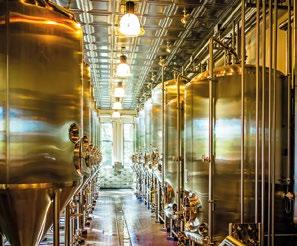
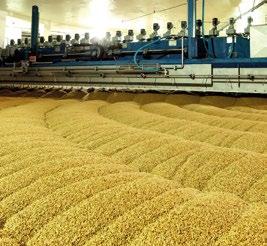

Whether you’re dealing with clogging, separation, downtime, or other issueit’s costly. Time wasted troubleshooting and lower production mean missed targets and less profit. A sanitary pump is the solution but choosing the right one feels like stepping into a minefield. You know what you need it to do but with so many options, it’s difficult to know which is best for your process and parameters.
+ Accelerated stator wear
+ Clogging
+ Changes to fluid consistency
+ Clean-in-place and sterilise-in-place hygiene issues
+ Crushing of sensitive products
+ Inconsistency in finished product
+ Inaccurate transfer of flavourings or ingredients
+ Liquid separation
+ Seal wear or failure
We’ve been engineering sanitary pumps for sectors such as distilling, brewing, food manufacturing/processing, and more, for 20+ years. We understand industry-specific processes and know what it takes to optimise performance through better-suited pump design - giving you complete peace of mind.
Our expert engineers understand your process and guide you through the options, so you can confidently select the most suitable sanitary pump.
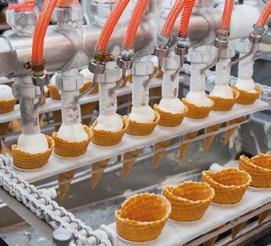
EXAMPLE PRODUCTS:
+ Abrasive mixtures
+ Creams, milk & ice cream
+ Edible oils & fats
+ Fish & meat
+ Fruits eg. cooked apples, plums, berries, grapes
+ Grains & seeds
+ Pastes & purees
+ Syrups, juices & alcohols
+ Vegetables & peelings
+ Waste eg. trimmings, packaging & offcuts
+ Sheer sensitive liquids
+ Solid laden or viscous mixtures
Efficient movement is fundamental to high-throughput food production. Leading UK equipment manufacturer Invicta has long worked with the food and drink sector to improve workflow and output through practical equipment design.
In busy production environments, efficiency depends not only on the choice of processing equipment, but on how materials and products move through the space. Even small inefficiencies in layout or handling can quickly restrict flow.
Ingredients, part-finished goods and finished products must move smoothly from one stage to the next. When this flow is disrupted − through poor layout, unsuitable equipment or unnecessary handling − the impact is felt across the operation, affecting productivity, safety and consistency.
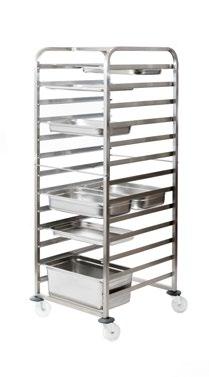
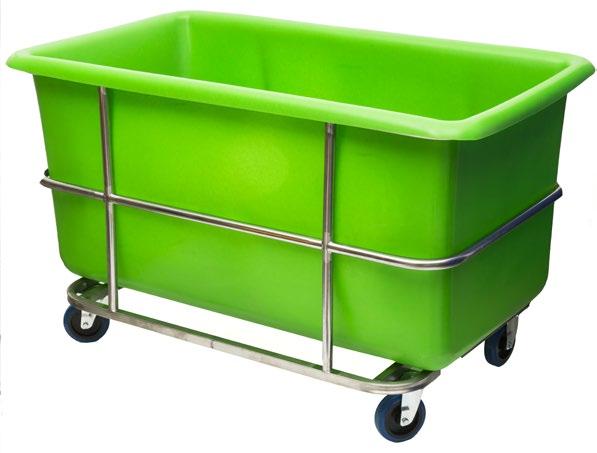
A well-planned layout is essential. Clear pathways and logical sequencing help maintain flow, but the equipment used must also support efficient movement. Racks, trolleys, trays and workstations need to be easy to manoeuvre, correctly
sized and robust for continuous use. Details such as wheel type, load stability and ergonomic design can significantly influence performance.
Poorly specified equipment can introduce friction, while welldesigned solutions reduce handling and support a more continuous workflow.
Invicta works with both large-scale producers and smaller, specialist operations, supporting start-ups and established facilities. Much of this involves developing bespoke equipment designed for the workspace, ensuring it integrates seamlessly with existing layouts and processes.
“Our approach is to understand how each customer operates,” says Martin Brown, Managing Director at Invicta. “If something needs to move from one stage to another, the equipment should make that process as straightforward and efficient as possible.”
By taking a considered approach to movement, layout and equipment, manufacturers can achieve meaningful improvements in throughput and overall efficiency.

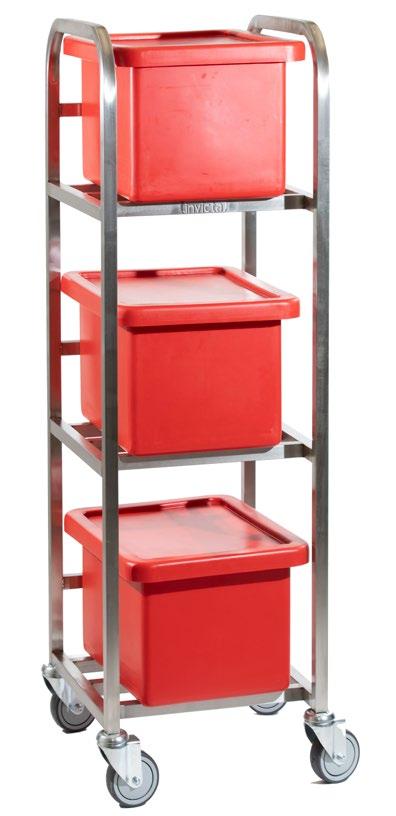

For more information and free no-obligation quotations, visit www.invictabakeware.co.uk, call 01751 473483 or email sales@invictabakeware.co.uk


Award-winning Ecoinno is a green materials-tech innovator delivering EU-compliant, 100% plant-based alternatives to single-use plastics through its patented Green Composite Material (GCM®). Developed with scientists from leading UK, EU and Asian universities, GCM® is backed by over 15 years of academic and industrial research and is tested and trusted by clients in 35+ countries worldwide. The GCM® platform replaces plastics usage across -200 to 200°C, enabling freezer-safe, oven-safe and medical-grade packaging that is FDA- and CE-approved for demanding cross-industry applications.
In 2025, Ecoinno introduced the world’s first 100% paper-based coffee and tea capsule using GCM®: a compostable, plastic- and aluminum-free solution aligned with tightening EU rules on pods and single-use packaging. This breakthrough, together with major global design and industry awards, helped Ecoinno secure an invitation to join the University of Cambridge Institute for Sustainability Leadership (CISL) as a corporate member, amplifying its role in shaping the future of circular, zero-plastic packaging.
Interpack 2026 Hall 7, Level 1, Booth A27
Discover more at: at www.ecoinno.com.hk


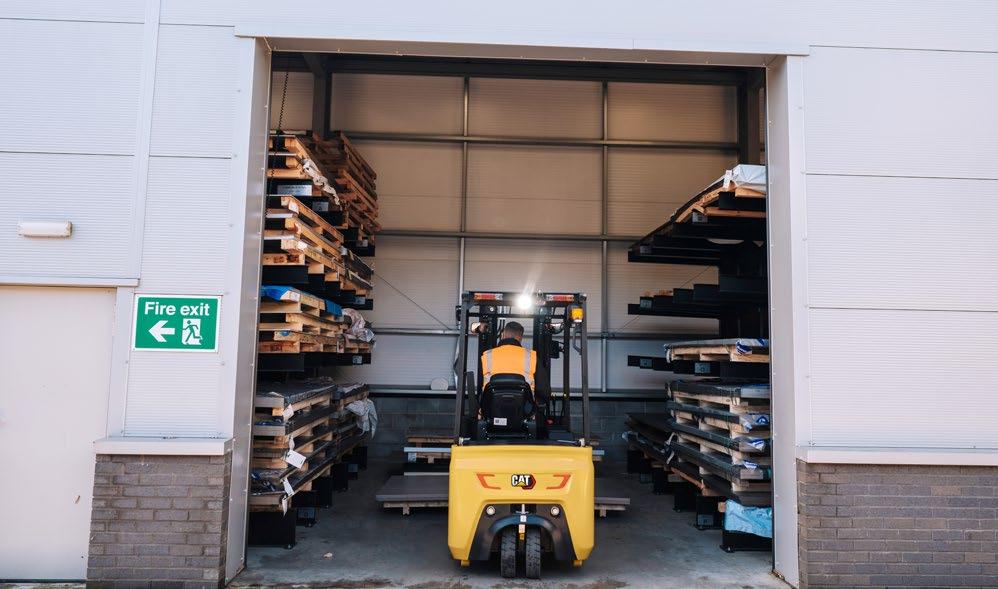
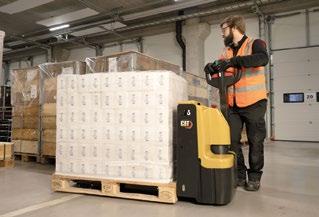
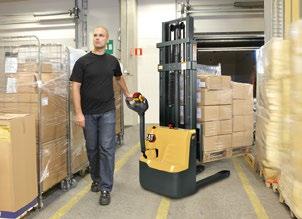
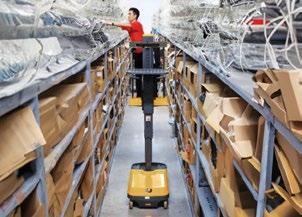
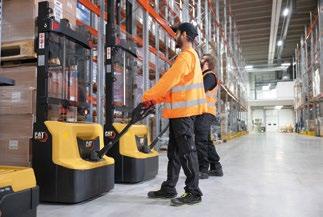
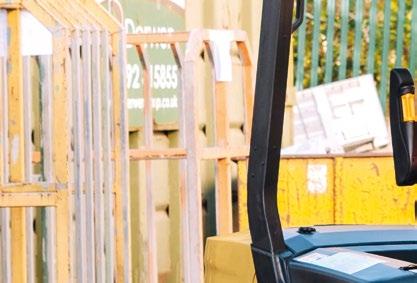
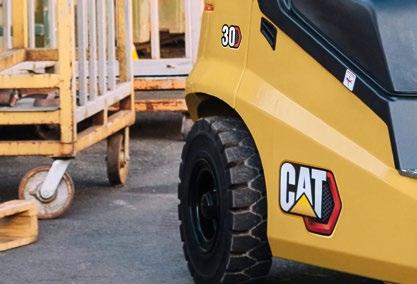
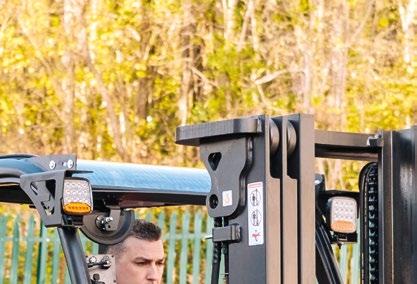
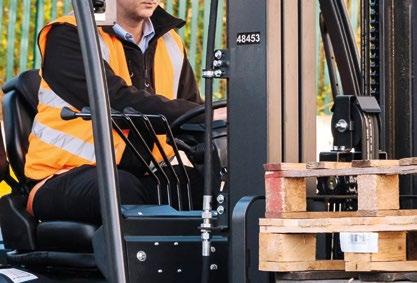
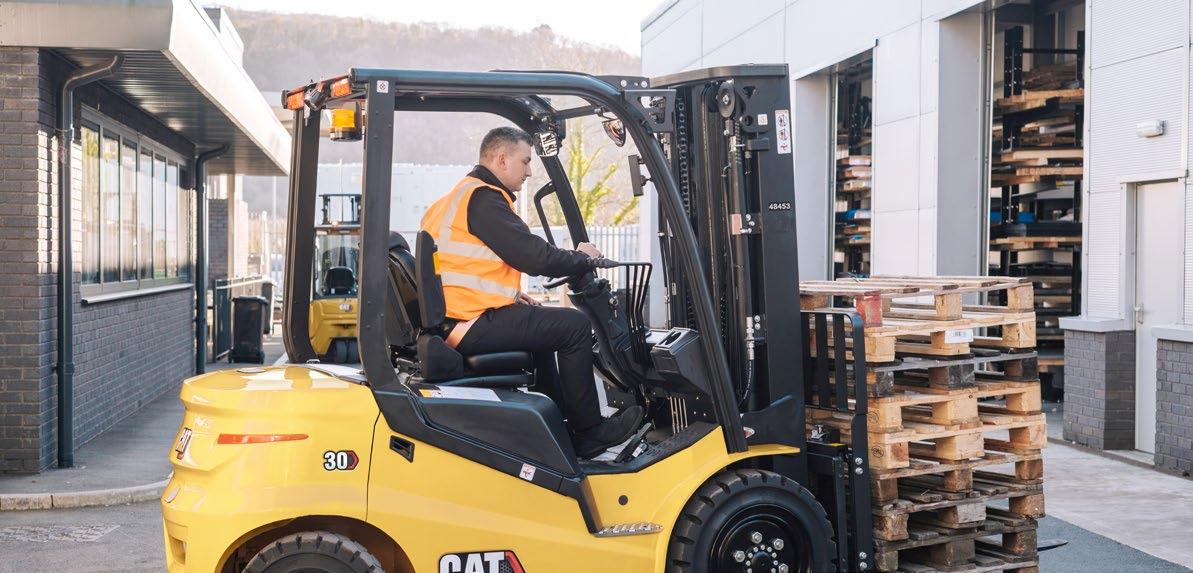
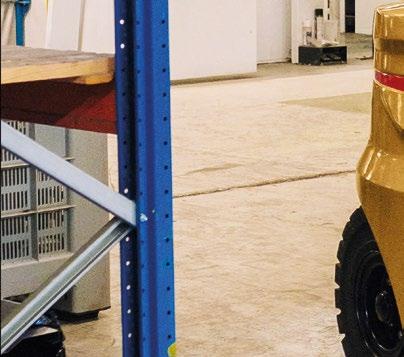
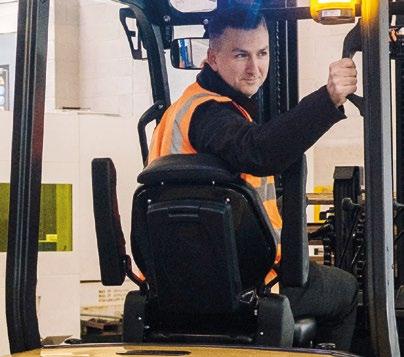
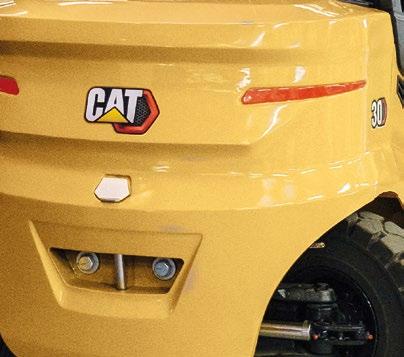
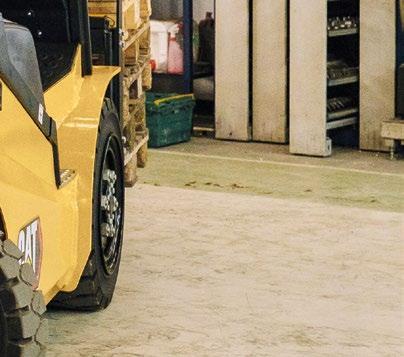
Cat® Lift Trucks has expanded customer choice with an extended EQ Line, developed for operations that don’t require highly specified forklifts but still expect dependable performance and durability. The range now includes EQ Line electric counterbalance models, alongside their EQ Line warehouse trucks.
These developments recognise that not every application calls for a high-specification machine. For many businesses, particularly those with lighter workloads or less intensive usage, a straightforward reliable lift truck can be the most practical and cost-effective solution. The EQ Line is designed around this principle, offering everything needed to get the job done, without unnecessary complexity.
Core Cat® qualities as standard
While the focus is on simplicity, EQ Line trucks retain the core qualities associated with Cat®
Lift Trucks. Robust construction, energy-efficient operation, ease of maintenance and dependable performance are all part of the package.
User-friendly design features and built-in safety systems help operators work confidently and productively in everyday environments, supporting consistent performance across a wide range of handling tasks.
Customers can choose from threeor four-wheel configurations, with lift capacities ranging from 1.6 to 3.5 tonnes, offering practical options for many common handling requirements in food, drink and packaging operations.
Operator comfort has been carefully considered throughout the EQ Line. Familiar, intuitive controls, comfortable seating and low vibration levels help reduce
fatigue and support productivity throughout the shift. A range of safety aids is included to help reduce accident risk and encourage safe handling practices in busy workspaces.
Efficient power and dependable support
All EQ Line counterbalance and warehouse trucks benefit from lithium-ion (Li-ion) battery technology, delivering longer runtimes, consistent power output and zero routine battery maintenance, while contributing to lower operating costs over time.
For food, drink and packaging operations seeking practical, everyday handling solutions, the expanded EQ Line offers a well-balanced option. Built tough, easy to operate, and backed by Impact’s nationwide premium support as standard.
Impact-handling.com







While many food businesses are still figuring out how to transition from single-use packaging to reusable systems, Italian fresh-cut specialist Almeda made that decision from the very start, partnering with Tosca to build a supply chain designed for reliability, efficiency and circularity.
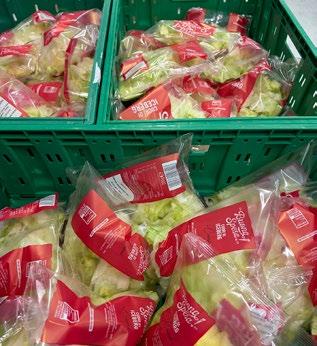
Milan - 27 March 2026 - In fresh-cut supply chains, there is no margin for error. Products are perishable, logistics windows are tight, and retail expectations are unforgiving. It is a sector that rewards precision and punishes inefficiency. It is also a sector growing fast: according to Grand View Research, the European packaged salad market was valued at USD 4.11 billion in 2023 and is forecast to grow at 7.2% annually through 2030, creating significant opportunities while intensifying competitive pressure across the
sector. Add the incoming EU Packaging and Packaging Waste Regulation (PPWR), which is raising sustainability requirements across all food packaging, and the decisions operators make about their supply chains today carry consequences well into the future.
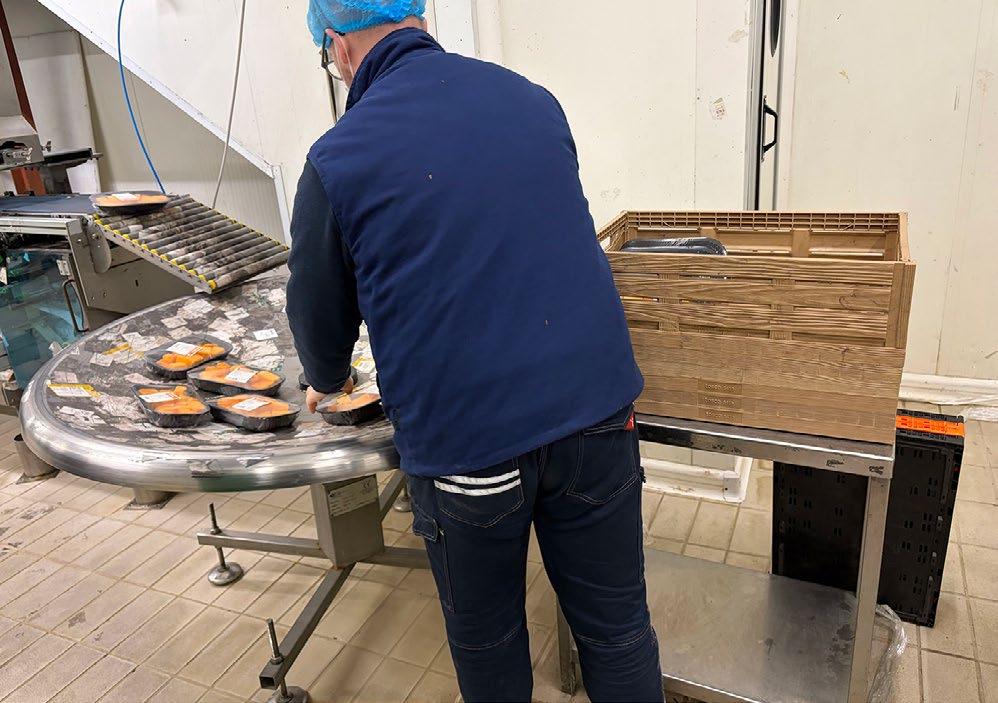
Almeda, a specialist in fresh-cut (IV range) products drawing on more than 50 years of entrepreneurial experience in the Italian agrifood sector, understood this from the outset. When the company was established, it made a choice that remains relatively rare in its industry: rather than starting with conventional packaging and transitioning later, Almeda built its entire logistics model around reusable transport packaging from day one. The partner it chose to make that possible was Tosca.
The decision to partner with Tosca was not driven by regulatory pressure or a cost crisis. It was driven by service quality. In a fast-moving retail environment where packaging failures can mean spoiled product, missed deliveries, or non-compliant pallets arriving at a distribution centre, Almeda needed a partner whose operational reliability matched its own. Tosca’s close customer support and consistently high service levels provided precisely that assurance.
“The quality of service makes the difference. Tosca’s reliability and close customer support allow us to focus fully on our core business, with the confidence that our logistics packaging is managed efficiently and sustainably,” said
Edoardo Leone, Owner and CEO, Almeda.
Reusable crates integrated across the entire operation
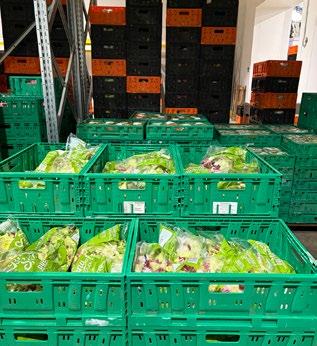
Today, Almeda uses Tosca’s 6419 reusable plastic crates within a pooling model across its full logistics cycle, from production and storage through to distribution and retail delivery. Engineered for highperformance supply chains, this crate combines durability, hygienic design and precise dimensional consistency to ensure consistently reliable handling - reducing damage, delays and product loss. Panels fold easily without pressure, while the Active Lock feature secures the RPC firmly once assembled.
Asset availability, collection and rotation are managed entirely by Tosca within its pooling system. Each plastic crate is washed to rigorous standards before reissue, ensuring consistent cleanliness and compliance across every cycle. For Almeda, this means packaging is never a variable to be managed around; it is a controlled, predictable part of operations. The complexity and cost typically associated with sourcing, storing and disposing of single-use materials simply do not exist.
As Marco Mangano, Sales Manager -Retail, Tosca explains: “By integrating reusable packaging into a managed pooling system, we remove friction from our customers’ operations. The result is greater efficiency, consistent product flow, and a more reliable supply chain that supports both performance and growth.”
Efficiency and sustainability, built into the same system
The operational benefits of the model are felt across the business. Packaging flows are consistent and predictable, with a system designed around reuse from the outset. Without the logistical friction typically associated with singleuse materials - such as fluctuating availability, waste handling, and disposal costs - operations remain streamlined and reliable. For a business handling highly perishable products under tight retail deadlines, that reliability is not a convenience. It is a competitive necessity.
On sustainability, the impact is practical rather than aspirational. The reusable crate cycle directly reduces material consumption and packaging waste – not as a side effect, but as a structural feature of the model. For Almeda, this means sustainability is not a reporting exercise or a separate programme. It is embedded in how the supply chain functions every day.
With the PPWR set to impose stricter obligations on packaging across the EU, that embedded circularity is also becoming a competitive and compliance advantage. “Almeda’s approach offers a compelling model for the sector. By committing to reusable packaging from the outset, they have embedded both efficiency and sustainability into a single operating model. This is the value of a true partnership with Tosca - not just supplying packaging, but actively supporting customers to optimise performance, reduce complexity, and scale with confidence over the
long term,” explained Gianpaolo Mezzanotte, Managing Director -Italy, France, Spain, Tosca.
A partnership built to last
The fresh-cut sector will continue to evolve, with more SKUs, faster replenishment cycles, and tighter sustainability obligations. Almeda’s approach positions it well for that future. The partnership with Tosca is not a packaging contract. It is a shared operational commitment, built on a foundation of service quality and mutual trust, that Almeda describes in three words: reliable, collaborative, and efficient.
For other operators in the fresh-cut and ready-to-eat sector still weighing the transition to reusable packaging, the Almeda story offers a clear lesson: the earlier the commitment to reusable packaging, the greater the operational and environmental return.
Tosca is a global leader in reusable plastic packaging and performance pooling solutions. Committed to driving sustainability and innovation across industries, Tosca focuses on supplying innovative packaging solutions for a wide variety of sectors.
Tosca’s end-to-end pooling capabilities offer a smart and sustainable solution for growers, suppliers, and retailers. By utilising reusable plastic containers and pallets, Tosca not only reduces costs but also enhances supply chain performance.
For further information about TOSCA, visit www.toscaltd.com
packaging specialist
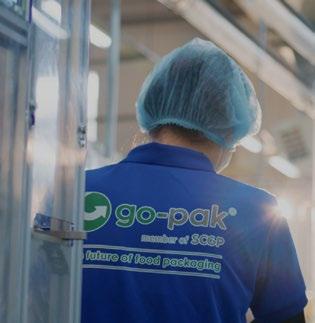
Go-Pak Group has launched a new global trading platform designed to simplify international procurement for foodservice brands and cut supply chain complexity across the rapidly expanding packaging sector.
The platform, Go-Pak International, allows customers to consolidate orders from multiple suppliers into a single shipment, creating mixed containers that combine products from Go-Pak’s own manufacturing network, its Thailand-based parent company SCG Packaging and approved third-party suppliers.
The launch comes as demand for foodservice packaging continues to surge worldwide. The global foodservice packaging market is expected to reach $444.9 billion in 2026, driven by the growth of takeaway dining, delivery platforms and quick-service restaurants.
Against this backdrop, Go-Pak says the new platform aims to help
operators streamline procurement while improving logistics efficiency.
Adam Anderson, group managing director at Go-Pak Group, said: “Foodservice brands are operating in a fast-moving global market where speed, flexibility and sustainability all matter. With GoPak International, we’re enabling customers to source packaging more efficiently by consolidating products from across our own network, SCGP and trusted thirdparty suppliers.
“Just as we have done with initiatives such as our closedloop cardboard recycling solution Go-Recycle, we’re looking at the bigger picture of how packaging supply chains can evolve. By reducing complexity, improving logistics efficiency and helping cut waste across distribution, we’re supporting
the industry’s transition towards a more circular future.”
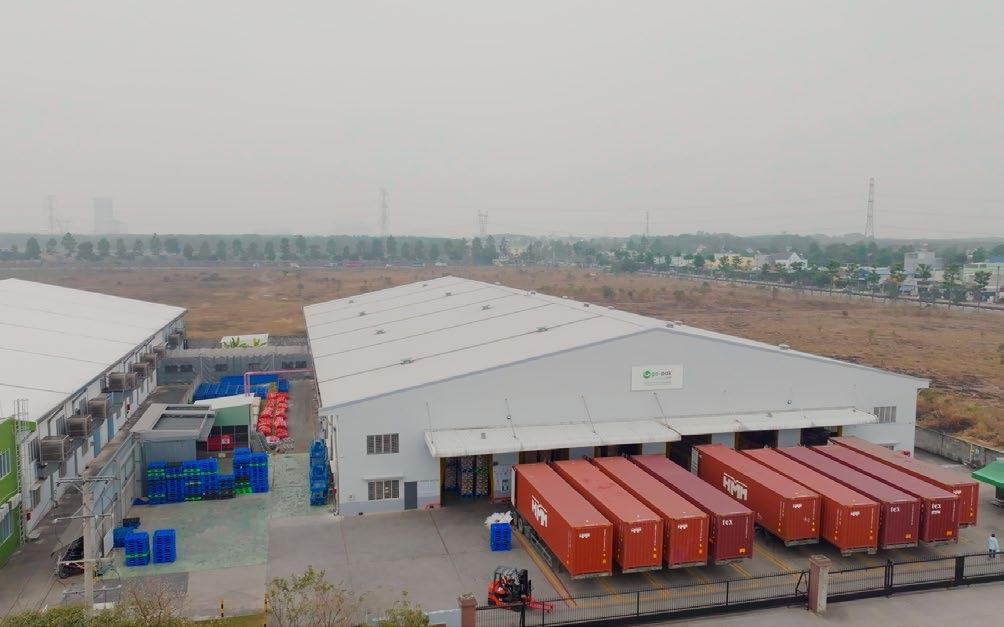
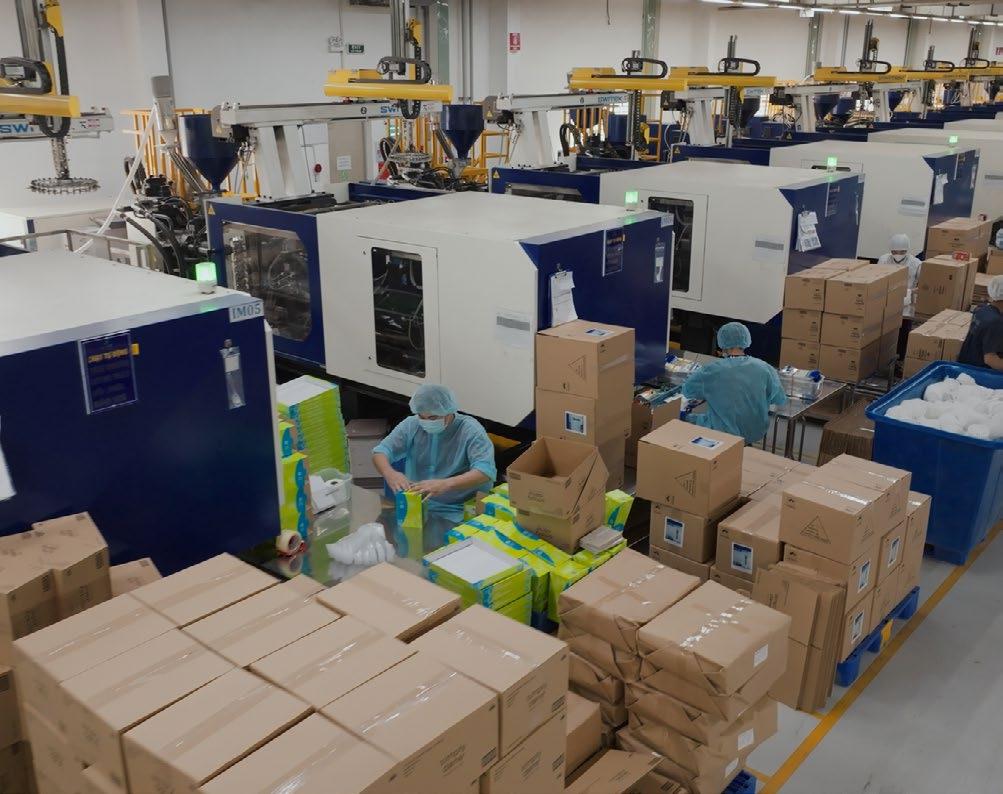
Acting as a single point of contact for international orders, Go-Pak International operates from its facilities in Vietnam, enabling brands to consolidate smaller packaging products from multiple factories, suppliers or locations into a single container and shipment. By allowing mixed containers, the platform removes the need for businesses to manage multiple suppliers, shipments and procurement processes.
The model is designed to benefit both global quick-service restaurant chains and smaller foodservice brands looking to scale internationally, with the option to include bespoke branding. By combining products from different suppliers within the same shipment, businesses can reduce freight costs while improving efficiencies. Customers can access a wider portfolio of packaging products
through a single consolidated order, drawing on manufacturing capacity and supply networks across Vietnam and the wider SCGP group.
Karl Smith, Vietnam operations director at Go-Pak Group added: “Vietnam plays a critical role in our global supply model, allowing us to consolidate products closer to source, reduce complexity for our global customers and create a more efficient and scalable way to deliver packaging worldwide.”
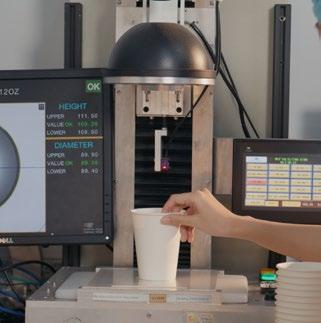
The approach could also support sustainability goals across the industry. Consolidated shipments of products manufactured in Vietnam reduces the number of containers required across global trade routes, which can help lower freight emissions associated with international packaging supply chains.
At the same time, container consolidation can reduce the volume of secondary transport packaging such as pallets,
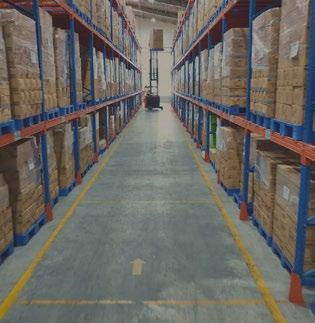
protective materials and shrink wrap used during distribution.
The platform is part of Go-Pak’s wider strategy to support the evolving needs of the global foodservice sector, where demand for sustainable, scalable packaging solutions continues to rise.
For more information on Go-Pak group, https://go-pakgroup.com/gopak-international
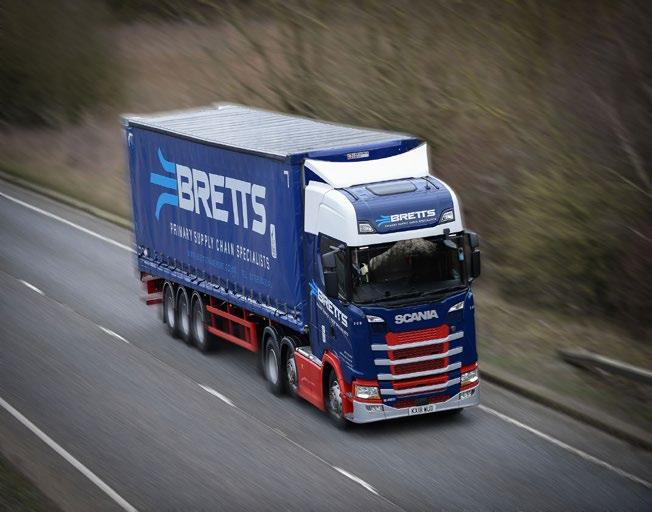
A strong performance reported by Guyhirn-based Bretts Transport last year is enabling the company to further strengthen its offering, building on its unrivalled service and delivering even greater value for customers.
Bretts, which specialises in the storage and distribution of ambient foods and other products, is ploughing profits straight back into the business investing in company infrastructure and offering career opportunities for members of the team.
The company has recently appointed a new Transport Manager, while three members of the company’s senior management team are studying for a four-year BSc (Hons) Supply Chain Management degree course.
The work going on behind the scenes is in tandem with improvements which will be more tangible to customers, with Bretts identifying additional warehousing premises to
manage increasing demand which is once again hitting new heights. The company is also looking to further add new services to its portfolio complement its existing offering to ensure increased utilisation of its fleet.
In-night and weekend deliveries into major British supermarkets – most of which are already longstanding Bretts customers – and collections of containers from ports such as Felixstowe and London Gateway – are among the growth opportunities identified by Bretts.
Simon Brett, CEO of the thirdgeneration family business, said more use of the fleet through the night and at weekends – ensuring round-the-clock use of vehicles– is a key way to ‘sweat the assets’ and build more efficiencies into the business.
Simon said the effects of changing consumer habits on the business, brought about by inflation and extended periods of uncertainty for
employers and households, recently gave the management team the opportunity to take stock.
He said: “Of course we want to continue growing the business but without compromising the quality of the service we deliver to customers, most of whom have been with us for several years if not decades.
“By pausing to take a forensic look at the business we have been able to identify opportunities to grow organically whilst at the same time look for new business opportunities.”
Its ability to navigate periods of industry volatility, demonstrating resilience amid turbulent times by diversifying its offering to accommodate changing needs in the sector has led to a host of new opportunities for Bretts.
Simon Brett added: “The business operates a highly competitive environment where customer retention, margin protection and delivering flexible solutions remain key priorities. However market pressures have begun to ease since the year end, creating a more favourable outlook.”
Simon praised his staff at Bretts, highlighting how the collaborative effort across the business had allowed the company to weather the current market challenges. He added: “This has been a genuine team effort across the business, and the positive feedback received from customers reinforces the progress we have made in becoming a more supportive, flexible and robust logistics partner.”
For further information contact Samantha Clarke at Century PR on 07974 729150.
For food and drink brands, label production is not only about design. Labels need to look good on shelf, perform in demanding conditions and adapt quickly to changing product lines, seasonal launches and premium finishes.
That is where the PLAVI ES9542R (OKI printer + DPR winder) stands out. Positioned as a compact A3+ roll-to-roll digital label press, it combines CMYK + WHITE toner with digital LED dry toner technology to deliver durable, high-quality label production.
Designed for multiple short-run jobs and on-demand production, the PLAVI ES9542R helps reduce the set-up costs associated with litho or flexo plates, while cutting waste, downtime and manual effort. It handles paper and synthetic film media with ease, making it a practical option for businesses looking to streamline production and improve efficiency.
The printer produces labels that are waterproof, alcoholresistant and grease-proof, making it particularly relevant for food packaging, premium drinks, and wines and spirits. It supports media up to 330 mm wide with continuous printing up to 200 metres. With its WHITE capability, it also delivers strong, vibrant results on transparent or coloured labels, helping brands combine durability with stronger shelf impact.
https://www.oki.com/uk/printing/plavilabel-press-printer/

Hyroic is a new range of precision drying systems developed to support the demands of modern food and beverage production lines.
Designed for bottles and cans, Hyroic has been engineered to integrate directly into highspeed environments where effective moisture control is critical to quality and efficiency.
Developed by Air Control Industries, Hyroic draws on decades of experience in industrial airflow and process engineering. The range reflects a shift from broad, energyintensive drying approaches to a more controlled, targeted method that focuses airflow only where needed.
Built around a modular philosophy, Hyroic systems are compact, flexible, and designed to adapt as production lines evolve. This allows manufacturers to address specific moisture-related challenges, such as date-code quality, inspection reliability, and downstream rejects, without significant disruption to existing layouts.
By combining precision airflow with efficient system design, Hyroic helps producers improve consistency, reduce reliance on compressed air, and support more energy-conscious operation, while maintaining the speeds required by today’s food and beverage lines.
Hyroic Systems
Tel: +44 1297 630960
Email: sales@hyroicsystems.com
ADT Flexibles is an independent supplier of high-performance hose assemblies for the Food & Drink sector, manufactured in the UK and built for hygiene-critical, highdemand environments.

From PTFE lined stainless steel braided hose assemblies for pharmaceutical and biotech applications, to FDA-approved rubber food hoses, silicone hygienic hose, food-grade PVC suction and delivery hose, and PU food grade ducting for dry product transfer - we deliver reliable solutions for every stage of your process.
All assemblies are available with hygienic end fittings including Triclover, DIN, RJT, SMS and IDF with in-house fabrication for bespoke elbows, dip tubes, tees and cross pieces to meet exact system requirements.
With sizes up to 4” (ducting to 300mm), anti-static options, over £2 million in stock and next-day availability on key lines, ADT Flexibles helps keep production moving and downtime to a minimum.
Speak to our friendly team today to discuss your application or urgent requirement on 0113 253 5569 email office@adtflex.co.uk or visit our website www.adtflex.co.uk

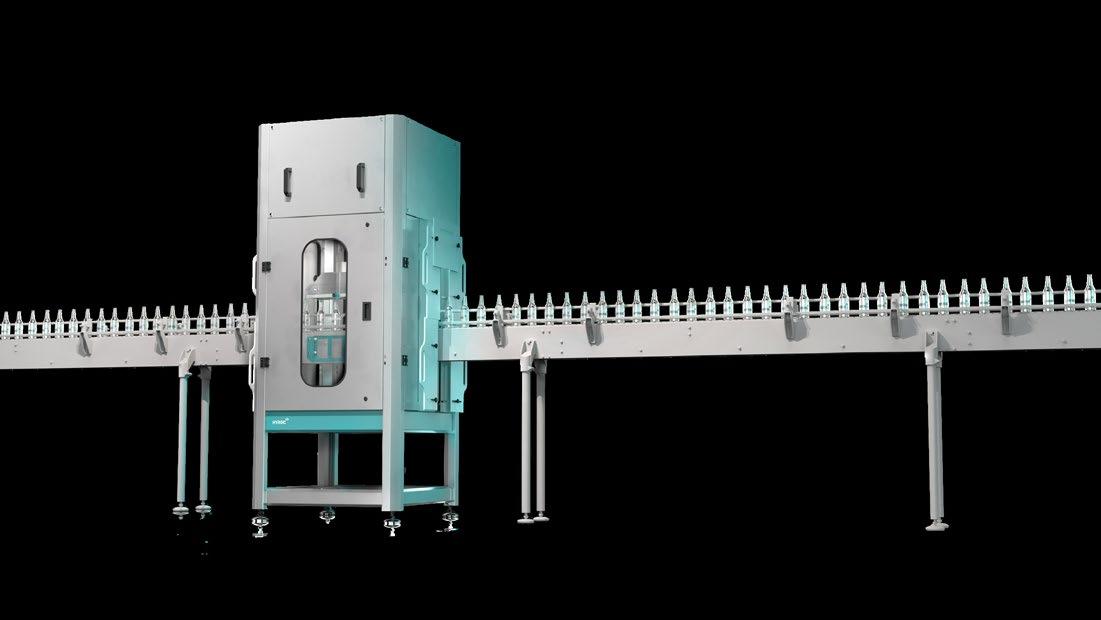
A campaign designed to spread awareness about the harmful impact of plastic pollution and showcase alarming statistics on microplastic levels in everyday items has been launched by The Copper Sustainability Partnership (CuSP).
The year-long campaign, titled ‘Would You Trust Plastic With That?’, aims to provoke a conversation about worldwide plastic dependency and the urgent need for systemic change.
The initial phase of the campaign highlights how much plastic is found in our drinking water, with recent research showing that 83% of tap water worldwide has been found to contain microplastics.
Water in plastic bottles can also be a danger, with natural processes like oxidation or solar radiation, as well as everyday wear and tear like the squeezing of a water bottle while taking a sip, seeing particles break away into tiny pieces and enter the atmosphere.
Later phases will showcase how dangerous plastic is to our environment, our overall health and
how it could prove detrimental to the planet’s future.
As part of this, CuSP will be developing content across their website, media and their various social channels, which includes them taking to the streets for interviews with the UK public to ask if they really understand the dangerous levels of plastic within our everyday lives.
The launch of the ‘Would You Trust Plastic With That?’ campaign marks a significant step in CuSP’s mission to expose the growing dangers posed by plastic pollution. 2026 also marks CuSP’s fifth anniversary of challenging norms and breaking the mould to achieve greater environmental thinking, using copper as the driving force for a better future.
Andrew Surtees, Co-Founder of CuSP, said: “Our ‘Would You Trust Plastic With That?’ campaign aims to confront the uncomfortable truth in relation to the sheer amount of plastic produced, consumed and discarded across the globe.
“A reality check is sorely needed
in how much plastic is damaging our ecosystems, communities, and even our health, so we devised this campaign to get people talking about the need to replace plastic with durable and recyclable materials, such as copper.
“By shining a light on the hidden presence of microplastics in our daily routines, we hope to empower people to make more informed choices and push for meaningful industry-wide change.”
CuSP was created by two competing copper tube manufacturers, Lawton Tubes and Mueller Europe, who have joined forces to promote the environmental benefits of copper and fight back against the plastics greenwash.
For more information on the ‘Would You Trust Plastic With That?’ campaign, visit www.wouldyoutrustplastic.co.uk
More information on CuSP can be found at www.cuspuk.com

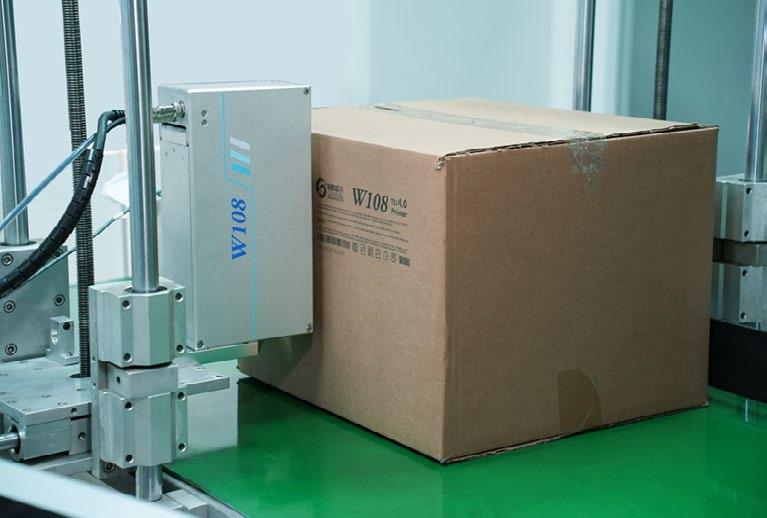

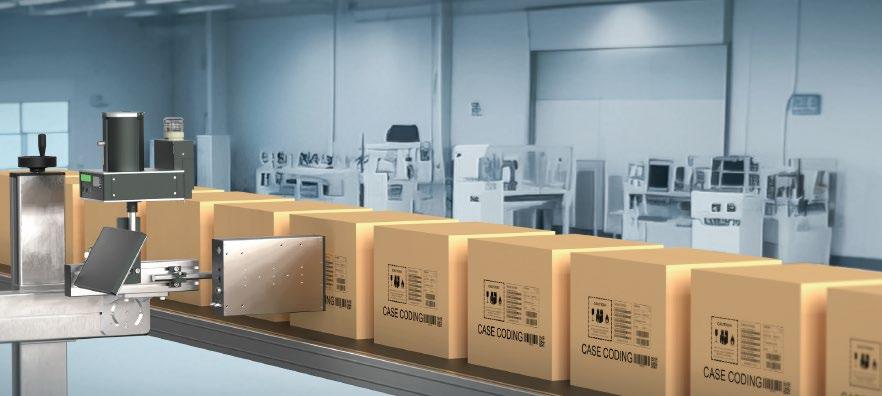
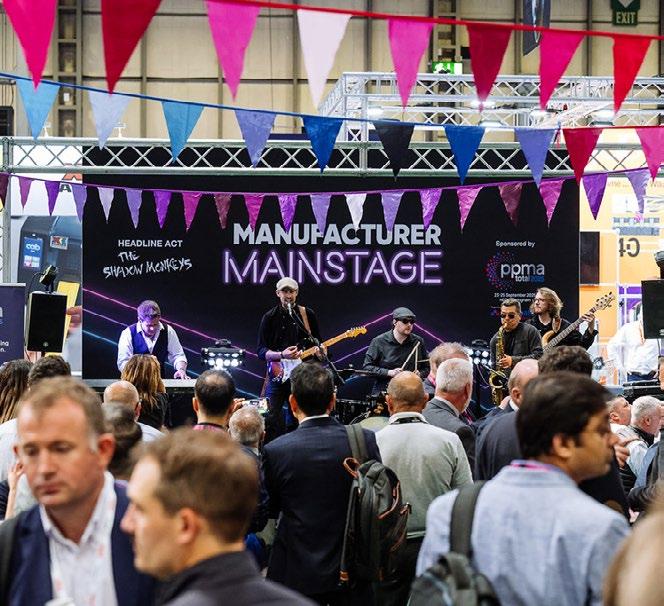
Smart Manufacturing Week returns to the NEC Birmingham on 3–4 June 2026, and this year’s edition is set to raise the bar once again. As the UK’s leading gathering for manufacturing and engineering professionals, the event brings together the people, technologies and ideas shaping the future of industry, all under one roof.
With more than 136 new exhibitors joining over 250 returning brands, the scale of the 2026 event reflects both the pace of innovation across the sector and the growing demand for practical, future-focused solutions. For visitors, it offers a unique opportunity to explore the latest technologies, benchmark strategies and build meaningful connections that drive real business outcomes.
At the heart of Smart Manufacturing Week is its comprehensive content programme. Seven dedicated solution theatres will host more than 150 expert speakers, covering the full
spectrum of modern manufacturing challenges and opportunities. From product innovation and digital twins to AI, industrial data and connected production, the agenda is designed to deliver both strategic insight and practical takeaways.
Key themes for 2026 include digital transformation, workforce development, sustainability and supply chain resilience. Industry leaders from organisations such as PTC, Dassault Systèmes and Epicor will share real-world applications and lessons learned, while manufacturers themselves will provide honest accounts of digital adoption, operational change and growth strategies.
Beyond the conference theatres, the show floor introduces a range of new and returning features designed to enhance engagement and networking. Highlights include the launch of Fight Fest, a highenergy robotics competition hosted within the Drives & Controls zone,
and the expanded Ambassador Programme, which will facilitate deeper collaboration among influential voices in the sector.
A significant addition for 2026 is the Society of Motor Manufacturers and Traders’ Meet the Buyer programme. This initiative connects suppliers directly with automotive buyers across key areas such as electrification, sensors and connectivity, creating valuable opportunities for collaboration during a critical period of industry transition.
Smart Manufacturing Week also continues its strong commitment to the future workforce. The Student STEM Programme, taking place on Day 2, will welcome students from Year 9 through to university level, offering hands-on activities, live demonstrations and direct engagement with employers. For exhibitors, it provides a platform to showcase career opportunities and support the next generation of talent entering the sector.
Alongside the main event, Reliabilityweb will deliver its globally recognised Certified Reliability Leader programme, equipping attendees with the tools and frameworks needed to embed reliability and asset management excellence within their organisations.
Ultimately, Smart Manufacturing Week is more than an exhibition. It is a focal point for the UK manufacturing community, bringing together innovators, decision-makers and future leaders to share knowledge, spark ideas and accelerate progress.
With attendance continuing to grow and the industry evolving at pace, 2026 promises to be the most impactful edition yet. Register for free at










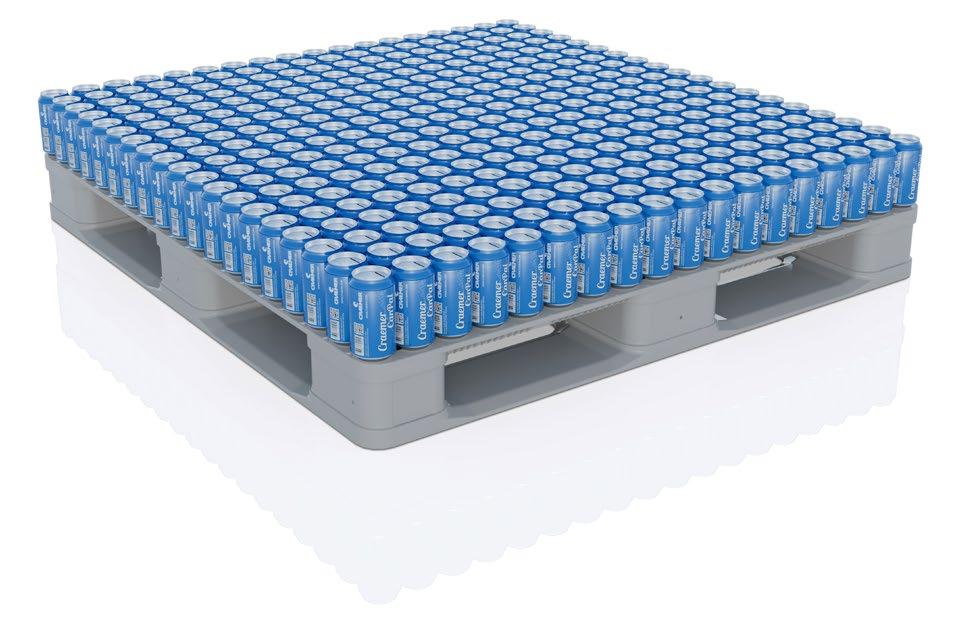
Reliable load carriers are essential for producing, filling, storing and transporting beverage cans. The industry predominantly relies on pallets with special dimensions that are precisely tailored to its requirements – whether for can manufacturing, beverage production, logistics centres or export. These industry-specific solutions are precisely adapted to the stacking dimensions, conveyor lines and lorry loading patterns of the beverage industry and play a central role along the entire process chain. The Craemer Group, a leading global manufacturer of durable logistics solutions, is launching the new “CanPal German” plastic pallet. This innovative, patented product offers an exceptionally robust pallet block design for the safe and sustainable transport of cans. This traditional, family-run company specialises in metal forming, plastics processing and tool making. Based in Herzebrock-Clarholz, Germany, it will be presenting its new CanPal German pallet for the first time at the Interpack 2026 trade fair.
The Craemer Group has almost 70 years of experience in manufacturing plastic products. As early as 1958, the company added plastics processing to its metal forming business. Initially, Craemer manufactured large plastic injection-mould containers. In 1967, the company developed the world’s first one-piece injectionmoulded plastic pallet. Today, the portfolio comprises plastic pallets for various requirements and a wide range of transport and storage containers – from stacking boxes, round containers and tubs to pallet boxes. All Craemer plastic products are made from highquality, durable, recyclable plastics to ensure maximum stability and a long service life.
In addition to the modern production facilities, an in-house technology centre unites research & development and toolmaking under one roof, ensuring consistently high quality. Thanks to their sophisticated design, Craemer plastic pallets are highly functional and ideal for intensive use. Craemer
Efficient and robust: the Craemer CanPal range of can pallets has been specially developed for the safe handling and costeffective transport of beverage cans.
can also provide customised solutions to meet individual requirements.
Technically sophisticated in every detail
The base body of the Craemer CanPal has external dimensions of 1250 x 1180 x 133 mm – with optional spacers, its dimensions are 1265 x 1180 mm. To provide even greater protection and stability when securing loads — particularly when using strapping tapes — Craemer has specially reinforced the lower edge of the upper deck above the entry openings with ribbing. The pallet is made from robust polypropylene (PP), ensuring extra robustness: this material is durable and resistant, has a tare weight of only 22.5 kilograms and is 100 % recyclable. The new Craemer can pallet has a load capacity of up to 10000 kg for static loads and up to 1250 kg for dynamic loads.
Optimised design for maximum stability
The Craemer CanPal is the result of extensive research and development. Although the new pallet is designed as a multipart system in line with industry standards, it has significant advantages over conventional models. Rather than using a singlepiece injection-moulding process, it is deliberately made up of two parts – an upper part and a lower part – that are firmly connected to each other. The Craemer experts have specifically optimised the known weak points of multi-part pallets. For example, the connection between the upper and lower decks in the area of the blocks is usually highly susceptible to breakage when falling from a great height or colliding with forklift tines, but this has been specifically counteracted. Despite its multi-part construction, the design ensures an extremely stable unit that is by no means inferior to a single-piece solution.
design thanks to simulation
The design of the new pallet for all types of cans is based on a
sophisticated investigatory process. Craemer’s designers used cuttingedge simulation methods to analyse and optimise the geometry of the runners and deck. Finite element modelling (FEM) is a virtual method of analysing strength and deformation. FEM allows to simulate physical reality without the effort, time or risk involved in creating real prototypes. The result is a pallet that strikes the perfect balance between functionality –with robust and rigid runners and a matching deck – and carefully thought-out design.
The design of the CanPal is based on Craemer’s patented manufacturing process, which involves inseparably connecting the upper deck and runners. The result is an extremely robust construction which is as stable as a one-piece pallet, and which far surpasses conventional multi-piece systems. The pallet blocks retain their shape and function even under high loads, impact or deformation. The result is significantly increased
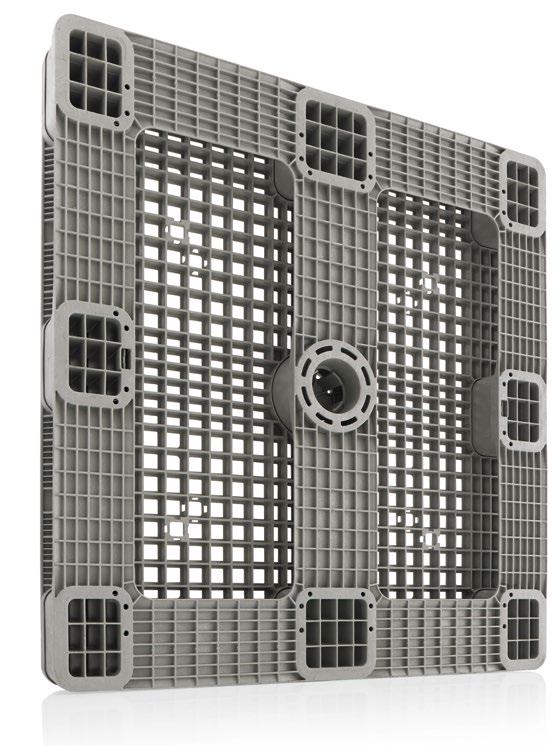
break resistance and a long service life, which are both essential factors for cost-effectiveness and sustainability in everyday use.
Flexible equipment as required
Optional spacers on the lower edge of the outer blocks on the long sides of the pallets prevent them from touching each other when stacked and held together by protruding pallet collars or interlayers. To improve slip resistance of picked up pallets or while the load is lifted by forklift tines, four Palgrip® anti-slip clips can be retrofitted to each of the CanPal’s upper and lower decks. Retrofitting with transponders is also optional: To this end, there are two diagonally opposite slots in the upper deck, above the outer right blocks on the long sides, that can hold Smartrac Dogbone RFID inlays. Moreover, the outer blocks on the long sides provide space for hot stamping of lettering or logos. The CanPal German pallet is available in the standard colour of light grey (other colours available on request). It also impresses with its high temperature resistance, which ranges from –30 °C to +40 °C, and even up to +90 °C for short periods.
Craemer Group at the Interpack 2026 fair
The CanPal German Pallet is set to make its debut at Interpack 2026, an international trade fair showcasing the latest innovations in the packaging and related process industries. From 7 to 13 May 2026, the Craemer Group will present its innovative can pallet to a broad specialist audience for the first time in Düsseldorf.
The Germany-based Craemer Group is an international familyrun company specializing in the core businesses of metal forming, plastics processing and tool making. Craemer GmbH was founded in Herzebrock-Clarholz in 1912. The Craemer Group has three additional production sites in Europe and a global network of its own sales offices and partners. In 2024, Craemer generated a total operating performance of approx. 360 million euros with around 1,100 employees in all three business fields.
www.craemer.com
In today’s food processing industry, energy is both a major cost and a critical operational input. Yet many organisations still rely on fragmented, poorly commissioned metering systems that deliver inconsistent and unreliable data. The result is uncertainty around cost allocation, sustainability reporting, carbon accounting and operational performance.
The reality is simple:
Without high-quality metering data, there can be no high-quality energy management.
Most large, multi-site food manufacturers experience similar challenges.
• Meters fail, meters are renewed or are installed incorrectly, communications drop out. data is incomplete, mis-scaled or inconsistently configured.
•Information is split between utilities, legacy metering systems and BMS platforms, often with no clear ownership or audit trail.
Metering and data issues frequently remain undetected for months, undermining reporting accuracy and business confidence
Elcomponent Enterprise Metering
An enterprise approach to metering data management resolves and captures these risks.
By accepting any metering data to a central location, validating, identifying issues and passing good quality data to any system is key for maximising decision making and efficiencies.
Rather than treating metering as a collection of devices, leading organisations should be considering metering systems as strategic infrastructure.
Whilst, using disparate systems with a mixture of technologies across multiple sites is challenging, organisations can start to control the quality and data availability by adopting a centralised solution for metering data.
Enterprise Meter Data
Management unifies data from any source: sub-meters, utility meter data, 3rd party EMS, wireless metering, BMS, APIs and data files - into a secure, validated and monitored environment.
Data is made available, in a consistent manner to any analysis system. Allowing the organisation to use data in different systems in the knowledge that metering data is consistent, real world metering issues are identified.
Increasing data quality & availability to provide better energy management
In an ideal world, organisations should deploy a dedicated energy monitoring system, not simply a collection of random technology, building management system (BMS) or SCADA adapted for energy reporting.
Elcomponent can provide dedicated Energy Monitoring Systems that provide realtime diagnostics, track every component of the metering chain.
But other system and sources of data still need to be tracked, unified and shared.
The ‘Enterprise Meter Management Solution’ allows data tracking and error detection to be greatly improved.
Good quality metering requires:
• Correct meter specification and installation by experienced engineers
• Robust commissioning and validation processes
• Continuous system diagnostics and data completeness monitoring
• Proactive maintenance of loggers, communications and power supplies
• Clear governance of configuration, naming conventions and scaling
The Customer always owns their data and should have unrestricted access to it.
Our Enterprise Meter Management Solution ensures energy data is available via secure APIs and automated exports to thirdparty energy management platforms, ESG systems, billing tools, or business intelligence environments such as Microsoft Power BI
Elcomponent stands apart, with over 40 years of metering expertise.
From systems, installation, commissioning to software tools providing open, flexible architecture - “any system in, any system out”
Elcomponent delivers enterpriseready metering solutions.
www.elcomponent.co.uk
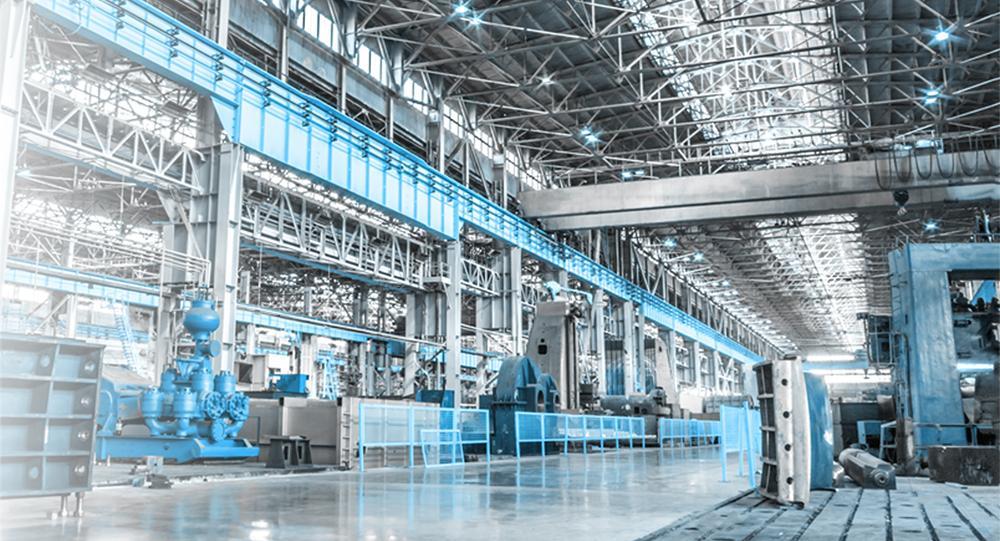
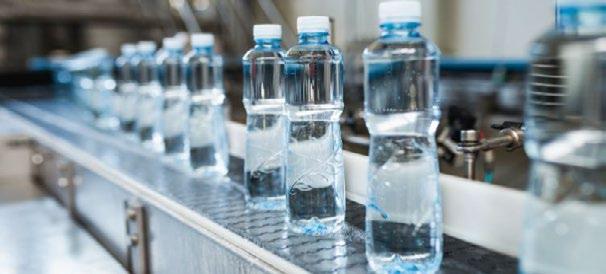


At Interpack 2026, IMA invites you on a journey through an entire pavilion transformed into a living, breathing expression of what the Group calls Cognitive Manufacturing.
Across more than 4,500 sqm and 38 machines in live motion, attendees will enter a place where technology feels intuitive, where intelligence flows naturally between humans, systems and services, and where automation becomes something more: a connected experience designed around people, performance, and possibility.
At the heart of IMA booth lies The Loop, the Group’s immersive innovation space. Here, cutting edge ideas come alive: autonomous robotics, AI driven interactions, and glimpses of how tomorrow’s production environments will think, adapt and evolve, making concrete IMA’s vision of the future of automation, the Cognitive Manufacturing.
Visitors’ journey continues inside the new IMA Service, where Group’s digital universe expands into advanced insights, proactive care and seamless support, redefining what service can be when everything speaks the same intelligent language.
Attendees will also encounter IMA OPENLab, the Group’s world dedicated to materials, sustainability and the future of packaging. A place where creativity meets science, and innovation reshapes what’s possible.
Here are the NEW machines that will be presented at Interpack for the food markets.
The IMA Ilapak Vegatronic 6400
DZ is an open frame continuous motion VFFS machine for large Doy Zipper bags, equipped with 400 mm sealing jaws and a high
speed zipper applicator. Ideal for snacks, confectionery, dairy, bakery minis, pet food and stock cubes, it reaches mechanical speeds of up to 120 ppm. Fast format changeover and broad flexibility in pack styles - ranging from pillow and BB to Quad Seal, 3SS and Doy Shark with zipper - make it a highly efficient and versatile solution.
The IMA Ilapak Vegatronic 6400 ML is a new continuous motion VFFS solution that delivers high efficiency and strong performance across a wide range of applications. Its open frame hygienic design ensures easy cleaning and full accessibility, supporting strict food safety standards. Designed for medium to large bag formats, it handles multiple materials and bag styles, offering flexibility and cost effective production for fresh produce, IQF and dairy sectors.
On show, a complete packaging line for confectionery products, featuring advanced robotic units for precise picking and placing of items arriving both aligned or randomly, feeding them seamlessly into the flow wrapping line for individual primary packaging (EURO 88 PP by IMA Eurosicma). The secondary packaging process (multipacks) is handled by a compact, high speed stand up pouch form fill and seal machine, paired with a hygienic multi head weigher that ensures accurate dosing of the flow wrapped products into each pouch (Doytronic 120 and WA 1610 Slim by IMA Ilapak). Completing the system is a compact, high performance case packer, engineered to form cases from flat blanks, load products, and close boxes (AIO G Series by IMA Mespic) - all within a fully integrated, space efficient solution.
The new IMA Eurosicma R-201 ND flow wrapper is designed to package instant noodles in multiple configurations, from single packs to multipacks with up to three sachets. The R-201 ND is designed for mid-range production outputs, reaching speeds of up to 200 instant noodle cakes per minute. The machine features a built-in fully integrated sachet feeder, a fully modular design and an operator-friendly structure for fast installation. The basic configuration can be expanded with plug-in modules to meet specific needs and different formats.
The SWM600, part of the XWM Series, is a high speed wrapping machine by IMA GIMA for stick packs containing gum pellets, mints, and pressed candies wrapped and packed on edge. The XWM Series offers singleor double wrap options and adjustable sealing parameters to handle a wide range of packaging materials, including paper based and fully recyclable mono material films. It also accommodates multiple pellet and tablet sizes, with counting from 4 to 16 pieces and stick lengths up to 115 mm - all with quick, easy changeovers.
IMA Corazza presents the new FD10 – AD10 packaging line elevating performance to a new standard in paste bouillon cube production and delivering a fully integrated flow from dosing to cartoning. The FD10, the latest innovation developed by IMA Corazza, ensures accurate portioning and flawless wrapping quality. Downstream, the AD10 transforms flat blanks into robust, perfectly shaped wrap around cartons, managing a wide range of formats - from small consumer packs to 48 cube boxes.
Info.dairy@ima.it www.ima.it
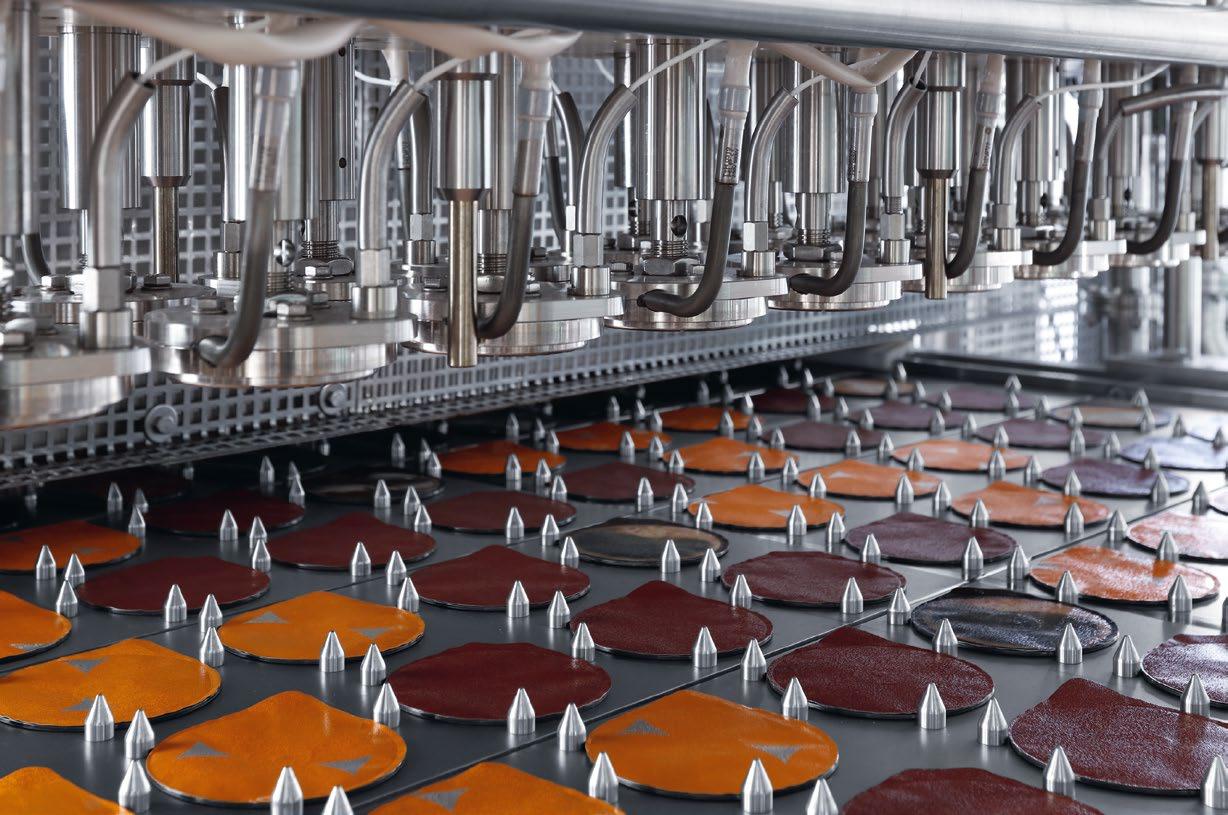
IMA serves the international dairy and dairy alternative industries with the best platforms and machines, consistently providing tailored technologies for the packaging of cheese, butter, margarine, yoghurt, desserts, UHT milk and more.
From stand-alone machines to fully-integrated solutions, our advanced technologies and expert consultancy ensure tailored support for every need, from primary to end of line packaging solutions.
Make the most, with us.
Visit us at INTERPACK Düsseldorf, Germany - May 7-13, 2026 - Hall 17
dairyfood@ima.it
imagroup.com/food/dairy-plant-based-products
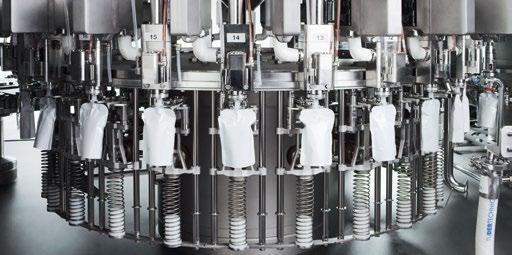
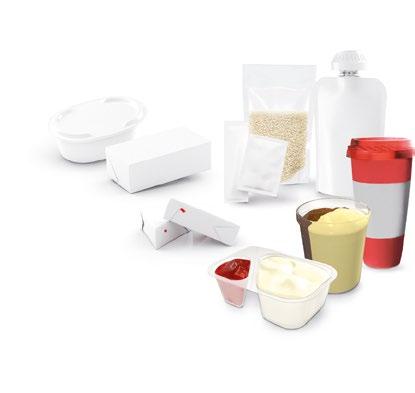
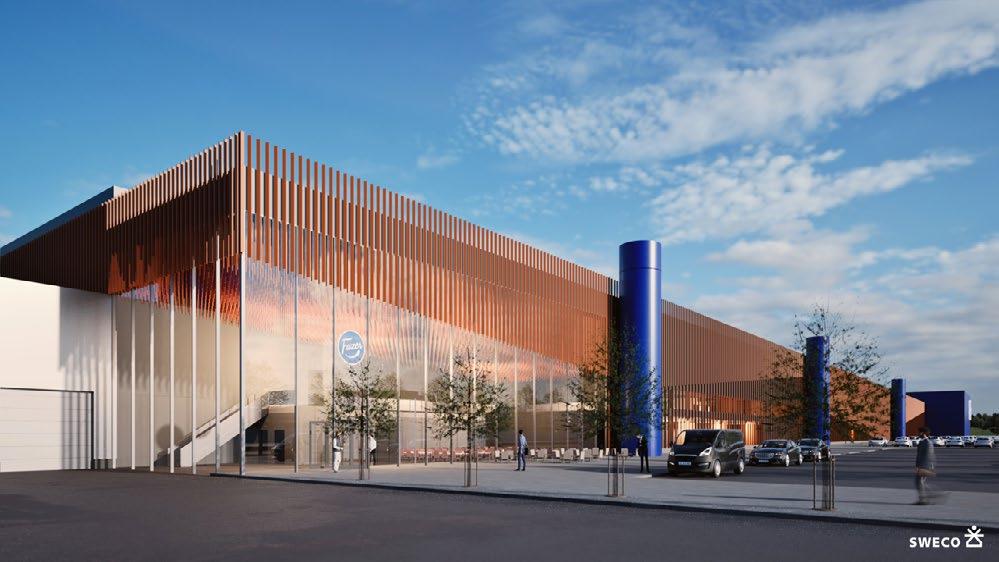
Leading international, progressive systems integrator ITI Group has announced it has been selected by Fazer, the Finnish confectionery and food giant for the design and implementation of its new ‘Factory of the Future’ MES (Manufacturing Execution System). The new €400m factory in Lahti, Finland is the largest investment in food manufacturing in northern Europe in over 70 years. ITI Group has been providing consulting services to Fazer on the project for the past two years developing the initial concepts, defining business strategy, through to technical specifications. ITI Group has now been retained to develop, build and implement this multi-million Euro project following a four-way pitch process.
ITI Group will develop the MES deploying Parsec Automation’s TrakSYSTM software for the entire factory which will fully automate all areas of the factory’s operations including:
Providing complete oversight of ingredients across all product lines throughout the entire facility from door-to-dock ensuring quality and consistency as well as managing the wider supplier chain through integration with the SAP invoicing system.
Real-time monitoring of all assets to ensure all newly commissioned production equipment is operating as expected and protecting the investment of the legacy systems being integrated. Ongoing monitoring to ensure factory optimisation and maximum productivity.
Complete track and trace capability and product genealogy for enhanced compliance auditing.
System measures every minute, every machine and all materials to prevent costly delays in production due to batch quality deviation.
Oliver Stone, Digital Solutions Director with ITI Group commented, “Working on the consultation element of the initial phase of the project right through to be awarded the contract for the MES design and implementation has been extremely rewarding for ITI Group. This deal highlights the heritage and deep domain expertise ITI Group has in the manufacturing sector and we are delighted to have been selected for this flagship European food manufacturing MES implementation. It is testament to the capability of the team that ITI Group has been entrusted to deliver on one of the largest food manufacturing investments in decades.”
Construction on the new 33,300 square metre factory began in
summer 2025 and it is expected to be fully operational by 2027 and at capacity by 2028. The new facility will be highly automated and deploy comprehensive energy recycling making it emissions free.
Harri Ahlroth, Head of Business ICT at Fazer Confectionery said “ITI Group was chosen as our partner on MES implementation in the largest investment in the company’s history. The team at ITI Group was able to prove their expertise and customer focused approach in the predesign and prototyping phases. With these experiences it was natural to select ITI Group as the MES supplier.”
Fazer is the leading chocolate and confectionery manufacturer in Finland accounting for 15% of the country’s food exports. It produces a range of confectionery and chocolate products primarily for the Nordic and Baltic markets and
exports to over 40 countries and is rapidly expanding its presence in global travel retail. In these markets, Fazer provides much loved brands including Karl Fazer milk chocolate, Dumle, Geisha and Fazermint. The new factory investment is in response to planned international expansion.
As a leading international, independent, progressive systems integrator, dedicated to helping businesses worldwide advance towards a safer, more efficient and sustainable future, ITI Group develops solutions for civil and defence nuclear enterprises, life sciences, manufacturing, power and utilities, renewables, warehousing and oil and gas.
Working at the forefront of technology and information management, ITI Group delivers
domain expertise, real-world implementation and full life-cycle support to meet ever-changing operational and environmental demands.
At the heart of ITI Group is a complete commitment to innovation and transformation. Our people are practical, insightful and dynamic with a personal approach.
For more information on ITI Group and the services we offer, visit
www.itigroup.com




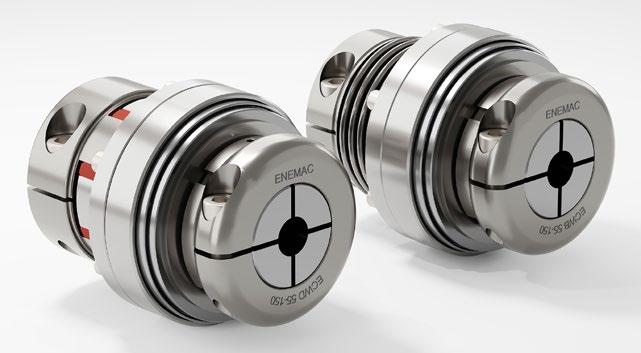
With the ECWB and ECWD series for direct drives and the ECV and ECW series for indirect drives, ENEMAC offers a comprehensive portfolio of stainless steel safety couplings for use in hygienically sensitive environments. These couplings are specifically designed for industries such as food and beverage processing, pharmaceuticals, medical technology, cleanroom applications, and general process industries with frequent cleaning and disinfection cycles.
All couplings are manufactured entirely from high-grade stainless steel and are consistently designed without coatings. This eliminates the risk of particle generation and significantly reduces corrosion susceptibility—key requirements in hygiene-critical applications. The integrated disc springs are also made of stainless steel. Their compact and robust design supports hygienic machine layouts and enables straightforward integration into modern drive systems.
The couplings function as precise torque limiters, reliably protecting machinery and equipment against overload. For
direct drive systems, the ECWB combines a torque limiter with a metal bellows coupling, allowing for the compensation of shaft misalignment while maintaining high torsional stiffness and precise torque transmission. The ECWD integrates a torque limiter with an elastomer coupling, offering additional vibration damping, backlash-free operation, and a plug-in design that simplifies installation.
For indirect drives, such as chain or timing belt systems, the ECV and ECW provide compact and robust solutions capable of handling high lateral loads. They are available with different shafthub connections, either via keyway (ECV) or clamping hub (ECW), ensuring flexibility in mechanical integration.
Across the product range, the couplings cover a torque range from 5 Nm to 900 Nm. Shaft diameters for the direct drive variants range from 8 mm to 65 mm, while the indirect drive versions are designed for speeds up to 4,000 rpm and lateral loads up to 30,000 N. The permissible temperature ranges extend from –50 °C to +150 °C for the ECWB and from –30 °C to +90 °C for the ECWD.
All variants are designed for maintenance-free or lowmaintenance operation and offer high release accuracy for reliable overload protection. Depending on the coupling type, they provide either misalignment compensation or vibration damping. The durable stainless steel construction ensures long service life, even under aggressive environmental and cleaning conditions.
The ECWB, ECWD, ECV, and ECW series provide a consistent and technically robust solution for hygienic overload protection in both direct and indirect drive systems. By combining precise torque limiting, high operational reliability, and hygienic design principles, they are ideally suited for demanding applications with strict requirements for cleanliness, corrosion resistance, and system availability.
www.enemac.eu
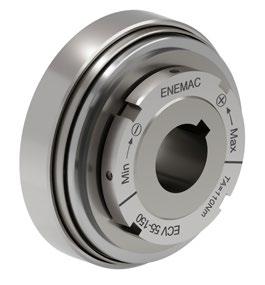
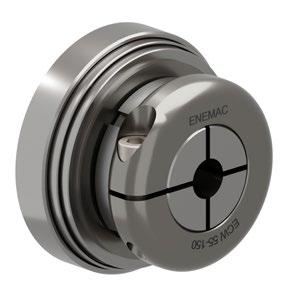

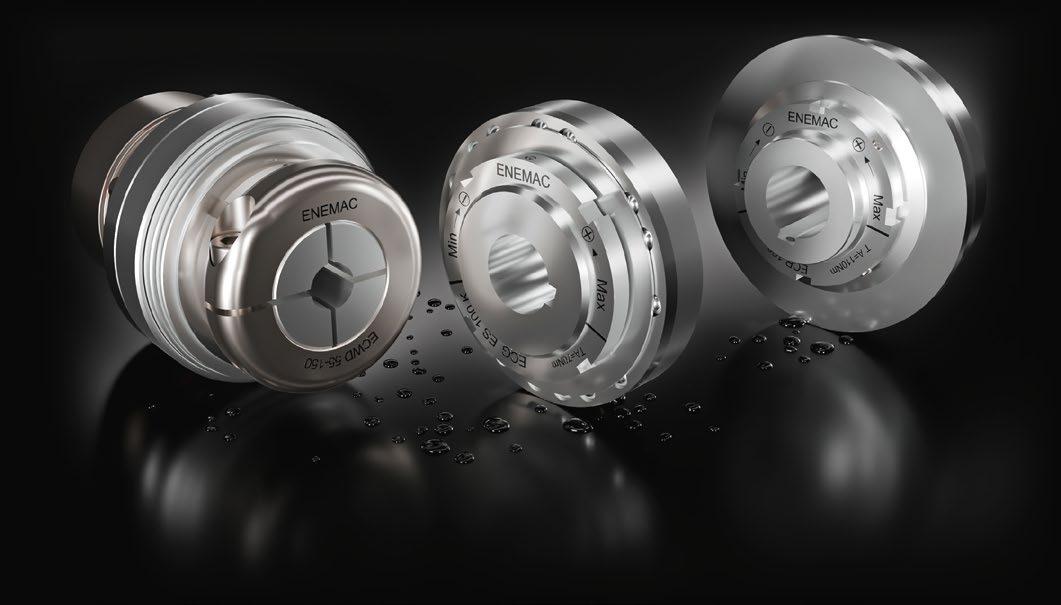
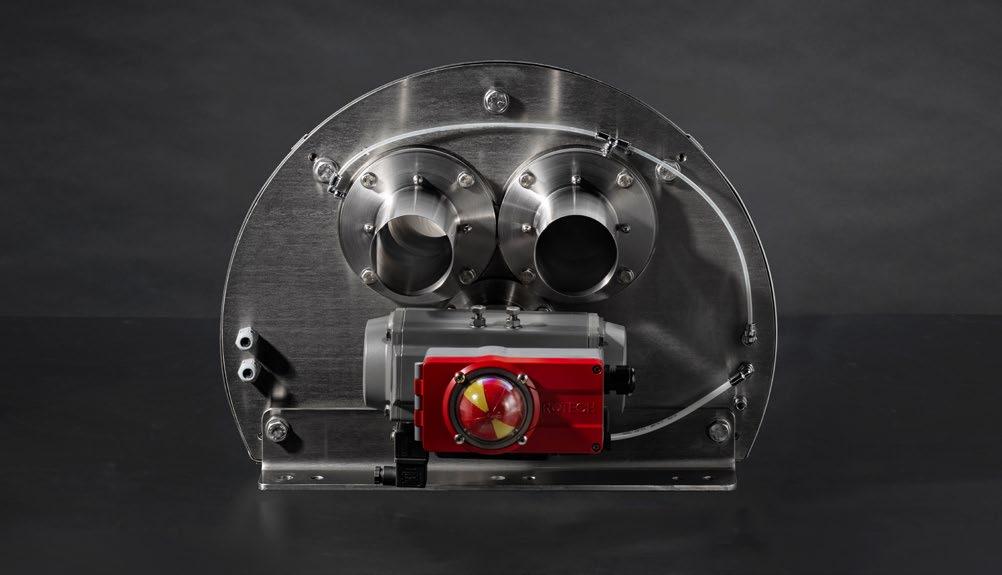
As longstanding producers of diverter and rotary valves, we often discuss valve performance with users in the field – whether they work with our valves or those of a competitor. One unhappy dry bulk solids processor referred to his diverters as a ‘necessary evil’. Understandable, perhaps. But also, a bit harsh.
Diverter valves are crucial for the transport of raw material, but they can also cause a loss of product quality, a loss of factory real estate, and even a loss of line potential. We want to tell you what we told this unhappy processor: it does not have to be that way.
For many dry bulk solids processors, the physical state of their raw material is as critical as its chemical composition. Especially industries that handle friable solids – from specialised pharmaceutical granules and infant formula to ceramic catalysts and high-value
polymers – struggle with retaining material integrity. They are fighting a fight with a silent thief of value: mechanical product degradation.
Every time a fragile material changes direction within a pneumatic conveying system, it is at risk. Traditional diverters often feature sharp bends that damage the raw material when transported at a high speed. The product disintegrates, with potentially disastrous results.
This is the cost of dust:
Degradation of a valuable resource: When you reduce breakage of your valuable raw materials, you can use them fully. You will be able to enjoy not 87% of your raw materials, not 92%, but up to 99%.
Heightened risks of fire and explosions: Friables that crumble and break cause dust clouds (also
known as fines). This increases the risk of fire and explosions – and that should really be your first reason to consider an alternative.
Reduced system efficiency: Another disadvantage of excessive dust is that it can drive up backpressure and make your system less efficient.
Inconsistent bulk density: Broken particles will pack more tightly, which can cause problems with volumetric dosing and batch weights down the line.
By replacing a series of diverter valves with a single multiport tube diverter, you already diminish the number of collision points in your installation. But if you choose a well-designed multiport like DMN-WESTINGHOUSE’s M-TDV Multiport Tube Diverter, your flow becomes truly smooth.
The M-TDV is a multiport valve without sharp bends. Its design centres around ‘full bore’ architecture that features a swan neck: a continuous, curved internal pipe. This pipe automatically aligns with the desired outlet, so instead of a hard collision, the transported dry bulk solids experience a sliding transition. A design that does away with the disadvantages mentioned above.
Diverter valves are big boys – but you know that already. They are so large that many dry bulk solids processors struggle with their legacy footprint: the surface taken up by their existing equipment. Manifolds and forests of piping can take up a lot of space, while moving or even expanding your facilities is never easy, if even feasible. Having insufficient room can hamper innovation and is an almost guaranteed brake on your efficiency.
This is where a multiport valve can breathe new life into your facility. To illustrate this, we’ll have another look at the M-TDV. Say you want to replace five diverters that take up a surface of 4.31 m2 together (see the image for the setup).
The single M-TDV that replaces
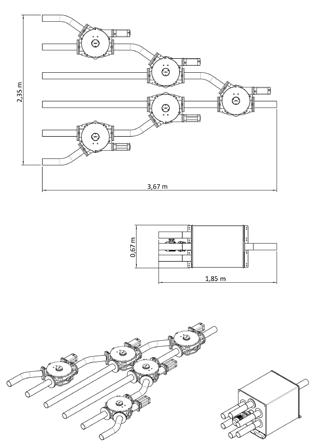
them, has a footprint of 1.24 m2. This multiport frees up 3.06 m2, which opens up a world of possibilities. Bear in mind that the more diverters you replace, the more space you win.
Any producer will be happy with more space, but dry bulk solids processors with cleanrooms benefit especially. The high costs per m2 of a cleanroom makes for an even more convincing argument in favour of multiports.
Hygiene to the Highest Standard
Gone are the days of “clean enough”. Authorities issue ever stricter food safety protocols, while multi-ingredient recipes frequently feature allergens. This makes hygiene by design a matter of legal compliance and brand reputation for dry bulk solids processors.
Traditional valves often feature dead zones: small pockets or crevices where material can build up, ferment, or cross-contaminate the next batch. Future-forward producers of multiports must take these threats into account.
Circling back to the M-TDV, you will find that its design is a direct response to the increasingly strict food safety protocols. With its enclosed product path, the tube-totube design inherently eliminates these contamination pockets. The M-TDV even exceeds current requirements, making it a futureproof solution that is EC 1935/2004and FDA-compliant, with ATEX 2014/34/EU-certified and USDAaccepted versions available.
A multiport is a long-term investment. When evaluating its business case, your focus must shift from initial capital outlay to Total Cost of Ownership (TCO). The return on investment is found in a series of quantifiable areas. We already had a look at some advantages:
• Yield recovery: By reducing product degradation to a minimum, you convert what was previously dust back into sellable, high-grade product.
• Regaining factory real estate: The space-saving design of a multiport frees up valuable space in your facility, allowing you to expand your production.
• Risk mitigation: By choosing a
hygienically designed multiport, you ensure that every batch meets the physical as well as the sanitary specifications required by increasingly discerning global markets.
But a multiport diverter has more to offer:
• Less and simpler maintenance: Replacing 10+ valves with a single unit means your maintenance team only has one set of actuators and one set of seals to monitor. This reduces your spare parts inventory and diminishes your mean time to repair, with fewer labour costs for maintenance.
• More uptime: With fewer components to fail, your system is operational for a longer time, and thereby more productive. And when you go for a diverter like the M-TDV, its design ensures that changeovers between different products are significantly faster.
• Energy Efficiency: A more direct and smoother product flow also means your solids encounter less overall resistance during transport. As a result, components operate with more ease, resulting in measurable savings in kWh over the course of a production year.
Conclusion: A Future-proof Approach to Diverting Dry Bulk Solids
With dry bulk solid materials becoming more complex and safety standards getting increasingly strict, the equipment that routes these products must evolve as well. The multiport tube diverter represents this evolution at the crossroads of fluid dynamics, spatial efficiency, and hygienic integrity.
With a premium multiport diverter, engineers can ensure that the product leaving the facility is of the exact same quality as the product that entered the line. In the world of high-value processing, that consistency is the ultimate value proposition.
Please get in touch with the DMN-WESTINGHOUSE: +44 1249 818 400 or dmn.uk@dmnwestinghouse.com
Changes to regulations, supply constraints, fuel prices impacts material costs, wider cost issues, and ongoing economic uncertainty are set to create some of the most challenging conditions for the wood pallet and packaging sector in the year ahead.
Speakers at the recent Timber Packaging & Pallet Confederation (TIMCON) general meeting, held in Manchester in early March, gave updates on forthcoming compliance obligations, including the EU’s PPWR (Packaging & Packaging Waste Regulation) and EPR, the dynamics of the UK and global economy, the timber supply situation, and the potential impact of emerging conflict in the Middle East alongside a highly uncertain market.
Nikhil Varghese, Director of global advisory and EU affairs experts, DGA Group, told the meeting that PPWR was expected to be enforced from August this year –and that it would apply to all forms of packaging, including wooden pallets, export packaging, cable drums, and lightweight packaging. He added that packaging will be required to be designed for recycling from 2030, while at least 40 per cent of transport packaging should be reused by the same year – an “aspirational target” that will increase to 70 per cent by 2040.
“By August 2026, 100 per cent of transport packaging that is used within the same EU member state and for intra-company use should be reusable, so it’s a significant topic
of discussion in the EU right now,” he said.
Varghese detailed current or possible exemptions for wooden packaging based on its superior sustainability credentials – but stressed the importance of the sector continuing to engage closely with the process to ensure that this is reflected in policy decisions affecting market access.
“As a wood industry, we have a big role to play in making the Commission understand the recyclability of wooden packaging and that you shouldn’t just copy and paste ‘design for recycling’ criteria that have been designed for plastics, to wood, which they have been doing a lot lately,” he said. “It is key that we define a joint industry position.”
The meeting also heard updates from the UK, European, US, and global wood market.
Jason Ortega, Senior Vice President of the National Wooden Pallet & Container Association (NWPCA) gave an overview of his organisation’s name change to Woodpack Global. This has been driven by the fact that more than half of its membership is now international, with more than 400 members across 43 countries – and aims to help it engage better with policymakers outside the US. “The supply chain is global,” he said. “It really doesn’t matter where you’re based, your pallet can end up anywhere.”
Ortega said the largest issue affecting business is currently uncertainty, which is causing sluggish investment and housing construction and holding back demand in manufacturing, too. He added that tariffs and other policies have added to the generally difficult trading environment, and intensified price competition.
Nick Boulton, TDUK’s Head of Technical and Trade Policy, presented the latest on trade issues and availability, including the possible re-entry of Canada as a supplier to the UK market following the exit of Russian wood and the impact of approximately 10 million m³ of forest being blown down by storms and potentially entering pallet markets.
Rob Driessen, owner and managing director of specialist pallet and packaging wood procurement firm Connec3 gave an overview of wider influences currently impacting on the market. He said with growth returning to the Eurozone, Asia, and the US, he expects demand to increase in the coming months, alongside pressure on supplies that are already limited.
“If demand continues to recover, supply will not be able to keep up –and that will impact both price and availability,” he said.
“This was an extremely valuable meeting, covering a wide range of essential issues for the wood pallet and packaging sector, from the growing burden of regulatory compliance to extremely challenging market dynamics and economic headwinds,” said TIMCON President John Dye. “It demonstrated how interconnected these issues are and how important it is for us to come together as an industry, share information, and work together to tackle these challenges, and represent the sector with a unified voice.”
At the meeting, TIMCON also launched new awards for the pallet and packaging sector, which will be presented during its AGM event in Edinburgh in September.
www.timcon.org
Tel: +44 (0)116 274 7357
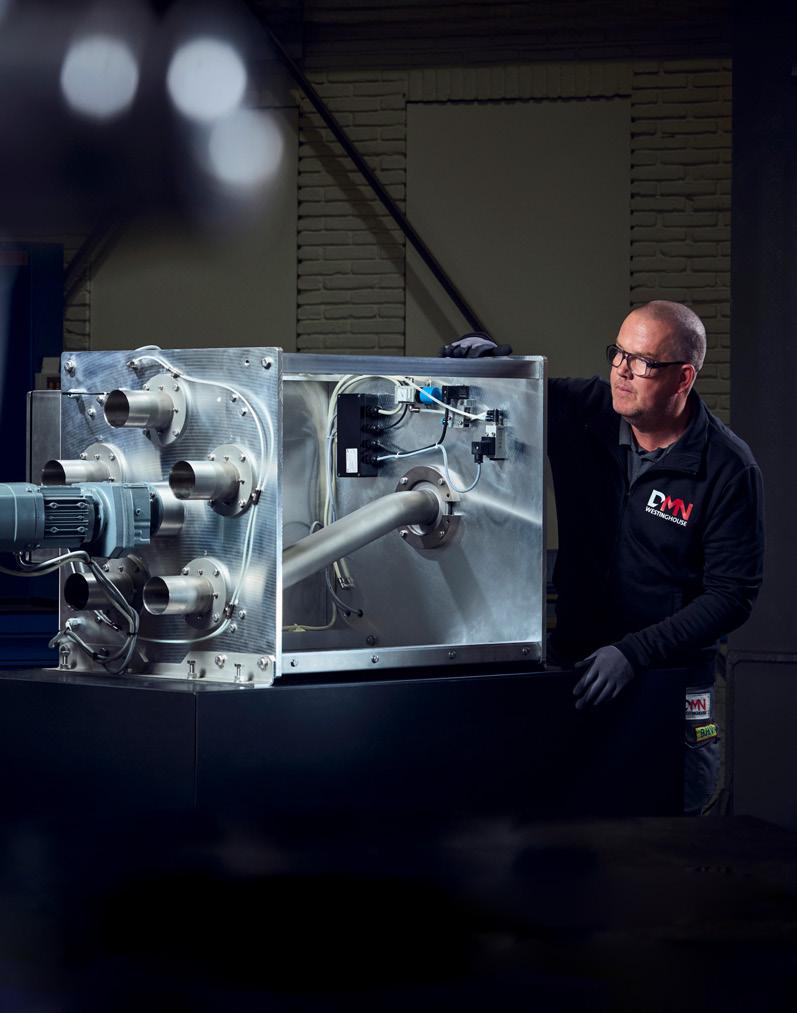
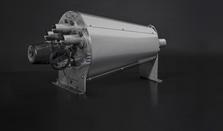
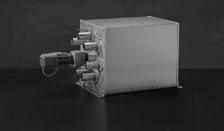
The beverage dispense industry has undergone a quiet revolution over the past decade. What began as a means to closely monitor volume and secure revenue - effectively tracking every pint poured - has evolved into a sophisticated space focused on drink quality, precision dosing and consistency across a broad spectrum of beverages. At the heart of this shift is a continual refinement of flow measurement technology, a domain where Titan Enterprises Ltd has been at the forefront of innovation and working with OEMs in the food and beverage sector.
For many years, flowmeters in bars, pubs and production lines were valued primarily as tools for financial accountability. Put simply, they ensured the right amount of beer or cider was dispensed to protect margins and cut losses. While this monitoring is still vitally important, today’s beverage industry demands so much more. Customer expectations for flavour consistency, perfect carbonation, freshly-blended soft drinks and bespoke dispensing experiences have intensified.
This broader quality agenda has pushed manufacturers and OEMs to enhance technology that not only counts liquid but also controls its quality and delivery with precision.
Central to this transition are Titan’s NSF-Approved beverage flowmeters, engineered under stringent food safety standards to support the evolving needs of the beverage sector. Certified to meet NSF/ANSI 169 for use with food products, these flowmeters are designed with totally non-metallic wetted components and foodgrade materials, making them ideal for beer, wine, spirits, coffee, soft drinks and even dosing of syrups or flavourings in freshly blended beverages.
At the core of Titan’s beverage flowmeters lies a precision Pelton wheel turbine, rotating freely on robust sapphire bearings with over-moulded magnets detected
via a Hall effect sensor. The result is a reliable output stream of electronic pulses that can be seamlessly integrated with liquid monitoring or control systems, giving real-time feedback on flow rates and dispensed volumes.
This level of technical reliability and repeatability - with flow ranges up to 10 litres per minute - means that modern dispense systems can guarantee consistent pour quality glass after glass. No longer is the sensor simply tallying how many pints have been poured; it’s ensuring that every beverage meets exact specifications, minimises waste, and enhances customer satisfaction.
Titan’s presence across the food and beverage landscape extends beyond pubs and beer walls into bottling and automated batching systems. Their flowmeters are deployed in distilleries, soft drink manufacturing lines, coffee dispensing equipment and even mobile bar solutions, offering OEM partners robust tools for both production control and end-use quality assurance.
This evolution mirrors broader industry trends. Beverage producers today are grappling with rising demand for personalised drinks, freshly mixed flavours and reduced environmental impact. Many are shifting towards adding certain ingredients - like flavours or CO2 - at the point of dispense rather than at the production plant, a strategy that delivers not just freshness but tangible cost and waste reductions. Titan’s flow measurement solutions are built to support these challenges by offering accurate dosing that respects recipe integrity and product consistency.
Innovation at Titan doesn’t stop with traditional turbine meters. Responding to future needs within the drinks dispense ecosystem, the company has also developed an ultrasonic beverage flowmeter designed for minimal maintenance
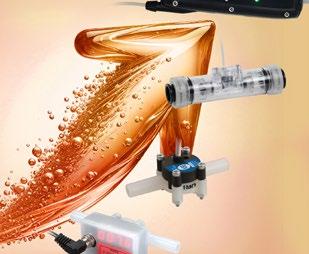
and hygienic operation. This new class of sensor - part of the Atrato® ultrasonic family of flowmeters - eliminates internal moving parts, reducing cleaning and wear concerns, and integrates easily into existing systems.
Behind these product advancements is a philosophy of collaborative innovation. Titan’s development engineers work closely with OEM partners - most recently RWC/John Guestduring real-world testing, refining integrated designs in real dispense environments where factors like fluid compatibility, mechanical stresses and cleaning protocols are part of everyday use.
The result? Flowmeters that do more than measure volume - they enhance beverage quality, support new dispensing models, and adapt to the demanding pace of modern food and drink production. The industry’s move from monitoring pure financial metrics to embracing quality measurement reflects broader shifts in consumer expectations, and companies like Titan are at the forefront of enabling this transition.
In an industry defined by taste, experience and precision, advanced measurement technology is no longer optionalit’s fundamental. And as dispense systems evolve, Titan’s blend of reliable engineering and forwardthinking innovation continues to play a key role in shaping how beverages are crafted, measured and enjoyed around the world. More information can be found at www.flowmeters.co.uk
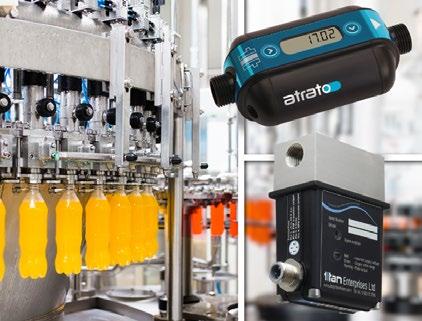
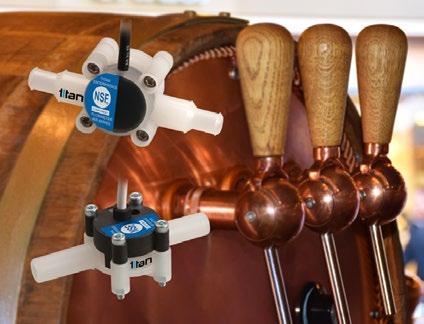
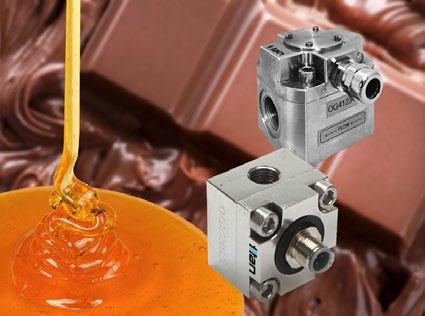
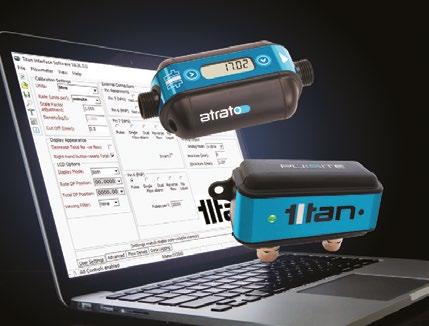
Titan Enterprises is a leading design and manufacturer of innovative end user and OEM high-performance flowmeters and flow measurement instrumentation, used within a wide range of processes, environments and applications.
• Compact, robust, reliable
• Excellent accuracy and repeatability
• Measure low to high flow ranges and viscosity
• High chemical resistance
• NSF-Approved mini turbine flowmeters
• ATEX-compliant and high pressure Oval Gear models
• OEM bespoke design capability
Titan’s liquid flowmeters are designed and manufactured to ISO 9001 with traceable calibrations.
+44 (0)1935 812790 sales@flowmeters.co.uk www.flowmeters.co.uk

Delivering advanced detection, digital connectivity and compliance support for food manufacturers of unpackaged and packaged, wet, dry or bulk products
Mettler-Toledo Product Inspection, a global leader in precision instruments and inspection solutions, has announced the launch of the M50 R-Series AdvancedLine metal detectors. This advanced generation of metal detectors is designed to support food manufacturers facing increasing demands around compliance, traceability, data connectivity, and line performance.
The M50 R-Series reflects a shift in how food producers approach metal detection. While detection capability remains critical, manufacturers are now operating in an environment shaped by higher audit expectations, greater digital
accountability, faster line speeds and the need for seamless data transfer across production and quality systems. The M50 R-Series has been designed to address these requirements, both today and in the future as expectations continue to change.
“The launch of the M50 R-Series reflects how closely we have listened to our customers,” said Jaison Anand, Market Manager –Metal Detection at Mettler-Toledo Product Inspection. “Here at Mettler-Toledo, we understand the pressures that food manufacturers are faced with every day; balancing productivity with increasing expectations around
compliance, traceability and digital connectivity. As production lines become faster and more complex, maintaining that balance becomes even more challenging.
The M50 R-Series has been developed to help address these challenges, delivering advanced detection performance alongside intuitive operation and futureready connectivity, supporting manufacturers not only today but as their requirements continue to evolve.”
The new models combine improved detection performance with intuitive operation and secure connectivity, delivering the most
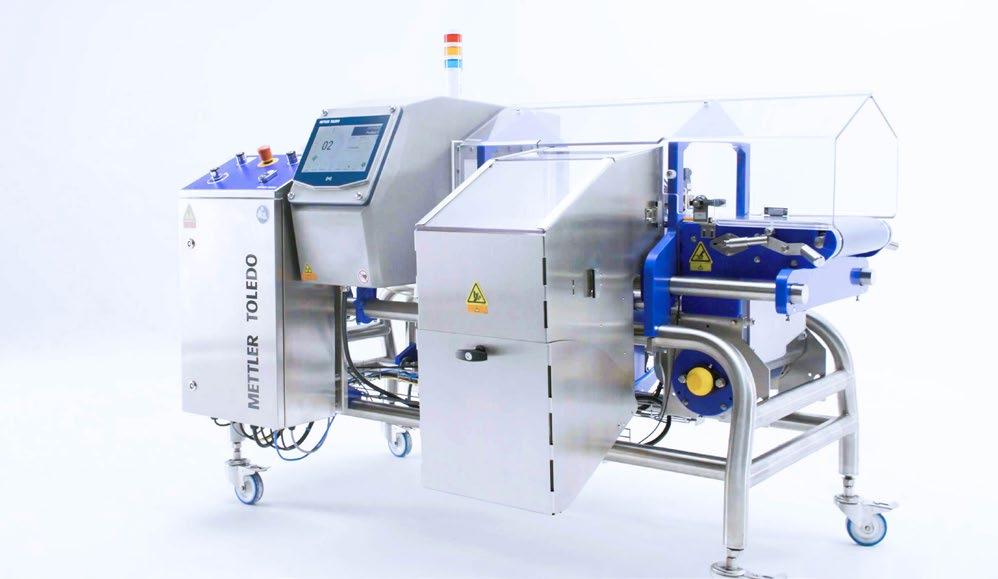
sensitive, compliant, and futureready metal detection platform from Mettler-Toledo to date. Even with these new and advanced features and functionality, ease of use has remained at the centre of the design.
Built around three core pillars of performance, productivity, and protection, the M50 R-Series supports manufacturers in delivering safer products by detecting the smallest of metal contaminants, keeping good products moving, and protecting more than just the product.
Delivering advanced detection performance
The M50 R-Series introduces a range of new technology
innovations developed to increase detection sensitivity and deliver safer products for different applications. Technologies such as eDrive PLUS when combined with 900 kHz frequency, improves the field strength to deliver the highest sensitivity to detect the smallest wire and non-spherical metal contaminants. Cuttingedge algorithms such as 3S PLUS combined with AI-based machine learning help achieve maximum sensitivity to minimise the risk of product recalls and deliver safer products.
Metal detectors in the series include:
• M55R – optimised for detecting significantly smaller, irregularshaped metal contaminants in dry
products such as pasta, savoury snacks and deep frozen produce (where thawing does not occur).
• M55RB – optimised for bulk products such as large sacks, bags of powder and cartons.
Radio Frequency Interference (RFI) shields filter out external interference in large aperture applications, increasing metal detection sensitivity. The innovative coil geometry delivers consistent detection performance in busy production environments
• M56R – optimised for challenging applications such chilled, wet, dry, deep frozen/thawing and metalized film-wrapped products. It incorporates Multi-Simultaneous Frequency, an enhanced 3S PLUS algorithm to minimise
the active product signal and an AI-based machine learning process to improve sensitivity on wet or conductive products to virtually eliminate false rejects. The inclusion of a 900 kHz tuned frequency provides excellent performance on dry products, making it a highly versatile solution for manufacturers with diverse products on the line.
Together, these capabilities support higher detection accuracy, fewer false rejects and give manufacturers greater confidence in detecting metal contaminants in demanding production environments.
Driving productivity across the line
The M50 R-Series has been designed to maximise uptime and simplify daily operation, with the ultimate aim of helping manufacturers to keep good products moving. A new 10.1-inch capacitive touchscreen provides clear visualisation and intuitive navigation. Operating with the responsiveness familiar from smartphones and tablet screens, even when the user is wearing gloves or when the screen is wet, the interface supports faster setup and confident use compared with traditional resistive touchscreen technologies.
The introduction of the INFINITY Electronic Test System represents a significant advance in routine testing. Automation in production performance monitoring simplifies test routines, improves consistency and accuracy, and significantly
reduces testing time as it is up to three times faster testing than manual testing. The M50 R-Series can also run tests automatically without operator intervention.
Embedded Wi-Fi supports secure and simplified connectivity, giving users rapid access to system information through QR code functionality. Combined with improved Condition Monitoring software and simplified data transfer, the M50 R-Series supports continuous operation and reduced disruption on the line.
Strengthening protection, compliance, and traceability
Protection within the M50 R-Series extends beyond detection performance. Brand protection is also enhanced through new Radiofrequency identification (RFID) access control which supports individual user logins and access management for enhanced security. Detailed access records are stored locally or transferred through multiple communication protocols, including OPC-UA and EtherNet/IP.
Manufacturers have the option to take product safety and data security to the next level by integrating ProdX™ data management software from MettlerToledo. By connecting all MettlerToledo Product Inspection devices, ProdX™ monitors and records all inspection activities devices in real time and safely stores the data indefinitely. The information can be quickly retrieved for audits and compliance reasons plus, when connected to Management
Enterprise Systems (MES), the data can be analysed to help improve production line efficiencies.
Advanced connectivity and full system logging provide comprehensive traceability across testing, detection events and system status, supporting audit preparation and alignment with global food safety standards such as BRCGS and International Featured Standards (IFS).
A dedicated service QR code also provides rapid access to maintenance and service support, helping manufacturers maintain system performance and long-term reliability with immediate access to relevant information when it is needed.
Supporting product integrity from production through to consumer
The M50 R-Series has been developed as part of the continued investment by Mettler-Toledo in advanced generation metal detection technology, reflecting the changing environment in which food manufacturers operate.
Across global production, manufacturers are managing faster line speeds, increasing expectations from Global Food Safety Initiative (GFSI) schemes, greater focus on cyber security, system integration and the growing importance of data transparency. The M50 R-Series brings together advanced detection capability, digital connectivity, and compliance focused features within a platform designed to adapt as operational and regulatory requirements continue to evolve.
The M50 R-Series will make its first global exhibition appearance at Interpack 2026, (Hall 11 Stand A60), where visitors will be able to see the system demonstrated live. Following Interpack, the system will also be showcased at key industry events including PackExpo.
For more information, please click here or visit: www.mt.com/ metaldetection-pr