EFFICIENT SOLUTIONS FOR VACUUM, FLUSHING AND SILO VEHICLES FROM CVS
ENGINEERING
VACUUM PUMPS AND COMPRESSORS FOR SEWER CLEANING AND SLUDGE EXTRACTION.
These technologies ensure maximum suction power and durability under extreme conditions – such as during sewer cleaning and sludge extraction.
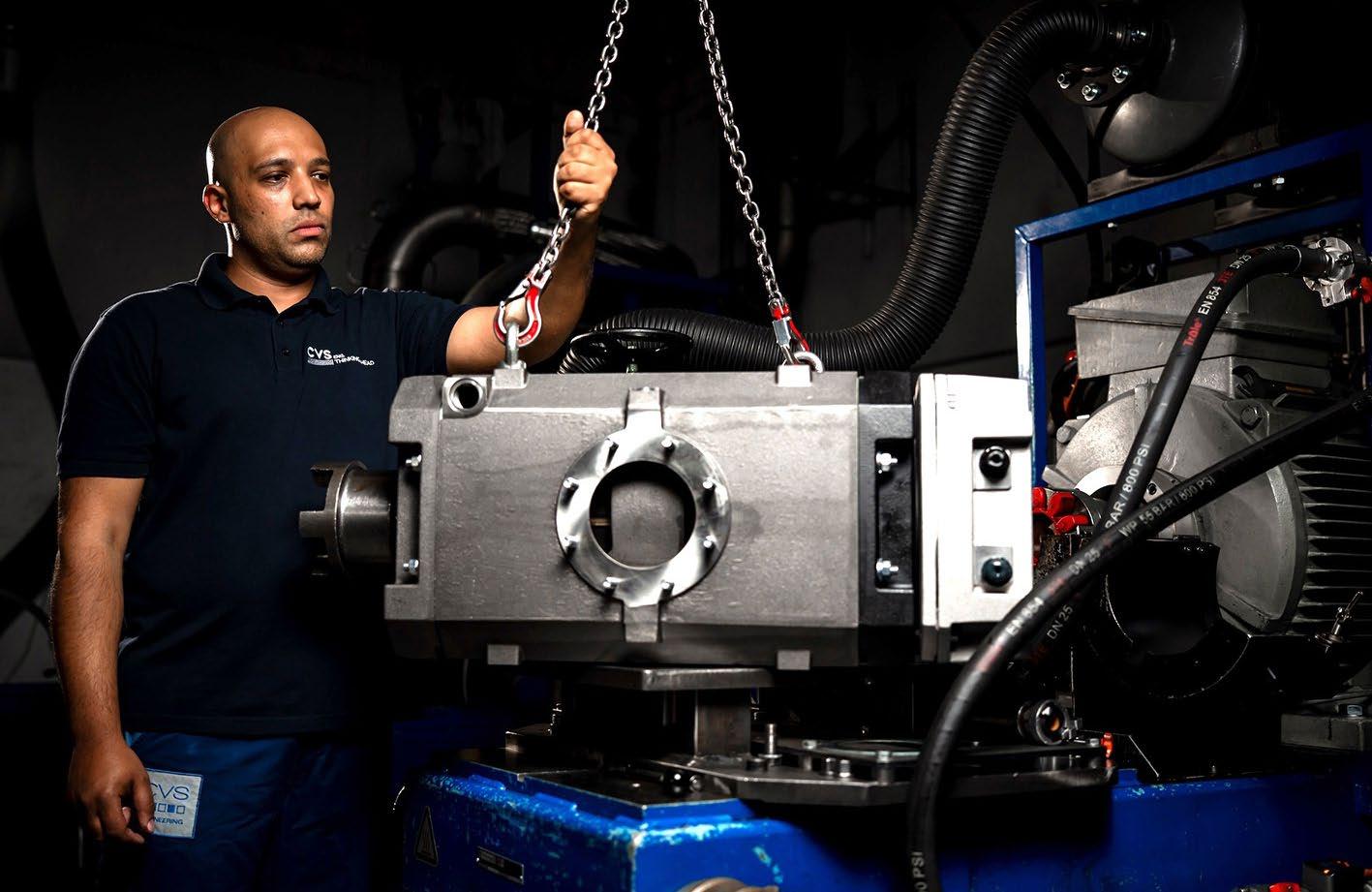
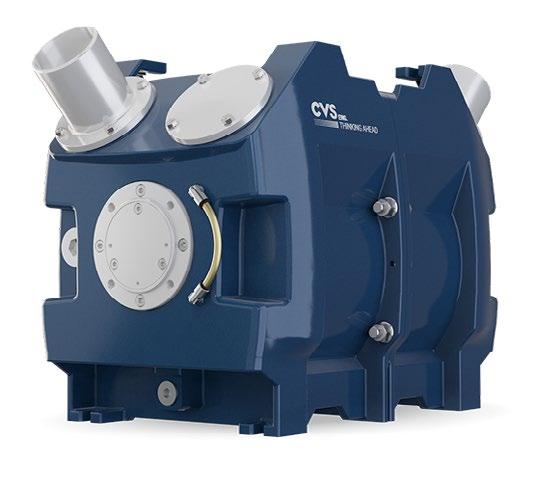
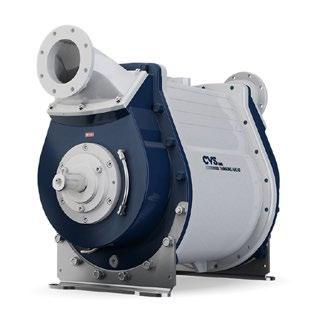
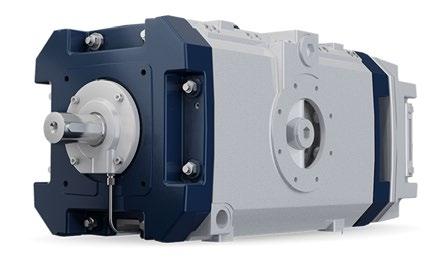
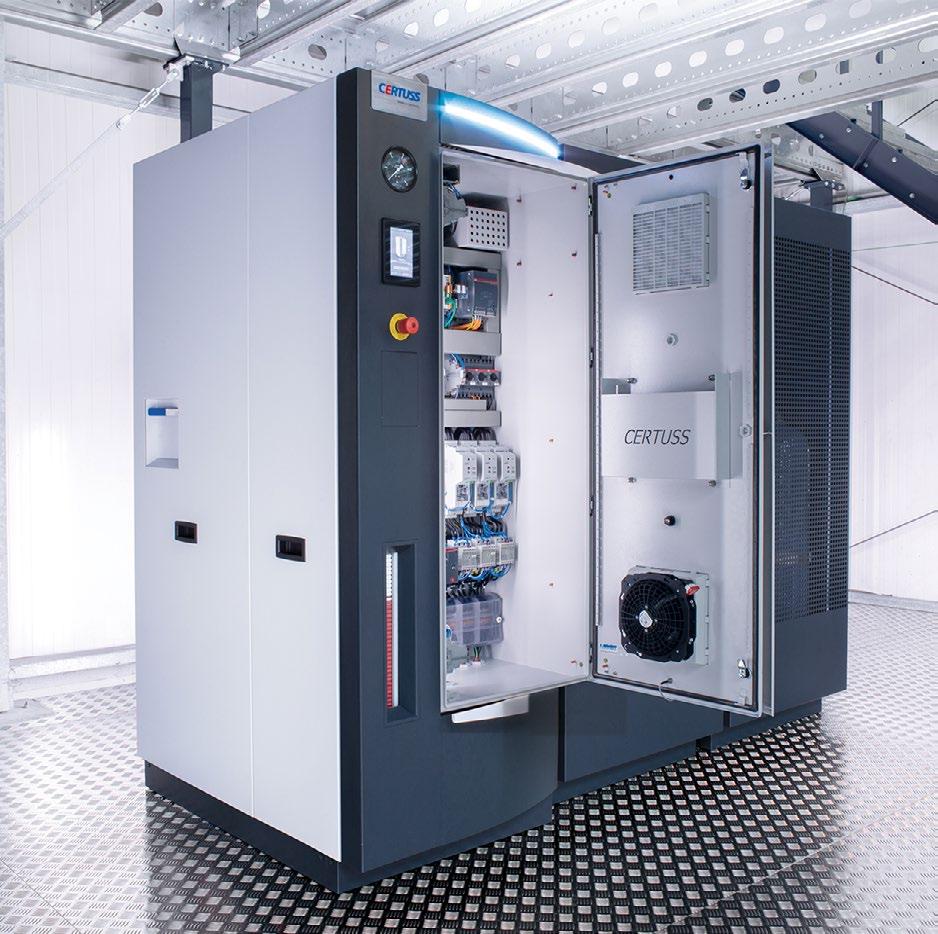
CVS engineering GmbH, based in Rheinfelden, offers sustainable solutions for suction, flushing and silo vehicles: These include vacuum pumps from the VacuStar series for suction and flushing vehicles (‘sewage handling’) and oil-free screw compressors from the SKL series (‘dry bulk’). “With Dry Bulk, we have efficient solutions in our portfolio for the rapid and residue-free unloading of silo vehicles for bulk goods such as cement, grain or plastic pellets,” explains Fabio Geiger, Area Sales and Marketing Manager at CVS engineering.
High suction capacity and durability in harsh conditions
These technologies ensure maximum suction capacity and durability in extreme conditions – such as sewer
cleaning and sludge extraction. The range includes oil-free screw compressors (SKL 700, 1100, 1500), rotary vane vacuum pumps (VacuStar L / W) and liquid ring pumps (VacuStar WR) – supplemented by drive components such as hydraulic adaptors or drive shaft couplings and other accessories.
Sewer maintenance, efficient unloading of large volumes of material
These solutions are in demand among fleet operators, vehicle manufacturers and engineers in the road haulage, transport, distribution and logistics sectors. The suction and flushing vehicles are used in the wastewater sector, in industrial cleaning (grease separators in the catering industry), the construction industry (pit emptying), agriculture
and in environmental technology for the removal of pollutants. “Specifically, they are indispensable for sewer maintenance, emergency cleaning in the event of blockages, the transport of hazardous liquid waste, and the efficient unloading of large quantities of material in the building materials and food industries,” explains Fabio Geiger.
A growing need for efficient waste management and low-emission transport
“Particularly against the backdrop of urbanisation and increasing environmental regulations driven by decarbonisation and noise protection, there is currently a growing need for efficient waste management infrastructure and low-emission transport solutions,” emphasises Fabio Geiger.
Clean conveying air is essential for the food and chemical industries
It is not least these challenges that make CVS engineering’s technologies the ideal solution: the oil-free SKL technologies ensure clean conveying air – a fundamental requirement of the food and chemical industries. Further benefits of the ‘Dry Bulk’ compressors include their low weight, low discharge temperatures and wide speed range, ensuring energy-
efficient, resource-saving operation. The VacuStar series for ‘sewage handling’ offers users high protection against wear and corrosion thanks to optional plasma nitriding and ceramic coating. “Innovative cell aeration systems also enable continuous operation at high vacuum without overheating,” adds Fabio Geiger.
Complemented by first-class service
With this package, the Rheinfelden-based company serves OEMs (Original Equipment Manufacturers) that install components ex-works, as well as end customers such as haulage firms and local authorities, who place great importance on weight, reliability and low lifecycle costs, as well as first-class service.
E-mail: info@cvs-eng.de www.cvs-eng.com
EX~I SFC3000 FLOW
COMPUTER OFFERS VERSATILE MEASUREMENT OF GAS FLOW AND ACCURATE BILLING
DESIGNED SPECIFICALLY TO MEET THE NEEDS OF THE LIQUID HYDROCARBON AND GAS MEASUREMENT MARKETS WORLDWIDE.
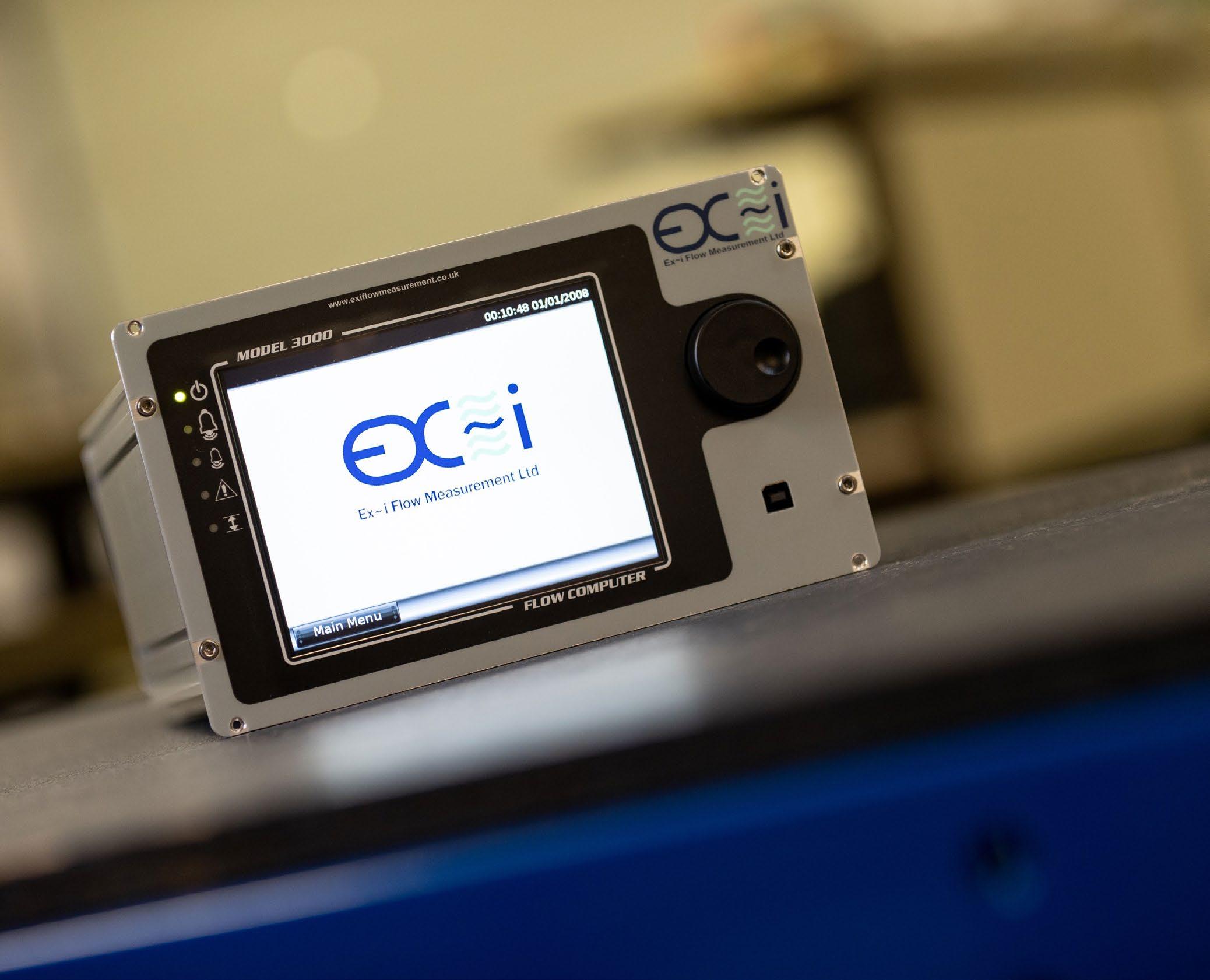
Designed specifically to meet the needs of the worldwide liquid hydrocarbon and gas measurement markets the highly versatile SFC3000 flow computer from Sussex based Ex-i Flow Measurement Ltd,. is capable of measuring the flow rate of liquid hydrocarbons, water and petrochemical gasses as well as making Co2 emission measurements for pollution monitoring and control.
Connected to turbine meters the SCF3000 provides accurate measuring of gas flow in networks simplifying billing for suppliers and can be used to monitor network flow load to ensure reliability of supply and maintain energy supply security.
The SCF3000 is flexible measuring system which can be configured to meet a wide range of applications and may be operated in a stand-alone single stream
flow measurement system or as part of a highly complex multi-stream system. Simple firmware updates ensure the SCF3000 meets the latest measuring standards.
The SFC3000 can operate in a number of ways, such as a standalone flow computer, a supervisory device or as a component of a complex system. Ex~I Flow offer a private labelling service for the SCF3000 for the convenience of Systems Integrators.
Featuring a touch screen VGA display and extensive processing capabilities combined with simple to use controls and unique operating software, The SFC3000 can function as a complete station supervisor integrated into a flow computer housing.
The SFC3000 flow computer is the hub of a flow measurement system and requires a number of peripheral components to take measurements. In its simplest form, a flow measurement system will consist of:
• An SFC3000 flow computer with 1 I/O option board
• A flow meter (turbine, ultrasonic, differential pressure or Coriolis)
• A pressure sensor (HART or 4-20mA)
• A temperature sensor (Hart, 4-20mA or PT100 Platinum Resistance Thermometer).
Note: pressure and temperature sensors are not needed with a Coriolis flow meter, and additional pressure sensors are required for a differential pressure meter.
Turbine, ultrasonic and Coriolis flow meters can be connected using a pulse input, either as a single or dual pulse train. Alternatively, ultrasonic and Coriolis flow meters can be connected via the RS232/485 serial port available on each of the IO option boards.
Additional functionality can be added to a basic system including optional I/O boards. With the addition of a communication board data can be obtained from a gas chromatograph or other sources via the serial or ethernet ports. Flow measurement data can also be passed to other systems, such printers or DCS, via the communication board ports. Logged data can be stored internally or in an optional SD card. A density measurement cell can be connected to a pulse or 4-20mA input.
SFC3000 flow computer key features:
• Measurement conforming to AGA, ISO, API standards of dry and wet natural gas, hydrocarbon liquids, other gases e.g. nitrogen, other liquids e.g. water.
• NMi Certificates to: WELMEC 7.2 and 8.8, OIML R117, MID 2014/32/EU
• Standard Features: standalone flow computing function, flow computing combined with supervisory function, up to 2 G-byte additional memory for Alarm, Audit and Data Logging, optional SD card required.
• Meter types: pulse generating flow meters, most common ultrasonic flow meters, dp transmitters with orifice or venturi measurements.
• Configurable Display: system diagrams, Trending and graphical displays, Language options, Interfaces to most types of metering equipment and all popular GC’s, Easy Installation and interfacing
• Supervisory Features, Alarm/Event/Data Logging and Recording, Printer Report Generation, System Diagram Display, Network Communication, Station Controller Functions, Valve Control and Remote Operation.
The SFC3000 is packaged in an industry Standard Half Width 3U High 19” rack construction suitable for panel or chassis mount. It can accommodate up to 6 user plug-in cards and up to five measurement streams in the same chassis. Operating temperature ranges; PRT Inputs, -10°C to 55°C (15°F to 130°F), Hart® and 4-20mA Inputs -25°C to 55°C (-15°F to 130°F). Operating humidity to 90% non-condensing and meets environmental classes M2/E2.
As leading flow computer manufacturers, Ex-i Flow Measurement specialises in researching, developing and manufacturing products for the gas and liquid measurement industry, with a focus on continuous project development and enhancement. EX-i offer customers market leading performance, quality, reliability, cost and response.
For more information call +44 (0)1243 554920, email sales@exiflowmeasurement.co.uk or visit exiflowmeasurement.com
SUSTAINABLE INNOVATION:
HOW CAMOZZI AUTOMATION IS DRIVING ENERGY EFFICIENCY IN PNEUMATICS.
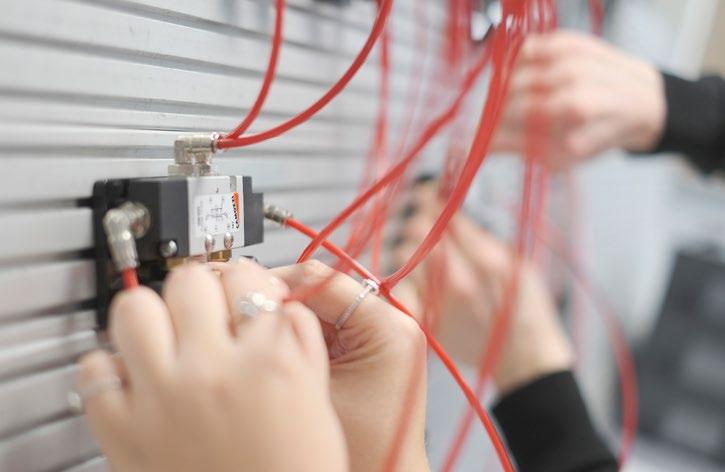
Sustainability is no longer a ‘nice-to-have’—it’s a necessity. Businesses across the UK are facing increasing pressure to reduce their environmental impact while also whist seeking to reduce running costs. One of the most important yet oftenoverlooked areas for energy savings in manufacturing is compressed air systems (pneumatics), where inefficiencies can lead to significant waste.
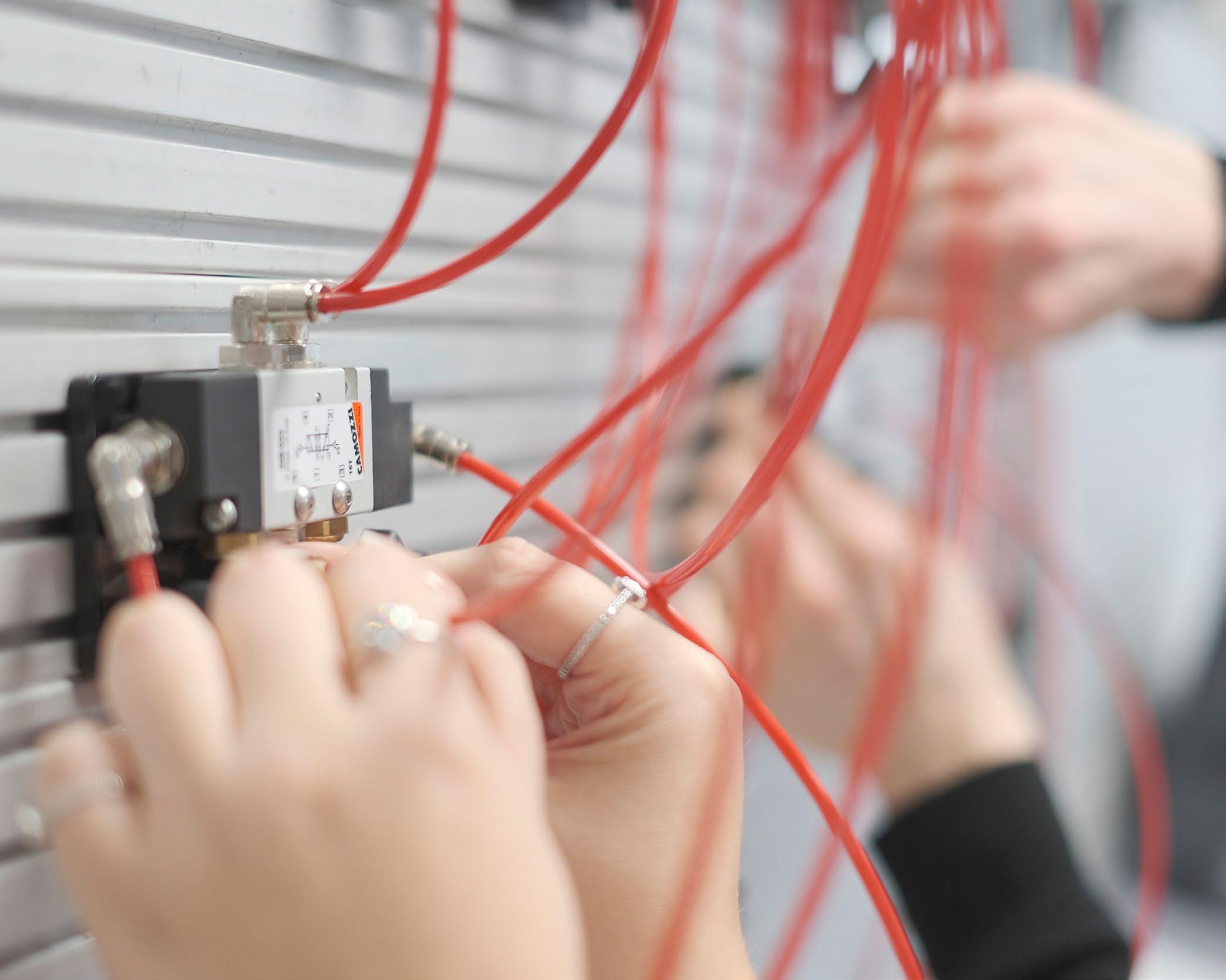
At Camozzi Automation UK, we are committed to helping businesses optimise their compressed air systems, reducing energy consumption while improving performance.
This year, we have strengthened our sustainability efforts by achieving ISO 14001 environmental accreditation, reinforcing our focus on responsible resource management. But sustainability is more than just a certification—it’s a mindset that drives everything we do.
The Hidden Cost of Compressed Air Waste
Compressed Air systems are integral to almost every manufacturing process, yet they are often one of the biggest energy drains on a facility. Shockingly, up to 35% of compressed air is wasted due to leaks, adding unnecessary costs and increasing a company’s carbon footprint. The old approach of prioritising performance over efficiency is no longer viable; the future of industrial automation lies in balancing power with sustainability.
This is where Camozzi Automation comes in. We support manufacturers by:
- Providing technical guidance on optimising pneumatic efficiency and reducing air leaks.
- Delivering smart solutions, such as energy-efficient components and intelligent monitoring systems.
- Assessing air usage to identify improvements, whether through small adjustments or complete system overhauls.
Sustainability at the Core of Camozzi
Our commitment to sustainability extends beyond our products. We have made commitments and changes across our global operations, the Camozzi Group has embraced an ambitious green strategy that includes:
- Reducing energy impacts – Investing in renewable energy sources, such as photovoltaic systems, and driving energy efficiency across all operations.
- Embracing the circular economy – Over 79% of total waste is recycled, ensuring a more sustainable production process.
- Innovating for a sustainable future – Pioneering Industry 5.0, where smart technology improves both environmental sustainability and human well-being.
- Sustainable manufacturing practices – A commitment to ‘zero defects and zero waste’, using digital innovation to minimise emissions and energy loss.
Solutions for a Greener Future
At Camozzi Automation UK, we offer a range of solutions designed to help manufacturers achieve greater efficiency and lower environmental impact. Some of our key products include:
- GRIPfit Pneumatic Connections – A new generation of quick-fit connectors, featuring bio-sourced materials and high-performance sealing to reduce leaks and improve durability.
- Air Filtration & Treatment – Preventing energy waste by improving compressed air quality and system performance.
- Pressure Boosters & Flow Sensors – Intelligent monitoring and control solutions that optimise air usage and cut operating costs.
- Introducing our new series of electrical products designed to enhance automation while reducing reliance on compressed air. These innovative solutions improve energy efficiency, lower operational costs, and support sustainable manufacturing practices
Enhancing Pneumatic Expertise with Camozzi Training
At Camozzi Automation UK, we believe that
sustainability goes hand in hand with education and expertise. That’s why we offer specialist Pneumatic Training Courses, designed to help engineers, technicians, and industry professionals stay ahead in an evolving landscape.
Why Choose Camozzi Pneumatic Training?
Expert Guidance – Learn from industry-leading professionals.
Hands-On Experience – Practical sessions for realworld applications.
Stay Ahead – Master the latest trends and technologies in pneumatics.
Looking to master the art of pneumatics? Camozzi’s 2025 Pneumatic Training Courses provide in-depth knowledge and practical skills to help professionals optimise their pneumatic systems—reducing energy waste and contributing to a more sustainable future.
Looking Ahead: The Future of Sustainable Pneumatics
The shift towards sustainable manufacturing is accelerating, and pneumatic efficiency is becoming a key area of focus. Camozzi Automation UK is at the forefront of this transformation, helping businesses bridge the gap between performance and sustainability.
The future is clear: energy efficiency and sustainability must go hand in hand. At Camozzi Automation UK, we are proud to be driving this change—one pneumatic system at a time.
Spaces for the 2026 courses are limited. To register interest or enquire about group discounts, contact training@camozzi.co.uk or visit www.camozzi.co.uk/camozzi-pneumatics-training
30 YEARS OF INNOVATION
EXPANDING GLOBAL REACH WITH TAILORED LASER SOLUTIONS FOR DIVERSE INDUSTRIES.
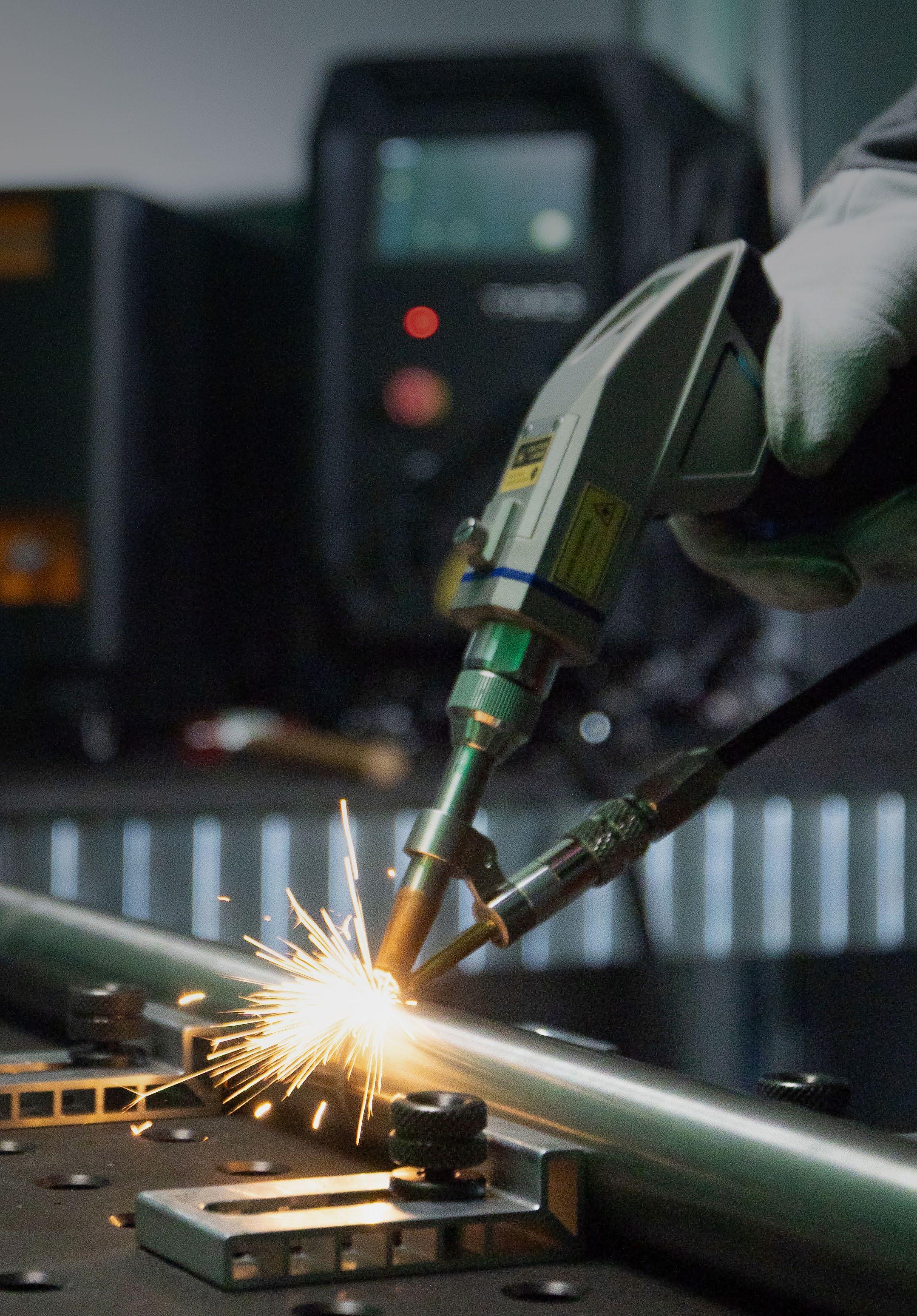
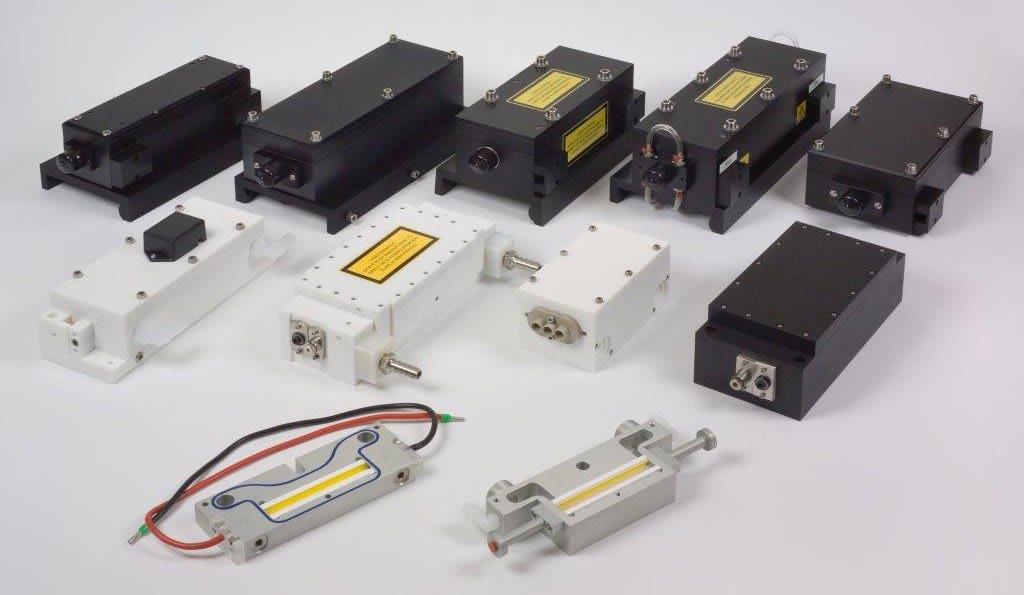
Today, after successfully operating for over 30 years, Laser S.O.S. Group’s core business sectors are in the support of a comprehensive range of solid-state lasers and IPL platforms used in various industrial applications such as drilling, cutting, welding, marking, diamond cutting, the manufacture of jewellery, medical and beauty application. These days, lasers have become as common as drills and lathes and their application has grown exponentially.
LaserSOS has grown from an operation that supplies consumable items such as laser lamps, laser crystals, laser optics and mirrors, cooling systems and power supplies to an organisation that not only supplies but also produces and maintains complete laser delivery systems throughout the world. It continues to develop tailor made solutions for specialist application such as diamond cutting and marking.
LaserSOS is an independent operation that through its success in the international laser market has been able to develop close and effective working relationships with a broad range of providers of technologies, products and services used by laser systems. These close relationships and the volume of business the company can place has helped obtain better and quicker levels of service and support for its clients worldwide.
The breadth of stock held by the organisation is second to none and where competitors may offer a client
a single laser lamp, LaserSOS can provide several types with a variety of technical and commercial options. On frequent occasion, speed of delivery can be the paramount consideration and LaserSOS has developed a knowledge and experience of the necessary logistics to deliver an item anywhere across the globe.
LaserSOS provides its clients with extensive and in-depth technical understanding of key laser technologies, gained by the development of procurement and sales of a broad range of components and services plus its own in-house facilities.
Frequently, a client will provide photos or samples of products it requires but will only have the laser system name and no part number. Finding solutions quickly can help facilitate business growth along with the maintenance of comprehensive stock levels.
Today, the business is not simply a merchanting operation. Over time, it has created and enhanced its in-house assembly and test facilities. Its current facilities located several miles outside of Cambridge offers a one stop shop providing components and technical services direct to all laser end-users.
LaserSOS has active operations in the USA, Germany, Poland and India providing technical and commercial support across the globe.
For further information, please visit www.lasersos.com
CYBER THREATS AND MARKET VOLATILITY
SIGNAL NEW REALITY FOR GLOBAL AUTOMOTIVE INDUSTRY
SECURE, TRUSTED DATA COLLABORATION IS BECOMING A PREREQUISITE CONDITION OF TRADE SAYS CATENA-X.
• Eight of the world’s top ten automotive suppliers are live in the Catena-X ecosystem, giving the association a clear view of the reality of fragmented data exchange across all tiers
• Catena-X highlights three signals for 2026 as marketaccess evidence, cost-to-comply, and software traceability move into core operations
• The association says trusted data collaboration is becoming a strategic necessity as the industry adapts to tougher proof requirements, rising compliance cost, and software-driven risk
• Shift is set to change how the industry trades, competes, and manages risk
Catena-X Automotive Network e.V., the industry’s self-governed ecosystem for securely exchanging sovereign data, is outlining three new realities it sees for 2026, based on its cross-industry view of data flows across the entire global automotive value chain.
Data is shifting from a back-office task to a boardlevel priority as it becomes essential operational infrastructure. Proof requirements are tightening market access, data overhead is rising and software traceability is now central to risk exposure. In an increasingly software-defined value chain, this shift is set to change how the industry trades, competes, and manages risk.
The automotive sector has spent decades trying to optimise physical supply chains in response to disruption, but Catena-X exists because today’s data ecosystem is still fragmented and opaque. Critical information moves through spreadsheets, PDFs and one-off IT integrations, creating cost and delays –especially when disruption hits.
Catena-X enables secure, interoperable, trusted data exchange across companies at all levels within the supply chain while protecting data sovereignty, guided by Catena-X standards. Adoption is scaling as major OEMs in Europe increasingly mandate Catena-X integration into supplier contracts. Eight of the world’s top ten automotive suppliers are live in the ecosystem, and participants can connect in one or two weeks and see savings within the first month. The EU Digital
Battery Passport is a major driver of product-level proof requirements, and Catena-X already provides infrastructure – supported by certified solutions –designed to make compliance more efficient while creating real business value.
Hanno Focken, Managing Director, Activation, Governance and Operations, Catena-X, said: “We are seeing a major shift in what the industry is being asked to prove. Data is becoming a condition of trade and a real cost-to-serve. At the same time, cyber incidents are increasingly becoming a product recall risk. Work that used to sit in the background is now affecting market access and margins. Catena-X exists to make trusted interoperable exchange practical across every tier of the supply chain, while protecting data sovereignty.”
The global automotive industry is entering a phase where information bottlenecks can be as disruptive as parts shortages. Fragmented data exchange is now a systemic risk. Competitiveness will increasingly depend on how effectively companies can collaborate across organisational and regional boundaries while protecting data sovereignty. Against that backdrop, Catena-X highlights three signals for 2026 that are driving data work into core operations.
Data
becomes a de facto trade barrier
In 2026 the trade equation is tightening. Tariff regimes, carbon border measures such as the Carbon Border Adjustment Mechanism (CBAM) and product-level carbon proof requirements, the EU Digital Battery Passport and widening due diligence obligations are all increasing demand for trusted product and supply chain evidence. In this landscape, data fragmentation becomes a de facto trade barrier. If evidence cannot be produced quickly and consistently, companies face delays, higher cost-toserve and – in some cases – exclusion from contracts or markets.
Catena-X data standards are designed to make evidence reusable across partners, instead of recreating documentation and integrations for every customer and every market. That matters most in Tier 2 and Tier 3, where readiness is uneven, and where one weak link can block an otherwise compliant Tier 1 or OEM programme. This is why the association has focussed on making Catena-X as easy as possible to connect to across tiers, in as little as two weeks, so compliance data behaves more like infrastructure and less like friction.
Data starts competing with major cost centres
Against this regulatory backdrop, data rapidly becomes a cost centre competing against R&D budgets, IP acquisition and margin flexibility. The cost question is now unavoidable, and CFOs’ attention is increasingly shifting toward data compliance as a cost-to-serve that affects tenders and market access.
A simple modelling example illustrates the margin risk. For a supplier with EUR 1 billion in revenue, 0.05 percent in compliance costs equates to EUR 500,000 per year. If that burden rises toward 2 percent as requirements multiply, it becomes EUR 20 million per year: a significant and entirely avoidable cost.
The cost driver is duplication, repeated manual reporting and bespoke IT integrations rebuilt across customers, regions and regulations. Product Carbon
Footprint (PCF) calculations are one example. CatenaX’s PCF toolkit is designed to make sustainability data usable across companies, reducing rework and shortening reporting cycles. Catena-X users point to PCF calculations being up to five times more efficient than legacy approaches, with cost reductions of more than EUR 10,000 per calculation, because standardised inputs can be reused rather than rebuilding processes from scratch.
Cybersecurity recalls become the new faulty part
In 2026, Cybersecurity risks linked to untraceable software may overtake faulty components as the main trigger for automotive recalls, and the association sees this risk moving beyond security teams. As vehicles become more software-defined and supply chains more interconnected, cybersecurity becomes product exposure because incidents can translate directly into recall risk.
A key constraint is traceability. Many organisations cannot rapidly answer what software is in which vehicles, in which version, who it was supplied by and with what downstream dependencies. A single component can contain code from multiple parties, some of them black box.
In that context, Catena-X highlights software lineage and component provenance, including the use of a Software Bill of Materials (SBOM), as essential for fast triage and containment. The practical benefit is speed and visibility because by making software traceability shareable, trusted, and usable across every tier, Catena-X users can coordinate their responses faster, and therefore reduce the disruption caused.
With adoption accelerating, Catena-X is seeing the industry align around a shared reality: trusted, interoperable data is becoming essential infrastructure, and collaboration is now a strategic necessity. The association is urging OEMs, suppliers, and solution providers to prioritise onboarding and implementation so that compliance, cyber resilience, and digitalisation can function across tiers, not just within individual organisations.
For more information, visit the PVMX pump webpage
ANT INDUSTRIES STRENGTHENS PRECISION CAPABILITY WITH SIX-FIGURE INVESTMENT IN ADVANCED TURN/MILL TECHNOLOGY
BY ERIK ARNSTEN, PRODUCT MANAGER, ABB MACHINES.
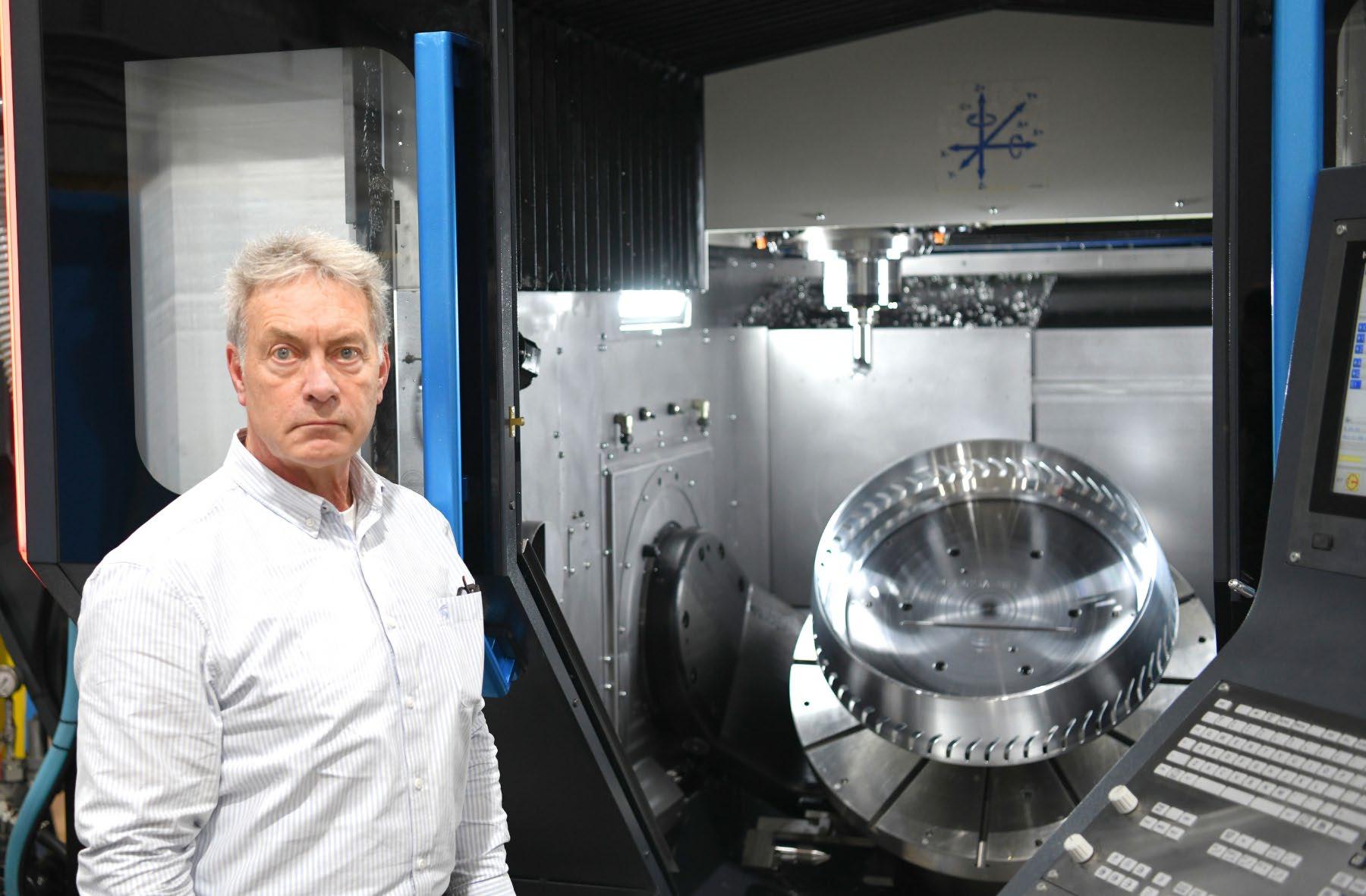
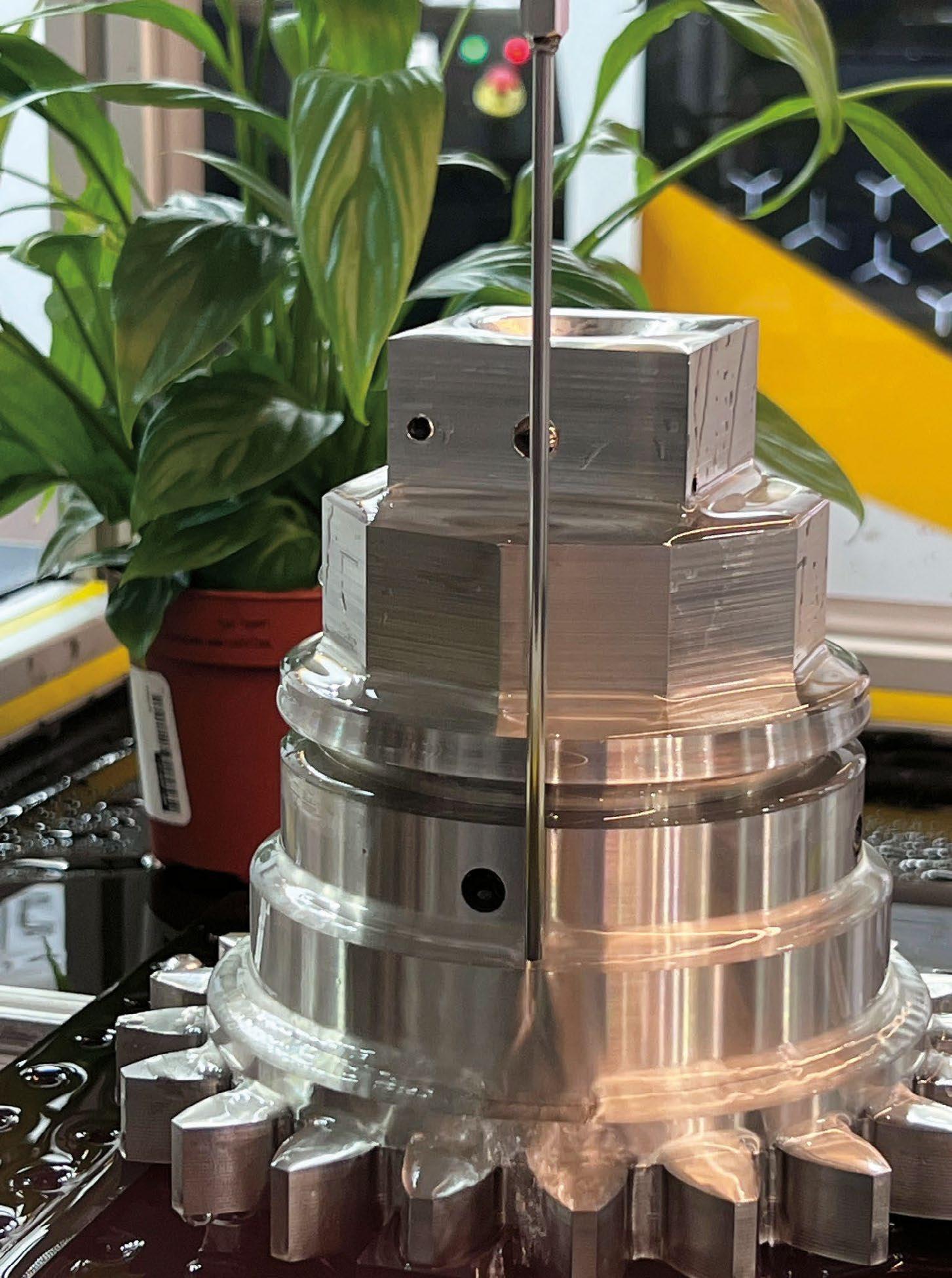
Precision engineering specialist ANT Industries has reinforced its advanced manufacturing capability with a six-figure investment in a new AXILE G8 Turn/Mill Centre at its facility in Atherstone, Warwickshire.
The new machine forms part of the company’s ongoing strategy to strengthen its position as a trusted supplier of complex components to the aerospace and gas turbine sectors. Designed to combine high-speed machining with advanced multi-axis control, the AXILE G8 will primarily be used to manufacture high value aero engine components where precision, repeatability and surface quality are paramount.
According to Managing Director Shaun Rowley, early trials have already demonstrated the machine’s performance advantages in set up reductions and geometric accuracy.
“From experiments so far, the machine is incredibly accurate and surpasses our other machines. In terms of speed, accuracy and ease of programming, it’s meeting every technical expectation,” he said. “It will predominantly be used for aero engine components, and the combination of speed, computing power and axis control ultimately gives ANT Industries greater accuracy when machining complex profiles.”
The machine’s design also delivers notable improvements in surface finishing — a critical requirement for high-performance aerospace components. Rowley explains that the difference can often be seen in the final appearance of the part.
“When you look at the surface finish of a component, you sometimes see small chatter marks that reflect the bearings in a machine spindle and slideways. Parts coming off this machine almost look like they’ve been
ground rather than milled. The finish is so good that it gives a ground-like appearance.”
Beyond finish quality, the machine’s performance lies in its consistency.
“It’s accurate, it’s repeatable and the reproducibility is extremely high,” Rowley added.
A key feature of the AXILE G8 is its centred trunnion construction, which provides enhanced rigidity and stability during machining operations. This structural design enables tighter tolerances and improved control when machining complex geometries typical of aerospace components.
“The construction of the centred trunnion gives superior stability and control — it really is quite unique,” said Rowley. “Its design makes it ultra-strong and a real differentiator for us in the market.”
While traditional manufacturing processes often involve moving components between multiple machines, the new turn/mill centre allows several operations to be completed in a single setup.
“If you have ten parts that need turning and milling, throughput can be quite quick,” Rowley explained. “Although there is one spindle doing the work, geometric accuracy is higher because the part is not being moved between different machines. The main reason for investing in this technology is the accuracy achieved by eliminating multiple changeovers.”
For ANT Industries, the investment reflects the increasing demands placed on the aerospace supply chain, where component complexity, traceability and quality expectations continue to rise. This the latest machine delivered through the partnership with The Engineering Technology Group in Wellesbourne.
With the AXILE G8 now operational, the company expects the new capability to enhance its ability to machine highly complex profiles while delivering the precision and repeatability required by global aerospace and gas turbine customers.
For more information, visit www.antindustries.com
Industry-defined
Mechanical Integrity Training
Developed and verified ‘for industry, by industry’, EEMUA 231 Mechanical Integrity courses are for i n dustrial engineers at every career stage – with reality built - in to aid efficient hands-on work with primary containment and prevent loss of hazardous substances, including with pressure systems .
• Satisfy industry requirements at each competency level – Awareness, Basic application, Practitioner, Leader
• Covering: *Legislative environment *Industry good practice *WSE *Equipment design *Operational considerations *Audit *Asset condition *Test techniques *Inspection roles, process & reports *Postponement *Responses to findings *ALARP *Record keeping *Feedback *User responsibilities & competencies *Operating Limits *Decision Making
• Certificated up to 5 years – CPD-approved.
• Flexible delivery to suit Learners and companies – Blended, Live online, Classroom, E-learning, or In-house.
• Courses throughout each year available to all – free or discounted to EEMUA Members and Associates
EEMUA Hydrogen Damage Mechanisms Basics – blended, live online – for those with at least 1 year of experience – flexible learning 4 hours per week –CPD 21 hours – next course starts 20 April 2026
EEMUA 231 Mechanical Integrity Basics
blended, online learning – at Basic application competency level – flexible 4 hours of learning per week for 3 weeks – 12 hours of CPD – certificated via exam – next course starts 28 September 2026
EEMUA 231 Mechanical Integrity e-learning –set at the Awareness level – with 1 hour of CPD –immediately available – on-demand
Mechanical Integrity Practitioner Certificate (MIPC®) – part-time, blended, live online learning – on-site or on-call – 1:1s and Mentor Support –workbook builds from day-1 for immediate application on-site of EEMUA 177, 231 and 232 guidance, and the PSSR ACOP – certificated for 5 years via exam and portfolio assessment –in-depth learning for 27 weeks, flexible 4 hours per week – CPD of 110 hours The MIPC course adapts to the engineering needs of each Learner, company and site/s via a 2-hour induction (to fit work ahead of the course) – learning on the next course starts 19 October 2026
EEMUA Pressure Systems Seminar – Coventry, UK – 23 April 2026
LIGHTER. SAFER. SMARTER.
DESIGNING SAFETY AND SUSTAINABILITY INTO VEHICLE-MOUNTED ACCESS PLATFORMS.
By Marc Paish, managing director at Aldercote
When access equipment is used at height, safety is ultimately determined by engineering choices made long before the platform reaches site. While safety is the priority, those choices also need to take into account additional pressures, such as maximising reach reducing fuel consumption and minimising downtime.
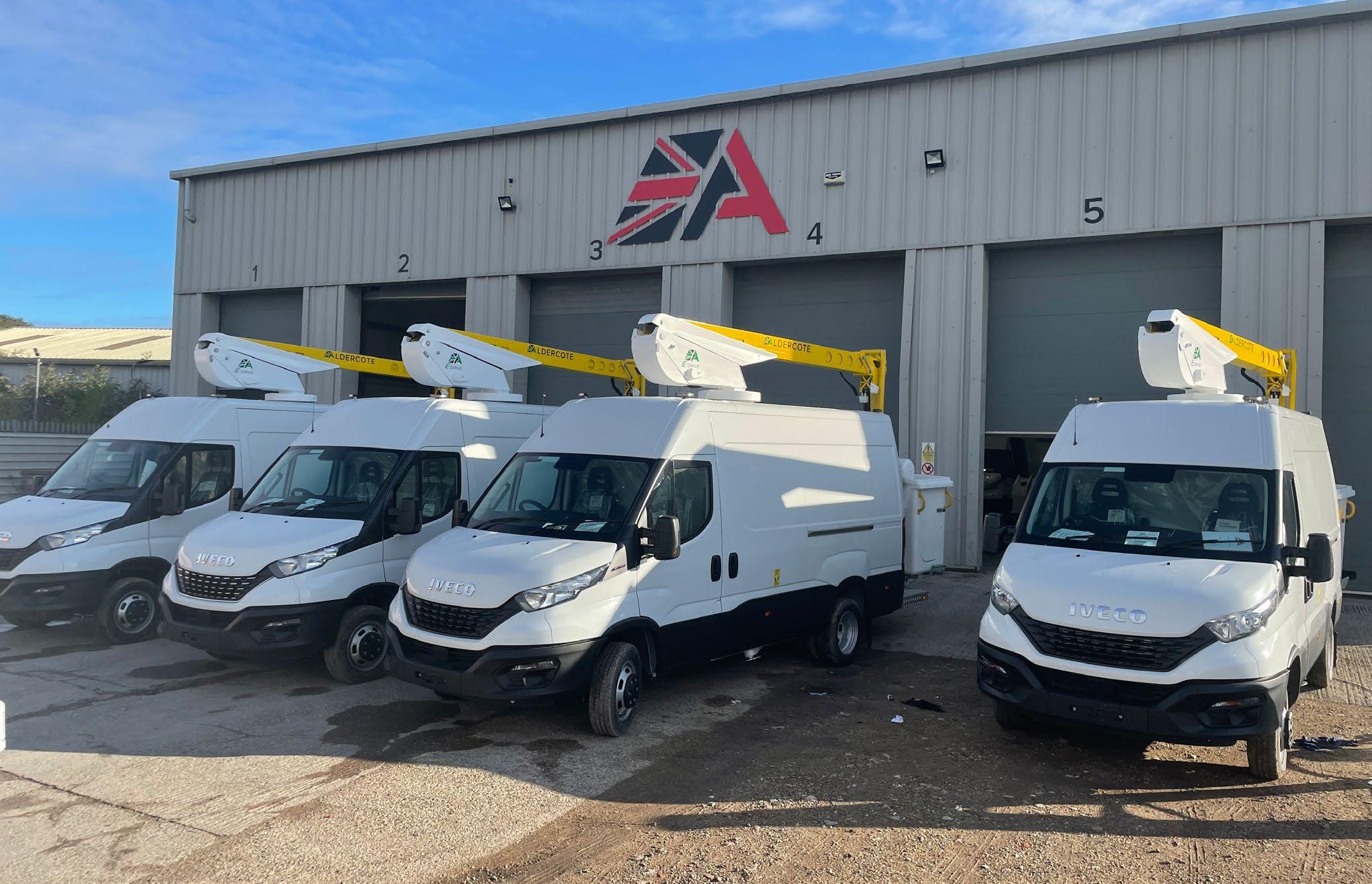
That’s why engineers at Aldercote have rethought traditional designs from the ground up. The result is a new generation of lightweight, fuel-efficient vehiclemounted access solutions built around smarter materials, cleaner hydraulics, and, increasingly, electric-integrated power systems.
Aldercote is an established UK manufacturer specialising in innovative vehicle-mounted access platforms, which are widely used across utilities, infrastructure, telecoms and fleet operations.
One of the company’s clearest advances is the move toward lighter platforms that retain the strength and stability operators expect. By using high-tensile steels and optimised boom geometries, Aldercote trims mass without sacrificing structural integrity. This allows the platforms to reach further and higher, and each kilogram saved translates directly into reduced fuel use, helping fleets meet tightening emissions targets and extending the life of the vehicle. For operators working in utilities, telecoms or highways maintenance, where platforms are deployed dozens of times per shift, those fuel savings accumulate rapidly.
Engineering decisions made at the design stage also have an outsized effect on lifetime operating cost. By opting for simplified hydraulic circuits, sealed-forlife components, and modular assemblies, Aldercote reduces potential failure points. This means service intervals are longer, maintenance is less intrusive, and routine upkeep is faster.
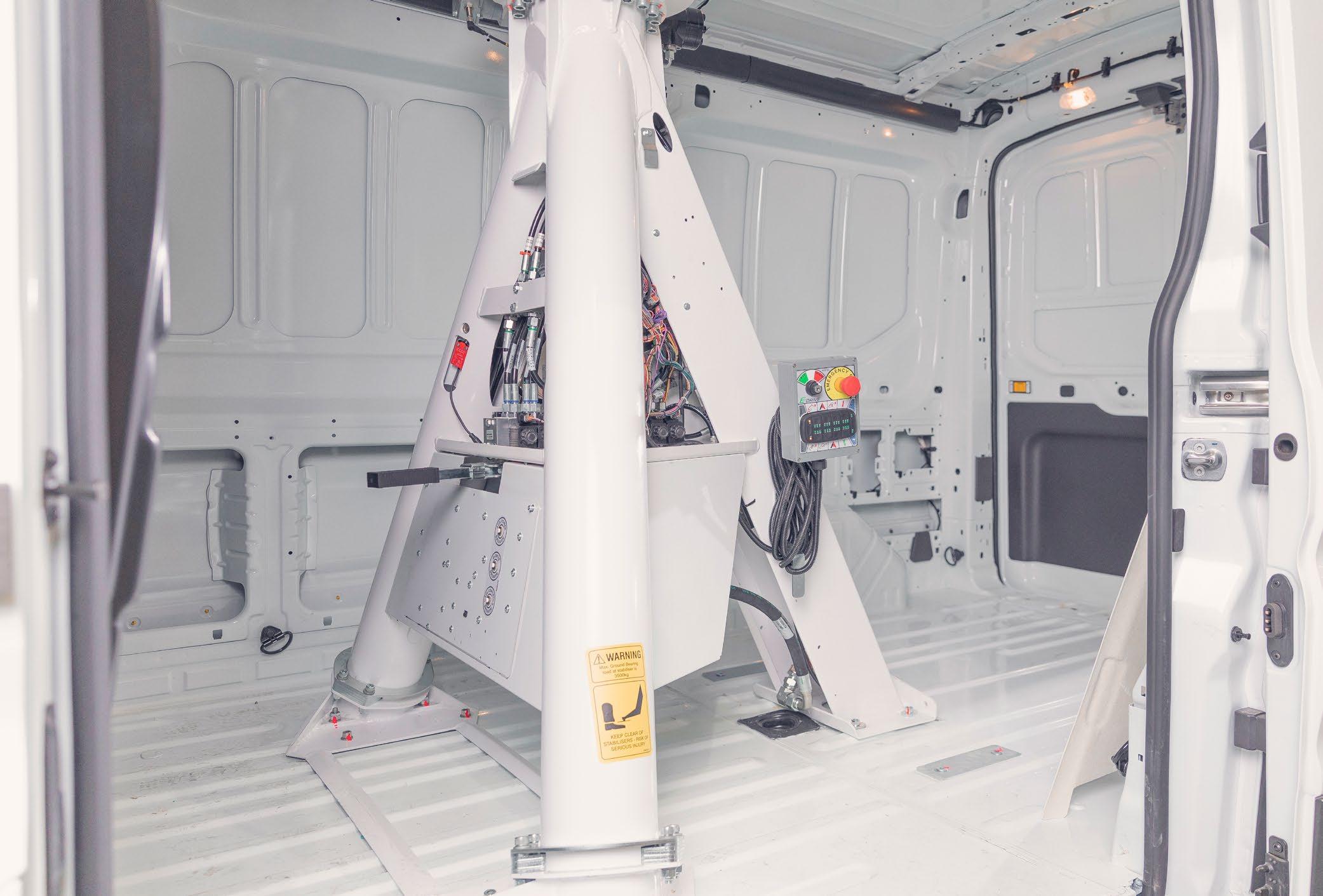
The system recharges on the move, meaning no downtime or plug-in charging between jobs.
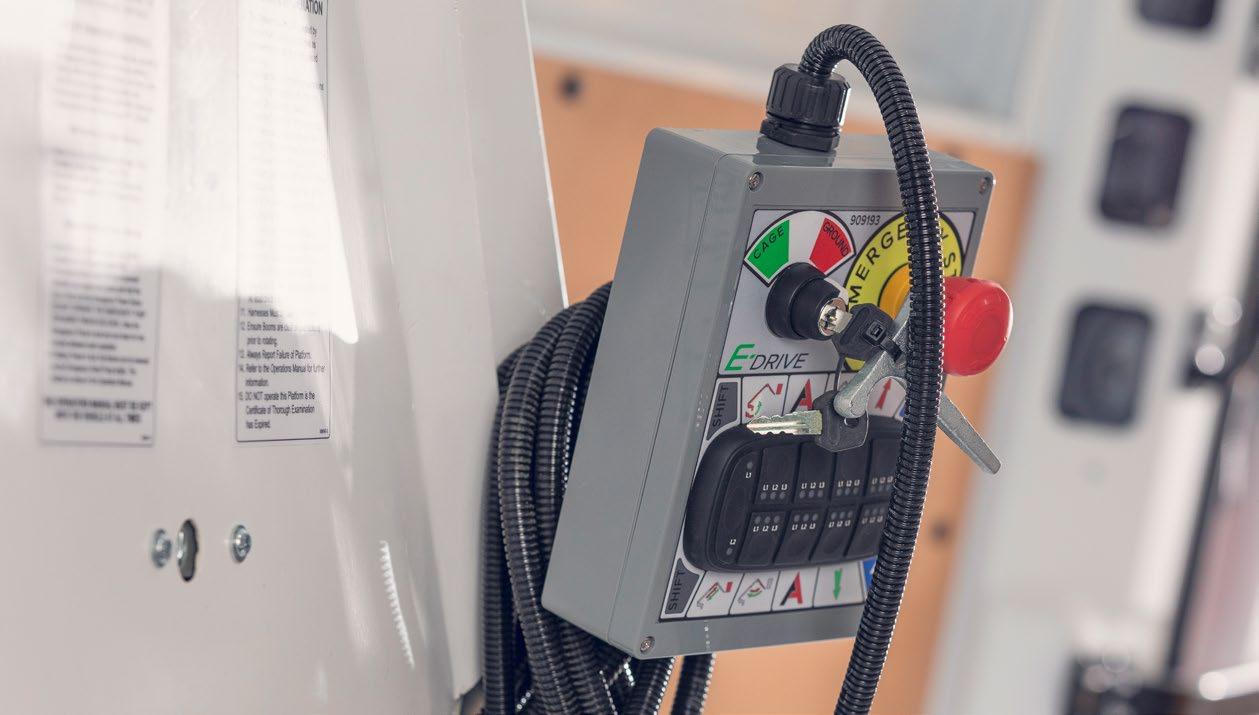
The real breakthrough is Aldercote’s self-charging electric system, E-Drive. By enabling platform operation with the engine off, it dramatically reduces fuel consumption, emissions, exposure to noxious fumes and noise. The system recharges on the move, meaning no downtime or plug-in charging between jobs.
E-Drive is designed with the demands of modern fleet operations in mind: lower carbon footprint, lower fuel and maintenance costs, quieter and vibration-free operation, and more precise, accurate movements.
Replacing a traditional diesel-powered access system with E-Drive, for example, can save about 600 litres of fuel per platform per year. That translates to a reduction of approximately 1.5 metric tonnes of CO2 emissions.
Ultimately, smarter platform design – from lightweight structural engineering to hybrid electric power and lower-maintenance hydraulics – is helping fleets improve safety, sustainability and cost-effectiveness. For Aldercote, the shift is about building better machines with a focus on the future.
BRINGING ANALOGUE SENSORS INTO THE DIGITAL ERA:
A SMART RETROFIT APPROACH FOR MAINTENANCE TEAMS.
For many maintenance engineers, analogue sensors remain the backbone to reliable measurement in industrial plants. Devices using 4 to 20 mA and 0 to 20 mA signals are valued for their simplicity, robustness and long service life. However, as digitalisation and data driven condition monitoring advance, these legacy sensors often fall outside modern automation systems. Fully replacing them is rarely practical due to cost, time and limited necessity. Maintenance teams instead need an effective way to connect proven analogue technology with today’s digital requirements.
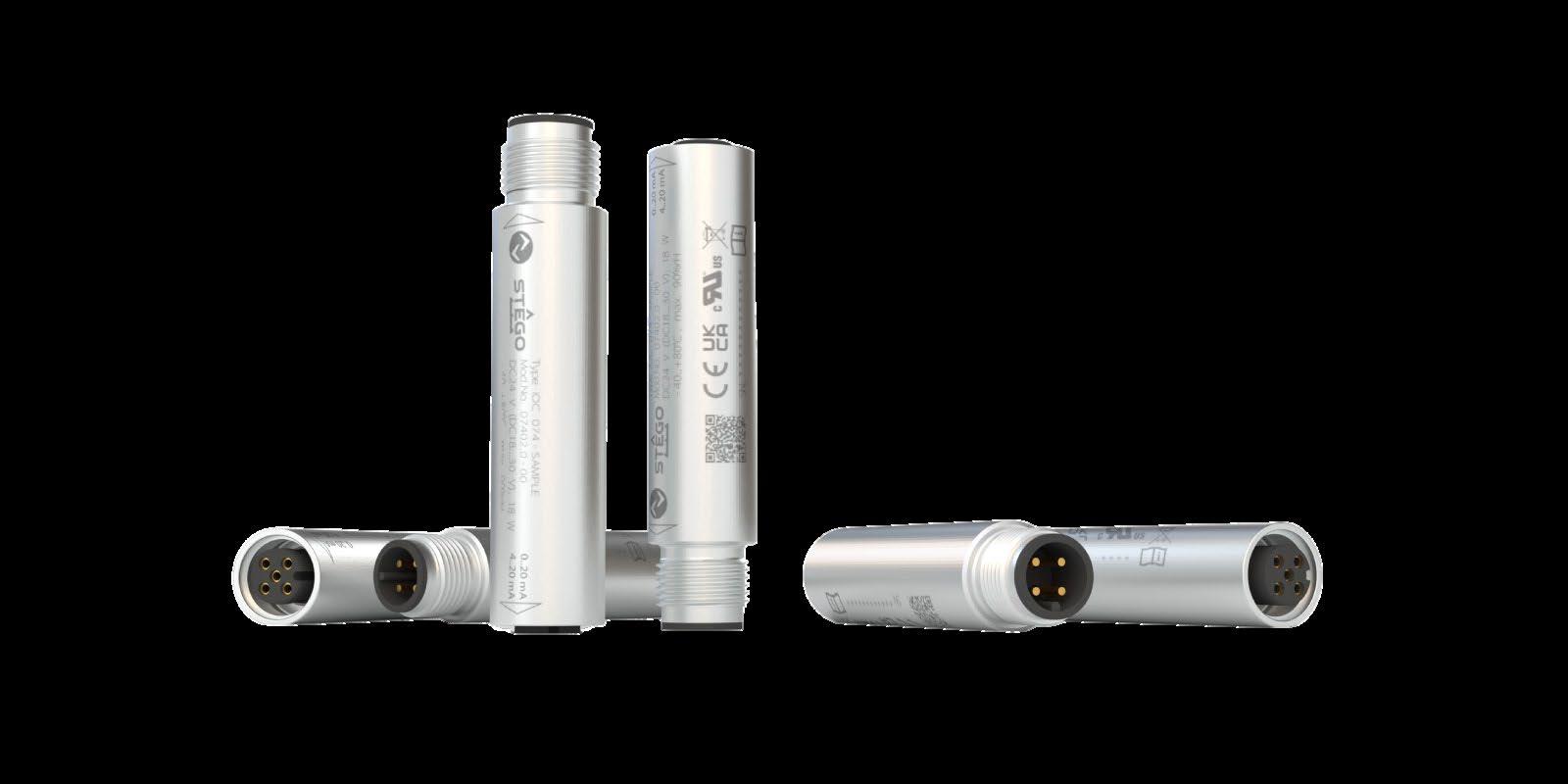
This is where STEGO’s new IOC 074 IO-Link Converter becomes relevant. Designed for retrofits and maintenance upgrades, the device enables existing analogue sensors to communicate digitally without requiring replacement. For facilities taking incremental steps towards smarter automation, following a philosophy of evolution rather than revolution, the converter provides an effective middle ground.
A major strength of the IOC 074 is its ability to digitalise up to three analogue channels simultaneously, making it the first converter of its kind. With many machines still using multiple analogue inputs packed tightly into control enclosures, this offers clear gains in wiring efficiency and cost per channel. Its compact size, at 14 millimetres in diameter and 63 millimetres long, allows it to fit easily alongside existing sensor setups, even in confined spaces.
The IOC 074 is also built for demanding maintenance environments. Its stainless-steel housing rated to IP65, IP66 and IP67 ensures reliable operation in areas exposed to dust, moisture, vibration and other harsh conditions. Installation requires no specialist tools,
with standard M12 connectors and a supplied pipe clip enabling quick and straightforward mounting during planned maintenance work.
Configuration is fully software based through IOLink tools such as LR-Device. Users can define measurement ranges for temperature, pressure or other parameters without manual scaling or the need for additional hardware. The converter manages automatic signal processing and supplies ready to use digital values directly to the control system. For maintenance teams, this simplifies commissioning, reduces calibration errors and improves data consistency.
Digitising analogue signals also supports predictive maintenance, clearer diagnostics and quicker fault identification. With greater visibility of sensor behaviour including drift, failure trends and out of range conditions, teams can act proactively, reduce unplanned downtime and extend equipment lifespan.
As digital transformation continues to shape maintenance strategies, retrofit solutions such as the IOC 074 offer a practical and cost-effective way forward. Facilities can enhance their proven analogue technology while gaining improved diagnostics, greater process transparency and better operational efficiency, creating a maintenance approach that is ready for the future and aligned with the principles of Industry 4.0.
www.stego-group.com
ANALOG BECOMES DIGITAL
I O C 0 7 4 I O - L I N K C O N V E R T E R
STEGO’s IOC 074 brings analog sensors into the digital age by converting up to three 4–20 mA signals into the IO-Link protocol. It’s the ideal solution for retrofitting legacy systems and enabling modern, forward-compatible automation infrastructures.
www.stego-group.com
CLOSING THE GAP: HOW AUTOMATION CAN BOOST UK MANUFACTURING COMPETITIVENESS
The manufacturing sector is under increasing pressure to deliver more with fewer resources. Rising costs, labour shortages, sustainability demands, and intensifying global competition are forcing organisations to rethink how they operate. In this environment, automation is no longer optional.
Yet adoption in the UK has been comparatively slow. According to the International Federation of Robotics (IFR), the UK has around 100-120 industrial robots per 10,000 manufacturing workers, far below countries such as Germany and South Korea. This gap highlights both a challenge and a significant opportunity for UK manufacturers seeking to boost productivity and competitiveness. Encouragingly, UK robot installations rose by 51% in 2023, signalling growing momentum, particularly in automotive and high-precision industries.
The benefits of automation are clear. Beyond replacing manual labour, it increases productivity, reduces downtime, improves quality and consistency, and enhances workplace safety by removing operators from hazardous or repetitive tasks. Automation also supports sustainability goals, reducing waste and energy consumption while lowering operational costs.
For manufacturers facing ongoing skills shortages and rising input costs, these advantages are critical to maintaining throughput and scaling effectively in volatile markets.
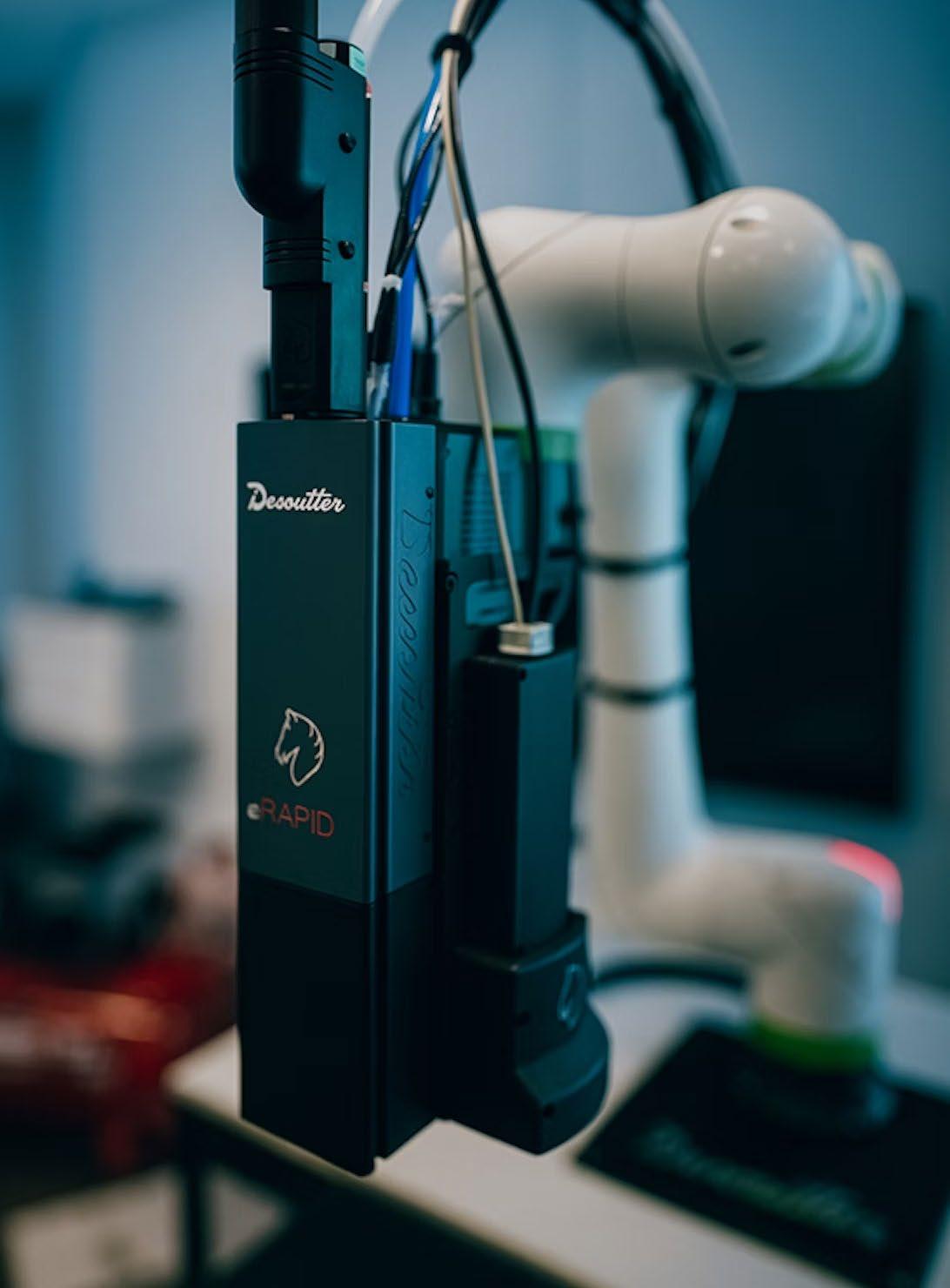
Providers such as Desoutter offer connected tools and systems designed to optimise efficiency, ensure consistency, and provide real-time production insight. This includes robotic-compatible spindle screwdrivers for precise, repeatable fastening, automated screw feeding systems that reduce cycle times, and vision-based positioning technologies that allow flexible, accurate robotic assembly even when part locations vary. Complementing these tools, realtime data analytics platforms and integrated process control systems enable full visibility of production performance, faster data-driven decision-making, and standardisation across operations.
Adoption is essential to close the productivity gap with global competitors and secure long-term growth.
Manufacturers exploring automation options can consult with Desoutter, who offer connected automation solutions.
UK MANUFACTURING SHIFTS FROM VOLUME TO VALUE AS TECHNOLOGY AND RESILIENCE REDEFINE
COMPETITIVENESS
For decades, UK manufacturing has been framed around a simple equation: volume versus cost. But in today’s industrial landscape—shaped by persistent cost inflation, geopolitical uncertainty and accelerating technological change—that model is rapidly becoming obsolete. Competitiveness is no longer determined by scale alone, but by the ability to deliver complex, high-value components with precision, consistency and resilience.
Recent findings from the Make UK Executive Survey 2026 underline this shift. Despite rising employment, energy and technology costs, nearly two-thirds of manufacturers believe opportunities outweigh the risks in the year ahead. Crucially, businesses are not retreating. Instead, they are investing—prioritising innovation, digital transformation and new product development as routes to growth. It is a decisive move away from commoditised production towards capability-led manufacturing.
For HT Brigham Pressings, the Birmingham-based metal pressings specialist, this is not a new direction
but a long-standing philosophy now firmly aligned with wider industry trends.
“The UK is no longer set up to compete purely on volume or lowest cost,” says CEO Doug Allen. “Our strength is in engineering depth, process control and the ability to deliver complex work reliably.”
That capability is increasingly being called upon as instability within the automotive and wider manufacturing supply chain creates both risk and opportunity. Across the sector, margin pressures and operational challenges have left some suppliers struggling to maintain performance, prompting OEMs and Tier 1s to seek alternative partners capable of restoring stability at pace.
Brigham has positioned itself at the centre of this dynamic. The business has developed a strong reputation for stepping into underperforming or distressed supply situations—taking on transferred tooling and programmes from suppliers in difficulty and rapidly stabilising production. This is not simply a question of available press capacity; it requires a
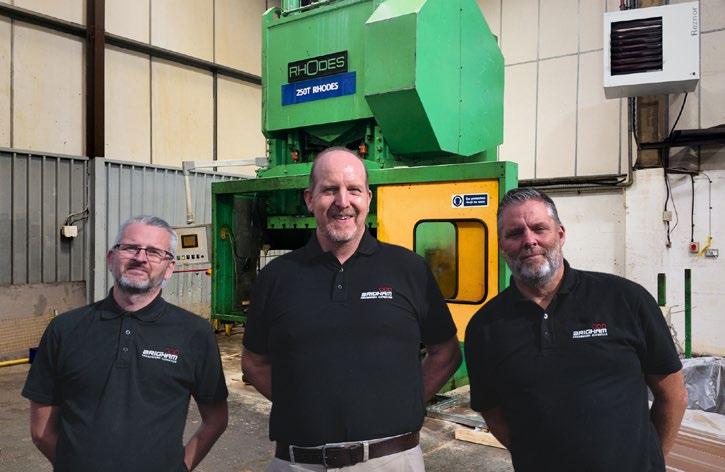
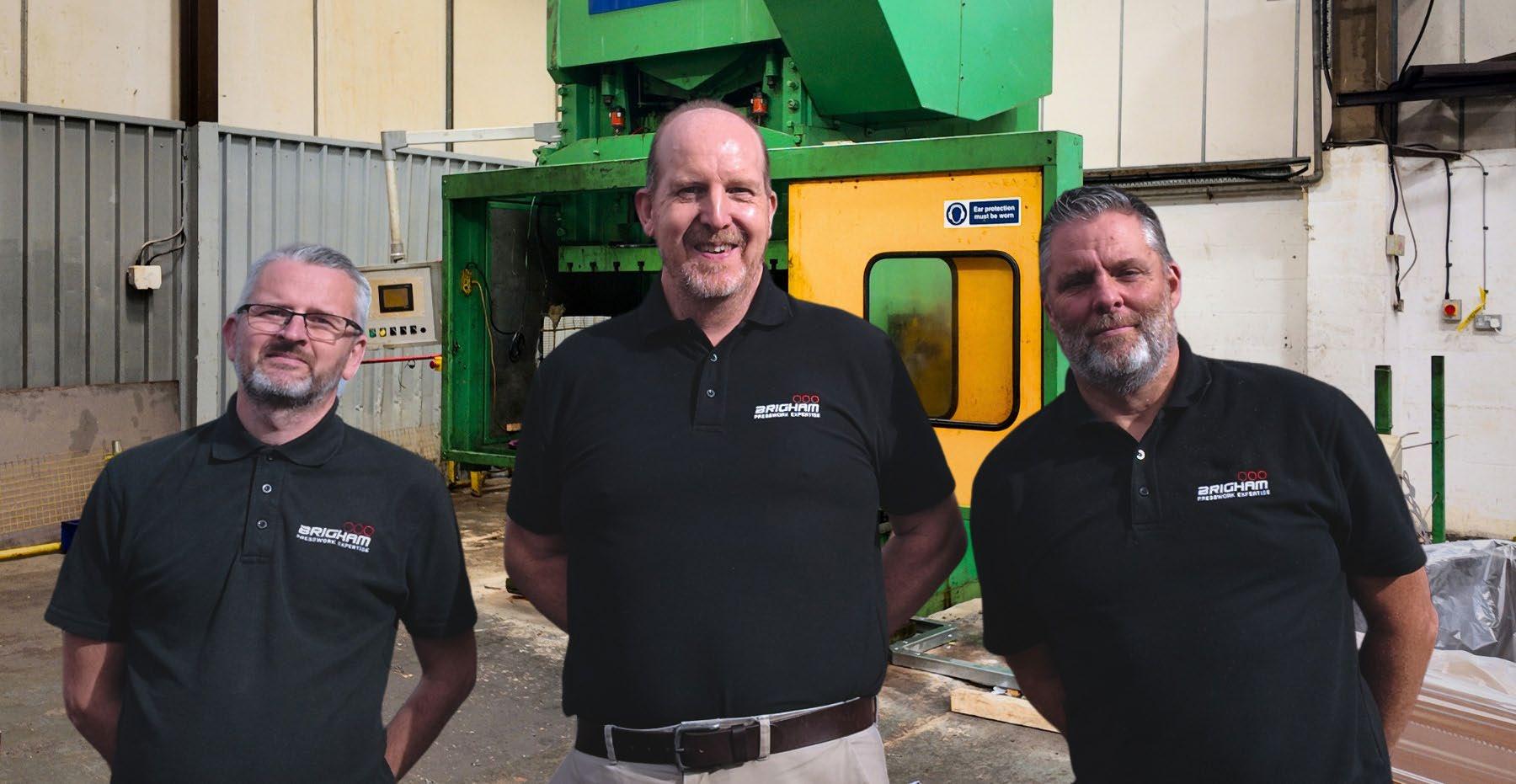
Michael Benham, Ops Director (left) Doug Allen, CEO (centre) Allan Murrary, MD (right)
Anna Lavender-Moore, Compliance Director
combination of engineering expertise, tooling knowledge and disciplined process validation.
“When a programme comes across from a supplier that’s struggling, the priority is rebuilding confidence,” Allen explains. “That means assessing tooling condition, understanding the history of the job, validating every stage of the process and getting parts back into consistent, reliable production as quickly as possible.”
This ability to recover and re-establish supply has become a critical differentiator in a market where continuity is often as valuable as cost. Customers are increasingly prioritising partners who can not only manufacture components, but also safeguard programmes when disruption occurs.
At the heart of this capability is Brigham’s integrated toolroom and in-house engineering team, which allows the company to take full control of tooling performance and lifecycle management. Rather than relying on external support, Brigham can quickly refurbish, adapt or optimise tools brought in from other suppliers, significantly reducing the time required to return programmes to stable output.
This operational depth reflects a broader industry shift identified in both Make UK and Deloitte research. As manufacturers face growing complexity, investment in smart manufacturing technologies, process control and digital systems is becoming central to competitiveness. Deloitte’s 2026 outlook highlights that the majority of manufacturers now view advanced technologies—including automation, data analytics and AI—as essential to improving productivity, increasing agility and unlocking capacity.
For Brigham, however, technology is only part of the equation. The real value lies in combining digital capability with hands-on engineering expertise and a culture of accountability on the shop floor.
“If you’re operating at the commodity end of the market, you’re always exposed to price pressure,” Allen says. “But when you’re taking on complex work, managing tooling properly and working closely with customers, you’re adding value in a completely different way.”
This approach is also shaping the company’s longerterm growth strategy. Alongside organic expansion,
Brigham is actively exploring opportunities for growth through acquisition—particularly where businesses bring complementary capabilities or where there is potential to stabilise and strengthen underperforming operations.
In a market where some suppliers are under strain, this presents a strategic opportunity to consolidate capability while reinforcing resilience across the supply chain. Acquisitions are not viewed simply as a route to scale, but as a means of extending engineering expertise, broadening customer relationships and enhancing the company’s ability to support complex programmes.
“There are good businesses out there that need the right support, the right systems and the right approach to realise their potential,” Allen notes. “If we can bring those capabilities into the group and strengthen them, it benefits both the business and the customers they serve.”
This combination of operational resilience and strategic ambition reflects a wider mood across UK manufacturing. The Make UK survey shows that companies are increasingly focused on growth— expanding product portfolios, entering new markets and investing in customer engagement—despite the continued pressure of rising costs. At the same time, the UK’s Industrial Strategy is beginning to rebuild confidence, with a majority of manufacturers expecting it to support increased investment, even if structural challenges around energy, skills and competitiveness remain.
What is emerging is a more focused, capabilitydriven manufacturing sector—one that recognises its strengths and is aligning investment accordingly. High-value production, supported by engineering expertise and digital infrastructure, is becoming the foundation of competitiveness.
For HT Brigham Pressings, that strategy is already delivering results. By positioning itself as a reliable partner in times of disruption, the company is not only protecting existing programmes but also opening new avenues for growth.
“Turning out parts isn’t enough anymore,” Compliance Director, Anna Lavender-Moore says. “Customers need confidence in their supply chain. If you can provide that—if you can step in, solve problems and deliver consistently—then you’re competing on capability, not just cost.”
In a manufacturing landscape increasingly defined by uncertainty and complexity, that capability may prove to be the UK’s most valuable asset.
For more information, visit www.brighampressings.com
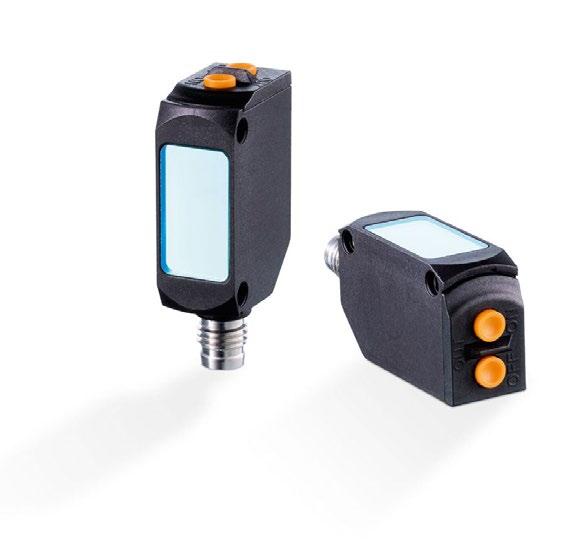
IFM HAS ANNOUNCED THE LAUNCH OF ITS NEW O6D100 PMD DISTANCE SENSOR
AN ALL-ROUNDER DESIGNED TO DELIVER EXCEPTIONAL PERFORMANCE IN A COMPACT O6 HOUSING.
This powerful new sensor is engineered for universal application in materials handling, robotics, assembly automation, and logistics, offering a versatile solution for confined spaces and complex detection tasks.
The O6D100 leverages PMD time-of-flight technology to ensure reliable and robust object detection, regardless of an object’s colour, angle, or surface characteristics. A key feature is its high excess gain, which enables it to accurately detect challenging objects, including those that are deep black or highly reflective. With an extended detection range of up to 3 metres, the sensor provides flexibility for applications both within and outside the immediate process environment.
To meet the demands of a wide range of applications, the O6D100 features three distinct
operating modes - Fine, Standard, and Fast - which can be easily switched via IO-Link. This adaptability allows a single device to fulfil multiple sensing requirements,
enhancing efficiency and reducing stockholding. The sensor also includes adjustable hysteresis, with a factory setting optimised for stable switching states even with changing object colours, which can be customised by the user for single-colour object detection.
Designed for rapid integration, the O6D100 fits seamlessly into existing machine setups using the industry-standard O6 design and a simple M8 connector for electrical connection. Its IO-Link capability allows for quick integration into modern control architectures and enables remote configuration, streamlining setup and maintenance procedures for automation professionals.
www.ifm.com
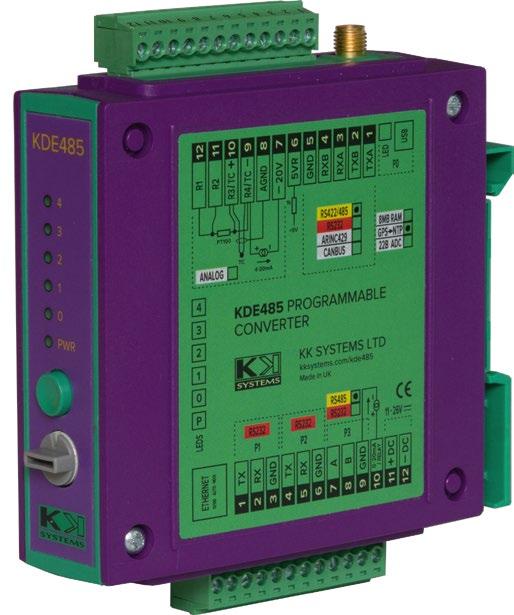
Free
Ethernet TCP/IP with TLS HTTPS security & USB
Four Serial Ports 232/4xx
Analog I/O 16/22 bit & 4-20mA
PT100/1k & TC input
Lots of example code
GPS
Expandable I/O
ARINC429
Remote fw updates
KK Systems Ltd 01273 857185
DATA-DRIVEN UPTIME
ENHANCING CONDITION MONITORING WITH MACHINE LEARNING.
In today’s industrial facilities, condition monitoring plays a critical role in helping engineers and operators keep a constant eye on temperature, power consumption and equipment health. With UK and European manufacturers losing over £80 billion to downtime in 2025 alone, according to data from IDS-INDATA, the need for early insights is clear. Furthermore, as machine learning (ML) technology evolves, condition monitoring capabilities will only increase, explains Mark Richards, UK sales manager for Beckhoff UK.
Condition monitoring delivers value by providing early, actionable insight into asset health. Having identified subtle changes in machine behaviour, maintenance teams can intervene before these develop into damaging failures. The benefits of early intervention include reduced downtime, minimal secondary damage and improved overall equipment efficiency. Condition monitoring also supports better operational decision-making by increasing transparency in how machines behave under different loads, speeds and production conditions.
However, there’s a caveat. As production systems become more complex and flexible, traditional rule-based monitoring approaches can struggle to keep pace. This is where machine learning is starting to reshape things. ML-based condition monitoring systems can learn what “normal” operation looks like directly from historical data. They can account for changing operating stats, process variability and multi-sensor interactions that are difficult to model. The result is earlier and more reliable fault detection, fewer false alarms and systems that scale more effectively across machines and production lines.
Building a strong data foundation
When implementing machine learning within control monitoring systems, operators and engineers must have a strong data foundation. While ML algorithms are powerful, their effectiveness depends on the quality and relevance of the data they receive. Selecting appropriate sensors, positioning them accurately and ensuring strong sampling rates are essential first steps.
It is also important to factor in the operational context. Industrial machinery and equipment rarely operate in a single steady state – variations in speed, load, product type and duty cycle all
influence asset behaviour. By capturing contextual information alongside condition data, ML models can learn how a machine behaves under different operating conditions. This enables systems to distinguish between regular process variation and early indicators of fault detection, helping reduce false alarms and improve confidence in the insights provided.
From analysis to action
Once data is available, the focus shifts to how insights are generated and used on the factory floor. In many cases, ML-based condition monitoring is most effective when deployed incrementally. Initial models can help provide advisory alerts, highlighting deviations from learned normal behaviour rather than triggering automated responses.
The deployment architecture is also important. Performing analysis close to the machine enables faster response times, while higher-level systems can aggregate information across multiple assets for long-term analysis. Integrated automation environments can support both approaches, meaning machine learning and condition monitoring functions can function simultaneously.
Beckhoff’s approach brings measurement, analysis and control together within a unified platform. EtherCAT measurement terminals capture a wide range of condition signals — from vibration and temperature to current and pressure — and transmit them synchronously to the controller via highspeed fieldbus technology. Within TwinCAT, these raw signals are processed alongside traditional control tasks, allowing engineers to apply analytics using built-in libraries or standard open interfaces.
There are several benefits of this system-integrated approach. Time-synchronised data capture improves analysis reliability across multiple channels. Combining condition data with other operational signals improves overall fault detection accuracy, and as mentioned earlier, reduces false alarms. Furthermore, because signal acquisition and analytics are live within the same control framework, engineers can more easily correlate MLderived insights with process context and decision logic.
As machine learning becomes more widespread in industrial settings, its role in condition monitoring
will only increase along with its influence over maintenance strategies. By combining highquality data, operational context and incremental deployment, engineers can move beyond reactive maintenance toward more predictive and resilient operations. When measurement, analytics and control are tightly integrated, condition monitoring becomes not just a diagnostic tool, but a practical decision-making asset.
For more information on how a system-integration approach to condition monitoring helped reduce maintenance costs and risk in a wind turbine project, visit the Beckhoff site and read this short case study: https://www.beckhoff.com/en-gb/industries/windturbines/measurement-technology-integration/.
About Beckhoff
Beckhoff Automation implements open automation systems based on PC Control technology. The product range covers Industrial PCs, I/O and Fieldbus components, drive technology and automation software, and all products can be used as separate components or integrated into a complete and seamless control system are available for all industries. Its New Automation Technology philosophy represents universal and open control and automation solutions that are used worldwide in a wide variety of different applications, ranging from CNC-controlled machine tools to intelligent building automation.
For further information, please visit www.beckhoff.co.uk
POWER SUPPLIES IN THE TME OFFERSMALL SIZE, HUGE POSSIBILITIES?
HIGH EFFICIENCY AND MAXIMUM RELIABILITY FOR THE INDUSTRY.
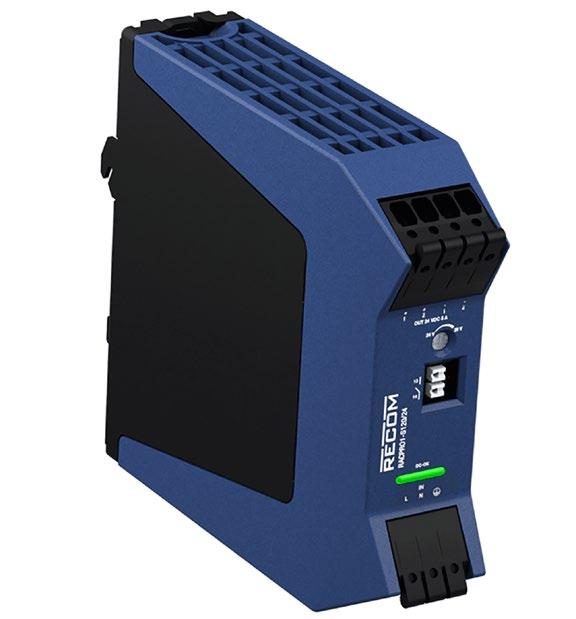
RECOM consistently develops its portfolio of industrial power supplies, responding to the growing demands of the automation market, system integrators, and machine manufacturers. The increasing density of installations in control cabinets, the need for high energy efficiency, and stable 24V DC power supply mean that designers expect compact, efficient, and reliable solutions.
The answer to these needs is the RECOM RACPRO1-S series, modern AC/DC power supplies for DIN rail, designed to operate in a demanding industrial environment. The devices combine high efficiency, a wide range of input voltages, and a design adapted for continuous operation in automation applications.
Stable 24V DC power supply in an industrial environment
Models from the RACPRO1-S series are switching power supplies designed for DIN rail mounting, offering a standard output voltage of 24V DC – most commonly used in industrial automation.
Key parameters include a wide AC input voltage range (85…264V) and a stabilized 24V DC output, with efficiency exceeding 90%. The adjustable output voltage range is between 24...29V DC. The compact housing facilitates integration in control cabinets, and compliance with safety and EMC standards for industrial applications ensures long and trouble-free operation.
RACPRO1-S120
The external dimensions of this power supply are only 100x28x112mm
Thanks to the wide input voltage range, the devices can operate in both single-phase 230V AC installations and systems with unstable power parameters.
High reliability and resistance to working conditions
The RECOM RACPRO1-S series has been designed for continuous operation in industrial applications. The manufacturer has ensured solid protection of the power supplies against short circuit, overload, and surge, as well as temperature control during operation.
The compact design is adapted for mounting in dense installations, which increases the possibilities for use in advanced automation systems. It is worth noting the high efficiency, which reduces heat losses. This is particularly important in densely packed control cabinets. Less heating not only means higher durability of components but also greater stability of output parameters.
Applications of the RACPRO1-S series
Power supplies from the RACPRO1-S series are used in:
• PLC control systems,
• I/O modules, industrial sensors and converters, HMI systems, building automation and HVAC,
• machine and production line control systems.
This solution is particularly attractive for projects where reliability, standard 24V DC voltage, and DIN rail mounting are crucial.
RECOM in TME’s offer – proven solutions for the industry
The RECOM brand has been providing high-quality power solutions for electronics and industry for years. The introduction of the RACPRO1-S series expands the offer with modern, compact industrial power supplies that meet current normative and application requirements.
www.tme.eu/gb/
RITTAL AND PULS ENTER INTO A TECHNOLOGY PARTNERSHIP
DEVELOPMENT COOPERATION: POWER SUPPLIES ON RILINEX.
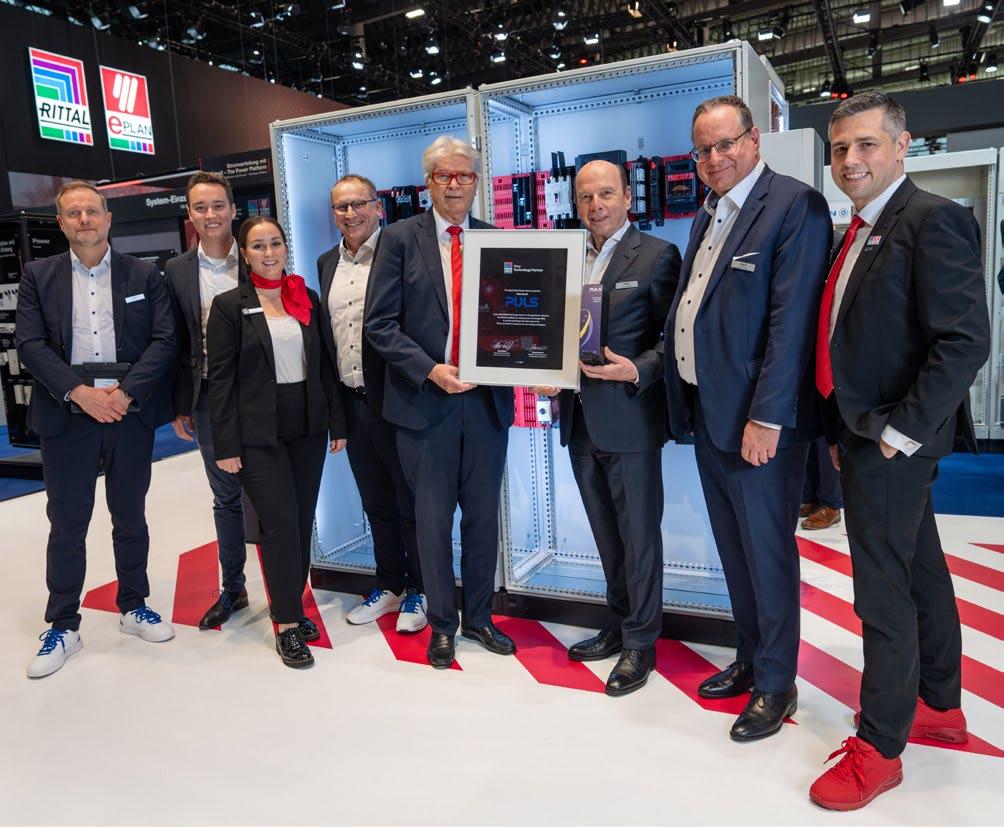
Alliance for a more competitive mechanical and plant engineering sector. Rittal and PULS seal their partnership at SPS 2025 in Nuremberg.
Promoting plant engineering with greater efficiency and speed: This is the aim of the new technology partnership between Rittal and PULS, concluded at the SPS trade fair in Nuremberg in November 2025. Together, the two companies are developing innovations for the European and international markets that significantly speed up plant engineering. The combination of Rittal’s RiLineX, as the new standard platform for busbar systems, and marketleading power supplies from PULS provides the platform.
This partnership brings together two technology leaders in their respective fields for joint development projects: Rittal as the world’s leading supplier of enclosure systems and PULS as the market and technology leader in industrial power supply solutions. This agreement makes PULS the first technology partner of the RiLineX standard platform’s Power Supplies function group.
“We are delighted to have found a top manufacturer of industrial power supply solutions in PULS. It ideally complements the Rittal product range centred around RiLineX with its innovative power packs and high level of technical expertise,” says Raphael Görner, Executive Vice President, Energy & Power Solutions at
Rittal. With RiLineX, Rittal is setting a new standard for power distribution technology in mechanical and plant engineering. By using our highly efficient PULS power supplies, we are expanding the platform’s benefits to ensure even more efficient plant construction for our joint customers,” adds Bernhard Erdl, CEO and founder of PULS.
Most PULS power supply units are mounted and wired on the DIN-Rail. In the future, the company will also offer options with special mechanical modifications that can be contacted directly on the RiLineX board. In the future plant constructors will benefit from significant advantages by reducing the space required on the busbar, installing 97% efficiency, low-maintenance power supplies without requiring tools, and do so faster and more easily, significantly reducing wiring costs. This is real added value, especially during periods of skilled labour shortages. Much less engineering effort is required when planning 60-mm busbar systems, which are often complex for plant constructors. Speed is of the essence, particularly in growing fields such as building technology or battery energy storage systems (BESS).
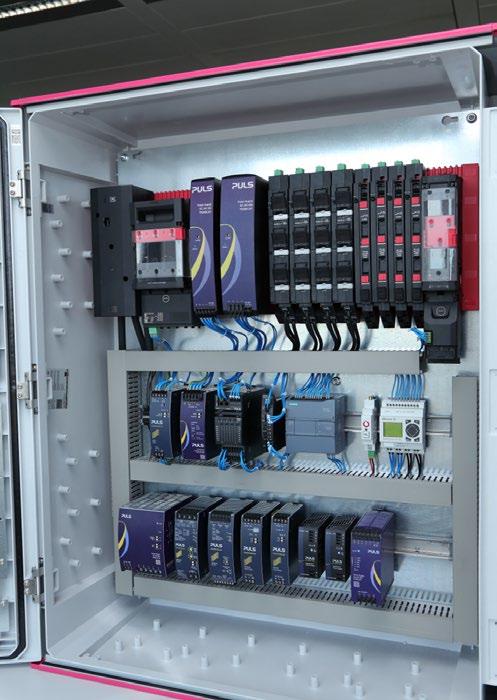
The first products from the partnership are expected to be presented during 2026. The development of power supplies across different power-output classes is also planned. Visitors will be able to see a first practical example from 8 March at Light + Building, Stand B80, in Frankfurt/Main: Highly efficient PULS power packs contact the RiLineX board directly and can be installed quickly and without tools.
Visitors to Light + Building in Frankfurt from 8 March will be able to see a first practical example on Stand B80
Applications include building technology and battery energy storage.
Highly efficient PULS power packs contact the RiLineX board directly and can be installed quickly and without tools.
Electrical , Instrumentation , Control and Cyber Security in Industrial Engineering
• ' By Industry, For Industry’, practical guidance for everyday and irregular situations and tasks
• Readily accessible for all in the industry – wherever they are, whatever time they have
• E-learning for continuing professional development
• Webinars and seminars for knowledge sharing and professional ne tworking
This selection of specialist publications and many more resources including FREE procedure checklists
To make EEMUA’s guidance, training, events and other practical resources work best for you and your team please ask@eemua.org or visit www.eemua.org
The full steam output is available within 3-5 minutes after the system is turned on. The output can be regulated continuously from 0 to 320 kg/h. Installation of the safe and space saving steam system can be placed in almost any working environment. The width of the steam generator matches standard door size (less than 80 cm).
Maintenance of the unit with simple one-view control and remote control. The steam generators are pre-piped and prewired, with feed water tanks included in the steam units.
Also available as stainless steel variant. This means that steam can be produced for industrial or culinary needs.
BRANDAUER AND BRUDERER UK MARK 60 YEARS OF PRECISION PRODUCTION WITH £700,000 INVESTMENT.
A precision relationship that has spanned more than 60 years is celebrating a new milestone after the latest turnkey project delivered major performance wins on a male grooming component supply contract.
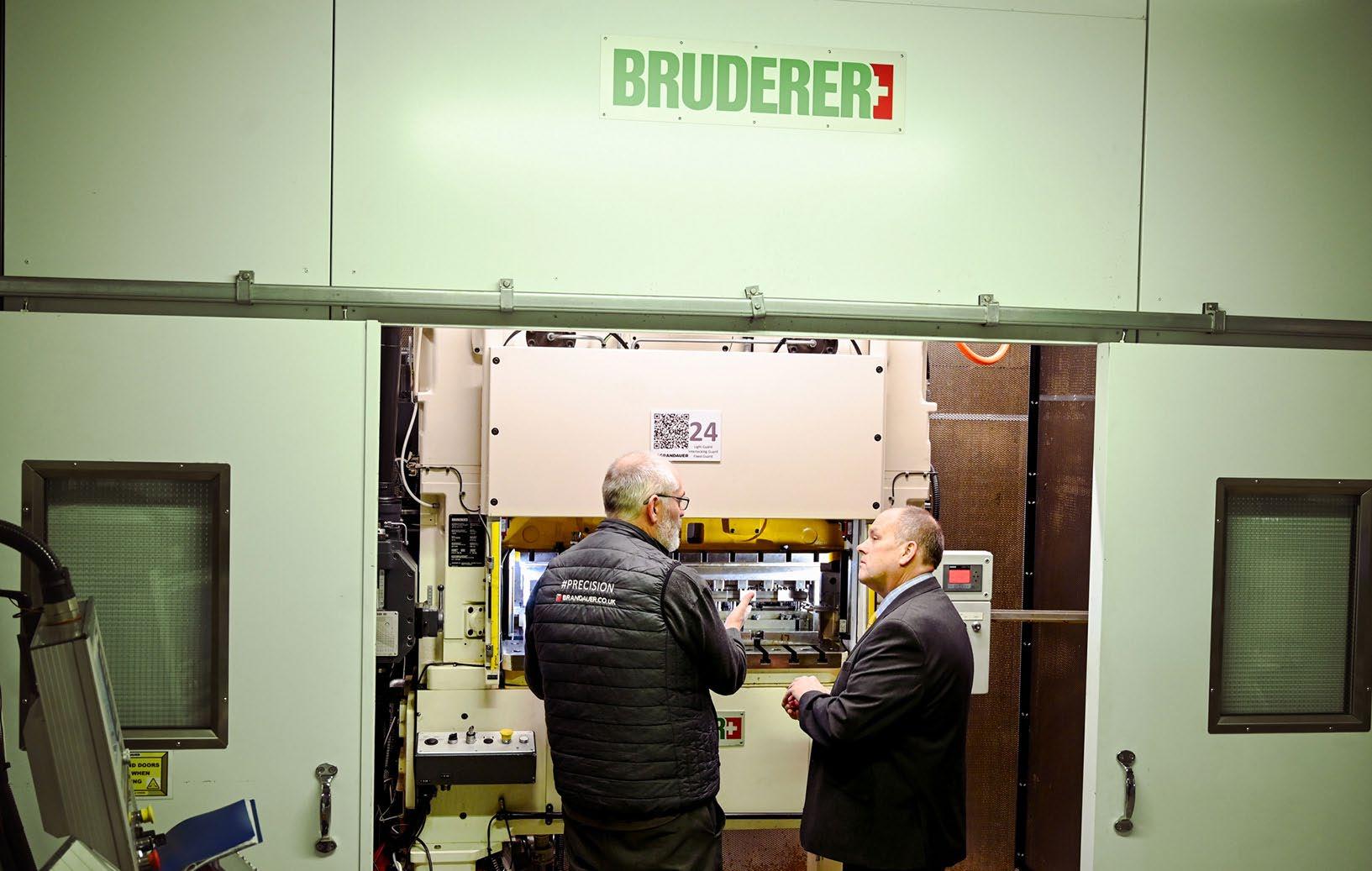
Brandauer, one of the world’s leading metal stamping and tooling specialists, worked with Bruderer UK to specify and install a new BSTA510-150B2 press and associated ancillary equipment, capable of producing millions of precision razor frames every week.
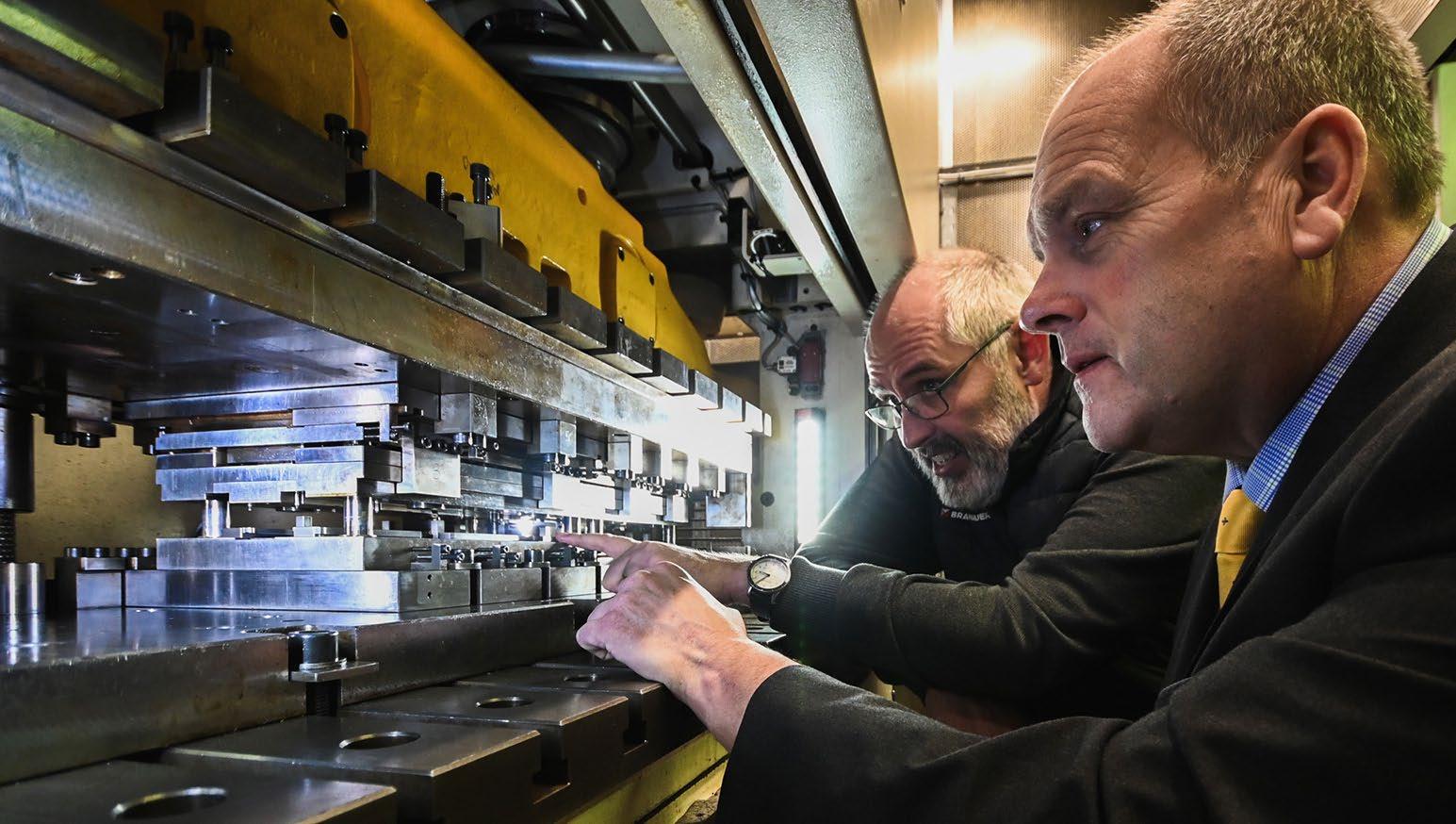
The £700,000 machine line delivers 51 tonnes of power at up to 1050 strokes per minute, with a unique 1500mm press bed facilitating the adoption of a four element fully modular progression tool that meets the demand for volume, accuracy and part-to-part reliability for its international client.
In addition, a BBV191 precision mechanical feed was specified to cater for high tensile stainless steel that is just 0.15mm thick.
“Our relationship with Bruderer goes way beyond that of a machine supplier; in essence the press specialist has become a critical partner in our pursuit of new
automated process development and ultra precision parts,” explained Rowan Crozier, CEO of Brandauer.
“The latest BSTA510-150B2 press is the perfect example of how the relationship works. We won and set-up a new line to supply lead frames for subscription razor assemblies and, due to increasing volumes, recognised the need for additional capacity that could take us to the next level.”
He continued: “We sat down with Bruderer UK’s expert sales team, who are all former toolmakers, and came up with an option that gave us the power, the control, the speed and the accuracy our clients were craving.”
The Bruderer UK press features dynamic ram adjustment and guaranteed bottom dead centre position, ensuring process stability and part quality.
Ram guidance - exclusively at strip level - ensured the £250,000 progression tool is in safe hands and is kept perfectly square regardless of whatever off-centre loading is applied. This further bolsters the repeatable accuracy of the press and contributes to the longest possible tool life.
The Bruderer B2 Control delivers quicker tool changeovers by using stored data and process parameters of any given tool to automatically adjust the Bruderer press to match requirements.
Adrian Haller, Managing Director of Bruderer UK, picked up the story: “The latest project means we have now placed 38 different machines into Brandauer’s Birmingham factory since the early 1960s.
“We know each other inside out and this means we can work quickly to test-run tooling projects, seamlessly picking-up highly confidential contracts where precision is paramount.
“Through tooling concepts, press optimisation, protection systems and ancillary equipment, we are able to jointly deliver world-class automation solutions that go far beyond a simple machine sale.”
He went on to add: “The razor contract was secured against international competition and proves that UK manufacturing can be very cost competitive.”
Bruderer UK opened its new competence centre in Telford in January 2025, and this state-of-the-art facility is playing a key role in how the relationship develops.
The speed of securing spares and repairs has improved even further, whilst demonstration of machinery
and ancillary equipment can be quickly arranged and completed, leading to the purchase of a Micro Servo Feeder and sensors for increased safety on the machines.
Engineers from both firms have also used collaborative knowledge to explore R&D projects, with the most notable being breakthrough work with Ford.
Rowan concluded: “The engineering professionalism of the Bruderer UK engineers really stands out and is something we’ve tapped into significantly over recent years - there’s a real appetite from them to make sure UK manufacturing thrives.
“A relationship of more than six decades proves the importance of collaboration and the longevity of its precision high-speed presses that are among the best in the world.”
For further information, please visit www.bruderer.co.uk or www.brandauer.co.uk
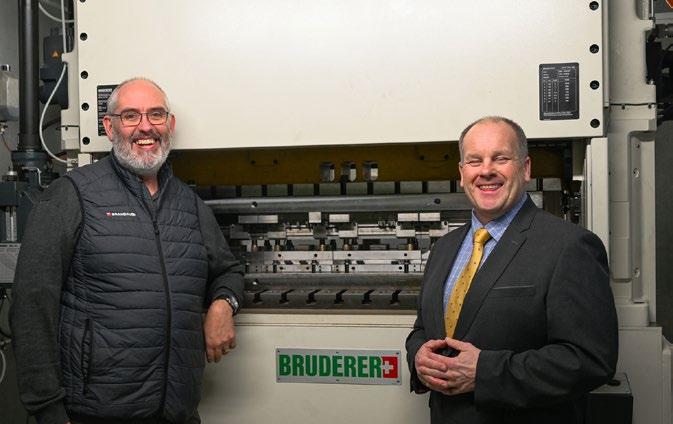
Rowan Crozier (Brandauer) with Adrian Haller (Bruderer UK).
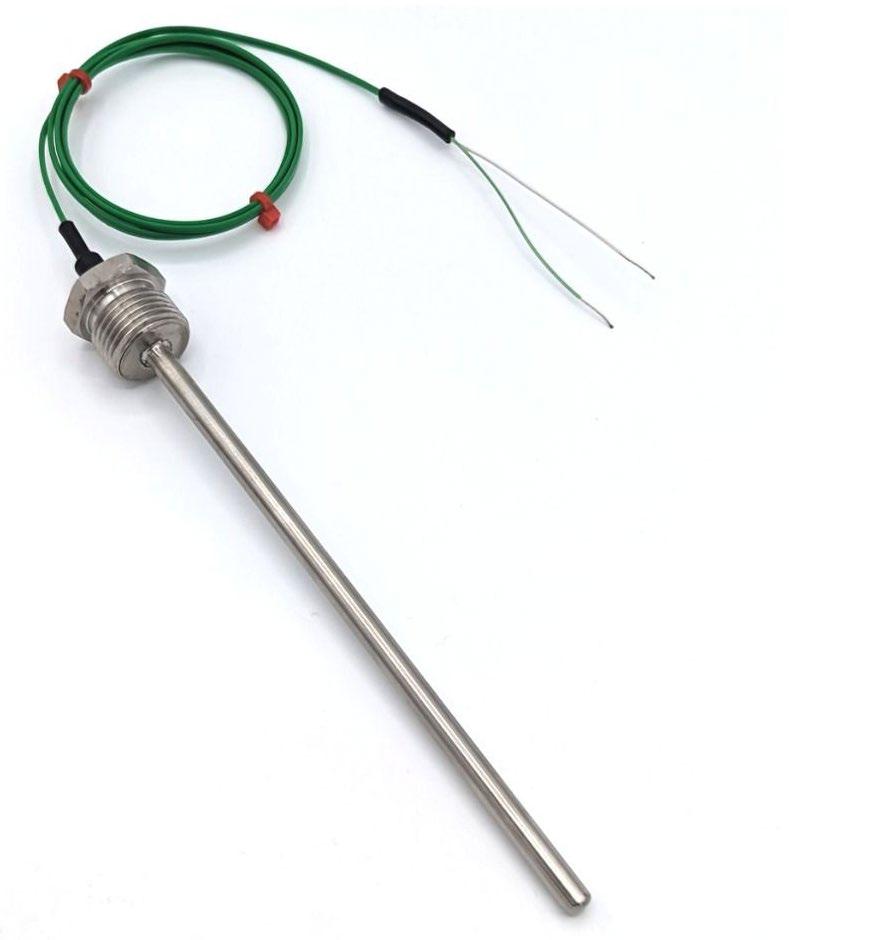
SCREW IN THERMOCOUPLE TEMPERATURE PROBES
Screw in type K temperature sensors with a measuring range of -75 to +250°C and 1 metre PFA flat pair lead wire.
Available with process thread options 1/4 BSPP, 1/2 BSPP & 1/4 & 1/2 NPT for direct mounting into vessels, pipes, tanks, or ducting for liquid or gas temperature measurement. With standard diameters of 3 & 6mm diameter 316 Stainless steel sheath and standard lengths of 50, 100, 150 & 200.
For more than 50 years we’ve been leading the way in temperature measurement excellence. Here’s to the next 50...
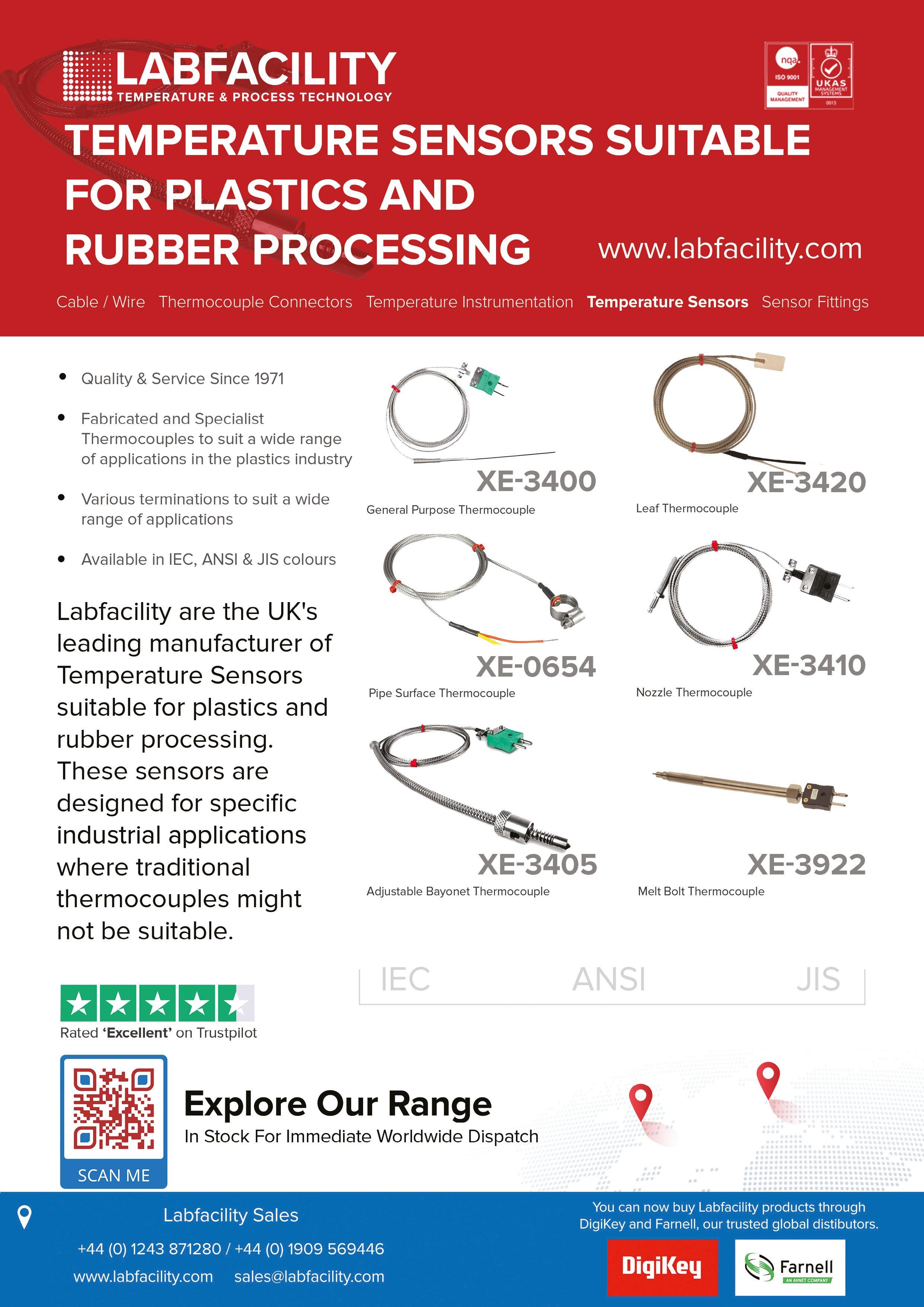
From small beginnings in 1971, Labfacility has grown and evolved into the UK’s leading ISO 9001-accredited manufacturer and supplier for the complete temperature chain. From Temperature Sensors, Thermocouple Connectors and Cabling to supporting instrumentation and components, we are the GO-TO people for temperature measurement products.
To sustain longevity, you have to evolve...
Ask the experts...
Our sales team goes above and beyond to provide swift, expert technical advice and support for sensing and instrumentation as and when YOU need it – help is freely available.
We’re excited to make purchasing Labfacility temperature sensors even easier for you! Through
our partnerships with Digikey and Farnell, you now have multiple convenient options to access our highquality temperature measurement products. Both Digikey and Farnell stock an extensive selection of our products, including thermocouples, RTDs, and Connectors, ensuring you can quickly find the specific product you need for your application. With their reliable service and global distribution networks, you can trust that your order will arrive promptly and with the highest level of care.
Why choose us?
10 good reasons why it makes sense to choose Labfacility
• Expert technical product advice when you need it
• 1500+ Labfacility products available via Farnell/ Avnet worldwide
• Short lead times – get your product when you want it
• Approachable and reliable (not to mention friendly)
• Extensive range of products stocked
• Global reach via www.labfacility.com
• State-of-the-art manufacturing capabilities
• Excellent Independent Trustpilot Reviews
• A strong new product introduction programme
• More than half a century’s experience in our field
STRATEGIC MOTOR SELECTION
MOTOR SELECTION WHEN MAINTENANCE ISN’T AN OPTION.
From pacemakers and neural implants to deep-space probes, opportunities for maintenance are rare and sometimes non-existent in mission-critical devices. In such applications, a single motor failure can be catastrophic. Here, Dave Walsha, sales and marketing director at drive system supplier Electro Mechanical Systems (EMS), shares advice on how to select the right motor to balance longevity, reliability and resilience in maintenance-free systems.
Devices installed in inaccessible or extreme environments must withstand conditions that would otherwise degrade standard components, such as miniature DC motor bearings that can seize due to dust or vibration, precision gearhead teeth that wear under high loads and encoder contacts that fail from moisture or contamination. Even brief operational interruptions can carry high costs, particularly in highly-regulated industries such as aerospace, where a single motor failure on a satellite can cost millions and be impossible to repair.
When servicing isn’t possible, predictive maintenance offers little value. Even if sensors indicate potential issues, engineers cannot intervene in remote or hazardous environments. Therefore, some motors must be able to operate reliably throughout entire lifecycles without intervention.
What maintenance-free really means
The term “maintenance-free” can be ambiguous. In most cases, it means that routine maintenance is minimised or even unnecessary over the intended
operational life. For instance, brushless DC motors can operate for tens of thousands of hours without lubrication, reducing maintenance needs when installed in inaccessible applications.
Mission-critical systems are often specified with mean time between failures (MTBF) measured in hundreds of thousands, or even millions of operating hours. Achieving such resilience requires more than selecting a high-quality motor. It means engineers must evaluate the interaction of mechanical design, materials, thermal performance and operational loads – a holistic approach where every component and design choice is scrutinised for long-term resilience.
Environmental stresses, such as temperature extremes, vibration, moisture or chemical exposure, can accelerate wear, degrade insulation and increase corrosion risk. Therefore, engineers must select materials and designs that mitigate these effects from the outset, which can involve using specialised coatings, high-performance alloys and robust sealing techniques to protect the motor from harsh conditions.
Comparing motor technologies
Different motors present different advantages and limitations that engineers must consider. While brushed DC motors are an efficient, cost-effective choice for less demanding environments, their mechanical contacts are a potential failure point over extended lifetimes. Brushless DC motors, by contrast, eliminate brushes and commutators, enabling long-
life operation with minimal maintenance. These motors are particularly suitable for mission-critical or inaccessible applications.
Stepper motors offer precise positional control and are ideal where accuracy is critical. However, they require careful management of torque and step resolution to prevent heat build-up or vibration, which could shorten the motor’s operational life. For engineers, selecting the right technology usually depends on the application, environmental conditions and required life cycle, rather than nominal power ratings alone. If in doubt, consulting an experienced motor specialist can help provide valuable guidance when technical uncertainties arise.
Ensuring system reliability
Choosing a motor for a maintenance-free device starts with understanding the operational profile: the expected duty cycle, mechanical loads and environmental stresses. Accurate analysis should guide motor selection long before prototyping.
Where possible, redundancy, such as dual motors in satellite actuators or parallel pumps in industrial systems, can reduce the impact of individual component failures. However, adding redundancy increases system weight and complexity, making it even more critical to select reliable motors, as each
additional component could introduce potential failure points and operational demands.
Selecting the right technology
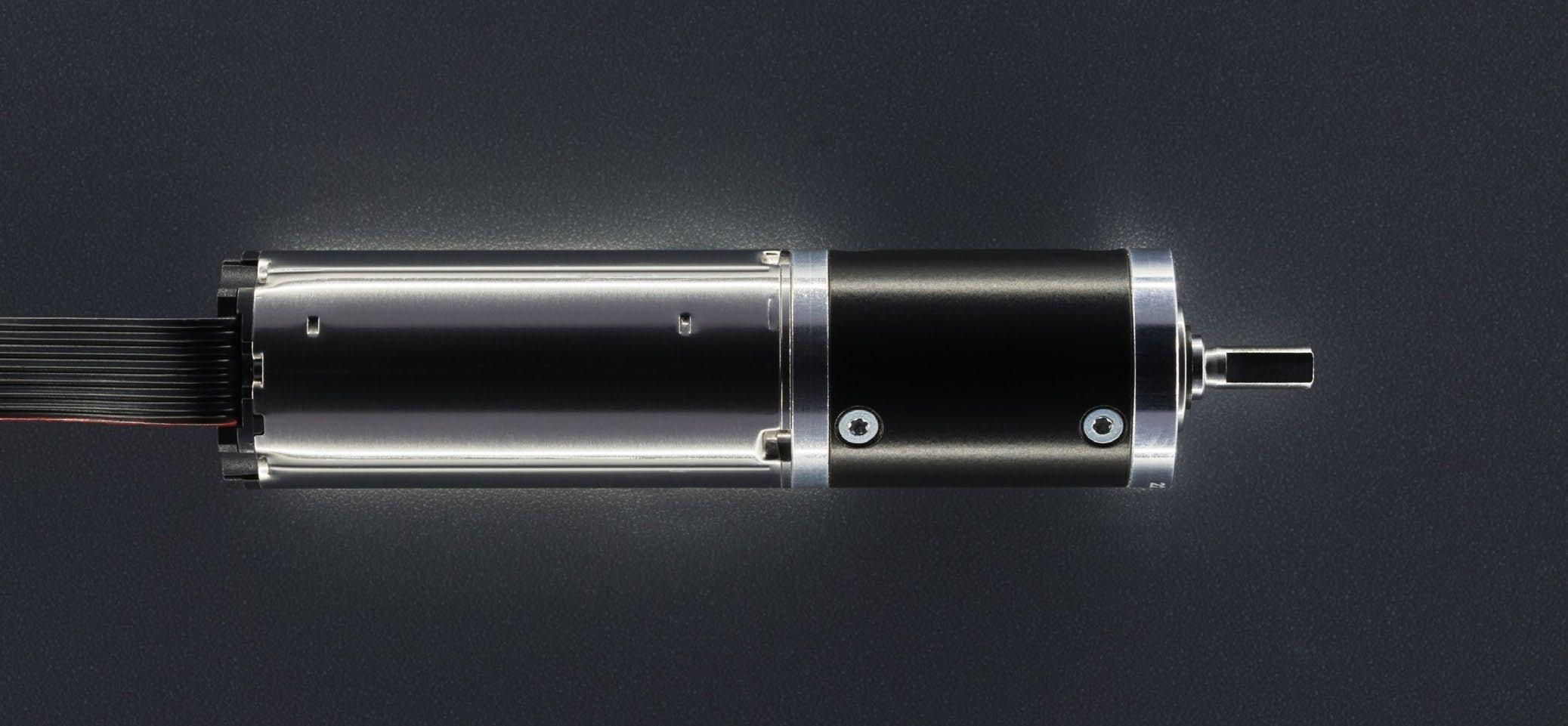
For engineers requesting long-life performance, EMS supplies brushless DC motors designed for continuous operation with extended service life. These motors can work seamlessly alongside gearboxes that don’t require lubrication, reducing maintenance needs. For aerospace applications, the FAULHABER BX4 motor series is recommended for its long lifespan and strong performance and can operate under intense maintenance-free conditions.
In mission-critical applications, motor selection is a design decision that directly affects safety, reliability and system lifespan. Engineers must look beyond basic performance metrics and consider wear mechanisms, environmental stresses and long-term operating conditions from the outset. By taking a system-level approach and working with an experienced partner during motor selection, engineers can build truly systems that truly are maintenance-free.
Visit the EMS website to contact a member of the team about motor solutions for your next project.
For further information, please visit www.ems-limited.co.uk
WAREHOUSE REVOLUTION
42 ROBOTS BOOST ORDER VOLUME AND PACKING SPEED BY 89% FOR LEADING TABLETOP GAMES RETAILER.
The fully automated 50,000 square foot warehouse takes Europe’s largest indie tabletop retailer, Wayland Games, to the next level with a dramatic improvement in order processing and distribution
Europe’s largest independent tabletop hobby retailer has radically levelled up its warehouse operations to meet growing demand across the UK and Europe, with the help of advanced robotics and cutting-edge management technology.
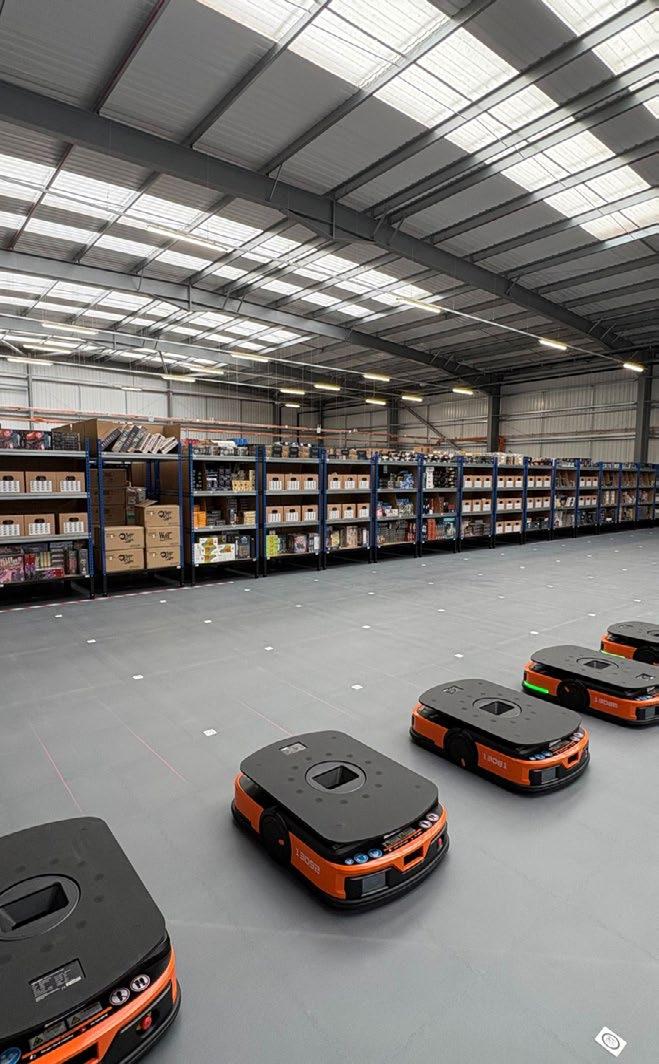
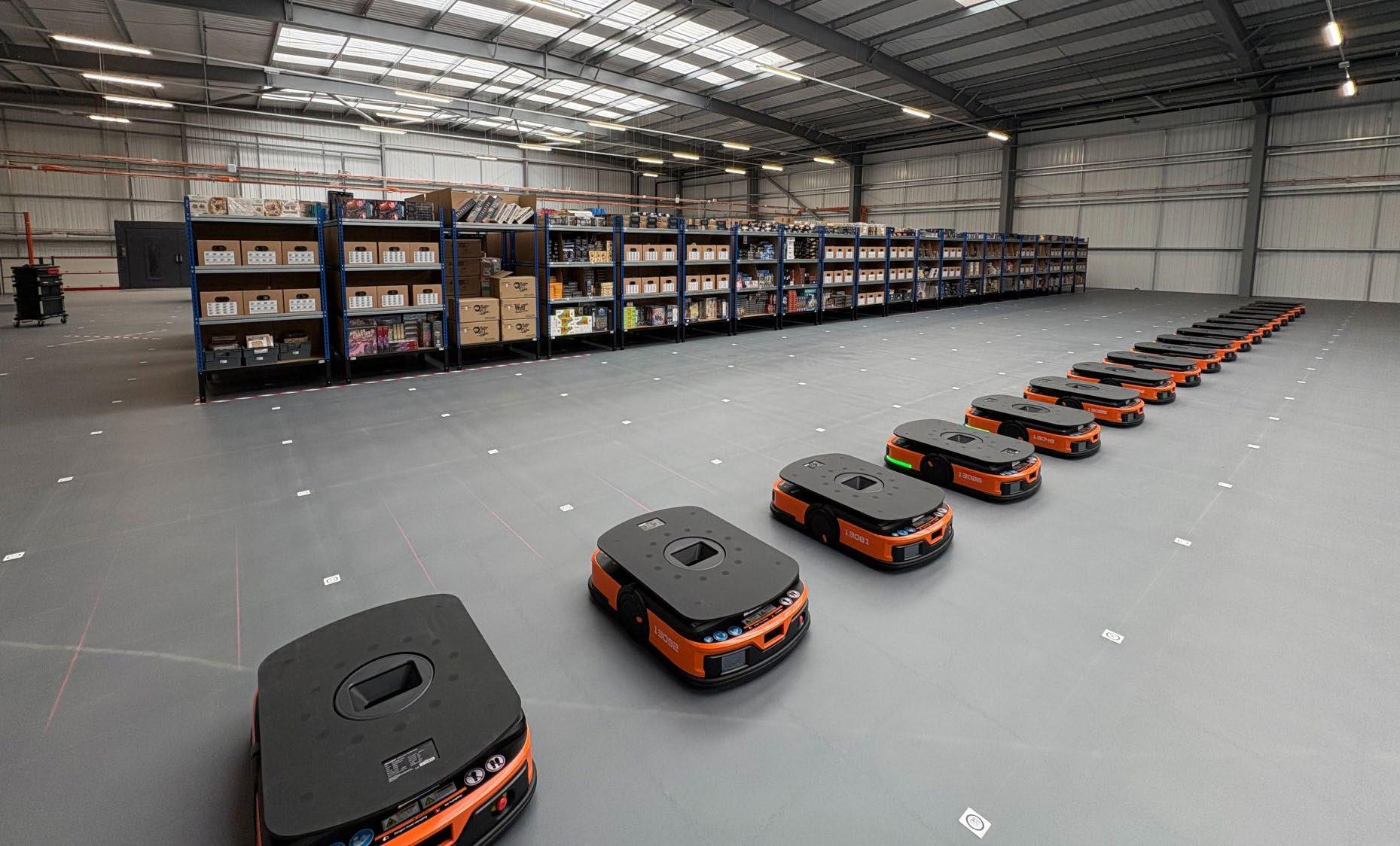
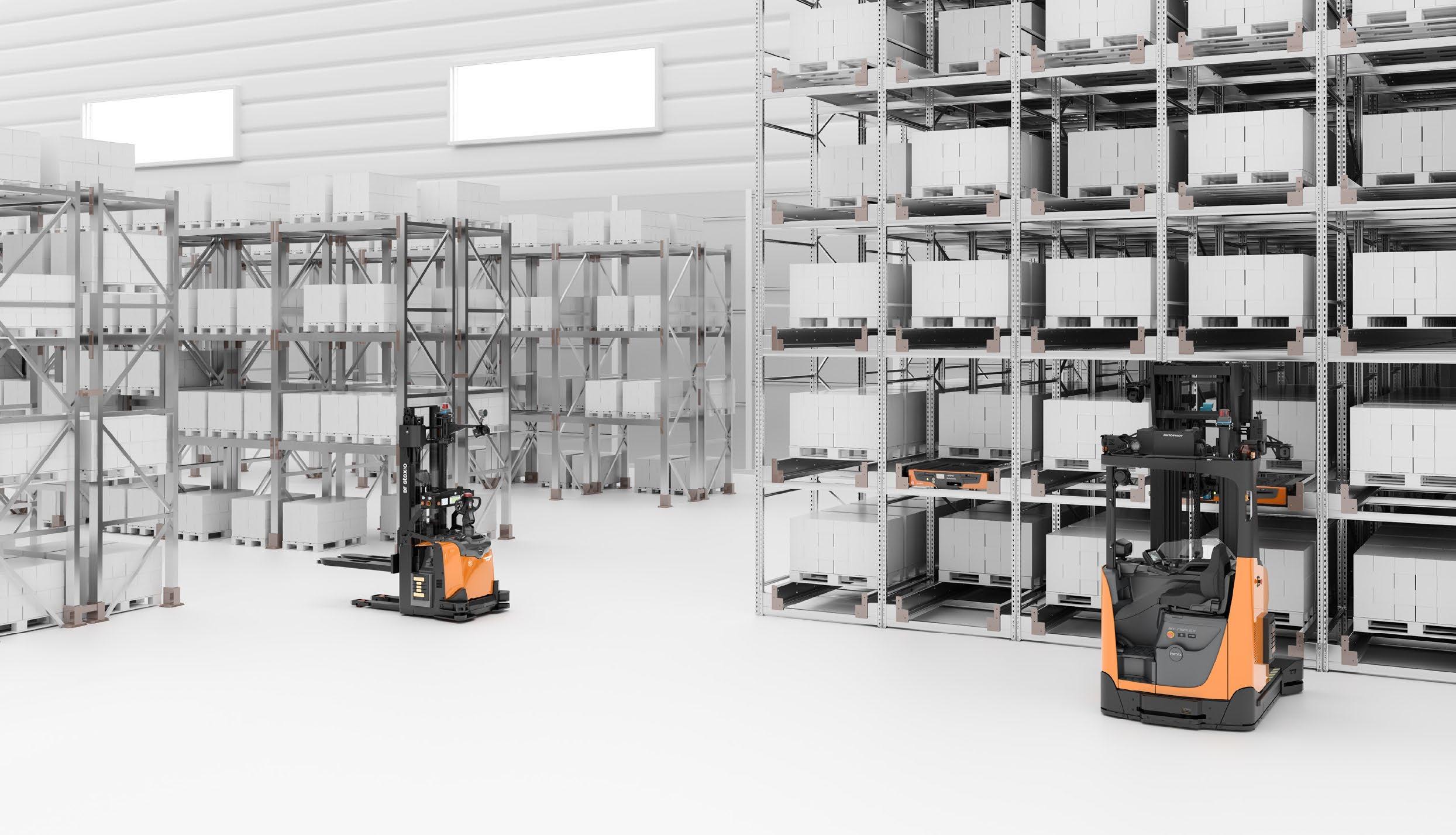
Wayland Games has worked with warehouse automation and software specialist, Autrix to install its flagship Automation Control System (ACS) at the retailer’s 50,000 square foot facility in Essex, alongside 42 advanced Autonomous Mobile Robots (AMR) based goods-to-person solutions. Combined with expert warehouse management and the very latest technology, the robots have streamlined the distribution and packaging process dramaticallyimproving packing speed by 89% and order processing time by 68%.
A leading stockist of games, including Warhammer 40,000, Lorcana, Dungeons & Dragons, Lego and
Magic: The Gathering, Essex-based Wayland Games has transformed its operations so that orders can now move from placement to dispatch in just 40 minutesallowing the growing business to scale up its offering, creating new jobs and supplying more customers faster and with a higher level of service. Under Autrix’s comprehensive system, the same packaging team is now processing double the order volume, with pickup rates more than doubling since the framework went live.
The transformation allows the retailer to easily meet peak season pressures (such as those experienced around Christmas or new game releases) by addressing key pain points in the distribution process and allowing it to exceed previous order capacity constraints - meaning more customers receive more games more quickly.
Richard Lawford, MD & Founder of Wayland Games, said: “Phase 1 has delivered exactly the business impact we needed for our expansion. We’re processing significantly more orders with the same team size, and our customers are seeing faster dispatch times during peak periods.
“What sets Autrix apart is their genuine partnership approach. They didn’t just install equipment and leave; they’ve worked alongside us to optimise operations and ensure we’re getting maximum value from the investment. The success we’ve achieved gave us complete confidence to move forward with Phase 2 and continue building our automation capabilities together.”
The first phase of Autrix’s automation project addressed a real-world problem for specialist retailers, using the company’s AMR (autonomous mobile robotics) to bring products to special, ergonomically designed stations, rather than requiring staff to walk long distances across the factory line.
It is a process that not only increases efficiency and productivity, but also boosts accuracy in order processing and reduces the physical demands on warehouse staff members. Capable of moving up to 2 m/s with a 600kg payload, the fleet of autonomous robots can easily move between the warehouse’s 700 racks, 46,000 bins and 9 workstations to increase capacity at scale.
Phase 2 of the development built on this further, seeing Wayland Games’ order fulfilment process modernised by introducing fully automated packing technology to further support Wayland Games’ growth trajectory.
Joseph Daft, Director at Autrix, said: “Seeing the immediate impact of Phase 1 validates everything we believe about making intelligent automation accessible to growing businesses.
“Wayland Games represents the best of British speciality retail and they’re a real success story, having thrived as an independent retailer for 15 years. But companies like this need to modernise if they’re to stay ahead and achieve further success. Wayland Games has built something remarkable in the tabletop gaming community - Our job is to ensure their operational capabilities can scale with their ambitions. The success of Phase 1 and now the recent completion of Phase 2 demonstrate how the right technology partnership can drive sustainable growth.”
The project saw the integration of energy-efficient lighting and solar panels, as well as utilising the ACS technology to reduce waste and improve resource utilisation, aligning with both companies’ strong commitments to sustainability.
Following the successful completion of the first phase at the new warehouse near Brentwood, Essex, Phase 2 of the project commenced in November 2025 and is now complete.
HANDS-FREE MESH CUTTING
CC-LINK
IE TSN DELIVERS PRECISE, SYNCHRONISED CONTROL FOR HAMBI’S AUTOMATED STEEL MESH HANDLING SYSTEM.
Automation specialist
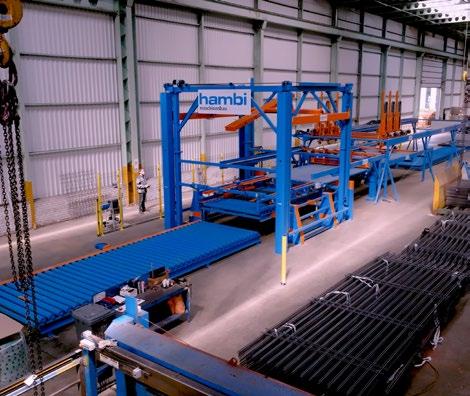
Hambi Maschinenbau, part of Terhoeven GmbH & Co. KG, has developed a world-first system that automates the cutting, handling, and stacking of heavy reinforcing steel mesh – a task that previously required up to six human operators. By integrating Mitsubishi Electric’s drive and control technologies connected via CC-Link IE TSN, Hambi has achieved millimetre-level precision and seamless synchronisation across motion, safety, and vision systems in a single, unified network.
Tackling a demanding manual process
In the production of reinforcing steel mesh, long lengths of wire are welded into large mats, which must then be cut to size and stacked for transport. This was a labourintensive process involving multiple workers to lift, align, cut, and stack the heavy meshes. It was also considered a difficult task to automate, as weight and flexibility of the mats means that even small deviations in alignment can cause major issues.
However, Van Merksteijn International B.V., a leading steel processor, was determined to overcome these challenges. It reached out to Hambi to develop an automated solution that could detect and compensate for any alignment variations in real time.
The result was the ASA (Automatic Cutting System) – a six-metre-high, 40-metre-long machine that automates every stage of the process, from lifting the top mat in a stack to cutting and turning sections for compact stacking.
Precision through synchronisation
The system uses six grippers, each capable of independent three-axis movement. As the mesh bends under its own weight during lifting, the grippers must dynamically adjust their positions to maintain even tension and prevent deformation.
In total, 18 servo drives coordinate this movement, with additional drives handling transportation, turning, and
stacking. Synchronisation between these drives, as well as with the image processing system and safety controls, is critical to ensure stability and precision.
That’s why Hambi decided to link every part of the system – including servo drives, safety PLCs, frequency inverters, and controllers – via CC-Link IE TSN. The highspeed, deterministic communication provided by the open Ethernet standard allowed the team to achieve millimetre-level precision when gripping and positioning the steel mesh, even as it naturally bends and shifts during lifting.
The technology’s gigabit bandwidth also allows all system components to share a single unified network.
“Communication via CC-Link IE TSN is particularly important,” explains Marc Orgassa, Managing Director of Orgassa GmbH, Hambi’s long-term automation partner. “It allows us to ensure that the various system components and controllers are synchronised with the drives. This is an important prerequisite, as image processing naturally requires the exact position of the grippers.”
A world-first in mesh handling
Following two years of development, the ASA system was commissioned at Van Merksteijn’s site in spring 2024. The solution achieves the precision, reliability, and productivity needed for large-scale reinforcing steel production.
“It’s inspiring to see machine builders like Hambi using CC-Link IE TSN to solve such complex motion control challenges,” says John Browett, General Manager of the CC-Link Partner Association – Europe. “The ability to combine different tasks on the high-speed, open network demonstrates how this technology helps companies push automation performance further while keeping system design simple.”
If you’d like to learn more about the project, you can watch a full overview of Mitsubishi Electric’s work to deploy the world’s first fully automated line for reinforcing steel mesh by visiting https://www.youtube. com/watch?v=dVD7UBLcVZU.
Clean quicker Save time
Discover how Tork exelCLEAN® Cleaning Cloths can save your business time by cleaning 32% faster than rags.* And Tork Performance® Dispensers can be placed exactly where needed to decrease interruptions and reduce motion waste.
Better hygiene for better productivity
tork.co.uk or tork.ie
Tork, an Essity brand
*Panel test conducted by
Swerea Research Institute (Sweden, 2014)
NEW AEROQUIP BY DANFOSS FC619C HYDRAULIC HOSE FEATURES THE INDUSTRY’S SMALLEST CORRUGATED HOSE BEND RADIUS FOR SUPERIOR EASE OF INSTALLATION
Danfoss Power Solutions today announced the launch of its Aeroquip by Danfoss FC619C Corrugated Suction Hose, designed for hydraulic suction and return lines. With its superior flexibility and resistance to high temperatures, abrasion, and vacuum collapse, FC619C is engineered to extend hose life and simplify installation. The hose is suitable for mobile and industrial equipment applications.
FC619C hose features the industry’s tightest corrugated hose bend radius. Its one-to-one ratio bend radius, combined with its reduced force to bend, makes the hose exceptionally easy to handle and install in tight spaces.
Built to exceed SAE 100R4 and ISO 18752 standards, FC619C hose is designed to ensure reliable, leakfree performance. The hose is constructed of a nitrile inner tube, helical wire between two textile reinforcement layers, and a DuraTUFF+ abrasionresistant cover, which offers 100 times the abrasion resistance of standard rubber. The hose features a wide operating temperature range of -40°C to 135°C (-40°F to 275°F) with superior high-temperature performance. Its resistance to collapse and buckling maximizes hose lifespan, while its chemical resistance and Class 0 leakage per SAE J1176 provide reliable, leak-free operation.
“FC619C is a top-tier suction hose that demonstrates the Danfoss commitment to innovation, quality, and performance that goes beyond the standards,” said Scott Bauman, Product Manager, Aeroquip, Danfoss Power Solutions. “The FC619C hose is the first product we’re introducing in our new Edge Series product line. Encompassing our core Aeroquip hoses, the Edge Series offers advanced abrasion and
temperature performance for all hydraulic hose needs, including suction, low-, medium-, and highpressure applications.”
Aeroquip by Danfoss FC619C Corrugated Suction Hose is available in -12 to -48 sizes (inner diameter of 0.75 to 3 inches/19 to 76.2 millimeters) and is qualified for use with Danfoss 1A and 1G fittings. Its working pressure ranges from 60 to 305 psi (4 to 21 bar), depending on size. The hose is MSHA and ABS approved. In addition to hydraulic applications, the hose is suitable for petroleum, fuel, lubricating oil, and water suction and transfer applications.
For more information, download the FC619C Corrugated Suction Hose fact sheet.
About Danfoss
Danfoss engineers solutions that increase machine productivity, lower energy consumption, enable electrification, and reduce emissions.
Our solutions are used in areas such as refrigeration, air conditioning, heating, power conversion, motor control, industrial machinery, automotive, marine, and off- and on-highway equipment. We also provide solutions for renewable energy, such as solar and wind power, Power-to-X, heat recovery, as well as contribute to district energy solutions for cities.
Our innovative engineering dates back to 1933. Danfoss is family-owned and employs over 39,000 people. We create long-term value for our customers in more than 100 countries with a global footprint of around 100 factories.
For more information on Danfoss solutions for the construction industry, visit online at Danfoss.com.
DOUBLE-DIGIT GROWTH
The software company COPA-DATA achieved 21 percent turnover growth in 2025 and is expanding its Salzburg headquarters.
Austria-based software specialist COPA-DATA once again achieved significant turnover growth in 2025 — an increase of 21 per cent over 2024. This continues a multi-year growth trend and is also reflected in the number of employees: across the group, COPA-DATA hired 40 new employees in 2025. The family business, founded in 1987, is thus positioning itself for the future.
“The economic environment is challenging worldwide, and our customers are feeling the effects,” says Phillip Werr, Member of the Management Board at COPADATA. “We are delighted that we are supporting them to become more competitive in this environment and to master complex challenges. In 2025, we once again achieved double-digit sales growth.” As a manufacturer of automation software for industry and the energy sectors, COPA-DATA serves a future-focused market driven by global trends — particularly automation and digitalization, a shortage of skilled workers and sustainability and renewable energy. This is further driven by the need to stay competitive, especially in high-wage countries.
New Salzburg office building
In 2025, COPA-DATA decided to expand its office facilities at its headquarters in Salzburg. Completion is planned for 2027. “We need the space because the demand for our software solutions will continue to grow,” says Werr. “We will continue to invest in Salzburg as a research and development hub.” Reflecting sustained expansion, COPA-DATA added 40 employees in 2025, increasing its worldwide headcount to 500, a number that has grown steadily in recent years. “I would like to thank the team that serves our customers every day. Without their passion, commitment and constant willingness to learn, our success would not
Over 500 international customers and partners attended the zenonIZE networking event in Salzburg in October.
be possible,” emphasizes Thomas Punzenberger, Chief Executive Officer (CEO) and founder of the company.
Recognized as an innovation leader
COPA-DATA has been an Associate Partner of the World Economic Forum (WEF) since 2024. The software manufacturer is currently one of only three Austrian companies represented at the WEF. In addition to the well-known annual meeting in Davos, Switzerland, the WEF holds events throughout the year. “We have made a name for ourselves at the World Economic Forum as an innovation leader,” says Stefan Reuther, Member of the Management Board at COPA-DATA. “We focus on digitalization and sustainability and deploy state-of-the-art technologies, with renowned references worldwide.” COPA-DATA also participated in more than 50 trade fairs and industry events worldwide in 2025.
Networking event zenonIZE in Salzburg
Another highlight of the past year was the zenonIZE sales event in early October 2025. Over 500 international customers and partners attended COPA-DATA’s event in Salzburg, the city of Mozart. The two-day knowledge forum, which included networking opportunities, was held under the motto “Composing Tomorrow: Automatize, Digitalize, zenonIZE”. It was the software company’s largest networking event to date. The central theme — the future of automation — was explored in keynotes, panel discussions and workshops. The “COPA-DATA Partner Community Awards” were also presented for the first time, recognizing particularly successful system integrators — partners — from the manufacturing and energy sectors. “The feedback on zenonIZE was excellent,” says Reuther. “Our customers left inspired.”
NEXT-GENERATION SURFACE PROCESSING TECHNOLOGY AT MACH 2026
As manufacturers continue to push quality requirements, component complexity and material performance, traditional surface processing methods are increasingly being put under strain.
Deburring, cross-hole deburring, surface preparation and part marking all remain essential operations — but traditional approaches can introduce variability, tool wear, contamination, and unwanted stress on high-value parts.
At MACH 2026 (20–24 April, NEC Birmingham), TextureJet will be demonstrating Electrochemical Jet Machining, a surface engineering technology designed to deliver high-precision, repeatable results without the drawbacks of conventional processes.
Visitors to Stand 20-588 will be able to see the technology in action and learn its benefits for key applications including edge breaking, cross-hole deburring, surface preparation and part marking.
TextureJet’s process is engineered to provide controlled, consistent feature modification — helping manufacturers achieve improved edge shaping and surface quality, even on delicate components and advanced materials. By eliminating the need for traditional abrasives and reducing reliance on harsh chemicals, the technology offers a cleaner approach that supports both production consistency and sustainability goals.
A key highlight of the show will be the launch of a new part-marking system, alongside the latest evolution of TextureJet’s flagship technology: the next-generation STAT® machine. The updated STAT system delivers enhanced performance in a streamlined, compact
design, giving manufacturers greater flexibility, usability and control.
“We’re proud to be showcasing our latest innovations at MACH this year. It’s a fantastic opportunity to connect with industry leaders and demonstrate how TextureJet is helping manufacturers push the boundaries of surface processing,” said Jonathon Mitchell-Smith, CEO and Founder, TextureJet. “Our technology is game-changing when it comes to modifying component features and surfaces with precision and control. By eliminating the need for traditional abrasives and chemicals, our solutions offer a cleaner, more consistent, and more sustainable approach to surface engineering.”
MACH attendees will be able to explore how the technology supports production challenges in sectors where surface integrity, accuracy and repeatability are critical — particularly for high-value components and complex geometries.
To see the system live, visit TextureJet at Stand 20-588, or arrange a meeting in advance via: texturejet.com/contact/
CONTROLLED. PRECISE. SELECTIVE. REVOLUTIONISE YOUR SURFACE PROCESSING
Innovations in edge shaping , cross-hole deburring , surface preparation and part marking
For high precision component manufacture
Enhance quality, performance and yield of products
Reduce costs and environmental impact of operations
Selectively modify components with precision and control with cutting-edge, multi-axis electrochemical jet machining technology
EDGE SHAPING & DEBURRING
4 x More Precision
Minimal Affected Zone
Enhanced Repeatability
SURFACE PREPARATION
2 x More Consistent
No Masking Required
High Level Process Control
PART MARKING
Highly Flexible
High Level of Control
Improved Service Life
See our technology in action and find out how we can help improve your surface processing at MACH 2026Stand 20-588.
Or, contact us now using the QR code below to find out more.
ROBERT SCOTT’S NEW ROBOTS DELIVER SAFER, SMARTER, AND MORE EFFICIENT CLEANING
ACROSS DYNAMIC SPACES
“EXPANDING OUR OFFERING IN AUTOMATED CLEANING TECHNOLOGIES WITH THE MT1 VAC AND MT1 MAX MARKS A SIGNIFICANT MILESTONE IN ROBERT SCOTT’S 100+ YEAR HISTORY.”
Commercial cleaning product manufacturer and distributor Robert Scott has added two new AIpowered robots to its steadily expanding cobotics range.
“For some time, Robert Scott has been championing the MT1, the world’s first AI-powered scrubber dryer robot for large-scale environments, such as warehouses, airports, and shopping centres. Following
its success, we are now excited to announce the launch of the new MT1 Vac and MT1 Max,” says Alastair Scott, sales director at Robert Scott.
MT1 Vac
The MT1 Vac delivers powerful, industrial-grade suction, capturing everything from fine particles to larger debris with close-edge cleaning along walls and
corners. Its low-profile design reaches easily under furniture, and a dual independent air-duct system boosts suction efficiency by 200%. A 6 L trash bin and 14 dust bags provide extended runtime with fewer emptying intervals. AI-powered floor recognition automatically adjusts suction and brush speed to suit carpets or hard floors, protecting surfaces while maintaining performance.
A HEPA-grade filtration system captures over 98% of particles as small as 0.3μm, with an optional HEPA 13 filter offering up to 99.97% efficiency, while 55 cm suction path increases coverage and reduces cleaning time. Modular, tool-free components minimise maintenance and replacement time.
The MT1 Vac is the world’s first AI-powered vacuuming robot for large-scale environments. It features a Visual Simultaneous Localisation and Mapping (VSLAM) system which enhances navigation in dynamic environments, while an ultra-wide scanning field allows efficient coverage of large areas. Dual disc brushes manage both large debris and fine dust, supported by high-flow negative-pressure ventilation and effective filtration to prevent secondary pollution.
MT1 Max
Built on the successful MT1 platform with enhanced capabilities and designed for indoor and semi-outdoor environments, including warehouses, loading bays and car parks, the MT1 Max is equipped with advanced 3D LiDAR, dual SoCs for greater computing power, and improved obstacle-crossing ability – adapting seamlessly to complex conditions.
With optimised environmental adaptability and a fully automated workflow, MT1 Max ensures safer,
smarter, and more efficient cleaning across dynamic spaces. It features a comprehensive multi-dimensional safety system that provides structural protection, intelligent responses, slope climbing, rain avoidance, and efficient obstacle handling, further supported by a 1.2 metre warning light, safety projection, and audible-visual alerts for proactive risk prevention.
“Never underestimate the pure theatre of cobotics when the machines look so good,” says Alastair Scott. “The MT1 Max features a large 3D lidar radar on the top of the robot – which looks like a flashing police light, and which improves its obstacle avoidance and location detection. This means it can also operate outside – although the built-in rain sensor will send it back indoors on wet days!”
Smarter solutions
Alastair continues: “Expanding our offering in automated cleaning technologies with the MT1 Vac and MT1 Max marks a significant milestone in Robert Scott’s 100+ year history. It is rewarding to be able to demonstrate how our rich heritage and long-standing expertise is continuing to drive us forward as we lead the way in next-generation innovative cleaning solutions.
“As automation, AI and the Internet of Things continue to evolve at a rapid pace, and the cleaning sector seeks smarter solutions to economic challenges, it’s clear that robotics will play a key role in the future of commercial cleaning. Our growing robotics division, backed by 100 years of cleaning know-how, positions us strongly to lead the way in intelligent cleaning tools.”
For more information, please visit www.robertscottrobotics.co.uk
AUTOMATION EXTENDED
ENABLING INDUSTRIAL INNOVATION WITH CONTINUITY.
ABB has introduced its Automation Extended program, a strategic evolution of its distributed control systems (DCS), designed to help industries modernize without disruption. Building on ABB’s long-standing leadership with the world’s largest DCS installed base and vision in process automation, Automation Extended outlines how future automation capabilities can be introduced progressively – preserving system integrity while enabling the flexibility, scalability and efficiency needed for the next era of industrial operations.
Industrial operations today face volatile markets, cyber security challenges, regulatory pressures and a rapidly changing workforce. ABB’s Automation Extended addresses these realities by enabling innovation with agility and pace without disruption to production, supporting advanced analytics and IoT integration, and simplifying operations for diverse skill levels.
Operators can continue to rely on trusted ABB systems such as ABB Ability™ System 800xA®, ABB Ability™ Symphony® Plus and ABB Freelance, while introducing new technologies progressively and without operational interruption. This approach provides a structured, low risk path to modernization, preserving continuity while enabling innovation.
“In industries we serve – many operating large and complex infrastructures that deliver essential resources – our customers rely on modernization without disruption,” said Peter Terwiesch, President, ABB’s Automation business area. “Automation Extended delivers exactly that: bringing future-ready capabilities into the systems they know and trust, with security and interoperability at the core.”
The Automation Extended program is implemented through a modern, open and modular environment
designed for interoperability, scalability and seamless integration across industrial domains. Based on separation of concerns principles, the automation ecosystem includes two distinct yet securely interconnected environments:
• The control environment, a software defined domain that ensures robust, reliable and deterministic control for critical processes.
• The digital environment, securely connected to the control layer, enabling advanced applications, edge intelligence and real time analytics. This space leverages artificial intelligence (AI) and machine learning for decision support without disturbing proven control structures.
A single, unified and comprehensive automation service approach for ecosystem lifecycle management and optimization is applied for the management and maintenance of these diverse technological environments.
By integrating new technologies such as an Open Platform Communications Unified Architecture (OPC UA) backbone and a Cloud-Native Architecture for managing both environments – leveraging containerization, orchestration and modular services – the ecosystem enables a broad spectrum of enhancements. These range from proactively
detecting and correcting process anomalies to optimizing maintenance strategies through continuous condition monitoring of critical assets, and elevating engineering with efficient modular approaches ready for deployment across diverse hardware platforms. This architecture delivers scalability and agility while ensuring robust performance.
Access to Automation Extended will be enabled through the next releases of ABB Ability™ System 800xA®, ABB Ability™ Symphony® Plus and ABB Freelance process automation systems.
WHY SOVEREIGN MANUFACTURING IS BECOMING CRITICAL TO UK INFRASTRUCTURE SECURITY
The resilience of the UK’s critical national infrastructure is under increasing scrutiny, as recent events and government policy signal a shift in how risk is understood—and managed.
In November 2025, the government announced plans for a new Energy Resilience Strategy following the North Hyde substation fire, which caused major disruption and exposed vulnerabilities in essential infrastructure. The strategy is expected to strengthen requirements around asset maintenance, inspection and design standards, alongside improving coordination across operators and emergency services.
At the same time, the threat landscape continues to expand. Cyber attacks are now considered one of the UK’s top national security risks, with hundreds of serious incidents affecting essential services each year. New legislation is being introduced to strengthen resilience across sectors including energy, transport, healthcare and digital infrastructure.
Together, these developments reflect a growing recognition that infrastructure resilience depends not only on high-level systems and policy—but on the reliability of the components that underpin them.
For manufacturers operating in security-critical environments, this shift is significant.
Brett Barratt, Managing Director of Warrior Doors, a Birmingham-based manufacturer of high-security sliding doors, argues that increasing regulatory focus is exposing a long-standing gap between specification and real-world performance.
“There’s a growing assumption that if a product meets a standard on paper, it will perform the same way in service,” he says. “But in critical infrastructure, that’s not always the case. Variability in manufacturing, materials or installation can introduce risk—and that’s where failures happen.”
According to Barratt, the issue is not simply about compliance, but about consistency and accountability across the full lifecycle of a product.
“When you’re protecting infrastructure, oversight matters at every stage,” he explains. “If design, fabrication, testing and installation are fragmented across multiple suppliers or geographies, it becomes much harder to guarantee that what was tested is what actually ends up on site.”
This is where the role of sovereign manufacturing is gaining renewed attention.
For Warrior Doors, all products are designed, manufactured and assembled in-house at its Birmingham facility, with installation and maintenance also handled by its own engineers. While this model reflects the company’s operational approach, Barratt suggests it also aligns with a broader shift in market expectations.
“We’re seeing clients place much more emphasis on traceability and control,” he says. “They want to know where materials come from, how products are built, and that there’s a clear line of accountability if something goes wrong. That’s much easier to achieve when manufacturing is kept within the UK.”
The importance of this oversight is reinforced by third-party certification. Security products used in high-risk environments are increasingly required to meet independently verified standards, with testing designed to simulate sustained, real-world attack scenarios.
“Certification is critical, but it’s only part of the picture,” Barratt adds. “The real question is whether the product being installed consistently matches the one that was tested. That’s where manufacturing control and installation quality become just as important as the test itself.”
This focus is becoming particularly relevant in environments where high footfall intersects with elevated threat levels—such as transport hubs, public buildings, data centres and defence-related sites. In these settings, even minor weaknesses in physical security can have disproportionate consequences.
The government’s increasing emphasis on maintenance regimes, inspection standards and cross-sector resilience reflects a wider move toward verifiable, repeatable performance. Infrastructure is expected to last for decades, but as assets age and threats evolve, the tolerance for uncertainty is diminishing.
There are, however, trade-offs. Global supply chains can offer cost advantages and scalability, while domestic manufacturing often requires greater upfront investment. But as Barratt points out, the calculation is changing.
“When the cost of failure is disruption to essential services or risk to public safety, the cheapest option isn’t always the best one,” he says. “Resilience comes from knowing that every part of the process—from raw material to final installation—has been controlled and verified.”
As the UK moves toward implementing its Energy Resilience Strategy and strengthening cyber and physical security frameworks, the conversation around infrastructure protection is becoming more granular.
For manufacturers of security-critical components, this means greater scrutiny—but also a clearer role.
“Sovereign manufacturing isn’t just a political idea,” Barratt says. “In our sector, it’s a practical way of reducing risk. It gives clients confidence that the products protecting their infrastructure have been built, tested and delivered with full accountability.”
In an environment where resilience is increasingly defined by the ability to prevent, withstand and recover from disruption, that level of control is becoming less of a differentiator—and more of an expectation.
Brett Barratt of Warrior Doors discussing security sliding doors for NCI sites
SWITCHING 4 MM BANANA SOCKET FROM CLIFF ELECTRONICS
ENGINEERED FOR HIGH-VOLTAGE USE WITH LABORATORY-GRADE ROBUSTNESS.
Cliff Electronics introduces their FCR7370 switching 4 mm banana sockets. Engineered for high-voltage use and with laboratory-grade robustness, the socket is rated for 1 kV (CAT III) and 10 A. Gold-plated contacts ensure low resistance and long service life, while the fully shrouded design enhances operator protection. The right-angle PCB-mount format enables compact integration into instruments, test rigs, power-electronics assemblies, and modular laboratory systems.
Inside the device are two fixed, insulated internal contacts. When a 4 mm banana plug is inserted, it bridges the two contacts, creating the electrical connection. There is no internal mechanical switching mechanism; the switching occurs solely through the physical insertion of the plug, enabling straightforward circuit routing, signal enabling, load switching, or safety interlock functions without additional switches or electromechanical parts. This
simplified approach reduces component count, eases system design, and supports longterm reliability in demanding technical environments.
To support equipment coding, safety compliance, and multichannel instrumentation, the FCR7370 is available in four standard colours: red, black, green, and blue, providing clear channel identification and high-visibility marking on dense panels or PCBs.
Applications include:
• Automatic enable/disable or load-switch points.
• Bench-top and portable instrumentation.
• Training, laboratory, and educational equipment
• Calibration and diagnostic interfaces
• Multi-channel measurement or color-coded test systems
Cliff Electronics are market leaders in the design, development and manufacture of connectors, leads, test lead sets and accessories for a wide range of markets and supply major international OEMs. As a UK manufacturer Cliff can respond quickly to customer’s needs for both standard products and custom designs. Cliff manufactures a wide range of FeedThrough connectors audio, optical and power connectors and accessories, general industrial connectors, terminal posts and connection blocks. Cliff can also provide a wide range of leads including test and instrumentation, audio, instrument and power.
Cliff’s products are available direct from Cliff and via major Distributors in the UK and Europe.
REDUCE WASTE. MAXIMISE EFFICIENCY.
Guided by lean thinking and our Zero Muda (Zero Waste) approach we use a consultative approach to support you throughout your automation journey, combining proven material handling technology with scalable automation to make it simple to reduce costs, improve safety, maximise efficiency and future-proof your operations.