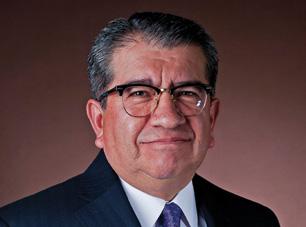
“The Energy Reform is the most important economic transformation in Mexico in the past 50 years; it will provide the country with more energy to drive economic growth and create thousands of new jobs”
Enrique Peña Nieto, President of Mexico
“It is time to make the most of our hydrocarbon resources and transform Mexico into an energy superpower. Most importantly, it is time to unleash an energy revolution that will turn the energy sector into a real source of prosperity for all Mexicans,” said President Enrique Peña Nieto at the 76th anniversary of the Mexican oil expropriation. The Energy Reform, the most significant economic reform to take place in Mexico for the past five decades, not only marks the beginning of a new phase of accelerated social and economic development for Mexico but also creates unprecedented business opportunities as the Mexican oil and gas industry opens to private participation.
The Energy Reform will release PEMEX from the bureaucratic shackles that prevented its full development; PEMEX will no longer be treated as a government unit, but as a productive enterprise of the state to become a global industry leader. Mexico needs an agile and dynamic PEMEX that can successfully compete with the world’s leading upstream operators as they prepare to enter the Mexican market over the coming years. Most importantly, Mexico is opening the door for international industry players to participate in the development of the Mexican oil and gas industry in an open and competitive operating environment.
As the magnitude of these new opportunities and the timeframe within which they will present themselves is becoming clear, Mexico Oil & Gas Review 2014 is released to provide you with the most comprehensive overview of the industry’s new operating environment, presented through the eyes of the key stakeholders who are driving the industry’s development from a political, regulatory, business, and technological perspective. The topics presented in this year’s edition of Mexico Oil & Gas Review are those that will matter most to those seeking to capitalize on the emerging business opportunities.
The publisher has made all reasonable efforts to provide accurate information, and the information contained in this publication is derived from sources believed to be true and accurate. However, the information in this publication should not be considered to be complete or definitive, and may contain inaccuracies or typographical errors. The publisher accepts no responsibility regarding the accuracy of information and use of such information is at your own risk. The publisher will not be liable to any party for any direct, indirect, special or other consequential damages arising out of any use of information in this publication. The publisher provides no representations or warranties, express or implied, including any implied warranties of fitness for a particular purpose, merchantability or otherwise in relation to any information provided by the publisher in this publication.
ISBN-13: 978-0-9855346-4-6
Since President Enrique Peña Nieto took office more than a year ago, his administration has proposed and passed a number of far-reaching reforms that will transform Mexico’s economic landscape and its oil and gas industry. With a business-minded group of executives led by CEO Emilio Lozoya Austin, PEMEX has started its transformation into a productive enterprise of the state that will be competing with the private sector. The industry’s liberalization will create an open energy market where private companies will be looking to capitalize on new opportunities, while PEMEX will have to defend its current pride of place and focus on the markets in which it can generate most value. While entering this process of change in 2013, PEMEX successfully maintained Mexico’s oil production at a stable level and prepared the company and the wider industry for the current transformation period.
This chapter summarizes the upstream, midstream, and downstream highlights during 2013, the last year of PEMEX´s de facto monopoly, as well as the changes that are reshaping the industry’s strategic direction. It analyzes in detail what PEMEX’s results mean for the company, the industry, and the country, and provides an overview of the milestones in the optimization of production in Mexico’s mature fields as well as the challenges and achievements in new priority areas such as deepwater, shale oil and gas, and heavy oil. In addition to playing an essential role in ensuring Mexico’s energy security and economic stability, these developments provide the framework of opportunities for the private sector in the coming years.
| VIEW FROM THE TOP
BUILDING THE PEMEX OF TOMORROW
EMILIO LOZOYA AUSTIN CEO of PEMEX
Q: Which changes in PEMEX’s institutional mindset are essential to successfully transform the company into a “productive enterprise of the State”, and what are the highlights of your progress to date?
A: The Energy Reform establishes a very clear goal for PEMEX: to transform itself into a productive enterprise of the State in two years. To be successful in a new international context, we are transforming our strategy, structure, business processes, and even our corporative culture at a very fast pace. This implies changes in individual behavior, attitudes, and values. We will have budgetary, operational and management autonomy, but at the same time, we will be facing competition for the first time in 76 years. We want to have a stronger, more dynamic, and profitable company that, by becoming a productive enterprise of the State can contribute even more to the development of the Mexican economy. For instance, PEMEX has not changed its corporative structure since 1992, and today we require a much more agile structure so we can develop opportunities in the short term. After the approval of the Energy Reform, one of our first fundamental changes was to modernize the PEMEX purchasing structure through the creation of the Supply and Procurement Corporate Direction, which will make the procurement process more agile and transparent. With this, we are homogenizing the procedures, which will allow us to save around 5-10% of the US$25 billion worth of purchases this year. Furthermore, this concentration of functions into one area will allow us to comprehensively plan our spending, based on our long term needs and have a trustworthy list of our suppliers and contractors. These changes will give PEMEX the tools to compete in an open market, just as in any other oil company in the world.
Q: How can PEMEX plan its future strategy while Round Zero has not been concluded, and which impact could the outcome of this round have on the strategic direction of the company?
A: In compliance with the dates established in the Energy Reform, PEMEX sent to the Energy Ministry its application for the productive fields and prospective areas that it wants to develop. We requested to retain exclusive rights to prospective oil resources, mostly those where we have
already had drilling activity. In general terms, we included fields that are currently being exploited, those that are in an advanced stage of development, and fields that have a strategic role and advantages because of their location or specifications. In addition to these fields, we will seek to keep exploratory opportunities in deep waters and shale gas formations. Therefore, we will be focusing in the areas we have successfully been developing, but also have the opportunity to add joint ventures with other international oil companies to complement our investments. In the end, our goal is to allow Petroleos Mexicanos to have enough reserves to ensure our sustainability in the medium and long-term, while giving the market sufficient resources to develop through the private sector. We need to assure our company’s growth and our place as a leader in the oil and gas industry in Mexico.
Q: How does the Energy Reform affect PEMEX’s short, medium, and long-term financial and operational priorities?
A: With the Energy Reform, PEMEX will consolidate its place as the most important company in Mexico and one of five most important oil companies in the world. The thorough reform process we are undergoing will be a game-changer and can imply a doubling or tripling of the investment rate in Mexico. We have to transform hydrocarbons into employment, technology, infrastructure, and the development for our people. Since the start of the natural decline of Cantarell, we had to invest heavily to reverse those losses and focused on the diversification of our production strategies. We have balanced out the production by increasing the output of fields such as Ku-Maloob-Zaap or Crudo Ligero Marino. In addition to that, we revitalized mature fields such as Ébano, Delta del Grijalva, and Cinco Presidentes through the adoption of Integrated Service Contracts, which will have the option to migrate to different contracting schemes after the secondary legislation of the Energy Reform is approved. We need to increase the production of hydrocarbons to the level that the Mexican economy requires to satisfy its own demand, but we also need to have more oil to export. We need to go from $25 billion of investment a year, which is limited only to PEMEX, to more than $60 billion for the industry as a whole. To keep up with production, we need
to increase the reserve inventories with new discoveries and reclassify our existing reserves. We have to increase the average oil production and, at the same time, we have to keep on replacing our proven reserves at or above 100 percent, as we have been doing since 2008. To keep the production stable with prospective to grow, we need to optimize investment, operating expenses, production operations, distribution, and commercialization. With the recently approved Energy Reform, PEMEX will have the possibility to reach new heights in the coming years.
Q: What are the main misunderstandings in the national and international perceptions of PEMEX, its capabilities, and its ambitions?
A: PEMEX is the most important company in Mexico, has a very good reputation in our country, and is currently providing a third of the Federal Government’s fiscal revenues. At the end of the day, PEMEX’s efforts end up building one out of every three schools, one out of every three hospitals, and one out of every three kilometers of roads in the country. International oil companies and medium-sized oil companies across the world are very eager to work with us, because despite the lack of flexibility we have faced over the past decades, we still are a leading global player, particularly in shallow waters. In deepwater we have also evolved technologically, and have had a success rate of over 50% in our exploratory drilling campaign. Therefore, international and other mediumsized international oil companies are very eager to work with us and we are eager to work with them. Considering that we have one single owner which is the State, PEMEX has very long-term goals and investment cycles, and this is beneficial for our partners or our potential partners. We have just celebrated our 76th anniversary and we are here for the very long term. We foresee that the new energy revolution that is happening in the North American shale plays and the US Gulf of Mexico’s deepwater reservoirs is a game changer, not only for the region but for the global energy industry. Therefore our long-term goals will continue to be long-term goals.
Q: How will PEMEX address the challenge of aligning the skillsets and business philosophy of its large workforce to the company’s new institutional objectives?
A: We have to undergo a tremendous cultural transformation, to become more efficient and transparent, but one of our main assets is our human resources. One of the biggest challenges we foresee is the talent trap: to attract and retain the best human capital. PEMEX has been the dominant entity attracting talent in the Mexican oil and gas industry, particularly in exploration and production, but competition will surely change the current state of
affairs. Therefore we need to work very closely with the Mexican universities, which are producing thousands of engineers a year, to ensure that they want to come and work for PEMEX. We also started to modernize technology management and develop talent that is already in PEMEX. Human resources are PEMEX’s greatest asset, and that is why we have started to invest in continuing education for our workers through the PEMEX University, which is focused on the needs of our business and that will allow them to acquire very valuable skills in the years to come.
Q: What are the mechanisms that PEMEX is implementing to accelerate technological development or acquisition, as well as attracting people with international expertise and experience, in order to compete with NOCs and IOCs in the future?
A: With the changes the Energy Reform will bring, we will be able to build partnerships with private companies that have the most modern and efficient enhanced oil recovery methods to enhance the efficiency of our crude oil extraction. PEMEX already has state of the art upstream technologies, such as our four sixth generation deepwater drilling rigs. At the same time, we are the best shallow waters operator in the world, and our technology and level of expertise and have been proved throughout the years.
THE YEAR IN REVIEW
2013 was an interesting year for the Mexican oil and gas industry as a whole, given how the wheels of change were set in motion. The shadow of the Energy Reform colored operations throughout the year, with companies waiting to act based on what would happen with the industry and PEMEX. The first Energy Reform proposals came out in August 2013, indicating a moderate opening up of the industry. However, with the Pact for Mexico falling apart, PRI sought out an alliance with PAN to seal a majority of votes in Congress. The negotiation process of this alliance led to the final reform being more far reaching than was originally planned. In terms of operational results, PEMEX had an average year. The company was able to hold its ground in production, but exploration results were not as inspiring as in previous years. According to PEMEX statistics, crude oil production dropped by 1.02% to reach 2.522 million b/d during 2013. The company continued its deepwater exploration activities, managing three new oil discoveries in the Perdido region. PEMEX reported a net loss after tax in 2013 of US$12.9 billion after having reported a net profit in 2012 for the first time in many years.
ORGANIZATIONAL CHANGES
PEMEX is in the process of changing its current divisional structure into a more centralized organizational layout. To date, PEMEX continues to be organized into four subsidiaries, each with its own board, led by a corporate division that also has its own board. The PEMEX Board of Directors is now centralizing various functions for governability purposes, to pursue efficiency gains, enhance operational performance, and streamline execution strategy. In response to fiscal concerns from the Federal Government, PEMEX has settled on a model with two subdivisions: PEMEX E&P, in charge of all the upstream operations, and PEMEX Industrial Transformation, which will merge all downstream activities hereto performed by PEMEX Refining, PEMEX Gas and Basic
2013 CRUDE OIL PRODUCTION (thousand b/d) Source: PEMEX
Petrochemicals, and PEMEX Petrochemicals. “We want to adjust the organizational structure and start creating value in an open market,” explains PEMEX COO Carlos Rafael Murrieta Cummings.
EXPLORATION & DEVELOPMENT
Throughout the year, PEMEX discovered oil in the Cuencas del Sureste (Southeast Basins) and the Perdido Area, as well as shale resources in the northeastern part of the country. The largest findings were made in deepwater, with the Maximino-1, Exploratus-1, and Vespa-1 finds. The completion of the Lakach-21 development well – the first of its kind in Mexican deepwater – marked the continuing progress in the Lakach field. Additional discoveries were made in late Jurassic formations such as in Nuncio-1, Tangram-1, and Kernel-1 in Burgos; Sini-1 and Tamarhu-1 in SamariaLuna, as well as Tson-201 in Ku-Maloob-Zaap. PEMEX has announced it will be focusing on the Jurassic reservoirs of its southeastern fields to discover additional reserves.
The strong focus on deepwater exploration led to a low 1P reserve replacement rate during 2013. “We must keep our portfolio balanced, but in the short-term, we need to emphasize the incorporation of 1P reserves,” says Murrieta Cummings. “This not only consists of reclassifying 2P and 3P reserves into 1P, but we also need to increasingly add reserves from new discoveries.” While PEMEX continues to have enough 3P reserves to maintain around 30 years of production at current levels, it has seen a 3.1% dip in 1P reserves for 2013 – from 6.16 billion boe in 2012 to 6.05 billion boe in 2013.
During 2013, 2D seismic acquisition increased by 4% compared to 2012. PEMEX acquired additional 2D seismic by focusing on potential shale resources through the Sur de Burgos 2D survey (525km2) and on the Southeast
MEXICO’S
Source: PEMEX
Basins, through the Zapatero Pénjamo and Sal Somera surveys (609km2). On the other hand, 3D seismic data acquisition decreased mainly due to the transition from the acquisition stage to the interpretation stage.
PEMEX completed 38 exploration wells - 92.7% of the company’s target for the year - and the 785 completed development wells exceeded the yearly goal of 615 development wells. 25 of the 38 exploration wells were productive, rendering a 65.7% geological success rate and a 58% commercial success rate, which surpassed the range that PEMEX set as a target (25-55%). During 2013, PEMEX had 9,837 operating wells, of which 6% were located offshore. This number represented an increase of 397 operating wells compared to 2012. Completion of wells decreased by 415, due to a planned reduction of activities at the Chicontepec, Burgos, and Poza RicaAltamira projects. However, 36 horizontal wells were drilled in Chicontepec during 2013, increasing the number of unconventional wells operating in the area to 44. These wells represent only 1.7% of the total operating wells in the area, but contribute 14% of its total production.
PRODUCTION & EXPORTS
PEMEX’s 2013 production statistics indicate that crude oil production declined by 1.02% from 2.548 million b/d to 2.522 million b/d. This fell short of PEMEX’s goal of maintaining stable production at 2.55 million b/d. The decrease of 26,000b/d is attributed to a 1.4% (20,000b/d) drop in the production of heavy crude oil at Cantarell due to an increase in the fractional water flow of its wells, as well as a 5.7% (19,000d/d) decrease in the production of extra-light crude oil, primarily due to a natural decline in the production of fields in the Delta del Grijalva and Crudo Ligero Marino projects. The production decline in Litoral de Tabasco and Samaria-Luna also came about as a consequence of the decline in well-completions. The decrease was partially offset by a 1.6% increase (13,000b/d)
in light crude oil production at fields including Kuil, Onel, and Chuhuk in Abkatún-Pol-Chuc, Tsimin in Litoral de Tabasco, Kambesah in Cantarell, and Gasífero in Veracruz.
Heavy crude oil production constituted 54.1% of total production, while light crude oil and extra-light crude oil production accounted for 33.6% and 12.3% respectively, with 24.8% of Mexico’s crude oil production coming from onshore fields and 75.2% from offshore fields. The decline of Cantarell intensified after slowing down in 2012, as production dropped from 404,483b/d in 2012 to 379,674b/d in 2013, while production at Ek and Balam increased from 49,624b/d to 60,146b/d. Ku-Maloob-Zaap continued to increase its oil output, going from 855,139b/d to 863,842b/d.
While the exports of Maya crude and Istmo crude increased – from 99,000b/d to 103,000b/d and from 963,000b/d to 988,000b/d, respectively – Olmeca crude exports fell by 49%, from 194,000b/d in 2012 to 99,000b/d in 2013. The prices of exports also took a hit, lowering the weighted average price from US$101.86 per barrel in 2012 to US$98.54 per barrel in 2013. Both factors impacted the value of crude oil exports, which decreased from US$46.8 billion to US$42.7 billion. By April 2014, the weighted average price of PEMEX’s crude oil export mix had already fallen to US$94.37 per barrel.
Natural gas production took a small 0.23% (14.4mcf) hit to reach an average production of 6.37bcf/d in 2013, with 691.4mcf/d of nitrogen, which was 109.3mcf/d above PEMEX’s 6.261bcf/d target for the year. Associated gas production increased at Ku-Maloob-Zaap, Abkatún-PolChuc, and Burgos, especially in the development of the Nejo field in the latter. However, this was partially offset by a decrease in non-associated gas production due to the natural decline of fields in Veracruz. Gas flaring amounted to 2.2% (128mcf/d) of the total natural gas produced, well below the maximum gas flaring limit of 214.8mcf/d set by CNH.
CONTRACTING
For the third year in a row, PEMEX tendered mature fields through the integrated service contracting (ISC) model. During 2013, PEMEX introduced its third round of ISCs for private operators in Chicontepec, with six blocks going up for offer: Humapa went to Halliburton, Miquetla was awarded to Grupo Diavaz’s Operadora de Campos DWF, and Soledad was secured by Baker Hughes’ Petrolite. The tenders for Amatitlán, Pitepec, and Miahuapan were declared deserted by PEMEX E&P. 2013 also marked a turning point for the industry’s contracting framework. The Energy Reform allows new contracting models in the Mexican oil and gas industry, including the oft-used service contracts, as well as profit-sharing models, productionsharing agreements, and licenses. 2014 marks the first year for these contracts to be introduced into the industry.
REFINING & PROCESSING
PEMEX’s crude oil processing in 2013 increased by 1.9%, year-on-year, to reach 1.222 million b/d. This was primarily the result of improved operating performance of the overhauled plants in the Minatitlán refinery. Heavy crude oil refined in 2013 accounted for 40.3% of the total crude oil processed by the National Refinery System. PEMEX’s usage of its primary capacity increased to 73.1% of total capacity. Natural gas processing increased by 0.5% as compared to 2012 in response to the increased availability of sweet wet gas from PEMEX’s Northern region. Additionally, condensates processing increased by 1.3%, due to an increase in the supply of sweet condensates from the same region. This helped dry gas production increase by 1.8% (65mcf/d). However, natural gas liquids production recorded a decrease of 1% due to a decrease in the supply of sour wet gas in PEMEX’s Marine regions.
PETROCHEMICAL PRODUCTION
PEMEX’s petrochemical production saw a considerable 12.47% spike from the 4.85 million tonnes throughput of 2012. The increase, which brought the total production of petrochemicals to 5.46 million tonnes, is explained by a 442,000 tonnes accretion in the aromatics and derivatives chain due to the stabilization of the continuous catalytic plant and the regularized operations of plants at the Cangrejera complex. As a consequence of this ramp up in aromatics, the production of other petrochemicals including hydrogen, pentanes and benzene, toluene and xylene also increased. This increase was partially offset by a decrease of 19,000 tonnes in production in the methane derivatives chain, mainly ammonia. This came in response to a decline in demand for this product due to adverse weather conditions impacting agricultural production. There was a further decrease of 136,000 in the production of ethane derivatives due to the transition of the operation of the Pajaritos Petrochemical Complex from PEMEX to the joint venture between PEMEX Petrochemicals and Petroquímica Mexicana de Vinilo in September 2013.
SAFETY & ENVIRONMENT
During 2013, PEMEX’s accumulated accident frequency index lowered to 0.57 accidents per million work hours. This represents a 6.6% decrease against 2012, mainly due to the 39.5% accident reduction in PEMEX Refining’s operations. PEMEX Gas and Basic Petrochemicals also recorded a 17.1% decrease in accidents, while PEMEX E&P reduced its accident rate by 12.5%. These reductions were accomplished due to a 36% decrease in PEMEX Refining workers injured (51 total accidents), 18% in PEMEX Gas and Basic Petrochemicals, and 10% in PEMEX E&P’s (70 total accidents, out of which 42 were sustained in the Drilling Business Unit). PEMEX Petrochemicals, on the other hand, saw an increase of 43% in workers sustaining accidents, which increased its accident frequency index by 71.4%. By the end of 2013, PEMEX’s accumulated accident severity index registered 32 lost days per million work hours. This was the exact same figure obtained in 2012. PEMEX Refining was the only one to show a decrease in this index, with 45% compared to the year before. PEMEX E&P’s Drilling Business Unit registers 56.2% of the total downtime for the company, with 3,071 days out of the total 5,466 days that PEMEX lost due to injury.
FINANCE
Total sales during 2013 resulted in US$122.98 billion in revenues, down 2.35% from 2012. This can be mainly attributed to the US$4.1 billion decrease in oil exports. The EBITDA of the company decreased from US$88.2 billion in 2012 to US$75.9 billion in 2013, a 13.9% drop. Moreover, PEMEX’s total investment recorded a new high of US$26.1 billion in investment activities, of which 86.3% was allocated to E&P activities.
SURPRISES IN THE 2013 ENERGY REFORM
FLUVIO RUIZ ALARCÓN Professional Board Member of PEMEX
Q: Which were the main surprises for you and PEMEX in the Energy Reform?
A: The main and most evident surprise was the degree of openness achieved by the Energy Reform. It went much farther than the original proposal in terms of openness. When the proposal was first made public, the government was extremely cautious about openness. While the original proposal talked about profit-sharing agreements as the only contracting model available, the approved Energy Reform allows for all types of contracts, as it mentions several contracting models followed by the phrase “among others.” The text is careful to not mention concessions due to the word’s political significance. The fact that the Energy Reform has been an extremely politicized subject is what makes this commitment to openness a big surprise. Once we move past the political sphere, the biggest surprise was on the electricity side rather than the oil side. The liberalization of the electricity sector is total, under a model that has not been particularly effective elsewhere. The UK tried to use it unsuccessfully but France stayed away from it, resulting in the best power company of the world: Électricité de France (EDF). The Reform included other surprises, such as the National Center for Natural Gas Control, which not even those who drafted the proposal expected. They are trying to ground that center as a hybrid, which will curiously result in a regulated regulator. We know PEMEX will surrender the entire gas side to this center but we do not know whether it will administer the capacity, development, or the growth of the sector. Another positive surprise lies in the formal introduction of PEMEX as a productive enterprise of the state. We are yet to see if the content behind this legal entity complies with the definition of public enterprises. At the very least, we will see certain elements of budgetary and management autonomy. Until the secondary laws are approved, we cannot be sure it will really happen, as was the case with the 2008 Reform.
Q: Which elements of the Energy Reform still worry you?
A: The surprise of a wider liberalization contains two elements that concern me. The first is the possibility of tendering different geologic formations at different depths within the same block. This could generate conflicts on
the surface, which could vary from a lack of coordination to stacking of the different companies involved with the operations of the block. The second element that concerns me is that E&P operations are now defined under the law as social order and public interest activities. This gives E&P preference over any other activity, which could generate social conflict. Both of these elements are integrated in the line of accelerating oil works and expediting production, constituting risks that have not yet been visualized.
Q: What are the main issues you expect the secondary laws to solve?
A: The first and most important issue is finally turning PEMEX into a public company. For PEMEX to transform from being the sole operator in Mexico to being the sector’s dominant player, it needs to really become a public enterprise and not simply be lumped under that denomination. PEMEX needs to be granted all the characteristics of public enterprises. This implies complex adjustments to Mexico’s legal framework. While this could be easier in other countries, the complex legal fabric that governs this country makes it extremely complicated. Implementation will require changes to take place outside PEMEX. SHCP needs to view budgetary autonomy in the same way that PEMEX does, and the regulators’ faculties and resources will need to be clearly defined for this to happen. If we do not have consolidated regulatory bodies when we start the international tenders, the situation is going to get complicated. There is also the fundamental subject of SENER’s full discretion in all energy decisions. PEMEX is completely defenseless, legally speaking, once SENER makes a decision. We have already delivered our proposal and SENER, with CNH’s technical backing, will have six months to define which areas and fields it surrenders to PEMEX. So far, nothing has been said about PEMEX having the right to appeal. We expect the secondary laws will define legal instances or mechanisms to resolve disputes that may arise over SENER’s decision. SENER will naturally privilege the objective of production increase over the need to consolidate PEMEX’s material foundation. PEMEX, however, will fight to consolidate its foundation. Given these conflicting interests, a compromise has to be reached, which supports the creation of a series of mechanisms for PEMEX to defend its proposals.
PEMEX’S KEY PERFORMANCE INDICATORS SUMMARY
Increase total reserves through new discoveries and reclassification
Incorporation of new 3P reserves (billion boe)
1P Reserve Replacement Rate (%)
Increase hydrocarbon production
Obtain higher efficiency levels than international standards in terms of gas utilization rates and production costs
Reach a superior operating performance than the industry’s average in transformation activities
and distillates
Optimize the capacity of logistics and hydrocarbon conditioning
Gas and Basic Petrochemicals / SP - Unscheduled stops index
Source: PEMEX
| VIEW FROM THE TOP OPERATIONAL REVIEW OF 2013
CARLOS RAFAEL MURRIETA CUMMINGS Chief Operating Officer of PEMEX
Q: What were the highlights of PEMEX’s upstream performance during 2013?
A: The final results did not conform to what had been expected. Regardless, exploration was quite successful as 66% of exploration wells drilled were producing wells while 58% were commercial producers, which are great numbers. Although exploration results may vary, we need to make sure that our three-year average exploration performance meets our targets. Therefore, we compile all relevant information from less successful years and analyze it carefully to focus on those exploration projects that will enable us to increase our reserves.
Production remained stable with a minimum negative variation of approximately 1%. Clearly, we would have preferred to increase production, but we face a hefty challenge given that several prominent fields are experiencing production declines. We need to extend the producing life of those fields while simultaneously minimizing the rate at which the production decline is occurring. At the same time, we need to take the necessary measures to stabilize Mexico’s overall production with additional production from other fields. Accordingly, we need to be more active in incorporating production from the new fields. It is amazing how much additional production from fields other than Cantarell we have incorporated in recent years.
Q: What is PEMEX’s strategy for fields such as Cantarell where current production is no longer proportional to the share of PEMEX’s investment budget they receive?
A: Cantarell receives a large proportion of our investment but other fields are in the same situation. We need to focus on those fields that provide the best results, which also means that we have to build business cases for companies to help us with the other fields. PEMEX cannot simply keep all the good assets, as we are going to be competing in the international market of opportunities. We need to be very smart about which fields to operate and which to share. Cantarell is an example of a field that we need to keep in our portfolio, but we have to be clear as to the potential upside of opening such fields to private participants with complementary technologies and expertise.
Q: How will PEMEX and private operators collaborate to raise production to 3 million b/d?
A: We are in the process of defining the answers to these questions. New companies will participate in the development stage of projects, particularly in areas such as Chicontepec. We hope that private participation is limited in the blocks in which we are successful, while PEMEX will reduce its presence in the blocks where expected results have not been achieved, opening up opportunities for private companies. There may not be any overwhelming changes in the following years as even if the government transfers the operation of some fields to private companies, this transition will take some time. Moreover, we need to keep track of the fields that will be transferred to private companies to make sure that there will be no reduction in production or destruction of the value that we have created in our time operating there. The industry needs to maintain a concrete and disciplined plan, while PEMEX needs to continue working and increasing production in its fields, even those that may then be tendered to new operators.
Q: What is PEMEX’s approach to the Round Zero process?
A: PEMEX wants to hold on to the fields where production is underway or where it has already invested, as well as areas where we have spent money to reduce geological risk. At the same time, it is befitting that the government wants to keep some of the attractive fields in reserve to promote additional private investment to the country. Depending on the rules that the government defines, we could also reach a middle point where they authorize us to keep some fields for partnerships with the international oil companies. We still lack a clear definition on what restrictions the government will impose on those partnerships. These are public policy decisions that revolve around how the government wants to use PEMEX to promote the energy sector’s development. The point of contention is to have a bigger cake, instead of everyone trying to claim the same pieces. If all our efforts are not helping us increase the size of the opportunity, then the reforms will fail. The changes seek to increase production levels, not keep them steady. Cost might be relevant, but not as much as incremental production. The production margin becomes the main parameter to be judged.
THINKING IN TERMS OF OPEN MARKETS
After operating in a monopolistic environment for over 75 years, PEMEX now has two years to transform itself into a ‘productive enterprise of the state’ operating side by side with other oil companies to maximize internal value creation, as well as tax revenue for the Mexican state. To reach the new objectives resulting from the Energy Reform, PEMEX must be given the tools to compete with operators entering the Mexican oil and gas industry. “I am hopeful that PEMEX will be given the incentives and flexibility of a normal company, with the necessary budgetary autonomy, the power to draft our own strategy, and the ability to make our own operational decisions,” says Carlos Rafael Murrieta Cummings, Chief Operating Officer of PEMEX. “We also expect to have a clear owner to respond to, and we will do so in the same terms as any other company does.” In this case, the owner will still be the federal government, but in the role of sole shareholder rather than decision-maker. This will be paramount in a results-oriented paradigm that no longer sees PEMEX as the sole enforcer of public policy for the oil and gas industry.
The successful overhaul of PEMEX requires the reshaping of both the company’s internal way of working and the treatment it receives by the authorities. “Everybody outside PEMEX will have a hard time getting used to seeing us as a business, since they are accustomed to employ us as a policymaker,” says Murrieta Cummings. “We do not make public policy; the government now needs to define the Energy Strategy and Development Plans for the country through public policy so that the industry participants – and not only PEMEX anymore – can provide for the country’s different markets.” Murrieta
| GLOSSARY OF TERMS
1P: proven reserves
2P: proven and probable reserves
3P: proven, probable and possible reserves
AIPM: Association of Mexican Petroleum Engineers
AMESPAC: Association of Mexican Petroleum Service Companies
AMGN: Mexican Natural Gas Association
AMGP: Association of Mexican Petroleum Geologists
AMIPE: Association of the Mexican Petroleum Industry
ANSIPA: National Agency of Industrial Safety and Environmental Protection for the Hydrocarbon Sector
API: unit devised by the American Petroleum Institute to express the gravity or density of oil
b/d: barrels of crude per day
Cummings implies that public policy will shift from being a government instruction mandated directly to PEMEX to becoming framework that aligns operator interests with the Mexico’s energy and fiscal needs.
The opening of the Mexican oil and gas market is destined to increase production levels while expanding the economy. “Rather than creating a situation in which everyone is fighting over the same piece of the cake, it is about making the cake bigger so that everyone can take some pieces. We are going to have more resources, so we will need to increase overall production,” says Murrieta Cummings. “The increase in crude production is going to provide resources for the government to implement social programs, develop infrastructure, and satisfy additional development needs. People will be seeing those changes in the price of gasoline at petrol stations and the price of natural gas for domestic use. We are aiming to have more competitive prices and more competitive fuels for international markets, since those markets define the opportunity cost.”
Even though modifications to industry regulation and the government’s relationship with PEMEX will be defined by the secondary laws, the company itself has to transform the way its people view the market. This cultural change will have to start at the top and permeate all the way to the heart of the company. “We are going to redefine the way we manage our operations, both in the upstream and in the downstream markets,” Murrieta Cummings reveals. “From now on, PEMEX will be evaluating the market differently and we will reshape
bcf: billion cubic feet
boe: barrels of oil equivalent
CENACE: National Control Center for Electricity
CENAGAS: National Control Center for Gas
CFE: Federal Electricity Commission
CIPM: College of Mexican Petroleum Engineers
CNH: National Hydrocarbons Commission
CNIH: National Center of Hydrocarbon Information
CRE: Energy Regulatory Commission
IDB: International Development Bank
IFC: International Finance Corporation
IMP: Mexican Petroleum Institute
IOC: International Oil Company
our strategy accordingly. PEMEX will stop talking about business lines, and will start thinking in terms of markets. We will define which markets we are going to fight for in order to maximize our value creation. At the same time, we will stop thinking in terms of the infrastructure we currently have in order to focus on the different markets we want to participate in.” As part of its approach to fulfill the objectives of the Energy Reform and protect its market share in priority areas, PEMEX will take advantage of the new provisions that allow it to partner up with other companies. “When you have suppliers, you decide what you need from them and they settle upon what they can offer you. However, when you have partners, you describe a problem to them and you work hand in hand to try to come up with a great solution that combines both parties’ experience and expertise,” explains Murrieta Cummings. This opening in PEMEX’s mindset and the industry’s rules provides an opportunity for operators of different sizes. While partnering with the larger companies provides PEMEX with more expertise, technology, and financial capability, partnering with smaller companies allows more flexibility and a quicker reaction to market needs. However, not having the rules established yet brings uncertainty to all the players wanting to associate with the Mexican giant. “The industry has changed and so have the rules. We have to first understand what the new rules are going to be, and then help our suppliers to understand them so they can continue assisting us in our goals.”
In its interaction with partners and suppliers, PEMEX expects fair trade conditions that can help both parties to optimize their performance in the market, placing information-sharing above company-level decisions. “We want to be treated as any other private company in terms of information sharing,” Murrieta Cummings says. “If we supply confidential or valuable information to other operators, we expect to
receive the same treatment from them and thus be able to get the information they have.” The exchange of information will facilitate the incursion of private companies into the market, while simultaneously helping the company bridge existing gaps in terms of new technologies and specialized personnel. “As a productive enterprise of the state, PEMEX will finally have money to invest in technological tools and equipment,” Murrieta Cummings declares, while noting the correlation that exists between technology advancement and productive labor. “With more modern tools and training, we will be able to reshape the way in which we work and increase our productivity. We need to move quickly in developing our internal capabilities and replacing the equipment that is in critical condition in order to have a significant impact on production figures in years to come.”
PEMEX will also refocus its professional development strategy as partnerships and collaboration will help the technology spillover to take place, while the company’s personnel learn from companies with different focuses. The biggest challenge for PEMEX, however, will be keeping the best engineers and technicians in the country as part of its workforce. “For the first time, there will be real alternatives to working for PEMEX as IOCs will start operating in Mexico. That is both our greatest challenge and our biggest concern,” reveals Murrieta Cummings. “We need very competitive compensation programs and a clear growth perspective for the key members of each team to prevent this from happening, and this has to happen at all levels within PEMEX.” Murrieta stresses the urgency of this matter, saying that the company needs to define its corporate structure as soon as possible, establishing which people will be in charge to soothe its high potential talents, and send a clear message to the competition that PEMEX knows and values its champions.
IOR: Improved Oil Recovery
IPN: National Polytechnic Institute
ISC: integrated service contract
KMZ: Ku-Maloob-Zaap
mcf: million cubic feet
MSC: multiple service contract
NAFTA: North American Free Trade Agreement
NOC: National Oil Company
OECD: Organization for Economic Co-operation and Development
PSA: profit-sharing agreements
PVT: pressure-volume-temperature
SCADA: Supervisory Control and Data Acquisition
SHCP: Ministry of Finance and Public Credit
SEGOB: Ministry of the Interior
SEMARNAT: Ministry of the Environment and Natural Resources
SENER: Ministry of Energy
SME: small and medium enterprises
SSPA: Security, Health and Environmental Protection
STPRM: Union of Petroleum Workers in the Mexican Republic
tcf: trillion cubic feet
UNACAR: National Autonomous University of Carmen
UNAM: The National Autonomous University of Mexico
UTCAM: Technological University of Campeche
VAT: value added tax (IVA)
www.quimica-apollo.com.mx
Boost your process
It has been 30 years since the company started to offer services for the Mexican energy industry. Today, Química Apollo delivers complete, innovative and sustainable solutions for the entire hydrocarbon value chain:
• Well stimulations
• Artificial lift systems
• Flow enhancement and crude oil conditioning
• Pipeline transportation
• Anticorrosive and antifouling protection for process plants
• Water treatment and plant infrastructure
Apollo can help you meet the new challenges of the Mexican market.
Working in sinergy with:
ENERGY REFORM CREATES NEW OPPORTUNITIES FOR PEMEX
“If someone had asked me in July 2013 about the scope of the Energy Reform, I would have never guessed that it would go so far,” stated Luis Vielma Lobo, Director General of CBM. This summarizes the reception that the document passed on December 21, 2013 has garnered among those with international experience in the oil and gas business. The Energy Reform addresses the main issues that Vielma Lobo believes should be dealt with in any structural transformation process such as the one being undergone by the Mexican oil and gas industry.
“Based on my experience, including Venezuela opening up its oil industry in 1992, any energy reform should address certain issues to send a clear message to the international community and attract foreign investors,” explains Vielma Lobo. For starters, in its wording, the Mexican document clearly states as an introduction that all hydrocarbons located in the subsurface of the nation’s territory belong to Mexico. “After reaffirming the state’s ownership of the resources, the document establishes that PEMEX will not be privatized, but rather strengthened and empowered to make better decisions from the financial and strategic standpoints by being turned into a decentralized institution.” This decentralized institution, legally referred to as a ‘productive company of the State’, will have budgetary and administrative autonomy. “The Energy Reform intends to alleviate PEMEX’s burden from those aspects that hinder its development,” claims Vielma Lobo.
“PEMEX will receive a determined budget from the government, which shall act as a shareholder. This budget could be approved based upon a commitment on PEMEX’s delivery on certain results, such as producing a set amount of barrels,” he explains. “Acting as a shareholder, the government will receive a certain profit per share, which in this case could come through taxes and royalties.” This autonomy comes with the responsibility to satisfy the shareholder’s wishes, which are still to be defined by the secondary laws. However, it will keep PEMEX’s budget safe from having to serve as the country’s petty cash fund, Vielma Lobo asserts.
In a move that surprised Vielma Lobo, the Energy Reform passed by Congress even specified the different contracting models through which Mexico’s blocks can be tendered. “Many other countries have not addressed this issue so openly. This is really beneficial for everyone involved, since it gives international companies a better idea of how Mexican opportunities can be seized,” says Vielma Lobo. PEMEX will also have the chance to revise its E&P policies without the constraints of being a government branch. “Under Round Zero, PEMEX will have the
opportunity to select the areas where it wants to operate before anybody else. The NOC will finally get the freedom to form alliances, partnerships, or joint ventures with the companies that the executives see as having the necessary competences to help PEMEX improve its execution capacity and technological capabilities.” In order to get there, the government will have to redraft a clear taxation strategy that removes elements of uncertainty that put international investors off Mexico and provides PEMEX with the budgetary autonomy to continue developing as a business. The Energy Reform addresses this matter by establishing that new mechanisms of levying operators will be instituted. “Until now, PEMEX has been subject to different tax regulations for each of the different segments it is involved in. For example, the company is taxed differently in mature fields, for fields that produce more than a certain amount of oil, for fields that produce gas, and for reservoirs at different depths,” details Vielma Lobo, when describing the labyrinthine way in which oil and gas duties are collected. “This will be reviewed under the secondary laws of both the Energy Reform and the Fiscal Reform and give way to a simpler procedure that maximizes the fiscal income, levying both PEMEX and the new operators.”
Another main issue that the Energy Reform addresses is the required sustainability for oil operations to continue for decades to come. This is a very important point in Vielma Lobo’s opinion, since it encompasses some of the main issues currently affecting Mexico’s oil operations. “The Energy Reform also includes the creation of an autonomous oil fund, removed from the hands of the government. The creation of a fund and, more importantly, the fact that it will be managed by the Bank of Mexico, an organization that is not directly dependent on the government, will help the national industry to grow in a way that benefits the country’s development,” he claims. This fund will collect a percentage of the royalties paid by companies operating in Mexico, and allocate it to infrastructural development and technological innovation.
“The government’s priorities will be the same but the strategic focus to get there will be completely different,” predicts Vielma Lobo. Audits and control mechanisms will now be performed internally and externally, with clear business objectives being used to set new yardsticks. “PEMEX is not familiar with competition; now its home turf will be entered by international companies used to different standards. This will create a real-time benchmarking process, to which PEMEX will quickly have to adapt. The Energy Reform gives PEMEX a new chance to become a better company,” Vielma Lobo concludes.
IOC EVALUATION OF THE ENERGY REFORM
ALBERTO DE LA FUENTE President and Director General of Shell Mexico
Q: What are the differences between the Energy Reform that has been passed and the version you were expecting?
A: The current Energy Reform, in its constitutional state, could be compared to international standards in its significant opening up of the oil and gas industry. It has necessary elements that will introduce competition, efficiency, productivity and investment, foster these and take them to match international standards.
Q: How will the strategies of IOCs such as Shell adapt to the new opportunities following the Energy Reform?
A: The government acted wisely in having an Energy Reform that tackles the entire value chain, ranging from upstream to downstream. This will see companies exploring opportunities in areas once thought to be inaccessible. The Energy Reform is showing the potential for possible investments to be made across the entire industry’s value chain, while letting companies analyze and choose where they fit best and where they can add the most value. PEMEX knew and understood that they could not be everywhere in the value chain nor could they do it all themselves.
Q: How is the Energy Reform changing the position of Mexico in Shell’s global portfolio?
A: Companies always face choices. Shell must choose which opportunities to seize worldwide. Mexico has now become one of those options, which was not the case in the past. Mexico’s biggest advantages are the opportunities arising from opening up the market after being closed for many years. Many new possibilities will come about. In addition, the experience, technology, and knowledge acquired throughout Mexico’s closed period can serve as concepts to be applied today that could have been more difficult to conceive in another market.
A perfect example is the deepwater segment. Deepwater technologies have evolved during the past 30 years, and even though no significant development has taken place in Mexico except for PEMEX’s successful exploratory wells, the possibilities are endless. Current technology can enable these possibilities to become a reality much quicker. Mexico is a country that we believe might be interesting to explore, and its availability of resources can certainly help the country’s development.
Q: What uncertainties in the legal framework are likely to impact the risk profile of the upstream oil and gas activities of private companies in Mexico?
A: The most urgent factor is to clarify the roles and responsibilities of each of the actors in the industry, as well as those of SENER and the regulators. It is also necessary to establish what it means for PEMEX to become a productive company of the state, what it needs to achieve in order to comply with its new responsibilities. In addition, it is necessary for there to be agencies or government bodies that regulate economic aspects of the industry, such as the administration of the Mexican Oil Fund. It is equally important to understand how all the actors will be interacting and how strong each of the institutions will become. This is basically figuring out how the Mexican oil and gas industry will enforce a “checks and balances” framework to allow it to be efficient and competitive.
Q: How can Shell help Mexico to seize the current opportunities given the limited amount of money available?
A: This quote could apply to any IOC since we always have more opportunities than budget. As projects become more and more expensive and complex, a company cannot do them all. All we can hope for is that as more companies come into Mexico, more opportunities will be taken advantage of in a better way. This situation applies to PEMEX as well as any other IOC, including Shell. We will have to decide where we would like to focus in Mexico and this will hopefully benefit the country, as well as the actions taken by the many actors at the table.
Q: What do you expect to contribute to the development of the Mexican oil and gas industry in the following years?
A: As a company, we are expecting to share our best practices, knowledge and to contribute to the development of the energy sector in Mexico. In addition, we plan to prepare talent that will meet the industry’s requirements. Being able to create long-term relationships with the community in terms of fostering talent and expertise to cascade that down and generate individuals that understand the energy sector in Mexico will be a great achievement. Overall, Shell aims to be a force for good.
| VIEW FROM THE TOP
CENTRALIZING PEMEX AND THE PROCUREMENT REFORM
ARTURO HENRÍQUEZ AUTREY Chief Procurement Officer of PEMEX
Q: What is the rationale behind the centralization of procurement at PEMEX?
A: There have been many efforts in the past to achieve some sort of centralization within PEMEX. The objectives and reach of these efforts have been varied. Some of them focused on centralizing governability, while others targeted strategy with local execution. The creation of a procurement division is a new effort by PEMEX to centralize operations and duties. To develop the procurement division, we have visited different countries and talked with several oil and gas players to analyze their models, their actions and the reasoning behind these. But we are not looking to reinvent the wheel. We talked to external consultants on how companies transition from one procurement model to another. We saw that PEMEX’s procurement operation is a decentralized model that runs contrary to the industry tendency and international best practices.
PEMEX signs an average of 30,000 contracts for goods, services, leases, and public works each year, involving around 120 different purchasing units within PEMEX. This makes it nigh on impossible to have centralized governability or standardized processes, with each of those units interpreting the applicable laws in their own way. Having little aggregation of demand, close to no standardization, and remote consolidation destroys economies of scale, ultimately causing inefficiencies and lack of potential savings. The majority of these purchasing units operate at the user level, so the unit with the procurement need is also the one in charge of contracting, creating a natural conflict of interest. There is no transparency or objectivity in this process. When you compare international best practices in procurement and PEMEX’s current model, it can be said that it has nothing that resembles a procurement strategy. Given the market’s centralization trend in procurement, it is clear that, for PEMEX to be efficient and competitive in an open industry, its procurement function had to be modernized to match international standards.
Q: Which role will the new approach to procurement play in the transformation of PEMEX into a productive enterprise of the state?
A: We have to understand this division within a bigger context. There is a larger effort which resides on transforming the company into a process-based operation. We are going to look at PEMEX in a transversal way, as opposed to a hierarchical way. From this perspective, the procurement process – which is still not considered a process in PEMEX as of today - becomes as important as other processes, such as accounting, human resources, and logistics. All these processes are integral parts of a company. PEMEX is moving into a transversal mode of operation, with procurement being one of the components experiencing a significant structural change. 2,500 to 3,000 people will depend on this function, including myself.
Q: Which resistance do you expect against the centralization of procurement activities?
A: The resistance is natural and profound, as for the first time in its history PEMEX will have to compete with other companies, as a result of the Energy Reform. As PEMEX moves toward being a modernized, efficient, productive company of the state, we face 75 years of cumulative resistance. People that have been working here for 2535 years often have a certain modus operandi, which is difficult to change overnight. That is probably the biggest challenge PEMEX faces.
We are very aware that the procurement division needs to become accepted. We decided on the conceptual aspect of the integration program at the executive level. We then brought in the people currently in charge of purchasing to have them validate all the activities required for the integration and to make sure all the timetables are reasonable and realistic. This also entails identifying all the operations and people involved, which is a weary process since PEMEX has 150,000 people dispersed across its activities. We made sure we included all the main players such as the CEOs of the four subsidiaries, the sub-directors, and those in charge of procurement in the subsidiaries. We had a kickoff meeting to communicate the importance and benefits of this process and will be carrying out an internal communication campaign to reinforce the rationale behind it. This will help us alleviate the resistance and make people buy into the centralization concept in the context of the Energy Reform. We are
conscious that this will be very difficult, but the process will be done with a business-minded approach, in a slow, smooth, and transparent way. We are dealing with proud oil people, whose lives are in this company. By inviting them to be part of the privileged actors of this reform and empowering them to make a change in the company, resistance is appeased. There have been efforts in the past where functions have been centralized. The best and most prominent example is probably PEMEX’s Information Technology and Business Processes Corporate Direction (DCTIPN), which was centralized overnight. As in any organization, when two companies merge, a high percentage of failures can be attributed to the attempt to blend two different cultures. In the DCTIPN’s case, this merger was perceived as a hostile takeover. There was no communication and the people involved were not included in the decision-making process. As a result, it has taken a lot longer to centralize. We now have a very detailed integration program divided in phases to avoid this being perceived as a corporate takeover.
Q: How will the centralization effort take place?
We will integrate PEMEX’s procurement activities in four phases, starting throughout 2014. Phase Zero will be the easy part, integrating the Supply Direction into the Suppliers Unit, which is at the corporate level. Phase One is a soft transition phase, where we will integrate Drilling, Project Services, Maintenance and Logistics, and the Marine Regions. As we integrate these areas, we will not affect any operation, avoiding a functional paralysis. Phase Two will come later, integrating the North and South regions, as well as the offshore divisions. Finally, we will integrate refining in several soft transition phases – purchases are made both centrally and at the refinery level. Given that each refinery acts as an independent company, we will integrate each refinery on its own. In the last phase, we will incorporate PEMEX Gas and Petrochemicals.
PEMEX’s CEO, Emilio Lozoya Austin, along with the other Directors understood it was key to have strong leadership support as a mandate. The corporate team is fully behind this effort. Then, it was important for the CEOs of the subsidiaries to be onboard, and despite some differences in opinion, there have been no doubts as to the necessity of this process. The next step was going down the hierarchical ladder, empowering and involving people in the development of the integration process. We always talk about economies of scale, consolidation, savings, transparency, and productivity. But we do not talk much about how this is going to help relieve operators from the administrative duties they currently face, enabling them to maximize their performance as operators. They will not have to worry about purchases, payments or suppliers anymore.
Q: What will be the role of the Procurement Division in the allocation of risk in E&P contracts?
A: PEMEX, from a risk-related and legal standpoint, has to match international best practices. It is clear we cannot ask a company to put its whole net worth at risk for one contract, such as Lakach, especially since nobody else is doing this in the world. This is driving companies away from operating in Mexico. For the past year, we have been pushing a joint effort between PEMEX Procurement International (PPI) and the users to make contracts resemble international best practices. This is part of PEMEX’s cultural transformation. The Risk Management Division, part of the Finance Department, needs to change its course to international standards. Our division will have a say in that. The legal and risk parts have to become supporting components, not drivers. These areas currently play a more prominent part in decision-making, not a support role. The business model should revolve around the needs that PEMEX has and acquiring the best conditions, while protecting the NOC.
Q: What real savings could PEMEX net from this adjustment?
A: PPI had a record year in 2013: we were involved in almost US$13 billion worth of ongoing procurement activities. Our estimated savings were about US$1 billion. Of the procurement activities that started and finished in 2013, we were roughly involved in about US$6 billion, compared to US$2.9 billion in the previous year – a dramatic growth with almost US$500 million in savings in 2013. We could net savings of between 5% and 20%. However, it is not just about savings. Having a more streamlined and efficient process will net additional indirect savings. Faster production is one example of this: if we are able to get equipment here eight months earlier, then earlier production should reflect the benefits. It all depends on what is being awaited. We find the more extreme cases among the bigger ticket items, which can take months to arrive. We have actually lost out on some equipment because a faster moving company bought it. PEMEX greatly suffers on a market where there is a short supply and a large demand. Our office can vastly reduce these timeframes by having a centralized procurement function, but also by streamlining PEMEX’s internal structure, which today consists of four subsidiaries with their own committees. PEMEX’s procurement operation will be more agile as the company will be structured upstreamdownstream and that function will move away from being law-driven and toward being driven through internal control. At the end of 2015, we expect to be measuring our success through direct and indirect savings, cost versus benefits, and EVA.
CNH’S PRIORITIES AS NEWLY EMPOWERED REGULATOR
JUAN CARLOS ZEPEDA MOLINA
President Commissioner of CNH
Q: Prior to the Energy Reform, what were CNH’s main achievements prior to the Energy Reform that prepared it to face its new mandate and operating environment?
A: CNH has long issued norms for matters pertaining to hydrocarbon exploration and production that were not regulated before the Commission was created. As a consequence of the introduction of gas flaring regulations, this practice saw a 90% decrease in Cantarell. By reviewing and properly approving PEMEX’s reserves reports and certifications from 2000 onwards, it became possible to align reserve quantifications with international best practices. CNH was able to issue rulings and recommendations on 48 ongoing exploration and production projects, as well as 23 new projects and developments undergoing substantial changes. CNH also gave its technical opinion on seven request procedures for surface exploration. Strategies to accurately measure hydrocarbon volumes and quality throughout the entire value chain were implemented in order to reduce uncertainty. Regarding industrial safety, the issued regulation established requirements related to risk prevention and mitigation plans and procedures, contingency prevention through financial coverage, and contracting of containment services in case of an accident or spill, as well as certifications for personnel, equipment, and procedures. Additionally, the Commission gave its technical opinion on the drilling of 11 deepwater and ultra-deepwater wells in the Gulf of Mexico.
CNH also provided the industry with reliable information, publishing statistical data, indicators, and information analysis on hydrocarbon exploration and exploitation, economic data, reserves, gas flaring, spills, and leaks on its website. This information is openly available to the general population, researchers, universities, and companies in order to promote the analysis and study hydrocarbon related matters. CNH created request forms in order to coordinate the terms and conditions under which PEMEX delivers technical information, put together a geological information record that publishes technical information about PEMEX’s exploration processes, as well as an oil record that provides more transparency to the agreements, resolutions, rulings, and opinions CNH issues. In addition, CNH is responsible for publishing technical studies on recovery factors, enhanced recovery methods,
technologies used in the oil and gas industry, and analyses on project risk and profitability. These highly specialized analyses provide important elements that contribute to improvement of the Mexican oil and gas industry.
Q: What do you see as the main challenges in the transformation of CNH from being a public sector focused institution to becoming an open market regulator?
A: One of the main challenges CNH faces is to build the institutional capacity that it needs given its future responsibilities as a public sector institution. The second challenge that takes most of our attention is the development of the National Center of Hydrocarbon Information (CNIH), which we will need to create from scratch. The CNIH will hold the available geologic information as well as information to be collected from exploration activities and new discoveries.
Q: What is CNH’s mandate in the selection of fields and exploration areas that will be awarded to PEMEX in Round Zero, and which selection criteria will be used?
A: For those exploration areas in which PEMEX has made discoveries or investments, the oil company will be able to continue its activities for three years with a maximum extension of two additional years based on its financial plan and execution capabilities. If PEMEX succeeds in its endeavors, it will be able to continue with production operations. Otherwise, the government will take the assigned areas back. Regarding the awarding of existing fields, PEMEX will keep those fields that were in production at the time the Energy Reform was passed. PEMEX has to present an investment and operational plan in which it details a competitive and efficient production proposal. Assignments will determine the allowed operational depth, in case two subsurface reservoirs are located in the same geographical area in which extraction activities are to be carried out as separate projects.
Q: What are the objectives against which CNH will benchmark its 2014 achievements?
A: CNH has two clearly defined objectives. First, we are striving to help SENER in successfully completing Round Zero. Second, we will establish the foundations for Round One in 2015.
DIAGNOSIS OF PEMEX’S BUSINESS AREAS OF OPPORTUNITY
In order to enable PEMEX to effectively compete in an open market, several of its core concepts are currently being redrafted. Efforts are being made to transform PEMEX’s internal culture, starting at the top and radiating their way down the corporate ladder. According to César García Brena, Partner at Bremass Energy Advisors, looking at other oil companies around the world could help diagnose PEMEX’s current shortcomings to become a productive company of the state. “PEMEX has great people, including some of the best engineers I have seen,” he details. “The problem lies in that the company is not constantly exposed to international challenges and the rigor of best practices. PEMEX is a renowned expert in conventional shallow water operations, while also having enough expertise and skill in onshore operations.” However, the outstanding issue that García Brena points out is that PEMEX cannot be expected to be an expert in unconventional and deepwater E&P given that its engineers have not yet faced such challenges.
The circumstances of the oil and gas industry in Mexico are also not helpful as its regulatory and institutional frameworks present constraints to PEMEX’s operations. “It is not possible to develop an oil and gas company under the Mexican public law framework. PEMEX has done wonders considering the institutional straightjacket it has been subject to,” states García Brena. He adds that over the
recent history of the Mexican oil and gas industry, PEMEX has had to obey too many regulatory bodies – SHCP, SENER, SEMARNAT, and CNH, amongst others. “All the regulations and authorities that PEMEX’s operations were contingent on contravened the constraint that PEMEX had to acquire the necessary equipment and services in a timely manner,” he continues. “Simply put, all the contracting processes and authorizations needed within a bureaucratic, decentralized system acted to the detriment of PEMEX’s urgent need to acquire the necessary rigs, many times leaving the company without the needed equipment and services to continue its progress. All of this led PEMEX to become an inefficient company, while remaining a powerful state-owned arm for amassing production and oil revenue in the country. PEMEX was earmarked as a decentralized organism, but in terms of legislation and budget, the company was really treated as a Ministry of Oil and not a real company,” says García Brena.
The Energy Reform is to give PEMEX more flexibility, operational autonomy, and more control over its decisions. The decree also sets a two-year period after the implementation of the Energy Reform for PEMEX to become a de facto company. “This is an important step for PEMEX and it will allow the NOC to become more functional and efficient,” García Brena comments, while suggesting that it could have been done through the public issuance of some percentage of the PEMEX’s ownership on the Mexican Stock Exchange. “Look at the case of Ecopetrol in Colombia, only 10% of the company’s stock was issued publicly in the stock market, yet it has created more attractive incentives to produce better results inside the company. It has driven Ecopetrol to respond to market forces from within the company, allowing an actual corporate governance scheme that fires people that do not fulfill their objectives.”
Up until a year ago, PEMEX’s corporate governance structure consisted of four Professional Board Members, six Government Board Members, and five Labor Union Board Members. This gave the larger pull within PEMEX’s internal decisions to the government, creating a conflicts of interest within the ‘corporate ideas’ that the NOC was set to have. Following the Energy Reform, the Labor Union Board Members are being removed from the Board of Directors. However, key players in governmental positions have kept their seats on PEMEX’s Board, creating a basis for conflicts of interest that contradicts the ‘corporate PEMEX’ idea. “PEMEX has to create its own governing body,” believes García Brena. “It will have to do a lot of soul searching in the next two years: it will have to find a way to correctly manage itself, and then find a way to choose and fight its battles on its own. After that, the
company will also have to prove to the general public and the government that it can function in a transparent way that leaves no room for corruption, or abuse of power and resources.” García Brena, however, is looking forward to seeing PEMEX succeed in this new operating environment, being confident enough that conflicts of interests can be mitigated through a straightforward energy policy. The Energy Reform already foresees the pairing up of influences on PEMEX’s Board, stating that it will consist of five representatives of the Mexican government and five independent members.Meanwhile, PEMEX continues to face other challenges regarding its corporate governance model in terms of transparency and checks and balances. “The new rules have to make PEMEX more efficient, transparent, and flexible,” says García Brena. “In terms of transparency, the more the corresponding legislation distances itself from traditional Mexican law, and the more PEMEX becomes a company that responds to market forces, the greater the chance it will have to succeed. Therefore, the secondary laws will have to create new bridges between all authorities.” This might create certain gaps in transparency, according to García Brena, who would like to see a strong regulatory body with a healthy budget of its own. Regulators such as the National Hydrocarbon Agency in Colombia wield considerably more institutional strength than CNH and have a wider array of responsibilities. “A regulator in charge of overseeing the hydrocarbon sector, possessed of a clear role and mandate, will minimize the possibilities of making the same mistakes seen in other countries,” García Brena continues.
“In Mexico, the change has to be oriented towards making laws more transparent and flexible, while maximizing profit. This should be the main objective, above job creation or industrial development. Perhaps national content rules should be avoided, such as when Brazil set some domestic content rules which only resulted in higher costs and more bottlenecks.” Another issue PEMEX must face is its current
organizational structure. PEMEX has been operating under a four subsidiary model – not including PMI and PEMEX Corporate – which came into effect in 1992. Public belief is that this model is outdated and García Brena agrees. “The subsidiary model worked fine for a while as it gave a great deal of autonomy to each of PEMEX’s divisions, albeit at the cost of developing several micro-cultural environments and ways of operating,” he says. “Today we see PEMEX bringing power and decisions back to its headquarters and away from the fields.” While he still believes that some decisions should still be taken by each unit, García Brena mostly agrees with the latest PEMEX efforts to centralize certain functions. He notes, however, that implementation will be paramount in achieving success in such transformation from a decentralized to a centralized entity. “When PEMEX has attempted to implement similar schemes, it has created parallel worlds within the company’s operation: one reality in the corporate headquarters and another one in the fields,” he claims, using the implementation of SAP as an example. “SAP was brought into PEMEX as a great information and decision-making tool that would enable PEMEX to handle several terabytes of data in order to make better-educated decisions. However, people on the platforms often just fill out this requisite as part of a red-tape procedure, not seizing its benefits.” This problem, according to García Brena, could be addressed by implementing such measures through a bottom-up design, helping the people in the fields realize the real benefits of using the SAP platform to be more efficient and leave their jobs earlier.
“Now that PEMEX will have to compete against other companies, flexibility will become a major lever for it to thrive,” says García Brena. “By becoming a more competitive force, PEMEX will have the opportunity to become a role model for cultural transformation processes; however, until this process finishes its implementation stage, the company will feel the growing pains of organizational evolution.”
FINANCIAL HIGHLIGHTS OF 2013
Through 2013, PEMEX continued to play a paramount role in amassing Mexico’s government take. Over the past five years, 33.1% of the federal income was provided by PEMEX, making it a central player in Mexico’s economic, political, and social spectrum. This continues to support the notion that the oil is the property of all Mexicans, but the Energy Reform that was approved in December 2013 will take away some of the burden that PEMEX has to carry in funding the Federal Government’s budget. While oil revenue is expected to continue contributing around a third of the government budget, this revenue will be coming from more than one player.
PEMEX’s 2013 results seem to mark a step back from the accomplishments of 2012. Total sales reached US$122.98 billion, a 2.35% decrease from 2012, while the cost of sales only decreased by 2.22%. The decrease in the cost of sales decreased was partially offset by a 12.6% increase in operating expenses and a 30.1% increase in the net cost of employee benefits during the period. Gross income for 2013 was US$60.74 billion, a 2.48% decrease over the previous year. This coupled with a rise in general expenses, including the Special Tax on Products and Services (IEPS), resulted in a 19.6% drop in operating income, which reached US$55.67 billion. At the same time, PEMEX’s investments totaled a record high of US$26.1 billion divided in the following way: 86.27% for PEMEX E&P, including 9.65% solely for exploration activities, 9.02% for PEMEX Refining, 2.10% for PEMEX Petrochemicals, and 1.62% for PEMEX Gas and Basic Petrochemicals.
prices. Domestic sales grew by 5% overall due to increases in average gasoline and diesel prices. In comparison, domestic sales of natural gas increased by 38.3% due to a price hike while domestic sales of petroleum products’ sales and domestic petrochemical sales decreased by 9.5% and 4.3% respectively. Total export sales decreased by 11%, primarily due to a lower volume of crude oil exports. Crude oil and condensate export sales accounted for 79.7% of total export sales in 2013 as compared to 80% in 2012.
Distribution and transportation expenses increased by 13.9%, while administrative expenses increased by 9.7%.
Last year also saw a 35% decrease in terms of foreign direct investment (FDI) against last year, mainly due to the capital outflows on the expectation of a lower global liquidity. This led the peso to depreciate 0.5% against the US dollar, as compared to a 7% appreciation during 2012. This resulted in an exchange loss of US$302 million in 2013, as compared to 2012’s profit of US$3.4billion.
After announcing a net profit of US$200 million last year, PEMEX turned a net loss once again in 2013, which amounted to US$12.93 billion. Despite EBITDA decreasing by 13.95%, from US$88.2 billion in 2012 to US$75.9 billion in 2013, the amount paid in taxes and duties dropped only 4.17%. The drop in sales and other revenue left PEMEX facing tax liabilities higher than its income; the total amount of taxes paid by PEMEX in 2013 representing a staggering 118.83% of its operating income. During 2012, the amount that the NOC paid in taxes amounted to 54.8% of its revenue, and 99.7% of its operating income, allowing the company to keep just US$0.03 of each US$1 earned. This once again shows the heavy constraints that the current fiscal regime shackles PEMEX with. Budgetary autonomy and a revision of the overall fiscal regime, as well as the inclusion of other players to diversify the tax base, are expected to gradually reduce the NOC’s tax burden, giving it more financial freedom to reinvest profits in its own evolution.
The drop in total sales resulted primarily from an 11% decrease in crude oil exports. This was down to two reasons: a 3.26% drop in the average price of the Mexican crude oil basket from US$101.86 in 2012 to US$98.54 per barrel in 2013, and a 29.4% decrease in domestic sales of fuel oil due to a drop in demand that resulted in an 11.7% reduction in sales volume and a 10.9% decline in fuel oil
PEMEX still has not managed to reverse the downward trend in production, with 2013 marking the ninth year in a row in which the company has reported a production decrease, albeit a small one. However, since it reached its maximum production level in 2003, PEMEX’s output has dropped by 860.8 million b/d, representing a 25.44% production reduction. The NOC has managed to practically stabilize production since 2010, bringing the drop to less than 1% annually and to 0.2% in 2012. Nevertheless, during 2013, PEMEX’s production dropped by 1.02% in nominal terms. The hopes of finally seeing a production increase during 2013 were heavily influenced by the expectations surrounding the Energy Reform and the prospects of liberalization for the oil industry.
(1) Excludes IEPS.
(2) Earnings before interests, taxes, depreciation and amortization.
(3) The established exchange rate at December 31, 2013 is of Ps. 13.0765 = U.S.$1.00.
PEMEX’s debt increased considerably from MX$786.86 billion in 2012 to MX$841.24 billion (US$64.33 billion), a 6.91% increase, while its debt to revenue ratio increased to 52.31%, which means that the company’s ability to pay off its incurred debt diminished. However, the financial cost of the company saw a decrease in 40.6%, due to a diminution of MX$18.9 billion (US$1.4 billion) in interest. PEMEX also issued a substantial amount of debt in securities, stock exchange certificates, and notes. 79% of PEMEX’s debt has been issued in US dollars, while 20.4% is in Mexican pesos and the rest is in Euros, with the average payment date for PEMEX’s debt standing at 6.3 years.
PEMEX’s financial results for 2013 cannot be seen as a fair sample of what it is yet to come for the oil industry in Mexico. The implementation of the Energy Reform will bring significant change to the industry as a whole
Source: PEMEX Results Report as of December 31, 2013
and to PEMEX as its dominant player over the coming years. It is expected that the country’s total production will experience a slight drop during the transition and implementation periods, before delivering a production increase in the medium-term. An increase in Mexico’s tax base is expected to enable PEMEX to invest more heavily on training, capacity building and technological development. In turn, the market entry of new operators is destined to bring more knowledge and technology to the country, allowing production to gradually increase, while allowing PEMEX to share the operational and financial risks of the most challenging projects to deliver better results. The NOC will continue to focus on upstream activities, as the dedicated 86.27% of its budget shows, which in combination with the additional production from new operators is destined to bring the long awaited production increase in the coming years.
Q: What were the key figures in PEMEX’s financial results for 2013?
One very important figure is the reduction of total sales by value. The volume of oil and gas produced remained relatively constant over the past two years, and there was no substantial drop in the volume of sales. In other words, the difference in sales by value is essentially a price difference. If I was to use the 2012 oil prices to calculate our 2013 results, there would have been an increase in sales. But while we experienced lower oil prices in 2013, taxes did not reflect that price reduction.
Carlos Rafael Murrieta Cummings, Chief Operating Officer of PEMEX
There was also a significant difference in EBITDA between 2012 and 2013. Without any doubt, our production costs will continue to increase year after year, as is the trend for oil companies around the world due to the increasing difficulty of extracting hydrocarbons. When you take Cantarell out of our financial calculations, the scenario changes completely and our production cost per barrel goes up. Production at fields with a high production volume at low cost is declining, which drives a gradual overall production cost increase. The increasing trend in exploration, development, and production costs has influenced our results this year, the challenge now is to stop that upward drift. Our success will depend on the fields we discover and where we emphasize our production. We need to focus on the least expensive production. This is always a challenge, since we also have a volumetric target that is of importance for our owner. Sometimes we might invest in fields with lower return on investment to achieve a given production volume. This strategy will definitely change going forward, as we optimize our production costs. We need to continue analyzing each field individually to successfully understand the cycle of production for all our assets.
Any discussion about Mexico’s oil and gas industry would be would be incomplete without addressing the radical change brought about by the Energy Reform. Approved in December 2013, the Energy Reform opens the Mexican oil and gas industry to private participation after a 76 year monopoly for PEMEX following the oil expropriation of 1938. While key constitutional articles were modified by the Energy Reform, the approval of the secondary laws and Round Zero will be completed in the second half of 2014. After Round Zero it will be clear which of the fields that PEMEX requested will be granted, which fields will be awarded to PEMEX based on its request to enter into joint ventures, and which fields it is told to relinquish. With all these factors contributing to the upheaval, it is no wonder that 2013-2014 has been a crucial period for Mexico’s energy policy.
The Energy Reform will not only open up the Mexican oil and gas industry to private participation, it also creates new institutions such as CENAGAS, CENACE, and ANSIPA, while regulators CNH and CRE will be strengthened in order to assume much broader responsibilities. The dramatic changes proscribed by the Energy Reform will define the future of the Mexican oil and gas industry for years to come. This chapter will explore the various changes and the numerous opportunities that result from the Energy Reform from the perspectives of the government, legislators, policymakers, national and international business leaders, and of course PEMEX.
ROAD TO RESTRUCTURING MEXICO’S ENERGY SECTOR
The Energy Reform was a key proposal in President Enrique Peña Nieto’s electoral campaign, and has become one of his signature issues since he took office, as well as being one of the structural reforms agreed upon in the Pact for Mexico. David Penchyna, President of the Senate’s Energy Commission, claims the Pact for Mexico was fundamental, as it reopened public discussion on the Energy Reform – a sensitive subject that he says had been largely untouchable, even inside the PRI which had to change its internal bylaws. “The initial step was given from an institutional, formal, and legal viewpoint. For this reason, PRD, PRI, and PAN – in this chronological order – all presented initiatives to restructure the energy sector. PRD suggested changes to ordinary laws while PRI and PAN proposed constitutional reforms.” However, PRD retired from the Pact for Mexico claiming political irregularities in the agreements being made surrounding the Energy Reform.
Minister of Energy, Pedro Joaquín Coldwell, acknowledged that the debate surrounding the Energy Reform proposal would entail an unavoidable ideological focus. For this reason, he asked for the inclusion of productive and economic factors in the debate in order to push forward with pressing changes. Joaquín Coldwell said structural changes had to be made, otherwise Mexico would lag behind other countries that have seen great advancements after passing energy reforms, such as Colombia, Brazil, and Norway. Political consensus, nonetheless, was an important factor in drafting and passing the Energy Reform, as former presidents Vicente Fox and Felipe Calderón had seen their plans to change energy legislation frustrated due to a lack of support from Congress.
sector, the initiative opened the possibility of letting private parties generate and sell electricity using the national grid. The president emphasized the objective of making the oil and gas industry a driver of economic growth once again by reducing electricity and gas tariffs.
The proposal spawned a great debate among the country’s main political forces, each of which countered with its own ideas of how to modernize the energy sector. PRD overtly opposed any changes to the Constitution. The left-wing faction headed by this party presented a reform proposal that considered budgetary and managerial autonomy for PEMEX, while allowing it to maintain control over the strategic direction of Mexico’s oil and gas industry in order to guarantee energy security. The autonomy proposed by PRD was what PEMEX executives had been looking for in order to operate more efficiently and effectively. The oil company would be removed from the annual federal budget and its fiscal regime would be changed in order to gradually reduce its tributary burden. The PRD proposal involved modifying 12 secondary laws pertaining to Constitutional Article 25 and changing the regulation for Article 27. PRD recommended integrating PEMEX’s four subsidiaries into a single company to create economies of scale and foster operational efficiency, as well as excluding members of the STPRM labor union from PEMEX’s Board of Directors. The initiative did not include any strategies to increase investment in the energy sector.
PAN went further by proposing a higher degree of liberalization including a concession contracting model,
“Constitutional reforms were carried through with a majority of votes because the country’s political, economic, commercial, and technological circumstances have changed over the past 75 years”
David Penchyna, President of the Senate’s Energy Commission
On August 12, 2013, President Peña Nieto announced his plans to send Congress a reform initiative modifying Articles 27 and 28 of the Constitution in order to modernize the energy sector. The proposal turned out to be controversial, as said articles define the nation’s ownership over the country’s hydrocarbon reserves. The proposal made by the President suggested the participation of the public sector in profit sharing contracts – different from the widely known risk sharing contracts – in oil and gas exploration and production activities, as well as in refining, transportation, and storage. Regarding the electricity
which would see concessions being granted by CNH. In this party’s initiative, resources would still belong to the nation, therefore operators and concessionaries would have to pay for the right to exploit the country’s resources. PEMEX would be given budgetary and managerial autonomy, an element that was also included in PRD’s document. The PAN proposal also contemplated the option of having the oil company’s four subsidiaries competing with the private sector and forming alliances according to their needs. PAN finally proposed the creation of a Mexican Oil Fund to administrate oil revenues in order to maximize economic benefits.
“The Energy Reform is the most important economic transformation in Mexico in the past 50 years; it will provide the country with more energy to drive economic growth and create thousands of new jobs”
Enrique Peña Nieto, President of Mexico
PRI maintained its stance regarding the nation’s ownership of the hydrocarbon resources. In its proposal, PEMEX and CFE would be given more autonomy to invest in the areas they deem necessary. The oil company’s subsidiaries would be restructured in two divisions: Exploration and Production, which would be the same as current PEMEX E&P, and Industrial Transformation, which would merge the three downstream subsidiaries. After the dissolution of the Pact for Mexico, PRI was struggling to get enough votes to pass its initiative within Congress. President Peña Nieto and his party were then compelled to broker important negotiations with PAN representatives in order to obtain the support needed to modify the Constitution. To reach a bi-partisan agreement, PRI acceded to include some of PAN’s petitions in the Energy Reform Decree, including the creation of a fund to administer the profits from oil revenues, allowing private companies to participate in electricity generation and distribution, and removing STPRM from the Board of Directors of PEMEX. Although PAN has traditionally favored private participation and its original proposal included a major liberalization for the energy sector, not all of its members were on board with the end result.
The Senate approved the Energy Reform Decree on December 11, 2013. After a 20-hour long heated debate session, Congress approved the Reform the following day, accepting changes to Articles 25, 27, and 28 of the Constitution in order to allow private investment in the energy sector. The proposal received 353 votes in favor and 134 against. Those who voted in favor argued that the Energy Reform would result in the creation of 100,000 jobs annually. They also pointed out that, currently, Mexico has still to produce its first drop of oil from deepwater, a situation that could change with the participation of the private sector in upstream activities. Members of Congress who voted against the initiative voiced their concerns about handing national resources over to private companies. The week after the Reform was endorsed by both chambers in Mexico’s legislative body was approved by the local Congress of each state. Peña Nieto then congratulated Mexico’s political forces for demonstrating that the country could achieve deep structural transformations through institutional vehicles in spite of ongoing controversies surrounding the legislative change.
The approved version of the Energy Reform states in Article 27 that hydrocarbons in the country’s subsoil are
the inalienable and imprescriptible property of the nation. “All the resources in the country’s subsurface will continue being property of the nation. Through the government, the nation owns an oil and gas company: PEMEX. Therefore, PEMEX is the property of all Mexican citizens,” explains Penchyna. Although concessions will not be granted, exploration and extraction activities will be carried out by PEMEX or by private parties through contracts according to the corresponding regulation. These measures establish the foundations to increase Mexico’s oil production from 1.5 million b/d to 3 million b/d by 2018 and 3.5 million b/d by 2025. As a consequence of the constitutional changes, PEMEX will no longer be the only party involved in hydrocarbon extraction. CNH, under its new mandate, will provide SENER with technical assistance in evaluating the oil company’s operational faculties. In the words of Penchyna, “the monopoly is over. Transparency will be the signature of the Energy Reform as pertaining to hydrocarbon and electricity regulation.”
In his speech during the promulgation of the Energy Reform, President Peña Nieto said it was possible to bring together an advanced juridical framework that would turn the national energy sector into a source of economic growth through meticulous legislative efforts and a sense of political responsibility. He added that the Reform strengthens and modernizes PEMEX and CFE, giving these productive companies of the state enough capacity and flexibility to fulfill their mission of benefiting Mexican society at large.
In 1938, it was established that the state would be responsible for all energy related activities in Mexico. The 2013 Energy Reform represents nothing less than a paradigm shift, drastically moving away from the previous model in order to safeguard the country’s energy security by permitting private investment and fostering competitiveness. “Constitutional reforms were carried through with a majority of votes because the country’s political, economic, commercial, and technological circumstances have changed over the past 75 years. This led to the proposal of an integrated reform, not just for PEMEX, but for the entire energy sector,” states Penchyna. According to President Peña Nieto, the Energy Reform is one of the most important changes Mexico has faced in the past 50 years and will help the country successfully navigate the challenges of the 21st century.
EMERGING ENERGY PARADIGM
By David Enríquez - The Energy Reform bill adopted by a narrow margin in December last year, which took effect on January 1, 2014, finally formalizes the most liberal regime in Mexico’s history. Framed by the Pact for Mexico, the farreaching political agreement promoted by President Enrique Peña Nieto, the reform and its scope were established at an early stage of the president’s administration. First and foremost, hydrocarbons remain the nation’s property. Additionally, CNH’s faculties will be extended; refining, petro-chemistry and transportation will be opened up to competition; electricity production costs will be lowered through natural gas; good quality energy supply at reasonable prices will be established in the country; and, last but not least, PEMEX will be converted into a public, productive company. Secondary legislation was proposed on April 30, 2014, encompassing nine new laws and amendments to many others, and is currently being considered by Congress. The likelihood of the package passing without major changes is reasonably high. In this context, the challenge for President Peña Nieto’s administration will be the sound and timely implementation of the Energy Reform. The following paragraphs outline some of the key aspects of the Reform and the forthcoming secondary legislation.
PEMEX AS A PRODUCTIVE COMPANY
According to the bill’s transitional clauses, PEMEX is expected to progressively become a productive company, along with CFE, within two years. This transition is designed to lead PEMEX towards having greater managerial and technical autonomy, which would involve a special budget regime. This
conversion will be beneficial for PEMEX, which will benefit from a whole new governance approach and a tailor-made budget, and for the federal government, which can assume an increase in expected revenue as the private sector is likely to bring more economic value to the nation. It inevitably forces PEMEX to pass its traditional power over oil and gas to the new managers of the resource, CNH and SENER. On its way to becoming a productive company, PEMEX will gain greater managerial and technical autonomy. In addition, other productive companies and even ad hoc financial vehicles may be incorporated by the federal government in order to participate in certain areas, such as trans-boundary reservoirs, where State participation will be mandatory.
INSTITUTIONAL DESIGN
The institutional design rests on a trinity driven by CNH in collaboration with a robust SHCP and SENER. Under this new structure, CNH becomes the new key player in the Mexican oil and gas industry as the new awarding authority for private companies and PEMEX. CNH will organize public biddings, assignments, contract executions, technical administration and the supervision of development plans. This collaborative scheme also includes SEMARNAT, which will act as a monitoring authority in the hydrocarbons sector via ANSIPA, a specialized agency in an environmental and industrial safety matters. The Reform also brought a substantial modification with regard to the counterparty since each contract must be signed with the federal state through CNH and no longer with PEMEX. This means that, among other consequences, the negotiation stage will be
TIMELINE OF THE ENERGY REFORM
AUGUST 14, 2013
President Peña Nieto sends to the Permanent Commission an initiative of Decree to reform and amend Articles 25, 27 and 28 of the Constitution
DECEMBER 21, 2015
PEMEX and CFE are scheduled to officially be productive enterprises of the state
DECEMBER
11, 2013
The Senate approves the Reform in general and in particular, and sends it to the Chamber of Deputies
SEPTEMBER 17, 2014
Round Zero resolution: SENER will resolve PEMEX’s requests for the assignment of fields and areas
DECEMBER 12, 2013
The Reform is ratified by the Chamber of Deputies and sent to the State Congresses for approval
JUNE 2013
Secondary Legislation of the Energy Reform is scheduled to be approved by an extraordinary session of Congress
Source: PEMEX
carried out without the participation of PEMEX’s trade union (STPRM), which was strongly weakened by the Reform as it was dismissed from PEMEX’s governing bodies. CNH’s new role considerably diminishes PEMEX decision-making power. CNH has two major duties: to identify and authorise which fields PEMEX may exploit and who may accompany the oil company in their development. Indeed, PEMEX will barely have the right to make suggestions as CNH has the last word on field assignments and partnerships when PEMEX decides to migrate its exploratory titles. In the same way, the contractual flexibility will mainly be regulated by CNH along with SENER, which will be in charge of contracts’ technical design among other matters.
The oil revenues will be placed under the control of the Bank of Mexico and invested into a Mexican oil fund. After tax, the fund will receive all revenues stemming from the exploration and extraction of hydrocarbons. A priority chain has been designed to organize the funds’ distribution, such as contractors’ payments preceding any distribution. In the order of priority, funds will go to the fixed federal budget, debt sovereign payment and long-term savings. If the net income exceeds 0.15% of the GDP, an investment programme will be triggered for developments, projects and pensions among other things.
One of the goals of this Reform is to reinstate organisms and institutions that slowly lost their purpose. Obviously, since various institutions are simultaneously being overhauled, the biggest challenge will be for all these to try to walk the same path without overlapping on each other’s duties. Many of these new institutions have little to no experience in
running a bidding process or working with IOCs. Therefore, the apprehension of the private sector is understandable as many years of working with PEMEX established a mutual confidence, which will not have to be built up from scratch. The effectiveness of this transition will fully depend on the expertise of the professionals leading these institutions and their capacity to learn from foreign failures and success stories. Although the new Coordination Council for the Energy Sector seems to be an efficient way to align all related governmental organizations, its individual members will have the power to either jeopardize or foster the Reform.
CONTRACTS, TAXES AND SUPPLEMENTARY REGULATION
The new contractual modalities, as well as their relationship vis-à-vis the new hydrocarbons taxation system, will eventually be assessed by the markets on a benchmarking basis. Whether or not the fixed tax components (exploratory fees per square kilometer and royalties) as well as the variable fiscal elements (bonuses and remunerations), in addition to the respective adjustment mechanisms, are comparable to equivalent oil provinces elsewhere is still to be scrutinized by the number and quality of the participants in the forthcoming rounds. Agrarian, social and environmental regulations as per the secondary legislation will also have to be tested in real terms, as PEMEX will no longer be the primary player dealing with such sensitive sets of considerations. All in all, even the finest set of secondary legislation will not succeed, unless the right public officials are in place at every new and reshaped governmental organization. The rapid decline of production simply cannot wait any longer.
David Enríquez, Partner of Goodrich Riquelme y Asociados
DECEMBER 16, 2013
The Reform is ratified by 17 State Congresses, fulfilling the Constitution requirements. The certificates of majority are sent to the Chamber of Deputies
APRIL 30, 2014
President Peña Nieto sends the Secondary Legislation of the Energy Reform to Congress
DECEMBER 18, 2013
Congress declares the constitutional validity of the Reform and sends it to the Executive power for promulgation
MARCH 21, 2014
Start of Round Zero, PEMEX sends its request for fields and areas to SENER for evaluation
DECEMBER 20, 2013
President Peña Nieto signs the Energy Reform into law
ARTICLES 25, 27 AND 28 OF THE POLITICAL CONSTITUTION OF THE UNITED MEXICAN STATES ARE MODIFIED
PREDICTING THE IMPACTS OF THE ENERGY REFORM
PEDRO JOAQUÍN COLDWELL Minister of Energy (SENER)
Q: In which ways does the Energy Reform help align Mexico’s economic, social, and environmental development ambitions?
A: The energy sector is one of the main drivers for Mexico’s development, and the Energy Reform changes the country’s operating framework to achieve the national goals for economic, social, and environmental development established by the federal government. The Energy Reform gives Mexico more energy security and allows for the better use of national resources to ensure a continuous, diversified, and economic energy supply for this generation and those to come. The role of the government as a regulator of the electricity and hydrocarbons industries will be enhanced, as it will have new tools to define and carry out energy policies which will enable an appropriate and wise management of the country’s energy resources.
Opening the doors to new players in the hydrocarbons sector will maximize oil revenues, favoring social programs and funds that will benefit future generations. The number of competitors in the power generation market will increase and the private sector will be able to participate in transmission and distribution activities. The hydrocarbons sector will also be open to private investment, promoting the increase of natural gas production, which is the most important transition fuel as it is cheaper and cleaner than fuel oil and diesel. The increase of natural gas supply, along with the increase in productivity, will allow electricity bills to become cheaper. Affordable natural gas will allow companies to develop their production chains, fostering our country’s industrialization process and creating jobs for the Mexican people. This, coupled with increased natural gas availability, will significantly reduce electricity tariffs. The Energy Reform will help achieve inclusive development that will democratize productivity and the quality of life in the different regions of the country, generating 500,000 additional jobs by 2018 and more than 2.5 million by 2025. Approximately, it will lead to an additional 1% of economic growth by 2018 and 2% by 2025.
Q: What role will the creation of new regulatory agencies such as the National Center of Natural Gas Control
(CENAGAS) and the National Energy Control Center (CENACE) play in the opening of the energy sector?
A: These public organisms will guarantee open access to transportation networks and create a level playing field for the different actors involved. CENACE will be in charge of supplying power plants according to their demand and determining the technical requirements for power plants seeking interconnectivity to the transmission and distribution grid. In a similar way, CENAGAS will manage and coordinate the pipeline network and gas storage. With clear rules and strong organisms in charge of controlling the pipeline network and the National Energy System, private companies will have the legal certainty they need to invest in Mexico.
Q: What are the main targets against which you will benchmark SENER’s achievements at the end of the current presidential term?
A: The results of the Energy Reform will be evaluated and compared to the indicators of the goals established. These indicators will cover several important areas. We will compare the current number of jobs in the energy sector, and the entire Mexican economy, with those achieved at the end of the presidential term. This same basis for comparison will also be used to look at the amount of investment in the sector, the prices of different energy sources, and the general population’s access to electricity. Each of these indicators will allow us to see how well our goals have been met, and when put together they will offer a complete picture of how far we have come since the Energy Reform. At the beginning of this administration, we noticed the precarious situation which the energy sector was immersed in. It was clear that we could not wait any longer to make the major structural changes that were needed.
The current administration’s legacy will be passing a complete Energy Reform that will allow the power sector to obtain the financial and technological resources to optimize activities in the hydrocarbons and electricity segments. We know this Reform will mark a new era of industrialization that will promote the country’s economic growth and social well-being.
NEW CONTRACT MODELS AND THEIR REGULATORY FACULTIES
FERNANDO ZENDEJAS Chief of the Legal Unit of the Ministry of Energy (SENER)
Q: Which mechanisms will be used to streamline cooperation between SENER, SHCP, CNH, and other regulatory and coordinating institutions?
A: The Energy Reform puts SENER in charge of deciding which areas of the country will be offered in bidding rounds and establishing the technical terms for the contracts. CNH will provide technical assistance and geologic data to SENER to help this institution choose the best contract model for each of the areas in Mexico, including complex places like Chicontepec and mature fields. The Hydrocarbons Act, in accordance with the Constitutional Amendment, will also provide different stages of prequalification that will allow CNH to filter potential participants in bidding rounds according to their expertise, financial, technological, and operational capabilities. Assisted with SHCP’s advice, SENER will establish the parameters for prequalification. PEMEX and the other operators will be able to participate on those bidding rounds, independently or through partnerships.
SHCP will be in charge of drafting the economic aspects of the contracts, including the fiscal regime. CNH will then organize the bidding rounds and allocate, sign, and administer the exploration and production contracts. The Hydrocarbons Act will state that the main awarding variable will be government take. With that being taken into consideration, SENER, SHCP, and CNH will work together to attract investors from around the globe. Mexican bidding rounds will be engineered to lure international oil companies based on the industry’s best practices, and contracts will be awarded in each bidding round to the operators that offer the government the highest earnings. CNH will administer the contracts and supervise so that operators stick to the development plan authorized for each field. This plan will be designed to maximize long-term recovery factors in order to avoid a premature decline of oil and gas fields. CNH will also have the possibility of imposing sanctions and rescinding contracts.
The Regulators’ Act will consider the creation of a Coordination Council of the Energy Sector, in which SENER, CNH, CRE, CENAGAS, and CENACE will be represented. The Coordination Council will serve as a forum in which
the entities of the energy sector will learn about the policy dictated by SENER, and as a forum in which the enlisted authorities will communicate about shared challenges.
Q: What is the rationale behind allowing several upstream contracting models, and how does Mexico’s framework compare to other countries?
A: Mexican lawmakers decided to include four types of contracts in the Energy Reform, based on payment methods: production-sharing, profit-sharing, licences, and service contracts. The idea was to include every option because oil and gas fields differ from one to another. SENER will be able to choose the best alternative for each field, based on its characteristics, once it determines the contract’s technical aspects. Mexico is one of the last countries to allow private participation in its oil and gas sector, so we were able to examine international experiences before reforming the sector. In that regard, Mexico’s framework will allow the state to maximize earnings by choosing the best contracting model in each case. Several Latin American countries allow the contracting options that Mexico will offer. For example, Brazil has production-sharing contracts and Peru has licence contracts, among other options.
Q: In which ways do the new contracting models provide PEMEX with additional freedom to operate and invest?
A: The new contracting models free PEMEX of the burden entailed in being the only operator in the Mexican oil industry. Just like any other national oil company, PEMEX could not be an expert in every single type of field. After the Energy Reform, PEMEX will be able to focus and specialize in the areas where it has been internationally recognized for its expertise. Furthermore, our national oil company will be able to form partnerships with other players that will share their knowledge and technology with PEMEX. As a result, it will be able to decide where it wants to focus its resources. With the secondary legislation, PEMEX will have operational and financial autonomy. Therefore, the company will have more resources to reinvest in itself, and the state will increase its earnings through the returns obtained from the contracts signed with other operators.
ENERGY REFORM 2013
On December 12, 2013, the Permanent Commission of the Mexican Congress approved amendments to Articles 25, 27, and 28 of the Mexican Constitution, which were subsequently approved by a majority of the state legislatures and signed into law by President Enrique Peña Nieto. On December 20, 2013, these amendments were published as the ‘Decree that Amends and Supplements various Provisions of the Mexican Constitution relating to Energy Matters’, better known as the Energy Reform Decree, in the Official Gazette of the Federation. The Energy Reform Decree, which took effect on December 21, 2013, includes transition articles that set forth the general framework for the secondary legislation. Below, the key features of the Energy Reform Decree that relate to the hydrocarbons sector in Mexico and its operations are described based on the interpretation presented by PEMEX in its 6-K filing:
• Ownership by Mexican Nation: Hydrocarbons in solid, liquid, or gas state located in the subsoil of Mexico remain the property of the Mexican state.
• Private Sector Participation: The Mexican government will carry out exploration and extraction of hydrocarbons by assigning blocks and projects to productive enterprises of the state – PEMEX and CFE – or through agreements between productive enterprises of the state and private sector companies. As part of the secondary legislation to be adopted, Congress must make necessary adjustments to the legal framework regulating the contractual regime for exploration and production activities, which may include the following contractual arrangements: licences, production-sharing agreements, profit-sharing agreements, and service contracts. The Mexican government will have the flexibility to combine elements of these contractual frameworks in order to maximize the income attributable to the Mexican state.
• Conversion: The Energy Reform Decree provides that PEMEX is to be converted from a decentralized public entity to a productive enterprise of the state within two years from the enactment of the Energy Reform Decree. During this two-year transition period, PEMEX will be entitled to be awarded the assignments and contracts mentioned above. The Energy Reform Decree provides that the corporate purpose of a productive enterprise of the state will be to create economic value and increase the income of the Mexican nation while adhering to principles of equity as well as social and environmental responsibility. To this end, PEMEX will be granted technical, managerial, and budgetary autonomy, subject to certain controls by the Mexican government. As a productive enterprise of the state, PEMEX’s CEO will be appointed by the Mexican President and its Board of Directors will consist of five representatives of the Mexican government, including the Minister of Energy (who will serve as Chairman of the Board), and five independent members.
• Initial Assignments and Subsequent Bidding Process: The transitory articles of the Energy Reform Decree outline a process, commonly referred to as Round Zero, for the determination of the initial allocation of rights to carry out exploration and production activities for PEMEX. Round Zero is being administered by SENER, with technical assistance from CNH. Pursuant to Round Zero, PEMEX has requested that SENER assign to it exploration areas and productive fields in which the company currently explores, operates, or which it has an interest in developing based on its operational capabilities. Any areas not requested by PEMEX or not assigned to it will be subject to a competitive bidding process open to participation by private companies.
• Booking of Reserves: PEMEX and private companies will be allowed to report assignments or contracts and the corresponding expected benefits for accounting and financial purposes, with the understanding that any hydrocarbons in solid, liquid, or gas state that are in the subsoil will remain the property of the Mexican state.
• Pipeline System: The National Center for Natural Gas Control, a decentralized public entity of the Mexican government, will be created to own and operate the national gas pipeline system and storage infrastructure. Pursuant to the applicable secondary legislation, PEMEX Gas and Basic Petrochemicals will transfer to the National Center for Natural Gas Control the assets and contracts necessary for it to manage this system and infrastructure.
• Regulatory Oversight and Authority: SENER, CNH, and CRE will be granted additional technical and administrative authority over certain PEMEX operations and the energy sector in general, as described below:
• SENER, with the technical assistance of CNH, will have the authority to grant assignments pursuant to Round Zero, select the areas that will be subject to public bidding, establish the technical guidelines for the bidding process as well as for the contracts themselves, and issue permits for oil refining and natural gas processing.
• CNH will be responsible for conducting the public bidding process and executing the corresponding contracts, as well as supervising oil and gas production activities.
• CRE will regulate and grant permits for the storage, transportation and distribution through pipelines of oil, gas, petroleum products, and petrochemicals; regulate third-party access to transportation pipelines, as well as to the storage of hydrocarbons and their derivatives; and regulate the first-hand sale of the aforementioned products.
• CNH and CRE will be vested with their own legal status and technical and administrative autonomy. SHCP, as well as other government entities, will be entrusted with establishing the economic terms for contracts assigned pursuant to the public bidding process.
• Safety and Environment: The National Agency of Industrial Safety and Environmental Protection for the Hydrocarbon Sector (ANSIPA) will be created to regulate and supervise activities and facilities related to the hydrocarbons industry with respect to industrial safety and environmental protection. This new entity will operate as an administrative body of SEMARNAT and will regulate industrial and operational safety, and supervise the decommissioning and abandonment of facilities. Furthermore, companies participating in the hydrocarbons sector will be subject to environmental regulations intended to reduce greenhouse gas emissions and help ensure that energy and natural resources are used efficiently.
• Mexican Oil Fund: The Mexican Oil Fund for Stabilization and Development will be created and entrusted with receiving, administering, and distributing the income that the government derives from exploration and extraction activities carried out under assignments or agreements, excluding any tax revenues generated as a result of such activities. This public trust will first use the income to make the payments required pursuant to the various assignments or agreements. It will then invest part of the income in financial assets. The Mexican Central Bank will act as trustee, and the allocation of the fund’s assets will be supervised by a technical committee composed of SENER, SHCP, the Governor of the Mexican Central Bank and four independent members.
• Anticorruption: A special anticorruption regime will be created to supervise, and, if necessary, investigate and prosecute, entities, individuals, and public officials participating in the Mexican energy sector.
The impact of the Energy Reform Decree on PEMEX and the Mexican oil and gas industry will largely depend on how it is implemented through the secondary legislation.
ROUND ZERO
The 6th Transitory Article of the Energy Reform Decree outlines the Round Zero process. It required PEMEX to submit a proposal to SENER to be assigned the right to explore and develop areas in which it currently operates based on its technical, financial, and operational capabilities. Accordingly, on March 21, 2014, PEMEX submitted to SENER a request to retain rights that will allow the company to maintain its current production levels and provide sufficient exploration opportunities to increase production in the future. Together, the areas that PEMEX requested contain almost all of Mexico’s estimated proved reserves (1P) of crude oil and natural gas, as well as 83% of Mexico’s 2P reserves that total 24.8 billion barrels, and 71% of Mexico’s 43.8 barrels of 3P reserves as of January 1, 2013.
SENER will take the following factors into consideration when determining whether to grant PEMEX an assignment:
• PEMEX’s investment capacity and evidence of a detailed plan for exploration are the main factors to take into account with respect to areas that PEMEX was actively exploring in which it had made commercial discoveries or investments as of December 21, 2013
• With respect to areas in which PEMEX had already undertaken production activities as of December 21, 2013: the NOC’s development plan for producing fields, including evidence of proper development of such fields and PEMEX’s ability to efficiently and competitively carry out extraction activities are the main criteria to consider
Although SENER has until September 17, 2014 to respond to PEMEX requests, officials in charge of the decision have publicly announced that its response may be issued in multiple stages. Furthermore, the transitory articles of the Energy Reform Decree provide that PEMEX will be entitled to receive compensation in accordance with a valuation established by SENER when areas that PEMEX is currently operating are not assigned to the company.
REFORM OBJECTIVES AND SCOPE
By Nicolas Borda
- As a consequence of the Energy Reform, Mexico’s GDP is expected to grow an additional 1% by 2018 and reach a 2% annual increase by 2025. The Energy Reform’s targets include fostering economic development and attracting investment, increasing natural gas production from 5.7bcf/d to 8bcf/d by 2018 and to 10bcf/d by 2025, and increasing oil production from 2.5 million b/d to 3 million b/d by 2018 and to 3.5 million b/d by 2025. The structural changes also intend to achieve a reserve replacement rate above 100%. This means increasing production while discovering an amount of reserves higher than the current output. The Energy Reform is expected to create 500,000 additional jobs by 2018 and 2.5 million additional jobs by 2025. The social security system will be strengthened to drastically reduce poverty and improve health services, with additional fiscal revenues going toward to the development of marginal communities. The economic outcomes of the Energy Reform will promote quality education, training in specialized technical areas, and advanced technological development pursuant to the new geological challenges. Infrastructure is set to sprout up across the country, including airports, highways, and pipelines.
THE HYDROCARBONS LAW
The Hydrocarbons Law changes the fourth paragraph of Article 25, the seventh paragraph of Article 27, and the fourth paragraph of Article 28 of the Constitution, on matters regarding hydrocarbons. It abrogates the Regulatory Law of Article 27 of Mexico’s Federal Constitution Regarding Oil. The law seeks to regulate the hydrocarbons industry on Mexican territory, as well as trans-boundary fields. It confirms the direct and inalienable title of the Nation upon all hydrocarbons found within the subsoil of Mexican territory, without any statute of limitations. It sets forth that the nation must carry out the exploration and production of hydrocarbons, and that the state, through SENER, shall modify and grant to PEMEX or to other productive enterprises of the state federal leases to carry out such activities. Additionally, the federal executive branch, through CNH, may enter into agreements to carry out such E&P activities with PEMEX, productive enterprises of the state, and/or private companies. The Hydrocarbons Law enables PEMEX and productive enterprises of the state to enter into alliances or associations to participate in bids for E&P contracts, and to form public-private partnerships for different E&P activities. The Hydrocarbons Law also considers that E&P contracts shall be granted by public bids, mentioning the basic guidelines that ought to be followed in such contracting procedures. Furthermore, it states that PEMEX or the relevant productive enterprises of the state, must have a participation of up to 30% in several specific cases. The law mentions that except in the case of administrative rescission, parties may agree on alternative dispute resolution mechanism covenants based on the
Mexican Code of Commerce and International Treaties, applying Mexican federal laws.
The Hydrocarbons Law sets forth a mandatory participation of at least 20% for PEMEX or other productive enterprises of the state in such contractual areas where the possibility exists of finding trans-boundary oil fields. Moreover, the new legislation establishes that E&P activities ought to consider a minimum percentage for local content, which shall progressively increase as of 2015 until reaching a rate of at least 25% by 2025. The law also states that the remaining activities of the value chain must cease to be part of PEMEX’s core, allowing for the participation of private companies. By means of permits granted by SENER the following activities may be executed: treating and refining oil, processing natural gas, exporting and importing hydrocarbons such as LPG, oil-based products and petrochemicals, as well as transportation and storage activities unrelated to LPG and the distribution and sale of LPG to the public. Transporting, storing, distributing, compressing, decompressing, liquefying, regasification, and the sale of hydrocarbons, oil-related products, and petrochemicals, as well as transporting LPG through pipelines and related storage, may be executed by means of permits granted by CRE. Trading activities related to hydrocarbons, LPG, oil-based products, and petrochemicals should not require permits. The traders shall be registered before CRE and submit the information required by this organism. Permits for retailing gasoline and diesel may also be granted by CRE as of January 1, 2017. As of that same date, PEMEX and affiliate companies cannot condition the supply of gasoline and diesel on the termination of the franchise agreements.
THE FOREIGN INVESTMENT LAW
The current Foreign Investment Law establishes that several activities of strategic focus, such as hydrocarbons and basic petrochemicals, are exclusively reserved to the state. Pursuant to the Energy Reform, it is established that the state only reserves its right to carry out hydrocarbon E&P activities in accordance with the Constitution. This authorizes private companies to carry out E&P activities by means of the contract schemes set forth in the Energy Reform. The restrictions related to basic petrochemicals and the constraints imposed on the participation of foreign companies in that segment are eliminated. Similarly, the need to obtain certain authorizations regarding services for the hydrocarbons industry, including maritime activities such as coastal navigation within said sector, construction of pipelines for the transport of oil and oil-based products, the drilling of oil wells, the retail of gasoline, and the distribution of LP gas are also eliminated.
Nicolas Borda, Partner at Greenberg Traurig
SECONDARY LAWS PROPOSAL
On April 30, 2014, President Enrique Peña Nieto submitted the proposal for the secondary laws of the Energy Reform to Congress. This date coincided with the last day of the first ordinary legislative session of the year. As a result, members of both chambers claimed to not have any opinion or analysis ready in support or in opposition to these laws, due to the fact that they were delivered too late for them to read or process said laws in due form. Therefore, an extraordinary legislative session is expected to take place in June 2014 in order to discuss and pass these laws as soon as possible. On the same day, the laws were presented in a press conference hosted by Minister of Finance and Public Credit Luis Videgaray and Minister of Energy Pedro Joaquín Coldwell. The package consists of 21 laws organized in nine blocks, including eight new laws and 13 laws that will undergo modifications. Coldwell and Videgaray listed five underlying principles of the package:
Ownership of all hydrocarbons located in Mexican subsoil is in the hands of the Mexican state; this principle, previously established in the original Energy Reform passed in December 2013, remains unchanged and is underlined by the secondary laws.
• All activities in the upstream, midstream and downstream sectors will be open to the participation of and competition between public and private companies. The sale of fuel to the public will be the only activity that will remain temporarily closed to this free participation. According to remarks made during the press conference, this opening will take place “gradually, depending on the progress of the infrastructure and conditions for competition.”
• SENER, CRE, and CNH will be significantly strengthened
• Transparency and accountability will be emphasized during the hydrocarbon contracting process and all other processes pertaining to the administration of Mexico’s hydrocarbon wealth
• Clean energies will be promoted and the mitigation of negative environmental effects will be prioritized
• Contracting: All exploration and production contracts (which, as previously mentioned in the Energy Reform passed in December, may be structured under production sharing, profit sharing and licensing schemes) will be awarded through public bids to those companies making the best offers in terms of state revenue and economic benefit for the country
Regarding the previously mentioned fourth principle, the secondary laws put forward five rules to ensure transparency during the contracting processes:
• All bidding rounds will be public and transmitted in real time online
• All contracts will include transparency clauses so that they can be consulted by the public
• Companies must make public all costs and expenses involved in their operations, along with all payments they receive from the Mexican state
• All revenue that the Mexican state receives from hydrocarbon exploitation activities will be made public, along with its use and destination
• Responsibilities will be shared among four public entities (SENER, SHCP, CNH, and the Mexican Oil Fund) to ensure the transparency and accountability of the contracting process, so as to avoid the centralization of the flow of information
Furthermore, the distribution of these responsibilities among said entities during the contracting process will be as follows:
• SENER: Defining the contracts’ technical framework
• SHCP: Defining the contracts’ economic and tax regime
• CNH: Conducting the bidding rounds and administrating contracts
• Mexican Oil Fund: Making corresponding payments as defined by the contracts as a trustee of Mexico’s Central Bank
Additionally, the secondary laws also define the circumstances under which contracts may be rescinded; they include:
• Failure to follow exploration and development plans as submitted to CNH
• Submitting false information to public authorities and regulators
• Failure to make the corresponding payments to the Mexican state
• Damaging communities and the environment
• Failure to submit to the decisions and resolutions of federal judicial authorities
Licensing contracts will include the following benefits for the state:
• A signing bonus to be determined by SHCP on a case-by-case basis
• A contracting fee for the exploration phase in the order of MX$2,650 (US$200) per square kilometer during the first sixty months of the contract, and MX$4,250 (US$320) per square kilometers after the first sixty months of the contract
• Royalties determined by calculation based on the market price of hydrocarbons
• An additional calculated percentage of either operating profits or the value of all extracted hydrocarbons as described in the contract in question
In exchange for full compliance with these payments, contractors will receive full rights over all hydrocarbons successfully extracted from the subsoil.
PEMEX LEADERSHIP
PEMEX’s new Board of Directors will consist of 12 members: 1 member from SENER, 1 member from SHCP, 5 members designated by the executive branch and 5 independent members. Additionally, a Board of Coordination of the Energy Sector shall be created; this board will be integrated by SENER and will also consist of representatives from CRE, CNH, CENAGAS and CENACE. Its stated purpose will be to coordinate the work programs of the regulating entities within the national energy policy.
TRANSBOUNDARY FIELDS
PEMEX shall have a participation of at least 20% in all transboundary oilfield projects. It will be able to act as an operator, if possible, or at least be required to be involved as a partner in order to have access to all information related to and arising from these projects.
NATIONAL CONTENT
All projects shall meet a 25% national content requirement by 2025. To aid this transition, the secondary laws also describe the creation of a public trust to assist and promote the growth of national providers, suppliers and contractors.
TAX REGIME
All contracts will be subject to a new tax regime defined by three postulates:
• A minimum contracting fee will be established to guarantee that the Mexican state can receive a minimum influx of revenue. This fee will not depend on the development phase or the commercial feasibility of the projects in question
• Incentives will be generated for operators so as to minimize costs, ensure that production is sustainable, and that state revenue is maximized
• The tax regime for new contracts is progressive, it insures that the Mexican state will keep a higher proportion of resources in the cases where the market price of hydrocarbons rises or larger or more commercially viable reservoirs are discovered
Additionally, PEMEX’s new tax regime will provide it with significant benefits which will include:
• The elimination of the cost cap that previously limited its exploration and production expenses
• PEMEX’s tax burden will be significantly reduced from 79% to an average number lower than 65%, as a result of which PEMEX will be able to receive three or four times the profit it is currently receiving
• Neither PEMEX nor CFE will need to have their budgets approved by SHCP, they will not have to submit any budgetary changes to any kind of approval process either. However, they will be subject to two requirements in order to keep this independence: a debt cap and an expense cap, both applicable exclusively to personal service expenditures. These caps will be set not by the SHCP but by the federal legislative bodies
ANSIPA: The responsibilities of the new National Agency of Industrial Safety and Environmental Protection will include:
• Establishing the regulatory framework for environmental protection and industrial safety for the entire national hydrocarbon industry according to international best practices
• Visiting oil and gas worksites to inspect and verify that the requirements of said regulation are being met, along with the previously established requirements and regulations contemplated by Mexican law
• Determining the appropriate sanctions and security measures to address any lack of compliance with the new regulatory framework on environmental protection and industrial safety
• Collaborating with other public entities such as SEMARNAT to ensure that the industry meets the highest standards of environmental protection and industrial safety
• Investigating root causes of workplace accidents and potential environmental catastrophes resulting from oil and gas exploitation activities
MEXICAN OIL FUND: See page 62.
LOOKING OUT FOR PEMEX IN ROUND ZERO
FLUVIO RUIZ ALARCÓN Professional Board Member of PEMEX
Q: Which technical and economic criteria were used to prepare PEMEX’s Round Zero proposal?
A: We specifically followed the 6th Transitory Article of the Constitutional Amendment on Energy. In terms of production, PEMEX kept the rights to the fields where it is already producing, which was already stated in the text of the Energy Reform. We included the legally mandated technical evidence regarding the operational and financial capabilities needed to continue production in those fields in our request. Concerning exploration areas, we solicited those areas where PEMEX has worked to reduce geological risk. As much as 2013 might be seen as an unsuccessful year in terms of exploration, we reduced the geological risk of several areas. By specifying the formations where we have not found oil, we have reduced exploration risk.
PEMEX presented a serious proposal that explained the match between our capabilities and the technical requirements of fields and areas requested. We did not ask for more than we can handle as we know that would put federal income at risk. The request was done in such a way that if SENER and CNH grant us 100% of what we are asking for, we can operate in every field and area, while still producing at an efficient level. We did not draft the proposal under the assumption that it was a negotiation process. PEMEX has a commitment to the country, so our logic was to ask for what we could operate. Our proposal is completely based on our capacity to deliver.
Q: How was the process of drafting this proposal handled within PEMEX?
A: Decision-making mechanisms for Round Zero involved several public servants as members of PEMEX’s Board of Directors. Besides that, our Board of Directors voted nine to one to shift the responsibility for the Round Zero proposal to the Strategy and Investment Committee (CEI). I was actually the only one to vote against it, since I preferred to support the suggestions made by PEMEX E&P. The CEI is composed of five members: José Fortunato Álvarez, Professional Board Member of PEMEX; Luis Videgaray Caso, Minister of Finance; Miguel Messmacher Linartas, Undersecretary of Finance; María de Lourdes Melgar Palacios, Undersecretary for Hydrocarbons of
SENER; and Leonardo Beltrán Rodríguez, Undersecretary of Planning and Energy Transition of SENER. Videgaray Caso, Messmacher Linartas, Melgar Palacios, and Beltrán Rodríguez also sit on PEMEX’s Board of Directors, as well as Pedro Joaquín Coldwell, Minister of Energy, and Idelfonso Guajardo Villarreal, Minister of Economy. This shows the leverage that the government has over PEMEX’s decisions. When drafting our proposal, those officials had an important say on what PEMEX requested, ensuring it did not ask for more than it could operate.
Q: Does this direct influence from the government interfere with the autonomy of PEMEX’s management?
A: These people exercise great amounts of responsibility by being on both sides of the table. For example, some members of the CEI had to define the fields and areas that PEMEX would ask for in its proposal, and then decide on that same proposal. I greatly respect the public servants that are fighting for both PEMEX’s and the government’s interests. It makes my job easier as I just have to protect PEMEX’s interests for it to become a business-minded company. The Constitution gives SENER and the National Hydrocarbons Commission (CNH) six months to evaluate PEMEX’s proposal, twice the time that we had to submit it. Nevertheless, the process basically promotes the decision as a technical discussion between PEMEX E&P and CNH. This is the dialogue that lies beneath the definition of Round Zero, with the risk of a conflict of interest.
Q: Once Round Zero is concluded, how will the government ensure that the contracting framework attracts companies that could complement PEMEX on technology, knowledge, and human resources?
A: The secondary laws will define everything, the Energy Reform serves as the framework, but these laws will provide the fine print under which the industry will work. For example, the Energy Reform states that CNH will hold a tender to define PEMEX’s partners, should it look for joint ventures or associations for a certain field. However, we still do not know how this process is going to take place. This could have an irreparable influence on how PEMEX operates in the future. If CNH suggests a number
of potential partners that are technological experts and bring benefits to the table, then PEMEX will be happy with its choice. However, if CNH elects a partner that does not bring capabilities that complement those of PEMEX, we will not be satisfied. In my opinion, PEMEX should suggest to CNH which oil companies to bring into the process. In other words, the secondary laws should give PEMEX preponderant weight on selecting who to partner with. Sometimes, it is not just about partnering with the best company in technical and financial capabilities. Certain intangible benefits need to be taken into consideration when taking such decisions, such as the company’s technological spillover, training services, and the future project opportunities it might share with us. This would help PEMEX to continue developing its people here and in projects outside of Mexico. The secondary laws will need to clearly define these issues, since leaving them open to interpretation would lead to confusion.
Q: What are the implications of having several contracting models available in Mexico?
A: This will also depend on the secondary laws, but it will also be contingent on the institutional strength of the players involved. For example, SHCP will need to open up a specialized energy division, staffed with oil and gas experts, to truly gain the faculties the Energy Reform bestows upon it. Congress will have to build a specialized energy
center, to match those that already exist for agricultural development, gender equality, or public finances. This new center would be tasked with reducing the information gaps that currently exist within the executive branch of the government.
Q: Where do you see PEMEX in 20 years?
A: I expect the current legislation to lead us to a scenario such as the one currently facing Norway or Brazil, 20 years after the liberalization of their oil industries. In these countries, NOCs have been consolidated as the dominant operators, while private operators are complementary and serve as an additional source of investment, technology, and specialized human resources. Under this scheme, it makes perfect sense to share the government take, which is what will happen under the Energy Reform. We have to clarify that no company will come here and risk its money without the proper incentives. For this to happen, the secondary laws must define those areas that remain up in the air, while integrating the public policies that have established Mexico’s oil bourgeoisie with specialized private service providers. A medium-term objective behind the definition of the secondary laws is that they should help to integrate efforts made by private companies into R&D centers and academic institutes. This combined approach will shore up the technological and scientific foundation of the national oil sector.
ROUND ZERO HIGHLIGHTS
As part of the Energy Reform, PEMEX was given a right of preference over other oil companies that are interested in exploration and production in Mexico. Countries that have undergone similar liberalization processes, such as Norway, Brazil, and Colombia, have followed procedures similar to Mexico’s Round Zero. In these cases, the state-owned company was given the opportunity to consolidate as the leading oil company in the country, but it could also form partnerships or concede fields and exploration areas. In Norway, Brazil, and Colombia this strategy has yielded positive results as their state-owned companies have transformed themselves into globally competitive players. This situation led to an increase in overall production, with bids being received for the fields and areas surrendered by the NOCs. This additional investment allowed these countries to push the boundaries of their oil production-possibility frontiers, reduced the geological risk of previously unexplored areas, and increased proven oil and gas reserves. The legal basis for Round Zero comes from the definition of the 6th Transitory Article of the Constitutional Amendment on Energy approved in December 2013. The article states that PEMEX has 90 days from the Energy Reform coming into effect to deliver a proposal on which exploration areas and producing fields it would like to keep. The proposal had to include the technical, financial, and operational backing to justify why PEMEX believes it could manage those areas in an efficient and competitive manner. PEMEX submitted this document on March 21, 2014, to Mexico’s Energy Ministry (SENER), which was given 180 days to evaluate this proposal and decide which fields and areas will be assigned to PEMEX by September 17, 2014. The 6th Transitory Article provides clear guidelines on how SENER should assess PEMEX’s proposal, also arming them with CNH’s technical assistance for an easier evaluation of the fields’ characteristics.
PEMEX’s ROUND ZERO PROPOSAL
PEMEX’s request was founded on the provisional reserves and prospective resource figures prepared for 2014. According to these figures, PEMEX has 112.8 billion boe in prospective resources and 43.8 billion boe in 3P reserves. Around 70% of the prospective resources, representing 88 billion boe, are located in deepwater or are unconventional resources. Given that the NOC has managed a number of commercial discoveries in both segments, deepwater and unconventional 2P reserves amount to 400 million boe, while 3P reserves total 2.2 billion boe. Gustavo Hernández García, Acting Director General of PEMEX E&P, outlined that conventional shallow water 2P reserves total 12.5 billion boe, while 3P reserves stand at 17.3 billion boe. In conventional onshore areas, 2P reserves amount up to 11.9 billion boe and 3P reserves to 24.3 billion boe. The technical part of the proposal explains that PEMEX has mastered production technologies and techniques for the conventional shallow water and onshore activites.
EXPLORATION
PEMEX divided its exploration proposal in three heterogeneous clusters, characterized by the homogeneous characteristics of the fields each includes. The first cluster comprises fields which present low geological and technical risk. It includes exploration areas that are close to already built infrastructure, such as those in Burgos, Llave, Comalcalco, Cuichapa, and Eastern Campeche. The second cluster covers known oil regions that are yet to be developed but hold promising potential, including Chalabil, Uchukil, Holok, Alosa, and Perdido. This cluster is defined as presenting medium geological and technical risk. The third cluster covers oil regions where the presence of hydrocarbons has not been proven yet, which are described as presenting varied geological and high technical risk. This cluster comprises Pakal, Han, and Tlancanan, as well as known shale areas.
TOTAL PROSPECTIVE RESOURCES (billion boe)
In total, PEMEX requested 30.7% of the country’s prospective resources, which amounts to 34.5 billion boe, in its exploration proposal. PEMEX is asking for 25.6 billion boe (48.7%) of conventional resources and 8.9 billion boe (14.8%) of unconventional resources.
“70% of total prospective resources are deepwater and unconventional resources; their development is the next step in the technical and strategic evolution of PEMEX. We are not requesting all of the areas in the deepwater basins, since PEMEX also has a vested interest in leaving some space for private investment to contribute with the growth of the Mexican oil and gas industry,” says Gustavo Hernández García, Acting Director of PEMEX E&P.
Source: PEMEX
The primary consideration used to determine which exploration areas to request was the continuity of PEMEX’s exploration strategy. Other factors considered included the potential hydrocarbons content and expected monetary value of the areas, as well as the technical and geological risks involved. PEMEX’s proposal grouped the exploration areas that it requested according to the following criteria:
• Conventional Onshore Areas: PEMEX requested areas in which oil discoveries could be developed within a short amount of time, ideally less than 12 months, and gas areas that are expected to be profitable in the medium-term. It intends to pursue partnerships with the private sector in these areas only where necessary to mitigate risks and increase operational capacity
• Shallow Water Areas: PEMEX requested areas with oil opportunities and existing infrastructure that would allow for discoveries to be developed quickly. Given the company’s experience in shallow waters, it does not expect to involve partners from the private sector in connection with these areas
• Deepwaters Areas: PEMEX requested areas with potential commercial opportunities in which it expects to be able to enter into partnerships with private sector companies. These partnerships would help the Mexican NOC to share the risks and costs associated with deepwater operations and facilitate the transfer of technology and expertise
• Unconventional Areas: PEMEX requested areas with potential commercial to develop in partnerships with the private sector that will help the company develop the technological capacity to exploit shale and other unconventional deposits in the future
PRODUCTION
With respect to production activities, PEMEX requested the right to continue operating its most profitable fields to maintain production. It also requested the right to continue developing complex and capital-intensive areas, such as deepwater fields, which the company’s main officials believe it can successfully operate by entering into strategic partnerships with the private sector. Altogether, PEMEX requested the right to continue operating all of the fields that are currently in production, as well as many of the fields that are being developed or are close to being developed. All of these fields total 83.1% of total 2P reserves (20.6 billion boe), and 71.5% of total 3P reserves (31.3 billion boe).
requested areas
unrequested areas
Source: PEMEX
The NOC’s proposal grouped the production fields that it requested according to the following criteria:
requested areas unrequested areas
• Conventional Onshore Fields: PEMEX primarily requested profitable fields for which the company has the necessary expertise and technology, as well as certain less profitable fields for strategic reasons
• Chicontepec: PEMEX requested fields that, despite their complexity, are strategically valuable due to the volume of oil and gas deposits they contain. The company also requested fields that are subject to existing contractual arrangements, including Integrated Service Contracts (ISCs)
• Shallow Water Fields: PEMEX primarily requested profitable fields containing heavy, light, and extra-light crude oil reserves that are already in production or under development. It also requested certain fields containing extra-heavy crude oil deposits that the company’s experts are developing or will develop in the near future
• Deepwater: PEMEX requested fields that are currently under development or are scheduled for development, including fields in the Perdido Area
2P RESERVES (billion boe)
3P RESERVES (billion boe)
THE EVOLUTION OF PRODUCTION SHARING CONTRACTS
By José Pablo Rinkenbach Lizárraga - The Energy Reform
passed in December 2013 allows the Mexican government to hold several types of contractual agreements for hydrocarbon exploration and production, including production-sharing agreements (PSAs). PSAs for oil-related operations originated in the mid-1960s in Indonesia, with the nationalization of the country’s oil industry. As part of the nationalization process, Indonesia created Pertamina, to work as the state’s operator, which was exclusively assigned with the responsibility of all hydrocarbon exploration and production on the national territory. The lack of human, technological, and financial resources, as well as the absence of know-how, infrastructure, and expertise within the company’s ranks, forced the Indonesian government to implement a PSA contracting model. This scheme was established to transfer international best practices to its state operator, increase oil production through the help of other oil companies, and secure a larger government take.
The PSA model allowed the external company that acted as Pertamina’s partner to deduct costs for a maximum 40%, thus promoting a benefit that amounted for 60% of the oil revenues for both Pertamina and its partner to share. In the case of not having commercial success in the exploratory activities, then the costs would be completely assumed by the external partner. In the oil industry, this deductible cost and shared benefit are known as cost oil and profit oil, respectively. Of the remaining profit oil, twothirds would go to Pertamina and its partner would keep
the rest. Although the average cost oil percentage is usually 60% of all revenues from the project, operations around the world have seen this fluctuate widely between a minimum of 35% in Libya and a maximum of 90% in Cambodia. The existing PSA contracts in Brazil stipulate a maximum 50% of cost oil during the first two years of production and 30% after that. However, the initial period could be extended if the costs have not been fully recovered during the first two years. Currently, 80 different countries around the world use the PSA contracting scheme. Out of those countries, 11 use it in combination with licensing schemes, among them Brazil, Nigeria, and Ukraine, and two with service contracts, namely Iraq and Turkmenistan. Angola combines the PSA contracts with both licenses and service contracts, while the other 66 countries use the PSA contracting system by itself.
Although the PSA system initially provides greater oil revenues for governments than licenses, due to the fact that it does not allow the cost for dry exploratory wells to be deducted, it is not as successful as licenses in incentivizing exploratory activity. Based on this, governments usually pick licensing schemes to strongly boost exploration activity or for the last production stages of mature and economically marginal fields. On the other hand, they use PSAs in projects with large amounts of reserves and low geological risk, since these can bear a greater fiscal burden. PSAs, however, present certain disadvantages when up against licenses. For starters, PSAs entail a greater administrative burden than licenses to follow up on contracts. This was one of the
FLEXIBLE CONTRACT MODELS ARE KEY
One of the main questions surrounding the opening-up of the Mexican oil and gas market has been which contract models would optimize the attractiveness of Mexico for private companies. David Enríquez, Partner at Goodrich Riquelme Asociados, explains that a combination of licenses, production sharing agreements (PSAs), and joint ventures would allow the restructured Mexican market to most resemble other international markets. Enríquez stresses the importance of combining these contracts with flexible agreements. Otherwise, the Mexican model risks not being sanctioned by the global market. “The types of companies the country needs will not participate, or will do so with economic proposals unfavorable to Mexico, if unattractive contractual schemes are the norm. Reducing the flexibility of contracts within the Mexican model would have had a negative impact on the industry.” Enríquez has high expectations for the secondary legislation to detail the introduction of all contract used in international markets.
After the Energy Reform, companies will be contracting directly with the Mexican government. Enríquez is skeptical of the government’s experience in putting together bidding rounds or negotiating contracts. Furthermore, because companies will be contracting directly with the state, the contracts’ arbitration clauses should be expressly detailed to avoid conflicts of interests.
PEMEX will soon be limited to the areas that it will be awarded in Round Zero. During the first licensing round, PEMEX will be able to participate independently, as part of a consortium agreement, or opt out. “It is going to be virtually impossible for PEMEX to enter in a consortium with the likes of Shell in deepwater activities strictly based on operational, technical, and financial capabilities, since it does not control the licensing process, it does not possess deepwater experience, and it does not have as much capital as other players. Foreign investors will not necessarily want to team
main reasons why the government authorities of Russia and Kazakhstan decided to stop using this contracting model. Those two countries had so many oil blocks that they did not have the necessary resources to follow up and manage PSAs, especially due to issues with administrative and financial revisions of deductible expenses to estimate the profit oil. In such circumstances, a licensing scheme has less administrative burden for governments. These criteria could be of great importance for Mexico in the selection of the fiscal and contracting model to develop shale projects and Chicontepec.
Current PSA models contemplate several mechanisms to limit both the shared benefit or profit oil and the cost deduction. Additionally, some of the existing PSAs in the world include rentals, signature bonuses or other kind of production bonuses, and, in some cases, royalties. Bonuses, however, and especially signature bonuses, are one of the elements that most affect the retrogression of oil tax systems, regardless of the contracting model used. Signature bonuses are paid by operators at the beginning of the contract, without being dependent on the field’s production. It is of the utmost importance to consider that not all oil fields will produce, and that those that yield hydrocarbon production might take too much time to develop, particularly those in deepwater. Due to this, most governments are inclined to pay certain bonuses at the beginning of the contract, despite of their regressive nature. With the PSA contract used for the Libra pre-salt field in Brazil, the government managed to obtain US$6.2 billion in signature bonus.
From a fiscal standpoint PSAs are, in principle, more convenient than licenses since they allow the government implementing them to collect money from the beginning
up with PEMEX, while PEMEX may be unwilling to compete with operators with deep pockets,” says Enríquez. “The key to solving this conundrum is capitalization. PEMEX has a CAPEX of roughly US$30 billion per year and the objective of increasing production from 2.5 to 3 million b/d by 2018. However, should PEMEX decide to invest in unconventional fields and deepwater projects, the needed CAPEX figure would be substantially higher. Since PEMEX has no plans to participate in capital markets, and its involvement in debt markets is limited, Enríquez proposes the creation of a new national oil company purely devoted to deepwater. In his view, 51% of this company would be controlled by the state and the rest could be floated on the Mexican Stock Exchange market and abroad to raise capital. “In order for such a company to be attractive to investors it must have strong corporate governance. This cannot be said of PEMEX. Even if PEMEX E&P was turned into a separate company, it would need a large capital injection to survive. With these foundations, a newly created NOC dedicated to deepwater would be able to compete with the international oil companies.”
of the field’s production, instead of having to wait for the external oil company to raise a profit, as happens with licenses. They also allow the government to extract a larger take, since there is no cost deductibility when hitting a dry exploration well. This, however, has led project development in many countries to increasingly respond to fiscal optimization stratagems, instead of responding to integrated field and reservoir management strategies. This background seems to initially endorse the use of a hybrid contracting system in Mexico. The main objective of this hybrid system should be to balance out the effects of maximizing oil revenues, incentivizing exploration, and simplifying and streamlining the government’s supervision and management of oil contracts. The PSA model could be extremely interesting for projects in shallow waters, deepwater projects with certified reserves, and brownfield projects such as mature fields. On the other hand, the licensing model would be recommended for the development of shale projects, Chicontepec, and for deepwater projects with prospective resources that have not yet been classified as reserves. The economic conundrum of which parameter to privilege as the functional objective of the oil industry ties in with the dilemmas faced by central banks. These banks usually have two alternative mentalities: one focused on controlling inflation and the other on emphasizing the promotion of economic growth. The oil world has an equivalent predicament, opposing the objective of maximizing government take with incentivizing exploration and, as a consequence, production. Time will tell which economic philosophy prevails in the new Mexican oil industry.
José Pablo Rinkenbach Lizárraga, Director of AINDA Consultores
The Energy Reform proposes the option of risk and profit sharing contracts. A profit sharing agreement, explains Enríquez, is not a contract tailored for the oil and gas sector, but rather a generic bounding mechanism that can be applied to any business. In the case of oil and gas, the more profit sharing agreements resemble PSAs, the more international operators will be attracted to the Mexican market. “The very reason as to why oil and gas companies seek control over resources, as opposed to profits, is that this allows them to construe the economic value of their assets through the use of swaps, derivatives, or futures, for example,” explains Enríquez. PSAs grant these players such freedom but Enríquez identifies a potential issue regarding secondary legislation. “Policymakers have to fully understand how the oil and gas industry works with respect to profits and assets. I disagree with the claim that profit sharing agreements would provide certain legal advantages over PSAs because the term ‘profit sharing agreement’ is too broad. If operators are not given access to crude oil, their business will be negatively impacted.”
INTEGRATED SERVICE CONTRACTS
Integrated service contracts (ISCs) are contracts for which payment is usually determined on an incentive basis, linked to the accomplishment of certain key performance indicators traditional for the global oil industry. The Mexican version of ISCs does not differ much from the international model. The contracting model allows private companies to perform activities along the value chain in assigned fields for 20-30 year periods. ISCs were created in order to diversify PEMEX’s production base and take advantage of private sector expertise, technology, and investment to increase oil production, especially in mature or fields. ISCs provide two contracting levels: depending on the results achieved during the evaluation phase, PEMEX can terminate the contract before moving on to the development phase; but if the contract moves on to the second phase, contractors are obliged to honor minimum work requirements, varying according to the conditions of each contract. Under the ISC contracting scheme, service providers receive a fee per barrel, determined based on their bid in the public tender process, and a percentage of recoverable costs, subject to the project’s income availability. Variable fees include a production bonus for each barrel extracted above crude baseline levels. Fees can be adjusted every six months in accordance with a weighted Producer Price Index that reflects changes in the international oil industry.
PRODUCTION SHARING AGREEMENTS
Production sharing agreements (PSAs) are contracts signed between a country’s government and resource extraction companies that allow them to be paid with the resource itself. The contracted company provides the capital investment for the extraction of hydrocarbons in exchange for full control of the field and access to its production. A PSA contract implies the association of two or more parties – the government and external companies – to explore and/or extract hydrocarbons within a delimited area. The government’s role is to act as the administrative authority, while awarding the execution of exploration and production activities to oil companies. The PSA recognizes that the ownership of the natural resources rests in the country’s government; however, it permits foreign corporations to manage and operate the development of the field. When exploration, development, and production activities are successful, the oil companies are allowed to use a certain proportion of the oil obtained to recover expenditures, referred to as cost oil. PSA contracts usually include a restriction on cost oil amount, restricting the company from using all the oil produced in cost reimbursement. The remaining oil is known as profit oil, which is split between the government and the oil companies, traditionally in an 80/20 ratio. PSA contracts usually have a stabilization clause, which limits the governments’ ability to change tax rates or modify the conditions set during the original agreement to affect the company’s profit.
RISK SHARING AGREEMENTS
Risk sharing contracts (RSCs) are an alternative to PSAs that were first implemented in Malaysia. These types of performance-based agreements usually have a tighter focus on production and recovery rates as compared with PSAs. They act upon the basis of two parties – or more – identifying a risk and agreeing to share the potential loss upon its occurrence. This arrangement usually happens within joint ventures (sharing the risks upon their proportion to their stakes in the venture) and relationships where each of the parties involved shares operational control. Risks can be shared in a prorated manner, in excess of a threshold, or in sequential layers – which makes this contracting model similar to PSAs, but with the “cost oil” and “profit oil” concepts referring only to money. Usually, the operator – or the party with the biggest stake on the oil project – is the one that has control over the loss, with the other party being subject to the operator’s judgment. To limit this, co-investors and companies involved in joint ventures engage in RSCs by first defining the value of their contributions and limiting their future financial and performance commitments. An alternative to this type of contract is the profit sharing model that was proposed in Mexico during the first draft of the Energy Reform published in August 2013.
THE MEXICAN DEBATE ABOUT LICENSES AND CONCESSIONS
““The government did not just pick the American model with its concessions, or the West African or Malaysian models with their PSAs; instead, we established a framework that allows the use of every single internationally-known contracting model. This is very good for the development of the country, since it will allow us to apply the model that best fits each area or block base on its own unique characteristics. It will allow us to pick different models to meet the various shale gas, deepwater, shallow water, and extra-heavy oil challenges.”
Edgar Rangel Germán, Commissioner of CNH
“”
““The problem lies in the fact that concessions are still banned by the Constitution, but are allowed through the transitory articles under the name of licenses. Both licenses and concessions are royalty and tax-based negotiations. In simple words, a license is just another name for a concession.”
Miriam Grunstein, Researcher at CIDE
“The economic mechanics of licenses and concessions, from my perspective, are exactly the same. What you are doing is paying a compulsory royalty and an optional bonus”
José Pablo Rinkenbach Lizárraga, Director of AINDA Consultores
CONCESSION CONTRACTS
A concession refers to a permission extended by a country’s government to allow oil companies exclusivity in E&P activities within strictly defined geographical areas. The grant is usually awarded to one oil company in exchange for a fixed license fee for a certain period of time. It includes permits to explore, develop, sell, and export hydrocarbons extracted inside the boundaries of the concession area. Companies compete by offering bids, often coupled with signing bonuses, to be awarded the concession. In Mexico, concession agreements are particularly common in the mining industry but are not allowed in the oil and gas sector. This type of contract allows governments to receive a predefined fee every year from the oil company awarded the concession, known as the concessionaire, which is to be paid from the beginning of the contract, even if no production is underway. Governments can impose expenditure obligations in the form of investment milestones and targets for the number of exploration wells to be drilled in order to avoid the reassignment of the concession. Certain additional payments may be part of concession agreements, such as production licenses in the case of hydrocarbon discoveries and bonus fees in case a landmark production target is reached.
LICENSE CONTRACTS
Concessions are officially forbidden under the Mexican framework, even after the Energy Reform. The authorities in charge of the industry came up with license contracts instead, which are similar to concessions. Licenses will grant major oil companies the permit to work at specific fields, having full control of oil at the wellhead. In exchange, the company will pay royalties to the newly created Mexican Oil Fund for Stabilization and Development – run by the Mexican Central Bank – and taxes directly to the government. The legislation will continue to forbid companies from booking oil reserves on their balance sheets. Nevertheless, companies will be allowed to report the right to projected earnings from the contracts they are entitled to. In other words, the companies will be able to show an entitlement of the oil they will extract short and long-term on their balance sheets, by calculating how much income they will receive from selling those resources at the market price. Even though concessions are not included on the Energy Reform Decree, the government included a provisional clause that mentions that other types of contracts could be allowed in the future – under the words ‘among others’ right at the end of the description of types of contracts allowed.
| VIEW FROM THE TOP STRENGTHENED REGULATOR WITHIN THE NEW CONTRACTING FRAMEWORK
EDGAR RANGEL GERMÁN Commissioner of CNH
Q: What have you identified as the critical success factors for CNH in its new regulatory role?
A: The three most important factors are stability, transparency, and fairness. We want to provide the right stability to attract possible investors, including PEMEX. The rules establish that agreements signed with CNH after bidding rounds will be fully respected. Transparency is a huge challenge for Mexico but ideally everyone, including the government, businesses, and academia, will feel comfortable if an institution like CNH has very transparent and clearly defined rules. We want people to access our online database and easily understand why a certain block was selected for a bidding round or why PEMEX was allowed to keep certain exploration areas. For Round Zero, we are looking to provide this information and the reasoning behind decisions very clearly and effectively. In terms of Round One, we will provide our reasoning behind selecting specific exploration areas, perhaps in Perdido, Cordilleras Mexicanas, or Tampico-Misantla. We also plan to be very transparent in the methods and criteria used to select the companies for the bidding. It is certain we will face bidding by joint ventures, perhaps from combined partners from Asia, Europe, the US, or Latin America. Additionally, we hope that PEMEX will also participate in consortia during Round One. We will look at the journey undergone by Norway where companies came to the country and brought their own practices with them, to help create a fair framework for the national oil and gas industry.
Q: What will be CNH’s new role in the contracting process during the bidding rounds?
A: CNH’s new role will be defined by the presence of different contracting models. Mexico could have followed the American model with concessions or licenses, or the model of West African or Malaysian PSAs, but we decided to open up to every single model to increase our possibilities. Having every single internationally known model present is very good, as it allows us to tailor the one that fits best to the unique specifications of various areas and blocks, such as shale gas, deepwater, shallow water, or extra-heavy oil regions. The idea is to have a significant number of blocks tendered during Round One, both in exploration and development. Additionally, what
we put on the table during the information stage of the rounds has to be already very transparent. Companies will know exactly what is being tendered, whether a block is out there as a PSA or as a license, as well as all the fiscal conditions of each block’s contracting model.
Q: What could be the consequences of PEMEX asking for more in Round Zero than it could ever put into production?
A: My guess is that it could farm out those fields. PEMEX should try to take as much as it can. It is a negotiation, PEMEX has the constitutional right to request whatever fields it wants, and it is up to the federal government to decide whether to grant these. It is important to keep in mind that Petrobras requested too much in the same situation. After six years, it had relinquished close to 80% of what it had originally requested. For PEMEX, we must remember that it must provide results after the three years, plus a potential two year extension, agreed in the clauses. PEMEX will have to return the fields that are not productive enough.
Q: How can farmouts help PEMEX establish relations with key partners in order to exploit assets where it lacks the technological expertise?
A: There will be a round where PEMEX expresses its intentions to develop fields with partners, perhaps under a farmout to develop certain difficult fields, such as ultradeepwater, shale, and extra-heavy oil fields. It is possible that PEMEX will tell us that it wants to farmout a certain percentage of a heavy-oil field or an ultra-deepwater field. In that case we would do a bidding round to select a winner and tell PEMEX who its new partner is. Similarly, PEMEX could propose three different types of configurations or combinations for different partners and different percentages. When this happens, the government would determine if the partnerships are feasible. For this, PEMEX would have to propose which companies it would like to partner with and why, while also describing the configuration percentage-wise. Once PEMEX has a contract which states it is an operator or owner in whichever percentage of the contract, then it would have the right to do a farmout, where CNH would only participate as the regulator. Then, PEMEX can act as any other company in the world, even to the point of farming out a large share
of its contracts. In this line, CNH should lay out very simple rules, minimum standards a company must comply with to be a suitable partner for PEMEX to farmout its contracts to. As bidding rounds proceed, this will ensure PEMEX is receiving technology and knowledge that can help it build up its capabilities, processes, and personnel training when establishing partnerships. We do not want PEMEX to farm out its contracts to just anybody. If PEMEX farms out its contracts in the right way, it will learn from experts in geosciences, exploration, drilling, and subsea production facilities, while it also might have available investment capabilities to use on other prospects that can yield faster production or higher value. This is a business; we should not forget that. Even though many lawyers and experts say that this process would have to undergo another bidding round, we need to wait on what the new laws will establish.
Q: Which special conditions have to be included in the upcoming licensing rounds to ensure that PEMEX does not lose out on the exploration areas?
A: There are two different matters to be considered. The first is what PEMEX will keep after Round Zero through leases. Then, if it wants to translate these to PSAs, profitsharing, or license models, the Constitution says it can be done through a bidding process managed by CNH. The reasoning behind my assumption that PEMEX will hold onto more than 50% of the share in production, income, and incorporation of reserves lies in the fact that PEMEX will keep the best fields. In terms of exploration, it also plans to keep the most feasible areas in order to do farmouts later;
where partnering with companies that have the expertise will allow the proper exploitation of such fields with the necessary technology. The best partner when migrating into these for PEMEX must have access to geological knowledge, technology, operational, and financial capabilities.
SHCP has always had a big say in this matter and this will remain the case. I am convinced that the right balance will be established between all of us. Choosing the right contract and fiscal models for a given geological opportunity will see SHCP receive the appropriate government take while ensuring the opportunity remains attractive. In this new era, everything will be treated as business. If SHCP, SENER, PEMEX and/or the private sector is satisfied with a given contract, and all parties receive what they want, then a positive synergy will have been created. We hope that SHCP will be open to listen to CNH as we all want the same things: to maximize tax collection for the government, to increase direct foreign investment, and for profits to increase for companies that invest in Mexico, including PEMEX.
Q: What do you expect will be the match between the country’s assets and the targets of operators entering the Mexican market?
A: By compiling data, I plotted the largest 100 companies in the world according to their CAPEX. This showed a very smooth CAPEX curve, without pronounced jumps between the oil majors and the rest of the companies. The second half of the chart consists of the 300 largest reservoirs in Mexico and the curve is even smoother. This proves there is always a ring fitted to the right finger. Every company is different but each will find a Mexican reservoir that fits it perfectly. The idea is to allocate opportunities that emerge either through PEMEX’s farm outs as I mentioned earlier or through the federal government’s Rounds 1 to N to the best operators or joint ventures. These could include PEMEX in a role from 10% to 90% or even no participation from PEMEX.
My conclusion is that Mexico is so diverse in terms of geology, rock types, fluid types, offshore and onshore fields, shallow waters, deepwaters, and ultra-deepwaters, shale oil and gas, and hydrocarbons ranging from condensates and gas to light oil, heavy oil, and extra-heavy oil that you can pretty much think about a company size for each reservoir. Therefore, if you think about it in terms of diversity and size, there will be good opportunities that the largest companies – PEMEX’s size or above – can afford, and there will also be interesting opportunities that are probably too small for large companies, and will be best suited for smaller, independent companies, which could be where Mexican companies fit in the equation.
IMPLICATIONS FROM ENERGY REFORMS IN OTHER COUNTRIES
As Mexico embarks on a journey captained by the Energy Reform, one of its main considerations must be to learn from previous experiences in other countries to build upon these lessons, maximize the impact of the Energy Reform and avoid common pitfalls. Mexico is in an advantageous position as it has ample growth platforms, particularly in untapped deepwater and unconventionals, a strategic geographic position with access to Atlantic and Pacific markets, proximity to the US, know-how and suppliers, a large market with a relatively low cost of natural gas, and an underinvested hard asset base where marginal contributions will have a significant impact.
Strategy& (formerly Booz & Company, and now part of the PwC network) conducted a comparative analysis of energy reforms in countries with analogue conditions focusing mostly in the upstream segment. The company identified 11 countries which experienced energy reform, and prioritized six countries (Norway, Colombia, Brazil, Venezuela, Nigeria, and Malaysia) that had comparable conditions to Mexico in terms of oil and gas contribution to GDP, production levels, reserve growth, and ability to attract foreign investment. The lessons derived from these experiences can be synthesized into five key levers: fiscal model for upstream activities, structure and role of government agencies, role of the national oil company, local content requirements, and the pace of evolution of the energy reform. These are four types of fiscal models for upstream activities, which have differing implications for investment and risk:
Countries have structured their fiscal model to attract investments and maximize resource monetization while reducing government capital at risk. Some countries have chosen to implement a variety of fiscal models for different types of reservoirs and risks. A few good experiences in implementing these models are as follows. In Nigeria, regulators implemented a dual model that allowed PSAs to accelerate the exploration of deepwater reservoirs by partnering with IOCs, and formulating joint venture agreements for onshore and shallow water reservoirs given limited risk of exposure for the government. In Colombia, the regulators deverticalized the fiscal model of technical evaluation, exploration, development, and production. Designed royalties on a sliding scale based on technical complexity allowed IOCs to own 100% of the oil ventures, implementing a new fiscal model while honoring the legacy contracts with IOCs. In Malaysia, regulators implemented an innovative PSA model that was reviewed and restructured through the reform process to attract operators and investment. It removed the signing bonus in the early stages of the reform process, increased the cost recovery ceiling from 20% to 50%, and implemented a low royalty rate of 10%, thus attracting higher levels of foreign investment. Restructuring the PSA over time enabled Malaysia to attract operators and investments. Some pitfalls to avoid also include Nigeria, where the initial model focused only on joint ventures which had significant financial pressure on the government to match the IOCs’ investment. In Malaysia, extensive profit payments
• Generally used in high risk exploration such as ultra deep water
• Compensates Contract owner in the Exploration Phase
• Participation from an NOC is not required
• State Benefits from Royalties, Fees and Participation Bonus
• Utilized primarily in cases where the State considers its participation necessary in a strategic sector of the industry
• Participation of the NOC is required and is tpically responsible for the transformation and commercialization of the hydrocarbon
• Profit from the operation is shared as a percentage of production after cost oil is recovered by the operators (Exploration cost should be capped)
• Utilized primarily in cases where the State considers its participation necessary in a strategic sector of the industry and is considering building internal capability
• NOCs and IOCs have similar obligations on all phases of Exploration and Production
• Utilized in Lowest Risk exploration acreage
• Contract is typically for the development of a known project or when the government needs subcontractors to execute
• NOC is the dominant player, in which it is the majority owner of all production and responsible for the entire value chain of the hydrocarbon
• Contractor gets compensated for investment and exploration phase
decreased government revenue potential. In Colombia, the market was slow to react to concessions as a first come basis, and growth occurred after bidding rounds increased transparency in 2007. In Venezuela, constant changes in the fiscal regime, sometimes abruptly, have significantly reduced the attractiveness of opportunities for FDI. In Mexico, the markets have been pleasantly surprised by the level of flexibility that the current reform proposal signals. The government should carefully craft the state’s end vision for the industry by stating its objective functions (e.g. maximizing production growth, increasing tax revenues, attracting investment, generating employment, and minimizing government capital being at risk) and using the fiscal regimes as a means to deliver on this vision, while considering the cost of handling a complex multi-regime fiscal model.
STRUCTURE AND ROLE OF GOVERNMENT AGENCIES
Many countries shifted from comingled responsibilities between executive and regulatory functions to clear role separation between the regulator and the law-making body to drive effectiveness and transparency.
critical element in the implementation roadmap for the Energy Reform and the authorities should reserve enough investment and efforts to support the development of these entities as the roles, responsibilities, processes, tools, and organization are defined and the interfaces with the different market participants are put in place.
ROLE OF THE NATIONAL OIL COMPANY
In many countries, the NOC became an independent operator in the market with limited or no involvement in policy or regulatory activities. Some positive experiences include the example of Norway, where Statoil gained scale and capabilities in a favorably controlled environment and became a global competitor. With the build-up of its capabilities, the State’s Direct Financial Interest (SDFI) was formulated in 1985 to allow direct government investment of funds and equity via Petoro and Gassco. Today the fund has investments in 158 production licenses and 15 joint ventures in pipelines and onshore processing facilities creating a predictable source of cash flow for the government. In Brazil, the law gave Petrobras additional leverage by increasing public ownership
• No differentiated balance and control policies, at times creating one powerful entity having friction with other entities
• In many cases there are no clear boundaries between the policy makers and regulators
• IOC participation is limited
Source: PwC Strategy&
Brazil provided some good experiences as the MME and CNPE have clear control and drive over all policyrelated matters, while the ANP acts as the oil and gas regulator, holding public feedback on bidding rounds to ensure continuous improvement and coordinating with other agencies, such as CENPES, BNDES and IBAMA. It also provides some lessons about what to avoid as the government forced informal price control over Petrobras, limiting competition in midstream activities.
In Mexico, significant work will be required to develop the new capabilities required by SENER and CNH to generate and administer the new market rules. This is a
• Central Executive power remains with the government
• Regulatory agency is empowered with a differentiated level of autonomy and prepares bidding rounds and awards licenses as per the directive of the policy-maker
• IOCs and NOCs typically at an equal level competing against each other
and implementing increasingly transparent corporate governance. It also gave Petrobras a higher degree of freedom to hire personnel and expedite procurement to increase investments in R&D capabilities, while executives were provided with enhanced freedom and increased accountability for results. On the other hand, some pitfalls to avoid include the experience of Nigeria, where the NOC still has regulatory and administrative functions as the roles were not completely separated but as a result, reform effects have been attenuated. In Brazil, “informal” pricing controls were reestablished by the government soon after price liberalization and Petrobras acted to avoid competition in refining, transportation, and marketing.
Typical Pre Reform Scenario
Typical PostReform Scenario
Agents NOCs
Ministry
Licensing and Regulatory Agents
NOC IOC Other OCs
The journey to become more competitive has proven to be both long and challenging for many NOCs. Lawmakers in Mexico should consider aligning the benefits of opening the market with the pace of transformation of PEMEX. As the Energy Reform is implemented, lawmakers should consider providing the national champion with more flexibility and tools, such as farming contracts in or out, raising capital in private markets, easing of hiring and firing of employees, and using variable compensation to level the playing field with other competitors.
LOCAL CONTENT REQUIREMENTS
Many countries have included robust local content rules in their reforms to boost domestic economic activity and knowledge transfer. This immediately generates demand for in-country talent and services. However, it is equally crucial to match the development of local supply capabilities to support the demand. Good experiences include the strong local content requirements that were institutionalized in Norway via local content policies, bids heavily weighted towards local content programs, heavy investments in R&D, and the Goods and Service Office to monitor and enforce local content requirements. In Brazil, local content requirements forced a structured local content development program. However, some of these efforts
point to some lessons learned, such as the unrealistic local content requirements in Brazil that led to heavy penalty pay outs. Increased demand in already overheated segments such as labor or engineering are leading to high cost and quality issues. In Nigeria, although the government created demand for local content through laws, the local industry was not ready to offer the requisite services.
Generating local supply is particularly difficult in specialized types of assets like those in deepwater and unconventional segments. As local content rules are designed, lawmakers should consider the merits of including gradual increases in local content rules to allow the market to build up supply for oil and gas talent and services. Mexican lawmakers should also consider that implementing high local content requirements without increasing local supply can create human capital flight from PEMEX as it is the only source of experienced talent in the local market.
PACE OF EVOLUTION OF THE ENERGY REFORM
Reforms in many of the countries examined were a journey that took place over several years, refined with feedback from many stakeholders, rather than a single event. Lawmakers had to make adjustments according to geological and macro-economic conditions.
Guillermo Pineda (center), Audit Partner at PwC, Leader of the Mexican Energy Business
Juan Trebino (right), Vice President of Strategy&, Managing Director of the Houston Office and Energy Practice Leader for Spanish-Speaking Americas
Agustin Castano, Senior Executive Advisor Strategy&, Sao Paolo Office
Concession
NEW ROLES FOR ESTABLISHED PLAYERS | VIEW
LEFT: Juan Pardinas, Director of IMCO
Montserrat Ramiro, Director of Energy Projects of IMCO
Q: What should CNH’s specific functions be under a new regulatory scheme?
JP: Colombia has the Ministry of Energy and the ANH, equivalent to Mexico’s CNH, so it should not be that tough to integrate them. Mexico even has the right scheme in place, CNH is a direct part of the structure of SENER, but it has its own policy agenda, to maximize oil and gas revenues for the Mexican state. CNH should conserve a very simple mandate, just like the Bank of Mexico has the mandate to protect the value of the Mexican peso and prevent inflation. Judicial certainty plays a huge role, not just for investors, but also for the shareholders and stakeholders: the Mexican public. CNH must be an institution that is grounded on credibility and legitimacy, allowing the public to trust that it will play its role well and maximize revenues from the oil sector.
Q: How should the regulatory framework address the safety concerns surrounding the deepwater and shale activities?
MR: As long as the rules are clear, companies can live with very strict environmental, safety, and health policies while remaining profitable. This happens everywhere else in the world, so I do not see why it should be different here.
JP: This raises a second mandate for CNH. It must guarantee that the investments and exploration and production processes are aligned with sustainable operating standards and the long-term welfare of the communities living in proximity to oil and gas fields.
MR: SEMARNAT has a very close relationship with PEMEX. However, we will soon have a more open environment, meaning we need more transparency about such matters. It is currently difficult for the agencies to regulate PEMEX effectively since its size dwarfs the two regulatory agencies: PROFEPA and CNH. With more players on the scene, a more balanced relationship will be created between the regulatory agencies and the regulated entities.
Q: What needs to change first, the scheme under which the regulators work, or PEMEX’s culture of accountability?
JP: The regulatory scheme must change first as PEMEX will not change without alterations to the institutional design.
Regulators need to have enough authority over all players in the market, PEMEX and private companies alike, with the right incentives.
MR: The creation of new regulatory offices is not needed, the existing ones just need the right leverage to do their jobs. Currently, they are outmatched by PEMEX in terms of budget and institutional size. Also, while PROFEPA does have the ability to sanction PEMEX, CNH still does not. This is another aspect that can be corrected.
Q: How should STPRM’s role change within a modernized, productive PEMEX?
MR: If the Constitution is changed, it makes no sense for the union to continue playing the same role, especially given the fact that new companies will enter the market. A union for petroleum workers is fine but it cannot have the current role in PEMEX’s strategic decisions. It has no place there, this does not happen in the rest of the world. No oil company board has union representatives shaping its strategic decisions.
JP: The big challenge facing the union in the future is to transform itself from an organization focused on collecting its dues to a body with the purpose of defending the labor rights of oil workers. Such a metamorphosis would imply institutional, cultural, and incentive changes for the workers. It is not going to be easy, but in a more competitive sector, all of PEMEX’s workers will have more alternatives to develop professionally. In the current energy sector, it is difficult to find a job in the private sector, due to the monopolies of PEMEX and CFE. All that will now change.
Q: Would a more market oriented, productive PEMEX help attract world-class professionals in a more open market?
MR: Naturally, if a larger and more effective energy sector is in place, it makes sense from a business standpoint to be a petroleum engineer. It becomes wise to make an educational investment to obtain that degree, since graduates will see opportunities to have a decent, wellpaid, and relevant job in the sector. PEMEX is currently the only option and has long been stagnant in terms of innovation and not necessarily conducive to challenges in terms of professional achievements.
RIGHT:
NUESTROS SERVICIOS:
® Vuelos Ejecutivos
® Transporte de Carga
® Ambulancia Aérea
® Operaciones Especiales
® Vuelos Turísticos
® Vuelos Costa Afuera a Plataformas Petroleras
® Inspecciones Externas
® Taller de Mantenimiento Autorizado D.G.A.C. No. 24
THE RIGHT ENERGY REFORM?
GABRIEL QUADRI DE LA TORRE Managing Partner of Enerclima
Q: Does the 2013 Energy Reform deliver what the country’s energy sector needs?
A: The Energy Reform contains positive surprises. It establishes principles, some of which had not been previously discussed among the main actors, for a deeper reform in the power sector. This makes it a holistic reform and not just one exclusively targeted towards the oil industry. The electricity sector is more important in the long term than the oil industry in Mexico. For example, I was pleased to find out about the creation of the National Energy Control Center (CENACE) and its autonomous nature, as well as the commitment to reducing greenhouse gas emissions in power generation. Since oil has a symbolic value for many Mexicans, the oil industry was naturally a heavy component of the Energy Reform. Here, the reform surpassed all expectations. For instance, concessions were included under a different name, licenses. However, the Energy Reform fell short on making PEMEX a real enterprise. It says PEMEX will become a productive enterprise of the state, but I would have liked to see PEMEX become a public firm controlled by the state, but with shares listed on the Mexican Stock Exchange. Perhaps, this will be done in the future. The fact that the Mexican Petroleum Fund for Stabilization and Development will be administered by the Central Bank is a positive choice.
Q: How does the Energy Reform fit in the overall wave of reform that Mexico experienced in 2013?
A: Last year was hectic in terms of legislative changes. Mexico had never undergone such an intense process of deep reforms. The approved reforms will have relevant and beneficial impacts for society as a whole. These legislations are aimed at radically modifying the institutional environment in which the energy sector operates. In consequence, this will help bring more FDI from private parties to Mexico in the medium-term, increasing job opportunities and economic growth rates. By freeing the market, counting on an impartial CENACE, and establishing guidelines and conditions that promote renewable energy generation, the country will be able to take advantage of the Energy Reform and use it for a serious mid-term energy transition. We must not overlook the symbolic effect behind these amendments: these
reforms demonstrate that Mexico is capable of changing itself and letting go of past ideologies and dogmas. Back in 1938, the nationalization of the energy sector had geopolitical motivations that were valid for the times, but linking national sovereignty to a commodity is an invalid idea nowadays. National sovereignty will be strengthened by having an efficient government, competitiveness, and a country able to competently embark on an energy transition to slowly reduce its dependence on hydrocarbons.
Q: Which fields should PEMEX keep during Round Zero, and what should be the subsequent role of the private sector?
A: PEMEX will keep its most profitable fields. For example, KMZ has extraction costs of US$8-10 per barrel and PEMEX is well-acquainted with this field, it should therefore keep it. The same goes for Cantarell. More difficult projects, such as those in deepwater, complex zones in Chicontepec, and mature fields – which are not the most profitable for PEMEX – could be awarded to the private sector. The government will take a portion of the revenue according to the established regulations. This should be a technical, financial, and economical decision rather than a political one. If PEMEX is the most suitable candidate, it should be allowed to operate fields. Otherwise, someone else must be allowed to do the job. Private parties participating in upstream operations will have to pay the corresponding taxes, royalties, and fees designed to provide the nation with a higher revenue stream. Fiscally, Mexico should follow international best practices for its upstream operations.
Q: In which ways should the secondary legislation increase certainty for foreign companies?
A: The schemes for the contracting process, the guidelines to be used to select the fields to be included in licensing rounds, and the license structures are the first things that come to mind. The creation of an independent regulator with a clear mandate and authority is also an essential element for attracting private investment. Regarding power generation, the new Law for the Electricity Industry will be the backbone of the country’s energy sector. We will see how CENACE will truly operate, dispatching rules and regulations, and guiding principles addressing both the operation of market and the National Energy System.
CHALLENGES MATCH OPPORTUNITIES IN MEXICO’S STRUCTURAL CHANGES
MIRIAM GRUNSTEIN Researcher at CIDE
Q: How will changes to the oil and gas industry alter the makeup of the Mexican economy?
A: Their impact will largely depend on the government’s capability to incorporate the changes to the energy framework into the economy. After all, E&P can drastically change without affecting the rest of the economy as Mexico will still behave like a commodity exporter. However, it would be interesting if the energy sector changed its dynamics to become better integrated into the rest of the economy, thus reducing our fiscal dependence on oil revenues. Oil revenues are reasonable sources of income for countries but a problem arises when there is an absolute fiscal dependence on such revenues, which has been the case in Mexico. PEMEX’s role as an important fiscal provider will last for another 15 to 20 years, but no more than that. Nevertheless, we have to take into account that companies entering Mexico will not pay high taxes at first while they develop fields. For deepwater, it might take ten to 12 years before the country produces its first commercial barrel. Once this happens, Mexico will be able to bring in fiscal revenue, but not before. Anyway, for that to happen, Mexico will need very competitive fiscal terms to get companies to come here. Easier projects might face tougher fiscal terms, including mature fields and areas that still have not been awarded to service companies. This means PEMEX is going to need to clean up its act. It can be a player in new areas but it cannot afford to stay more than 12 years in Cantarell, KMZ, Bellota-Jujo or Samaria-Luna, as those reserves will be depleted after that.
Q: How will the Energy Reform change the position of Mexico within NAFTA?
This primarily depends on the outcome of the Energy Reform and the secondary laws, which are going through a difficult stage of negotiation. Companies will come here if the fiscal terms are attractive and Mexico provides legal certainty through a framework that ensures institutional safety. Oil and gas companies are no strangers to risk, as evidenced by their work in Iraq, Nigeria or Venezuela, but the risk must be kept within reasonable bounds. Preserving our current position in North America as a longtime oil producer will largely depend on the guarantees we can give to investors. The way markets develop depends
on public institutions; if the institutional framework is not clearly laid out in the secondary laws, companies are going to flee or partake in corruption. The midstream and downstream segments are largely dependent on changes in the upstream. Nobody will come to Mexico for refining endeavors or to build infrastructure if the access to hydrocarbons is not guaranteed. In terms of the downstream segment, just as the US has been dependent on Venezuelan refineries, I think Mexico will also become dependent on Venezuela’s refineries as we become more integrated into the northern hemisphere. Mexico has to pay attention to its relationship with Venezuela, as we might need them for infrastructure.
Q: How do you view the future of the pending transboundary agreements?
A: It is a matter of branding. Operators on the US side of the Gulf of Mexico are investing in deepwater because they have the infrastructure. We are going to have them on our side of the border producing our oil without a trade agreement. To reach such an agreement would require Mexico to have clear information on its commercial reserves, which it does not have today. We may say that we have about 50 billion barrels of oil in deepwater, but that is an estimate. Another important aspect is that we have no idea how much of that oil is trans-boundary. What is likely to happen is that IOCs are going to extract our oil, whether trans-boundary or not, and hand it down to Mexico with or without a trade agreement. This could even work through a licensing contract, since that is not an issue anymore. Our operator could be Shell or any other company.
Q: Which mechanisms within the government would have to change for oil revenues to be properly managed?
A: Oil revenues have to be reinvested; to get wealth, one must add wealth. Social investments are also crucial as this is where the redistribution of oil revenues happens. The reserves are still the property of the nation. It is fair that these funds should be reinvested in social programs, but transparency, equality, and cleanliness are essential. Revenues should be directed to education, health, housing, and productive infrastructure. Furthermore, while I do not object to funds being used for subsidies, these subsidies must be targeted
to the segments that need them, not for people to pay less for gasoline for their SUVs. Mexico has never been very good at this, so my concern is that money might come in but with little information as to where that money is going. This can be changed, but changing the Mexican fiscal culture is a rather different thing. If a more successful Fiscal Reform had been in place prior to the Energy Reform, I would be more optimistic. Instead, we saw a reform that puts pressure on the middle class and that does not raise taxes on large companies, while Mexico still has a gigantic informal sector. I do not see a change in Mexico’s fiscal hygiene that ensures oil revenues are going to be better administered.
Q: What are the implications of PEMEX’s transformation into a ‘productive enterprise of the state’?
A: That subject is going to be puzzling. The only way to have a real company in Mexico is by incorporating it as such, acknowledging that it will have a commercial
chapter. To clarify the situation, the Article that lays out how the state is composed should be amended by the current administration. If not, a company like PEMEX cannot be truly autonomous as it will remain inside the government’s administration. Slight changes could be made, such as allowing PEMEX to manage its budget more independently. Nonetheless, PEMEX will remain dependent on the government’s administration and I think that its board members will be directly linked to the state. This situation is highly murky.
I think PEMEX will take a dive in the coming years as, unlike Petrobras and Ecopetrol, it is not being allowed to become a real company. Curiously enough, the only way to save PEMEX at this point is by allowing it to become publicly traded. For example, 25% of the stock could be publicly traded, meaning its executives would become responsible to private investors who do not want to lose their money.
NEW AGENCY FOR A REFORMED INDUSTRY
Since 2008, CNH has been tasked with regulating Mexico’s hydrocarbons industry, including industrial security and environmental protection, while the Ministry of Environment and Natural Resources (SEMARNAT), has had virtually no say over hydrocarbon issues. This situation was modified by the Energy Reform, leading to the creation of a new national agency to safeguard natural resources and supervise the environmental impact from industrial activity. Members of the Ecological Green Party of Mexico (PVEM) stressed the importance of this initiative and pointed to a tendency in the international oil and gas industry to separate administrative functions in regulating organisms. The trend consists of concentrating on three main areas: hydrocarbon management, environmental protection, and industrial security. PVEM members claim that many discussions during the creation of the Energy Reform revolved around economic risks but insisted for environmental liabilities to be included in its framework as well.
Mexico’s new regulatory authority, the National Agency of Industrial Safety and Environmental Protection (ANSIPA) will take charge of creating, expanding, and implementing new rules pertaining to environmental protection and industrial security in the oil and gas industry. It will also be mandated with the well-being of all workers involved in any activity related to the hydrocarbon sector, taking this responsibility over from CNH. The areas subjected to the regulation and supervision of ANSIPA include exploration, production, processing, transportation, storage, and
refining of hydrocarbons and petroleum-based products. It is important to point out that the agency will be responsible for overseeing facility dismantling and abandonment, usually called decommissioning, as well as integral residue management. ANSIPA will operate as an independent administrative body of SEMARNAT. “The agency will have to comply with its safety and environmental duties without clashing or duplicating SEMARNAT’s obligations,” explains Gabriel Quadri de la Torre, Managing Partner of Enerclima. ANSIPA will have to rapidly establish protocols to deal with emergencies in the industry, such as training local communities on how to act in case of a disaster, and address the troublesome issue of fuel theft. Similarly, the agency will set the guidelines for operational risk assessment and mitigation, warranty requirements, and insurance schemes. It will undertake pertinent investigations in case of industrial accidents and implement and observe international technical standards. Companies participating in the hydrocarbon sector will be subject to ANSIPA’s regulations to reduce greenhouse gas emissions and help ensure that energy and natural resources are used efficiently. “The Energy Reform establishes the creation of this new agency to regulate all security and environmental issues within the hydrocarbon sector,” summarizes Alma América Porres Luna, Commissioner of CNH. “Once the secondary legislation is issued, ANSIPA will be in charge of supervising the development of the deepwater wells from the safety, security, and environmental protection standpoints.”
MEXICAN OIL FUND FOR STABILIZATION AND DEVELOPMENT
The National Development Plan 2013-2018 states that satisfying the country’s energy demand is one of the administration’s main targets. The changes to the 14th and 15th Transitory Articles of the Mexican Constitution, as part of the Energy Reform, include the creation of a new public trust fund for the oil and gas industry during 2014, with the aim of bringing it into effect in 2015. This trust fund, called the Mexican Oil Fund for Stabilization and Development, will be dedicated to strengthening the country’s long-term financial prospects through the administration of oil revenues and will have the Central Bank as a trustee. Its objectives also include fostering transparency in subjects related to oil income, as well as facilitating the followup, organization, and administration of revenues coming from oil operations to enhance savings margins. At the same time, this fund guarantees funding for infrastructure development for the Mexican oil and gas industry.
The Mexican Oil Fund for Stabilization and Development is set to receive all revenue from royalties, duties, and fees that arise from assignments and contracts. This excludes all the revenue coming from taxes. The fund will also make all payments due in said assignments and contracts for the exploration and/or production of hydrocarbons, and will thus serve as an auditing mechanism for measuring the financial success of the projects that it is financing. The resources will be transferred to the Fund for Stabilization of Oil Income and for Stabilization of the Federal Entities’ Income and to the Fund for Hydrocarbon Extraction, as well as to the Research Funds for Hydrocarbons and Energy Sustainability and the Fund for Oil Taxation. Furthermore, resources equivalent to 4.7% of the GDP will be transferred to SHCP as part of the federal income.
All additional resources will be allocated to a long-term savings account to be invested in financial assets. Whenever this account reaches the equivalent to 3% of GDP, the exceeding cash flow may be assigned to increasing the balance of longterm savings with a limit of 40%; the pension system with a maximum limit of 10% of exceeding cash flows; funding projects regarding science, technology, innovation, and renewable energy, with a limit set at 10% of the exceeding cash flow; oil and infrastructure investment projects, with a maximum limit of 30% of the increase in year-on-year investment; or scholarships for training, improved connectivity, and regional industrial development, with limits of up to 10% of cash flow. The Energy Reform also foresees that should the savings account reach levels exceeding 10% of GDP, the resources it yields will be transferred to SHCP to form part of the federal income. In the event of a significant reduction in public revenue, combined with a drop in GDP, resources may be transferred from the fund to SHCP, although this depends on the approval of a twothirds majority of Congress. The Fund will also channel and administrate the oil revenues that correspond to the Mexican government, in order to have enough transparency and to monitor their destination and use. All revenues and the application of resources that go through this fund are subject to transparency laws.
THE SUCCESS OF THE GOVERNMENT PENSION FUND OF NORWAY
The creation of the Mexican Oil Fund for Stabilization and Development was modeled after Norway’s Government Petroleum Fund, which was changed into the Government Pension Fund of Norway in January 2006. This fund comprises two entirely separate sovereign wealth funds owned by the government of Norway: the Government Pension Fund – Global (GPFG) and the Government Pension Fund – Norway (GPFN and formerly the National Insurance Scheme Fund). Despite its current name, the GPFG is not actually a pension fund, since it derives its financial backing from oil profits and pension contributers. It was created as the Petroleum Fund of Norway to administer the surplus wealth produced by Norwegian petroleum income. Despite its name change, it continues to be informally known as Oljefondet (Oil Fund). The GPFG is managed by Norges Bank under mandates set by the Ministry of Finance, which resembles the structure expected for the Mexican Oil Fund for Stabilization and Development, which is set to be managed by Mexico’s Central Bank under supervision from SHCP.
When oil was first discovered in the North Sea in 1969, Norway decided to treat oil and gas revenues under the same fiscal regulations as ordinary revenue. However, in 1990 the Government Petroleum Fund Act was passed in order to establish this trust fund and manage oil revenues under a different fiscal scheme and with more transparency. The original idea behind the creation of the fund was to counter the effects of a recent decline in government income and to smooth out the disrupting effects of highly fluctuating oil prices. It was mainly created as a fiscal policy tool to underpin long-term considerations in the phasing of petroleum revenues into the Norwegian economy. The fund’s main purpose today is to invest a percentage of the large surplus generated by the country’s petroleum sector – from taxes charged to companies, payments for exploration licenses, Norway’s Direct Financial Interest (a portfolio of the Norwegian government’s directly owned exploration and production licenses for petroleum and natural gas on the Norwegian continental shelf), and dividends from the country’s NOC, Statoil. In other words, all the government’s oil and gas-related income is amassed by the fund.
Norway’s GPFG is considered to be an instrument for general savings, so it has no clearly defined future liabilities. The capital from the fund is not earmarked for any specific purposes – and especially not for pensions. Its investment objective today lies in maximizing the fund capital with a moderate level of risk exposure. In December 2013, the Oljefondet was the world’s largest ‘pension fund’, with US$828.9 billion under management and holding 1% of global equity markets and 1.78% of European stocks. It produced a 13.4% return on investment during 2012. The average real rate of return on the GPFG from January 1997 to December 2012 has been 3.2% (net of inflation and management costs). The aggregate return on the GPFG’s investments since the initial capital contribution from 1996 was NOK1.087 trillion (US$178.8 billion net of management costs) at the end of 2012. This provides a good benchmark for the wealth that the Mexican Oil Fund for Stabilization and Development could create in the long-term.
After extraordinary onshore and offshore discoveries the previous year, the highlights of PEMEX’s 2013 exploration activities include the reduction of geological risk in deepwater areas, the advancement of shale oil and gas exploration activities in the North Region, and a number of discoveries in relatively unexplored geological layers. As a result of the long-term focus of last year’s exploration investment, 2013 will also be remembered as the year with the lowest 1P reserve replacement rate in the past five years. For PEMEX, 2013 served as a year in which its exploration activities could lay down the foundations of its Round Zero proposal.
This chapter presents various perspectives on PEMEX’s 2013 exploration achievements, analyzes which impact these results will have on PEMEX’s exploration strategy for the coming years, and provides an overview of Mexico’s hydrocarbon reserves and prospective resources. It also focuses on the role of the newly created Center for Hydrocarbon Information and the way in which it will restructure the Mexican exploration data market, as well as the preparatory steps that suppliers and service providers in the exploration market are taking in anticipation of the entry of private operators in the Mexican oil and gas industry. As PEMEX’s reserve replacement rate dropped during 2013, this chapter looks at the new technologies of both established players and new market entrants that can play a central role in raising PEMEX’s reserves replacement rate during the coming years.
EXTEND proDucTioN
aND maXimizE roi wiTh iNTErvENTioNs
InterventIons
Cleaning, removal of debris & deposits
Milling of hydrates, wax & completion hardware
Mechanical manipulation
Conveyance of logging & perforation
Non-ballistic tubular cutting
... and extend asset value
Welltec’s innovative intervention solutions allow operators to pursue fields that previously weren’t economically viable as well as enable increased cash flows from existing assets.
The tools are designed to be light, agile, reliable and tough, and apply to both standard and tailored interventions, offering inherently safer operations.
CHAPTER 3: EXPLORATION & RESERVES
| VIEW FROM THE TOP DIVERSIFYING EXPLORATION PROSPECTS FOR THE FUTURE
JOSÉ ANTONIO ESCALERA ALCOCER
Subdirector of Exploration of PEMEX E&P
Q: How have you simultaneously optimized exploration results while minimizing cost?
A: Our exploration strategy for the last couple of years has allowed us to address those issues. One of the main pillars of this strategy is to work with service companies through multiannual contracts. This allows us to have agile and constant access to crucial exploration services, which include seismic data acquisition and processing, and access to specialized exploration and drilling equipment. These multiannual contracts vary according to the service in question, but they help us to optimize our results while minimizing our costs, netting up to 40% savings.
Our main exploration priority continues to be the search for oil in the Southeast Basins. Geologically, we see these basins as having both onshore and offshore potential, although the offshore work has been partially hampered by our lack of sufficient drilling rigs to execute our complete program in previous years. We are also focusing on extending and building upon our deepwater success in different areas and regions. One of our most important priorities is to enhance the reserves replacement rates for both oil and gas. A good example of this would be the gas region off the coast of Coatzacoalcos and Alvarado, known geologically as the Catemaco Fold Belt. We have found more than 5tcf of gas in 3P reserves in this region. Yet, the amount of prospective resources in this area is estimated to be closer to 15tcf, a potential that would be extremely beneficial for the industry and needs to be further defined. One aspect of our work that is becoming ever more important is our ability to turn prospective resources into reserves. Our extensive work in Lakach is evidence of this, as there have been two additional discoveries in the area. We will continue to evaluate the area’s potential in 2014, particularly by drilling the Yoka-1 and Nat-1 wells in large structures to the northeast of the discoveries. Many argue that prioritizing gas exploration could be risky, since natural gas is cheap due to the North American shale gas boom. However, gas represents a very important strategic resource for Mexico, and its constant supply is crucial for the entire industrial sector. For this reason, gas exploration continues to be an important internal priority. We must make sure that gas can always be supplied to those
sectors that need it, and exploration is key to assuring that essential supply.
Our deepwater priority continues to be finding light oil in the northern part of the Perdido Fold Belt, where we are currently delineating the Trion field. We have also drilled a couple of new wells; PEP-1 was not productive but Maximino-1 proved to be quite a discovery. We believe Maximino-1 is a historical first for Mexico, and perhaps for the world, as we found flowing oil in a water depth of 2,919m. Production testing showed very positive results, and we already have two semisubmersibles working in the area. We have also drilled the Vespa-1 well in the Mini-Basins region in the western part of the Perdido Fold Belt. Again, the results were promising, with oil found in the 24-25° API range.
Q: The 1P reserves replacement rate from new discoveries reached a historic low in 2013. Could you explain this?
A: This particular statistical anomaly is due to a series of confusions with CNH. From its point of view, exploration activity is not adding enough 1P reserves, but it does not take total reserves into consideration. It is very important to clarify that the main role of exploration is to know where to drill a well. That already poses a challenge. Our main function is to determine the probability of success and the size of the reservoir so that operational decisions can be taken effectively. We define the probability of success through indirect methods. It could be said that making a discovery is our priority and the reserves are initially labeled as possible reserves (3P). This is particularly the case for deepwater discoveries. Subsequent reservoir characterization studies, as well as appraisal and delineation wells, reduce the uncertainty about the size of reservoirs and recoverable volumes, allowing the design and sanctioning of a development project. This is where the concepts of probable (2P) and proven reserves (1P) come into play.
In the case of onshore exploration work, drilling and production infrastructure is accessible, so turning possible reserves into probable and proven reserves is easier. For deepwater, an average of eight to ten years is needed before reserves can be labeled as proven, once all of main
| SECOND ROUND ISC FIELDS
exploration and appraisal work is done. We currently have a very strong focus on deepwater exploration, so obviously, our 1P reserve replacement rates take a downward turn due to the very nature of the work needed to make those reserves reach proven status.
Q: What have been your main achievements in terms of moving reserves from 3P to 1P status?
A: I can sum up our success through very specific projects. This year, we finished our work in the Piklis-1DL well, successfully moving reserves from possible to probable status. We are also in the process of finishing Tekel-1DL where we have made a significant move from possible to probable and proven reserves in shallow waters. Another delineation well we are completing this year is Trion-1DL, where we are hoping to move substantial reserves from possible to probable. These projects are having the greatest impact at a national level. A 40-50% exploration success rate would have been good according to international standards, but the 60% success rate we achieved in 2013 is exceptional. The discoveries in Maximino and Vespa, which opened up the Mini-Basins area for us, were important to achieve this success rate. The aforementioned successes in Piklis and Tekel also helped in putting together such good numbers.
Q: What would you describe as the main exploration technologies you are currently focusing on?
A: There are no silver bullets in terms of exploration technologies; there is no single magical technology that will solve all of our problems. We are seeing an evolution in the applications of exploration technologies that are being introduced to Mexico. For example, the 3D seismic and wide-azimuth methods allow us to shed light on what is hidden under salt bodies. Using this technology, which requires high processing power, we managed to identify Trion and Vespa through a salt window.
We are also working on reverse time migration (RTM) technology, which will help us map reservoirs under thick salt bodies and geologically complex areas. PEMEX has been able to secure access to companies that are leaders in their respective technological fields, signing service contracts with the four industry leaders. Furthermore, we are developing the application of electromagnetic exploration methods to get more information from the subsurface. This technique consists in sending electromagnetic pulses with different frequencies to measure the subsurface response based on the resistivity contrasts. These measurements, combined with all the geological and geophysical knowledge, help us reduce uncertainty and risk about the presence of hydrocarbon accumulations to better rank our prospects. Quantitative
interpretation, which is combining seismic acquisition, seismic processing, electromagnetic methods, and other technologies, with our geological knowledge, has allowed us to increase exploration and commercial success.
Q: What are your main exploration priorities for the coming years?
A: Of our overall budget, approximately 50% goes to deepwater, 40% goes to the Southeast Basins for onshore and offshore exploration, and the remaining 10% goes to exploration in the major gas basins, especially those in Burgos and Veracruz.
The Southeast Basin is where we expect future oil to be in the short to mid-term. For years we have had to deal with a marked lack of jack-up rigs that we need in the offshore part of the Southeastern Basins. Thankfully, we have been able to solve this problem during 2013. We are expecting to operate eight jack-ups and one semisubmersible in order to correctly execute our offshore work in the Southeast Basins.
Deepwater, on the other hand, is where future oil will be in the long-term. We are also confident that we can consolidate our knowledge of the Catemaco Fold Belt gas region. We are also expecting exploration success in both deepwater and shallow water areas of the Salina del Istmo province. We will continue exploring the southern region of the Perdido area, including the subsalt area, as well as confirm our expectations in the Mini-Basins. If this potential is confirmed, the Mini-Basins could be comparable in size to Southeast Basins, although not as big as Cantarell or KMZ.
We also have an investment project ready for shale oil and gas exploration, about which not much has been revealed. Shale oil and gas exploration is at a very early stage, but we must understand that shale is at the level where deepwater was five to seven years ago. It started small, just like shale exploration started now, but we can now confirm the continuity of US shale plays into Mexico and a huge gas province in the south. Shale exploration needs to focus on defining whether we are talking about shale gas or oil. We need more exploration to determine Mexico’s true shale potential, and in order to accelerate that certainty, we need more money. The budget for exploration needs to go up or we need to look for mechanisms that allow us to find the financial resources elsewhere. We need to drill 175 exploratory wells across the prospective regions, purely to characterize the types of hydrocarbons. The date when we will be ready for mass drilling will depend on the identification of sweet spots, the level of investment, and the amount of people we can get involved.
| EXPLORATION WELLS DRILLED IN 2013
UNPRODUCTIVE WELLS
A. Tornado-1
B. Montés-1
C. Via-1
D. PEP-1
E. Tatami-1A
F. Bazza-1
G. Kuali-1
H. San Ramón 1001-A
I. Axalon-1
J. Cupache-1
K. Sen-1001
L. Lakam-1
M. Kaa-1
N. Ahawbil-1
MAIN DISCOVERIES IN 2013
We are well acquainted with all the Mesozoic reservoirs, specifically in the Cretaceous formations that consist of fractured limestone. Perhaps the best exploration and production prospects for the future are in the Tertiary Jurassic formations, where reservoirs have been found. PEMEX has sometimes drilled previous wells through these less profound formations where we know we have areas of opportunity. For deeper formations, we would have to reprocess seismic data to analyze the possibilities of finding reservoirs there. This is how PEMEX has found new possibilities in areas where the company is already producing. Alma América Porres Luna, Commissioner of CNH
| MEXICO’S HYDROCARBON BASINS
RESERVES
| VIEW FROM THE TOP
INSIDE PERSPECTIVE ON EXPLORATION AND RESERVES
GUSTAVO HERNÁNDEZ
Acting Director General of PEMEX E&P
Q: What have been the main exploration achievements over the past year, and which reserve volumes have been added?
A: Maximino was a good discovery in terms of reserve volumes and commercial potential. Exploratus, another well we drilled in the Perdido Belt, also has significant reserve volumes and has been a commercial and geological success because we confirmed the play’s potential. Probable and possible reserves were estimated in accordance to the definitions issued by the Society of Petroleum Engineers (SPE), by the committees of World Petroleum Council (WPC) and by the American Association of Petroleum Geologists (AAPG), and we are in the process of assessing the final reserves information internally. Once we begin delineating those fields or start field development, we will convert 3P reserves into probable and proven reserves. This will help the reserves replacement rate when we start field development. We finished our 2013 reserve estimates in all categories, 1P to 3P, and delivered this information to SENER and CNH. CNH’s final review regarding proven reserves was completed in March, announcing a 68% overall 1P reserves replacement rate and an 8% 1P reserves replacement rate from new discoveries. Regarding 2P and 3P, we have an internal number but we are not entitled to officially announce these numbers; we are expecting CNH’s final decision shortly, which should not differ much from our numbers. CNH is accepting our numbers and the certification letters from the companies that certified our reserves. We have worked with the most important independent auditors of hydrocarbon reserves, including Ryder Scott, Netherland, and Sewell & Associates which certified our reserves in the Northeast Marine Region and the South Region, and DeGolyer and MacNaughton which certified our fields in the Southwest Marine Region. Both their and PEMEX’s estimates have less than a 10% difference, which is in line with industry standards. In the past two years, our 1P replacement rate was over 100%, which was not the case in 2013. While a small proportion of our 1P reserves comes from new discoveries, around 90% comes from existing fields that are in production where reserves have been reclassified from possible and probable to proven. This is due to delineation activities through the drilling of strategic wells in the most remote parts of the fields to define reservoir behavior, as well as advances in increasing the recovery factor. Of this 90%,
a last section comes from proven undeveloped reserves. Many fields in Chicontepec contain 2P reserves and once we drill wells we can convert these reserves from probable into proven. That is one of the main components of the reserves replacement rate.
Last year, the drilling program was halted in both Chicontepec and Burgos. In Chicontepec we had a budget problem in one of the regions. In order to pay for operations that were done off budget, we had to reallocate financial resources that were originally destined to pay for drilling operations. As a result, we did not drill the planned number of wells in Chicontepec. Of the 90% of 1P reserves coming from existing fields, maybe 40% was destined to come from Chicontepec before we stopped drilling in this area in May 2013. This also explains why we could not reach a 1P reserves replacement rate of 100%. We are optimistic that if we are able to drill those wells in Chicontepec, we will reach a 100% 1P reserves replacement rates this year. In the case of Burgos, we did not invest in areas where the cost of production was higher than the market price of natural gas, thus it seemed reasonable to halt operations. Since Mexico’s demand for natural gas is increasing, the new PEMEX administration decided in favor of producing at costs that exceed the market price in Burgos. Production costs in this area were around US$4.70 and the gas was selling at a Henry Hub price of around US$3.5-4. For every additional BTU of natural gas produced, we needed to pay an additional dollar. Yet this is cheaper than importing LNG at US$16-21 per million BTU. As a result, PEMEX reviewed its study and reallocated investment to the existing gas fields in Burgos to reactivate operations. This measurement took time and the decision was not made when it was most needed. This is the reason we did not include the proven undeveloped reserves in the reserves replacement rate.
Q: As a productive enterprise of the state, would PEMEX still have pursued such a strategy in Burgos?
A: If we had been business oriented, we would have stopped these gas developments long ago. Since we could not make such a decision, we moved to a minimum level of activity in Burgos in spite of knowing that our production costs were higher than the market price of natural gas.
Holok
Tlancanan
Chalabil
Campeche Oriente
Uchukil
PERSPECTIVES ON PEMEX’S EXPLORATION STRATEGY
The reactions to PEMEX’s 2013 exploration results have been quite varied. Even within PEMEX and CNH, these reactions fluctuated between cautious optimism and grave concern. As PEMEX moves forward toward becoming a productive enterprise of the state that is no longer responsible for the execution of all exploration work within Mexico’s territory, we can expect that its exploration strategy is going to be reshaped. Edgar Rangel Germán, one of CNH’s five commissioners, points out one of the 2013’s main shortcomings. “It was one of the worst years for reserve restitution. Shockingly, PEMEX achieved a 7% 1P reserve replacement rate (RRR) from new discoveries.” It is important to take stock of CNH’s methodology used to arrive at this result. “PEMEX and CNH always use different numbers. We focus on the 1P RRR from new discoveries, while the overall figure that PEMEX usually publishes for 1P RRR will be closer to 70% for 2013. CNH calls this number the integrated RRR, since it includes all possible ways to replace reserves,” says Rangel Germán. Regardless of the methodology involved, the facts remain the same. “It is not that we just missed our goal of having a 100% integrated RRR, but that it will be closer to 70%,” says Rangel Germán. The deepwater exploration successes of 2011 and 2012 were the result of an exploration strategy that emphasized deepwater exploration over other areas of opportunity. “The truth is that, by directing the majority of exploratory efforts and investment towards deepwater and concentrating on those discoveries, PEMEX got distracted from other exploration prospects that are richer in reserves, like the Southeast Basins which alone have reserves to satisfy the energy demands of a small country. Now that it has had an unsuccessful year in deepwaters, the overall numbers look bad and constitute a hard lesson for PEMEX’s E&P division.”
“Reservoir engineers have added more reserves in the planet than any geologist or geophysicist,” says
3D SEISMIC ACQUISITION IN 2013
Throughout 2013, 3D seismic acquisition reached 15,062.9km2, which is 43.2% less than in 2012. However, 2013’s targets were exceeded in 32.2%, mainly due to the acquisition of surveys additional to the ones planned for the year. Those surveys were Veracruz Marino 3D and Centauro 3D. The Southwest Marine region had a notable 9,463.6km2 of seismic acquisition done – 90.3% corresponding to exploration and 9.7% to development. In the North region, 5,060.6km2 were acquired, while an additional 538.7km2 were acquired in the South region.
Rangel Germán, quoting energy expert Daniel Yergin. “Roughly 15% of PEMEX’s investment budget goes towards exploration, which is roughly aligned with international best practices. Investing a large proportion of these resources in deepwater is unrealistic since the production of deepwater oil is expected to come within seven to ten years after its discovery. At the same time, Mexico still has a lot of oil in the Tampico-Misantla Basin and the Southeast Basins, but PEMEX is not showing the aggressive attitude needed in those areas to at least maintain that 100% integrated RRR.” Rangel Germán is now hopeful that the Energy Reform will have a positive impact on Mexico’s exploration results. “I believe that the Reform will help to bring companies that are a lot more experienced in carrying out frontier exploration, which will help PEMEX learn a lot on this matter. PEMEX has its experts, but a lot of Dutch, British, Americans and Canadians will soon flock here. This is good as we want to learn from the people who have set the industry’s best practices. PEMEX will receive a lot of benefits if it farms out its contracts: this will bring in experts in geosciences, exploration, drilling, and subsea production facilities. It will also lead to PEMEX having additional investment capabilities available to use on prospects that can yield faster production or higher value.”
Jose Antonio Escalera Alcocer, Subdirector of Exploration of PEMEX E&P sheds a more positive light on PEMEX’s exploration results and opportunities to improve its return on exploration investment. As the person responsible for charting PEMEX’s exploration strategy, he explains that through the use of multi-annual contracts PEMEX accumulated 40% of savings on its exploration costs. PEMEX COO Carlos Murrieta and independent board member Fluvio Ruiz Alarcón also mirrored Escalera’s call for patience when evaluating the exploration results.
2D SEISMIC ACQUISITION IN 2013
In 2013, 3,646km of 2D seismic information were obtained, which was 4% more than what was reported during 2012. The targets were exceeded by 118.3%, since the Sur de Burgos 2D and Salsomera 2D surveys were carried out, even though they were not originally programmed for 2013. Of the total 2D seismic acquisition program, 57.7% was carried out in the North region, while the remaining 42.3% to place in the South region. All the 2D seismic surveys were executed as part of PEMEX’s exploration program.
THE NATIONAL CENTER FOR HYDROCARBON INFORMATION
Following the Energy Reform, one of the new responsibilities of CNH will be assembling all geological information and related data that is available on Mexico’s hydrocarbon reserves and potential resources. “CNH will play an important role in many senses,” explains Alma América Porres Luna, Commissioner of CNH. “For example, we will play a dominant role in awarding exploration permits to companies that are interested in coming to Mexico and conducting various types of surveys.” Until now, this role was assigned to SENER, with CNH only providing technical assistance. After the approval of the secondary laws, multiclient surveys, especially seismic surveys, will be opened up to the private participation. “These companies will ask for permits to conduct such studies independently and will be able to sell this information to companies that are looking to participate in licensing rounds,” says Porres Luna. She adds that she has already received plenty of inquiries from private companies keen to get their hands on some of the Gulf of Mexico’s most promising areas. “Every day, we receive new prospective contracts from companies that are looking to carry out data acquisition surveys all over the Gulf of Mexico.
We are talking about contracts involving investments worth millions of dollars on which the government is not spending a penny.” In order to manage all the information that will be generated under this new arrangement, the Energy Reform Decree stipulates the creation of a new institution, the National Center for Hydrocarbon Information (CNIH), under the authority and management of CNH. “Until now, all the information related to wells, seismic surveys, and explorationrelated studies was held by PEMEX. With the creation of the CNIH and its approval in the secondary laws, CNH will come into possession of all this geological information, as well as any new information generated by private companies.”
“We need to create a web portal where international companies interested in operating in Mexico can access this information,” says Porres Luna. This resembles the models used in Norway and the US. Companies will be charged a certain fee to access part of the information, but preliminary data will be accessed without cost. “Companies can buy information packages that will provide them with more detailed information of specific areas.”
Q: What will happen to PEMEX’s exploration strategy after the Energy Reform takes hold?
A: We need to keep a balance in our portfolio, but in the short-term, we need to emphasize the incorporation of 1P reserves. This does not only consist in reclassifying 2P and 3P reserves into 1P, we also need to increasingly add reserves from new discoveries. We need a clear balance between new and reclassified reserves to reach a sustainable reserve replacement rate close to 100%. Just thinking about reclassifying reserves without focusing on both new and reclassified reserves means that we are resting on our laurels. In that sense, we need to invest more in what is considered to be the normal development process, and incorporate a lot of 3P reserves when starting on a new discovery. If we do not incorporate 3P reserves, then we are not going to have enough reserves to eventually reclassify them from 3P to 1P. We need to put a lot of money in both strategies in order to be successful.
Q: To which extent did the Energy Reform and Round Zero influence PEMEX’s exploration strategy and budget allocation?
A: It definitely had an impact. When a company operates in a context of change, it is normal to keep an eye on what
will happen to pursue a future-proof strategy. Given the amount of reserves we have, it is reasonable for us to take risks such as the ones we took in 2013 while waiting for the Energy Reform to be passed. We also used exploration data collected this year to define the opportunities we wanted to defend in Round Zero and in the future. If we had not been able to enhance our understanding of those fields in the context of our overall exploration database, it would have meant the exploration efforts of 2013 were not successful. During 2013, we were also very focused on delimiting what we have, in order to draft our Round Zero proposal. We made certain we were not overestimating our figures only to end up regretting it later. The government has a very important role in defining the exploration rules, and the information extracted should not be free for everybody. We want to be treated as a normal private company in terms of information sharing: if we supply confidential or valuable information to another operator, we expect to receive the same treatment from that company and, thus, be able to access its information. Information sharing is a public policy decision that stands above any corporate decision within PEMEX.
Carlos Rafael Murrieta Cummings, COO of PEMEX
| VIEW FROM THE TOP
CNH PERSPECTIVE ON PEMEX’S EXPLORATION STRATEGY
ALMA AMÉRICA PORRES LUNA Commissioner of CNH
Q: What were the exploration highlights in 2013?
A: During 2013, PEMEX was essentially focused on deepwater, where discoveries take much longer than in shallow waters and onshore. Deepwater wells were drilled in the south, such as the Piklis-1DL delimitation well and the Yoka-1 exploration well, both of which yielded natural gas reserves. In the Perdido Fold Belt, PEMEX has made significant discoveries through the delimitation wells of Trión and Exploratus. PEMEX is also facing a very interesting challenge, with the first saline well to be drilled in Mexican history, the Vespa-1 well. This marks a huge advancement and an incredible technological challenge. But all the wells where PEMEX has made initial discoveries are still in the drilling process and will take time to develop. This is the main reason why PEMEX did not reach its reserve incorporation targets for 2013.
PEMEX should keep working on the opportunities that have been identified in the Southeast basins, both onshore and in shallow water. PEMEX should prioritize the meeting of short-term results in terms of reserve incorporation without losing focus on deepwater, even while knowing that it takes longer to develop reserves in that segment. The shortterm strategic priorities should revolve around production and long-term ones around deepwater exploration projects. PEMEX officials also have to balance out reserve incorporation to guarantee short, medium, and long-term prospects. Mexico has an advantage here as its portfolio can be balanced to fulfill objectives in all three timelines, across exploration, development, and production.
Q: In what ways could PEMEX optimize its strategy to better manage 1P and 3P reserve incorporation targets?
A: PEMEX should focus on opportunities in the Southeast basins, both onshore and in shallow water. It should prioritize the meeting of quick results for reserve incorporation. However, it cannot lose focus on deepwater, as its strategy needs both short-term and long-term elements. The short-term components should revolve around immediate production while the long-term ones should look to deepwater exploration projects. PEMEX also has to balance out reserve incorporation across short, medium, and longterm prospects in exploration, development, and production.
Q: What should be PEMEX’s exploration priorities in the next few years, and how does the company’s Round Zero proposal fit those priorities?
A: We have to abide by what the law indicates, which foresees PEMEX keeping all the areas where it has made investments and where it can prove it has the right technical, operational, and financial capabilities. PEMEX also has to prove that it has an exploration plan capable of reaching the development phase within three years, which can be extended by two years. Considering Round Zero as the first instance of this process, we hope that PEMEX will be able to work within the restrictions set by the government. PEMEX’s proposal might be too broad, since it includes areas where it is planning to partner with other companies. This goes beyond what the Energy Reform Decree indicated. The secondary laws will determine if PEMEX has the right to partner in certain fields and complement its investment prospects that way. They will also determine if such partnerships happen during Round Zero or during subsequent rounds. However, the Energy Reform Decree only indicates that the purpose of Round Zero is to award PEMEX with the areas and fields for which it can prove to have adequate technical, executional, and financial capabilities.
Q: PEMEX is requesting 31% of prospective resources, what was the rationale behind its proposal?
A: PEMEX requested 15% of prospective resources in shale reservoirs, due to the fact that it does not have the capabilities to develop these areas yet. Therefore it needs to learn and partner with other companies that have sufficient expertise. In deepwater, PEMEX requested some areas, specifically in Perdido, to partner with other companies and implement new technologies. PEMEX decided to keep most onshore and shallow water areas and fields, where it already has a renowned expertise. That was the rationale behind PEMEX’s proposal. What CNH needs to do now, as a state-owned organism, is to balance out the two objectives of the Energy Reform: give PEMEX enough areas and fields to enable it to become a productive enterprise of the state and cobble together an attractive mix of exploration areas and productive fields to attract companies that can bring additional resources
| SECOND ROUND ISC FIELDS
and capabilities to develop the industry through the subsequent licensing rounds. The main logic behind Round Zero is matching PEMEX capacities with the fields and areas it requested, without including prospective partners for these projects. Our assessment of PEMEX’s proposal will happen under these terms.
Q: What kinds of challenges does PEMEX face in finding new oil reservoirs in deepwater, shallow waters, and onshore areas?
A: PEMEX has shown a significant advancement in exploration, specifically in onshore areas in the southeastern territory. It has done a great job in exploring the reservoirs in the Mesozoic area, specifically in the Cretaceous formations, where the best oil deposits have been found. One of the areas where we have the best exploration prospects for the future is the Tertiary formation, which contains proven reservoirs. However, they are not as important as the more profound areas where we have already conducted exploration efforts. On the other hand, there are several prospective areas for shale oil and shale gas located in Chihuahua, Coahuila, Tamaulipas, Nuevo León, and Veracruz, territories where we have already found unconventional reservoirs. It is clear that such reservoirs present a great opportunity for Mexico, since, besides containing gas, some of them hold substantial volumes of liquid hydrocarbons. One of the greatest challenges now facing the Mexican oil and gas industry lies in assessing the potential of these areas. PEMEX has scarcely invested in delimiting their potential, leaving a huge opportunity both for PEMEX and for other companies that may come to Mexico interested in the shale business. Although the largest companies may not be interested in them, specialized small and medium sized shale operators could find great possibilities here.
The largest number of deepwater wells has been drilled in the Perdido area. This is also the most explored region in US deepwater and has yielded very good results north of the border. We have followed certain structures where the Trion-1, Maximino-1, and Exploratus-1 wells are located but western part inside Perdido has been less explored, given the complexity of its saline structures. PEMEX already started drilling the Vespa-1 well there, but more sophisticated technology is needed to continue exploring and drilling in that area. Farther south, we have found geologically complex cases in the Cordilleras Mexicanas area but PEMEX has not invested much money in the seismic acquisition of data from there. This area stretches from the southern region of Perdido to the Lakach gas region but still requires several surveys, since the geologic risk is higher than in the northern region of Perdido. After
that, we also have the deepwater gas region where PEMEX has made the Lakach, Piklis, Labay, and Yoka discoveries. This is less risky in geologic terms, and we believe PEMEX will probably keep this region despite the interest being shown by other companies. After this zone, we have a transition area towards another deepwater oil region in the Cuenca Salina area, which is characterized by its saline regions. PEMEX has already conducted some surveys here, specifically in the Han project area, but exploration opportunities remain. All combined, the Gulf of Mexico will remain to be a fascinating area for exploration.
Q: What is PEMEX doing to discover new opportunities in and around fields that it has explored exhaustively, such as Ku-Maloob-Zaap and Samaria-Luna, where new discoveries were recently made?
A: When a reservoir is discovered, the exploration process follows several stages to reach the development phase. The reservoir is delimited and characterized before the start of development operations. However, larger extensions are sometimes found for delimited reservoirs. Therefore, PEMEX can find new opportunities in the same geologic horizon or in different ones, both in less and more profound formations. For example, PEMEX is well-versed in exploring the Cretaceous reservoirs that consist of fractured limestone, which it has focused on in southeastern regions, both onshore and offshore. Yet, we have found new exploration and future production opportunities in Tertiary and Jurassic formations. To better exploit these opportunities, we need to carry out geophysical, geological, and geochemical tests in order to ensure that said formations contain hydrocarbons in a mature state. In shallow water we have found evidence of hydrocarbons in areas where PEMEX has drilled previous wells through less profound formations. This has allowed us to analyze these manifestations. For more profound formations, we need to reprocess seismic data to analyze the possibilities of finding reservoirs there. This is how PEMEX has found new possibilities in areas where it is already producing.
Q: How could PEMEX’s exploration budget for next year be optimized?
A: Its budget will be close to last year’s budget of MX$3334 million (US$2.5-2.6 million). This is not much compared to what other operators invest. We expect that PEMEX’s new ability to form partnerships will help it to increase the reach of its exploration budget. PEMEX would be successful if the current budget was dedicated to achieving short-term goals. In so doing, partnerships could be established to fulfill its medium and long-term goals. These two approaches could combine to form an ideal strategy.
| VIEW FROM THE TOP BROAD GEOLOGICAL ANALYSIS DEFINES WELL POTENTIAL
JOHN D. LAWRENCE CEO of DTK Group
Q: Which industry developments have the strongest influence on your business?
A: We have seen changes in our two main business lines, core analysis and mud logging. In the last few months we acquired a very important three year contract at the national level for onshore mud logging. The biggest contract that we have at the moment is due to finish at the end of the year and will be extended for another three to six months. Additionally, we are also hopeful to win replacement contracts. Over the last year, we have seen increased demand and the monthly growth of our services is now probably 70% more than it was at this time last year. Therefore, we expect to continue growing. The entrance of operating companies following the Energy Reform is very positive and will create new opportunities for local service companies such as DTK Group, while also acting as a spring for potential growth for PEMEX and Mexico. Recent industry demands have tended to favor integrated service packages but most of our work deals with specialized niche services that large companies cannot provide, meaning they have to turn to us. For this reason, the integrated service contracts will bring plenty of opportunities for DTK Group.
Q: How does DTK deal with specific geological analysis challenges that Mexico poses?
A: DTK Group offers all geological services that might be needed. Mud logging is our most basic service, while our wellsite geologists provide paleontology and petrographic services. In the lab, our lines of work involve petrography, sedimentology, and stratigraphy. Additionally, we have two X-ray diffraction instruments, one scanning electron microscope and a CT scanner, which are the most advanced geological analysis instruments available. At a deeper scale, we work with pore-throat analysis at a microscopic level. We complement all of these methods and instruments with another cutting-edge tool: e-core analysis. This involves studying microscopic digital images to provide petrophysical analyses on electronic models of the internal structure of the rock. Another important asset for DTK is our staff, comprised of a wide variety of geologists, ranging from recent graduates to experienced PhDs. We also have specialists who are fully dedicated to
providing training for PEMEX’s geologists and petroleum engineers through courses that are held either in PEMEX facilities or in our own lab. These trainings are often focused on making the NOC’s staff more aware of the technologies that are out there.
Q: How have your capabilities been expanded through the construction of your facilities in Poza Rica?
A: We began a new contract at the beginning of the year in Poza Rica for core analysis of the North region, based on Chicontepec, and we made an investment on that lab. Unfortunately, there has not been much work due to Chicontepec been virtually left without budget on the basis of it being shifted to ISCs. We have had a difficult time so far in Chicontepec, as the teams working there have been able to contract very few services. With that in mind, most of what we are doing in that lab is working for other projects in the North region. So, even though this contract belongs to Chicontepec, we have been doing some work for all other projects in the North region. It is not as much work as we had hoped for, but we believe operations will resume once the service providers settle and start evaluating the area.
Q: How are core analysis and flow studies contributing to improving PEMEX’s performance?
A: We have an enormous amount of data and experience doing conventional core analysis in all the producing fields in Mexico. As of today, there is an increasing demand for EOR, either with cores that have been previously analyzed or through potential new analyses. PEMEX’s production of heavy oil is also an area that requires our services. Flow studies are used to determine the best production techniques for specific reservoirs, which is a very significant advantage that we can provide to our clients. Essentially, we have seen an increasing interest in flow studies and special core analyses in the industry. DTK Group has analyzed the majority of the cores that were cut in deepwater exploration wells, such as Yoka-1 in Holok-Temoa and Yaxché-301 in Litoral de Tabasco, which is perhaps our firm’s most important recent contribution. More recently, we began analyzing cores of Exploratus-1, a recent deepwater well located in the Perdido Fold Belt. Moving forward, we are expecting to get
four cores from the Piklis-1 well in Veracruz, which will give us a lot of work. Unfortunately, due to high costs, not many cores have been cut in deepwater wells. Nonetheless, the information obtained from the cores of potential reservoirs is extremely valuable for the industry. On another note, the fact that there have been a number of unsuccessful wells paired with the high cost of cutting cores has allowed us to shift our objective towards e-core analysis on drill cuttings, which are a lot easier to obtain and a lot cheaper.
Unconventional reservoir exploration is another area of opportunity for DTK Group because of its large potential for e-core analyses. The advantage of e-core technology is its ability to characterize the variations in the microscopic internal structures of the rock, which are not observable through conventional methods. As a result, data can be obtained much more rapidly and provide our client the necessary information to devise a production strategy.
Q: How would you describe the relationship between successful core analysis and increased drilling efficiency?
A: Drilling efficiency can be aided by core analysis, especially in the area of rock mechanics, which is a specialty of our lab in Houston. That lab has sophisticated analysis tools that can provide all the necessary information to determine the efficiency of drilling wells in terms of pressure differentials and rock characteristics such as hardness and brittleness,
amongst others. We also provide rock mechanics services in Villahermosa, Tabasco.
Q: How is the position of Mexico evolving within DTK’s global project portfolio?
A: Mexico holds the top spot in DTK Group’s global portfolio, since this is where our main business operations are located. We plan to continue focusing our efforts and resources on conventional core analysis as well as e-core analysis throughout the PEMEX system. We have already seen increased demand for conventional analysis over the last year, while the gap between the use of conventional core analysis and e-core analysis has been largely closed, since both are now seen as complementary. Before using e-core analysis, PEMEX’s operators are usually interested in the reliability of the technology to gain confidence that the information produced is as good as a complete physical analysis. There are a number of places around the world where conventional core analysis and e-core analysis are being offered by the same company, mainly by member companies of our group, so it is only a question of time before it gets accepted here. We will also continue offering our services to private operators that require specific reservoir data as we did for Petrofac. The next focus is the offshore area, where two contracts will be awarded before the end of the year, and we believe we have a good chance of winning at least one of them.
TECHNOLOGICAL FOREFRONT OF EXPLORATION ACTIVITY
Last year sowed the seeds for the future of the Mexican oil sector by ushering in a series of structural reforms.
2013 was also a crucial year for geoscience company
CGG, with the award of an extension to the dedicated vessel contract PEMEX had awarded the firm in 2009 for multi-year seismic acquisition work in the Gulf of Mexico. The objective of the 2013 project, an extension of the multi-vessel Centauro WAZ (Wide-Azimuth) survey, was to obtain high-quality 3D seismic data in the geologically complex area of the Perdido deepwaters. Dominique Gehant, Geomarket Director for Mexico of CGG, says the Centauro survey – with this latest extension – is believed to be the largest of its kind acquired in proprietary mode in the industry today. “As a result of the Centauro WAZ survey, PEMEX was able to discover oil in the first well it drilled in the deepwater Perdido area,” says Gehant. “This happened approximately 24 months after the start of the survey. This was a record time in the industry, considering the scale of tasks PEMEX was managing on this prospect. These ranged from acquisition of the survey to processing of the data to interpretation and well planning, mobilization and drilling.”
Another important benchmark event for CGG was its acquisition of Fugro’s Geoscience Division in January 2013. This has given CGG a leading position in Geoscience capabilities by strengthening its offering in hightech integrated geology, geophysics, and reservoir characterization services, and allowed it to expand its activities into airborne geophysics (land and marine gravity
gradiometry, electromagnetic) and data management services. “We then refocused the company’s activities to ensure a good integration of the new business lines,” explains Gehant. “In particular, our newly created GeoConsulting business line offers a full spectrum of geological and geophysical consulting services. In addition to our seismic reservoir characterization services supported by our Jason and Hampson-Russell software technologies, GeoConsulting offers CGG’s unique line of Robertson geoscience consulting services and multi-client products including a full range of geological, petroleum engineering, and economic disciplines. It also contains NPA Satellite Mapping and all global training services relating to GeoConsulting.” The agreement CGG signed with Fugro also included the creation of a joint venture, Seabed Geosolutions, consolidating CGG’s and Fugro’s resources and expertise in sea bottom seismic acquisition using transition zone equipment, ocean bottom cables, nodes and permanent reservoir monitoring with trenched systems.
Deepwater has become one of PEMEX’s main exploration priorities and Gehant points out the tremendous efforts made in seismic surveys and drilling in the Perdido Fold Belt area. Although its work for the PEMEX dedicated vessel contract consolidated CGG’s position in Mexico by allowing the implementation of cutting-edge technologies, the company sees room for its marine broadband solution, BroadSeis, and StagSeis, its full-azimuth, very-long-offset subsalt imaging solution, to improve exploration. Gehant commented that over a year ago CGG introduced StagSeis in the US part of the Gulf of Mexico where its deployment has yielded successful results in very complex sub-salt areas.
Gehant also reiterated that BroadSeis, yielding up to six octaves of frequencies, has been successfully deployed in a
Dominique Gehant, Geomarket Director for Mexico of CGG
high-density, high-resolution survey over the Ayatsil complex, a heavy oil field being developed by PEMEX. “BroadSeis is a technology in constant evolution and we hope that in the near future we can introduce further enhancements in Mexico, not only for exploration but also for the development of new and mature areas that PEMEX and new players will operate,” says Gehant.
Shale plays are the main focus of CGG’s land acquisition business line in North America where the company has acquired wide-ranging experience. Gehant claims that his company has proprietary techniques that have not yet been introduced in Mexico, mainly because shale gas is still at a very early stage, but that are common in North America and in other parts of the world. “These are seismic techniques that have different objectives to those used in conventional fields. The objective here is to characterize shale plays in terms of organic content, stress fields, and fractures,” Gehant explains, “We want to identify sweet spots and help PEMEX, and other operators in the future, to better position their wells as well as optimize their hydraulic fracking program.”
“CGG is currently offering the widest range of geoscience services in the industry. We are ready, willing, and eager to expand our services in Mexico with cutting-edge technology,” Gehant says. However, the company is still waiting for the Energy Reform to be fully implemented, opening the door for private sector operators in the Mexican market. “CGG will continue to have PEMEX as its main client in Mexico, although new players will appear in the future. This means more opportunities for CGG as demand increases globally in volume. We also believe we´ll see strong demand for high-end technologies to face the growing challenges of exploration in deep offshore and shale areas but also in the development of the new fields being put on stream,” states Gehant. “Additionally, we hope to see the start of reservoir monitoring by repeating seismic surveys, thanks to the socalled 4D technique, throughout the life of a field to help reservoir engineers boost production and improve reservoir recovery rates. This technique has been proven, particularly in the North Sea, where CGG has acquired unique expertise thanks to the breath of its portfolio in geoscience products and services.”
ELECTROMAGNETIC DATA ACQUISITION IN MEXICO
A leader in the electromagnetic (EM) data acquisition market, EMGS is working in the deepwater areas of the Gulf of Mexico. Its activities on the US side involve carrying out a multi-client survey in Alaminos Canyon, a prominent oil region for large IOCs. This is a direct offshoot of work EMGS has previously done in the deepwater Perdido Fold Belt region in northern Mexico. The company uses its specializations in Controlled-Source Electromagnetic Surveys (CSEM) and Magnetotelluric Surveys (MT) to provide better structural modeling. By integrating these methods with traditional exploration techniques, such as resistivity and seismic data, it is able to produce smooth subsurface images for its clients. The application of these technologies enables EMGS’ clients to reduce geological risk by increasing the visibility of the desired geological target, leading to improved chances of exploration success. EMGS uses vessels with submersible receivers to reach the significant depths required for the imaging of offshore reservoirs. These receivers are released from the vessel to be laid out on the surface of the seafloor and where they are held by dissolvable concrete slabs. “We are putting down 150 receivers in a given layout, which are spread a couple kilometers apart and thus cover a very wide area,” states David Hicks, President Western Hemisphere and Multiclient of EMGS. CSEM and MT data acquisition techniques have different yet interrelated purposes, explains Hicks, adding that they both involve the mapping of the stratigraphic horizons of potential reservoirs. In
CSEM surveying, a horizontal electric dipole is introduced about 30m above the seafloor, which transmits a lowfrequency electromagnetic signal into the subsurface to map resistive bodies. Differences in pore fluid resistivity provide the results that characterize geologic structures, which can then be analyzed for their hydrocarbon potential. By combining CSEM with seismic data, a highresolution image is produced that clients can use to assess drilling feasibility at a certain location. While MT also works with the response of resistive formations, it measures the electric and magnetic fields on the seabed when the controlled-source is inactive during a CSEM survey. Utilizing these fields enables deep penetration, which shows up a view of thicker layers while also interpreting regional geology. Moreover, MT surveys are very useful to define a salt structure’s base and boundaries, making it an interesting option for offshore operators in the Gulf of Mexico. Considering that CSEM focuses on more subtle hydrocarbon indicators in the subsurface, MT complements EMGS’ data acquisition techniques to provide an overview of the prospect at hand.
Besides providing results when delimiting hydrocarbonbearing reservoirs and salt geometries, EMGS is proficient at establishing volumetric assessments for the exploration workflow. After all the data is obtained, processing, postmodeling, and inversion are performed to produce 3D
UNDERSTANDING RESERVOIRS THROUGH QUANTITATIVE INTERPRETATION (QI)
Seismic data has recently established a precedent to build on through the use of other techniques for improved reservoir characterization. Companies are interested in the composition of the subsurface geology, but more specifically, in the fluids a given formation contains, such as oil, gas, or water. Their behavior is paramount to any exploration prospect, and is determined by the fluid type, lithology, porosity, and pressure of the rock unit. The challenge for seismic data firms is to understand this behavior in order to quantitatively interpret the reservoir. This has given rise to Quantitative Interpretation (QI), which involves data processing, modeling, and inversion methods to interpret a geological target’s composition and behavior.
Amplitude Versus Offset (AVO) is an essential technique that contributes to the QI process by extrapolating the fluid-related properties of rocks from seismic amplitude
and phase response. This technique is able to compile and integrate information either via its attributes or inversions. If no regional wells have been drilled, attribute-based AVO analysis takes advantage of stack rotations of seismic data, whereas if wells exist, statistical rock physics are included in the equation. By approaching an even more quantitative route, inversion-based AVO analysis takes into consideration rock physics constraints in the simultaneous inversion of all available seismic data.
Stochastic Forward Modeling is yet another tool that determines the success of QI. By executing seismic amplitude and rock property forward modeling in a nondeterministic probability manner, the range of results of all candidate lithologies and fluid combinations in the depth range of interest can then be captured. In addition, deterministic modeling provides an understanding of the variation in expected seismic response at the well locations
resistivity volumes, which allow companies to better determine the plausibility of their projects through Quantitative Interpretation (QI). This method essentially analyzes a reservoir’s volume, which Hicks refers to as “barrels of resistivity”. “There is a vertical variation in the resolution of the data but typically we get excellent horizontal resolution. Then, if a company believes that a body contains hydrocarbons, we can go in quantitatively and carry out a variety of measurements, such as water saturation, and provide a good picture of what the ultimate reserves are. This process can lead to 4D work, where one can go back and look at how the reservoir changes over time.”
Hicks explains that his firm has come to understand the geology of the Gulf of Mexico very well. “When you look north of the border, the Gulf of Mexico on the US side is like a global laboratory for intensive imaging and exploration, which is right across the border from Mexico’s somewhat virgin territory. I think there is going to be a tremendous boom,” Hicks affirms. The company is currently based in Villahermosa, where it works with senior geoscientists that have experience in offshore exploration in the Gulf of Mexico. He sees it as an objective to extend the exploratory successes that have been enjoyed on the US side of the Gulf of Mexico oil regions to Mexican reservoirs. “If we could map the entire Wilcox trend across the border through the Perdido region with CSEM and seismic data, it would be a tremendous exploration product.”
Having worked with PEMEX’s deepwater prospects such as Supremus and Maximino during the past three years, the firm has established a presence in the country’s
for different fluid scenarios and can be compared to behavior of the population described by the stochastic modeling results. In parallel to the previously mentioned method, the use of a Bayesian fluid classification framework allows prior geological knowledge to be incorporated into a probability prediction. By capturing uncertainty and quantifying risk, Bayesian updating is used to make quantitative predictions based on inverted seismic data and stochastic rock physics models, generating lithology and fluid probability volumes. Multivariate rock property probability density functions are created using stochastic forward modeling of depth dependent elastic rock physics models. These are quantitatively compared to equivalent inverted data to make the appropriate predictions.
A company that has recognized the value of QI is CGG Veritas. CGG’s Global 4D Inversion enables more accurate QI of production effects using 4D seismic data. This is executed by incorporating rock physics constraints in the simultaneous inversion of all available 4D wave studies to reduce uncertainty and produce results which are more
exploration market. Moreover, EMGS is proud of its track record by not ever having given a misdiagnosis when executing surveys and data processing for PEMEX to analyze a potential hydrocarbon opportunity. Hicks delves deeper into the surveying process, explaining that each one first involves the definition of a prospective area by PEMEX’s asset team and EMGS staff. After that, selecting the appropriate method for this project becomes a more tailored process. “Instead of simply going out and shooting seismic through whichever method and area, we go in ahead of time and do a sensitivity analysis to decide the right area for our end technology,” he describes. This precision makes well placement an easier task for PEMEX or any other operator.
In terms of cost-maximizing opportunities, Hicks highlights the importance of a sound exploration workflow, which can be obtained through the integration of an EM survey with seismic and well data. “If integrated correctly, a company truly increases its success percentage, with a combination that really boosts the prospect’s potential. If a firm is going to spend US$200 million or more to drill a deepwater well, it makes complete sense to spend US$10 million to integrate all of its data to increase its chances of success. Economically, it makes a lot of sense,” he asserts. Additionally, and relevantly to PEMEX and other future operators to the Gulf of Mexico, Hicks thinks that this combination of techniques could prove to be an effective imaging method for sub-salt structures in shallow waters and deepwater. EMGS has already had experience with similar cases in the US and is planning how to apply this knowledge to Mexico’s specific geological challenges.
consistent with the observed production history of the field. Global 4D Inversion can then be cascaded with 4D Bayesian fluid classification to provide interpretation of the evolution of fluid distribution and assess uncertainty in predicting fluid movements. Besides CGG’s efforts, EMGS has also developed a QI workflow integrating seismic inversion, 3D EM resistivities, and exploration well data to estimate hydrocarbon volume and map a 3D spatial distribution of hydrocarbon pore volume. By the reliable interpretation of reservoir properties, appraisal costs are significantly reduced resulting in a more efficient development program.
Results of an EMGS QI project were compared to a rigorous reservoir simulation model developed for Statoil’s Troll field in the North Sea using all well logs, production data, and time-lapse seismic data. EMGS predictions were within 10% of corresponding hydrocarbon volume quantities, and volume predictions were significantly more accurate than those obtained by the extrapolation of saturation profiles interpreted from exploration well logs alone. The final product resulted in a cost effective, quick, and reliable reservoir model, which proved the potential for EM to play an important role in efficient field development planning.
| VIEW FROM THE TOP EXPANSION OF GEOPHYSICAL DATA MARKET
JAVIER NUÑEZ President of Grupo Nuñez
Q: What has been the geographic and geological focus of Grupo Nuñez’s activities over the past year?
A: The southern region has typically been extremely important for us, especially in shallow salt areas, ranging from Coatzacoalcos to Frontera as well as parts of Chiapas. Our geophysical information activities have been mainly concentrated in supporting COMESA. Another important aspect of our activities has taken place in Veracruz and in Poza Rica, in the Limonaria Shale Oil project. We have been supporting two teams from COMESA there. PEMEX is strongly promoting the discovery of new unconventional resources and has set shale gas and shale oil as the most important objectives. PEMEX, through the IMP, launched two important projects: Limonaria, located between Tampico and Poza Rica, and Galaxia, located in the northern section of this same area. The first step that PEMEX took was to order a seismic acquisition project to verify that its analysis of geologic and geophysical information was correct; the company was interested in determining which specific sections of the shale rock could offer the highest production of unconventional oil.
Q: How will Grupo Nuñez respond to the creation of a new market for geological information in Mexico?
A: Our principal objective is to remain involved and ready to provide whatever geological analysis may be needed. There is no doubt that those who will largely be in charge of handling this information will be CNH. There is also no doubt that PEMEX will have to provide most of the geophysical and seismic information it currently possesses. In order to correctly evaluate the blocks that will be included in future licensing rounds, all of this information must be complemented with more seismic data. Before the Energy Reform, speculative work was expressively prohibited by the law. But with the Energy Reform having now passed, CNH will allow this type of work. As a matter of fact, it will be an objective to use such operations to obtain more seismic information. We are planning to form alliances with companies that are dedicated to this type of work, and who want to take on the risk of acquiring such data. We could contribute to such alliances through our infrastructure and highly skilled team. We will also seek to establish agreements with CNH so Grupo Nuñez can be in charge of data acquisition for blocks that are to be auctioned off. This would give CNH the ability to
evaluate these blocks more accurately while still retaining ownership over the data. However, we hope that said data will be available for purchase by the companies that intend to work on those blocks or areas. The future outlook of data acquisition appears to favor multi-client data gathering projects and we want to be present on both sides of the equation: supporting CNH and the service companies that will be acquiring the data.
Q: How does the creation of the National Center of Hydrocarbon Information influence industry standards?
A: We will undoubtedly have to apply international norms and practices. We are being aided by the International Association of Geophysical Contractors (IAGC) to apply their standards for seismic data acquisition in Mexico. We are also using state-of-the-art technology and instrumentation since our company represents Sercel, a leader in this segment, and will continue to develop digital sensors and other unique sensors for work in high-density projects.
Q: What is the current market perception of Mexico as a potential market for foreign geophysical contractors and technology developers?
A: They are all very interested and we expect increasing demand for seismic work will create great opportunities in Mexico. It will be relatively easy to take advantage of this situation to introduce new technologies to Mexico and incorporate them into our data acquisition operations. We already have a laboratory and a training center in place here and its current capacity can be doubled once more activity takes place in Mexico. We expect the winner of future licensing rounds to increase the demand for seismic data. We might even prepare this data ahead of the anticipated increase in demand, so that it will be ready to be deployed when necessary. The companies that we have made alliances with, like Sercel, are fully behind the expansion here and are proving to be very flexible to furnish us with more equipment and technology. That is the most beneficial factor for Grupo Nuñez. As the market opens, we will receive a higher amount of equipment, which was previously limited due to the conditions of the Mexican oil and gas industry. Our plans now also include an expansion of our warehouses so that we can better supply our clients.
RELEVANCE OF MUD LOGGING FOR RISK REDUCTION
With the winds of change blowing across the Mexican oil and gas industry, Luis Ferrán Arroyo, Director General of The Mudlogging Company, knew that his company had to renovate itself in order to continue being a leading provider of mud logging services. “Starting in 2012, we began diversifying our portfolio of clients to include private operators, such as Petrofac or Tecpetrol,” says Ferrán Arroyo. He expects PEMEX to follow in the footsteps of Petrobras and Statoil, which continued to be the leading operators even after the oil industries in their countries were liberalized. “Whether PEMEX operates on its own or in association with other companies, it will continue to be the main operator in the country,” he says. “However, we are aware that the private component of our client portfolio will continue growing in importance.”
“Our
enabling them to make informed decisions quicker. We strive to deliver every piece of information in real-time to where the client needs it. In the case of PEMEX, the information is sent directly to its ‘war rooms’, where managers and directors analyze it for decision-making purposes. Other clients based internationally prefer to have that information displayed in mobile devices such as tablets and phones. We follow the clients’ preferences and deliver real-time information to their preferred display device.”
This sets up Ferrán Arroyo to explain why mud logging is still viewed as essential, and the differences it holds over other technologies. “Seismic data will give you information about a subsurface block in three dimensions and data on the behavior of the rocks, plays, and geological systems on
team is comprised of experts with a combined knowledge base acquired from working in many fields for decades. We will be present in the new areas awarded to new operators to continue growing that knowledge base”
Luis Ferrán Arroyo, Director General of The Mudlogging Company
Ferrán Arroyo continues to look at ways to improve The Mudlogging Company by adapting the company’s strategy to the new industry dynamics. “During 2013, we renovated the company. Most of the contracts we had with PEMEX expired last year, so we knew we needed to update our technology, our alliances with different companies, the level of knowledge of our personnel, our links with public and private universities, and our marketing strategies all at the same time,” he reveals. Doing this won The Mudlogging Company another PEMEX contract, a larger one than the previous ones it had been awarded. “The contracts we had previously won with PEMEX were regional, based on PEMEX E&P’s regions. This new contract is a national offshore contract that expires in December 2015.” Under this contract, The Mudlogging Company is looking to implement new technologies and train its personnel to enhance the interaction with universities.
Through its renovation process, The Mudlogging Company has made sure that its technological prowess is up to date. “The technological improvements in mud logging in the past few years have matched advances in electronic transmission and information technology. We have evolved from delivering our results on paper with a one-day delay to real-time acquisition and transmission of log records,” Ferrán Arroyo explains. “This way, our clients can see what is happening in the well, all while we are still logging and recording that data,
a regional basis. It is the final product of an interpretation process that is used to decide where to drill a well. Mud logging is a service that occurs inside the well, and requires tools to get information from the wellhead and transmit it to the client. The information we provide is real-time data when drilling wells,” he explains. “This information streamlines the decision-making process and helps to ensure important reservoirs and opportunities to drill are not being missed.”
Mud logging’s relevance for PEMEX continues to show in the delineation stage of the exploration process. Given the nature of the information it provides, mud logging has carved itself a well-established niche in between other exploration techniques. “PEMEX will continue to log strategic wells, both onshore and offshore, as it did with for recently discovered Navegante field,” says Ferrán Arroyo. As SENER decides on PEMEX’s Round Zero proposal, he believes that the company will be awarded with those fields that bring the highest revenue at the lowest cost, and where its teams have the most knowledge and expertise. Based on this prediction, The Mudlogging Company is already targeting the fields in Burgos, Poza Rica, Veracruz, and Villahermosa for additional exploration operations, given its experience there. Ferrán Arroyo also believes that the areas that get tendered to other companies will certainly provide his company with more opportunities to prove its worth.
REVIEW OF MEXICO’S ROAD TO EXPLORATION
PABLO MEDINA Analyst for Latin America Upstream of Wood Mackenzie
Q: What are the advantages Mexico has against other markets in terms of attracting international companies?
A: Mexico has an incredible range of hydrocarbon opportunities. Besides the shallow water and the large onshore fields, it has tight oil in Chicontepec, deepwater potential in Perdido, and EOR possibilities in marginal assets, among others. This diversity will allow companies of differing skillsets to enter the country and thrive in their areas of expertise. The key factor for IOCs will be the economic terms offered by the new fiscal regime and the materiality of the opportunities. Thanks to the Energy Reform, regulators are now able to offer fiscal regimes such as profit-sharing, production-sharing, and licenses. As such, they have the flexibility to pick the most appropriate fiscal regime on a round-by-round basis. We believe that Mexican officials are well-aware of the need to compete for capital on a global scale through attractive fiscal terms.
Q: What are the roles of Round Zero and licensing rounds in maximizing short, medium, and long-term production?
| VIEW FROM THE TOP
A: Round Zero will build a new paradigm for the oil industry in Mexico. The short-term licensing strategy should achieve two main objectives: accelerating activities in deepwater and increasing production in the short-term. According to our experience, deepwater projects have an average lead time of seven to ten years. Using this average, discoveries such as Trion or Maximino could start producing early in the next decade. The clock is ticking and there is no time to waste for Mexico in terms of deepwater exploration. PEMEX has done a great job in stabilizing the oil production over the last four years despite the mature condition of most of its producing assets. In order to increase production in the short-term, the focus will need to be on EOR in marginal assets, extra-heavy shallow water oil fields, and horizontal drilling in Chicontepec. All these factors should dictate the opportunities made available in the first licensing rounds.
Q: What will be the impact of allowing PEMEX to share costs and risks in deepwater exploration activity on the company’s budget availability for other activities?
CNH’S NEWLY GRANTED RESPONSIBILITIES
LEONARDO MENESES LARIOS
Associate Director of Exploitation of CNH
Q: How will CNH assess PEMEX’s request for fields and exploration areas in Round Zero?
A: The criteria that CNH will use to assess PEMEX’s request for fields in Round Zero are entirely linked to whether the company has the technical, financial, and execution capacities needed to extract hydrocarbons efficiently and competitively. PEMEX’s development plan will also be subjected to an evaluation process. This is no easy task, as CNH is already reviewing more than 700 producing fields.
As of January 1, 2013, these represented a 2P reserve of 26.17 billion boe. The conclusion of Round Zero will be followed by a contract reviewing process and an analysis to determine if the agreed investment conditions, technology use, delivery times, and expected results were complied with. Therefore, CNH will be involved throughout the entire process.
Q: How can the Energy Reform’s secondary legislation grant CNH the necessary institutional strength?
A: PEMEX’s 2014 budget allocates close to US$1.2 billion to deepwater exploration, from which US$800 million will go to Perdido. Deepwater exploration represents 5% of PEMEX’s E&P CAPEX, which is not enough to explore one of the most promising hydrocarbon regions in Mexico. The ability to share risks and costs is an industry standard in deepwater projects and the oil company will benefit from it. PEMEX will be able to direct this freed up capital to the assets that can deliver better returns, such as development drilling in Litoral de Tabasco and applying EOR in its large mature assets. This might also imply an increase in deepwater exploration.
Q: At which stage of shale gas development is Mexico?
A: There is vast potential in terms of the shale resources in Mexico and PEMEX estimates prospective resources at 150tcf. Nevertheless, Mexico is still in the infancy of shale exploration with fewer than 24 wells drilled throughout the country. Of those, one produces oil and two produce condensates. There will be a particular focus in appraising the areas with liquids-rich prospectivity, given their better economic outlook. Challenges such as security, access to water, and infrastructure will need to be addressed before any full-scale shale development takes place. Increasing the country’s gas production is of strategic interest for Mexico given that it currently imports more than 2bcf/d. It will be interesting to see if PEMEX will keep its unprofitable non-associated gas projects in order to contribute to Mexico’s overall gas balance.
Q: What is the importance of transparency in terms of geological information after the implementation of the Energy Reform?
A: Having transparency is a mandatory trait if we want to have a competitive market with IOC participation. Access to subsurface information will be critical for companies to assess the prospectivity of Mexico’s hydrocarbon regions. CNH will be responsible for providing access to this information. As a result, it will be very important for the regulators, both SENER and CNH, to have the necessary amount of human resources with the adequate experience to support the implementation of the Energy Reform.
Q: What tangible changes could be expected in the Mexican oil and gas industry in the aftermath of the Energy Reform?
A: The key story for 2014 will be the implementation of the Energy Reform. As part of the process, the secondary legislation will determine how attractive the opportunities are for investors. It will be a busy year in which many moving parts will need to be adjusted to work in concert as part of the larger learning process. In our view, Mexico has an enormous growth potential and it has a once-in-alifetime opportunity to attract the top companies in the world. There will be growing pains but as long as Mexico follows international standards and offers competitive fiscal terms, investors will turn their heads towards the country.
A: CNH should undergo a deep transformation to achieve the necessary institutional strength to fulfill its tasks, which include taking control of the decision-making processes regarding contracting. The first change that CNH will undergo after the 2013 Energy Reform will be the addition of two new Commissioners. Once the secondary laws are passed, the CNH Law should be modified so that it can adjust to its new duties. The new responsibilities of CNH that relate to geological information will fall under the National Hydrocarbon Information Center (CNIH), as stated in Article 22 of the transitory articles of the Energy Reform. CNIH will be in charge of managing, updating, and maintaining the country’s hydrocarbon related data through a national data repository.
Q: What will be the role of CNH, PEMEX, and the private sector in ensuring that hydrocarbon production increases?
A: SENER, PEMEX, and CNH are responsible for ensuring
production increases from today’s average of 2.5 million barrels to 3 million barrels in 2025. The role of CNH is crucial to achieve this objective as it will provide technical support to SENER in determining which fields the national operator will keep during Round Zero. CNH will technically evaluate the fields that PEMEX does not keep to subsequently create different bidding rounds, attracting the private sector’s interest in order to increase national production. CNH will also be in charge of approving exploration and exploitation plans. Therefore, the Commission will assess any partnership in which PEMEX is involved. In order for production to increase, new and large operators must be included in the Mexican industry. PEMEX alone cannot face the need to expand the country’s geological knowledge and take over the exploration segment, enter deepwater, develop shale reserves, and raise production from heavy oil fields. No single oil company in the world could develop that many areas in the oil and gas industry.
After experiencing the decline in Cantarell’s production from 2004 onwards, PEMEX launched its production diversification strategy. Over the past decade, its pillars have been the pursuit of immediate production from both mature fields and new developments, the introduction of private operators to boost medium-term production, and the exploration and development activities in deepwater to guarantee Mexico’s future production. With the Energy Reform set to give PEMEX a yet-to-be-defined management autonomy and SENER resolving the fields and areas that will constitute the oil company’s starting production base, PEMEX will refocus its strategy to value generation. The company drafted its Round Zero proposal based on the fields where it can optimize its return on investment, indicating the company’s shifting focus from production targets to value creation priorities. In the process, PEMEX is reshaping its production strategy to meet its short, medium, and long-term targets, while incoming operators will also be looking to leave their mark on Mexico’s production portfolio.
This chapter carries an in-depth analysis of PEMEX’s production strategy and the challenges ahead to turn these ambitions into results. It looks at the different producing fields in Mexico’s production portfolio, their production outlook and operating strategies, and infrastructure requirements to execute PEMEX’s new production strategy.
There’s a new breed of cat working in the Gulf of Mexico. Strong, durable, mobile. Able to identify its target and get to it quickly.
It’s a new 3000 horsepower offshore platform rig from Nabors. Lightweight and compact, this rig is designed for rapid rig up and rig down. And its small footprint is ideal when space is at a premium.
This new cat also knows the territory. It joins a pack of rigs that have made Nabors the dominant player in platform drilling in this critical market.
Nabors: We let the cat out of the bag and it’s on the prowl in the Gulf of Mexico.
www.nabors.com
MEXICO’S FUTURE PRODUCTION PORTFOLIO
GUSTAVO HERNÁNDEZ
Acting Director General of PEMEX E&P
Q: What are the pillars of the production strategy that PEMEX will have from this moment onwards?
A: As opposed to our previous strategy, in which we were focused on production in a certain number of fields, with Cantarell in the lead and KMZ in expanding development, we now have a diversified project portfolio. Cantarell is no longer the pillar of production that it was in the past. In 2002, we decided to launch the KMZ project along with Delta de Grijalva, Litoral de Tabasco, and some recent discoveries such as Tsimin-Xux, Yaxché, Xanab, and other lighter oil fields in the offshore areas, as well as onshore discoveries in the South Region such as Navegante and Terra among others. We were diversifying the risks of future production reduction among many fields. When taking Cantarell out of the picture, our production has increased from 800,000900,000b/d to over 2 million b/d over the past ten years. No other company in the world has accomplished a production increase like this. Given Cantarell’s importance for national production, its decline does have an impact. However, we removed Cantarell from the equation and then analyzed the rest of the assets. The diversification of the production portfolio helped minimize the impact of Cantarell’s decline, which is producing less than 20% of what it yielded ten years ago, reaching around 365,000b/d in April 2014.
Q: Recently, Cantarell’s production dropped from its production plateau of 400,000b/d. What happened?
A: One of the lower areas of Cantarell produced more water than we anticipated. We decided to produce less oil and manage the water extraction rather than trying to keep our production target. Production was reduced and we are still in the 360,000-370,000b/d range. According to technical benchmarks, once the production decline reaches a certain level, the output level can be stabilized. We are trying to keep production in Cantarell stable.
Q: The new field that will be adding production in close proximity to Cantarell and KMZ is Ayatsil. How does the future production of these three areas compare?
A: There is no comparison. Ayatsil’s output is heavier than KMZ’s heaviest oil. Ku produces 225,000b/d of 28° API crude, Zaap produces 310,000b/d with 16° API, and Maloob produces almost 315,000b/d of 11°-12° API. The
total production of 850,000b/d therefore has an average of around 16° API, which we blend with 230,000 barrels of 37° API crude from Litoral de Tabasco to get to our commercial Maya blend with 20° API. Cantarell is 20°API, while KMZ is a blend with an average of 16°API, and Ayatsil-Tekel will be between 8-11°API. As we move northwest from Cantarell, we are finding heavier oil. This is where Ayatsil-Tekel is located as well as fields such as Pit, Baksha, Nab, Kayab, Uchukil, and several others in the Campeche Oriente project with extraheavy oil ranging from 7°-10°API. We have included those fields in our Round Zero request to SENER because there is a huge potential in terms of oil in place. Those extra-heavy oil fields located in Ayatsil-Tekel and the wider Campeche Oriente area have almost 10 billion barrels of oil in place. The technology to extract this oil is complicated and high-cost. Therefore, we would like to have a partner that provides technology and funds in order to extract that extra-heavy oil. Right now we are working with a 10-11% recovery factor, which means that if there are 10 billion barrels of oil in place we can produce 1-1.1 billion barrels, which is an important amount given the low recovery factor. We expect to have the chance to increase the recovery factor to 20-25% over time, which will represent 2-2.5 billion barrels of oil to produce.
PRODUCTION FROM NEW FIELDS (thousand b/d)
Source: PEMEX
Ku-Maloob-Zaap
Ixtal-Manik
Crudo Ligero Marino
Q: Which new fields are your priorities in order to achieve increased production?
A: We apply different strategies to the different segments of our portfolio based on the types of hydrocarbons and their onshore or offshore location. We have identified large opportunities in the onshore South Region, where large fields such as Navegante and Terra will be very important, with easy-to-produce 37°API crude oil. The discovery-toproduction time in this area could be reduced to one year because we have a lot of infrastructure in this area. However, drilling wells in this area is really complex because the conditions include high pressure and high temperatures. Our strategy involves allocateing substantial resources and investment to produce crude oil in these complex areas in the South Region. In shallow water we are investing in the Litoral de Tabasco area, especially in the Tsimin-Xux fields, because these are important producers. Right now, TsiminXux is producing close to 65,000b/d of 37°API, but it is reaching acidic gas production with different characteristics from the associated gas that we produce in Cantarell and the rest of the offshore areas. It is high-pressure gas with a different composition, and we expect to increase our gas supply because Tsimin-Xux is producing more gas than expected. Tsimin-Xux and other fields within Litoral de Tabasco are important in our production portfolio.
In the Northeast Marine Region, where Cantarell and KMZ are located, we have also made important discoveries, such as the Kambesah field, just south of Ixtoc. It was found during the accident that happened in 1979. We have produced from two wells in Ixtoc for over two decades, with each well producing 8,000b/d, but the reservoir pressure never decreased. After 20 years of production we still had the same pressure, which indicated that there had to be a larger system in place. We executed new seismic data acquisition in that area and the interpretation indicated that the field is connected through an aquifer to a bigger structure. Right now we are developing the south of Ixtoc, which is the Kambesah field where we still have potential to increase production of its 32-33°API crude. This illustrates that fields other than Ku-Maloob-Zaap, Abkatún-Pol-Chuc, and Cantarell play an increasingly important role in our production portfolio.
In the North Region we discovered oil in the Veracruz area with the Gasífero well. This well was called Gasífero because we expected to discover gas, but oil was found instead. Following this pleasant surprise, we are allocating resources to develop this field, which is providing 28-30°API oil and will make an important contribution to our production profile. Nejo is another field in the North Region which we just recently converted from a funded public works (COPFF)
to integral project of exploration and production (CIEP). It produces condensates, and the reservoir was thought to be a gas reservoir, but it is not, it is a condensate reservoir.
Q: Do these unexpected discoveries in the North Region mean that you still have lessons to learn about its geology?
A: When our geologists identify a prospect, they spot a basin where we can find hydrocarbons ranging from 10°50°API, which means that it could be producing everything ranging from gas, dry gas, wet gas, light oil, heavy oil, and extra-heavy oil. In the case of Burgos, we have identified a lot of structures of which many have gas, which is why our bet is mostly on gas in the Burgos Basin. The formation has shown us that it stores gas. It was a surprise to find that Nejo contained neither gas nor oil, it was a condensate reservoir. This is a hydrocarbon that turns into gas if you reduce the reservoir pressure. Sometimes the geology gives us nice surprises, while at other times it does not. In summary, the production portfolio of our projects is currently very diverse because we are not trying to rely too much on certain fields.
PRODUCTION DIVERSIFICATION
OIL PRODUCTION IN 2013
Mexico’s oil production reached 98.9% of the annual target for 2013, falling short of the target by 27,900b/d. Average crude oil production reached 2.522 million b/d, a drop of 25,800b/d over the previous year. This 1% reduction was mainly the result of an increase in the fractional flow of water and decreased production at Litoral de Tabasco, Cantarell, and Samaria-Luna. This was not fully offset by the production increases coming from the development and operational startup of new fields. Heavy-oil production amounted to 1.365 million b/d, a 1.4% decrease from 2012. This was mainly due to a fall in production at the Akal
field in Cantarell, which produced around 30,900b/d less than in 2012, and a 19,700b/d production decrease at the Ku field at Ku-Maloob-Zaap. Overall, 54.1% of Mexico’s produced crude was heavy-oil. Light crude oil production averaged 847,100b/d, a 1.6% increase over the previous year. This was mainly due to new production coming from the Kuil field in Abkatún-Pol-Chuc, which yielded nearly 42,200b/d more than in 2012. Light oil’s share in the country’s total crude production was 33.6%. Superlight oil production reached 310,000b/d, which was a 5.7% drop from 2012. This type of oil represented 12.3% of Mexico’s
OIL PRODUCTION BY TYPE, REGION, AND ASSET (thousand b/d)
total production. These were the result of a decrease in superlight crude production in the Sen and Pijije fields of Samaria-Luna, which recorded production decreases of 21,600b/d and 18,200b/d respectively. The Tsimin field in Litoral de Tabasco saw an increase in production by 21,200b/d compared to 2012.
NORTHEAST MARINE REGION
Production in this region reached 1.304 million b/d in 2013, a 0.4% decrease when compared to 2012. This was the result of lower production at Cantarell. However, the annual target for the region was exceeded by 1.8%, mainly due to Ku-Maloob-Zaap surpassing its target by 7.4% due to an increased baseline production and additional outputs coming from better well maintenance procedures.
SOUTHWEST MARINE REGION
Crude oil extraction in the region reached 592,200b/d, a 1.3% increase from 2012. This represented 99.9% of the annual target, finishing the year just 400b/d below the established program. This variation was induced by the increase of fractional flow of water, less baseline
production than expected, and less overall production due to the completion of several wells in the Crudo Ligero Marino and Yaxché projects of Litoral de Tabasco.
SOUTH REGION
In 2013, around 480,800b/d were produced in the region –5.4% less than in 2012, mainly due to the natural production decline and increase of the fractional flow of water in fields of the Delta de Grijalva project in Samaria-Luna. The region fell short 8.1% of its annual targets due to less production coming from the Ogarrio-Sánchez Magallanes project in Cinco Presidentes.
NORTH REGION
Production in the region averaged around 144,900b/d of crude oil, which represented a 0.1% decrease in comparison to 2012. This was induced by the natural decline of production in Poza Rica-Altamira which had a negative impact of 6,300b/d relative to the 2012 figures. The region’s production fell 5.5% short of its annual targets, mainly due to a decrease in production as a result of fewer well completions than initially planned in Chicontepec.
Kuil
Tsimin
Onel
Chuhuk
Kambesah
Gasífero
Source: PEMEX
GAS PRODUCTION IN 2013
In 2013, natural gas production registered 6.37bcf/d, a 0.2% decrease over 2012 production that amounted to 14.4mcf/d. This volume included 691.4mcf/d of nitrogen, which is associated with the gas produced and is usually an undesired composite. The Northeast and Southwest Marine Regions registered an increase in natural gas production, while the North and South Regions experienced a decrease. The annual target was surpassed by 1.7% or 109.3mcf/d, mainly due to higher baseline production than expected and additional production
NATURAL GAS PRODUCTION BY
coming from major repairs of wells in Ku-Maloob-Zaap. Higher baseline production levels were also registered in Ixtal, Kuil, and Caan in Abkatún-Pol-Chuc and at Cantarell in the Northeast Region, which streamlined its production operations in high gas-oil ratio wells.
Associated gas production averaged 4.608bcf/d, which was 3% higher than 2012. This was mainly due to the production coming from well completions in Ku-MaloobZaap in the Northeast Marine Region, the production added
by new fields in Abkatún-Pol-Chuc in the Southwest Marine region, and the additional gas production coming from the completion of the Nejo field in Burgos in the North region. The program’s annual targets were exceeded by 4.2%.
Non-associated gas production averaged 1.763bcf/d, which was 7.7% lower than 2012. This variation is explained by the production decrease of projects in the North Region, highlighting Veracruz with a decrease of 110.3mcf/d, Burgos with a decrease of 29.3mcf/d, and Poza Rica-Altamira with a decrease of 3.9mcf/d. In the South Region, the production of non-associated gas decreased by 7.1mcf/d in Macuspana-Muspac. The program’s annual targets were not reached, falling short by 4.1%. Burgos and Veracruz reached output levels of 1.665bcf/d, representing 94.5% of Mexico’s total non-associated gas production.
NATURAL GAS PRODUCTION BY TYPE1 (mfc/d)
NORTH REGION
Gas production in this region averaged 2.061bcf/d, a 3,7% drop relative to 2012. This was caused by a production decrease in Veracruz, where output fell by 106.7mcf/d due to natural decline. Nevertheless, the region’s production target was barely exceeded by 0.8% due to well completion operations in the Nejo field, and the startup of production in the Master field in Burgos.
SOUTH REGION
Gas production amounted to 1.571bcf/d, which was 5% less than 2012. The natural production decline and the increase in the fractional flow of water in Samaria-Luna, resulting in a 89.6mcf/d production decrease, contributed to this variation. Moreover, the natural production decline in the Costero, Sunuapa, and Muspac fields in MacuspanaMuspac contributed an additional 27.8mcf/d decrease relative to 2012 figures. The program’s targets were not reached, as only 95.2% of the planned production was achieved.
NATURAL GAS UTILIZATION
NORTHEAST MARINE REGION
In 2013, gas production reached 1.412bcf/d, a figure that exceeded the previous year’s production by 5.9%. This was due to the increased production coming from well completions, particularly from the Maloob field in Ku-Maloob-Zaap. As a result, production targets were surpassed by 15.1%, mainly due to a higher baseline production level in KMZ and the optimization of well exploitation in high gas-oil ratio wells in Cantarell.
SOUTHWEST MARINE REGION
Production of 1.327bcf/d of natural gas was reached in the region, a 5.4% increase over 2012. This was mainly the result of higher production coming from the development of the Kuil field and the startup of operations in the Etkal and Onel fields in Abkatún-Pol-Chuc, as well as the production increase in the Tsimin field at Litoral de Tabasco. The region fell short of its targets by 0.9%, due to the increase in fractional flow of water, a smaller baseline level of production, and a production decrease from well completions in the Crudo Ligero Marino area of Litoral de Tabasco.
In 2013, natural gas utilization rate reached 98.1%, excluding nitrogen, which was an increase of 0.1% when compared to 2012. However, PEMEX fell short of its annual targets by 0.2%, mainly because of the effects caused by end-of-the-year flaring in Ku-Maloob-Zaap. The volume of gas released to the atmosphere through gas flaring amounted to 123.9mcf/d, which was 3.1mcf/d less than in 2012. The increase in the utilization rate of natural gas was mainly due to the construction of infrastructure for gas handling and transportation at marine platforms, the implementation and consolidation of the operational reliability systems in PEMEX, as well as the actions taken in Cantarell to manage the exploitation within the transition zone.
OIL PRODUCTION OUTLOOK
NORTHEAST MARINE REGION OIL PRODUCTION NATIONAL OIL PRODUCTION
North Region (120,000b/d)
South Region (493,000b/d)
Southwest Marine Region (618,000b/d)
Northeast Marine Region (1,290,000b/d)
Mexico’s largest oil producing field during 2013 was KMZ, with an average production of 863,842b/d, followed by Cantarell at 379,670b/d, and Litoral de Tabasco stands at third place yielding 299,269b/d. CNH projections for 2014 still place KMZ and Cantarell at the top of Mexico’s crude production, but forecast that Abkatún-Pol-Chuc will replace Litoral de Tabasco as the third largest producing asset with an average production of 287,000b/d versus Litoral de Tabasco’s forecasted 255,000b/d. The Northeast Marine Region is expected to produce 1,290,000b/d during 2014, marking a slight 1.05% reduction from 2013. The country’s second most prolific region during 2013 was the Southwest Marine Region with an average production of 592,845b/d, which is set to increase to 618,000b/d in 2014, an increase of 4.08%. Production in the South Region is expected to increase by 2.46% to 493,000b/d, while the North Region is set to drop 17.23% to 120,000b/d during 2014. This page presents how PEMEX expects to keep total crude oil production stable at 2.522 million b/d during the year.
SOUTHWEST MARINE REGION OIL PRODUCTION
KMZ (856,000b/d)
Cantarell (429,000b/d)
Litoral de Tabasco (255,000b/d) RMSO field development (63,000b/d) Abkatún-Pol-Chuc (287,000b/d)
NORTH REGION OIL PRODUCTION
Chicontepec (42,000b/d)
(57,000b/d)
(11,000b/d)
Source: CNH
GAS PRODUCTION OUTLOOK
NORTHEAST MARINE REGION NATURAL GAS PRODUCTION NATIONAL NATURAL GAS PRODUCTION
North Region (2.054bcf/d)
South Region (1.677bcf/d)
Northeast Marine Region (1.522bcf/d)
Southwest Marine Region (1.439bcf/d)
Gas production during 2013 was led by the North Region with an approximate 2.062bcf/d. CNH’s projections for 2014 natural gas production foresee a decrease in average production for the year to 2.054bcf/d. However, after a slow production start this region is expected to grow its gas outputs throughout 2014 by 11.56%. Mexico’s mature South Region stood at second place during 2013 with an average output of 1.571bcf/d, and according to projected yields for 2014, the region awaits a 6.35% increase in the year’s average production. The Northeast Marine Region was third in last year’s ranking, roughly producing 1.412bcf/d, and is forecasted to increase production by 7.24% to 1.522bcf/d in 2014. Finally, the Southwest Marine Region yielded an average of 1.327bcf/d during 2013 and is forecasted to boost production by 7.81% to 1.439bcf/d in 2014. Total natural gas production in Mexico is expected to increase by 4.8% from 6.371bcf/d in to 6.692bcf/d in 2014, and this page presents how this planned production should be reached.
SOUTHWEST MARINE REGION NATURAL GAS PRODUCTION
SOUTH REGION NATURAL GAS PRODUCTION
Litoral de Tabasco (566mcf/d)
field development (263mcf/d)
NORTH REGION NATURAL GAS PRODUCTION
(462mcf/d)
Integrated services from Petrofac
With more than 18,000 employees and operations in 29 countries, we are a leading provider of oilfield services to the international oil and gas industry.
Petrofac designs and builds oil and gas facilities, and operates, manages and maintains them on behalf of its customers.
Where we can leverage our service capabilities, we provide a fully integrated service for hydrocarbon resource holders under flexible commercial models.
This covers upstream developments and energy infrastructure projects, including the provision of financial capital and technical skills training to develop local capability.
Since entering Mexico in 2011, Petrofac has been awarded four production enhancement contracts by Pemex to operate and increase production of mature onshore and offshore blocks.
NEW MARKET SCHEME OPENS
POSSIBILITIES IN MEXICAN FIELDS
The criteria by which PEMEX decides which fields to request or surrender in Round Zero are rather simple in Vielma Lobo’s opinion, as its portfolio is defined and reviewed on an annual basis. Vielma Lobo recognizes its talent when it comes to shallow water exploration and production. “PEMEX has to keep these areas, as they will provide the bulk of the nation’s overall production.” He also points out that the oil company has an outstanding set of competencies to deal with mature reservoirs, which amount to 80% of the country’s producing fields, and raises the question of which mature fields PEMEX would like to continue exploiting. “I would say it should keep those areas that are crucial in terms of production and competitiveness, which excludes several fields with low production to cost ratios.”
Even before the Energy Reform was drafted, PEMEX and the government established that deepwater and unconventional reservoirs would be opened to private participation. Vielma Lobo points out that the Gulf of Mexico is a very attractive zone for IOCs. “The frontier area between Mexico and the US has several reservoirs that remain largely unexplored and unexploited. The companies that have been producing and exploring in the US side know that those reservoirs and formations extend across the border line. They would be interested in forming a joint venture with PEMEX, especially now that the Energy Reform has brought more clarity and extended contracting options.” The Perdido area, where PEMEX E&P has already found hydrocarbons in five wells, is a different case. “It makes sense for PEMEX to try to keep Perdido because of the success it has had there,” says Vielma Lobo, adding that the Mexican oil company might also keep some of its exploration projects in the north, such as shale fields in Tamaulipas and Coahuila. These are extensions of the Eagle Ford Shale, making it logical for companies with unconventional experience in the US side of this formation to partner up with PEMEX. In Vielma Lobo’s perspective, PEMEX should dedicate between 70% and 80% of its investment budget to fields it has operated for years and devote the rest to new deepwater and shale opportunities.
Vielma Lobo sees the Southwest Marine Region as being of great appeal to PEMEX, yet it remains underexploited in comparison to international efforts in similar areas.
“Because of the opportunities, that await PEMEX could gain lot by keeping those areas for itself, provided that it brings in additional technology to help overcome domestic shortcomings,” says Vielma Lobo. “First, drilling has to become more efficient. PEMEX has been rather unsuccessful with the wells it drilled in its Southwest Marine Region. Different well architectures could probably lead to greater achievements. The time is also right to start analyzing how to carry out secondary recovery processes in the area. Many people, even those with knowledge in the oil industry, think that secondary recovery processes have to be implemented when a field starts to decline. The ideal situation in reservoir management would be for every single extracted drop of oil to be replaced with a drop of something else to help preserve the reservoir’s energy. This is what I mean when I say the time is right to start secondary recovery projects in those reservoirs, and I think PEMEX will seek to do that.”
“At first glance, reservoirs with high viscosity crude could be granted to international players due to the complexities of the production process,” says Vielma Lobo. “However, Ayatsil-Tekel and Samaria-Luna are valuable opportunities for PEMEX in spite of their heavy crude. Samaria-Luna has given PEMEX experience in onshore heavy oil extraction, as a few of its pilot projects have evolved into continuous works at three or four fields. Fortunately, PEMEX is gaining the necessary experience to move forward in this area,” Vielma Lobo professes. Mexico has to define if it is going to sell heavy oil or if this oil is going to be processed into a lighter mix before being marketed. Vielma Lobo believes using Ayatsil-Tekel’s oil as a replacement for Maya crude mix would be an affordable option.
“PEMEX may not be aware of the precise amount of reserves that Tsimin-Xux, Ayatsil-Tekel, and Lakach contain yet. However, experts are already talking about 2 billion barrels in reserves. These numbers could probably be doubled once the company amplifies its scope through delineation wells,” says Vielma Lobo. “Tsimin-Xux is an excellent field because of its light crude that is relatively easy to produce.” From the technological standpoint, this field’s oil does not pose a significant challenge for PEMEX. This is not the case for Lakach, an important gas field. “Maybe Mexico will have opportunities to develop unconventional gas shale fields in the future, but Lakach has the most accessible gas reserves discovered so far,” says Vielma Lobo. In his view, the fields of Tsimin-Xux, Ayatsil-Tekel, and Lakach should be seen as the keystones of PEMEX’s future and must continue to be developed under the correct approach.
Luis Vielma Lobo, CEO of CBM
p. 110
p. 142
p. 117 & 134
p. 154
p. 158 & 206
p. 172
GROWTH AMBITIONS OF A MEXICAN DRILLING COMPANY
RICARDO ARCE CEO of Perforadora México
Q: What is the key to Perforadora México’s success in shallow water drilling in Mexico?
A: Our human resources play a key part in our shallow water success. We have a very good recruitment process and are always looking for alternatives to minimize turnover. To achieve this, the company has implemented a very attractive incentive program for our personnel. When a rig reaches 96% efficiency or more, each of the workers involved with that rig receives a bonus that is paid in two parts: the first is paid immediately while the other is paid six months later. The objective of this lag time is to ensure that the workers stay long enough to receive their pay. Some might argue that economic factors are paramount, but personnel retention requires a mix of elements. Perforadora México has considerable growth ambitions, so it is normal for our staff to feel invested in a company that has an honest interest in developing their potential as professionals. Oftentimes, this is more important for certain people than a 10% to 30% difference in salary. Another component of our success consists of learning from mistakes, both our own and those of other companies. For example, we learned of a company that
was having problems with a broken top drive. It halted the rig’s operations for several months, resulting in significant financial losses. To avoid a similar scenario, we bought a spare top drive in case the same fate should befall us. In case of malfunction or failure, it would only take us a day to install the top drive, as opposed to several months of lost operations. Additionally, we analyze each factor responsible for downtime on a monthly basis and seek to prevent them from happening again.
Q: How will the entry of private operators affect market rates and the conditions required to win contracts in Mexico?
A: The market will dominate much more than before. Perforadora México has faced challenges in the past, such as when PEMEX was offering very low rates for the jackups, but we were able to convince PEMEX that the only way to bring this type of equipment to Mexico was to get closer to international market rates. I think PEMEX and all the companies that enter Mexico will keep the market competitive. Otherwise, some of them will not get the equipment they need and will suffer to fulfill their mid-term objectives. After
the Reform, PEMEX will have an easier time establishing rates in accordance with international standards. Previously, it was not offering the market rate, leading to companies bidding much lower than they should have because they wanted to get business without risking too much capital. The fact that the government’s auditing department was assessing these companies created a difficult situation for PEMEX executives.
Q: What is the outlook for jack-up and platform rig demand?
A: PEMEX needs both kinds of rigs for different reasons. Platform rigs are usually more useful for major well repairs and for locations that are difficult to reach. PEMEX already fulfilled its entire jack-up short-term needs. However, it is struggling because platform rigs are customized, thus involving more risk for companies. Furthermore, there are very few yards building this kind of equipment. Even though investment in jack-ups has decreased, there are short-term opportunities to invest in platform rigs. In our case, we know that PEMEX no longer needs additional jack-ups, therefore our strategy is focused around platform rigs.
Q: How far ahead does your company plan regarding vertical integration?
A: We will be integrating in what we consider to be the core aspects of drilling. If additional services are needed, we will partner with other companies or select the best supplier to help us out. Perforadora México is already an integrated firm, but if another player can outperform us in terms of technology or costs, we will choose them as partners. Our strategy is to incorporate all exploration-related services to supply integrated service packages. The market is large enough, so I do not see a conflict of interests occurring when providing services to our competition. Furthermore, if Grupo México decides to secure one or more of the licenses that the government will be tendering after the Reform, Perforadora México will seek to become the drilling company for these licenses, although nothing is set in stone.
Q: Is Perforadora México planning to expand to international markets?
A: Considering the current changes, our focus is exclusively on Mexico. When Perforadora México grows and increases its significance as a company, we will identify opportunities in international markets and examine the possibility of moving to where opportunities match our expansion goals. Last year we analyzed some opportunities in the US side of the Gulf of Mexico, but these did not materialize. If the company decides to enter other markets in the future, we will likely focus on the Americas. This would follow the experience of our mining division, which has operations and developments in Mexico, the US, Peru, Argentina, Chile, and Brazil.
NON STOP DRILLER
Nabors Industries has raised the bar in circulation technologies through its subsidiary Canrig Drilling Technology. The Non Stop Driller is a sub-based system which enables the constant circulation of drill fluids downhole, while making or breaking drill pipe connections. The system has been designed to rig up quickly and efficiently with minimal interference to normal rig operations, improving wellbore stability and hole cleaning, reducing nuisance gas circulation and the risk of kicks, and optimizing drilling performance. Each stand to be drilled down requires a pre-installed sub. When the stand is drilled, the Non Stop Driller sub is used to create a side entry access point to the drill string. The system utilizes a high-pressure mud hose with an integrated quick connect mechanism to create a high-integrity connection to the drill pipe. A proprietary locking mechanism eliminates the possibility of hose release during drilling operations.
An HMI-controlled remote manifold incorporating multiple safeguards and system interlocks is used to redirect the flow path of the drilling mud through the side entry valve in the Non Stop Driller sub. Once the flow is redirected, the ball valve at the top of the Non Stop Driller sub is closed to isolate drill string pressure, allowing constant circulation during connections. When the connection is completed, the flow of drilling mud is redirected through the top drive and drilling continues.
• Life-rafts for sale or lease
• Lifeboats for sale or lease
• Sale of EPIRB and SART devices
Non Stop Driller can assist to either stop the use of nitrogen, or minimizing its consumption. Additionally, this device eliminates the need to rely on time-consuming practices, such as circulating or reaming before every connection, as well as post-connection stabilization time during the multiphase drilling on air, foam, and two-phase wells. The Non Stop Driller is able to withstand excessive bottomhole temperatures and mitigate bottomhole assembly heat soak damage. The connection valve uses a protective cap rated for 10,000psi to prevent damage while being deployed in the wellbore. The primary metal-metal seal rated for 30,000psi also provides a secondary barrier to wellbore fluid. Other wellhole improvements include enhanced hole cleaning, continuous solids transport, and a consistent annular pressure profile across the entire wellbore, eliminating stability problems. According to Nabors’ collected data, the Non Stop Driller can increase drilling efficiency by 50%. A single connection usually takes from 15 minutes to one hour, while this tool can carry out the job in seven minutes. In terms of safety, users do not have to open up the connection or face unbalanced columns, which can prevent blow outs, or at the other extreme, mud losses in the well. With the Non Stop Driller, the columns of the well are balanced, which is essential for integrity, making the casing run smoothly.
• Sale of maritime rescuing equipment (life jackets, ring buoys, general supply services for lifeboats and life-rafts, emergency lights, hydrostatic release units, among others
ALIGNING HUMAN TALENT AND DRILLING TECHNOLOGY
The appointment of Tony Petrello as CEO of Nabors two years ago brought substantial changes to the company’s strategy. After offloading noncore business activities, Petrello decided to reorient the company into two separate areas: Completion & Production and Drilling & Rig Services. The Drilling & Rig Services division presently operates in Mexico and Nabors is planning to expand its Production & Services portfolio across the region in the near future. This segment will encompass coiled tubing operations, pumping and pressure services, directional drilling, stimulation, and fracking. César Vera, Mexico Area Manager of Nabors, believes that even though the US gas boom has not had a negative impact on the company’s Mexican operations, it made Nabors question the direction it wanted to take. While the detonation of the gas market has limited the number of rigs Nabors could bring to Mexico, it is more active than ever on the US side of the border, where it is obtaining meaningful expertise that will add value to the Mexican shale gas opportunities once these open up.
Nabors’s competitive advantage lies in the vast experience the company has gained in the market. Vera claims competitors have not been able to fully replicate the company’s rig technology. “Nabors’ onshore rigs are easy to disassemble and move, but our main asset for onshore drilling is the human talent operating our rigs and our ability to move these in ten days. To date, none of our competitors have been able to match this deadline,” says Vera. Nabors is confident that its offshore rigs also distinguish themselves, as they are able to be assembled and dissembled without the need for an external crane. “We require 21 to 35 days to move a rig offshore. Our downtime is well below 1%, while PEMEX contracts allow for up to 3% downtime,” details Vera. “We strive to optimize the alignment between human talent and the objectives of the contracts, while the high efficiency of our workforce allows Nabors to operate with a smaller pool of employees than other companies in the sector.”
In Mexico, Nabors has limited its product offering to the MASE and the Super Sundowner rigs. “We are building two new rigs that will have a larger capacity than MASE. These will be brought into Mexico once we secure a contract with PEMEX,” Vera comments. Nabors has received requests
for more rigs, but the company is moving forward one step at a time as it does not want to grow rapidly, only to compromise on quality and performance. The Super Sundowner possesses the technology that first opened up the Mexican market to Nabors. These state-of-the-art platform workover rigs can be easily converted to light drilling mode as they come equipped with portable top drives and expanded mud systems. Super Sundowner rigs are also well-known for maximizing rig horsepower in a minimal amount of space. A bootstrap self-erecting design mast allows for rig up and rig down movements on platforms without external cranes, saving operators costs associated with crane vessels or extra crane barge rentals. “PEMEX already has three Super Sundowners operating in the Gulf of Mexico, although the company requested five. We cannot cover the demand at the moment because our rigs are being used in the US. PEMEX has requested MASE rigs as an alternative,” comments Vera. On the onshore side, the company is running the third field trial for a Nabors solution called Non Stop Driller. This technology allows users to reduce connection times without interrupting the connections on underbalanced or managed pressure drilling, which normally occurs in depleted zones, generally located in the south of Mexico.
Nabors’ commitment to high performance is supported by a steady investment in technology and innovation. “Nabors is one of a handful of companies actively using and developing advanced software to improve drilling efficiency, and we hope that programs such as DRILLSMART, ROCKIT, and REVIT, which have been shown to reduce drilling time by up to 35%, will be inserted into future contracts,” says Vera. “We look forward to entering a tender where companies are welcome to bring such technologies with them. We offer the advantage of knowing that these advances in software will work on our rigs.”
Mexico is likely to see more of Nabors’ rigs and other products in the future, especially since the company has entered into a strategic partnership agreement with PEMEX’s Drilling Division. “We have been in discussions with PEMEX regarding possible collaboration through an integrated approach or a strategic partnership,” says Vera. “PEMEX already possesses great knowledge of field operations, leaving Nabors to focus more on planning, performance and accountability.” Nabors has made long-term business plans for Mexico because the country continues unveiling new potential. “Mexico is our second largest market globally and unless the situation in Venezuela drastically changes, it should remain that way for some time to come,” concludes Vera.
César Vera, Mexico Area Manager of Nabors
LITORAL DE TABASCO
1. Xanab
2. Yaxché
3. Xux
4. Tsimin
LITORAL DE TABASCO
5. May
6. Yum
7. Citam
8. Kab
Litoral de Tabasco covers an estimated area of 7,400km2 and is located in the southwestern portion of the Bay of Campeche. In geological terms, the Litoral de Tabasco’s main reservoirs are made up of Early Cretaceous limestone and a Late Cretaceous carbonate breccia. These formations have structural traps that contain light to super light oil ranging 30° to 51°API as well as natural gas and condensate. Litoral de Tabasco’s 1P reserves as of January 2014 are 1.41 billion boe, representing 10.52% of the country’s total proven reserves consisting of 769.08 million barrels of oil, 13.81 million barrels of condensate, and 3.22tcf of natural gas. The project also comprises 17.21% of the total offshore proven reserves and 65.22% of 1P reserves in the Southwest Marine Region.
Litoral de Tabasco has come a long way since 1995 when it generated less than 5,000b/d and 5mcf/d. The huge boost in its production came from the addition of the Och-Uech-Kax project, which raised its total oil output to around 78,000b/d and its natural gas production to just above 184mcf/d in just two years. Additionally, PEMEX
Source:
10. Sinan
11. Alux
12. Uech
Kax
14. Och
added three new projects to Litoral de Tabasco in 2002: Crudo Ligero Marino, Yaxché, and Ayin-Alux. The inclusion of these blocks further increased production to record highs of 120,000b/d and 265mcf/d. This paved the way for further exploration efforts that yielded the discovery of May, Bolontiku, Tsimin, Xux, Kab, and Yum, making Litoral de Tabasco PEMEX’s third most productive asset by 2013. The maximum water depth of the offshore platforms is 35m and the complex consists of 11 producing fields, with Xanab being its most prolific oil producer, yielding 22% of Litoral de Tabasco production at 66,060b/d. Currently, Litoral of Tabasco produces 299,269b/d, accounting for roughly 50.48% of PEMEX’s total oil production in the Southwest Marine Region and 16% of its total offshore oil production. Litoral de Tabasco represents 56% of the total gas production in the Southwest Marine Region and around 27% of PEMEX’s total offshore gas production, with May being the main producer of natural gas and condensates in the complex at 301.07mcf/d.
The most important aspect of the complex’s reservoir characteristics is that due to its low water content wells can
Abkatún-Pol-Chuc
Litoral de Tabasco
9. Bolontikú
13.
reach a high level of production while keeping a low average ratio of oil to gas production. Therefore, Litoral de Tabasco has become a lucrative asset in which PEMEX has invested en masse. More recently, PEMEX awarded McDermott a US$230 million contract for the PB-Litoral-A production platform in the complex’s Tximin-Xux fields during 2013. The PB-Litoral-A project’s scope includes front end engineering design, detailed engineering, procurement, fabrication, load-out, sea fastening, transport, installation, hook-up, commissioning, and start-up of an eight-legged 1,800-tonne jacket, 4,500-tonne topsides and 2,000 tonnes of tripods, bridges and piles. McDermott also aims to provide training to PEMEX personnel for the operation and maintenance of the facility once it is commissioned. In addition to the PB-Litoral-A project, McDermott will also be in charge of brownfield work on the CA-Litoral-A HP compression platform. Full project completion is expected during the second quarter of 2015.
TSIMIN-XUX
Tsimin-Xux is one of PEMEX E&P’s most important offshore discoveries, covering almost 50km2. The Tsimin field is located approximately 62km northeast from the maritime terminal in Dos Bocas at a depth of 14m, while Xux stands 55km in the same direction at an equal depth. Geologically, both fields are located in the Reforma-Akal Horst, where Tsimin has two hydrocarbon-bearing formations; one reservoir being a Late Jurassic gas and condensate and the other a Cretaceous light oil one. Conversely, Xux has only one Late Jurassic gas and condensate reservoir which is still in the process of being delineated. Xux holds 836 million boe of 3P reserves as well as 112.5 million boe of 1P reserves, according to January 2014 figures, accounting for 7.95% of the total proven reserves in Litoral de Tabasco. The first well in Tsimin was drilled in 2009 and yielded its first production of light crude oil in July 2012. More significantly, Tsimin held an estimated 1.9 billion boe in 3P reserves in 2013 and 498.07 million boe of 1P reserves as of January 2014, translating to 35.21% of Litoral de Tabasco’s total proven reserves. In total, Tsimin-Xux has 43.17% of Litoral de Tabasco’s 1P reserves in 610.57 million boe: 278.18 million barrels of oil, 9.76 million barrels of condensate, and 1.64tcf of natural gas, of which 1.1tcf is dry gas.
With the relatively recent start of exploitation activities in Tsimin, PEMEX expects to yield around 300,000b/d from the complex by 2016. A key advantage is that Tsimin contains light crude oil, which can help PEMEX increase the volume of heavy and extra-heavy oil it currently produces by blending this light oil with the heavier oil in order to generate the necessary API degree for the Maya mix. The development strategy for the Tsimin-Xux
complex consists of 63 exploratory wells, 73 geological studies, and the acquisition of 2,318km2 of seismic information. Additionally, there is a current program to obtain information from vertical wells in the field to allow for a better seismic interpretation of the recently acquired Tsimin-Tojual 3D data and thus delineate the salt bodies present in the region. All of these strategies are part of a plan that the company hopes will maximize production in the shortest possible time span.
After confirming 239.3 million barrels of 1P reserves during August 2011, it only took one year for PEMEX to get early production in the field started. PEMEX has already begun delineating Xux and expectations are rife that this field will become one of its new giants. Additional challenges and targets that PEMEX would like to attain are related to the development of gas and condensate reservoirs and maximizing recovery. Even though PEMEX has already begun production at Tsimin, Xux still holds a lot of potential for the oil giant’s development division. Xux is one of the most relevant discoveries of non-associated natural gas that could aid in fulfilling the national gas demand. Due to this field’s nature, it has been included as a priority and regarded as a substantial reservoir in PEMEX’s Strategic Natural Gas Program. Long-term plans for Tsimin-Xux involve linking its infrastructure with current production infrastructure at Litoral de Tabasco. Besides the platformto-shore pipeline infrastructure, McDermott’s current PBLitoral-A project at the Litoral de Tabasco complex will play a crucial role in this development strategy, which is expected to be finished by 2015. Tsimin-Xux is expected to become a major light crude producer by the same year.
| VIEW FROM THE TOP
GOLDEN OPPORTUNITIES SEIZED THROUGH BULLISH INVESTMENTS
GONZALO GIL WHITE CEO of Oro Negro
Q: How has Oro Negro’s reputation in the investment community evolved since its first transactions?
A: We recently completed financing for the first four jack-up rigs we have under contract with PEMEX. It was a very successful transaction in which we placed US$725 million in bonds, which were oversubscribed more than threefold. We were able to do this through a well-balanced structure by having a certain degree of deleveraging while allowing us to keep some of our cash for future growth and investment. The strong market enthusiasm shown toward our transaction is an objective measure of Oro Negro’s credibility and positioning for future growth.
Q: What do you see as the main opportunities in the different segments of the oil and gas industry?
A: Certain segments within the Mexican oil and gas industry require massive investment and therefore have very promising growth prospects. Fortunately, these areas are a natural extension of our current activities. For example, the deepwater segment on the Mexican side of the Gulf of Mexico is virtually virgin territory. The Energy Reform makes it feasible for investments to be made to develop those prospective resources. Oro Negro has two advantages: our operating capabilities and our recruitment of experts that have managed the full array of offshore drilling assets in over 50 countries. Due to these, Oro Negro can diversify its asset class by incorporating assets that are suitable for deepwater and ultra-deepwater activities. In addition, we are able to increase our economies of scale by leveraging our onshore operations across a bigger fleet. One of our challenges was that we were pioneering a different way of marketing and contracting services with PEMEX. We took a risk by investing in capital-intensive assets, without having any promises or assurances that those assets would be contracted by PEMEX. We did it with the conviction that PEMEX would have to contract them to meet its reserves replacement and production targets. Now, the industry is undergoing a major transition. For a long time, PEMEX used a single evaluating factor for its service providers, which was the lowest unit cost of service. We are now moving into a new era where value is seen as the key concept. But value has a broad definition: it covers the integrity and the quality of the operation, the financial
soundness of the counter-party, and a level of efficiency that translates into low opportunity cost, among other factors. The pace of this cultural transformation could have posed a risk but the Energy Reform will likely act as a catalyst for the introduction of best practices and open market standards.
Q: Access to capital is a critical success factor, what are the main strengths of Oro Negro in this area?
A: We are participating in a very capital-intensive industry so having a sound capital structure is very important. We have a very strong equity sponsorship and we have invested over US$500 million of equity capital into the business. At the same time, we have the ability to continue to invest significant amounts going forward. This is an advantage as very few Mexican companies can deploy resources on that scale. Scale in this business also translates into a sustainable competitive advantage, given the scalability that is inherent to our operation. Furthermore, the capital structure involves not only the equity component but also debt. Oro Negro has proven successful at tapping into the international debt markets and is well-positioned to fund its growth. Oro Negro is the brainchild of a firm that has been very active in the oilfield services industry in Mexico for the last 12 years. This lineage grants us a thorough understanding of industry dynamics, the administrative process surrounding the PEMEX contracts, and the access to local talent. When you add all those elements combined with our capital structure, where our largest shareholder is effectively the Mexican pension funds, a very unique entity emerges that combines worldclass operations and assets with solid financial structure and unparalleled local content credentials.
Q: What are the advantages of being a local player in an industry where large international players are set to enter?
A: We must be competitive on a global scale and Oro Negro is a company that has international projection. We have assets that can work anywhere in the world with the exception for the harsh environment of the North Sea. We selected the highest quality assets within our asset class, not only in terms of manufacture origin, but also in terms of specifications. We have built a world-class operating team that has worked in over 50 countries with tremendous success across the full range of offshore drilling assets.
Q: What role do vertical and horizontal integration play in Oro Negro’s strategy to prepare for the post-Energy Reform future?
A: We have a very clear capital markets orientation. We are building our business to be able to quickly tap into capital markets. Our growth plan is driven by what will create most value for the company from a capital markets perspective. The choice between horizontal or vertical integration, or both, will be tied to the perception of value creation, given how public markets react in the context of the Mexican energy sector. On the other hand, we do not need to restructure anything now that the Energy Reform has been approved. We have a company that is very transparent in its corporate governance, that is very well capitalized, and that is managed with an institutional approach. The Energy Reform does not impact this construct, positively or negatively, other than to elevate the expectations for a company with the characteristics of Oro Negro in a sector with tremendous potential for growth.
Q: How does your development strategy compare to that of your competitors?
A: PEMEX’s needs are enormous and it requires a significant number of reliable service companies that work with very high standards and that have the capacity to continuously invest in modernizing the sector. Our strategy is solely based on our particular strengths and capabilities and the way we understand the market. What other people in the industry are doing does not really impact us. Oro Negro is different since it is a relatively new company which has developed its operating capabilities and strengths through an investment program. We targeted companies for acquisition that would add to our operating capabilities through a combination of scalable infrastructure, operational set-up, and human capital. In addition, we have been very selective in investing in the assets that we believe drive the contract assignment process. That is different from other companies that have been in the business for many years.
Q: What operational strategy does Oro Negro use to make sure every single one of its investments turns out to be profitable and productive?
A: We are very diligent in our investment activity, which has focused on internalizing capabilities that are firmly established within the industry and that have a scalable aspect to them. Our first acquisition, Todco Mexico, which is now our operating company, has one of the best track records in terms of the metrics that PEMEX applies to evaluate its service providers. It had the highest safety scores, which is of paramount importance, and had one of the highest drilling asset utilization levels across all asset classes operating in Mexico. It was a relatively
small operation with enormous growth potential. Once we acquired the company, we began investing in assets and building the human capital component by attracting and retaining the best and brightest in the field. That is the approach that Oro Negro will continue to apply when analyzing further investment opportunities.
Q: As opportunities appear, which steps is the company taking today to secure the required financing to grow tomorrow?
A: At the moment, we have clearly established a meaningful presence in the international markets through our bond issuance. Going public will be another step in broadening our financing sources. While we remain private, we continue to invest in the business and our shareholders continue to deploy capital to fund growth opportunities, and our initial capital contribution has almost tripled in less than two years. This signals a very strong commitment from the shareholders to the company and provides us with a unique advantage. We have the capacity to continue to invest in the business to fund growth opportunities.
Q: What are Oro Negro’s ambitions for the coming years?
A: We have three rigs currently operating for PEMEX and we are going to add two more during 2014. One more rig is being delivered and may begin operations by the end of the year, and three more rigs will be delivered before the third quarter of 2015. As this process continues, we want to ensure that we materialize all of the benefits of scale. We have significantly improved our systems and have invested a considerable amount of capital and time in putting them in place to obtain scalability. We will be focusing on this throughout 2014. In addition, we are actively looking at different investment opportunities to continue building the company in anticipation of our capital market event.
| VIEW FROM THE TOP
RIG PACKAGES, MUD PUMPS READY FOR EXPLOSION IN DEMAND
TONY SOLIS
Vice President of International Sales & Operations of TSC Group Holdings
Q: What challenges has TSC Group Holdings faced when entering the Mexican oil and gas market?
A: Our projections for 2012 and 2013 were made under the impression that starting the company was going to be easier than it has been. Building the company from scratch in the Mexican market took longer than expected as we faced several demanding startup challenges. For instance, it took a long time to get the import permits for our inventory to be shipped here. But we are soon getting all our merchandise shipped to Ciudad del Carmen in order to start our operations, so we have high hopes of turning a profit during 2014.
Q: What role have your international dealings with other companies played in your entry into the Mexican market?
A: We are suppliers for several large players in the Mexican market. Nabors is one of TSC Group Holdings’ biggest customers worldwide, Seadrill uses our products all over the world, and other companies such as Diamond, Ensco Drilling, and Noble Drilling use our products in Brazil. This helped us infiltrate the Mexican market to some extent. The fact that companies have used our products in different countries makes it easier for us to secure corporate approval to supply them here. We are counting on positive word-of-mouth from those using our products in other markets to grow here. The same idea does not apply to PEMEX, whom we will continue to provide through local distributors and service companies.
Q: What services and products are at the core of your offering in Mexico?
A: Our product portfolio for Mexico consists of complete mud pumps, ranging from 450 to 2,200 horsepower, fluid end expendables for mud pumps, spare parts for the power end of those mud pumps, and centrifugal pumps and spares. This is not our only range as we are bringing in equipment that is used on a daily basis in drilling operations and includes high-pressure steel hose loops, swivel joints, and similar MRO products. Our products are core products but we will be the only manufacturer that has a presence and a stocking facility in Mexico. We will have between one million and one and a half million units in stock. This inventory will be more than enough to cover customer requirements in Ciudad del Carmen for offshore customers,
as well as customers in the states of Tabasco and Veracruz.
As far as services are concerned, we are looking at opening a complete repair facility next to our warehouse. This facility is planned to have two overhead 30-tonne bridge cranes, which will allow us to repair heavy equipment such as mud pumps, top drives, and other major components of a drilling rig, both our own products and our competition’s.
No manufacturer has a full repair facility in Mexico, while the logistical advantages of having one here are considerable and will give us a huge edge over our competition. We can reduce downtime for companies by having a team readily available to be sent to a rig for maintenance. Having a facility close by to receive a component sent from a rig also allows us to repair it in no time compared to the process of shipping it to the US and back. This facility could be used to carry out direct maintenance services as well as repair contracts with PEMEX.
NAFTA makes Mexico a truly attractive place to set up a manufacturing hub. The opportunity for TSC Group Holdings to manufacture in Mexico lies in the competitive cost of labor in comparison with the US. We are also seeing an increase in labor costs in China, which reduces the advantage we had in manufacturing our products there. In order to regain that advantage, we are planning to bring some of our manufacturing processes to Mexico, although the final assembly will still take place in the US. Therefore, we are looking to either make an acquisition or to create a joint venture in Monterrey to build our manufacturing plant.
Q: What role can Mexico play in TSC Group Holdings’ overall global strategy?
A: We view Mexico as a major part of our overall business due to the number of opportunities to sell components, products, services, and complete rig packages here. The acquisitions or manufacturing of new jack-up rigs, upgrades of existing rigs, and similar operations are expected to take off in Mexico. This will create a huge market for our rig packages, and we are already talking to PEMEX in this regard. We are looking at Mexico, and PEMEX, as a major contributor to our revenue stream. Our long-term objective here is to set up our repair facility, as the first-mover advantage would put TSC Group Holdings in a favorable position.
SELF-ERECTING MODULAR RIG TECHNOLOGY UP THE SLEEVE
Goimar has traditionally been a service provider dedicated to leasing and subleasing rigs. The company’s traditional modus operandi was to create alliances with international players and serve as the gateway to the Mexican market. “We would win a contract and send personnel to operate and maintain the rig, which would be supplied by our partner, but we would not hold any shares in the asset,” says Yann Kirsch, Goimar’s Vice President of Business Development and Strategic Planning. However, from simply being a contractor, Goimar gradually shifted to becoming an owner, operator, and manager of rigs through synergies with investors interested in the Mexican oil and gas industry. The first rig the firm acquired was the Adriatic II, obtained from Swiss offshore drilling contractor Transocean, but others swiftly followed. “All of our acquisitions are intended for the Mexican market. We are not interested in operating elsewhere at the moment because the Mexican market has a privileged potential,” says Kirsch.
Technology is constantly evolving to deliver a more secure environment in offshore drilling operations. Goimar embraces the ‘safety first’ approach that is at the core of PEMEX’s strict policies. According to Kirsch, technology should fulfil safety requirements in an efficient and cost effective way. As such, Goimar’s GX-10 self-erecting 3,000hp modular rig incorporates features that minimize potential damage to the environment in addition to providing a safe setting for operators. The rig can be operated by as little as four people, a trait that Kirsch believes will have an impact on future drilling endeavors. The GX-10 was able to impress CONACYT, which granted Goimar several awards for innovation. Resulting from this, Goimar created a company called GIT (Goimar Inovaciones y Tecnología) with CONACYT’s support to focus on the oil and gas industry. Despite technological prowess, Kirsch believes that the Mexican market may not yet be ready to embrace the GX-10. Regular modular rigs require the use of a crane barge, which picks up the drilling
“We estimate that Goimar will soon have ten drilling rigs, while we are also acquiring four semi-submersible modular rigs. We are anchoring our future growth around our rig operating capacity”
Yann Kirsch, Vice President of Business Development and Strategic Planning of Goimar
Goimar’s strategic shift can be attributed to communication with PEMEX, which regularly informs contractors about its needs, the depths it is planning to reach in drilling, and the type of equipment being sought. In the tendering process, PEMEX remains open to answer further questions on its planned activities, a process which allowed Goimar to look ahead and begin gathering the right equipment for the tasks at hand. In looking for which rigs to bring into Mexico, Goimar spotted a key element for future market growth: modular rigs. Although there was a boom for jack-ups, Kirsch anticipated that modular rigs would soon be in high demand. These are specifically made for PEMEX jackets and can play a role in sparking off the market for construction companies that build these structures. Having acted swiftly on this insight, Goimar now has four modular rigs in operation for PEMEX, as well as four jack-ups, two of 375ft, one of 350ft, and one of 300ft. “We estimate that Goimar will soon have ten drilling rigs, while we are also acquiring four semi-submersible modular rigs. We are anchoring our future growth around our rig operating capacity. As shallow water operations become more complex, the demand for more sophisticated equipment will increase. Goimar currently operates 2,000hp modular rigs but it will soon have to scale up as PEMEX is now requesting 3,000hp rigs.”
package unit and fits it on top of the jacket, which PEMEX has to pay for. This poses a logistical complication since the crane barge has to be ready and available at the precise moment of installation. “Although this disadvantage of the GX-10 can be solved, the drawback of self-erecting modular rigs is that their completion requires approximately 18 months, exceeding PEMEX’s waiting time. This is problematic since financial institutions view this lengthy construction phase without cash flow as a barrier to funding such projects. This is what I mean when I say the market is not ready for these types of rigs. However, PEMEX’s interest in this kind of equipment will surely change given time,” tells Kirsch.
In anticipation of the increasing demand for rigs, Goimar is maintaining a large database of available human capital to be called upon when needed. Without this, it would need to import costly skilled labor, the cost of which could potentially be passed on in the fees charged to PEMEX, a situation Kirsch is not willing to consider. This database means that Goimar does not use outsourcing contractors; it hires its staff directly through the database and takes on the corresponding administrative responsibility. Continuing this recruitment strategy is a pillar of Goimar’s strategy for the future.
Passion for Mexico
Exceeding expectations for over 25 years
Supporting the E&P value chain from exploration and asset evaluation to field development and production optimization, CGG offers industry-leading products and services. With dedicated in-country resources that understand the geological complexities and regulatory requirements of Mexico, we have served as your local partner for more than 25 years.
Ask about our integrated Geoscience solutions for potential fields assessment, shale exploration, authentic broadband marine imaging, reservoir characterization and production optimization.
Contact: informacion.csm@cgg.com +52 5591 527 400
cgg.com/mexico
|
After Ayatsil-Tekel’s discovery in June 2008, it was categorized as the largest heavy oil finding in recent times and is expected to start production in 2014. Production will likely peak at 120,000b/d from a fractured reservoir that is located at a depth of 3,300-4,200m. After Ayatsil’s initial discovery, the Ayatsil-DL1 exploration well was drilled by Diamond Offshore’s Ocean New Era semi-submersible. Shortly thereafter, the same rig drilled the Tekel-1 exploration well nearby the Ayatsil field in 125m water depth. Tekel-1 resulted in another heavy oil discovery in 2009, confirming Ayatsil-Tekel as a promising development. Production at the Ayatsil-Tekel heavy oil field is expected to replace some of the declining production from Cantarell and KMZ. During 2012 and 2013, CGG conducted a doubledensity wide-azimuth seismic survey with its Alizé vessel in areas surrounding the Ayatsil-Tekel complex using CGG’s BroadSeis technology. “The aim is to work in areas where seismic surveys have already been conducted, in order to intensify the resolution of the images,” explains Dominique Gehant, CGG’s Geomarket Director for Mexico. The AyatsilTekel complex was estimated to have 596 million boe of 3P reserves as of January 2013 and 1P reserves of 333.29 million boe as of January 2014. In total, the block has proven oil reserves of 325.76 million barrels and proven natural gas reserves of 33.50bcf.
CICSA worked on the Ayatsil-A drilling platform, a US$68 million investment from PEMEX, which is the first step in
the development of the Ayatsil-Tekel complex. Three more platforms were also required for the project. McDermott was awarded the EPC contract for the Ayatsil-B drilling platform, including the fabrication, pre-commissioning, load-out, and installation of the 11,650 tonnes platform. Additionally, the company will provide training for PEMEX personnel for the platform’s operation and maintenance and is expected to have more than 500 technicians on site. The commission of Ayatsil-C was awarded to ICA Fluor, at US$95 million and Ayatsil-D was awarded to COMMSA. All four platforms are expected to be installed during 2014. Some significant challenges at the Ayatsil-Tekel complex have to do with its production and storage conditions, partly due to high H2S and CO2 concentrations of its heavy oil. PEMEX plans to use an FPSO to provide storage in this area to mix the heavy oil produced at the complex with production from KMZ and light crudes to reach Mexico’s Maya export blend.
Ayatsil-Tekel
ADVANCING SHALLOW WATER TECHNOLOGY
C&C Technologies, the provider of survey and mapping services for the onshore and offshore oil and gas industry, is in the process of bringing a new product to the market known as autonomous surface vehicles (ASVs). “These remotely operated robots move along the surface of the sea, substituting manned vessels. ASVs are smaller than regular crafts and also grant the user the option of being operated from onshore locations such as Ciudad del Carmen. Their cost benefit is significant, as an ocean class DP2 vessel with a capacity of 30 people starts at about US$100,000 but ASVs can perform similar tasks for a fraction of that price. One of our companies in the UK is finishing this product. Considering its cost and potential, it will be a technological hit,” says José Aguilar, Director General of C&C Technologies Geomar de México, who highlights the correlation between C&C Technology’s market presence and its technological developments. The company is set to make the ASVs the backbone of its business line for the next few years. Over the past five years, the main market for C&C Technologies in Mexico has been offering services for the construction of submarine pipelines and flow lines in shallow water. C&C Technologies’ expertise naturally lies in shallow water exploration. “In order to build a robust future, C&C Technologies has invested in the latest technology,” says Aguilar. Although other companies try to compete in the submarine line area, Aguilar says C&C
Technologies is chosen over other contenders as PEMEX favors its technological innovations. “The Mexican oil sector will not bloom unless offshore platforms and submarine lines are developed. PEMEX still has to develop approximately 40 lines, giving C&C Technologies an opportunity to build and extend infrastructure,” says Aguilar.
Despite being present in ten countries, C&C Technologies is biding its time in Mexico. The company is already active in Brazil and the US but is choosing to wait and see what derives from the Energy Reform before expanding its presence in Mexico, despite having been invited to participate in bids. A similar situation occurred when C&C Technologies was invited to participate in a binational initiative involving Mexican and US companies aimed at forming a service pool. This project was put on hold because many participants felt uneasy regarding the outcomes of the Energy Reform. Although the company is providing deepwater services in Brazil, C&C Technologies’ Mexican company has not worked in this sector due to a lack of projects. “Our market begins when fields are developed and begin producing, therefore there is not much for us to do at the time,” explains Aguilar.
Although Aguilar does not consider gas exploration to be a particularly attractive business in Mexico, C&C
INVESTING IN LIVING QUARTERS
“Living quarters on oil platforms are crucial for the wellbeing of workers and must be addressed at the earliest planning stage,” says Terry Browning, Mexico’s Country Operations Manager of HB Rentals. By investing in safety, design, and comfort for its equipment, HB Rentals has become a global leader in onsite accommodations. The company has been working in the Mexican market for well over 15 years and opened an office in Ciudad del Carmen in 2012 to improve customer service and shorten response times for its repair services. “Waiting until a tender for living quarters has been issued is not a good idea as there is a high probability that a competitor has already helped the involved companies develop specifications in advance,” he explains. Browning uses the example of Cantarell, for which most infrastructure was built in the 1970s. Industry and technology standards have come a long way since, but platforms in this area still reflect industry standards of past decades. Browning says that his company has come up with solutions that can be adapted to old platforms. “For example, oil companies can remove the drilling packages and topsides on old platforms and install accommodation
units instead. This strategy highlights the importance of getting involved at the engineering stage of a project to be able to implement innovative strategies,” says Browning. “PEMEX is set to increase its rig count to eighty offshore rigs by late 2014, and is about to kick off a five-year program aimed at phasing out its older equipment. The Mexican oil industry saw two significant booms in jack-ups, one in the 1980s and the other one in the 1990s. A lot of the rigs built during the 1980s are going to be eliminated or replaced with newer ones, including semi-submersibles. This explains why many companies that have been off the radar are getting involved in the Mexican industry again. New generation floating drilling platforms will have larger accommodations, giving HB Rentals the chance to sell units for recently bought jack-ups.”
Browning points out that many onshore living quarters that have gone offshore do not meet international specifications. “The weight of United States Coast Guard ABS A60 Accommodations range from 30,000 to 40,000 pounds. This is a problem because fixed platforms in the
“Autonomous surface vehicles are smaller than regular crafts and also grant the user the option of being operated from onshore locations such as Ciudad del Carmen”
José Aguilar, Director General of C&C Technologies Geomar de México
Technologies has worked in Lakach. But while new fields developments are still in the works, Aguilar points out that most projects in this sector have been continuously delayed over the past five years. “It would be more feasible for PEMEX to stay onshore and leave offshore exploration to companies that are already proficient in this area. Brazil is experiencing many problems with its deepwater operations and its reservoirs have not been as successful as expected. This could happen in Mexico as well, especially considering the lack of technology and capital. Mexico cannot afford this kind of risk,” says Aguilar.
A PEMEX grounded onshore would fit with C&C Technologies current project portfolio, since its onshore operations constitute between 45% and 55% of the firm’s activities at the moment. To hold on to this business, the firm has largely muscled out its competitors. “We created a market that had a very scarce supply. I do not see any competition at the moment,” says Aguilar. C&C Technologies now has five active projects in the southeast of
Mexico. Aguilar attributes this success to C&C Technologies having mastered the usage of technologies developed for offshore in onshore projects. With technological capacity not being an issue, the obstacles C&C Technologies faces when performing onshore surveys are entirely social. Aguilar points to illicit activities happening at PEMEX facilities, such as fuel theft and vandalism. Interventions in pipelines and component theft are commonplace. “The authorities are not doing enough about this situation and we are caught in the middle of organized crime groups’ assaults on PEMEX. We already have many things to take care of and our sole responsibility is to look after the physical integrity of the pipelines. As service providers, our duties include reporting anomalies, but we do not have the power to solve this issue.” Aguilar identifies unemployment and lack of opportunities in the Mexican southeast as situations that incite people to attack PEMEX. “C&C Technologies has the technical ability to overcome any challenge. Social unrest is the only problem we face and we cannot contain it.”
area usually have a 20,000-pound limitation on the cranes. HB Rentals, however, has a Class I Division 2 cabin that falls within the weight limit for cranes and complies with hazardous area regulations.” HB Rentals’ development plan is based on a minimum classification of Class I Division 2, certified according to international standards, as rigs and well sites are considered hazardous areas. In fact, HB Rentals shares PEMEX’s view on rigid safety standards. Units under this classification include interior gas and fire detection systems but their most important is the building structure. HB Rentals limits the use of combustible materials in construction, using aluminum paneling interiors instead. “Many of our competitors use wood in the constructions of their units, which they treat with a flame-retardant chemical. The standard we follow for Mexico does not permit similar practices because no degree of flame-retardant chemicals can keep wood from burning if enough flame and heat is applied,” he argues. A similar approach is taken for air conditioners, which have enclosed components so that the system does not produce sparks. Insulation specifications are imperative in construction too, as these indicate the number of minutes people have to evacuate before materials start to ignite. HB Rentals builds containers with the same
material specifications as vessels, but the company’s safety requirements are prone to change according to environmental conditions. Clients in the North Sea request Class I Division 1 classification standards on deepwater rigs, meaning everything has to be pressurized. This is due to the presence of H2S and other toxic gases. Furthermore, the units’ blast rating, which indicates how many millibars of pressure a containerized building can withstand, has also become a prevalent criterion in the US. “These specific issues are driving the market over costs. Human resources are the most valuable resource, and companies have to protect their people,” says Browning.
“Deepwater is a key area for HB Rentals since we are the only provider for offshore containers and accommodations in Mexico that has Class I Division 1 units in its fleet,” says Browning. “HB Rentals has the capacity to pivot to meet the needs of the different types of rigs that are used in exploration activities, such as office space, laboratory space, and well testing cabins. These units are currently used by Schlumberger for well testing, but although this is a significant market, accommodations for fixed offshore platforms remain HB Rental’s biggest business in Mexico.”
PRODUCTION STRATEGY DRIVES PLATFORM DEMAND
Given the demand outlook for both the Gulf of Mexico and the Atlantic offshore infrastructure markets, certain companies are making significant investments in fabrication facilities in Mexico to take advantage of the coming opportunities. An example of this is McDermott, an engineering, procurement, construction, and installation (EPCI) company that has been operating since 1923, which started developing a fabrication yard in Altamira in 2007 to serve the local market as well as international clients. This yard was inaugurated in 2008, and has now officially replaced the company’s Morgan City fabrication yard, which was decommissioned in 2013, as McDermott’s only fabrication facility in the Americas. Juan Manuel Pineda, Vice President and General Manager of McDermott Mexico, characterizes the evolution of the project since then in very positive terms: “We have been progressively expanding the facility, its capabilities, workforce and the number of projects. Personnel from our fabrication yards around the world have been actively engaged in assisting our Mexican yard management team to develop this outstanding facility.” This evolution has also been obvious in the yard’s physical properties, as Pineda explains: “The Altamira yard is 119-acres, with 40-ft quayside water depth; it was designed by leveraging best practices and lessons learned from long established McDermott fabrication facilities worldwide, to ensure an efficient, first-class operation with deepwater access and no restrictions to the Gulf of Mexico. It has been built through staged upgrades from the original capital expenditure commitment. Structurally, the most significant upgrade, completed in 2011, is a large 1.26-hectare enclosed assembly area with protective covered bays, equipped to allow work to be performed during inclement weather for improved conditions and productivity.”
The Altamira shipyard is now addressing the needs of both the Mexican market and McDermott’s larger market in the Americas region in general. As Pineda puts it,
“going forward, Altamira and the opportunities that the Mexican market now offers will play a significant role in McDermott’s global operations, even more so as Altamira has become the focal point for fabrication serving the Americas region, both for PEMEX’s domestic requirements and export work for international clients.” The Altamira shipyard is competitive nationally and internationally and Pineda is quick to list its most important advantages. “The attributes that set our yard apart from its domestic competitors include the deepwater protected quayside, topside integration capabilities for Tension Leg Platform and semi hulls at our 500-meter long quayside, which can also support FPSO module fabrication and integration.”
McDermott got started in Mexico with standard shallow water projects; some of the first tenders it was awarded included two small shallow water platforms, which served as useful projects when it came to establishing a background and experience working with PEMEX. In 2013, McDermott won contracts for the construction of platforms Ayastil-B and PB-Litoral-A. “This evolution shows that we built our expertise alongside PEMEX, which is essential since the international recognition we had outside of Mexico could not supplant our lack of experience with PEMEX. When PEMEX tenders full EPCI projects for production platforms, compression platforms, and even living-quarter platforms, we offer all our capabilities in order to offer a competitive solution,” says Pineda. McDermott’s influence in Mexico and in PEMEX’s operations is not to be underestimated; for example, when during the execution of PB-Litoral-A, its FEED analysis (front-end engineering design) concluded that a float-over method was more convenient for the topside installation than a traditional crane lift, due to the larger size of the platform involved. PEMEX was reluctant to accept this approach due to its inexperience with the technology involved. Although this situation could have resulted in
extensive delays or outright cancellations, McDermott was able to overcome this obstacle and convince PEMEX of this installation method. “We managed to do this thanks to our extensive track record of successful float-over installations in Southeast Asia, which has led to the firm becoming experts in such operations,” says Pineda. “Our high standards for project execution, our approach to risk analysis and project controls, our advanced technology across marine operations and fabrication yards, and our borderless approach to safety regardless of project, country or customer, are just some of the factors we stress when promoting our float-over capabilities.”
McDermott’s international presence and asset inventory stretches vastly beyond the Altamira facility to include an extensive fleet of vessels, a network of global engineering offices, and fabrication yards in China, Indonesia, and Dubai. The advantages for PEMEX in having a partner that can manage the entire lifecycle of offshore projects are described by Pineda: “We provide PEMEX with the opportunity of using just one contractor for full EPCI services where we can integrate our assets, and the ability to reduce the cost and complexity of interfacing with multiple contractors. It also allows us more scheduling
flexibility and management efficiency.” The capacity of the Altamira facility is also capable of meeting the needs of the future Mexican deepwater industry. “We have been working in deepwater for many years, and we are already familiar with what Mexico will require to develop projects through a range of subsea and floating solutions.”
“We have systems and processes to execute projects that are different from those of our competitors in Mexico in welding, rigging, assembly, lifting of big structures, safety, and other areas. We sometimes provide PEMEX management teams with technical training, and we have hosted many workshops for their employees over the years, covering topics such as deepwater, shallow water, installation methods, pipelines, and new technologies,” says Pineda. As Altamira’s operations grow, McDermott’s needs in terms of human resources will be aligned with PEMEX and Mexico’s needs in terms of national content and professional development of the oil and gas workforce. “We are currently building a training facility at the Altamira yard. Besides the basic orientation training for newly hired employees, we have an established range of competency programs to keep our employees updated on the latest technologies and McDermott procedures.”
TIMELY PLANNING IS ESSENTIAL FOR OFFSHORE INSTALLATIONS
PEMEX’s approach to contracting installation vessels for large offshore infrastructure has long presented logistical challenges for companies such as Heerema Marine Contractors, a Dutch company specialized in the transportation, installation, and removal of offshore infrastructure. “Making vessels available for last-minute tenders is a very difficult issue. When we are awarded a project three months before the installation date, this is a huge challenge in terms of engineering, suppliers, sub-contracting, barges, and other segments of our operations,” says Octavio Navarro Sada, Mexico Country Manager of Heerema Marine Contractors. However, he sees a change in the horizon. “PEMEX is seemingly willing to change its approach to contracting transportation and installation services. There is talk of contracting these services far in advance, even before platforms are fabricated. This would give us time to acquire the necessary information on how the platforms will be built and installed while facilitating the interface between fabrication and installation.”
“The critical success factors are time and interaction during the engineering phase, so that preparation for the work can be done on time. Until recently, the engineering, transportation, and installation of large offshore infrastructure were carried out by PEMEX or the EPC contractors, which meant we had to make a number of changes to accommodate the infrastructure to be installed to our vessels and our methods,” says Navarro Sada. This close operational relationship also plays a role in reducing risk during such projects, which due to their complexity and the size of the components and vessels involved can represent a significant hazard in terms of both workforce safety and material damage. “We continuously aim to mitigate operational risk, which is a main concern for all companies involved in offshore activities. The allocation of risk is something we have to approach with PEMEX in contract talks. If a project is planned free of unnecessary time constraints, with the right people, and suitable technology, not many problems will arise.”
Heerema’s vessels and equipment are adapted to shallow water projects, although certain limitations do exist. “It really depends on the type of project we are looking at. Our capabilities are not at all suited to projects in very shallow
waters, which saw us having to turn down a couple of opportunities in Litoral de Tabasco area last year. However, all of our vessels are capable of operating in other types of offshore installation projects,” says Navarro Sada. “Once working in suitable projects, our equipment is unparalleled in the industry. Even through our vessels are relatively large, they are faster than smaller ones. The use of two cranes also provides many advantages against competitors, mainly in reducing the time required to complete projects.”
One of Heerema’s most important operations currently underway is the installation of four large platforms in the Ayatsil project with jack-ups at depths of 120m, for which a vessel arrived from Rotterdam in November. Navarro Sada has a couple of ideas to share regarding the possible direction of this project. “There will be a lot of development in Ayatsil in the coming years, reaching water depths of up to 500m. Depending on the water depth, PEMEX will go for fixed platforms or subsea installations. Either way, we have experience in installing all the different assets available for these sorts of activities. There are not many companies who provide such services as the work required is becoming more complex and the tools more sophisticated.” Navarro Sada believes PEMEX would be wise to value partners such as Heerema in order to meet its offshore growth targets in time to meet the challenges of a new, highly competitive post-Energy Reform industry.
Octavio Navarro Sada, Mexico Country Manager of Heerema Marine Contractors
ONSHORE
Following the availability of the WesternGeco UniQ Integrated Point-Receiver Land Seismic System for lease or for sale, a one-year lease agreement is ongoing for the deployment of the UniQ System in Mexico, which is focused on the quality, efficiency, and productivity of onshore seismic acquisition.
PEMEX awarded WesternGeco GeoSolutions a multi-year contract at its processing center in Poza Rica, enabling access to WesternGeco technologies including full waveform inversion, reverse-time migration, seismic-guided drilling, and rock physics-guided migration. These state-of-the-art technologies will support PEMEX with integrated solutions for enhanced imaging, reservoir characterization, and drilling support.
Schlumberger completed the first horizontal well in the Terra field using over 500m of slotted liner in a highly heterogeneous carbonate play for PEMEX. A flow stimulation treatment was performed using SuperX Emulsion (SXE) and Viscoelastic Diverting Stimulation Fluids (VDA), resulting in an initial oil production of approximately 5,000b/d, which was 66% beyond planned.
Schlumberger Integrated Project Management (IPM) and Drilling Group Technologies introduced the Turbodrilling application to PEMEX, in order to be used on rock formations with high-compressibility. By combining Neyrfor Turbodrilling systems with customized Smith Bits’ hybrid and impregnated bits, the well was able to be drilled effectively. The well interval was drilled in less than 211 hours at an average rate of penetration close to 7ft/hr, saving PEMEX approximately 96 drilling hours compared with conventional drilling systems.
OFFSHORE
Well Intervention LIVE digital slickline technology was deployed for PEMEX on a well at the Ku-Maloob-Zaap field. The LIVE technology provided real-time cased-hole services combined with mechanical services capabilities in a single field unit. Only one rig-up was required to condition the well, run pressure and temperature gauges, and deploy a tubing puncher by using a Testing Services eFire electronic firing head system correlated in real time. The efficiency of the LIVE system in a very limited offshore production platform footprint helped PEMEX to increase well production while avoiding the need for a costly workover rig.
Integration of drilling and measurement technologies through Schlumberger’s PetroTechnical Services helped PEMEX drill a highly challenging section in an exploration well in the Chac field. The use of the company’s SonicScope multipole sonic-while-drilling technology and real-time geomechanics enabled accurate prediction of formation pore pressures so that mud weight could be maintained below the forecasted value. This operation marked the first time PEMEX has used logging-while-drilling and sonic-while-drilling technologies for shallowwater exploration wells. As a result, Schlumberger was able to save PEMEX one casing run by drilling 300m deeper than originally planned.
In the Abkatún-Pol-Chuc complex, a well intervention project combined ACTive’s real time in-well profiling performance and Jet Blaster’s jetting scale removal technologies for the first time in the matrix stimulation of a high-temperature well in the Taratunich field. Data interpretation from the ACTive Distributed Temperature Sensing (DTS) measurements enabled PEMEX to optimize the stimulation treatment in a carbonate formation with highly contrasted permeability profiles.
Outside of the operational successes, Schlumberger continues to strengthen its relationship with academia through its University Relations programs, with the various research institutions through the firm’s joint R&D collaboration projects, as well as with the communities where the company works through social development and sustainability projects.
| VIEW FROM THE TOP STRENGTHENING POSITION AS A SERVICE PROVIDER
ARINDAM BHATTACHARYA
President of Mexico and Central America of Schlumberger
Q: How are you adapting your strategy to support Mexico in meeting its production targets after the Energy Reform?
A: We anticipated some of these changes by being proactive with our internal restructuring, which took place before the Energy Reform was even announced. The Energy Reform will have a large effect on unconventional and deepwater exploration and development. We participate very heavily in North America in these areas and are currently reaching out to our North American customers that might be potential players in the Mexican market to share our experience in Mexico with them. We want to ease their transition to the Mexican market. Unconventional and deepwater are very clearly defined as leading the themes in our growth strategy, and mature fields make up another segment where we have a lot to offer.
Q: Which competitive advantages are you relying on to maintain and strengthen your market position as a leading oilfield services provider?
A: We have several strengths that are specific to the Mexican market. The first thing would be our 77-year presence in Mexico; Schlumberger began operating in Mexico only ten years after the company was founded. Our experience and track record, our relationship with PEMEX, and our performance across the entire portfolio of PEMEX’s operations are also competitive advantages. We consider our size to be an additional source of strength: we are well represented in every geographical area and in every technology segment within our portfolio. As PEMEX has ventured into new areas, such as its recent foray into ultra-deepwater activities, we have worked side-by-side with the company’s teams in their main discoveries. This was the case with the Perdido discovery, in which a majority of the key technologies used came from Schlumberger. Going forward, our technological leadership is going to play a very important role in the expansion of deepwater and ultra-deepwater operations in the country. Another source of strength is Schlumberger’s ability to integrate across disciplines. This ability is very helpful when entering into unconventional resources, deepwater, or mature fields. This trend has been quite important over the last decade or so in Mexico, especially in different well construction or field development-related projects. We believe that, within
the service industry, we are the leaders in integrating across multiple disciplines. Despite the changes and transformations of the Mexican oil and gas industry, these will continue to be very important factors even in the new market. Outside of these factors, another important aspect is our familiarity with the new players that will enter the Mexican oil and gas industry or increase operations here. We have worked with these customers in North America and other parts of the world. The service industry in Mexico will definitely get more competitive. We do not consider that to be an issue at all as we successfully compete for work in the more than 85 countries where we operate and we will continue to compete for work here in Mexico.
Q: What have been the operational highlights for Schlumberger in 2013?
A: We have had a very solid performance across all of the regions we have worked in. We have seen marked success in the Southern Region, in the deep, complex well environment under the Mesozoico and Alianza contracts. We continue to push the limits in terms of operational excellence in these projects. In the Marine Region, we participate in both shallow water and deepwater, where we are implementing the latest generation of deepwater technology, particularly for wireline logging, well-testing, sampling, and completions, as well as drilling technologies. As for other emerging themes in the industry, such as unconventional resources development, we have introduced new completion technologies, such as the latest generation HiWAY and Broadband technologies for PEMEX’s exploratory and appraisal work in shale areas.
Q: Which segments of the Mexican upstream market will be your strategic priorities for 2014?
A: All of our technology segments within the reservoir characterization, drilling, and production groups will be priorities. The key areas where our technologies and processes will make a clear difference are in deepwater exploration and development, heavy oil development, and production enhancement in mature fields. Going forward, we also hope to continue our leadership in the deep complex well environment. These are all areas where our experience, integration, and technology can add extraordinary value.
Although PEMEX takes great pride in the fact that it has added more new production than any other oil company over the past decade, the reality is that mature fields make up an important part of its production portfolio. EOR and IOR technologies are playing an increasingly important role in stabilizing production at mature fields such as Cantarell, while preventive measures are being taken at Ku-Maloob-Zaap, which is expected to start declining from its current production plateau in 2017. In addition to these two fields, which represent about half of Mexico’s oil production, the country has a large number of mature fields in its onshore and offshore basins which are prime candidates for the application of new production technologies. To this end, PEMEX has awarded integrated service contracts enabling private companies to operate in mature fields in the South Region, the North Region, and Chicontepec.
This chapter details the rationale and tactics behind PEMEX’s strategy to hand over mature fields to internationally renowned experts to increase overall production, as well as its own strategy for optimizing production in the country’s mature fields. At the same time, top-tier service providers narrate their experiences facing the different challenges posed by these fields and the results they have already accomplished through the implementation of different reservoir characterization and management strategies, as well as advanced EOR and IOR technologies and other production enhancement solutions.
CHAPTER 5: MATURE FIELDS
| VIEW FROM THE TOP
FINDING THE RIGHT STRATEGY FOR EACH MATURE FIELD
GUSTAVO HERNÁNDEZ
Acting Director General of PEMEX E&P
Q: Which mature fields would you consider farming out to private companies through joint ventures?
A: PEMEX has been the only operator in Mexico for decades while other companies could only participate on a service contract basis to help solve technological challenges. With the opening of the industry, those same companies will come up with different perspectives and objectives, and will cease to look at PEMEX as the only operator. We may be the most important operator on the list now, but certainly not the only one. However, when the Energy Reform legislation is finally ready to be implemented, we will stand ready as well. We are working on how to best select the right partner for every one of our fields, basins, or hydrocarbon types. We are looking at characteristics such as technical capabilities, execution capacity, and previous experience. This allows us to develop a very robust procedure to verify whether a given company will pre-qualify to participate in each of our fields, basins, and hydrocarbon types. Once the secondary legislation is finished, we would like to move on to farmout some of the areas that we requested in Round Zero. Our Round Zero request included certain areas that we would like to keep, based on the assumption of a partnership with another company. We are considering partnerships in deepwater field development and frontier exploration, as well as in extra-heavy shallow water oil fields and some mature fields in shallow water. We are also considering partners in unconventionals, in both dry and wet shale gas as well as shale oil.
Q: Would you consider inviting a joint venture partner in Cantarell?
A: Considering our current production cost per barrel, I would say no, because we have the experience to keep extracting this easy oil at US$6-7 per barrel. Of course, we would like to incorporate EOR methods that would shift the production cost between US$30 and US$60 per barrel, if we have the chance. Many companies have come to PEMEX offering solutions for Cantarell, but at the moment we do not need help extracting easy oil. We would need help from partners for the technology and capital to execute advanced EOR processes, such as injecting large volumes of surfactants into Cantarell. In this case, we would accept a partner that proved able to provide the technology and a foam plant, possibly offshore. At the same time, dehydration of flowing oil could increase the production cost to US$30 per barrel, where we would also need help.
Q: What do the administrators of mature fields think about welcoming private companies to their assets?
A: We have been talking with them about how the Reform will impact them, since they need to adjust their mindset. They will now have companies operating and competing in a field right next to theirs. That is a huge difference in perspective from the last three generations of managers and workers that have been used to a oneoperator environment. We are explaining them that the constitutional change also implies that PEMEX salaries will no longer be the same as public servant salaries,
because we will be working according to international markets forces. Salaries will improve responsibly, given the competitive labor market. At the same time, they will have to focus on operating costs, as another player operating the neighboring field might do so at a 10% lower production cost. It represents quite a challenge, but the administrators understand this. They already participated in our Round Zero analysis and provided information. At first, they wanted to keep all their existing fields in Round Zero. We emphasized that the Reform states that PEMEX must focus on those fields where it can operate with its current capabilities in a competitive environment, based on the number of engineers, geologists, and our budget. It took time to analyze this, but we had already started preparing for Round Zero in September 2013, without any guidelines since the Energy Reform had not been approved yet.
We are now preparing to enter into partnerships through a joint venture round after Round Zero. Our teams are getting ready to negotiate with prospective partners for various types of partnership agreements. The details of this process will be defined in the secondary legislation, as potential partners need to have legal certainty on how the contracts will be awarded and managed, as well as certainty on the fiscal regimes that will be used for each project. In the meantime, we need to prepare our data rooms to negotiate on a commercial basis in the same way as we handled the three licensing rounds of ISCs for mature fields.
Q: Is PEMEX planning to hold this joint venture round before the first contracting round to be managed by SENER and CNH?
A: This is part of the secondary legislation discussions between SHCP, SENER, and CNH. We are calling the joint venture round dedicated to the farming out of fields by PEMEX Round 0.5, while Round One will provide all players, including PEMEX, with equal opportunities. We expect Round 0.5 to take place before Round One does in the first quarter of 2015.
We could attract foreign investment in the joint venture round rather than waiting for Round One, since that will take place during the first quarter of 2015, the fields will be assigned by mid-2015, and the first significant investments will most likely be made in 2016. Conversely, the joint venture round could enable us to receive foreign investment in the next three or four months. We would like to move ahead rapidly with joint ventures and we are assessing the execution capacity of the key players in Round Zero, Round One, and the joint ventures round. Each entails a lot of work, so we are communicating
LURING PRIVATE INVESTMENT TO CANTARELL
Carlos Rafael Murrieta Cummings, Chief Operational Officer of PEMEX, believes it would be feasible to lure international oil companies, under the newly allowed contracting models, to work hand-in-hand with PEMEX in Cantarell in order to increase the declining field’s production. “It is a possibility for the future of Cantarell. However, we have brought experts to these kinds of fields in the past and it has not always worked as we would have wished,” he explains. “We need to be open to different options and define the possibilities of how various parties can become involved. We also have to look at which kind of companies we bring in. Experts with impressive track records in other parts of the world have come to Cantarell but they did not replicate the success they had met with elsewhere.”
Murrieta Cummings also believes that PEMEX should prepare attractive business cases to get other companies to help it in fields that are in decline, such as the largest offshore supergiant in the world. “I see Cantarell as one of the fields that we need to keep in our portfolio and where we can complement our expertise with other successful companies,” he reveals. “We do not yet have a clear perspective on what the precise upsides would be if we opened up to certain technology and expertise. There are many different ways to handle this and we need to be open to other companies’ participation in several fields.”
with CNH and SENER to ensure we are moving at the same pace. As we told CNH, this is a win-win situation for Mexico, the operators, policymakers, and the regulator as all of us will gain a lot of experience. The regulators will have to be ready to regulate all the players, which they have not done in the past. We have to work hard, but they have to work even harder. While SENER awards the assignments, CNH will provide technical assistance and I do not foresee these organisms asking for external help. In order for the Energy Reform to yield the expected results, we need to strengthen our regulators and policymakers as well as PEMEX’s capabilities. Other jurisdictions, such as Norway, Brazil and Colombia, strengthened their regulators by transferring people from their national oil companies. Regulators already have PEMEX lawyers, but there are also specialists at the end of their working careers after 35 years in PEMEX who could help regulators overcome challenges with their technical experience. We are eager to assist them in any way we can. This is the only way the Energy Reform can be successful.
Carlos Rafael Murrieta Cummings, COO of PEMEX
VIEW FROM THE TOP
THE FUTURE OF MEXICO’S SUPERGIANT FIELD
MIGUEL ÁNGEL LOZADA AGUILAR
Cantarell Administrator
Q: How is investment divided between production optimization and recovery factor maximization at Cantarell?
A: Those two objectives are the main priorities for each asset. After all, increasing the recovery factor of the fields leads to optimized total production. Achieving this involves Enhanced Oil Recovery (EOR) and Improved Oil Recovery (IOR), which uses new technologies in artificial lift systems, drilling, well completions, static and dynamic reservoir models, secondary recovery technologies, and other recovery techniques. More than 95% of the Cantarell budget is dedicated to IOR, to improve the recovery factor and optimize production without significantly increasing production costs. Within this approach, pressure maintenance is our first priority and fields without a strong aquifer are supported through secondary recovery methods, either the injection of gas or water. We are also improving the drainage area and the production index by drilling horizontal wells in unconsolidated sandstone reservoirs in the Ek-Balam field and in the Early Cretaceous formations in the Akal field. We are deploying new completions in open hole situations with instrumented tubing tails in the Akal field in order to facilitate gravity drainage and to follow fluid contacts in very thin oil rims. There has also been significant improvement in the drilling geosteering and geophysical logging in very complicated targets. Monitoring fluid contacts has been a key issue in current exploitation conditions with very thin oil rims.
We have been working for several years to develop a new EOR method to be applied for long-term exploitation processes at Akal. We have been working together with IMP and several American universities, including Rice, Stanford, the University of Texas, and the Colorado School of Mines. Together we defined foam injection with surfactants as the best option for the Akal EOR exploitation process. We are now designing a pilot test to be performed as soon as readily possible, and we are also working to define whether injecting surfactants, polymers, or a combination of both in the water flooding process of the Ek-Balam field is the best option. This could increase the final recovery factor of this field by 6-10%. In the near future, we are going to conduct a pilot test there to inject chemicals mixed with
water in order to increase the sweep efficiency of water and to reduce interfacial tension on the rock. We are making a lot of progress in our work with Beicip-Franlab, a French company dedicated to developing this kind of products. We still need to work out kinks in these EOR processes as they are not cheap, and add an important cost to the total price tag of production. Under them, the cost of production could go up to US$20 per barrel.
Q: What have been the key developments in extending Cantarell’s life cycle through reservoir management?
A: The approach is to execute the correct exploitation plan according to the reservoir’s nature, rock and fluid characteristics, physical mechanisms, and economical assessment. Applying new technologies in all the exploitation processes and working in multidisciplinary teams are also vital to this purpose. In the case of the Akal field, which has 68% of the total reserves of the asset, the most important physical mechanism is the gravity drainage process. This expels the oil from the matrix rock and makes it flow down through the porous fractured rock within the gas cap. Due to the differences between the oil and gas densities, the gravitational forces surpass the capillary forces. The exploitation plan for this field is to take advantage of this strong process by targeting those wells that can benefit from it. There is also a strategy for monitoring fluid contacts in order to place the wells in the right position for capturing the gravity drainage effect. This process can last for a long time and lead to a recovery factor as high as 60%.
However, the most important long-term project in this field will certainly be the double displacement process. This also involves the gravity drainage, as the main objective is to move the water-oil contact 600m downwards to its original position in order to put the gas cap in contact with this invaded zone. As previously mentioned, this will make it easier for the oil to move down due to the fact that gravity forces are bigger than capillary forces. Currently, the sweep efficiency in the gas cap is 53% compared to only 33% in the water invaded zone, which is due to the gravity drainage being much more effective than water displacement. We think there are still 1 billion barrels of
recoverable oil in this invaded zone, which would give us a flat production platform of 200,000b/d in the Akal field for the next 10 years. That is an extraordinary accomplishment for a mature complex field with a small oil rim.
Navigating this process involves huge operational complexity and requires large investments. To apply this double displacement process, we need an investment of around MX$50 billion (US$3.8 billion), which is the entire Cantarell budget for a year. Therefore, this investment will have to be made gradually and allocated over time. We still have around three platforms to deploy, with eight legs each, we need to drill and work over several wells, and we need to produce more water in order to move the oil-water contact point downwards and put the gas in contact with the waterinvaded zone. We are currently producing 130,000 barrels of water per day in Akal; in order to move that water-oil contact down at a rate of 15 meters per year and obtain the gravity drainage benefit, we need to produce around 350,000 to 400,000 barrels of water per day. This means we have to triple the amount of water that we are currently extracting. In order to achieve this, we need to have dehydration and water treatment infrastructure. Continuing to transport the water 180km to Dos Bocas would be a waste of energy and money. Ideally, we would have to install new dehydration and water treatment plants to dispose of that water by releasing it into the ocean.
The second most important booked reserves are in the EkBalam field, which has more than 500 million of barrels of original oil in place. This oil is going to be exploited through water flooding and horizontal wells, due to the fact that it is a thin sandstone reservoir without aquifer support. We are expecting to reach a final recovery factor of more than 43%. The other two most important fields are Sihil and Ixtoc-Kambesah, which have more than 100 million of barrels of oil each. Sihil has a very strong aquifer and its exploitation plan is based on locating the wells in the right position and applying critical rates to avoid coning or channeling or both. Ixtoc-Kambesah is a carbonate reservoir and its exploitation plan is based on a pressure maintenance project and also on extending its reserves with new appraisal wells.
Q: What are your most important production and development goals for 2014?
A: The myth that things in Cantarell went wrong must change. There was a policy of accelerating exploitation in the asset due to the needs of the federal government to continue the country’s development. Our reservoir operates through gravity drainage, so if it happened that some oil was bypassed due to the extraction rates, the same oil
that was stuck in the gas cap zone is now being drained to the oil bank. In other words, if the oil was bypassed, thus affecting the past recovery factor in the past, it is now being recovered since the oil is dropping back again. That same oil is recoverable due to our exploitation mechanism. There was no damage done to the reservoir. Our recovery factor expectations border around 50% and we are currently at 42%. No field in Mexico presents similar recovery factors or expectations.
Regarding Cantarell’s future, it remains the second most important asset of the country behind KMZ after having been the first for many years. We expect it will remain in this position for years to come. Its history as Mexico’s main resource provider has given the people that work here a sense of pride and privilege. We remain committed to applying our best ideas to continue increasing the recovery factor. On the Northeast Marine Region, we make up 34% of the total production to KMZ’s 66%. KMZ is at a development stage while Cantarell is already at a mature or declining stage. Our fields started production in 1979 yet we continue to produce at the high level of 446,000b/d, which is around 17% of the country’s total production. Nevertheless, we face real challenges, such as reducing total production costs. We are currently producing at US$10 per barrel, and our goal is to bring that down to US$8 per barrel. We believe it is feasible and that we will soon achieve this goal. If we keep our production levels between 450,000 and 500,000b/d, we will have managed to optimize all our operations and we will secure the needed cost reduction from maintenance and labor. This represents a great potential opportunity to make the asset’s exploitation even more profitable.
We have a production goal of 429,000b/d, which represents a 2% production decline rate since 2011. We are convinced we will fulfill this goal through our two main development areas: Ek-Balam and Ixtoc-Kambesah, both producing around 60,000b/d and aiming to reach 100,000b/d. On the other hand, we will also begin to move the water-oil contact downwards for the double displacement process in 2014. This will give us more flexibility in terms of the production oil rim at Akal. We will continue to deal with Sihil’s inevitable decline, but we have huge prospects with well intervention techniques and gas and water management, for which we already have the resources.
Our objective is reaching a 429,000b/d production level or higher, while maintaining a sustainable decline rate. We will keep growing professionally, in methodologies and discipline, in a way that allows us to reduce overheads and total production costs.
Ku-Maloob-Zaap Cantarell
Abkatún-Pol-Chuc Ayatsil-Tekel
KU-MALOOB-ZAAP
1. Ku
2. Maloob
3. Zaap
KU-MALOOB-ZAAP
4. Bacab 5. Lum
With a current production plateau of 860,000b/d, KuMaloob-Zaap (KMZ) is Mexico’s largest producing field for the fifth consecutive year. Initially discovered in 1979, it is located 100 to 120km northeast of Ciudad del Carmen and is part of the Gulf of Mexico’s continental shelf. KMZ has five producing fields – Zaap, Maloob, Ku, Bacab, and Lum – that produce oil with an API ranging from 11° to 28°. KMZ accounted for 66.26% of the production in the Northeast Marine Region, 45.55% of total offshore output, and 34.25% of PEMEX’s total oil production. As of January 2014, KMZ had 3.86 billion boe in 1P reserves, consisting of 3.53 billion barrels of oil, 54.62 million barrels of condensate, and 1.47tcf of natural gas. This accounts for 28.72% of the total proven reserves in the country, 46.95% of the total proven reserves offshore, and 63.79% of the total 1P reserves of the Northeast Marine Region. Natural gas production at the KMZ complex accounts for about 28.67% of the total Northeast Marine Region’s production, where Cantarell continues to be the largest producer of natural gas representing the remaining 71.33%. KMZ produces a mere 6.35% of PEMEX’s total gas production.
Source: PEMEX & CNH
6. Akal
7. Sihil
8. Ixtoc
9. Chac
10. Kambesah
11. Takín
12. Nohoch
13. Kutz
14. Ek
15. Balam
Geologically speaking, the KMZ complex encompasses a stratigraphic column that covers Late Jurassic dolomitized and fractured carbonates, Late Cretaceous carbonate breccia, and Middle Eocene calcarenites. The carbonate breccia is the formation responsible for the overall productive success of the five fields. This formation contains the oil-bearing stratigraphic and structural traps that have been the basis of KMZ production success over the past five years, during which it overtook Cantarell as the country’s largest oil producer. Additionally, the youngest geochronological formation, the Middle Eocene calcarenites, also represents an excellent source of hydrocarbons that may be of increasing interest to PEMEX. Challenges in the specific geological characteristics of the oil and gas reservoirs have made the extraction process an intricate endeavor. The gas-oil and oil-water contacts are delineated by the hydrocarbon-bearing formations and their stratigraphic relationship is set as gas-oil-water from top to bottom. The complexity of this reservoir has made PEMEX develop specific strategies to extract each of the natural resources present in its reservoirs. By maintaining pressure levels and applying EOR techniques,
CANTARELL
such as nitrogen injection, the company has prevented the oil-water contact from migrating stratigraphically. As a result, production has remained stable through the use of best practices and the technologies applied have proved their effectiveness.
Ongoing targets at KMZ have stemmed from the lessons learned at Cantarell due to the geological similarities shared by the two fields. New technologies and processes that have been applied to the complex include smart well completions in order to reduce maintenance costs, residual gas injections to increase the recovery factor by 2%, and long-term EOR projects, primarily carbon dioxide and nitrogen injection. These objectives are part of the reservoir management plan for the Northeast Marine region, which incorporates a variety of techniques and tools that aim to fit the specific geological and technical needs of the complex. In addition, a recent discovery was made during 2013. PEMEX found light oil in a Late Jurassic reservoir at its Tson-201 well, reporting an initial production of 2,907b/d and 0.7mcf/d. KMZ’s production is expected to start declining around 2017. PEMEX E&P has established a development plan which aims to keep production rates at their current levels throughout the 2013-2017 period.
CANTARELL
Cantarell is Mexico’s second most productive asset and has long been Mexico’s main producing field. In terms of output, Cantarell represents 29.12% of oil production in PEMEX’s Northeast Marine Region and 20.02% of its total offshore production. Cantarell is a mature field that has experienced declining production since its production peak at the end of 2003. Nonetheless, this important field still boasted production of 379,674b/d in 2013, representing 15.05% of Mexico’s total oil production. However, throughout the year, production declined by 9.61%, going from 391,830b/d in January 2013 to 354,673b/d in December 2013, despite the forecasted stabilization at around 400,000b/d. The production drop was mainly driven by declining production of the Sihil field, which lowered its outputs from 120,212b/d at the beginning of 2013 to 86,298b/d at the end of the year. Since then, Sihil’s production dropped to 70,427b/d by March 2014. Cantarell produces 1.002bcf/d of natural gas, making up a significant 70.94% of total natural gas production in the Northeast Marine Region and representing 15.72% of Mexico’s overall natural gas production. While Cantarell currently maintains its position as the second largest gas producer in the country, this ranking is under threat as production decreased by almost 2% throughout 2013.
The Cantarell project consists of several fields, of which Akal, Sihil, and Ixtoc are the largest producers. Akal contains more than 83% of its total proven reserves and produced 203,276b/d and 921.39mcf/d of gas during 2013. Ixtoc, on the other hand, saw a 20% increase of oil production during the year from 25,367b/d in January to 30,485b/d in December. Kambesah started production in February 2013 and after yielding an initial 3,890b/d and 1.80mcf/d, Kambesah reached 24,233b/d and 11.19mcf/d finished by March 2014 and is therefore making an increasingly important contribution to slowing the production decline of Cantarell. Cantarell’s total 1P reserves as of January 2014 stand at 2.03 billion boe, including 1.77 billion barrels of oil, 15.86 million barrels of condensate, and 1.21tcf of natural gas. This amounts for 14.91% of the total 1P reserves in the country, 24.38% of the total 1P reserves offshore, and 33.12% of the total 1P reserves in the Northeast Marine Region.
In geological terms, the fields in Cantarell are composed of a stratigraphic column that covers Late Jurassic dolomitized and fractured carbonates, Late Cretaceous carbonate breccia, and Middle Eocene calcarenites. The reservoir is characterized by gas-oil-water contacts, where the carbonate breccia is the formation responsible for the overall productive success of the complex. However, more recently, Jurassic and Cretaceous formations have been explored and developed to continue stabilizing Cantarell’s production decline.
EK-BALAM
While Ek-Balam is part of the Cantarell Asset, and is managed by PEMEX’s Cantarell team, the field’s production is generally not included in the production of the Cantarell field. Ek-Balam is a field that is at its second stage of development and reached an average production of 60,146b/d of oil and 5.561mcf/d of gas during 2013. This is expected to increase up to around 100,000b/d, due to the discovery of a Jurassic sandstone reservoir that was calculated to hold than 500 million barrels of reserves of 26°API oil in 2013. The production coming from this discovery is being gradually added, which is why the field saw a production increase of 11,830b/d of oil and 3.08mcf/d of gas throughout 2013.
1P reserves in Ek-Balam as of January 2014 amounted to almost 187 million boe, consisting of 181.51 million barrels of crude oil and 34.13bcf of natural gas. Ek-Balam is expected to receive MX$35.72 billion from the National Infrastructure Program to operate existing productive wells, drill additional development wells, and build platforms and transportation lines.
EXPANDING VESSELS IN BAY OF CAMPECHE
AMÉRICO ARUJO Director of Operations of PM Offshore
Q: Which opportunities led to the creation of PM Offshore?
A: Every time a drilling platform arrives, a raft of opportunities opens up, since that arrival brings in demand for passenger vessels, cargo vessels, towing vessels, and other types of ships. For every platform that is going to arrive, we calculate the need for vessels will continue to increase, and we are betting our growth on such offshore services. PM Offshore has been operating for around three years as a subcontractor and we work under long-term contracts with service providers. We have just received three vessels from the US, so our next step is to properly develop the maritime side of our business and get started with the provision of drilling services. Most importantly, we need to work with our contractors in order to create alliances with platforms.
Q: What are the main criteria you apply to the process of selecting partners or clients?
A: Everyone knows each other in Ciudad del Carmen, so our first criteria is how serious the company is. We happily work under contract for Halliburton, Schlumberger, Subsea 7, Cotemar, Blue Marine, and other companies of this type and size because we know they have the necessary capital. They are serious, and we can work for them knowing exactly
what we stand to win, how much we must spend, and that the flow of business will be continuous. We have always had solid alliances, especially with Italian and Canadian vessels, as well as with Goimar and Pacific Richfield Marine.
Q: What criteria guide your fleet development and maintenance strategies?
A: We choose vessels with a significantly higher capacity and tonnage than those traditionally used around Ciudad del Carmen. We have the capacity to move 60 to 80 passengers in our vessels at a higher speed and with less fuel consumption. Our competitive advantages are capacity, speed, and low fuel usage, which translate into a significantly cheaper option for our client. Our price depends on the amount of time stipulated by the contracts and on the type of work being done under said contract. There are companies who ask for a vessel for seven days and only for the transportation of water and diesel, others leave you waiting in the harbor for two days, and others need you to do two or three trips every day. We calculate our price based on these factors, since making two or three trips a day to the basin at 20 knots causes a higher degree of vessel wear and tear. These are all perfectly normal
THE COMPETITIVE EDGE OF MEXICAN FLAGGED VESSELS
The creation of CHM Maritime was born out of a conflict: the Bay of Campeche offered huge oil and gas potential but there were far from enough Mexican-flagged tugs and barges to service it. As such, CHM Maritime came to life to offer a Mexican fleet to cater to the clients of its USbased affiliate, Cashman Equipment Corp (CEC). Acting as a bridge between Latin America and the US, CHM is currently operating 14 vessels in Mexico, most of which are flying the Mexican flag. The fleet has expanded as demand in the Bay of Campeche has grown, and the company’s headquarters in Ciudad del Carmen are right alongside most of its clients and the PEMEX operations base. “The news of CHM Maritime’s start of operations was wellreceived,” says Jamie Gibbons, Project Manager of CHM
Maritime. “Our presence in Ciudad del Carmen is appealing to local subcontractors since we provide the option of chartering ABS class Mexican tugs and barges locally. This eliminates a substantial cost for subcontractors who may be considering non-Mexican flagged vessels,” explains Gibbons. “Our clients can rely on thus for their barge, crane, and accommodation module needs.” CHM Maritime is focusing on increasing its fleet of tugboats and barges, which are working on pipeline construction and project installation, although Gibbons says that this only marks the start of the company’s ambitions. He assures that CHM Maritime can also rise to the challenge of meeting international fleet demands in the same way as CEC. Even though CHM Maritime shares clients with CEC, Gibbons
criteria for us to decide whether to accept or reject a client. All our vessels are classified according to type and are up to speed concerning all quality and safety certifications. They are all fully insured and our insurers ask us to be completely certified and to maintain our certifications up-to-date at all times. We are currently working towards getting an ISO:9000 certification, given that our fleet already has all the other certifications necessary to work with PEMEX. Our vessel maintenance is also first rate as failing that, we would not be able to work properly in this market. When selecting new vessels, we tend to select vessels that use machinery and components which are similar or compatible with those in vessels we already possess. That way, we can buy a stock of components and replacements that we can use interchangeably throughout our fleet. This helps us bet on preventive rather than corrective maintenance.
Q: What will be the main drivers of your future growth?
A: The market that has anchored our growth is the transportation of personnel and of light materials, and we are foreseeing a sharp increase in both of these areas. Clients are calling more frequently and have occasionally become insistent as their need for vessels becomes more urgent by the day. This market is in a good place, this rhythm will probably keep going for another three years before we see a rise in another type of demand. The main driver behind all this activity is the constant arrival of drilling rigs, which attract towing vessels, passenger vessels and so forth. PM Offshore can satisfy all these needs so every drilling platform is like a present for us. We also pay very close attention to the companies that are competing for PEMEX contracts. We constantly research
says CHM will continue to grow and acquire new customers to secure a strong place in the Mexican maritime industry. “CEC and CHM Maritime support each other, but CHM Maritime was created as an independent company with the ability to walk alone.”
Throughout the first month of 2014, CHM Maritime undertook several projects related to the transportation of pipes, platforms, and materials. The company’s past projects have involved servicing PEMEX’s subcontractors, including Swiber Offshore de México, Technip, Cal Dive, Micoperi de México, McDermott, Orca-Tradeco, Armamex, Protexa, and Subsea 7. “Some of these companies have been CEC’s clients for a long time. But despite subcontractors dominating our client list, we see ourselves working directly with PEMEX in the near future,” mentions Gibbons. Becoming a partner of PEMEX involves meeting rigorous criteria, including safety. Ana Laura Chávez,
all bidding rounds, and based on who we believe will win, we determine the precise nature of their needs down to the last cubic feet of vessel capacity. We occasionally take too much risk, but that is part of learning as much about the market as we can. Buying an inadequate vessel would see us lose some of our working capacity so many factors influence that decision. For instance, we use the port of Ciudad del Carmen as a reference when determining the right size for a vessel. A vessel that is too big will be inoperable, since it might not fit within the port’s infrastructure. We are on the lookout for port expansions when determining our business strategy. Some of these expansions have been in the pipeline for a long time but they involve major conflicts of interests. Building a 16ft canal in Ciudad del Carmen could potentially deal a body blow to Dos Bocas, for example. At the same time, the proximity of Ciudad del Carmen to the Campeche Basin means that any port expansion would result in a threefold profit increase for administrators and authorities.
Q: What are your plans for expansion beyond Ciudad del Carmen?
A: We would like to expand to the US as we already have an affiliate over there. The main advantage of such a move would be having our vessels sailing under the American flag as this lets you sail with less paperwork. The minimum crew size over there is four: the captain, an officer, and two sailors. Here, you need six: a captain, an officer, two sailors, a machine chief, and a machine admiral. This means expenses in Mexico are much higher than in the US. Since the crew’s salary is more or less the same in both countries, the profit margin is significantly higher in the US.
General Manager of CHM Maritime, assures that safety is crucial to the survival of the company. “Our vessel crews, customers, and regulators require us to promote and maintain a strict safety culture,” she notes, adding that “even though CHM Maritime is not working directly for PEMEX yet, it is continually inspected by its auditors to ensure that PEMEX’s safety standards are met.”
“Our presence in Ciudad del Carmen is appealing to local subcontractors since we provide the option of chartering ABS class Mexican tugs and barges locally”
Jamie Gibbons, Project Manager of CHM Maritime
EXPERTISE IN STREAMLINING PRODUCTION PROCESSES
Hyduke’s growth strategy has led it to focus on emerging economies to find new business. This led the Canadian energy services company to hit upon Mexico as its main target for international development. “The Canadian economy, especially the energy sector, is very boomand-bust, so we needed to look to markets and industries outside of Canada in order to sustain our growth, while keeping our leading position at home,” explains Gordon McCormack, former President & CEO of Hyduke Energy Services, which specializes in drilling, well intervention, and workover services. “Mexico was an obvious choice, both because it is not far away from Canada and there is not a huge time difference, and since PEMEX was starting to deal with the production decline in Cantarell. As a consequence of the steep slump in production that Mexico was facing in 2005 and 2006, a lot of Mexican and Canadian professionals started getting together to talk about technology. The idea was to find ways in which Mexico could tap into Canadian technology to deal with Cantarell’s production decline.” As it turned out, these conversations paved the way for Hyduke to enter the Mexican market. “We were looking for a place to expand and it just so happened that both our countries were
getting together to look for technological solutions that could increase Mexico’s oil production.”
Bursting into a new market is not always easy, especially when the Mexican market presents great cultural differences as compared with Canada. McCormack realized this when directing Hyduke to expand towards Mexico. “There has definitely been a learning curve. Canada has plenty of skill, ability, and experience, but not all of this is transferrable when entering into another market,” he points out. “The first thing we needed to do in Mexico was to listen. We interacted with our customers and the main industry players to see what challenges operators and contractors were facing in Mexico. Then, we tried to gauge our response: whether we already had what was needed to help solve these problems, or whether the situation required us to come up with new solutions.” Hyduke has a state-of-the-art, in-house engineering and design group to produce or develop equipment that has helped the company to become part of Mexico’s active workover market. “As it turns out, the biggest difference that we encountered when designing products for the Mexican market was the heat and ambient humidity,” McCormack
YOUNG LEADERS IN DIVERSIFYING PRODUCT SOLUTIONS
Since being founded in 2009, Flow Control & Measurement (FCM) has become quite the connoisseur of process equipment for the oil and gas industry, and is now the exclusive provider in Mexico for a stable of manufacturers. FCM began as a distributor for Oklahoma-based Kimray’s equipment like pressure regulators and control valves but two factors soon led it to grow. The demand for such control products became widespread across Mexico and FCM became a trusted point of contact for PEMEX. Today, while it does have some sales in PEMEX’s South Region, FCM focuses primarily on the North Region, stretching from Burgos to Veracruz. The increase in demand has seen it secure exclusive distribution rights to other international product lines. FCM’s line of products now includes those from companies such as Canalta Controls, Bruin Instruments, Mercer Valve, and Taylor Valve. 2012 was a good year for FCM, says its CEO Rolando Maggi Versteeg, with close to 300% growth coming in Mexico through its expansion strategy. The results for 2013 were more sobering, although FCM managed to retain its market position in a tough economic climate. In the meantime, the company has hit on a pricing strategy to sell the merits
of its product portfolio, from pressure-relief valves to glycol pumps. Maggi Versteeg explains that FCM provides factory prices for all its products to any company working in Mexico, believing this will spur demand. “Since we are direct distributors and not resellers, we do not markup our prices. We have kept this strategy with all the brands for which we have exclusive rights,” says Maggi Versteeg.
FCM is now looking to use its position as an exclusive provider to broker lucrative contracts for itself and those it represents. After negotiations lasting 18 months, FCM signed a three-way contract with PEMEX Procurement International (PPI) and Kimray. FCM’s role in this endeavor will be to deliver and invoice Kimray’s products to every division of PEMEX, securing more attractive pricing for the NOC. Maggi Versteeg states that should this contract proceed smoothly, FCM will look to extend the same opportunities to Canalta Controls and Bruin Instruments. As investment in the oil and gas industry increases, Maggi Versteeg is confident FCM’s marketing and sales division will find itself called upon more than ever before. “As new facilities are built and existing ones are revamped, the market for FCM’s products is expected
explains. “These factors forced us to make certain changes in the way we designed our equipment and the way we undertake our processes. While in Canada, we had to take care of the equipment by insulating it from the cold, in Mexico we had to insulate the equipment differently in order to prevent it from overheating.” Other factors the company had to prepare for were mostly related to corrosion. “In the coastal regions of Mexico, the salt in the water and the air could be quite tough on our metal structures,” he continues. “Our own coating business has come up with the appropriate coating to protect our equipment from such specific adversities.”
“The approach of reactivating and stimulating existing wells is important within the industry and represents a big part of the overall strategy to increase national production,” McCormack says. “Our biggest aim here remains well service and workover products for existing and mature fields. The idea of applying and using new technology to increase production in what were previously considered depleted fields is also picking up traction, which plays right into the hands of Hyduke’s product and service portfolios in the well service and workover branch.” Working with international companies that are being tasked with working on mature fields and depleted fields, with Halliburton and Baker Hughes leading the charge, Hyduke expects to see demand pick up for its workover products. “Our equipment is situated atop surface of the well. The workover hoists
to grow, although it could take another 18 months given our company’s upstream focus,” he predicts. Moreover, Maggi Versteeg feels that the upcoming changes in PEMEX’s procurement framework will lead to positive results. The configuration of this new framework has not been established yet but the FCM CEO thinks it will provide incentives for local manufacturers and provide opportunities for the contracts with PPI that FCM is looking to sign.
that the operator uses to introduce the downhole tools and programs it develops to increase productivity are directly responsible for increases in that same productivity,” claims McCormack. “So while we might not directly increase productivity, we significantly influence the result through our products and services: decreasing downtime, guaranteeing efficiency, and doing our work quickly plays its part in helping our customer lose less production.” McCormack believes that Hyduke’s biggest advantages include the swiftness of its execution, the reliability of its equipment, and the efficiency of its service. “Well servicing jobs tend to benefit from being as short as possible, so our equipment is highly mobile and has the ability to be transported quickly, thus diminishing non-operational timeframes for the customer,” he describes.
The future seems bright for Hyduke, McCormack believes. With PEMEX open to tender some of the more depleted onshore fields to private players, the Canadian company will offer its products and services to deliver efficiency and diminish downtime, while streamlining the process to increase production. “We will continue to follow a collaborative approached based on listening and learning from the local players,” concludes McCormack. “Differences in geology, supply chain elements, technology, and other factors make us reconsider our products and evaluate whether or not they need to be modified to fit the industry’s new circumstances.”
Regarding future contractual terms, Maggi Versteeg says that “the upcoming contracts are supposed to be handled differently, hopefully more focused on increasing production. PEMEX should only pay companies when they deliver positive results.”
Maggi Versteeg’s experience with PEMEX led to FCM creating a new division that is currently working on an
“The upcoming contracts are supposed to be handled differently, hopefully more focused on increasing production. PEMEX should only pay companies when they deliver positive results”
Rolando Maggi Versteeg, CEO of Flow Control & Measurement (FCM)
Maggi Versteeg explains that working with private firms requires FCM to adapt to new contracting terms, often involving purchase and services orders, which do not offer the long-term stability as PEMEX does. The overview that FCM has of contracting in the private and the public sector leads it to believe pricing will drive competition in the market. “For Mexican firms to compete fairly in this environment, alliances between them are required to secure PEMEX contracts,” he recommends.
integrated maintenance contract at PEMEX’s storage and pumping facilities located in the Tajin oil processing center at Chicontepec in Poza Rica. 90% of Chicontepec’s production passes through these storage and pumping facilities, which require a wide range of processing equipment ranging from separators to valves. This new endeavor has allowed FCM to develop significant expertise as a service provider, and is the first step in becoming a maintenance service provider,” says Maggi Versteeg.
| TECHNOLOGY SPOTLIGHT
ELECTRICAL SUBMERSIBLE PUMP
The electrical submersible pump (ESP) is a system that enables users to stimulate fluids from wellbores. The device has a hermetically sealed motor close-coupled to the pump body. Unlike jet pumps, which pull fluids, submersible push pumps press the fluids upwards, making this instrument a more efficient solution. The main advantage of using an ESP is that it prevents pump cavitation, a problem associated with a high elevation difference between the pump and the fluid surface. The submersible pumps used in ESP installations are multi-stage centrifugal pumps operating in a vertical position. After being subjected to significant centrifugal forces caused by the high rotational speed of the impeller, produced liquids lose their kinetic energy in the diffuser. In consequence, kinetic energy is converted into pressure. The pump shaft is connected to the gas separator by a mechanical coupling at the bottom of the pump. Well fluids enter the pump and are lifted by the pump’s stages. Radial bearings are distributed along the length of the shaft providing support to the pump shaft as this spins at high rotational speeds.
More oil can be produced by decreasing pressure at the bottom of the well either by lowering bottom hole flowing pressure or increasing drawdown. ESP systems consist of surface components, housed in oil platforms or other facilities, and subsurface components that can be found
in the well hole. Surface components include the motor controller, surface cables, and transformers. Subsurface elements include a multi-staged centrifugal pump, a three phase induction motor, a seal chamber section, and cables. Submersible pumps can be connected to various types of pipes and hoses according to the task and the fluid being pumped.
Until recently, the installation of ESPs had been rather costly due to the need of an electric cable downhole. Advancements in coiled tubing umbilicals now allow for both the piping and electric cable to be deployed with a single conventional coiled tubing unit to supply energy to the motors. The powering of ESP systems can be tricky, as these perform better with alternate current sources needed to drive a special motor that can work under high temperatures of up to 300°F and high pressures of up to 5,000psi. Another problem with ESP units is that given their high rotational speed of up to 4000rpm and tight clearances, they have very low tolerance to solids, such as sand. However, special pumps with hardened surfaces and bearings to minimize wear and increase run life are available. New varieties of ESPs even include a water-oil separator which enables the reinjection of the extracted water into the reservoir without the need to lift it to the surface.
UPSTREAM SOLUTIONS THAT LEAD TO AN IMPRESSIVE DROP IN FUEL CONSUMPTION AND EMISSIONS.
We’ve packaged technology, efficiency and reliability all into one to help lessen your impact on the environment and lower the total cost of ownership for your upstream applications. Our products centrifugalandreciprocatingcompressors,steamandgasturbinesformechanicaldrives and gen sets, control systems—help you reduce fuel consumption and lower emissions. And they can be applied to all segments of the upstream market, including re-injection, gas lift, gas processing, gas gathering, CO2 /N2 injection, gas treatment, export gas, LNG, liquefaction, and boil-off gas. For example, our DATUM ® I integrated compression system (ICS) is capable of serving all oil and gas applications while using half the space and weight of traditional compression modules. Find out today how Dresser-Rand’s solutions can help your cash flow.
75667 DR Enviro Gen Ad for Mexico Oil & Gas Review— T: 203mm x 133mm, B: 5mm on all 4 sides 4C
INTEGRATED APPROACH TO SHALLOW WATER OPPORTUNITIES
Not long ago, an offshore services company from Singapore decided to venture into the Mexican market. Bringing its vessels from Asia, Swiber Offshore got involved with Dragados on a PEMEX bid for a project to build a 77km submarine pipeline in the shallow waters of the Campeche Sound. “It was perfectly logical for Swiber Offshore to come to Mexico,” says Antonio Guillermo Venegas, President of Swiber Offshore Mexico. “Our company specializes in offshore construction services for the oil and gas industry, and Mexico is a very big market for shallow water oil exploration and production.” A match was made in the waters of Campeche, and the Asian company set up base in Ciudad del Carmen, making Mexico the central hub for its Latin American operations.
Swiber has four main divisions that work as independent companies under the umbrella of Swiber Holdings Limited: Swiber Offshore Construction deals directly with EPC projects in Mexico; Swiber Marine Services (Vallianz) is in charge of procuring the vessels for those projects; PAPE Engineering (Equatorial) delivers its engineering capabilities for the projects that the company is involved in; and Kreuz Submarine Services provides underwater support for each project. Venegas sees this multidisciplinary focus as the group’s main competitive advantage. “The Gulf of Mexico’s shallow water region continues to be the most profitable segment for PEMEX to exploit. We look forward to consolidating our position as one of the leaders of EPC services in the offshore industry in Mexico,” explains Venegas.
out the engineering components of a project,” Venegas claims. “A big part of our company is its engineering branch: PAPE Engineering. Even when it is not state-of-theart patented technology, we pride ourselves on having the finest in-house technology available to support us at every moment.” Having its own engineering arm enables Swiber Offshore Mexico to work autonomously, without having to contract a third party company to complete any given EPC project. “The advantage lies in the way we integrate all four branches of the company to approach a project as a whole.”
Venegas also sees the group’s origins as a strong proof of its proficiency and expertise. “Our headquarters are located in Singapore, a country that despite lacking many natural resources has prospered and developed a distinct savvy in many fields, including urban development, water technology, petrochemicals, and equipment for oil exploration and production. Companies in Singapore import technology and pieces from all over the world, but their edge really lies in the capacity to integrate all the components into an efficient and competitive mix,” he claims. “Our company shares this distinct capability: we bring in the best available technology in the market, we integrate it, execute the engineering, and do it all in a reliable manner.”
Venegas explains that the main building blocks for the company’s development strategy in Mexico lay in the offshore construction industry and in the provision of marine services for shallow water projects. “We see
“We have identified PEMEX’s most important needs for the coming years, such as servicing its platforms that are yet to be built. We have the necessary capacity and are ready to participate in those tenders”
Antonio Guillermo Venegas, President of Swiber Offshore Mexico
According to Venegas, integration means striking a balance between good timing, good performance, and good price. “We know we are probably not the cheapest option, but we do not pretend to compete on the sole basis of price,” he says. The interaction of Swiber’s four arms enables it to cover all the main services in the shallow water segment, bringing it closer to the integrated company model PEMEX looks for in its service providers. One clear example of the advantages of having such integration lies in the ability to execute the engineering elements of a project on its own. “Very few companies in this sector have an engineering arm; most of them hire an outsourced third party to carry
ourselves playing a key role in helping PEMEX out with the availability issues it has found in offshore production equipment,” he proffers. With the substantial experience that the Swiber Group has around the globe, the company hopes to be part of the solution by providing installation, maintenance, and construction of platforms for PEMEX’s continuing operations in shallow waters. “We are in a great position to help PEMEX when it comes to installing platforms offshore. We can do it by conventional means as well as with float-over techniques that have proven to be more cost effective for some of our clients, like Indian Oil Corporation, India’s NOC.”
1. Abkatún
2. Pol
3. Chuc
4. Ixtal
ABKATÚN-POL-CHUC
5. Kuil 6. Caan 7. Etkal 8. Ché
Abkatún-Pol-Chuc started production in 1980. After its oil production peaked in February 1996 at 754,934b/d, it gradually declined to reach 293,576b/d in 2013 and 300,418b/d during the first quarter of 2014. Natural gas production stood at 579.2mcf/d during 2013, which increased to 609.8mcf/d during the first quarter of 2014. AbkatúnPol-Chuc has so far produced 5.54 billion barrels of oil and 6.35tcf of gas, with natural gas production having fluctuated between 400 and 650mcf/d since 2000. Current 1P reserves amount to 754.37 million boe, with 554.92 million barrels of oil proven reserves and 1.08tcf of proven natural gas reserves.
Abkatún-Pol-Chuc is located in the Campeche basin, between the states of Campeche and Tabasco, and lies approximately 132km northeast from the Dos Bocas maritime terminal. Production in the complex is comprised of 16 fields, out of which four make up the majority of the project’s hydrocarbon output: Ixtal, Kuil, Chuc, and Caan. Oil production from Ixtal during the first quarter of 2014 accounted for 64,011b/d, while Kuil, Chuc and Caan followed with 61,161b/d, 53,533b/d, and 15,273b/d respectively. During
9. Chuhuk 10. Homol
11. Tumut
12. Batab
13. Onel
14. Taratunich
15. Manik
16. Kanaab
2013, Ixtal was also the largest oil producer with an average yearly output of 71,393b/d, while Chuc and Kuil produced 54,421b/d and 47,760b/d respectively, with Kuil recording a 157% increase in oil production. Ixtal and Kuil are the asset’s top two natural gas producers, with 153.9mcf/d and 99.13mcf/d average production during 2014’s first quarter, after Kuil experienced a near threefold production increase in 2013. Caan produced 95.42mcf/d during the first quarter of 2014, while total production for 2013 reached 103.41mcf/d, making it the third largest gas producing field in the asset. Throughout 2013, three new fields have gained increasing prominence in the complex: Onel, Etkal, and Chuhuk. Onel’s production started in February 2013, with 2,230b/d and 3.74mcf/d, which increased to 25,090b/d and 42.30mcf/d during the first quarter of 2014. Similarly, Etkal has seen a significant rise in production from 160b/d and 18.50mcf/d in early 2013 to current levels of 1,638b/d and 28.72mcf/d. Chuhuk produced an original output in mid-2013 of 320b/d and 2.41mcf/d, and has reached 12,583b/d and 13.63mcf/d in 2014. PEMEX has an ongoing exploitation project for the Chuc, Caan, Homol, Abkatún, Taratunich, Pol, Kanaab, Batab, Tumut, Kuil, Onel, Chuhuk, Pokoch, Wayil, Uchak, Toloc, Ché,
and Etkal fields. The objective of this project is to recover 654 million barrels of oil and 1.22tcf of 2P reserves through a projected investment of US$10.5 billion (MX$137.2 billion) and an OPEX of MX$33.2 billion over the duration of the project. By drilling 54 wells and carrying out 38 major repairs as well as applying EOR methods such as natural gas injection in Abkatún and Chuc, PEMEX expects to stabilize the fields’ production decline. Additionally, this project was responsible for the initial development efforts of Kuil, Onel, Etkal, and Chuhuk. Through the execution of this project, PEMEX aims to recover 3.5% of the country’s total 2P oil reserves as well as 3.5% of Mexico’s 2P gas reserves. Investment efforts for
the recovery of 1P and 2P reserves in the Ixtal-Manik project began in May 2013. As of January 2014, the project holds 181.31 million boe proven reserves between both fields, consisting of 132.42 million barrels of oil and 131.46bcf of natural gas. The timetable of PEMEX’s exploitation project for Ixtal-Manik, as presented by PEMEX to CNH, has the objective of recovering 169 million barrels of oil and 342bcf of gas in the period between 2013 and 2034. The total investment planned for this project is US$3.65 billion (MX$42.6 billion), with an OPEX of MX$12.9 billion. This consists of drilling seven development wells, two injection wells, execute seven major repairs and 16 minor repairs, as well as 70 well-stimulation operations.
| TECHNOLOGY SPOTLIGHT
MICROBIAL ENHANCED OIL RECOVERY
Oil recovery poses a difficult question for operators in financial terms: is it worth investing to extract up to the last technically feasible drop of oil? As a well is depleted, the cost of recovering the remaining molecules eventually becomes higher than their market worth. When this happens, wells are usually left abandoned. Biotechnology has played a significant role in enhancing crude oil recovery from depleted reservoirs to solve stagnant petroleum production. Microbial enhanced oil recovery (MEOR) is a biotechnologically EOR process that involves stimulating reservoir microbes or injecting specially selected natural bacteria into the reservoir to produce specific metabolic events that lead to improved oil recovery. DuPont is one of the leading companies in the MEOR field and Pedro Fernández, Vice President of DuPont Americas, explains how his company uses biotechnology to facilitate the tertiary stage of oil recovery. “Stimulating certain types of microbes in sandstone mobilizes residual oil in porous spaces because bacteria induce changes in interfacial tension between oil and water. This is thought to happen because bacterial growth requires both carbon from the oil and nutrients from the formation water, which are sometimes added. Bacteria need to penetrate the oilwater interface to access the carbon. They achieve this by producing a biosurfactant, which reduces the interfacial tension and lowers the energy needed for breakthrough. Thus, MEOR is able to expand the productive life of a well by as much as 11%.”
MEOR consists of a three-pronged attack. First, the microorganisms break down crude oil, reducing its viscosity. The second method involves displacement, as the microorganisms naturally metabolize, they produce carbon
dioxide gas and biomass. Both of these displace the oil, pushing it toward the surface. The last is called selective plugging. Rock formations far underground tend to be porous, allowing oil to flow through tiny holes. The selective plugging process involves microorganisms able to produce extracellular polymeric substances. These compounds block the tiny holes, create a barrier that blocks water, increasing pressure and forces the liquid hydrocarbon to flow upwards.
The key to MEOR is designing microorganisms that will best steer the oil upward to exit the geology in which it is enclosed. The procedure is not without obstacles, as microbes able to withstand extremely high temperatures and produce the right sorts of polymers are rarely found in nature. The solution lies in genetic engineering: scientists can successfully combine genes to create microorganisms that are able to work effectively in harsh underground conditions and subsist on inexpensive nutrients. In the case of DuPont, the microbes are tailored to the needs of each field, as the enzymes are designed to take into account factors such as oil and geological composition and temperature. It is worth noting that the consequences of injecting foreign genetically altered organisms into the ground have not fully been studied, raising environmental concerns among some scientists. The DuPont spokesperson says the enzymes created in his company’s MEOR are processed by the oil, which neutralizes possible environmental damages. MEOR remains at a very early stage, despite having been around for a few years. Fernández claims only a handful of companies are using this technology. PEMEX is among these and it has already shown great interest in applying the MEOR procedure for its oldest fields in Poza Rica and San Luis Potosi.
ENZYMES KEY FOR MICROBIAL ENHANCED OIL RECOVERY
One of the factors that define DuPont is the continuous transformation of the company through innovation, and the company’s two most recent acquisitions support this philosophy. “The acquisition of the large food corporate Danisco, specialized in enzyme technology, provides us with the right biotechnological know-how to complement our work in the oil and gas sector,” enthuses Pedro Fernández, Vice President of DuPont Americas. DuPont successfully combined biotechnology and oil and gas to create a set of enzymes that helps in the tertiary stage of oil recovery, the result of which is called Microbial Enhanced Oil Recovery (MEOR). The enzymes can work in a wide range of oil fields with different geology and compositions to extract oil from the rocks whilst time blocking water from leaking out, thus increasing the pressure in the oil field. The enzymes are processed by the oil, which is recovered with zero environmental damage. The solutions are tailored to the needs of each field, as the enzymes are designed to take into account factors such as oil type, geological composition and temperature.
“Our MEOR solution is more cost-efficient and sustainable since it can extract oil from complex environments with no environmental footprint. It also offers the advantage of not requiring large shipments of equipment to set
it up as everything fits in a large truck. MEOR is still an embryonic technology. Only three companies use it worldwide, including PEMEX, which has already shown a great interest in this technology for its oldest fields.” The second acquisition was a company called CleanTech. “We acquired a whole new set of technologies and equipment for cleaner operations in refineries, which includes sulfuric acid management for example. This acquisition will help us work with clients to allow them to operate within the more stringent environmental standards framework. It will also create room for improvement for leaders in energy efficiency.”
Despite PEMEX being at the cutting edge of EOR technology, Fernández believes it still needs to undergo a change in culture in terms of safety. “We started safety consulting with PEMEX almost 17 years ago. The first step is understanding that safety is an operational must and has to be implemented from the top down, starting with the CEO. Once you take ownership, responsibility, and accountability, then you can start cascading down throughout the organization. Once you have safety as a foundation it is much easier to achieve operational excellence.”
INTERNATIONAL HARMONIZATION METHOD’S IMPACT ON OIL INDUSTRY
By Leticia Cuevas -
The Globally Harmonized System of Classification and Labeling of Chemicals, or GHS, developed by a United Nations committee of experts, seeks to facilitate international trade through the standardized classification and labeling of chemicals and to improve the overall clarity of available hazard information. GHS itself is not a regulation. Instead, it is an internationally recognized harmonization method to classify hazards and communicate them throughout the supply chain. Regulatory authorities adopt the UN standard through their national regulatory processes. For this reason, variations still remain among countries, but the much desired “harmonization” is closer than ever before.
Mexico’s adoption of GHS was initially aimed to assist the country’s chemical industry, which was previously burdened with dual labeling and safety data sheets (SDS) requirements, including both GHS and Mexican standard NOM-018-STPS-2000. The latter is a domestic system for identification and communication of hazards and risks of hazardous chemicals in the workplace. In
an effort to harmonize the requirements, ANIQ, the National Association for the Chemical Industry in Mexico, requested authorization to use the non-binding NMX-R019-SCFI-2011, Mexico’s GHS, as an alternate to complying with NOM-018-STPS-2000. On June 29, 2011, the Ministry of Labor authorized ANIQ to use the GHS standard, particularly because NMX-R-019-SCFI-2011 complied with the provisions of Chapters 7 and 8 of NOM-018-STPS-2000. Chapter 7 is an identification system of hazards and risks of dangerous chemicals, while Chapter 8 addresses hazard communication and training for dangerous chemicals.
Mexico’s GHS provides the elements of a uniform hazard communication for chemical products, labeling requirements, and safety data sheets. The standard contains five annexes:
• Annex 1: Labeling symbols, pictograms, and warning phrases
• Annex 2: Summary Tables of Classification and Labeling
• Annex 3: Hazard and Precautionary Statement Codes
“Our MEOR solution is more cost-efficient and sustainable since it can extract oil from complex environments with no environmental footprint”
DuPont is focused on using its portfolio of solutions to help PEMEX to become a more competitive enterprise in general by making substantial contributions to improving efficiency, productivity, and cost effectiveness. This has been reflected in the Energy Reform, which will put a lot more pressure on PEMEX to be more efficient and raise safety performance as the company transforms into a productive enterprise of the state. “In the area of employee and process safety there is a growing need for operational excellence, which implies better maintenance of plants, more efficient use of capital and projects, energy efficiency, and sustainability. These are the four pillars for operational excellence,” says Fernández. “Within our engagements with PEMEX, we are now expanding into safety, starting with the improvement of current processes as a foundation.”
DuPont is also working with PEMEX Refining on improving output by running a smoother and safer operation. “How to run the refinery is where we come in, once the technology has been implemented. We look at productivity and uptime,
• Annex 4: Guide for the elaboration of Safety Data Sheets with a 16-Section format. The terminology must comply with that of the Hazard and Precautionary Statement to facilitate translation into user language.
• Annex 5: Labeling of consumer products according to the potential health damage they can cause.
When evaluating the impact of GHS on Mexico’s oil and gas industry, it is important to remember that petroleum substances are not mixtures. They are chemical substances, derived from crude oil and later distilled and modified. As such, these substances can be classified into various groups. The resulting data lessens the need for animal testing. As with companies that follow OSHA regulation in the US, impacted companies will have to shift from risk-based classification to hazard-based classification. Mexican GHS also introduces symbols for labels, and does not maintain the previously used colorbased system. Moreover, GHS provides a more consistent and reliable classification of petroleum substances that provide good hazard communication, reducing risks in storage and handling. All in all, consistent classification results in reduced costs for both the chemical industry and the countries implementing the GHS system.
Pedro Fernández, Vice President of DuPont Americas
which involves analyzing the quality of the workforce. PEMEX is well below global standards in refining, reaching a productivity level of around 60% while the global average is around 80%. This creates an opportunity for DuPont to help PEMEX improve the way it looks at and operate technology.” Fernández points out that DuPont can increase output by 35% in refineries, through rethinking how to carry out maintenance and processing, and how to handle energy efficiency. “This all goes straight to the bottom line without the need for major investment. We reckon we can help PEMEX reach the top quartile of refineries in the next three years, and put it within touching distance of the top within eight years, which would mean a 50% increase in output.”
After his company has operated for 90 years in Mexico, and having helped PEMEX to implement the Safety, Health and Environment (SSPA) policy across its four divisions, DuPont’s Fernández can now confidently sate that “PEMEX will be the first company in the world to have a fully integrated SSPA system.”
The efforts on behalf of ANIQ have paid off in that the chemical industry has been granted relief from the unnecessary burden of having to prepare NOM-018-STPS-2000, which remains in force, and the requirement of preparing GHS Safety Data Sheets when importing into GHS regulated countries. Today, the chemical industry in Mexico has the option of using the older standard or the voluntary GHS to classify, label, and prepare SDSs. Notwithstanding, the use of GHS not only harmonizes classification, labeling, and SDSs, but also makes companies more competitive in GHS markets. As companies increasingly begin to turn to GHS as opposed to NOM-018STPS-200, there is a possibility that the GHS standard (NMXR-019-SCFI-2011) will be made mandatory, with the current standard (NOM-018) being repealed outright.
Leticia Cuevas, Regulatory Research Analyst for Latin America and Mexico at 3E Company
GHS categorizes chemicals by types of dangers to guarantee that information about physical hazards and toxicity posed by these is available to foster human and environmental protection in chemical handling, transporting and usage.
UNCONVENTIONAL ARTIFICIAL LIFTING SYSTEMS
Mexico’s heavy oil fields were left largely unattended for years due to the lack of technology and the commercial viability of these projects when compared with fields such as Cantarell, offering light crude at a low production cost per barrel. Since the start of Cantarell’s decline, Mexico’s oil production has shifted towards heavier oil, making extraction more difficult. Therefore, PEMEX is implementing new technologies to increase heavy oil production in order to meet its overall production target. Artificial lift systems can be used for both primary and secondary recovery processes at low pressure reservoirs. Llegar EOR, the exclusive franchise of Vann Pumping Systems in Mexico, has brought in a new mechanical pumping method to participate in enhanced oil recovery projects, while increasing efficiency and lowering the costs of traditional artificial lift systems. “One of the key factors of our system is that it is not just a traditional mechanical pumping unit,” explains Mauricio Guerra, Project Manager of Vann Pumping Systems and Engineering Manager of Llegar EOR. “Companies in the mechanical pumping industry that offer improved artificial lift systems often focus on the cost-efficiency of the surface unit, while overlooking the downhole equipment. The Vann Pumping System includes improvements in both the surface unit and the downhole equipment.” While traditional mechanical pumping is done by connecting a string of rods from the pump jack to the downhole pump, the Vann Pumping System uses a cable to convey the up and down stroke of the downhole pump instead. At the same time, electronic controls operate a hydraulic system instead of mechanical pump jacks, eliminating all visible parts on the surface equipment. “We have patented the use of a cable as the mechanism to move the pump,” Guerra adds. “In other words, our system is automated, so it adapts to the well’s conditions once we start operations: it has the ability to adjust itself through time to optimize production. Mechanical options are constant, they cannot adapt to the circumstances at hand.”
As any new technology, the introduction of Vann Pumping System’s equipment started via economic and technical testing of its benefits as compared to other methods such as traditional pump jacks and other conventional artificial lift systems. “Our technology is patented, so we do not really have any direct competition,” Guerra claims. “Since there are no companies in Mexico that can offer a product and service like ours, PEMEX matched us against mechanical service providers and compared cost, quality, and operating capabilities. We secured our first contract by proving that we can improve on what other companies are doing with alternative mechanical systems.” The performance shown during the span of that contract yielded three extensions for Llegar EOR, which included
more wells, a larger budget, and a time extension on the period in which PEMEX would require the company’s pumping systems and services. This evolved into a second contract with the company. The process, however, was not easy. “Being the only company in Mexico than can offer a product and service like this created both a competitive advantage and a barrier to entry,” Guerra reveals. “Since we are offering an innovative product in an industry that has never done things this way, there has been some resistance to change. Our job is to prove that our method exceeds the production and efficiency targets of other methods, but since there are no statistical records on mechanical pumping with a cable, the only way to do this was to test it in different fields nationwide.” While Guerra admits the process has taken longer than expected, the company continues to expand its operations with PEMEX to raise oil production from marginal or abandoned fields. At the same time, Llegar EOR keeps compiling results in its databases to speed up the testing process.
Llegar EOR first started proving its value at Burgos, where it applied for oil wells and had to adapt to survive. The firm’s intentions were to extract the condensate found in those wells or to remove the water to let the gas flow. “In wells such as these with a high gas-oil ratio, there is usually some gas interference or locking at the wellhead where the packing wears down just enough to permit fluids to leak past it and into the atmosphere,” Guerra says. “The rod in these systems is usually polished to minimize friction and wearing of the packaging. But the heat generated by the friction when there is no fluid at the wellhead may dry up the packing on the stuffing box, causing leaks into the atmosphere too. We proved very valuable for PEMEX’s Burgos team, since our system’s surface unit is always lubricated and completely enclosed, including the polished rod, with no visible moving parts. We allow no chance for leaks.”
Another chance for the company to showcase its technology came at a specific well in Altamira where oil had stopped flowing overnight. “PEMEX’s Poza RicaAltamira Administration found an opportunity for us,” says Guerra. “PEMEX knew that heavy investment would be required to increase production through artificial lift. The Altamira team allowed us to come and figure out if we could reactivate the flow within the budgetary limits.”
In other words, PEMEX used the Vann Pumping System as an economic testing system to convert production projects into injection projects. “In wells where there is not enough information, our system can be used to test the financial feasibility of modifying them with minimal expenditure. Our technology does not require heavy
equipment: it is easy to transport and install, avoiding changes to the downhole well schematics.” In this way, the Vann Pumping System can help to determine the average potential production of a well under this technology, while simultaneously testing it.
“The most substantial advantage of this unconventional artificial lift system lies in the overall savings in EOR operations at low pressure reservoirs. Usually, in mechanical pumping you need energy to convey the up-down motion of the pump, since you are pushing and pulling the rod constantly,” compares Guerra. “In our case, we have a controlled descent using the weight of the cable and sinker bars. Gravity does the work. This spares us from having to use the additional weight of the rod string to reach more profound depths. We are not using energy to push towards the down stroke, which saves us around 60-75% of the total energy cost. Sensing devices are employed to control the action of the production unit, which enables the speed of the operation to be controlled to match the rate of fluid input into the wellbore at the casing perforations. This also saves energy by allowing the pump to operate in a timed cyclic mode, which upstrokes after there is a predetermined accumulation of production fluid in the pump barrel.”
When talking about marginal wells, where the line drawn between profit and loss is really thin, this reduction in operating costs can determine the economic feasibility of a project. Marginal wells are normally operated on a clockbased method, which results in the up-down movement of mechanical pumping equipment causing a lot of stress on the surface unit. Once the unit has been turned off, the solid hydrocarbons still in the tubing precipitate into the pump, diminishing its lifetime. “We try to adjust to the well by matching the production figures you can get from other methods,” Guerra says. “We never shut the unit off, we maintain a continuous production process.”
Another way in which Llegar EOR reduces costs is by eliminating the pump jack. “The installation of a pump jack unit with long stroke capability at the well location takes
one to two days,” describes Guerra. “With our system, we install a hydraulic cylinder using a small crane, which allows us to have the whole system in place in less than eight hours. It then takes around 10-15 minutes to remove the surface unit, you can move to the next location after only disconnecting the hydraulic cylinder.” This flexibility to move units around allows Llegar EOR to keep them safe from possible weather events, and saves time and money in installation and operating costs.
Vann Pumping System also limits failure by avoiding constant tension and compression forces in the rods in each of its 10hp, 30hp and 50hp units. “The cable in our system is always in tension, which increases pumping efficiency,” Guerra comments. “In addition, we can reduce labor, maintenance, surveillance, and operating costs. According to our numbers, 25% of mechanical pumping failures are related to the wearing of the tubing. Normally the unit pushes and pulls the rods up and down, creating stress so the couplings that connect rod to rod wear both the tubing and the rod. This stress causes failures within the operation that result in downtime since it takes a while to put the well back into operation.” In order to keep finetuning its product, Llegar EOR surveys each well in the fields where it works, and seeks to understand why other technologies, companies, and systems have failed there before. This research allows its team to integrate new tools downhole to adapt to each region’s particularities. Llegar EOR continues to look at places where its solution could provide added value, which has taken the company all the way to Chicontepec. “We started with a small contract four months ago, but that is now being expanded to four more years. Besides that, we have new contracts being drafted in Chicontepec and Burgos and we are in talks with PEMEX in the South Region. This shows that we are doing things the right way and that we offer a sufficiently versatile product to comply with our mission,” Guerra mentions. “Our goals and objectives are aligned with those of the oil industry at large: reduce lifting cost per barrel, reduce maintenance and workover costs, and enhance production.”
WELL-TESTING OPTIMIZES PRODUCTION IN MATURE FIELDS
“After more than ten years and over 80,000 successful operations, Surpetrol has been able to demonstrate the technological and economic value of its well-testing solutions in mature fields,” says Horacio Ferreira, General Manager of Surpetrol. The company’s main contribution to the Mexican oil and gas sector has been in providing original products to gather production data in real time. This is especially valuable in mature fields, the company’s area of expertise. “Surpetrol perceives challenges as chances to innovate and stand out with efficient and cost-effective solutions,” affirms Ferreira. The growing opportunities in Mexico are helping the company minimize costs while optimizing effectiveness. In order to improve production, Ferreira says it is crucial to fully understand the reservoirs where operations are being carried out. To do so, gathering and managing production data provides operators with fundamental knowledge on the reservoirs’ conditions. This necessity makes well-testing the most sought after service in Surpetrol’s portfolio. The fact that the company
The oil and gas industry, says Ferreira, tends to be rather traditional and Mexico is no exception. This poses several obstacles when it comes to introducing new technologies. In this sense, Ferreira highlights international best practices as a key element when introducing new instruments in Mexico. For instance, he says the future of well-testing lies on multiphase technology. However, multiphase technology is still at a development stage and the use of multiphase meters has not become a common practice, which creates misinterpretation problems for users. In this void, Ferreira identifies great areas of opportunity for his company in implementing innovative systems such as progressive cavity pumps (PCPs) or enhancing reservoir solutions. He points to Chicontepec as being particularly suited to implement technologies such as PCPs. Given that well-testing and production optimization are essential services, recent legislative changes are unlikely to affect Surpetrol’s status as a PEMEX provider. On the contrary, Ferreira believes more opportunities will pop up to work with the NOC and maybe new actors too. “In Mexico,
“Each well has its unique conditions and Surpetrol supports its clients in defining the best approach to optimize production in a reservoir”
Horacio Ferreira, General Manager of
Surpetrol
provides tailored solutions to optimize production recovery according to each well’s characteristics enables it to offer additional value. “Each well has its unique conditions and Surpetrol supports its clients in defining the best approach to optimize production in a reservoir.” He further advises the government that the best way to extend the lifecycles of fields in Mexico is to pay better attention to their specific characteristics as they are being developed.
our company works directly for PEMEX or supplies services and equipment to private parties working alongside PEMEX. This means the oil company is always in our portfolio, which has a 70-30 public-private ratio,” tells Ferreira. All this has led Surpetrol to see the Energy Reform in a positive light. “New players will bring knowledge that will help address the current challenges in exploiting unconventional fields such as Chicontepec and deepwater reservoirs.”
IMPROVED CAPACITY LYNCHPIN OF SUBSEA SERVICES EXPANSION
The 2011 acquisition of Rotech, a world leader in controlled flow excavation, was a milestone in Reef Subsea’s history. With the integration of Rotech and Scanmudring, Reef Subsea is now able to offer its clients in the oil and gas industry one of the largest portfolios of dredging and excavation services, vessels, and ROV services. Despite being a positive development, Edgar Álvarez, Country Manager of Reef Subsea, says the incorporation of Rotech saw difficulties during its initial stage. “When we introduced ourselves to our Mexican clients as Reef Subsea, they were hesitant as they had been used to working with Rotech in Mexico for almost eight years. The nationality change, as Rotech was a UK company and Reef Subsea is Norwegian, added to the confusion.” In addition, the Mexican subsidiary, known as Reef Subsea Servicios Submarinos, is supported by Reef Subsea Dredging and Excavation from the US, and gets technical assistance from the US and the UK. Reef Subsea has kept the Rotech name alive, providing services for Swiber, Technip and Permaducto under that brand. But Álvarez said that as clients have found out about the merger, they have affirmed that the quality of Reef Subsea’s work lived up to the Rotech name. Reef Subsea’s largest project in Mexico actually originated in Aberdeen, Scotland where it had been working with Subsea 7. The underwater engineering firm invited Reef Subsea to follow them to Mexico in 2012 to work on two of its projects, Line 60 and Line 67. These involved laying down 35km of pipeline in a delivery time of less than two months. Following on from this, Reef Subsea was contracted to work on Cal Dive’s Line 7, a 47km pipeline with a delivery time of three months. This was a boon for Reef Subsea who had not taken on any projects this large in Mexico for three years.
This increase in its client portfolio has driven Reef Subsea to pursue the acquisition of new equipment. “Our objective is to get as many projects as we can and use our distinctive tools to cover our clients’ demands,” states Álvarez. For its Mexican operations, Reef Subsea prefers to use T8000 equipment for pipeline trenching, which generates a large column of water travelling vertically down to the seabed at a velocity of up to ten meters per second. The effect of up to 8m3 of water per second hitting the seabed at this speed creates a powerful excavation force capable of breaking up stiff clays. These subsea trenching solutions are only expected to grow
more popular as PEMEX focuses on deepwater and shallow water exploration and development projects in the Gulf of Mexico and the Bay of Campeche. Álvarez explains that this expansion marks a change of pace for the company. “Initially, Reef Subsea had only one piece of equipment in Mexico, thus limiting it to working on one project at the time. The firm now has several instruments in Mexico to expand its project portfolio.” Reef Subsea’s excavation services are delivering almost 1km per day with two crew changes, while Álvarez says competitors have equipment that performs a daily average of 500m. This additional capacity, coupled with the leasing costs of Reef Subsea’s equipment, provide a competitive edge. “Our costs are far from the largest expense in a project, considering clients have to pay for vessels, technicians, and cranes. Looking at the whole picture, clients can save additional money by reducing excavation times using Reef Subsea’s equipment.”
Álvarez links the company’s technological expansion to changes brought about by the current Mexican administration. He explains that Reef Subsea is a thirdlevel service provider, with PEMEX constituting the first level while the second is composed of suppliers that work directly with the national oil company. Reef Subsea collaborates with companies from the second level that provide services to PEMEX. Due to the federal administration change in 2012 and its aftermath, the company saw a delay in the execution of its projects until the first half of 2013. But after PEMEX underwent a series of modifications, the excavation firm was able to become active in developments with different clients. “I think the new administration brought about positive changes, such as pushing new projects in the country. Now we have more opportunities and, in consequence, we are looking to bring in more new pieces of equipment,” tells Álvarez.
Having established itself in Mexico in 2012, Reef Subsea plans on managing its entire business and operations from here. “Our Mexican subsidiary has larger revenues than its American counterpart. Dredging and excavation will be the firm’s focus in Mexico, increasing the budget for these areas by 25%. In addition, ROV and vessel capabilities are being used to expand the service portfolio. If everything goes according to plan, Reef Subsea will be able to provide a complete integrated service in no more than three years,” reveals Álvarez. Mexico is also of strategic importance, as the firm is looking at new opportunities in Ecuador, Colombia, Argentina, Venezuela, and Brazil. “We are trying to expand our business in Latin America. If we are able to start a project in any of our target countries, we will manage it from our Mexican headquarters.”
Edgar Álvarez, Country Manager of Reef Subsea
WIRELESS ONSHORE SEISMIC ACQUISITION
PEMEX’s South Region, which encompasses production assets such as Samaria-Luna, Bellota-Jujo and Cinco Presidentes, is one of the oldest onshore oil producing areas of the country. The South Region stretches from the state of Tabasco to the southern part of the state of Veracruz, but both of these states are covered in dense rainforests and rivers with an unfortunate tendency to seasonally overflow and flood neighboring communities as well as oil and gas facilities. In this context, the acquisition of geological data through seismic methods in this region can be a risky and expensive proposition when using traditional, cabled technology. Personnel that are tasked with carrying and laying cable, geophones and assorted equipment over kilometers of dense jungle are taking considerable risk. Footing is uneven and significantly unstable in the muddy ground below the rain-drenched canopy, and most of the territory lacks clear or even remotely identifiable pathways. These operations represent a substantial expense for PEMEX or future private operators, not only because of the price tag that a team of exploration professionals might place on so arduous a job, but also because impenetrable terrain sometimes leads to the use of helicopters to lay cable, which is a costly measure. There is also the presence of certain unexpected issues that could arise when relying on cabling. For example, people could cut or steal them, if possessed of a social or criminal incentive to sabotage oil and gas operations.
A current technology trend in the seismic data acquisition industry appears to be close to making this problem disappear. As exploration engineer Javier Nuñez, President of Grupo Nuñez, points out, “the current technological focus of the global seismic industry is on wireless systems. Cable might still be considered the traditional method but it is becoming more and more obsolete by the day.” Wireless seismic acquisition systems, such as Sercel’s UNITE system, are usually composed of little more than a small plastic unit no bigger than a shoebox. These boxes can safely and easily be transported to any location, regardless of the remoteness or inhospitable nature of the survey site. Therefore, all expenses, risk and downtime related to the wear and tear of cables laid in adverse conditions and rough terrain disappear if the cable is no longer necessary. In the specific case of Sercel’s UNITE system, wireless seismic acquisition technology possesses a total possible battery autonomy that ranges from 200 to 256 hours and memory autonomy from 310 to 480 hours. In other words, these devices can store up to twenty days’ worth of data, which they can transmit to any receiver up to 1,500 meters away at a rate of 11 Mbps. They can operate in temperatures ranging from -40°C to 60°C while also withstanding high amounts of humidity.
They also conveniently include Lo-Jack protection in case of loss or theft. Nuñez says that such devices were expressively designed to work under extreme conditions, not unlike those present in the South Region of Mexico.
The fact that seismic acquisition teams no longer depend in the physical integrity of a cable also increases the quality of the information itself as Nuñez explains. “These new wireless systems allow us to acquire information with less noise and more frequency content. In this way, the companies dedicated to seismic data processing receive better information in order to build more comprehensive models of the seismic sections with more events, thus improving their image of the subsurface.” Sercel also offers a tie-in package of software solutions that can be used to verify the quality of the data being acquired and execute all related computations, such as stacks or correlations, before recording the data into the physical format of the operator’s choice.
Together with the Northeast Marine Region and the Southwest Marine Region, the South Region currently remains one of the most important pillars of PEMEX’s overall production, and the most productive of the onshore regions. The entire region averaged more than 480 million b/d during 2013, comparable to the 592 million b/d average of the Southwest Marine Region in that same year. However, it is unfortunate that some people tend to regard the South Region as one that is slowly sliding towards irrelevancy. “Due to the advanced age of most of the region’s wells and the antiquity of its available geological information, a common myth is that its geography no longer holds any surprises. But the new possibilities created by wireless seismic acquisition technology might help change the general perception of the South Region,” says Nuñez. He is quick to point out that PEMEX and COMESA are already making considerable investments to use this technology “in areas where data had already been acquired many years ago with analogue methods. These areas are being studied anew through these modern technologies that provide more information and more clarity. Beyond this, wireless technology can also help seismic teams enter areas that were previously inaccessible, such as certain sections of the Nanchital Hill. This can all contribute towards creating and promoting new opportunities in the South Region and changing its image as a declining territory.” Grupo Nuñez, as a representative of this technology in Mexico, will continue to bet on wireless seismic acquisition products as a cornerstone of its collaborations with PEMEX, COMESA and other possible operators in the near future for all onshore regions, with a special focus on the South Region.
RESERVOIR MANAGEMENT FOCUS
Baker Hughes primes reservoir characterization before going all-in with its entire technological arsenal in a given reservoir. In order to do so, the company has expanded its scope of analysis techniques by forming an alliance with seismic connoisseurs, CGG, and by acquiring geomechanical experts GMI. This has boosted the company’s ability to acquire and interpret seismic and geomechanical data. Seismic data analyses assess the reflection of elastic waves on the subsurface to interpret the composition, fluid content, extent, and geometry of rocks in a reservoir. On the other hand, geomechanical data analyses deal with the rock’s interaction with stresses, pressures, and temperatures, uncovering the best drilling locations. Baker Hughes’ executives believe that the company now holds a considerable competitive advantage over some other oilfield service providers when it comes down to mature fields and shale formations. The company’s executives are convinced that workover operations that include new data analysis could help Mexico meet its production targets, not only in the mature fields that might be included in future licensing rounds, but also in fields such as KMZ, Cantarell, Tsimin-Xux, and Ayatsil-Tekel. Geological analyses could also help identify the targets and the types of development wells to be drilled.
Artificial lift products provide another way to further extend the producing life of reservoirs. The deployment of
electric submersible pumps (ESPs) can expand production significantly, according to Baker Hughes. ESPs are pumps that usually operate at 3,500rpm: they are metal diffusers designed for higher flow rates. Typical ESP use starts at about 1,000b/d and can go up to 100,000b/d. They work with a downhole motor with the potential to maximize current production at existing wells. PEMEX is currently using around 100 ESPs overall, but this is less than 10% the amount of ESPs used by certain large oil producers. Baker Hughes’ executives explain that the factors limiting the use of this production technique in Mexico include a lack of infrastructure to supply the necessary power, inability to handle increasing production due to infrastructure restrictions, and distrust of the reliability of ESPs. One opportunity to expand the use of ESPs in Mexican offshore fields would be through partnerships with companies that produce turbines to feed them. However, PEMEX is already investing money in laying submarine power cables, which could prove useful in feeding the ESPs in shallow water fields. The next step would be to expand separation and water reinjection capabilities, which could help expand the production prospects of fields such as Cantarell and KMZ. For wells and fields with lower flow rates and higher viscosity fluids, progressive cavity pumps (PCPs), which are driven from the surface and are composed of a stator and a rotor that operate at lower rpm, could serve as an alternative solution.
ENGAGING COMMUNITIES IN ISC FIELDS
A report released by the Federal Superior Auditor (ASF) in February 2014 pointed out a series of irregularities in the contracting processes of several ISCs. Chief among these cases was one pertaining to the Carrizo field, located in the immediate outskirts of Villahermosa in the South Region. This field was offered during the first round of ISCs in 2011 and the contract was won by Schlumberger, but according to the ASF report, work in the region has not yet begun due to issues of social engagement that preceded the contracting process. The report concludes that the field should not have been offered as part of these bidding rounds since the social issues in question had not been resolved.
It is true that limiting engagement with local communities over years of upstream activity in a given area involves a certain degree of risk. This particularly applies to onshore production areas in the South Region given the fact that certain communities can control, condition, or even block access to oil and gas worksites near their towns or villages if they are not satisfied with the way PEMEX engaged with or treated them. Such is the case of the Carrizo field, as despite several attempts to negotiate with the community stretching back to 1978, the families involved have refused
PEMEX’s offers to buy their land. “The case of Carrizo is an example of the need for PEMEX and other operators to adopt a new and more professional approach to social engagement and management in certain mature fields in order to facilitate the entry of new operators,” says Jaime Martínez Mondragón, Director of Business Development of ERM, a leading international sustainability and social management consulting firm. He remains skeptical that PEMEX understands the full breadth of the challenges at hand, given its privileged position to date. “What would happen if Petrofac and not PEMEX was involved in some of the oil spills and well fires we are seeing in the South Region? They would never be allowed to get away with what PEMEX has been doing.” The importance of social management will only increase with time, especially since it parallels the further spread of digital technology and internet access throughout Mexican territory. Roberto Frau, Social and Sustainability Team Leader of ERM points out the role that technology has played in empowering local communities to demand accountability. “The biggest shift in the practice of social engagement and management in the last ten years is the fact that extremely remote places with extremely vulnerable and marginalized communities are no longer invisible,” says Frau.
ISCS UNLOCK PRODUCTION
POTENTIAL
IN MATURE FIELDS
PEMEX made the decision a few years ago to award ISCs to private operators to obtain incremental production from mature fields that were either abandoned or producing well below their potential production. During the first contracting round of ISCs, three blocks in the south –Magallanes, Santuario, and Carrizo – were awarded, while six blocks in the north – Altamira, Pánuco, Tierra Blanca, San Andrés, Arenque, and Atún – were included in the second licensing round. The third round, which was completed last summer included six blocks in Chicontepec: Amatitlán, Soledad, Humapa, Miquetla, Miahuapan, and Pitepec.
“The success of the ISCs will depend on the generation of sustainable incremental production in the medium to long-term, which in turn depends on the quality of field evaluation and the subsequent field development plan,” says Arindam Bhattacharya, President of Mexico and Central America of Schlumberger. His company won one block in the south, Carrizo, and one in the north, Pánuco. According to Bhattacharya, the economic value of projects in mature fields is quite sensitive to the development choices. Therefore, one of the main risks of these models is that they might underestimate the complexity of the reservoir and production challenges. As a result, an insufficient tariff might be tendered to carry out the optimum development plan. In the end, this would prove lacking for the purposes of both PEMEX and the contract holder, since both aim to establish a win-win relationship where production is maximized and value is created for both parties. “We are still at an early stage of these contracts, the evaluation period is still underway,” he comments, while explaining that the start of operations at Carrizo has been delayed due to social concerns that PEMEX and Schlumberger are working to solve. “A lot of work is being done to address this issue by PEMEX and the local government. We are providing all the support that we can in the meantime, and we hope this situation can be resolved in the coming months so that the field development activity can begin,” says Bhattacharya. While the Carrizo situation remains yet to be solved, Pánuco is already at a late evaluation phase and, barring any obstacles, it is set to start production during 2014. “We have extensively studied the subsurface of this block and will start with workover operations at existing wells to generate short-term production and amass cash flow for the project. We are still analyzing the results from workovers and new wells, but, broadly speaking, our subsurface understanding of Pánuco has been validated,” says Bhattacharya. Schlumberger’s next objective is optimizing the field’s longterm recovery factor. “That really requires us to understand the reservoir dynamics downhole, the behavior of the fluids, and the nature of the hydrocarbon itself. This is
particularly important in this heavy oil, fractured carbonate reservoir,” explains Bhattacharya. “We are running different technology pilots, and we have been very systematic with our technology selection for subsurface, drilling, completion, and production.” Bhattacharya stresses that the company is happy with the way things are progressing in Pánuco so far. “We are comfortable with our understanding of what is down there.”
Developing mature fields requires a combination of technical expertise, technology, and processes, as well as the capacity to integrate these within the context of the subsurface understanding. This is why Schlumberger decided to join forces with Petrofac for the Pánuco endeavor, aiming to benefit from the complementarities of both parties. “Schlumberger and Petrofac, partners in the Petro-SPM joint venture for the Pánuco field, complement each other very well,” Bhattacharya assesses. “Petrofac’s expertise in production operations and maintenance go well with our expertise in subsurface project management and well construction. We are collaborating and working together towards the same objectives, while remaining focused focus on what each company does better and learning from each other’s capabilities.”
Aside from Schlumberger’s joint venture with Petrofac, the company also has a relationship with Grupo Diavaz on the service supply side. “These are two different relationships with different commercial interests, they do not necessarily overlap. We complement Grupo Diavaz on the services side and have a joint venture focused on providing services to a multitude of customers,” explains Bhattacharya. While Grupo Diavaz deals with communities and the social aspects of operations, Schlumberger contributes international best practices and technological expertise. This joint venture could prove to be extremely helpful in starting up operations at Carrizo.
Bhattacharya does not want to delve into the way ISCs might evolve into new commercial models, due to the fact that the country’s industry is in the midst of a reform process. However, he ascribes any contracting model’s success on two characteristics. “The new contracting models should focus on production and long-term recovery plans. The economic success of these projects depends on the field development decisions that are made, which in turn depend on the contractors’ understanding of the subsurface, production, and recovery mechanisms,” concludes Bhattacharya. “There is always a risk of under-appreciation of the field development complexity which may lead to a tariff that does not allow an optimum development.”
MAGALLANES
Operated by PEMEX for around 50 years, Magallanes is located in Tabasco. The area is located in the Salina del Istmo Basin, 50km from the city of Coatzacoalcos. Magallanes comprises two fields, Sánchez Magallanes and Otates, and covering 169.06km2 it is the largest area of the three areas included in the first ISC round. The block holds proven reserves for 27.03 million boe, including 22.99 million barrels of 1P oil reserves and 35.51bcf of 1P natural gas reserves. To this day, 86 sand reservoirs have been identified and more than 775 wells have been drilled at Magallanes, of which 329 had been closed, 308 were blocked, and only 54 were currently producing by September 2010, while 84 were on the process of being blocked. The two fields of Magallanes are currently producing from Late Tertiary sandstone formations, and the production challenges at Sánchez Magallanes, the larger of the two fields in the block, include sanding up, plugging with paraffin, and damage from significant water-invasion. The Otates field, where PEMEX began exploitation in 1965, now only has a small amount of remaining reserves.
Petrofac was awarded this contract in early 2012. “We have been in Magallanes for two years already, evaluating the characteristics of the field. It took a while to fully understand where the bottlenecks were in Magallanes, but production is now up significantly and continues to steadily increase,” says Harry Bockmeulen, Country Manager of
Petrofac Mexico. The company has been able to increase oil output by 6.36% between the first quarter of 2012 and the first quarter of 2014, while gas production decreased by 5.66% during the same period. Average oil production for 2013 reached 7,401b/d of oil and 8.81mcf/d of gas. These numbers represent a 53% increase in oil production versus the baseline of 4,830b/d, and a 26% increase in gas production versus the baseline figure of 6.98mcf/d. Petrofac continues to drill horizontal wells in Magallanes, with more than 44 producing wells now in operation between this field and Santuario, which is also managed by Petrofac. The first quarter in 2014 already looks better, with production averages of 9,272b/d of oil. Petrofac will also continue its use of ESPs as a mechanism to continue increasing production in Magallanes. “Magallanes has steadier wells than Santuario and is a super-giant field: it has more than a billion barrels of original oil in place. The tank is big so we should continue to steadily keep drilling holes in the ground to better understand this complex field,” Bockmeulen adds.
SANTUARIO
Located in Tabasco, the main block offered during the first services’ contracting round was Santuario. The area is located in the Salina del Istmo Basin, like Magallanes, but lies to the west of the city of Comalcalco. It comprises three separate fields, El Golpe, Santuario, and Caracolillo, and covers the second largest area awarded during the first
1. Magallanes
2. Santuario
3. Carrizo
round at 129.93km2. El Golpe was discovered in 1963, but production of gas began to decline between 1974 and 1984 because of the presence of water in the wells. Santuario was discovered in 1967, and production started to decline in 1978. The last field to be discovered was Caracolillo in 1969, which was closed in 1993 and has seen no significant output since. The Santuario area has 29.53 million boe in proven reserves, with 25.69 million barrels of 1P oil reserves and 16.30bcf of 1P natural gas reserves. El Golpe has 1P reserves for 11.16 million boe, consisting of 10.06 million of barrels of proven oil reserves and 7.73bcf of proven natural gas reserves. The Caracolillo field currently has no proven reserves in place, and has a total of 11 non-producing wells. The other two fields have 200 wells in total of which 32 are currently producing. PEMEX considered its drilling activity at the Santuario area to have been successful, but the area is now in need of new technologies to restart production.
Petrofac was awarded Santuario during the first quarter of 2012, along with Magallanes. Bockmeulen is even more bullish about Santuario, saying that Petrofac has found it to be easier to understand than Magallanes. “In Santuario, the wells get more productive as we advance our program, and we believe that this field will continue to deliver on its long-term potential,” he says. Santuario has seen a 38.05% increase in its oil production and a 25.09% ramp up in gas outputs in the two years since Petrofac took control of the block. While Caracolillo remains unproductive, the block’s average production for 2013 hit 6,842b/d of oil and 3.93mcf/d of gas, up from 2012 levels of 5,439b/d and 3.52mcf/d. These numbers are good for a 51% increase in oil production when compared to the baseline of 4,520b/d given by PEMEX. At the same time, gas production is 15% over the baseline of 3.42mcf/d. Petrofac’s continuous efforts in Santuario have also led to the identification of new opportunities in nearby areas, such as Santuario-401 which is believed to hold approximately 150 million barrels of oil, with another potential 50 million barrels to be added over the contract’s lifespan. The first quarter of 2014 looked promising, with production averages going up to 8,071b/d of oil and 4.33mcf/d of gas.
CARRIZO
The Carrizo block is the easternmost of the three areas included in the first round of ISCs, and the smallest block at just 13.01km2. It is composed of only the Carrizo field, which is part of the Comalcalco Basin that consists of seven sandstone reservoirs with depths ranging from 500m to 2,000m, and is located 8km west of the city of Villahermosa. The producing deposits in the province were discovered in 1962, and wells have been drilled to a total depth of 1,780m and have been completed in the range
between 1,464m and 1,477m. Initial production amounted to 213 b/d of 27°API crude oil. Another 43 wells were drilled between 1965 and 1977, but none of these wells are currently producing: 30 were closed and 13 were plugged off. Over the last 11 years of its producing life, the field has had an average of 13 active wells producing a maximum of 1,200b/d before water entry initiated a steep decline. Having reached cumulative production of 14.86 million barrels of oil and 9.60bcf of gas, Carrizo was abandoned in December 1999. During 2000 and 2001 technological tests were performed in eight wells in order to reactivate the field, but these wells were subsequently closed due to lack of funds for development.
Since 2000, installed equipment and systems have been dormant without receiving any maintenance. Therefore, PEMEX decided to tender this field out in its first round of ISCs. Schlumberger won this bidding round after Administradora en Proyectos de Campos (APC) was unable to complete the required legal paperwork to operate there. Arindam Bhattacharya, President of Mexico and Central America of Schlumberger, comments that the region has posed serious social and community-related challenges that have not yet allowed the company begin operating in Carrizo. However, Schlumberger is hopeful that it will be able to start development activities soon, given the efforts being made by PEMEX and the local government to help out in solving these issues. Remaining proven reserves in the field, certified on January 2010, amount to 49.80 million barrels of oil and 5.80bcf of gas.
MODERNIZING RESERVOIR MANAGEMENT THROUGH RCAA
The RCAA® analysis, which stands for Reservoir Competency Asymmetric Assessment®, is an integral process of reservoir diagnostics trademarked by Quantum Reservoir Impact (QRI). It implements crossreferenced factors such as formation properties, production histories and logs, geologic attributes, and details pertaining to well design the formation of production among other factors. This allows it to provide a consulting service for reservoir management that can include technology selection and the elaboration of an implementation strategy, which was the basis for the success of RCAA® in Akal. This approach is not only being applied in Cantarell, but across PEMEX’s marine assets, including Ku-Maloob-Zaap.
Nansen Saleri, President & CEO of QRI, refers to RCAA® analysis as a “state-of-the-art diagnostic process.” QRI’s involvement in PEMEX’s shallow water activities are explained by Saleri as a means of staying closer to the expected cornerstone of PEMEX’s production strategy during the coming decades. “Currently and for the next five years, the number one factor that anchors PEMEX’s production is the Northeast Marine Region which accounts for 1.3 million b/d, or roughly 50% of its total output.”
“Over the next decade, it has to play a significant role in maintaining and increasing PEMEX’s production and maintaining its resource base. Last year was a terrific year for the Northeast Marine Region, as it achieved a 110%
reserves replacement rate. This can serve as a model for the rest of the company for years to come,” says Saleri.
The main benefit of RCAA® analysis for marine assets, as explained by Saleri, is the modernization of reservoir management practices and mindsets: “The secret of RCAA® is using principles of modern reservoir management through proper diagnostics to optimize production. With continued efforts to enhance reservoir management and the sustainment of the technological programs and capital programs, I think that the Northeast Marine Region is going to be a significant part of PEMEX’s production outlook for years to come. It is going to play a major role in the 3 million b/d target.”
Saleri is sure that successful reservoir management can lead Mexico to one day adopt and follow the Saudi Arabian standard of reaching a 70% recovery rate. “Everything starts by setting goals. What happened in Saudi Arabia started over a decade ago when the company adopted best-in-class reservoir management practices, and with the adoption of these practices came some specific goals. The goal of 70% was a direct consequence of that philosophy, which was a general number that varied by field and cannot apply to every field. The first part for PEMEX is the establishment of a long-term goal. I believe 60% to 65% is realistic and achievable. The second part is to have a very clear resource replacement strategy. A company like PEMEX should aim for no less than 100% on an annual basis, which is the same template that was used in Saudi Arabia. These are not visionary numbers, they are very feasible technically. But vision by itself does not bring oil from 10,000ft underground to the surface. It takes a lot of hard work and extremely good planning, execution, and commitment of resources.”
Nansen Saleri, President & CEO of QRI
| VIEW FROM THE TOP
SETTING DOWN ROOTS IN THE MEXICAN OIL INDUSTRY
HARRY BOCKMEULEN
Country Manager of Petrofac Mexico
Q: What have been the major challenges and achievements of your work in the Santuario and Magallanes blocks?
A: Petrofac has been looking at Santuario and Magallanes for two years now. The way these two blocks have developed to date validates our work and we definitely see a lot of long-term potential there. In terms of challenges, it should be noted that we took our first steps in Mexico when we started with these fields two years ago. At the time, we were unaware of the possible difficulties we would face. However, we have been pretty successful at being able to operate, our relationship with PEMEX has developed and we are working to increase production. Petrofac did take some time to fully understand where the bottlenecks were in Magallanes, but today, production is up significantly and continues to steadily increase. The wells in Santuario are bigger and more accessible but those in Magallanes present a more steady production. It is a super-giant field with over a billion barrels originally in place. Our initial approach for these blocks was not based on new technologies as Petrofac drilled horizontal wells in Magallanes and Santuario, in addition to using ESPs. These may not be new technologies but they were applied for the first time in these fields, and we will maintain this approach.
Q: What were the complementarities between the expertise and capabilities of Petrofac and Schlumberger that led to the creation of Petro-SPM?
A: Petrofac is a company that is very strong at building surface facilities and infrastructure. Schlumberger, on the other hand, is very strong in subsurface technology and has been in Mexico almost as long as PEMEX. Petrofac benefits from that experience. These were the main reasons behind this international alliance, which has proven its worth in Pánuco. The idea is for each to play to our strengths, so Schlumberger provides the sub-surface team while all of the surface operations and facilities are provided by Petrofac. Pánuco is one of the largest fields in Mexico, with around 7 billion barrels in place but the wells are not producing much. The development plan calls for several hundred wells to be drilled in order to understand where the production lies. Schlumberger has several rigs in the area, but the challenge is getting them to where they need to be. We are only a year into the cycle so we
are just starting to execute this plan in Pánuco. I have not seen any significant changes yet but we never expected a surge in production like we did in Magallanes and in Santuario, though. Pánuco is more about gaining a broader understanding of the surface and testing our technology. The rate increase will come later.
Q: What led you to bid again on the Arenque field after the process was declared void during the first round of bids?
A: Arenque is a huge block of 2,000km2. This is almost the equivalent of ten blocks in the North Sea. Our sustained interest in Arenque comes from its enormous production potential. PEMEX also made a number of discoveries in this area which need to be appraised. We must remember that Arenque is offshore, thus the financial risks entailed in reaching a production phase are entirely different from Magallanes or Pánuco. Nonetheless, I think it is a fantastic block to work in, especially since we have a good understanding of its sub-surface characteristics.
Q: What importance does Petrofac place on promoting and developing local workforces?
A: We naturally focus heavily on local content. We do not need to source everything from elsewhere. Petrofac also participates with PEMEX in programs aimed at supporting the development of small and medium-sized companies and providers. We also work with the government of Tabasco in similar endeavors. It is very hard to recruit locally in the communities where Petrofac works as our industry is capital intensive rather than labor intensive, meaning we need highly skilled people. An important part of our human capital strategy consists of approaching local universities and offer students employment positions and training options. Beyond this, Petrofac places great emphasis on sourcing the skills it needs locally. For example, our staff’s composition is about 90% Mexican and 10% international. I am very proud of the fact that our company has close to 350 staff members in Villahermosa and Tampico, with most of them being Mexican. The company provides them with training courses to improve their skills and generate new abilities. After all, we are going to be here for several more decades and we will need plenty of people over that time period.
Six mature fields in Poza Rica-Altamira were included in the second round of ISCs. The blocks tendered during this round in mid-2013 were Altamira, Arenque, Atún, Pánuco, San Andrés, and Tierra Blanca, with Atún being the only one not to be awarded. The conditions under which PEMEX offered these contracts included a fee that the winners would receive for each barrel of incremental production, as well as the restitution of 100% of exploration costs and 75% of development costs.
1. ALTAMIRA
The Altamira block is located on the coastal plains of the Gulf of Mexico, and is geologically located in the north part of the Tampico-Misantla Basin. This area produces heavy and extraheavy oil, with viscosity ranging from 10°API to 13°API. The first well ever drilled in this block was Altamira-30 in 1926, which produced oil from a Late Cretaceous formation. The block had its maximum production during that year, with 10,170b/d. By 2011, 87 wells had been drilled in this block, while 34 additional wells had been blocked. In the period between 2006 and 2011, 32 wells were drilled and a plan to drill in 71 additional locations was presented. PEMEX awarded Altamira to Egyptian company Cheiron Holdings during the second round of ISCs. At the same time, it handed over to Cheiron more than 700km of variable 2D seismic data, leaving the Egyptians to work on the data’s reprocessing. Cheiron Holdings, which tabled a bid with a winning fee of US$5.01 per barrel produced, continues to acquire 3D seismic data
covering the area, uncorking the bottlenecks present in the field’s current production facilities, and commencing drilling campaigns and workover operations at the field’s current wells. Altamira produced an average 1,440b/d of oil during 2013 and still holds 4.18 million barrels of crude in proven reserves. This production figure is 19% below the baseline of 1,777b/d. However, production in Altamira was affected due to tropical storm Ingrid, as some wells had to be shut down due to floods, two of which were not yet in a state to be reopened by the end of 2013. Production reached 1,776b/d during the first three months of 2014. Although the baseline natural gas production for 2013 was 0.14mcf/d, the field is not producing natural gas due to lack of infrastructure.
2. PÁNUCO
The Pánuco block is located approximately 20km west from Tampico, Tamaulipas, on the coastal plain of the Gulf of Mexico. Bounded to the north by the Altamira block and to the west by the Ébano block, it covers a 1,839km2 area. It comprises the Salinas, Pánuco, Topila, and Cacalilao fields, where more than 1,626 wells had been drilled by the time it was tendered. Pánuco is one of Mexico’s oldest fields, with its first well completed as far back as 1907. The block was awarded to Petro-SPM, the joint venture between Petrofac and Schlumberger on June 19, 2012, at a fee of US$7 per barrel. At the moment it was surrendered by PEMEX to PetroSPM, the block had 191 operating wells, 99 closed wells and 1,336 blocked wells. The fields in Pánuco produce heavy oil
with a density ranging from 10 to 13°API. Pressure within the block varies from 40 to 45kg/cm2. “Pánuco presents numerous challenges, some typical of heavy oil production and others related to the understanding of the fractured carbonate reservoir.” says Arindam Bhattacharya, President of Mexico and Central America of Schlumberger. “We are presently in the evaluation phase, where we are assessing various technical solutions that have the potential to improve production and recoverable reserves from the field in a costeffective manner.” Pánuco produced 2,051b/d during 2013 and the field’s output increased to 2,870b/d during the first trimester of 2014. Already in 2013, Schlumberger managed to bring production in the field to 22% over the baseline of 1,683b/d given by PEMEX. Total proven reserves for the field were estimated at 9.78 million barrels of crude.
3. TIERRA BLANCA
Monclova Pirineos Gas (MPG) and Alfasid del Norte won the contract for Tierra Blanca during the second round of ISCs. The block is comprised of the Tierra Blanca-ChapopoteNúñez, Cerro Viejo, Vara Alta, Potrero del Llano-Horcones, Temapache, Alazán, and Álamo-San Isidro fields. The crude produced in these fields is heavy, with a density varying from 15 to 27°API and the current pressure varies from 66 to 76kg/cm2. Tierra Blanca produced an average of 1,215b/d during 2013, but is struggling to increase production during 2014. Luis Velázquez, Director General of MPG, explains that Tierra Blanca presents some geological challenges that are proving tricky to overcome. “Tierra Blanca is a difficult field to understand, more difficult than San Andrés. We are planning to drill a couple of wells there so we can see the potential of the geological structures that are left there. We still need to evaluate the risk involved more carefully in order to take a decision,” he comments. Besides the geological challenges, Monclova Pirineos Gas has had to overcome meteorological conditions that have hampered production levels. There was also an increase in the percentage of water in the wells at the block, which led to production falling short of the baseline target by 11%. Since there is no gas infrastructure in place, not a cubic feet of this hydrocarbon has been extracted. The block currently has 1.4 billion barrels of crude and 1bcf of natural gas in proven reserves.
4. SAN ANDRÉS
MPG and Alfasid del Norte were also awarded San Andrés, which is comprised of the San Andrés, Santa Lucía, Remolino, and Hallazgo fields. The asset has evolved from the development phase to begin increasing production, and Velázquez is pleased to attest that his firm’s operations have been quite successful in San Andrés. “In both Tierra Blanca and San Andrés, but especially in the latter, we have identified the potential for several technologies that are
not currently being used, including the use of gas injection to increase oil production,” he explains. “We also believe that we can drill horizontally in some of the Jurassic and Cretaceous reservoirs to optimize and increase production in these fields.” Out of the six blocks awarded in the second round, San Andrés reported the most important production increase, going from 1,673b/d of oil and 2.8mcf/d of gas in January 2013 to 2,508b/d and 6.93mcf/d in January 2014. For the entirety of 2013, San Andrés averaged production of 2,200b/d, which increased by more than 22% during the first trimester of 2014. MPG has managed to extract 20% more oil than the baseline target demanded but there is still no gas production in the area. Remaining proven reserves in the field amount to 4.06 million barrels of oil and 9.35bcf of natural gas.
5. ARENQUE
The offshore field Arenque was not awarded to any company during the initial bidding round, but after a second stage of biddings, it was finally handed over to Petrofac at a base tariff of US$7.90 per barrel. Petrofac has committed around US$50 million in CAPEX for the project, mainly to reactivate production at its 51 wells, of which only 17 are currently in operation. Recent development projects for Arenque aim to reach a cumulative production of 112 million barrels of oil and 222tcf between 2011 and 2025. Arenque was the largest area in the second round in terms of reserves, with 1P reserves currently standing at 78.19 million boe, consisting of 46.51 million barrels of oil and 138.89bcf of natural gas. It is also believed that Arenque is the largest block of the six in terms of prospective resources, with an estimated 994 million boe. Arenque experienced a production increase from 4,332b/d in January 2013 to 5,164b/d in January 2014. A similar increase was seen in gas production during the same period, from 21.88mcf/d to 22.54mcf/d. Average production during 2013 reached 5,208b/d of oil and 23.39mcf/d of gas, barely missing the targeted baseline of 5,223b/d but exceeding the gas target by a mere 11cf/d. The figures of the first trimester of 2014 have seen a downturn in the field’s production, with 4,968b/d and 22.75mcf/d. However, according to a technical study, the production baseline was adjusted due to a delay in the programmed operations before the date when the contract was to take effect.
6. ATÚN
PEMEX did not receive any bids for Atún, which began production in 1968. 1P reserves at Atún stand at 8.95 million boe – 2.98 million barrels of crude and 27.69bcf of natural gas. Original production at Atún was 406 barrels of crude and 983mcf of gas. 72 wells have been drilled in this area but only two remain in operation.
| VIEW FROM THE TOP
PIECING TOGETHER THE POTENTIAL OF MATURE BLOCKS
LUIS VELÁZQUEZ
Director General of Monclova Pirineos Gas
Q: Why did you bid for the San Andrés and Tierra Blanca fields during the second round of ISCs?
A: We have a deep understanding of the way PEMEX is producing those fields. It lets its team at Poza Rica-Altamira produce the lower portion of the geological column, which is of Jurassic and Cretaceous origin, while the Chicontepec team produces the upper portion, which is of Tertiary origin. The bidding round in which Monclova Pirineos Gas (MPG) participated was headed by the people of Poza Rica-Altamira, who were not handling the upper portion. This led us to notice nearby fields in this area, conceding high potential to the Tertiary play. Other companies that did studies in the region did not pay attention to the Tertiary formation, thus MPG was able to maximize its potential without facing much competition. Some companies we talked to mentioned seeing the same pattern around in Tierra Blanca. Therefore, MPG does not see much potential for the small part of the Tertiary formation, although we assigned a high potential to Faja de Oro, an ancient coral reef that PEMEX has exploited
for years. The reef reservoir is not easy to properly explore and evaluate but MPG stands ready to drill two development wells and an exploratory well. Some of the wells in the reef play have produced more than 20,000b/d of light oil, so we are betting on repeating the original success of Faja de Oro.
Q: What technological challenges and production opportunities did you identify in the Tierra Blanca and San Andrés blocks after the contracts were awarded?
A: MPG has only been studying the blocks for a few months. We are still learning about the difficulties found in these mature fields. The Tierra Blanca and San Andrés blocks have already been subjected to water injection and we need real figures on the volume of water used in order to move forward. We also need to know where the waterfront is in order to better plan the projects. The old wells in Tierra Blanca have posed some operational difficulties in trying to implement mechanical and other artificial methods of production. MPG has identified several
MODULAR BUILDINGS FOR ONSHORE AND OFFSHORE
Modular building solutions have become an important part of the operational success of oil and gas activities in remote locations. As a part of Algeco Scotsman, a global modular construction leader, William Scotsman has been providing affordable and durable housing solutions for a variety of applications for over 50 years. Mexico has seen the energy-efficient modular units used by a number of oil and gas companies in 13 locations around the country. In the Veracruz area, William Scotsman buildings are being used by companies such as Weatherford and ICA Fluor throughout, which is a matter
of pride for Manuel Becerril, Director General of William Scotsman Mexico. “In 2008, Weatherford needed to begin operations rather quickly and required an administrative building for hundreds of people in Poza Rica in a very short amount of time,” he explains. “We were able to adhere to the time constraints Weatherford imposed, and successfully met their building needs. Similarly, we began working with ICA Fluor, when it required additional office space and the relocation of its existing eight-unit modular office building from Reynosa, Tamaulipas to Poza Rica, Veracruz, in order to support personnel assigned to a project led by PEMEX. Williams Scotsman delivered and installed a 735,885m2 modular office in less than 60 days.” Within one year after the completion of this project, William Scotsman Mexico was awarded additional projects by ICA Fluor including two 11unit complexes, two triple wide units, and four single modular units for their facilities. “We believe that by consolidating
Manuel Becerril, Director General of William Scotsman Mexico
technologies, such as the use of gas injection, which might not be very innovative but could be applied in both blocks, particularly in San Andrés. We can also drill horizontal wells in some of the Jurassic and Cretaceous reservoirs. We rely on chemical application in carbonate reservoirs to reduce the emulsification of oil and alter viscosity to improve flow. Through these two key techniques, MPG could optimize and increase production in these fields. MPG believes that, for San Andrés’ second phase of development, the previously applied EOR water injection project should be reactivated. It was very successful before floods damaged the water injection facilities and reactivating it will definitely increase the block’s production. Re-fracturing some of the wells is another option being considered, as well as the use of short radius drilling to reach new areas.
Tierra Blanca is a more difficult field to understand. We had certain expectations regarding its potential, but investigations showed that the wells are very old, making it difficult to find information about them. We had to change tack regarding artificial production methods in this block. MPG is in the process of implementing mechanical pumping techniques to increase production, but I believe drilling wells would be the best way to yield additional production in this field. We are planning to drill a couple of wells there in order to get a scope on the potential of its geologic structures. We still need to understand these fields better and consider the way PEMEX exploited them
in relation to the waterfront’s location. Understanding the little information we have on Tierra Blanca has been difficult. Given the old age of its wells, formation damage is common. This complicates the characterization process, but also poses the challenge of considering further possible damage. MPG has about two years to properly decide whether to stay and develop this field or not.
Q: Is MPG using seismic imaging services to get a better idea of the potential these fields represent?
A: We processed information with a company based in Houston, enhancing the seismic data of San Andrés and applying seismic inversion. Since MPG has 3D seismic for the entire block, our team is working on interpretations to locate the reservoirs that should be present in the Tertiary formation. In addition, we are completing an integrated study to better define the Jurassic and Cretaceous formations, as we believe there is still potential for production there. MPG’s plans for the evaluation period of San Andrés have successfully been implemented, leading us to believe that this is a field the company should keep. We are using seismic inversion for Tierra Blanca as well but we only have 3D seismic data for 30% of the block. We have 2D seismic data for the rest of the area, but it does not adequately cover the terrain. There are plans to conduct a 2D seismic survey as 3D seismic is a very expensive tool to use in Tierra Blanca at the moment. If MPG does decide to develop it, a 3D seismic survey will be needed to better plan our operations.
ourselves within the Mexican oil and gas industry, Williams Scotsman will be able to keep on growing,” states Becerril. “The reliability of our units is characterized by complying with high quality standards that are required throughout the world. By operating under building codes that are not required in Mexico, but are necessary in various other countries, such as the ICC or North American Standard Codes, William Scotsman’s can deliver superior structural integrity of the modular units and buildings.”
Safety aside, comfort is always factored into the company’s solutions, says Becerril. He outlines how the firm has taken its clients’ needs in mind, for example including temperature regulated spaces, in order to enhance productivity. “Ranging from administrative office building to remote modular housing, we provide the comforts and amenities workers require to be at their best every day,” he asserts. “Our strategy for projects located in remote areas is well defined and we always consider opening new branches to be as close as possible to our clients. This allows us to deliver our products to them through
better availability and in the best conditions attainable.” Williams Scotsman recently introduced into Mexico a new innovative product named Moduflex™. It is a stackable module with up to two or more stories with optimum footprint size, a choice of interchangeable wall panels, prewired columns for electrical connections, a wide choice of building designs, quick and easy onsite installation, and variable internal layouts. The Moduflex™ product line was developed through combined engineering efforts from the firm’s North American and European experts. “William Scotsman is introducing a product into the market that provides a flexible and high-tech solution at affordable prices for companies to take advantage of and maximize their profitability and productivity. Our Moduflex™ product provides its occupants with enhanced amenities since it has an insulated shell that offers a comfortable working environment,” Becerril explains. “As I have already stressed, our clients’ comfort is a priority for Williams Scotsman, so we always make sure to understand their needs and their projects prior to offering them a tailored product that will best fit their requirements.”
OUTPACING ONSHORE INDUSTRY EXPECTATIONS
Over the past decade, Coatzacoalcos-based Copavisa has positioned itself in the Mexican oil and gas industry by concentrating on hydrocarbon transportation, pipeline infrastructure development, drilling infrastructure construction, and a commitment to social improvement. Alfredo Vidaña Santiago, Director General and Founder of Copavisa, believes his company draws great competitive advantages from its experience working with PEMEX and its thorough understanding of the industry’s needs. “High standards for quality, safety, and environmental performance are traits that characterize every project we participate in. Moreover, extensive knowledge of Mexico’s different oil regions, paired with expertise in the social and geographic challenges of operating in onshore fields, makes Copavisa a highly qualified service provider.”
Copavisa participated in developing hydrocarbon transportation infrastructure in Cinco Presidentes, where the company connected approximately 100 wells that were yet to start production. Vidaña Santiago outlines that aging pipeline infrastructure and the lack of continuous maintenance posed technical obstacles for this project, while social difficulties in the area were another important factor that influenced the operational strategy. “Our ability to consider the specific characteristics of any given locality to create the best and quickest solution is a critical success factor in such projects,” he says. “To leverage our expertise, the company is also developing its financial capabilities to provide its services in different regions and participate
enables us to deliver our services flawlessly within the stipulated time,” says Vidaña Santiago.
Drilling infrastructure construction is another of Copavisa’s business lines, in which the company gained experience by working on multi-well drilling pads in Veracruz as well as in Samaria-Luna and Macuspana-Muspac in the south.
Vidaña Santiago sees multi-well drilling pads, which are used to take advantage of existing well sites to drill new wells, as presenting growth potential in the Mexican oil and gas industry, and anticipates significant demand growth as new wells are drilled in the north of Mexico.
“Multi-well drilling pads have grown increasingly popular in onshore drilling by reducing drilling time. Copavisa is proud to be able to provide these technologies to new players coming into the market,” says Vidaña Santiago. Despite Copavisa’s experience in this array of sectors, it cannot leverage that experience without creating solid relationships with the local communities to carry out the successful development of a project. “They usually have specific demands and we are there to help,” he says.
“Copavisa is currently developing a road that will connect Villahermosa with the Samaria-Luna field, as well as a road that connects the Papaloapan B project with the Veracruz region. Considering the importance of understanding subtle varieties in local culture and social characteristics, we look forward to continue developing such projects for PEMEX and offering these services to foreign companies coming into the country.”
“Multi-well drilling pads have grown increasingly popular in onshore drilling by reducing drilling time”
in an increasing number of pipeline construction and maintenance projects.” The firm participated on a large project in Veracruz that involved the construction of a 33km and 10-inch natural gas pipeline through 2010 and 2011. The Rabel pipeline connects all wells in the Cauchy field with the field’s multi-well pad and the measurement and control station (EMC Cauchy), before extending all the way to the Ciudad Isla area. Essentially, Rabel’s aim is to distribute large volumes of natural gas from the south region of Veracruz to the EMC Cauchy. “By overcoming challenges such as harsh terrain conditions and reluctant landowners in this project, we proved that our understanding of the Mexican operating environment
Alfredo Vidaña Santiago, Director General and Founder of Copavisa
As a result of the Energy Reform and the subsequent changes in the Mexican oil and gas industry, Vidaña Santiago is determined to expand Copavisa’s client base to include new companies that will begin operating in areas where PEMEX has current activities. “Our firm is an attractive choice based on our proven track record with PEMEX, and combined with our technical knowledge of the Mexican oil regions,” says Vidaña Santiago. “New operators will be entering the country, which will require much more infrastructure for projects to be successful. Furthermore, our well connection and pipeline construction services are destined to experience growing demand in the coming years due to the substantial investment forecasted for this segment,” he states.
STORAGE TANK SOLUTIONS FOR DRILLING OPERATIONS
Baja Tank Manufacturing is spreading out from its base in Baja California as a distributor and leaser of storage tanks to cater to the needs of the Mexican oil and gas industry. Since 1999, it has sold more than 6,000 storage tanks to predominantly US buyers, but as a Mexican enterprise, it sees growing potential south of the border. Counting on the support of its sister companies, Gimco and Montank in Mexico, and ER Manufacturing in the US, Baja Tank now provides storage tanks to many PEMEX contractors, including Halliburton, Schlumberger, M-I SWACO, and Calfrac. Commonly known as frac tanks, Baja Tank’s units are used to deposit all sorts of by-products, including brine, drilling fluids, and mud, among other materials. Baja Tank modifies its products to various needs. One type of tank has a pipe connector that allows fluids stored inside to recirculate and prevent sedimentation, while another is dedicated to fluid mixing to produce drilling fluids. Its products have a service life of 15 years with proper maintenance, a longevity Baja Tank claims outpaces its competition.
A decrease in demand for such equipment on the US West Coast led Baja Tank to seek opportunities in Mexico, firstly around the Villahermosa area. Gerardo Huitrón, Director General of Baja Tank, says this move has paid off with the netting of A-list clients like Halliburton and Schlumberger. “We have more than 200 tanks which are all currently leased, and our manufacturing activities are increasing. We have also created customized tanks exclusively for Schlumberger by combining engineering efforts between their crew and our team in Ensenada,” he says. The company’s tanks are already being used at wells located in areas such as Altamira, Panuco, Magallanes, and Carrizo.
As the company decided to move deeper south into Mexico, it did not have to change any of its tanks’ specifications. “Having been a long-time supplier to the US market, Baja Tank’s adherence to solid quality standards has allowed us to avoid any difficulties when offering our products to the Mexican oil and gas industry. We have never had a complaint about any tank since the company began operations 14 years ago and we have passed every auditing held by our clients,” Huitrón affirms. Nonetheless, one important challenge is related to the high concentration of
acids that are utilized in drilling operations, which must be stored in specialized tanks. Consequently, Huitrón views this as an area of opportunity that Baja Tank could take on by partnering with other companies that have specialized materials for such projects. “We need to prepare ourselves to tackle this attractive market,” Huitrón points out.
Baja Tank’s current portfolio reaches the majority of Mexico’s oil regions. The company has branches and tanks available in Monterrey, Reynosa, Poza Rica, and Villahermosa. Moreover, as a result of a hike in the demand for storage tanks, a new manufacturing plant was opened in Monterrey to cover the surrounding areas. “At the moment, by working with 160 employees at full capacity during three shifts, we are capable of building 14 tanks per week in Ensenada and four in Monterrey. We plan to increase our capabilities in Monterrey to eight, and expand our business line to 400 tanks,” Huitrón specifies. Although heavy investment is required for these new units, Baja Tank’s current strategy is to continue collecting returns on its leased tanks and create synergies in the industry to increase its supply capacity.
Baja Tank’s business expectations are high as new drilling operations in the north of Mexico begin. A new area of opportunity is also rearing its head. “Natural gas production in the Burgos Basin will require large volumes of water, and we know that this resource is scarce in the region. The possibility of becoming a water supplier through our storage tanks becomes very interesting,” Huitrón asserts. A very similar process has already been implemented in the US for a long time, where a certain number of storage tanks filled with water are taken to the field. After drilling operations are completed, the tanks are refilled with the contaminated fluids and serve as storage units until vacuum trucks arrive to take the waste away. But despite this opportunity, Huitrón is cautious. Although contemplating potential partnerships to enter the water supply market, Baja Tank is mindful that is first priority remains taking care of its current client base. “Above all, our main focus is quality. There is no such thing as good or bad quality, but just plain quality. This is why we aim for our clients to leave the operation of the tanks to us so that we can guarantee reliable safety standards,” Huitrón outlines. The company also enforces a bi-monthly accident prevention maintenance policy, where its staff goes to each worksite and inspects each storage tank’s conditions. “We always ask our clients to focus on their core business and allow our team to take care of their fluid storage needs. This has become an essential aspect of our work,” he concludes.
Gerardo Huitrón, Director General of Baja Tank
Deepwater remains one of the most promising frontiers for the Mexican oil and gas industry.
After the deepwater oil discoveries in the Perdido Fold Belt and wet gas in the Lakach area in 2012, last year was focused on defining the extension of these oil reservoirs, advancing the development work for Lakach by drilling the first development wells, and progressing with the contracting process for field development. PEMEX’s 2013 exploration efforts in the Perdido resulted in commercial deepwater oil discoveries in the Maximino-1, Exploratus-1, and Vespa-1 wells. These activities are a long term component of PEMEX’s upstream strategy and should result in substantial 1P reserves being added over the coming years.
2014 is the last year in which PEMEX will have exclusive access to deepwater exploration activities in Mexico. After the results of Round Zero have been announced, PEMEX must start to think pragmatically about how it can structure its deepwater strategy, analyze its strengths and weaknesses to then elect the most complementary partners for its future deepwater endeavours, and advance the Lakach development in order to reach first deepwater production by early 2016. This chapter details the key elements that will define Mexico’s deepwater future, ranging from PEMEX’s achievements to date and ambitions to develop its current discoveries, to opportunities for IOCs and NOCs to enter Mexico’s deepwater market, and the role that technologically advanced and experienced suppliers and service providers will play in supporting Mexico’s deepwater players.
SCHLUMBERGER IN MEXICO SINCE
CHAPTER 6: DEEPWATER
PEMEX’S DEEPWATER FOCUS
DELIVERS RESULTS IN 2013
After a successful year for PEMEX in deepwater in 2012, with oil discoveries at Trion-1, Supremus-1, and wet gas at Kunah-1, this year’s focus was building on the exploration achievements of the previous year, proving the extension of oil reservoirs, and advancing with the development work for Lakach. While the company awaited the outcome of the last stages of debate surrounding the Energy Reform, it continued its exploration efforts in the Perdido area and Holok in an attempt to find additional light oil and wet gas.
“During the last year, PEMEX was majorly oriented toward deepwater exploration but results for this segment take longer to be reflected as reserves,” says Alma América Porres Luna, Commissioner of CNH, in an attempt to partially explain the decrease in the reserve replacement rate (RRR) during 2013. José Antonio Escalera Alcocer, Subdirector of Exploration of PEMEX E&P, confirms this notion by explaining that deepwater is the longterm component of the company’s overall strategy. “In deepwater, it takes eight to ten years to reclassify reserves as proven, which only happens once all the exploration and appraisal work is complete. We currently have a very strong focus on deepwater exploration, so we are expecting to see a downward turn in the RRR figure for the year,” he states.
However, Fluvio Ruiz Alarcón, Professional Board Member of PEMEX, hints at the fact that this strategy might have been chosen to allow PEMEX to prove its capabilities in deepwater, just when SENER is deciding which exploration areas PEMEX will keep as part of Round Zero. “Even when PEMEX’s course of action had a negative impact on the RRR for the year, it helped to prove its abilities and to reduce geological risk at some potentially rich deepwater areas,” he argues. Under this objective, 3D seismic acquisition projects in deepwater saw important progress during 2013. The Sayab 3D survey for the Han project was finished in September 2013, having collected 8,294km2 of seismic data. The main purpose of this study was to define the area’s geologic horizons, while establishing geophysical models in order to study probable paths of fluid distribution. This was carried out through AVO studies, which analyze amplitude anomalies, and the combination of other seismic surveys, such as gravity gradiometry and magnometry. PEMEX’s objective in characterizing these reservoirs was to quantify risk and to confirm the volumetric extent of the exploratory opportunities spotted in the area.
When it comes to deepwater, Escalera Alcocer admits that PEMEX’s main focus is on the Perdido area. “Our priority continues to be finding light oil in the northern part of the Perdido Fold Belt, where we are delineating our made discoveries and drilling new wells,” he remarks. PEMEX
completed three wells in the region during 2013, PEP-1, Maximino-1, and Vespa-1, while a fourth well, Exploratus-1, discovered oil during the first quarter of 2014. The Maximino-1 exploratory well was completed with the West Pegasus drilling rig at a water depth of 2,919m and reached a total vertical depth of 6,621m. These drilling efforts confirmed the existence of an active reservoir containing extra-light crude and gas found within siliciclastic sequences of the Early Eocene Wilcox formation. Escalera Alcocer describes the discovery as a historical breakthrough for Mexico, given the depth at which flowing oil was found. PEMEX already has two semi-submersibles in the area to continue appraisal efforts. Vespa-1 was drilled with the purpose of exploring the area’s surrounding stratigraphy. It was also drilled by the West Pegasus drilling rig in a water depth of 777m, reaching a measured depth of 3,418m and a total vertical depth of 3,415m. The Vespa-1 well ended up being commercially successful as both a crude oil and gas producer. Moreover, it confirmed the existence of hydrocarbon-bearing reservoirs located within mini-basins of the Salina del Bravo province and served to evaluate the potential of Middle Miocene sandstone formations in the area. The initial production of Vespa-1 was 2,366b/d of 24-25°API oil, giving support to the theories of finding medium to light oil in the area. The West Pegasus drilling rig also undertook its third Perdido assignment in November 2013, by starting the drilling operations of the Exploratus-1 exploration well to a water depth of 2,557m. The well is expected to reach a total vertical depth of 5,900m, but it already struck light crude oil at a depth of 3,600m below
the sea floor. The purpose of this well was to confirm the extension of the Early Eocene Wilcox and the Oligocene Frio reservoirs located in the Perdido Fold Belt area.
Not every endeavor in Perdido was successful though, as PEMEX drilled the unproductive PEP-1 well. The Bicentenario I drilling rig was in charge of exploration operations at a water depth of 2,919m. It reached a vertical depth of 6,539m before the well was deemed unproductive, as it was invaded by saltwater. However, PEMEX officials still view it as a valuable effort, since the information obtained from PEP-1 enabled the company to calibrate and improve its geological, geophysical, and geochemical models of Eocene and Paleocene plays located within surrounding opportunities. Ruiz Alarcón expands on using failed exploration attempts as additional data to improve the exploration process for the future. “Knowing where not to look is also valuable data. It might not be reflected in the end-year figures of reserve incorporation but it provides us with valuable information to analyze and use in further exploration operations.” To advance the E&P process for PEMEX’s earlier discoveries, the oil company is also focusing on delineating the Trion field, with the Trion-1DL well that was started in 2013. “We are appraising the main discoveries made so far and are moving ahead with development plans to turn prospective resources into possible reserves, and possible reserves into probable and proven reserves,” states Escalera Alcocer. The Trion-1DL exploration well is drilled by the semisubmersible Bicentenario drilling rig in a water depth of 2,565m and is expected to hit a total vertical depth of 4,729m in 2014. The Trion-1DL well serves to delineate the Early Eocene reservoirs in the Wilcox formation in order to give certainty for the field’s development.
Deeper south in the Gulf of Mexico, PEMEX continued its exploration efforts in the wet gas mega-province found within the Cordilleras Mexicanas and the Catemaco Fold Belt. Exploration endeavors here have focused on quantifying the area’s potential. Within the Holok project, both the Ahawbil-1 well and the Piklis-1DL well were completed. Ahawbil-1 was drilled by the Centenario drilling rig at a water depth of 1,930m to a total vertical depth of 5,700m. Even though the well found wet gas, it turned out to be a non-commercial producer. However, the well confirmed the presence of reservoirs located within Early and Late Miocene plays. On the other hand, the Piklis-1DL was completed by the Muralla IV drilling rig at a water depth of 1,777m, and to a measured depth of 4,725m below rotary table. As it resulted in a wet gas producing well, the Piklis-1DL well helped to delineate the surrounding Early Miocene wet gas reservoirs, initially discovered by the Piklis-1 exploration well. The uncertainty encompassing the volume of Piklis was reduced by defining the gas-water contacts, allowing the reclassification of a significant amount of 3P and 2P reserves to 2P and 1P reserves. During
October 2013, Muralla IV also began drilling operations for the Yoka-1 exploration well at a water depth of 2,087m. This well, which is expected to reach a measured depth of 4,573m, highlighted several breakthroughs achieved by PEMEX and its contractors. Baker Hughes helped PEMEX achieve new milestones in deepwater operations, using several of its technologies to reduce drilling time and save costs for the Mexican oil company. Since Yoka-1 is meant to survey surrounding statigraphy, its main purpose was to prove the northward extension of the hydrocarbonproducing Miocene plays in the Holok project.
Escalera Alcocer believes that, with ensuing exploration operations, PEMEX can consolidate its knowledge of the Catemaco Fold Belt gas region, enhancing opportunities to add to Mexico’s deepwater reserves. He also believes that success can be expected from exploratory efforts at the deepwater segment of the Salina del Istmo province. As the Perdido Area project continues to be the focus of PEMEX’s deepwater efforts, Escalera Alcocer reveals that the company will focus its subsequent endeavors on the subsalt area and towards the mini-basins region, near Cuencas del Sureste. Pending the results of Round Zero and subsequent licensing rounds, PEMEX has a lot of confidence in the deepwater segment, where the company is willing to partner with IOCs and other international experts. “PEMEX is looking to ally with top-tier companies to gain knowledge and expertise about deepwater,” says Ruiz Alarcón. “We will be looking at companies that are sufficiently good in their technical capabilities, have the necessary financial leverage, and can offer certain intangible benefits that help PEMEX’s further development.”
| VIEW FROM THE TOP STARTING MEXICO’S FIRST DEEPWATER DEVELOPMENT
GUSTAVO HERNÁNDEZ
Acting Director General of PEMEX E&P
Q: What have been the exploration and production highlights of the past 12 months?
A: On the exploration side, we have continued with our drilling program and have been getting positive results in deepwater, both in terms of discoveries and their commercial assessment. Our deepwater strategy consists of both exploration and field development, such as Lakach, where we are excited to be working as it is Mexico’s first deepwater production project. We started drilling the first development well in Lakach with the Centenario rig, and have completed the tendering
| FIELD PROFILE: LAKACH
When PEMEX decided to begin deepwater exploration, its first target was the Catemaco Fold Belt within the HolokTemoa asset. Early on, it focused on two hydrocarbon targets: Noxal and Lakach. Located 131km northeast of Coatzacoalcos, within the coastal waters of the Gulf of Mexico, Lakach-1 became the deepest well that PEMEX had ever drilled, at a water depth of 988m. PEMEX finally began drilling operations on the Lakach project, covering 100km2, on July 10, 2006. 131 days later, two different reservoirs had been discovered: the first anticipated to produce 25mcf/d of non-associated gas, while the second had an expected production of 30mcf/d. The discovered Miocene reservoirs containing gas and condensates were reported to hold 514.86bcf of 1P reserves as of January 2014 and total reserves of 850bcf of natural gas, assuring PEMEX of a vast supply of natural gas for the future.
PEMEX E&P’s development strategy for the project is based on a subsea-to-beach solution consisting of wet trees as subsea installations that will send the gas through two pipelines to an onshore processing plant. Lakach’s main objective is to maximize the economic value of the field’s 2P reserves by producing 650bcf of natural gas by 2023 with a projected investment of MX$20.28 billion (US$1.5 billion). Initial drilling operations include seven development wells, out of which four will be vertical and three will be directional. These wells are expected
processes for the eight main contracts. The Board of Directors of PEMEX and of PEMEX E&P approved the acquisition of subsea equipment, and we are moving in the right direction and on schedule. We also recently assigned the international public tender for the construction of the processing plant for the gas coming from Lakach.
Q: What have been the main decisions regarding subsea infrastructure and contractor risk allocation in Lakach, and how will the fields be developed?
to produce from the two discovered reservoirs and are planned to be dispersed across the field’s area. Lakach-21, Lakach-32, and delineation well Lakach-2DL are expected to tap into one reservoir. The vertical well Lakach-11 and the directional wells Lakach-2, Lakach-52 and Lakach-114 are planned to access two reservoirs. Each well will have a subsea Christmas tree that will be connected to two manifolds via jumpers in order to collect the extracted hydrocarbons. The field’s production is expected to begin in early 2016 with an average rate of 400mcf/d during the first 22 months with its overall objective being to extract an accumulated 866tcf by 2025. Inland infrastructure will be comprised by Lakach’s Gas Conditioning Station, which includes a gas collection and gas recovery through monoethylene glycol processing plants. An EPC contract bid was released in October 2013 for the construction of the gas collection plant, and is expected to be awarded in May 2014. All development contracts are expected to be awarded in the shortterm after an initial contracting round failed to deliver the desired results for both PEMEX and the potential contractors. Currently, Lakach is progressing through its development stage having recently completed the Lakach-21 well, the first development well in the Mexican deepwater segment. The field is expected to hold 3.32 million barrels of proven condensate reserves, bringing its total 1P reserves up to 103.16 million boe.
A: The infrastructure solution that was sent to the policymaker and regulator was a subsea-to-beach solution. This means we are going to install wet trees subsea installations and we will send the gas through two pipelines to an onshore processing plant, which was recently assigned and will be located next to Puerto de Alavardo, Veracruz. When we launched our first international public tender, it was voided as no one qualified. Besides technical aspects, one of the main reasons for contenders not qualifying were issues related to major responsibilities deriving from potential oil leaks or spills. Given that Lakach is a gas field, the risk of a hydrocarbon spill is limited. The tender has since been adjusted in accordance with international best practices, and we are confident that the assignation of the contracts will meet the participants’ requirements. We invited the same companies that withdrew their initial proposal because of legal issues regarding environmental accountability, and we ultimately received two offers. We decided in favor of a winning party that has already presented the required documentation. The issues that were pointed out by the
contenders have been reviewed and the current contractual terms are satisfactory for both PEMEX and the contractor. The information on the wining party will be published once we have the proper documents in place.
As continuously stated, we expect seven wells to produce 400mcf that will be sent to the processing plant where the fluids will be separated before the gas is deployed in a 40inch pipeline to be used in different industrial applications. As a result of increasing natural gas demand in Mexico combined with more affordable prices, a change is occurring in the industry as fuel oil is being replaced by natural gas. The industry could use gas produced in Mexican fields to complement gas imports from the US, which will ramp up once the Los Ramones pipeline is finished sometime next year. To properly respond to the high national demand for gas, it is crucial to keep developing our gas project portfolio on schedule. We expect the first production in Lakach to take place between the fourth quarter of 2015 and the first quarter of 2016.
PEMEX has drilled a number of exploration wells in the vicinity of the initial Lakach-1 well, including Labay, Piklis, and Kunah in Cordilleras Mexicanas and Noxal, Leek, Lalail, and Nen, which consist of Miocene plays in the Catemaco Fold Belt. When combined, these represent up to 2bcf of total natural gas reserves as well as almost 400 million boe of 3P reserves, as of January 2013. Moreover, Kunah and Piklis have already been characterized and delineated, which has proved the existence of reservoirs containing great potential for gas production. Their proximity to Lakach means that production infrastructure can be shared, lowering costs and minimizing development time.
KUNAH
Nearby the important discovery of Lakach stands Kunah, containing 1.8tcf of non-associated gas and condensate. It was found in 2012 and is located 159km northeast of Coatzacoalcos and 125km from the port of Veracruz within the Catemaco Fold Belt. As of today, two wells have already been drilled, Kunah-1 was completed in 2011, followed by the Kunah-1DL delineation well in 2012. In geologic terms, five reservoirs have been identified in an older stratigraphic horizon than the Early Miocene formations found in Lakach and Piklis. After an initial production test that reported 34mcf/d and 110b/d, it is expected to begin production by 2019.
PIKLIS
Pilklis-1 was the deepest well PEMEX had drilled at the time of its discovery. This well, located 144km northwest of Coatzacoalcos, was drilled in 1,928m of water to a total depth of 5,431m. The results of initial tests indicate the presence of between 400 and 600bcf of non-associated natural gas and condensate reserves in Early Miocene reservoirs. Most notably, Piklis-1 was the first well drilled by PEMEX with dynamic positioning equipment by the sixth-generation semisubmersible rig Centenario. The class ABS A1 semisubmersible rig, owned by Mexican company Grupo R and designed by Friede & Goldman, was leased to PEMEX for a period of five years. Additional exploration activities in the Piklis-1 area are intended to investigate a deep structure parallel to the Lakach Field.
YOKA
A recent gas discovery in the vicinity of Lakach constituted a surprising achievement for PEMEX. Yoka-1 was drilled at a depth of approximately 2,090m in early 2014, northeast of Kunah-1. The team of specialists for Yoka-1 managed to save 15 days of operational time through drilling a sidetrack with magnetic interference. Southeast of Lakach-1, this area is dominated by salt tectonics, similar to the neighboring fields in Holok and Temoa, which may represent sub-salt plays needing to be delimited.
DEEPWATER WELLS DRILLED IN LAKACH 3. Noxal-1 4. Lakach-1 5.
14. Labay-1 15. Lakach-2DL
OVERVIEW OF DEEPWATER WELLS DRILLED
5.
EXPLOITATION OF MEXICO-US TRANSBOUNDARY RESERVOIRS
By Miriam Grunstein - Oil
and gas do not respect the chasms that exist between the US and Mexico’s industrial practices and legal frameworks. The boundary line in the Gulf of Mexico does not prevent hydrocarbons from lying on both sides. However, despite their geographic proximity, no two countries in the world have oil models that are so fundamentally opposed. The oil expropriation in Mexico, which set forth the statist nature of oil and gas operations here, began the schism between the neighbors. Faced with the likelihood of transboundary reservoirs, the two countries have been compelled to negotiate rules regarding the development and exploitation of shared hydrocarbon resources. The negotiations for what became the “Agreement between the United States and Mexico Concerning Transboundary Hydrocarbon Reservoirs in the Gulf of Mexico” ended in January 2011, just when the moratorium for the Western Polygon would have expired, allowing the US to drill in the area. Delegations from both countries held technical meetings to review and modify the base proposal made by the Mexican government. In the setting of these negotiations, and prior to the expiration of the term of the moratorium, both countries agreed to extend its term to January 17, 2014, with the possibility of extending it further until an agreement on exploitation is reached.
The Mexican Senate ratified the Agreement on April 12, 2012, despite opposition from left leaning parties, which perceived the Treaty as a surreptitious way for foreign players to drill in Mexico. The US House of Representatives passed a bill on June 27, 2013, that ratified the Agreement with Mexico. However, the approved adjustments to the US legal framework excluded a rule that forced public companies to reveal what they pay to other countries for oil and gas exploitation. According to the American Petroleum Institute, the obligation to make payments transparent would put public companies at a disadvantage against foreign companies or non-listed companies. On August 18, 2013, coinciding with the submission of the Mexican Energy Reform proposal, the US Congress approved the Agreement, allowing for the development of oil and gas deposits straddling the maritime border. The Agreement establishes a cooperative process for managing oil and gas reservoirs along the border in the Gulf of Mexico. Along with Mexico’s Energy Reform, this will grant legal certainty to US companies while providing Mexico with new possibilities of exploiting shared resources.
The fact that the Agreement was approved on the day when President Peña Nieto submitted the Energy Reform proposal was no coincidence. The Reform was a necessary step to implement the Agreement, as the latter document requires cooperation schemes, such as unitization agreements, which might have been deemed unconstitutional without a major overhaul in Mexico’s legal framework. The Reform allows for the reconciliation of the differences between the legal frameworks of Mexico and the US and provides legal certainty for reservoir unitization, the preferred technical solution for reservoirs crossing international borders. This technique consists of the joint development of such reservoirs as one unit. This sees one operator being chosen to develop the reservoir for all the parties entitled to production. Due to the legal negotiations involved, reaching a unitization agreement is a long process in which incentives must be aligned to overcome complexities. Apportionment formulae, which distribute the barrels accrued to each party, are hard to settle upon as these require more than mere goodwill from countries and companies. For international unitization to succeed, legal and technical measures must be adopted that define equal benefits for all parties involved in the exploitation of the shared resources.
The Mexican government is currently considering the secondary legislation of the Energy Reform. The proposed text of this legislation shows significant progress in having Mexico adopt modern schemes of cooperation in line with international practices, while other provisions maintain Mexico’s staunch adherence to allowing the state to intervene, potentially hindering some companies from investing here. It is now legally permissible to enter into a unitization agreement in Mexico. However, the proposed legislation states that PEMEX must have a stake in any such unitization agreement, although its presence is not mandatory in other joint ventures. This is a politically motivated move. For the Mexican government, transboundary reservoirs contain more than hydrocarbons, they are a powerful political symbol. Today, Mexico’s exploratory data concerning the deepwater areas of the Gulf of Mexico is scarce. But should Mexico be swift in implementing its Reform, there is a chance exploratory work on the Mexican side could be accelerated by new companies. For that to happen, the secondary legislation will have to provide clear incentives. This is the backdrop against which the current political debate is raging. It is to be hoped that the Mexican government will be receptive to industry concerns, so that joint cooperation, in transboundary reservoirs and beyond, will be a real success.
Miriam Grunstein, Researcher at CIDE
Miriam Grunstein, Researcher at CIDE
| FIELD PROFILE: PERDIDO
Perdido is the deepwater region, located approximately 180km east from the coast of Tamaulipas, where PEMEX made its first deepwater deepwater oil discoveries. PEMEX acquired geological data of 500,000km2 surrounding the Perdido area before characterizing the two sectors of this region: the Perdido Fold Belt to the east and the Subsalt Belt area to the west. After identifying the presence of high quality hydrocarbons in formations with very good permeability and porosity throughout several stratigraphic horizons, PEMEX decided to drill the Trion-1 well located 39km south from Mexico’s maritime border with the US in the Subsalt Belt. It was the first deepwater discovery of light oil for PEMEX, representing 350 to 500 million boe of 3P reserves. Schlumberger played a key role in this discovery, by being heavily involved in providing services to prove the existence of the reserves and in the actual drilling process. The next well to be completed was Supremus-1, which became PEMEX’s second commercially successful deepwater oil well following the discovery of around 75 to 150 million boe of 3P reserves. Supremus-1 was originally drilled to obtain information to better design deeper wells such as Maximino-1, but resulted in the discovery of Oligocene and Miocene reservoirs with light oil. The importance of these two wells is not only attributed to the discovery of oil reserves but also to the evidence of reservoirs that could add up to 13 billion barrels of oil, according to PEMEX’s estimates.
Late Miocene reservoir and yielded initial production of 2,366b/d and 2.3mcf/d. Exploratus-1 also struck heavy oil in an Early Oligocene formation at 3,600m beneath the sea floor. The deepest and most recent well drilled by PEMEX before Exploratus-1, PEP-1, was unsuccessful. So far, PEMEX has drilled 31 wells in deepwater, including three delineation wells, with a commercial success rate of 55%, which is superior to the 33-35% average success rate that companies have achieved on the US side of the Gulf of Mexico. As of today, PEMEX has over 55 prospects identified in the area, creating opportunities for joint ventures to accelerate deepwater developments to tap into these significant hydrocarbon-bearing formations. Moreover, the recently drilled Trion-1DL is a delineation well that is expecting to confirm additional reservoirs in the area. In relation to PEMEX’s deepwater oil discoveries, the Perdido project in the US part of the Gulf of Mexico is currently the most technologically advanced ultradeepwater project in the world. Developed by Shell in collaboration with partners BP and Chevron, it is located 354km away from Galveston, Texas, and sits very close to the Mexico-US maritime border. The project comprises a spar production facility, which exploits three fields: Great White, Silvertip, and Tobago. All three are located in the Perdido Fold Belt in the northwest section of the Alaminos’ Canyon outer continental shelf. The water depth in the region ranges from 2,300m to 3,000m, some
DEEPWATER WELLS DRILLED IN PERDIDO
23. Supremus-1
24. Trion-1
26. Maximino-1
27. PEP-1
30. Vespa-1
32. Trion-1DL
35. Exploratus-1
37. Vasto-1
Following the unexpected oil discovery at Supremus-1, drilling operations started in December 2012 at Maximino-1, referred to as the jewel in the crown of Mexico’s deepwater portfolio. Located about 320km east off Mexico’s northeastern shore, within the Perdido Fold Belt, Maximino-1 was the deepest well ever drilled by PEMEX in a water depth of 2,919m. The reservoir tapped by this well lies within the Early Eocene Wilcox formation, which is already being exploited in Texas. Initial production was 3,796b/d of light oil and 15mcf/d of gas, and the reservoir is expected to hold the largest amount of 3P reserves among PEMEX’s deepwater discoveries. Vespa-1 resulted in a heavy oil discovery in a Middle to
of the deepest waters in the Gulf. Production began at the end of March 2010 from five wells at the Great White field, with all wells expected to come online by 2016 and produce 100,000b/d and 200bcf/d. The total cost of the project is estimated at around US$4 billion.
The similar geological characteristics of the US and Mexico’s Perdido region open up the prospects of collaboration between companies on both sides of the border. US companies might also feel compelled to come to Mexico and use the expertise they have acquired in the US side of the border to participate in exploration, development and production projects in Mexico’s Perdido Fold Belt.
Source: PEMEX & CNH
The Gulf’s basin alone is about 600,000 square miles in size, and the entire area contains roughly 660 quadrillion gallons of water Here, we dive deep into the Gulf of Mexico and explore the depths and possibilities of this impressive body of water
POTENTIAL ROLE OF BONUSES IN LICENSING CONTRACTS
Article Six of the new Hydrocarbon Revenue Law states that Mexican licensing contracts will include the payment of a signing bonus from the contractor to the Mexican government. Article Seven specifies that the amount of money involved in this signing bonus will be determined by SHCP on a case-by-case basis for each contract, and this public entity will also determine the conditions under which this payment will take place. Information about the signing bonus will be included in the bidding round terms for each contract, and it will be paid through the Mexican Oil Fund. The signing bonus is not calculated through a precisely determined percentage or equation set in stone, which will provide flexibility to Mexican authorities during the contracting process. However, the inherent lack of clarity in this aspect of the law may also create a certain amount of initial reluctance and skepticism among international oil and gas companies looking to invest in the Mexican deepwater sector, at least until the precise amounts are published alongside the first major tenders expected to be made public during the first half of 2015.
Licenses are now set to be the contracting model of choice for the development of the Mexican deepwater sector. This stands to reason given that PEMEX’s lack of experience and technological background in deepwater production and Petrobras’ relative lack of success with production sharing agreements for deepwater development make any other option less attractive by comparison. Additionally, the implementation of options besides licensing contracts is complicated due to the lack of information available regarding deepwater reservoirs, except for PEMEX’s few deepwater exploration successes. José Pablo Rinkenbach Lizárraga, Director of AINDA Consultores, explains this mechanism in the following terms. “The amount of attraction from investors will be proportional to the amount of knowledge and certainty that we possess of Mexican deepwater reservoirs. The objective is the maximization of oil revenues so how can we tip the odds in our favor? The most reasonable way forward is to act according to the information we already have available. When it comes to areas or reservoirs where no information is available, it is difficult to sign a production sharing or profit sharing agreement as there is no robust baseline to use as a reference, due to a complete lack of history or statistics.”
Although licenses will probably not only be used for deepwater development but also for the development of the shale segment, signing bonuses will have to look drastically different in either one of these cases since they play very different roles. Due to the contrasting timeframes
involved, signing bonuses will be designed to fill revenue expectations of a different size given the fact that they will account for different amounts of time. As Rinkenbach Lizárraga explains, “What is the difference between shale and deepwater in terms of licenses? Production will begin quite quickly in shale, maybe after only a year a project gets going. In deepwater, the time necessary for exploration, development, tenders, and the beginning of production will probably be between five and six years. The government will need to capitalize or to show the benefits of the Reform, and will have to ask for a bonus. In both cases, you are using the same licensing scheme, but on the shale side you will see production happening quickly, and on the deepwater side you need a bonus because you cannot be expected to wait for five or six years for production to begin.”
Signing bonuses are not the exclusive realm of licensing or concession contracting models, as proven by Petrobras’ Libra pre-salt production sharing contract with CNOOC, CNPC, Total, and Shell and its US$1.4 billion signing bonus. However, they do play a unique role in making sure that licensing contracts are worth the trouble of transferring full ownership rights over all extracted hydrocarbons from the state to private companies. Licensing contracts are not the best way to develop national content, expertise or economic development when compared to production sharing agreements or joint ventures with PEMEX. Taking into consideration the amount of control and involvement that the state relinquishes, it makes sense to use all contractual aspects of the licensing model to maximize state revenues. As such, signing bonuses can be a great way of achieving that in a direct and immediate fashion so as to not wait for the payment of royalties or exploration fees, whose full amount can only begin to be calculated once the project begins to be executed. Rinkenbach exemplifies this maximization of state revenues. “Imagine a bidding round where I evaluate how much of a percentage I will get for the block as a royalty and as a bonus. Up to US$2 or 3 billion could be recouped as a bonus, besides the royalties.”
The use of signing bonuses is not a perfect tool, and it has its drawbacks, but it is still an indispensable part of Mexico’s early deepwater development, given the need for both short-term and long-term benefits. Rinkenbach is quick to illustrate this dilemma in economic terms. “I am not necessarily in favor of bonus-based schemes because they are regressive in fiscal terms. However, when it comes to building a workable compensation scheme for deepwater projects, this is the healthiest option available.”
| VIEW FROM THE TOP
LEGAL FRAMEWORK FOR DEEPWATER DEVELOPMENT
LEFT: Derek Woodhouse, Partner at Woodhouse Lorente Ludlow
RIGHT: Giancarlo Schievenini, Associate at Woodhouse Lorente Ludlow
Q: How advanced is Mexico in the development of a regulatory scheme for deepwater exploration and production that will help prevent or minimize environmental impact and address safety issues?
DW: As a result of PEMEX engaging large offshore platforms such as Bicentenario and Sea Dragon and, more importantly, as a response to the Macondo oil spill, CNH issued security regulations for exploration and production in Mexican deepwater in 2010. The aim of these regulations was to establish technical, regulatory, and organizational safety levels for PEMEX to develop its deepwater activities and provide evaluation and monitoring mechanisms. In 2012, SENER also issued guidelines authorizing the drilling of wells, including deep and ultra-deepwater wells. However, both sets of regulations do not have the same standing as laws enacted by Congress. In fact, Mexico does not have an overarching environmental law for deepwater exploration and production as the country has taken advantage of its easy-to-drill oil, rather than focusing attention on creating a legal statute for oil that is difficult to extract. An example of this is PEMEX’s first major deepwater project, Lakach, where CNH has questioned the feasibility of the project and the contractors have externalized their concerns relating to the project’s liabilities, indemnities, and risk allocation. PEMEX, meanwhile, argues that its hands are tied by regulations and laws. We believe this disagreement is due to the lack of a tailored legal framework for such projects, which, due to their nature and complexity, are beyond the traditional contracting models of PEMEX. As a result of this Energy Reform, the Mexican Congress must make adjustments to its legal framework. They should establish foundations to ensure environmental protection is followed in the energy projects conducted by the productive enterprises of the state. These adjustments must include specific environmental laws in order to regulate and limit liabilities in oil and gas exploration and production projects, including deepwater activity.
Q: What are the main risks that private companies will have to manage once private participation begins in the Mexican deepwater sector?
GS: One of the major challenges for investors will be the requirement to adapt to these new sets of rules. This does not just involve one piece of legislation, but a combination
of nine new laws and 13 amendments to the current legal framework, which will in turn impact many different acts, regulations, directives, and contracting models. It will be challenging for everyone to become acquainted with the new legal framework. A twofold approach is required: as investors will need to know how to do business in Mexico, regardless of their industry, as well as needing to know the rules of engagement for the oil and gas industry. The second major challenge will be to fully understand the different contracting models. One option will be to participate via PSAs, which have the capacity to attract oil majors. Companies are able to book the barrels they are entitled to lift under PSAs, which means they will be able to obtain funding from banks using their rights over the oil as a guarantee, which is crucial for deepwater development given the volume of capital required. A great deal of discussion and understanding will need to take place to facilitate these arrangements. The third challenge is that the Energy Reform will include provisions to protect and strengthen Mexico’s national industry and technology. Investors will have to use local service providers and transfer technology to PEMEX, which will create tension between the parties. Investors will have to understand and accept that these provisions or restrictions will be mandatory, they are the means by which Mexico will open up the coveted oil sector and should not be disputed.
Q: How is Woodhouse Lorente Ludlow reshaping its service portfolio to address the changing needs of the deepwater sector?
DW: One of the main reasons Mexico is opening up this important sector is to partner with international companies to obtain access to their technologies and expertise. However, only a few companies own such technology and will not simply give it away. To serve this market from a legal perspective, we also need to bring international experience and expertise to the table. This is what Woodhouse Lorente Ludlow is intending to do and is the main reason for our ongoing alliance with CMS Cameron McKenna. CMS Cameron McKenna is recognized as the preeminent legal advisor to the North Sea and the firm has drafted many of the industry standard documents adopted in the UK and exported around the world. I worked at CMS Cameron McKenna in London for five years. This allowed
me to build a very close relationship with the firm, so it will be easy to work with them as a team. CMS Cameron McKenna is one of very few law firms that specializes in legal advice to oil majors when dealing with deepwater projects. While working for them seven years ago, I gained experience in the exploration and production of oil when I was seconded to an oil major for a year advising in Angola, a jurisdiction that has many legal parallels with Mexico.
Q: What impact do you think the Energy Reform will have on exploration and production in deepwater and ultradeepwater sites located on cross-border reservoirs?
GS: The new Hydrocarbons Law provides us with a legal framework that is similar to the Agreement for Transboundary Hydrocarbon Reservoirs signed in 2012 by the US and Mexican governments. In this regard, PEMEX or other productive companies of the state must participate with at least a 20% interest in any contract area that might contain cross-border reservoirs. However, the law establishes that these companies are not required to be the operator in such projects, opening a wide window of opportunities for private companies to partner with PEMEX for projects. The potential for investment is huge, as this represents an area of about 600,000 acres in the Gulf of Mexico, with potential resources estimated to be about 172 million barrels of oil and 304tcf of natural gas.
Q: How will the alliances between PEMEX and private companies work after the Energy Reform?
DW: Private companies are now able to enter into different contracting schemes with CNH, whether in their individual capacity or in joint venture with PEMEX, for the exploration and extraction of hydrocarbons. Features of these joint ventures include: traditional services contracts with payment in cash, profit sharing agreements, PSAs, and licenses. It seems that the government’s intention is to open doors for PEMEX in areas where joint venture partners can bring technical competence and experience, particularly in deepwater, unconventional plays, mature assets needing enhanced recovery, and extra-heavy oil in shallow waters. PEMEX will be particularly interested in companies with experience in the Gulf of Mexico, due to certain geological similarities. In the case of unconventional resources, PEMEX is pursuing shale oil in the TampicoMisantla basin, which could hold considerable potential and has strong similarities with the US’ Eagle Ford Shale.
Q: How deep do you think foreign participation will go in oil and gas projects after the Energy Reform?
DW: When the Constitutional Reform was passed, we were concerned that the laws would establish such high local
content requirements for upcoming projects that national capacity would not be able to meet demand, making oil and gas exploration and production stalled. We saw a similar situation happen in Brazil where the government set local content requirements at 40% of the value of contracts, thereby weakening interest from investors. We welcome the news that the new Hydrocarbons Law establishes a 25% target for local content to be achieved by 2025, giving Mexican contractors ten years to build up national capacity. This reasonable target is an encouraging sign for foreign companies as it shows the government’s willingness to bring foreign expertise and capital to the country. There will be many joint venture opportunities. This also represents a big opportunity for Mexican companies, who will be the first generation of privately held energy companies to invest in the country. Mexican companies have the advantage of being familiar with doing business with their own government. IOCs will need specialists’ advice to determine the capabilities of these new private Mexican entities and to understand how the Mexican industry works in order to evaluate a potential joint venture.
Q: How do you promote and optimize the correct development of Woodhouse Lorente Ludlow?
GS: We believe that law firms in Mexico need to partner with international law firms for the same reason that PEMEX needs to partner with international oil companies, so as to truly provide the best possible service. How can we truly understand an industry which is completely new to us? How can we access the knowledge that other projects around the world have generated? The answer is through a Mexican law firm capable of understanding the upcoming changes through the experience of its partners who have already travelled that road. We believe the wider market will reshape itself according to this trend, and only those who can offer this combined capability of experience and expertise will succeed. Local law firms trying to move forward on their own will end up servicing only very small areas of the value chain.
Q: What are the short and long term ambitions of Woodhouse Lorente Ludlow in the Mexican oil and gas industry?
DW: Our goal is to become the number one boutique law firm in this industry in Mexico. We do not want to be perceived as a large global law firm that covers everything. We want to focus on energy and infrastructure by partnering with CMS Cameron McKenna and covering the oil and gas sector better, particularly in deepwater exploration and production expertise. Our true objective is to make things work in our country. Mexico has a lot of resources and it is a pity that it is not taking advantage of them.
| VIEW FROM THE TOP
POTENTIAL OF TIC IN DEEPWATER DEVELOPMENT
RAFAEL PARRILHA Director General of Bureau Veritas
Q: What have been the highlights of Bureau Veritas’ shift beyond traditional certification services?
A: Bureau Veritas is a global leader in testing, inspection, and certification (TIC). The firm helps clients meet growing demands in quality, safety, environmental protection, and social responsibility, while it has also been recognized in the Mexican oil and gas industry as a provider of integrated solutions. In addition to traditional certification services, Bureau Veritas intends to be a key partner for PEMEX and newcomers to the country after the Energy Reform, helping them to maximize operating efficiency and minimize risk. This is based on the large international experience it has accumulated over the last 186 years by working in 140 countries. We are also no strangers to Mexico, as Bureau Veritas has been present in this country since 1982.
Q: Which current oil and gas industry trends could drive Bureau Veritas to launch new certification or consulting services?
A: In recent years, Mexico has leaned toward a selfregulated model, where the certification and integrity management of assets has been carried out optionally. Bureau Veritas disapproves of such a model, as it does not
| EXPERT INSIGHT
NEXT STEPS FOR LAKACH
2013 saw important activity take place in the deepwater gas region of Litoral de Tabasco, with the drilling of exploration well Yoka-1 and delineation wells Piklis-1DL and Lakach-21. Due to the heavy public scrutiny it has been subject to, as well as complications in optimizing the contracting terms and risk allocation to attract the necessary technology providers, the development stage of the Lakach field has been delayed repeatedly. However, important progress was still made with the completion of the Lakach-21 well, the first development well in Mexican deepwater. Lakach is a non-associated gas field, holding 850bcf of reserves. “Following our safety analysis, we
comply with the responsibilities oil companies have to the public and to their own corporate interests. It is the duty of the more important global TIC companies to establish a close dialogue with both PEMEX and CNH. The goal of such dialogue would be to establish a new set of regulations suited for Mexico, but enriched with the international experience that these companies have. Mexico offers major potential to implement schemes intended to reduce environmental liabilities, increase energy efficiency, and demonstrate social responsibility. Schemes that link international standards, such as ISO certificates, to national standards and norms will be particularly relevant when positively impacting the performance of companies and communication with stakeholders.
Q: How could asset maintenance and integrity management be used to strengthen PEMEX’s strategy for efficient and safe E&P operations in deepwaters?
A: The management of physical assets – selection, maintenance, inspection, and renewal – plays a key role in the operational performance, safety, and profitability of a given industry. Deterioration processes, such as fatigue cracks and corrosion, will always be present to
have already approved the drilling of several development wells in Lakach,” explains Alma América Porres Luna, Commissioner of CNH. “However, PEMEX has not been able to prove that it has the security capabilities for the well completion stage at Lakach.” At the moment, PEMEX is drafting the required safety and security documentation to overcome these regulatory hurdles. Porres Luna believes this is one of the segments where PEMEX could most benefit from the provision to seek partnerships extended by the Energy Reform. “PEMEX could take advantage and partner with other companies that can contribute the necessary technology, investment, capabilities, and experience. I firmly believe that PEMEX
some extent. The management challenge is to ensure that the integrity of engineered systems, such as offshore structures, vessels, pipelines, and process systems, is maintained throughout their anticipated working life. The objectives of an asset integrity management system are fulfilling business requirements, maximizing returns on assets whilst maintaining stakeholder value, and minimizing business risks associated with accidents and production losses. Establishing an efficient asset integrity management system for deepwater operations is essential for PEMEX, as it will make upstream activities in extreme conditions more feasible.
Q: How can the deepwater regulatory framework serve as a preventive measure to make sure this segment’s development takes place safely in Mexico?
A: The Mexican regulatory framework did not see much progress last year because the Energy Reform was being eagerly awaited. Once the secondary laws and the role of CNH have been confirmed, Bureau Veritas will resume its work and adapt to the new rules and guidelines. As important as the regulatory framework is, it is more important to ensure that companies comply with applicable regulations. If the regulatory framework is too rigid or too shallow, the development of Mexico’s deepwater segment will not take place safely. Therefore, the greatest challenge will be to continuously improve the regulatory framework to maintain a balance that assures safety during exploration and production. The successful creation and implementation of this model requires an open debate involving PEMEX, CNH, oil companies, and
TIC firms, which need to ensure compliance with clearly defined regulations.
Q: What impact do you expect the reorganization of PEMEX to have on its ability to develop Mexico’s deepwater resources in a competitive way?
A: The current organization of PEMEX does not allow it to be productive and efficient enough to satisfy national needs and expectations. Its reorganization seems to be based on modern models directed at increasing efficiency and performance. Also, a refocusing of priorities will allow PEMEX to concentrate its efforts to where these can yield optimal results that align with its general strategy. Recent structural changes will give investors and allies more confidence, enabling PEMEX to establish important partnerships with IOCs. This will result in significant technology transfers that are needed to develop the deepwater segment.
Q: Which other opportunities are you planning to pursue in the Mexican oil and gas industry?
A: PEMEX’s existing infrastructure is aging and we have to keep in mind that the conditions of oil and gas assets are different from what was expected during the design and engineering phase. Bureau Veritas can offer complete solutions using its own technical methodologies, software, and inspection techniques that include non-destructive testing (NDT). Therefore, I see room for Bureau Veritas to help PEMEX assess its equipment maintenance or replacement needs, adapt infrastructure to new service conditions, and keep operations within the acceptable risk levels. These are all important economic decisions.
will form joint ventures with companies that have already done this kind of development projects in other countries,” she states. There are countries such as Brazil, the US, Norway, Colombia, and Angola to name a few, that have been facing the deepwater challenge for a long time. This gives PEMEX the possibility to select a partner that is more experienced in developing such projects, which will lead Lakach into a development stage.
The Energy Reform Decree includes the creation of the National Agency of Industrial Safety and Environmental Protection of the Hydrocarbon Sector (ANSIPA), which will be responsible for all safety regulation and enforcement.
Once the secondary laws come into effect, this agency will be in charge of the deepwater safety issues that are slowing down PEMEX’s development in Lakach, among other safety-related tasks. In the meantime, PEMEX continues to work with CNH to review the development wells in the area. “If PEMEX proves it has the capabilities to complete those wells before CNH hands over safety regulation responsibilities to ANSIPA, then we would be in charge of approving the corresponding documents to allow matters to progress to the next stage,” Porres Luna concludes.
Alma América Porres Luna, Commissioner of CNH
Your law firm for Energy & Projects in Mexico
Woodhouse Lorente Ludlow in association with CMS, the leading global law firm in the energy and projects sectors.
The 6th largest law firm globally, 3,000 lawyers, 58 offices in 32 countries and 5 continents.
This is by far the best firm in the energy sector.
Chambers Guide
OUTLOOK ON RISK MANAGEMENT IN DEEPWATER CONTRACTS
“We provide support for companies seeking contracts with PEMEX by working with the risk manager to establish the correct amounts to be included in the bid, whether it is liability insurance, builder’s risk insurance, or vessels and offshore construction insurance. When the contract is awarded we ensure that the budgeted insurances are in place,” confides Miguel Angel Camacho Torres, Director General of Camacho & Asociados. “We work mainly with large corporations, who have their own risk management departments, to help them define their risk appetite, and arrange buying back coverage for deductibles or underlyings.”
As Camacho explains, in Mexico, insurance and bonds are separate financial instruments, and there are bonding companies that provide local bond coverage as a warranty for contractors. By law, a bonding company has the financial strength to provide warranties, and only they can provide financial contracts that are accepted as proof of warranty. “An international insurance company may provide reinsurance for the local bonding company. Under Mexican law, PEMEX does not require 100% of the project guaranteed by its contractor, but only 10%. However, PEMEX cannot rely solely on the contractor’s insurance; it needs a cushion on top of this insurance. In some cases we have clients with a US$500 million pollution insurance and PEMEX has another layer to cover any costs that exceed the liability.”
issues. “We have been dealing with international adjusting and claim management companies for many years, such as Cunningham Lindsey, Charles Taylor, or Matthews Daniel. We have gained a lot of experience and learned from the feedback we received on claims handling, which makes life for our clients and our surveyors easier at the moment of the claim,” says Camacho. He feels that deepwater activities will have a considerable impact on the risk and insurance landscape in Mexico. “A smaller company may not have the appetite for a self-insured retention of US$1 million on a US$10 million project because it represents a big part of its profit. But if we are talking a US$100 million project, which is common in deepwater, the risk increases and larger companies are willing to take out larger selfinsured retentions. We are now drilling at close to 7,000ft in Mexico, which is called ultra-deepwater. With depth come more extreme environments, such as higher temperatures and increased pressure. Furthermore, the deepwater fields in the Gulf of Mexico are located on the path of hurricanes.”
Liability insurance is a huge element in deepwater because of the pollution factor, and the financial implications of clean-up expenses, pollution indemnity, or any type of third party liability. “The liability exposure in the Macondo case is still being fought in court, three years after the incident. BP has a US$20 billion trust fund for clean-up and compensation expenses.” However, as Camacho points out,
“From an insurance perspective, if PEMEX takes away some of the burden from the contractors by taking on some of the risk, this will encourage larger participants with greater experience to enter the market”
Miguel Angel Camacho Torres, Director General of Camacho & Asociados
Camacho & Asociados also works with clients to review their safety procedures by looking at their loss records and the type of accidents and risk exposure involved. “Both we and the underwriters ask the companies to provide surveyors to review the procedures, the engineering, all the data used, and verify that the construction of the project complies with the data. By doing this you can considerably reduce the exposure,” explains Camacho.
Following several recent major incidents in the oil and gas industry, and the emergence of deepwater activities and the possibility of shale gas development in Mexico, risk management is taking on a prominent role covering a broad spectrum of factors, ranging from project finance and construction to environmental concerns and safety
deepwater activity in the US is thriving. The risk exposure taken on by underwriters is therefore running into billions of dollars, since they are working with a range of companies, such as Shell, Chevron, and BP. “Nevertheless, the financial capacity in the insurance market is limited, there is only 100% maximum capacity and liability exposure is getting more expensive, mostly for pollution. BP’s exposure with Macondo, for example, has reached US$37 billion.”
“PEMEX is moving ahead in a wide range of projects. Hopefully, the new types of contracts will attract a lot of new players. From an insurance perspective, if PEMEX takes away some of the burden from the contractors by taking on some of the risk, it will encourage larger participants with greater experience to enter the market.”
TURNING PEMEX INTO A DEEPWATER COMPETITOR
As the time for the first block auctions and bidding rounds for deepwater development in Mexico approaches, it is undeniable that PEMEX must eventually face a sobering reality, regardless of whether or not the results of the Round Zero allow them to keep the sections of deepwater reserves they have requested. If the contracting terms and requirements under which the Mexican government will auction off these blocks is comparable to the requirements that PEMEX asked from ISC recipients (which, according to the Energy Reform, is very much the case), then PEMEX will not be able to participate and compete as an independent contractor and operator in the first few of these rounds. In other words, if the Mexican government is going to require future deepwater contractors and operators to have extensive previous experience in this field of work and the technological capabilities to operate at full capacity while undertaking these sorts of production activities, then PEMEX will be by definition unable to participate, at least on its own.
PEMEX lacks access to or experience with the full breadth of deepwater production technology necessary to successfully develop a project on its own. As pointed out by Ernesto Iniesta, Commercial Director for the Subsea Division of FMC Technologies. PEMEX has to become competitive not only in terms of technology but also in terms of processes. It has to work on making its bureaucracy faster and more agile in order to adjust to the needs and the rhythm of the deepwater industry.” In order to get PEMEX up to speed in this regard, many possible alternatives have been offered
by significant industry figures in both the private and public sectors. One of the more radical scenarios and, paradoxically, perhaps also one of the most suitable ideas (at least when considered in the abstract) that has been brainstormed and promoted by industry experts such as David Enriquez from Goodrich, Riquelme y Asociados and Iniesta himself is the creation of a separate entity or PEMEX subsidiary dedicated entirely to deepwater activities; Iniesta even goes as far as to say that an additional separate entity for shale gas would be a good idea as well. The logic behind this possible strategy dictates that its separation from the general and governmentassociated PEMEX organizational and operational framework would grant this hypothetical new division the flexibility to navigate the international financial markets and the freedom to execute projects without the need to drag the institutional weight of PEMEX and its rigid methodologies.
Whether or not PEMEX decides to go ahead in the near or far future with a plan this radical, what is most important is to find a way to convert it into a competitive deepwater entity in time for the later bidding rounds. This could be accomplished through the correct administration of associations and through the correct design of supply chains with service providers. PEMEX must design its contracts and collaborations with these smaller and larger entities so as to benefit from them as much as possible and grow its technical and execution capabilities as a result. That must be its most important priority when designing its entrance strategy into this complicated market.
FLOATING PRODUCTION SYSTEMS
Floating production systems are designed to achieve early production, address technological challenges, and accommodate unexpected weather events in the Gulf of Mexico through the use of adjustable and responsive components and technology. A floating production system is engineered to be fixed in place by anchor chains or ropes, known as tendons, and flexible risers instead of thick concrete legs that stretch all the way to the seabed and are anchored by even heavier masses of concrete attached to the ocean floor.
Juan Manuel Pineda, Vice President and General Manager of McDermott Mexico, talks up his company’s experience and expertise in the engineering, procurement, construction, and installation of floating production systems and its interest in entering the Mexican deepwater market through the use of its Altamira shipyard. “McDermott is backed by a network of specialist engineering offices for subsea infrastructure
with deepwater experts based worldwide, including our technology partner for floating production systems, FloaTEC.” FloaTEC, a joint venture between McDermott and Singapore-based energy infrastructure company Keppel FELS, is specialized in the design, constructions, installation, and repair of floating production systems. As PEMEX edges closer to deepwater activities, either through a partnership or as an independent operator, it will have to start defining its approach to deepwater. Due to the working conditions of the Gulf of Mexico, floating production systems are destined to be on PEMEX’s shortlist of technology options for deepwater production. As Pineda puts it, “PEMEX will need to expand into deepwater with its future partners to sustain oil production and revenue streams that currently account for nearly a third of the country’s revenue. It will also need the expertise and experience of engineering and construction firms with the right technology, assets, people, and established operations in Mexico.”
THE TOP
RISK ASSESSMENT AND MITIGATION FOR OFFSHORE INDUSTRY
ROSA ELENA MORAN
Senior Adjuster & Consultant at Matthews Daniel
Q: What are the main pillars of your involvement in the Mexican oil and gas industry?
A: Matthews Daniel operates as a loss adjustment agent for the insurance industry, and also provides risk assessment through London Offshore Consultants and Marine Warranty Surveyors. Our main clients are insurance companies that provide coverage for public and private sector clients in the energy industry, such as PEMEX contractors. For example, if PEMEX needs to move a platform, or a rig needs to be transported offshore, we can certify the operation in order to minimize the risk of loss. On the risk assessment side, Matthews Daniel makes sure all the right guidelines are being complied with, to minimize or eliminate risk as platforms are moved or constructed. We have been heavily involved in the offshore development of the US side of the Gulf of Mexico, which translates directly to our work in Mexico. Due to existing Mexican regulation, we work a lot with insurance companies involved in the energy industry. However, the insurance market is not large in Mexico, especially on the energy side. Most of it revolves around reinsurance, but there are only a few reinsuring companies that accept the risk of covering energy industry operations. We identify most of these from our base in London and figure out which companies to offer services to. We have also managed claims made by Shell in joint ventures with PEMEX. Overall, we expect that the market diversification following the Energy Reform will definitely bring more work for us.
Q: What risk reduction tools have you applied in the Mexican oil and gas industry and how do you link them to PEMEX’s asset verification and certification standards?
A: Matthews Daniel can offer different kinds of risk reduction tools, depending on the client’s needs. Our firm is mostly focused on the development, construction, transportation, and installation of offshore facilities. For example, we have developed a program that includes a checklist of all the norms that an offshore project must meet to obtain a given certification. All risk is related to the cost that a given party would incur if an asset were to be lost. Therefore, the ideal distribution of risk in offshore operations is 50-50 in a joint venture, just as a firm would share risks 50-50 with an insurance company through the payment of a premium. A
company’s risk participation should be directly proportional to its financial participation in a project. Most operational risks come from contingencies, essentially events that they cannot prepare for. As PEMEX operates in accordance with global norms and standards, it can prevent the predictable events and avoid most risks. However, offshore operations, especially in deepwater, represent a risk because of the unpredictability of marine conditions as well as our limited ability to respond to those conditions.
Q: What criteria do you use to assess the risk of possible human error in offshore operations?
A: Our risk assessment activities involve a risk matrix that takes many elements into account. The human error factor is always accounted for. Marine certification does not need this factor to be deeply considered, but pipeline evaluation looks closely at personnel training and the degree to which it complies with the necessary qualifications for the project at hand. Human error causes 95% of accidents, technical matters rarely fail, which means human error is a major factor in our risk matrix. Another factor is the degree to which procedures and processes are followed and how irregularities are notified and addressed. This risk matrix is designed based on the project in question and presents insurers with an understanding of what sorts of claims they will be addressing in the event of an accident. Another factor to be considered when risk is assessed is the state of established infrastructure, which is a matter of alerting our clients of potential causes of accidents. We elaborate a report with pertinent observations and we share it with insurance companies so they know what types of risk they are facing.
Q: What is your main market development strategy in Mexico?
A: We definitely want to expand and diversify our client portfolio. We mostly work with PEMEX and its insurers, and a few contractors. That structure will change after the Energy Reform, and thanks to our international presence we are ready to work with these new operators. We have worked for them before, so they are familiar with the quality of our services. Essentially, what we want to do is to prevent risk for the sake of industry’s health and of both its material and human assets.
| VIEW FROM THE TOP RISK, PROTECTION, AND TECHNOLOGY AFTER THE ENERGY REFORM
ERNESTO INIESTA
Commercial Director at Subsea Systems of FMC Technologies Mexico
Q: Which role does FMC Technologies aspire to play in the Mexican oil and gas industry as it undergoes a transformation following the Energy Reform?
A: With the increasing production at Ku-Maloob-Zaap and the development of fields such as Tsimin-Xux and AyatsilTekel, PEMEX is on target to reach its goal of stabilizing production at 2.5 million b/d, before increasing it to 3 million b/d in the coming years. The goal of FMC Technologies has always been to support the development of onshore, offshore, and deepwater projects in Mexico, and we believe that the Energy Reform will help to grow the opportunities in those areas in the coming ten to 30 years. While many countries have already gained deepwater experience by developing projects, Mexico is starting from zero. It has to
| COUNTRY SPOTLIGHT: ANGOLA
At first glance, the surface distinctions between Mexico and Angola seem to trump their similarities. While it is true they are both former colonies and are both considered emerging economies and developing countries, their general historic backgrounds are completely different; for example, Mexico gained its independence from Spain in the early 19th century while Angola gained its independence from Portugal in the late 20th century. Their constitutions, however, have more in common than one would think; according to Derek Woodhouse, Partner of law firm Woodhouse Lorente Ludlow and previous advisor to BP in its ultra-deepwater exploration efforts in Angola, both documents share similar backgrounds, especially since they both specify that oil and gas resources are owned by the state for the benefit of the nation. In Woodhouse’s opinion, “Angola has evolved impressively, implementing an open legal framework that has allowed it to triple its oil production in the last decade.”
Angola gained its independence in 1975 after the Carnation Revolution ended the Portuguese colonial regime known as the “Estado Novo”. This eventually brought forth a democratic government that ceased and withdrew all military
learn how to develop such projects with the right solutions through optimal execution, how to attract the necessary investment to make the projects profitable, and how to manage the accompanying risk. Brazil is a good example of how to develop deepwater activities, since Petrobras started from zero as well. It did not move directly from shallow waters to working at a depth of 2,500m, where the conditions are most challenging. Brazil developed this experience by taking on progressively more challenging projects over the years. The technology necessary to develop fields in ultra-deepwater is also not widely available. It must be adapted to field size and characteristics, and needs to be approved, tested, and evaluated in order to develop the right solution for each particular field,
presence from the colonies and guaranteed their immediate independence. On the eve of this historical moment, a subsidiary company of what used to be one of Portugal’s first oil companies, SONACOR (now a part of what is known as Galp Energia Group) called ANGOL was nationalized through the passing of “Decree 52/76” in 1976. Said decree proscribed the creation of two new entities through the parting of ANGOL: Sonangol U.E.E. and the Direcção Nacional de Petróleos (National Directorate of Petroleum). Sonangol was instituted as state owned company in charge of managing all hydrocarbon resources in Angola. Using what remained of oil and gas infrastructure from companies such as Mobil, Shell, Total, and Texaco, and with the support of companies such as Italian oil and gas multinational Eni and Algerian NOC Sonatrach, Sonangol began its evolution towards the deepwater and ultra-deepwater expert that it is today. Although its precise legal capabilities would change as Angola went through 27 years of civil war from 1975 to 2002 (which included a new constitution in 1992), Sonangol managed to maintain steady growth which led to the establishment of deepwater and ultra-deepwater interest in the late 1990s and early 2000s. Deepwater production
especially given the vast investments needed. Large oil and gas operators generally form consortiums to spread the risk associated with developing deepwater projects. Based on the technology requirements, the risk involved, and the investment required, a consortium is a proven method of finding the optimal operator.
Q: Could PEMEX ever win and execute a deepwater contract without being a part of a consortium including experienced deepwater operators?
A: PEMEX will have to prove that it possesses experience in the execution of these types of projects, a reliable source of financing, and a general strategy to deal with risk management. It will need to comply with the requirements of the new law and be as qualified as anybody else participating in the bidding rounds. Right now, PEMEX does not possess the experience to do this. PEMEX and the government will need to be smart about how PEMEX pursues participation in these projects. It should begin developing the necessary experience by contributing around 20% to 30% of the investment in appropriate projects, so that it could then incorporate its people into these projects so that it starts to gain experience in all the development phases of said
projects, from design to execution. This will help PEMEX understand the parameters necessary so it can participate as an operator in the future.
Q: What will be the role of the new National Agency of Industrial Security and Environmental Protection for the Hydrocarbon Sector (ANSIPA) in changing the conversation around risk management in Mexico?
A: We expect that ANSIPA will have to develop a specific law related to how to deal with pollutants from oil and gas activities. To be successful in this endeavor, it must look into the previous experience from operators and legislators in the US side of the Gulf of Mexico. The Mexican government established the proper rules with the Integrated Service Contracts as these ISCs put up rules with suppliers depending on the size of the companies and of the suppliers. They have already negotiated liability, because they know how to handle that aspect. The IOCs already have proper insurance, which helps clarify the situation. If an incident is caused by the IOCs and the suppliers, they are responsible to the government for being fully transparent about the information involved. That is why the government must establish a perfect set of rules, which are not vastly different from what is currently in place.
officially began in 1999 when Chevron’s Kuito field entered its production phase. This led to an explosion of deepwater and ultra-deepwater activity during the following 15 years, which resulted in the production of 1.8 million b/d in 2013.
The real change that defined this success came when Angola reformed its oil and gas industry significantly two years after the end of the civil war, through the 2004 Petroleum Activities Law. While establishing that all oil rights belong to the state and that Sonangol remained the sole concessionaire of rights to all exploration and production activities, this legislation opened the market to both foreign and domestic companies through association agreements with Sonangol. This participation also allowed Sonangol to participate directly in the exploitation of the each oil block in question, either as an operator or as a partner entitled to a share of the profits. This legal framework has allowed Sonangol to develop its capital-intensive and technologically challenging deepwater and ultra-deepwater projects through the participation of oil majors while at the same time taking advantage of that IOC involvement to acquire invaluable operational and technological expertise from them. After almost ten years of
participating in deepwater and ultra-deepwater, Sonangol is now not only capable of exploring and exploiting projects of this nature on its own within Angola’s boundaries, but it is also more than competitive enough to accomplish these same tasks and undergo these same projects in other African countries. These results reflect the expectations that PEMEX holds of the effects that the Energy Reform will have on its deepwater capabilities; it is not unreasonable to assume that this success can be replicated in Mexico.
Woodhouse believes that most of the lessons learned working for BP in the Angolan environment can be applied to the Mexican landscape. “The lesson we can learn from Angola is how to do the things we cannot do on our own. For that, we have to strip away all the paradigms surrounding the oil industry and begin to think responsibly about the future we want for PEMEX. The other lesson learned from Angola is to make it attractive enough for international companies to invest in Mexico while making sure the benefits generated by these resources are felt by Mexico too. To achieve this, we need proper regulation and proper regulatory institutions, authorities, and instruments.”
| VIEW FROM THE TOP
ROLE OF SUBSEA PLAYERS IN DEEPWATER DEVELOPMENT
NEIL GORDON Chief Executive of Subsea UK
Q: What is your perspective on Mexico’s upcoming deepwater development?
A: When comparing these areas to others in terms of development models, there are real opportunities for PEMEX and the government to look at international best practices. There are going to be challenges as each field will pose different characteristics, and deepwater development is still being pioneered. It is up to the government, PEMEX and other operators to look at what the best options are for these fields and apply them. Usually the biggest challenge in deepwater fields is the flow process. For operations off the coasts of Nigeria or Angola, it is economically prohibitive to drill wells and install deepwater subsea infrastructure in a large number of locations. Instead, the common way to maximize production is to have a cluster of wells in one area to ensure good returns from a strong flow. Deepwater prospects will really make a big difference to Mexico’s production capacity. Once the deepwater comes on stream, it will bring the production levels back up due to the expected high production rates of these deepwater wells.
Q: Which technologies and expertise can the UK contribute to Mexico’s subsea market?
A: The subsea industry in the UK has evolved very quickly, leading to us being recognized as the global center of excellence in subsea engineering. The majority of these developments were in shallow water, where drilling was done straight down from platforms before directional drilling allowed more reach into other reservoirs. In other pockets, where mobile rigs were used, the wet tree was developed at a much higher rate and a lot of the tiebacks have been engineered and proven in UK waters. Out of the 5,000 subsea wells in the world, about 800 are in the Gulf of Mexico as compared to about 1,800 in British waters. This experience allowed deepwater production to be exploited since it was done with wet tree tiebacks as well as a lot of other equipment based on British technology.
Growth really boils down to access to a strong workforce and technology, and technology is evolving and changing so fast now that it is essential to find options that are both innovative and reliable. At water depths of 2,000 or 3,000m, it is not easy to intervene or solve problems
directly. Deepwater is similar to outer space, where if you put a satellite up into orbit, you cannot simply send someone to fix it or change a fuse. With subsea equipment you have to build in redundancy, resilience, and quality, because you do not want to have to go and fix something. This is why it is so important to look at the available proven technologies to obtain the best results. Some of these reservoirs are quite complex, including heavy oil with high gas and water content. There is some great technology around the world which has helped overcome these challenges, so taking those best practices and putting them together should provide a very good model for Mexico’s deepwater reservoirs.
Q: What overall role will Mexico play in your members’ portfolio?
A: Since Mexico has not yet been operating in deepwater, the country has not been a high priority. As deepwater development takes off, it will open up oportunities for British technology companies to really come into play. Mexico’s move into deeper waters will be aided by international operators, manufacturers, and other companies along the supply chain.
There are four global subsea hubs which have access to technology and development capabilities. The Gulf of Mexico is an important area, driven by activity on the US side, but adding deepwater operations in Mexico would help this area grow significantly. Rio de Janeiro, Brazil, is another important subsea hub because of the extensive deepwater opportunities. The entire North Sea hub, extending from the UK, Norway, and France down to West Africa is another significant operating hub. Going further east, the other hub we work with is Malaysia and Singapore. The Malaysian government is really focusing on developing its oil and gas center as a subsea hub. We are seeing significant investment from manufacturing companies, since it is an attractive place to service the surrounding area including Japan, Vietnam, Papua New Guinea, Indonesia, and Australia. These are the four main subsea hubs that we recognize, and we would like to see Mexico becoming part of the Gulf of Mexico hub in order to capitalize on these opportunities and grow internationally.
Q: What do you expect to be the critical success factors for the future development of subsea technology?
A: The global recovery rate for onshore wells is around 40%, but this falls by 25% for subsea wells. This leaves many opportunities for the development of well intervention technology to increase recovery. Globally, we are still leaving more in the reservoirs than we are taking out, so we must develop the technology to extract these resources. When an operator decides that it has obtained all economically viable production, governments could intervene with fiscal stimulation or tax relief to enable the extraction of another 10% of the reserves. This would allow technology to be developed, so it is evident that governments can take action to stimulate more production. At the end of the day, if further production is not feasible, operators will move on to the next field development. As a result, we are seeing many mid-size operators applying cost-effective production solutions and innovative technologies to these mature fields in order to get additional production from a given reservoir. Conversely, larger companies will probably head to challenging deepwater environments where the risks and rewards are significantly higher. Mexico can help to push the boundaries in terms of harnessing the latest technologies. At the same time, a deep analysis is needed to understand which technologies are successful and which are not. Learning from past mistakes is an important part of technological evolution, and Mexico should make sure it follows this path.
| EXPERT INSIGHT
IMP SEEKS DEEPWATER PARTNERSHIPS
Q: PEMEX is likely to partner up with an experienced IOC in the deepwater segment. Why would these players want to bring IMP into the equation?
A: IMP has unmatched expertise in Mexico. For instance, over the past decade, we have organized a group for deepwater activities that has started experimenting with different technologies. This group has proposed different projects to improve current technologies. We also had a deepwater R&D program in place since 1984. IMP’s participation so far has been limited to the Lakach project, Mexico’s first deepwater development project, where we have done some of the engineering operations. Our team has solved subsurface problems and has worked on different well completions in the area. This is the experience we can bring to the table for any company looking for complementarity when forming partnerships. I acknowledge that IMP’s experience is highly focused on just a few projects, but we have experiences that PEMEX employees do not have. In establishing an efficient partnership, a certain type of symmetry must be sought to add to the likelihood of success for the desired goals. That is how IMP can add value in the deepwater segment.
Vinicio Suro, Director General of IMP
CHEMICAL SOLUTIONS FOR DEEPWATER PRODUCTION
It was two years ago when Ecolab, interested in investing in the energy services market, decided to purchase Nalco, a company devoted to energy, water, and other natural resource efficiency to improve productivity, and merged it with Champion Technologies to become a provider of specialty chemistry programs and related services for upstream, midstream, and downstream oil and gas operations. Nalco Champion can now boost greater R&D and engineering capabilities in its quest to provide better chemical solutions to oilfields. Nalco Champion has added 12 technology centers and 950 patents to its parent firm, which has 49 manufacturing facilities in over 160 countries today. The merger was a runaway success for Ecolab and now comprises 27% of its total business portfolio.
Nalco Champion is currently targeting the Mexican offshore and deepwater markets. James Buis, its Mexico Business Manager and Service Technician, explains that these are the areas where the company can provide the best resources to clients. The deepwater sector is relatively new in Mexico and the firm could put its substantial chemical experience to use. Nalco Champion feels it is already well aware of the challenges facing the Mexican deepwater industry, given its work on the US side of the Gulf of Mexico. “Deepwater is challenging for any company and this is no different for PEMEX, particularly when considering it is so new to this area,” says Buis.
| VIEW FROM THE TOP
FIRST-OF-ITS-KIND SUBSEA TECHNOLOGY
GABRIEL CERDIO
Executive Director of Global Accounts of General Electric
Q: How does the US$84 million contract for deepwater services boost the development of GE Oil & Gas in Mexico?
A: We participated in an interesting project related to wellheads. PEMEX has already drilled about 25 wells as part of their deepwater program, and GE has participated in every one of them through its wellhead systems. It has been a great partnership because of our clear understanding of PEMEX’s needs and the efficient way in which we have interacted. The wellheads are an important milestone but are only the tip of the iceberg in terms of the scope of technologies and
Usually, when a new field is discovered, Nalco Champion does not get involved until the engineering phase, once its clients decide how the platforms are going to be built, which equipment will be used, how wells are going to be designed, and what will be required to extract hydrocarbons. At this point, Nalco Champion evaluates the fluid characterization and assesses the obstacles that might be encountered as well as the possible solutions. “It is common for the engineers in our team to predict possible risks and concerns with production and design customized technical strategies,” says Buis. When beginning a project, Nalco Champion implements its Total Chemical Management Program, which encompasses all operations within the FEED stage of the process. As soon as the company obtains information on the characteristics of the reservoir fluids, it performs in-depth laboratory evaluations and modeling schemes. The result is a tailor-made solution, aimed at maximizing efficiency and production.
As a significant provider of chemical solutions for deepwater projects, Nalco Champion has a catalogue that includes products that have become popular with numerous IOCs. “The products used in these harsh environments use Sur-Flo technology that can deliver results even in extreme conditions. For instance, these products can withstand being injected in the umbilical delivery system to protect subsea applications,” explains Buis. The phase separation solutions offered by Nalco
services required during the development and production stages. I see a huge role for GE in this future stage. We have a very large portfolio including Christmas trees, manifold risers, flexible pipelines, and a wide variety of other products. If you consider the current state of the industry here compared to what is being done on the US side of the Gulf of Mexico, it is evident there needs to be a significant increase in terms of exploration activity and the pace at which it takes place. We must adapt to the conditions of the new market, imposed by PEMEX and the new operators.
“Given the match between the wide range of opportunities in Mexico and our international experience and technolocal capabilities, we expect the company to double its presence in Mexico over the next five to ten years”
James Buis, Business Manager and Service Technician of Nalco Champion
Champion can in fact enhance the performance of some upstream operations in Mexico. The merger of the two firms has strengthened the range of demulsification techniques on offer. “We now have more intermediates to choose from. This is an important factor in deepwater and offshore markets as oil needs to be dehydrated and water cleaned up quickly due to the limited space in the production facilities,” explains Buis, adding that disposing of water overboard, or reinjection into the field, must comply with environmental standards and required specifications for discharge.
Integrity management services are one of Nalco Champion’s strongest R&D areas as far as laboratory work is concerned. “We have a multimillion dollar laboratory, just in terms of the space and safety measures, excluding the costs of equipment,” says Buis. “We have a walk-in H2S lab used to test extreme sour conditions. This is a unique feature we offer, enabling us to emulate high-level H2S environments and evaluate our products’ corrosion performance.” Ecolab was partly founded upon corrosion inhibitors, giving the company plenty of experience in this field while the merger of Nalco Champion added a century of combined experience in this area.
Ecolab already has three plants in Mexico and is supported by two state-of-the-art technology centers located in the Houston area. However, Buis is fully aware that local manufacturing offers a cost advantage and Nalco Champion is planning to establish a regional technical facility in Mexico to support its projects. Being a top-tier firm in corrosion prevention technologies, Nalco Champion is aiming to become an active player in the Mexican midstream sector. The company intends to use its experience treating numerous pipelines around the world to protect and extend the lifespan of these same systems in Mexico. Additionally, the merger of the two companies brought along a strong partner in the downstream sector. Nalco has a tenacious technology team specialized in downstream activities. The availability of unique in-house technologies can be used to make custom products for hydrocarbon treatment in Mexican refineries.
“The Mexican market involves just about every type of production challenge that exists on the global level. The boom of shale reserves in the US and the development of its deepwater sector have given Nalco Champion the experience it will need in the Mexican market,” says Buis.
Q: How will your existing relationship with PEMEX help GE in the deepwater segment?
A: The advantage is mostly related to our human resources and our interaction with PEMEX. Being able to know and interact with key people that understand their resources and strategy is critical when developing these relationships. We not only do this with PEMEX, but with other key stakeholders in the energy industry such as SENER and CNH. Getting this working relationship right is crucial to being able to provide tailored solutions.
Q: How are GE’s main safety, technological, and costbased products and strategies different from those of your competitors?
A: Back in 2008, GE acquired Hydril, a company specialized in Blowout Preventer (BOP) technology. It is one of the world’s leading companies in this segment and has been a core addition to our portfolio. Through Hydril, we have been able to position ourselves in the surface market and
feel confident that thanks to its superior technology, we will be key suppliers for the upcoming deepwater and ultra-deepwater subsea markets.
Q: What is the current balance between competition and cooperation among the leading subsea specialists focusing on the Mexican market?
A: I do not see cooperation happening for now as it is not necessary at this stage. If you look at more developed markets, cooperation is not only necessary but critical. For example, the Ormen Lange project in the North Sea is an incredible example of cooperation where GE is working with other technology firms and with several operators to develop a first-of-its-kind subsea compression system. This project is currently in testing mode and has been for several years because it really is at the forefront of technology. If we are only able to provide part of the solution, we have to cooperate with other companies. At the moment, this is not the case in Mexico but it may very well happen in the future.
BREAKING WITH TRADITIONAL
WELL INTERVENTIONS
“The traditional way of increasing or maintaining production levels by drilling additional wells is not always sufficient,” José Carrillo Osorio, General Manager at Welltec Oilfield Services Mexico. The scarcity of easy access fields is forcing the oil industry to adopt different methods to meet production targets. Given this situation, Welltec is currently focusing on developing technologies to meet global demands in challenging conditions through e-line workover interventions. “When you have to deal with constant drilling and fast depletion, well interventions must be considered in order to increase oil production levels,” says José Carrillo Osorio. Since Welltec entered the Mexican market in 2008, PEMEX has been benefiting from its robotic and e-line intervention solutions. Although Mexico is an important market for the company, it represents a rather small part of its American operations, overshadowed by large oilfield activities taking place in the US and Canada. “This is mainly because Mexico is still in the process of integrating its oil and gas industry,” says Carrillo Osorio. For instance, Welltec uses disruptive technology, which goes against more traditional well intervention methods. These are now common practices in markets such as the US, Canada, and Brazil, and the company is playing an integral role in bringing them to the Mexican market.
PEMEX is shifting from an easy oil extraction paradigm to more challenging production. In Carrillo Osorio’s opinion, the company is doing a great job adapting to this new reality by stabilizing the production decline at Cantarell. He highlights
Compliance
that PEMEX’s technical team and operational capacity as factors that have helped the turbulent shift. However, he believes this is a hardly unique situation, given that most operators around the globe are facing similar challenges. In such a scenario, PEMEX will have to define the type of exploitation strategy each field requires. This is the window of opportunity that Welltec seeks to take advantage of, providing solutions that help enhance oil recovery. In Mexico, as Carrillo Osorio explains, the nature of wells and fields is diverse. For example, wells in the northern region extract hydrocarbons from different geological formations to those in Campeche, while the very nature of the hydrocarbons varies from well to well. Carrillo Osorio mentions the northern region of Chicontepec as an example of an area where PEMEX can find itself facing a technological gap. The extraction process here depends on the types of formations that can be found in the area and partly on the types of well completions that have been executed. The company works on a case-by-case basis, advising PEMEX on how to adapt Welltec’s e-line workover interventions to each scenario.
Welltec’s conveyance services are the result of a long-term plan that finds support at the company’s technological vanguard. “We have the largest and broadest service portfolio, as well as the most experienced operation and technical support team. Plus, most of our solutions are tailor-made according to our clients’ concerns,” says Carrillo Osorio. In this vein, well intervention is the area where the company has been most active in Mexico. This includes cleanout, milling, fishing, and selective maintenance of subsurface safety valves. The latter conveniently suits PEMEX’s current emphasis on offshore safety, since subsurface safety valves, and other pressure control equipment, are the company’s primary defense against potential and catastrophic well failures. Well safety
ISO 9001, ISO 14001, ISO 50001 & ISO 26000 Certification, OHSAS 18001 Certification, and other Standards for Management Systems
Risk Analysis, Risk based Inspections, Engineering Assessment to Fitness for Service, Shop Inspection of Equipment for Offshore Platforms, On site Inspection during Construction, Installation and Commissioning, Asset Maintenance Management: Offshore Pipelines and Platforms, Non Destructive Tests (NDT)
José Carrillo Osorio, General Manager of Welltec Oilfield Services Mexico
has provided a significant area of growth for Welltec as the company has been able to execute all of its well intervention services through e-lines without having to pump fluids into the wellbore. These operations are usually done by mobilizing equipment that can weigh between 100 and 200 tonnes. Welltec is able to perform them with little equipment and in less time while increasing safety conditions, and minimizing deferred production.
Carrillo Osorio compliments PEMEX’s efforts in exploration and drilling and acknowledges it is taking its first steps towards subsea production. He comments that PEMEX is adapting faster than when major operators like Petrobras and Statoil started deepwater production years ago. Nonetheless, PEMEX will certainly face a series of technological challenges and has to decide how to address interventions in deepwater wells. Welltec provides well intervention solutions without the use of subsea lubricators, a method known as Riserless Light Well Intervention (RLWI), which could provide a cost-effective argument for PEMEX. Subsea wells are difficult to access, but Welltec can perform an intervention on a subsea well using robots controlled from small vessels on the surface without having to install a drilling riser. This technology was developed in the North Sea, famed for its difficult weather conditions, and has been in use for over a decade. The recovery rate on subsea wells tends to be lower than for surface platforms due to well intervention and maintenance issues. RLWI overcomes this by enabling an increased recovery rate on subsea wells at a reduced time and cost. Additionally, hydrocarbons are not transported to the vessel, but flushed back into the well through the lubricator system. The positive safety aspects of this method are in line with PEMEX’s current goals. Similar to other Welltec approaches, it involves a cost effective method with less equipment and fewer operators. As put by Carrillo Osorio: “If we can help boost PEMEX’s recovery rates towards those enjoyed by operators in the North Sea, PEMEX and Mexico alike could benefit from a tremendous economic impact. This is what we are striving for.”
| TECHNOLOGY SPOTLIGHT
After making its first debut in February 2012 through a successful pipe cutter operation offshore for Sakhalin Energy, the Well Cutter soon gained international recognition for its novel features. The Well Cutter received the Spotlight on New Technology Award at Houston’s Offshore Technology Conference in 2012 based on its ability to perform tubular cutting without explosives, under compression or tension. The absence of explosives provides cleaner and safer cuts making this product efficient to drill pipe, liner, tubing, and casing for recovery operations. The Well Cutter uses a rotating head to remove pipe incrementally to prevent the creation of shavings. As this product produces smooth surfaces, a polishing trip with drill pipe may be saved. By being operated on e-line for accurate depth control, the Well Cutter incorporates a fail-safe mechanism that prevents the tool from getting stuck in the well. Given the absence of explosives, companies do not have to mobilize and store these offshore nor do they have to handle them on the drill floor. This advantage leads to the reduction of costs, operational risks, and administrative procedures. Similarly, rig times can be maximized as the cuts do not have to be polished or dressed prior to finishing the cut pipe out of each well.
The Well Tractor, compatible with the Well Cutter, works through an electric hydraulic power unit that feeds the drive sections while the product’s mechanical functions are entirely hydraulic. The modular structure of the drive sections allows the user to change the traction by reducing or increasing the number of active wheels. The main advantage of the Well Tractor is that it is able to overcome the restrictions of traditional e-line operations by being able to reach the bottom of a curved or horizontal well and carry out operations throughout the entire borehole.
Offshore Services
Platforms Classification according to Bureau Veritas Rules, International Requirements and Local Maritime Authorities, Design Review, Inspection and Certification of Platforms, Floating Units, Pipelines, Strutures and Equipment, Technical Assistance
BREAKTHROUGH AT YOKA-1
Baker Hughes’ executives are proud that 2013 marked the first intervention of the company with PEMEX in deepwater. The company’s specialists worked hand-inhand with the NOC in drilling Yoka-1, where several new technologies were deployed to analyze the formation and deliver real-time results. For Baker Hughes, this also gave it the opportunity to prove its drilling capabilities in harsh environments. Baker Hughes executed several analyses and operations for the Yoka-1 well, and more than 70 of the company’s own technologies ended up being used for the completion of the well. For now, the continuity of the application of these new technologies is the company’s priority. It has already deployed some of them at TsiminXux, as it feels that the success of Yoka-1 means it can help increase the production prospects in shallow water.
Out of the 24 deepwater wells that it has drilled in Mexico, the company established a record time in the 36-inch jetting section of the drilling operation. Baker Hughes obtained the first successful pressure sampling in deepwater, using its TESTrak technology, the first successful run of acoustic logs in a 28-inch hole, with its SoundTrak technology, the first real-time transmission of Lithodensity logs in deepwater through the company’s LithoTrak technology, and the first successful run of pressure and fluid samples in real-time with its FASTrak technology. The team of specialists at Yoka-1 also managed to save 15 days of operational time through drilling a sidetrack with magnetic interference in a 20-inch casing.
Operators on the US side of the Gulf of Mexico are currently using WellLink technology to obtain as much information as possible to devise development and production strategies in deepwater. Last year, Baker Hughes deployed its first high-pressure, high-temperature well system in the Cascade and Chinook fields on the US side of the Gulf of Mexico with this technology. This well system, working at a 2,503m water depth, saved millions of dollars for its operator, but also established its value for ultra-deepwater operations. Future applications of such systems could benefit greatly both Mexican and US operators working in the deepwaters of the Gulf of Mexico. The big data capabilities of WellLink could provide PEMEX and Mexican operators working in Perdido with information about the different deployment and production strategies and techniques that have been used in the US extension of the field. This would prove very useful in saving costs when devising the correct development and production strategies for Mexico’s Perdido area, by casting aside those options that have already been proven inefficient. Given the extensive safety issues that deepwater and ultra-deepwater operations entail and the high costs of such actions, the additional information coming from more experienced operators in the area could be lifesavers. This efficiency did not arise by chance or due to advanced technology alone. During the operation of Yoka-1, Baker Hughes gathered international experts to monitor the drilling activities and identify opportunities for improvement in real-time.
oceaneering.com
DEEPWATER PROGRESS CREATES POSITIVE ROV DEMAND OUTLOOK
When compared to the US and other markets, deepwater oil and gas development in Mexico has been very slow. “The first challenge for PEMEX and deepwater focused contractors and suppliers is to break this inertia,” explains Jesus Patiño, Manager, Strategy Development of Oceaneering International, a global oilfield provider of engineered services and products with a focus on deepwater applications. Following the Energy Reform, Patiño estimates that the number of ROV systems the company operates in the country could grow rapidly. Oceaneering’s close collaboration with International Oil Companies (IOCs) in other parts of the world positions the company very well to develop its business with the opening of Mexico’s deepwater segment. “Outside Brazil, our ROVs support more than 50% of the deepwater drilling rigs worldwide. IOCs are aware of our proven performance and quality, and they select us based on our ability to perform a service, followed by technical capabilities and price. Their decision process in Mexico will be no different from that in the rest of the world. I am confident we will be able to claim our share of this market.”
Forced by its tightly regulated purchasing process, PEMEX has a history of procuring low cost products and services. However, given the complexity and scale of deepwater projects, upfront cost becomes secondary to total cost of ownership. Procuring more specialized products, for which performance is critical, PEMEX could benefit from choosing high value over low price. “The new regulations provide for that,” says Patiño, “Deepwater drilling spreads can cost more than US$1 million per day. The ROV services are typically less than 1% of that spread. However, you simply cannot operate without a functional ROV and therefore, uptime is critical. Every minute that a rig cannot operate because of an ROV related problem means thousands of dollars worth of rig and services costs for the operators. Most of our customers are willing to pay a reasonable premium for our services because our better performance reduces the total cost of operations. The same concept applies to other specialized and highly technical areas.”
ROVs in Mexico are expected to be increasingly in demand because they are critical for all deepwater projects. Now that PEMEX is planning to develop Lakach, Patiño feels the industry will pay more attention to how the ROV services are procured. Under the current contracting model, PEMEX hires integrated services and effectively contracts a solution. This means that the entire risk burden lies with the contractor. The general practice in other parts of the world is for the ROV to work directly for the operator. As Patiño explains, “The ROV system is highly complex
equipment for which international drilling contractors do not usually assume responsibility. They prefer to exclude the ROV system from the contracts.” Including the ROV in the contracts could appear to be better for PEMEX, as the company does not pay the day rate of the drilling rig if the ROV does experience a breakdown. However, the effect of the logic is reduced competition, as many of the best drilling contractors choose to take their rigs to other geographic locations where contracting does not require them to assume risks they cannot mitigate.
An additional challenge for companies like Oceaneering is the requirement to work as part of an integrated services contract. Oceaneering’s goal is to supply technology directly to operators like PEMEX, rather than as a traditional vendor for EPC contractors. Patiño does not see short-term feasibility for convincing PEMEX to break down contracts any further. Instead, an alternative could be to start working on short projects with limited work scopes rather than large integrated projects. He admits that “in part due to the extra effort required to do business there, Mexico has slipped down the priority list. Oceaneering has many attractive opportunities for business development all over the world.” He also points out that “in Mexico, exploratory drilling is happening in water of depths more than 2,600m, but offshore development is all in shallow water fields. While, there are no producing subsea fields in Mexico, the leap to subsea infrastructure is imminent, as it is the only alternative to develop deeper fields.”
“You simply cannot operate without a functional ROV and therefore, uptime is critical”
Jesus Patiño, Manager, Strategy Development of Oceaneering International
Until now, the ROV work that has been done in Mexico has been limited to drilling support, which involves basic monitoring tasks such as daily visual inspections and some intervention capabilities. However, it is anticipated that Lakach will highlight the importance of ROVs in deepwater as the field moves into the development stage and ROVs take on active roles installing, connecting, and testing trees, umbilicals, and other specialized hardware. Leading hardware suppliers such as Cameron, FMC, GE, and Aker have also entered the market in anticipation of growth. “In other countries, entire subsea processing systems are being installed,” says Patiño. “The size of these systems is sometimes equal to a soccer field. The equipment being installed subsea is larger and heavier, requiring higher powered ROVs and expanded tooling options.”
ROAD TO IN-HOUSE DEEPWATER TECHNOLOGY DEVELOPMENT
Óscar Valle Molina, Former Coordinator of the Deepwater R&D Program of the Mexican Petroleum Institute (IMP), states the need for PEMEX to develop capabilities to properly evaluate and qualify existing technologies, according to the risks present in Mexican deepwater. “Achieving such a task requires talent, tools, and a deep understanding of mathematic algorithms. Even when IMP started doing research on deepwater technology back in 1984, at a time when deepwater was as shallow as 200m, IMP’s mathematical tools were not sufficient. The institute realized that laboratories were needed to apply the math and the hefty research done to viable projects,” says Valle Molina.
Between 2006 and 2007, IMP proposed the creation of an R&D center with 12 laboratories to develop and assess technology. The initial name given to this initiative was the Offshore Technologies Center. Subsequently, PEMEX decided to get on board with this and the center’s focus was steered towards the deepwater segment. “Initial plans were made with PEMEX personnel in the Subdirectorate of Technology Management and with IMP’s people participating in the development of Lakach,” says Valle Molina. The idea eventually gave rise to the creation of the Deepwater Technology Center (CTAP) in Veracruz, a project with an initial investment of MX$800 million (US$61.7 million) and the objective to scale up different technologies for deepwater E&P operations. CTAP is intended to help IMP and PEMEX train specialized professionals and push R&D projects that help address the upcoming deepwater challenges. Some of the resources used to build the complex were supplied by IMP’s Research and Technological Development Fund. The acquisition of equipment for the center’s operations, on the other hand, will be financed by the CONACYT-SENER Hydrocarbon Fund. Valle Molina notes that the high level of investment will force the construction process to be divided into stages, where the first stage will include five laboratories and the second and third stages will consist of four laboratories apiece. The issues to be addressed in each laboratory and their order of construction were defined by PEMEX, based on its timeline of priorities concerning the evolution of the deepwater segment in Mexico. Valle Molina delves into PEMEX’s rationale behind the schematics of the center. “Drilling operations add up to around 40% of the costs of deepwater operations,” he explains. “Then we have to figure out which materials will work better with the corrosive characteristics of each type of hydrocarbon to be extracted from the different deepwater reservoirs. Finally, we have to characterize the seabed and the ocean’s behavior through our labs to better understand what infrastructure and production systems are better in each area.” Under this logic, CTAP’s structure will be comprised
of three main divisions: Drilling, Risk and Equipment, and Systems. The activities within these divisions will be carried out throughout the laboratories in the center, which will undertake simultaneous research projects.
As of now, the laboratories announced by IMP will cover drilling fluids, well completion and maintenance, flow assurance, geotechnics and ground-structure interaction, numerical simulation of metocean and hydrodynamic phenomena, and technology assessment. The drilling fluids laboratory will analyze cementing materials that will minimize reservoir damage when constructing wells, develop and improve drilling fluids, and experiment with and evaluate drilling and well completion fluids under operating conditions similar to those in the Gulf of Mexico. The numerical simulation of metocean and hydrodynamic phenomena lab will develop technology to gain a deeper understanding of meteorological oceanographic occurrences and their interaction with deepwater activities. It will also be in charge of setting parameters for the design and operation of production systems, such as hydrodynamic models to evaluate floating systems and vortex-induced vibrations caused by oceanic currents in ducts and risers.
CTAP will use experimental simulators that mimic the behavior of floating systems, pipelines and risers. “The center will have a large tank, measuring 30m wide, 30m tall, and 15m deep, that can simulate tides, marine currents, and winds in order to replicate the conditions of an offshore environment. All of this is done through numeric parameters from the KRISO institute in Korea, later validated with our data,” explains Valle Molina. The flow assurance laboratory will also focus on problems associated with the blockage of wells. Valle Molina explains that the thermal clash of different materials in a pipe and external seawater temperatures at great depths forms paraffin, asphaltene, hydrates, and minerals that block the pipe. “In order to avoid these problems, the trajectory of the pipes has to be carefully planned,” he contests. The flow assurance laboratory will help specialists to predict and diagnose these problems in order to provide timely solutions. CTAP will also have a laboratory dedicated to technological assessment, which will evaluate equipment and processing systems through numeric simulations and experimental tests. “The Deepwater Technology Center will include this lab to carry out small-scale and real-scale testing before carrying out experiments in conditions similar to those of a real operating environment in deepwater,” says Valle Molina. “Conditions vary from country to country, so technologies that work flawlessly in one place are not guaranteed to work here,” Valle Molina adds.
| VIEW FROM THE TOP
FOREIGN MODELS GUIDE CHANGES IN OFFSHORE DEMANDS
ÓSCAR VALLE MOLINA
Former Coordinator of Deepwater R&D Program of IMP
Q: How has the IMP’s involvement in offshore technology evolved throughout its history?
A: The Mexican Petroleum Institute (IMP) began its involvement in offshore projects back in 1972 by developing human resources to cater to then emerging demands in the oil and gas industry. We began dispatching institute staff to be instructed in those technologies we lacked experience with. This allowed us to analyze the technical feasibility of components in offshore projects and to develop technological solutions to guarantee the success of PEMEX’s offshore production. The first application of our accumulated knowledge and experience took place in 1980 in shallow water projects in the Bay of Campeche. We later decided to expand our reach to deepwater research projects; however, Mexico did not have any deepwater fields at the time and our concept of deepwater only extended to depths of 200m, which are now considered shallow water.
In 1984, Brazil discovered the Marlim field in deepwater. We decided to capitalize on the fact that we had already been involved in Joint Industry Projects (JIPs) with Petrobras and sent one IMP representative to work with the Brazilian NOC’s team. Our representative conducted several analyses similar to those of the operator, taking note of the procedures followed and the required standards to succeed in deepwater. We carefully inspected the project’s requirements to verify whether we had the necessary capabilities to fulfill them. Even though our expertise was restricted to shallow water, we were relentless in developing our technical skills for the deepwater segment. As other operators in different countries began exploring deepwater possibilities, IMP developed its capabilities through JIPs with companies other than PEMEX for future application in Mexican deepwater activities. By taking this road we were able to build relationships with international players in the offshore oil and gas industry, and also encouraged our personnel to specialize in deepwater operations at institutions in other countries. As IMP has already shown, training personnel on the latest technologies is essential for PEMEX to become truly competitive.
Q: Which lessons could Mexico learn from Brazil’s approach to technology and knowledge development?
A: In the late 1960s, Brazil set a remarkable precedent by creating CENPES (Leopoldo Américo Miguez de Mello Research Center) through a partnership with the Federal University of Rio de Janeiro. This enabled Petrobras to use this new institution’s promotion of scientific and technological research to advance the Brazilian oil and gas industry as well as interact with other companies through JIPs. Later on, a deepwater training program for Petrobras personnel called PROCAP was created. Its first edition took place in 1986, and focused on deepwater projects up to depths of 1,000m. After proving its success a second round was implemented in 1993, PROCAP 2000, where technological expertise would now tackle depths of up to 2,000m. This was followed in 2000 by PROCAP 3000, which took endeavors even deeper to 3,000m. The importance of such efforts to Brazil’s technological advancement serves as an example for PEMEX in its partnership with IMP, as well as other companies or research institutes. It is imperative to combine all the available opportunities to capitalize on PEMEX’s human resources, technological capabilities, and innovative solutions to ensure its competitive position as the Mexican market opens to private participation. IMP and PEMEX should work directly together to strengthen the technical capabilities of PEMEX’s personnel by fostering participation in high-level educational programs abroad, while empowering local institutions to cater to the growing industry’s future needs. IMP has already taken the first step by piquing the interest in 1984. We have to take the next steps together with universities, associations, institutions, the government, and PEMEX itself.
Q: What is the role of IMP’s R&D branch in developing technologies for PEMEX?
A: It is important to say that future collaborations with PEMEX will largely depend on how our relationship is established after the secondary laws are approved. Hopefully, our mandate as a provider of technological services will remain the same and IMP’s R&D branch will be able to interact more directly with PEMEX. If IMP is able to increase its technological development capabilities through research efforts, PEMEX will be benefited from our expertise and will become more competitive as new technologies are harnessed.
GROWING OFFSHORE NEED FOR LONG-RANGE HELICOPTER FLEET
Transportes Aéreos Pegaso has been offering its short and long-range helicopter fleet for offshore transportation in Mexico for the past 25 years. To maintain the trust of the industry leaders, Enrique Zepeda Navarro, Executive Director and CEO of Transportes Aéreos Pegaso, says security and reliability are paramount. “Regular audits take place to ensure the continued performance of its helicopter fleet and to verify that our training, maintenance, and internal procedures are all aligned with the highest safety standards,” says Zepeda Navarro. The company has maintained the same standards for the past 15 years: it must renew its fleet every ten years or every 10,000 hours. “We are constantly investing in helicopters and our focus on reliability is essential as we are only providers of long-range helicopter transportation in Mexico,” he points out. At the same time, a critical factor for Transportes Aéreos Pegaso is to have top-notch human resources management given the amount of flights its helicopters must make each day. Its 60 full-time pilots are all trained in-house to ensure they all have equivalent skill levels and qualifications, a critical factor for the firm’s CEO to deliver optimal operations. The 60 pilots and the fleet of 20 helicopters itself are divided across its main hub in Ciudad del Carmen, Campeche, as well as Dos Bocas, Tabasco, and Matamoros, Tamaulipas. New locations are destined to be added to serve new areas of upstream activity.
In order to adhere to international standards, Transportes
Aéreos Pegaso has turned to the French helicopter maker Airbus Helicopters, formerly Eurocopter, as its leading supplier. The company has three main types of aircrafts, of
which two come from Airbus. The fastest and most sought after are the EC-155s, which have played a role in PEMEX’s development of the Perdido area. Also manufactured by Eurocopter, the EC-145s are operating through a PEMEX contract in the Bay of Campeche and have a passenger capacity of ten. Furthermore, while AugustaWestland’s super-medium aircraft AW-139 does not match the speed of the EC-155, it is also an integral part of Transportes Aéreos Pegaso’s fleet and serves as an example of the firm’s entrepreneurial endeavors. According to Zepeda Navarro, his company was the first to create demand for such aircraft. After bringing the units into Mexico to be leased for a contract in December 2008, the firm helped develop the industry’s need for super-medium aircraft. The main advantage of this type of transportation versus heavy aircraft was the ability for companies to comply with the necessary regulations while optimizing the costs per trip. For example, super-medium helicopters are a midpoint between smaller and heavy aircraft since these have a maximum capacity of 16 passengers. “Regulations stipulate that heavy aircraft should carry 25 passengers including a stewardess, and must have adequate restroom capacity. Because of these restrictive measurements, super-medium helicopters are a feasible alternative to satisfy the deepwater segment’s needs at a lower cost,” says Zepeda Navarro.
Although the EC-155 helicopter is the fastest in Transportes Aéreos Pegaso’s fleet, speed is not always the most significant requirement. Range and passenger capacity are often more important for the type of missions
that the company flies. As Zepeda Navarro explains, the composition of the fleet is designed to strike a balance between all the necessary requirements. “Transportes Aéreos Pegaso is currently the only company in the Mexican market that can provide enough helicopters for the oil and gas industry’s long-range transportation needs. Additionally, being the only firm with a current contract for personnel transportation in the deepwater segment, he highlights its positioning in the industry. “Some companies might offer similar services,” he says, “but they usually function in immediate niches which they are focused on conserving.” He adds that Transportes Aéreos Pegaso is not focused on competing with them as it is unwilling to lower its prices to engage in cost competition.
to look ahead to any new models he might need to bring in. For the moment, the company’s fleet is seen as being large enough to cover the short-term evolution of the deepwater segment. “We have sufficient capabilities to cover this segment for the next three or four years. After that, we do expect the markets to change,” says Zepeda Navarro. “We are looking for long-range helicopters, similar to the ones we have in Matamoros, to adapt to the growing needs of the Perdido region,” he outlines. Counting on the fact that the firm has already been working in this oil region, Zepeda Navarro foresees solid opportunities in the entire deepwater segment. With long-range helicopters, like the company’s EC155s in Matamoros, Transportes Aéreos Pegaso can
“We are looking for long-range helicopters, similar to the ones we have in Matamoros, to adapt to the growing needs of the Perdido region”
Enrique Zepeda Navarro, Executive Director and CEO of Transportes Aéreos Pegaso
Zepeda Navarro is also aware of challenges that may arise in the availability of new helicopters as demand rises. “There are a limited number of manufacturers and the production chain is very busy. Parallel to this factor, producers are selling a lot of helicopters through intermediaries. These are buying all the available helicopters and trying to lease them, thereby increasing the prices and establishing a fake demand,” he states. “Fortunately for Transportes Aéreos Pegaso, Airbus Helicopters is well-aware of these dynamics, having lived through many similar cycles in the past.” The European supplier still sells to intermediaries but plans its production schedule carefully to leave space for operators. This supply stability allows Zepeda Navarro
tackle the growing needs of deepwater exploration and production. Moreover, he predicts that the development of Lakach will create other opportunities for his firm. Since Transportes Aéreos Pegaso has worked with various companies such as Noble, Seadrill, Grupo R, Schlumberger, Halliburton, CGG, among others, Zepeda Navarro expects his company’s current importance to key players will represent an advantage as deepwater activity intensifies. He particularly expects that US companies entering Mexico will come knocking, as “Transportes Aéreos Pegaso’s level of training and maintenance as well as equipment availability matches the standards of leading US transportation providers.”
Unconventional resources have long been a double-edged sword for the Mexican oil and gas industry. While Chicontepec holds Mexico’s largest volume of prospective resources, its geology continues to require a seemingly interminable investment of time, money, and human resources for PEMEX. After the field lab strategy undertaken in previous years, PEMEX tendered six blocks within Chicontepec during its third round of integrated service contracts in the summer of 2013. Despite mixed results, this round created new opportunities for the winning companies such as Halliburton, Grupo Diavaz’s Operadora de Campos DWF, and Baker Hughes’ Petrolite to unlock the field’s potential. This chapter elaborates on the past, present, and future of Chicontepec as SENER decides on PEMEX’s Round Zero proposal. We look at this asset through the eyes of the companies that operated the field labs, supported PEMEX as suppliers and service providers, or are now operators after winning one of the Chicontepec integrated service contracts.
The future prospects of shale exploitation had already led some people to think that Mexico could replicate the US shale boom and recover the country’s status as a natural gas exporter. While the EIA changed Mexico’s position from fourth to sixth in its global ranking of shale gas potential, PEMEX, COMESA, and IMP ventured into a shale exploration survey in Limonaria and Galaxia to evaluate the country’s potential, which is yielding positive results. This chapter looks at Mexico’s shale gas potential, the challenges involved in unlocking this potential, and the technologies and expertise required to successfully move towards large scale shale gas production over the coming years.
ADDRESSING THE PRODUCTION CHALLENGE IN CHICONTEPEC
Stretching from the north of Veracruz to the northeast of Puebla, the Chicontepec paleochannel covers 3,785km2 over 12 different municipalities: nine in Veracruz and three in Puebla. The paleochannel is located between the southern province of the Tampico-Misantla Basin and the western areas of the Tuxpan platform, and consists of numerous hydrocarbon-bearing reservoirs created millions of years ago during the Tertiary, namely Early Eocene and Late Paleocene formations. Within the boundaries of the region known as Chicontepec, the first commercially successful wells were drilled in 1926, producing small quantities of oil. A major field was discovered in 1973, containing extra-heavy crude that was considered commercially unviable for extraction due to special refining needs. While most of the reserves within Chicontepec have a viscosity lower than 15°API, pockets of light oil and natural gas are also found within the basin. Today, the importance of Chicontepec for Mexico rests in the amount of reserves still nestled within its geologic formations. The asset is believed to hold around 10.95 billion barrels of possible (3P) oil reserves and 28.40tcf of probable gas reserves, as of January 2013. The complexity of the basin lies in converting possible and probable reserves into proven reserves (1P), of which the paleochannel only has 806.30 million boe, divided between 606.75 million barrels of oil and 948.75bcf of natural gas, as of January 2014. PEMEX has made distinct efforts to push production in Chicontepec to match its potential. The national oil company has tendered field labs to test new technologies in the area and included six blocks in the third round of integrated service contracts, but it has so far not found a way to get close to the previously set production targets for Chicontepec, although oil production has been steadily increasing since 2009. Back then, it averaged just below 30,000b/d, but reached an average production of 66,202b/d during 2013. For the first quarter of 2014, Chicontepec’s oil production has seen a slowdown to 53,865b/d. The average gas production for 2013 roughly accounted for 167.01mcf/d, which has seen a similar slowdown that is the result of a strategic change in PEMEX’s drilling program in the second quarter of 2013.
Corralillo, Tajín, and Presidente Alemán are Chicontepec’s top three oil producers at 10,847b/d, 7,501b/d, and 6,999b/d respectively, while the main gas producing fields were Corallillo, Agua Fría, and Tajín, accounting for 36.7mcf/d, 24.5mcf/d, and 18.5mcf/d, in 2013. Presidente Alemán saw a significant decrease in production throughout 2013, from 10,570b/d of oil and 19.75mcf/d of gas in January 2013 to 5,376b/d of oil and 9.75mcf/d of gas in December of the same year. Production levels have already begun dropping in 2014 as the average went down to 4,844b/d of oil and 9.55mcf/d during the year’s first quarter.
In 2010, five different field laboratories were awarded to experienced companies in production-enhancement solutions, in order to test new technologies for eventual implementation in the Chicontepec project. At the time, the now Acting Director General of PEMEX E&P, Gustavo Hernández García, explained that PEMEX was looking to work with top-notch service companies to figure out which technologies would work better in Chicontepec. “Each field lab had different degrees of success with several technologies being used, ranging from multifracking, water injection techniques, drilling horizontal wells, and different combinations of these being used by each of the five companies assigned to the labs. The field labs at Chicontepec proved that enhancing production in the area would not be achieved through one unique formula,” says Hernández García. The same technologies cannot be applied at all the different wells across the field, since different geological conditions are present and would see a variety of results being yielded. The second lesson the company learned was how to increase overall production in the field. Through different technologies, PEMEX and its partners identified which unconventional wells would most broaden its understanding of the unconventional reservoirs and plays within the asset. Hernández García summarized the results of this strategy as such: “PEMEX is finalizing the learning process of how to produce better at Chicontepec, while implementing technologies based on these experiences that effectively deliver hydrocarbon production increases.” The Coyotes field lab was awarded to Tecpetrol, a subsidiary of the Techint Group that is in charge of executing exploration and production activities for oil and gas fields in Argentina, Bolivia, Colombia, Ecuador, Mexico, Peru, Venezuela, and the US. Tecpetrol executed surveys, drilling, and well repairs in Coyotes, as well as field operation and maintenance, achieving an average production increase from 1,178b/d of oil production in 2009 to 2,591b/d in 2012. During the same period, gas production went up from an average of 1.86mcf/d to 5.99mcf/d. Weatherford, one of the largest oilfield service companies, was assigned the Presidente Alemán field lab. Through 2D/3D seismic and log interpretation, static geomodeling, reservoir modeling, production stimulation techniques and engineering, and well planning and drilling, both companies managed to increase production from 2009 averages of 836b/d of oil and 2mcf/d of gas in 2009 to 8,762b/d and 17.81mcf/d averages during 2012. The Remolino field lab was awarded to Halliburton. Through several horizontal drilling techniques and other well completion solutions, the company managed to restart production operations during 2010 to average 4,729b/d of oil and 6.51mcf/d of gas during 2012.
UNDERSTANDING PRODUCTION COST IN CHICONTEPEC
Grupo Diavaz, which was already working in partnership with SINOPEC in Ébano, decided to bid for two blocks in the Chicontepec round of ISCs. “Once we became operators of the Ébano field, we decided to look at other opportunities where we could increase production,” says Luis Vázquez Sentíes, President of Grupo Diavaz. “We set our sights on Chicontepec due to the fact that it is a difficult field in which recent efforts to increase production had failed. PEMEX has invested a lot of money without getting the results that its executives expected.” Vázquez Sentíes explains that the Humapa and Miquetla blocks in Chicontepec attracted Grupo Diavaz’s attention, and the company created a new subsidiary for the sole purpose of bidding on them. “Operadora de Campos DWF is an entirely owned subsidiary of Grupo Diavaz. While we initially created this subsidiary with the intention of partnering with Weatherford, we never settled on the terms but the name stuck,” explains Vázquez Sentíes. “We could not go into Chicontepec with DS Servicios Petroleros, operating in Ébano, as it is a 50-50 partnership with SINOPEC. We could not do it either with the consortium we formed with Brazilian Petrobras and Japanese Teikoku Oil for the Burgos Basin, so we had to create a new company.”
Operadora de Campos DWF bid on both Humapa and Miquetla offering the same fee per barrel of US$0.98, with a 1.901 factor for Humapa and a 1.501 factor for Miquetla. The company lost the first block to Halliburton’s US$0.01 per barrel fee. “Our company was awarded the Miquetla block, where we want to show our prowess as operators,” claims Vázquez Sentíes. “We already knew the two blocks. Since we were particularly afraid of Chicontepec and the challenges it presents, we conducted several studies in order to be better acquainted with the fields’ characteristics.” Grupo Diavaz invested heavily in 3D seismic studies to figure out where to bid and what the prospects of those fields would be. “We got a two-year contract to test our skills in increasing production for the fields, and we expect to extract all economically and technically viable production over the following 20 years,” says Vázquez Sentíes. “Grupo Diavaz started operating with a 400b/d production and we are already producing 500b/d. We believe that there is also some shale oil potential in Miquetla.” The differences between Ébano and Miquetla are significant. Ébano has a contract clause where 75% of the total investment is
reimbursed to the company, while in Miquetla the entire cost is reimbursed. “By applying a simple formula, we figured that we could extract each barrel at a marginal cost of US$42,” Vázquez Sentíes explains. “We need to figure out a way to extract each barrel for less than US$42, which would allow us to keep the difference as profit.” Vázquez Sentíes knows that Grupo Diavaz has to be extremely efficient in its operation, since any mistake or downtime could end up voiding a sizable portion of that potential profit.
MIQUETLA
The Miquetla block was discovered in March 1948, and includes the Miquetla, Coyol, and Palo Blanco fields within an area of 112km2. Total accumulated production at Miquetla equals 10.7 million barrels of oil and 2bcf of gas, and in June 2012 production was 886b/d of 35°API oil and 2.5mcf/d of gas. Miquetla still holds 15.9 million barrels of oil and 24.2bcf of gas in 1P reserves, and 163.8 million barrels of oil and 436.8bcf of gas in 3P reserves. Its prospective resources add up to 59 million barrels of oil and 141mcf of gas, making it an interesting field for private companies. Four companies bid on this block during the third round of ISCs: Constructora y Perforadora Latina with a fee of US$7.50 per barrel and a factor of 1.263; a consortium including Finley, CH4, and Royal Shale with a fee of US$6.99 per barrel and a factor of 1.142; Baker Hughes, through its Petrolite subsidiary, with a fee of US$0.89 per barrel and a factor of 1.1; and winners Operadora de Campos DWF, a subsidiary for Grupo Diavaz, under a fee of US$0.98 per barrel and a factor of 1.501.
HUMAPA
Discovered in March 1956, Humapa covers a 128km2 area that includes the mature fields Coyol and Humapa. This block holds 12.4 million barrels of 27°API oil and 18bcf of gas in 1P reserves, and has already produced 0.52 million barrels of oil and 0.27bcf of gas. Production was 1,170b/d of oil and 2.1mcf/d of natural gas on of June 2012. The area holds 3P reserves equivalent to 206.9 million barrels of oil and 557.3bcf of gas, while prospective resources are estimated at 101 million barrels of crude and 234bcf of gas. The third round of ISCs saw six companies bidding for this block: Constructora y Perforadora Latina with a fee of US$15 per barrel and a factor of 1.263; a consortium including Finley, CH4, and Royal Shale with a fee of US$8.99 per barrel and a factor of 1.142; another consortium that included Andes, GAIA, and Integra, under a fee of US$4.94 and a factor of 2.528; Grupo R, with Industrial Perforadora Campeche, under a fee of US$2.95 per barrel and a factor of 1.1; Operadora de Campos DWF, a subsidiary for Grupo Diavaz, with a fee of US$0.98 per barrel and a factor of 1.901; and eventual winners Halliburton, with a surprising fee of US$0.01 per barrel and a factor of 1.25.
Luis Vázquez Sentíes, President of Grupo Diavaz
CHICONTEPEC ISCS
Initially, PEMEX considered Chicontepec to be its best opportunity to offset declining crude oil production in the aging Cantarell field. No more than five years ago, optimistic plans included the drilling of over 19,000 wells to boost crude oil production in Chicontepec to 606,000b/d by 2027. Following a slow production increase from 26,800b/d in 2008 to 29,500b/d in 2009, as well as the scaling down of PEMEX’s Chicontepec production target for 2010 from 176,000b/d to 48,000b/d, PEMEX’s business model for the field changed. It decided to focus on value creation through the implementation of field labs operated by leading drilling and oilfield service companies. Since then, production volumes and recovery factors have been on the rise, reaching 40,970b/d in 2010, 52,787b/d in 2011, and 68,557b/d in 2012.
On December 20, 2012, PEMEX announced a call for bids to participate in Mexico’s third round of integrated contracts at six mature fields in Chicontepec. Probable (3P) reserves for the six blocks selected by PEMEX were estimated at a total of 3.2 billion boe, close to 15% of the total 3P reserves of the paleochannel of Chicontepec. The 953km2 area also held prospective resources for 976 boe with oil viscosity ranging from 27°to 44°API. To participate in this round, bidding companies needed to certify their
previous experience as field operators, preferably in lowpermeability, low-pressure unconventional reservoirs, with a proved production of at least 5,000b/d. The original terms of the contracts awarded were aimed to last for a period up to 35 years, with three months designated as a transition period and up to 24 months for the initial production period. Of the six blocks that were tendered in Chicontepec, three did not receive any bids, forcing PEMEX’s hand to declare them deserted: Amatitlán, Miahuapan, and Pitepec. These three deserted fields, however, which were the fields with largest reserves in place among the six, are described below.
AMATITLÁN
Amatitlán covers 230km2 located 64km northwest of Poza Rica, Veracruz. Geologically, it is located in the southcentral portion of the Tampico-Misantla Basin. Originally discovered in May 1962, the area contains the Amatitlán, Ahuatepec, Cacahuatengo, and Coyol fields. By June 30, 2012, the block had produced an accumulated 176,928 barrels of oil and 893.73mcf of gas, after the drilling of 23 wells, of which only three were then still operating. The most recent activity at the field was between 2011 and 2012, when three horizontal wells were drilled and
1. Pitepec
2. Amatitlán
3. Soledad
4. Miquetla
5. Miahuapan
6. Humapa
two of them, Coyotes-423D and Coyotes-276D, were completed with multi stage fracking techniques. The first produced 400b/d of 37°API oil and 471mcf/d with a 30% water component, while the second produced 318b/d of 28°API oil and 93mcf/d with a 35% water component. PEMEX planned an exploration well in the area to look for shale oil in the Late Jurassic formation. Data from 2012 indicated the block still had 5.25 million barrels of proven oil reserves, 195.97 million barrels of possible oil reserves, and 605.81 million of barrels of probable oil reserves, with prospective resources of up to 151 million barrels. At the same time, Amatitlán is expected to still hold 7.89bcf of proven natural gas reserves, 579.60bcf of possible natural gas reserves, and 1.60tcf of probable natural gas reserves, with prospective resources up to 418bcf.
MIAHUAPAN
Discovered in February 1948, Miahuapan covers a 128km2 area in the south part of the Tampico-Misantla Basin that contains the Tejada field. The main producing reservoirs of the block are found within the Late Jurassic Tamán, the Early Cretaceous Tamaulipas, and the Middle Cretaceous Tamabra-Tamaulipas, with a production of 3,400b/d. The block counted 51 wells by June 30, 2012, all of which reached the Mesozoic formations. 26 of these produced oil ranging between 25b/d and 673b/d from the TamabriaTamaulipas formation, one produced 88b/d of oil from the Late Tamaulipas, one produced 1,849b/d from the Early Tamaulipas, and the last produced 195b/d of oil from the Tamán formation. This contributed to an accumulated production of the block that amounted to 42,256 barrels of oil with a 13.56% recovery factor, and 5.72mcf of gas with a 54.69% recovery factor. Remaining 2P reserves accounted for 101.35 million barrels of oil and 295.52bcf of gas.
PITEPEC
Located in the north-northwest of Chicontepec, Pitepec is a 230km2 area in the south-center portion of the Tampico-Misantla basin. The block is comprised of the Aragón, Pastoría, and Tlacolula fields, with Aragón covering the largest area. Discovered in August 1943 with the drilling of the Aragón-1 and Aragón-2 wells, 22 wells had been drilled by June 30, 2012, of which 11 were already closed, six were blocked, and five were still operating. Its principal productive formation is the Early Tertiary Chicontepec formation, but evidence of production was extracted from the Early Cretaceous Tamaulipas formation. February 2012 was the month with the highest recorded oil production for the field at 150b/d out of its then six operating wells. By late June 2012 the field had an accumulated production of 822,807 barrels of light and superlight oil, ranging from 32°API to 40°API,
AGUA FRÍA FIELD LAB
Q: What have been the most important technological advances at your Agua Fría field laboratory?
A: We are very happy with what has been achieved at the Agua Fría field laboratory. Our focus there has been on reservoir management from the very beginning. A lot of our initial technological applications were focused on analyzing and characterizing the subsurface if the field. We used magnetic resonance imaging, resistivity imaging and other technologies to gain a better understanding of the reservoir.
Q: What increases in production have been registered as a result of these successes?
A: Gaining a clearer understanding of the reservoirs allowed us to decide where to focus on development and where to focus on enhanced oil recovery. We managed to increase production around threefold. Once we moved on to the production phase, we focused on optimizing the drilling process to make sure that each well improved its productivity. We also optimized the completion process to improve well productivity. Once we managed to increase production, our target became to maintain these new production levels instead of seeing a successful completion, increasing production, and then going through a rapid decline. The field lab looked at how to maintain production levels by stopping the decline by applying maintenance operations alongside our new completion strategies.
Q: Do you see any similarities between your work in Agua Fría and potential future shale gas activities?
A: The reservoir characterization technology is slightly different on the shale side. We might use similar technologies, but the characterization workflow is different. It is a different type of rock, so the findings are not similar to those made in other areas. There are more technological similarities on the completion side, but when coming into these shale projects, we take the use of new completion technologies a little bit further.
Arindam Bhattacharya, President of Mexico and Central America of Schlumberger
and 583mcf of gas. Data from 2012 indicated that the block still had 7.91 million barrels of proven oil reserves, 233.31 million barrels of possible oil reserves, and 637.64 million of barrels of probable oil reserves. At the same time, Pitepec is expected to still hold 11.88bcf of proven natural gas reserves, 686.87bcf of possible natural gas reserves, and 1.70tcf of probable natural gas reserves.
THE BRIGHT SIDE OF THE CHICONTEPEC ISCS
Few would venture to guess what PEMEX’s expectations were for its third round of ISC contracts, but it is not unreasonable to assume it was disappointed by the results, as PEMEX officials were quoted referring to the outcome as an “unforeseen scenario.” Of the six blocks offered, only three were successfully awarded in the original auction in July. These were Humapa, Miquetla, and Soledad, which were awarded respectively to Halliburton, Grupo Diavaz’s Operadora de Campos DWF, and Baker Hughes’ Petrolite. The other three, Miahuapan, Pitepec, and Amatitlán were declared void. However, certain details surrounding this third round of ISC contracts would seem to suggest that the result was not only predictable, but also not an entirely negative development.
The first thing to consider is the nature of Chicontepec’s fields. These mature fields have large unconventional reserves, making them low investment, low risk, and low profit endeavors. Unfortunately, the low investment part of the equation has been under question since Chicontepec’s exploitation projects began. Only five years ago, significantly increased production in Chicontepec was considered to be the best opportunity to offset the Cantarell production decline. Chicontepec fields are notoriously troublesome and hard to work with. The bidding round attracted the interest from the majority
of larger oil service companies and operators instead of independent, flexible and technologically adaptable operators that might be able to better respond to the challenges of Chicontepec’s geology. As the shale gas revolution in the US has shown, it is usually the smaller, independent and entrepreneurial operators that can solve difficult geological challenges through operative flexibility to unlock the potential of difficult reservoirs.
The second aspect to highlight is the fee per barrel at which the successful contracts were awarded. At the time of the Humapa auction, Halliburton caused puzzled and bewildered reactions with its low but successful bid of US$0.01 per barrel and an investment factor of 1.25. However, as the auction continued, it became obvious that Halliburton had not radically deviated from the norm but merely started a trend. Miquetla was awarded to Grupo Diavaz’s subsidiary, Operadora de Campos DWF for US$0.98 per barrel and an investment factor of 1.1, while Soledad was awarded to Baker Hughes’ Petrolite for US$0.49 per barrel and an investment factor of 1.001. Industry experts echoed the questionable financial soundness of these bids, and the speculation as to the origin of this unusual bidding round brought up various possible explanations which are not mutually exclusive. Either these companies have a technological strategy that
HELPING CLIENTS DODGE PEMEX’S TEETHING TROUBLES
“One of the main issues for onshore activities right now is PEMEX inability to meet all its payment commitments in the North Region, where most of the onshore activity is focused. This has had a considerable impact not only on large service companies working in Mexico but on the whole value chain. As a result, general activity in the North Region has declined,” begins Manuel Cervantes from MCM Abogados. “Some of our clients are reconsidering their strategy and business plan for Mexico. Others are relocating their equipment and assets to other countries such as Colombia, Ecuador, Argentina, and Brazil. Right now, it is difficult to say what will happen in the North Region.”
MCM Abogados has been helping its clients implement strategies to recover payments and to re-collaterize contracts in a way that remains profitable, even if at reduced levels. “We characterize the relationship with PEMEX, vendors, personnel, and all other activities affected
by the decline in activity. We also help our clients enter the market in different regions. Companies may already have three contracts with PEMEX in the North Region, but that is no guarantee for securing a contract in the South Region. We can help our clients to make the transition.” Safety is an aspect that raises important concerns among Cervantes’ clients. The threat of cartels is constant in Tampico, Reynosa, and the surrounding areas in the north, which means the firm’s work is focused on reporting, monitoring and devising strategies to use PEMEX’s budget to implement new measures and controls to prevent leaks or theft of hydrocarbons from gathering facilities and pipelines. “We can help securing new technology contracts and provide support in the analysis of how to use PEMEX budget under a client contract to bring in these new technologies.”
“We are keeping a close eye on the latest developments related to shale gas. Mexican companies will have an
allows them to see value in these fields that PEMEX does not, or they are using their technological development capabilities to strengthen both their relationship with PEMEX and their understanding of the challenges of operatorship in Mexico as preparation for the post-Energy Reform business climate. A third interpretation is that these companies were not looking to make much of a profit on crude oil extraction at Chicontepec, but on the inevitable peripheral service contracts they will be asking PEMEX to sign off on as part of their strategies to increase production: as the exclusive subcontracted developers in each block, these businesses are in a unique position to offer themselves as the best (and perhaps only) possible recipient for all the related contracts that PEMEX will pay for in order to benefit its Chicontepec development plan.
José Pablo Rinkenbach, Director of Ainda Consultores, summarizes the results of the Chicontepec round based on three elements. “First of all, the contracting model was not adequate for the blocks awarded. Chicontepec’s fields are not really mature fields, but economically marginal fields with a certain geological risk; and the ISC contracting model was designed for mature fields,” he explains. “The second factor that led to failure was the fact that PEMEX allowed awarded service providers to get back 100% of the cost incurred, which eliminated the financial risk of the contracts. The third element that steered the Chicontepec round to being unsuccessful was that only service providers participated.”
David Enríquez, Partner at Goodrich, Riquelme y Asociados, hints that these types of companies were not looking at the incentives per barrel produced. “The companies that
participated were highly structured and showed willingness to take a gamble. But the economic value of that gamble was not in the fee per barrel to be obtained, it was reflected in the prices submitted by the winning bidders. These companies were only interested in securing contracts for their integrated services,” says Enríquez. “De facto, PEMEX awarded 30-year long drilling contracts. The companies that won such contracts will only produce enough to make their operation sustainable and be able to move to the next well, their business is to drill wells, sell registry lines, acquire seismic data, and other types of geological information,” says Rinkenbach. “PEMEX basically handed over drilling contracts to these companies, which is completely different from what happened in the South Region’s ISCs, where companies such as Petrofac won the blocks.” In the end, regardless of winners’ intentions or notable absentees, all of this could spell out great things for PEMEX. After all, it has acquired world-class assistance in the development of one of its most burdensome assets, and it has done so at great rates. Considering Chicontepec was a hard sell, the current perception of the Chicontepec auction as a failure might just be an incomplete picture of the entire ISC panorama, especially after noting the low prices at which PEMEX awarded the three successful contracts. Calling the glass half-empty represents a simultaneously correct and limited portrayal of the auction’s results. While certain mistakes were made and certain expectations went unfulfilled, it was not the complete failure that has been portrayed by some. However, SENER and CNH should focus on those areas where the auction could have been improved, as the future organization of such bids now falls to them.
important role as potential partners for international players looking to get a foot in the door in Mexico. We are in communication with US firms, mostly from Texas, to share information on the potential opportunities following the implementation of the reforms. If the Energy Reform allows for profit or production-sharing contracts in shale gas, Mexico has a good chance of attracting new investment but the profile of new investors would depend on the details of the contracts.” Cervantes feels that the ISC scheme has reached its limit following the outcome of the third round of bidding in the summer of 2013.
“Even though PEMEX sent out the message that it was satisfied with the three contracts awarded, the reality was quite different. The three blocks that were awarded were more mature and will involve conventional activities and services, while the blocks that required new technology, unconventional services, and more risk and investment were canceled due to no proposals being submitted. This round showed that companies are not interested by the fee per barrel compensation, the model needs to change.”
When pressed about a time-frame that can be expected for shale gas activities to become a reality in Mexico,
Cervantes highlighted a new federal law on environmental liabilities that came into effect in the second half of 2012 in Mexico allowing for class action against local energy players as the key factor. “If the community perceives that there is environmental damage, it may now pursue action against PEMEX, contractors, and everybody involved in the project. It is not clear right now how PEMEX will deal with this new law but it will have an important influence on future regulation and guidelines for shale gas activities. Growing concerns for the environment and for sustainability issues related to the use of water in shale gas production mean that local communities will have to be shown that the right safety measures are in place. Once Mexico has the capabilities to exploit shale gas, then we can introduce the necessary changes to the legal framework. This is not something that we will see over the next few months; the project will need some time.” Many of Cervantes’ clients are preparing themselves for the anticipated shale gas rush by setting up joint ventures with US firms. “Once the legal basis is set for shale gas there will be a boom for the local law firms, which will be larger than the telecommunication boom.”
GENERATING POWER FROM WASTED FLARING GAS
President Enrique Peña Nieto gave the oil and gas industry a late Christmas present in his New Year’s Eve message, pledging that Mexico would enjoy the benefits of the Energy Reform in 2014. After his company was battered by difficult market conditions in 2013, this came as a relief to José Pablo Mendoza Escalante, CEO of Octopus Group. He now says that his firm is well-positioned to take advantage of the new conditions following the Energy Reform, since Octopus has a technological ace under its sleeve.
Mendoza Escalante says his company has hit on the potential to generate power from flaring gas, which is seen as a mere byproduct by most petroleum companies. So far, Octopus’ main line of business has been selling a range of equipment such as oil, gas, and solid separators and pig launchers and receivers. However, Mendoza Escalante’s negative view about how gas operations are being handled is such that the opportunity created by flaring gas will be the firm’s main focus during 2014. “Even though it is said that conventional reserves will last for almost 40 more years, there is a growing awareness of the need for other energy sources and gas will be the transition fuel.” Many wells drilled before the 1960s did not have piping infrastructure, leading residual gas to be burned off. Such is the case in the fields surrounding Poza Rica, the place where Mendoza Escalante says Octopus’ power generation business originated. “Instead of burning gas, we turn it into electricity. The entire field could be powered with the amounts of gas being burned off. I believe our idea has great potential in the energy market because both PEMEX and the private sector will want to take advantage of residual gas,” he explains. The increasing popularity of these solutions is linked to the high costs of electricity required to produce oil, boosting the potential of Octopus’ project. The company is already working with PEMEX E&P, performing onsite operations at over 1,000 small wells located north of Poza Rica. These consist of connecting electricity generating equipment to valves that would otherwise release gas into the air.
Octopus’ flaring technology has received praise from PEMEX, increasing the chance of it becoming more popular in the industry. Nonetheless, Mendoza Escalante points out that PEMEX cannot afford this technology en masse,
meaning it is not yet close to becoming a regular market presence. “Octopus’ best option, given the circumstances, is to find financing mechanisms and let the customer know that instead of buying diesel or LPG to run its engines, it can pay a fee to have our firm turn flaring gas into electricity,” says Mendoza Escalante. “Imagine that Octopus began implementing this strategy in Chicontepec. The group would need US$750 million to switch from 1,400 diesel engines to electric motors at 300 sites, enabling all of PEMEX’s systems to run with electricity produced from gas otherwise wasted due to flaring.” Given the limited current competition for such a project, Mendoza Escalante is highly confident about the viability of such a scheme. Asides from power generation, Octopus conducts different activities through various companies within its group. The group is negotiating contracts with COMESA and Tecpetrol to supply pig launchers and receivers, and is also providing separation services for ICA Fluor in Dos Bocas as well as for ENX Compressors and Petrofac. Its diversified product portfolio gives the firm the periodic opportunity of testing out new equipment, such as cyclones that provide better efficiency inside separators. As part of Octopus’ development strategy, the firm is switching from selling goods to providing services, and Octopus has already signed two contracts to provide integrated solutions for major clients.
Octopus is not afraid of large international players entering the market following the Energy Reform. Nevertheless, Mendoza Escalante would welcome a joint venture with a foreign partner, but does not view a foreign firm wanting to buy Octopus is viable. Having local connections and contracts is important in the industry, thus joint ventures are a more appealing strategy for international companies. “Local expertise, one of Octopus’ most attractive characteristics, is not something they can buy,” states Mendoza Escalante. To illustrate the benefits of collaborations between national and foreign companies, Mendoza Escalante gives the example of International Piping Systems (IPS) belonging to Louisiana based Turner Industries. IPS has two large plants that produce 15,000 spools per month. In the case of Mexico, it would need one of those plants for 22 months to provide the spooling needed by a specific refinery. Even if Octopus decided to shift its business line exclusively toward spooling, duplicate its load and work round the clock, the firm would only be able to produce 600 spools. This difference in scale means that Octopus would need to find a partner with the resources to take advantage of such opportunities. “Octopus is aiming to marketing itself in order to get the attention of key international players. Opportunities usually come when you make yourself visible in the industry,” concludes Mendoza Escalante.
José Pablo Mendoza Escalante, CEO of Octopus Group
DRILLING SOLUTIONS DELIVER RESULTS IN CHICONTEPEC
It does not take an oil and gas expert to guess that to successfully face this industry’s future challenges in Mexico, being armed with the right knowledge and technology is crucial. It turns out Key Energy Services possesses both in Mexico, doing over 5,000 well interventions, including repair operations, across the country. Today, the company’s services are divided between technology and knowledge. The former is covered by its offering of well drilling, workover and repair operations, flexible piping, steel lines, and electric registries, while the latter is covered by Key Energy Services’ consultancy division. Rafael Graham, Mexico Country Manager and Managing Director International Business Development of Key Energy Services, claims no other player can match this twin expertise. “Our goal is to become the preferred supplier for customers in mature fields and well repair operations,” he says.
Graham says overall activity in Chicontepec has decelerated and, given the results of the Third Round of ISCs, PEMEX’s demand for the company’s services has also decreased due to the shift in focus of the oil company’s 2013 budget. Key Energy Services has used the situation to diversify its client portfolio, working with other important players, such as Monclova Pirineos Gas and Schlumberger, companies that are working in other mature fields throughout the country. Graham says the experience obtained through ISCs definitely gave Key Energy Services an appetite for future collaborations. The firm has studied the fields that were tendered during the last round and has identified some of the most meaningful opportunities. Taking this into account, Key Energy Services is considering participating in upcoming ISCs in partnership with other players. Given the adversities it faced during 2013, Key Energy Services is more than ready for the business climate to improve. Graham knows the Energy Reform will attract more private investment, which will increase funding for new technological developments that are vital for fields such as those in Chicontepec, for which the company is biding this time. This new sector will allow Key Energy Services to engage with both PEMEX and private companies, although Graham explains that each entails a different approach, mostly in terms of operational requirements. Key Energy Services spent much of the fallow period of 2013 working on wells in the South Region, to bolster its visibility and prove its capabilities. According to
Graham, striking a balance between workovers and drilling new wells is a critical factor in any company’s success. “A workover results in the cheapest oil production of all, since the infrastructure is already there and success is based on a detailed prospect analysis. New drilling operations are as important as implementing new technologies to improve recovery factors in the field,” he says, adding that this is particularly important for operations in Chicontepec. Graham finds the South Region’s well diversity to be of high interest, given its challenging blocks with high depths, temperatures, and pressure levels. The region also presents Tertiary projects that are suited to the equipment Key Energy Services already has in Mexico. For example, the company’s torpedo technology yielded positive results when deployed in certain wells. This system fractures formations with an explosive that creates a mechanical wave to increase their permeability. Unfortunately, problems with contracts have not allowed Key Energy Services from further rolling out this technology.
One problem Graham has found in Chicontepec is that the area is made up of many small reservoirs, producing minor quantities of hydrocarbons which are not interconnected. If all these small reservoirs were to be connected, production would increase and the financial feasibility of doing the project would be higher. With that challenge in mind, Key Energy Services also provides the option of implementing a multi stage fracking approach called Fractured Kilometer. This consists of drilling various wells and defining blocks of one hectare in size, making as many fractures as possible within this area to link all the productive reservoirs and enhance oil flow to the surface. This multi-fracking technique is more costly than vertical drilling, but the results end up yielding a larger output with just one well being drilled. Another of Key Energy Services’ instruments, the KeyView control software, has also provided notable operational advantages in Chicontepec. Graham explains KeyView brings net safety benefits, saying that his company’s competitors are more prone to accidents as they do not have the equally effective security systems in their equipment. He says Key Energy Services can also provide faster services due to its control systems such as KeyView. “We strive to be more efficient regardless of the available resources, which enables us to reduce costs,” says Graham. “Imagine an unexperienced driver who drives at a slower pace as he is not fully comfortable with the vehicle. The KeyView software allows operators to work in a more controlled manner, giving them the confidence to operate faster.” These technologies can also be applied in offshore operations, a segment on which Key Energy Services is counting on, given its prior experience in fishing services in the US side of the Gulf of Mexico.
Rafael Graham, Mexico Country Manager and Managing Director International Business Development of Key Energy Services
FROM THE CORRALILLO FIELD LAB TO THE SOLEDAD BLOCK
Given its inconsistent geologic features from one kilometer to the next, Chicontepec has proven to be a puzzle for the world’s most acclaimed industry experts. PEMEX started working on the field several decades ago, and after several different strategies, which in recent years included tendering field labs to leading oilfield service providers and a third round of integrated service contracts (ISCs), the field continues to yield well below its potential. Baker Hughes have tried its hand at raising production through its field lab in Corralillo and at the Soledad block that it was awarded in the third round of ISCs.
After operating three years in Corralillo, Baker Hughes managed to increase production from around 2,000b/d to a maximum of over 13,000b/d. However, according to the company’s executives, the highlight of its work there was helping PEMEX develop its understanding of the different geologic characteristics and geomechanics across Chicontepec. Baker Hughes’ operation in Corralillo helped in breaking paradigms about Chicontepec, say its executives. The company managed to drill wells that yielded an initial production of over 1,000b/d, which was unheard of in the area until a couple of years ago. This proved to PEMEX that by doing its homework in thoroughly analyzing the well, much higher rates of production could be achieved. Baker Hughes used tools for reservoir analysis in combination with specialized fluids for fracturing similar to those used in shale reservoirs around the world. Additionally, the company used its FracPoint technology on completion operations for multi stage fracks.
Once the field lab contract expired, Baker Hughes returned Corralillo to PEMEX, along with the information and results it had achieved. Based on the results achieved in Corralillo, Baker Hughes decided to make a bid for the Soledad block
in the third round of ISCs. The Soledad block was producing 3,400b/d of light oil varying from 32°API to 37°API and 8.1mcf/d of natural gas in June 2012. Even though the company recognizes both fields to be very different, Baker Hughes saw correlations between the needs of this block and its 500 wells, as well as those at Corralillo.
Baker Hughes’ executives view it as a very mature field that can “prove it still has a lot of life left.” As Baker Hughes takes the field over from PEMEX, the company is looking at how to maximize production from a large number of wells that have been producing for several years. During the first two years of the contract, Baker Hughes’ team will focus on quick hits to increase short-term production. To complement this strategy, the company will also start workovers on certain wells using its own fracturing technologies. It will take advantage of its chemical product line to enhance production, while changing certain artificial lift methods to maximize production. At the same time, Baker Hughes’ specialists will carry our exploration surveys to get a better understanding of the area’s subsurface characteristics and identify key areas for additional drilling operations. Once this initial period is completed, Baker Hughes will have 30 years to maximize long-term production.
Baker Hughes’ main objective is to become a partner of choice for PEMEX in the development of Chicontepec, building on its performance in Corralillo. The company wants to expand its reach as a service provider in any other region of the paleochannel of Chicontepec where PEMEX might need help. Given the similarities between the technologies that could prove fruitful in Chicontepec and those required to develop Mexico’s shale oil and gas in the north, Baker Hughes would also like to participate in this market.
While shale exploration has not moved as fast as Baker Hughes’ executives would have hoped for, they believe in the potential leverage of their expertise gained in the Eagle Ford Shale and the Bakken Shale across the border. The company sees a lot of opportunities to maximize production by optimizing drilling and completion efficiency once shale hits a stage of mass development. Even though its management is aware that the shale segment has not yet progressed to the point where its technologies can be tested in Mexico on a large scale, they are eager to bring some of the technologies to Mexico. Promising results have already been achieved with the FracPoint completion technology and Baker Hughes thinks these results could be magnified once FracPoint is applied to shale. The company has also invested a lot of money on nanotechnology for unconventional resources, which could be brought to Mexico. Baker Hughes’ INTallic Frac Balls consist of nanotechnology material that dissolves when exposed to the appropriate fluids in order to accelerate the fracturing process. This technology has already been used in the US and in Argentina, on the development of the Vaca Muerta field, where results have shown to be promising. On the fracturing side, the company’s viscoelastic technologies used in Corralillo could be applied in the development of shale resources. Finally, on the drilling side, Baker Hughes is actively seeking to bring the AutoTrak Curve technology from the US, where it has already been used to drill wells totaling 12 million feet. In general, all of these technologies could allow PEMEX to drill wells faster and more efficiently, as well as streamline the completion process when the mass development stage of shale occurs in Mexico.
CORRALILLO
Baker Hughes managed to increase average production from 2,665b/d in 2009 to 12,315b/d in 2012. This production boost was driven specifically by Baker Hughes’ focus on understanding each different reservoir’s geological conditions to outline a customized plan with tailored technologies. Specific well evaluation and analysis, as well as proper technology selection, was key in achieving success in Corralillo, according to Baker Hughes.
SOLEDAD
Discovered in November 1943, the Soledad block contains the Aragón, Ahuatepec, Agua Nacida, Gallo, Palo Blanco, Coyotes, Soledad, and Soledad North fields. As of June 2012, the block kept producing light oil varying from 32°API to 37°API at a pace of 3,400b/d and gas at 8.1mcf/d. Its total production adds up to 39 million barrels of oil and 5.7bcf of gas, while it is expected to have prospective resources of 73 million barrels of oil and 226bcf of gas. The fields in the block hold 34.1 million barrels of oil and 55.3bcf of gas as 1P reserves and probable reserves (3P) add up to 85.8 million barrels of oil and 201.1bcf of gas.
| EXPERT INSIGHT
Q: What role can The Mudlogging Company play in helping PEMEX and external companies working in Chicontepec to optimize production?
A: New technologies have to be developed for the kind of complexity seen in Chicontepec. Both vertical and horizontal wells are important in amassing as much production as the reservoirs in the area could yield. To help in the process, we will have to continue developing new mud logging technologies that are better suited for fractured reservoirs and horizontal wells. This has been part of our focus since we started working in Chicontepec. So far, we have worked on some wells that have a horizontal component and we need to adapt our technologies to such horizontal wells. The development of Chicontepec will also involve a lot of workover operations. Even though mud logging has not much involvement in workover operations, The Mudlogging Company will try to be involved in the mud cuttings‘ collection and interpretation phase. Chicontepec poses a very complex problem to all involved and PEMEX recognizes it has yet to bridge a significant gap in terms of implementing new technologies. It has been working with five or six external companies to develop different technologies. However, it is likely that more players will come in with other technologies once the government starts tendering those assets that PEMEX is not allowed to keep. Even if new operators are coming to Chicontepec, the country’s oil industry will continue to have a limited number of service providers. For the mud logging business, only three or four companies are able to perform accordingly in the Mexican market. We will have the opportunity to contact new players and inform them about the expertise we have amassed in Mexico so that they can make a decision on who to select for their operations. We are also looking into forming alliances with international companies that can bring new technologies, in addition to mud logging, to better serve our clients. We understand that we are facing two different scenarios. We are service providers, not operators, so we want to continue being a leading mud logging service provider aligned with whoever can offer new technologies. At the same time, we want to be able to work with new operators and we are confident about capturing several as clients. By associating with companies that can provide us with different technologies, we hope to merge various sources of information and create complete data banks from drilling, mud logging, seismic, PVT, and other surveying techniques to increase our clients’ visibility of their fields.
Luis Ferrán Arroyo, Director General of The Mudlogging Company
DEVELOPING CHICONTEPEC TO ITS FULL POTENTIAL
Meneses
Associate Director of Exploitation of CNH
Mexico’s Chicontepec paleochannel is the largest hydrocarbon deposit in the country. According to CNH data, the basin holds approximately 38% of the country’s 3P reserves. For this reason, the area is set to play an important role in Mexico’s hydrocarbon production in the following decades. However, according to Leonardo Meneses Larios, Associate Director of Exploitation of CNH, the Chicontepec project is at a rather early stage in terms of the available knowledge of the geology and the optimal drilling and production technologies, resulting in great uncertainty surrounding production forecasts and volumes. “As more technical information is incorporated into cropping models, seismic 3D, core samples, geophysical records, imagery records, special records such as magnetic resonances and mineralogy, fluid samples, and laboratory studies, more understanding of the paleochannel will become available,” says Meneses Larios. “To address geological challenges, it is important to integrate structural studies of Chicontepec’s complex fields, including distribution, spacing, and orientation of the existing faults. It is equally necessary to do detailed studies on the sedimentary model in turbidites and to strengthen the information available on the field’s petrophysical characteristics.”
Meneses Larios says that PEMEX is using various strategies in the development of Chicontepec’s complex fields. “From my point of view, the most successful method used has been the implementation of field laboratories.
Service companies, which have contributed to the basin’s development by introducing different technologies through their field labs, played a significant role in driving this approach.” However, Meneses Larios comments that the success of the field labs should not be measured in terms of drilling and production metrics; they should instead have evaluation systems to measure the success of technology implementation.
Meneses Larios has some recommendations for how to develop Chicontepec to its full potential. First, he says it is necessary to accurately define the investment costs and implementation times for technologies that are to be either developed or tested. Meneses Larios notes that in spite of the complexity entailed in similar basins, there have been plenty of successful experiences at the international level. “Chicontepec should be managed according to international best practices, borrowing strategies from comparable projects in order to establish an optimal development plan and exploitation strategy. Once this is achieved, it will be possible to implement the optimal technologies on a large-scale basis,” Meneses Larios suggests. He also mentions particular elements to be considered, such as making the distinction between conventional and unconventional wells when planning field development, maintaining well pressure, and improving secondary recovery processes. Once the learning stage is over, Meneses Larios recommends reviewing reserve volume estimates, production forecasts, and economic assessments. “It is possible to extract significant volumes of hydrocarbons from Chicontepec, which highlight the importance of this basin in the country’s future oil and gas production, regardless of whether PEMEX or private operators will be in charge of this operation,” he concludes.
Leonardo
Larios,
TOP
HOW BEST TO UNLOCK CHICONTEPEC’S POTENTIAL
NANSEN SALERI
CEO & President of Quantum Reservoir Impact (QRI)
Q: What is your perspective on the results of the third round of ISCs?
A: We are still in the early stages and Chicontepec is obviously the single largest resource for the country. It holds nearly 90 billion barrels of oil and that number may well be revised upward. The question remains, how much of that is going to be recovered? There are some very promising signs that progress is being made, and in the context of the new legislation, technology, and capital investments have to be properly incentivized and proper risk-reward structures have to be in place. These structures should be applied in Chicontepec as well as in other parts of the Mexican asset base. Now, regardless of Chicontepec’s promise, it is clear that problems are yet to be resolved before capital can simply be injected and a production level of 500,000b/d can be reached. I am confident that level can be reached though, given time, as there has been a considerable amount of measurable progress compared to a year ago. These are very good signs, but progress must be accelerated for Chicontepec to take pride of place in PEMEX’s production future.
Q: What are the critical success factors to enable Chicontepec to reach its production potential?
A: First of all, Chicontepec is not just one universal mass. It has dozens of subsets, so a principle should be established that every subset of Chicontepec requires its own subset of expertise. Elements that take place in one segment are not necessarily transferable to another. That realization is starting to sink in, more efforts need to be dedicated to understanding the innate nature of the rock and the challenges associated with the extraction process. You cannot cut corners. This is the most important resource play for PEMEX; it needs to dedicate the appropriate capital, human resources, infrastructure, and long-term thinking to the development of this asset. This strategy will involve decades of work and billions of dollars; it is going to require very elaborate and very sophisticated thinking and planning.
Q: What should be the respective roles of the public and private sector in unlocking Chicontepec’s potential?
A: Complex problems require complex solutions, and no single party could unlock all of the secrets. We should look
at the way the US unlocked unconventional resources, particularly the shale plays in both oil and gas. The most important breakthroughs were not made by the largest research facilities, service companies, or oil companies. The most important breakthroughs came from independents and from one person in particular: George Mitchell, who passed away last year. The success of the independents in the American model, which brings out the best of the free market system in terms of risk-taking and the agility in moving capital, technology and human resources, is transferable to Chicontepec. Mirroring this, many more companies should take to the field as adequate risk-reward structures are put in place. The best will rise to the top and the best solutions will be created. A new technological investment paradigm is necessary.
Q: What should be the overall role of recovery rates in this new technological investment paradigm?
A: The whole idea of increasing recovery goes to the heart of better reservoir management, since the goal is to come up with smarter and better ways of extracting oil. Historically, the industry has only recovered around 30-35% of the oil from reservoirs. There are no reasons why we cannot achieve a recovery rate exceeding 50%. In some countries such as Saudi Arabia, 70% has been adopted as the standard target. That is a very quick perspective as to what the opportunities are. It all comes down to applying modern techniques of reservoir management, which is at the heart of IOR.
Q: What are QRI’s most important growth ambitions in Mexico for the coming years?
A: Our number one goal is to become Mexico’s most trusted advisor in strategic thinking and technologies. Under that umbrella, there are so many possibilities. We are already working already in two regions: the South Region and Southwest Marine Region. Our goal is to operate in all four regions, especially the North Region. Chicontepec represents a high-value creation platform for QRI working side-by-side with Mexican enterprises. By the same token, the Southwest Marine Region has tremendous assets, and we want to work with the Mexican administration on all levels to formulate the best path forward in capturing the true potential of the country’s natural resources.
| FIELD PROFILE: BURGOS
Located in northeast Mexico, Burgos has historically been the country’s main producing natural gas asset. The area extends over 109,000km2 and stretches across virtually the entire northern region of Tamaulipas as well as crossing into Nuevo Leon and Coahuila. It is bounded by the US to the north and the Gulf of Mexico to the east, while covering 34 municipalities of which 12 are located in Tamaulipas, 12 in Nuevo Leon, and 10 in Coahuila. Between 1997 and 2010, 26,967km2 of 2D seismic data was acquired along with 26,787km2 of 3D seismic, while 342 exploratory wells and 3,917 development wells were completed. The infrastructure at Burgos includes a pipeline network that extends for 2,037km with 228 different pipelines and 3,791 discharge lines that cover a 9,621km length. Since 2000, Burgos has yielded an average 22% of the country’s total natural gas production and 60% of the country’s total non-associated gas production, with an average production of 1.24bcf/d. This amounts to more than double the production of MacuspanaMuspac, another crucial region for the production of nonassociated gas. Half of the Mexican basins that produce non-associated gas are included within the Burgos asset, in the Burgos and Sabinas basins. Burgos’ three most prolific wells during 2013 are Nejo yielding 180.63mcf/d, Cuitlahuac with 92.88mcf/d, and Culebra with 69.83mcf/d. During the first trimester of 2014, these fields’ production respectively evolved to 198.31mcf/d, 78.06mcf/d, and 65.66mcf/d. The Sabinas basin, with 49tcf, and the Burgos basin, with 44.3tcf, constitute the most important regions for dry gas. As of January 2013, 3P reserves for Burgos were estimated at 3.7tcf of gas and 8.4 million barrels of crude, while data from January 2014 shows an evolution in 1P reserves from 1.86tcf of natural gas and 1.72 million barrels of crude in 2013 to 1.68tcf of natural gas and 6.97 million barrels of crude.
Burgos saw significant discoveries during 2013 that identified reservoirs extending into Mexican territory located in the Late Cretaceous Eagle Ford formation. This formation is already being exploited in the US and has yielded significant hydrocarbon production. Related to this, COMESA, IMP, and PEMEX have been involved for some years in a project funded by the CONACYT-SENER Hydrocarbon Fund to perform seismic surveys in geological provinces expected to hold shale hydrocarbon reserves. This strategy is also enabling PEMEX to identify areas with greater short-term potential for profitable shale oil and gas development. At the same time, it will allow the company to establish a hierarchy of projects based on these factors. During the first stage of PEMEX’s shale exploration strategy, drilling operations for a total of 175 wells were planned. As of today, various wells have been completed, primarily containing condensate reserves. The Emergente-1 and Habano-1 wells originally confirmed the continuity of
the Eagle Ford play’s dry and wet gas resources into the Mexican subsurface. The most prominent unconventional well, however, is Chucla-1, yielding 24b/d of condensate and 1.9mcf/d. Similarly, Gamma-1 produced 12b/d and 0.3mcf/d. On the other hand, no condensates were found in Durian-1, although it did yield 1.9mcf/d. Percutor-1 also proved the extension of the play into the Sabinas basin, while Nómada-1 and Montañés-1 have not yielded any results so far. Moreover, there have been other significant gas discoveries: Nuncio-1, Tangram-1, and Kernel-1 in a Late Jurassic micritic limestone, Gato-1001 in Early Cretaceous carbonates, and Lempira-1 and Silo-1 in Oligocene sandstones and shales. Similarly, Santa Anita-401 yielded an important initial production of 90.2b/d of condensates from an Eocene reservoir.
The annual investment budget for the Burgos project was US$1.3 billion in 2013, creating attractive business opportunities for companies with expertise in the development of non-associated gas fields. Field development and production in Burgos has allowed the participation of different private companies since the introduction of multiple service contracts (MSCs) for different blocks over a decade ago. The Reynosa-Monterrey, Misión, Cuervito, Fronterizo, and Olmos blocks were awarded in the first round, the Pandura-Anáhuac and Pirineo blocks followed in the second round in 2006, and the Nejo and Monclova blocks were awarded in the third round in 2007. An important part of Burgos’ total production is currently yielded by the blocks awarded in these contracts. Even though Burgos has already produced around 12tcf of natural gas, much gas is left to be extracted from the area, especially in basin’s unconventional reservoirs. An important part of the region’s operational success is The Burgos Natural Gas Processing Complex (CPG Burgos). Since 2004, PEMEX’s strategy at CPG Burgos has revolved around two main objectives: increasing the national supply of non-associated gas through exploration and production efforts and setting up the necessary infrastructure to manage larger volumes of gas in the Reynosa area. The complex’s main activity is to recover liquid hydrocarbons from wet gas and separate its components, through natural gas liquids’ recovery and fractionation. Once the wet gas is processed, dry natural gas, liquefied gas, and natural gasoline are obtained. The complex is able to process over 1.2bcf/d and is expected to remain an integral part of the domestic gas supply as extraction operations continue in the region.
Grupo Diavaz is one of the companies currently working at Burgos in partnership with Petrobras and Teikoku Oil. Luis Vázquez Sentíes, President of Grupo Diavaz, believes that the next step for field development at the asset is to change the current contractual terms of MSCs to Integrated Service
Contracts (ISCs). Enlarging the role of the private sector appears to be aligned with PEMEX’s evolving focus as the company transforms into a productive company of the state. “During 2013, PEMEX did not invest in areas where the costs of production were higher than the retail prices of hydrocarbons produced, which resulted in the slowdown of operations in Burgos despite Mexico’s growing demand for natural gas, which is increasingly met by relatively cheap imports from the US. To reduce import dependence, the PEMEX administration decided in favor of producing at higher production costs than retail prices in Burgos. Production costs in this area are around US$4.70 while the Henry Hub price fluctuated between US$3.50-4. For every additional btu produced, we need to pay and additional dollar. Yet this is cheaper than importing LNG at US$16 to US$21 per million btu,” says Gustavo Hernández García, Acting Director General of PEMEX E&P. “This underpinned
PEMEX’s decision to reallocate capital expenditure to gas fields in Burgos to reactivate operations. This measurement took time and the decision was not made when it was most needed. If PEMEX would have been a value driven company, we might have stopped the gas developments in Burgos a long time ago. However, given our social responsibilities as a company we cannot lay off the 10,000 people who are working for both PEMEX and service providers in the Burgos area. Since we could not make this decision, we moved to a minimum level of activity in Burgos in spite of knowing that our production costs were higher than the retail price.” As proven by shale gas development in the US, large integrated oil companies such as PEMEX are unlikely to be the most cost effective and efficient producers of shale oil and gas, which means that the growing role of the private sector that Vázquez Sentíes called for might become a reality sooner rather than later.
WORKING CONDITIONS AT BURGOS
The Burgos Basin plays a central role in Mexico’s natural gas production, yielding average production of 1.287bcf/d during 2013. The project, however, is still using PEMEX’s first service contracting models that were introduced over a decade ago. “Multiple service contracts (MSCs) are still in effect at Burgos, nothing has really changed in that respect,” says Luis Vázquez Sentíes, President of Grupo Diavaz. “We are currently discussing alternatives with PEMEX in order to migrate these projects to a more advanced contracting scheme.” Another company that has been present at Burgos since the MSCs were tendered is Monclova Pirineos Gas (MPG). Luis Velázquez, Director General of MPG, describes work conditions at the Burgos basin. “PEMEX designed the MSCs to increase production in the Burgos Basin. These contracts included the combination of being an operator, choosing where to drill, and then providing drilling services and well-testing services. PEMEX’s objective was to ensure the strategic location of wells in productive gas zones,” he adds. During the bidding process, MPG was awarded the Pirineo block in 2005 and the Nejo block in 2007. Grupo Diavaz, on the other hand, formed a joint venture with Petrobras and Teikoku Oil and was awarded the Cuervito and Fronterizo blocks in Burgos. “We were producing around 20mcf/d when we started operations there and have increased production to above 60mcf/d,” Vázquez Sentíes comments.
The future for Burgos holds interesting prospects, given the fact that the basin is believed to hold a large amount of prospective resources. However, both Vázquez Sentíes
and Velázquez agree that the contracting framework for the area has to be updated. “Natural gas production has always been an important subject on the political agenda of Mexico,” says Velázquez. “We have not seen any real action taken until now. We have heard that some rounds will be opened for gas production in the Burgos Basin.” Vázquez Sentíes, on the other hand, continues to push to update the contracts Grupo Diavaz has in Burgos to make it more of a win-win situation for PEMEX, private operators, and service providers alike. “We believe that within a year and a half, we will manage to evolve from MSCs to profit-sharing contracts in Burgos, since the Energy Reform already allows it.”
According to Velázquez, Mexico is currently importing around 3tcf of gas every year, at prices of US$3-4 per million btu. “The country is also importing liquefied natural gas in Manzanillo, at around US$14 per million btu,” he explains. “Private companies are moving their projects to the US to get cheaper and easier access to natural gas. One example of this is Grupo Alfa which moved its projects from Mexico to Texas to produce polyethylene terephthalate (PET).” As demand increases, prices continue to rise as well. “If gas reaches a price of about US$7-10 per million btu, Mexico should probably reconsider purchasing gas from the US, since it would cost the same for PEMEX to produce it domestically,” advises Velázquez. This will be something to think about when drafting the future strategy for gas production under the targets of producing 8mcf/d by 2018 and 10.4mcf/d by 2025.
ADVANCEMENTS IN MEXICO’S SHALE EXPLORATION
The shale oil and gas business has taken pride of place globally as new solutions are sought for future energy needs. The contribution of these unconventional reservoirs to global hydrocarbon production is beginning to claim a serious place at the table. The US Energy Information Administration (EIA) has been notorious for its changing estimations and appraisals of Mexico’s shale oil and gas potential. Its ranking of Mexico’s shale potential has been modified over time, as the country comes closer to a complete appraisal project to assess this very potential. Mexico has moved in the EIA’s global list from fourth to sixth place in estimated shale resources, but even that ranking has been met with a certain degree of scrutiny and skepticism. Edgar Rangel Germán, Commissioner of CNH, has gone on the record about this ranking. “I respectfully think that the EIA figures which put Mexico’s unconventional potential as sixth in the world are still somewhat overestimated. However, the resources are clearly there, there are enough molecules to develop the unconventional segment in the country.” This makes clear that, regardless of the potentially arguable nature of the EIA’s ranking, it is hard to deny that being part of the EIA’s global top ten in shale resources means that a viable industry can be developed. Attracting external investment, technology, and expertise necessary to develop these resources will likely prove essential.
The 2013 EIA Report indicates that Mexico has a potential of technically recoverable resources of 545tcf and 13.1 billion boe. According to CNH’s published figures on reserves, the country had 16.55tcf of proven natural gas reserves at the beginning of 2014. Geological, geophysical, and geochemical studies complemented in over 1,000 wells drilled by PEMEX over the past 75 years have enabled specialists to identify shale reservoirs, such as Late Cretaceous plays distributed across the Chihuahua, Sabinas, Burro-Picachos, and Burgos Basins in the northwest, which are a continuation of the productive Eagle Ford formation in the southern US. The Agua Nueva and Maltrata Late Cretaceous plays extend south into the Tampico-Misantla and Veracruz basins. Finally, the Late Jurassic La Casita and Pimienta plays in the Chihuahua, Sabina, Burgos, and Tampico-Misantla Basins are equivalent to the productive Haynesville formation in the US. Based on these studies, PEMEX has identified 60.2 billion boe of unconventional prospective resources so far. From that total, 35.4 billion boe belong to the Tampico-Misantla and Veracruz basins and 24.8 billion to the Sabina-Burro-Picacho-Burgos Basin, where 31.9 billion barrels correspond to oil, and gas amounts to 28.9tcf. According to EIA estimates, it is the country’s northern regions that present the largest potential of developing further proven reserves in the
future, as its 545tcf of technically recoverable shale gas resources dwarf current proven reserves.
Official business plans from PEMEX and PEMEX E&P promote the intensification of activities aimed at assessing the potential for shale gas and non-associated wet gas in unconventional resources. Drilling activities as part of the exploration of unconventional shale oil and gas plays in Late Jurassic and Late Cretaceous reservoirs began in 2010 in the Eagle Ford portion of the Burro-Picachos province. Successful results determined that the Eagle Ford play extended into Mexican territory with dry gas reservoirs and were best represented with the initial production of PEMEX’s first shale gas well, Emergente-1, in 2011, and the discovery of Percutor-1, Habano-1, and Arbolero-1 in 2012. The Anhélido-1 well marked the discovery of the first shale oil reservoir in the Late Jurassic Pimienta. The wells drilled in the Sabinas basin were meant to evaluate the Late Cretaceous unconventional play of the Eagle Ford formation. Chucla-1, located in the state of Coahuila, was completed in March 2013 and it resulted in a gas and condensate producer with a measured depth of 3,705m. Also located in Coahuila, Gamma-1 was completed in December 2013 and was a non-commercial gas and condensate producer with a measured depth of 3,793m. In July 2013, Durian-1 was completed in the state of Nuevo Leon, a dry gas producer with a measured depth of 4,240m. All of these wells were horizontally drilled and completed with multiple hydraulic fracturing. Wells in Poza Rica-Altamira, including Horcones-8127, Corralillo-157, and Furbero-8127, are intended to assess unconventional hydrocarbon reservoirs in the TampicoMisantla basin. The drilling of these wells will result in firsthand data and a larger level of geological certainty in this area’s unconventional plays. The Presidente Alemán-802 development well in Poza Rica-Altamira halted operations due to a mechanical accident during the drilling process. Consequently, it was not possible to evaluate the oil and gas shale play in the Late Jurassic Pimienta formation. Drilling operations in the Burgos basin had the goal of evaluating the Late Jurassic Pimienta formation. In the state of Tamaulipas, Nuncio-1 was completed in November 2013. This 4,900m deep well is a producer of dry gas. Serbal-1, Mosquete-1, and Céfiro-1 are still going through the final stages of their development. These wells have been identified as wet gas producers. Other wells in the Burgos Basin are located in the state of Nuevo Leon. Tangram-1 and Kernel-1 were completed in December 2013 and are both dry gas producers. Nerita-1 and Batial-1 are in the final stages of completion and both wells are aimed at evaluating oil and wet gas potential.
The low margins provided by the current gas market has led PEMEX to favor the exploration of oil, which in turn resulted in a reduced number of shale gas exploration endeavors, despite the shale oil and gas project undertaken with IMP and COMESA to explore the northern unconventional potential of the country. CNH stepped in to reduce the scope of the project. It was originally meant to cover all the shale prospective area, from Chihuahua to Veracruz, but it is now limited to Galaxia in Burgos and Limonaria in Tampico-Misantla. The technical complexity and geographic discontinuity of Mexico’s onshore shale potential zones have also influenced last year’s results, while the availability of the necessary technology, as well as access to water resources have also been hurdles to the project’s advancement.
An important distinction must be made pertaining to the terminology used in the EIA’s reports. This distinction is relevant when talking about Mexico’s shale potential and the future of its development, as it points to a particular conundrum within the Mexican oil and gas industry that has defined PEMEX’s relationship with shale resources for the last few years. The distinction in question is one made by the EIA between ‘technically recoverable’ resources and ‘economically recoverable’ resources. Technically recoverable resources are those that can hypothetically be extracted and produced with any of the currently available technologies fit for such task. This does not take into account the economic viability of these projects, current or future expectations for oil and gas prices, the regional availability of technology, or the contractual models or terms available
in any given country for private operators. On the other hand, economically recoverable resources are defined by their nature as profitable to produce under current market conditions. Although this profitability is influenced by different factors including those aforementioned, the EIA defines the economic viability of resources through three variables: the approximate prices received for oil and gas production, the costs of drilling and completing wells, and the amount of oil or natural gas produced from an average well over its lifespan. The EIA also considers factors such as preexisting pipeline infrastructure and the availability of independent operators, supporting contractors, and suppliers. In a broader sense, it is worth asking if Mexico’s position in the EIA’s ranking for technically recoverable shale resources truly entails a current and tangible economic advantage. As Mexico and PEMEX move forward with the shale development strategy, it remains to be seen how the new contracting models made available by the Energy Reform will bridge the gap between the 175 shale wells drilled in Mexico and the over 13,000 wells drilled in Texas. Mexico must also create an economically effective strategy to manage its future natural gas output that is not overtly dependent on imports. In any event, Mexico’s position in EIA’s ranking speaks volumes of the industry’s potential growth. “This information gives us certainty about the size of the opportunities that Mexico has ahead, in terms of becoming an exporter of gas once again, and, hopefully one day, an energy hub,” Rangel Germán says. “Mexico has the conditions to become an energy hub given the amount of resources it has, all we have to do is do it right,” he concludes.
CREA TU ESPACIO DE FORMA RÁPIDA Y SEGURA
CON NUESTRAS UNIDADES CONSTRUIR ES MÁS FÁCIL EN ÁREAS REMOTAS
| VIEW FROM THE TOP COMPRESSION SYSTEMS LEAD TO SUBSTANTIAL ENERGY SAVINGS
LUIS ALVAREZ
Director of Compression Techniques of Atlas Copco
Q: How is Atlas Copco’s positioning in the Mexican oil and gas industry evolving?
A: Atlas Copco has long been involved in worldwide oil and gas markets through its compressors. We are expecting a lot of investors to come into Mexico thanks to the Energy Reform and we are aiming to capitalize on opportunities in exploration and in hydrocarbon transportation. Atlas Copco is currently participating in all phases of the hydrocarbon exploration and production process in Mexico by working with contractors and other companies. We know there is a need for air compression services in the entire Mexican value chain, and Atlas Copco’s current focus is on PEMEX, contractors, subcontractors, and engineering companies. We have already supplied and installed more than 500 pieces of equipment for PEMEX in different locations. Reliability is a significant factor, and a key aspect of our work is providing appropriate technical support that guarantees that our equipment is functioning properly. Our main competitive advantage in the air compression business is that Atlas Copco manufactures its own products and is able to provide direct support to its clients.
Q: How do you deliver timely equipment deliveries and appropriate support given Mexico’s logistics challenges?
A: Atlas Copco’s oil and gas division has a number of distribution branches in Mexico. We have a branch in Coatzacoalcos with local personnel, including a workshop and a warehouse, as well as branches in Monterrey and San Luis to serve the Tampico area and the Salamanca refinery. We are waiting for the new investments that are coming as a result of the Energy Reform. Many analysts are predicting that Tampico could be the center of the reshaped Mexican oil and gas industry due to its proximity to current deepwater activities and shale gas opportunities. If this is the case, we will open a new branch there as it is critical for Atlas Copco to be very close to its customers so as to respond to our client’s requests in a timely fashion. Atlas Copco’s equipment is necessary in the offshore and onshore segments. Offshore, we are looking at the main deepwater wells off the coast of Tamaulipas, where we already supply platforms. Onshore, the shale gas opportunities in Tamaulipas, Coahuila, and Nuevo Leon are another area of interest for our company. These are two big poles of investment that Atlas Copco is ready
to participate in since it has extensive working experience working in Texas on shale gas, and in deepwater projects led by BP, Shell, and Chevron.
Q: How have your technological processes helped you attain your leadership position?
A: Each product offers an energy-saving advantage to our customers and our R&D department is constantly working to create new products. Atlas Copco is a pioneer in Variable Speed Drive (VSD) technology used in air compression. We were the first manufacturer in the world to launch this type of compressor in the market, which is currently in its fifth generation. Its main competitive advantages are energysaving, maintaining a stable working pressure, and reducing machine maintenance costs. VSD compressors use 50% less energy than generic compressors. Additionally, we have other energy-saving products that are also helping our customers’ operations, like Smart Link. Atlas Copco usually suggests to its customers that they carry out five to ten year operational, maintenance, and financial analyses of our products compared to our competition. These figures can then be compared to see the true value our products provide.
Q: Has your design process been influenced by some of the specific cases you have encountered in Mexico?
A: Definitely, and these mostly have to do with specific needs and demands. It can happen that clients ask us for a specific package, including special protection devices or a unique classification that meets their own safety or quality standards. Our company is able to adapt our equipment to local requirements thanks to a local engineering team that makes the necessary adjustments. Atlas Copco is actually planning to increase the number of technicians and engineers to provide increased technical support to our Mexican customers. If needed, we hire local companies to get the projects done, while ensuring they comply with our quality assurance system.
Q: What will be your focus for growth in the coming years?
A: We foresee that our presence in Mexico will increase. Atlas Copco is aiming to fulfill a worldwide internal goal by 2020: ensuring that our clients have gained a reduction of up to 20% in energy costs.
Q: What is Mexico’s real shale potential?
A: The potential is really clear: the plays are there and they are proven to have hydrocarbons. PEMEX has drilled around 16 wells in shale reservoirs, looking for both shale oil and shale gas. The matter of contention is the extension of those plays: how far do they stretch out? Unlike conventional resources, the way to prove the extension of the shale plays requires specific surveys, which are not commonly done for delimiting the borders of conventional reservoirs. It is worth mentioning that, even if PEMEX has some seismic, geochemical, and geological studies from some of the areas where unconventional resources are present, it has not yet carried out the specialized surveys that serve to delineate unconventional plays. The required budget for running these kinds of studies has not been available. Given the additional budget required, PEMEX proposed a specific project focused on the development for unconventional reservoirs to SENER and CNH. This project, in which PEMEX joined forces with IMP and SENER, is called ‘Assimilation
SPOTLIGHT
and Technology Development in Design, Acquisition, Processing, and Interpretation of 3D Seismic Data with a Focus on Shale Oil and Gas Plays in Mexico’, and was originally presented with a broad scope that covered the entire prospective shale area from Chihuahua to Veracruz. However, PEMEX was asked to focus its project in order to delineate the plays better and the project was focused on the area between Galaxia and Limonaria.
I do not know if PEMEX is the ideal company to develop such projects, since it has to work quickly to prove the potential of shale plays. But once the potential is confirmed through a pilot project, Mexico can move on with shale development. It is important to ensure a fast progress into mass development, and that is where I believe that small and medium-sized companies have the upper hand, since they can get involved more quickly in such projects.
Alma América Porres Luna, Commissioner of CNH
DISINTEGRATING FRAC BALLS
Baker Hughes’ IN-Tallic disintegrating frac balls are composed of a controlled electrolytic metallic nanostructured material. As well as being lighter than aluminum and stronger than some mild steels, its most impressive feature is its ability to disintegrate when exposed to the appropriate fluid. The disintegration process results from electrochemical reactions controlled by nanoscale coatings within the composite grain structure. The INTallic balls retain their shape and strength throughout the fracturing process but disintegrate right away or shortly after the well reaches its production stage. They break down over time due to exposure to brine fluids, meaning that disintegration occurs with most fracturing and wellbore fluids without the need for additional special mixtures. Disintegration rates are dependent on temperatures and brine concentration levels. It is worth noting that acids disintegrate IN-Tallic balls at a much faster rate, providing the flexibility to pump acid on the balls after the fracturing is complete to speed up the breakdown process.
The IN-Tallic frac balls provide operators with different advantages, such as eliminating the risk of lost production associated with common frac balls. This lost production usually occurs when the pressure in the stage below the frac balls is lower than the pressure in the stage above. The differential pressure of the stages on either side of the frac
ball causes it to remain sealed on the ball seat, blocking the production from all stages below that point. These are not the only risks that the IN-Tallic balls are designed to mitigate. When using a ball-activated frac sleeve system, standard frac balls have a tendency to pile up in low spots of the well if the production velocity is not high enough to bring them back to the surface. If they pile up and the formation starts producing sands or other debris, these can pile up alongside the frac balls and create a barrier.
This will mean a project has to incur additional expenses to fix the problem, usually involving acquiring a coiled tubing unit or a workover rig to mill out the balls and ball seats. A less desirable option consists of accepting the loss of production from all the stages below the obstruction. The use of IN-Tallic balls prevents either of these scenarios from occurring because the frac balls disintegrate before obstruction can happen. IN-Tallic disintegrating frac balls have also proven to be valuable in well-plugging and drilling applications. If operators cannot secure time to remove ball-activated composite plugs, they have the option of producing without removing the plugs. In this case, the balls trapped in the plugs cause obstructions in the wellbore, which hinder production rates below the obstruction. INTallic frac balls trapped in the wellbore will disintegrate, removing the obstruction that was hampering production.
FITTING SHALE GAS INTO MEXICO’S NATURAL GAS PARADIGM
BENJAMÍN TORRES-BARRÓN
Attorney at Baker & McKenzie
Q: Should shale gas production be a priority, and should PEMEX become the main producer?
A: We are witnessing a very interesting and challenging time in the natural gas industry. The US is seeing record-breaking production numbers, particularly derived from shale gas, which translates into lower prices. Mexico is sitting on the world’s sixth largest reserve of shale gas according to the Energy Information Administration (EIA), but PEMEX does not have the technology, the know-how, and the financial capabilities to undertake the large scale production of shale gas. The question therefore is whether it makes sense to invest a significant amount of money and time in producing shale gas if it is available from the US at the lowest price in the world, leaving aside all the risks and financial burdens associated with production, environmental impact, technological requirements, and other factors. In Mexico’s case, the money is better spent on producing more oil, because the rate of return and the profits are higher. PEMEX knows how to do that well, at least in shallow waters. PEMEX officials say that they want to explore and produce shale gas, and that they have a specific mandate to do so. However, I do not think this is a priority as the true urgency is to develop natural gas pipelines and to make sure that this infrastructure is completed as soon as possible. The lack of pipelines is creating difficulties in the supply of natural gas to all industries, precluding Mexico from becoming more competitive. Looking at the future of natural gas, we can expect a steady price increase of about 3% a year. I do not see significant increases exceeding this, at least in the medium-term. Sooner or later, environmental concerns are going to have an impact, at least in the US, and once that happens, the price of gas will naturally increase.
Q: What changes do you expect that the Energy Reform will bring to the shale gas industry?
A: The Energy Reform contemplates allowing private investment in shale because private investors have the right know-how to be willing to take the risks. The Reform is really explicit in its intentions: private investors are to be allowed into deepwater and shale gas, which are the thresholds that PEMEX has not yet been able to reach. However, the implementation of the Energy Reform does not mean that the country will immediately enjoy the
benefits of shale gas production. It would take some time to process and prepare the corresponding contracts, and to define whether such contracts would be awarded by public tenders or by direct award, among other variables. Mexico does not even have adequate transportation infrastructure, so that remains to be developed as well. In addition, PEMEX itself has a great need for natural gas. This leads to a conflict of interest as the activities of production, transportation, and the authority to sell gas should be segregated. PEMEX is really having a conflict of interest: it demands gas, yet it also produces and sells it.
Q: How would you advise your different clients to enter infrastructure projects such as pipeline construction?
A: Potential contractors should do their homework. If they wait for public tenders to be launched, they will be late. Most of the real players are doing their homework and anticipate the call for tenders, sometimes up to a year before the tenders are launched. They use this time to obtain relevant information, to assemble the team that they need, and to place the company in the best position possible. New players in the energy field should work with those that are well-acquainted with the industry, that speak the native language, and that can make strategic alliances with local players to allow the development of more business.
Q: How does Baker & McKenzie help its clients through legal hurdles?
A: Baker & McKenzie understands the current business climate so we know that clients are looking for the best legal advice at a competitive cost, available 24/7. Moreover, we provide market intelligence and sensitive information on key business areas, as well as integrated legal assessments. In addition, we offer an internal industry focus group composed of attorneys focused on the energy practice, who are familiar with matters related with PEMEX or CFE. For instance, we have accountants who are leaders in transfer pricing for the integral contracts with PEMEX. We have dedicated experts who understand the varied needs of the oil and gas industry and how to fulfill them successfully through our one-stop shop offer.
ANTICIPATING MASSIVE SHALE DEVELOPMENT IN MEXICO
Mexican shale operations are focused on proving the extension of the Eagle Ford formation and other shale basins extending from south Texas into the north of Mexico. Schlumberger is helping PEMEX, IMP, and COMESA to carry out the exploration surveys necessary to delimit the potential of these shale areas in Mexico. “We have a fully dedicated team of unconventional specialists working with PEMEX to help characterize these reservoirs and to develop a successful drilling and completion strategy,” says Arindam Bhattacharya, President of Mexico and Central America of Schlumberger.
Bhattacharya explains that the global approach for the exploitation of shale reservoirs has changed throughout the years. “Our approach to shale exploitation is to optimize the well placement and completion in a more scientific manner, based on better characterization of the shale reservoir,” says Bhattacharya. “When shale oil and gas exploitation first started, the approach of many companies was based on maximizing horsepower as companies tried to frack their way into results. Instead, Schlumberger’s approach has always based on characterizing and understanding the reservoir to locate the sweet spots. After that, we focus the
completions on the aforementioned sweet spots to save time, resources, and money. This approach results in more economic developments that create additional value for the customer by maximizing the productivity of the wells and also ensuring an optimized use of resources.”
Schlumberger has worked on shale reservoir characterization around the world and is now set to bring that expertise to Mexico. The company is not only looking at collaborating on the technical aspects of shale operations, but also at raising awareness of the additional requirements associated with the mass development of shale. “Massive shale developments require considerable logistical and infrastructure capacity,” says Bhattacharya. “Schlumberger has already conducted some workshops with PEMEX, where our experts are brought in to share the logistical challenges of mass shale developments with PEMEX’s staff. In the end, we believe that the best way to tackle these developments is to have a fully integrated workflow that includes characterization, drilling, completion, and exploitation. This is the next logical step in the process, once Mexico enters the shale development stage,” says Bhattacharya.
LEGAL EXPERTISE FOR SHALE DEVELOPMENT
Considering the significant amount of companies already operating right across the border in Texas’ shale reservoirs, law firm López, Velarde, Heftye & Soria (LVHS) is certain that Mexico’s northern territory will go through an opportunity boom sooner rather than later. Its main objective is to replicate the models that proved successful for companies operating on the US side by tropicalizing these to the operating environment created by the Mexican regulatory and legal frameworks. “We have to understand, and companies must be mindful, that the operating environment will not be the same in Mexico as it is in south Texas. Typically, a shale operator buys or leases significant portions of land, which would grant them surface land rights as well as rights to the subsurface reservoirs located within that area, which is going to be different in Mexico. In parallel, licenses will likely include certain rights for companies to gain easy access in the acquisition of the necessary land rights for production,” explains Jorge Jiménez, Partner at LVHS.
Besides new operators coming in to tap into these opportunities, Jiménez also outlines that service providers will also be needed for the entire chain to be successful. “At the moment, there are a very limited number of
service companies in the Mexican oil and gas industry with experience in shale oil and gas. Additionally, the market is not very attractive for new entrants given that the risks are high since PEMEX remained the only customer until recently. Once CNH awards blocks to private operators, the conditions will change dramatically and the market will become much more attractive for local and foreign companies to develop and offer their services,” Jiménez describes. “Another benefit are Mexico’s numerous trade agreements with countries around the world. Given the new legal framework, these will spark the interest of the global investment community as well as key providers to the oil and gas industry,” he adds. LVHS is planning to help companies in this process from various angles. For example, land acquisition is critical for shale development projects. Based on the firm’s long-term relationship with regulators and the relevant industry players, he is certain that LVHS has a competitive advantage in fully grasping the regulations, risks, liabilities, upsides, and downsides of contracts and licenses that will be relevant to shale production. “At the same time, we believe that we will also be complementing the technical experience of foreign shale operators with our local proficiency in operational requirements and legal expertise,” he states.
ECONOMIC CONSIDERATIONS BEFORE NEW INVESTMENTS
Wood Mackenzie’s annual survey named BG Group one of the best exploration firms in the world, a likely well-deserved title considering that the company has made 15 large discoveries in 15 years. “We are good at easing risks in frontier plays, resource discovery drilling, and executing fast track developments,” says Wajih Effendi, Principal Commercial Consultant of BG Group’s Houston chapter. The company draws its experience from the extensive work it has done in the US’ Haynesville Shale and the Marcellus Formation. Most of the company’s experience in North America has been in shale gas and LNG. “We were able to ramp up production in Haynesville to 1.2bcf/d in less than two years using 24 rigs.” Effendi believes that resource availability is not an issue in Mexico, a market the company is currently looking at. In fact, the expected abundance in the country’s deepwater and shale sectors has some players excited, including BG. When studying a new market,
BG Group assesses the possible risks a country presents. Metrics include variables such as rule of law, juridical system strength, crime rates, business transparency, and business practices. When compared to other countries in the firm’s portfolio, Mexico ranks well. Additionally, Effendi compliments the country’s entrepreneurial spirit, a trait that he believes will foster competitiveness in the sector. “I have come across many domestic companies in cities such as Monterrey and Villahermosa. The commercial attitude and transparency is great, which encourages us to do business in Mexico.” Effendi expresses his company’s desire to work with PEMEX, CNH, SENER, and private parties in this country and BG Group is now just waiting for the right chance to enter a bidding round.
BG Group has the experience of a profit-sharing contract in Bolivia, which has proven to be fruitful so far, but believes that Mexico’s current contracting models do raise a few red flags once the pertinent calculations are done. “Because of taxation and limited cost recovery in old contracting models, the company gets a third of the expected returns compared with equivalent deepwater projects,” says Effendi. He believes the mechanics of profit-sharing contracts become
READY TO DETONATE COAHUILA’S UNCONVENTIONAL POTENTIAL
Given the similarities between mining operations and shale gas extraction, mining companies in the north of Mexico have shown interest in helping the development of the country’s shale segment. Their experience seems to be a good fit for the execution of exploration and production of unconventional hydrocarbons. Rogelio Montemayor Seguy, a former Governor of Coahuila and former CEO of PEMEX, has taken on the task of promoting the Coahuila Mining-Hydrocarbon Cluster. This initiative is intended to push the development of the energy sector in Mexico’s northern region, with its wealth of carbon deposits. This was inspired by PEMEX having identified five provinces with high unconventional hydrocarbons potential, including the Burgos Basin and the Sabinas-Burro-Picachos Basin in Coahuila. The Mexican oil company has also directly stressed the potential of shale gas in the extension of the US Eagle Ford formation and the Burgos basin across Nuevo Leon, Coahuila, and Tamaulipas. To further highlight the potential of the aforementioned shale reservoirs, Montemayor Seguy sees Texas as a model to follow for Coahuila. “It already has 843 drilling platforms and 9,000 wells dedicated to the
exploration and exploitation of fields with an unconventional hydrocarbon profile. The US shale boom was mainly led by SMEs inviting mining companies that fit the bill to join them to hurry along the development of the unconventional market,” he explains.
The goal of the cluster is to promote, through cooperation, the creation of better technical, economic, market, and regulatory conditions to take sustainable advantage of the mining and hydrocarbon resources in the area. According to Montemayor Seguy, the northern and carbon-rich regions in Coahuila have value chains integrated by suppliers, heavy machinery, public services, infrastructure, and transportation organisms. These are all ideal for the development of a collaboration program between mining and petroleum companies to extract natural resources. According to a recent analysis carried out by BBVA Compass, the market changes brought about by the Energy Reform could net between US$20-30 billion in FDI annually for Mexico, which is mainly expected to flow toward the development of the deepwater and unconventional segments. The cluster
Wajih Effendi, Principal Commercial Consultant of BG Group
a little messy, which dissuades companies. BG Group would still be willing to work under these agreements, but Effendi does not think this is the most suitable model for the Mexican oil and gas sector, and is concerned that there is no clear image of what the reformed oil and gas industry will look like. The company, along with most of the private sector, raises many questions about the responsibilities, capabilities, authority, and independence of the regulators, which entities will be involved in the licensing rounds, or if PEMEX will be treated like the other operators, among others. “What I find interesting is that, for the first time, everyone is agreeing with the fact that the oil and gas industry has to take a different approach,” says Effendi. As BG Group potentially plans to invest billions of dollars in Mexico, the company is anxious to see the economic consequences of the 2013 Energy Reform. For instance, Effendi wonders if the Mexican oil and gas market will be competitive on a global scale, and if the incoming changes will stack up against the company’s portfolio of opportunities. “The resources are there, but the economic aspects are key.”
Effendi highlights that the company is considering making a splash in Mexico given its proven deepwater exploration and development capabilities. These include seismic monitoring, processing seismic data, and lowering geological risk. “Our exploration team uses leading technology to model and characterize fields. BG Group has a very experienced team looking at basins around the globe. Our technicians
screen basins by analyzing seismic, and add the geological locations with high potential into our portfolio of possible projects.” For Effendi, the key to success is to understand the basins. “I have heard that there is plenty of seismic data on the Mexican side of the Gulf of Mexico. However, there have been a lot of failed drilling attempts as well. It is crucial to leverage the information to place the wells in the right position.” Another important factor for a successful project is the financial approach, for which Effendi recommends that companies scale up their operations. “It is pointless to drill a few exploration wells on a large field, such as the ones in the Gulf of Mexico. For an endeavor to be profitable, at least ten wells need to be drilled across the entire basin. This financial constraint makes it an almost impossible task for a single company to face. In other words, the involvement of several players facilitates the development of an asset, which translates into higher profits.”
Unconventional resources present a different scenario, especially since the US has a low cost base. “No country other than the US has been able to succeed in this market,” tells Effendi, who acknowledges that creating a shale gas industry in Mexico while importing gas from the US is going to be challenging. However, there are obvious benefits from exploiting domestic shale gas. Northern Mexico would benefit from increased commercial activity, which would help offset security concerns and build a stronger economy with more jobs that would drive growth.
is a local effort to seize certain opportunities brought by the aforementioned Reform, as the participation of the private sector in the hydrocarbon value chain is at the core of this initiative. Montemayor Seguy is approaching private companies to join the cluster in regional meetings where state authorities, businesspeople, and educational institutions present the initiative’s objectives, scope, and benefits. On the academic side, the Coahuila Autonomous University has played an active role in promoting the cluster, while researchers from IMP and members of CNH have also pitched in to help. Representatives from both institutions led by Guillermo Domínguez Vargas, Commissioner of CNH and former Director of Petroleum Operations of the Hydrocarbon E&P Division of SENER, have delineated an operation strategy with Montemayor Seguy to grasp the opportunities coming to Coahuila.
In order for the cluster to function properly, six committees have been established: Human Resources, Infrastructure, Environmental Affairs, Technology and Innovation, Superficiary Rights, and Supplier Relations. The latter is in charge of ensuring Coahuila-based companies seize business opportunities in the hydrocarbon and mining sectors. This committee plans on creating an inventory of those companies interested in being suppliers for
the new cluster, as well as identifying the specific needs of each provider. However, this division will also spot existing suppliers and help them expand their operations. Development bank NAFINSA and Banorte have subscribed to this committee to foresee the financial requirements of the companies that will participate in the cluster. The duties of the Technology and Innovation committee, headed up by the Coahuila de Zaragoza Science and Technology Council (COECYT), include helping members of the cluster improve productive processes through technological development and providing training in this area.
The Infrastructure committee will ensure that the region’s infrastructure needs are met. To do so, it will communicate with municipalities to enlist the necessary resources needed to develop said infrastructure. Thorough studies will be carried out by the Human Resources area to determine the regional level educational capacity and identify which skills can be translated into educational degrees or certificates. “The cluster will continue to gather momentum, and meetings with the Coahuila government and leading executives of several private companies in the mining sector are progressing to hasten the mass development of shale and give birth to Coahuila and Mexico’s own shale boom,” concludes Montemayor Seguy.
IMP’S APPROACH TO SHALE GAS DEVELOPMENT
The Mexican Petroleum Institute (IMP) is making progress in acquiring seismic information on Mexico’s shale gas areas Limonaria, in the north of Veracruz, and Galaxia, near Piedras Negras, Coahuila. Vinicio Suro, Director General of IMP, is pleased to say the institute is identifying the shale horizons in the subsurface of these regions based on high quality information. IMP is obtaining multicomponent seismic data by working with COMESA in Limonaria, and with Geokinetics in Galaxia. “A common approach to shale developing reservoirs is indiscriminately applying brute force, drilling as many wells as possible with the extended horizontal reach going as far as possible and fracturing generously. This method has not yielded optimal results so far, with statistics showing that 30% to 50% of fracturing operations do not cover their costs due to low production rates,” says Suro. Many elements in this situation need to be understood from a scientific perspective. IMP’s approach consists of adding many sources of information, such as the S-Wave, in order to more accurately estimate the mechanical properties of the formations.
Currently, IMP is working on answering questions regarding the methods it will use to better understand the shale formations. “We constantly find ourselves asking if we are going to be able to determine oil saturation from seismic data or if we will have to use seismic correlations with
other data in order to make inferences about the location of sweet spots. We are trying to work on issues the industry has not addressed for different reasons, mainly because it does not have the time to think about them. We are carrying out some very interesting projects with the participation of young and forward-thinking researchers,” details Suro. He claims IMP’s research division has both the time and the critical skills required for these endeavors. “We are quite critical about our current operations and we believe we have to do more science in order to minimize CAPEX and environmental impacts.” Suro suggests looking at shale operations north of the border to get a glimpse of the strategies that have resulted in successful operations, while also recognizing that Mexico has its own endemic problems that need to be solved. “We are engineers, therefore, we do not place moral judgments upon the operations of other parties. Instead, we perform technical judgments about other parties’ activities. By doing so, we can create projects focused on improving operations. It is vital for IMP to identify opportunities to create value. For instance, reducing drilling operations or fracking activities by 25% would result in great savings for operators. If we can achieve that or start working in this direction, it would mean that IMP is making a great contribution to the development of the Mexican shale industry and PEMEX in particular,” Suro concludes.
MPG was born as a service company to manage a contract with PEMEX to increase the gas production here in the Sabinas basin. MPG is aware of its responsibilities and commitments to the country, its workers, the society and the environment and that is why we initiated the campaign “Sembrando Conciencia”- “Seeding Awareness” - which will allow both the company and its workers to support various initiatives that will contribute to the preservation of the environment.
Monclova Pirineos Gas S.A. de C.V.
Batallón de San Patricio 111 piso 31, Torre
NATIONAL PRODUCTION OF FRACTURING CHEMICALS
As shale gas development in Mexico begins its evolution towards a production phase, a critical factor for the success of these activities will be the presence of reliable suppliers. One of the most vital links in this supply chain is the constant availability of chemical fracturing products. The chemical components of the water-based mixtures used in hydraulic fracturing are an essential part of shale gas and oil extraction activities. The expansion and stability of this subset of chemical producers and suppliers is particularly important to the sector, given the accelerated growth necessary to make shale projects profitable. The market for these chemical products already exists in Mexico given their cross-industry applications, but its size must increase if the future needs of the shale industry are to be met.
Larger chemical companies might naturally be thought able to fulfill this need as they already have a hand in this market. However, independent Mexican chemical producers also have an important role to play in this industry. There are numerous examples of shale development being better suited to small or mid-size suppliers that can provide the flexibility needed by operators. An interesting example of such business is Grupo Petroquímico Beta, a mid-sized Mexican chemical producer that has developed a product called carboxymethyl hydroxyethyl cellulose (CMHEC), which includes shale gas fracking among its numerous applications.
Raúl Baz Harvill, CEO of Grupo Petroquímico Beta, explains the usage of this product in the shale extraction process. “This component is injected into the shale structure and, through a chemical reaction, becomes a very viscous solution allowing gas and other components to flow out of the well. We have developed our product based on ethylene oxide and cellulose, it substitutes one traditional product for the same purpose, namely ethoxylated guar gum.” This application of CMHEC is currently being certified by major oil service companies such as Baker Hughes and Halliburton. Another advantage provided by this product is the environmental and logistical benefit inherent to its manufacturing process, as outlined by Baz Harvill. “The environmental benefit is quite substantial in itself. The product that competes most closely with us, ethoxylated guar gum, is harvested exclusively in Pakistan and India, which presents several complications. For example, the cultivation areas were flooded two years ago and the price of guar gum shot up from US$3 to US$21 per kilogram, illustrating its overdependence on one specific area. We use cellulose to manufacture CMHEC, which is widely available everywhere. We are a more reliable supplier in terms of having a more stable cost structure.”
Baz Harvill asserts that Grupo Petroquímico Beta is “banking heavily on Mexico’s future as a shale gas producer to grow.” He is also focused on the possibilities offered by the international market, which he plans to tackle through partnerships such as that recently forged with German chemical giant HCS Group. As the Mexican market for CMHEC grows, Grupo Petroquímico Beta will be in a unique position to compare the development of the Mexican shale oil and gas industry with the development of other shale gas industries worldwide.
ENVIRONMENTAL RESPONSIBILITY IN SHALE
The Energy Reform not only shaped the way private parties will participate in the Mexican energy sector, but it also modified how the new productive enterprises of the state will be held accountable. “Environmental laws are actually enforced more than people would believe and fall under the jurisdiction of the federal government,” says Marcela Ánimas Madrazo, Head of the Environmental Practice of Mijares, Angoitia, Cortes y Fuentes. “The statute of limitation of environmental affairs is changed from five to 12 years. The goal is to make private parties responsible and liable, enabling environmental authorities to better enforce regulations and hold both CFE and its contractors accountable.” Horacio de Uriarte, Partner and Head of the Energy and Infrastructure Practice of Mijares,
Angoitia, Cortes y Fuentes, believes shale gas will provide big opportunities for private investment, partly because gas does not have the historical baggage of petroleum. This resource has played an important role in the Energy Reform because it is an affordable fuel with low carbon emissions. De Uriarte recalls a time when Mexico had a gas surplus but the country is now facing a continuously growing gas deficit. “According to international experts such as the EIA, the country has among the world’s largest shale gas reserves but Mexico is lagging years behind when it comes to developing these shale resources. Mexico could create a world-class shale gas industry with responsible environmental practices if the country learns from international best practices.
Raúl Baz Harvill, CEO of Grupo Petroquímico Beta
Safety, environmental performance, and social engagement have all become absolutely pivotal factors for the success of any oil and gas project. Thanks to the open access and free flow of information provided by modern communication, companies now have to show greater accountability than ever to their stakeholders. This increasing scrutiny has led to a rapid growth in the money, time, and mindshare dedicated to safety and environmental performance among PEMEX, private operators, and suppliers and service providers alike. At the same time, the introduction of the integrated service contracts has highlighted the importance of socially responsible operations and the potential challenges of overcoming legacy issues.
This chapter will explore the evolving safety, environmental performance, and social responsibility landscape as it reviews PEMEX’ safety performance as defined by its SSPA system, identifies the key drivers of this performance and opportunities for improvement. At the same time, safety performace is destined to play an increasingly important role in the competition for talent and to increase productivity by preventing downtime created by accidents. It also analyzes how environmental performance will start playing a different role in the industry following the creation of ANSIPA as part of the Energy Reform, and provides an overview of international best practices that could be applied to prevent social conflict and develop projects that benefit both the industry and the local communities. Finally, this chapter will dedicate special attention to opportunities to reduce energy costs and emissions through the implementation of various power generation solutions.
The world’s leading sustainability consultancy
Environmental Resources Management is a leading global provider of environmental, health, safety, risk, social consulting services and sustainability related services. We have more than 5,000 people in over 40 countries and territories working out of more than 150 offices. ERM is committed to providing a service that is consistent, professional and of the highest quality to create value for our clients.
Over the past three years we have worked for more than 50 per cent of the Global Fortune 500 delivering innovative solut ions for business and selected government clients helping them understand and manage the sustainability challenges that the world is increasingly facing.
With nearly 20 percent of ERM’s work being performed for the oil and gas industry, we have completed more than 5,000 projects working with some of the world’s largest and most recognized oil and gas firms worldwide.
Our key services are the following:
• Corporate Advisory Services (CAS)
• M&A Advisory Services
• Site Search/ Environmental Planning
• Environmental Impact Assessment (EIA)
• Social Impact Assessment (SIA)
• Occupational Health & Safety Services
• Oil Spill Contingency Planning
CHAPTER 8: SAFETY, ENVIRONMENTAL & SOCIAL IMPACT
236 Quality Comes First In Offshore Rescue Equipment
237 VIEW FROM THE TOP: Water Treatment as Crucial Security Measure
238 VIEW FROM THE TOP: Future Roadmap for Social Management 240 Control Rooms for Swift and Accurate Monitoring
251 VIEW FROM THE TOP: Creating Value by Optimizing Natual Gas Management
THE EVOLUTION OF SSPA
The standards and expectations of the Mexican oil and gas industry in terms of security, workplace safety, and environmental protection have been influenced by a variety of factors, over which both public regulators and private players wield a considerable amount of influence. As the Energy Reform increases the amount of private operators and service providers across the value chain, the process of mutual impact and feedback will probably accelerate and become more dynamic. At the center of this process is PEMEX’s Security, Health, and Environmental Protection (SSPA) system, which governs its specific internal policies and guidelines that seek to decrease the number and severity of working incidents and environmental disasters such as spills or fires. PEMEX’s SSPA guidelines have received acclaim for being in line with or even above global standards, especially when it comes to demands from suppliers and contractors. PEMEX is also known to be disciplined and stringent in their application, although certain areas of improvement have remained unattended to for an extended period of time. The results that could be attributed to the SSPA guidelines are
notable, according to PEMEX’s 2014-2018 business plan. It states that personnel accidents have been reduced by 42% since the implementation of the SSPA program. However, the SSPA system is about to take on a new role with the creation and the implementation of additional regulatory bodies and security operators as prescribed by the Energy Reform, such as ANSIPA or CENAGAS. Although the SSPA system will now become an internal framework exclusive to PEMEX, it is not unreasonable to expect it to have an influence on ANSIPA’s guidelines and institutional design as a future regulator of national and foreign private operators, to say nothing of CENAGAS’ internal security measures meant to prevent pipeline leaks and spills.
The SSPA system is composed of three subsystems: the Process Security Administration Subsystem (SASP), the Workplace Health Administration Subsystem (SAST), and the Environmental Administration Subsystem (SAA). All three subsystems are based on the same twelve principles, known as International Best Practices (MPIs). All of the
PEMEX’S SAFETY RESULTS IN 2013
Workplace safety and environmental protection in the Mexican oil and gas industry are currently in a period of significant transition. The regulators responsible for both the implementation and enforcement of standards and international best practices in these areas are going to change; most importantly, these responsibilities are going to be moved from the hands of entities such as STPS, SEMARNAT, and PROFEPA to newly created public institutions such as ANSIPA and CENAGAS. The SSPA system and the enforcement of the requirements it proscribes will become an internal framework for PEMEX rather than an industry-wide standard; these requirements will now also be more directly contrasted with and judged against those brought in by private sector operators. PEMEX’s safety results are about to have competitive benchmark and are thus about to be analyzed with a different level of scrutiny.
Despite their generally helpful nature and the constructive outlook they represent for the Mexican oil and gas industry, PEMEX’s safety results for 2013 will no doubt be influenced and direly contextualized by certain outstanding events that unfortunately did not reflect positively on PEMEX’s standards; although most of the numbers involved in the information presented by PEMEX do not take into account these events due to the fact that they are still under investigation, it is impossible to ignore the shadow that they cast over these results. These events include the PEMEX Tower explosion, which was determined to have been
caused by the combination and accumulation of methane and other solvent vapors in pockets between the ceiling and the first floor due to poor ventilation and deficient building design, and the December 2013 accident at the La Venta gas processing facility in the state of Tabasco.
At a first glance, PEMEX’s safety results seem to be of a positive nature. The accident frequency index for 2013 shows an accumulated total of 0.57 accidents per million of working man-hours, which not only represents a 6.6% decrease when compared to 2012, but it also represents the first decrease in this index since the 2008-2009 decrease. The period between 2009 to 2012 was characterized by a slow yet steady climb in this index that led some to believe that PEMEX could easily reach levels above one accident per million of working man-hours before the end of the current decade. Thankfully, the current levels of this index reverse this trend for the time being. Most of this decrease can be attributed to a dramatic decrease of accidents in refineries, as is evidenced by the 39.5% decrease in this index when applied exclusively to this subsidiary. When it comes to the 2013 accident gravity index, things appear to be a little more static. Although the steady increase detected in this index from 2010 to 2012 is not as pronounced as that same increase in the accident frequency index, there was also no change in this index this year when compared to last year. That unchanged accumulated index is 32 days lost per million work man-hours. PEMEX Refining again sets an example by reducing its particular contribution
activities based on the implementation of the SSPA system from training through auditing and verification operations are documented by the Industrial Security and Environmental Protection Information System. Its objective is not only to store all the information related to these areas but also to process and cross-reference it in order to analyze the operational status and environmental impact of different projects.
The evolution of PEMEX’s SSPA system stretches back to before its design and rollout in 2006 and its full implementation in 2010. Some of the first major evidence that PEMEX urgently needed safety and environmental standards aligned with international best practices came in 1979 with the Ixtoc-1 blowout in 1979. While this has now been surpassed by the Macondo blowout of 2010, it used to be the largest oil spill in the Gulf of Mexico. This was followed by the 1992 Guadalajara explosions and the 1996 explosion at the Reforma gas processing facility in Chiapas. However, the tipping point came in 2004 with the Nanchital spill and the controversy that surrounded its clean-up process. That year saw both PEMEX’s accident
frequency index and the accident gravity index reach decade-long highs that alerted the company to the need for a new operational framework built around the prioritization of workplace security and the reduction and eventual mitigation of environmental impact. This gave rise to the birth of the SSPA system in 2006. From 2006 to 2010, this initial design of the SSPA system consolidated itself into the creation and implementation of all three aforementioned subsystems across all of PEMEX’s subsidiaries. This quick and agile progression yielded dramatic results: PEMEX’s accident frequency index and accident gravity index began a steady and accentuated decrease after 2004, reaching its lowest point ever in 2010. Unfortunately, between 2010 and 2012, both those indexes increased again, although it is exceedingly unlikely that they will rise again to 2004 levels. This is especially true since the operational independence granted to PEMEX by the Energy Reform will allow it to respond much more quickly to its operations’ security and environmental protection needs. The introduction of new operators into the Mexican oil and gas industries will also generate new incentives to incorporate more internationally competitive standards.
to this accumulated index from 40 days lost per million work man-hours in 2012 to 22 days lost per million work man-hours in 2013, representing a 45% decrease that also happens to be the only decrease this year in this index out of all of PEMEX’s subsidiaries. The success of PEMEX Refining seems to indicate that their application and enforcement of PEMEX’s safety processes and guidelines could be used as a benchmark for the industry. Another important safety indicator is the 2013 accident frequency index for contractor personnel, which this year was situated around an accumulated total of 0.28 accidents per million working man-hours, which represents a decrease of 39.1% from 2012’s numbers. The fact that this decrease is significantly larger than the ones on other indexes seems to indicate that PEMEX’s application of its safety standards still needs to bridge a gap to compete with external contractors in this regard. Another important thing to note about this last index is that it is the only one where PEMEX Petrochemical presents a considerable percentage of decrease (the largest one of all subsidiaries at 81.7%) when compared to last year. In the case of PEMEX’s indexes, PEMEX Petrochemicals presents dramatic increases in its accident-related numbers: a 71.4% increase in its accident frequency index and a 63.3% increase in its accident gravity increase. When one additionally considers that it was an external contractor who accounted for a fatal accident in the Cangrejera Petrochemical complex, this difference becomes even more astounding. Perhaps the most important conclusion to draw from these results is that the aforementioned transition period has made this a year without significant changes in safety performance.
SEVERITY INDEX OF INDUSTRIAL ACCIDENTS (days lost / million man-hours worked)
FREQUENCY INDEX OF INDUSTRIAL ACCIDENTS (incapacitating accidents / million man-hours worked)
Source: PEMEX
| VIEW FROM THE TOP
INCREASED ROLE FOR FIRE SAFETY
HORACIO FÁJER Director General of Kidde de Mexico
Q: What progress have you made towards becoming the preferred supplier for fire safety solutions in Mexico?
A: Everybody is fighting for market share, but I do not see our competitors as a threat in the energy sector, particularly when it comes to working with PEMEX. They are very far from mastering the level of integration that we offer, and do not have all the product lines that you need in order to accomplish that. Some of our competitors are very good in toxic gas detection, some are very good in flame suppression but none are good at putting all of that together. Integration is the name of the game, Kidde is a one-stop-shop, an integrator that is offering additional value by combining all the components needed to create a complete system. That is our key differentiator in the energy sector. Customers prefer us even though we are more expensive for two reasons. First, our technical expertise is unmatched, and second, we never leave a project behind. Even if we make a mistake, we back our clients up and fix it. Some competitors actually drop businesses when they get in trouble. In 2013, customers asked Kidde to pick up a couple of projects that were being worked on by competitors. We are currently working with an Italian EPC company on the expansion of the refinery in Salamanca. This company acknowledged we were more expensive, but saw that our level of integration would ensure a smooth installation for control rooms and electrical rooms among other aspects to be installed.
Q: What are main projects that you have been working on in the refining area?
A: We have been participating in many projects to varying degrees. As a provider, we have delivered a lot of equipment through our distributors to such giant projects as Etileno XXI. As an installer or partner to EPC companies, we have been very concentrated on providing fire solutions for refining and power generation for the Tula and Salamanca refineries.
Q: What advances have you made in the introduction of modular control rooms?
A: We need to interconnect all the components of the safety system on platforms and make them easier to install, supervise and maintain. We decided this year that it was more important for the general integration of the
system to look after the wiring, which can be more difficult to maintain and to replace. A control room, on the other hand, is quite easy and simple to change. We will spend the next year retrofitting the Aries Netlink Panel, which is part of Kidde’s plug-in system integration solution.
Q: Is there anything that you can do to help prevent accidents like the fire at Terra-123 in Tabasco?
A: Nobody can contain an explosion once it happens. Specialized companies know how to react once there is a fire. They use the implosion system to shut it down, and we have had a request in the Southern Region for an environment that would facilitate that. The client wants to create a safe environment based on water and foam. It is possible that in the near future, we will get a substantial order for such equipment as part of an integrated solution. Although Kidde does not manufacture all the necessary components, such as water valves, we can come up with the engineering. This particular solution would entail surrounding the well with the devices that you will eventually use to prevent anything. If something goes wrong, water and foam laced with a special chemical will drop to asphyxiate the fire.
Q: Have you noticed such events impacting PEMEX’s awareness of the importance of fire safety?
A: In February, the Ku Sierra platform had an issue to which PEMEX reacted promptly. All the safety annexes and paperwork gets commented on, transferred and modified, PEMEX is very clear that this is a very dangerous industry.
Q: What new products or services will Kidde be rolling out in Mexico in the coming years?
A: At the Mexican Petroleum Congress in June 2013 in Cancun, we presented a new smart detector that can sense leakages in gas pipelines through sound. The technology can discriminate between different noises, it learns the differences between usual and unusual noises in workplaces, and it can identify the particular frequency of the noise created by a gas leak. It is not used as a standalone detector, but it can confirm what other detectors are sensing. Thus, it can increase the capability to take quicker action on pipelines. PEMEX liked it and it is currently being tested ahead of installation.
EQUIPMENT TO IMPROVE SAFETY TRACK RECORD
The interconnectivity of devices plays a vital role in the development of Dräger’s portfolio of solutions to maximize the efficiency and productivity of its clients’ operations, while minimizing downtimes due to safety problems. “Our business model has shifted towards offering integrated solutions designed to better solve specific problems, such as hydrogen sulfide (H2S) leaks,” explains Tjerk Raske, Country Manager of Dräger Mexico. “PEMEX has contracted 40 integrated solutions from service providers managing their assets and using our solutions, including technical service training, to deal with the threat posed by gas in exploration activities. It is a fitting example of the type of commercial innovation we have achieved in the past two years.”
years, which Raske says has been reflected in the increase in accidents over the same period of time. “In terms of solutions that can be implemented, we are looking at introducing shelter facilities on platforms. When an H2S alarm occurs, PEMEX staff can access the equipment in these shelters. What we have installed in other parts of the world is a positive pressure environment that allows staff to operate. We have a great opportunity in Mexico to participate in these projects from the planning phase to ensure that aspects such as these are considered.”
Raske points out that four years ago PEMEX’s safety performance was superior to the international benchmark in terms of accident rates. “The international benchmark is
“Looking at the bigger picture, if one compares the cost of additional investment in safety equipment against the risk of downtime, the choice for an oil and gas manager should be straightforward”
Tjerk
Raske, Country Manager of Dräger Mexico
Raske is also eager to discuss Dräger’s fully integrated ‘plug and play’ telemetry solution for firefighting as a further example of the company’s wide range of fully integrated services. “Our customers do not have to worry about speaking with different suppliers when data connections do not work properly. Dräger supplies the customer with the package, installs it, and provides the training. The integrated panel provides the user with information on the breathing apparatus, such as time remaining, and also allows the operator to send evacuation alarms to users or to notify them when there is a man down. This type of data exchange works seamlessly. The reliability of its equipment sets Dräger apart from the competition in Mexican offshore safety market,” says Raske. “The oil in the Gulf of Mexico is very sour, which increases the risk of corrosion and the presence of hydrogen sulfide. Dräger equipment has shown to have considerably less problems with corrosion than alternative products, a factor that has been the key to our growth in Mexico.”
“We place a lot of value on being close to our customers to fully understand their specific problems and offer customized solutions. Looking at the bigger picture, if one compares the cost of additional investment in safety equipment against the risk of downtime, the choice for an oil and gas manager should be straightforward,” explains Raske. PEMEX’s level of investment in security and safetyrelated products and services has decreased in recent
0.5 accidents per million man-hours and in 2010, PEMEX had a 0.42 accident rate. However, over the past couple of years, the accident rate has shown a steady increase. The rate increased from 0.54 in 2011 to 0.61 in 2012, while the statistics for 2013 show a rate of 0.81. It is important to note that the severity of the accidents has also increased. The Energy Reform will provide PEMEX with much needed capital to fill in cracks that are appearing, not only in safety and security, but also in other areas and activities, such as exploration, refining, and technology.”
Should PEMEX receive the correct levels of investment, Dräger is eager to offer an extensive range of solutions to enhance its safety and security performance. “We have a breathing filtering device called Parat that gives the user a 15 minute window to reach SCBA equipment, now considered as a benchmark in the industry but which is not always within easy reach. We are planning on introducing this device on the local market once we have convinced PEMEX of its utility. Our gas detection equipment, the Pac and X-am series, also stands out thanks to its long sensor life and integrated concept. A docking station called X-Dock checks the functionality of the equipment before use, and is able to download all the incidents registered during the day once the equipment is returned to the dock. Access to these kinds of statistics helps companies develop the right strategies to optimize safety and security in the workplace.”
QUALITY COMES FIRST IN OFFSHORE RESCUE EQUIPMENT
Following an agreement established in Mexico with the International Maritime Organization (IMO), Duncan & Cossío began providing its life-saving and rescue business line to the Mexican oil and gas industry in 1978. The firm has been offering the lease and sale of its rescue equipment to PEMEX E&P for its offshore platforms as well as to PEMEX Refining for its vessels. Alfredo Sierra Díaz, President of Duncan & Cossío, explains that a variety of PEMEX’s oil regions have used his company´s services, including Cantarell, Ku-Maloob-Zaap, Abkatún-Pol-Chuc, and Litoral de Tabasco among others, while they are necessary throughout all offshore operations in the Gulf of Mexico. Duncan & Cossío’s portfolio of rescue equipment includes self-inflatable life rafts, lifeboats, life jackets, EPIRBs, and fireworks that enable assistance signals to be emitted in case of an emergency. All of the company’s products are certified internationally by strict regulations of the IMO agreement. By adhering to these norms, Duncan & Cossío can provide its services in Mexico to PEMEX as well as private vessels charged with taking products or workers to the platforms, as well as private drilling rigs. The company is the sole provider of Survitec Group, supplying and inspecting self-inflatable life rafts of PEMEX, which are an integral component of the rescue equipment needed in offshore platforms and vessels. It also distributes life boats that are manufactured in Norway by Harding, the global market leader of marine life-saving systems, which is a key partner for the firm considering its broad capabilities to meet the global lifeboat requirements. The passenger capacity of lifeboats ranges from 32 up to 130 and are placed to be readily accessible in case of an emergency on offshore platforms as well as other vessels. To ensure the safety of its passengers in case of fires, explosions, gas leaks, or heavy storms, these lifeboats remain sealed and are equipped with a sprinkler system and a selfcontained compressed air system lasting 10 minutes, meant to be enough time to get away from the critical zone.
Working directly with Harding in Mexico gives Duncan & Cossío a significant competitive advantage. Besides the importance of this partnership, the firm is internationally certified by Lloyd’s Register Quality Assurance No. MQA 4001090 and Det Norske Veritas No. CDC-13-4602 and CDC-13-5172 for all maintenance and servicing of its lifeboats and liferafts. “This is a critical factor in ensuring the safety of the equipment. For this reason, Duncan & Cossío inspects the products using certified processes to deliver reliable solutions to its customers,” assures Sierra Díaz. “Furthermore, IMO international norms require the lifeboats’ components to have specific characteristics, and Harding’s quality standards go way beyond the demands commonly expected by clients.”
Duncan & Cossío is preparing for the challenges that other rescue equipment providers may pose as they enter the Mexican oil and gas industry. With the support of Harding, the firm has been able to be on top of market demands.
“The Norwegian manufacturer is constantly improving its rescue products. For example, it strives to better the gliding mechanisms through the use of davits that are installed in the offshore platforms,” explains Sierra Díaz. Additionally, he is certain that his company is ready to meet the expected rise in demand as offshore operations increase. One of the firm’s strategies is to translate competition that comes from companies already operating in the Gulf of Mexico, such as US-based Survival Systems International as well as the Norwegian Norsafe, into an incentive for the improvement of Duncan & Cossío’s corporate strategy. The company also focuses its efforts on personnel training by sending its operators and supervisors every two years to Harding’s headquarters in Norway to undergo specific courses and keep their certifications up to date. By offering superior services and having the adequate infrastructure with qualified staff, the firm expects to remain firmly entrenched as a leading rescue equipment provider.
Duncan & Cossío has been providing rescue equipment for the Mexican oil and gas market for the past 35 years. This makes Sierra Díaz believe that it now has a stable foundation to continue developing its industry experience and extend its services to other oil companies.
Alfredo Sierra Díaz, President of Duncan & Cossío
| VIEW FROM THE TOP
WATER TREATMENT AS CRUCIAL SECURITY MEASURE
MIGUEL RAMÍREZ RUEDA
Operations Manager of H20 Offshore
Q: What are the most important uses of your products and systems in the offshore oil and gas industry?
A: The main function of the products and systems we offer is to turn salt water into water that is suitable for human use on offshore platforms and facilities. The water that our products generate is of very high quality and meets the highest standards of cleanliness and safety to maintain the health of all workers and employees on the platforms. Our compact systems are ideal for offshore working conditions since they are easy to manage, move, and use. It takes just three simple steps that anybody can follow to produce usable water. We use standard components, which means that our systems can be repaired using parts from any brand, and we offer standard products while different configurations can be made to suit a particular worksite’s needs. This strategy of adaptability has helped us out as drilling platforms nowadays are much smaller and our customers are very specific about these reduced spaces. We have the ability to adapt the product to that reduced space. We are interested in offering an integrated solution for our customers in terms of addressing their water treatment needs. If we can help our customer with offshore water tubing needs or anything beyond the work done by our equipment, we can do that as well. We have engineering teams that go to worksites and assess why water is getting dirty or being contaminated. Our slogan is that our water is risk-free, and we mean it. We can identify the source of all water quality problems by thoroughly examining every step of the purifying process and finding a solution to whatever is contaminating water or reducing its quality. For example, some platforms have pollutants in the storage tanks. The purifiers being used were not built up to the right standards, and as a result, the personnel were getting sick onboard. This included the appearance of kidney stones and unhealthy mineral accumulations among the crew. PEMEX took measures to prevent these ailments from manifesting themselves again and the standards for these purifiers are now much higher.
Q: What measures do you take when designing your products to make sure that the total cost of ownership of your product is lower than that of your competitors?
A: First, we begin by designing standard and relatively simple equipment. This helps companies avoid the costs
involved when using other products that force the customers to use brand-name repairs at elevated prices. Other brands force you to marry the company that you buy the product from, this form of brand exclusivity significantly increases the total cost of ownership. We want our customers to buy from us because of the quality of our service and attention, and our knowledge of integrated solutions. Since we are manufacturers as well as distributors, we have engineers that can adapt our equipment to the personal needs and circumstances of the platform or offshore worksite in question. We do not just deal in off-the-shelf products. We promote savings for operators, ranging from saving companies time from having to dedicate vessels to transport water, as well as money because it is much more expensive to transport water than it is to generate it on site through the use of our products. Oftentimes, the water transported in vessels does not meet PEMEX’s standards and regulations for safety and cleanliness. The standards met by our products are aligned with PEMEX standards or even exceed these.
Q: To what degree do your systems and products have to be adapted to the particular characteristics of the Gulf of Mexico?
A: We have noticed that the water in the Gulf of Mexico is very dirty when compared to that of other oil and gas worksites around the world. This does represent a learning curve for us. When it comes to the climate, our equipment has been adapted to work and remain functional in much more difficult and dangerous weather conditions than the ones we find here. However, the quality of the water itself has been a problem. We have had to find all sorts of ways to filter and purify the water of the Gulf of Mexico.
Q: How do your products contribute to the processing of residual wastewater generated in offshore activites?
A: Residual water generated by offshore worksites has certain pollutants but has to be discharged into the ocean so that the natural cycle of water can purify it again. The treatment provided by our systems is more than sufficient to make the product being discharged environmentally friendly. In other words, residual water from offshore worksites needs to be treated before being thrown into the ocean and our product serves this function.
| VIEW FROM THE TOP FUTURE ROADMAP FOR SOCIAL MANAGEMENT
ROBERTO FRAU Social and Sustainability Team Leader of ERM
Q: What are the differences in the way PEMEX and private companies manage relationships with local communities?
A: The biggest difference lies in their respective level of comfort with open dialogue. Throughout its history, PEMEX has had some arguably negative experiences with open dialogue, placing it in a position where it sees communication on an as-needed basis. There have been exceptions as PEMEX has many ways of executing social management strategies, but in general, PEMEX is a little weary of giving out too much information and providing too much of a platform for communities to engage with them. When it is absolutely necessary to do so, it engages in a way that maintains a distance between the company and the community. That is the overall trend of community management, public disclosure, and social engagement at PEMEX. In the private sector, top-tier oil and gas companies have learned the hard way that, if they want their projects to be accepted and allowed to operate, they need to be proactive and egalitarian about information disclosure, engagement, and communication. The current state of affairs in the oil and gas industry, as it pertains to social management, requires companies to start these conversations very early in the process. They cannot wait until a situation arises that could boil over and become problematic. From the very beginning, companies must start identifying the key stakeholders, what information they must provide, and what level of engagement is required. Then, the engagement has to be executed throughout the lifecycle of a project. Private oil and gas companies have largely adopted this philosophy so they are very comfortable with it today. That might be the biggest difference, PEMEX simply has not had enough experience with early engagement to be comfortable with it. The company is still slowly but surely learning to adopt that early engagement philosophy and to see its results in its own projects and with its partners, such as Petrofac.
Q:How does being listed on the stock exchange influence the relationship between private companies and communities?
A: First of all, how publicly traded companies are viewed by outsiders impacts their bottom line. They are also competing with each other and with other entities, those that remain standing in the end are those that are best
accepted by all key stakeholders. These stakeholders are not just government authorities but also marginalized and vulnerable communities that exist near a project’s location and can cause a ruckus if they feel that they are not being respected. These communities increasingly have ties to NGOs that are operating locally, nationally and internationally, which gives them leverage. It is not just a matter of whether a company is traded on the stock exchange or how high its operational costs are. Although these are important factors as well, community relations can govern the essential viability of projects.
Q: How will the entry of private operators impact the way in which PEMEX approaches local communities?
A: It is already starting to happen. These communities are quite close to one another and are attuned to receiving preferential treatment or not. Their expectations are being raised and that trend will continue. This will put pressure on PEMEX to align its own practices with international best practices. However, this will not be a rapid process as the weight of PEMEX’s legacy and methods prior to the introduction of more private sector players is still very solid. There needs to be a bigger presence from the private sector so that change can be accelerated.
Q: When working with communities, which areas do you advise clients to tackle first?
A: No part of this process is easy, but the issues that could arguably be addressed without many complications are the ones referred to as legacy issues. This refers to issues that the community perceives as being already caused by PEMEX. The incoming company then has to decide who needs to solve this burden: itself, PEMEX, or both together. The social liabilities that already exist in these communities are very complex, their intensities and nature vary according to culture, region, and the type of exploitation activity. Making an inventory of issues to be addressed with communities is easier than establishing a way forward that departs from these. Clients must never avoid this part of the process as it is the most important aspect. Creating a new system of interaction with a community that implements sustainable development without such legacy issues being solved is a lot trickier.
Q: Apart from legacy issues, what are the main community issues that companies should address in Mexico?
A: ERM recommends a three-pronged approach to community management for any new company coming in. The first of the three components is carrying out an inventory, which is agreed upon by the company and PEMEX, on outstanding issues such as spills, other issues of environmental liability, and aspects such as road conditions. These issues have to officially be part of an official inventory agreed to by both parties, which serves as the basis for negotiation. The second component, which has to happen in an almost parallel fashion to the first, is the identification of quick community investment projects. The company can work on these in a way that helps to deliver their message while the community moves forward. These projects will swiftly show the way in which the company wants to work with the community: nothing delivers a message better than these types of actual actions. The third component is to clearly move on from those early actions toward a long-term, sustainable vision for the relationship with the community. Companies must not remain in those quick, early actions for too long because that risks becoming their norm. Instead, they have to reiterate that these are early actions and that they have a longer-term vision of the relationship that will be fulfilled in a number of ways. We have seen a number of projects that present information gaps. Why has the productivity of the land decreased? Why has flooding increased? Companies can then find
real technical solutions to solve issues and end up having a positive impact by creating long-term benefits for the community in question.
Q: How should companies integrate corrective measures or emergency responses into their strategy?
A: In general, there are two types of approaches in social management: the preventive, proactive approach, which is obviously preferable, and crisis response. What we recommend to our clients is that, if and when disaster strikes, the most important thing is to not stop everything else that is strategic, ongoing, long-term, and proactive. All that must be maintained as a basis for engagement while additional measures are implemented in order to address a particular contingency. It can be a matter of transparency and determining who is involved in resolving the situation, what the expectations are, and what compensation or mitigation measures could be adopted afterwards. We saw a lot of this in the Macondo oil spill, where BP had to be very transparent and admit that it could not control it. It stated its expectations in terms of dates and parties involved, and while it might be terrifying for a company to make itself open and vulnerable, the aftermath was kinder for these companies than for companies that try to keep everything under wraps. In the long-term, a transparent and forthcoming company can then start mending fences, rebuilding trust, and regaining the social license to operate in an easier and less expensive fashion.
GL NOBLE DENTON AND DNV HAVE JOINED FORCES
As technical advisor to the oil and gas industry, we enable safe, reliable and enhanced performance in projects and operations. We provide integrated services in technical and marine assurance and advisory, risk management advisory and offshore classification. Our 5,600 people combine industry expertise, multi-disciplinary skills and innovation to solve complex challenges for our customers. Together with our partners, we drive the industry forward by developing best practice and standards across the asset lifecycle.
CONTROL ROOMS FOR SWIFT AND ACCURATE MONITORING
The operations of any oil company imply countless terabytes of data flowing throughout the company’s systems. Having the correct set of data at the precise moment is crucial to make the best decisions. “Control and monitoring centers help achieve better visibility of the huge amounts of data that oil companies have to manage,” asserts Carlos Alcázar Barragán, President of Grupo Covix. “These monitoring centers, also known as control rooms, are chambers where operators monitor data and video via information systems that help streamline the interpretation process. From these control rooms, PEMEX executives and directors have access to all relevant operational information and are able to respond to emergencies, while they also serve as communication centers to keep platform personnel in touch with field operators,” Alcázar Barragán adds.
Grupo Covix started out 30 years ago by selling and distributing Hewlett Packard equipment. When the computer industry became increasingly competitive, the company decided to venture into the projection equipment industry. “We found it interesting to project detailed things onto big screens,” Alcázar Barragán comments. At a time when projection monitors were monochromatic, Grupo Covix signed exclusive distribution deals with companies such as Canadian Electrohome Limited, which provided polychromatic alternatives. Following that strategy, the company signed distribution agreements with brands such as Planar, DVE, Orion, and Salitek, among others. As the projection equipment industry grew rapidly due
SAFETY
to its core technology becoming more and more mobile, Grupo Covix decided to scale up again and venture into the development of management centers. “We were convinced that there was a way of providing added value to our customers that bought projection equipment,” Alcázar Barragán remembers. “We integrated several components and equipment to build massive control centers that could project all the information needed at a given time. We have been providing this service for almost 20 years now.”
Around 2003, public companies started looking for suppliers that could gather information from different facilities nationwide and combine it on monitors for easier evaluation and assessment. “PEMEX was interested, so we built our first control room for them in Ciudad del Carmen,” recalls Juan Carlos Alcázar Giordano, Commercial Director of Grupo Covix. After that first center, several other control rooms were set up in Ciudad del Carmen to monitor different platforms. “PEMEX was so happy with our service that we were hired to put together the Boardroom at PEMEX’s headquarters.” Each monitoring center has at least one videowall that displays high definition streams of video and data, according to each user’s needs. In the case of PEMEX, the information displayed in the videowall varies from site to site. A platform might include drilling data, PVT parameters, oil production, time of operation, and video of the facilities, among other indicators. The Corporate Boardroom could display data such as production per asset, variance in production, investment versus results, production cost, price per oil barrel produced, and ROI of each asset. This
AND RISK MANAGEMENT CRUCIAL FOR MEXICO’S MAIN PRODUCTIVE SECTORS
Gates became an international manufacturing company in the early 1900s, providing a wide range of goods and services for different industries. The company can transfer its products and technological developments from one industry to another, giving it leverage to span different sectors. Even though Gates is renowned in the automotive sector, it also plays an important role in the oil and gas industry by mostly supplying power transmission products. Being a provider for PEMEX, Mexico is a key part of Gates’ global business strategy. The company’s focus on high technology means Gates is not the cheapest provider on the market but its products are among the least expensive components of machinery, making the difference between a plant
running smoothly or facing costly downtime due to damages or maintenance.
Safety and risk management regulations put a lot of pressure on Mexico’s main productive sectors. For example, Gates representatives explain that a lot of power is driven by hydraulic systems, which can cause environmental liabilities if they do not function properly. For example, hoses conducting oil at high pressures can contaminate both land and water bodies when they leak. The firm’s hoses used in oil fields exceed the requirements of the Society of Automobile Engineers as well as norms in the oil and gas industry. Gates’ defective rates, measured in parts per million, are close to zero throughout the
“Information
used to be confined within the walls of control rooms; now directors can be in the field and receive that information straight to their phone or tablet”
information can also be integrated and shared through collaboration systems in order to deliver data, video, or audio to different control rooms or videowalls across Mexico. “Collaboration has become a popular subject as of late,” says Alcazar Barragán. “Information used to be confined within the walls of control rooms; now directors can be in the field and receive that information straight to their phone or tablet.” However, in order to ensure that the information remains confidential and is not widely distributed over an open network, the system has several electronic locks and encryption systems that even allow the receiving of livestreams without risking the security of that information.
In order to train people to use its systems and videowalls, Grupo Covix offers introduction sessions where decisionmakers are shown how to quickly sift through the information displayed in tactile screens. “The challenge is having too much information,” says Alejandro Mendoza, Administrative Director of Grupo Covix. “We pride ourselves on offering the best tools available to manage this information in a swift, easy, and versatile way. We involve our clients in the process to better understand their needs and we then tailor a control room to their operation. We then create hypothetic scenarios through dummy data of the type the client will be handling and
suggested working life of its products. This is important from an occupational safety perspective, since hoses used for industrial purposes are subjected to 10,000psi. An operator would have very little chances of surviving if a hose containing such pressure exploded.
The guarantee of premium quality is combined with having many field engineers working in remote places to ensure that clients keep their operations running in case of unexpected situations. For Gates’ representatives, complying with global certification and quality standards is an important way to show customers that they are getting robust products and services. Employees in the Mexican subsidiary are encouraged to visit the company’s training and engineering centers around the world in order to bring back the latest technological advances. Gates’ technological centers have a heavy focus on environmental and security research to develop new
Carlos Alcázar Barragán, President of Grupo Covix
program tablets to display it. Although we are not allowed to see their information, we help them to understand how to access the key indicators more easily,” he concludes.
Besides corporate boardrooms and control rooms at platforms, Grupo Covix has designed several other monitoring rooms for similar purposes. “We put together a Center for Emergency Attention and Response (CRAE) in Ciudad del Carmen and one in Villahermosa. During 2004, we built the Master Control Center at PEMEX Refining’s headquarters, and the control room on the 44th floor of the PEMEX Tower. We have recently been involved in the design of the Emergency Operations Centers in Reynosa, La Venta, and Boca del Rio,” enlists Alcázar Giordano. “We also work with PEMEX contractors and integrators in their framework agreements by providing decision-making rooms for EPC projects for platforms, pipelines, refineries, or plants.” Large-Scale System Integrators (LSSIs) are also interested in these solutions to minimize the risks of losing oil in the hydrocarbon transportation business. “LSSIs such as Siemens, ABB Group, or Honeywell that develop software and SCADA systems use our control rooms to monitor the hydrocarbon flow, in order to minimize the risk of leaks and detect them more quickly,” Alcázar Giordano says. This gives them the opportunity to react quicker and save money for the operator.
products with added value. Improving the bottom line through product quality and services limits the occurrence of accidents and damage occurring in the workplace whilst also increasing productivity by avoiding potential downtime. With global mobility being one of its greatest strengths, Gates can offer PEMEX the latest technology available for the development of the deepwater segment, particularly regarding power transmission. The company can set high standards thanks to its global footprint, which will increase productivity, reduce costs, and diminish risk. Some of Gates’ solutions have been used in deepwater activities in the US side of the Gulf of Mexico, enabling the company to draw on similar experiences when working with PEMEX. Gates’ work with PEMEX often involves maintenance operations and technical support that require expert knowledge on certain technologies. Being a global player, the firm can draw on skilled labor from any country to solve problems that may arise.
SECURITY ISSUES FOR PRIVATE OPERATORS
“One of the main factors that the secondary laws need to address is a security guarantee for private operators in the Mexican territory,” says Marco Oviedo, Director of Research of Barclays. “As a public company, PEMEX’s security has always been guaranteed by the army. However, private companies coming into Mexico will not have this benefit, making operations more hazardous than they already are for PEMEX,” he claims. News articles have emerged about PEMEX having army drones at its service to guard its pipeline system. These drones, piloted by army operatives, help in the detection of hydrocarbon theft and the securement of the facilities. The “public company” tag also gives PEMEX the privilege of using the army to protect its personnel.
“New operators will require certain security guarantees to venture into Mexico. This means that the oil and gas industry needs a strong legal framework, which includes a modification of local police operations in order to give private operators the kind of security that PEMEX currently enjoys,” Oviedo states. “The problems we saw in the past year with drug cartels taking control of certain areas in the country had to do with the fact that local police forces were unable to cope with all the illicit activities. This has come about as a consequence of the lack of resources, training, and human capital that currently haunts local police forces,” Oviedo explains. “The government needs to define, in coordination with each oil region within the country, the minimum requirements and standards of the police corps.” Another option would be for the government to opt for a civil police force to guarantee private operators’ security. “We could replicate what happened in France: building a special police force that would have civil command but military training,” Oviedo adds. “It is not the army’s mandate to protect Shell, ExxonMobil, Total, BP, Petrobras, or Lukoil, but only PEMEX. Therefore, we could also need a special police force to guarantee those players’ security if we want them to invest and operate in Mexico.”
Furthermore, an economic boom mirroring the shale gas boom right across the border in Texas is eagerly anticipated. However, this potential transformative development for northern Mexico could be delayed because of security risks in the region, which is something that large oil companies operating in conflict zones around the world are used to, while smaller operators specialized in fracking might not.
Marco Oviedo, Director of Research of Barclays
| EXPERT INSIGHT
SECURITY THROUGH TECHNOLOGY
The changes in Mexico’s energy sector will bring about plenty of investment that will require telecommunications and surveillance systems. Miguel Lomelí, Director General of SYNCOM International, a provider of such systems, acknowledges 2013 was a difficult year because expectations surrounding the Energy Reform halted investments and projects. Although the company became involved in hydroelectric projects with CFE, providing much needed surveillance systems for substations, the oil and gas sector is still at the core of SYNCOM’s operations. Lomelí’s firm provides infrastructure systems for skyline telemetry, which allows PEMEX to have better control of its wells, pipelines, and unmanned platforms, particularly through VHF wireless solutions in the 400MB and 900MB range. Having a remote control system enables the oil company to deploy fewer personnel for maintenance, reducing exposure to security risks in the country’s northeast region. Despite a tough 2013, Lomelí now expects SYNCOM to see more activity in well and pipeline monitoring in the Burgos Basin due to its relationship with PEMEX.
Working in Mexico’s northeast region can be difficult due to crime levels but the company knows how to get around. Unlike newcomers, Lomelí’s staff is familiar with hazardous situations that have occurred in the northeast. “Our representatives have had to stay in PEMEX facilities when doing installations because of danger in the nearby towns. They even had a curfew because of the risks of being outside.” He notes that even if remote systems limit the deployment of personnel, the equipment still needs to be installed. “I do not see the northeast region becoming much safer in the following years. Some foreign companies will venture to work in areas deemed as dangerous, but locals will still have the lead,” says Lomelí. “Following the Energy Reform, a lot of gas wells are expected to be developed in the northeast region, just as happened in Texas. We are excited, because this could result in great opportunities for our company.” While reducing risk exposure for employees, communication technologies raise concerns about possible hacking attacks. Guaranteeing information security is a must when dealing with confidential data transfers, but Lomelí says SYNCOM is aware of that and packs its products with security features that make external interventions unlikely.
Miguel Lomelí, Director General of SYNCOM International
EFFICIENCY IS CRITICAL FOR OFFSHORE POWER GENERATION
Having been a part of Mexico’s oil industry for 60 years, Dresser-Rand now has 3,000 pieces of equipment installed across the upstream, midstream, and downstream segments, and its lines of steam and gas turbines, engines, and centrifugal and reciprocating compressors have made it a leader in power generation activities. Dresser-Rand’s products have been in use in PEMEX’s refineries for more than 25 years, leading Jesús Pacheco, Executive Vice President of New Equipment Worldwide of Dresser-Rand, to confidently state that “if you were to ask refinery operators which pieces of equipment they found to be the most enduring and reliable, our name would come up.” He goes on to enumerate a few examples of how Dresser-Rand technology has made the brand famous within the Mexican state-owned oil company. In 1994, the company signed a contract with PEMEX to perform an important upgrade in Cantarell and Litoral de Tabasco. In Cantarell, the company achieved a 22% asset production availability increase by reducing downtime from 88 days per year to just seven. The firm’s actions also included revamping multiple compression trains to increase the reliability and efficiency of the assets by incorporating reliable built-in features into its product design. “The DATUM I is a highly advanced compression technology and the only of its class. This centrifugal compressor incorporates separation equipment inside the casing, eliminating the need to purchase external gas and liquid separators which tend to be large, bulky, and heavy. The DATUM compressor has a modular cartridge design treated as a single piece, also sparing clients from having to disassemble the bearings or pull out seals and heads. The casing, therefore, is the only item left on the platform, enabling operators to install the spare modular cartridge, which makes the installation process faster than conventional designs,” says Pacheco.
Efficiency is measured through concrete actions, such as burning less gas for compression, which is an important component in reducing operating cost. In refineries, energy efficiency is a strategic priority because of the high costs of the energy PEMEX has to pay. Pacheco provides an example to illustrate how investing in efficiency can reduce operational costs. “Take a compression device that functions on a gas turbine that requires 20,000kW to compress 100mcf/d and compare it to a similar one that requires
19,000kW to deliver the same performance. The latter will have a lower power requirement due to the incorporation of a more efficient gas turbine driver, a more effective compressor, or both. A solution that requires less power will also have fewer harmful emissions.” Energy producers such as PEMEX must be as energy efficient as possible because wasted gas is a lost revenue stream. “This is the reason we want to provide our clients with compression solutions that achieve high efficiency levels,” says Pacheco. “The installation of 15 DATUM compressors for PEMEX’s cryogenic plants in Reynosa provides a good example. Since these compressors were installed, there has been no unscheduled shutdown and not a single malfunction incident. These units improve efficiency and consume less energy by turning residual or lean gas into exploitable resources.”
“For a typical upstream oil and gas facility, 30% of an asset’s total lifecycle costs are in CAPEX-FEED work. Expenses relating to construction and equipment are incurred at the project’s front end while the remaining 70% falls in operating expenditure (OPEX).” Pacheco claims that a 10% saving in CAPEX translates into a 3% saving on the total lifecycle costs, but a 10% saving on OPEX yields much higher revenues, which is why Dresser-Rand focuses on this area. A client’s OPEX can also be reduced by implementing solutions that involve less equipment. “More equipment raises the probabilities of malfunctions, as machines are prone to wear and tear or process upsets. In cases where the competition’s products need three casings, our technology can get the same job done using just one,” says Pacheco.
DATUM I and DATUM ICS are designed to reduce OPEX in offshore platforms, onshore compression and cryogenic plants, pipeline stations, refineries, and petrochemical complexes. The DATUM ICS, or Integrated Compression System, is a compact compression plant that goes further by incorporating condensation, separation, and high speed oil-free electric motor technology with piping and coolers. This system is capable of reducing the weight and footprint of a compression facility by approximately 50%. The first commercialized ICS system is currently installed on Petrobras’ P-18 platform in the Marlim offshore oilfield in Brazil. Pacheco says the ICS system was chosen as it was the only available and affordable solution to tackle the challenges facing this asset. Petrobras preferred this idea to adding space to the existing infrastructure due to the costs involved. For the same reason, Dresser-Rand is actively working with customers around the world to use DATUM ICS in FPSOs. The technology used in the ICS involves the same building block as Dresser-Rand’s subsea compression solution. “We bring together our compression, liquid separation, and magnetic
Jesús Pacheco, Executive Vice President of New Equipment Worldwide of Dresser-Rand
bearing technologies along with high speed motors into a single casing, which are then adapted to provide a subsea compression service,” details Pacheco.
Pacheco doubles down on the importance of not having to spend money on the hidden costs of lower price equipment that weighs more or has a large footprint. Footprint and weight have an exponential effect because every tonne of steel on a platform needs three or four additional tonnes of steel below it to support its weight. “Dresser-Rand does not seek to offer the lowest price because the true value we offer is our ability to provide the lowest life cycle cost to our clients. Upon being presented with Dresser-Rand’s offering, PEMEX realized it could achieve the same amount of compression without losing operational flexibility with two trains instead of six. In consequence, its operating costs were reduced considerably and its operations have become more reliable. These accomplishments have been very important for
Dresser-Rand and PEMEX,” he says. Currently, Dresser-Rand is involved in long-term service agreements for refineries and offshore production assets, and it is building two fairly large compression modules for the Abkatún Delta platform located in the Litoral de Tabasco asset. These compression modules will incorporate Dresser-Rand’s VECTRA gas turbines and DATUM I centrifugal compression technology. Dresser-Rand won the Abkatún Delta contract on the basis of lifecycle cost evaluation, in combination with delivery times, equipment weight, and performance. “PEMEX is performing valuebased evaluations over the operating life of the compression solutions rather than merely focusing on the initial purchase price of the compression trains, something widely viewed as a positive change. It is not favoring the cheapest option but the one that maximizes its value over the asset’s life in terms of net present value. It is in PEMEX’s advantage to consider total life cycle costs when comparing competing solutions for an upstream project,” Pacheco says.
MECHANICAL IMPROVEMENT TO WELL FLOW
Every year, the Mexican Petroleum Institute (IMP) launches around 200 new technological solutions at competitive prices through its in-house trained technicians. IMP’s endeavors have focused on areas such as providing technical solutions to reduce the production decline in mature fields and complex reservoirs such as those in Chicontepec. Among the projects developed to this end, IMP specialists have created the Venturi Flow Pattern Improver (MPFV), a mechanical device designed to address common problems that hinder efficient exploitation in marginal fields with low production. MPFV is installed on the edge of production pipes to improve oil and gas productivity as well as control sand and water production in wells with liquid overload problems. The device allows the restructuring of wells into a flow recovery system, as well as helping to increase the hydrocarbon recovery factor, reducing water production, and preventing the well from producing an unstable flow, while the MPFV does not require artificial production systems, foams, or chemical additives to work.
One of the problems that affect low production wells is their low energy. The MPFV optimizes and distributes the reservoir’s energy, adjusting pressure drops throughout the production pipe to elevate fluids from the downhole to the surface. This system is installed in the production pipe’s deepest point, creating a flow restriction and expanding gases, thus augmenting the flow speed. This causes the liquids to atomize and significantly reduces pressure drops associated with friction. The MPFV mechanical device
reduces the need of pressure to displace fluids from the downhole to the surface, avoiding damage from high condensate saturation and unstable flows. IMP’s improved version has a new anchoring device and is more compact, enabling enhanced hydrocarbon recovery. Its installation is rather simple, as it has a fishing neck that enables it to work with steel tubes, reducing operational costs. Similarly, the MPFV has two pairs of wedges for upper and lower mooring that enable it to remain attached to the pipeline, and a hermetic system that keeps fluids where the primary and secondary expander that homogenize flow are located. Its ease of installation and maintenance add to the economic benefit of its application.
MPFV is currently being used in 500 wells across the country and its application has resulted in an average increase in natural gas production of 90mcf/d. The latest upgrade of the MPFV incorporates new technological developments from previous experiences working in fields at the Burgos Basin, the Chicontepec paleochannel, and other North Region fields, while it is now being applied in two pilot wells: Tajín-196 and Presidente Alemán-2098. These operations have tested the instrument’s potential to verify whether it could reach the established production increase targets in the aforementioned wells. The MPFV has already resulted in an average 13% production increase in Tajín-196. It prevented the rapid decline process common to this type of formation by maintaining the production platform stable during the first three consecutive months after its initial implementation.
TOP POWERING UP OFFSHORE FACILITIES
JUAN CARLOS HERNÁNDEZ NÁJERA Director General of Industrias Energéticas
Q: How have changes in the offshore operating environment created opportunities for Industrias Energéticas?
A: The operational environment has evolved due to a rise in environmental awareness, industrial safety, and social responsibility resulting from climate change-related disasters as well as new laws and reforms that will push and regulate our industry. All of these will support Industrias Energéticas’ clean and reliable energy philosophy. The company focuses mainly on operational discipline and maintenance activities, providing appropriate technological solutions to foster sustainable growth with the development of new clean, safe, and reliable technologies. Our microturbines have been received as safe and reliable. However, there are often established processes that need to be overhauled to introduce new technologies. We are communicating and proving our products’ advantages in strategic areas of the offshore oil
and gas industry. For example, Industrias Energéticas can supply thermal energy through cogeneration to increase energy efficiency for flotels and onshore living quarters. Industrias Energéticas has seen a significant advancement in the upstream segment, but there is still a lot to do in midstream and downstream.
Q: What is your strategy to introduce higher capacity microturbines in PEMEX?
A: Even though most microturbines we have installed for PEMEX have a 30kW capacity, Industrias Energéticas can provide microturbines of 65kW and 200kW as well. Microturbines can be installed modularly, so we can keep adding to the installed capacity and generate the amount of kilowatts required by the final user. These microturbines are beginning to be applied in strategic offshore systems, such as SCADA, gas and fire systems, sidelights, and intercommunication and paging systems.
In order to achieve this, one must provide an outstanding service, strengthen personnel training, and use statistical data to demonstrate the functional ability of currently installed equipment, which is the best way to promote the introduction of higher capacity systems. The savings obtained during operations and the environmental benefits from using gas that would otherwise be released into the atmosphere also raise interest in our products. Our strategy consists of closely working with engineering firms on medium and long-term projects while keeping up to date on how this technology is being used in the US and around the world, mainly in applications for the oil and gas industry. This includes energy generation in remote locations with strict environmental requirements imposed by international environmental authorities, separation and compression gas stations, pipeline applications, and secondary recovery systems for gas and crude oil.
Q: What has been PEMEX’s response regarding the installation of microturbines in Cantarell?
A: We have so far installed two C65 microturbines with a 65kW capacity on the Akal-CI production platform and a 1.2MW configuration on the Ixtoc-A platform. PEMEX’s response has been positive each time. Cantarell is a niche that considers Capstone MicroTurbines as the main solution for its safety and strategic operational systems, as well as for new projects where clean strategic energy is required. PEMEX has even promoted a framework regulation to serve as a guideline for the engineering development of new strategic projects, both onshore and offshore.
Q: What are the main arguments you use to convince PEMEX to replace the conventional and diesel power generators, currently being used on offshore facilities?
A: We mainly focus on our equipment’s reliability. This is achieved through the advanced technology used in the fourth generation of electronics with integrated microprocessors. In addition, only the axis is put in motion, reducing failure points to their minimal levels. It is worth mentioning that our turbines do not use lubricants, refrigerants, or greases, which are harmful to the environment and contribute to polluting the seabed. PEMEX’s operational philosophy prevents the use of oil pumps, water pumps, and associated services, reducing maintenance costs by 50%. This also creates additional benefits, such as increased efficiency and reduced downtime, given our strategy of doing maintenance without halting operations. The first maintenance service on our microturbines is done after the first 8,000 hours of use. The benefits of reduced operation and maintenance costs have been proved through numerical data and costbenefit equations.
Q: What next steps are you taking as part of your business strategy?
A: In a highly competitive environment, the quality of our products and services is the one aspect that gives us a privileged position in the market. This results from meeting our clients’ expectations in terms of reliability and availability of our equipment and services. This enables us to guarantee the final user that our installation and aftersales service will comply with world-class requirements and will be provided by a world-class company. To ensure this happens, Industrias Energéticas is in the process of obtaining an ISO 9001:2008 certification to optimize its performance and reliability. The company has a highly skilled and committed team that works under a quality management system. This is leading to good results when it comes to providing world-class services, which will allow Industrias Energéticas to enter the international market.
Capstone’s MicroTurbines power onshore and offshore operations using unprocessed wellhead gas (economic or flare, sweet or up to 7% sour) to generate three-phase, load-following continuous power and ensure reliability and mitigation of downtime during power outages. The company’s products are currently distributed to the Mexican oil and gas industry by Industrias Energéticas. PEMEX mainly uses 30kW, 65kW, and 200kW MicroTurbines, usually installed in offshore facilities. The Mexican oil company has historically used mainly the 30kW variant for its projects. The advantage of these MicroTurbines is that they are 33% smaller than equivalent generators and offer ultra-low emissions as well as reliable electricity generation from unprocessed natural gas. Additionally, due to their reduced size as well as modular design, the installation is relatively easy and implies low installation costs. Capstone’s MicroTurbines do not use oil, lubricants, coolants, or water, thus eliminating costly hazmat spill or leakage issues during transport and storage associated with diesel generators. In terms of quality standards, the company’s product line is UL Certified to meet Class 1, Division 2 of the NFPA’s (National Fire Protection Association) standard 496 and ATEX (Appareils destinés à être utilisés en Atmosphères Explosives) Certified to meet Class 1, Zone 2 requirements. Capstone guarantees its products’ reliability based on tens of millions of run hours and continuous maintenance after 8,000 hours of use.
PURSUING OPPORTUNITIES
WHEREVER MOTORS ARE NEEDED
Helping clients to overcome the challenge of generating electricity in remote locations is one of the main markets for Cummins, a leader in power generation. “Our clients should not have to produce energy, as their job is to produce minerals, hydrocarbons, or other resources,” says Jorge Machuca, Director Project Business of Cummins Power Generation. In order to allow clients to devote themselves entirely to their line of work, Cummins offers turnkey projects that include civil and electric engineering activities and operation and maintenance services. Its experience providing services in remote locations for clients in the mining industry encouraged Cummins to enter the oil and gas sector. The company believes it has all the expertise needed to succeed in this industry, having set its sights on projects that involve extraction activities. For example, drilling activities in new fields under development in Veracruz or Tamaulipas’ southern region need power generating equipment for its machinery. In the offshore segment, Cummins is providing fire pumps and emergency generators for platforms. These instruments are specifically built to withstand the harsh and corrosive saline levels found in marine environments. Even crew transportation vessels are equipped with Cummins motors, as well as the trucks that supply materials from PEMEX storage centers to gas stations across the country.
Regarding the downstream segment, Machuca believes that every plant where productive processes are being carried out will need an emergency generator, providing Cummins with a valuable business opportunity. Although Cummins is not the only company to provide power generation services for the oil and gas industry, Machuca sees clients as having a preference for his company’s technology. He points out that firms such as Halliburton and Schlumberger are not manufacturers of power generators, but usually hire a third party to supply these machines when working with PEMEX. Cummins has a close relationship with such players both in Mexico and abroad, with Cummins equipment firmly entrenched in oil and gas operations in Brazil, Saudi Arabia, Nigeria, Russia, Canada, and beyond. “We are aware that competition is tough, but Cummins is backed up by successful results,” states Machuca.
Machuca regrets that Cummins has not been able to do as much business with PEMEX as it would like due to administrative obstacles, even though he points out that these have decreased in the past years. The situation has led the company to provide its services to third parties instead. Currently, 90% of Cummins’s client portfolio in the Mexican oil and gas industry is comprised of PEMEX suppliers while the remainder involves direct operations with the national oil company. Machuca is pleased with the Energy Reform, as the Board of Directors of PEMEX will now be comprised of business-oriented executives. Given the interest of Cummins in working directly with PEMEX, the company is now beginning a campaign to grow closer to PEMEX and progressively strengthen ties.
Cummins is also eager to move into power generation for shale gas operations. Machuca points out that Mexico produces around 2tcf a year, yet consumes more natural gas than it produces. “Consequently, around 30% of the gas consumed in the country has to be imported from the US,” he estimates. “Proximity to this border state ensures a sufficient gas supply, but the Mexican states of Veracruz, Tamaulipas, Coahuila, and Nuevo Leon have large shale gas reservoirs. The modifications to Articles 27 and 28 of the Constitution will allow private companies to participate in shale gas extraction and power generation. In the next years we will see the initial developments of shale gas extraction and commercialization. Most companies with a business line similar to ours are carefully keeping an eye on shale gas developments,” he explains. “These will allow smallsized producers to buy gas at cheaper prices than those offered by CFE. Investments in the development of this segment will ultimately result in savings for Mexican people. However, this will not happen overnight.”
Pedro Zermeño, ABO Components BU Leader and Marketing FBU Mexico & Central America of Cummins believes the diesel engines his company is developing could play a significant role in shale gas extraction operations. The company has a large dealer network in Mexico, which spans across more than 600 sales points, many of them chosen to ensure customers receive support in areas where exploration activities are being undertaken. Machuca notes that once the secondary laws are approved, his company will be able to estimate the expansion rate of the shale gas market in order to develop a further action plan. “At Cummins, there is great optimism and enthusiasm regarding the changes happening in Mexico. Cummins wants to be present wherever a motor is needed,” concludes Machuca.
Jorge Machuca, Director Project Business of Cummins Power Generation
POWER GENERATION ALTERNATIVE FOR REMOTE FACILITIES
JIMMY HERNÁNDEZ Operations Manager of Dominion Technologies
Q: What market opportunities has Dominion Technologies identified in order to successfully grow?
A: The company identified several business opportunities, formed a consortium, and obtained the rights to represent microturbine equipment brands in Mexico. Giving technical support and maintenance to PEMEX’s microturbine fleet became Dominion Technologies’ core business. Once the company was consolidated, we identified additional opportunities in the steel and smelting industries. Dominion Technologies also caters to clients who aim to obtain carbon credits or implement cogeneration schemes to lower their electricity consumption rates. We identified the opportunity in the oil and gas industry to provide power generation equipment on satellite platforms. We are currently working on a technology that suits PEMEX’s problems with power generation equipment that use natural gas for pneumatic pumping for secondary recovery processes. Nowadays, nitrogen is widely used to maintain reservoir pressure, but this renders power generation systems on satellite platforms useless, since nitrogen is not combustible. We are introducing a new nitrogen-based technology that will reduce the company’s carbon emissions, while solving energy generation issues on satellite platforms. This is a market niche we plan on exploiting. It is important to note that Dominion Technologies not only sells turbines, we also develop technology with peripheral equipment and adapt it to our clients’ needs. This customization ability has given Dominion Technologies an advantage as we have become specialists in this equipment, both as engineers and salespeople.
Q: How do Dominion Technologies’ microturbines differentiate from similar power generation products?
A: There are three main brands of turbines in the market. Originally, Elliott Group supplied microturbines for PEMEX. Then, Capstone acquired some of Elliott Group’s lines in 2010, positioning itself as a leader in Mexico. Fortunately, we represented Elliott Microturbines’ commercial branch in Mexico, so when the transition was made, we were able to keep our distribution line and create new markets for the brand. The other two companies are Ingersoll Rand, which has approximately 30% market share, and Turbec, an Italian firm with a rather small presence. Dominion Technologies noticed that Capstone’s C line was very well-positioned but
that many locations lacked ways of generating combustion. We took advantage of the situation and expanded our operations into niches that needed our services. In addition to having Elliott’s distribution line, Dominion Technologies bought the rights and patents to represent a company named Calnetix in Mexico. Our company was particularly interested in the T100 turbine. During that time, Capstone also bought the T100 patent as it did not have products in the 100kW range. This has helped make Capstone our biggest client.
Q: To what extent can clients reduce costs and energy consumption through your solutions?
A: They can obtain a 30-40% reduction. Power consumption savings depend on many other things. However, power consumption savings will depend on the origin of the energy the client will transform. Dominion Technologies can provide a system that will satisfy the client’s energy needs, but if the client does not take care of its consumption habits, there will be no savings other than equipment cost. Summarizing, Dominion looks for a custom-made solution to determine how much the client can save. Our process starts by analyzing how much energy our clients consume and how much they pay for that energy consumption. We then analyze their characteristics and offer them a specific piece of peripheral equipment. We can make two kinds of commercial proposals. The first one is to offer clients to pay 90% of their previous energy consumption bill for a period of 5-10 years, after which we sell them the equipment at a low cost and they keep it over the last 10-15 years of the equipment’s lifetime. The second way would be to sell the equipment immediately at our list price, which also proves to be a cheaper alternative than to keep paying CFE. If the equipment costs US$1 million and companies pay up to US$200,000 a month for power consumption, they recover their investment in less than two years. This is the most interesting attribute from the solutions that Dominion Technologies offers: the initial investments for a company can go down to zero in power generation projects. If the company is interested and wants our systems for immediate operation, we offer the opportunity to fund them through 5 to 10 years of financial leasing, with the time being determined according to the power consumption needs. We also offer this opportunity to PEMEX: if the company requires a certain piece of equipment, we can lease it.
MIGRATION OF PEMEX TOWARD MICROTURBINES
Tape-SPARX has been in talks with PEMEX E&P about the migration from internal combustion engines fuelled by diesel or gasoline to microturbines. “PEMEX already uses Capstone turbines on its offshore platforms, but these are more difficult to operate than our microturbines, which can be operated with methane, synthetic hydrogen, and natural gas,” says Luis Enrique Garduño Landázuri, Head of Project Intelligence of Tape-Sparx. Although the dominant global fuel for the generation of electricity is gas, a large percentage of electricity generation in Mexico is fossil fuel-based, as Mexico is still making the transition from diesel and heating oil. It is telling that Tape-SPARX’s main competitors in Mexico are Capstone and internal combustion engine manufacturers such as Manpower and Caterpillar. “Our company has differentiated itself from the competition by creating a product that generates far less harmonic distortion, a measure of the cleanliness of the energy generated, than traditional processes used to generate electricity. Our total thermal efficiency is also higher than our competitors, at 40%; Capstone has levels of around 28 to 30%. That is a 10 to 12% direct saving in energy costs, which could allow clients to obtain an internal return a year earlier than with liquid propane, for example,” says Garduño.
He points out that his company’s products are robust and only require maintenance once a year with no down time. “More than the cost of the maintenance, it is the availability
of the unit that makes us stand out. Furthermore, the design of the microturbines allows the user to re-power the turbine with the best performing blades on the market. We are very flexible in our designs and as a result we can answer very specific needs for clients requesting tailored services. We are manufacturing two demo turbines for PEMEX, but as volume increases, we will offer certain packages of solutions that will be standardized for the Mexican oil and gas industry. Flexibility of transport will be important, as PEMEX will want to have rigs that it can move from one site to another.” Garduño feels that the main challenges ahead for the company will be the availability of volumes and implementing the technology to fit into the operation of unmanned offshore platforms, for which it is currently developing a full communications module to monitor all of the equipment remotely.
In the long-term, Tape-SPARX is aiming to improve its technology so it can operate in more extreme environments, under higher pressure and higher temperatures, and extend the time gap between maintenance requirements, which would be in line with the nascent shift to deepwater activities in the region. Garduño is expecting his company to represent 15% of small power generation projects in the Mexican oil and gas sector in the next five years. In the shorter term, the company plans to have its demo microturbines up and running for PEMEX in the next 18 months. “For now PEMEX is more concerned with the bottom line than with the environmental impact of different solutions. However, with growing activities in deepwater, and the introduction of the carbon tax, the culture within the company is changing. One of our machines can reduce CO2 emissions by 1,000lbs a year. With these kinds of reductions, you can consider participating in the Chicago exchange greenhouse bonds market to make financial gains.”
NATURAL GAS UTILIZATION
In 2013, the natural gas utilization rate reached 98.1% (excluding nitrogen). The volume of gas released to the atmosphere through gas flaring amounted to 123.9mcf/d, which was 3.1mcf/d less than in 2012. The increase in the utilization rate of natural gas was primarily the result of the infrastructure development for gas handling and transportation in offshore platforms, the implementation and consolidation of PEMEX’s Operational Reliability Strategy, as well as the actions taken in Cantarell to manage the exploitation within the transition zone.
Luis Enrique Garduño Landázuri, Head of Project Intelligence of Tape-SPARX
CREATING VALUE BY OPTIMIZING NATURAL GAS MANAGEMENT
MARIANO HERNÁNDEZ PALMEROS
Director General of Nuvoil
Q: What are most significant projects Nuvoil has had with PEMEX over the past years?
A: One of our most important projects with PEMEX in 2013 was a CO2 separation and elimination plant in the Tres Hermanos field in Poza Rica, as part of PEMEX’s Clean Development Program. As of today, we have been very successful in separating CO2 from hydrocarbons, confirming our reliability as a partner in its Clean Development Program. We are also entering into artificial production systems, which are very important given the large amount of abandoned wells with production potential that Mexico still has. Production at those wells could be seen as marginal, but PEMEX lists more than 5,000 and a significant amount of oil could be recovered from them.
Nuvoil has also been helping PEMEX to manage and compress natural gas through two main strategies. The first is increasing pressure in pipelines in order to deploy natural gas to the consumption nodes. The second involves wellhead management for natural gas and self-sufficient compression systems to improve well productivity. Nuvoil has worked on wellhead gas compression around Villahermosa, in Chicontepec, and in Veracruz to increase field production. We are also developing a reservoir air injection project for PEMEX at Bellota-Jujo in the Cárdenas field. This will be the first reservoir where an air injection project will be developed in Latin America. It is unique because of the reservoir’s lithology, made up of carbonate rock, whereas similar projects have traditionally been executed in sandstone reservoirs. We are very hopeful about the project’s success in increasing the reservoir’s recovery factor, which would be a very positive achievement for PEMEX.
Q: How will Nuvoil seize business opportunities provided by gas flaring in conjunction with new environmental protection policies?
A: We have been working in that area ever since environmental requirements were implemented in the Mexican oil and gas industry. The new policy is having two effects: a reduction in CO2 emissions and a renewed interest in natural gas, a very important resource that is wasted when burned. We have the equipment and technology to take advantage of the gas that would be commonly flared
in fields that lack the transportation infrastructure. Nuvoil has participated in bidding processes for these kinds of projects as we feel ready to tackle this opportunity. We won our first tender for a project in Cantarell aimed at preventing gas flaring that is to start in 2015.
Q: What opportunities do you foresee as more foreign companies enter the Mexican oil and gas industry?
A: The recent structural changes should serve up plenty of fresh opportunities, specifically in providing services for gas management and compression. Nuvoil will be participating in the construction and development of a jack-up compression platform that will begin operating by 2015. We are adjusting Nuvoil’s corporate structure in order to be able to comply with all the necessary requirements and certifications. Our aim is to prepare our staff for these conditions to successfully create partnerships that will enable us to manage projects in an integrated manner. Moving from being a service company to being an operator would also contribute to our growth. We already have the right people to accomplish this shift, although we will pursue a strategy based around and joint ventures.
Nuvoil is familiar with building partnerships. For example, we are currently working with Siemens, which provides turbines for our Cantarell project. We have also worked with Grupo México in the north, where we installed compressors to improve natural gas transportation. Other collaborations involve Valerus Compression, a company based in Houston, and several contracts with Petrofac.
Partnerships are a key factor in the company’s goal of becoming an operator. First, we will wait for the secondary laws to be issued to fully understand the rules of the game. Once this happens, we can begin establishing joint agreements with Mexican companies based on skills exchange, especially concerning drilling and production processes. Our main objective is to create a consortium of companies that can be managed as a whole and be able to compete with other operators in Mexico. By combining these factors, Nuvoil will become an even more important player in the Mexican oil and gas industry with proven competitive advantages in the market.
QUALITY CONTROL FOR COMPONENT SOURCING
IMAN ZAND ALANIS Director General of Grupo Kazerooni
Q: How has Grupo Kazerooni evolved since it was founded two years ago?
A: Grupo Kazerooni was established in Mexico in mid2012 to import industrial material. Since the beginning, we really tried to define ourselves as importers of hardto-find American-made material for the Mexican market. The company took shape by specializing in providing material needed for PEMEX’s refineries, including valves, plates, fittings, tubing, pipes, and threaded rods that come from top-notch reliable manufactures and distributors. The majority of the materials we bring in come from mills and fabricators in Germany, Italy, Spain, the UK, and most importantly the US. We see quality control as something very important, and started noticing there was a problem in the Mexican market: a lack of paper trails. The paperwork of a lot of the materials available in Mexico could not be traced. When investigating and asking for proof of where this material had come from, the primary response would
be the US without precise information. Digging a little deeper, we began to realize that a lot of the material came from a variety of different countries that are known for not delivering the highest quality. Once we understood this problem, we could begin to be part of the solution. We felt that the best way to import high quality material to Mexico was to source it directly from well-known mills with the shortest lead time possible. This helped in cutting costs down by up to 70% for the end user. This has really been a huge asset for us and has enabled us to get our name out there and gain momentum in this business.
Q: What response have you received from the Mexican oil and gas industry to the added value of providing the necessary paperwork for the components you offer?
A: Companies are really worried about quality certification, since everyone is at risk when material that is not properly certified is used at facilities and construction projects. Two
X-RAY AND ULTRASOUND FOR INSPECTION
One of the most important changes currently being undertaken in PEMEX’s marine regions is the maintenance and replacement of offshore infrastructure that is now reaching its second or third decade in service. While some of PEMEX’s offshore pipelines are over 30 years old yet continue to work in a perfectly safe fashion, ignoring the maintenance issues that some of these assets present remains an important safety risk. To ascertain which maintenance needs are to be prioritized requires accurate and reliable information regarding the state of the physical integrity of these assets. Unfortunately, workflows in the marine regions are very hard to halt due to their essential position in Mexico’s production strategy. This means that non-destructive testing (NDT) remains an important option for PEMEX to acquire the information it needs when making maintenance decisions.
Radiografías de Campeche specializes in X-ray and ultrasound methods to execute its inspections and tests, which are mostly applied to pipelines, high-
pressure containers, and other components of maritime infrastructure connected to these two types of equipment. These technologies have the capacity to detect certain flaws or maintenance issues that conventional inspection methods are unable to identify. “Several types of flaws can be detected in 20 or 30 year-old infrastructure. While external corrosion can be detected simply by looking at the infrastructure with the naked eye, the detection of internal corrosion requires certain skills, specialized equipment, and testing methods. We have equipment that performs digital X-rays on the infrastructure to measure the thickness of the pipeline and variations throughout the structure, which is how we can detect internal corrosion,” says José Fernando Palomo Martínez, Director General of Radiografías de Campeche, a provider of maintenance services that specializes in NDT.
Despite its modest size, Palomo Martínez is quick to detail the technological advantages that Radiografías de Campeche possesses over other larger companies
risks stem from this: the first is that companies can get into legal trouble in case there is some problem with the installation or with the sold material. The second comes from clients, how can a company offer a service when it is not even sure about the properties of the material? Sometimes they offer products while they have no idea either where the material comes from, who manufactured it, and if it meets quality standards or not. These materials are then introduced into PEMEX installations, and we are left to wonder how all this could be done with confidence.
A: We are the only company in Mexico that is actually showing the dual-certification of its material. This is even more important for the companies that work with ASME (American Society of Mechanical Engineers). ASME certified companies are responsible for showing these, which is something that we are more than happy to supply. A lot of suppliers feel that showing an ISO certificate will help give their customers the confidence they are looking for. However, once an ISO certificate is given, products are not necessarily tested for quality afterwards. Passing an ISO certification inspection just once is no guarantee of quality.
Q: To what extent would you frame the competitive advantage of manufacturing transparency as a safety issue?
A: This is largely a safety issue and an insurance policy, as our key strategy is to let this industry know that buying
quality components equals buying an insurance policy. If an accident happens at a refinery, the fault would entirely lie with the company that supplied faulty material without verifying its quality. Companies need to realize that purchasing sub-standard material is a liability for the future. The best defense against such a situation is to avoid all paths that lead you in the wrong direction.
Q: What are Grupo Kazerooni’s ambitions for the coming year?
A: Our market opportunities begin when PEMEX’s service providers cannot find the materials that the oil company needs for its facilities. Some of these materials are really hard to find in Mexico, or are of questionable quality at high prices. Suppliers take advantage of the lack of competition to jack prices up or to cut corners on quality. This is why we provide an integrated service in searching for the materials our clients need, giving them as many choices as possible.
Our warehouse is in Cadereyta, but we are planning to open offices in Salamanca, Villahermosa, and Ciudad del Carmen. We have noticed that the further south you go, the harder it is to find quality material. It is our goal to support companies in those areas with limited access to such material. We are very ambitious in increasing our market and want to offer the highest quality material and the best service that Mexico’s component market has ever seen.
that might advertise the in-house provision of these NDT services. “In terms of high-technology equipment volume, we are the number one company in our niche, and we own all this equipment. The competition usually rents this equipment for specific projects, while we actually possess it. The high quality of this equipment does make it more expensive to use, which obviously has an influence on the way in which clients in the cost-driven offshore industry perceive the technology,” says Palomo Martínez. “Since the equipment represents a large expense for companies, some may resort to simpler technologies for thickness testing. This cost-driven attitude towards testing and maintenance can have negative results when maintaining a safe working environment in offshore facilities.” Palomo Martínez frames the use of Radiografías de Campeche’s NDT technologies as a question of safety: “These technologies play a crucial role in ensuring operational safety, since lives depend on the quality of those tests and inspections. We perform welding inspections through ultrasounds and X-rays, without which infrastructure flaws could be missed. Nondestructive testing plays a really important role in keeping people safe in each of PEMEX’s facilities.” Needless to say,
due to the sensitive nature of the radioactive materials used in these inspection services, Palomo Martínez is also quick to explain that his concerns with safety extend to the execution of Radiografías de Campeche’s activities. “We have internal regulations and codes governed by SENER and the National Commission of Nuclear Security and Safeguards’ (CNSNS) rules. Our staff also has the obligation to monitor their health by wearing plates that are developed on a monthly basis and sent to CNSNS in Mexico City.”
“Radiografías de Campeche’s success in being a part of the offshore maintenance processes illustrates how serious PEMEX is about the rehabilitation, renovation, and modernization of its aging marine infrastructure. This represents a tremendous business opportunity for Mexican service providers that can take advantage of the coming growth in offshore investment,” says Palomo Martínez. “Our success is a clear example of the way in which local expertise can be an important competitive advantage for Mexican maintenance service providers when entering this particular market.”
As activity in the Mexican oil and gas industry begins to accelerate in the wake of the Energy Reform, it is important not to forget those who made all of this possible in the first place. The history of this industry is marked by the tireless efforts of incredibly determined men and women who managed to turn both Mexico and PEMEX into the oil and gas powerhouses that they are today. This development has also been defined by the collaboration between Mexican entrepreneurs and leading international suppliers and service providers to the oil and gas industry, who joined forces to support the development of PEMEX and its entire supply chain.
These companies may not look alike at first, being both large and small, young and old, national and foreign. However, they all have something in common: a true commitment to Mexico and to the success of its oil and gas industry. This chapter will explore the track record and current capabilities and ambitions of these companies, the mechanisms and strategies they are using to thrive in a competitive industry, and how they are striving to translate this success into a comprehensive contribution to the improvement of the lives of Mexicans.
The Pioneer and True Leader of the Offshore Oil Industry in the Bay of Campeche since 1979
Canega Group has been providing a wide range of services to the International Oil and Maritime Industries since 1923. As vessel owners and operators, Canega Group services also include but not limited to Port Agency Services in over 30 countries, Bunker Brokering, Ship Brokering & Chartering, Ship Chandling, etc. The Only Mexican Shipping Company with International presence for more than three decades.
For more information please contact us at:
T.: 813-907-3376
F.: 866-415-9045
e: Chartering@canega.com
e: Canops@canega.com
CHAPTER 9: NATIONAL CHAMPIONS & PARTNERSHIPS
| VIEW FROM THE TOP BUSINESS LEADERS STAND READY FOR THE ENERGY REFORM
JUAN ACRA President of the National Energy Commission of COPARMEX
Q: How does the Energy Reform compare with what COPARMEX proposed in 2013?
A: We have maintained strong communication with the government throughout the process, including having workshops with SENER and SHCP. There is no doubt the Energy Reform is a successful reform and we now have to change the rules of the game. The secondary laws are the next step as the Energy Reform is not a finished piece of work. The passing of the secondary laws will be different as private interest groups will work to influence regulations and maintain or improve their positions. Regarding the secondary laws, we want Mexican SMEs to be provided with the necessary tools to compete with neighboring countries, such as the US and Canada, and successfully offer services to the energy sector. In order to compete in a fair and equitable way, we need to establish fair financing schemes.
Q: How can SMEs prepare themselves for increasing competition in the energy sector?
A: COPARMEX is associated with 35,000 SMEs and a lot of these provide services to the energy industry. In the state of Tabasco alone, we have 2,000 small and medium sized companies that cater to PEMEX, particularly through maintenance and construction services. We are certain that the best way to allow these companies to grow is through financing. Currently, for SMEs to identify projects and act on them, they need to have spare capital to finance the first 90 days of a project, as payment transfers take between 40 and 60 days. Very few financial institutions are already financing SMEs, and even then, credit rates remain high.
Q: How is COPARMEX helping these companies make the right decisions regarding the financing they seek?
A: First, we must assess regional capacities because we cannot establish a national content strategy that does not reflect the specific characteristics of certain regions. We need to identify the projects to be developed as deepwater extraction is not the same as extraction from current mature fields. The same goes for building a thermoelectric power plant or a pipeline. We need to assess regional capacities to identify the right percentage of national content. We must also end a culture whereby large firms hire service providers and offer low payments which are issued late,
causing problems for SMEs. It is also important to develop Mexican engineering with a long-term vision that will satisfy the coming national demand. In that regard, we hope that the Energy Reform will bring about a more established curriculum for Mexican engineering and academic centers. Mexico has enough engineers, but it needs more engineers specialized in the upstream and downstream oil and gas industry. Aa a consequence of this, Tabasco has become home to a growing Venezuelan community because the job opportunities there cannot be filled by local professionals.
Q: How will COPARMEX represent its members’ interests during the implementation of the Energy Reform?
A: Certain benefits for Mexican companies, which means companies established in Mexico that create jobs and revenues regardless of their stakeholders’ place of origin, have already been clearly defined. COPARMEX has an area specialized in hydrocarbons, as well as areas devoted to natural gas, electricity, and renewable energy. We have a presence in all Mexican states, including those that are deeply involved in the oil industry, those with unexploited fields, and states that need fuel, gas, or electricity to develop their industries. COPARMEX promotes the creation of energy commissions in different states to liaise better with state governments.
Although the business sector is pleased with the Energy Reform, we are also concerned about the timeframes involved. These are rather short for the magnitude of the decisions that must be taken within this period. The development plan that will govern the oil and gas industry for decades to come is being developed in six months. This is a delicate subject for such tight timeframes. COPARMEX is willing to offer the best resources at its disposal to contribute to the development of the public policies Mexico needs. We need to give companies the tools to grow, locally and globally. We hope Congress will leave populist decisions behind and embrace a larger national perspective. We will be supervising the contracting process to make sure that the forthcoming contracts are assigned with transparency and in accordance with the anti-corruption practices defined by President Enrique Peña Nieto and CEO of PEMEX Emilio Lozoya Austin.
SMES HOLD THE KEY TO INDUSTRY TRANSFORMATION
Back at the beginning of the 2000s, Erik Legorreta, President of AMIPE, noticed that the opportunities in the oil industry were not well known among businesspeople in other sectors, given the high commercial and technical specialization it entails. This situation led to him organizing several informal gatherings, where different entrepreneurs and company executives would meet and talk about common interests and concerns regarding the oil industry. “Pushed by several companies that wanted to enforce clearly defined objectives for the country’s energy future, AMIPE was created four years ago to contribute to the development of the oil industry by advising and supporting players in the sector,” says Legorreta. “Our objectives also include technological development, creating quality standards outside of PEMEX, and social responsibility. Many companies that belong to the association have a positive impact in the cities and municipalities where they operate, some of which depend on these enterprises for their livelihood.”
The Energy Reform’s benefits have been widely discussed in terms of increasing hydrocarbon production, lowering energy costs, and the creation of additional infrastructure, with large oil companies being the ones profiting the most from the reform’s resolutions. However, Legorreta points out that nobody really discusses the opportunities it will bring to service providers. “There are more than 50,000 companies involved in the oil industry, including SMEs, which create over a million jobs. Yet, they go largely unnoticed,” states Legorreta. “While everybody looks at the large players, it is SMEs which hold the key to the industry’s transformation.” AMIPE welcomed the Energy Reform because of its end goal to open the sector and expand opportunities, but calls for attention to its impact on local companies. “We are proposing for the secondary legislation to include a meaningful national content requirement, which may embrace nationally established foreign firms.” The association is promoting a mechanism to ensure that the maximum level of foreign
participation stays at 70%, with national content representing at least 30%. “We plan on welcoming foreign players and assisting them with knowledge of the local market, always looking to foster alliances,” says Legorreta. “I would like AMIPE to plant the idea that being a business partner is better than being a contractor or an employee. I want to see foreign companies collaborating with Mexican firms, not simply hiring them. We want to prevent Mexican companies from becoming complacent with the idea of becoming outsourced contractors, relegated to the background in a thriving market. In our view, Mexican firms have to be promoted as partners and turn the same profits as their foreign counterparts. Legislators might fear that insufficient availability might result in project delay, but these policies exist in many countries, including highly touted models in Brazil and Norway.”
AMIPE’s goal is to be an agent of the promotion of technology and knowledge spillover. “Governments help promote industries, but there is only so much they can do. We cannot delegate technology promotion to the government because it will eventually be accused of favoritism. The organisms in charge should be private entities comprised of companies and academic players that work hand in hand with the federal government. To aid the spillover, AMIPE is creating events in which PEMEX participates and hears out what companies have to say. The idea is that companies can attend to showcase their products in an institutionalized way,” Legorreta explains. “I would like Mexico to have four or five important events a year that bring the private and public sectors together, giving companies the chance to introduce themselves to PEMEX.” On the other hand, Legorreta believes that PEMEX should give industrial associations the chance to undertake these networking projects. “PEMEX now has to change its views on the industry, open up its processes, let other actors participate, and become more transparent.”
Q: How deep will foreign participation go in oil and gas projects after the approval of the secondary laws, and what should be the role of local content?
A: When the Reform was first passed, we were concerned that the secondary laws would set the barrier for national content requirements too high, that national capacity would not be able to meet demand and that oil and gas exploration and production would be stalled as a result. A precedent for this emerged in Brazil where the national content requirement was set at 40% of the value of contracts, leading to weakened interest from investors. However, the good news is that the new Hydrocarbons Law establishes a 25% target for national content by 2025, giving Mexican contractors 10 years to build up their capacity. This entirely reasonable level is an encouraging sign for foreign companies and shows the government is fully behind bringing foreign expertise and capital to the country. Opportunities for joint ventures will abound.
Derek Woodhouse, Partner at Woodhouse Lorente Ludlow
| VIEW FROM THE TOP
OIL OPERATOR ‘A LA MEXICANA’
LUIS
VÁZQUEZ
SENTÍES
President of Grupo Diavaz
Q: How will the Energy Reform impact how Grupo Diavaz finds opportunities in the Mexican oil and gas industry?
A: The new market will be limited only by what technologies or strategies companies bring to the table, or by their ability to find the right partners. In the past, whenever we had a new idea, we had to run it by PEMEX and the company’s executives would decide whether to use it or not. It will now come down to companies bringing new technologies and for others to decide if they want to use them or not. This will allow us to be more efficient when operating.
Q: What are the main threats to Grupo Diavaz’ strong position in Mexico?
A: We are not facing any significant disadvantages, only an influx of new competitors who might also bring in their own subcontractors. What can we do to prevent this from happening? We have to make sure that Mexican service companies working for oil operators offer the highest quality at a fair price, all while abiding by international standards. Grupo Diavaz is already doing this but we may need to prove ourselves once more among all the oil companies entering the Mexican market. We will have to show them which kind of company we are and the quality of the services we provide. We are confident that Grupo Diavaz will be able to qualify under their requirements. On the upside, we will all share in the advantages of having a wider service market and a larger demand that will bring higher standards.
Q: How has the company prepared itself to compete with these international operators?
A: We have already talked with several oil companies that are interested in entering Mexico by partnering with an established company. Their interest grows when they see our track record. They were impressed with the fact that Grupo Diavaz was an operator ‘a la mexicana’ for a long time and is now an operator in the complete sense of the word. The fact that the Energy Reform allowed profitsharing contracts, PSAs and licenses has only enhanced their interest. I believe we hold an advantage of being a Mexican company, in every sense. Our costs are in pesos, while many other companies are invoicing their services in US dollars.
Q: Which types of partners would be most suitable to form a consortium with Grupo Diavaz?
A: Grupo Diavaz is working in four different fields, two of which are operated by our company. We decided to go in on our own on the second of these, Miquetla, instead of going with a partner. Under the new contracting models, we are assessing how to move forward: there are definitely some fields we will bid for in Round One and Round Two. When the proper data packages are released, we will assess the projects’ dimensions and decide whether we need help or we whether can do it on our own, like in Miquetla. We might partner for technological reasons or in order to get additional resources. We are already anticipating the arrival of medium-sized oil companies in Mexico, specifically those that have contacted us. We believe we have proven ourselves enough to be the operators in potential partnerships with such companies. The other option we are considering would be to team up with an investment fund that is looking to seize opportunities. These companies look at Grupo Diavaz as a good option to invest in Mexico. Investment funds do not only consist in the provision of funds and capital as they also bring in the expertise of oil companies from all over the world. Even if these funds do not act as operators, they are filled with people that have enough technological expertise to be a player, and not just an investment partner.
Q: Which types of fields that will be tendered to private operators are the best matches for Grupo Diavaz?
A: We are interested in two fields, an onshore field near Cinco Presidentes and a larger offshore field in Mexican shallow waters. Another option we might try is to partner with PEMEX to work on one or two fields as partners, with Grupo Diavaz as the operator. We believe we could show PEMEX how a smaller oil company works, as well as the efficiency that a boutique company can bring to the table. We are already talking to PEMEX’s executives in this regard, but nothing formal has come out of it yet. They are really interesting in learning how we operate, though.
Q: Which advantages has Grupo Diavaz gained from working with Petrobras, SINOPEC, and other international companies in Mexico?
A: We are partners with Petrobras, and we will continue working as their subcontractor in several of the services we provide. Back in 2003, when the industry first tried to open up through MSCs in Reynosa, we saw the opportunity to partner with an operator in order to start learning the hardships of the trade. We went with Petrobras as the operator of our venture, and we learned about the differences between being operators and service providers. The next time we decided to wager on a field, we partnered with SINOPEC but with Grupo Diavaz being the operator even though SINOPEC is larger than Petrobras. When the MSCs evolved into 30-year ISCs, we already had a year-and-a-half of experience as operators. We are now both a formal operator and a service company, which are two completely different sides of the same coin.
Q: What advantages does Grupo Diavaz enjoy as a Mexican operator in understanding the social implications of working in certain regions?
A: Ébano is the oldest oil field in Mexico, which Grupo Diavaz is privileged to be managing. In 1904, Ébano was producing a lot of oil but when Grupo Diavaz started operating there, all that was left was practically an abandoned town with low economic expectations. We made a choice to help the town grow through our necessities. For instance, the diesel distributor of the town used to sell only 100 liters, today he sells over 1,000. We needed places to stay and eat, so we convinced the local businesspeople to build hotels and restaurants. An old building used to host the oil companies’ offices over 100 years ago, so we asked the local government to let us refurbish it and lease it for six years. An abandoned little marketplace has been turned into our local center of operations. We aim to do the same in Miquetla, we want to partner with local people so they can grow their businesses and provide the services Grupo Diavaz requires.
In the past, communities would demand certain things in the wrong way, ending up in bribes and corrupt practices. Grupo Diavaz talks to them beforehand to look for ways to improve their quality of life. Grupo Diavaz and the local communities jointly promote the construction of additional infrastructure that could improve their situation.
Q: How do you expect Grupo Diavaz’s international partnerships to evolve as a result of the Energy Reform?
A: We are in constant dialogue with international companies to see if they want to partner with us now that the industry framework allows it. We are an oil company looking to grow and develop beyond our current experiences. Petrobras is having some financial trouble and wants to expand outside of Brazil. We have also been in touch with SINOPEC’s executives to see if they
want to participate with us in fields larger than Miquetla. We have other allies, such as the Dutch company Fugro, with which we have worked for 22 years already. We are planning to create a 50-50 partnership with Fugro, called Diavaz-Fugro, which will allow us to take advantage of all the services this company offers, including in entirely new areas of business.
Q: Are there other plans to use this partnership model to directly benefit PEMEX?
A: We have had some conversations with PEMEX, but everything remains at an initial stage. We have already proposed going to the US with PEMEX to operate fields that Petrobras no longer wants to be involved in. We want to continue seizing the benefits of this partnership business model with different companies. During 41 years, we have seen the opportunities that PEMEX has provided for Grupo Diavaz from being partners in many different projects. Today, the government will be the one tendering these opportunities. But given our shared history, if there is an opportunity to partner with PEMEX to operate somewhere else, we are willing to do it.
Q: How does Grupo Diavaz plan to lead by example when it comes to the development of Mexican operators?
A: We have proven that Grupo Diavaz is now an oil operator that can compete by itself on any given tender and win it. The example our company has set is not only about one day deciding to turn ourselves into an oil company. We invested 12 years of effort and resources to achieve this. Grupo Diavaz is the best example that, when effort is put into it, things can be achieved in Mexico. On the other side, we have been in constant dialogue with several companies that are looking at venturing into the oil business. Large companies, such as Grupo México, have approached us to get to know the market, as well as learning from our strategies and targets. We are showing them the way, to ensure that more and more Mexican companies can be successful in the oil business.
SOLUCIONES DE TRANSPORTE GLOBAL A LA MEDIDA DE SUS NECESIDADES
• Fletamento de buques abastecedores para plataformas petroleras, lanchas rápidas para el transporte de personal y otros equipos para la actividad costa afuera
• Fletamento de buques para cargas proyecto, sobre dimensionadas y a granel (líquidos y sólidos)
• Transporte multimodal “puerta a puerta” para carga contenerizada y carga en general
• Transporte terrestre especializado
• Transporte aéreo
• Servicios integrales de comercio exterior (seguro de transporte, despacho aduanal, etc.)
INTERNATIONAL ‘NATIONAL CHAMPION’
ARINDAM BHATTACHARYA
President of Mexico and Central America of Schlumberger
Q: What has allowed Schlumberger to become a leading service provider in the global oil and gas industry?
A: Our core strengths include quality of execution, being a leader in technology, a highly trained workforce, and the ability to integrate seamlessly across multiple disciplines. By relying on these strengths, the company’s focus is to add value to our E&P customers’ operations anywhere in the world, by supporting their need to add reserves, increase production, and reduce operating costs. At the global level, our milestones are tied to the success of our E&P customers. Schlumberger’s technology and service delivery capability have supported its efforts in complex operating environments, such as ultra-deep water exploration projects, unconventional oil and gas resource development, remote environments, and technically challenging secondary or enhanced oil recovery projects.
Q: How has the company translated these global capabilities into its Mexican operation?
A: Schlumberger has been operating continuously in Mexico since 1936, entering the country within a decade of our company being founded. The company’s global leadership position is also reflected here, as a result of our long commitment to PEMEX and the Mexican oil and gas industry, we have created a lengthy association with PEMEX through our traditional services contracts. These have led us to seek new operating models that promote close collaboration and alignment with PEMEX E&P in areas such as technology, competency development and training programs. Schlumberger Mexico also participates in several R&D projects through CONACYT-SENER Hydrocarbon Fund, where we have joined forces with research and educational institutions to work on areas of strategic importance for the Mexican oil and gas industry. The Schlumberger global R&D centers are also involved in these projects, directly contributing to the development of unique and creative solutions for the Mexican oil and gas industry. Some of our recent milestones in Mexico include our participation in the incentivized integrated service contracts in two fields in the North and South Regions, and our strong participation in PEMEX’s ultra-deepwater activity, where many of our latest technologies and experienced professionals have contributed to some success stories.
Q: What makes traditional oilfield service providers successful as operators, and which role do partnerships play in this process?
A: The core ingredient is the oilfield services provider’s capacity to integrate effectively across multiple disciplines and align towards the success of the asset. To achieve this, it is necessary to have the experience and understanding to design a strategic field development plan, and then to execute this plan successfully. Integration is involved at every step along the way. Naturally this capability cannot be fast tracked, and is a result of actual asset management experience obtained through multiple projects. Operating an asset involves a very broad set of disciplines and services. Partnerships and alliances are important since they can bring together complementary skillsets and expertise, and also allow the partners to distribute the risks and financial contribution. When Schlumberger partners with a national oil company in a production management project, PEMEX’s local knowledge combined with our global experience leads to a strong alliance with direct access to technology.
Q: What are your ambitions in the Mexican oil and gas industry for the coming year? How are you going to measure your success at the end of 2014?
A: Our ambition is to maximize the returns on the multiple opportunities where we are providing services to PEMEX and other customers in Mexico. At the same time, we look to prepare the organization to continue to play a leadership role in the new, transformed Mexican upstream industry in the years to come. We are actively involved in supporting PEMEX, CNH, and the various players, including the potential new ones, as we venture through the transformation that the Energy Reform brings about. While we do that, we will remain focused on what we do best: providing cutting-edge technological solutions and the industry’s leading project management expertise to deliver outstanding quality of service while we help PEMEX and our other customers maximize the value of their assets and increase their resource base. Our entire workforce in Mexico is deeply committed to this task; our ultimate success will be measured through the satisfaction of our customers in Mexico.
CANEGA GROUP: A FAMILY OF OFFSHORE PIONEERS
The history behind Ciudad del Carmen usually starts with quaint and whimsical phrases such as “What was once a sleepy little village by the sea…” However, it has been a long time since such words could be used to adequately describe this Mexican boomtown. Today, its nature as an ever-changing yet perpetual nerve center of frantic economic progress has meant that its population is mostly temporal and mobile. This begs the question: Who were the true pioneers of the town’s explosion, who witnessed the start of all these movements to become an essential part of the growth of Ciudad del Carmen? CANEGA Group believes it knows the answer to that.
While Ciudad del Carmen can seem an exceedingly modern locality that differs from the usual Mexican colonial template, small signs of its history can still be seen in the red tiles that cover the roofs of its oldest downtown buildings. Those tiles were once used as ballast by vessels that came into the city from Europe in the 1920s to be filled with fine woods and chewing gum. Some of the resourceful citizens of Ciudad del Carmen then used these discarded materials to build their roofs. One of these citizens was Alfonso Esteban Negroe García. He was the first to realize that all this shipping activity was still missing the presence of a qualified and certified shipping agent and customs broker. This need led him to establish Casa Negroe García (CANEGA) in 1923. However, what soon started as an innovative provider of shipping agency services grew to become the all-encompassing offshore services giant that CANEGA Group is today.
Alfonso’s brother and Director General of CANEGA S.A. de C.V. and Canega Internacional S.A. de C.V., Benjamin Gabriel Negroe Cervera describes how the family company and Ciudad del Carmen entered the oil industry together. “After the fine woods and the chewing gum business, the shrimp industry became central to Ciudad del Carmen. For many years, our family owned and operated a company that owned a fleet of more than 80 shrimp-fishing boats. We had our own shipyard, our own shrimp-packing facilities and we also owned refrigerated warehouses in Brownsville, Texas to export our product to the United States.” Many know the story of one of these shrimp fishermen, Rudesindo Cantarell, who one day in 1961 spotted a puddle of oil floating in the Gulf of Mexico. Fewer know what happened after that, how one of the world’s largest supergiant oil fields helped to birth the modern oil industry, and the role CANEGA played in that development. Benjamin Gabriel is quick to set the stage: “My father took over the business from my grandfather, and we got involved in the oil business because we were the only licensed agents and custom brokers in Carmen.” This initial involvement as agents would evolve to include the supply of more offshore services such as bunker brokering, ship brokering, vessel operation and vessel ownership.
Alfonso is proud of his family’s involvement in the beginning of this industry. “Originally, the only ones involved in the oil and gas operations were my father and three captains sent here by PEMEX: Captain Ricoi, Captain Jorge Morales Domínguez, and Captain Armando Villa Valenzuela. They were sent here with a mandate to
“We want to and will continue to be involved in the development of the Mexican offshore industry to honor what our father started with his same determination and courage”
Alfonso Esteban Negroe Cervera, President of CANEGA Offshore Services
Almost a century later, Alfonso Negroe’s great-grandson is the President of CANEGA Offshore Services, a member of CANEGA Group. Alfonso Esteban Negroe Cervera reflects on CANEGA’s success as a privately-owned Mexican company that has expanded beyond Mexico’s borders to reach the American side of the Gulf, the Caribbean, Central & South America, West Africa and the Middle East. “Our family has very strong core values that we do not deviate from, such as hard work, quality service, honesty, integrity and discipline. These core values have played a key role in our success; if you want to be in business for more than 90 years, you have to start by adhering to your values.”
develop the offshore industry. They were the trailblazers, there was no precedent, no previous course to walk, so they had to make their own. When the Ixtoc oil well blew up in 1979, our father, along with the Mexican authorities, lived for more than nine months at the airport to make sure that every single plane arriving to assist PEMEX in putting out the fire was quickly cleared with government formalities, offloaded promptly and cleared out.” Over time, the relationship between PEMEX and CANEGA became more comprehensive. As the only firm with a custom broker license, everything that came in or out of the port had to go through CANEGA first. This gave the
company an intimate knowledge of offshore operations, allowing CANEGA to put together the first oil exports of Cantarell production through floating storage tankers in the early 1980s. As PEMEX’s exports grew, the leaders of CANEGA understood the need to expand their extensive offshore services portfolio beyond Mexico’s borders. Alfonso explains the pragmatic origins of what became the establishment of CANEGA Shipping Services in the US in 1983. “Back then, we had few to no English speakers among our personnel. As a result, certain things had to be rerouted through other areas. I suggested that we open up an office in the US to serve as a logistical coordinator for all operations in Mexico. That way, our clients were not dependent on the Mexican office, we could centralize our operations and make things easier for everybody.”
Soon after CANEGA’s office was opened in the US, Amoco Oil Company (now working under the BP banner), became the first company to utilize CANEGA’s new logistical and operational framework, followed by Hunt Refining. In 1984, Abel Rosette, Chartering Manager of Hunt Refining, was impressed with CANEGA’s new structure. This led him to ask the firm to replicate its success in other areas where Hunt Refining was involved, such as Venezuela, Aruba, Bonaire, and the Bahamas. This sparked CANEGA’s expansion in Latin America, Caribbean, South America and the Gulf of Mexico. Its portfolio grew to include Shell Oil, Marathon Oil, Tenneco, Chevron Shipping, American Petrofina, Maritime Overseas Corporation and Saudi Petroleum and totaled over 2,000 oil companies and ship owners in over 36 countries worldwide.
Through the 1980s and 1990s, as Benjamin Gabriel assumed control of CANEGA’S operations in Ciudad del Carmen, its presence and offshore operations continued to strengthen and expand, including the chartering department. In the 1980s, CANEGA set up its Bunker Brokering Division and became the first company to start marketing and selling bunkers to foreign flag vessels in Mexico. Later, in 1995, CANEGA became the first shipping agency and bunker broker to be ISO 9002 certified in the United States, Mexico, the Caribbean, Central and South America.
Alfonso underlines a fundamental concept of CANEGA’s operations, which is to concentrate on quality instead of an excessive emphasis on price. He describes the negative impact such an emphasis has had on Mexican shipping companies. “CANEGA offers value, but what does that mean? It means you cannot provide top quality and service if you do not have the resources to produce it. Today in Mexico, an agent earns 60% less than what they did 25 years ago, without accounting for inflation.” It is Alfonso himself who has raised this last issue in front of audiences such as AMANAC (Mexican Association of Shipping Agents) and Intertanko (International Association of Independent Tanker Owners). Benjamin Gabriel points out another problem caused by
the lack of government oversight: the process necessary to become a shipping agent has been excessively oversimplified, resulting in the rise of informal and inexperienced agencies. “These people can go ahead and copy our logo, put it on their letterhead, and say that we nominated them as an agent. Fifteen days later, they have their permit, and nobody calls us to verify that the information is true.” Regardless of these negative developments, CANEGA continues to look for new horizons to sail to. Its project portfolio’s diversity includes work for drilling companies such as Oro Negro, offshore construction companies such as Heerema Group and exploration companies such as CGG Veritas. CANEGA is committed to offering a complete portfolio of integrated offshore services across a large array of sub-sectors within the Mexican oil and gas industry.
Although CANEGA tends to mostly be recognized by the wider oil and gas industry for their work as shipping agents and custom brokers, the brothers say that CANEGA Group’s offshore capabilities and services allow it to cover a wider array of markets and necessities. Many of these services were developed as an attempt to gain much more efficient control over their activities. Alfonso elaborates on this idea: “When you are dealing with vessels, agency requirements, channeling requirements, custom-brokering requirements and other ancillary services, it is easier for an agent to coordinate everything within its own offices rather than depending and dealing with five, six or seven different companies. Nobody wants all of their eggs in one basket, but when you are running ships this is the best logistical set-up available to avoid delays, reduce cost and expedite the operation of the vessel.”
While it has continued its expansion into the Middle East and West Africa, CANEGA does not forget the importance of its roots in Ciudad Del Carmen. Today, CANEGA Group has grown from being a small port agent in Ciudad Del Carmen to a group of companies operating in over 36 countries, providing services from port agency to bunker brokering, ship brokering, vessel chartering, vessel ownership, topside, and subsea services. As Alfonso puts it. “We wanted to tell the true story of the industry as a tribute to our late father Benjamin R. Negroe Pawling, who died on November 10, 2013. He was not only a true pioneer and a leader but also an honest and hardworking man. CANEGA is an intricate and essential component of the development of the Mexican offshore industry. We want to and will continue to be involved in the development of the Mexican offshore industry to honor what our father started with his same determination and courage.” CANEGA is and remains the only Mexican Shipping & Offshore Services Company with over 30 years of international operations in the oil and gas offshore industry. They are “The Pioneers of the Offshore Industry in the Bay of Campeche since 1979”, a very important fact that no other company in Mexico can ever claim.
PIONEER LOOKING TO DIVERSIFY THROUGH PARTNERSHIPS
Ricardo Arce, CEO of Perforadora México, recalls a time when there were no Mexican companies working with PEMEX. In 1959, the government requested construction companies to invest in the oil and gas sector, and Perforadora México seized the opportunity. It has worked with PEMEX ever since. For a long time, Perforadora México was the player that brought the most avant-garde drilling technology into the country. “Our company brought the first jack-up, the first semisubmersible rig, and the first drilling ship,” recounts Arce. During its first years in the petroleum industry, Perforadora México had a lot of land rigs working with PEMEX, with whom it managed all sorts of contracts. The company eventually entered the offshore segment and gradually began providing additional services such as cementing, engineering, and directional drilling. Perforadora México was a family business until 2009, when it was acquired by mining giant Grupo México. “Once both companies joined efforts, we had more tools to focus on new business, for which we made an integrated strategy. We noticed PEMEX was going to require platforms for shallow waters and onshore rigs. A successful reform was only going to push the needs for these services even further,” says Xavier García de Quevedo, President of Grupo México. He claims that although Grupo México reinforced Perforadora México with better administration, the drilling company draws a lot of its expertise from years in the business.
Since 2010, Perforadora México has invested over US$1 billion in state-of-the-art drilling equipment. At that time, PEMEX was struggling to bring high-end equipment to Mexico. Perforadora México was able to go directly to the owners and builders and agree on fruitful negotiations. “The situation at that time enabled us to invest in six pieces of equipment: four jack-ups and two platform rigs. We did so while securing contracts with PEMEX,” tells Arce. In December 2009, the company only had one rig, the Sonora jack-up rig which was built in 1981. Perforadora México decided to upgrade the living quarters in order to get a contract with PEMEX. Once this was done, the company began implementing its investment plan for the acquisition of new rigs, starting with the 300ft Friede & Goldman Super M2 twin rigs, built in Sharjah, UAE. The Chihuahua rig started its operation in June, 2012, and the Zacatecas rig in November of the same year. At the same time, the company invested in two more jack-ups, a couple
400ft Friede & Goldman JU2000E designs that were being built in Dalian, China. The year turned out to be quite productive, as Perforadora Mexico won two contracts through a bidding process to operate two platform rigs. Four of the company’s new rigs already have contracts for five to seven years. García de Quevedo stresses that his company does not invest unless it already has a contract.
According to Arce, PEMEX is planning to overhaul its fleet of old jack-ups. “To be precise, PEMEX will be upgrading 24 jack-ups older than 30 years, including one from our fleet: the Sonora Rig,” tells Arce. He notes that PEMEX owns very few rigs and is currently building two. “I do not think it is a good idea for it to invest in something outside its core business, such as building rigs. PEMEX should leave that to companies like us.” With its recent investments, Perforadora México will own 10% of the country’s jack-up rigs, a number Arce sees as manageable. By the end of 2014, the company’s fleet will consist of seven working offshore rigs, two of which are being constructed by an Italian contractor in the US. Arce says it is important to have a turnkey project with both the yard and the designer, an aspect which he feels more Mexican rig builders need to develop.
Arce sees his company heading down two different paths. The first is to keep growing in Perforadora México’s different business lines, integrated drilling services, and bringing state-of-the-art equipment to Mexico. The second and more important path is to obtain one or more licenses and become an oil and gas operator. “If we are able to do that within the next five years, I would be happy,” says Arce. He, however, notes that his company will not venture into new territories by itself, highlighting the need for a partner. For instance, Arce claims it is better for Perforadora México to form partnerships for deepwater projects because these entail too much time, risk, and human resources. Perforadora México knows it can count on the backing of Grupo México, which becomes useful when investing in expensive equipment. Nonetheless, Arce acknowledges that his company could benefit from the right allies to boost its technological portfolio. “We are not thinking about acting alone as we need new technology to compete,” says García de Quevedo in support. He adds that his group is interested in establishing global partnerships rather than competing with private companies with international allies. Perforadora México wants to avoid high risks and, although it is experienced in directional drilling and cementing, it lacks knowledge of other areas, such as pipe installation and oil production. Arce says Perforadora México is working on selecting the right partner in the different oil and gas subsectors where the company wants to have a broader market share.
Xavier García de Quevedo, President of Grupo México
| VIEW FROM THE TOP DRIVERS OF COMPETITIVENESS IN A CHANGING MARKET
LUIS FERRÁN ARROYO
Director General of The Mudlogging Company
Q: How did your time as President of AMESPAC help you to enhance The Mudlogging Company’s competitiveness as a service provider?
A: AMESPAC (Mexican Association for Petroleum Service Companies) gave me crucial exposure to what was happening in the industry. In my capacity as President, I interacted closely with many industry experts and liaised with top officials at PEMEX, the Ministry of Finance, the Treasury and SENER, as well as Congress. This insight into industry trends, at the macro and micro levels, was extremely valuable as it allowed me to discover the needs of the different segments of the Mexican oil and gas industry. I saw how incoming challenges would shape these needs in a variety of ways. Naturally, this information has reflected my actions since entering The Mudlogging Company.
Q: How has The Mudlogging Company adapted to a changing market?
A: Our strategy has changed over time, according to market developments. Although a company cannot move much faster than the pace of events taking place in Mexico, it must be able to anticipate those changes and adjust accordingly. The main internal change for us has been the knowledge that we will no longer have just one client in Mexico. Accordingly, from 2012 on, we began diversifying our client portfolio to include private operators such as Petrofac and Tecpetrol. Our idea is to adapt to the gradual increase of private companies entering the market, but without disregarding PEMEX. It will continue to be the dominant operator and our main client so we will continue to devote enough resources to its different teams.
Q: What describes the competitive positioning of The Mudlogging Company in the market?
A: Companies can either be a technology follower or a technology creator. For practical reasons, we have mainly been a technology follower while securing alliances with technology creators to have the best solutions available. This decision was made so that The Mudlogging Company could continue being an industry leader, while maintaining its profit margins and offering cutting-edge technology. But a problem arose as it is difficult to find the right technology to face particular Mexican challenges. Therefore, we are
also trying to keep creating and developing our own technology. We are now operating in both worlds by first being a technology follower and now a technology developer. We consider ourselves self-sufficient in our role as technology creator, which is why we have not yet bid for CONACYT-SENER Hydrocarbon Fund projects. However, we would like to expand our alliances with international service companies to harness new technologies, both for mud logging and related services. Creating our own technology does not mean we can forsake our role as a good service provider.
Q: As new companies approach the Mexican market, the competition for talent will intensify. How do you plan to stay a step ahead in attracting new talent, and retaining your own?
A: To take our training one step further, we have struck agreements with universities to develop short postgraduate courses for our staff and their students. The scope of these agreements provides us with the opportunity of spotting technicians and engineers early on in their training, and open up our facilities so they can truly soak in what is going on in the industry. In return, we expect some reciprocity in becoming an attractive place for them to work after graduation. The competition for talent will be a difficult battle to fight, although we have faced this threat before. We knew that around half the people we hired would end up going to PEMEX, we were essentially acting as a training course for them. We are now facing the same threat but magnified as we compete against the likes of Shell, ExxonMobil, Total, and BP. This is why we need to establish solid systems to retain people and recognize their seniority, through economic compensation and long-term career programs. It will be a difficult battle to wage, since those international companies already have established programs to evaluate talent and develop it. One advantage we may have is that not every talented youngster speaks English. Those companies are looking for good engineers who speak English, while we base our strategy purely on knowledge and aptitudes, so English is not required. This is also the main reason why we established long-term agreements with universities: to be at the top of the wish list of young talents when they choose their first job.
THE POWER OF SYNERGY THROUGH PARTNERSHIP
CBM and Ainda Consultores have been partners for a long time, a success story forged on a solid repartition of tasks. The synergy brings together Ainda’s financial and strategic approach and CBM’s focus on technical and operational aspects. Luis Vielma Lobo, CEO of CBM, explains the two decided not to merge because the partnership’s success comes from the distinct expertise and independent characteristics each company brings to the table. Now, due to structural modifications changing the way PEMEX operates, CBM-Ainda has a great opportunity to help the oil company adjust to its new environment. “CBM-Ainda’s role during the transition period will be to support PEMEX in its migration and maturation process towards better practices, especially in contracting and in terms of the business model it needs to adopt,” explains José Pablo Rinkenbach Lizárraga, Director of Ainda Consultores. The idea is to help PEMEX shift its view on service providers from being mere contractors to allies. Rinkenbach Lizárraga believes that developing joint solutions with contractors could help PEMEX boost its execution capacity in a meaningful way. “The country’s production could increase by just improving extraction technologies, but to do so would also involve improving PEMEX’s service contracts,” says Rinkenbach Lizárraga.
Helping PEMEX migrate towards best practices, multidisciplinary work dynamics, design standards,
and governance models is a priority for CBM-Ainda. As Rinkenbach Lizárraga explains, a poor governance model and insufficient interface skills can deteriorate communication with a contractor regardless of contract designs, causing PEMEX to overlook opportunities. He points out that PEMEX is reaching an important point of cultural maturity. “People in the top two levels of the organization know that the company has to change, but the lower levels have not been there long enough to carry past inertias in their way of working. With a serious work plan and a clear objective, we can make it react much faster in this important phase.”
Vielma Lobo classifies potentially interested companies into three types: large IOCs that will be focused on large deepwater fields and the booking of reserves, smaller specialized firms dealing with unconventional resources and mature fields, and the final and largest segment is comprised of service companies of all sorts. The CBMAinda partnership can benefit from a niche of smaller, specialized companies looking to exploit unconventional resources and mature fields. “These players have the operational and technical expertise to exploit reservoirs through much needed secondary recovery techniques, and CBM-Ainda could help customers in this segment increase oil production in each project,” says Vielma Lobo.
AUTOMATED STEEL STRUCTURE MANUFACTURING
ESJ began operations in 1996 as Mexico’s construction demands created opportunities for companies specialized in steel structure fabrication for different industries. The company began the design and manufacturing of such structures in Aldama, Chihuahua with two assembly conveyors, focused on creating the Joist and Joist Girder lines. By acquiring the Steel Joist Institute’s (SJI) certification soon after production began, ESJ was able to consolidate its operations and delivery of its steel structures to clients across the country. José Julian Bautista Sanz, Director General of ESJ, outlines that his company rapidly learned to adapt to the construction industry’s demands. “Meeting the SJI’s standards enabled us to adhere to highquality production norms. Thanks to this, we were able to grow extremely rapidly since customers began recognizing the reliability of our product line,” he recalls. “As we experienced this boost in demand for our steel structures we decided to increase our capacity by opening a new plant in Guanajuato. As a result, our product supply increased to become readily available nationwide and positioned us among the leaders in the construction industry in Mexico.”
Besides ESJ’s manufacturing capabilities supplying the oil and gas, mining, and automotive industries, product diversification also marked an important step for the firm. By offering an integrated framework for steel structure design and fabrication, the company was able to broaden its product range. As of today, the company’s main product lines are Joist, Joist Girder, EX-Beam, C-formed, ProceSteel, and IS2. Bautista Sanz outlines that ESJ’s steel structure manufacturing for projects, ranging from the small to the very large, have allowed it to best understand each specific application of its products. With the expected transformation of the Mexican oil and gas industry, Bautista Sanz is certain that the whole spectrum of ESJ’s products will experience a significant ramp up in demand. To cover for that increase, the firm is preparing for a further expansion of its manufacturing capacity. “We expect plenty of attractive opportunities to bloom in the oil and gas industry and I am confident that we are ready to tackle all of these. ESJ can deliver a globally competitive portfolio for the near future’s domestic demand with solid and reliable manufacturing infrastructure,” he asserts. Similarly, Bautista Sanz points out that the company’s manufacturing processes are handled by fully automated equipment that can process steel structures in an integrated
fashion. At the same time, he explains that competitive product pricing will remain a key trait of the company while continuing to comply with the strictest quality standards paired with timely manufacturing and delivery to its clients.
ESJ’s Joist steel structure line is characterized by cambers, which provide deflection in the opposite direction of loadings to successfully guarantee the structural integrity of simply supported beams. The K Series is comprised of simply supported beams that have parallel top and bottom chords to support uniform top and mezzanine loads. The camber range for this series is between 20.3cm and 76.2cm with a maximum opening of 18.28m and can withstand loads of up to 818kg/m. The LH and DLH series are also simply supported beams, which may or may not have their chords parallel to each other. The LH series can handle top and mezzanine loads whereas the DLH can only hold top loads. In the case of the LH series, camber ranges from 45.7cm to 121.9cm and has a maximum opening of 23.26m. Regarding the DLH series, camber ranges between 132cm to 182.9cm and a maximum opening of 43.89m. The Joist Girder line has been another significant product since the beginning of ESJ’s participation in the construction industry. These simply supported beams are designed to take concentrated loads that are applied by the joists, such as the K series, and are typically equal in magnitude. At the same time, the length of these is homologous to the K series, where the top chord of these meets the Joist Girders. These are manufactured under SJI’s girder guidelines and have a camber range of 50.8cm to 182.9cm with maximum openings of 18.28m. Apart from these intricately designed products, ESJ also offers a broad accessory portfolio for joists to function adequately in construction activities, which essentially are used to provide structural stability during installation. Another demand boom for ESJ’s products came with the EX-Beam series, with its main distinguishing trait being the extended length of the simply supported beams. Additionally, by increasing the camber, these products are able to provide better structural stability without increasing the structures’ weight. The geometry of the product’s components also gives the EX-Beam series a more innovative design and can be manufactured in-house by ESJ.
Bautista Sanz emphasizes his confidence in ESJ’s ability to capitalize on the future oil and gas opportunities in Mexico. “I am absolutely convinced that compounding our four fundamental aspects – service, development, diversification, and constant innovation – with our broad experience in a variety of projects and automated manufacturing capabilities will guarantee our firm promising involvement in new oil and gas developments.”
José Julian Bautista Sanz, Director General of ESJ
BRIDGING THE GAP BETWEEN CLIENTS AND VALVE SUPPLIERS
When ATM launched its oil and gas division, ATM Válvulas, in 2013, it sought to leverage its whole array of products, such as valves, pipes, and fittings, to enter a new line of business. A year on, the move seems to have paid off. ATM Válvulas boasts of significant success over its short time in the market, as it is now selling its products to Petrofac, Halliburton, and is in the quotation process with Schlumberger. Despite these marquee names on its client list, the bulk volume of ATM Válvulas’ sales is directed towards smaller construction companies and service providers that have large maintenance contracts with PEMEX. The company is planning to create a new department exclusively in charge of directly servicing PEMEX, with a team dedicated to securing PEMEX tenders, to capitalize on the upcoming procurement opportunities stemming from the NOC opening up. “It has become increasingly important for companies to become experts in preparing for the rigorous specificities that PEMEX looks for,” says Graciela Delgadillo, Director General of ATM Válvulas. Therefore, this team will be tasked with intelligence gathering to make sure ATM Válvulas can meet all the requirements that PEMEX demands. One of the companies’ current lines of business is providing specialized products for refining processes, such as needle valves and strangleholds, among others. Delgadillo estimates that ATM Válvulas’ product line is about equally focused on serving extraction processes, and on refining and processing. While the company is specialized in the upstream segment, both onshore and offshore, it is also looking at opportunities in the midstream segment, such as pipeline manufacturing and hydrocarbon distribution.
ATM Válvulas’ products are manufactured for specific purposes but, although there are exceptions in which the firm provides tailored products for its clients, 90% of its products are sold as ready-to-use components. Delgadillo attributes the company’s rapid rise to this adaptability, as well as prompt delivery and wise inventory management. As a product reaches the end of its lifespan, ATM Válvulas can supply its clients with a replacement before the original component expires, avoiding any halt to production. By keeping a large inventory, the anticipated oil and gas industry boom can be catered to with no complications, an idea Delgadillo says harks back to ATM’s cost-qualityavailability philosophy.
Selling products to the oil and gas sector requires a firm to be highly mindful of quality and safety. This becomes all the more relevant when a leak or fault in certain products can cause a fire. “The latest fires in oil and gas facilities have been a consequence of valves breaking, which takes us back to the fact that valves have a certain lifespan,” says Delgadillo. “When working in this industry, receiving a material test report (MTR) is almost as important as receiving an invoice. This report certifies that the products we are delivering have been successfully tested against pressure, temperature, and the liquids flowing through them, among other things.” As the exclusive distributor for several manufacturing companies, Delgadillo explains that ATM Válvulas can track where the components of its products are made, offering significant advantages in terms of quality guarantees. “68% of components are made in the US, as well as most processes, including product design, material selection, assembly and quality control tests,” she says. With products being made in the US, ATM Válvulas believes it can use this proximity to the Mexican market to access better products. Delgadillo says clear evidence of this strategy is seen in the relationship with Chem Oil Products, a Texas-based pipe accessory, manifolds and plug valve manufacturer. Even though ATM was already distributing Chem Oil Products’ merchandise in the mining sector, starting an oil and gas venture required a different approach. ATM Válvulas designed a new business model focused on finding sub-distributors for its products, which saw Chem Oil Products’ equipment taken to smaller distributors in Villahermosa, Veracruz, Tampico, and other important oil hubs. This provided closer access to the projects being developed and helped boost sales. “We offer our providers a business model that did not exist previously in Mexico. In this country, there are either really large providers and distributors or low-tier ones. Our company connects providers from the US to significant users with an urgent need for their product at better prices,” states Delgadillo.
Delgadillo expects that growth in the near future will see the firm expand its sales department and support services in Mexico, particularly given its widespread distribution network. Given the range of products it sells for different manufacturers, ATM Válvulas will also be introducing a support center to assist companies in selecting the best product for their needs. “We should concentrate on this area, since companies can be unsure as to which valve best suits their projects’ characteristics. “Our intention is to help clients determine which valve would be best for the exact liquid and process-voltage-temperature conditions they will be dealing with,” Delgadillo explains.
Graciela Delgadillo, Director General of ATM Válvulas
ALLIANCES LEAD SMES TO SUCCESS
JUAN CARLOS DEL RÍO GONZÁLEZ Director General of IECESA
Q: How have contracting opportunities changed for SMEs like IECESA in the last few years?
A: PEMEX changed its contracting model around five years ago when it began to implement ISCs, which required much higher volumes of working capital than SMEs, such as IECESA, possess. This meant we could not work directly with PEMEX under this type of contracting model. As a consequence, we had to change our business model so that we could work as subcontractors for bigger service companies that did have the capabilities to handle these larger contracts. We have managed to adapt successfully over time to these new terms and working conditions. I used to think that work would dry up and we would be in deep trouble if PEMEX did not sign a contract with us directly. Thankfully, things turned out quite differently when I started working with foreign companies that recently came to Mexico as a result of PEMEX’s constant need of certain services, growing investment budget, and new contract models.
Q: How has your portfolio of services changed in the last few years?
A: Our main area of expertise, along with most of our current work, is in vessel maintenance and assorted maintenance contracts. Our 20 years of experience make this the service where IECESA is the most efficient, although the way such maintenance services are provided has changed. PEMEX used to provide room and board for our people as we worked on repairing the vessels. Today, PEMEX expects us to provide these services for ourselves, in line with its current contracting model and the standards that guide these contracts globally. The process of adaptation to this modified operating environment has had its highs and lows. Along with changes in the contracting model, PEMEX’s expectations have evolved as well. In the past, should a factor prevent us from working on a vessel, we still got paid. Now, we are paid per square meter of the vessel that has been painted. This represented a learning curve but we have been able to overcome that and operate the vessels better by managing our work schedule and the consequential expenses very carefully. We have adapted to these new circumstances, and our collaboration with Grupo Evya now sees us compete for the maintenance of platforms as well as vessels.
Q: How has IECESA improved its offering to win more contracts, despite its small size?
A: A new world of opportunities has opened up in the last few years. In order to take advantage of these opportunities, we have created partnerships to make up for our size. Our association with Grupo Evya has seen us upgrade our work capabilities. It used to be hard to win those contracts since they were simply being awarded to contractors with a long track record working with PEMEX. Grupo Evya has a considerable fleet at its disposal, which has been a deciding factor in more work coming our way. We have seen steady growth over the last two years and we hope the Energy Reform will see that continue. The partnership with Grupo Evya allows us to have the right operational budget to get the work done in time. Most of the time, our competitive advantage involves the speed at which we can finish the job. We have a proven ability to meet our deadlines and prevent downtime by working efficiently. These are not technologically complex jobs as we adapt to the technologies that we have to work with, we import them and install them but we do not design them. This operational speed and flexibility allows us to beat competitors who are sidetracked by circumstances that IECESA has already dealt with. The maintenance we provide might seem basic but it is incredibly necessary.
Q: What role do SMEs from Ciudad del Carmen like IECESA play in the success of larger contractors?
A: We bring an entrepreneurial vision to the mix. These larger companies have taken risks and have incurred debt in order to achieve success, while companies like ours provide the right support for larger firms to see their gambles pay off. We are agile in our execution capacity and our capabilities are solidified by their capital; we support them by moving faster than anybody else and by taking care of the politics involved in dealing with PEMEX. IECESA wants to use this reputation to become a world-class company in the fields of construction and installation; we want the same trust in future clients that PEMEX places in us at the moment. You cannot deal with PEMEX if you do not know its modus operandi. We have shared with other companies the intricacies of how to deal with PEMEX, which creates bonds of trust. Finally, sharing technology is a necessary step for future growth.
• Personnel and lightweight cargo transportation
• Towing services for marine crafts, platforms, and naval equipment
• Anchor handling duties for semi submersible rigs, barges, etc.
• Search, rescue, aid, and fire protection services
• Transportation of liquid cargos, in bulk cargos and dry cargos
• Advisory services for special projects
• Specialized personnel for operations in offshore vessels and drilling platforms
• Supplier of materials, spare parts, and assorted equipment for the oil and gas industry, as well as for vessels
• Inspections and technical or operational evaluation services for vessels and drilling platforms
Cuidad del Carmen, Campeche. Calle
INVESTMENTS AND PARTNERSHIPS
IN A NEW OIL REALITY
The investment consultancy PetroRock Energy sees itself as an expert in catering to Mexican oilfield service companies, targeting those that lack stable and affordable sources of financing or those in need of specific technologies or partnerships. “While some Mexican companies compete with the likes of Schlumberger, Halliburton, and Baker Hughes, it is hardly a level playing field,” says Eliecer Palacios, Founder & Managing Partner of PetroRock Energy. “The smaller participants do not have the same resources, technical capabilities, or revenue diversification. Some of these companies are home-grown businesses owned by entrepreneurs who managed to turn their single-line enterprises into multi-million dollar firms. They now want to take the next step and sell stakes to bring a partner with capital and technical expertise,” explains Palacios. This is where PetroRock Energy comes in by helping smaller players raise capital or find partners with suitable international experience. “Unlike other local financing institutions that limit their services to collateral loans or guarantees with exorbitant rates, PetroRock Energy strives to provide competitive and creative financing schemes with long-term partnerships. We do not want to overwhelm customers with onerous terms. We want to provide the right resources for a company to grow,” says Palacios.
Like any financial advisor, Palacios has sage counsel for players planning to enter any new market. He feels they should have three things in mind. First, they should be targeting an established oil province with business opportunities of scale; second, they should look for a legal system that protects investors; and finally, they should eye a stable geopolitical environment suitable for business. Coming across a market that presents all three components and is accessible for a reasonable price is difficult. “Markets like the US and Canada are very mature when all three elements are taken into account, while Brazil or West Africa usually lack at least one of these. The Mexican market had all three components but it was missing a constitutional reform to incentivize foreign investment,” says Palacios. The Energy Reform changed this and PetroRock Energy is anticipating that two main types of investment will enter Mexico. The first pertains to oilfield service companies, while the second involves exploration and production assets. Palacios admits the first area presents good growth opportunities, but adds it will be hard to exceed the expectations as PEMEX is the sole client and service companies follow its spending pace and competition guidelines. The exploration side presents a different set of challenges, wherein the risk and the potential returns on investment are both high. Palacios identifies the offshore market as the most attractive as it requires a wide
range of equipment, drilling services, accommodation units, and transportation vessels, among others.
Palacios also sees PSAs and concessions as crucial to attracting investment, provided that they are well-defined. However, he hastens to quell any premature excitement about these as he predicts a long process before PSAs and concessions are a completely reliable instrument in Mexico. “The problem is that it has historically proven difficult to convince a foreign operator to stay in Mexico. But now, once these players are allocating resources in the country, they have to stay for a long time to make their investments viable. International oil companies have been waiting for the Energy Reform for a long time. They have had agreements with PEMEX for years and are now looking for long-term opportunities. However, the contracts are not being crafted with companies in mind, forcing them to evaluate Mexican projects closely versus investing elsewhere,” adds Palacios.
The uncertainty that international heavyweights might feel about coming here will be felt by domestic companies once the Energy Reform comes into full force. Palacios believes this will be a game changer for many Mexican service firms, some of which have grown a steady line of business by operating in a specific niche for years. This balance will change once the doors are kicked open to local and foreign competitors, facilitating access to technology and resources while forcing prices and profits to adjust. “One advantage that domestic firms will have though is that this will not happen overnight. International players will need time to understand the challenges and conditions of the local market. Domestic firms can take advantage of the interval to grow stronger and better prepare themselves.”
While advising domestic and foreign players about these respective concerns, he acknowledges that competition is at the core of an open market, and the diversity of players should foster collaborations. “The Mexican oilfield service sector is fragmented, but although companies might be spread out in different hubs, the opportunities are not hard to spot.”
PetroRock Energy is carefully analyzing this evolving landscape before making its next move. “Our strategy is to identify the companies that will excel in different areas and then either finance them or choose one that will eventually consolidate a cluster. We have seen this model work in Norway, Canada, Brazil, and Colombia. They all have their home-grown champions working with their respective national oil companies. They know the sector and have the local expertise to be quite efficient,” tells Palacios.
TOP
PROJECT FINANCING THROUGH A BOUTIQUE INVESTMENT BANK
DIDIER MENA
CEO of Navix
Q: How have your sources of financing changed over the past two years and how will you adapt to growing financing needs in the Mexican market?
A: The major change is that on top of the Capital Development Securities (CKDs), we now have the Credit Opportunity Fund place through the Banamex private banking platform, where we can carry out capital calls once certain criteria are met. It is a very similar process as that involved for CKDs and this addition to our funding gives us sufficient capabilities to cater current activities. Nonetheless, we are expecting significant growth over the next few years so we will be exploring other sources of funding in order to keep meeting our clients’ needs. We will be considering issuing another CKD, issuing medium term notes in the Mexican Stock Exchange, and establishing credit lines with commercial banks or with development banks. Our current funding sources give us the capacity to fulfill our activities until mid-2015. We currently play a critical role in providing structured loans to the sector, and we solve 90% of our clients’ funding requirements. If Navix did not exist, our clients would have a significant problem in funding their projects as no other institution currently offers funding the
way we do. However, funding is not the only aspect that our clients need. We want to transform Navix into a boutique investment bank, specializing in the oil and gas sector. As a consequence of that, we will be offering three additional services to our clients: syndicated loans when their amount surpasses our current funding limit of close to US$55 million per client, capital raisings, and strategic advisory.
Navix will play a critical role in getting both financial and strategic resources for our clients. We will also be critical in institutionalizing the sector as a prerequisite for receiving certain funds or in ensuring that capital clients have solid corporate governance. We will be offering local and international investors the opportunity to gain better exposure to the sector through co-investment programs, and we will fulfill President Lázaro Cárdenas’ dream of having Mexicans benefiting from our oil by reaching out to Mexican pension funds to provide capital for our clients. We believe that there is no better way for Mexicans to benefit from oil than by becoming shareholders of companies that provide services to the sector. By doing that, we would also address one of Mexico’s critical income distribution challenges as
PEMEX CORPORATE UNIVERSITY
In September 2013, PEMEX formally inaugurated its own higher educational center: PEMEX Corporate University. Emilio Lozoya Austin, CEO of PEMEX, said the university is now a keystone in transforming PEMEX into a world class company. He pointed to human capital as being the company’s most valuable asset, making capacity development a fundamental element of competitiveness and productivity. PEMEX University is not seeking to replace higher education establishments, but to be a link between them and PEMEX to generate talent fitting the industry’s needs. As it is not a traditional academic institution, PEMEX Corporate University will cater to company employees, strengthening and certifying their technical capacities. It will not grant degrees nor will it accept students from outside PEMEX’s ranks. Instead, its certifications will complement existing educational offerings by focusing
on the critical areas of the firm’s modernization process. This is not the first institution of its kind in Mexico, as many companies have established similar institutions to develop competencies. Similarly, PEMEX is following the lead of national oil companies such as Ecopetrol and Petrobras in improving its technical and operational skills. Víctor Díaz Solís, Corporate Managing Director of PEMEX, says the university will seek feedback and support regarding its programs, which are created in collaboration with the Mexican Petroleum Institute (IMP). It is worth mentioning that the ITESM was deeply involved in crafting the academic platform of the PEMEX Corporate University based on the aforementioned programs. According to Díaz Solís, the contribution of more universities will be sought to develop the institution’s curricula. PEMEX devised the PEMEX Corporate University idea in order to address technical
Mexican workers would have the opportunity to participate in the value creation that the sector will experience.
Q: How will risk assessment in project and enterprise financing change after the Energy Reform is implemented?
A: We do not see a major change coming in terms of credit and performance risks as the nature of the projects will remain unchanged. We will continue assessing risk in the same manner as we have done in the past. Our model is quite robust in the sense that we only fund projects which already have a contract with PEMEX or with another public entity. Moreover, we isolate the cash flows in these projects by creating a trust where PEMEX makes payments in connection to the contract and we control the outflows. However, one of the challenges that the implementation of the Energy Reform will bring is the amount of resources needed for the sector to open up. Capital expenditure will increase significantly. As a result of that, the industry needs to prepare itself to manage the increased volume without compromising controls and analysis.
Q: How can SMEs adapt to the competitive market that will be established after the Energy Reform?
A: Most of our clients are SMEs that excel in their operating standards but have not been required to develop their strategic and financial planning capabilities. A critical change in the competitive landscape is that PEMEX will not be the only client in the sector. We are aware that in some cases, the operating standards that IOCs require from their suppliers exceed what PEMEX has ordinarily requested. Our clients need to understand what those gaps are and
develop the capacity to offer services not only to PEMEX, but to any international company that plans to operate in Mexico. The window of opportunity for our clients to adapt will be driven by the timing of the implementation of the Energy Reform. If they do not prepare themselves in the next two to three years, they could well disappear. We have started an open dialogue with our clients in this regard and they have taken our recommendations on board very well. We believe that they should bring in independent board members, revise their corporate governance, and reinforce their management teams. Another element that has comforted our clients is our ability to provide sufficient financial resources to back their expansion plans. If they have a good project, the funding will be there.
Q: What role will Navix play in the creation of joint ventures to seize nascent opportunities within the industry?
A: We will have to analyze the potential for joint ventures on a case-by-case basis. It will depend on what is best for our clients. If they only need capital, and do not require additional expertise to reinforce their operational capacity, we can surely help. However, in some cases, our clients will need to consolidate what they have been doing or enter new areas of activity. Many companies reach out to our clients and try to convince them to tackle other service sectors which they are unfamiliar with. This is why we must analyze each proposal on a case-by case basis. There is a lot of interest from local and global players, which is a benefit for Navix. However, controversial cases that have occurred in the Mexican oil and gas industry will hopefully make new enterprises much more careful when coming into the market.
aspects and business related concepts with members of its labor union, trusted collaborators, and its executive team. The goal is to create 32 schools based around the following bodies of knowledge: upstream, downstream, logistics, commercialization, technological asset management, financial asset management, business direction and human resources, and physical asset management. The last category includes the School of Maintenance Processes, which was the first area of the university to begin classes with 120 initial students.
Prior to this, PEMEX has offered online academic programs since 2001. However, the limitations inherent to virtual models of learning led it to the creation of classroom-based courses. This sees PEMEX Corporate University’s programs being taught 80% through on-site classes and 20% through virtual classrooms. In May 2014, Lozoya Austin and the governor of Queretaro, José Calzada Rovirosa, announced the creation
of a new campus for PEMEX Corporate University in a 40acre territory in the state. Queretaro has long served as an innovation hub for other industries, such as aerospace. Lozoya Austin and his fellow PEMEX executives hope some of the technological capacities developed in the state for other industries will filter to the oil sector in a technology spillover. The first step in the creation of this facility will be building the campus’s Training Center for exploration, production, and industrial transformation. The initial investment for this center will hover around US$190 million coming from PEMEX, assisted by capital from the CONACYT-SENER Hydrocarbon Fund. This joint investment program will aim to train more than 1,000 young professionals each year. The specific goal of this training center will be to incorporate academic content from business administration to technical projects. An overarching mandate will be the promotion of a business focus throughout the company, fulfilling some of the mandates included in the Energy Reform.
In order to address the current and future technological challenges, PEMEX has developed a modern program to optimize the management of Mexico’s reservoirs. By implementing the Strategic Technology Plan, the company aims to diagnose the technological needs to optimize production and recovery rates at Mexico’s producing assets while anticipating the technology challenges of tomorrow in areas such as deepwater or shale gas. Paired with this, the importance of having qualified technicians, well-trained engineers, and knowledgeable geoscientists is imperative for these new technologies to be properly harnessed within Mexico’s oil and gas industry. Numerous times, PEMEX CEO Emilio Lozoya Austin has pointed to people as being the company’s most important asset, making now the right time for the company to show its staff how it values them and prevent them from moving to the private sector. From downstream to midstream, and most importantly in upstream, highly-skilled and driven individuals are essential for the exploration, extraction, and processing of Mexico’s hydrocarbons.
Our Human Capital & Innovation chapter focuses on matching PEMEX’s technological needs with the international best practices and leading edge technologies that IOCs, NOCs, and their suppliers and service providers introduced to the global market. By emphasizing human capital’s critical role in this exchange, the chapter delves into how PEMEX interacts with associations, research institutes, universities, and the private sector to develop the match between technology and human resources.
CHAPTER 10: HUMAN CAPITAL & INNOVATION
THE FUTURE OF HUMAN CAPITAL IN THE MEXICAN OIL INDUSTRY
The Association of Mexican Petroleum Engineers (AIPM), founded on April 1958 in Mexico City, was originally created to provide E&P specialists with a platform to discuss and share knowledge. Today, the association has around 3,500 members concentrated in its ten delegations: Reynosa, Monterrey, Tampico, Poza Rica, Veracruz, Coatzacoalcos, Comalcalco, Villahermosa, Ciudad del Carmen, and Mexico City. The composition of AIPM has grown to also include downstream engineers, which now constitute around 10% of its membership.
AIPM aims to provide solutions for the industry’s more urgent technological challenges with a particular focus on E&P through information sharing, research, and collaboration. José Ángel Gómez Cabrera, National President of AIPM, sees these challenges as very well defined. “In the medium and long-term scenario, the main technological challenges revolve around deepwater, shale gas, and shale oil,” he says. “Mexico also has a peculiarity: most of the crude that has been recently discovered is of the heavy and extra-heavy variety, with less than 10°API.”
Classifying the country’s hydrocarbon challenges by order of priority, Gómez Cabrera states that heavy crude extraction most urgently needs tackling, while deepwater and shale oil and gas production can be addressed later. “We are still identifying the potential in deepwater and shale reservoirs. These will not be tackled during President Enrique Peña Nieto’s term. The risks in both of these segments are much higher than those in onshore and shallow water regions,” says Gómez Cabrera. “If we invest heavily and take the time to study these areas and bring the necessary equipment to develop them, we might start seeing production from shale and deepwater reservoirs by the beginning of the next presidential term.”
Gómez Cabrera affirms that the mass development of shale oil and gas is still far away, expecting the appraisal process in shale reservoirs to be completed in five to ten years, but he believes it is AIPM’s responsibility to begin looking for ways to streamline this process. “If shale gas projects do not contain a liquid hydrocarbon component, they are almost immediately rendered unfeasible,” he states. “So, in order to really talk about mass shale developments, we have to find a considerable amount of liquid hydrocarbons in the reservoirs. While the technology to exploit shale gas is well-
known, issue arise from the unique characteristics of the Mexican subsurface and the commercial characteristics that those projects need to be rendered exploitable,” he adds.
“Mexico still lacks the technology and expertise to produce oil in deepwater, and it will take more than five years for PEMEX to extract its first barrel of deepwater oil,” says Gómez Cabrera. All deepwater exploration activity has been done through service contracts. The next steps will take longer, and the Mexican petroleum engineers of AIPM feel that this is where they can contribute. “We need to implement early production processes in deepwater in order to minimize the time to first oil,” Gómez Cabrera states. “Once we find a new deepwater reservoir, we can anticipate the appraisal process by carrying out extended well tests. Through these tests, we incorporate the reservoir’s production immediately, while continuing to perform analyses on the well’s characteristics to dynamically streamline the exploitation process.”
Gómez Cabrera does not view deepwater or shale gas as Mexico’s main priorities, he reserves that judgment for the shorter-term challenge of offshore heavy oil extraction. “We have extra-heavy oil buried in pockets at a 2,000 or 3,000m depth, in 100m water depth near our coast,” he remarks. “To address the challenges related to heavy crude oil production, we urgently need collaboration agreements amongst the government, universities, research centers, and associations related to the petroleum industry. Once those collaboration agreements are formed, we have to integrate them within the private sector.” Gómez Cabrera sees it as imperative for the country to build an integrated relationship amongst all players to develop the technological prowess necessary to meet the country’s future challenges.
A role model for Mexico could be the Brazilian technological development that underpinned the country’s success in pre-salt deepwater areas. “I really like the Brazilian model,” expresses Gómez Cabrera. “In Brazil, all the main universities are involved in the oil and gas industry. The CENPES research center is on the campus of the Federal University of Rio de Janeiro and thousands of researchers, professors, and academics dedicated to the oil industry are working there to develop solutions for the national oil industry. At the same time, the government works hand-inhand with Petrobras and the other oil companies operating in the country. There is a clear, strong link that binds the business community, the government, and the academic sector together, unlike what we see in Mexico.” Gómez Cabrera continues. “The Brazilian regulator, ANP, has all
José Ángel Gómez Cabrera, National President of AIPM
it needs to function properly. It even has control over the reservoirs and the exploitation projects, a mandate that the government is now extending to CNH.”
PEMEX is facing the risk of losing a large number of personnel due to retirement at an approximate rate of 1,000 employees per year. The situation becomes truly problematic as there are not enough skilled workers to fill the resulting gaps. César García Brena, Partner at Bremass Energy Advisors, claims part of the problem comes from a current lack of interest in the oil industry. “The new generations think that the oil industry is dirty or outdated. This is a misconception, as the oil and gas industry will still have a prominent role in the future and offers great career paths for young people, but it is not promoted enough.” The problem also stems from the fact that higher education institutions do not have the capacity to educate young professionals at the required rate. “More engineers are graduating in Mexico than in Germany, but not many are specializing in petroleum. For a long time UNAM was the only university to offer graduate programs related to the oil industry,” says Gómez Cabrera. Over the past decade, IMP has taken on the task of educating professionals through its post-graduate programs. However, he notes that these are not entirely focused on oil exploration and exploitation. “We need thousands of oil engineers and hundreds of professionals with master’s degrees or doctorates. The industry needs skilled workers who can identify the hydrocarbon potential in the subsoil and help with the extraction processes: petroleum engineers, geologists, and geophysicists.” Gómez Cabrera sees the efforts made so far as being insufficient. In the downstream segment, UNAM also opened a master’s program in refining five years ago, the only one of its kind in the whole country. However, only a small number of students have finished this program, thus the industry has not reaped significant benefits from it yet.
Around 30 Mexican universities now offer programs in petroleum engineering, which reflects educational institutions’ increasing interest in the industry. Nonetheless, Teódulo Gutiérrez, Consulting Partner at GPT and Director General of Oil Projects, has found that quality issues continue to affect these programs. For instance, he claims they were created without certification or curriculum guidelines from the government, the wider academic sector, or any major player in the oil industry. Graduates from those programs will therefore not necessarily possess the skills that match the needs of the Mexican oil sector. Out of those 30 universities offering a program in petroleum engineering, Gómez Cabrera believes that UNAM, IPN, Universidad Olmeca in Tabasco, Universidad de Nuevo Leon, and Universidad Veracruzana comply with what the industry needs. Fluvio Ruiz Alarcón, Professional Board Member at PEMEX, says he has met with many universities to promote programs related to the oil industry. After visiting the
main public universities in Tabasco, he realized that not many higher education institutions are familiar with the Hydrocarbons Fund. He compares the task of informing universities about the Hydrocarbons Fund to spreading the technological gospel. IMP is already embarking on this endeavor by promoting scholarships in geophysics, geological sciences, petroleum engineering, physics, and mathematics. Ruiz Alarcón claims the problem, specifically in Tabasco, is that earth science programs are barely beginning to emerge. He urges the creation of state policies to strengthen capacities in Mexico’s main oil regions. “Although efforts are being made in the University of Carmen and the Universidad Tecnológica de Campeche to address this knowledge gap, these are isolated attempts carried out without coordination with the federal government or PEMEX.”
Gutiérrez points out that only 1% of PEMEX’s staff has doctorate degrees. This is a vital issue that has to be addressed, and Gómez Cabrera praises PEMEX’s initiative to send engineers abroad to study. “PEMEX has publicly said that it currently has around 100 professionals studying post-graduate programs abroad, but this number is not enough to cover the industry’s needs,” he notes. However Ruiz Alarcón questions the effectiveness of this initiative. “There is no point in PEMEX spending money on sending people abroad to get post-graduate degrees if they are going to come back to the same position they initially had or leave for a position in a private company.” To prove his concern is justified, he notes that there are no IMP postgraduates working at PEMEX. Instead, they can be found working at Schlumberger, Weatherford, or Halliburton.
While Gómez Cabrera praises the project that PEMEX has launched to create a corporate university with ITESM, he believes there is a more urgent need for technical schools that help solve the root problems of the Mexican oil and gas industry. “The PEMEX Corporate University is a very ambitious project with the aspiration to create 30 campuses nationwide, but I do not think that this is the solution to the industry’s main problems,” he comments. “This project is creating a business school, but we need schools that teach the hard skills: technical schools that form petroleum engineers, geologists, and geophysicists.”
Given that the progress brought by the Energy Reform is set to unfold slowly, Gómez Cabrera believes Mexico’s best bet in the short-term is to continue working on what it does best. “PEMEX still has to develop more secondary recovery and enhanced recovery projects in order to improve recovery rates in shallow water and onshore fields,” he says. If the country continues its development on schedule, Gómez Cabrera is confident that deepwater and shale resources will come next, particularly if an improved professional base and strong links between the government, the private sector, and academia can be forged.
| VIEW FROM THE TOP
KICKSTARTING A CULTURAL REVOLUTION IN PEMEX
CÉSAR GARCÍA BRENA Partner at Bremass Energy Advisors
Q: What were the main opportunities that led to the creation of Bremass Energy Advisors’ consulting practice for the energy sector?
A: Bremass Energy Advisors saw a large business opportunity with PEMEX for two main reasons: its cultural transformation and addressing the new challenges to come. The easy oil era is long gone and the new challenges that PEMEX is facing include complex, long-term, multidisciplinary projects that will require considerable collaboration efforts. This is where our company comes in. Bremass Energy Advisors has experience working with IOCs in developing strategies to make exploration, development, and production projects more efficient. We believe we are kick-starting a cultural revolution at PEMEX. Bremass is changing the way the company works by making its operations more transparent, easing its workload, and making its decision-making processes more streamlined, fact-based, and collaboration-oriented. PEMEX has great people, but a common problem emerges as talented engineers move up the corporate ladder to deal with excessive bureaucratic requirements that prevent them from developing the managerial skills that are required to take the firm to a new level. This is an area in which Bremass Energy Advisors is helping PEMEX, getting it to rethink the way in which it develops and manages complex projects.
Q: What have been your most significant projects in the last years?
A: Bremass Energy Advisors started its operation by developing the financial model for the Electrical Submersible Pumping (ESP) project for the KMZ field. This project is worth over US$1 billion in investment, and we were approached to heal its finances and develop a model to help its managers understand their options. We also worked for the Abkatún-Pol-Chuc field in enhancing the decision-making process and ramping up production numbers. Our company arrived there three years ago, when the field was producing 260,000b/d. Today it is producing over 300,000b/d. One interesting development we achieved is that the staff is now going home earlier, having more peace of mind as they have more control of their operations. We also developed a methodology called Asset Management System (SIGA™), aimed at streamlining
decision-making processes and increasing the simplicity of looking at all activities within the asset. Previously, decisionmaking processes were rather messy and crowded: around 20 engineers would meet in a room and open suitcases packed with documents and data just in case they needed them. They used to go home at midnight, unsatisfied for not reaching an agreement. Now we have streamlined the process and the team is ready to make needed decisions at the right time. Most importantly, PEMEX now manages activities, projects, information, and resources in a more orderly and agile way, all thanks to SIGA™. This has resulted in Bremass expanding its reach and starting to implement SIGA™ at KMZ. This methodology is now being put to use in two out of the three largest fields in Mexico.
Q: How could clearly defined career paths help PEMEX take advantage of its human capital?
A: PEMEX has a large number of great engineers who know a lot about the fields. Based on their performance, they are promoted to managerial positions where they are overwhelmed by bureaucracy and often tend to micromanage, getting too involved in the details. I have seen regional sub-directors making decisions on whether a well should be intervened and at what intervals. These are technical decisions that should be made by field engineers with the approval of the asset director. Bremass Energy Advisors’ philosophy is based on the principle that every manager should have a set domain of levers and indicators. Our company is permeating PEMEX’s corporate culture all the way down, not only by helping decision-makers improve their performance, but also teaching management skills to people in lower ranks for when they move up the corporate ladder. We are teaching people in those positions about management tools such as what key performance indicators are, how they should be used, how they relate to the company’s strategy, how to make a strategic planning at their level, and how to use technology and decision-making systems. This could prove to be a revolution for PEMEX, since all the staff at every level could improve their management skills. We also help supervisors and operators understand the consequences of their actions. For example, we provide many mid-level managers with a peek on how top-level decisions are
made, helping them see how their performance affects the company. This program also aims to make PEMEX adopt meritocratic measures for their employees. Previously, managerial competences and abilities were not seen as a key skill in PEMEX’s assessment of professional skills. Bremass Energy Advisors looks to change this mindset.
Q: Which changes do you implement on a bottom-up basis, and which require a top-down approach?
A: Bremass Energy Advisors helps asset administrators manage their time and change the culture towards accountability, transparency, collaboration, and simplicity. One of our clients that implemented SIGA™ used to spend a lot of time putting out fires instead of solving strategic challenges. We turned that around by streamlining their decision-making process, helping them improve project tracking, and implementing tools to simplify their complex projects. After addressing senior management’s decisionmaking system, middle management is eager to follow the same advice since they see adequate results. When people see efficiency and the possibility of making their work easier, they ask for those solutions to be implemented. That is our company’s approach when working top-down. We also follow a bottom-up approach. By bringing back retired engineers, Bremass helps top managers understand the challenges at the platform and rig level. These are issues that current employees do not even dare to mention in meetings. On the other hand, retirees have absolute freedom to speak and are not afraid about raising their voices to utter the concerns.
Q: With new companies entering the country, how can Bremass Energy Advisors help PEMEX devise strategies to retain its staff and attract professionals?
A: Much of this problem relates to the competency model that PEMEX has tried to implement. It has not yet done so on a broad level. PEMEX has to be more aggressive when it comes to HR management. For instance, it has to find ways to retain its engineers, creating incentives such as semiretirement schemes in which older staff can come back to the company to teach new generations. As you know, there is a worldwide generation gap in the oil industry. This is a particular challenge for PEMEX as a large cohort of great engineers will be retiring within the next five years. In general, Mexico has a shortage of oil and gas professionals, and yet there is a certain taboo regarding hiring foreign professionals that could bring skills and experience to the country. PEMEX would save resources if it had a more flexible stance towards hiring foreign talent, instead of paying astronomical fees for their work through third parties. Foreign engineers could also help train young Mexicans and develop local talent. The second step would consist of developing a comprehensive and aggressive HR plan to identify young talents, fast-track
their development, create a pool of retired employees who will help the younger workers, and be more aggressive in competence development. PEMEX should favor legitimate business approaches, not nationalistic ones.
Q: What is the importance of Bremass Energy Advisors’ alliances with universities?
A: More engineers have graduated in Mexico over the past years than in other engineering powerhouses like Germany. However, not all of them are specialized in petroleumrelated careers. The whole educational system has to be more aggressive in promoting careers related to this industry. I have seen a lot of small universities sprouting in the southwest and pushing petroleum engineering degrees, mainly in Tabasco and Campeche. This is not enough, both the government and the private sector should take hold of this opportunity. I cannot explain why major universities have not yet expanded their offer of oil and gas-related engineering degrees in southwestern Mexico. Newer generations see the oil industry as dirty or outdated. This is a misconception, since this industry will continue to play a prominent role in the future. It will offer great career development paths and opportunities for young people.
On our side, Bremass is committed with the development of Mexican talent. While PEMEX should be more flexible in attracting foreign professionals, the key to enhancing its competitiveness and performance is developing strong Mexican talent. We promote this objective by having agreements with universities to take interns and trainees and have them work with us for months at a time. We hire many young engineers fresh out of college and explain to them that consulting can also be a great career path for petroleum engineers. Most of them hope to go out to the fields as soon as graduate, but we tell them that consulting will enable them to partake in the decision-making process.
Q: Which role do you envision Bremass Energy Advisors could have in this reform process for the industry?
A: I see two main roles in the firm’s future. First, we will continue helping in PEMEX’s cultural transformation by giving the company more tools to become a competitive player. This will be done both by implementing management systems, tools, and methodologies to boost PEMEX’s overall efficiency, as well as by teaching its employees how to use them and take advantage of them in their work. Our second role will be to help international players, operators or service providers, to successfully come to Mexico, partner with PEMEX, and navigate the cultural differences. Any operator that comes to Mexico will need to understand the unique culture of PEMEX. If not, problems and miscommunication will arise in the fields and at the mid-managerial level.
ANTICIPATING THE FIERCE COMPETITION FOR TALENT
The opening of the Mexican oil and gas industry will rapidly boost the demand for specialized human capital to cater to growing exploration and production activities. Developing the appropriate strategy to manage this demand is critical to both PEMEX and IMP, especially given that fierce competition is about to enter an industry that has remained relatively stagnant due to its previously monopolistic conditions. For Vinicio Suro, Director General of IMP, developing talent for upcoming challenges is a never-ending task. “Talent is something we work on every day and we are putting our resources were we see there is a need. Our institutions need young people to prepare for upcoming challenges, so IMP is recruiting professionals that can become the industry’s future bastions of research. We make an effort to continuously invest in people with potential.” But the learning process does not stop at the end of a degree or an academic year. Óscar Valle Molina, Former Coordinator of Deepwater R&D Program of IMP, recalls his experience being part of the pioneering IMP team that decided to immerse itself in deepwater research back in 1984. “When Mexico did not have deepwater fields, we learned through collaborative Joint Industry Programs (JIPs) with other countries’ operators that had already started to work in deepwater,” he says. He highlights that it is through collaboration with other companies, institutions, and universities that IMP amassed the wealth of deepwater experience it now possesses.
Amongst other examples, Valle Molina lists the development cases of Brazil, Norway, the US, and France where governments fostered joint strategies to bring together inputs from higher education institutions and oil and gas companies in order to spark new approaches to R&D. “IMP has already reached out to various Mexican universities, and PEMEX has put some effort into discovering the various specialties of each university,” Valle Molina says. “This will help us to address different problems through graduates coming from a wide range of universities.” Valle Molina believes that the country has narrowed its programs to cater to specific specializations needed to tackle well-known upstream challenges. “Universities with an extensive oil background are tied to shallow water and onshore talent development,” he claims. “What we need to do is to motivate those schools to venture into programs focused on deepwater.” Valle Molina believes both an education effort and a sensitization program need to be executed to make the transition easier, given the fact that universities will have to restructure their whole syllabus to address issues inherent to deepwater projects. Researchers that have devoted their lives to these matters would have a hard time changing focus. “The National
Researcher System gives ranks to each of its members, every level gained from zero denotes a certain experience,” Valle Molina explains. “If an expert researcher in shallow water was to change focus to deepwaters, he would have to start from scratch, back at level zero.”
“One of the engineering programs we are looking at is the degree in naval engineering at Universidad Veracruzana. This school’s program is has an extensive overlap with the oil and gas offshore segment’s technical demands,” explains Valle Molina, noting that all the components and equipment within offshore installations float. “Their knowledge will be required when designing deepwater production facilities.” IMP has also helped the university create a Master’s program in Ocean Systems, which is trains students in specific needs pertaining to deepwater metocean conditions for the design of platforms, pipelines, and other production systems. “In order to prepare our skilled human resources for the obstacles that will be encountered in deepwater E&P, our Mexican talent should be encouraged to study in other countries like Brazil, Norway, England, the US, or France,” he stresses out. “It is important to highlight that by doing this, students would be in constant interaction with the local industry’s practices and technological applications, which in return would allow for that knowledge to come back to Mexico and be optimized in local operations.”
In the long run, the development of talent and the creation of mechanisms to increase specialization programs will help the country advance in facing its deepwater challenges. IMP will continue to help PEMEX in the attainment of the industry’s goals, whether from the inside, or through the provision of technology services. Suro also highlights that defined career paths should become a reality within the industry’s main Mexican players, in order to provide engineers and scientists with much needed economic stability when participating in new R&D endeavors in Mexico’s hydrocarbon reservoirs. After all, Suro says, that it is those researchers with a wider perspective on the different challenges that the industry will have to overcome to reach the 3.5 million b/d production goal established by the Energy Reform. “PEMEX should be taking care of maximizing its production, while IMP provides it with all the necessary tools for innovative solutions to emerge,” Valle Molina urges. “Most large IOCs handle this process very similarly by having an R&D division that delivers technological applications that match their projects’ demands. I cannot stress it enough: collaboration and in-house technology development lead to success.”
Source: PEMEX
• Consistently high safety standards
• Cost effective suite of EPCI services
• 1.26-hectare enclosed assembly area
• 48-hectare facility with 12 m quayside water depth
• Global network of specialist engineering offices
• Fleet of dynamically positioned installation vessels
CAREER PLANNING TO OPTIMIZE HR PERFORMANCE
With around 155,000 employees, PEMEX’s headcount is almost double those of the largest global oil companies. Total employs over 97,000 people in the more than 130 countries where it operates, Shell has around 92,000 employees across more than 70 countries, Petrobras has 86,000 people in 25 countries, BP also has 86,000 employees in 80 countries, and ExxonMobil totals 82,000 people worldwide. While working in only one country and producing less oil than companies such as ExxonMobil and Shell, PEMEX has seen its number of employees grow significantly in the last few years, from 138,215 in 2011 to 153,233 in August 2013. This represents a 10.87% increase, which is worrisome considering that the company’s strategy does not yet include far reaching professional development programs. “PEMEX needs to start creating real career plans through a real human resources area devoted to talent development,” says Teódulo Gutiérrez, Consulting Partner of GPT and Director General of Oil Projects. “The company needs a strategy to help personnel evolve throughout the years along the various career paths that the industry offers.”
Most HR concerns in the oil and gas industry revolve around the fact that the industry is facing a generation gap. There is a lack of talent to fill the positions of the generation that entered the Mexican oil and gas industry following the development of Cantarell, which over time reached leading positions within PEMEX and the private sector, and which is moving towards retirement age. In addition, Gutiérrez believes that PEMEX is facing other concerns in its human resources area. “Only 1% of PEMEX’s employees have PhDs. For its operations, PEMEX needs specialists in the different areas of importance within the industry,” he states. “Developing these specialists should be one of PEMEX’s main HR objectives. All these factors could be solved through a clear strategy for professional development.”
After spending 19 years at IMP, Teódulo Gutiérrez became Manager of Technology and Production of PEMEX, before rising up the ranks to being in charge of operations in the South Region and becoming the Subdirector of Technology of PEMEX E&P. During his career, PEMEX E&P created a Subdirectorate of Human Resources with the objective of establishing clear career development strategies within the subsidiary. “This project’s main goal was to differentiate between the career paths to becoming a technical engineer or to becoming a technical administrator, set clear medium and long-term goals for staff,” he explains. Should employees choose to spend their whole career in the field, the program would provide options for them to continue growing and ascending in technical positions through the company’s hierarchy. However, if employees
aspire to obtain a management position, a different career path would be established to develop managerial skills. As said by Fluvio César Ruiz Alarcón, Professional Board Member of PEMEX, the company must customize career paths rather than lose great engineers to administrative positions and see them struggle with responsibilities that they were not trained to handle. To do so, salary scales must be linked to transparent hierarchic levels that extend across technical and administrative positions. “This implies fixing the current scale where the higher salaries were restricted to administrative positions, and start a new system where business managers and technicians are paid equivalent salaries that correspond to their skills and abilities. As a result, an equally skilled technician tasked with technical or operational responsibilities would not earn less than an administrator, correcting internal policies that could coerce him toward administrative positions. These plans could help PEMEX regulate the human resource flow within the company, avoiding losing great engineers to administrative positions for the sake of corporate development,” says Gutiérrez. “Such mechanisms, in combination with increased flexibility following the Energy Reform and the Labor Reform, should help the company to depoliticize its HR strategy and shifts towards a meritocracy. Until now, PEMEX has been managed as a government entity and not as a company. When cutbacks are passed, they usually affect the company’s talented young workers, while the STPRM remains unfazed, since it is easier to fire them than 15-year veterans. This limits the company’s growth and leaves PEMEX short on promising technicians.”
PEMEX needs to develop close career plans with the government and universities in order to match its demand with the available human talent supply. “When the industry experiences a boom, universities increase the amount of students in its petroleum engineering programs,” says Gutiérrez. “After they graduate, a surge of young professionals find themselves fighting for a limited number of positions. This situation then has a knock-on effect for the next generation, who decide not to study similar programs due to the lack of job opportunities.” Gutiérrez says that were he still at PEMEX today, he would table the following strategy to eradicate such problems. “My advice would be to create an Integral Professional Development Division within the HR department. The first task for this division would be to clearly define the profile and responsibilities of each position. After that, they would have to draft the organizational structure of the company to delimit the positions available and their profile. This would help design long-term career planning that could be shared with universities to help them plan their programs and admission quotas.”
HUMAN CAPITAL DEVELOPMENT FOR THE OFFSHORE MARKET
Founded in 2004 by Yina Fabiola Muñoz Pineda, Match Personnel does exactly what it says on the tin. The company seeks to overhaul the traditional outsourcing concept by matching companies with personnel that are technically proficient in the exact areas required by the offshore industry. As Director General, Muñoz Pineda believes her firm has developed an integral reputation in the Mexican offshore market for recruiting the best and most qualified talent, which has resulted in it securing contracts with various world-renowned companies. “Our clients trust us because they know our services will reliably provide them with the necessary human capital to ensure their operational productivity and growth,” she adds.
Through its own training center, Match Personnel has the ability to train its human talent in-house, with courses that run the gamut from Industrial Safety, Organizational and Human Development and Workforce Integration. Moreover, the company can certify its employees in offshore operational requirements needed for staff to work with companies operating in this segment. Additionally, Muñoz Pineda explains that Match Personnel has highly specialized programs to train staff for purely technical positions that require extensive engineering knowledge and expertise. Its Project Engineering and Engineering Assistance courses help create highly skilled, analytical engineers to cater to PEMEX’s and other companies’ future demands. According to Muñoz Pineda, her firm is constantly updating itself with the latest certifications in the offshore segment in order to remain a top personnel trainer and produce the best oil and gas technicians out there. “We help companies to reduce their fixed costs and achieve a high utility margin. By being provided with highly trained individuals, a company can focus on operational tasks rather than worry about problems that may arise from a lack of productivity in its workforce.” Despite this well-oiled mechanism, Muñoz Pineda points out that the Energy Reform will change the way the hiring process is undertaken. “Companies’ hiring procedures will be regulated to avoid them evading common operating standards and to ensure they successfully adhere to wellestablished operational practices. This factor will benefit us significantly since we have continuously strived for our clients to trust in outsourcing as we do everything above board. The new legal framework will allow our training efforts to be rewarded,” she says.
Match Personnel also aims to establish close ties with universities in order to broaden its candidate database and increase the visibility of potential employees. At the same time, Muñoz Pineda would enjoy seeing students entering companies through operational internships that can
provide them with the necessary tools to become valuable assets. “Demand must be met by supply in order for a truly competitive market to exist.” The evolution of the Mexican oil and gas industry leaves little doubt that supply will find enough demand to cater to. “We will begin seeing an increasing demand for a wide variety of engineers, ranging from those involved in field operations and project analysts, to safety and environmental protection experts,” states Muñoz Pineda.
Match Personnel hopes that technological institutions in Mexico will nurture the creation of human capital equipped with the competencies to succeed in the Mexican offshore market. If so, Muñoz Pineda is hopeful that the generational gap of highly trained but aging engineers and specialists in offshore operations will soon be counterbalanced by an influx of freshly adept candidates. “PEMEX has already begun tackling this through different technology training programs as well as cooperation agreements with institutions around the world. We sincerely expect that more educational institutions will begin to focus on the industry’s needs,” she adds. Muñoz Pineda is a major supporter of specialized training abroad and hopes it becomes better entrenched in the Mexican corporate culture. She is certain that the most successful companies will be those that prioritize human development in their training processes. “Employees will seek these employers, knowing that they will surely provide them with an opportunity to grow in a competitive enterprise. As a result, these companies will experience significant growth, as they will be retaining the most attractive human talent available in the country.”
Besides the importance of companies fostering the development of their human capital, she stresses that companies must express interest in their employees’ individual potential as well as in their contributions to a company’s overall goals in order to encourage their productivity. She believes that, by doing this, companies will retain their employees and optimize their skills while boosting the production capacity of the enterprise. “Staff must be taken care of. They must know that they are appreciated and that their role is essential for the success of the group.” But surely if Match Personnel can do so in the outsourcing market, others will be able to as well. Muñoz Pineda dismisses the threat posed by competition. “They do not have a ten-year proven track record in the offshore oil and gas industry, including strict technological qualification procedures and the constant development of new training processes. By being ahead through our tailored offshore training programs and headhunting expertise, we will be able to continue providing the best human talent for the Mexican offshore oil and gas industry.”
ALIGNING THE AMBITIONS OF EMPLOYERS AND EMPLOYEES
Grupo Empresarial PAE came about as the result of an effort to consolidate several service companies that once operated independently. This has allowed the firm to cover a range of HR aspects, all of which are important to the proper running of a corporation, such as employee management and salary payments. “We take care of employees across a broad spectrum of possible needs,” says Fausto Muñíz Patiño, President of Grupo PAE. “Grupo PAE adapts to the individual needs of its clients to allow them to operate without any HR management distractions. We train, pay, and provide job security to our clients’ employees. Our collaboration with oil and gas companies through Grupo PAE’s sister company Contempo also provides portable dining facilities at sites where oil and gas companies set up operations,” he adds. Given how sensitive HR conditions are to the working conditions of each particular company, Muñíz Patiño explains that Grupo PAE focuses on one important differentiator in offering its services: location. “Our clients require our services at their locations, which is why we locate ourselves in the same city or directly in clients’ facilities to ensure a smooth process for the delivery of our services.”
on similar projects are obvious factors, but Muñíz Patiño says international perception also plays a part. “Mexican workers are regarded internationally as being hard-working, dedicated, and able to deliver results. We have found many Mexicans for key positions that demand a high level of trustworthiness. There is also a tendency to hire Mexican workers in the US because their wages are lower than their American counterparts but the quality of their work is just as good.” In addition, knowledge of Spanish is an asset in the American market due to the strong Latino culture.
Muñíz Patiño also understands that the industry’s generation gap is exacerbated at PEMEX, given the company’s dominance in hiring Mexico’s best oil and gas experts. He believes that PEMEX needs to put its employees through specific training courses and technical programs to better qualify them for needed positions. “If the Mexican government and its bodies do not work together to keep the local talent within the country, skilled workers will continue to choose other countries for their higher level education and training. It is currently more attractive for a Mexican student or worker to leave in order to obtain
“Mexican workers are regarded internationally as being hard-working, dedicated, and able to deliver results”
Beyond this, Muñíz Patiño’s abiding priority is to help the oil and gas market to better understand the benefits that HR managers can bring to their operations. He says that HR companies agree that the Mexican oil and gas industry is facing a shortage in terms of technical and professional expertise. When positions cannot be filled by local talent, Grupo PAE’s clients are often forced to turn to professionals from the US, Colombia or Venezuela. Such workers have often gained experience in Mexico and abroad, working for PEMEX or other contractors. Grupo PAE has adapted to this reality and subsidizes part of the training costs for these new employees at worksites, while retaining a percentage of their salary to cover the subsidies.
A candidate’s nationality may be relevant but is not crucial for employers. Grupo PAE has understood how to best transmit the abilities and experience of its workforce regardless of nationalities. In so doing, it has hit upon those aspects of foreign workers that can either be beneficial or prove to be a hindrance. Language proficiency and experience
Fausto Muñíz Patiño, President of Grupo PAE
valuable skills abroad than to stay in the country. Mexican wages and job offers do not motivate individuals as much as the ones they can find elsewhere, particularly in countries that provide a higher quality of life.” Muñíz Patiño believes a strategy to mitigate this phenomenon is to allocate public funding to address this issue. Salaries must be increased and training options should be offered. In order to do this, however, employers must support their employees while having enough incentives to do this at their own expense.
A positive effect of the 2012 Labor Reform has been the increase in job offers, he admits, but work security has not improved in equal measure, and the lack of details in the reform has made employers cautious. This has had a counterproductive effect on competitiveness and investments although Grupo PAE is trying to bring order to the confusion by pushing its clients to implement employment contracts on different terms, including hourly, trial, and training contracts at every level. Muñíz Patiño says this would help to settle the minds of employer and employee alike.
INVESTMENT WILL DRY UP WITHOUT AVAILABLE TALENT
“Globally, 34% of companies we interview face challenges to fill positions. In Mexico, this figure increases to 43% due to the lack of suitable candidates,” begins Mónica Flores Barragán, Director General of Manpower Mexico.
Flores Barragán says that the serious investment flowing into Mexico through industries such as automotive and aerospace will further squeeze the local job market. “If you combine this with the Energy Reform, the country will require talent that is not currently available. Manpower is planning to reinforce its activities to match supply and demand for employment by expanding its existing business units and by continuing to work with the local and federal authorities, educational institutions - universities and technical schools - to develop the talent that will be needed in the market in the future.” As language barriers are steadily disappearing thanks to globalization, Flores Barragán has witnessed that highly skilled workers are now more willing to leave their home country to gain international experience. “This trend is very enriching for the global job market as it accelerates the transfer of knowledge across the globe. International mobility allows people to gain experience and expertise available in other parts of the world to subsequently apply these acquired skills in their home country. Due to the shortage of talent in Mexico, the oil and gas industry will benefit greatly from the arrival of skilled workers from other Latin American countries such as Venezuela, Brazil and Argentina. The country is coming to the realization that it is lacking in petroleum and petrochemical engineers.”
Flores Barragán believes that Mexico is gradually shifting towards a model where immigration issues will not be a major obstacle to attracting a strong internationally mobile workforce. She explains that the government will realize that if talent is not attracted to meet industry needs, then investment will dry up as well. “In the long-term, allowing foreign talent into the country can only be beneficial, since they are transferring their knowledge to local workers, thus enabling them to take the lead in the future.”
international suppliers or service providers. Manpower statistics show that 80% of SMEs interviewed had some sort of relationship with international or global companies.” Manpower has a national database that allows the company to locate candidates and match supply and demand by geography, which goes some way in closing the gap in the short term. However, as Flores Barragán points out, one of the challenges Mexico faces in the longer term is to promote studies that prepare students for careers in oil and gas. She estimates that a little above 2% of Mexican engineers are specialized in oil and gas. Manpower’s ambition is to accelerate the process of integrating qualified and skilled workers into the workforce. At the same time, on-going staff training is taking on a more important role, since technology and skills that were acquired through studying or work experience are becoming obsolete at a faster pace than ever before.
Mexican companies typically require candidates to have three years of experience under their belt, she goes on to explain. “Manpower offers graduates the opportunity to gain experience in several companies on short-term assignments, which can lead to direct hires. At the other end of the spectrum, the company works with people who decide to come out of retirement. They have the skills and experience and Manpower provide them with the platform to rejoin the work force. In Mexico, over 50% of university graduates are women who require more flexible working hours, parttime or seasonal jobs, due to family responsibilities. We are able to provide work opportunities that fit their specific needs,” says Flores Barragán. “Our portfolio of services is structured to meet all of our clients’ needs, which is what makes us so competitive in this volatile environment. We will keep providing information to institutions regarding the skills that are being sought after in the job market. By skills, I am not only referring to professional qualifications and technical knowledge, but also leadership, analytical and
“International mobility allows people to gain experience and expertise available in other parts of the world to subsequently apply these acquired skills in their home country”
Mónica Flores Barragán, Director General of Manpower Mexico
“The benefits of global professional experience gained by working a few years abroad could well push Mexican skilled workers to seek opportunities beyond the boundaries of Mexico,” she adds. “After all, oil and gas companies are usually global, or at least have a degree of interaction with
communication skills, and decision-making capabilities. We are hoping to develop partnerships with the government to deliver these objectives, as staffing companies are the best way to incentivize productivity and to help people find their first job, or get back into the formal workforce.”
ALL-ROUND OPPORTUNITY IN TALENT AND HR SOLUTIONS
Kelly Services sees the recently approved Labor Reform as a major breakthrough for the country. Maria Griselda Hernández, Director General of Kelly Services Mexico, has a clear perspective of the future advantages that the Labor and Energy Reforms will bring. “Companies are looking to comply with the Labor Reform. Consequently, they will interact with suppliers that have the right strategies to attract, develop, retain and promote their talent. Kelly Services believes that providing talent and HR solutions to the Mexican oil and gas industry will represent an all-round opportunity, by generating employment, economic growth, and better opportunities for all parties involved in the supply chain,” declares Hernández. One example of the benefits that the Labor Reform has brought is the scheme known as Employee Participation in Profit Sharing Payments (PTUs). “PTUs represents the best way for companies to share their profits with their workforce,” says Hernández. “Companies that comply with it are very successful, since they are providing the necessary corporate transparency. In return, this will continue attracting the best talent while improving human capital ratios and reducing costs through learning curves.”
The emergence of new Mexican centers of industry such as the Bajio region have created new HR challenges as investment and infrastructure spring up. While the Bajio’s new found trendiness is primarily down to the automotive and aerospace sectors, the oil and gas industry is also looking to engage there. “The growth experienced in this region has been exponential, to the point where job offers are starting to increase much faster than staff availability. Companies will need to start outsourcing and acquire talent with the necessary expertise, competencies, abilities, and leadership from other states. If Mexico cannot meet its human resource demands, it will have to turn to foreign expertise,” Hernández explains. This neatly outlines one of the main challenges Kelly Services is facing: finding the specialized human capital that companies are in desperate need for, wherever it may be. Exploration, production, construction, and drilling are all areas that are expecting a boom in demand and the scarcity of supply provides a large room for opportunity for the firm’s recruitment services. Attracting professionals is another obstacle since mobility is required for many of these technical positions, an aspect that many Mexican professionals might balk at. “It will certainly be a difficult task to convince people
to make the decision to move towards the opportunities to ensure their professional development and their economic well-being,” Hernández points out.
In order to tackle these challenges, Kelly Services Mexico has come up with a hiring strategy named Flexible Human Capital. “Companies cannot simply hire staff during boom times and retain them until the next peak comes in, they need to have a flexible approach to find the necessary human resources willing to work only during peak periods,” Hernández explains. By allowing this, Kelly Services delivers a value adding service which hand-picks the temporary talent needed in a given company. After this, the firm can redistribute such staff throughout other companies as needed. This system generates flexible employees with unlimited mobility that are participating in multiple projects, at different locations, and which will experience constant demand for their skills from various companies. Besides this strategy, Kelly Services is aware that people moving from project to project may see a variety of certification demands being put forward by different companies. In response, it has developed a web-based platform, the Kelly Learning Center, which allows the firm to provide its talent with all the certifications they need to fill specific positions. Through this online support, the firm can also remotely track the progress of the personnel being trained and the status of its certification programs. “This is a very helpful tool, especially in the oil and gas industry. Since most of the projects are undertaken in remote locations, we cannot schedule faceto-face training sessions. This program allows us to develop our talent through web-based training sessions, wherever they may be, and certify them in any of the different areas where our clients may be,” says Hernández.
Based on its experience across Latin America, Kelly Services sees its presence in Mexico as an example, since it says it is the go-to firm to find the best talent for the oil and gas industry. One of the key differences Kelly Services has with other HR firms, and one on which it bases its success, is that it does not use a generic staffing model but rather develops “business process outsourcing solutions. Under this model, our firm is able to take customers’ processes and complement them with our knowledge and experience so that it can successfully execute and manage them. In addition, we are able to provide the necessary Key Performance Indicators for expected production, including all support operations: staffing, payroll, accounts receivable, and accounts payable operations,” Hernández discloses. “This business process model has not yet been replicated by any of our international competitors, allowing Kelly Services to reap the fruits of its oil and gas success.”
Maria Griselda Hernández, Director General of Kelly Services Mexico
FILLING THE OIL AND GAS WORKFORCE GAP
GUIDO VAN DER ZWET
Business Manager of Full Crew
Q: How would you describe the perception of the Mexican workforce among NOCs and IOCs?
A: They are a bit afraid of the experience and certificates that the Mexican crews have. There is still a lot to be done in terms of training but major facilities are coming in, such as Falck Nutec, which will offer BOSIET certification in Mexico. This will go some way toward providing training levels that satisfy companies. The next step is to get the certificates recognized worldwide, since international companies have very strict rules. Most of the crew members we hire finish internationally required modules and we then train them to do their job perfectly. One issue that remains is the language barrier, particularly since this training is no easy task and represents a significant
time investment. Overall, the people we contract have the experience and the certificates we need, and if they do not, we can get some specific certificates through the training agencies we work with. This process has been satisfactory so far.
Q: What do you identify as the main human resources the sector needs?
A: When a foreign vessel docks in Mexico, we ask its owner to consider switching some of the European crew members for Mexican replacements, with the advantage of getting the same work quality at a lower cost. Every vessel that comes to Mexico needs a locally certified ship security officer, every company asks us for that. We have
TAILORED TRAINING PROGRAMS FOR COMPETENT OIL WORKFORCE
As one of the world’s leading competency developing partners for oil and gas companies, Petrofac Training Services has been in Mexico for just two years but has already been awarded several contracts with PEMEX. The company does not see its work limited to PEMEX since the country’s oil and gas supply chain has other needs, such as ensuring that best practices are standardized across the workforce. Karl Farrow, Petrofac’s Training Services Director does not believe that the country’s workforce lacks capabilities but that it is not aligned with certain successful practices used in other countries. To fix this, Petrofac needs to create an acceptable common ground. “We tend to work on capability models from competency frameworks, which include working with clients and government bodies from the education and aptitude angles. We are looking to align our competency structures with existing ones, and improve potential shortfalls,” says Farrow. He explains the biggest problem in the Mexican labor force is that the level of skill is insufficient for the level of demand. “There are many qualified people that just need a little push in terms of practical competency and experience.” The abilities are there but competency needs improvement, which is what Petrofac Training Services has specialized in throughout the world.
“The Mexican oil industry’s big challenge lies in the area of mid-range skills, a problem that is not exclusive to this country. A lack of mid-range competencies in technical skilled labor in high-growth regions and sectors always brings problems,” he says. “The labor demand will continue to grow, but the availability of skilled labor falls behind, as has happened in Mexico.” To fix this, Petrofac has aligned international best practices with accepted solutions for the development of the right competences and skills. “National universities and polytechnics are key in this strategy of implementing more practical training programs, as opposed to theory-based training. Mexico tends to do a lot of the latter, which accounts for the country’s lack of hands-on experience problem,” says Farrow. He finds similarities between the Mexican market and countries such as Malaysia and Singapore. The company currently manages one of the world’s only live hydrocarbon training centers, the Chemical Process Technology Center, a fully functional plant with an integrated training center in Singapore. Students in the center are exposed to live plant conditions throughout their training, to help fully prepare them for operations. Petrofac is looking to replicate this concept in Mexico with PEMEX, and is considering collaborating with
a very large number of candidates for this position but we might run out of them one day. The qualifications that are most difficult to find are tool pushers, certain deck positions and especially crew members with experience in deepwater drilling since that has not been done much in Mexico. To keep track of all these needs, we work with iPS through an offshore international operations database, which now has over 50,000 candidates. This centralizes all the information about candidates and clients, as well as tracking all our interactions with clients and personnel. We can review their actions, both good and bad, alongside their old contracts and wages. Having a quality system like this in place is requirement to get the MLC:2006 certificate.
Q: What developments in the Mexican oil and gas industry would aid your objectives as an outsourcing and HR company?
A: Considering that the Energy Reform has now been approved, we expect additional international companies to enter Mexico but it will take a while before the effects are felt. Another convenient element would be increased checks for MLC:2006 regulations. For example, vessels flying the flag of a MLC:2006 ratified country have to use recruitment and
an institution of higher education to get this off the ground. Petrofac is already building two training centers in Mexico to foster transfers of knowledge and the gaining of handson experience among PEMEX’s operational personnel. The training centers are located in PEMEX installations and are part of Petrofac’s contractual obligations. The plan is to expand on this model and develop more capabilities within and outside of PEMEX. “We certainly want to develop our capabilities here in Mexico,” says Farrow. “We have our own need for internationally qualified people as we have a 25year operational commitment in this country.” The company is also working with the government in Tabasco and several universities on developing technical skills training programs.
No matter the scale of the training program, from Singapore to Tabasco, Petrofac’s courses consist of three stages: competence consultancy, competence development, and competence assessment. One of the benefits of the model is that, according to Farrow, even somebody with a high competency level can benefit from different training sessions. Petrofac Training Services has also made a name for itself through instruction programs simulating real life situations, focusing on core issues like safety training and offshore survival training. For offshore survival training, the company offers a two to three day intensive training session where individuals learn all about offshore safety procedures and proper procedures to follow in case of emergencies.
outsourcing companies that are also MLC:2006 certified. This certification helps protect and respect workers’ wages and working hours. It establishes a maximum amount of working hours, a requirement for employees to get paid at least once a month, and many other elements that make the lives of sea workers a lot fairer. Unfortunately, not many companies are certified in Mexico, giving us a major competitive advantage. It would be good for us to see more MLC:2006 checks here in Mexican waters, at least for vessels flying foreign flags. This is not happening since Mexico is not an MLC:2006 ratified country yet. Hopefully, this will change in the near future.
Q: What are Full Crew’s objectives for 2014?
A: We have been growing quite steadily at 30% to 35% per year and we plan to continue this rate of expansion. We have a minimum growth objective of 25%, but this year, we are targeting 40% or 50%. Many opportunities are coming our way due to the MLC:2006 certification. We have opened up a new office in Ciudad del Carmen, as most operations take place there and all the operational crews are based there. This is the next step Full Crew is taking on its quest to gain more exposure. In essence, continuous growth and expansion opportunities are the main aspects we are focusing on.
The offshore environment normally involves a lot of people in a concentrated area in remote locations with difficult access, so this program caters to such complex scenarios as helicopter escape training simulations in controlled and safe environments. Similarly, Emergency Response Crisis Management is aimed at improving the way individuals or teams responsible for crisis management react in stressful situations.
As part of its effort to improve its educational model and tools, Petrofac recently acquired Oilennium, a company specialized in online learning resources. This has given it access to a wide range of online training programs through Oilennium’s learning management systems (LMS). Petrofac currently offers over 200 courses though Oilennium’s LMS, some of which will be adapted to the Mexican market, taking into account national regulations and local requirements. This tool does not cover the whole learning process, but it fills in gaps and underpins the competency side of training. “We have a wealth of global experience, linked with a multicultural operating platform, which allows us to apply working and proven operating models across a broad range of regions and cultures,” Farrow says. With a presence in over 30 countries and approximately 50,000 people trained annually, Petrofac is seeking to come up with fresh instructional programs to help the Mexican oil and gas workforce to better adapt to their surroundings.
| VIEW FROM THE TOP
THE ROLE OF IMP IN A NEW OPEN MARKET
VINICIO SURO
Director General of IMP
Q: What will be the main changes in the role IMP plays in the industry and in its relationship with PEMEX?
A: IMP has been experiencing a structural change since before the Energy Reform was passed, which means that we will have to abandon our familiar ways of doing things. Hopefully, the country will see many new operators, which will alter IMP’s future landscape. There is the chance of losing the market share that PEMEX has today, but at the same time it has the chance to behave as a modern company and expand its market. PEMEX should rely on its use of technology to differentiate itself and its activities from other players. There will be a significant interest in new technological advancements in order to add competitiveness, productivity, and efficiency to the company’s operations. This means IMP will play an unprecedented role.
Q: How will IMP compete with companies armed with much larger R&D budgets?
A: IMP’s current activities are centered on recognizing the opportunities that lie before us. The large budgets that companies such as ExxonMobil and BP have for R&D are something we have to face. President Peña Nieto stated in the National Development Plan that the economic resources that should be invested in such areas would amount to 1% of the GDP. I am confident budgets will increase in a gradual way as we cannot go from a MX$2 billion (US$150 million) budget to a MX$5 billion (US$375 million) budget in just one year as we lack certain elements that need to be developed. It is now time to take action on the technology front. IMP has announced plans for the construction of a technology center for deepwater operations, a center intended to scale up different technologies for the downstream segment, and a technology center for EOR in different fields. Of course, this means we have to immediately face the problem of developing specialized and skilled human resources. This year, between 20 and 40 outstanding Mexican students will be going to the best universities in North America and Europe in order to get postgraduate degrees as part of this effort. Along the same line, we have announced an aggressive program to incorporate national talents, which will begin with the creation of 30 new positions at IMP. We are aware of the increasing competition, and we are taking advantage of our knowledge in exploring the Mexican
market to get what we need. For instance, IMP has a strong knowledge of Mexico’s subsurface, which nobody else in the country possesses. This gives us an important advantage over other companies that will enter the country.
Q: How will IMP continue adding value to PEMEX in an open market?
A: Technology can give any operator a competitive advantage and most companies have come to realize this. There is a huge difference in the market value of the companies that develop technology as compared to those that do not. In the energy sector, companies such as ExxonMobil and Chevron are heavily investing in technology. They possess a refined knowledge of their different processes, and by combining their findings with third parties they can add more value to their activities as compared to a model in which all technology is acquired. PEMEX could buy technology from other companies, but this is precisely what it did in the past. In an open market PEMEX has to be highly competitive, so continuously finding new ideas and new processes for its different operations means continuously adding value.
Q: What is IMP’s task in terms of commercializing your research changing after the Energy Reform?
A: IMP has three areas which will carry out research and develop technology: upstream, downstream, and the scaling up of our accomplishments in these segments. While we do this, we also have an internal service company which will commercialize what is done at the institute. According to the model proposed in the secondary laws, IMP will have a greater focus on services and commercialization, which will account for 80% of the institute’s activities. The research areas and the technology centers will be passed on to PEMEX. This will provide connectivity inside the operator, allowing it to understand problems first-hand and to link them to the innovative technologies without having to sign contracts. Regarding patents and intellectual property rights, the exclusive rights to develop and commercialize products and technologies are in the hands of IMP’s service and commercialization division. We are licensing our products because we do not have distribution channels. In the model that the institute is adopting, we will depend on different commercial and technological alliances with third
parties to expand our horizons, which will give us access to technologies that we do not have today. IMP has already signed three technological alliances. The first alliance is with Clariant and is focused on chemical products. The second one is with Reno Gas, which will also operate one of the labs in the deepwater technology center in Veracruz and we will commercialize products together. The third one is with GE, with whom we are developing a highly successful device for wells and its associated electronic components, the Venturi Flow Pattern Improver.
Q: What will be the relationship between IMP, PEMEX, and the private sector in an open market?
A: The question of whether or not IMP will be able to offer services to third parties has already been raised. This is an interesting question because IMP has plenty of knowledge about the Mexican sub-surface. Anyone can go through a learning curve, but this takes time. By having IMP’s expertise, this timeframe could be shortened. If a service requested by third parties creates a conflict with PEMEX, IMP will certainly not be offering this service. However, IMP would be happy to help a company interpret an exploration block if PEMEX is not interested in that particular block. If PEMEX was interested in this particular block along with third parties that
were asking us for assistance, which would create a conflict. The course of action needs to be clear as the institute cannot afford to be caught in the middle of a conflict.
Q: What will be the roles of IMP and the Hydrocarbon Fund as catalysts for technology development?
A: Assuming that the secondary laws are passed as they are currently drafted, PEMEX will take care of research and technology. Therefore the oil company should also have access to funding, when a part of PEMEX’s revenues will go to the Hydrocarbon Fund. These funds should stimulate the country’s R&D capabilities but we also need to work with others to increase the speed at which we gain knowledge and improve technologies. I hope the secondary legislation gives PEMEX direct access to these resources. Specific targets and determined timeframes should be established for researchers to deliver results. R&D is not just about registering new patents or printing results in international publications. If we really want to add value to operators, we need to increase recovery factors, change well decline rates, decrease the amount of leaks in pipelines, and reduce the amount of energy used in facilities. This is the true value of a research organization, and we want an efficient IMP committed to changing the future.
REGIONAL TECHNOLOGY CENTER
Claudio de la Cerda, Technology Director and PetroTechnical Services VP of Schlumberger Mexico and Central America
Schlumberger has created Regional Technology Centers (RTCs) in several locations around the world, including Mexico, with the objective of supporting key growth strategies. These RTCs are tasked with providing technical answers to the main customer needs of the region through the application of multi-domain petrotechnical expertise and technological understanding. “Designed to be the field representation of the company’s R&D efforts, the RTCs maintain strong ties to the global Schlumberger Research and Engineering centers,” explains Claudio de la Cerda, Technology Director and PetroTechnical Services VP of Schlumberger Mexico and Central America. Additionally, the RTCs act as a key conduit for input to R&D briefs from E&P customers in their geographic regions, providing support for regional technology observations, and creating strong visibility within university partners, professional societies and the Schlumberger Technical Community. The RTCs are instrumental in nurturing
innovation and developing and integrating cross-product line technologies to address the needs of Schlumberger’s customers. Three business segments – reservoir characterization, drilling, and production – are involved through domain experts. These supervise technological applications across the board, including seismic acquisition and processing, drilling and completion, formation evaluation, cementing, stimulation, and integrated field development planning and execution. “We face several challenges in Mexico and the RTC is the point of coordination between the 15 different Schlumberger product lines for some key themes, including heavy oil, shale gas, deepwater, fractured carbonates and EOR,” says de la Cerda. The Mexican technology center is aligned with Schlumberger’s core strengths: quality execution, leadership positioning in technology, highly trained geoscientists and engineers, and the ability to integrate across multiple disciplines. Through this combination of forces, the company’s focus is to add value to the operations of its E&P customers by supporting their need to add reserves, increase production, and reduce operating costs. In addition to Schlumberger’s historical collaboration with PEMEX, the company also stresses its local presence by participating in several R&D projects through the CONACYT-SENER Hydrocarbon Fund.
MATCHING MEXICAN PEOPLE AND INTERNATIONAL TECHNOLOGY
PetroTécnica de México (PTM) has seen marked success as a mediator between PEMEX E&P, technological institutes, and universities in order to build a comprehensive link between industry and academia. The primary idea and main focus behind the creation of this synergy was to foster the advancement of the Mexican oil and gas sector in terms of human talent. Both sides had realized that there was a disparity between the research being done at academic institutions and the actual needs of the oil and gas industry. By instructing universities as to these needs and cultivating professionals armed with the right skills for hydrocarbon exploration and production, PTM was able to provide graduates with the necessary tools and experience to successfully enter the industry. “We saw that PEMEX was relying a lot on foreign companies and workers to meet its geotechnical and geophysical needs. These workers were filling positions that could have easily been filled by Mexican professionals,” states Director General of PTM Emma Porragas Miron. The company began this quest to increase the availability of Mexican professionals qualified to fill PEMEX’s ranks by establishing cooperation agreements with two universities in Campeche, UNACAR (Autonomous University of Carmen) and UTCAM (Technological University of Campeche). The agreements were designed to support graduates from these institutions by putting them in contact with oil and gas experts to guide them through available employment opportunities. Porragas Miron says these agreements have been successful, given the number of students from UNACAR, UTCAM and other institutions affiliated with PTM that have found jobs in the industry. She adds that the aims of the program have also moved on to influence the curriculum of these universities, improving academic quality to help increase the general productivity of students once they enter the workforce.
PTM’s services are focused on training technicians who can provide support for the new technologies and engineering systems that are increasingly being used in the oil and gas industry to generate substantial operational savings. An example of such progress is exemplified by PTM’s collaboration with a group of US companies to develop software that can simulate the behavior of fluids under different conditions, such as in tanks, tubes or compressors. Through this software, technicians can observe the real-time conditions of operations without halting them, providing companies with a technical advantage when partnered with freshly graduated technicians that have mastered their use. Even though training and mediation have been important for PTM’s standing in the Mexican oil and gas landscape, it is not its only line of business. It has also worked with PEMEX,
CFE, contractors, and service providers by supplying them with technical support, geotechnical services, and vessel transportation management. It was precisely these business ties that allowed Emma Porragas Miron to observe the missing link between the academic endeavors carried out in universities and the technical duties that industry workers were tasked with. “I executed the first approach based on a mutual need, PEMEX’s need for up-to-date tools and technology and students’ need for an introduction to the realities of their future labor market and the possible applications of their technical knowledge and skills within the Mexican oil and gas industry,” says Porragas Miron.
The firm’s broader activities retain the central focus of information gathering and provision. It has worked in offshore facilities, primarily providing technical assistance for operations such as pipeline installation and the construction of new facilities at the Maritime Terminal in Dos Bocas. Its engineering department develops user databases and provides consulting for PEMEX ranging from revising the design of installations to supervising construction projects. “We help PEMEX to make sure its original construction plans and specifications are being met when projects are being executed,” Porragas Miron states. More recently, PTM has been trying to establish a team dedicated to high-level consulting, formed by an interdisciplinary group of experienced industry professionals from Venezuela, Central America, Colombia, and Brazil as well as PEMEX staff members, all of whom contribute to an experience pool that can be applied to particular problems affecting PEMEX and beyond.
“PTM has proposed new designs and workflows for filling up and discharging tanks in Dos Bocas as well as new equipment and design for distribution terminals in the north of Mexico,” Porragas Miron points out. This line of work harnesses the same logic as PTM’s academic efforts, namely exposing employees to new tools and technologies that PEMEX has not previously made use of. PTM has identified plenty of such opportunities in the engineering and design side of the expansion of PEMEX’s infrastructure, specifically through the construction of new facilities that will optimize the offshore workflow of the Southwest Marine Region. Similarly, an area where Porragas Miron sees a bright future is technology acquisition consulting, which would see PTM help PEMEX decide which new equipment it should use for its infrastructure projects, including pumps, valves, and other similar components. The company also says it could help improve the quality of crude oil as it arrives to onshore facilities by selecting the most suitable equipment to analyze impurities.
| VIEW FROM THE TOP QUALITY CATERING NEEDED FOR WORKER WELL-BEING
EDGAR MIRANDA
VP of Operations for Latin America of Gastronómica Contempo
Q: How do the catering needs of your clients differ according to their nationality and the characteristics of their business?
A: Our clients can be local, national, or international. The cultural diversity present in any oil industry workplace is notable. However, it is not all based on the geographical origins of the workers themselves. The nutrition of operators, technicians, specialists or manual workers is also based on their caloric intake and on the specific nutritional needs that workplace conditions dictate. However, we do respect customs and traditions; our nutritionists look for the adequate equivalences in terms of daily caloric intake. We make homogeneous plans by taking into consideration the demographical majorities among the workforce. Are they mostly men or women? What age bracket is most represented? All of these factors are evaluated to build a nourishment plan that is based on the specific characteristics of the workforce. It is impossible to personalize the nutritional plan at an individual level but alternatives are offered so that everybody can cover their necessities. When working on an oil platform, we make caloric intake our top priority because hypertension and other chronic-degenerative conditions that develop by age forty can be exacerbated by the conditions of the platform workplace. We can prevent the onset of these conditions through the careful control of caloric intake. Sickness prevention and employee productivity go handin-hand, and a healthy diet creates healthy and productive employees. This idea expresses itself in very clear terms: a healthy employee does not need to take time off, which prevents additional expenses for any employer. Taking into consideration the learning curves and specialization involved in the oil and gas industry, employers value their employees for their unique abilities and experience, making their temporary replacement a complicated matter that most would prefer to avoid. Healthy employees are alert employees who are very unlikely to cause or be involved in accidents. All of these factors are linked to a healthy diet, and they all work towards increasing the benefits of any employer.
Q: How do you use nutrition to mitigate some potential negative physiological effects of working conditions in challenging locations?
A: It is indeed a high-stress work environment. For example, the extended periods of isolation on an offshore platform can be difficult to handle. In places like that, one of the main things to look out for is dehydration. A dehydrated employee can suffer from hallucinations that cause accidents, and from unhealthy levels of stress and emotional anxiety. Our priority is to make sure that nutrients and portions are perfectly balanced. Emotional stress that happens on top of labor-related stress is always reflected in the workplace, and we address these issues by implementing endorphin-rich food into the nutritional plans of all three daily meals. Endorphin increases the happiness level of workers, so we try to implement it as long as the food in question conforms to the set requirements.
Q: What are the unique challenges when maintaining dining rooms in the remote workplaces of the oil and gas industry?
A: Every new client represents a challenge for us. Even if we have already developed a comprehensive logistical checklist, we always see changes that make deliveries difficult. For example, to serve offshore platforms we might have to work with one local businessman who owns the entire local industry in order to buy local goods. If you do not buy from him, your materials will disappear on the way to the harbor. Regardless of established knowledge, we have to be ready to deal with the reality of local circumstances. In the end, there are a lot of situations that we have to adapt to during our first or second delivery. PEMEX offshore platforms work with an established, 31-day menu, but for different reasons that tend to be emotional in nature, they celebrate a lot. Birthdays are properly celebrated, which means plenty of special, extra-curricular requests for our kitchens that can include things like seafood buffets. We have to be prepared for such situations and we have to anticipate the future demands of our clients. We have to be very alert to these needs in order to provide an immediate response and the adequate service, even when it is not specified in a contract. We must not fail our client when these sorts of requests fall into our lap, and we have learned how to respond to unique situations. It is no use having an extraordinary menu and a great service if we cannot adapt to these basic local circumstances. These are the sorts of experiences that we accumulate and this is why our future plans always maintain a degree of flexibility.
| VIEW FROM THE TOP FLOW EQUIPMENT LEADER ADAPTING TO ALL SEGMENTS
ERNESTO MARCOS
Corporate Director of Cameron de México
Q: What role does Cameron aspire to play in the market for processing and separation systems?
A: Cameron’s Process Systems division has a technology center in Houston with a laboratory that handles pilot projects. When our customers discover a new field, they send us a sample of the crude that they would like to treat or design a processing facility for. We run chemical tests for separation at the lab level, and then at a pilot facility. Before a company makes an investment, this provides an attractive opportunity to pre-test the investment in production and processing infrastructure. Another advantage of this procedure lies in the fact that these tests are very quick. Furthermore, by combining efforts between PEMEX experts and our team, a workgroup can be created to design and carry out the testing process, which only lasts a couple of months. This area is one in which we see growth potential as we have already done a couple of tests for Cantarell and plan to do more in developing fields.
Q: What valves and measurement projects will you focus on to capitalize on the emerging opportunities for such products after the energy reform?
A: Our Valves and Measurement group is focused on being an equipment supplier and has longstanding relationships with Mexican distributors and partners that acquire our products to create integrated solutions based on key Cameron products. We are now working closely with these distributors to create larger solutions with more complex challenges. I am hoping that as a result of the Energy Reform, the added value of every proposal becomes more significant. As PEMEX shifts from being a government agency to a productive company of the state, combined with the changes in its procurement practices, I am certain it will now look at the total cost of ownership of a project rather than mainly the cost of the equipment. When this happens, our products will become more attractive.
IMPROVING PEMEX’S OPERATIONS WITH REAL-TIME SOLUTIONS
Last year was an active one for the development of real-time monitoring in drilling activities, as exemplified by Petrolink’s involvement in projects in Burgos and in the Southwest Marine Region. Much of Petrolink’s past growth has come from its implementation of IT monitoring solution for PEMEX operations in Chicontepec. 2013 saw Petrolink roll out some of its new technologies designed specifically for well-fracking and multi-stage fracking. “The latter is a new feature that has helped PEMEX across the entire production chain, from employees at head office, down to the people designing the operations themselves,” says Samuel Pérez, Country Manager of Petrolink. Innovation was not the sole highlight of the endeavor, as the IT enterprise capitalized on this success to build valuable relationships with top-tier companies such as Pason, Halliburton, and Weatherford.
Throughout 2013, Petrolink focused on minimizing unproductive time in drilling. Pérez says his company
strengthened interoperability and made progress with the implementation of the Wellsite Information Transfer Standards Markup (WITSML) format of industrial standards. WITSML was developed over two decades ago to provide a common language for the seamless exchange of geotechnical data among companies working on drilling projects. “Real-time software and the integrated services it conveys represent savings of about 1-2% of the total cost of a project. In a deepwater well, for example, reducing 24 hours of operation in an 80-day program generates savings of about US$1 million,” says Pérez. “This is significant when compared to the investment required for Petrolink’s technology and services.” Even though this type of software has a lot of competition, the Petrolink team considers its products to be the best market choice due to the inclusion of WITSML 1.4.1, and for maintaining a process that displays the information in real-time without disrupting PEMEX’s traditional working methods. “We want to automate
Q: How will your Subsea Systems division position itself in the offshore segment through projects such as Lakach and Perdido?
A: Given the distance to shore and the similarity with projects on the US side of the Gulf of Mexico, Perdido will likely be developed with subsea equipment and a floating production unit. We can provide such projects with subsea hardware, accessories and its related installation support services. The size of Trion for example is significantly larger than a project like Lakach and will require much more subsea equipment. We are definitely interested in being a supplier for these subsea developments. I believe that the selection of PEMEX’s investment partners will influence the development plans. My guess is that in a field like Trion, the partnering IOC will have a strong influence in the development. We are also interested in participating in other new production areas that will be exploited with subsea technology, such as Ayatsil and Ayin.
Q: How is Cameron planning to participate in future shale production?
A: Cameron has a division specialized in shale production. For example, we have designed a special type of tree for fracking, which is more robust and better suited for this purpose. We currently lease this product and we have a large fleet of rental equipment for fracking and flowback operations. We are very interested in the opportunities that will arise in this segment in the north of Mexico since we are a significant
supplier of the fracking and flowback markets in Texas. Even though our company is primarily a product manufacturer, it is increasingly moving toward becoming a service provider in certain areas, including the shale segment.
Q: How will your services adapt to the upcoming needs of the industry and how will you leverage your worldwide expertise to continue growing?
A: Cameron is pursuing a worldwide shift from being a component manufacturer to becoming a service provider in selected areas where we typically work directly with the operator and assign a team that acts as a service provider. Our joint venture with Schlumberger, OneSubsea, has proven very successful in making this transition. Cameron owns 60% of this venture, and contributed the subsea equipment division to this partnership while Schlumberger is providing the main engineering and services capabilities. Although the teams created by each company are different, both are able to provide us with guidelines in order to successfully work together with other companies. Our subsea, processing, and pumping divisions are also experiencing a significant spike in demand worldwide, and Cameron, through OneSubsea, is very active in the sector. Framo Engineering is a world leader in subsea pumping and is now part of OneSubsea, after being brought in by Schlumberger. Solutions will continue to be developed in this area, providing pumping, separators, and any type of subsea processing.
certain data interpretation processes so decisions can be made in less time during drilling operations, and to allow possible events to be anticipated based on our knowledge of drilling engineering,” says Pérez. “Our knowledge can significantly impact a client’s performance. Petrolink’s realtime technology and data interpretation expertise optimize faster decision-making, saving time and therefore money.”
Unconventional drilling is an area of great interest to Petrolink as it wishes to become more involved through multilateral operation, multi-stage fracking works, and well completion operations. “We believe that even if well completions are not the most profitable activities, in addition to presenting complexities due to the infinite variables that this service implies, this is virtually a virgin market that our company can capitalize on. We want to focus our efforts on PEMEX’s needs,” says Pérez. He explains that the Energy Reform will hopefully attract new players to the Mexican oil and gas industry, giving drilling companies more autonomy. The company also has an innovative solution known as the Digital Well File, an oilfield data distribution service supported by Petrolink’s
global network of secure web servers and support centers. The Digital Well File standardizes the way files are transferred, distributed and integrated into corporate data systems. All well and project data is captured in one centralized database to be shared, managed, categorized, and searched in a secure and logical manner. The South Region is where the Digital Well File is being used the most, specifically in production operations. An interesting feature of Petrolink’s current services is the inclusion of historical data in its analysis of PEMEX’s operations.
Mexico is a huge priority for Petrolink and the number one country within its portfolio. “We believe that a whole new world of opportunities will come with some of our new clients, such as BP, Shell, ExxonMobil, and Petrobras.”
Petrolink has also shown its prowess in monitoring activities in the Middle East, one of the world’s most important oil hubs, a confidence that stands it in good stead here. “We have challenged ourselves to deliver a more innovative, effective, pragmatic, and economical service to PEMEX’s drilling unit in order to increase our work volume in data and productivity monitoring by 300%,” states Pérez.
| VIEW FROM THE TOP
E&P SOFTWARE EDITOR PROGRAMS HOW TO OVERCOME CHALLENGES
ADRIEN CAUDRON
Beicip-Franlab North America General Director
Q: What has been Beicip-Franlab’s principal contribution to the development of the Mexican oil and gas industry?
A: Around ten years ago, PEMEX asked Beicip-Franlab to model the evolution of the production at Cantarell. Our model results were confirmed to be accurate by the subsequent evolution of the production. We have refined the models together with PEMEX’s teams, and helped manage the decline of production in an optimal way. Today, we help PEMEX in other key areas such as deepwater exploration in the Gulf of Mexico, the implementation of EOR strategies in key oil fields or the evaluation of Mexico’s unconventional hydrocarbon potential.
Q: How does Beicip-Franlab combine its expertise as a consultant and E&P software editor to create synergies?
A: Maximizing synergies between both of these activities forms the very basis of our business model. We believe that the market needs innovative technology providers with considerable hands-on experience. For a software editor, there is no better way to develop hands-on experience and understand market needs than by carrying out technical studies for your customers, which is consulting essentially. Both activities therefore work side-by-side and define us as a solutions company. Independent consulting has been Beicip-Franlab’s main focus since its creation in the 1960s. As an exploration consulting company, we help our clients to discover new oil and gas reserves, while on the production side we are reservoir specialists. We help our customers optimally develop production strategies for existing oil and gas fields and make the right decisions in field development with IOR/EOR applications. For this, we use our own software but also other types of commercial software, which gives us a good idea of current technology limitations and market needs. As software editors, we directly benefit from the research and innovation capability of our mother company, IFP Energies Nouvelles (IFPEN) and from our hands-on experience as consultants. Our software contains algorithms and concepts developed by IFPEN R&D teams and benefits from this sound scientific background. Our software for basin modeling, reservoir characterization, and reservoir simulation contains cutting-edge geological and physical concepts, along with advanced mathematics and innovative IT. At the
same time, our daily experience as consultants helps us to understand the practical limitations of today’s technology and propose data flow, workflows and functionalities that are both field-proven and supported by the broad expertise of our users. Our consultants develop a daily understanding of how to apply innovative software and help design workflows that perform better than existing solutions. In other words, our consulting activity helps us develop more efficient software and our software activity helps us perform better studies.
Q: How do your software solutions help to improve productivity, cost-efficiency, and safety?
A: We know that flexible workflows are the key to productive and cost-efficient use of software technology. No single software functionality has the capability to provide an answer for complex E&P challenges. It is the multidisciplinary integration of various tasks along customized workflows that is the key to successful exploration or reservoir development. This is why we created OpenFlow, which offers numerous technical functionalities and provides users with a unique capacity to build multidisciplinary flexible workflows. The environment provided by OpenFlow is safe, robust, and fast, while it is wide open to other vendors’ environments. Another key aspect of OpenFlow is the importance given to rigorous uncertainty evaluation. The predictions of exploration and reservoir teams always include some uncertainties. In most cases, the level of uncertainty is vaguely described by some min/mean/max values, which have little more than empirical justifications and can be misleading. In most cases, a lack of time availability does not allow a rigorous evaluation of uncertainty with existing technology. Through OpenFlow, we offer simple but scientifically rigorous ways to quantify uncertainties along the E&P cycle: from play and prospect assessment to field development and production forecasts. This is why we developed the CougarFlow approach, which is based on experimental design theory and allows non-expert users to rigorously evaluate the consequence of uncertain parameters in combination with Beicip-Franlab software and with other vendors’ software. Parallel computing at its best is also, we believe, a distinct advantage of OpenFlow.
Q: Which current applications does the OpenFlow platform have in Mexico?
A: All our software solutions are available through the next-generation OpenFlow platform. OpenFlow applications are widely used in Mexico, within PEMEX E&P but also at IMP. OpenFlow is composed of multiple modules for exploration and production workflows such as TemisFlow, DionisosFlow, FracaFlow, Interwell, EasyTrace, CougarFlow, and PumaFlow.
TemisFlow and DionisosFlow have been used by PEMEX for five years to study the offshore exploration potential and evaluate prospects before drilling. The TemisFlow software is designed to model the processes of oil and gas generation and migration towards the traps along geological eras. It uses seismic and well information and allows the exploration geoscientist to evaluate all the components of a petroleum system. The model predicts the location of possible prospects, jointly with their size, GOR characteristics and their uncertainty. It is a precious tool to guide exploration strategies and reduce risk in exploration, as shown by its recent applications in deep offshore basins of Mexico and Brazil. On the reservoir side, tools such as FracaFlow, CougarFlow, and PumaFlow have been used for more than a decade, including at the Cantarell complex and in RMSO fields.
PumaFlow offers the possibility of simulating production from all types of reservoirs, such as faulted, fractured, vuggy, carbonate or clastic, and all kinds of hydrocarbon fluids. It allows simulating all kind of production mechanisms, including IOR, gas injection, thermal methods, and chemical-based EOR. It offers a smart user interface which facilitates the task of reservoir teams. Its best-in-class parallel computing solvers allow the simulations of large models in unprecedented short time. It helps to rigorously assess the current situation of mature oil fields and select the optimal IOR/EOR development strategies. The benefits are more reliable prediction profiles and thorough evaluation of uncertainties. It is important for users that the same simulation tools can compare all kinds of development options without having to change simulation tools.
FracaFlow is another cutting-edge software tool designed to model natural fracture networks of all scales. It is a superior integration tool that allows the user to combine geological, seismic and dynamic data. FracaFlow is widely used around the world to better study production from naturally fractured oil and gas fields. Combined with PumaFlow, it is a widely recognized technology to develop mature, fractured oil fields. It is currently widely used to study the production of oil fields in the Antonio J. Bermúdez complex.
Q: How important will EOR technologies be to help increase Mexico’s oil production to 3 million b/d?
A: EOR techniques are considered all around the world as a key area that is expected to gain more and more importance as existing oil fields become more mature. Today, several EOR methods have potential applications in Mexico. This includes gas injection or chemical methods such as the injection of polymers or surfactants. Evaluating the most appropriate EOR techniques applicable in a given oil field requires a rigorous technical and economic evaluation. The geological and production mechanisms prevailing in the oil field need be understood. Potential techniques need be evaluated using screening methods. Then, carefully designed laboratory tests need to be implemented, followed by field pilot tests.
Q: Which are the biggest technical challenges that BeicipFranlab foresees as Mexico seeks to become a shale gas producer?
A: As long as Mexico’s shale gas production potential is not documented, it is difficult to predict the capacity of shale wells to produce under economic conditions. Fortunately, proven shale plays in the US extend all the way to Mexico, and there is a large consensus that Mexico will become a shale producer. This question to be asked is not if Mexico will produce shale oil and gas, but how much money it will cost and how long it will take. As in any frontier area for shale development, a learning curve will be required for Mexico to know where to drill, how to drill and how to frack. Well-documented pilots will help speed up the adaptation and technology can certainly play a crucial role in making this learning phase shorter. In order to reduce risk in this early phase of development, Beicip-Franlab is introducing an innovative solution called TightFlow, which provides a way to simulate production from fractured shale wells. We hope to soon be able to test this technology on Mexican datasets, as we successfully did in the US.
Q: Which opportunities do you see in the deepwater sector in Mexico?
A: Recent discoveries have demonstrated the petroleum potential of Mexican deepwaters. In this segment, exploration wells are very expensive, and minimizing the number of exploration and delineation wells is thus of paramount importance. On the geoscience side, the main challenge is to understand the functioning of the petroleum systems, so that one discovery will help guide the successful drilling of the next exploration well. Reservoir quality but also the conditions of traps, sealing capacity, migration pathways, and leakage risk through cap rock need to be carefully studied. This is exactly what Beicip-Franlab is currently doing in collaboration with PEMEX.
LOCALIZED AND CUSTOMIZED CHEMICAL SOLUTIONS
After several years seeking to make a meaningful presence for itself in the Mexican oil and gas market, Grupo Transmerquim (GTM) refocused its efforts upon seeing that new industrial demands had given rise to a need for new chemical solutions. “We decided our task was to find the best chemical solutions provided by global manufacturers and be the ones to introduce them to the Mexican market,” tells Gustavo Monterrubio, General Manager of GTM Mexico. But the firm does not just look outside Mexico’s borders, it also works with local providers that can assist with particular product lines. Although GTM’s product catalog is balanced across all segments of the oil and gas industry, it has found more work came its way when focusing on the upstream segment. Opportunities in this area, says Monterrubio, come from the need to maintain and even increase the national oil production levels of 2.5 million b/d. The midstream sector has also proved to be profitable, GTM tends to be more active on the operational side than the construction process. Monterrubio mentions flow optimization as an example of a service GTM provides, given its ability to improve pipelines with anti-corrosion products. Alan Michaan, former General Manager of GTM Oil & Gas Mexico and current Oil & Gas Division Manager of Grupo Transmerquim, explains how the evolution of GTM’s product portfolio was not necessarily focused on a particular sector but rather on a sense of product line specialization. “We started by adding other products with a higher degree of specialization. For example, we already offered barite for drilling mud, so it was only normal to also offer the xanthan gum that goes with the barite in the mud. Whereas a tonne of barite is US$200 or so, a tonne of xanthan gum is selling for US$6,000. So, that is an easy way to create value using your vehicle, like the barite in this case, to introduce new products.”
this means that GTM’s operations are surrounded by tight margins and deadlines at the same time. In order to keep exploring options to provide tailored solutions, the company is working on two chemical R&D centers in Argentina and Colombia while also cooperating with users at the local level to develop tailored solutions. “At a later date, we are interested in having a R&D center in Mexico to better service this market. We know we are capable of developing the best solutions locally because we know the Mexican market and the needs of our clients. GTM is seeking various partnerships for local technological development with the objective of becoming the main supplier for its allies,” says Monterrubio. If everything goes according to plan, the research center should be a reality within five years. R&D centers are also an important part of working for the downstream sector. “When you supply a product to a refinery or a gas plant, you have to be able to do simulations, quality analysis of the product after it has been used, and service visits to make sure that your product is running properly. It is a big investment, and a different model, and it makes sense for that sector. So we entered that market a couple of months ago, and we have already been successful here in Mexico, because the Mexican downstream business is huge compared to any other country in the region, apart from Brazil and Venezuela,” says Michaan.
Building such a research center is part and parcel of GTM’s plans to consolidate its presence in the region. It also has plans to build two new operating facilities in the country. This will contribute to achieving GTM’s targets for the Mexican market. As Michaan points out, an extended presence is an important part of establishing a successful distribution net: “One of the success factors is being close to the customers.
“We decided our task was to find the best chemical solutions provided by global manufacturers and be the ones to introduce them to the Mexican market”
Gustavo Monterrubio, General Manager of GTM Mexico
One of the more innovative aspects of its business is the way in which GTM designs its distribution processes in order to anticipate the needs of its clients without straying from market prices, as Michaan points out. “We are not traders. We do not gamble on the product or the price, we buy at market price and sell at market price. If we have a contract that requires keeping prices fixed for six or twelve months, we need to pre-buy our product or have back-to-back contracts with our suppliers.” Unfortunately,
There is no way you can be based in Mexico City and assume that you will be able to provide same-day delivery for someone in Reynosa or Villahermosa. As Monterrubio concludes, “we believe that this country has a great growth potential in the various segments of the oil and gas industry. We will follow the Energy Reform’s development to see how opportunities come up within our business lines that also include pharmaceutical, automotive, mining, and cleaning products alongside oil and gas.”
LEVERAGING A WEALTH OF CHEMICAL EXPERIENCE
Regina Oliveira, Commercial Director of Dow Oil & Gas Latin America, is unfazed by declining production levels in Mexico. She is confident that the tendency will change and that investments will allow the country to tap deepwater and shale gas reservoirs. Foreseeing large amounts of capital flowing into Mexico in the future, Dow Oil & Gas is increasing its resources and personnel in the country to make sure all bases are covered for it to expand its portfolio. “We want the industry to feel our presence and be acquainted with our work,” says Oliveira.
American countries. Oliveira admits this has been a lengthy process, but she expresses confidence in the benefits this technology can bring to the Mexican upstream sector. Dow Oil & Gas has also been successful in the Brazilian deepwater sector developing products for subsea pipeline insulation based on polyurethane technology. Oliveira believes that there will be a future need for this technology in Mexico’s deepwater activities. In addition to demulsifiers, Dow Oil & Gas is currently testing other EOR technologies, including thermal recovery, gas and CO2 injection, polymer
“We analyze our product catalogue to find common areas between industries on a global level. Sometimes, we blend products to come up with new solutions that are promptly offered to a client after their potential has been assessed”
Regina Oliveira, Commercial Director of Dow Oil & Gas Latin America
Predicting the future industry needs is a key cog in Dow Oil & Gas’s machinery. To ensure its product line is well tailored to the Mexican market, it is remaining close to top service firms so as to anticipate what technologies they will invest in to improve their productivity. The scope of the Dow group is also brought to bear on its product portfolio, through the multidisciplinary approach it takes to its operations.
The firm has over 5,000 product lines, but Oliveira explains it is not a simple matter of fitting each product line into a specific sector. Dow Oil & Gas leverages its wealth of experience to design solutions for each industry, including oil and gas. “We call this cross-business,” says Oliveira.
“We analyze our product catalogue to find common areas between industries on a global level. Sometimes, we blend products to come up with new solutions that are promptly offered to a client after their potential has been assessed.”
But with such a wide-ranging portfolio, Dow Oil & Gas has to do a fair amount of legwork in getting clients to switch to its latest products. The company has just launched a new product line of water clarifiers and demulsifiers that improve production levels. The new product line comes with a catch, as it requires customers to think differently about how the demulsification process is executed. “Usually, a proper and specific mix formulation of bases and additives is needed to achieve good results. The new product line simplifies this formulation process but also makes it quite different,” Oliveira says. “Each crude oil is different and requires a different formulation process. Clients need to test it in all different types of crudes to see its benefits.”
Dow Oil & Gas is still presenting oil service companies with the benefits of its new demulsifying technology, explaining its characteristics to operators in Mexico and other Latin
flooding, and surfactants. The two latter categories are a particular priority, despite polymer flooding being at a more advanced stage of development than surfactants. “These chemical solutions will best serve the Latin American market. Similar technologies are already in use, but through our development process and by adding molecules and surfactants to the polymers, these technologies become more effective,” comments Oliveira. The idea behind the polymer flooding solution is to extract more original oil from supposedly depleted reservoirs. Oliveira estimates that by extracting this oil, without the need to drill new wells, Mexico could increase its annual production by 10%. For more of its technology to hit the market, Dow Oil & Gas is waiting for new projects to be tendered. However, Oliveira estimates that the company will have to wait a couple of years for enough new tenders to be awarded so that its products can be put to use on the desired scale.
Customer expansion is also on Oliveira’s mind. For now, Dow Oil & Gas only supplies directly to operators in the downstream sector, with PEMEX having been its exclusive target. The Energy Reform will certainly affect Dow Oil & Gas’ downstream operations in Mexico. The company is confident its brand name will see it succeed, but logistics are a concern that must be addressed. “We need to be able to provide enough products at competitive prices to refineries and gas processing plants. We have supply lines built around distributors in the US. If these prove to be insufficient, we would have to plan the creation of a local structure that can provide the appropriate amount of commodities and specialities depending on the size of the plant in question,” explains Oliveira.
DEDICATION TO OIL AND GAS AUTOMATION
“Rockwell Automation is the only company in the world to be exclusively dedicated to industrial automation,” states Rafael Stifano, Director General of Mexico and Central America of Rockwell Automation. He believes 30% of its company’s business will come from emerging economies in a near future, and therefore Rockwell is heavily investing in Latin American countries, particularly Mexico and Brazil. Rockwell’s largest client in Mexico is PEMEX so in order to better service its client’s needs, the firm will be opening offices in Ciudad del Carmen and Villahermosa. Rockwell is also bringing in oil and gas consultants with deep knowledge of both the industry and automation applications. “These consultants are highly familiar with our global portfolio of solutions. They can transfer this knowledge to the local EPCs and to PEMEX employees.” Stifano sees PEMEX’s needs as being very similar to those of any oil company in the world. The Mexican oil firm usually seeks Rockwell Automation’s help to improve safety conditions, ensure successful emergency shutdowns, and guarantee efficiency and safety of its assets, facilities, and employees. Most of the demands from PEMEX target the revamping of big compressor stations. Rockwell has two main brands that are used by PEMEX: Allen-Bradley, which comprises controllers, drivers, and similar products, and Triplex, a line of emergency shutdown and fire alarm systems. Rockwell has a considerable installed base for both brands and many contracting schemes that can cover them.
“We have a concept in place called Primary Products, which allows the company to efficiently manage its inventory in Mexico for its vast portfolio of products and solutions,” Stifano explains. Part of Rockwell’s success in this domain comes from having a strong manufacturing presence in Mexico: two manufacturing plants in Monterrey and one in Tecate, representing a combined work force of around 3,000 people. This allows the company to manufacture the majority of its products locally. Furthermore, it has recently obtained approval to build a process lab for simulations so that customers and partners can see how these systems work ahead of purchasing them. “We are able to go to a plant, analyze the safety situation, bring in certified consultants, and perform a risk assessment based on the certification standards of the plant. Our consultants then draw up a series of mechanisms to reduce risks to a certain level before leading the risk remediation process,” says Stifano.
Given the company’s exclusive focus on automation, partnerships are crucial. “As Rockwell is dedicated to automation only, it does not have products commonly needed in PEMEX projects such as valves, copper wires, or cabins. To complement our portfolio, we have developed strong alliances at a very high level,” tells Stifano. For example, the company teamed up with Cisco Systems, which provides switches and internet infrastructure, and with Endress & Hauser, an instrumentation company, to integrate its intelligent instruments into Rockwell systems. Rockwell’s presence in Mexico has allowed its partners here and across the globe to become contractors for PEMEX and other companies. The firm has partnerships with integrators and local distributors that allow the company to deliver valuable services to PEMEX and receive input from its partners. In fact, Stifano states that 92% of his company’s business comes through partnerships. Through its Integrated Architecture system, Rockwell provides monitoring for various systems through one single control panel, which reduces training time, increases efficiency, and improves the bottom line. The PlantPAx process automation system, which is behind the integrated architecture concept, unites ControlLogix technology used on the programmable logic controller side, a single platform for multiple control disciplines such as process, vibration analysis, and motor protection. “Having a pre-installed control system helps our clients reduce commissioning time by weeks, as opposed to the reduction of configuration time alone. Our future is vested in the development of productivity tools in our control systems so our partners can benefit,” says Stifano.
In the past, Rockwell used to have many control disciplines for its various systems, such as the emergency shutdown system needing to be configured separately from the main control system. This created the need for multiple controllers with multiple types of intelligence training requirements. Now, with the Integrated Architecture model, Rockwell is able to provide the same functions under one single system. This adds value to any operation as time, spare parts, training, and operative processes can all be reduced. Critics of automation claim it replaces jobs and displaces people, but Stifano counters this statement by saying that “the complexity and the variety of the systems within PEMEX still require a lot of people. This is the nature of the industry. Rather than replacing people, Rockwell’s systems have made them more knowledgeable and more capable. They are now using tools that can improve their efficiency and the safety conditions of their workplace.”
Rafael Stifano, Director General of Mexico and Central America of Rockwell Automation
AUTOMATED DATA-HANDLING LEADS TO IMPROVED OPERATIONS
Having found a dearth of state-of-the-art technology in the energy sector, Grupo Altavista has taken it upon itself to offer holistic services in monitoring, automation, inspection, and security for oil and gas wells, refineries, pipelines, chemical plants, storage units, and hydrocarbon separation facilities. The company has long specialized in developing automation techniques for remote data collection in real time, and much of Grupo Altavista’s work with PEMEX has been focused on well monitoring, such as implementing SCADA systems. Today, Grupo Altavista is designing new entry points to access collected data to enhance the capabilities of clients like PEMEX to control production and optimize the distribution of hydrocarbons. Furthermore, the application of data warehouses gives PEMEX immediate access to information and its adequate management. All of these solutions share the common goal of making data readily available in a timely manner so delays in decisionmaking processes are significantly reduced. “Our solutions have accounted for substantial decreases in losses and risks for PEMEX and other clients, while allowing for a better response capacity against contingencies in operations,” says Ricardo Orrantia, CEO of Grupo Altavista.
subsidiaries. “Nowadays, Mexico has reservoirs at different stages of production and each one of them poses different challenges. Grupo Altavista is dedicated to developing its capacities to cater to the emerging needs,” comments Orrantia. He believes the possibility of exploiting shale oil and gas reserves will expand the need for automation and monitoring applications. In the face of increased foreign competition, including from heavyweight rivals, Grupo Altavista intends to diversify its operations further to take advantage of the reformed oil and gas market. Beyond its current focus on automation solutions, the firm is investing in the chemical solutions that help increase hydrocarbon production. The company has already begun designing chemical products that contribute to the different stages of PEMEX’s integrated production system, including reservoirs, wells, and topside facilities. Grupo Altavista’s chemicals will attend to the specific challenges inherent to the Mexican industry, such as crude viscosity, composition, and other factors that complicate extraction and transportation. Another angle of this diversification is seeing the firm mulling over the potential to enter pipeline construction.
“Our solutions have accounted for substantial decreases in losses and risks for PEMEX and other clients, while allowing for a better response capacity against contingencies in operations”
“Our projects in the energy sector have been truly successful,” says Orrantia. “The automation of 47 pipeline transport systems for PEMEX Refining provides a solid example of this success.” The delivered results have seen the company be granted contract extensions in several projects. For instance, Grupo Altavista implemented an integrated monitoring service at 1,500 gas wells in the Burgos Basin, which resulted in increased production while the immediate shutdown of wells was made possible in case of emergencies. Having several business units serving a variety of industries gives Grupo Altavista the flexibility to create multidisciplinary solutions. The company’s different areas combine “excellence, leadership, and innovation to deliver services with added value regardless of our customers’ activities,” says Orrantia. This multidisciplinary approach takes shape within teams of specialists who work together across industries, although oil and gas is currently a particular priority. These, in Orrantia’s opinion, will consist of a greater demand for the company’s services at all levels of operations in both PEMEX and its
Grupo Altavista knows its success will be based on one element: helping PEMEX reach its production targets. To do so, the company cannot only count on its own pluck and innovative capability. Building strategic partnerships that facilitate technology transfers is key. “Technological advances have been an integral part of all of our operations, allowing us to distinguish ourselves from the competition through constant innovation and the development of new capacities that address problems efficiently and effectively,” says Orrantia. “We understand the importance of having allies who share our vision and have the skills to help us develop attractive alternatives to existing strategies.” Grupo Altavista is seeking to partner with oil industry experts to establish itself as a top contractor for hydrocarbon extraction, processing, and transportation, and views reaching out to other parties as essential. Rather than fearing competitors, Orrantia says his company wants to identify possible partners to combine experience and knowledge and allow Grupo Altavista’s data collection and management solutions to serve new market segments.
Ricardo Orrantia, CEO of Grupo Altavista
TECHNOLOGICAL SOLUTIONS TO ACCELERATE INNOVATION
For the past 30 years, National Instruments (NI) has sold technological solutions directly to scientists and engineers in a variety of industries. The company’s mission is to provide these professionals with tools to accelerate innovation, enhance productivity, and address industrial or corporate challenges. Understanding these challenges is part and parcel of NI’s work. It tasks its customers to act as partners and consultants when developing new products, maintaining close communication between clients and staff. “This proximity also allows the technicians who use our tools can customize them for their specific industry needs,” says Owen Golden, Vice President of Global Energy of National Instruments. He knows that given the number of fields NI caters to, his customers are to be used as experts and their feedback on NI products has allowed the company to provide tailor-made solutions for a number of sectors. In the oil and gas industry, NI has been successful in the upstream segment with mudgas separators, cement analyzers, and workover rig automation tools. In the midstream area, its distributed SCADA systems have proven popular, while its oil leakage detection methods and subsea remote operating vehicle control systems are used for downstream operations.
“If we can make
of our
from retroactive compatibility, Golden says NI’s software is tailored to allow for the bridging of devices, regardless of age or manufacturer.
“A unique feature of the platform-based approach is that NI is not limited to targeting only one specific application or industry,” says Golden. “It is exciting to see how customers are using NI tools in projects ranging from research to advanced applications. If we can make our customers aware of the possibilities of our products and platform, their creativity could be unleashed,” says Graff. “Technicians are now tasked with carrying out a wide array of measurements as well as automation and control applications in the Mexican oil and gas sector. The inherent complexity and variety of these operations leads to a need for software flexibility. As hardware devices are becoming more and more advanced, it is critical for software to take advantage of available computing power, whether these are processes in the computer, embedded processors, or Field Programmable Gate Array technology.”
When assessing the advantages of using NI products in the oil and gas sector, Golden says that it is important
our customers aware of the possibilities
products and platform, their creativity could be unleashed”
Owen Golden, Vice President of Global Energy of National Instruments
Aside from these tailored applications, NI generally adopts a platform-based strategy, integrating both software and hardware to ease system complexity and significantly speed up application design, development, and deployment. The firm understands the pace at which new technologies are developed and brought to market. “By offering rapidly advancing commercial, offthe-shelf technology, scientists and engineers are able to accelerate productivity and innovation when developing sophisticated control and monitoring systems,” says Golden. “The ability to customize through software applications has been a fundamental aspect of our strategy, making the solution the company gives each customer unique,” says John Graff, Vice President of the Americas of National Instruments. However, the release of better technology can also leave clients in need of a new control instrument, while also needing to interphase it with older, more specialized equipment from another supplier that is hard to replace. Instead of shirking away
to consider the specifics of other solutions on the market. He claims that internally designed systems, for example, usually do not go through the extensive testing NI hardware does. “Because our products are used in many different applications, they must be able to endure a variety of extreme environmental conditions. As a result, NI-based systems are more rugged and reliable,” says Golden. “For example, horizontal drilling requires meticulous control to maintain stable weight distribution. By using NI’s platform, customers in the oil sector have been able to develop and implement a model-free adaptive control algorithm to optimize the horizontal drilling process. Speed is another advantage: while programmable logic controllers have rates usually limited to one millisecond loops, NI systems can perform in microseconds.”
Automation is another crucial area to improve efficiency rates in the oil and gas industry, and automation processes
range from well development to hydraulic fracturing and drilling. The equipment used for such operations is often prohibitively expensive, motivating players to invest in improving control, monitoring, and automation systems. “For example, acoustic measurements can be done on devices capable of gauging their own efficacy, letting operators know when maintenance works are needed. A company can also carry out advance calculations to improve controls when putting a drill pipe or cement in a well, thereby reducing errors,” says Graff. However, the continued use of antiquated tools and methods poses a considerable challenge, with NI believing a massive education program is the only way to make such operations more efficient and productive. Part of this education process entails luring customers away from entrenched habits. To achieve this, NI counts on its direct relationship with clients. “NI serves a wide range of industries. We are not experts in any particular industrial application but we use our Alliance Partner Network to connect with customers with the needed expertise.” The Alliance Partner Network is a program that includes more than 700 independent, third-party companies worldwide with strong engineering teams and high-quality products based on graphical system design. “Members of the network have the necessary skills to solve some of the toughest engineering challenges, making them valuable allies,” says Golden. The Alliance Partner Network also provides a way for technological updates made in one part of the world to rapidly spread globally. “I recently had the chance to meet with the NI team and customers in Mexico and I noticed there is a lot of excitement about
the innovations coming out of this country, which will ultimately have a global impact,” says Graff.
As evidenced, the NI business model relies heavily on preaching the benefits of industrial science. In oil and gas, this involves preaching to the choir since companies in this sector are usually happy to harness the latest technology to gain efficiency and cut down on costs. But Graff remains passionate about instructing future professionals, saying that these will be in charge of solving the challenges of tomorrow’s industry. “NI’s investment in the future stretches to Mexican universities, where we equip laboratories with new gauging devices and other instruments. The goal is to inspire the future generations to explore technological options, and NI educational programs give students an important advantage as the instruments they practice with are the same tools that are being used for industrial purposes.” Another educational and technological platform organized by NI is the NIDays forum. This event brings together researchers, scientists, engineers, and students to learn about the latest technology. By being acquainted with the latest trends, attendees can be better prepared to solve specific problems in their corresponding industries. In the case of NIDays Mexico, the goal is to translate global strategies specifically for the local market. “NIDays is a way for our company to continuously bring together engineers and scientists in Mexico to offer training and education, but also to provide an atmosphere where they can connect with others working on similar problems, in the oil and gas industry and beyond,” tells Graff.
INFORMATION MANAGEMENT FOR ORGANIZATIONAL CHANGE
Ramón Álvarez, Director General of SAP
Being one of the largest software companies in the world, SAP is no stranger to the oil and gas sector. Ramón Álvarez, Director General of SAP, believes 2014 will see opportunities arise in the Mexican oil and gas sector, mainly in the engineering and construction areas. He says these opportunities will naturally come from PEMEX, but also from SMEs, which Álvarez says are very important to SAP. “These players constitute 76% of our client base and 74% of our revenues. In fact, the firm has a special range of solutions for small companies,” says Álvarez. “In Mexico alone, SAP has between 2,500 and 3,000 clients with less than 30 employees that use our solutions. For US$40,000, they can acquire the SAP solution and the hardware, while an additional US$15,000 buys them our cloud solutions for one year. As companies grow, they can migrate to all-in-one solutions.” The Energy Reform is widely touted as offering new opportunities for Mexican players, including SMEs, in the oil and gas sector. With competition shaping up to be fierce, SMEs must be able to focus on their core business without worrying about extraneous elements. For that very reason, Álvarez explains that SAP’s solutions are tailored to tackle the three usual priorities of small enterprises: reaching double-digit growth, expanding their physical presence through new offices, and transferring the business to the next generation of management. SAP’s software solutions offer business owners more control over costs, technology, and managing the business in real time, advantages that are not insignificant for an SME trying to make it up the ladder.
PEMEX remains SAP’s main client in the oil and gas industry, which it serves in many areas where enterprise resource management is needed. In fact, all four PEMEX subsidiaries have implemented SAP solutions. The ERP software solutions serve as an institutional database that allows for efficient personnel and resource management in the production, commercialization, and transportation of oil, natural gas, their derivatives, and basic petrochemicals. “They allow each subsidiary to have better control over its operations through reduced data processing times. The software also allows people within the subsidiaries to use additional tools to streamline their tasks while delivering more information for a timely decision-making process,” explains Álvarez. However, the oil company has currently halted many projects with SAP, given the restructuring process it is undergoing.
Relevantly, Álvarez points out that PEMEX is facing numerous challenges, with the question of how exactly it will be split up and reorganized not fully answered. “The new PEMEX will be facing corporate governance and restructuring challenges while simultaneously preparing itself for competition with private firms. Such a major change in the company’s hierarchy will bring it face to face with talent management challenges. When the likes of Chevron, ExxonMobil, and Petrobras expand in Mexico, they will need engineers and will provide a competitive career option for them. PEMEX executives are worried that if their engineers are not well taken care of, many will jump ship,” says Álvarez. SAP aims to help the Mexican oil company transfer the knowledge of veteran engineers on the verge of retirement to the younger generations, while reforming its hiring practices. “Regulations imposed by the PEMEX union have created a problem when it comes to hiring the right talents from the right places. For instance, the union mandates that if somebody takes a vacation, another union employee with the same skills and experience must be on hand to take over. It is incredibly complex for PEMEX to manage its talent, particularly regarding all the replacements that are mandatory for places such as platforms where production simply cannot sway or be affected,” Álvarez points out. “PEMEX needs a tool to help its human resources specialists to select the most valuable talents, create a career path for them and train them to compete against private competitors. It must start this process immediately, as it cannot afford to lose time,” Álvarez warns. “SAP’s cloud solutions for talent management would make sense for PEMEX, as the company does not want to waste a year in implementing each of its procedures. It needs a mechanism that can be up and running in two to three months.”
Another recurring and significant subject for PEMEX has been the certification of its employees. Álvarez says the obstacle here does not lie in figuring out how to manage information concerning the skills of its staff but putting said information together. “PEMEX does not have a single database charting its employees’ skills. We are trying to understand where to start, as the company is currently hard at work on many different aspects, such as the secondary laws or which of its fields are going to be transferred to third parties,” comments Álvarez. He mentions that PEMEX already has a defined idea about the way things will work in the near future but it cannot yet disseminate that information to start working with SAP’s solutions. “We have many non-disclosure agreements with PEMEX executives and SAP is deeply involved in a full study of how best to work with the new PEMEX.”
RELIABILITY AND EFFICIENCY FROM WELL-OILED COMPANY
CARLOS RODRÍGUEZ
Sales Unit President of SKF Mexico
Q: What are the main complementarities between SKF’s global oil and gas portfolio and Mexico’s operational challenges?
A: Oil and gas operators of every type and size understand that in the current business environment, effectively managing assets throughout their lifecycle can deliver real and ongoing value while reducing total cost of ownership. No single company is better prepared to help achieve this than SKF. Although oil production in Mexico has been in steady decline for several years, global demand for oil and natural gas is expected to increase by 30% in the next 20 years. Being one of the world’s top 12 oil producing countries, Mexico will not be left out. SKF sees the Energy Reform as the start of a fundamental paradigm shift for the country’s hydrocarbons sector. The landmark bill takes steps to incentivize private sector involvement through the creation of a flexible contracting system.
SKF’s current commercial strategy for the Mexican oil and gas market is focused on selling to PEMEX, its contractors, and their subcontractors. SKF has been a strategic partner to manufacturers and end users throughout all three segments of the oil and gas industry. From basic bearing upgrades to highly advanced asset management approaches, our company offers solutions that can extend the working life and improve performance of turbines, pumps, motors, fans, and other critical equipment. With expertise in bearings, seals, lubrication systems and lubricants, linear motion technologies, and a broad array of services, SKF offers a range of integrated solutions to common oil and gas industry application problems. These solutions range from specialized bearing types for rig surface equipment to sealed, pressure-compensated bearing units for deep downhole drilling and production. SKF also provides intrinsically safe condition monitoring for explosive environments, as well as expert consultancy and reliability services to help both original equipment manufacturers and end users increase performance and reliability, reduce operating and maintenance costs, reduce lubricant usage, minimize capital expenses, and satisfy environmental regulations. From developing new products to remanufacturing existing products, SKF delivers indepth support for designers, manufacturers and end users.
Over decades of close cooperation with oil and gas producers, large and small, we have been able to deliver substantial and measurable improvements in machine reliability and maintenance efficiency. For instance, by implementing an SKF maintenance strategy review, one customer was able to reduce annual maintenance costs by 20%. Installation of SKF’s sour gas bearings in a gas compressor enabled another customer to extend maintenance intervals from three months to three years. Finally, installing SKF magnetic bearings in yet another customer’s turboexpanders resulted in a reliability rating of 99.6 % and significantly reduced maintenance costs.
Q: What are SKF’s manufacturing and distribution capabilities within Mexico?
A: SKF’s manufacturing capabilities within Mexico are represented by our Bearing and Units Factory located in Puebla, our Seals Factory located in Guadalajara, and our Solution Factory in Monterrey. By combining multiple areas of product expertise, the SKF Solution Factory is able to provide integrated, value-added solutions. SKF Authorized Distributors also combine local market knowledge, efficient IT and logistics systems, and support from expert SKF application engineers to offer our customers the highest level of service.
Q: How would you define SKF’s competitive edge in the market?
A: One of SKF´s best competitive advantages is our ability to define, deliver, and measure value. SKF has the knowledge to define where in the customer’s manufacturing process it can deliver the most value to optimize asset efficiency. The value SKF delivers is determined by the customer and can come in various forms. For some clients, this means providing unique technical solutions, while for others it can come from reducing total cost of ownership. Finally, SKF uses its Documented Solutions Programme tool to measure and confirm the value that it provides to a given customer. Using online software that calculates the expected value of a machine solution, the SKF Documented Solutions Program allows clients to see how SKF technologies can benefit their particular situation.
Mexico’s transportation and distribution network, essentially the central nervous system of the oil and gas industry, handles the delivery of the country’s energy resources and guarantees that these reach their final destinations, whether they are refining and petrochemical facilities or gas-fired power plants. New investment for nationwide projects is already taking effect as a result of the Energy Reform and the National Infrastructure Plan. At the same time, logistics are crucial for midstream operations to be successful. The infrastructure of Mexico’s ports plays a huge role in this segment by ensuring and providing the means for the transportation of hydrocarbons and their byproducts.
This new chapter details how resources are transported from fields to the processing facilities that transform them into final products, and then onwards to their consumers. It provides an overview of the key pipeline projects under construction and the main players that are driving these developments. In addition to the need to add transportation capacity, both to facilitate cheap natural gas imports from the US and to connect additional Mexican industrial centers to the pipeline network, this chapter also focuses on the maintenance strategies involved in ensuring that existing infrastructure does not create bottlenecks due to unexpected maintenance shutdowns. Finally, we dedicate attention to the issue of fuel theft and the various approaches to minimize its impact.
11: MIDSTREAM & LOGISTICS
| VIEW FROM THE TOP NATURAL GAS INDUSTRY PRIORITIES
LEFT: Luis Vázquez Sentíes, President of the Board of AMGN RIGHT: Agustín Humann Adame, Executive President of AMGN
Q: What are your perspectives on the role of natural gas in Mexico’s energy future?
LVS: Natural gas production has declined for the last four or five years and shortages have led to increased imports from the US. We currently import over 1bcf/d from the US, which represents about 17% of Mexico’s consumption, while we used to only import about 300-400mcf/d. The Energy Reform emphasizes that Mexico’s production is going to increase by 2015. SENER expects that Mexico will be able to export natural gas by 2020, after the start of deepwater and shale gas production.
Q: What are the main challenges that the import of natural gas from the US represents for the gas distribution market?
LVS: This starts with the lack of pipelines. Mexico has seen discussion about pipeline development for the last ten to 15 years, but not much has happened. A minimal number of pipelines has been built by both the public and private sector in the last five years, and those under construction right now will not be enough to satisfy the country’s needs. This lack of pipeline infrastructure has already been the case for the last 20 years. Back then, we used to talk about opening up the market to private sector investment in pipeline construction, and we are still talking about that today.
Q: To what degree will the Energy Reform address issues that AMGN has been lobbying for, such as the elimination of the LPG subsidy?
CONSIDERATIONS FOR A FINANCIALLY SOLID MIDSTREAM SEGMENT
“The reforms made by President Enrique Peña Nieto’s administration are creating a lot of expectations, especially in the oil and gas sector, and this is reflected in the coverage given to Mexico in renowned international publications,” says David Enríquez, Partner at Goodrich, Riquelme y Asociados. In his view, the administration was wise to take a conservative approach in the reform proposals regarding the constitutional amendment. Otherwise it would not have been possible for PRI to include licenses in its bill as an alternative to concessions as it would have faced strong opposition from the general public and even from within PRI itself. Enríquez believes accomplishing structural reforms is in the country’s best interest, mainly because Mexico will lose credibility if this is not achieved. “The unsuccessful outcome of the 2008 Energy Reform had an anticlimactic impact on the oil and
gas industry, and repeating this result in the 2013 Energy Reform would have caused a certain degree of skepticism among foreign investors.”
Enríquez believes the goal of increasing natural gas production is being pushed by political motives. “If the proper pipeline infrastructure is not in place then PEMEX, acting as a value-driven enterprise, would not make the decision to increase the natural gas production target by 25% for 2018, as it would not make economic sense to do so.” He says that the sensible choice for the company would be to develop pipeline infrastructure and import natural gas from the US whilst at the same time converting existing LNG plants in Mexico into exporting facilities. In this vein, Enríquez sees potential for Mexico to become a regional exporting hub for LNG. If Mexico was to further liberalize its natural gas market, the country would have to recognize that the US has the most competitive natural gas prices and therefore accept it would not make economic sense for PEMEX to make large-scale investments to increase natural gas production. Enríquez claims it would be better for PEMEX to invest in other projects and areas where it can
David Enríquez, Partner at Goodrich, Riquelme y Asociados
LVS: The LPG subsidy is going to disappear in the near future. The Energy Reform and the Constitutional change met a large part of our expectations. Other interesting changes included granting PEMEX operational and financial autonomy. SHCP will no longer need to approve PEMEX’s investments, which is a triumph in itself. The creation of the Mexican Oil Fund for Stabilization and Development is also a significant advancement. We believe all of these elements will benefit the gas distribution industry.
Q: How has the lack of pipeline infrastructure changed the natural gas distribution market?
LVS: The market cannot wait for the pipeline construction process to be completed. This is why compressed natural gas (CNG) was introduced despite the additional expense it entails. Compressed natural gas distribution is a limited and temporary alternative, the companies involved know this and they are merely waiting for the pipelines to be built. But this way, they can at least participate in the market, find industrial clients, and, by the time the pipeline is built, they will be familiar with the structure of the industry.
AHA: If a company has enough CNG infrastructure, once a pipeline is constructed it can use its experience to develop the distribution for domestic and commercial use, as well as for vehicles.
Q: What are the priorities on AMGN’s agenda to support the industry in fulfilling its goals?
LVS: It is very important for Mexico to increase the production of natural gas, the expand its pipeline infrastructure, and use CNG for vehicles. In line with these objectives, we expect more and more pipelines to be built and to secure more distribution permits from CRE for new regions.
AHA: In coordination with SEMARNAT, we must lobby to promote the use of CNG for all public and load transportation vehicles. We first want to build CNG stations for supplying this type of gas in the area between Monterrey, Saltillo, Reynosa, and Laredo. However, before we move ahead with our plans, we need to know what PEMEX is going to do in terms of production of conventional oil, shale gas, and shale oil.
be competitive, particularly in shallow water oil production, while teaming up with IOCs to develop deepwater projects.
“The idea of Mexico being a large natural gas producer is not realistic in the short-term,” says Enríquez. Nonetheless, he believes Mexican shale gas could play an important role in long-term plans. “The shale gas market in the US is radically different to any other region. I am not only talking about geophysical features, but also about the level of existing infrastructure that makes the whole extraction process very straightforward. There are a handful of fully integrated companies that might take up the shale gas opportunities that will be offered in Mexico in the future.”
For Enríquez, these companies have to be robust and integrated with experience in structuring shale gas projects and a solid track record in upstream activities. However, he warns that operations in Mexico will not be as simple as in the neighbouring US since any incoming company would need to have their own midstream facilities.
Although he praises the recent reforms as a good starting point, he claims capitalization and sound fiscal legislation must accompany the restructuring process to enable PEMEX to develop its full potential. Plans for the restructuring of the company include the merger of
PEMEX Refining, PEMEX Gas and Basic Petrochemicals, and PEMEX Petrochemicals into a single Industrial Transformation division. Enríquez believes this initiative could have a positive impact in terms of making the whole company more efficient but adds that PEMEX would still have to fight to maintain its market position. “PEMEX Gas and Basic Petrochemicals’ presence will gradually be diluted as new players gain market share. The same goes for the Industrial Transformation branch. I still have some doubts with regards to the refining sector because as long as there are externalities at play, especially in the guise of subsidies, there will not be a real open market,” he asserts.
“For PEMEX to operate as an independent company, political motives should be replaced with market interests.”
Regardless of how secondary legislation, contracting models, and institutional designs are implemented, the Constitutional Amendment is already attracting the interest of major new clients for Goodrich Riquelme y Asociados in a wide range of sectors, including natural gas. “The financial sector is very active at the moment and many investment institutions that have approached my firm are eager to enter the Mexican market alongside operators and oil service companies that have worked in Mexico and other regions,” says Enríquez.
EVOLUTION TOWARD CONSTRUCTION OF PIPELINE PROJECTS
CARLOS RUIZ SACRISTÁN CEO and President of IEnova
Q: What have been the main strategic objectives for IEnova in the last 15 years?
A: The company started as a gas distributor in the north of Mexico and has continuously expanded through the development of gas and electricity projects. Our philosophy has remained the same since the beginning and it has always been successful. We build and operate large infrastructure projects provided that we have a longterm contract to sell natural gas or electricity. We take a proactive approach and we seize opportunities as they arise, rather than waiting for the perfect project to come along. Our development in Mexico has been twofold. We have a power generation company in Mexicali that had a contract with the US, but that has now ended so we are looking for a new contract, and we also distribute natural gas. The number of opportunities here in Mexico has increased substantially, and we expect that this increase in activity will also attract more competition.
Q: The natural gas market has seen rapid changes in recent years with the shale gas boom and the resulting reduction in the natural gas price. As you operate in the US and Mexico, how do these changes influence your strategic direction?
A: The drop in the natural gas price has had a profound impact on both the US and Mexican markets, and it seems that the price of gas will remain low for the foreseeable future, which is a great opportunity for Mexico. We have to produce more natural gas in Mexico, but we must also continue to import gas from the US. Having cheap electricity will help Mexico to become more competitive against other countries that compete for the US market. Our main commercial partner is the US, and the fact that many companies and factories that were moving to China for cost reasons are now returning to the US or Mexico, can greatly benefit the Mexican economy. IEnova’s role in this process will be very important as we can build the necessary pipelines and storage facilities. Using that expertise, we want to expand into other areas of the transportation business, such as oil pipelines as well as constructing transmission lines for CFE. Should the Energy Reform achieve the objective of increasing oil and gas production in Mexico, this will provide us with a huge
opportunity since oil and gas will have to be transported to the US and Central America. We are analyzing all potential opportunities to enter into the electricity market in order to create a more balanced portfolio rather than remain only a transportation company.
Q: What roles can the public and the private sector play in ensuring that the construction of the planned pipelines is finished on budget and on time?
A: Mexico has the advantage that pipelines are covered by a strong regulatory framework, which helps provide certainty to investors. Public tenders are held to build and operate natural gas pipelines, which has translated into a lot of kilometers of pipeline currently being built, not just by us but also by other companies. The Energy Reform will introduce even stronger regulation, which is vital for opening up new markets. This means now is the perfect time to build our pipeline network. The market is clamoring for it and there is huge liquidity in Mexico that needs to be invested in sectors that offer good returns. We have to take advantage of the fact that financing is now available to build up the network as fast as possible.
Q: IEnova’s IPO on the Mexican Stock Exchange showed a real commitment to Mexico. Has this move lived up to your initial strategic and financial objectives?
A: Yes, it has as we had a clear strategy to keep the company growing. In 2012, IEnova invested US$2.4 billion and we invested another US$1.1 billion from June to November 2013. The second goal was to access the credit market. We secured our AAA credit rating and placed a 10-year bond, which had the lowest rate ever for a private company in that market. Third, we wanted to increase our capital base by including local partners, such as pension funds, to guarantee access to the necessary resources to continue our expansion. The next step will be to increase our low leverage. Listing on the stock exchange gave us visibility and the opportunity to accelerate our growth and resulted in people approaching us with new ideas and new projects.
Q: How much room is there in the Mexican market for IEnova to expand, both in terms of access to financing and your execution capacity?
A: If you have a good project, you will always find financing, but you have to prove to the market that you have the ability to execute the project. By carefully picking projects that we can build within budget and on time, we have not yet experienced limitations on our activities. We have the ability to raise US$1 billion without any problem, so the critical success factor is finding the right projects. 2014 will present a lot of opportunities as CFE and PEMEX both need new pipelines. We also want to play a part in the electricity sector as CFE will need to put a few new plants into operation soon. In addition, we are developing our first wind project, Energía Sierra Juárez in Baja California, and further growth is expected there as we find the right off-takers.
Q: How realistic would it be to reconfigure your Energía Costa Azul LNG for gas exports rather than imports?
A: There is a huge opportunity to change the terminal’s configuration to exports. It is the first terminal on the Pacific coast of North America and we could use the
natural gas not just for exports, but also to fulfill the needs of the Mexican market. We are studying this at length to see the opportunities. Gas would still have to come from the US since Mexico’s reserves are not in Baja California. However, this would not pose a problem since the North American grid is becoming better integrated.
Q: How would such a move impact Mexico’s energy market, which might experience a shortage of natural gas?
A: The shortage is due to a lack of infrastructure. This problem will be solved but it could take a couple of years, and we are determined to play an important role in this process. We are building an 840km pipeline in Sonora and Sinaloa that will provide gas to CFE and other companies, and we are also developing Los Ramones I, which is a relatively short pipeline but with a huge capacity. In the future, we will see more gas production in Mexico as well as the construction of infrastructure to transport and store it.
HOW TO IMPROVE CONTRACTING MODELS
“Our firm has been around since the opening of the natural gas sector, thus we have seen entire generations of contracts,” says Horacio de Uriarte, Partner and Head of the Energy and Infrastructure Practice of Mijares, Angoitia, Cortes y Fuentes. Its practice started nine years ago when the firm’s founders saw opportunities in the opening up of the natural gas sector to private investment. Back then, recalls De Uriarte, CFE started a very ambitious project to sponsor the first privately owned pipeline to distribute natural gas from Ciudad PEMEX in Tabasco. The idea was to provide natural gas to CFE’s existing power facilities in Campeche, which did not have any access to natural gas at the time. The firm acted as a counselor for this project. Since then it has become deeply involved in natural gas pipelines, and works for two top-tier companies involved in these activities: GDF Suez and TransCanada. The latter is currently building three privately owned, open access pipelines, awarded and sponsored by CFE. One of these is a 310km pipeline that will connect the LNG terminal near Manzanillo on the Pacific coast to Guadalajara based on a 25-year contract
with CFE. The 30-inch diameter pipeline is capable of the bidirectional transportation of 320mcf/d of natural gas. In addition, Mijares, Angoitia, Cortes y Fuentes is involved in the expansion of the Tamazunchale pipeline, which connects PEMEX’s pipeline in Naranjo, Veracruz, to a power generating facility near Tamazunchale in San Luis Potosi. The expansion project will extend the pipeline westward over the Sierra Madre mountain range to serve densely populated settlements surrounding Mexico City.
De Uriarte compares the realities of working with CFE and PEMEX. “CFE is a larger consumer than PEMEX and rules the roost as an important sponsor for private pipelines and LNG terminals. Clients that hold contracts with CFE rarely go to arbitration, since every agreement with CFE is subject to arbitration and the state-owned company plays by the book in this case. Sometimes the utility company will not want to make a decision and the other party has to take the matter to arbitration. When this happens, CFE will honor the arbitrators’ final ruling,” he says. “On the other hand, PEMEX is more difficult to deal with due to its size and decentralized nature. While CFE does not have massive staff rotation, PEMEX sees regular staff changes at every level, leading contract disputes to have unpredictable resolutions. Regardless, the fact that these two state companies are open to arbitration makes investors feel comfortable.”
Horacio de Uriarte, Partner and Head of the Energy and Infrastructure Practice of Mijares, Angoitia, Cortes y Fuentes
PIPELINES AND PEAK SHAVING
AS PILLARS FOR SUCCESS
“Mexico’s natural gas industry did not open up all at once. It is better to think of the process as a set of activities that have gradually opened up to private investment, through joint ventures, investment agreements, and bidding processes,” says Fernando Calvillo Álvarez, President and CEO of Fermaca. Considering natural gas availability and prices in the North American market combined with the growing energy demand in Mexico, he urges the country to build more pipeline infrastructure to bring gas across the border and foster industrial competition. Naturally, the lack of cross-border natural gas transportation infrastructure between the US and Mexico also provides an interesting opportunity for Fermaca itself.
covenants in the bidding rules that Mexican companies could not even compete. It was a shame, because we have a lot of advantages to offer. We know how to negotiate rights of way, obtain land permits, and control our development and construction costs.” Even though Fermaca did not win any tenders during the previous administration, Calvillo Álvarez claims that the company was still the cheapest option around. Today the situation is different. Calvillo Álvarez feels his company has achieved a better position in the Mexican market, partly due to current government officials having a longer-term perspective. Fermaca won the first CFE tender during the current administration and Calvillo Álvarez describes the process nowadays as
“Companies like Fermaca need to move aggressively in the next five years before the market slows down again”
Fermaca won the tender to build, own, and operate the Tarahumara pipeline that connects Chihuahua with the southern US. This pipeline, also known as the Chihuahua Corridor pipeline, creates a gas import location at the border that will compete with current infrastructure at El Paso and Tucson. In a joint venture with Enegás, Fermaca recently also won a bidding round for the construction of a compression station in Soto La Marina, Tamaulipas, beating other contenders with a net value difference of approximately US$100 million. Fermaca and Enegás joined forces for the Soto La Marina project because Enegás had problems developing and materializing projects in Mexico in spite of having the necessary funds to invest, while Fermaca had established a track record of successful project execution but was battling a lack of competitive financing. “Enegás brought a large technical base while Fermaca had local knowledge, adaptability, project expertise, and execution capabilities. The alliance makes us stronger than we were individually, which is a reliable and attractive feature for a client like CFE” comments Calvillo Álvarez. “Such alliances in the natural gas sector are important because of the possible risks and competitive environment, while economies of scale and deep financial capabilities are necessary to maintain growth and pull off successful projects.”
Although Fermaca is capable of staying afloat in a tough market, Calvillo Álvarez claims previous administrations made things difficult for local firms, pushing Mexican investors away. “The government introduced so many new
a transparent level playing field. “In the last two years, Fermaca has invested almost US$600 million and can now move at least 20% of the gas consumed in the country. Furthermore, the Chihuahua Corridor pipeline is the first project of its kind to be built and delivered on time to CFE – construction was finished 30 days ahead of schedule –something that most foreign companies have not been able to accomplish in Mexico.” This pipeline was completed considerably faster than Fermaca’s pipeline project connecting Palmillas to Toluca. Calvillo Álvarez says the negotiations with landowners, timeframes, and geographic characteristics of each development were notably different, explaining why both projects took about 14 months in spite of the Chihuahua pipeline being 400km long as opposed to just 122km for the Toluca line.
The Chihuahua Corridor was designed to have additional capacity for parties outside CFE. Calvillo Álvarez explains that natural gas companies are extending their reach along the value chain and eventually becoming gas and power companies. Mexico has seen a raft of critical alerts during recent years as a result of natural gas shortages lasting hours or even days and reducing natural gas volumes distributed businesses, power plants and customers. This means that investing in a power plant entails running a real security risk concerning the supply of natural gas. “It would be impossible to finance a project that is vulnerable to critical alerts and risks running out of fuel. We have been promoting the creation of energy hubs along the
Fernando Calvillo Álvarez, President and CEO of Fermaca
pipeline.” Fermaca is preparing itself to enter the power sector through a partnership with an energy producer to overcome the company’s lack of experience in this field.
The fact CFE is the national electricity provider for Mexico has placed the costs of production, transportation, and distribution of electricity outside of the sphere of influence of the general population. “People are indifferent towards daily, weekly, and seasonal swings in electricity prices which result in higher electricity rates unless properly addressed,” says Calvillo Álvarez. “Peak shaving could provide a valuable means to hedge and optimize the dispatching of power plants, safeguard against temporary critical alerts, and manage the use and supply of gas. When large gas quantities are not needed, it is possible to store this resource and use it during scarcity periods or in the course of a contingency to cover a price spike. At Fermaca, we have been developing a peak shaving project for quite some time with a European technological partner.” The company plans to own and operate a facility
that will initially provide peak shaving services to power generators, with a capability to cycle up to 20mcf/d, an important first step. Calvillo Álvarez highlights that the window of opportunity that is currently open for players in the gas industry will not remain forever. “Companies like Fermaca need to move aggressively in the next five years before the market slows down again.”
| PROJECT SPOTLIGHT
LOS RAMONES NATURAL GAS PIPELINE
In recent years, Mexico’s natural gas production has dropped while domestic demand for natural gas grew at an annual rate of 4% per year over the past five years, resulting in alarming gas shortages and 22 critical alerts being issued in 2012 and another 13 in 2013. Power failures suffered by industrial companies as a result of gas shortages have already taken their toll on the Mexican economy, causing losses rising to billions of dollars. Natural gas imports from the US already cover almost 30% of national consumption, and given the Henry Hub natural gas price it is more affordable import than to produce this hydrocarbon locally.
In 2013, Mexico imported 1.29bcf/d, a figure that could double by 2016 as new pipelines come into operation.
A major pipeline development, Los Ramones, was ordered by former President Felipe Calderón in 2011. The project was conceived with the intention of addressing the nation’s natural gas supply over the next 15 years. The pipeline is planned to satisfy 20% of Mexico’s demand and alleviate natural gas shortages. According to PEMEX estimates, the pipeline will receive an investment of US$3 billion and will have a capacity of 2.1bcf/d. The contracts for Los Ramones should have been awarded in October 2012, but in January 2013, PEMEX decided to split the project into two. The first consists of a 114km section, linking Agua Dulce, Texas, with the Los Ramones municipality in Nuevo Leon. TAG Pipelines, a subsidiary of PEMEX Gas
and Basic Petrochemicals, was in charge of building the first phase of the duct. In order to reduce execution times, TAG Pipelines joined forces with Sempra Energy in a 5050 joint venture. Tubacero was entrusted with supplying the 40-inch diameter pipes needed for the project, while Gasoductos de Chihuahua was awarded to contract to transport hydrocarbons. The first phase is expected to begin operations during the final months of 2014.
The second section of the project consists of a 740km pipeline that will pass through Tamaulipas, San Luis Potosi, and Queretaro once it reaches its conclusion in 2015. It will supply gas to the country’s central region, an important industrial hub. Contenders Infraestructura Energética Nova and Transportadora de Gas Natural de la Huasteca abandoned the tender for this second phase, leaving a consortium consisting of Enagás Internacional and GDF Suez as the sole competitor. Construction works began on March 2014. The pipeline will begin in the border city of Camargo, Tamaulipas, leading to Apaseo el Alto, Guanajuato. It will have an interconnection station in Los Ramones, the reception point, three compression stations distributed in Tamaulipas, Nuevo Leon, and San Luis Potosi, and four gauging and regulation stations in delivery points. There are talks about a possible third phase which will wind its way from San Luis Potosi to Aguascalientes, and would take the form a 118km duct with 28-inch diameter pipes.
STRATEGIES TO MINIMIZE FUEL THEFT IN MEXICO
Fuel theft in Mexico has evolved from an impromptu illicit activity carried out by small-time criminal crews, to a sophisticated operation linked to some of Mexico’s main criminal organizations. It is widely suspected that Los Zetas – considered by the US government to be the most technologically advanced and sophisticated cartel operating in Mexico – is the organization responsible for numerous of the 2,614 illegal taps found during 2013 in PEMEX’s pipeline systems, with other organizations also profiting from the sale of stolen hydrocarbons.
they target pipeline tapping and component theft to turn an easy illegal profit.” The problem, in the eyes of Cervantes, lies in the fact that the infrastructure is not properly supervised. “The occasion for perpetrators surfaces due to the long pipe segments that are fairly abandoned and not invigilated by PEMEX. Illegal organizations have taken advantage of the human and budgetary restrictions that PEMEX suffers from in pipeline surveillance and have ramped up fuel theft operations in the past years.”
“Organized crime sees an easy opportunity to attack PEMEX and make money without much effort”
“Currently, the most important concerns within the industry revolve around safety,” reveals Manuel Cervantes, Founding Partner of MCM Abogados. “Tampico, Reynosa, and the states surrounding them suffer heavily from the drug cartels and the ensuing criminal activities they conduct.” While fuel theft is not geographically delimited and has expanded throughout the entire country, it has grown more rapidly in the northeast region. According to information inquiry SISI 1857600079613, answered by the Federal Institute of Access to Information, Tamaulipas went from having eight registered incidents in 2000 to 540 in 2013, while Veracruz’s illegal taps went from 25 to 242, and Jalisco’s from seven to 230 in the same time span. Sinaloa, Puebla, and the State of Mexico are the next in rank when it comes to the number of fuel theft activities during last year. This, however, is not a quandary that revolves exclusively around cartels; in sum, Mexico has seen a total of 6,480 recorded cases of fuel theft in the past five years. For 2013, PEMEX calculated that 5.63 million boe went missing, either due to leaks, illegal taps, or evaporation. This number represents a 28.04% increase year-on-year since 4.40 million boe were missing at the end of 2012. Under the 300-93000-PO-SASI-06 procedure and using an average sale price, these lost products cost MX$10.27 billion (US$788 million) to PEMEX.
“PEMEX has continuously suffered from vandalism, and there are many illegal activities happening within its facilities that usually culminate in fuel theft,” says José Aguilar, Director General of C&C Technologies Mexico. “Organized crime sees an easy opportunity to attack PEMEX and make money without much effort:
José Aguilar, Director General of C&C Technologies Mexico
Cervantes believes more work is yet to be done on reporting, monitoring, and developing additional strategies, including allocating additional budget to implement new control measures at given checkpoints along the pipeline infrastructure. Given the seriousness of the issue and the fact that PEMEX cannot assign lookouts to each section of its pipelines, several companies are offering their pipe monitoring solutions to help PEMEX detect possible leak points. “MCM Abogados can help in this respect by securing new contracts and achieving a fair negotiation with companies to achieve top-end technology within PEMEX’s existing budgetary restrictions,” Cervantes claims. With PEMEX having to attend so many different activities within the hydrocarbons value chain, it is evident that its reach is somewhat limited; pipeline integrity and the surveillance of midstream facilities are not near the top of its list of priorities. Companies such as NDT Global, C&C Technologies, and Schneider Electric provide PEMEX with real-time control and monitoring solutions that can detect whenever there is a leak, whether due to natural wear-andtear or manmade taps.
Óscar Luis González, Regional CEO of NDT Global, suggests that the solution to the problem could start in the country’s yet-to-be-developed infrastructure, while also slowly upgrading the SCADA systems across the entire network. “It is not feasible for us to monitor the entire network, due to the sheer size it represents,” he says. “The only realistic option is offering detection technology solutions that can help minimize the problem.” Luis Rancé, Senior Director of Institutional Affairs of Schneider Electric and former CEO of Telvent, elaborates on the kind of solutions that his company
“It is not feasible for us to monitor the entire network, due to the sheer size it represents. The only realistic option is offering detection technology solutions that can help minimize the problem”
Óscar Luis González, Regional CEO of NDT Global
currently provides to minimize the number of thefts. “We provide PEMEX with sophisticated solutions that help the company to pinpoint the exact location of leaks through a series of algorithms. The main emphasis of these solutions is to detect and locate the precise spot of the leak: it is different to identify a leak in a 150km pipeline segment, than to accurately determine its exact position.” The accuracy of this system could be the difference between catching perpetrators red-handed and letting them get away.
While Aguilar stresses that service companies are not PEMEX’s watchmen, he points out that some of their solutions could help in focalizing the problem and contributing to solve it. “We already have many things to care for, and our main responsibility lies on taking care of the physical integrity of the pipelines,” he comments. “However, we deliver prompt reports whenever we see any anomalies in our monitoring service.” NDT Global also provides a magnetic illegal tap detection technology that has helped in locating manmade leaks. “Even though ultrasonic technology could be more advanced than magnetics for pipeline detection analysis given its direct
measuring method, the improved processing software for magnetic surveys is best suited to rapidly and accurately pinpointing illegal taps,” he adds.
According to González, the key to dissuading criminal organizations from engaging in illegal tapping operations lies in constant monitoring. “This makes life more difficult for thieves and eventually deters them from continuing on their attempts to steal hydrocarbons from pipelines.” The matter of contention for Rancé, is that to effectively minimize fuel taps the government needs to exert more blunt measures to punish the perpetrators. “We deliver the technology as a countermeasure. With it, we can discourage some of the smaller criminal groups from participating in these illegal activities,” he says. “However, forthright corrective actions by the police or the army have to be taken against these criminal groups. If the law punishes this act as a major felony and we address the current impunity, criminals will think twice before attempting to do it again.” Currently, fuel theft in Mexico is punishable by imprisonment of between three to ten years, qualifying as a minor felony.
| VIEW FROM THE TOP FUTURE OUTLOOK OF LOS RAMONES CHAMPION
PHILIPPE DELMOTTE
Country Manager Mexico of GDF SUEZ
Q: How has Mexico’s position evolved in GDF SUEZ’s global portfolio?
A: GDF SUEZ considers Mexico to be a strategic market, one in which the group can bring its valuable expertise to the energy sector’s whole value chain. This statement is supported by our assets in this country: six gas distribution companies, two pipeline companies with a network extending over 900km, and three power plants with 300MW installed capacity. GDF SUEZ is the second largest gas distribution operator in Mexico with almost 410,000 customers and a 10,000km long distribution network. Looking at GDF SUEZ’s history in the country, two elements become evident. First, we have offered water treatment and energy related services in Mexico without any interruptions since 1960. Second, many investors like GDF SUEZ have a very positive view of the recently approved Energy Reform. The company is ready to invest and contribute to the growth of the power sector. We believe the Reform, along with other measures and changes that the current government is implementing, will accelerate growth and progress for Mexico. It is undeniable that Mexico needs to increase natural gas availability and extend its infrastructure network to other regions of the country that currently do not have access to this fuel. In order to do so, certain issues need to be addressed, such as simplifying the processes related to obtaining permits and authorizations from different authorities and levels of government in order to build the needed infrastructure. The issue is rather complicated, as it has prevented industrial and residential customers from being served in a timely fashion.
Q: What are the main advantages that GDF SUEZ brings to the table as a gas transportation operator?
A: Being a global leader in the gas and power sectors, GDF SUEZ has valuable expertise to develop, build, and operate natural gas transportation and infrastructure systems. Additionally, our commercial knowledge allows us to offer customers integrated solutions and flexibility. GDF SUEZ is a customer service-oriented firm. For example, several industries are interested not only in receiving gas, but also electricity, steam, and even chilled water at low costs. We are one of the few companies able to meet all those demands through an integral energy offer.
Q: What makes companies such as GDF SUEZ attractive contractors for PEMEX in projects such as Los Ramones?
A: We are delighted to be collaborating with PEMEX on this pipeline development, in which we will lay around 300km of pipeline in less than 18 months. This deadline was part of the agreement. The important thing to understand is the strong expertise that GDF SUEZ can bring to the country including design, construction, and development operations in addition to attractive commercial terms for pipeline construction. I strongly believe that a stable and reliable company such as GDF SUEZ has to be a part of major investments like Los Ramones that bring value to Mexico.
Q: What opportunities do you see to expand your activities following the Energy Reform?
A: The inclusion of private investments in the development of natural gas infrastructure is really important. In my experience, this has been a controversial subject in many countries. However, the rules are the same for private and public investment, and I do not see any reason to limit either of the two. The National Control Center for Natural Gas (CENAGAS) will also incentivize further investment, providing more security to pipeline constructors and operators. Having a system operator is a positive trait and has worked well in many countries where GDF SUEZ is present. However, I would say that the most important factor to develop a market is to have well-defined and stable long-term rules that foster fair competition. Looking at the value chain, GDF SUEZ can bring additional comprehensive integrated solutions to the clients of our local distribution companies. For instance, many companies across different industries have shown interest in competitively priced electricity, steam, and compressed natural gas. The organic growth occurs through concession expansion by connecting new customers and integrating commercial capabilities to offer new solutions. Another alternative is to expand our presence through participation in new markets or new concessions. We will analyze our possible involvement in future tenders for new distribution zones. We are also looking forward to increasing our presence in Mexico’s electricity industry, mainly by participating in the IPP power plant projects tendered by CFE.
ADDRESSING PEMEX’S PIPELINE CORROSION ISSUES
Alejandro Gutiérrez, Director General of United Pipeline Systems
“There are markets where a physical presence in the country is both justified and necessary in order to operate succesfully, and such is the case for Mexico,” says Alejandro Gutiérrez, Director General of United Pipeline Systems, which has been operating in Mexico for 20 years. “PEMEX is a client worth investing both time and resources in to develop a long-term relationship. If United Pipeline Systems did not have a permanent presence in Mexico, I do not see how this could be a sustainable and financially viable operation.” Aegion Corporation is the parent company of United Pipeline Systems as well as seven other operating companies, including Insituform, Bayou, Brinderson, Corrpro, CRTS, Fibrwrap Construction, and Fyfe. Aegion’s companies are all global leaders in infrastructure protection, with United Pipeline Systems being among the world leaders in lining technology to protect pipelines from corrosion and abrasion in the oil and gas industry. “We consider our company to be a niche player in the many markets it participates in. One of the ways we differentiate ourselves is by having an integrated approach to solving our clients’ problems,” says Gutiérrez. “United Pipeline Systems initially started operating in the onshore pipeline segment, although it now offers offshore services despite it being a complex market to penetrate.”
The first step in pipeline protection is identifying the source of corrosion, such as the high amounts of hydrogen sulfide contained in most of the sour oil and gas produced in Mexico. Water has also long proven to be a headache for oil companies, as it causes integrity issues in pipelines, storage tanks, and production facilities. The situation is further complicated by the fact that Mexico’s declining reservoirs often produce increasing amounts of water. “All United Pipeline Systems solutions are inert to sulfur and to most of the chemical components of extracted water, crude, or gas, allowing our liners to effectively address the root cause of corrosion,” says Gutiérrez. “United Pipeline Systems is offering and installing a system that creates a barrier between corrosive fluids and steel pipes. Once installed, a liner will operate for years without the need for maintenance, even exceeding the life expectancy of a field.”
Gutiérrez admits that every project poses its own technical challenges, but the United Pipeline Systems team has
learned to overcome these despite a lack of flexibility, which Gutiérrez identifies as the biggest obstacle when working with PEMEX. For instance, sometimes a pipeline is too important in the production or transportation process, therefore it cannot be removed in order to be restored. To overcome such limitations, United Pipeline Systems splits up projects into different stages. Now PEMEX halts operations involving the affected pipeline for short periods of time to allow the installation of the liner in each section until the pipeline is restored.
United Pipeline Systems has grown both organically and through the acquisition of companies compatible with its portfolio. The company has teams dedicated to identifying technological advancements that can add value to its existing products, and also invests heavily in R&D. Another growth strategy consists of creating powerful synergies with other companies to improve technological capacity. For example, the combination of United Pipeline Systems, a market leader in thermoplastic liners to address internal pipeline corrosion, and United Rotolining, which provides internal coating of fittings and production equipment applied through rotational lining, allows these companies to provide a complete internal corrosion protection solution. “United Pipeline Systems also provides turnkey solutions and is trying to get more involved in the engineering stage of projects. This is demonstrated in the contract United Pipeline Systems signed with PEMEX Procurement International (PPI) a few years back,” says Gutiérrez.
As for many other players in the Mexican oil and gas sector, the months prior to the passing of the 2013 Energy Reform were difficult for United Pipeline Systems. Nonetheless, Gutiérrez is optimistic that PEMEX’s strategy for sustained oil and gas production will drive the industry’s development in the coming years, enhancing growth and creating opportunities. “We are just waiting for the dust to settle. The company is well positioned from a technological point of view and we have great staff. This will enable United Pipeline Systems to seize opportunities,” says Gutiérrez. “PEMEX will invest significantly in gas developments in the north, probably providing opportunities that the private sector could capitalize on. In the upstream market, we foresee increased investment in secondary and tertiary recovery initiatives in mature fields which will create associated corrosion challenges in pipelines, storage tanks, and production facilities. The oil company will also pay close attention to offshore exploration and production, a market we are ready and willing to partake in.”
AUTOMATIZATION TECHNOLOGY FOR POWER INFRASTRUCTURE
Schneider has invested substantially in Mexico over the past 15 years and has earmarked the country for major strategic growth. The company has more than 8,000 employees across the country and recently opened a design center, one of only five it has in the world. “We have very ambitious growth expectations in Mexico. In order to achieve them, we are focusing on delivering the best technology to our customers in the power sector, and leveraging our human talent to solve the energy solutions required by this market,” says Enrique González Haas, Country President of Schneider Electric. The company identifies opportunities across 15 different markets in Mexico, according to González Haas, and already has a pronounced presence in several Mexican industries, including oil and gas, mining, pharmaceuticals, and food and beverages. Despite this ubiquitous presence, González Haas emphasizes the strategic importance Schneider places on the oil and gas industry. “We are aiming to maintain a 10% annual growth rate in the energy industry as the future holds exciting prospects. The right projects, investment, and infrastructure need to be in place to ensure that Schneider can sustain healthy growth and Mexico can increase its GDP threefold, but also to create a better business environment and improve quality of life in Mexico.”
Schneider invests 5% of its revenue in R&D to penetrate new markets and develop new products and solutions, although it also considers acquisitions when these can
significantly consolidate its position or open new growth markets. Following the recent strategic purchase of Telvent, an IT company that develops SCADA systems to control the flow of hydrocarbons in pipelines, there is now scope for Schneider to update its data warehouse activities and to provide complete solutions for PEMEX.
“This software will be the brain of the oil company’s installations, and will provide a high level of connectivity across the installations and with the products used. The challenge for us is maintaining the trust of PEMEX in our integrated services whether these involve software, products, or solutions,” says González Haas.
The synergies between Schneider and Telvent enable the company to offer pipeline services and technical solutions to avoid bottlenecks. In the Americas, 70% of hydrocarbon transporting pipelines are managed with Schneider solutions, allowing the company to obtain an in-depth understanding of this business and positioning it to participate in the expansion of the Mexican pipeline network by providing software and applications that allow for modern and agile pipeline management. Because of Schneider’s extensive experience working with pipelines, it has a good grasp of the real costs of getting involved in these projects. Luis Rancé, Senior Director of Institutional Affairs of Schneider Electric, notes that an unexperienced company could win a tender by establishing a low price and then find itself losing money while dealing with contingencies, which would ultimately affect PEMEX. “All systems fail if they do not receive proper and timely maintenance. If there is no permanent maintenance contract and PEMEX does not have the economic and human resources to fix a system, it will eventually fail. In this case, it will be said that the supplier’s system did not work properly when in fact it is a matter of maintenance,” he explains.
Enrique González Haas, Country President of Schneider Electric
| VIEW FROM THE TOP
UNITED FRONT FOR CERTIFICATION AND VERIFICATION
ECKHARD HINRICHSEN
Mexico Country Manager of DNV GL Oil & Gas
Q: What were the main factors that led to the merger of DNV and GL Noble Denton, and how has it changed your client relationships?
A: Our services are highly complementary so it was a good match, GL is very strong in container ships and DNV is strong in offshore vessels. In Mexico, GL was much stronger on the oil and gas side than DNV in the last few years. On the energy side, GL had bought Garrad Hassan which was the biggest independent consultant on renewables while DNV bought KEMA, which also had major renewable energy and conventional energy segments. The other part of our business is systems certification, where we contributed similar capabilities. We are now among the top two leaders in most industry sectors where we operate. The fact that GL Noble Denton was already present in the Mexican oil and gas industry was also an important part of the strategy behind the merger. DNV’s attitude towards this merger has been very positive, especially because we have the contacts as well as the know-how when it comes to working with PEMEX. The merger opens up new opportunities and our client base has expanded. People come knocking on our doors to get these services. We organized a roadshow during February 2014 that took us to Mexico City, Villahermosa, and Ciudad del Carmen to present PEMEX and other clients with an overview of our services such as deepwater advisory, oil spill modeling and response planning, risk advisory, marine services, and software.
Q: What software solutions do you bring to the table that complement other software solutions in the market?
A: Both DNV and GL have a very complete portfolio of technical software. The GL side has Uptime and DNV has Safeti for pipelines and PHAST for consequence modeling. PHAST is the leading software for consequence analysis in Mexico and is widely used by PEMEX and its contractors. We are in the process of combining these tools as much as possible to merge the strengths of the two programs into one, and market it that way.
Q: How will the creation of new regulatory entities following the Energy Reform, such as ANSIPA and CENAGAS, change the attitude in Mexico about technical standards and certification?
A: It is a positive development as the same standards will now be applied to all pipelines. Beforehand, since PEMEX was the only one responsible, these standards depended on different PEMEX subsidiaries and their budget constraints. The new entities will increase the standards but will also have to deal with old infrastructure that exists in certain areas of the country, which will pose a challenge. We are definitely open to supporting those new entities with technical standards and our vast pipeline experience.
Q: How can DNV GL help these new entities to assume and assimilate their new responsibilities?
A: We have a number of services that we can offer. We have world-renowned experts in pipelines and a very big engineering center in Columbus, Ohio, dedicated to pipelines. We have extensive experience working on pipelines in Norway and Germany, while having worked for 20 years on PEMEX’s pipelines. We have certified most of PEMEX’s pipelines, which is one of group’s main areas of focus. DNV established a rule, F101, for subsea pipelines that is now the leading global standard, with the majority of the world’s pipelines adhering to it. We also came up with a rule for onshore pipelines, which was recently published. We can do a lot to support these new entities using our expertise in the segment.
Q: What is DNV GL’s development strategy for Mexico?
A: We are trying to maximize our participation in the opening of the market following the Energy Reform by working with the companies that will enter the market in 2014 and 2015. We will also strengthen our deepwater group in Mexico, we have about 30 engineers in Houston but we would like our Mexican group to grow more. We have been working with PEMEX in the Lakach project for about three years and we want to continue supporting it in that. We also expect strong activity through 2014, with the EPC contracts being awarded. Our global strategy is focused on pipelines, natural gas, and deepwater, which are areas that we are focusing on in Mexico. DNV GL sees the Mexican market as a very important one for both its Latin American and worldwide portfolios. It is actually our second biggest market in Latin America following Brazil, and we hope to generate a lot of growth here over the next few years.
ANTICORROSION SOLUTIONS TO COAT NEW PIPELINES
The Mexican pipeline construction market has seen constant demand in various regions of Mexico over the past years. Martha Salas, Vice President of Business Development Latin America of Bredero Shaw, points to new infrastructure being built for the gas sector over the last three years as a lynchpin of this demand. This push will see major new pipelines wind their way across Mexico’s northern, central, and Pacific regions, such as Los Ramones I and II, Sásabe-Guaymas, and Encino.
“More than 2,000km of new gas pipelines have been constructed for PEMEX and CFE over the last three years,” says Salas. One of ShawCor’s seven business units, Bredero Shaw, has been in Mexico for 20 years and ensured the company’s strong presence in recent gas pipeline construction developments. “ShawCor and Bredero Shaw are placing a lot of faith in the Mexican market, and we have a long history of providing PEMEX with customized technical solutions,” says Salas. Bredero Shaw has introduced many of the coating varieties that are used today in the Mexican market, including the three layer system and thermal insulation. The type of coating Bredero Shaw uses depends on specifics of the project,
such as the location of the ducts and the environmental conditions. Bredero Shaw offers two main types of product, anticorrosion and thermal insulation coatings, and determines the most appropriate coating from a technical and economic perspective for each project. “Anticorrosion coating may last 15 to 20 years without showing any signs of corrosion. Thermal coatings, which are more intricate, are used to isolate pipelines and keep temperature constant, reducing the number of compression stations required and eliminating the need to inject solutions to maintain the flow of the line. These advantages result in huge OPEX savings,” explains Salas.
Bredero Shaw is undergoing a re-evaluation of its product development strategy, as its advanced linings now require even more tailoring to match specific requirements, posing fresh challenges for the company in areas such as coating pipelines for deepwater projects. “We need to create linings that are able to withstand temperatures higher than 150°C and coatings that can tolerate deepwater conditions at depths greater than 2,000m,” says Salas. Fortunately, Bredero Shaw has already developed similar products for
MONITORING HYDROCARBONS ACROSS THE PETROLEUM VALUE CHAIN
Luis Rancé, Senior Director of Institutional Affairs of Schneider Electric
A few years ago, Telvent was an information technology and industrial automation company that managed a fair share of the SCADA (Supervisory Control and Data Acquisition) systems in Mexico, including some of the IT control and monitoring systems for PEMEX. In 2011, the company was acquired by Schneider Electric, boosting the French electricity distribution and automation management company in Mexico. “Schneider Electric was oriented towards manufacturing products and components for energy management, while Telvent was focused on the integration of solutions with hefty software components,” explains Luis Rancé, Senior Director of Institutional Affairs of Schneider Electric. “Telvent’s culture was to integrate solutions by acquiring third-party equipment and adding our software solutions to it under a problem-solving focus.” The most significant risk that
Telvent assumed when integrating its solutions had to do with the use of third party equipment and products, since the company had no control over developing its own components. “Both companies really complemented each other in this sense, adding strength to the name and position of Schneider Electric in Mexico,” Rancé claims.
Three years have gone by, and Rancé reflects on the benefits that the acquisition has yielded for Schneider Electric. “Our sales horizon has grown significantly, giving us more opportunities. We are now offering solutions that we could not provide before, given Schneider Electric’s larger scope and its inclusion of Telvent’s portfolio and integration capabilities,” he remarks. However, the transition has not been all smooth. “At the top levels of the corporation, the transformation from one company to other has gone fairly swiftly. But at the lower levels, people are still focusing on performing for the company they used to work for, and not on delivering for the company as a whole.” While Rancé admits the integration has not been as easy as expected, he is confident the company’s corporate values and philosophy will solve these issues.
“ShawCor and Bredero Shaw are placing a lot of faith in the Mexican market, and we have a long history of providing PEMEX with customized technical solutions”
Martha Salas, Vice President of Business Development Latin America of Bredero Shaw
clients in countries such as Nigeria, Angola, and Norway. The latter is a global pioneer in deepwater exploration, and Bredero Shaw is importing technologies to Mexico that were used in this country with successful results over the past ten years. “Bredero Shaw has designed solutions for new conditions that may arise and others for situations that have already been encountered in Mexico,” Salas comments. This is a technological advantage that can be offered to PEMEX, which will benefit from products that have yielded results in other countries. Bredero Shaw is concentrating its efforts on its traditional niche of anticorrosion coating for onshore pipeline projects, and is seeking to grow its activities in the offshore segment. In the offshore market, deepwater projects will require its most specialized and resilient coatings.
Bredero Shaw has begun working with PEMEX on thermal coating projects where the fluid running through
the pipeline must be kept at a high temperature for the crude’s viscosity to stay low. The Ixtal offshore project, which was developed between 2010 and 2011, provides a good example of collaborations with the Mexican oil company. “Having to customize products for PEMEX has seen Bredero Shaw work in all phases of a project and with all the contractors involved,” says Salas. “The main purpose of an anticorrosion coating is to protect the pipelines. Corrosion will occur if a poor coating solution that does not fit the line’s conditions and operational requirements is applied. In these cases, leaks and even explosions are likely.” Bredero Shaw’s products are designed to prevent these accidents, which means that the company must apply the most meticulous safety and quality assessments. “We can assure our Mexican customers of the results they expect, just as we do to the different oil companies that are our clients at the international level,” affirms Salas.
Perhaps more importantly, Rancé sees that Telvent’s clients have reacted well to the acquisition, trusting the company even more than before, given its shelter under the known umbrella of Schneider Electric. “We have good relationships with many private companies all over the world. Working with them, under corporate, organized, and transparent rules just adds to our business,” he explains. Moving away from private companies, PEMEX is expected to add a corporate governance structure to its organization, as well as centralized procurement capabilities, simplifying the negotiations with service providers such as Schneider Electric. This is an opportunity the firm is already gearing up to capitalize upon. “My position was created to talk to PEMEX executives, and then go down the corporate ladder to every area to convey the benefits of our services.” This support on the operational field is what Telvent adds to the equation, comments Rancé.
Given Schneider Electric’s track record in control and monitoring solutions for pipelines, the door is wide open for the company to ramp up its business in Mexico. The fact that private companies are going to be even more involved in the development of the hydrocarbon transportation system will just multiply the possibilities for Schneider Electric to provide its SCADA knowhow. “A few years back, Mexico had absolutely no experience or knowledge of how
to manage its pipeline system. We have gone from applying rudimentary techniques to a more modern approach to hydrocarbon transportation monitoring solutions,” Rancé alleges. “It is a process and it is still in motion, but so far, the country’s natural gas network is more modern and optimized than just a few years ago. Once the control center for natural gas is finished, we will be able to better monitor the flow of this hydrocarbon throughout the value chain.”
The company has already started developing a SCADA system for PEMEX E&P. “Our technology and capabilities allow us to monitor the hydrocarbon throughout all the supply chain: from the moment it leaves the well until it arrives to pump stations,” claims Rancé. “We also have a project to monitor terminal storage plants; we are just waiting for PEMEX to award us the 70 plants that are missing in a direct assignment.” This project involves the total automation of each terminal, covering the whole operation from the arrival of the hydrocarbon to storage tanks being filled, tankers taking it away, and the product being sold. “It is all part of what PEMEX has called ‘one SCADA’ to integrate all the information,” describes Rancé. Integrating the monitoring capability for PEMEX’s whole operation is a truly daunting challenge, but as Rancé puts it, “it is just a matter of coordinating efforts and for this to happen, and we are pushing hard to achieve this for PEMEX.”
PIPE COATING SOLUTIONS
After 80 years of industry-leading experience and over 400,000 km of protected pipelines worldwide, Bredero Shaw has the technologies and expertise to optimize any pipeline development project.
We provide exceptional local responsiveness with more than 20 fixed and mobile coating facilities around the world. Our capabilities include the broadest range of anti-corrosion linepipe coating solutions, advanced product research and development, and the highest standards of quality and reliability.
Advanced Coatings
• Anti-corrosion
• Protective and weight
• Flow assurance
• Internal
• Custom
• Field joint
Expert Services
• Field joint application
• Engineering
• Logistics management
• Pipe and joint coating design
• Pipe coating application
• Coating system validation
brederoshaw.com
NATIONAL CENTER OF NATURAL GAS CONTROL (CENAGAS)
The Energy Reform called for the creation of a decentralized public organism officially referred to as the National Center of Natural Gas Control (CENAGAS) in the twelve-month period following the passing of the Energy Reform, and its main responsibility will be the operation of the national pipeline transportation and storage system. CENAGAS will be an independent, state-owned entity with its own budget, and PEMEX has the obligation to transfer all responsibilities and operating capacities to this new public institution by no later than December 20, 2014. CENAGAS will also have the responsibility to support PEMEX during this transition period and allow it to continue its usage of the pipeline distribution system to provide continuity of service for up to twelve months after the creation of this new entity. The timeframe surrounding this evolution is specified in the 16th transitory article of the Energy Reform.
The section of the Energy Reform Decree stating the creation of this new organism begins by asserting that PEMEX’s degree and nature of involvement in the transportation and commercialization of natural gas puts it in a “complex scenario.” According to the Energy Reform, international best practices dictate that there must be a clear separation between the control of distribution infrastructure for natural gas and the activities surrounding its commercialization, which usually involve a combination of public and private entities in a free market environment. This competition can be easily compromised by PEMEX’s current position on both sides of this equation. This argument has already been supported by sources as diverse as the Federal Commission of Competition (CFC) and the Mexican Natural Gas Association (AMGN).
The creation of CENAGAS also responds to broader concerns and ambitions surrounding Mexico’s energy future. The rise in the planned construction of thermoelectric and combined cycle plants, and the increasing use of natural gas to generate electricity, is creating an incentive for the development of further synergies between the oil and gas industry and the energy sector. CENAGAS represents an important crossover of interests between PEMEX, CFE, SENER, and CRE as the development and modernization of the national natural gas pipeline system supports the objectives of these entities.
CENAGAS can also promote investment by confronting the security issues that pipeline constructors and operators are facing. This particular issue actually encompasses three different areas: the security involved in the physical integrity of the infrastructure, the social and crime-related risks for operators, and the security of the resources themselves given the preponderance and troubling sophistication of illegal taps. The risks associated with infrastructure integrity can be mitigated by CENAGAS through the centralization of information coming in from monitoring technology. The second and third areas of security concern can be addressed through the effective communication between CENAGAS and local and federal law enforcement agencies. Due to its nature as a government entity, CENAGAS and the entire national pipeline system are entitled to the direct protection by Mexico’s military forces. Through the constant surveillance and response capabilities that CENAGAS will be able to provide, military and civilian law enforcement agencies will be able to more effectively target their operations and significantly reduce illegal taps.
However, many questions remain regarding the exact responsibilities CENAGAS is to take on. Will its oversight only extend to natural gas pipelines or will this integrate all types of onshore pipelines currently under operation? Through what legal and logistical mechanisms will CENAGAS cross the jurisdictional boundaries it must go through in order to correctly serve its function? How will its staff be trained and to whom will they answer? What standards or practices will its response protocols be based on, given the unique situation of Mexico? Who will administer the initial CAPEX necessary for additional infrastructure? What public or private entities will the executive power rely on as advisors or even as contractors for the construction of this additional infrastructure? These sorts of projects are not exactly off-the-shelf affairs.
Overall, the central point behind the creation of CENAGAS is to detonate investment in the expansion of the national pipeline system. All of its institutional objectives should be geared towards making the system a low-risk and attractive opportunity for major global players in pipeline projects. The expansion of this system is of utmost priority. As experts in the Mexican Institute for Competitiveness (IMCO) have stated, the bottlenecks and flow obstructions currently present in the system are unsustainable and will continue to leave various areas without certainty of natural gas supply. This represents a brake on the entire Mexican industrial sector that must be removed in order to maximize economic growth.
CHANGING PERSPECTIVES ON ASSET INTEGRITY MANAGEMENT
“Only recently have companies begun to fully measure the financial impact of not investing enough in infrastructure preservation. Asset maintenance has become a growing concern among international companies in the oil and gas industry,” says Lorenzo Martínez Gómez, President of Corrosión y Protección. “The importance of upkeep and asset supervision for oil and gas companies has been magnified, alongside an upgrading of the importance given to safety and accident prevention. This will be particularly true for PEMEX. As it steadily becomes more value-creation driven and starts competing with private operators, it will be paying more attention to preventive management practices, instead of corrective ones.”
When talking about the place asset maintenance has taken in the Mexican market, Martínez Gómez focuses on the fast pace at which pipeline projects have become a priority. “The amount of pipeline projects in the industry has skyrocketed, and more and more of the projects that are under way are of a much more extensive and time-consuming nature,” he says. PEMEX is planning to invest in over 4,000km of pipelines during the current presidential term in order to meet growing energy demand. However, the investment in Mexico’s pipeline network does not stop there. “We are also seeing an expansion in the number of private companies seeking to produce their own energy,” Martínez Gómez elaborates. “These companies usually manage gas-operated, combined-cycle plants, which need natural gas to function. This incentivizes the construction of more pipelines to ensure proper distribution.” With a heightened relevance being put on asset maintenance projects, it is only natural to see more pipeline integrity developments growing alongside the expansion of distribution networks in the country. “Pipeline integrity management is a very important concern for the industry at the moment. The consequences of not taking it seriously can be disastrous, resulting in downtime and financial losses,” Martínez Gómez explains. “It is no longer an issue of assessing the potential risk in terms of low, medium, and high risk, but to do so in concrete financial terms such as dollars per year.” He urges that maintenance be treated as a capital interest, with PEMEX needing to have access to the right information to properly calculate the needed level of investment. Aside from the upcoming pipeline projects, PEMEX and other operators are in the midst of an infrastructure replacement
drive, particularly targeting tanks and tank bottoms. “If storage tanks are not given proper maintenance, the lower part of the structure begins to corrode, thereby reducing terminal capacity,” Martínez Gómez explains.
Given the fact that there are 50,000 storage containers in the country, practices such as cathodic protection have become increasingly commonplace. “Terminals are extremely vulnerable to corrosion in tanks, making their integrity a very sensitive issue,” he adds. “A potential failure has a huge impact on the business end of the operation: the resulting downtime and reparations representing an enormous monetary loss for the company.” This impact does not even include the significant environmental impact that such failures imply. Corrosion can easily produce leaks within tanks, ultimately causing great damage to the soil beneath them.
Corrosión y Protección has an unwavering idea of what needs to happen to improve safety and performance in the Mexican oil and gas industry. “Robust coatings and strong cathodic protection should be seen as the main recipe for minimizing accidents in terms of asset integrity management,” says Martínez Gómez, adding that it also helps to prevent other types of failure, such as stress corrosion cracking. “This is a more treacherous form of failure that cracks a pipeline wide open, rather than gradually degrading it. The unpredictability and speed of stress corrosion cracking makes it more feared in the industry.”
The formula does not mean only adding corrosion inhibitors, but leads to the development of efficient infrastructure management practices and strategies, which usually fall upon the operator. “We need more modern risk assessment technology. Risk is obviously something we have to learn to live with, but keeping it manageable is very important,” says Martínez Gómez. “This is a matter of making well-informed decisions and allocating an appropriate maintenance budget for risk minimization.”
Corrosión y Protección puts an increased emphasis on designing strategies to help operators make better decisions and have a firmer grasp on the integrity of their assets. “Through operator evaluation and qualification, we are able to measure the efficiency and impact of actions taken,” Martínez Gómez explains. “If we manage to certify every worker and operator involved with pipelines, tanks, or other valuable assets, performance will be optimized, risk will be reduced, and security will be guaranteed as a result.” He proposes that properly trained and certified personnel having been through peer-review systems could prove to be one of the factors that can prevent corrosion and protect asset integrity in general.
Lorenzo Martínez Gómez, President of Corrosión y Protección
FOCUS ON NON-DESTRUCTIVE TESTING AND ENGINEERING
Víctor Manuel Rodríguez Chiquito used to work for PEMEX. He must have made the right impression as PEMEX sent him to Aberdeen, Scotland for a training course. Little did the Mexican oil company know that this visit would inspire Rodríguez Chiquito to start his own business after retiring from PEMEX. 13 years ago, he created RICCSSA to provide specialized training courses for PEMEX staff. The company drew further from PEMEX’s talent pool as it poached a number of former employees to people its ranks. “I spotted this opportunity during the training course in Aberdeen five years before retiring from PEMEX,” says Rodríguez Chiquito. Today, RICCSSA provides consulting services for various projects in the Marine and South regions but this is no longer its principal activity. The company soon began working on specific technological and development projects. Rodríguez Chiquito’s team made a switch to engineering services and soon after incorporated non-destructive testing (NDT) as its main business line. It entered the NDT business when it was hired to solve storage tank issues at Puerto Dos Bocas in Tabasco, where the company inspected about 60% of the existing facilities. Combining its engineering pool and sector expertise, RICCSSA recently began developing metalmechanical facilities in Poza Rica in order to work on natural gas gauging projects throughout Veracruz and Burgos. Rodríguez Chiquito believes the mechanical business line is growing at a significant rate, thus he is preparing his company to secure similar opportunities in the North Region, a shift that he believes will happen in 2015.
He explains that PEMEX standards dictate that facilities must be assessed every three to five years, a policy that has allowed his company to flourish. Today, NDT amounts to 60% of RICCSSA’s activities, while as-built engineering comprises 30% and the remaining 10% is consulting services. As a medium-sized company, RICCSSA must focus on seizing the
best opportunities available, which means it cannot give equal attention to its three main areas of expertise simultaneously. Instead, RICCSSA zeroes in on those projects that hold the most potential. It is not uncommon for Rodríguez Chiquito to see competitors go bankrupt because they try to work on many projects in different areas at once. “Risk, profit, and other factors must be analyzed to decide what projects are the most feasible and beneficial for us,” he explains. “We strive to concentrate our activities in one area to deliver the best results possible, and to keep introducing relevant new technologies. Considering that new players will be coming into the Mexican market, new technology will make its way into the Mexican oil and gas industry much faster than before. RICCSSA is therefore planning to partner with worldclass companies that have cutting-edge technologies,” says Rodríguez Chiquito. Just as bigger companies require RICCSA’s services to provide integrated solutions, the company follows the same trend by seeking smaller firms to tailor the appropriate services for clients.
Rodríguez Chiquito sees the challenges associated with unconventional resources as a future opportunity. “We can benefit from our offices in Monterrey to develop projects in unconventional resources although it is too soon for any development to occur. We are very interested in shale gas, but I think projects will only begin in about four years,” he says. In the meantime, he believes that his firm will have to evolve in the way it presents its services while still maintaining competitive prices in order to stay afloat. Having PEMEX as its main client has helped RICCSSA position itself as a reliable player, and Rodríguez Chiquito believes that PEMEX will anchor the company’s activities for the next five years at least. After that time, RICCSSA is gunning for a balance of 40% of its projects being dedicated to PEMEX and 60% to the private sector.
ULTRASONIC TOOLS IMPROVE
PIPELINE
INSPECTION
“For the past 30 years, NDT Global has been investing in Mexican talent rather than solely relying on skilled workers from Europe or the US in order to continuously adapt to changes in technology and solutions. We made the decision to invest locally as it was the most sensible option for efficiently servicing our clients in the long-term,” says Oscar Luis González, Regional CEO of NDT Global. This resulted in a high staff retention rate and made Mexico one of the most experienced divisions within the company. Today, local employees are sharing their knowledge and expertise with their colleagues in Canada, the US, and even Germany, while the company has even started exporting Mexican talent abroad.
“We have just opened our Global Data Analysis Centre for ultrasonics in Mexico. We are rapidly developing new ultrasonics technology and machinery in Germany, and Mexico is growing on the analysis side. No less than 40 engineers are currently working on projects that are not related to Mexico, analyzing data from other countries, and we plan to add another 20 engineers to this team in 2014. This is a large and long-term investment for the company, since we have to provide lengthy and specialized training in our tools and software, but it is paying off.” Mexico’s competitive labor cost played an important role in the head office’s choice of Mexico as a strategic growth hub and internal processing center for the entire organization, but at the same time it cannot afford to lose its edge as leaders in ultrasonic technology. “Our ultrasonic tools are the newest and highest performers in the market. Our robust solutions are not mass produced. Rather, every tool is tailor-made and has to go through an exhaustive set of tests and processes before it is used on a pipeline,” says González.
The experience NDT has in magnetic flux leakage (MFL) has provided it with another robust solution. “Our people have been involved in MFL technology since 1965, and some of our people have been working with us since that time.” The company has very advanced software for data analysis, processing, and automation, which translates into fast processing times and the ability to provide clients with reports in a short time-frame. Mexico is the biggest user of MFL technology and it was therefore decided that the organization’s global center for MFL technology should be based in Mexico. “We prepare the equipment for projects
in other regions; we recently dispatched MFL equipment for a project in Russia for example.”
NDT also has integrated management software at its disposal, which should go some way toward encouraging clients to adopt a preventive maintenance approach. The software helps clients monitor changes in the integrity of the pipelines and establish patterns over time. “Clients are provided with a thorough engineering assessment of factors that will affect the long-term integrity of the infrastructure, such as corrosion growth, circumference cracks, or strain caused by pipeline movement. With this type of service we can determine when the next inspection should take place, and little by little, we are able to persuade our clients to engage in preventive solutions.” Most NDT inspections are carried out on what are called high consequence areas, and its integrated software includes PEMEX regulatory compliance and safety requirements, which prioritizes the defects detected according to these.
“Even if the Energy Reform proposals are approved in their current form, the pipeline network will not expand overnight,” says González. “In the meantime, the current network will be pushed to maximum capacity, which means that NDT’s maintenance and inspection services will become more critical to our clients, as any downtime would have a devastating effect on end users. We are also looking into ways of carrying out inspections on operational pipelines that were traditionally impossible to inspect without taking them out of service. In offshore natural gas pipelines, especially upstream, the speed of the gas coming from the production well is such that it makes inspections very challenging, so we have worked on technology solutions and tools that can adjust to these difficult environments without requiring downtime to complete the inspection.”
So far, NDT’s magnetic illegal tap detection technology has been the most effective in helping PEMEX diminish the level of theft, based on processing software that allows engineers to pinpoint illegal taps fast and accurately. “The key to keeping theft levels low is constant monitoring, which will make life difficult for thieves and eventually deter them from returning.” Looking forward, NDT is currently developing new technology to detect corrosion in gas pipelines more accurately, which should be introduced into the Mexican market in three to four years. “The center of excellence for MFL technology should be fully operational in Mexico by 2014, and we also expect the global data center to be up and running by then. On the business side, we will be using Mexico as a platform to expand our operations in Guatemala, Colombia, Ecuador, and Peru.”
Oscar Luis González, Regional CEO of NDT Global
PROJECT FINANCING FOR PRIVATE AND PUBLIC PIPELINES
Over the last couple of years, López Velarde, Heftye & Soria (LVHS) has been very involved in the midstream segment of the Mexican oil and gas industry, particularly in pipeline development projects. According to Jorge Jiménez, Partner at LVHS, the firm is ready to take on the project demands of PEMEX and CFE by following tendering steps with different developers and subsequently guide them through the construction and financing stages of pipeline projects.
“We have already seen huge growth in the midstream segment during the past two years, specifically in pipeline development. We are currently involved in the development of some of the largest pipelines in Mexican history in the north of the country. However, this is only a fraction of what will come during the next years,” Jiménez highlights. Besides LVHS’ current involvement with long-standing pipeline developers in Mexico, Jiménez is convinced that other foreign companies and investors will seek opportunities in this growing sector. Additionally, he sees great room for the maintenance and upgrading of the aging infrastructure of the country’s crude oil and liquids pipelines networks, which will require significant investment. “Considering that the Mexican oil and gas industry will now be liberalized, we foresee dramatic private investment from international companies in order to address the transportation shortages of liquids, natural gas, and crude. That represents major potential for companies from around the world, and for LVHS to assist them,” he asserts.
LVHS plays an important role in getting the developers’ message across to lenders as well as assisting them in understanding the country’s legal restrictions. “Our firm has worked with the lenders that have financed LNG terminals in Mexico, as well as pipeline projects and power plants,” says Jiménez. These LNG terminals are Altamira, Costa Azul, and KMS, which are respectively located in Tamaulipas, Baja California, and Colima. “Now that the legal framework and the structure of the oil and gas sector will be much more commercially-oriented and internationally standardized, we believe that the existing players in the industry will feel much more comfortable in providing further opportunities for financing. This will bring new players into the market as it evolves,” says Jiménez. “We will be able to bring significant added value to companies interested in participating in terminals and pipeline developments due to our accumulated experience in natural gas projects. As we adjust our successful models to new endeavors, we will be able to deal with long-term economic challenges in accordance with the requirements imposed by regulatory agencies.”
“In order for the industry to develop in a healthy manner, there must be a clear balance between international companies and local content that allows the industry to flourish efficiently and competitively. Otherwise, it could backfire, just as local content laws did in the Brazilian energy sector,” Jiménez explains. “We are envisioning massive collaboration between foreign firms and local companies that know the market, its consumers, and understand the regional opportunities. In addition, there will be critical issues such as land ownership, labor concerns, and day-to-day operational tasks, which will become another advantage that local entrepreneurs can offer newcomers. The technical experience of international companies will also serve as a balancing factor to achieving efficient partnerships,” says Jiménez.
Jorge Jiménez, Partner at LVHS
PUERTO DE TUXPAN
Carretera a la barra Norte Km. 6.5. Col. Ejido la Calzada, C.P. 92800, Tuxpan, Veracruz. Tel. 01 783 10 23030 Email. info@puertotuxpan.com.mx
• El puerto comercial y petrolero más cercano al Valle de México
• Distancia al Distrito Federal de 270km con la terminación de la autopista México-Tuxpan
• Cuenta con 14 terminales y 4 instalaciones portuarias para el manejo de petróleo y sus derivados, graneles agrícolas y minerales, fluidos, carga general y construcción metalmecánica
• Ocupa el 1er. lugar a nivel nacional en la importación de carga de combustibles
www.sct.gob.mx
www.puertotuxpan.com.mx
El puerto del valle de México... al alcance del mundo
GROWING PORT PREPARES TO MEET GROWING ENERGY NEEDS
According to Jorge Ruiz Ascencio, Director General of Integral Port Administration Tuxpan (API Tuxpan), his port is more than a strategic hub for the oil and gas industry. “It is the most important port in Mexico for the energy sector, as it imports between 45% and 50% of the fuels consumed in the country. These include high and low octane gasolines, ultra-low diesel gasolines, fuel oil, and additives such as methyl tert-butyl ether that are transported to the highland region of central Mexico to improve gasoline combustion. The petroleum-based products and fuels imported through the Port of Tuxpan cover 96% of the demand in the country’s central region, including industrial hubs in Mexico City, the State of Mexico, Hidalgo, Puebla, Morelos, and Queretaro.”
Ruiz Ascencio indicates that the substantial installed storage and distribution capacity of API Tuxpan comes from PEMEX having a storage terminal able to hold 2.2 million barrels, which is currently being expanded to a capacity of 2.7 million barrels. To address capacity and security issues, API Tuxpan is considering an increase in the capacity of the navigation channel to improve productivity in the container terminal and support the discharge of petroleumbased products at tow docks located in the river. “If we can achieve better connectivity throughout this process, we will have more terminals and services. The incoming freeway and infrastructure works pushed by the Ministry of Communication and Transportation will also help detonate Tuxpan’s economic development, creating unprecedented economic opportunities for the region,” tells Ruiz Ascencio.
The Federal Government’s infrastructure expansion plan for Mexico’s port system highlights the importance of complementary developments between the ports in the Gulf of Mexico and on the Pacific coast. Ruiz Ascencio believes that finding the right synergy between the ports will enhance the system’s competitiveness in terms of receiving, storing, transporting, and transforming products for distribution within Mexico. “The concept of a national port system implies that ports should stop competing with each other and take advantage of their unique characteristics to compete with their international counterparts,” he explains. He highlights the clear differences between Veracruz, a large port with a railway system that enables it to handle significant volumes of containerized cargo and agricultural bulk cargo efficiently
across great distances, and Tuxpan, a medium-sized port that will set off its specialized cargo distribution capacity once a 270km freeway to the State of Mexico is finished. API Tuxpan is currently considering building a plant to mix and supply bunker fuel to be used aboard cargo ships. “This would be an advantage as large ships that need fuel could take advantage of the river’s depth to enter the port, load fuel, turn around, and leave. The main tank, pumps, and the mixing system could be built on land under the port’s jurisdiction in order to create self-supply infrastructure, which currently does not exist in Tuxpan,” explains Ruiz Ascencio.
“In parallel, we want to promote the creation of logistic parks in the port so that Tuxpan can become a more diversified option than previously thought. The Port of Tuxpan has the ability to supply enough equipment, personnel, and logistical support for activities in the oil and gas industry’s deepwater segment,” says Ruiz Ascencio. API Tuxpan, alongside PEMEX, has analyzed the possibilities of becoming more involved in the deepwater sector, since Tuxpan is located at a reasonable distance from Mexico’s deepwater developments. “Expanding the port’s logistical capabilities to serve this market is considered as highly feasible from an infrastructure perspective, as Tuxpan has three terminals specialized in the construction and repair of metal-mechanical components,” says Ruiz Ascencio. Construcciones y Equipos Latinoamericanos is specialized in manufacturing marine platforms, vessel maintenance and repair, as well as maintenance for industrial complexes. This company has 200m of waterfront and three 13ft draft berths. Desguaces Metálicos Relaminables has 200m of berth that enables it to provide marine services and repairs, as well as holistic project management. Finally, Operadora CICSA, belonging to Grupo Carso, is dedicated to the construction and repair of drilling rigs and production platforms. This company has 300m of waterfront, 18ft draft berths, two mooring positions, and two construction sleeves.
As an anchor for future development, Ruiz Ascencio encourages the strengthening of the ties between the port and the city. “The city’s social and cultural environment will greatly influence the port’s productivity in terms of healthcare, education, safety, and employment. Ten years from now, Tuxpan could become a thriving, industrialized city with significant infrastructure and an important logistics capacity. However, we have to begin working on that now. Otherwise, Tuxpan could become a chaotic urban center with serious social issues, income inequality, and insufficient resources,” he warns. “The port’s expansion can certainly detonate the city’s economy, but this has to be done in a careful fashion to ensure that everyone reaps the benefits.”
Ruiz Ascencio, Director General of Integral Port Administration Tuxpan
ADVANTAGES OF SHIPBROKERS FOR REFORMED MEXICAN MARKET
A leader in the logistics sector for trade between Mexico and Asia, RH Shipping is diversifying its portfolio with exports to Central and South America. In addition, it is already actively transporting goods to Japan, Europe, and the US, among other worldwide destinations. RH Shipping provides shipbrokerage services, ocean and air freight transportation services, as well as land transportation by truck or rail, and multimodal transportation combining all of the above. It also offers customs clearance and cargo insurance services, among many others. Rudolf Hess, President and CEO of RH Shipping, says the company is approaching players in the oil and gas sector to offer its worldwide project cargo services. The firm has already transported around 18,000 CBM of dismantled LNG spheres for Zeta Gas from France to its Ensenada plant, and several oil rigs from the US to Mexico. Given the fact that the company is headquartered in Mexico, making this country its most valuable market, RH Shipping has opened an office in Houston to cater to the major players in the oil and gas industry hub. Even though RH Shipping has been focusing
on increasing its participation in the oil and gas sector in the past years, Hess claims last year saw few opportunities. But now, the expectations created by the Energy Reform are slowly changing the landscape and RH Shipping is preparing by meeting with shipyards, offshore supply vessel owners and operators, and bankers as its needed offshore support vessel (OSV) equipment requires serious financing.
“Our team has been attending expos and conferences to meet prospective clients and suppliers, and we have seen a lot of players who want to enter the Mexican market because of the new legislation,” says Hess.
Having been in the transportation industry for years, Hess is well acquainted with Mexico’s infrastructure shortcomings. In his opinion, the government should prioritize increasing the capacity of Mexico’s ports. “Ten years ago, when the market was not as big as it is today, a single terminal in Shenzhen, China, handled seven million containers per year. I imagine that the infrastructure in a single container terminal in China probably represents an investment equivalent to that of all the Mexican container ports combined. It is important to note that Mexico does not have as much cargo on the export side, though.” Regardless of the national import-export activity rate, Hess thinks there is definitely a need for more liquid storage infrastructure at Mexican ports. Because terminal capacity is insufficient,
PORT OF ALTAMIRA PLANS EXPANSION
The National Infrastructure Plan for 2014-2018 sets out to expand the National Port System, with investments to be directed at four strategic ports: Altamira, Lázaro Cárdenas, Manzanillo, and Veracruz. An investment of MX$10.7 billion (US$830 million) is destined for the upgrading of the API Altamira during the current presidential term. Improvements in railways and roads inside the port’s premises are among the most notable undertakings. Altamira will also gain a sufficiently deep draft to host platforms and a natural gas compression station. José Carlos Rodríguez Montemayor, Director General of API Altamira, highlights that the port has several competitive advantages such as its capacity for developing industrial projects, qualified labor, ability to grow from the current 17 berths to a total of 90, potential to increase the navigation channel from 40ft to 50ft, stateof-the-art and fully equipped terminals, and a strategic geographical location for markets in the US and Mexico’s northern region. The port’s design allows it to receive very large ships, including Post Panamax vessels with lengths of 330m and 8,500TEU capacities. API Altamira has received
substantial investments for equipment acquisition for both project cargo and oversized cargo. As an example of the results of such investments, Rodríguez Montemayor highlights the port’s specialized terminal which received three particularly large pieces of 140 tonnes each arriving from Morgan City, Louisiana, that will be used in the AL2 expansion project of DuPont’s second production line at its Altamira plant. Similarly, the port received eight cargos with 50 wind towers to be deployed at a wind farm in Mexico’s central region. “These operations strengthen API Altamira and prove its ability to manage oversized cargo, further attracting cargo projects that contribute to the development of the port and Tamaulipas’ southern region,” Rodríguez Montemayor comments. Regarding the oil and gas industry, it is common for the LNG terminal to receive vessels measuring 315m and weighing up to 13,535 tonnes. Rodríguez Montemayor states that 2.56 million cargo tonnes of LNG passed through the Altamira LNG Terminal in 2013, which was the first infrastructure development of its kind in Latin America.
Rudolf Hess, President and CEO of RH Shipping
arriving tanker vessels are sometimes detained for days. “A medium tanker can cost US$35,000 per day in demurrage. Having a ship like this detained for many days turns out to be more expensive than the actual cost of transportation.” Hess says existing roads should also be better kept, as some highways seem to be under perpetual repair. Even though the situation has not had a severe impact on RH Shipping’s operations, Hess believes transit times would improve if the quality of the roads was better.
The private sector comprises the entirety of RH Shipping’s client portfolio. As such, Hess has zeroed in on new companies that will enter the market, creating a greater demand for services such as rig transportation and PSVs and FSVs equipment needs. “A firm specialized in deepwater drilling will need long-term service agreements to provide fast crew boats and platform supply vessels to transport people and equipment to the platforms,” explains Hess. As a result of the Energy Reform, RH Shipping will probably be able to provide services to the Mexican public sector for the first time and Hess comments that he has been working on closing a deal with PEMEX. Should this go through, RH Shipping will be transporting merchandise for PEMEX from anywhere in the world to the US, and then to Mexico. Additionally, the company’s team recently made a proposition to PEMEX involving a new type of vessel to transport crews to platforms. These crafts stand out from other alternatives due to their catamaran-like parallel hulls that enable them to smoothly cruise through waves. Passengers are less likely to feel seasick and these vessels can navigate in weather conditions that would make other boats stay ashore.
The discovery of deepwater fields raised the bar for open-sourced vehicles, as distances become longer and security issues more pressing. “Suppose a company wants to transport its teams to Perdido. The easiest way would be to put them on a fast crew boat and drive to the platform. But there is a catch as the PEMEX trade union does not allow such long trips,” says Hess. RH Shipping proposed the alternative of transporting people to Perdido from Brownsville because the distance is shorter than from Tampico. The idea was to help PEMEX save money on transportation, while the shorter trip would also benefit passengers. However, Hess has heard rumors about terminals being built close to the border with the US to address the issues surrounding deepwater commutes, which have put his company’s idea on hold.
RH Shipping’s interest in working with PEMEX goes further, as the company has been offering its services as a shipbroker to bring some of PEMEX’s new jackups from Singapore to Mexico. “As a shipbroker, RH Shipping has plenty of experience dealing directly with ship owners. The contracts would only involve PEMEX and the ship owner directly, and my company would earn a commission on the freight.” Hess explains that PEMEX does not have a division in charge of this type of mega-transportation projects at the moment. “I think ship owners prefer dealing with shipbrokers, as they do not have the time to educate new clients. We could help PEMEX representatives learn about logistics and RH Shipping could deal directly with ship owners, saving valuable time for both sides.”
McDermott, an American company specialized in platform construction and maintenance, is placing longterm trust in Altamira as a hub for its services, since it has already moved its marine platform and design center from Morgan City to Altamira. McDermott’s 2014 development plan includes an investment in equipment for an assembly building and the construction of a repair shop for carbon steel piles and for the cutting of beams and plaques at the port. This center will be equipped with top-notch technology that will benefit the oil and gas sector, according to Rodríguez Montemayor. This plays right into the hands of the port’s future strategy: to continue promoting its value and to consolidate the services it can offer the oil platform construction sector in the Gulf of Mexico. Among the developing projects in this area, Rodríguez Montemayor highlights the investments currently being made by Dragados Offshore de México, a Spanish firm dedicated to platform construction as well as assembly, manufacturing, and repair operations for steel infrastructure. According to Rodríguez Montemayor, Dragados Offshore de México is likely to begin operations in 2014, creating approximately
200 jobs during the construction stage and 400 to 1,200 once its base is operational. In addition, there are plans to build a shipyard and a yard for the construction and maintenance of marine platforms inside the port. This project, involving an estimated investment of US$400 million, will be carried out by Keppel, Singapore’s leading company in the design, construction, and repair of high performance oil platforms used in deepwater activities. “These projects are helping API Altamira consolidate itself as a driving force in the metal-mechanical industry. We expect to bring in significant revenues and to see the creation of new employment opportunities,” says Rodríguez Montemayor. Moving down the oil value chain, Rodríguez Montemayor says that API Altamira will continue working to consolidate itself as the main private petrochemical cluster in Mexico. He considers his port to be pivotal in the country’s strategy to attract investments in the chemical and petrochemical sectors. “The Energy Reform enhances API Altamira’s position as an attractive investment destination and we will continue working to position ourselves as one of the ports with the largest growth outlook,” Rodríguez Montemayor concludes.
Mexico’s National Refinery System consists of six operating refineries, which are undergoing a revamp process to increase the country’s refining capacity, enable the production of cleaner fuels, and prepare the country for the increasingly heavy oil that is being produced. Despite increasing its refined products output by 2.1% in 2013, the question remains what the future of PEMEX Refining will look like and which operating framework the government will create for refining activities. We also pay attention to the increasing participation of private companies in the revival of the petrochemical segment. The role of investment projects such as Etileno XXI and Pajaritos in which Mexican and foreign private and public companies participate together will likely provide the anchor around which the sector can develop in the future.
This chapter carries out in-depth research into the current state of the refining and petrochemicals segments in Mexico, focusing on the main facilities and their operational upgrades, PEMEX’s performance, and the companies moving this sector. At the same time, it looks to the possibilities of future private sector investments as a means to increase Mexico’s refining and petrochemical capacity and the further development of its petroleum-derivatives market and aftermarket.
CHAPTER 12: DOWNSTREAM
REFINING RESULTS AND ANALYSIS FOR 2013
2013 bore witness to some of the most important changes to affect the Mexican downstream sector in decades. This process took place independently from the Energy Reform, and included a change in the administration models of both refineries and petrochemical facilities to allow greater private sector participation. This happened partly due to expectations of PEMEX’s future increase in operational autonomy, expectations that were fulfilled once the final version of the Energy Reform called for the transformation of PEMEX into a productive enterprise of the state. Although this transition is scheduled to take place over several years, it does point to the eventual facing of an uncomfortable reality.
PEMEX Refining is losing a lot of money every year, and if PEMEX is now meant to be run as a value-driven company, it will need to decide how to administer a system that is not engineered toward profit. This particular thorn in PEMEX’s side, however, will need careful and delicate handling. This notion was supported in the secondary laws, with the inclusion of a clause stating that the only major section of the oil and gas industry not to be immediately open to private participation will be the sale of fuel. The capacity stemming from the extensive expansion projects that were completed, executed, planned, or agreed upon last year will definitely bring a significant increase to all of 2013’s numbers in the coming years, but these were mostly based on a system undergoing numerous changes and reconfigurations. In that sense, the results could be explained by the effects that these aforementioned changes can have on daily operations.
In 2013, Mexico’s refinery system processed a total average of 1.224 million b/d, representing a 2.1% increase over last year’s results. However, it only met 93.2% of the refining
expectations set by the processing program. Some of the causes cited for this shortcoming were instances of maintenance in certain refineries, delays to repairs in other refineries, failures in auxiliary services that led to unscheduled halts in processing, and unscheduled cuts in crude supply. However, economic factors must also be mentioned as a possible reason for PEMEX to avoid fulfilling its whole processing program or, at least, for not making it a priority. If PEMEX is losing a considerable amount of money on each barrel processed, the maximization of said processing might not be among its primary interests, regardless of what its program might indicate.
Another matter to consider when analyzing these results is the nature of the crude itself. Of the aforementioned average 1.224 million b/d processed by Mexico’s refinery system in 2013, 727,600 barrels were filled with light crude, or 59.4% of the total. The remaining 40.6% corresponded to 496,000 barrels of heavy and reconstituted oil. No superlight crude was processed at all. Many experts and analysts are saying that even before deepwater or shale reservoirs begin to be a part of Mexico’s production future, the extraction of heavy oil must be one of PEMEX’s top priorities. 63% of the average 1,379 million b/d being extracted from new fields, whose relevancy in PEMEX’s production strategy is scheduled to grow every year, consist of heavy oil that PEMEX’s refineries are not designed to process. Therefore, the yield from this type of oil is lower than that obtained from processing light oil. As heavy oil is going to become more prominent, PEMEX’s refining strategy must be directed towards reconfiguring its refineries to process this new type of oil.
| VIEW FROM THE TOP ROADBLOCKS LIE AHEAD FOR PEMEX REFINING
CARLOS RAFAEL MURRIETA CUMMINGS Chief Operating Officer of PEMEX
Q: To what degree will PEMEX’s transformation into a productive enterprise of the state affect its refining and distribution activities?
A: Refining activities will be affected to a significant degree. It is not merely a matter of the refining activities, but of all the variables that surround them. I should preface this by underlining that we do not set public policy; we only implement parts of these policies. However, questions have to be answered. In an open market, prices have to be set, but who will define the prices of the fuels? What kind of taxes will be applied to gasoline, diesel, and all other types of fuels? Additionally, it remains to be defined how the supply of fuels will be handled in places where the cost of supply is higher than the average. For example, who is going to supply the Tarahumara region, where the price of gasoline is very different from what it is in Mexico City? Who is going to pay for the logistics? These aspects must be defined by the government through public policy so that industry players can abide by those rules to supply the market. In the end, Mexico and its consumers will experience this transformation as end users. I think it will have more implications for natural gas, energy, and fuel supply than for crude oil production. Crude oil production is going to provide money and resources for the government to set up social programs and pay for infrastructure development, among other elements. People will see the changes in the price of gasoline at the pump and the price of natural gas for domestic use. In this regard, the government needs to strike a good balance between two issues: income for the state and public policy.
Q: To what degree is PEMEX willing or planning to invest significantly in increasing its refining capacity?
A: We need to invest in the infrastructure that we need and that we know can make us money. PEMEX needs to be able to supply energy for the country at a low cost, which is its main function. In this case, supply does not mean national gasoline or diesel production, but the best way to provide that supply. Restrictions currently exist on imports, exports, and production but once all these elements have been entered into an optimization model, the reality might begin to look different. Would we consider selling our refineries if an optimization recommended it? That could be an option that we would have to analyze on a case-by-case basis. At
this point in time, the model aims to optimize production at a feasible cost and we use that to define the equation for crude oil production. We know the price of imports, the price of crude, and we know that we can export the crude, if we do not consume it. However, we make more money with every barrel we process than we do with the export or import of the equivalent products. There has been speculation that PEMEX should not be in charge of importing these materials, but I believe PEMEX has yet to carefully define where it can make money as a company. I do not want to give away business opportunities, such as trading, production, or logistics. If PEMEX can make money somewhere, it must stay in that sector, but if it cannot, that business must be cast aside.
Q: What are the main obstacles preventing PEMEX Refining from turning a significant profit every year?
A: PEMEX makes money every year on the production side. For example, when talking about the prices PEMEX has authorized for the products it transports, you must consider that the cost of transportation in a PEMEX pipeline is only related to the pipeline. We only contribute to its marginal cost, not to its replacement cost. We also consider that the pipeline has infinite capacity, so the price ends up obtaining a subsidy as we are not able to recover everything. That is the problem in the downstream segment. Today, PEMEX’s rough loss figures in refining are around US$25 per barrel, which is crazy. Even when burning crude, we would not lose that amount of money. But the situation only becomes clear once you understand how the indirect costs and losses are reflected. We have high amounts of subsidies and other factors to consider, but the real problem is logistics, which costs about US$3 per barrel. This is what we need to work on. Everything else is structural. If we open the downstream market, it does not matter which companies come to Mexico as they will all face the same problem. And should they seek to buy PEMEX’s refineries, they will ask for the price in order to develop a business case. This leads to a matter of contention. If foreign companies can manage to fix the price issue, then PEMEX will not want to sell its refineries, since the company will see it as feasible to turn a profit itself. Nevertheless, for the moment, not a single refinery in the world manages to lose as much money as we do.
ETILENO XXI A STEPPING STONE FOR AMBITIOUS GRUPO IDESA
Seven years ago Grupo Idesa took the decision to expand its distribution business in order to meet the growing demand for petrochemical products in the Mexican market based on imported products. Since then Alveg, the fully owned distribution arm of Grupo Idesa, has become the largest chemical product distributor in Mexico. “The distribution business will continue to remain a core component of our long-term strategy for Mexico, even if we have identified future opportunities to produce petrochemicals,” explains Jose Luis Uriegas, CEO of Grupo Idesa. When asked about the possibility of entering similar projects to Etileno XXI in the future, Uriegas was cautious. “While Etileno XXI has been a driver of economic growth, PEMEX’s production has declined over the past decade. As a result PEMEX cannot commit to long-term feedstock agreements as long as the company is unable to increase the production level of hydrocarbons. This is why the Energy Reform will be so important. If PEMEX, perhaps with support from the private sector, can replicate the agreement reached with Etileno XXI to guaranteeing a certain volume of feedstock on clear terms and on a long-term basis, there will be good opportunities for further production of petrochemical products in Mexico,” he concludes.
Uriegas says that it was very clear from the start of the bidding process in 2008 that the Etileno XXI project was too large for Grupo Idesa to undertake on its own. Discussions with Braskem were positive from the start, as Grupo Idesa offered the advantage of working with a well-established local partner that understands the peculiarities of sector.
“For us, the project represented the first million tonne production of polyethylene. Braskem has the skills and experience in polymer production, so it was, and continues to be, a very good fit. After four years of collaboration, the chemistry between the companies is better than ever. We also share very similar corporate philosophies, which contributes greatly to reinforcing our ties.”
Finding, training, and retaining the right talent has been one of the challenges faced in delivering this project on time. “There are already close to 8,000 people working on the sight, and at its peak there will be around 12,000 workers involved. The largest piece of equipment, a 91m long and 9m wide splinter distillation column, has already been successfully transported from the port and installed
on site, located some 9km away. Bearing in mind that the roads in the region are not built for transporting equipment of this magnitude, this was a great feat. The engineering phase is close to completion, and great progress has been made in the procurement phase. The project has now reached the critical stage of delivery of equipment from Japan, China, India, the US, Mexico, and Europe. Ensuring that productivity is at its highest when you have 10,000 people working on site is another obstacle that we face. The financing challenges have been successfully overcome. So far, we are on schedule.” On the technology side, the cracker that Technip is building for the installation will be one of the most efficient in the world. Ineos will be providing state of the art technology for the transformation of ethylene into polymers and Braskem’s added value will be its expertise in operating all these assets.
Uriegas estimates that there are over 1,000 potential customers in Mexico for polyethylene, Etileno XXI’s final product, ranging from small companies producing plastic bags to multinationals such as Danone. He says that the project is currently in the pre-marketing stage, which means that contacts are being established with prospective clients. “We are targeting a number of relevant customers rather than focusing on volumes. In the six months leading up to the go-live date, which is July 2015, we will increase our books with additional volumes, and our aim is to achieve a significant presence with targeted customers. We are building a huge technical support area so that our customers will notice that we are providing a full range of services rather than just selling a product, which should encourage them to do business with us.” Uriegas believes that some applications are not developed in Mexico right now because there is no technical support available, and Etileno XXI aims to change that. He fully anticipates selling most of the production capacity of 1 million tonnes to the local market. “I think that we will have a direct positive impact on the sector that is transforming plastic into a final product.”
The successful cooperation between Grupo Idesa and Braskem encourages Uriegas to explore further opportunities for collaboration with Braskem, either in Mexico or the US, depending on the availability of the raw materials. “Over the past four years, the joint venture has successfully overcome some complex challenges, which bodes well for the future,” he says. “As for Grupo Idesa, we will continue to be committed to investing in the Mexican petrochemicals sector. We expect the Energy Reform to give us access to more hydrocarbons. We have the market, the technology and the talent. The missing ingredient is feedstock.”
Jose Luis Uriegas, CEO of Grupo Idesa
FROM THE TOP
ETILENO XXI SPELLING OUT MEXICO’S PETROCHEMICAL FUTURE
ROBERTO BISCHOFF
Director General of Braskem-Idesa
Q: How do you envision the Mexican petrochemical sector after the Energy Reform? What will be the relationship between PEMEX and the private sector?
A: It is very important to consider that the petrochemical sector has been prominent in Mexico since the 1990s and has actually been open since then. PEMEX’s petrochemical division is allowed to have private partners. A good example of this is the partnership venture Petroquímica Mexicana de Vinilo (PMV), where PEMEX works with Mexichem. Having said that, the key change in the petrochemical sector after the Energy Reform will be the availability of feedstock for developing the industry. Once we succeed in attracting investment in the upstream segment of the Mexican oil and gas industry, we will have feedstock available and the petrochemical industry will grow based on different models. This could be through partnerships between private companies and PEMEX or based on independent private investment as is the case with Etileno XXI.
Q: Mexico currently imports the majority of its feedstock. How do you see this situation evolving over the next five to ten years?
A: Mexico is a net importer of natural gas and is suffering from some restrictions due to poor availability. PEMEX’s short-term strategy seems to rely on importing natural gas from the US. Based on that, I do not foresee Mexico becoming a net exporter of natural gas in the near future.
Q: To what extent will the expansion of the Port of Coatzacoalcos be essential for Etileno XXI to meet its production targets?
A: The Port of Coatzacoalcos has been essential for Etileno XXI from the start, as most of the equipment which has been produced for us in different parts of the world has entered Mexico through the port. The proximity of the port during the construction stage of the project was one of the greatest advantages Etileno XXI has enjoyed. In the future, we will be exporting about 30% to 40% of our production. Our project is expected to reach 100% production capacity in five years, which will then be directed to the domestic market. But in the beginning we will have to export, which will be done through the port of Veracruz as it is well adapted to moving containers, has a good international presence, and sees a far
greater movement of ships. We also have the alternative of using the Pacific coast to connect with Asia should we need to. Although Coatzacoalcos will continue to play an important role for Braskem-Idesa during the construction stage, after that, Veracruz will become a more important player.
Q: How would you describe the process of cooperation and synergy between the players involved in the development of Etileno XXI?
A: ICA Fluor, Technip, and Odebrecht are partners in a contract and formed a joint venture that is responsible for the construction of Etileno XXI. In the end, our aim is to have a multi-skilled and multicultural team to manage the project, but that represents a challenge as it is not easy to bring Brazilians, Italians, Mexicans, and twenty other nationalities together with one common objective, namely to complete the project on time and on budget. That is the greatest challenge, but after working on this for the past year, we are doing much better and we are working very close together to do our best for the project.
Q: What aspects of this collaboration could still be improved?
A: It is difficult for various companies to adapt to the same mindset and culture. These elements cannot be completely changed in just over one year. When bringing together different people from different companies, we must consider their respective cultural aspects and how challenging these can be to the whole relationship. It takes time to build the right amount of trust for everyone to successfully be on the same page.
Q: What is your perspective on the future development of the Mexican downstream sector and what could be the role of Braskem-Idesa in this development?
A: I hope that the Mexican reforms can develop the right conditions to allow not only Braskem-Idesa but also other Mexican petrochemical companies to invest in the country’s wide variety of opportunities. Mexico is a net importer of most petrochemical products and is very competitive within the manufacturing industry. There will be opportunities for the private sector, PEMEX, and all players to keep investing in Mexico.
ETILENO XXI: THE NEW DOWNSTREAM GIANT
In 2010, the joint venture known as Braskem-Idesa won a tender from PEMEX Gas and Basic Petrochemicals (PGBP) to build the largest petrochemical complex in the Americas, Etileno XXI. Under this 20 year agreement, PEMEX will supply Braskem-Idesa with 66,000 barrels of ethane per day for the cracker, which Braskem and Grupo Idesa will build and operate. This represents the largest investment in Mexico’s petrochemical sector in two decades and was entrusted to the partnership formed by Brazilian firm Braskem, the largest producer of thermoplastics in the Americas, and Mexico’s Grupo Idesa. Braskem holds a 75% share in the venture, but while Grupo Idesa only holds 25%, it brings its petrochemical technology, environmental and safety policies, and efficient processes to the mix. Etileno XXI will be located in Nanchital, near Coatzacoalcos in Veracruz. The project is located around 600km away from Mexico City and consists of a cracker with an annual capacity of 1.05 million tonnes of ethylene integrated to three polymerization units intended to produce 750,000 annual tonnes of high density polyethylene (PEAD) and 300,000 tonnes of low density polyethylene (PEBD). Braskem-Idesa selected Technip as a contractor for the frontend engineering design of the plants. Having built close to 50% of the world’s crackers, Technip makes use of the most advanced technology to transform ethane into ethylene. An EPC joint venture was then formed between Technip, ICA Fluor, and Odebrecht, Braskem’s parent company, to manage all construction-related operations for the plant. Swiss-based
Ineos also signed up to provide the technology needed to transform ethylene into polymers. Once Etileno XXI starts producing at its full potential within five years, it will produce 1.05 million tonnes of ethylene and polyethylene annually for use in transformation, commercial, and industrial processes, which will replace current imports that amount to US$2 billion annually.
Robert Bischoff, President of the Braskem-Idesa joint venture, met with state authorities and sugar cane producers in 2010 to analyze the region’s ethanol production potential and estimate the amount of land needed to build the complex.
After this analysis, Etileno XXI’s construction was designed to follow sustainability guidelines and avoided causing damage to surrounding towns. The National Association of the Chemical Industry (ANIQ) has assessed the complex’s environmental impact, and found that it would occupy a piece of land large enough for green areas to be developed and to maintain a buffer zone, preventing urban sprawl from reaching the immediate vicinity of the plant for at least 20 years. The project’s proximity to Coatzacoalcos is essential since much of the plant’s equipment is being manufactured in Europe and Asia, before entering Mexico through the city’s port. However, a lot of equipment, such as a C2 splinter measuring 97m long and weighing 900 tonnes, stayed in the docks until March 2014 as there was no means to transport it to its final destination. The government of
| PROJECT SPOTLIGHT
PAJARITOS COMPLEX
On July 30, 2013, the Official Journal of the Federation published the news that a significant part of the Pajaritos petrochemical complex would be removed from the public domain. It announced that 476,386m2 out of a total 990,528m2 in the complex would be leased, including the Clorados III plant in charge of producing chlorines and its derivatives. The news was received with mixed reactions as it was published just days prior to President Enrique Peña Nieto submitting his proposal for the Energy Reform. Critics attacked the initiative, perceiving it to be an aggressive step in the privatization of the oil sector before the pertinent reforms were even approved. However, the sale of almost half of the Pajaritos complex was intended to fulfill the commitments established by the Board of Directors of PEMEX headed by the Minister of Energy, Pedro Joaquín Coldwell.
In August 2013, PEMEX formed an alliance with Mexichem, a company specialized in chemicals and petrochemicals. A leader in the Latin American market, Mexichem has been operating for 50 years and has been listed on the Mexican Stock Exchange for more than half that time. PEMEX agreed to invest US$360 million while Mexichem committed US$200 million to a consortium named Petroquímica Mexicana de Vinilo (PMV). This consortium was formed with the objective of producing 400,000 tonnes of vinyl chloride, a component used to make polyvinyl chloride (PVC). Other activities include fluorite extraction and the production of sodium hypochlorite, sodium hydroxide, and hydrofluoric acid.
Located in Coatzacoalcos, Pajaritos was the first petrochemical complex founded in Mexico 54 years ago. In
Veracruz and the Ministry of Communications and Transport (SCT) planned to invest US$11.5 million in creating roads for the transportation needs of Etileno XXI as well as repairing the Coatzacoalcos I Bridge and the local railway system. Once these are in place, Etileno XXI will be able to draw full advantage of being nearby the Port of Coatzacoalcos, given that Braskem-Idesa is planning to sell 30 to 40% of Etileno XXI’s production abroad.
Etileno XXI requires a significant CAPEX of US$3.2 billion. The funds were secured in their totality in December 2012 from seven official agencies, two multilateral organisms, three development banks, and ten commercial banks. This hybrid loan became the biggest financial transaction in the Latin American petrochemical sector to date. The first phase of the project was set in motion during October 2011, consisting of preparing the land and starting with basic construction works. The second stage involved detailed engineering, equipment acquisition, and civil works, with electro-mechanical construction following shortly afterwards. The basic engineering works alone involved 600 staff across four countries with an investment capital of US$140 million. The construction phase, according to Braskem-Idesa, will employ between 8,000 and 10,000 people. Once the complex is finished and begins operations, currently scheduled for July 2015, it is estimated that it will create 800 direct job positions and 2,200 indirect ones. To ready for this, Braskem is sending Mexican talent to Brazil where they will train to become the future operators of Etileno XXI. Given the stagnation of the Mexican downstream segment, particularly in the petrochemical sector, there is more than enough talent to fill Etileno XXI’s
vacancies. Currently, job positions within petrochemical plants are filled with experienced operators and given the slow growth of the sector, those jobs were highly sought after. This prevented the industry from having a healthy human resource cycle and hampered the development of Mexican professionals. The Brazilian petrochemical expert has taken advantage of this situation, by bringing some of those young prospects to its facilities in Porto Alegre to train them in preparation for operating Etileno XXI. A US$10 million investment was earmarked to get the Mexican staff that will operate Etileno XXI up-to-date with Braskem’s international standards. From a recruitment process that screened around 2,000 engineers, 150 promising young professionals were selected. So far, the company has taken 70 of these to its plants in Brazil for a training process that will also contain a simulation period that will take place in Brazil, Belgium, and France.
The project is expected to impact Mexico’s trade balance by significantly reducing the need for polyethylene imports, as well as serving as an economic boost through the jobs it will generate. Bischoff believes this effort marks the beginning of further endeavors by the private sector to invest in the country’s wide variety of downstream opportunities. “Mexico is a net importer of most petrochemical products and is very competitive within the manufacturing industry,” he explains. “Etileno XXI is just one example of the several investment opportunities that the Energy Reform and other constitutional amendments have generated in the petrochemical segment. Private companies such as ours, as well as PEMEX, will continue to develop this industry.”
2003, US$2.5 billion were invested in its reconfiguration to optimize production by expanding the Clorados III plant. The goal was to increase production to 450,000 annual tonnes but in a disappointing turn of events, the production targets were not met. Journalists and analysis tried to explain the situation, speculating that the losses were the result of low investment in the sector. In 2013, 2.1% of PEMEX’s budget was assigned to PEMEX Petrochemicals and 1.62% to PEMEX Gas and Basic Petrochemicals. However, while the petrochemical market has an estimated sales potential of US$14 billion, PEMEX Petrochemicals has sales totaling only US1.5 billion. In 2013, the Pajaritos complex generated approximately US$347 million. This shows that, although the demand exists, Mexico is not living up to its potential on the supply side. This has enabled companies, such as Mexichem and the Brazilian-Mexican consortium BraskemIdesa, to grow exponentially and invest in petchem facilities.
Until these facilities are fully up and running, imports cover an important part of the country’s demand. As such, the sale of half of the Clorados III plant was seen as justified due to the lack of a legal impediment and the financial losses the complex was enduring.
During October 2013, ICA Fluor signed a contract with the Petroquímica Mexicana de Vinilo consortium to modernize the PVC plant at Pajaritos. ICA Fluor provides services in EPC operations and facility maintenance for the oil and gas, chemical, petrochemical, power generation, automotive, mining, and telecom industries. For the Pajaritos contract, ICA Fluor representatives have stated that their company will be in charge of EPC, maintenance, and project startup duties. It is believed that through these modernization works, the plant will finally be able to reach its goal of producing 450,000 tonnes per year.
EPC FIRM LOOKS TO CREATE AND SEIZE OPPORTUNITIES
One of OPC Engineering and Construction’s (OPC) latest projects saw it take on the revamp of the polyethylene facilities at the Morelos Petrochemical Complex in Coatzacoalcos. This aimed to increase production capacity of polyethylene by 50%, from 3.5 tonnes to 7 tonnes per hour. Another important milestone for OPC was the construction of the delayed coking plant during PEMEX’s reconfiguration of the Minatitlan refinery, for which OPC was tasked with the coking, amines, and HDS components of the plants. As part of the same project, the company participated in the construction of a hydrogen plant, as well as the upgrade and expansion of an ethylene oxide plant. As a result, OPC has come to be regarded as a leading provider of EPC services to government entities as well as PEMEX. In addition to its activities in the oil and gas industry, it has participated on the currently suspended project to build a subsea tunnel between Allende and Coatzacoalcos in Veracruz and on the US$1.9 billion expansion of the port of Veracruz.
a lot of potential in this collaboration. In parallel, the firm expects to work with new foreign companies that have the necessary technology but lack the local expertise and industry experience to make it big in Mexico.
“In offering our EPC services to such firms, we consider quality, operational safety, and environmental impact as our main priorities,” says Arboleya Pastrana. “By working with high safety standards and preserving the environment, OPC has helped to set norms in its region. We are one of the companies that provide the most employment opportunities in the Veracruz area and consequently, other companies are gradually getting used to working with our standards.” Part of developing such stringent standards for its EPC services, both for upstream and downstream projects, has been the need to comply with the demanding standards that PEMEX imposes on any firm it works with. “As new players come in, they will be looking for firms that have the necessary certifications, a proven track record, and reliable results
“Developing partnerships will be key to our success in growing beyond the restrictions of subcontractors”
Although OPC is primarily focused on the petrochemical and refining sectors, the firm has also participated in projects for PEMEX E&P. According to its Director General, Jorge Arboleya Pastrana, these have not been as significant as OPC’s main business lines so far. For this reason, he aims to find a way to increase its participation in PEMEX E&P projects, considering that this subsidiary receives the largest chunk of PEMEX’s investment budget. In regard to the refining sector, OPC is focusing on facility maintenance since it believes that there will be an increasing need for repairs.
Throughout all these activities, Arboleya Pastrana says the firm has sought to become a model company in its activities and is counting on that reputation to help it secure the opportunities brought about by the Energy Reform. He explains that much of OPC’s success has come off the back of the right strategic partnerships, since these will help OPC finance its projects and give it the depth to overcome various challenges. OPC has worked with public, private, Mexican, and international firms alike but Arboleya Pastrana highlights its partnership with Grupo Diavaz as being of particular importance. OPC worked with the Mexican powerhouse at the maritime terminal in the port of Dos Bocas, and sees
Jorge Arboleya Pastrana, Director General of OPC
throughout the projects these have worked in. We are ready to participate with them,” Arboleya Pastrana affirms. OPC is also lobbying for the hiring of local personnel. OPC has continuously pushed the fact that creating jobs for skilled locals helps a company save money and boosts regional economies. Today, the firm is pushing for the creation of laws to help local talent to be fostered and trained through entities like the Mexican Chamber of the Construction Industry (CMIC), as well as in the Business Coordination Council (CCE) based in Veracruz. Another anchor of OPC’s plan is to set up transfer of technology programs that could see companies fully participate in the oil and gas industry, instead of remaining stuck as subcontractors. Arboleya Pastrana also believes that such well-defined legislation would trigger significant opportunities for SMEs as it would allow them to remain competitive in the Mexican market. OPC designs its own training activities to develop its operational strength. “Our courses focus on specific and detailed engineering capabilities rather than basic engineering. We work with other companies to mutually learn, which is yet more proof that developing partnerships will be key to our success in growing beyond the restrictions of subcontractors,” says Arboleya Pastrana.
Q: What were the main objectives of the NorthAm Engineering and Foster Wheeler merger?
A: We have known Foster Wheeler for a while now as both companies had jointly pursued and executed various projects prior to the acquisition. The due diligence process for the merger started in May 2012 and the deal was concluded on May 31, 2013. Foster Wheeler had been chartered by its board to pursue additional business ventures in Latin America. Increasing its presence in Mexico through the acquisition of NorthAm Engineering was one of the starting points of their strategy. Foster Wheeler has traditionally been active in the refining market, while NorthAm’s strategy was to diversify into other markets. At the time of the acquisition, 50% of our activities were focused on upstream, providing Foster Wheeler with a complementary point of entry into the Latin American market. Foster Wheeler brings to NorthAm Engineering improved market positioning, expertise, technology, resources, and a larger overall presence. All of these have a considerable impact on our targets and ambitions. We are focused on the oil and gas industry, mining and metals, and industrial pharmaceuticals. Throughout its history, our company has been present in the refining sector as well as midstream, upstream, power generation, and
transmission. While we were previously reluctant to pursue EPC projects, since the merger, we have been actively pursuing such opportunities in refining and upstream. We continue to operate under the name of NorthAm Engineering, although we are working together with Foster Wheeler.
Q: How did the merger with Foster Wheeler affect NorthAm Engineering in terms of human resources?
A: NorthAm Engineering has a very comprehensive training program. All our employees are on permanent contracts, we do not hire people to fill a job position, we hire them to add value to the company. The merger with Foster Wheeler means we will have more resources at our disposal, with more training and expertise at hand. Naturally, we will need to adapt to our parent company’s standards and core values. NorthAm’s engineering staff is already participating in integration sessions with the goal of eventually replicating what Foster Wheeler does worldwide. We are working together on multiple fronts to ensure a fully successful integration process.
Q: What are the advantages of NorthAm Engineering’s approach when executing onshore upstream projects?
ADDRESSING INDUSTRIAL NEEDS WITH A TRANSNATIONAL PIPELINE NETWORK
The oil and gas industry is the largest contributor to the state of Tabasco’s GDP. The gas processing complex known as Ciudad PEMEX, which began operations in Macuspana in 1958, chips in with a substantial portion of this income. The nearby urban area, which goes by the same name, is the only city in Mexico created by presidential mandate. The settlement was established to house the workers of PEMEX and opened up with all the necessary services for its inhabitants to live their daily lives. The main activities of Ciudad PEMEX are eliminating pollutants and separating components in wet sour gas through three industrial processes: sour gas sweetening, sulfur recovery, and recovery of liquefiable elements in natural gas such as ethanol, propane, and heavy gases.
In its early days, Ciudad PEMEX had an absorption plant dedicated to processing wet gas produced in the José Colomo, Chilapilla, and Hormiguero fields. This plant no longer exists and Ciudad PEMEX now has four gas sweetening plants, two sulfur plants, and two cryogenic plants. In 2009, a new plant that eliminates nitrogen in cryogenic processes began operations to complement the complex’s downstream capabilities. The sweetening process consists of removing pollutants, mainly hydrogen sulfide and carbon dioxide, from wet sour gas by selectively absorbing contaminants though an aqueous solution. Sour gas, a mixture of hydrogen sulfide and carbon dioxide, is a common byproduct of the sweetening process. For sulfur recovery, this compound is passed through a thermal
A: The capabilities that our company offers are not easily found in the market. NorthAm Engineering also has the advantage of being based locally. This can be seen in Poza Rica, where we have the largest presence of any company. At the moment, NorthAm Engineering is working on the execution of a Master Services Agreement, a type of contract for service orders. Within this context, the most significant field is the Aguacate field in Poza Rica. It is necessary to be close to the fields in order to carry out studies, develop the conceptual design, and ensure that proposals meet the field’s requirements. Once this is done, we implement a holistic multidisciplinary approach with compression stations, all sorts of production facilities, connecting pipelines, and electrical works. We also completed several studies and we are now moving on to the detailed engineering phase along with PEMEX at the Ebano field. We will work on automation, electrification, as well as making a few adjustments to boost production.
Q: How can your company’s engineering capabilities contribute to the development of Mexico’s pipeline system?
A: There is an evident lack of pipelines in Mexico. As a consequence of the merger, we are now part of a much larger organization with extensive pipeline capabilities. These derive from Foster Wheeler’s acquisition of a Canadian company, Three Streams Engineering. At the moment, we are looking to integrate said capabilities into NorthAm Engineering’s product offering. In the past our pipelines were limited in size, but the company is now able to work with 36-inch pipelines over hundreds of kilometres. NorthAm Engineering is making itself available to PEMEX and CFE, as well as to operators and EPC companies
reactor or combustion chamber, before passing through two catalytic reactors, where it is converted into elemental sulfur. This is stored and transported elsewhere in a liquid state. In cryogenic processing, sweet wet gas coming from plants or directly from the fields is dehydrated and subsequently chilled with cool air from the process and an external mechanical refrigeration system. The cooling procedure and the gas’ high pressure enable the condensation of heavy hydrocarbons, such as ethanol, propane, and butane, which are separated and sent to the demethanizer distillation tower. Natural gas, mainly methane, is obtained after further cooling processes, and is later injected into the national duct system. Nitrogen is an inert gas that lowers the energy value per volume of natural gas and takes up valuable space in pipelines. A nitrogen rejection unit selectively removes nitrogen from natural gas. In the Ciudad PEMEX plant, a portion of the gas from the liquid natural gas recovery procedures in the
pursing similar projects. TransCanada and Mitsui, which are bidding for or have already been awarded projects, are two of the players that have approached NorthAm Engineering.
Q: How does NorthAm Engineering evaluate its opportunities in the Mexican downstream market in light of recent contracting changes in the sector?
A: The refining projects have moved beyond the basic engineering stage to the EPC stage, as can be seen in the Cadereyta refinery’s diesel program. This will now be the main market in the downstream segment. NorthAm Engineering is positioning itself to bid for these projects. For instance, the Salamanca refinery will soon enter the EPC phase. The other project we are currently looking at is in Salina Cruz, where a portion of the basic engineering was completed ten years ago. The works will be reviewed and likely redone due to newly available technologies. In my perspective, the next phase in refining for PEMEX will either involve joint ventures or direct private participation. I do not see why PEMEX has to invest in new capacity if it can acquire said capacity from the private sector.
Q: What are NorthAm Engineering’s main growth targets for 2014?
A: Our main targets for 2014 remain the same as the reforms will take some time to percolate and come to fruition. We do expect more projects after 2014, when fields will be assigned to private companies. Once the Energy Reform becomes effective, our business in Mexico will change from working with one customer, PEMEX, to five or six companies. As I mentioned, NorthAm Engineering is already a supplier for several companies that have been attributed blocks.
cryogenic facilities is processed to reduce nitrogen to 1.2% mol. This is done by drastically lowering the temperature of the gas mixture and altering its pressure to a point where the gas’s components are liquefied but nitrogen is not.
In order to take advantage of dry natural gas, a pipeline was built between Ciudad PEMEX and Mexico City to supply Mexico’s central region, while the Yucatan Peninsula region receives gas through the Ciudad PEMEX-Merida pipeline. The price of natural gas in Mexico is currently established by a netback pricing model, affected by international prices. According to this, the price of natural gas is based on the Henry Hub, to which transportation costs from Houston to Los Ramones I are added. Conversely, costs from Los Ramones to distribution nodes, such as Ciudad PEMEX, are subtracted. Being one of the largest natural gas processing hubs in the country, Ciudad PEMEX is one of the most important distribution points in the system.
| VIEW FROM THE TOP OPPORTUNITIES FOR MID-SIZED CONTRACTORS
FERNANDO ZEDILLO
Associate
Director
of CCIPSA
Q: What is the history behind CCIPSA’s involvement in the oil and gas industry?
A: CCIPSA was born on November 2006 in the city of Coatzacoalcos. It was originally a real estate company rather than an integrated construction contractor, so its original goal for the oil and gas industry was to supply property to the petrochemical industry. 2008 and 2009 saw the rise of projects that marked a new phase for the petrochemical industry. Many investments got underway, such as the one that led to the creation of Etileno XXI, in which CCIPSA participated. Our relationship with the oil and gas world evolved very naturally as we worked on projects in locations close to our base in Coatzacoalcos. Based on our personal backgrounds, we are very familiar with PEMEX’s processes for storage and distribution terminals, refining, and the downstream sector in general. Although our company is young, it is filled with very experienced people. Financially speaking, we are very wellestablished, which gives our midstream and downstream oil and gas projects considerable viability.
Q: What kind of opportunities is PEMEX offering to CCIPSA as a downstream contractor?
A: We do not yet have a contract directly with PEMEX but we will be working as a contractor for PEMEX in various areas, through associations. One of these areas is refining, which includes work to be done in the Minatitlan refinery. We have formed an alliance with Foster Wheeler to collaborate on the development of preheating trains that make the refining process more efficient. CCIPSA is taking care of part of the engineering for this project. To do so, we are collaborating with local universities, such as the Technological Institute of Coatzacoalcos and the Technological Institute of Las Choapas. We have also developed recovery systems to recapture crude that is otherwise wasted in residual water as part of the refining process and reintroduce it back into the refineries. These recovery systems address a larger issue. The Mexican downstream sector, partly due to a lack of maintenance, has a problem with managing effluents in general, and our engineering services can help them handle that. We also see a lot of opportunities in the building of fire detection and protection systems.
Q: What are the crucial success factors for companies like CCIPSA in the downstream segment?
A: The future of companies our size in the downstream sector depends on the alliances they are able to build and the successful collaborations they manage to execute. The building of effective and reliable supply chains is also crucial. For high-impact and strategic projects, PEMEX does not allow the involvement of suppliers from countries with whom Mexico does not have a free trade agreement, which excludes all Asian countries. This has an obvious impact on the process of building supply chains, especially for parts such as tubing. All contractors must be conscious of this and of all the other requirements that PEMEX imposes on suppliers, which can be very conservative and strict. I no longer see any differences between the standards that PEMEX sets for its contractors and the standards that the private sector asks for. For example, Braskem Idesa asked for world-class standards for those seeking to supply the Etileno XXI project. This applies particularly to the areas of security and environmental impact. This is why so many opportunities have opened up for us, as we have built alliances with companies that fit this profile. The contracting process has changed not only in Mexico but worldwide, and one of the biggest risks in this business comes from a company’s inability to adapt to the terms of such contracts.
Q: What design and engineering factors could help improve the operational security of the downstream sector?
A: It is a simple matter of taking these concerns into consideration from the earliest planning phase of a project. In my estimation, the main problem in this regard is that advancements are not made in an integrated fashion. For example, there was a lot of talk of reengineering and updating the refining efficiency for fuels in Minatitlan. A lot of money and resources were spent on this but the need was addressed in an incomplete fashion. When this happens, risk factors are scattered and left unattended all over the project. One of those risk factors, for example, is forgetting maintenance as a top priority in all phases of a project. Executing all appropriate and necessary reliability and quality control tests with all of your suppliers is essential to minimize risk.
| VIEW FROM THE TOP
EXPERTS IN IMPROVING CRUDE QUALITY AND PIPELINE FLOW
CONSTANTINE GALANIS
Director General and CEO of Química Apollo
Q: How does the current transformation of the Mexican downstream sector influence your market strategy?
A: The Energy Reform states that activities such as hydrocarbon transportation, storage, distribution, and refining, as well as those in the petrochemical segment, are not considered to be within the state’s strategic activities. This opens a door for the private sector, but it forces companies such as Química Apollo to have all the valid permits to operate directly in the aforementioned segments or to offer our services to the new players coming into the supply chain. Both cases will lead to a wealth of collaborations, making it easier to increase productivity, efficiency, and competiveness in the sector. The restructuring of PEMEX’s three downstream subsidiaries into a single Industrial Transformation division makes it necessary to standardize contracting and evaluation mechanisms in order to establish guidelines for a variety of technical, administrative, and financial requirements. Our company’s experience with the functional parts of the organization as we still know it today have enabled us to anticipate challenges and offer complete solutions with a systemic focus.
Q: How can your products and services increase production capacity while reducing downtime and maintenance costs for PEMEX’s downstream subsidiaries?
A: In recent years, Química Apollo has consolidated its presence in the National Refining System, providing integrated chemical treatments to prevent and minimize corrosion related damage and internal fouling in several refineries. I view reducing corrosion and fouling, increasing the uptime and working life of catalyzers, and optimizing maintenance and refurbishment times as our main objectives. Each of these aspects has an effect on the efficiency and productivity of the processes they deal with. Additionally, they contribute to progress achieved in industrial safety through environmental protection, workers’ health, and corrective maintenance operations in plants and facilities. Finally, state-of-the-art technology for corrective, preventive, and predictive analysis has been incorporated as part of our solution offerings in addition to our data management, which is supported by automation processes and telemetry.
Q: How have your products and services proved essential to the dehydration and desalination of heavy and light crude oil?
A: The integral desalination and dehydration programs for light crude oil and Maya crude in onshore and offshore facilities began in May 2005 and July 2007 respectively. The scope and provision of these services has constantly increased according to the exploitation curve in the producing area. This has resulted in a progressively complex initial quality of crude oil due to its increasing water and salt content, adding up to permanent changes in the quality of the crude to be treated and its mixes.
The facilities were not adequate for the type of operation necessary, thus we had to refurbish and upgrade the existing infrastructure. The scope and offering of these services had to be improved through the permanent analysis of the dehydration systems and their imminent modifications, as well as constant communication with clients. In consequence, the reformulation of the used chemical products and the prevision of multiple injection sites became contractual requirements, necessary to continue covering the fundamental needs in the Marine region’s oil production. The constant adjustment process of Química Apollo’s chemical treatment programs simplify decisionmaking processes and provide the required operational flexibility. This is how the company helps to ensure the quality of light and Maya crude oil mixes for refining and Maya crude for exportation.
Q: How are you preparing to compete as the industry increasingly demands products and services for new drilling and extraction operations?
A: Initially, we have explored several routes and strategies to intuitively reach a place where we can confront and objectively analyze the company’s strengths and weaknesses. To mention a few cases, Química Apollo has managed to secure partnerships with natural competitors to strengthen its competencies and skills in the national market. The company has been able to integrate itself vertically by subcontracting services,
anticipating the emergence of new entities or operators in fundamental activities. Flexibility in Química Apollo’s solutions is also part of its innovative philosophy and we want to embed a divergent way of thinking in our business vision, whether it is in a direct competition scheme or a synergy and collaboration model.
Q: How have your friction-reducing products contributed to improving hydrocarbon transportation in PEMEX’s pipeline network?
A: Química Apollo overcomes operational limitations in the National Refining System’s pipeline infrastructure by using fiction-reducing agents. This can be done in three different working scenarios: permanent, intermittent, and occasional. It is worth noting that the construction of new pipelines, the implementation of a greater number of repumping systems, or the use of bulk trucks do not present viable options to the country’s current demand for refined products. The drag-reducing agents we provide within the framework of our current contract are eco-friendly chemical products that take advantage of the turbulence inherent to fluids travelling through the pipeline, giving the fluids more stability, reducing drag-related losses, and thus retaining the system’s dynamic energy. This is a transparent application, as the positive effects can be perceived within a few hours after the pipeline has been injected. These can present themselves in the form
of a pressure reduction in the pumping system or as an increase in the flow volume. Therefore, these agents represent a viable, immediate, and safe solution to guarantee a timely hydrocarbon supply in different distribution points located across the country. Occasional operations and emergencies provide good examples of our products’ efficiency and speed, which exceed those of other alternatives. In these cases, freeing the damaged pipe involves great logistical and operational efforts, and the results provided by our applications significantly surpass our clients’ expectations.
Q: How will you maintain your position as a leading player in the Mexican oil and gas industry?
A: Química Apollo’s ultimate goal is to help clients improve their productive processes in terms of efficiency, productivity, and sustainability. For Química Apollo, operating and maintaining artificial production systems, desalinating and dehydrating heavy and light crude oil, improving the transportation conditions of pipelines for refined products, and building water treatment plants – among other applications – have become the daily tasks of a solid, collaborative team. The company provides technical services every day of the year, guaranteeing our clients’ operational security in their different processes, with flexibility and response time being the distinguishing features of a Mexican firm highly committed to the country’s development.
CRUDE DESALINATION AND DEHYDRATION
Cantarell has been producing Maya crude oil, a heavy crude oil-type with high sulfur contents, since the late 1970s. In the early days of production, the extracted oil was of great quality as its water and salt content were practically zero. However, by the end of 2006, the crude’s quality began to drop considerably with water and salt levels increasing at alarming speeds. According to current specifications, Maya crude oil intended for exportation should stay within the range of 0.5% water and 50lbs of salt per every 1,000 barrels. Therefore, it is of the utmost importance to provide the crude oil with the right chemical treatment to ensure that this oil can be commercialized with water and salinity levels within official standards. At the request of PEMEX E&P, Química Apollo developed an integral program to improve the quality of the extracted hydrocarbons taking advantage of PEMEX’s available infrastructure. This new treatment consisted of preconditioning the crude oil from the platforms and subsequently dehydrating it in the storage tanks at the Dos Bocas Marine Terminal. After testing its technical proposal at the laboratory and in industrial applications, Química Apollo launched its Integral Desalination and Dehydration Program for Maya crude oil in 2007. The
accelerated reduction in the hydrocarbons’ quality created a situation far beyond production forecasts, meaning that PEMEX E&P’s infrastructure was not sufficient to desalinate and dehydrate the oil. Química Apollo adapted and was able to provide a solution using available resources, giving PEMEX E&P time to gradually modify the Dos Bocas Marine Terminal, which was originally built and designed to store oil, and turn it into a conditioning terminal. Although the chemical treatment and the infrastructure changes started to yield great results, new variables altered the situation.
In 2010, different types of oil began to be mixed. Today, the mix includes heavy oil from Cantarell, extra-heavy oil from Ku-Maloob-Zaap, and light oil from the Abkatún, Litoral, and Pol fields. This has further complicated desalination and dehydration activities, thus the Integral Program has to be constantly reformulated, according to the operational variants that present themselves along the way. Química Apollo’s Integral Program has been flexible enough to avoid delays in both domestic distribution and exportation of Maya crude by ensuring that the salinity and humidity parameters obtained have matched both client and market requirements.
CHEMICAL SEEDBED FOR INDUSTRIAL ACTIVITIES
The leading chemical company in France, Arkema, is banking on international consolidation to become a top-tier brand name in specialty chemicals. Having been in Mexico for three decades and with the Energy Reform being enthusiastically received, the country has become a centerpiece of Arkema’s growth strategy. “We are excited about the Energy Reform because we are producers of many technologies for this industry,” expresses Manuel García, General Manager of Arkema. “Chemical companies have a profound influence on Mexico’s economy as they are the starting point for many industrial activities. This is particularly true for companies that produce raw materials much needed in most petrochemical processes.” He is counting on the additional investment that the Energy Reform will bring to create new opportunities for Arkema in various areas, including the oil and gas sector. “These changes will be of significant importance for Arkema, since we work in the upstream and downstream segments with activities ranging from chemicals for extraction to refining products, and petrochemicals.” Since last year, Arkema has made notable progress in PEMEX’s refineries. “Arkema possesses certain special chemicals that are combined with catalysts to help producers in lowering sulfur content in gasoline,” says García.
implementing new technological features. García claims that working for private parties is not that different from providing services to PEMEX as the contracts and other requirements are similar. The only major difference that he illustrates is that deadlines for delivery of chemicals are usually a lot tighter with private clients. In spite of such complications, García acknowledges that it is his company’s duty to deal with logistics and to be flexible.
García details how his company positions itself in the market, pointing out that global players have the financial resources to invest in plants and technology. Brazil is the leading country for Arkema’s oil operations, although the company has a greater presence overall in Mexico due to its activities in the automotive sector. “Mexico has had plenty of easy oil, therefore it has not had to go into deepwater like Brazil. This does not mean Arkema’s internationally acquired capabilities are not being put to good use in Mexico. For example, the offshore segment is more developed in Mexico than in other parts of the world where Arkema works,” says García. He adds that Arkema will closely monitor PEMEX’s developments in this segment to make sure it liaises with the right potential partners in
“We like to be able to cover both sides of the coin as sometimes we need to act as a global player, while at other times, we need to provide specialized services”
Manuel
García, General Manager of Arkema
Arkema has two plants in Mexico, yet many of its specialty chemicals come from elsewhere. García explains that the chemical industry is highly specialized, meaning each plant is devoted to producing only certain types of products. In fact, García states that most of the products his company will continue to use in Mexico will keep being produced in different countries. “Our global capacity is sufficient but this does not stop us from constantly increasing it.
Currently, Arkema is suited to serve the Mexican market without the need to expand,” says García. This statement underlines Arkema’s strength, as there have been shortages of raw materials for the chemical industry internationally. For instance, García says there is an availability problem with a certain monomer that is only produced by a few manufacturers, and which has begun to negatively impact different steps of the oil production chain.
Arkema now works for both PEMEX and other players, some of which are adding capacity to domestic plants or
order to provide the right chemicals and compounds that PEMEX needs. At the same time Arkema has subsidiaries, such as Arkema México, which act as smaller players by supplying products to cover specific market needs. “We like to be able to cover both sides of the coin as sometimes we need to act as a global player, while at other times, we need to provide specialized services,” says García.
Arkema’s plan is to grow at a 10% rate each year, and García believes his company has the connections and technology to achieve this objective. Further investments in Mexico will open more opportunities for Arkema, particularly in supplying additives. Rather than finding new uses for its products, García finds that his company’s growth will revolve around adding capacity in petrochemicals. “Brazilian firm Braskem is making a US$4 billion investment dispersed across different areas of the Mexican industry. The company will produce polyethylene, which will require Arkema’s products,” says García.
CHEMICAL ROMANCE WITH THE MEXICAN OIL AND GAS VALUE CHAIN
ALFONSO ORTIZ MURILLO
Oil and Gas Director of Univar
Q: What motivated Univar’s entry into the Mexican market and which were the first steps you took here?
A: In 1974, Univar, which had a strong presence as a chemical distributor in the US, began to notice that its American customers across a variety of industries were also located in Mexico. They soon began to demand the same Univar services in Mexico as they received in the US, with the same level of reliability, transparency, and credibility in the chemical services they were used to. In response to this demand, Univar acquired a company in northern Mexico to begin its operations as Univar Mexico. When the Matamoros region in northern Mexico began importing chemicals in 1995, Univar purchased Chemcentral in the US, which played a key role in establishing Univar Mexico’s operations in Mexico City. We have now expanded our coverage further, with branches in Guadalajara and Monterrey. Between 2006 and 2007, Univar Mexico began consolidating operations to one location to improve efficiency. Univar’s growth strategy began with the acquisition of additional companies in Mexico and, after two years, the company saw significant sales in multiple markets, from paint to oil and gas. To bolster its logistics capabilities, Univar recently acquired Quimicompuestos, which provided it with 18 additional branches, a truck fleet of more than 110 units, an experienced workforce in the area of logistics, storage, and technical customer service, and an impeccable reputation in quality and service delivery.
Q: What would you define as Univar’s most important competitive advantages?
A: Univar is committed to the quality and reliability of our products and to the delivery of tailored services, whatever our customer’s needs may be. Within the oil and gas industry, we work 24/7, 365 days a year to meet the demands of the sector. The knowledge and technical support that our oil and gas division provides, supported by Univar USA, is also very important. We have more than 600 people working in the oil and gas division in the US, preparing and storing tailored chemical products. We also strive to provide logistics expertise for each storage facility, from Oklahoma and Texas to Mexico, in order to serve the entire supply chain. Following the Quimicompuestos acquisition, Univar expanded its geographic footprint and service offering. From Matamoros, Altamira, Poza Rica,
and Minatitlan, we can now deliver our chemical products to oil and gas regions across the country. Since we work with raw materials, we directly service more than 3,500 customers across a range of industries that transform or modify the products that we deliver before selling them. Our oil and gas clients are divided into three segments: upstream, midstream, and downstream. Univar is a leader in the Mexican chemical distribution industry across all these segments. While we might not be the largest distributor in Mexico in terms of overall sales, we are the leader when it comes to service.
Q: How does Univar plan to balance both organic growth and new acquisitions?
A: We pursued multiple acquisitions over the past four years to be able to better serve our customers in Mexico. For example, Univar acquired oilfield technology company Magnablend in 2012, since its packaging and blending capabilities were an important addition to Univar’s positioning in oil and gas. Acquisitions like this that provide additional services and value to our customers are critical to ensure we continue meeting market demands. The conditions in certain regions of the US are not the same as in Mexico so it is important to adapt our products to Mexico’s geological characteristics. Some companies have tried out the same products being used in Texas or Oklahoma here in Mexico and have been successful. However, the results are not necessarily the same given that the geological conditions vary. In that instance, the goal is to bring such formulas to Mexico and adapt them to the Mexican market.
Q: What role can Univar play in helping Mexico address shortages in raw materials for the petrochemical industry?
A: We are constantly assessing the products we are selling to see if there is a possibility of exporting them to other locations worldwide. Therefore, any national manufacturer of a given chemical product can approach us to develop a relationship, and have Univar consume its products and perhaps export them to one of our 182 locations around the world. This is extremely important as Univar deals with a high product volume that can help local manufacturers. Wherever possible, we work with local manufacturers to optimize costs.
DECISIVE ROLE OF MID-SIZED PETROCHEMICAL PRODUCERS
In the transformation currently underway in the Mexican petrochemical sector, it is important to foster the healthy growth of Mexican petrochemical producers. These companies are most familiar with Mexico’s petrochemical processing capabilities and are best equipped to deal with its notorious logistical characteristics. Their size grants them the agility and the dynamism necessary to address the relevant issues and solve the problems that stand in the way of the industry’s resurgence. Many companies fit that profile during the golden age of Mexico’s petrochemical industry in the 1960s and 1970s, but unfortunately that is no longer the case.
is now close to its goal of becoming a dominant supplier of refined pentanes for Mexico and Latin America. Baz Harvill lays out the circumstances that will make this possible. “We want to accomplish this goal through our association with HCS, thanks to which we will control almost all of the market. The only other supplier in Latin America is Repsol, but that situation changed after the involvement of the Argentine government. We also understand that important clients like BASF were not satisfied with them.” GPB is also becoming an important producer of carboxymethyl hydroxyethyl cellulose, or CMHEC, a chemical essential in the process of shale gas fracturing.
“The manageable size of our corporate structure combines with our effective in-house engineering and manufacturing strategy to create a competitive option for the creation of custom petrochemical solutions”
Raúl Baz Harvill, CEO of Grupo Petroquímico Beta
Grupo Petroquímico Beta (GPB) is one of these companies. Established in 2005 as a manufacturer of water-soluble cellulose ethers, it has grown into an internationally competitive business that has expanded beyond Mexico’s borders through its exporting capacity and its strategic alliances, such as that achieved with HCS Group last year. “GPB is in a unique position, since there are not too many medium-sized petrochemical companies in the world that are invoicing US$40-50 million as we do. This gives us the unique advantage that our corporate structure is much thinner. We have a turnover of around US$500,000 per employee, which is very substantial,” says Raúl Baz Harvill, CEO of GPB. “The manageable size of our corporate structure combines with our effective in-house engineering and manufacturing strategy to create a competitive option for the creation of custom petrochemical solutions. One of our advantages is that we are not geared towards high volumes of products. We are more flexible, and we adjust our volume requirements to produce smaller quantities of the specific products demanded by our clients. We also have the ability to build plants at a lower cost and faster than our competitors in the US, which provides a substantial advantage in terms of our cost structure. The petrochemical industry is capital intensive, so the more efficient you are in the use of capital, the more profitable and competitive you will be, with the corresponding possibility to confront larger corporations.”
Although GPB continues to rely on growth in the cellulose ethers market, it has diversified beyond this initial niche. It
A major issue in the Mexican petrochemical industry is the shortage of raw materials. This deficiency limits the country’s production and processing capabilities, thus inhibiting its international competitiveness and attractiveness to private investors. This is an issue that GPB has been raising awareness of for many years and is now actively trying to solve, as Baz Harvill explains. “What we need is ethylene. Most of our colleagues agree that it would make sense to build a plant with a capacity of 200,000 to 250,000 tonnes, but ethylene has to be available. PEMEX has announced that it is going to build a plant expansion able to provide 80,000 metric tonnes of ethylene oxide annually. The new environment resulting from the Energy Reform has the potential to change how and where that investment will take place. In any event, I expect the outcome to be positive for ethylene oxide consumers.” Baz Harvill believes that the new paradigm created by the transformation of the Mexican petrochemical sector and the Energy Reform will facilitate the increase in raw material availability, which only a year ago seemed much more distant.
The company’s size also allows it to easily implement new environmental practices, processes, materials, and equipment, such as a recent switch from fuel oil to natural gas for its boilers. “We have never had a single problem with SEMARNAT and we have a perfect record on wastewater and chemical treatments. Our environmental advantage when competing with larger chemical companies is quite substantial in itself,” says Baz Harvill. “Right now, most of the petrochemical industry in Mexico is environmentally safe and sound.”
REVERSE ENGINEERING LEADERS FOR PROCESSING INDUSTRY
The evolution of the company that would come to be known as Turbomáquinas has seen it take on several forms, each best adapted to survive in its particular business environment. Its first incarnation came in 1919 as a maintenance provider for a hydroelectric plant. It then acquired a more specialized engineering portfolio for hydroelectric generators and velocity control systems, but was unable to obtain the needed turbine components due to import restrictions imposed during World War II. This led it to transform itself again, by beginning to design and manufacture its own hydraulic turbines in 1940. As the first developer of such equipment in Latin America, the precursor to Turbomáquinas soon attracted the attention of PEMEX.
and repair of turbine systems. It finally hit upon a longterm recipe for success as Turbomáquinas was formally founded in 1962, based in La Piedad, Michoacan. More than 50 years on, it remains a major force in the maintenance and repair of steam and gas turbines as well as centrifugal compressors in Mexico and Latin America.
In the modern oil and gas industry, the company is primarily active in the downstream and offshore segments. Carlos García, Founding Partner and Director General of Turbomáquinas, explains that the firm has stayed focused on the maintenance and repair of PEMEX’s equipment, as this is integral to the oil company’s operational success. Its compressors and turbines are used by PEMEX in the
“Our expertise in the oil and gas industry has been acquired by having our equipment at the heart of many PEMEX processing plants and platforms”
Carlos García, Founding Partner and Director General of Turbomáquinas
The oil giant required such hydraulic turbines since Mexico’s oil expropriation and resulting embargo had shut the door on PEMEX trading directly with US, British and Dutch firms. To deepen its relationship with PEMEX, the firm expanded once more to take on the maintenance
two aforementioned segments, since they both require the transportation of oil and condensates. “Our expertise in the oil and gas industry has been acquired by having our equipment at the heart of many PEMEX processing plants and platforms,” states García. For downstream, this covers PEMEX’s six refineries in Mexico, as well as all PEMEX Gas
CABLE SOLUTIONS FOR HAZARDOUS LOCATIONS AND DEEPWATER VENTURES
As an international cable supplier, General Cable offers its electrical solutions to offshore operations in the upstream segment, as well as in the midstream and downstream segments. The application of the firm’s products ranges from drilling and production platforms to jack-ups rigs and FPSOs, where it provides 600V to 2kV/1000V low voltage cables, 5 to 35kV medium voltage cables, instrumentation, and fiber optics. Subsea electrical connections are another key component to the company’s offshore product portfolio, supplying submarine power cables for medium and high voltage, and fiber optic cables for the interconnection of various platform types.
The company’s most prolific product in the oil and gas industry is the Continuously Corrugated Welded Cable
(CCW) intended for power, control, instrumentation, and communications. The application of CCWs in refining and petrochemical operations has become an important solution for accident prevention in hazardous locations. Commonly, CCWs are useful when operations require cables impervious to gas, liquids, and vapors. At the same time, CCWs can avoid fires with electrical equipment as these are terminated with explosion-proof glands that enable them to withstand high temperatures. General Cable’s range of products for the global oil and gas industry is developed under specifications from the Institute of Electrical and Electronics Engineers (IEEE) and its solutions are approved by the American Bureau of Shipping (ABS), Lloyd’s Register of Shipping (LR), Canadian Standard Association (CSA), Transport Canada Marine Safety, Det Norske Veritas
and Basic Petrochemicals, and secondary petrochemicals facilities, while for the offshore sector, the company has equipment on platforms in Cantarell.
Turbomáquinas’ maintenance arm ensures strict servicing standards are followed to guarantee that installed machinery continues to maintain full operational efficiency, and is kept at the performance level met in initial factory conditions. This access has also given the firm a good line in providing a variety of products for the oil and gas industry. For example, Turbomáquinas designs and manufactures repair parts for PEMEX through reverse engineering. “Turbomáquinas is the only company that repairs and manufactures turbines and compressors of all brands, our staff is highly qualified and our operations are certified under ISO 9000 quality standards. Furthermore, we are certified by the American Petroleum Institute (API) in all of our maintenance and manufacturing processes,” says García. He adds that his method allows the company to develop any turbomachinery equipment that PEMEX may require and is another pillar of growth.
In parallel, the firm also works on the revamp of both axial and centrifugal compressors. When problems arise during the transportation of hydrocarbons due to changes in pressure, temperature, or molecular weight levels, Turbomáquinas can calculate the disparities throwing off the process. This allows it to then restore the machine back to the specifications needed to transport the fluid or gas in question. García points out that this represents a significant cost reduction for users, since they do not need to purchase new equipment to solve these problems. “If a company decides to buy a new compressor, it will have to wait 14 months for specially designed machinery to
be delivered due to the calculations that must be made for a specific fluid or gas to be transported. However, Turbomáquinas is able to deliver these same results by repairing the equipment in a period of three months, as well as generating savings of 80% to 90% for our clients. This gives us a huge competitive advantage,” García specifies. Furthermore, the infrastructure that must be deployed for a new compressor to be installed must also be built from scratch, whereas Turbomáquinas utilizes the previous framework to provide its repairs.
As a result of the Energy Reform, Turbomáquinas has increased its production capacity by 200% to prepare for new industry demand. Advanced reverse engineering systems have been harnessed, including portable laser equipment that analyzes the chemical composition of the machinery’s metals. The company has also modernized its industrial facilities, allowing it to manufacture machinery with up to five axles, which is key to creating any repair part for any brand’s turbine or compressor model, according to García. Thanks to these reverse engineering capabilities, it has been able to build up an extensive portfolio of repair parts that are required by the downstream and offshore sectors. Looking offshore, García sees other opportunities with private players. Turbomáquinas is already working on becoming a top provider of super alloys as well as aeroderivative and frame-type gas turbines for platform operators that will begin working in the Gulf of Mexico. “Despite this, we want to continue being PEMEX’s main product and service provider for turbines and compressors, regardless of the rampant competition that our company will face in the new industry. Turbomáquinas is ready for these challenges and it is fulfilling its growth targets to be well-prepared for the changes to come,” García concludes.
(DNV), Underwriters Laboratories Inc. (UL), Intertek Testing Services (ETL), and United States Coast Guard (USCG).
The firm’s presence in petrochemical and refining facilities is based on the application of low, medium, and high voltage cables up to 500kV that are used for a variety of purposes, ranging from nitrogen injection to cryogenic plants. Additionally, the firm’s GenFire cables may become of critical importance to the downstream segment’s operations in cases of fire hazards. Such cables can withstand temperatures of over 830°C for more than 90 minutes, even when in direct contact with fire. Every cable meets performance standards for fire resistance, low smoke, and fume properties. Luis Adame, Oil and Gas Business Development Manager for Latin America of General Cable, is certain that adhering to international norms will maintain the company’s advantageous position in the Mexican market. While the company is already well-established in the offshore market, Adame hopes that General Cable’s presence will increase in
the downstream segment on the back of cables with extreme flame and fire resistance, such as the CCW and GenFire lines, used respectively in refining and petrochemical processes. Adame believes that having been in the oil and gas business in Mexico for the past three years, his firm will be able to tap into an even broader share of Mexico’s offshore operations with growing deepwater activities, leveraging the extensive experience and knowledge that General Cable has acquired all around the world. The company’s latest involvement with PEMEX is at Ayatsil-Tekel, where it has already provided 80km of 20/34.5kV Submarine Power Cable, through its strategic partner DEMAR, to connect different platforms in the Ayatsil-Tekel oilfield. “We believe that by engaging with the upcoming developments in Mexico’s Gulf operations, we can begin consolidating our product line in additional projects,” states Adame. Parallel to this, the firm’s manufacturing capabilities in Mexico are set to increase through the creation of new facilities in order to have products readily available for distribution.
RETHINKING SUBSIDIES AND DOWNSTREAM REGULATION
Gabriel Quadri de la Torre, Managing Partner of Enerclima, believes that private parties should seize the opportunity to invest in Mexico’s downstream market. “The private sector will have plenty of opportunities that will positively impact national development. Private parties could invest in refineries, as I do not see why the state should invest in such projects, putting the nation’s monetary resources at risk in uncertain businesses.” Quadri de la Torre strongly believes the government should not be in charge of producing goods such as oil and gas, claiming this is the role of the free market. He believes that the state should regulate such operations, as many externalities and matters of public concern, including climate change, ecosystem preservation, and air quality, come from the hydrocarbon chain.
One of the benefits of strengthening the refining sector with private investment would be eliminating the cost of exporting crude oil and importing refined product. Héctor Moreira, Professional Board Member of PEMEX, says refineries are not really profitable for oil companies,
especially when compared against investing in exploration and production. If the refining sector would operate as an open market, subsidies should be revised. Mexican scholar Miriam Grunstein warns that price controls are going to have to be removed as nobody is going to refine in the country only to sell their gasoline at a controlled and subsidized price. Regarding subsidies, she recommends that these should follow the lines of distributive justice; for example, funds should be invested in social programs, public health and education, and infrastructure: “This should be done with transparency and equality to ensure that, unlike today, gasoline subsidies truly go to helping those sections of society that need support.”
In a similar vein, Quadri de la Torre believes that oil revenues should be invested in developing alternative energy sources and mitigating environmental impact. He says the current institutional climate will allow for the progressive desertion of unnecessary subsidies. “If there is private investment and competition in the commercialization of end products such as gasoline, then Mexicans will get used to it being a commodity that can be sold internationally to a global market.” He adds that a fluctuating, market-based price on gasoline and efficient fiscal mechanisms like the carbon tax will make the country more energy efficient and will help reduce greenhouse gas emissions.
Gabriel Quadri de la Torre, Managing Partner of Enerclima
THE NATIONAL REFINERY SYSTEM
SALINA CRUZ
Located on the southern Pacific coast of the Isthmus of Tehuantepec, in the state of Oaxaca, the Salina Cruz Refinery (also known as the Antonio Dovalí Jaime Refinery) possesses a processing capacity of around 330,000 b/d. The refinery provides combustibles to the entire southern region of Mexico. In 2010, PEMEX completed maintenance work at the refinery, and in 2012 embarked on a project to use natural gas instead of petcoke to power various refining activities, which would earn the company carbon credits worth nearly US$2.2 million per year. The refinery processed an approximate average of 282,400b/d in 2013, which represented a 98.6% of its expected processing target of 286,300b/d and a 10% increase over its 2012 processing average of 256,700b/d.
SALAMANCA
The Salamanca Refinery, located in the central state of Guanajuato and also referred to as the Ing. Antonio M. Amor Refinery, supplies the center and east of Mexico with refined products based on its processing capacity of 245,000 b/d. A refinery upgrade project was started in 2012, which will increase its capacity to refine heavy crude, and is expected to be finished by 2015. The refinery processed an approximate average of 194,500b/d in 2013, which represented a laudable 105.7% of its expected processing target of 184,000b/d and a 8.5% increase over its 2012 processing of 179,200b/d. Major repair operations planned for 2013 were delayed.
TULA
Located approximately north of Mexico City in the state of Hidalgo, the Tula or Miguel Hidalgo refinery is the main supplier of fuel to Mexico’s capital. It currently has a processing capacity of 315,000 b/d, although that capacity is scheduled to increase in years to come. In 2010, Saipem was awarded a US$800 million EPC contract for the installation of two desulphurization units and two amine regeneration units. The refinery processed an approximate average of 245,800b/d in 2013, which represented 86% of its expected processing target of 285,800b/d. Furthermore, Tula was the only refinery in the national system whose output decreased when compared to 2012, when processing reached 277,300b/d. The difference in results between 2012 and 2013 represents an 11.4% decrease that was partly caused by corrective maintenance operations, delays in major repair operations, and delays in PEMEX’s plans to build a new refinery next to Tula.
CADEREYTA
The Cadereyta Refinery, also called as the Ing. Héctor R. Lara Sosa Refinery, is located in the northern state of Nuevo Leon and is responsible for supplying fuel to the north of Mexico. The refinery currently has a capacity of around 275,000 b/d of crude according to PEMEX figures. In 2009, ICA Fluor was awarded an EPC contract for the upgrade of the refinery, including a 42,500 b/d catalytic distillation train. The refinery processed an average of 188,800b/d in 2013, which represented 94.7% of its expected processing target of 199,300b/d and a 0.6% increase over its 2012 processing average of 187,700b/d. These processing figures were affected by crude supply issues during May 2013.
CIUDAD MADERO
The Ciudad Madero Refinery, otherwise referred to as the Francisco I. Madero Refinery, is located in the northern state of Tamaulipas and is responsible for supplying fuel to the central and Gulf regions of Mexico. The Madero refinery currently has a processing capacity of around 190,000 b/d of crude oil. ICA Fluor won the contract for the upgrade of the Madero refinery in 2009, which was scheduled to be finished in 2013 but will now be completed by 2014 as part of a larger investment plan that is expected to be concluded by 2017. Corrective maintenance operations and crude supply issues also affected its 2013 average output of 129,800b/d, which represented 85.5% of its 151,900b/d processing target, which is the lowest percentage of expectations met for 2013 in the entire refinery system. However, it also represented a 1.6% increase over its 127,800b/d processing average of 2012.
MINATITLÁN
Located in the state of Veracruz, the Minatitlán or General Lázaro Cárdenas Refinery supplies the south of the country and the Yucatán Peninsula. It has a processing capacity of 185,000 b/d. An upgrade was completed at the refinery in 2011, which currently processes a mix of Isthmus and Maya crude, while corrective maintenance operations were also executed in 2013. The refinery processed an approximate average of 182,800b/d in 2013, which represented 88.5% of its expected processing target of 206,600b/d and a 7.2% increase over its 2012 processing average of 170,600b/d. Major repair operations scheduled for 2013 have so far been delayed.
BREAKTHROUGH IN CONCRETE FOR DOWNSTREAM APPLICATIONS
Two graduate students, Peter Brewin and William Crawford, had an innovative idea that a few years later became the foundation of a company. “We came up with a concept that enabled us to rapidly put up concrete surfaces, for which we developed a new material that we called Concrete Canvas,” explains Peter Brewin, Director of Concrete Canvas. This groundbreaking material technology allows concrete to be used in a completely new way. Concrete Canvas consists of a threedimensional fiber matrix containing a specially formulated dry concrete mix, and a PVC backing on one surface of the material that ensures the material is waterproof. It hardens on hydration to form a thin, durable water proof and fire resistant concrete layer, and can be hydrated either by spraying or by being fully immersed in water. “We control the density of the dry mix. Adding too little or too much water would mean that the strength of the material will be below specifications,” says Brewin. “The fiber matrix of Concrete Canvas fills the gap between the two surfaces, therefore there is no space for additional water to get in and the dry mix cannot flow out.” The standard Concrete Canvas product takes between one and two hours to dry out. If the product is being used in very hot environments, such as the desert, then the mix can dry out in as little as 20 minutes. However, it is
possible to add retardants to the mix to delay the time it takes to dry. “A conventional Portland-based concrete reaches 80% of its strength in 20 days, but in weather conditions averaging 25°C, the Concrete Canvas mix can reach 80% of its strength within the first 24 hours. Once set, the fibers reinforce the concrete, preventing crack propagation and providing a safe plastic failure mode,” says Brewin. Concrete Canvas is used in a variety of civil infrastructure applications, such as ditch lining, slope protection and capping secondary containment bunds.
Concrete Canvas was partly funded with the money its founders won in several technology competitions. At first, they began developing inflatable concrete shelters, a relatively small business that continues to date, but Brewin and Crawford soon realized the huge market potential their invention represented. “We started off by going to the military and then moved to railways in the UK as it is a better market. The railway industry is all about speed and safety, repairs need to be done overnight with as few people as possible, rather than shutting down the railway line,” tells Brewin. Once Concrete Canvas successfully entered the railway sector, it began looking for other engineering applications in the UK and expanding its activities overseas. The company has done significant work in the South American mining sector in countries such as Chile, Peru, Colombia, and Brazil. It is now looking at opportunities to enter the Mexican mining and petrochemical industries. The fact that the product can be deployed by small teams in minimal time is a very attractive feature for the mining and petrochemical sectors, given how dangerous these environments are. The fewer people there are and the less time they spend on site, the less risk there is of an accident. The company also entered the UK’s refining and petrochemical sector about 18 months ago and has experienced rapid growth since. Brewin says that Concrete Canvas has already been deployed in six out of the UK’s eight refineries, while the company has already had conversations to enter the other two. The main application for Brewin’s product in the refining and petrochemical sector is bund lining for containment around storage tanks.
Bund lining consists of putting clay and earth banks around a tank to contain hydrocarbons. However, a common problem with these is erosion. Covering bunds with Concrete Canvas helps by improving resistance to leachate. “Concrete Canvas’ material is twice as hardwearing as traditional concrete, it does not crack, and it can be put up quickly with little labor and equipment. An
installation can usually put up about 800m2 in a day with six people at work. This way, clients do not have to worry about bund lines eroding away as these are now covered by a hard concrete surface that withstands the weather. It also has the advantage of stopping vegetation growth, so clients do not have to clear the undergrowth every growing season,” says Brewin.
Because a concrete cloth’s structure mechanically controls the amount of water that can get in, the product can also be used underwater. Similarly, the cloth does not use any steel reinforcements, it uses synthetic reinforcements instead, meaning that it has no components susceptible to rusting. According to Brewin, the underwater application is quite complex and it is not a market the company has significantly pursued so far. Concrete Canvas did already work on a subsea pipeline in Qatar. Brewin recounts how a roll of his product was dropped from the back of a ship for a diver to wrap ducts in concrete cloths. In this case, the client wanted enough time for the diver to cover the pipes, so a retardant was added to the material to slow down the initial phase of the reaction and give the diver seven working hours. The company’s recent works in the oil industry also involved a project in Scotland, where a pipe was damaged, needing to be repaired and protected with concrete. Brewin explains that using poured concrete on this project would have entailed building a dam as most of the pipeline was submerged underwater during high tides. Concrete Canvas eliminated this step, resulting in lower costs and simpler logistics. “We rolled the cloths
“We came up with a concept that enabled us to rapidly put up concrete surfaces, for which we developed a new
that we called Concrete Canvas”
Peter Brewin, Director of Concrete
Canvas
into sizes that were small enough to be handled by one person and the workers just wrapped these around the pipe at low tide. The job was done in under a day without having to dam the estuary,” says Brewin.
Brewin does admit his product’s relatively short existence in the marketplace can be a matter of concern for potential customers. Concrete Canvas is constantly subjected to specialized tests in the most rigorous ways possible, and it has proved to have a strong hydrocarbon resistance. “We have all sorts of independent certifications to back up our claims, and we can provide support dating back six years. However, we cannot provide data from 50 years ago, as we do not have an installation that old. It is difficult to convince people to try something new,” says Brewin. Nonetheless, he sees his company as having succeeded because it provides a completely new solution. “Major oil companies are willing to try Concrete Canvas’ material as its advantages outweigh the lack of long-term information surrounding it,” says Brewin.
| VIEW FROM THE TOP
EQUITY FUNDS LOOKING FOR MEXICAN ENERGY EXPOSURE
MANUEL RODRÍGUEZ ARREGUI
Director General of GBM Infraestructura
Q: How will GBM Infraestructura capitalize on the changes that the Energy Reform will bring to hydrocarbon transportation and distribution?
A: The natural gas pipeline industry is evolving very rapidly, from being a public works endeavor with PEMEX and CFE as its sole clients, to a similar framework as that seen in the US that is highly interesting for us. There will now be be a wholesale market for electricity and combined cycle plants are going to completely change the distribution of natural gas. These plants will act as an anchor for the construction of new pipelines, which can then also be developed by private companies. As a private equity fund that specializes in energy and infrastructure, we are interested in projects related to the wholesale distribution of natural gas, and we expect there to be huge plays in terms of pipeline construction. At the same time, natural gas distribution is going to change Mexico’s economic landscape. In some parts of the country, this will create new demand that was previously non-existent. For example, a city like Guadalajara is specialized in industries such as software and electronics because it lacks the availability
of natural gas at an accessible price and, thus, has little industrial manufacturing or production. As natural gas reaches regions which were not able to readily access the resource, we will soon see industrial changes in states like Sonora, Guanajuato, and Jalisco, among others.
Q: Which role will the new National Center for Natural Gas Control (CENAGAS) play in creating business opportunities?
A: The fact that PEMEX and CFE have full control of the operation of pipelines at the moment limits CRE’s ability to establish transportation costs for natural gas. However, CENAGAS will now be in charge of the operation of Mexico’s national pipelines and storage facilities. Having an independent entity like CENAGAS ensures transparency in its dealings with PEMEX and CFE. Another benefit is that it will launch pipeline development projects to increase distribution capacity. In 2013, LNG was imported at prices of up to US$20 per million btu. Conversely, if the appropriate distribution network existed in the country to bring the resources directly from the other side of the border, it would
PEMEX’S ROLE IN COMPETITIVE FUEL DISTRIBUTION
The internal mechanics of the Mexican fuel distribution market have long been an unspoken issue surrounding the Energy Reform and the general discussion being held regarding the future of the downstream segment. That silence was partially broken in late August 2013, when the Federal Commission of Economic Competition (CFC) fined PEMEX more than MX$653 million (US$50 million) as a penalty for engaging in what it referred to as “monopolistic practices.” These practices included forcing gas stations to hire certain fuel suppliers staffed by
STPRM personnel, a service that cost gas stations anywhere from 50% to 67% more when compared to prices offered by other authorized companies. At the time, analysts such as Montserrat Ramiro, Director of Energy Projects at the Mexican Institute for Competition (IMCO), an independent think tank that conducts analyses and publishes legal and economic proposals on a variety of Mexican industries, confirmed the CFC’s reasoning by asserting that PEMEX fuel transportation practices hugely hindered the market.
The Energy Reform will now alter the playing field quite drastically when it defines how these issues are going to be handled going forward. The CFC’s actions can now be seen as a precursor to the elimination of PEMEX’s monopoly over a myriad of industry practices that include fuel transportation and distribution through the amendments made to Article
Montserrat Ramiro, Director of Energy Projects at IMCO
have only cost US$3.50 per million btu. This is a substantial disparity that indicates just how big the opportunity is. I hope that the country and PEMEX can work at international market prices rather rapidly because that would allow us to participate in more projects as an equity fund.
Q: What opportunities does GBM Infraestructura foresee in the downstream segment in the near future?
A: The country is in urgent need of a pipeline that runs from Tuxpan to the central area of Mexico, since this port plays a huge role as the largest import center of refined products. This is a significant project in which I envision GBM Infraestructura participating by providing equity. Moreover, there is a need for a pipeline from Progreso to Cancún for the same purpose. At the moment, fuels are brought in by trucks from Progreso, which is far from being efficient. Additionally, there will be a significant play in terms of jet fuel to supply airports, as this market will soon be open. Since Mexico is a member of the International Civil Aviation Organization (ICAO), which regulates the aviation sector worldwide, it must respect quotas for jet fuel produced from biomass. The required volumes are huge, as Mexico would need to be producing at least US$1 billion per year. This is why this project represents a huge opportunity in terms of refined products.
We are also going to see some interesting developments happening in the petrochemical sector. Etileno XXI is a great project that shows the potential of a completely different structure for the development of the national petrochemical
27 of the Constitution. Ramiro believes that this opening up to competition is a positive development for PEMEX and for the downstream sector in general. She details PEMEX’s shortcomings as having arisen from a lack of competition in the sector. “If a company does not have anyone to compete with, it has no incentives to become better. And if it does not have enough money to invest, it cannot make all the changes it needs to make in order to improve. Because PEMEX was primarily focusing on E&P projects, since those are the most profitable, it lost sight of other areas it should have been focusing on to truly guarantee the country’s energy security.”
The capacity of PEMEX to compete in a post-Energy Reform fuel distribution market still depends on a series of factors that are yet to be determined, such as the future of fuel subsidies and other price control mechanisms. But Ramiro believes that certain measures can already be taken to make PEMEX’s operations in this sector much more efficient, such as managing the size of its workforce. “One big issue is that PEMEX has many more workers than
sector, as just this one project has garnered up to US$4 billion in investment. These projects did not exist in the past because there was an artificial barrier in the petrochemical value chain: the private sector was permitted to produce ethylene but not ethane. PEMEX was the only company able to supply ethane but it was not signing long-term contracts. As a result, no one would dare to build an ethylene plant without ensuring the necessary ethane feedstock. Etileno XXI was finally carried out because PEMEX tendered a long term contract for ethane. However, it only planned to award one contract because it decided that it was only planning to produce that amount of ethane as there was no more investment for new ethane plants. Things have changed now, as the private sector can now produce ethane. It is important to mention that the more ethane is produced, the more ethylene outputs are generated, resulting in significant changes to the entire polyethylene value chain. This is going to be a big play and I expect there to be room for us to provide private equity. We would have loved to participate in Etileno XXI, but by the time we had listed our fund on the Mexican stock market in September 2013, the equity structure of the project had already been decided.
Nonetheless, we are expecting interesting opportunities to arise, since the likes of Grupo IDESA, Mexichem, Alpex, and Grupo Kuo are not going to build everything that is needed with their own capital. They will look for partners such as GBM Infraestructura. The downstream segment is likely to see developments reaching billions of dollars, allowing it to change much faster than the upstream segment.
it really needs, and it cannot reallocate or exchange them between facilities. With margins as small as the ones yielded by downstream operations, no firm in refining or fuel distribution could survive with so many employees.”
Juan Pardinas, Director of IMCO, has also described additional issues that PEMEX must seek to alleviate in order to make itself more competitive in the fuel distribution market. “The problem is not just the employees in PEMEX’s downstream areas, but all the inefficiencies across the entire refining chain. In that regard, the partnership agreements that PEMEX will execute with other companies will bring a very interesting cultural change for the state-owned company. If one of the large global oil companies comes to Mexico, it will bring the traditional efficiencies of a private company, and PEMEX will need to adapt to those efficiencies.”
However, Ramiro remains skeptical of PEMEX’s capacity to forge the necessary associations in this sector under current conditions. “I do not foresee a huge demand to associate with PEMEX in downstream activities, especially with an unchanged labor structure.”
| VIEW FROM THE TOP
OVERHAUL OF MEXICO’S REFINING REALITY
EUGENIA SOLANA Managing Partner of Solana Consultores
Q: What is Solana Consultores’ perspective on the targets set in the National Energy Strategy regarding the role of natural gas in Mexico’s energy mix?
A: Natural gas is to play a relevant role as a driving force for Mexico’s economic growth. The goal of producing 8bcf/d by 2018, established in the National Energy Strategy, is merely an expression of the country’s natural gas potential and future energy needs. Competitive natural gas prices in North America are a factor that has promoted the importation of this hydrocarbon from the US to Mexico. It is not the sole reason, but it is one of the most important ones. For President Enrique Peña Nieto’s government, low natural gas prices are part of an integral strategy that also includes the execution of natural gas production projects and the development of infrastructure to transport and distribute this hydrocarbon. A challenge in the Energy Reform lies in making sure that the opening of the energy sector enables the productive companies of the state and private parties alike to actively participate in exploration and production
endeavors, as well as in the construction and operation of infrastructure to transport and distribute natural gas.
In the future, it will be important to establish rules that clearly identify both the rights and obligations of all the participants in Mexico’s natural gas industry. The most convenient scenario would be for these matters to be addressed in the secondary laws. This would imply accurately establishing the roles of PEMEX and CFE. Clearly defined rules that are easy to comply with and enforce will give decision-making processes more transparency and will provide more incentives for the participation of private parties.
Q: What are some examples of ways in which the Energy Reform will influence the refining sector?
A: The Energy Reform includes certain aspects that pertain to refining in Mexico. The changes approved by Congress incorporate general guidelines so that new refineries can
INCREASED PROFITABILITY THROUGH HYDROCARBON MEASUREMENT
Sica Medición is the exclusive representative of more than a dozen manufacturers that specialize in the measurement of the physical and chemical properties of hydrocarbons. The range of products the company readily offers includes equipment manufactured by PAC, GE Oil & Gas, Selerity Technologies, and AD Systems. Its measurement tools can calculate parameters such as viscosity, density, temperature, sulfur and nitrogen content, among other physical and chemical properties in order for its clients to meet international quality standards imposed by the American Society for Testing and Materials (ASTM). “Our measurement equipment has specific
applications for most given processes in each segment of the oil and gas industry. This guarantees that our clients’ desired analytical needs are taken care of,” explains Juan Carlos Luna Cervantes, Director General of Sica Medición. The company has long been focused on its products’ functionality, engineering, and calibration activities to ensure the correct functioning of these products. “Profitability and process optimization are key for any client,” he says.
Since measurement tools cannot afford downtime, as this would throw off their data collection, Sica Medición offers frequent servicing and check-ups. “This customized service approach has been a defining trait since the company’s inception and ranges from choosing the most appropriate and specific product for the measurements in question to post-acquisition communication with clients,” says Luna Cervantes. He explains that by executing turnkey projects, clients’ needs can be detected in detail to spot further
Juan Carlos Luna Cervantes, Director General of Sica Medición
be built by partnerships between PEMEX and private actors. In this context, SENER recently mentioned the midterm possibility for private parties to refine hydrocarbons on their own. In the long-term, and according to the corresponding authorities, private entities could also commercialize refined products. For this layered openingup process to yield the expected results, the state must guarantee product supply at competitive prices. The same goes for the petrochemical sector: access to natural gas is the departing point to successfully drive this activity. It should be taken into account that, all around the world, refineries and petrochemicals have narrow profit margins. Unlike oil exploration and production, where it is possible to produce a barrel for US$20 and sell it at US$100, the petrochemical and refining sectors need very high levels of efficiency to yield significant revenues.
Q: How can the private sector get involved in helping PEMEX’s refining operations become more efficient?
A: Even though PEMEX has placed great efforts into increasing the operational efficiency of its refineries over the years, issues remain unsolved as the refining infrastructure needs to be updated and modernized. With this in mind, PEMEX has begun revamping its refining complexes. Once plants begin operating with new technology, the company is expected to produce less fuel oil and focus on more valuable fuels. When the revamping process of the National Refinery System (NRS) concludes,
opportunities to reduce operational times and costs, while precisely calculating the equipment’s performance can help a customer net an increase in profits. The company’s quantity measurement has been backed up by its lab that has been accredited by the Entidad Mexicana de Acreditación (EMA) in relation to flow services.
“Sica Medición quickly rose to become a measurement services provider for PEMEX and has been supporting the company in flow measurement since 1996,” says Luna Cervantes. “We work very closely with PEMEX Refining while also deriving a significant share of our business from PEMEX E&P and PEMEX Gas and Basic Petrochemicals.” Sica Medición has participated in each of PEMEX’s six refineries – Minatitlán, Cadereyta, Madero, Salamanca, Tula, and Salina Cruz – through revamp projects as well as delivering other products and services. We have been involved in the development of a large laboratory in Minatitlán by supplying roughly 50% of its measurement equipment. We did not supply the entire product line needed for the lab as we simply did not have all the equipment needed, since some of it was not within Sica Medición’s area of specialization.
PEMEX plans to look at possible partnerships with the private sector to expand the NRS’ capacity. The idea PEMEX has brought up in its comments is to replicate the model used in the Deer Park Refinery. PEMEX’s presence across the entire value chain of the hydrocarbon industry will be decisive in maximizing the value of oil revenues in a scheme where the rules are clear and well-established.
Q: What are the most important actions PEMEX should take in order to successfully compete with international players instead of letting them poach its talent?
A: With the liberalization of the hydrocarbon industry, PEMEX will be thrust into competition with experienced oil companies. In order to ensure it participates successfully in this new environment, its business strategy should center on its workforce. It is true that, with the opening of the market, a lot of people working for PEMEX will receive job offers from international firms. This is the main reason why the national oil company should align its interests with those of its workers. It is about creating a win-win situation. Additionally, it is important for PEMEX to ensure that its workforce has access to all the possible tools that will allow it to compete with other participants. Generic competency development and access to technology are two essential elements that should be considered within HR related affairs. We are talking about a deep change that involves each and every one of the 154,000 employees that make up PEMEX.
We were essentially awarded full responsibility for all the measurement products,” Luna Cervantes highlights. “Also, the amount of our equipment that is installed in Tula, Madero, and Cadereyta refineries is significant with new contracts being released three times a year.”
Sica Medición has recently also obtained contracts for its measurement and calibration services in flow measurement equipment for PEMEX E&P’s pipeline network in Tabasco and Veracruz. The firm also has equipment maintenance contracts for laboratories located in Madero, Cadereyta, Tula, and Salina Cruz. Luna Cervantes outlines the company’s involvement as a measurement equipment supplier in the development of refining facilities to generate clean fuels, while another important project is the firm’s participation in a pilot project in Tula that specializes in the analysis of crude oil’s behavior. This project involves equipment manufactured by Fischer Engineering that simulates the distillation process of crude oil in a distillation column. “This enables PEMEX to inspect the qualitative performance of crude and determine if it wants to use it,” says Luna Cervantes.
Following the Energy Reform, Mexico intends its oil and gas industry to become an international crossroads of business, providing opportunities for investors and companies regardless of their place of origin. But the rules on the ground might be very different, with lingering conventions of Mexican business proving complex for companies unfamiliar with the local culture. This has turned assisting companies to adapt to the Mexican way of doing business into a specialization for some professional services firms, which also focus on developing partnerships and facilitating relationships between international and local players.
This chapter provides an overview of Mexico’s current economic and political landscape, while reviewing the changes that are reshaping the general business environment during Enrique Peña Nieto’s presidency. It highlights examples of how international companies have successfully settled into the Mexican oil and gas industry and the kinds of opportunities that will arise for IOCs, suppliers and service providers, and other players. Many of these companies will likely have to deal with PEMEX and its newly created corporate procurement division; therefore this chapter also explores the particularities of contracting with PEMEX in the coming years
CHAPTER 13: DOING BUSINESS & CONTRACTING
| VIEW FROM THE TOP
STATE OF THE POST-REFORM MEXICAN ECONOMY
MARCO OVIEDO Director of Research of Barclays
Q: What do you believe will be the short to medium-term economic impact of the Energy Reform approval?
A: In the short run, it reduces pressure on Mexico in a very complicated macroeconomic context. The US Federal Reserve is in the process of reducing monetary stimulus and that has put some pressure on the economies of emerging markets, including Mexico. However, investors are differentiating between emerging markets with solid fundamentals and those that have imbalances. The Energy Reform provided a better outlook for growth, which, in the short-term, implies that investors are comfortable with their position in Mexico. This has been reflected in the exchange rate. Since 2013, most of the emerging market currencies have depreciated in an important manner but the Mexican peso has remained relatively strong. That provides certainty to the private sector and will eventually have an impact on future investment. In the medium-term, we need to see the secondary laws to accurately estimate the impact of the Energy Reform. Barclays estimates that the Energy Reform could add as much as 1.5 percentage points to Mexico’s GDP growth on average between 2016 until 2030. The economy is expected to grow at around 3% but this could increase to 4.5-5% in the coming years. That is a positive framework for a bank like Barclays, since its business in Mexico would take on a very good outlook.
Q: Within this new framework, what are the main legal and economic factors that will determine the reliability necessary to attract foreign investment?
A: In the definition of the secondary laws, the government needs to clearly establish which government office or agent will be responsible of managing new licenses and contracts to be awarded following the Energy Reform. If we begin this new era by having several government offices like SHCP and SENER, as well as the regulatory agencies such as CNH and CRE, involved in the same processes, it will not be clear who is in charge and who can decide how to proceed in certain special cases. The government also needs to clearly define the fiscal treatment for these concessions and licenses, while assuring companies that the established fiscal framework will not change in the short-term. Foreign companies need to be given the certainty of a medium-
term outlook, as well as a clear definition of the domestic content requirements for investments. There have to be good incentives in terms of domestic requirements for these foreign companies to come to Mexico to operate. Congress should be debating about how much domestic content these investments should have. If that amount is too high, it could reduce the incentives for firms to come to Mexico. Getting this balance between domestic content and foreign investment right would also help to have a higher impact on the country’s growth.
Q: What will be the respective roles of foreign and national investment in the development of the Mexican oil and gas industry?
A: Both foreign and national investment have a very important role to play. The best thing about the Energy Reform is that everybody wins, since there are elements up for grabs for each player. There is already noise in the media that mining companies are interested in shale gas projects, important operators such as Shell and ExxonMobil will start working on deepwater projects, and other companies are interested in the distribution of energy products. There is room for everybody, which means that both domestic and foreign investment will be very important for the growth of the industry. The foreigners may have better know-how in some of the more challenging areas, but we will see how the post-Energy Reform industry unfolds.
According to PEMEX, the potential for investment in the sector is triple what it has been investing. But setting the objective of doubling that amount seems reasonable. Even a 50% increase would mark an important development. The probability of seeing an acceleration of investment in the sector is very high, while the probability of the secondary laws messing up the general spirit of the Constitutional changes included in the Energy Reform is very low. It is reasonable to think that, with investment currently hovering around US$25 billion per year, it could pick up to US$35 billion or US$40 billion within seven years.
Q: How will the country’s fiscal burden be redistributed among the different operators that will now be active in Mexico?
A: This Energy Reform is the best type of fiscal reform. In the end, the government is going to increase its revenue from all operators while reducing the burden on PEMEX. The government is probably going to see a small decrease in revenue in the short run, but when production from new operators starts materializing, federal revenue will accelerate. It is also a good sign that the government is thinking of collecting all the excess revenues into a fund, which could have important resources amounting to 5% or 6% of GDP within a decade. I think that the fiscal position of the country is going to improve, even if the dependence on oil revenues grows.
Q: What will be the most important fiscal mechanisms needed to achieve this diversification process?
A: International practices should be applied here as well. The government should not try to reinvent the wheel, so I think there will be a royalty base and then profit-sharing or production-sharing, whatever the contract mandates, for the government to extract the full rent. This will be added to the income taxes collected by the government. The Mexican government could have a similar taxing system as that seen in the US. Mexico does not want to give a bad signal by either lowering taxes or by charging more, it wants to be at the same level as other players.
Q: How can the participation of Mexican SMEs be optimized and promoted in an open oil and gas market, where international firms come and compete?
A: Firstly, SMEs are going to benefit from lower energy costs. Secondly, they will benefit from larger firms providing inputs to the smaller companies so they can improve. Having said that, I do not see SMEs being involved on the operation side, this will be reserved for larger than average companies that can find enough investment to build pipelines and operate fields. I do not see smaller companies providing shale oil and gas services, unless they are specialized in fracking and drilling.
Q: What are the most pressing questions that need to be answered in the secondary laws?
A: The first is defining the concept of licences. The government has made an effort to establish that licences are neither concessions nor contracts. They have to define exactly what the licence concept is, how it will operate, and what it implies. This becomes particularly relevant as Congress is also considering an initiative to reform and open up the railway system in Mexico. This would likely imply the removal of certain concessions granted in the 1990s. Doing this might send the wrong signal to private companies, showing that the government can take those
kinds of contracts away when it so desires. It might show that the concept of licences is weaker than concessions. The government needs to be very careful in answering the following question. What is the medium and longterm legal certainty that investors are going to have in these new contracting models, particularly in an already risky sector? The other pressing matter is to analyze the timeframe for the first licensing round. This will allow companies to assess when the first foreign investment will enter the country, and the potential participation of domestic firms.
Q: What is the economic potential of this Energy Reform for Mexico?
A: My estimation is that investment will grow around 50%, with most of this coming from the private side. That is a huge increase as it involves around 1 percentage point of GDP in new investment that will probably need funding, technical advice, and support. If Mexico starts growing above 5% between 2018 and 2030, it will definitely become one of the major economies in the world. This is good timing, as by then, it will benefit from the younger population that will be peaking in 2020. People will be more productive during the climactic moments of the country, increasing the potential output at faster rates. This is why I think this Energy Reform could not be delayed any further, and why we will see strong rates of growth if its implementation is successful. But implementation remains a major challenge. Congress is dealing with too many laws to be reformed so something is bound to go wrong. One optimistic aspect is that the government has removed constraints within the Constitution, which allows it to make additional modifications down the road without needing a majority.
Q: What sort of knock-on effect do you expect the energy industry to have on other industries or sectors of the economy?
A: That is already happening. We have seen many companies that have announced an interest in investing more money in Mexico, in food and beverage or automotive among others. The foreign direct investment results for 2013 are already encouraging: it amounted for US$35 billion, from which US$13 billion was related to Grupo Modelo. Even taking the Grupo Modelo operation away, US$22 billion is a figure that we have not seen since 2005 or 2006. We will probably see levels of US$25-27 billion in the coming years because of the spillover in the economy, and not only because of the energy sector. If that happens, we will probably soon see levels of FDI to match Brazil, around US$40 billion.
PEMEX’S CENTRALIZED PROCUREMENT MODEL
After studying different procurement models of oil companies across several countries, PEMEX decided to centralize its procurement processes. The decentralized model PEMEX was previously following involved 120 different purchasing units operating through approximately 30,000 procurement contracts. According to Arturo Henríquez Autrey, Chief Procurement Officer of PEMEX, economies of scale were not achieved under the decentralized model, due to the missing aggregation of demand and a lack of standardization. “It became crystal clear that, in order for PEMEX to be efficient and competitive in a newly open industry, the procurement process had to be changed. The shift to a centralized procurement model allows PEMEX to standardize processes, improve purchasing power, enhance efficiency, improve the transparency of procurement processes, and ensure a unified interpretation of the applicable laws,” says Henríquez Autrey, who was appointed to his current position at the beginning of 2014 to formally start the centralization of PEMEX’s procurement procedures.
Although the secondary legislation establishes that all projects shall meet a 25% national content requirement by 2025, PEMEX will be able to choose its suppliers based on value rather than cost variables in a free market context.
Henríquez Autrey says that PEMEX’s commitment to supplier development, possibly combined with a public trust that will be created for national supplier development under the proposed secondary laws, will boost the competencies of suppliers and foment the creation of jobs and infrastructure. He also notes that the division in charge of supplier relations will be a great vehicle in making sure providers, technologies, and products satisfy PEMEX’s quality demands.
A category management strategy will be implemented to create value for PEMEX. “Most oil and gas companies nowadays operate through category management PEMEX will soon get on board with this as well,” says Henríquez Autrey. He explains that this method did not yet exist at PEMEX mainly because of a lack of visibility. “It is hard to know what goods and services PEMEX buys because there is no standardized homologation; given this mayhem, suppliers cannot possibly know what categories PEMEX uses.” Once more visibility is achieved, the company will be
able to apply a category management approach to bring further clarity to its reformed procurement strategy.”
The traditional procurement methods pose a serious problem in Henríquez Autrey’s opinion, because there are no procurement specialists in any of PEMEX’s subsidiaries. “Even if operators work on platforms, they are not specialists in the procurement of platforms. However, they are the ones writing technical specifications and deciding which platforms to buy. The subsidiary then proceeds to do market research based on the written technical specifications, followed by an economic analysis to match budgets. Nevertheless, the purchasing power of these budgets is diminished because of the inability to create economies of scale. All of this, which happens for 30,000 contracts each year, will disappear with proper category management,” says Henríquez Autrey.
“Category managers will be responsible for 80% of PEMEX’s procurement by value, making the procurement process more efficient and well-guided. The category management strategy is based on the creation teams of specialists who know their sector in depth. They have the latest information on the top-tier companies, the latest technologies, current market conditions, and what the pricing structure is,” details Henríquez Autrey. These teams will be in constant communication with the end user, making sure that they are aware of its needs and demands. Being knowledgeable authorities in their respective fields, the category experts will be able to advise end users on specific products.
The streamlining of PEMEX’s procurement process is driven internally but the company intends that this evolution permeates all the way down to its suppliers. Henríquez Autrey says the secondary laws should address this through contractual regimes. At the moment, public servants rely on the PEMEX Law and the Law of Public Works. Officials do not know which legislative body has authority over the different procurement processes, resulting in bottlenecks and other unnecessary bureaucratic procedures. “While other companies take two months to decide on a US$300 million platform, it takes us up to a year for PEMEX to complete the approval cycle. This has to change,” stresses Henríquez Autrey. For the PEMEX CPO, streamlining should also happen at the execution level, even when concerning public tenders. “The fact that purchasing is now going to be done through the central procurement office, and the fact that economic and market analysis will be taken away from the user, should streamline processes,” says Henríquez Autrey. While he is aware that PEMEX’s bad procurement habits are not going to disappear overnight, he is confident that slowly making the procurement processes efficient will improve the company’s future direction.
Arturo Henríquez Autrey, Chief Procurement Officer of PEMEX
FINANCIAL OPPORTUNITIES
EMBEDDED IN REFORMS
KPMG has long been able to put together complex evaluations that allow clients to make informed business decisions about those key issues that can have a long-term impact on their growth. Providing auditing and advisory services in oil and gas, taxes, infrastructure, retail, and consumer products, KPMG understands the unique challenges and problems endemic to each sector. It also matches up its local understanding with its global footprint to link up international best practices with local needs. “We can tell our clients how to implement programs in line with their strategy or processes, while we can also pitch new technology and software to help them adapt to the emerging trends in the industry,” explains Gilberto Alfaro, Energy Partner at KPMG.
permits, and bureaucracy. Companies have to consider these elements because they end up impacting costs as well. KPMG has several areas within its structure that allow it to keep up to date with the industry’s particularities, such as particular challenges and the ways companies in other parts of the world deal with similar situations. This is essential for the firm to maintain its reputation as a valued problem solver. “We have an auditing area and advisors specialized in oil and gas, taxes, and infrastructure, among other areas. As taxes and finances are a primary issue, our clients need to consider if they are going to import goods and from which location. The KPMG team can put together complex evaluation models that allow clients to
“Our clients might work or produce in Mexico, but the market is global and competition can come from anywhere”
KPMG was an external auditor for PEMEX until 2012, allowing it to grasp the complexity of the oil and gas business. “We have had a very good relationship with PEMEX. Emilio Lozoya Austin, CEO of PEMEX, has been extremely open with us and demonstrated his willingness to address the predicaments facing PEMEX by using external auditors as a resource to identify the root of the problems afflicting the company,” says Alfaro. He identifies PEMEX’s size, the level of segregation between departments, and burdensome red tape as factors that make working with PEMEX a tricky endeavor. “The processes are more focused on form than substance, which means many rules have to be followed to get any agreement signed. KPMG’s main achievement as an external auditor was the timely delivery of reports. The firm’s high performance resulted in a two year extension of our contract.” The knowledge and experience KPMG gained through PEMEX gave it the necessary skills to support the private sector in oil and gas activities and help it understand how PEMEX works. KPMG is helping its clients prepare for the changes in the Mexican energy sector and Alfaro explains that most customers have their own strategies and challenges. This is not limited to the national level, as KPMG’s customers also face international competitors. “Our clients might work or produce in Mexico, but the market is global and competition can come from anywhere. Sometimes companies located in Mexico are not able to match the price of foreign products,” Alfaro notes. He adds that efficiency in Mexico is affected by factors such as volume, technology, the cost of labor, security risks, taxes,
make proper decisions, since these models factor in each company’s unique situation,” details Alfaro.
Energy will be one of the main triggers for the development of the Mexican economy, as it has a lot of implications for costs and pricing. “Mexico is in a highly privileged position as it has a lot of resources in both oil and gas and in renewable energy,” he mentions, while remarking that he believes the country is in a good position to use those resources for social and economic development. Alfaro regrets that previous administrations were not able to implement the changes needed in order to take advantage of Mexico’s resources due to social and political complications. He believes a larger participation from the private sector, which the Energy Reform now permits, will allow PEMEX to acquire valuable knowledge and technology as well as share risks, particularly in refining, transportation, and storage. “We need at least six refineries to supply Mexico’s demand for gasoline, and we need to triplicate the distribution infrastructure as the country is limited in that area. With the implementation of the Energy Reform, electricity prices will drop within two or three years,” Alfaro predicts. “If Mexico can cover its natural gas demand with US imports or increased production from the country’s natural gas reserves, our gas prices will match those of our northern neighbor.” He admits this will be difficult because the US has a different regime for land, and a raft of incentives in place. However, Alfaro warns that if Mexico is not able to reduce its LNG imports, the country will never be as productive or competitive as possible.
Gilberto Alfaro, Energy Partner at KPMG
LEGAL ADVICE FROM THE OILFIELD
HECTOR DAGDUG
Associate of Dagdug &
Rangel
President
of COPARMEX Tabasco
Q: What have been your most important achievements in the Mexican oil and gas industry?
A: Before becoming the President of COPARMEX Tabasco, I founded Dagdug & Rangel Associates to support foreign companies looking to invest in the Mexican market. We primarily propose two legal options to these firms, which are opening local branches of their companies or subsidiaries. We usually recommend the subsidiary route so they can register as Mexican firms, thus being able to more efficiently manage their corporate and fiscal structures. Doing so also takes advantage of the benefits that international trade agreements grant these enterprises to avoid double taxation. We help our clients throughout the entire legal and contractual process, starting from contract assessment of a firm’s service proposal in civil terms to advising on commercial, fiscal, employment, administrative, and corporate matters. Additionally, we act as their representatives in dealings with PEMEX, government bodies at all levels, and the private sector.
Q: How can your proximity to PEMEX and its subsidiaries help companies introduce their technologies in Mexico?
A: Being based in Villahermosa, where many of PEMEX’s upstream offices are located, and our proximity to Ciudad del Carmen, provides us with a competitive advantage. We are providing assistance to firms that are interested in interacting and learning about the new technologies that PEMEX is using or looking to introduce through PEMEX Procurement International (PPI). Another component of our services is obtaining local copyrights for the technologies of foreign companies. These companies need local expertise when offering a new product or service that must be approved by PEMEX. We take the necessary measures and create a strong product profile to facilitate its acceptance by PEMEX. After PEMEX has tried the technology, the next step is to obtain a local copyright through the relevant government entity.
Q: What are your expectations of the Energy Reform and how will the new legal framework affect your services?
THE BUSINESS OF MARKET INFORMATION
IHS CERA
Service providers have seen a business opportunity in gathering and interpreting data to help oil and gas clients in the decision-making process. Such is the case of IHS, a firm that provides strategic analysis to help clients evaluate business opportunities throughout the entire energy value chain, ranging from upstream to power generation. Alejandra León, Director of Latin America Upstream of IHS CERA, says her company is wellpositioned after having spent years meticulously gathering information across every aspect of the value chain. Additionally, IHS has data managing tools used in the oil and gas industry to analyze production, productivity, costs, and geological conditions. The firm possesses a holistic
database with global information, allowing it to benchmark Mexico alongside other countries in terms of developments and improvements. “When IHS delivers insights, it goes one step further than its competition by not just providing data, but also contextualizing the information in the economic, market, and political environment of an investment opportunity. We provide more than predictions and models. IHS measures sensible areas, taking into account all the possible risks that could affect a given scenario within the oil and gas industry,” says León. By utilizing different tools, IHS enlists several scenarios to tests different investment strategies, ensuring a plan’s success. It is important for clients to know even the most discouraging scenarios, IHS believes, so the firm evaluates how a company can best take advantage of an opportunity, or whether it should at all, before guiding it through the decision-making process. León expects increased activity in consulting due to the number of clients requesting these services in order to better understand the changes in the market. It is quite
Alejandra León, Director of Latin America Upstream of
A: The Energy Reform will affect service providers as its objective is to attract large foreign companies and their investments rather than supporting SMEs. Contracts with these companies will revolve around four main areas: service contracts, profit-sharing, production-sharing, and licences. As a specialized law firm that has worked in the corporate and energy sectors, we have an in-depth understanding of the common business models in the current Mexican market. The main goal of our firm, and of COPARMEX Tabasco, is to foster public-private collaboration. Stemming from that, our most important project is to help create integrated service companies that can work as part of a consortium with new foreign investors.
Q: What are the respective challenges and opportunities that Mexican companies will encounter in this revamped market?
A: It will be a challenge for Mexican firms to match the competitiveness of foreign companies. Companies in the state of Tabasco will be the best by far as they enjoy the necessary experience to remain well-positioned. These companies have been working for a long time in the Mexican oil and gas industry, developing a distinct competitive advantage. Another important factor that will be attractive to newcomers is the fact that local firms use safety and environmental standards that have been adapted to PEMEX’s requirements. Furthermore, local firms are already nationally certified while their foreign
counterparts are not. Combining all of these aspects will be very important for foreign companies since they are not yet familiar with PEMEX’s strict demands and the conditions for participation in its projects.
Q: How will COPARMEX Tabasco help companies develop their activities in the region?
A: PEMEX sees us as the most important business organization in the region and recognizes our leadership in the energy sector. COPARMEX Tabasco has implemented a certification program that instructs Mexican and foreign companies about PEMEX’s standards. We currently offer three certificates that will help these companies to be well-prepared when operating in the Mexican oil and gas industry. Petrosureste is our integrated service company, whose purpose is to help and mediate the interaction between foreign companies entering the Tabasco oil and gas market. Petrosureste helps these companies get contracts with PEMEX and guide them in the right direction as they set up their operations. We are also preparing Villahermosa for the upcoming changes. This important oil and gas hub is ready to be Mexico’s energy destination as the investment in the Port of Frontera will detonate vast investment in the region through the deepwater projects PEMEX has in store. We have proposed the state of Tabasco to actively collaborate with Houston in order to make Tabasco, and its capital Villahermosa, a competitor among the world’s leading energy hubs.
common for IHS to use publicly available information to create strategic reports. Public data, although technically available to anyone, is not as easy to come across as one might think. “The geology of a specific region and the technology that can be used there to enhance productivity is considered public information,” León explains, “but not everyone can produce an insightful strategic analysis from this type of information, which is precisely what IHS does.” Nonetheless, there are instances in which the firm has to provide a tailored analysis on a classified subject.
Although the firm has worked with NOCs all around the world, León says Mexico is a particular case as all the information on the national oil and gas industry comes from PEMEX. IHS might only be dealing with the stateowned oil company for the moment, but there will be a time in which the firm will collect data from all the companies that will soon operate in the country, possibly including the CNIH. “Our company is used to gathering information from a variety of sources and we have a good relationship with operators all over the world. We expect that to be the
case in Mexico,” says León. Despite this future diversity, León is confident that a good synergy will be maintained between IHS and PEMEX. León also wishes to collaborate with CNH and SENER in establishing sustainability standards through benchmarking. IHS’s awareness of how critical health, safety, environment, and sustainability are to any project, leads it to also offer services related these issues. The firm has not worked with PEMEX in evaluating such standards yet, but it has international experience with other companies. For example, when Ecuador tendered projects in its southeast region, IHS collaborated as a sustainability advisor. “This expertise is needed in Mexico as the country is lagging behind other nations in terms of sustainability targets. Hopefully, recent structural changes will lead Mexico toward higher standards. Once the market is open, foreign companies will surely bring their best practices to these areas,” says Léon. “As rules and regulations are defined, we will see what types of sustainability targets and regulations are introduced. The assessment of these will be an important element in the restructured Mexican oil and gas industry.”
FRESH ADVICE NEEDED FOR RESHAPED MARKET
Booz & Company, a firm with a long history in strategy consulting has joined forces with PwC’s advisory business to deliver an end-to-end solution from strategy to execution. As part of the merger, Booz & Company is now renamed Strategy& symbolizing the greater impact that the firm will be able to have on its clients’ operations by leveraging the implementation capabilities that PwC has become known for. Before joining the PwC network, Booz & Company had been growing at a steady 9% per year and had revenues of about US$1.3 billion, which were primarily derived from strategy-based transformations. “Booz & Company decided to do a strategy analysis project on itself to understand how the market was changing and adapt its strategy to grow faster. It found a partner in PwC that shared its desire to grow and believed in the strategic conclusions that the former had taken from its analyses,” says Juan Trebino, Strategy& Leader for the Energy, Chemical & Utilities Practice for Spanish-speaking Latin America. “Now, as the two firms have combined their efforts, Strategy& and PwC’s advisory business amount to a US$10 billion enterprise that will be offering its wealth array of experiences and knowledge to the Mexican oil and gas industry.”
Strategy&, under the Booz & Company name, has already been in Mexico for over 40 years and PwC has operated in the country for more than a century. “Having worked on other reforms in countries such as Colombia, Brazil, Argentina, Norway, Malaysia, Africa, and the Middle East, Strategy& has accumulated extensive experience in the process and challenges of energy reforms. These experiences will serve as a backbone to help us support Mexico’s oil and gas industry players. We were very present in the opening of the Brazilian energy sector, where we helped Petrobras, other companies, and newly formed government agencies define operational models according to the new regulatory framework,” Trebino recounts. “Similarly, we were also present during Colombia’s transformation of the energy sector by working closely with Ecopetrol and new players. By having such experience in Latin American markets, we are sure that we have the intellectual capital to support PEMEX in preparing to compete in the market and, at the same time, to help SENER and CNH leverage that know-how in order to avoid pitfalls that have occurred in other parts of the world.”
“Looking at experiences in other geographies, we consider that there are a series of important elements that will define the success of the Energy Reform in Mexico,” says Alejandro Vanags, Strategy& Principal for the Energy Practice. “Having a new fiscal regime that includes a variety of contract protocols, including profit-sharing agreements, production-sharing agreements, licenses, and service
contracts, will enable regulators to apply the right type of regime to the different fields and plays in order develop the country’s resources in an optimal way. However, there must be a clear definition of the roles, responsibilities, and interaction between the executive and regulatory government entities, PEMEX, and the new participants,” he urges. “A set of local content rules that gradually increases demand for local vendors and talent combined with a comprehensive program to develop supply for the Mexican oil and gas industry will be needed.” Vanags finishes by saying that people have to understand the timeframe of a reform process. “Reforms are processes that typically span decades rather than just being a milestone. Thus, they require mechanisms to gather participant feedback and to make adjustments to the laws and regulations as the market matures,” he states.
“Strategy& and PwC’s advisory business amount to a US$10 billion enterprise that will be offering its wealth array of experiences and knowledge to the Mexican oil and gas industry”
Juan Trebino, Strategy& Leader for the Energy, Chemical & Utilities Practice for Spanish-speaking Latin America
Regarding the scope of the Energy Reform, Trebino highlights that the level of flexibility and openness of the current legislation was a positive surprise. The aggressive approach to change the industry’s parameters is something that Strategy& believes will bring great demand for its services. “We will definitely see plenty of interest for our strategy development and implementation models in the deepwater and unconventional segments,” he says. “We know that, in order for Mexico’s national oil company to flourish, it must leverage the experience and financial capability of international players.” Trebino explains that new companies must complement PEMEX by making use of its local subsurface knowledge and asset positions. Moreover, he urges that it is absolutely necessary for rules and regulations to be as transparent as possible in clarifying the roles and responsibilities of each of the players in the market. “CNH as an independent regulatory agency must understand that it is meant to be apolitical,” he states. Guillermo Pineda, PwC Energy Leader for Mexico, affirms the importance for PwC Mexico to welcome the expertise and talent pool of Strategy&, and looks forward to the challenge of jointly supporting Mexico through its Energy Reform.
EVOLUTION OF THE OIL AND GAS INSURANCE MARKET
GABRIEL
ANGUIANO
International Markets Manager for Latin America of Lloyd’s
Q: What is the history behind Lloyd’s involvement in the Mexican energy sector?
A: Lloyd’s is a market leader in oil and gas insurance, particularly in deepwater. We have been working with the Mexican industry for as long as energy insurance has existed. This has allowed us to foster a very long relationship with PEMEX, especially since it entered the offshore energy segment in the 1970s. Risk management has made the oil and gas industry in Mexico much more sophisticated. Mexico has had its accidents, including an important oil spill that marked a turning point for the industry. Larger accidents have also happened in the Gulf of Mexico, such as the Macondo incident. This has led PEMEX to push for different changes in terms of risk management, and the company continues to be at the forefront of this field. PEMEX also collaborates closely with CNH, which pays attention to risk management when approving new projects. CNH wants to
make sure that investment projects consider all risks, not just the financial ones. It sees insurance as a way to help identify the true cost of those projects, and is interested in insurance as a measurement of true risks.
Q: Lloyd’s provides insurance for many midstream and logistics companies in the oil and gas industry. What are your criteria for evaluating risk concerning Mexican infrastructure?
A: It is very important to understand the motivations of the insurance buyer and the degree to which the operator of the infrastructure is retaining some level of risk that helps align interest. That is definitely one criterion we use to evaluate risk in the Mexican oil and gas industry. Partnering up on the risk sharing side is very important as well. Once there is trust concerning an aligned interest, a risk can be correspondingly higher or lower. As long as there is a shared
EXTENSION OF FINANCIAL OPPORTUNITIES TO MEDIUM-SIZED COMPANIES
Edmundo Gamas, Principal of Ultra Maris Capital, believes that PEMEX stands to benefit the most from the technology and funding capacity of the private sector in offshore oil and gas fields, shale oil and gas plays, and mature fields. Ultra Maris Capital’s clients are mostly medium-sized companies, many of which are interested in participating in the Mexican oil and gas industry, whether by operating fields or as part of the supply chain. For Gamas, one fact is certain: the market is about to open up for medium-sized companies. He believes that many shale fields and mature oil and gas fields, which he says are not as interesting for large firms, will provide suitable projects for these medium-sized players. As a boutique investment bank, Ultra Maris Capital has an extensive contact network with international institutional investors and capital market firms. Gamas sees his firm as being perfectly placed to secure the equity and debt financing that these players require to develop projects. “Mexican companies may not be as attractive to foreign institutional investors and capital market firms. However, securing financing for
solid Mexican companies operating in the oil sector should not be overly difficult, as the perceived difference in risk between national and foreign companies will be small,” he explains. “Their unique logistical, financial, and technological flexibility gives them an added value in upstream activities. The characteristics inherent to these companies’ size enable them to work on a single or multiple wells, which would be unfeasible for major oil companies because of their need to generate returns on substantial amounts of capital.”
“Once the secondary legislation is in place, projects will be sequenced in the order in which SENER, CNH, and PEMEX prioritize them. We will be able to work on financing packages for our clients,” says Gamas. Prior to the Energy Reform, most of the companies that approached the investment bank were not interested in service contracts. Now, Ultra Maris Capital will definitely pursue opportunities in this vein, following its clients’ lead, to finance both operators and specialized contractors. As fiscal backup for its plans, Ultra Maris Capital
interest in being transparent about what the risk looks like, Lloyd’s is happy to evaluate it.
Q: What are the main steps PEMEX and its contractors could take to mitigate risk in deepwater operations from an insurance perspective?
A: PEMEX is perceived in the insurance markets as being one of the most demanding companies when it comes to working with its contractors. PEMEX establishes very demanding terms in the contracts it signs, which is one way in which it already mitigates risk. At the same time, there is a big debate regarding whether it is more efficient for contractors to buy their own insurance or to buy it through an umbrella program. Another way that PEMEX could mitigate risk is through its own insurance. PEMEX consistently encourages its insurance package to come hand-in-hand with risk management conditions. Its buy-in is not just a way of paying compensation when an accident happens but to cover the entire prevention framework. If PEMEX buys insurance, involving risk surveys and demands by the insurers that certain risk mitigation measures be taken, the company can effectively control its risk. It looks to insurance markets as a source of expertise. Lloyd’s provides a wide range of advice, so our clients are not only buying financial protection. That is one of the main reasons why oil and gas companies buy insurance. After all, many major oil companies have larger
balance sheets than insurance companies, they could remain self-insured if they chose to.
Q: How will the entry of new private operators into the Mexican oil and gas industry affect Lloyd’s business strategy in the country?
A: Most of those private operators will require facultative insurance. They may have taken it out with an insurance company, but most of that risk requires re-insurance. Small operators are typically serviced by a Mexican insurance company and the way Lloyd’s enters that area is by providing treaty re-insurance. For example, if small marine vessels operating in the oil and gas industry are valued below a certain level, it is possible for a Mexican insurance company to retain everything within its treaties. This is where Lloyd’s comes in, by re-insuring the entire vessel portfolio. For smaller risks, we typically support Mexican insurance companies with their treaties, such as in operative liability. For greater risks, we will send Mexican insurance companies to the facultative market in London and analyze the risks on a case-by-case basis. The difference lies in that for the facultative market, risks are looked at individually while in treaty insurance, the insurance company is given a capacity. This means that, as long as the risk is below a certain level or fits certain characteristics, the customer only has to keep us informed about the premium and the losses, and we will provide the capacity.
“If the government can keep the required legislative program on track and efficiently call for tenders, we expect to be busy financing projects”
Edmundo Gamas, Principal of Ultra Maris Capital
has a long-standing relationship with international institutional investors and capital market firms that are ready to provide equity for oil and gas projects in Mexico. “We hope to integrate the financial package for several oil and gas developments in Mexico over the next few years,” comments Gamas. “The new legislation should also spell out a streamlined process for the participation of private parties. It should also decrease feelings of unease regarding risks in the oil and gas sector. For example, companies have been very demanding about the geological information they were provided as the basis for service contracts with PEMEX. With the new oil industry legislation in place, the risk-reward ratio is dramatically different. Companies are now more willing to take risks, which are needed to tap into the right opportunities.”
Gamas explains that these long-term and costly projects such as shale gas production make little sense at the moment given the price of gas imported from the US. “Mexican projects will have to be extremely lean and efficient in extracting shale gas and generate meaningful profits. One of the advantages the US used to develop its shale gas industry so quickly is the fact that huge pipeline networks already existed in this country. Mexico does not have similar infrastructure, which is crucial for a successful domestic shale gas industry. However, the industrial north as well as the automotive and aerospace industries in Mexico’s central regions are some of the energy intensive users that could benefit from a pipeline expansion,” says Gamas.
IMPACT OF THE REFORMS PACKAGE ON THE OIL INDUSTRY
After seven years of the Mexican Revolution, a new Constitution was enacted. Enclosed in the 27th Article of this document signed on February 5, 1917, the first building blocks regarding the establishment of a national oil industry were contrived, under the main premise of ‘rescuing all national resources from the grip of foreigners.’ These ideas were put into effect during the oil expropriation of 1938 following the order of former President Lázaro Cárdenas. The Mexican oil and gas industry has abided by this framework for over 75 years until the Energy Reform was passed in December 2013.
It is not only the Energy Reform and its secondary laws that are reshaping the industry as all the recent reforms are having an impact on the industry’s development.
“Although Mexico has had a functioning hydrocarbon industry for more than 100 years, the changes we will see in the next few years will essentially create an entirely new industry,” claims Erik Legorreta, President of AMIPE. “All the recent reforms work toward the construction of this new industry. The rules have changed, as well as the ways in which business is done in the energy sector.” The Labor Reform, the Educational Reform, the Fiscal Reform, the Financial Reform, and the Energy Reform have changed the skeleton of the industry, while the secondary laws aim at reconstructing its operating nucleus. This revamp will bring private companies to the industry, many from foreign
countries. “These companies are used to the types of financing schemes that Mexico will now have. The Financial Reform will provide companies with the elements they need to compete,” says Legorreta. However impactful the Financial Reform might be, Legorreta voices his concern at its lack of specific financial schemes for the energy sector. He believes that additional tools should create certain advantages for Mexican SMEs to compete with larger companies entering the market. “The secondary legislation might help soothe such effects over time.”
Legorreta also addresses the influence of the Labor Reform on the Mexican energy sector. “With the entry of new players and new contracting possibilities for engineers in the country, oil professionals will now be more valued by the Mexican oil industry,” he explains. “We might start seeing retired executives returning to work for larger international companies, under new employment schemes that benefit them, since their knowledge is now more valuable than ever.” Legorreta adds that jobs in the oil industry are now some of the best paid in the country because of the high degree of specialization they require. “There are not enough skilled workers to meet the needs of the industry, and companies are starting to realize they have to really take care of their staff.”
ACCOUNTING TRANSPARENCY FOR OIL AND GAS COMPANIES
Transparent is a Dutch-based accounts payable data mining company that specializes on analyzing the back office financial procedures of companies in several industries, including oil and gas. “Since accounts payable is just a support area, it is often neglected as companies do not think it will create any problems. However, we understand that some aspects can go wrong, and that is where our services come into play,” says Willem-Jeroen Stevens, CEO of Transparent. Under a no-cure no-pay policy, which means that the company’s earnings are contingent on the impact of its service to its clients’ bottom line, Transparent scrutinizes its clients’ bookkeeping and carries out a range of paperless evaluation processes to diagnose their financial condition.
supplier then goes online to check if the invoice has been received and approved for payment. Once the approval is given, the supplier still has to wait at least 90 days to be paid, according to the terms of payment and the clauses in the contract,” says Stevens. “To provide them with additional liquidity, Transparent offers a service through which the supplier can be paid immediately by simply clicking a ‘Pay Now’ button on the webpage.” As any factoring contract, this service includes a commission that is deducted from the full amount of the contract. This is the price to pay for receiving immediate cash, instead of waiting for the payment’s due process. “Our financing body then pays the supplier the full amount minus the commission, and after
“To provide them with additional liquidity, Transparent offers a service through which the supplier can be paid immediately by simply clicking a ‘Pay Now’ button on the webpage”
“The main benefit we offer comes in the form of identifying, verifying, and recovering lost working capital,” says Stevens. By following all accounts payable transactions, Transparent is able to find ways to add liquidity to help clients maintain a healthy cash flow and acid-test ratio. The company offers a service based on the unclaimed property law derived from the British legal system. “This law specifies that any unallocated money that belongs to a given account must be transferred to the state,” Stevens explains. This is a common practice in over 80 countries, including Australia, the US, Netherlands, and the UK. It has only rarely affected the Mexican oil and gas industry, specifically when PEMEX’s budget was not fully utilized in a given calendar year. “Transparent strives to find its clients’ unclaimed property to keep it out of the hands of the government,” says Stevens. With PEMEX turning into a productive enterprise of the state, this type of service could help to streamline its budget management practices. However, Henk Keizer, General Manager of Transparent Mexico, strikes a note of caution before anticipating a major deal. “In the case of PEMEX, this process could take a while, since we would really need to dive into the company’s accounting and do an in-depth analysis. This can mean quite a big business though. For example, the US government is sitting on top of US$50 billion that is not theirs.”
“Usually, PEMEX’s payment process starts with the supplier sending an invoice to the collections department. The
Willem-Jeroen Stevens, CEO of Transparent
90 days, PEMEX pays us as the owners of the contract, while receiving a small percentage of the deal from us as a commission.” The liquid cash support provided helps companies meet short-term payment commitments and keep their operations flowing.
Based on its data mining capabilities, Transparent is able to draft a grid of who has been paid over a period of time, how much have they received, and if the transactions have been accurate or not. Through its Transparent Continuous Monitoring (TCM) service, the company protects its clients from overpaying. This service is of particular interest to Mexican companies that are necessarily on the look-out for frauds and scams. “It is complicated to find indications of fraud by just looking at the end of the process as we only see the payment stage. However, we have developed a good line in detecting and providing reports about small suspicious activities and fraud-like operations,” says Eric Van Marle, VP of Global Sales and Marketing of Transparent. Besides the operational and financial benefits that Transparent brings to the table, the company also prides itself on providing advisory and benchmark services. This gives its clients a reasonable notion on how they are doing in terms of transparency, compared to their peers, and how to improve their standing. “We have a lot of experience doing this around the world, especially with oil and gas companies like Shell and Heerema,” says Stevens.
SOONER STATE EXTENDS HELPING HAND TO MEXICO
Oklahoma is no stranger to the oil industry, with a production history dating back to the 19th century. The Woodford field, located in the Oklahoma Shale, might not be as large as Eagle Ford but it contains very thick shale gas reservoirs, between 50 to 300 feet, making it highly suitable for extraction. Over 2,461 wells were drilled in the Woodford Shale between 2004 and 2012. The developed expertise in drilling and exploration of shale reservoirs could easily be transferred to Mexico, especially considering the changes brought about by the 2013 Energy Reform. “There will be great opportunities in Mexico for Oklahoma-based companies,” says Luis Domenech, Director of the International Trade Office in Mexico of the Oklahoma Department of Commerce. “These companies have been waiting for such a scheme for years, although the new Mexican landscape remains far from perfect since these companies can own 100% of the production when they drill in the US.” The Oklahoma Department of Commerce, through its Mexico Trade Office, plays an important role in helping SMEs from its home state engage in business in Mexico. Domenech says these companies can decide to enter the Mexican market on their own as they have enough resources to set up an office, hire staff, win tenders for contracts, and rely on their own technology. However, the trade office is here to support them as needed, reducing the barrier of entry to the market.
In the middle of the 20th century, Oklahoma’s oil production peaked and afterwards saw many old wells being shut down. Domenech mentions that these wells still hold value because of recent technological advancements. He cites this as an important example as he sees a parallel with the situation facing wells in Mexico’s southeast. Contracts have been awarded to private companies to recover oil from existing wells but the current conditions lack the incentives for these firms to bring in new technologies. “There is still room for improvement in the process of extraction from existing wells, but the contractual framework needs to be adjusted.” It is common for such companies to own top-notch technology, which can be sold to operators such as PEMEX. The goal of Oklahoma’s Mexico Trade Office is to create more awareness of the potential that Oklahoma’s SMEs could offer PEMEX and other possible operators in Mexico. Yet, SMEs are not the only Oklahomabased companies that are eyeing up Mexico. Companies
such as Chesapeake Energy and Devon Energy have vast experience in the Eagle Ford Shale, which shares geological characteristics with Mexico’s northern region. Furthermore, Oklahoma is home to various companies specializing in EOR. For instance, Chaparral Energy focuses in CO2 injection, and currently has over 386 miles of pipelines that deploy 90 million m3/d of CO2. “Experienced players such as this could certainly help PEMEX exploit Mexico’s oil and gas to the fullest,” says Domenech.
“Such support is particularly important for Mexico as it seeks to become a shale gas producer,” explains Domenech. “Most of the technology for the shale gas industry is patented and owned by a handful of companies. These firms seek to maximize the value from their services, which means Mexico has to come up with profitable schemes in order to attract them. The idea is to cause a snowball effect in which the availability of shale gas technology detonates a market, which will increase the number of companies that are willing to participate in the Mexican shale gas sector even if the contracting schemes are different to the ones in the US.”
“Companies from Oklahoma have also been important suppliers of components and technology for the Mexican petrochemical sector. There are five refineries in Oklahoma, as well as large engineering companies that can build a refinery from scratch. If new refineries are built in Mexico, our companies will definitely be involved, directly, through partnerships, or through supply contracts with local engineering companies,” Domenech asserts. The state is also strong when it comes to manufacturing parts for pipelines, such as compression stations. Equipment suppliers from Oklahoma usually work with large private companies in the Mexican market such as Sempra Energy and TransCanada. The planned expansion of the pipeline network in Mexico could present another opportunity of mutual benefit.
Domenech believes Oklahoma-based companies are most interested in being suppliers for companies that have been awarded contracts rather than working directly with PEMEX. Even though these companies are competent enough to work with PEMEX directly, Domenech warns that they view the many restrictions and requirements as a strong deterrent. The larger companies follow events in the Mexican oil and gas sector closely, but they may have more attractive opportunities in other parts of the world. “Once the Energy Reform is fully implemented, partnerships between local companies and Oklahoma based service providers will begin to develop, although the dust from the Energy Reform will have to settle for these to become visible,” says Domenech.
Luis Domenech, Director of the International Trade Office in Mexico of the Oklahoma Department of Commerce
| VIEW FROM THE TOP INSIDER PERSPECTIVE ON SECURITY AND INSURANCE
EDUARDO VÉLEZ CEO of Seacargo Logistics
Q: Given your expertise in logistics, what do you believe would be the best way to spend Mexico’s infrastructure investment budget?
A: President Peña Nieto’s infrastructure development plan is excellent news, especially for our industry, as there are nine projects that are directly linked to the logistics industry. Developing the railroad system seems extraordinary to me, since we have such transportation difficulties. There are certain forgotten regions of Mexico that are due for development, such as the southeastern region. That is why Seacargo Logistics already has a presence in the southeast. We feel the winds of change coming and we want to be first on the scene. We are now in a good position if the government begins developing the Chichen Itzá airport or the Mayab railroad. This is all linked to an evolution in the country’s necessities: the Mexico City Airport and Cancun Airport must be renewed so that they do not continue exceeding their own limit of permitted operations. Without a doubt, this administration will be dedicated to infrastructure. It will support development and once again seek out foreign investment. The development of infrastructure gives national and foreign investors faith in Mexican industries such as oil and gas.
Q: What is the relationship between this development and your presence in Mexico?
A: Our offices across Mexico are linked to different industries. Chihuahua governs the aerospace industry, Ensenada looks at the development of manufacturing plants, while Guadalajara, Aguascalientes, and Queretaro serve the automotive industry, to give a few examples. In our second growth phase, we will be focused on getting closer to the ports and to the borders, in association with customs agents who understand the principle of fluidity of merchandise within international commerce. We also plan to open an office in Tuxpan, as it is surrounded by attractive industries such as oil and gas. We have to be present in the niche that exists between Poza Rica, Tampico, and Tuxpan as our very own clients are there. Besides that, we know it is the alternative port to Veracruz, since that port will need another outlet. We are also waiting for the opening of the Bay of Campeche, we want to be present there given the natural infrastructure link between southeast Mexico and the US. This would also allow
us to access the entire oil producing region. In general, we are focusing our growth in Ciudad del Carmen, Dos Bocas and Tuxpan on the Atlantic side.
Q: What changes have you seen in the way insurance companies view the logistics industry in Mexico?
A: The problem of insurance is linked to the problem of internal security. Unfortunately, today insurance companies that know Mexico well give us a nondeductible of 20% for highway segments of our transport routes. Those that do not know the country that well still give us a 10% nondeductible, although this sometimes means paying a more elevated premium. Nobody knows the real situation. Today, it is quite complicated to hire ground services between the port of Lazaro Cárdenas and the center of the country. Few will venture to do that or cross the state of Michoacan in general because of the insecurity. These are high-risk operations, which naturally make insurance much more expensive.
During the last administration, the price of cargo insurance increased dramatically in Mexico. Now, I think insurers are waiting for the violence to decrease. There is an expectation of change but I do not think that they can anticipate developments in matters of security and wait until the violence decreases to adjust their premiums. Fortunately, railroads have enabled the flow and continuity of logistical operations. The Lázaro Cárdenas railroad has been an important tool to unite the rest of the country, along with the reestablishment and maintenance of several railroad lines from Manzanillo to the center of the country and the US. That has been a useful outlet that helps balance things out; without these rail links we would have collapsed in terms of cost and internal supply. Fortunately, we have not had many incidents. Robbery figures have reduced drastically in our experience, while accidents figures have also decreased as the highways have gotten a lot better. Coupled with the major announced investment in infrastructure, this will help us to improve security in cargo transportation, both in matters of accidents and violence. We are insured through Assekuransa and through Lloyd’s in London, because we always have to create competition between our insurance providers, which are represented through their brokers here in Mexico.
| VIEW FROM THE TOP RIGHT FUNDING FOR FUTURE OF A RESTRUCTURED MARKET
TROY WRIGHT
Director General of Scotiabank Mexico
Q: How will Scotiabank participate in the development of the Mexican oil and gas industry?
A: Scotiabank Mexico, through our corporate investment banking area known as Global Banking and Markets, is active in project financing. We are leaders in the financing of the Tarahumara pipeline, which received US$378 million in investment. Its main purpose is to transport natural gas from the US border into Mexico, which is subsequently delivered to a CFE electricity plant. This is just an example of how Scotiabank Mexico is currently involved with Mexico’s energy sector. We plan on maintaining this leading financing role by fostering and giving professional advice on new infrastructure projects in the oil and gas industry. We already do this under the current regulatory framework and operational environment, so I am certain there will be new opportunities for us in the near future. As investment increases and the market opens, there will be a need to separate production from the transportation areas in the sector and create new infrastructure. This situation will open up opportunities for project financing on both the production and distribution sides. We hope that Scotia Waterous, the oil and gas arm of Scotiabank and a global leader in oil and gas M&A and advisory services for the financing and management of energy-related projects, will bring its expertise to bear on Mexico’s future opportunities, whether advising the government when it requires expert insight, or other companies looking to establish themselves in the country’s energy market. We are well-regarded for our understanding of how to handle these types of financing, as well as how to look for new investors to participate in such projects. We can basically offer an end-to-end solution for companies that are coming to Mexico looking to invest in the oil and gas sector. These solutions may also be offered to governments that want to create frameworks for bidding processes or want to look for companies to partner with.
Q: What risk factors will be considered when evaluating project financing for companies just beginning to operate in Mexico?
A: The way risk is normally assessed is by looking at political in-country uncertainty, based on which Mexico seen as a very low risk environment to operate in. Another factor analyzed is the certainty within the contracts
themselves, the court system, and all processes related to any kind of contract. At this point, the existing risk relates to how clear and straightforward contracts will be, and who they will be with, whether with PEMEX directly or with other government entities. Mexico’s court system now provides a lot more certainty around contract laws than ever before, which is excellent progress for the industry. Therefore, the only risky area that remains has to do with the clarity of the contracts, but this might be corrected with the secondary laws. It is important that Mexico learns from existing international models that work well in order to successfully attract investment to the energy sector.
Q: How will Scotiabank Mexico help SMEs looking to create a place for themselves in the new industry?
A: The natural evolution will be for more suppliers to benefit from large projects in the industry. In Canada, deepwater drilling activities worth billions of dollars create business opportunities that trickle down to very small businesses. In regions where large investments are made, small businesses get to be part of the project by providing simple but necessary services, such as food or transportation. Scotiabank loves to participate in this financial spillover and help smaller players by providing them with working capital and funding for their equipment or facilities. The great thing about increasing investments in the oil and gas sector in Mexico is that for every dollar that is directly invested in the primary segment, several dollars will trickle down in economic activity. SMEs have a great chance of doing business in the sector, which is why the sooner investments get going, the more opportunities will arise.
Q: How easy will it be for SMEs to get financing from Scotiabank Mexico?
A: It comes down to how these SMEs find a niche, as they can then focus on figuring out what the needs are within that niche. Mexico has a very entrepreneurial spirit that will allow businesspeople to quickly spot these opportunities and start new businesses. A lot of resources will go to regions which currently see significant activity, with new areas possibly opening up in the future. This does not create roadblocks for SMEs, but points them toward upcoming opportunities. Additionally, there are plenty of
opportunities for Canadian or US companies with expertise in different areas to come to Mexico and take advantage of the business prospects. Scotiabank Mexico is ready to help any company that is looking to come here.
Q: Which do you expect to be the main sources of financing in the oil and gas industry?
A: The cycle will follow the common pattern we tend to see in international markets. The investment stage of a project is a high-risk phase where a lot of capital is required. The funding for the construction stage depends on the company and its track record. The capital structure will vary according to the project’s length, type, risk, and players involved. Once the project is commissioned and operating, chances to create a longer term financing structure will appear. Although the banking sector will play a role in this process, a lengthy project is more likely to try and secure alternate sources of financing, which may include pension funds or debt issuances on the debt capital markets. There is a lot of flexibility to figure out the best structures in project financing, and developing the best financing structure depends on who is heading a project and who the investors are, the contract length, and the business model. That is where our corporate investment banking, the Global Banking and Markets Division at Scotiabank or even Scotia Waterous, could analyze the market, since there could be windows of opportunity for us. Canada continues to be an eminent location for raising equity for junior oil and gas companies, and I imagine that will be the same for potential new businesses looking to start in Mexico.
Q: Which opportunities could Scotiabank Mexico capitalize on in the Mexican oil and gas industry in the years ahead?
A: There will be greater oil and gas production after a sustained production decline in mature fields. Nevertheless, there will be some challenges as the US becomes more independent in its energy production and consumption,
and as it supplies its refineries with internally produced oil. Potential challenges may arise for Mexico regarding where the country could send its crude for refining. It would be a good idea for it to take advantage of the existing refineries and the ones currently being built in the Gulf Coast to process the country’s hydrocarbons. I also see a great opportunity to expand Mexico’s refining capacity and the petrochemical sector, where Mexico currently relies on many imports. As the market matures, the country will have more chances to produce petrochemicals.
The natural gas side of the industry will be experiencing a large increase in demand due to an expanding manufacturing base. There will be an increasing amount of investment in Mexican pipeline infrastructure to transport and distribute natural gas. This will be a shortterm opportunity as there is large demand for natural gas in Mexico, leading to shortages and critical alerts over the past year. Additionally, the prices being paid here are significantly higher than those in Texas, even though we are right across the border. There will also be a decrease in the cost of electricity and natural gas, which should help make Mexico’s manufacturing base more competitive. The country has the advantage of being located next to the US, making exporting a relatively cheap and logistically easy activity. Additionally, Mexico’s wages are much lower than they are in the US or Canada. The combination of future oil and gas initiatives and a lowering of the cost of energy for industrial purposes will lead to a strong push to increase manufacturing activities and production of all manner of goods. There are not many restrictions in the current legal framework for these developments to occur, so it may be relatively easy for companies to seize opportunities right away. The longer-term vision will involve risk participation or direct contracts for oil and gas exploration and production that will probably arise by the end of the legal process needed to establish the new framework mandated by the Energy Reform.
The clock is ticking. The Energy Reform has laid down a very precise timetable for the implementation of the many changes that will rock the Mexican oil and gas industry over the next couple of months and years. The next twelve months are dotted with deadlines that call for the approval of the secondary laws, the disclosure of the final results of Round Zero, the creation of new regulators and public operators, the organization and publication of the first major bidding round, and the consolidation of PEMEX as a productive enterprise of the state.
As this transformation begins to gain momentum, it is important to remember precisely which challenges PEMEX and the entire industry will inevitably come to face during this transition. Although this chapter will focus on the best ways to plan ahead, it will also touch upon the mistakes that authorities and industry participants, ranging from IOCs and NOCs to suppliers and service providers, must seek to avoid for the benefit of all.
CARBONATE CENTER OF EXPERTISE
Para llegar al fondo de los carbonatos, recurrimos a las mentes que están en la cima de este campo.
Más del 60% del petróleo y 40% de las reservas de gas del mundo se encuentran en yacimientos carbonatados, pero recuperar esos recursos es un gran desafío. Los carbonatos dificultan la perforación, hacen impredecible la inundación de yacimientos, y complican la predicción de la calidad de la roca. Para enfrentar estos desafíos, BP creó el Centro de Excelencia en Carbonatos. Es un equipo de expertos dedicados a descubrir y recuperar energía de estos complejos yacimientos. Estamos sumando pensamiento innovador con tecnología de punta para encontrar nuevas maneras de proveer energía al mundo.
Descubra cómo está avanzando la tecnología en bp.com/technology
CHAPTER 14: FUTURE OUTLOOK
OPERATIONAL TARGETS OF MEXICO’S ENERGY POLICY
LOURDES MELGAR PALACIOS
Undersecretary for Hydrocarbons of SENER
Q: What are the production targets for Mexico in the coming years, and what roles will PEMEX and the private sector play in achieving these targets?
A: The Energy Reform will allow our country to increase oil production from 2.5 million b/d in 2014 to 3 million b/d by 2018, and to 3.5 million b/d by 2025, considering both PEMEX and the private sector. For natural gas, we expect production to increase from 5,700mcf/d to 8,000mcf/d by 2018, and to 10,400mcf/d by 2025. In order to achieve these goals, the Energy Reform eliminates current restrictions on the private sector’s participation in the oil and gas value chain, based on a flexible contracting framework founded on standard models that are well-known in the industry. Under this legal framework, the Mexican government will be able to award license contracts, profit-sharing contracts, production-sharing contracts, and service contracts for oil and gas exploration and production activities to both national and international companies. Furthermore, the government will be able to grant permits for refining, as well as for the storage and transportation of hydrocarbons and petrochemicals. These changes will attract significant new investments while relieving PEMEX from the obligation of developing the entire hydrocarbons value chain on its own.
Q: Which role should SENER play in improving Mexico’s 1P, 2P and 3P reserves replacement rate, and how could energy policy targets be transformed into the incorporation of actual reserves?
A: Mexico has a wide range of hydrocarbon resources and reservoirs with very different characteristics. The appropriate exploration and production of these resources requires both conventional and unconventional processes, although the latter are usually associated with higher risk. In this regard, one of the main objectives of the Energy Reform is the introduction of flexible contracting models for exploration and production that can be adapted to the particular characteristics of each oilfield. These contracts will take into consideration the geology, technical difficulties, and levels of risk of each project or field. SENER will define the most convenient contractual terms to achieve a rational reserves replacement rate of around 100%. SHCP will design fiscal terms for each field in order to maximize the oil and gas revenues for Mexico.
Both ministries will work together to present a contractual scheme that is both attractive to the private sector in terms of profitability, and to the government in terms of reserves incorporation, recovery factor and sustainable production. The role of SENER, as head of the national energy sector, is to guarantee energy security for Mexico, by defining its energy policy as well as managing the country´s oil and gas reserves. Once the secondary laws have been approved by Congress, SENER´s responsibilities will include fostering and promoting investments in exploration and production through open international bidding rounds, which will lead to an increase of 1P, 2P and 3P reserves and their respective replacement rates, allocating oil entitlements, and selecting the areas that may be subjected to contracts through a bidding process. With the participation of the private sector, hydrocarbon exploration and production investments and activities will multiply. Therefore, both oil and gas reserves and the restitution rate will increase.
Q: What implications does the Energy Reform have on the role of SENER in the Mexican oil and gas industry, and the cooperation between SENER, SHCP, CNH and PEMEX?
A: SENER will continue to be the authority responsible for defining energy policy. It will award oil entitlements to PEMEX, as well as decide on the areas that will be subjected to hydrocarbon exploration and production contracts. Additionally, SENER will design the contracts and technical rules for tenders and grant permits for oil refining and gas processing activities. The Energy Reform establishes a tight cooperation among authorities to ensure efficiency and transparency. For instance, whereas SENER and SHCP will define the contractual and fiscal terms in consultation with each other, CNH will provide technical assistance to both, as well as manage and supervise the fulfillment of the contracts. International experience demonstrates, in regulatory terms, that there must be a clear division of tasks and responsibilities in order to improve the state’s capabilities in this regard. The model is based on counterweights between the different authorities, so that a balanced and transparent solution is achieved. The Energy Reform prioritizes the nation’s interests by maximizing oil revenues as the result of orderly cooperation between SENER, SHCP, CNH, and PEMEX.
Q: What are the main trade-offs in the entitlements given to PEMEX during Round Zero?
A: Round Zero was a crucial step to allow PEMEX to transform into a state-owned productive enterprise, granting it with the necessary resources to guarantee production levels and appropriate reserve replacement rates. During this process, PEMEX was allowed a first mover advantage by requesting upstream projects before these were offered to other market participants through bidding rounds. It is important to point out that PEMEX will only be entitled to those projects in which it can demonstrate enough financial and technical capacity to produce oil and gas efficiently on its own. This will reduce any trade-offs that PEMEX’s transformation might present. It is worth noting that after Round Zero, the state will be able to allocate projects through different tenders in which PEMEX may participate alone or through partnerships with other companies as long as it can also demonstrate the necessary technological, financial, and human resources capabilities. Otherwise, the projects will be awarded to the company best suited for each task.
Q: How will SENER ensure that the participating companies in bidding rounds have the necessary technological capabilities, experience, and financial strength?
A: Once the secondary laws have been approved, SENER will define the contractual terms based on international best practices in the oil and gas industry. Additionally, SENER
will issue the technical guidelines for the bidding process. These guidelines, rules, and contracts will set minimum requirements, known as prequalification requirements, which must be complied with by interested parties. These will guarantee that the companies wishing to bid can meet the right operational, industrial, and environmental safety requirements, and account for their financial and technological capabilities, as well as the expertise necessary for hydrocarbon exploration and production activities. SENER will count on the technical assistance of CNH to design the tender guidelines as CNH will be in charge of ensuring that participating companies qualify. Furthermore, fiscal terms may include a signature bonus indicative of the offering party’s trustworthiness. The signature bonus will increase the cost of entry, and prevent speculation, as well as provide a minor financial incentive to seek early production in order to recover the investment.
Q: What are the most important priorities and objectives for SENER in the next 12 months?
A: SENER’s main objectives are the implementation of the secondary laws once approved by Congress, defining the exploration areas and fields that PEMEX will keep as a result of Round Zero before September 17, 2014, designing the contractual terms and selecting areas for the first bidding round, publishing the first bidding round, and awarding the fields and areas before the end of 2015.
POST-ENERGY REFORM INDUSTRY AT CROSSROADS
ERNESTO MARCOS GIACOMAN
President of the Board of Directors of AMESPAC & Founding Partner of Marcos y Asociados
Q: What impact has the Energy Reform had on the international interest in the Mexican oil and gas industry?
A: It has generated a vast amount of interest, which was rather unexpected for me. We have had many interested parties, asking us to identify opportunities for additional investments. Marcos y Asociados offers project and business development for international oil service companies, and we have received visits from different Chinese companies interested in entering the industry every week for the last two months, which shows the degree of interest that the sector is generating. Our investment banking practice has been visited by private equity funds that have experience investing in the oil and gas industry around the world. For the first time, these funds are interested in participating in private equity for
investments in Mexican oil and gas, particularly in the downstream sector. The interest is so high that a new danger has arisen. If the Energy Reform is not executed as expected, the image of the country will suffer greatly as the expectations that have been generated are so high. Obviously, this is positive but we have to make sure the process is followed through correctly and that the corresponding regulations are successfully enforced. The main issue is that the entire value chain must be liberalized, beginning with exploration and production. This will not work if we only pretend to liberalize partial slots of the value chain. All sectors must be opened up so a market that does not exist today can be developed with the capability of producing and importing oil and gas products in a free market environment.
REVOLUTIONIZING PEMEX TO BECOME A PRODUCTIVE ENTERPRISE OF THE STATE
The legal and fiscal modifications to the Constitution brought about by the Energy Reform will reshape PEMEX’s operating framework and areas of focus.
Edgar Rangel Germán, Commissioner of CNH, has been contemplating the upcoming changes that the Mexican oil and gas industry will undergo and PEMEX’s transformation as the secondary laws kick in. First and foremost, he believes that Mexico’s natural gas deficit demands a “gasification” of the country. Even though natural gas is not as profitable as oil, he stresses the need for the country to extract its potential gas resources to trigger the development of other industries including the petrochemical, chemical, cement, and steel industries among others. “Increasing domestic natural gas availability will facilitate the industrialization of Mexico. I have been
calling for the gasification of Mexico because I believe that the value of putting gas on the table is critical. CNH will help Mexico attain that goal,” states Rangel Germán. Moreover, he estimates that the relevance of mature fields in the country’s overall hydrocarbon production will play an important role. “In order to increase Mexico’s oil production, mature fields must be taken advantage of since these can serve to boost production through the application of IOR and EOR technologies, so we need to use the new contracting models to attract companies specialized in revitalizing mature fields.” On the other hand, medium to long-term solutions to increase oil production will depend heavily on the incorporation of reserves from deepwater and shale reservoirs and putting these into production through partnerships between PEMEX and the private sector.
“There is a huge amount of resources in the deepwater areas of the Gulf of Mexico as well as potential conventional and unconventional reservoirs within the states of Chihuahua, Coahuila, Tamaulipas, and Nuevo Leon, and PEMEX has just explored a tiny fraction of it all. For this reason, I would
Edgar Rangel Germán, Commissioner of CNH
Q: What global financial trends are going to be the most influential in determining PEMEX’s future?
A: Since Mexico currently has no private industry directly involved in oil and gas production, the financial sector will have to evolve and fully accommodate the requirements of the oil and gas industry. PEMEX has announced that it is preparing the issuance of its Fideicomiso de Inversión de Bienes Raíces (Fibra). This is a method that only became available in Mexico at the beginning of 2014, and which allows companies to offer assets that are rented, that are generating cash flow, and that could be of interest for investors. This has been a very successful new capital market development. It consists of a limited partnership structure that would allow PEMEX to finance the existing pipeline system, for example. You can put all of these assets together, securitize them in the capital markets, and access all the resources that are generated through this initial issue to invest in additional projects in the same activity or sector. The gas pipeline system will be developed using this new financial scheme. Mexican banks do not understand this business, but they will have to learn. They will have to develop the kind of financial instruments that would allow private investment in the upstream sector to be financed. That requires equity and private financing.
Q: What would be the ideal development scenario for the creation of PEMEX’s new tax regime?
A: The only way to strengthen PEMEX and to let it be competitive is in a free market environment. This would force the government to design a fiscal regime for oil that is attractive for international companies and then apply the same regime to PEMEX. The new formula described in the new Hydrocarbon Revenue Law clearly shows that PEMEX would gain additional resources to be able to support increasing investments, over and above the level of investment it is allowed to make at this time. I ran some numbers for 2012 using the new fiscal regime described in this initiative, and my estimation is that it will give PEMEX an additional US$10 billion of financial resources annually, which would not go to the government as fiscal contributions. This sum will be retained by PEMEX to increase its productive investments. The effect of US$10 billion is very important, and the fact that this same formula will be applied to other operators will make up for the reduced federal income from the taxation of PEMEX, and is expected to generate many times more than what it will temporarily sacrifice. The government has to reduce its dependence on oil revenue through the Reform and it has to reduce the fiscal contribution of PEMEX.
venture to say that PEMEX should keep the majority of its producing fields, but a smaller share of the exploration areas that are not fully understood yet,” says Rangel.
Rangel explains the Constitutional terms by which the federal government will determine which areas for exploration and production PEMEX will keep after Round Zero. He points out a specific characteristic that is included in the 6th Article, which is related to the depth at which exploitation will take place. According to Rangel, this paragraph says that apart from the state’s power to say what PEMEX will keep, it will delineate at which depth the company will be able to operate. Therefore, areas can be delimited and separated from one operator to another, according to different depth ranges.
“This will help to define the different geologic formations that operators can explore and develop. This is the first vertical split. Then, the government will use the areas and fields it decides to keep in order to carry out Round One, Round Two, and the subsequent rounds. Mexico has a huge amount of unexplored resources: 60 billion boe of unconventional, 28 billion boe of conventional, and 27 million boe of prospective deepwater resources. These amounts are much larger than anywhere else in the world in terms of concentration and geological understanding,” Rangel outlines. After Round Zero, there will be a round in which PEMEX can offer fields for
joint ventures under farmout agreements. “This will concern ultra-deepwater fields, shale oil fields, and extra-heavy oil fields. In that case, the government would determine the partners and the Constitution points to CNH to handle this process,” claims Rangel.
Rangel is certain that PEMEX will partner in every exploration project in deepwater. “One of the most important factors for such a decision is based on managing the geological risk. This aspect is 60% of the work. The remaining challenges deal with technology application, technical experience, and financial and operational management. Geological risk is a key factor that must be well-dominated but very few companies have geoscience divisions with experienced professionals in charge of frontier areas. At the same time, not many firms have the right expertise to manage all of the geological information available in order to minimize exploration risk. This includes PEMEX, which still has to close the gap in that respect,” says Rangel. “By partnering with companies that have the right experience to undertake exploration projects in the Gulf of Mexico, PEMEX will be able to learn and grow as a company.” In essence, Rangel states that, in order for the new productive enterprise of the state to become the successful company it aspires to be, it must partner up for every opportunity in areas deeper than 600m.
CONTRACTING CHALLENGES IN NEW FISCAL ARENA
The applications of the different available contracting models as well as the conditions governing their extension to specific Mexican oil fields have sparked a lot of discussion. Miriam Grunstein, a leading researcher at CIDE, has some insight regarding the most appropriate application of these contracts in certain areas. She considers that licenses are the best contracting model for deepwater since she estimates that problems could arise between the government as the administrator and companies as operators under Production Sharing Agreements (PSAs). Even though the transitory articles do allow licenses, concessions are still banned by the Constitution. Grunstein believes concessions and licenses represent the same concept under a different name as they both involve negotiations for royalties and taxes. “With licenses, players get a title on the crude at the wellhead and then pay the government back through a royalty and taxes, which is exactly the same as a concession,” she states. Where licenses might best suit deepwater, she sees PSAs as preferable for onshore assets such as Chicontepec. Moreover, Grunstein says that service contractors should be hired for mature fields, believing that it is not in Mexico’s best interest for an IOC to operate these fields due to their low risk profile. Grunstein also sees booking reserves as a delicate topic. The process will not entitle private parties to the reserves, she says, but only allow them to get proof from regulators of their commercial titles’ value in the stock market. This will lead to companies being able to book expected profits, instead of reserves, referred to as ‘expected benefits’ in the transitory articles. She also predicts that the US Securities and Exchange Commission (SEC) will not be concerned about the booking of reserves, only seeking to ensure that their value is backed by the expected cash flows.
Grunstein sees another challenge looming: the Mexican government’s lack of experience in working with either model. The Energy Reform is overhauling the industry but she doubts whether the country’s public institutions will be able to handle these new conditions. As evidence she points to the substantial experience gap that exists between oil executives and public officials in handling contract negotiations and coordinating between multiple government entities. “Mexican authorities will be dealing with very experienced and highly specialized individuals while we have public officials who have never dealt with an IOC or with contracting models,” argues Grunstein. In terms of obtaining outside help to guide the government through this overhaul, she states that governments tend to underestimate the value of expert outside consulting. “But should these services be needed, they should come from entities completely devoted to assisting governments rather than companies,” she says.
Grunstein stresses that authorities should focus heavily on complete legal transparency to ensure that fair competition governs the entire process, while eschewing tailored bidding rounds. “I want to see the bidding contracts in their entirety uploaded on the internet and I want them to be understandable. It is very easy to blast a database with all kinds of information that people cannot digest. If I cannot understand it, it is not transparent. Transparency entails making things understandable for the general public,” Grunstein underlines. She emphasizes that it will already be a difficult task for public officials to choose the right partners for the country and ensure a successful bidding process for contracts. Ensuring that the fiscal and legal conditions are well detailed and laid out will go a long way to creating a truly competitive scenario for the Mexican oil and gas industry.
MEXICO BECOMES A PRIMARY MARKET
In April 2013, Schlumberger upgraded the status of Mexico in its global portfolio. “Mexico used to be one of the 35 GeoMarkets that reported to an operating area. But as a result of our long commitment to PEMEX and the Mexican oil and gas industry, Mexico has been designated as an operating area within the Schlumberger corporate structure – the Mexico & Central America area – reporting directly to our corporate management and to our worldwide President of Operations. This underlines the importance that Mexico holds for the company,” says Arindam Bhattacharya, President of Mexico and Central America of Schlumberger, explains. The recent events in Mexico’s oil and gas industry have created new expectations for Schlumberger and its
6,000 Mexican employees. “I came into this position to lead the transformation of Mexico into one of our main areas. We are conducting internal initiatives to prepare the company for the increase in activity that will take place in this market,” says Bhattacharya. “We need to prepare the organization so that it is ready to evolve along with the rest of the oil and gas industry in Mexico. Schlumberger needs to adjust itself to respond to the needs of a multiple customer base, while still serving PEMEX.” Ever since the 2008 Energy Reform, Schlumberger had been readying itself for the changes a full-blown reform could bring. “We anticipated the changes by being proactive with our internal restructuring, even before the original proposals for the
STRATEGIES TO EASE PEMEX’S FISCAL BURDEN
Prior to the Energy Reform, fiscal revenues from PEMEX alone amounted to almost 35% of the federal budget. The Energy Reform was partly meant to relieve the company from this major fiscal burden. To cover the gap that the opening of the market will leave in the government’s tax revenue from PEMEX, Manuel Tamez Zendejas, Tax Partner of Mijares, Angoitia, Cortes y Fuentes, suggests that the government should increase its revenues through diversification of the tax base. “Instead of having the government taxing itself and sending money from one pocket to another, the private operators that will enter the market should share some of the fiscal burden and be taxed. They will share risks, make a profit, and pay royalties and taxes afterwards.” Planning a sound fiscal strategy, however, will be needed to alleviate PEMEX from the tax burden without losing the income the government was receiving before the Energy Reform. Tamez Zendejas, further expands on this idea by suggesting an indirect tax, such as VAT, on the sale of petroleum, which could provide a considerable source of additional revenue. “Two-thirds of the government’s revenue comes from PEMEX and income tax, while the rest relies on other taxes. There has to be a balance with other sources of revenue,” comments Tamez Zendejas.
“Instead
“There is an evident disconnection between how the government wants PEMEX to work, contracting services from third parties, and the tax regime intended for foreign investors,” says Tamez Zendejas. “Usually, international companies that are working with PEMEX set up branches in Mexico although they do not have a physical corporate presence. By operating through branches, foreign companies might simplify their operations in Mexico, but make it rather difficult to establish a correct tax regime for them. I see a significant discrepancy between the way PEMEX wants to work with foreign service providers and the domestic tax regulation. At the firm, we have seen fiscal authorities actively going after these branches on a daily basis for issues such as non-deductibility and depreciation of oil rigs, or double charging them for import and customs duties.” It is imperative to create a simplified and secure climate for foreign companies in order to ease their way into the Mexican oil and gas market. Tamez Zendejas believes this easing of conditions will hopefully stem from the implementation of the 2013 Energy Reform and the new contracting regimes attached to it. Afterwards, the government could take full advantage of taxing opportunities in an industry that is attractive to foreign capital.
of having the government taxing itself and sending money from one pocket to another, the private operators that will enter the market should share some of the fiscal burden and be taxed”
Manuel
Tamez Zendejas, Tax Partner of Mijares, Angoitia, Cortes y Fuentes
2013 Energy Reform were announced,” says Bhattacharya. Schlumberger drafted an internal restructuring plan and decided to go ahead with it on April 2013. “We are pursuing a proactive strategy instead of reacting to the Energy Reform,” Bhattacharya explains. “We are making sure that Schlumberger is well represented in the different disciplines that are to be affected.” The Energy Reform, according to Bhattacharya, sends a clear message to international players that are interested in coming here: adapt if you want to succeed. “The more complex projects will benefit from risk-sharing, both in terms of technical and operational experience as well as in the financial risk distribution prospects,” Bhattacharya comments. However, he does not expect more decisions to be taken from Houston, despite the industry’s internationalization. “We might see
a transition period where more work is conducted from Houston, especially related to long-term projects requiring heavy investment, but this is not the future of the industry,” he comments. “Mexico is very well connected, businesswise and logistically. After a certain time, companies will prefer to be physically here in Mexico.” This is exactly what Schlumberger decided ten years after being founded. “Our intentions are to push for more jobs and economic growth at a national and local level in Mexico, and these are not improvements that can be driven from a remote location,” Bhattacharya explains. “Schlumberger will continue its longstanding collaboration with PEMEX and the rest of the industry to adapt technological and innovative solutions, so that the objectives of the Energy Reform are not only met, but exceeded. This is our commitment to Mexico.”
CRITICAL PROCESSES FOR A PRODUCTIVE ENTERPRISE
“PEMEX’s vertical hierarchical structure works when pursuing top-down performance targets. However, employees do not just interact vertically within their structure, but also horizontally, coexisting with other areas within business processes,” says Nicolás Picazo Larrañaga, Senior Manager of Genkco. “A plethora of areas are working on a succession of activities, but headed towards the same goal.” Genkco provides Process-Based Enterprise Transformation consulting services to manage these webs of interactions within large companies such as PEMEX to improve efficiency and optimize processes. Picazo Larrañaga explains that no matter how companies are organized, interaction between different areas occurs dynamically. “Targets are often shared across different work areas while business processes are not well defined, leading to a tug-of-war. Departments disregard their own responsibilities under the guise of confusion, but continue to demand immediateness in others’ delivery of responsibilities,” adds Picazo Larrañaga. “The main consequence of this is that large companies, such as PEMEX, end up with several overlapping technological platforms that hinder the development of processes, while still allowing the vertical hierarchy to function.” According to Genkco’s CEO, Mario Sánchez de Aparicio Ibarra, this is precisely how the firm is helping the oil giant. “As a company dedicated to business consulting and competing with the largest consulting companies in the world, our objective lies in reducing the conflicts of interest and overlapping functions that currently exist within PEMEX.”
Genkco is a small consulting company that seeks to think like the large players. Based on its experience in redefining strategy, process engineering or reengineering, organizational restructuring, and information technology strategy, Genkco took on the challenge of helping PEMEX shift towards a process-based reality. Starting in 2003, PEMEX decided to adopt a management model to improve the efficiency of its business processes. The strategy was approved by Raúl Muñoz Leos, PEMEX’s CEO at the time, and has since become part of the company’s core business strategy. Implementation, however, has not been easy,
according to Picazo Larrañaga. “At first the concept was an easy sell, but once the implementation phase started, PEMEX finally grasped the complexity of it all,” he recalls. “Despite the fact that PEMEX has been betting on the implementation of this system since 2003, it has taken more than ten years to fully integrate it,” continues Sánchez de Aparicio Ibarra. “A company like PEMEX, with more than 150,000 employees, takes a long time to completely transform to a process-based enterprise. It is such a large company that it is normal for people within one subsidiary to have never physically interacted with those from another. This translates to a direct lack of coordination, which produces inefficiencies and dissatisfaction.” More than ten years later, the current administration of PEMEX is pulling out all the stops to take advantage of the new opportunities emerging from the full implementation of the Energy Reform. “With the company’s restructuring being discussed in the aftermath of the Energy Reform, expectations have grown,” claims Picazo Larrañaga. “The market is also pushing PEMEX towards transformation and the supply chain keeps moving towards integrated solutions that involve both upstream and downstream activities at the same time. The industry has stopped thinking in terms of areas or departments and is now thinking in terms of integrated process executions. Companies such as PEMEX are more easily seen through the process scope.”
PROCESS-BASED TRANSFORMATION MODEL
“Instead of dividing PEMEX into its four subsidiaries and the corporate area, we have tagged processes across upstream, downstream, commercialization, planning, maintenance, health, safety and environment (HSE), procurement, and human resources among other key areas,” explains Sánchez de Aparicio Ibarra. “The horizontal-based process model does recognize the existence of the vertical hierarchy. Each PEMEX subsidiary forms a completely independent company, with its own unshared goals, separate Board of Directors, and no common ideals aside from the ones written in the corporate business plan,” Sánchez de Aparicio Ibarra remarks. “However, its subsidiaries are entangled throughout the whole value chain: while PEMEX E&P extracts the hydrocarbons, PEMEX Refining processes and transforms them, and provides feedstock for PEMEX Petrochemicals. Companies that are on the same line need to have common goals.”
Genkco’s model tries to integrate the vertical goals of the subsidiaries and the horizontal goals of processes, creating a matrix that allows the operational structure to be optimized. “Our business consists in optimizing the way in which processes that generate the supply of products and
Mario Sánchez de Aparicio Ibarra, CEO of Genkco
Nicolás Picazo Larrañaga, Senior Manager of Genkco
services are executed by designing the line that each process undergoes within the different vertical and horizontal structures inside a company,” Picazo Larrañaga clarifies. When dealing with the huge interwoven structure of PEMEX, integration becomes more complex, he says. “Any change within PEMEX, no matter how simple it may seem, will become complicated. You have to involve all the people, areas, and political and personal interests behind the process that is changing. More relevant changes imply more complications.” While Genkco keeps the vertical performance measurements in check, it considers the role of every component of the process. “While top-down measurements for performance are kept, a process-based structure is created to define how the interaction between different departments should take place, how problems are solved, and what the chain of command is,” Picazo Larrañaga elaborates. “Therefore, an improvement in the operation is achieved by several actors, not just one department, by learning how to think together instead of individually.”
TOWARD A RESTRUCTURED PEMEX
PEMEX suffered from major inefficiencies, as well as overlapping roles at distinct parts of the value chain. “We saw a clear example of this when we checked PEMEX’s payroll process,” Sánchez de Aparicio Ibarra reveals. “There were 17 different payroll systems across all the subsidiaries, with each subsidiary having more than one. PEMEX Gas and Basic Petrochemicals had three systems, PEMEX E&P had two, PEMEX Petrochemicals had two, and PEMEX Corporate had four. Inefficiencies such as this cause hundreds of thousands of dollars in unnecessary expenses.” Under the Energy Reform’s new framework, PEMEX is expected to reorganize in three subsidiaries: one dedicated to exploration and production processes (formed by PEMEX E&P), one focused on industrial transformation processes (formed by PEMEX Refining, PEMEX Gas and Basic Petrochemicals, and PEMEX Petrochemicals), and one related to logistics and transportation processes. Genkco’s model could accelerate this reorganization. “A live process platform enhancing internal coordination could allow any
corporation to execute an organizational transformation swiftly. Within an organic restructuring, a process-based structure falls into place quicker since the steps to be undertaken are already defined. For instance, the value chain that we defined for PEMEX, along with the company’s executives, includes processes for downstream operations. This live process, officially established six years ago, includes several drafted sub-processes that link Refining, Gas, and Petrochemicals,” says Picazo Larrañaga. “If the restructuring were to happen today, PEMEX could pull out this map for the downstream processes in order to swiftly join these three subsidiaries.” While many international oil companies manage logistics and transportation through third parties, PEMEX has long been in charge of the national distribution network. Currently, hydrocarbon transportation is partitioned, with PEMEX E&P being the owner of pipeline infrastructure connecting the well to the refinery, PEMEX Refining being the owner of pipelines from the refinery to storage terminals, and commercialization branches owning the final stretch until the product reaches pump-up stations. This can cause bottlenecks, since Mexico’s refining capacity cannot store or process all the oil that is being produced.
“Even if it has not officially been discussed as part of the restructuring, we have already mapped a process that entails hydrocarbon transportation,” Sánchez de Aparicio Ibarra says. “This was done following the concerns of several PEMEX directors who are looking at the possibility of sharing infrastructure and costs in the hydrocarbon transportation segment with the private sector.”
Sánchez de Aparicio Ibarra believes the impact of a job well done will be measured differently. “After all, this is a management practice, it does not really matter if we know about engineering or manufacturing,” Picazo Larrañaga elaborates. “We are dedicated to addressing the company’s management challenges, not its technical issues. It is not our job to go to deepwater to discover and produce hydrocarbons. It is our job to organize the company’s structure to be more efficient at getting to deepwater and producing hydrocarbons.”
Por más de 50 años, IHS ha sido el mayor proveedor de información para la industria petrolera a nivel mundial. IHS continúa apoyando la industria a través de sus bases de datos especializadas en la exploración y producción de hidrocarburos y a través del conocimiento industrial expresado en el contenido de su información.
| VIEW FROM THE TOP REFORMED ENVIRONMENT FOR SERVICE PROVIDERS
LUIS VÁZQUEZ SENTÍES President of Grupo Diavaz
Q: What will PEMEX look like after its transformation into a productive enterprise of the state?
A: We have been in a constant dialogue with people from SENER and CNH about this. It is reasonable to expect that the Energy Reform will facilitate the transformation of PEMEX into one of the top five oil companies in the world. Some of the largest oil companies in the world are state-owned companies, such as Saudi Aramco from Saudi Arabia, Gazprom from Russia, NIOC from Iran, PetroChina from China, and Petrobras from Brazil. I am glad that PEMEX is aiming to reach a similar position. The moment that PEMEX stops being the de-facto oil ministry and becomes a corporation, companies will see the changes.
Q: How does the Oceanografía situation change the procurement environment for service companies? Which opportunities does this create for Grupo Diavaz?
A: Oceanografía has worked in Mexico for a long time, accelerating its development during the last two presidential terms. However, its executives have other principles: Oceanografía was known for not finishing the projects PEMEX awarded it and for executing sloppy operations. The company charged low fees because it did not pay its employees any of the mandatory benefits required by law. With all this in mind, the Oceanografía situation has had a strong impact on the market, creating a sense of uncertainty for all service providers and for PEMEX. It raises questions about all service providers and makes people ponder whether similar situations could arise with other companies, including Grupo Diavaz. It also creates a lack of confidence among the banks and sends a bad message to the international markets. How could
a bank like Banamex lend US$400 million to a company with a CCC credit rating that was even withdrawn by credit rating agencies such as Standard & Poor’s? These issues will affect us all.
On the other hand, the cutback on players in the industry, specifically in the service segments related to our portfolio, will create more opportunities for our company. PEMEX will have to award the contracts for projects it had previously awarded to Oceanografía to other companies. This is an opportunity for Grupo Diavaz to grow and develop additional projects for PEMEX.
Q: How is Grupo Diavaz preparing to compete with foreign service providers that have pre-existing agreements with international oil companies coming to Mexico?
A: Our business model is based on creating alliances with companies that have state-of-the-art technology. This makes us a stronger competitor for the larger companies, even if they come to Mexico armed with their own lists of providers and allies. We believe that we could end up being one of the service providers of choice for the international companies, through our established partnerships. We are aiming to improve our security systems since this is one of the most relevant issues for potential partners. It will make Grupo Diavaz even more attractive to the international players that come into the market. Our quality will continue to be top-of-the-line, but we have to be aware that new institutions are going to come and regulate us. After 41 years of passing every test there is in the book, we will now have to prove ourselves once more with these new institutions and show international players what we are made of.
| VIEW FROM THE TOP DRIVER OF MEXICO’S COMPETITIVENESS
EMILIO LOZOYA AUSTIN CEO of PEMEX
Q: What are the highlights in the evolution of your vision and ambition for PEMEX’s development between the day you assumed your position as CEO and today?
A: As CEO of Petróleos Mexicanos, my greatest achievement so far is to have begun a thorough transformation in our company, to make it more efficient, transparent, and competitive for the new context that we are going to face in the coming years. With this transformation and the changes that will arise from the Energy Reform, PEMEX is poised to achieve a significant growth in production and profitability along the whole value chain. Being an integrated oil company, we have opportunities to make money all along the value chain as a result of the Energy Reform. Over the following years, our production will increase as a result of our ability to partner with private
capital to explore those businesses where we are not active today as a result of this limited investment capacity. We believe that we can bring production to 3 million b/d by 2018 and 3.5 million b/d around 2020. Our gas production will also increase significantly, and we will reduce our refining losses in the next three years. We want a stronger PEMEX to be the engine of development of our economy, whose activity will add up to the financial and technological capacity of many more international oil companies. This way we will altogether develop a dynamic oil industry that will take advantage of the natural resources of our country and will become a driver of competitiveness for the rest of the national industry. Our goal is to transform the hydrocarbons in our subsoil into employment, more infrastructure, and more economic growth.
PEMEX’S FUTURE AS A PRODUCTIVE ENTERPRISE OF THE STATE
One of the clauses included in the Energy Reform that most surprised Fluvio César Ruiz Alarcón, Professional Board Member of PEMEX, was the formal introduction of the productive enterprise of the state concept. “Both PRI and PAN had talked of treating PEMEX as a company, but only PRD and the left-inclined politicians made a proposal concerning the legal confirmation of PEMEX as a productive enterprise of the state,” he recalls. Besides the elements of autonomy that should be included in the legal constitution of this new entity, there are certain characteristics that surround the figure of a productive enterprise of the state. The government is defined as the main stakeholder, with six public servants on the Board of Directors of PEMEX. Currently, these are Pedro Joaquín Coldwell, Minister of Energy; Luis Videgaray Caso, Minister of Finance and Public Credit; Ildefonso Guajardo Villarreal, Minister of Economy; Lourdes Melgar Palacios, Undersecretary of Hydrocarbons of SENER; Leonardo Beltrán Rodríguez, Undersecretary of Planning and Energy Transition of SENER; and Miguel Messmacher Linartas, Undersecretary of Income of SHCP. The approved version of the Energy Reform states that
PEMEX’s main objectives are the increase of production, a 100% reserve replacement rate, and the equal distribution of energy wealth throughout the country.
Even though there are no plans to sell part of PEMEX’s ownership to private stakeholders after the Energy Reform, PEMEX will have a yet-to-be-defined autonomy in management and budgetary decisions, allowing it to focus on value creation, as evidenced in Round Zero. As a Mexican productive enterprise of the state, PEMEX will still have to respond to its main stakeholder, the government, and to the public by abiding by transparency regulations. The key for PEMEX’s real conversion into a public enterprise, according to Ruiz Alarcón, is that all the characteristics of a proper company are conferred to the oil giant. “This implies several changes to our legal framework, which is still one of the main subjects under discussion,” he says. “We have to guarantee that SHCP understands budgetary autonomy in the same way as PEMEX understands it, and thereby grants PEMEX the management and budgetary autonomy it needs to succeed in its mission to maximize value creation.”