Mining is at the core of almost everything that makes the world modern. Yet, the industry is also extremely volatile. After years of hardships, the companies that survived the last downturn did so by becoming experts in cost-reduction, efficiency and productivity strategies. Optimization of resources has become the pillar for those that want to remain standing. From human talent development to embracing the digital revolution, the industry’s horizon is shaped by doing the most with the least.
But just as mining has fueled the modern world, it is the human component that has kept the industry flourishing. This realization means the mining community in Mexico and around the world is growing increasingly aware of the importance of adapting best practices to be socially and environmentally responsible, while bringing wealth and development to the communities where it operates.
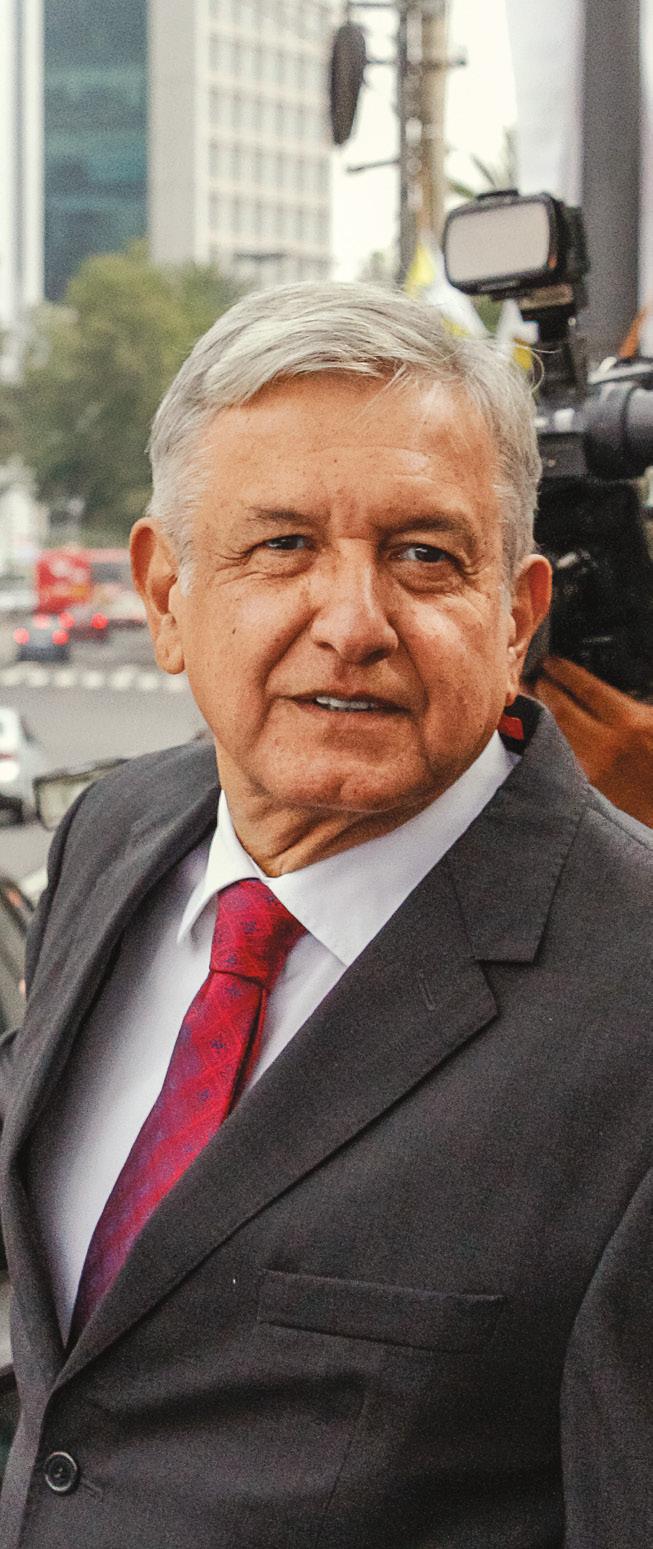
Also figuring into the picture is the election of a new president, Andrés Manuel López Obrador, who will guide the country and its economy, and the policies that will shape the mining industry, for the next six years.
Mexico Mining Review 2019 gathers all the expertise of the mining industry’s top leaders in Mexico. Over 200 interviews, in-depth analyses and infographics offer companies the business intelligence they need to seize the industry’s opportunities. Published in a political transition period, it also compiles the sectors’ voices in a Wish List to the incoming administration, with suggestions of what mining needs the most from the new government.
The fifth edition of Mexico Mining Review is written as an essential reference point for the industry, analyzing the main trends over the past year and shedding insight on the direction that mining is likely to follow over the near and mid-term.
The publisher has made all reasonable efforts to provide accurate information, and the information contained in this publication is derived from sources believed to be true and accurate. However, the information in this publication should not be considered to be complete or definitive, and may contain inaccuracies or typographical errors. The publisher accepts no responsibility regarding the accuracy of information and use of such information is at your own risk. The publisher will not be liable to any party for any direct, indirect, special or other consequential damages arising out of any use of information in this publication. The publisher provides no representations or warranties, express or implied, including any implied warranties of fitness for a particular purpose, merchantability or otherwise in relation to any information provided by the publisher in this publication.
ISBN: 978-1-7328256-0-4
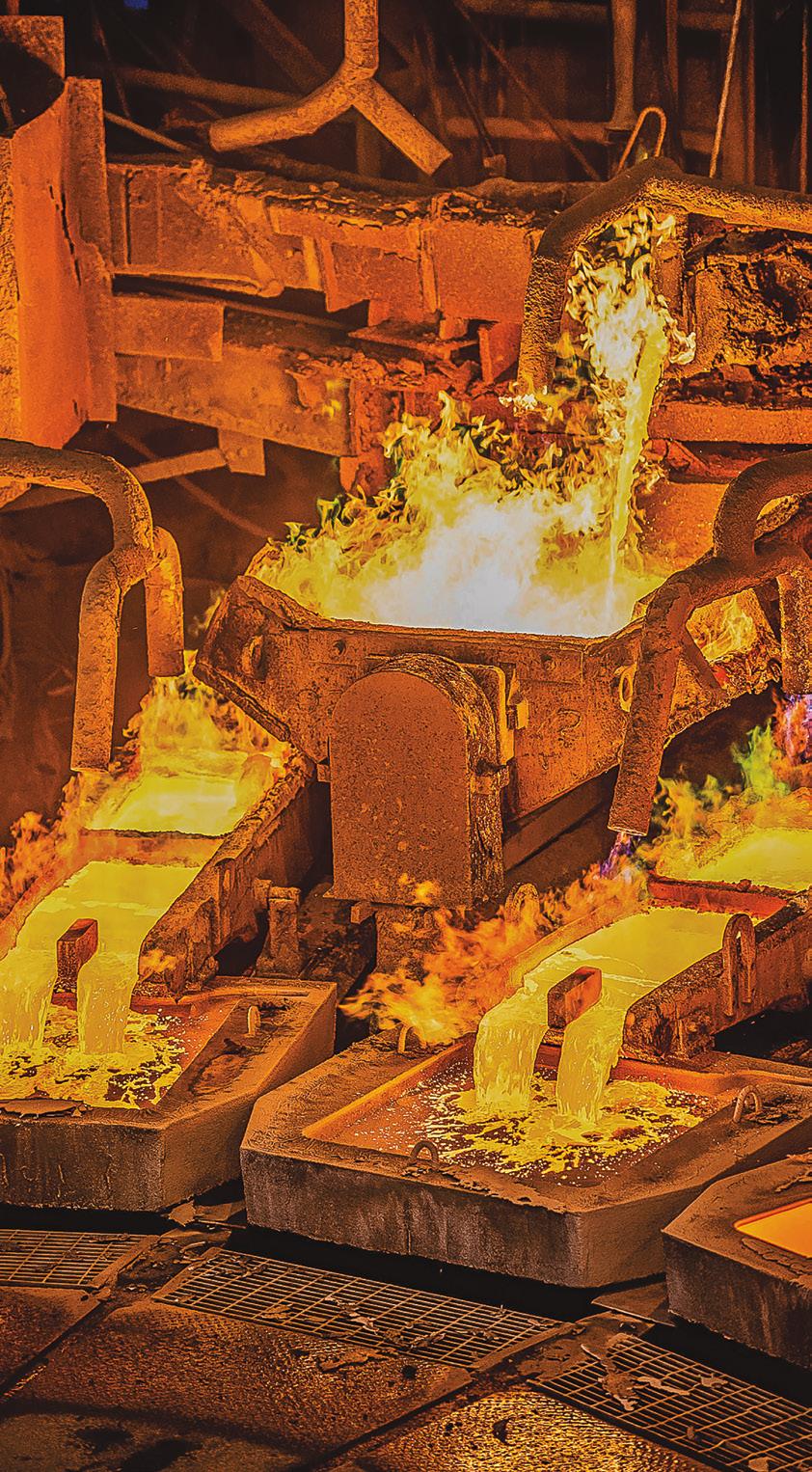
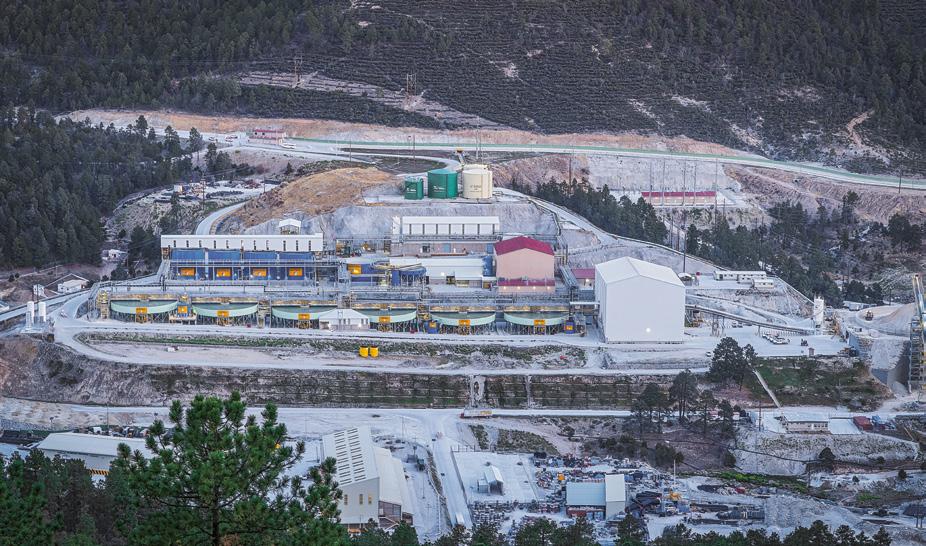
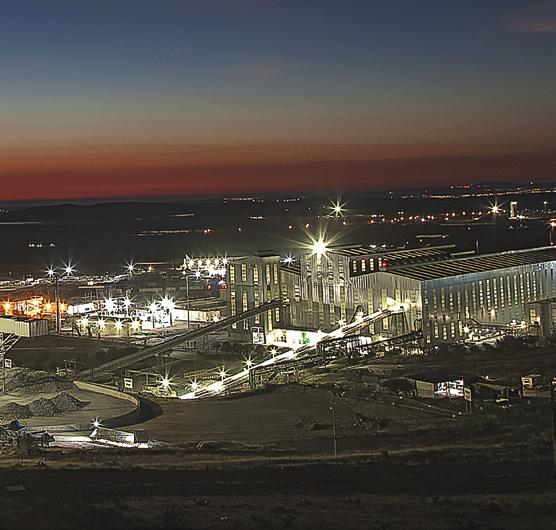
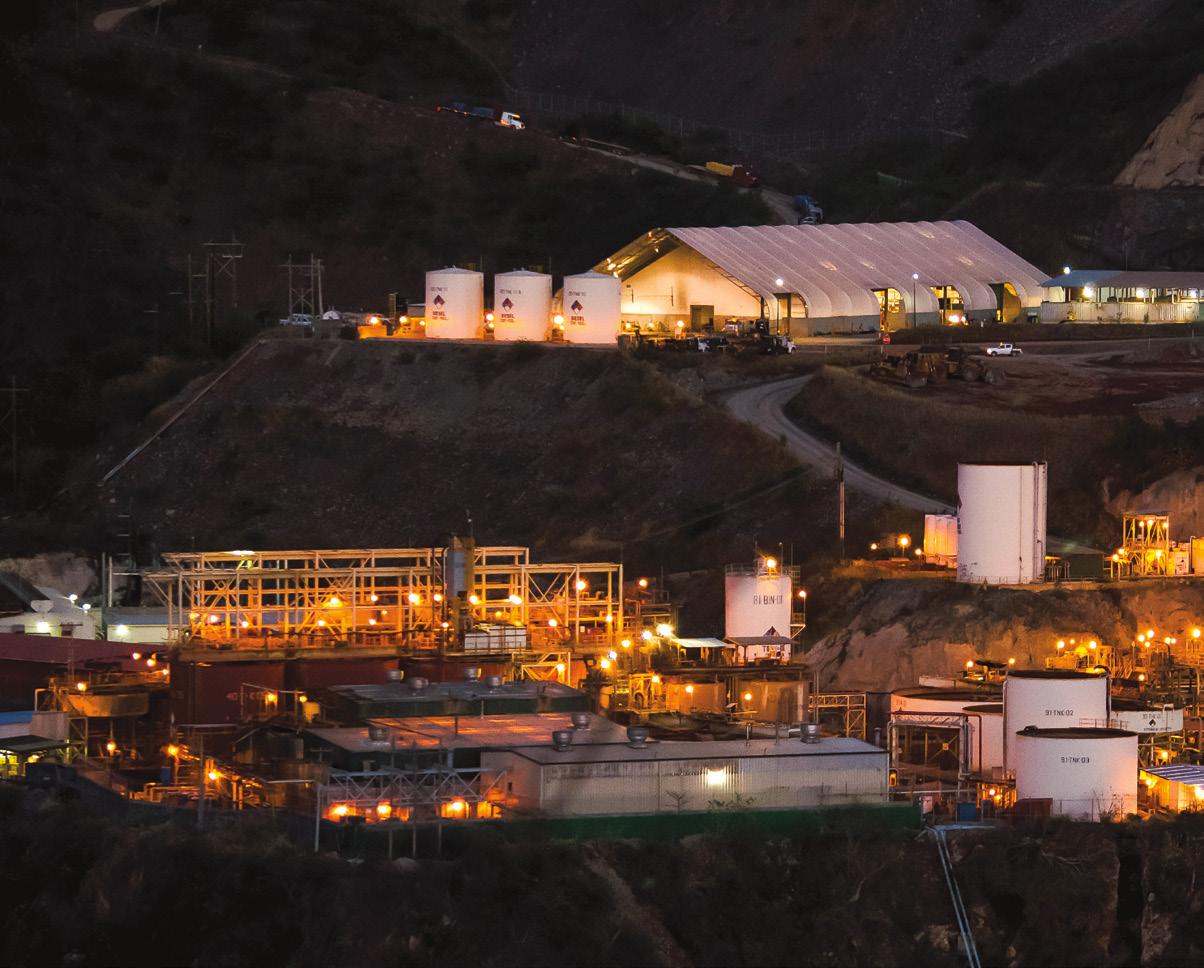
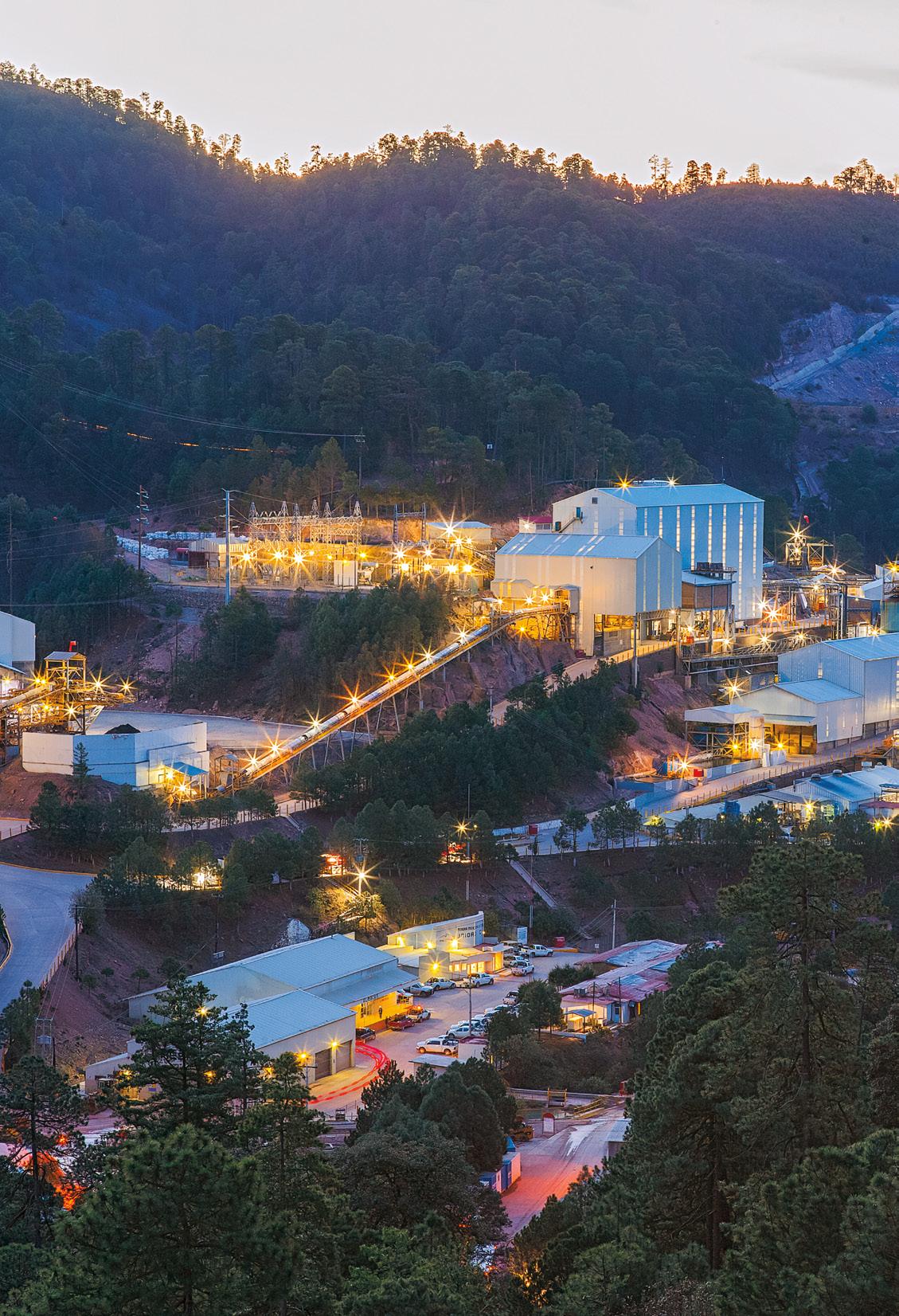
Grupo México smelting facility
STATE OF THE INDUSTRY 1
Operators are boasting bloated balance sheets and wider profit margins thanks to cost-reduction strategies that were put into action during the mining slump combined with a recovery in metal prices. Driven by the extra cash flow, companies are preparing to expand and acquire new projects. If Mexico wants to take full advantage of the industry’s opportunities and the upturn, greater strides must be taken to close the gaps in the country’s regulations and international competitivity.
With the end of President Peña Nieto’s term in 2018, this chapter analyzes the main advances of the 2012-2018 administration and areas of opportunities that need to be addressed by incoming authorities, relying on the insights of key policymakers, C-level executives and legal representatives. It also evaluates the impact and trajectory of the Mining Undersecretariat that was created at the end of 2016. The chapter shines a spotlight on the primary mining states in Mexico and highlights the achievements of the Peña Nieto administration for the mining industry.
CHAPTER 1: STATE OF THE INDUSTRY
FROM THE TOP: Jesús Mesta, Chihuahua Ministry of
STATE PROFILE: Mining Brings Employment, Growth to Chihuahua 22
FROM THE TOP: Carlos Bárcena, Zacatecas Ministry of Economy
PROFILE: Tapping into Durango's World-Class Deposits
FROM THE TOP: Álvaro Burgos, Guerrero Ministry of Economy 27 STATE PROFILE: Guerrero’s Golden Comeback 28 ROUNDTABLE: How is Geopolitics Affecting Miners and How Can They Hedge Against Volatility?
OPTIMISM DESPITE GLOBAL UNCERTAINTY, LOCAL HURDLES
After a strong start to the year buoyed by geopolitical uncertainty globally, metals prices have stagnated. US unemployment is low, taxes are favorable and the dollar is strong, making it the preferred investment. But metals such as silver, copper, zinc and lead continue to be required for industrial applications
The last year saw considerable change in the rules of the game, proving that anything is possible. Mexico’s closest ally, the US now has a president that announces major trade policies through Twitter, long-standing trade agreements are being renegotiated and the threat of trade wars is real. At a more local level, companies are getting used to a recently-elected president who ran on a nationalistic agenda and made history along the way, marking the first time the president of Mexico has not belonged to the PRI or PAN parties. The context, nationally and internationally, has made geopolitical instability the new norm for the global market and while in the past, volatility meant good news for operators, some fear that investors may hold back as they adapt to the persistent instability.
In times of uncertainty, precious metals are the go-to investment option. According to Morningstar, a Chicagobased investment research firm, “for as long as many can remember, gold has reacted favorably to geopolitical turbulence – as uncertainty increases, the rush to gold as a haven has been the counterbalance.” But 2018 has bucked the trend and now, low unemployment and lower taxes in the US is underpinning the dollar and limiting the need for metals hedging. “In recent times the established paradigm has been challenged,” says Morningstar.
“Gold is in fairly stable territory while silver unfortunately is still waiting for its moment to shine”
Philip Hopwood, Global Mining Leader at Deloitte
But in spite of the speculation, Deloitte sees consistent demand across precious metals, advantages in rising global debt levels and few other investment options that can compete against the engrained history of the mining industry. “Gold is in fairly stable territory while silver unfortunately is still waiting for its moment to shine,” says Philip Hopwood, Global Mining Leader at the consultancy. “Copper and zinc are enjoying positive momentum mainly because of supply constraints. Many commodities are in
a good place thanks to the growing popularity of electric vehicles (EV).”
While still far from their 2011 peak, prices are continuing to improve and operators are finally starting to harvest the fruits of their cost-reduction practices sparked by the bear market of 2015. Mexico continues to be in the Top 10 as one of the biggest producers of silver, gold and copper but authorities must remain aware of the rising attractiveness of mining jurisdictions like Chile and Peru. Added revenues have meant more money to be channeled into exploration, helping operators strengthen their pipelines and offering a strong outlook for the industry in the years to come.
MEXICAN GOLD OUTPUT DECLINES
After falling to nearly US$1,000/oz in 2015, the industry welcomed the rise, albeit slowly, of gold prices. In 2017, the price was on average US$1,257/oz, having traded in a range between a low of US$1,151/oz in January and a peak of US$1,346/oz in September, although these prices are still a far way off the decade peak of US$1,895/oz in 2011. Global gold output in 2017 rose slightly to 104.4 million ounces from 99.7 million in 2016 but Mexico fell to ninth place on the global list of gold producers after being No. 8 for two years in a row thanks to a 4 percent drop in domestic production.
The fall was influenced by production drops in world class gold deposits Los Filos and Limón-Guajes in Guerrero, the latter caused by a five-month blockade. Eight other major mines in the country also reported a decline in production in comparison to 2016, including San Dimas, Guanacevi and San Francisco. Peñasquito reclaimed its place as the country’s top gold producer from La Herradura with output of 476,000 ounces in 2017, a 2 percent increase from 2016. Sonora state continues to be the jewel in the gold crown as the biggest gold producer in Mexico followed by Zacatecas and Chihuahua, while Guerrero, straddling a prolific gold belt, is attracting new attention with hopes its security issues will be resolved.
New gold projects in the pipeline offer optimism for production in 2018. Fresnillo is taking the lead as its Pyrite Plant fed by the Saucito and Fresnillo mines in Zacatecas is expected to start operating in the second half of 2018. The
dynamic lixiviation plant in development in La Herradura is also expected to increase gold production by 36,000oz/y along with the potential of bringing online Juanicipio in 2020 to produce 30,000oz/y.
SILVER ON TOP
In silver production, Mexico maintained a firm grip on its position as top producer in the world for the eighth year in a row despite the 4 percent fall in global silver output. The global decline was caused by losses at major mines in South America, Oceania and Europe but was compensated in large part by greater output in North America. And as silver is often a byproduct of gold and copper production, the 2017 spike in global exploration investment after a fouryear retreat could be a positive indicator of even bigger output in the years to come.
Mexico was able to come out on top primarily thanks to Fresnillo’s eagerly-awaited pipeline of projects that are starting to come online. The company expects to complete the expansion of La Ciénega by 2019 and Juanicipio is projected to start producing 10 million ounces of silver per year by 2020. Another Mexican giant, Industrias Peñoles, expects to start producing 4.7 million ounces of silver in its Rey de Plata mine by mid-2019. Additional development projects were put on hold as companies search for bigger reserves and adjust construction plans. Coeur Mining’s La Preciosa mine, SSR’s Pitarrilla mine and El Gallo II owned by McEwen were among those affected.
When it comes to the country’s main silver mines, Peñasquito was not only the main gold producer but also the main silver producing mine in 2017 with an output of 21.5 million ounces. But Fresnillo is still the global silver king as four of its mines were included in the Top 10: Saucito, Fresnillo, San Julián and La Ciénega. Overall, silver output in Mexico totaled 187 million ounces in 2017 at an average global market price of US$17/oz, and ranging between a high of US$18.3/oz in February and a low of US$15.2/ oz in July.
THE SWAYS IN COPPER PRICES
While silver and gold were not as drastically shaken by geopolitical events, a possible trade war between China and the US and a strong growth in supply caused copper prices to sway. The volatile climate impacted the metal more as China is responsible for half of the world’s consumption of copper. Copper in 2017 begun to make a comeback after several years of low prices. In December 2017, prices reached heights of US$7,215/t for the first time since 2014. But the good news did not last long. The metal peaked at US$7,261/t in June 2018 and dropped below the US$6,000/t benchmark in mid-July. Analysts from Goldman Sachs speculate that this drop was sparked by concerns
THIS YEAR'S MAIN DEVELOPMENTS
2017
August Gold prices soar to US$1,356/oz amid US-North Korea military tensions
September Mexico announces application for Extractive Industries Transparency Initiative (EITI)
October
November
2018
AMLO announces plan to bring Napoleon Gómez out of exile in Canada and appoint him Senator
Mexico and Ecuador sign a cooperation agreement for mining industry
Beginning of workers’ strike at El Limón-Guajes for Torex Gold
January China announces a ban on scrap copper imports causing copper prices to bounce back to $7,270/t on the LME
First Majestic Silver announces acquisition of Primero Mining and flagship San Dimas operation in Durango
February Silver prices dip back below US$17/oz
March Mexico signs new TPP11 with 10 countries, agreement excludes the US
April Torex Gold announces official end of El Limón-Guajes blockade
May Miners on the BMV register significant falls, Frisco leads with 23 percent
Claudia Pavlovich, Governor of Sonora, proposes before CONAGO an initiative to overturn exploration deductibility law enacted by the fiscal reforms
June Minera Frisco and Goldcorp announce tie-up in Mazapil, Zacatecas
Retaining wall collapses at Rio Tinto mine in Chihuahua, leaves one fatality
July AMLO announced as next President of Mexico with 53 percent of the vote, congratulations offered by Germán Larrea, with whom he has a tenuous relationship
New stock exchange, BIVA, begins operations in Mexico
August
September
Grupo México announces potential to re-open San Martín mine in Sombrerete, Zacatecas after 11-year strike
AMLO meets with executives including Carlos Slim to announce his policy priorities, includes mining development
Napoleon Gómez inaugurated as a Senator of the Mexican Republic
Gold prices begin to drop below US$1,200 amid backdrop of strong US dollar
over rising tension between China and the US but that the impact will not last long in the case of raw materials like copper. In July, S&P revised its price predictions for copper, lifting them to $6,800/t from $6,600/t for 2019 and to $7,000/t from $6,800/t for 2020.
Mexico
advanced in the Fraser Institute’s attractiveness index from 50th place to 44th
Global copper production totaled 19.7 million tons, a 2 percent drop from the previous year. Mexico produced 742,246 tons, of which Grupo México’s Buenavista del Cobre alone churned out 318,900 tons in 2017. Chile continues to be the leading producer, followed by Peru and China with Mexico in seventh place. Unsurprisingly, Grupo México registered the biggest copper output in Mexico and took seventh position on a global scale. Sonora contributed 84 percent of the total production but the reactivation of Campo Morado at the end of 2017 and the start of production in Rey de Plata in mid-2019 are expected to greatly increase Guerrero’s copper output, placing it as a possible contender for the 2019 top spot.
ALTERNATIVES IN THE LIMELIGHT
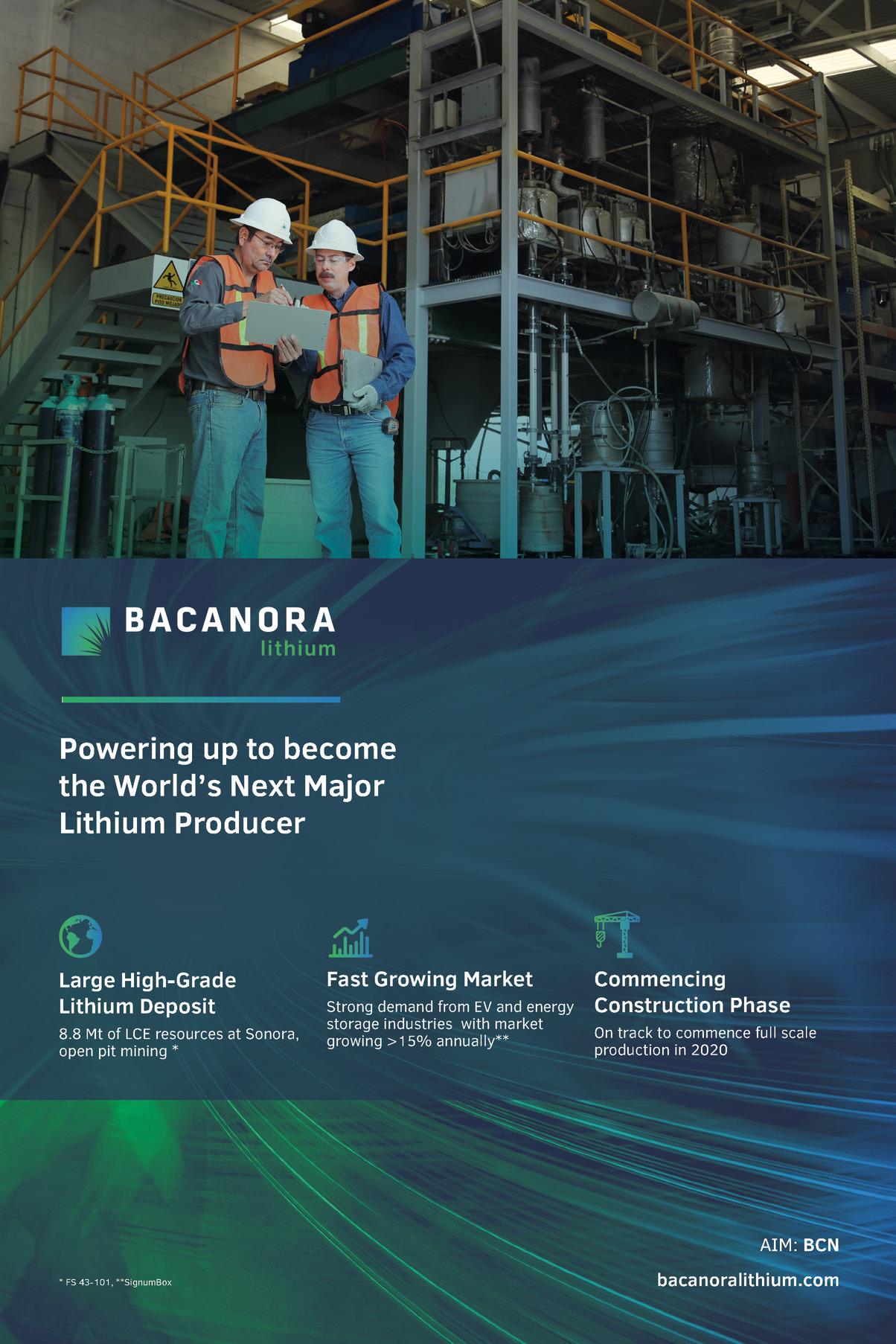
The battery metal boom hit Mexico as companies like Azure Minerals and Bacanora Minerals continue to develop world-class deposits for lithium and cobalt. Demand for renewable technologies are motivating companies to seek new deposits that can satiate the need for battery metals. Benchmark Minerals Intelligence projects a rise in lithium demand to more than 900,000 in 2025, up over
300 percent from about 220,000t/y of lithium-carbonate equivalent in 2017. It says this will continue to grow until demand reaches around 2 million t/y by the early 2030s. Prices swelled to US$16,500/t in 2018 from US$3,870/t in 2011. In the limelight once again, Sonora holds one of the world’s larger lithium resources that benefits from being both high grade and scalable.
Operator Bacanora Lithium plans to start production in 2020 after 10 years of evaluating the project and with several off-takers already signed on even before commercial production. Cobalt has a future that looks just as bright as Global Energy Metals expects demand to rise 30 percent by 2020 in comparison to 2016. Azure Minerals is betting on this growth through its Sara Alicia project, located in Sonora. The company believes that it could be the highest-grade cobalt project in the world. The price of cobalt rose from US$23,861.4/t in 2016 to US$80,490.68/t in 2018, an indicator of the expectations for this metal.
A GAP TO CLOSE IN EXPLORATION INVESTMENT
Exploration is an important indicator of the well-being of the industry and miners are eagerly anticipating a growing pipeline as investment increased for the first time in 2017 after four consecutive years of declines. According to S&P Global Market Intelligence, exploration investment rose to US$8.4 billion in 2017 from US$7.3 billion in 2016, although still far from the US$21.5 billion peak recorded in 2012. The report says the rise was due to improved equity market support for explorers that allowed companies to resume drilling. It expects global exploration budgets to increase a further 15-20 percent year-on-year in 2018. In Latin America, the most popular destinations for exploration investment were Chile, Peru, Mexico, Brazil, Argentina and Colombia. The metal that attracted the most capital was gold followed by base metals such as copper, nickel and zinc.
In Mexico, exploration projects focused on expanding current mines and reserves and reactivating the projects put on hold by juniors when the downturn hit. Until now, there had been a lack of interest in greenfield exploration since 2013 due to the lack of funds available to juniors, cuts in the exploration budget of major players and strategies to explore areas surrounding existing mines.
As exploration is the backbone of the industry, CAMIMEX highlighted its concern over the low capital allocation received by the segment to finance new discoveries in 2017. Despite the context, the country continues to have an exciting pipeline of projects in exploration. Azure Minerals’ Sara Alicia and Sunshine Silver’s Los Gatos silver and zinc deposit both stand out as promising prospects. Among the most important expansion projects in the country is that of La Ciénega owned by Fresnillo in Durango. Hecla is also investing in expanding its San Sebastián mine in Durango to increase production rates by the end of 2018.
DEMAND FOR RULE OF LAW
Loaded with added revenues in their pockets, operators are eager to expand their portfolios. And while Mexico has important projects in the pipeline, the country has several challenges to overcome to allow it to maintain its competitive edge over competing jurisdictions in Latin America. One of the most pressing issues is the need for an established rule of law in the country as several times in 2017 communities caused illegal interruptions to operations, jeopardizing millions of dollars. An example is the five-month blockade in Torex Gold’s El Limón-Guajes that caused the company a net loss of US$12.6 million in 2017 compared to the net income of US$3.2 million it reported in 2016.
Argonaut Gold also suffered a community setback when the explosives permit for its La Colorada project in Sonora was suspended amid a legal challenge by the municipality in April 2018 that the permit should never have been granted. After responding to the challenge, the operation was left in limbo until the end of June, when the permit was reinstated. In the meantime, the operations were able to continue with Argonaut processing stockpiled ore.
Companies are also demanding a stronger rule of law to increase security near mine operations that are often in isolated and remote areas. Pan American Silver’s Dolores mine was forced to halt production due to high insecurity levels and this is especially prevalent in Pacific coastal states like Guerrero and Sinaloa. Pan American Silver managed to overcome the situation quickly due to the deployment of federal and state resources to secure the access roads to the mine.
Source: CAMIMEX
Source: CAMIMEX
THE BEST IS YET TO COME
Change is the key word for the industry as volatility permeates not only the geopolitical realm but also the way business is done within the sector. To stay afloat, a traditionally closed industry must adapt to the ebbs and flows of consumer and investor demands, including transparency and low-cost operations that can start production within shorter time frames. The rise of new competitors in the financial market such as cryptocurrencies and fintech that are catching ever-more attention from investors are equally motivating operators to transform. Having learned their lesson from the past downturn, miners are much more cautious about their use of capital and seek strategic projects to add to their portfolios. Technology is also playing a greater role as companies are on the hunt for innovative methods that can positively transform their operations.
National giants, such as Fresnillo and Industrias Peñoles, also continue to grow and succeed both locally and internationally. The market has adopted to the rapid influx of international companies, mostly Canadian, that are taking an interest in the Mexican mining industry. The country advanced in the Fraser Institute’s attractiveness index from 50th place to 44th. But as other jurisdictions also become more attractive – Chile jumped to eighth from 39 in the previous years – Mexico must advance at a faster pace.
Mining is present in every aspect of everyday life, from cars to homes and right down to country’s coin currency. To further promote growth, the sector must continue to create societal awareness of the sector’s role in economic development. Communication among the social, public and private sectors can open doors to capital and facilitate permitting. And with a new administration taking over the reins of government, the mining industry also has an opportunity to secure a prominent place on the federal agenda.
CONTINUE WORTHY FEDERAL INITIATIVES
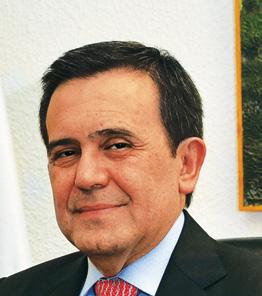
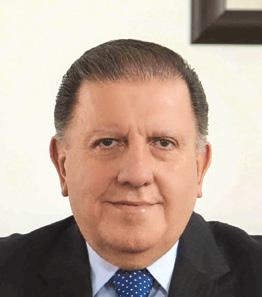
ILDEFONSO GUAJARDO VILLARREAL Minister of Economy
Q: What have been the Ministry of Economy’s main achievements during the 2012-2018 sexennial?
A: Mining was included for the first time as a strategic sector in the National Development Plan 2013-2018 because of its contribution to economic growth. Accordingly, in 2016 the General Coordination for Mining became the Undersecretariat of Mining, increasing its importance nationally and raising the level of dialogue with similar authorities in other countries.
As part of the financial reform put forward by President Peña Nieto, in 2013, Congress approved new duties from mining, which included the 7.5 percent special right on concessionable mining EBITDA and the 0.5 percent extraordinary right on sales of silver, gold and platinum. The resulting revenue has been mainly oriented to the Mining Fund for Regional Sustainable Development of Mining States and Municipalities, which are allocated to the communities where the mining activity takes place. The money is allocated to social and infrastructure development projects for the good of the communities affected by the mining activities. The Fund has raised people’s standard of living while reducing the incidence of conflict in the sector.
In terms of geological information generation, the Mexican Geological Service has carried out important work. It has mapped an accumulated area of 866,802km2 as of July 2018, which is equivalent to 63 percent of the surface area of the Mexican territory that is estimated to contain mining potential.
Regarding financing, FIFOMI defined new financing strategies and access to credit for companies in the mining sector and its value chain. As of August 2018, there is a credit portfolio balance of MX$3.66 billion, which represents an 8.4 percent increase on the balance registered as of December 2012.
Ildefonso Guajardo Villarreal is the Minister of Economy for the Peña Nieto administration. Previously, he held a number of public sector positions, including Senior Official in the Ministry of Foreign Affairs and Deputy Minister of Tourism Development
Considering the importance of information technologies, we began to modernize the systems related to mining procedures; we are in the process of streamlining 42 procedures, making mining data consultation easier.
At the international level, Mexico has been a key player in mining groups, such as the Pacific Alliance and the Conference of Ministers of Mining of the Americas and the Asia-Pacific Economic Cooperation (APEC). At the bilateral level, we set up a mining working group with Canada, and memoranda of understanding for mining cooperation were signed with Sweden, Ecuador and China.
Q: What do you think should be the top priorities for the next administration regarding the mining industry?
A: I see three primary priorities for the new government in terms of mining. The first should be the continuation and conclusion of the process of modernization of mining procedures, since it will give greater certainty to investors. Second, the new government could implement the process of prior consultation in indigenous territories, an indispensable measure to consolidate the governance of mineral resources. The Mexican state has the obligation to ratify the agreement on indigenous and tribal peoples in independent countries set out in ILO Convention 169, and to carry out indigenous consultation. Third, the collection and allocation of funds related to the Mining Fund for Regional Sustainable Development of Mining States and Municipalities could be improved.
Q: How will the Ministry of Economy collaborate with the new administration to promote the continuation of the work started by the Undersecretary of Mining in 2016?
A: We have already begun the transition, and we are holding several meetings with the incoming administration. In such meetings, we have presented a thorough evaluation of the work done over the course of the last six years and we have made recommendations as to the work we believe can be continued. Certainly, it is down to the new government whether or not it will take our recommendations into account and continue with the programs begun by this administration
COLLABORATION, AGREEMENTS TO PROMOTE MINING DEVELOPMENT
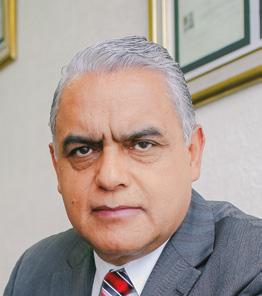
SALVADOR GARCÍA President of AIMMGM
Q: How will the newly-elected board of directors bolster the association’s role in promoting the development of the Mexican mining industry?
A: So far, the association’s role has been to witness and support the decisions that have been made in relation to mining in the country. We want to change that role or at least lay the foundations for it to be an association that proposes substantial changes that benefit the mining industry in Mexico.
One example of this is the joint agenda we would like to set up with SEMARNAT, PROFEPA and other government institutions to make the industry more sustainable and socially responsible. This is something that society and some authorities have not understood, perhaps due to a lack of information or misinformation in the media. Mining is one of the most sustainable and socially-responsible industries in the country but it tends to have a negative image not only in Mexico but globally. We must change this by informing the public of the virtues of mining with facts and evidence.
Q: In your experience, how can AIMMGM build an effective bridge between the private and public sectors in mining?
A: The role of the association is to be an interlocutor between the public and private sectors. To do that, we must approach the public sector to inform it of the industry’s importance and requirements to continue driving economic value for the country. Good communication in both directions is important so we can always stay well-informed and able to deal with any problems that arise. This also gives us the leverage to identify areas of opportunity to boost the mining industry in Mexico.
Our main asset is that we represent the mining sector and our members are the industry’s main decision-makers. One way that we are able to work toward our common goal of growth for the mining industry is through the association’s integration, which empowers us in our actions.
Q: What impact does AIMMGM expect the EDUMINE program to have and why is this important?
A: We believe that education is the best means to achieve objectives in any field. EDUMINE is an online platform that provides over 200 courses on mining-related topics
through online courses, interactive live webcasts and faceto-face classes. It is supported by the University of British Columbia and the University of Arizona. Its training helps our union members remain up to date on key topics and trends in the industry. The fact it is online provides participants with flexibility, while also giving the option of face-to-face interaction.
Q: What have been the main ups and downs of the 2012-2018 administration and in what state will the new government inherit the mining industry in Mexico?
A: From my point of view, the incumbent government never had mining on its agenda and that is one of the reasons behind the implementation of the new 7.5 percent duty plus 0.5 percent for precious metals. The new government will inherit a battered industry in addition to an excessive tax burden compared to other countries. This is exacerbated by the insecurity that permeates our country and the absence of the rule of law, especially in rights of way disputes. It seems that in these scenarios, the private interest is set aside and the ejido or landowner is always right, often due to political motivations rather than rule of law.
I do not predict any substantial change in terms of the new administration. It is impossible to tell what will happen under AMLO’s government but I feel it is important that each of the entities in our association plays its part to collaborate for the best interests of the mining industry in Mexico. I would request that the next administration consider the value of the mining industry in the socioeconomic development of our country and take that into account when making policy decisions. For example, exploration should be encouraged throughout the country, which would involve reversing the previous fiscal reform and making preoperational exploration expenses immediately deductible for new projects.
AIMMGM is the premier association for mining professionals in Mexico. The group works toward the technological and economic development of the mining sector and counts the country’s top operators and suppliers among its members
PREPARING THE MINING INDUSTRY FOR THE DIGITAL REVOLUTION
MARIO ALFONSO CANTÚ
Undersecretary of Mining at the Ministry of Economy
Q: What were the Undersecretariat’s key accomplishments during this administration?
A: The National Development Plan 2013-2018 included mining as a strategic industrial sector. We emphasized this by also creating a plan specifically designed for the mining industry. The Mining Development Program 2013-2018 has four main objectives: promote higher levels of investment and competitivity in the mining sector, increase the amount of financing for the mining industry and its supply chain, strengthen the development of small and medium mining companies and modernize institutional norms for the sector, improving attention to processes related to mining concessions.
We encouraged a more solid communication channel between the private and public sectors through the establishment of four additional mining clusters to the Zacatecas one, created in 2012. We are also promoting the creation of a new cluster, which we hope will be established before the end of this administration.
Most investors do not usually talk to the Undersecretariat directly but with local authorities first to see what kind of support they can receive from the government before deciding to invest in a project. Unifying efforts is a good way to ensure the future of projects in the country. This will also help ensure that the next government will continue the current work regarding the mining industry. We created committees with municipal and state governments in collaboration with federal authorities to address the industry needs.
Q: How are you shortening and simplifying the permitting process in the industry?
A: The Hydrocarbons Law establishes that mining authorities must consult with the Ministry of Energy if there is oil or other hydrocarbons in the area where the mining concession is required, making permitting processes slower. The Undersecretariat of Mining has been carrying out the Integral Model of Mining Administration (MIAM), which includes the digitalization of 42 related mining concession procedures, updating of the Geographic Information System
and the cross-referencing of polygons so they reconcile with the Public Mining Registry. We have also worked on the digitization of files related to mining concessions and the systematization of documents. We want to consolidate and modernize physical spaces for safeguarding documents to streamline the processes of mining regulation. We have also added a temporary increase in the workforce to reduce the backlog in the processing of procedures and correction of data from the Public Mining Registry through conciliation with historical physical records. The CartoMinMex information system is already online and works as a geographical information system for consultation with data from the mining archives, which at this stage includes mining cartography and its public registry.
Q: How is the Undersecretariat creating more international opportunities for the Mexican mining industry?
A: Many Memorandums of Understanding (MoUs) that the previous General Mining Coordination had signed were not being followed up on. We decided to make sure these agreements were put into action. We also increased our outreach by diversifying beyond Canada, even though this country will always be our main mining partner.
The Undersecretariat identified the main mining events and regions in the world that the sector could benefit from and decided to increase its presence in these areas, including Australia and China. In particular, Mexico and China signed MoUs in mining cooperation federally and provincially, as well as between the geological surveys of both countries. Business missions took place with holders of mining projects and throughout the present administration the presence of Chinese companies was gradually increased. Currently, Chinese companies have 20 mining projects in Mexico.
In the case of Australia, we actively participated in promoting investment in important mining events, which was reflected in a gradual increase in investment. Australian companies now have 30 projects in our country.
Q: How are you helping improve the financial opportunities available in the sector?
A: FIFOMI plays an important role as a facilitator of credit to small and medium companies. But in the past, more than 50 percent of the credit was being directed toward housing and transportation, which did not make sense. After many years, we restructured the credit for project financing and have already had several success cases. While FIFOMI used to give only MX$320 million in direct credit, last year it reached MX$1.25 billion.
We have also created a graduate scheme with Bancomext that companies can use as they continue to grow to broaden their financial opportunities. Bancomext has already supported five companies that were recommended by FIFOMI and we expect this number to rise. Our goal is to train companies and teach them how to use more professionalized financial models so they can eventually expand to list on the Toronto Stock Exchange, the most important market for the mining industry.
Q: Why are national banks so resistant to the mining industry?
A: National banks do not want to lend money to the mining industry mostly due to the high risk and the lack of knowledge given the complexity of the industry. The only bank that has shown interest is Scotiabank. It has a rich history in the Canadian mining industry. FIFOMI is helping close these gaps by organizing meetings with investors and banks to find more solutions for the Mexican mining industry. One option is the syndicated loan with the participation of private banks. This strategy has been widely accepted and promises to be effective in promoting the sector. We also collaborate with brokers, such as Trafigura, to offer revolving credit through a select group of banks with 60 days of financing at a favorable rate.
Our direct involvement consists also of providing a fund worth MX$2 million to state authorities so they can promote the development of mines in their states. Zacatecas, Sonora and Chihuahua are involved in this fund, which is designed for small mining companies. There used to be many opportunities and funds available to small mining companies from authorities such as the Ministry of Agriculture, but these have slowly been phased out.
Q: How has the Undersecretary of Mining promoted the restoration of immediate deduction of pre-operational expenses for mining operations?
A: We believe the elimination of immediate deduction of pre-operational expenses for mining operations at the end of 2013 has lowered Mexico’s ability to compete with other mining jurisdictions. We have facilitated meetings between representatives of CAMIMEX and the Ministry of Finance to propose restoration of such a fiscal incentive to Congress. Other actions to encourage mining investment in exploration in Mexico are the freeing up of land from 289 mining lots in the first half of 2018, with an area of more than
157,500ha available for allocation to those requesting it in the form of a mining concession.
The Mexican Geological Survey works on the 1:50,000 scale cartography of the national territory. One of its applications is the evaluation of the potential of existing mineral resources. The information generated by SGM is of public use through an institutional data bank called GeoInfoMex, which allows the information to be easily consulted in different layers, providing a significant saving of time and resources.
Q: What should the next administration prioritize when it comes to the mining industry?
A: The schemes implemented by the current administration have been successful. We strive to leave everything organized for the next administration with a report on our main advances along with suggestions on the main areas of opportunity that we did not get a chance to focus on. One example is updating the legal framework that was mainly approved in 1992. Back then it may have been a leading example in the industry but nowadays it is extremely outdated compared to other laws and regulations related to mining activity, like the environmental law.
Currently, Chinese companies have 20 mining projects in Mexico
A long-term vision and a national policy are also essential to promote the development of mining and the country within a framework of sustainability, economic growth, social benefit and respect for the environment. The field of public policies to support the development conditions of the sector also has great areas of opportunity. Some of these include the creation of a Large Projects Office to accelerate response times and support strategic mining projects in collaboration with other federal agencies, the improvement of the fiscal conditions of the sector through mechanisms such as the immediate deductibility of pre-operational expenses, the development of a secondary market for mining concessions, the expansion of SGM’s activities for the exploration of industrial minerals and the strengthening of the economic, technological and commercial cooperation ties with our strategic partners.
Mario Alfonso Cantú has extensive experience in the public, private and academic spheres. Since January 2013 he has served as General Mining Coordinator of the Ministry of Economy
THE DEEPER THE CRISIS, THE BETTER THE OPPORTUNITY
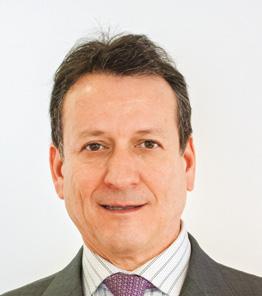
JAVIER REYES DE LA CAMPA Co-CEO of Accendo Banco
Q: What is your view of the current state of the mining sector?
A: The last 10 years have been a roller coaster of high and lows. During this time, we have seen the industry bleed and many companies have gone out of business, particularly small to medium-sized companies as there are just a few financing options available to them. But there is an opportunity in every crisis and the deeper the crisis, the better the opportunity can be. It is simply a matter of identifying it and profiting from it.
As we now stand in the middle of what appears to be another bull run for some commodities, the next 10 years will see the continuation of rapid change in the industry against a backdrop of declining ore grades, decreasing availability of Tier 1 assets and continued focus on shareholder returns. To thrive amid this volatility, companies must rethink the traditional way of financing their mining operations. That is why the role of financial institutions that serve the mining industry is more relevant than ever.
Q: What are the main financial areas of opportunities you have identified in the mining industry?
A: Accendo Banco offers a wide range of financing products for the mining sector, including term loans, revolving credit facilities, bridge and mezzanine loans, nonconforming project finance facilities, subordinated cost-overrun facilities in select situations, trade finance consisting of equipment leases, leasebacks and factoring facilities. This 10-year global mining industry crisis has translated into very limited financing for mining companies, particularly for small to medium-sized companies. Mexico, which is among the world’s most natural resource-rich countries, does not have a bank that supports the sector. This crisis has presented us a
unique opportunity to provide financing throughout the whole mining spectrum.
Q: Why do you consider yourself to be the bank for the mining sector?
A: We are the only Mexican bank that actively serves the industry. We serve the mining companies, as well as the whole supply chain, such as service provides like drillers, contractors and reagent producers. Mining is one of the most important industries that Accendo Banco targets with its bespoke products.
Q: What services or programs have you created for the mining industry?
A: We offer trade finance, equipment leasing, financing for expansion plans and restructuring of existing loans. We have the infrastructure to adjust financing terms to meet the requirements of our clients. We believe that each client is different and therefore each one deserves a special product. In contrast to other Mexican institutions, we understand the sector’s needs and are willing to take the risk to provide the sector and the companies within it with the financial services they need.
Q: What is the main added value you can offer the mining industry in comparison to other financial institutions?
A: We understand what the mining sector needs. The main shareholders in Accendo Banco have been conducting these types of investments and financing for at least 20 years. This gives us a broader picture of how the sector works and what its needs are. Moreover, we have diversified our financial services to serve the mining industry. We offer bespoke products tailored to clients’ requests; we will consider smaller ticket sizes that other lenders might not consider and our team is comprised of both technical and financing professionals who come from the mining industry and understand the full spectrum of risks and reward inherent to the industry. The team and ticket size allow us to leverage our expertise to an otherwise underserved segment of the Mexican mining sector while at the same time steering clear of competition with the giants.
Accendo Banco’s mission is to accelerate the productive growth of medium-sized companies that show potential, through the offer of exchange, fiduciary and credit services, backed by experts in the industry
FLEXIBLE ROYALTIES, A SOLUTION TO PUBLIC AND PRIVATE DISCORD
PAULO DE SA Former Practice Manager, Extractive Industries Unit at the World Bank
Q: What role can the mining industry play in the sustainable economic development of a country?
A: The mining industry can make a significant contribution to a country’s economic development because it often generates large fiscal payments to the public purse and contributes to the wellbeing of communities. More often than not, mining projects create economic opportunities for communities in remote areas. The World Bank Group, through the World Bank and the IFC, helps authorities refine their policies and ensure that mining is contributing to the overall economic development of their country. It can also make suggestions on the social and environmental management of the sector and benchmark policies.
The World Bank has completed many economic studies on what mining can do in terms of poverty and inequality, although the image of the industry is not always very positive. With the recognition that there is room for improvement in sustainability practices of the industry, these studies find that mining can offer countries concrete possibilities when it comes to reducing poverty. However, they also find that in terms of inequality the mining industry can increase the differences between the haves and havenots, thus creating even wider gaps.
Q: What forces in the market are controlling trends in the mining industry?
A: Market forces will be greatly driven by cost-reduction. Hopefully, the mistakes of the previous supercycle will not be repeated. We are also seeing that companies in the industry have more power. Previously, market prices were controlled by consumers, but this is reversing as companies are increasingly able to influence prices.
For example, over the last 15 years, China has had an overwhelming influence on the global mining industry. As China’s domestic resource base is being progressively depleted or struggles to meet the quality requirements of modern manufacturing, new opportunities are emerging for the large mining companies. Through their superior capability to access the best mineral reserves, deploy the most competitive technologies and access capital in the
best conditions, companies have filled most of China’s recent import requirements. This trend is very clear in the steel industry, where the iron ore export market is controlled by the three biggest companies, while the so-called “Big Four” are expanding their reach over the seaborne coal trade. After 2010, price formation in these two markets shifted from longterm contracts, where buyers prevailed, to spot prices where producers are more capable of taking advantage of shortterm changes in the markets.
Over the last 15 years, China has had an overwhelming influence on the global mining industry
Q: How can countries properly implement revenue-sharing mechanisms such as the Mining Fund in Mexico?
A: Centralized mechanisms for revenue-sharing are very difficult to implement as it is hard to please everyone. We support these initiatives but we have seen that using them adequately is not an easy task. The funds need to be used in a very transparent manner and authorities need to make sure that they are investing in projects that support the well-being of communities. Listening to their priorities and giving them a voice in the decision-making process is essential. Peru, for instance, transfers 50 percent of its revenues from the mining industry to surrounding communities but the government has not been capable of properly overseeing the use of these funds. This means that municipal leaders have invested in the wrong types of projects, leading to cases of corruption. Revenue-sharing is meant to eliminate conflict between authorities and communities but it can sometimes end up causing more problems instead.
The World Bank Group is formed of five institutions working for sustainable solutions that reduce poverty in developing countries. It has 189 member-countries, staff from more than 170 countries, and offices in over 130 locations
SONORA AS MEXICO’S MINING ADVOCATE
ALBERTO LÓPEZ
Director General of Mining at the Sonora Ministry of Economy
Q: How can the Ministry of Economy promote more favorable fiscal and regulatory terms for investment?
A: The special and extraordinary royalties were established in 2014 and the state has now experienced four years of this tax burden that feeds the Mining Fund. Despite this factor, and the 10-year time frame that was established for the deductibility of exploration expenses, the hard numbers of Sonoran mining clearly highlight the state as the national leader in production. That being said, the industry has not experienced a marked growth in the wake of these expenses being established. Without doubt, the most important task of the public and private sector is recovering competitiveness, and if this cannot be done by reducing the tax burden, it can be done by establishing a public policy that involves direct and short-term solutions. The mining agenda has been dragging on for several years with problems related to its fragmentation. The industry is intricately linked with many dependencies of several different federal government ministries.
The state-level government bodies do what we can to support the official processing of permits for companies of different sizes located in the corresponding territories. But at the end of the day there is always a process under the strict remit of the federal government. Behind these processes is usually a team of public servants who are doing the best they can under critical staffing shortages and lack of technical knowledge. We are grateful that, through the establishment of the Directorate of Mines, we have already begun to overhaul and modernize these processes and should make significant strides before the end of this sexennial term.
Q: How do you expect the change of administration to affect the continuity of the mining sector?
A: Every change of government gives rise to the hope that things can change. In our specific case, we want to
Alberto López oversees mining activities of the state of Sonora. Prior to joining the public sector, he served as Director General of Insetec from 2005-2015. He also founded the Mundo Minero industry magazine in 1996
strengthen the relationship between federation and state and work in a more coordinated way for the good of the mining sector.
Q: What are the main incentives to invest in mining in Sonora, especially for smaller-scale miners?
A: The state government participates enthusiastically with programs that focus on the small-scale miner. We visit their concessions, evaluate them in a very preliminary way and provide recommendations as to the best step forward for that particular project. A possible strategy to detonate the progress of the small miner, and which certainly is not new, is to promote the establishment of processing plants, which can collectively receive ore from small projects, process it and in this way boost the economy and life quality of certain isolated regions.
Q: What is your perspective of the use and distribution of the Mining Fund and how can it catalyze growth in the state?
A: Regarding the Mining Fund, in Sonora, a total of MX$2.49 billion was received from the fiscal contributions over the course of 2014, 2015 and 2016, which substantially benefited the infrastructure of major mining municipalities in the state such as Cananea, Caborca, Nacozari, Alamos, Sahuaripa and Cucurpe. These were the main recipients of the resources from the Mining Fund due to their importance for mining operations, not only in Sonora but nationwide.
The recommendation of both municipalities and mining companies is that it is necessary to expedite the processing of these resources and have more regional influence in the decision-making process regarding where they will be allocated. This would bridge many existing gaps that may not be considered by those who are not present on the ground. For example, neighboring municipalities that do not have mining activities but do contribute to meeting the industry’s needs do not receive any resources. This could be revised in a fairer and more equitable way to ensure all those involved across the mining supply chain benefit from its activities.
SONORA: MEXICO'S LEADING MINING STATE
Sonora is a 72-municipality state that accounts for 9.1 percent of Mexico's land mass. It contributes 3.5 percent to national GDP. Approximately 7.3 percent of those in Sonora are employed by the extractive and electricity industries, including mining. In 2016, the mining industry contributed MX$70.11 billion to Sonora's GDP. The mining industry paid one of the highest estimated salaries of MX$543.8 per day, compared to state estimated average
salary of MX$288.1 and the national average of MX$333.2 per day recorded by IMSS in 2017.According to Sonora’s Ministry of Economy, the state has 40 mines in operation, 200 exploration projects and more than 5,000 mining concessions over a land mass of more than 43km2. Sonora is a leading mining state in the country, as the main copper producer and accounting for 24 percent of the total Mexican gold production.
408,842 kg silver
42,290.4 kg gold
10.68%
624,265 tons copper
• Land area: 178,292km2
• Population: 3,026,511 inhabitants
• Sector with biggest contribution to state GDP: manufacturing industry (26.8%)
• Percentage contribution to national GDP: 3.5%
• 72 Municipalities
MAPPING CHIHUAHUA’S MINING PRIORITIES
JESÚS MESTA Deputy Minister at the Ministry of Innovation and Economic Development of Chihuahua
Q: What are the ministry’s main priorities when it comes to the mining industry?
A: In relation to the mining industry, the main priority of the Ministry of Innovation and Economic Development of Chihuahua is to provide legal certainty to investors and to push for the immediate deductibility of exploration expenses. It is also our priority to distribute the resources of the Mining Trust Fund in a transparent way. Chihuahua’s goal is to attract more investment to the state, especially given that it is the second-leading producer of silver, zinc and lead and the third for gold in Mexico.
Chihuahua is the second-leading producer of silver, zinc and lead and the third for gold in Mexico.
The most important factor for achieving this goal is legal certainty. Unlike other industries in which investors worry about location and logistics, in mining investment is mostly defined by mineral potential. As part of the local government, it is the ministry’s role to facilitate the optimum conditions for investment, and this includes legal certainty. It is a priority of Governor Corral’s administration to enforce the rule of law and compliance with the law. All mining companies and others across industries should have the confidence to place their resources in a state in which the law is respected.
Regarding the tax regime, Governor Corral has repeatedly pushed the federal government to advance the deductibility of exploration expenses from 10 years to one, restoring the previous legislation in place. Statistics clearly
Jesús Mesta works for Chihuahua's Ministry of Innovation and Economic Development. He was Director and Partner of Distribuidora de Productos Alimenticios de Chihuahua for 12 years and has an MBA from Thunderbird Global School of Management
show that taking away this tax incentive has led Mexico to lose competitiveness against other mining jurisdictions.
Q: What is the main impact from mining activities on Chihuahua’s local communities?
A: It is curious that communities surrounding mine operations often inherently reject mining projects when they are first being introduced. But we have found that once they experience the benefits of having a mine in their community, receive the resources of the Mining Trust Fund and have the possibility of finding a well-paid job without having to emigrate to other regions, their opinion drastically changes.
The main challenge for the mining industry is communication. The industry must learn to efficiently publicize all the benefits it can provide as a legacy to communities and the way in which modern mining works. The industry’s processes in exploration, production and ore processing are mesmerizing in their technicality and sustainability but this means nothing if people are not aware of it. In fact, people often assume that mining companies arrive at a community, drill, exploit and leave the territory and communities worse off. But this is far from the reality of how mining is today. We need to communicate the current reality of the industry to all and this is its main challenge.
Q: What is your assessment of the use and distribution of the Mining Trust Fund?
A: In Chihuahua, we believe 100 percent that the fund must be solely distributed among the communities in which mining activities are carried out. That is why it was created. Governor Corral has addressed this matter several times with the federal government as we do not think that it should be allocated 20 percent of the fund’s resources. We are also convinced that the fund should be allocated to productive projects to grow local economies and develop long-lasting benefits for communities. We also hope the fund will contribute to the modernization of the Undersecretariat of Mining, to make it more efficient and responsive to the industry’s needs.
MINING BRINGS EMPLOYMENT, GROWTH TO CHIHUAHUA
Chihuahua is a desert state with its primary cities spread apart across its 246,865km2. For its 3.79 million inhabitants, it presents the ideal blank canvas for mine operations. Mining in Chihuahua presents unique opportunities for those who would otherwise struggle to find employment, in rough terrains and isolated areas. One of the country’s biggest producers, Chihuahua contributed 3.4 percent to national GDP and mining accounted for 6.3 percent of the state’s contribution. One factor behind the state’s low unemployment rate is its mining industry, worth US$17.96 billion.
• Land area: 246,865km2
• Population: 3,795,324 inhabitants
• Sector with biggest contribution to state GDP: manufacturing industry (31.1%)
• Percentage contribution to national GDP: 3.4%
• 67 Municipalities
100,507
36,093
COMMITMENT, SUPPORT FOR SMALL MINERS
CARLOS BÁRCENA Minister of Economy of
the State of Zacatecas
Q: What are Zacatecas’ main priorities when it comes to the mining industry?
A: We have three main priorities in the mining industry, including developing talent, supporting small miners and strengthening the local and regional supply chain. We have a long-term and ambitious vision for the sector but our first priority will always be to help the local and regional companies adapt to the changes in the industry.
When it comes to talent, we created a one-of-a-kind program at the Zacatecas campus of the National Polytechnic University to allow metallurgical engineering students to get hands-on experience in both classrooms and in mines. We greatly believe in training and preparing the next generation of miners.
The state is also prioritizing small mining businesses and we are collaborating with medium to large companies to create more bridges and opportunities. We are helping small miners identify areas of opportunity and even connecting them with financial tools. The state is closing agreements with FIFOMI to make sure that small miners have enough capital to develop projects and reactivate the state’s traditional mining districts.
Our third focus is to strengthen the local and regional supply chain to make sure it can meet the needs of medium and large miners. We are motivating local companies and mining clusters to promote regional unity. We offer consulting and certification to make sure suppliers meet the industry’s requirements.
Q: How is the state improving financial opportunities for the industry?
A: We can intervene by creating schemes that work for the industry, as has been done for automotive and aviation
Carlos Bárcena has been in the state government of San Luis Potosi throughout his professional career. He promoted the manufacturing industry in the Bajio region alongside GM, BBVA Bancomer, USAID and CONACYT
sectors. We are incorporating not only commercial banks into the scheme but also development banks to offer different financial models for projects. This helps because commercial banks often require highly-detailed reports and specifications that small miners cannot provide when they are just starting a project or small operation. On the other hand, development banks are more flexible and may just ask for a deposit.
We collaborate with NAFIN, to build different strategies. We have also created trust funds for a project in collaboration with banks where, for example, for every MX$1 we invest, a commercial bank invests MX$2. Everyone wants loans at low rates and small deposits but that is not possible. We help by providing models either with a low rate and large guarantee or a high rate and a small guarantee to find an optimal middle point. We also offer a Silver Fund that provides a low rate and requires a deposit that is much smaller than what commercial banks require. We have a technical committee and a validation system that can select projects with potential.
The state is also helping businesses complete their paperwork so they have more success with the financial system. We must use collaborative schemes because mining projects are extremely capital intensive. If they only required MX$30,000 it would be much easier to give direct loans without so many requirements.
Q: Why should mining companies invest in Zacatecas over other states in Mexico?
A: Our main differentiator as a mining state is the support we provide to small miners. Other states, such as Sonora and Chihuahua, have many more projects but they do not have many small miners. While it is a risky focus because many projects will not become a mine, we have had cases of success that have made important discoveries in the state and have been able to develop them thanks to our support. We are following in the footsteps of Hidalgo, which has been the only state in the country to successfully implement a model that works for small miners.
ZACATECAS STILL MEXICO'S SILVER TITAN
Zacatecas mountain ranges hold significant deposits of gold, silver, copper and zinc, making the state’s 58 municipalities one of the main mining regions in the country. With 2,263 standing mineral concessions in 2016, Zacatecas is divided into 18 mining districts, the most prolific being Fresnillo, Mazapil, Concepción del Oro, Miguel Auza, Ojocaliente, Sombrerete and Zacatecas. As for exploration, 19 companies dominate the search for new deposits in the state, including Fresnillo, Goldcorp, Aura
2,449,308
Minerals, Minera Frisco, Industrias Peñoles, First Majestic Silver and Pan American Silver.
Zacatecas holds 3.8 percent of Mexico’s land mass, 1.3 percent of its population and contributes 1.0 percent of GDP. The mining industry is the biggest contributor to the state’s GDP, accounting for 17.8 percent in 2016. The extractive activities and electricity industries, including mining, employ 3.2 percent of the economically active population in Zacatecas.
17.8% mining contribution to state GDP (2016)
• Land Area: 74,451km2
• Population: 1,605,821 inhabitants
• Percentage of national population: 1.3%
• Percentage contribution to national GDP: 1.0%
• Municipalities: 58
• Capital: Zacatecas
636,725
DURANGO PIONEERS COLLABORATION BETWEEN PUBLIC, PRIVATE SECTORS
RAMÓN DÁVILA Minister of Economy of
the State of Durango
Q: What are Durango’s priorities when it comes to mining in the state?
A: The mining industry represents one of the most important economic activities in the state. Approximately 5 percent of our GDP relies on the sector and we are developing strategies to ensure the continued growth of operations in Durango. The Ministry of Economy acts as a facilitator for conflict resolution in social and environmental matters to guarantee the continuation of projects and assure private sector companies that they can continue to invest in the state. We believe mining policies in Mexico are consistent and have more stability than those in Canada, where each province has its own policies. We have a national law that all states follow.
Q: How is the state taking advantage of the Mining Fund to advance social projects?
A: The reality is that the adequate use of the Mining Fund lies in the hands of the government. Authorities must prioritize the appropriate use of the funds. We have been receiving capital from the fund since 2014 and have been investing it directly into the communities. Our state has used 100 percent of the funds because we prioritize its fast use to make sure it is being directed to the right areas. The use of the fund is clearly indicated by the law and divided into several priority segments, such as health, highways and education. The trick is to collaborate with mining companies and communities to identify the main necessities and avoid just meeting the needs of the municipal leaders. A leader may believe a park is the most important project but the community may be more in need of water infrastructure. Constant communication clears up these doubts.
Q: What results do you expect from the signed Coordination Agreement for Promotion of the Competitivity and Productivity of the Mining Sector?
Ramón Dávila has been a leader of different business organizations and has held important positions in the mining sector in companies such as Industrias Peñoles, San Luis Corporation, Pan American Silver and First Majestic Silver
A: This is an agreement that was signed in 2017 by federal agencies and the Ministry of Economy. It seeks to solve issues that companies are facing in the industry. If a security matter exists, for example, we can use the agreement to find a solution. The idea is to promote collaboration between the private and public sectors to find the best solutions to problems. One of the first issues we dealt with through this agreement was the delay in permit approvals, including mining concessions.
Q: What strategies does Durango use to successfully create agreements with the federal government?
A: It is essential to be direct and not only say what they want to hear. We can solve many matters through collaboration. For example, Durango has small mining companies that still use mercury to process gold operations, which can be a danger to the safety of miners, their families and the environment. We are developing a project to teach them how to transition out of this chemical and recover gold in a more sustainable manner. The project requires a total investment of MX$2 million. It is an example of a successful agreement signed with the Undersecretary of Mining a year ago.
Q: What should the new administration prioritize when it comes to the mining industry?
A: There are various areas the new administration should prioritize in the mining industry and in general when it comes to boosting the country’s economic development. Five years ago, the mining industry was in fourth or fifth place in revenue generation and now it is much lower. It is losing relevance but can gain back the importance it once had. We need to revise mining regulations and concessions as well as access to capital.
In Durango, we do not have enough resources to help companies financially as the size of loans or capital we can provide is not sufficient to start new projects. Unfortunately, the mining industry is capital intensive and the state cannot provide this. Instead, we are using different strategies to help small miners by offering training and facilitating processes. The state has 200 small miners and their biggest need is capital.
TAPPING INTO DURANGO'S WORLD-CLASS DEPOSITS
While Durango only represents 1.3 percent of the country’s GDP, it is one of the most important mining states of the country after Sonora and Chihuahua. The northern state encompasses over 100 projects with a population of only 1.755 million people. It is the fifth most important gold producer in the country and the third
largest silver producer. Durango represents 11.7 percent of the national silver production and 9.2 percent of the total gold production. The Mining Fund also allocates 75 percent of its capital to Durango, Chihuahua, Zacatecas and Sonora, considering the role these states play in the mining industry.
billion
11,712.90
Source: CAMIMEX, ProMéxico
682,622
4.94%
• Land area: 124,258.50
• Population: 1,755,000
• No.1 in bentonite, marble and calcium carbonate production in Mexico
•
5,225
96,415
GOVERNMENT ENHANCING MINING POTENTIAL
ÁLVARO BURGOS Minister of Economy of the State of Guerrero
Q: What is the state Ministry of Economy’s plan for the mining industry in Guerrero?
A: Guerrero’s State Development Plan focuses on five axes: the relaunching of tourism, improvement of the physical infrastructure, the agroindustry, the Special Economic Zones (ZEEs) and the mining industry. Regarding mining, Governor Héctor Astudillo is striving to make mining a lever for the state’s development and to diversify our economic dependency from tourism to an industry that is significantly growing. The goal is to develop favorable conditions for investment in the state and to unlock the mining industry’s potential, given Guerrero’s significant mineral deposits.
As Guerrero strives to become a logistics hub, communication with several government agencies is crucial to better channel the resources into this endeavor and to create a thriving mining industry. We will knock on the doors of all the institutions needed to attract more investment to the state, such as FIFOMI, NAFIN, CONACyT and the Ministry of Education.
Q: What is the missing ingredient that will help Guerrero unlock its mining potential?
A: The promotion of Guerrero’s mining potential and related advertising is insufficient. We need to enhance our participation in national and international forums so we can turn investors’ gaze to our state and help them understand that big mining companies, such as Torex Gold and Alio Gold, are succeeding and growing while working with us. We also have two key projects by Peñoles and by Alio Gold’s Ana Paula mine that are examples for investors of the positive investment opportunity Guerrero offers. To better broadcast its mining potential, we also want to build a technological hub for training and research regarding innovation for mine operations. This innovation
Álvaro Burgos has prioritized the mining industry in the state, taking advantage of its great potential and resources during his time as Minister of Economy of Guerrero. Burgos also serves as Technical Secretary of the Guerrero Mining Cluster
hub will develop highly qualified staff for the management of mining machinery technology and for technical support. It is ultimately intended to provide certainty and confidence and to augment the attractiveness of investing in the state. This would be an Institute of Technology specialized in mining and designed to boost the industry in Guerrero. The fundamentals of the project are already outlined and were presented to Governor Astudillo and Minister of Economy Ildefonso Guajardo. The next step is to introduce it to the president and secure federal support.
Our goal is to bridge the gap between local communities and mining companies, which often becomes an issue when projects lack a community socialization approach. The ministry encourages mining companies to prioritize a social and environmentally responsible approach to their operations, working closely with local communities to help them understand the benefits that these projects imply in terms of job creation, wage increases and the development of productive initiatives within the communities. Regarding the latter, we are supporting the creation of other means of subsistence for miners’ families so they can diversify their income and have a better quality of life. For example, we are promoting the ability to farm and to breed animals, among other professions that can be carried out in often remote communities.
Q: What is the role of the mining cluster in strengthening the industry in Guerrero?
A: The Guerrero Cluster was formalized a year ago. The ministry is closely working on promoting a deeper association between mining companies, fostering a permanent and strong communication channel with the state’s government. We believe it is vital to have optimum coordination and to maintain an open dialogue with local and municipal governments. Also, our goal is to have the mining cluster work with SMEs as suppliers, so entrepreneurs from Guerrero can grow and strengthen, consolidating their position in the value chain and promoting more investment and the creation of new jobs. This will make the state more attractive for an industry that has huge potential, thus the government’s intention to enhance it.
GUERRERO’S GOLDEN COMEBACK
A state that has been hiding in the shadows may turn out to be what Mexico needs to raise its levels of gold production. But the state has experienced bumps on the road as security issues scared away operators in the past and halted projects such as Campo Morado, previously owned by Nyrstar and acquired by Telson Resources.
Sonora holds the number one position in Mexico’s gold production but Guerrero is slowly starting to catch up to Sonora as in 2016 it produced 15,215kg of gold, a 70 percent rise from the 8,972kg in 2015. Between 2017 and 2020, CAMIMEX predicts that companies will invest over US$2.5 billion in the state's gold projects.
PRODUCTION (2017)
15,143.20 kg gold
MAIN PROJECTS
26,922 kg silver
4.12 million gold ounces El LimónGuajes Torex Gold
Aurora mine Minera Camargo and Alphamin
3.65% mining contribution to state GDP (2016)
MUNICIPALITIES ON GUERREROS GOLD BELT
Teloloapan
Arcelia
Cuetzala
5.70 million gold ounces Los filos Leagold
Cocula Tepecoaquilco
Capital: Iguala
Eduardo Neri
• Land area: 63,596km2
• Population: 3,533,251 inhabitants
•
•
Source: CAMIMEX, Torex Gold
HOW IS GEOPOLITICS AFFECTING MINERS AND HOW CAN THEY HEDGE AGAINST VOLATILITY?
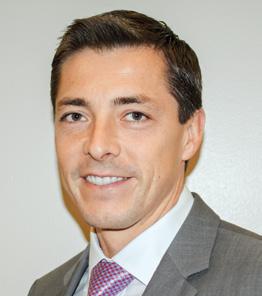
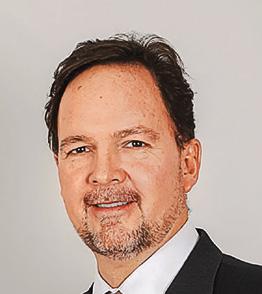
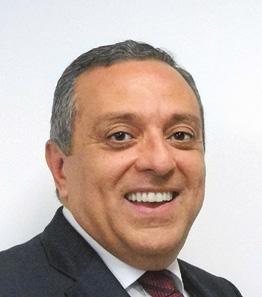
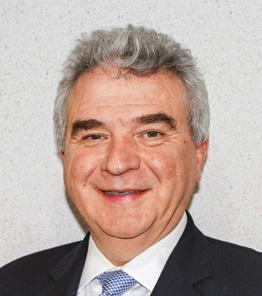
MITCHELL KREBS President and CEO of Coeur Mining
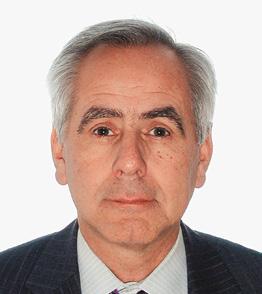
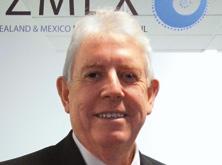
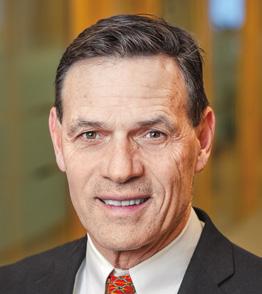
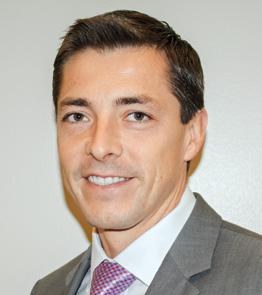
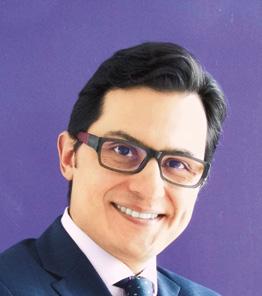
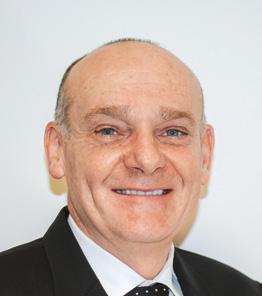
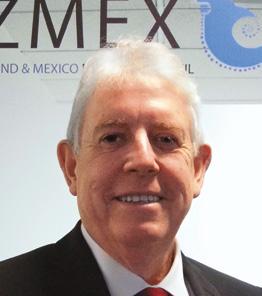
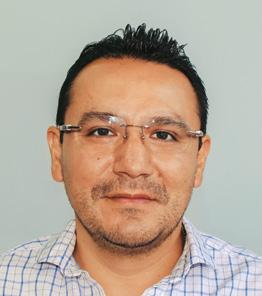
DONALD SMALLWOOD President of ANZMEX
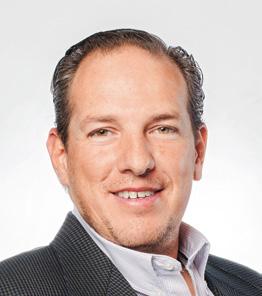
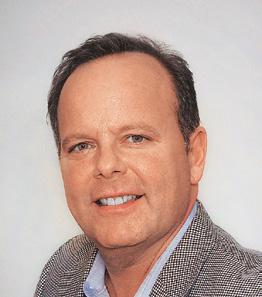
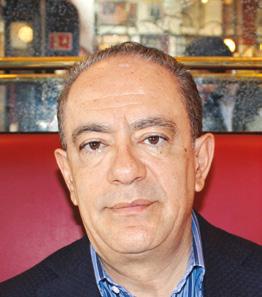
MARIO HERNÁNDEZ
Lead Partner IMMEX Segment at KPMG in Mexico
Late 2016 brought a wave of geopolitical uncertainty with a series of shocks, first with the UK’s decision to leave the EU, then the election of Donald Trump as President of the US. This volatility continued over 2017 through the NAFTA renegotiations and trade wars, and has crept into 2018 with the Mexican presidential elections won by wildcard candidate Andrés Manuel López Obrador. Even though mining thrives on uncertainty, secondary factors such as regulatory and trade clarity are affecting profitability for miners. Mexico Mining Review asked industry leaders what effects have been felt so far and what are they doing to protect themselves against future shocks.
I personally think that the industry is pretty well-positioned. I would say that in 2011, when metals prices were at their peak, the industry got rather lazy. But then as prices for silver and gold declined over the ensuing years, the industry was forced to address some of those areas where it was a little bloated. Costs were reduced, marginal mines were either shut down or sold and balance sheets were really improved. In 2011, companies were pursuing growth at all costs without financial discipline in terms of capital allocation and ROI. But now I think the industry has a much sharper focus on true profitability and returns to shareholders. I feel the industry now is in a much better position. Silver and gold prices have stabilized and strengthened. US$1,350/ oz is a very attractive price for the industry and underpinning this is exchange rate volatility, debt levels, geopolitics and supply set to further decline.
The new administration should take into consideration how countries like Australia have found a model that works for companies, the environment and the communities that live near the mine operations and production processes. Prices are created by global demand and companies need to make sure their costs are as low as possible and productivity as high as possible to withstand any type of volatility. Technology, best practices and environmental and community considerations are all necessary elements for a longer term profitable and sustainable industry. Australia and New Zealand are leaders in these areas. We believe that Mexico can learn from the sharing of such programs as the industry moves forward.
Legal certainty is a critical factor. In other mine jurisdictions, Tax Certainty Contracts guarantee miners that the government will maintain a steady tax regime during the time a company is investing in and operating a mine. I think these could be very beneficial to foster investment in Mexico. Also, the closing process and miners’ obligation to restore land to its previous condition need to be reconsidered. Mining companies have to make this ecological recovery investment after the mine has closed and they are no longer receiving returns from it. This does not make any accounting sense, as this expense is not deductible during the mine operation because it has not been paid, and when it finally is, the company is no longer receiving income from the mine. This payment should follow the model of a pension fund. Companies would pay a certain amount to a trust fund for the closing of the mine, which could be tax-deductible.
I cannot predict gold prices, which is why we try to work with quality projects that can withstand the price movements. When we acquire projects, we factor in the volatility of the metal price for that reason – gold prices are unpredictable. Right now, we are in cash conservation mode until there is a clear picture of the next president's and the new governor of Veracruz's goals for the industry, but we will reinitiate operations when the timing is right. But there is a big change going on in Europe and Canada, where there are rumblings of big banks cutting back on their research platforms. That will be a shakeup for the market, and potentially the BIVA has arrived at an opportune time.
Volatility around the world is benefiting metal prices as well as funds in various stock exchanges. However, the country also needs to take into consideration the possible impacts of the 2018 presidential elections on investment and the exploitation of mineral resources in Mexico. The mining industry faces some of the strictest and highest fiscal requirements at a municipal, state and federal level in comparison to other sectors. This affects the country’s competitivity as mining companies can pay less taxes in other jurisdictions. One challenge is to reduce financial requirements for the BMV and reduce the cost of participation. The appearance of a new stock exchange in the market, BIVA, is a good option for the industry.
The first challenge is cost reduction. This remains a priority as volatility in mineral prices continues to push companies to be more efficient with their capital and operational models. The second biggest challenge is the tax regime. Mexico represents about 2-3 percent of the global mining industry, but it has a large amount of potential to grow as the country is rich in minerals. Many regions have still not been explored and this is one of Mexico’s main advantages. The country would be able to better seize this abundance if problems such as insecurity and disrespect for the law were solved. Mexico also needs to improve its logistical infrastructure to enhance exportation and importation.
I think NAFTA is a very relevant issue to consider. Politically the treaty is useful as it allows us to access the US and Canadian markets but renegotiations need to consider that Mexico does not have the same living conditions as the US or Canada. We must strive to gradually diminish the gap between NAFTA members. It must be gradual because many foreign investors chose to come to Mexico for the low wages, so we cannot suddenly increase them to regional parity as this could impact investment in the country. We cannot risk bringing about more unemployment. Also, the higher the profits we make, the more income tax increases, which can lead to high inflation rates.
I think it is important to see opportunities. We do not know what will happen with NAFTA but from what I am hearing right now, negotiations are going relatively well, and we are optimistic about it. For us, the companies listed on the BMV are so diversified in terms of sectors, sizes and business segments that the impact of geopolitical uncertainty has been much less intense in Mexico. I think that Mexico, just like the other two countries in the agreement, needs to see the renegotiation of NAFTA as an opportunity to turn to other markets. Mexico does not only have NAFTA, but also a great number of free trade agreements with other countries, even though the majority of trade is focused on the North American region.
President and Director of Candelaria Mining
Partner at Haynes and Boone
Lead Partner in Mexico and Latin America at PwC
General Secretary of the National Union of Miners and Metallurgists (SNMM)
BOSCH
CEO of BMV Group
ADOLFO CALATAYUD
RAMON PÉREZ
CARLOS PAVÓN
JOSÉ-ORIOL
HÉCTOR HERRERA
San Dimas mine, Durango
GOLD
2Unstable global financial markets and geopolitical events caused investors to seek refuge in gold this year. This is good news for Mexico as it continues to play a leading role in world gold production, contributing 4 percent of the global output, or 104.4 million ounces in 2017. Sonora holds the limelight in terms of national production for the yellow metal while Guerrero is starting to rise thanks to its strong pipeline of projects. But given the lack of deductibility for exploration expenses, the key question remains: How can Mexico’s pipeline for gold projects be further strengthened so the country can remain among the international leaders in the long term?
This chapter offers insights on the continued impact of international events on bullion prices and Mexico’s reaction in this context. It will shine the spotlight on the country’s most important gold mine sites and highlight the key strategies operators are using to maintain their top positions.
CHAPTER 2: GOLD
34 ANALYSIS: Gold to Keep Its Shine Despite Fumble
35 TREND SPOTLIGHT: Gold And Cryptocurrencies, Friends Or Foes?
36 MAP: Mexico's Main Gold Mines
41 VIEW FROM THE TOP: Rob McEwen, McEwen Mining
42 VIEW FROM THE TOP: Ian Telfer, Goldcorp
43 VIEW FROM THE TOP: César González, Marlin Gold Mining
44 INFOGRAPHIC: Gold Production: the Bull Stirs in Mexico
46 INSIGHT: John Mccluskey, Alamos Gold
47 VIEW FROM THE TOP: Peter Dougherty, Argonaut Gold
49 VIEW FROM THE TOP: Salvador García, Starcore International Mines
50 PROJECT SPOTLIGHT: A Closer Look at Improving Mine Operations
52 INSIGHT: Ramón Pérez, Candelaria Mining
53 VIEW FROM THE TOP: David Wolfin, Avino Silver & Gold
56 VIEW FROM THE TOP: David Jones, Minaurum Gold
57 INSIGHT: Joanne Freeze, Candente Gold
58 INSIGHT: Rodrigo Barbosa, Aura Minerals
59 VIEW FROM THE TOP: Jason Reid, Gold Resource Corporation
60 ROUNDTABLE: How is the Rise of Blockchain Affecting Gold’s Safe-Haven Status?
GOLD TO KEEP ITS SHINE DESPITE FUMBLE
Gold sailed into 2018 on the coattails of a 12 percent yearly price increase on the previous year, the strongest gain since 2010. But softer demand and a stronger dollar helped diminish the yellow metal’s appeal, keeping prices in a tight band through the first nine months of the year
After moving in a narrow range between US$1,354.95/ oz and 1,307.75/oz in 1Q, the yellow metal launched a downward trend, hitting an 8-month nadir on August 17 at US$1,178.40/oz. By the middle of September, gold had settled into a tight band between that low and US1,201.90/ oz. The World Gold Council in its midyear outlook for 2018 cited the strengthening of the US dollar as trade wars spurred flows into the greenback and weak demand as concerns for the metal. Demand of 973.5 tons in Q1 was the lowest since 2008, it said. US President Donald Trump’s nationalistic policies since entering the Oval Office have been among the movers of the dollar, and as a result, gold. Yet, many insiders remain optimistic.
“US President Donald Trump could probably drive the price of gold pretty easily in the case of a major international crisis, and there is a modest to good chance of that. Also, Republicans in the US are showing no inclination to curb spending, so I expect the price of gold either to remain stable or go high, but it is very unlikely it will go down,” says David Jones, Director of Minaurum Gold.
MAINTAINING MEXICO’S SHINE
In 2017, gold represented 32 percent of the country’s mining production value. Its closest contender was copper with 22.3 percent. The yellow metal also 44 percent of regional exploration spending.
Globally, M&As related to gold mines decreased in 2017 by 34 percent to a value of US$7.3 billion. Among the biggest gold deals in Mexico was Goldcorp’s sale of Los Filos in January 2017 to Leagold for US$438 million. Others included Agnico Eagle’s US$80 million acquisition of Santa Gertrudis from GoGold in November and Argonaut Gold’s purchase of the Cerro del Gallo project in Guanajuato, once part of Primero Mining’s portfolio.
RB Abogados assisted with the Argonaut-Primero deal, as well as First Majestic Silver’s acquisition of Primero’s flagship San Dimas property. The law firm’s Founding Partner, Enrique Rodriguez del Bosque, sees appetite returning to new acquisitions after three years of costcutting measures. “Thanks to the current financial climate and the rise in prices, M&A deals in the industry are starting to pick up again,” he says. “Companies are looking to
expand their portfolios and merge with other players to keep shareholders happy.”
THE GOLDEN STATES
Three operators produced 42 percent of the gold in Mexico in 2017: Fresnillo, Goldcorp and Agnico Eagle. The state of Sonora was the main gold producer with 33 percent. Production increases were registered in Alamos’ Mulatos mine, First Majestic Silver’s Santa Elena Project, Alio Gold’s San Francisco, Agnico Eagle’s La India, and the La Herradura and Noche Buena projects, both owned by Fresnillo.
Peñasquito was the biggest national producer, although its output dropped compared to 2016 to 476,000 ounces. La Herradura was the second-biggest producer with 473,600 ounces and Torex’s El Limón-Guajes mine in Guerrero produced 240,900 ounces to take third place, despite a blockade that began at the end of the year.
The biggest challenge for the industry, according to Ian Telfer, Chairman of the Board at GoldCorp, is finding more gold. “This is a global issue as production at major goldmining companies is either flat or declining,” he says. “The price of gold will have to go a lot higher to catalyze the next big round of gold discoveries.”
RAMPING UP FOR 2018
For 2018, higher production is expected due to significant advances in Fresnillo’s portfolio. One of the most eagerlyanticipated projects is MAG Silver JV Juanicipio in Zacatecas, which is expected to produce 30,000oz/y of gold. The prolific project is scheduled for 1H20 with a total investment of US$305 million. After a challenging 1H18 marked by a blockade at neighboring El Limón-Guajes, the Media Luna owned by Torex Gold is scheduled to begin its feasibility study for 1H19, with a possible start-up in 2022; it will produce 170,000oz/y of gold and has a price tag of US$482 million.
Likewise, other projects continue with advanced exploration works, including McEwen’s El Gallo II in Sinaloa Chesapeake’s Metates project in Durango, First Majestic’s Plomosas in Sinaloa and Corex Gold’s Sonora Santana project. In Durango, Telson Resources received the construction permit at the end of 2017 and started commercial pre-production in May, a project that is estimated to reap 16,000oz/y of gold.
GOLD AND CRYPTOCURRENCIES, FRIENDS OR FOES?
In March 2017, the value of bitcoins surpassed the price of gold by breaking the US$1,200 benchmark. For the first time, debate emerged over its potential to replace the precious metal as a safe haven for investors. “Cryptocurrencies are attractive because some people worry about currency risks inherent to sovereign currencies,” says Trevor Turnbull, Director of Gold and Precious Metals Global Equity Research at Scotia Capital.
For the mining industry, it is difficult to predict whether Bitcoin will bolster gold or undermine its value. Several experts have indicated that a negative relationship exists between gold and Bitcoin. “Toward the end of last year, we started to notice that correlation turned at least mildly negative,” RBC Capital Markets analyst Chris Louney told CNBC in February 2018. If a negative correlation does exist between gold and Bitcoin, it could be one of the factors behind gold’s stagnation in the last year, with prices struggling to break through the US$1,300/oz ceiling.
There have even been suggestions that Bitcoin will eventually replace gold entirely as a store of value. John Pfeffner, Partner at UK-based Pfeffer Capital said at the Sohn investment conference that if Bitcoin displaced just 25 percent of foreign reserves, the total worth of the Bitcoin network would be around US$6.4 trillion. In comparison, the World Gold Council says the value of all gold ever mined is about $7.8 trillion. “Bitcoin is the first viable candidate to replace gold the world has ever seen,” says Pfeffner. “So, if Bitcoin becomes the dominant nonsovereign store of value, it could be the new gold, or new reserve currency.”
MINERS ADOPTING BITCOIN
Although this seems like bad news for gold miners, the mining industry seems positive about the possibility to
find unique ways to collaborate through gold-backed cryptocurrencies. “The growth of the cryptos is a vivid illustration of how much speculative money exists around the world,” says Rob McEwen, Chief Owner of gold operator McEwen Mining. “This is a product of massive monetary expansion, low interest rates globally and the disruptive nature of the digital world.”
To take advantage of the appeal of cryptocurrencies, Tradewind Markets, a technology provider supported by Sprott, Goldcorp and IEX, launched a digital gold trading platform in March 2018. It relies on Vaultchain blockchain technology that offers an unbreakable record of transactions and account balances. Is additionally backed by the Royal Canadian Mint, which is providing storage for physical gold.
HOW DOES THIS IMPACT MEXICO?
Mexico is the world’s eighth largest producer of gold. After a prolonged dip, BMI Research predicts that Mexico’s mining industry will be among the Latin American countries to experience one of the fastest recoveries, with gold projected to make up 34.1 percent of the country’s total production, according to CAMIMEX. Although silver is king, Mexico is also a gold country, with much unexplored territory over the Guerrero gold belt.
Octavio Alvídrez, CEO of Fresnillo says that, while cryptocurrencies could have several applications, they would never replace gold. “Gold, from ancient times to now, has been an indisputable store of wealth and also a way to hedge against geopolitical volatility and inflation. It is a well-regulated and established market,” he says. “Gold has a well-established role in the market while cryptocurrencies still have to be regulated and understood to compete with precious metals.”
| MEXICO'S MAIN GOLD MINES
El Gallo mine, Sinaloa
FOUR STEPS TO MITIGATING RISK
ROB MCEWEN Chief Owner at McEwen Mining
Q: How are companies reacting to the end of the market downturn?
A: In the last 77 years, there have been eight bear market cycles in gold equities. The last one was one of the longest and deepest bear markets of the eight and it ended in January of 2016. Since then we have entered a bull market that will take time to develop. It is important to note that four of the six preceding bull markets, over the last 75 years, experienced a gain of over 600 percent from bottom to top. Today, we are up 100 percent from the bottom and there exists a 67 percent probability, based on the past bull markets, that prices of gold equities could triple from here. I believe it is an opportune time to buy gold equities.
The senior gold producers took on too much debt prior to the downturn in the price of gold and have been trying to reduce their debt by aggressively selling assets. As a result, most of these companies now have declining production profiles. In an attempt to restore their growth profiles, a number of the seniors are reaching down market and buying junior companies with advanced stage exploration and development projects. As the bull market continues, this buying activity is likely to increase. At the same time, the intermediate and junior companies have positive production profiles and I believe they will deliver superior share performance relative to the senior producers.
Q: How does McEwen mitigate the risk of an inherently cyclical industry?
A: Understanding that mining is a cyclical business is the first step in mitigating risk. The second step is to reduce one’s exposure to changes in government behavior. At McEwen Mining, to build a mine we need to see a projected minimum after-tax internal rate of return of 20 percent and a payback period of three years or less. Third, geopolitical considerations factor high in where we want to invest and fourth, we are attracted to distressed assets and those unloved by the market where the entry price is lower.
Q: How is McEwen mining innovating the operational models of its projects?
A: At El Gallo, we are asking the regulators to amend our permit for a new processing plant to fill the pits we have created by mining with mine tailings. This would be a much more attractive method of dealing with tailings. While there are few examples of this method in Mexico there are about 40 of these in Australia. If we can successfully get this permit approved by regulators and silver prices rise to US$18/oz, we will go forward and build this project
Q: What approach does McEwen use to acquire new projects?
A: Our approach is opportunistic. We like to buy assets that are unloved by the market. While a distress asset purchase will guarantee more work, the low purchase price limits the downside and offers good upside potential. For example, our recently acquired Black Fox complex was originally purchased by Primero Mining in 2014 for US$300 million along with the assumption of US$140 million in liabilities. Then Primero invested US$120 million bringing its total investment to US$560 million. We bought it for US$35 million, which was equivalent to paying 6 cents for every dollar it had invested. It came with over 1 million ounces in resources, annual production of 40-50,000 ounces of gold however with a short mine life, an operating mill with excess capacity, numerous exploration targets and a US$190 million tax pool, which means we can shelter US$190 million of future profits.
Q: Where would you like the company to be positioned in the long term?
A: To earn a place in the S&P 500 index is our goal. We believe there is a clear and important competitive advantage given to companies in the S&P 500. Such as a stronger share price, better trading liquidity and greater access to the biggest single capital in the world.
McEwen Mining is a growing gold and silver producer in the Americas. Its principal assets are located in Argentina, Nevada and Ontario, and the company owns a 100 percent stake in El Gallo I and II in Sinaloa, Mexico
GOLD GIANT STREAMLINES GROWTH TRAJECTORY
IAN TELFER
Chairman of the Board at Goldcorp
Q: What is your perception of the global mining industry and what role does Mexico play in this context?
A: The global mining industry is in pretty good shape, particularly when it comes to costs and finance. Most mining companies are able to make a profit thanks to positive metal prices. But the biggest challenge for the gold industry is finding more gold. This is a global issue as production at major gold-mining companies is either flat or declining. The context is causing speculation about whether all the gold has already been found or whether insufficient investment has been made to find it. It is becoming increasingly harder to find high-grade ore mines. The price of gold will have to go a lot higher to catalyze the next big round of gold discoveries.
Q: As the eighth-largest gold producer in the world, what does Mexico need to do to strengthen its position and place itself among the Top 3?
A: Many of the problems that Mexico faces are common to gold-rich jurisdictions around the world, including security
Goldcorp is a world-class gold producer that operates and fully owns Peñasquito in Mexico, a large-scale operation that plays a key role in the company’s revenue and growth plans. The project has a proven and probable gold reserve of 8.95 million ounces
issues and land ownership uncertainties and conflicts. These conditions have the ability to slow down Mexico’s growth as a gold mining country. That being said, companies like Goldcorp have found great success in Mexico. In general, the situation is not bad and miners can continue to search for gold, build mines, operate and find human capital in the country.
Q: What is Goldcorp's growth strategy?
A: When a company becomes increasingly larger, as Goldcorp has, the size of the mines required to really make a difference to shareholders becomes equally as big. We had five mines in Mexico, but as we grew, we had to sell the mines that were growing at slower rates. We are focusing on Peñasquito given its scale and the shareholder value it generates for Goldcorp. We would like to grow by finding two or three additional mines that have characteristics similar to those of Peñasquito.
Q: How can the industry take advantage of alternative sources of energy to increase sustainability?
A:The sector is working hard to reduce energy and water use as part of its ongoing improvement, partially to keep costs down and for the benefit of the environment. Improvements in these areas can also have significant positive impacts on the communities where we operate. For example, some plants in Mexico recycle tires, turning them into diesel fuel.
RESTRUCTURING TO CONSOLIDATE IN FRAGMENTED MARKET
CÉSAR GONZÁLEZ Vice President of Corporate Development at Marlin Gold Mining
Q: What is your view of gold prices and how do you expect the price to trend?
A: Marlin Gold is a little unique because it is a portfolio company of a hedge fund called Wexford Capital. Wexford invests in many different assets including stocks, bonds, commodities and private businesses. We have a very favorable view of gold and silver given our view of global monetary policy. We think that central banks around the world have overstepped their boundaries concerning rate policies and quantitative easing. As a result, markets have been distorted and at some point, there will be an unwind of this distortion. Gold tends to do very well in environments where there is uncertainty, like the uncertainty we see coming.
Gold is the dog and silver is the tail; the tail never wags the dog. When gold went up, silver went up more and when gold dropped, silver dropped more. Silver also has an industrial component in that it is used in electronics and solar panels, so it has slightly different properties than gold. We think gold will eventually break out to the upside, but until that happens, there most likely will be little action in silver. We are convinced the move will be amplified in silver but we do not read too much into the ratio itself.
Q: You have doubled your investment in equipment and mines compared to last year. How will this position you to strengthen operations going forward?
A: I wish I could say that the investments we have been making have been for growth. But in Sinaloa our investment was largely for the removal of waste to be able to access the remaining ore. We have, however, been making growthoriented acquisitions. From Santacruz Silver we acquired the Gavilanes exploration project located in Durango, right next to San Dimas. Apart from Gavilanes, we acquired a project in Arizona and we are in the process of merging with Golden Reign, which has a project in Nicaragua. We see the Nicaragua market as a window of opportunity right now.
Q: How will the merger with Golden Reign impact your business and what value did you see in this transaction?
A: The value is that the company will now have longevity. At our Mexico mines particularly, we have mined out most of
the gold. We have a very large land package so if we spend a lot on exploration, I am sure we will find something else. But Nicaragua brings to the table a fully-permitted, highgrade project that can be brought online for an investment of roughly US$30 million.
Wexford owns 85 percent of Marlin’s shares. In the merger with Golden Reign, Marlin will own 45 percent, of which 38 percent will belong to Wexford
In terms of autonomy, Wexford owns 85 percent of Marlin’s shares. When we merge with Golden Reign, Marlin shareholders will own about 45 percent, and of that 45 percent Wexford will own about 38 percent. That is still a very large percentage. Marlin officers will no longer be involved in the day-to-day management but we will represent the largest shareholder on the board. We are happy to have been given this opportunity for sustainability because ultimately the market has not yet turned around. This downturn has lasted almost seven years and we are lucky that we have the backing of Wexford and we will survive this, even if the downturn lasts another two to three years.
Q: How are you planning to capitalize on the mineral wealth in La Trinidad and what are the further plans for that deposit?
A: We have about 120,000ha surrounding our small pit and there are gold and silver showings everywhere. We need to build some basic infrastructure to access many of these areas. When our mine in Nicaragua is in production and we have cash flow, we may spend a considerable amount of money looking into exploration in both Nicaragua and Mexico. We are also open to JVs for prospects in these jurisdictions.
Marlin Gold Mining is a growth-oriented gold and silver mining company focused on the Americas. The company owns three properties located in Mexico and the US and a portfolio of royalties. Its priority is to profitably operate its La Trinidad Mine
GOLD PRODUCTION: THE BULL STIRS IN MEXICO
As gold prices continue to rise, Mexico remains the 9 th biggest producer of the precious metal followed by South Africa, Indonesia and Peru. The drop in production was influenced by blockades in Guerrero in Los Filos and El Limón-Guajes as well as lower production levels in San Dimas, La Ciénega and Guancevi in Durango and La India and La Herradura in Sonora. But the promising pipeline of projects to start production in the coming years could paint a better picture in the short and medium term for gold producers in the country. There are investments in the new Pyrite Plant for Saucito and Fresnillo and the second Lixiviation Plant in La Herradura, among others. On a macro level, physical demand for gold increased for the first time in four years thanks to more industrial demand and growth in the fabrication of jewelry.
3 MACRO TRENDS THAT WILL INFLUENCE BEHAVIOR OF GOLD IN 2H18 ACCORDING TO THE WORLD GOLD COUNCIL
1. Rising but unequal global economic growth
2. The impact of trade wars on currency
3. Growing inflation and an inverted yield curve
MAIN GOLD PROJECTS AND MINES PROJECTED TO 2022 IN MEXICO (million ounces)
Top Producing Gold Mines 2017
• Top New Gold Projects (*Expected production date)
*2019La Ciénega (expansion) Fresnillo
*2018San Sebastián (expansion) Hecla Mining
*2018-Tahuehueto Telson Resources
*2019Terronera Endeavour Silver
La Herradura Fresnillo
*2022Media Luna Torex Gold
Los Filos Leagold Mining
Limón-Guajes Torex Gold
Source: CAMIMEX, GFMS, Thomson Reuters, World Gold Council 4.08 million ounces of gold produced in Mexico
Gold Production in Mexico in 2017 fell 4% in comparison to 2016 Mexico is the ninthranked gold producer in the world
National Global
LEADER IN LOW-COST PRODUCTION RAMPS UP ACTIVITIES
JOHN MCCLUSKEY President and CEO of Alamos Gold
The next presidential administration will have a great deal of influence over the mining industry’s future, says John McCluskey, President and CEO of Alamos Gold, who also points out that the approach of the authorities toward the industry can harm the attractiveness of Mexico’s mining industry as well as efficiency and productivity in the sector. “Flatlining gold reserves and production plus higher inflation could make a strong case for the gold market,” he says. “But the next administration and its policies will play a large role in the health of the industry.”
McCluskey underlines that supply and demand fundamentals favor a loftier gold price. “Inflation growth provides a strong base for the gold market,” he points out. “Stronger gold prices will be evident in 2019 and beyond.” While the price of gold fluctuates by around US$100/ oz, McCluskey says sustained, long-term growth will be spurred by inflation but also by US debt. “We see the increased growth in US debt is getting to the point that the risk of that debt starts to weigh heavily on investors’ minds and they will support gold.”
Canada-based intermediate gold-producer Alamos Gold operates the Mulatos and El Chanate mines in Mexico. According to McCluskey, Alamos Gold’s business is doing
well thanks to production ramp-ups in all its assets except El Chanate, which is more or less coming to the end of its life cycle. “The Young-Davidson mine has seen a significant expansion in its underground mining rates, from around 5,000t/d in 2015 to 7,000t/d today,” he says. Alamos Gold’s earnings from operations have also been bolstered by highergrade ore coming from Young-Davidson’s underground mine.
“As more of this ore goes through the mill, costs go down and production goes up, which delivers higher sales and greater margins,” McCluskey says.
It is easy to look at Alamos as the poster story of efficiency, but McCluskey argues there should be little concern about companies falling into inefficiencies even when metal prices rise again. “This allows for marginal deposits to be brought into production to harness high prices,” he says. However, when prices again drop, these deposits sometimes lose money and look inefficient. “This does not mean they are inefficient as their operational costs are always high,” says McCluskey. But he adds that a common issue that takes place when metal prices are high is executives paying too much for marginal deposits. Alamos Gold prefers to go shopping for new projects when the market bottoms out. “We have taken advantage of cycles and successfully became a 500,000oz/y producer in only 15 years,” he says.
CONSERVATIVE PRICE PREDICTIONS FOR LONGTERM HEALTH
PETER DOUGHERTY President and CEO of Argonaut Gold
Q: How do you evaluate Mexico as a mining jurisdiction?
A: When we evaluate our position as a company in terms of reserves and resources, today we are roughly 50 percent in Mexico and 50 percent in Canada. While we have more projects in Mexico, and that is where we are producing from, they are smaller in nature, whereas we have a very large, undeveloped project in Canada with about 4.2 million ounces of measured and indicated gold resource. Mexico is good for providing smaller projects for companies looking to start up. In terms of our portfolio, we always want to be diversified to reduce our exposure to the political risk involved in the industry.
There are other locations in Latin America where we have had wonderful experiences, including in Chile and Peru, so we are open to investing in these locations. Central America is also very attractive. Although Nicaragua is facing some unrest at the moment, it has a strong geological endowment. We have also not ruled out more projects in the US and Canada, so our focus is really all over the Americas. We are not looking to go to Australia, China or Africa right now as we do not believe we can add as much value in those countries.
Q: How much has the concession you acquired in Baja California Sur progressed?
A: We acquired two projects as a result of the acquisition of another gold company, one in Baja California Sur and one in Sonora. The project in Baja California Sur is one of the highest-returning projects anywhere in the world. The economics underpinning that project indicate a yield greater than a 50 percent rate of return. The project has a higher grade, relatively low strip ratio and a higher recovery rate. It holds around 1.7 million ounces of gold, so it is a substantial project but it remains underdeveloped. The project is located around one hour from La Paz, in a relatively rural area. The interesting thing about this is that the local community really welcomes the project. When people become informed about the project, they can see the value for local communities. As soon as the permit is granted, we stand at the ready to move that project forward because it is a tremendous deposit.
Q: What are the main factors that allow the company to maintain a healthy balance sheet?
A: I think strategically we have to craft a roadmap and define how we will reach our goals in a way that provides accountability. Our expectation is that we live in a US$1,250/oz gold price environment. We then look at what kinds of projects we need, which are essentially those with an AISC of US$950 or less so we leave ourselves some margin. This is necessary to generate the cashflow we need to build the next mine. Those are the foundational pieces we use as the building blocks for the company’s future. If a company can stick to those, it should be able to build a business. We have been fortunate enough to do that but others have found themselves growing too fast or shrinking margins too thin, and they end up in real trouble when prices inevitably change. As miners, we cannot impact the price of gold, so we have to take whatever comes to us. But the one thing we can do is become the most efficient at extracting minerals, processing them and getting the gold to market.
Q: What are the next steps to achieve your 2020 production goals?
A: The three projects we are running today will get us to over 200,000 ounces. We will have to expand the San Agustín mine slightly by adding a 10,000t/d crushing, conveying and stacking line to achieve this target. We are already embarking upon that goal and examining what we need to change to get there. We also have two other projects we are not even considering. These are both lower cost projects and have the potential to be higher producers than the projects we are operating today. They have very short construction windows of around one year but we still need to get past the permitting process. With those two, we can see ourselves producing over 300,000 ounces, and we have the large Canadian project on top of that.
Argonaut Gold is a Canadian gold company engaged in exploration, mine development and production activities. Its primary assets are the production stage El Castillo mine and the San Agustín mine
ORGANIC GROWTH, RESOURCE OPTIMIZATION STEPPING STONES FOR SUCCESS
SALVADOR GARCÍA
Director General and COO of Starcore International Mines
Q: To what extent do you believe gold prices will increase?
A: We believe they are set to go up throughout 2018. The problem we have identified with the gold price trend is its inherent fluctuation. We are gold and silver producers and, although both have suffered inconsistency in their variations, we maintain a great deal of confidence in both minerals. This price instability is challenging and complex to adapt to. The price levels of base metals such as copper, lead and zinc have remained suitable for our purposes, with greater stability compared to gold and silver. Our perception is that lead and zinc prices will continue increasing.
Q: How has Starcore modified its business strategy to position itself at the forefront of the industry?
A: In August 2017, we set in motion an intensive program of exploration and development, critical to maintain our San Martín mine within the expected production level and more importantly to prolong its lifecycle. To date, we are tripling the mine’s original development plans in terms of production capacity. These measures have brought about new reserves and better results in the short, medium and long terms.
Q: Could you elaborate on your Letter of Intent to acquire Sinaloa’s Santa Fe property?
A: This property is located an hour away from Mazatlan in Sinaloa’s Rosario municipality. Global Kompas is undertaking the relevant PEA for this project, set to conclude by April 2018. The PEA will be decisive in our final decision to enter production. This project is quite advanced in terms of permitting, with the Environmental Impact Assessment granted, explosives use authorized and it is fully electrified. A third party will oversee the construction phase while we have yet to decide if we will cover the mine’s development or if we will use another contractor.
Q: Sinaloa and Queretaro lack a mining track record. Why choose these locations to develop mines?
A: Attractive projects care little for territorial delimitations. As gold and silver producers, we are mandated to bring to life interesting projects, wherever they may be. We
continuously scout for economically viable opportunities and have no preference to one state over another. For instance, we have our Altiplano plant in San Luis Potosi’s Matehuala municipality, where we treat precious metals concentrates. It is a strategic location to attract clients or concentrate suppliers to obtain gold and silver precipitates. Queretaro’s mine is 25 years old. Starcore acquired it in 2006 and we have worked there ever since. The state is magnificent in terms of security and economic development.
Q: In these times of low prices and fiscal challenges, what can the mining industry learn from Starcore’s optimization?
A: Careful economic and human resource optimization is at the core of our optimization strategy as any slight change in any variable of our business model equation can have a snowball effect, whether positive or detrimental. We established a department for operational excellence where principles such as adequate use and cost optimization in explosives use, blast efficiency and day-to-day operations, scoop type or mining fundamentals, are always upheld, especially in the face of uncertainty.
Q: What is the next stage of Starcore’s growth?
A: While Santa Fe is the next project we will be focusing on to ensure our growth, we are also scouting for viable projects nationwide to continue growing. We are fully aware that a single operation is not sustainable in the long-term, so we are looking to expand our portfolio to another two or three and diversify. We have a couple of projects in the US, but we still consider Mexico as our main market and source for growth, despite the hurdles. Mexico has great potential and we only lack the proper incentives to regain the interest of both local and international investors of all sizes because our geological potential remains tremendous.
Starcore International is a gold producer with operations across North America. Its projects in Mexico include the producing San Martín mine in Queretaro, the Altiplano plant in San Luis Potosi and the El Crestón advanced exploration project in Sonora
A CLOSER LOOK AT IMPROVING MINE OPERATIONS
The goal of every operator is to continually improve efficiency and productivity. The complexity of mine operations may make this ambition seem like a titanic endeavor, however Starcore International Mines has accomplished it through a variety of measures. The company turned its San Martin gold mine in Queretaro into a model of operational excellence in just 12 months. Here is how Starcore did it.
The first step was to invest in long-term partnerships that extended not only to investors and stakeholders, but to the whole supply chain. This strategy helped Starcore improve its controlled blasting and dynamite use by switching to a dynamite supplier that offered additional support and expertise in blasting. The result? The San Martín gold and silver mine is now using low-density explosives from Austin Powder that reduce the power of the explosion, decreasing the blast area and the need for extended excavation. Miners can access the zone quicker and more safely due to less material that needs to be moved in the area. This aids in productivity and cost efficiency.
But operational excellence is not only about making operations faster and safer; staff training and work culture programs are also essential. Starcore focuses on having better-trained workers, such as engineers, to stay on top of work spreadsheets and daily reports. This allowed the operator deeper insights into the shift work underground and added a pinch of responsibility for those working under supervisors, also improving time and movement records. Theory/practice programs for machine operators also proved successful in correcting inefficient trends. The company added a structural engineering expert to help the entire team adopt better practices, reduce shotcrete use and introduce a new mining method for room and pillar mining.
Work culture is among the most important factors in any team, so San Martín’s staff runs regular meetings over the course of a day where opinions are valued, with each department providing its view and exchanging ideas. At lunch, workers are encouraged to share their department experiences and how they are improving, while also looking for collaborative solutions to problems. These small changes have translated into a massive uplift in culture and employee satisfaction across the board. Starcore’s San Martin mine has seen improvements across the board and ultimately, a new mine life of 10 years based on proven and probable reserves and inferred and indicated resources. How about that for operational excellence?
VERACRUZ OPERATOR WARY OF POLITICAL CHANGES
RAMÓN PÉREZ President and Director of Candelaria Mining
It has not been easy being a miner in Veracruz. The embezzlement scandal that brought down Governor Javier Duarte in 2017 followed by a two-year provisional state government has forced many projects to be placed on hold until a new six-year term governor is elected in 2018. Candelaria Mining, the company that operates the Caballo Blanco project in the jurisdiction, was among those affected, curtailing its activities until the picture clears, says Ramon Pérez, the company’s President and Director.
“With state and federal elections taking place in July we are hopeful to see some of the uncertainty from investors subside and a resurgence of interest in the mining industry,” he says, “We would like to see a landscape where the country improves on some of the concerns with respect to security and corruption we see today.” The 2018 elections have prompted Candelaria to tread carefully with its operations in Veracruz. Having filed the environmental permit for Caballo Blanco with SEMARNAT, the company chose to retract it until the election process has settled.
“ We would like to see a landscape where the country improves on some of the concerns with respect to security and corruption we see today”
There is a sunny side to the forecast, however, as a benefit of the current political instability is the favorable effect it has had on gold prices. As a gold producer, Pérez says the outlook appears favorable since gold is trending in the right direction. Nevertheless, he says miners inherently must be prepared for fluctuations. “I cannot predict gold prices, which is why we try to work with quality projects that can withstand the price movements,” he says. “When we acquire projects, we factor in the volatility of the metal price for that reason – gold prices are unpredictable.”
The company itself has had little trouble attracting funding, which Pérez sees as a vote of confidence in Candelaria’s projects. In mid-2017, Agnico Eagle invested US$9.7 million in Caballo Blanco, a project the Canadian giant had been familiar with for many years, stretching back to when Goldgroup and Timmins Gold (now Alio Gold) owned the concession. “I do not believe the funding came from actions on our part; I think the project spoke for itself,” he says. “A company like Agnico Eagle does not settle for 600,000-ounce deposits, it looks multi-million-ounce projects. I think that is a real vote of confidence for us.” As far as the project goes, Pérez explains that there are around six zones that have yet to be drilled but have very similar characteristics to that of the zone where the current resource sits.
Candelaria’s advanced exploration-stage Pinos property is located in Zacatecas, a less politically-charged environment. Pérez says the company has finalized the engineering work and recently applied for a permit. Candelaria is now looking at financing options for the project. “We are exploring various financing options and when we finalize that we will consider entering the construction stage,” he says.
Although Pinos is not Candelaria’s flagship mine, it is the way the company envisions itself continuing to generate cashflow while development and exploration work at Caballo Blanco continues. Pérez is also conscious of the importance of maintaining a constant project pipeline, which is why the company intended to drill out the La Paila project in Veracruz. “We carried out a 2,000m infill drill program at the La Paila zone in 2017,” says Pérez. “Right now, we are in cash conservation mode until there is a clear picture of the next president and the new governor of Veracruz, but we will reinitiate operations when the timing is right.”
With the establishment of a new stock exchange in Mexico (BIVA), Pérez says that Mexican investors may be increasingly attracted to mining. “There is a big change going on in Europe and Canada, where there are rumblings of big banks cutting back on their research platforms,” he says. “That will be a shakeup for the market, and potentially the BIVA has arrived at an opportune time.”
INTERNAL EXPANSION FOR ORGANIC GROWTH
DAVID WOLFIN President and CEO of Avino Silver & Gold
Q: What are some of the challenges and successes Avino Silver & Gold has faced during its time in Mexico?
A: Avino Silver & Gold has 50 years of experience in the industry. We were working in Mexico before NAFTA although we could only own 49 percent of the subsidiary before the treaty came into force. During the tech bubble in 2001, metal prices dropped, causing the region to undergo economic hardship. I became president of the company and strived to re-hire people and re-open the mine.
As we have been working in Mexico and with national partners for such a long time, we have formed strong relationships with local communities, ejidos and surrounding villages. We have helped them with infrastructure development and other matters. They feel that they can come to us for help. It would be ideal if the Mexican government lived up to its promise and put the tax money back into communities but we have not yet seen this materialize. This has been disappointing because locals look to us for explanations as we are on the ground and they do not understand where the money goes or who is managing it.
In our operations, we find that our people take great pride in their work. They want to live and work close to their homes and their families, and we have provided that for them. Eighty percent of our labor force comes from the villages near our projects and the remaining 20 percent is from the rest of the country. But 100 percent of our labor force is Mexican, even our senior-level staff.
Q: What are your main projects in Mexico and how do you expect to continue growing?
A: Rather than acquire other projects, we prefer to grow our own projects, starting with a mill expansion and underground pit. The Oxide Tailings project was an open-pit mine we opened in the 1970s with poor recovery rates. With new modern technology we have been able to reprocess and produce more metals and this will continue to be among the expansion plans we prioritize over the next three years. We have to build the new tailings facility first. At the moment, the cost is US$29 million on a standalone basis. We think this is too high so our goal is to build with
a US$22 million budget and produce another 1.5 million silver equivalent ounces. As for the mill expansion, it was completed with a US$10 million investment.
At the moment, we are listed on the NYSE and TSX. We want to attract more institutional investors and mutual funds, which tend to be less erratic or volatile than retail investors. We are striving to build up our institutional shareholder base. We have thought about joining the BMV but we do not yet qualify.
80% of Avino’s labor force comes from the villages near its projects
Q: How did the company achieve an exclusive partnership with Samsung?
A: They approached us three years ago at the European Gold Forum after Apple and Intel promoted their use of ethicallysourced raw materials. As ethical funds own part of Samsung’s stock, they were worried about assuring an ethical source to avoid a boycott. Samsung chose our company because they wanted to partner with a small company that was wellestablished with projects in expansion. They did not want to partner with a big operator such as Barrick or Goldcorp nor companies with projects in preproduction. They also liked that we are a family-based company with a good relationship with the locals. Many see Mexico as an ethical country were people are treated better than certain places in Africa. Securing raw materials from the source is the future and we will start to see more technological companies and automotive manufacturers reach out to the mining industry. The world population is about to explode and people need materials to support the infrastructure that will be required in effect.
Avino Silver & Gold Mines operates two silver mines in Mexico with a gold project under development in British Columbia. The company’s 50-year history has shaped Avino into one of the industry’s lowest-cost silver producers
UNDERSTANDING COMMUNITY SENSITIVITIES IN OAXACA
DAVID JONES Director of Minaurum Gold
Q: Why did Minaurum choose to work in Guerrero and Oaxaca, despite these being known as problematic mining jurisdictions?
A: Our Alamos project in Sonora is our most significant new find, where we have discovered a previously unknown and unmined silver vein. That area does not have any particular problems regarding the mining industry, as Sonora is relatively stable. I have also personally been working in Guerrero and Oaxaca for the last 20 years. Guerrero’s gold belt is located in the heart of the state but has managed to do just fine, despite some minor problems. We believe our work in Oaxaca at our Santa Marta project will proceed well once we have gotten approval from SEMARNAT, which has been a slow and long process as the local community is sensitive. But we have another project in Oaxaca called Aurena where we have previously drilled with no problems and where we hope to drill again in the near future. I personally do not see any reason not to work where there are good opportunities because miners always have to work with the community anywhere we go. Yes, it is more difficult in Oaxaca, but I think these issues are all solvable.
A discovery of 8m of 1.7kg/t of silver was made at the Alamos mine in 2018
From the government we have received a lot of support in words, but little in action. The government expresses support for the industry but more often they do not do quite as much as they promise. Having said that, the new governor of Oaxaca went to the village in which we are working and personally visited and showed his support. We greatly appreciate that effort. It was one of the first
Minaurum Gold is a regional explorer focusing on the exploration and development of high-grade gold and silver projects in the southern region of Sonora state, the OaxacaChiapas region and Guerrero gold belt
times I have ever seen anything like that in Mexico, and we thank him. We have two properties in Guerrero but because of the recent issues in the state and the bad publicity, many investors are less interested in investing there. As a result, we have put our work there on pause for the moment. I anticipate that with the next upswing in gold prices we will be seeing a lot more interest in Guerrero. We need between six months to a year for it to attract interest again, but this is all part of the cycle.
Q: The company’s share price tripled in early 2018 after the Alamos silver discovery. Where does the project stand now?
A: About 8m of 1.7kg/t of silver is a very rare thing to find. We are all very excited about that and I hope we will have more good news coming from this project. We are making sure all our property agreements are tied up neatly so we can avoid conflicts. Our operating highlights for the year include drilling the Alamos mineral vein and submitting documents for permission to drill at Santa Marta, our project in Oaxaca.
Q: How would you evaluate the exploration landscape in Mexico?
A: The mining industry in Mexico is highly communitydependent. While working with one community can foster great relations, this is not always true. Minaurum has had very good relationships and support from the communities. Acapulco Gold has also had full support from all the communities and no conflicts or protests. If companies are careful to maintain good and strong relationships with local communities, conflicts can always be avoided. It is about being a good and respectful neighbor.
In terms of the regulatory aspects, I think Mexico is moving toward being more careful regarding oversight, which is good. But some of the processes are still too bureaucratic. I think it would be nice if government agencies could recognize companies’ intentions to preserve the environment and keep environmental impact to a minimum. I would prefer they expedite processing for man portable drilling, which lets companies drill more quickly and with less impact on the surrounding areas.
TRACING JUANICIPIO THROUGH STACKED BOILING SYSTEMS
JOANNE FREEZE President and CEO of Candente Gold
What was old is new again as a shortage of exploration projects has miners re-examining historic mining districts and enjoying a high level of success. Take Candente Gold, for example. It acquired El Oro because the mine was located in a district where 8 million equivalent ounces of gold were produced from only two of its 50 known veins.
At El Oro much of the exploration and development had been completed in the 20th century. A fresh look, however, indicates that there is excellent potential left both in and below the old workings as well as surrounding areas. “We own 100 percent of this project, which covers mines that have already produced 5 million ounces of gold equivalent (4 million ounces of gold and 44 million ounces silver) from a single vein, along with an additional 3 million silver ounces in another vein,” says Joanne Freeze, President and CEO of Candente Gold. “The geological setting is quite similar to what was found in Juanicipio.”
Combined with the region’s strong track record, the identification of stacked boiling systems in the district is another factor behind the project’s potential for a discovery.
“In Mexico, we often see cases of these systems where a vein is created by hydrothermal fluids that rise then precipitate silica and precious metals before receding,” explains Freeze.
“The process repeats itself over and over again, precipitating minerals at various levels in a stacked boiling system.” This means that instead of finding base metals below the gold and silver zones in these veins, drilling intersects silver and gold at various levels thanks to these alternating precipitation levels.
“This is even more evidence that the project is reactive and can reap significant results from drilling programs,” Freeze says.
Candente Gold, which previously worked in Peru, believes Mexico is an attractive mining jurisdiction. “Other companies say that permitting is quite difficult in Mexico but in our experience, it is quite efficient,” says Freeze. “Our only issue is the exploration expenditure commitment that is required to hold the land package; this can be quite high for a small exploration company.”
Despite these costs, Freeze says the authorities in the area are open to collaboration. “We completed a negotiation with
the municipality to acquire a tailings project that was left behind by the previous mine in the middle of the town,” she says. “The company found common ground by agreeing to build the tailings facility outside of the municipality if it was economically feasible and to share profits, if there are any.”
Even though many believe that small exploration companies cannot make an impact on surrounding communities due to their lack of capital, Candente Gold defies these paradigms by finding innovative ways to support CSR. “In Peru, we had a partner that taught us to be flexible in the way we think about our work to make an impact,” Freeze says.
“Companies say that permitting is quite difficult in Mexico but in our experience, it is quite efficient”
For example, when operating in Peru, the company saw the need to improve employment opportunities in the area and helped a group of people growing coffee to connect with NGOs to improve their crops. Candente also helped them achieve an organic certification to sell their product for a higher price. The coffee farmers were not the only beneficiaries of Candente’s social projects. “Other communities located higher in the mountains could not grow coffee so we supported them by expanding their houses, allowing them to harvest cuy, a specialty in the country,” she says. “We also called in agronomists who assisted with growing quinoa.”
In Mexico, the company is applying the same principles to the community surrounding El Oro. Candente taught locals to grow different types of crops and even provided the seeds. “We introduced new ideas and skills to them so they would not become dependent on us,” explains Freeze. “This is the idea of shared value and what can be accomplished in the early days of a project.”
EXPLORE AND OPERATE: THE RIGHT PACKAGE
RODRIGO BARBOSA CEO of Aura Minerals
While exploration companies struggle to fund their activities, operators battle to find new projects. Rodrigo Barbosa, CEO of Aura Minerals, believes that mining companies should aspire to carry out both. “The best business model for a mining company is to have exploration and operation activities,” he says. “Operations represent a sustainable cash flow generation that can partly be used to fund exploration,” he adds.
He says part of the income made from selling metals could be allocated to costly exploration activities to create a self-regenerating pipeline of projects. “The sustainable financial source allows dedicating funds on a regular basis to exploration according to cash flow generation,” he explains. This strategy has proven useful for companies such as Aura Minerals to shield against the risk of exhausting all financial resources without finding any exploitable discoveries. “This way companies can calibrate how much to spend on exploration depending on how much is made from the operations, enabling a more balanced cash flow.”
“Funding exploration through operations allows dedicating funds to exploration according to cash flow generation”
But undertaking both exploration and operations also implies assuming 100 percent the risk. The question becomes one of how to manage this gamble. Barbosa believes that mining companies can never be fully hedged from the risk of exploration. But he stresses that there must be balance between incomings and exploration outgoings. “Exploration is a high-risk business and companies may end up spending offshore cash on finding the resources and then not having the necessary cash to fund production,” he says.
Aura Minerals is an operator with business in Brazil, Honduras, Mexico and Colombia. It is conducting exploration in several of its operative mines, such as Sao Francisco in Brazil. Regarding
Mexico, the annual expenditure on care and maintenance assets was US$3 million in 2017. As the Aranzazu mine was draining that amount of money from Aura Minerals’ pockets and the copper price has shown a recovery since 2015, the company started to carry geological and geotechnical analyses to find the right opportunity to restart the plant.
These finalized with the chance to reopen the Aranzazu on very attractive terms. “Instead on consuming US$3 million per year, Aranzazu will be able to provide us a significant source of cash generation in the near future,” he says. The company is already hiring people, carrying out the maintenance of the mine and some underground development. “We are in full speed to restart the plant in 4Q18,” he says.
To fund this ramp up, Aura Minerals made a partnership with IXM, formerly Louis Dreyfus. “We have a streaming agreement to sell it our concentrates for three years. In exchange, it gave us US$20 million in financing that we have already fully withdrawn to restart operations,” he explains.
“We are looking forward to the Aranzazu ramp up. This could be a transformational project for our company and we are very happy with the investment we made in Mexico.”
The studies to restart the mine were initially focused on a little over a five-year period to prove reserves and provide enough funding for the ramp up but Barbosa says this plan has advanced since then. “We will be conducting near mine exploration in 2019 hoping to demonstrate more reserves and expand the mine life from five to 10-15 years,” he says. “We want to grow in Mexico and our priority remains exploration in Aranzazu. If we prove more productive life years, we will work consequently to expand the mine’s capacity.”
Aranzazu is a gold and copper mine, aligned with the company’s strategy to shift from only pursuing pure gold. “This strategy aims to secure a more stable cash flow in the future as we have two base metals,” he says. “We will also consider other base metals if the project makes sense to our company in terms of jurisdiction and size of our current operations.”
EVERYTHING OF USE IS EITHER GROWN OR MINED
JASON REID President and CEO of Gold Resource Corporation
Q: What are the latest developments at your operations in Oaxaca?
A: Our Arista mine continues to grow both at the Arista vein system and the Switchback vein system. We have been mining from the Arista vein system for almost eight years and it continues to grow. The Switchback vein system has potential to be larger than Arista and should provide our next eight to 10 years of production. As for exploration at our Oaxaca mining unit, it is primarily focused on the Arista and Mirador mines to expand these deposits. But our exploration budget this year is smaller, around US$4.5 million for drilling, given the brutal bear market and the fact that we are building our Nevada mine with cash flow from operations. We also continue to build Mirador with cash flow and target an initial 150t/d throughput before moving up from there. We have grown all our operations organically since 2010, merely with cash flow and without raising any private equity. We have remained profitable over the last seven years and survived the last downturn in the metal markets by betting on projects with low operating costs and high returns on capital.
Q: How are the company’s investment flows likely to behave in the future?
A: Money and investment absolutely flow where most appreciated. It is no coincidence that our second mining unit is in Nevada as the jurisdiction was ranked by the Fraser Institute’s 2017 survey as the first among mining friendly jurisdictions in the US and third globally. The mining business is risky with money spent on discovering deposits, funding development, engineering, construction and execution of a project, all in a volatile metals market. Adding jurisdictional complexities with antibusiness governments, excessive taxes and bureaucracy to these challenges, it forces companies to go where they are most appreciated.
We have been operating in Oaxaca since 2006, producing since 2010 and plan to be in the state for at least another decade. While we look at other opportunities around Mexico, its trends are becoming less mining friendly, decreasing the chances for us to open another unit elsewhere in the country. But if the new government encourages additional investment
and promotes a favorable mining environment, it is far more likely we will increase our investment in the future.
Q: What is your assessment of Mexico’s friendliness as a mining jurisdiction?
A: Mexico continues to fall in the Fraser Institute’s rankings of mining-friendly jurisdictions. It used to score in the top quarter of many metrics but is now near the middle or lower. This is not a good trend and reflects the increased difficulties that mine operators face regarding security and tax issues in the country. Companies want a stable government, business-friendly policies, local support, reasonable taxes and less bureaucracy rather than more. But the trend in Mexico is not going in a favorable direction.
Q: What are your hopes and expectations for the next administration ?
A: Everything we use in life is either grown or mined and therefore mining should be encouraged and supported. Oaxaca has seen over US$60 million in tax revenue from our operations. I hope the incoming administration encourages mining investment. For example, the current tax regime ranks near the bottom of mining friendly jurisdictions. If that ranking further falls, Mexico will continue to have foreign investment flee the country. So, I hope the new government will be far more supportive than any prior one.
In Oaxaca, one of the five investment pillars established by Governor Alejandro Murat is mining. He and his team have been the most supportive of the mining industry in our history operating in Mexico. I believe the country needs more like-minded government officials to encourage foreign companies to operate in Mexico and in turn receive tax revenue from mining operations. The more mining, the more tax revenue; the less mining, the less tax revenue. The new administration will dictate in which direction the country’s tax revenue from mining will go.
Gold Resource Corporation is a gold and silver producer targeting projects that feature low operating costs and high returns. The company’s primary focus is on cash flow, with a priority to return meaningful dividends
HOW IS THE RISE OF BLOCKCHAIN AFFECTING GOLD’S SAFEHAVEN STATUS?
OCTAVIO ALVÍDREZ CEO of Fresnillo
Blockchain and bitcoin technologies are stepping further and further into the limelight. After the price of a bitcoin surged ahead of gold for the first time ever in March 2017, talk abounds of whether these new technologies can replace gold as a traditional safe haven. Mexico Mining Review questioned the industry’s leaders to ask about their concerns and predictions for these new tools.
Gold, from ancient times to now, has been an indisputable store of wealth and also a way to hedge against geopolitical volatility and inflation. It is a well-regulated and established market. In the 1990s, we went through a crisis when central banks started to sell their gold holdings. This caused the price of gold to collapse, but afterward, the geopolitical situation forced central banks to understand the role of gold in maintaining wealth and therefore their holdings. Gold has a wellestablished role in the market while cryptocurrencies still have to be regulated and understood to compete with precious metals. It can be used to complement gold investments but cannot replace it at the moment as the role of cryptocurrencies in the market is still not fully defined.
ROB MCEWEN Chief Owner of McEwen Mining
The growth of the cryptos is a vivid illustration of how much speculative money exists around the world. This is a product of the massive monetary expansion, low interest rates globally and the disruptive nature of the digital world. These cryptocurrencies have grown in number and value at a remarkable pace. The crypto operate in a non-transparent and unregulated market places that allows money to flow across borders without disclosure. I expect governments will start to regulate and when that begins the values will correct. Gold is a monetary metal and will exist alongside these new currencies. Once the market appreciates, the limited amount of gold that exists and how slowly that amount grows annually there will be a rush into gold.
MICHAEL HARVEY Director of Corporate Affairs and Security at Goldcorp
The development of gold-backed cryptocurrencies will change the mining industry. Goldcorp will be able to sell gold directly to dealers and banks using the Tradewind platform. This is a platform that uses blockchain technology to create a digitized ledger of precious metals for greater traceability, increased security, more efficient electronic trading and allows access around the globe by a network of producers, refiners, banks, dealers, vaults and end customers. We are expanding access to a new market structure and a highly efficient, electronic pricing and liquidity venue.
There is really no substitute for gold or silver right now. Cryptocurrencies do not have many barriers to entry at the moment and a rising number of these currencies exist. It makes it hard to invest in this market as there are hundreds if not thousands to choose from. It would be different if only one existed. Cryptocurrencies are here to stay but it will take a while to know which ones to bet on. It will take some time before the market identifies which ones are the most important, similar to Google and Amazon, companies that emerged from the technological boom in the early 2000s. In the meantime, we do not have to worry about a new element substituting gold or silver.
Mining companies in Mexico are starting to realize innovation is not the circumstantial answer to specific problems but a long-term, structural solution. Any transaction can be supported by a secure web to ensure it will occur. Supply chains supported by blockchain will replace a substantial amount of infrastructure and human activity. Areas such as procurement, accounts-payable and human resources can already be automated. Mexico’s mining and oil and gas sectors must realize innovation is the only way to exit an adverse situation with unfavorable macroeconomic parameters.
The diamond industry is already incorporating blockchain technology but for concentrate it is not the ideal time yet as it is a business that requires face-toface interaction. For this reason, blockchain will not have an immediate impact on the mining industry but who knows how much it will grow in the next five years. It could be used as a complement to our services. Certification companies and brokers can use and benefit from blockchain technology.
Blockchain, an important new development, could allow tokens for underground gold to be created to serve as currency, bypassing the need to mine it at all. And virtual mining and simplified supply chains could derive from this. The pace of technological innovation just continues to pick up. The issue then becomes dealing with the human factor and the consequences of these developments, such as the socioeconomic compact that mining has as an employment source. But while replacing jobs in the mine with data scientists can generate social discontent, it also further develops the Mining Equipment Technology and Services (METS) sector.
The digital economy requires companies to comply with electronic invoices and incorporate the use of blockchains along with other new legal requirements. This will not only impact mining but also all industries in general. I believe that the use of the digital economy will help authorities have more control over transactions and the movement of electronic capital. But the new requirements and norms will imply a challenge for companies as authorities will become stricter and it will be more difficult to avoid taxes. Adapting to new electronic requirements will be a top challenge, especially for companies that have over 1,000 transactions per day. But the use of technology and fintech will also bring advantages as it will help operators control revenues and cut costs.
JOSÉ ANTONIO BERLANGA
General Manager Mexico of Mercuria
TREVOR TURNBULL
Director of Gold and Precious Metals Global Equity Research at Scotia Capital
PHILLIP HOPWOOD
Global Mining Leader at Deloitte
ALFONSO CALATAYUD
Lead Partner in Mexico and Latin America at PwC
BRUNO JUANES
Chief Innovation Officer at Deloitte Consulting Group
SILVER 3
There is little doubt that Mexico’s mining industry shines the brightest when it comes to its silver production. The country was the world’s largest silver producer for the eighth successive year in 2017, churning out 21 percent of the global share.
Following a global drop in production of 4.1 percent in 2017 compared to 2016, Mexico beat the odds and increased its production by 5 percent, or 10.1 million ounces. Companies operating in Mexico extracted a total of 196.4 million ounces of silver in 2017. But what must Mexico do to ensure that it remains at the top of the world’s silver production list over the long term?
To maintain its global dominance and take advantage of the positive outlook for silver prices, Mexico needs to boost production rates and invest in exploration to replace aging projects. Corporate decision-makers and public figures highlight the primary trends in Mexico’s silver industry, the development of the country’s main projects and the most important factors driving demand and supply.
CHAPTER 3: SILVER
66 ANALYSIS: Weathering the Silver Storm
67 TREND SPOTLIGHT: Antimicrobial Coatings a Blessing for Silver Producers
68 MAP: Mexico's Main Silver Mines
70 VIEW FROM THE TOP: Octavio Alvídrez, Fresnillo
72 VIEW FROM THE TOP: Mitchell Krebs, Coeur Mining
73 VIEW FROM THE TOP: Keith Neumeyer, First Majestic Silver
74 VIEW FROM THE TOP: Bradford Cooke, Endeavour Silver Godfrey Walton, Endeavour Silver
76 MINE SPOTLIGHT: Saucito
78 VIEW FROM THE TOP: Darren Blasutti, Americas Silver Corporation
79 VIEW FROM THE TOP: Luiz Camargo, Compañía Minera Cuzcatlán
80 INFOGRAPHIC: Silver, the Glowing Beacon of the Mexican Mining Industry
82 INSIGHT: James Bannantine, Great Panther Silver
83 VIEW FROM THE TOP: Michael DiRienzo, The Silver Institute
84 MINE SPOTLIGHT: Palmarejo
86 VIEW FROM THE TOP: Brendan Cahill, Excellon Resources Ben Pullinger, Excellon Resources
87 INSIGHT: Carlos Aguiar, Minera Hecla
88 ROUNDTABLE: How are you Mitigating the Risk Caused by Stagnating Silver Prices?
WEATHERING THE SILVER STORM
Silver prices faltered this year, despite high demand for industrial applications and dwindling supply. According to The Silver Institute, the drop in mine production was offset mainly by Mexico, as Fresnillo retains its crown as the world’s No. 1 producer. How are operators in Mexico responding to this context?
In 2017, global silver mine production declined by 4.1 percent to a total of 852.1 million ounces. However, silver demand for industrial uses did increase 4 percent to 599 million ounces, mainly from PV applications, electronics, brazing alloys and solders. The Silver Institute says this was offset by a decline in demand from coin and bar investment and jewelry fabrication.
Average silver prices up to September 2018 took a blow, coming in at US$16.2/oz, down 5 percent from US$17.04/ oz in 2017. In the beginning of February, prices slid below the US$17/oz mark and have yet to recover, coming in on Sept. 14, 2018, at US$14.21/oz. As a result, operators are implementing cost-cutting measures to help them mitigate the decline. Endeavour Silver has temporarily halted operations at the El Compas plant in a cost-cutting measure. “Enhanced cost discipline is the prudent course of action for mining companies during times of lower metal prices, especially when investing to develop new mines,” says CEO Bradford Cooke. “This austerity program is our proactive response to the current low metal prices.”
MEXICO KEEPS ITS CROWN
Despite overall low prices compared to 2011 highs of US$35.12/oz, it is worth noting that prices at this point were inflated due to the recession caused by the housing market crash in the US. When excluding the effects of this event, averages have actually risen from pre-crash levels of US$14.99/oz in 2008 and US$14.67/oz in 2009.
Mexico’s output in 2017 reached 196.4 million ounces, up 5.4 percent from the 186.3 million ounces registered in 2016. After Mexico came Peru with 147.5 million ounces, China with 112.6 million ounces, Russia with 42 million ounces and Chile with 40.5 million ounces. With a global production total of 852.1 million ounces, this means the Top 5 countries produced over 63 percent, with three Latin American countries notably making it into ranking.
ZACATECAS ON TOP
Fresnillo remains the most important silver producer for another year, not only nationally but on a global level. Its Saucito and Fresnillo mines in Zacatecas contributed to the state being the largest producer in Mexico, with 21.2 million ounces and 16.5 million ounces, respectively. But in terms of the biggest producing mine in 2017, Fresnillo
was pipped to the post by Goldcorp’s Peñasquito mine, also in Zacatecas, which produced 11.5 percent of national production, or 21.5 million ounces. Fresnillo’s San Julian in Chihuahua, after its first full year in commercial production, came in fourth with 10.5 million ounces of silver produced, while the Top 5 was rounded out by Fortuna Silver’s San José mine in Oaxaca, contributing 7.5 million ounces. These five mines alone contributed almost 40 percent of the total silver mined in Mexico.
Of the country’s 196.4 million ounces produced in 2017, 42.1 percent of this was mined in Zacatecas. Chihuahua came second in terms of production with 17 percent, followed by Durango with 11.7 percent, Sonora with 7 percent, Oaxaca with 5 percent and others making up the remaining 17.2 percent.
CONSERVATION MEASURES
Several new promising silver projects are slated to come online up to 2022, most notably Industrias Peñoles’ Rey de Plata project in Guerrero, which is expected to produce 4.7 million oz/y by 2019 with an investment of US$303 million. Further into the future, the Juanicipio project belonging to Fresnillo and MAG Silver is one of the most promising, with an estimated 10 million oz/y to add to Fresnillo’s portfolio.
Durango’s silver production, affected by Primero Mining’s problems at San Dimas, looks set to recover in the next few years. San Dimas was purchased by silver giant First Majestic Silver in May 2018 and operations have been running smoothly ever since. Added to this are promising projects from Telson Resources and Fresnillo. Terronera is expected to come online in late 2018 to produce 200,000 ounces and Fresnillo is expanding La Ciénega for an extra 1.3 million oz/y by 2019.
Silver prices have been flat but, for certain operators, this can be an opportunity for diversification. Americas Silver Corporation, for example, has begun to move into its zinc and lead reserves, stockpiling its high-grade silver for when prices inevitably pick up. “When looking at some of our competitors, their silver grades are dropping because they have been mining their highest-grade silver ores to survive in this price environment,” says Darren Blasutti, the company’s President and CEO. “Our reserve grades will continue to rise because we are now mining our lowest-grade silver ores.”
ANTIMICROBIAL COATINGS A BLESSING FOR SILVER PRODUCERS
With a size range as small as just 0.2 microns, bacteria are everywhere, from cellphones to toilet seats. That may be off-putting for most people but for miners it could prove an important source of demand, with silver the big winner.
“Silver is likely to be a major beneficiary of growth in the antimicrobial market,” said Jason Russ, a value and growth investor expert, in an article for Seeking Alpha. “In addition to glass surfaces, the use of nanoparticles of the metal is an excellent method for impregnating other surfaces such as wound dressings, cotton fibers, cutting boards, food packaging, and even yoga mats.”
Allan Smith, Vice President of Product Marketing for Steelcase, says the new trend of open plan and shared office space is further increasing the need for bacteria-resistance on a larger scale. “As more people move through shared work spaces, there is an increased need for antimicrobial surfaces,” says Smith in a company press release. Forbes says more than 11,000 shared working spaces exist in the US, with projections of more than 26,000 spaces hosting 3.8 million people by 2020.
An expected boom in demand for silver ions in antibacterial products is good news for silver producers, especially considering the optimism surrounding silver prices.
According to the World Silver Survey 2018 produced by The Silver Institute, the industry reported a physical deficit ratio between supply and demand of 1:26 as the global mine production of silver reached a mere 852 million ounces in comparison to the global physical demand of 1.017 billion ounces in 2017. This creates a favorable scenario for silver operators around the world, and even more so for Mexico as the largest producer of the metal.
Bradford Cooke, CEO of Endeavour Silver, says the recent downturn and lack of exploration projects could be a favorable scenario for silver operators, provided they have a large enough pipeline. “Falling new mine supply of silver
due to few new mines being built during the recent five-year bear market of low metal prices should help boost higher metal prices for the next few years,” he says.
THE NEXT BIG THING?
It seems that every day new and innovative uses are found for silver, from solar panels to automotive components.
According to the World Silver Survey, industrial uses accounted for 60 percent of silver use in 2017. Use of trace amounts of silver, such as the quantities used in microbial glass, may not seem like a lot, but the organization says this can quickly add up. “Although silver is used in small quantities in some applications, the diversity is large, and the continued rising volumes of applications are expected to again have a positive impact on silver consumption from industrial products this year,” says the report.
Ultimately, experts in metals price analysis do not seem overly concerned about the drop in demand, yet there is a great deal of buzz around the new, innovative ways to use silver and the ways this could impact its price in the coming years. Keith Neumeyer, CEO of operator First Majestic Silver, has been one of the boldest by stating that the price of silver could reach US$130/oz in an interview with Palisade Research. While his prediction is a far cry from the average price of US$17/oz the metal recorded in 2017, the increase in demand from new applications such as those related to anti-bacterial surfaces shows there is room for growth.
It may be up to more innovative uses of the metal to sway the balance in the direction in which operators need it to move. “While silver has been used for ages as an antimicrobial material, soon the new glass will almost certainly account for silver’s greatest market penetration of an antimicrobial surface,” says Russ. “Many people now consider silver’s antimicrobial properties to be the next big thing to boost demand for the metal.”
FRESNILLO’S FORMULA FOR SUCCESS: STRICT CRITERIA, BULLISH INVESTMENT
OCTAVIO ALVÍDREZ CEO of Fresnillo
Q: What factors helped Fresnillo increase its silver production in 2017 despite an overall drop in global production?
A: Our long-term vision has been key to our ability to maintain high production rates no matter the price cycle. It is our main differentiator. We invest in exploration continuously throughout the cycles and are not dependent on M&As; 95 percent of our growth is organic. This gives us the possibility of bringing onstream projects that are strong and able to withstand the cyclicality of the mining industry without diluting the quality of our portfolio. Our strategy has allowed us to become one of the few companies that still has a strong growth pipeline despite the downturn. In 2017, we produced 53.3 million ounces of silver and 930,000 ounces of gold, making Fresnillo the world’s largest silver producer and the No. 1 gold producer in Mexico.
Q: How are rising base metal prices impacting Fresnillo’s operations?
A: All our mines are primary silver producers and we produce zinc and lead as a byproduct. As prices improve, base metals can become a more important source of revenue. Traditionally, our revenues in terms of lead and zinc only accounted for 7-8 percent of our total but last year these metals rose to 12 percent of total revenues. This helps increase the competitiveness of our mines and improve results.
Q: Why does the company believe that San Julian can become a new mining district in Mexico?
A: San Julian is our latest operation and it constituted the largest investment in the company’s history. We invested a total of US$515 million in the areas related to the feasibility study but we also considered the larger exploration potential of the district. By only exploring approximately 30 percent of the area we were able to develop a mine and this makes us believe that resources and reserves will continue to increase for many more years. In the first two years alone, we were able to increase the reserves we had initially identified in our feasibility studies. We have two different ore bodies in the area, one
of which is disseminated and requires a flotation process while the other is a vein system that uses a dynamic leaching process. We had to invest such a large amount in San Julian because of the two different processes required and the initial lack of infrastructure in the area, but its positive return and the additional potential drove our decision to follow through with the project.
Q: What are the next steps Fresnillo is taking to start production at Juanicipio?
A: The public information we have released on Juanicipio is from our prefeasibility study in 2012. We are in the process of concluding a full feasibility study as we have now a larger volume of resources and we realized that a larger capacity would require a bigger investment than what was publicly released.
Juanicipio is the next-largest project in our pipeline and we are discussing with our JV partners the conclusion of the feasibility study. The approval process will be followed up by the project construction phase. Our goal is to start production in mid-2020 and we have identified 250 million ounces of indicated silver resources. This may be smaller than Saucito but those are high-quality ounces to add to our portfolio.
Q: What criteria does Fresnillo use for new projects before incorporating them into its portfolio?
A: We expect all our projects to have a minimum of 150 million ounces of silver when it comes to reserves or 3 million ounces of gold for us to consider it suitable for our portfolio. Most of our mines are also in the first quartile in terms of production costs so this is a key aspect to consider in our projects before we even think about developing them. We prioritize a stream of quality production ounces in our portfolio. The project also must be able to provide at least 15 percent IRR that can be achieved with higher grades or competitiveness in terms of the investment required to develop it.
Q: How would you describe the M&A market in the industry considering a decrease in investment?
A: We have reviewed the options available in the market but when we compare the possibilities for M&A to our own portfolio, those opportunities have always fallen short of our metrics. As the majority of our growth has been organic and up to now we have not needed to acquire additional projects to continue growing, we have the privilege of developing our own exploration projects. We have had to look more internally than externally.
Still, we have acquired prospects at early stages of exploration. We tend to look for projects that can help us consolidate a larger district and expand current mines. Any ounce that is located in close proximity to our infrastructure has a larger investment return. Our team of experienced geologists has spotted interesting exploration potential of prospects at very early stages that cost less to acquire.
Q: What will be Fresnillo’s objectives for the next decade as it is on the brink of meeting its 10th anniversary goals?
A: We are close to meeting our goal of producing 65 million ounces of silver in 2018 and we already reached our gold production target of 750,000 ounces in 2015. Our next step is to review all our prospects and projects to solidify and define our objectives for the coming years. We will continue to grow in the next four to six years and have new targets and projects beyond 2020.
Q: How important is it for Fresnillo to diversify its areas of operation?
A: In Mexico, we have 1.8 million hectares of exploration concessions and have many targets to explore but we believe that it is always healthy to diversify. The company has identified exploration opportunities in Peru and Chile and is scouting Argentina. We see Peru as a good country
to enter as it has the culture and tradition of mining. The company also found that when comparing the ore bodies that have been discovered in Mexico and Peru, there are larger possibilities of a major discovery in Peru.
We used a different strategy by entering Peru four to five years ago since most mining companies at that time were reducing exploration in the country. We now have more than 350,000ha of concessions, which gives us the largest holding for exploration in Peru. But we have not been able to advance because permitting takes longer than in Mexico. Eventually, we will be able to develop more resources for exploration in Peru and we have hopes that Pilarica will become our first operation in the country. We are already halfway through the minimum resources needed, with 60 million ounces of silver in identified resources and further potential to grow. It is a silver and zinc ore body. In Chile, we have reviewed 120 different prospects and projects and the next step is to confirm an exploration option and put holes in the ground.
Q: What is the company’s guidance for gold production in 2018?
A: Our guidance for 2018 for gold production is similar to what we established in 2017 at 870,000-900,000 ounces. In the first five to six years, we were seeing gold production rise at a faster pace than silver but now silver is growing more. In 2017, we saw a slight reduction in gold production due to a longer leaching process at Herradura.
Fresnillo is the world’s largest silver producer and Mexico’s largest gold producer. It is listed on the London Stock Exchange and has seven operating mines across Mexico. In 2017, it produced 53.3 million ounces of silver
San Julián mine, Chihuahua
INDEPENDENCIA, GUADALUPE RAMPING UP PRODUCTION AT PALMAREJO
MITCHELL KREBS President and CEO of Coeur Mining
Q: How will the company expand its portfolio through its planned exploration program in 2018?
A: We have ramped up our exploration considerably over the last 18 months or so. A certain proportion of our exploration budget (US$22 million) is expensed through our balance sheet but we will also do further capitalized exploration work. Between expensed and capitalized drilling, we invested about US$42 million on exploration last year, which was up from US$25 million in 2016. The total for 2018 should be around US$45 million, so we will sustain these higher exploration budgets, especially around our existing operations. In the last 18 months, that higher rate of investment has led to some significant discoveries, especially at Palmarejo, where we made at least six new discoveries that were previously unknown to us. We can create real value and return to shareholders through drilling, so that is what we will continue to do.
Q: How do you ensure that increasing these expenses does not create undue risk for investors?
A: Firstly, we balance our portfolio between the asset, the jurisdiction and the stage of the project. By having a good balance, we can protect the company and its stockholders. Another way we manage that risk is through the management of our balance sheet. We have put in a great deal of effort over the last two years to reduce our debt and ensure we have a strong and flexible balance sheet. We have dramatically reduced our interest expenses on our debt; around three years ago, our interest expense was around US$50 million. In 2017, we pared this to approximately US$15 million. Those savings are being used to fund drilling programs where we are having great success.
Q: Given that Palmarejo reached record levels of production in 2017, how does the company hope to sustain this success in the years to come?
Coeur Mining is a diversified, growing precious metals producer with six mines in the Americas employing approximately 2,300 people. Coeur’s wholly-owned operations include the Palmarejo silver-gold complex in Mexico
A: Palmarejo has been a tremendous success story for the company. In 2013, we embarked on a strategy to reposition the mine for the long term because at that time it was a mainly open-pit, low-grade, high-strip ratio, limited mine life, and it had a very punitive gold royalty attached to it that was causing us to pay out most of the cash flow we were generating. We managed to renegotiate that royalty to dramatically reduce that outflow, while simultaneously transitioning to an underground mine at the Guadalupe deposit. We then acquired Paramount, which allowed us to consolidate many additional high-grade underground deposits that were originally split down the middle between the property boundary. That led to the establishment of a second underground mine called Independencia and just last year, we started mining there and increasing production levels. As a result of those two underground deposits, Palmarejo saw a 60-percent increase in production and its cash flow went from negative US$30 million in 2016 to positive US$110 million in 2017. We can sustain this by continuing to mine additional high-grade, underground reserves in the coming years. La Preciosa will become an interesting project and part of the company’s future growth in Mexico. When and if we see silver rise above the US$20/ oz range, it will be a viable project for us.
Q: What were some of the biggest challenges you faced when you became CEO of Coeur?
A: There was a lack of operating discipline and understanding of the assets themselves. The company was not good at developing high-quality mine plans based on quality resource models, so there was a big technical push that had to be initiated back then to really get a handle on existing operations. A big catalyst for that was bringing in fresh eyes and new perspectives from outside the company and this really accelerated the process because this made us take a critical and candid look at our portfolio. We were also proactive in adding new assets to the company and supplementing our portfolio. We have sold some of our assets just to promote an overall improvement in the quality of the company. Our most recent acquisitions like Wharf and Silvertip are designed to add new, high-quality assets to supplement those that we started with when I took this position in 2011.
EYES ON DURANGO WITH NEW ACQUISITION
KEITH NEUMEYER President and CEO of First Majestic Silver
Q: First Majestic produced 3.8 million silver equivalent ounces in 1Q18 toward a yearly target of 20 million silver equivalent ounces. How are you set to meet that target?
A: The acquisition of San Dimas will take us over this number. On an annual basis, we expect to be at approximately 30 million silver equivalent ounces by 2019. The company started to reinvest capital at the end of 2016, with 2017 being the first year in five that we increased investments in Mexico. Most of those increases went into development and exploration, as well as some property, plants and equipment. We hope this trend will continue over the next several years. This investment is being spread out over the company’s seven projects in Mexico and it will impact production in a very positive way in the next few years.
Q: The gold to silver ratio has averaged 1:47 over the 20th century; now, it is at 1:80. When do you expect a correction?
A: The mining ratio globally is 1:9. This means for every 1 ounce of gold mined, we are mining 9 ounces of silver. The ratio at 1:80 is quite exaggerated compared to the mining ratio, and every time we see a ratio climbing up into that range, we always see a correction. Last time it hit 1:80, the ratio subsequently fell very quickly to 1:30 and I would expect to see the ratio collapse again down to similar levels. I am a bull on silver and the company is growing quite nicely. Our production will grow substantially as a result of our last acquisition, so I think it is a good time for investors to look at owning our stock.
Q: Given that your strategy is to bet on one metal and one country, how does the acquisition of a gold operator’s portfolio change this?
A: When Primero owned the San Dimas mine, the stream agreement in place meant the majority of the silver went to Silver Wheaton (now Wheaton Precious Metals), while Primero focused on gold production. Now that the asset has been sold and the stream agreement has been renegotiated, we have incorporated both gold and silver streams into the agreement. Our strategy remains intact, and we are still focusing on one country and one metal. This will continue to be our strategy going forward. That being said, we do produce byproducts such as gold, lead and zinc, and these are sold directly into
the market upon production. We have no hedging strategy even though the cyclical nature of the industry dictates that silver prices are bound to go low at some point.
San Dimas is the largest gold-silver mine in the state of Durango and is one of the most important in the entire country. It is a mine we have had our eyes on for over a decade and, when it became available due to Primero’s financial status, we were able to evaluate the asset. Because the asset was already on our radar, we were familiar with its features so it was less of a decision over whether to buy the asset or not –for us that was an obvious decision. The question mark was over the renegotiation of the stream agreement with Wheaton Precious Metals. Under the prior streaming agreement, the mine was not profitable so the deal needed to be completely restructured. Luckily, Wheaton was willing to restructure the agreement and, when this was finalized, it was a matter of how to acquire the asset. It took around a year from when we made our first move to when the news was announced.
First Majestic expects to produce approximately 30 million silver equivalent ounces annually by 2019
Q: What incentives is the state of Durango providing to continue investing in the state, especially as you are the state’s largest taxpayer?
A: Our ties with the government of Durango are close. It is a very mining-friendly government and we have noticed that it is always willing to engage in dialogue. We are in constant discussions with the government over a variety of topics that arise. Whenever we need government support, it is there to assist us.
First Majestic Silver focuses on silver production in Mexico and is aggressively pursuing the development of its existing mineral property assets. The company owns and operates seven producing silver mines in Mexico
Bradford Cooke CEO of Endeavour Silver
OPERATOR PROGRESSING WITH EXPANSION AMID SECURITY CONCERNS
Godfrey Walton President and COO of Endeavour Silver
Q: What is your perception of the Mexican mining industry?
GW: We are optimistic about the mining industry as a whole because we should soon enter a cycle of higher metal prices. However, we are concerned about rising issues in Mexico like security and the political risk of an election year. Some of our people have been threatened by local gangs but fortunately, we have not experienced more serious security issues like some other companies. If Mexico wants to take full advantage of the next upturn in metal prices and ensure that mining investment from Canada continues, the administration needs to do a better job resolving security issues. Many of our shareholders are worried about investing in a country where safety is such a large concern. We are committed to building and operating new mines in Mexico if the administration can improve the investment climate for foreign investors.
BC: Mexico is very fortunate to have an abundance of natural resource potential and good infrastructure to facilitate the development of the mining industry for the benefit of all. However, we see issues throughout Mexico, such as a high tax rate, slow VAT recovery, high security risk, slow government response, difficult land access issues, slow mine permitting and an increase in community activism. My perception of the mining industry in Mexico is that it is becoming increasingly more difficult to do business.
Q: What would you like to see the new administration prioritize to create a healthier mining industry in Mexico?
GW: Project permitting and VAT refunds both need to be faster, clearer and more transparent. We all know what the rules are but there are some bureaucrats who do not always follow these standards and this makes it hard for the industry. Better security, as I mentioned, should also be a priority. When President Peña Nieto came into power, security was a huge issue but he managed to smooth over
Endeavour Silver is a midtier precious metals mining company that owns three high-grade, underground, silver-gold mines in Mexico. The company is forecasting a 20 percent increase in production to 10.2-11.2 million silver equivalent ounces in 2018
many problems. We felt safer and more secure but this is changing again for the worse.
BC: We need to see positive actions in each of these areas of concern. The administration should reduce taxes, speed up VAT recovery, improve security and rule of law, improve land access, speed up permitting and provide more government services in the remote communities where most mines are located.
Q: How are you working to reduce your operational costs over the next couple of years?
GW: We are going through the process of making our mines more efficient and productive. We started in Guanaceví, which was our highest-cost mine in 2017. Once we achieve greater efficiency at this mine, we will implement a similar program to enhance productivity at El Cubo and Bolañitos. We are striving to make our mining processes leaner as quick as possible. We are simply trying to make better use of our equipment and people, which are our two biggest assets.
BC: We are reducing our operating costs in three ways. Historically we have embraced a philosophy of continuous improvement at each of our operating mines. We are focused on improving our metallurgical recoveries by doing more research and introducing different equipment and chemicals. We are also conducting programs to improve the productivity at each mine by upgrading our operational and management systems. But the biggest difference could be the construction of new, higher quality, lower cost mines.
Q: What have been the company’s biggest advancements when it comes to its mines in development?
GW: At El Compas, we expect to finish construction of the mine and refurbishment of the plant on time and budget in 2Q18 and we will strive for full production by the end of July and an official plant opening in 3Q18. Our largest development project is Terronera near Puerto Vallarta and we expect to start construction by the end of 2Q18 and production by the end of the 4Q19, so that 2020 will be the first full year of production. The company is investing US$11 million at El Compas and US$90 million at Terronera
over the next two years and US$48 million into its three operating mines in 2018. We are forecasting 20 percent production growth in 2018 and 50 percent production growth once Terronera is up and running.
BC: We are building two new mines over the next three years to grow our production by more than 50 percent. Building the new El Compas mine on time and budget will be a big advancement this year. We also plan to update our prefeasibility study for Terronera, receive final government permits, raise debt financing and start construction at Terronera in 2018.
Q: What potential do you foresee in the Mexican M&A market?
GW: The M&A market in the Mexican mining industry has good potential and even though exploration and mining are now very competitive here, there are still many areas to explore and mines to acquire. Another challenge is that many surface areas have been thoroughly explored so the next step is to explore for ore deposits and veins hiding below surface. One example is Guanaceví, a mine that ran out of ore in 2003, but using modern geological knowledge, we were able to discover seven new ore bodies hiding below surface. We also found six new, thick and rich veins underneath Bolañitos, a mine that has been producing off and on for almost 500 years. Mexico has a tremendous amount of potential but it does take more and more time and money to discover underground deposits. Endeavour has a portfolio of exploration projects in Mexico on which we will spend US$11 million in 2018. We acquired our Parral properties in 2016 and discovered significant new mineral resources there in 2017. Parral is now our biggest exploration project in Mexico.
BC: I think the potential to discover new ore bodies and acquire new mining projects is still quite good in Mexico but
Endeavour is investing US$11 million at El Compas and US$90 million at Terronera over the next two years and US$48 million into its three operating mines in 2018
with rising costs and rising risks, new mining projects have to be higher quality to be economical for development, so the M&A market is getting more and more difficult.
Q: What sustainability strategies does the company use to maintain healthy relationships with surrounding communities?
GW: We ensure an open dialogue with surrounding communities to understand what their needs are and to figure out how we can help them achieve their goals. We fund these programs along with the taxes we pay into the Mining Fund. Through these dialogues, we have realized there are two main factors that communities want us to focus on: training and employment. The company prioritizes these elements along with scholarships and normal festivities within these communities.
BC: Our main sustainability strategy is to treat the local communities with respect as stakeholders in our business. That means starting early at each new mining project to meet the people, make friends and build relationships. Developing strong relationships involves communicating our plans and listening to feedback so that we can work with each community to help solve local problems and fulfil their desire to build a better living situation. We try to make a positive difference in people’s lives in several ways: through health, education, environment, culture and economics.
SAUCITO
It is no wonder that Zacatecas is one of the world’s top silver districts. At its core, Saucito is certainly one of the state’s and Fresnillo’s most important assets, with a mining capacity of 2.6 million t/y and an average ore grade of 261g/t of silver and 1.39g/t of gold.
Currently under expansion, Fresnillo describes Saucito as a critical operation for achieving its 2018 production target of 65 million ounces of silver. In 2017, Saucito contributed 36 percent of the company’s total silver production and generated 22.6 percent of its total adjusted revenue.
Saucito is located at the heart of Zacatecas Silver District, only 8km southwest of the Fresnillo mine. Primarily silver and gold, the asset is composed of an underground mine and a flotation plant. Going back to the history of the operation, Fresnillo started its drilling campaign back in 2004. As results proved enticing, construction began in 2009, with commercial production commencing in 2011. The asset employs 763 people and relies on more than 1,824 contractors.
Saucito contributed 36 percent of Fresnillo’s total silver production in 2017
With an expected mine life of 5.8 years, the performance highlights for 2Q18 find a quarterly and year-to-date 7.7 percent and 7 percent decrease, respectively, in silver production due to lower ore grades and increased dilution. However, Fresnillo pursued a strategy of increasing the volume of ore processed and ramped up production in 2Q18 by 8.3 percent compared to 1Q18. The FY18 ore grade is expected to be 255-265g/t.
But while silver suffered a temporary setback, gold is shining, with 2Q18 production jumping 44.1 percent compared to 1Q18 and 35.7 percent from 1H17 to 1H18. The 2018 performance targets focus on further reducing dilution, developing the Huizache veins, ramping up the pyrites plant and initiating the deepening of the Jarillas shaft.
In 2017, adjusted revenue from Saucito contributed US$504.2 million to Fresnillo’s overall income, a 4.5 percent increase compared to FY16. CAPEX for FY17 totaled US$133.7 million with US$26.1 million in exploration expenses. The mine’s 2017 production yielded 21.2 million ounces of silver, 69,948 ounces of gold, 17,714 tons of lead and 20,348 tons of zinc.
PAUSING SILVER PRODUCTION TO REDUCE AISC AND INCREASE REVENUE
DARREN BLASUTTI President and CEO of Americas Silver Corporation
Q: How does Americas Silver mitigate the risks related to fluctuations in silver prices?
A: Silver tends to follow gold and when gold is trading in a defined range, silver trades a little more aimlessly than other metals. When gold goes down, silver tends to slide even further, and when gold rallies, silver rallies much more on a relative basis. There is one primary reason for that, which is that silver tends to be a secondary or tertiary product. There are actually very few mines that exclusively produce silver. This means that a copper mine, for example, would not be shut down just because silver prices have dropped, so there is no real supply response either on the upside or on the downside. When gold moves, it is certainly a good sign for silver because we have seen that, although silver moves up more slowly, it moves much higher in relation to the baseline price.
Currently, Americas Silver Corporation is producing 2 million ounces of silver, around 45 million pounds of zinc and 35-40 million pounds of lead
Q: How did Americas Silver Corporation use a diversified portfolio to reduce AISC and increase revenue?
A: We have taken a different approach than most of our competitors over the last few years. In 2012, our assets’ combined production was about 3.5 million ounces of silver, a few million pounds of copper, 5 million pounds of lead and 10 million pounds of zinc. Now, we are producing approximately 2 million ounces of silver, around 45 million pounds of zinc and 35-40 million pounds of lead. We still have all that silver available to be mined but we have chosen not to produce it given less-than-optimal silver prices.
Americas Silver Corporation is a leading junior silver producer with a strong operating platform in the Americas. With the San Rafael mine in full production, it is positioned to become one of the lowest-cost silver producers globally by 2018
Some of our competitors have been mining their highestgrade silver ores to survive in this price environment. Some miners in Mexico are producing at an AISC of US$14-$16, while ours in 2018 will be around US$0/oz because we have all the zinc and lead by-product revenue. Our reserve grades will continue to rise because we are now mining our lowest-grade silver ores. We are very lucky that we have both high and low-grade base metals, and high and lowgrade silver deposits, so we can be more flexible in reacting to prevailing market prices. In 2012, we were the highestcost producer in the silver industry at US$33/oz, while in 2018 we will come in between -US$1-4/oz, a reduction of over 90 percent.
Last year, on the fringes of the San Rafael mine, we discovered irregular occurrences of silver and copper, so we stepped out and drilled it. Through this program, we drilled 61.4m of 412g/t silver equivalent, which is about 5g/t in gold equivalent. This high-grade silver deposit is called Zone 120. Our existing resources in the area cover a footprint of 1,100ha and within that area we have discovered 170 million silver equivalent ounces. The question remains whether or not we should build and produce from the mine today given our bullish view of future silver prices.
Q: With Americas Silver sitting on the Zone 120 resource, how are your exploration plans continuing?
A: We love our land position and are convinced there is more to be found in the district. While Zone 120 continues along the development pipeline, our geologists are taking time to reconsider the potential of the district as a whole. They have recently recompiled and reviewed historic data and have come up with some very exciting targets. There is still a lot of early stage work to be done but we are sure the next discovery is waiting for us.
Right now, I believe there is nothing better than what we are doing here because we do not need to issue any shares to grow our reserve base. Last year, we spent about US$2 million and added 20 million silver equivalent ounces. This means our per share value of silver continues to go up and we continue to generate free cash flow.
INTRODUCING PROGRESS AND EXCEEDING GUIDANCE IN OAXACA
LUIZ CAMARGO
Country Representative and Director of Finance and Corporate Affairs of Compañía Minera Cuzcatlán
Q: How do you ensure responsible and sustainable operations and how do you add value to the communities you work with?
A: In Mexico, we work in Oaxaca, which is probably the most complex state in which to operate a mine. But Fortuna Silver Mines, through its subsidiary Compañía Minera Cuzcatlán, was able to change the mentality of the communities of San Jose del Progreso. This area was marginalized with little infrastructure development and scarce public services for education, health and sanitation. Today, the area around where we built our operations has flourished and developed sustainable communities, with schools, local stores and other amenities that benefit the community. Our company always prioritizes security, environmental and social aspects. Our operations in Oaxaca started producing in 2011 and are expected to be exhausted by 2024. From the exploration to the forecasted closure phases, our investment in the area totals over US$1 billion, including CAPEX, materials, supplies and services. The company will also contribute over US$340 million in taxes over its life cycle in the area
We are committed to the local communities of San Jose del Progreso and nearby communities. In 2017, we spent US$33 million in the area on supplies, labor and raw materials. This money included the workers’ share of the profits (PTU) and expenditures. This is a lot of money for such a small region. Also, our relationship with the local and federal authorities has been very good and they have been supportive of this project. The company’s policy is to be strictly transparent and in full compliance with local requirements.
Q: How close are you to accomplishing the company’s FY18 guidance and how much production is coming from Mexico?
A: Fortuna’s annual production guidance for 2018 is 8.3 million ounces of silver, 48,300 ounces of gold, 25.8 million pounds of lead and 44.8 million pounds of zinc at an estimated consolidated AISC of US$6.8/oz of silver. Ninety percent of the silver guidance and 100 percent of gold guidance comes from Mexico, while zinc and lead are predominantly from Peru. We expect to exceed our forecast by at least 10 percent. Regarding our San Jose
mine in Oaxaca, our original forecast was to produce 850t/d but we were able to start outright with almost 1,000t/d in 2011. By 2014 our production was at 2,000t/d. In 2016 we reached the peak of the mine’s operations with 3,000t/d while adhering to budget.
Q: You have several exploration projects in joint venture with Prospero Silver. How successful has this been?
A: I think this JV is working very well. By the end of 2018, we will decide whether to increase our participation, which is less than 20 percent currently, or select some of the properties Prospero is analyzing and take them to development ourselves. We expect our property portfolios in Mexico to increase as a result of this JV.
As for other exploration activity, we are looking at both brownfield and greenfield projects. Compañía Minera Cuzcatlán’s 2018 budget for exploration in Mexico is almost US$10 million, most of which will be spent near our current operations in Oaxaca.
Q: What is Fortuna Silver Mines’ expectation for its operations in the country?
A: Fortuna Silver Mines is a relatively young company, having started 14 years ago, but our board and staff are experts in the mining industry and the opportunities that exist in Latin America. We have operations in Peru and Mexico and will start in Argentina in the third quarter of 2019. We are focused on strengthening the company’s foundation based on a culture of sustainable growth. We are also building a robust platform and organizational structure that can be replicated in other mining jurisdictions abroad. This implies analyzing the capabilities we have and harmonizing these with our needs. Fortuna’s first mine was in Peru, the second in Mexico, the third will be in Argentina. Our fourth mine most likely will be in Mexico.
Compañía Minera Cuzcatlán is a subsidiary of Fortuna Silver Mines, a rapidly growing precious metals producer that operates two low-cost mines in Peru and Mexico and holds commanding land positions in Peru, Mexico and Argentina
SILVER, THE GLOWING BEACON OF THE MEXICAN MINING INDUSTRY
Fresnillo’s thriving portfolio is helping keep Mexico’s silver production afloat despite the 4-percent drop that the global market reported in 2017. This is the second consecutive year with a drop-in silver mine supply and the fifth year in a row with a deficit in the international silver market. Physical demand for silver also saw a fall of 2 percent, of which coin and bar demand took the biggest drop with 27 percent. But industrial fabrication demand rose to 599 million ounces from 576.8 million ounces in 2017. Out of the Top 20 silver producing countries, Mexico led the pack as one of the seven that did not experience a fall. Surprisingly, Peñasquito was the best producing silver mine in the country, followed by Saucito, Fresnillo and San Julián.
Zacatecas
Chihuahua
Industrial fabrication increased 4% to 599 million ounces, the highest level since 2013 The silver market recorded a deficit of 26 million ounces in 2017, a fifth straight annual shortfall
IN SEARCH OF A LATE-STAGE LATIN AMERICAN PROJECT
JAMES BANNANTINE President and CEO of Great Panther Silver
When deciding where to set up shop, operators look at more than metal availability. Chief among the priorities is determining whether or not the company will be welcome by the community, says James Bannantine, President and CEO of Great Panther Silver. “The first consideration for a mining company should be to go where it is wanted,” he says. “Mining activities have to be invited.”
Once the welcome mat is in place, other key considerations are logistics, infrastructure and human talent, areas in which Mexico has strong advantages. “The country has great infrastructure, logistics and it is right next to the US,” Bannantine says. “There are great ports, good construction and engineering firms, a strong supply chain, high-tech equipment, experienced contractors and a talented workforce, all of which are critical to our business.”
Great Panther Silver owns the Guanajuato Mine Complex, which consists of two underground mines: San Ignacio and Guanajuato. The operation serves as the company’s administrative and technical base in Mexico. In January 2018, Great Panther Silver announced that it had doubled its measured and indicated resources estimate at the Guanajuato Mine Complex to over 13 million silver equivalent ounces. Estimated measured resources alone at San Ignacio increased by 121 percent to 9.3 million silver equivalent ounces and at Guanajuato by 33 percent to 1.8 million silver equivalent ounces. “This takes the mine’s life from four to eight years and we are continuing our drilling programs to find new resources and extend mine life,” says Bannantine.
Investment is also being allocated to the Topia Mine in Durango. At the beginning of 2017, the company upgraded its plant and is transitioning to a new tailings facility. This expansion increased Great Panther Silver’s 2017 AISC but Bannantine says on average, all mines are operating at a steady level, at about 4 million ounces of silver equivalent per year. “We are making money as a company,” he says.
As well as investing in expansion, Great Panther is looking further down the road to advance its exploration pipeline. In Mexico, the 20,400ha Santa Rosa silver-gold property
is located 15km northeast of Guanajuato. Although the project is at the grassroots stage, Great Panther has reason to be optimistic about its potential since it crosses known veins on the Sierra Vein system. Its other Mexican exploration property is El Horcón, located in Jalisco. “El Horcón is a historic mining operation with gold, silver, lead, and zinc mineralization but the extent of past production is unknown,” says Bannantine. It holds nine known veins, with the Diamantillo Vein traceable on the surface for more than 4km. Limited previous drilling and Great Panther having drilled only 2,147m in 24 holes means the property’s potential is also largely unknown.
On an international note, the company is looking to bring back into production the Coricancha Mine in Peru that it acquired in 2017. It is also interested in acquiring an additional advanced stage project or mine in Latin America. “We have US$60 million in cash and no debt,” says Bannantine. “We have a clean balance sheet that is sufficient to fund the restart of Coricancha and also to acquire a new project.” To identify the right opportunity, the company has an expert team looking for a late-stage, brownfield project, with 4 million ounces of silver equivalent or more, that is ready for the construction phase. He says that Mexico’s reputation as a silver producer places it at an advantage over other jurisdictions being examined by Great Panther. “Silver first, gold second,” he says. “Mexico first, Peru second and Brazil third.”
The company expects to acquire its next project through existing liquidity. Bannantine remains open to considering other financial mechanisms, such as streaming agreements, but he believes that the tool should be carefully considered before being employed. “A stream is listed as a liability on the company balance sheet and on the mine,” he says.
The company provided 2018 guidance of 4 million ounces of silver equivalent on a US$12-13 AISC and a corresponding profit of US$68 million. Bannantine expects to pump much of the budget into drilling in 2018, with 24,000m planned. “We are going to keep drilling around our mines, rather than carrying out greenfield exploration,” he says
SILVER TO PICK UP IN LONG TERM DESPITE PRICE STAGNATION
MICHAEL DIRIENZO Executive Director of The Silver Institute
Q: What are the main elements driving the demand for silver globally and how is Mexico adapting to these trends?
A: Silver will be mined forever. Typically, silver is a byproduct of other mining activities, with only nearly 30 percent coming from a primary silver mine. When miners are mining for gold, lead, copper, zinc or other minerals, often silver is in the ore body. The world needs silver, especially for industrial activities. As the world becomes less reliant on fossil fuels for energy, already we are seeing new opportunities for silver in photovoltaics and hybrid and electric cars. We just released a report titled “The Role of Silver and the Green Revolution,” which outlines the future of silver in these technologies.
In terms of Mexico’s role, the country has been at the forefront of mining for centuries. It will continue to lead the way in implementing new innovative and safe, clean mining techniques. Mexico has the infrastructure, personnel, experience, and most importantly, the silver reserves to maintain its top spot for many years to come.
Q: Identifiable investment fell by 40 percent in 2017, the lowest level since 2007. How is this expected to affect the silver market?
A: This in my opinion, and many others', is the primary reason why we are seeing prices at these low levels. The investment side of the silver equation is not where it once was. Using the US as an example, it currently has low unemployment and 4 percent GDP growth coupled with a very strong stock market. This means that few people see the need to turn to hard assets as an investment. So, while prices of the metal are not as expensive as they once were, we do see a recovery down the road, from value buyers and especially if and when the economy starts to falter.
Q: How does the World Silver Survey benefit the industry and what is your assessment of its progress almost 30 years after its first edition?
A: The World Silver Survey is considered by most silver market participants and experts as the best source of
annual data on the silver market. It is comprehensive, extensive and continues to evolve to provide the information that most want to see today. Its insights serve as a blueprint of data on many key aspects of the industry where all readers, including Mexican silver operators, can draw guidance on past and future trends in the market. We have installed a World Silver Survey library on our website where anyone can download the current and all previous editions at no cost.
Silver has been considered a precious element for 6,000 years and has had a role as a trading metal in nearly every ancient and modern culture
Q: What must miners know about the importance of promoting public understanding and how far is there a focus on changing negative perceptions of mining?
A: This is a story that we promote at the institute. The story of silver is unique as it is the most used precious metal in industry, last year consuming nearly 600 million ounces and posting its first increase since 2013. Everything we as consumers touch electronically essentially has silver inside. From our cars, homes, offices, technology and increasingly in healthcare, all is made better by silver.
We have just initiated a Silver Sustainability Program at the Institute. In early 2019, we will roll out an industry platform outlining our members’ commitment to responsible mining practices, such as good neighbor partnerships, and other initiatives. We will augment this with a media campaign and a website solely devoted to our program.
The Silver Institute is a nonprofit international organization that draws membership from across the breadth of the silver industry. The institute serves as the sector’s voice in raising public understanding of the many uses of silver
PALMAREJO
Coeur’s flagship underground Palmarejo mine is located in southwest Chihuahua, between the towns of Temoris and Chinipas. With over 840 employees in 2017, Palmarejo produced 7.6 million ounces of silver at an average grade of 5.62oz/t and 121,269 ounces of gold at an average grade of 0.09oz/t, representing a 60 percent increase over 2016. Mining during the first half of 2018 has continued at a rate of approximately 3,800t/d, producing 4.1 million ounces of silver and 63,598 ounces of gold at similar grades to 2017.
The Palmarejo Complex consists of 77 wholly-owned mining concessions covering approximately 40,000ha of land. The complex is located in the western flank of the Sierra Madre Occidental mountain range, which is the home to many of Mexico’s silver-gold mines.
Since late 2016, all production from the Palmarejo Complex has come from the Guadalupe and Independencia underground mines, although development has now commenced towards the Nación deposit with production expected to commence in 2019. The Nación deposit was discovered in late 2015 and is strategically located between the Guadalupe and Independencia mines, allowing it to be accessed from existing underground infrastructure.
Following the discovery of Nación, the company started an intensive exploration program focused on the discovery of other near-mine targets that could be synergistic with the operating mines. In 2017, a number of new discoveries were made, particularly around the Guadalupe mine, including the Zapata deposit, which is located only 150m from current mine workings.
As a result of the aggressive exploration and drilling programs that commenced in 2016, Palmarejo has seen its proven and probable reserves increase from 44.9 million ounces of silver and 690,000 ounces of gold at the end of 2015 to 47.0 million ounces of silver and 706,000 ounces of gold at the end of 2017. During the same time frame, measured and indicated resources have increased from 25.3 million ounces of silver and 330,000 ounces of gold to 27.0 million ounces of silver and 368,000 ounces of gold with inferred resources increasing from 8.2 million ounces of silver and 147,000 ounces of gold to 31.1 million ounces of silver and 369,000 ounces of gold.
Exploration during 2018 has continued to test near-mine targets and extensions of deposits discovered in previous years as well as more regional targets with the aim of continuing to increase the mineral inventory and mine life of the complex.
Brendan Cahill President and CEO of Excellon Resources
Ben Pullinger Senior Vice President Geology of Excellon Resources
Q: How does Excellon Resources’ outlook for silver prices affect the company’s business plan?
BC: Platosa has the benefit of high grade silver, lead and zinc production with 50 percent of our revenues from base metals. As a result, we have some protection against weaker silver prices and volatile fluctuations. We still strongly believe in silver’s potential. It is a vital metal, and one of the most reflective and conductive materials with multiple uses that permeate every new technology. We are living in the future and as we make more advancements, we must go back to the source to build our dreams. Our main objective is to continue to unlock exploration potential and secure future supply.
Q: What part does Mexico play in your portfolio and what are your expansion plans in the country?
BC: We have two key projects in Mexico. We have been operating the Platosa Mine in Durango for over 12 years. The mine sits on just 50ha of 21,000ha of mineral concessions. We have barely scratched the surface. With production now ramping up, we are focusing our efforts on uncovering Platosa’s expansion potential, both near the mine and regionally. Our exploration efforts for 2018 include a 30,000m drill program.
Our second project is located in Zacatecas at Miguel Auza, 14,000ha of mineral concessions with a historical resource and an operating and scalable mill. We have been trucking Platosa ore to Miguel Auza with excellent recoveries for the last few years. Recently, we reviewed the exploration potential from a regional perspective and found 10 epithermal veins right on the surface that have never been drilled to depth, with historical results at shallow depths assaying multi-kilo silver values. We consider this project a new frontier to expansion. Anything that we find in that area goes back to our mill.
JUNIOR MINER THINKS BIG, TARGETS EXPLORATION
Excellon’s 100-percent-owned Platosa Mine in Durango has been Mexico’s highest-grade silver mine since production commenced in 2005. It also owns the Miguel Auza property in Zacatecas
We also continue to see a trend to own big pieces of ground worldwide, allowing continent-sized geology to be carried out on a regional scale. That is how the next great discoveries will be made; think big to find big. Our approach to exploration is somewhat unique, as there are few companies in Mexico thinking on the same scale. Both our projects are located in the heart of world-famous mineral belts, home to some of the largest mining companies. Recently, we entered into a toll mining agreement with Hecla Mining to process ore from the San Sebastian Mine at our Miguel Auza facility, securing additional cash flow once the bulk sample-testing program is complete in the second half of 2018.
BP: I believe that exploration has to be a focus. Without exploration, there is no ore. We think that now is the time to really start that exploration again because there are many quality projects that have been underserved in recent years. Considering the geological potential in Mexico, we need more exploration to bring those projects into the pipeline.
Q: How do you want to grow in the future?
BC: La Platosa is the highest-grade silver mine in Mexico and one of the highest-grade silver mines in the world. It is a fascinating project that has been challenging but with hard work and, sound engineering, we have turned our operation around and started to see the benefits of recent mine optimizations. Additionally, we have focused on continuing with geophysics processing, carrying out more mapping and enhancing our database during down times. We are very well-positioned for the upside of the market.
One of the main issues facing our industry is the reduction in exploration expenditure in recent years. Development spending has recovered from the depths of this bear market but without the exploration it is impossible to keep mines going or to find new projects. Excellon is working toward four kinds of discovery: continue to expand existing resources, find more high-grade projects like Platosa on the bigger ground package, discover the large-scale skarn deposit associated with Platosa mineralization and make a high-grade discovery at Miguel Auza on the northern extension of the richest silver belt in the world.
CREATING VALUE THROUGH INNOVATIVE MINING
CARLOS AGUIAR
Vice President Mexico of Minera Hecla
Miners agree that the best place to find a new mine is around the area of an existing one. This was Hecla’s strategy with its San Sebastian mine acquired in 1999 from Monarch Resources in the state of Durango. “The mine operated from 2001 to 2005 until exhausting estimated reserves and stopping production,” Carlos Aguiar, Vice President Mexico of Minera Hecla says. Afterward, Hecla continued exploring the property and found new reserves to ramp up production in 2015. “Our plan for mining the middle vein goes up to 2020, mainly with silver and gold reserves. We have increased our exploration to ensure growth over the next few years.” Hecla’s goal is to procure mine properties in the best-known mining districts in the world.
Although Aguiar believes silver prices, which have been stagnant in 2018, will recover in the short term, metal-price dynamics have influenced Hecla’s strategy to also focus on diversifying into several metals. Exploration in San Sebastian continues to identify new high-grade resources to extend the cyanide milling circuit, as well as increase the amount of polymetallic Hugh Zone-style mineralization. But different metals imply infrastructure adjustments for different treatment processes. To avoid this expense, the company rents a third-party mill.
In San Sebastian, it leases the plant from Golden Minerals in a contract up to 2020. “We have been able to extend this agreement three times as we kept finding new ore zones,” he says. Hecla entered into a toll milling agreement in which sulfide ore will be trucked 26 miles to Excellon’s Miguel Auza flotation mill facility in Zacatecas. “As Excellon’s plant, we expect good results from this partnership and our goal is to start production in 2019 or 2020,” he adds.
Diversification also has the company looking for new projects in the country. “We remain open to acquiring new properties in Mexico and we have set a budget for this goal,” says Aguiar. “We are constantly searching, both here and abroad.” Apart from diversification, Aguiar says that another way for operators to mitigate the inherent risks of cycles is by adopting new technologies. “Mining companies are becoming more innovative and investing in new technologies to increase productivity while lowering mineral production risks,” he says. But he points out that it is not just about technology in mining processes as metals demand is driven by global innovations. Aguiar highlights that both are inextricably linked. For example, the rise of electric vehicles means investors are placing bets on minerals such as lithium and cobalt while automated vehicles can also be remotely used in mines to minimize safety risks and increase efficiency.
HOW ARE YOU MITIGATING THE RISK CAUSED BY STAGNATING SILVER PRICES?
BRENDAN CAHILL President and CEO of Excellon Resources
DARREN BLASUTTI President and CEO of Americas Silver Corporation
OCTAVIO ALVÍDREZ CEO of Fresnillo
After a brief shining moment in 2011 when silver reached almost US$50/oz, prices have been largely flat, hovering around the US$16-17 mark since 2014 and struggling to break through the US$20/oz ceiling. Mexico is a country of silver, ranking first in global silver production and home to the world's largest silver producer. With so much at stake with the global silver prices, Mexico Mining Review asked industry experts about the causes of the price depression, their expectations for the future of silver and the ways they are protecting themselves against the volatility.
At Platosa, we have the benefit of high grade silver, lead and zinc production with 50 percent of our revenues from base metals. As a result, we have some protection against weaker silver prices and volatile fluctuations. We still strongly believe in silver’s potential, as a vitally important metal and as one of the most reflective and conductive materials with multiple uses that permeate every new technology. We are living in the future and as we make more advancement, we must go back to the source to build our dreams. Our main objective is to continue to unlock exploration potential, and secure future supply.
Silver tends to follow gold and when gold is trading in a defined range, silver trades a little more aimlessly than other metals. When gold goes down, silver seems to slide even further, and when gold rallies, silver rallies much more on a relative basis. We are positive on silver as this is the foundation of our company. Nevertheless, we have taken a different approach than most of our competitors over the last few years. In 2012, our assets’ combined production was about 3.5 million ounces of silver, a few million pounds of copper, 5 million pounds of lead and 10 million pounds of zinc. Now, we are producing approximately 2 million ounces of silver, around 45 million pounds of zinc and 35-40 million pounds of lead. We still have all that silver available to be mined but we have chosen not to produce it given the less-than-optimal silver prices.
Our long-term vision has been key to our ability to maintain high production rates no matter the price cycle. It is our main differentiator. We invest in exploration continuously and through the cycles and are not dependent on M&As; 95 percent of our growth is organic. This gives us the possibility of bringing onstream projects that are strong and able to withstand the cyclicality of the mining industry without diluting the quality of our portfolio. Our strategy has allowed us to become one of the few companies that still has a strong growth pipeline despite the downturn. In 2017, we produced 53.3 million ounces of silver and 930,000 ounces of gold making Fresnillo the world’s largest silver producer and the number one gold producer in Mexico.
Although there is a relationship between the prices of silver and gold, I would not say silver necessarily tracks gold too closely. The mining ratio globally is 1:9. This means for every ounce of gold mined, we are mining 9 ounces of silver. The ratio at 1:80 is quite exaggerated compared to the mining ratio, and every time we see a ratio climbing up into that range, we always see a correction. Last time it hit 1:80, the ratio subsequently fell very quickly to 1:30 and I would expect to see the ratio collapse again down to similar levels. I am a bull on silver and the company is growing quite nicely. Our production will grow substantially as a result of our last acquisition, so I think it is a good time for investors to look at owning our stock.
and CEO
Falling new mine supply of silver due to few new mines being built during the recent five-year bear market of low metal prices should help boost higher metal prices for the next few years. Investment demand for silver is still low but we know from experience that when metal prices start to rise due to inflation or other economic factors, investors will jump back into silver and drive silver prices to new highs. We are reducing our operating costs and we are building two new mines over the next three years to grow our production by more than 50 percent. Building the new El Compas mine on time and budget will be a big advancement this year. We also plan to update our pre-feasibility study for Terronera, receive final government permits, raise debt financing and start construction at Terronera in 2018.
BRADFORD COOKE CEO of Endeavour Silver
The story of silver is unique as it is the most used precious metal in industrial applications, last year consuming nearly 600 million ounces and posting its first increase since 2013. Everything we as consumers touch electronically essentially has silver inside, from our cars, homes, offices, technology and increasingly in healthcare. The fall in identifiable investment, in my opinion, is the primary reason why we are seeing prices at these low levels. The investment side of the silver equation is not where it once was. Using the US as an example, it has low unemployment and 4 percent GDP growth coupled with a very strong stock market. Many people are not turning to hard assets as an investment. So, while prices of the metal are not as expensive as they once were, we do see a recovery down the road, from value buyers and especially if and when the economy starts to falter.
MICHAEL DIRIENZO Executive Director of The Silver Institute
Silver prices have definitely reached a peak. As 60 percent of silver is produced from base metals mines, if we do not see investment in base metals, the supply of silver will be affected. If supply is cut down, the price of this commodity will go up. I think that in the near and long terms the prices of silver will rise. Gold is a very important part of our company; our revenues consist of 55-60 percent gold income and the rest is from silver. If the silver industry picks up, we will be more than happy to step up our participation in silver streaming. At the moment, about two-thirds of our opportunities are gold-focused. I do not think we will venture in other base metals, as we try to keep our business model as simple as we can. We seek high-quality and long-life assets with high revenue margins to deliver the best exposure to precious metals to our clients. We are sticking to our specialty.
President and CEO
KEITH NEUMEYER President
of First Majestic Silver
RANDY SMALLWOOD
of Wheaton Precious Metals
Santa Barbara mine, Chihuahua
COPPER & BASE METALS
Copper has proven to be the most stable of the base metals group, given the solid forecast for Chinese economic growth. Despite expectations, Beijing’s ban on copper scrap imports has had little impact on the brown metal’s market dynamics.
But experts predict a bigger effect from the US-China trade war since the Asian country accounts for 45 percent of global demand for the metal. Copper reached its 2018 peak on July 10 with a price of US$6,307/t.
Meanwhile, according to LME’s trading summary, zinc’s price fluctuated between US$2,300/t and US$2,700/t in the first eight months of 2018. Lead remained between the US$2,000/t and US$2,100/t mark. But among all base metals, lithium is expected to perform the best thanks to the rising demand for electric vehicles and energy storage applications. Mexico could be the next hot spot for the metal, with the biggest lithium carbonate deposit of the world right in the heart of Sonora.
Oxidation rates may be the common factor among base metals but as far as markets go, these minerals follow widely different trajectories. This chapter offers an insider’s perspective into the opportunities and challenges that leading basemetal producers and explorers face.
CHAPTER 4: COPPER & BASE METALS
94 ANALYSIS: Mexico: the World’s Next Lithium Supplier?
96 VIEW FROM THE TOP: Fernando Alanís, Industrias Peñoles
98 MAP: Mexico's Main Base Metals Mines
101 VIEW FROM THE TOP: Darren Blasutti, Americas Silver Corporation
102 INFOGRAPHIC: Copper Supply in Review
105 VIEW FROM THE TOP: José Antonio Berlanga, Telson Mining Corporation
106 VIEW FROM THE TOP: Peter Secker, Bacanora Lithium
108 MINE SPOTLIGHT: Sonora Lithium
110 INSIGHT: Darren Pylot, Capstone Mining
111 VIEW FROM THE TOP: Tony Rovira, Azure Minerals
112 VIEW FROM THE TOP: Philip Pyle, Sunshine Silver Mining & Refining
113 VIEW FROM THE TOP: Mike McAllister, Sierra Metals
114 ROUNDTABLE: What are the Main Factors Shaping Base Metals Demand?
MEXICO: THE WORLD’S NEXT LITHIUM SUPPLIER?
Lithium was first discovered as a chemical element in 1817 and has since been put to various uses. Infamously, it was used to treat so-called urate imbalances, which were thought to lead to conditions such as mania and depression. Far from its medicinal properties, lithium is now finding new uses in emerging technologies
The lightest metal in the world, appetite for lithium is growing as technology demands long-lasting batteries to power tech innovations such as electric vehicles. But its steady demand may not be enough to keep prices high in the midterm with operators now eager to increase supply.
According to the USGS Mineral Commodity Summaries 2018 report, portable electronic devices, electric tools and grid storage applications are factors that contribute to demand for the metal, not to mention lithium’s broad scope in medicine and pharmaceutics. “Lithium, mainly used in batteries, will continue to enjoy steady demand,” says Alejandra Torijano, Country Manager of Agilent Technologies. “Also, the biggest electric car producer in the world, Tesla, has announced it will focus on Mexico and the country’s lithium supply.”
LITHIUM'S MAIN USES
Alongside demand, lithium prices have enjoyed consistent growth after recovering from a stagnation toward the end of the first decade of the century. In 2011 the average price of lithium was US$3,870/t and by 2015 it had climbed to US$6,500/t. Between 2017 and 2018, lithium’s value surged to US$16,500/t in 2018, up 81.3 percent from US$9,100/t in 2017. According to Reuters, price increases are expected to continue in 2019.
China remains the king of demand but the US is on the rise. “If Tesla, General Motors, Ford and Chrysler continue to incorporate electric vehicles, the US could become the third-biggest market after China and Germany,” says Peter Secker, CEO of Bacanora Lithium, which will operate the upcoming Sonora Lithium project, with feasibility studies forecasting 17,500t/y lithium carbonate. But while electric cars have been the catalyst for the light metal’s demand, increasing supply could produce a dramatic price drop in the midterm.
SUPPLY DYNAMICS
The fast rise in demand had producers unable to adjust production as quickly, which resulted in a supply shortage that caused a rise in prices. But Rick Rule, President and CEO of Sprott US Holdings, says there is more than enough lithium in the ground to meet demand. “There is no shortage of lithium, rather a shortage of lithium processing capability, and the industry is working very hard to increase productive capacity, which will fix this problem,” he says.
46% Batteries
27% Ceramics and glass
7% Lubricating greases
5% Polymer production
Continuous casting mold flux powders
4% Continuous casting mold flux powders
Polymer production Lubricating greases
2% Air treatment
9% Other uses
Source: USGS Other uses Air treatment
Ceramics and glass Batteries
An analysis by Statista on the projection of total worldwide lithium demand from 2017 to 2025 argues that the metal’s demand growth of the last couple of years is expected to continue in the medium term. The statistics organization reports a total worldwide demand in 2018 of 252,653 tons of lithium carbonate equivalent (LCE), a figure forecasted to reach 300,000t/y by the end of 2021 and 422,600t/y by 2025.
Tight supply in Australian spodumene imports to China meant the Chinese spot lithium carbonate prices increased, ranging from US$15,000-24,000/t. Average fixed contracts in the rest of the world experienced lower prices due to a diversified supply. “For large fixed contracts, Industrial Minerals reported an annual average US lithium carbonate price of $13,900 per metric ton in 2017,” says USGS. However, that still represents a 61 percent increase from average 2016 prices.
OFF-TAKERS
Continuous exploration has allowed an increase in lithium deposit findings worldwide by more than 53 million tons. According to USGS 2018, the main lithium powerhouse ranking has Argentina leading on resources, followed by Bolivia, Chile, China, the US, Australia and Canada.
Source: USGS
Although Mexico did not take one of the top spots for lithium resources, the state of Sonora is thought to hold one the largest lithium clay deposits in the world, which is both scalable and high-grade. But Bacanora’s project may be a cautionary tale for operators looking to mine lithium in the short term as the costs are high and the construction time long. “It will cost US$420 million to build the plant over 18 months,” says Secker. “We plan to start production by 2020. We have been working on this project for 10 years and operating our pilot plant over the last four years. It has taken us a long time to get to where we are.” It has already signed several off-take agreements with Japanese company Hanwa and The Sovereign Wealth Fund of The Sultanate of Oman (SRGF).
The metal cannot come out of the ground fast enough so securing these agreements for lithium has become a top priority for technology companies around the world. “Strategic alliances and joint ventures among technology companies and exploration companies continued to be established to ensure a reliable, diversified supply of lithium for battery suppliers and vehicle manufacturers,” reports the USGS. For example, Sociedad Química y Minera (SQM), Chile’s leading producer, partnered with the Australian company Kidman Sources in striving to diversify supply with the Mt Holland project. This operation will be in the city of Perl and is expected to start producing an estimate of 40,000t/y lithium carbonate equivalent by 2021.
A HEALTHY BALANCE
While new lithium projects, such as Sonora Lithium and the Mt Holland project, are helping guarantee a healthy supply; analysts at Morgan Stanley forecast that the demand boom of the last decade will be insufficient to keep prices steady. This could lead to a severe 45 percent price-drop by 2021 to US$7,332/t, from 2017’s average of US$13,375/t.
Darren Blasutti, President and CEO of Americas Silver Corporation, warns about the fictitious promises of trendy minerals, such as lithium is today. “I have been in the mining industry since 1994. In this time, there have been
many trendy metals, like rhodium, rare earth elements, molybdenum and lithium now, a few times. We do not feel the hype is sustainable over the long term as prior experience has taught us,” he says.
THE FUTURE OF LITHIUM
Lithium producers, however, believe the demand is there. “Lithium is the fastest-growing commodity in the world and demand is increasing 17 percent annually,” says Secker. “We think that lithium demand will continue to grow 15-20 percent up to 2025 and grow 10 percent thereafter. Solar and wind energy will also play a role in demand as their presence in the market continues to grow.”
But Rule says although expectations for the metal are high, it has its drawbacks just like any other commodity. “Lithium is the flavor of the month at the moment for several reasons, the most important being that people have not yet lost money on it in a prior market downcycle,” he says. “This means investors are generally unburdened by caution when it comes to this metal and there are no bad expectations.”
While lithium production is forecasted to keep growing, it is worth bearing in mind the importance of maintaining a healthy balance between lithium supply and demand. Otherwise, it could meet a fate similar to that of cobalt, especially given the number of substitutes that exist for lithium. Out of concern for future prices and demand of cobalt, as well as the fact that most cobalt is mined in the DRC and linked to human rights violations, Tesla reduced the content used in its batteries to the minimum and replaced it with nickel.
Should the stability of lithium prices be questioned in the future, global battery producer giants may choose to diversify away from it as well. However, Ken Brinsden, CEO of Australian lithium miner Pilbara Minerals believes there may be many more potential uses for the metal aside from batteries. “I am firmly of the view that everyone, including Morgan Stanley, is grossly underestimating how quickly the market is moving on the demand side,” he says.
ZINC SURPLUS TO FEED US MARKET
FERNANDO ALANÍS CEO of Industrias Peñoles
Q: How optimistic is Industrias Peñoles regarding industry growth, considering the volatility of the sector?
A: There are many people within the mining industry who speculate but few who actually understand what is happening. Precious metals are highly volatile and companies cannot change their plans every time there is an unexpected change. Successful companies need to have a long-term vision and not let themselves get carried away by the ups and downs of the price cycle. We need to focus on the few things we can control such as reducing costs, increasing productivity and being highly efficient and everything else will fall into place. Companies that follow these rules can obviously still be impacted by a sudden drop in prices but they will be strong enough to survive the volatility.
Q: Why is the company taking a bet on zinc by investing in the expansion of its refining plant in Torreon?
A: We believe that Mexico is in an optimal position to refine zinc. The North American market is experiencing a zinc deficit but Mexico has a surplus of the metal. The main markets for zinc are automotive, construction and home appliance manufacturers because the metal can prevent steel corrosion. The US is one of the biggest consumers in the world for zinc thanks to its growing infrastructure industry.
In response, we are investing US$327 million in our refining plant in Torreon to increase production to 360,000 tons from 240,000 tons. We export the material to various countries and regions around the world, such as the US, Europe, Central and South America. The expansion is almost completed and we are collaborating with Outotec, a company that serves a wide variety of sectors, to incorporate new technology into the plant. The project is expected to be completed in May 2018. A large portion of the additional product being refined will be sent to the US.
We are completely self-sufficient and can do everything from production to processing and refining. The company has a commercial office in Connecticut and various warehouses around the US. Sixty percent of the zinc we refine is adapted to the specific needs of our clients. We can also provide
technical support and help our clients make sure that zinc is up to par with their operational requirements.
Q: How close is the Rey de Plata project to starting production?
A: This project has already finished its exploration phase and will go into production in 2019. It is located in Guerrero, an area complicated by security issues but we are making sure to work hand-in-hand with surrounding communities to avoid problems and by proving the economic and labor opportunities the mine can bring to the region.
We prioritize CSR because we understand that all mines will eventually come to a close as minerals are a finite resource. Our goal is to avoid creating ghost towns after a project is closed and we put into action several strategies to assure this. For example, in Durango we helped the community start a trout farm and the project has successfully become an economic pillar for the area. This community now exports to South and Central America and we know that when we close the mine in the area, the people will not suffer negative economic consequences. We are developing a similar model in Guerrero by teaching the community new abilities parallel to the development of the mine. Peñoles is also offering young people technical careers and incorporating them into the mine. We just started the advanced construction phase of Rey de Plata and we are building the plant and continuing civil works. We installed 35km of electricity lines without any problems. The mine also has the main equipment it will require for production. This project is important to us as it will produce gold, silver, copper, lead and zinc with a milling capacity of 4500t/d. It is not the company’s first time working in Guerrero and we are happy to be back in the state.
Q: What does the company foresee for its other projects in development?
A: Los Humos, a project in Sonora, is in the final stage of exploration and we hope that by the end of 2018 or the beginning of 2019 we will have completed its feasibility studies. By this time, we will be able to decide whether it is a viable project. We have invested a lot into exploring this
project and find it to be complicated because it consists of disseminated copper.
We also have an additional series of projects in place to optimize our current mines. Velardeña has been a success over the last five years and we are investing US$56 million into increasing production to 8,000t/d from 6,000t/d. This is the main supplier of zinc for our refining plant in Torreon and we benefit from its proximity to Torreon and key highways.
We are updating the mine technologically and we are proud to say that 20 percent of the operators in the mine are women. We are pioneers in Mexico when it comes to giving women opportunities in the sector. Many doors are opening in the industry for women thanks to the automation of operations as this reduces the need for physical labor and increases the need for intelligence and expertise. Overall, we are proud to say that we have 597 professionals working with us who are women plus 200 from unions of a total of 3,000 employees. Every year we want to incorporate more women but we do not believe in the 50/50 gender equity rule. We simply seek talent and women have a lot to offer the industry. It keeps our company dynamic and offers a fresh perspective. Thanks to this philosophy our legal department currently consists of 62 percent women and our finance and audit departments 52 and 54 percent respectively.
Q: How do you achieve long-term goals considering the volatility in the national and international context?
A: Our company is over 100 years old and is used to constant change and turbulence. We even had to overcome the Mexican revolution. Peñoles finds that volatility is a normal part of the industry. The landscape may always be in flux but the country’s mineral deposits will always remain, as will demand for this material.
We are strong believers in having a long-term vision and making sure everything is congruent with our goals. With a clear vision and consistency in commitments, great things can be achieved. From the beginning, we knew that we wanted to be an international leader in the industry and this vision is reflected in everything we do.
There are four main factors that differentiate us from the rest: the quality of our products, our processes, the excellence of our team and the ethical manner in which we manage our business. To achieve excellence, an operator must not only demand it from its collaborators but also incorporate processes that uphold this benchmark from recruitment to training and development. This applies to everything. It sounds simple but congruency is not easy to put into practice.
Q: How would you describe the key factors behind Industrias Peñoles’ success?
A: There are four key principles that companies should always invest in no matter the price cycle to assure success: security, technology, training and maintenance. These elements are sacred to us and even in times of dire budget restrictions, we do not cut costs in these divisions. We understand the importance of having trained people who know how to use technology safely. There is no other way to do business.
We are investing in developing our main training facility in Velardeña where we will have state-of-the-art technology and simulators. We use cabins to educate our operators for several weeks and have them simulate a variety of situations that are likely to occur in every day operations. The training center will certify operators through governmental programs that teach them how to properly handle machines and carry out maintenance. This training helps keep our mines safe and productive. It is part of the secret recipe behind our high levels of production, reduced costs and employee retention.
Q: What does the country need to become a more competitive mining jurisdiction?
A: To experience a boost in the industry, Mexico truly needs clearer public policies. The automotive industry is a good example of this. Many years ago, someone saw the potential Mexico had in the automotive industry and decided to establish a series of public policies to incentivize the development of this sector. The country now plays an important role in the automotive sector thanks to the vision this person established. The mining industry in Mexico needs a similar set of actions to take full advantage of the potential of the mining sector.
To see more projects in the country, we need less jurisdictional volatility to incentivize investment because mining law plays a crucial role in competitivity. The results of the Frasier Institute Report are a clear example of this. In 2011, Mexico’s mining sector experienced US$15 billion in investment, a record high, while in 2017 it dropped to US$3 billion thanks to the changes in the law. Considering that the industry requires a long-term investment, public policies should also have a long-term vision.
One of the biggest issues is that exploration is no longer deductible in a year, which is something common in countries like Australia and Canada. Exploration is the core of mining and a drop in investment will negatively impact the industry. These kinds of policies need to be adjusted.
Industrias Peñoles is a 100 percent-owned subsidiary of Grupo BAL. The group is the largest gold and lead producer in Latin America and through its subsidiary, Fresnillo, the largest silver producer in the world
BETTING ON BASE METALS WITH SUSTAINABLE GROWTH
DARREN BLASUTTI President and CEO of Americas Silver Corporation
Q: With zinc prices rallying, what is your midterm outlook for the metal and how is Americas Silver positioned to take advantage?
A: We have been very bullish on zinc. We just built a new zinc-silver-lead mine, San Rafael in Sinaloa, which came online in December 2017 and is now ramping up. Our internal estimates envision zinc prices averaging about US$1.40/lb over the next three years. Even though those prices are not as high as the prices we are seeing today, as an average this number makes us very bullish on the metal. We see strong deterrents on the supply side with respect to environmental regulations and dropping grades in China. These are all factors we believe will continue. We also see dynamism from the offtake side. We signed a four-year contract with Glencore, which would have been unheard of two years ago. We will produce about 45 million pounds of zinc in 2018 from our Sinaloa mine and rising in 2019. This compares to 9 million pounds in 2017.
Q: In terms of diversification, to what extent have you looked to emerging metals like lithium that are surging in demand?
A: I have been in the mining industry since 1994. In this time, there have been many trendy metals, like rhodium, rare earth elements, molybdenum and now lithium. We do not feel the hype is sustainable over the long term, as prior experience has taught us. Right now, lithium and cobalt are doing well, but molybdenum is not. We understand the supply-demand fundamentals of the metals we are involved in. That being said, we are very bullish on zinc, lead and copper and we will be a very fast follower, increasing our brownfield and shutting down silver production when prices go up.
Q: How would you evaluate the operating environment in Sinaloa?
A: Our CSR strategy is always based on quality employment opportunities. In terms of the Sinaloa property, much of the groundwork was already done by Scorpio Mining, the company we acquired, and it did a fantastic job in laying the company’s foundations in the area. Cosala is a small community and a substantial portion of its GDP comes from our activities in the area. We employ around 350
people, and when including the supply chain and indirect employment, the community recognizes how much of a benefit the mine provides.
More broadly, the main challenges when investing in Mexico can be seen as common to almost all jurisdictions. Property rights issues can be a challenge since the system can be formalistic and rather cumbersome. Sometimes it is not clear who has what interest in a property and the process for a final determination can take a very long time while having significant implications. We have worked through this and feel that things are getting better with both the system and our familiarity with it.
We have a good workers’ union, which has been understanding of the dynamics of our business. For example, we had 450 people working here when we took over the company and, unfortunately, we had to lay off 220 people in the first few months. We did this with every intention of re-hiring these people as soon as the company turned around. We stuck to our word and now our staffing levels are up to more than 300. There is a chance that this will climb further when Zone 120 comes online.
Another challenge is finding a balance in our community activities and investments. For example, if the local government requests resources for a certain activity or project, we must consider how our contribution will be valued by the community. It may be better to independently take on projects that directly benefit our closest stakeholders. We are happy to contribute and ensure that all people in the towns we operate in get value from the mine. But we also want the community to see that we are the source of this contribution and this is not always clear with government-run initiatives, including the Mining Fund.
Americas Silver Corporation is a leading junior silver producer with a strong operating platform in the Americas. With the recently constructed San Rafael mine in full production, it is positioned to become one of the lowest-cost silver producers
COPPER SUPPLY IN REVIEW
After four years of ups and downs, copper prices finally experience a promising forecast with an average US$6,166/t in 2017 and an expected of US$6800/t by 2H19, according to LME and Kitco. But global production suffered a setback, falling 2 percent in 2017 compared to 2016, a total of 19.7 million tons. The International Copper Study Group (ICSG) predicts a global copper production growth of 3 percent in 2018, which will remain unchanged in 2019. China, the biggest end-use copper consumer, is also expected to remain the biggest contributor to world
TOP PRODUCING MUNICIPALITIES
2017 (Percentage Share)
refined production in 2019, followed by the Democratic Republic of Congo (DRC). Chile leads worldwide production, while Mexico stands in 7th position with a total production in 2017 of 742,246 tons, a 3.1 percent decrease compared to the 766,129 tons produced in 2016. Grupo México remained the biggest producer in the country and the 7th worldwide. Sonora produced 84.1 percent of the total national production in 2017, mainly due to the contribution of the Buenavista del Cobre and La Caridad mines.
TOP PRODUCING COPPER MINES AND PRODUCTION PIPELINE(t/y)
513,000t/y total national production
202,000t/y total national production of cathode copper
118,400t/y total production of new project pipeline
▪ Concentrated national production of the top 10 mines, 2017
▸ National production of cathode copper per mine in 2017
• New project pipeline (*Expected production date)
GLOBAL COPPER PRODUCTION VS. PRICE
19.7 million tons total global production in
▪ Buenavista del Cobre | Americas Mining Corporation | 318,900
▪ La Caridad | Americas Mining Corporation | 106,300
▸ Buenavista del Cobre | Americas Mining Corporation | 111,700
▸ La Caridad | Americas Mining Corporation | 28,400
▸ Cobre de Mayo | Invecture Group | 20,000
▸ Milpilas | Industrias Peñoles | 19,900
▸ María | Minera Frisco | 2,100
▸ El Boleo | Kores-Camrova Resources | 19,900
▪ Bolívar | Sierra Metals | 6,800
• *2018 – Tahuehueto | Telson Resources | 400
▪ Cozamin | Capstone Mining | 16,700
▪ Tayahua | Minera Frisco | 14,500
▪ Sabinas | Industrias Peñoles | 6,600
▪ NEMISA | NM Santa Maria de la Paz | 24,400
▪ Charcas | Americas Mining Corporation | 3,100
▪ Zimapán | Carrizal Mining | 10,000
▪ La Negra | Kootenay - Pan American | 5,700
• *2019 – Rey de Plata | Industrias Peñoles | 7,000
• *2022 – Media Luna | Torex Gold | 21,000
PRODUCTION SHARE PER STATE, 2017
84.1% Sonora
742,246
Sources:
5.6% Zacatecas 4.2% San Luis Potosi 2.3% Baja California Sur 1.4% Chihuahua 0.7% Durango 1.7% Others
OPTIMIZING PRODUCTION AND CSR AT CAMPO MORADO
JOSÉ ANTONIO BERLANGA CEO and Director of Telson Mining Corporation
Q: What were the main factors behind the company’s decision to purchase Campo Morado, a mine that had been closed for several years?
A: Its potential, resources, infrastructure and areas of opportunity were the main factors behind our decision. We carefully analyzed the reasons behind its closure in January 2015 and determined that an improved operational strategy and establishing a strong relationship with surrounding communities could make it viable. For instance, the previous owner focused on zinc and processing a mix of mineral concentrates from various deposits that required more equipment, personnel and costs as each body has unique geological characteristics. We decided to instead mine and process mineral from a single deposit and to only exploit areas with profitable grades of gold, silver, lead and copper to reduce costs. We do this even if the deposit has less zinc as it could encompass profitable minerals that were ignored by previous owners.
We also optimized by requiring less than 50 percent of the 600 collaborators the mine once needed for operations. Our experience and human capital allowed us to start production in less than four months after acquiring the project. We had to first thoroughly analyze the maintenance needs of the mine and plant. In the first phase of production, we expect to produce 1400t/d by processing with an autogenous mill that does not require steel balls. In February, we will increase production to 2000t/d by adding steel balls. In the first month we will be able to produce 56,000 tons, including 1,037 tons of lead concentrates and 2,453 tons of zinc concentrates.
Q: How did you mitigate the security risks of the area?
A: The company mitigated these risks by reaching out to the community as soon as a preliminary agreement was signed. All the people we spoke to unanimously said yes and were eager to help us reopen the mine as soon as possible. These communities and local authorities recognize the positive impact and development that mines can foment. Before Campo Morado, Arcelia was a town and it grew to become a dynamic and safe city when the mine arrived. Our outreach helped us start the project on a very good note with the
surrounding communities, which in my opinion is the best way to mitigate safety risks.
Q: What are your projections for the Tahuehueto mine in the short term?
A: We want to start production by 4Q18 at a rate of 1,000t/d. We have already completed exploration and feasibility studies, acquired the necessary permits and purchased equipment. Pre-production toll milling from Tahuehueto processed 9,503 tons of ore at the Atocha Mill during 1Q18 for an average of 106t/d, and during construction we will continue to produce around 150t/d in this plant. This small volume of production generates approximately U$1.5 million in sales per month. We were also able to close an offtake agreement with Trafigura for US$15 million that we are using to complete the costs of construction, which started in January 2018. The project has significant geological potential that we will continue to explore through mine development projects. We believe it has the potential to be one of the biggest mines in the country.
Q: What does Mexico need to increase its global position as a top gold producer?
A: We need to increase our level of exploration investment to the level we had five years ago. The country needs to be more competitive to attract more FDI. One of the biggest limitations is the fact that exploration companies can no longer deduct projects in the first year. This caused many players to leave the country due to the clack of capital. The new mining taxes are equally affecting production along with the mining fund. These were created with a good intention but are failing to meet their objectives as communities are not receiving any benefits. In response, mining companies are, as always, continuing to prioritize surrounding communities and we are working with authorities to make Mexico a more attractive place to invest in.
Telson Mining Corporation is a junior resource company advancing two projects: Tahuehueto in Durango and Campo Morado in Guerrero. After three years of inactivity, Telson recommenced operations at Campo Morado in October 2017
POWERING UP TO BECOME WORLD’S NEXT MAJOR LITHIUM PRODUCER
PETER SECKER CEO of Bacanora Lithium
Q: Why did Bacanora Lithium choose Mexico to start its next lithium project?
A: We first came to Mexico over 12 years ago, exploring for borates and other industrial minerals. One of the main indicators of borate is lithium so we sampled a number of outcrops for lithium as well as borates. The lithium project in Sonora was sampled as part of a regional exploration program about nine years ago and was found to be rich in lithium and so became our priority exploration project in 2009. Over the past seven years we have continued to sample, drill and evaluate and we now have one of the biggest lithium deposits in the world.
Our experience of working in Mexico, especially in Sonora, has been extremely positive. The government has been supportive, as have the workforce and landowners. Infrastructure is good and there is a wealth of industrial support and skilled labor.
Global lithium supply is about 250,000t/y and Bacanora’s goal is to produce 17,500t/y, which means
it
would cover 7 percent of world supply by 2020
Q: What steps is the company taking to start production on the Sonora project?
A: We finished the bankable feasibility studies in December 2017 that outline the construction of the plant that will produce 17,500t/y of lithium carbonate. It will cost US$420 million to build the plant over 18 months. Processing at the plant is quite standard but we are trying to accelerate the development to be the next producer and we plan to start production by 2020. We have been working on this
Bacanora Lithium is focused on developing the world’s next major lithium project in Mexico. It is commercializing the world-class Sonora Lithium project, which benefits from large, scalable and high-grade lithium resources
project for almost 10 years and operating our pilot plant over the last four years. It has taken us a long time to get to where we are.
Our pilot plant was created to demonstrate to our offtaker, Hanwa, and to our Japanese manufacturers that the quality of the material in Mexico is just as good or better than anything else in the world. Our goal is to continue producing high-quality material, at 99.5 percent quality, at low operating costs. The Sonora project has low operating costs, which at US$4,000/t makes us as competitive as the best mines in Chile. The company also differentiates itself by having an operating team in Hermosillo and an off-taker that is also an equity investor. It is one of the most advanced lithium projects in the world.
The Sonora Lithium project has completed its Environmental Impact Assessment and received CONAGUA water permits. Our plant design is based on the best environmental standards.
Q: What financial model is the company using to finance the project?
A: We are a public company, listed in London, with a strong shareholder base that includes BlackRock, M&G and our offtake partner Hanwa, each with a 10 percent shareholding. We plan to finance the project with a combination of debt and equity. The equity will come from our shareholders and debt from project finance banks. Lithium is quickly becoming more and more popular thanks to the steady growth of Asian demand. Some 95 percent of the world’s lithium batteries are manufactured in Asia.
We are the only lithium company listed on the London AIM market. Our shareholder base has always been very London-centric and this is where we see the biggest financial support. In the long term, we might consider joining the BMV but our focus is to start production first and grow our cashflow.
Q: What other projects does the company have in its pipeline?
A: We have another project in Germany that we picked up a year ago and are conducting a feasibility study. Our plan is to use our project in Mexico to serve the Asian market and our project in Germany to supply the German automotive industry in 2023 or 2024.
Global lithium supply is about 250,000t/y and our goal is to produce 17,500t/y, which means Bacanora will cover 7 percent of world supply by 2020. We plan to maintain this production for a couple of years while we build our Germany project that will add 10,000 tons. Meanwhile, we will strive to double the capacity in Sonora to 35,000 tons by 2025. This would make us the world’s third-largest lithium producer.
Q: How will demand for lithium change in the long term?
A: Lithium is the fastest-growing battery commodity in the world and demand is increasing 17 percent annually.
In terms of world supply, Chile is the largest producer of downstream lithium products, followed by Argentina. Australia is the largest producer of lithium concentrates that are sent to China for downstream processing.
Trends in demand will depend on how the market continues to react to electric vehicles. China is being particularly aggressive and has sold 1 million electric vehicles. It plans to sell 2 million per year by 2020 and 7 million per year by 2025. In parallel, German companies such as BMW and Volkswagen will be 25 percent electric by 2025 as well. There is a great deal of clarity regarding demand up to 2025. We think that lithium demand will continue to grow 15-20 percent up to 2025 and grow 10 percent thereafter. Post 2025, renewable energies such as solar and wind power will start to play a larger role in demand as their presence in the market continues to grow. The world will need large grid storage batteries that are lithium-based.
SONORA LITHIUM
The world’s demand for lithium carbonate is expected to grow exponentially in the coming years thanks to the rise of electric vehicles, given that their batteries are estimated to require 25-50kg of the mineral. A mine can take up to 20 years between the first exploration stage, drilling, permitting and construction of the mine. With this in mind, keeping one step ahead of the projected boom, Bacanora Lithium is positioning itself one step ahead of its competitors with its flagship Sonora Lithium project.
The project is estimated to be one of the largest deposits of lithium in the world and the London Stock Exchangelisted company is focused on bringing it into production by 2020. Its 2017 feasibility study calculates the project will have 8.8 million tons of lithium carbonate resources. The same study suggests the project can produce battery-grade lithium carbonate at an average operating cost of US$3,910/t, placing it among the lowest-cost producers in the world.
But the high expectations for the Sonora Lithium project are rooted in more than its enticing feasibility studies. Bacanora Lithium has already been producing samples at its pilot plant for the last three years. The high-grade products have made it possible for the project to secure capital from the likes of Hanwa and BlackRock. After seeing the quality of the samples, the Japanese trading house signed an offtake agreement with Bacanora Lithium to buy up to 100 percent of the mine’s production, while also becoming a major shareholder in the company. The Sovereign Wealth Fund of The Sultanate of Oman (SGRF) also signed an offtake agreement for 13,000t/y of lithium carbonate, including a conditional commitment to invest US$65 million in the company.
Considering that the project has not even started production and it has already caught the attention of such important investors, the Sonora Lithium project is expected to hit the ground running. Considering the deposit’s close proximity to the tech developers in San Francisco’s Silicon Valley, the project’s competitive advantages continue stacking up. And now other fastgrowing sectors are also starting to have an appetite for lithium. As the need for renewable energy grows so does the need for energy-storage applications. Around 500kg of lithium are required to store just one MWh of power. Against this backdrop, the global lithium-ion battery market is expected to soar from US$17.5 billion to US$70 billion by 2020, the same year that the Sonora project is expected to come online.
COMBATTING CYCLES THROUGH DIVERSIFICATION
DARREN PYLOT
President and CEO of Capstone Mining
Mining models are fundamentally different from any other industry. For example, operators do not see fellow operators as their competition but rather partners that can add value to projects, says Darren Pylot, President and CEO of Capstone Mining. “Mining is a very capitalintensive business and the industry is seeing increasing joint ventures to share infrastructure costs to bring new projects online,” he says.
In Capstone’s case, at its Cozamin mine, it has an agreement with Endeavour Silver to allow both companies access to abutting land. Capstone has reaped the benefits of this partnership by being able to carry out an intensive drilling program at Cozamin with significant exploration success.
“In mid-2018, we updated Cozamin’s Mineral Resource converting an additional 115,000 tons of indicated copper
resources in the Mala Noche Footwall Zone, bringing the total measured and indicated for all drilling up to March 19, 2018, to 217,000 tons of contained copper,” says Pylot. “Based on the exploration success we have seen at Cozamin, we increased the brownfield exploration cost guidance an additional US$2 million to a total of US$9 million for 2018.”
Due to variations in copper prices, in 2018 Capstone branched out to start mining the previously undeveloped San Rafael zinc zone at Cozamin to take advantage of the elevated zinc prices and fill some of the mill’s excess capacity. “This additional zinc production has allowed us to lower our overall costs by increasing our by-product credits,” says Pylot. “LME zinc inventories are at historic lows and we continue to believe zinc prices will remain strong over the short and medium term.”
EXPECTED COBALT GAINS ATTRACT EXPLORATION LEADER
TONY ROVIRA Managing Director of Azure Minerals
Q: In 2017, Azure Minerals made two investments. What are your expectations for these?
A: We acquired the Alacrán Project from Teck Resources in 2014 and we discovered two high-grade silver and gold deposits. In 2016, Teck Resources exercised a clause in our partnership agreement to buy back into the project and be the operator. As a result, we needed to find a new project. In 2017, we bought two new projects that met our criteria of being high-grade, near to surface and hosting advanced-stage deposits. Oposura in Sonora is high-grade zinc and silver, starts at surface and has some significant exploration that was carried out in the 1970s by Peñoles. We acquired it from local owners and have been busy drilling it since September 2017. We are also running a preliminary economic assessment of its viability, which leads to a feasibility study; we hope to start mining it by 2019. This will be the catalyst for Azure Minerals’ transition from an exploration company into a mining company. The Sara Alicia project, also in Sonora, is gold and cobalt. As the latter metal is seeing increased demand for technological purposes, we have been looking for such a project in Mexico for a while. Its geological tenure is very good. We purchased it from a Mexican family in late 2017 and drilled in November of the same year, achieving outstanding high-grade results. It may be the highestgrade cobalt exploration project in the world. We have two very exciting projects and we hope to become both an explorer and an operator. We expect to be investing US$6 million in exploration over the next year.
Q: Given increased battery use, what is your forecast for cobalt?
A: We are getting a great deal of interest from investors for both Oposura and Sara Alicia, mainly from North America, China and Europe. Sara Alicia is especially appealing given the increased demand for cobalt. A German investment bank and an investment fund from New York have invested in Azure because of our cobalt project. We are convinced that cobalt is going to be in demand over the next couple of years. The price has risen from US$30,000/t in early 2017 to more than US$90,000/t in early 2018, an indicator of the expectations for this metal, which has many different
sources. For example, there is a mineral belt in Australia with low-grade cobalt concentrations but it is very difficult and expensive to extract. Another major source is in the Democratic Republic of Congo (DRC) but the jurisdiction raises concerns about the way cobalt is extracted and its human cost. Having another source of high-grade cobalt is important, so we are really excited about the advantages of mining cobalt in Mexico.
Q: What are the main challenges that exploration in Mexico faces and what projects interest Azure Minerals the most?
A: We are always looking for new projects, both greenfield and brownfield. As we want to stay in the precious and base metals segments, we are convinced that Mexico has great potential. Also, we are very comfortable working in the northern states of Mexico and we have based our office in Hermosillo, Sonora. I do not think we will be exploring in nontraditional mining states but that would depend on the project.
Our experience with canceled mining concessions shows us that the country lacks fast turnaround times in making more land available for exploration. Once Mexico does that, more companies will come in, representing more income for the government and more opportunities for exploration and mining. There is a big part of Mexico waiting to be explored but companies cannot get access to concessions.
Q: Is the company considering a listing on other stock exchanges besides the ASX?
A: We have discussed the possibility of listing on other stock exchanges, especially in Canada. We have not yet researched the BMV, but perhaps it can be an option one day. The company needs representation in the countries in which it is listed and to have people to speak on its behalf. It is more expensive and more time-consuming. But if done properly, it can be really beneficial.
Azure Minerals is Australia’s leading mineral exploration company in Mexico. The company holds 100 percent ownership of several high-quality, precious and base metals projects in northern Mexico and is on the pathway to mine development and production
JAPANESE INVESTOR LOOKING TO MEXICO FOR ZINC SUPPLY
PHILIP PYLE
Vice
President
Exploration Mexico of Sunshine Silver Mining & Refining
Q: What is the schedule for commencing production at the Los Gatos project?
A: Production will begin in the latter part of 2018. We will begin mining the ore at the end of 2018 and will begin processing that ore around 2Q19. We should be in full commercial production by July 2019. We have arranged all the financing and we are in the process of constructing the office buildings, the mine support itself and the workers’ camp. We are also in the process of commencing the earthworks for the processing plant.
The overall pre-production capital costs for Los Gatos, according to the feasibility study, is US$316 million
The overall pre-production capital costs for the project, according to the feasibility study, is US$316 million. We believe the actual capital cost will be slightly less than that. Seventy percent of the financing is coming from debt issuance to a consortium of Japanese banks, one of the lead banks being the Japanese Bank of International Commerce. The remaining 30 percent of the financing is shared between the two operating partners. Since Sunshine Silver owns 70 percent of the project and DOWA owns 30 percent, both parties are supplying a proportional amount of the remaining financing.
Q: How did the company obtain the trust of these Japanese investors?
A: The most important factor was the feasibility study. We were exploring at Cerro Los Gatos in 2008 and made the discovery in 2009. We carried out a great deal of drilling between 2009 and 2012, and then we stopped for a period
Sunshine Silver Mining & Refining is a privately-held US-based silver company that is advancing its two main projects: the Sunshine Mine in Idaho and the Los Gatos Project in Chihuahua, as well as owning the Sunshine Precious Metals Refinery
because Sunshine was focused on other projects as well as Los Gatos. The companies realized it would need a significant extra investment to take Los Gatos to the next stage. We decided we would take the time to look for the right association of investors to take the mine forward.
The mine is very rich in zinc, producing almost as much value from the metal as it does from silver. We identified zinc-producing companies to evaluate their interest in participation. The one that materialized quickest was DOWA.
The company is already a 30 percent participant in Peñoles’ Tizapa mine in the State of Mexico, and since this project was reaching the end of its lifespan, it was looking for more resources for its Akita zinc refinery in Japan. The refinery is one of the most up-to-date and efficient in the world but DOWA does not operate any mines and must import its ore. The company likes Mexico and sees it as a promising location. Prior to participation, it studied Los Gatos because it needed to evaluate whether or not the zinc produced at Los Gatos would be appropriate for its refinery as it requires very clean zinc concentrates. Luckily, the zinc at the mine has very few impurities.
This was still in the early stages, with only inferred resources, so DOWA decided to fund a technical economic study, which is essentially a PEA. This involves two drill holes to test metallurgy in more detail and the hiring of engineering firms to look at the feasibility of underground mining in the area. The study was completed in 2014 with a positive outcome and DOWA committed to spending US$50 million to complete a feasibility study and earn its 30 percent interest in the project. Normally, a feasibility study does not cost this much but we decided to also carry out a significant drilling program to improve confidence in the resource, moving them from inferred to measured and indicated. We also had to buy one of the ranches that was there as the project was located on private land. Additionally, we decided to construct a ramp at this stage for greater efficiency to access the mineralization. We took samples and ran several tons of material through a pilot plant to demonstrate the viability of the crushing and flotation process. When we took this bulk sample, we actually saw higher grades than were predicted for the main mine.
CUSI DRILL PROGRAM SET TO DOUBLE PRODUCTION
MIKE MCALLISTER
Vice President of Corporate Development at Sierra Metals
Q: How has the growth in demand for zinc affected Sierra’s business strategy for the Cusi mine and what do you predict will happen to zinc prices in the years to come?
A: The epithermal zinc vein was found at surface and now we have focused more at depth and we have found highergrade silver. We underwent a geological re-interpretation this year and found a new area that could be mined called Santa Rosa de Lima. It starts at around 350m below surface and we are finding very good, 4m-average widths, with a much higher grade of about 370g/t of equivalent silver. We have already progressed to this new zone and we are ramping up our mill just to process the ore from this deposit. We are processing about 400t/d and we will be up to the mill capacity of 650t/d by April 2018. This represents a big step because our original target measured 700m strike and 400m in depth, and we have already extended that to 1.7km of strike. We know this is part of a larger system that occurs along the Cusi fault, and we have 12km of the Cusi fault on our property.
We are drilling a lot more this year to extend the zone and we plan to ramp up production a great deal. We have also purchased a used ball mill, which we hope to have installed by the end of the year, and this will double production to about 1,200t/d at the mine in January 2019. In terms of CAPEX at Cusi, we will be spending about US$9 million in total, which includes expenditure on the new mill, work on tailing facilities and on exploration drilling costs.
Q: What have been the main advancements at the Bolivar mine?
A: We had some equipment issues at Bolivar that we corrected last year and we have also worked to improve our recovery at the mill. We brought in 13 pieces of new, larger-scale equipment and we can now process about 3,000t/d. Similar to Cusi, we will install a used ball mill, which will give us greater flexibility in terms of tonnage and grind size. By the end of 2018, Bolivar will be processing 3,500t/d. Bolivar is not only growing in terms of production; we are also carrying out exploration work there. A survey of the property indicated a higher-grade material at the Bolivar West and Northwest zones and we are working to
build ramps and stopes there as we speak, so there is a lot of new opportunity.
Q: Sierra was the first operator in Latin America to use battery power. What spurred your decision to become a pioneer in this area?
A: The more battery equipment being used underground, the less pollution there is, so it saves on certain costs such as ventilation. The benefits are twofold: one is that the air quality is better for the workers and the other is that ventilation costs are reduced. As well as having a social benefit, it benefits the bottom line of the operator.
Q: What cost-cutting strategies did you employ to halve your net losses in the first nine months of 2017 compared to the same period in 2016?
A: We went through a period of maintenance in 2016. We replaced a lot of outdated equipment, we improved the grade and the amount of ore processed through the mill and we have used more modern methodologies. A lot of it comes down to the fact we are processing much more material more efficiently with improved recoveries, which lowered operating costs.
Q: What is your view of Mexico’s political climate and the availability of financing for mining?
A: There is some nervousness about the upcoming political changes but overall, I think the climate is good. When speaking to the institutions that understand the industry, there should be no trouble getting financing. For us, FIFOMI’s funding has been sufficient and has helped us with our working capital, but there are always complaints about the level of funding being constrained. I think a big company that is looking for much more financing may feel it is not enough. That being said, there are always alternative funding options available.
Sierra Metals is a midtier precious and base metals producer in Latin America. It owns and operates three mines in commercial production, including the Bolivar and Cusi mines in Mexico. It is focused on expanding global reserves and resources
WHAT ARE THE MAIN FACTORS
SHAPING BASE METALS DEMAND?
When it comes to the trendiest base metals, lithium is king. But the extensive availability of this mineral opens up questions about continued demand and steady prices. In the meantime, other base metals are on the rising. Cobalt and zinc are rising stars and Mexican producers such as Peñoles and Grupo México are capitalizing on their zinc supplies. The electric vehicle revolution, other technological developments and the increasing awareness for a responsible supply chain are the factors shaping this trend the most. Industry leaders explain some of the supplydemand fundamentals of base metals, forecasting how they might behave in the future.
RICK RULE President and CEO of Sprott US Holdings
Lithium is the flavor of the month at the moment for several reasons, the most important being that people have not yet lost money on it in a prior market downcycle. This means investors are generally unburdened by caution when it comes to this metal and there are no bad expectations. Another factor is that the world is not short of lithium. The reason for the upsurge is that demand for lithium increased so quickly that the producers of the metal could not increase their productive capacity fast enough to meet demand, and the speculators conflated the price increase in lithium with a shortage of lithium. There is no shortage of lithium, rather a shortage of lithium processing capability, and the industry is working very hard to increase productive capacity, which will fix this problem.
JOSÉ ANTONIO BERLANGA General Manager Mexico of Mercuria
Bolivia has the largest lithium deposits in the world but it is also a country with social and political issues that make it difficult to open a new mine. Its permitting process is also slow. Mexico on the other hand has identified deposits that do not compare to those in Bolivia but are still quite large. Other metals such as cobalt are also competing with lithium. Cobalt has a few deposits around the world. Ultimately, the development of technology needs a more defined course before we can justify speculation on prices in the market. Mexico has some interesting projects in terms of lithium but these are still in the exploration or early development phases. These types of projects are subject to trends in the market and we will have to see how demand grows over the years. It ultimately depends on how the development of technology advances.
ALEJANDRA TORIJANO Country Manager of Agilent Technologies
The Mexican mining industry is meaningfully growing in gold and copper production, and silver is slowly decreasing. A NASA report on mining revealed that there are rare earth elements to be explored in Sonora and Chihuahua, so we will most likely work there in the near future. Lithium, mainly used in batteries, will continue to enjoy steady demand. Also, the biggest electric car producer in the world, Tesla, has announced it will focus on Mexico and the country’s lithium supply.
Lithium does not compete with metals such as cobalt and nickel as they are complementary components in batteries. As demand for batteries increases, so will demand for all battery metals but lithium and nickel sulphate are the most demanded component in this product. These metals will benefit the most from a rise of consumption in the market. We understand that the government of Sonora has a longer-term strategy to turn the state into a fully integrated lithium hub that carries out lithium production and downstream lithium battery manufacturing for both the automotive and renewable energy storage industries. Sonora is definitely laying the groundwork for future growth.
I have been in the mining industry since 1994. In this time, there have been many trendy metals, like rhodium, rare earth elements, molybdenum and now lithium. We do not feel the hype is sustainable over the long term as prior experience has taught us. Right now, lithium and cobalt are doing well, but molybdenum is not. We understand the supply-demand fundamentals of the metals we are involved in. That being said, we are very bullish on zinc, lead and copper and we will be a very fast follower, increasing our brownfield and shutdown silver production when prices go up.
We are convinced that cobalt is going to be in demand over the next couple of years. The price has risen from US$30,000/t in early 2017 to more than US$90,000/t in early 2018, an indicator of the expectations for this metal, which has many different sources. For example, there is a mineral belt in Australia with low-grade cobalt concentrations, but it is very difficult and expensive to extract. Another major source is in the Democratic Republic of Congo (DRC), but the jurisdiction raises concerns about the way cobalt is extracted and its human cost. Having another source of high-grade cobalt is important, so we are really excited about the advantages of mining cobalt in Mexico.
In general, I believe base metals demand will rise significantly. This is based on wellknown optimistic expectations for growth in the global economy. More specifically, there will be an increased demand for many base metals related to the electric vehicle (EV) revolution being forecast in the next few decades. In conjunction with EV technology, which will require huge quantities of base metals, there will also be a boom in electricity storage batteries. Again, that will lead to increased demand for base metals and several minor metals.
Lithium and cobalt will do well as electric vehicles (EVs) become more common. However, simpler metals such as copper and nickel will remain important for those same technologies. Lithium and cobalt are not as widely produced. This is why they experience a price appreciation. Mexico will fare well in this segment because copper is still the bedrock of EVs.
TONY ROVIRA Managing Director of Azure Minerals
PETER SECKER CEO of Bacanora Lithium
MARTIN ROSSER CEO of Alexander Mining
TREVOR TURNBULL Director of Gold and Precious Metals Global Equity Research at Scotia Capital
DARREN BLASUTTI President and CEO of Americas Silver Corporation
EXPLORATION & DRILLING
Exploration is an essential element of the mining industry as it allows companies to replace aging mines with new projects. After years of sitting on the backburner during the mining slump, the industry’s appetite for new projects is starting to increase. Drilling companies are equally blowing away the cobwebs created by halted projects thanks to the industry’s awakening. Exploration investment is on the upswing, Mexico increasing its spending by 18.9 percent to US$477 million in 2017 compared to US$400.9 million in 2016, although this is still a far cry from 2012’s US$1.17 billion.
Assuring a healthy number of exploration projects in the country is particularly important as only one out of 1,000 prospects will ever become a mine. To strengthen the development of exploration projects in the country and ensure a bright future for the industry, Mexico must improve its regulatory landscape and facilitate access to investment and mining concessions. In this chapter, leading exploration and drilling companies provide their perspectives on the main challenges the industry faces and how companies are responding.
CHAPTER 5: EXPLORATION & DRILLING
120 ANALYSIS: Hitting the Bullseye Through Data, Information Sharing
122 VIEW FROM THE TOP: Raúl Cruz, SGM
124 VIEW FROM THE TOP: James McDonald, Kootenay Silver
125 VIEW FROM THE TOP: Paddy Nicol, Evrim Resources
126 VIEW FROM THE TOP: Armando Lucero, Globexplore Drilling & Analytics Jesús Flores, Globexplore Drilling & Analytics
135 VIEW FROM THE TOP: Douglas Coleman, Mexico Mining Center
136 TECHNOLOGY SPOTLIGHT: Innovative Solutions for Accurate Drilling
138 INSIGHT: Carl Hovey, Terrane Geoscience
139 INSIGHT: Ricardo Valls, Valls Geoconsultant
140 INSIGHT: Aaron Cumashot, SpecTIR
141 VIEW FROM THE TOP: Lawrence Page, Manex Resource Group
142 ROUNDTABLE: What are the Main Challenges for Mining Exploration in Mexico?
HITTING THE BULLSEYE THROUGH DATA, INFORMATION SHARING
Exploration is the backbone of the mining industry, ensuring there are enough mines in development to replenish exhausted projects. But as one of the most capital-intensive phases, it is also the most likely to suffer from budget restrictions. Miners now find that drilling targets can be almost an exact science
During prolonged metal price slumps, drilling programs are generally the first cut miners make. For some, the best way to mitigate exploration risk is to adopt the operatorexplorer model. “The best business model for a mining company is to have both exploration and operations activities,” says Rodrigo Barbosa, CEO of Aura Minerals, which holds the Aranzazu concession in Zacatecas. “Operations represent a sustainable cash flow generation that can partly be used to fund exploration.”
But even these operators feel the pinch. According to S&P Global Market Intelligence in its report, World Exploration Trends, released in March 2018, deep cuts to exploration investment coincided almost exactly with the low metals prices from 2012-2015. “Although the mining industry widely accepts that exploration is important for the sector’s future, the major miners continue to allocate only a small proportion of their revenues to exploration efforts,” it says. “From 2012 to 2016, these (major miners) slashed exploration spending at a faster pace than their revenues declined, causing a fall in the group’s ratio of exploration spend to revenue, from 3.2 percent in 2012 to a 12-year low of 1.8 percent in 2016.”
Not only is mining expensive, it is highly risky as the probability of finding a deposit worthy of building a mine is low. “Out of 2,000 showings, only one becomes a mine so drilling and testing is absolutely essential to advance the creation of mines,” says James McDonald, President and CEO of exploration company Kootenay Silver. In the book Designing Optimal Strategies for Mineral Exploration, the authors point out that the Probability of commercial success = (Probability P1) x (Probability P2) x (Probability P3). P1 refers to “detection and delineation of exploration targets,” P2 to “investigating and testing of exploration targets” and P3 to “outlining ore targets within the tested exploration targets.”
WHERE TO START?
Although this seems to be a simple enough formula to follow, this is not necessarily the case. For example, Mexico’s concessioned surface area measures over 22 million hectares, according to figures from the Ministry of Economy. Within this area, there are certain methods miners use to increase the probability of finding a target.
For example, often new deposits can be found close to existing or historic mines, which slightly narrows down miners’ area of interest. “The best place to find a mine is close to where other miners already discovered one,” says Kenneth McLeod, President and CEO of Sonoro Metals.
But the cost of drilling can reach into the millions of dollars. “Depending on location, rig and logistics, diamond drilling costs around US$70-120/m and the average program size for juniors can range from 1,500m to 5,000m,” says Cindy Collins, Chief Technical Officer of Geosite Technologies and Founder of Mining Technology Partners. This would mean the average cost of drilling would be over US$300,000 but she adds that exploration programs for midtier miners are much more extensive. In 2017, First Majestic Silver completed 156,500m of diamond drilling consisting of 807 holes and Fresnillo 398,000m. These high costs mean many explorers are looking for new ways to mitigate risk, which brings them to information.
THE POWER OF DATA
Data is driving new trends in optimizing mine operations, so why not in exploration too? “Over the last few decades, a tremendous amount of data has been collected from mining and exploration companies alike that goes completely unused,” says Denis Laviolette CEO and Director of Goldspot Discoveries in an interview with Mining Technology Partners “When a company is hired to do remote sensing, it looks at various maps and creates a model out of the assay information. In this process it collects all kinds of data that goes to waste if it is not applied to the model.”
Companies spend millions collecting information for new projects but secrecy surrounding geological data means that the information never reaches its full potential. “I definitely see a lack of sharing and I see data being lost around me because there is no robust system to keep it together,” says Carrie Wong, author for Geology for Investors, a website that evaluates mineral exploration and projects for resource investors. “Every time a junior mining company goes under, information is lost.” She believes that there are three main reasons behind the resistance to share information: the high costs of obtaining data, the complex approval process
that companies need to make information public and the desire to maintain a competitive edge over others.
OVERCOMING ADVERSITY
Those that dare to pioneer in the use of multidisciplinary knowledge and new tools are benefiting from smoother and faster discoveries. Rob McEwen’s Goldcorp Challenge may have been the first to pave the way by daring to opensource data that was traditionally kept under lock and key.
In 1989, Goldcorp acquired Red Lake, an underperforming gold mine that McEwen believed had the potential to produce much more. But after seeing his team of geologists struggle to find the main gold deposit, McEwen had an epiphany during a conference on how the Linux software operating system used open-sourced data, according to Don Tapscott in his book Wikinomics McEwen decided to replicate Linux’s strategy by releasing 400MB of information onto the internet and launching a contest for contestants to submit the best solution for his mine.
The move was highly controversial considering that in 2000 the internet was still taking its first steps. But the risk proved to pay off as the competition attracted over 1,000 contestants that competed for a prize of CA$575,000.
“The contestants had identified 110 targets on the Red Lake property, 50 percent of which had not been previously identified by the company,” explains Wikinomics. “Over 80 percent of the new targets yielded substantial quantities of gold. In fact, since the challenge was initiated, an astounding 8 million ounces of gold have been found.”
The book concludes that the success of the contest validates the benefits of using nontraditional strategies to solve challenges in the industry. “Perhaps the most lasting legacy of the Goldcorp Challenge is the validation of an ingenious approach to exploration in what remains a conservative and highly secretive industry,” says Tapscott.
“Rob McEwen bucked an industry trend by sharing the company’s proprietary data and simultaneously transformed two lumbering exploration processes into a modem-distributed gold discovery engine that harnessed some of the most talented minds in the field.”
OPENING UP
Data in exploration is not only limited to sharing it with a broader pool of experts and requesting solutions, but also by working collaboratively across projects. Earth AI is an online mineral exploration platform that was developed through the Sydney University accelerator INCUBATE, with the aim of helping exploration companies make more and, bigger discoveries through the use of data inputs and constant learning.
EXPLORATION BUDGET IN LATIN AMERICA BY COUNTRY IN 2017
Another 7 countries and jurisidictions represent the remaining 1.3%
305
companies allocated US$2.38 billion to exploration activities
Source: CAMIMEX
Earth AI’s founder, Roman Teslyuk explains the technology in an interview with Mining Technology. “First of all, we can apply unsupervised machine learning to create a datadriven geological map,” he says. “Each rock has a unique signature, so if you identify these you can then put those signatures into a geological map. We are using our network to categorize this data in a new way. There is all this geological data and the geochemistry, and together they make a big difference to exploration.” More information means a substantial improvement in mining companies’ capabilities to predict where future deposits lie.
Mexico is throwing its hat into the ring too as companies operating in the country are incorporating these new trends into their business models. Alejandra Torijano, Country Manager of Agilent Technologies, says, as the benefits of data sharing become clearer, Mexican miners are becoming less secretive with their information. “We feel optimistic about the future given the increasing number of opportunities to analyze data within the industry,” she says.
The efficient use of data may even become a makeor-break situation for mining companies as it turns into a standard practice. “Once measured by how well a company extracted resources, the industry’s value proposition may be shifting to how well a company acts on information to optimize production, reduce costs, increase efficiency, and improve safety,” says Deloitte’s report, Tracking the Trends 2018 . “In short, data— and the ability to organize, manage, and process it—is rapidly becoming a competitive differentiator and may even spur new business models.”
LOOKING BACK ON A SIX-YEAR ACHIEVEMENT
RAÚL CRUZ Director General of SGM
Q: What were SGM’s most important advances during the last six years?
A: Thanks to the hard work of our valuable personnel and the invaluable support of both the Ministry of Economy and the Undersecretary of Mining, during the current administration, significant progress was made in SGM’s institutional activities. We achieved upward growth in the fulfillment of our goals and objectives. There are a few successes worth mentioning.
First, through the promotion of strategic sectors outlined in the National Development Plan 2013-2018, SGM generated a cartography specialized in geology, mapping, mining, geochemistry, geophysics and mineral resources of the country. As of June 2018, we have mapped 861,234km2, equivalent to 62.6 percent of the national territory with mining potential.
Support and advice were provided to 336 primarily small and medium scale mining projects, as well as large mines through exploration services. We used latest-generation technology, allowing us to identify with greater certainty minerals associated with economically-feasible deposits. In some cases, we applied hyperspectral technology, which consists of an overhead technique that measures the energy from the sun reflected on the surface of the terrain. This allows the identification of alteration minerals on the earth’s surface that are the product of hydrothermal solutions and physical-chemical processes, indicative of possible deposits of minerals at depth.
SGM integrated 24 mining investments into its portfolio that included metallic minerals deposits such as gold, silver, copper, lead, zinc, molybdenum and tungsten. Of the assessed Mining Assignments, SGM withdrew its rights from the Ministry of the Economy and 10 mining investment projects were proposed for competitive bidding through a public process.
As for other activities, SGM developed the Natural Disaster Risk Atlas for six municipalities in Hidalgo, as well as the State Atlas of Yucatan, benefiting approximately 4 million inhabitants, whose authorities now have an instrument for consultation and guidance to protect the population from
natural events that could cause damage to their health and property.
In terms of exploration for radioactive minerals, anomalous radiometric responses, hydrothermal alterations, geophysical responses and geological conditions to identify and locate uranium minerals were checked and analyzed. This broadened existing research by 17 percent compared to November 2012. It expands the exploration to the states of Durango and Oaxaca, which has allowed an increase in the reserves of resources by more than 120 percent in the same period.
The Gas Associated with Coal Deposits project was formally concluded and, in compliance with the amendments to the Hydrocarbons and Mining Laws, information on the geological potential of the areas studied in the northern states of the country was given to CNH. Simultaneously, a cooperation agreement was confirmed that will allow SGM access to information related to hydrocarbons and to participate in joint geological exploration.
SGM was rated as one of the top 10 agencies of the Federal Public Administration. In 2016, it took eighth position among 270 agencies and in 2017 it ranked second. SGM revenues went from a deficit of MX$70 million in 2012 to a surplus of MX$254 million in 2017, which exceeds the MX$212 million of fiscal resources received as support in the budget.
SGM, has broadened the scope of the 1:50,000 scale geological mapping in Mexican states such as Veracruz, Oaxaca and others in Southeast Mexico. These states so far have not attracted a great deal of mining activity but they have great potential.
Q: What are the areas of opportunity and how does SGM plan to face these?
A: We consider it necessary to revise the current regulations governing the functions of SGM, and we estimate that some of them need to be updated, others adapted and expanded, to allow SGM greater flexibility and efficiency in its operations. This would improve services and products generated for Mexican society. Fortunately, there are several ideas and
projects that are technologically-supported, such as geo hydrological issues, energy, geological and environmental risks, geology in applied research and Geoparks studies, to name a few.
Q: How can SGM improve the application of geological knowledge in the mining sector?
A: Although mining companies have already expressed that the information generated by SGM is of tremendous value to them, the institution will continue to spread the advantages of using geological cartography and aerial and terrestrial geophysical methods as a spearhead for exploration of new deposits. For this reason, the advances and achievements in important mineral deposits discovered during the current administration, which have an extraordinary value, will be announced. These include the Campanillas and Caña de Oro assignments in Sinaloa, as well as Las Granadas (Natalia) in the State of Mexico, which are just some examples of the application of geological knowledge to generate projects with the expectation of becoming medium term mining operations.
Q: How does SGM seek to facilitate investment in exploration in Mexico?
A: We will continue to improve our technological services and products, expanding territorial coverage in prospecting and geological exploration. We will also diversify in terms of minerals and resources facing increasing demand in national and international markets, such as rare earth elements, lithium, and non-associated gas. Among the mineral and energy resources that experience greatest demand today are copper, gold, silver, aluminum, zinc, antimony, bismuth, cadmium, lead, chrome, nickel, platinum, gallium, cobalt, nickel, titanium, lithium, iron, coal, molybdenum, tungsten, manganese, rare earths, uranium and natural gas. We expect this trend to continue in the medium to long terms.
Additionally, we will continue to offer support for the management of environmental protection procedures with baseline studies and technology to explore with indirect methods of exploration such as airborne and terrestrial geophysics, hyperspectral images, regional magnetometry and high-resolution helicopter that also incorporates radiometry in the uranium, thorium and potassium channels.
We have encouraged dialogue of our technical teams with community authorities, trying to explain that the geological knowledge of their territories is not only useful for mining. In the case of Chiapas, SGM has been promoting the incorporation of the Tacaná Volcano Region Geopark into the UNESCO World Geoparks Network. The process is in final evaluation with UNESCO at its Paris, France headquarters. Recently we were pleased to receive two expert evaluators from the organization that were very satisfied with the geosites identified and described by SGM.
Q: What should the next administration prioritize in terms of geology and exploration in the country?
A: Under the current administration, we have attempted to give direction to the institution. It will be up to a new body to assume the responsibility for technical evaluation of our successes and shortcomings. We are sure this will be assessed from an objective and impartial perspective, with full understanding of the powers conferred on SGM by the law and bearing in mind the present and future importance of the mineral, energy and natural resources that the country is demanding. For our part, we are confident we have accomplished our goals and carried out our responsibilities.
In the last six years, SGM revenues went from a deficit of MX$70 million in 2012 to a surplus of MX$254 million in 2017
For our part, in July this year, SGM was awarded the National Quality Prize in the Large Organization category by the federal government. This comprises the highest distinction attesting to the commitment and dedication of the institution as a national reference in competitivity and sustainability.
Q: What is SGM’s next step in the mining agenda?
A: In the current SGM administration, we have many plans and projects, which we trust will be seriously considered by the new administration. Among our aspirations are inclusion of SGM in Great Place to Work and application for the Ibero-American Quality Award 2019. We want to ensure SGM’s technological infrastructure is kept up to date and strengthened alongside our employees’ skills and knowledge base.
Land was donated to SGM by the city of Pachuca in the state of Hidalgo so we would like to see the continued development of the research regarding this area. This could be one step toward the agency increasing its own income and eventually achieving budgetary self-sufficiency. I believe the organizational structure of the agency should be adapted for optimal operation to reflect our commitment to generating Mexico’s geological database and contribute to the attraction of FDI and the sustainable use of natural resources, thus contributing to national development. We want to reinforce the brand positioning SGM nationally and internationally, perhaps through collaboration with other international organizations.
The Mexican Geological Survey (SGM) is a decentralized public body of the federal government with its own legal status and assets, governed by the Mining Law and assigned sectorially to the Ministry of Economy through the Undersecretariat of Mining
NEW POTENTIAL AT LA CIGARRA
JAMES MCDONALD President and CEO of Kootenay Silver
Q: What is your perception of the exploration market in the country?
A: Upcycles are the time for exploration companies to raise and spend capital because this is when investors are interested in funding new projects. A big challenge in Mexico right now is the time it takes to obtain the title to new ground. When Mexican authorities address these problems, I believe that exploration expenditures will significantly increase within the country. This translates into higher levels of employment especially in remote areas that greatly need it and would also result in more deposits being discovered and developed into mines.
At La Cigarra, Kootenay Silver has 51.5 million silver ounces measured and indicated
Q: What milestones has Kootenay Silver achieved in its drilling programs in Mexico?
A: Kootenay Silver’s drilling programs shift according to the availability of capital and its budget. The program in La Cigarra is progressing well and we have started to drill this site again. There are several targets in the region that we want to evaluate and we have prioritized these areas according to our expertise and knowledge. We believe we are on the extension of the mineralized silver belt that trends northwest coming out of San Francisco Del Oro and Santa Barbara. We cover about 20 km of that trend, which is very exciting as the trend to the south has produced over 500 million ounces of silver. At La Cigarra, Kootenay Silver has 51.5 million silver ounces measured and indicated and an additional 11.5 million inferred silver ounces.
Kootenay Silver is a Canadian, Mexico-based silver exploration company engaged in the development of three major silver projects in Mexico, including La Cigarra in Chihuahua and Promontorio and La Negra in Sonora
On top of these discoveries, Kootenay has also identified a footprint in the mineral zone that is between 2-4km wide that stretches over 10km before disappearing to the south and re-emerging into the San Francisco del Oro-Santa Barbara districts. We have numerous targets to drill and are focused on finding not only more ounces but high-grade ounces. These are the type of ounces that can improve the economics of the current deposit and move the project towards a feasibility study.
Along with these projects the company is continuously searching for new acquisitions. It is during downcycles in the exploration business that the opportunity for highquality assets arise and we are always on the lookout for these opportunities. It is a give and take process. We are always balancing the assets each project can offer against the capital that is required to develop them and the assets we already own.
Q: How much does Kootenay Silver plan to invest in drilling in La Cigarra during 2018?
A: We will spend up to US$2 million throughout the next two phases of the project. The first step will channel about US$1 million into 5,000m of drilling. Kootenay Silver will then assess the results before deciding to move on to the second phase. There are so many targets in the region that we could drill 100,000m if we had the capital. We believe this project has tremendous potential and one day could be bought by a mining operator. For now, we are focusing on drilling and obtaining a concrete assessment of its resources.
Q: How would you assess the advancement of La Negra, a project being developed by Pan American Silver?
A: A total of 87 holes have been drilled into the La Negra discovery to date for a total of 17,000m. We are entering the third year of the agreement between Kootenay Silver and Pan American Silver and it is on track to complete the investment it is required to make. It has spent over US$4 million and must spend US$8 million over the course of the four years until 2020. If it finds more mineralization similar to that in La Negra, there is a good chance that the deal will continue after the four years.
PROSPECT GENERATOR GOING IT ALONE WITH CUALE PROJECT
PADDY NICOL President and CEO of Evrim Resources
Q: Why did the company decide to focus on the mineral belts in the western North American continent?
A: When Evrim was launched in 2011, we were interested in a database and a group of projects that were located in Sonora, Durango and Sinaloa. They were high-quality projects and this is what initially attracted us to the region. We also have a great deal of exploration expertise in the Western Cordillera of North America. Many people working for Evrim are experienced in the gold belts of Mexico and the copper porphyry belts in British Columbia. This strategy allows us to really focus and understand not only the geology of the region but also on regulations and community relations.
Q: What are your expectations for the US$7.2 million private placement from Newmont Mining?
A: The first time we did an alliance with Newmont was in the Trans-Mexican volcanic belt for early-stage generative exploration over a broad area. That experience created a strong relationship between both parties. When Newmont wanted to expand in North America over a larger scale, it made it much easier for us to have that discussion on what Evrim could provide. When the discovery at Cuale was made, our relationship made it easier for Newmont to invest US$7.2 million into Evrim, and approximately US$5.8 million of that amount is earmarked for exploration of our Cuale high-sulfidation gold project.
Q: How close is Evrim to forming a JV for Cuale?
A: With respect to Cuale, it is the one project Evrim has decided to keep in its own portfolio and not JV. For every project generator, there comes a project where the opportunity and geology are so compelling that the company will take its own risk capital and stake it on that, and that is exactly what we are doing with Cuale. We have been able to use Evrim’s share value as leverage to raise a significant amount of funding for the Cuale project. At least 80 percent of the funds raised by the Newmont private placement will be allocated to exploring Cuale. We generally like to mitigate exploration risk and that was one of our key strategies. But we will assume most of the risk on Cuale. Having said that, it is an extremely prospective
high-sulfidation gold target and I think Newmont shares the same outlook that we do in thinking Cuale has a tremendous amount of potential to grow into something very significant.
Cuale is a project that has never been drilled and is creating a lot of excitement in the market. It is not very often that a company comes across a target with the numbers that were found in the trenching programs. Those numbers alone have generated tremendous interest from a number of groups as to what our next steps will be. It is still a fairly early-stage project but an exciting one.
While most deposits in the Talpa de Allende area of Jalisco are polymetallic in nature, Cuale is a gold target, which is pretty unique for the region. The project has near-surface potential of high-grade gold, and high-sulfidation deposits are considered among the lowest-cost producing mines. The size of successful high-sulfidation deposits in the Sierra Madres can be in the range of 2-5 million ounces of gold, as seen at La India, Mulatos and El Sauzal.
Q: What has been your experience working in Jalisco, which is not a traditional mining state in Mexico?
A: Jalisco is a lesser-known area for exploration, especially from a junior perspective. But in 2012, we formed an alliance with a company called Callinan Royalties and through this we were paid to conduct generative exploration and acquire projects for our own account, in exchange for a royalty. One of the prospective areas we identified through this program was the southern Sierra Madres, which is where Jalisco is. As previously mentioned, the state is known more for being a polymetallic belt rather than a gold belt but our team was very interested in the region, and Cuale was one of the projects that emerged from that program. The fact that Jalisco is a lesser-explored area is also an opportunity for us to enter and acquire ground on a fairly inexpensive basis.
Evrim is a mineral exploration company operating under the prospect generator/joint venture business model. It is fiscally conservative and participates in multiple discovery opportunities
Armando Lucero Director of Operations at Globexplore Drilling & Analytics
A SUCCESSFUL DRILL CAMPAIGN REQUIRES FIVE IMPORTANT COMPONENTS
Jesus Flores Director of Business Development at Globexplore Drilling & Analytics
Q: Why does many of the most respected mining and exploration companies consistently return to Globexplore for their important drill campaigns?
JF: Any successful drill campaign requires five important components. First it requires a team of experts that only years of experience can provide. Second is a modern drill fleet with the latest technologies in safety and performance. Third is the solid infrastructure needed to support efficient field operations. Fourth is a deep corporate culture of safety, environmental and communal responsibility. The fifth component is to provide each of these requirements at an economically-viable and competitive cost. Because Globexplore consistently delivers each of these requirements we are proud to say that every client we have ever worked for would recommend our services and hire us again. It is this strong track record and solid reputation that sets us apart.
Q: While interviewing one of your larger clients the company brought up that it is currently using Globexplore with four different types of drilling at the same time in the same project. Can you tell us more about that?
AL: We currently have two different clients that have us drilling reverse circulation, deep-hole core, man portable core and underground core simultaneously on each of their properties. These two clients hired us to perform these four different types of drilling because they know from our previous performance that we have the experience and expertise to carry out this complex activity side by side. Each drill type requires a different crew with the experience and expertise along with all the mechanical and technical support needed. It is like running four different drill projects, and it is further complicated by the fact it is being carried out on one single property. It requires very detailed organization and execution of well-managed procedures.
Globexplore Drilling & Analytics is an exploration drilling company offering traditional diamond core, man portable, underground and reverse circulation drilling services, as well as on-site mineralogy and geochemical analysis with core logging
Q: Why would a mining or exploration company select Globexplore for such a large and complicated program?
AL: It all comes down to a contractor’s track record and reputation. In measuring the amount of decision makers that select a drilling company this is a very small industry and word of mouth matters. When a job is carried out well or poorly, the information is quick to spread. We are very proud that we have built a very strong reputation through good old-fashioned hard work combined with strong ethics, innovation and technology that has consistently given our clients industry-leading results.
The clients that know us contact us first and those who do not know us can verify our performance by viewing over 40 letters of recommendation we have earned from many of the most respected exploration and mining companies in the world. We are unaware of any other drilling company that is presenting such a reliable and consistent performance record in writing from their clients. We simply do not take on a new contract unless we are 100 percent sure we can complete it with a satisfied client. We do all that is necessary to safely complete the job on time, on target and within budget. And ultimately that is what earns us a positive reference for new and returning clients. This is simply the only way to make sure we can maintain the reputation we have that has led every client we have ever worked with to state that they would hire us again and recommend our performance.
Q: What is the future for Globexplore in 2019 and beyond?
JF: We have some exciting new technologies we are adding to our Geosite services that is currently being used by several of our major clients. This is a combination of Hyperspectral and XRF analysis and core logging with our partner Terracore. In addition to Geosite we are currently adding new deep-hole core rigs requested by our clients for depths up to 2,000m. While we will continue our focus on Mexico we are very close to establishing operations in a second country. With zero debt and 95 percent of our fleet on solid long-term contracts we will continue to acquire new rigs to meet our clients’ demands.
Globexplore currently has two different clients that have it carrying out four types of drilling simultaneously on each of their properties
THE FUTURE OF DRILLING
PETER SHORTUS
General Manager of Landdrill
Early explorers used to dig only in areas with visible mineralization as they did not have the specialized tools that are available today. Technology has changed that, creating greater prospects for success, says Peter Shortus, General Manager of Landdrill. “New technologies create greater opportunities for exploration companies to identify drilling targets with a far better likelihood of success while allowing miners to be safer and to work more easily and efficiently,” he says.
Technological advancements enable the rapid assessment of a given ore body and the abundance of historical mines in Mexico makes it a great place to start looking. Aiming to help operators reduce the costs of drilling while optimizing production rates, Landdrill offers underground and surface drilling as well as man-portable rigs for difficult-to-access areas. “We have rigs capable of drilling up to 2,500m NQ,” says Shortus. The company also offers Reverse Circulation (RC) drilling with a face sampling hammer or kit bit, which is similar to RC rotary air blasting. “These are relatively cheap, efficient and rapid forms of drilling to assess the potential of an area to become an ore body,” he adds. RC has been a preferred form of drilling in Australia for many years as it requires minimal use of water.
Landdrill has more than 40 years of experience in the exploration drilling industry in Australia, Chile, Mongolia, Russia and Mexico. Many of those years were spent using different forms of drilling. “This experience leads me to appreciate the impact that new technologies have on bringing about safer production and a better use of equipment to produce quality samples,” Shortus says.
Its extensive experience has also taught the company to survive at low prices. “But this is not sustainable in the long term as it limits the industry’s R&D opportunities,” Shortus says. Not all companies have been as resilient as Landdrill and mining downturns have forced many good technicians to move onto other fields due to lack of employment opportunities. The company too has lost some good employees but because it is used to operating internationally, it has also had the flexibility to bring qualified personnel from overseas.
Shortus, however, does perceive an industry upturn, which is reawakening the appetite for exploration. “The positive outlook is allowing us to expand our activities,” he says. To find new projects, the company has a precise strategy. “We analyze press releases to identify projects that have a strong potential for our services and follow up on these companies,” he adds.
MORE STRINGENT STANDARDS FOR DRILLERS
“Today, any drilling company with a drilling permit can drill but only certain companies are aware of the standards and requirements of these projects”
Enrique Ortega, Director General of Grupo SHB with RNG Perforación
All too often, drilling companies adhere only to the bare minimum requirements in terms of environmental care and protection, says Enrique Ortega, Director General of Grupo SHB with RNG Perforación. For this reason, RNG works according to international AWWA standards, which are superior to Mexican water well standards and regulations. “It is important to meet industrial security standards and to have a workforce that understands and shares a respectful environmental culture,” he says. “Since 2011, we have been working with top Canadian mining companies, partners that have helped us to improve our standards and organizational culture.”
Ortega says mining standards are far too general in terms of groundwater. “It must be more specific and standards should be applied on a case-by-case basis. It is impossible to apply the same standards in the southeast of the country as those in the northern region regarding aquifers.” He adds that each project should have a better focus on the specific requirements they must oversee. For example, to drill a well, a company requires the CONAGUA permit. “I would like CONAGUA to consider certain guidelines that guarantee qualified companies will execute these works. Today, any drilling company with a drilling permit can drill but only certain companies are aware of the standards and requirements of these projects.”
According to Ortega, the oversight is not caused by bad will but rather the ease of bypassing many regulations. “I believe the Mexican mining industry is a noble sector, full of loyal and professional people who are increasingly aware and worried about environmental impact,” he says. “But it faces regulatory challenges. The next administration must understand that if it wants the country to progress, it must foster the economy instead of controlling it.” He believes the government should be an economic facilitator, not the industry’s ruler.
To be friendlier to the environment, SHB and RNG are drilling high-tech wells that are made with different materials to increase efficiency in pumping and can be built more quickly, doubling cost savings. “The casings are fabricated with different materials and they are more technical in terms of the screened open area,” he says. “This allows more efficient pumping, optimizing energy consumption.”
Ortega says the incorporation of technology in well construction can allow more accurate readings when monitoring the behavior of aquifers. “This enables miners with these kinds of constructed wells to study them and maintain sustainability,” he says. “This is key, as any operator’s interest is to preserve water resources because they cannot produce ore without it.” Ortega adds that technology also allows the discovery of deeper sources of groundwater, with the addition of SHB’s technical capacity making it easier to reach. “Artisanal drillers usually drill short wells due to their lack of technology and capacity,” he says. “RNG Perforacion aims to find the right solution for our clients regardless of how deep we must drill.”
RNG Perforación aims to provide its services to AAA mining companies starting from previous studies, design of the water wells to ensure success in all the projects involved. “Our value proposition is based on specialization so we target a very select market,” Ortega explains. “We have already reached this level but we believe we must continue learning and incorporating technological innovations as they come. Our clients need to know that we can carry out projects for them with the same efficiency found in developed countries.”
With the new administration, Ortega requests that CONAGUA become a more technical and less bureaucratic organization in terms of the drilling of wells. “As the years go by, Mexican aquifers remain overexploited and CONAGUA is failing to take the necessary preventive measures.” He says a certification process would also help foster best practices. “I would like to see a requirement established that, before authorizing a company to drill, it should be mandatory for them to be certified drillers first. The government must implement key actions to unify and improve drilling standards because with more exacting requirements, companies such as RNG Perforación will have a better opportunity to serve the industry.” He notes that it is difficult to compete with companies that do the same thing but with lower standards and often neglecting environmental concerns.
EASE EXPLORATION BURDEN TO ENSURE FUTURE OF MEXICAN MINING
JOHN-MARK STAUDE President and CEO of Riverside Resources
The public and private sectors do not always see eye to eye, and that could not be truer than in mining. Since the federal royalty taxes were introduced in 2013, many operators have been upset with the government as operations that were sustainable have now become sub-economic and John-Mark Staude, President and CEO of Mexico-focused exploration company Riverside Resources, warns this could jeopardize the future of the Mexican mining sector.
“The industry is sustained by mining operations, rather than exploration,” he says. “Exploration will follow and can flourish where there is active mining and if operators are not given the conditions to be successful, there will be no sustained exploration and investment will dry up.”
For the new administration, which will take office on Dec. 1, Staude adds, there will be an opportunity to prove its commitment to the mining industry. “We are a public company and we need to go where the investors want us to and where what we find can be reasonably developed. We are really trying to keep our operations focused on Mexico and we are hopeful about the new government and its ability to bring fresh opportunities and shine a spotlight on the sector’s potential.”
Although he does not expect much change in the immediate short term, Staude indicates that 2020-22 would be enough time for a new government to make an impact. Long permitting processes, delays in issuing mineral titles, lack of liberation of cancelled concessions, lack of action in canceling non-paid concessions and problems with the Mexican Tax Authority (SAT) are all factors he references that contribute to a negative image of Mexico. “One of our limitations is the inability of mining companies to obtain mineral titles and we would really like to see this rectified by a new government,” he says.
Staude explains that mining operations depend on a company’s ability to obtain the land for the concession and slow processes are forcing Riverside to take a new route. “We have five different amparos filed against the government in relation to mining titles,” he says. “Our
partners do not understand why we need to take this route, and it is expensive, but ultimately it appears this is the best legal way we can secure mineral titles.” He notes that Riverside spent US$6 million on R&D in 2017, but says if the company cannot move forward and obtain more concessions, this year the investment in Mexico will be significantly lower.
This US$6 million investment is also a point of contention with SAT due to a miscommunication, Staude says. “We brought US$6 million in FDI into Mexico but the government says that the money is earnings and we must pay tax on it,” he says. This misunderstanding has been unresolved for seven years and Riverside has an active amparo preventing the government from claiming this money. Many more companies have reported issues in trying to obtain VAT refunds from SAT, and Staude says this has caused many companies to leave Mexico. “Riverside even has a division dedicated to tax recovery for our partners,” he says. “I am sorry we have to do that because we are a mineral company and it should not be necessary for us to dedicate our time to tax recovery.”
He advocates a tax reform as the first step for the new government. “In Mexico, even things like facturas (invoices) are much more complex than in other countries,” he says. He believes the current system is harming employment, since Riverside is now unable to hire so many employees. “We are conscientious about complying, working to carry out exploration activities effectively and serving all stakeholders well,” he says.
Staude adds that these conditions are driving companies to other jurisdictions like Finland, Australia, Peru and Ecuador, which are more workable. “Right now, there is a lot of potential for Mexico, especially since zinc prices are increasing and Mexico is a zinc country.”
But even Riverside’s partner, Centerra Gold, has been looking to other countries for new operations. The company has bought seven mining and development projects in Canada over the last three years, and Staude believes this
money could have been directed at Mexico. “It is exciting to see such an increase in mining activity,” he says. “If mining rules in Mexico were adjusted to be more favorable to FDI, investment could flood in.”
Investment attractiveness is especially important considering the long-term nature of mining projects. Staude explains that, prior to his time at Riverside Resources, he worked as a translator between the USGS and Mexico’s geological survey.
The Cecilia project in Sonora, now part of Riverside’s portfolio, was a site he visited around 30 years ago, and at that point only four drill holes had been completed. “Now, 30 years later, the project is more developed and Riverside has a 100 percent option agreement on it,” he says. “This demonstrates the long-term nature of mining activities; it takes years and for things to line up efficiently.”
All things considered, he believes Sonora is one of the most favorable mining states in Mexico, and he identifies the northern state as a focus for Riverside going forward. “Sonora is very mining friendly, and not only is the government welcoming but so too are ejiditarios and landowners,” he says. “For the remainder of 2018, we are looking to expand that activity and we were happy to come to long-term access agreements with landowners.” Riverside looks to make a positive impact in these communities and Staude says the company installs infrastructure as often as possible as part of our community agreements.
Community relations are of the utmost importance when starting mining operations, he stresses, which is why Riverside finds states like Sonora, Chihuahua and Durango in the north generally more favorable than those in the south. “The southern half of Mexico has great mineral potential but there are often complications in permitting,” Staude says. “That being said, we feel that area could really be served by mines and the economic benefits they can bring.”
Riverside’s ideal projects are located in an area of high prospectivity, according to Staude, and are often close to historic mines with existing infrastructure. More importantly, the exploration company seeks locations that are favorable, workable and rational. “We do not enter locations that are very anti-mining, conflict areas or areas that involve illicit activities,” he says. “This is especially important for partners, who trust that we select the project well. If we had an incident, we could lose the capital and confidence of our partners.”
Strategic partner Centerra has funded its Glor gold project in Sonora. The 17.2km2 Clemente project in the same state is optioned to Silver Viper Minerals and is located just 7km to the northwest of Goldgroup’s Cerro Colorado mine.
“We are hopeful about the new government and its ability to bring fresh opportunities and shine a spotlight on the sector’s potential”
“Centerra has been a very good partner in past years,” says Staude. “We were lucky to have such a strong partner during the downturn, which has stood us in good stead as we head into an upturn.”
Riverside has positioned itself well for a metals price hike, not only through its strong JV partners, but with its financial health. The company is debt free, and Staude says that, although the company has had to use equity, the strategy of using JV partners contributes greatly to its finances. “We were able to carry out the work for partners in Mexico to remain debt free and hopefully we can do that again in the future,” he says. “Maybe if there are regulatory changes, partners will return to Mexico to work with us and others and create jobs and prosperity in Mexico.”
Staude says the key to successful JV partnerships is to have local Mexican staff and work with them closely. “The vast majority of our employees are Mexican and we have been bringing capital from other parts of the world,” he says. Now, 42 percent of Riverside’s shareholders are European, rather than Canadian. “We really need those local operational partners that are trustworthy and have a long-term view,” he explains. “We have to be constantly thinking about the return on capital we can offer investors in the long term.”
This is why he believes the new administration can improve the industry to instill much more investment certainty. “Mexico is doing things well environmentally, but we need to ensure that permitting becomes less political and more efficient,” he says. “The industry can follow regulations but they must be fair rather than politically motivated.”
Staude points out that, if these few issues – permitting, mineral concessions, certainty – are addressed, Mexico could become a leader in mining. “The government has succeeded in pushing capital away from Mexico but there is still money eager to enter the country if investors can see a possible return for the risk,” he says. “There is a choice for the new administration on whether it wants to take advantage of this scenario. We are definitely excited about the future of mining in Mexico. We do everything transparently, so we need to be able to expect transparency in return.”
A SUSTANABLE FINANCIAL APPROACH TO EXPLORATION
GREGORY BEISCHER CEO of Millrock Resources
There is no doubt that mineral exploration is a risky business. The odds of finding a valuable discovery that has the potential to be turned into a mine are somewhere between one in 1,000 and one in 5,000, according to Gregory Beischer, CEO of Millrock Resources. “To make exploration financially sustainable and profitable for shareholders, Millrock partners with mine operators to fund it and share its risks,” he says.
While share-selling is usually how exploration companies raise money for their projects, Beischer believes that this is not truly sustainable. “Mining companies raise money by operating mines and reinvesting some of their profits, but exploration companies usually have no income except sales of shares,” he says. As investors can only buy a certain number of shares, exploration companies can often come up short when collecting the kind of money needed to fund their discoveries.
“Our approach is to identify geological targets that would make a difference to the bottom line”
Millrock Resources addresses this dilemma by seeking a funding partner, so most of the money for exploration comes from profitable mining companies rather than from investors buying equity. To enhance the chances of succeeding in finding a high-value mineral deposit, the company’s model involves operating several simultaneous exploration programs on multiple projects. “By doing so, we increase our chances of success, but we give up a portion of the project. Having said that, the portion we retain can still be highly valuable.” Beischer says, giving the example of the high-grade San Francisco mine in Sonora, operated by Alio Gold. “Even if we owned 20-50 percent of a project like San Francisco, we would still make a lot of money for our shareholders,” he says. “Since big companies are looking for big deposits, our approach is to identify geologic
targets that would make a difference to the bottom line of a company in case of a discovery.”
Beischer explains that to make an exploration project attractive, exploration companies must begin by gathering all the previously available information and collect it in a database. “We produce good maps that can clearly explain why a company should invest several million dollars in a certain project,” he says, adding that this eases the process of finding a funding partner. For example, Millrock Resources has an agreement with Centerra Gold in which the latter can earn 80 percent interest by funding the exploration work. “This way we do not risk too much of our shareholders’ money and still end up earning 20 percent on the project’s profits,” he says.
Centerra Gold decided to participate with Millrock on two exploration projects, La Navidad and El Picacho. The projects target an orogenic gold deposit located in the state of Sonora, similar to La Herradura, Nochebuena and other comparable mines operating in the region. “We completed the first drilling program in late December 2017. The results were good and reconfirmed what we knew from historic drilling,” says Beischer.
While certain developments were disappointing – the gold mineralization did not stretch further to the west, becoming thinner and failing to strongly mineralize, for instance –Beischer remains hopeful about the value of the project. “We have had very strong soil geo-chemical anomalies toward the northwest that tell us that there should be more gold below the surface. This will be the focus of the next drilling program,” he says.
Millrock Resources is also looking for a funding partner for the Los Cuarentas project located in northern Sonora, 170km northeast of Hermosillo, close to the Mercedes mine, which is operated by Premier Gold Mines. Along with the neighboring Los Chinos project, Los Cuarentas was initially funded by Centerra Gold. “It concluded that no further work should be done,” he says. “But we think that there is still a great deal of potential at Los Cuarentas.”
BANDING TOGETHER FOR EXPLORATION
BEN WHITING Vice President, Exploration of Orex Minerals
Q: Orex Minerals has three projects in Mexico. How are these progressing?
A: We are about to initiate an exploration program on the San Luis del Cordero project. Paperwork with the government has taken a little longer than we expected and the process could be smoother. But we are looking forward to exploring the project as a polymetallic skarn deposit.
Regarding the other two projects that Orex has, there were some delays this year with financing and joint venture changes in both. The Sandra Escobar, a JV with Canasil Resources, will be carried out in conjunction with Pan American Silver, as it has claims in the same mining district. We will explore the property together. The expenditures to be reached include a US$5 million by Pan American Silver and US$1 million by the Orex-Canasil JV. The former will hold 51 percentage and the latter a 49 percent share. On Sandra Escobar, we discovered a new silver deposit in 2016, but with metallurgical challenges in extracting the silver from the rock. We expect the expertise of Pan American Silver in the field of metallurgy to be a key asset for the project moving forward. Once we consolidate the mineral concessions we aim to explore the whole mining camp as a single exploration project with more diamond drilling.
Q: If you were to design a successful methodology for discovering high-quality deposits, what would it be?
A: I think it would be to form a good technical and financial team to tackle projects. It should include scientists, engineers, financial experts and a very strong local staff working both on the technical and legal sides of the explored jurisdiction. As for discovery methodologies, this depends on the mineralogical style. Often a geophysical approach works well for sulfide mineralogy, while in other locations structural control is the key to vectoring toward the heart of an ore deposit.
Q: What is the raison d’etre of the Belcarra Group and what is the role that Orex plays in the organization?
A: The Belcarra Group is a collection of experienced technical and financial people who team up to run mining companies. Our objective is to find good projects with an
avenue to raise and add value through discovery. Orex Minerals has been successful in many projects, such as the Barsele gold deposit in Sweden, which was originally in Orex and later spun-out into a separate company called Barsele Minerals Corp and joint ventured with Agnico Eagle Mines. In Mexico, we have JVs with Pan American Silver and Fresnillo, both very well respected and large operators. So, for the Belcarra Group, Orex serves as a platform in Mexico to advance projects.
Q: How can exploration companies overcome the inconsistency of revenue streams and decrease the risks of investment in exploration?
A: As exploration companies do not produce on a regular basis, we cannot count on a revenue stream, but on financing to raise money. Usually, equity-based financing is the best option. When financing projects, the markets have ups and downs depending on world affairs and international metal prices. I think that the best way to ameliorate those fluctuations is to have solid relationships with financial investment houses and major mining companies. For example, we have close relationships with big institutional investors such as US Global, Sprott Asset Management and the Contrarian fund, just to mention a few.
Q: In your experience, which financial scheme suits Mexican mining exploration best and why?
A: I think that private placements and equity positions are the best options, while loans are probably the worst as they require a further revenue stream for their support. A financial involvement directly with the company relies on the success of the company as the economic driver of decisions. A junior mining company with too many loans outstanding is leaving itself at risk, so I would stay away from these and work more with equity financing.
Orex Minerals is a Canadian-based junior mineral exploration company with a portfolio of large gold, silver, and copper exploration projects on prominent mineral trends in Mexico and Canada. Each project has strong merits of its own
PRIORITIZING EXPLORATION FOR INDUSTRY HEALTH
DOUGLAS COLEMAN
Director General and Founder of Mexico Mining Center
Q: What needs did you identify in the market that led to the creation of a directory for mining companies and their properties through a news portal?
A: MMC was founded from the recognition of the mining industry’s need for freely accessible, accurate and relevant information on mining developments in Mexico. We posted the online mining directory first and later added the news portal and exploration map. Today, with our daily bulletin, MMC News, mining executives stay on top of recent developments, service providers obtain leads to potential clients and everyone has quick, easy access to information specifically centered on mining in Mexico. MMC News is now received by over 35,000 subscribers and we just recently launched a mobile application that will make it even easier to stay up-to-date on mining in Mexico.
Q: What does the country’s mining industry need to make sure there is a healthy flow of large discoveries that can replenish depleting mines?
A: More investment in exploration and drilling will lead to more discoveries. Mexico has enormous mineral potential. Important discoveries are still being made right at the surface. A good example is the Alacrán silver-gold deposit near Cananea, Sonora, where high-grade silver was discovered within sight of Grupo Mexico’s world-class Buenavista copper mine. Dozens of geologists must have walked over this deposit without noticing its silver potential until the Australian exploration company, Azure Minerals, made the initial discovery of nearly 2kg/t silver in outcrop. Mexico continues to reward companies willing to invest in exploration with important discoveries. Brownfields exploration has shown remarkably positive results, expanding the reserves of mines currently in production. There are many excellent known mineral deposits in Mexico that have not yet been explored using modern techniques. Investment in exploration will undoubtedly result in major discoveries which are vital to the health of the mining industry.
Q: What trends have you identified when it comes to the types of projects that are being acquired most often in Mexico?
A: The focus has been on high-grade, epithermal vein deposits of silver and gold as well as high-grade copper and zinc deposits. Lithium is gaining importance due to increased demand for battery metals and Bacanora Lithium has been successful in exploring, developing and financing the Sonora Lithium project which is one of the largest, most economically feasible lithium projects in the world. There is also excellent potential for discovering large porphyry copper deposits in Mexico, but the bulk of the activity is from Canadian junior companies seeking high-grade deposits that can provide a quick return to investors.
Q: What would you like the next administration to prioritize in the next six years to make sure Mexico’s mining industry remains competitive?
A: Mexico has one of the best mining laws in the world and Mexico has a very positive, favorable environment for mining not to mention the enormous potential for new discoveries.
With that said, Mexico has been slipping in favorability for mining investment due to its lack of security and the rule of law and to bureaucratic delays. I believe one of the greatest improvements the next administration could make would be to reduce the bureaucratic delays in all steps of the mining concession process. Granting of titles to concessions should be processed in a matter of days; cancellations of concessions should be processed more quickly, and thousands of cancelled concessions should be liberated promptly instead of being held in limbo for years as they are today. This will open prime exploration ground and encourage more mining investment. Also, a big incentive for exploration companies would be if the government could speed up the process for income tax reimbursements. Without the income tax reimbursements, the expense for exploration companies is increased by 16 percent.
Mexico Mining Center integrates a complete directory of mining companies and their properties with a news portal and an interactive map where the geographic relationship between current projects and historic mining activity may be appreciated
INNOVATIVE SOLUTIONS FOR ACCURATE DRILLING
Hitting drill targets while maintaining productivity is a big challenge in mining. Due to the costs involved in drilling, access to quality survey data in real time is critical to managing the risk of drilling unnecessary holes and even missing the target completely. Accurate and reliable survey data gives mining companies the confidence to make informed drilling decisions, quickly. To tackle this challenge, IMDEX leading brands AMC and REFLEX provide end-to-end solutions to allow the accurate intersection of targets. The IMDEX Downhole Navigation meets complete downhole needs, from surveying the hole and projecting the creation of drilling programs to fast and accurate rig alignment. This innovative solution monitors the directional progress of the individual borehole with a specified directional drilling software.
Understanding the need to innovate in the industry, IMDEX’s latest advancement in gyro technology is the REFLEX GYRO SPRINT-IQ, the fastest and most accurate north-seeking gyro in the mineral exploration industry. This gyro provides survey data in record time, surveying three times faster and twice as accurately as regular gyros, covering over 150m per minute. The GYRO SPRINT-IQ also allows surveying at any angle and in single or multi-shot and continuous modes. It integrates with IMDEXHUB-IQ, the company’s awardwinning cloud-based web portal, to ensure instant access to results and data anywhere and at any time.
IMDEX also focuses on serving structural geologists through leading instrumentation and software for the effective discovery, planning and production of ore bodies. These integrated end-to-end solutions enable resource companies to benefit from real-time and secure access to verified structural data directly from the field, improving operational efficiencies and reducing risk from manual intervention.
Each individual component of IMDEX’s offering also provide sstandalone productivity benefits for clients. A recent case study of a project in Mongolia demonstrated the improvement in the integrity of its structural model while significantly enhancing workflows. The company was encountering variable core quality and data with a significant number of holes that were either not orientated or drilled close to vertical. A large number of these holes were subparallel and had not been adequately classified. Geologist Nick Oliver from HCOV Global began using the REFLEX IQ-LOGGER and the structural measurements were seamlessly integrated with IMDEX ioGAS, which enabled a robust fault classification to be created in real time.
TEACHING LATAM TO INVEST IN EARLY STRUCTURAL GEOLOGY AND DE-RISK
CARL HOVEY
Vice President of Business Development at Terrane Geoscience
Exploration companies are under pressure to find their next big discovery as soon as possible. But attempting to meet short deadlines can push companies to skip steps and make costly mistakes, which is what Terrane Geosciences strives to teach the mining industry in Latin America. “Early structural assessment of a project helps our clients identify key target areas and ensure wise investment decisions versus starting to drill immediately in areas that could be low potential,” says Carl Hovey, Vice President of Business Development at Terrane Geoscience. “It is best to take the time to identify targets early rather than cleaning up mistakes later on.”
The Canadian company offers expertise on structural geology, rock mechanics engineering and the early adoption of technology. “We use top-of-the-range technology to help identify targets at a low cost and can aid in baseline environmental assessment down the road,” explains Hovey. “We come from technical backgrounds and are quite used to early adoption of technology, which makes Terrane quick to utilize new tools that can facilitate the services we provide in structural geology and rock mechanics engineering.” The company incorporates everything from digital imagery and geospatial data processing to drone services that improve safety, increase efficiency and reduce
operational and exploration costs. It was one of the first to implement these services into its procedures.
Terrane Geoscience can provide services for mines across every phase of the mine life cycle, from grassroots exploration to production. It has worked on a wide range of projects, both domestic and international. “We had a particularly tricky case where a high-profile client in Canada was struggling to understand their ore body,” says Hovey. “The company was asked to be part of the team in charge of unravelling the structural geology characteristics of the deposit. Further, we were able to identify new exploration targets for expansion and received extremely positive feedback.”
He adds that this is another example of why it is important for companies to invest in this work upfront and avoid situations that can slow down the development of the project. “It may seem expensive at first but in the long run it costs significantly more to overlook these studies. Due diligence is a game-changing investment that can make or break a mine,” he says. “We can de-risk a project from the very beginning on the geological side to help companies avoid wasting energy because they are targeting the wrong areas. Understanding the structure allows for informed decision-making on projects.”
APPLYING NEW METHODOLOGIES TO ENSURE THE NEXT BIG DISCOVERY
RICARDO VALLS President at Valls Geoconsultant
To attract more exploration investment into the country, the Mexican Geological Survey (SGM) strengthened its information provision services and released a consultation system called Geoinfomex. Thanks to these efforts, Ricardo Valls, President of Valls Geoconsultant, believes that Mexico has one of the best geological information systems in the world. “It is a pity that local companies are not taking better advantage of the rich information that exists in the country,” he says.
SGM is in charge of five basic programs that focus on making metallic and nonmetallic mineral resources profitable through geological information infrastructure and research, among other services. Its goal is to generate the most recent and thorough geological information ever published in Mexico. Geoinfomex displays geological information on a single site with over 80 layers of data and is the first of its kind in Latin America.
Along with the advantage of geological information, Valls says that processes in Mexico are not as slow as many companies often say they are. “I have experience working in many countries and I find that Mexico is quite fast in comparison to these,” he says. “In Colombia, we applied for nine licenses four years ago and have not received a response. It can sometimes be slower than Cuba. This forced us to invest our money elsewhere. We would love to work in Mexico if our hands were not tied to a big project in Colombia.”
Valls Geoconsultant specializes in geological research and has innovative solutions to reduce the expenses and time frames of drilling and exploration. According to Valls, the traditional method of exploring sites step by step is outdated. “It may work sometimes to test your luck and cut corners but this approach will be a lot more expensive and time consuming in the long run. We have seen companies use this strategy to jump start a drilling program based on the results of a neighboring license without doing any other exploration work, and of course the results were catastrophic.” He firmly believes it is much better to incorporate a systematic method that thoroughly analyzes the site before drilling.
The company assures that it will not drill a single hole until it is sure that the hole will intersect the target. “We do not drill to explore but to verify,” Valls says. “Our method can help companies save up to 50 percent on exploration programs.”
Valls Geoconsultant calls its methodology “Lineament Analysis” and is working to introduce it to other countries. “It is important to change our mindsets and processes because although it is very easy to extract ore from a mine until the end of its lifecycle, the way the industry thinks needs to be realigned to the reality of the sector to guarantee new projects,” he says. “We need technology and better thinking to discover the next largest projects.”
“ We do not drill to explore but to verify. Our method can help companies save up to 50 percent on their exploration programs”
Despite the need for new projects and the effects of the last downturn, the number of attendees at PDAC 2018 could be a good sign for the industry, Valls says. “PDAC is a great way to measure the well-being of the industry,” he adds. “Metal prices are improving and even though the industry is still in need of capital, people are optimistic. I hope that the public sector learns how to treat the mining industry to reactivate exploration as companies are hungry for new projects.”
One area hindering exploration worldwide is the lack of new projects. “The last downturn caused big companies to focus only on acquiring producing mines,” Valls says. “There was not enough capital for exploration and this means that companies in the industry do not have enough exploration projects to turn into producing mines.” Due to the lack of both supply and new discoveries, he estimates that the price of gold could rise to US$1,800/oz.
TECHNOLOGY CAN HELP CUT EXPLORATION COSTS
AARON CUMASHOT Director of Operations of SpecTIR
As miners continue to seek ways to reduce costs, digitalization of geological data is an increasingly attractive option that can provide pin-point accuracy regarding exploration targets, says Aaron Cumashot, Director of Operations at hyperspectral and geospatial solutions company SpecTIR. “We can help to narrow the focus of exploration,” he says. “We save companies money by helping them understand their claim mineralogy; enabling them to be more precise about where they devote resources.”
SpecTIR solutions can be applied across a variety of areas, such as oil and gas, vegetation, the environment, and even emergency response. Within mining and minerals, the company specializes in analyzing surface mineralogy in often large and remote locations. “We are actually working in areas that are harder to get to, basically overcoming access challenges in exploration, as we can pull very detailed geological information without setting foot on the ground.” says Cumashot. Through its technologies, he says SpecTIR can accurately map minerals associated with specific types of alteration systems at a high level of spatial and spectral precision. Hyperspectral data is then combined with other remote sensing and geophysical data from sources such as LIDAR, magnetometry, seismic, and core logging to create a highly-accurate picture of the mineralogy.
Hyperspectral data has been employed since the 1990’s, but it has just started to gain traction in Mexico over the last decade, Cumashot says. “We had an early foothold in the digitalization of geologic data here; taking advantage of this momentum, we span off our sister company Terracore,” he explains. The latter specializes in spectral imaging and digitalization of the full core record for a mine or exploration area.
In Mexico, SpecTIR’s most in-demand products are finalsolution mineral analyses, along with full field verifications. “Clients trust us with their mineral mapping,” says Cumashot. In operational mines, SpecTIR is implementing a new mine-wall scanning service that carries out a complete high-resolution hyperspectral characterization of the inside
of mine pits to help clients make the best decisions about production and grade.
The incorporation of increasingly complex technologies in mining processes is a double-edged sword, according to Cumashot. While it can help meet the never-ending demand for high-grade minerals, some geologists find such technology a threat. But Cumashot believes that instead of competing, technology and geologists should have a symbiotic relationship. “Technology is not here to replace geologists by any means, but to augment their power and knowledge as a tool,” he says.
He stresses that, while SpecTIR is at the forefront of technological advancements helping companies adapt their techniques for mineral exploration, its systems remain very dependent on human operations. “There are many environmental factors involved in collecting quality data,” he explains. “Even with some of our semi-automated processes there has to be an intelligent being making the decision of when, where, and how to operate.”
With the importance SpecTIR places on human capital, it makes sense that the company relies on a unique and diverse multinational network composed of specialized scientists with a global presence and penetration. “We have the best capacity in the world for completing these surveys because we have many sensors in the field and the right team to manage the operations in every region,” says Cumashot.
Despite its global reach, the company is careful when choosing where it works and with what subcontractors. “We want to work with the best and safest, even if they are not the cheapest” he says. “We seek well-established companies with outstanding reputations for our partnerships.” In Mexico, SpecTIR has worked with SGM, contributing to the GeoInfoMex platform since 2012. SpecTIR built the SGM Hyperspectral program; including training on hyperspectral operations and basic image processing. They have worked collaboratively on projects in several States of Mexico, including Guererro, Zacatecas, and Guanajuato.
TURNING UNDERVALUED ASSETS INTO SUCCESSFUL PROJECTS
LAWRENCE PAGE
Chairman and CEO of Manex Resource Group
Q: How have you raised the funds for your exploration projects and what financial schemes have proven to be the most successful?
A: In mining and mineral exploration, investors come from everywhere. There is a strong European appetite to invest in exploration companies in the Americas, so we have to be listed on their stock exchanges to make it easier for their nationals to participate in financing our projects. Our companies are listed on the TSX Venture Exchange, as well as the OTC-QB and Frankfurt Exchanges. Also, Southern Silver Exploration is listed on the Santiago Stock Exchange (BVS), which provided some ability to invest for Mexican investors. The TSX asked us to co-list on the BVS in Chile to benefit Mexican investors. We have not yet pursued a listing on the BMV, but we would be happy to consider doing so.
We also do in-house, non-brokered placement funding’s ranging in value from CA$1 million to CA$5 million, as we have a significant number of investors that are happy to speculate with us. In the end, we speculate to raise money and become a more mature company, and this strategy has proven to have been successful. Of the four companies in the Manex Group, only Southern Silver Exploration and Valterra Resources have properties in Mexico, the first in Durango and the second in Chihuahua. Southern Silver Exploration has spent around US $4.65 million in acquisition costs and US$11.5 million on exploration costs on its significant Cerro Las Minitas polymetallic property that it is now developing into what will be the next mine in that district. We are also spending US$3million on the current drilling and surface program that will lead to a PEA requiring a further US$5 million investment to completion.
Q: What are the main projects you are pursuing in Mexico?
A: Southern Silver Exploration is the most senior company in the group by way of market capitalization. It is currently conducting a US$3 million exploration program which will lead to a preliminary economic assessment on its Mexican property, which will then require additional equity financing. It operates the property with Electrum Group of New York as a 40/60 joint venture. Electrum provided US$5 million to earn its 60 percent working interest in Cerro Las Minitas in
Durango. The property acquisition price was US$4 million and we spent US$11.5 million on exploration.
According to our resources estimates, the property has approximately 20 million tons of silver equivalent with strong zinc and lead components. The current estimated value of those in situ resources is US$3.9 billion. We plan to spend another US$3 million further exploring the property to increase its resources by upward of 10 million tons to over 300 million ounces of silver equivalent. We are presently carrying out an internal scoping study, which gives us better insight on underground mining methods on the property. We expect to move to a PEA in early 2019, which should lead to a production decision.
Valterra Resources is the junior company which recently acquired a copper-gold property in Chihuahua. We are confident that Los Reyes has substantial opportunities to be developed into more than 10 million tons of high-grade copper and gold. We are in the permitting process and expect to be drilling before the end of 2018. Los Reyes is surrounded by Peñoles projects and has historic value and tremendous infrastructure, which allows us to better take its products to market. It is only 2km away from Route 49 and there is a rail that runs by the property. When developing a mine, it is key to make sure it has good transportation access and electricity, among other infrastructure features. It is also important to consider labor availability and to have a good relationship with local ejidos. We believe we have addressed all those factors in Los Reyes. Valterra Resources has been in existence for some time and it is funded by a loyal shareholders’ base. It also has a high-grade gold property in Nevada and a porphyry copper-gold project in British Columbia, but we thought that exposure to Mexico would be beneficial, which is why the board approved the optioning and further acquisition of Los Reyes.
Manex Resource Group is a Canadian-based company. Since its formation in 1997, companies under the Manex management umbrella have raised around CA$350 million to fund their exploration projects
WHAT ARE THE MAIN CHALLENGES FOR MINING EXPLORATION IN MEXICO?
OCTAVIO ALVÍDREZ CEO of Fresnillo
As a Top 10 producer of several minerals, including silver, gold and copper, Mexico is among the leading mining jurisdictions in the world. Its mineral potential is enormous, given that a significant part of its territory remains unexplored. When seeking an answer to how to better seize the opportunities for mineral exploration in the country, industry leaders mention challenges such as security, speed of procedures and the need for more investment. In this scenario, innovation and new technologies stand as the main potential allies, along with the creation of a strong human resources support group.
Security can be an issue in certain isolated areas within the country and even though we have an interesting project in Guerrero we have not been able to deploy exploration in the area due to these issues. We have tried a couple of times to start exploring it but unfortunately, we have experienced safety problems and have removed our people from the area. Thanks to our large project portfolio we can pause our efforts in this area and direct them toward less challenging regions. We hope that the area will be at a more stable stage in the future. The growing presence of the mining industry has the potential to change the reality of the state as it will bring economic growth and quality jobs. This will help lower violence and crime rates and will establish a more efficient context for mining.
JOHN-MARK STAUDE President and CEO of Riverside Resources
We face the obstacle of speed. In this sector, exploration companies must move quickly because we are dependent on investors and they want to see fast, positive results and progress. We are trying to use innovation and technology to address this issue. We are now employing processes in the field that usually would be left until the laboratory stage, which saves a great deal of time. We can carry out assaying, scanning and drone flights in the field so we can greatly speed up the process. Something that would normally take months can be done in a matter of days. We are also addressing community relations by working with ranch owners and trying to build infrastructure for them in ways where we can help. We want to leave Mexico in a better condition than it was in when we started.
JESÚS HERRERA Director General of Detector Exploraciones
One of the main obstacles for exploration is the deductibility of pre-operating expenses, which is now only possible after 10 years. Also, it is key to clarify the regulations regarding land ownership and mineral concessions so there are binding rules regarding the environment and the impact that mining can have on local communities. The government must have trained and capable people who really know the mining industry placed in the right positions.
Private funding is very difficult to access for exploration, and the best source of private capital for exploration is probably from high-net-worth career mining explorers or from mining operators that are looking to outsource exploration. Mexico is fortunate in that it has five or six private individuals who are themselves eager participants in the Mexican exploration industry. This is something even the Mexican industry does not understand about itself. The fact that national investors are eager to fund these projects gives foreign investors like ourselves some confidence. In addition, we are one of the primary funders of generative exploration worldwide, including in Mexico. The nature of generative exploration, where the expectation is failure, is such that the person writing the check has to be intimately involved, at least with the development of the thesis and the process by which the thesis is tested.
RICK RULE President and CEO of Sprott US Holdings
Mineral exploration is a very speculative business; it is never a sure bet but it yields good rewards when a strong strategy is deployed. For example, 10 years ago we had a junior company called Western Silver Corporation that was developing a silver property in Zacatecas but it was struggling with funding. We persevered and ended up discovering the Peñasquito mine, which is today the most significant property in Goldcorp’s portfolio. In the end, our investors were rewarded to the tune of $1.2 billion. It is important to establish a human resources base in the country. Our last two properties have come to us through references from our geologists, who have a combined 40 years of experience in mineral exploration in Mexico. There is no recipe for success when betting on an undervalued asset.
LAWRENCE PAGE Chairman and Director of Manex Resource Group
More investment in exploration and drilling will lead to more discoveries. Mexico has enormous mineral potential. Important discoveries are still being made right at the surface. A good example is the Alacrán silver-gold deposit near Cananea, Sonora, where high-grade silver was discovered within sight of Grupo Mexico’s worldclass Buenavista del Cobre copper mine. Dozens of geologists must have walked over this deposit without noticing its silver potential until the Australian exploration company, Azure Minerals, made the initial discovery of nearly 2kg/t silver in the outcropping. Mexico continues to reward companies willing to invest in exploration with important discoveries. Brownfields exploration has shown remarkable positive results, expanding the reserves of mines currently in production.
DOUGLAS COLEMAN
Director General and founder of Mexico Mining Center
Companies remain cautious and are waiting to see if prices will continue to improve. During the downturn, some mines faced great losses all of a sudden and had almost no capital to keep operations going. We also hope that exportation tariffs drop so that more investment opportunities open up in the industry. Three or four years ago there were no exportation fees and the market were lucrative, but costs are now much higher. It also is hard for us to manage high taxes for Japanese products that enter Mexico as we must compete against national companies. There is a big cost difference. Japanese companies are becoming increasingly interested in the Mexican mining industry and see great potential for their technology in the sector.
Vice President International Sales of
LARRY DE LA TORRE
C&C Tsurumi Pump Mexico
Goldcorp's Peñasquito mine
MINE DEVELOPMENT
After an ore body has been identified, feasibility studies have ensured the viability of building a mine and shareholder approval has been received, operators begin one of the most expensive and time-consuming phases in the life cycle of a mine: development.
This phase requires companies to contemplate everything, from construction and site conditions to the mine layout and facilities, even down to the closure plan.
All due diligence must be carried out to avoid problems in the future. As mining projects tend to be located in extremely remote areas, operators often also must invest in the creation of roads and power plants, among other infrastructure.
But smoothing the complexity of building or rehabilitating a mine and its surroundings is easier said than done. Local communities must be approached cautiously and with optimum communication, relationships with authorities must be carefully nurtured and construction must be well-planned. This chapter gathers the experience and insights of the Mexican mining industry’s leaders regarding best practices for a mine’s development.
CHAPTER 6: MINE DEVELOPMENT
148 ANALYSIS: Slow and Steady Wins the Development Race
149 TREND SPOTLIGHT: Water In Mining: A Shared Responsibility and Approach
150 VIEW FROM THE TOP: Peter Megaw, MAG Silver
150 VIEW FROM THE TOP: Miguel Andrés Rozo, TDM
152 MAP: Mapping New Projects
154 INSIGHT: Sergio Bartolomé, Layher Mexico
155 VIEW FROM THE TOP: Héctor Miranda, Orica
156 MINE SPOTLIGHT: Juanicipio
158 INSIGHT: Jorge González, DSI Underground
159 VIEW FROM THE TOP: Christian Bijsterveld, GroundProbe North and Central America
160 TECHNOLOGY SPOTLIGHT: Geosynthetics: the Key to Optimizing Productivity
162 VIEW FROM THE TOP: Sergio Kuroda, KRAH Mexico
163 VIEW FROM THE TOP: David Juárez, Herrenknecht Tunneling Services Mexico
164 ROUNDTABLE: How Can Infrastructure Development Boost the Mining Industry?
SLOW AND STEADY WINS THE DEVELOPMENT RACE
The development process for a mine is lengthy and costly, which is why several aspects should be considered prior to a company making a construction decision. These include the types of communities that live in the areas surrounding the mine and the existing infrastructure
The cost to build a mine can reach astronomical heights, especially if proper due diligence is not carried out. Often, operators consider the costs outlined in the PFS, and based on this information, must decide whether the financing can be obtained and whether this makes the mine worth building. But if auxiliary aspects of a mine are overlooked, this can put the entire project in jeopardy over the long term.
Building a mine is a highly risky process, not least because of the time taken to carry out this process. “Lead times can range from a few years to decades, depending on the type of mineral, size and grade of the deposit, financing conditions, country factors and commodity prices,” says the World Bank in a study. “One-third of copper discoveries since 1950 have had lead times to eventual production of 30 or more years.”
Given the slow ROI involved in mining, operators want to guarantee that projects will reach production without a hitch. But Mariano Calderón, Partner at law firm Santamarina + Steta, says that, even if these aspects are considered, intricacies in Mexican law mean companies should always expect the unexpected. “Companies could have performed proper due diligence, acquired all the permits, made all the payments and on the day when operations are expected to start, a community or ejido can file a lawsuit claiming they are the rightful owners of that piece of land, embroiling the company in lengthy litigation,” he says.
For this reason, Alfonso Caso, Founding Partner of ANAF Energy Social, says it is important to maintain constant contact with the local communities to transmit the benefits. He warns, however, that the fragmentation that exists in the industry can be an issue. “As one company explores, another builds the mine infrastructure and a third carries out the operations,” he says. “The first company will promise certain things to the local community to secure the exploration concession, which it will most likely not fulfill because it leaves after completing its part. As a result, when operations begin, the relationship with the community is already damaged.”
INFRASTRUCTURE
Another aspect that can complicate the mine development process is whether the correct infrastructure exists. Mines are often in remote locations with lower population density, meaning building of infrastructure is largely not prioritized
by the public sector. “If the private sector wants efficient, effective infrastructure, it should not leave the responsibility in the hands of the government,” says Sergio Kuroda, Director General of KRAH Mexico. “It is also the private sector that benefits from mining projects, so it should balance this by contributing infrastructure and connectivity to the communities in which it is working.”
Not only does an operator need to consider whether the roads, telecommunications, water and energy infrastructure are in place, but also has to consider ore processing, which can add considerable costs to the project. Some operators are coming up with innovative solutions.
Minera Hecla, for example, operates the San Sebastian mine in Durango, on a neighboring property to Golden Minerals’ Velardeña property, where it has an oxide plant. Hecla leases the plant in a contract up to 2020. “We have been able to extend this agreement three times as we kept finding new ore zones,” says Carlos Aguiar, Vice President Mexico of Minera Hecla. The company also entered into a toll milling agreement in which sulfide ore will be trucked 26 miles to Excellon’s Miguel Auza flotation mill facility in Zacatecas.
MINES IN DEVELOPMENT
As metals prices slowly but surely recover from their 2015 dip, more and more mines are coming into production. Several new projects are entering development as operators see greater potential. Chief among them are Bacanora Lithium’s Sonora Lithium project and Azure Minerals’ Sara Alicia cobalt project. Another sizeable investment from Fresnillo is being made in Orisyvo in Sinaloa for US$350 million.
But by far the greatest investment has been in Chesapeake’s Metates deposit in Durango. The Metates project is one of the largest, undeveloped disseminated gold and silver deposits in the world, with proven and probable reserves of 18.5 million ounces of gold. The initial capital cost for a smaller mine is estimated at US$1.91 billion, including a US$244 million contingency, but ultimately the project is expected to cost US$3.49 billion. With this kind of money at stake, Chesapeake is taking its time advancing it into development. Randy Reifel, the company’s President says the potential held by the deposit means no mistakes can be made. “One day, Metates will be the largest gold and silver mines in Mexico,” he says.
WATER IN MINING: A SHARED RESPONSIBILITY AND APPROACH
In the past, water was perceived as a mere input for production but scarcity has turned it into a strategic asset for industrial operations. This is even more pronounced in mining as the resource is used in most stages of mineral processing. According to Deloitte, by 2030 about 25 percent of mining production will be prone to water shortages and other climate-related risks.
The Columbia Center on Sustainable Investment has found that mining gold and copper requires the highest amount of water, followed by nickel, coal and iron ore. Ore reserve trends could mean even higher use of the resource. “As ore reserves decline, mining companies have to expand operations into increasingly remote and arid regions, which requires new ways of managing water,” says the organization. Industry leaders agree. “Any operator’s interest is to preserve water resources because they cannot produce ore without it,” says Enrique Ortega, Director General of GRUPO SHB with RNG PERFORACION.
Water scarcity is also starting to create competition over resources between communities and the private sector, which in turn causes tension and conflict. “As concerns around water availability grow, communities and environmental groups are turning the spotlight to water-intensive industries, including mining,” says Deloitte’s Tracking the Trends 2018 report. Water access and management is even considered by the International Finance Corporation (IFC) as one of the biggest challenges of the 21st century in its report Water in the Mining Sector. In response, operators are seeking solutions and best practices to better manage their consumption as a water-intensive industry and collaboration is turning out to be an essential part of their journey.
In Mexico, water woes represent a particular hurdle for miners. According to SEMARNAT, just four of the country’s 13 hydrological regions hold 67 percent of renewable water resources but represent a mere 23 percent of the national population. On the other hand, the northern region of Mexico, where most mining activity takes place, experiences high degrees of stress on water resources. After the Valley of Mexico, which includes Mexico City, the highest strain is felt in the Northwest hydrological region, with a stress level of 81.4 percent, followed by the Baja California Peninsula with 79.8 percent. The Rio Bravo, which spans most of Chihuahua, comes fourth with 77.1 percent.
As a water-dependent industry, mining faces the challenge of improving its systems for water management. When addressing this issue, strategic planning is the first step.
“Companies need to make sure that they have a clearlydefined plan of action for social and environmental risk mitigation to avoid undesired surprises,” says Edna Rodríguez, CSO and Partner at Intelligent Social Investment.
“The most important step is identifying all the ways a project will impact the environment and the people who are close to the mine, which implies everything from noise pollution to the use of scarce resources such as water.”
“We are constantly trying to find ways to reuse water, not only from our dewatering systems but also at sewage and wastewater plants”
Federico Casares, Business Development and Institutional Affairs Director Mexico at Veolia, believes a shared responsibility approach is based on a circular economy.
“The circular economy demands companies have an extended responsibility approach to products,” he says. “I think this is the global development model to pursue, as it not only shifts from a linear economy that extracts, uses and disposes of resources, but it promotes reuse and recycling.”
Collaboration in the form of community engagement can also be complemented by outside-the-box thinking to create innovative new technology, according to Deloitte.
“To reduce freshwater needs, mining companies are already investing in process innovation,” the report states. “They are collaborating with commercial technology providers to devise solutions for tailings storage and management, dust suppression techniques and seawater desalination plants. They are also increasingly collaborating with governments and other industry players to devise a shared water-use approach.”
Larry De La Torre, Vice President of International Sales at C&C Tsurumi Pump Mexico, says that more advanced solutions can cut company costs. “Companies spend billions of dollars in water management and there are additional processes that are starting to be a requirement for operations,” he says. “We are constantly trying to find ways to reuse water, not only from our dewatering systems but also at sewage and wastewater plants.” He mentions Industrias Peñoles as a Mexican national champion leading the way for water recycling processes in mine operations.
COMMUNITY, LAND TENURE CONSIDERATIONS FOR EFFICIENT DEVELOPMENT
PETER MEGAW Chief Exploration Officer at MAG Silver
Q: How is the industry likely to evolve during the López Obrador administration?
A: We have yet to determine how the new administration is going to affect mining operations and the regulatory environment, but I hope it will have a positive impact on the industry’s growth. The big industry challenge I perceive is to define what the realities of operating under this new administration will be like and to foster a feeling of ownership in mining workers so they have a sense of having dignified and well-paid jobs in areas where work is often scarce. We must also make the people more aware of the realities of modern mining, which is an environment that is well-lit, clean, healthy and as safe as we can make it.
The previous administration implemented very stiff royalties that have had a major impact on the companies operating in the country. These, combined with slightly depressed metal prices, make the difference between profitability and
| VIEW FROM THE TOP
loss and a lot of operations are suffering. We understand what these special mining royalties should be used for, but it would be nice to see them actually invested that way. I think this fiscal structure should be more flexible and there should be more creative ways to deal with these expenditures. To have government deciding how this money is deployed locally, as opposed to having the locals deciding, may not be the best way. There should also be ways for companies to deduct what they spend directly on community development from the royalties so they are not essentially paying twice for this work, especially when it is done in concert with the local communities.
Q: What is your assessment of the data provided by the Mexican Geological Service and its utility in supporting exploration?
A: I think that the Mexican Geological Service has a tremendous, very-well organized database with easy-
REIMAGINING THE DESIGN OF MINES THROUGH GEOSYNTHETICS
MIGUEL ANDRÉS
ROZO General Manager of TDM
Q: As an international company, how is TDM adapting to the needs of the Mexican mining industry?
A: We entered the industry here in 2017 and used to focus solely on mine closures. Our main intervention in the market was to commercialize geomembranes, lixiviation pads and leaching pads, but we realized that there were many companies already providing the same services. TDM additionally found that the market needed more integrated and complex services. This is particularly important in Mexico as the country is also competing with others in North America due to its geographic positioning. We decided to take advantage of the market more intelligently
by expanding and offering engineering advice on mine design and planning to complement our commercialization of synthetic products. This change of perspective has been a success so far and we have already signed our first contract of integrated services with Metallorum. We are helping it develop its initial expansion phase. This is our first big project in Mexico and we are competing to acquire other projects in mine design with other large mining companies in the country.
Q: What challenges do miners face in different phases of a project and how can you help solve these issues?
to-access information. Our focus is to find new, blind ore deposits because the vast percentage of Mexico’s known mineral deposits were found in outcrop shortly after the Spanish Conquest. The history of mining has basically followed these discoveries since then, with updated technologies allowing larger and larger scale mining. When considering the geological map of Mexico, 60 percent of its surface is cover and in other countries with similar cover, the governing geological surveys have identified areas of highmineral potential and carried out various kinds of airborne geophysical surveys to help map what we cannot see. I would very much like to see the SGM undertake such surveys.
Q: What is the main challenge that junior exploring companies face when operating in Mexico?
A: The biggest problem anywhere is making the transition from being explorers to being developers and operators. These involve a very different skillsets, so, once a major discovery is made, exploration companies have to choose whether to partner with somebody that already has those skills or to try to bring those skills in-house. The latter is especially difficult in large projects. We hope that the discoveries we make in the future are big enough that joint venturing with an operator is the most sensible way for us to go.
Q: What are your expectations for the JV for Juanicipio and the mineral concessions of the Cinco de Mayo property?
A: Juanicipio is moving forward very well. Fresnillo is doing a great job in building the mine and it seems to be
on track to start production in 2020 and become one of the largest silver producers in the world by 2022. We are extremely happy with how the project is unfolding and we are convinced that the property has tremendous potential to hold additional veins. The Fresnillo district may be the world’s largest primary silver district, but it has the chance to become even bigger.
As for Cinco de Mayo, we think it is a major discovery that is ideally situated to become a large, clean and modern operation. It is close enough to the local town that workers would be able to go home every night but not close enough for any noise or dust problems to affect the community. Unfortunately, we ran into a blockade instigated by a few members of the local population and have not had access to the property for four years. We just want the opportunity to lay out our side of the story to convince the majority of the local population. We understand that it is a process that takes time and we are committed to taking the time to get there. We are pleased with the relationship we have developed with the Corral administration in Chihuahua and they are helping us establish open communication with the community.
MAG Silver is focused on advancing and exploring highgrade silver projects in Mexico’s Fresnillo district. The muchanticipated Juanicipio joint venture with Fresnillo is under construction and is expected to start production in 2020
A: We are widening the services we offer the industry to fit the needs in every stage of a project from beginning to end. For example, we are helping start a project in Oaxaca with EPSA. We are additionally helping Metallorum develop haul roads that can withstand the massive heavy-duty machines used in the industry. The equipment needs to be used several times a day and we have engineered solutions that can maximize the performance of these paths. We also provide steel solutions and safety barriers that can keep projects clear from nearby debris. Copper can oxidize tubes in underground mines and we have a spray that can prevent the deterioration. It has a foam-like texture that helps tubes last longer in mines.
We can provide solutions for the mine closure stage as well, which used to be an overlooked part of the lifecycle but is now highly prioritized. Operators know they can no longer leave mines in such a dangerous state. Mines leave gaps in the earth that can cause problems after production is stopped and jeopardizes the wellbeing of surrounding communities. A proper closure can help avoid accidents if in the future a mine is reopened in the same area.
Q: How are you helping optimize production in Peñasquito?
A: We identified many areas of opportunity to optimize the installation of our solutions. At Peñasquito in 2017, we created a customized solution among the operator and all the technicians. We also carried out several field visits and invited experts from Peru to help us draft a budget and another from Chile that specializes in leaching plants. By getting to know the project and the client thoroughly we can provide a precise solution. We are trying to partner with Metallorum to be its main supplier. We are proud of our work at Peñasquito as it is owned by one of the biggest mining groups in the world. We consider ourselves to be partners in all of the projects we work in as we have the same goal as our clients, which is to optimize production and reduce costs.
TDM Group is a leader in Latin America in engineering solutions, supply and installation of construction products for infrastructure, mining, energy and hydrocarbon projects, sanitation and agriculture
PIONEERING THE FOUNDATIONS OF MINING
SERGIO BARTOLOMÉ Director of Layher Mexico
Contrary to popular opinion, Sergio Bartolomé, Director of scaffolding company Layher Mexico, says that Mexican miners are not resistant to new technologies. On the contrary, they are very receptive to innovation but it has to be directly linked to production gains. The problem lies with auxiliary tech that companies like Layher provide. “In terms of auxiliary technologies that seek to increase safety, although it may be innovative and incorporate new technologies, there is not a great acceptance of this equipment,” he says. “We provide auxiliary services in scaffolding, so the innovation and efficiency this offers does not tend to be taken into account.”
Fortunately, many foreign companies see the value of these products, which helps when convincing local players of the value of a product. For example, Layher has worked with Goldcorp in Chile, Peru and Australia and Bartolomé says this helped it secure a contract with the operator at the Peñasquito mine in Zacatecas. “Some local companies have yet to fully accept this concept of increased safety and efficiency through auxiliary services,” he says. “But we have been able to secure business with companies that prioritize innovation, such as Industrias Peñoles.”
Layher’s focus on innovation has made it the premier scaffolding company on a global level. The Allround
system is a modular scaffolding system that offers greater versatility than any traditional systems. Originally developed by the company in 1974, it can be constructed faster than most systems and used in complex layouts. By now, Bartolomé says the technology has been replicated multiple times, which is what makes it so important for Layher to continue innovating in order to stay ahead of the pack.
The company’s newest Allround system is innovative in terms of its materials, according to Bartolomé. The system is called Lightweight because it is lighter yet more resistant, meaning it can be assembled and disassembled more rapidly and even less effort is required for transport than the previous version. This technology was launched in 2013 but Layher has been consolidating it over the last four years to improve the quality of the steel. “The more resistant and lighter we can make the it, the more time can be saved in assembly and freight,” he says. “As the pioneer of the Allround system and market leaders, innovation is permanent and our investment in R&D each year is significant. We can almost guarantee that any new product we launch will be replicated by competitors within a few years.” With so many competitors on its heels, Layher is always thinking about the next step.
GROWING THROUGH ADVANCED TECHNOLOGICAL APPLICATIONS IN MINING
HÉCTOR MIRANDA
Mexico Country Manager of Orica
Q: How do your blasting services differ from those offered by other companies?
A: We provide innovative solutions that can greatly reduce time and costs. For companies that are not afraid to incorporate new technology, we can help them to increase productivity rates considerably in the same window of time as more traditional systems. And for those that are more conservative and wish to retain their existing mechanical systems, we can help them find ways to improve their process and reduce costs.
We have noticed that initiation systems in the industry have evolved considerably and this could change the way blasting systems work. Programmability in detonators now allows companies to adapt blasting systems to the needs of the operation on a daily basis and we use these solutions in our portfolio. We differentiate ourselves by providing products that no one else offers in the market that can greatly improve operations. For example, we are the only suppliers of i-Kon, the top-selling electronic detonator globally. Just recently we introduced wireless system Webgen into our portfolio. This can be initiated remotely and helps mines to fully automate blasting processes. In fact, we just carried out our first tests of these products in Canada with Goldcorp and we are now starting to promote it in Mexico as well. Fresnillo is quite likely to adopt some of these products as it is a company that prioritizes investment in technology.
Q: In which phase of the mine production cycle do you specialize?
A: We participate in initial unitary process, which is drilling and blasting, and the result of this process impacts approximately 90 percent of performance of the following downstream processes. Our services are dictated by what size of fragmented rocks the operation requires. For example, milling processes require much finer rocks than a leaching system. Ideally, at the planning stage we can collaborate with mining operators in feasibility studies and help them to incorporate the most cost-effective blasting system possible, thereby challenging output assumptions of the mine. This can effectively reduce CAPEX. But companies
rarely do this, so we provide a tailor-made solution to each operation with each plant design already in mind.
Q: How is your business impacted by the development of more complex mines that are increasingly going underground?
A: I believe that Mexico will experience an increase in underground mines over the next 20 years as many open-pit mines will shift to underground to better extract mineralized bodies and become more cost effective. Many mines start off underground, turn into open-pit mines, then start underground operations once again. Big open-pits more likely will convert to underground when cost requires that shift. That is the case of big pit in copper mine in other countries like Chile, where Chuquicamata after 100 years of exploitation is now moving from the largest copper open pit to one of the largest and newest underground mines in the world.
Q: What strategies will the company deploy to maintain its leadership in global explosives?
A: Orica is now focusing on expanding its presence by acquiring companies that can provide innovative technology solutions to maintain its competitive edge. We have incorporated groundbreaking solutions to our portfolio through this strategy such as GroundProbe a novel technology in radar that can predict movements to avoid surprise motions within rock structures. Orica is also starting to provide services in intelligent blasting to use data to create a design and improve processes continuously, with a new technology called BlastIQ that includes the latest in geological data management. Finally, Orica also is offering high-level technology in ground support for underground operations. While Orica is focusing in new development in technology, we remain open to acquisitions that can help us to continue growing and securing our position in the market.
Orica is the world’s largest provider of commercial explosives and innovative blasting systems. It is also a leading supplier of sodium cyanide and a specialist provider of ground support services in mining and tunneling
JUANICIPIO
Imagine a property with such mineral potential as to have its own mining company created. At the heart of Zacatecas’ Fresnillo district, the high-grade Juanicipio property has a significant silver, gold, lead and zinc vein system that meant it was worth the effort of creating Minera Juanicipio. After being discovered by a team led by tenured Geologist Peter Megaw, MAG Silver entered a JV with Fresnillo in a 44/56 percent partnership to further explore and develop the asset.
But what is so mesmerizing about Juanicipio? Expected to start production 1H20, the annual average anticipated total output reaches 30 million silver ounces and 30,000 gold ounces. The asset also has attributable and inferred resources of 248 million silver ounces and 1.4 million gold ounces over a 19-year total mine life.
Based on 2017’s PEA, Juanicipio appears to be an economically robust project with minimum financial or development risks. The report highlights a 4,000t/d production rate on a 100-percent project basis. Also, the initial forecasted capital cost of US$360 million from Jan. 1, 2018 to starting production in 2020 is expected to be returned in less than two years after plant startup. The property still requires a significant amount of infrastructure development, including a new plant and tailings location on flat open ground, an underground crusher, an ore conveyor system and several ramp expansions.
While Minera Juanicipio has its own Board of Directors and Technical Committees to design and approve exploration and development programs, both are being carried out by the property’s operator, Fresnillo, with an estimated pre-operative CAPEX of US$305 million. Underground development on the asset began in October 2013 and has been since mainly focused on the ramp decline to the main vein, Valdecañas.
So far, the drilling of the property’s deep zone is ongoing, but has already confirmed continuous mineralization extending to the Valdecañas Bonanza zone in East and West veins. The 30,944m drilled reported by Fresnillo yielded results with a 33.7 percent and 9.9 percent increase in gold and silver resources, respectively due to a 38.9 percent increase in tonnage. There was a a 3.8 percent and 20.8 percent reduction in gold and silver grades, respectively compared to those measured in 2016. Fresnillo’s next step for the property considers a 20,000m drilling program.
CEMENTING MARKET SHARE THROUGH SPECIALIZED SERVICES
JORGE GONZÁLEZ
General Manager of DSI Underground
Mine exhaustion is making operators seek higher returns underground, and this trend is changing the needs of the industry, says Jorge González, General Manager of DSI Underground. “We see a lot more underground mines in development in comparison to what existed in the market five years ago,” he says. “Mexico will most likely have to adapt its norms to foster development of underground mines as other countries have done.”
Underground mining tends to be much more demanding, given that workers are in confined spaces and safety is critical to avoid fatalities. DSI Underground provides pieces for specialized machines more often used by international companies versus national businesses. “Our clients are mostly Canadian, such as Goldcorp, Coeur Mining and Agnico Eagle,” González says. “We do not get as much demand from Mexican companies as their projects require a higher volume of less-specialized products.”
Canadian companies often must comply with strict norms and international standards, meaning they see the value in investing in high-quality equipment. “All Canadian projects are anchored while Mexican mines only add support to their projects as they see necessary,” González says. “These
companies demand complicated pieces and a wider range of products as they have to comply with many standards.” DSI can also provide training to employees to ensure the best use and installation of the pieces.
The tunnel and underground development specialist also provides products made with materials that help keep operations safe. “Many anchor systems are made from steel but this material is very vulnerable to fire,” says González.
“This can be dangerous as mining operations involve dynamite and explosives. We can provide products made from plastic that may have slightly less resistance but will not make emergency situations worse, therefore cutting the downtime of the operation.”
While diversification is a strategy that can protect companies from the ebbs and flows of the mining industry, González is concerned about Mexico’s mining pipeline because changes in regulation have had an impact on investment, especially for those mines under development and extending to exploration. “Mexican operators such as Fresnillo have many new projects in their pipelines,” says González. “But on the other hand, we see that Canadian companies are not as keen to start new projects due to the changes in the mining framework.”
NARROWING THE MARGIN OF ERROR IN UNDERGROUND OPERATIONS
CHRISTIAN BIJSTERVELD Business Manager of GroundProbe North and Central America
Q: Of your three areas of focus, open-pit, underground and tailings dams, where are you seeing the most potential for growth?
A: We previously focused mainly on open-pit mining but only recently we began to take our technology underground. In September 2017, we launched an instrument called GMLUnderground, adapting open-pit wall movement detection technology to the underground setting. Globally, no similar technology that offers the same level of accuracy has yet been developed. Underground is a particular area of growth for us, especially in Mexico.
We have had tailings dams and dam monitoring capabilities but until now that area has attracted a lower level of attention from mining companies. But a number of events in Mexico and globally have proven that this area cannot be ignored. We have a new instrument that is specifically designed to monitor tailings dams more stringently than before and is more costeffective than radar. Although radar may be required in some situations, this new equipment can negate the need for this. Those that have seen the technology are very interested but it is too soon to tell what its success rate will be like.
Q: How can your company help operators go deeper underground in the search for new deposits?
A: Our equipment can measure to an immensely small and accurate degree the amount of movement the walls of underground tunnels are experiencing through convergence. We can measure the movement to less than 0.1mm in close to real time. There is nothing else on the market that can do that. In the past, if damage was identified in the mine drifts or if, after a blast, the structure needed to be assessed, a waiting period of up to days or weeks was required. With our instrument, we can pick up the impact almost immediately and evaluate where the trends are. The speed at which we can pick this up is worth a great deal of money to mines.
Sometimes about 20 percent of the cost of underground mining is in supporting the tunnels. Many of the rules regarding support infrastructure were developed many years ago. This instrument allows operators to measure the effectiveness of the support and to change strategies to reduce costs or
recognize the areas in which more focus is required. We view it as a safety tool, similar to our surface equipment, but also as a way to improve underground productivity.
While constructing the mine, this technology can be used to assess the stability of the structure and the need for more support. Operators can create a drift, carry out some blasting and then evaluate the impact of this on the structural integrity of the mine tunnel. Our experience in underground mines is that the measurement is often done in a contained area but these decisions can affect huge areas of the mine. We are offering a way to take a panorama of a large area to make more informed decisions.
Q: With the growing number of technology companies, how is GroundProbe differentiating itself?
A: First of all, our technology is very much cutting edge. We do not work through agents but go directly to the market and to our clients. We are offering a particularly high level of innovation in this field and we are specialists so we are able to continue evolving with the customer. Two out of every three radars in the world is one of ours so we are the market leaders and we were the originator of that technology in mining. We want to maintain our edge and also transition our technology to expand and position ourselves in wider markets such as underground mining and tailings dams.
We also have a 24/7 ability to monitor our products remotely from anywhere in the world, 365 days a year. Sometimes our clients request that we monitor their activities in this way and giving the operator a chance to react preemptively. There have been examples in North America where we have been able to predict collapses and structural failures and issue warnings in enough time for the operator to act. I do not believe any other company has this depth of capability on this continent.
GroundProbe is a global technology leader providing advanced hardware and software solutions to the mining industry with a focus on end-to-end solutions for open-cut and underground operations. GroundProbe is a part of the Orica Group
GEOSYNTHETICS: THE KEY TO OPTIMIZING PRODUCTIVITY
Mine operations depend on a 24-hour, 365-day work schedule and setbacks can represent million-dollar losses for operators. Given the high capital risk at mine sites, operators are prioritizing maintenance and optimization, for example in haul roads and leaching pads. Understanding this need, TDM Mexico optimizes production efficiency through a technology based on geosynthetics, including geomembranes and geogrids.
Geosynthetic products can be used to install waterproof systems within leaching pits and tailings dams. Essentially, geomembranes employ geotechnical material to control fluids within projects and structures. The main benefit of the material is its resistance to water, erosion, UV rays and bacteria. Regarding its installation, TDM Mexico starts by laying out the geomembrane in strategic areas, followed by the use of an anchoring system to ensure its durability. The company carries out various tests to guarantee the high quality of the installation. These include air pressure, vacuum and electric spark tests and a trial for extrusion wielding.
Besides the risk of a production setback, mining projects are also vulnerable to rockfalls and landslides. Vegetation becomes a critical factor for long-term ground erosion control and for stabilizing the surrounding areas during mining closures. This can be achieved through slope protection. TDM’s technology works by anchoring a specialized erosion-control metallic grid combined with turf reinforcement mats. It combats erosion on slopes and surfaces, avoiding soil vulnerabilities and landslides. When placed on the ground, it also works as a protective cover, creating a porous and absorbent layer that in turn improves germination and plant growth.
In efficiently addressing the much-needed reinforcement of soft soil, TDM also offers solutions for haul roads through geogrid technology. The high resistance to deformations in the ground and an open geometry based on strong joints that laterally confine the material used to fill haul roads provide this technology with a unique rigidity. Geogrids can be used to reinforce haul roads and platforms where loads in mine sites are transferred.
To complete its solutions portfolio, Geocells are another key component of TDM’s technology. The company developed its own manufacturing facility for HDPE Geocells, now the only one in Latin America. The applications for this technology include haul roads, slope protection, retaining walls, channels and Geomembrane protection.
POLYETHYLENE TO INCREASE SAFETY, EFFICIENCY
SERGIO KURODA Director General of KRAH Mexico
Q: What is the added value you offer to operators and why should they choose KRAH over its competitors?
A: As a Mexican manufacturer that uses German technology, we saw the opportunity to offer an added value through our products, differentiated by their quality. The technology allows modification of the profile wall of the pipes. This improves mechanical resistance to flattening. One problem that tailings dams have is that the pipes sink deeper over time until they can no longer withstand the weight of the soil on top and collapse. For this reason, we designed a wall that is much more resistant that the normal pipe. Almost 100 percent of the products on the market do not allow the pressure to be modified outside the pipe, but KRAH’s technology permits operators to do this. Our added value is the variable profile wall that can be adapted to the parameters of the project.
Q: How do your products help operators to increase productivity and lower costs?
A: The pipes that exist on the market have a limited diameter. In the national market, this is normally 36 inches and when importing from the US this can go up to 60 inches. Many miners require the construction of parallel infrastructure to that which already exists. KRAH can provide pipes with a diameter of up to 120 inches, which allows the operator to channel a higher volume of liquids, using less energy and lowering costs.
We also help prevent environmental damage, given our pipes need to withstand toxic substances from leaching pits. Polyethylene pipes are the safest option for mining because the material has high resistance to strong acids. It is corroded neither by the waste fluids nor by the ground soil. In general, it is a material adopted by the industry as a replacement for metal piping, and all around
KRAH is a 100 percent Mexican company that uses German KRAH technology to manufacture High Density Polyethylene Piping for sanitary sewage and Pluvial PKS. Krah México was established in 2009 in Silao, Guanajuato
the world it is replacing this outdated piping system due to its high reliability and safety levels.
Q: How does Mexico compare to Chile as a mining jurisdiction?
A: Mining infrastructure plays a great role in the attractiveness of a country to operators. Of course, mineralization obviously is the No. 1 requirement but copper mineralization in Chile, for example, is more or less on par with that in Mexico, but the industry in Chile is much more developed. This can be attributed to a focus on installing the relevant infrastructure and implementation of regulations that may make mining easier in one jurisdiction over another. If the private sector wants efficient, effective infrastructure, it should not leave the responsibility in the hands of the government. It is also the private sector that benefits from mining projects, so it should balance this by contributing infrastructure and connectivity to the communities in which it is working.
Q: In a cyclical industry like mining, how do you mitigate the risk of low metals prices?
A: Because of the level of diversification we have in our portfolio in terms of industries, cyclicality within the mining industry affects us very little. What really affects us is government spending on infrastructure, which depends more on politics rather than metals prices. As a service provider to the mining industry, the cost of raw materials, such as virgin resins, affects us much more than those of metals.
Q: How resistant is the Mexican industry to new technologies?
A: The private sector is very quick to adopt new technologies. It is the government that is resistant and takes time to warm up to new ideas. Generally, the private sector is more easily able to see the long-term value and benefit of a product like ours. The industry is strong and has the potential for steady growth in the coming few years. We want to continue gaining a foothold in mining and bringing our portfolio of products from Germany to solve problems for operators. We would like to keep our market share in infrastructure and grow within the mining industry.
ACHIEVING LOW-COST UNDERGROUND OPERATIONS
DAVID JUÁREZ Managing Director of Herrenknecht Tunneling Services Mexico
Q: What areas of opportunity has the company identified in the Mexican mining industry?
A: Our core business is underground infrastructure for civil construction but we believe that mining is a good area of opportunity for us. We have had a great deal of success in infrastructure development and are seeking opportunities to expand into mining. Our company has global experience in the industry. We do not seek to compete with other underground construction companies in the area but to complement their services with the tools we can provide. The company wants to supply new technologies and alternatives. We are leaders in mechanizing underground structures.
Several mines throughout the country are in different stages of development and this is an important area of opportunity for us. We can offer them tools to overcome the challenges they face, such as accessing ore bodies. This part of the development phase normally implies a significant investment of time and capital. We can provide tools and solutions that can drastically reduce these costs. We specialize in vertical access tunnels and our products have a wide variety of applications that we want to offer the sector.
Q: What strategies are you using to enter the sector?
A: It has not been easy entering the sector, nor has it been fast. The industry is still getting to know our products and the new applications that we offer. We have been able to invite them to meet with us. We have global success stories as proof of the quality of our work. In Canada, we built two big vertical mine shafts that were 1,000m deep. This was a critical step for the mine to reach the production phase. In the first stages of the project, we needed to determine what was most feasible and it trusted us to manufacture the machines it needed.
We seek to become an integral solution provider. We meet frequently with decision makers to approach the industry, holding technical meetings and explaining the concepts, machines and solutions they need for underground construction. They can rely on our company and our ability to provide proven technology and expertise for mechanized solutions.
Companies in Mexico are open to seeing and learning about new solutions in the market. We can meet their thirst for new and socialized products at a low cost. While it can be hard to prove this as the initial cost is higher, the benefits of starting production in a shorter amount of time are too great. We are not afraid of big challenges and believe that Mexico is the ideal country to work in. The main component of our added value is to develop the project in conjunction with our client. The Mexican office has been here for 10 years and we have a recipe for success to help our clients make more profit. If they are doing well, so are we.
In Canada, Herrenknecht built two vertical mine shafts that were 1,000m deep
Q: How are you helping Mexican companies adapt to the fact that mines are deeper and more complex?
A: Our company wants to show the industry that it is possible to operate deeper underground mines with costeffective solutions and we know how to help them achieve this. Our company has a wide range of experience; we have participated in mining projects in Russia, the UK and Canada. We consider clients to be our partners. We start collaborating with them from the first stages of the mines in engineering and execution. Our specialized technicians can support their needs from the very beginning to the end. Our aftersales services are some of the best in the market. We can even provide solutions for the drilling phase of the mine development.
Herrenknecht is the leading provider of holistic technical solutions in mechanized tunneling for tunnel infrastructure. The company has worked in over 4,100 projects around the world in all areas of application
HOW CAN INFRASTRUCTURE DEVELOPMENT BOOST THE MINING INDUSTRY?
ISRAEL GUTIÉRREZ CEO of the Mining Development Bank (FIFOMI)
FEDERICO CASARES Business Development and Institutional Affairs Director Mexico of Veolia
SERGIO KURODA Director General of KRAH Mexico
Infrastructure is an industry of its own, but it also represents a huge area of opportunity for mining operations. From mine development to closure and from trading to obtaining the social license to operate, infrastructure development should be a crucial priority for miners. Industry leaders share their perspectives on the role that infrastructure has to play in the growth of mining. Mexico Mining Review asked the industry leaders what operators’ main infrastructure considerations should be when developing a mine and how the public sector can help.
Like any other country, we must show economic and fiscal discipline through a wellstructured model that relies on infrastructure and security. This has been the main priority during the administration of President Peña Nieto and we are prioritizing the trade negotiations to make sure that all the treaties are accurate in reflecting the interests of our industries. We strive to broaden the number of companies we support and to provide them with the training and the additional services that we offer. This would help those that do not currently have enough access to fund their expansion projects. We are continuously working on our ability to support companies and to find ways to do this better. FIFOMI also helps finance projects related to Corporate Social Responsibility as when they are for a mining community located close to an active project, such as an infrastructure development.
Water management systems are fundamental in mine operations as most processes require this resource. Permits for extracting water are ever more restrictive and careful, so companies are looking to seawater as an alternative for water sourcing. But desalinization demands important infrastructure given the need to pump water to desalinization plants and to the mines. Tailings dams are also important to consider as rainwater generates leachates with high mineral concentrations. These liquids need to be treated to prevent spills. Veolia offers solutions and technologies to implement for each case, not only to treat wastewater but also to recover some minerals.
Mining infrastructure plays a great role in the attractiveness of a country to operators. Of course, mineralization obviously is the number one requirement. Copper mineralization in Chile, for example, is more or less on par with that in Mexico, but the industry in Chile is much more developed. This can be attributed to a focus on installing the relevant infrastructure and implementation of regulations that may make mining easier in one jurisdiction over another. If the private sector wants efficient, effective infrastructure, it should not leave the responsibility in the hands of the government. It is also the private sector that benefits from mining projects, so it should balance this by contributing infrastructure and connectivity to the communities in which it is working.
The country has made great strides when it comes to its ports and exportation options. Tampico used to be the only port in the country but Manzanillo became more popular when it was built as it offers greater access to China and Asia. Guaymas is also a strategic port but it has limited infrastructure. Altamira is also a good option for those that need to export to Europe. Despite the advancement, Mexico could take greater advantage of its coasts. Other countries have more domestic vessel traffic while Mexico depends on trucks and railways to move goods. Increasing the internal use of ports would make them safer, cheaper and would also attract more investment to ports in the south that greatly need it. It could strengthen the country’s economy by making it better-connected.
EDUARDO AMARO
Country Manager Mexico at Cliveden Trading AG
A project needs to undergo a thorough CSR and due diligence process before it is developed. It is becoming increasingly important to collaborate with all the people involved, including stakeholders, communities, the government and businesses. Companies need to realize that they need a high level of responsibility to obtain social license and the government should facilitate communication with surrounding communities. The authorities should visualize and support these aspects. The development of infrastructure plays an equally important role. There are also many areas in the state with high geological potential that require large investments in infrastructure that companies must provide. The government should prioritize improving these areas.
RAMÓN DÁVILA Minister of Economy of the State of
Durango
We are not greatly impacted or worried about whether the US or Mexican administrations will be able to meet their infrastructure promises. These two markets are quite minimal for us and as mentioned, our main priority is China. Even if these countries were able to fulfill all their infrastructure commitments, the rise in demand for us would not be significant. The development of these projects will mostly benefit transportation and logistics companies. Logistically, the infrastructure in Mexico is adequate. Of course, it can always improve but it is good enough. Ports like Manzanillo are quite limited in size thanks to urban sprawl and cannot expand. Our job is to analyze the different options and find the most cost-effective method for exportation.
JOSÉ ANTONIO BERLANGA
General Manager Mexico of Mercuria
In my opinion the main challenges that mining companies are facing in terms of mine design and planning are in how to incorporate new technologies in mines. Geosynthetics have been proven to be an economical and technical solution for the projects in waterproofing, paved and unpaved roads, erosion control solutions, mechanically stabilized walls, embankments and foundations. We want to help companies that have issues in mine design or are considering an expansion. We have a system called TecWeb that is a new TDM product that can facilitate mine closures and reforestation as well. We have had many success cases already.
MIGUEL ANDRES
General Manager of TDM
ROZO
Cozamin mine, Zacatecas
MINE OPERATIONS
During the mining slump, most operators focused solely on reducing costs and improving capital management but the rebounding industry is opening the doors again for investment and expansion. However, companies learned their lesson about excessive spending in the previous cycle and will continue to be prudent with their capital to mitigate risks. Operating mines are also struggling to maintain steady production of ore with high grades. In effect, the industry is actively seeking machines, equipment and technology that can optimize productivity while reducing costs. These are elements that help operators maintain a healthy balance between cashflow and debt.
In this chapter, best practices used by operators to maximize the life cycle of mine sites are analyzed along with exemplary cases of supply chain companies that are aligning themselves to the needs of the industry. Companies also share their success stories and how they can help to minimize costs, maintain safety and maximize production throughout the life cycle of a mine.
CHAPTER 7: MINE OPERATIONS
170 ANALYSIS: Scratching the Surface of Cost-Effective Mining
171 TREND SPOTLIGHT: A New Era Dawns and Miners Will Either Adapt or Lag Behind
172 VIEW FROM THE TOP: Richard Booth, MMD Mineral Sizing Central America
173 VIEW FROM THE TOP: Ralph Buchholz, Beumer de México
174 INSIGHT: Rudolf Michel, Global Wear Solutions
175 VIEW FROM THE TOP: Álvaro Chacón, Martin Engineering
176 VIEW FROM THE TOP: Klaus Hepp, VULKAN do Brazil
178 TECHNOLOGY SPOTLIGHT: The Industry’s First In-Line Knife Gate Valve
180 INSIGHT: Alfredo Bertrand, Epiroc México
181 VIEW FROM THE TOP: René Valle, MacLean Engineering
182 INSIGHT: Alan González, Pewag
183 VIEW FROM THE TOP: Axel Pineda, Beltservice Mexico
184 VIEW FROM THE TOP: Felipe Mues, Garlock de México
185 VIEW FROM THE TOP: Alejandro Silvera, Master Drilling Mexico
186 TECHNOLOGY SPOTLIGHT: Mine-Wall Movement Under Control
188 VIEW FROM THE TOP: Gerardo Angulo, Timken Mexico
189 INSIGHT: Javier Prados, Normet
190 TECHNOLOGY SPOTLIGHT: Revolutionizing Technology With Focus on Safety and Productivity
192 ROUNDTABLE: How Can Companies Maximize Productivity and Reduce Costs?
SCRATCHING THE SURFACE OF COST-EFFECTIVE MINING
When people think about a mine, the large open-pit variety often comes to mind. But as regulations for miners become stricter, the goal is to disturb as little of the ecosystem as possible. This does not necessarily mean smaller mines but more compact underground spaces
While open-pit mines imply a lower initial cost, operators are starting to ponder the long-term costs associated with underground mining. For example, brownfield projects are preferable in the short term since the operator does not have to start from scratch. But as land becomes scarce, operators are realizing they have far more chance of striking gold with a greenfields deposit close to their existing operations than a brownfields deposit in an area with little to no infrastructure.
According to Kenneth McLeod, President and CEO of Sonoro Metals, “The best place to find a mine is close to where other miners already discovered one.”
Miners are staying close to home, and as a result, many of the new mines popping up are a result of further exploration or underground extensions on surrounding properties. Fresnillo, for example, operates the Herradura mine in Sonora, which produced 473,638 ounces of gold in 2017. The company decided to dig deeper into the Centauro pit with the Centauro Deep exploration program, with 9,000m of drilling carried out to date. The project is expected to start production in 2020 with an average of 65,000oz/y of gold. Similarly, Coeur Mining is gradually transitioning its Palmarejo mine in Chihuahua into an underground project at the Guadalupe deposit.
Additionally, costs can be saved in underground mines through unexpected means. The Zacatecas Ecological Tax was introduced in 2016, placing a levy on waste and polluting activities. Pan American Silver operates the La Colorada mine in the state but Country Manager Christopher Warwick says the effects of the tax would have been much greater had it not been an underground mine. “Certainly, this tax affects our La Colorada mine but the effect is not as devastating to an underground operation in the same way it would be to an open-pit mine due to the waste movement and management that is required of waste dumps,” he says.
MORE SAFETY, FEWER PROBLEMS
It used to be the case that underground mining was incredibly risky due to potential collapse and inhalation of hazardous fumes. Now, emerging technology means underground shafts are more stable than ever and, in some cases, humans do not even need to be present in the mines.
“Our company wants to show the industry that it is possible to operate deeper underground mines with cost-effective solutions and we know how to help them achieve this,”
says David Juárez, Managing Director of Herrenknecht. The company has experience working in Russia and the UK and Canada, where a great deal of mining is underground.
Australian company GroundProbe knows the cost involved in stabilizing underground mines and is innovating ways to make it safer. “Sometimes about 20 percent of the cost of underground mining is in supporting the tunnels,” says Christian Bijsterveld, Business Manager North and Central America. The company developed an innovative technology to measure movement in the underground tunnel walls to less than 0.1mm in real time.
NONTRADITIONAL STATES
One factor operators need to weigh when searching for new deposits is the movement to nontraditional mining states. The potential unfolds as 2017’s biggest silver producers, according to CAMIMEX, were Goldcorp’s Peñasquito and three Fresnillo mines, followed by Fortuna Silver’s San José mine located in Oaxaca, which produced 7.5 million ounces and pipped Coeur Mining’s Palmarejo, Pan American Silver’s La Colorada and Peñoles’ Tizapa mines to the Top 5.
These areas are preferable for underground mining for two reasons. First, land packages in nontraditional mining states such as Oaxaca, San Luis Potosi, Campeche and Queretaro are broken into thousands of much smaller packages than northern states, meaning obtaining social license to operate is complicated for a large, open pit. In Sonora, for example while 4.03 million ha were concessioned in 2016 according to the Ministry of Economy, there were 3,632 mines, meaning an average land package of 1108.79ha. But in Oaxaca, 487,313ha were concessioned with 627 mines, meaning an average of 777ha per mine. Underground mining would negate the need to acquire several permits for mining activity.
Second, according to Sergio Almazán, Director General of CAMIMEX, there is more flora and fauna in these areas, entailing more work during the exploration, development and closure. “We believe that the south has just as much potential as the north,” he says. “The only thing is that the abundance of vegetation and flora in the south make it a little harder to find these deposits in a timely manner.” These factors mean underground mining could be a good alternative for miners looking in new areas.
A NEW ERA DAWNS AND MINERS WILL EITHER ADAPT OR LAG BEHIND
In the era of technological innovations, the rule is simple: adapt or lag behind. In a traditional industry like mining, where competitivity is about having efficient and productive operations, resistance to change may be an issue. Yet, to turn operational efficiency into a reality, technology is indispensable. “It is paramount to bring new thinking and operational models into the mining industry, even if it comes from adjacent industries, so we can create a more integrated and thriving business ecosystem,” says Jari Moilanen, Director of Digital Plant Outotec.
According to EY’s 2017 Productivity in Mining report, productivity is on the decline, driving operators to dig deeper and seek integrated solutions to boost their operational efficiency. “Companies need to adapt quickly to the changing environment or risk becoming noncompetitive in an ever-competitive market,” says the report. Bradford Cooke, CEO of Endeavour silver, highlights the issue, pointing to the harm the company’s Guanaceví mine suffered in 2017 due to flooding caused by the lack of integration between pumping, ventilation and electrical systems. “As a result, the mine fell behind on its production guidance for the year,” Cooke says.
Even after recovery, these sorts of mistakes can be costly for operators, both in financial and reputational terms. “Every hour of downtime can cost companies millions of dollars,” says Heriberto Salas, Latin America Sales Director at Eagle Burgmann. For his company, “integrated solutions mean not only provision and manufacture of sealing technology but also understanding the equipment, engineering and mechanical aspects of the operations.” This means that a holistic approach to mine operations becomes crucial to drive productivity levels.
Mining machinery providers believe it is key to automate processes to envision the whole production picture. For example, SKF helps mining companies switch their models to IIoT and Industry 4.0. “The trend is moving toward the development and implementation of sensors at mine sites and with mining machinery,” says Nacip Fayad, Industrial Sales Director at SKF Mexico.
According to EY, when focusing on productivity, managers often make operational decisions that prioritize product outcome, overlooking other measures such as total material moved. But gauging productivity levels by one variable can be counterproductive as it disregards certain factors, such as the geological conditions of ore quality, that affect the output. Coming up with an objective measurement of
“Productivity is more dependent on human capital and the training companies provide. If the mining industry invests in the development of its people, it will achieve higher returns”
Jesús Herrera, Director General of Detector Exploraciones.
productivity levels becomes as important as establishing operational efficiency.
One alternative approach to measuring productivity through labor evaluates workforce efficiency as the total material moved per person in a given period. Another key indicator is the overall equipment effectiveness (OEE), which calculates equipment productivity times and delays. According to Vorne Industries, a company specialized in enhancing manufacturing productivity, OEE is the gold standard for measuring productivity. “It identifies the percentage of manufacturing time that is truly productive,” the company says. “An OEE score of 100 percent means you are manufacturing only Good Parts, as fast as possible, with no Stop Time. In the language of OEE that means 100 percent Quality (only Good Parts), 100 percent Performance (as fast as possible), and 100 percent Availability (no Stop Time).”
Technology is not the only input to develop, as new systems will not entirely work on their own; they require an adequate operating team. For many Mexican explorers and operators, the node pushing any innovation must be human capital to ensure a sustainable and responsible productivity improvement. “The industry will always seek to cut costs and drive up productivity,” says Jesús Herrera, Director General of Detector Exploraciones. “I believe that productivity is more dependent on human capital and the training that companies provide. If the mining industry invests in the development of its people, it will achieve higher returns. As our costs will also go down, we will be more competitive and our clients will give us more work,” he says.
A cost-centered view of productivity can also negatively impact the environment, Herrera adds. “It is also imperative that we not lower our costs at the expense of the environment,” he warns.
GLOBAL MINING GOING GREEN
RICHARD BOOTH
Managing Director for North and South America of MMD Mineral Sizing Central America
Q: How is global mining changing and what is your perception of the state of the industry in Mexico?
A: Global mining is increasingly recognizing the need for greener mining. For four decades, our goal has been to provide equipment and solutions that reduce or eliminate the need for trucks. We are developing technology that revolves around truckless mines and our equipment also enables operations to become more effective and efficient. So far, we are experiencing a lot of success, especially in South America. We specialize in large equipment for mass mining operations. The South American mining industry is growing a lot faster than in Mexico. The country has fewer big mines in comparison to the mass operations in Chile. Mexico still has a large number of small mines that often produce about 4,000t/h. The Mexican market is not difficult to break into but there is still a lot of uncertainty over the impact of the 2018 presidential elections.
Q: What strategies are you implementing to overcome resistance in the Mexican mining industry to new solutions and technologies?
A: The resistance often comes down to a simple lack of knowledge or perceived higher cost of new technologies. While CAPEX costs might be slightly higher in some cases, OPEX rates are often vastly reduced, and performance increases result in favorable ROI figures. We are now going above and beyond by connecting our customers to external financial support where CAPEX cost is the barrier. We are a highly-specialized business, but we take time to retain a presence at the top mining exhibitions and conferences, enabling customers to learn more, and ask questions about the company and our technology. Our global experience allows us to go to mines that nobody else is willing to work in, which helps cement our reputation in Mexico.
Mining Machinery Developments (MMD) is celebrating 40 years of mining innovation. The company focuses on Mineral Sizers, Feeders and turnkey In-Pit Sizing and Conveying (IPSC) solutions
Q: What is the future for In-Pit Sizing and Conveying (IPSC) systems in Mexico and how are mine operators responding to this technology?
A: Our flagship Fully Mobile Sizer, which sits at the heart of our largest IPSC system, can process 9,000t/h of overburden, with peaks of 14,000t/h demonstrated, and transports material away via a conveyor network. However, for open-pit mines, where conveyor installation is impractical or cost-prohibitive, operators can still make use of their existing truck fleet while enjoying the benefits of continuous mining. MMD’s latest design, the Fully Mobile Surge Loader (FMSL), is set to eliminate inefficient truck-shovel operations. A shovel’s utilization is sometimes only 60–70 percent of what it could be, as it has to wait for trucks to return and spot. The Surge Loader is positioned between the shovel and haul trucks, so the shovel operator can continue stockpiling material into the receiving hopper. The Surge Loader’s feeder unit loads trucks faster than when they are fed directly by the shovel in an automated start/stop method. This ensures each truck is hauling at maximum capacity. Trucks no longer need to reverse into position, thus cutting shovel waiting time. With a full hopper on the Surge Loader, the shovel can reposition without stopping truck loading. MMD’s simulations have demonstrated the ability to increase shovel utilization to nearly 95 percent, and that more material can be moved with the same number or fewer trucks needed to maintain the same level of production.
Q: How does MMD contribute to increasing safety in mining?
A: I believe the biggest problem is that mines try to cut costs excessively. Sometimes the highest cost in an operation is personnel, due to the number of people needed but also the impact unions can have on production. With the FMSL, autonomous or semi-autonomous trucks are spotted using the latest 3D cameras and RFID sensors to assist accurate truck alignment. Our goal is to ensure the FMSL can be controlled by a single shovel operator. With personnel reduced and autonomous trucks introduced, site safety is greatly increased.
SLASHING MAINTENANCE COSTS WITH AUTOMATED CONVEYOR BELTS
RALPH BUCHHOLZ Director General of Beumer de México
Q: How would you describe the Mexican mining market and how important is it for Beumer?
A: The company has a particular interest in Mexico as it is the biggest silver producer in the world and is experiencing a significant rise in new projects. We already collaborate with the cement and limestone industry in the country, including companies such as Cruz Azul. The company also installed several machines for Grupo Calidra. We find that companies are starting to invest in more projects. Not only are Canadian players opening more gold and silver projects but they are also significantly investing in base metal mines. This market has a lot of potential as manganese is being produced by only one company in the country. Grupo Mexico is greatly expanding its portfolio as well. Mexico will have a good market for the next few years thanks to these new developments.
Our greatest challenge is in being a new market entrant. However, we will be able to overcome this obstacle by demonstrating Beumer's success in the mining industry across the globe, as well as with many other bulk and other material-handling industries within Mexico. Establishing partnerships with Mexican mining companies will allow us to demonstrate our value to them and illustrate that we are more than just a supplier.
Q: How can Beumer de México help operators reduce costs and improve productivity?
A: Mines traditionally move materials from one place to another using massive trucks that can hold up to 50 tons at a time. The downside of this method is that these machines consume a large amount of diesel fuel, which is becoming increasingly more expensive. The weight of the load also greatly damages road conditions, which implies a constant need for maintenance. These factors combined with the high price tags of tires and other automotive parts that have to be replaced periodically can quickly add up. Long distances can also force operators to buy a bigger fleet of trucks.
We can help companies reduce costs by implementing conveyer belts that may have a higher initial cost, but many long-term benefits including a lower total cost of ownership.
Our systems are manufactured in Europe and comply with strict standards from the region. Their high quality makes them last longer and require less maintenance. Despite the fact that our products are manufactured in another country, we still find ways to offer lower costs and assemble the machines locally. This allows us to customize and adapt our products to the needs of each project. Our systems can equally help projects become safer as they can detect loose materials and malfunctions in real time and can be controlled from an operation room, which eliminates the need to have a person on site at all times.
Q: What kind of logistical challenges do you face in underground mines in comparison to open pit mines?
A: We can provide solutions for both, but underground mines are much more challenging and riskier to work in. We tend to especially avoid underground coal mines as any type of spark or malfunction can be extremely hazardous and explosive. As providers, we can only prevent these types of risk through our products and management of them but operators also have make sure they are following strict safety standards in their processes. But we are open to venture into other types of underground mines such as gold, silver or base metals such as manganese. Mexico also has significantly fewer coal mines than Germany, for example, so it is not an issue in the country.
While we are able to accommodate many types of mines, we are more concerned with the timeframe and development of the project. We work with a wide variety of specialists from engineers and consultants to construction companies. We are prioritizing automation and work with control systems from around the world. Beumer also takes into consideration the end product, as liquid and dry concentrates need different handling and packaging along with security and transportation costs.
BEUMER Group is an international manufacturing leader in intralogistics in the fields of conveying, loading, palletizing, packaging, sortation and distribution technology. It offers a solution for almost every logistics challenge
SMALL COMPONENTS CAN PROVIDE BIG RESULTS
RUDOLF MICHEL
Global Technical Manager of Global Wear Solutions
Mining is typically carried out in a rough environment and something as simple as a rusty screw can lead to a day of maintenance, hurting operations. New technology is helping lower these downtimes, says Rudolf Michel, Global Technical Manager of Global Wear Solutions. “Maintenance can take up to eight hours when trying to release rusted screws using torches and grinders. Innovative products, such as our easy-to-release screws, can reduce this time to only four hours.”
Time is money in any industry and Global Wear’s priority is to help companies use this resource effectively.
The company, relying on its 42-year experience in the Australian mining industry, has developed solutions that need to be replaced less often. By addressing common issues like corrosion in conveyor belts and increasing the quality of the rubber in its products, Michel says the benefits for operators can be significant. “Our products last 30 percent longer while being 30 percent cheaper than those offered by manufacturing leaders,” he says.
“We always endeavor not only to provide products but solutions based on wise investments that are beneficial in the longer run.” The company categorizes its products into three lines: conveyor solutions, wear and corrosion protection and rubber linings.
Global Wear recently made the leap to Mexico, hoping to replicate its success in Australia. Michel says that, although it is difficult to launch a new product in a traditional industry, the company has established a local partner and several clients after only six months in the market. “Through trials and presentations, we are showing operators in Mexico the results that we have reaped in Australian mines, and we are gaining their trust,” he says. “We will continually enhance our product quality to achieve market leadership in Mexico just as we did in other countries.” It is already working with CMBJ Peña Colorado, a collaborative project between Ternium and ArcelorMittal.
Michel says this formula works because the Australian mining industry is similar to Mexico. In both countries, mining is an important economic factor. Australia has over 150 mines with a wide range of metals. Australian companies have a large presence in Africa and are now starting to increase their presence in Mexico with increasing connectivity. “It used to be a lot more expensive to fly from Australia to Mexico but it is becoming more viable,” he says. “Considering the similarities and facilities in connectivity, Australian companies are increasingly interested in entering Mexico.”
GENERATING ROI BY PRIORITIZING QUALITY AND EXPERTISE
ÁLVARO CHACÓN Managing Director Mexico and Central America of Martin Engineering
Q: In what ways is Martin Engineering benefiting from the industry’s positive outlook?
A: The company is experiencing growth for the third consecutive year and we have not seen these kinds of results in two years. Part of the performance is due to more selectivity in terms of purchased products and bettertrained employees, which makes us more competitive. The industry is expanding in terms of volume and percentage and in 1Q18 we were able to hit monthly targets within the first week of each month.
On a global basis, mining represents 30-35 percent of our effort and resources and in Mexico, our participation in the industry is similar, with 35-40 percent dedicated to the sector. Our number one client is Goldcorp and we have a site in Peñasquito with a team of 25 technicians. Goldcorp recently awarded us an additional two-year contract. We are working on diversifying our portfolio and acquiring new clients and we have already reached a deal with Operadora de Minas, a subsidiary of Grupo México in Cananea Originally, we were working with it through a distributor but believe that it is more efficient to deal with the operator more directly.
Q: What is the company’s main added value in comparison to companies that offer similar services?
A: We differentiate ourselves by prioritizing quality and providing multifaceted services and solutions. Unlike other companies we make sure that we have an experienced team of technicians who can help operators onsite. One downside is that it can be quite costly to maintain this quality as companies do not want to pay for the added value. For example, in one project in Coahuila with Grupo Altos Hornos de Mexico, we are providing a team of 25 technicians who work onsite all year long although the operator does not fully pay for these costs. This greatly impacts our profit margin and makes it difficult to balance quality with earnings, which is a normal paradox within the industry. We find that we are selling more but earning less.
Q: How do you overcome resistance from companies that do not want to pay more for higher quality services?
A: In effect, we are analyzing our business model and production process to find ways to become more competitive without compromising quality. One way we are doing this is by an alliance we created with Pennsylvania State University Department of Minerals and conducting a study to identify the ROI that the presence of these technicians is providing clients in terms of security. We are doing this because we believe increased safety often implies higher productivity in comparison to projects that do not have a team of technicians and we are using data to prove this. This study is already having a significant impact on the industry and we have coined a new term, Return on Conveyor Safety, to show the true value of what we offer the sector.
Q: What would Martin Engineering like the next administration to prioritize when it comes to the mining industry?
A: I would like the government to understand the differences between what the public and private sectors can offer the country. They both play important roles in Mexico and the administration should do its best not to inhibit investment.
Authorities should also try to diversify FDI in the country as we are highly dependent on Canadian companies and we could have more investment from other regions such as Latin America and Europe. They should also facilitate processes and regulations, and one welcome effort would be to overturn the recent regulation that dictates operators must wait 10 years to deduct exploration investment. Allowing them to do so within the first year would greatly help the industry. All these factors are important because Mexico can be a difficult country to work in as it has ejidos and surrounding communities that have the power to impede projects.
Martin Engineering is an engineering firm with more than 70 years’ experience and a global presence of highly-experienced technicians and engineers in 19 countries on six continents, and customers in dozens of industries
GERMAN TECHNOLOGY FOR LATIN AMERICAN MARKET
KLAUS HEPP President of VULKAN do Brazil
Q: How does Mexico feature in your international business strategy?
A: VULKAN is a 125-year-old German company that specializes in power transmission solutions for marine and industrial applications. Brazil is home to the center of competence for our industrial division. We form an ideal union between experience, quality and German engineering combined with a passion to promote development in Latin America. We have global factories in Germany, China, India, the US and Brazil. We have a long-term vision for the expansion of our market participation in Mexico as one of the main countries in Latin America. In line with the demands of our customers, we will adjust and grow our Mexican subsidiary. Our strong advantage is our over 40 years’ experience and engagement in the South American industrial markets. Many companies in Mexico are our clients in Brazil and other South American countries.
VULKAN is a 125-year-old German company with 40 years of experience in South American industrial markets and a strong presence in Brazil, Chile, Peru and Colombia
Q: What are the main challenges operators face in terms of mineral processing and how do your products help solve these?
A: We believe that the main challenges globally for mineral processing companies are based on the need to increase the efficiency and profitability of operations to improve the safety of the entire process and to reduce their environmental impact. Our products are technologically cutting-edge and thus guarantee the optimization of
VULKAN Group helps the mining industry maintain high levels of performance and reliability through its power transmission solutions, such as couplings, backstops and brake systems, among other products
operative performance, increase efficiency, bring down lead times and help avoid accidents.
As for the challenge presented by the increasing need to adapt to the digital revolution, we have already started to equip several of our products with digitally readable sensors, which will allow our customers to connect these to their digital networks and receive important performance information over distances. They can also record and analyze this systematically for preventive maintenance.
Q: What added value do you offer to the Mexican mining industry and why should operators choose your products over those of your competitors?
A: We have been extending our full product and service portfolio to the Mexican mining market over the last year, which means we can now supply Mexican mining operators in the same way as we already did over the last few decades in Brazil, Chile, Peru and Colombia. We have proven, stateof-the-art, high quality products and services, which are very competitive in comparison to those that currently dominate the Mexican mining market.
Q: What is an example of a success story that demonstrates the unique benefit you can offer the industry?
A: We recently supplied a Mexican mining operator with a complete brake system including 15 cutting-edge electrohydraulic brakes for installation in five conveyor belts. This substitutes old, inefficient brakes purchased from a competitor and helps our customer to increase the efficiency and the security of its operations. In this case we have designed the system, supplied the brakes, supervised the installation and successfully accompanied the entire initialization process.
Q: How much do you invest in research and development and what new products are you planning to release?
A: We have several development centers within our group, including the global center for the industrial division in Brazil. In Germany, we have a development center that specializes in maritime solutions and several other industrial products. Also, Vulkan Drive Tech has had a good deal of success and
deep expertise in the application of couplings, including fluid couplings, break systems and backstops that are especially designed for conveyor systems and other applications in heavy industry installations. We have a highly qualified and motivated service technician team that provides all kinds of customer service support across the Latin American region and that already serves several customers in Mexico.
Q: What are your expansion plans in Mexico in the medium to long term?
A: In Mexico, VULKAN has already launched a subsidiary of its Vulkan Drive Tech division with Sales Offices in Mexico City and Villahermosa dedicated to the mining and heavy industry applications of our products, as well as oil and gas and petrochemicals. The offices additionally receive strong technical engineering support from Brazil and product specialists and service technicians are frequently visiting Mexican clients. VULKAN’s business model in Latin America consists of a small structure supported by a network of distributors and representatives. The company currently has distributors in Monterrey, Puebla and Toluca and is continuously extending its coverage. We are therefore able to offer the Mexican industry access to our wide range of couplings, brake systems and backstops for all kind of industrial applications, including safety solutions.
We expect to grow quickly in Mexico and attain a position similar to that we enjoy in Brazil, thanks to the wide portfolio of products and services that we offer. Our initial expansion plan in Mexico is divided into two phases. First, we are installing our own structure and sales and service partner network, presenting ourselves to potential customers primarily in the mining, cement and steel industries, in addition to oil and gas and petrochemicals sectors across Mexico. In the second phase, we will expand our presence in the Mexican market to all other potential industrial applications and customers. Our plan is to establish ourselves in Mexico in the midterm with a small engineering and technical service center and a local logistics platform to enhance our service for this emerging market. By doing this we will take advantage of our global group structure with distributed engineering and manufacturing centers in Germany, India, China, the US and Brazil and we will supply the Mexican market with products from all these locations.
Regarding the development of the Mexican mining market and its impact on our business, we are convinced that, regardless of the short-term commodity price situation, the global market demand for metals and mining byproducts will continue to grow. For this reason, we are sure that our products and solutions will find increasing interest on the Mexican market as well as in the other Latin America countries in which we have a presence, such as Brazil, Chile, Peru and Colombia.
THE INDUSTRY’S FIRST IN-LINE KNIFE GATE VALVE
Even as metals prices rebound, operators are still focusing on four main points for process optimization: safety, productivity, inventory and capital. Victaulic has developed the Series 795 Knife Gate Valve (KGV), which can address all these concerns. This Series 795 is the industry’s first KGV that does not need to be removed from the piping system for servicing. All the wear parts are contained in a single cartridge kit and can be replaced in-line in just minutes.
The benefits are fourfold. Firstly, in terms of safety, there are no more chains, pulleys or ropes during maintenance for this valve and reduced rigging during maintenance protects crew from hazards. Only simple hand tools are needed to get the job done. Secondly, this valve can be maintained up to 95 percent faster when compared to competitor gate valves, saving hours of labor by eliminating the need to secure and tear out the entire valve from the pipeline.
Thirdly, this valve will not burden the operator’s boneyard because it never needs to be removed from the pipeline. The only wear parts on this valve are enclosed in a single cartridge kit and after scheduled maintenance shutdowns, all that is sent away is the old kit. That equates to a fraction of the shelf space and dead weight when compared to the whole valve that would normally be dragged around. Finally, and perhaps most importantly, there is no need to send capital straight to the boneyard. The fact that only the seat cartridge kit rather than the whole valve needs to be replaced during shutdown saves at least 60 percent in annual maintenance costs.
Another key feature is the valve’s one-piece replacement cartridge, which eliminates the need for a second maintenance valve while reducing inventory costs. The valve’s bolt pad to bolt pad assembly valve is installationready with no loose parts. The positioning bolts provide a full 360° rotation and Victaulic's grooved ends design does not require flanges or welding to install.
Using the example of a facility operating with 80 valves, Victaulic’s Series 795 KGVs would require just a fraction of the downtime and manpower of replaced flange valves. At an hourly rate of US$80, downtime and labor costs would equate to just US$32 compared to US$1,344 using replaced flange valves. Considering the maintenance costs per valve, the total yearly maintenance costs would drop by over 60 percent, to US$122,560 from US$307,520. Total annual downtime costs are slashed, to US$2.16 million from US$43.2 million.
AUTOMATION SOLUTIONS FOR MINES OF THE FUTURE
ALFREDO BERTRAND
General Manager of Epiroc México
Automation is shaping the future of mining, and no company knows this better than Atlas Copco. Targeting a higher market share in Mexico, the 145-year-old company decided in 2017 to divide its offering in two, providing specialized services to the industry to expand its reach and having a focus on the mining sector. The new mining-centric company, Epiroc, still has the global expertise of the Atlas Copco Group, but can now offer products and services that are 100-percent focused on mining, says Alfredo Bertrand, the company’s General Manager in Mexico. “Atlas Copco decided to make the split because it perceived that the business model of the mining industry is changing and it now demands companies that can provide support services in remote monitoring and control of machinery,” he says. “We are eager to meet this new challenge.”
Bertrand says Mexico has a key feature that differentiates it from its North and South American neighbors: its market demands high-tech equipment and the most modern machinery that exists in the industry. This is leading the country toward automated mines. To take advantage of these opportunities, Epiroc has already started two projects, one of which is in the Peñasquito mine with Goldcorp. These projects consist of the monitoring of all equipment through control centers, so a company can identify the status of machinery, production rates and malfunctions. This helps companies quickly complete maintenance services and control productivity. It also provides key information to engineers that allows them to make the right decisions and increase efficiency. These control systems are additionally focused on security as they provide projects the ability to properly monitor personnel and avoid dangerous situations.
“In the case of Peñasquito, we started with a pilot project in 3Q17, which was highly successful,” says Bertrand. “By the end of 2018 we expect to have 100 percent of the drilling remotely monitored and controlled. This will reduce security risks and improve mine productivity.”
He believes that every leading company is prioritizing automation up to 10 years in advance. “This technology is key for the mines of the future,” he says. One example is Epiroc’s new machine, Mobile Miner, of which there are only
two prototypes: one in Canada and the other in South Africa. A third will be implemented in Mexico with Fresnillo, and Bertrand says this emphasizes the country’s interest in being technologically advanced. “This technology implies not only a large capital investment but also many engineering hours from our teams in Sweden and Mexico, together with our customer engineering department,” he says.
Since Mexico is a very traditional country, he says there are few early-adopters like Fresnillo, which also presents a hurdle when trying to reshape the company. “Some clients are hesitant about Epiroc as they have been working with Atlas Copco for over 65 years,” Bertrand says. “We face the challenge of breaking this paradigm, despite the fact that we are only changing the name of the company. We let our clients know that we still have the same products, with the same service quality and furthermore, the same human talent to support the mining sector in the country but now as a highly-specialized company. We lost our old name but gained a better quality of support services for our clients.”
With Mexico’s abundance in natural resources and ore bodies, Bertrand believes it is a top market that will allow Epiroc to capitalize on emerging technological advances. He says investors are encouraged by the geological potential in the country, but warns that, after an almost five-year slump, it is important to be prepared for the coming upcycle. “It is very important to accurately identify ore resources in Mexico so we are ready for a rise in project demand as metal prices continue to go up,” he says, adding that in this new environment, Mexican operators should look to diversify away from the country’s reputation as a gold, silver and copper producer. “There are nontraditional metals that are becoming increasingly important in the market, such as lithium.”
Although Epiroc has its sights set on Mexico, Bertrand also highlights the importance of operators setting a footprint abroad too. “I believe that it is key to not only focus on fostering FDI in Mexico but also encourage national companies to go abroad as well,” he says. Several Mexican companies have already expanded their operations, such as Peñoles and Grupo México with projects in Peru and Chile.
DISRUPTING THE MARKET WITH FULL EV FLEET FOR MINING
RENÉ VALLE
General Manager, Mexico and Central America at MacLean Engineering
Q: How does MacLean’s fleet of battery powered equipment provide a value add for its customers?
A: Our diesel-free equipment was originally created on a request from Goldcorp in Canada and this turned MacLean into a global supplier of full fleet electrification for the mining industry. In Canada we will soon have 20 units working in mines. Operators are starting to see that going diesel-free can reap many benefits. It makes operations more environmentally friendly and cuts costs on power for ventilation, which is often the second most expensive element of a mine, after labor costs, and provides lower total cost of ownership primarily due to reduced maintenance requirements. We are also innovating by implementing the use of virtual reality simulators to train employees who use the equipment. Our system even allows users to mimic hand movements and to install rigs as it would normally be done in person. It makes operations safer and lowers costs as we can teach five to seven people at a time how to react in cases of emergency, such as a fire, without having to actually make a machine malfunction. These kinds of tools make underground mining much safer.
Q: How is the Mexican market reacting to the release of an EV fleet?
A: Mining companies around the world are actively evaluating the best way to embark on the EV fleet transition. In Mexico, there are a number of mine development projects that are on pause, but as these begin to progress we feel that the opportunities for electric battery units will start to take shape.
For us, the real challenge in the Mexican market lies in the fact that we are still quite a new company in the country in comparison to competitors that have a multiyear presence. But customers are getting to know us and to trust our services. We are proving our commitment to the Mexican mining industry and breaking paradigms by talking to different suppliers.
Q: What opportunities does the company see in Mexico for underground equipment?
A: In Mexico, we see many areas of opportunity for underground mining as high-grade projects are getting
harder to find and we must explore deeper underground. Most open-pit mines often transition toward underground operations so they can access more ore. We do not want to offer equipment or services that we are not familiar with and underground mining is what works best for us.
Q: How is the company preparing to expand its presence in the country?
A: We are proving our commitment to the Mexican mining industry by investing in an assembly plant in Queretaro. Our plan is to increase our ability to meet the needs of our customers by assembling the machines in Mexico instead of Canada. It also reduces the cost of shipping and importation.
MacLean is holding the plant to the highest standards not only in Mexico but also in Canada by acquiring certificates and norms. We are doing this to ensure the best quality. It also opens doors to supply the needs of not only Mexico but Latin America and even Canada in the long term. We would be the first in the country to assemble underground mining equipment. The plant will not require a large investment as it will not manufacture the pieces, only assemble them. We plan to invest between US$2-3 million and we hope to finish it by the end of 2018 or the beginning of 2019.
Q: How is the company preparing itself for the impact from a change of administration?
A: Even though 2018 is an electoral year, we expect our results will be similar to the previous year in terms of sales. Elections are always disruptive and we are prepared to withstand the worst-case scenarios by selling as much as possible before July. The industry is looking good in terms of metal prices but it is better to be safe than sorry. Any new administration could make significant changes to regulation and policies that could impact our business
MacLean Engineering designs, manufactures and markets engineered solutions. The company’s mining division has a comprehensive line of mobile equipment for full-range support of the mining cycle across all underground mining processes
RAISING MARKET STANDARDS THROUGH QUALITY AND TECHNOLOGY
ALAN GONZÁLEZ
Managing Director Mexico of Pewag
Mine operations are labor intensive and require machines that can operate 24 hours a day. In light of price volatility, operators are welcoming solutions that can help them save money by prolonging the utility of spare parts. “Three years ago, prices dropped significantly at the same time that the government released new tax royalties,” says Alan González, Managing Director Mexico of component supplier Pewag. “Companies needed help and we were able to provide support by offering durable chains that can prolong the life of tires significantly.”
He says Mexico is attracting a growing number of players each year and that is a good development. “Despite the increased competition, there is enough room for everyone,” he says. “One example is our main competitor in Monterrey. While we specialize in quality tire protection chains, it specializes in chains for machines and construction equipment.”
Pewag manufactures its products in Austria and uses dealers in Mexico to distribute its chains. “We are not planning to open a plant in Mexico as our plants in Europe have become a trademark for Pewag,” González says. The company additionally uses a distribution model that relies on dealers. “We found that it is better to retail our products through dealers as they have an established network of clients that have a general preference for purchasing package solutions from trusted distributors over buying each part separately,” he says. “This has been a success for us and also helps us maintain the quality of the product as a separately sold chain can become loose.” Even though the company manufactures its products in other European countries, it guarantees its ability to meet the demands of the industry by having large storage capacity in Mexico.
FINDING BLUE OCEANS IN MINING
AXEL PINEDA Director General of Beltservice Mexico
Q: What differentiates Beltservice Mexico’s cleated belts from similar options in the market and why should Mexican miners choose yours?
A: The black belt or heavy belting is the product that adds the most value to the mining industry. We offer several tension specifications, from 330piw to 600-900piw. Our products comply with the highest security standards for conveyor belts. As we compete with the global majors in belting, we make sure that our materials have the highest quality and that our belts are designed with the most accurate calculations. Also, our international logistics system is optimum, making our response times some of the best in the market. If we have the required product in our warehouse in Monterrey, it is shipped within 24 hours, if not it will take up to five days from our facilities in St. Louis. Our stored equipment meets 80 percent of the mining industry’s needs; the remaining 20 percent are very specific tailormade belts.
Another key differentiator is our wide solutions portfolio, as we offer belts for every need. If we do not have it, we design it from scratch. We also provide field advisory to our clients to make sure their belts are working properly and with the right tension specificity. We have been providing this service in Mexico since we started our operations in the country in 1994.
Q: Who are your main partners in the Mexican mining industry?
A: It used to be challenging for foreign suppliers to enter the Mexican market because inventory and logistics costs were very high. But as a US company, we have had the advantage of working under NAFTA, which means our black heavy belts and other products are tariff-free, making us more price-competitive. We also have commercial partners such as FIMSA. There are many nontraditional mining providers that are gaining mining market share. For example, one of our main distributors is Applied, which recently entered mining and found key opportunities in the industry. We sell directly to this company.
Q: What is behind the success of Beltwall for ore processing and what would you say is its key differentiator?
A: Beltwall is Beltservice’s patented technology. Belts have interior and exterior covers with textile layers in between, adding resistance to the rubber. Beltwall has crossed textiles that add transversal rigidity, making the belt fully tensed and using the band’s entire area in conveying material. Also, to avoid material slipping, traditional conveyor belts have up to a 35-degree incline; implying building a huge structure that is expensive. Beltwall works like an L with up to 90-degree inclines as it builds a box that avoids the need for all the structure and its expenses. We can increase the amount of moved material by 30 percent at a minimum.
Traditional conveyor belts have up to a 35-degree incline but Beltwall works in an L-shape with up to 90-degree inclines
In 2015, Beltservice Corporation bought the Italian company BeltTS that provides filter belts for gold processing and we want to venture into other metals too. When the ore is milled, the chemicals are added. Filter Belts separate the mud and liquids from the solids, which allows reuse and better compliance with environmental regulations. This belt is only manufactured by three companies in the world. It is a high-value piece of equipment. We have already implemented this system at First Majestic’s Santa Elena mine. We want to expand it to other gold mines in the country.
Mexico has a privileged geographical position and its mining industry is becoming increasingly resilient and mature. We hope to maintain our leading presence in the country. To do so, our goal is to continue specializing. Our strategy is to find the blue oceans in the sector.
Beltservice offers the industry’s largest selection of cleated belts, 100-plus chevron cleated patterns and a wide array of light and heavy-duty belts designed for mining and a variety of manufacturing, processing and logistics uses
COMPREHENSIVE SEALING SOLUTIONS FOR STATIC AND DYNAMIC APPLICATIONS
FELIPE MUES President and General Director of Garlock de México
Q: Given Garlock works across a variety of components, where can you add the most value to the industry?
A: The most value that Garlock has delivered since its creation in 1887 is to bring trustworthy and reliable solutions for dynamic and static sealing. It is important to understand that sealing is not a commodity. In mining, millions of dollars are invested on pipelines, measuring devices and equipment to transport fluids to be used in transformation processes. It is very important to keep the fluids controlled through adequate sealing solutions.
Depending on the application, the KLOZURE technology can improve the life of the bearing by 3 to 4 times compared to a common oil seal
In the mining industry the fluids used for ore processing are commonly challenging, such as sulfuric acid and sodium cyanide. Garlock can provide the solution for dynamic equipment, like pumps with our compression packing or our mechanical seals, as well in static applications such as flanged pipelines or tanks with our gasket materials. We offer sealing solutions that have proven their safety and reliability, complying with standards such as the International Cyanide Management Institute (ICMI) code.
Q: How does Garlock work alongside companies to correctly process all hazardous materials used in mine operations?
A: We are working with companies that produce sodium cyanide for sealing recommendations. We know that our customers have many things to take care of, so we want to help them fill blind spots in sealing processes. We have
Garlock is a multinational manufacturer of high-performance fluid sealing and pipeline solutions with an emphasis on safety, reliability, and productivity. It works in partnership with customers, industry associations and governmental entities
developed several training courses that can help them understand the product and the overall system in which they operate. But when talking about flange systems, this means that they need knowledge about how the components of the system interact. We are changing this mindset from a product point of view to a system point of view and thus creating a more holistic outlook.
Q: What is the detail all mine managers need to know about your solutions and their performance?
A: Even with the best sealing solution, if the overall system has a gap, there will be a failure of some kind. We recently developed and patented a new gasket technology. GLYON EPIX, released in early 2018, is designed to be a technological disruption in gasket science to obtain a tight seal with the lowest stress in the system. Another useful technology for the mining industry that we are strongly promoting in Mexico is our GPA Mechanical Seal. It focuses on abrasive applications with high solid content and allows a 60 percent reduction in the use of water.
We also have different product lines. KLOZURE includes dynamic oil seals and bearings isolators used in mills, pumps, speed reducers, motors and haul trucks wheels. As the mining environment deals with dust and slurries that challenge the bearing life element and the optimal functioning of machinery, all bearings have to be protected to maintain the lubricant and avoid contamination. Depending on the application, our KLOZURE technology can improve the life of the bearing by three to four times compared to a common oil seal.
Q: How does Garlock solve the logistical challenges of delivering its products to its Mexican customers?
A: Garlock is a US-based company with plants in Mexico, Canada and Germany. In Mexico, we are proud to host the global manufacturing center for the fiber gasket product line, which exports to all continents. We have eight branches and a network of authorized distributors in the country, with presence in most mining areas and, in some cases, warehouses inside the mines. This helps us gain direct access to the mine and be very close to the pump or the pipeline.
USING DIVERSIFICATION TO STRENGTHEN SERVICE PROVISION
ALEJANDRO SILVERA Director General of Master Drilling Mexico
Q: What role did the Mexican mining industry play in the company’s North America revenues?
A: Mexico represents over 90 percent of the revenues we make in North America as we just opened the Canadian and US market last year. Mexico is our main market in the region as we already have over 13 years in this country. We collaborate with Industrias Peñoles, Pan American Silver and Capstone Gold, among others. In 2017, we grew 40 percent in comparison to 2016, due to our diversification of services and products. Our core business is still raise boring but we are also growing rapidly in dewatering services, shotcrete, flooded reverse circulation and many other services. This helped our company go from operating two raise boring machines to 18 machines in the last few years. Our goal is to achieve an annual growth of 20 percent but this can be impacted by the stability of the market.
We are wary of how the business can be impacted by a change of administration. Security issues also need to be dealt with to create a more stable environment. We mitigate these risks by having a strong track record to better promote ourselves as the services we offer are successful. We focus greatly on our efficiency and credibility. This is important in Mexico as its mining industry is small and part of a tight-knit community.
Q: How do you differentiate yourself from your competitors?
A: Our expertise in raise boring is our main differentiator. We also stand out by offering services in areas that we specialize in like shotcrete. However, other services like horizontal raise boring plays a bigger role in other countries, such as South Africa where our headquarters are located. In Mexico we are specializing in the services that national mining requires, and our growth is focused on providing the services the market needs. We also stand out from the crowd by manufacturing and assembling our own equipment. This is important because clients trust our ability to provide the high-quality equipment they need in a fast and efficient way.
Q: In what ways is the company innovating in mine drilling activity?
A: We ensure success by incorporating new technology into our portfolio and widening the array of our basic services. We offer drilling at all depths and diameters. If a particular ground condition is complicated and conventional methods are not enough, we always are prepared to use other innovative techniques to get the job done.
We are not only service providers but also strategic partners. We even offer robots as a way to innovate the services we offer and make drilling safer. Before,, miners were lowered into mines using baskets to shotcrete the walls, but now we have robots that can do these jobs. It greatly reduces risk as there is no possibility of an employee being hurt in their line of work. We strive to promote new technology that can greatly and continuously improve processes in a safe way.
Master Drilling has gone from operating two raise boring machines to 18 machines in the last few years
Q: How realistic is the future of automated mines in Mexico?
A: In Mexico, employees have the capacity and the willingness to use these tools. But it all depends on the training and opportunities they are being given to learn how to use it. It can greatly improve operations, particularly in underground mines. We can provide remote-controlled equipment and sensors to keep people away from risk. This keeps investments safe and lowers costs as less capital needs to be spent in relation to accidents. More companies are starting to incorporate these tools. Fresnillo and Industrias Peñoles are leading the way and investing in this equipment on a larger scale, but all mines are doing it on the scale they can afford.
Master Drilling is divided into two main operational subgroups: South African and international operations, including Europe and Latin America. It provides raise boring, boxhole boring, exploration drilling and value-added services
MINE-WALL MOVEMENT UNDER CONTROL
Mining is known to be a risky business. Whether open pit or underground, a mine can unexpectedly collapse, posing a fatal risk to workers. But today, human lives do not have to be in danger within mine sites. Available technology means wall movements can be monitored, guaranteeing safety while maximizing productivity.
Pioneering in real-time and remote monitoring to predict collapses, GroundProbe technology can understand when wall movements become a problem. Its solutions for all slope stability needs have effectively detected the acceptable amount, shape and degree of wall movement for hundreds of mine sites across the globe. Monitoring solutions ensure customers are able to maximize mine site productivity whilst enhancing high safety standards.
Breaking ground on radar technologies, GroundProbe brand was launched in 2001, coinciding with the patented Slope Stability Radar’s (SSR) commercialization. Now the firm has systems in 29 countries and Mexico is its newest office across the globe. All its monitoring solutions use the same visualization, analysis and alarming software (SSR-Viewer) to collect and process complex data. Users are enabled to see what has moved, when and to predict the time of a mine failure.
But given how varied the conditions can be in different mine sites, ensuring safety requires tailored-made radars for each context. For high-risk areas, which pose the potential or immediate threat of collapse, the SSR-XT is targeted to provide highly-accurate safety-critical monitoring. For widerange monitoring, the SSR-FX was launched in 2014 as a broad-range solution. It covers vast mine areas for longer periods, providing customers with geotechnical peace of mine and of mind. When aiming for background monitoring at long distances, the long-range, high-resolution SSR-SARx monitoring is the most useful ally.
Taking the next step in radar technologies, GroundProbe combined the precision of a radar with the benefits of a laser. The outcome was the GML-Underground. Launched in 2017, this solution has geotechnical convergence monitored in underground mines by detecting rock and ground support movement with sub-millimeter accuracy. Also, the Geotech Monitoring Station (GSM) added LiDAR-based technology to the company’s range of open-cut solutions. It specializes in background monitoring in open-cut pits and highly-vegetated slopes, detecting and measuring deformation on tailings dams, dumps and cuttings.
CHOOSING PROACTIVITY OVER REACTIVITY
GERARDO ANGULO Director General of Timken Mexico
Q: How have Timken’s recent mergers and acquisitions modified its portfolio in Mexico?
A: All these acquisitions are intended to strengthen our portfolio so we can be present in different markets and offer more solutions and services to our customers. Our previous acquisitions have been successful, as our customers no longer perceive us as a tapered roller bearings company, but as a firm with a complete bearing and power transmission portfolio that is providing solutions to market.
In our endeavor to become a one-stop shop by providing more services, we face several challenges. We must train our sales engineers and distributors, as we were previously only focused on bearings and are now moving to include power transmission products. We are also working with all our customers to let them know that we have become a power transmission solution player. Likewise, all our systems must be aligned to create an inventory that better supports our customers. We try to be proactive and not just reactive to the market.
Q: How is the mining industry reacting to the changes proposed by Timken?
A: We are playing in a market with several highlyqualified national and international competitors, so we have been working closely with end users as our brand is synonymous of quality and technical support. Our customers are happy with our new product offering, they trust in our brand and people, so they are trying our new lines with good results. We target the most challenging applications in which our customers are having troubles and perform tests, because the best way to illustrate our quality is by showing that our products perform better than the previous ones they were using.
In mining, we have been promoting our couplings, house units, spherical roller bearings, split roller housed unit
The Timken Company engineers, manufactures and markets bearings, gear drives, belts, chain, couplings, lubrication systems and related products, and offers a spectrum of powertrain rebuild and repair services
bearings and other product lines, which are saving a lot of time and money to miners.
Q: How is Timken approaching its targeted market?
A: We are closer to the end users at the moment and are focusing on being a part of all the expansions and investments in the mining industry. We act as an expert parts supplier in the market. Regarding investments, we are involved with the designers of conveyors and machinery, so we can be there when the equipment is installed. Our goal is to work with our customers from the outset so it is easier to solve any problems they may have. Conversely, when the equipment has already been installed, we work with our clients to save time and money by providing training on good practices to the maintenance department while our engineering department proposes new solutions when they are having problems in their current applications.
Q: How does Timken’s value proposition stand out from its competitors?
A: Quality, brand recognition and the loyalty of our distributors and end users. Our customers know Timken and they trust us, which to me is the key differentiator. With all the new products that we have now, we can provide more options and solutions. Our distribution network is another key asset, as it is strong and well-recognized by end users. If we have good communication with the end user and our distributor, we can guarantee a profitable solution for both. In Mexico, our main mining distributors are RYASA, RYBALSA, RODENSA, BARMEX, Casa Sommer, RESISA and Applied.
Q: How is Timken participating in the digitalization of the mining industry?
A: Our engineering group is working with OEM manufacturers. As new products arrive in the market, we strive to work together with companies such as Caterpillar, Case and Komatsu. The idea is to help them reduce cost and improve performance in their applications so they can be more competitive in the market. We play a very strong role because we can design special bearings and power transmission products to solve different challenges in their applications.
ADAPTING TO SMALLER SPACES IN MEXICO’S UNDERGROUND MINES
JAVIER PRADOS Managing Director of Normet
The hunt for ore is pushing the industry underground, particularly in Mexico, which is considered among the most important underground mining markets in the world, says Javier Prados, Managing Director of Normet, which specializes in providing advanced solutions for underground mining and tunneling. “Mexico is also one of the Top 3 countries for FDI in the sector, next to Canada and Peru. The country is experiencing a boom and it is a fresh market for the mining industry.”
Normet entered Mexico in 2012 and supports the industry with spare parts, machines and other products like concrete admixtures. Soon after entering, however, prices dropped, sending the market into a down cycle that Prados says was a blessing in disguise. The company collaborates with the most relevant players in the industry, including Fresnillo, Peñoles, Grupo México and Minera Frisco, and Prados attributes these strong relationships to Normet’s success during the downturn. “We have been through some tough years but fortunately the context is improving and the industry is benefiting.”
The company differentiates itself from its competitors by providing application services and training in some key processes like spraying concrete that Prados says no one else offers. “We want to make sure that companies know how to use our equipment and we offer technical advice for free,” Prados says. “More often than not, clients face problems with our machines when they do not know how to use it correctly. The company wants to fix this. We offer services not only for maintaining and operating machines but also in concrete technology and design.” The latter is vital, although Prados believes Mexico may take a few years to adapt to automated products. “In Latin America, some operators struggle to incorporate innovative machines as operators may not know how to use the technology,” he says. “This can cause problems related to operations and safety.” While he believes it may take time to adapt to these new processes, the industry can shorten the learning curve by focusing on training its people.
Considering the risks involved in underground mining, safety is a key priority. “Our company is designing safer machines
that are more comfortable for operators,” he says. “But this is not always easy as contractors tell us they struggle with high rates of employee rotation, which implies a constant need for training.” Training helps optimize the use of machines so that operators can take full advantage of their benefits.
The underground mining specialist is also helping mines become more cost-effective by adapting its products to the varying needs of mine structures. “Mines in Mexico are smaller and have diameters that are on average 4mx4m to 5mx5m,” says Prados. “In effect, the company is adapting its portfolio by designing a complete new line of machines that are built for smaller underground mines. These machines will have better technology, take up less space and also reduce sales prices.” Aside from mining, Normet can also provide services for civil construction through its tunneling solutions.
“We have been through some tough years but fortunately the context is improving and the industry is benefiting”
Normet’s machines are manufactured in several locations around the world, including Finland, China, India and Chile. “We considered establishing a plant in Mexico but we decided to strengthen our manufacturing in India and China first,” he says. “After we solidify our position, we will consider opening a plant in Mexico to better meet the needs of the market. However, we do manufacture concrete and TBM admixtures in the country.”
Despite the challenges Normet has faced in the country, it remains positive about the future of mining in Mexico. “There are many projects in development and companies are looking for new projects,” he says. “Fortunately, the mining sector does not depend on government investments but we do sell our machines in dollars and euros. If the peso continues to inflate it will cause a problem for us and our customers.”
REVOLUTIONIZING TECHNOLOGY WITH FOCUS ON SAFETY AND PRODUCTIVITY
As an industry leader in Electronic Blasting Systems, Orica is constantly working to make products safer, more reliable and more efficient, enabling mining operations to achieve optimal blast results. Today, Orica is revolutionizing conventional blasting practices by launching Wireless Electronic Blasting System (WebGenTM). This represents a significant step in the evolution of blast initiation and one of the most exciting initiation technologies developed in the last 35 years. Orica is the first company in the world to develop a truly wireless system without connections between the boosters, the blasthole and firing points, unlocking many safety and productivity benefits for customers.
The WebGenTM system includes wireless in-hole primers which are initiated by a firing command that communicates through rock, water and air. WebGenTM removes constraints often imposed by the requirement of a physical connection to each primer in a blast. It can fundamentally change the way blasting and mining is approached and is a decisive step on the path toward full automation of drill and blast operations in the future.
Ore pillars that could not be recovered before in underground operations, can be recovered now. The main body of the ore panel can now be blasted and extracted first while the temporary rib pillars hold back the waste rock backfill. The inaccessible ore pillars can be then blasted. The technology delivers reduced dilution, increases truck fill factors and improves overall productivity.
Additionally, focused on solving today’s challenges for customers, Orica has developed a cloud-based digital platform called BlastIQTM. The BlastIQTM Platform delivers a range of integrated technology solutions to improve productivity and reduce overall cost of drill and blast operations. BlastIQTM provides the benchmarks and insights needed to ensure sustainable, cost-effective improvements in blast performance. BlastIQTM streamlines communications, connect engineering instructions to the bench adjusting loading process in real-time based on real conditions, efficiently captures data and produces reports and analysis, anywhere, anytime. Every stage of the blasting process is now coordinated in a single platform in real-time from the design and planning to the measurement at the end of the process, opening a window of opportunities to produce a significant impact in the productivity of mining companies.
HOW CAN COMPANIES MAXIMIZE PRODUCTIVITY AND REDUCE COSTS?
GODFREY WALTON President and COO of Endeavour Silver
NACIP FAYAD Industrial Sales Director at SKF Mexico
JESÚS HERRERA Director General of Detector Exploraciones
In light of the declining ore grade in existing mine sites and the search for larger reserves, companies are driven to maximize productivity on the concessions they already own. Operators demand new and optimized operational methods while exploration companies prioritize their projects to increase their chances of succeeding in finding worldclass deposits. In the meantime, technology companies and suppliers focus on advancing down the innovation path to meet the need to optimize mine processes. Industry leaders working in several links of the mining value chain share their experiences and main challenges in the search for productivity.
We are going through the process of making our mines more efficient and productive. We started in Guanaceví, which was our highest cost mine in 2017. Once we achieve more efficiency at this mine, we will implement a similar program to enhance productivity at El Cubo and Bolañitos. We are trying to make our mining processes leaner as quickly as possible. We are simply trying to make better use of our equipment and people, which are our two biggest assets.
The mining industry is aware of the trend toward greater technological implementation. It is racing against time and if it fails to introduce the required technology, it will lose its competitiveness. SKF remains a robust player in the Mexican market because we collaborate and have a solid relationship with the national champions. But given the high competition in the sector, the product by itself is no longer a key differentiator. Our goal is to disrupt through technology by betting on Industry 4.0. This trend started in Germany 10 years ago and while in Mexico it is still developing, mining can really benefit from it, especially given the high expenses related to staff turnover. We perceive the trend is moving toward the development and implementation of sensors at mine sites and with mining machinery.
All mining equipment is designed to achieve certain daily, weekly and monthly productivity levels. But I believe that productivity is more dependent on human capital and the training that companies provide. If the mining industry invests in the development of its people, it will achieve higher returns. As our costs would also go down, we would be more competitive and our clients would give us more work. Our main concern as a company is the safety of our people. If we lack proper security, we will end up having accidents, which will stop production, in turn lowering output. It is crucial to provide adequate safety and security training. The industry will always seek to cut costs and drive up productivity. In our case, we focus on developing our human capital and also on modifying our technologies to have more autonomous equipment.
We are reducing our operating costs in three ways. Historically we have embraced a philosophy of continuous improvement at each of our operating mines. We are currently focused on improving our metallurgical recoveries by carrying out more research and introducing new and innovative equipment and chemicals. We are also conducting programs to improve the productivity at each mine by upgrading our operational and management systems. But the biggest difference could be the construction of new, higher-quality, lower-cost mines.
BRADFORD COOKE CEO of Endeavour Silver
We provide innovative solutions that can greatly reduce time and costs. For companies that are not afraid to incorporate new technology, we can help them to increase productivity rates considerably in the same window of time as more traditional systems. And for those that are more conservative and wish to retain their existing mechanical systems, we can help them find ways to improve their processes and reduce costs. We have noticed that initiation systems in the industry have evolved considerably and this could change the way blasting systems work. Programmability in detonators now allows companies to adapt blasting systems to the needs of the operation on a daily basis and we use these solutions in our portfolio.
HÉCTOR
MIRANDA
Mexico Country Manager of Orica
Mexico has a key feature that differentiates it from its North and South American neighbors; its market demands high technology equipment and the most modern machinery that exists in the industry. This is leading the country toward automated mines. Epiroc has already started two projects: one in the Peñasquito mine with Goldcorp. These projects consist of the monitoring of all equipment through control centers, so a company can identify the status of machinery, production rates and malfunctions. This helps companies quickly complete maintenance services and control productivity. It also provides key information to engineers, which allows them to make the right decisions quickly and increase efficiency. These control systems are additionally very focused on security as they allow projects the ability to properly monitor personnel and avoid dangerous situations.
ALFREDO BERTRAND
General Manager of Epiroc México
One of the biggest challenges of the industry is compliance as projects need to meet a wide variety of national and international standards before starting production. Measuring environmental impact is particularly tricky as companies have to prove their ability to minimize risks before gaining a concession. Finding a middle point between controlling these risks and maximizing productivity is not easy and we can facilitate these processes by providing equipment with a high level of accuracy.
RAMÍREZ Director General at Mettler Toledo
JAIME
We are going to look for unity between the miners and the mine workers”
Andrés Manuel López Obrador
INDUSTRY WISH LIST FOR THE NEXT 6 YEARS
The upturn in the mining cycle is coinciding with the arrival of a new federal administration under Andrés Manuel López Obrador.
The incoming president's stated policies have aroused concern among many investors but they could prove beneficial to the mining industry. Among López Obrador’s priorities are insecurity and infrastructure, two areas that are also of concern to miners. But potential regulatory changes could prove a risk or a benefit, while the industry continues to call for greater transparency of the Mining Fund and for exploration investment to be 100 percent deductible in the first year.
Providing a clear picture of the industry’s expectations, Mexico Mining Review presents the concerns and suggestions from leading voices across the value chain as the president-elect prepares to take power.
THE LEGACY OF THE UNDERSECRETARIAT OF MINING: 2016-2018
The Undersecretariat of Mining was created in 2016 as part of the Ministry of Economy to supervise and coordinate mining activities in Mexico. It follows the guidelines of the the Mining Development Program 2013-2018. What have been its accomplishments during the Peña Nieto era and what can the industry expect next?
Mining is a strategic sector in Mexico, contributing 4 percent of GDP, according to the Ministry of Economy. But Mexico is also strategic to mining; the country is the top-ranked silver producer globally and stands in the Top 10 for another 16 minerals. In Latin America, it is the first destination for FDI in mining exploration and the sixth worldwide, according to S&P Metals and Mining’s 2017 rankings. Given mining’s importance, it is no wonder that the Ministry of Economy, through the Undersecretariat of Mining, is actively pursuing its growth.
THE MILESTONES OF THE MINING DEVELOPMENT PROGRAM
2013-2018:
Promote higher levels of investment and competition in the mining sector.
Increase financing in the mining sector and its value chain.
Promote the development of small, medium and artisanal mining within local communities that have mineral resources.
Overhaul the institutional regulation for the sector and improve the internal processes related to mining concessions, including those related to responding to requests and inquiries from private parties.
Mexico improved its ranking in several international mining surveys, such as the Behre Dolbear ranking. It considers seven categories for its grading: political and economic systems, currency stability, social license, permitting, taxation and corruption. The country also enhanced its standing in the S&P Metals and Mining rankings for 2017 and the Fraser Institute’s Investment Attractiveness Index 2017, up from 2016.
But on a longer-term basis the country dropped from the 11th most attractive investment destination in 2011 to 44th in 2017 in the Fraser Institute Survey and investment in Mexico’s mining sector in 2017 reached just US$4.3 billion, a far cry from the US$8.04 billion registered just five years earlier. “This shows us that something is definitely wrong. The situation illustrates that it is necessary to revise the country’s fiscal framework in terms of mining,” says Sergio Almazán, Director General of CAMIMEX
FINANCING CHALLENGES
A refocusing of credit gave way to new financing strategies for mining companies, significantly increasing the direct credit provided both by FIFOMI and federal financing programs. The national credit portfolio grew to more than MX$3.5 billion in 2017 compared with the MX$2.3 billion in 2013, according to the Ministry of Finance. FIFOMI also provided training and technical assistance to 1,891 companies in 2017.
But many complain it takes too long to access funding and that the current schemes do not suit all company sizes. “The financial schemes that are offered by national banks such as FIFOMI do not fit the needs of junior mining companies,” says Héctor Herrera, Partner at Haynes and Boone. “They often request details such as the property size when companies are still in the process of finding the capital to acquire land in the first place.”
THE INTEGRAL MODEL OF MINING ADMINISTRATION (MIAM):
Transcending the current System for Integral Mining Administration (SIAM), the Undersecretariat of Mining undertook the creation of MIAM. “This work, which is currently at an advanced stage, will undoubtedly be fundamental to consolidate a more competitive regulatory framework that provides certainty for investment,” says Mario Alfonso Cantú, Undersecretary of Mining at the Ministry of Economy. “It includes the digitalization of 42 mining concession-related procedures, updating of the Geographic Information System and the cross-referencing of polygons so they reconcile with the Public Mining Registry.”
MIAM will also work on the systematization of documents with a unique electronic file of mining concessions. The objective is to reconcile all the related information to create a 360-degree view of the concessions in the country. “We have also added a temporary increase in the workforce to reduce the backlog in the processing of procedures and correction of data from the Public Mining Registry through cross-referencing with historical physical records,” says Cantú.
This system stands as a most needed tool for the industry, as the speed of securing mining concessions is a common
complaint among miners. “The priority would be to make the concession application and permitting process move smoothly and quickly to encourage more investment,” says James McDonald, President and CEO of Kootenay Silver.
THE PETITIONS
In just three years after its creation, the Undersecretariat can already be referred to in terms of its legacy to the mining industry. “I think the Undersecretariat of Mining is an engaged regulator, as it makes time for the mining industry and its players, which is a big step in the right direction,” says Ben Pullinger, Senior Vice President Geology of Excellon Resources.
Despite the many efforts and improvements made, there are some industry petitions to enhance its performance. Almazán voices some of the most pressing. “The Undersecretariat of Mining should also be decentralized. This is not the first time that a decentralization has been proposed and it should not be detrimental to the sector as long as it is planned strategically,” he says. “It will not be a simple process as the mining industry covers the entire nation. It is a federal responsibility that needs to be perfectly evaluated to see what location would be the most ideal for the Undersecretariat of Mining for permitting approvals and registrations.” A legal revision is also a key concern. “The main obstacle for the incoming administration is to formulate a new mining policy that better recognizes the importance of the sector and its mineral deposits in the country, along with the high level of professionalism in Mexico and its technological achievements,” says Almazán.
THE UNDERSECRATARIAT OF MINING’S WISH LIST FOR AMLO’S ADMINISTRATION
Strengthening of the communication and collaboration between state and federal authorities has been a central endeavor of the Undersecretariat. “Unifying efforts is a good way to ensure the future of projects in the country,” says Cantú. To pursue this goal, the Undersecretariat created committees with municipal and state governments in collaboration with federal authorities. These are meant to address industry needs.
Based on his tenure working in the mining industry, Cantú has some suggestions for his successor. “A long-term vision and a national policy are essential to promote the development of mining and the country within a framework of sustainability, economic growth, social benefit and respect for the environment,” he says.
AMLO has already proposed changes for the mining industry, including moving the federal Undersecretariat of mining to Chihuahua. In line with this restructuring, Cantú also proposes the constitution of a Large Projects Office to speed up response times and support mining projects in collaboration with other federal agencies.
In the Where to Invest Report by Behre Dolbear, in 2015 the country was 46.3, ranked as the fifth-best country to invest in mining.
POSITIVE
Total mining investment from 20132017 equaled US$25.2 billion. By 2018 this number is expected to exceed the total US$25.6 billion reached by the previous administration.
The direct credit provided by FIFOMI increased to MX$1.25 billion yearly, surpassing the goal set for 2018 of MX$825 million and compared to the MX$318 million given in 2013.
Mining financing through federal programs totaled MX$1.1 billion in 2017, exceeding the goal set for 2018 of MX$750 million and compared to the MX$117 provided in 2013.
SGM increased its 1:50,000 scale cartography by 839,903km2 in 2017, reaching 95.7 percent of the total goal of 877,717km2 by 2018.
WHAT WERE THE POSITIVES AND NEGATIVES?
While Mexico improved its investment attractiveness in 2017, according to the Fraser Institute, its 44 out of 91 ranking of surveyed countries is significantly lower than the 31 of 112 at the beginning of Peña Nieto’s administration
The number of new concessions dropped by a staggering 66 percent to 687 in 2017 from 2,005 in 2012. In 1H18, concessions awarded totaled just 331.
The mining fiscal regime was modified, increasing special and extraordinary taxes for mining companies.
The deductibility of pre-operational expenses was modified to 10 years. In 2017, mining exploration reached its lowest point in 10 years, experiencing an annual drop of around 8.5 percent.
THE SHIFT IN POWER
The July 1 elections brought the biggest change in the history of Mexico’s federal executive power. The country now has for the first time ever a president that is not from one of the biggest and oldest political parties PRI or PAN. But the legislative power has also seen a tremendous shift. That same day, Mexicans also voted for the Senators and Deputies that would represent them. While MORENA, the party of
Mexico’s benchmark stock index, the S&P/BMV IPC, plummeted 7.6 percent in May, marking its biggest one-month decline since February 2009.
8 7 6 32 5 5 5 1
SENATORS IN THE CHAMBER IN 2012-2018
President-elect López Obrador, held less than 3 percent of the chairs in the Deputies chamber for the 2012-2015 period and had no representation in the Senate for the 2012-2018 period, it has now jumped to holding over 40 percent of each chamber. The Mexican people have spoken and it remains to be seen how the President-elect will act for the benefit of the country wielding the power in both chambers.
Source: BMV
55 PRI
34 PAN
19 PT
8 Independent candidates
7 PRD
5 PVEM
HOW ARE MEXICAN SENATORS ELECTED?
The Mexican Senate is composed of 128 seats. Of those, 64 are elected by simple majority. Every state is represented by three senators. Each party or coalition nominates a “formula” composed of two senators. The formula that earns the most votes earns two seats in the Senate for its two candidates. Another 32 senators are elected by the “first minority” system. The party that earns the second-highest number of votes can send one of the two senator candidates it nominated. The remaining 32 seats in the Senate are assigned according to the principle of proportional representation and are dubbed plurinominal senators.
2 PRD 2 PT
1 Citizens' Movement
Source: Mexico's Senate, INE
MORENA-PT-PES
Citizens' Movement
PAN-PRD-MC
PAN-MC
PAN-PRD-MC-PSI-CPP
Source: INE
HOW ARE MEXICAN DEPUTIES ELECTED? 2018 STATE GOVERNMENT ELECTION RESULTS 2018 PRESIDENTIAL ELECTION RESULTS AND PERCENTAGES
DEPUTIES IN THE CHAMBER IN 2012-2015
214 PRI
113 PAN
99 PRD
27 PVEM
12 Citizens' Movement
12 MORENA
11 PT
10 New Alliance
2 Independient candidates
There are 500 seats in the Mexican Chamber of Deputies. Each of the 300 uninominal deputies that occupy them are elected by simple majority. They each represent one of the 300 electoral districts into which Mexico is divided. The remaining 200 deputies are elected by proportional representation and are dubbed plurinominal deputies. No party can have more than 300 deputies in total. In some districts, individual parties field their own candIdates outside of a coalition.
Together We Will Make History coalition (MORENA, PT, Social Encounter Party)
For Mexico in Front coalition (PAN, PRD, Citizens' Movement)
Everyone for Mexico coalition (PRI, PVEM, New Alliance)
Source: Mexico's Chamber of Deputies, INE
ANDRÉS MANUEL LÓPEZ OBRADOR
President-elect of Mexico
Andrés Manuel López Obrador (AMLO) started his political career in 1976 by supporting the candidature of Carlos Pellicer as Senator for the state of Tabasco. The next year he became the Director of the Indigenous Institute of Tabasco. After the creation of the Democratic Revolutionary Party (PRD) in 1989, AMLO was named president of the party in Tabasco. He was PRD’s President from Aug. 2, 1996 to Apr. 10, 1999, a period during which the party gathered the widest national presence since its creation in 1989.
On Dec. 5, 2000, AMLO became the Mayor of Mexico City. Among his achievements are the creation of programs to support the elderly, single mothers, unemployed, rural producers and micro-businessmen, together with major infrastructure projects such as Periferico’s second floor.
His first attempt to become President of Mexico began on Aug. 11, 2005. He was supported by PRD, the Working Party (PT) and the Convergence Party. After his defeat, he published a document called Nation Project on March 20, 2011. After that, on Dec. 9 of the same year, he registered as pre-candidate to run for the presidency for a second time, supported by the same parties. Again, he was unsuccessful.
After creating MORENA, AMLO became President of the party’s national council on Nov. 20, 2012. He held that position until Dec. 11, 2017. One day later AMLO registered as precandidate for the presidency for the third time, representing the coalition MORENA, PT and the Social Encounter Party (PES). On the evening of July 1, 2018, AMLO registered a consistent lead during the ballot counting process, leading to his opponents recognizing him as President-elect and offer their congratulations. On July 3, 2018, President Peña Nieto met with AMLO in the National Palace to discuss the transition plan of both administrations.
“We will seek unity among the miners as the division does not help the workers. We are also going to seek agreement with the mining entrepreneurs. Those Mexican producers dedicated to the production of steel are going to have support. We are going to support Mexican companies”
Andrés Manuel López Obrador, April 4, 2018
GRACIELA MÁRQUEZ
Incoming Minister of Economy
Graciela Márquez is Professor-Researcher at El Colegio de México. She has a Bachelor’s in Economics from UNAM, a Master’s in Economics from El Colegio de México and a PhD in Economic History from Harvard University. She has taught at the UNAM, ITESM, the Autonomous Metropolitan University, the University of Guanajuato and the Autonomous University of Baja California. In addition, she was Visiting Professor at the University of Chicago and has given seminars at Harvard and Stanford in the US. She belongs to the National System of Researchers. She has also edited or co-published several books on the economic history of Mexico and Latin America.
FRANCISCO QUIROGA
Incoming Undersecretary of Mining
Francisco Quiroga has more than 18 years of experience in relation to the mining industry. He has a background in directive positions in several major mining-metallurgical companies, such as Grupo Villacero and ArcelorMittal. His history with the Ministry of Economy dates back to 1997 when he served as Trade Remedies Director in Safeguards and Antidumping until 2002. Quiroga studied a BA in Economics at UANL, has an MA in Economics from Yale University and MS in Operations Research from the University of Auckland.
NAPOLEON GÓMEZ
Incoming Senator
The leader of the National Union of Mining, Metallurgical and Similar Workers of the Mexican Republic (Los Mineros) is the son of a respected mining union leader. He was elected General Secretary of the Los Mineros union in 2002. He has a degree in economics from the National Autonomous University of Mexico and a postgraduate degree from the University of Oxford, England. He went to Canada in self-exile after an explosion in the Pasta de Conchos mine in 2006 that left 65 dead. Allegations surfaced that he misappropriated US$50 million destined for the workers.
CARLOS URZÚA
Incoming Minister of Finance
Carlos Urzúa has been a consultant for the World Bank, the Latin American Economic Commission and the United Nations Program for the OECD. During the period 2000 to 2003 Urzúa worked as Minister of Finance in Mexico City’s administration. Since 2004 he has been most senior national researcher at the National Researchers Institute, and in 2007 he became member of the Mexican Academy of Sciences. He graduated as mathematician from ITESM, holds a Master’s degree in mathematics from IPN and a Master’s and PhD in Economics from the University of Wisconsin.
Source: Oraculus, X-RATES
SERGIO ALMAZÁN
Director General of CAMIMEX
The main priority of the industry as a whole is to recover the global competitiveness we previously exhibited as a mining jurisdiction. This makes sense as mining is one of the oldest and most economically-important sectors in the country. It is unfortunate that maintaining its global ranking is one of its main challenges considering the geological potential that lies within. The past decade was particularly complicated. At the beginning, Mexico was labeled as the main destination for exploration investment in Latin America and fourth globally after Canada, Australia and the US. We are uniting our efforts to talk to the new administration and the new leaders of the ministries to show them the role and the importance of the mining industry in Mexico. Mining is indispensable for the development of any society and we should feel lucky to have such important geological deposits within the country.
BREAKING PARADIGMS
Many are not aware of the concern major companies in the sector have regarding the development of the communities near mines. We want to illustrate that the main beneficiaries of a robust mining industry are the surrounding communities. Investing in these communities is now entrenched in the law thanks to the Mining Fund. It is an important source of employment and infrastructure in remote areas.
The mining industry is modern, competitive and uses state-of-the-art technology. It is sustainable and in favor of the development of surrounding communities. We want the new authorities to recognize these advantages. They need to work together with the industry to develop a more effective mining policy that can help Mexico reach the level of competitiveness it needs.
UNIFYING THE MINING POLICY
We seek to establish a mining law that is recognized by all the ministries and not just the Ministry of Economy. Every ministry from Environment to Tax plays an important role
in the development of the sector and they need to work together to strengthen its development. Coordination would improve investment in the mining industry. The first step would be to make sure that mining companies have a constant dialogue with municipal, state and federal authorities. The sector has so many opportunities to grow and establishing coordination and homogeneity would help in this regard.
years have passed with the main percentage of mining production coming from companies with national capital
The Undersecretariat of Mining should also be decentralized. This is not the first time that a decentralization has been proposed and it should not be detrimental to the sector as long as it is planned strategically. Authorities were not able to complete the decentralization previously due to different problems that arose but they did complete a building for the four main areas of the mining industry at the time in Hidalgo. In the end, the only agency that moved was SGM in the 1980s. It will not be a simple process as the mining industry covers the entire nation. It is a federal responsibility that needs to be perfectly evaluated to see what location would be the most ideal for the Undersecretariat of Mining for permitting approvals and registrations.
NATIONAL INVESTMENT IN THE MINING INDUSTRY
In many cases, it is a myth that the mining industry in Mexico is in the hands of foreign companies. The reality is that in the last 10 years, the main percentage of mining production comes from companies with national capital. Only in terms of exploration was it ever closer to 50 percent national
“We seek to establish a mining law that is recognized by all of the ministries and not just the Ministry of Economy”
July 12, 2018
and foreign investment. Canadian companies have a better ability to invest in the capital-intensive phase of the sector as they have a strong stock exchange to support them. Smaller international companies are also freer to invest in these projects as they are less burdened by the bureaucratic requirements that larger companies often face. It allows them to enter, explore and sell their projects to companies that are more consolidated to extract easily. While in exploration national investment represents 58 percent of the projects, in production and volume the lead has by far being taken by Mexican companies in the last decade. If exploration were to return to its previous deductibility status, more
national companies would be able to invest in the sector.
EXPLORATION
It is important to revise the fiscal structures of exploration. That is the first step in the value chain of the industry and it needs to be as competitive as possible to ensure a healthy future for mining. Unfortunately, from 2012 to 2017 exploration investment dropped 59 percent in Mexico. This is a big hit and a red light that needs to be taken attended to.
The mining industry is requesting authorities make exploration investments 100 percent deductible in the first year as it was in 2014 before the fiscal reform. This is important to maintain the competitivity of Mexico as a mining country as it is competing with mining jurisdictions around the world. This investment model needs to be promoted and maintained. We want Mexico to regain its competitivity in exploration.
To achieve this deductibility, we need to continue talking with the authorities. Despite the fact that many governors such as those in Durango, Sonora, Chihuahua and Zacatecas support the re-establishment of this deductibility, the resounding push happened in the final year of the previous administration. We will now have to wait until the new administration is settled in to push for its approval. The Ministry of Finance can ultimately approve this change and generate prosperity in the mining industry.
FOMENTING THE DEVELOPMENT OF NONTRADITIONAL STATES
Southern states such as Guerrero are starting to show a lot of interest in mining. The sector was able to grow quickly in the north thanks to the lack of superficial vegetation that allows geologists to find deposits faster. But we believe that the south has just as much potential as the north. The only hurdle is that the abundance of vegetation and flora in the south make it a little harder to find these deposits in a timely manner. However, the mineral belts in the south have started to show more potential in the last decade.
Another challenge is that the authorities and surrounding communities are less used to interacting with the mining industry than those in states like Sonora and Chihuahua. The idea is to create awareness among these leaders and show them the advantages of strengthening the industry within their states. This can be solved through the development of forums and events that speak to the advantages of mining in the area
AMLO’S NATION PROJECT AND MINING
AMLO’s Nation Project sheds insight on the political expectations for Mexico over the next six years. But there is no specific outline on his intended policies for the mining industry and no indication has been given by MORENA on how the Nation Project will be implemented, causing much speculation
AMLO’s Nation Project focuses primarily on the energy industry, education, infrastructure and foreign policy. While there is no clear signal on how AMLO will address the mining industry, his Nation Project does address some of the policy priorities highlighted by the industry in our wishlist. Could AMLO's administration be the one to quash the mining industry's doubts and give it the priority it deserves as one of the drivers of Mexico's economy?
SECURITY
Security is a main concern impacting Mexico’s productive sectors, including mining. Often located in isolated regions and a prime target of organized crime, miners take security seriously as this can have a damaging impact on their operations. Many industry leaders have highlighted the correlation between security and FDI. Alfredo Phillips, President of the Guerrero Mining Cluster says that several companies have left the region because security levels fell short of the basic conditions that allow them to operate. “This is an issue that I think the administration must address urgently. We should look at reconstituting the institutional capabilities of security provision at a local level,” he says.
“(AMLO) has not announced a stance on the mining industry but clues can be derived from his nationalistic outlook on hydrocarbons”
Jorge Sánchez, Partner at Haynes and Boone
On the matter, AMLO has made it clear that his administration will target corruption as the main pillar of his security strategy. The intention to reinstate the Ministry of Public Security independent from the Ministry of Governance was announced at the beginning of September. The Ministries of Governance and Military are expected to continue enforcing public security but
will gradually become less involved at a local level as municipal police forces continue to professionalize.
LEGAL AND FISCAL CERTAINTY
In 2014, the government implemented a fiscal reform that greatly increased the taxes mining companies must pay to the Mexican government. The possibility of an additional tax hike or change in fiscal policies could impact the competitivity of Mexico’s mining jurisdiction. “There is no doubt from my perspective that mining has become more challenging in Mexico over the last five to six years,” says Mitchell Krebs, President and CEO of Coeur Mining. “If Mexico wants to continue attracting foreign capital, it should re-examine its tax structure as it now stands out as being on the high end.”
Political transitions are times of uncertainty. Investors fear that a newly-elected president with a perspective that greatly differs from the current administration could jeopardize their investments. This has the potential to motivate mining investors to direct FDI toward other jurisdictions seen as more stable. “We want stability, so the first thing we would like from the new government is that the status quo is not disrupted too much and to see a continuation of positive business and economic policies,” says James Bannantine, President and CEO of Great Panther Silver.
According to a Baker McKenzie report, the state must guarantee judicial certainty on awarded contracts, including mining concessions, and any revision should be carried out in accordance with the law. On fiscal matters, AMLO will be promoting an austerity and anticorruption regime. “There will be no need to increase taxes in real terms or to create new contributions, as the majority of the fiscal adjustments will come from the new public expenditure policy,” the report says.
The Nation Project also evaluates how to make tax payments simpler for contributors. It highlights that income taxes and VAT will not increase. But while a new fiscal reform is not expected at a federal level, Baker McKenzie mentions the possibility of states imposing new taxes, as was done in Zacatecas when the government established the Ecological Tax.
RESOURCE NATIONALISM
The Energy Reform has largely been touted as one of the major achievements of Peña Nieto’s administration. But AMLO’s announced plans for the oil and gas sector raise concerns about the future of the mining industry. “(AMLO) has not announced a stance on the mining industry but clues can be derived from his nationalistic outlook on hydrocarbons,” says Jorge Sánchez, Partner at Haynes and Boone. “His view on oil could easily spill over to the mining industry. He has stated his intention to control natural resources and to review the concessions that have been granted to oil companies.”
If this translates into mining, the industry could expect a reconfiguration of its supply chain. But this could impact the industry positively. AMLO has made it clear that he will be prioritizing hydrocarbons and increasing investment, and this economic spillover could also benefit other extractive sectors, such as mining. He will also focus on improving transparency and accountability in these sectors. Public consultations of authorizations, contracts, assignations, alliances and permits are intended to decrease the chances of corruption in the country. More clarity on how mining concessions are granted, for example, is welcomed by the industry.
“We want stability, so the first thing we would like from the new government is that the status quo is not disrupted too much”
James Bannantine, President and CEO of Great Panther Silver
MINIMUM WAGE AND UNEMPLOYMENT
According to the OECD, Mexico has the highest level of inequality in Latin America, not to mention the disproportionate wage parity compared with its northern partners. ProMéxico reported that the national average daily salary in 2017 was MX$333.2. While this number has slightly increased over the years, Cepal highlights that in real terms, the Mexican minimum wage has devalued 70 percent related to the national basket of goods, rent and education.
It is no wonder that raising the average salary is one of the central pillars of AMLO’s intended policies. For instance, he said he would “double the minimum wage in the northern border as it is unfair that Mexicans can earn up to 10 times more in the US than in Mexico.” Given that a great deal of
Mexican mining activity is concentrated in the northern states, such as Sonora, this could be beneficial for workers. It is important to bear in mind that the mining industry already pays one of the higher salaries in the country and according to CAMIMEX, it was the fifth best-paid sector in 2017. For example, in Sonora, the industry’s minimum wage per day was MX$543.8, as reported by IMSS.
But higher wages when economic development is not on par leads companies to cut payroll. As long as there is a favorable environment, the mining industry is not likely to be affected. According to IMSS, mining employment grew 4.8 percent in 2017, adding 16,854 new jobs and accounting for a total of 371,556 direct jobs. Also, CAMIMEX reports that more than 2.2 million people work directly or indirectly in the industry.
LABOR UNIONS, COMMUNITY ACTIVITY
When campaigning, AMLO’s intention to bring back the former union leader, Napoleón Gómez, caused controversy among mining workers. Gómez was implicated in the disastrous Grupo México mine collapse in Sombrerete, Zacatecas that left the San Martín mine closed for 11 years. Only recently there has been discussion of its reopening. On Aug. 29, 2018, Gómez was inaugurated as a senator and the response of the mining community has been divided. Part of the unionized community gathered the same day at the Revolution Monument in Mexico City to show their support for Gómez. But others protested with a full-page advertisement in El Economista, condemning his political appointment. Baker McKenzie forecasts that the return of the new senator would intensify union and NGO activities in mining areas, which could also lead to conflict situations and a reshuffle of labor leadership.
The Nation Project also sets the goal of democratizing the energy policy to enhance the role of communities and unions in decision-making. Public hearings and citizen committees are to play a greater role in public policy creation. This goal opens up the opportunity for local communities to increase their participation in the industry’s activities and regulations.
Ultimately, change should also be seen as an opportunity for improvement. John-Mark Staude, President and CEO of Riverside Resources, says the new administration will have an opportunity to prove its commitment to the mining industry. “We need to go where the investors want us to and where what we find can be reasonably developed,” he said. “We are really trying to keep our operations focused on Mexico and we are hopeful about the elections and their ability to bring fresh opportunities and shine a spotlight on the sector’s potential.” The mining industry waits eagerly.
WHAT IS ON YOUR WISH LIST FOR THE NEW ADMINISTRATION
TO
STRENGTHEN MEXICO’S MINING INDUSTRY?
MARIO ALFONSO CANTÚ
Undersecretary of Mining at the Ministry of Economy
The schemes implemented by the current administration have been successful. We want to leave everything organized for the next administration with a report on our main advances along with suggestions on the main areas of opportunities that we did not get a chance to focus on. One example is updating legal framework that was approved in 1992. At the time, it may have been a leading example in the industry but now it is extremely outdated compared with other laws and regulations related with mining activity, like environmental law for example. A long-term vision and a national policy are essential to promote the development of mining and the country. It should be a framework that promotes sustainability, economic growth, social benefits and respect for the environment.
RAMÓN DÁVILA
Minister of Economy of the State of Durango
There are various topics that the new administration should prioritize in the mining industry and in general when it comes to boosting the economic development of the country. Five years ago, the mining industry was in fourth or fifth place in the country and now it is much lower. It is losing relevance but can gain back the importance it once had. We need to revise mining regulations and concessions as well as access to capital.
OCTAVIO ALVÍDREZ
CEO of Fresnillo
The new administration needs to understand the importance of the mining industry in Mexico and its ability to compete globally with other jurisdictions. Larger companies have the privilege of being able to choose or buy projects in different countries and they will prioritize investments in regions that have the best investment platform in terms of permitting processes, taxes, infrastructure, mining law, clear and defined mining development policies, and human talent. It is crucial that the new mining authorities prioritize strengthening the areas in which we lack competitiveness. We need to make exploration 100 percent deductible, we need an efficient and clear permitting process, clear rules and processes for indigenous consultation when and if applicable, access to land policies and guidelines and reduction of security issues to lower the cost of operations in Mexico.
DARREN BLASUTTI
President and CEO of Americas Silver Corporation
I think all can agree that mining is an important industry in Mexico and we would hope that this means it is treated as such by the new government. One thing we see as an area of improvement is that the rules in place should be complied with in a standardized manner. As a public company we are legally and ethically obligated to conduct ourselves above reproach, while it seems that others can cut corners. If the government wants to attract more foreign investment, I think it is important that oversight on all industry participants is seen to be consistent.
RANDY SMALLWOOD
President and CEO of Wheaton Precious Metals
I would ask for more recognition of the contribution that the mining industry has made in Mexico. It is a relatively low-impact activity compared to the amount of value and income it generates, the significant financial turnover and the jobs it creates. I would ask any government to never forget how important mining is, since it creates a substantial amount of value almost from nothing.
ROB MCEWEN, Chief Owner at McEwen Mining
Unfortunately, I am not optimistic about the future of foreign investment in the mining industry in Mexico. Crime is a massive problem. The US$8 million theft of gold from our El Gallo mine, the robberies at other mines and the very extended illegal blockade and work stoppage at Torex’s mine all illustrate the country’s glaring problem. Mexico has great potential but the problems and costs of operating there are growing too fast. To change this perception that Mexico is a dangerous place to invest in mining projects, the government must tackle the criminal element in the country. The additional tax royalties placed on the mining industry must be reinvested into the communities around the mines as promised. The government could start by increasing the pay for police and military forces engaged in reducing crime.
MITCHELL KREBS
President and CEO of Coeur Mining
There is no doubt from my perspective that mining has become more challenging in Mexico over the last five to six years, and there are a few things I think could change that. Given how important mining is to the Mexican economy, I would think the next leader would find it to be in his best interest to invest in issues like the tax rates, which are quite high. We have income tax, plus VAT and the royalty on precious metals, which all results in a very high tax burden compared to other jurisdictions. If Mexico wants to continue attracting foreign capital, it should re-examine its tax structure as it now stands out as being on the high end.
LAURA DÍAZ
Partner at DBR Abogados
I am optimistic about the change of administration and I believe that legal regulation and enforcement will improve in several aspects as this industry is one of the country’s main pillars, even if it is often overlooked. FDI in the country has increased greatly and will continue to do so in the coming years. The industry used to be managed by a handful of actors including Peñoles, Grupo México, Grupo Acerero del Norte and Minera Frisco. Now, the industry is much more diverse and includes players with specialized knowledge in mining such as Canadians who are experts in managing capital risk. Regardless of the next administration, I do not think the mining sector will be damaged because that would be akin to killing the goose laying the golden eggs.
PATRICIA NAKAGAWA Managing Director of Olympus México
When Enrique Peña Nieto came to power many decisions were made that did not necessarily benefit the mining industry. I think there should be more of a focus on the promotion of mining given its economic importance. I would like to see the government sit down with the mining industry and really try to understand its needs. There also should be more security, which would allow foreign investors to feel safer investing in Mexico and would in turn attract more FDI.
JOHN MCCLUSKEY President and CEO of Alamos Gold
TONY ROVIRA
Managing Director of Azure Minerals
In the 12 years that we have worked in the country, we have realized that Mexico is a very pro-mining country. The government understands the benefits of the industry so we would like to see this pro-mining attitude continue. We would not like to witness the resource nationalization trends occurring in some African countries replicated in Mexico. I would like to acknowledge the big improvements that the country has made. I believe its human capital is the reason why this industry succeeds in discovering and advancing projects. Mexico and Mexicans are making mining thrive.
The outgoing administration has not been too positive for the mining industry. We have faced increased taxes, new and quite high royalties and a narrow and negative treatment of tax issues related specifically to mining. For instance, exploration costs are written off over the course of a decade rather than the year they take place. There are many mines in Mexico that do not even last a decade. Miners are already reluctant to carry out exploration because they face the risk of finding something of consequence in one of every 20 holes they drill. Discouraging companies from taking a big risk will mean companies ultimately do not take the risk. Since every reserve is a function of costs, driving up costs through higher taxes and royalties reduces the size of the ore body. We only get one chance to mine a deposit where minerals have sat for 100 million years, so whatever is left in the pit will stay there forever.
FELIPE RIVERA
Industry Business/Process Automation
Hub Leader Mexico and Central America of Schneider Electric Systems Mexico
I believe that we must acknowledge that Mexico needs to improve its auditing process on how mining revenues are spent. We must aim for a more profitable but friendly tax structure that fosters foreign investment in the industry. Also, the regulations for resource management and land ownership are too complex to attract investment. I would ask for an improvement in this regard as there is much that can be done. For example, it is important to incorporate more technological and innovative concepts into the legal framework. With an industry increasingly moving toward digitalization and automation, regulations on this matter must not be overlooked.
BRENDAN CAHILL
President and CEO of Excellon Resources
The security of land tenure and mineral concessions is quite good in Mexico but the system is very slow. I think that making the system more efficient, releasing land much more quickly and processing mineral applications faster would be at the top of my wish list. Companies usually have other concerns, such as VAT, that are not a key issue for us given our offtake structure. But we recognize this is also a huge opportunity for the country to optimize processes to foster more investment, exploration, development and the creation of jobs. These are very much needed in the industry and the country.
DAVID WOLFIN
President and CEO of Avino Silver & Gold
It would be nice if the government put the tax money back into the communities. I would also like to see these taxes being returned more quickly. That is our main wish. I think that about half the taxes collected from a particular operation are supposed to go back to the community for infrastructure. There is a long list of needed infrastructure projects so there is no excuse why these funds are not being directed there. Countries need infrastructure and infrastructure comes from mines. Mining is in the Mexican DNA; people have a connection to mining as it is an industry that is longingrained in the country.
RICK RULE
President and CEO of Sprott US Holdings
Lessons could be learned from Chile in that politicians there have asked me what to aspire to. The country has ensured the social rents from mining are distributed equitably and that the rule of law is employed. The mining law includes an environmental code that is contractual, easy to understand and well-enforced. I am not trying to say Chile is perfect, but when comparing the country to any other, including the US and Canada, it carries out processes in a much better way. One of the main benefits is that Chile has managed to avoid some of the main abuses the mining industry has been guilty of over the last 50 years by virtue of the fact that the authorities are aggressive enforcers of their own environmental regulations.
ENRIQUE ESCALANTE
CEO of Grupo Cementos de Chihuahua (GCC)
Both the mining and cement industry are long-term industries and to work in them, businesses require certainty. Any person willing to invest and risk capital in the long term wants to make sure that the rules of the game are clear and they are standardized for all the players. For the new administration, I would suggest that it be made very clear that we are a country that applies the rule of law, and that this rule of law provides certainty for any investor regarding private property and the long-term concessions that have been obtained.
Other more important things for the mining industry include the fiscal aspect. Since it is an industry that competes on a global level, it is important to make sure that the fiscal policy does not distort the competitiveness of the industry. We need to make sure that any project in Mexico can be competitive with similar projects in other parts of the world.
ROB PETERMAN
Vice President of Global Business Development at Toronto Stock Exchange (TSX) and TSX Venture Exchange (TSXV)
From a mining perspective, Mexico is a well-known and respected mining jurisdiction. The Ministry of Economy is doing commendable work, but we believe it would be beneficial to place mining higher on the priority list across all governmental levels. We believe there is an opportunity to elevate the importance and national pride of the mining industry at all levels of government.
Mexico is also known for its consistency. It is no secret that some of the royalties and taxes in Mexico are issues that people will raise, but overall there is a tremendous global appetite for mining in Mexico. Outside of Canada and the US, Mexico is the number one market for us in terms of total corporate activity and both Canadian and Mexican mining companies echo this perception.
JOSÉ-ORIOL BOSCH
CEO of BMV Group
I think the most important thing is to spur greater growth. Rather than growing 2.5 percent, Mexico should grow by double that, at least. There have been some encouraging changes in this administration with the structural reforms, but with increased economic growth, this launches a cycle whereby greater investment is attracted to the country. In August 2017, the government announced a series of measures for a program with the Ministry of Finance to promote the development of the stock market in the country. I think it would be interesting to include in the agenda certain incentives to motivate companies to seek funding from the BMV.
Dolores tailings, Chihuahua
ORE PROCESSING
Converting ore into a product that can be sold on the market requires the use of chemicals like sodium cyanide that can be devastating to the environment if handled incorrectly. Fortunately, the rise of new solutions and techniques are slowly but surely making the process safer and more sustainable. Operators and service providers are constantly on the hunt for safety protocols and tools that can boost ore recovery levels, productivity and profit margins throughout the processing phase of the mine.
Ore Processing highlights the top engineering firms and scientists that are innovating ore processing and mineral handling solutions in Mexico, including everything from fluid control to separation methods. The chapter asks the industry’s leaders about the main advances that have been made in ore processing and handling and their view on how far the industry still needs to go to extract ore in a sustainable way.
CHAPTER 8: ORE PROCESSING
216 ANALYSIS: Market Gaps Opening Doors for New, Old Players Alike
218 VIEW FROM THE TOP: Leif Lindholm, Metso
219 VIEW FROM THE TOP: Enrique Maldonado, Grupo Calidra
220 VIEW FROM THE TOP: Jeffrey Davis, Cyanco Leonardo Martínez, Cyanco
222 VIEW FROM THE TOP: Claudia Márquez, Chemours Company
223 VIEW FROM THE TOP: Martin Rosser, Alexander Mining
224 TECHNOLOGY SPOTLIGHT: Breaking Paradigms in Sodium Cyanide
226 VIEW FROM THE TOP: Danilo Bittar, Bruker AXS
226 INSIGHT: Francisco Chávez, Thermo Fisher Scientific México
228 VIEW FROM THE TOP: Víctor González, Power Tech
230 EXPERT OPINON: Bradley Smith, The University of Notre Dame
231 INSIGHT: José Juan Cruz, VEGA Measurement Mexico
232 VIEW FROM THE TOP: Gustavo Menédez, Cribas y Productos Metálicos
235 VIEW FROM THE TOP: Fabio Marroni, Haver & Boecker
236 VIEW FROM THE TOP: Miguel Gordaliza, Vibrotech Engineering
237 VIEW FROM THE TOP: Roy Giorgio, Des-Case
238 VIEW FROM THE TOP: Alejandro Espejel, FLSmidth
239 INSIGHT: Benny Ong, NOV
240 ROUNDTABLE: What Environmental Problems Does the Industry Face in Ore Processing?
MARKET GAPS OPENING DOORS FOR NEW, OLD PLAYERS ALIKE
Fluctuations in metal prices pushed operators to dive deeper into their mines rather than acquire new ones. But this is quickly turning into an area of opportunity for sodium cyanide suppliers and companies developing new methods for ore processing as demand for higher grade output rises
The production process of a mine is only one element to realizing its riches. The other, mineral processing, is vital for establishing the amount of metal that can be gleaned from the ore. However, Jeffrey Davis, President and CEO of cyanide company Cyanco, says it is an often-overlooked industry. “The sodium cyanide industry has a very critical role in the global gold and silver mining value chains but for a variety of reasons, the industry is structurally underinvested,” he says. “The global market for sodium cyanide is growing rapidly and there are only five major players that we consider to be top-tier producers. There are large gaps between demand and supply and market capacity.”
The lack of supply could be of concern as analysts speculate a higher need for the chemical in the industry. According to a report released by Persistence Market Research, a thirdplatform research firm, on the sodium cyanide market, “there has been an increase in the demand for flotation reagents, such as sodium cyanide, due to the decreasing quality of gold and silver ores.” It states that the fluctuations in gold prices have become an additional driver along with a bigger focus on underground mines.
The report states that Latin America has shown a particular rise in local and foreign investment, which could make the region a hot spot. India and China continue to be major goldproducing countries and are important drivers of demand while Australia and South Korea are key sodium cyanide exporters. IHS Markit, a research platform, emphasizes that “close to 90 percent of sodium cyanide is used for gold and silver processing in North American markets and around 78 percent is used for this purpose worldwide.”
In effect, companies are rising to the challenge and preparing themselves for those to come. “Sodium cyanide is a global industry but companies achieve competitive advantages regionally,” says Leonardo Martinez, Business Development Manager of Cyanco. “For this reason, Mexico is a strategic market for us as we have a factory in Houston and a distribution terminal in Hermosillo, Sonora. Mexico is Cyanco’s key focus market outside the US.”
ALL THAT GLITTERS
Despite the bright horizon that lies ahead for sodium cyanide suppliers, constraints in the market could their
future put at risk their future. According to the sodium cyanide market report released by Persistence Market Research, various regulations in the industry could inhibit the use of sodium cyanide. “Regulations, such as the International Cyanide Management Code have defined a particular limit on the use of sodium cyanide,” it says. “An excess amount of sodium cyanide is harmful for human consumption and as a result, there has been an increased focus on using safer alternatives.” IHS Markit emphasizes that many regions around the world are trying to ban the use of sodium cyanide for the recovery of gold and points to legislation that has been approved in US states Montana and Wisconsin to ban new operations from using sodium cyanide. In Mexico there have been no signs of trying to ban the chemical’s use but strict NOM-155-SEMARNAT-2007 is in place to dictate how it should be used, transported and stored.
The use of sodium cyanide is also one of the main objections against the mining industry as the chemical is highly volatile and hazardous. According to the Cyanide Code, “the reactivity of cyanide provides numerous pathways for degradation and attenuation” once released in the environment and can impact wildlife, aquatic organisms, birds and mammals. One example of the detrimental effects it can have on ecosystems was seen in 2014, when a tailings dam burst at the Buenavista del Cobre mine, polluting the Sonora river with toxic cyanide. The incident contaminated the water used by approximately 24,000 inhabitants in the area, according to Forbes. Greenpeace Mexico declared it the “worst ecological disaster in Mexican history.”
But the event is also an example of the importance of preventive methods in mine operations. Organizations such as the International Cyanide Management Code continuously develop international standards for the use of the chemical that can greatly minimize risks when applied appropriately. Sodium cyanide producers like Chemours and Cyanco adhere to these standards and teach operators how to comply to these benchmarks. “We always want to be one step ahead of possible risks,” says Claudia Márquez, Latin America Regional Director of Mining Solutions at The Chemours Company. “Our full-time product stewards and technical support specialists spend the majority of their time at our customers’ mines, educating the industry on
best practices. We are leaders when it comes to establishing safety standards.”
OPPORTUNITIES FOR NEW PLAYERS
Although in their infancy, new and more ecological technologies such as bioleaching are emerging as potential challengers. The American Geosciences Institute explains that biomining is the process of using microorganisms to extract metals from either ore deposits or mine waste or to clean up areas contaminated with metals. But many remain doubtful of its acceptance in the market as its cost remains relatively high.
Despite the doubts, Chile has become an early adopter of this technology. According to the BBC, companies in the country decided to adopt bioleaching techniques for mine deposits with a low percentage of copper and approximately 20 percent of the world’s copper production is processed with this technology.
New solutions like biomining are being met with hesitation but companies like Alexander Mining are firm believers that the greatest potential for innovation in the mining industry lies in mineral processing. “The role of mineral processing is key because it has a material impact on feasibility and economics,” states Martin Rosser, CEO of Alexander Mining. “By improving recovery by a few percent or more and hence reducing costs, operators can greatly affect returns. So far, many technology advancements have been incremental rather than revolutionary, so any technology that has the potential to transform the recovery of metals at the mine site has major importance.”
Another alternative was developed in mid-2018 by a team of researchers at the University of Notre Dame. The technology uses molecular recognition to capture and contain precious metals ions. “Currently, most of
the world’s gold mining relies on a 125-year-old method that treats gold-containing ore with large quantities of poisonous sodium cyanide, which is extremely dangerous for mine workers and can cause environmental issues,” said Bradley Smith, senior author of the study, and the Director of the Notre Dame Integrated Imaging Facility. “The new container molecules that our research team created are expected to be very useful for mining gold since they can be used in an alternative process under milder conditions.”
Although sodium cyanide is 125 years old, Martinez says that it is still considered state-of-the-art technology. “There is nothing that works better,” he says. “In our view, no product will replace sodium cyanide in the medium term. Alternatives like bio leaching have yet to surpass the results of sodium cyanide because in bioleaching every single mineral must be processed uniquely and requires different solutions, whereas sodium cyanide works on a diverse range of ore bodies.”
Pasmex Tailings Dam
A PUSH FOR FASTER TECHNOLOGY ADOPTION
LEIF LINDHOLM Vice President for Mexico, Central American and the Caribbean of Metso
Q: How does the Mexican mining industry compare to other Latin American countries in terms of doing business?
A: The mining industry in Mexico may be smaller than in Latin American countries such as Chile, Peru and Brazil, but business is good. The industry in Mexico is very similar to the Central America and Caribbean markets and 80 percent of our regional portfolio is located in the country. In Mexico, our biggest customers work mainly with copper, gold and silver and our main business is to provide them the highest quality service for bearings and spare parts. We have a team of people around the country with no limitations accessing remote areas and always striving to do so in a safe way. We make sure that our clients have the best equipment in the right place. Our goal is to make them succeed.
The country has several areas of opportunity. The industry is responsible for taking care of the people living in the areas around mines. Likewise, these communities should see the amount of development that mining can foster in local areas. All mining companies strive to create good relationships with their surrounding communities while also needing to maximize profits. We can help them accomplish this, as we not only sell equipment but also offer operational advice on how to improve processes and make sure that their equipment is meeting their needs. Our main focus in the region is to provide services and spare parts to the mining industry. We also provide services to all types of mines, with almost no limitations despite the often-remote locations.
Automation allows workers to have better control of the mining processes and ensures that the industry will survive and thrive. I do not believe that automation is a negative factor and it will not significantly impact the number of workers employed in mine sites. It will cause the industry to shift from being labor-intensive to being more knowledgebased, pushing operators to train mine workers and educate them on new technologies. Metso is helping the industry engineer this transition through the development of products and equipment with technology that can improve the control of mining processes.
80% of Metso's regional portfolio is
located in Mexico
Mining in general is a conservative industry, but like any industry we must improve how we do things to remain competitive. For some years now, Metso has been focused on supplying solutions, not just products. We are doing this to make sure that customers receive the most cost-effective solution for their operation that will increase their bottom lines. Moreover, Metso is doubling its investment for R&D to make sure we stay at the forefront when it comes to innovative ways of improving processes in the industry.
Q: What role does Metso want to play in Mexico’s mining industry and how does it plan to achieve it?
Q: How much of an impact will automation have on mine operations and what role is Metso playing in this regard?
A: I think that Mexico has very modern technology and most miners are starting to automate their operations.
Metso is a global leader in the mining industry. Its knowledge, talent and solutions lead to sustainable improvements to increase the viability of customers’ businesses. Metso’s products vary from mining equipment to spare parts
A: Mexico is the main mining country in the region for our company. It has modern mining technology that is on par with any country in the world. Our focus for the future is to expand our services and maintain those that have been working for us in recent years. We have some new crushers and grinders that have been successful in other markets that we will implement in Mexico. We will also continue to focus on understanding the local needs of each client. Growth is another key focus for the company, which we expect to be in double digits. The main drivers will be new projects coming into production as well as taking some market share from the competition. This means developing better and more modern equipment for our clients. We are here to make sure companies are improving their operations, lowering their costs and increasing their profits.
MEXICO IS LIME SUPPLIER’S PLATFORM TO LATAM
ENRIQUE MALDONADO
Regional Director North Mexico of Grupo Calidra
Q: What are your main priorities in Mexico in the short to medium term?
A: Our growth in 2017 in comparison to 2016 improved, and we expect similar results for 2018. Mining continues to be an important base for the Mexican economy and it will grow strongly if prices remain positive. This implies growth for the company as well. We foresee an increment in demand for lime in the coming years so we are preparing for this by increasing our production by 50 percent through an additional lime kiln. By March 2019, we will start producing 400t/d, which equals 12,000t/m. We have already sold 25 percent of this amount and we expect to sell 80 percent of it by the end of 2019. Our biggest clients are expanding greatly, which is good news for us.
Q: How is the rise of base metals prices impacting your business?
A: Gold, silver, copper and zinc are the metals that demand the most lime. But nontraditional metals such as lithium are beginning to grow as well. There is an important lithium project in Sonora and the design engineers have already announced that it will need calcium carbonate. We want to be the project’s main supplier as soon as it starts to produce. Also, our idea is to build a calcium carbonate plant in Hermosillo at the same time as our new lime kiln, and we are investing MX$300 million for both projects. The plant will be sustainable and dust free.
Q: Given the increasing competition in Mexico’s mining industry, how do you maintain your added value?
A: The secret is to maintain quality, service and availability. This is not about having the lowest prices as the lime industry implies a big capital investment, but we have competitive prices. We can guarantee timely deliveries, quality in our product and good service. We make that possible by producing to no more than 80 percent of our capacity to make sure that when a client suddenly requires an unexpected amount of lime, we can provide it without a problem. When production starts to continuously surpass 80 percent, that is when we start to consider installing a new kiln. The quality of the quarry is where the quality of lime starts, and we have the best raw material in Sonora state.
We also have a new area in the company that is in charge of making alliances with fleets to make sure that transportation is efficient. Fleets are often willing to give us a good price since we are one of the few that can provide constant business and timely pick up and drop offs of our material.
Q: How will the company achieve its goals of Latin American market consolidation by 2020?
A: In Mexico we already have a reputation for being a serious and ethical company. Our biggest challenge is not to expand in Mexico alone but to gain the confidence of South American miners. Our sales are growing in Argentina and in Colombia where we have just installed new kilns. The most complicated country to enter so far has been Peru, where there is a lot of market competition. We have a plant in Peru that produces 400t/d and we have not been able to gain a stronger foothold in the market despite our higherquality product and competitive prices. Despite this, we are acquiring more clients every day. Once we consolidate Peru, Colombia and Argentina, we can start to consider entering other countries in the region.
Q: What will be the impact of the upcoming elections?
A: We are worried certain populist policies that may be implemented. Depending on the President-elect's priorities for mining, it could lead to higher taxes as that is one of the fastest and easiest ways for a government to get income. This is not good for business and it can scare away investment. Populist governments are also less likely to overturn the 10-year exploration deductibility policies that have caused exploration investment to drop. I would like to see the incoming administration impose a new fiscal reform where companies can deduct the investments in the first year or sooner. Authorities need to change their mindset to promote investments with policies that contemplate longterm payments via taxes rather than stopgap taxes.
Grupo Calidra was established in 1908 in Mexico as a supplier of lime and lime byproducts. The company supplies various industries including mining, construction and food and beverage
Jeffrey Davis President and CEO of Cyanco
Leonardo Martínez Business Development Manager of Cyanco
Q: How does the sodium cyanide segment impact the mining industry?
JD: The sodium cyanide industry plays a critical role in the global gold and silver mining value chains, but is structurally underinvested. The global market for sodium cyanide is growing rapidly and there are only five major players that we consider to be top-tier producers. In effect, most of the major global gold producers only want to buy from one of these five companies. Considering the discrepancy between demand and supply, the industry will experience a global cyanide shortage in 2019. I would advise all our clients to design a good supply chain strategy with trustworthy producers. Demand is growing more quickly than capacity. We have only been in Mexico for three years and we already have 10 percent market share. The segment will continue to grow and we want to strengthen our position to remain among the Top 3 producers in the country.
Q: What role does Mexico play in the global sodium cyanide industry?
LM: Mexico has a long history of mining and is blessed with an abundance of mineral resources. The level of mining activity also makes Mexico the second-largest consumer of sodium cyanide in the world. Sodium cyanide may be a global industry but companies can only achieve competitive advantages at a regional level. As Mexico is a strategic market for us, we have a factory in Houston and a distribution terminal in Hermosillo, Sonora. It is our key focus outside the US.
Q: How does the company plan to expand its presence in Mexico?
JD: To better serve our customers with warehoused products in the country, we expanded our distribution terminal in Hermosillo and our transloading capability. We also built a plant in 2012 to meet the demand in Mexico and to increase our supply.
AN UNDERSERVED AND GROWING MARKET IN MEXICO
Cyanco is one of the world’s largest producers of sodium cyanide. Founded in 1988 in Winnemuca, Nevada, the company offers innovative cyanide solutions to increase safety and reduce mine costs
Many of our competitors are also growing their presence in Mexico. Cyplus inaugurated a plant in Veracruz in 2017, Chemours announced that it is building a plant in Durango that will start producing in a few years and Cyanco will be the next one to increase capacity. From an outsider’s perspective, it may seem that the industry is being saturated but the demand is so great that the market requires and welcomes all these new plants.
Q: How are you adapting to the rise of new technologies such as biomining ?
LM: Even though sodium cyanide is 125 years old, it is still considered state-of-the-art technology. There is nothing that works better. In our view, no product will be able to replace sodium cyanide in the medium term. In bioleaching, every single mineral must be processed uniquely and requires different solutions, whereas sodium cyanide works on a diverse range of ore bodies. A mine manager is not going to replace a product that can guarantee an optimum percentage recovery with something that may be more sustainable but can only recover a lower percentage. The difference in profits is too significant. The industry is always evaluating alternatives but up until now no other solution provides the proven, industrial-scale reliability that cyanidation does. We are not closed to new technologies. If something appears in the market that proves to be a good alternative, we are open to incorporating it. However, for now, sodium cyanide continues to be the best option for silver and gold mines.
Q: How is the company mitigating geopolitical risks and what trends are you seeing?
JD: We are not worried about the NAFTA renegotiations as the Mexican mining industry is still heavily dependent on imports and it is doubtful that anyone would allow the ecosystem to be interrupted. Otherwise, operations could shut down overnight and there would be many angry miners. South Korea is a significant supplier of sodium cyanide for the Mexican market and any escalation on the Korean peninsula or disruption of shipping routes could have a major impact on global markets. On the upside, prices are becoming stronger and our customers are starting to see greater cash flows.
GLOBALIZING ORE PROCESING
BRENT HUTZLER North American Sales Director of Solvay Mining Solutions
Mexico’s mining market can thrive under globalization, as more foreign investors and companies venture in and introduce new technologies. But in internationalizing the industry, it is crucial to deliver the right message to the right people, says Brent Hutzler, North American Sales Director for Solvay Mining Solutions’ Mineral Processing group. “When doing business in Mexico, dealing with multinational companies is common,” he says. “Understanding the organizational makeup and who the key people are is extremely important when providing a solution.”
Solvay says it can deliver the right solution to the right people due to the combination of its global resources and local approach, a union that creates value for the industry and enables the company to outperform its competitors. “The way in which we are structured as an organization is unique in comparison to other chemical providers. Our company, being as large as it is, places great emphasis on our ability to support customers,” Hutzler says. He believes that mining chemicals is a broad category and that advertising as such downplays expertise. “Our technical sales group is not focused on providing mining chemicals, but rather value-added mineral processing reagents,” he says.
Hutzler says the ultimate key to creating industry value is to identify the stakeholders who are able to see the value in Solvay’s products. “We want employees with deep industry knowledge, such as process, metallurgical and chemical engineers, who have worked in a production environment and who understand the challenges customers face on a daily basis,” he says. “These are people who can bring the application expertise necessary to demonstrate the performance improvement our solutions bring.”
Yet, even if a company provides the most optimized chemicals, without the correct application, the full value that those chemicals can bring is not realized, Hutzler adds. To better develop the full potential of mining reagents, Solvay innovates and disrupts with new
and increasingly sustainable solutions. But given how conservative the industry is when it comes to adopting new technologies, commercializing new products becomes quite a challenge. “Nobody wants to be the first,” he says. “Our strategy is to partner with companies to test our chemistries, so we have a reference point and case studies when going commercial.”
The company is further exploring how to apply its corporate social responsibility approach to its manufacturing process, products and innovation portfolios. “We are focused on providing more sustainable solutions to the mining industry, including NaSH and xanthate replacement products,” he says. “We want to have stable processes that ensure environmental and workforce safety.”
“Nobody wants to be the first. Our strategy is to partner with companies to test our chemistries, so we have a reference point”
When it comes to safety in ore processing, chemicals logistics demand careful transportation and materials management. “Our supply chain and transportation logistics operations allow us to respond to customers quickly and safely,” Hutzler says.
One of Solvay’s largest mining-focused manufacturing plants is in Mexico, with a growing product portfolio onsite, which enables it to provide a faster response to the regional market.
To further ensure dependability, Solvay’s mining group works under a two-year demand scenario. “Every month we consider a two-year forecast of what the global demand for our specialty reagents will be, so we can adapt our manufacturing assets and analyze when we need to expand according to our capacity,” explains Hutzler. The idea is to always have the next expansion plan and equipment ready to be implemented when the right moment arrives to mitigate the possibility of shortages.
LATAM, A STRATEGIC REGION FOR CHEMOURS’ MINING SOLUTIONS
CLAUDIA MÁRQUEZ
Latin America Regional Director of Mining Solutions
at The Chemours Company
Q: How does doing business in Mexico differ from doing business in other mining jurisdictions in Latin America?
A: Mexico faces challenges in security and with the implementation of additional taxes. Even with those challenges Mexico has done quite well when compared to other mining jurisdictions in Latin America. It’s number one in silver and number nine in gold production worldwide. In Latin America, Mexico is the second largest gold producer. This implies a large number of operations, and in fact, an important consumption of chemicals to process these minerals. For us, Mexico has the largest demand of sodium cyanide in the region.
Chemours is a global company but we have a very strong local team that is close to our customers and understands their needs. Chemours sees itself as an enabler and strives to help its clients continue to grow while increasing productivity at a low cost. We have two strategicallylocated sites in Mexico, one in San Luis Potosi and one in Hermosillo, that can support the largest gold and silver regions in the country. Additionally to those sites, we are investing in a new production facility in the state of Durango to meet the growing demand in Mexico.
Q: In what ways can Chemours help operators that struggle with falling grades in mine projects?
A: Many operators are struggling with grades that are not as high as they used to be, which affects their ability to maintain their production levels. This means the industry needs to use chemicals in more efficient ways to maintain production levels. Our plan is to help the industry take better advantage of the power of chemistry to improve their operations, and we are using our knowledge in chemistry to find innovative solutions for lower grade operations. Each mine represents a unique opportunity to better measure systems and create a more efficient output.
The Chemours Company is a global leader in titanium technologies, fluoroproducts and chemical solutions, providing customers with market-defining products, application expertise and chemistry-based innovations
As lower grades become a growing reality, measurement technology will continue to play a bigger role in the processing circuit. It is important to analyze and use mega data trends to predict output. Our customers need help with prediction the production output based on certain grades and the effect sodium cyanide can have on these.
It will be interesting to see how the connection between automatization and digitalization continues to interact with mining and chemistry. We are experts in chemistry concerns and we are introducing technology to further improve sodium cyanide usage and reduce risks.
Q: Why does Chemours internally promote a strong sense of entrepreneurship considering it is a global company?
A: The prioritization of a start-up culture has been key for our success in Mexico. We treated entering the country the same way someone would treat the creation of a start-up. All of our team members feel a strong sense of ownership of the company and treat the business as if it were their own. It also allows us to be autonomous, make faster decisions, discover errors faster and therefore learn faster. Entrepreneurship is part of our five core values, followed by safety, customer centricity, simplicity and unshakeable integrity. This guides the way we do business around the world.
The mining industry is making a great effort to promote human talent development and attraction in the country.
In Mexico’s mining history, there have been times when it didn’t have a positive public perception but this is starting to change. The industry has started to communicate the reality of mining which should result in new generations by raising interest in the sector. Also, public relations are important to attract and retain talent within the newer generations. At Chemours, we are making our own effort by having a diverse and inclusive team. In addition, to better understand the industry, we have included team members with an important background in the sector to make sure we are speaking the same language as our clients. This helps feed the innovation in the company and allows the adoption of new and more sophisticated solutions.
REVOLUTIONIZING ORE PROCESSING IN MIXED MINERAL DEPOSITS
MARTIN ROSSER CEO of Alexander Mining
Q: What are your key business goals in Mexico?
A: Our business is based on identifying geographical areas with mines that have the potential of using our technology. Firstly, we determine which countries have interesting geology with potential and Mexico is definitely one of the top countries due to its significantly favorable geology and substantial mining industry.
We have adopted a flexible approach. The core business plan we have revolves around licensing our technology to the user in exchange for a royalty. We believe this is the fairest and easiest way to reward us for the provision of the intellectual property and for the mine operator to pay us based on successful adoption of the technology. But we have also recognized that there are other ways to be rewarded for our intellectual property, whether it be through an equity stake in the project or the company, or some other direct investment involvement instead of the royalty. We are open to discussion depending on the owner’s interest.
Q: Considering the innovation you provide, what challenges have you encountered working in Mexico?
A: We talk to companies for which we have identified an opportunity at the stage when some drilling has been carried out and the project has moved from early exploration to the project feasibility study decision. At that stage, companies begin to look at the mineral processing options. From our point of view, the company has already done most of the hard work in making the discovery. Because we are a service provider, we are effectively detached from operating directly in the country. Having said that, a beneficial environment for mining companies is important for us because it stimulates activity and is more likely to lead to viable and successful projects where we can get involved.
Q: What are the main differences between your leaching processes and more traditional processes?
A: The different processes of the mining cycle revolve around exploration, discovery, development, production and closure. Within that, the role of mineral processing is key because it has a material impact on the feasibility and economics of any project. By improving recovery by a few
percent or more and hence reducing costs, this can greatly affect returns.
AmmLeach, which is our core technology, is very similar in terms of methodology to conventional acid leaching. However, the most important difference is that we are using an ammonia reagent. AmmLeach has significant economic, environmental and efficiency benefits. The important thing to note is that the same equipment can be used, with no need for elevated temperature or pressure. Yet by using our patented technology with incorporating a pre-treatment step, in many cases the targeted metals can be recovered in a much more cost-effective way than using acid leaching.
This technology is not suitable directly for gold and silver projects but it is certainly suitable for base-precious metals mixed deposits, such as gold-copper or silver-zinc. A sulfide deposit quite often has an oxide cap and a transition zone with a precious metal component. In the instance of a copper-gold orebody, our AmmLeach product process can be used to extract the base metal, and the precious metal can then be leached using cyanide. Acid and cyanide processes effectively do not work well together so this is a big advantage over conventional processes.
Q: How do you envision demand for base metals in the midterm and beyond?
A: In general, I believe base metals demand will rise significantly. This is based on well-known optimistic expectations for growth in the global economy. More specifically, there will be an increased demand for many base metals related to the electric vehicle (EV) revolution being forecast in the next few decades. In conjunction with EV technology, which will require huge quantities of base metals, there will also be a boom in electricity storage batteries. Again, that will lead to increased demand for base metals and several minor metals.
Alexander Mining is an AIM-listed mining and mineral processing technology company with a reputation for strong technical management and with financial markets expertise and experience
BREAKING PARADIGMS IN SODIUM CYANIDE
Mining has made great strides to make operations more sustainable and improve safety records. When it comes to potentially hazardous materials, sodium cyanide stands at the top of the list. The Chemours Company is introducing a new model, proving that the mining industry is perfectly capable of guaranteeing the safe handling of this chemical.
Safety should be central to all phases of the mining cycle. Chemours uses its 200 years of experience in chemical production and material handling to prove that the mining industry can be productive while minimizing its environmental impact. Chemours Mining Solutions specializes in the production and safe handling of sodium cyanide (NaCN), setting the precedent for innovative solutions for its optimum management. The company is a pioneer in national and international safety protocols, as well as course development and on-site training.
While breaking safety paradigms regarding chemical management, Chemours leads by example. The vision is that the process must transcend to educating the stakeholders. Chemours Mexico conducted the 11th version of the Emergency Response Course with Sodium Cyanide. The goal is to train first-responders at mines on the adequate execution of emergency protocols while developing skills for enhanced decision-making among the personal protection team and the incident command system. Also, as a reliable partner it provides training for mining staff to better avoid risks by teaching adequate NaCN handling and action protocols.
But training operators and their staff only solves one part of the paradigm, as communities remain an equally important element in the equation. The Chemours Company’s social responsibility policy covers the need for information and training through various courses in different states of the country.
The Chemours Company has been a signatory of the International Cyanide Management Code since 2000. Almost two decades later it continues to innovate in the safest ways to pack and transport this chemical. To guarantee it remains a leader in chemicals management in Mexico, Chemours has two distribution facilities in the country, located in Hermosillo and San Luis Potosi. Responding to a growing demand for its services, it has begun constructionat its first state-of-the-art NcCN manufacturing facility in the state of Durango.
INNOVATION
TO REDUCE ORE PROCESSING FOOTPRINT
FRANCISCO CHÁVEZ
Country Leader of Thermo Fisher Scientific México
Q: What new mining processing and handling techniques or products are being developed for the next five years?
A: The mining industry has undergone a great transformation. Now, digitalization and quality control are critical parts of the business and also drive innovation. The industry is increasingly automated, digitalized and interested in data. Data analysis has become key to improving product quality and ensuring that productivity is positive in terms of reducing costs and increasing the amount of minerals obtained. Mexico is not fast to adopt technology. The country has yet to progress in several areas, such as improving infrastructure for digital processes. We Mexicans are not known for adopting technology early in comparison to the rest of the world.
Q: What are the most important steps and considerations for a mine site that is just starting to invest in digital innovation?
A: Innovation is critical because moving on to the next phase requires the processing of a great deal of highly valuable information. Today, the process is done manually with a large number of people but there are many tools that can allow companies to maximize their output. Getting more information on the mix’s composition is critical to operations and a key part of Thermo Fisher Scientific’s work that allows customers to get valuable data that helps them make better decisions.
We are testing solutions and working to put all this information on the cloud to increase our capabilities. In Mexico, we have an IT Center of Excellence (ITCOE) in Tijuana that is developing software. The products are still under development but we might launch one in 2019.
Q: How are companies like Thermo Fisher helping reduce the environmental risks of processing?
HOW GERMAN TECHNOLOGY CAN CONTRIBUTE TO PROCESS OPTIMIZATION
DANILO BITTAR
Director Latin America of Bruker AXS
High-grade projects in Mexico are becoming increasingly tougher to find and the industry is starting to realize the importance of investing in analytical tools that can provide faster and more precise results, say Danilo Bittar, Director for Latin America at Bruker AXS, which specializes in highperformance scientific instruments and analytical solutions to explore materials at the atomic level.
“We target medium and large companies as the initial outlay for our high-end solutions is not cheap,” he says. “But smaller companies are also beginning to show interest in our entry level fit-for-purpose solutions as they see the value the investment can provide to their operations in terms of
analytics, particularly now that the industry is facing tighter environmental and safety norms.” He adds that, typically, the savings achieved by using X-ray mineralogy in the mine and process plant lead to less consumption of energy, chemicals or wear parts and increases recovery grades. “This typically pays back the initial CAPEX within months,” says Bittar. “Commodities that benefit most from our X-ray mineralogy solutions are copper, gold and polymetallic ores.”
The company is well established in other sectors and is seeking to consolidate its position in the mining sector. “Bruker is already collaborating with large players in the country, such as SGS, and helping them improve the quality
A: Our Environmental and Process Monitoring (EPM) area works with governmental agencies and private companies to develop solutions to improve their quality. Our mission is to help our customers around the globe live in a cleaner world. This division works beyond the mining industry as it helps every sector. We have R&D projects addressing solutions that reduce environmental impact. In the future, solutions will be greener and this is increasingly becoming a necessity for customers. We believe that this will continue to be a trend so we are investing in building machinery and solutions that minimize the environmental impact.
Q: What are supply chain companies doing to overcome resistance to digital change?
A: We are working closely with government and regulatory agencies to promote the creation of standards that address these issues. It is necessary to ensure that we have adequate security around a solution to protect the privacy of information. From a customer-related side, we help them to figure out the “job of the future,” meaning how the workplace will be transformed by digital solutions. Digitalization will not eliminate jobs, but will change them. We hope that this trend creates specialized types of jobs that do not even exist today.
Q: Who are your main clients in the mining industry?
A: We are participating together with all the players in the mining industry, both in Mexico and around the world. Our
brands are extremely well positioned, especially Thermo Fisher Scientific, which is widely used in the mining industry. Most mines in the country have at least one piece of Thermo Fisher Scientific equipment. We are an innovation company and our core across all divisions is innovation.
We work closely with clients over their budget cycles and help them identify their priorities. A common concern among clients is productivity; to optimize, it is necessary to invest in technology that is beneficial for clients in the medium and long terms. Mining in Mexico follows some of the best practices in the world. We have many years of experience in the industry and now we have a consolidated presence in Mexico. More than machines, we sell solutions.
Q: How can your technology improve profit margins for mines and what success case demonstrates your expertise?
A: We always place our customers in the center of our strategy. Our philosophy is that productivity is the driver for innovation, which means reducing the effort required to get minerals out of mines or reducing the time it takes for several processes, such as production.
Thermo Fisher Scientific is a multinational developer of biotechnological products. In the mining sector, the company is a leader in mineral processing and precision laboratory equipment markets
of their services,” says Bittar. “We can provide robust tools that can withstand long hours that are common in operations.” The company can adapt to a wide range of needs from highend fully automated laboratories to benchtop analytical tools that can be installed in mobile laboratories or trucks. “These mobile solutions are ideal for the mining industry as they can reduce costs by bringing laboratories closer to mining projects and provide results at quicker turnaround times, rather than sending samples to centralized laboratories.”
Despite the technological advances the company can provide, Bruker has found resistance in the traditionally conservative Mexican mining industry. “It will take time to change the mindset of the industry but we are prioritizing the mining market as one of our Top 5 sectors,” explains Bittar. “We already have key installations in other big mining companies in North America, Chile and Peru. We want to expand in Mexico as it has an attractive GDP.” The company has a positive outlook for the 2018 and Bittar is sure the mining industry will contribute positively to its global revenues. He believes the company’s background in German engineering
can complement the needs of the sector well. “We have the best analytical precision in the market,” he says.
When it comes to automation, the company is establishing key alliances to maintain its competitive edge. “We are staying up-to-date by nurturing our relationships with companies such as FLSmidth and other integrators that incorporate Bruker instrumentation such as the D8 Endeavor dedicated minerals analyzer, the S2 Puma and the S8 Tiger elemental analyzers into their installations,” says Bittar.
As a new administration enters the country, Bruker would like the incoming authorities to address an issue that is widespread in the Latin America region. “Bureaucratic processes need to be simplified as these problems and delays are impacting investment,” he says. “To improve the GDP in the region, we need to improve these processes and tax issues. Added to high costs, all these factors are making small and medium companies think twice about investing in technology.”
INDUSTRY RACES TO CATCH UP WITH TECHNOLOGICAL LEAPS
VÍCTOR GONZÁLEZ General Manager of Power Tech
Q: What makes Power Tech’s range of products for materials management the best option for Mexican miners?
A: Mexican materials management systems manufacturers are often unfamiliar with basic design features that are crucial, such as chute distance and belt width. For example, when an operator orders a conveyor and asks for the technical specifications, the provider may answer based on the design of similar machines. We have many years of experience developing materials management systems so we know the important details that guarantee the highest quality. Our knowledge comes from a period in which we did not have all the software and technological facilities that we have today to make these calculations; we learned to pay attention to details by designing by hand.
In 2012, we became first Mexican member of the Conveyor Equipment Manufacturers Association (CEMA), which provides us with specialized expertise and support for all our projects. This membership has enabled us to become acquainted with experts worldwide that now support Power Tech in areas in which they have more experience. We strive to offer integrated, detail-oriented and cost-effective solutions. For example, we have a program called Walkthe-Conveyor that examines and compiles a report on the conveyor’s functioning. ASGO has been a strategic partner that has allowed us to bring in-house the required expertise to professionalize this service and provide our clients with a comprehensive analysis of the state of their machinery, the possible failures and how to improve efficiency.
We are also working hard to offer an ever-improved customer service. An example is the vulcanization process for conveyor belts. Previously, we were reluctant to offer this service because it can be replaced by other mechanical systems. But we recognized that it was key for us to integrate our solutions with these kinds of services. All the technologies we
Power Tech is a Mexican company that provides materials management and transportation systems to the mining industry. It offers high-quality solutions augmented by its extensive experience in the sector and its highly trained staff
implement in the systems we sell speak to our commitment to offer more to our clients. We want our customers to find an ally in us. We want to work together with the mining industry and guide it in the implementation of new technologies. Our company follows collaborative values as we believe that this is the way to achieve industry growth. We see ourselves as a tool for the improvement of the companies we work with. To overcome the industry’s resistance to new technologies, we invest a great deal to test our technologies along with our clients so they can witness the benefits beforehand.
Q: How do you ensure Power Tech can be a cost-effective and safe option for your clients?
A: Everything can be reduced to a cost-benefit relationship. High-quality products mean nothing if they come at an inaccessible price. The Mexican market does not buy such products and Mexicans do not tend to take care of machinery installations, usually failing to read manuals or follow the correct maintenance processes. For example, when Mexicans buy an electric device, such as a smartphone, they often do not read the manual but jump directly into learn by using. This happens in the mining industry and impacts the longevity of the machines since they are often not maintained properly.
To address this issue, Power Tech’s added value lies in providing high-quality products that are easy to use and offered at an affordable price. The proof of this is that we won the tender to provide some of our equipment and collaborate in the design of NAIM’s FerroLoop reception systems. Remaining a costeffective option for our clients is also related to the supply chain for our products. Most are manufactured in the US and some in China. We provide spare parts for maintenance and manufacture our own conveyors. This broad portfolio allows us to offer a wide range of solutions to the industry and to have successful collaborations with small and large operators.
Regarding safety, as a conveyor can carry up to 5 tons, it is fundamental to have security regulations for its operation to avoid accidents. But it is unfortunate that some operators are unwilling to invest in accident prevention. We focus on having the right team to design equipment that complies with international security standards. The Mexican industry often
struggles to follow these standards as some companies are willing to overlook them to save some money and they are not legally binding. Security is a key industrial area of opportunity. Striving to prevent accidents is also cost-effective.
Q: How are your products improving ore processing and why must miners embrace these new technologies?
A: We have been in the industry more than 10 years, always striving to find the most innovative materials management technologies. On this path, we have discovered many systems that are unknown to Mexican miners. For example, we represent Dos Santos International in the country. Its sandwich belt allows cargo elevation in a simple and cheap way. This technology is being used worldwide but is largely ignored in Mexico. I think this is due to Mexican miners’ reluctance to adopt new technologies that they do not trust but this reservation is often ill-founded given that many of these technologies have thrived abroad. We also provide pneumatic systems that rather than having rollers work on an airbed with the band sliding on low pressure air. These systems are low maintenance and long-lasting as they work on low friction. I think this is innovative and people are interested when they hear about them. But I also feel that the industry is not fully prepared for intelligent automation systems because it lacks the trained staff to use and maintain these systems.
The industry is also lagging in the education required for our miners to make the best use of technological advancements. But I think the trend also applies to innovation, automatization and improvement of the industry, especially given that it is becoming constantly more efficient. Technology can decrease operational costs, and while key decision-makers are aware of this, education needs to permeate the lower stages of the mining labor hierarchy. The mining workforce needs to be more informed about technological innovations and how they impact mine operation strategies; they need to understand why technological investments are profitable
for mine operations. We contribute with our grain of sand through training courses and creating videos that explain why conveyors can be misaligned and the risks this implies. The industry needs to understand that technology is taking giant leaps and we must not be left behind on cost and production efficiency.
Q: What future needs are you predicting for the mining industry and how are you incorporating these types of products into your portfolio?
A: Given the current context in terms of metals prices, there will be increasingly more automation and power savings needed in the near future. As we see right now, the silver price is low and the gold price is unpredictable. As a result, many projects have been put on hold. For the projects that are still operational, miners are trying to reduce production, maintenance and operational costs so they can remain competitive in these scenarios. There are many products such as soft starters, variable frequency drives, weight scales and many varieties of sensors that can help operators save money and Power Tech has the expertise to do this.
Q: What can the new government do to facilitate doing business in Mexico, especially for the mining industry?
A: There are various incentives that other countries are applying and these could be replicated in Mexico to create an environment that competes well on an international level. As an example, the US economy is growing this year because of considerable tax reductions. The Mexican government must try to improve investment by offering tax reductions to those who are willing to invest money in Mexico. Another issue to be addressed is tax avoidance because this costs the Mexican government billions of pesos per year. By cracking down on this alone, tax collection could increase significantly and this would also create a fairer environment for all those who pay the appropriate amount of tax.
NEW CHEMICAL COMPLEXATION AGENTS FOR PRECIOUS METALS
BRADLEY
SMITH
Professor at the Department of Chemistry and Biochemistry of the University of Notre Dame
Large-scale mining of precious metals often involves the use of toxic materials and also consumes large amounts of energy and water. In addition, the tailings produced by a mine site typically contain significant amounts of the sought-after metal, though it is usually not economically feasible to treat the tailings to obtain the remaining metal.
Similarly, waste streams from factories, recycling plants and other industrial operations are often contaminated with precious metal waste. These metals can be damaging to waterways and other portions of the environment if released. Although these precious metals have high value, the high cost and difficulty involved with water treatment severely limits any current practical plan to fully extract the value of these streams. Accordingly, more efficient and greener methods of recovering precious metals from waste streams would be beneficial to mining operations, wastewater treatment plants, and municipal agencies.
Over the years a lot of applied research and development has examined a range of classical separation technologies such as precipitation, liquid extraction, resin adsorption, and membrane filtration, as a way to improve the recovery of precious metals. In many cases, this has led to commerciallyviable methods that have been employed at specific mining sites around the world. But the molecular basis of the underlying technologies has not changed very much over the last few decades. For example, most commercially-available ion-exchange resins are derived from 50-year-old materials whose ion affinity is based a few simple molecular properties such as the ionic charge and molecular polarity.
This lack of intellectual progress is curious because over the same time period there has been an explosion in fundamental understanding of the weak interactions between molecules - a field of scientific research that
Bradley Smith is an Emil T. Hofman Professor of Chemistry and Biochemistry and the Director of the Notre Dame Integrated Imaging Facility. His research interests encompass the areas of Supramolecular and Bioorganic Chemistry
is known as supramolecular chemistry. Indeed, the intellectual legitimacy of supramolecular chemistry has been recognized twice with the Nobel prize in chemistry, once in 1987 and again in 2016. The field has developed a sophisticated understanding of how molecules interact with each other, and this has enabled researchers to design molecular complexation agents that can recognize and capture a target molecule based on subtle features such as the molecular shape.
As a result, modern molecular complexation agents can recognize their targets with extraordinary selectivity and form complexes that greatly change the chemical and physical properties of the target. This new understanding has enabled the invention of new methods of chemical separations that can be used for water purification, pollution control and recovery of high-value chemicals. In the case of precious metal mining there is a high possibility of inventing novel classes of chemical additives that can greatly improve the efficiency and lower the cost of metal recovery methods.
The potential of these innovations is illustrated by two separate discoveries recently reported by two academic chemistry laboratories in the US that may have a major impact in gold mining. Currently, most of the world’s gold mining relies on a 125-year-old method that treats goldcontaining ore with large quantities of poisonous sodium cyanide, which is extremely dangerous for mine workers and can cause environmental issues.
Many alternative lixiviants have been explored over the years as potential replacements for cyanide, especially oxidizing solutions that convert the ore into gold chloride or gold bromide. While these alternative methods are environmentally more benign, there are various technical challenges due in large part to the lower stability of gold chloride and gold bromide, which complicates the purification steps. The discovery of new gold precipitation agents has the potential to greatly simplify the processes that separate and purify gold chloride or gold bromide from a leach solution, and keep it in a very stable crystalline form until the reduction step that produces the pure gold metal. This technology is likely to
have financial potential in mining situations where cyanide is not feasible.
In 2013, a research group led by J.F. Stoddart at Northwestern University reported a new method of precipitating gold bromide from a leach solution using cyclodextrin, a non-toxic starch-like molecule that can be derived from potatoes or corn.
The technology is currently licensed by Cycladex, a small private company, and has led to several pilot plant demonstrations of gold recovery from the tailings of old gold mines. Cycladex claims its process reduces operating costs by approximately 30-50 percent and capital costs by 35-50 percent. It also has the major advantage of using environmentally-friendly chemicals instead of toxic and expensive sodium cyanide. The Cycladex precipitation method is highly selective for gold bromide and will not work for other gold complexes like cyanide, chloride or thiosulfate. Thus, its value is entirely based on the feasibility of using a lixiviant that produces gold bromide.
In 2018, a separate research group led by myself at the University of Notre Dame reported a very different series of chemical additives that precipitate gold chloride or gold bromide from either an acidic leach solution or from an
organic solvent after leach extraction. In all cases, the chemical additives form a gold-containing crystalline complex that can easily be separated by filtration. In addition to selective precipitation, the chemical additives can be incorporated into a range of green separation processes such as liquid extraction or membrane filtration. They may be especially useful in urban mining processes that recycle gold or extract it from the waste streams of manufacturing plants that use gold. Another important aspect of the Notre Dame technology is that it also can be used to capture and separate other precious metals, such as platinum, palladium or nickel, and there is high potential for application in recycling of the precious metals that are within the catalytic converters in motor vehicles.
Looking to the future, it is likely that these recent academic discoveries in selective gold complexation and precipitation will catalyze further research and development efforts to improve the current gold extraction and recovery processes that are used around the world. Furthermore, the general supramolecular chemistry principles that underlie the selective complexation can be applied to other precious metals beyond gold. It is highly likely that the advanced molecular level understanding and new technologies emerging from the field of supramolecular chemistry will have increased impact in the mining and recovery of precious metals.
FROM FLOTATION DEVICES TO HANDS-FREE TOOLS IN MEASUREMENT SYSTEMS
JOSÉ
JUAN CRUZ
Director of VEGA Measurement Mexico
The mining industry is eager to incorporate new products that can not only facilitate ore processing but also make the processes involved safer. José Juan Cruz, Director of VEGA Measurement Mexico, says measuring tools are the way to anticipate and prevent accidents. “The 2014 accidental spill on the Sonora river was caused by a leakage of chemicals that could have been prevented with the right tools,” he says. “To avoid similar accidents, it is important to have strong, state-of-the-art measurement systems in place.”
Vega Measurement considers mining to be a key market, after the chemical and aggregate sectors. “ VEGA Measurement Mexico is part of VEGA Americas and the company decided to open a branch in Mexico two years ago because of the geographical proximity,” says Cruz. Despite these obstacles, the company expects to grow 10-12 percent
on average in the Mexican mining industry over the next five years. “We like that Mexico does not rely on a single metal, unlike in Chile, which depends almost 100 percent on copper,” says Cruz. “The fact that the country has such a wide portfolio of minerals that even includes lithium greatly diversifies risk.”
In the past, companies would depend on flotation devices and buoys to measure level and density, a process that was highly inefficient. Cruz explains that electronic differential pressure sensors can facilitate this process and that they can even be used in a wide variety of industries. “The use of electronic differential pressure sensors in mining can be beneficial as the sector uses them to measure the density of tanks or deposits with dangerous chemicals,” he says.
COMMITTED TO CUSTOMER SERVICE THROUGH GOOD AND BAD
GUSTAVO MENÉDEZ Director of Sales and Marketing at Cribas y Productos Metálicos
Q: What new trends have you identified in the industry and how are you adapting to these?
A: Previously, the Mexican market was flooded with suppliers offering the cheapest product. Our mentality has always been to provide the best-quality products and the industry has recognized the value in this. It has gotten to the point where the Mexican customer demands high quality and is not willing to settle for a low-cost, low-quality product. The Mexican mining industry has risen to the highest global standards and this is what we strive to provide.
Now, as resources are becoming exhausted, it is necessary to drill further down and, even at depth, the product can be half coal, half ash
We are competing in Mexico against local and global companies but we are also competing globally against these companies. We have started to export our products to the US and South America. The world has become so small that it has allowed Mexican companies to sell internationally. It has also allowed foreign companies to enter Mexico, meaning greater competition and higher standards. Customers now expect better components.
We have always adhered to the highest standards. If the materials are available in Mexico, we carry out quality tests and if they are not available, we import from abroad.
Cribas y Productos Metálicos is a supplier of wire screens for the Coahuila coal region. It was established in 1965 and consolidated in 1968 and over the years, the product line was expanded and alliances established
We have strong relationships with suppliers to ensure the products are always up to specification and that we can ensure supply even with short notice. When importing, we have always tried to partner with companies that share the same values and commitment to quality. We also look for complementary partners, so mutual benefits are provided.
Q: Which of your products are the most in demand right now in Mexico?
A: We work in mining but we also work in aggregates, and around 50 percent of our demand comes in the form of wire cloth for the aggregates industry. This is a woven wire that is a very simple product. But for the mining industry, more complexity is required so generally our synthetic products tend to be more in demand. On the mining side, we used to sell all rubber screens but we saw that clients had different needs that required more innovative solutions so we began offering polyurethane screens. This product now accounts for about one-third of our mining sales. The industry is changing and we are changing with it.
Q: How do you work with your clients to develop the most cutting-edge technology?
A: We work in a mutually beneficial way with our clients. While we try to provide the most innovative products, we are not on the ground at a mine site every day, so certain elements may not be visible at first glance. This is why we appreciate our client feedback and we try to incorporate their requirements into the future development of our products. We have some very demanding clients, such as Grupo Acerero del Norte in Coahuila and Minera Media Luna in Guerrero, and our relationships help us to incorporate into our products the things that our clients really need.
To remain at the forefront of technological innovation we have always been characterized by seeking the best material options in the market, both for our manufacturing process and the returns to our clients. We have created synergies with our suppliers in which our feedback
has helped them improve their offering, achieving the optimum chemical formulas for abrasion. We have also been certified with the top anti-wear companies, so they endorse our processes and train us in the best practices for processing and materials innovation.
Q: What are the biggest challenges operators face when it comes to mineral processing?
A: I think one of the biggest challenges is specifications, since they change over time with improvements in the process and availability of materials. At first, companies wanted a certain grain sizing for the ores but as technology changed, they needed purer, finer materials. The screening size has been a challenge for us because, previously we could be precise up to 1/200th of an inch, but regulations now demand precision to 1/2000th of an inch. We have been adapting to the industry’s evolution alongside our customers.
Mining is also becoming more difficult. For example, in coal mining, it used to be possible to skim from the surface and the quality of the coal would be very good. But now, as resources are becoming exhausted, it is necessary to drill further down and, even at depth, the product can be half coal, half ash. This is why screening products are ever more important because costs are becoming higher and we are able to ensure much more efficient processes. I predict that, in the years to come, the industry will continue to demand increasingly high-precision screens and those offered by Cribas are engineered to meet those requirements. We focus on our value proposition so we can anticipate client needs and provide high-quality products.
The industry is changing and it will shift from buying generic materials to purchasing products specifically designed with engineering expertise. The days of buying
whatever the supplier had available are over and clients are becoming more demanding. The industry has entered the era of tailor-made solutions and optimum cost strategies. While mining processes remain the same in essence, the industry has also improved its processes to yield better life quality to its people. Operators are constantly seeking for more efficient processes and better returns.
Q: What are your predictions for the industry in the coming years given the low level of exploration activity?
A: This is a complicated year for exploration. It is a transition period for exploration whereby companies with projects at the exploration stage are waiting to see what happens in terms of regulations and metals prices. Mining has been growing in Mexico and, although it has downcycles during which some mines are shut down, the bad times do not tend to last long. That allows us to think ahead and prepare for the mines re-opening. At times, a mine can be slow to make payments but this has not deterred us, and we continue to work as their supplier because we know the industry due to our long experience. We know that after bad times come good times, and our customers know that when business is back up and running, we will still be by their side.
Q: What is Cribas’ main differentiator and added value?
A: One of our main differentiators is that we fabricate all the sieving components. This gives us a competitive advantage as each application requires a different material. It is not possible to only offer polyurethane or wire. To have such a diverse offering is fundamental in sieving but there are only a few companies that offer it. Our goal is not to be the best company in the market but the best company for our clients. Our main responsibility is to our customers and we are growing to provide a better service and in more locations.
LOW-MAINTENANCE, A HEAVY-DUTY EQUIPMENT FOR LARGE OPERATORS
FABIO MARRONI General Manager for Haver & Boecker
Q: How is Haver & Boecker helping companies cut costs and increase production?
A: We are a German company present in countries around the world, including Canada and Mexico. Haver & Boecker helps operators cut costs and increase production by providing low-maintenance heavy duty equipment. Our durability is our main added value.
We do not compete with companies that supply small to medium-sized operations as this target market involves Chinese suppliers that can offer cheaper products. We stand out the most in large projects and have successfully positioned ourselves in this niche as most big mine operations use our equipment in Mexico. Customers like us because our equipment requires less maintenance, which means less wasted time and more profits. We supplied 45 machines to Grupo México, which the company uses across its operations, with 26 in Cananea alone.
Our vibrating screens are our most popular product as they help classify minerals by size and type after the production phase. Each one can process up to 15,000t/h and can last between 10 and 15 years, almost the entire lifecycle of a mine. These characteristics make our machines a wise investment.
Q: What strategies does the company employ to offer services and support?
A: We have an office in Sonora, a well-known mining state, and we can provide a wide array of support. This office encompasses engineers and technicians who can meet the needs of our clients. To continue improving the services the company offers, we are always on the lookout for additional representatives throughout the country.
We manufacture according to the demand and the product. The largest machines are produced in Brazil while the medium to small ones are made in Canada. We also manufacture in Mexico when demand is high enough. For example, in 2012 Grupo México bought 12 machines and instead of importing the machines already assembled as we normally do, we decided to only import the most
important pieces and assemble the rest in the country through a contracted manufacturer. But this was a special case. We would consider doing something similar again with large orders.
Q: How are digitalization trends shaping the mining industry?
A: Mining is a complicated industry to digitalize as it involves heavy duty processes and a lot of dust. Another challenge was to incorporate sensors into our screens as they vibrate. But we offer the industry two types of management systems that facilitate the transition. One is being developed through an online platform that is about to be released. This system can be incorporated into any operational system and facilitates the management of machines. The second option we offer is an evaluation service that measures the vibration of the equipment and its status.
Q: What are your expectations for the medium to long term of the mining industry?
A: The worst part of the cycle is over. I feel that the industry is starting to improve in terms of prices and we will continue to see more gains. Our company strives to serve our clients as best as possible no matter the stage of the price cycle. We are also always working on ways to help operations reduce costs. The company wants to have a bigger presence in the country and to reach out to more potential clients.
When it comes to the change of administration in 2018, I hope the new authorities can find a middle point between the needs of the industry and the surrounding communities. The industry plays an important role in the economy but the interests of the communities should also be prioritized. Otherwise, blockades happen and this costs companies a lot of money.
Haver & Boecker has over 125 years of experience developing innovative solutions for the industry. It specializes in mineral processing plants, primary crushing plants, washing, pelletizing, conveying, engineering, used equipment and vibrating screens
MIGUEL GORDALIZA General Manager of Vibrotech Engineering
Q: How do you guarantee the provision of quick and highquality maintenance even in the most remote mines?
A: We usually work with big operators that are very cautious. This means they often require a robust stock of spare parts to reduce the possibility of downtime. We do not have specialized technical service centers in all the countries we work, as we work all across the globe and this would be burdensome for us. But we do have brand representatives with the best technical training so they can directly solve minor issues locally. In case of a major problem, our headquarters in Spain are only 12 hours away and we are ready to send our technicians to solve issues.
Our manufacturing plant is in the Valley of Trapaga, in Spain, and we are also associated with several workshops in San Sebastian. We are partnering with a company that develops mills from Bilbao and are evaluating the possibility of acquiring it in the future. This partnership
Vibrotech Engineering is a Spanish company whose core activity is the design and manufacture of vibrating machinery and installations for foundries and other sectors of the industry
will help us provide the complete spectrum of machinery installation for ore processing, from sieves and crusher to mills. Also, we have two commercial partners in Mexico. IMAF collaborates with us for the steelmaking and foundry sectors, and TEASA for mining. The former is also our close ally for other segments in Mexico, such as recycling. Vibrotech performs all the technical aspects and TEASA handles the commercial part alongside our commercial directors.
Q: How do you differentiate yourself from your competitors that offer similar products?
A: Vibrotech is proud to compete against the best machinery suppliers worldwide. Our designs are just as modern and efficient. The dollar-euro parity has been positive for our business and along with the low cost of labor in Spain, we remain competitive in the market. But the quality of our equipment is the main differentiator. Our machines can adjust to different terrains to better address the needs of our clients. We do not provide our customers with what we have to offer but with what they need. We have standard machines, but we also have the ability to design tailor-made solutions for a given client’s specific problem. We are very agile in delivering quality at a commercial, engineering and productive level.
THE HIDDEN DANGERS OF PARTICLES IN NEW OIL
ROY GIORGIO Director of Sales - The Americas at Des-Case
Q: What role does the Mexican mining industry play in your company’s portfolio?
A: Mining is one of the top two industries for Des-Case and we continue to bet on the Mexican and Latin American markets through our support and distribution team. In Mexico, we have several distributors who specialize in mining. We make sure that we provide a holistic solution, not just products. Anyone can provide manufacturing services. We are expanding on our 35 years of innovation in the industry, entering the IIoT era with the market’s first connected breather with IsoLogic sensor technology. We recently acquired a Dutch company called RMF Systems that specializes in new technologies for monitoring particle counts in lubricants. Many mines are adding particle counters to monitor their lubricants and how they are performing and affecting the equipment. We are looking at standard interfaces for standalone units or the integration into systems. Today, our most popular solution for the industry is portable filtration systems, such as our TC Series.
Q: How do you differentiate from similar options in the market and why must Mexican markets choose Des-Case?
A: We can help increase the lifespan and reliability of any equipment in a mine that uses lubricants. Our contribution keeps equipment running three to eight times longer, depending on the application. We are the only company that provides solutions to protect lubricant throughout its entire life cycle. Simply focusing on protecting the lubricant while it is in use or being stored does not fully address all the ways lubricant can become contaminated. We teach people how to receive, store, transport and clean lubricants safely by employing best practices. We also train them to monitor the health of the lubricant and remove it safely from the plant when replaced. We establish a strong partnership with our customers to make sure their oil is clean and fully protected from the moment it arrives at their plant.
The key difference between someone who manufactures reliability products and a solutions provider such as DesCase is that we will work with the mines face to face
alongside our distributors to ensure that our clients have the right solution from start to finish, without wasting energy on improperly installed or incorrectly selected products. We will not suggest any solution that we believe will not yield at least a 30 percent return on investment. I have yet to see a return of anything less than 90 percent for the projects I have worked on and I once oversaw a project with a 2,000 percent return on repair costs alone.
Des-Case will not advise implementing any solution that it believes will not yield at least a 30 percent return on investment
Q: What is the mining industry taking for granted about breathers and what is your message for miners?
A: I think that there are three things that people misunderstand regarding lubricants and equipment. First, they believe that new oil is inherently clean. Many people believe that looking through an oil sample and seeing clear liquid means that the oil is not dirty. But the human eye by itself cannot see the particles that actually cause the most damage, whereas those we can see usually will not cause damage until broken into smaller particles. Most major oil manufacturers will say that new oil is not clean enough to put into service without filtering. Second, that the equipment’s onboard filter is always going to achieve the desired cleanliness level, which is more the exception than the norm. Many filters are only designed to prevent catastrophic or immediate failure. Third, that the factory breather cap is going to keep dirt and moisture out of the oil, which is not usually what it is designed to do.
Des-Case provides leading, innovative products and services that enhance equipment reliability and increases profitability. Des-Case products extend the life of industrial lubricants by preventing contamination
STAYING ONE STEP AHEAD OF THE ORE PROCESSING PACK
ALEJANDRO ESPEJEL Country Manager of FLSmidth
Q: What challenges are operators facing in terms of mineral scarcity and falling grade and how can you help them?
A: Electricity is one of the main cost-contributors in mineral processing for our customers, so we want to provide the best solution for their entire process by looking at their operation as a whole. By working closely with customers, we can deliver the solution the operation requires, allowing us to optimize the recovery rate for our clients. When considering water, for example, we recognize that it is a scarce resource worldwide and especially for a water-intensive process like mining. Our dry tailings solution EcoTails allows our customers to recover as much as 90-95 percent of the water used in tailings management. We think this will be very important for the industry.
Q: What solutions in particular are you promoting for the mining industry?
A: Among them is the dry tailings solution, EcoTails, which is a new system that dramatically improves tailings and waste rock disposal while economically processing mine waste and increasing water recovery and reuse. We are working with some of our customers and other stakeholders to roll out this type of technology across the country. In terms of electricity management, we provide a product called SAGwise total process control for the grinding circuit that allows our customers to optimize the feed degree of their mills, and in that way the consumption per ton of ore that is being processed.
We are working hand-in-hand with mining groups to see what new innovative technology is best suited for their needs. Some of these products include our revolutionary Rapid Oxiditive Leaching (ROL) technology for copper and gold production and our nextSTEP advanced flotation technology. We are now ready to roll this out in Mexico.
FLSmidth is a global engineering company with almost 11,700 employees worldwide. It supplies the minerals and cement industries globally with engineering, machines and processing plants as well as maintenance, support and operation services
Q: What added benefit do you offer Mexican mining companies?
A: We are the only company in the industry that can provide leading mining equipment, offering a full pit-toport portfolio, while also delivering strong aftermarket services. No other company in the industry can offer this combination of projects, products and services. At the same time, we have a strong 50-year presence locally, and Mexico is one of our countries of focus. We are creating new synergies as a North American region, which is one of the important structural changes we are undergoing. Recently, FLSmidth restructured itself to focus on seven regions, one of which is North America. We are pooling our sales and service execution resources across Canada, the US, Mexico and Central America to the benefit of customers in the entire region.
Q: What demand are you seeing from the mining industry for new technologies?
A: There is always the need to make operations more efficient. One solution we can provide is SmartCyclone, a monitoring and control solution in a closed-circuit grinding system for improving cyclone-related processes, predicting and controlling cyclone maintenance schedules and measuring whether the battery is operating efficiently or not. The difference in efficiency can be dramatic but we can create an alert that goes to the control room immediately. These types of fast technology-driven response and monitoring systems and solutions capable of intercepting errors will become increasingly more important in mining in the long term.
Mining companies are increasingly interested in these new solutions but in some cases the concepts are not easy to implement in an existing facility. Any slight change in the process can have significant consequences in efficiency and cost of production. In general, our customers are cautious about making changes in their processes and we understand that. Therefore, we come to them with case studies, proven technology and solid proposals to implement pilot projects based on their specific circumstances so that they can be confident when making these kinds of changes.
APPLYING O&G EXPERIENCE TO INDUSTRIAL PROCESSES
BENNY ONG
Latin
America Sales Manager, Industrial Technologies of
NOV
Non-oil and gas markets present oil and gas companies with an attractive opportunity to diversify their portfolios, says Benny Ong, Latin America Sales Manager in NOV’s Process and Flow Technologies business unit. He says mining is an ideal market for companies like NOV since many drilling technologies can add value to both industries. “In oil completion and production, a wide variety of equipment and solutions help companies extract oil from the well but these technologies are not exclusive to oil and gas,” Ong says. “We take oil and gas synergies and apply them to industrial sectors such as pulp and paper and mining.”
Ong says that mining has become an increasingly attractive growth sector for NOV, particularly as metal prices have recovered from 2015 lows. Although oil prices tend to trend downward in the face of geopolitical instability, metals prices thrive on volatility, he says. “All the critical prices like gold, silver, and copper have gone up, and production levels at mine sites have increased,” he notes. “We are really focusing on mining, which is one of the key growth areas for us in Mexico.”
The company, a US-based multinational that is a leading provider of drilling equipment for the oil and gas industry, also offers other oil and gas technologies for mining applications. “We supply pumping equipment, mixing equipment, composite piping systems, and valves, among other products,” Ong says. On the ore processing side, NOV’s most popular product is Chemineer-branded agitators.
Although these agitators are standard in the industry, Ong says the added value NOV can offer is its simulation software, which can paint a picture for operators of tangible production gains. “We can simulate the operator’s process in the mixing environment to instill confidence the equipment will perform the way it should,” he says. While many of NOV’s competitors rely on a show-and-sell strategy, Ong says valuable time can be saved by using a simulator. “This means that, even if a customer changes its requirements, we can modify the simulation at a moment’s notice and the client can see what will happen, leading to optimization and time and cost savings.”
Ong notes that NOV’s main differentiator is the long experience it has gathered from the oil and gas industry.
“Although there are many options on the market, we provide strong capabilities with computational fluid dynamics, decades of experience, and proven, reliable equipment that will last,” he says. “None of our competitors can offer the same thing.” In addition, Ong says that NOV is continuing to work toward expanding its presence in the region to ease logistical headaches and get products to customers faster.
NOV’s global footprint allows the company to understand and meet client needs much more efficiently, adds Ong. For example, NOV has developed the XG range gear pump for drilling and blasting customers. It is a critical product that only two or three companies in the US can supply. “We have a global presence in China, Australia, Europe and the Americas, so we are able to efficiently serve our high-value customers,” Ong says.
Ong admits that a challenge NOV faces is the ability of local companies to manufacture look-alike products, but cautions customers that in such cases, appearance and quality do not always go hand in hand. “These companies can manufacture locally and offer a product that looks like ours but without our quality and expertise.” Although many customers tend to lean toward those companies because they require a smaller upfront investment, they quickly realize the equipment is not optimum, he says. “These products wear out quickly, need more maintenance and cause more downtime, especially because these companies do not have the required expertise to help operators optimize their processes,” Ong says. “A reduction in the price of the technology does not necessarily mean it is good for customers in the long run.”
NOV works closely with clients to meet the needs of the industry, and Ong says one key metric of its success is the caliber of those it works with. “We do business within three main segments: operators, drilling and blasting customers, and EPC companies,” he says. “We work with the leading companies in each group to develop solutions that are truly valuable and impactful to their operations.”
WHAT ENVIRONMENTAL PROBLEMS DOES THE INDUSTRY FACE
IN ORE PROCESSING?
LEONARDO MARTÍNEZ Business Development Manager of Cyanco
ARTURO RODRÍGUEZ Assistant Attorney General for Industrial Inspection at PROFEPA
KEITH NEUMEYER President and CEO of First Majestic Silver
Ore processing is one of the most important steps in extracting ore. Correct processes can make all the difference in increasing the amount of minerals that can be extracted from the rock. But the best way to extract metals remains sodium cyanide, a toxic chemical that is often blamed for pollution of rivers and lakes after tailings dam spills. Mexico Mining Review interviews sodium cyanide suppliers, operators and environmentalists to understand the importance of sodium cyanide, the best practices for its use and evaluate the alternative technologies that are now emerging to challenge it.
The people that use sodium cyanide want to optimize their gold recovery. To avoid a drop in recovery levels, they often prefer to err on the high side of concentrations and use more cyanide than necessary. Our proprietary Cyanide Control System technology allows companies to remove this variation and be more precise and effective when it comes to recovery levels. There is a sweet spot when it comes to the use of sodium cyanide, using too much cyanide can cause cyanide solutions to leach unwanted metals and using too little can drop recovery rates. This is where technology and applications can play an important role. Our tools are advantageous because they are easily incorporated into systems that are already fully automated.
According to citizen surveys, the greatest worry regarding mining activities is related to water use. People often think that because miners use hazardous substances such as cyanide, they want to get rid of them. But more often miners actually want to get these chemical components back so they can reuse them. These are released accidentally, but not through daily operations. Most of the allegations we receive are on water contamination concerns, usually based on speculation and with no support from further research such as from COFEPRIS regarding cancer incidence in a mining area.
Just prior to the finalization of our acquisition of San Dimas in Durango, there was an unfortunate spill caused by a series of breakdowns. It was mainly due to a failure of the onsite workers, whereby a truck driver left the truck abandoned on a hill and left the site. This truck was full of water that contained cyanide and the valve on the truck was rusted and began to leak. The contents spilled into the river. This had an impact on the fish in the river. This should not have happened but it is difficult to prevent things like that. All we can do is provide training and hope employees follow company policies and best practices. This is just one example where it is necessary the state governments work with industry to deal with issues that arise regularly.
Many operators are struggling with grades that are not as high as they used to be, which affects their ability to maintain their production levels. This means the industry needs to use chemicals in more efficient ways to maintain production levels. Our plan is to help the industry take better advantage of the power of chemistry to improve their operations, and we are using our knowledge in chemistry to find innovative solutions for lower grade operations. Each mine represents a unique opportunity to better measure systems and create a more efficient output. As lower grades become a growing reality, measurement technology will continue to play a bigger role in the processing circuit. It is important to analyze and use mega data trends to predict output. Our customers need help with prediction the production output based on certain grades and the effect sodium cyanide can have on these.
CLAUDIA MÁRQUEZ
LATAM Regional Director of Mining Solutions at The Chemours Company
We find that Mexican standards to avoid spills are good, but some mining companies do not want to follow them as they are expensive and miners believe they can avoid accidents by themselves. Spills are often related to design and construction of mines and the industry lacks quality control in this regard. On the other hand, overregulation can be detrimental for the industry as it can hinder business development. But by constantly monitoring macroinvertebrates in water bodies we can accurately evaluate the impact that mine operations have in the areas surrounding them.
MARVIN ROSALES
Country Manager Mexico of CTA
Large scale mining of precious metals often involves the use of toxic materials and also consumes large amounts of energy and water. In addition, the tailings produced by a minefield typically contain significant amounts of the sought-after metal, though it is usually not economically feasible to treat the tailings to obtain the remaining metal. These metals can be damaging to waterways and other portions of the environment if released. Although these precious metals have high value, the high cost and difficulty involved with water treatment severely limits any current practical plan to fully extract the value of these streams. Accordingly, more efficient and greener methods of recovering precious metals from waste streams would be beneficial to mining operations, wastewater treatment plants, and municipal agencies.
BRADLEY SMITH
Director of the Notre Dame Integrated Imaging Facility
AmmLeach®, which is our core technology, is very similar in terms of methodology to conventional acid leaching. However, the most important difference is that we are using an ammonia reagent. AmmLeach® that has significant economic, environmental and efficiency benefits. The important thing to note is that the same equipment can be used, with no need for elevated temperature or pressure. Yet by using our patented technology with incorporating a pre-treatment step, in many cases the targeted metals can be recovered in a much more cost-effective way than using acid leaching. This is not suitable directly for gold and silver projects but it is certainly suitable for base-precious metals mixed deposits, such as gold-copper or silver-zinc.
MARTIN ROSSER CEO of Alexander Mining
Grupo México workers
NATIONAL CHAMPIONS
Top Mexican mining companies are on the rise as leading global producers of gold, silver and copper despite the amount of international competition in the market. These companies have a long history in the sector and actively work to maintain their place at the head of the pack but foreign competitors continue to be a threat.
In 2015, 75 percent of all foreign capital in the sector came from Canada, via FDI or indirectly through the TSX. There are 205 companies with Canadian capital established in Mexico not to mention companies from other mining jurisdictions such as Australia.
As the downturn forced out inefficient companies, a new breed of Mexican entrepreneurs emerged from the ashes with increasingly high-quality, safety and efficiency standards. It seems the national industry is consolidating and pushing standards ever higher to meet the needs of operators in Mexico. This chapter showcases national companies that have dared to take on the challenge of not only incorporating new international standards but also raising the benchmark through best practices. It shines a spotlight on national supply chain companies that continuously add real value to mining operations.
CHAPTER 9: NATIONAL CHAMPIONS
246 ANALYSIS: Cultivating National Talent for Global Expansion
248 VIEW FROM THE TOP: Octavio Alvídrez, Fresnillo
249 INSIGHT: José Jaime Gutiérrez, Grupo Minero Bacis
250 VIEW FROM THE TOP: Ramón Dávila, Minister of Economy of the State of Durango
251 VIEW FROM THE TOP: Carlos Silva, Carrizal Mining
252 VIEW FROM THE TOP: Jesús Herrera, Detector Exploraciones
254 INSIGHT: Jaime Lomelín, CLUSMIN
255 VIEW FROM THE TOP: Enrique Escalante, Grupo Cementos de Chihuahua (GCC)
256 VIEW FROM THE TOP: Jerjes Pantoja, CAM Amelia Torres, CAM
257 VIEW FROM THE TOP: Francisco Alanis, DMV Mining Intelligence
258 VIEW FROM THE TOP: Héctor Torres, Sitsa
259 VIEW FROM THE TOP: Monserrat Montesinos, DICISA
260 VIEW FROM THE TOP: Enrique Vilchis, TMC
261 INSIGHT: Carlos Villarreal, Arsenal Tires
262 VIEW FROM THE TOP: Joel Carrasco, Solum Consulting Group
263 INSIGHT: Gerardo Guillén, Elastómeros Taza
264 ROUNDTABLE: How is the Industry Preventing a Shortage of Human Talent?
CULTIVATING NATIONAL TALENT FOR GLOBAL EXPANSION
Mexico holds first place in silver production and is ninth in gold, giving the country much to boast about when it comes to its national mining industry. Important states in the sector are known for having talented teams of geologists and efficient supply chains. Appetite to apply this success to global markets is growing
Mexico’s mining industry is often characterized by the Big Four operators: Peñoles, Fresnillo, Minera Frisco and Grupo México. These four heavyweights alone have over 30 operating projects in Mexico with several more properties held, but so far, the only one that has carried out any meaningful expansion beyond the country’s borders is Grupo México.
Recently, Fresnillo began to see opportunities to position itself in the global market. The operator, listed on the LSE, owns more than 350,000ha of concessions in Peru, making it the largest holding for exploration in the country. CEO Octavio Alvídrez says Fresnillo is laying the groundwork for a strong Latin American pipeline that goes beyond Mexico. “In Mexico, we have 1.8 million hectares of exploration concessions and many targets to explore but we believe that it is always healthy to diversify,” he says.
When NAFTA went into renegotiations, many industries in Mexico saw the need to diversify away from the US market. Although Mexican mining does not depend directly on the neighbor to the north, Mexico has a strong mining relationship with Canada, and the seed of diversification seems to have been planted in the minds of miners. The Mining Undersecretariat is taking steps to form new relationships with new mining jurisdictions.
“Many MoUs the previous General Mining Coordination had signed were not being followed up. We decided to make sure these agreements were being put into action,” says Mario Alfonso Cantú, Undersecretary of Mining at the Ministry of Economy. “We also increased our outreach by diversifying beyond Canada, even though this country will always be our main mining partner. The Undersecretariat identified the main mining events and regions in the world that the sector could benefit from and decided to increase its presence in these areas, including Australia and China.”
SUPPLY CHAIN FOLLOWS
As the government and major operators drive this change, so the supply chain follows. According to Ricardo Díaz de León, Infrastructure, Mining, Logistics and Tourism Coordinator at ProMéxico, international markets, especially
those in Latin America, are ripe for the picking for Mexican companies. “Many suppliers in Mexico excel in providing new solutions that other Latin American mining jurisdictions could take advantage of,” he says. “There are a few large companies that are taking advantage of the context.”
Although this move has been contained until now, it seems that many in the supply chain are awakening to the opportunities that crossing the Mexican border could hold for them. Alberto Leal, Business Development Director of Cribas y Productos Metalicos, says many have been motivated to do so due to the fact that international companies are coming into Mexico to compete. “We are competing in Mexico against local and global companies but we are also competing globally against these companies,” he says. “We have started to export our products to the US and South America. The world has become so small that it has allowed Mexican companies to sell internationally.”
TRANSITIONING FROM PRIVATE TO PUBLIC
But to compete on a global level, companies need transparency, strong governance and accountability. José-Oriol Bosch, CEO of BMV Group, says this is exactly the kind of opportunity that listing on a stock exchange can offer, pointing out that the exchange’s penetration within mining is still minimal. “We have a few mining companies listed on the BMV, but not enough,” he says. “The mining sector represents 4 percent of the country’s GDP and there are many mining companies working in the country but we have only four companies listed on the BMV: Peñoles, Grupo México, Autlán and Minera Frisco.”
To improve the participation of the mining industry in the BMV or BIVA, the recently-created stock exchange in Mexico, companies believe it could adapt more to the needs of the mining industry. “The BMV and BIVA need to incorporate additional and dedicated elements to truly attract investors,” says Alvídrez. “It needs to create a platform for mining investors and a defined plan to start creating a mining culture for investment in our country.”
Companies like Fresnillo and Telson Resources have found opportunities in foreign stock markets, such as the TSX and the LSE. But the Mexican market is beginning to wake up and offer more funding options. Accendo Banco
is a Mexican bank that offers specialized products to the mining sector, including term loans, revolving credit facilities, bridge and mezzanine loans, nonconforming project finance facilities, leasebacks and factoring facilities.
Javier Reyes de la Campa, Co-CEO of Accendo Banco says it sees a great deal of possibility in the recovering sector. “This 10-year global mining industry crisis has translated into very limited financing for mining companies, particularly for small to medium-sized companies,” he says. “Mexico, which is among the countries with the richest natural resources, does not have a bank that supports the sector. This crisis has presented us a unique opportunity to provide financing across the whole mining spectrum.”
THE SEARCH FOR TALENT
Besides cleaning up their finances, Mexican companies are also starting to focus on developing their talent. “We used to consider our growth objectives to be the biggest challenge that we faced but now that we are about to meet our IPO goals of doubling production in 10 years, we consider the lack of human talent to be a greater obstacle,” says Alvídrez.
Fresnillo is targeting this challenge by focusing on training programs for younger generations. “We are responding to the situation by supporting educational initiatives around the country,” Alvídrez says. “We work closely with universities in Mexico City, Guanajuato, Zacatecas, Sonora and Chihuahua, among others. We also provide training facilities where students can go and improve their knowledge and skills.”
This sentiment is echoed by Carlos Silva, CEO of Carrizal Mining. “Human capital is a big priority for us. We do not rely on recruiters and have developed a unique system to select team members that includes a threemonth probationary period,” he says. “Finding and retaining talented people is always a challenge. Through our system, we carefully identify the strengths and weaknesses of each member and create a plan to further develop each one.”
In terms of the domestic market, the rising competitivity may have many companies concerned but those that see it as an area of opportunity have found many advantages. The fresh vision has helped push the industry to improve the quality and services it provides. “It has gotten to the point where the Mexican customer demands high quality and is not willing to settle for a low-cost, low-quality product,” says Leal. “The Mexican mining industry has risen to the highest global standards and this is what we aim to provide.”
REAPING THE REWARDS
Mexican mining is a traditional industry in Mexico but for many years this seems to have held it back. With the blinkers focused solely on production levels, the national industry flourished, but it was confined by its own borders. Now, Mexican miners are beginning to institutionalize, focusing on financing, new technology, strong governance, transparency and developing human talent to create a platform to jump into other markets.
ProMéxico and other governmental agencies are collaborating to boost this momentum further by creating partnerships with complementary mining jurisdictions.
“We should see the growth of our southern neighbors more as an opportunity to collaborate than as a danger of competitors, says Díaz de León. The trade agency is focusing on creating an agreement with Chile that will be replicated in Peru and Argentina to exchange specialized products and technology. “We want mining companies to increase their vision beyond national growth and find areas of opportunity internationally. Many do not know that they are ready to export and we can help them get started.”
MEXICAN OPERATORS WITH INTERNATIONAL PROJECTS
Company Location Name Status
Grupo México
Industrias Peñoles
Spain Aznalcollar Suspended US Mission Operation
Ray Mine and plant
Silver Bell Mine and plant
Hayden Plants
Amarillo Plants
Peru Tantahuatay Operation
Los Chancas Future project
Tia Maria Future project
Cuajone Operation
Toquiepala Operations and plant
Ilo Plant
Catanaye Future project
Peru Racaycocha Exploration
Fresnillo Peru Pilarica Prospect in Drilling
Santo Domingo Early Stage Exploration
La Pampa Early Stage Exploration
Supaypacha Early Stage Exploration
Alto Dorado Early Stage Exploration
Source: CAMIMEX
PREDICTION OF A GENERATIONAL TALENT GAP CAUSED BY THE DOWNTURN
OCTAVIO ALVÍDREZ
CEO of Fresnillo
Q: What is the single greatest obstacle that Fresnillo will have to overcome in the coming years?
A: We used to consider our growth objectives to be the biggest challenge that we faced but now that we are about to meet our IPO goals of doubling production in 10 years, we consider the lack of human talent to be a greater obstacle. We have a large portfolio of projects but we consider the most precious asset in our company to be our talent. The downcycle in the mining industry caused many people to stop working in the industry and now there are many gaps to fill in medium to high-level positions.
Q: How will the new anti-bribery and corruption legislation impact the mining industry?
A: This is a very positive initiative not only for the mining industry but for the entire country. We are listed on the LSE and since day one we have had to comply with the UK Bribery and Corruption Act. It is very strict but with our company’s values and profile we have not had compliance problems and we have seen and we know the benefits of following these types of norms. As a company with an already-strict governance structure we comply with this new initiative in Mexico. The sector is responding positively to the legislation.
Q: What does the company want to see in Guerrero before advancing projects in this state?
A: Security can be an issue in certain isolated areas within the country and even though we have an interesting project in Guerrero we have not been able to deploy exploration in the area due to these issues. We have tried a couple of times to start exploring it but unfortunately, we have experienced safety problems and have removed our people from the area. Thanks to our large project portfolio we can pause our efforts in this area and direct them toward less challenging regions. We hope that the area will be at a more stable
Fresnillo is the world’s largest silver producer and Mexico’s largest gold producer. It is listed on the London Stock Exchange and has seven operating mines across Mexico. In 2017, it produced 58,7 million ounces of silver
stage in the future. The growing presence of the mining industry has the possibility of changing the reality of the state as it will bring economic growth and quality jobs.
Q: Why did the company decide to list on the LSE over more traditional mining markets such as the TSX?
A: Before deciding to list on the LSE, we thoroughly reviewed the markets in London, New York and Toronto. Due to the size of the listing we reduced our options to New York and London. And then we saw that mining had greater weight in London than in New York. Due to the listing being primary and a secondary, the tax implications also had a weight on the decision. As a Mexican company with more than a century in mining, it was very important that despite the fact that Fresnillo would be incorporated as a UK company, we would be able to pay all taxes of the listing and then those required in Mexico. This was a strong priority that brought us to the LSE. We have been studying the possibility of a dual listing in another market but since only 25 percent of our capital is in the UK market, further dividing this percentage would only put more pressure on the liquidity of our shares. For this reason, we are not considering it at the moment.
Q: What would you like the new administration to prioritize when it comes to the mining industry?
A: The new administration needs to understand the importance of the mining industry in Mexico and its ability to compete globally with other jurisdictions. Larger companies have the privilege of being able to choose or buy projects in different countries and they prioritize investments in regions that have the best investment platform in terms of permitting processes, taxes, infrastructure, mining law, clear and defined mining development policies and human talent. It is crucial that the new mining authorities prioritize strengthening the areas in which we lack competitiveness. We need to make exploration 100 percent deductible. We need an efficient and clear permitting process, clear rules and processes for indigenous consultation when and if applicable, access to land policies and guidelines and a reduction in security issues to lower the cost of operations in Mexico.
GLOBAL MINING A HARSH ENVIRONMENT THAT DEMANDS COMPETITIVITY
JOSÉ JAIME GUTIÉRREZ Director General of Grupo Minero Bacis
The mining sector is ever more international, and Mexican mining companies face the threat of becoming an endangered species, according to José Jaime Gutiérrez, Director General of Grupo Minero Bacis. “Mexican mining has decreased in competitivity due to many factors, such as the cost of capital,” he says. The key is to ensure they remain competitive in a globalized market.
But guaranteeing competitivity is easier said than done. Gutiérrez proposes a series of factors that have allowed Bacis to endure in the mining market for over three centuries. Careful management of costs and pursuit of a sustained expansion is the first tip. “Our success comes from having very low costs compared to the national average. This has allowed us to grow our company over 10 times,” he says. “Keeping production costs low also enables us to operate at a zero-debt level.”
Exploration should also be a priority as it is directly related to the future reserves of a company. In Bacis’ case, it has been more profitable to fund its own operations. “We explore with our own resources. We own some of the most important reserves in Mexico, with resources of over 100 million silver equivalent ounces,” he says. “We will keep prioritizing exploration as our company’s base and growing our reserves as we have not yet explored more than 40 percent of our concessions’ land.”
In 2018 Bacis expects to produce 10 million ounces of silver equivalent, accounting for a 30-35 percent YoY rise in production. Bacis’ current mill capacity is 1,500t/d but the aim is to increase it to 2,200t/d in the short term. “This implies a significant investment in infrastructure of about US$45 million,” he says. “One the main factors for mining competitivity is to understand it as a capitalintensive industry.”
The Bacis Group is a family-owned company with various operations in Durango stretching 100 years. It was founded by a UK company and originally named Bacis Gold and Silver and listed on the London Stock Exchange. In Mexico, the Gutiérrez family has owned the company
since the 1940s. Since then, diversification has proven to be another crucial factor for competitivity and nowadays the Bacis group consists of several companies, while the family also has other related but separate businesses.
“We have had participation in various mining companies such as Austin Bacis. We have also participated in other companies that are related to the mining sector but not part of Bacis. These correspond to a personal diversification of our business, but with Bacis remaining the priority,” he explains.
“Our success comes from having very low costs compared to the national average. This has allowed us to grow our company over 10 times”
Despite being a family company, Bacis understands the need to take the next step in its organizational growth through institutionalization. “Becoming more institutionalized is one of our current key programs to professionalize the company,” explains the Director General. “The possibility of listing the company in the stock exchange remains an attractive option to consider in the future,” he adds.
As for Gutiérrez' final tip to remain competitive, he firmly believes it is simply fundamental to understand and consider those factors that are exogenous to the company’s control. In Bacis’ case, its primary focus is on Durango but certain aspects of the state are not conducive to mining activity. “The state has a significant lag of public infrastructure, which is its greatest weakness,” he says. As for the country outlook, Gutiérrez mentions that Mexico lacks a stronger and better-defined rule of law. “This is one of the main problems for mining in Mexico. Our grain of sand is aiming to be a role model in productivity, efficiency and as a socially responsible company.”
NATIONAL ACCESS TO CAPITAL KEY TO PROMOTING INDUSTRY DEVELOPMENT
RAMÓN DÁVILA Minister of Economy of the
State of Durango
Q: What do you consider to be essential elements behind a successful mining company in Mexico?
A: It is important to make timely decisions and to know how to take calculated risks. Success depends on the expertise of integrated expert teams The success of a company ultimately depends on its human talent. I also think one of the main reasons why mining does not grow in Mexico is because it depends on foreign investment and the country does not have a financial system that the industry can use. We need to find opportunities to improve the country’s financial context. Banks and investors in Mexico are not familiar with the industry and feel hesitant investing in it.
Q: How should the role of the private and public sector be divided to strengthen the Mexican mining industry?
A: Companies need a high level of social responsibility to obtain social license and the government should facilitate communication with surrounding communities. The authorities should visualize and support these aspects. The development of infrastructure plays an equally important role. The communities need to understand that companies are not responsible for everything and will not take over the duties of the government. That is why the Mining Fund was created: to make sure the government can do its part in the industry.
Ramón Dávila has been National President of AIMMGM and President of the Education Commission at CAMIMEX, as well as President of the Private Business Sector of the State of Durango. He has also held important positions in private mining companies
OPERATOR PUTS CSR AT THE HEART OF MINING
CARLOS SILVA Director General of Carrizal Mining
Q: As the Mexican mining industry becomes increasingly international, what are the main challenges that companies in the sector face?
A: Before the year 2000, the mining industry here was predominantly Mexican. It was not until 2003 that foreign companies started to enter Mexico and they have added a new perspective to the sector. The transition has not always been easy and we need to strengthen the leadership skills at both international and Mexican mining companies. The industry is also struggling to maintain its strong family values. Before the sector became more global, Mexican operators often invested in developing neighborhoods close to the mines so employees could bring their families with them. But it is no longer as common for miners to take their families to projects that are in remote areas and companies are no longer investing in developing nearby neighborhoods. Miners used to work six days a week and rest one. Since their families were close to the mines, they were able to dedicate this day to spending time with their loved ones and to see them at least once a week. But now miners work 20 days in a row and rest 20. Due to the family structures in remote areas, often mothers must take care of the family alone for 20 days at a time. Now, Carrizal Mining is contracting families rather than employees for 20 days at a time. As a result, our productivity is better and the families are extremely happy onsite.
Q: What have been the main results of the organizational changes Carrizal Mining implemented?
A: In 2013, we decided to internally change our focus because the company was in a weaker financial position. Thanks to these changes our company has enjoyed a steady rise in profitability over the past three years. 2017 was a great year but prices did not reach the levels we saw in 2012. To keep profit levels up, we had to increase productivity and efficiency. We also went back to the basics and focused on acquiring a team imbued with values that align with those of the company, such as honesty, respect and keeping the family close. This has helped bring more purpose to the company and to maintain production levels at an optimal level.
Human capital is a big priority for us. We do not rely on recruiters and have developed a unique system to select team members that includes a three-month trial. Finding and retaining talented people is always a challenge. Through our system, we carefully identify the strengths and weaknesses of each member and create a plan to further develop each one.
Q: What are the company’s plans for the Zimapan concessions?
A: We are not owners of the concessions in Zimapan and this means that the mine has a limited lifespan. Carrizal Mining plans to expand the mine’s lifecycle by acquiring the concessions. The area has a history of mining. Peñoles left the area in 2000, Trafigura then entered the area in 2004 and left in 2008 and we came into the picture in 2009. We hope to continue the mining tradition of the area by expanding the project.
Q: How are women impacting the industry and what role do they play at Carrizal?
A: Women continue to have an important role in the company. Most companies hire women to simply handle public relations with the government or for similar roles, but we go beyond that and make sure they are an important part of our operations. We have women in executive positions. We have four managers, only one of whom is male. We have a woman in charge of analyzing risk in our operations, a woman in technical services and a woman in the administrative and financial area; all are at the highest level of the company. The matter of women in mining is often used by companies to help strengthen their reputation. But the roles that are given to women are all too often superficial. Not enough women are being given directorial or leadership positions. Carrizal is one of the few companies that offers these opportunities.
Carrizal Mining is a Mexican-owned company located in Zimapan, Hidalgo. It produces lead, zinc and copper. It is committed to being a sustainable company, dedicated to the environment and to the health of its human capital
TRAINING, SECURITY THE KEYS TO BOOSTING MINING PRODUCTIVITY
JESÚS HERRERA
Director General of Detector Exploraciones
Q: How can mining companies succeed in boosting productivity levels?
A: All mining equipment is designed to achieve certain daily, weekly and monthly productivity levels. But I believe that productivity is more dependent on human capital and the training that companies provide. If the mining industry invests in the development of its people, it will achieve higher returns. As our costs will also go down, we will be more competitive and our clients will give us more work. Our main concern as a company is the safety of our people. If we lack proper security, we will end up having accidents, which will stop production, lowering output. It is crucial to provide adequate safety and security training.
The industry will always seek to cut costs and drive up productivity. In our case, we focus on developing our human capital and also on modifying our technologies to have more autonomous equipment. Our drilling machinery is modular and transportable. But as Detector Exploraciones was designed to create jobs in the areas in which we work, we strive to be at the forefront of technology without automatizing all our processes. It is also imperative that we not lower our costs at the expense of the environment. We are committed as a company to avoid damage to the environment when taking drilling samples. When humans
interact with nature there will always be some disruption, but we try to keep it to a minimum.
Q: What is the future relationship between miners and technology in the era of automatization?
A: It is not viable to compete against technology. The mining industry will become increasingly automated and as machinery starts to perform certain processes, companies must figure out where to relocate personnel. Machines cannot replace human beings; there must be someone operating the equipment. Otherwise, we would have a robotized world in which humans do not work but subsist on money paid by the government. Technology is already here but more changes are coming. As one robot can do the work of 20 people, for example, this can be a worrying future. But at the same time this can be an opportunity to increase safety. Regardless of how good a company’s security protocols may be, there is always a certain risk of accidents when humans are involved.
Technology is also helping the industry to be more efficient. For example, in the exploration process, we will continue to require engineers and other specialists to carry out regional studies and determine the areas with mineral potential. But the available technology, such as aerial pictures and
geophysics, helps them predefine where to go and take samples. The existing technology, by itself, cannot tell where all the mines are located or their potential mineral grade.
Q: How can the Mexican mining industry promote an increase in foreign capital inflows?
A: The recent taxes are certainly driving foreign capital to other mining jurisdictions where taxes are lower or more favorable. This is especially true for high-risk capital. Another factor that can scare off investment is the lack of security. Mexico must have physical security first but must also strive for investment security, with its laws and regulations being respected. I believe we need to seek continuity by implementing a plan for the country over the next 20 years that will transcend political administrations so investors can have certainty that they will receive returns on their investments. As we lack this plan, governments can easily impose new taxes to fund their deficits at the expense of Mexican competitiveness.
Q: What is the main obstacle you face as a junior company in the mining exploration industry?
A: One of the main obstacles for exploration is the deductibility of pre-operating expenses, which is now only possible after 10 years. Also, it is key to clarify the regulations regarding land ownership and mineral concessions so there are binding rules regarding the environment and the impact that mining can have on local communities. The government must strive to have trained and capable people who really know the mining industry placed in the right positions.
Q: What is on your wish list for the next administration?
A: We must eliminate all the policies that are not working, which requires a deep analysis of the impact of projects and regulations. If all government involvement in the mining industry were prejudicial, the sector would have collapsed long ago. Having said that, local governments have good
The industry seeks continuity through implementation of a plan for the next 20 years
initiatives but these often lack stringent regulation and enforcement. I also believe the government has made an effort to better link the country through road infrastructure. But I believe it should keep investing in railroads, which would benefit the whole country. We are also lagging in our airports, and at the national level this infrastructure is very poor. I hope to see NAIM finished and boosting the Mexican economy but the government must also invest in local airports.
All these factors require a long-term master plan for growth. Every government seeks to make its own contribution, but these efforts are not often aligned to an integral long-term plan and thus do not really solve the problem. The next administration must also focus on improving safety in Mexico. I believe it is crucial to really enforce the law and I am optimistic about this transition. We must strive to have transparent governments, starting from the municipal level. Citizen committees must question and audit what the government is doing. Everybody enjoys complaining about the things that the government does wrong but not everybody is willing to devote time to fixing it.
Detector Exploraciones is a Mexican company founded in 1997. It provides geology, geomatics and other exploration services to both mining companies and the public sector throughout the country
HOW ZACATECAS DEVELOPS THE BEST MINING TALENT
JAIME LOMELÍN President of CLUSMIN
As the mining industry once again flourishes globally, operators need reliable contractors, staff and a strong pipeline of human capital to make operations more efficient. The Mining Cluster of Zacatecas (CLUSMIN) ensures the state remains an industry leader through the development of its key asset: people. “We are convinced that the most important resource of a company is its human capital,” says Jaime Lomelín, the cluster’s President.
Zacatecas is the No. 2 mining state in the country, after Sonora, with the industry accounting for 17.9 percent of the state’s economic activity, according to INEGI. To meet the growing needs of this mining hub, CLUSMIN set out to define the labor needs up to 2025 through a study on the future of mining in Zacatecas and its talent challenges, funded by CONACYT. Its findings allowed it to better take advantage of the state’s privileged mining features for developing the best talent. “The strategy strives to ensure a healthy and safe workplace for all miners and in harmony with the environment,” Lomelín says. These goals are achieved through training and the exchange of best practices among all the cluster members.
The association includes several universities, such as the National Polytechnic Institute (IPN), the Monterrey Institute of Technology and Higher Education (ITESM), the University of Zacatecas (UAZ) and in particular the Technical University of Zacatecas (UTEZ), which enables CLUSMIN to foster student involvement in the industry. “Within a 300km radius there are 18 mines, so there are many opportunities for students to better prepare and obtain internships within the mining industry,” says Lomelín. This helps the state to develop high-quality talent that will graduate with real work experience in the industry. “As mining companies participate in defining academic plans, there is a better synergy between businesses and academic institutions, and this already happens with IPN’s Metallurgy Engineering students that spend three weeks in the classroom and one week in the field,” he continues.
But it is not only about making sure the new generation of mining professionals gets the best preparation. “The cluster
also provides training to technical and administrative staff,” explains Lomelín. CLUSMIN, with the financial support of its associates, provides free courses to continue nurturing the current workforce. The topics vary and include sampling techniques, welding workshops, rock mechanic seminars, explosives management and structural design. “We are proud of setting the standard for a collaborative economy,” he says.
Several mining companies, such as Minera Frisco, have shown their support for the cluster’s initiatives by opening training and research centers in the state. “The Zacatecas cluster follows a unique model that brings clients and suppliers together in the same association,” says Lomelín. “Its success is due to the joint participation of all its members. It is a project that transcends political administrations and with healthy finances, it retains a small, efficient management team and outsources most of its services.”
CLUSMIN is thriving as a promoter of mining in the state, but it has not been an easy initiative. “We started from nothing and it has been an exciting road,” says Lomelín. “The cluster is moving quickly and achieving its goals thanks to the collaboration of our members to reduce industry costs, improve services and have trustworthy partners.” At its inception, the cluster was an initiative of the Zacatecas State Council for Economic Development. When the council determined that there were not enough operators to form a cluster, it decided to include clients and suppliers to increase productivity across the whole industry value chain, create more jobs in the area and reduce criminality.
Today, CLUSMIN is a civil association divided into four committees that endeavors to boost productivity and attract more mining investment to the state. These committees are for supplier development; human talent; health, safety and environment; and technology and innovation. They have 80 associate companies and eight mining groups with 18 units operating within a ratio of 300km. It also has become a regional cluster, with active participating members from Durango, San Luis Potosi and Aguascalientes. The state governments are also engaged participants.
NATIONAL CEMENT COMPANY COMPETING ON GLOBAL SCALE
ENRIQUE ESCALANTE
CEO of Grupo Cementos de Chihuahua (GCC)
Q: What role does Mexico play in the global cement market?
A: Cement is a completely globalized industry. Mexico plays an important role in this industry because of its significant domestic consumption. Although the country exports cement to the US, and GCC is one of the primary exporters, most of the cement produced is destined for national consumption, given the development of the country’s infrastructure. Hence the importance of having a competitive offering. Due to the global nature of the industry, many of the world’s largest cement players are in Mexico, including LafargeHolcim and CEMEX. Its offering is complemented by local players such as Cementos Cruz Azul and Grupo Cementos de Chihuahua.
Grupo Cementos de Chihuahua operates in two markets, in the northern part of Mexico, almost exclusively in the state of Chihuahua except for the sale of new products or special additives that can travel longer distances and are destined mainly for the mining industry. We sell those across the entire country, South America, and in the US. Both the national and international markets are fairly relevant for the company. However, we have experienced our largest growth in the US, which today represents a much larger market than Mexico.
Q: What are GCC’s plans to ensure that the company capitalizes on all the available opportunities?
A: The cement business requires a long-term vision. Fortunately, the company’s largest shareholders have always had this long-term vision and have always made sure that all investments carried out by the company are made with this in mind. This is reflected in the company’s growth and the acquisition of raw material deposits that guarantee this long-term viability.
In 2016, in the US, the company acquired an additional plant in the state of Texas, anticipating industry growth, both in construction cement and in the cements used by the oil industry. In June of this year, GCC acquired another cement plant in the state of Montana. We are also about to finish an expansion project in another plant we have in South Dakota.
The company is also constantly analyzing its plants to determine which ones need an expansion plan. We also look at other growth possibilities, such as acquisitions. We have prepared expansion projects for our plants in Mexico and for some others in the US. As soon as we notice that there is a solid increase in demand, we can expand these plants rapidly. These expansions in the cement industry take a couple of years, but in our case, we have already advanced in the valuation and design of several projects.
Q: What would GCC ask the next presidential administration to prioritize for the mining industry?
A: Both the mining and cement industries are long-term industries. To work in these industries, businesses require certainty. Any person willing to invest and risk capital over the long term wants to make sure that the rules of the game are clear and they are standardized for all the players. For the new administration, I would suggest that it be made very clear that we are a country that applies the rule of law, and that this rule of law provides certainty for any investor regarding private property and the long-term concessions that have been obtained.
Other important elements for the mining industry include fiscal matters. Since it is an industry that competes on a global level, it is important to make sure that the fiscal policy does not distort the competitiveness of the industry. We need to make sure that any project in Mexico can be competitive with similar projects in other parts of the world.
Also, the insecurity levels the country has experienced have made some investors nervous. Federal and local governments need to continue working to improve the country’s security conditions, particularly in those remote locations where mines are normally built.
Grupo Cementos de Chihuahua was founded in 1941. It is a vertically-integrated company with operations in Mexico and the US, with subsidiaries that are mainly devoted to the manufacture and sale of cement and concrete
Pantoja Director General of CAM
Torres Commercial Director of CAM
STATE-OF-THEART TECH FOR TOP-CLASS ENVIRONMENTAL ASSESSMENT
Q: How does CAM’s modern and high-capacity environmental drilling improve its clients’ operations?
JP: Our environmental drilling fleet is one of our key differentiators as we are the only environmental consultancy certified by the Mexican Accreditations Entity (EMA) and PROFEPA to take soil, groundwater and waste sampling. These certifications bind us to fully comply with all regulations and to seek constant improvement in our operations. We are audited each year, which we find very beneficial to guarantee our clients that we work to the highest standards. We strive to be market leaders and to be recognized for our innovation. This is why we constantly invest in being at the forefront of technological advancements when it comes to machinery and procedures.
In 2005, CAM was the first company to rehabilitate a contaminated aquifer with hexavalent chromium
Our equipment has the versatility to develop operational monitoring plans. Also, regarding environmental liabilities, we have all the machinery to identify which factors could become problematic and to measure the degree of liability. Once this is identified, CAM has the technology and is authorized to implement in-situ remediation processes to rehabilitate the environment.
AT: We strive to offer integrated solutions that solve our clients’ problems from beginning to end. This saves them the need to look up for different providers to address different topics while helping us build long-term relationships with them. This reliance is extremely important when dealing with such sensitive matters as social ones.
CAM has developed more than 70 environmental impact statements, specializing in complex projects. It has also successfully performed groundwater remediation of aquifers impacted by metals, hydrocarbons and chlorinated compounds
Q: What is your assessment of the environmental regulatory structure for mine operations?
JP: I perceive that nowadays the mining industry is very well structured on planning for the closing of a mine. New projects comply with environmental regulations, ensuring that mine sites will be rehabilitated after their closure. Regarding social rehabilitation, I find that the industry aim is to generate community value and development so the community can begin working to ensure its economic livelihood when the mine closes. I think the regulatory framework for new operations is very comprehensive and the industry generally has good compliance levels as it is often also governed by international standards for accessing international capital.
AT: I think there has been a significant regulatory improvement for environmental matters in the last couple of years. Foreign companies venturing in the country often arrive believing that our regulatory framework is lagging, but what they find is environmental standards similar to international ones. We accompany our customers, both national and international, during the process of understanding and complying with Mexican environmental regulations, which in some cases I find are more demanding than international ones due to our biodiversity. CAM’s role is as a Mexican company that specializes in Mexican regulations due to its nationality and on international ones due to our number of foreign clients. Our goal is to be a guide and facilitator of mining projects collaborating with local communities and authorities.
Q: How does CAM’s commitment to innovation improve its client’s operations?
AM: As we innovate, we strive to have a close approach with our clients to familiarize them with our new technologies. Often it is mining companies who are looking for new methods for doing things as they aim to constantly improve their operations. We offer the innovation but also ensure provision of efficient and cost-effective technologies. We do not offer technologies just for the sake of improving sales. For us the need to help our clients to be successful in their operations always prevails.
Amelia
Jerjes
DIVERSIFICATION TO SERVE ENTIRE VALUE CHAIN
FRANCISCO ALANIS CFO of DMV Mining Intelligence
Q: Why did DMV Mining Intelligence decide to cover such as wide array of business areas?
A: DMV was born from the synergies and experience of operating a private mine, which led the company to look for new business opportunities within the sector. From there, the opportunity to provide consulting in underground mining became a reality and the division has grown considerably since its inception. Since I joined DMV, my efforts have focused on further institutionalizing the operation of the company’s divisions and strengthening their added value. The group can provide a greater added value across the entire value chain of the mining sector, from the exploration and acquisition of mines, through the planning, development, production and mineral processing to sale and closure of the mines.
Q: Which of your five divisions is the most important to DMV Mining and why?
A: In Guanacevi, Durango DMV Mining still operates in the mines of San Rafael and Fanny through a flotation plant. But the division is also exploring another project in Huahuapan, located in the municipality of San Dimas, Durango. Currently, DMV Contracting is the main mining contractor for Minas de Bacis and is also working with Fresnillo in its Fresnillo mining unit. DMV Contracting has grown considerably in sales and has become the most important for the company in terms of volume, although it does not contribute to marginal utility like DMV Mining. Overall, from all the business units, the mining division has shown the best performance and some minerals such as zinc have strengthened too. Although generally mineral prices have dropped.
In the mining area the company expects to continue with same exploration and development program, but there is also the possibility of increasing the capacity of the plant by 30 percent, as well as extending the scope of future contracts. The company wants to shift traditional contracts that are based on the development of the underground metro and exchange these for development and operation of junior mines. For this project, DMV Mining will mainly focus on junior mines of underground mining operation in the north of the country, due to the operative facilities.
Q: How do you differentiate yourself from other contracting companies that offer the same services?
A: DMV prioritizes the quality of its services through the support of its divisions such as DMV Consulting and DMV Machinery, the use of a maintenance software and internal operating systems. In comparison to other contractors, the company has a more sophisticated service and, in the audits, has been satisfactorily rated. So, the way in which DMV operates is the main strength and added value for its customers, as well as the experience the company has gathered over the years working in the sector.
Q: How is your company maintaining its competitive edge?
A: The main challenge is to obtain the capital to boost competitiveness. In the case of DMV, it was achieved through the sale of a project with Endeavor to a Canadian company with access to the TSX. It has required patience to get DMV to the place it is and to create a synergy between the services offered by the company. It has required us to balance our competitiveness when some business cycles have ups and downs. For example, DMV Mining is doing well and this has helped the DMV Contracting, which has presented a slower progress, so both divisions complement each other and strengthen the performance of the company as a whole.
Q: What are DMV’s expectations for the coming years?
A: The central objective for DMV is to maintain its equipment capacity and renew it through more investments. It is strategic for mining operators to invest in having their own equipment to guarantee the flow of the operations, since in the mining sector in comparison to others, the possibility to buy or rent equipment can be slim or it can take up several months to arrive. DMV strategically invests in underground mining equipment to maximize the opportunities that would otherwise be lost without the ownership of the right working tools such as mining jumbos and low-profile front loaders.
DMV offers services that cover the entire life cycle of a mine, from exploration, development to mineral processing. It is composed of five divisions: DMV Mining, DMV Contracting, DMV Flotation, DMV Machinery and DMV Consulting
PORTFOLIO CONSOLIDATION TO EXTEND REACH
HÉCTOR TORRES Director of Sitsa
The fact that mines are often located in remote areas is challenging, especially toward the northwestern part of the country in traditional mining states such as Sonora and Chihuahua. Héctor Torres, Director of heavy machinery distributor Sitsa, saw the need to set up its new branch in Hermosillo with this in mind, and two of its technicians provide services directly to the Cananea mine. “As we are newer to the market and despite all the years of acquired expertise that backs us up, the territory is a challenge in itself,” he says. “So, we have very clearly identified that this is a pressing issue and we have people living in key logistics points.”
Sitsa is part of a group with 45 years of experience in the market but as a company it started in 2007. It has experienced the cyclicality of the mining industry, through both the high points and the lows. Torres says he would advise foreign firms entering Mexico to look for strong business partners in the country and build a solid supply chain. “As for the definition of a good business partner, I think this encompasses many different factors like the market role, trajectory and years of experience, among others,” he says.
He believes that the heavy machinery industry is lagging in transitioning into more sustainable machinery. However,
an effort is being made to develop more efficient engines, which translates into higher power using less fuel, thus decreasing operational costs and the environmental impact.
“As for the mining processes, I find that companies are increasingly taking more care of sustainable operations given the risk of punitive economic measures,” he says. “If mine operations are carried out with a strategic planning, I am convinced that the environment can be completely restored after the mine closes.”
Entering its 11th year in Mexico’s mining industry, Sitsa is opening its eighth branch in Hermosillo, which it expects will be fully operational by the end of the year. It will specifically be targeted to the mining sector, like the company’s offices in Durango. “We visualize a standardized block composed by our operations in Chihuahua, Durango and Hermosillo,” he says. Sitsa’s market is segmented into three sections: big mining groups, independent mining companies and mining contractors. About 50 percent of its portfolio is focused the latter, 20 percent on the second and 30 percent on the former, according to Torres.
The company’s current priority is to consolidate its portfolio. To do so, it is establishing strategic partnerships. One company with which it is working closely is Paus Machinery.
LINKING MANUFACTURERS’ SOLUTIONS WITH ENDUSER NEEDS
MONSERRAT MONTESINOS
Director of DICISA
Q: In what part of the mining cycle does DICISA offer the most value and why?
A: The mining industry represents particular challenges due to its locations and demanding operations, and the goal is to optimize production and reduce costs. The supply chain has to be aligned to these needs and this is our role and the value we provide. We provide advice, technical support and reliable delivery service.
Our mandate is to provide power distribution, control and lighting solutions. Based on our 35 years of experience in the mining segment, we have achieved a specialized and consolidated offering and our trajectory attests to our dependability. Our clients can rest assured that we will deliver on time and with the highest quality. Our goal is to be recognized as a trustworthy solutions provider.
As an equipment supplier, we support our clients in the definition of the appropriate solution according to the manufacturer’s offering. We are the link between end users’ needs and manufacturer’s solutions. Our business model is based on our proximity to our clients. Our regular face-to-face contact allows us to identify their needs and suggest solutions to improve their performance, all underpinned by the business alliances we have with the global manufacturers we represent.
Q: How do your services promote safer operations?
A: Security is a very important element for electric equipment in mine operations. It has many implications, such as interrupting operations, production losses and especially operator security. Dealing with demanding operations, workers are exposed to potential electrical injuries, and technology becomes critical to increase safety. We are key partners for mine operators to mitigate risks. Understanding their processes gives us the context to offer better solutions. In line with this concept, 10 years ago we started developing a ground fault protection panel board, known as Centinela. This solution, which will interrupt electrical supply in the event of a failure, is used to protect operators in underground mines and to ensure the continuity of operations in a safe way.
Q: What are the main areas of opportunity for increasing the industry’s competitivity and what is your role in accomplishing this goal?
A: We have to adapt and take advantage of the new technologies that emerge, such as industry 4.0 or IOT. Our role as a channel supplier is to incorporate manufacturers’ innovations into our customers daily operations. DICISA also acts as a logistics partner as our value relies on timely delivery, so we also have to adapt and use these new technologies to improve our supply chain management.
As a Mexican company our strong values drive all our services, with the support of all the global firms we work with. We are perceiving an upturn in the industry, so we expect good times ahead. Our resilience to these cycles and our ability to work with our clients through the good and bad times has been crucial to remaining well-positioned in the market. We are very focused on the mining industry and we want to use our industry expertise to grow our market participation.
Q: What role can women play in the mining industry and how can the sector become more inclusive?
A: I think in the mining industry, as well as in every other industry, women have to continue increasing their participation. It is proven and well-known that gender inclusion brings many benefits to any industry as it brings to the table different perspectives and sensibilities, and enriches any environment. Although the mining industry has been characteristically masculine, I have perceived a growing participation of women in many different activities in the last 10 years. We still have a long way to go, as female participation is still very low, but we must break paradigms and include both men and women to progress and be more competitive.
DICISA specializes in low and medium-voltage electrical solutions, as well as lighting projects, with more than 35 years of experience in the mining segment, providing technical support and high-quality service
INTERNATIONAL EXPANSION ON THE HORIZON
ENRIQUE VILCHIS Director General of TMC
Q: How have gains in metal prices created opportunities within the Mexican mining industry?
A: We see many opportunities arising in the Mexican mining industry thanks to the rise in prices for these commodities. This is the principal reason why the investment in Mexico’s mining industry is increasing. There is no single state without a mining project, whether small or large. We see new mines and projects popping up throughout the country every single day. The industry has experienced an extraordinary boom in the last five to 10 years that has been greatly beneficial for the country and the market growth.
Our goal is to continue the improvement of our services to meet the growing needs of our customers. Our company is deeply rooted in the mining industry and we have a strong relationship with the top Mexican companies such as Grupo México, Frisco, and Industrias Peñoles, which have been our clients for more than 20 years. We also work with many more foreign mining companies such as Capstone Mining.
Q: What advances has the country made in terms of logistical infrastructure?
A: The country has improved its highways greatly. We do not have the same highways we had 20 or 30 years ago. Transportation is also much more regulated. It is easier to reach mines nowadays. But the country continues to have issues in terms of security. Operators want to be able to use safer and faster routes. Insecurity is a strong topic in the industry. One of the main issues is that raw materials and mining have become part of the black market and this makes transportation companies a target for organized criminals. We are responding directly by incorporating security systems, real time video surveillance and GPS trackers in each of our units.
TMC is a company dedicated to the provision of transportation and logistics solutions. It has over 20 years of experience and started its business in the mining industry. It has a longstanding relationship with top Mexican miners
Q: In what ways is the company pioneering transportation and logistics in the mining industry?
A: We are pioneering transportation and logistics in the industry by keeping an open mind to change and innovation in the market. The mining market is growing in Mexico so competition is increasing too. Currently, there are more players in the field than there have been in the past five years. The only way to stay afloat is to adapt and stay one step ahead of competitors.
Thanks to the trust companies have in us, our services have expanded over the years. Clients continuously ask us to join them on new ventures and we are always glad to accept these challenges. As mentioned, our company has grown thanks to the invitation mining operators have given us to grown with them. If a client were to ask us to join them on an international project, we would gladly accept as we feel we are at the right time.
In 2000, we created TMCa, a subsidiary dedicated to storage. But we started to offer this service in 1994 when Peñoles asked us to create a storage for its Tizapa mine. This was the first time a company offered storage services to the mining industry for exportation. As the years passed, we started to get more demand and we decided to launch a company that can offer more integrated services to users for storage and transportation. We now also offer processing and conditioning for exportation. We have a presence an all major ports in the country. We collaborate with traders in the country such as Trafigura and Mercuria.
Q: What would you like the next administration to prioritize when it comes to the Mexican mining industry?
A: We would like to see continuity in what has been established in the mining industry. The sector provides jobs for people in marginalized areas that greatly need it. A stronger mining industry would help the country’s economy. The administration should also focus on fixing Mexico’s regulation and infrastructure. In Chihuahua, we were asked to participate in a project that greatly lacks infrastructure and this implies a big challenge. I would like SCT to be more in favor of transportation as it is overregulating the industry.
AFFORDABLE PREMIUM TIRES FOR THE BOLD
CARLOS VILLARREAL CEO of Arsenal Tires
The root of any good business is to ensure there is a steady demand for the product. Carlos Villarreal, Director General of Arsenal Tires says, on the contrary, the most important thing for the company is to create longerlasting tires. Although this lessens demand for the products, he says building the client relationship is much more valuable. “We really care about customers getting the greatest benefit from our tires and being able to buy fewer. Our goal is that when they do need to buy new tires they buy from us.”
Although tires have not really experienced any significant innovation since vulcanization was introduced, Villarreal insists there is a still a lot that can be done with tires to optimize operations. The first is innovation in the rubber compounds and specifications, which he says can greatly extend the life of a tire. Other factors to consider are tire pressure, rotation and how well the roads are maintained, which can all impact optimal field performance.
Another way the company is providing innovative tires is by equipping them with sensors. “This allows us not only to automatically track tires but it can also measure the air pressure and temperature of all the tires in a fleet,” he says. This technology is currently being developed by Arsenal and he says within the year clients will be able to find out the pressure and temperature of all tires of all vehicles across the fleet in real-time through a cell phone app.
In terms of numbers, cost savings can be significant, he says. “There are two aspects to consider in terms of tire cost: the first is the initial outlay of purchasing the product and the second is the cost per kilometer or hour,” he explains. “Many focus on the initial cost but in reality the more costly aspect is the cost per kilometer or hour.” In this regard, he says Arsenal has carried out studies and found that operators can save 40 percent with its tires compared to cheaper alternatives and up to 25 percent compared to Tier 1 brands.
Arsenal Tires is a Mexican company that competes with global household names, but Villarreal says the
nationality of a company makes no difference, as long as it can offer value. Arsenal competes not only on performance and cost, but also offers turnkey services, providing everything in one place for busy operators.
“Much like the model of an all-inclusive hotel, we want our clients to be able to find everything they need in one place, whether it is a tire, a tube, a flap, an O-ring, a rim or any other tire-related component,” he says.
“ Our goal is that when our customers do need to buy new tires they buy from us”
The company is also expanding its initial tire offering, developing the ability to supply for any piece of equipment from a pickup truck to a 400-ton rigid dump truck. Villarreal says the company’s logistics background will also help it to extend its market share further. “We can supply tires anywhere in the world now,” he says. “We are working in seven different countries across three continents and the companies now demand the Arsenal brand.” Rather than running up export and import costs, the company manufactures most of its products incountry with local strategic partners.
According to Villarreal, trust and strong relationships are the most important things a company should prioritize to succeed, especially in a cyclical industry like mining. For this reason, he places great importance in backing up words with actions. He gives the example of a miscommunication between an Arsenal sales representative and a client, whereby there is a conflict in delivery points. “No matter what it costs us, we will always meet the client’s expectations, whether the miscommunication was our fault or not,” he says. Rather than believing that the customer is always right, he says it is more about creating clear lines of communication and building trust. “We want to provide what is right and fair,” he adds.
CONNECTING THE GAPS BETWEEN WATER SCARCITY, ENVIRONMENTAL IMPACT
JOEL CARRASCO Director General of Solum Consulting Group
Q: How will Solum Consulting Group help spur innovation and optimization in the Mexican mining industry?
A: We help clients identify areas of opportunity in their operations to reduce waste by reusing materials in every phase of the mine cycle while minimizing the environmental impact of projects. For instance, a conventional tailings process facility tends to consume large amounts of water and can be quite large. But we found that the filtered tails can be reused to backfill underground workings and eliminate surface environmental impacts. This method requires less water than the traditional one as most water is recycled but may not be a viable option for every operation because of the additional capital expense of filters. We suggest this method as an option for mines in areas with high levels of water scarcity. Solum Consulting Group can also optimize existing and exhausted leaching pads at a low-cost relative to the ROI. One way to do this is by perforating and injecting in strategic areas to reactivate the leaching pads known as secondary leaching.
Solum Consulting Group specializes in integral project delivery services across a continuum of disciplines and project phases, including design, feasibility, permitting, detailed engineering design, development, construction and oversight
Our approach is unique in the country as we help operations optimize every phase of the project cycle even through closure. For such projects we are able to increase cash flow by reinjecting leaching pads and using the capital to fund the closure of the mine. Clients understand the long-term benefits of our solutions. Our company works in projects around the world, including Mexico, the US and Africa. We can help our clients not only in terms of studies but also engineering design, construction and operations.
Q: What role do you play in the Sonora Lithium Project?
A: Our team has been working on this project for several years now by overseeing the environmental permits helping with the social impact studies and land-use permits. We also helped carry out field work and water availability studies. The project is in a highly isolated part of the Sonora desert, which can be difficult as the area lacks water availability and infrastructure. The initial investment may be higher as the company has to build new infrastructure. We are supporting the company find alternative sources of water. Fortunately, the project does not require large quantities of water and people in the region are not high consumers of the resource. The company plans to start production in 2019. The industry is expressing interest in this project as it is expected to be one of the largest lithium producers in the world.
TAILORED MOLECULAR SOLUTIONS FOR UNIQUE PROBLEMS
GERARDO GUILLÉN CEO of Elastómeros Taza
Mining is a cyclical industry and companies should be prepared for both upturns and downturns as there are areas of opportunity in every stage of the cycle, says Gerardo Guillén, CEO of Elastómeros Taza, which provides polymer solutions. “We find that there are many opportunities when prices go down,” he says. “Downturns give us a chance to test different polymer solutions for different applications and upturns allow us to demonstrate the durability of our materials.”
Elastómeros Taza focuses on developing molecule-based formulas that can adapt to the abrasion and resistance each client requires in their operations. “Each mine is unique and has different problems,” Guillén says. “We make sure to provide the right solutions for each one, keeping in mind the variations in mineral grades and abrasiveness.” The company understands the importance of personalized solutions and innovates through the design of molecules. “Everything we do is based on molecular formulas that are tailor-made for our clients.”
To meet the demand for customized products, the company invests in research and development. “Our success is based on R&D,” says Guillén. “We develop molecular polymer solutions for all types of applications.” The company reinvests 50 percent of its profits into research.
Along with its personalized solutions, the company incorporates CSR and sustainability into its model. It works strongly to reduce its CO2 emissions, provides its employees with constant health monitoring, uses material that is 100 percent recyclable and contributes monetarily to an orphanage. “The perception people have of the industry can have a strong impact on business,” says Guillén. “They need to know that all big mining companies fund programs that focus on sustainability and CSR.” The company employs 800 people and Guillén is convinced that the socially responsible component is key to adequately supply large operations.
But the company also is focused on expanding its footprint. Elastómeros Taza has operations in Mexico,
the US and Chile and is incorporating new strategies to diversify and expand to new target markets. “The US mining industry is 10 times the size of Mexico’s,” Guillén says. “At the moment, we sell through distributors in the country but our goal is to change our model so we can directly reach clients and expand our presence.” For the time being, the company’s portfolio is about 70 percent Mexican, with 20 percent in the US and the remaining 10 percent in Chile. It is additionally considering the Peruvian market.
“Each mine is unique and has different problems. We make sure to provide the right solutions for each one, keeping in mind their variations”
This international approach carries the need for the capacity to comply and adapt to different mining contexts For example working in the US can be complex since political uncertainty abounds. Nevertheless, Guillén is not overly worried. “As a supplier, we expected to face changes in taxes and exploration laws,” he says. “I do not think that it will have a huge impact on the mining industry. We may experience some changes in taxes but not very disruptive ones in my opinion.” He says that while the US mining industry continues to grow, Mexico is maintaining its position at the head of the precious metals pack.
Fresnillo, Mexico’s biggest silver producer, for example, is doubling production. To continue working with companies of Fresnillo’s caliber and mitigate geopolitical risk, Elastómeros Taza is banking on its strengths. “The company aims to be the best supplier in the market through the durability and quality of our material,” says Guillén. “We are constantly developing new products to help miners continue to cut costs.”
HOW IS THE INDUSTRY
PREVENTING A SHORTAGE OF HUMAN TALENT?
MIGUEL ANDRES ROZO
General Manager of TDM
CLAUDIA MÁRQUEZ LATAM Regional Director of Mining Solutions at The Chemours Company
JARI MOILANEN Director of Digital Plant at Outotec
As the industry evolves, so does the technology. Mines are becoming more automated and complex, with the promise of autonomous equipment and man-free mines of the future. But rather than eliminating human talent, this will only create the need for more skilled, qualified workers that will be able to work remotely from cities. Mexico Mining Review asked Mexico’s mining leaders how they are adapting to this trend and what actions they are taking to strengthen the country’s human capital pipeline so it can remain a global mining powerhouse.
Mining is an important economic motor for the country and the governments at the federal and municipal levels should help promote the sector. We believe the authorities should not only help Mexican companies in the industry but their international counterparts too. The help does not have to be monetary and the authorities could intervene by connecting companies with Mexican talent, which is an important issue in the sector. The younger generations often do not get many opportunities to connect with the industry and the government could play a critical role in closing talent gaps. Companies could then train and develop people with talent. This would also help boost the economy in Mexico.
The mining industry is making a great effort to promote human talent development and attraction in the country. In Mexico’s mining history, there have been times when it did not have a positive public perception but this is starting to change. The industry has started to communicate the reality of mining which should result in new generations by raising interest in the sector. Also, public relations are important to attract and retain talent within the newer generations. At Chemours, we are making our own effort by having a diverse and inclusive team. In addition, to better understand the industry, we have included team members with an important background in the sector to make sure we are speaking the same language as our clients. This helps feed the innovation in the company and allows the adoption of new and more sophisticated solutions.
The fact that mines are often in remote locations is a big challenge for the mining industry given that young people prefer to be in cities. A technology company cannot be too far from the operation. Support personnel need to speak the local language and understand the culture. You cannot simply bring a foreigner to fix the problem. It is paramount to bring new thinking and operational models into the mining industry, even if it comes from adjacent industries, so we can create a more integrated and thriving business ecosystem. This ultimately allows companies to deliver better products to the customer by boosting collaboration not only within the industries but from other sectors as well.
Human capital is a big priority for us. We do not rely on recruiters and have developed a unique system to select team members that includes a three-month trial. Finding and retaining talented people is always a challenge. Miners used to work six days a week and rest one. Since their families were close to the mines, they were able to dedicate this day to spending time with their loved ones and to see them at least once a week. But now miners work 20 days in a row and rest 20. Due to the family structures in remote areas, often mothers now have to take care of the family alone for 20 days at a time. Now Carrizal Mining is contracting families rather than employees for 20 days at a time, with better productivity as a result.
There is an increasing need for data scientists as digital disruption sets in throughout the sector. In the past, data scientists would not necessarily have been attracted to the mining industry. With its remote locations and relatively unattractive geographies, mining has always found talent attraction a challenge. This issue is one of the main reasons behind remote mining applications that can bypass the need for on-site operations. This should positively impact talent retention and the future of work within the industry, particularly the push to foster diversity and inclusion. BHP has been at the forefront of this with its aspirational plans for a 50-50 ratio target of male versus female employees by 2025.
We used to consider our growth objectives to be the biggest challenge that we faced but now we consider the lack of human talent to be a greater obstacle. We have a large portfolio of projects but we consider the most precious asset in our company to be our talent. The downcycle in the mining industry caused many people to stop working in the industry and now there are many gaps to fill in medium to high-level positions. We are responding to the situation by supporting educational initiatives around the country. We work closely with universities in Mexico City, Guanajuato, Zacatecas, Sonora and Chihuahua, among others. We also provide training facilities where students can go and improve their knowledge and skills.
Mines that have meaningfully invested in technology are reaping results beyond expectations. The availability of accurate information allows taking the right decision at the correct time, minimizing costs and investment. This does not necessarily mean fewer employees. On the contrary, it can improve their quality of living and pay better wages as employees are more productive. Imagine giving workers more challenging jobs that can also add more value to the industry.
In the next 10 years, robotics will play a key role in operational intelligence as mines will be managed remotely, reducing the need for a human presence on-site. Technicians need to become specialized in Industry 4.0 as these services need to reach the deepest corners of a mine. Education is simply fundamental. I think Mexico is working to keep up with these new skills. Lasec is proof of this effort. As a 100 percent Mexican company, we provide our 200 employees with constant training to remain competitive because we understand the importance of this dynamic. We have aggressive internal development programs to offer our people the best education.
OCTAVIO ALVÍDREZ CEO of Fresnillo
CARLOS SILVA Director General of Carrizal Mining
ALFREDO ÁLVAREZ
Energy Segment Leader Mexico and Central America at EY
JESÚS FLORES Director General of Lasec
PHILIP HOPWOOD
Global Mining Leader at Deloitte
THE DIGITAL REVOLUTION & INNOVATION
The mining industry has a 500-year-old history in the country that dates back to the Spanish conquistadores. Considering how deeply engrained the industry is in Mexico, companies are often reluctant to keep up with new trends in technology and automation. So how can Mexican operators take advantage of the digital revolution in the face of connectivity challenges?
Innovation is allowing operators to break out of their shells and enter the digital revolution. Those that have already taken the plunge find that technology can make mines safer, more productive and more profitable. Data analytics and centralized management systems allow managers to make informed decisions from remote locations in real time while curbing operating costs and the use of energy.
The industry’s leading technology providers discuss in this chapter the main trends impacting the industry, including robots and automated vehicles that will eventually replace humans doing the most dangerous tasks at mine sites, greatly reducing the probability of accidents in projects. Experts analize the potential and the challenges related to the implementation of such advanced technology in the Mexican mining market.
CHAPTER 10: THE DIGITAL REVOLUTION & INNOVATION
270 ANALYSIS: Cyberattacks: A Growing Concern in the Mining Industry
272 VIEW FROM THE TOP: Roberto Pérez, Siemens
273 INSIGHT: Jari Moilanen, Outotec
275 VIEW FROM THE TOP: Felipe Rivera, Schneider Electric Systems Mexico
276 INSIGHT: Bruno Juanes, Deloitte Consulting Group
277 VIEW FROM THE TOP: Nacip Fayad, SKF Mexico
278 VIEW FROM THE TOP: George Aguilera, GFS Corp
279 VIEW FROM THE TOP: Gerardo Gardea, Delta Solutions
282 INSIGHT: Miguel López-Hurtado, Nanoprotech Omar de la Fuente, Nanoprotech
283 VIEW FROM THE TOP: Alejandra Torijano, Agilent Technologies
284 VIEW FROM THE TOP: Michael Chism, AMC at IMDEX Paul St. Onge, REFLEX at IMDEX
285 VIEW FROM THE TOP: Nick Fogarty, Seequent
286 VIEW FROM THE TOP: Patricia Nakagawa, Olympus México
287 VIEW FROM THE TOP: Álvaro Rendón, ECN Scientific
288 INSIGHT: Jesús Flores, Lasec
289 INSIGHT: Luis Tejadilla, Belden
290 ROUNDTABLE: How Can Advanced Technology Solve the Problems Operators Face in Mines?
CYBERATTACKS: A GROWING CONCERN IN THE MINING INDUSTRY
Thanks to the Internet of Things, inanimate objects such as machines and devices can now communicate with each other. While this technology is making mines safer than ever before, it has also opened new doors for hackers and competitors to break into company data and access confidential operational information
Cybersecurity is a growing concern among miners as machines and devices increasingly communicate with each other. According to Softpedia, 22 mining companies, including Rio Tinto, BHP Billiton and Fortescue Metals Group, reported 17 major cyber-attacks between 2010 and 2016. Industries increasingly rely on technology and automated equipment and these tools are now considered a necessity as the market-driven global economy continuously demands efficiency and improved quality. While technology facilitates the use and manipulation of data to reduce costs and improve operations, it also means that companies have the added responsibility of taking care of sensitive information. According to Trend Micro’s Forward-Looking Threat Research (FTR) Team, cyber attacks have a deep impact on daily business operations by causing operational shutdowns, equipment damage and reputation damage, among other events.
The FTR team further explains that cybercriminals are much more sophisticated in their technical ability and are no longer just after money and financial information. “They are increasingly aware of the value of stolen sensitive data,” the report says. Attacks can also include a wide range of players from hacktivists, to nation-states, business competitors and even criminal syndicates.
The study shows that the mining industry is particularly at risk as commodity trading is becoming increasingly relevant in international markets, economic development relies on access to natural resources and countries need to benefit from their own mineral deposits. It also shares that there is no clear information on the amount of cyber attacks in the industry as companies are not required to publicly disclose that they were attacked.
A PROMISING SOLUTION
But the creation of cryptocurrencies through blockchain could provide a solution and the mining industry is quickly becoming one of its earliest adopters. According to Shabir Ahmed, Mining Industry Adviser at SAP Africa in his report, Leveraging Blockchain to Revolutionize the Mining Industry, the industry discovered blockchain, which was introduced in 2008 through the release of bitcoins, had the potential to be used outside financial services and government. Investopedia explains that it works as a digital ledger that
distributes information through a synchronized network in multiple sites or institutions. These transactions can have administrators that are automatically notified when a change is made or a new movement occurs without the need for a third party.
Blockchains may be the underlying technology of cryptocurrencies but Ahmed explains that it has many benefits to offer the mining industry, such as the automated registration of mineral rights and the implementation of a cargo hire process that works in an “Uber-like” manner. It can also encrypt data being generated by IoT and automatically execute contracts for the procurement of everyday components such as tires and diesel.
FOMENTING TRANSPARENCY
While blockchain can greatly protect companies from cyberattacks and facilitate processes, it has the added bonus of improving the transparency of the industry. This is a particular priority as consumers and countries are starting to create requirements for companies not only to disclose the source of their materials but are also increasingly demanding ethical supply chains.
Companies such as Samsung and Apple have declared their commitment to using ethically-sourced minerals, for example. The Apple Supplier Code of Conduct lays out the protections it demands for its suppliers’ employees, including adequate living conditions, fair working hours and standards ensuring workplace safety. While this may be bad news for mines that lack adequate regulation, operators such as Avino Silver & Gold that can meet these requirements are getting the opportunity to sign contracts of exclusivity with technology companies like Samsung. “As ethical funds own part of Samsung’s stock, they were worried about assuring an ethical source to avoid a boycott,” said David Wolfin, President and CEO of Avino Silver & Gold. “Samsung chose our company because it wanted to partner with a small company that was well established with projects in expansion.”
INNOVATION IN MINING
Considering the obligations that mining companies have to meet in the 21st century, De Beers Group, a company that provides one-third of the global supply of diamonds, has
decided to lead the way by developing the first blockchain platform of the diamond industry called Tracr.
After months of research and development, the company finally announced in May 2018 that it had successfully tracked 100 high-value diamonds from production to retail and expects to open the platform to the public later in the year. “When fully operational, Tracr will provide consumers with confidence that registered diamonds are natural and conflict-free, improve visibility and trust within the industry and enhance efficiencies across the diamond value chain,” the company reported on its website. Another case of mineral tracing is Gemfields’ partnership with Gübelin Gem Lab to place nanoparticles in all Kagem Mine emeralds to improve levels of transparency.
If proven successful, the use of blockchain could easily spread to other segments of the mining industry and additional initiatives have already been put in place for the gold market. The London Bullion Market Association (LBMA), which oversees the world’s largest spot gold market, announced in January 2018 that it seeks blockchain proposals to prevent finance terrorism, money laundering and avoid conflict minerals. “Blockchain cannot be ignored,” says Sakhila Mirza, Executive Board Director of the LBMA. “Let us understand how it can help us today and address the risks that impact the precious metals market.”
BLOCKCHAIN IN MEXICAN MINING
In its 2017 annual report, Fresnillo, the biggest producer of silver in the world and the largest producer of gold in Mexico, stated that cybersecurity is one of the Top 10 risks the company faces. “As a mining company, we may be under threat of cyberattacks from a broad set
MAIN CHALLENGES IN CYBERSECURITY
• Making sure that collaborators have a strong sense of security awareness
• Investing in technology deployments that rely on a risk-based approach through security controls
Source: The Mining Journal
of attacker groups, from hacktivists and hostile regimes to organized criminals,” It added: “Certain groups may also attempt to exploit vulnerabilities, created by the industry’s heavy reliance on operational automated systems and IT.”
Although the incorporation of blockchain is a sign of openness in the industry to using new tools, the mining sector still has a long way to go, according to Bruno Juanes, Chief Innovation Officer at Deloitte Consulting Group. “The marriage between mining and technology companies is in its infancy,” he says.
José Antonio Berlanga, General Manager Mexico of metals streaming company Mercuria, believes blockchain has already permeated certain aspects of mining well but it will take time for it to trickle down the value chain. “The diamond industry is already incorporating blockchain technology but for concentrate it is not the ideal time yet as it is a business that requires face-to-face interaction,” he says. “For this reason, blockchain will not have an immediate impact on the mining industry but who knows how much it will grow in the next five years. It could be used as a complement to our services.”
But as technology continues to permeate mine operations, a whole new universe of possibilities will become available for the industry. “Blockchain, an important new development, could allow tokens for underground gold to be created to serve as currency, bypassing the need to mine it at all,” says Philip Hopwood, Global Mining Leader at Deloitte. “And virtual mining and simplified supply chains could derive from this. The pace of technological innovation just continues to pick up.”
• Having a strong level of security governance in the supply chain
• Incorporating best practices into operations and management, including audits and reviews
A TECHNOLOGY PARTNER, NOT A TECHNOLOGY PROVIDER
ROBERTO PÉREZ Head of Solutions at Siemens
Q: What would you describe as the biggest needs of the industry when it comes the digital revolution?
A: When considering the digital revolution and innovation, we tend to think on a large scale and overlook the fundamentals. For example, I had initially considered that a totally integrated plant using digital twins, in which maintenance and operations would be fully automated, was the big game changer. However, a year later and after witnessing breakthroughs by my Siemens colleagues, I believe the common denominator in their success has been communication. It is essential to communicate and work hand-in-hand with industry leaders and technological experts. This communication should also permeate the entire organization, from team meetings, to conferences, think tanks and all different kinds of internal media to exchange experiences and information.
Q: What kind of new products or solutions is the company planning to release in the near to medium term?
A: Although we have a variety of products in our portfolio, four of these specifically offer particular added value. First, Mindsphere is the cloud-based, open IoT operating system from Siemens that connects products, plants, systems and machines. MindSphere connects these assets to the digital world and, through the vast amounts of data it is able to gather, can optimize processes and production across a client’s activities. It is also highly scalable, secure and can be used with either Siemens products or third-party components.
The second technology I would highlight would be the Manufacturing Execution System (MES), which provides full transparency across the entire value chain and facilities. In 2017, this technology was implemented by Vale across its 38 Brazilian sites, including 22 mines, 11 pelletizing plants, a railroad network and ports. Our single manufacturing
Siemens provides innovative solutions to help customers set new benchmarks in the mining industry. Siemens offers solutions for the digitalization of plants, machines and processes that help optimize operations
execution system replaced the 17 product management solutions previously used. Development started in 2014, the solution was implemented in 2016 and it is expected to generate savings of US$70 million by 2020 for the operator.
Another solution we provide is conveyor belt optimization through simulation and digital twins. Few consider the importance of conveyor belt efficiency but in fact it can create significant cost savings, reduce maintenance and all but eliminate downtimes. Siemens continually gathers data to predict failures, optimize the conveyor process and ensure overall greater efficiency.
Finally, our drive train analytics act as an overarching monitoring system for a client’s entire operations. We analyze drives, motors and gear units via a single system to match hardware and services precisely to the customer’s requirements. This can include the entire system or simply one component according to the client’s needs. This technology delivers data about the condition and health status of the equipment to certified Siemens experts, who can then advise the operator about any changes that may be required to prevent downtime.
Q: How are you stressing the value of your products to your clients?
A: We are on the right track for increasing direct sales by adding new team members with expertise in processes and equipment. However, in our market a low initial outlay still beats long-term value. As an industry, we must change this mindset and highlight the benefits digitalization can bring in allowing the customer to make the right decision when choosing a brand. When customers face a challenge, our goal is to prove we are the right partner to help them. We see the potential in every mine, from a small Programmable Logic Controller (PLC) to a large gearless mill mine.
Siemens technology plays a key role in this shift to more environmentally-conscious practices. Our main goal is to be seen as technological partners. We want the operators and technology companies to understand we are all working toward a common goal. Teamwork is critical.
OVERCOMING THE SYNDROME OF PROVEN TECHNOLOGY
JARI MOILANEN Director of Digital Plant at Outotec
Mines are often in hard-to-reach areas and far from urban hubs. This can cause issues when it comes to retaining talent as trends show that more and more people are choosing to live and work in cities thanks to the higher quality of life on offer. “The fact that mines are often in remote locations is a big challenge for the mining industry given that young people prefer to be in cities,” says Jari Moilanen, Director of Digital Plant at Outotec. “Digitalization can help as smart plants and operations reduce the number of operators required.”
But with digitalization comes issues. On one hand, technology companies have to guarantee their clients that they will have the technical support they need even in the most remote areas. “A technology company cannot be too far from the operation,” Moilanen says. “Support personnel need to speak the local language and understand the culture. You cannot simply bring a foreigner in to fix the problem.” The provision of local services and connecting them with experts around the world is becoming a larger priority for companies. Outotec’s objective is to use technology to enable a global network of service support. It provides the mining industry with sustainable minerals processing solutions through a comprehensive offer that delivers state-of-the-art process equipment, intelligent automation and control systems, as well as complete plants.
Like others in the industry, Moilanen recognizes a general resistance from the global mining industry to adopt new technologies. “I call this the syndrome of proven technology,” he explains. “All companies want to benefit from new technologies but no one wants to be the first to try them.” The syndrome is rooted in owners trying to minimize risks by choosing traditional methods they are familiar with.
Moilanen also finds that operators do not know how to define what they need in terms of technology. “They know that digitalization can greatly benefit the industry but they are not quite sure how,” he says. “We make sure to speak directly with our customers to create a common understanding of the problem and, step-by-step, to start building a solution that will provide continuous improvement.”
As a technology company, Outotec is developing smart equipment that can provide solutions for these main issues in the industry through the autonomous monitoring of operations based on a series of algorithms and artificial intelligence. This enables machines to predict failures, allowing operators to prepare and acquire the spare parts beforehand. Moilanen believes that the industry is heading toward the usage of smart and connected equipment that can autonomously create technical service reports. “The idea is to incorporate digitalization throughout the whole value chain to also gather integrated data,” he says.
“All companies want to benefit from new technologies but no one wants to be the first to try them”
Moilanen sees many areas of opportunity in the industry for this technology as it is starting to recover from its downturn. He foresees the rise of brownfield projects over greenfield developments, which will require the improvement, expansion and modernization of existing infrastructure. Beneath this expansion is the growing demand for social licenses to operate. Moilanen says that digitalization will play an important role in these trends as its incorporation can greatly ease and expedite processes. But companies will have to overcome the syndrome of proven technology to fully benefit from new solutions and break traditional paradigms.
Outotec is focusing on strengthening its organizational capabilities, skills and talent to constantly improve project execution and avoid wasting opportunities. “It is paramount to bring new thinking and operational models into the mining industry, even if it comes from adjacent industries, so we can create a more integrated and thriving business ecosystem,” he says. “This ultimately allows companies to deliver better products to the customer by boosting collaboration not only within the industries but from other sectors as well,” he adds.
ENERGY AS A MEASUREMENT OF OPERATIONAL EFFICIENCY
FELIPE RIVERA
Industry Business/Process Automation Hub Leader Mexico and Central America of Schneider Electric Systems Mexico
Q: How does Schneider Electric help mining companies optimize their energy consumption?
A: For Schneider Electric, the approach for energy administration must be based on diversification of supply. This allows the creation of a strategy for cost management though different energy generation possibilities. For example, some regions where mines are located are favorable for solar or wind generation, among others. The idea is to build an energy approach based on diversification and power banks, ensuring availability and supply, minimizing costs and optimizing resources.
All big mining companies in the country have their own energy diversification plans. Schneider Electric works with several of these to optimize the ways in which they can generate that energy. The industry remains gas-dependent so our goal is to realize a broader diversification. We are convinced that the available technology, such as IoT, Big Data, artificial intelligence and analytics, gives the industry a tangible opportunity to optimize the use of its assets. First, companies need to strive for energy diversification and then for optimization. That is, to not depend on only one source, but to also consume less and produce more.
Q: How will Schneider Electric’s EcoStruxure platform revolutionize the Mexican mining industry?
A: This data architecture is based on the collection of all available technology for data management plus the company’s 130 years of research and development on automatization, energy optimization and asset management. At its core, it impacts the capacity to process information in field devices. The mining industry has thousands of them, so we are implementing new features for data management that allow sensors to multitask. This way, they keep performing their main duty, which is to measure something like temperature or vibration, while at the same time, providing a series of readings related to the main variable. For example, this allows the measuring of a field device’s vibration, temperature and atmospheric humidity, opening the possibility for correlated analysis of multiple variables. As a result, it ensures a better monitoring of asset optimization and calls attention to any piece of machinery that requires intervention. It is impossible
to keep all equipment working at 100 percent availability; it is not viable given the high maintenance costs for this level of performance. But there is an algorithm for achieving the correct operation of machinery in a certain mine that reduces operational, energy and maintenance costs.
Our slogan “Energy Does Not Lie” refers to a fundamental physics concept in which energy consumption reflects the behavior of a person, a machine and even a society. This is the same principle with companies, as they must strive to remain at their best operational performance. So, we focus on guaranteeing that their energy will be used in the best possible way. Within EcoStruxure there is also a specialized architecture for water management that ensures the measurement of water conditions. Companies can thus manage the amount of water used, how much will be cleaned, reprocessed, re-used and all the energy required to achieve sustainable consumption. We continuously develop technology to support EcoStruxure by launching about 365 patents per year to secure optimum energy consumption for our clients.
Q: How can mining companies start to incorporate IoT and IIoT into their operations for greater efficiency?
A: Our technology offering can be incorporated starting from just one sensor or engine. For example, one installed speed shifter provides real-time readings on engine burnout. Suddenly, the mine is working with mathematical algorithms as it acquires the capacity to measure and process information. This analysis is predictive and reports the state of operational efficiency. Our capacity to process information will give us power, so it is key for miners to stay at the forefront. Technological innovation no longer takes years but just days. As commodity prices are so volatile, the industry’s needs are constantly changing. So, technology developers must keep up with these changing needs in a collaborative way to meet shifting demand.
Schneider Electric is a global leader in electricity management, helping clients optimize energy levels and resource consumption to create an overall more efficient and sustainable level of production
DIGITAL INNOVATION: THE NEXT STEP IN KEEPING CANARIES OUT OF MINE SHAFTS
BRUNO JUANES Chief Innovation Officer at Deloitte Consulting Group
Process automation and lean manufacturing practices can optimize mining operations but Bruno Juanes, Chief Innovation Officer at Deloitte Consulting Group, says the next step is innovating and bringing Industry 4.0 practices down the pits to increase ROI. “Mining companies in Mexico are starting to realize innovation is not the circumstantial answer to specific problems but a long-term, structural solution,” he says.
As an international professional services firm, Deloitte Consulting Group helps companies in areas ranging from strategy definition and operational improvement to process outsourcing. “We can support our mining clients locally in the main mining-intensive areas in Mexico and connect them with our international network of mining experts,” Juanes says. The company has identified several areas of opportunity to help mining companies operating in Mexico.
“ The question mining companies should be asking themselves is when to jump onto the innovation train”
He points out that mining operations are dangerous and complex, which makes data communication a critical topic.
“We no longer bring canaries down the tunnels, but mining has not advanced that much either,” he says, adding that several technologies have already been developed to improve mines’ safety conditions and control, but they are not yet widespread. He highlights smart jackets that monitor miners’ location and vital signs and sensors that detect gas leaks as examples of innovative technologies that can improve mine security.
Juanes also says that using drones to monitor stock piles and installing sensors across a mining production chain from the mineral production point to the mineral delivery point can enable companies to optimize costs. “The data
that sensors generate can be used to create a digital twin of the mine where assets and equipment can be monitored in real time from a control room,” he says. “Mathematical models can be applied to this information to predict and prevent failure conditions.”
The potential for technological disruption extends to blockchains used for cryptocurrencies that can be used for material tracing from the mine’s ore to the finished product. “Any transaction can be supported by a secure web to ensure it will occur,” Juanes says. “Supply chains supported by blockchain will replace a substantial amount of infrastructure and human activity.” Even transactional processes surrounding mining activities offer efficiency that is still to be captured through innovative technologies. “Areas such as procurement, accounts payable and human resources can already be automated.”
Innovation has started to permeate Mexico’s economy to the point that WEF’s Global Competitiveness Report 2017-2018 ranked Mexico 70th of 137 countries in the Capacity to Innovate index. However, one of the issues that innovation faces in the country is that it has taken place unevenly among industries. “Mexico’s mining and oil and gas sectors must realize innovation is the only way to exit an adverse situation with unfavorable macroeconomic parameters,” he says.
Juanes says that innovation must take place at three levels. The core level means a company is innovative in its comfort zone. “It entails focusing on cost-effectiveness, social responsibility and environmental awareness while sticking to the markets and products where a company is comfortable,” he says. The second level is adjacent innovation, which takes place when a company attacks clients, markets and products it is not familiar with and develops alternatives to existing products. “For mining this can mean developing special finishes for materials to cover specific needs or integrating vertically,” he says. The third type is transformational innovation. This happens “as companies develop abilities they lack but not necessarily need,” he adds.
THE ADVANTAGES OF AN INDUSTRIAL REVOLUTION
NACIP FAYAD
Industrial Sales Director at SKF Mexico
Q: How can Industry 4.0 revolutionize the mining sector in Mexico?
A: The mining industry is aware of the trend toward greater technological implementation. It is racing against time and if it fails to introduce the required technology, it will lose its competitiveness. SKF remains a robust player in the Mexican market because we collaborate and have a solid relationship with the national champions. Our goal is to disrupt through technology by betting on Industry 4.0. This trend started in Germany 10 years ago and while in Mexico it is still developing, mining can really benefit from it, especially given the high expenses related to staff turnover. Seeking to foster that, we opened a Solutions Factory in Monterrey to remotely monitor client assets. We can efficiently and remotely supervise the equipment’s vibration, temperature and productivity, among other key indicators. As Industry 4.0 has technology evolving at a faster rate, we perceive the trend is moving toward the development and implementation of sensors at mine sites and with mining machinery.
We believe there are several ways in which Industry 4.0 can revolutionize the industry. Monitoring through the implementation of control centers is one, for which we have strategic alliances with other suppliers to improve our offering in control systems. This specifically ensures the proper maintenance of critical equipment that needs to work 24/7. Industry 4.0 is also related to energy generation and can help provide miners with clean energy for their operations. At the moment, Grupo México and Industrias Peñoles are betting on wind parks. Also, Cananea and Nacozari are some of the biggest and most productive mines we are working with to implement Industry 4.0 in the country. SKF is willing to input the technology and the expertise for data analysis but we first need to convince the miners about the benefits. We provide a free trial period of around three to six months to develop databases. This is the basis for the Internet of Things (IoT), which can significantly decrease the cost of capital in mines.
Q: How can the Mexican mining adopt the best practices from other jurisdictions to increase its competitiveness?
A: SKF’s broad experience in Latin America allows me to say that Mexico is lagging along the path to digitalization
in comparison to Chile and Peru, mainly due to the Mexican industry’s resistance to adopt new technologies and new operational models. We need to bet more on digitalization. On the other hand, Mexico is competitive in maintenance strategies and general terms. I find that big operators like Grupo México, Minera Frisco and Peñoles are really moving forward. But the investment in the mining industry in Mexico has decreased, as the country is becoming expensive in terms of labor cost, among others. The Energy Reform is modifying the legal framework but there still needs to be further consolidation to foster a greater level of investment, exploration and production. Also, Mexican fiscal structures could be modified to open access to more mineral deposits as Mexico has huge unexplored potential.
Q: What is the key to SKF’s broad diversification in the mining industry?
A: The key to our diversification is to work with our customers and make them understand the added value of our products in the improvement of their production processes. The mining industry has experienced some complicated years, which has miners increasingly seeking to optimize and cut costs. We believe that our technology helps them to do so because we participate in the whole mining process.
Miners can be reluctant to adopt new technologies, which often causes the industry to overuse their equipment. Our strategy is to work closely with mine operators so they can realize the benefits of new technologies. We analyze operators’ problems and seek solutions together. We place our human talent as close as possible to our customers, working with them at mine sites. We have understood that the industry demands a supply chain that works 24/7. But as machinery is designed to meet certain levels, operators also need to increase this capacity so they can have nonstop production.
SKF is a Swedish company that operates across different industries. In the mining sector, the company has several platforms, including sealing solutions, lubrication systems, mechatronics, power transmission and services
LOWER COSTS, IMPACT WITH LNG CONVERSION
GEORGE AGUILERA
Executive Vice President of GFS Corp
Q: What makes your technology unique and why should miners buy from GFS?
A: We are the only company offering a field retrofit solution that enable large mine haul trucks to operate on a blend of diesel and natural gas simultaneously. The EVO-MT system is a fully-integrated solution that can be installed in the field with minimal truck downtime. Our EVO-MT technology enables a truck’s diesel engine to take in a certain amount of natural gas and displace an equivalent amount of diesel. In addition to lower fuel expenditures, the overall combustion process is a lot cleaner resulting in less soot and other contaminants.
Q: What cost benefit does GFS Corp’s alternative fuel conversion technology provide the mining industry?
A: It is important to note that we store the natural gas on the truck in the form of liquid natural gas (LNG). We are focused on countries that have large open-pit mines and access to LNG either through domestic production or via import terminals. In addition to LNG availability, we look at the differential between the price of diesel and LNG on a dollar-per-energy-unit basis. This differential needs to be significant enough to offset the cost of the truck conversion and the additional equipment required to receive, store and dispense the LNG at the mine. Prior to the oil price collapse in 2014, many markets had large differentials between diesel and LNG that could justify conversion projects. The differential in Mexico today is sufficient to justify a truck conversion project and this is where our focus lies right now.
GFS Corp brings smart, sustainable and cost-effective alternative fuel solutions to customers around the world by designing innovative natural gas-conversion technologies for diesel engines
LIBERATED FREQUENCIES WILL SPUR COMMS INVESTMENT
GERARDO GARDEA
Director General of Delta Solutions
Q: How has Delta Solutions’ business in the mining industry evolved over its 30 years of experience?
A: When we first started working with the mining industry, radiocommunications were only used for voice systems and their use was limited. Today, IT departments within the industry are striving for digital radiocommunication that includes localization services, text messaging, alert and alarms transmission and equipment controls, as well as applications for equipment and control centers, among other features. Of the 100 percent of our radiocommunication sales, mining represents only 21 percent, but the sales volumes have grown consistently as there has been a lot of industrial development in Mexico, especially in Monterrey. Mining is a constant customer, as the harsh conditions of the industry require the continuous replacement of radios. We strive to take the best care of this industry and 2017 was a record-breaking year in sales for all our sectors. We took advantage of our 30year anniversary to revolutionize the company and seek the ISO9001 certification for technology. We also focused on the training of our human talent on strategic planning.
Q: What is needed to achieve a unification of communications in the Mexican mining industry?
A: Radiocommunication systems are moving toward unified communications. This means we can provide equipment that allows cellphones calling a radio in an isolated mine. The investment to change to new systems is not high as the industry already has good networks and telecommunications infrastructure. It is necessary to centralize all the different communications into one system that can link them all together. We are working in a pilot program to raise the profile of unified communications in Mexico. We foresee a huge boom for this technology once the industry gets more acquainted with it and the Federal Institute of Telecommunications (IFT) passes the Secondary Law for the mining industry, liberating radio frequencies for the sector. This law will allow mines to increase their telecommunication investments, as the legal framework will better encompass and support them through specific mining frequencies. I think IFT is doing a great job adapting to the industry’s needs, as we used to be the only country in the world with no specific radio frequencies for each sector. Now this is a real
priority since it will help create more competition, greater productivity and increase safety for those working in mines.
Q: What are the main technological trends shaping the future of mining communications?
A: Unified Communications is already being implemented by Torex Gold’s Media Luna Mine and the Los Filos mine owned by Leagold, in which we are also working to restructure its communication systems. Delta Solutions is also working with Goldcorp’s Peñasquito and Fresnillo’s Saucito mines. Besides the unification of communications for mine operations, there are other digitalization trends shaping the industry. The leaky feeder mine communications system operates as an underground mine antenna, with the ability to work on WiFi. It reduces costs, it is easier to manage and it can host more devices at the same time. Delta Solutions already has the equipment to implement the leaky feeder wireless version and have started to successfully test it in Mexico.
Technological innovation moves at a faster rate than legal processes, as every six months changes in existing technologies emerge to improve and disrupt the industry. I think that IFT should have a specific department for technology studies, so there can be a direct communication with industry representatives to stay up-to-date with technological innovations. This will allow their timely incorporation to the legal framework, achieving better integration between both.
Q: How do you break miners’ apathy to new technologies?
A: I think the industry is now aware of the importance of technology and its benefits, so we must focus on adapting to companies’ budgets and investment programs, to help them migrate from analogous to digital systems without interfering in their operations. To overcome the remaining resistance to change, we strive to attend mining forums and events so we can better broadcast our technology.
Delta Solutions is a Mexican company that distributes radiocommunication solutions to the mining industry. The company represents top brands including Motorola and Kenwood and celebrated 30 years of operations in 2018
ROTATING EQUIPMENT PERFORMANCE
Mining customer requirements are focused on improving the productivity, efficiency and performance of their rotating equipment. To address this market, SKF’s Rotating Equipment Performance (REP) consists of products and services that enable customers to increase the availability and reliability of industrial assets, while also reducing environmental impact and improving health and safety practices.
SKF's primary goal in the development of this technology is to help end-users and OEMs meet their business goals and maintain market competitiveness throughout the whole equipment life cycle. The main premise of REP is all about combining a wide range of products, services and integrated solutions. This means the outcome is a complete portfolio of reliable engineering, high-tech condition monitoring, precision reconditioning and remanufacturing services.
Most industrial companies already view maintenance as a core skill specialized to optimize processes, remanufacture critical equipment and detect early failure and corresponding root causes. These core specialties are often provided by third-party companies, as maintenance professionals recognize that day-to-day maintenance demands do not allow the time to be fully updated on the industry’s best practices.
As more and more companies are taking a leap of faith and deciding to outsource maintenance functions, it becomes increasingly important to make the right choice in service providers. These must have wide-ranging knowledge of failure expertise and global standards to ensure the highest quality. This industry shift is also moving from reactive to proactive maintenance. This has led SKF to forecast a high growth in the REP market as it can meet both needs.
Also, as Industry 4.0 continues to gain momentum, it is in a CEO’s best interest to implement technologies that can predict and manage industrial assets. Companies increasingly want and need to know when their equipment will fail and, most importantly, which solutions can eliminate the underlying root cause and prevent future reoccurrence. SKF’s ability to provide broad knowledge about the rotating equipment functions of applications involving bearings, seals, lubricants and power transmissions, perfectly positioning the company to take advantage of these growing trends.
Miguel López-Hurtado President of Nanoprotech
Omar de la Fuente Vice President of Nanoprotech
Adequate protection against corrosion can significantly minimize maintenance needs and eliminate stoppages in operations by prolonging the lifespan of mine equipment, says Miguel López-Hurtado, President of Nanoprotech.
“The costs can quickly add up if these matters are not taken care of properly. Offering solutions for metal structures is the biggest area of opportunity we saw in the mining industry.”
Nanoprotech’s technology studies material at a molecular level and offers a high amount of precision. “We are the only company in the mining industry offering anticorrosion lubricants and electrical insulation coatings based on nanotechnology, especially at our price point,” says LópezHurtado. “Our products work as an invisible layer on top of materials that can repel anything from liquids to dust and chemicals. It can be applied to machines in every phase of the mine life cycle from exploration to production,” he adds. To put into perspective the size of a nano, 1m can host up to 1 billion nanos and 1cm holds 1 million nanos. Such precision can also help reduce corrosion.
But while proved successful abroad, Nanoprotech has had to face Mexican miners’ resistance to new technologies.
“People here are not used to this type of technology and do
USING NANOTECHNOLOGY TO ENHANCE MINE OPERATIONS
not trust it at first. But most tend to adopt it after sampling the product and seeing its value,” says Omar de la Fuente, the company’s Vice President. For example, Nanoprotech is working with Agnico Eagle, while also doing tests with Grupo México and Industrias Peñoles. “We take the time to show clients the benefits of our coatings and lubricants. We want to be at the forefront of innovation and are always on the lookout for new solutions for our clients,” he adds.
Advancing down the innovation path, the company’s laboratories in Russia are constantly working to develop new products. “For example, we are increasing the number of textiles for which we can provide solutions in addition to metallic structures,” says De La Fuente. These include wood, leather and even cement.
The company is also promoting new waterproof solutions that, after being designed for domestic consumption, were adapted to work for industrial purposes. “Many machines and trucks work under humid conditions that cause condensation, which can make windows fog up,” says López-Hurtado. “Operations often pause for two or three hours until the machines are completely defogged. Our products can help remove mud, water and debris to keep windows clean day and night.”
GREEN TECHNOLOGIES PROMOTE ANALYTICS EFFICIENCY
ALEJANDRA TORIJANO
Country Manager of Agilent Technologies
Q: What is Agilent Technologies’ added value to the mining industry?
A: Our technology is characterized by robust equipment and user-friendly software, all backed by an experienced and high-level team of chemists to support our clients in the development of their applications. These are features that translate into low operational costs and given how easy it is to use our technologies, the operator does not need to make a significant investment in training. I believe that our technology is so user friendly that the learning process is almost intuitive. As our equipment is onsite, the response time is very short. We also offer virtual assessments so we can provide remote customer support.
We have been in Mexico for 45 years. At the moment, we have several mine operators using our products, such as Industrias Peñoles, Grupo México, Agnico Eagle, Goldcorp and Fresnillo, among others, with a significant presence in Hidalgo and Zimapan. Agilent Technologies works with both, big companies and smaller operators. As we experienced the growth of our clients along with them, we better understand their needs. This gives us a competitive advantage in the market. At the same time, Agilent Global invests about 12 percent of its net earnings in R&D, so we stay at the forefront of innovation and new technologies. For example, we understand that the Mexican mining industry usually is resistant to change and apathetic to new technologies. But we have found that miners are more than willing to experience change if it allows them to solve their problems, especially related to production and costs. If a supplier can help its client to reduce costs, the operator will be attentive to all suggestions and open to invest. We adapt to our clients’ needs as they evolve during the mining cycle, which is another of our key value propositions as our flexibility allows us to better accompany our customers throughout their processes.
Q: What is the company’s outlook for the mining industry in Mexico?
A: We feel optimistic about the future given the increasing number of opportunities to analyze data within the industry. Agilent Technologies, as a supplier, has a growing analytics
infrastructure that can help miners obtain a better monitoring of their processes. We remain positive because we are constantly able to contribute with more tools for controlling mine operations, helping companies with optimization and efficiency. This is translated into better conditions for miners too, lowering their risk exposure. For example, through gas analysis we can better control the risks of the production phase. Also, as our products serve gold, silver, base metals and other rare materials, we can cover a broader market. We provide support to many industries but we have always had a focus on mining.
We believe the future will bring a higher demand for rare earth elements, especially for the manufacture of green technologies, hybrid cars and other markets such as battery alloys, magnets and ceramics. The industry will need to become more efficient with identification and production, so the demand for analysis will grow. Most of Mexico’s territory is unexplored, which has many foreign companies investing in the country. This enhances the need for mineral analysis, increasing the demand for our products.
Q: Which regions and minerals have the most potential for exploration in Mexico?
A: The Mexican mining industry is meaningfully growing in gold and copper production, and silver is slowly decreasing. A NASA report on mining revealed that there are rare earth elements to be explored in Sonora and Chihuahua, so we will most likely work there in the near future. Lithium, mainly used in batteries, will continue to enjoy steady demand. Also, the biggest electric car producer in the world, Tesla, has announced it will focus on Mexico and the country’s lithium supply. Agilent Technologies’ goal is to deliver equipment that enables analytical certainty so our clients can rest assured that the provided results are trustworthy.
Agilent is a leader in life sciences, diagnostics and applied chemical markets. The company provides laboratories worldwide with instruments, services, consumables, applications and expertise, enabling customers to gain the insights they seek
Michael Chism Regional Manager North America of AMC
Paul St. Onge Country Manager of Reflex
ACCURATE GEOLOGICAL INFORMATION FOR BETTER DECISION-MAKING
Q: AMC and REFLEX provide real-time geological information under the umbrella of IMDEX. How are you positioned in Mexico?
MC: Mexico has been one of the most consistent regions for us in terms of business over the last several years. The country is one of the areas where we have the best growth outlook and we expect this to continue considering the technology we provide. Our drilling fluids line is AMC’s most in-demand product here. We are also starting to launch some additional drilling systems and base tools. These products took off quite quickly in other regions and we believe the same will happen in Mexico once people see the benefits.
PS: When it comes to the products offered by REFLEX, our downhole navigation solution, which includes a range of leading survey instruments, rig alignment tools, downhole motors and software and our award winning IMDEXHUBIQ, is seeing strong demand in Mexico and is continuing to benefit from the uptick in the market. In addition to improving our product lines, both AMC and REFLEX were rebranded recently to provide more integrated solutions and become more united under the IMDEX umbrella in terms of operations. This makes sense to us as we both work with the same drilling and resource companies and can provide complementary products and services.
Q: How do you differentiate yourself from your competitors?
MC: We were one of the few companies that were investing in R&D and brand expansion during the downturn. Our commitment has helped us gain the trust of companies. We are willing to take a different approach and this is what truly differentiates us. We also have an integrated product and service offering to be able to meet client needs in a fast and efficient manner. We have seven distribution points
AMC and Reflex are technology brands under the umbrella of IMDEX, a leading global mining equipment, technology and services company. AMC and Reflex provide geological information in real time or near-real time
in Mexico to make sure we are close to all main projects. Our main work in Mexico comes from the north but we do have a few projects in the south. We are prepared to expand if the number of projects in the southern region continues to increase.
Q: How do you overcome resistance to technology from the Mexican mining industry?
PS: Digitalization is where the industry is going as a whole and this makes operators in Mexico more open to trying new technologies. It also helps that more and more international companies are starting to enter the industry as some of these are listed on the TSX and must follow strict standards. This is largely influencing how the sector is benchmarked.
MC: To overcome the challenges we face with companies that are still resisting these advances, we make sure to be present at events and in the community. We also have an agent in Mexico, COMINSA, that is greatly trusted and that has over 50 years of experience in the industry. This makes it easier to gain the trust of companies as they see our commitment to the sector and our reliability.
Q: Through what strategies is the company helping operators adapt to new trends in technology?
PS: We are continuously developing leading technologies in the industry that can optimize productivity and penetration rates. For example, the company is developing two new core technologies, CoreVIBE and MagHAMMER. Drilling has not changed in the last 50 years and we believe that the technology we can provide is going to be a major game-changer and provide one of the biggest advances in the industry. We are also talking with Leapfrog and other third-party software vendors to continuously improve our ability to manage and visualize data. The new technology we announced will be able to increase the rate of productivity and penetration rates by at least 30 percent and maximize what companies can do every day. Our idea is to transform the drilling process and help companies do more with limited time and funds. We also want to provide solutions that can meet the wide variety of options our clients require.
RAPID DATA INCORPORATION FOR FASTER, INFORMED DECISION-MAKING
NICK FOGARTY General Manager Mining and Minerals at Seequent
Q: What is your company’s technology strategy and how do you meet your clients’ needs through integration?
A: We are focused on enabling our customers to derive greater value from their geological data. Our integrated solutions create insights from data that provide a competitive advantage that delivers straight to the top and bottom line. We first introduced our revolutionary Leapfrog 3D geological modeling software to the mining market over 10 years ago to enable quick and easy implicit modeling of data. We have a reputation as innovators and each year we make multi-million-dollar investments in product R&D to extend our capability and product offering. We partner with other like-minded innovators to provide valuable integration and a seamless end-to-end solution for the client. Our company philosophy has been that we do not reinvent the wheel in terms of acquisitions and product development. Over the past six years, we have acquired several geoscience businesses to add new expertise and technology including a geostatistics consulting business. This aided the development of our resource estimation product Leapfrog EDGE, a grade control solution which has allowed customers to derive greater value from the data and a science startup with valuable expertise in transforming desktop applications to the web.
Q: What is your assessment of the main mining trends and how is Seequent helping to meet future demand through its technologies?
A: It is becoming increasingly difficult for companies to extract high-grade minerals from deposits. Project costs, complexity and risk are increasing. The industry is also coming out of a major downturn and customers are far more conscious about cost, spend and efficiencies. But they are also more open to testing emerging technologies and looking to other industries. Big Data and IoT trends mean we are seeing a proliferation of data sensors and technology for capturing an abundance of data. Although that sounds like a positive thing, the real challenge is not just about capturing data, but modeling it to enable valuable insights to be drawn from it. So, one trend off the back of this is increased near-time or more continuous
data management, which is about incorporating the latest data into the modeling almost as soon as it has been received. Our latest innovation, an advanced central management platform, creates a single source for an organization’s geological modeling activity. It connects geology teams and company executives anywhere in the world to offer insights and data not previously available while improving geological risk management.
Leapfrog
3D
geological modeling software enables the quick and easy implicit modeling of data to transforms it into valuable insights
Q: Why is Seequent the right partner to transform data into better business insights for mining stakeholders?
A: In a mining operation, everything comes back to data. But it is meaningless if it cannot lead to a better understanding of potential outcomes. There is an increasing recognition about the need to get on the front foot in managing and communicating risks, off the back of the mining downturn. We continued to invest throughout the downturn to provide tools such as Leapfrog Geo and Central to enable stakeholders including geologists, managers and investors, to better understand the status, risks and opportunities for projects. Our revolutionary Leapfrog software has a powerful implicit modeling engine that can rapidly and dynamically model data to transforms it into valuable insights. New data is able to be incorporated into the model workflow almost in real-time. Our new advanced model management platform Central allows single source management for an organization’s geological modeling activity.
Seequent is a global leader in the development of visual data science software and collaborative technologies. Its solutions enable people to create rich stories and uncover valuable insights from geological data, and ultimately make better decisions
HELPING MINERS MAKE SMART DECISIONS
PATRICIA NAKAGAWA Managing Director of Olympus
México
Q: What is the Mexican mining industry’s role in Olympus’ global strategy?
A: In terms of Olympus’ global market, Mexico does not play a very large role. In terms of the Latin American market, Mexico will be the focus right now and later can act as a bridge for the company to jump into other countries in the region. We have a presence in Brazil but given the country’s recent problems, Mexico has moved to the forefront as our key Latin American market. The support we have from other countries in the region, such as Canada and the US, also factor into this. Latin America has shown steady growth for us across all our industries.
Q: How does Olympus differentiate itself from other companies on the market offering similar services?
A: Our technologies not only help to define what kind of mineralization exists in a deposit but also helps companies make smarter decisions. We can provide all the information required so a company can make a production decision based on the amount of resources that can be found. In the past, a sample had to be taken, it had to be sent to a laboratory and it was a waiting game. Now, we can carry out this analysis in the field, saving more time and money. We have a sales team on the ground that can directly offer all our products locally. We can even repair the equipment in-country as we have a repair center in Mexico City. If we need more specialized training, we have a team that can come from Canada to provide this support. Our main customers are most of the main players in the Mexican mining industry, including First Majestic Silver, Agnico Eagle, Industrias Peñoles, Fresnillo and even SGM.
Q: Which of your mining products are most in demand and why?
A: Vanta is our brand X-ray technology that we are very confident about. This technology can help identify the minerals in the sample and the quality of the information is
Olympus NDT is a specialist manufacturer of portable geochemical analyzers for the global exploration and mining industry. It has inhouse expertise in using technology for geological field scenarios, with analyzers engineered to be rugged and reliable
far superior to similar products produced by our competitors. We also have a Non-Destructive Testing (NDT) product that takes place at the deposit to detect any leakage or breakage of equipment. This latter technology has seen the greatest penetration in the mining industry but we believe the X-ray technology can also offer a broad range of benefits for our clients.
Our Terra Mobile analyzer is another product worth highlighting as it is the first truly portable XRD/XRF device in the market. The technology is patented and was developed especially for NASA’s Mars Science Laboratory mission. It is our most advanced technology product but it has a small computer built into it where the results can be accessed onsite.
Q: What is your key to success in the industry and what are your predictions for the sector’s growth?
A: The most important thing for us is the information that can be extracted from the mine site. After that, the speed of the information processing is of the utmost importance because even one minute on a mine site implies huge amounts of money. Our focus is to provide preliminary information onsite for greater speed. Then we focus on the detail and accuracy and with a little more time we can create analyses and charts to really demonstrate the story behind the deposit. The customer is the one who makes the decision based on the information provided by the instrument. Right now, we are seeing growth in exploration. All markets are cyclical and we believe we are in an upturn. This is especially evident in that companies are more willing to purchase new technology.
Q: How realistic are autonomous and digital mines for Mexico?
A: In Mexico this seems to be a long way off. Huge investments in technology should be made but nowadays, the main target is the investment in mining itself. Expenditure in technology should be prioritized as it is a catalyst for fundamental changes that must take place in the country. This is true not only in regulatory matters to promote the industry but in security issues to make investments more attractive.
OFFERING OPTIMIZATION AS A SERVICE
ÁLVARO RENDÓN Director General of ECN Scientific
Q: How are ECN’s solutions increasing efficiency of mine operations and where can you add the most value?
A: Efficiency derives from multiple factors. We have solutions that impact several of these factors and can achieve a 3-5 percent improvement. For example, our ImpactFinder acts as a sound analyzer for mills to better control and maintain the amount of material within the SAG and Ball mills. We measure efficiency by achieving greater production with the same inputs, improving recovery. Also, our control and system information solutions optimize development costs and times by up to 30 percent in the commissioning stage of a new plant operation. We contribute by delivering commissioned equipment on time as it is preconfigured to be installed and start operations in the easiest and fastest way. This also reduces the risk of failure when integrating our equipment. ECN has another technology called UD-Line, which helps to check that the right chemical reactive dose for mineral flotation is being used while saving reactive. An optimum dose is crucial to obtaining a higher mineral grade recovery.
ECN also adds value to the industry by being a Main Automation Contractor (MAC). This is a company distinction that enables us to participate in larger projects, as our clients know that they can leave their whole automation process in our hands. But while MAC speaks to our market offer, it is not a certification. ECN is certified by the Control System Integrator Association (CSIA) for the high quality and training of our staff and processes. This ensures our clients that we will deliver a reliable service from beginning to end.
Q: How and to what extent does your solution impact the sustainability of mine operations?
A: Mining businesses get complicated during price downturns, which force operators to optimize their operations. Our products help to improve efficiency, which results in a series of cuts that are in turn sustainable. For example, a mill operating at optimum capacity will save energy and be more sustainable. Also, UD-line reduces chemical dosing and its operational risks, which prevents environmental accidents. Predictive maintenance is increasingly important. Companies previously employed
a team specifically to gather the data for it but today intelligent sensors can collect all the information automatically. IIoT and machine learning technology enable companies to predict failures without needing to invest in a team of people to do so by hand. This permits a better and more sustainable use of resources.
Q: How do you guide your clients in overcoming resistance to new technologies?
A: Miners never want to be the first-adopters when trying a new technology but they always want to be second. I find this resistance not only in Mexico but also in other jurisdictions like Peru. What has worked for us best is to not have prototypes but projects. For example, we developed UD-Line as part of a mining project in which the client trusted us to provide a solution. Companies usually do not like to be the guinea pig when trying new technologies. But once you convince them to try it once, they are more open to giving new technologies a chance with well-measured risk.
Q: How do ECN’s strategic alliances improve the company’s value and offer?
A: We ally with companies that complement our supply, such as Thermo Scientific. A company that has some of Thermo Scientific’s equipment for measuring ore grades can further improve its operational efficiency by better dosing its chemical reagents through our UD-Line Technology. We are promoting the concept of optimization as a service, which I think is the biggest added value of Industry 4.0. It refers to the possibility of having integrated services through online measurements, in turn allowing suppliers to generate reports more directly. We have close alliances with supplying companies, such as MolyCorp, as we believe that our optimization as a service initiative can significantly impact the supplier base.
ECN Scientific has a 25-year trajectory in the mining industry. It is an equipment provider of automatization technology designed for process optimization. It works across various industries, including mining, automotive, water and chemicals
THE DILEMMA OF HUMAN-FREE MINES
JESÚS FLORES
Director General of Lasec
It is only a matter of time before the industry achieves humanfree mining, creating the dilemma of how to address the problem of a displaced workforce, says Jesús Flores, Director General of underground mining specialist Lasec. “In the next 10 years, robotics will play a key role in operational intelligence as mines will be managed remotely, reducing the need for a human presence on-site,” he says.
Flores believes digitalization is the right path because it allows the tracking of the real-time operating conditions of the whole mine. “Lasec is contributing to the digital revolution by offering technology solutions that add value to miners’ productive processes,” he says. “We provide operational intelligence though solutions such as high-definition and real-time video.”
“Technicians need to become specialized in Industry 4.0 as these services need to reach the deepest corners of a mine”
While he is an advocate of digitalization, Flores also remains aware of the need to relocate the human staff displaced by technology. The solution lies in education, he says. “Technicians need to become specialized in Industry 4.0 as these services need to reach the deepest corners of a mine. There will be a decrease in the required number of human staff but also increases in the level of skill workers will need. Education is simply fundamental.” More specialized technology requires more specialized labor to manage it. Understanding the importance of this dynamic. Lasec provides its 200 employees with constant training to remain competitive.
Ultimately, Flores says the industry is willing to face the moral dilemma related to automation given the benefits it represents. “Energy efficiency in mines though Industry 4.0 implementation can decrease costs by up to 40 percent,” he says. For example, current mine-ventilation systems must
function full time to prevent gas poisoning. But human-free mines will make ventilation needs almost obsolete.
The concept of a human-free mine also responds to the need to develop mines beyond human capabilities. “The deeper the mine is, the riskier it is to have humans working inside,” says Flores. “We work hard to guarantee we can provide our technologies regardless of the depth.” Lasec has strong participation in the state of Zacatecas, mostly applicable to underground mines, but it also operates in Goldcorp’s Peñasquito and Fresnillo’s Herradura open-pit mines. “Our technological solutions work equally for open-pit and underground mines,” he says.
But according to Flores, until automation takes place, it is also important to address the industry’s immediate needs. While waiting for human-free mines to be a reality, Lasec’s Smart Flow system helps to fully control an operation’s workforce. “This system tracks the location of staff in a mine in real-time and in an emergency, it takes only 10 seconds to notifies all miners to evacuate,” he says. It also records the location and functioning of vehicles and other mine resources. “Smart Flow identifies the mine’s operational conditions to improve mine management,” he adds.
The company is pioneering in R&D and has installed one of the world’s biggest and most advanced leaky feeder networks for Fresnillo and expanded across 270km. “The key value of this network is its functionality. Its usability is guaranteed up to 97 percent when the average for leaky feeders is 60 percent,” Flores says. “The high quality of the system’s operation allows integration of more functions and sensors within the mine.”
This system has become a binding security feature for many mine operators in Mexico. The network is implemented across all Fresnillo mines and in others belonging to Peñoles, Grupo México, First Majestic and Goldcorp, just to mention a few. “We ultimately contribute to the automation revolution by bringing tangible solutions to our clients so they understand the real value of these technologies to their production processes,” he adds.
CYBERSECURITY AND MINING GO HAND-IN-HAND
LUIS TEJADILLA Regional Sales Director for LATAM North at Belden
Miners realize there is no choice when it comes to embracing the digital revolution; either thrive or sacrifice operational efficiency. But when opening the door to digitalization and automation it is key to increase digital and industrial security, says Luis Tejadilla, Belden’s Regional Sales Director for LATAM North. Belden works to keep companies cyber-protected and interconnected. “We are ready to support Industry 4.0,” he says. “Our solutions help companies connect the whole industrial world into their network.”
Industrial cyber security is about minimizing production risk. But this poses a challenge with ever more machines integrated and a constant flow of internal and external data. “Belden provides software that allows control of the communication between devices such as a programmable logic controllers (PLC) and the industrial server through Deep Packet Inspection (DPI),” explains Tejadilla. DPI’s advantage lies in analyzing every packet of information shared, allowing it to tackle any unusual behavior to protect the whole industrial network. “Unlike other cybersecurity solutions, we do not work with certificates. Our Tofino Xenon security is based on DPI, which provides better protection to industry protocols,” he says.
With a growing flow of information, it is also key to manage data traffic to ensure operational efficiency. Belden’s TripWire software allows analysis of network devices to balance traffic and prevent saturation with channels receiving too much information, as well as complete security for IT networks. “The TripWire system allows greater efficiency as all devices can communicate better and faster,” he says.
Ultimately, network efficiency translates into a smarter decision-making process. “The opportunity to use real-time information allows better production decisions,” he says. “With devices talking to you all the time while creating a network analysis, miners receive intelligence on how to be better prepared for different processes,” he adds.
But while it is up to miners to embrace the digital revolution for remaining efficient and competitive, it is up to industrial providers to innovate and facilitate this transition.
Understanding its role in this equation, Belden is moving from selling products to selling solutions. “By selling a solution, we are selling efficiency, savings, security and peace of mind instead of only a product. That is why we are changing the way in which we sell,” explains Tejadilla.
“Our Tofino Xenon security is based on DPI, which provides better protection than industry protocols”
The company started as a cable producer for networking, broadcasting and industrial markets. Nowadays, Belden’s cables are recognized as the highest quality in the world with multiple applications, from power, control and instrumentation, to optical fiber at an industrial level and Variable Frequency Drive (VFD) cables. In the mining industry, Belden Cables have the added value of a 10-year warranty as the company attempts to care for the investment of its customers.
But the path for innovation also means companies need to compete against their core business to better serve market demand. In Belden’s case, a cable producer, it was about going wireless. “Several types of cable are turning into commodities and we cannot remain competitive if most of our product lines are commodity-based,” says Tejadilla.
To meet the networking industry’s need to be wireless, Belden provides industrial networking switches that vary from Wi-Fi to GSM or LTE frequency, allowing connection of devices without cabling. This saves mining companies the expense of buying and replacing cables, a significant cut in costs for big mines. The company mainly works with Hirschmann switches, which are backed up by a lifetime guarantee. “These can be used in harsh environments, high and low temperatures, underwater, in high-pressure and any other conditions that would normally affect the functionality of this type of device.”
HOW CAN ADVANCED TECHNOLOGY SOLVE THE PROBLEMS OPERATORS FACE?
Digitalization and automation are becoming essential in mine operations. To remain competitive, cut costs, reduce risk and increase production, operators have to be at the forefront of innovation. It is down to the supply chain to anticipate operator needs and continuously produce newer and more advanced technology. Mexico Mining Review asked the industry leaders about the main problems operators are facing in ramping up productivity and how technology and innovation can help solve these.
RICHARD BOOTH
Managing Director for North and South America of MMD Mineral Sizing Central America
JARI MOILANEN Director of Digital Plant at Outotec
I believe the biggest problem is that mines try to cut costs excessively. Sometimes the highest cost in an operation is personnel, due to the number of people needed but also the impact unions can have on production. Understandably, many mines want to automate their processes to reduce costs and increase safety. With the FMSL, autonomous or semi-autonomous trucks are spotted using the latest 3D cameras and RFID sensors to assist accurate truck alignment. Distanced from the shovel operation, truck drivers (if present) can enjoy a safer and more controlled working environment, as they are separated from the swinging shovel bucket. Our goal is to ensure the FMSL can be controlled by a single shovel operator. With personnel reduced and autonomous trucks introduced, site safety is greatly increased.
Digitalization can help as smart plants and operations reduce the number of operators required. But there is the prevalence of the syndrome of proven technology. All companies want to benefit from new technologies but no one wants to be the first to try them. They know that digitalization can greatly benefit the industry, but they are not quite sure how. So, we make sure to speak directly with our customers to create a common understanding of the problem and, step-by-step, to start building a solution that will provide continuous improvement. The idea is to incorporate digitalization throughout the whole value chain to also gather integrated data.
JESÚS HERRERA Director General of Detector Exploraciones
The industry will always seek to cut costs and drive up productivity. In our case, we focus on developing our human capital and also on modifying our technologies to have more autonomous equipment. Our drilling machinery is modular and transportable. But as Detector Exploraciones was designed to create jobs in the areas in which we work, we strive to be at the forefront of technology without automatizing all our processes. It is also imperative that we do not lower our costs at the expense of the environment.
The mining industry represents particular challenges due to its locations and demanding operations, and the goal is to optimize production and reduce costs. Security is a very important aspect for electric equipment in mine operations. The implications include interrupting operations, production loses and especially operators security. Dealing with heavy and demanding operations, workers are exposed to potential electrical damage, and technology becomes critical to increase safety. Aligned with this concept we started to develop a ground fault protection panel board 10 years ago, known as Centinela. This solution is used to protect the operators in underground mines and ensure the continuity of operations in a safe way, as it will interrupt electrical supply in a failure event.
MONSERRAT
MONTESINOS
Director of DICISA
Mexico has many similarities with Australia. Geologically they are both very resourceabundant and both share a long history in the mining industry. The difference is that Australia is a large country and the mines are normally located in isolated and remote areas. The necessity to fill in the gaps created by the lack of a workforce in these areas helped turn Australia into a hub for technology in mining. People do not want to live close to the mines as these are often thousands of kilometers away from the main cities. It can also make it really expensive to fix a broken-down machine when the nearest mechanic is far away. To fix the problem, mining companies created software that can predict the life cycle of a machine to help operators prepare better for breakdowns. Australian mines also use autonomous machines and vehicles that can be controlled from the capital city in that State.
NICHOLAS
BAKER
Trade Commissioner of Mexico, Central America & The Caribbean of Austrade
Mining companies around the world are actively evaluating the best way to embark on the EV fleet transition. In Mexico, there are a number of mine development projects that are on pause, but as these start to progress we feel that the opportunities for battery electric units will start to take shape. Operators are starting to see that going diesel-free can reap many benefits. It makes operations more environmentally friendly and cuts costs on power for ventilation, which is often the second most expensive element of a mine, after labor costs, and provides lower total cost of ownership primarily due to reduced maintenance requirements.
RENÉ VALLE
General Manager, Mexico and Central America of MacLean Engineering
In the next 10 years, robotics will play a key role in operational intelligence as mines will be managed remotely, reducing the need for a human presence on-site. Lasec is contributing to the digital revolution by offering technology solutions that add value to miners’ productive processes. We provide operational intelligence though solutions such as high-definition and real-time video. Energy efficiency in mines though Industry 4.0 implementation can decrease costs by up to 40 percent.
JESÚS FLORES
Director General of Lasec
Workers at Cerro San Pedro
CSR & SUSTAINABILITY
Maintaining a close relationship with surrounding communities is one of the toughest obstacles that mining operators face. Projects are prone to blockades or delays, which end up costing thousands of dollars a day and tarnish the public image of a company. Along with the social license to operate, sustainability is an equally hot topic as international benchmarks and strict environmental norms are pressuring operators to minimize their environmental impact.
Fortunately, there are benefits to be reaped by companies that choose to align themselves to the global sustainability and social standards set by institutions such as the International Finance Corporation. Banks and investors often check compliance with these norms before investing capital in a project as adherence mitigates the risk of mining closures.
This chapter emphasizes the best practices promoted by government agencies like PROFEPA and those used by influential operators, consultancies and lawyers. It also sheds light on the success stories in the country for sustainable and responsible operations, while reviewing innovative products and technologies providing solutions for the consumption of valuable resources like water.
CHAPTER 11: CSR & SUSTAINABILITY
296 ANALYSIS: Social Infrastructure, a Path to Mining Prosperity
298 INFOGRAPHIC: The Mining Trust Fund: Where are its Resources Really Going?
301 VIEW FROM THE TOP: Arturo Rodríguez, PROFEPA
302 VIEW FROM THE TOP: Fred Stanford, Torex Gold
303 VIEW FROM THE TOP: Gilberto Domínguez, Knight Piésold
304 INSIGHT: Jesús Pablo-Dorantes, Mexican Academy of Environmental Impact
305 VIEW FROM THE TOP: Alfonso Caso, Anaf Energy Social
306 SPOTLIGHT: World-Class Operator Thrives as Local Development Engine
308 VIEW FROM THE TOP: Federico Casares, Veolia
309 INSIGHT: Andrés Jáuregui, GE Mining for Latin America
310 INSIGHT: Ugolino Durán, Ftech
311 VIEW FROM THE TOP: Paola Romero, ERM
312 VIEW FROM THE TOP: Edna Rodríguez, ISI
313 INSIGHT: Marvin Rosales, CTA
314 PROJECT SPOTLIGHT: Infrastructure, Jobs and Education: the Legacy of Mining for San Jose del Progreso
316 VIEW FROM THE TOP: Larry De La Torre, C&C Tsurumi Pump Mexico
317 VIEW FROM THE TOP: Gabino Fraga, Grupo GAP
318 ROUNDTABLE: What is Your Assesment of the Mining Fund’s Performance?
SOCIAL INFRASTRUCTURE, A PATH TO MINING PROSPERITY
Minerals are embedded in most aspects of human life. This ensures a steady demand, making mining one of the wealthiest industries in the world. But with mines often located in poorly-developed areas, companies have the responsibility of returning some of this wealth to local communities through CSR best practices
In Mexico, mining’s positive impact has permeated a wide sphere of social and economic dynamics. For example, CAMIMEX reported in February 2018 that mining activities employ more than 2.1 million Mexicans, mostly in isolated communities, and that the industry represents 2.9 percent of national GDP. The Mining Chamber argues that a mineral deposit should be interpreted as an opportunity for progress and to reduce the inequalities of the population.
But Research Gate published a case study that examined the Bowen Basin coal mining communities in Queensland, Australia, and found that the social impacts of mining developments on communities is not always so black and white. “The limitation that isolation placed on opportunities for economic diversification raised issues about the optimum level of social infrastructure, housing, sewage and who should pay for and provide it,” the report says. The Mexican mining landscape shares some notable similarities with Australia, given that in both countries mining activities generally take place in arid, remote regions with a high proportion of indigenous communities.
While many companies understand the importance of providing social infrastructure in mine sites to retain workers and diminish social disputes, the cyclical nature of prices and changes in tax policies undermine the sector’s ability to invest in the social development of surrounding communities. “The communities need to understand that companies are not responsible for everything and will not take over the duties of the government. That is why the Mining Fund was created: to make sure the government can do its part,” says Ramón Dávila, Durango Minister of Economy. “Companies should receive support to develop their projects as long as they are respecting the sustainability of the region.”
THE MINING FUND
Given the increased mining duties imposed by the Fiscal Reform, the government created the Mining Trust Fund to return some of these resources to local communities, with the specific goal of promoting their development through social infrastructure. SEDATU reports that since its creation in 2014 and up to 2018, the Mining Trust Fund has financed more than 1,500 infrastructure projects in 270 municipalities
in the country. As part of its allocation process, mining companies often partner with local governments and communities to make sure the fund is being invested to meet the needs of the local population.
However, in some jurisdictions it has been unclear to miners and local communities where the resources are being destined. “Three years have now passed since the reform, which is a good time to make an impact, but we have yet to see any results,” says Fred Stanford, President and CEO of Torex Gold, which operates the Media Luna and El Limón-Guajes mines in Guerrero. This is causing a conundrum in the industry in which mining companies are demanding to see their tax money being returned to surrounding communities while these communities continue to turn to operators for the provision of social infrastructure.
Dávila says Durango has channeled 100 percent of the funds it has received since 2014 directly into local communities, prioritizing highways, health and education, among other key segments, all requiring the development or modernization of infrastructure. “The reality is that the adequate use of the Mining Fund lies in the hands of the governments,” says Dávila. “The trick is to collaborate with mining companies and communities to identify the main necessities and avoid just meeting the needs of municipal leaders.” For example, a leader may believe a park is the most important project but the community may be more in need of water infrastructure.
HIT AND A MISS
According to an article published by World Policy in October 2017 on the price of mining wealth in Chiapas, the southern state is an example of instances where communities are left out of the mining boom. It is one of the richest states in the country for natural resources and a major source of multiple minerals such as gold, copper, silver and aluminum, but its citizens feel harmed by mining activities. Lynn Holland, the author and a researcher and academic on international political economy and Latin America studies, visited Soconusco, an area located between two titanium mines. “The two major rivers from which residents get their drinking water are now contaminated by toxic particles used in the mining process and later released into the rivers,” she
writes. “A local doctor and nurse had established that the cancer rate among local residents had risen by more than three times in a 10-year period, in parallel with the increase in mining activity in the area.”
Soconusco is one of the many cases that taint miners’ reputation but this is not a widespread representation of the industry. Also, many of the complaints blaming mining for side-effects are found to lack solid scientific ground. “Most of the allegations we receive are on water contamination concerns, usually based on speculation and with no support from further research such as from COFEPRIS regarding cancer incidence in a mining area,” explains Arturo Rodríguez, Assistant Attorney General for Industrial Inspection at PROFEPA.
Constant communication between government, companies and local mining communities help to address social problems related to mine operations, but due diligence in communicating about the projects to be carried out in the communities is also key. “Companies need to realize that they need a high level of social responsibility to obtain social license and the government should facilitate communication with surrounding communities. The authorities should visualize and support these aspects. The development of infrastructure plays an equally important role,” adds Dávila.
BEST PRACTICES
Companies such as New Gold, which operated the Cerro San Pedro mine in San Luis Potosi, aim to have a positive
impact in the communities. For example, upon closing the mine at the end of its life cycle, the company carried out the relevant legal obligations, including reforestation. It also provided training to community members so they could take up new vocations, such as sewing, construction work or farming. “It is paramount to execute a successful mine closure; one that leaves a positive and long-lasting legacy at our hosting community,” says Armando Ortega, Vice President Latin America of New Gold.
Another example is set by Goldcorp at its Marlin mine in Guatemala. The company started the Sierra Madre foundation, along with local Citizen’s Development Corps, to realize sustainable and community-based development. “Mining creates jobs and economic opportunities, and many companies also choose to invest in social infrastructure outside of their immediate sphere of operations,” explains The World Gold Council, highlighting the effort made in Guatemala.
As argued by the Mining Chamber, there is still a long way to go for socially-responsible mining, but there has been success in raising awareness about CSR. “Mining is an industry that brings employment and opportunities to parts of the country where no other industry is present,” says Stanford. Ortega believes miners need to set the example in showing communities they have nothing to hide. “The main obstacle is to ensure that in the long run our sound mining operation and community work prevails over a negative and ill-founded narrative originally crafted by (mining) opponents.”
Endeavour Silver worker at Guanaceví mine
THE
MINING TRUST FUND: WHERE ARE ITS RESOURCES REALLY GOING?
The fiscal reform levied special, additional and extraordinary taxes on the Mexican mining industry. The amendment to Articles 271 and 275 of the Federal Rights Law created the Sustainable Regional Development Fund, best known as the Mining Trust Fund. This allocated 77.5 percent of the special,
additional and extraordinary mining taxes to building social infrastructure in mining communities. These funds are to be distributed according to regional mining production. By law, 62.5 percent of the fund is allocated to municipalities and 37.5 percent to states.
>MX$500 million
MX$100 -
MX$20 -
MX$1 -
million
<MX$1 million
Caballo Blanco, Veracruz
EMPOWERING ENVIRONMENTAL AUTHORITIES FOR ENHANCED COMPLIANCE
ARTURO RODRÍGUEZ
Deputy Attorney General for Industrial Inspection at PROFEPA
Q: How does PROFEPA address mining-related issues?
A: PROFEPA’s role is to oversee compliance with environmental regulations established by SEMARNAT. We have a policy for industrial monitoring that establishes criteria to select specific facilities for inspection. Even though we lack one specific to mining these criteria are applicable to it. Mining is a priority sector for us given the magnitude of its operations and the impact that an environmental accident could have. During Peña Nieto’s administration, PROFEPA visited all the legal mining operations in the country, which is around 1,150. This monitoring effort speaks to a supervising policy that allows us to acknowledge and register mine operations. This registry enables us to decide which operations we need to supervise more closely and on what matters because it is not our intention to review all the environmental obligations of a mine, but only those where we are more likely to find a lack of compliance. It would be impossible to supervise all mining operations in all aspects of their environmental obligations.
According to citizen surveys, the greatest worry regarding mining activities is related to water use. People often think that because miners use hazardous substances such as cyanide, they want to get rid of them. But more often miners actually want to get these chemical components back so they can reuse them. These are released accidentally, but not through daily operations. Most of the allegations we receive are on water contamination concerns, usually based on speculation and with no support from further research such as from COFEPRIS regarding cancer incidence in a mining area.
Q: What is your assessment of the main causes of environmental accidents in mine operations and how can these be addressed?
A: Only about 30 percent of companies are fully environmentally compliant when inspected. Irregularities are divided into minor errors and those severe enough to merit closure. Environmental law in Mexico was enforced in 1988 and the environmental impact regulation in 1992. So, the main environmental obligations began on these dates, as the law is not retroactive. Current legislation demands a permit for all the subsequent operations. Many companies
that operated projects before the law was established have not acquired the permits for their later expansions. Companies are not often aware of this need, but ignorance is no excuse for exemption from compliance. However, noncompliance is rarely due to a lack of knowledge of the law. It is very typical in Mexico to ask for forgiveness instead of permission.
Day-to-day decisions are often made at low levels of the hierarchical structure. Production managers, usually pressed to deliver certain results to investors and shareholders, choose to violate environmental regulations. This is what happened at Buenavista del Cobre in Sonora. The environmental recommendation said the leaching basins should not operate until the emergency ones were functional, but management chose to take the risk. I believe environmental matters should be decided higher in the company hierarchy, such as is done in other industries.
Q: How can PROFEPA further increase its inspection and enforcement capacity during the next administration?
A: I think the lack of compliance is rooted in the physical incapacity that the government institution has. For example, PROFEPA has around 300 inspectors in the whole country but needs to handle many companies in multiple industries across multiple topics. Environmental legislation in Mexico keeps evolving, even if institutions are contracting. But it is well known that environmental institutions are taking a backseat due to political will and I believe that the environmental sector has been downgraded from a political point of view. We must be aware that this sector is important because it is in everyone’s best interest to preserve earth’s resources. Also, environmental destruction can stop huge projects, implying an economic loss. PROFEPA needs an urgent strengthening based on autonomy, technology and proper resources.
The Federal Environmental Protection Agency (PROFEPA) is a decentralized administrative body of the Ministry of the Environment and Natural Resources (SEMARNAT). PROFEPA’s task is to increase compliance with environmental regulations
ON TRACK TO FINDING A PERMANENT SOLUTION TO BLOCKADES
FRED STANFORD President and CEO of Torex Gold
Q: How did the controversy around the El Limón-Guajes (ELG) mine develop and how has this progressed?
A: This problem caused us to lose the last two months of 2017 and the first month and a half of 2018, which equates to 25,000-28,000 ounces per month. What happened was an old fashioned 1950s union raid. We have a union to which over 50 percent of our employees have signed membership cards. However, another union believes that it should be the union to represent our employees. There is a perfectly legal process for sorting matters like that out with employees going through a government-sanctioned independent ballot. This external union, instead of following the legal process, decided to blockade the mine and shut down operations. When taking into account the multiplier effect, they probably threw 7,000 people out of work, despite the fact that a union is supposed to look out for the best interests of the employees.
Torex made a US$1 billion investment in Guerrero with the El Limón-Guajes and Media Luna projects
Likewise, the blockading union has tried to blame the company for everything bad that has happened around the area. There have been three fatalities that have nothing to do with Torex or the blockade but because the deceased had some form of connection to the mine, the union has tried to blame the company for the fatalities. I am accustomed to working with unions that seek to improve the lives of employees. It is hard to understand why a union would value political action and their own self-interest over the needs of the thousands of employees of our company, and of our
Torex is an intermediate gold producer based in Canada. It is engaged in the exploration, development and operation of its 100 percent-owned Morelos Gold Property, an area of 29,000ha in the highly prospective Guerrero Gold Belt
contractors and suppliers, that have been thrown out of work by Los Mineros’ actions.
Q: What importance do you place on community relations in Guerrero?
A: We have always had excellent community relations. The ELG mine was blockaded by a small sub-group of one community, and this group was taken advantage of by the union, which gave it information that was not necessarily true. But despite the actions of this community, the other surrounding communities actually came in and helped us open up a new access route so we could re-start operations. It is because of the communities that we are back to work.
Q: What support have you received from Guerrero’s government to overcome these obstacles?
A: The government has certainly provided us with support, albeit it took a little longer than we would have liked. Guerrero as a mining jurisdiction will need to re-earn some trust. Torex made a US$1 billion investment in the state, and we expect that in return the company will be able to operate every day. It is unacceptable that our operations were shut down for so long simply because someone thinks erroneously that the company has the capability of changing unions. Although there are a few problems left, I think we are on the right path to a permanent solution.
Q: After your experience, to what extent do you feel Guerrero is a mining-friendly state?
A: Guerrero is not without its challenges, but it welcomes mining and the opportunities it brings. There are many wonderful people that are happy to work with us to create wealth and a better future for all. This recent experience has been extremely difficult, but it is not a Guerrero issue. The Los Mineros Union that has caused such economic distress for so many people, has done the same thing at many sites around the country. It is not a Guerrero issue, it a Mexico issue that is complicated by certain labor laws.
Q: How do you evaluate the effectiveness of the Mining Fund given your focus on CSR?
A: There is a fundamental problem with the mining fund. We only started paying it last year but not one peso has been returned so far, and only about one-third of the money we pay will come back to Guerrero. And in a state as poor as Guerrero, this is not understood. The communities do not look to the government for assistance, they look to the company. We have to explain to them that we have paid a heavy tax and cannot explain why this money has not be returned by the Mining Fund for their benefit. There are recent signs that the Mining Fund is going to approve some projects, which will be a positive thing for the communities.
Q: What are your plans for your current properties and your future in Guerrero?
A: Across the Balsas River at our US$500 million Media Luna project we will continue to drill, although its access is still blockaded. Obviously, we need to evaluate the merits of that project, given the propensity to blockade, and I
do not think it will progress as quickly as it would have before. In terms of acquiring new properties, the purpose is to diversify single-asset risk so we would not put it in the in a place where a single event can impact more than one of our assets. Our first acquisition would not be in Guerrero but our second one may be.
Q: What are your forecasts for gold prices in 2018 and 2019?
A: My general world view is that civility is in decline and rogue states can become more rogue with the loss of US influence. Civility in decline tends to be bad for the world and what is bad for the world tends to drive an increase in the gold price. I think inflation is likely on the return, which is also bad for the world but good for gold. The world is also facing uncertainty regarding how capital markets will respond to the unwinding of quantitative easing. This has the potential to cause a decline in the prices of stocks and bonds, which I think will drive people to gold as a safe haven.
ADDRESSING THE ERROR OF SHORT-TERM PLANNING
GILBERTO DOMÍNGUEZ Vice President and Senior Executive Engineer of Knight Piésold
Q: As a consultant to the mining industry, how would you evaluate miners’ attitudes regarding CSR?
A: I think miners worldwide are growing more aware of CSR’s importance, particularly in South America and Mexico, where I have seen positive changes. CSR is getting more relevant every year, as community relations are now a deal breaker for projects, and the mining community is paying more attention to them. We may have not paid CSR as much attention in the past, but the industry is learning, albeit in some cases through mistakes. Knight Piésold’s projects focus particularly on environmental protection taking into consideration social aspects.
Q: How would you evaluate environmental regulations for the Mexican mining industry?
A: As we always work and comply with international requirements, when we compare those of SEMARNAT to what we typically do for our projects, we find these are at high standards. The regulations are good, but depend on effective enforcement. We are very environmentally aware as a company and always strive to make sure our projects do address related issues. In Mexico, I am more
critical about enforcement of the regulations. Even though SEMARNAT has all these requirements, there are several mines in which compliance is not prioritized.
There are important lessons to learn from the environmental mistakes that have occurred in Mexico. Project implementation should incorporate due diligence from the beginning. Mining companies need to focus on reducing short and long-term costs; this includes implementing good engineering practices, which in the long term represents cost-efficient facilities and operations. We should not only focus on reducing costs with cheap engineering because, in the end, that is more expensive and jeopardizes the whole industry. In my case, the main lesson learned from Mexican companies is to invest in doing the right thing from the get-go, from the studies, to the design and the operations.
Knight Piésold is an employee-owned global consulting firm that provides specialized services to mining, power, water, infrastructure and oil and gas. It is composed of engineers, environmental scientists, geoscientists and technologists
SYNERGIES CAN HELP CHANGE PUBLIC PERCEPTION
JESÚS PABLO-DORANTES
President of Mexican Academy of Environmental Impact
Environmental accidents can result in a long-lasting process for mine operators as reconciliation with society and the surrounding communities can span years. The Mexican Academy of Environmental Impact seeks to minimize the occurrence of these events. “At the Mexican Academy of Environmental Impact, we promote the use of three basic steps to reduce environmental impact: prevention to avoid errors, mitigation to reduce risks and compensation in the event of an impact that cannot be mitigated or prevented,” says Jesús Pablo-Dorantes, President of Mexican Academy of Environmental Impact.
The Mexican Academy of Environmental Impact strives to create a forum where every player from surrounding communities, companies, authorities and NGOs can voice their concerns. “This is important as society believes that mining uses an obsolete model that only consumes resources without giving back to the planet,” says PabloDorantes. “It is impossible to have a world without mining as everything from cellphones to cars uses minerals but we can help reduce its impact on the environment and inform people of industry’s advances.” The association also seeks to involve the opinion of academics and scientists to formulate proposals in terms of risks, impact and strategic environmental evaluation.
One of the challenges of involving so many entities in the discussion is avoiding sensationalism by those with ulterior motives, says Pablo-Dorantes. “Mexico needs a neutral forum to discuss these topics. NGOs may have good intentions but can lack technical guidance. Sometimes they prioritize the protection of the most representative species of the region but this may not be the one that needs the most protection,” he says, adding that the creation of such a forum is a necessity in the country as there is not enough communication among the industry’s different players. “The lack of organization can be quite tragic as everyone including the government is trying to do the best they can with the information they have,” he says. But creating consultations with communities and ejidos is more than simply sharing information and requires a strategy, he continues. “Some of these communities do not have a basic education. This can make the explanation of complicated chemical processes difficult.”
Overall, he says that mining is in a unique position in terms of environmental impact as it is often located in remote areas and is obligated to comply with stricter norms in comparison to other sectors. “The mining industry often invests and offers employment in areas that others are not willing to even enter,” he says.
BUILDING LONG-TERM AGREEMENTS, AVOIDING SHORT-TERM SOLUTIONS
ALFONSO CASO
Founding Partner of Anaf Energy Social
Q: What role does AOS play in the Mexican mining industry?
A: Community relations must be seen as processes that last the entire lifespan of a mine, from exploration to closure. We strongly believe that an adequate approach to social aspects is a strategic key element for success in the mining industry. It is very important to take into account that, once first contact is made with a community a process is started that needs continuous follow up. Gaps in communication create misunderstandings and foster the possibilities of social conflicts. We developed platforms of social understanding covering each stage from exploration through to a closure plan. As mining companies are focused on production, the social aspects can be easily neglected. We help them with this issue by providing manuals and insight into what the community needs. We also provide support in the social management area through certain strategies of community communication.
Starting 2018, there will be a market for Clean Energy Certificates (CELs), providing companies with certain benefits for buying energy from renewable sources. The new Law of Energy Transition binds miners to consume at least 5 percent of their energy from clean sources. We believe that as this market matures, prices will become more competitive. Our role is to advise mining companies on how to purchase energy under better conditions. It is important to point out that Grupo Bal and Grupo México have created their own energy supply and will benefit from the new market rules.
Q: What key areas must miners consider when planning their CSR programs?
A: The industry is aware of the fragmentation issue: as one company explores, another builds the mine infrastructure and a third carries the operations. The first company will promise certain things to the local community to secure the exploration concession, which it will most likely not fulfill because it leaves after completing its part. As a result, when operations begin, the relationship with the community is already damaged. A social feasibility study, then, is just as important as the studies for ore composition and mineral vein reserves. The best reserves in a location with a social
conflict is not a good business. It is worthwhile for companies to know what they are facing in a certain area to build a solution along with the local community from the outset.
In this regard, it is vital to clarify from the beginning the commitments of each party. The problem is that social commitments made by mining companies are rarely documented. When the community starts demanding what was promised to them, operators can argue that they did not make those commitments and are not bound to them.
Q: What aspect of CSR do you think the industry should most implement?
A: Companies often neglect their relationships with local communities. When evaluating whether to pursue a certain project, it is key to have adequate social characteristics. A company must evaluate the dynamics of the community, the local authorities and the experience of neighbors, among other factors. In that case, the social feasibility study becomes strategic. It is very important to define the relationship that the mining companies want to have with local communities, as often this scheme is flawed in that some want to buy short-term solutions instead of aiming to build local agreements. When a company buys its presence in the community it becomes counterproductive because they may be giving money to some but, overall, they lack a deeper agreement.
A company must also nurture social awareness among its personnel. For example, an operator can have the best relationship with the local community, but if one of its workers does not abide by this, local collaboration is jeopardized. Companies must educate their people on how to properly behave and interact with the local community. It is important for the company to really hear what the community wants and needs.
Anaf Energy Social is a multidisciplinary company that designs and develops solutions for energy, mining and infrastructure companies. It has a strong focus on CSR and complies with the OECD’s Anti-Corruption Program for Latin America
WORLD-CLASS OPERATOR THRIVES AS LOCAL DEVELOPMENT ENGINE
An aware and vigilant society demands more socially responsible mine operations. Industrias Peñoles, a world class base metals producer, believes that miners’ commitment to CSR must be based on a collaborative approach that is inclusive of staff and local communities. Furthermore, it must be an extension of mining companies’ business models and underpinned by long-term relations with workers’ families, local leaders, authorities and institutions in the areas of operation. More than being preached, a CSR industry commitment must be quantified. In 2017 that of Peñoles amounted to a monthly economic revenue of MX$1.5 billion for the communities surrounding its mines.
The operator actively participates as a national economic engine for mining communities’ development, building a long trajectory for its education, health, culture and infrastructure investment programs. Besides promoting development around its operations, Peñoles' initiatives also intend to create community self-reliance after the closure of its mines. For example, in 2017 the company carried out 1,169 social programs across 59 communities in 10 states of Mexico and three localities in Peru. The entrepreneurship program has proven to be one of the most successful as it fosters business ownership in local communities. In 2017 alone, this program consulted on the creation of 31 startups in Torreon, which in turn boosted economic growth with 78 new jobs to date.
Health issues derived from mine operations is another industry stigma to be addressed to prove mining can be socially responsible. Peñoles, in alliance with Fundación UNAM, promotes Health Workshops in its mines. In 2017 these workshops carried out 2,165 dentist appointments, 2,312 optometrist appointments and donated 2,138 pairs of glasses. Also, the Healthy Lifestyle Program was designed to promote a prevention culture based on a nutritious diet and exercise to anticipate and control chronic degenerative conditions.
As for education, the ultimate engine of any population, the Centro de Estudios Tecnológicos de Laguna del Rey (CETLAR) has been a training alternative for low-income youth over the last 20 years. Once their CELTAR studies are completed, graduates are offered the chance to work for the company and continue pursuing professional and academic growth. Peñoles’ educative institution has had over 543 graduates up to date. Its community centers in Coahuila are another alternative for children and teenagers to develop life skills. These currently have over 464 students enrolled and aim to regenerate the social tissue of the communities.
ALLOWING MINERS TO FOCUS ON WHAT THEY ARE GOOD AT
FEDERICO CASARES
Business Development and Institutional Affairs Director Mexico of Veolia
Q: When seeking to secure water supply and adequate water treatment, why should the Mexican mining industry choose Veolia?
A: Veolia has extensive experience developing solutions for the mining sector. Goldcorp, one of our main clients in Mexico, hired us to fully manage its industrial waste, including hazardous and recyclable residues. We have a two-year contract that allowed Goldcorp to save US$4 million. The company’s expertise is to produce gold but mine operations often yield a series of byproducts that are discarded as garbage. As we have the expertise for separating and managing waste, we can add value to residues. We also work closely with Grupo México, for which we manage waste, treat water and decrease the risk of spills. We help our clients to obtain the social license to operate. Upon contingency, such as leaks, we have an industrial solutions department for environmental site assessment and remediation works that include off-site, on-site and in-situ treatment technologies.
Veolia works with the main operators in Mexico including Grupo México and Goldcorp to optimize water and wastewater practices
Q: How can you help miners optimize water and waste management while reducing environmental risk of hazardous materials?
A: Water management systems are fundamental in mine operations and permits for extracting water are ever more restrictive and careful, so companies are looking to seawater as an alternative for water sourcing. Tailings dams are also important to consider as rainwater generates leachates with high mineral concentrations. These liquids need to be treated
Veolia Group is the global leader in optimized resource management. With nearly 169,000 employees worldwide, the group designs and provides water, waste and energy management solutions
to prevent spills. Veolia offers solutions and technologies to implement for each case, not only to treat wastewater but also to recover some minerals.
Our work in Mexico has been very focused in the last couple of years on the management of hazardous industrial materials. We have a department dedicated to the industrial sector called Veolia Industrial Solutions and we have a center for industrial waste management in Nuevo Leon. Veolia acquired a company called RIMSA in 2000 that provided the foundations for this division. RIMSA has been working in Mexico since 1985.
Q: What is the role of a circular economy in improving the water and waste management sectors in Mexico?
A: Veolia is dedicated to promoting a circular economy through all its processes. I think this is the global development model to pursue, as it not only shifts from a linear economy that extracts, uses and disposes of resources, but it promotes reuse and recycling. China recently launched a regulation that prohibits import of material for recycling. As China was the biggest receptor of this material, countries now need to find other alternatives for disposing of their waste. This entails developing more infrastructure for waste management and recycling and modernizing existing facilities. So, if a material cannot be reused, at least it can be turned into energy. For example, EU countries estimate that China’s ban will represent an additional investment of €10 billion to convert its recycling facilities, so that is the challenge for local and federal governments.
Regarding the industrial sector, the circular economy demands companies have an extended responsibility approach to products. This means that after manufacturing a given product and delivering it to the supply chain or the end consumer, companies believe their responsibility ends and have no obligation regarding what happens with the product in the future. This is shifting to reincorporating products into manufacturing processes after their useful life ends. The industry must open space in its value chain to better use materials and waste. I believe that a circular economy approach should be driving the next administration's industrial agenda.
COMBATTING OLD MINDSETS WITH NEW TECHNOLOGIES
ANDRÉS JÁUREGUI
Strategic Account Director of GE Mining for Latin America
The last price downturn taught companies to be more prudent in their operations, especially when it comes to investment in technology. With the sector entering a positive phase, caution remains the rule that will shape the character of the rebound but which could also prove an opportunity for innovative developers. “We are entering a new economic cycle, but this upturn will differ from others as it will be more measured given that producers are more aware of price-volatility permeating the industry,” says Andrés Jáuregui, Strategic Account Director of GE Mining for Latin America.
The industrywide desire to continue reducing costs while optimizing production is broadening the sector’s embrace of the digital revolution. Companies are increasingly releasing new technologies that can maximize operations while at the same time reducing environmental liabilities and increasing operational safety. One of the leaders in this transition, GE, whose history in mining spans electric drives for off-highway vehicles, water-treatment technologies and innovative Digital Mine solutions, considers Mexico to be a key market thanks to the country’s principal role in the region. But participating here is no easy feat.
As one of the oldest industries in the world, miners have a way of doing things that are deeply embedded into their culture. But miners should also understand how new technology can improve their existing processes and provide added value, Jáuregui says. This is what GE calls Discovered Value Assessment (DVA), a method used to apply pilot tests to an asset to give the client an opportunity to try the product and experience its benefits. “We work very closely and collaboratively with our customers to overcome resistance and understand their needs. We share with them how our technology can optimize their operations,” he says.
The digital revolution has the potential to transform the sector, not only in Mexico, but globally. Jáuregui believes this transition bears a key question: how can miners use operational information for Big Data connectivity? Mine operators often collect a wide range of information from their different processes but they do not know how to integrate
this data to make their production more efficient, he says. GE can help companies with its innovative products, such as the Digital Mine project for asset management that optimizes processes in mining operations and increases productivity.
“We extract the data and analyze it,” Jáuregui says. “We have a team of experts that then answers our customers’ questions online. GE takes the lead, with specialized experts in our own industry.” The company is also using the industrial internet to optimize performance through a set of learning analytics that allow the development of innovative solutions and strategic planning.
Along with the use of Big Data management, digital technology has another key trend: Collision Avoidance Systems (CAS), says Jáuregui. This is important given the high accident rate in the mining industry and the demand for high-quality products unaffected by human costs. The company is betting on technology that can provide maximum productivity with reduced human harm while complying with mining legislation for safety in operations.
The digital revolution is additionally creating a demand for sustainable solutions such as water management. In Chile, for example, there are many operations in the Atacama Desert, where aquifers are protected by national legislation. Due to the water-intensity of drilling activities, Chilean miners were forced to pursue technology for water desalination to gain access to the resource. Jáuregui predicts that stricter environmental legislation will require many operators in other countries around the world to follow suit with these types of solutions.
GE is developing sustainable solutions for the mining industry that address this trend, such as its new generation of LHD trucks fueled by lithium-ion batteries. This technology can replace diesel-fueled trucks, reduce the release of CO2 emissions and the resulting use of fans for underground mines. “Our focus is to develop our technology jointly with our clients,” Jáuregui explains. “In Mexico there is great interest among our existing associates, including Parts Service Supply and Cominsa, and we are also starting conversations with other companies.”
INSURANCE COMPANIES CLOSING GAPS IN SAFETY STANDARDS
“International companies are usually much more preventive as they have to follow stricter global standards than those in Mexico.”
Ugolino Durán, National Business Development Manager of Ftech
Mining can be a risky business not only in terms of capital but also safety. Considering that operations run 24 hours a day and require the use of heavy machinery, Mexico’s regulation may not be adequately guiding operations toward practices that assure prevention and safety, says Ugolino Durán, National Business Development Manager of Ftech. “The prioritization of safety is growing in Mexico but not enough companies have access to the right information or are obligated to comply with the law,” he says. “International companies are usually much more preventive as they have to follow stricter global standards than those in Mexico.”
Ftech wants to change this by proving fire protection and safety does not have to be a burden. The company offers a wide variety of services and products such as smoke, fire and gas detection and alarms, specialty extinguishing and human fire safety protection. “We can provide the mining industry suppression fire systems by installing the highest-quality carbon dioxide tanks into equipment,”
Durán says. “Tunnels also need fire protection and we can collaborate with companies to make sure these structures are protected.” He adds that the company sees a significant area of opportunity in the mining industry for fire protection as few businesses dedicate themselves to these matters although the issue is growing increasingly more important for mine operators.
The company also offers training for various members of an operation, from mine managers to security guards. “The best prevention mechanism is making sure that everyone in the project has the skills to make the right decision when an emergency occurs,” he says. Ftech does not limit its services to the mining industry and equally serves any kind of market including hotels and skyscrapers. It is currently working with groups such as Grupo Posadas.
Durán explains that while Mexico may need to step up its requirements in safety, insurance companies are helping increase the standards of the sector by requiring mines to follow strict norms not laid out by the law. “Insurance providers play a big role in increasing the safety of operations as they expect projects to follow specific norms, especially if they are international.”
While the Mexican mining industry may have its challenges in increasing its standards of safety, Ftech emphasizes that this is a widespread issue not only in the sector but in the country and Latin America. “Regulation in this region does not require companies to follow strict safety practices. For example, very few kitchens or homes have fire extinguishers,” Durán says. “It is not part of the culture yet.”
EFFECTIVE COMMUNICATION TO FACILITATE SOCIAL LICENSING
PAOLA ROMERO Partner at ERM
Q: How did the operating license evolve into a social license for projects and how does ERM help in this regard?
A: I have been part of the ERM team for over 25 years, with involvement in social and environmental impact studies and commercial transactions. One significant change I have witnessed in my time in the industry concerns the operating license for projects, which used to be awarded according to the law. Companies could obtain it as long as they complied with all the pertinent regulations, and the environmental authorities were entitled to shut down mine operations for breaching these requirements. But today, the culture has changed and this license has become social. Operators are now concerned about the communities surrounding their projects, as environmental and social awareness issues have gained more relevance. Communities ensure that processes are carried out correctly and they have the power to permit or block a project or production. So, the first thing that a mining company has to do before staring a project is to understand the social and environmental context in which it will be immersed. ERM carries out prefeasibility studies to analyze a project’s footprint, mapping the environmental and social non-technical risks that they will face. Identification of these risks at a preliminary stage allows operators to better navigate them through the proper mitigation measures at early stages.
Q: How can companies better navigate the social risks of a mine operation?
A: To understand the social risks of a mining project it is crucial not only to analyze the communities’ involvement in the territory that will be exploited, but also the current uses of the land. Miners must plan the way in which they will respect and better coexist with locals. The best way to get the community’s support for a project is through effective communication. We believe that communication must take place at very early stages of the project. It is also key to carry out a stakeholder mapping on the area of interest, which will identify the main players and their real concerns. For example, one community may be worried about the water use or air pollution. The reality is that mining processes are increasingly to be environmentally friendly, but it is necessary to inform the community about
the real impact the project will have and ensure you are using the right lines and language of communication. If this communication is carried out at early stages of the project, it is more probable that locals will be in favor of the project.
Q: Why should mine operators have a social investment plan and what must it prioritize?
A: Mining companies must always seek a way to collaborate and generate benefits for local communities, which is often done through social investment plans. But this plan must be drafted very carefully between the developer and stakeholders, to manage the community’s expectations and to ensure the company does not end up carrying out duties that should be the responsibility of the government or other parties. It is also important for this investment to be aligned with the real needs of the community, the municipal urban planning and the company’s investment guidelines. I think that this is one of the keys for the success of a mining project; companies cannot just impose an investment if it does not answer the needs of the community. For example, if a community needs schools it is not logical for the company to invest in building wells. It is paramount to have a real interaction with the players involved to understand what worries them and which are their main needs. It is also necessary to identify which group the operation will benefit, as some segments of the population are more vulnerable than others. Pre-feasibility studies are key to achieving this understanding.
I am convinced that for a project to succeed the social context in which it will be developed must be understood, along with the implied risks. This allows companies to understand how to tackle these risks and start a communication process with the community to better inform them about how their worries will be addressed.
Environmental Resources Management (ERM) is a global provider of environmental, health, safety and social consulting services. With more than 160 offices in over 40 countries and territories, ERM employs 4,500 people
PROMOTING SOCIAL INVESTMENT THROUGH NUMBERS AND STANDARDIZED METHODOLOGIES
EDNA RODRÍGUEZ
CSO and Partner at ISI
Q: What added value can ISI offer the mining industry in Mexico?
A: Our company differentiates itself by having a background in engineering and not only in social matters. This allows us to talk the same language as CEOs and Directors General and to turn plans into a series of concrete actions while simultaneously understanding the needs of the social sector. ISI can provide the best techniques in project management, which is a crucial element in CSR as many social aspects are much easier in theory than in practice.
Our experience in engineering also makes us accountable for our promises as we can lay out our ideas with a fixed budget, benchmarks and goals, in the same way our clients lay out their production outline for the year. Our methodological framework is well-accepted by business leaders as we include tangible metrics that enable them to follow and understand what we are doing. If we did not do this, companies would not understand why we want to execute campaigns such as educational or sustainability programs.
Q: How can mining operators develop a more holistic approach to social and environmental risk mitigation?
A: Companies need to make sure that they have a clearly defined plan of action for social and environmental risk mitigation to avoid undesired surprises. Sometimes operators leave it to their public relations team to talk to communities without truly understanding their needs. Many mine managers also tend to overlook the importance of the relationship between the surrounding communities and the project when CSR should be an integrated part of the work culture to ensure responsible actions. The most important step is identifying all the ways a project will impact the environment and the people who are close to the mine, which implies everything from noise pollution to the use of scarce resources such as water. This step also needs to consider the entire supply chain that
Intelligent Social Investment (ISI) is a global consultancy present in Colombia, Chile, Mexico and Peru. It offers methodologies for due diligence, risk management strategies, investment protection and achievement of social license
revolves around the mine, from contractors to transportation services. There is no magic solution and all companies need to invest time in this step.
Q: What strategies does your company use to prove the ROI on risk mitigation in CSR?
A: Measuring the cost of conflict is complicated, especially within projects that have not clearly identified their social and environmental risks. We show companies that prioritization of social issues within their project management is the best way to maintain the reputation of a brand and avoid closures or blockades. Our company also prioritizes the idea of shared value wherein companies can increase competitiveness by solving societal issues. The trick is to identify areas of opportunity to achieve this across the entire supply chain. It is not only social issues. More and more people are becoming aware of the environment and the dangers of climate change. This is pushing companies to invest in sustainability to avoid putting their brand at risk.
Q: What are the biggest challenges mining companies face when it comes to balancing productivity and CSR?
A: Many companies are under pressure to move projects from development to production in a short timeframe while maintaining low costs and high quality. In an ideal world, they would take the time to connect with local suppliers that offer more cost-effective services than multinational companies and also regional expertise while providing an economic boost for the surrounding communities. But companies often choose international suppliers they are familiar with to save time. Contractors have the best potential for facilitating this process by connecting projects with companies that can meet their needs from those specialized in transportation to materials.
The industry is also faced with the conundrum of having to take care of the environment while at the same time extracting resources. People need to realize that mining is a necessity for the world economy and that technological advances are being fed by a supply of minerals. The solution is to find a balance between the environment, operations and demand for these resources.
ADDRESSING THE SOCIAL LICENSE
MARVIN ROSALES
Country Manager Mexico of CTA
Managing social matters is key for the success of mining projects but can all projects have a social license? Marvin Rosales, Country Manager Mexico of environmental consultancy CTA, believes the answer is no. “The greatest failure in Mexican mine operations is that companies do not address social issues from the exploration phase,” he says. “Not every mining project will have a social license, but even in the mining regions with the most opposition to projects it is possible to have projects developed through a sociallyfocused plan,” he says.
Unfortunately, Rosales says many operators decide to ignore local communities until the project is profitable and worthy of development. “When companies eventually decide to acknowledge local communities, they are already offended and opposed to the project,” he says. “Miners often face social obstacles that could have been managed from the beginning.”
In approaching locals from the outset, it is crucial to establish an orderly plan of what is to be offered to the communities throughout the whole mine cycle. For example, Rosales explains that geologists usually promise certain things to the community that the operator ignores. But regardless of who promised what, locals will expect this promise to be fulfilled and failing to do so could damage the social relationship.
CTA strives to prevent this from happening by making the initial approach to local communities and gathering the required data to create a fitting social plan. “This implies having regular meetings with locals to explain the project, the people involved on it and the processes they have to follow for asking clarification or giving feedback about the project,” he explains. CTA conducts its assessment with a highly-qualified staff that has extensive experience in the industry. “Our industry expertise is broad as 90 percent of our clients and cases are specialized in mining,” he says. CTA has collaborated in Mexico with Goldcorp, Coeur Mining, Minera Frisco, Fresnillo and Agnico Eagle, to mention a few.
Due to this expertise, Rosales says the central and southern regions of Mexico are the most complicated for obtaining social licenses, normally because there is a strong mining
tradition in northern states like Chihuahua, Sonora and Durango. “The difficulty often lies in tropical areas with large indigenous populations, which we believe are the most conflicted with the mining industry in Latin America,” he says.
“It is easy for indigenous communities to be opposed to mining companies as they can perceive mine operations as a foreign invasion”
NGO’s often find in indigenous communities a far-reaching sentiment. “I think there is a sense of animosity that dates back to the Spanish conquest,” he says. “So, it is easy for indigenous communities to be opposed to mining companies as they can perceive mine operations as a foreign invasion intended to take away their resources.” To better tackle this issue and foster mining activity, he says it is crucial for local governments to intervene along with mining companies in addressing social matters. “Governments should have a specialized department to oversee the relationship between local communities and mining companies,” he says. “This department should aim to inform communities about the industry and the benefits it yields.”
To get communities on side, he says miners can also make extra effort not to damage local resources. He suggests governments work from a regulatory front to enhance mining performance. “We have seen that Mexico’s mining norms are lagging as they are scarcely updated due to political processes,” he says. For example, laboratory provisions follow EPA’s standards but at a slower pace. CTA has an ISO17025 certified laboratory operating in Guatemala and outsources mainly to Canada and the US to process its samples taken in Mexico. “I advise operators to carefully vet laboratories that comply with international standards to guarantee high quality of their reports,” he says.
INFRASTRUCTURE, JOBS AND EDUCATION: THE LEGACY OF MINING FOR SAN JOSE DEL PROGRESO
Besides extracting mineral wealth, the fruits of the industry are also felt by locals who benefit from the significant economic spillover that can make a community flourish. Such is the case of San Jose del Progreso, an isolated municipality in Oaxaca, where Compañía Minera Cuzcatlán has had operations since 2010.
Part of Fortuna Silver Mines, the company’s efforts to give back to the area where it operates have contributed to strengthening the social tissue through infrastructure, education and social programs. In the first seven years of operation of the San José mine, the investment in the community exceeded MX$120 million.
Education is at the core of the social programs promoted by the company. So far, 60 scholarships have been granted and more than 600 students receive sponsorships for school supplies. But the focus is not only on enlightening the youth, as education programs also target the elderly. According to INEGI, the rate of high school enrollment increased by 6.8 percent to 10.3 percent in 2015 from 3.5 percent in 2010.
The education programs are aligned with the development of better infrastructure. Minera Cuzcatlán built the Communitarian Childs Home and contributed the roofing of the preschool institutions in Maguey Largo, El Cuajilote and San Jose la Garzona. It also donated the land for the expansion of the San José de Progreso’s local school.
In line with the community’s need for enhanced infrastructure, several churches are being built and rehabilitated. In 2016, a network for sewage and drinking water supply was developed across 2.5km on the main streets of the area. SEDESOL’s numbers report the impact these investments have had. The rate of families without safe water services in San Jose del Progreso decreased to 58 percent in 2015 from 88 percent in 2010, benefiting 480 families.
Vulnerable families are also given the benefit of improving their residences through the donation of construction materials. With more than 1,500 actions up to date, this program’s success has decreased the number of families living on a soil floor by 10 percent. To improve the quality of living, health facilities were also built in several localities, such as Vasquez and Cuajilote.
HELPING COMPANIES REUSE, REDUCE, RECYCLE WATER
LARRY DE LA TORRE Vice President of International Sales at C&C Tsurumi Pump Mexico
Q: What problems are companies facing when it comes to water management in mines and how can you help?
A: Companies spend billions of dollars in water management and there are additional processes that are starting to be a requirement for operations. Incorporating water recycling processes is particularly important in underground mines as effective dewatering of tunnels can be the difference between life and death for workers. We are continuing to work with Industrias Peñoles and Fresnillo to map ways to make mine operations safer through water management.
Tsurumi Pump has a vast range of submersible pumps engineered to withstand the most rugged mining and industrial applications. Many of its pumps are interchangeable so that companies can achieve high head and volume within minutes
Q: How are your pumps different from those of other companies?
A: Our main added value in the mining sector is the ability of our pumps to outlast others in the industry. Durability is an important matter in mines. Tsurumi entered the Mexican market 35 years ago and quickly became the preferred distributor in the country. Companies were not used to Japanese products and we had to gain the trust of the mining industry. Little by little, mines started to replace their traditional pumps with ours. The industry trusts our durability and that our equipment can withstand extreme circumstances. Other pumps in the market are surprisingly more expensive than ours and do not compare in quality. This is a big advantage for us. We cover 40 percent of the water pump market in Mexico and we want to expand even more. We work mostly with gold and silver companies and some copper producers.
LAW AND NEGOTIATION: A RECIPE FOR SUCCESS
GABINO FRAGA Managing Partner at Grupo GAP
Q: Why should companies prioritize social matters in mining projects?
A: Companies should treat the communities they are renting or buying land from as investors. Maintaining a good relationship with surrounding communities is a crucial way to guarantee the future of the project. This is especially important in Mexico, as the country’s constitution places international norms over federal law, which means that a human rights violation could have repercussions not only at the federal level but also with the Inter-American Court of Human Rights.
These types of consequences can be avoided by being clear with the surrounding communities about the project from the very beginning. They need to know exactly what they will receive and what they will have to give as well. Conflict resolution is our most demanded service and our main added value. We do not only facilitate access to land but we also help clear up misunderstandings and blockades among other issues. Grupo GAP solves these problems by litigating and stopping blockades as quickly as possible. Blocked operations not only cost companies thousands of dollars, they also damage the environment because tailings and waste can start to build up.
Q: How does Grupo GAP differentiate itself from the rising number of competitors entering the Mexican mining industry?
A: Our expertise is one of our biggest differentiators. During a crisis, other law firms that are not specialized in mining often start to offer services to the industry but they cannot compete with our 20-year experience in the sector. We also find that many of our competitors give advice from their offices without ever visiting the site, which can be a problem in social matters. When dealing with surrounding communities, it is important to be able to perfectly combine the law with negotiations to ensure complete harmony. Other firms just send the agreements to be signed whereas we go to the field and directly get to know these communities until we can make an agreement. We also draft the agreements on the spot with the communities to make sure there are no doubts about the clauses. Sometimes this process can take several months but it is worth doing as
any sign of a conflict can end in blockades later on even if an agreement is signed between both parties.
We are a small firm that not only employs lawyers but also economists and social workers, which helps guarantee the legal certainty of projects. The firm has a presence in Guerrero with Torex Gold, Durango with Excellon Resources and in several projects throughout the country owned by Industrias Peñoles.
Q: What social and land conflicts does the mining industry face in Guerrero and how do you help your clients overcome these?
A: Guerrero has a great deal of potential when it comes to the mining industry but it must provide a higher level of legal certainty to attract more projects. During the 16th century, the conquistadores decided to explore the land that would eventually become the state of Guerrero because it was one of biggest gold-producing regions at that time.
We helped Torex Gold start a project in 2011 and the challenges were incredible. We faced continuous issues with organized crime due to the location of the project. We had to establish a strong relationship with community leaders and make sure they understood we are not affiliated with the government. We created a new neighborhood for 120 families with churches, schools and more. In the end we were able to start the project.
These types of projects can show that in Guerrero it is possible to do business without getting involved in illicit activities. Mining projects can generate employment and development in many areas, with the potential to change the economy of the state. Since we started to work in Guerrero, we have noticed that the government has become a lot more open to the mining industry, viewing us as an ally instead of an enemy.
Grupo GAP offers legal and social advice for mining, energy and oil projects in Mexico. It specializes in resolving conflicts related to land access and usage and agrarian issues, in particular communication with ejido communities
WHAT IS YOUR ASSESSMENT OF THE MINING FUND’S PERFORMANCE?
The imposition of special taxes at the federal level has been much criticized by industry leaders. In the midst of all the disagreement the Mining Trust Fund stands as one of the initiatives addressing industry need to bring mining wealth to its local communities. But these funds are not easy to administer, as their distribution can end up creating more social conflict if not managed with utmost transparency. Industry leaders, from operators to international intergovernmental institutions, share their perspective on how the Mining Trust Fund can be better managed by both the industry and the government.
PAULO DE SA Former Practice Manager, Extractive Industries Unit at the World Bank
RAMÓN DÁVILA Minister of Economy of the State of Durango
Centralized mechanisms for fund distributions are very difficult to implement as it is hard to please everyone. We support these initiatives but we have seen that using them adequately is not an easy task. The funds need to be used in a very transparent manner and authorities need to make sure that they are investing in projects that support the wellbeing of communities. Peru, for instance, transfers 50 percent of the revenues it receives from the mining industry to surrounding communities but the government was not properly overseeing its use. This meant that municipal leaders were investing in the wrong type of projects and cases of corruption arose. These initiatives are meant to eliminate conflict between authorities and communities but they can sometimes end up causing more problems than they were meant to solve.
The reality is that the adequate use of the Mining Fund lies in the hands of the governments. Authorities must prioritize the appropriate use of the funds. We have been receiving capital from the fund since 2014 and have been investing it directly into the communities. Our state has used 100 percent of the funds because we prioritize its fast use to make sure it is being directed to the right areas. The use of the fund is clearly indicated by the law and divided into several priority segments, such as health, highways and education. The trick is to collaborate with mining companies and communities to identify the main necessities and avoid just meeting the needs of municipal leaders. A leader may believe a park is the most important project but the community may be more in need of water infrastructure. Constant communication clears up these doubts.
DARREN BLASUTTI President and CEO of Americas Silver Corporation
We understand that some companies do not pay the tax, but we do because this is the law of the land. The fact that other parties do not contribute means that when infrastructure is built, it is not clear who was the source of the funding. We see the infrastructure being built and the funds being distributed. We are happy that we can see some benefits from our taxes going back into the communities, but I would say that we generally prefer more direct company involvement in the process. This would be the most efficient way to ensure that the impacted communities receive the greatest benefit from the applicable companies.
Operators are now concerned about the communities surrounding their projects, as environmental and social awareness issues have gained more relevance. Communities ensure that processes are carried out correctly since they have the power to permit or block a project and/or production. So, the first thing that a mining company has to do before staring a project is to understand the social and environmental context in which it will be immersed. To design an efficient investment plan that will benefit locals, it is key to identify the communities affected by mine operations and their most pressing needs. I believe that the industry needs to map these players to better analyze what they require the most in terms of infrastructure or health and sanitation services. In this way, the industry can really comprehend the social footprint it has in the country and how it can be more efficient in mitigating it.
PAOLA ROMERO Partner at Environmental Resources Management (ERM)
There is a fundamental problem with the Mining Fund. We only started paying into it last year but not one peso has been returned so far, and only about one third of the money we pay will come back to Guerrero. And in a state as poor as Guerrero, this is not understood. The communities do not look to the government for assistance; they look to the company. We are the ones that are present and available, so they look to us. We have to explain to them that we have paid a heavy tax and cannot explain why this money has not be returned by the authorities for their benefit. There are recent signs that the Mining Fund is going to approve some projects, which will be a positive thing for the communities.
FRED STANFORD President and CEO of Torex Gold
We ensure an open dialogue with surrounding communities to understand what their needs are and how we can help them achieve their goals. We fund these programs along with the taxes we pay into the Mining Fund. Through these dialogues, we have realized there are two main factors that communities want us to focus on: training and employment. The company prioritizes these elements along with scholarships and normal festivities within these communities.
WALTON President and COO of Endeavour
I have seen how important it is to reinvest in the local communities. It is crucial to monitor that royalties really go to the people and not to the central government. If they do not see this investment, it will become a problem for the industry. It is also key to consider how local authorities administer these resources. Often, they do not know how to manage big influxes of money and the funds may end up being lost due to corruption, bad investment or just lack of action. I think the better practice is to let mining companies directly help communities spend the funds on what is most needed, such as building roads, hospitals or schools.
DOMÍNGUEZ Vice President and Senior Executive Engineer of Knight
GODFREY
Silver
GILBERTO
Piésold
View of Zacatecas
POLICY & REGULATION
12
On the road to legal certainty, operators have had to maneuver speed bumps as unforeseen events can jeopardize the smooth running of the industry. Peña Nieto’s administration entered the country during the mining sector’s peak, with gold prices breaking the US$1,800/oz mark. So, authorities found it timely to start implementing new royalties, known as the Special Mining Taxes.
Unfortunately, by the time a 7.5 percent tax on mining production and a 0.5 percent additional tax on gold, silver and platinum operations were approved in 2014, mining companies faced a steep drop in gold prices to US$1,143/oz and silver was hovering around the US$20/oz mark. Exploration too is held back as regulatory changes forbid companies from deducting pre-operative expenses incurred until after 10 years.
The nuances and complexities of Mexican mining law are addressed by top legal experts, companies and public-sector authorities throughout this chapter. Best practices and insight into strategic regulatory risk-management techniques will also be shared by executives from the leading mining companies dealing with these topics on a daily basis.
CHAPTER 12: POLICY & REGULATION
324 ANALYSIS: Calls Grow to Make Mining Policy More Attractive
326 INSIGHT: Héctor Herrera, Haynes and Boone Jorge Sánchez, Haynes and Boone
327 VIEW FROM THE TOP: Juan Torres Landa, Hogan Lovells
328 INFOGRAPHIC: The Mining Fiscal Requirements in Review
330 INSIGHT: Jorge Ruíz, Baker McKenzie
331 VIEW FROM THE TOP: Laura Díaz, DBR Abogados
332 INSIGHT: Alfonso Rodríguez-Arana, Legalmex
333 VIEW FROM THE TOP: Enrique Rodríguez del Bosque, RB Abogados
335 VIEW FROM THE TOP: Joel Gonzalez, ALN Abogados
336 VIEW FROM THE TOP: Alberto Vázquez, VHG Servicios Legales
337 VIEW FROM THE TOP: Carlos Pavón, The National Union of Miners and Metallurgists (SNMM)
338 INSIGHT: Adolfo Calatayud, PwC
339 INSIGHT: Alfredo Álvarez, EY
340 ROUNDTABLE: What are the Best Practices for Efficiently Navigating Mining Policies?
CALLS GROW TO MAKE MINING POLICY MORE ATTRACTIVE
One of the main bumps foreign investors find on the road to a new business environment is national regulation and the legal system related to mining in Mexico is certainly complex. Often hindering investment, the industry calls for its simplification
In 2005, the Mexican mining law was amended to simplify the process of obtaining mining concessions by merging the exploitation and exploration schemes. Despite the improvements, many believe procedures are still too complex and that the country needs greater legal dynamism and a simplified legal framework. “Mexico continues to fall in the Fraser Institute’s rankings of mining-friendly jurisdictions. It used to score in the top quarter of many metrics but is now near the middle or lower,” says Jason Reiner, President and CEO of Gold Resource Corporation. “This is not a good trend and reflects the increased difficulties that mine operators face regarding security and tax issues in the country. Companies want a stable government, business-friendly policies, local support, reasonable taxes and less bureaucracy rather than more. But the trend in Mexico is not going in a favorable direction.”
The country dropped from the 11th-most attractive investment destination in 2011 to 44th in 2017, according to the Fraser Institute Survey. Investment in Mexico’s mining sector in 2017 reached just US$4.3 billion, a far cry from the US$8.04 billion registered just five years earlier. “This shows us that something is definitely wrong. The situation illustrates that it is necessary to revise the country’s fiscal framework in terms of mining,” says Sergio Almazán, Director General of CAMIMEX.
Investment in Mexico’s mining sector in 2017 reached just
US$4.3 billion, a far cry from the US$8.04 billion registered just five years earlier
COMPLEX LEGISLATION
Legislation in the mining industry is a main concern among insiders, who point to this as the culprit for the drop in the country’s investment attractiveness. “I think the complicated legal framework is undermining our country’s competitivity and productivity,” says Gerardo Gardea, Director General of Delta Solutions. David Jones, Director of Minaurum Gold, agrees. “In terms of the regulatory aspects, I think Mexico is moving toward being more careful regarding oversight,
which is good, but some of the processes are still too bureaucratic.”
The country’s mining potential is undeniable. It is the largest silver producer in the world, the second-largest economy in Latin America and has more than 500 years of mining history. According to CAMIMEX, the industry created 16,854 new jobs in 2017, employing a total of 371,556 direct staff, with 32 percent higher wages than the national average. “The authorities should acknowledge that the mining industry has been vital for Mexico for the last 500 years and it is one of the country’s most important industries,” says Alberto Vázquez, Senior Partner of VHG Abogados.
EVOLUTION OF MINING LAW
It is difficult for the law to develop at the industry’s pace. Today, technology has evolved to the point that many activities have a much lower-impact. But the law does not take this into account. “I would prefer the authorities expedite processing for man-portable drilling, which lets companies drill more quickly and with less impact on the surrounding areas,” says Minaurum’s Jones. He says the permit required to install a man-portable drill is often just as burdensome as creating a road access.
To address this issue, Gardea believes that the mining law needs to evolve hand-in-hand with technological innovation to create a framework that reflects the latest developments.
“Lawmakers need to remain up-to-date on industry innovation to provide investors the judicial certainty to keep betting on Mexico,” he says. Jones also encourages an urgent review of the existing regulations. “The authorities need to make distinctions to make processes easier,” he says. “The regulations could be revised to encourage lowimpact activities.”
INSTITUTIONAL FRACTURES
The lack of centralized institutions overseeing the whole industry is another big bump in the road. The Mining Undersecretariat was established at the end of 2017 to better integrate regulatory matters related to mining. But the industry still relies on multiple institutions due to transversally-applying laws, including but not limited to those for water use, labor, firearms and explosives, ecological balance and environmental protection. This means miners must not only deal with the
INVESTMENT ATTRACTIVENESS INDEX
POLICY PERCEPTION INDEX
Source: The Fraser Institute
Mining Undersecretariat but also with CONAGUA for waterrelated issues, SEMARNAT for environmental permitting and The Ministry of Defense for explosives permissions.
The Undersecretariat recognizes the hurdles faced by miners and acknowledges that unifying regulatory and public efforts can be the first step. “The growing investment in the mining sector is demanding that we increase our institutional capacity to provide better and easier ways for local and foreign investors in their projects,” says Mario Alfonso Cantú, Undersecretary of Mining at the Ministry of Economy.
The creation of a Ministry of Mining to oversee all industry matters is being discussed as a possibility for the upcoming administration to boost the industry. But while creating a ministry dedicated to mining could improve its institutional effectiveness, it would also imply a huge allocation of public resources. Instead, Vázquez proposes changing mining’s institutional dependency so that it no longer relies on the Ministry Economy but on the Ministry of Energy. “The mining sector should not be part of the Ministry of Economy as it is essentially part of the energy sector,” he says. “I believe that if the mining authorities came from the Ministry of Energy, communication would be much more fluid.”
Vázquez says that public officers overseeing mining matters should also have a deep understanding of the industry’s technical dynamics, rather than just the economic factors. “It is key to have government representatives for the industry who are committed to the sector,” he says. “We must have officials who comply with the law and understand the nuances and importance of mining in Mexico.”
FISCAL ROAD BUMPS
An institutional and legal revision of the mining regulations should also consider the fiscal component. But in Mexico taxes are precisely one of the main hurdles to fostering
investment, according to Almazán. The new tax burdens levied on the industry by the Fiscal Reform mean mining in Mexico is becoming costlier. “New taxes, the lack of juridical certainty and the lack of security have become very dissuasive factors for investment in Mexico,” he says.
Felipe Rivera, Industry Business and Process Automation Hub Leader for Mexico and Central America of Schneider Electric Systems agrees that more should be done to attract investment to the industry. “We must strive for a more profitable but friendly tax structure that fosters foreign investment in the industry,” he says. “Regulations for resources management and land ownership are too complex to attract investment. I would ask (the new administration) for an improvement in this regard as there is much that can be done.”
AMLO AND THE MINING FUTURE
Uncertainty over the election outcome may have cleared after López Obrador and the MORENA party won a landslide victory with 53.5 percent of the vote, effectively ending the PAN-PRI presidential duopoly. But his particular policies regarding mining are still unclear. As the industry holds its breath, waiting to see what institutional, fiscal and regulatory revisions will be made, industry leaders to agree that the key to policy success in mining is long-term planning to complement the longterm nature of the industry. “What we need is a policy that lays out the investment, the promotion and the objectives over the course of 10, 20 or 50 years,” says Almazán.
“A long-term mining vision is essential for the industry’s
Susana Corella, Federal Deputy for Sonora and Head of the Special Mining Commission for the Federal Government of Mexico, agrees. “It is necessary to create conditions that provide investments greater certainty, and this includes federal and state-level mining-related legislation,” she says.
Jorge Sánchez Partner at Haynes and Boone
Geopolitical volatility can be both a blessing and a curse: it can lead to higher gold prices while an event like the Mexican presidential elections could swing policy against an industry such as mining and players must weigh their options. “Volatility around the world is benefiting metal prices as well as funds in various stock exchanges,” says Héctor Herrera, Partner at Haynes and Boone. “However, the country also needs to take into consideration the impacts of the 2018 presidential elections on investment and the exploitation of mineral resources in Mexico.”
The wildcard Andrés Manuel López Obrador from MORENA, or AMLO as he is more commonly known, sailed to victory on July 1 with 53 percent of the vote. Despite his unequivocal win, the effects of his leadership on the mining industry are much less clear. “He has not announced a stance on the mining industry but clues can be derived from his nationalistic outlook on hydrocarbons,” says Sánchez. “His view on oil could easily spill over to the mining industry. He has publicly stated his intentions of controlling natural resources and reviewing the concessions that have been granted to oil companies.” The lawyers believe nationalizing natural resources in the country would be a grave error and this would be the least favorable scenario for the mining and hydrocarbons industry.
The entrance of a left-wing presidential candidate could also imply a shift of power among nonprofit organizations in the country. “Many nonprofit organizations have political interests that are not related to environmental and social concerns,” says Sánchez. “Left-wing parties have historically given leeway to these types of organization. In effect, a left-wing president would give them more influence and visibility.”
He says this can be seen through PRD’s frequent attempts to implement mining law reforms that tie the granting of concessions to the completion of environmental studies and social licenses. In Sánchez’s opinion, it is absurd to ask companies to invest in these types of concessions before they can ensure the availability of the land. “These kinds of laws have been tried and tested in many other countries and have failed because it is impossible to condition investment on environmental and social approval,” he says.
POLITICAL, FINANCIAL STABILITY ENSURES A HEALTHY FUTURE
To protect investors from the risks associated with a new presidential term, the Peña Nieto administration is incorporating the country into the International Centre for Settlement of Investment Disputes (ICSID), an international arbitration institution for legal dispute resolution and conciliation for global investors. According to Sánchez, this tool will help investors protect themselves against any attempts by the government to implement laws that are unconstitutional. “Investors can use ICSID in Mexican courts to protect their investments and this will help retain investment in the country in case of volatility,” he explains. “It also protects the country against any negative consequence from the NAFTA renegotiations.”
“AMLO has not announced a stance on the mining industry but clues can be derived from his nationalistic outlook on hydrocarbons”
Jorge Sánchez Partner at Haynes and Boone
Overall, the partners say the law firm’s clients are positive about the growth of the industry in Mexico but are concerned about the political aspects of the country. To establish a healthier mining industry, the partners recommend creating more fiscal equality between the mining sector and other industries. “The mining industry faces some of the strictest and highest fiscal requirements at a municipal, state and federal level in comparison to other sectors,” says Herrera.
Along with legal inequality, mining companies also struggle to access capital, which is creating a reliance on international banks. “The financial schemes that are offered by national banks such as FIFOMI do not fit the needs of junior mining companies,” Herrera says. “They often request details such as the property size when companies are still in the process of finding the capital to acquire land in the first place.”
Héctor Herrera Partner at Haynes and Boone
GOVERNMENT INTERVENTION NEEDED IN MINING DISPUTES
JUAN TORRES LANDA Partner at Hogan Lovells
Q: What aspects of the Mexican mining legal framework should be changed to increase the country’s attractiveness to investors?
A: One factor that is not usually related to the regulatory framework but has a strong impact on the industry is security. Mining companies not only must include Mexican taxes in their budgets but also security factors. As mine operations are often located in isolated places and have limited communication, they are more vulnerable to organized crime. This makes their spending budget grow significantly in comparison to what they would spend in more secure jurisdictions. The government definitely has to do something about security, which is a very delicate topic as organized crime has incredible economic support based on revenue from drug prohibition-related activities. The only meaningful way to change the current trend is to end drug prohibition. The government must take full regulatory control and thus significantly reduce the ability of organized crime to undermine the security of mining, other industries and the population in general.
Q: What strategies can the industry use to mitigate the risks of higher tax rates in the mining sector?
A: The first step is to try to prevent tax proposals, such as the one implemented in Zacatecas, from moving forward. When these types of bills are enacted, there are several resources available that operators can use to combat them, such as amparos . There are two legal windows: one when the law is enacted and the second when it is actually applied. It gets very technical because often those two stages start at the same time. This is called autoaplicativas and means that the law is automatically applied to a business just by being enacted. Companies must be careful to file the amparos at the right time or they will miss the opportunity to raise objections. Failure to file an objection within the correct window means that they are automatically considered to consent and no longer have the chance to challenge the constitutionality of the law.
Q: How would you describe the main legal issues companies face when it comes to human capital?
A: Labor issues are critical as there are cases of disruptions and issues in this matter throughout the industry. The government should emphasize that as long as mining companies comply with employment regulations, union leaders should not be allowed to extort those companies. I believe there must be intra-agency cooperation on a federal level, perhaps a joint agency between the Ministry of Economy and the Ministry of Labor, to work on these issues. A more visible and public approach can show that the government is aware of the issues and is working to prevent more disputes from arising. It should not tolerate any parties seeking to profit from creating conflict within the mining industry, as it is key for development, taxation and employment creation. It is a matter of public policy to make sure that those companies can operate in a stable environment.
Q: What would be your advice to companies seeking to secure mining concessions in Mexico?
A: Due diligence is key for a safe and profitable investment. Money invested in carrying out a sophisticated analysis is money well spent. Finding a problem after initiating exploration is 10 times more expensive than preventing it beforehand. Being prepared also implies being mindful of the local communities, how they live and the impact the operations may have on their way of living. An environmental impact statement is an equally fundamental element for mine operations. These statements have become more sophisticated with time, as mining developments are considered projects with a high environmental impact. These studies must be meticulous and comprehensive in determining if the operation is open-pit or underground and what impact it could have on fauna, flora and water basins, among other elements. Water treatment and recycling is critical as mining is often carried out in areas where water is scarce. I find that with greater technological tools, mining activities now tend to have a completely balanced use of water.
Hogan Lovells is an international law firm that has a sophisticated team with a deep knowledge of the local market. Together, they specialize in various industries, including energy and natural resources, infrastructure and transportation
THE MINING FISCAL REQUIREMENTS IN REVIEW
The Fiscal Reform specifies that mining companies must pay to hold the rights for their extractive activities. New taxes brought the promise that 77.5 percent of the funds levied would be distributed among mining states to improve life quality among mining communities. The volatility of metal
prices and the new fiscal requirements have companies prioritizing their investments. Miners subsequently called for the government to strive for fiscal policies that will foster investment and exploration with a long-term view, considering the importance of mining for Mexico’s economic performance.
ZACATECAS ECOLOGICAL TAXES
TOTAL TAX REVENUES COLLECTED BY MINISTRY OF FINANCE AND SAT 2017
In December 2016, Zacatecas state Governor announced green taxes on all extractive and highly-contaminating activities in the state. The tax came into effect in January 2017 but was contested by various industries, mining chief among them. Some miners complied and paid the taxes, while others filed amparos questioning its constitutionality. President Peña Nieto escalated the case to the SCJN. The government of Zacatecas is still in negotiations with the main industries affected. MX$2.85 trillion
Concept Description
Environmental remediation tax on materials production
Tax on emissions of pollutants to the soil, subsoil and water
TAX IN MINING AND EXTRACTIVE INDUSTRIES CONTRIBUTION TO GDP
Tax on gas emissions into the atmosphere
Tax on the disposal of waste
Charge for each m3 of extracted material during the mining process.
Charge of MXN$25 for each 100m2 impacted by dangerous substances.
Charge of MX$250 for each ton of carbon dioxide released into the atmosphere.
Charge of MX$100 for each stored ton of waste in private or public landfills.
Bonuses Not applicable
Dividends
Interest
withholding tax (0% or 5% under some tax treaties)
• 4.9% paid to banks resident in a treaty country and by certain registered financial entities
• 10% paid on negotiable instruments and to banks not resident in a treaty country
• 21% paid on qualified acquisitions of machinery and equipment
• 35% of other interest paid
• 15% paid to reinsurance companies
(These rates may be reduced to 15% or 10% under most tax treaties)
WHAT WILL US$51.1 BILLION BUY?
Since 2012, mining companies have invested US$51.1 billion in Mexico, according to CAMIMEX. With the same amount of money, it is possible to:
Build 5.6 NAIMs Pay for the Sochi Winter Olympics
Buy 511 Boeing 757 single-aisle jets
FISCAL REGIME
Mexico does not have a tax holiday regimen, nor has it provided exploration incentives since 2014. As of January 2017, VAT paid during pre-operative period is creditable or refunded. Here the most relevant things to know about mining and taxes, explained by EY.
Corporate income tax
Mexico taxes resident companies 30 percent on worldwide earnings. A permanent establishment (PE) of a foreign resident is generally taxed equally as a Mexican resident but only on income attributable to the PE.
Pre-operating expenses
Must be capitalized and amortized on a straightline basis over a 10-year period (a longer period for amortization of costs is possible). Pre-operating period lasts until products are sold or services are provided on a continuous basis.
MINING DUTIES
General mining duty
Mining concession holders shall pay it semiannually per assigned hectare (it varies depending on the size and the timing of the concession)
Extraordinary mining duty
Applicable on the gross value of sales of gold, silver and platinum, without any deductions, at a rate of 0.5 percent.
Depreciation
of assets
Taxpayers are generally required to depreciate the cost of fixed assets using the straight-line method. The depreciation deduction is adjusted for inflation from the date of acquisition until the date of the deduction.
Research
and development
A tax incentive will be granted, consisting of a 30 percent credit on expenses and investments made in R&D of technologies applicable against Corporate Income Tax payable in the fiscal year.
Royalties and technical assistance fees
Withholding tax is due on royalty payments to nonresidents at the earlier of the date they are paid or when they become due and payable. Its general rate for royalties is 25 percent, and 10 percent under most tax treaties. If royalty recipient is subject to preferential tax regime, the rate is 40 percent.
Special mining duty
Shall be paid by mining concession holders by applying 7.5 percent over the extractive profits. Holders can deduct authorized expenses for income tax purposes, except for depreciation of investments.
Additional mining duty
A penalty is applied when a concession is not developed.
THE CORE OF THE MEXICAN MINING FRAMEWORK
JORGE RUÍZ Partner at Baker McKenzie
At the core of the well-structured Mexican mining legal framework stands the process for securing mineral rights. Despite the framework’s efficiency, Jorge Ruíz, Partner at Baker McKenzie, says the framework is hindered by environmental concerns, property rights and the mining royalty. “Miners increasingly need to consider additional elements that revolve around it, such as real estate laws that play a large role in the equation.”
The process for obtaining a mining concession is clear, making venturing into Mexican mining more attractive to foreign investors. “The laws behind the core regulatory aspects of mining, which entitle firms to mineral rights, known as mining concessions, are quite organized and legally upheld by different authorities here and abroad,” Ruíz says. “The process to secure them is clear and to a certain degree, transparent and efficient.” Once a concession has been acquired, it is easy to convey or transfer mineral rights that belong to the Mexican state, as everything that is in the ground is the property of the nation. It can then be loaned to an individual, a company or another entity and proceed to be recorded on a federal registry that is easy to consult online.
The property regime in Mexico can be categorized into three sections: public, private and special mechanisms
like ejidos. “The regulation in terms of access to mining operations is comprehensive but I believe ejidos are the most troublesome aspect, as we often do not fully understand what certain properties may mean to local communities,” Ruíz says. Labor laws are equally important elements that need to be prioritized in legal frameworks, he adds. “Without the human factor and the workers dedicated to the mining industry it would be impossible to do anything, even with the development of robots.”
These new technologies, pressure from environmentalists and a growing awareness about the pollution of land and water are pushing mining practices to become more sustainable. Ruíz says companies with mining concessions must consider the need to dip into their pockets. “Always keep in mind that green actions need to go hand-in-hand with another green element, which is money,” he says. “Projects need to be developed with these two things in mind.” Despite the growth of green mining practices, he says legal regulation on this matter continues to stagnate. This has driven the majors in certain municipalities to encourage green practices through financial incentives. “We are starting to see some majors in certain municipalities put pressure on supply chain companies to stop pollution,” he says.
MINING: THE GOOSE LAYING THE GOLDEN EGG
LAURA
DÍAZ Partner at DBR Abogados
Q: What did the Supreme Court rule in terms of the amparos that were filed against the constitutionality of the mining royalties?
A: On Nov. 15, 2017, the Supreme Court of Justice voted to discard all amparos related to the constitutionality of the so-called mining royalties, which are in fact new mining taxes. On that day, of all of cases that were filed for revision, three were chosen for reevaluation. The final vote ended up being rather unusual as the result was extremely close, with three in favor of the tax and two against. In these scenarios, votes are usually more unanimous. But this resolution is not definitive, as the case files that were not examined have to be sent back to their original court to be resolved individually based on the conclusion of the Supreme Court. The final resolution will likely not be in the interest of mining companies as the court has already declared that the royalties do not violate constitutionality or proportionality principles.
Q: What is your perception of the development and impact of mining royalties in the industry almost three years after the implementation of the fiscal reform?
A: The economic impact of the mining royalties is unquestionable as it has caused profits to decrease and production costs to rise. This makes Mexico a lot less attractive when companies are making projections of how much it costs to produce an ounce of ore in the country in comparison to other mining jurisdictions. Our main competitors at the moment are Peru and Canada, whose general conditions are more favorable.
As for how the funds from the mining royalties are being used, I do not personally know of any successful case. CAMIMEX information shows that there are several projects being developed with this capital but we do not have any real evidence of their advancements or impact on the industry or the local communities where the funds are supposed to be invested. There is not a clear enough correlation being shown between the use of the funds and what miners are paying. But we are still one of the top 10 mining countries thanks to our optimal ore reservoirs, this in spite of the business environment.
Q: How will the change of administration in 2018 affect the mining industry’s FDI?
A: I am optimistic about the change of administration and I believe that legal regulation and enforcement will improve in several aspects as this industry is one of the country’s main pillars even if it is often overlooked. FDI in the country has increased greatly and will continue to do so in the coming years. The industry used to be managed by a handful of actors including Peñoles, Grupo México, Grupo Acerero del Norte and Minera Frisco. Now, the industry is much more diverse and includes players with specialized knowledge in mining such as Canadians that are experts in managing capital risk. Regardless of the next administration’s outcome, I do not think the mining sector will be damaged because that would be like killing the goose laying the golden eggs.
Q: What is DBR’s overview of the industry in the past years and its short-term expectations?
A: I believe that 2017 was largely positive as prices did not drop and the market was stable in general terms. It was also characterized by a concentration of market share among a few companies, which was in part created by all the policies that discouraged foreign investment, such as the mining royalties. Players that have the expertise to operate in Mexico–mostly Canadians—were able to consolidate their presence in the mining sector.
As for DBR Abogados, we are a reflection of the industry. We may have experienced a flat year for our firm but we also did not suffer nor did our workload decelerate. Overall, the environment in the industry is favorable as companies continue to enter the country in search of new projects and opportunities. This implies that Mexico is still an appealing country to invest in. At the moment, our focus in the industry is mainly on the purchase and sale of projects.
DBR Abogados specializes in providing comprehensive legal solutions for its clients. DBR is a firm that provides personalized services that adhere to the highest standards of ethics and responsibility
REFORM TO EVEN THE LABOR PLAYING FIELD
ALFONSO RODRÍGUEZ-ARANA Managing Partner at Legalmex
Labor law in Mexico can be particularly tricky waters to navigate, especially for miners. Located in remote areas, labor disputes with workers and trade unions often end in blockades, giving the operator no alternative but to ride out the storm and the workers the leverage to negotiate. Alfonso RodríguezArana, Managing Partner of Legalmex, says the government’s 2017 reform of the Constitution’s article 123, related to the federal labor law, was an attempt to even the playing field and ensure Mexico remained an attractive destination for FDI. “The reform was intended to professionalize the delivery of labor justice through the creation of labor tribunals and the close regulation of the country’s labor unions,” he says.
Specialized in advising the mining industry on how to navigate intricate Mexican labor regulations, RodríguezArana anticipates the 2017 reform will come into effect in early November 2018, a delay from its expected February start. “There will be a transition period needed so the authorities can create and put into effect all the new organisms,” he says. Among these are labor tribunals, which will report to the judiciary and are intended to replace the existing labor boards. Rodríguez-Arana says these labor boards are typically tainted by corruption and he welcomes a change in the law that would shift the delivery of justice to the judiciary. The professionalization
of the system is expected to be beneficial for employers, unions and workers alike.
On paper, labor unions are meant to fight for the interest of their members, but the law has limited their power in practice. “The reform includes the creation of an organism to support and control labor unions, which has upset their leaders because they cannot predict how this organism will change the status quo,” explains Rodríguez-Arana.
The idea is to create a new agency to which labor unions will report so authorities can better regulate workers’ representation and limit the power of unions that do not necessarily have the best interests of their workers at heart. “Social justice has not been accomplished in Mexico, in part due to unions prioritizing personal interests instead of those of workers,” he says.
But with a labor law composed of more than 1,000 articles, with several related and constantly-changing regulations and codes, it is hard for mine operators, other employees and employers to keep up. Rodríguez-Arana believes in seeking deregulation. “Businessmen have to focus on their core business and possibly have no time to be aware of such overregulation,” he says.
A RENEWED APPETITE IN MEXICO FOR M&A DEALS
ENRIQUE RODRÍGUEZ DEL BOSQUE
Founding Partner at RB Abogados
Q: Why is it important to maintain a healthy market for M&A deals in the Mexican mining industry?
A: It is important to ensure a healthy and continuous flow of transactions in mining because this helps to push the discovery of high-value assets and to replenish portfolios. For example, a junior exploration company may take a property that is only worth a few hundred thousand dollars and turn it into a US$4 million asset after completing drilling and feasibility studies. Afterward the player may decide to sell the asset to another company that then continues to drill in another part of the property. The concession will continue to rise in value from one hand to another until an important ore body is discovered. The project can end up being worth US$50 million and will commonly end up in the hands of a major operator to start production when it reaches this point as they are the ones that have the capital to continue developing the mine. For this reason, it is important to promote exploration, which helps increase the likelihood of the next big discovery. Probably one out of 100 exploration projects will reach this level but the process has a strong economic impact in the country, providing employment and capital to thousands of people in Mexico.
Unfortunately, it can be quite expensive to maintain a mining concession in good condition as a variety of permits need be obtained and negotiations must be concluded. Mediumsized players have a significant role as they help fund and continue the exploration started by smaller companies with limited budgets, which in turn helps large operators maintain world-class assets in their portfolios. The industry depends on constant transactions and acquisitions. Our law firm has experience working with lawyers around the world and we specialize in M&A and project finance.
Q: What key trends do you foresee when it comes to M&A deals in the country’s mining sector?
A: The global economy is volatile and the direction in which it is heading is not clear. In times of instability, investors rely on commodities as there will always be demand for minerals. This is what truly differentiates mining from other industries: it is the only sector that can guarantee consumption upon production. Thanks
to the current financial climate and the rise in prices, M&A deals in the industry are starting to pick up again. Companies are looking to expand their portfolios and merge with other players to keep shareholders happy. Many transactions will occur as players have to dedicate themselves to either being an exploration company or an operator. It is too expensive to fund both, with the exception of large companies like Pan American Silver. Australian and Asian companies that left during the mining slump are starting to take interest in Mexico again. We believe this upcycle will be even more dynamic than the last one. It also helps that companies are getting used to the current administration and the changes that were implemented over the last couple of years.
Q: Considering RB Abogado’s participation in the acquisition of Primero Mining, what are the main advantages of this deal?
A: We are representing Primero Mining in this deal and while the company will cease to exist and therefore no longer be our client, we are happy to see our client join First Majestic Silver. The company has the advantage of primarily focusing on Mexico, which means that it greatly reduces costs as other international companies have to invest in lawyers and management in each country in which they operate. Our firm additionally helped Primero Mining acquire San Dimas from Goldcorp, one of the oldest mines in Mexico with room for growth and sell Cerro del Gallo to Argonaut Gold in December 2017.
RB Abogados also represents Pan American Silver, which closed a JV with Kootenay Silver in 2016 that has had great results. The JV was not a traditional move for the company as it normally chooses to work with more developed projects. Through due diligence, it decided to take a risk and the projects are performing well.
RB Abogados is a law firm founded in 1993 by Enrique Rodríguez del Bosque. It has become one of the leading law firms in Mexican mining law, M&A and project finance transactions
DUE DILLIGENCE KEY TO AVOID ISSUES WITH COMMUNITIES
MARIANO CALDERÓN
Partner at Santamarina + Steta
With the plethora of potential complications that could threaten mining projects, ranging from land disputes to community issues and even taxes, it is imperative that companies have access to legal representation that can cover all bases, says Mariano Calderón, Partner at Santamarina + Steta. “Companies could have performed proper due diligence, acquired all the permits, made all the payments and on the day when operations are expected to start, a community can file a lawsuit claiming to be the rightful owners of that piece of land,” he says.
Santamarina + Steta has a long history in the mining industry, having worked with leaders like Grupo México.
While the average dispute lasts around two or three years, “We can work with both national and international mining companies on a variety of matters, whether it be concerns with the Ministry of Economy, agrarian issues, community relations, tax, labor or civil litigation or an IPO,” he adds.
Calderón advises companies to carry out thorough due diligence by going much further than normally required.
“Even within public records there may be no record of ejido involvement with any part of the land but it is still possible that someone may stake a claim,” he says. “We would recommend the company touch base with the surrounding
communities to ensure no agrarian dispute arises after the commitment has already been made to start operations.”
While investors want legal certainty, Calderón says the Mexican mining industry has come across a few stumbling blocks in this regard. “Investors do not know what to expect from the tax authorities in Mexico,” he says. “They cannot predict if SAT will accept their deductions, question their accounting systems or, as happened more recently, very aggressively negate existing agreements on transfer pricing.” He references the case of Primero Mining, a now-defunct Canadian operator. The mine had an existing streaming agreement with Wheaton Precious Metals and Calderón says an advanced ruling from the Mexican government established this transfer pricing would be dealt with at arm’s length. “Two years later, the tax authorities began questioning the validity of the ruling from the Mexican government itself,” he says.
Another tax issue on which the firm is working is with Carrizal Mining, that operates a lead, zinc and copper concentrates mine in Hidalgo. The company filed an amparo against the fiscal reforms in 2014 that imposed special duties mining activities, arguing the charges were in fact a tax and unconstitutional. This motion was defeated in the Supreme Court by a vote of three to two and the taxes were upheld.
STRIKING GOLD IN NONTRADITIONAL MINING STATES
JOEL GONZALEZ Partner at ALN Abogados
Q: In which mining segments are ALN Abogados’ services most in demand?
A: In the last year, we have seen a lot of interest from companies that are in the process of expanding their operations and investing in exploration. ALN works mainly with companies dedicated to gold and silver. Our company has a very strong presence in mining states such as Chihuahua, Zacatecas, Sonora and Durango; however, we have seen an increase in exploration work in states such as Jalisco, Oaxaca, Guerrero and other nontraditional mining states, where we have been expanding our practice in the last year. There is a great deal of potential in these regions. We are interested in finding new ways to work with them.
Q: What kind of experience has your law firm had working with projects in nontraditional mining states?
A: We are expanding toward Jalisco, in particular. Thanks to the great results we have reaped in this state we are currently in the process of opening an office in Guadalajara. This will help us affirm our presence and to further expand our practice in the central and southern states where mining exploration has been increasing in the last few years.
The main setback in nontraditional states is that the public sector is not familiar with the mining industry. Some authorities tend to confuse norms from the Energy Reform with those of the mining industry. Since the promotion of mining in their states is in the best interests of the local authorities, we collaborate hand-in-hand with them and make sure they understand the legal mining framework to provide better conditions for mining investments.
It can also be challenging to deal with communities in these areas as they usually have a negative perception of the mining industry. They may believe that the mining industry is still operating as it was 50 or 100 years ago, and that companies are environmental predators that will abuse the rights of communities. But we know that this is no longer the case. The industry generates an impressive amount of investment in infrastructure, education, environmental protection and social license projects that create alternative economies. People in these communities gain access to job
opportunities that they did not previously have and that the government was not able to offer. We work hard to break these paradigms, understand each community’s necessities and show them what projects in their area can do for them.
Q: How does your firm evaluate the effectiveness of the regulatory framework in Mexico?
A: The legal framework is effective, despite the fact that it can be improved in certain areas. The real challenge lies in the lack of certainty investors feel in the country’s legal system, especially in enforcement of the legal framework. The main examples are unions and communities that organize strikes and blockades, even if there exists a perfect formal agreement duly recorded and approved by judicial authorities. In case of strikes or blockades, it can take weeks or even longer to solve these issues and delayed operations can cost companies millions of dollars. The justice system is lacking in providing an effective response to these issues and providing certainty to mining companies. They often have to pay out for these problems even if the cause is unfounded. This is why we strongly believe that close communication and understanding of the needs of the communities is fundamental to every project’s success. It is unfortunate and it is a big area of opportunity for the new administration.
Another fundamental aspect related to legal framework is that mining companies that start exploration in Mexico need to invest more time on proper due diligence. The primary failures during this process are reviews of whether the project is located in a Natural Protected Area, the kind of property regime involved in surface rights and presence of any preferential activities according to the Energy Reform. All these factors tend to slow down the development of mining projects in the country. Companies should protect themselves by verifying this information before making a purchase or engaging in any project.
ALN Abogados is a Chihuahua-based law firm with a focus on the mining industry and its related needs. It has over 35 years of experience in a variety of disciplines, including environmental, contractual and mining
LACK OF GOVERNMENT COMMITMENT HOLDING BACK INDUSTRY
ALBERTO VÁZQUEZ Senior Partner at VHG Servicios Legales
Q: From a legal point of view, what is keeping the Mexican mining industry from leaping to the forefront of the national economy?
A: I think the Mexican mining legislation is among the best in the world but the industry is often overlooked by the government. The main problem we have faced for many years is the lack of commitment by the authorities to provide the solutions companies are demanding. I have personally noticed that every time a new administration enters or there is a new initiative, the mining industry suffers. One example of this was the Energy Reform. While of course it is important to open the landscape to foreign investment, the authorities placed the mining industry in third place after oil and energy. Conversely, private investment in mining has flowed into the country for years.
A big operator that can afford to buy 100 tickets has a much greater probability of winning a concession than a small exploration company
I also believe the mining sector should not be part of the Ministry of Economy, as it is essentially part of the energy sector. I believe that if the mining authorities came from the Ministry of Energy, communication would be much more fluid. It would be helpful if, when a new administration enters, it could appoint officers to the Mining Undersecretariat that at least understand the mining industry.
Q: Why do you think the government is overlooking an industry that is so important for the economy?
A: I have no answer for that. I still believe this has been the worst administration in terms of mining regulation.
VHG is a law firm founded in Mexico City. One of its main priorities is to develop an association of service, trust, friendship and professionalism, always with the intention of maintaining a long-term relationship with all its clients
Perhaps it is unfair to say that the whole administration is bad, since there are people within the government fighting for mining. The first reason why I believe the government is overlooking the mining industry is apathy and lack of knowledge of the industry. Also, a government that makes decisions in favor of the mining industry can face attacks from the international community, environmental agencies and NGOs. It is a controversial topic but it should not be, provided we comply with the well-established law.
The most important international treaties that are in conflict with Mexican federal mining laws are those on human rights. These treaties clash with the process of granting mining concessions, and I deal with these issues almost every day. While an international treaty is a document that all governments agree to, it is not possible to have the same criteria for developed, developing and impoverished countries. That is why I think the laws of each country should remain valid over those of the treaties in the cases where there is the possibility of conflict. I am not against international treaties; I think they are a necessary tool to improve the world. But I also think that NGOs and other agencies are using these tools for other interests that do not represent the needs of the groups they claim to represent.
Q: To what extent do you think the lottery process for mining concessions is successful in fostering competition and opportunities for smaller operators?
A: The main problem is that we have not experienced many lotteries for land allocation processes, which is necessary to improve how a system works. And although this administration has shown transparency in the lottery processes that have taken place, the chances are that a big operator that can afford to buy 100 tickets has a much greater probability of winning than a small exploration company that can only buy one ticket. Nevertheless, this is a huge improvement on the previous system, whereby the huge company was certain it would be awarded the concession; at least now the smaller companies have a chance of winning. Since we are now almost at the end of the administration, it is unlikely that we will see more lottery processes or land liberation in the next few months.
CHANGING THE MINING IMAGE IN MEXICO
CARLOS PAVÓN General Secretary of the National Union of Miners and Metallurgists (SNMM)
Q: How do you think NAFTA renegotiations will affect mining in Mexico?
A: I think NAFTA is a very relevant issue to consider. Politically the treaty is useful as it allows us to access the US and Canadian markets but renegotiations need to consider that Mexico does not have the same living conditions as the US or Canada. We must strive to gradually diminish the gap between NAFTA members. It must be gradual because many foreign investors chose to come to Mexico because of the low wages, so we cannot suddenly increase them to regional parity because we would lose FDI. This could impact investment in the country’s mining industry. We cannot risk bringing about more unemployment. I am a supporter of creating more employment opportunities in Mexico as it is a country that needs to generate more jobs. Also, the higher the profits we make in Mexico, the more income tax increases, which can lead to high inflation rates.
Q: What are the key challenges that mine operators face in terms of their workforce?
A: A key challenge that mine operators often face is having optimum control of their labor force. The isolation of the mines can lead to unhealthy social situations like addiction to narcotics. Also, companies often experience losses due to theft, whether it be in material, capital or ore. These are very delicate issues and they should be handled with extreme care. Part of our mission as SNMM is to help to prevent and fight against these situations.
Q: What kind of relationship does the union have with the private sector in the mining industry?
A: We try to foster a positive relationship with private companies. We collaborate with the private sector to improve areas that surround the mines by investing in football fields and spaces for families to spend time together, among other projects. Collaboration helps us achieve plans and goals that are adapted to the needs of each local community.
Regarding the public sector, I believe the Mining Trust Fund is a key issue. The main problem is that it is not properly distributed, as the three stages of government each receive
a part so the investment is not centralized. It should aim for more transparency. As its name states, it is a fund that should be invested in mines, which is not always the case. The union believes there should be a miners’ committee to allow workers an opportunity to vote on how the fund is dispersed.
Q: How does the union help mitigate the impact supercycles can have on miners?
A: We always try to seek what is best for workers amid the ups and downs of the mining cycle. During the last downturn most of the publicly listed companies went out of business. Those that survived are mostly privately funded as they have a better understanding of the volatility of prices and how to financially prepare themselves to survive low prices. Everything that surrounds us comes from mining, so the mining industry must prevail.
The mining industry is a sector that has billionaire profits but that also requires a billionaire investment. The equipment and procedures to extract ore are expensive, and most machines must be purchased in dollars, which makes them costlier for Mexican companies. Companies should really take care of their spending so they can be prepared for the impact of volatility. Our goal is to preserve and defend wages to protect workers in this context.
Q: What are your medium term goals for SNMM?
A: Our goal is to be the primary mining union in the country, not only in terms of growth, but also in strength and responsibility. We have 16 chapters representing miners across the country and we democratically-elect leaders every two years. Our growth is based on security, labor stability and benefits for workers, either social or economic. We are creating campaigns to promote safety to show miners the importance of taking care of their personal safety as well as that of their peers.
The National Union of Miners and Metallurgists (SNMM) is one of the only mining unions in Mexico that is not employer-led. It has 16 chapters representing miners and works with major operators to negotiate better working conditions in mines
CHANGE TAX STRUCTURE TO INCREASE COMPETITIVITY
ADOLFO CALATAYUD
Tax Controversy and Dispute Resolution Lead Partner in Mexico and Latin America at PwC
Boosting Mexico’s attractiveness as a mining jurisdiction has become a hot topic in the industry with the competitivity of its tax regime a key focus. According to Adolfo Calatayud, Tax Controversy and Dispute Resolution Lead Partner in Mexico and Latin America at PwC, mining jurisdictions such as Chile and Peru have implemented tax structures that are much more attractive. “Consequently, compared to other jurisdictions in the region, over the last four to eight years, the Mexican industry has experienced a considerable drop in revenue and profit,” he says.
“Adapting to new electronic requirements will be a top challenge throughout the next five years, especially for companies that have over 1,000 transactions per day”
PwC works with many of the largest operators in the market that produce silver, gold and other popular minerals to help them overcome regulatory challenges and guide them through legislative hurdles. “As a firm, we believe in having a multidisciplinary team that not only analyzes proposals but can also anticipate and prevent the impact specific reforms have on the income statements of mining companies,” says Calatayud. “We help them become more efficient and manage challenges such as overdue tax rebates, which is an issue that made headlines in Mexico recently.”
The industry waits for the government to realize the need to modify the tax system to make sure the mining sector can continue to grow. Calatayud believes any changes implemented should consider providing more advantages and incentives to investors. For example, the US is proposing to allow the immediate deductibility of certain
expenses. “Widening access to deductibility in Mexico can help attract more capital toward the country. The authorities should also consider a reduction in Mexican income tax as an important first step toward creating a change in the tax regime,” he says. “Lastly, authorities need to be more transparent when it comes to their use of taxpayer money to gain the trust of investors.”
Calatayud believes that any modifications should aim for cost reduction to mitigate the industry's cyclicality. “This remains a priority as the volatility in mineral prices are continuing to push companies to be more efficient with their capital and operational models,” he says. The rise of the digital economy is also a key factor to consider, as it requires companies to comply with electronic invoices and incorporate the use of blockchains along with other new legal requirements.
Calatayud says the digital economy will not only impact mining but will paint the country in broader strokes, across all industries in general. “The government is constantly trying to innovate and increase the level of compliance in the country. The use of the digital economy will help authorities have more control over transactions and the movement of electronic capital,” he says. “But the new requirements and norms will imply a challenge for companies as authorities will become stricter and it will be more difficult to avoid taxes. Adapting to new electronic requirements will be a top challenge throughout the next five years, especially for companies that have over 1,000 transactions per day.”
The use of technology and fintech will not only bring challenges for companies but significant advantages as they will help operators better control revenues and reduce costs. “While Mexico represents about 2 percent of the global mining industry, it has a large amount of potential to grow as the country is rich in minerals and many of its regions have still not been explored,” he says. Technology can contribute to enhancing the country’s logistical infrastructure to improve exportation and importation processes.
ECONOMIES OF SCALE DRIVING MINING REGULATION
ALFREDO ÁLVAREZ Energy Segment Leader Mexico and Central America at EY
When seeking to attract more FDI to the mining industry the main driver is not the policy of the country but the scarcity shaping markets, says Alfredo Álvarez, Energy Segment Leader Mexico and Central America at EY. Market dynamics are changing the industry’s concentration share and the prevailing model is that which considers economies of scale. “As long as compliance with antitrust policies is met, the economic trend favors bigger the better,” he says.
The nature of economies of scale is to generate big players. The mining industry worldwide is already dominated by major companies and Mexico is no exception. While in economics fewer larger players dominating the market is generally negative for competition, mining may be an exception. “Mining depends on commodity prices and this means healthy competition will always exist,” he explains. “No company, regardless of how big, will control the price of a given metal.”
To attain higher scales, technology becomes the game changer for the mining industry, leading the way to be better prepared today for the mine of tomorrow. “Mines that have meaningfully invested in technology are reaping results beyond expectations,” says Álvarez. “The availability of accurate information allows taking the right decision at the correct time, minimizing costs and investment.”
But more technology also carries the generalized concern for workforce displacement. Álvarez believes that technology does not necessarily mean fewer jobs but more meaningful ones and with better conditions. With today’s technology, mining can do things that it could not even imagine before. “This does not necessarily mean fewer employees,” he explains. “On the contrary, it can improve their quality of living and pay better wages as employees are more productive. Imagine giving workers more challenging jobs that can also add more value to the industry.”
Ultimately, mining is a tough industry with a lot of controversy and social impact, but also with a significant economic role. Álvarez believes that technology can be a way to enhance the positives and edge out the negatives. To adapt to this changing landscape, he recommends flexibility. “I advise
companies to be as flexible as possible to better adapt to communities and changing environments,” he says.
Adaptability is also beneficial when adjusting to regulatory and fiscal changes. While he says that regulations are not the main driver for the industry’s attractiveness, he admits that the better the regulations, the more FDI. Security and corruption appear to be the main problems in Mexico according to the Fraser Institute Index; tackling these would make all industries flourish. “Security has been a key factor for investment in Mexico. But in the end, if commodity prices go up, so does investment,” he says.
“Security has been a key factor for investment in Mexico. But in the end, if commodity prices go up, so does investment”
To make the industry flourish, he says Mexico also needs to share the wealth from extractive industries with people affected by its operations so communities can feel ownership over the project and pride that mining companies are working alongside them. “It is in the best interest of mining companies to have communities onside, as locals will be the first to protect the source of the wealth that they are getting from mining operations,” he says.
As a strategy to give back to local communities, taxes are meant to redistribute mining wealth. “The Mining Fund aims to use resources to generate infrastructure and goodwill in the communities that mining operates,” says Álvarez. But there is a lot of controversy on how resources are used and if they are really going to the right place. He says companies should take ownership of the process and work to assure that every penny that they pay goes to the right beneficiaries. “Mining companies will be the best overseers to ensure that the funds do not end up in the wrong hands,” he says.
WHAT ARE THE BEST PRACTICES FOR EFFICIENTLY NAVIGATING
MINING POLICIES?
JUAN TORRES LANDA Partner at Hogan Lovells
The Mexican legal framework is extensive in regulating the whole mining cycle, often becoming a hurdle for national and foreign companies that want to invest in the sector. But industry leaders and regulatory experts advise several techniques that facilitate its navigation. The first trick is to seek good legal counsel that can provide a clear knowledge of the mining legal framework. Also, mining best practices are key, from being a responsible corporate citizen to promoting collaboration between government and mining companies. But the ultimate tip experts give is to ensure a thorough due diligence process to avoid regulatory issues at any stage.
Mining companies tend to be seen as the bad guys from a social perspective. In my opinion having good corporate citizenship and incorporating best practices is an efficient way to ensure the company is able to operate smoothly without disruptions. Often, mining companies want to be off the radar, which is contrary to the publicity other industries often seek. In mining, often the best approach is to attract less attention. When I talk to clients about the regulatory framework in the Mexican mining industry, their complaints about the taxation structure stand out the most. However, some adjustments could be made to ensure Mexico is as competitive as other jurisdictions. The country does not have to eliminate all taxes but I believe we would be better served by reducing some of the tax charges and prioritizing the ability to attract more investment to the mining industry.
LAURA DÍAZ Partner at DBR Abogados
First, I think it is key to have a clear knowledge of country’s legal framework and of the rights and duties mining companies are entitled to. The second step would be to focus on acting within these rights and obligations. Afterward, companies must turn immediately to authorities when issues or blockades arise with the surrounding communities or additional actors instead of trying to resolve them independently. Mining, being such a crucial pillar of the country’s economy, has rights that should take precedent over any other industry. It is also key to work together with local communities to acquire a social license. This can be achieved through the development and implementation of a CSR program that goes along with the company’s internal policies. I can guarantee that companies properly taking care of the social aspect will succeed.
TREVOR TURNBULL Director of Gold and Precious Metals Global Equity Research at Scotia Capital
Mexico’s mining industry is well-regulated and understood by the federal government. Investment is flowing into the country but higher royalties imposed by a new government could disappoint mining companies. A key area of opportunity is collaboration between all government levels and individual companies. A faster response from state governments to situations where the law is broken and mining companies are prevented from doing business is a key area of opportunity.
Mexico should take greater advantage of royalty streams to finance projects as mining requires large capital investments, but that can be tricky as shareholders may not like having to share their profits with these companies. It is important to include the participation of a lawyer to make sure these contracts and negotiations are beneficial. Another reality in Mexico is the low participation of companies on the Mexican Stock Exchange (BMV). This is causing First Majestic Silver to delist from the BMV as it is not profitable to participate. On the other hand, it is a lot easier to join the TSX, which has a smoother regulatory process and is less expensive. On a more positive note, Mexican companies are doing well on international stock exchanges. The three biggest Mexican mining companies are the same size as Goldcorp and this says a lot about the state of the industry.
ENRIQUE RODRÍGUEZ
I like to think that mining companies are doing what they have to do. When they come to Mexico, they put their faith in legal advisers to guide them. Just like in every other industry or profession, there are good people and bad people, those with experience and those without. I think that many of the problems companies face are caused by service providers that do not have experience yet claim they are experts because they see the money in the mining industry. I think the mining companies investing in Mexico really should do their due diligence on their local service providers and ensure they have the relevant experience an international company relies on when entering a new jurisdiction.
ALBERTO
VÁZQUEZ
Mining rights are the core of the legal mining framework and miners need to consider additional elements and exceptions that revolve around it such as real estate laws that play a large role in the mining equation. For example, a person with mineral rights cannot just simply begin exploration or production if they are not also owners of the land. It is tricky as mineral rights have priority over land rights. This means that mineral rights owners can begin expropriation even if an agreement has not been made with the land owners. But this is not advisable as this begins the project with a conflict. The regulation in terms of access to mining operations is comprehensive but I believe ejidos are the most troublesome aspect, as we often do not fully understand what certain properties may mean to local communities.
The legal framework we have in Mexico is effective, despite the fact that it can be improved in certain areas. The real challenge lies in the lack of certainty investors feel in the country’s legal system especially in issues related to unions as these jeopardize the wellbeing of operations. The county’s legal framework also needs to be cleared out to define the gray areas between environmental and mining law as there is some overlap. Sometimes a company discovers the project it just acquired is in a naturally protected area, which slows down the development of mines in the country. Companies should protect themselves by verifying this type of information before making a purchase.
JORGE RUÍZ Partner at Baker McKenzie
DEL BOSQUE Founding Partner of RB Abogados
JOEL GONZALEZ Partner at ALN Abogados
Senior Partner at VHG Servicios Legales
Mexican Stock Exchange on Reforma Avenue, Mexico City
FINANCE & TRADE
Along with the many tasks operators must balance, such as maximizing productivity and ensuring the entrance of new projects to replace aging ones, companies must also prioritize the establishment of a strong financial structure to continue attracting investors and capital. Access to funding is a hot topic in the industry as both major and junior players are on the hunt for new projects in light of the industry’s comeback. A new stock exchange – BIVA – was launched in early 2018 to offer an alternative way to raise funds domestically.
But to make sure capital stays in the country and does not stray to competing mining jurisdictions, the industry’s financial health must be held to a standard similar or higher than those seen in countries like Canada where most banks and investors are familiar with the sector’s cycle and its benefits.
This chapter explores the most pressing financial challenges that the mining sector faces and highlights best practices used by leading commodity traders. It also shares insight into the country’s logistics and its ability to foment trade through the perspective of leading service providers and operators.
CHAPTER 13: FINANCE & TRADE
346 ANALYSIS: M&A Market Flourishes
348 VIEW FROM THE TOP: Rob Peterman, Toronto Stock Exchange (TSX) and TSX Venture Exchange (TSXV)
349 VIEW FROM THE TOP: José-Oriol Bosch, BMV Group
350 INSIGHT: Fernando Pérez, BIVA
351 VIEW FROM THE TOP: Israel Gutiérrez, The Mining Development Bank (FIFOMI)
352 INFOGRAPHIC: FDI and National Investment Key to the Future of Mining in Mexico
354 VIEW FROM THE TOP: Javier Reyes de la Campa, Accendo Banco
356 VIEW FROM THE TOP: Armando Ortega, CANCHAM
357 VIEW FROM THE TOP: Jorge Rave, Export Development Canada (EDC)
358 VIEW FROM THE TOP: Nicholas Baker, Austrade
359 INSIGHT: Donald Smallwood, ANZMEX
360 VIEW FROM THE TOP: José Antonio Berlanga, Mercuria
361 VIEW FROM THE TOP: Randy Smallwood, Wheaton Precious Metals
362 VIEW FROM THE TOP: Rick Rule, Sprott US Holdings
363 INSIGHT: Enrique Margalef, Vander Capital Partners
364 VIEW FROM THE TOP: Trevor Turnbull, Scotia Capital
365 VIEW FROM THE TOP: Alfredo Nuñez, VES Capital Partners
366 INSIGHT: Hideki Morimoto, JOGMEC
366 VIEW FROM THE TOP: Eduardo Amaro, Cliveden Trading AG
368 VIEW FROM THE TOP: Joe Salinas, Brink’s
369 VIEW FROM THE TOP: Donovan Sánchez, SGS Minerals Services
370 VIEW FROM THE TOP: José Zozaya, Kansas City Southern Mexico
371 INSIGHT: Manuel Chavez, OEC Group Mexico
372 ROUNDTABLE: What are the Primary Financing Sources Available for Junior and Mid-Tier Miners?
M&A MARKET FLOURISHES
The combination of higher revenues, more efficient operations and attractive projects for sale have allowed the M&A market to blossom throughout 2017 and 2018. In 2H18 alone, the mining industry had already racked up 15 mergers and acquisitions, making it the most active sector of the period
In Mexico, 220 transactions were sealed across industries in 2017 and mining was also at the top of the heap. Of the estimated US$21 billion that was accumulated in these activities, the sector accounted for 20 percent followed by real estate with 17 percent. Enrique Rodríguez del Bosque, Founding Partner at RB Abogados, says an active M&A market is a sign of a healthy mining industry. “It is important to ensure a healthy and continuous flow of transactions in mining because this helps push the discovery of high-value assets and to replenish portfolios.”
The law firm represents Primero Mining, which closed the acquisition of the year by selling its shares to First Majestic Silver for US$320 million. Its key asset was its flagship San Dimas project. “San Dimas is the largest gold-silver mine in the state of Durango and is one of the most important in the entire country,” says Keith Neumeyer President and CEO of First Majestic Silver. “It is a mine we have had our eyes on for over a decade and, when it became available due to Primero’s financial status, we were able to evaluate the asset.” The acquisition is expected to eventually help the company double its silver production.
Of the estimated US$21 billion in M&A transactions completed in 2017, the mining sector accounted for 20 percent
JUNIOR PROJECTS, RIPE FOR THE PICKING
While large operators learned their lessons from the downturn and are being awarded with higher purchasing power thanks to their discipline, junior companies continue to struggle financially. This makes way for the closing of deals that are relatively cheap and quick, a context that companies like McEwen used to stay one step ahead of the pack. “Our approach is opportunistic,” says Rob McEwen, Chief Owner of McEwen Mining. “We like to buy assets that are unloved by the market. While a distressed asset purchase will guarantee more work, the low purchase price limits the impact of a downside price and offers a good upside potential.”
In line with its strategy the company recently acquired the Black Fox complex in Canada that was also owned by Primero Mining, purchased in 2014 for US$300 million. “Then
it invested US$120 million, increasing its total investment to US$560 million,” explains McEwen. “We bought it for US$35 million, which was equivalent to paying US$0.06 for every US$1 it invested. It came with over 1 million ounces in resources.”
After the acquisition of the Black Fox Complex and before First Majestic Silver acquired the company, Argonaut Gold also dipped into Primero Mining’s portfolio by acquiring Cerro del Gallo mine in Guanajuato for US$15 million in November 2017. Cerro del Gallo was part of a series of projects that had been suspended in 2014 and 2015 due to the drop in precious metal prices. Primero Mining succumbed to opening the company to the market after several years of financial struggle caused by a decision taken by SAT to change an advanced tax agreement.
PROJECT REJUVENATION
The downturn may have forced companies to post projects for sale but the process revives the mining ecosystem as new owners inject new life into previously stagnant mines. One example is Campo Morado that was acquired by Telson Resources from Nyrstar in June 2017 for US$20 million. After a detailed evaluation of the mine, the company was able to identify many areas of opportunities within the project that had been overlooked. “The previous owner focused on zinc and processing a mix of mineral concentrates from various deposits that required more equipment, personnel and costs as each body has unique geological characteristics,” says José Antonio Berlanga, CEO and Director of Telson Mining Corporation. “We decided to instead mine and process mineral from a single deposit and to only exploit areas with profitable grades of gold, silver, lead and copper to reduce costs. We do this even if the deposit has lower levels of zinc as it could hold profitable minerals that were ignored by previous owners.” After acquiring the project, the company was able to start production in less than four months thanks to its revaluation of the project and expertise in the industry.
First Majestic also hopes to breathe new air into San Dimas by diversifying its portfolio. “When Primero owned the San Dimas mine, the stream agreement in place meant the majority of the silver went to Silver Wheaton (now Wheaton Precious Metals), while Primero focused on gold production,” says Neumeyer. “Now that the asset has been sold and the stream agreement has been
Month Original Company
January
ND
Canasil Resources
February Fresnillo
March
Santa Cruz Silver
Starcore International
April Goldcorp
Minera Plata del Sur
May
June
Prospero Silver
Americas Mining Corporation
Minera Alamos
Arian Silver
Impact Silver
Project State Acquiring Company
Magistral del Oro
Durango Gracepoint Mining and MX Gold
Sandra Escobar Durango Orex Minerals
San Juan Durango Argonaut Gold
El Gachi Sonora First Majestic Silver
San Pedrito Queretaro ND
Los Filos Guerrero Leagold Mining
Biznagos Durango SSR
Los Lenchos Durango
Petate Hidalgo Fortuna Silver
Santa María del Oro Durango
Bermudez Chihuahua
Membrillo San Luis Potosi Santa Cruz Silver
La Fortuna Durango Osisko Gold
Calicanto Zacatecas Endeavour Silver
Veta Grande Zacatecas Endeavour Silver
ND Pepe Veracruz
ND
Pepe Tres Veracruz
ND San José Veracruz
Distrito Pinos Zacatecas
Lucifer Durango
KM 66 Durango
Mexican Gold
Minera Apolo
Candelaria Mining
Guadalcazar San Luis Potosi
Cascabel San Luis Potosi
El Gato Zacatecas
Angofasta Thor Sonora Riverside Resources
July Nyrstar
Canadian Gold Resources
ND
August
Santa Cruz Silver
Radius Gold
Grupo Minero Puma
Undisclosed Mexican family
Capstone Mining
September
October
November
Hot Spring Mining
Private Company
Torex Gold
Goldcorp
Altius Minerals
Primero Mining
Goldcorp
GoGold Resources
December
Source: CAMIMEX
Campo Morado Guerrero Telson Resources
Pilar Sonora Colibri Resources
Sun Sonora
Sarape Sonora Evrim Resources
Gavilanes Durango Marlin Gold Mining
Tlacolula Oaxaca Fortuna Silver
Oposura Sonora Azure Minerals
Sara Alicia Sonora Azure Minerals
Toro del Cobre
Zacatecas Endeavour Silver
Tabasqueña Zacatecas Advance Gold
Tarros Chihuahua Radius Gold
Media Luna
Guerrero Ejido Puente Sur Balsas
San Nicolas Zacatecas Teck Resources
Cuale Jalisco Evrim Resources
Cerro del Gallo Guanajuato Argonaut Gold
Camino Rojo
Santa Gertrudis
Zacatecas Orla Mining
Sonora Agnico Eagle Mines
Exploraciones Mineras del Bajio San Carlos Guanajuato Vangold Resources
Rose Petroleum
Scion Mines
Molino Rose Nayarit Magellan Gold
Manto Negro Coahuila Prize Mining
renegotiated, we have incorporated both gold and silver streams into the agreement.”
As the market recovers and major players turn their eyes to the unloved assets left behind by those that were unable to withstand the bear cycle, Mexico’s M&A market continues to have a strong outlook for the years to come. “Deals in
the industry are starting to pick up again. Companies are looking to expand their portfolios and merge with other players to keep shareholders happy,” says Rodríguez del Bosque. “We believe this upcycle will be even more dynamic than the last one. It also helps that companies are getting used to the current administration and the changes that were implemented over the last couple of years.”
EXPERTISE OF THE INDUSTRY WITHIN THE EXCHANGE
ROB PETERMAN Vice President of Global Business Development at Toronto Stock Exchange (TSX) and TSX Venture Exchange (TSXV)
Q: What trends have TSX and TSXV identified with the participation of the mining industry in the stock exchange?
A: From a stock exchange standpoint and taking into consideration the trends that drove the markets in 2017, we saw that lithium, cobalt and battery metals in general were major market drivers, which are all part of the vehicle electrification shift. We also saw price movements in certain commodities such as zinc driving market activity. Looking ahead, the most important thing for the mining sector is to get back to delivering returns for investors.
In 2017, there were 127 TSX and TSXV companies with 392 projects in Mexico
The numbers were fairly consistent for raised capital in the mining sector. But in 2017, we noticed optimism in the mining industry in two main ways. First, we saw momentum of new offerings in the market through IPOs and new listings. And secondly, we saw a return to companies seeking out dual or additional listings to support their capital and liquidity needs. Last year was the first time in a few years we saw companies list either on the London Stock Exchange or Australian Stock Exchange and added a TSX or TSXV listing, showcasing capital access and attracting more investors. These were two key signs of confidence returning to the market that we hope continue well into 2018.
Q: What relationship does TSX and TSXV have with the Mexican mining industry?
Toronto Stock Exchange (TSX) and TSX Venture Exchange (TSXV) are integrated, multi-asset class exchanges and are global leaders in supporting the capital and liquidity needs of global mining companies
A: We strive to have a good working relationship with the Mexican mining industry. In 2017, we had 127 TSX and TSXV companies that have 392 projects in Mexico so the relationship is a very significant one. Communication is important, considering the integration that exists between Mexican and Canadian companies. Canada and Mexico have a symbiotic relationship as Mexicans value the capital and expertise Canadian companies are bringing to the country and Canada appreciates the skill-set and knowledge of Mexican workers. We are continuously having healthy discussions with our colleagues at the BMV and share ideas about different issues in the market.
Q: How do TSX and TSXV differentiate themselves from other stock exchanges around the world?
A: One of our main differentiators is the geological expertise that has been built within Canada. This technical expertise includes the development side of the industry as well as the investor and regulatory side. But it all starts with this expertise. When a company goes public in Canada, a technical report called National Instrument 43-101 prepared by a third-party geologist is required. This in turn is vetted by geologists both at the provincial securities commission and our exchange. Investors are assured by the fact that the technical reports they are receiving have been vetted by a number of professional geologists, both internally and outsourced. These reports provide clarity on what companies are doing, what their reserves are and their worth in the market.
Being public is definitely a challenge, and companies need to carefully prepare and think about the implications for their business. But companies listed on TSX or TSXV are able to access capital from around the world. Companies need to know that their listing is not limited only to Canadian capital. We constantly monitor what investors look for in companies and we often find that TSX or TSXV listings are a high priority thanks to our National Instrument 43-101 (covering disclosure) and the regulatory landscape as a whole in Canada. All companies on our markets have a technical report built around the same principles so investors are able to compare projects in a unique way.
EDUCATE TO ENCOURAGE GREATER BMV PARTICIPATION AMONG MINERS
JOSÉ-ORIOL BOSCH CEO of BMV Group
Q: How are you attracting mining companies to the BMV?
A: The sector has a great deal of potential in Mexico simply because of the country’s geological wealth. We have a few mining companies listed on the BMV, but not enough. The mining sector represents 4 percent of the country’s GDP and there are many mining companies working here, but only four companies are listed on the BMV: Peñoles, Grupo México, Autlán and Minera Frisco. These companies can take advantage of the BMV’s different products since we do not exclusively focus on the stock market. Some of these companies also have short and long-term debt, so a lot of the time private debt is listed on the BMV to attract investment.
In Mexico, there needs to be a greater diffusion of knowledge in terms of the benefits and the processes for listing on the BMV. The problem is that many companies that require financing to grow or to carry out their expansion plans are not familiar with the BMV, its products or requirements. I think this is the main challenge. Those companies that have taken advantage of the opportunities of the BMV have been extremely successful.
Q: Why does Mexico not have a system like Toronto’s designed for SMEs and junior mining companies?
A: We have the legislation and, to a certain point, the products. The issue is that the level of financial education in Canada is far more widespread. In Mexico, smaller companies can already list on the stock exchange and the barriers to entry are actually very low. For example, there are no financial requirements to seek financing in the debt market. Requirements for capital markets have been loosened and we have been creating new products like the Sociedades Anónimas Promotoras de Inversión Bursátil (SAPIB), which are designed for small to medium-sized companies.
We also have a promotion department that focuses on seeking out these companies that are not necessarily large but that want to grow and that need resources to do so. For a while now, we have provided an incentive plan for companies with less than MX$500 million of shareholder equity, whereby the listing fee is not charged and the first year’s maintenance fee is charged at a 50 percent discount.
Q: What are the implications of the new BIVA stock exchange for your strategy?
A: We are not yet sure what BIVA’s strategy will be so I cannot comment much on that. However, we hope that the strategy will involve developing the trading market as it has great potential. If, instead of focusing on growing the market, it cannibalizes itself, the market will be equally as small, or even smaller. And with two stock exchanges, this makes no sense.
Q: How has the BMV protected itself against external shocks caused by international tensions?
A: The companies listed on the BMV are so diversified in terms of sectors, sizes and business segments that the impact of geopolitical uncertainty has been much less intense in Mexico. The renegotiation of NAFTA presented an opportunity for Mexico to turn to other markets. Mexico does not only have NAFTA; it has a great number of free trade agreements with other countries, even though the majority of trade is focused on the North American region.
Q: What would be included in your wish list for the next government administration to make doing business easier?
A: I think the most important thing is to spur greater growth. Rather than growing 2.5 percent, Mexico should grow by double that, at least. There have been some encouraging changes in this administration with the structural reforms, but with increased economic growth, this launches a cycle whereby greater investment is attracted to the country. Of the companies listed on the BMV, more than 90 percent are concentrated in four states in the country: Nuevo Leon, Mexico City, State of Mexico and Jalisco. It should not be like this because the GDP of those four states is not 90 percent of the country’s GDP. This means something is failing and we need to look at how we can support those companies in the other states.
BMV Group is comprised of companies that together operate a stock exchange, derivative products, an OTC securities and derivatives brokerage company, a securities clearing house and a derivatives clearing house
CLARIFYING MEXICAN STOCK MARKET MYTHS
FERNANDO PÉREZ Executive Director of BIVA
Miners often lack access to funding in the Mexican market and normally choose to list their companies on foreign exchanges, particularly the TSX. BIVA, the country’s new stock exchange that will compete with the BMV, could help change that. “We think it is important for mining companies to approach financial intermediaries, expand their funding sources and reach the public market,” says Fernando Pérez, BIVA’s Executive Director. “Our value proposition for encouraging mining companies to list on BIVA is to provide them with strong visibility.”
With about 150 listed entities, Mexico has not yet reached the point at which BIVA can segment the market and offer a specific value for each sector. But first things first: for the market to grow substantially, the myths surrounding it need to be clarified, says Pérez. “We must help demystify the stock exchange, which is achieved through information sharing, communication and by approaching different players, such as broker dealers, investment banks, investors, associations and universities.”
Pérez adds that one of the biggest myths about the Mexican public market is that it is very expensive to join. He explains that, when setting aside the effort and investment required for companies to improve their corporate governance and financial reports, once they reach their institutional peak it is costly neither in relative nor absolute terms. For example, all equity placements made between 2012 and 2017 cost less than 3.5 percent of the total amount placed, on average, while in the US this expense fluctuates between 6 and 8 percent. Pérez says that listing gives a company a rubber stamp that fully repays its investment.
Another myth that needs to be wiped out is that the stock exchange is only for high-net worth investors. “The truth is that broker dealers as well as investment funds are welcoming retail investor participation,” says Pérez. For example, RLH issued MX$500 million in capital a few years ago and was so successful that it followed up with another option for MX$1.5 billion and has other issuances scheduled. “BIVA strives to be a much more inclusive and approachable stock exchange,” he says.
BIVA also understands that a stock exchange by itself cannot significantly increase market participation, so its focus is rather to perform as a disruptive player. Among the desired impacts is to modernize both the stock market and its regulatory framework. “Thankfully, a regulatory overhaul was conducted by the Mexican Financial Authorities, not only for the creation of BIVA but to modernize the market’s regulatory framework as a whole,” says Pérez. As for stock upgrading, BIVA will have one of the most advanced stock exchange technologies worldwide, including a negotiation engine and a market-surveillance system, both provided by NASDAQ and used in over 70 foreign markets.
Over the next three years, BIVA’s objective is to grow the number of listed companies by 30 percent and operational volume by 50 percent. BIVA decided to associate with FTSE Russell for the design, construction and distribution of its indexes. “We both benefit from this partnership. BIVA provides the market knowledge and the local relationships, while FTSE contributes with its expertise on solid corporate governance and index-building methodology,” he says. The institutional stock exchange also seeks to join efforts with BMV to help the stock market to develop. “We have seen a lot of willingness from BMV to collaborate with us,” says Pérez.
BIVA’s strategic alliances will not extend to joining the Latin American Integrated Market (MILA). “We believe that MILA is still a young initiative and we do not see any particular encouragement to join it. We believe that it is much more important to focus on the Mexican market as well as other strategic alliances in other geographies,” says Pérez. Rather, BIVA will focus on promoting the national stock market, highlighting the need for all players to work together to foster a stock market ecosystem. Pérez believes the conditions exist in Mexico to promote the economic certainty and market stability that stock markets require to thrive, including an autonomous central bank and the Treasury Discipline Law. These factors will outweigh any political fallout from the 2018 presidential elections. “I think that Mexico’s stability goes beyond the party that wins an election. I believe the country is made up of solid institutions,” he says.
DEVELOPMENT BANK STRENGTHENS ROLE AS A FINANCIAL INTERMEDIARY
ISRAEL GUTIÉRREZ CEO of The Mining Development Bank (FIFOMI)
Q: What are the biggest challenges FIFOMI faces when it comes to facilitating access to capital?
A: We are focused on strengthening our role as an intermediary between the Mexican mining industry, mining companies and financial institutions, not only in Mexico but also around the world. This is a fairly novel service in the industry. We find that we can better meet the needs of the sector if we join forces with the financial industry to provide mining companies with a wider variety of financing options. Banks like the Industrial and Commercial Bank of China (ICBC) have contacted us in international forums with the purpose of connecting their investors with Mexico. We can provide a path to achieve this. Investors and international banks often contact us because they know that we can ease their entrance to the country and connect them with the right companies. For example, in any given project we can offer a credit line up to FIFOMI’s maximum limit. By collaborating with other banks, we can increase this limit and help develop the industry by financing smaller projects a lot faster. We have success stories in mining Mexican states like Chihuahua and Sonora.
We also want to bring small and medium enterprises into the spotlight to promote a healthier mining industry. But only a small number of Mexican mining companies participate in the stock market, while in other countries, such as Canada, SMEs are often listed on various exchanges. We also offer technical assistance to small mining companies. One of the biggest challenges we face is creating a more democratic access to finance. The economic reforms that were put in place by President Enrique Peña Nieto helped improve this by enhancing competition and availability of better interest rates. Such significant structural reforms naturally take time to be implemented. Mexico’s financial institutions, such as BANCOMEXT, NAFIN, the Agriculture and Rural Development Bank (FIRA), The National Development Bank for Agropecuary, Forest and Fishing Industries (FND) and FIFOMI are all working together toward achieving these goals.
Q: What are the main areas of opportunity you have identified in the financial culture of the mining industry?
A: We need to change the resistance that Mexican companies have toward participating in the stock market, which is more common in Zacatecas, Sinaloa, Chihuahua, Durango, Sonora and Guerrero. Domestic companies need to learn how to invest more wisely and how to take advantage of the financial tools available. We will continue working with the BMV and taking advantage of the information provided by SGM. The use of these systems has been a success in Canada for the Toronto Stock Exchange and its distribution channels as they have instant access to the country’s geological information. This is an obstacle we are working to overcome in Mexico. We also believe that BIVA, Mexico’s second stock exchange, will be able to attract a great deal of capital. We believe they are committed to facilitating access to capital and providing more financial tools to the industry.
Q: How can Mexico better prove its ability to provide long-term investments?
A: To gain the trust of investors we must show economic and fiscal discipline through a well-structured model that relies on infrastructure and security. This was the main priority during the administration of President Peña Nieto. We are prioritizing trade negotiations to make sure that all treaties are accurate in reflecting the interests of our industries. We have a strong Ministry of Economy with the priorities of modernizing the Public Registry of Mining, the digitalization and automation of Mexico’s geological information within the GeoInfoMex platform and the strengthening of technical and financial support to companies. In addition, we work on technological models involved with Industry 4.0, which benefits companies. This is extremely important given the fact that many companies that left Mexico during the downturn are starting to come back now that mineral prices are starting to rise again.
The Mining Development Bank (FIFOMI) is a state-owned development bank designed to promote and modernize the mining industry in Mexico, particularly small and medium-sized companies, through financial loans and other forms of support
FDI AND NATIONAL INVESTMENT KEY TO THE FUTURE OF MINING IN MEXICO
As a capital-intensive industry, the establishment of a healthy financial environment is key to maintaining the competitivity of a mining jurisdiction. While mining national investment rose to US$4.3 billion in 2017 from US$3.8 billion in 2016, the number remains a far cry from the US$8 billion the sector collected in 2012. In effect,
authorities are focusing on strengthening FDI in mining to crank up the development of projects. But considering that only four mining companies are listed on the BMV in comparison to the 1,206 issuers on the TSX and TSXV, promoting the rise of national investment could be an area of opportunity.
PERFORMANCE OF MINING COMPANIES ON THE BMV IN 2017
provides up to US$25 million in national currency to eligible companies
• FIFOMI can provide up to 100% of revolving credit for equipment to MSMEs (up to a maximum of US$5 million)
• For supply chain companies, FIFOMI can supply up to 70% of the net value of sales
• Based on the financial structure of projects already in operation, FIFOMI can finance up to 100% of investment program, excluding VAT
DISTRIBUTION OF THE REGIONAL SUSTAINABLE DEVELOPMENT FUND 2
CANADIAN MINING ISSUERS WITH MEXICAN PROJECTS
1,206 mining issuers on TSXV and TSX
75.7% Mining issuers on TSXV and TSX
24.3% Mining issuers on TSXV and TSX with properties and commodities in Mexico
DISTRIBUTION OF THE REGIONAL SUSTAINABLE DEVELOPMENT FUND 2 VALUE OF ISSUERS WITH MEXICAN PROJECTS ON TSX
CA$285.5
billion total quoted market value on TSX
71.3% companies on TSX
Source: CGM, Ministry of Economy 1 With figures to March of 2015
24.3% companies on TSX with properties and commodities in Mexico
DISTRIBUTION OF THE REGIONAL SUSTAINABLE DEVELOPMENT FUND 2
VALUE OF ISSUERS WITH MEXICAN PROJECTS ON TSXV
CA$21.4
billion total quoted market value on TSXV
Source: CGM, Ministry of Economy 1 With figures to March of 2015
86.9% companies on TSXV
13.1% companies on TSXV with properties and commodities in Mexico
Gold 2,914,751,266
Source: CGM, Ministry of Economy 1 With figures to March of 2015
FINAL ASSEMBLY VS AUTO PARTS PRODUCTION (THOUSANDS)
INTERNAL STRUCTURE OF INDUSTRIAL FDI 2017 TOP 10 MINING COMPANIES WITH PROJECTS IN MEXICO (quoted market value CA$)
Majestic Silver 1,936,780,783
USING THE 4P MODEL TO CATER TO MEXICAN SMEs
JAVIER REYES DE LA CAMPA Co-CEO of Accendo Banco
Q: Why is it so difficult to access financing for mining in Mexico and how is Accendo part of the solution?
A: I think there are two main factors: First, the industry has suffered a very severe crisis for the last 10 years and second, mining is perceived as a risky business. For these reasons, sourcing financing can be very difficult. Accendo Banco has a professional mining team with more than 20 years of experience that gives us the ability to underwrite any type of mining loan and the ability to always think outside the box. We are supported by our experience, the expertise of our team, and the willingness to provide bespoke financial products to our clients to help them reach the goals they have set for themselves.
Q: What could the private and public sectors do to increase national interest in mining investment?
A: Mexico, as a prominent mining jurisdiction, is wellpositioned because of its endowment of natural resources. Accendo Banco believes the country needs to actively promote the investment and financing opportunities available in Mexico globally as 90 percent of the headquarters of international mining corporations are in countries such as the US, Canada, Australia and the UK. Accendo Banco participates in the most prominent international mining forums, including those in Toronto, Vancouver, New York and Sydney, which are the cities in which the mining business is most concentrated
To increase the national interest in mining investment and financing the government also needs to address security issues. The security situation in Mexico directly affects the mining industry, since there is little certainty that safety is guaranteed in areas of the country where mines are located. One of the main reasons several mining investment and financing decisions have been delayed is security. In addition to promoting Mexico as a mining destination, we need to show it as a country with strong rule of law.
In addition, the financial sector has limited loan coverage for the mining industry in Mexico due to the aforementioned security concerns and due to the majority of lenders all chasing the same major clients, leaving the small and
medium-sized operations underserved. Accendo Banco has a huge role to play in this segment. We believe that our experience and our loan products for the mining industry will trigger investment from national and international companies once these small and medium sized operations grow and gain critical mass for the larger markets.
Q: How does Accendo strive to change the perception of mining within the finance industry in Mexico?
A: For the past 20 years, the main shareholders in Accendo Banco have been promoting financial services to the Mexican mining industry through targeted, tailored products, such as trade finance, equipment leasing, financing of expansion plans and restructuring of existing loans. These services are provided to the whole mining supply chain, from the miners themselves to their suppliers, such as contractors, drillers and reagent producers. Accendo Banco knows most of the publicly traded foreign companies with assets in Mexico. We should note that the financial services offered by Accendo Banco are extended to every mining industry participant that has assets located in Mexico, meaning that foreign or national companies are eligible to receive these services as long as they are located in Mexico.
Financing mining companies through Accendo Banco intrinsically promotes mining. Also, participating in the main international mining forums helps create awareness about Mexico’s rich natural resources, which must not be compromised by bad perceptions of certain regions of the country.
Q: What project requirements must be met before Accendo Banco hands out a loan?
A: We think of it as the 4 Ps: place, project, people and price. First, the project must be based in Mexico. Second, the project must pass our rigorous due diligence process, which means projects must be technically sound and provide growth potential. Further, our due diligence includes not only analysis of financial statements, CAPEX estimates, cashflow models, and aspects such as technological innovations, but also geology, resources and reserves, mining methods, metallurgical test work,
social and community relations, permitting risks where applicable, legal and region-specific considerations. This thorough analysis allows us to finance projects that have all the components for success, thereby promoting the mining industry’s growth. Third, people are the backbone of any project. We strive to work with reputable managers and boards of directors who run projects as if they were in the US, Canada or Australia. Finally, pricing needs to make sense given the risk-reward profile of the opportunity. It is important to state that we are the only bank in the country with a fully-integrated mining team comprised of geologists, engineers and financial analysts focused on the mining sector. Our team of experts allows us to guarantee we are providing loans to projects that promise to be hugely successful.
Q: Why did the company decide to acquire Deutsche Bank Mexico?
A: Accendo Banco’s vision is to become one of the most prominent trustee banks in Latin America, based on our experience, transparency and solid foundation. These features will allow us to reach international standards that maximize the profitability for our clients. Deutsche Bank is one of the most prominent trustees in Mexico and Latin America. This acquisition, which was closed in June 2018, puts more than US$30 billion of trust assets under Accendo's management. We are confident that this transaction, in conjunction with our existing banking operation, will position us as one of the leading mediumsized banks in Mexico. Accendo should finish 2019 among the Top 30 largest banks in the Mexican financial sector.
Q: How will this acquisition improve the services you can offer to the mining industry in Mexico?
A: The acquisition will help us scale up our banking operations and will allow us to broadly serve the sector. Combining this larger scale, our group’s unique 20-plus years of expertise serving the sector and the bank’s superior service and expertise in serving midsize companies, Accendo should be positioned as the No. 1 mining bank in the country in the coming years. According to the Ministry of Economy, the mining industry contributes an estimated 4 percent of GDP. This is an area of opportunity for Accendo Banco and our expertise will help to develop the industry’s supply chain and the sector in general.
Q: What would you like the next administration to prioritize when it comes to the mining industry?
A: Accendo Banco believes that the top priorities for the next administration must be guaranteeing the rule of law to ensure that the country has optimal conditions and stability. Violence has scared away investment in different mining regions. Solving this, in and of itself, will attract more investment to the Mexican mining sector. In addition, we believe Mexico needs to implement a tax reform to increase productivity and create a more competitive environment for mining companies.
Accendo Banco’s mission is to accelerate the productive growth of medium-sized companies with growth potential, through the offer of exchange, fiduciary and credit services, backed by reliable, transparent management
NAFTA UNCERTAINTY TO POSE NO RISK TO CANADAMEXICO RELATIONSHIP
ARMANDO ORTEGA President of CANCHAM
Q: How can Mexico and Canada strengthen their direct commercial relationship, given the current reliance on the US a middleman?
A: Both countries are aware of the need to find direct connectivity between each other to foster bilateral trade and investment, avoiding the US as a springboard. For example, to better serve the services sector, both Canadian and Mexican airlines, such as West Jet, Volaris, Interjet and Aeroméxico, have increased direct and even daily nonstop flights to and from various cities. The biggest challenge for trade in goods is maritime connection, and the East Coast can trigger the first results: a route from Halifax to the Altamira and Veracruz ports is on the radar. However, geography matters and the US will always be the filling in the bilateral sandwich.
Q: In which areas of the Mexican economy do Canadian companies have the largest participation?
A: Mining is the sector where Canadian investments have flourished the most, measured by the number of companies devoted to this activity. Manufacturing in general and auto parts in particular are the leaders of employment and exports. Pharmaceutical, financial services and a big rainbow of other services illustrate the vibrant bilateral trade and investment landscape. Canadian investments have created more than 100,000 jobs in Mexico since NAFTA’s launch. For the near future, AI and the creative industry will take the lead in our relationship. Furthermore, Mexico will become a vital supplier of professional services to Canada, from doctors, engineers, designers and nurses.
Q: Should NAFTA be canceled, what is Mexico’s value without the treaty?
A: Mexico has made enormous economic and institutional changes since the signing of NAFTA, including through
CanCham is the voice of Canadian business in Mexico and promotes trade and investment between the two countries. CanCham represents over 300 companies from all sectors in Mexico
other FTAs with the main world economies, such as the EU, Japan and Israel and 32 agreements to promote and protect foreign investment with 33 countries. Were NAFTA to be canceled, Mexico would keep it alive with Canada, keep its economy unilaterally open and provide US investors with equivalent instruments to protect their investments. NAFTA made Mexico a very appealing case for investment but most importantly, it has been an anchor of economic and financial responsibility and of modernization through the creation of new independent institutions such as the COFECE, Federal Telecommunications Institute and Unit of International Trade Practices (UPCI).
Q: How are Mexico and Canada connected through their mining activities and what impact, if any, will NAFTA have on this sector?
A: The bilateral relationship has been enriched by mining activity. Canada has brought to each mining operation in Mexico the effective application of both its national and corporate labor, safety and environmental standards in addition to abiding by Mexican regulations. Canadian companies have hired and trained Mexican executives and workers and greatly improved salaries and working conditions. In short, Canada has raised the mining-business bar in Mexico for good. NAFTA has had little impact, since this sector was opened to foreign investment by Mexico in 1992. Nevertheless, the overall impact of NAFTA has been very important, in particular regarding the protection of investments.
Q: How are Canada and Mexico working toward creating a stronger relationship in light of new trade diversification strategies?
A: Both countries have intensified high-level governmental contacts, including with the newly elected López Obrador team. They have also reinforced business networking and new academic research projects, with all Canadian universities having already committed to more than 200 projects with more than 100 peer Mexican institutions. The new Canadian academic contacts have reached out to Mexican companies for specific business partnerships.
GROWING CANADIAN EXPORTS, INVESTMENTS
JORGE RAVE
Senior Regional Manager Global Business Development and Representative in Mexico City of Export Development Canada (EDC)
Q: What services does EDC provide and how do you help the Mexican mining industry?
A: EDC is Canada’s export credit agency and has a mandate to support and grow Canadian exports and investment overseas. We provide financial services and strategic introductions to Canadian supply investment and we help foreign corporations. Mexican mining companies are an example of this as we introduce them to Canadian companies that can help them increase efficiency and innovation. We have many existing and prospective clients in the Mexican mining sector and since 2016, we have seen a very clear focus from Mexican companies on implementing cutting-edge technology, an aspect in which Canadian companies can easily assist them. Canada is a global leader in the provision of mining services and in the development of innovative technologies for the mining industry. We have around 3,000 Canadian mining companies that provide technical, legal, financial, accounting, environmental and other expertise to the industry; many of those companies have a global presence and Mexico is no exception. The fact that 70 percent of foreign investment in the Mexican mining sector is of Canadian origin shows the complementarity of the two countries.
Q: How are your EMarket services leveraging the mining marketplace?
A: EDC has played a significant role in helping Canadian companies go, grow and succeed internationally by offering insurance and financing. At the same time, we are seeing that leveraging our digital strategy with appropriate content can help us reach more exporters and investors with solutions and services that can help them along their export journey. To this end, EMarket leverages our unique and seasoned expertise in international trade, our knowledge of international supply chains and our understanding of Canadian capabilities.
We recognized that many of the companies that were coming to us for traditional services were only coming when they were export ready. Although it is important for us to work with those companies that have international experience and have already exported to other countries, there are many companies that may be missing out on international
business opportunities because they lack the knowledge of international markets. Our EMarket platform allows us to establish quicker and more efficient communication with many of those companies. We see an opportunity to fill the information gap for these exporters. This knowledge is not only intended for small inexperienced businesses but, in the case of the Mexican mining sector, for companies like Peñoles and Minera Frisco that have also benefited from our financial support, knowledge and expertise in recent years.
Q: What are the factors behind EDC’s ranking of Mexico as Low to Medium risk?
A: EDC is optimistic but prudent when it comes to the mining sector in Mexico and we are waiting to see how the new government will address some of the challenges that are part of doing business in mining, such as social conflict. Whenever EDC considers providing financial support to any company, we look at three key pillars. First is the strength of what we call the Canadian mandate. We want to ensure that foreign companies have the ability and interest to work with Canadian companies and to leverage our knowledge of international supply chains and our understanding of Canadian capabilities. Second, EDC is a self-sustained financial organization. Our loans are neither grants nor subsidies; they are commercial loans. Finally, since CSR is directly linked to sustainable financial performance over the long term, EDC focuses its efforts on making sure prospective clients are leaders in sustainable and responsible businesses. As part of country risk, it is key for us to guarantee that those companies that we do business with are the best in dealing with any potential socio-environmental issues. Going forward, it will be important to see how social conflict is addressed, not only by private companies but by local and central governments that also have a role to play in the development of the sector. These are some of the criteria that we look at when assessing country risk.
Export Development Canada (EDC) is Canada’s export credit agency. As an organization, EDC’s mandate is to support and develop, directly or indirectly, Canada’s export trade and the capacity to respond to international business opportunities
AUSTRALIAN MINERS SET SIGHTS ON MEXICAN HORIZONS
NICHOLAS BAKER
Trade
Commissioner
of Mexico, Central America and the Caribbean of Austrade
Q: How would you describe the advantages Mexico has over other mining jurisdictions in Latin America?
A: Australian companies first entered Latin America through Chile. It became a hub for Australian companies in the region. Our goal is to continue motivating these companies to expand to Peru and Mexico. Colombia is also starting to attract the presence of many Australian companies. Mexico has a unique position as it links North and South America. It has the advantage of encompassing geological diversity as Chile mines mostly copper and Colombia coal. Peru also has mines that are in remote areas in the Andes. It can be expensive to open a mine in these areas.
Access to mines in Mexico is much more developed in comparison. Mexico additionally has a booming oil and gas industry that Australia can work in parallel with. The country is opening opportunities for deepwater oil projects and Australia has expertise in this area. BHP Billiton has already signed a historic contract with PEMEX for the Trion farmout. We are hoping that BHP will turn its attention to mining in Mexico as well. The country also has a great deal of talent, with more engineers per capita than many other countries.
Q: How can Mexico benefit from the similarities with the Australian mining industry?
A: Mexico has many similarities with Australia. Geologically they are both very resource-abundant and both share a long history in the mining industry. The difference is that Australia is a large country and the mines are normally located in isolated and remote areas. The necessity to fill in the gaps created by the lack of a workforce in these areas helped turn Australia into a hub for technology in mining. People do not want to live close to the mines as these are often thousands of kilometers away from the main
The Australian Trade and Investment Commission (Austrade) leverages its commercial knowledge and international relationships to offer a full suite of export services to Australian companies that are looking to grow their business in Mexico
cities. It can also make it really expensive to fix a brokendown machine when the nearest mechanic is far away. To fix the problem, mining companies created software that can predict the life cycle of a machine to help operators better prepare for breakdowns. Australian mines also use autonomous machines and vehicles that can be controlled from the capital city in that state.
We use these tools in Australia because the conditions are so tough. This kind of technology is still not a necessity in Mexico as mines are not as isolated. But there are many areas of opportunity to incorporate these solutions into the life cycle of operations in the country. We also seek to motivate Australian companies to invest in Mexico as there are probably only about a dozen such companies that have done so.
We can also relate to the water management issues that the country faces as Australia is the driest continent in the world. Mining is a thirsty industry and requires a high consumption of this precious resource. We can help companies better recycle water and optimize its use.
Q: What strategies is Austrade using to introduce new solutions to the Mexican mining industry?
A: We are looking for decision-makers in the Mexican community who can advocate for what we are trying to establish here. The beauty of Mexico is that mining conferences can attract these leaders to a single space. We will bring more Australians to these conferences to introduce them to the Mexican market and present them to supply-chain managers. We are continuously organizing networking and B2B meetings.
We are also prioritizing the establishment of local partners. Partnerships are important because they can help guide companies through the regulatory landscape and relationships with communities. We are strategically identifying the needs in the Mexican market, such as costreduction, safety and health, that can be met through solutions created by Australian companies. We want to help the country improve productivity through affordable and innovative technology.
THE NEW STARS ENTERING MEXICO’S MINING ORBIT
DONALD SMALLWOOD President of ANZMEX
Just like Mexico, Australia and New Zealand are traditional mining countries, with activities dating as far back as the gold rush of the 19th century. Oceania has produced prolific mining companies, including Rio Tinto and BHP Billiton. With BHP having entered the country as a PEMEX partner for deepwater oil activities, Donald Smallwood, President of the Australia, New Zealand and Mexico Business Council (ANZMEX), says companies from the region see increasing potential in Latin America across all industries. “Australia used to focus on places like South Africa more due to geographical advantages and cultural similarities but international integration has opened new opportunities in Latin America,” he says. “Trade agreements are helping create ties across the ocean.”
Most of the international companies in the Mexican mining industry are Canadian but Australia is starting to cement its relationship at a federal and business level in the country. “Australia and New Zealand can offer Mexican companies expertise in many industries, such oil and gas, minerals and agriculture, as both regions have similar characteristics,” says Smallwood. He highlights that Australia has one of the most technologically-developed mining industries in the world, as well as being among the biggest exporters of education. “It has many universities dedicated to mining that companies can take advantage of by sending employees to learn more about the latest technology,” he says.
ANZMEX strives to develop business opportunities for all parties involved with the council and to help individuals and companies with similar approaches connect. “We facilitate networking and create atmospheres where companies can get together and find ways to collaborate. We also work with the Australian Embassy and Trade Commissioner Service to achieve this,” Smallwood says.
Given the global geopolitical situation and the US pulling back from its traditional alliances, ANZMEX sees great opportunities in Mexico and is working to raise its profile. “There are many opportunities considering the increasing integration that is being seen in the world,” Smallwood says. “The US pulling back from its role in the region is also
pushing Mexico to strengthen its relationship with other countries. The TPP-11 and Pacific Alliance trade pacts are a reflection of these trends.”
Smallwood says companies join ANZMEX to network with other members and to create more business opportunities. “Chambers are important not only for companies entering Mexico but also for those that are already established as even competitors can find ways to collaborate and offer better services to clients,” he says. “We want our council to be a place where people can meet others that have faced similar issues to improve their services.”
The first step when entering Mexico is to understand the country well. This helps ensure success as the country deals with complicated matters such as land ownership and ejidos. Smallwood adds that ANZMEX can help newlyarriving companies connect with good law firms that are members of the business council. Understanding indigenous communities is a common thread between Mexico, Australia and New Zealand, and Smallwood says companies coming from Oceania inherently understand the difficulties and intricacies of these relationships. “We have experience dealing with indigenous communities and creating a legal system that works both for communities and companies,” he says. “The area has a high level of social responsibility that Mexico can learn a lot from as it has one of the biggest indigenous populations in the world.”
Smallwood stresses that the protection of indigenous communities needs to be part of the legal system and the country needs to make sure regulations are being enforced. “Unfortunately, in Mexico the law is not always respected and this affects the well-being of these communities,” he explains. He says Mexico could be more open to companies that want to share expertise and collaborate as seeing other people’s experience and expertise can improve best practices. But he says small steps are being made to lay the foundations. “Large companies in Mexico are doing this more and more each day,” he says. “Joint ventures and developing legal and financial relationships with global companies are beneficial steps.”
CHINA, THE GOLDEN MARKET FOR METAL EXPORTATION
JOSÉ ANTONIO BERLANGA
General Manager Mexico of Mercuria
Q: How advanced are Mexico’s practices when it comes to commercialization and where does Mercuria fit in?
A: In terms of commercialization, Mexico has good practices. The market has become more open and has incorporated international standards. Previously, the market was quite closed and mostly overseen by the large Mexican operators that internally commercialized their products. But as there are more companies in the industry, new opportunities for traders have opened up. There used to be little space for traders. Some companies may want to save money by trading their products themselves but they have to realize that we do much more than buy and sell material. We also provide solutions and offer expertise in terms of logistics and even taxes. The return of tax money is a big issue in Mexico that can take several years. Our company offers to take over these matters in the supply chain. It is also not so easy to find smelting companies willing to purchase material as each one is looking for very specific requirements and characteristics.
Mexico exports around 1.6 million tons from ports such as Manzanillo in the Pacific Ocean for products moving toward the Asian market
Q: How is Chinese consumption influencing the metals trading market?
A: China continues to grow technologically and its internal demand is likely to keep rising and surpass global supply of these metals. We believe that the exportation business in China will continue to be favorable. Demand for vehicles, both traditional and electric, will continue to require lead and other battery metals such as zinc and
Mercuria is one of the largest energy and commodity trading companies in the world, with over 1,000 employees and operating bases in over 50 countries. Founded in 2004, its turnover in 2015 was US$56 billion
nickel. Construction in China paused for a while but it is starting to pick up pace again, which will impact the mining industry as well.
When it comes to precious metals, China’s stock exchange in Shanghai calculates its own prices for precious metals. This used to create a considerable discrepancy between the prices in China and the rest of the world. But the variation has lowered a great deal, and now it has somewhat leveled out. There will always be a difference but it is much more minimal. China is an important region for traders and represents more than 80 percent of exportation destinations for metals. Overall, Asia represents a significant amount of the world’s trade, followed by Europe.
Q: How do you expect copper prices to perform in the medium term?
A: Copper will continue to rise but to no more than US$7,500/t. Eventually supply and demand will make prices fall back to a more stable position around US$6,500/t taking into consideration the history of the metal. The prices will motivate many companies to start evaluating more projects in copper. The amount of nonferrous concentrates Mexico exports is around 1.6 million tons from ports such as Manzanillo in the Pacific Ocean for products moving toward the Asian market. There is some movement of copper toward the US but it does not compare to the level of concentrates that are exported to China.
Q: What factors are behind the rise and fall of zinc prices?
A: Supply was greatly affected by the closure of zinc mines globally. Demand rose after stocks dropped, bringing zinc to US$3,800/t as there was a great deal of speculation regarding EVs and batteries. Some analysts have even predicted a price of US$4000/t but this is too optimistic.
Prices will probably be further impacted as new mines come online in the next couple of years. We believe prices could drop to around US$2,500/t. It may seem like a steep drop but considering that this metal is normally around US$2,300/t, it should level out at an optimal price.
STREAMER STICKING TO ITS SPECIALTY
RANDY
SMALLWOOD
President and CEO of Wheaton Precious Metals
Q: What is your outlook for the San Dimas project after the acquisition of Primero Mining by First Majestic?
A: San Dimas was the first streaming agreement, not only for Wheaton Precious Metals, but in the world. We took a lot of value, so we needed to shrink the size of the streaming agreement on the asset. When Primero Mining was having difficulties, we sought a mutually beneficial process in which this asset was sold to a company that could take over Primero and pay us to reduce the streaming agreement. We terminated the original streaming agreement with Primero and agreed to a new streaming agreement with First Majestic, which included 25 percent of the gold and 25 percent of the silver paid in gold equivalent at a fixed exchange rate.
The challenge of the previous streaming agreement was that Primero Mining was greatly focused on the gold-rich areas. We have significantly improved the restructured streaming agreement to maximize the potential of the asset. We think the partnership with First Majestic will be very positive as the operator is excited about what San Dimas has to offer. Wheaton Precious Metals has a great deal of mining industry expertise. First Majestic is a company that has great respect for the capabilities of the domestic mining industry and we are confident it will have great success at San Dimas.
Q: What characteristics do you look for in projects for streaming agreements?
A: We look for healthy operating margins; the mine has to be profitable after the stream is in place. We are taking some of the value of the mine so if our partners are not happy, we are not happy. We have to make sure that when we make this investment our partners will be happy on an operating basis and will keep investing in growing the mines. We typically limit exposure to less than 20 percent and on average we have 10 percent of the revenue tied to our stream. It has to have good margins so our partners are healthy and prosperous and we can profit from this prosperity when they reinvest in the asset.
Q: What are Mexico’s main advantages in comparison with other mining jurisdictions in which you work?
A: I think Mexico is a country in which anyone in the mining industry will feel most at home. It has a welcoming environment from an industry perspective. Mining in Mexico is well-accepted socially. Mexican society and culture recognize the value that mining delivers.
Our focus is silver and gold. Mexico is one of the biggest silver producers in the world and has a healthy gold production too. It has always been among our Top 3 countries to invest in but the challenge is finding quality assets and funding partners. Also, the lack of exploration activity has been difficult. But I think Mexico has done reasonably well compared to other mining jurisdictions in terms of maintaining a decent exploration pipeline. We do not have exact numbers of how much we will be investing in the country but I am certain we will pursue any quality opportunities that we find in Mexico.
Q: What are the main factors driving Wheaton Precious Metals’ portfolio?
A: Silver prices have definitely reached a peak. As most silver comes from lead-zinc mines, the rise of lead prices is stimulating exploration. As 60 percent of silver is produced from base metals mines, if we do not see investment in base metals, the supply of silver will be affected. If supply is cut down, the price of this commodity will go up. I think that in the near and long term the price of silver will rise. Gold is a very important part of our company; our revenues consist of 55-60 percent gold income and the rest is from silver. If the silver industry picks up, we will be more than happy to step up our participation in silver streaming. At the moment, about two-thirds of our opportunities are gold-focused. I do not think we will venture in other base metals, as we try to keep our business model as simple as we can. We seek high-quality and long-life assets with high revenue margins to deliver the best exposure to precious metals to our clients. We are sticking to our specialty.
Wheaton Precious Metals, formerly Silver Wheaton, is the world’s largest pure silver and gold streaming company. It offers investors cost predictability, direct leverage to increases in silver and gold prices, and a high-quality asset base
IN MEXICO FOR THE LONG HAUL
RICK RULE President and CEO of Sprott US Holdings
Q: As a brokerage and investment management firm, how do you select your investments in Mexico and how do you evaluate the country as a mining jurisdiction?
A: We have been in Mexico for a very long time, essentially since the change of the mining law. We are very comfortable here, understanding there are regional sociological challenges. But we have operated in jurisdictions like Guerrero and Sinaloa, so we can take these aspects into account prior to investing. Sprott is particularly well-known for precious metals – in particular for silver – and we have relatively deep exposure to Mexico. Our comfort in Mexico is related to the fact there is a long-standing mining culture in place but the attraction involves, most importantly, geological prospects. There is also an increased availability of not only skilled labor but also of national Mexican talent, and this is internationally competitive. The Mexican government seems to be on par with other governments in that it is mindful of the contribution made by mining to the national economy, which is very helpful.
The issues we see in Mexico are common around the world.
The main issue is that the rents from mining and extractive industries have traditionally been channeled to the center – in Mexico’s case it goes to the federal government in Mexico City – while the localities have been subjected to the costs of mining without the benefits. Despite the fact that it is not our business to insert ourselves into Mexican politics, we try to now be part of the process whereby we as investors ensure that the benefits flow more equitably so we ourselves are working in jurisdictions that are largely free of local disputes.
Q: To what extent does Sprott get involved in the projects in which it invests?
A: We manage a reasonable amount of passive money, whereby we participate in a company at an arm’s length
Sprott US Holdings is a holding company made up of three companies: Sprott Global Resource Investments, Sprott Asset Management USA and Resource Capital Investment Corporation, a SEC-registered investment adviser
basis. But we have a very extensive project lending portfolio and, if the project lender has 65 percent of the capital deployed, by definition it becomes involved. We have been involved in a variety of projects in Mexico. In addition, we are one of the primary funders of generative exploration worldwide, including in Mexico. The nature of generative exploration, where the expectation is failure, is such that the person writing the check has to be intimately involved, at least with the development of the thesis and the process by which the thesis is tested.
Q: The majority of exploration companies in Mexico are listed on the TSXV. What are the benefits of sourcing private funding?
A: Private funding is very difficult to access for exploration, and the best source of private capital for exploration is probably from high-net-worth career mining explorers or from mining operators that are looking to outsource exploration. Mexico is fortunate in that it has five or six private individuals who are themselves eager participants in the Mexican exploration industry. This is something even the Mexican industry does not understand about itself. The fact that national investors are eager to fund these projects gives foreign investors like ourselves some confidence.
Q: How do you mitigate the inherent risk that comes from both exploration and jurisdictions that may not be free of security issues?
A: When operating in dangerous jurisdictions, the best we can do is to know who the main players are, and to let the authorities know the company is not implicit while assuring the local players that it does not pose a threat. There are jurisdictions where extortion and drug trafficking are problems that can make things very difficult. But the truth is that every industry would like to mitigate all risks, but we have to juxtapose the risk with the prospects. The answer to the question is that there is no answer; there are challenges in several parts of Mexico – and Mexico is not alone in this – where there are very real risks. We draw the line when we believe our people, whether nationals or expats, are at risk. We will not take that risk.
THE VICIOUS CYCLE OF EXPLORATION FINANCING
ENRIQUE MARGALEF Partner at Vander Capital Partners
Financing for mining in Mexico is notoriously hard to come by. Enrique Margalef, Partner at Vander Capital Partners, says this is because the requirements for private equity funding or listing on a stock exchange typically conflict with the business of exploration. “To list on the BMV or seek private equity, a mining company must demonstrate it has been cash-flow positive for at least two years,” he says. “But the main premise of the mining cycle dictates that there is no return until the mine has been built.”
Margalef says this creates a vicious cycle wherein exploration companies need money to fund their activities but cannot obtain it through a public listing in Mexico. He pinpoints this as the reason why 75 percent of mining companies are listed on the TSXV. “On the TSXV, there is no requirement to be cash-flow positive; as long as a company has the experience and a promising project, it can obtain the funds.”
Vander Capital Partners, an investment firm, began as an exploration company but when the downturn hit in 2012, it had to change strategies to survive. “Since foreign investment was allowed in Mexico in 1992, there have been more than 25 years of exploration, equating to over 1,000 projects,” Margalef explains. “These concessions had been explored over this time and some were ready to be put into development.”
The firm took advantage of this landscape when it came across Telson Resources, a small-sized Canadian company with the Tahuehueto project in Durango. At the time, Vander was working with experienced miners José Antonio Berlanga and Jesus Robles and jumped on the opportunity to acquire Telson. Campo Morado is now in commercial production, while Telson is working on advancing Tahuehueto. “I expect Tahuehueto to reach production within the next year,” says Margalef.
Today, Vander is focusing only on its relationship with Telson, as Margalef says there is still plenty of room for the operator to grow. “Our strategy at the moment is to acquire new mines that are ready to be moved into production in much the same way we did with Campo Morado and Tahuehueto,”
he says. “Both also have significant exploration potential and neither are running at full capacity so we want to grow the resource bases at the current properties and search for new mines to incorporate into the portfolio.”
According to Margalef, the next step for the company’s growth is to attract more institutional investors, such as Afores and foreign pension funds. He says the problem with this is that, often these entities are governed by strict investment rules and have a lack of understanding of the intricacies of mining.
“Our strategy at the moment is to acquire new mines that are ready to be moved into production”
This means institutionalization could be a long-term goal, since requirements for institutional investment include a proven track record of cash generation. Telson began making money in 2Q18 but the nature of mining dictates that its EBITDA is still negative since all the revenues it accrues are directly reinvested into the operation of Campo Morado and the construction of Tahuehueto. “If we went the traditional route, we would have to wait until both mines were in production and then wait another two to three years to prove our profitability,” he says. “This would be a three to five-year plan.”
The firm is now in talks with the new stock exchange, BIVA, to evaluate the possibility of this requirement being eliminated. Margalef is hopeful that the new SPACs available in Mexico will help companies like Telson. His goal is to be the first company to use these tools to raise funds for the mining industry. In the meantime, he says Vander alongside Telson will work to prove two to three years of positive cash generation. “When we make it to this milestone, we can return to these funds and prove we delivered on our profitability promises,” he says. “This will then open us up to a wider range of investors that hopefully have a better understanding of the mining industry.”
JUANICIPIO, MEXICO’S BIGGEST PRECIOUS METAL MINE IN DEVELOPMENT
TREVOR TURNBULL Director of Gold and Precious Metals Global Equity Research at Scotia Capital
Q: How does Scotia Capital differentiate itself in Mexico’s mining industry and how important is the industry to the company’s global strategy?
A: Scotiabank is quite active in Mexico through its operations in the country. We see mining as an extremely important sector because it plays such an important role in the Mexican economy. We serve international companies investing in the Mexican mining industry, such as Canadian operators. Scotia Capital is one of the biggest lenders in the mining industry. We are known to strategically choose the locations and sectors we lend money to so our programs in Mexico show that we have faith in the stability of the Mexican mining industry. Other banks are not as open to lending money to mining as it is a highly technical industry. Entering this sector often implies hiring a new team of people but Scotiabank has been known as a mining-friendly bank for a long time.
Scotia's official long-term forecast for gold prices is US$1,300/oz , while the price of silver is expected to increase to US$19.25/ oz over the long term
Q: What projects do you think are bound to attract more investors or deliver a greater ROI in the short term?
A: In terms of gold and silver, the biggest project is the Juanicipio JV operated between Fresnillo and MAG Silver. It is going to be a large gold, silver and base metal operation and it is quite similar to Fresnillo’s Saucito, which has been incredibly profitable. It will start production by 2020 and this is going to be the newest large precious metal mine
in Mexico. America Silver Corporation’s project in Sinaloa, San Rafael, is also interesting. Little mining is done in this state so it is important to see whether Sinaloa will emerge as a new mining area. It is off to a good start.
There are also some interesting expansion projects. The San Dimas operation now belongs to First Majestic, which is wellcapitalized. It should be able to ramp up investment more than the previous owner. It is a good district and it will be interesting to see how it gets developed. The Camino Rojo project that Goldcorp sold to Orla Mining may be developed soon and it is an interesting project to keep an eye on.
Q: How do you expect the prices of precious metals to perform in the short term?
A: Our official long-term forecast for gold prices is US$1,300/oz, which is the current price. On the other hand, the price of silver is expected to increase to US$19.25/oz over the long term but it is still quite below this benchmark. Nonetheless, we expect silver prices to catch up to gold as industrial demand and usage of this metal continue to rise. A lack of silver supply is not a particular concern as up to 70 percent of the world’s silver is processed as a byproduct. There are several large silver mines in the world but many gold and copper mines also happen to produce silver. What we need is not more supply but more industrial and investment demand for silver.
Q: How can companies find a more stable middle point between the short-term needs of investors and the longterm goals of mining operations?
A: We understand that this is not easy but mining companies need to continue focusing on their long-term goals and educating investors as to why this is the right way to do business. Mining is a long-term industry and it is not always possible to deliver short-term gains every quarter. Companies can also gain the trust of investors by having a strong track record that shows they can make solid investments that generate real returns. It can be challenging as sometimes operators may need to slow production to focus on expansion. This can easily scare off investors even though these strategies can reap more profits in the future.
TRADING: A FINANCIAL MODEL FOR THE MINING INDUSTRY
ALFREDO NUÑEZ President and CEO of VES Capital Partners
Q: What is your financial model for the mining industry and how do you choose which projects to pursue?
A: Before venturing into the mining industry, we conducted a financial analysis and saw that it represented a good cost opportunity for us, given the potential for high returns. We do not approach mining from an operational front, as we outsource experts. For example, we collaborate with Canadian laboratories like SGS and renowned drilling companies. Our firm’s vision is based on trading. We can either participate in a joint venture for production, list the project on the stock exchange or sell the whole mine. We focus on doing selective mining and only for underground mines. We do not participate in open-pit mining as our experience has taught us that it is more profitable to explore the mine tunnels and underground veins, which have highergrade ores without the need to crush so much material.
Our philosophy is that the mining industry is no sprint, but rather a marathon. We think that metals back up investments despite macroeconomic hurdles. That is why we are willing to take the risks that the mining industry may represent. We think we are moving in the right direction. We consider ourselves juniors in selective mining, which is why all our acquisitions are targeted to only high-grade deposits. This is how we aim to become a key player in silver mining.
Q: What are your main projects and how are they developing?
A: Regarding the projects we have under the VES Capitals concessions, our strategy is to adapt to the mine and the project. Five years ago, when we acquired a cluster of properties known as the Veta Grande project, our goal was to mine barite but we discovered high-grade silver, changing the whole vision of the project. After sending the ore samples to our laboratories in Canada we also discovered an interesting gold percentage. Just by extracting the gold byproduct we can cover the costs of silver production, thus clearing the income we receive for its production. So, we constantly resize our projects based on the mine’s behavior. According to our studies, we have at least US$300 million of in situ ore to be extracted. We are working to make the project more attractive to a partner
or to launch it on the stock exchange. For this endeavor, we require a solid mineral bank, so we are targeting 1 billion ounces in situ. We also own the titles to several mines but we first want to fully develop our ongoing projects while awaiting the geopolitical uncertainty in Mexico to subside. This will help us avoid making rush decisions. For the Veta Grande project, we had a steep learning curve as we were selling the mined ore at the price of barite when it contained high levels of gold and silver.
Much of our venturing into projects has been circumstantial. For example, we made a loan to a company that repaid us with the titles of several mines in the state of Guerrero. We started to explore these and realized the project may have an interesting upside. So, we are constantly open to analyzing the feasibility of these sorts of exchanges. If we find them viable, we present the proposal to our committee so it can greenlight its continued development.
Q: What main challenges have you faced when venturing into the mining sector?
A: I think we have faced every challenge a company can possibly face when venturing into the industry. For example, regarding geology, it is common to get opposing opinions for an exploration project. This experience working with geologists tells us that some may be opportunistic and extend the project to earn more money, while it is in our company’s interest to advance fast and potentialize our investments. All our projects have been carried out through our stakeholders’ funds, with no subsidies or loans. We learned that to fully rely on geologists is naive, so we outsource more wisely. We are used to high risk, but it is important to establish clear communication channels with the outsourced experts to prevent abuses of trust. Today, we work with trustworthy companies, such as Detector Exploraciones, whose recommendations we know we can follow.
VES Capital Partners is a mining company focused on silver production in Mexico. The company’s objective is to develop its existing mineral property assets, while pursuing the acquisition of other potential mineral assets
RESOURCE DIPLOMACY HELPS GUARANTEE MINERAL SUPPLY IN JAPAN
HIDEKI MORIMOTO
General Manager at JOGMEC
Minerals are a finite resource and as high-grade projects get harder to find and the exploration pipeline shrinks, governments around the world are starting to prepare themselves for the possibility of a resource scarcity in the near future. The Japanese government established Japan Oil, Gas and Metals National Corporation (JOGMEC) to make sure it has a constant supply of natural resources through a wide range of activities. “In the global resources market, the extent and rapidity of change in the global resources and energy sector has been further exacerbated by uncertainties associated with geopolitical risks and the rising tide of resource nationalism,” says Hideki Morimoto, General Manager of JOGMEC Mexico. “This underlines the ongoing need for a comprehensive and multi-faceted resources and energy strategy.”
Considering its dependency on resources imports, Japan is responding to the changing circumstances surrounding resources and energy by strengthening its ties to resourcerich countries like Mexico. As noted in JOGMEC’s 2017 annual report, Japan consumes considerably more oil, natural gas and mineral resources than can be domestically produced. Moreover, the global competition for resources is fierce. According to provisional figures from the International Lead & Zinc Study Group, there was a global refined zinc deficit of 485 billion tons in the first 11 months of 2017, a 135 percent increase on the 206-billion-ton deficit in JanuaryNovember 2016.
For this reason, JOGMEC provides support to Japanese companies that are involved in exploration and development
INVESTING IN QUALITY CONTROL REDUCES COSTS IN THE LONG TERM
EDUARDO AMARO
Country Manager Mexico at Cliveden Trading AG
Q: What advantages does Mexico offer in terms of trading minerals?
A: Mexico has a mixed market divided between national and international companies. It has high-quality minerals that can be marketed in Europe and Asia and provide flexibility in allocation. There are many great opportunities to be found in the country both in local business and in exportation. Mexican companies such as Peñoles are some of the biggest producers in the world. It is also strategically located near the North American market.
Q: How would you describe the quality of the country’s ports?
A: The country has made great strides when it comes to its ports and exportation options. Tampico used to be the only
port in the country but Manzanillo became more popular when it was built as it offers greater access to China and Asia. Guaymas is also a strategic port but it has limited infrastructure. Geographically, inland freight can be cheaper at times to take material from Guaymas to Manzanillo and then ship from there as the latter offers better rates. Altamira is also a good option for those that need to export to Europe.
Despite the advances, Mexico could take greater advantage of its coasts. Other countries have more domestic vessel traffic while Mexico depends on trucks and railways to move goods. Increasing the internal use of ports would make them safer and cheaper and would also attract more investment to ports in the south that greatly need it. That | VIEW FROM THE TOP
projects by providing equity capital and liability guarantees. “In Mexico, Japanese companies participate in silver, zinc and lithium projects in states such as Chihuahua and Sonora,” says Morimoto. “We also strengthen relationships with resource-producing countries in the field of mine pollution control. JOGMEC can provide a variety of technical support such as holding seminars on mine pollution control and hosting trainees in Japan.”
Despite JOGMEC’s eagerness to carry out joint mineral production, Morimoto says it can be challenging to work with mining companies in Mexico. “Many concessions are too small for us to support, while major Mexican companies have almost everything they need from capital, to technical expertise and the right personnel,” he says. “This makes it hard to identify areas of opportunity in which we can participate.” Furthermore, Japanese companies are struggling to keep up with costs related to security and theft issues.
Although its participation in Mexico is not as smoothly as desired, JOGMEC provided new financial assistance valued at more than 15 billion yen in its 2016 fiscal year budget to support four exploration projects around the world, including the Sunshine Silver-DOWA Los Gatos project in Chihuahua and the Palmer Property in the Alaskan
panhandle belonging to Constantine Metal Resources. Both projects are expected to produce zinc.
Combined with the capital and expertise it offers to promote exploration, recycling and the development of alternative raw materials, Japan is protecting itself against the instable supply of rare metals by stockpiling resources. “Japan is ensuring it has enough resources to last for several years in the case of any type of emergency that could stop the flow of mineral importation,” says Morimoto. In 2017, the country reported a national rare metals stockpiling target of 42 days and a private stockpiling target of 18 days in terms of domestic consumption levels. It is a short-term measure the country deems necessary considering the rising risk of “supply disorder.”
Despite the precautions the government is taking, JOGMEC is sure that business will redesign itself to the reality of the industry as the deficit becomes more real. “Companies will continue to adjust to the necessities of the industry and adapt to the availability of resources,” says Morimoto. But he adds that Mexico holds a privileged position in the Japanese company’s portfolio. “Mexico is a lot more open to international investment than South American countries with mining potential that are more nationalistic. This helps us mitigate risks.”
would strengthen the country’s economy by making it better-connected.
Q: What should the industry be considering when it comes to insuring fleets?
A: Many mining companies do not know how to insure their cargo based on their incoterm contract agreements. This is a common risk of trading and many companies use a variety of strategies to minimize that risk. Big companies like Peñoles and Grupo México often have good insurance and can cover losses in shipment but smaller businesses often cannot cover the costs. This can lead to canceled contracts even after they have been signed. We recommend incorporation of a variety of control points in the process, whether loading the vessel at the port or in the mine.
Q: What can companies do to reduce the costs of shipping and trading?
A: Small and medium companies often do not want to invest in filters for the plant that improve the conditions of the material before shipping. We try to explain that it is better to make the initial investment as international standards are quite strict. It can be more expensive to have material or samples rejected and be forced to make adjustments right before shipping. Adding this kind of quality control during the processing plan
pays dividends. The issue for many small miners is obtaining the capital to install these controls and filters and visualizing it as long-term investment. Many end up relying on traders and warehouses to control elements such as moisture and quality but these costs can quickly add up.
Q: How can Mexico improve its exportation facilities?
A: Ports should offer a more unified and uniform service. Traders do not want to share information with competitors but having more open data would help reduce corruption and robberies at ports. The government needs to do more than just track who is paying taxes and who is not. Fortunately, we have experience in these processes and we can help new businesses and suppliers navigate these issues. We also have the advantage of being a smaller company that can offer customized services. We are constantly on the lookout for the best rates in the country. We provide services to big players such as Peñoles and Fresnillo but also to medium and smaller miners.
Cliveden Trading AG is a professional trading and marketing company. It specializes in offering bespoke services to junior miners. It has a combined raw materials trading experience of over 50 years
A NATIONWIDE NETWORK FOR COMPETITIVE LOGISTICS COSTS
JOE SALINAS
Senior Director Latin America of Brink’s
Q: What is the role of Mexico’s mining industry within your international business strategy?
A: Brink’s Global Services’ (BGS) strategy in Latin America heavily relies on our two main pillars: Mexico and Brazil. Mexico is the No. 1 exporter of silver ore in the world, a market expected to grow to US$17.8 billion by 2020, mainly driven by an increase in gold exports. Due to the market’s size, we continue to invest in equipment and resources along with a fully dedicated team of supply chain experts who focus on multimodal transportation of precious metals from Mexico to various parts of the world. The shipment flows are toward Canada, the US and Switzerland, where we also have our own infrastructure to provide our customers with door-to-door services.
Mexico’s silver ore export market is expected to grow to US$17.8 billion by 2020
Q: What are your most demanded services in the Mexican mining industry?
A: Brink’s Global Services has a key market position in the precious metals exports from Mexico. Our customers demand fast transit times and reduced costs, so we have a strong nationwide network in Mexico and can provide a variety of door-to-door services through helicopters, air charters, commercial airlines and our own fleet of armored trucks. The market pressure and client demand drive our teams to be creative when managing their supply chain. We are constantly searching for new airfreight partners and routes that can improve transit times. We know there is a need for a competitive logistics cost, yet the risk of
Brink’s is a premier provider of secure logistics and security solutions including cash-in-transit, ATM replenishment and maintenance and cash management services. It offers the mining industry management of the entire logistical process
transporting valuable cargo remains high in the country, so Brink’s keeps adapting but cannot cut corners and put our people and cargo at risk. Our solution is to leverage our carrier network, adhere to our internal security procedures and ensure we keep clients’ products safe until delivery.
Q: What is your main added value to the Mexican mining industry?
A: As the market leader in this industry, we focus on developing strong commercial relationships, operational excellence and price competitiveness. Our strategy is to listen to what our customers need, adapt and implement. In 2017, we implemented Key Performance Indicators to measure Brink’s, our subcontractors and our customers, which has lead us to an exceptional level of service performance. We add value through 158 years of industry experience and our global network, instilling confidence in our customers when we are handling their valuable cargo. The Brink’s brand was built on trust and integrity, on its people, security and service. We will continue to build on those foundations.
Also, at Brink’s we look out for the best interest of our customers. As the market and flows of precious metals change, we have to work with our partners to provide seamless transportation solutions to the US, Canada, Europe and Asia. We ship most of our cargo by air and we constantly look for the most effective way to reach the various destinations. We are improving and adding value by carrying out door-to-door multimodal seamless international shipments with full cargo liability coverage for our customers.
Unlike general cargo, valuable cargo requires strict and confidential flows of information. Our customers need visibility regarding their cargo throughout the supply chain. We have a very personalized relationship with each of our customers, so the challenge we face is providing visibility while limiting information to reduce the risk of losses. To support our clients, we have expanded and customized our tracking and tracing visibility tool, Brink’s Online. Our portal is used by customers to safely track and trace their shipments in a centralized and secure way.
BREAKING INERTIA THROUGH NEW PROCESSES, SOLUTIONS
DONOVAN SÁNCHEZ Business Director at SGS Minerals Services
Q: What role does the Mexican mining industry play in your international business strategy?
A: Mining represents a large portion of our business in Mexico. We offer the industry a wide array of services from geochemistry to geometallurgy. SGS specializes in providing detailed ore analysis so that operators can make better decisions about their production strategies. But the lack of exploration is impacting our business and at the same time condemning the future of the industry and its development. Sadly, when prices drop, exploration is often the first to suffer. We remain cautious about the rise of the industry as we believe that some analysts are being more wishful than realistic about its outlook.
Q: What are the main issues companies face in terms of mineral analysis and how do you help them?
A: The biggest challenge companies face at the moment is their restricted budget. Exploration departments often have very small budgets to complete studies. Based on their objectives and goals, we meet their needs by adapting our services to their limited capital. We can also help facilitate and optimize the process of commercialization to help them reduce costs. Another issue is that not enough companies know that we have a high-end laboratory in the country and many shipping samples to other countries, which can be expensive. Our local knowledge is an additional advantage.
Q: What challenges do operators face when it comes to commercialization and trade?
A: Trade and commercialization are particularly tricky as one bad sample can put at risk an entire lot or shipment of concentrates. We have to make sure that we take representative samples of the materials according to the applicable international norms. This is important since our clients need to be sure that the material they are exporting complies with the local regulations in each country regarding contaminant levels. They also need assurances that they are below the limitations that a smelter might have to treat certain materials. If a material is not within the specification it could be rejected, wasting time and money. Since the concentrates produced in Mexico are
usually considered complex materials, requiring blending to reach an acceptable quality, we also have to perform analysis during the blending process to make sure that the blend is according to the clients’ expectations, keeping all the elements within acceptable limits.
Each load is different as the particle size and type of material can vary greatly so we have to be extra cautious with every client. We normally take samples at ports or warehouses near them such as at Manzanillo when the vessels are ready to load the material prior to it leaving the country or as soon as possible once the material is discharged from the vessel.
Q: How do you help companies with traditional mindsets overcome their resistance to change?
A: Mining companies can be quite traditional as it is an old industry. Certain operators may fear straying from processes that have been giving them decent results for decades. But we strive to show them that there is a new world of possibilities and efficiency that can be achieved through new processes. It also helps that regulators are starting to direct companies in the right way by incentivizing new models. Some operators are quite up to date on the newest technology and trends in the industry.
We also believe that the best way to foment change in the industry is by setting the example. By overcoming internal resistance to new processes, we can successfully show others how to do this as well. We have worked with companies and helped them install onsite laboratories in their mines. We make sure to only install the equipment they need to optimize costs. We seek to be well-positioned in the country, not just in mining but across a variety of industries. SGS is showing companies that we are much more than just service providers; we can be business partners.
SGS was established in 1878 and is the world’s leading inspection, verification, testing and certification company. With more than 90,000 employees, SGS operates a network of more than 2,000 offices and laboratories around the world
RAIL PRIORITIZATION FOR EFFICIENT MINING TRADE
JOSÉ ZOZAYA
President of Kansas City Southern Mexico
Q: How is KCSM helping unlock railway transportation potential in Mexico and what impact has it achieved in the economic development of the country?
A: KCSM currently has 4,251km of railway in Mexico. We are committed to further upgrading our rail network through an annual investment in its modernization; this in order to have a more competitive and efficient railway system. In 2018 we have planned to invest US$165 million, but the total outlay may end up being higher.
We believe that we are achieving our efficiency goal as our key actions attest to our progress. For example, we collaborated with the Mexican and US authorities to establish an inspection booth at the border, which has helped to establish a more efficient train crossing in the area. We are also working on international crew matters to avoid having our trains stopped at the border. We have contributed a great deal financially to control and monitoring equipment for our trains, to better monitor the products we move. We think that it is key to take more preemptive actions instead of reactive ones.
We are also making a considerable investment in our rail yard in Nuevo Laredo, building the biggest rail infrastructure that we have in the country. We expect this project to help us speed up train movements on the northern and southern crossings, increasing our efficiency and competitivity. Our outlay is also focused on new equipment and locomotives. All of these actions may seem independent but they pursue the objective of making our trains more efficient and competitive. We move around 40 percent of the total rail freight in the country. While we do not expect to increase this percentage, the volumes moved keep growing.
Q: Given López Obrador’s victory, what impact will his government have on Mexico’s industrial competitiveness?
Kansas City Southern Mexico offers cross-border transportation between Mexico and the US, with customs pre-clearance for faster, lower-cost service than trucks can traditionally offer
A: KCSM has already opened a dialogue with the newlyelected administration. We have discussed the projects that it has planned and we believe that the scenario ahead is encouraging. The national and international markets have responded to the election calmly, which is a very good sign. Our company has worked with all types of local governments. At a federal level we have collaborated with two parties and now will have the opportunity to work with a third. Our line of work will continue to be institutional and very respectful of the law. We hope to carry on a very good relationship, as we have for the 22 years we have spent operating in Mexico.
Q: How does KCSM remain at the forefront of innovation adding value to the mining industry?
A: We cannot move our rail network to reach new mines, so we strive to offer greater availability instead. Regarding the mining industry, we are mainly moving steel. All the investments we make in upgrading our network benefit the industry as they are aimed at having a more efficient and competitive railway. I believe that the mineral terminals enhance the process of storing ores. To add more value to the industry, it is also important to be in constant communication with our clients to make sure we are helping them in the best way to achieve their growth expectations. The industry has the same rail needs across countries, so KCSM implements the same best practices in Mexico, the US and Canada. We build a single railway, instead of dividing it across borders. This helps us be more efficient and competitive by achieving a greater fluency in circulation. The sooner we can take a carriage from origin to destination, the greater availability we will have for the industry.
Q: What are the main obstacles that the mining industry faces in terms of logistics and trade?
A: The mining sector requires more availability of rail freight transportation and thus of railways. But it is up to the authorities to determine when and how to tender for new rails. I think that the Mexican mining industry is very well developed and has received the service that it requires through shipping lines and railways.
NAFTA DRIVING LOGISTICS MARKET DIVERSIFICATION
MANUEL CHAVEZ General Manager of OEC Group Mexico
The logistics industry in Mexico is shifting in the wake of the NAFTA renegotiations. Manuel Chavez, General Manager of OEC Group Mexico, says that bilateral relationships like the initial deal struck between Mexico and the US, are more likely than trilateral agreements.
“Because of NAFTA’s structure, we are seeing more bilateral negotiations with each party involved in the NAFTA treaty,” he says.
The reshaped agreement, he adds, could be a blessing in disguise as Mexico turns to alternative markets such as China, the world’s largest consumer of raw materials. “China is the logical choice as an export destination for raw materials because it is the world’s manufacturer,” Chavez says. “Everything from smart phones to soft toys are made in China.”
Trade to the US will remain a key factor in the logistics industry due to the shared border and the substantial market that already exists. Nevertheless, Chavez says that the change that is afoot is positive because it is motivating the industry to adapt and reshape itself.
“Everybody is looking for new partners, which helps to open up new opportunities around the world.”
It is also driving companies like OEC Group to find more innovative solutions to meet the market’s needs.
Chavez says the company’s philosophy is to always offer the client options. “We do not want to just be a freight forwarder doing something that has always been done,” he says. “We want to look at problems and offer innovative solutions.” This does not necessarily mean tampering with proven systems, but exploring different options that suit the customer’s needs.
To help improve the country’s logistics landscape in an ever-changing world, Chavez would like to see Mexico update its once-legendary rail infrastructure, which would speed up logistics processes. “All developed countries have robust railway systems,” he says. “There are fewer accidents on railroads, it is a more environmentallyfriendly option and if we can make the necessary
improvements, rail transportation is much cheaper than road freight. This will allow us a more competitive market.”
Comparing Mexico’s railway to that of the US, Chavez points to the domestic system’s inefficiencies. “In the US, it takes five days to travel thousands of kilometers by train from Los Angeles to Chicago,” he says. “In comparison, in Mexico, there is a three to four-day transit window from Manzanillo to Guadalajara, which is just 300km.” According to Chavez, there is no other way to make it a more efficient form of transport without new infrastructure, which remains an expensive option.
Monopolies are also a factor, leading to high prices, Chavez says. The majority of Mexico’s system is owned by three companies: Ferromex, Ferrosur and Kansas City Southern Mexico. “In this country, the monopolies are our greatest problem because a very small concentration of companies are attracting all the business and charging high prices,” he says. “There is a limited number of brokers and the larger players can afford to undercut the smaller ones.”
To solve this, he again looks to the US example. “In the US, there is a government entity called the Freight Maritime Commission (FMC). This organization oversees trade so there is healthy competition and a correct protocol and sanctions related to various circumstances. This organization takes everyone’s opinion into account, from the public and private sectors, which makes it a more organized, structured and cohesive way of doing business.”
Chavez adds that this goes straight to the heart of what Mexico’s industries really need: a long-term vision. “Although there is a huge list of requests for the new government, I believe we must create far-reaching solutions to make everyone competitive,” he says. “The government should evaluate and understand the current market necessities and craft a long-term strategy with real value for the industry, far beyond six years. To create a competitive country, it is necessary to consider the future, envisioning where the world is going and where technology is going.”
WHAT ARE THE PRIMARY FINANCING SOURCES AVAILABLE FOR JUNIOR AND MID-TIER MINERS?
RICK RULE President and CEO of Sprott US Holdings
LAWRENCE PAGE Chairman and Director of Manex Group
MIKE MCALLISTER Vice President of Corporate Development at Sierra Metals
Only 30 percent of Mexico’s terrain has even been explored, and from that 30 percent a great deal of mineral wealth has been reaped. But as for the other 70 percent, among the factors holding miners back is access to funding for their projects. To put one mine into operation can cost millions or even billions of dollars, and while the majors can offset risk with production from their other projects, junior and mid-tier companies often need help in finding financing. Mexico Mining Review asked industry leaders about the often-heard complaint that there is limited funding available and asked for their solutions.
Private funding is very difficult to access for exploration, and the best source of private capital for exploration is probably from high-net-worth career mining explorers or from mining operators that are looking to outsource exploration. Mexico is fortunate in that it has five or six private individuals who are themselves eager participants in the Mexican exploration industry. This is something even the Mexican industry does not understand about itself. The fact that national investors are eager to fund these projects gives foreign investors like ourselves some confidence.
In mining and mineral exploration, investors come from everywhere. There is a strong European appetite to invest in exploration companies in the Americas, so we have to be listed on their stock exchanges to make it easier for their nationals to participate in financing our projects. Our companies are listed on the TSX Venture Exchange, as well as the OTC-QB and Frankfurt Exchanges. Also, Southern Silver Exploration is listed on the Santiago Stock Exchange (BVS), which provided some ability to invest for Mexican investors. The TSX asked us to co-list on the BVS in Chile to benefit Mexican investors. We have not yet pursued a listing on the BVM, but we would be happy to consider doing so.
There is some nervousness about the upcoming political changes but overall, I think the climate is good. When speaking to the institutions that understand the industry, there should be no trouble getting financing. For us, FIFOMI’s funding has been sufficient and has helped us with our working capital, but there are always complaints about the level of funding being constrained. I think a big company that is looking for much more financing may feel it is not enough. That being said, there are always alternative funding options available. There are different opportunities, including private equity, which funds a lot of strong, early-stage projects. There is also access to the TSX or other exchanges, such as the Venture exchange. There are many listed mining companies and they have access to public markets. Some companies will finance via a stream or off-taker agreement. The opportunities definitely exist.
A group of investors, including myself, have acquired a stake in Accendo Banco, (formerly Investabank) and through this entity we have acquired Deutsche Bank Mexico, which will be merged into our bank. Within Accendo Banco, there will be a niche whereby we will focus on the mining sector in Mexico. We will provide typical mezzanine debt financing in Mexico, for projects in the development and production stages rather than exploration. This is not new to us, as we have done it before with mining companies in Mexico and Ecuador. But now we will be more proactively seeking to finance companies domesticallythat are worth investing in.
RAMON PÉREZ President and Director of Candelaria Mining
This 10-year global mining industry crisis has translated into very limited financing for mining companies, particularly for small to medium sized companies. Mexico, being one of the richest natural resources countries, does not have a bank that supports the sector. This crisis has presented us a unique opportunity to provide financing throughout the whole mining spectrum. We are the only Mexican bank that actively serves the mining industry. We serve the mining companies, as well as the whole supply chain, such as mining industry service provides, like drillers, contractors, and reagent producers, to name a few. Mining is one of the most important sectors that Accendo Banco targets with the aforementioned bespoke products.
JAVIER REYES DE LA CAMPA Co-CEO of Accendo Banco
The sector has a great deal of potential in Mexico simply because of the geological wealth of the country. We have a few mining companies listed on the BMV, but not enough. The mining sector represents 4 percent of the country’s GDP and there are many mining companies working in the country, but we have only four companies listed on the BMV: Peñoles, Grupo México, Autlán and Minera Frisco. These companies are able to take advantage of the BMV through different products since we do not exclusively focus on the stock market. In Mexico, there needs to be a greater diffusion of knowledge in terms of the benefits and the processes for listing on the BMV. The problem is that many companies that require financing to grow or to carry out their expansion plans are not familiar with the BMV or its products or requirements.
JOSÉ-ORIOL BOSCH
CEO of BMV Group
One of the biggest challenges we face is creating a more democratic access to finance. We are focused on strengthening our role as an intermediary between the Mexican mining industry, mining companies and financial institutions. We find that we can better meet the needs of the sector if we join forces with the financial industry to provide mining companies with a wider variety of financing options. Banks like the Industrial and Commercial Bank of China have contacted us in international forums with the purpose of connecting more of their investors with Mexico. Investors and international banks often contact us because they know that we can ease their entrance to the country and connect them with the right companies. In any given project we can offer a credit line of up to the maximum limit but, by collaborating with other banks, we can provide several times that amount.
ISRAEL GUTIÉRREZ CEO of The Mining Development Bank (FIFOMI)
San Dimas Mine, Durango
INDUSTRY OUTLOOK
The mining industry is undergoing constant change. From the colonial silver mines of Taxco to the era of canaries detecting methane until now, the journey has been remarkable. But now, with new technologies and ever-increasing demand for minerals globally, the industry is accelerating at an almost unstoppable pace. In Mexico, as President Peña Nieto’s term comes to an end, the industry is preparing itself to wade through a transitional period marked by a new presidential term. In effect, the space created by the turnover of authorities could be taken as an opportunity to evaluate the current state of the industry and design the next chapter of the mining sector.
Reflecting the upcoming changes, this chapter will evaluate the strengths and shortfalls of the outgoing administration in terms of mining policy and will examine how the new administration can learn from past mistakes to unleash mining’s potential for accelerating economic growth. It will discuss ways to keep the sector ahead of the curve and remain one of the world’s top mining destinations.
CHAPTER 14: INDUSTRY OUTLOOK
378 ANALYSIS: Securing Minerals Amid Scarcity
380 VIEW FROM THE TOP: Philip Hopwood, Deloitte
381 INSIGHT: Eduardo Salgado, KPMG in Mexico Mario Hernández, KPMG in Mexico
382 VIEW FROM THE TOP: Ricardo Díaz de León, ProMéxico
383 ANALYSIS: Seabed Mining, From a Pipe Dream to Reality
384 INSIGHT: Rubén del Pozo, AIMMGM
385 VIEW FROM THE TOP: Heriberto Salas, EagleBurgmann Alejandra Rondon, EagleBurgmann
387 INSIGHT: Donald Hulse, Gustavson Associates
388 INSIGHT: Efraín Martínez, Dräger
389 VIEW FROM THE TOP: Mario Salomón, Multisistemas de Seguridad Industrial
390 INSIGHT: David Ducote, IDS
391 VIEW FROM THE TOP: Jaime Ramírez, Mettler Toledo
392 VIEW FROM THE TOP: Alfredo Phillips, Guerrero Mining Cluster
394 ROUNDTABLE: What are the Features You Look for in a New Project?
SECURING MINERALS AMID SCARCITY
As world-class deposits become harder to find and end users increasingly demand ethically-sourced products, both governments and the private sector are creating new strategies to assure access to minerals in the long term. Some do so through offtake contracts, others through metal streaming deals
The lack of new projects and a rise in demand for consumer goods fueled by a growing population are driving the need for a strategy that guarantees mineral supply. The UN estimates that by 2050, the global population will reach 9.8 billion, and this will further increase to 11.2 billion by 2100. This swelling population is expected to bring with it growing urbanization, development of new technologies and hunger for new infrastructure. This, in turn, demands raw materials in the form of metals.
One of the main issues standing in the way of a hungry consumer base is that the recent bear market created a steep drop in exploration investment in 2016 and operators are struggling to find high grade projects.
According to S&P Global Market Intelligence report, World Exploration Trends (WET), global spending on exploration dropped 21 percent in comparison to 2015.
“The potential to discover new ore bodies and acquire new mining projects is still strong in Mexico, but with rising costs and rising risks, new mining projects have to be higher and higher quality to be economical for development,” says Bradford Cooke, CEO of Endeavour Silver. “Silver supply has fallen due to the few mines built during the recent five-year bear market of low metal prices.” However, S&P’s 2018 report found a 14 percent rise in global exploration investment between 2016 and 2017, to US$7.95 billion from US$6.95 billion, for the first time in four consecutive years.
The problem with exploration having all but halted over the course of the five-year bear market is the time frames involved in bringing a mining project online. When considering a greenfields project, from the process of acquiring concessions, permitting, carrying out a drill program, creating feasibility reports, raising the funding and developing the mine, miners look at long waits before they can extract a single ounce of metals. “Lead times can range from a few years to decades, depending on the type of mineral, size and grade of the deposit, financing conditions, country factors and commodity prices,” according to a study by the World Bank.
According to PwC’s report Minerals and Metals Scarcity in Manufacturing: The Ticking Timebomb, policymakers around the world are starting to take matters into their own hands, securing new mineral streams and employing recycling, reuse and efficiency drives with the resources
they already have. “Governments are trying to mitigate the risks of minerals and metals scarcity by using scarce minerals and metals more efficiently in applications, by recycling and by developing substitutes,” says the report. It also mentions that authorities are starting to promote trade policies that favor international and open markets for minerals and metals.
CONFLICT MINERALS
Along with the drop of supply, companies are worried about the global outrage that was sparked in 2016 when Amnesty International released a report that connected industry giants such as Apple and Samsung to operations in the Democratic Republic of Congo. The report included allegations of child labor and adults working under lifethreatening situations. Technology companies reacted quickly and publicly announced their commitment to ethically source their materials. Apple became the first company to publish the names of its cobalt suppliers.
“The DRC has raised concerns about the way cobalt is extracted and its human costs,” says Tony Rovira, Managing Director of Azure Minerals, which is moving its Sara Alicia gold-cobalt project in Sonora into the development stage. “Having another source of highgrade cobalt is important, so we are really excited about the advantages of mining cobalt in Mexico.”
By far the lion’s share of the world’s cobalt reserves is held by the DRC. The country has 53.82 percent of the world’s cobalt, followed by Australia with 18.45 percent and Russia and Canada are tied with 3.84 percent. Given the fact that the majority of the world’s cobalt is located in a conflict zone, Rick Rule, President and CEO of Sprott US Holdings, expects the price to soar in the coming years.
“The supply of cobalt is constrained in many senses, but in particular politically. If Mexico is seen as a risky jurisdiction, the DRC is many times worse, and if a company is engaged in cobalt production, it will be located in the DRC,” he says. “That is a metal where there is so much fabrication utility that we have been told the price could double if miners were able to double supply because fabrication technologies are not being developed for cobalt due to a fear of restricted supply. This is unique.”
GLOBAL COBALT RESERVES (tons)
250,000 Canada
3,500,000 DRC
250,000 Russia
23,000 US 500,000 Cuba
29,000 South Africa
270,000 Zambia
Source:The Cobalt Institute
OFFTAKES, STREAMING DEALS, PARTNERSHIPS
Although the streaming model is now well-know in the industry, it was only introduced for Durango’s San Dimas mine in 2004 by Silver Wheaton, now Wheaton Precious Metals and one of the most successful silver streamers in the world. The concept is based on long-term supply agreements, which benefits both parties as the miners do not need to worry about finding a buyer for their product, and the streaming company can obtain the metals at a below-market value. Of course, there is also a great deal of risk involved for both parties given the price of metals can change drastically, but this also brings a great deal of reward.
Another way to secure long-term sources of supply is through offtake agreements, and now these are appearing more and more between miners and technology companies, cutting out the middle man: the metals trader. A successful example is the partnership between Avino Silver & Gold Mines and Samsung C&T. The agreement gives Samsung exclusive access to Avino mine concentrates until Dec. 31, 2021 and includes a US$10 million advanced prepayment for concentrates to Avino.
51,000 Papua New Guinea
150,000 Madagascar 280,000 Philippines 1,120,000 Australia
Azure Minerals is equally starting to catch the attention of the industry. The Sara Alicia project has the potential to become the highest-grade cobalt exploration project in the world. “It is especially appealing given the increased demand for cobalt, so a German investment bank and an investment fund from New York have invested in Azure because of this project,” states Tony Rovira. “We are convinced that cobalt is going to experience high demand over the next couple of years. The price rose from US$30,000/t in early 2017 to more than US$90,000/t in early 2018, an indicator of the expectations for this metal.”
The star metal of the moment is lithium, and Mexico holds potentially the world’s largest deposit. Although this project has taken many years to get off the ground, it is now in the development stage and companies are already scrambling to secure offtake agreements for the coveted metal. The Sonora Lithium mine, owned by Bacanora Lithium, already has agreements with Japanese company Hanwa and investment fund BlackRock. The Sovereign Wealth Fund of The Sultanate of Oman (SGRF) has also signed an offtake agreement for 13,000t/y of lithium carbonate, including a conditional commitment to invest US$65 million in the company.
BLOCKCHAIN, AND VIRTUAL MINING: TIME TO STRUCTURE THE TECHNOLOGICAL DISRUPTION
PHILIP HOPWOOD
Global Mining Leader at Deloitte
Q: What trends has Deloitte identified in the mining industry and how are these reshaping the sector?
A: We are in the middle of a bull run for the industry. Gold is in fairly stable territory while silver unfortunately is still waiting for its moment to shine. Copper and zinc are enjoying positive momentum mainly because of supply constraints. Many commodities are in a good place thanks to the growing popularity of electric vehicles (EV). Cobalt, copper, high-grade nickel, lithium, and graphite have all gained renewed interest as a result of EV growth. While today’s vehicles usually require 20kg of copper on average, the vehicles of the future will require as much as 80kg per unit. Disruptions from digitalization and new technologies are also fueling major trends within the industry.
Q: How is technological disruption affecting human talent?
A: One example is that there is an increasing need for data scientists as digital disruption sets in throughout the sector. In the past, data scientists would not necessarily have been attracted to the mining industry. With its remote locations and relatively unattractive geographies, mining has always found talent attraction a challenge. This issue is one of the main reasons behind remote mining applications that can bypass the need for on-site operations. This should positively impact talent retention and the future of work within the industry, particularly the push to foster diversity and inclusion. BHP has been at the forefront of this with its aspirational plans for a 50-50 ratio target of male versus female employees by 2025.
Q: What lessons can Mexico learn from Canada regarding its nascent financing models?
A: Despite some nervousness in the short term, there is an overwhelming sense of optimism for the medium term. This is because financing mechanisms have drastically changed in response to the industry’s technological disruptions, and
Deloitte consists of dedicated professionals in a global firm who collaborate to provide audit and assurance, consulting, financial advisory, risk advisory, tax and related services to select clients
that is not necessarily a bad thing. The traditional financing model involved issuing shares, requesting a loan from the bank, or setting up a joint venture, among other measures. The banks are still a major part of new financing schemes but are becoming increasingly risk averse. But now the industry has a variety of financial models to choose from such as gold and silver streamers. These become more complex but have generally done pretty well, especially during harder times when they proved a reliable source of financing to build projects or to develop new assets. Then there’s working with investors, pension plans, and the like, that are a rather new practice. The TSX, the LME, and other sizable private equity funds are also mainstream finance sources. Given the variety of options, the financing landscape is much more complex as it is different from what we had in the past and we have to spend more time structuring it.
Q: How do you expect recent geopolitical developments to impact the mining industry in the foreseeable future?
A: Despite the recent political noise about threats of steel and aluminum tariffs, the reality is the world needs commodities. There is a prevalent belief that countries such as China or India will reach a point where they will need fewer commodities but the numbers say otherwise. While there will always be peaks and valleys in the mining industry, the outlook remains quite positive. The fundamentals are in place, mining companies have gone to great lengths to get their houses in order, and more collaboration within the industry is the order of the day and is helping to sort out mining’s image. Technology issues are being addressed with chemistry innovations and miners are working with communities to develop friendlier practices when it comes to explosives, among other examples.
Yet, technology can have an impact in other ways. Blockchain, an important new development, could allow tokens for underground gold to be created to serve as currency, bypassing the need to mine it at all. And virtual mining and simplified supply chains could derive from this. The pace of technological innovation just continues to pick up.
CONCERN OVER MEXICO’S FISCAL MINING POLICIES
With the external factors faced by miners in terms of price volatility and cycles, they at least need protection against the local factors that impact their operations, says Eduardo Salgado, Head of the Mining Industry at KPMG in Mexico. “Legal certainty is vital to foster investment. Companies must be certain that they will be able to exploit and operate the concessions they are granted,” he says, highlighting that Mexico’s tax structure is not necessarily conducive to a friendly business environment.
“If a mine is established in an undeveloped community and the company is committed to creating education and infrastructure, the government should give special incentives”
Eduardo Salgado, Head of the Mining Industry at KPMG in Mexico
Legal certainty often equals tax certainty. Salgado says the federal royalty taxes, which impose 7.5 percent on all metals profits and 0.5 percent on precious metals, sent ripples through the industry. He says that, even though other jurisdictions have similar taxes, the issue is the punitive percentages charged and the risk that states will follow suit and implement other fees. “Government representatives claim that they will try to help and support the mining industry,” he points out. “It would be contradictory for states to impose more taxes, as that would go against their stated intentions.”
Zacatecas recently pushed forward efforts to collect an additional Ecological Tax, which was designed to protect the environment and benefit local communities. “The possibility has the industry worried as the greatest risk of having any new tax approved in a mining state is that it may
lead to other states levying the same duty,” agrees Mario Hernández, Head of the Tax Mining Practice at KPMG in Mexico. “Under the current economic conditions, it could be catastrophic for the industry to impose new taxes. I think the government should aim to help mining companies, instead of seeking to collect more money from them.”
Hernandez proposes the implementation of Tax Certainty Contracts in Mexico. Already successful in Peru, these are used to guarantee miners that the government will maintain a stable tax regime during the time a company is investing in and operating a mine. “I think these could be very beneficial to foster investment in the country,” he says.
New duties are not the only concern regarding the country’s fiscal policies. Salgado also points to the fact that exploration expenses are deductible over 10 years, while other industries can deduct their expenses as long as they comply with the lawful requirements. Hernandez proposes the mining sector should be provided incentives similar to those for Special Economic Zones (ZEEs), given the similarities in creating social development in isolated, often impoverished communities. “If a mine is established in an undeveloped community and the company is committed to creating a certain number of jobs and generating a certain standard of development through education and infrastructure, the government should give special incentives,” says Salgado. “It is a clear win-win situation.”
Hernandez is convinced that as mine operators are obliged to restore the land to its previous condition, the social and environmental cost of mining is covered by the law. But the investment that companies make for environmental recovery is made after the mine has closed and is no longer yielding returns. “This does not make any accounting or economic sense, as this expense is not deductible during the mine operation because it has not been paid and when it finally is, the company is no longer receiving income from the mine,” he says. “I believe this payment should follow the model of a pension fund,” he says. “Companies would pay a certain amount to a trust fund for the closing of the mine, which could be tax-deductible.”
Mario Hernández Head of the Tax Mining Practice at KPMG in Mexico
Eduardo Salgado Head of the Mining Industry at KPMG in Mexico
LATIN AMERICA A GROWTH OPPORTUNITY FOR MEXICAN COMPANIES
RICARDO DÍAZ DE LEÓN
Infrastructure, Mining, Logistics and Tourism Coordinator at ProMéxico
Q: What are ProMéxico’s priorities when it comes to the mining industry?
A: Our main priority is identifying the strengths and weaknesses of the mining industry across the country. For example, we found that northern states such as Sonora, Chihuahua and Zacatecas have an excellent network of suppliers while growing southern states like Guerrero greatly lack suppliers. By identifying these gaps in the market, we can better provide solutions and advice. To better coordinate the activities of the mining industry in Mexico, we believe that it is important to create a variety of meetups and forums so that businesses in the south know what is happening in the north. It is also important to note that there are differences even within the regions such as mining policies and openness to new projects that can also make a difference. The south faces a variety of challenges such as getting the cluster organized and promoting the participation of the public sector in the mining industry.
Companies often have to invest in their own security teams and this can imply up to 4 percent of the costs of the operations
Q: Why should the Mexico collaborate more with competing mining jurisdictions in Latin America?
A: We should see the growth of our southern neighbors more as an opportunity to collaborate than as a danger or competitors. Many suppliers in Mexico excel in providing new solutions that other Latin American mining jurisdictions could take advantage of. There are a few large companies that are taking advantage of the context. We are building ties by creating an agreement with Chile that will be replicated in Peru and Argentina. The agreement is to exchange specialized
Proméxico is a government agency that promotes the attraction of FDI and exports of products and services. It also strengthens the internationalization of Mexican companies to contribute to economic and social development of the country
products and technology. Many of these countries are also opening to more importation and we should mirror these opportunities by exporting more to these areas. We want mining companies to increase their vision beyond national growth and find areas of opportunity in the international arena. Many do not know that they are ready to export and we can help them get started. It is also an important strategy to mitigate the risks of trade wars. China is interested in investing with our mining industry and exchanging abilities. We should not forget about key success cases, such as Canada and its growing mining industry that can equally provide opportunities to the Mexican mining industry.
Q: What should the Mexican mining industry do to increase its international competitivity?
A: The biggest issue that the country faces is its insecurity. Companies often have to invest in their own security teams and this can imply up to 4 percent of the costs of the operations. It can quickly add up. For a large company, it is not such a great issue but it is hard for smaller companies to invest and guarantee safety in its operations. We need to help these small companies as they are the ones that are supplying transnational operators with the machines and products they need. This is especially important in growing states like Guerrero that have high levels of insecurity and projects in areas that are not urbanized.
Q: How can a company that wants to enter the mining industry mitigate these risks?
A: There are many success cases to learn from and of companies that are reinventing themselves and have been able to prosper and survive. The best way to mitigate risks is to understand the industry well. In these matters, companies should take advantage of the intelligence that ProMéxico has collected and has made available to the public to make the best investment decisions. Our goal is to not be passive promoters but to play an active role in helping companies thrive and grab important business opportunities that are arising. We also participate in international fairs and events to educate companies that are interested in entering the country or doing business in Mexico.
SEABED MINING, FROM A PIPE DREAM TO REALITY
Approximately 70 percent of earth’s surface is water, so why limit an essential industrial activity for mankind to less than 30 percent of its potential? But, just as environmental impact is a huge industry concern onshore, for deep sea the fears of ecological harm are even more overwhelming
The technological revolution is slowly but surely integrating itself into traditional mining operations, with the incorporation of IoT and Industry 4.0, among other technologies. But increasingly more technologies are being developed for offshore and deepwater oil and gas production and miners are beginning to turn to the oceans too. If it holds oil and gas potential, what other minerals exist beneath the seabeds? “I am convinced that deep-sea mining will become a vital alternative to traditional mining methods and a solution to resource scarcity in the future,” says Henk Van Muijen, Managing Director of IHC Mining.
Given the upturn of mineral commodity prices, exhaustion of onshore deposits and the new technological advancements enabling offshore production, seabed mining is attracting the industry’s investment more and more. “Deep-sea deposits have, on average, much higher grades than those commonly found onshore and with commodity prices recovering, it is becoming more attractive by the day,” says Van Muijen.
IHC Mining is one of the pioneers taking offshore experience and technologies for oil and gas into the mining industry. In 2000, the company launched its first subsea crawler to operate in depths up to 1.5km. “There is a concentrated effort to improve the maximum operating depth of the subsea crawlers to at least 2km,” he adds. The world’s first seabed mine is to start production in the territorial waters of Papua New Guinea in 2019 with the Solwara 1 Project for high-grade copper, silver, gold and aluminum. This groundbreaking initiative could be the pioneer that gives seabed mining the green light abroad. But its failure would be a setback that would be difficult for the industry to recover from, warns Van Muijen.
BAJA CALIFORNIA SUR: THE NEW FRONTIER
Regarding Mexico’s position, located between two oceans and with more than 11,000km of shoreline, not to mention the country’s already-discovered oil potential, seabed mining could represent a significant boost for the country’s economy. Due to the novelty of seabed mining and lack of exploration activity, there are few hard figures about the potential the ocean beds hold. But in April 2018, a team of Japanese scientists published a paper detailing an estimated 80-100 billion tons of rare-earth deposits it
discovered beneath the Pacific Ocean sea floor. This is equal to about 1,000 times more than current proven recoverable onshore rare-earth reserves, according to the US Geological Survey and the study says it would be enough to supply the world on a “semi-infinite basis.”
But with six recognized coral reef regions across 1,780km2 and the unknown environmental implications of deep-sea mining, there is hesitance among the Mexican population to begin operations. The first Mexican deep-sea mining project was proposed by Exploraciones Oceánicas, a subsidiary of Florida-based Odyssey Minerals, but was initially unsuccessful due to an amparo filed by locals. The Don Diego offshore phosphate initiative, in Baja California Sur, was denied a license by SEMARNAT in May 2016.
The objective of the project is to produce 7 million t/y of phosphoric sand, over its 50-year lifetime. According to a report compiled by Exploraciones Oceánicas, “Prices for phosphate rock are currently US$130/t but have historically exceeded US$800/t and may considerably exceed this in the future as phosphate resources become scarcer.” The Mexican Supreme Court of Justice overruled the denial of the project in March 2018, setting a precedent for these types of operations.
PUBLIC RESISTANCE
To further address deep-sea mining reluctance and mitigate any potential environmental impact, the industry is trying to develop technologies to make this new technique sustainable. “If we are going to dig into the seabed, we are inevitably going to influence the ecosystem to a certain degree so we are working alongside various knowledge and research centers to minimize these impacts,” explains Van Muijen.
Deep-sea mining pioneers, such as IHC Mining and Odyssey Minerals, are carrying out offshore environmental impact tests to measure variables like noise, plumes, CO2 footprint and seabed alteration. “Simulated seafloor mining experiments have revealed significant information on the potential impacts that may occur as also several measures for conserving the environment have been suggested,” says ScienceDirect. “The idea is not to close the door to deepsea mining given its unknown risk, but to start treading its waters with extra precaution.”
INDUSTRY MISCONCEPTIONS AND HOW TO EFFICIENTLY TACKLE THEM
RUBÉN DEL POZO
President of Zacatecas Chapter of AIMMGM
The mining guild is well aware of the misconceptions society has about the sector. Rubén Del Pozo, President of the Zacatecas Chapter of AIMMGM, says dark and dangerous places, workforce exploitation and contamination are just some of the many stigmas the industry carries. “One of the worst ills afflicting mining is misinformation,” he says. “But the industry is responsible for this misguided perception. We have been working in our industry without properly informing society about it.”
To better tackle misinformation, AIMMGM taps into mining expos, congresses and employment fairs, among other initiatives. The Zacatecas Chapter of AIMMGM hosts a yearly mining international expo to connect industry leaders, students and the general population. In 2018, the event borrowed from another expo to better generate goodwill among citizens. The Mexico Minero Exhibition is an initiative promoted by the Zacatecas’ Chapter of AIMMGM in collaboration with CAMIMEX. “The purpose of this effort is to foster sustainable mining, generate jobs and create a liaison between the industry and local communities,” Del Pozo says. “When I first saw Mexico Minero during a mining convention in Acapulco, I perceived a wonderful connection between civilians and the interactive exhibit. I immediately thought about taking the exhibit to our event in Zacatecas.”
Mexico Minero Zacatecas took place for the first time in June 2018. To better capitalize on the MX$4 million investment it required, the exhibition opened a week before the expo opened and finished one week after it concluded. “We know it was a worthy bet as thousands visited the exhibit’s tent. It better acquainted people with mining activity, which is crucial to change the industry’s misconceptions,” he adds.
Del Pozo says there is also a need to inform people of the economic benefits mining provides. The industry represents around 11,000 direct jobs in the state, with wages 30 percent higher than the Zacatecas average. “I am sure that mining companies offer the best wages. But being in the middle of other industries during a general employment fair, this information is not communicated,” he says.
To put the industry front and center, the Zacatecas Chapter of AIMMGM pushed for the creation of a mining employment fair in collaboration with the state’s government. Del Pozo says the initiative was a great success. “During its first edition we had huge lines of people seeking jobs: men and women, miners and geologists, workers and engineers,” he says.
But tackling mining misconceptions is not only about providing better informing but also about integrating the local community into the industry’s activities. The Zacatecas chapter of AIMMGM promotes the creation of family workshops near mines to produce inputs that miners require. For example, eye protection can be easily fabricated by locals, just as a community sewing workshop could provide mining vests and overalls. “These workshops initially provide for the mine but ultimately teach locals a new vocation to better provide for themselves.”
This is an important initiative, especially when closing mines leave behind ghost towns, Del Pozo says. “As mining is a finite activity, towns near thriving mines are often left to die out when the mine closes,” Del Pozo says. “Usually, there is nothing left because the mine plan was not developed with its closure in mind.”
Del Pozo believes the government should help prevent this. While he disagrees with the implementation of mining taxes, he emphasizes that if they are to be enforced, at least they should be used for a good purpose. “If mining taxes are to be implemented, as they currently are, the ideal is for them to be properly applied. The authorities often focus on a fleeting benefit instead of a long-term vision. It is important to invest taxpayer money into projects that will really serve and improve the community.”
Despite the wealth a mine can generate, it also represents a significant investment of time and money. Del Pozo believes that the government and people often ignore this reality, believing that a mine inherently represents a treasure. “No other industry is able to wait so long for its investment returns,” he says. “We must make people understand the real value and the huge effort that mining represents.”
INCORPORATING ENGINEERING AND CONSULTANCY INTO SERVICE PROVISION
Q: What is the main added value you offer the mining industry in terms of sealing technology?
HS: We offer sealing technology that is superior to what is available in the country. We believe the Mexican mining industry and the market in general are being greatly underserved in terms of sealing technology. We can provide the durability that mine operations require through innovative products such as diamond washers.
AR: But this is not always easy to prove to clients as there are many companies in Mexico that offer replica products that are much cheaper than ours. Our goal is to prove the value of investing in better quality products that can prolong the utility of equipment and reduce downtime. Cheaper sealing can also cause machines to break down faster. This is our main added value. We are also starting to improve our portfolio and offering more integrated services.
Q: What are the market’s needs and how are you addressing those requirements?
AR: The market demands fast response times with the best product in price and quality. EagleBurgmann always adapts to the market’s needs, trying to standardize our products for volume management and thus improve our effectiveness in the production system. Additionally, we are always at the client’s side to offer an appropriate solution at a reasonable cost.
Q: What steps is the company taking to become a one-stop shop for the mining industry?
HS: Every hour of downtime can cost companies millions of dollars and our goal is to help them avoid breakdowns as much as possible. Sometimes mining companies acquire products that are not the best fit for their operations when they are in a rush to start producing again after a malfunction. We want to help them make sure they are choosing the right equipment. For us, integrated solutions mean not only provision and manufacturing of sealing technology but also understanding the equipment, engineering and mechanical aspects of the operations. It is costly and time-consuming for companies to have to separately contact service providers to repair a pump, seal or plumbing.
AR: We also realized that there was a big need in the market for one-stop shops after being called for sealing services in projects that actually needed to replace their equipment. Our job is to educate and provide clients with the information they need. For this purpose, we have five service centers in the country that focus on the strategic areas of Tampico, Monterrey, Guadalajara, Mexico City and Queretaro. The company will continue to grow. Our main clients include companies like Agnico Eagle, Industrias Peñoles, Grupo México, Fresnillo and Minera Frisco, among others.
EagleBurgmann's main clients include Agnico Eagle, Industrias Peñoles, Grupo México, Fresnillo and Minera Frisco
Q: How would you describe your experience doing business in Mexico?
AR: The mining industry is a quite closed community. Achieving the first sale was the hardest part for us as we are offering a new product and service in the country. But once you gain the trust of the sector it becomes much easier to expand. Another limitation in the country is that mines are often in remote areas with security issues. Other industries have plants and projects in much more visible areas. We highly prioritize the safety of our team. But we are willing to step up to the challenge because we see value in the Mexican mining industry and in the solutions we can provide.
Eagle Burgmannis a joint venture of the German Freudenberg Group and the Japanese Eagle Industry Group. It is among the global leaders for industrial sealing technology. It also serves various other industries
385
Alejandra Rondon Commercial Director Mexico of EagleBurgmann
Heriberto Salas Latin America Sales Director of EagleBurgmann
AMENDED LAW A GOOD TOOL FOR FOREIGN COMPANIES FIGHTING CORRUPTION
DONALD HULSE Vice President of Mining at Gustavson Associates
As the largest silver producer in the world, Mexico has proven its ability to attract those seeking mineral wealth within its mountains and deserts. But despite the attractiveness of its unexplored mineral potential, many see the legal framework as an important area of opportunity in the country. “The legal framework is well-written but it is not reinforced adequately,” says Donald Hulse, Vice President of Mining at Gustavson Associates. “Other countries such as Chile have a precedent-based system with a broader perspective of the law. This works better than trying to write every possible contingency into the law; with this method, certain situations are bound to be overlooked.”
Nonetheless, Hulse says the international oil, gas and mining consulting firm believes advances are being made to bridge the gaps in the system. “Government officials are finally starting to implement the National Anticorruption System, which gives US and Canadian companies a tool to combat any type of corruption they may face while doing business in Mexico.”
This constitutional amendment was approved on May 27, 2015 and confirmed the country’s commitment to transparency and accountability. Secondary supporting laws were published on July 18, 2016, and these propelled the system into full force and effect. According to Lexology, an international source for legal updates, the laws announced in 2016 established sanctions for public officials, individuals and companies found guilty of administrative misconduct.
The decision has leveled out the playing field by holding national companies to standards their international counterparts were already tied to in their home countries. “This is a big step forward considering the history of illicit transactions in Mexico,” says Hulse. “We have already seen several success stories of companies that have used this tool.” The sanctions can range from fines to the dissolution of a company in the case of a particularly grave offense. The General Law considers grave administrative conduct to include “bribery, unlawful participation in administrative proceedings, influence peddling, submitting false or altered information, misuse of public resources and contracting
with former public officials,” according to Lexology. But the legal source says that federal and state authorities have yet to fully incorporate this new system, and the judges in charge of hearing the trials have not yet been appointed.
“Government officials are finally starting to implement the National Anticorruption System, which facilitates doing business in Mexico”
Along with respect for the law, competition in the region is being hindered by increased tariffs, says Hulse. “Companies were upset when the special mining tax announced in 2014 was much higher than expected. After the announcement, Foreign Direct Investment (FDI) in Mexican mining dropped almost in half,” he says. Some operators were preparing themselves to move operations to Chile but to everyone’s surprise the country announced a similar tax months later.
Now that several years have passed, the law firm has noticed that companies are finally getting used to the additional taxes. “Companies are learning to incorporate these costs into their planning and financial models,” Hulse says.
Gustavson Associates can help the companies in the Mexican mining industry untangle these complexities. “We can provide operational studies to help companies improve their costs and revenues and complete technical reports used to file securities on the stock exchange,” he says. The company is providing technical support to an unnamed bank to support an investment in a mining project in Mexico, Hulse says. “Our main added value is that we can provide a variety of international expertise from geology to engineering to comparative regulatory framework and international reporting standards. This is important for Canadian companies participating in Mexico or Mexican companies that are listed on international stock exchanges.”
PRIORITIZING LABOR SAFETY, THE TIME FOR CUTTING OPERATIONAL RISKS
EFRAÍN MARTÍNEZ
Regional Segment Mining Marketing Manager CSA at Dräger
Mining is a high-risk environment that can easily put a labor force in jeopardy or risk workers' lives but safety regulations for mine processes differ significantly. Efraín Martínez, Regional Segment Mining Marketing Manager CSA for Dräger Mexico, says that in Mexico, plans are finally afoot to strengthen the rules. “Mexico has not done a thorough review of these norms since 2012 but I know there are plans to do it soon to implement more strict policies,” he says.
Dräger, a leading safety technology company that collaborates with the industry’s key players, such as Grupo México, Industrias Peñoles, Pan American Silver, Goldcorp and Endeavour Silver, contributes to the safety revisions carried out by the regulatory bodies. “Usually, these entities review international standards and replicate them, instead of creating their own,” says Martínez.
“We must make miners aware of why they must use personal protection equipment and how to do so properly”
Gases, dust, exposure to high vibrations and stress, just to mention a few, are factors present in mine operations that often cause long-term illnesses. “We strive to promote safety and make the industry realize why the issue plays a vital role in mine operations,” says Martínez. “We cover the operational part of worker safety, such as breathing and eye protection. Dräger has always been recognized as a high-quality technology provider.”
Mining shelters, rescue vehicles, gas detectors and monitors, are some of the products Dräger offers. The company also specializes in rescue and escape strategies, detection of high-risk environments and in ensuring that the equipment matches the quality required by international standards to guarantee miners’ safety, says Martínez.
With over 100 years in the industry, mining is a key segment in Dräger’s global strategy, along with oil and gas. In 1903, it developed one of the first autonomous breathing apparatuses, used for the first time one year later during a mine fire in France. Since then, the company has grown globally and across several industries. “I believe that we are very wellpositioned in mining, especially due to the quality our safety equipment,” says Martínez.
Dräger also specializes in everyday workplace safety equipment, such as gas detectors. This technology is particularly relevant in underground mining, where many operators have adopted a zero-accident target. The company’s expertise extends to self-contained self-rescue devices and refuge shelters for emergency situations, providing solutions across the entire safety and security value chain.
Despite technological advances and efforts to improve existing regulations, the mining industry still experiences many accidents. To address this issue, Martínez believes the first priority should be to focus on training and promotion of a safety culture. “We must make miners aware of why they must use personal protection equipment and how to do so properly. The government should make a concerted effort to promote a safety culture and to foster investment.” It is also vital to regulate the safety equipment operating in the country and to ensure that it is of the highest quality, he says.
With mine development involving bigger, deeper and more isolated mines, the industry faces significant security challenges. “As a technology company, Dräger endeavors to develop new technologies that allow our clients to address these risks,” Martínez says. Many mines are using drones for safety purposes. One application is to measure the potential gases left after an explosion without risking the well-being of a miner. But as new technologies revolutionize the industry, he says the purpose of safety equipment may change. “We must analyze the industry trends to better understand what miners require,” he adds. “Besides the need of the companies to protect humans, they also need to protect their assets.”
PREVENTION IS KEY TO ENSURE MINING SAFETY
MARIO SALOMÓN Country Manager of Multisistemas de Seguridad Industrial
Q: How can mining companies successfully prevent smallscale internal robbery and finished-product theft and what are the key factors to consider?
A: GMSI provides a return on investment to its customers because the implementation of its security strategies can reduce the number of thefts and casualties within a company. This translates into fewer stolen products and fewer economic loses for the company. When addressing private security matters, the company should emphasize above all the prevention of casualties. This means around 80 percent of the security operations of a company should be focused on preventive measures and strategies to prevent future casualties.
GMSI focuses on reinforcement of preventive actions for the security of the company so employees are not tempted to steal from it. Then, GMSI reinforces its security strategy with two other measures: deterrence and reaction. The deterrence strategy inhibits criminal behavior and discourages criminality. Reaction is a counter-measure to eliminate or minimize the impact of certain criminal activity. However, prevention remains the main strategy that together with technology helps GMSI guarantee a greater maintenance of private security. GMSI relies on several security systems with strong software and state-of-the-art equipment to manage all stages of security and control of a company.
GMSI is the only private security company in Mexico with its own C5 that allows it to execute an intelligent and coordinated program that operates collaboratively with GMSI’s security network, which is connected to our 34 security and monitoring subsidiaries, as well as with public and state security forces. Our new C5 system is the latest technology that combines security and intelligent computer systems. This system has facial recognition software to detect the presence of those who may previously have stolen from the company and issues an alert. People not only have fingerprints and defining facial features but also their gait and gestures can be analyzed by the intelligent C5 system. Thus, even if a person tries to change his or her physical appearance, the system can recognize that person. This filter allows GMSI and the
company to identify threats with greater certainty, and in real time, and to then take preventive and reinforcement measures to ensure that there are no casualties.
Q: How did GMSI achieve the current relationship it has with public security agencies?
A: The relationship with the public security forces has been built at the municipal, state and federal levels. One of the reasons for our close relationship with public security forces is due to our philosophy of strict discipline that is similar to that of the army and other public security agencies. Our collaboration processes with the authorities are very clear and GMSI knows what to do in case of an emergency and how to coordinate with the public security forces such as the army, federal police and gendarmery.
GSMI candidates undergo 22 different filters and at the end of the process, only one out of 10 are contracted
Q: How do you ensure you attract the best security talent to the industry?
A: Our candidates undergo 22 different filters. At the end of the process, GMSI only contracts one out of 10 candidates, although in the mining sector this widens to out of 15 people. The selection of private security personnel is based on the physical and mental characteristics required to work in the security field for the mining industry, so GMSI ensures all our people are rigorously vetted regarding their ability to act in high-pressure situations. This involves gauging when it is appropriate to use force. Our people are constantly trained and also tested to ensure that they keep and develop their technical, physical and moral standards.
Grupo Multisistemas de Seguridad Industrial (GMSI) is the leading company in the private security sector in Mexico with operations through its 34 subsidiaries and with more than 13,000 employees
DEEPER HOLES REQUIRE MORE PREPARATION AND GEOTECHNICAL SUPPORT
DAVID DUCOTE Mexico Operations Manager at IDS
Thanks to digitalization and technological advances, the days when survey tools required specialized technicians to decipher collected data and map out geological structures are long gone. Processing has advanced to the point where information can be visualized and structured with the click of a few buttons. “Drilling systems are incredibly user-friendly today and simple to run,” says David DuCote, Mexico Operations Manager at International Directional Services ( IDS). “Tools are handheld and becoming not only easier to use but more reliable.”
Still, DuCote finds that some companies are not taking full advantage of the tools available in the market. The drilling experts particularly promote the use of borehole and geotechnical surveys for drilling programs as it can increase resource model accuracy. “We find that some companies are very aware of the importance of surveys but others are not,” says DuCote. “It can be a bit disheartening to see that drilling programs are still being executed with surveys that are not being done frequently enough or not at all. Samples are often taken too far apart.”
IDS was founded in 1997 to target these gaps in the industry by providing directional drilling and surveying services for surface and underground boreholes, which allows operators to have more control of the drilling bit. “ IDS is a global company but it has a specialized team in Mexico that can offer geotechnical surveys that the company is still not providing in other markets such as the US and Canada,” explains DuCote. The company specializes in maximizing results in mineral exploration and offers precise directional drilling services and core applications. “Mexico is an excellent market for us. It is friendly to mining and has many underexplored deposits that we can help companies take advantage of.”
IDS promotes the use of surveys because the information can help companies cut down on costs that can arise from mistakes. “The lack of information about the characteristics and controls of the deposit can cause
errors such as using magnetic tools in magnetic areas that are better suited to gyroscopic tools,” says DuCote. “It is important to avoid these types of errors. Deposits are getting deeper, more expensive and more difficult to find, which makes the price of mistakes much higher. This is where our services can help companies reduce the most costs.”
“ Once silver prices reach US$20/oz, the market in Mexico will accelerate rapidly and revenues will increase for everyone”
Along with a need for more investment in geotechnical surveys, Ducote believes that Mexican mines will become increasingly deeper. “In Canada, it is common to drill holes that are 2,000m deep, while in Mexico, boreholes rarely reach 1,500m or even 1,000m,” he says. “We have experience in these matters and can help companies perform multiple kick-offs from a single master hole to recapture the cost of re-drilling or coring the overlaying formations above the mineralized zone.” This helps projects start drilling at 700-800m, for example, instead of 0m. IDS achieves this by placing a steel wedge near the target to start the kick-off process. The company also has the capability to complete straight-hole drilling and pilot holes for raise bore shafts and utility boreholes.
When it comes to the number of drilling programs that exist in the country, DuCote says that exploration is not as lucrative as it was in 2011. “Metal prices have gone up but I do not think the margin for service providers or the miners have gone up,” he says. “Silver prices need to rise but are struggling to surpass US$17/oz. Once prices reach US$20/oz, the market in Mexico will accelerate rapidly and revenues will increase for everyone."
STRICTER NORMS CALL FOR HIGHER PRECISION TOOLS
JAIME RAMÍREZ Director General of Mettler Toledo
Q: What are the main needs of the industry in terms of technology and analysis equipment?
A: One of the biggest challenges for the industry is compliance as projects need to meet a wide variety of national and international standards before starting production. Measuring environmental impact is particularly tricky as companies must prove their ability to minimize risks before gaining a concession. Finding a middle point between controlling these risks and maximizing productivity is not easy and we can facilitate these processes by providing equipment with a high level of accuracy.
Q: What opportunities have you identified in the Mexican mining industry?
A: The cyclicality of the mining industry greatly impacts investment. This can cause companies to struggle with the lack of capital during the lows. Mettler Toledo continuously works to improve its ability to provide solutions and help companies overcome these challenges. We can help operators adapt to IoT, also known as Industry 4.0.
We have the ability to measure and weigh using a scale that ranges from 16 decimals to thousands of tons. The company has over 55 technicians in the country. We just established a team in Sonora that is solely dedicated to the mining industry. Our specialists can help companies negotiate the changes in technology and legal requirements thanks to our state-of-the-art equipment. We can also help weigh material for distribution and exportation.
Q: How does your equipment compare to what already exists in the market?
A: We are the market’s premium service providers. Our company is a blend of fine swiss technology and robust industrial knowledge from the US. All our equipment is developed with extensive R&D and is highly functional. We have a support system that monitors projects and the state of our equipment to offer the best services to our clients. The company also provides inspection services but these are less demanded by the mining industry. Mettler Toledo is certified by the EMA and several associations as well. We are working on improving our ability to read PH and
oxygen levels and improving data acquisition systems that can integrate with our IoT services. The company has a variety of clients it can serve from operators to third party laboratories. We understand that while there are companies like Industrias Peñoles that have the size and capital to have their own laboratories, there are smaller companies that need the support of external laboratories. It can make more sense for companies as it reduces the costs of updating and maintaining equipment required by inhouse laboratories.
Q: What are the industry’s main concerns when it comes to the use and management of data?
A: All industries, including mining, should keep an eye on the advancements of the privacy law that was approved in Europe. A similar regulation could be implemented in Mexico but not in the near future. Companies were given only a month to incorporate the new requirements regarding use of data as stated in the privacy law and to inform their users. The use of data is becoming increasingly limited as governments release new legal frameworks for technology. In Mexico, we are trying to remain one step ahead by predicting these kinds of changes. Our databases are sophisticated enough to adapt easily to these new systems.
Q: What are Mettler Toledo’s top mining goals for the near term?
A: We are always open to receiving new clients and want to expand our share by being present at the biggest mining events of the industry. The mining industry differs greatly from other sectors. Directors are often quite hard to access because they are constantly traveling and visiting mines. Being present at conferences and events is one of the best ways to position a company in the sector. We want to penetrate the market even more and expand in Sonora. The Mexican mining industry is experiencing a unique time. It is attracting many international companies and investment.
Mettler Toledo is a global manufacturer and marketer of precision instruments for laboratories, industrial and food retail applications. In mining, the company offers solutions in the flow of materials across the mine life cycle
SHINE RETURNING TO TRADITIONAL MINING STATE GUERRERO
ALFREDO PHILLIPS President of the Guerrero Mining Cluster
Q: How is the mining industry in Guerrero contributing to the state’s GDP and how does it benefit the local economy?
A: The official information we have indicates that in 2017 about MX$800 million of services and products were purchased from companies fiscally based in the state of Guerrero. That was basically a calculation of what Minera Media Luna and Los Filos spent, keeping in mind the former was blockaded for two months. We estimate that this year, Telson’s Campo Morado is spending about MX$30 million a month on services and products, half in the Arcelia region and half in Guerrero. Los Filos is spending about MX$80 million per month and Torex Gold is spending around MX$100 million per month. The numbers for this year could be well above MX$2 billion, which would far exceed our initial goal of MX$1.5 billion. In terms of direct employment and permanent contractors, the mining sector in Guerrero provides direct jobs to around 6,000-7,000 people. Multiplied by five or six mines, this equates to around 40,000 total direct and indirect jobs in the state. Assuming each of the workers provides for a family of four, mining is providing for around 200,000 people in the state. It also should be taken into consideration that mining jobs are the best-paid jobs in the region and among the best paid in the country. According to IMCO’s 2017 study, mining-related degrees are the fourth best paid professions in the country with an average salary above MX$17,000 a month plus benefits.
Q: What have been the Guerrero Cluster’s biggest achievements in the last year?
A: In 2018, we had a few ups and down in terms of mining operations. Minera Media Luna, the state’s largest operation and the country’s third largest gold mine, experienced an illegal blockade for several months, which distracted our attention. Although we were not working to our full capabilities, the main achievement was the strengthening of our value chain. We launched an ambitious value chain project together with CONCAINGRO. The cluster alongside CONCAINGRO has developed a technological platform that includes a directory of companies and their specifications. We are developing a registry of the needs of the mining companies to crossreference. This is based on a national CONCAMIN platform and this really simplifies the process for many businesses.
In addition, as part of the change in the government and the 2018 elections, the Cluster’s Board held a meeting with the mayors-elect from the Guerrero gold belt and that was very important in terms of setting up a common agenda between the companies, the cluster and the communities through their mayoral representation. We want to create a common working group to develop the value chain and for the cluster to understand regional needs and areas where we can help. This will also help the mayors to understand the importance of the mining industry. The Cluster has also held meetings with the newly-elected members of the State Congress to openly discuss the benefits of mining for the region and make sure that public policy is aimed at making the environment more conducive to increased investment with a responsible focus.
Q: What steps is the cluster taking to bolster the competitiveness of the region’s mining companies?
A: The illegal blockade Minera Media Luna experienced from November to April was very helpful in making it clear that social license can almost never be granted without a strong local supplier base. Although Guerrero is not a traditional, industrialized mining state, with the large-scale projects that exist in Sonora, Chihuahua or other northern states. It has some of the most attractive opportunities and is a prolific and historical silver state that hosts Taxco.
Becoming a service provider for a company such as Minera Media Luna or Los Filos helps strengthen the national industry. These mines do not relax their requirements, expectations or the standards to which they work just because they are working with a local supplier. It is the responsibility of the local supplier to raise its standards to meet those of the international operator so it can continue working on the project. This motivates the national industry to adhere to higher standards and constantly improve its offering.
In this process of strengthening the value chain, we help existing companies meet the expectations of the mining
industry as well as assisting those companies that want to set up operations in Guerrero. The business culture in Guerrero is at a different stage of development than that in Sonora or other states in the north. In Sonora or Monterrey, many companies are listed on the stock exchange, but in Guerrero there are many family-owned companies that are still working toward integration. We want to help them become competitive on a national scale and we will continue to work in collaboration with federal and state agencies to make sure our suppliers have access to all the programs that can help them develop into national and internationally competitive companies.
Q: What role does the Mining Fund play in the sustainable development of states such as Guerrero?
A: I believe the concept of the Mining Fund adheres to the concept of responsible mining, supporting local community development, whatever the established duty rate may be. It goes directly to the economic development of the region in which the mine is operating. But the issue of making the mining benefits available to the communities is extremely important to responsible mining. This allows miners to obtain social license to operate. Even with all the relevant permits from authorities, without the social license, the mine project simply cannot go ahead. It is important to ensure that the Mining Fund is transparent, that people are aware of the way it operates and the projects it is carrying out and that the projects selected should have a medium to long-term view. It is also important that the municipal authorities are aware of the fund’s distribution rules so greater institutionalization may be required in some cases.
Q: What have been the main advancements of your agreement with Sudbury, Canada?
A: With all the recent events, the establishing of the Technology Hub in Iguala was not a priority but right now it is a topic that greatly interests the new mayor-elect of Iguala. There are many companies from Sudbury that have been working with the mines in their underground operations and as such they are setting up shop in Iguala. We have continued promoting a joint collaboration with Sudbury and we are still working on the idea of a mining industrial shelter program in Iguala. I believe the municipality can be an example for the mining industry.
We are also working on an agreement between Sudbury’s Laurentian University, which is one of the leading universities in underground mineral exploration globally, and Universidad Español in Acapulco to create specialized training programs. The initially agreement will focus on four key areas, including environmental protection. We hope to have one of the first training programs released by the end of 2018.
Q: What would you suggest to the new administration to strengthen mining in Mexico?
A: We would request the same things we asked from Peña Nieto’s administration: a stable environment, rule of law and security and safety. This latter is still a massive issue even though thankfully the mining industry has not been as directly affected as others. Some companies, such as FEMSA-Coca Cola and Bimbo, have left the region because the level of security falls short of what is necessary for them to be able to operate reasonably. This is an issue that I think the administration must address urgently. We should look at reconstituting the institutional capabilities of security provision at a local level. The municipalities of Cocula and Iguala still do not have local municipal police but rather federal police acting on a contractual basis. But it is impossible to enforce the law without a centralized control mechanism.
The investment numbers for this year could well exceed MX$2 billion , above the state's initial goal of MX$1.5 billion
Rule of law is also important because we cannot have situations like that at Minera Media Luna where the mine was illegally blockaded for two months. This is a billiondollar project and the implications of this blockade were felt all the way down the value chain. While in this case, the mine paid its workers during the suspension of operations, it is entirely legal to suspend payroll, and this would have had a direct effect on the local community. It was at the discretion of Torex that salaries were paid.
There also needs to be a vision of transparency in fiscal matters. In some other jurisdictions, fiscal stability agreements ensure that a 30-year project will be charged fixed duties over the course of its life cycle. Unfortunately, I do not believe Mexico has a stable fiscal environment and we do not know what will happen from one administration to another. Right now, the US through President Trump’s reforms has reduced corporate tax to 20 percent, which makes Mexico even less competitive. As a long-term sector, miners need the government to show a long-term vision and fiscal stability.
The Guerrero Mining Cluster aims to strengthen the industry and its supply chain in the state of Guerrero. It works with the government and the private sector to establish priorities for the health of the industry
WHAT ARE THE FEATURES YOU LOOK FOR IN A NEW PROJECT?
Coming off the back of a downturn, miners in Mexico have learned to become ever more selective about the projects in which they invest. As the survivors of the last bear cycle learned, prudence and due diligence pays off. Some world-class miners seek scalability, while others prioritize location, fiscal incentives or installed infrastructure. Ultimately, it all boils down to mineral reserves, and in that regard Mexico is extremely wellpositioned. Mexico Mining Review asked those that came out swinging after the downturn what they look for in their ideal mining project.
ROB MCEWEN Chief Founder of McEwen Mining
Our approach is opportunistic. We like to buy assets that are unloved by the market. While a distress asset purchase will guarantee more work, the low purchase price limits the downside price and offer good upside potential. For example, our recently acquired Black Fox complex was originally purchased by Primero Mining in 2014 for US$300 million along with the assumption of US$140 million in liabilities. Then they invested US$120 million bringing their total investment to US$560 million. We bought it for US$35 million, which was equivalent to paying 6 cents for every dollar they invested. It came with over 1 million ounces in resources, annual production of 40-50,000 ounces of gold however with a short mine life, an operating mill with excess capacity, numerous exploration targets and a US$190 million-dollar tax pool, which means we can shelter US$190 million of future profits.
OCTAVIO ALVÍDREZ CEO of Fresnillo
We expect all our projects to have a minimum of 150 million ounces of silver when it comes to reserves or 3 million ounces of gold for us to consider it suitable for our portfolio. Most of our mines are also in the first quartile in terms of production costs so this is a key aspect to consider in our projects before we think to develop them. We prioritize a stream of quality production ounces in our portfolio. The project also must be able to provide at least 15 percent IRR that can be achieved with higher grades or competitiveness in terms of the investment required to develop it.
RICK RULE President and CEO of Sprott US Holdings
I prefer to invest in projects involving people I have already done business with, meaning in the case of a dispute or disagreement this could be easily solved. I am commodity-agnostic, so although the Sprott brand is built around precious metals, the commodity that generates value is where my attention is drawn. I would also like local partners in the truest sense, so if a project were to take place in Mexico I would like to involve Mexican shareholders. We like projects with scale, and in my experience, small mines have all the risk of big mines but they can only make small money. This means the risk-reward ratio in small mines does not make them attractive to the kind of business we want to do. Grade is useful but the most important factor is the difference between return on invested capital and cost of capital.
Rather than acquire other projects, we prefer to grow our own projects, starting with a mill expansion and underground pit. This is our main focus. The Oxide Tailings project was an open-pit mine we opened in the 1970s with poor recovery rates. With new modern technology we have been able to reprocess and produce more metals and this will continue to be one of the expansion plans we prioritize over the next three years. We have grown organically, not through mergers or acquisitions, so we do not have a large management team and we hire mainly locals. We do not have any interest to expand outside North America at the moment. Our goal is to continue as a major producer and employer in Mexico.
In the last year or two, many countries have created significant losses for stockholders. We feel that if we want to attract investors back to our industry, we need to be careful not to subject them to those kinds of risks. Mining is already a risky enough business that we should try to minimize as much as possible the geopolitical uncertainty that exists. We focus on only three proven mining jurisdictions where there is rule of law, contracts are honored, permitting processes are well understood, there are educated and experienced workforces and good infrastructure, and we still see plenty of opportunity in North America.
We look for healthy operating margins; the mine has to be profitable after the stream is in place. We are taking some of the value of the mine, so if our partners are not happy, we are not either. We have to make sure that when we make this investment our partners will be happy on an operating basis and will keep investing in growing the mines. We typically limit exposure to less than 20 percent and on average we have 10 percent of the revenue tied to our stream. It has to have good margins so our partners are healthy and prosperous and we can profit from this prosperity when they reinvest in the asset.
We are a public company and we need to go where the investors want us to and where what we find can be reasonably developed. We are really trying to keep our operations focused on Mexico and we are hopeful about the elections and their ability to bring fresh opportunities and shine a spotlight on the sector’s potential. Right now, there is a lot of potential for Mexico, especially since zinc prices are increasing and Mexico is a zinc country. It is exciting to see such an increase in mining activity. If mining rules in Mexico were adjusted to be more favorable to FDI, investment could flood in. The southern half of Mexico has great mineral potential but there are often complications in permitting.
We continue to look for high-grade, district scale projects like we found in Juanicipio and Cinco de Mayo. We set a high bar, so very few projects fit our requirements. We have actually reduced the number of properties we have in Mexico. We sold the claims we had in Zacatecas district to Defiance Silver so they can consolidate that historic 1-billion-ounce silver district. Zacatecas is probably one of the most underexplored major districts in Mexico, in large part because the land situation has been very fragmented, so we are delighted to help Defiance put together a coherent exploration package there.
RANDY SMALLWOOD
President and CEO of Wheaton Precious Metals
DAVID WOLFIN
President and CEO of Avino Silver & Gold
JOHN-MARK STAUDE
President and CEO of Riverside Resources
PETER MEGAW Chief Exploration Officer of MAG Silver
MITCHELL KREBS
President and CEO of Coeur Mining
AIMMGM Mexican Association of Mining Engineers, Metallurgists and Geologists
AMLO Andrés Manuel López Obrador
ANZMEX Australia, New Zealand and Mexico Business Council
BIVA Institutional Stock Exchange
BMV Mexican Stock Exchange
CAMIMEX Mexican Mining Chamber
CANCHAM Canadian Chamber of Commerce
CAPEX Capital Expenditure
CFE Federal Electricity Commission
CONAGUA National Water Commission
CSR Corporate Social Responsibility
EBITDA Earnings Before Interest, Taxes, Depreciation and Amortization
EDC Export Development Canada
FIFOMI Mining Development Trust Fund
FY Full Year
GCC Grupo Cementos de Chihuahua
IoT Internet of Things
IIoT Industrial Internet of Things
IFC International Finance Corporation
JV Joint Venture
TECHNOLOGY SPOTLIGHTS
M&A Mergers and Acquisitions
MoU Memorandum of Understanding
MW Megawatts
NAFTA North American Free Trade Agreement
PEA Preliminary Economic Assessment
PFS Pre-Feasibility Study
Piw Pounds per Inch Width
PROFEPA Federal Attorney’s Office for Environmental Protection
SEDATU Ministry of Agricultural, Farming, Rural Development, Fisheries and Food
SEMARNAT Ministry of the Environment and Natural Resources
SNMM National Miners and metallurgists Union
SGM Mexican Geological Survey
TSX Toronto Stock Exchange
TSXV Toronto Venture Exchange
t/d tons per day
t/y tons per year
UNAM National Autonomous University of Mexico
136-137 IMDEX: Innovative Solutions for Accurate Drilling and An Enhanced Structural Geology
160-161 TDM: Geosynthetics: the Key to Optimizing Productivity
178-179 VICTAULIC: The Industry’s First In-Line Knife Gate Valve
186-187 GROUND PROBE: Mine-Wall Movement Under Control
190-191 ORICA: Revolutionizing Technology with Focus on Safety and Productivity
224-225 THE CHEMOURS COMPANY: Breaking Paradigms in Sodium Cyanide
280-281 SKF: Rotating Equipment Performance
MINE SPOTLIGHTS
76-77 FRESNILLO: Saucito
84-85 COEUR MINING: Palmarejo
108-109 BACANORA LITHIUM: Sonora Lithium
156-157 FRESNILLO: Juanicipio
PROJECT SPOTLIGHTS
50-51 STARCORE INTERNATIONAL: A Closer Look at Improving Mine Operations
306-307 INDUSTRIAS PEÑOLES: World-Class Operator Thrives as Local Development Engine
314-315 FORTUNA SILVER: Infrastructure, Jobs and Education: the Legacy of Mining for San Jose Del Progreso
INFOGRAPHICS
44-45 Gold Production: the Bull Stirs in Mexico
80-81 Silver, the Glowing Beacon of the Mexican Mining Industry
102-103 Copper Supply in Review
198-199 The Shift in Power
298-299 The Mining Trust Fund: Where are its Resources Really Going?
328-329 The Mining Fiscal Requirements in Review
352-353 FDI and National Investment Key to the Future of Mining in Mexico
STATE PROFILES
19 Sonora: Mexico's Leading Mining State
21 Mining Brings Employment, Growth to Chihuahua
23 Zacatecas Still Mexico's Silver Titan
25 Tapping into Durango's World-Class Deposits
27 Guerrero’s Golden Comeback
MAPS
36-39 Mexico’s Main Gold Mines
68-69 Mexico’s Main Silver Mines
98-99 Mexico’s Main Base Metals Mines 152-153 Mapping New Projects
ROUNDTABLES
28-29 How is Geopolitics Affecting Miners and How Can They Hedge Against Volatility?
60-61 How is the Rise of Blockchain Gold’s Safe-Haven Status?
88-89 How are You Mitigating the Risk Caused by Stagnating Silver Prices? 114-115 What are the Main Factors Shaping Base Metals Demand?
142-143 What are the Main Challenges for Mining Exploration In Mexico? 164-165 How Can Infrastructure Development Boost the Mining Industry?
192-193 How Can Mining Companies Maximize Productivity and Reduce Costs? 206-209 What is on Your Wish List for the New Administration to Strengthen Mexico’s Mining Industry?
240-241 What Environmental Problems Does the Industry Face in Ore Processing? 264-265 How is the Industry Preventing A Shortage of Human Talent? 290-291 How Can Advanced Technology Solve the Problems Operators Face? 318-319 What is Your Assessment of the Mining Fund’s Performance? 340-341 What are the Best Practices for Efficiently Navigating Mining Policies?
372-373 What are the Primary Financing Sources Available for Junior and Mid-Tier Miners?
394-395 What are the Features You Look for In a New Project?