IMPACT REPORT
Gold Sponsors
Networking Coffee Break Sponsor
Silver Sponsors
Landyard Sponsor
The North American mining sector is undergoing a transformational moment, characterized by a fundamental realignment of supply chains and a heightened focus on continental resource security. As of 2026, the industry is navigating significant operational challenges: declining ore grades and deeper deposits are met with a rigid demand for capital discipline and ESG-compliant outcomes.
This transformation is further accelerated by the high stakes of the 2026 USMCA review, which has elevated minerals and metals from industrial commodities to pillars of national security. In this volatile climate, marked by record-high metal prices, the ability to harmonize regulatory compliance with technological innovation has become the primary driver of competitive advantage.
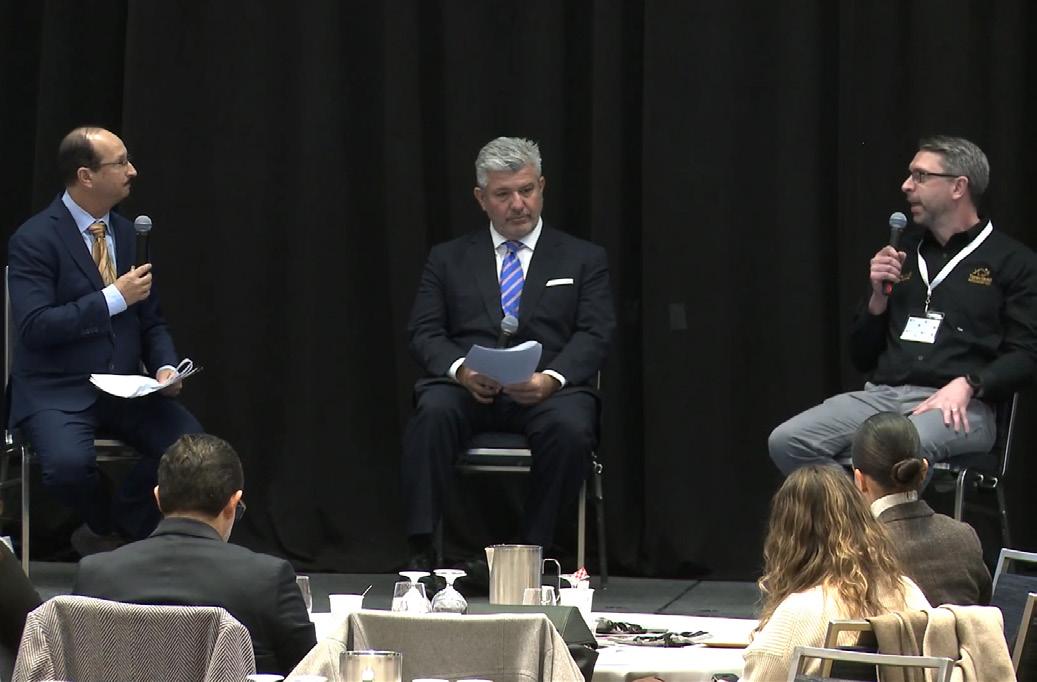
Mexico Mining Forum 2026 PDAC, which for the third consecutive year gathered mining companies, government officials, suppliers, and key stakeholders, served as the key forum to reinforce the message that Mexico is not only an attractive destination for mining but a vital ally in securing North American supply chains and resource resilience. The forum addressed the intersection of policy and production through a narrative of strategic readiness. Discussions centered on roadmaps for investment and sustainable development, evaluating Mexico’s competitive position in the global race for capital, and the emergence of the intelligent mine where AI and automation are leveraged to maximize yields and operational excellence.
A central theme was the path to regulatory clarity, bridging the gap from policy to permit by aligning technical standards with environmental stewardship within the 2026–2030 cycle. The latter was further strengthened with key visions on what the Mexico-Canada relationship can bring in terms of advancing new mining projects, with sustainability in mind. Furthermore, the forum explored Mexico’s gold and silver landscape through the lens of risk and capital strategies.
The message after this forum was clear: shaping the future of mining requires more than just speaking about the challenges; it requires action, collaboration, and constant cooperation to continue driving mining’s future towards a more efficient, responsible, and integrated industrial model.
153 companies
284 conference participants
Breakdown by job title
Matchmaking
Mexico’s leading B2B conference organizer uses a customized app to deliver an unparalleled experience
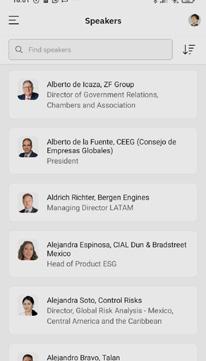
The MBE App delivered AI-powered intent-based matchmaking to Mexico Mining Forum PDAC 2026 attendees
MBE App Impact
127 participants
403 matchmaking communications
128 1:1 meetings conducted
26 speakers
3rd Edition
14 sponsors
4,104 visits to the conference website
Conference social media impact Pre-conference social media impact
direct impressions during MMF PDAC
direct pre-conference LinkedIn impressions 3.9% click through rate during MMF PDAC
pre-conference click through rate
conference engagement rate
pre-conference engagement rate

Matchmaking intentions
Total 1,152 961 Networking
191 Trading


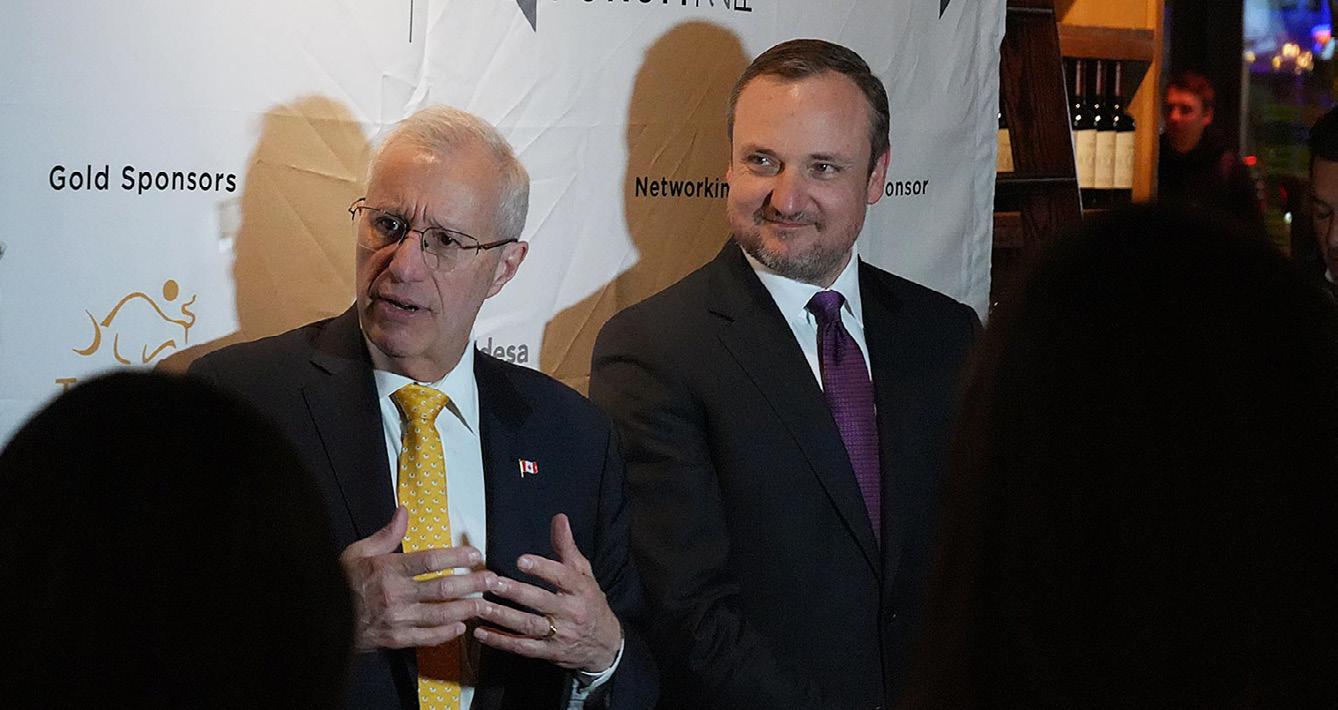
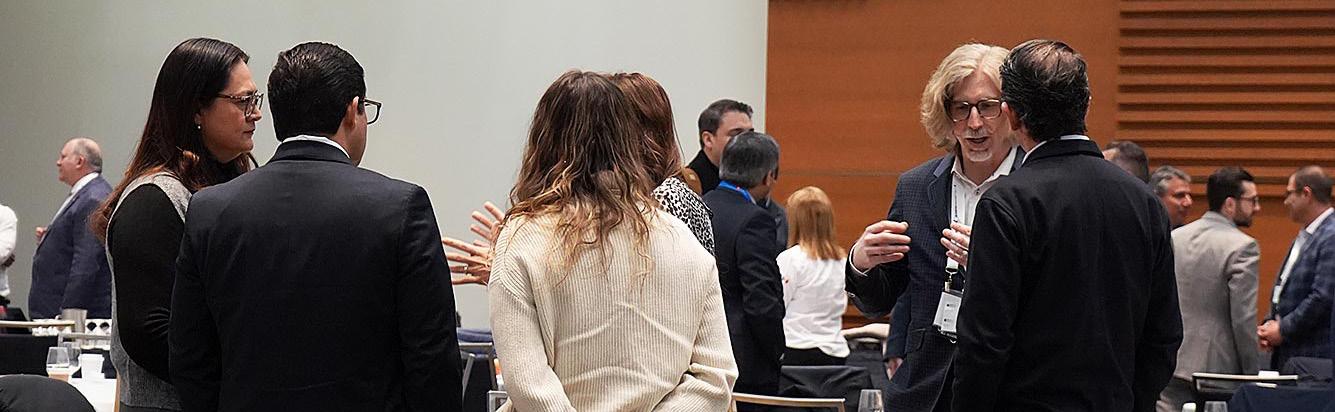
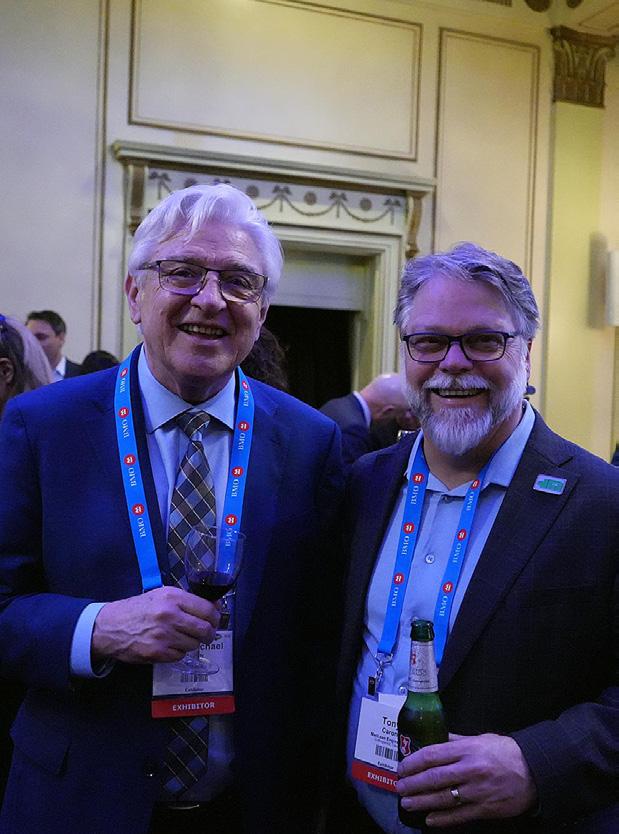
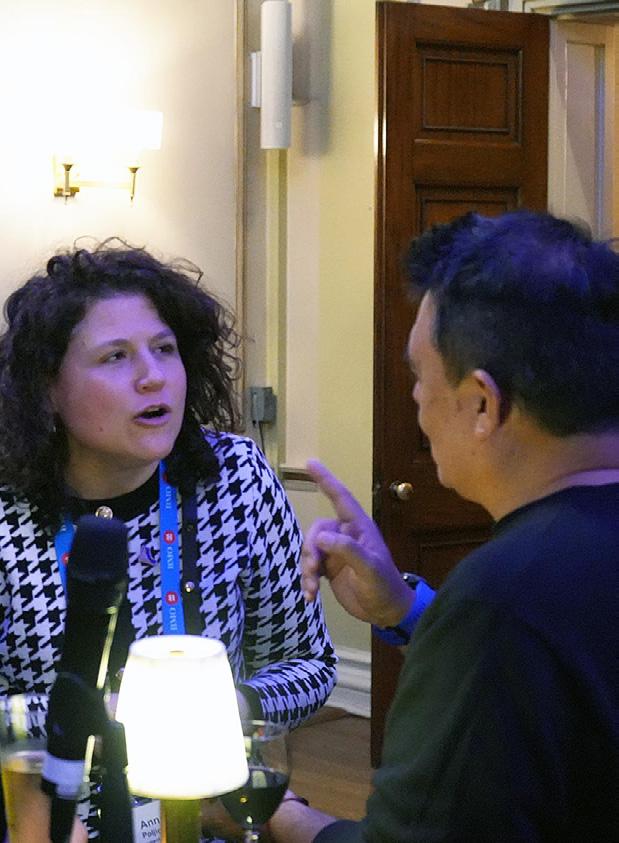
At PDAC Toronto, the Mexico Mining Delegation successfully connected top industry leaders with international peers. Through our exclusive VIP networking, the Mexico Mining Forum, and strategic partner side events, new business opportunities were sparked.
This is premium networking and lead generation by Mexico Business Events.




18:30 - 21:00



• 149MKM Corporation
• Aggreko
• Agnico Eagle Mines Ltd
• Alamos Gold Inc.
• Alianza minera de América Latina
• ALN
• Arago Capital
• Avino Silver & Gold Mines
• Baez & Abogados
• Blue Like An o range
• C. Steinweg Brasil
• C. Steinweg México
• C.Steinweg
• Cámara de Comercio de Canadá en México
• CAMIME x
• Capitán Silver
• Cereceres Estudio Legal
• Chesapeake Gold Corp.
• Cieneguita Mining
• Coeur Mining
• Co NSTrUPLAN
• Consultant
• Control risks
• CorePlan
• CyPlus Idesa
• Datamine México
• DB r Abogados
• Defiance Silver Corp
• Délégation Générale du Québec
• DESAr ro LLoS ro D
• Deswik México
• Detector Drilling
• Dirección de Minería
• Draslovka
• EC Legal rubio Villegas
• EC rubio
• Embassy of Canada in Mexico
• Embassy of Mexico
• Empresas Salgado
• Endeavour Silver
• Endeavour Silver Peru
• Energex Grupo Energéticos
• Energy
• Equinox G old, Corp.
• Equus Consultores SAC
• Explosivos del Istsmo
• Fiscal Wisdom Wealth Management
• Forte Dynamics Inc.
• Galicia Abogados, S.C.
• GAT x SErVICIoS DE ME xICo
• Geobrugg
• Geotab
• GLENCor E
• Gobierno de o ntario
• Gobierno del Estado de Zacatecas
• Gold resource Corp
• Goldgroup Mining
• Government of o ntario
• Government State of Chihuahua
• Grupo DEACEro
• Grupo Sach
• GTMI
• Heiras abogados
• Heliostar M etals Ltd.
• IMDE x
• INTEr A
• International
• Investissement Québec International
• Jamieson Group
• Janus Group
• J rC MINING
• Just refiners México
• Kluane Drilling LTD
• KPMG en Perú
• K PMG México
• Llapasa
• Loomis International
• Luca Mining Corp.
• M3 Engineering
• MacLean Engineering
• Mammoth resources Corp
• MArSH CANADA LTD
• MATCo
• McGill University
• McLanahan Corporation
• MECANICAD
• Mercado Minerals
• Metals Focus
• Minaurum Silver Inc
• Minera Atocha
• Minera Columbia de Mexico
• MINEr A CUZCATLAN
• Minera rio Tinto
• Mining Basics Group of Canada
• M rT
• Multiva Imaginate
• Mundo Minero
• Nafin
• Navarrete y Asociados SC
• Newrest México
• Novacastrian Consulting
• ocean Partners
• o LAMI - o rganismo Latinoamericano de Mineria
• o ntario Govt
• o N y EN Corporation
• o rica Specialty Mining Chemical
• o rion Productos Industriales
• o rla Mining Ltd.
• o roco resource Corp.
• Pan American Silver Corp.
• Pedersen & Partners Mexico
• PN r Energy
• Pontones Brito
• r B Mexico Law Abogados
• riverside resources Inc.
• r M Mineria S. de r L. de C.V.
• S amsung C&T
• Secretaría de Economía del Estado de Zacatecas
• Senado de la república de México
• SErCo M
• Serviall
• SErVICIoS ADMINISTr ATIVoS PEÑ o LES
• SIEMENS
• SLM
• Solensa
• Sonoro Gold Corp
• Spencer Stuart
• Speyside Group
• State Government of Sonora
• State Government of Chihuahua
• Steyn reddy Associates - S r A
• Strategic Stakeholder Management Advisor
• Teck
• The SoftLanding Group Mexico Inc
• Threedify
• Tierra group
• TIErr A G ro UP BBA
• Todd y Asociados
• Tododren
• Torex Gold resources Inc.
• T r ADUWEB - INTE r NATI o NAL
Tr ANSLATIo N SErVICES
• Traxys Europe
• Universidad Autónoma de Chihuahua
• Velocity
• Veltiosis Consulting
• Victaulic
• Vizsla royalties
• Viz sla Silver
• VMS Energy
• Vorticity Inc.
• WMS Energy
• World Gold Council
• Zonge International, Inc


SUNDA Y, MARCH 1
08:30 MINING 2026: REDEFINING THE MEXICAN LANDSCAPE
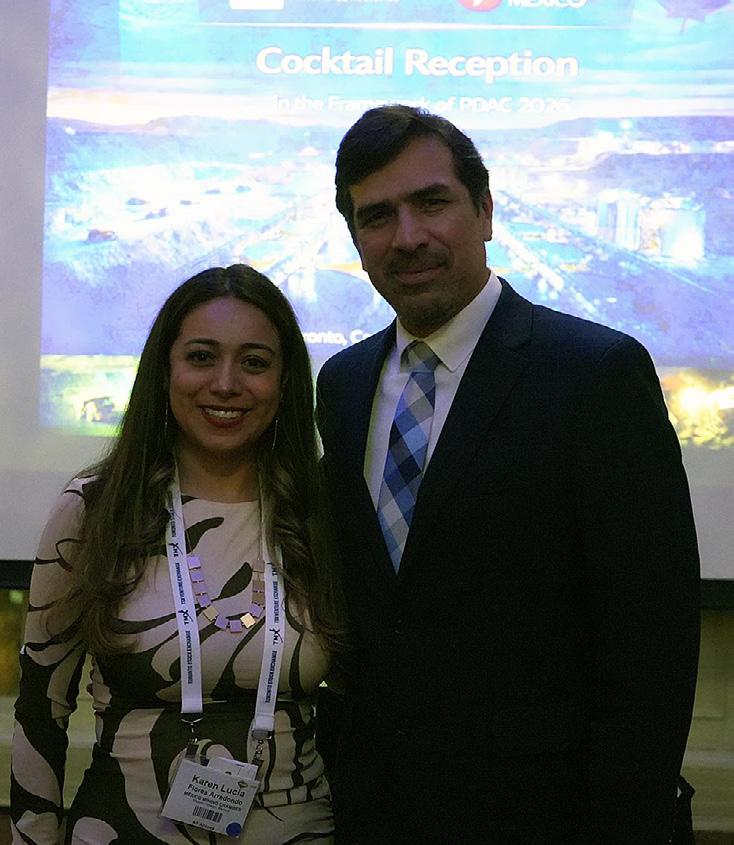
Speaker: Karen Flores, CAMIMEx
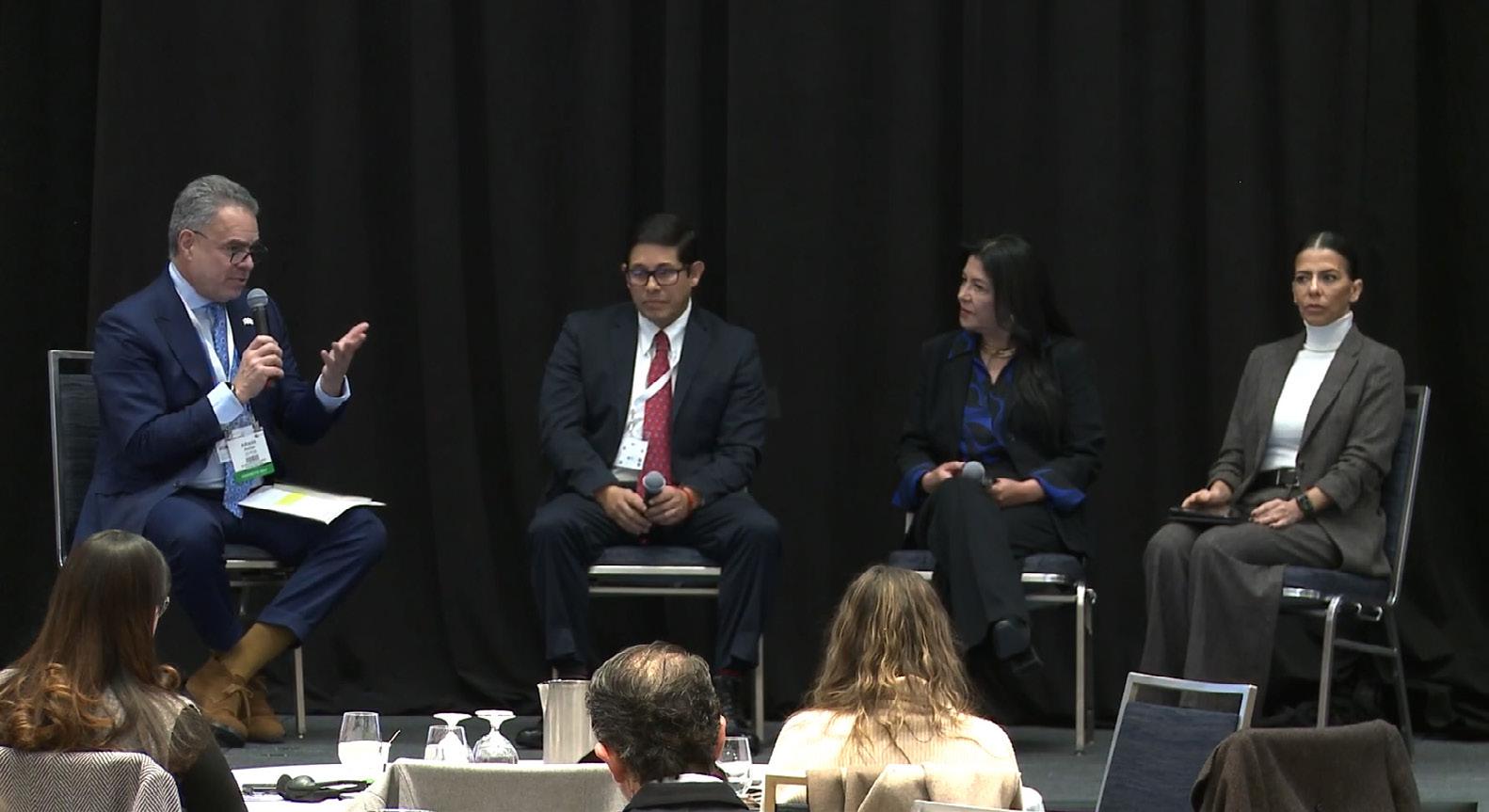
09:00 A ROADMAP FOR INVESTMENT AND SUSTAINABLE DEVELOPMENT
Moderator: Alfredo Philips, Strategic Stakeholder Management Advisor
Panelists: Carla Bustillos, CanCham Mexico
Rocío Flores, State Government of Chihuahua
Jorge Miranda, State Government of Zacatecas
10:50 MEXICO’S GOLD & SILVER LANDSCAPE: RISK, REWARD, AND CAPITAL STRATEGIES
Moderator: John-Mark Staude, riverside resources Inc.
Panelists: Joe Cavatoni, World Gold Council
Andrew Snowden, Torex Gold resources Inc.
11:30 CANADA-MEXICO COLLABORATION FOR SUSTAINABLE AND RESPONSIBLE MINING
Speaker: Cameron Mackay, Ambassador of Canada to Mexico
11:50 ORLA MINING ON THE RISE: FROM VISION TO ACTION
Speaker: Jason Simpson, orla Mining
SUNDA Y, MARCH 1
12:10 THE MEXICO OPPORTUNITY: EXPLORATION PRIORITIES FOR UNLOCKING VALUE
Moderator: Luis Castro, Endeavour Silver
Panelists: Kenneth MacLeod, Sonoro Gold
Charles Funk, Heliostar
Ian Graham, oroco resource Corp
13:50 FROM POLICY TO PERMIT: THE PATH TO REGULATORY CLARITY IN MEXICO’S MINING SECTOR
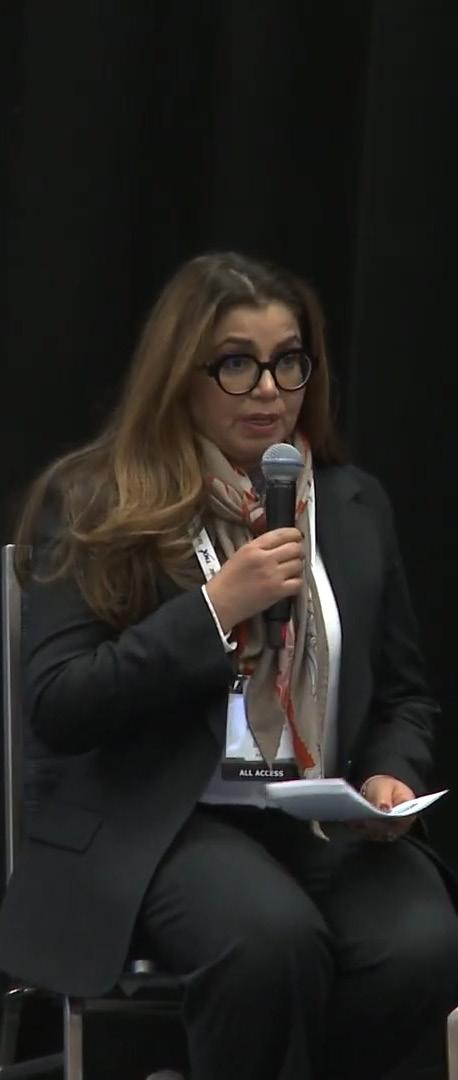
Moderator: Laura Díaz, DBr Abogados
Panelists: Joel González, ALN Abogados
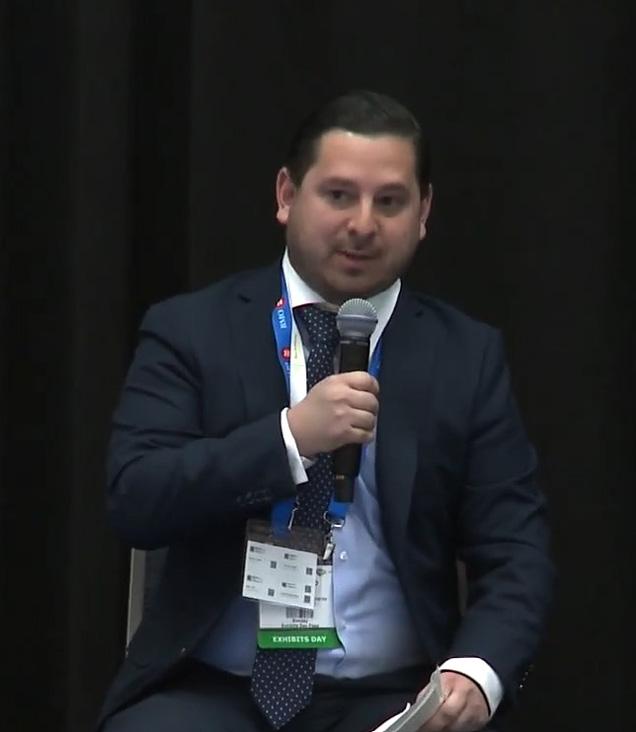
Santiago Suárez, SLM
Faysal Rodríguez, Torex Gold resources Inc.
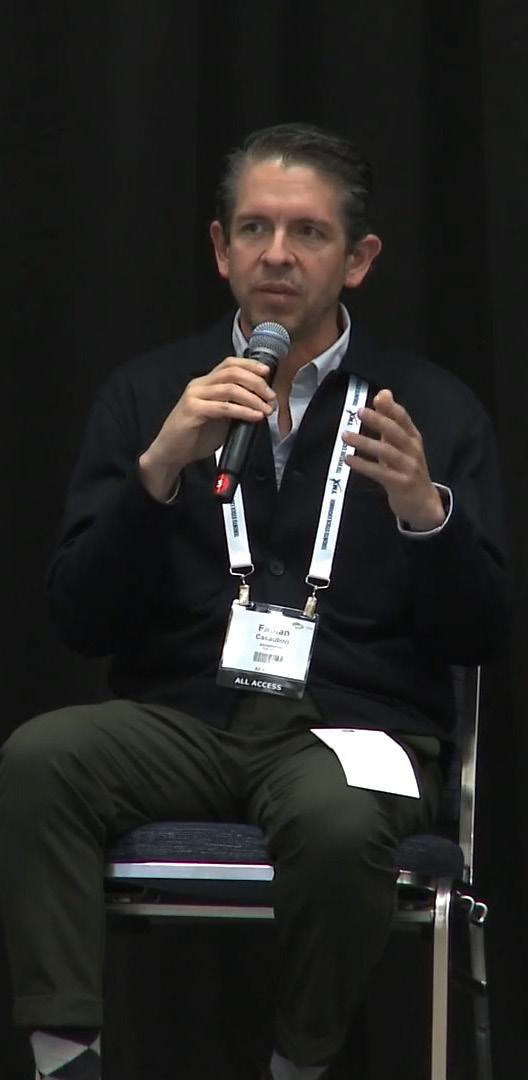
Fabian Casaubon, aosenuma
14:40 MINING’S GREEN SHIFT: TECHNOLOGY AND STRATEGY DRIVING PROFITABILITY AND DECARBONIZATION
Moderator: Silvana Costa, orla Mining
Panelists: Rene Valle, MacLean Engineering
Elio Cespedes, Datamine
Juan Paulo Cervantes, Solensa
15:20 TOP EXECUTIVES, MAJOR MOVES: CHARTING THE FUTURE OF MEXICO´S MINING INDUSTRY
Moderator: Karen Flores, CAMIMEx
Panelists: Jody Kuzenko, Torex Gold resources Inc.
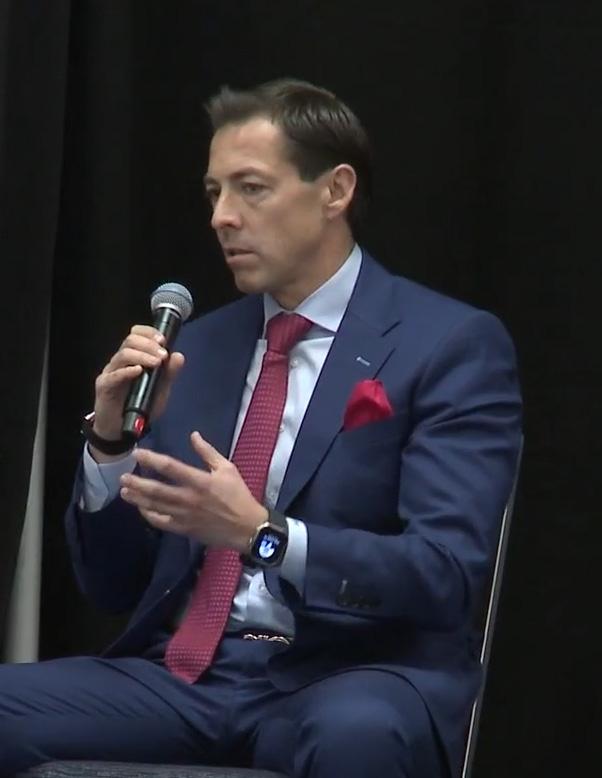
Javier Reyes, Luca Mining
John McCluskey, Alamos Gold
16:00 END OF MEXICO MINING FORUM 2026 PDAC
MINING 2026: REDEFINING THE MEXICAN LANDSCAPE
At Mexico Mining Forum PDAC 2026, CAMIME x Director General Karen Flores emphasized that the future global order will be shaped by those controlling critical minerals. “In today’s world, power is no longer defined solely by advanced industries or technological know-how. It is increasingly anchored in access to the raw materials that make modern life possible.”
She explained that minerals such as cobalt, nickel, copper, lithium, and rare earth elements form the backbone of digital infrastructure, renewable energy systems, artificial intelligence, and defense technologies. “Mining, once viewed as an invisible upstream activity, has moved to the center of strategic thinking. It is no longer just an economic sector. It is a matter of national security.”
Flores highlighted a stark reality: global mineral supply is highly concentrated. The Democratic republic of Congo dominates cobalt production with 76% of global production. China controls 91% of rare earth supply. Indonesia leads nickel production with 60%. Australia and Chile account for 75% of lithium production. yet production is only part of the story. real power lies in refining and processing. China refines around 90% of rare earths, 99% of nickel, 60–70% of lithium and cobalt, produces 85% of cathodes, 70% of anodes, and controls 85% of lithium battery cell production.
In this context, Mexico ranks among the world’s Top 15 producers in 19 minerals, 12 of which are considered critical to the United

“The new geopolitics demand that Mexico redefine its mining strategy and strengthen its regulatory framework to position itself as a key player in production, industrialization, and value addition for the country, its communities, and the North American region”
Karen Flores Director General | CAMIMEX
States. This places Mexico strategically within North America’s supply chains. Mexico leads global silver production with 25% of the market. It ranks second in fluorite with 12.6%, third in wollastonite with 9%, and holds strong positions in molybdenum, cadmium, zinc, lead, gold, and copper. These figures reflect not just geological potential but an established industrial base.

Flores emphasized that recently the United States published a list of 60 critical minerals essential to national security and strategic industries. Mexico produces 12 of them. Given the high import reliance in the United States, particularly where imports account for 20% or more of domestic demand, the interdependence between the two countries makes cooperation both logical and strategic.
In 2023, the United States remained Mexico’s main mineral trade partner, for both exports and imports. This tight integration underscores the opportunity for a North American critical minerals agreement that strengthens regional competitiveness while reducing dependence on external actors.
Mining’s Contribution to the Domestic Economy
Mining fuels 192 productive sectors across Mexico. Seventy-five percent of its total inputs come from domestic suppliers, demonstrating
strong local linkages. The sector contributes M x $45 billion (US$2.5 billion) annually in taxes, including Mx$9 billion (US$0.5 billion) in mining duties.
Moreover, 72% of Mexico’s mineral exports already incorporate value-added processing within the country, including beneficiation. This shows that Mexico is not only extracting raw materials but also capturing part of the value chain.
Key Enablers for a Strategic Shift
To capitalize on its potential as a strategic mining powerhouse, Mexico must act decisively. Flores outlined several key enablers:
+ Establish investment incentives within responsible and sustainable frameworks.
+ Combat unfair competition, particularly from Asia.
+ Strengthen security conditions in mining regions.
+ reactivate exploration to ensure longterm productive sustainability.
+ Guarantee clear procedures and defined timelines for environmental, social, and operational permits.
+ Modernize the legal framework to provide legal certainty.
These measures aim not at deregulation, but at clarity, efficiency, and competitiveness. Proposals include incorporating a dedicated mining chapter into the USMCA, encouraging private investment in exploration through immediate tax deductions, creating a onestop shop for essential mineral production, ensuring operational security, identifying priority refining and processing projects,
amending mining laws, and expediting permitting timelines.
A Vision Toward 2030
Globally, 22 countries have already established official critical minerals lists and monitoring agencies. Their strategies revolve around three priorities: ensuring reliable supply, promoting exploration and innovation, and advancing sustainable mining practices.
If Mexico implements a comprehensive critical minerals policy, the projected benefits are significant. By 2030, responsible mining could attract approximately US$43 billion in investment, including US$18 billion in key projects and US$500 million annually for exploration of existing concessions.
The sector could generate 500,000 new quality jobs, 150,000 direct and 350,000 indirect, with average wages nearly five times the wellbeing poverty line. Contributions to the Federal Treasury could reach Mx$212 billion, plus an additional Mx$50 billion from key projects. Annual economic spillover could total Mx$300 billion across more than 200 municipalities.
Additionally, Mexico could increase domestic supply for 192 productive sectors and boost production of critical minerals for the United States by 50% in copper, 29% in silver, 46.7% in zinc, and 27% in gold.
“The new geopolitics demand that Mexico redefine its mining strategy and strengthen its regulatory framework to position itself as a key player in production, industrialization, and value addition for the country, its communities, and the North American region,” said Flores.
MEXICO’S MINING STATES: A ROADMAP FOR INVESTMENT AND D EVELOPMENT
As global capital becomes increasingly selective, Mexico’s mining jurisdictions are redefining the relationship between resource extraction and operational stability. While the 2023 legislative amendments established a new paradigm for state supervision, the practical challenge in 2026 remains the mitigation of administrative congestion. Leading states such as Sonora, Chihuahua, and Zacatecas are positioned at the center of this transition, seeking to balance federal
oversight with the technical and economic requirements of large-scale i nvestment.
According to the Fraser Institute’s 2024 Investment Attractiveness Index, Mexico rose to 49th position, a significant recovery from 74th in 2023. This jump was primarily driven by the Geological Potential Index, which surged from 37.50 to 64.29 points, whereas the Policy Perception Index saw a more modest increase to 39.78. While executives expressed less concern over the national geological database and labor regulations, institutional investors reported increased apprehension regarding regulatory duplication and inconsistencies. Under this landscape, state governments play an important role in helping companies navigate these administrative overlaps.

“We have agreed that we can tackle this through CANCHAM together with the states. Promoting human resources and human capital is super important. Countries are always looking to attract investment as part of creating more business opportunities, and we can also get involved in that promotion”
Carla Bustillos General Director | CanCham Mexico
How are Leading Mining States Transforming Mining into Social Development?
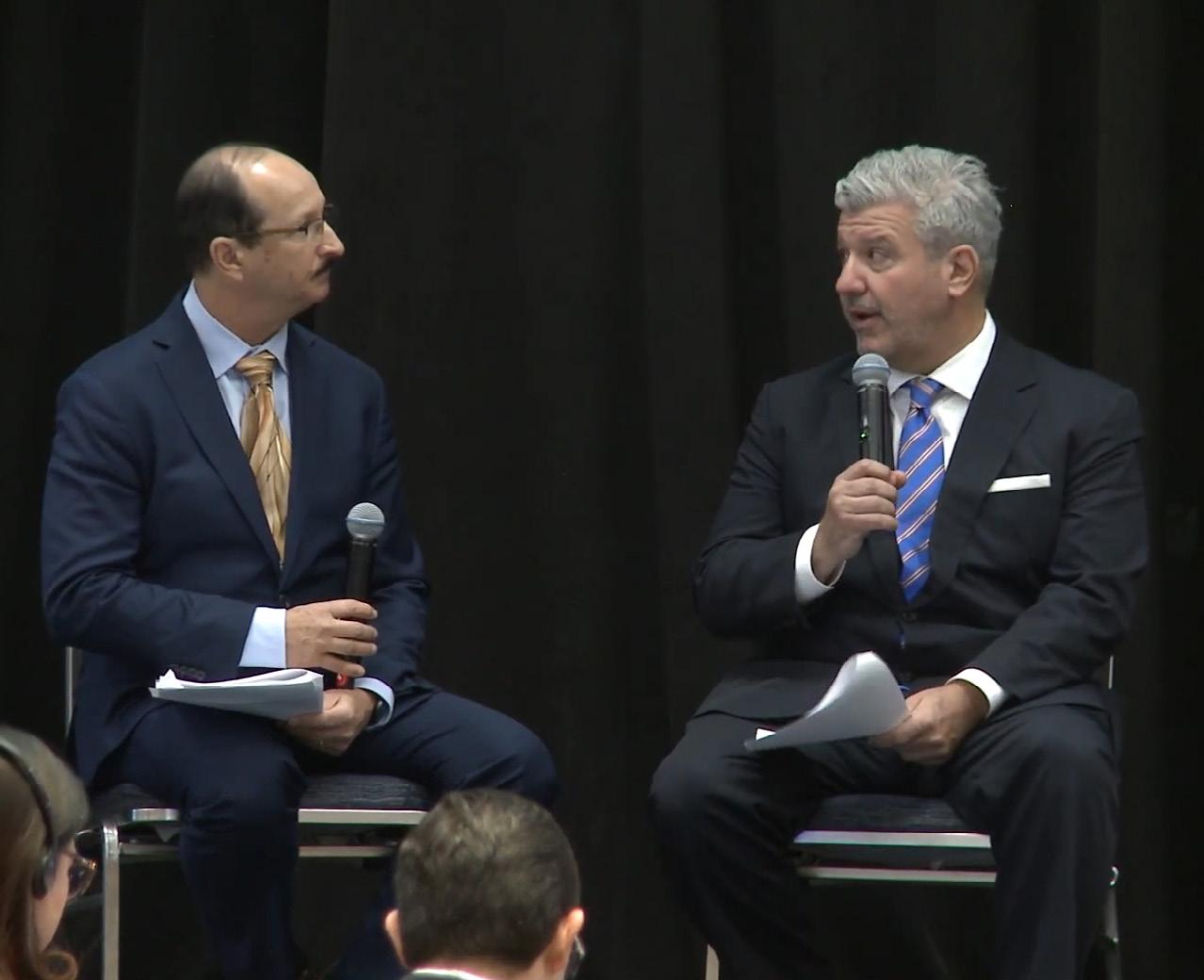
While state-to-federal government talks are important, Carla Bustillos, Director General, CANCHAM Mexico, stressed that private sector-federal government taks are also relevant. “The institutional framework can create these opportunities to move forward,” stressed Alfredo Philips, Strategic Stakeholder Management Advisor.
To ensure that the benefits of mining are effectively shared with local populations, state governments are shifting from passive monitoring to the implementation of institutionalized best practices in community mediation and local integration.
By adopting models that prioritize the professionalization of local supply chains, states can create structured pathways for SMEs to participate in the mining value chain. “Supplier development programs are essential to attract more opportunities for mining communities. We need to further prepare these companies for serving mining companies with product or services,” rocío Flores, Mining Director, State Government of Chihuahua, said.
Furthermore, state-led initiatives focus on the alignment of educational programs with industry technical requirements. This approach ensures that high-wage employment opportunities remain within the host regions and improves the quality of life for inhabitants. Collaboration with chambers of commerce, like CANCHAM, strengthens these efforts, allowing for a collective strategy to address regional needs. Bustillos noted the importance of this synergy in the development area.
“We have agreed that we can tackle this through CANCHAM together with the states. Promoting human resources and human capital is super important. Countries are always looking to attract investment as part of creating more business opportunities, and we can also get involved in that promotion,” Bustillos said, noting that CANCHAM, with other Canadian stakeholders, has developed talent development programs.
Local Governments as Efficiency Catalysts
Stakeholders suggest that creating formal, state-led consultative bodies could act as a vital link, helping to align regional development goals with federal oversight. The standardization of administrative procedures and working toward a Single Window system could significantly reduce the regulatory duplication that currently delays project timelines. This alignment would allow for a more predictable and transparent environment, ensuring that the 2023 reforms are implemented in a way that is technically grounded and economically viable.
“We provide comprehensive support on behalf of the state government and remain committed to sharing data regarding technology, water resources, and energy infrastructure. We actively assist in collecting and processing documentation to ensure projects are as complete and regulatorycompliant as possible,” Flores noted.
While every mining state has its own geological and social context, interstate cooperation could help as a bridge to better understand the challenges and needs mining companies have. States could enable communication channels following a similar collaboration model between local representations of the AIMMGM, or the collaboration between states’ respective mining clusters, such as the Sinaloa Mining Cluster (CLUSIN), advising in the creation of the Durango Mining Cluster.
To address the federal administrative congestion that has characterized the post-2023 reform period, there is a clear opportunity for state governments to act as intermediaries. State governments can function as neutral mediators between private operators and federal entities like SEMA r NAT or the Ministry of Economy (SE). This positioning offers an opportunity to resolve regulatory duplication and provide the institutional navigation currently lacking in the sector. While such alignment is not yet a reality, it represents a viable pathway to ensure that Mexico’s geological potential is not sidelined by administrative friction.
State-Level Strategic Pipelines as Engines of regional Growth
The reactivation of Mexico’s mining investment pipeline, valued at over US$11 billion, is directly linked to the federal government’s resolution of approximately 62% of inherited permitting bottlenecks, as of December 2025. This regulatory thaw has shifted the focus toward a localized wave of capital deployment, where Zacatecas, Sonora, and Chihuahua are positioned as the primary beneficiaries of historic investment levels. By aligning statelevel development plans with these specific high-value assets, local governments are transforming these projects into anchors for long-term regional stability.
Jorge Miranda, Minister of Economy for the State of Zacatecas, stated that his administration’s first priority was aligning state and federal objectives for job creation, particularly as the mining sector remains resilient amid tariff uncertainty. “While other extractive sectors have been reducing their workforces, we must capitalize on this resilience by pushing forward with key projects. Currently, the projects authorized in Zacatecas represent over US$6.5 billion in short-term investment,” Miranda noted.
In Zacatecas, the rapid clearing of nearly all pending permits has cleared the path for transformative developments. The San Nicolás project, a joint venture (JV) between Agnico Eagle and Teck resources,
stands at the forefront with an investment of over US$1.1 billion as it advances its feasibility engineering. Simultaneously, the environmental clearance for o rla Mining’s Camino r ojo has secured an operational extension of over 20 years.
Sonora is translating administrative speed into immediate construction timelines, with Silver Tiger’s El Tigre project scheduling construction for 2026, backed by a US$180 million investment. The state’s active monitoring of 83 projects includes highpriority developments such as Sonoro Gold’s Cerro Caliche and Grupo México’s El Pilar. Furthermore, the permit-driven restart of the Veta Madre Pit at Heliostar Metals’ La Colorada highlights how regulatory agility
can immediately unlock gold reserves and revitalize existing operations.
In Chihuahua, the government has established a roadmap for eight advanced projects with a combined value of US$3.6 billion extending through 2030. This pipeline is anchored by large-scale assets such as Discovery Silver’s Cordero and Fresnillo’s o risyvo, which are expected to drive the state’s industrial growth for the next decade.
Flores emphasized the necessity of constant communication with federal authorities to establish a common developmental path without compromising social or environmental standards.
GOLD & SILVER LANDSCAPE: RISK, REWARD, AND CAPITAL STRATEGIES
Gold and silver delivered standout performance in 2025. o ver the course of that year, both metals climbed sharply, with silver’s gains outpacing many risk assets and gold posting its strongest annual advance in decades amid geopolitical tensions, safehaven demand, and strategic portfolio positioning. Prices that entered 2026 near multi-year highs reflect the carryover of 2025 momentum as well as the ongoing macro drivers that keep precious metals in strategic view.
“Gold and silver have established a new baseline. on the gold side, we’ve seen dedollarization and central bank demand driving an upward trend. Silver has seen the same strength, driven by its growing role as a critical industrial metal supporting energy, data centers and electrification globally,” said Andrew Snowden, CFo, Torex Gold.
Gold’s elevated trading range and silver’s continued volatility have underscored the metals’ dual roles as both risk-off assets and industrially relevant commodities. This transition from breakout rallies to elevated but more oscillating price behavior is vital for understanding capital flows into Mexico. The step up from historic norms broadens
the economic bandwidth for mining projects, while volatile retracements remind investors of the premium placed on operational resilience and cost discipline.
Price Dynamics Driving Investor Interest in Mexican Projects
Investor interest in Mexican gold and silver projects remains. Mexico is the world’s largest silver producer and a major gold producer. Sustained strength in prices has extended economic life on existing operations and enhances the value proposition for new development.
Experts agree that price stability at elevated levels, even amid volatility, is a powerful signal for capital deployment. In 2026, while analysts point toward broader trading ranges and periodic consolidation rather than straight price appreciation, the metals’ sustained high levels continue to incentivize strategic positions in upstream assets.
“Under President Sheinbaum’s administration, we are encouraged by the sentiment and the open dialogue now happening between the mining sector and government. There are real synergies around key priorities
— environmental conservation, water stewardship and strong employment opportunities. If that dialogue continues, the strong commodity price environment will help Mexico come out as a winner in the sector,” said Snowden.
Decisive
Metrics for Capital Allocation
With prices elevated yet volatile, financiers and strategic investors are increasingly rigorous about hard thresholds for committing capital to Mexican projects. Four key criteria emerge:
1. AISC Discipline
All-in sustaining cost (AISC) remains central. Projects with low and predictable costs are better positioned to withstand price swings, a critical consideration when silver’s volatility compresses margin buffers. Investors today prioritize assets that demonstrate both cost efficiency and long-term cash-flow resilience.
2. Jurisdictional risk and regulatory Clarity
Mexico’s mining jurisdiction is geologically rich, but complex in regulatory and operational terms. Transparent permitting pathways, stable legal frameworks and
consistent policy interpretation are essential for capital deployment.
Beyond regulation, investors are factoring in security conditions in certain mining regions, where organized crime activity, theft, and infrastructure disruption can elevate operating costs and project risk. While many mining states maintain strong institutional coordination and industry collaboration, localized insecurity has become part of risk pricing models. For capital allocators, this translates into a higher premium on strong community engagement and local relationships, robust site-level security protocols, clear federal and state government coordination and predictable enforcement of mining and environmental regulations.
3. reserve Life and Scalability
Longer mine life and scalable reserves attract patient capital. These attributes de-risk valuation models and appeal to funds with longer investment horizons, from institutional asset managers to strategic mining houses.
4. ESG Performance
Environmental, social, and governance metrics are no longer supplemental; they are the price of entry. Investors increasingly integrate ESG frameworks into underwriting, and companies with credible community partnerships and sustainability strategies are accessing more favorable financing terms.
Across all these metrics, the backdrop of strong base prices in 2026 amplifies the value of disciplined project economics. Elevated metals prices give projects a financial cushion, but investors are only comfortable deploying capital where metrics validate durability under stress.
“What I’m seeing shift in the investment community is a focus more on risk than on returns. All projects look good on paper today. The differentiator is which companies consistently hit their operating and production targets year-over-year , and in

“Gold and silver have established a new baseline. On the gold side, we’ve seen de-dollarization and central bank demand driving an upward trend. Silver has seen the same strength, driven by its growing role as a critical industrial metal supporting energy, data centers and electrification globally”
Andrew Snowden CFO | Torex Gold
Mexico specifically, the priority for investors is permitting. Companies further advanced in the permitting process are more likely to successfully capitalize on investment opportunities,” said Snowden.
Financing Structures: Flexibility, Innovation
Traditional debt and equity markets still play important roles in funding Mexican producers and explorers. However, alternative structures are increasingly favoured:
+ Streaming and royalty Agreements
According to Deloitte’s 2026 mining outlook, alternative financing models are increasingly favored as companies seek capital flexibility without excessive equity dilution. Streaming and royalty agreements, in particular, have expanded as investors look for exposure to production revenue without assuming operational risk.
+ Private Equity and Strategic Partnerships
Ey’s 2026 mining capital analysis highlights growing private equity participation in early-stage development, particularly where projects demonstrate strong ESG alignment and jurisdictional clarity.
+ Hybrid Models
Hybrid capital stacks, combining royalties, offtaker agreements, and structured equity, are becoming more common among junior
companies bridging feasibility and production, reflecting tighter equity markets and investor demand for downside protection.
“Capital is not scarce, it is hyperstructured in terms of how people are looking at projects. The hybrid financing model is likely to be the persistent environment. you need to look at the asset, the speed with which performance can be capitalized on, and maximize it,” said Joseph Cavatoni, Principal Chief Executive o fficer Funds & Market Strategist, World Gold Council.
Strategic Focus for 2026: Growth, Balance Sheets, or M&A?
Looking forward, experts weigh whether 2026 favours aggressive growth, balance sheet fortification, or M&A activity. For major producers and mid-tier companies with strong cash flow, selective growth remains compelling, but only within frameworks that preserve balance sheet strength and operational discipline. For juniors with high-quality exploration assets, strategic partnerships and M&A can unlock value at earlier stages.
Capital strategies must be adaptable, panelists concluded. In a price environment that is elevated but not monotonically rising, companies that balance growth with balance sheet resilience, while leveraging innovative financing, will be best positioned to thrive.
John-Mark Staude, President & CE o , r iverside r esources Inc., explained that since 2018, capital had been leaving the country, but that trend is now reversing. “The exciting thing now is that with Sheinbaum and the current changes, capital has started to come back. New projects are getting funded again and there is exploration activity returning. We had a really difficult six years during the AMLo administration and a lot of capital did leave , but there is new capital coming in, drilling companies are more active again, and projects that exist have been able to get the capital to move them ahead.”
CANADA-MEXICO COLLABORATION FOR SUSTAINABLE, RESPONSI BLE MINING
As the world seeks to transition to cleaner energy sources and geopolitical tensions continue to arise, the Mexico-Canada relationship becomes increasingly strategic due to the expertise of both countries in the mining sector, as well as their geological potential, notes Canadian Ambassador to Mexico Cameron McKay. According to McKay, the bilateral framework proves how middle powers can work together to build an international system rooted in cooperation and shared values.
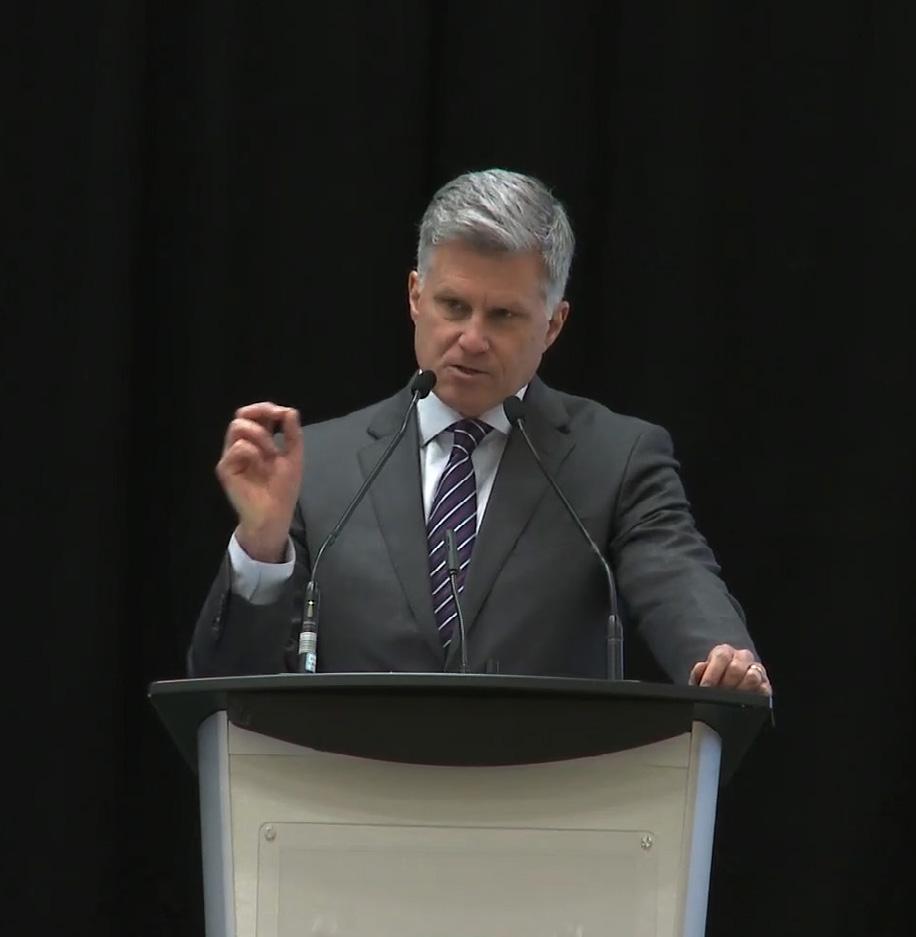
At the Mexico Mining Forum 2026 PDAC AmbassadorMcKay outlined a vision where mining serves not merely as an industrial sector, but as the fundamental foundation for North American resilience. Underpinned by the Canada-Mexico Action Plan, the relationship has evolved into a comprehensive strategic partnership designed to synchronize ESG standards and secure the minerals essential for the global energy transition.
The Canadian Brand: ESG as a Competitive Asset
According to Ambassador McKay, for Canadian firms operating in Mexico, the brand is increasingly defined by adherence to the Toward Sustainable Mining (TSM)
standards. He noted that in late 2025, CANCHAM achieved a landmark milestone, with member companies representing over 60% of Canadian mining investment in the country committing to these protocols. Ambassador McKay emphasized that high standards are now the primary currency for securing social and regulatory license in a complex environment. “Canadian companies must be the best, most responsible, and most sustainable miners in the country. That is the brand, and that is what is going to help secure the permits and approvals needed. TSM protocols are not just a helpful tool; they ensure that the industry meets the high expectations of the Canadian government regarding human rights, transparency, and environmental stewardship,” McKay stated.
Unlocking the Investment Pipeline
Despite a dry spell in permitting over previous years, the relationship between Canadian capital and President Claudia Sheinbaum’s administration is showing signs of renewed momentum. Currently, three major Canadian projects remain in the final stages of federal approval. If unlocked, these assets represent over US$3 billion in immediate new investment and US$5 billion in projected tax contributions over their operational lives, McKay noted.
With Canadian firms already responsible for 75% of all foreign direct investment in the Mexican mining sector, the stakes for administrative efficiency are high. “Together, our two countries have the resources the world urgently needs to build a cleaner future. Middle powers like Canada and Mexico must work together to build a more resilient international system rooted in cooperation and shared values. Mining is not just part of the green transition; it is the foundation that makes it possible,” McKay noted.
Ambassador McKay acknowledged that the mining sector faces unique risks due to its remote operations and called for a coordinated whole-of-government approach involving
federal, state, and municipal authorities. While the Embassy serves as a diplomatic bridge, McKay urged companies to maintain open lines of communication with the trade commission to help coordinate security protocols and risk mitigation strategies with Mexican authorities.
A Two-Way Corridor of Capital
While Mexico remains Canada’s fifth-largest destination for mining FDI, 2026 is seeing an increase in reciprocal investment. Ambassador MacKay highlighted the recent acquisition of the Probe Gold asset in Quebec by Fresnillo, a deal valued at over US$750 million.
This move signals that the Canada-Mexico relationship is no longer a one-way street of capital. Instead, it is becoming a crossborder ecosystem where Mexican expertise and Canadian stability complement each other. “our partnership is a two-way street. The Fresnillo investment demonstrates confidence in the Canadian mining sector and our stable, transparent regulation. By strengthening security and accelerating the implementation of TSM standards, we are building the resilient, critical minerals ecosystem that North America needs to remain the most dynamic continental economy in the world,” McKay concluded.
ORLA MINING ON THE RISE: FROM VISION TO ACTION
Canada-based orla Mining is transitioning from a single-asset developer into a multiasset producer, underpinned by a US$10 billion market cap and a diversifying North American portfolio. While Mexico remains the company’s operational heart, current regulatory shifts have encouraged a broader regional focus.
Ten years ago, o rla Mining began with a clear vision: to establish a gold company capable of thriving in the next bull market. Starting with less than US$5 million in capital and two unpermitted projects, the company has since transformed into a major industry player with nearly US$500 million in cash and a US$10 billion market cap. This evolution from a single-asset developer to a multi-asset producer is defined by a commitment to Mexico, strategic international expansion, and a disciplined approach to mining.
The Mexican Foundation and Future Growth
Mexico remains the engine room and cultural heart of orla Mining. The Camino rojo project in Zacatecas, which was the company’s first undeveloped asset, is now at a significant inflection point. While it currently stands as the company’s smallest operating mine, orla Mining has laid out a two-phase plan to extend its life for decades.
The next chapter for orla Mining in Mexico consists of two distinct operational phases. The first phase focuses on the expansion of the existing open-pit to ensure continued operations through the end of the decade. This extension provides the necessary time to permit and develop the second phase, which involves the underground portion of the project. The company recently announced a positive Preliminary Economic Assessment (PEA) for the Camino r ojo Underground Project, which could extend the mine’s life by another 20 years.
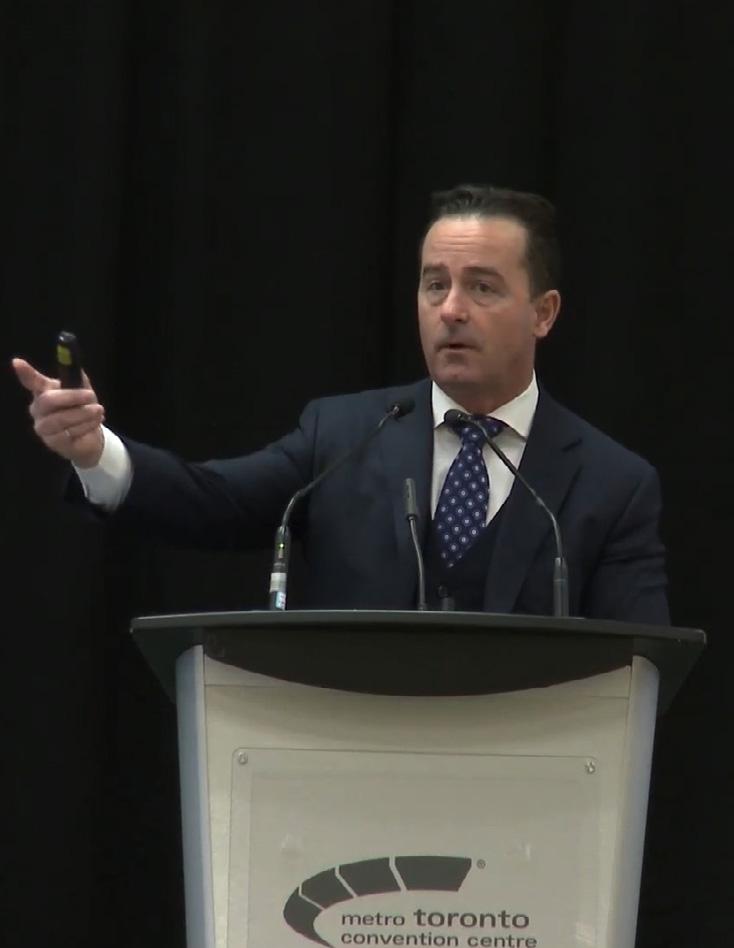
Jason Simpson, CEo, orla Mining emphasizes that this long-term view is central to their strategy: “our underground Phase 2 is the
“Diversity reduces risk, which actually adds value. Spread across three nations, as we move through challenges in Mexico, we have opportunities in Nevada and Canada”
Jason Simpson CEO | Orla Mining
“As we face uncertainty in the legal situation, challenges in security, and continued delays in the permitting process, we have a responsibility to direct our investments elsewhere. I would like to change that in 2027 by working with the current administration,” Simpson stated. He further emphasized that this shift is a matter of fiduciary duty, noting that diversity reduces risk and adds value.
plan for the end of the decade, so that we can be in Mexico for multiple decades going forward,” he said further noting the robustness of the expansion, stating the PEA outlines a very robust project at any commodity price that you select.
Despite this commitment, the company has voiced concerns regarding the current regulatory climate in Mexico. Due to delays in permitting and legal uncertainties, orla currently operates only one drill in Mexico, compared to 10 in Canada and five in Nevada. Simpson warns of the long-term consequences of these hurdles: “If you starve or create uncertainty in the first part of our ecosystem in the mining industry, you are creating a problem 10 years from now,” he said.
Global Diversification and operational Excellence
To mitigate risk and drive growth, o rla Mining has diversified its portfolio across three nations. “Diversity reduces risk, which actually adds value. Spread across three nations, as we move through challenges in Mexico, we have opportunities in Nevada and Canada,” Simpson noted.
In terms of global diversification, the company’s portfolio is currently spread across North America to reduce risk and capture new opportunities. In Canada, orla Mining has established its largest operating asset through the acquisition of the Musselwhite mine. In the United States, the South railroad project in Nevada is currently under development, with construction slated to continue through 2026 to become the company’s third operating mine.
regarding production targets, the company is aiming for a midpoint of 350,000oz of gold for 2026, with a long-term goal of reaching 1Moz/y by the end of the decade.
A Philosophy of responsibility
orla Mining’s strategy is underpinned by the belief that mining must benefit the societies in which it operates. “ o ur industry must benefit society. We spend globally, but we invest locally,” Simpson added. In Mexico, 100% of the workforce at Camino r ojo consists of Mexican nationals, reflecting a belief in local talent and capability.
This commitment to responsibility is tracked through an ESG Scorecard, which highlights the company’s operational safety and social license. Since 2022, orla Mining has maintained a record of zero fatalities across its operations. While the Lost Time Injury Frequency rate (LTIrF) for all assets saw a slight increase to 2.59 in 2024, up from 1.49 in the preceding two years, the company has successfully avoided any significant environmental incidents or community disputes that could disrupt production. At Camino rojo specifically, the LTIrF was recorded at 3.94 for 2024.
Environmental metrics show a freshwater use intensity of 0.12m3/t of processed ore in 2024, a decrease from 0.15m3/t in previous years. Scope 1 and 2 GHG emissions were 32,221t Co2e in 2024, a slight increase from the 23,350t Co2e registered in 2023 due to increased activity.
Simpson takes great pride in this local integration: “The capability, the talent, the creativity, and the wonderful people of Mexico can support their mineral endowments individually and not necessarily through expat support,” he noted.
MEXICO’S OPPORTUNITY: EXPLORATION PRIORITIES FOR UNLOC KING VALUE
The current exploration landscape in Mexico demands a fundamental shift in core strategies, as global capital becomes increasingly selective, successful exploration projects are no longer defined solely by geological potential, but by their ability to demonstrate a clear, accelerated path to production.
According to Deloitte’s Tracking the Trends 2026 report, navigating this environment requires a transition toward more strategic and agile portfolio management. As the industry faces heightened global volatility, companies that persist with static definitions of portfolio management risk being left behind. Conversely, those that embrace complexity and develop the ability to adapt are better positioned to lead, ensuring their mineral assets are resilient enough to withstand shifting domestic policies and market fluctuations.
De-risking and Capital Positioning for Mexican Mining Companies
Advancing a project from a promising discovery to a formal production decision remains the primary hurdle for explorationfocused companies in Mexico. This transition requires a strategy that treats resource growth not just as a geological exercise, but as a demonstration of long-term market value. In practice, this adaptation involves a shift toward development readiness, where companies move to secure project financing and technical validation, such as underground bulk sampling, well in advance of a formal construction decision.
For companies with producing assets, this resilience is bolstered by optimizing these, through actions like implementing reprocessing programs on historical leach pads to generate low-cost, incremental cash flow. By extracting additional value from previously processed material, companies can selffund exploration and clear the path for new discoveries while decoupling their growth from the volatility of external equity markets.
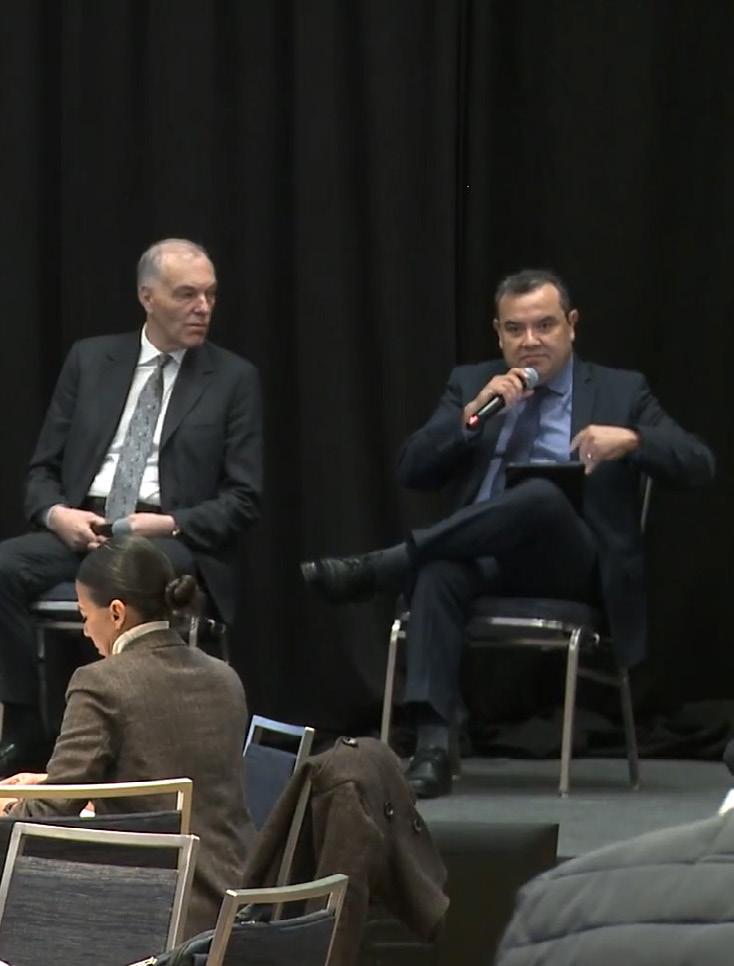
Successful exploration companies are increasingly focusing on district-scale consolidation to improve project economics and regulatory standing. This strategy is particularly evident in Sonora, where developers are leveraging strong state-level support to navigate federal administrative delays. “Now we are operating in Sonora, which, in my opinion, is the finest jurisdiction in all of Mexico for project approvals. The state government has been our greatest supporter over the past six years. We are encouraged that the impetus generated by the Sonoran government will eventually convince the federal authorities that approval is necessary and imminent,” Kenneth Macleod, President and CEo, Sonoro Gold, noted.
By moving away from static portfolio management and toward a model of constant adaptation, developers are successfully derisking their assets through a combination of technical optimization and early-stage infrastructure integration. Agility in the current landscape involves land consolidation strategies designed to unify district control. Meanwhile, unifying fragmented property lines allows for the optimization of infrastructure layouts and simplifies the logistical requirements for future development. These moves are intended to
validate project scale and improve long-term operational costs. “We have tripled the size of our concessions in the past month and fully intend to commit to 50,000m of drilling to fully realize the value of what we believe is a new district in Mexico,” Macleod stated.
While district-scale consolidation defines one path to growth, another involves applying modern exploration techniques to established brownfield sites. This strategy allows companies to leverage existing infrastructure while identifying overlooked mineralization. Charles Funk, CEo, Heliostar Metals, noted that the revitalization of assets like the La Colorada mine in Sonora demonstrates how high metal prices and operational turnarounds can transform small-scale legacies into multimillion-ounce opportunities.
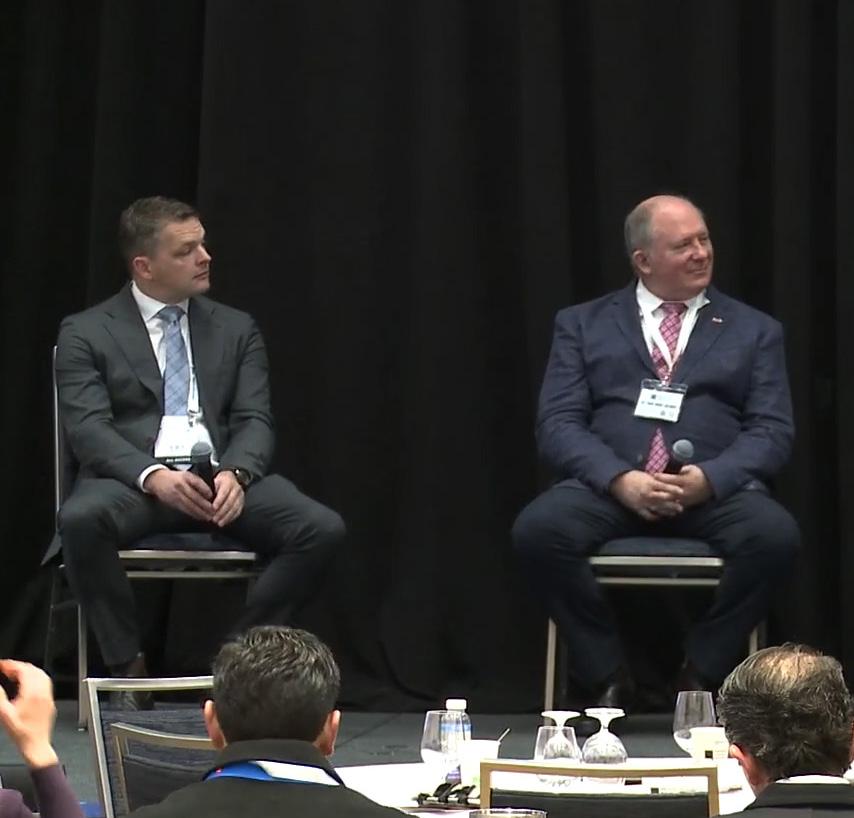
By focusing on areas previously dismissed during periods of lower margins, developers can self-fund growth and extend mine life significantly. “The most underrated part of our success is the exploration potential in these brownfield districts. The gold price has helped by doubling or tripling margins, making more material profitable, but the real driver is that even big mining companies often leave behind significant opportunities while focusing on short-term challenges. We are seeing success because these districts simply have not been looked at through a modern lens,” Funk explained.
Ian Graham, President, oroco resource Corp, noted that while the industry is forced to focus more tightly on specific jurisdictions with favorable state-level environments, the fundamental potential of these districts remains the primary draw.
Transition From Discovery to Construction
The primary challenge in advancing a project toward a construction decision lies in the transition from managing theoretical risks to the active removal of operational obstacles. In the current Mexican landscape, this involves navigating a complex environment where permitting timelines and localized security conditions directly impact the pace of development.
Effective de-risking involves including community leaders and regional stakeholders in decision-making structures to make social licensing a long-term partnership. By establishing benefit-sharing agreements early and prioritizing local procurement, developers reduce the potential for social friction that can delay project timelines.
This is supported by maintaining consistent coordination and transparency with federal entities, such as SEMArNAT. Mining leaders consider that ensuring that technical data and environmental mitigation plans are disclosed and aligned with federal standards early in the process can reduce regulatory bottlenecks.
Is It Still Attractive to Invest in Mexican Mining?
The current market environment is characterized by high metal prices and the strategic imperative to reshore supply chains within North America, which has renewed the focus on Mexico’s primary mineral belts. Investor sentiment is evolving from a preoccupation with generalized political risk toward an appreciation of the sector’s geological necessity. Industry leaders note that for commodities such as silver and copper, Mexico remains a fundamental
jurisdiction where the potential for worldclass discoveries outweighs the challenges of operating in complex environments.
However, mining companies need to prioritize operational resilience as territorial security becomes a critical financial variable. CAMIMEx reported that securityrelated overheads, including extortion, theft, and private protection, now represent 5% of total operating costs. These concerns reached a critical point in January 2026 following the abduction of 10 workers at Vizsla Silver’s Panuco project in Sinaloa, an incident that triggered nationwide protests and temporary suspensions of activities in the region.
The investment case for Mexico remains robust, even as localized challenges create a slight valuation discount that seasoned investors view as an entry opportunity. This bullish sentiment is reinforced by the broader shift in the global geopolitical climate, which has redirected the focus toward North American supply chain security. Ian Graham, President, o roco r esource Corp, noted that informed institutional investors remain aware of Mexico’s administrative friction but prioritize the long-term returns found in established mineral districts.
Evidence of this appetite is found in the capital markets, where high-quality projects continue to attract significant funding. For instance, oroco recently closed a US$23 million financing deal that was heavily oversubscribed, signaling that institutional confidence remains high for companies that demonstrate a clear path forward.
“The challenges we face today render exploration and development opportunities into a slight discount, which should actually attract investors. Furthermore, the changing geopolitical climate brings the focus back to North American opportunities, including Mexico. I am personally extremely bullish, and the informed institutional investment world shares this view. They are aware of the challenges but believe the longterm returns are in Mexico’s known mineral districts. We have seen enormous institutional financing into good opportunities, and I expect that trend to continue,” Graham stated.
The ability to manage complexity serves as a differentiator in a crowded investment market. As mining companies compete with the technology and energy sectors for a limited pool of global capital, those who can demonstrate throughput stability and capital discipline will be the preferred destination for institutional funding.
FROM POLICY TO PERMIT: THE PATH TO REGULATO RY CLARITY
Mexico’s mining sector is no longer defined by expansion but by enforcement, strategic alignment, and administrative control. Since 2022, the legal framework has been recalibrated through reforms and stricter oversight. While the government has signaled that no additional major legislative changes are planned, the operational environment has already shifted. Today, the key question is not whether mining is permitted, but under what conditions projects can move from concession to permit within a predictable framework.
“Compared to the previous administration, there is a different push and a different focus toward the mining sector. Specific actions show a shift in institutional policy, permit approvals have been advancing
considerably,” said Faysal rodriguez, Senior Vice President, Torex Gold.
Mining Law: From Strategic Minerals to Administrative oversight
The April 20, 2022 reform to the Mining Law marked a clear turning point. Art. 1, 9, and 10 were amended to declare lithium a strategic mineral under exclusive state control, leading to the creation of Litio para México (LitioMx) under the Ministry of Energy. Private concessions for lithium were eliminated, signaling that certain minerals may be removed from traditional concession regimes.
The structural reform of May, 2023 further modified the Mining Law alongside the
National Waters Law and key environmental legislation.
+ Concession terms: reduced from 50 years to 30 years, with the possibility of a single extension of up to 25 additional years. In other words, a concession can now last a maximum of 55 years.
+ Allocation system: First-come, firstserved replaced by public tenders for new concessions.
+ Water and community requirements: Early-stage water permits and community consultations formalized.
+ reporting obligations: Annual technical and statistical reporting clarified.
+ Grounds for cancellation: Noncompliance with fiscal duties, reporting obligations, environmental obligations, or operational inactivity.
+ Sector focus: Legal rights now depend on compliance, transparency, and alignment with national priorities, including critical mineral development.
While these reforms sought to set clearer policy priorities, the laws leave significant gaps and ambiguities. Key definitions, such as what qualifies as sufficient exploration work, or how public consultation should be interpreted, remain vague. Enforcement discretion is high, and the absence of procedural timelines across agencies generates uncertainty. In practice, the law establishes boundaries, but not the predictability that investors and operators require.
“Mining law reform is inevitable. Even the government, under the current framework, is constrained, the Geological Survey of Mexico lacks the resources, budget and concession authority to lead critical mineral exploration
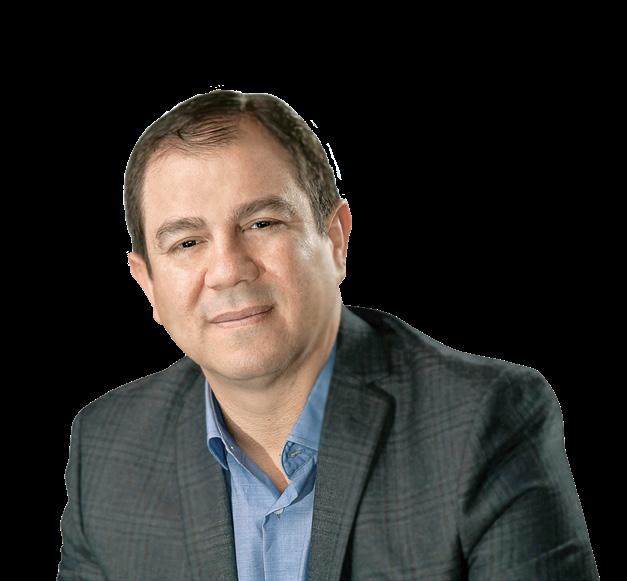
“We are going through transformative regulatory changes that companies have to comply with, generating concern about possible reforms to come and those that have changed”
Faysal Rodriguez Senior Vice President | Torex Gold
on its own,” explained Laura Díaz, Partner, DBr Abogados.
Fabian Casaubon Domenzain, Partner, aosenuma, said the 30-year development timelines of mining projects are no longer aligned with the pace of critical mineral demand. “We need methodologies that accelerate the social and environmental viability assessment of projects, without cutting corners.”
Concessions: recoveries, Cancellations, and Legal remedies
The government’s enforcement approach became visible in February, 2026, when authorities announced the recovery of 1,200 concessions across six states, covering nearly 890,000ha. Most cancellations were driven by non-payment of mining duties or omission of required technical and statistical reports. A large portion, 713 concessions, were within Natural Protected Areas.
Legally, these actions fall under Ch. 5 of the Mining Law, which covers suspension, nullity, invalidity, and cancellation. Cancellation entails the administrative termination of a concession due to non-compliance or other legally prescribed grounds.
Art. 42 details principal triggers, including failure to pay mining duties for two consecutive years, failure to submit mandatory reports, inactivity, lack of industrial water concessions, and environmental or safety infractions. Fiscal non-compliance, reporting failures, and expiration of term remain the most frequent causes.
Santiago Suárez, Partner, SLM, explained that initiation of cancellation proceedings does not automatically result in loss of rights. Concessionaires may pursue administrative review, contentious-administrative proceedings before the Federal Administrative Justice Court, or constitutional amparo remedies. Public announcements of “recovered” concessions do not preclude legal defense. Legal counsel remains essential, as remedies are highly case-specific.
“There is a significant volume of concessions that are not being worked and carry serious compliance deficiencie, and that represents a major opportunity, particularly at the exploration stage, which under the new legislation is practically disappearing. Cancellation processes are under real pressure to move forward, but this is precisely the moment for advisors to identify projects in need of support and build a network to rescue them, because losing a concession today means facing a reinstatement process that is, under current conditions, virtually impossible,” said Joel González, Partner, ALN.
Permits: The real Bottleneck
A concession alone does not guarantee operational capacity, however. Companies must navigate multiple permit requirements, including environmental impact authorizations from SEMA r NAT, water concessions from C o NAGUA, land-use approvals in forest areas, explosives permits from SEDENA, Indigenous consultation obligations, and land access agreements with ejidos or private landowners.
Fernando Aboitiz, Head of the Extractive Activities Coordination Unit, Ministry of Economy explained that the government inherited 176 stalled projects at the start of the term. Through an accelerated review process, officials have resolved 110 of these cases, leaving only 66 pending. The unit expects to normalize administrative operations by mid-2026.
The backlog reflects more than administrative delays. It results from multi-agency coordination challenges, increased scrutiny of environmental and water compliance under the new reforms. These factors, together with some remaining procedural ambiguities, extend timelines even for compliant operators.
The government’s claim that permits are being sped up is therefore partially true: measurable progress has occurred, but the system is far from fully cleared, and companies continue to operate under regulatory uncertainty. For concessionaires, this underscores the importance of continuous legal and technical compliance audits, proactive engagement with authorities, and strategic planning to navigate remaining bottlenecks.
Critical Minerals and International Alignment
Globally, countries are actively securing strategic minerals through international alliances, supply chain partnerships, and coordinated industrial policies. Canada, the United States, and European nations have created incentives and bilateral frameworks to attract private investment in critical mineral projects, ensuring their participation in secure and reliable supply chains.
Mexico has begun prioritizing strategic minerals domestically, and mining is being further considered within the USMCA framework, as well as in broader initiatives
such as the Pacific Alliance and the United States’ global critical minerals efforts.
“We see optimism in the sense that this topic is now on the national agenda, and that is already a win, because we were coming from a place where no industry was more discredited than mining under the previous administration. If the government wants this investment, if they want these alliances, they will be forced to modify the law and the way concessions are granted. The pressure may be coming from outside, but the direction is clear. That is where my optimism comes from,” said rodriguez.
However, compared to other countries, Mexico’s participation in international frameworks remains limited. It has not yet established partnerships or mechanisms to attract nearshoring or strategic supply chain investment at the scale achieved by the United States.
The critical question is whether Mexico can reconcile domestic policy with global
demand. Prioritizing strategic minerals without providing procedural certainty, predictable timelines, and coordinated regulatory processes risks deterring private investment and slowing Mexico’s integration into North American and global supply chains. Achieving strategic clarity, strengthening international cooperation, and creating a predictable regulatory environment are essential if Mexico wants to position itself as a competitive participant in the international critical minerals arena.
“The US-Mexico action plan is not solely about extraction, it is about joining the supply chain that the United States is actively investing in right now. Technology cooperation, capital deployment, access to critical mineral levels. The temporality and urgency of these commitments make this a significant opportunity for Mexico, and not just for Mexico, but for every country aligning to this agenda. This is ultimately a matter of national security for the United States, which only deepens Mexico’s obligation to deliver,” said Suárez.
TECHNOLOGY AND STRATEGY DRIVING PROFITABILITY, DECAR BONIZATION
Despite geopolitical and security-related events dominating headlines across media outlets, the imperative to make mining operations more sustainable has not only continued but also gained even greater strategic importance. Business leaders have identified that choosing the right technology to ensure more sustainable operations must be coupled with forging strong partnerships with suppliers.
A primary challenge for the sector is the decoupling of resource extraction from carbon-intensive energy sources. Integrating sustainability into a core business strategy is now often evaluated by its ability to provide a measurable reduction in a mine’s environmental footprint without compromising its economic viability. “This momentum is not only a regulatory or reputational imperative; it is strategic and economic. The same technologies and
strategies driving decarbonization are becoming powerful engines for operational efficiency, cost reduction, and long-term profitability,” stated Silvana Costa, Chief Sustainability o fficer, o rla Mining, noting the importance of addressing emissions, as it is in line with Mexico’s and the mining sector ’s goals.
Strategies for Transitioning to Cleaner Technology
Decarbonization strategies in Mexican mining currently center on transitioning toward cleaner energy and more efficient machinery. one viable path is the gradual replacement of diesel fleets with electrified equipment, such as Battery Electric Vehicles (BEVs). Battery electric vehicles deliver low-heat, low-noise, low-maintenance, emissions-free operations. Because underground ventilation typically represents a high percentage of
energy costs, the removal of diesel engines and the associated heat and emissions allows for a significant reduction in ventilation requirements. This technical shift aims to lower operational expenses while directly addressing Scope 1 emissions.
Industry data reflects a growing financial commitment to this shift. Companies affiliated with CAMIME x invested approximately M x $1 billion (US$58.2 million) in 2024 in clean energy projects, representing a 20% increase over 2023 levels. By 2024, 41 mining operations were already producing and consuming energy from renewable sources, totaling 4,602GWh, which accounted for 36% of the sector’s total energy consumption.
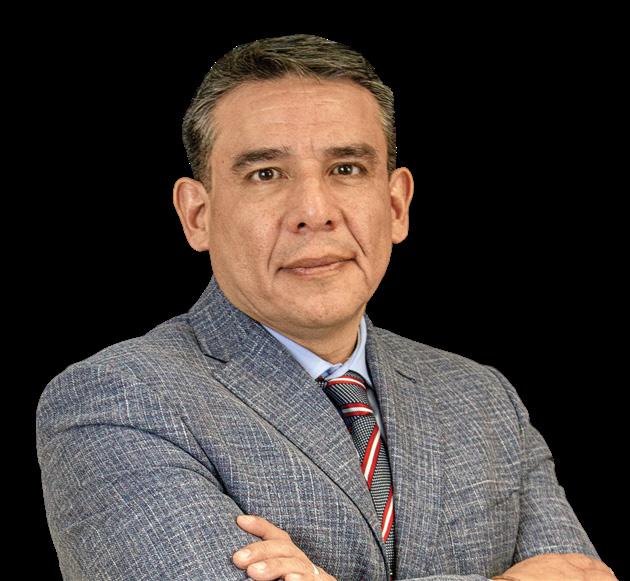
“The TSM framework opened my eyes by providing a guide to not waste time on other things and focus on what mining truly requires. We must focus our efforts on the goals of the industry to deliver what our partners actually require”
René Valle General Manager | MacLean Engineering
harnessing data for sustainability to break down information silos for a complete, holistic view of performance, while capturing essential environmental data, including emissions, energy consumption, and waste management, to provide a comprehensive overview of the environmental footprint.
In this context, technology acts as a key enabler by providing a governed data backbone, modeled after frameworks such as Datamine’s MineTrust, that liberates organizations from traditional silos where environmental, geological, and financial data often live in isolation. By centralizing these disparate streams into a single source of truth, companies can transition from reactive reporting to proactive management, where real-time visibility into resource consumption directly informs operational adjustments.
Furthermore, the deployment of on-site renewable energy and transition fuels is advancing. Liquefied Natural Gas (LNG) is being utilized to manage power baseloads more sustainably. According to data from Solensa, switching to natural gas can present substantial savings compared to other fuels while significantly reducing the environmental footprint through a 65% reduction in Nox, a 30% reduction in Co2, and a 60% reduction in particulate matter emissions.
The role of Data and Future Trends
o ver the next five years, the integration of digital platforms is expected to be a significant trend in the Mexican mining landscape. r ather than relying solely on retrospective annual reports, operators are beginning to use digital dashboards to monitor ESG performance on a day-to-day basis. This digital transformation focuses on
The objective of these technological shifts is accelerated decision-making through strengthened data governance and unified data access, empowering teams to utilize trusted data to boost field operation efficiency. “In the coming years, data integration will allow us to model the complete functioning of a mining operation. Today, we observe significant fragmentation; the data handled by the exploration team is often not the same data handled by those at the plant. Unifying these streams is what will enable us to model how a full mining operation truly functions,” said Elio Cespedes, General Manager Hispanic LATAM, Datamine.
The objective of these technological shifts is accelerated decision-making through strengthened data governance and unified data access, empowering teams to utilize trusted data to boost field operation efficiency.
Furthermore, a truly sustainable mining strategy now evaluates risks, determines preventive controls, and monitors compliance while ensuring robust incident handling and an environmental commitment to protect the broader community. This gradual professionalization of ESG data aims to establish a more stable and predictable environment for the mining industry in
Mexico, where sustainability and profitability are managed as interrelated objectives.
r ené Valle, General Manager, MacLean Engineering, emphasized that the Toward Sustainable Mining (TSM) framework provides a definitive roadmap that prevents equipment manufacturers from wasting resources on unaligned innovations. Valle noted that before these standards, decarbonization efforts were often fragmented and disordered. However, TSM now offers a clear guide to the actual needs of mining partners, ensuring that r&D efforts focus specifically on what the industry requires. “The TSM framework opened my eyes by providing a guide to not waste time on other things and focus on what mining truly requires. We must focus our efforts on the goals of the industry to deliver what our partners actually require,” Valle stated.
Sustainability requires Strong Mine-operator relationships
A truly sustainable mine requires a move away from traditional transactional procurement toward deeper integration between operators and suppliers. Distributors and solution providers are no longer just vendors; they are now architects of compliance and social acceptance. This shift is driven by the reality that sustainability is no longer viewed as a cost, but as a prerequisite for a project’s viability.
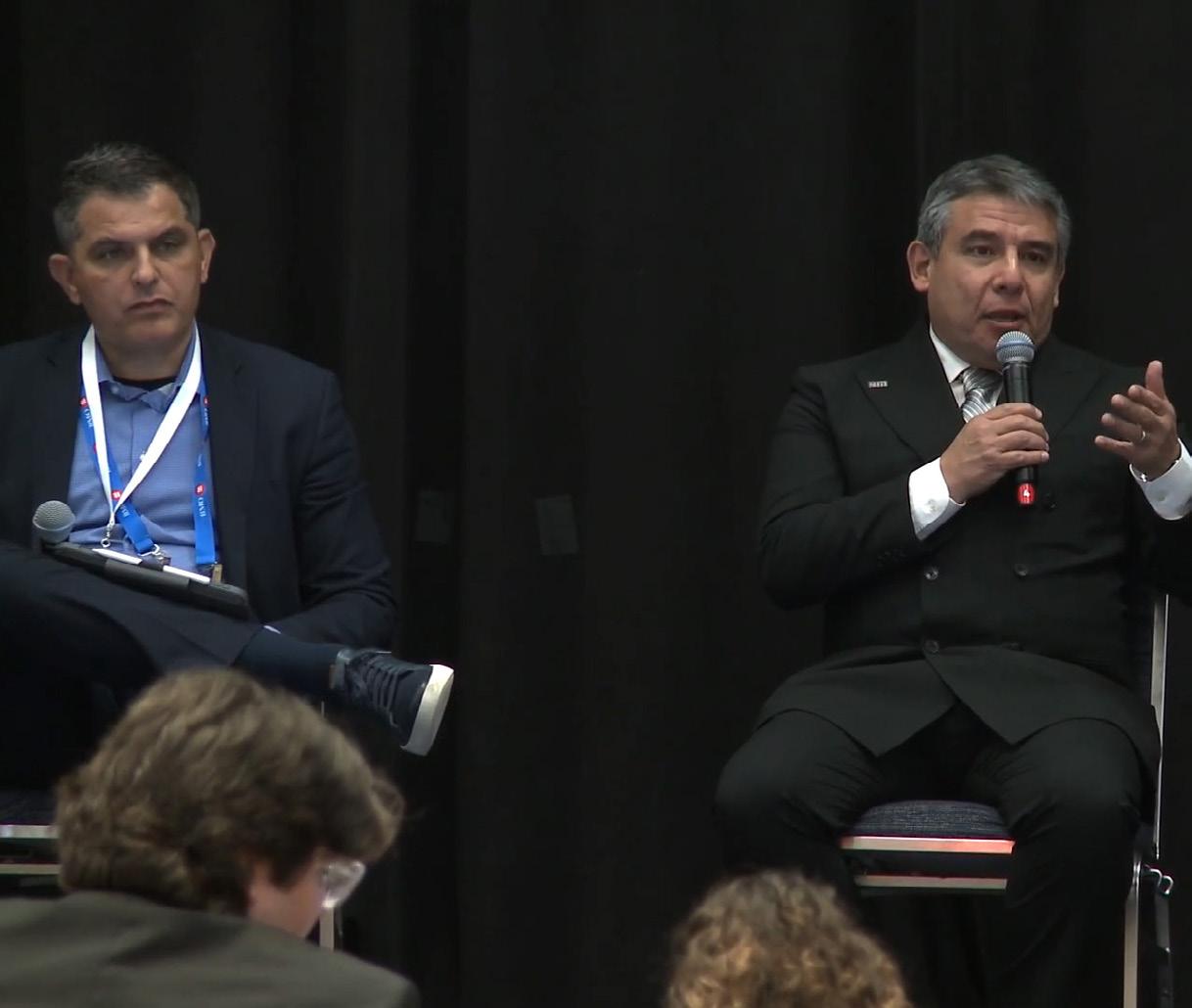
operational success in the modern mining landscape depends on a cultural shift from protective vendor-client relationships to radical transparency. Using his experience with Torex Gold as a benchmark, he emphasized that high-stakes projects require a problem-solution mentality that eliminates administrative friction and ego. “We have to break that toxic relationship where information is given in drips. During a meeting for a major project in Mexico, the leadership at Torex Gold asked for only one thing: to work as a team, focus on problemsolving, and remove the drama. If something is wrong, we must accept it and work together to correct it,” he exemplified.
This deep integration fosters a model of co-innovation and energy-agnostic scaling, where partners develop flexible systems that allow operators to transition progressively from diesel to hybrid or electric fleets as site infrastructure matures. This approach minimizes operational disruption and capital risk while lowering the overall environmental footprint. The most viable strategies are those that can be implemented gradually, rather than attempting a 100% transition overnight. We always identify three paths, starting with the substitution of carbon-intensive fuels for natural gas. While the sector will eventually transition to hydrogen, that is a path we have yet to fully travel and is not currently viable at scale,” Juan Paulo Cervantes, Commercial Director, Solensa, exemplified.
This deep integration fosters a model of coinnovation and energy-agnostic scaling, where partners develop flexible systems that allow operators to transition progressively from diesel to hybrid or electric fleets as site infrastructure matures. This approach minimizes operational disruption and capital risk while lowering the overall environmental footprint.
Experts consider that early-stage involvement is key to better understanding the project and helping it be more sustainable from the beginning. By integrating technology partners and service providers into the prefeasibility and design phases, operators can implement sustainability by design.
Best practices in mine-operator collaborations also involve establishing regional service centers to reduce the lead time for critical components and technical support while implementing unified data access so both parties can use trusted information to improve
field efficiency. Success is increasingly measured through Total Cost of ownership (TCo), supported by financial frameworks where meeting specific environmental targets leads to more favorable commercial terms or interest rates.
TOP EXECUTIVES: CHARTING THE FUTURE OF MEXICO´S MININ G INDUSTRY
Mexico remains one of the world’s most important mining jurisdictions, with abundant gold, silver, copper, and critical minerals, a skilled workforce, and proximity to North American markets. However, 2025 presented complex dynamics: while global metal prices remained elevated, regulatory shifts and political uncertainty tempered growth. Executives highlight the need to optimize assets, manage regulatory tradeoffs, and navigate broader Latin American M&A trends.

“Commodities will always be cyclical and companies have to learn to survive between the good times and the bad. What companies need from Mexico is consistency in policy that allows us to do well through good times and bad. If you tax a project too highly, all you are doing is reducing the size of your ore body, because at a certain point, you have to high-grade your deposit, leaving a significant portion of metals behind”
John McCluskey CEO | Alamos Gold
2025 Market Trends and Investment
Despite operational resilience, investment trends have been mixed. CAMIMEx reported that mining investment in 2024 grew modestly to US$5.063 billion, a 2.1% increase from 2023, as new permits and concessions lagged. The Ministry of Economy projects that once 176 pending environmental permits are approved, total industry investment in 2025 could reach US$7 billion, according to Fernando Aboitiz, Head of the Extractive Activities Coordination Unit.
o n a broader scale, Mexico attracted US$40.871 billion in Foreign Direct Investment (FDI) in 2025, a new annual record and a 10.8% increase over 2024, marking five consecutive years of FDI growth. These figures underscore strong investor interest, even as capital for greenfield expansions remains cautious. operational optimization, near-mine growth, and reinvestment in existing licenses have become critical levers for value creation.
Estimates indicate that 25 projects totaling over US$8.28 billion are under development between 2025 and 2029, with potential to significantly increase gold, silver, and copper output. Producers with established operations can leverage permitting advantages and scale improvements, while junior exploration projects often face regulatory delays.
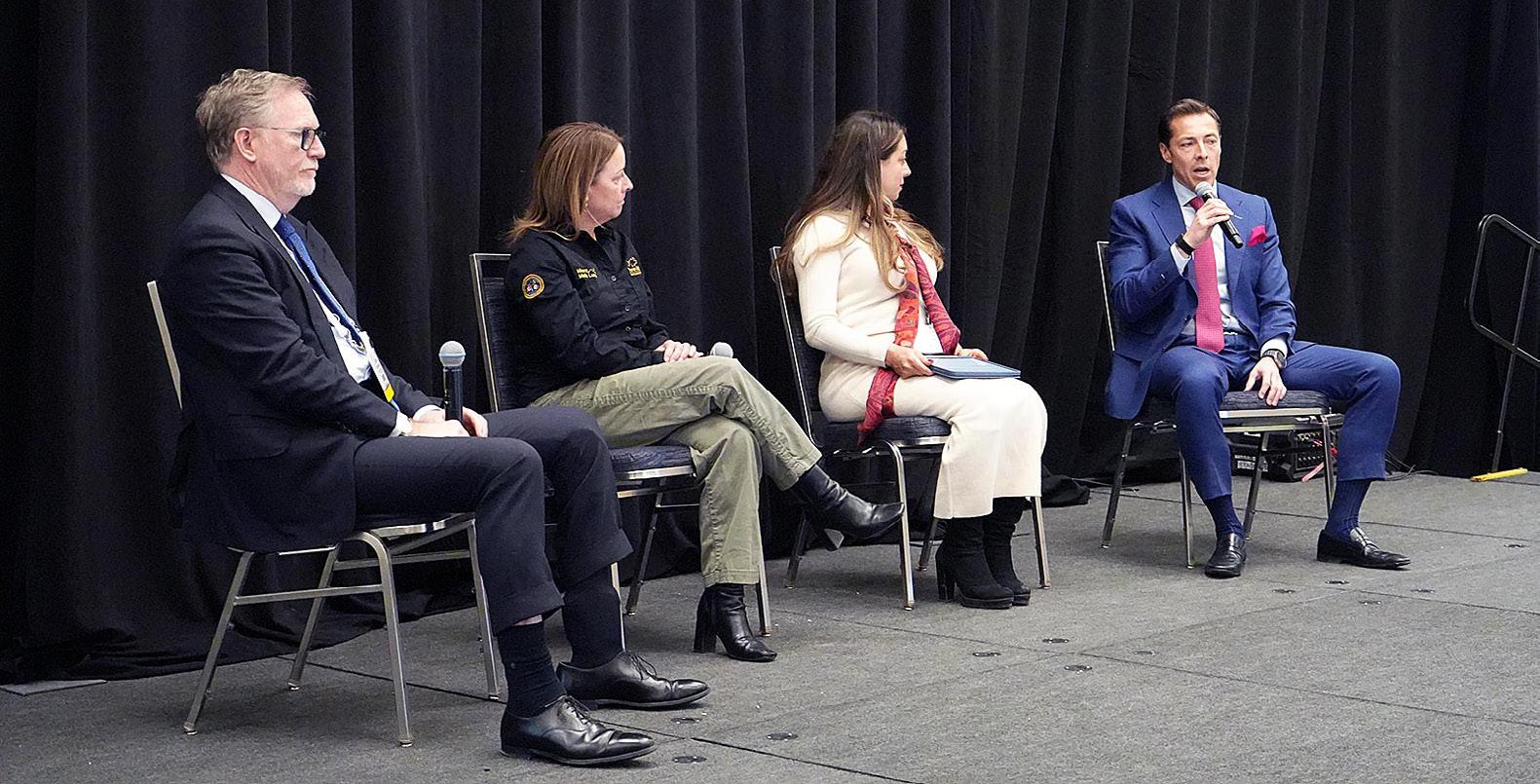
“Capital seeks only a return and uncertainty is the enemy of investment. When asked whether Mexico is investable, I say unequivocally yes. This time last year we were discussing a potential open pit mining ban, a significantly negative policy development , and in a fairly short period of time in government terms, we have shifted to government taking steady steps to improve the investment context. When government and the mining industry come together and develop a deep understanding of one another’s issues, that is when we do it best,” said Jody Kuzenko, CEo, Torex Gold resources Inc.
Precious Metals Prices: opportunities, Volatility
The strong performance of precious metals has been a major driver of profitability for Mexican miners. In 2025, gold averaged
roughly 63% higher for the year, reaching a peak near US$4,480/oz, while silver experienced one of its strongest years on record, rising more than 144% to nearly US$75/oz by year-end. Elevated prices increased revenue and free cash flow, enabling producers to reinvest in exploration, process optimization, and near-mine expansion.
Despite these gains, the market remains highly volatile. Geopolitical tensions, interest rate fluctuations, and global economic uncertainty have caused gold and silver prices to fluctuate within individual months, highlighting the risk companies face when planning long-term investments.
For Mexican miners, the combination of high prices and market volatility underscores the importance of disciplined capital allocation. Established operations are best positioned to adjust production schedules, optimize costs, and implement hedging strategies, mitigating the impact of short-term swings. Smaller or greenfield projects, meanwhile, remain more vulnerable, particularly when coupled with regulatory delays and higher upfront capital requirements.
“Commodities will always be cyclical and companies have to learn to survive between the good times and the bad. What companies need from Mexico is consistency in policy that allows us to do well through good times and bad. If you tax a project too highly, all you are doing is reducing the size of your ore body, because at a certain point, you
have to high-grade your deposit, leaving a significant portion of metals behind,” said John McCluskey, CEo, Alamos Gold.
Mining Challenges: regulatory and Political Context
on the side of regulation, the 2023 reform to the Federal Mining Law reduced concession terms from 50 to 30 years, imposed stricter environmental and social requirements, and formalized reporting obligations and grounds for cancellation. In February 2026, the government recovered more than 1,200 concessions due to non-compliance with fiscal or reporting obligations, including 713 in Natural Protected Areas, illustrating stricter enforcement.
While digital modernization of permitting systems has reduced backlogs, uncertainty remains around royalty adjustments, concession policies, and environmental compliance.
Companies with fully permitted projects now benefit from a permit moat, allowing faster economic returns compared to explorationstage operations. o perational execution, including securing approvals, managing water and energy logistics, and maintaining community engagement, remains the cornerstone of sector performance.
“We are at a critical and opportune crossroads to center ourselves on the world stage and provide the world with the critical minerals required for the energy transition. In 2026, at
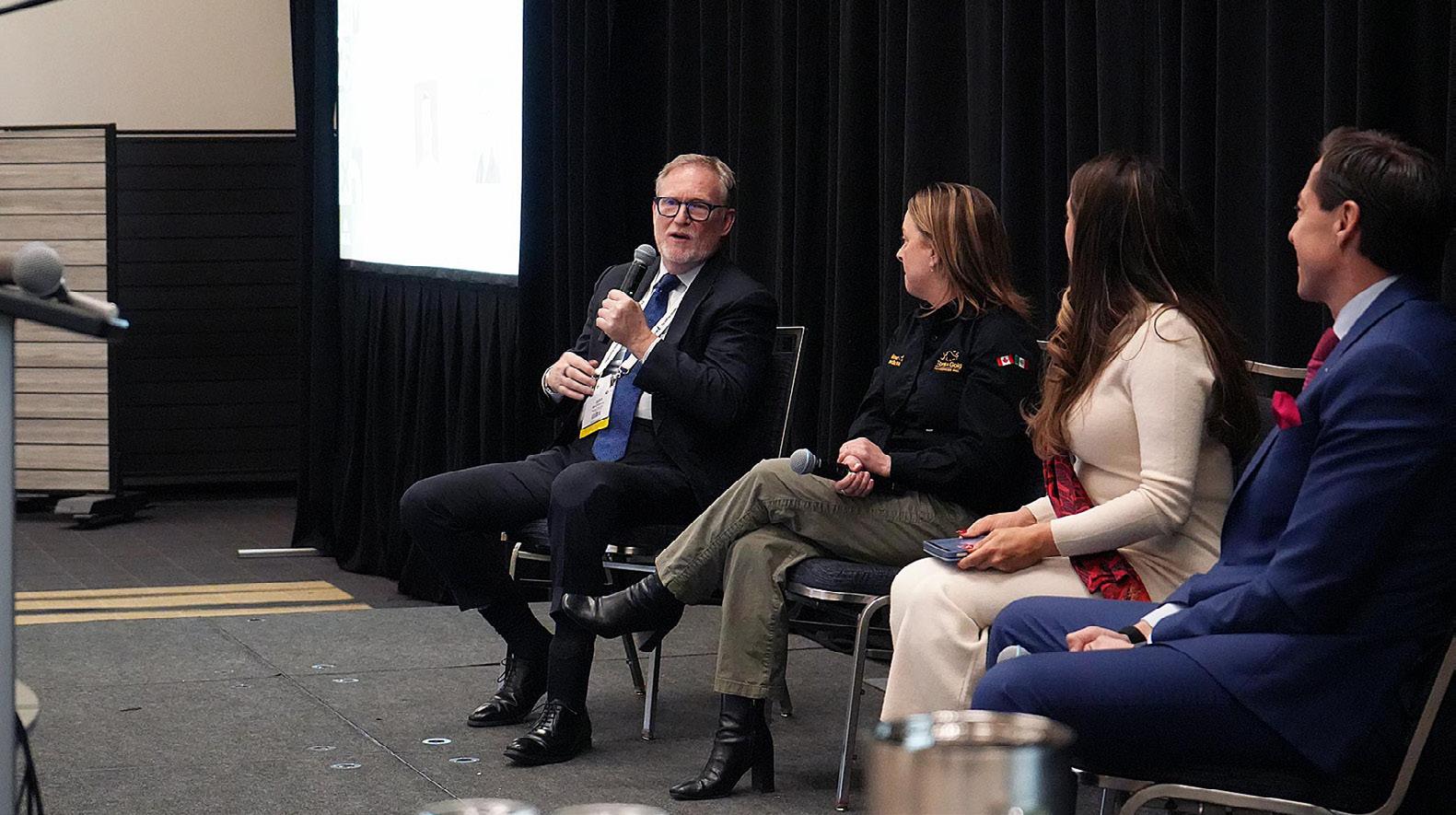
spot prices today, we will generate US$700 million in free cash flow. The opportunity now is to allocate that capital in a way that creates growth, contributes to the economy of Mexico and Canada, and betters society. Mining underpins every single facet of modern society, the more we communicate that, the better off the industry and our countries will be,” said Kuzenko.
outlook for 2026
Success in 2026 will hinge on operational efficiency, regulatory navigation, and stakeholder engagement. Mines with strong production, integrated ESG strategies, and clear strategic positioning are poised to capture value in a competitive environment.
Mexico’s combination of resource potential, investment inflows, and regulatory evolution reinforces its role as a critical global supplier of minerals while highlighting the sector’s increasing focus on compliance, transparency, and sustainable practices.
“I truly believe the country is moving in the right direction and that all the latest events are forcing us as an industry to do things better. Six years ago, we made the decision to acquire as many assets as we could because mining was for sale, it had been the worst-performing sector for almost 17 years. We went in with the understanding that as Mexicans, we had an incredible opportunity to do things differently. For 2026, this is the
year we want to consolidate our operations and blend cultures in a way that allows us to deal with the in-country challenges in the most efficient way possible. The best asset we have is our people,” said Javier reyes de La Campa, Founder,Luca Mining.