
“We
believe public investment is the seed that will allow the country to attract domestic and foreign private investment; together we can build infrastructure projects”
Andrés Manuel López Obrador, President-elect


“We
believe public investment is the seed that will allow the country to attract domestic and foreign private investment; together we can build infrastructure projects”
Andrés Manuel López Obrador, President-elect
President Enrique Peña Nieto’s term wound down in 2018, after six years that greatly impacted the country’s infrastructure industry and sustainability drive. Peña Nieto was able to position Mexico’s thriving industrial, tourism and real-estate sectors globally while also successfully launching the construction of the New Mexico International Airport (NAIM). The country demonstrated its attractiveness to international investors not only for real-estate developments but for transport and social infrastructure through the stock market and the establishment of PPPs. As the year ends, Peña Nieto will hand over a stable economy with many challenges but even more opportunities to boost the country’s infrastructure competitiveness, one of the areas successor Andrés Manuel López Obrador has prioritized.
2017/18 also saw an abundance of uncertainty, with global trade friction rattling investors and the Mexican presidential election itself impacting project progress. Meanwhile, verticalization and transparency became the industry’s new buzzwords as cities began looking inward to accommodate not only growth but also the quality of life demands of citizens. With a new president waiting in the wings, Mexico Infrastructure & Sustainability
Review 2019 looks at the accomplishments and setbacks of the past year as viewed through the lens of the industry’s top private and public stakeholders.
ALL RIGHTS RESERVED
© Mexico Business Publications S.A. de C.V., 2018. This annual publication contains material protected under International, United States and Mexican Laws and international Treaties. Any unauthorized reprint or use of this material is prohibited. No part of this book may be reproduced or transmitted in any form or by any means, electronic or mechanical, including photocopying, recording, or by any information storage and retrieval system without express written permission from Mexico Business Publication S.A. de C.V. Mexico Infrastructure & Sustainability Review is a registered trademark.
The publisher has made all reasonable efforts to provide accurate information, and the information contained in this publication is derived from sources believed to be true and accurate. However, the information in this publication should not be considered to be complete or definitive, and may contain inaccuracies or typographical errors. The publisher accepts no responsibility regarding the accuracy of information and use of such information is at your own risk. The publisher will not be liable to any party for any direct, indirect, special or other consequential damages arising out of any use of information in this publication. The publisher provides no representations or warranties, express or implied, including any implied warranties of fitness for a particular purpose, merchantability or otherwise in relation to any information provided by the publisher in this publication.
ISBN: 978-1-7328256-1-1
12018 brought the winds of change and in transitioning to a new administration, the infrastructure industry will have to prepare for new players and rules but also for new opportunities. The Peña Nieto administration raced against the clock to accomplish as many NIP projects before December 2018. As Presidentelect Andrés Manuel López Obrador prepares to take office, there is still much uncertainty regarding his infrastructure ambitions.
The country continues to have a hefty US$544 billion infrastructure gap to bridge and the new administration will take on the responsibility of prioritizing and developing the necessary projects that will ultimately boost the economic development of the country, a theme that hampered the industry during the previous as investors and key entities took a wait-and-see approach.
This chapter opens Mexico Infrastructure & Sustainability Review by analyzing the state of the industry left by Peña Nieto to López Obrador. It gathers industry insights directly from the sector’s main public officials and private sector leaders to portray the most pressing needs, opportunities and challenges in the country’s infrastructure sector.

8 ANALYSIS: Year in Review
11 VIEW FROM THE TOP: Jorge Wolpert, CONAVI
12 VIEW FROM THE TOP: Eduardo Ramírez, CMIC
13 EXPERT OPINION: Reyes Juárez, FOA Consulting
14 INSIGHT: Ricardo Díaz de León, ProMéxico
15 VIEW FROM THE TOP: Roberto Martínez, OECD Center in Mexico for Latin America
16 INSIGHT: Ignacio García de Presno, KPMG
17 INSIGHT: Pablo Vaggione, UN-Habitat
2018 marks the end of Enrique Peña Nieto’s administration and welcomes Andrés Manuel López Obrador’s team to Los Pinos. AMLO has already announced ambitious infrastructure projects but before beginning his National Development Plan, his team will analyze the conditions in which it receives the country
Uncertainty hovered over the Mexican economy in the latter half of 2017 and through the first half of 2018, mainly due to the renegotiation of NAFTA, trade-related actions from north of the border and the Mexican presidential elections in July that swept a populist into office. Despite the disconcerting conditions, the infrastructure industry continued to attract private investment although the country still faces an infrastructure spending gap estimated at US$544 billion. With budget austerity tying the government’s hands, it started exploring further options for PPPs, which could prove pivotal as President-elect Andrés Manuel López Obrador takes office at the end of 2018. AMLO, as the new president is known, has already stated his desire to work closely with the private sector to see through his ambitious development plans, all of which bodes well for the sector.
At the city development level, a key word for the industry throughout the past year was verticalization, a trend that became entrenched as the favored building option for cities, with new skyscrapers transforming skylines in major metropolises and secondary cities taking their cue from their bigger counterparts. Transparency was also a buzzword, especially in the wake of the Sept. 19, 2017 earthquake that shook the capital, Puebla and Morelos states, leaving a devastating trail of fallen buildings that resulted in 370 deaths.
Mexico’s cities are understanding that planning is key to regenerating areas that have been allowed to grow haphazardly, such as Mexico City. Rather than look to the outskirts – a past mistake that continues to haunt some of the country’s biggest metropolises – city governments and developers are embracing a more modern urban planning that emphasizes height and density. Gabriel Ballesteros, Partner at Ballesteros y Mureddu, says a strong urban development plan is the first step in reinvigorating cities while also helping authorities keep abreast of changes and predict new needs.
“Urban development plans should estimate how many hectares cities need to regenerate, fill in and expand to better define the incentives and maintain balance. The outcome is a living, compact and working city.” Ballesteros gives two examples of cities achieving this balance, Mexico City being the best. “Mexico City, with all its problems, has done a great job in rescuing, regenerating and reconnecting public spaces,” he says. “It has created the right amount of verticalization.”
Another city working for connectivity and re-planning is Aguascalientes. Other cities Ballesteros highlights include
Guadalajara, which he says has focused on rehabilitating and regenerating urban spaces. On the other hand, Queretaro is an example of what not to do, as Ballesteros argues that it has grown with no planning. Mexico City, for all its recent advances, still requires the development of more urban infrastructure with a growing demand for water and waste infrastructure and mobility options. Guadalajara, Jalisco, is also thriving with growing industrial and agroindustry development and a flourishing real-estate sector leaning toward residential housing. The municipality in the Guadalajara metropolitan area with the most investment is Zapopan, concentrating the commercial and corporate real estate of the state’s growing “Mexican Silicon Valley.” Monterrey, the Sultan of the North, continues to attract industrial development on its peripheries and is developing symptoms similar to Mexico City when it comes to traffic congestion and basic services. The city is expanding beyond its most developed and prosperous region, San Pedro Garza Garcia, to the downtown area in search of better mobility solutions for commuters. It is pushing for higher densification, with a current population of approximate 4.7 million and a density of 108.3 hab/ha.
The country’s emerging urban areas with the highest growth rates between 2010-2015 are the Queretaro Metropolitan Area (2.8 percent), Puebla Metropolitan Area (1.6 percent) and Tijuana Metropolitan Area (1.1 percent). These cities are booming due to automotive and manufacturing industrial development but share the same challenge related to urban
MEXICO'S URBAN POPULATION BY SIZE CLASS OF URBAN SETTLEMENT (million)
BUDGET ADJUSTMENT PLAN (MX$ billion)
Source:
density. Each has a density between 77 and 96 hab/ha, and populations about to hit 2 million people. These cities are looking to increase their infrastructure development to meet the demands of its citizens and not fall into the same mistakes as their megacity counterparts.
Source: Source: CAAM, JAMA, VDA, KAMA, SIAM, AMIA, ANFAC, Automotive News, Data Center
According to INEGI, activity of the construction sector from January to August 2018 rose 1.9 percent in comparison to the same period in 2017. This growth was fostered by strong dynamics within the specialized works subsector (7.7 percent growth), which included reconstruction efforts after the September earthquakes. The private sector construction subsector registered accumulated growth of 2.9 percent through the construction of commercial and industrial real estate. The civil works subsector dropped 6.3 percent during this period due to a slowdown in transport and water infrastructure projects.
Overall, the 2018 forecast for construction GDP was for 1-2 percent growth, according to CMIC. The sector’s activity in 2018 slowed, however, due to the election and resulting change in government administration, project delays and inflationary pressures on construction materials. “At the end of 2017, we expected the construction industry to remain steady, neither decrease nor increase. Nevertheless, the sector experienced a 1.1 percent decrease in comparison to 2016. If the projects that are scheduled for this year are completed as planned, such as the Mexico-Toluca Interurban Train or Mexico City New Airport (NAIM) and housing subsidies continue, the sector could grow 1-3 percent in 2018. If this does not happen, we could see negative numbers once again,” says Alejandro Ruíz, Head of Construction at KPMG in Mexico. PPPs continue to play an increasing role, particularly in real estate with the arrival of new domestic and international entities. In CIMIC’s 2018 Top 20 Construction Companies Ranking, Spanish companies OHL Mexico and Grupo ACS took the first two spots, followed by CICSA, IDEAL and Fibra Uno. In 2012, Mexico’s Top 20 construction companies included three international firms: Grupo ACS, Grupo Aldesa and
Source: CMIC
OHL Mexico, while 2017 featured these, as well as Mota-Engil Mexico and Techint Ingenieria y Construccion.
Since 2016, the real-estate sector has kept the construction industry busy as private sector investment in the commercial, residential and corporate segments boomed throughout Mexico’s developing cities. 2018 was a good year for housing in the country as local governments embraced the 2014 National Housing Plan. Real estate was the industry’s most active segment with a focus mostly on urban areas. The National Housing Plan stipulates the construction of vertical and more compact cities. With the 2016 amendment to the Human Settlements Law, public entities received the basic norms and management tools to organize the development of their territories and human settlements. The results of these policy changes were felt in full in 2017 as local governments adopted these changes in policies and began modifying zoning permits to design more livable cities and bring people back into the city centers. The main trend observed, particularly in urban areas, was the development of multifamily rental housing. “There is a requirement for 40-60 percent more houses because people are living alone or with roommates,” says Eduardo Orozco, former Country Manager of Greystar. Although housing development increased, most of the homes being constructed are within the middle-residential plus sectors, when the main housing deficit exists in the lower income segments. The highest demand in 2017 was in the State of Mexico, Jalisco, Nuevo Leon and Mexico City. “CONAVI is also striving to promote social housing verticalization though subsidies for over 8,000 families that will buy apartments in city centers,” says Jorge Wolpert, Director General of CONAVI.
After housing, commercial real estate received the most investment in 2018, especially in relation to mixed-use developments. Given land scarcity and changing consumer trends, real-estate players are looking at these projects to increase their returns and create a bigger impact on their surroundings. Overall, 857,360 m2 were added to the national inventory in 2017, mainly in the ZMVM, Bajio and northern
regions. The 2018 inventory is expected to reach 1.8 million m2, 300,000m2 of which will be developed throughout 2018, according to ADI, through projects such as Mitikah, Parque las Antenas, La Isla Merida, The Harbor Merida and Explanada Puebla.
The industrial sector, meanwhile, faced uncertainty as NAFTA was renegotiated although the USMCA deal that replaces the previous FTA has somewhat settled the air. Although the new deal must still be ratified by all three countries, industrial entities are turning their attention to logistics and warehouse development for e-commerce players. “There was a great deal of uncertainty related to NAFTA and the 2018 presidential elections and nobody knew how the real-estate market would perform. While uncertainty can lead investors to postpone decisions, markets have behaved more or less the same as in 2017. Growth in consumer sales has decreased slightly but demand for distribution centers is still highly dynamic,” says Luis Gutiérrez, President Latin America of Prologis.
Both public infrastructure investment and the number of public works projects declined throughout 2018, as the outgoing government concentrated on placing all efforts on its foremost priorities. Enter the private sector, which helped cover the declining budget as the government pushed for the development of more PPP projects. Peña Nieto’s administration embraced PPPs to bridge its financial gaps and began exploring applications in different subsectors. During 2018, SCT, along with BANOBRAS, tendered maintenance, operation and rehabilitation (MROs) projects for various roads throughout the country to ensure the quality and safety of the network. PPPs were also used to develop new ISSSTE and IMSS hospitals and to address issues in the water and waste sector. According to the World Bank, in 2017, Mexico attracted its highest level of private investment in infrastructure in the last 25 years with US$8.6 billion and was one of the Top Five infrastructure investment destinations in Latin America. “Years ago, approximately 5 percent of the GDP was destined to infrastructure development. Right now, the government is only investing 2.8 percent of GDP, which totals MX$625 billion for the construction of public infrastructure. Private works have increased in the last few years and it is predicted that MX$2 billion will be invested by the end of 2018,” says Eduardo Ramírez, National President of the Mexican Chamber of the Construction Industry (CMIC).
In terms of investment destinations, the infrastructure and realestate segments have grown more attractive to international and national investors, especially through the BMV and investment coming in from Afores, according to Gutiérrez. “New financial products such as CKDs, Fibras and CerPIs are channeling Mexican savings to the construction sector and
this will continue,” he says. As of October 2018, there were 11 Fibras, two CerPIs, three Fibra E’s and 73 CKDs in the BMV. Mexico also welcomed its second stock market in 3Q17, the Bolsa Institucional de Valores (BIVA) to provide SMEs with more access to the market and for Fibras to continue growing their portofolios.
Among the most representative of Peña Nieto’s projects, the two emblematic developments that will be inherited to the incoming administration are the Mexico-Toluca Interurban Train and NAIM, both still under construction. The Mexico-Toluca Interurban Train has been delayed due to constant battles for rights of way in the La MarquesaObservatorio segment, not only setting back deadlines but also increasing construction costs. Work at NAIM is advancing. The foundation for the terminal building is 65 percent complete while airstrips 2 and 3 are 69 and 52 percent finished, respectively. According to Mexico Evalúa, both these projects have suffered time delays and cost overruns due to a need for more structured planning and a requirement for longer tender assignation periods. As these projects go beyond the sexennial presidential term, AMLO’s administration will receive them with an expected completion date for the Mexico-Toluca Interurban Train in 2019 and a 2021 first-phase completion of NAIM, provided the projects keep their original timelines.
After the 2017 incident related to the Cuernavaca Paso Expressway, when a large sinkhole opened shortly after the official opening, and the September earthquake disaster, both public and private industry players have an increased interest in transparency in infrastructure and real estate development. During 2018, stricter construction regulations and standards were enforced and developers found themselves in the spotlight to ensure the development of safe and resilient buildings and structures in Mexico. According to a consensus among Mexico Infrastructure & Sustainability Review interviewees, the country’s Achilles’ heel for infrastructure development continues to be long-term planning and transparency. “The country desperately needs a long-term planning strategy. Government priorities mean an administration generally creates projects for its own political term only, leaving the country with unfinished projects. Infrastructure gives a country credibility in terms of productivity and competitiveness,” says CMIC’s Ramírez. He adds that the sector must work with public entities to create a longterm infrastructure plan that not only incorporates the country’s needs but that interconnects with the needs and duties of state and local governments. This would in return ensure project continuity, financing and quality of projects developed.
JORGE WOLPERT Director General of CONAVI
Q: What is your assessment of the national housing policy and its impact on Mexicans’ ability to acquire homes?
A: I think we have made significant progress in managing incentives for social housing. We now have a progressive subsidy program whereby, for each MX$1 invested by the government as a subsidy, MX$4-5 is returned to the economy. Our welfare policy applies to people who have a previous mortgage, helping the industry generate more supply and benefiting federal finances as it also represents an investment. Our main objective is to put the lowest income families at the center of housing policies.
In our 12 years of operation, subsidies have become more progressive. The New Housing Public Policy, implemented around five and a half years ago, differs from previous policies as it establishes a territorial view. A new ministry, SEDATU, was created for housing policy to follow an urban development view. By evaluating the successes and failures of our past policies, we were able to focus on two aspects that have had very positive results. First, to make housing solutions more environmentally friendly and sustainable. Second, we have evaluated the quality of the spaces that social housing provides, so houses accompanied by a social incentive have at least two bedrooms, providing a better quality of life to residents. This has proven to be effective so we want to encourage bigger living spaces.
I think it is essential to design specialized programs targeting the poorer part of our Mexican population to give them the opportunity to buy a house or to build one on their own land. Also, we should enable their ability to enhance and extend their existing homes. The self-production model implies self-construction with the guidance of experts helping users build their house on their own land. This subsidy model was put on the back burner, as only 9-10 percent of our budget was allocated to it, but we decided to double it to 20 percent in 2017. The result has been amazing. There was substantial demand and an equivalent supply to ensure our subsidy was progressive.
In 2018, we launched a different model to allow nonaffiliates to buy a house. These people have no savings account in
INFONAVIT and FOVISSSTE and are the largest and most overlooked segment in the country. The next social housing revolution represents the people who need a house and have the human and constitutional right to it. These people have the means and the need but lack access to credit. It is our duty to make sure they get it, which is the legacy that I want to leave to Mexicans. By the end of 2018, we expect to have provided more than 5,000 subsidies under this model and while now it is a special program, we hope that it becomes a mainstay in the future.
Q: What is CONAVI’s shared agenda with developers, constructors, development banks and other public institutions?
A: I believe the development of the national housing policy is a team effort. We are in constant communication with housing developers, banks and financial institutions. This allowed us to provide larger loans, as the average price of a social house varies from US$16,000-US$20,000. The banking system has become more involved in providing credit to low-income and nonaffiliated families. We hope this collaboration will continue in the future to give more Mexicans the possibility to meet their housing needs.
Also, CONAVI maintains a daily dialogue with INFONAVIT and holds a weekly meeting with FOVISSSTE, among other government institutions. I think we are all very well-coordinated under SEDATU, which yields a robust general public housing policy. We work the closest with INFONAVIT, as we focus our incentives on lower-income families. For example, in 2018 we developed a program for the lower income INFONAVIT beneficiaries. Those people who earn less than 2.2 times the Unit of Measurement and Update (UMA) in Mexico cannot afford a house even with INFONAVIT’s credit and our subsidy, so we increased it from MX$67,000 to MX$100,000. We will also add about 12,000 subsidies a year to this program.
National Housing Commission (CONAVI) is in charge of the implementation of the National Housing Law and coordinates financing programs for housing subsidies. It aims to boost the development of sustainable social housing in Mexico
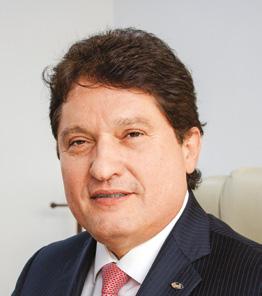
EDUARDO RAMÍREZ President of CMIC
Q: What is CMIC’s perspective of the construction industry in the years to come?
A: CMIC represents over 12,000 construction companies of all sizes across Mexico in 44 delegations. Approximately 95 percent of the companies affiliated with CMIC are MSMEs. One of the main goals of the chamber is to provide these companies with the tools necessary to develop and grow. Micro and small-sized businesses have more difficulty growing and expanding their reach than medium and large companies. We offer constant training to these businesses. Most of these are also extremely interested in public works, but the sector has shown more growth through private investment.
Years ago, approximately 5 percent of GDP was destined to infrastructure development. Today, the government is only investing 2.8 percent of the GDP, which totals MX$625 billion for the construction of public infrastructure. Private works have increased in the last few years and it is predicted that MX$2 billion will be invested by the end of 2018.
Q: What has been the main factor holding back the country’s construction sector?
A: It is very difficult for a country to develop sustainably without implementing the proper planning. The country desperately needs a long-term planning strategy. Government priorities mean an administration generally creates projects for its own political term only, leaving the country with unfinished projects. Infrastructure gives a country credibility in terms of productivity and competitiveness. CMIC believes that the country needs a National Infrastructure Council composed of academics, public and private sector players. Within this council, there should be a planning institute with a certain amount of autonomy in planning, not execution, of infrastructure projects. Most of the planning required for an infrastructure project should pass through this institute.
Mexican Chamber of the Construction Industry (CMIC) represents the interests of construction companies, offering services to promote a highly competitive industry at the forefront of innovation
Government agencies are joining forces to develop this planning structure that will help improve the quality of the transport infrastructure and connectivity of the country. Companies need certainty that they will be able to grow in the future. These companies must be able to prepare themselves, obtain loans and innovate according to what will happen in the future. All construction companies that participate in public works provide 0.2 percent of their profits for training, which has permitted the creation of CMIC’s training institutes.
The chamber wants to invest as much as possible in creating specialized training and teaching institutes for the industry. There needs to be more communication between the different agencies, meaning the water, housing, energy, telecommunications and road infrastructure need to work more closely together. Today, there is no planning that aligns the goal of making the country more competitive through infrastructure development.
Q: What impact will MSMEs have in bridging the country’s infrastructure gap?
A: We want to work closely with local governments to continue promoting the development of MSMEs in the construction sector. If these companies have more work, they can spark a value chain that will not only increase the value of the industry but the economic power of that area. The construction industry creates more than 6 million direct and 2.8 million indirect jobs in Mexico. It is a strategic sector for the country’s growth but planning continues to be a hindrance.
Long-term planning will allow our MSMEs to truly develop to their full potential. For many years, some municipalities acquired huge debts and now the funds they have are allocated to paying off those debts. There is now a financial law that dictates the requisites a government must fulfill before obtaining credit. This will help organize the country’s finances. PPPs are also a ray of hope and will help bridge the country’s infrastructure financing gap. Mexico has complex problems it needs to solve, such as corruption and insecurity, but there are many business owners and citizens who are ready to put their best foot forward.
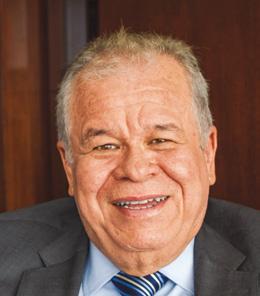
REYES JUÁREZ Director General and President of FOA Consulting
Mexico has always strived to be an economic powerhouse. For years, its growth has been comparable to other developing countries but it has faltered and its full potential has yet to be unleashed. Mexico will be among the Top 10 economic powerhouses in the years to come but how can it achieve this with such low levels of infrastructure development, ranking 62 of 137 in competitivity? The infrastructure that exists in Mexico does not match the potential power of the country.
The reasoning behind this chasm between economic growth and infrastructure is that Mexico has not established infrastructure as an implicit long-term policy. For centuries, the country has developed six-year infrastructure plans that align with the presidential terms and not beyond. The complex nature of infrastructure makes it difficult for the president who develops the plan to actually finish it in just six years. A good example of this is NAIM, which is a project that no matter what, could not be finished in one term. The country should remove this six-year restriction on planning and look to the future. Projects should be prepared with anticipation; they should be well thought-out and wellcrafted so they are attractive for any type of investment. Ultimately, it does not matter whether it is the public or the private sector that carries out the project but that the project is pertinent, solves a problem and adds value to the country.
Infrastructure directly impacts the quality of life of its citizens. The Durango-Mazatlan highway was an incredibly difficult project to complete as it splits the Western Sierra Madre into two. Nevertheless, the benefits outweighed the challenges and once it was completed, it cut down transportation times from six to two hours. Interconnecting two once-isolated areas not only cut down travel times, it awoke activities that were dormant as a result of the isolation. The local economies grew and this was reflected by the boom in real estate development in those areas. For the country to reach its full potential, it needs to realize that infrastructure has the power to facilitate the development of activities that will boost the economic growth of the country. Its multiplier effect will benefit us all.
The government no longer has to do this on its own. Infrastructure is a good business for investors and now with a larger participation from Afores in the sector, the possibilities continue to grow. Pension funds feel comfortable with infrastructure as it matches their longterm investment requirements. Project financing will always be jeopardized by ejidos and rights of way but these challenges only represent areas of growth for companies to improve their communication channels with communities and involve society in projects.
But investors do not want to hear the announcement of one or two projects. They want to see 100 or more new projects in Mexico. It is only then that they can decide to set up offices in Mexico and make a long-term commitment to the country. Certainty and transparency among developers, investors and society are key to boosting the infrastructure industry. If the country can ensure these two factors, it will not only open the market and bring in new players but these players will bring with them technology and innovation that will ultimately transform the country. The industry knows what needs to happen to unleash its power but the private sector continues to be divided. The private sector must raise a unified voice to push the agenda for long-term infrastructure planning in Mexico. If we organized ourselves correctly, the government would pay more attention to the changes that could help us advance as a society.
Countries such as Australia and Colombia have created their own independent entities to oversee infrastructure planning and align the needs and skills of the public and private sectors. In Mexico, however, planning in Mexico continues to be a duty that only the government can execute. The country has taken steps to incorporate the private sector into planning through PPPs and USPs in recent years. USPs were intended to be the private sector’s bridge for the country’s infrastructure gaps that were not included in the government’s plans. In theory, it was a perfect match but in practice it has yet to live up to expectations. USPs should bring in innovative solutions to the market and create healthy competition among players to see who has the best ideas and skills to develop them.
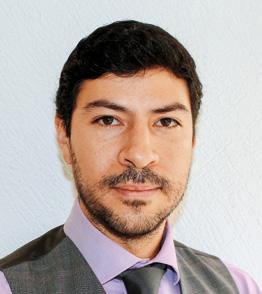
Infrastructure, Mining, Logistics and Tourism Coordinator of ProMéxico
In an industry as broad and far-reaching as infrastructure, neither the public nor the private sector can go it alone. Although the public sector should oversee projects and shoulder risk, the money needs to come from private companies, says Ricardo Díaz de León, Infrastructure, Mining, Logistics and Tourism Coordinator at ProMéxico. “For ProMéxico, it is crucial to attract companies and to have them invest,” he says. “The private sector should carry the financial weight of infrastructure project development and integration, and PPPs enables them to do so.”
The Telecommunications Reform gave way to the first telecom PPP in México, a project worth US$7 billion. The Shared Network is an initiative to eliminate Mexico’s telecoms monopoly and generate competition in the country, allowing more companies to enter and services to improve. Altan Redes was awarded the 20-year concession to build and operate the 700MHz band, while both Telefonica and AT&T secured control of the 2.5GHz band. “The Shared Network is not a finite project. It is the base to develop and integrate other services into society,” Díaz de León says.
Prior to 2012, the industry had no legal framework for PPPs and before 2017 there was no way of knowing about PPPs prior to their publishing. But in 2017, Bancomext launched the Mexican Projects Platform to catalog the projects to be developed under a PPP scheme. “This platform is a key tool for ProMéxico to better promote investment in public infrastructure abroad,” explains Díaz de León.
Despite the improvement that PPPs and new financial vehicles have seen in increasing private investment and participation in infrastructure projects, he believes there is still a great deal of opportunity. “Unsolicited proposals are an example of a mechanism contemplated in the law that has not yet not being fully capitalized on,” he says. “This is a key area of opportunity as companies are better positioned to detect needs and document them, saving the government the time and costs of the initial phase of mapping infrastructure demand.”
As Mexico’s project financing portfolio adapts more sophisticated mechanisms, some of the most attractive
have debuted on the BMV. Financing instruments such as Fibras, CKDs and CERPIs have taken off, especially for real estate projects. “New financial schemes allow the pursuit of new infrastructure projects. Previously, funding was limited to development banking,” Díaz de León says.
The benefits of greater financial options are reaped not only at an industry level but nationally, according to Díaz de León. “I think these vehicles give way to the development of projects that were hindered before due to a lack of expertise or resources. This not only impacts the infrastructure sector but also benefits the entire economy.”
ProMéxico plays a key role in the country’s economic development, with a mandate to spread information about the country’s investment opportunities abroad. “We are prioritizing the regions that have shown more appetite for construction and infrastructure development in our country,” Díaz de León says. China and other Asian countries constitute a key region for ProMéxico’s outreach efforts. “The Asian market is playing a preponderant role as these countries are looking at the opportunities that Mexico has to offer.”
Díaz de León adds that one problem is that foreign investors often do not know where to start looking. To address this issue, ProMéxico has promotional agreements with other public and private entities such as FONATUR to seek investors for the tourism sector. The tourism promotion fund developed a specialized platform to showcase the land available. “We often have foreign executives who want to venture into the Mexican hospitality sector. Given the growth of the tourism sector, their investment allows the development of niche infrastructure, for example in medical tourism,” he says.
As for the impact the new administration will have on the infrastructure promotion equation, Díaz de León says the country must wait to see how events unfold. “The newlyelected president has spoken about infrastructure projects, which is a good because it means that infrastructure is a priority,” he says.
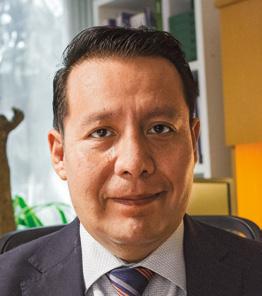
ROBERTO
MARTÍNEZ Head of the OECD Center in Mexico for Latin America
Q: What is the OECD’s view of the presidential election in Mexico and the impact on infrastructure development?
A: Presidential elections tend to pause decision-making and public expenditure on large infrastructure projects. Although financial and political analysts cannot forecast the economic conditions for the year, what we do know is that there are immense projects that are under way and that require certainty regardless of the change of administration.
The OECD has released three reports for the development of NAIM with support from GACM to strategically analyze the governance aspects of this project. We advise the governance of such an immense project where risks must be mitigated to ensure transparency with reference to best international practices. We analyzed GACM’s decisionmaking processes and organizational structure and made recommendations to make sure the federal government supported GACM with a highly specialized team. Because GACM is a public company, it should be autonomous when it comes to making technical and managerial decisions. GACM has complied with the OECD’s recommendations and we are pleased that it has integrated most of our recommendations.
Q: What are the main factors holding back Mexico’s economic growth and what should be done to boost development?
A: It is unacceptable that there is growing inequality across the different regions in Mexico. There is always talk about the Two Mexicos, which have been studied by McKinsey and The Economist, describing how Mexico is split into two. One Mexico is extremely dynamic and is growing and another is poor and lagging. This is something that truly worries the OECD as a structural vulnerability of the Mexican economy. Inequality has tripled between Mexico’s most dynamic and its poorest states over the course of two decades. The ZEEs are a very ambitious proposal to revert this disparity. The next administration may modify or redefine the program, but we believe it is a great way to generate activity in Mexico’s southern regions and boost economic growth.
The OECD has insisted on structural reforms that will generate better regulatory and competitive conditions. The ZEEs program or the already announced infrastructure programs of the incoming federal administration must create favorable conditions to attract investment in lower-income regions of Mexico. This implies a longterm commitment and requires coordination between Mexico’s industries. In particular, logistics infrastructure will play a vital role in the development of these zones and it cannot operate well if security is not ensured. The OECD recommends not only the improvement of logistics infrastructure but also the development of energy infrastructure, which means that the government must have a greater fiscal capacity.
Q: How can Mexico improve its fiscal capacity to fund much needed infrastructure projects?
A: At one point, 11 percent of Mexico’s GDP came from tax collection, which was one of the lowest levels in the OECD. There has been an improvement in how much the country is collecting, which was 17 percent of GDP in 2016, but the country undeniably still needs to improve tax collection. The return on investment in infrastructure is high because not only does it create jobs, it has a pull effect on the supply chain the private sector creates. In our recent report, Getting it Right, we provided all presidential candidates with recommendations for the next six years.
Mexico is among the Top 20 largest economies in the world. To become a leading economy, Mexico’s growth must be more dynamic according to its size. The country’s economy is not growing as it should and its growth rate must be doubled. That also goes hand in hand with higher inclusion levels. The additional growth the country needs must be characterized by greater inclusion, especially of women and the lagging regions.
The Organization for Economic Co-operation and Development (OECD) is an intergovernmental economic organization with 36 member-countries, founded in 1961 to stimulate economic progress and world trade.
Lead
Partner of
Global Infrastructure and Projects Group of KPMG
When PPPs first came to the forefront of the infrastructure industry, they were held up as the cure for Mexico’s infrastructure woes. But according to Ignacio García de Presno, Lead Partner of Global Infrastructure and Projects Group of KPMG, projects must be analyzed individually to know if a PPP is actually the most suitable option. “There are a number of different PPP modalities, from concessions to service agreements,” he says. “All could work, and some better than others. But there is a perception that they can fix everything and the issue is that they were not designed to do everything.”
García de Presno says that people often tend to forget that PPPs ultimately need funding from the public sector. “It is like using a credit card rather than a paycheck,” he says. “The government must decide whether to use a PPP and pay small amounts over many years or whether to pay upfront through traditional public works.” He says that, even then, it is not necessarily the best option as the government also must contribute funds unless the modality is a concession and this is not always possible.
A main problem with the government tendering projects is that it starts with an idea rather than a fully formulated project, García de Presno adds. By the time the developer has won the bid and started construction, several unforeseen issues inevitably arise as a result of poor due diligence and planning. “Ninety percent of the time, the project will begin before fundamental aspects like soil conditions, archaeological and protected land issues and rights of way are properly analyzed, additionally, rule of law and organized crime also interfere with the development of the projects,” he says. “In this regard, the perception of projects consistently coming in late and over budget is wrong; the issue is that the budget was not planned correctly from the outset to cover these fundamentals.”
In terms of planning, he believes this should be done years or even decades in advance. He uses the example of the NAIM airport project, which is scheduled to be completed by 2025. “We should already be thinking about the roads, access and public transport links,” he says. “The problem is that local
leaders like governors and mayors want 100 percent of the credit for projects and they are reluctant to start a process that will be completed under another administration.” García de Presno says the government tends to think it should make its mark and redesign the entire country in just one six-year administration. “The current administration has thought more about the long term, with initiatives like the Energy Reform, which will not reap benefits for many years or the Red Compartida, which will be completed over the next 10 years.” Similarly, the Durango-Mazatlan highway was initiated during a previous administration and was completed under the current administration.
To better stimulate PPP development of infrastructure, García de Presno believes the root that must be addressed is tax reform. “Government does not have the money to spend on infrastructure and the country’s tax structure is very limited,” he says. Instead, Mexico funds its infrastructure development through concessions. García de Presno warns that, while this works for roads, it could not be applied easily to a country like Mexico for public services such as water or waste management. “We need to stop using water as a political hostage,” he says. “Yes, water itself is a basic human right but having it delivered to our homes is not. The dam and purification facilities cost money.” While water concessions are used successfully in Aguascalientes, Saltillo and Cancun, he does not believe this model can be applied successfully in several areas of Mexico City because resistance to pay for the service would be too great.
“Often, countries like the Netherlands are referenced as models because those populations have access to free education, free water and other public services as well,” García de Presno explains. “What is not explained is that, in the Netherlands, the highest tax bracket is 52 percent, while the lowest is 37 percent. This is how these countries can afford to offer better services to the people.” He says in Mexico these examples are used to demand the same system without paying the same levels of tax. “On paper it is a simple discussion but in practice it is very complicated to reconcile agendas across all governments and states,” he says. “But we can start with a comprehensive tax reform.”
PABLO VAGGIONE
Coordinator of the Mexico and Cuba Office of UN-Habitat
For many years, urban planning has taken a back seat on government agenda,s resulting in the uneven growth of Mexico’s cities. But Pablo Vaggione, Coordinator of the Mexico and Cuba Office of UN-Habitat, says that has to change. “Urban planning has been left pending for many political administrations,” he says. “It is complicated to change yet fundamental to re-think.”
UN-Habitat is a United Nations agency that works to improve urban structure and achieve adequate shelter for all. Vaggione points out that Mexico boasts a privileged geographic position between the Atlantic and Pacific and acts as a bridge between North America and Latin America. It has a large population with a young demographic that gives the country all the right tools to become a leading economy. But it all depends on how Mexico uses these features to its advantage. “Infrastructure allows a territory to function and coordinate all its activities, whether they are social, economic or environmental. It is a catalyst for development and can help boost Mexico’s many advantages.”
At the Habitat III summit in Quito in 2016, the 193 participating countries agreed to establish the New Urban Agenda and pledged to live by the Sustainable Development Goals (SDG) to boost the development of more sustainable cities around the world. “There are 17 SDGs, each with their own specific actions,” Vaggione explains. “Two of every three actions within these goals are related to urban, territorial or local development.” These tools were created to help cities make the most of the resources they have.
Many of the issues Mexico is facing are a consequence of its fast urbanization that took place in the second half of the 20th Century, with little or poor planning of infrastructure projects. As a result, Mexico’s cities have grown spontaneously and without much structure but Vaggione stresses that the structural challenges cities face are not the consequence of one particular political mandate. According to Vaggione, eight of 10 Mexicans now live in cities.
Disparities in growth often cause a fragmented vision for cities, in effect limiting productivity and the quality of
life. “The country must adapt a systematic view of how cities should work and create a network of cities within the country,” he says. “Cities should all have a specific role and complement each other if they are to grow as a whole.”
But establishing well-planned cities is little help if they all become islands within the country. Vaggione says they must be interconnected through the development of resilient infrastructure. “A territory works only when it has good infrastructure that is well-planned and is based on a global, state and national vision,” he says. “We are convinced that Mexico will significantly benefit from a new National Infrastructure Plan that considers the needs of not only the individual sectors but of the entire country. A strategic vision and the capacity to identify which projects are essential from an evidence-based approach will determine investments with the highest impact and the least risks.”
UN-Habitat is developing a City Prosperity Index (CPI), which measures infrastructure, quality of life, inclusion and environmental factors that impact the growth of cities. By end of 2018, Vaggione expects to have more than 305 municipalities measured, home to the majority of the Mexican population. “The GDP of the 59 metropolitan areas in Mexico is greater than that of Peru, Argentina and Colombia combined,” he says. “Adding in the number of opportunities in the territory, infrastructure should be taken into account as an investment and not an expense as it will further boost the country’s economic development.”
The UN has found that in general, the countries that have developed sustainably have done so due to a strong correlation between urban development and economic growth. Vaggione explains that Mexico’s current development model involves high land consumption, which in turn increases transportation and mobility costs, as well as social fragmentation. “Low density expansion has proven to be less efficient than compact development,” he says. “Compact urban development should be a priority for Mexico, which is one of the reasons why SEDATU was created. The purpose of the agency was to reconnect land use and housing policies.”

2According to the World Bank, Mexico has more than 125 million people scattered across its 32 states and 2,462 municipalities. With forecasts suggesting 90 percent of the country’s population will live in cities by 2030, the development of sustainable infrastructure becomes a pressing priority.
The automotive, aerospace and manufacturing industries are boosting the development of various states but for secondary and tertiary cities to become more attractive to both national and international investors, essential infrastructure must be developed.
What is certain is that these cities demand transport, logistics and basic infrastructure, such as water pipes and energy transmission infrastructure. 2018 welcomed new governors and municipal presidents with the objective of analyzing the area’s priorities though detailed infrastructure plans. This chapter portrays the state of the infrastructure industry through the eyes of municipal presidents, mayors and governors of the country’s main regions.

22 ANALYSIS: Taxes: The Root of Mexico’s Infrastructure Problem
24 VIEW FROM THE TOP: Miguel Márquez Márquez, State of Guanajuato
25 VIEW FROM THE TOP: Alejandro Moreno, State of Campeche
26 VIEW FROM THE TOP: Francisco García, State of Tamaulipas
27 VIEW FROM THE TOP: Alejandro Zairick, State of Veracruz
28 VIEW FROM THE TOP: Efraín Arias, SCT State Office Queretaro
29 VIEW FROM THE TOP: Ramón Dávila, State of Durango
30 INSIGHT: Alejandra Vega, CMIC Queretaro
31 VIEW FROM THE TOP: Marco Uribe, CMIC San Luis Potosi
32 INSIGHT: Luis Celis, Grupo HH & Asociados
33 VIEW FROM THE TOP: Álvaro Burgos, State of Guerrero
Mexico has a US$544 billion infrastructure gap to fill. While the private sector can help through PPPs, there is another factor that could fill the government’s coffers: taxation. The fact is, Mexico is among Latin America’s lowest tax collectors and the question may be not if, but when this will change
Among the main reasons why infrastructure projects are not being developed at the necessary rate is the lack of government budget to fund them. According to the OECD’s Revenue Statistics in Latin America and Caribbean report, Mexico is among the six countries with the least total tax income in the region. In fact, the Mexican government collects 17.4 percent of GDP through taxation while the average OECD country’s income is 34.3 percent.
Part of the issue is political motivation. Few politicians want to impose new taxes at the risk of losing potential votes, especially at the local level. An example is the country’s property tax, which is often used as a means to invest in the development or improvement of local infrastructure. Municipalities have the right to collect these taxes but according to the Mexican Institute for Competiveness (IMCO), only 57 percent of municipalities carry out property appraisals, representing 0.2 percent of Mexico’s GDP. The average in OECD countries is 1.1 percent.
“Local entities often wash their hands of collecting more taxes so they do not pay a political cost, as is the case of the tenure tax, which they can collect but choose not to,” says Diego Diáz, a researcher at IMCO. According to the UN FAO, tenure tax can be applied to areas such as commercial farmland to encourage the efficiency of the agriculture carried out on the land. “Taxation related to tenure rights is an important source of revenue for central and local governments, and such taxes should be based on appropriate values,” says the organization.
Because there are neither positive nor negative incentives for individuals and companies to pay taxes, many do not pay at all. According to an INEGI study covering 2003 to 2012, 59.8 percent of Mexico’s total population participates in the informal economy, which is responsible for around 26 percent of GDP. According to the Public Account of the Federal Superior Audit, in 2016, tax evasion cost the Mexican economy MX$483 billion, representing 2.8 percent of GDP.
The lack of collection of local and state taxes pushes the states to go further into debt. According to the Center for Economic and Budgetary Research (CIEP), debt of
municipalities and states increased 150.7 percent between 2000 and 2017. Because they are no longer able to take on more debt, these entities look to the federal government for support. A study by Mexico Evalúa found that between 2011 and 2017, states received over MX$260 billion more than the amount approved by Congress in the federal budget.
In 2015 alone, INEGI data states that 86 percent of states’ total income came from the federal government itself, the highest percentage in the last 10 years. But the main mandate of the federal government is to fulfill the needs of the country as a whole, therefore prioritizing federal infrastructure projects and at times placing the needs of small cities and states on the back burner.
Mexico’s cities are growing rapidly and to allow the country to reach its Sustainable Development Goals (SDGs), it should invest US$544 billion from now until 2040. According to the World Bank, Latin American countries on average invest 3.3 percent of their GDP in infrastructure development, while most Asian and Pacific countries invest an average 7.7 percent of their GDP. For Latin American countries, including Mexico, to bridge their gaps, the Economic Commission for Latin America and Caribbean (CEPAL) estimates that they would have to invest 6.2 percent of their GDP annually for eight years. From 2013-2017, Mexico invested US$16.56 billion a year, approximately 1.58 percent of its GDP, according to Global Infrastructure Hub data.
The private sector can help, and it has been more active in the infrastructure sector, having invested over US$12.2 billion from 2013-2017, but there are many projects that must be constructed by the public sector as they are not financially viable for the private sector alone. Among the top areas requiring attention is social infrastructure, such as schools and hospitals, especially as city populations continue to grow. Another sector that is drastically underserved by municipalities and cities is water and waste management, whose social importance make them far more intricate cases. In particular, there needs to be a distinction between what is a right and what is a service, says Roberto Oilvares, President of RELOC and Former Director General of ANEAS. “There is a difference between the right to access water and potable
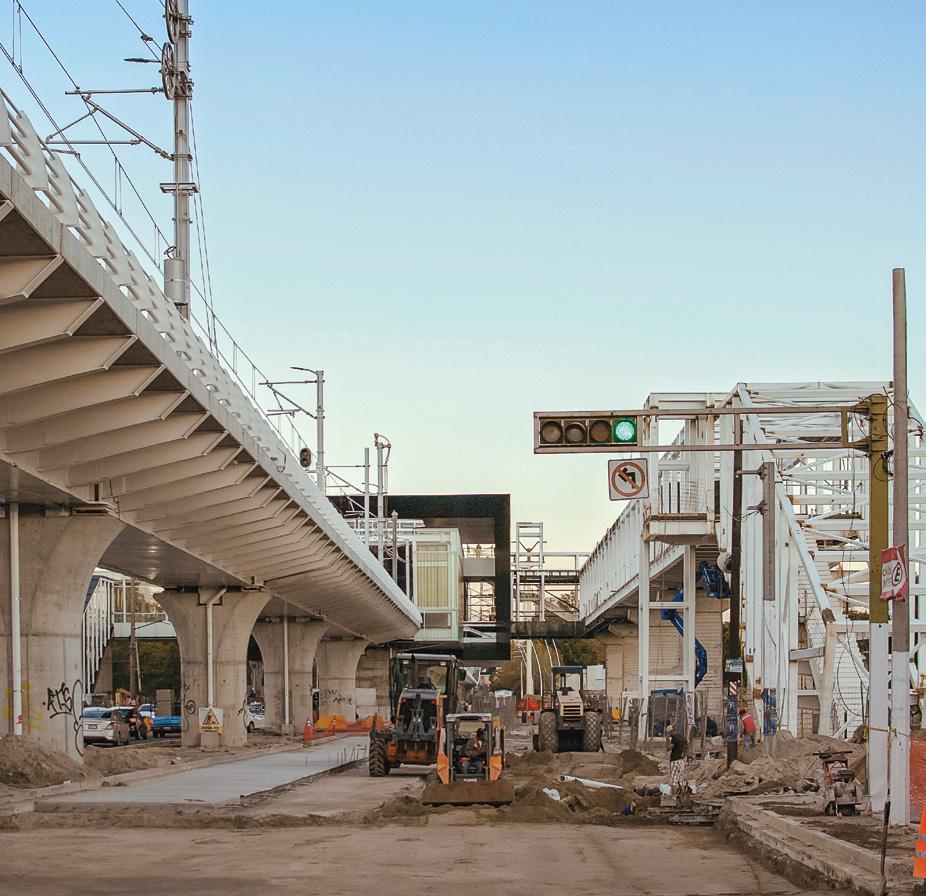
water services as the latter has an economic variable since water infrastructure has an economic value. The focus must be on exploring the possibilities for private participation and association for water services,” he says. According to Ignacio García de Presno, Lead Partner of Global Infrastructure and Projects Group at KPMG, the optimal medium-term solution is PPPs. “The government does not have the money to spend on infrastructure and the country’s tax structure is very limited,” he says.
The fact that 53.4 percent of Mexicans do not pay taxes limits not only the country’s economic development but the construction of the country’s most pressing infrastructure. While 50 percent of the population lives in poverty, many are also informal workers and García de Presno believes incorporating this demographic into the formal economy would be a big step forward for tax collection. More than 57.6 percent of the employed population in Mexico works in the informal sector, generating 22.6 percent of the country’s GDP. According to the National Survey of Occupation and Employment (ENOE), from 2012 to 2015,
the largest increase in informal employment occurred in the construction sector with 350,956 workers. Formalizing the construction sector could have a huge impact on tax collection and provide the government with the money necessary to not only upgrade IMSS, ISSSTE and other public institutions to offer workers better health and education services, but also build better streets, MTS projects and water infrastructure that the country needs.
While countries like the Netherlands are often referenced as infrastructure models for their access to free education, free water and other public services, García de Presno says there is a reason for that. “What is not explained is that, in the Netherlands, the highest tax bracket is 52 percent, while the lowest is 37 percent,” he explains. “This is how these countries can afford to offer better services to the people.” He says in Mexico these examples are used to demand the same system without paying the same levels of tax. “On paper it is a simple discussion but in practice it is very complicated to reconcile agendas across all governments and states,” he says. “But we can start with a comprehensive tax reform.”
MIGUEL
Governor of the State of Guanajuato
Q: What would you consider the highlights of your administration regarding new investment?
A: During this administration, we have consolidated Guanajuato as the biggest automotive cluster in Latin America. We have manufacturing facilities belonging to OEMs such as Mazda, Honda, GM, Ford and Volkswagen, while Toyota will shortly finalize the construction of its new venture in the country. By 2020, we expect Guanajuato will be the main vehicle producer in Mexico and Latin America In terms of FDI, we had projected a total of US$5 billion by the end of the administration but we will close our six-year period with almost US$13 billion in new projects. Consequently, we have had a great impact on the state’s unemployment rate. Guanajuato has recently been among the main states regarding job creation and by the end of the administration, we will have generated 300,000 new positions. In 2017 alone, 62,000 new jobs were created, leading to an average of 50,000 new positions per year.
Q: How are you ensuring continuity in Guanajuato’s investment promotion strategies?
A: Investment promotion is not only dependent on state policies as all the investment projects are approved by a Citizen’s Council. That being said, Guanajuato offers legal certainty above anything else. According to the National Institute for the Consumer, we are among the Top 3 states for contract fulfillment. As a result, companies know that whatever contracts they sign with this administration will stand once the new government arrives. We also offer certainty based on the development plan we have structured for 2040, which helps investors understand where the country will be in the next couple of decades. Lastly, according to INEGI’s latest census, Guanajuato is the region with the least corruption in the country, thus providing transparency in every process a company must follow with the government.
Miguel Márquez Márquez is a Mexican politician affiliated with the PAN party. He has been Governor of Guanajuato since 2012. Previously, Márquez was mayor of the Purisima del Rincon municipality
We expect all these factors will offer the certainty required for investment to continue arriving to Guanajuato after we leave office. We have 100 pending projects to attract new investment to the state, 70 percent of which are oriented to the automotive industry.
Q: Considering the recent USMCA agreement, what is Guanajuato’s position regarding international trade?
A: We are confident that the agreement reached by the government will return certainty to the market. Nevertheless, when negotiations looked precarious, we were prepared for a scenario with or without NAFTA. We know that if NAFTA were to be canceled or changed to a bilateral agreement there would be an impact on our operations but it would also open an opportunity to further diversify those operations.
The CPTPP, for example, opens new possibilities for our products to be exported to Asia and South America. Right now, Guanajuato exports to over 125 countries representing US$22 billion per year when 20 years ago we only exported to three countries representing production worth US$200 million. If we consider this administration alone, we started 2012 with US$11 billion yearly in exports and we have doubled that number. We need to diversify our operations but not compromise the good relationship we have with our North American neighbors.
Q: Considering Guanajuato’s 2040 vision, what advice would you give to the next administration to maintain the state’s growth momentum?
A: Creating and maintaining the trust of new investors should be a priority. Our administration was built on trust and delivering on our promises regardless of the contracts we might sign. Especially in an uncertain environment, the best thing we can offer companies is confidence regarding their investment, no matter what. Furthermore, we must consider ourselves as account managers, which means that we must follow up on any relationship we establish with new investors. We are allies and partners throughout the lifetime of their investment and not just while the plant is being built. Education must also be at the top of the list for the new administration.
ALEJANDRO MORENO
Governor of the State of Campeche
Q: How is Campeche collaborating with the private sector and academia to encourage the industry’s development?
A: Despite the downturn the energy industry has experienced over the last couple of years, it will remain a major driver of economic prosperity and security in Campeche. With over 40 years of experience in the industry, Ciudad de Carmen remains Mexico’s oil and gas capital. We have been working very closely with the private sector and academia to make sure it stays this way. We are aware that with the Energy Reform new operators and service providers will come to Campeche and compete with local companies, and we want to be prepared. Having said this, we are confident that local suppliers have the experience and skills needed to compete with international companies. They will simply need to adapt to the new landscape and the challenges that will come with it.
The Energy Reform requires different minimum levels of local content depending on each contract phase and area. We are working closely with academia to align the qualifications of our graduates with the needs of the energy industry. The lack of English-speaking labor could become a barrier that inhibits locals from working in international companies. To prevent this from happening, we are implementing bilingual degrees at the public universities of Ciudad del Carmen, such as UTCAM. The private sector also plays an important role in developing human capital by creating training programs and using the local workforce and service providers.
The government of Campeche also created the state’s Energy Agency, a decentralized public organism from the Ministry of Sustainable Energy Development with budgetary and operational autonomy. The Energy Agency will manage and promote the development of energy projects in a safe, reliable, profitable and sustainable way to generate new employment opportunities and welfare for the citizens of Campeche.
Q: What are the competitive advantages that position the state as a strategic and stable entity to invest in the short, medium and long terms?
A: Ciudad del Carmen and the city of Campeche were in the Top 10 cities with the highest quality of life in Mexico,
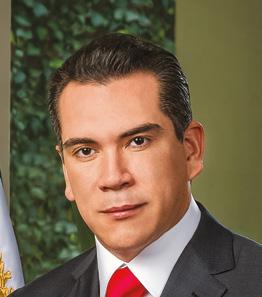
according to the 2014 national quality of life study carried out by the consultancy firm Mercer. The study evaluated 11 criteria: political and social environment, economic environment, labor market, socio-cultural environment, healthcare, schools and education, public and transport services, entertainment, consumer goods, housing and natural environment.
In terms of security, Campeche is proudly one of the most peaceful states in Mexico, according to a 2015 study carried out by the Institute for Economics and Peace and has had the lowest crime rate in the country for the past five years. We understand the importance of safety and security, especially for international companies that come from developed economies and have higher standards in these areas. Among other factors, we have broad energy resources, a young and skilled labor force, a recently modernized and enlarged port, offering a broad supply of services for the oil industry and a privileged strategic location in the Campeche Sound – the country’s most important in terms of hydrocarbons reserves and production. Campeche has a lot to offer to international companies looking to expand their businesses into the southern region of the country.
Q: What is the state doing to consolidate its participation in the federal ZEE program?
A: The state of Campeche is one of the seven ZEEs in the country. One of the main objectives of the ZEE program is the diversification of the economy. As part of this program, we want to generate well-paid jobs, attract investment, generate and strengthen local value chains, promote exports and increase productivity, all with the aim of improving the region’s wellbeing. All of the above will be achieved through a competitive package of incentives that include federal and local fiscal incentives, nonfiscal incentives and public-private funding for the attraction of public and private investments.
Alejandro Moreno is the Governor of the State of Campeche. He graduated as a lawyer from the Instituto Tecnológico y de Estudios Superiores René Descartes. Before becoming governor, he was a federal congressman in the LXIII legislature
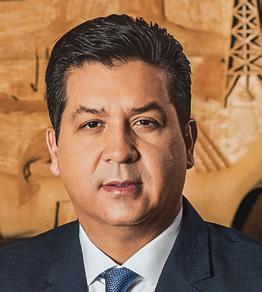
FRANCISCO GARCÍA
Governor of the State of Tamaulipas
Q: What steps have been taken to prepare for peak oil and gas activity in light of the state’s hydrocarbons resources?
A: The federal and state levels should fully commit themselves to capitalizing on the benefits of the Energy Reform. In the particular case of Tamaulipas, we have committed a large pool of financial resources to boosting the industry through measures such as creating a public structure focused on the hydrocarbons industry’s needs and its fast pace. To that end, we developed the Integral Strategy for the Energy Industry’s Development, which includes four guidelines for the state’s government. First, public infrastructure should be prioritized to serve the industry’s activities, particularly the Port of Tamaulipas, which will have an offshore terminal. Second, investment in human talent is required, as is the modernization of our education centers. Third, we should create and consolidate a competitive local supply chain to support operators in meeting their local content requirements. Finally, we need to generate investor confidence. It is important to highlight that preparing for the challenges of the reform’s application has been a strategy for Tamaulipas since day one, as we are confident that this industry represents tangible benefits for our society.
Q: What are the competitive advantages that make Tamaulipas a strategic and stable entity for investment?
A: As business leaders expressed in a survey conducted by the Mexican Institute for Competitiveness (IMCO), Tamaulipas is a state with an unbeatable location. We share a 370km border with Texas, and we have 17 border crossing points, five international airports, a refinery, three ports, natural gas processing plants, 45 industrial parks and a significant pipeline network. We have competitive advantages that turn Tamaulipas into a strategic state and economically sustainable receptor of investments. Moreover, we have a strong supply of human capital,
Francisco García started his political career as a campaigner for PAN in 1999. He was a federal representative for Reynosa, a city for which he would later become municipal president. In 2012, he was elected as a Senator representing Tamaulipas
market structures, specializations, territorial space control, easy access to raw materials and developed transport and telecoms infrastructure.
Tamaulipas has made the most of these assets to stand out as a favorable environment for investment and it is the No. 1 state in capacity creation for the diversification of export products that go beyond oil and gas. There is a wider spectrum of assets that add to the state’s competitiveness levels, such as the presence of suppliers and distributors or fiscal and regulatory incentives for companies willing to settle here. We are also invested in bringing about structural changes to create judicial certainty in deregulation of permits and processing times and a firm commitment to security. The government of Tamaulipas is devoted to governance and legality and works under a reliable business culture with a hydrocarbons industry that has been present for around 100 years.
Q: What is your approach to cooperation and competition among the country’s leading oil and gas states?
A: There are certain criteria set at a global scale to evaluate how investment flows will behave and these include judicial certainty to decrease investment risks, productive projects and transparency in regulations and the legal framework. In Tamaulipas, we have employed a different approach to other states to position ourselves based on our own assets and market conditions. We see our administration as a facilitator and as a strategic partner since we see productive activity, public administration and social benefit as a highly intertwined matrix.
Q: What will be your administration’s legacy for Tamaulipas’ oil and gas industry?
A: The planning and creation of new public infrastructure must always be aligned with the social and economic development of the state. Under this vision, the development of the Port of Matamoros will be one of the pinnacles of this administration, with infrastructure that will stand out as the legacy for offshore services, cost-effectiveness and operational efficiency. This is a result of the port’s strategic location facing the Cinturón Plegado de Perdido area.
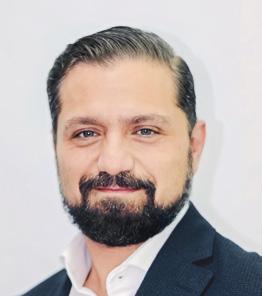
ALEJANDRO ZAIRICK Minister of Economic and Harbor Development of the State of Veracruz
Q: What is SEDECOP doing to position Veracruz internationally?
A: Our local government attended the Offshore Technology Conference (OTC) in Houston in 2017 for the first time since the event’s inception. We wanted to see first-hand the industry’s main players and gauge which ones might be interested in investing in Veracruz. That same year, we launched the Alvarado port project to meet the oil and gas sector’s inherent needs in logistics and supply. Veracruz’s coastline is 750km long and our state’s geostrategic position in the Gulf of Mexico and its valuable oil and gas resources necessitated such a strategic project. Local suppliers in Veracruz also want to know what newcomers will need and under what time frame. SEDECOP is working with them to provide training programs. We are also working with the federal government to develop our supply chain in the oil and gas industry to help these and other companies in the state.
Q: How are federal programs such as the Special Economic Zones (ZEEs) making an impact in Veracruz?
A: In the particular case of Veracruz, it involves Coatzacoalcos, Nanchital and Ixhuatlan del Sureste. These create attractive opportunities for private players in federal, state and municipal taxes. Previous federal programs created a one-stop shop that assisted private players in fast-tracking permitting and administrative procedures at all government levels. This complete package created a pipeline of 15 letters of intent a few steps away from closing. Expectations are high and the interested companies include refineries, liquid storage businesses and offshore services providers.
Q: What is Veracruz doing to ease anxieties relating to community relations and security?
A: Veracruz is dealing diligently with these two particular issues. We are working closely with the Ministry of Interior to address these situations accordingly. The South of Texas-Tuxpan pipeline, a development by TransCanada, is a positive reference in that regard. In most cases, the problems are rooted in misinformation so we are focusing our efforts on creating exchange platforms between corporations and communities to dissipate any doubts and to be part of the solution.
Q: How is Veracruz improving its business platform?
A: To the best of its ability, the government of Veracruz extends a helping hand for companies to set a solid foothold in the market and undergo a seamless process from arrival to the launch of operations. We are working on regulatory improvements to expedite permitting processes and administrative procedures and to make them as dynamic as possible. Our goal is to decrease our 755 procedures and services and to shift toward shorter response times and shortened procedures.
Q: What other stimuli are you offering to newly arriving investors?
A: We are drafting an instrument similar to the ZEEs but at the state level. We are trying to structure what the municipalities can provide in terms of attractive tax rates and other incentives among strategic positions within Veracruz. We are still polishing the inner workings of the instrument. Industrial park developers are also part of this conversation to provide the most effective stimulus instruments possible. We are motivated by the sizable potential they have seen in the state.
Q: What will be this administration’s legacy for Veracruz’s energy sector?
A: We want to set the stepping stones for Veracruz’s effective and efficient development. A fully-functional State Energy Agency will spearhead these efforts and we want to leave a solid foundation for our strategic Alvarado port for the next administration. It will be a critical link in Veracruz’s prosperity chain, considering the oil and gas industry in Mexico exceeds the parameters of any other industry in terms of investments, job creation, wealth creation, social impact and economic growth. It is set to become a major stimulus for Veracruz’s economy and will positively impact other sectors.
Alejandro Zairick has served as Veracruz’s Minister of Economic and Harbor Development since December 2016. He also served as a state congressman in Veracruz’s LXIII Legislature from 2013 to 2016
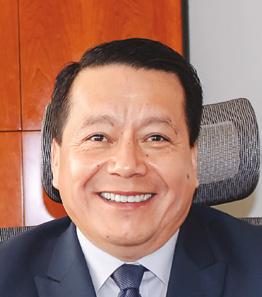
EFRAÍN ARIAS
Director General of SCT State Office Queretaro
Q: What sparked Queretaro’s need for more road infrastructure development in the last few years?
A: Given the state of Queretaro’s fast-growing industries such as aerospace, manufacturing and industrial parks, transportation of goods is important. The capacity of our highways is reaching its limits and that is why we must coordinate with local and state authorities as to what projects should be developed. The only highway that existed 15 years ago was Highway 57, which interconnected Laredo to Piedras Negras. Later, the Palmillas-Apaseo El Grande macrobeltway was constructed to ease traffic on Highway 57. Vehicles headed to the Bajio region would use this macrobeltway to avoid crossing the city. Then the northeast and southwestern Queretaro beltways were created to also ease traffic. These three beltways are the result of the real estate and industrial evolution in the Bajio region. Queteraro sees constant interaction between the federal road network and the state network, and SCT works to follow the trends of how the industry and its needs are evolving in the state.
Q: What new needs has SCT Centro Queretaro identified to boost the competitiveness of its road network and industries?
A: Conservation and maintenance is also an important part of a road network. SCT Centro Queretaro’s role is to optimize resources and distribute them throughout the entire state. Highway 57, for instance, is the main artery that interconnects the state to the rest of the country, but it has reached its maximum capacity. This is one of the reasons why the capacity of the Paseo de la Republica section was expanded to its full capacity to 12 lanes and the QueretaroMexico section is being expanded to six lanes.
Although the macrobeltway has been in operation for only a year, it already has a traffic volume of 11,000 vehicles a day.
Ministry of Communications and Transport (SCT State Office Queretaro) is responsible for the planning, design, construction and conservation of transport and communications infrastructure throughout the state of Queretaro
This beltway should be expanded to 12 lanes but the ROW is complex and it is not possible. The northwest and southwest beltways could also be expanded to increase capacity. The State of Queretaro is also analyzing the development of another circuit toward the Queretaro International Airport.
Q: How are most road and highway projects funded in the State of Queretaro?
A: Most projects are funded through public financing from the Federal Expenditure Budget (PEF). SCT receives an annual budget that it then distributes among the states and to different projects. Nevertheless, the public budget varies greatly each year. Five years ago, we would construct MX$22 billion in federal roadways and in 2018 we were construction only MX$16 billion due to Congress’ policies. Throughout 2018, the State of Queretaro will use MX$1.07 billion to develop the new road network that includes presidential commitments such as Bernal-Higuerillas, Portezuelo-Palmillas and Paseo de la Republica.
When we do have highways that are profitable, the private sector is invited to participate. There are many projects in Mexico that are not necessarily profitable but they are socially important. The country always wants to make sure there is a balance. Each state proposes its projects and the Ministry of Finance approves the resources. In Queretaro we currently do not have PPAs, although our neighbor, San Luis Potosi, has the PPA for the maintenance and conservation of the Queretaro-San Luis Potosi section of Highway 57. The macrobeltway was also constructed under a PPA scheme.
Q: What is the main challenge SCT Centro Queretaro encounters when developing new or improving existing road infrastructure?
A: I believe the country is well-managed and that there are enough monetary resources. I believe that the country does have the financial capacity to construct; there are other factors that are causing projects to increase in costs and time. One of the main problems transport infrastructure projects face is right of way, especially when developing projects for the Mexican highway network. For instance, when a highway is modernized and expanded, the project
may need to adjust its path. Years ago, the modifications were far more modest and roads were constructed with high slopes for a much faster and cheaper construction. Today, many communities are claiming the historical ROW from highways that already exist. ROW has the power to derail a project, especially since now many ejidos do not even have the proper documents to accredit the property.
An example in neighboring Guanajuato is the Toyota manufacturing plant. The company had problems with the ROW for the El Castillo elevated highway crossing. Companies must hire large teams of lawyers and technical experts to obtain the rights. There are communities that are noble and cooperate and then there are many that want to abuse the system. The government allows us to
tender projects if a certain percentage of the ROW has been liberated but projects are forced to a halt when the remaining ROW cannot be obtained. The construction teams must have a great deal of conviction to overcome all of the obstacles that they will face to finish a project.
Environmental permits are also playing a crucial role in the development of highway projects. These permits include not only environmental impact studies but also the change of land use. To obtain a change of land use, SEMARNAT requires that the land purchase be accredited. There are also many laws that hinder progress. For example, to obtain an explosives permit to create a tunnel for a road, the process could take up to more than half a year as it goes through the various entities and levels of government.
RAMÓN DÁVILA
Minister of Economy of the State of Durango
Q: What projects should the state of Durango prioritize?
A: The state has a variety of needs when it comes to the development of highways. We need to finish the highway that leads to Guadalajara. When it comes to electric infrastructure, we need to cover several areas in the state. Industrial infrastructure is also quite important and should be developed throughout the state.
Durango has an aggressive incentive program that is focused on attracting investment for the development of real estate, such as residential developments and shopping centers. We have also examined regulatory processes, streamlining and simplifying them to help attract investment.
Q: How are ZEEs helping boost the state’s economic well-being?
A: Durango would like to be included in the ZEEs or at least to incorporate areas of the state that perfectly meet the program’s requirements. Durango plays an important role in improving Mexico’s competitivity because of its logistically strategic position. The state wants to be involved in the special economic zones and believes that its incentives could help attract significant development to the area. But it is ultimately up to federal agencies to decide what states should participate.

Q: In what ways has the Durango-Mazatlan highway impacted the economic well-being of the area?
A: It has positively strengthened tourism in Mazatlan but the industrial opportunities available at the Mazatlan port were not properly considered when it was being planned. As a result, the government is collaborating with Sinaloa to expand the port. Once it is open, the highway will provide merchandise access to the Pacific Ocean, making Durango an important logistics hub. The port is the entrance and exit to the Pacific Ocean, and the highway is the shortest route from the Atlantic to the Pacific.
Q: How are authorities taking advantage of PPPs?
A: We are starting to incorporate them and we even went as far as changing the state’s legal framework to be able to appropriately take advantage of them. The state is approving projects and finding ways to collaborate with the private sector to develop more. Primarily, we are investing in industrial infrastructure and highways.
Durango Ministry of Economy is in charge of promoting investment and boosting productivity within the state of Durango. The state plays an important role in promoting the development of infrastructure for economic development VIEW

ALEJANDRA VEGA President of CMIC Queretaro
For a state to accelerate its economic growth, it must prioritize public works and real estate, says Alejandra Vega, President of CMIC Queretaro, pointing to the impact on construction in Queretaro as an example. “Queretaro has experienced fast growth in terms of infrastructure development in the last few years and because of that dynamism, we expect the construction sector to grow 8 percent by the end of 2018,” she says.
Manufacturing, automotive and aerospace companies are settling in Queretaro’s industrial areas, creating magnets for employment. This, in turn, has encouraged the construction of university facilities, housing and commercial developments offering services and entertainment. CMIC Queretaro is the Queretaro branch of the Mexican Construction Chamber, representing the interests and needs of the construction sector before the government.
In the last 15 years, Queretaro has grown 29 percent and according to CONAVI, by 2021 the state of Queretaro will have more than 2.18 million inhabitants, of which 1.32 million will live within the metropolitan area. As urban sprawl expands throughout the Queretaro territory, the demand for more public infrastructure has also increased. “Although 70 percent of construction activity is from the private sector and 30 percent from public works, the government announced a historic investment in public infrastructure of MX$19 billion for 2018. We believe that the industry will grow drastically with this investment,” says Vega.
She highlights that the state of Queretaro has already made great advances in the improvement and construction of basic services, such as water, waste management and energy infrastructure. To keep up with the fast pace of urbanization, Vega says the state will need to develop more transport and social infrastructure, and quickly. “CMIC Queretaro has proposed the creation of a Project Bank for medium and long-term development. This will allow the government to be more efficient when managing its resources for public projects, as well as ensuring the continuity of projects,” she adds.
The Queretaro Metropolitan Area is composed of various municipalities so Vega says to create optimal projects, it is crucial that local, state and federal governments create synergies. “The current administration has increased its investment in public works each year. This means that the local and federal governments have been working closely to make the best of their resources,” she says. “We expect to see the same thing with AMLO’s administration.” To boost investment from the private sector, the government has sent trade delegations to other countries to attract investment into various industries, including automotive. “The synergy created by not only the different levels of government but also the private sector has detonated investment in the state,” she says.
Promoting self-sufficiency would increase the value of Queretaro’s construction sector, Vega says. “Creating synergies between governments helps create a solid plan throughout the state but creating synergies between companies and the supply chain will create quality projects,” she says. CMIC Queretaro has entered strategic alliances with 40 material suppliers and various financial institutions to establish more credit lines and access to better product pricing for projects. This allows the chamber to offer financing for large projects and a competitive advantage to the companies that are affiliated with the chamber.
The sector has seen an increase in new SMEs and to ensure they remain competitive in the eyes of new investment, CMIC has developed a program to train its local affiliates and incentivizes companies to invest in training by rewarding those that accumulate the most training manhours. “Whenever we have a project, we promote the companies that invest the most in training,” says Vega.
CMIC Queretaro believes that beyond learning technical skills, construction workers should give back to their communities. The chamber is working with its affiliates to improve and renovate public-school lunch areas. “We want to form a construction sector that is not only competitive but that is also socially responsible,” Vega says.
MARCO URIBE
President of CMIC San Luis Potosi
Q: What subsectors within the infrastructure industry should be given priority by the next administration?
A: The first project that must be carried out is long-term urban planning to cater to city growth. San Luis Potosi’s capital grew based on its industrial zone, but without considering logistics. We must map our growth for up to 30 years with the goal of solving city mobility problems. For example, the San Luis Potosi state government has begun a project to connect the city’s Periférico ring road to alleviate its mobility struggles. The planned investment in 2018 is MXN$1.7 billion and MXN$5.1 billion over the next three years.
CMIC’s role in bringing about the construction of better infrastructure starts by monitoring the three levels of government and encouraging incoming administrations to finish the projects started by the prior one. This highly depends on the relationship between the federal and state parties in power. Differences between political parties should not be reflected in the agenda and yet this has significantly affected the country. For example, if the party ruling a state differs from the federal party, it is likely that the state will have less economic support. This is echoed in PPPs, as private investors need guarantees that their investment will be paid.
Q: What regulations and policies should be improved to boost the country’s infrastructure development?
A: I think Mexican politics have eroded as the existing laws are encouraging corruption and theft of public resources. We lack reliability and legal certainty. Those in a position of political power should have clean backgrounds. This may seem utopic, but we have to have unity and we must build an agreement between our political parties and our representatives so they can govern collaboratively. Federal, state and municipal governments, senators, local and federal congress must be united to secure the investments that each city needs to carry out its infrastructure projects and provide certainty to PPPs. This unity will also give foreign investors the confidence they need place their investments in Mexico.
Q: How are the increasing prices for cement and steel impacting San Luis Potosi’s construction industry?
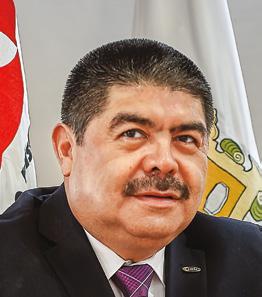
A: This has had a negative impact on the generation of public and private construction projects. This is especially true for cement because it is one of the major inputs for various materials involved in construction. Excessive increases that are not in line with the inflation rate of the country cause a stagnation in large-scale projects because these materials may represent up to 40 percent of the project’s budget. Ultimately, it is the final consumer that pays these costs.
We had a disagreement with CEMEX in 2017 that was rooted in the significant rise of cement prices. If CEMEX increases prices other suppliers are likely to do the same because it is a key player in the cement producer market. This significant rise meant many businesses started seeking to import cement alternatives. Foreign companies can help the market become more competitive, but they need to organize their distribution chain first to be able to serve the market. Ultimately, we resolved our differences with CEMEX and it is likely that cement prices will not increase significantly.
Regarding the impact of cement and steel prices on the development of infrastructure, there is an agreement between the Ministry of Economy and the president’s office to keep commodity prices steady and avoid a negative macroeconomic impact. Price fluctuations have a direct impact on tender costs of constructions and in the bidding presentation. If a project were won based on a specific budget and then the price of materials went up significantly, the builders would have to apply for an adjustment of costs to absorb the increases. In the case of developers of social housing, adjustments could not be made to projects in process, because by increasing the costs the price of the property exceeds the affordable level for the target demographic. This means these developers must absorb this difference. They can either see diminished profits or cut variable costs.
CMIC represents the interests of construction companies, offering services to promote a highly competitive industry at the forefront of innovation that incorporates social responsibility and technological innovation
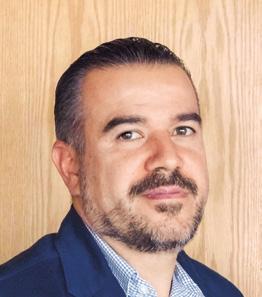
LUIS CELIS Director General of Grupo HH & Asociados
A PPP is like leasing a car, says Luis Celis, Director General of Grupo HH & Asociados. “The buyer has two options to acquire it: paying up front or using credit.” Although the use of credit will always be more expensive due to interest, leasing has been widely adopted, and Celis says the same can apply to PPPs. “There has to be an analysis of affordability and an instalment plan, including defining which kind of car can be bought.”
The Mexican consultancy specializes in PPPs, while assessing project pre-feasibility and impact studies. Continuing the car analogy, Celis says it is not only about the purchase, it is about having the funds to keep it running in perfect condition, and the same is true for infrastructure. “Unfortunately, there is also a lack of resources for maintenance,” he says, as most government resources are allocated to current expenditure and infrastructure investment often takes a backseat. “So, a five-year-old building looks much older due to a lack of budget for upkeep and maintenance staff,” Celis adds. “The private sector handles this better. Through a PPP, the government can rely on private sector experience and services for the construction and preservation of its infrastructure.”
Although there are infrastructure demands across all sectors, such as roads, hospitals and railways, Celis says PPPs are not suitable for all and should instead be tailored. “The existence of this scheme does not mean that all projects must be carried out in the same way,” he says. “Each has a different need according to its location and context.”
Although he believes PPPs can help bridge the infrastructure gap, Celis acknowledges that working with the government can be demanding for the private sector as it can imply last-minute changes and other restrictions. He gives the example of The Victoria Hospital, which was planned for a specific location and when about to be tendered, its site was changed. “Today the building is not as productive as planned,” he says. “We are convinced the PPP scheme works but when political or economic
interests are prioritized above planning and decisions are rushed, projects are obstructed.”
Another example of politicization hindering top-priority projects is a bio processing plant in Mexico City, which was designed to process urban waste that is currently disposed of in Morelos and the State of Mexico because there is no landfill site in Mexico City. “A week without collecting waste can fill the Zocalo and a month, the Azteca Stadium,” Celis says. “But the government is not willing to invest one more peso than what it currently pays.” He adds that the energy that this plant would generate could power the 12 Metro lines, saving money. But its tendering was temporarily suspended. “This plant is very much needed but I do not know if it will be completed,” he says. “It is currently politicized beyond the real benefit it would yield to the city.”
Grupo HH & Asociados is participating in the tendering of the Observatorio-NAIM express train. “We can frame the financials of the project and contribute in the judicial and technical phases,” he says. “It is a challenging project and we were entrusted with the urban and environmental impact study.”
For a project undertaken in such a densely populated area, the main challenges are to plan appropriately and to an adequate timeline. “Each project has its timeline for construction, procedures and socialization, to mention only a few. NAIM’s train is a project with multiple factors to consider simultaneously so it can be delivered efficiently and on time,” he says.
The firm also participated in a PPP in Puebla, bidding for the remodeling of two hospitals and two outreach clinics through a financed public work in which the investor funded the rehabilitation of the buildings and is now receiving monthly income from a four-year scheme. “The project was well-planned and generates an income for the investor, so it was concluded on time and to a high quality.” Celis says this is the perfect example of how a PPP should work and the case should be replicated in other states.
ÁLVARO BURGOS
Minister of Economy of the
State of Guerrero
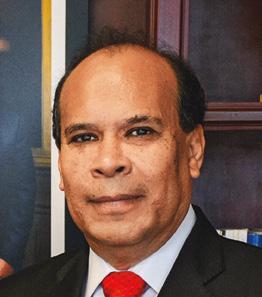
Q: What investment agenda is the Ministry of Economic Development pushing for Guerrero’s infrastructure development?
A: For Governor Astudillo’s administration it is important to increase investor confidence in Guerrero. We want investors to see the local government as an ally that aim to provide legal certainty. The hospitality real estate sector is attracting significant investments, especially in Acapulco and Zihuatanejo, which carries more jobs creation. To contribute to this investment boom, we are working with other government institutions to enhance security. For example, The New International Airport of Acapulco was recently inaugurated. This infrastructure allows the state to increase its tourism supply and logistics. Previously, Acapulco only had eight flights available; today, it has more than 20 national flights and international arrivals from the US and Canada. We are also fomenting the arrival of cruise ships to the state, with 35 arrivals in 2018 compared to six before. Zihuatanejo has also experienced significant growth due to tourist inflows and the development of the Costa Grande Highway. We want to renovate its tourism area, which includes the Pescador Promenade, to provide a better and safer image.
One key project for the state’s infrastructure is the modernization and expansion of the highway that connects Coyuca de Benitez with Acapulco, providing traffic relief for visitors to the state. Also, to attract more tourism from Puebla, the Siglo XXI road is being expanded to connect it with El Sol highway. For this endeavor, the state is also investing in the creation of several roads, such as those from San Marcos to Ometepec or from Tlapa to Puebla. We are convinced that this kind of infrastructure investment will enhance the development of Guerrero’s communities. Regarding the financing of all these projects, main highways are being developed with federal funding, while local investment and minor projects are being carried out by the state government through its Ministry of Urban Development. It is remarkable that most of the companies constructing and developing are local, so we are giving our executives the chance to grow their companies and create more jobs for the state under the coordination of CMIC Guerrero.
Q: What is the ministry’s assessment of the ZEE implementation in Guerrero and how is it contributing in this process?
A: Guerrero is within the Lazaro Cardenas and La Union ZEE, so we are closely working with the government of Michoacan for its development to better capitalize on the potential that the Lazaro Cardenas Port provides both states. The ministry is also collaborating with ZEE and World Bank representatives, among others, to install a one-stop window so companies can obtain all permits required across all three levels of government in one place, simplifying the process and improving response times. I think that any challenge related to the implementation of ZEEs will be overcome as all government levels and other involved players have the best will and disposition to push the project. We are waiting for the definition of the final polygon for the Lazaro Cardenas and La Union ZEE and hopefully, companies will be able to start investing and operating in 2019. We already have an estimated initial investment of US$2.5 billion.
Regarding the infrastructure for developing the ZEE polygon, the ministry is promoting the International Airport of Zihuatanejo to improve the area’s logistics. I also believe that as the ZEE is developed, it will demand the infrastructure that it requires to keep growing. We are confident that ZEEs will contribute to developing lagging states such as Guerrero. Their inherent purpose is to bridge the development gap between the northern and southern states, helping to fight poverty in the state.
The ministry is working with a consulting firm on the creation of a pilot program to train SMEs, especially from La Union and Zihuatanejo, to become suppliers of the industries that will be established in the ZEE. There is a great deal of international interest in the ZEEs project.
Guerrero Ministry of Economy aims to be a change agent in the national economy, to enhance Guerrero’s competitiveness and improve income and citizen welfare levels in a sustainable manner

Mexico’s water and waste segments faced challenges between 2013 and 2018. Although the NIP followed CONAGUA’s 2030 Water Agenda, projects such as Monterrey VI, East Drainage Tunnel (TEO) and the Zapotillo have yet to be completed and some are under revision once again. The construction and maintenance of water and waste projects through PPPs is controversial despite the scheme’s potential to address the countries water issues, even with a smaller budget for 2018.
According to SEMARNAT, Mexico has 447.26km3 of natural water availability on average per year, more than most European countries. But the four hydrological regions with the highest level of renewable water resources, representing 67 percent of the country’s total, are located in the southeast of Mexico, where only 23 percent of the national population lives. Mexico’s urban hubs – Monterrey, Guadalajara, Ciudad Juarez, Queretaro and Mexico City – are all located in the north and central belt of the country. How will Mexico provide fresh water to its growing cities and at the same time dispose of the hundreds of thousands of tons of waste that are generated? This chapter analyzes the country’s water and waste priorities and sheds light on the agenda necessary to ensure the country’s supply of this vital resource.

38 ANALYSIS: Sustainable Water Consumption
39 VIEW FROM THE TOP: Roberto Olivares, ANEAS
40 INFOGRAPHIC: A Strategic Water Overview
42 INSIGHT: Ramón Aguirre, SACMEX
44 VIEW FROM THE TOP: Federico Casares, Veolia Mexico
46 INSIGHT: David Díez, Aqualia
47 VIEW FROM THE TOP: Iram González, O-tek
48 INSIGHT: Jahir Mojica, SUEMA
49 INSIGHT: Jordi Valls, SUEZ Mexico
50 VIEW FROM THE TOP: Yolanda Padilla, Fluence
Mexico is home to biodiversity and natural resources. But with a high population growth, water availability is falling. The adequate use of water resources and the development of sustainable infrastructure are among the keys to ensuring the country's supply of this vital resource
Mexico’s water resources are divided into 13 Hydrological Administrative Regions (HAR), with a total of 653 aquifers. Of those, data show the country is overexploiting 105.
Roberto Olivares, Former Director General of The National Association of Water and Sanitation Utilities of Mexico ( ANEAS), believes this is unsustainable. “Mexico must understand that a transcendental solution for water problems concerns breaking the paradigms regarding water culture,” he says.
But shrinking budgets for water management are keeping Mexico’s hands tied, Olivares adds. “Eleven years ago, the water sector had a budget of MX$11 billion. By 2011, the investment in water management was MX$58 billion, after the World Water Forum highlighted water as a priority. Today, the budget has been cut and barely stretches to MX$23 billion.” CONAGUA has claimed itself unable to continue investing due to the country’s sluggish economic conditions, delegating water responsibility to local governments, which have even lower budget availability to address these problems.
Mexico City is the country’s Ground Zero for water issues. As the most populous city in the country – home to about 20 percent of the entire population – its HAR puts the highest degree of pressure on water resources, according to CONAGUA. With a 101 percent overexploited aquifer and a 138.7 percent water stress level, its citizens have the lowest water availability – an average of 150m3 per year.
“The latest data we have for Mexico City is that 30m3 of water is consumed bimonthly, an average of 500L per day per household,” says Ramón Aguirre, Director General of SACMEX. “This is a very high consumption level that should be significantly reduced. A reasonable decrease could be 20 percent, or around 24m3 bimonthly.”
Overall, 40 percent of the city’s water is piped from other aquifers but another 40 percent is being lost due to leaks given the poor rehabilitation of water infrastructure. “We are actively swimming toward a water crisis and, unless we reverse in due time, the current will pull us under,” says Aguirre. Federico Casares, Business Development and Institutional Affairs Director Mexico of Veolia, adds that the situation calls for private businesses to become involved.
“Besides all the commercial matters that water systems entail, water management also implies the rehabilitation of
potable water networks and sewage infrastructure,” he says. “We believe that this rehabilitation is the right opportunity for the private sector to become a strategic ally for the government to address the enormous challenges that the country has together.”
Olivares says the start of a solution would be to ensure water resources are adequately used. “The different uses of water, besides urban purposes, must be addressed though a holistic approach,” he says. “Urban water services represent about 14.6 percent of the total water usage, so we must also consider industrial, agricultural and other applications.”
SEMARNAT reports that agriculture is the primary water user in the country. Olivares says the key is to build adequate infrastructure to make agricultural water use more efficient.
Education should also be a priority, Olivares adds, but with the caveat that education is not the solution to all water problems. “The belief that by focusing on educating children everything will change is naïve,” he argues. “This approach was implemented during the 1980s but it seems that that generation of children who are now grown-ups did not learn how to properly take care of water resources.” He says water should also be understood outside the concept of it being sustenance and positioned as an economic service.
Mexico is a privileged water basin but the resource’s natural availability will drain at its current consumption. In attempting to find a sustainable balance for the stress put on HARs, organizations such as The Nature Conservancy (TNC) have bet on water funds. Their main objective is to invest in the preservation of the upper watershed ecosystem and groundwater infiltration areas to guarantee the quality and quantity of the water supply.
“Drinking water supplies are greatly affected by how land is managed,” says TNC. “Practices that clear forests, increase erosion and create pollution reduce both water quality and reliability.” As a result, watersheds are degraded. Nuevo Leon pioneered with The Monterrey Water Fund (FAMM). The fund aims to pay for environmental services, education, research and to fund urban riparian restoration, among other activities. Still relatively new, if successful, other states could turn to water funds to cover their water deficits.
ROBERTO OLIVARES President of RELOC and Former Director General of ANEAS
Q: What are Mexico’s most pressing needs regarding water and sanitation infrastructure?
A: I am convinced that the main problem is the substitution and rehabilitation of existing infrastructure. As the National Water Program (PNH) — the particular public policy for these matters — does not specifically address infrastructure rehabilitation, this vital and key issue is neglected. As a result, 45 percent of Mexico’s water is lost due to leaks and an increasing number of sinkholes. This problem must be properly addressed through clear policies that prioritize the investment of major maintenance for water infrastructure.
To be more specific, water production costs can be split in three. First, the daily expenses that can be considered fixed costs, such as energy bills and rent, payrolls and other inputs. These are poorly managed in Mexico. Second, the cost of major maintenance and infrastructure substitution, which is not handled well at all. Third, the development of a master plan for water management and services that considers a demographic growth forecast and aim to guarantee an optimum supply of water services for the future. If the first two are not addressed, then the third one cannot even be considered. This problem can be solved through investment by securing the required resources as a national security priority, as it should be according to the law.
Q: How much investment is required to achieve adequate water management in Mexico and how can this be financed?
A: Eleven years ago, there was a budget of MX$11 billion for the water sector. By 2011, the investment in water management was MX$58 billion, after the World Water Forum highlighted water as a priority. Today, the budget has been cut and barely reaches MX$23 billion. The big drain on this investment in such a short period corresponds to CONAGUA announcing its inability to continue investing due to the sluggish economic conditions the country has faced for several years. It also invoked Article 115 of the Constitution and argued that the provision of water services is a municipal duty. By delegating this responsibility to the municipalities, the federal authorities are neglecting the fact that this decree was published 35 years ago without considering if municipalities had the capacity to absorb
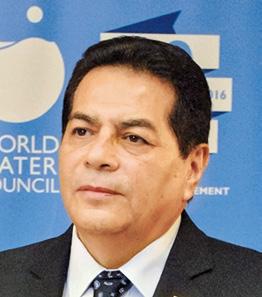
the expense, and obviously they do not and never will. Also, given that water and sanitation services are a state monopoly, it should be the state that is responsible for them. The modification to Article 4 of the Constitution, regarding the human right to water, establishes that the state will secure this right.
Q: What is your view on the private sector’s involvement in water management?
A: The most important factor is to acknowledge that privatization of water poses no risk in Mexico as this is not allowed by the Constitution. Also, people often make the mistake of believing that water is a human right. There is a difference between the right to access water and potable water services as the latter has an economic variable since water infrastructure has an economic value. The focus must be on exploring the possibilities for private participation and association for water services. This collaboration must be shielded by robust regulations, to which ANEAS is contributing.
Q: What is ANEAS’ forecast for the future of water management infrastructure in Mexico?
A: We expect that the next administration will take over the responsibility of water management. There is a precedent for a platform based on the General Water Law, drafted by the Commission of Potable Water and Sanitation of the Chamber of Deputies. ANEAS is closely working on this law that proposes a path for a new integrated water management model together with watershed management, water security and the human right to access water.
Urban water services represent about 14.6 percent of the total water usage, so we must also consider industrial, agricultural and other applications. The creation of the National Council for Water Culture (CONACH) was a great accomplishment.
The National Association of Water and Sanitation Utilities of Mexico (ANEAS) has 37 years of experience supporting increased efficiency in the delivery of services and fostering a higher level of human capital professionalization and autonomy
In some regions, Mexico has privileged water sources, which promotes economic and social development. But the high population density in urban areas, such as the Valley of Mexico, has heightened stress levels in some of the country’s Hydrological Administrative Regions (HARs). The declaration of water as a basic human right makes it mandatory for the government to address this problem.
The issue, however, is not just about water availability, it is about the optimization of federal and municipal resources to build better water infrastructure. The National Infrastructure Program 2014-2018 considered many strategic projects for sustainable development. Some are still under review or under construction, while only a few were completed during the Peña Nieto administration. The government also targeted new sources of water supply and to replace volumes with better quality water through the inclusion of wastewater treatment plants (WWTP), aqueducts and desalinization plants.
• Enforcement authority: National Water Commission, through the Sub-Directorate General of Water Management and related units, basin organizations and local directions
• Types of withdrawals: Domestic, industrial, energy production, environment, transfer to the sea or another system and national security
• Sanctions: To reverse the overexploitation of aquifers, the federal government implemented regulatory actions such as closed areas and regulations to limit or prohibit water extraction in preserved areas
• XIII has a population density of 1,282.13 Inh/km2 and only 72 operational plants MONITORING
Data outside graph
There are six categories for protected areas in Mexico. Among those, the Natural Resources Protection Area preserves and protects the soil, watersheds, water and resources located on forest lands (which are not included in other categories)
Source: Source: CAAM, JAMA, VDA, KAMA, SIAM, AMIA, ANFAC, Automotive News, Data Center

RAMÓN AGUIRRE
Director General of SACMEX
Water is a human right, but not one so easy to secure in the fifth-most populated city in the world, with over 9 million citizens and an area surpassing 1,959km2, according to ProMéxico. The city’s water issues are numerous and solving them starts with the ability of the country’s related authorities to step up and step in. “If Mexico wants to thrive in solving its water problems, it must empower its water management institutions,” says Ramón Aguirre, Mexico City Water Management System’s Director General.
The Mexico City Water Management System (SACMEX) is one of the most important dependencies in the Mexican capital and has a huge operational scope but Aguirre says in terms of decision-making power, it must take a backseat. “SACMEX is a directorate of the Mexico City government so it is not a priority,” he says. To start, Aguirre believes SACMEX’s structure should be modified to become a decentralized body of the city’s government and its director general should be given the power to make decisions regarding water management. “It is not about giving SACMEX superpowers but to allocate to it the water-related faculties currently fragmented between the Attorney General, the Ministry of Finance and SEMARNAT, among others,” he says.
The dispersion of decision-making power implies a delay in response times, compromising the system’s efficiency, says Aguirre. “An issue that I could sort out in one hour takes me a month, as I need to consult with other institutions,” he says. “Water priorities are not to be fragmented among a series of institutions with other important responsibilities because they are unavoidably going to fall down the priority list, hindering improvement.”
Aguirre’s requests for Mexico’s government are not only about decision-making powers; investment in water management infrastructure is also a crucial concern. “I hope the next administration will prioritize water issues. Our research indicates that properly addressing these require at least a yearly investment of MXN$5.5 billion, with longterm planning,” he says. “We are actively swimming toward a water crisis and, unless we reverse in due time, the current will pull us under.”
The current budget deficit for water management is undeniable, as most Mexican water institutions operate in the red. The need is simple: more money to better secure Mexicans’ human right to water. But he says the water management challenge is unique in that people cannot physically see the benefits. “Water management has the problem that any investment is literally buried under the surface. Nobody sees water infrastructure, that is why its investment is so low,” Aguirre says. “This is a sector in which construction works bother the population, are expensive and nobody really sees the true benefit. It is only natural that it will be neglected unless it reaches breaking point.”
The dilemma becomes one of investing in a sort of invisible infrastructure that permeates the whole city when politicians could instead bet on more visible projects, Aguirre adds. But given the government’s unwillingness to allocate the required resources to rehabilitate water infrastructure, where is the money that water systems need coming from? The most reasonable option is to turn to the private sector for help. “I am convinced that PPPs are the solution to water issues but they are simply not allowed in this city,” he says. He explains that a reform enforced in 2017 pretty much closes the door for PPPs to dive in and help to solve water problems. “The constitution establishes that there must not be private capital in water potabilization, distribution or sewage and supply services, which are the government’s responsibility.”
Seeking another approach to address this issue and lawfully bridge the budget deficit that water management institutions face, Aguirre thinks it is crucial to find a strategic balance between subsidized and paid services. Mexico City has some of the highest water tariffs in the country for commercial uses, but also the lowest for low-to-middle class residential use. This implies that most of the water used in the city is highly subsidized; another burden straining the budget.
Aguirre explains that water tariffs have remained almost unchanged over the years, except for the inflation adjustment. While he thinks it is unlikely the government will increase prices for an amenity that is considered a human right, he is convinced this could be a huge opportunity to secure more
resources for water management and to promote a wiser and more sustainable level of consumption.
First, he says, it is key to establish a limit on the human right to water. “Basic residential consumption is 20-50L per day. That is the human right to water,” he says. But when carrying out the calculations, considering an average of four residents per house in the city, the domiciliary water intake would be around 200L per house daily, equaling 18m3 bimonthly. Aguirre thinks that is a fair and reasonable amount to subsidize with very low tariffs but the issue is the huge discrepancy between this and the real numbers. “The latest data we have for Mexico City is that 30m3 of water is consumed bimonthly, an average of 500L per day per household,” he says. “This is a very high consumption level that should be significantly reduced. A reasonable decrease could be 20 percent, or around 24m3 bimonthly.”
Water culture has permeated the population as awareness of taking care of resources has improved but saving the resource is not yet a widespread practice. “The need to preserve water resources is a known issue but this is not reflected in the average water use in the city,” he says. Decreasing water subsidies could be the right push to transform culture into action. Aguirre has seen it work before, as other megalopolises in Latin America have managed to lower their water consumption. For example, Bogota reduced its consumption to an average of 21m3 bimonthly.
But Aguirre says that multiple and simultaneous approaches are fundamental for all issues from water leaks to water quality, from flooding to sinkholes, and from over-consumption in urban areas to the over-exploitation of aquifers. “The city is no island, so the effort to tackle water problems must be made alongside surrounding municipalities,” he says. “We must work in tandem to fix leaks, carry out accurate measurement, purification and modernization of the infrastructure, all with long-term planning.”
Aguirre says it is more important than ever to stop letting urban water issues take the backseat and start prioritizing solutions. People in rural areas are historically used to hoarding water from artesian wells and waterwheels. “But in cities, people do not have supply alternatives. You either source water through the network or from a water truck,” he says. Establishing priorities for such a complex topic is not so easy. Aguirre wants to start by securing supply and focusing on water quality. He says poor neighborhoods should be prioritized as they have an irregular supply, often dependent on water trucks. But to solve sourcing, leaks must be fixed first. “It is pointless to seek more procurement sources if we are not addressing leaks,” he says. “We cannot keep putting more water into the strainer. That is the worst investment the city can make.”

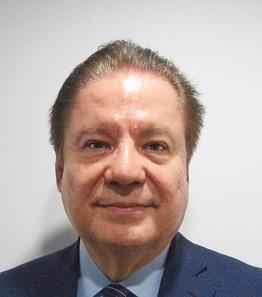
Business Development and Institutional Affairs Director of Veolia Mexico
Q: What are the main problems that Mexico faces regarding water and waste management and what is the role of the private sector in addressing these?
A: Meeting the needs for water and waste infrastructure is one of the main regional challenges for Latin America. I think Mexico is lagging in water and waste management, as only about 55 percent of its wastewater is treated, according to CONAGUA. Regarding waste, around 85 percent is sent to landfills, but many of these are not in compliance with environmental regulations and best practices, presenting risks of soil and groundwater contamination and release of air emissions including different pollutants and Green House Gases (GHG). Mexico produces more than 100,000 tons of garbage a day, demanding a large investment for its appropriate management. The country also has an important number of environmental liabilities related to contaminated sites, many of them since decades ago and that now need to be addressed remediation and/or restoration programs to rehabilitate the sites as they can potentially contaminate watersheds and have harmful effects on human health.
Veolia believes that the private sector has a key role to play as the needs are numerous and governments cannot cover them all by themselves. Beyond the economic matters, such as funding allocation, the technological expertise is also a key contribution that the private sector has the capacity to make. Governments are not always able to develop the specialized expertise to execute projects, whereas Veolia, for example, has been advocated to water, waste and energy management for the past 160 years.
Q: How should water management infrastructure projects be prioritized?
A: Infrastructure priorities can be perceived differently by different actors, so the challenge becomes one of merging multiple perspectives into creating the best infrastructure needed. To start, there must be a definition of whether water projects will be carried exclusively by the government or if it is better to allow the participation of the private sector. We believe that each city and each hydrological zone requires a tailored strategy. Solutions should not
be generalized, always having the government or private companies handling all water-management matters.
For example, in Mexico City, we work with SACMEX doing water measuring, invoicing and collecting on behalf of the institution. We contribute by making this huge process more efficient, which in the end is translated into savings for the government. We also have operated the whole municipal water system of Aguascalientes for 25 years, from extracting water from wells to redistributing, measuring and invoicing it, among others. I believe this is a good example of how a private company can operate within a public body in a reliable way. When we entered this contract, continuity in water services in Aguascalientes was around 65 percent, but we have improved it up to 99.5 percent.
Q: What are the key factors to consider when ensuring a reliable and efficient water management system and how can Veolia contribute to this goal?
A: Besides all the commercial matters that water systems entail, water management also implies the rehabilitation of potable water networks and sewage infrastructure. Veolia offers the technology to repair pipes without having to break ground and disrupt streets. Understanding the disturbance that these works can represent in densely populated cities, we developed technologies with autonomous robots that identify where subsoil infrastructure repairs are needed and that carry them out with the least disruption to urban dynamics. We believe that this rehabilitation is the right opportunity for the private sector to become a strategic ally for the government to address the enormous challenges that the country has together.
Veolia has been working in Mexico for 25 years and we hope to further see the government opening the door to PPPs for developing water infrastructure. We understand that water is a complicated topic as any private investment is often perceived as the privatization of a human right. I think that water is a human right, but its piping and purification are not, at least in cities as densified as Mexico City. So private participation is crucial, especially in cities that have no water and need to invest

in desalination plants as well as wastewater treatments plants and systems for water reuse.
In ensuring an efficient and reliable water management system, all major infrastructure projects must start with a diagnostic study to identify the conditions of water and sewage networks that allow determination of how much needs to be invested and how it will be represented in savings and efficiency. But Latin American countries are not used to take this step and usually prefer to start digging blindly. Diagnostic tests allow allocating resources where most needed. For example, Mexico lacks specialized tests to determine the level of investment required to address all leakage problems. But I have witnessed that once a city or municipality has decided to invest in fixing leaks, the benefits are immediate as the amount of water loss is reduced and more water is available.
Q: What is the role of a circular economy in improving the water and waste management sectors in Mexico?
A: Veolia is dedicated to promoting a circular economy through all its processes. I think this is the global development model to pursue because it not only shifts from a linear economy that extracts, uses and disposes of resources but promotes reuse and recycling. China recently launched a regulation that prohibits import of material for recycling. As China was the biggest receptor of this material, countries now need to find other alternatives for disposing of their waste. This entails developing more infrastructure for waste management and recycling and modernizing existing facilities. So, if a material cannot be reused, at least it can be turned into energy. For example, EU countries estimate that China’s ban will represent an additional investment of €10 billion to convert its recycling facilities, so that is the challenge for local and federal governments.
Regarding the industrial sector, the circular economy demands companies have an extended responsibility approach to products. This means that after manufacturing a given product and delivering it to the supply chain or
the end consumer, companies believe their responsibility ends and have no obligation regarding what happens with the product in the future. This is shifting to reincorporating products into manufacturing processes after their useful life ends. The industry must open space in its value chain to better use materials and waste. I believe that a circular economy approach should be driving the next administration and industrial agenda in the future.
Q: How is your partnership with the energy companies and why were you the right partner to operate their plants?
A: Regarding water management for energy companies, we operate four water plants for five Iberdrola electricity stations. We won the bid for this project a couple of years ago as the company understood that its expertise was energy generation, for which water matters are simply fundamental. As the latter is not Iberdrola’s core business, it tendered the operation of its water treatment plants. Our management has saved the company US$1.1 million per year because we know how to manage water plants efficiently and with the required technology. We also operate residual water treatment plants for Ternium.
We are striving to further develop our industrial solutions for water management. When starting in Mexico we were lagging in this niche because our core business for many years was the sale of water treatment equipment though Veolia’s Water Technologies. But we realized that even if we sold the best equipment to a client that does not have the expertise to properly use it, the machinery would eventually fail. So, for the last five years, we have implemented a business model that integrates our equipment as part of the management services we offer. We make the installation, finance the equipment and operate it in long-term contracts to add more value to the industry.
Veolia Group is the global leader in optimized resources management. The group designs and provides water, waste and energy management solutions that contribute to the sustainable development of communities and industries
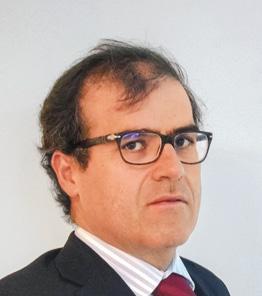
DAVID
DÍEZ Country Manager of Aqualia
It is often agreed that Mexico suffers a lack of water infrastructure but David Díez, Country Manager of Aqualia, says most of the country’s water problems are not rooted in an infrastructure shortage but in its poor maintenance. “We continue to see a deficit because the rhythm of infrastructure development is not aligned with the need for its maintenance or the country’s growth,” he says.
Aqualia reviews, designs, constructs, operates and finances water projects. “Our vocation is not to build and leave but build and stay for the long term,” he says. “Eighty percent of our business is maintenance and operation while only 20 percent is infrastructure construction.”
“ We continue to see a deficit because the rhythm of infrastructure development is not aligned with the need for its maintenance or the country’s growth”
By 2050, 90 percent of Mexico’s population is expected to live in cities. The rapid growth of metropolises demands enhanced servicing and operation of water services to make them more efficient. “I think the problem is not building new water infrastructure as there is no scarcity but the operation and maintenance of existing features,” Díez says.
The lag in maintenance is also combined with an investment shortage in the sector, aggravating the situation. “Investment could be low if maintenance was optimum. But if investment is made without maintenance, a vicious cycle is triggered,” Díez says. To address both, he mentions PPPs as a success case in providing funds while ensuring optimum servicing. “With the private sector operating water infrastructure, there is a constant cash flow and a long-term sense of responsibility for projects.”
Privatization of water services is often mistaken for the privatization of water but this is far from the reality, Díez adds. “When granted a water contract, we do not own water. We are concessionaires and operators of a supply service for the time that it is entrusted to us. The municipality remains the owner of the water itself.”
As water matters are the jurisdiction of municipalities and municipal administrations only last three years, long-term planning is crucial. But Díez says there is an issue with shortterm thinking as municipalities charge extremely low water fees. “The issue is not whether water is cheap or expensive. It is a matter of a low collection,” he says. As the monitoring, operation and maintenance of water infrastructure are often neglected, the service becomes irregular. Users do not want to pay for an erratic water supply and as the payment is low, the sector starts taking the back seat.
Aqualia’s Country Manager believes that the first step in breaking this vicious cycle is education. The company tries to add its grain of sand by promoting education campaigns. “Water companies are the only ones that promote lower consumption and savings of their product,” he says. “But this makes sense to us because we do not sell water. We sell the service of a high-quality and sustainable water supply.”
Díez says there in no city in Mexico with a sustainable water cycle. Cities either lack water or have treatment deficiencies. While society is not yet as committed as it should be to water matters, he believes the country is going down the right path. “Water scarcity and supply irregularity lead people to better appreciate this resource and its services,” he says.
Awareness opens up many areas of opportunity for companies such as Aqualia. “Around 40-50 percent of Mexico’s population lacks a 24/7 water service and only around 20 percent of the country’s wastewater is properly treated,” he says. “We believe that Mexico is a country full of opportunities and that with the right will anything can be accomplished.”
IRAM GONZÁLEZ
General Manager of O-tek
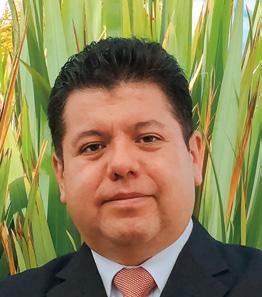
Q: How do your products benefit your clients and what areas of opportunity within the water infrastructure segment have you uncovered?
A: For PPPs, our product has an advantage over similar options because the private sector seeks the best materials for its projects. From a cost-benefit approach, our materials are also the best choice. Our product requires no maintenance after installation. Our pipes also can be installed in 30 percent less time, implying that our clients will receive returns 30 percent faster. Our pipes do not require any welding for installation but are united by removable couplings and can be assembled with materials from any local hardware store. For example, we provided 12km of piping for the Picacho aqueduct in Mazatlan in under a month and a half.
The best practice abroad and the biggest area of opportunity for Mexico is to care about every peso spent. In the public sector budget resources are scarce and specifically for water projects, the cheapest option is often seen as the best. Water projects usually take a backseat because they imply hidden infrastructure and the way to optimize water expenditure is to buy cheap. But the cheap option is meant to last for 15-20 years, whereas our materials last up to four times more than conventional materials. Another best practice, then, is to have a long-term view of water projects to make the best cost-benefit investment. The problem is that Mexico has an administration-centered view that lasts six years. So, if concrete is cheaper and will last 20 years, the public sector is unlikely to choose Glass Reinforced Plastic (GRP), which is slightly more expensive. In the search for lowest initial cost, the public sector often overlooks the long term. GRP will last for 150 years without maintenance and has faster installation, without any additional hidden costs.
Q: How are you addressing this problem and what opportunities do you expect from the next administration?
A: Decisions should be made following a cost-benefit approach. It is very simple; our product is just a little more expensive than the average price of traditional materials. But that extra expense, when divided over a lifetime that is four times longer implies a significant saving. In the long-term, the cheaper product would require four
separate investments while our product implies a one-time investment. Once we can get the industry to understand this, I foresee many more market opportunities.
If the next administration follows through on its intentions to prioritize the welfare of the citizens and fight corruption, I am convinced that it will see that our product is the best option in the market, as it has all the perks of traditional materials, such as plastic, concrete or steel, without their disadvantages. Our pipes do not corrode and can endure earthquakes that measure between 6.8 and 7.3 on the Richter scale because of the property of the plastic and the advantage of our joint coupling system.
Q: What guarantees are you providing to your clients to inspire trust?
A: We do not have a 150 year-project that stands as a showcase or the endurance of our product but we do have the backing of the technology’s parent company, FlowTite, which is the biggest Fiberglass Reinforced Polyester brand in the world. This technology is global and follows the same quality standards in Saudi Arabia, the US, Canada, Norway, Germany, Australia, Mexico and everywhere else. We also have our own laboratory in Latin America to carry out longterm tests on our pipes, which we extrapolate to prove our 150-year guarantee.
Q: What will the pipes of the future look like and how will these disrupt water projects?
A: If we want to have Smart Cities in Mexico, we cannot continue using century-old technology, such as concrete. We need to invest in sustainable solutions. Our pipes use a percentage of recycled PET resin. They are also 100 percent hermetic preventing water loss through leaks. I see a future focused on technology but governments must be willing to invest in the best options available for water projects.
O-tek International is a subsidiary of Colombian-based multinational Grupo Orbis. O-tek focuses on applications for glass reinforced plastic (GRP), particularly pipes for hydraulic works
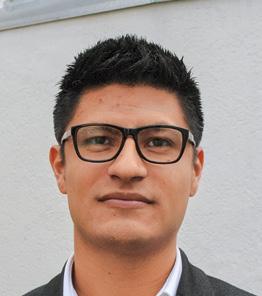
JAHIR MOJICA Founder and CEO of SUEMA
The ideal model today for waste management combines the four Rs: reduce, reuse, recycle and recover. But Jahir Mojica, Founder and CEO of SUEMA, proposes adding a fifth: rethink. “It is no longer enough to think about how to manage waste; companies must rethink their business models to deliver value without compromising on waste disposal,” he says.
Change does not have to start with the acquisition of revolutionary equipment or a significant investment. Mojica explains that it can be achieved through simple actions like substituting a boiler or a processor. “Up to 100 percent of the waste produced can be avoided through a small change in the way the company operates.”
SUEMA specializes in two links of the waste management value chain: the transformation of residues and harnessing them in the form of energy. “We design and innovate waste processes by applying cutting-edge global technologies but also by developing new systems to improve and redesign waste treatment,” Mojica says.
For example, SUEMA has established a biodigester in the Milpa Alta municipality in Mexico City. This plant is the only one of its kind in the country and the most innovative in Latin America. It is capable of generating 175kWh/d, enough electrical energy to light the Nopal Collection Center during the day. “It transforms waste, whose treatment represented an expense for companies, into an input,” Mojica says.
SUEMA is also working with the sugar industry to reduce the waste produced by sugar mills and turn it into a biofuel that can be used in other production processes. In this case, incineration is the most common technology applied but Mojica believes the trend is moving toward gasification. “Thermochemical treatment technologies are the most effective solutions,” he says. “Our goal is to bring these to the Mexican sugar industry.”
Based on the company’s experience, Mojica emphasizes the importance of a circular economy that promotes
greater value throughout the whole supply chain of any product. “When rethinking business models around industrial processes, I am convinced that the central focus should look for ways to deliver value through a more efficient use of resources and without harming the environment,” he explains.
In a circular economy, collaboration instead of competition is the flagship concept. “We need to link industries in an enhanced value chain. This is the ultimate paradigm shift for improving the way we do business in Mexico,” Mojica says. “As waste reduction is a cross-sectoral issue, one industry cannot fight it alone. We need collaborative action from the government, companies and consumers.”
Mojica adds that some industries believe they have exerted all their options and have no room for further improvement in their waste management processes. But a multisectoral perspective proves them wrong, as it is indeed possible to deliver more value with fewer disposals by interconnecting production chains. “A multisectoral perspective shows that when two value chains are joined, the inefficiencies of one become the necessities of another.”
Another crucial paradigm refers to modern consumerism and the need to own things. Household appliances are a great example, Mojica says. “We all want to have our own house, car, fridge and washing machine,” he says. But regardless of how environmentally-conscious a person is, having the capabilities to recycle a full refrigerator at home is unlikely. So, these materials end up thrown in a river, dumpsite or elsewhere.
Understanding this weakness at the end of the value chain, Mojica explains that there should be more of a focus on manufacturers owning their products as they have all the infrastructure to provide maintenance and reincorporate the disposed pieces into their production chain. “If we change our paradigms and place importance on the use of things rather than their ownership, we could radically change the industry and its way of creating value.”
JORDI VALLS Director General of SUEZ Mexico
The administration of water services requires commercially and fiscally efficient administration, which the private sector can help provide, says Jordi Valls, Director General of SUEZ Mexico. “It does not matter if the water management is public or private, it has to be well-managed,” he says, adding that it is only logical for the public and private sectors to collaborate in bringing their views to better address the issue. “Mixed-models must work as a close and collaborative partnership in which both sectors must have very well-defined duties and rights,” Valls says. “As the private sector, our duty is to provide a good service. Our success is not merely defined by economics but by when citizens are comfortable and happy.”
For a PPP collaboration to work, Valls emphasizes that the government must understand its role as both stakeholder and regulator. “The government fixes the pricing for citizens. The tariffs must introduce incentives for sustainable consumption,” he says. Optimum pricing must cover the cost of the service and of replacement of investment while punishing higher consumers, Valls adds. When venturing into water PPPs, there are many models to choose from, but SUEZ is interested in working with the government to develop successful PPP water projects via outsourced services, mixed companies and BOT, among other models,” Valls says. But not every model is suited to every need. For example, Valls explains that BOT has the advantage that the private sector invests the money that the government does not have immediately available.
The mixed-companies model also has benefits when tackling efficiency issues. For example, SUEZ started its concession with Aguas de Saltillo facing water scarcity and inefficiency. It decided on a mixed company model as the best to address these. “The main shareholder is the public sector through the City Council, holding 55 percent, and SUEZ holds the remaining 45 percent of the company’s shares,” he says.
Once the most appropriate model to enhance water management is chosen, the matter becomes one of
finding the best technology for the given issue. In Saltillo it was water scarcity, meaning fixing leaks had to be prioritized. “We have strong capabilities to reduce this problem, which has been proven through our work with Aguas de Saltillo,” Valls says. “Our main investment was to split the pipelines into sectors, using sensors to understand how much water was being lost and where. We then modified the pressure to reduce the leakage.”
According to Valls, sectorization can also be applied to solving leaks in other cities. “The problem is that this system works based on sound and in cities that are too noisy it is hard to hear anything,” Valls explains. To overcome this, SUEZ decided to implement iDroloc technology. “It works with helium. The gas is introduced into the water network and the iDroloc machine can detect when the helium is released from the network, finding the leak.” The company hoped to use it in Saltillo by the end 2018 and it will also be proposing it to SACMEX’s new administration in 2019.
“I think it is important to clarify if the new administration wants to work via PPPs or not. I agree with transparency and clarity in choosing the best proposal”
As for the incoming government, Valls asks for clarity. “I think it is important to clarify if the new administration wants to work via PPPs or not. I agree with transparency and clarity in choosing the best proposal,” he says. He mentions that when drafting tenders for water projects, and of any kind, the government should consider three factors. “First, if it is covering a public necessity. Second, if it is in a position to attract technology, service and financing providers and third, which guarantees can be provided.”

YOLANDA PADILLA
Regional
Manager
Mexico and Central America of Fluence
Q: How do Fluence’s projects help countries and communities solve their water needs?
A: Water shortages and the pollution and salinization of fresh water wells are key hydric challenges worldwide. In lieu of this situation, Fluence looks for opportunities to promote its solutions in the countries and communities that need them. We have gained a great deal of experience in water treatment thanks to our presence in Israel, where we have an R&D center and a sales office. Israel reuses up to 80 percent of the water it uses and its government works strongly with desalinization companies to transform seawater into freshwater.
Q: What are the main differences between desalinization processes in Mexico and in other countries where Fluence is present?
A: In terms of the desalinization of seawater, countries such as Chile desalinize water for industrial and economic activities such as mining, which is not the case in Mexico. Desalinization in the country focuses more commonly on producing freshwater for human consumption rather than for industrial purposes. Cities such as Los Cabos or islands like Cozumel need desalination to cater to the needs of their floating population, so it is common to find small plants that treat wastewater and desalinize seawater. The largest concentration of desalinization plants in Mexico is found in the Baja California Peninsula, in northern cities like Tijuana and Ensenada, with big desalination plants going into construction like our own project, San Quintin; and in the south, in Los Cabos and San Jose due to the growth of the tourism industry. Hotels there tend to have their own desalinization and purification plants.
Q: What best international practices do you think Mexico needs to implement to improve the efficiency of its water consumption?
A: Water reuse is an important practice that Mexico should adopt because the future of well replenishment depends on it. The country reuses only a small proportion of the water it consumes when it should aim to reuse 80 percent of its used hydric resources. This is a complicated goal because freshwater is needed in all activities, including water reuse.
A greater reuse of water in sectors such as agriculture, industrial activities and domestic use should be Mexico’s main goal. As the demand for water for industrial or farming activities increases and companies lack the necessary amount or quality of water, reusing water becomes more important and needed.
Q: How are Fluence’s modular, containerized watertreatment solutions more competitive than traditional water-treatment plants?
A: Fluence´s decentralized solutions are an economical solution. Building a giant water-treatment plant and transporting water to communities through distribution networks are expensive activities. Water or wastewater must be transported through long-distance piping infrastructure to a central treatment location and back out to its enduse location, which may be miles away from the treatment plant. This method is complicated and inefficient in terms of the need to pump, distribute and collect the resource between the consumer and the plant. Our solutions limit the cost of building pipelines to a centralized facility. Decentralized treatment reduces startup time and expense as water and treated wastewater can circulate directly back to a municipality, to local surface water or to another nearby user, such as an industrial cooling tower or landscape irrigation system. Fluence’s NIROBOX and ASPIRAL are good examples of that. While the company does not pay so much attention to the size of a project as it does to making sure it is local, it is important to point out that communities with more than 100,000 inhabitants need over 200L/s of freshwater, which is not insignificant.
Q: What can be done to make sure that water-treatment plants in Mexico are working to their full capacity?
A: The challenge of maximizing the treatment capacities of plants in Mexico is usually found in the maintenance and operation areas. These activities always entail a cost for the operator and energy consumption is perhaps the main source of costs in water-treatment plants, so reducing energy consumption allows plants to operate more efficiently. With this in mind, we focus on offering decentralized and containerized treatment solutions
that, due to their compactness, require less electricity to operate and last longer. For instance, in the segment of wastewater treatment the company has a patent for a membrane aerated biofilm reactor (MABR) that requires less energy to operate. Using this technology can curb energy consumption by up to 80 percent in wastewater treatment plants, which translates to a longer uptime.
Q: What is Fluence’s preferred scheme to build its watertreatment projects?
A: We usually focus on building and delivering watertreatment plants to clients. However, Fluence can also provide water service solutions through different financing models, such as a PPP, BOT and BOO, when projects are large enough to be feasible and their concessions last at least 10 years. Not all water-treatment projects can be easily financed. For instance, smaller ones may not be profitable under these schemes because their financing costs rise.
Q: How is Fluence’s Mexico client portfolio divided between the public and private sectors?
A: The tourism real estate segment is experiencing strong growth, especially in the form of houses, but private clients have a smaller participation in our portfolio. These companies demand solutions for water reuse and discharge but the largest market demand in Mexico is in purifying water for communities and treating city wastewater. The public sector accounts for the largest share of our portfolio. For instance, the government of the state of Baja California is a key client for Fluence. We have four desalinization plants in the state that take seawater, treat it to meet national and international purity standards and deliver freshwater to local communities. The next step in this area is to close the cycle by treating wastewater for their use in irrigation in agriculture-intensive areas such as Ensenada.
There are still many areas of opportunity to treat water in Mexico but players in this segment are aware of the needs of the market and have the expertise and intelligence to develop in it. In northwestern Mexico, this is evident in the public tenders. The desalinization plant in Los Cabos was built in 2003, which was followed by the Ensenada plant 15 years later and then the San Quintin, Rosarito and Guaymas plants that were awarded with a lapse of only three years.
Q: How are Fluence’s projects in Baja California being financed and when are they planned to start operations?
A: The most representative project in this state, the San Quintin plant, is being developed under a PPP scheme. The State Water Commission (CEA) of the state government is a key partner of this project but Fluence is developing it in partnership with two Mexican construction companies. This plant’s costs amount to MX$550 million approximately and its tariff for treating each cubic meter of water amounts to
an inflation-indexed MX$16.95. These types of water tariffs are often highly subsidized by the government and final consumers such as households or industrial facilities end up paying only a fraction of that cost.
Q: A bill that prevents the participation of private capital in water management activities was presented before the Mexican Senate in September 2018. How could such a regulation impact Fluence’s operations if it became mandatory?
A: I think this initiative is a step backward, but even if it enters into force, the contracts that had been previously signed between the public and private sector would continue to be valid until their maturation. This means the population would continue to perceive that it is a company rather than a public dependency that sells water, which would cause conflicts. It is important that the public educates itself on how water treatment is handled in Mexico and why private capital is key to this process. The private and public sectors leverage each other when it comes to developing infrastructure and the absence of private investments translates to stagnation in this segment. Fluence engages in PPPs to build and operate water plants but we neither distribute water to final consumers nor account or charge for it. These activities are the government’s responsibility. Fluence focuses on continuing to build and finance water-treatment plants and then operate them for the duration of the contract with the government.
Q: What role is Fluence planning to play in Mexico’s watermanagement market in the coming five years?
A: Our concept of centralization through the offering of containerized solutions that ensure important energy savings help us differentiate ourselves from other companies in this sector. Similarly, we are not too large a company, which reduces the size of our administrative structure and increases our competitiveness. In Mexico, Fluence offers solutions that target the specific water needs of each region. For instance, our NIROBOX product is designed to desalinize seawater and supply fresh water to remote areas such as islands. These solutions are also useful for situations where a development must be built quickly or for industrial facilities that need to fit a small water-treatment plant in their operations or grow step by step. Containerized water-treatment solutions prevent manufacturing companies or hotels from having to build a large water-treatment plant according to growth expectations that may not be met. Instead, these companies can grow and acquire a new modular treatment station as they need more water.
Fluence is the global leader in the delivery of innovative, cost-effective decentralized water, wastewater and reuse solutions for businesses and communities anywhere in the world
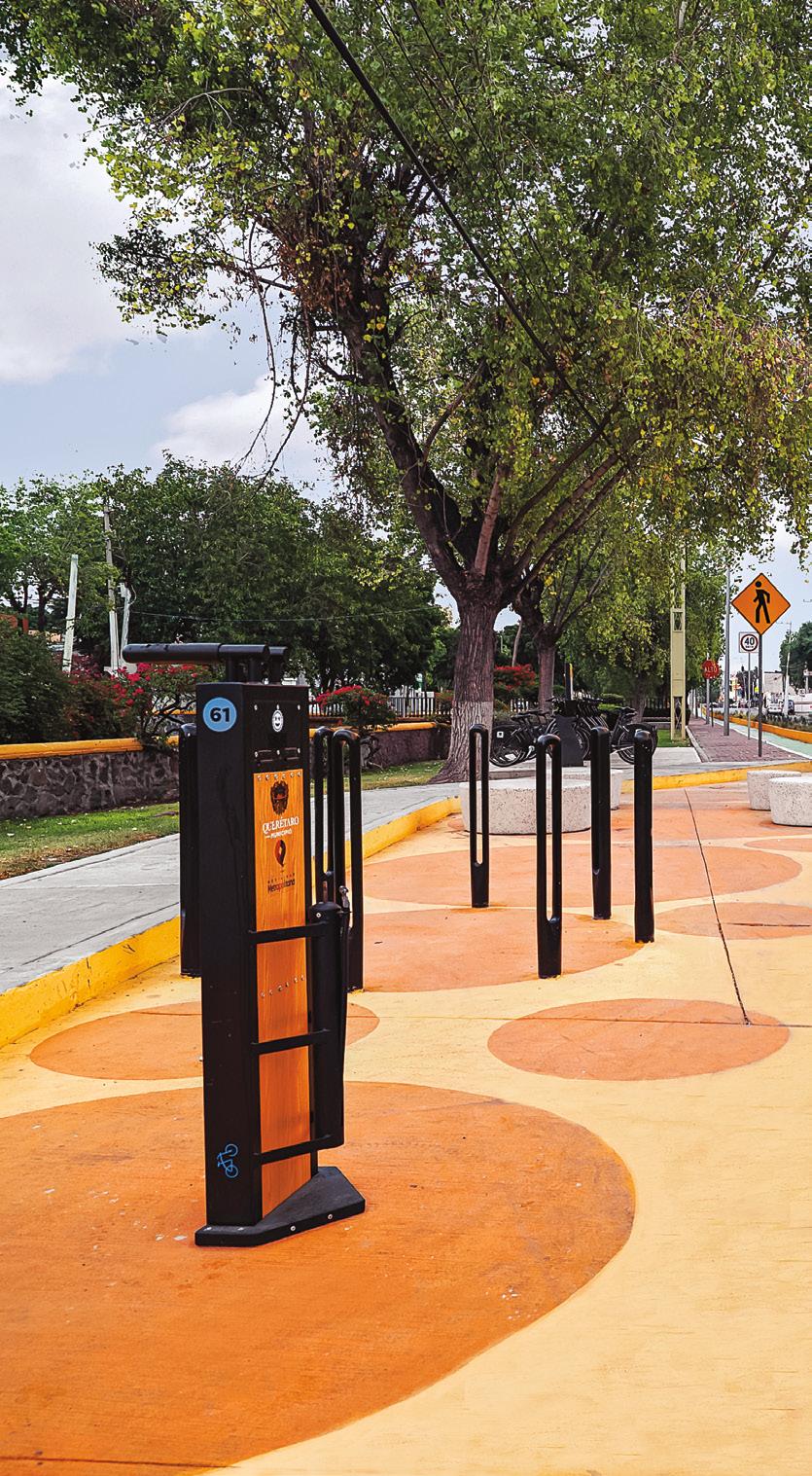
Mexican cities continue to grow, with urban areas in the country expanding 7.6 times from 1980 to 2010 and with the population increasing 1.9 times, according to ITDP. While urban sprawl and mobility problems are likely to increase as cities expand, there are actions that can be implemented to help ensure these emerging cities grow sustainably.
According to CAF, the main areas of opportunity for Latin American countries are reducing commute times, higher service frequencies, increasing security and comfort.
As citizens’ purchasing power increases, cars continue to be a priority. So, public resources for urban infrastructure have historically been allocated to the development of grey infrastructure such as roads and second floor for ring roads.
This scenario lays out one of the main issues at hand for Mexico: the construction of public transportation alternatives. Now, only nine cities have BRT systems and four have metro systems. This chapter entertains expert perspectives on investment, urban planning strategies and mobility projects that together make cities more livable and prosperous.

56 ANALYSIS: With Population on the Move, the Time for Mobility is Now
57 VIEW FROM THE TOP: Laura Ballesteros, SEMOVI
58 VIEW FROM THE TOP: Mauricio Cobo, Municipality of Queretaro
60 VIEW FROM THE TOP: Maximiliano Zurita, CAF México
62 INFOGRAPHIC: Mobility, a Work in Progress
64 INSIGHT: Fernando Mijares, Modutram Mexico
65 INSIGHT: Adriana Lobo, WRI Mexico
67 VIEW FROM THE TOP: Alfonso Vélez, AutoTraffic
68 VIEW FROM THE TOP: Gregory Narce, Transconsult
69 INSIGHT: Gabriel Ballesteros, Ballesteros y Mureddu
70 VIEW FROM THE TOP: Héctor González, Prosperia
71 INSIGHT: Jorge Gordillo, GVA
As of 2018, 55 percent of the world’s population lives in urban areas and by 2050 this number will reach more than 68 percent. Mexico is no different, with more than half of the country’s population living in 54 cities. Mexicans continue to flock to urban centers, creating a need for mobility solutions and improved urban planning
As in many other developing countries, Mexico’s population is on the move. According to INEGI, by 2050, 90 percent of the country’s people will be living in urban areas. Although it has urbanized at a slightly slower rate than the average in Latin American and Caribbean countries but significantly faster than Central America, its population by size of urban settlement has increased drastically since 1990. Mexico has 18 cities with a population of 300,000-500,000, 20 cities of 500,000-1 million, 14 cities of 1-5 million and one city of 5-10 million, according to the UN. The capital, Mexico City, is the country’s only megacity with more than 10 million people. By 2030, as the country’s cities continue to grow, the number of cities with populations of 1-5 million will expand to 22. Mexico will also have two cities with a population of 5-10 million.
Experts believe that as Mexico’s population becomes more urbanized, mobility should be given more importance and integrated into a city’s urban planning and zoning. “The human right to a city is not incorporated in the constitution and therefore we tend to forget about it,” says Minister of Mobility of the Municipality of Queretaro Mauricio Cobo.
Mexico City’s arteries are clogged with more than 5.5 million cars circulating every day. Although there are various modes of public transportation, including bikesharing systems, Metro, BRT systems, light train, buses and trolleys, there is still a wide gap to fill in terms of quality of service, maintenance and quality of fleets. This has in turn caused more people to choose the car as their mode of transportation. “Cars occupy more than 85 percent of urban space and on average, each one transports only 1.5 people,” says Maximiliano Zurita, Director General of CAF México. “If we do not create an inclusive public transportation system, we will find ourselves with serious problems. We are accustomed to seeing MTS systems go from high-density areas to the center of a city but most likely the people who own the cars do not come from these areas. If we want to reduce the number of cars, we must reach the high-income housing areas and persuade them to use the MTS.”
Mexico’s largest urban areas are boosting the country’s economic development by fostering the growth of the
automotive, manufacturing, aviation and agricultural sectors. But these cities are beginning to experience negative side effects from their fast urbanization, including mobility problems and infrastructure issues. Following UNHabitat’s recommendations for sustainable development, the goal is to increase the density of these cities to boost the quality of life.
According to the Minister of SEDATU Queretaro Adán Gardiazabal, the Queretaro Metropolitan Area (QMA) population has increased by 566 percent and its urban footprint by 1,762 percent between 1970 and 2017. Along with it, the number of cars also increased by 1,943 percent. QMA’s growth rate average is of the highest in the country with a 2.8 percent average between 2010-2015. “Queretaro must be cautious about its population density and should aspire to reach at least 100 inhabitants per hectare,” says Cobo.
Many municipalities are seeing the virtues of highdensity cities and are changing their zoning plans to attract investment and development. The Municipality of Queretaro recently changed its zoning regulations and plan to encourage vertical development. It created eight different programs for its seven neighborhoods and historic downtown area. “All of this is to create a more compact Queretaro. If this plan is followed correctly the city should have 80-100 inhabitants per hectare. These programs will incentivize vertical development and mixeduse projects,” says Cobo.
For developers, going vertical is not a problem, it is a good investment. Monterrey began encouraging the construction of vertical commercial, corporate and housing projects in its downtown area and the boom has only begun. San Pedro Garza Garcia has traditionally been known as its business district and the downtown area was abandoned for some years. But mega projects are now under construction, although there are still various factors to consider to restore its downtown. “Before developing in this area, we must first make sure that the right infrastructure exists or if we need to construct and rehabilitate its basic infrastructure,” says Antonio Elosúa, President of the Board of U-Calli.
LAURA BALLESTEROS Former Deputy Minister of Planning at SEMOVI
Q: What challenges need to be tackled when working toward implementing a sustainable mobility vision?
A: Any government working to offer safe and sustainable mobility faces two challenges. The first is to generate as many transportation options as possible to give people access to the city and reduce commute times. The goal should be to reach a modal split where 80 percent of the population uses public transportation, while less than 20 percent use their own vehicle. Today, 45 percent of people use public transportation, 35 percent are pedestrians, 2 percent are cyclists and the remaining are private vehicle users. The second challenge is to guarantee the population’s well-being. Road safety must remain a strategic priority in mobility planning for the next administration. The government must not fall into populist practices and remove all speed-limit regulations. These are the key to ensuring the safety of the population and we must keep working to ensure technology can save lives.
Q: What priorities would improve Mexico City’s mobility landscape?
A: The city must evolve following three fundamental guidelines. First, the government must ensure accessibility to the city through a safe, inclusive and structured transportation system. The current transportation network must grow by 30 percent or 240km of additional public transportation lines, which is the least the city needs to allow people to have access to their rights and all services the government can offer.
The best strategy for the city would be to invest in 24km of Metro lines to expand the existing network and decongest its stations. At the same time, the government should grow the Metrobús network by 80km and take the next step toward electrification of public transportation and overall mobility. Finally, the city should work on the implementation of a Metroférico, a 50km cableway system that would connect five north delegations with the city center. Right now, people traveling from the north of the city suffer commutes of approximately two hours. This system would reduce this time by 60 percent.
The second guideline the city should follow is related to street infrastructure. Streets are the base of mobility, so they must

be universal and open to all users regardless of the method of transportation. The new government should invest in having complete streets, with biking infrastructure, confined lanes for public transportation and general lanes for private vehicles. The biking infrastructure alone should grow by 60 percent, adding 270km to the current network and providing better connectivity with public transportation systems.
Today, 45 percent of people use public transportation, 35 percent are pedestrians, 2 percent are cyclists and the remainder are private vehicle users
Q: What should be the role of the private sector in the development of Mexico City’s mobility infrastructure?
A: Private investment is critical in the development of a successful mobility plan. Today, the government does not have enough resources to support these projects, which means PPPs are the best way to move forward. So far, PPPs have been an excellent vehicle for infrastructure development but the government must ensure that all projects are properly tendered to eradicate any form of corruption. Projects should be better planned to avoid most of the profits coming from infrastructure projects going directly to private companies. Today, only 30 percent of a project’s profit benefits neighborhoods while the company keeps 70 percent. This rate should be reversed to ensure the healthy development of the city. Similarly, the government must establish clear communication with companies to direct projects and technology developments toward what the city truly needs. The country needs committed investors that want to work on public infrastructure projects.
The Ministry of Mobility of Mexico City (SEMOVI) is in charge of all regulations related to public and private transportation within Mexico City. Its goal is to align the city’s regulations with the safety of all users and the preservation of the environment
MAURICIO COBO
Minister of Mobility of the Municipality of Queretaro
Q: Why should more municipalities have their own Ministry of Mobility?
A: The municipality of Queretaro is one of the few in Mexico that has a Ministry of Mobility. This is an urgent matter that all cities with more than 50,000 inhabitants should begin to look at. Citizens have four methods of transportation: by foot, bicycle, public transportation or car. Throughout the country cities have given preference to vehicles, which in the end determines the shape of the city. Cities then begin to force citizens to aspire to owning a car because of the way the city has been designed, meaning this option offers a better quality of life. This makes cities also grow unequally and hostile to unmotorized transportation methods. At the ministry, we create the public policies for mobility and then design and execute projects such as bike lanes throughout the city.
Q: How does the ministry obtain funding for its mobility initiatives?
A: The ministry is part of the municipal government so it only receives funds from the local government and the mayor’s office. The municipal government has various sources of funding but most of Queretaro’s income comes from the city itself. Property tax and domain transfer payments in Queretaro are both strong income sources for the local government. When a real estate developer wants to create a project that exceeds 500m2, it has to have the approval of the Ministry of Mobility and then, according to the Income Law, it must pay for the impact the project will have on mobility.
The bigger the project, the more the developer has to pay. This is relatively new in cities because before a developer would pay a fee that dealt with transit but we are now being more thorough and creating mobility impact studies. If the development will create traffic and heavily impact the city’s mobility, then the developer will pay for that impact. Developers demand that the money is invested in a project or service that is near to their project. As a result, the fee is a win-win for both the city and the project.
When it comes to funding, the income the mobility impact studies generate each year, which is approximately MX$15-20
billion, should be allocated only to mobility projects within the city. We have been subsidizing the car for many years and now it is difficult to motivate people to use alternatives. We do not implement methods such as road taxes to disincentivize the use of cars like other countries do. Allowing companies to use streets and highways free of charge is a type of subsidy. The government spends a great deal of money on building these roadways but gets almost no return on them.
Q: What is the main cause of Queretaro’s mobility problem and why did the government decide to create the Ministry of Mobility?
A: If the government invests in public infrastructure, the private sector tends to respond. One of the main reasons why the Ministry of Mobility was created was because the city has grown extensively in the last years. In the 1970s, the city of Queretaro had a population of about 300,000 but it had a density of 200 inhabitants per hectare. Today, the city’s urban density is 45 inhabitants per hectare, which is a dramatic decrease. Urban sprawl has grown 30 times in the last 30 years with extremely low densities, creating a problem that we must overcome quickly. This was largely due to the housing policy that was established. More and more people demanded single-family homes and did not like to live in vertical developments. There are more than 40,000 vacant lots within the city that add to the large dispersion problem. One of the main reasons why the ministry was created was to reverse this problem and increase the city’s population density.
Q: How has the municipality improved the public transportation system without being involved in the actual BRT or bus systems?
A: The BRT system is the responsibility of the state government but the bus stops are the responsibility of the municipality. Sixty-four percent of the population moves around by public transport, 35 percent by car and 1 percent by bicycle. If 64 percent of the municipality uses public transportation and we are not responsible for the transport itself, we can improve the state of the bus stops. We decided to construct high-density bus stops that are safe, comfortable and have access to communication services. Together with
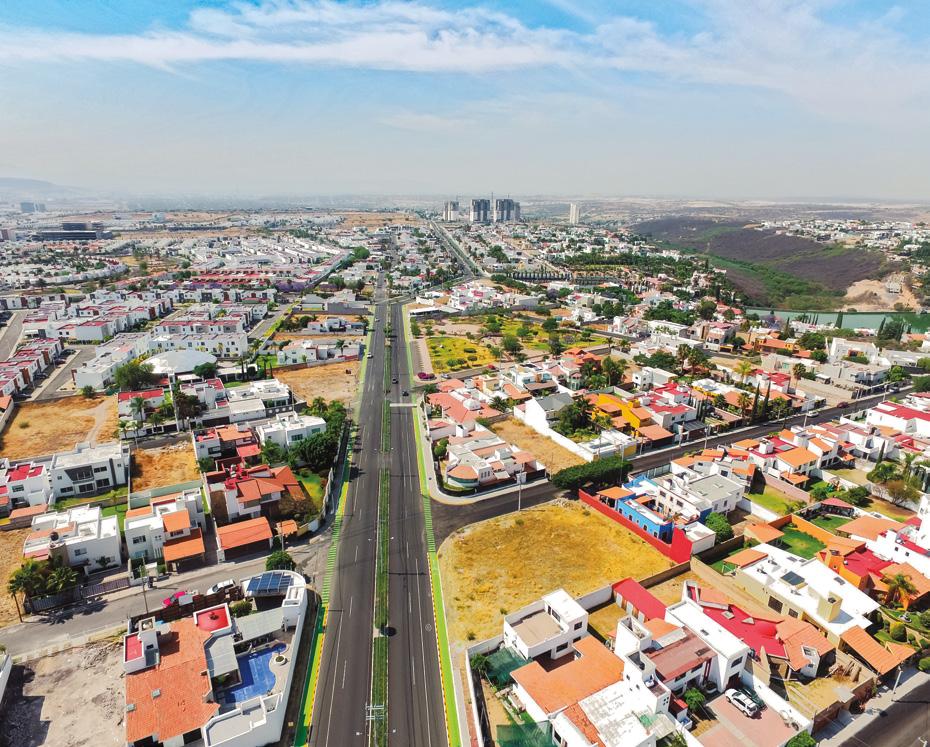
the Queretaro Transport Institute (IQT) we have created mobility solutions that will enhance the quality of life of the people living in Queretaro. We are constructing 15 of these high-density stops in areas that are hubs for intermodal transportation. We chose the stops according to the areas that had the highest density of users and that were not within the short-term plans of the BRT system.
Queretaro has contemplated the construction of eight BRT lines in the next few years. The municipality of Queretaro has the advantage that it is surrounded only by municipalities and not by another state, as in the case of Mexico City. When it comes to bicycle infrastructure, we are developing as far as the border with the next municipality so that it can pick up where we leave off.
Q: How has the municipality responded to the QroBici and bicycle infrastructure developed in the last few years?
A: QroBici began operations in March 2018 with 450 bicycles and 50 stations. Ninety-five percent of users access the bicycles through an app and the remainder uses a physical card. The bike system is operated by Estrategias de Movilidad Urbana but the system belongs to the municipality. The municipality pays a fee each month to the operator. Many questioned why the city was investing so much in the bike system and lanes if only 1 percent of the population used bicycles as their mode of transportation. These investments
are made in the hope that more and more people will begin to use it because it is available and the correct infrastructure exists to permit mobility.
There always seems to be strong resistance to bicycle initiatives. If the infrastructure exists and the right tools are provided, a culture is created. Further, these investments are extremely beneficial for the development of more sustainable cities in the future. We now have 5,000 users and more than 1,800 trips a day, which demonstrates the system is working and will have an impact on the city.
Queretaro’s mobility master plan dictates that it should have 500km of bicycle lanes. This administration has undertaken the construction of 200km of bike lanes, integrated with the 60km that already existed to create a network. Studies were carried out to see how likely citizens were to use the bike infrastructure and surprisingly, 80 percent of the people in the 15 to 35-year age bracket said they would be willing to use the bikes as their mode of transportation if the correct infrastructure was in place.
The Ministry of Mobility of Queretaro is one of the first municipallevel ministries that is dedicated to improving mobility throughout the city. It focuses on creating alternative transportation solutions and improving access to public transport
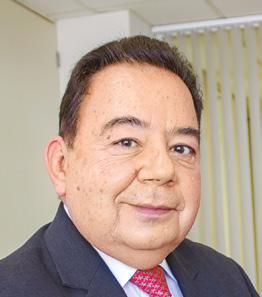
MAXIMILIANO ZURITA Director General of CAF México
Q: What is the root cause of Mexico’s mobility problems?
A: Mobility is a right and it must be understood as a way to facilitate movement while supplying the social, cultural and economic needs of the people. Currently, the country lacks an integral public policy for passenger transport. With such a policy in place, the country could plan and execute a strategy that outlines and provides efficient mobility solutions. At the same time, these projects must be part of the whole. The projects created to this day have been developed in isolation and they sometimes do not interconnect, creating general solutions only for certain zones.
The selection of projects should be based on the quantity and type of passengers that will be transported and from there the most efficient and appropriate Metropolitan Transport System (MTS) should be chosen. Projects are planned according to the latest trends that may not necessarily add value to an area. This is why many routes become saturated quickly. MTS networks should be designed to complement each other and not compete among themselves.
The urban development codes do not contemplate urban transportation systems. When a city grows and is in need of an MTS, there is no space for it. This obligates cities to look for subterranean and elevated solutions, which make the project much more expensive than it needs to be.
Q: Who should design and plan public transportation systems in Mexican cities?
A: In metropolitan areas there should be one single transport authority, as is done in large cities across the world. In Mexico, no such government body exists. For instance, the Metropolitan Area of Guadalajara (MAG) consists of five municipalities with perhaps five different political parties that differ in the types of policies and projects that should be developed. There is no consistency or coordination. Mexico City alone has five different entities that participate in mass transportation: SEMOVI, STC, the Light Train, Metrobús and the Suburban Train. For example, the STC Metro System makes
decisions almost autonomously even though SEMOVI is part of the board. The only private entity is the Suburban Train, which is concessioned by CAF. The others are public organisms but they are not coordinated. Mexico City has a population of 9 million but the Metropolitan Area of the Valley of Mexico (ZMVM) has 22 million. Most people come into Mexico City on a daily basis from the surrounding areas.
Q: How would you rate CAF’s concession of the Mexico City Suburban Train?
A: The Suburban Train is the only concessioned MTS in the ZMVM. It has been in operation for more than 10 years and it is the best transportation system in the country. The cost of the train is not subsidized but it competes with the cost of the public transport of the State of Mexico. This system demonstrates that it is possible to have an efficient and affordable MTS in cities. Users have consistently graded the system between an 8.5-8.9 every year in our annual surveys.
When the tender for the Suburban Train was launched, the company decided that it was a great opportunity to invest in Mexican infrastructure and move from being a train provider to an operator. The client today demands an integral service and offers various services and products. The tender called for the lowest price tag and CAF offered the lowest tariff. We constructed the project with a loan from commercial banks and it took us approximately a year and a half to finish construction of 27km of double tracks with six stations.
In comparison to other projects where the concessionaire is the constructor, we wanted to quickly put the train into operations. The private sector is more efficient and has fewer limitations than the public sector when developing new projects. Mexico is a great country to implement new business models. The concession opened opportunities to contribute to mobility in this country.
Q: In what additional features or sustainable practices has CAF invested for the Suburban Train?
A: The Suburban Train uses clean energy, which is generated through solar panels. That energy is then sold to CFE to create the lowest power prices on the market. The trains themselves also generate energy through the braking systems. We integrate materials that not only required less maintenance but that also extended the lifespan of the infrastructure and trains. Trains used to have a lifespan of 15-20 years and now our trains offer 30-40 years.
Security, speed and trust are the main attributes of the Suburban Train. When people are given good services, they truly value and respect it. There is no vandalism on the trains and people make sure to take care of it. It is important to continue improving the service and innovating to make the experience even better. This requires a significant investment but it pays off completely. We have created an assembly plant in Huehuetoca that allowed us to slowly increase the amount of local content in our trains. At the beginning, we manufactured the aluminum train boxes but now the Huehuetoca plant constructs 95 percent of the trains in Mexico.
CAF initiated operations in 1993 as a Mexican company and in 2018 it is celebrating its 25 th anniversary. The company has captured approximately 85 percent of the market and has become the most important player in the sector. CAF is a Mexican company that provides products for Mexico built by Mexicans.
Q: How has CAF participated in Monterrey’s MTS, MetroRey?
A: CAF has participated in MetroRey for many years. We provided the first trains for Line 2 and were the first to provide air conditioning in the trains. We also won the project for Line 3 in an international tender. The financial scheme was structured so that the State of Nuevo Leon would not have to absorb the debt. Under that financial plan, Banobras had to grant the financial leasing of the trains. Hopefully by the end of 2018, we will be able to begin construction of the trains for Line 2.
Q: Could the Mexico-Toluca Interurban Train also be operated and maintained by a private company?
A: We won the project for the Mexico-Toluca Interurban Train to do the track systems, the signaling system, trains and workshop equipment. We are also interested in the operation and maintenance of the system itself. SCT has decided to assign the concession to FONADIN and at the same time contract the services of an operator. The Suburban Train was concessioned with private investment but the federal government decided that the Interurban Train should be a state-funded project since it could not guarantee rights of way.

Q: What is your opinion on the Observatorio-NAIM Express Train?
A: The Observatorio-NAIM Express Train is an interesting endeavor. There are various proposals regarding the path and the type of train that should be used and we have served as consultants to various companies participating in the preliminary studies. This train will connect Observatorio to AICM and eventually to NAIM. It is an expensive solution for a city that is in urgent need of more Metro connections. The government predicts that the Express Train will probably transport 200 million passengers but that demand does not yet exist. People can already reach AICM but we would need to connect NAIM to this network. Perhaps a more plausible solution would be creating a link between the two airports for the time being, using this as an extension to the current route and with time and more resources, expand it.
Construcciones y Auxiliar de Ferrocarriles (CAF) has provided trains for the Mexico City Metro System, MetroRey and the Mexico-Toluca Interurban train. It is also the concessionaire of the Mexico City Suburban Train
The Mexico City government favored vehicle infrastructure for years without taking sustainable mobility into account. This has resulted in a collapsed infrastructure that can barely handle the 35 million daily trips that citizens have to complete. The implementation of the new Mobility Law in 2016 has led to some benefits in terms of public transportation,
MEXICO'S NATIONAL VEHICLE PARK (including cars, passenger and cargo vehicles, million)
until May
including the Metrobús system. Meanwhile, the entrance of several players in the alternative mobility sector has also helped alleviate traffic and reduce the number of vehicles on roads. The arrival of a new administration will introduce fresh development opportunities for the city but in the meantime, this is the status of the city's mobility ecosystem.
HOW IMPORTANT DO YOU THINK VEHICLE OWNERSHIP IS FOR MEXICANS?*
RIDE-HAILING SERVICES 55.1% Very important 35.2% Important 1.2% Not important
UBER
In Mexico, Uber plans to have 500,000 drivers using its platform by December 2018 with operations in 10 more cities. As of April 2018, Uber was present in 41 cities in Mexico
ECOBICI
In 2017, more than 9.5 million trips were completed using ECOBICI’s shared bicycles. Around 4.36 million ECOBICI trips were completed in 1H18 compared to 4.94 million trips in 1H17. By the end of July 2018, over 52.47 million bicycle trips had been completed and 283,265 users have been registered since the program started in 2010
MOBIKE
Mexico is the first country where China's Mobike has operations in Latin America. Mobike’s dockless bike-sharing service first arrived to Mexico City in February 2018 when the company introduced its first 50 bicycles in the Miguel Hidalgo delegation
CABIFY - EASY
Cabify and Easy are the largest Ibero-American players competing in the global ride-hailing market. Easy and Yaxi were the first ride-hailing platforms to appear in Mexico. Easy acquired Yaxi in March 2018 to increase its fleet and improve services
AND ELECTRIC MOPED SHARING SERVICES
8.5% No answer
No answer
Not important
Mildly important
Very important
DiDi Chuxing is the latest player to enter the Mexican ride-hailing market. The Chinese company officially launched its DiDi Express service in Toluca in April 2018 following the implementation of a pilot program. Around 21 million drivers worldwide use the DiDi platform
VBIKE
According to an article published by Entrepreneur in May 2018, VBike plans to introduce 50,000 dockless shared bicycles in Mexico. The first stage of the project will see 2,000 VBike bicycles made available in several neighborhoods of the Benito Juarez delegation, located in the centersouth of Mexico City
Between 2017 and 2018, Econduce reached a fleet size of almost 500 electric scooters, with over 400,000 complete trips and an increased user base. Econduce’s scooters take two hours to charge and the energy necessary to charge a regular EV can charge up to 70 Econduce scooters
As of April 2018, Mexico City’s subway system comprises 226km of railway transited on average by 273 train carriages
These carriages travel an average distance of 121,500km and transport 4.43 million passengers every day
The Suburban Train route is made up of 27km of railroad and seven train stations that cover four municipalites in eastern State of Mexico and two delegations of northern Mexico City
STC metro Metrobús
Tren suburbano
Tren ligero
Trolebús
Main avenues and highways
The Mexico City Light Train’s single route stretches for 25km and is operated by 20 double-cabin trains. In April 2018, the Light Train’s units traveled 145,000km and transported 2.83 million passengers
Mexico City’s electric bus system (trolebús) comprises eight lines stretching for 204km
In April 2018, an average of 154 electric buses traveled 985,400km and transported 4.04 million passengers
Mexico City’s Mobility System 1 (M1) includes 94 bus routes offering four services: Ecobus, Express, Atenea and a regular service. The Atenea service focuses on guaranteeing sexual violence-free commutes on the main roads of Mexico City
As of April 2018, 609 buses operate on M1’s routes Monday through Friday, while 364 cover the weekends, traveling an aggregate 115,000km on a daily basis transporting 386,000 passengers
By April 2018, Metrobús’ fleet was composed of 679 buses designed to meet the needs of Mexico City’s streets. There are four different types of Metrobús buses: articulated, biarticulated, double-decker Euro VI and 12m units. Between Monday and Friday, an average of 561 buses are in operation. On weekends, this figure is reduced to 352
FERNANDO MIJARES Co-Founder and Business Development of Modutram Mexico
Mass Transportation Systems (MTS) are necessary for cities to grow sustainably but sometimes cities place too much weight on one system rather than creating a seamless network of transportation systems, says Fernando Mijares, Co-Founder and Business Development at Modutram, the group charged with selling a new system called Autotrén.
“Cities need more collective transport options to be sustainable and more livable. Autotrén is a new mode of transport that is already approved by PROTRAM. It will boost mobility within cities by making extensive rapid transit networks viable thanks to its lean infrastructure.”
“ Autotren is an urban intervention tool that has the ability to transform a city”
Modutram was founded in 2010 by professionals of the Guadalajara automotive industry with the objective of creating a technological innovation that would improve urban mobility in Mexico. Autotrén is a Group Rapid Transport (GRT) system developed by the triple-helix approach of a team of Mexican companies and research centers with government support. It is a modular transportation system that can be either underground or above road level.
“Autotrén’s main focus is to serve backbone axes of medium capacity. This is lower capacity than metro but similar to Bus Rapid Transit (BRT) systems. These medium capacity main axes have around 10,000-15,000 passengers per hour per direction but are often unviable to develop at a street level. In those cases, Autotrén’s lean infrastructure makes them viable,” Mijares says.
The modularity of the system means savings of space and money. “Transportation corridors do not have the same demand throughout their entire extension. There are segments that require higher capacity but others that have lower demand; capacity can be built accordingly,” he says. In comparison to other systems, Autotrén’s modularity
allows it to interchange the size of its stations according to the expected demand, unlike conventional rail systems.
“Intermediate stations with lower demand would be smaller but stations integrated with other MTS would be much bigger, with several parallel modules. Larger stations can be integrated with other systems such as BRTs or metro lines,” he says. “All the stations are equipped with an overtaking lane to provide an express or semi-express service to passengers. Optionally, each service can be scheduled according to real-time demand.” This is done through destination kiosks that allow users to choose the station they want to go to, says Mijares.
Although Autotrén offers a unique value proposition, its main challenge is convincing local governments of its virtues. “The main obstacle to overcome is that it is new in the market and we have to convince governments and investors that it is going to work. Government and investors tend to look for success cases first,” says Mijares. Although the system is new, it employs technology that is readily available and most importantly a financial scheme that has already been successful in Mexico.
Modutram wishes to integrate Autotrén into cities through PPP schemes, just like that used for the Metrobús system. Mijares proposes that Autotrén use the same financing as a BRT system; through FONADIN’S PROTRAM fund entities it could retrieve financing and then transport companies could invest in the rolling stock. “The financial scheme has already proved to function well throughout the country and there would be no problem adapting it to Autotrén,” he says. The PROTRAM program is part of FONADIN and it grants federal funds to develop MTS.
Mijares believe that states should look at Autotrén as much more than just an MTS. “It is an urban intervention tool that has the ability to transform a city. It recovers public space by taking away street-level public transport to open up more space to pedestrians and bikes,” Mijares says. “The idea is to take space back but not for cars. The sidewalks, bike lanes and parks are the municipality’s responsibility and the state would take care of the transportation system itself.”
ADRIANA LOBO Executive Director of WRI Mexico
Mexico, eighth in the world for road mortality, requires greater legality and a change of federal laws to achieve a sustainable and safe mobility model, says Adriana Lobo, Executive Director of the World Resources Institute (WRI) Mexico. “It may seem that legality is largely unrelated to infrastructure but it is really related to everything. We must enhance and strengthen the judiciary and justice system in Mexico,” she says.
Historically, road safety and mobility programs have not been high government priorities because the socio-economic impact they represent is not fully understood, Lobo says. For instance, even though more people die in road accidents than from AIDS, the annual budget to fight the health virus is significantly higher than that for road safety. “It is a matter of priorities and I believe this issue is not being properly prioritized,” she says. “It represents a long-term investment but nothing compared to how expensive it is to take care of the victims that will go to IMSS.”
After years of studying Mexico’s policies and infrastructure, WRI Mexico, a global research organization striving for the sustainability of natural resources, has developed an efficient yet affordable plan to ease the country’s mobility issues. According to Lobo, modifying car regulations that among other changes like to forbid the sale of vehicles without airbags and make the use of baby chairs mandatory are of prime importance. The National Accident Prevention Council has reported that car accidents are the second cause of death among people between the ages of 25 to 34 and the first between the ages of 0 to 24, mostly due to these two factors.
Speed limits remain another controversial factor in the increase of road-related fatalities in Mexico. WRI Mexico believes that sealing an agreement with the private sector to install more road cameras could help alleviate this problem, eliminating most expenses while generating revenue for the government. But road cameras should be integrated into a holistic and robust regulatory framework that also includes road infrastructure and culture. Lobo advocates for the creation of a national agency that will coordinate with other

related entities and help homogenize transit regulations across the country. “The total cost for this plan is mainly related to management and is not represented in the national budget, considering the millions of lives it would save,” says Lobo. She believes that a good initial budget for efficiently addressing Mexico’s mobility issues would be “MX$300 million to start, while a reasonable budget for implementing a solid plan would be around MX$800 million per year.”
When striving to address the Mexican road safety problem at its roots, it is useful to follow global trends to understand what best practices can be implemented in Mexico. According to Lobo, there is a global tendency calling for car-free cities through the development of high-quality alternative transportation systems that eliminate the need for cars. “Mexican regulation has started to speak the sustainable language but that has not yet translated into plans and actions to achieve a mobility revolution,” she says. “We are 30-40 years behind in infrastructure building and investment for this purpose.” Unless Mexico focuses first on making legality a priority, the country is unlikely to fix its problems and will lag behind in global mobility innovation.
Second to legality, technology plays a strategic role in improving mobility safety worldwide. The trend for electromobility is moving forward in the country despite its high costs and lack of supporting infrastructure. Lobo believes Mexico could significantly benefit from better use of its electric network. However, the question of how to finance the high initial outlay remains unanswered.
Information technologies for shared cars and autonomous vehicles also create a new mobility reality that is expected to improve road safety. But the huge revolution for information systems and mobility has to be regulated carefully, as its consequences are uncertain. “Autonomous vehicles could either be heaven or hell,” says Lobo. “Imagine if instead of parking, users could leave their cars driving around while they run their errands.” She is certain that there will be some surprises ahead on the road to a technological revolution, so the capacity to foresee and prepare for them through more comprehensive and better-enforced regulations is vital.

ALFONSO VÉLEZ Director General of AutoTraffic
Q: How does AutoTraffic use data mining and data science for mobility?
A: Our Livink SmartMobility service gathers data from four channels: purchase of existing data, our installed sensors and the physical qualification of infrastructure and government sources. There is a great deal of data available. The challenge is gathering it on a single platform and then designing the algorithms and machine learning implementations so this information can be translated to enhanced decisionmaking. Finally, we provide users with analyzed information and perform simulations to suggest changes that enable real Smart Mobility for society. For example, through our simulations we can forecast how the city is likely to react to a new BRT line or a biking lane. We can anticipate users’ behavior and suggest adjustments to increase the level of satisfaction and decrease the risk of failure.
Q: Puebla has been the latest state to jump on board the Mobility 3.0 wagon. What is the state of this project?
A: We have seen a lot of interest among governments in developing an urban agenda. If we continue to pursue such an agenda, we will see very different cities in the next six years: safer, more efficient, more sustainable and more resilient. That is our goal at AutoTraffic. Two years after beginning the Mobility 3.0 project in Puebla, we have mined and analyzed a huge amount of data on the city’s mobility and urban infrastructure. We also improved control of traffic violations, such as speeding, red light compliance and invasion of pedestrian zones. We implemented safe intersections for vulnerable users, such as those with disabilities, pedestrians and cyclists. We also deployed award-winning technology from BiomiTech, our partner company, to reduce air pollution.
Q: How can AutoTraffic help reduce the number of traffic fatalities annually?
A: AutoTraffic has an integrated public policy approach to reduce casualties and serious injuries by traffic crashes, which consists of managing vehicle speeds. This reduction can be addressed in three ways. First, implementation of speed limits. These used to be defined by the V85 methodology, which considers how to move more cars in
less time, assuming that 85 percent of the drivers do not drive at risky speeds. But this methodology focuses only on cars, neglecting other road users, such as pedestrians and cyclists. Around 50 percent of the 18,700 car accident casualties in Mexico are pedestrians and cyclists. If someone is hit by a car at 50km/h there is no chance of survival. Second, we can manage speed through design. Roads can be modified to prevent driving over the speed limit through physical implementations, like reducing the turn radius at curves so drivers have to slow down. The third method is photo enforcement for speeding drivers. This is a successful technology that helps decrease speed among 96 percent of drivers. Implementing these methods allows us to ensure a reduction of casualties of at least 60 percent.
Q: How would you make Mexico’s cities more walkable and what are the main factors hindering this?
A: Car-free cities are the trend all over the world given the Sustainable Development Goals and the New Urban Agenda from UN Habitat to implement more walkable, sustainable, safe, efficient and enjoyable cities. In Mexico, we have to work at municipal, state and federal levels to achieve a sustainable urban development in mobility public policy. I would pursue this goal through the creation of a federal Ministry of Mobility, the publication of a Mobility Law based on the Mobility Pyramid, the further regulation of the Mobility Law, the implementation of technical infrastructure standards and the regulation of the Traffic Law. I would also implement a Smart Mobility platform to have as much data available as possible related to traffic safety, mobility sustainability, infrastructure and resilience. Historical downtowns are a good start for the implementation of car-free zones. For example, Puebla’s authorities implemented the biggest tactical urbanism in Mexico, recovering 15,000m2 over four downtown streets, freeing up more space for pedestrians and cyclists, with only one lane for parking access.
AutoTraffic was founded in 2003, with the mission to save lives within the mobility landscape. It is a leader in smart mobility and accident prevention technologies and aims to be a leader at the national level for safe, efficient and sustainable mobility
GREGORY NARCE
Commercial Director of Transconsult
Q: What are the main factors hindering enhanced urban planning and mobility?
A: Urban planning frequently derives from a macro vision that is translated into different sectors. Nonetheless, in Mexico, there is no general framework that allows government offices to effectively manage the creation of urban infrastructure. For instance, the maintenance of projects such as the Metro is determined by the political will of local governments. Mexico should strive for an infrastructure fund that guarantees long-term planning and maintenance of projects beyond political administrations. In this sense, the industry is very dependent on political decisions, hindering the optimization of its resources.
Moreover, urban planning issues are subordinated to financing. Transport systems require a short, mid and long-term fare planning strategy that establishes transport investment priorities and diverse financing mechanisms such as PPPs or subsidies. From my point of view, we should explore mixed schemes for bringing projects to fruition, given that it is naive to think that all public infrastructure will be supplied merely with public investment. Banobras, through FONADIN, has a program to incentivize public transport. PROTRAM co-finances mobility plans, which allows local governments with scarce resources to implement city planning while fostering a strategic vision.
In my estimation, the inadequate service provided to users is a repercussion of the lack of professionalization of public transport. The problem stands in direct relation to the fares although, above all, it is the result of the structural absence of a business strategy, which prevents public transport from being profitable and impedes its modernization. Therefore, one of my suggestions to the Mexican authorities is to professionalize transport services
Transconsult is a Mexican company with more than 15 years of specialized experience in sustainable urban mobility, infrastructure, management, specialized supervision of civil works and operation of public transportation infrastructure
within the cities. The complexity lies in the fact that many states do not even have a Ministry of Mobility, much less an urban mobility strategic vision. Under these conditions, developing sustainable mobility projects is challenging.
Q: What public transport solutions can benefit the secondary and tertiary cities the most?
A: Due to the fact that the investment levels and infrastructure requirements for a light train or a Metro are higher than those of BRT corridors, the Mexican trend favors the latter. BRT corridors can be an optimal alternative for transforming the mobility of secondary cities, yielding a positive change that will benefit citizens. A concrete example is the mobility plan for the city of Juarez, developed by Transconsult. According to the surveys applied to users, 80 percent was satisfied with the BRT service and perceived an improvement in safety and security of the system. It seems to me that the users initially experienced some inherent resistance to adopting these corridors. However, after several years of functioning, citizens usually gain a good perception. I consider the maintenance of the current scheme based on traditional microbuses untenable as their management has no order or professionalization, and responsibility is not clearly allocated to a particular actor.
Q: How can cities better integrate new transport projects such as NAIM into their urban planning strategy?
A: In Mexico City, we must take into consideration that taxi and Uber fares are more affordable than in other international cities. Consequently, these means of conveyance are a suitable transport option. Regardless, when designing an airport, it is crucial to plan and consider other public transport alternatives for passengers and employees. Even though highways are expanded, they will inevitably be congested. In Mexico, NAIM has options such as the extension of a Metro line. In any case, the absence of effective planning results in decisions that are often taken opportunely, which makes it more difficult for a consulting actor to generate real improvement. Unfortunately, an insufficient forecasting echoes across the whole sector, from developers to consultants and end-users.
GABRIEL BALLESTEROS Partner at Ballesteros y Mureddu
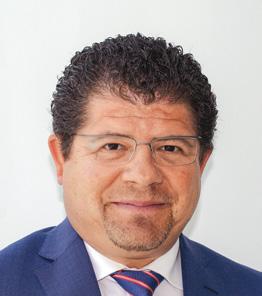
To bridge Mexico’s infrastructure gap, there should be less focus on creating structures and more on creating legal infrastructure, says Gabriel Ballesteros, Partner at Ballesteros y Mureddu. “Legal infrastructure is equally important to infrastructure itself but it is not being treated with the importance and value required for producing infrastructure development,” he says. “Planning is the great vaccination that prevents the epidemic of badlyplanned projects.”
On the path to create urban and public works policies, Ballesteros says the first step would be to carry out a revision of Mexican legal structures without halting urban development. “The risk to development is the reason why neither the industry, the municipalities nor the government are working to address this problem,” he says. “We are focusing on continuing projects in the field and not on making public-planning policies.” He proposes a focus on coordinating the three levels of government, balancing municipal and state public works and transferring part of the urban planning to citizens.
On a municipal level especially, Ballesteros says Mexico needs to rescue its planning institutions. Between 2000 and 2010, the country founded 54 municipal institutes of planning, but Ballesteros says they lack bite. “All these agencies are merely empty gestures, as they look good for municipal presidents but do not have any substantial impact,” he says. “We must create effective institutions that coordinate the relationship between citizens and government.”
These institutions would prevent duplication in government efforts related to infrastructure planning, as the structure of who is responsible for infrastructure is not clear at the moment. “We must strive for a balance between municipal development and federal public works,” he says. “Municipal presidents are constantly begging for resources and recognition for municipal governance, while governors are not giving those rights.” Ballesteros explains that the lack of recognition worsens when the parties differ on a municipal and state level.
The legal infrastructure antidote prescribed by Ballesteros also demands a transfer of urban planning to citizens, because they are the ones living in cities. “If we do not give decision-making power to citizens, we will continue changing our urban planning strategies every six years, reinventing it in accordance with the new leader’s view,” he says. He suggests a city agenda that is drafted with citizen participation.
“Planning is the great vaccination that prevents the epidemic of badly-planned projects”
It is not only about the government transferring urban planning to citizens but about them taking ownership of it. “Citizens must raise their voices and challenge poor infrastructure decisions,” he says. “They should ask questions about the projects being carried out due to the urgency to inaugurate them before the administration leaves office.”
Urban settlements grow in three ways, according to Ballesteros: they either expand, become denser or regenerate. He says a strong urban development plan can help authorities keep abreast of changes and predict new needs. “The three processes can happen simultaneously. Urban development plans should estimate how many hectares cities need to regenerate, fill in and expand to better define the incentives and maintain balance. The outcome is a living, compact and working city.”
Ballesteros gives two examples of cities achieving this balance, Mexico City being the best. “Mexico City, with all its problems, has done a great job in rescuing, regenerating and reconnecting public spaces,” he says. “It has created the right amount of verticalization.” Another city working for connectivity and re-planning is Aguascalientes. Other cities Ballesteros highlights include Guadalajara, which he says has focused on rehabilitating and regenerating urban spaces.
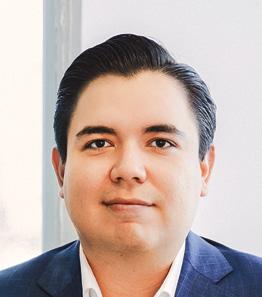
HÉCTOR GONZÁLEZ Partner and Co-Founder at Prosperia
Q: Considering real estate cycles, how should developers determine the right timing for their projects?
A: When speaking about the right timing for a real estate project we must consider demographic and economic cycles. The first refers to a local phenomenon and is about meeting people’s needs at a certain time, while the second is macroeconomic in scope. For example, 10 years ago there were only a few investment funds able to buy specialized portfolios. But regulatory changes gave birth to Fibras, which were enhanced due to an international appetite for emerging markets, such as Mexico. This created a real estate boom but it also led to artificial demand as some developers were no longer only selling to end-users but to Fibras. Project planning was aimed at pleasing the most successful Fibras and their value was no longer intrinsic only to themselves but to the appetite Fibras had for them. To prevent oversupply, we carefully follow demand cycles in the real estate market but also strive to understand what is going on with who purchases, finances and owns real estate portfolios.
Q: How does your methodology prevent developing to meet artificial demand?
A: We developed our own in-house methodology and data algorithms, starting from a deep understanding of socio-economic income levels. It allows us to foresee how many meters in each real estate market niche are missing or if there is a surplus, at which prices and who will be occupying these spaces. We have a tool to identify the needs of an individual based on a certain income. But as Mexico lacks a formal institutional standard regarding the definition of socio-economic levels, it was impossible to define a standardized metric to measure it. We built our own database and datasets to do so. We translate this data into valuable information for developers through a simple subtraction algorithm. The first number comes from an assessment of the number of people with a given
Prosperia is a consultancy specialized in market analyses for the commercial and financial feasibility of real estate projects. The firm has consulted on more than 500 projects and participated in the conceptualization of more than 7 million m2
need and how much money they can pay to satisfy it. Then we subtract the number related to available supply to specifically meet that given demand. The result equals how much is needed in that particular market. These algorithms have proven to be precise and applicable all over Mexico.
We do not believe in whole markets, but in niches. For example, is there an office surplus in Monterrey’s East Valley? Or in Mexico City’s Santa Fe neighborhood? Some may say yes but an analysis of market dynamics is needed to accurately define which price segment or what kind of buildings have a surplus or shortage. A successful property involves a measurable market, a quantifiable sales speed and a product aligned with the market niche’s demand. It is not the same thing to design an apartment to be occupied by a family as an apartment designed for roommates. When developers understand their target market, they can better define what it needs. This must be done by contemplating time, price and location.
Q: What project is most successful in portraying Prosperia’s methodology?
A: We strive for all our projects to deliver a solution, regardless of its value. For example, we are working with ITESM to transform its Monterrey campus into an open space, creating a TEC District. This was a response to the city’s rapid growth, which greatly intensified the demand for housing. Land is scarce and home builders had to develop new suburbs far from shopping centers and office buildings, causing great fragmentation for the city. We took an image of the city from a height of 30,000 feet and we found that the university’s real estate was in a valuable and strategic area of the city that was being underexploited. But the current campus is not located in an aesthetically-pleasing part of the city, so ITESM understands the need to improve its surroundings.
Our role in this project is to analyze the city’s needs so the 200ha of TEC District can become a positive change factor while making the project a profitable investment. We delivered a 25-year plan with a clear and cost-efficient view of how the district’s infrastructure and mobility should look. Our blueprint included housing, offices and research centers.
“The real estate cycle is taking a second spin. Existing properties are being revived and upgraded to better take advantage of them”
Jorge Gordillo, Mexico City Director of GVA
Lack of space in Mexico means developers need to get creative to find the precious square meters required to develop their projects. Jesús Gordillo, Mexico City Director of architectural firm GVA, says that reconversion projects with public transport as their backbone offer opportunities for urban regeneration. “Reconversion means that prime real estate that may be a little deteriorated can be regenerated to create greater social impact,” he says.
To bring about social change, public transport should be a key factor as it directly impacts public spaces and civic culture. “Transport routes have a high social and economic penetration as they immediately revalue the land around them,” Gordillo says. For example, new Metrobús stations tend to revive the areas in which they are located. The surrounding streets start to gentrify and the neighborhoods become more walkable. In turn, new real estate opportunities open up.
The firm has 50 years of experience in the market. “We started as a local firm with offices in Guadalajara that saw enormous opportunities to open offices abroad,” Gordillo says. “We went from local to international with the challenge of adding value over all the other firms operating in big cities.”
GVA initially seized opportunities in the hospitality market to open offices in the Dominican Republic. “We started to delimit our company’s vision according to the needs of a foreign developer and the local tools available to carry out a project. This process helped us understand how to better guide the client in financing their projects in Latin America,” Gordillo says. GVA has since specialized in offering an integrated approach to projects that vary from residential to hospitality, always with the goal of generating a positive social impact.
Drawing on this experience, Gordillo says that a policy that prioritizes public transport would offer significant advantages over that which boosts car use, as has been the case in Mexico. He points to the construction of the Periférico’s second floor 10 years ago to address traffic needs. “Which areas benefited from having a road above them?” he asks. “Meanwhile, those streets located close to a MetroBús have seen real benefits.”
The reconversion of the social tissue through real estate projects and urban planning forces architects to think about society in terms of its different economic social classes. “This sensitivity allows them to find multiple penetration modes to develop public spaces; it is hard to have all classes converge in one project,” he says. He uses La Mexicana Park in Santa Fe, Mexico City, as a success case for architecture as a social experiment that achieved high community penetration.
The reconversion boom has also reached hospitality real estate. GVA itself has 12 ongoing hotel projects. “The real estate cycle is taking a second spin,” Gordillo says. “Existing properties are being revived and upgraded to better take advantage of them.”
According to the Director, it is also crucial to find the right balance between innovation and respect for community customs when redeveloping certain areas. He highlights GVA's collaboration on a transport terminal project in Poza Rica, Veracruz. Gordillo says the challenge is to incorporate novel and groundbreaking elements such as escalators, which are not traditionally seen in local bus stations. The firm also wants to gradually change local paradigms and make the terminal a lounge space that serves as a social area instead of just being a transit facility.
GVA is currently working with transport companies to develop new transport terminals that integrate real estate components in these areas. Gordillo explains that non-traditional locations can host the most promising real estate opportunities. “These developments are usually located in deteriorated urban areas with some transport connectivity but with interesting opportunities for rehabilitation,” he adds. GVA is also exploring the opportunities for health facilities within mixed-use developments, such as the Ciudad Salud project in Queretaro. “These projects have a high impact on the quality of public space use,” he says.

Smart Cities, Industry 4.0, machine learning and the Internet of Things are the buzzwords taking over the infrastructure industry. Mexico’s largest cities are all pushing smart initiatives to transform into more efficient, safer and more sustainable places to work, live and play.
But smart solutions require smart, and more importantly, trustworthy data, something lacking in many Latin American countries, according to CAF's 2017 RED Report. Mexico also demands the development of more telecommunications infrastructure to support its networks. To that end, the 2013 Telecommunications Reform opened the arena for new players to provide services and also outlined the development of the Red Compartida, a national project to introduce a wholesale mobile network across the country that launched in 2018.
This chapter includes the expertise of technology giants and Smart City experts and analyzes the challenges that Mexico faces on the path to smartness. Furthermore, it presents the innovative solutions and initiatives companies and governments are undertaking to tackle this endeavor and improve the life quality of its citizens.

76 INFOGRAPHIC: One of its Kind: Deploying the Shared Network
78 VIEW FROM THE TOP: Alejandro Preinfalk, Siemens Mexico and Central America
79 VIEW FROM THE TOP: Alfredo González, Nokia Marco Vigueras, Nokia
80 VIEW FROM THE TOP: María Teresa Safón, Indra
81 INSIGHT: Aris de Juan, Clear Channel International
82 VIEW FROM THE TOP: Santiago Echeveste, Johnson Controls BTS Mexico
83 TREND SPOTLIGHT: Smarten Up: Mexico Lags in Smart Rankings
84 INSIGHT: Miguel González, Vertiv
85 INSIGHT: Marco Vidali, Rizoma Pablo Lezama, Rizoma
86 INSIGHT: Luis Rubio, Holland & Knight
87 INSIGHT: Luis Tejadilla, Belden Industrial Solutions
88 VIEW FROM THE TOP: Alejandro Donnadieu, Bentley Systems
89 VIEW FROM THE TOP: Uriel Torres, SITA
90 VIEW FROM THE TOP: Gustavo Paredes, Schindler Mexico
91 VIEW FROM THE TOP: John Donoghue, Allied Wireless and National Fiber Networks Mexico
The Shared Network is the largest telecommunications initiative in history. The project, rooted in article C6-106 of the Peña administration's initial Government Commitments, pursues the ambitious goal of bridging Mexico's digital gap by delivering 4G LTE network connectivity to 92.2 percent of the population by January 2024. As the first self-sustaining PPP in the country, the project is expected to attract 100 percent of its investment from the private sector. In 2017, the project was awarded to Altán Networks, a consortium of investment funds, strategic partners and telecom experts. When deployed, Altán will deliver the infrastructure during the concession period directly to operators and not to end users, avoiding monpolistic practices.
Strategic partner: Grupo Multitel
Domestic partner: Hansam
C6-106 Government Commitment to establish a digital agenda to bridge the digital gap and democratize access to telecoms
First self-sustaining PPP in Mexico and pioneer in adopting the World Bank standards for open contracts
The minimum service quality requirements consider the development of a 4D LTE origin mobile broadband with 4Mbps speed in down-link and 1Mbps in up-link
The goal is to offer 4G LTE network connectivity to 92.2 percent of the population under a 20-year concession
The bases for the Shared Network Tender are announced by SCT and IFT
The concession for the Shared Network is awarded to the Altán Networks Consortium
November2016
January2016
June2013
A team of over 150 professionals
US$7 billion
Estimated total investment
Awarded to Altán Networks Consortium:
Financial investors: Morgan Stanley Infrastructure, International Finance Corporation (IFC), CKD Infrastructure Mexico (CKD IM), China-Mexico Fund, Caisse de dépôt et placement du Québec (CDPQ), FFLATAM-15-2 and Isla Guadalupe Investments
Industrial partners: Axtel and Mega Cable
A 7.1 earthquake shocks Mexico and the project’s work is suspended
The record of installing 500 antennas per month is accomplished
September2017
February2017
May2016
Telecommunications and Broadcasting Reform is published in the Official Journal of the Federation Tender is launched
September19thMarch2018
The first Shared Network antenna is installed in the State of Mexico, starting the installation of 7-8 service towers per day, for a total of 2,200 antennas and 7,000km of fiber optic lines over the first year
The first phase’s goal to cover 30 percent of the population and 28 Pueblos Mágicos is exceeded, reaching 32 percent coverage of the total population, or 36.1 million people, including 5.8 million in rural areas and over 20 Pueblos Mágicos
The mobile broadband market grew 200 percent, jumping to 82.7 million lines in 2018 compared to 27.4 million in 2013
THE PUBLIC COMPONENT:
While the project is entirely designed, deployed, operated and maintained by the private sector through the awarded consortium, the PPP considers a public contribution:
The Ministry of Communications and Transport takes part through:
PROMTEL leases
90MHz of the 700MHz band
Telecomm contributes 2 optic fiber threads
Source: IFT, Altán Networks, INEGI
Number of Pueblos Mágicos covered
Total population covered (million)
Percentage of total population covered
The market for fixed broadband grew 45 percent, to 17.7 million lines in 2018 compared to 12.2 million lines in 2013
The total price of communications dropped by over 25 percent from June 2013 to June 2018, contrasting with a 21.3 percent increase in inflation
The drop in prices from 2015 to 2017 amounted to an estimated MX$133.7 billion in cumulative savings for end users, which equals half of ISSSTE’s annual budget or 3 times UNAM’s annual budget
*Population percentages based on the INEGI 2010 census
The elimination of National Long Distance (LDN) cuts mobile phone calling prices by 42 percent from 2Q13 to 2Q18
The penetration of fixed broadband increased 26.8 percent from 2013 to 2018 after stagnating at -2.5% average rate between 2011 and 2013
The GDP contribution of the Telecommunications and Broadcasting sectors increased to an average of 2.4 percent in 2018 compared with 1.6 percent in 2013
Congress is preparing an amendment to the Federal Telecommunications and Broadcasting Law to enable users to terminate their service plans without penalizations and for licensees to renew their concessions with no forced terms
The Telecommunications and Broadcasting Reform’s main objective was to increase market competition in the sector. After five years, several players have entered the market but America Mobile continues to hold twothirds of the market share
Rural population covered (million) By January 2022 the shared network is expected to cover 100% of Pueblos
, a total of 111
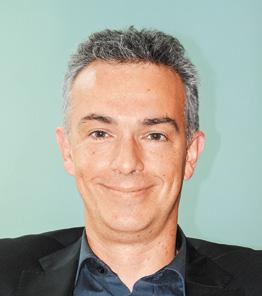
ALEJANDRO PREINFALK
Vice President of Energy Management, Building Technologies and Mobility at Siemens Mexico and Central America
Q: How does Siemens shorten its clients’ learning curve and associated costs when implementing its technological solutions?
A: On the cost side, the important factor is to shed light on the total cost of ownership, which is not limited to the investment involved in implementing this new technology at present but also includes the investment projected in the long term for operational and spare-part cost optimization, among other factors. On the learning curve side, Siemens is immersed in an intensive awareness-raising campaign in the market. We are present across different exhibitions and forums such as data center expos and HVAC fairs. We also provide detailed training and certification services to integrators and engineering companies that thoroughly dissect the inner workings of building management systems and incorporate our solutions in their designs.
Q: How does Siemens remain innovative in a fast-moving sector and where does it see the best prospect for growth?
A: The company’s pillar is innovation. We cannot remain in any comfort zone. Our core value is to maintain our role as digitalization pioneers in the market. We are focused on remaining close to our clients to get a first-hand perspective of their needs and provide value-added solutions to cater to them. Innovation is only as valuable so far as it can be implemented and if it solves a specific problem. Mexico continues growing and developing its industrial tissue, meaning electricity consumption will be on the rise, calling for a sturdy and smart grid. Energy efficiency is another critical issue. Forty percent of the country’s electricity consumption is used by buildings. To that extent we can make this consumption more efficient, greatly impacting the way Mexico produces and consumes energy.
Q: Siemens reduced its CO2 emissions by 4 million tons in 2016. What are the company’s further goals in that regard?
Siemens is a global company focusing on the areas of electrification, automation and digitalization. The company is a top-tier producer of energy-efficient and resource-saving technologies
A: Toward 2024, Siemens’ objective is to reduce its carbon footprint by 50 percent compared to 2017 levels. By 2030, we are working to become a fully carbon-neutral company. It is an ambitious target but it is directly related to energy efficiency, operational digitalization and renewable energy, three of the niches in which we excel.
Q: How is Siemens fostering energy efficiency in the country’s industrial activities?
A: Siemens continues to work closely with its clients to assist them in attaining their energy efficiency goals by using our technologies. We are involved in significant consulting activities in the market on that specific issue. The requirement of CELs established for qualified users will contribute to the faster implementation of these technologies. Adoption of digitalization in Mexico’s electricity systems will be boosted by the implementation of measures to comply with the country’s Grid Code by April 2019. We are working with our clients so they are ready for these new standards on both power producer and energy consumer spectrums. The target is to provide operational efficiency and adequate load factors for our clients based on internal diagnostics.
Q: How does Siemens provide the best efficiency solution to its clients’ most common problems?
A: A common factor is the implementation of efficient lighting systems. Siemens developed smart lighting management systems applicable in commercial buildings as well as industrial parks. This enables effective management of both artificial and natural light. Installing and operating high-efficiency industrial engines to save energy is another common issue. There is also interesting business potential in ventilation management. This mainly involves deploying smart air-conditioning controllers to efficiently manage room temperatures with HVAC systems. Based on this diagnostic, we developed an integrated building management platform called Desigo CC for efficient building operation. It is a smart system that orchestrates the energy features and requirements of a building, considering energy, water and natural gas consumption, lighting, fire control, ventilation, air-conditioning, video surveillance and building access controls.
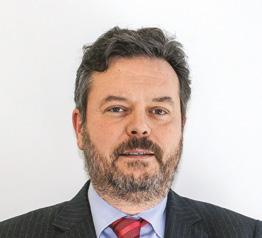
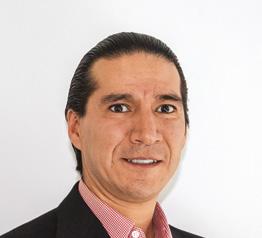
Q: What impact did the 2013 Telecommunications Reform have on the Mexican market and what areas of opportunity still exist?
MV: The Telecommunications Reform generated a huge boom for telecoms services in Mexico, an area in which the country was lagging. As more competitors enter the market, the user has more options for providers and services. The reform also contributed to creating more professional jobs in the country, especially in engineering and telecommunication studies. Overall, the economy was revitalized as the rules for doing business changed. The route toward the Shared Network has also made communications more accessible to all Mexicans. It is a unique project with the potential of becoming a worldwide example of success.
Q: How is the future of telecommunication networks looking in Mexico and what is Nokia’s role in developing it?
MV: AirFrame and AirScale are two architectures being promoted by Nokia in alignment with the company’s vision of developing telecommunications infrastructure. The idea is that these can work with existing platforms like 4G LTE and at the same time are ready to migrate to future platforms, like 5G. Regarding the 5G network, we had estimated it would be implemented by 2020, but our CEO has announced that it is anticipated for 2019. The market is moving at a faster rate and exponentially demands new technologies. 5G networks will allow people to live in a different way, with higher speeds and more data, while at the same time migrating to IoT and the interconnection of devices. This may appear to be simple but it has the potential to be as futuristic as we wish.
AG: Nokia is already deploying 5G networks in several cities abroad. I believe that one of the key contributions of 5G to IoT is latency performance, which is so low it enables the automation of many business processes. 4G allows it but 5G will further perfect it. For example, Nokia automated the first mine worldwide with 4G LTE. Also, we contributed to developing connectivity so data can reach systems through different means and be processed in real time. We offer solutions that enhance data automation while ensuring data protection policies. Our platform is flexible enough to adapt
to our clients’ needs. In Mexico, we are working to have local districts developing connectivity solutions.
In Smart Cities, Nokia is focusing on the implementation of smart lighting to allow cities to be safer and to optimize their energy consumption. We are also working with video analytics solutions to allow the operation of a greater number of surveillance cameras with fewer personnel. For example, any abnormal move at a train station, such as people going in an unusual direction or somebody leaning into a forbidden area, will trigger an alarm. Instead of having to monitor all the cameras, the human personnel will just focus on those that have been triggered.
Q: What are Nokia’s most emblematic projects in Mexico up to 2020?
MV: The Shared Network is one of Nokia’s key projects at the moment. Everything is going well and we believe we will comply with the deadlines. We are also working with several clients to carry out due diligence and to ensure that they will have the required infrastructure for 5G when it arrives. Our job is to prepare all operators so they will be ready for 5G networks. Nokia is also working on transportation, energy and government communications systems, among others.
AG: In transportation, we can contribute a great deal. For example, we are working on NAIM, advising the different stakeholders on how it should work in terms of telecommunications. It is important to highlight that we are proposing technologies for 2020 through fixed broadband for internal telecommunications (Passive Optical LAN) with military-grade security, lower investment and lower operational costs, among other benefits. Also, we are proposing 4G LTE solutions for airports, as we believe that the airport should supply users with wireless connectivity solutions.
Nokia serves communications service providers, governments, large enterprises and consumers, with the industry’s most complete, end-to-end portfolio of products, services and licensing

MARÍA TERESA SAFÓN Transport Director of Indra
Q: What role will technology play in Mexico’s future transportation systems and how has Indra participated in boosting the efficiency of Mexico City’s Metrobús?
A: Technology plays a vital role in everything related to efficiency, security, intermodality and transport. Indra focuses on technology consulting. Technology is vital to guarantee the reliability of transport systems, to have the entire MTS fleet localized at all times and to reach intermodality so that the service is easier to use. Technology also provides reliability in terms of times, routes and action plans in response to contingencies. In Mexico City, we are working on all of the operating Metrobús lines. Every line integrates our Operation Assistance Systems (OAS), which includes onboard video-surveillance units, a driver panic button and console, GPS and information systems for passengers at stations.
These technologies increase the reliability of the Metrobús service by focusing on security and efficiency. Having both the fleet and the stations monitored increases security and helps the police solve traffic and vandalism incidents quickly.
As of 2018, more than 600 units have our technology integrated and more than 1.2 million passengers a day benefit from it. The Intelligent Transportation Information Center (CITI) controls the seven Metrobús lines. This center allows a more efficient management of Metrobús fleets and allows for a faster reaction to contingencies during its dayto-day operations.
Q: How have the public and private sectors embraced innovation and new technologies for transport infrastructure?
A: There is appetite for innovation, especially in the private sector. Companies are looking for strategic technological partners to innovate within the market. Indra invests 6-8 percent of its annual sales in R&D. In Europe, Indra is a
Indra is one of the world's leading technology and consulting companies. Its transport division works closely with toll road concessionaries and operators, as well as with Metrobús operators, providing technology and innovative products
leader in many innovative projects with both public and private initiatives. The Connected Vehicle for example applies artificial intelligence to a vehicle so it can interact with others and the infrastructure, collecting data on vehicle occupancy, which can lead to dynamic tariffs. These features are not yet in demand in Mexico from the public sector but the private sector is interested in starting to integrate the technology.
Indra’s experience in Mexico’s transport segment has been predominantly with the private sector but we do not limit ourselves. Our transport services are divided into four markets: traffic, urban transport, ports and airports and railroads. We are collaborating in more traffic projects in Mexico, and most of our client portfolio is in the private sector because we work closely with most tollroad concessionaries. There are very few public tenders associated with technology systems applied to roads, with the exception of those tendered by CAPUFE or Banobras. Metrobús for instance is not our final client; we work directly for the operators. CAPUFE is not our final client either, as we work for the operator of that road. Roadis is an operator that is interested in finding alternative payment options through cell phones or other methods. More efficient payment options have been integrated into MTS projects but toll roads have been more standardized and have not advanced in integrating innovative technologies.
Q: Why is the technological adoption rate in Mexico for toll systems slower than in other countries?
A: Mexico has low bank coverage rates. In Europe, credit card payments for toll systems function well. In Mexico, payment would be limited to approximately 35 percent of the population due to the low penetration of these products. The payment collection method must ensure coverage for the majority of the population. I believe that credit cards will increasingly penetrate the market because these payment methods are far more secure, prevent fraud, are much more efficient and would help homogenize the system so users do not need different cards for different segments or roads. We want to revolutionize toll systems in Mexico through alternative payment methods.
Regional President for Latin America and Southern Europe of Clear Channel International
Communication and advertising channels can play a significant role in addressing urban problems and providing services, helping cities become smarter in the process, says Aris de Juan, Regional President for Latin America and Southern Europe of Clear Channel International. He is convinced that the further development of IoT will unlock more possibilities and that the potential for enriching the exterior is unlimited. “Our mindset is to constantly think of what new solutions to offer. Our bet is to use the accessibility and underselling of technology to transform the business,” he says.
As technology and IoT take on a larger role in the development of Mexican cities, companies like Clear Channel can use their expertise to contribute solutions to the plethora of problems cities face. “City mayors must address three key issues: safety, waste management and mobility. We believe these should be the central axes for city services, and our goal is to provide the solutions,” de Juan says.
Clear Channel International was a pioneer in the mobility sector, introducing its Smart Bike systems into Mexico City in 2000 by exchanging its services for advertising spaces. “SmartBike is not the end but a beginning. It is the start of a journey toward city transformation,” says de Juan. Eight years later, Clear Channel’s SmartBike system in Mexico City is now the largest bicycle-sharing system in Latin America and it is pioneering the integration of electric bikes. De Juan explains that the efficiency and systematic growth of Mexico City’s system has made it one of the three most successful SmartBike systems in the world, following Barcelona and Montpellier. “Mexico is now recognized for its sustainable public mobility around the world. This is our main contribution to the mobility problem,” he says.
The success of the SmartBike system lies not only in improving mobility but in self-financing the maintenance and operation of the system through outdoor advertising. With SmartBike self-sustaining, Clear Channel began looking for new ways to contribute to the country’s “smart” evolution and turned its attention to security. The company offers surveillance cameras that can be incorporated into SmartBike stations or other Clear Channel urban furniture
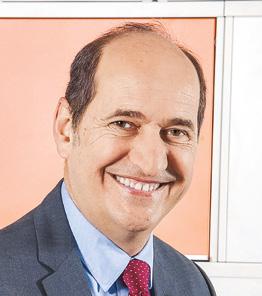
to enhance security and help prevent crimes, as they are directly connected to the city’s central security systems.
Apart from surveillance, these stations can increase connectivity by using their urban furniture as a communication platform that incorporates Wi-Fi antennas. As 90 percent of Clear Channel’s advertising screens are digital, the company broadcasts valuable content such as real-time traffic information and emergency messages during contingencies. After the September 2017 earthquake that struck Mexico City and other areas, Clear Channel International committed 100 percent of its advertising spaces to transmit civil protection messages throughout Mexico City. As a result, in February 2018 it was awarded the Best Corporate Digital Signage Award for using its digital infrastructure to serve the public as a response to the disasters.
Taking its civil service another step further, the company is also involved in waste management, a problem that requires an innovative solution as Mexico’s cities are expected to grow rapidly. Similar to its mobility exchange scheme, Clear Channel offers recyclable waste containers and manages waste treatment. In exchange, cities provide it with permits to install broadcasting platforms that the company then sells to advertisers while reinvesting part of the earnings in city services. “This is a 360° model. The city gives us the means to generate the resources to provide the services, such as waste management, without implying an extra cost for the government,” says de Juan. This model has already been implemented in Madrid. In Mexico, the company has started developing projects in Puebla.
Even as the company innovates its solutions, de Juan says there is still untapped potential for improving quality of life in Clear Channel’s roots: outdoor advertising. Digital billboards can be used to display valuable information such as temperature, time and traffic. With more than 70 percent of the Latin American population living in urban areas, the street is a place where people are spending up to 25 percent more time. “They can skip TV commercials, online ads and other methods of advertising but street advertising is inevitable. Why not take advantage for the good of the city?”

SANTIAGO ECHEVESTE
Vice
President and General Manager,
Contracting, Systems and Refrigeration at Johnson Controls BTS Mexico
Q: What is your assessment of the development of Smart Cities in Mexico?
A: Smart Cities is a new concept in Mexico and requires teamwork with the government and an alignment of policies. The user, government and private sector need to collaborate and work together to achieve this desired new way of life. Smartphones are crucial as people need to receive and share information to create a community around the Smart City. For example, the Waze app is an initiative that helps people build a community around traffic. This applies to other elements such as water and energy consumption that benefit from the integration between users and devices, which should be connected in real time.
But Smart Cities represent challenges for building the infrastructure for a strong wireless network. I think the government is moving slowly in this direction. While it is adopting some technologies, from the process standpoint this is only the beginning. Mobile devices, internet coverage and connectivity need to have higher penetration. Mexico City has made some advancement in being smart as it has traffic sensors, cameras and smart lighting in some areas.
Q: How are Johnson Controls’ solutions fostering the development of Smart Cities and where do you add value?
A: Johnson Controls contributes with several applications for Smart Cities. For example, in the US we run parking payments through smartphones and also have solutions for smart lighting systems. In Mexico we are working toward the first phase along this path, which we call Smart Equipment; that is, having devices connected to the IoT. We also provide Smart Chillers. The idea is to gather data from equipment to enable predictive maintenance and prevent failure.
We are more focused on the energy and health sectors. Universal policies establish the human right to health
Johnson Controls is a multinational leader in HVAC and air system products that focuses on innovation and boosting the efficiency of buildings. It has vast experience working in the commercial and health sectors
services but at the same time, the number of public hospitals remains almost even. This is a huge opportunity area in the country. IMSS is our main client and we are collaborating with construction companies such as Marhnos, PRODEMEX and ICA. The Energy Reform also opened up interesting opportunities in the energy sector and we are working closely with PEMEX.
Q: How is your merger with TYCO going to affect your business offering in Mexico y?
A: The first year of the merger was spent in aligning both organizations and establishing our service offering. Now we are focused on developing solutions for all our verticals such as hospitals, energy, industrial and commercial buildings. We have such a broad portfolio that we can offer a solution for every type of failure. Our goal is to develop tailor-made solutions for all our verticals. This merger enabled us to become the biggest company for building solutions. I think that the market is receiving it very well as it is convenient for the customer to have one single point of contact to their solutions.
Our project pipeline in the country is looking strong. We closed our fiscal year 2018 at the end of September,and year-on-year we grew around 20 percent, which is impressive given the country’s 2.6 percent growth rate. I think that the key to this success is to continue improving our market penetration by hiring more salespeople and technicians to better serve those markets that are overlooked.
Q: How are you innovating in HVAC systems and to what extent did your merger with Tyco disrupt this innovation?
A: Since day one we have never stopped innovating. I believe innovation is moving toward IoT and hardware. Accordingly, we launched YZ, a new chiller with magnetic bearings designed to work with low-pressure refrigerants. It is oil-free and its unique condenser design yields a low refrigerant charge, also adding points to sustainablebuilding certifications such as LEED. We also have new control systems such as Verasys. This is a commercial platform designed for HVAC contractors.
More than 65 percent of the world’s population will live in cities by 2040. In Mexico, 72 percent of the people already do, according to EY. By 2025, developing countries will have 440 Smart Cities and Mexico is expected to be in the Top 5. Today, though, the country still has some way to go
Global trends are pushing cities to become smart, not only to tackle energy consumption but also to improve quality of life. “A Smart City is one that achieves harmony and efficiency between its inhabitants and suppliers,” says Javier Cordero, President and Director General of Oracle Mexico. In the 2017 Smart Cities Index issued by the EasyPark Group, two Mexican cities squeezed into the Top 100: Monterrey and Mexico City.
From a demographic perspective, cities are urban settlements with more than 100,000 inhabitants. The world has around 1,961,969 cities, but only a tiny percentage can be considered smart. The EasyPark Group, a parking services company, annually scans the world looking for the 100 Smartest Cities. Mexico made the list but the country and its Latin American counterparts clearly have a long way to go to climb the rankings. Together, the region had just eight cities on the list, all in the bottom third. The two Mexican entries were at No. 98 (Monterrey) and 100 (Mexico City). To smarten up, Mexico’s government, citizens and private sector should embrace and implement technology that improves life quality. “Smart Cities require IoT, the Cloud and Big Data,” says Cordero. “IoT is fundamental, since every element of the city must be connected to send information to the cloud. All these data become Big Data and must be analyzed to obtain intelligence and thus make cities more efficient.”
Understanding the importance of internet connectivity, Mexico launched a Telecommunications Reform in 2014. Two projects stand at its core: the Backbone Network and the Shared Network. The former’s tender was postponed to March 2019 from November 2018 to provide certainty to investors that the project would start during AMLO’s administration. The latter already completed it first phase in March 2018 and covers 32.2 percent of the population and 25 percent of the country’s Pueblos Mágicos with 4G LTE bandwidth connectivity. Advancing connectivity projects like the Shared Network is the first step to becoming smart. “This is the definition of a Smart City, to effectively link multiple players with technology to their benefit,” says Uriel Torres, Director of Sales and Corporate Relations of SITA. The second step, according to Marco Vigueras, Country Senior Officer for Mexico of Nokia, is a shared approach. “Today, Smart Cities and technology require a collaborative perspective,” he says. “To develop it, all the players involved – operators, suppliers and government, among others – must work together.”
The EasyPark Smart Cities Index focuses on transport mobility, sustainability, governance, innovation economy, digitalization and high living standards as the main axis for any Smart City planning. The organization analyzed more than 500 cities and measured how developed they were in terms of these factors to rank the Top 100. Copenhagen, Singapore, Stockholm, Zurich and Boston lead the list. In Latin America, Panama, Brazil, Colombia and Mexico are the only countries included, the latter just making the cut. Monterrey was ranked the 98th smartest city with a 3.54/10 score, while Mexico City took No. 100 with a 3.19/10 average. Monterrey was best-ranked for its environment protection and worst for its urban planning, scoring 8.88/10 and 1.0/10 respectively. The same categories marked Mexico City's top and bottom, with 8.10/10 and 1.0/10.
As for the rest of Mexico, secondary cities are growing with the goal of achieving smartness. Gustavo Paredes, Director General of Schindler Mexico, believes the key is to continuously improve the efficiency of how people move as cities grow. “Mexico City continues to be the epicenter of verticalization and Smart City developments,” he says. “But we see a significant amount of activity in secondary cities, such as Guadalajara, Monterrey and Cancun. Cities such as Leon, San Luis Potosi and Tijuana are also markets to watch.”
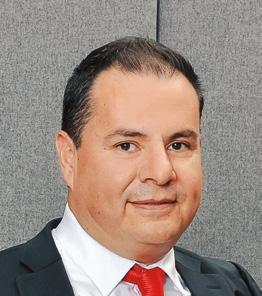
MIGUEL GONZÁLEZ
General Manager Mexico of Vertiv
Increasingly connected and “smarter” cities call for faster, more reliable and capable data centers that can handle and process large amounts of information. But the large carbon footprint that these centers produce can challenge the sustainability of a Smart City in the long run. “Cooling systems are the largest power-consuming part of data centers,” says Miguel González, General Manager Mexico at Vertiv. “But through innovative thermal solutions we offer systems that deliver the exact amount of cooling that each center needs to run safely and efficiently.”
González points out that the energy savings that Vertiv’s Energy Efficiency as a Service solution offers can help clients pay for the infrastructure that the company installs in its data centers. “We are a technology company, so rather than manufacturing and selling products, we focus on developing solutions,” he points out. “Our main strength is that we can design data centers and deliver flexible and scalable solutions for this sector.”
As a company that has traditionally served the telecom sector, Vertiv sees a promising future in the short term. According to González, the company went through hard times because the Telecommunications Reform of 2014 caused major uncertainty and several telecom service providers put their infrastructure investment projects on standby. “But these companies are starting to ramp up operations again and I am optimistic that Vertiv will achieve significant growth in the next couple of years,” he highlights.
González adds that the telecom and infrastructure sectors will play a key role in Vertiv’s growth as they will offer a lot of opportunities for companies in Mexico. He says Latin America has become an important global player for Vertiv’s solutions. “Companies are interested in achieving edge computing by bringing servers closer to clients to avoid signal delays and latency,” says González. “In Mexico, however, Vertiv faces several challenges because the country is in the middle point between the US and the rest of Latin America.” He points out that Mexico is so close to the US that data center companies do not place their
servers in the country because their largest data centers are located in the US.
Despite this issue, González says Mexico offers several opportunities for Vertiv as telecom service providers such as AT&T, Telmex, Alestra and Telefónica invest in the country and the company explores the retail and manufacturing industries. “We want to diversify our business portfolio to support these companies,” he adds.
“For instance, automotive companies continue to open assembly plants in Mexico and we have solutions that cater for them.”
In the case of Mexico’s manufacturing industry, González underlines that the need for automotive companies to digitize their operations to implement Industry 4.0 practices and take advantage of IoT has created a demand for the edge computing solutions that Vertiv offers. “These clients need quick access to information and a local backup of that information. Edge computing plays a key role in that,” he says. González underlines that information enables automotive suppliers to coordinate throughout the supply chain to achieve JIT logistics and manufacturing processes. “Edge computing ensures flexibility, reliability and productivity in operations and offers a better costbenefit by reducing the need to invest so much in raw materials,” he adds.
It is a similar case in the retail sector. González says just as edge computing enables automotive companies to remain close to their partners, big supermarkets are interested in remaining close to their clients and understanding people’s consumer profiles. “They are reconsidering their business models and making investments in digitalization including data centers, data analytics and edge computing to that end,” he says. At the same time, González says Vertiv can help retail chains increase their energy-efficiency and reduce their CO 2 footprint. “The retail sector accounts for around three percent of the country’s power consumption,” he says. “Vertiv offers a portfolio of solutions for these companies that can help them reduce their energy costs.”
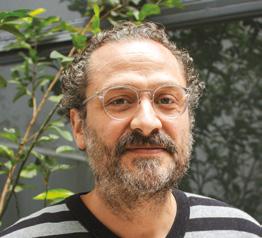
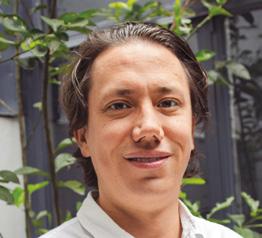
In the last few years, the construction and engineering sectors have been promoting the use of Building Information Modeling ( BIM) in the development of infrastructure projects but Marco Vidali, Managing Partner of project management firm Rizoma, says there are even more cutting-edge technologies available. “Artificial intelligence (AI), data-driven design and metadata could help make the best of the public and private resources, and serve a greater number of people,” he says.
Generative design is half human, half computer and has the power to produce and explore thousands of concepts and then identify the best options for an optimal end-product. Vidali believes that social infrastructure is a great sector into which to begin integrating generative design technologies and processes. “These types of technologies will allow the government to analyze different sources of information such as population, trends and use of infrastructure itself to create projects that have a greater impact on communities,” he explains. “In the health field for instance, we will be able to collect data from the past 10 or 20 years to understand weaknesses and opportunities. We can then integrate that data with population and health forecasts to analyze and develop an infrastructure plan that will suit short and midterm needs.”
One possible downside in the Mexican market is that information and recent data is hard to come by. But according to the company’s Innovation and Development Manager, Pablo Lezama, Big Data will be the motor for development in the coming years and the industry will no longer have to wait for INEGI or other entities to release data. “IoT will drastically change the quality and quantity of data available to build better projects,” he says.
Vidali explains that, although BIM has been making a breakthrough in the Mexican market, penetration has been slow. “The market has yet to understand the importance of using BIM and other technologies in projects. In our experience, few companies have seen the monetary value of adapting these technologies and why they should be made mandatory,” he says.
One of the country’s largest and most important projects, NAIM, has made BIM mandatory and is using the technology to develop the airport from the very start. Rizoma is participating in the project and believes NAIM is setting the example for future infrastructure projects. Lezama believes that in larger public projects there is a great deal of potential for transparency by using shared databases linked to BIM models.
The change in political administration has heightened speculation over NAIM’s continuation but both Lezama and Vidali believe the change will bring opportunities. This is especially true for the integration and adoption of technology and innovation and for companies that want to provide a new added value to the infrastructure industry. “AMLO’s administration seems to be welcoming technology and looks to promote transparency in the development of infrastructure projects,” says Lezama. “BIM and other technologies will be a powerful tool to decrease corruption and impunity in the development of infrastructure in Mexico.”
Another mechanism that can increase transparency is PPPs and Vidali says progress is reflected in the fact that, in the last couple of years, social infrastructure has been a very active sector, in particular the construction of new hospitals, jails and schools. Very often, these projects are carried out through PPPs and USPs. Vidali believes that it will also be a priority for the next government. “Social infrastructure allows a society to evolve. The use of schemes such as USP and PPPs allows the private sector to analyze and fund all types of opportunities in the development and construction of social infrastructure,” he says.
Technology can help bridge the country’s social infrastructure gap but both the public and private sectors must take matters into their own hands to ensure things are done correctly, according to Vidali and Lezama. “Technology could be the solution to make the construction sector more transparent. Technologizing the sector would leave less room for subversive activity,” says Vidali. Nonetheless Lezama says technology alone does not go far enough. “The public and private sectors need to remember that the end-clients are the Mexican people.”
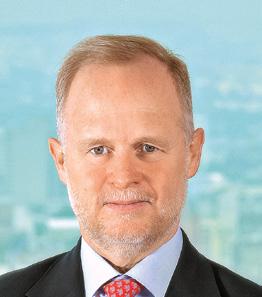
LUIS RUBIO Partner at Holland & Knight
The 2013 Institutional Telecommunications Reform was designed to introduce true change to the country’s telecoms infrastructure and break down the monopoly held by main operator America Movil. Luis Rubio, Partner at Holland & Knight, says the challenge was not in the writing but the implementation, and the results show it. “I believe we should have seen stronger changes from the reform than those we have seen so far,” he says. “At the moment, expectations are not being met.”
Although the reform’s projects, such as the Shared Network and Backhaul Network, have attracted the attention of many, Rubio says implementation has been slow due to the existing providers’ long-standing and substantial power over the market. “International companies have wanted to enter the Mexican telecoms market for many years but they are thinking twice and not necessarily committing to it,” he says. “The market is attractive but they feel that the Telecommunications Reform will not be correctly implemented or will not be implemented fast enough.”
According to the 2017-2018 WEF Global Competitiveness Index, Mexico ranks 84 th of 137 countries in terms of its telephony infrastructure. IFT estimates that the current telecom infrastructure covers only 33 percent of demand, representing a deficit of 53,000 structures. “Most of the infrastructure developed for telecoms has revolved around what is a good business strategy and not so much about what is beneficial for the country in the long term,” says Rubio. “The dominant player in the market – America Movil – makes it extremely hard to compete with not only its infrastructure but its rules.”
Opening the market and creating a healthy atmosphere for both operators and investors has been one of the greatest challenges of the reform. But it will take more than reforms and projects to ensure the success of the sector, according to Rubio. Through the reform, IFT was created to ensure that no company would hold more than 50 percent market share. Televisa’s and America Movil’s hold on the sector should have reduced significantly as the government heralded a new era of competition.
But five years after the reform was passed, Rubio says IFT’s regulatory power leaves much to be desired. “The biggest issue is that IFT does not have the teeth or the political will to change things,” he says. “The projects themselves need to be financially viable to keep up with the quickly-changing market and prices.” By giving IFT more power to regulate –and sanction – Rubio believes that rules will be clearer and projects a lot smoother.
But regulation is not the only sticking point that is holding back telecoms infrastructure, he says. Another hurdle is funding. PPPs could bridge the gap but many improvements are needed to allow these schemes to completely take off. For example, in Rubio’s experience, the private sector does not trust regulators. “There was great hope and trust in the Telecommunications Reform but because IFT has taken such a long time to move projects along, many investors have lost that trust.”
Other infrastructure sectors have seen successful PPPs but Rubio acknowledges that there have been some setbacks. “The biggest issue is that the government still sees the concessions as a source of public sector income and that mentality should change completely,” he says. “The incentive should lie in development of services for the good of the public. As long as the current mentality persists, it is going to be hard to generate more competition.”
For example, many mobile operators will renew their concessions soon. If prices are low and the investment required is high, it will not make sense for new players. It is essential that the government makes processes faster and more affordable for new entrants. “By not doing this, IFT is punishing competitors against a very wellestablished Telmex, a company that owns almost all the telecommunications infrastructure in Mexico,” says Rubio. The 2.5MHz bid is considered critical to allow operators like AT&T, Telcel and Telefónica to improve their 4G broadband offering, for example. “But in the 2.5MHz bid, the price is so high that participants are discouraged to participate. The government should aspire to include as many participants as possible at a reasonable price to diversify the market.”
LUIS TEJADILLA Regional Sales Director of Belden Industrial Solutions
A city cannot be Smart without having an intelligent public transportation system, according to Luis Tejadilla, Regional Sales Director of Belden Industrial Solutions. He says intelligence is all about capitalizing on communications infrastructure for efficient, safe and reliable mass transport. “All city transport has to be integrated into a communications network,” he says.
The challenge in Mexico is the informal transport systems, such as colectivos or peseros , that clutter many Mexican roads. As a result, regulation of the whole transport system under one network becomes a titanic mission. “You cannot control what you do not measure,” says Tejadilla. “To bring efficiency to the Mexican transport system, we have to first measure it.”
Belden is developing outside-the-box solutions to address the issue, using GPS devices to track informal drivers and their routes. This will create a database of the routes used by peseros, for instance, and how long it takes them to get from one stop to another to improve service efficiency. Belden is considering partnering with other technology companies to bring better solutions to integrate informal transportation into city systems. “We are striving to improve our offer for Smart City applications,” he says.
The goal is ambitious, hence the need to take precautions against threats and make the city network as secure and reliable as possible. For this endeavor, the company offers smart switches and intelligent software that help control the network’s performance. “The world is moving toward Industry 4.0,” he says. “Our industrial networking switches help companies incorporate these principles as they will be able to connect the whole industrial world into the network. We also offer solutions for cybersecurity, to measure Smart City networks’ security, traffic behavior and performance evaluation.”
An integrated transport network also improves quality of life. Tejadilla explains that Mexico lacks real-time information on transportation times. For example,
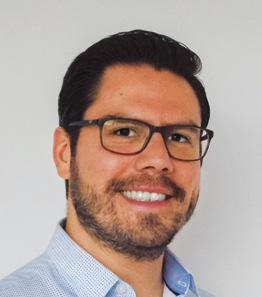
when taking public transport in most European cities, passengers know the specific time at which trains and buses will arrive. “We do not have that information precision in Latin America yet, so Belden is helping to provide this kind of efficiency to users,” he says.
“ You cannot control what you do not measure. To bring efficiency to the Mexican transport system, we have to first measure it”
Transport communications also tackle the need to enhance passenger safety. “When a citizen is connected, response times to accidents decrease, which also reduces casualties,” Tejadilla says. Belden has participated in several City Safety projects in Mexico by providing optic fiber, ethernet cable and industrial switches to better connect cities.
The company is also joining other city-transport projects, such as bidding for the communications infrastructure of the Mexico City-Toluca Interurban Train and collaborating with Guadalajara’s government to expand the Wi-Fi network in some areas of the city. “Our goal is to provide the required infrastructure to make Wi-Fi accessible to all,” Tejadilla says. The company does not bid by itself. It participates through its strategic partners and alliances. “Belden does not sell directly but through our network of integrators and distributors, as we want to respect their business while focusing on manufacturing the best quality products that we can.”
Dependability is the key to standing out among the market’s competition, Tejadilla adds. “Reliability is crucial for us. We ensure that our devices can be used under the harshest conditions by offering a full warranty,” he says.
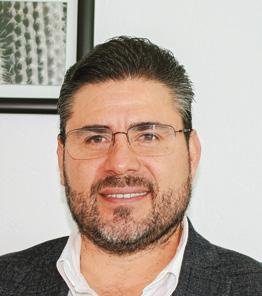
ALEJANDRO DONNADIEU Regional Director Latin America of Bentley Systems
Q: Why should the industry apply “Constructioneering” and why is Bentley Systems the right partner to guide it?
A: In detonating infrastructure, we aim to innovate. Constructioneering applies technological advances to automate construction by implementing engineering and construction as a single concept that allows a better flow in the development of the project. It prioritizes the project over the personal interests of stakeholders. Bentley sees technology as a facilitator to achieve digital construction though surveying, engineering design, constructible model development and data collection within a connected data environment that improves the execution of a project and reduces its costs. The physical asset has a digital twin and the synchronicity between both creates resilience for Smart Cities as it allows a better knowledge and monitoring of all construction assets. The digital twin also enables a full follow-up of all the project requirements, which can be environmental, for construction or for operation.
Q: Where are you adding the most value and in which segment do you expect the greatest growth?
A: The way in which we add the most value to the industry is through a deep understanding of our role in the infrastructure supply chain. We know the information flow through an asset’s life cycle so we can help companies achieve their digital transformation by building the digital asset or twin of their infrastructure. Over the years, we have worked ever more closely with offshore, oil and gas, vehicle manufacturing and the telecoms sector to make the country more competitive. We find that there is a significant investment in telecommunications, especially in fiber optic and 5G internet. We provide the software to make these projects a reality from the engineering and construction to the 50-year operation. In addition, we could bring our leadership and worldwide experience in airports, roads and rail to the expansion of infrastructure projects in Mexico.
Bentley Systems is a global leader dedicated to providing engineers, architects, geospatial professionals, constructors and owner-operators with comprehensive software solutions for advancing infrastructure
Q: What are the main subsectors in which Bentley is working in Mexico and what new alliances is it pursuing?
A: For Bentley Systems, infrastructure is the link between earth and people. Without people or infrastructure, welfare is scarce. We equate infrastructure to generating social welfare through the sustainable exploitation of natural resources, including road and rail, ports and airports, bridges and telecommunications. We provide software solutions across many industries but, in this context, we are paying special attention to water and waste infrastructure given the importance it has in the long term. We are leaders in the design of sewage and hydric networks. But we find the participation of the private sector is still restricted compared to Latin America. We are working at the municipal level to collaborate with local governments in improving the performance of water assets. The first step is to carry out detection steps to understand how a given network is working. For example, we work in Australia to apply analytics to these networks and make the energy cost of pumping water more efficient. It is possible to have smarter infrastructure but we need the willingness of the parties to apply the available technologies and the trained human component to do so.
Q: By how much can your software solutions accelerate project delivery and improve asset performance in infrastructure?
A: This depends on the asset’s baseline performance. To improve performance from 60 to 80 percent can be quick. But as the asset is working more efficiently, the effort required to see a smaller hike is greater. For example, an increase from 90 to 92 percent can require the same effort made to get the asset to the 90 percent level. But in any case, our technology can ensure improved performance up to 90 percent with analytical and operational reliability. I am convinced that analytics will be the key to making the final improvements in performance. To continue improving these numbers, we invest to understand infrastructure as a welfare generator and keep innovating. We help put together all the pieces of the puzzle related to taking a project from construction to operation by building the project’s digital twin.
URIEL TORRES
Director of Sales and Corporate Relations
of SITA
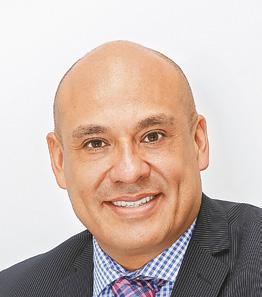
Q: How does an Aerotropolis look and how can this be implemented in Mexico?
A: An Aerotropolis considers an airport not only in terms of its installations but of the area of influence around it. For example, if NAIM continues to be developed on Texcoco, all the surrounding municipalities would have to be developed, which is why projects such as Ciudad Aeropuerto are being developed. The airport must work with different stakeholders and authorities, such as CAN, SEDUVI and SEMOVI to achieve proper interconnection between the airport and the city. The definition of a Smart City is to effectively link multiple entities through technology. While the air transport industry is our main focus, we add value in achieving this interconnectivity by contributing our information and knowledge to be used by the city’s ecosystem.
We also focus on carrying out all our operations and developing all our solutions with sustainability at their core, seeking to reduce carbon emissions and increase energy efficiency and asset optimization. For example, we provide airport lighting and air conditioning systems for boarding areas that save energy when not in use. We also have a strong CSR program with scholarships for technology development. Going back to NAIM, we are studying how we can help expand the area of influence around Texcoco through collaboration with the different municipalities and educational institutions.
Q: As an IT company how can you help Mexican cities become smart by having smart airports?
A: Air transport detonates the growth of cities and contributes to their GDP. Technology is a facilitator for the growth and efficiency of an airport, which in turn impacts the development of cities. For example, the Toluca Airport is underused. Being IT-enabled could be a game changer by contributing to the reduction of traffic at the current Mexico City International Airport. Technology can also make the whole process of flying safer and more reliable. We are investing in R&D programs to explore the role that AI, blockchain and biometrics can increasingly have on improving airport operations.
At airports, SITA is focused on three main processes: passengers, baggage management and air operations. We
have more than 15 clients in Mexico and help them address their main challenges through our technology, such as strengthening cybersecurity. We have divided our solutions into business segments for airlines, airports and government to offer a tailor-made portfolio for each segment as they have different processes and require specialized technologies. We are also linked with the industry’s main institutions, such as the ACI, ICAO and IATA.
Q: Why should all airports invest in biometrics and why should SITA be the chosen partner to accompany them?
A: Biometrics use facial recognition to complete the different checkpoints within an airport, from the check-in and baggage drop, to the security clearance and the boarding process. As it is a very safe and reliable facilitator, many airports are starting to implement it. For example, we have collaborated on the Orlando and Boston airports in the implementation of biometric technology.
To deploy this technology, a facial database is needed to create the biometric token for each user. Check-in kiosks are an easy spot to allow people to get their token. Also, trusted traveler programs could be implemented to start using this system, such as the Global Entry program in the US. But the way in which this implementation is carried out depends on each country and its migration policies.
We are working with Grupo Aeroportuario del Pacífico and Cross Border Xpress to develop the first biometrics pilot program in the country at Tijuana Airport, given the transborder air bridge between the US and Mexico in the area. This air bridge is unique, which makes this project especially relevant and challenging as it also involves the US authorities. SITA took part in the whole technology development of the project and biometrics are the next step in keeping up with the increasing passenger traffic there.
Société Internationale des Télécommunications Aéronautiques (SITA) is an international IT company focused on providing practical solutions for air navigation and traffic services, commercial airport management and luggage processing
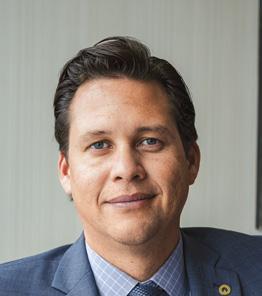
GUSTAVO PAREDES
President and Director General of Schindler Mexico
Q: How has Mexico’s rapid urbanization and the trend of verticalization increased the demand for mobility solutions such as Schindler’s?
A: We are in the business of moving people both vertically and horizontally. The verticalization of cities that results from density and urbanization, escalators, elevators and moving walkways plays a significant role in how we urbanize cities. We enable movement and urban development through our solutions. When thinking about the way cities are growing, there is a juncture between making cities livable and making them more productive. The bigger the city the more energy it consumes. It is our job to optimize the urbanization of cities. Cities are continuing to push the development of mixed-use products, such as the “live, work, play” spaces to increase the quality of life of its citizens.
At Schindler, we continuously improve the efficiency of how people move as cities continue to grow. With more than 20 million inhabitants, greater Mexico City continues to adopt urbanization and Smart City developments. Mexico City will always have a growing demand for vertical development and a demand for our solutions. But we also see a significant amount of activity in secondary cities such as Guadalajara and Monterrey. Cities such as Leon, San Luis Potosi and Tijuana are also markets to watch.
Q: How is Schindler incorporating Digital Twins and the IoT to improve the efficiency of its solutions?
A: On the operational side, Schindler has a two-pronged strategy to deliver the best vertical transportation experience, through a digital solutions portfolio called Schindler Ahead. First, we forecast when a failure will happen through predictive analysis. Today, the industry has greatly advanced in preventive maintenance, which is what operators do when they carry out routine maintenance. Schindler Ahead will provide us with cognitive analysis
Schindler is a world-leading mobility solutions provider and manufacturer of escalators, elevators and moving walkways. The company has been present in Mexico for 75 years and is pioneering in terms of Digital Twins and IoT
by analyzing data through EDGE computing and feeding the information into the cloud. With the use of fault detection algorithms, it will be able to generate scenarios that will predict when a failure will occur. This will allow us to replace parts before failure, translating into uptime, cost-effectiveness and a better customer experience. This is EDGE computing that will incorporate sensors in the cabin, monitoring operations and feeding information to the cloud. To this end, we have partnered with GE Predix, which provides us with the platform to carry out this analysis. The second part of the Schindler Ahead solution provides the ability to manage content while interacting with our products. We will be able to communicate the relevant information when users use any of our elevators and escalators. This will not only provide an added value for developers but also for customers. Building owners will be able to drive content and traffic.
Q: What are the main challenges of introducing innovative movement management systems in Mexico’s older buildings?
A: We place a great deal of importance on life cycle management. We do this to understand the purpose and life cycle of the building itself and tailor a modernization program. Buildings tend to change over time, especially commercial buildings. For example, open space concepts have evolved and are not what they were 10 years ago, as perhaps a building was originally designed. Open space requires greater density on the floor and amenities, which means different people and more traffic to manage. We work with our clients to modernize their assets while looking at what the foreseeable purpose of the building will be. If we see that there will be more retail space, then we will see that the traffic in the building will vary between that and the office. Each requires a different traffic pattern.
We also look at energy consumption needs and that could change the technology that we use, depending on the investment capability of the client. The energy market is also changing and the ability to put energy on the grid is key. There is a wide array of technology that allows this and we ensure its feasibility for the client.
JOHN DONOGHUE
President and CEO of Allied Wireless and National Fiber Networks Mexico
Q: To what extent can your neutral dark fiber services provide cost-cutting benefits and how is this achieved?
A: Globally, the deployment of neutral digital infrastructure –including dark fiber, wireless infrastructure and data centers— has succeeded in providing OPEX versus CAPEX benefits to concessionaires, carriers, enterprises and the public sector. As carriers and concessionaires reinvent themselves as content or bundle service providers, capital is deployed more effectively in their core business.
Third-party tower companies, dark fiber companies and data centers are the usually preferred deployment methods, which we will aggressively push in Mexico through our Smart Cities strategy. Neutral Digital Infrastructure will create new companies to handle the responsibilities of managing networks in the private and public sectors, opening many new job opportunities in the country.
Q: Why must Mexico’s cities aim for dark fiber infrastructure on the path to becoming Smart?
A: Dark fiber provides higher bandwidth for the existing and the next generation networks, including 5G, IoT, Small Cell Densification, Mobile Backhaul, Edge Computing, InBuilding Wireless and a new silo of applications. It also gives the private sector better control of its networks and bandwidth to improve and protect businesses. With a forecasted 25 trillion chips and sensors to be installed over the next five years globally, data and video bandwidth requirements will grow substantially each year.
Global Smart Cities prove that neutral digital infrastructure favors private sector interests, resulting in its economic development. This will only happen in Mexico at the municipal level through PPPs.
Q: What is your assessment of the state of Smart Cities in Mexico and what would you prioritize to boost their development?
A: There are no Smart Cities today in Mexico. The most important step in creating these in the country is to foster more PPPs at a municipal level. Municipalities already took the first step in becoming Smart, which is
to incorporate technology to improve a specific service or address certain needs, such as safety, traffic, water or power management.
In this scenario, the creation of a neutral shared digital infrastructure is crucial to further advance Smart Cities in the country. Mexico needs to deploy a great deal of fiber and at least 80,000 towers and 500,000 small cells to meet the demand for 5G connectivity, IoT, In-Building Wireless and AI applications. Neutral shared digital infrastructure is also crucial to avoid an ROW cannibalization by carriers and to boost economic development in cities.
But Mexico’s current infrastructure ROW prevents many international companies from entering the market. A CFE pole by law is allowed three cables but throughout Mexico you will find as many as 20 fiber cables on a pole. Streets have been dug up as many as five times. In both scenarios, corruption is the normal practice hindering foreign investment in the telecommunications sector.
Q: How did the Telecommunications Reform impact your business in terms of opportunities and challenges?
A: The Telecommunications Reform welcomed new investment, promoted competition between companies and benefited Mexicans by lowering consumer costs for wireless services by 50 percent. I think that organizations such as PROMTEL, IFT, CANIETI and CUDI have done an outstanding job in a short period of time. I also believe that the success of the Shared Network project will enable new entries of mobile virtual network operators (MVNO). In the US, TracFone has 24 million subscribers as an MVNO using all four US Wireless Carriers. Owned by Carlos Slim, this can serve as a lesson for the Shared Network project. Limited by capital, the only way the Shared Network project can be built is through shared neutral digital infrastructure.
Allied Wireless and National Fiber Networks Mexico is a thirty-five-year veteran of telecommunication and IT industries, founder of the first dark fiber company in the US and Mexico. It built out 1,500 cell sites for the first US PCS wireless carriers

Mexico’s real estate sector is demanding more innovative and sustainable structures to attract tenants. Architects are stepping up to the challenge of transforming the country’s skylines. With new design trends, materials and standards, architects strive to meet developer expectations while also adhering to budgets. A key trend is multifunctional infrastructure with projects that serve a variety of auxiliary purposes. This also opens up space for developers to let their imaginations fly and expand the scope of their projects, while at the same time opening the door to greater returns.
Technology is another key element in the market, allowing architects, designers and developers to adapt spaces to the user’s requirements. Flexibility and multiuse also has become an important parameter for any kind of infrastructure, from roads to houses and from offices to airports.
In this chapter, architects and designers describe these emerging trends in detail while offering their vision of Mexico’s future infrastructure development and the importance of adapting to the needs of new generations.

96 ANALYSIS: Multifunctional Infrastructure: The Keystone of Architecture Trends
97 INSIGHT: John Newcomb, CallisonRTKL
98 VIEW FROM THE TOP: Fernando Romero, FR-EE
99 BOX: Emblematic Projects
100 VIEW FROM THE TOP: León Omar Aguilar, ZVA Group
101 VIEW FROM THE TOP: Jacinto Arenas, Ares Arquitectos
102 VIEW FROM THE TOP: Iñaki Echeverria, Iñaki Echeverria
103 VIEW FROM THE TOP: Salvador Rivas, s*arc: salvador rivas architects
104 INSIGHT: Alberto Vidal, VIDAL Arquitectos
105 VIEW FROM THE TOP: Alejandro Garza, Naranjo Arquitectos
106 PROJECT SPOTLIGHT Reshaping the Visuals of the Santa Maria District
108 INSIGHT: Juan Carlos Baumgartner, spAce
109 INSIGHT: Mayer Hasbani, Mayer Hasbani
110 INSIGHT: Manuel Torres, MANUEL TORRES DESIGN
111 VIEW FROM THE TOP: Gilberto Rodríguez, GLR Arquitectos
112 VIEW FROM THE TOP: Gonzalo Montaño, Mac Arquitectos Consultores Juan Ignacio Rodríguez, Mac Arquitectos Consultores
113 INSIGHT: Diego Cervantes , Herman Miller
114 VIEW FROM THE TOP: Alejandro Vilchis, GRUPO CONSTRULITA
115 VIEW FROM THE TOP: Sebastian Cammaert, Corev
Imagine a highway designed to double as a water distribution and treatment plant, or a public park that integrates a whole community while also producing clean energy. Multifunctional infrastructure makes such projects the keystone of the industry’s trends and a reality that meets various infrastructure needs at once
As space becomes limited in large cities such as Mexico City, Monterrey and Guadalajara, architects and urbanists are increasingly looking for new ways to optimize square meters. As developers look to verticalization and mixeduse developments, architects are discovering new uses for ordinary urban infrastructure such as dams and ring roads. “Multifunctional infrastructure could provide solutions to more than one particular problem,” says Architect and Urbanist Iñaki Echeverria. “The country should no longer be able to design projects that serve one sole purpose.” But while it seems only logical to improve the usefulness of a given piece of infrastructure, the concept of multifunctionality is still at an early stage in Mexico.
Architecture for multifunctional infrastructure aims to gather different functions in one space. Jacinto Arenas, CEO of Ares Arquitectos, says that functionality should be considered on a number of levels when developing a project. First, with a social component at its core. “Projects should aim to improve the lives of the people who will live and work there,” he says.
To achieve this, architecture should be both aesthetic and functional and should be analyzed in the context of the client and its particular surroundings. A deep understanding of customer feedback becomes crucial for project planning, says Echeverría. “Developers must promote the purpose infrastructure will serve and who it is aimed at to truly maximize its potential and take full advantage of the opportunity,” he explains.
While architecture may open the door for multifunctional infrastructure, Echeverría warns that this opportunity can be missed, as was the case of Mexico City’s Periférico ring road’s second floor. The project involved a high cost and takes up a great deal of area in the city but when developing, it was only considered to meet a transportation need when it could have been much more. “It is a missed opportunity to repurpose it into something that could provide benefit for the rest of the population,” he says. “It could include a route to carry optical fiber or serve as a solar energy generator.” He adds that, if properly considered, the structure of the road could work as a water distribution network and
treatment plant, at the same time solving the problem of its flooding.
In this context, projects should be viewed as more than solving one problem and also incorporate elements that indirectly improve life quality. But is this a utopian dream?
“For example, we designed a sports center in Atlacomulco in the State of Mexico but its beautiful lakes double as a water-treatment plant for the community,” he says. Unfortunately, this project was canceled due to high costs and a lack of budget.
The Periferico and Atlacomulco projects may be slightly too complex for Mexico to adopt yet, but Echeverría says the country can start simply, through repurposing of its green and public spaces. The urbanist believes these are the ultimate form of multifunctional urban infrastructure. Take public parks, for example. Not only can they be a communitarian space for leisure, they can also serve as a green lung for cities while having artificial lakes that can be used as water treatment plants.
And even if Periférico’s second floor can be seen as a failure in some ways, it was a success in others. While it did not become a huge elevated water treatment plant, it succeeded as a green lung for the city. The Vía Verde project was launched in 2016 following a public petition on the digital platform Change.org, with the idea to turn over 1,000 concrete pillars into more than 60,000m2 of vertical gardens. Directed by architect Fernando Ortíz, this project achieved multifunctionality for Periférico. To address the financing hurdle, Vía Verde is entirely funded through private sponsorship, with sponsors getting advertisement opportunities in one out of every 10 pillars endorsed.
Just as with Periférico, Mexican cities are looking for new uses for public infrastructure. Projects such as the Tlalpan Viaduct in Mexico City, the Tec District in Monterrey, or the regeneration of the second section of the Interceptor Canal in Aguascalientes are some examples. “The market demands straightforward solutions that innovate in infrastructure development,” says Echeverria. “The discussion for social and sustainable infrastructure is becoming increasingly important.”
JOHN NEWCOMB
Senior Vice President and Regional Practice Group Leader for Latin America at CallisonRTKL
Mixed-use is the buzzword of the real estate sector as developers try to create livable spaces. But John Newcomb, Senior Vice President and Regional Practice Group Leader for Latin America at architecture, planning and design firm CallisonRTKL, warns that many developers do not necessarily understand that creating various types of establishments does not automatically add value to surroundings. “Developing mixed-use projects goes well beyond incorporating different stores. The main challenge is correctly integrating the different services and businesses to deliver a whole project with added value,” he says.
As Mexico’s concrete jungles continue to grow more complex, the role of architects in creating the cities of the future becomes increasingly important. Cities will continue to deal with higher population densities and, in the absence of a strong urban planning policy, architects are under greater pressure to make cities more livable. “The main way we are contributing to the creation of better cities is by boosting the construction of mixed-use projects,” Newcomb says.
Mexico’s real estate sector is experiencing a boom in mixed-use projects because developers are promoting a change in the way cities are developed to make the most out of limited space. “Mixed-use developments will be the place where people live, work and play, making cities polycentric,” explains Newcomb. “These types of projects will drastically increase the quality of life that a city offers.” But he acknowledges architects alone cannot make the difference. “Architects must work more closely with cities and governments and, in return, government planning commissions should be more open to architects contributing to the design and development of future cities,” he says.
An important component of any successful mixed-used project is the use of green spaces, but Newcomb stresses that developers should not integrate these spaces without ensuring they are monetizable. “Central Park, for instance, was not maintained by the borough of Manhattan for many years,” he says. “Now it is maintained by a conservation
team with its own board of directors and generates revenue, meaning it is self-financing.” Mexico City’s Chapultepec Park is maintained by the ProBosque Trust Fund. The park generates not only profits but also capital gains for the surrounding neighborhoods. Although a mixed-use project is on a different scale, it has open green spaces that are used by end-users and must be maintained. “These spaces can be monetized by installing some retailers, adding value to commercial areas, which translates into returns for store owners,” he says. “Green spaces must serve a purpose within a project.”
CallisonRTKL assists developers in creating master plans for their projects. The firm is currently working on the master plan of one of Zapopan’s largest projects, Acuarela, alongside developer Desarrolladora Mexicana de Inmuebles (DMI). The project will include a housing community and a specialized commercial and corporate area, joined together by various common areas. “Mixed-use projects require carefully-planned blueprints that will be developed over several years,” Newcomb says. “In the case of Acuarela, this will be seven to 10 years.”
Through its experience, CallisonRTKL has witnessed an increase in the adoption of new technologies to boost the success rate of projects. The firm itself is integrating virtual reality into its design processes, which allows for greater clarity in the design and lets clients take a peek at how the finished project will look. “In general, the Mexican market has been very receptive of this new technology and is happy with the results,” he says. “Having the chance to walk through a project without having to construct it first allows us to catch little details that we could not see so clearly before.”
Although there are perks to seeing the project before it is actually constructed, Newcomb explains that there is always the risk of clients getting ahead of themselves. “It is a dangerous game because sometimes clients believe that the project is finished and that construction can start right away, when in reality there are still many things to document, materials to choose and corrections to be made,” he says.
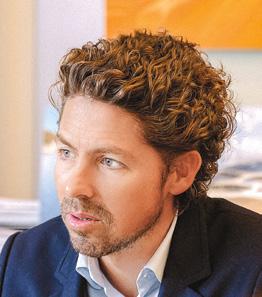
FERNANDO ROMERO Founder and Director of FR-EE
Q: How are your designs redefining contemporary architecture to incorporate sustainable techniques?
A: Architecture is always carried out with collaborators, which enables it to be done more efficiently. I like to think about the architect as an orchestra conductor that moves all the parts in harmony to solve the technical details of a project with the lowest environmental impact and the most efficient use of resources. I think the last 30 years in architecture have been about acknowledging the environmental impact that humans have and today it is about exploring the use of technologies to diminish impact. For example, NAIM is the first LEED Platinum airport in the world. We worked with our global collaborators to design an efficient use of energy in a building whose architecture is as user-friendly as possible. I do not think that architecture has really changed in its essence, as it ultimately is about building for the needs of the human being.
MexLoop was selected from 2,800 participants as one of the 10 most viable Hyperloop corridors in the world
But intergenerational changes are forcing architecture to become more flexible. Humans are demanding easy adaptability to multiple uses, as technology is enabling more multitasking in one place. Typologies used to be separated; people slept in one place and cooked in another. But the use of space is increasingly overlapping, with many people work from their homes or even from airports. So, architecture must become better adapted to humans’ needs. To me, the best architecture is about translating each historic moment and the evolution of civilizations. Architecture is the only art that ever lasts and that nobody can erase or hide; it is immovable and permanent.
FR-EE is a global architecture and industrial design firm founded by Fernando Romero. Its commitment to translating historic, social and environmental contexts into contemporary urban destinations has impacted cities and communities
Q: Which kinds of projects are in FR-EE’s pipeline and why is the firm pursuing these?
A: We are pursuing a new generation of projects, of smaller scale, like small museums, houses and cultural centers. After a huge project like NAIM, we want to go back to projects that allow us to recover the energetic efficiency of the arc and dome applied to contemporary construction techniques. We are also venturing into industrial design of furniture and objects. For example, we are designing a sustainable catamaran. This allows us to expand the way in which FR-EE operates within different contexts.
Q: How likely is the development of MexLoop with Hyperloop One and in what time frame?
A: I think Hyperloop is a technology that is here to stay as there has been a lack of innovation in transportation over the last century. Hyperloop presents a highly energyefficient technology, immune to the environment and able to connect cities in the lowest commute times. Our project was selected from 2,800 participants as one of the 10 most viable Hyperloop corridors in the world. We know that this is a long-term project that will not become a reality for a decade at least. But our proposal advocates the use of national materials, such as Mexican concrete for the pillars and Mexican plates for the tube. The first tests have started in the Middle East, in Dubai and Abu Dhabi. Finland and the Netherlands are also betting a lot on this technology.
Q: What is your forecast for the future of FR-EE’s projects such as NAIM and Border City under AMLO’s administration?
A: I think that a project of NAIM’s transcendence is the consequence of several previous studies and years of work. In this case, a significant investment has been already made. We are convinced that this is the right project to boost Mexico’s’ growth. NAIM is the door to one of the most visited countries in the world and it is meant to potentialize the Mexican economy. I think that infrastructure represents an investment for the future of millions of Mexicans. As such, it should have a long-term vision and planning. Infrastructure
projects should be immune to political changes, as they are closely related to the economic growth of the country. I have always been very interested in the US-Mexico Border. In my Hyperborder book, we analyze migration movements around the world. Trump’s administration has significantly impacted the project’s agenda on the border. Previous to this administration, we designed Border City as a very viable project to meet the needs of making migration flows between both countries more efficient by combining shared-services in one city. This project was to be carried out by landowners that wanted a border city, with FR-EE developing the idea and urbanistic vision of the city along with urban experts from New York.
Architecture is a tool to enable the reconfiguration of public space by translating a given context into a destination. This understanding of the art drove the creation of FR-EE, a global architecture and industrial design firm that aims to have a positive economic, social and environmental impact. The firm has projects around the world, from China to Peru and Portugal to Chile. But FR-EE’s most emblematic projects are in its founder’s home country: Mexico.
The New International Airport of Mexico: One-ofa-kind project, NAIM was designed to revolutionize the experience of traveling. It is already known as the airport of the future and the most sustainable one in the world. FR-EE designed the project in collaboration with architecture firm Foster + Partners and the Netherlands Airport Consultants.
Soumaya Museum: Named in honor of billionaire Carlos Slim’s wife, Soumaya Domit, the Soumaya Museum hosts over 70,000 art pieces and has become one of the country’s treasure chests of art. The building’s design is characterized by an eclectic architectural style, with 16,000 hexagonal mirrored-steel elements creating a facade that rises 46m on Mexico City’s skyline. The museum was built in 2010 for the Carlos Slim Foundation.
Plaza Carso: This project looks to recycling a city, reviving an old industrial site in Mexico City that dates back to the 1940s. The master plan grouped together a series of mixed-use buildings with residential, cultural and commercial purposes, including two museums, a theater and a commercial mall with offices and stores. The complex was also designed to be city-friendly, allocating 50 percent of the total area to green spaces, including garden rooftops, and the recycling of rainwater.
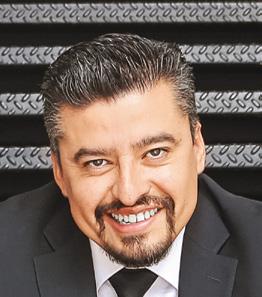
LEÓN OMAR AGUILAR Architecture Director of ZVA Group
Q: What is the key for an architecture firm to develop successful infrastructure projects?
A: One of the most important points when it comes to developing projects in my firm is to create aesthetic and functional projects that also have a purpose not just for the client but for the surroundings as well. The architecture we create has a specific use. The variety of projects we develop in-house include office, residential, industrial, hospitality or commercial. Regarding the type of project, they all can be multifunctional, such as in mixed-use developments.
A key challenge for architects to be successful is to understand their clients’ feedback. The most important opinion for ZVA Group is that of those who see and use the spaces we create. We design projects for the user who occupies them and interacts with them. We believe that an aesthetic and functional design does not have to be expensive, which is the added value that we provide to our clients.
Q: How do you create successful master plans for the whole development cycle of an infrastructure project?
A: Having a complete master plan for projects is vital. I have 15 years of experience in the sector and I know it is crucial to have a blueprint that includes monitoring and risk-management planning. It is not possible to fully control the final outcome of human intervention so we work on the master plan with our clients, which is the base of our success as a company in providing high-quality final results.
I believe the key for the success of a project starts from its very beginning; that is, deciding where it will be located. By analyzing the location, architects can design better buildings to be aesthetic, functional and operational. This planning takes into account everything from the sun’s position to the direction of the wind, and many other factors
ZVA Group is an architecture design expert focused on technology, sustainability and work spaces. It represents the mission and vision of its clients through its designs. ZVA Group provides strategic and innovative master plans for construction
that help create a high-quality project and design. The project’s environment should always be analyzed first when crafting the blueprint but it is important to understand the exogenous factors, such as street traffic, that cannot be controlled but must be taken into consideration to create a more functional design.
Q: What is the role and contribution of architects in building a more sustainable and resilient infrastructure industry?
A: Architecture trends are moving toward technology and artificial intelligence. In some parts of the world, buildings are being constructed with movement in mind so they can chase the sun. This is the concept of living architecture, which will set the pace for the future. ZVA Group is incorporating technology through the use of intelligent networks that allow us to control and monitor the entire operation of a building. It is important as architects to understand the environmental and social impacts our designs have on communities; we must protect our future generations by creating environmental and sustainable footprints. I believe that is the duty of every designer.
Q: What are the main challenges and areas of opportunity that the infrastructure industry will face up to 2020?
A: Our main investors are foreign and private, mostly from the US. We have seen a great deal of foreign investment, especially from Asia in the Bajio region. This has opened a great opportunity in the automotive industry and in residential real estate. Investors seek to build micro-cities, in which residents have all the facilities they need in one place. One of the challenges we are facing is the rapid growth of foreign companies in the country that has caused us to adapt very quickly to new standards. Design specifications and needs have been adapted, which has opened the door to new international alliances and business opportunities for architects. This is creating new competition among architects to excel in industrial design. We have a unique opportunity to build industrial cities from scratch. We no longer want another box in the landscape but rather, we are creating more functional, high-standard, high-quality projects that not only meet national standards but comply with the international requirements.
JACINTO ARENAS CEO of Ares Arquitectos
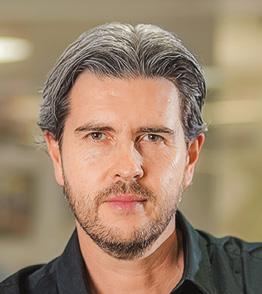
Q: How has the role of architecture in commercial real estate changed in the last few years?
A: Mexico’s cities are evolving and its economy is booming. At the moment, Mexico City’s GDP is higher than that of eight Latin American countries, with a tremendous amount of potential for development. But a growing market creates new demands and trends that developers must adapt to if they want to create successful projects. Architecture in Mexico is becoming more competitive each year due to greater demand for projects that provide an added value. New generations are looking for innovative products outside the traditional enclosed mall. Changes in purchasing preferences and online sales are creating innovation, and architecture and design now play a big role in differentiating one product from another.
Mexico’s middle class has grown and consolidated significantly in the last few years. Mexicans now have more disposable income. This is why mixed-use developments such as Galerías Valle Oriente in Monterrey and Averanda in Cuernavaca, have caught the eye of consumers and have integrated successfully into communities. This is mirrored in similar economies such as La Gran Manzana in Bogota and El Frutal in Guatemala. Each year there are more couples with two incomes but without children who are looking for new experiences and have new needs when it comes to shopping centers.
Q: How has Averanda impacted much smaller markets, such as Cuernavaca, Morelos?
A: Averanda in Cuernavaca is one of our latest projects and it is a recent example of why it is important for developers to adapt to the changing market needs and trends. It is crucial that developers offer an added value and differentiate themselves. In front of Averanda is one of Cuernavaca’s oldest malls, Galerias, which has a more traditional concept. Averanda was designed with a more open concept, integrating green areas and open-air spaces to take advantage of the weather in the area. Many brands have moved to Averanda due to its popularity. The integration of various amenities such as entertainment areas, offices, homes and of course shopping spaces offers a completely different experience and it has proven to be a success.
Q: Why is it important that master plans are created in Mexico for the development of sustainable cities?
A: Masterplans such as the one we developed for Nuevo Tepic are designed to develop an area over the long term, in our case over the course of 20 years. Nuevo Tepic in particular is known for sugar cane and sugar processing. In many of these towns, urban sprawl is encroaching on agricultural areas, especially in states such as Veracruz and Nayarit. This project includes 300ha and has an urban concept planned integrally with governmental offices, green spaces, residential areas and the incorporation of mixed use. In this case, the commercial area is located next to the highway and we looked for ways to integrate it with the city to ensure sustainable growth.
We want to create attractive projects for communities and developers but more importantly, to create projects that will have a positive impact on how a city develops. We have to improve the quality of life of the public. Projects should aim to improve the lives of the people who will live and work there.
Q: What do you believe needs to happen for cities to flourish completely and foster growth?
A: In my opinion, sometimes the public sector does not take the time necessary to plan. A great deal of projects are carried out quickly due to time constraints and consequently are carried out incorrectly. We must take more time to plan out projects correctly. A real estate project can take many years to execute and we must respect the urban plans to ensure it will be an added value to society. This is where both the private and public sectors are going wrong. My wish is that all developers and the government become conscious to the fact that we must plan things correctly and with enough time so that they will work properly.
Ares Arquitectos is a Mexican architectural firm with presence in more than 10 countries. Among its many key projects in Mexico, Averanda, Plaza Via, The Point, Tlanepantla and Citadel should be highlighted

Architect and Urbanist at Iñaki Echeverria
Q: What is the Mexican market demanding from Iñaki Echeverria?
A: 2017 was a good year for the definition of some projects. We delivered five parks for a private corporation as part of their social responsibility agenda, including one of particular importance in Coatzacoalcos. We participated in social infrastructure projects as well as in purely conceptual and design projects, such as facades for the Liverpool department store. The market demands straightforward solutions that innovate in infrastructure. I believe that as the discussion for social and sustainable infrastructure is becoming increasingly important, Iñaki Echeverria serves as a node in which experts converge to solve problems. We specialize in asking the right questions and coordinate multidisciplinary teams to solve them.
Q: How does your process of asking the right questions help you turn ideas into unique approaches to every project?
A: The right question to ask varies significantly from one project to another because our goal is to provide tailormade solutions. We focus on how to tap into the potential of a project to become “more” and all it can provide in addition to its main purpose. Instead of a specific solution to a problem we understand projects as opportunities to maximize potential and for innovation. We analyze as many factors and shape it to become much more than what it was meant to be. For example, we designed a sports center in Atlacomulco in the State of Mexico where its beautiful lakes double as a passive water-treatment plant for the community. I believe that the way to harness the full potential of infrastructure is through design.
Our research has led us to interesting opportunities that we have not been able to fully capitalize yet. We have been conducting research on intensive vertical agriculture for several years, seeking to develop a pilot program.
Iñaki Echeverria specializes in researching the right questions to create ideas. It provides unique and specific solutions in every project. Echeverria teaches at Harvard and founded the Aedes Berlin Summer Workshop and the TEKIO forum
But because these ideas require more development and institutional mechanisms to support them, it is difficult to materialize them, regardless of the interest of private investment funds. We are also striving to advance in multifunctional infrastructure development since the country should no longer afford to design projects to serve one sole purpose. For example, the second floor of Mexico City’s Periférico is a controversial development, as it represented a considerable investment that only focused on private transportation. It is a missed opportunity to repurpose it into something that could benefit the rest of the population. It could include a route to carry optical fiber or as a solar energy generator. If properly considered, the structure of the road could work as a water distribution network and treatment plant, at the same time solving the problem of its flooding.
Q: To what extent is there space for innovation and a significant mobility improvement in cities as dense as Mexico City?
A: All new projects, such as the Mexico City New International Airport (NAIM), should have a public transport strategy incorporated into their planning from conception. I also believe incentivizing people to socialize and live close to the workplace and incentivizing companies to recruit people that live close by is a good direction, as it reduces commute times and traffic. Multifunctional infrastructures could provide solutions to more than one particular problem, such as mobility. I believe an important part of opening a space for innovation comes from a design point of view that aims to break paradigms and unleash its potential. Developers must push what purpose infrastructure will serve and who its aimed for, to truly maximize its potential and take full advantage of the opportunity.
Many people do not understand the need to innovate as it may imply an extra burden to their practices. Government intervention is required to promote and foster innovation. An initiative to change the workings of the sector is not likely to come from those that profit from the status quo but rather from external agents, following an ambitious strategy for development.
SALVADOR RIVAS
Director of s*arc: salvador rivas architects
Q: Why is variation in architectural design the way of the future?
A: Different types of design represent the future while giving a nod to past techniques. Architects and designers risk getting lost in style and are now coming back to forgotten techniques. For example, the new trend is mixed-use and co-working spaces, which are somehow traditional concepts.
We increasingly have more specialized typologies, as clients are expecting new things all the time. The challenge becomes one of knowing how to combine the different methodologies for different uses. Our favorite projects are mixed-use models that represent the challenge of mixing recreation, culture, housing and commercial. Architects must identify this new reality and adapt it to their designs. We are part of this transformation. Change is the force motivating us to be better in what we do.
Q: What are the main challenges and trends driving the work of architecture firms?
A: Our industry in Mexico faces the challenge of changing its mindset instead of aiming to carry out projects quickly and cheaply. We must plan for the long term. But having said this, adaptability is key as architects and designers can no longer plan buildings that will last for a century. Rapidly changing contexts and patterns call for adaptability, which must be supported by the use of technologies. Designers, for example, are relying on new tools and solutions. If we compare the architecture industry with automotive or aerospace, we find that we are still largely behind their developments. We are building as we did 50 years ago and this must change.
Q: What are the factors you take into consideration when choosing projects?
A: We are mostly interested in undertaking unique, innovative and sustainable projects that have their own character and identity that can relate to their unique context. They must be innovative in terms of technology, as we cannot keep designing and building as we did in the past. Emerging economies are increasingly valuing new technologies, especially as they lead to more sustainable projects. One of the motivations behind starting this firm was the desire
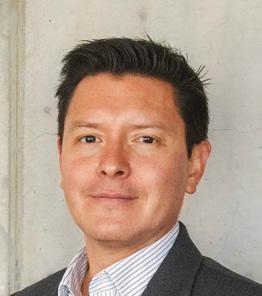
to collaborate with innovative companies and we are very interested in new design possibilities such as 3D printing and robotics. We are still an emerging design studio but we strive to be more efficient and to standardize our processes.
For example, one of my favorite projects is the ongoing Saqqara mixed-use development in San Pedro Garza. I started collaborating previously on this project as part of Foster+Partners design team from the concept stage to completion of the first phase. We still remain involved in the development of the next project phases. I especially like this project as it generates a sense of community. Also, we have been working on a modular project in the UK to rehabilitate and reuse existing industrial infrastructure, and that can be replicated elsewhere. This goes hand in hand with our principles of adaptability and sustainability. It proposed the combination of commercial with social developments. It would involve social spaces such as art galleries and nurseries in the lower levels in combination with residential, office and hotel spaces in the upper levels. I believe this project speaks to the vision of our design studio as this concept could also be implemented in Mexico.
Q: How do you create a match between the architect’s design, the developer’s expectations and the user’s demands?
A: It is key to assess the conditions in which projects will take place, from socio-economic, cultural and environmental approaches before drafting a proposal. This provides our client with an added value and protects their investments. I believe that the architect is the instrument that enables clients, developers, collaborators and authorities, to share perspectives to better define and clearly establish a project’s goals and objectives. My experience tells me that lack of communication and consensus between all the parties involved makes projects more challenging.
s*arc: salvador rivas architects is a comprehensive design consultancy and support network that has the aim of delivering innovative, unique and sustainable projects with a positive impact
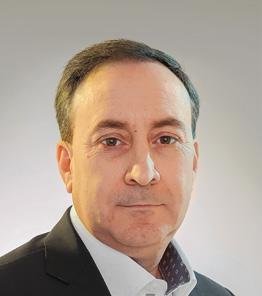
ALBERTO VIDAL Architect at VIDAL Arquitectos
While many believe the job of an architect is to design a building, Alberto Vidal, Architect at VIDAL Arquitectos, argues that the architect’s role is to act as a guide, a bridge that allows the client to achieve his or her dream project with the most appropriate inputs. “Some architects see the client as an obstacle, whereas I see clients as an integral part of the process,” he says. “I want to give people the architecture they need.”
Vidal says any project should adhere to three primary lines of investigation. First, always keep the client in mind. Second, analyze the location and surroundings. “We must look at the angle of the sunlight, the trees and we must be very considerate of neighbors and their needs,” he says. The last factor to consider is regulation, including the number of parking spaces or the number of stories required and permitted. But Vidal says that, although each project needs all these things, they should be seen as minimum requirements. The problem is that many architects see these three steps as a final design. “This is not a good design, but a compliant design,” he says. “It gives no additional value to the client or to the city. I do not want to comply; I want to transcend.”
To illustrate his point, Vidal says his favorite project is his own home, because it is reflective of his vision. “There is a certain spirituality to architecture, whereby sometimes opinions are unconscious,” he explains. He says often our best ideas come when our brains are not consciously connected – during sleep or while daydreaming, for example. “Maybe a person likes or dislikes a building but cannot explain why. That is what architects should strive for,” he says.
Essentially, Vidal believes that the definition of good architecture is providing a sense of space. He says that, although technology contributes to this comfort, the reality is that the comfort should cover all five senses. “However, although technology is not the most important aspect of a living or work space, it is an additional element that can be used to enhance the user experience.”
According to Vidal, now is a very exciting time because we have almost any materials or technology available. “3D
printing has evolved over the last five years and materials now come prefabricated. Every day, these technologies are becoming more convenient.”
Newer materials also are emerging that can be more costeffective, particularly in commercial developments. “While people may be reluctant to incorporate more cost-effective materials into their living spaces, commercial developers can greatly benefit from this,” he says. He gives the example of marble, which is expensive and porous. Replica marble may be an alternative for developers that have a lot of space to cover and also offers benefits in terms of lightness, flexibility and cleanliness.
When incorporating materials into buildings, Vidal advises developers to search for those that maintain their characteristics and age well. “A project can be compared to a person in that it will never look the same as it did on day one,” he says. “A building should age with character and dignity.” He adds that this does not mean that the material should not change at all. “Wood, for example, is a material that ages, although depending on the quality, it can age very well,” he says.
He stresses that a good design does not need to be expensive. The first building Vidal designed was a five-story family-owned property. The firm then grew rapidly and is present in most major cities, such as Hermosillo, Queretaro, Cancun and Chihuahua, where Vidal Arquitectos was one of the pioneers in vertical building. “A developer sought us out due to our work in Monterrey,” he says. “As a result of this project we were again approached by another developer and the cycle continued.”
The situation in Chihuahua was particular in that it is a location where families seek security, which vertical buildings offer. “The demands of clients changed a great deal after the first vertical buildings were constructed,” he says. Now, he believes this level of dynamism is being seen in locations like Irapuato, Saltillo and Queretaro. “The real estate environment now has a very strong identity in Mexico,” he concludes.
ALEJANDRO GARZA
Founder and Architect of Naranjo Arquitectos
Q: What makes Naranjo Arquitectos unique and the right partner for your clients?
A: Our first goal is to meet client needs. As each client has a different taste, we are not committed to one architectural style. While we always leave Naranjo Arquitectos’ mark on projects, we remain flexible to our clients’ demands. It is important to take the time to build a relationship with all stakeholders to consider their expectations for the design. Transcending the core purpose of any project is about exceeding these expectations and by surpassing them, we develop projects that deliver tailor-made designs.
Our methodology for tailoring a project starts by interviewing the client and understanding the context. The key is to listen to the client so we understand the objectives. Understanding the client implies knowing family and work dynamics, the intended use of the spaces and the desired lifestyle. We go in-depth on the client’s lifestyle so we can design the best project to match it. As we work on residential projects, we must balance the expectations of multiple stakeholders. This means that our design must consider investors, developers and the people buying their dream project. We mediate and coordinate all the players involved to adapt to their needs through the best project possible.
Q: Which of your current projects best illustrates Naranjo Arquitectos’ vision?
A: We are developing the SM Living Residential project. We are polishing the architectural master plan and will start construction soon. To raise the required capital, a private investor and Famsa Bank are supporting us. I believe it is ideal to take over the whole project, so we can make sure that our design is accurately translated in the construction phase. In this way, we can really give life to what was drafted.
Q: What innovative materials and technologies are you using in your designs and how are these impacting your clients?
A: Residential projects still use traditional materials and techniques, such as concrete and isolators. For finishing, trending materials are constantly changing and we

incorporate them according to our client’s taste and needs. Wood is our favored material as it is traditional, well-known in construction and architecture and has the lowest impact on production and lifecycle.
Regarding our supply chain, we work closely with strategic partners with whom we have built a strong relationship. We also strive to help the industry and small providers grow. To ensure our projects are more sustainable, we use solar panels, urinals that do not need water, light and water sensors and LED lighting, among other features. We believe that impact emerges from the details; some elements may seem small but in daily use they represent significant savings.
Q: What is the scope and impact of green building certifications in construction and how do you incorporate these into your designs?
A: The goal of green building certifications is to save water and energy, among other resources, but also to create spaces that improve the health and wellness of their users. Certified buildings can increase their value as they are environmentally responsible and cost-effective in using resources. The aim to build responsibly also confers prestige on projects, making them more attractive to the customer.
But green building certifications are still incipient in the Mexican industry, especially for residential projects, as the cost of green materials is significantly higher. For example, if I am building a house under a MX$10 million budget and want to have it LEED certified, it will cost US$15 million. I think the market is not yet ready for this certification in residential developments; lower and more cost-effective pricing is required. More interest could balance prices so certifications become financially feasible for more projects.
Naranjo Arquitectos specializes in meeting the highest comfort standards for users through architecture and design. With a 26-year history, the firm creates tailor-made spaces to match its customers’ lifestyle and expectations





Monterrey is among the cities at the head of the pack in the verticalization drive. The aim is to redensify neighborhoods, giving its inhabitants the advantage of living and working in close proximity while also being close to lifestyle facilities, such as restaurants, convenience stores, banks and shopping centers. Understanding Monterrey’s need to be more compact, Naranjo Arquitectos is innovating the city’s skyline with vertical residential projects. SM Living is the firm’s reference for compact, quality living spaces.
Located in one of Monterrey’s most vibrant neighborhoods, the Santa Maria district, the project will contribute to reshaping the visuals of the area with its eclectic architectural style, a representative interpretation of the work of Naranjo Arquitectos. SM Living combines the predominance of horizontal and vertical lines of the School of Chicago with classical architecture elements such as cornices.
SM Living has 10 apartments, each composed of two bedrooms and an integrated living space with lounge, dining room and kitchen
Above all, SM Living was designed to synchronize with the environment and optimize resources in its daily operations. The discrete simplicity of bricks, used in exterior and interior walls, favor the aesthetics of the project and its thermic and acoustic insulation, protecting the inside from the extreme climate conditions of the city. The huge windows optimize energy consumption by flooding spaces with natural light. Living areas are defined by an open and neutral composition, allowing the user to personalize them as desired.
SM Living has 10 apartments, each composed of two bedrooms and an integrated living space with lounge, dining room and kitchen. These apartments each also have a pantry, a laundry and a private balcony that gazes onto the east of the city. Additionally, the complex includes a set of additional amenities for residents to enjoy at a stone's throw from their homes. This upscale living facility gives users the benefit of living next to two main avenues and near shops and businesses of all kinds, providing a central, convenient but luxurious way to live.
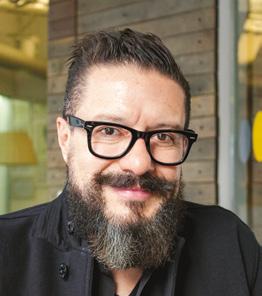
JUAN CARLOS BAUMGARTNER Director General of spAce
Architects understand how their designs can impact the surrounding environment but they rarely focus on how these same designs can impact physical and mental health, says Juan Carlos Baumgartner, Director General of design and architecture firm spAce. “Part of the reason why there are more than 300 million depressed people in the world is that architects have not understood that every single thing that we build, builds us back.”
SpAce looks at design and architecture from the point of view of the people who will live and work in the environments it creates, Baumgartner says, adding that architects around the world have built millions of square meters that did not help people to be happy. “Many of these spaces even promoted depression, as proved by several studies conducted in the 1960s,” he says. The negative impact of design and architecture was found to be rooted in a lack of natural light and few incentives for socialization.
“ We are concerned about the impact of design on human beings; we want to help clients build experiences around their brands”
To arrive at the approach that underpins the firm’s work, spAce studied the link between architecture and happiness. “We developed a theory called Design for Happiness that aims to understand the connection between the built environment and positive or negative emotions. We focus on triggering the former,” Baumgartner says. “We are concerned about the impact of design on human beings; we want to help clients build experiences around their brands.”
Design for Happiness is based on neuroscience. Through a partnership with a neuroscientific center in Canada, Baumgartner started using electroencephalograms to measure brain reactions and how space designs influence
different states of mind. “We are hacking this system as we also want to understand the relationship between mental states and physical environments,” he says. “My concern is that architects and designers do not have a clue about the impact we actually have on mental health.”
A deep analysis of architecture has also allowed Baumgartner to spot the main trends shaping real estate markets. For example, with offices moving from fixed cubicles to coworking spaces, he advises developers to hire an expert to help improve the performance of those spaces. “Natural light is key as it has a significant impact on physical and cognitive health,” he says.
He stresses that space should certainly be optimized, just not in a way that negatively impacts of the workers’ wellbeing. “Only 70 percent of space is used because offices are empty when employees are in meetings or with clients,” he says, adding this can represent an opportunity for innovation.
Baumgartner says that many developers recognize that spAce’s knowledge of the workplace can be applied to other types of design, like residential. “The information and knowledge that we have on how to approach millennials, for example, is highly appreciated across multiple sectors because we know what they want and understand the new limits between working and living.”
The company, which has been working intensively on industrial design over the last couple of years, will soon launch HOME by Baumgartner to bring its philosophy to where people live. “From carpets to wall finishings and from sculptures to house accessories, this is an innovative consultancy that is starting to grow in Latin America as we see things in different ways; we do not limit ourselves to design or architecture,” he says.
New technologies, such as BIM, are also impacting the work of architects and designers but Baumgartner points out that not even artificial intelligence can translate the essentials of understanding the impact of architecture on people. “The effect of a physical environment on people does not change if you build it using technology,” he says.
MAYER HASBANI CEO of Mayer Hasbani
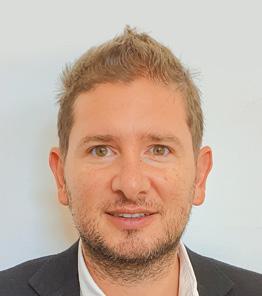
Aesthetics and functionality should not be conflicting ideas but architects and developers must understand the market’s demands and how spaces can be made more functional through shared amenities, says Mayer Hasbani, CEO of architectural firm Mayer Hasbani. “We decided to promote our spaces as something exclusive,” he says. “Amenities became very important under this scheme because they are the gateway for individuals to become part of a community and to get to know their neighbors.”
Hasbani has approached several projects with the idea of building something functional that also has aesthetic appeal to cater to the changing mindset of today’s residents. “While projects once focused on apartments with three bedrooms and gardens following a more horizontal vision, in the cities where we have operated 25 percent of the apartments were inhabited by one or two people,” says Hasbani. “As a result, we have adapted to provide more compact spaces that still offer aesthetic appeal while also offering added value through amenities.”
The firm expects demand for spaces that offer both style and comfort to continue. Mayer Hasbani conducted a study that showed demand for studio apartments and units for two people has significantly increased. Since 35-40 percent of a person’s lifetime can be spent in this kind of space, Hasbani says that any space designed to cater to this demand should offer something different to attract attention.
Mayer Hasbani’s capability to adapt to the users’ needs and the environment has also allowed it to participate in more demanding projects such as the restoration of a building protected by INBA as a heritage site. Capital Park, located in Mexico City’s Condesa neighborhood, was particularly difficult because it involved conceptualizing and modernizing an Art Deco-style building without compromising the integrity of the surrounding area, while negotiating with several public entities. “We approached INBA on two occasions, the first with the intention to develop the project and the second to present our proposal,” says Hasbani. “After our first encounter, we carried out a thorough analysis of
the building and the surrounding area and we constructed an architectural thesis of how the project should be carried out to reinterpret the art deco style and modernize it. The project was very well-received and it was validated by INBA, so constructing it was easy in the end.”
Verticalization has become a main trend that the firm has decided to champion as a way to solve several social and infrastructure problems. “Verticalization adds no extra cost for the city, whether land is zoned for a three-story or a 15-story building,” says Hasbani. “The city can get the taxes from these buildings without compromising available space.”
The firm has specialized in verticalization for the last 10 years and Hasbani says the company’s experience shows verticalization and urban densification do not necessarily imply the building of 30 to 40-story skyscrapers. “Cities can have high levels of densification with an average height of eight to 10 stories like in Barcelona or Madrid,” he says. “Mexico’s cities have an average height of two to three stories with isolated peaks of 50 stories.” Successful verticalization can offer companies equilibrium in their cost-benefit analyses of certain heights. This improves the economic viability and profitability of projects at eight to 10 levels. In comparison, building a 50-story project implies an investment in high technology to support the structure.
Hasbani sees great potential in cities beyond Mexico City to keep fostering verticalization, with ongoing projects in Puebla, Queretaro, Tijuana, Merida and Leon. The firm has also detected an opportunity in the contraction of apartment size. Hasbani also points out that land and construction costs, as well as interest rates, have risen disproportionally to the increase in the average income of the population, so companies must adjust their offering to meet new price demands. “The most efficient way to reduce construction costs would be to reduce parking spaces. Our projects are normally designed so 50 percent of the area is destined for users and the rest for circulation and parking space. If we could find a way to reduce space for cars, that could cut construction costs by 30 percent, thus balancing the scale,” he says.

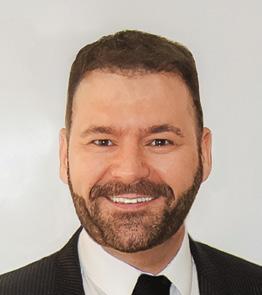
MANUEL TORRES
CEO of MANUEL TORRES DESIGN
For an architect, good design is good business. But good design is no accident; it is based on a thorough understanding of the target market, says Manuel Torres, CEO of MANUEL TORRES DESIGN. When venturing into Mexico in 2011, the Spanish firm that traditionally worked in the luxury segment saw an opportunity in the aspirational segment – a burgeoning middle class with a desire to buy brand name apartments. “We offer high-quality and highclass projects, while keeping costs low,” he says. “We want to provide the ‘wow’ effect.”
The firm has several projects in progress, some vertical and others horizontal. The Polárea Residences in Nuevo Polanco, Mexico City, are an emblematic example of MANUEL TORRES DESIGN’s work in verticalization, achieving a significant demographic densification. “We carried out all the interior design, from apartments, amenities and the landscape of Phases 3 to 8 of the project. We gave it a shift, enhancing its resource management while boosting its sales,” Torres says. He adds that Polárea is being developed by Grupo Lar, a frequent partner for MANUEL TORRES DESIGN, notably on the LÓPEZ COTILLA projects in the city of Guadalajara, TIVE in Bosque Real, REVA in Zona Esmeralda and MARSALA in Santa Fe, all in Mexico City.
MANUEL TORRES DESIGN also carries out projects in retail, such as the GRUPO TENERIFE showroom on Polanco’s Masaryk Avenue in Mexico City, high-impact boutique hotels and large corporate projects. The firm carries out custom projects in residential villas and mixed-use projects such as TSAYA, which has a commercial plaza and vertical housing. “We will soon complete the FRACTAL Residence in Queretaro and some hotels and residential projects in Mexico City.”
GILBERTO RODRÍGUEZ Principal of GLR Arquitectos
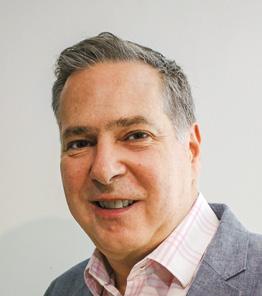
Q: How has Monterrey’s architecture and urbanism developed over the last three decades?
A: The quality of a city is directly related to the quality of its architecture and urbanism. I think that in Mexico we have historically had ill-planned cities but we are gradually correcting them. For example, Monterrey has changed significantly in the last 30 years. The inauguration of Monterrey’s Contemporary Art Museum (MARCO) marked the city’s development from a vigorous and working city to a more cultural one. This mindset change has allowed my generation of architects to access a set of clients ever more interested in culture. While this makes projects more demanding, it also places a higher value on architecture and design.
Monterrey is experiencing verticalization in residential projects that are transforming the city. This is helping to densify the urban area and improving the city’s looks. Monterrey was perceived as a horizontal city, but it is no longer so. We currently have the tallest building in Mexico, which speaks of the city’s transformation. But this has also led the cost of land to significantly increase, hindering new generations from purchasing big homes near the center of urban areas where their families usually live.
Q: What are the main urban shortages in Monterrey and how can these be better addressed?
A: The city is sadly expanding while overlooking the lower classes. It is sad to see social housing being developed two-and-a-half hours away by bus from work centers. But this generally takes place across the whole country. We need to improve public transportation; the size of Monterrey means just three Metro lines are no longer enough. We must also stop the incessant land expansion as developers look for the cheapest parcel without caring about how far away it is located or how that will impact citizens’ quality of life. This reality is contrasted with a desolate city center.
I think the next step is to densify all the empty blocks in the city center, which could evolve into residential projects
at affordable and even subsidized prices. Such a strategy would directly benefit the people forced to buy a home in municipalities such as Zuazua, which is two hours away. The reality is that the city is becoming prettier but also more unequal, which is its greatest area of opportunity.
Q: How have technology and social media impacted architecture and design in Mexico?
A: GLR Arquitectos has worked hard to remain at the forefront of technology. We were one of the first five architecture firms in the city to launch a website around 20 years ago. We have pioneered in broadcasting our work through social media around the globe. This has allowed us to become known in distant places such as Israel and Korea and to attract clients in Kuwait, Lebanon, Egypt and Saudi Arabia. But globalization also contrasts Mexico with the world, making us more aware of what we are missing as a country.
The inauguration of Monterrey’s Contemporary Art Museum (MARCO) marked the city’s development from a vigorous and working city to a more cultural one
The new slogan of the Harvard School of Design is “Think Global, Act Local,” encouraging the guild to have a worldwide vision but be concerned about how this would impact local communities. Social media is also gaining relevance in promoting the work and success of architects, especially with new generations and clients in foreign cities where word of mouth is no longer enough.
GLR Arquitectos is an architecture firm concerned about the environment, energy savings and the implementation of new sustainable design alternatives beyond any type of certification. It constantly carries out solar energy and efficiency studies

Gonzalo Montaño Lead Partner of Architecture and Development at Mac Arquitectos Consultores

Juan Ignacio Rodríguez Lead Partner of Real Estate Planning at Mac Arquitectos Consultores
Q: What is “Planimagination” and how is this implemented from the conception to the end of a project?
JR: The company integrates two main divisions: architecture and real estate development, and real estate planning and commercial leasing. We have a diverse team of specialists involved in all our projects. That integration of perspectives and expertise is what we call “Planimagination.” I believe the duty of the architect is to solve the architectural program, not to create it. Mac Arquitectos Consultores aim to advise its customers on what is best use for their properties, but we need the market to give us a program to solve. We analyze the market and design a feasible plan to address the problem. Planimagination also takes into account the social and environmental impact of projects, the people that use them and their surroundings. Social impact is not just measured by users, but by the surrounding community.
GM: I think that projects have a soul and a story to tell and the architect should help the owner find it. But if the project does not have one, we should be able to understand its soul and then create the story to be told by it. The best projects are those that integrate the problem, solution, idea, concept and name into one whole concept so they become better and more successful. This integration is what we call Planimagination. We believe that our clients should not just copy concepts, as project planning should consider the factors inherent to each one, such as income, the time people are willing to spend using the space and the transportation available in the area, among others. We really get involved in our projects by taking all these factors into consideration.
For example, there is a very fancy shopping center in Las Vegas. It is located on one of the biggest avenues in the world and was assigned to a very prestigious architect. He did a fantastic job on the design of this retail center as the outcome is beautiful, but it does not work because people do
Mac Arquitectos Consultores specializes in architectonic and urban conceptualization. It has 65 years of experience in the Mexican market, with more than 1,200 architectural projects and the planning of about 500 real estate projects
not visit it. It required a huge investment and it was designed as a sculpture, but it does not work because architecture has to be an instrument that people can use. It should not only be aesthetic, but a tool. This is the ultimate idea of what Planimagination should be.
Q: How can you create aesthetic, functional and versatile spaces that meet the demands of both clients and developers?
JR: Architects must know the project’s budget from the beginning and design accordingly. This implies a revision of the process of design to make sure the budget is not exceeded. But it also concerns the prices at which the project will be sold or leased. That is Planimagination; it is mixing the design with the cost, the engineering, the planning, the leasing and everything else involved in having a feasible project. Projects should also improve their surroundings, examples of which are Antara or Reforma 222.
GM: I always advise my clients that to meet their design expectations for their dream house they must be willing to sacrifice their dream budget. But in commercial projects that is not possible. If we design out of budget for commercial real estate, the project will be a mess as it will no longer comply with the expected returns for investors. Many architects lack this understanding of being responsible with the budget for their designs. For example, the World Trade Center in Mexico used to be the “Hotel de México,” but its developers ran out of money before finishing it. We offer the added value of project intelligence to prevent this from happening.
Q: Why are so-called convenience centers the most attractive for commercial real estate investment in Mexico?
JR: Mexico’s market is more driven to convenience centers than to fashion malls due to the size of the base of the pyramid: the lower to middle class, which is more suited to this type of project. Also, this phenomena answers to the fact that customers are more likely to go more often to a supermarket than to a Department Store. As a result, a shopping center anchored with a grocery store has more traffic that one anchored with a fashion outlet. Convenience commercial centers are more in keeping with the country’s demand.
Vice President Sales Mexico and LATAM of Herman Miller
As life expectancy increases, people are working longer to maintain their standard of living when retired. This phenomenon means up to five different generations are working in the same space, says Diego Cervantes, Vice President of Sales Mexico and Latin America at Herman Miller. “In this scenario, our research on workplace trends finds that the attraction and retention of talent is becoming a key challenge,” he says. “We provide advisory services for companies to attract and retain talent through their office spaces.”
Famous for inventing the Eames Chair, Herman Miller adapted its business strategy to not only provide luxury furniture for offices but to also act as a consultancy for improving the performance of office space. With real estate being the second-greatest expense for any company, only after payroll, it becomes of utmost importance to have every m2 operating in an optimal way. “We help our clients make the right decision regarding such an important cost,” Cervantes says.
The consulting offered to the end-customer by the company also evaluates equipment performance. “Our goal is for our clients to really use their space in an efficient way,” Cervantes says. This is achieved through what the company calls Visioning Workshops, which contrast clients’ objectives, vision and mission with the technology used and the company’s structure. The visioning occurs when the organization develops a common vision, helping its decision-makers to think creatively, devise strategy and gain corporate alignment as they work toward their goals. “We evaluate the way technology affects their processes by helping them assess the way in which these tools can leverage their business priorities.”
In the process of pursuing an efficient use of space, while retaining talent across multiple generations, the company also finds that offices have become more of a place to interact. According to Cervantes, any place with internet connectivity can now be a workplace but people keep going to the office to solve problems through a collaborative approach. “We need to foster spontaneous spots in which we can make faster decisions,” he says.
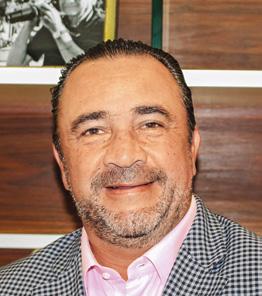
Answering this need, Herman Miller developed the concept of Living Office, which is based on a study made across 500 companies. “We came up with 10 different working settings, seven collaborative and three individual,” Cervantes says. Settings are designed to support the specific activities and purposes of the people who will use them.
Once the best settings are defined for a customer, the need to move to a different space that supports it often arises. But as Herman Miller’s expertise is not finding office spaces but transforming them, it must team up with real estate experts. “We collaborate with developers and brokers, such as CBRE, Coldwell Banker, Colliers, Cushman & Wakefield and JLL. Our goal is to work together from the beginning, as we create the need for our clients to move to a new space,” Cervantes explains.
After finding the right model and the right space, it is time to focus on creating the Living Office to foster interaction and productivity. This is when Herman Miller adds the most value with its high-quality furniture, says Cervantes. “I am convinced that productivity rises when sitting in a high-performance chair, as idle times due to discomfort can be avoided.”
Another piece of advice that the company gives is to have unassigned workplaces for staff that spend less than 50 percent of their time in the office. Herman Miller has chairs with sensors that calculate the usage rate of a given space. For example, a company with a specific area for staff that spend more than 40 percent of their time visiting clients is not using the space optimally. “This area is not providing highperformance in relation to its m2,” Cervantes says. “We can help companies optimize the utilization of their spaces for the company to be more efficient and effective.”
To remain at the forefront of furniture innovation, Herman Miller recently launched its Cosm Chair. This is the first intelligent chair, as it identifies when it must be softer for relaxation or more rigid for concentration through the vertical force that the user puts into it. “We focus on visual and physical ergonomics. The user must be comfortable but also like the aesthetics of the chair,” adds Cervantes.
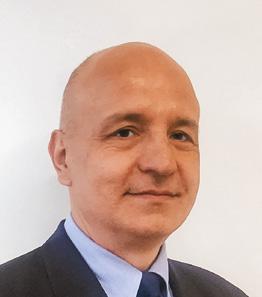
ALEJANDRO VILCHIS Director General of GRUPO CONSTRULITA
Q: What added value do Mexican companies like GRUPO CONSTRULITA provide?
A: GRUPO CONSTRULITA has three main divisions: Tecnolite, which sells products to the end user through distributors; Construlita, which manufactures the products and sells solutions to other professionals for large projects; and a third unit that provides lighting as a service to federal, state and municipal governments. Our added value is that we have identified the unique needs of the Mexican market. Most international brands cater to and focus on the needs of those specific markets that may not be the same in Mexico. We make sure that our products and services not only meet the needs of the local market but adapt to the various challenges and environments. If you have to purchase from the US, Asia or any other country, the time and costs are much higher. The fact that we are close to our clients translates to higher flexibility in the type of products we offer and in their delivery.
Lighting-As-a-Service (LAS) is our third division and we are growing fast. We are working with three town halls: in Torreon, Hermosillo and Guadalajara. This is a small sector in Mexico in which we have spotted a large area of opportunity and we want to compete with larger companies. Mexico has just began subcontracting public illumination services. Our goal is to continue growing in illumination concessions and at the same time continue providing services to the private sector. Also, we are analyzing large projects with Fibras and we already have collaborated in various projects with Parks and Fibra Uno. The main challenge in working with private developers is that they want more than just lighting services. They also want air-conditioning, illumination and other services integrated into one.
Q: When does GRUPO CONSTRULITA prefer to enter a project and why is this approach important?
GRUPO CONSTRULITA is a Mexican group composed of three divisions dedicated to manufacturing, design and implementation of lighting solutions for both public and private commercial developments
A: We are involved with our clients from the very beginning of their project. We are confident that this is the best way to ensure the project is completed on time and is of the expected quality. We participated in the lighting of the Lazaro Cardenas Bridge in Guadalajara. This project was unique because the government did not want to use any lampposts on the bridge or place lights on the columns. We developed a new product called MetroLED for urban lighting that can withstand large movements and weather that adapted to the characteristics of the bridge. It delivers a very angled and lateral grazing light and transmits a lot of sharpness and comfort to the driver.
Sometimes the issues that come up are not technical. Guadalajara also has high rates of vandalism and illumination infrastructure is particularly susceptible. To keep this from happening, we developed a special shell for urban lights that made it more difficult for people to steal them. It is crucial that we accompany our clients from the beginning of the project to take into consideration all the requirements that could arise at any stage of the project.
Q: How has GRUPO CONSTRULITA financed its steady growth throughout the years and how does it invest its utilities to gain the best advantage?
A: The Group was created approximately 33 years ago by a group of businessmen with only US$5,000. We follow strict guidelines that allow us to experience steady growth. We have not invested in offices or warehouses; instead, we rent all our industrial infrastructure. As a group, we chose to invest all our money in products and people. Our distribution channels are all third parties to keep in line with our strategy.
Eventually, we invested in a plant in Queretaro because we believed that we could not depend on third parties to manufacture professional products, although we are not the owners of the real estate. We may need a plant three times as big in the next few years and it is ludicrous to invest in only temporary plants. We are now working with FEMSA Logistics to distribute our products. When possible, we delegate tasks and processes to third party experts.
SEBASTIAN CAMMAERT CEO of Corev
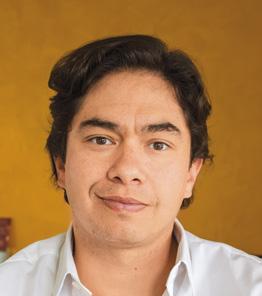
Q: How has Corev’s learning curve venturing in the Mexican market been?
A: Corev started 38 years ago due to the lack of texturized products on the market. Our business line has partly evolved from previous experience with similar products. When entering the Mexican market, we had high sales volumes, as there was no similar option. But texturized products soon became an asset and the added value we provided evolved as we began to differentiate ourselves with highquality products that can be combined with other materials to provide decorative details to projects. So, we moved from big volumes to a differentiating value. Nowadays, our market competition is based on similar substitute products, but there is not yet an identical offering.
Regarding finances, the company started with private capital and private banking. Corev is a 100 percent private owned company, so we do not have any public offerings or listings. We look for private financing when needed, such as when developing our plant in Colombia four years ago. Something to highlight is that our products are waterbased, implying greater sustainability. Because we are positioned as a quality provider, we import many of our raw materials form North America.
Q: What is the main added value that your products offer?
A: All our products are sustainable, technologically advanced, made with high quality materials and ready to use. We have an EIFS system for light facades with thermic isolation. This system was developed after WWII for quick infrastructure reconstruction, so it has the advantage of allowing a fast and insulated application. Market trends are calling for LEED certifications and the EIFS system provides credits for this rating system. It was not easy to introduce this technology to Mexico, but now it is in high demand.
Q: Who are Corev’s main clients and partners?
A: Our main clients are from the hospitality, health, commercial and residential sectors. For example, we have been closely working with important private and public hospitals in the remodeling and interior design of several health facilities. We do not sell directly, so we do not bid for
any projects in tenders. We also have a strong relationship with prestigious and well-known architecture firms, such as Legorreta and Serrano Monjaraz. Nowadays, however, emblematic projects are no longer managed only by brand name firms and small studios are becoming more and more important. We are also diversifying our market channels, testing new ways to reach our market directly. For example, for our decorative lines, we are implementing a do-it-yourself application set of products that we will soon launch.
Q: What is your assessment of the US and Mexico’s markets for texturized finishings?
A: I think the US and Mexican markets are very similar regarding finishings. The difference lies in the distribution chain. In the US it is very hard to find a construction distributor as the business model is more mainstream. In Mexico it is more common to have turnkey distributors that buy and commercialize products and also provide installation services. Our plant in Houston mainly supplies Texas and other nearby areas, while in Mexico and Colombia the logistics and distribution allow our plants to supply across each country.
Q: What is the legacy that Corev wants to leave in Mexico and what are the company’s growth plans?
A: Our vision is to continue as the market leader with our sustainable and technologically-advanced products. It is not only about having a different product in the market, as all our competitors are also investing in developing new projects. It is about finding different ways and channels to use our products. We are leaders in the differentiation for architectural finishings in Mexico. We still have a great deal to accomplish in the country, but we plan to remain positioned as such. We are focused on current projects and are not currently developing any new markets.
Corev is a leader in the manufacture and market of textured and decorative coatings. The company offers a broad solutions portfolio, including interior stuccos and decorative finishes, special exterior coatings, EIFS systems and architectural paintings
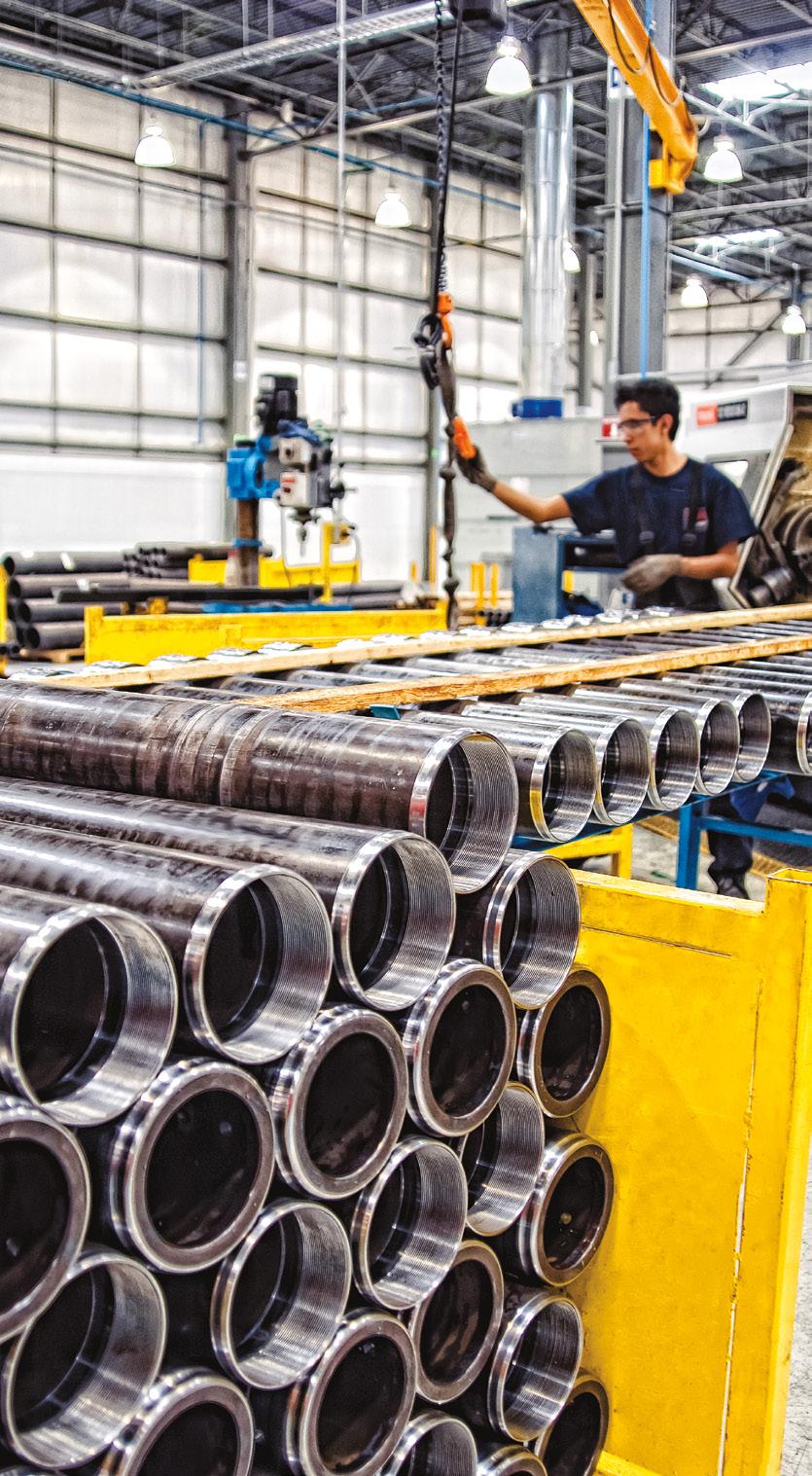
The building blocks of the Mexican infrastructure industry go beyond cement. Technology and innovation are transforming the country’s infrastructure into more sustainable, smarter and efficient structures that recast the lives of citizens. As the country’s various subsectors face the challenge of producing more resilient and sustainable infrastructure, materials and technology companies are jumping in to find and provide customized solutions.
2018 was a challenging year as uncertainty hit the market but to keep up on a global level, industry leaders believe Mexico must continue building and innovating, no matter the obstacles. This chapter outlines the innovations that the industry is developing as new materials are created to address these obstacles. The main materials and service providers in the country provide insight on how they are creating positive disruptions for more efficient, cost-effective and sustainable infrastructure.
120 VIEW FROM THE TOP: Luis Hernández, Caterpillar
121 VIEW FROM THE TOP: Héctor Serrano, Guardian Glass
122 VIEW FROM THE TOP: Hector Ávila, Danpal Mexico
123 VIEW FROM THE TOP: Bernardo Álvarez, Grupo IDESA
124 INSIGHT: Rendell Segura, Owens Corning Insulation Latin America
125 VIEW FROM THE TOP: Enrique Escalante, Grupo Cementos de Chihuahua (GCC)
127 VIEW FROM THE TOP: Igor Saez de Ibarra, ULMA Construction
128 VIEW FROM THE TOP: Roberto Abarca, ADCOMA
129 VIEW FROM THE TOP: Vanessa Bautista, MABASA Soluciones Constructivas de Acero
130 VIEW FROM THE TOP: Ramiro Gordillo, dormakaba Group
130 COMPANY PROFILE: Octavio Ochoa, Aceros Metalli
131 INSIGHT: Felipe Martínez, General Paint
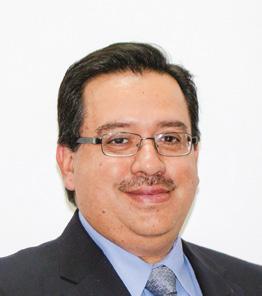
LUIS HERNÁNDEZ Country Manager of Caterpillar
Q: How does Caterpillar help the industry to increase its efficiency and become more cost-efficient?
A: Caterpillar is evolving alongside the industry. We are introducing a new platform for hydraulic excavators for the Mexican construction market. This new generation of excavators increases productivity by up to 40 percent, reduces maintenance costs by 15 percent and fuel consumption by 20 percent in comparison to our previous series of excavators. With this offering, Caterpillar aims to change the construction industry by increasing efficiency, productivity and operator safety to altogether reduce total operational costs.
Our mission is to provide solutions to our clients to build a better world. Caterpillar can offer these products thanks to the excellent support of our three dealers in Mexico: Madisa, Tracsa and Matco. These three privately-owned companies distribute our lines for mining, infrastructure and energy generation. Caterpillar subsidiary Solar Turbines directly distributes gas compression turbines for the oil and gas sector and Progress Rail supplies locomotive, railcar products and services to the railroad industry.
Q: What main changes has the industry faced during the past few years and how have they influenced Caterpillar’s strategy?
A: The construction industry in Mexico has significantly evolved due to the country’s changing economy. While there is still investment in new equipment, economic fluctuations in the sector led us to increase our service offering. The construction sector was very strong following the recession in 2009, a trend that continued until 2014 when the industry peaked. After that, global trends hit Mexico, leading the government to reduce spending on civil construction, which in turn caused a significant contraction in the infrastructure industry as clients stopped investing in
Caterpillar is the world’s leading manufacturer of construction and mining equipment, diesel and natural gas engines, industrial gas turbines and diesel-electric locomotives. It is a leader with the largest global presence in the industries it serves
new equipment. 2015 and 2016 were hard but the industry began to stabilize in 2017. These economic fluctuations led our clients to improve their cost structures, so they are increasingly preferring to lease the equipment instead of buying it. Moreover, clients have also become more interested in refurbished equipment.
Q: Considering these changes, how do you expect the infrastructure sector to perform during the coming five years?
A: President-elect Andrés Manuel López Obrador’s policy proposals include interesting infrastructure projects. For that reason, we believe that the incoming presidential administration will bring great opportunities for us in the sector. Expectations change with every governmental transition but it is likely to include an increase in investment for the sector.
All governments in Mexico must invest in infrastructure, as this is essential for the country’s competitiveness. As a result, we expect the infrastructure market to continue developing. The only change we expect is for investment to be more concentrated in the south and southeast of the country, which was announced as part of the new government’s 25 main projects, of which many are infrastructure related. Furthermore, we expect an increase in PPPs. Overall, we are optimistic about the future.
Q: Caterpillar acts as an umbrella for other brands. Which of these provides the strongest added value in Mexico?
A: We have added many different brands to our portfolio, including some for the energy sector, such as the MaK brand for marine engines. Solar Turbines, MWM, Perkins, Progress Rail, SEM and Yellowmark are all in our portfolio. These are our strongest lines in Mexico but Caterpillar is by far our main brand. We continue to be leaders in the construction market thanks to design improvements that increase efficiency. Moreover, the Product Link system allows for all equipment to collect and send operational data on fuel usage, efficiency, productivity and maintenance to a server. Currently, we have around 14,000 assets connected, which allows us to determine what the market needs in terms of spare parts and where those are needed. This will allow us to better serve our clients.
HÉCTOR SERRANO
Country Manager Mexico of Guardian Glass
Q: What are the main factors that could promote the growth of the glass market in Mexico?
A: Energy monitoring is impacting demand for our products. There are many products that facilitate the reduction of energy consumption in buildings, while allowing natural light to enter the building. The performance of glass has evolved a great deal to meet sustainability objectives and this is something that we must promote through norms. We need to demand more from the industry and its providers to ensure the sustainability of future projects. We see that the demand for tempered glass is growing rapidly, with laminated glass showing high growth rates. But the only thing that will truly promote the use of these types of products is a boost from the government.
Q: How have sustainability and energy efficiency trends impacted your product portfolio?
A: Some countries are establishing Net Zero initiatives, which means that buildings must be able to produce enough energy to meet their own needs. These technologies have a cost, of course, and we need to continue creating new products that will allow us to reach these goals, from illumination to solar control. I am convinced that these technologies will grow much faster when they are accompanied by the right norms and regulations. We are working arduously to raise awareness among our clients. Buildings that strive for LEED or other certifications focused on sustainability are a perfect match to our vision.
Q: Why should buildings incorporate your product over those of your competitors?
A: Guardian Glass is focused on innovation, with significant investments in R&D for the different glass segments. In architectural products, we are a world leader in the development and manufacture of high-performance coated products that offer attractive aesthetics, allowing natural light while at the same time reducing the amount of energy consumed. We are convinced that this strategy gives us a competitive advantage and the preference of our customers.
Q: How has the country’s residential real estate sector adapted to sustainable glass products?
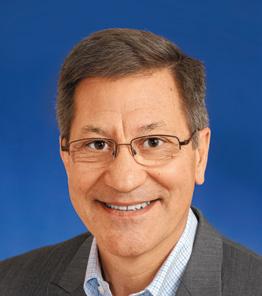
A: Mexico is a fast adopter of new technology. As an example, before tempered glass began expanding in Mexico more than 15 years ago, various technologies already existed in other countries. But Mexico jumped straight to the newest tempered glass technology in the market. The issue is that so far, the high-performance glass market in Mexico is just too small. Residential real estate represents 70 percent of the total glazing market and so far, is using the most basic products. An important part of the market is also the independent architects who build single homes.
Q: How has Guardian Glass’ presence in the market evolved?
A: We opened our plant in Queretaro in 2004. We had some operations in Mexico through distribution before 2003, but no manufacturing operations at the time. When we entered the market, there was a surplus of material in Mexico. We were a new player and it was difficult to start off on the right foot, especially with the crisis of 2009. Our goal as a company was to maintain employment and we focused ourselves on our long-term growth strategy.
After 2010, we saw significant growth in the market and our domestic sales have increased in the ensuing years. Guardian Glass is a global company and we have vast experience in markets all over the world. The company had always belonged to one owner, who passed away in 2009 and had a vision of what would happen to his company in the future. His family became partners of the company and in 2012 we entered into a partnership with Koch Industries, which took over 44 percent of our shares and subsequently acquired 100 percent. Guardian Glass had in the past grown organically, with its own resources and talent. Koch’s acquisition ensures steady growth going forward. We have been constantly investing to enhance our operations, with recent investments in Jumbo coating facilities in the US and in Europe, as well as expanding our float capacity in Europe.
Guardian Glass is a manufacturer of high-quality glass products for use in the automotive and construction sectors. It is part of Koch Industries and has had a manufacturing plant in Queretaro since 2004
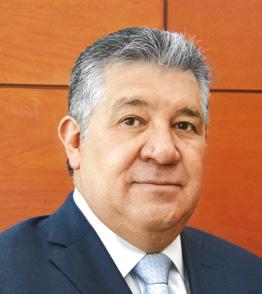
Director General of Danpal Mexico
Q: What are the main areas of opportunity Danpal spotted within the Mexican market and what is the company’s added value?
A: Since polycarbonate started to be fabricated in Mexico, price was prioritized over quality so competition was between low-quality plastics and glass. Glass can be inconvenient as it can break and does not isolate heat or luminosity. We saw an opportunity to enter the market with an intermediate option, a high-quality product that has weight, lighting and thermal advantages. Our key niches are in skylights, facades and interior design. Our systems work based on light transmission and heat transfer, keeping luminosity high and heat controlled.
The average lifespan of
The average lifespan of our product is 25 years. Danpalon comes with a 10-year warranty and a decade after installation it will continue to look and work as new. As part of our added value, we also participate in the whole project cycle. We do not sell materials; we sell a complete solution. We work with the architects and the structural engineers from the conceptualization stage of the project. We provide the material and its installation, allowing us to guarantee the best performance of our systems. All our translucent thermal systems provide unparalleled light diffusion. In addition, they offer excellent temperature control.
Q: How do you convince potential clients of the advantages of products like 3DLITE?
Danpal Mexico was created by the association between the Israeli manufacturer Danpal and the Mexican marketer Tecno Impacto. Danpalon panels are present in more than 80 countries. In Mexico, the company is backed by its more than 20 years of experience
A: Danpal 3DLITE has a set of blinds installed to automatically regulate light across different times of the day. The light transmission varies between 7-35 percent as it is a very dynamic solution. For example, when used in facades, the light and colors change as someone passes by. Our main challenge is to convince the architect that we offer a different and innovative product that will work, look good and be safe. Our projects are the best way to show this as they are the proof of our quality.
Q: How is the Danpalon system improving construction times and which types of projects can benefit the most from this system?
A: It was very challenging to gain market share as plastics and polycarbonate have a bad reputation among architects in Mexico. We had to break all those paradigms and prove that Danpal systems could break new ground on quality and durability. The placement of our systems can cut installation times by half compared to working with glass. Also, glass can break, endangering workers, while Danpal systems are unbreakable.
Our products are very popular for translucent roofs in commercial and hospitality developments. Danpal systems are aimed at a market that appreciates high quality products and durability. Regarding facades, Danpalon is used for walls, especially to build light boxes to prioritize the luminosity of spaces. Our facades can withstand wind speeds of up to 350km/h. Our materials have been tested against earthquakes and their flexibility makes them an ideal option for buildings in Mexico City. We build strong translucent walls that are also insulated to regulate extreme temperatures.
Danpal systems also add LEED points to buildings in which they are installed. Our production plant is certified to ISO-14000 as it produces low carbon emissions. The heat regulation and increased luminosity that our products offer help reduce electricity consumption as thermal insulation decreases the use of air conditioning. Also, durability implies that our plastics do not need to be replaced in a short period of time but only after more than two decades. Our products include 2-3 percent of recycled resin and can be reused.
BERNARDO ÁLVAREZ
Deputy CEO of
Grupo IDESA
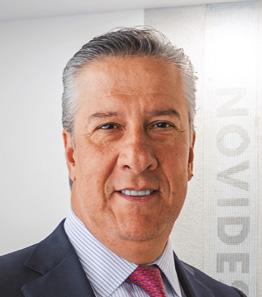
Q: Why did Grupo IDESA decide to create NOVIDESA?
A: In 2005, NOVIDESA was born from one of the largest industrial groups in Mexico, with the purpose of developing and manufacturing sustainable materials for construction. Because NOVIDESA works under the IDESA umbrella, clients can be certain that we have the appropriate infrastructure and the group’s support.
NOVIDESA’s products are designed for energy savings and thermal insulation, as well as building lighting systems, providing added value for builders and for the end user. Building with panels requires less manual labor and time than traditional construction methods. This translates to cost reductions. Whether it is a shopping mall or a house, energy consumption is much lower when implementing panels into the construction mix. In Mexico City, our products have become popular among large developers of offices and mixed-use projects because they help shorten the building time required for projects.
Q: What benefits does NOVIDESA offer and why should developers choose it over its competitors?
A: The main difference between NOVIDESA and its competitors is that we are constantly thinking about the customer. As a result, NOVIDESA offers a much greater focus on savings and sustainability. We offer construction systems that allow savings in execution times and optimization of resources. We can offer a more than 30-percent reduction in construction times compared to traditional systems. We provide full solutions, from thermal insulation against moderate temperatures in all weather conditions to lighting systems for the structures.
Q: Why is it difficult to innovate within the social housing sector in Mexico?
A: Large housing developers must change the way they build social housing because building thousands of homes in one spot is now inefficient. Acquiring large ecological reserves for projects of that size and developing the services is extremely expensive. The country must develop vertical housing because it is more economical than horizontal housing in terms of infrastructure and space. The country’s
primary needs are in housing. Of course, there is a demand for offices and commercial centers but there is a higher need for residential, and not just for the middle-upper segments. We need to provide the lower-income segments of the population with decent housing near their jobs.
In my opinion, as a country we must promote the development of vertical and social housing in Mexico using the most efficient building materials. These homes must be of the highest quality, which is crucial so that in the case of another natural disaster, people will not lose their homes like we saw in September 2017. The supporting infrastructure must be built around these developments too. There are so many abandoned social housing developments throughout the country where the local and state governments had committed to developing supporting infrastructure and did not deliver. Now all those homes are derelict and uninhabited.
Q: What is required for Mexico to reach its full potential in terms of construction?
A: Rule of law is fundamental. After solving that we can dedicate our time and efforts to what we know best. But if there continues to be a lack of rule of law and uncertainty continues to permeate sectors, we will not be able to develop economically to our highest potential. We must take steps to avoid corruption and we must facilitate processes for those that want to do the right thing. For instance, in construction, obtaining licenses or permits for a project is an extremely tedious process. We need to work together as a country to eliminate the high level of inequality. We also must support those that want to create more opportunities. If the government supported industrial development, the sectors would create many opportunities to significantly reduce inequality. We must all contribute to make the most of the country and its resources.
NOVIDESA is a Mexican panel manufacturer that is part of the holding company Grupo IDESA, one of the country’s largest petrochemical players. NOVIDESA’S products have been certified by USGBC and the Trust for Electric Energy Savings
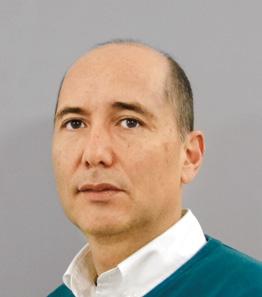
RENDELL SEGURA
General Manager of Owens Corning Insulation Latin America
Thermal insulation solutions could greatly improve the quality of life of low-income segments of Mexico’s population but the Mexican government must get the ball rolling, says Rendell Segura, General Manager at fiberglass building materials manufacturer Owens Corning Insulation Latin America.
“There are interesting opportunities for insulation products in Mexico but authorities must generate appropriate incentives to develop more energy-efficient buildings.”
Segura says the government needs to enforce the Mexican norms on energy efficiency in buildings and perhaps offer incentives for developers to adopt more sustainable construction systems that improve quality of life. “Around 300,000 social housing residences are built every year in Mexico and they usually employ concrete, blocks or bricks, which are thermally inefficient systems,” he says. “And though there are norms on energy efficiency in buildings such as NOM-020-ENER-2011, these regulations are largely not applied.”
Residential real estate within markets where there is a consciousness about the importance of energy-efficient buildings offers many opportunities for Owens Corning, according to Segura. “In these markets hundreds of thousands of houses are built and those new houses require thermal insulation to be energy-efficient,” he says. Looking ahead, Segura forecasts that as countries such as Mexico and Brazil enforce regulations on energy efficiency and build houses that meet these standards, they can generate meaningful energy savings and create more comfortable homes.
Mexico has a strong influence in the Latin American markets, so Segura forecasts that a greater awareness of sustainability will incentivize the creation of more regulations and greater government support for energy-efficient buildings, which will make markets such as Mexico and Brazil more interesting for Owens Corning because of their population size and projected economic growth. “These are the two markets that will offer the most opportunities,” says Segura.
Segura points out that Owens Corning could support the Mexican authorities with its Building Science expertise in
the development of norms for residential building efficiency. “As leaders, we have the responsibility to generate demand, but at the same time, to enhance the quality of life of people,” says Segura.
The company followed such a strategy in Chile. “The Chilean government aimed at reducing the air pollution caused by poor people burning wood to keep their homes warm in the winter,” he explains. The government started offering subsidies to boost energy efficiency by insulating these homes and Owens Corning provided support to establish the most cost-effective solutions. “We understood the scopes of these opportunities and now provide these people better living conditions while also marketing more fiberglass,” says Segura. He points out that Chile has the highest per-capita consumption of fiberglass in Latin America due to the fact that it is the only country in the region that has implemented a code for mandatory home insulation and that was accepted and applied by home builders.
Owens Corning also takes advantage of its Building Science department to help clients efficiently design their projects. “Energy efficiency is more than just about thermal insulation, but about studying how a building operates,” says Segura. He adds that the company can take a client’s blueprints in AutoCAD to run energy simulations that consider the construction materials that will be used and give recommendations for an energy-efficient project. “This allows us to offer a useful tool to potential clients and stand out in the market,” highlights Segura.
But there are several challenges for energy-efficient buildings to become commonplace in Mexico. Segura says that each country has its own construction practices and it takes a while for cultural change to happen. However, he expects that as compliance with regulations in this area becomes common, developers will realize it makes more sense to change some of their practices. In Mexico, building energy-efficient houses could mean the use of materials such as drywall or the employment of light construction systems. “This may take a long time, so it is important to develop solutions for the constructive systems used today in the meantime,” he says.
CEO of Grupo Cementos de Chihuahua (GCC)
Q: How is GCC impacted by the Mexican and the US governments’ infrastructure commitments?
A: We remain fairly optimistic about the US market. It is a market experiencing a natural growth cycle, which we believe will last at least three to four more years. According to industry data, between today and 2021, the US economy will continue growing, which means that the construction sector will expand too. In addition to this natural growth, the Trump administration outlined a National Infrastructure Plan that would also boost the construction sector, although the authorization and implementation of this plan has been delayed. However, we remain optimistic the plan will be implemented given that the US has a real need to modernize and replace its infrastructure to remain competitive.
In Mexico, business has a different rhythm. Given the political environment, there is a great deal of uncertainty, which halts infrastructure investment. But we see this as a transitory factor. Regardless of the political environment, we believe that Mexico continues to require infrastructure investment in airports, roads, railroads, ports, and housing. We feel that in the medium and long terms, expectations are favorable for the country’s construction and cement industries.
Q: How is GCC mitigating the risks associated with the volatility resulting from the Mexico-US relationship?
A: Our Samalayuca plant has always been oriented to export. Even when we were faced with antidumping sanctions from the US government, this plant continued exporting cement to the US thanks to its proximity to the border and to its very competitive production cost.
In the event that NAFTA renegotiations failed, we would have had to abide by the WTO’s rules. Under these rules, cement would fall into a 0 percent tax bracket to enter the US. In a more pessimistic situation in which there would be no NAFTA and the WTO’s rules would not be followed, we have proven in the past that cement from our plants is extremely competitive so we would not be too worried on the export side.
We would be more worried if we were facing a renegotiated NAFTA that does not favor Mexico, which could impact foreign investments coming to Chihuahua, and then our sales in the local market could suffer. The border of Ciudad Juarez with Texas and New Mexico depends heavily on the manufacturing industry for exports to the US. Whenever there is a local industrial project, such as warehouses, we participate. Employment levels improve and housing and commercial construction follow. It is a virtuous cycle. Should the uncertainty continue or NAFTA’s renegotiation fail, these investments for industrial warehouses would be delayed, which would impact us negatively.
Q: How is GCC adapting its portfolio and innovating in its solutions to comply with your vision of being the best company in solutions related to cement and concrete?
A: GCC is a regional company that can easily compete with the largest global cement companies. Due to our size and our strategy, we can be faster in the development of innovative solutions that can better serve our clients’ needs. Part of our strategy is to continually discover innovative solutions. By this we mean not only innovative products but also innovative processes and services.
We have a specific area for R&D and an innovation area that work jointly to solve problems for either clients or for the industry in general. This is how several of the products and solutions we sell were developed. For instance, for the mining industry, we have developed different products such as Fraguamax, which is used in many mines on a national level and that we also export to Central and South America. These types of products are not sold in large volumes but are specialized, high value-added solutions that allow us to differentiate ourselves from global competitors that are mostly focused on volume or on the traditional construction sector.
Grupo Cementos de Chihuahua is a vertically-integrated company with operations in Mexico and the US. It manufactures and sells cement products, mortar, concrete, aggregates and other construction materials
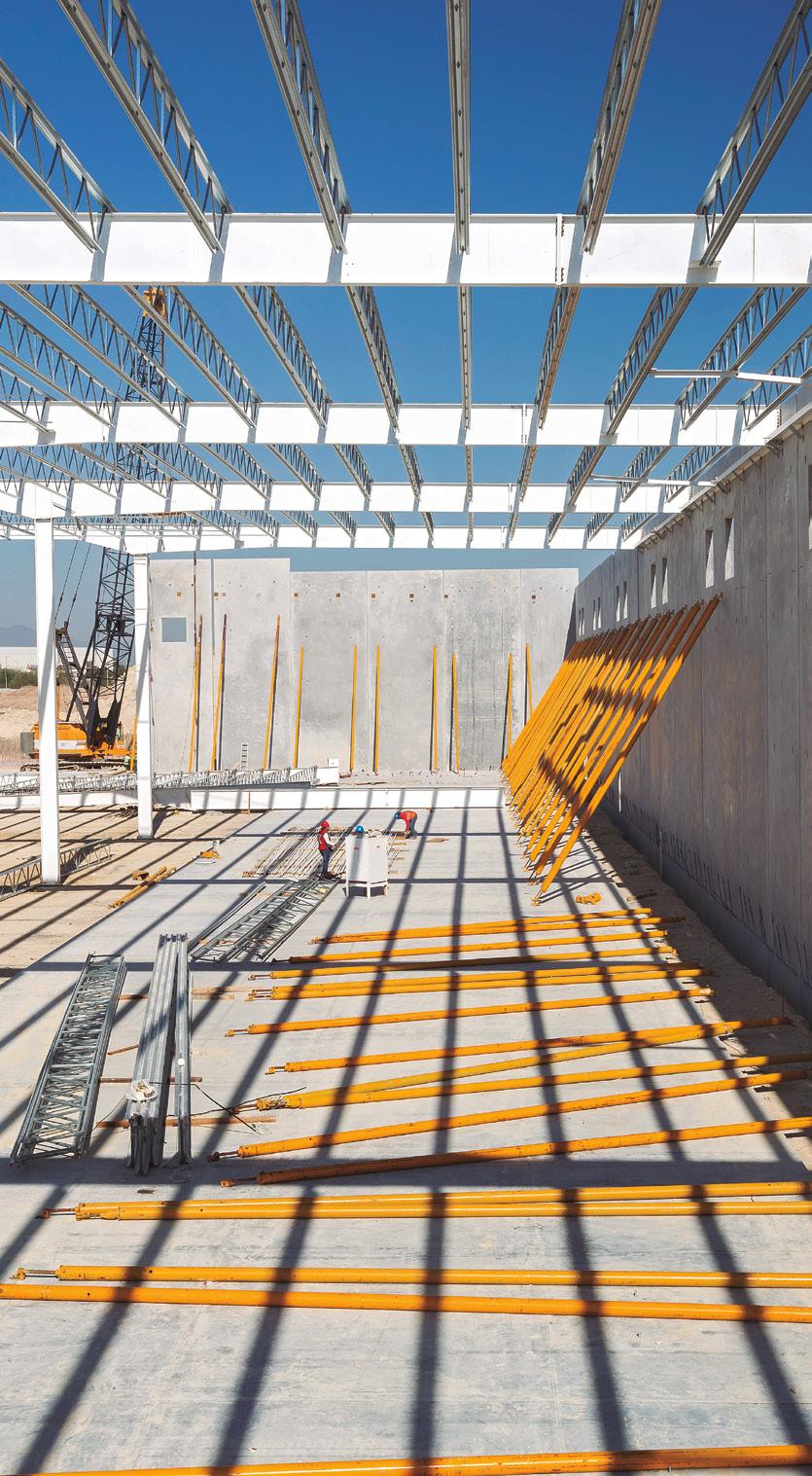
IGOR SAEZ DE IBARRA Director General Mexico of ULMA Construction
Q: What added value does ULMA provide the Mexican infrastructure industry?
A: ULMA is a global leader in construction development, with the infrastructure sector at the core of our business. We are also focused on residential and commercial real estate and on industrial development. I think Mexico provides great potential for the sector and we are waiting to see how the newly elected federal administration prioritizes its investments for construction and maintenance. I foresee opportunities for high-quality construction equipment such as those ULMA provides.
Our local offices in Mexico replicate the structure of our parent company in Spain. We have four main divisions: commercial, logistics, finance and administration and also a technical department. We have been in the Mexican market for 15 years but we rely on our head offices to set the guidelines for our actions and for providing specialized training to our staff.
Wood continues to be the main material used for scaffolding. This is our main competition in the sector as rather than having traditional wooden scaffolds, we offer industrialized versions that provide enhanced security and boost the modernization of the building sector. Although our solutions are more advanced than the national standards, our competitive advantage abroad is often not competitive in Mexico. However, big construction companies are increasingly imposing these higher standards on their contractors, favoring our business. We hope the Mexican market will continue to let us prove the added value of our solutions.
Q: What are ULMA’s most emblematic projects in Mexico? We recently worked on Puente Interlomas, which is completed. We are also involved with the Mexico CityToluca Interurban Train project, working with OHL and La Peninsular. This is our main civil project in Mexico. We also provide tunneling cars, which constitute a complex and modern engineering solution for boring.
About 25 percent of our portfolio in Mexico is allocated to civil works and 75 percent to real estate construction. But infrastructure is the company’s core business globally
so we are working to modify that portfolio share. To remain competitive, we have a materials park available to our customers to ensure the provision of tailored-made solutions. Our park is focused on civil works and industrial equipment.
Q: What would you ask the next administration to prioritize to ensure the infrastructure industry’s growth?
A: I think that we are all seeking to exploit Mexico’s huge development potential, which we find particularly significant in the infrastructure sector. The previous administration carried out important reforms, of which several are still undefined. There is still a lot to do, so we hope the next administration continues to invest, particularly in energy and infrastructure. We will continue to bet on the energy sector, given its high demand for construction materials. As for infrastructure, the possibilities are endless, but we expect to see a realistic and well-defined plan that will allow us to be better prepared to face future demand. Private investment is flowing, so the government needs to catch up or it will lag behind.
Q: What is your ideal scheme for working with the public and private sectors?
A: In formwork and scaffolding, we manufacture all our equipment at our facilities in Spain. We buy that equipment from our parent company and bring it to our materials parks in Mexico. We never work directly with the government but rather with the constructors that bid for projects. The ideal scheme for us is to be directly hired by a constructor to develop engineering solutions. We do not execute construction because our partner companies have a specialized team for that purpose. We provide technical advice on how to operate our equipment. Today, construction companies are increasingly outsourcing scaffolding and formwork operations through a third party, which is not convenient for us as these intermediaries are often smaller and less qualified companies.
ULMA Construction is a manufacturer and supplier of formwork and scaffolding systems for the construction sector. It specializes in building, civil engineering, industrial and energy construction and on restoration and maintenance works
ROBERTO ABARCA Director General of ADCOMA
Q: What is the main pattern in the Mexican construction sector when it comes to heavy machinery?
A: The old school construction industry traditionally pushed the lifespan of a machine until the very end. In the past few years, we have tried to change the trend and purchase machines that will last for up to 10 more years. The oldest machines that we are purchasing are 14 years old so they should last until at least 2024. More projects look for LEED or sustainability certifications and to obtain these, it is necessary that they use newer machinery. We focus on providing machines and services to mostly top-down projects, which implies that if the machinery emits gasses or is in a closed environment it cannot be used because it causes harm to the workers. Nevertheless, there are many companies in the sector that continue to use really old machines throughout the country, perhaps in more open-air projects.
Q: What is the benefit of leasing over owning heavy machinery for construction?
A: Ninety percent of our business is focused on the leasing of machines and the remaining 10 percent are sales. Machines are far more efficient than humans, saving up to 30 percent in costs and much more in time. There are cases where companies have leased machines for an extended period and at this point it makes sense for them to purchase the machinery. But this is not very common as maintaining and operating heavy machinery is complex and not everyone is qualified to do so. It is best to let us do what we do best and for construction companies to focus on building. Companies should let experts operate the machinery on their sites to make the most out of the machines and ensure they work properly. Preventive care is much more cost-efficient than corrective care when it comes to machinery.
When leasing machinery, companies can obtain approximately 30 percent in profit after tax. We currently have an inventory
ADCOMA is a Mexican heavy-machinery provider for the construction industry. It provides excavators, tractors and compressors for lease and sale. The company has experience in all types of real estate and infrastructure projects
of 50-60 machines. As ADCOMA, we have formed commercial alliances with other machine leasing businesses, and together we have more than 200 machines in inventory. We are currently closing some large contracts so that by 20202022 we can at least double our inventory. Approximately 70 percent of our clients are from the construction sector and the remaining 30 percent in other subsectors. Adcoma wants to focus on acquiring machinery for urban settings and projects. We want to comply with sustainability and safety standards for upcoming real estate projects in Mexico’s cities.
Q: What are the main challenges ADCOMA is facing as new technology enters the market?
A: ADCOMA imports many machines, meaning dollar exchange rates greatly impact our bottom line. Our inventory is mostly composed of Caterpillar, Bobcat, John Deere and Case. John Deere machines for instance are often too electricity-intensive for the Mexican market. Caterpillar’s Tier 4 motor is the latest globally in motors but the 2016-2017 models cannot be imported into Mexico because of problems with Mexican diesel. No matter how much we want to improve the machines to boost the country’s productivity, the diesel quality dictates how far we can go. We are purchasing newer machines but this is problematic because they break down due to the diesel quality.
Q: What are the main challenges to overcome to reach growth objectives?
A: Monterrey and Guadalajara are highly competitive markets and are becoming saturated. We are shifting to working in smaller cities. We believe that Guerrero has many opportunities for us, but due to the insecurity problems, we do not carry out many projects there. Mexico is changing. Nowadays construction companies now have a purchasing department and suppliers must compete through price, quality and service. We are placing our bets on bringing in more efficient and high-quality machines to add value to the construction sector. We need more investment. We are involved in various large projects but sometimes because we do not have enough machines we are forced to turn down projects. There is a lot of risk associated with machinery because it can be a magnet for theft.
Administrative Manager of MABASA Soluciones Constructivas de Acero
Q: How do you expect the Mexican steel market to evolve in the short to medium term?
A: There is a great deal of uncertainty because the steel market is going through a speculative phase. This is related in part to President Trump’s rhetoric toward the automotive industry. I expect steel to experience an increase in prices that will hopefully stabilize in the medium term but there are few tariff-based protection mechanisms that work to the advantage of Mexican steel companies.
Q: What are the most important characteristics that MABASA looks for in a steel supplier?
A: MABASA purchases steel coils, rolled sheets and panels from Ternium. This partner focuses on high-volume markets so that it can comfortably roll and sell its steel in bulk but construction is not necessarily one of these markets. This industry can be more demanding for steel companies such as MABASA because we require smaller volumes, special colors and strict delivery times. This can make our relationship with Ternium somewhat difficult because if something is not delivered to us on time, we have to face the client. MABASA has worked with Ternium for several years already. In that time, it has opened its procurement channels to include more players from abroad that ensure delivery times are met because quality does not vary as much in this particular segment. We are also working with Kingspan and meTecno.
Q: What is MABASA’s strategy to stand out in the steel and metallic roofing segments?
A: Competition is tough in steel because it is easy for an entrepreneur to hire a couple of engineers who commercialize and install products and open a company. MABASA differentiates itself by developing clients’ projects. We focus on finding solutions to their problems and offer guarantees thanks to the support that our engineers offer. We also employ surety bonds to ensure clients’ investments are protected against delivery delays and noncompliance with technical specifications.
We are also aware that clients look for integral solutions so they can deal directly with a single supplier that takes care of
all project issues, so expanding its portfolio is an important element of MABASA’s strategy. We add value to clients’ operations by creating partnerships in various infrastructure sectors and handling all project requirements to effectively deliver turnkey projects. While there are many alternatives in the metallic roofing segment, guarantees and customer support helps us stand out.
Q: How are new trends in construction impacting demand for building materials?
A: Sustainability is gaining importance in construction as companies pay more attention to this trend. Our work in NAIM, and the fact that some of our materials suppliers are US companies with a focus on sustainability, has helped MABASA raise its operating standards in terms of both sustainability and safety. A key MABASA objective is to make sure a client’s plant operations continue uninterrupted when we are providing roof maintenance to replace panels, repair leaks or introduce cooling equipment.
Q: What are MABASA’s expansion plans for the short and medium terms?
A: We will continue consolidating our business through lean practices in the next three to five years. MABASA wants to streamline its internal processes, have more and more personalized customer service, continue professionalizing the company and perhaps start the process of listing on the BIVA. We want to keep the advantages of being a family company in terms of employee treatment while also creating a corporate governance structure to overcome the challenges that family companies face. MABASA also plans to continue exploring new markets in South America. We have been invited to support some clients in Colombia and Panama but also expect that the Mexican economy will experience solid growth in the short to medium term that will favor MABASA.
MABASA Soluciones Constructivas de Acero is a Mexican construction company that prides itself on the efficiency of its technical and professional staff. It designs and carries out projects with high standards of quality and safety
RAMIRO GORDILLO Director of Sales at dormakaba Group
Q: How is dormakaba helping the Mexican infrastructure industry to be more sustainable?
A: We offer products and solutions that incorporate sustainable components. Regarding energy savings, we offer electronic devices that operate without batteries, such as access locks that generate their own energy through the movement of the handle. This may seem a small thing but it contributes to the environment and at the same time results in operational efficiency because the need for keys is eliminated. Energizing a lock leads to other infrastructure needs and dependence on other factors that always carry a risk of failure. Our solutions focus on minimizing these risks.
Q: What are the main areas of opportunity in terms of access security in the Mexican infrastructure industry?
A: The trends we find in the industry call for more robust and resilient mechanisms that are very unlikely to fail. The solutions we offer, which vary from access doors, entrance security systems and emergency exits, are increasingly in demand as the industry grows more aware that Mexican infrastructure often lags behind in security matters. We have found that prior to a consultation, our clients often do not comply with basic principles such as emergency doors that open outward, which is the easiest way to exit during an emergency. Security calls for easy, controlled and restricted access with unobstructed exits. Despite the growing awareness among architects and developers, there is still a certain laxness regarding security regulations and compliance. I believe this is due to a combination of factors. Inspections usually neglect a comprehensive analysis of all security requirements that
OCTAVIO OCHOA CEO of Aceros Metalli
Aceros Metalli started in 2016 with the vision of becoming a specialized marketer for Deacero’s products. Today, the company has diversified into other brands but all its products are either structural profiles, flats or tubular. “The first month we sold six tons. Today we exceeded 300t/m and have 185 customers,” says Octavio Ochoa, CEO of Aceros Metalli. Based in Monterrey, the city remains an active location for small to-midsize steel marketers.
“Every avenue holds the potential for clients, from vehicle component manufacturers to blacksmiths,” Ochoa says.
Aceros Metalli also has customers in Tampico, Zacatecas, Toluca, Saltillo, Aguascalientes and Chihuahua.
In the first two years of its operation, the company had 14 employers, three vendors and several trucks. But Ochoa says
that the ultimate measurement of its expansion is stock. “We started with 60 tons and today we have more than 700 tons in inventory. We expect to have more than 1,500 tons by 2020, considering that we invoice around 30 percent of our total inventory,” he says. Despite the company’s quick evolution, its main market niche remains SMEs. “A big marketer has a minimum purchase of three tons. With us, clients can buy whatever amount they need,” Ochoa says.
Part of the company’s expansion includes diversification. To this end, it has launched a fencing division, Cercos Metalli. “We are bidding for several projects,” says Ochoa. The division has already completed fencing projects for several parks in Monterrey, including the Rufino Tamayo park with GM Capital.
projects should have. There is a pressing need to standardize these specifications but as the industry is not very familiar with these regulations, security providers, before salespeople, should be consulted first.
We recently launched a simulation service in which companies can fabricate a whole virtual reality ecosystem. This precisely aims to allow our clients to better conceptualize which solutions are best for each of their projects and needs. It also helps the architecture versus security challenge, as architects can sometimes create spectacular designs that disregard operational safety. It is important to find a balance between having design freedom and compliance with safety regulations. I am convinced that it must be a joint effort among architects, government, developers and suppliers like us to raise awareness of compliance.
Q: How has the Dorma and Kaba merger evolved and how has it set itself apart in the industry?
A: The merger of Dorma and Kaba in 2015 gave birth to dormakaba. It has been a great experience merging and complementing our expertise and visions. This match helped us to broaden our portfolio by integrating different concepts, technologies and solutions that provide more value for our customers. For example, with Kaba we gained
the expertise in tourism developments, which is now multiplied with Dorma’s expertise on security accesses. Now, our clients can have more technology in one single provider, so we transcend the client-supplier relationship and become their partners. We are involved not only in providing accesses security but in the conception of projects and aftersales period.
Today, dormakaba is an important and influential player in the industry across its different sectors, such as tourism and real estate. Our strength and experience are entirely at the disposal of the industry, as we strive to help developers, the government and the final customer. We must overcome the myths regarding manufacturing costs and choose the most robust solution because security should not be taken lightly. Also, when operating, any cost reductions related to a lowquality product will imply a higher expense in the end. It is important to ensure adequate infrastructure that will provide minimal risk of failure.
dormakaba Group offers products and solutions and that secure the access to buildings and rooms. It focuses on security, sustainability and reliability. The company’s goal is to remain at the customer’s side as a skilled partner
Director General of General
Paint

Thanks to an increased demand for green building certifications such as LEED, the construction industry is demanding more eco-friendly products. Since these building certifications include specific requirements in terms of paint and coatings, more sustainable buildings mean a demand for more eco-friendly paint. According to Felipe Martínez, Director General of General Paint, the adoption of sustainable products that deliver environmental advantages is the new market trend. “We expect that a shift toward sustainable paints that offer an ecological benefit is a future trend that will happen slowly,” he says. Martínez highlights that while demand for these products in the Mexican architecture market is still small compared to the size of the market, General Paint expects it to experience significant growth in the future.
Originally founded in Vancouver, Canada, in 1911, General Paint’s operations became 100-percent Mexican in 1996. “From that point on we focused our operations completely on catering to the needs of the Mexican market and eventually also Central America and the Caribbean,” says Martínez. The company has a manufacturing facility located in Lerma, State of Mexico, that supports its operations.
General Paint focuses mainly on industrial and architecture with high-quality products including everything from paint to solvents, epoxy coverings and waterproof coatings. “We develop sustainable products for architecture and focus on meeting the demands of this segment,” says Martínez. The company also produces special coatings oriented to the petrochemical, mining and construction industries.
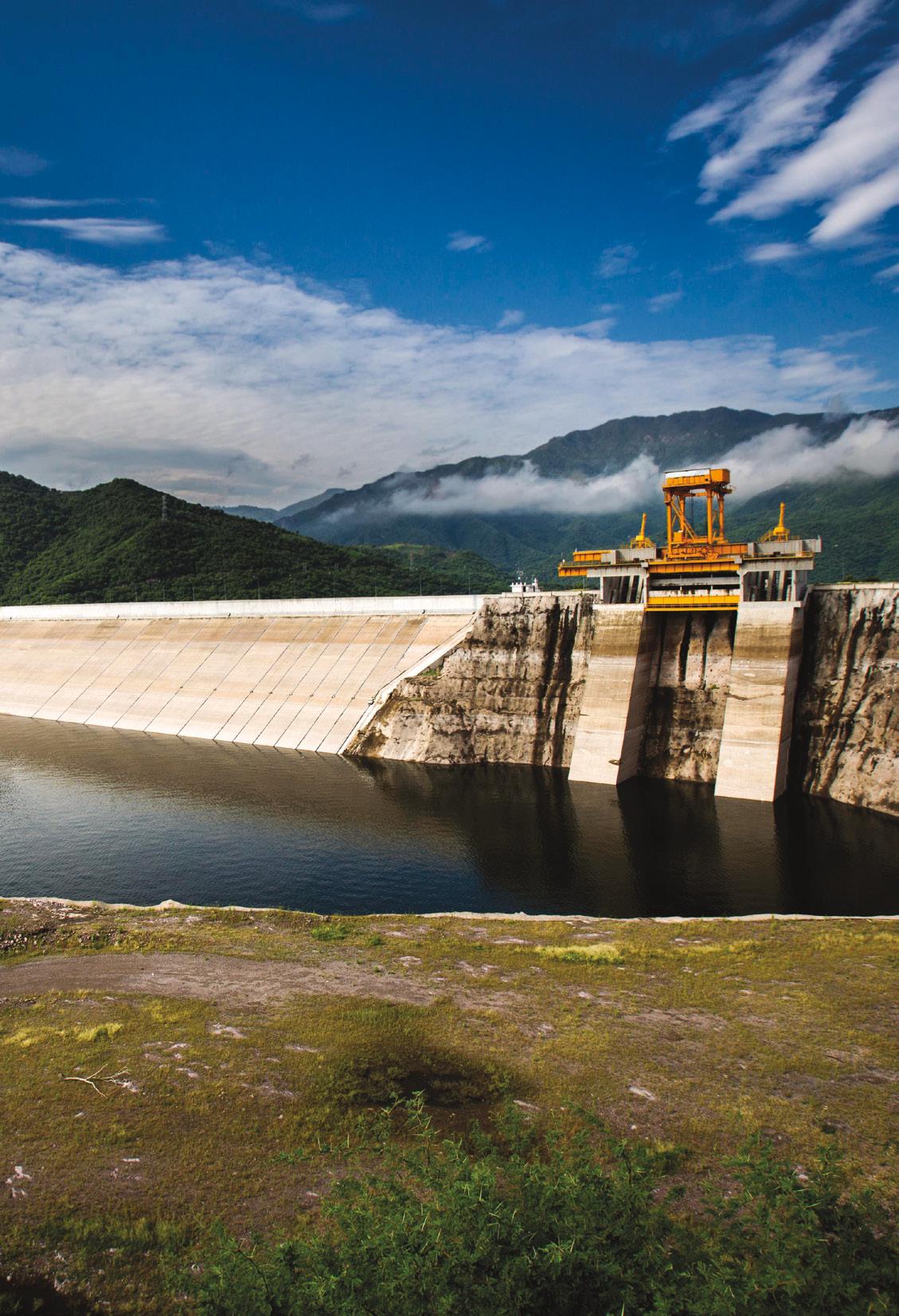

To reactivate the economy, we must get the construction sector going again”
Andrés Manuel López Obrador
As he prepares to take office, Andrés Manuel López Obrador is stoking both hope and concern. He has targeted higher public spending on infrastructure to help revive the economy while also promising to increase transparency to root out corruption.
But his statements on key projects such as NAIM have spread uncertainty. Overall, the incoming president has outlined seven key focus areas related to better connectivity, reconstruction and inclusion projects and the expansion of roads and rails.
In the meantime, legal certainty and project continuity remain muddy at best for many looking at the country as a potential investment destination. To provide a clearer picture of the industry’s expectations, Mexico Infrastructure and Sustainability Review has compiled the hopes, concerns and suggestions from the leading voices across the infrastructure value chain as the new administration prepares to take power.
Peña Nieto leaves office with a mixed infrastructure legacy that includes the initial stages of a new and highly touted international airport in Mexico City. But he also leaves behind unfinished projects and reduced industry competitiveness. Here are his triumphs and shortcomings
At the beginning of his presidential term, Enrique Peña Nieto established 266 Government Commitments (CG) as part of his overall National Development Plan to accomplish five goals: Mexico at Peace, Inclusive Mexico, Mexico with Quality Education, Prosperous Mexico and Mexico with Global Responsibility. Of the 266 CGs, 105 were allocated to SCT to boost the country’s development through infrastructure. These CGs, included in National Infrastructure Plan, outlined ambitious projects and goals but one key issue got in the way: budget constraints.
From 2013 to 2017, SCT spent on average MX$6.6 billion more than was originally allocated in its budget
Mexico suffers from low tax revenues, high public debt and construction costs. According to the OECD’s Revenue Statistics in Latin America and Caribbean report, Mexico is among the six countries with the least total tax income in the region. The Mexican government collects 17.4 percent of GDP through taxation while the average OECD country’s income is 34.3 percent. Nevertheless, the country’s tax revenue followed a rising trend throughout the Peña Nieto administration, going from 5.9 percent in 2013 to 7.0 percent in 2017 in relation to its GDP contribution, according to the Income Law Initiative (LIF). Between 2014 and 2015, Mexico had the highest increase in tax revenue in relation to GDP of all OECD countries when it jumped from 5.6 percent of GDP to 6.7 percent of GDP.
Regarding debt, the federal government’s total debt until August 2018 totaled MX$7.7 trillion. Over the past six years, the country’s debt mostly rose, though at much lower rates than with previous governments. From 2016 to 2017, debt in proportion to GDP decreased from 48.7 percent to 46.2 percent. A good indicator of Mexico’s well-being can be observed through the country’s credit rating throughout the administration. Mexico has maintained respectable A3 (Fitch) and BBB+ (Moody’s) credit ratings since 2016.
In general, Peña Nieto’s administration was able to maintain economic stability throughout his time in office, handing over an economy that although flawed, is in good condition. S&P’s New Political Scenario After Presidential Elections study says that the new administration will receive a stable country, with fiscal deficits and manageable current accounts, as well as a stable level of inflation and a moderate burden of net debt.
To tackle transport and telecommunications issues, SCT was allocated a budget between 1.3 and 2.5 percent of the total federal expenditure from 2012-2017. SCT’s budget peaked in 2014-2015, at about 2.5 percent of the total budget, and in 2016 it began to drop, hitting 1.3 percent for 2017. From 2013 to 2017, SCT spent on average MX$6.6 billion more than was originally allocated in its budget. From 2016 forward, the Mexican government began exploring PPPs as a solution not only for transport infrastructure but also telecommunications, social and water works to help fill the gaps where the public budget did not suffice.
Private investment infrastructure hit its all-time high in 25 years in 2017 as the construction of emblematic projects through PPPs began to take shape. Peña Nieto's structural reforms brought along a series of projects that would place Mexico on the map not only for local investors but also international firms. The Telecommunications and Energy Reform finally started to bear fruit through the development of the Shared Network, hydrocarbons licensing rounds and long and midterm electricity auctions.
Though PPPs proved a lifeline for Mexico’s growth, two other factors deeply impacted the administration’s ability to boost infrastructure in the country: corruption and lack of planning. The former steadily increased in the last six years. According to the Corruption Perceptions Index, Mexico’s score dropped each year by at least one point, starting at 34 in 2013 and dropping to 29 in 2017 on a 100-point scale. The infrastructure industry is particularly vulnerable to risks resulting from lack of transparency and should employ mitigation strategies, says Jacobo García, Senior Specialist on Integrity and Procurement Policies at the OECD. “Everything that deals with public contracts such as public works or service procurement
is highly susceptible to lack of transparency through all phases of a project,” he says.
Transparency was particularly important for Peña Nieto’s flagship projects: NAIM and the Mexico-Toluca Interurban Train. These projects have been on the wish list of three political administrations and Peña Nieto was finally able to get the projects not only designed but funded. NAIM, in particular, has set an example for transparency in public tendering. Its use of new technologies and open information has become the new standard for infrastructure projects and has created confidence among national and international investors.
Lack of planning, the second factor plaguing the industry, is something that even NAIM cannot escape. According to Mexico Evalúa, the cost of NAIM has been bumped up 68 percent from its original cost, from MX$168.8 billion to MX$285 billion. The project has also seen a delay increase of 75 percent. Cost overruns and setbacks in construction times impact almost all infrastructure projects in the country and Mexico Evalúa says this is due to inefficiencies in planning.
Besides the financial and administrative sides of the business, companies must also consider the social and environmental implications of their projects. Roads, ports, airports and even real-estate projects saw an increase in time and budget due to conflicts with surrounding communities. One example is the Mexico-Toluca Interurban Train. The project has experienced a 77-percent increase in costs from MX$33.7 billion to MX$59.2 billion and a time delay of 50 percent. A large amount of these cost overruns were due to legal problems acquiring rights of way, especially in the La Marquesa-Observatorio segment of the project. “Ninety percent of the time, the project will begin before fundamental aspects like soil conditions, archaeological and protected land and rights of way are properly analyzed. Additionally, rule of law and organized crime interfere with the development of projects,” says Ignacio García de Presno, Lead Partner of Global Infrastructure and Projects Group of KPMG.
Peña Nieto will leave behind cornerstone projects and an open invitation for international investors and companies to help Mexico bridge its infrastructure gap. Yet, Mexico Infrastructure & Sustainability Review interviewees from 2017-2019 agree that Mexico needs to provide certainty on projects, greater transparency and to promote an anticorruption environment to foster the economic growth of the country through infrastructure. “If the country can ensure these conditions, the market will open to new players that will bring technology and innovation that will ultimately transform the country,” says Reyes Juárez, Director General and President of FOA Consulting.
Solved the saturation of AICM through the development of NAIM, currently under construction
Telecommunications projects that will provide broadband internet service to at least 92 percent of the population by 2024
The Mexico-Toluca Interurban Train was developed and is currently under construction
The federal government allocated over MX$390 billion to the construction, modernization and maintenance of road infrastructure from 2012-2018
Port capacity was doubled to support growing energy and manufacturing sectors
The strengthening of airport, road and rail has helped increase tourism in Mexico, boosting the number of international visitors from 78.1 million in 2013 to 99.3 million in 2017
Mexico’s infrastructure has seen its competitiveness rankings drop from 57 in 2016 to 62 in 2017, particularly in rail infrastructure
Several projects are left in the construction phase to be completed by the next administration
Deficiencies in planning have caused costs and delivery times to increase for construction projects
Public sector investment in infrastructure dropped to 1.3 percent of federal expenditure in 2017 from 2.5 percent in 2014
The July 1 elections brought the biggest change in the history of Mexico’s federal executive power. The country now has for the first time ever a president that is not from one of the biggest and oldest political parties PRI or PAN. But the legislative power has also seen a tremendous shift. That same day, Mexicans also voted for the Senators and Deputies that would represent them. While MORENA, the party of
Mexico’s benchmark stock index, the S&P/BMV IPC, plummeted 7.6 percent in May, marking its biggest one-month decline since February 2009.
8 7 6 32 5 5 5 1
SENATORS IN THE CHAMBER IN 2012-2018
President-elect López Obrador, held less than 3 percent of the chairs in the Deputies chamber for the 2012-2015 period and had no representation in the Senate for the 2012-2018 period, it has now jumped to holding over 40 percent of each chamber. The Mexican people have spoken and it remains to be seen how the President-elect will act for the benefit of the country wielding the power in both chambers.
Source: BMV
55 PRI
34 PAN
19 PT
8 Independent candidates
7 PRD
5 PVEM
HOW ARE MEXICAN SENATORS ELECTED?
The Mexican Senate is composed of 128 seats. Of those, 64 are elected by simple majority. Every state is represented by three senators. Each party or coalition nominates a “formula” composed of two senators. The formula that earns the most votes earns two seats in the Senate for its two candidates. Another 32 senators are elected by the “first minority” system. The party that earns the second-highest number of votes can send one of the two senator candidates it nominated. The remaining 32 seats in the Senate are assigned according to the principle of proportional representation and are dubbed plurinominal senators.
2 PRD 2 PT
1 Citizens' Movement
Source: Mexico's Senate, INE
MORENA-PT-PES
Citizens' Movement
PAN-PRD-MC
PAN-MC
PAN-PRD-MC-PSI-CPP


Source: INE
HOW ARE MEXICAN DEPUTIES ELECTED? 2018 STATE GOVERNMENT ELECTION RESULTS 2018 PRESIDENTIAL ELECTION RESULTS AND PERCENTAGES
DEPUTIES IN THE CHAMBER IN 2012-2015
214 PRI
113 PAN
99 PRD
27 PVEM
12 Citizens' Movement
12 MORENA
11 PT
10 New Alliance
2 Independient candidates
There are 500 seats in the Mexican Chamber of Deputies. Each of the 300 uninominal deputies that occupy them are elected by simple majority. They each represent one of the 300 electoral districts into which Mexico is divided. The remaining 200 deputies are elected by proportional representation and are dubbed plurinominal deputies. No party can have more than 300 deputies in total. In some districts, individual parties field their own candIdates outside of a coalition.
Together We Will Make History coalition (MORENA, PT, Social Encounter Party)
For Mexico in Front coalition (PAN, PRD, Citizens' Movement)
Everyone for Mexico coalition (PRI, PVEM, New Alliance)
Source: Mexico's Chamber of Deputies, INE
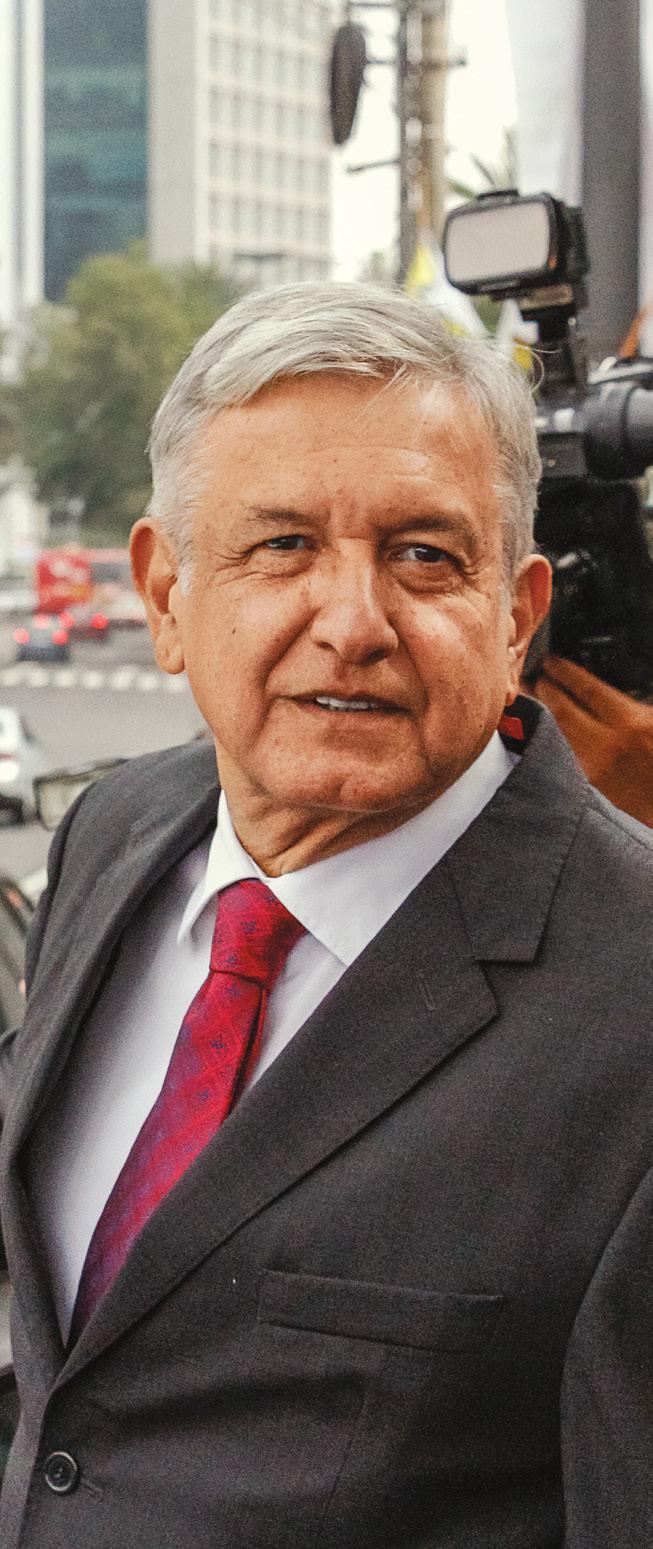
President-elect of Mexico
Andrés Manuel López Obrador (AMLO) started his political career in 1976 by supporting the candidature of Carlos Pellicer as Senator for the state of Tabasco. The next year he became the Director of the Indigenous Institute of Tabasco. After the creation of the Democratic Revolutionary Party (PRD) in 1989, AMLO was named president of the party in Tabasco. He was PRD’s President from Aug. 2, 1996 to Apr. 10, 1999, a period during which the party gathered the widest national presence since its creation in 1989.
On Dec. 5, 2000, AMLO became the Mayor of Mexico City. Among his achievements are the creation of programs to support the elderly, single mothers, unemployed, rural producers and micro-businessmen, together with major infrastructure projects such as Periferico’s second floor.
His first attempt to become President of Mexico began on Aug. 11, 2005. He was supported by PRD, the Working Party (PT) and the Convergence Party. After his defeat, he published a document called Nation Project on March 20, 2011. After that, on Dec. 9 of the same year, he registered as pre-candidate to run for the presidency for a second time, supported by the same parties. Again, he was unsuccessful.
After creating MORENA, AMLO became President of the party’s national council on Nov. 20, 2012. He held that position until Dec. 11, 2017. One day later AMLO registered as precandidate for the presidency for the third time, representing the coalition MORENA, PT and the Social Encounter Party (PES). On the evening of July 1, 2018, AMLO registered a consistent lead during the ballot counting process, leading to his opponents recognizing him as President-elect and offer their congratulations. On July 3, 2018, President Peña Nieto met with AMLO in the National Palace to discuss the transition plan of both administrations.
“We must end corruption. [...] Projects are currently assigned directly and at times tenders are not even held. We are ending with these practices and you (construction workers) will be able to work and have benefits again”
Andrés Manuel López Obrador, at the CMIC Jalisco Conference
Incoming Minister of Communications and Transport
Javier Jiménez Espriú has served as the General Manager of the Transport and Machinery Division of the Ministry of Public Works. He was Deputy Secretary of Communications and Transportation at SCT, Assistant Manager of PEMEX’s commercial area and Chief Executive Officer of Compañía Mexicana de Aviación. Espriú has also been a member of various advisory boards in the energy and transportation sectors in Mexico, such as the Mexican Institute of Petroleum and the Mexican Institute of Transportation. In addition, he served as Administrative Secretary General of UNAM, has been a full-time professor for over 30 years and was the Director of the Engineering Faculty from 1978 to 1982. He served as Chairman of the Mexican Engineering Academy and obtained the National Engineering Award in 2008. Espriú is a Mechanical and Electrical Engineer from UNAM and has a postgraduate degree from the Conservatoire des Arts et Metiers of París.
“Even with a reorientation of public spending, it is not going to be possible to implement a government-only approach. We want to promote and stimulate private participation”
Javier Jiménez Espriú, Aug. 22, 2018
Incoming Minister of Finance
Carlos Urzúa has been a consultant for the World Bank, the Latin American Economic Commission and the United Nations Program for the OECD. From 2000 to 2003, Urzúa was Minister of Finance in Mexico City’s administration. Since 2004, he has been the most senior national researcher at the National Research Institute, and in 2007, he became a member of the Mexican Academy of Sciences. He graduated as a mathematician from ITESM, holds a Master’s degree in mathematics from IPN and a Master’s and Ph.D. in economics from the University of Wisconsin.
“We are going to send back a very well measured, balanced budget (...) taking into account social, public investment and infrastructure programs”
Carlos Urzúa, Oct. 11, 2018
Incoming Minister of Agricultural, Territorial and Urban Development
Román Meyer is an expert in felony prevention and improvement of public spaces. He is an Architect from ITESM and has a Master’s in urban management from the Polytechnic University of Catalonia. He has been an advocate of social urbanism projects mainly for the rehabilitation of public spaces, social integration, public health, mobility and economic development.
Infrastructure development correlates with the economic development of a country. President-elect Andrés Manuel López Obrador will inherit a hefty infrastructure gap. AMLO sees the construction sector as a pillar of development and looks to double public-sector investment in infrastructure development
Andrés Manuel López Obrador’s campaign for president promised to restore Mexico’s industries and economy through the eradication of corruption. The construction industry is particularly susceptible to corruption, with an estimated 10-30 percent of the value of the global construction industry lost through corruption, according to WEF. This is mainly due to the infrastructure industry’s complex transaction chains, large-scale of investments and the uniqueness of each project.
To make a difference in the country’s infrastructure development, López Obrador’s Nation Project aims to restore rule of law and ensure that each peso allocated to infrastructure projects is indeed invested into that project. He has also decried the bribes that he says impact construction workers and companies directly and that must be eliminated immediately. The money saved by eradicating corruption will be will be used to invest heavily in public works that will generate economic growth throughout the country. According to AMLO’s Austerity Plan and Pejenomics Volume II, the reallocation of public finances would lead to savings equivalent to 1.9 percent of GDP, which would be reinvested in infrastructure and other public programs.
Although the savings generated from preventing corruption will be directly invested into public works, most countries turn to tax collection to increase their funds for public investment. In this regard, López Obrador has stated there will be no increase in taxes “in real terms.” He has also said that no new taxes would be created during his administration. Instead, the president-elect wants to develop a customs-free zone along the border with the US where income tax would be reduced to 20 percent and VAT to 8 percent to incentivize trade and investment.
The first question is where will the funds come from given the previous years of tight budgets. López Obrador has pledged to lower the wages for president and government officials and re-allocate those savings to infrastructure and social development programs across the country. This will be accompanied by support for the banking sector, maintaining the autonomy of Banxico and reintegrating development banks into the infrastructure system by making them the engine for SMEs.
After securing funding and rule of law, López Obrador’s strategy to truly impact the country’s infrastructure gap is to carefully select the projects that will be carried out during his administration. AMLO has stated that he wants to undertake only a few, but well-thought-out projects that will not exceed the country’s capacities and that will have a direct impact on largely overlooked regions such as Oaxaca and Chiapas.
As López Obrador’s team officially enters Los Pinos and begins formulating the new National Infrastructure Plan for the next six years, the private sector is anxiously awaiting not only the announcement of new projects but also the fate of President Enrique Peña Nieto’s current projects. López Obrador will inherit a number of projects from Peña Nieto’s administration, most importantly NAIM, the Mexico-Toluca Interurban Train and the Shared Network.
López Obrador has already announced seven infrastructure priorities that he hopes to accomplish during his administration. The Transisthmian Corridor has caught the private sector’s attention and is especially appealing to transport and logistics companies. His plan includes providing continuity to Special Economic Zones but also creating a corridor that will interconnect Mexico’s southern states. This plan will include the modernization and construction of ports, airports, road, rail and industrial infrastructure to promote logistics and facilitate trade from coast to coast.
CMIC has evaluated the project and believes that it will make Mexico more competitive and that it will generate a positive impact on the country through the use of PPP schemes. Nevertheless, it is important to keep in mind that it will also require a great deal of secondary infrastructure development. In an interview with Obras, incoming SCT Minister Javier Jiménez Espriú discussed the possibility of further works. “We will start developing the corridor rapidly through the modernization of railways, highways and ports,” he said. “Other entities will start with the development of urban zones and related territories. The idea is to create a new industrial port in Salina Cruz.” The
project is still in the planning stage and the main points experts have asked to keep in mind is that it must also be accompanied by industrial real estate development and favorable market conditions to attract the necessary investment.
“We will start developing the (Transisthmian) corridor rapidly through the modernization of railways, highways and ports. The idea is to create a new industrial port in Salina Cruz”
Javier Jiménez Espriú, Incoming Minister of Communications and Transport
Another project that has captured investor interest is the Mayan Train. This cargo and passenger train has been proposed as a way to boost the economies of Mexico’s southern states and archaeological sites. López Obrador’s objective is to complete this project within the first four years of his administration with a budget of US$6-8 million. As outlined, the project will be composed of 1,525km of rail that will cross through five states and stop at 14 stations. López Obrador has proposed that the project be funded through a tourism tax and will incorporate private sector investment into the project.
To reduce time and costs, López Obrador's proposal traces the old Palenque-Valladolid rail, using its existing right of way to construct the project. But the right of way for the rest of the project will be perhaps one of the biggest challenges this project will face. The route will require the acquisition of hundreds of kilometers of land, which not only poses a challenge when negotiating with ejidos but also in the technical complexity of the terrain. It is estimated that on the Yucatan Peninsula there are more than 9,000 cenotes , similar to a sinkhole with groundwater, requiring great engineering capacity and thorough planning.
The remaining infrastructure priorities are strategies to create a more inclusive country through the development of infrastructure. The construction of 300 rural roadways, a guarantee of telecommunications accessibility and a
boost for marginal areas are infrastructure priorities that will help interconnect the country’s developing communities and boost its economic activity through the attraction of industrial, tourism and trade activity. The main challenge for these priorities stems from a low federal budget for public investment, making it necessary to make projects financially viable for private sector investment. Some of AMLO's main policy priorities focus on the following infrastructure:
Telecomunications - During Peña Nieto’s administration, the Telecommunications Reform was passed, breaking up the telecom monopoly and boosting the competitiveness of services offered in Mexico. In the Nation Project, López Obrador has given priority to guaranteeing internet access to the entire population by increasing wideband coverage and also creating a fund for social telecom coverage. According to a statement issued by Salma Jalife Villalón, the incoming Deputy Minister of Communications Technology at SCT, López Obrador’s administration looks to evaluate some modifications to the Telecom Reform if the private sector considers it necessary to reach its targets.
Road Infrastructure – López Obrador’s vision of boosting the country’s connectivity through the construction and modernization of 300 rural roadways aims to also generate jobs in Mexico’s most marginalized states of Guerrero and Oaxaca. But the new administration may be in for a much larger challenge. According to the SCT Directorate General of Roads (DGC), 7km of every 10km of the federal, state and municipal rural roadways network are in poor or irregular condition due to a lack of funding for maintenance and conservation. That is approximately 53,521km of rural roadways in need of immediate attention. During Peña Nieto’s administration, Banobras introduced the Maintenance-RehabilitationOperator (MRO) contracts to further incorporate the private sector into the modernization and maintenance of Mexico’s road network, filling in the gaps where the federal budget could not stretch.
Reconstruction - After the September 2017 earthquakes, the reconstruction of affected areas is among López Obrador’s top priorities and challenges to meet his goal of inclusion and economic growth. On the oneyear anniversary of the earthquake, López Obrador presented his Plan for Reconstruction in which he defined the creation of an Interministerial Commission for Reconstruction that will incorporate all levels and entities of government. The goal is to coordinate the construction across all involved entities and allocate funds primarily to the reconstruction of housing, health, education and cultural heritage sites through public funds and not loans.
President-elect Andrés Manuel López Obrador’s Nation Project outlines his goals and expectations for the next six years. While some of his policies are seen as positive for the industry, others could generate uncertainty. With a strong position in Congress, AMLO is poised to have a significant impact on the industry
Andrés Manuel López Obrador takes office on Dec. 1 and although the Nation Project outlined his intentions to boost the country’s economic development through infrastructure investment, there has been little indication from MORENA of how key projects will be implemented. The result has been a rise in speculation and uncertainty among private sector players.
The objective of AMLO’s proposal for the infrastructure industry is to reactivate the Mexican economy through an active construction sector, generating both wealth and jobs. By appointing an austere government and eradicating corruption, there will be more public funds, acting as the “seed that will allow the country to attract domestic and foreign private investment and together build infrastructure projects.” One key for the industry will be the new National Infrastructure Plan, which has yet to be announced.
• Double the investment in public works
• Support for the banking sector; no nationalization of banks
• Reduce wages of president and government officials and use savings for infrastructure and social development programs
• Development bank will be an engine for SMEs
• Maintain the autonomy of Banxico and the macroeconomic balance
• Make only a few, but well-thought-out projects that do not exceed the country’s capacities but have a direct impact on neglected regions
• No increase of taxes “in real terms”
• No new taxes
• Reduce income tax to 20 percent and VAT to 8 percent in the customs-free zone
• Reduce the special tax on production and services to lower prices of gas and electricity
• Bribes impact construction workers and companies directly and must be eliminated
• Guarantee the democratic rule of law
• No more corruption; that money will be used to increase public investment and generate economic growth AMLO stated that at the beginning of his presidential administration, he will allocate MX$500 billion to the following seven infrastructure priorities:
• Revise all contracts and tenders in the construction of NAIM
• Launch a public consultation on the Texcoco project
• Possibly move the project to the Santa Lucia Air Base
• Provide continuity to the Special Economic Zones by giving priority to programs that will directly impact the Isthmus of Tehuantepec and the northern border states
• Construct and modernize ports, airports, road and rail infrastructure from Coatzacoalcos to Salina Cruz, interconnecting the Pacific coast markets with the east coast
• Cancun-Tulum-Bacalar-Calakmul-Palenque Passenger Train
• Project is designed to interconnect Mexico’s main archeological sites and southern states, boosting tourism, culture and logistics
• Funds for the project will come from a tourism tax and include private sector investment
• The objective is to finish the project in four years at a cost of US$6-8 million using the right of way of the old railroad between Palenque and Valladolid
• Will run through five states with a total of 1,525km and will be divided into three sections: Gulf, Jungle and Caribbean
• Will have 14 stations in the following cities: Bacalar, Calakmul, Cancun, Ciudad Campeche, Chichen Itza, Escarcega, Felipe Carrillo Puerto, Izamal, Merida, Palenque, Playa del Carmen, Puerto Morelos, Tulum and Valladolid
• The Interministerial Commission for Reconstruction will be created to coordinate the three levels of government and entities that will be responsible for the reconstruction of housing, health, education and cultural heritage
• Will allocate an additional MX$10 billion to the reconstruction of homes and other sectors
• Negotiation of agreements with materials and workforce providers to simplify processes and avoid increase of costs
• The reconstruction will be through public funding and not loans
• The economic and social inclusion of marginalized municipalities near tourist and border cities, as well as municipalities near the Mexico City Metropolitan Area such as Chimalhuacan, Ixtapaluca, Valle de Chalco, Ecatepec, Los Reyes and La Paz
• Construct and restore 300 rural roadways to boost the connectivity of Mexico’s road network
• Generate more than 50,000 jobs for workers from Oaxaca and Guerrero
• Guarantee internet access to the entire population by increasing wideband coverage and create a fund for social telecom coverage

President of the Mexican Chamber of the Construction Industry (CMIC)
To further incentivize investments in Mexican construction companies, the government could provide certainty through a guaranteed rule of law. For companies to think about their future growth, rule of law is essential to create trust in their investments. Our affiliates need to feel secure. There are many cases of insecurity across the country and that has a cost. Companies must pay insurance for their machinery, security guards and protection for their employees to ensure their investments are safe.
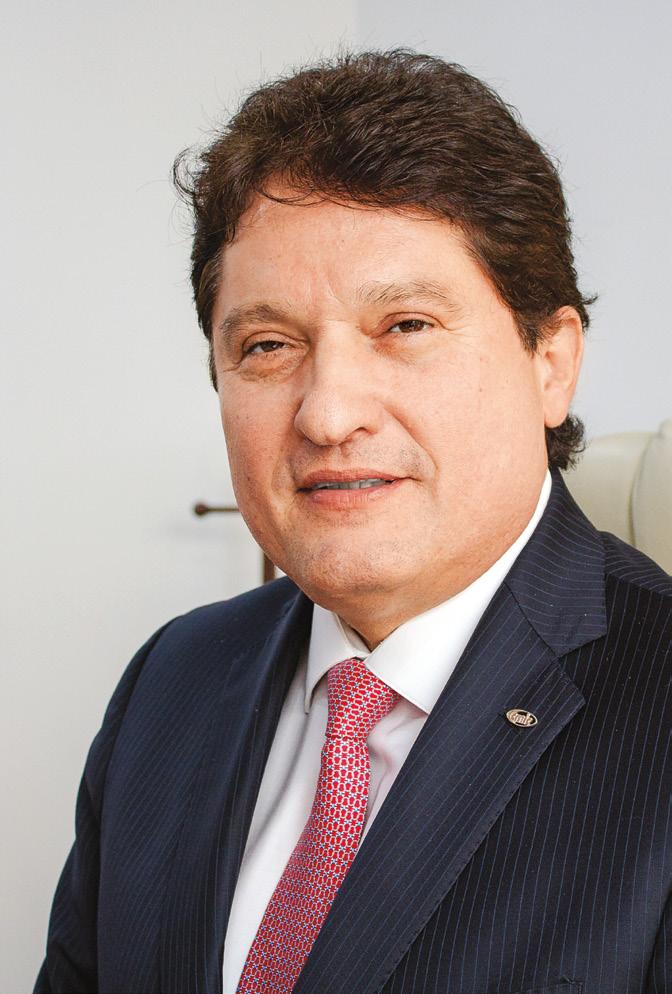
REYES JUÁREZ Director General and President of FOA Consulting
The structural reforms that have been implemented are interesting but they must be complemented. The skeletons of these reforms must be structured and instead of being canceled, they need to be analyzed as to what they are missing and how they can be complemented. The structural reforms must facilitate the development and completion of projects for the country as a whole. To ensure the reforms have a greater impact, they must instill trust among investors and provide them with the legal certainty they require. If a country is creating new reforms every six years, it is not a good indicator to investors. More than anything, the country needs to establish a decentralized entity to prepare long-term projects, which at the same time will disseminate the PPP law so that local and state authorities have an understanding of how it works.
JORGE WOLPERT
Director General of CONAVI
There are a number of projects, such as NAIM, the Mexico CityToluca Interurban Train and some other major road infrastructure projects that were not finalized and should continue during the new administration. I would like to emphasize the Special Economic Zones (ZEEs) in the south of the country, a project that started only two years ago and that I believe it is important to consolidate in the years to come. This region is characterized by low income and scarce opportunities, so the idea to create a strategic area for economic development that will trigger investment and employment is crucial. To reinforce this project, it is important to generate a proper taskforce including the private and financial sectors and the local and federal authorities.
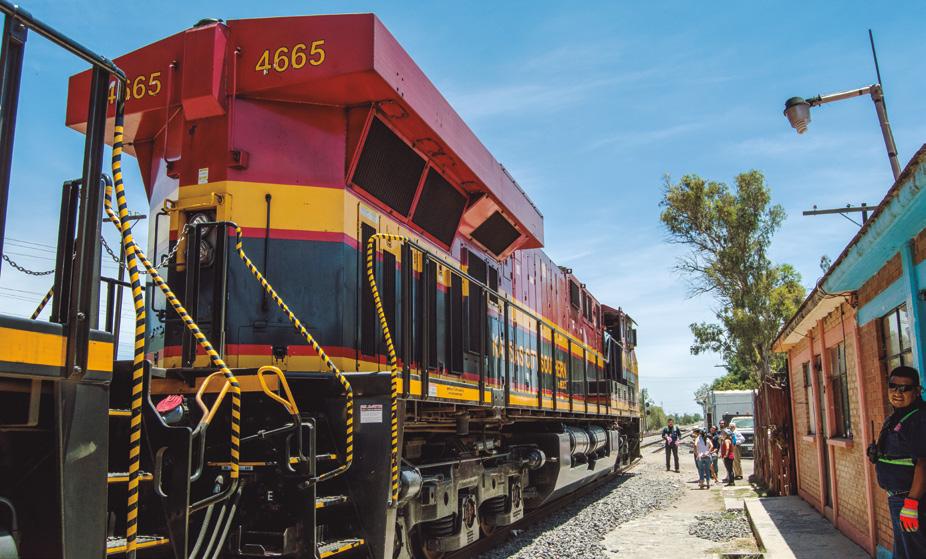
JOSÉ ZOZAYA President of Kansas City Southern Mexico
I would ask for full respect of rule of law and the concession system. I also think the law should remain as it is, since regulatory change creates market uncertainty and hinders investment. I would also request investigation into the viability of allowing average train speeds to be increased. Finally, promotion of a harmonic coexistence between local communities and rail companies should be a central aim. The key to success is to remain in constant communication with local authorities, so we are better coordinated regarding the issues that we discuss with communities.
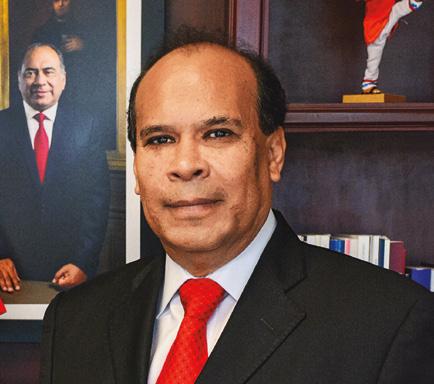
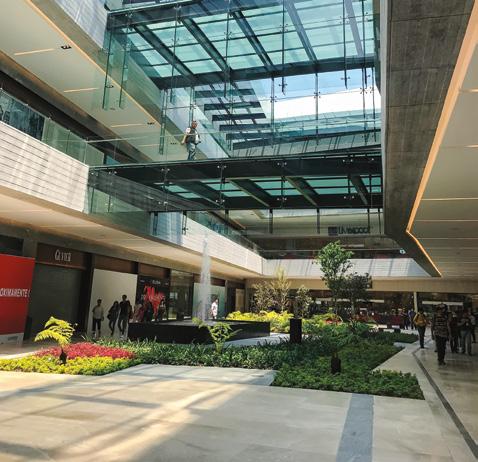
Director of Investor Relations at Fibra Danhos
First of all, for real estate to be successful, the macro environment has to be healthy, which would include interest rates, GDP growth and consumer confidence. If the new government looks to attract investment and grow the economy with an open market perspective and really builds on today’s foundations, the country will be financially sound. The fundamentals in Mexico are solid, with GDP growth, the beginning of a reignin on inflation and a primary surplus. Second, the corruption that has always existed in the real estate industry, especially with permitting and licenses, needs to be addressed. This kills investment. We would like a transparent process and zero corruption of political officers in terms of zoning. In the latest Corruption Perceptions Index, Mexico’s ranking suffered due to the levels of corruption present in the country. Transparency International ranks Mexico 106th out of 177 nations. The government should facilitate the ease of doing business for the private sector by addressing this issue.
Guerrero Minister of Economy
Governor Astudillo has been very clear about the need to work collaboratively with the Federal Government to bring more federal resources to Guerrero, as the state is about 95 percent dependent on them. I believe that the newly-elected President has shown the will to work with different political actors and seek consensus. It is important to work for the reconciliation of the different political parties and actors. We must promote a shared agenda across all government levels and the private sector to boost the development of the country.
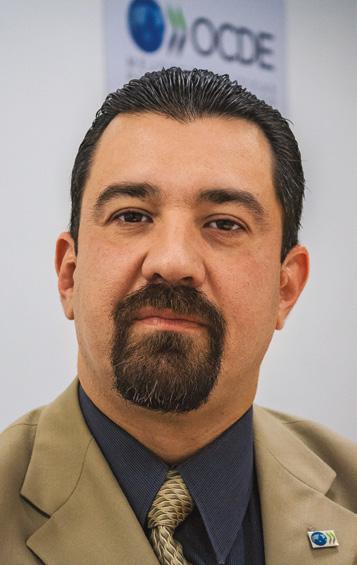
Senior Specialist on Integrity and Procurement Policies at the OECD
The first step is to look at public works as a strategic and not an administrative task. Secondly, the government should finish NAIM. There is no reason to cancel NAIM and it is an essential facility for the country’s development. We must improve CompraNet We have developed a short, medium and longterm plan to ensure the quality of this system and how the government could go about it. CompraNet focuses mostly on the tendering phase of a project and it should cover pre- and post-stages as well. Information in the system must be standardized. Internal auditing is also necessary to ensure that all the information on the platform is correct.
President of Grupo SACMAG
Water is running out and Mexico does not have the infrastructure to tackle the problem. Mexico’s cities are already experiencing the side effects of this issue, as many must get their water from outside sources. Some desalination plants are being planned but they are still financially unviable. The price will fall as the years pass and I do believe that it is a good option to quench the country’s future thirst.
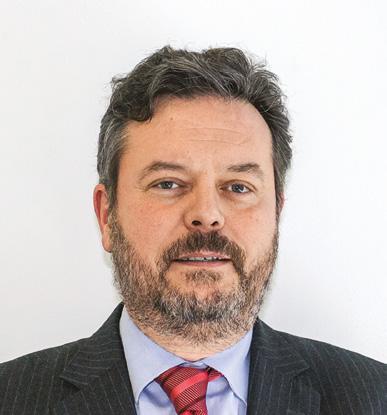
Latin America North Head for Enterprise and Public Sector of Nokia
I would prioritize the Backbone Network project, which is included in the Mexican Constitution under the recent constitutional reform and the new Federal Telecommunications and Broadcasting Law, but is lagging. Its correct implementation is most needed as it aims to build the foundations of a national fiber optic network by using CFE’s existing infrastructure, as well as new complementary facilities. Given how susceptible Mexico is to natural disasters and unforeseeable contingencies, there are connectivity solutions that can help public safety organizations in this context, such as portable LTE networks. Under these circumstances, sometimes the antennas and communication systems are damaged or fail due to an energy outage. These solutions can be activated in the case of an emergency, especially when traditional communications networks collapse or are congested.
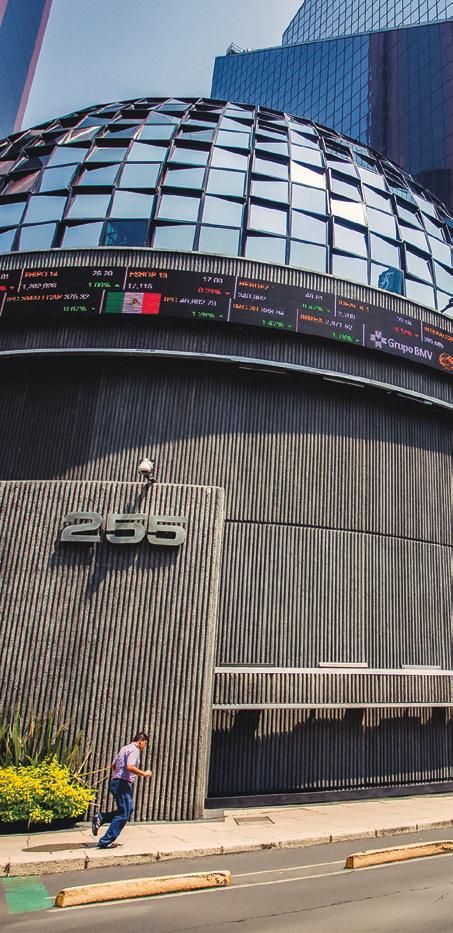
CEO of BMV Group
I think the most important thing is to spur greater growth. Mexico’s growth has been relatively limited. Rather than growing 2.5 percent, Mexico should grow by double that, at least. I think it would be interesting to include in the agenda certain incentives to motivate companies to seek funding from the BMV. Of the companies we have listed on the BMV, more than 90 percent are concentrated in four states in the country: Nuevo Leon, Mexico City, State of Mexico and Jalisco. It should not be like this because the GDP of those four states is not 90 percent of the country’s GDP. This means something is failing and we need to look at how we can support those companies in other states. We also think the support from development banks is very important. NAFIN has been focusing a great deal on Green Bonds, the first of which was raised in 2016. We think it is important for the government to see and consider the BMV as a pillar of financing in the country.
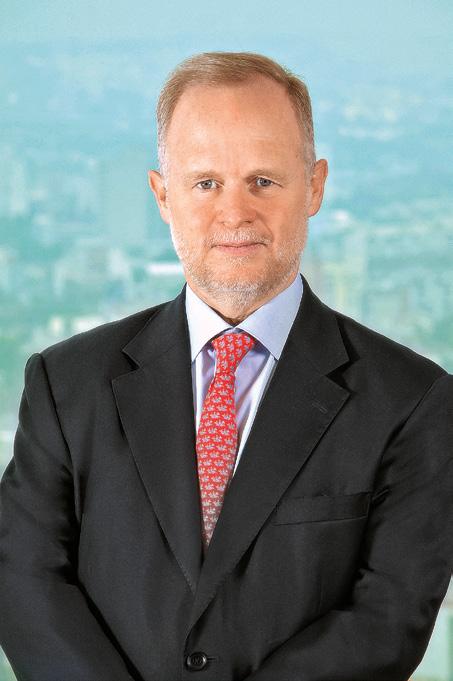
Partner at Holland & Knight
If we have a protective government, projects will not do well. There must be a long-term view and private parties involved. If we do not hand telecoms infrastructure over to the private sector, the government will be completely unable to develop any itself because it takes too long and technology is changing so rapidly. This must be a priority for the Mexican government, no matter the administration or party. Continuity in projects and rule of law need to be improved. If not, nothing will change. These factors will increase credibility within the sector, which in turn will boost investment and development.
Lead Partner of Global Infrastructure and Projects Group of KPMG
The only wish I have is for water to be revolutionized. The whole planning process, rule of law and delivery charges must be overhauled. When we talk about water we encompass agriculture, health and a variety of other sectors. If we run out of water we run out of everything. Water will become the next oil. The main problem is that the political agenda does not match the human rights agenda or the taxpayers’ agenda.
Head of Construction, KPMG in Mexico
Fiscal reform is necessary to acquire the funds to bridge the country’s infrastructure gap. Another requirement is to reinforce PPPs and make them more attractive. The PPP process is important to ensure transparency and financial security. Many are requesting fiscal changes in Fibras' and CKDs' structures to maintain the sector’s growth. Private initiatives should find their own opportunities in the Mexican sector, through PPPs or USPs, and not wait around for the government to propose projects but look for areas of opportunities within the sector. We should have an efficient center to receive these proposals and increase the number of initiatives within the sector.

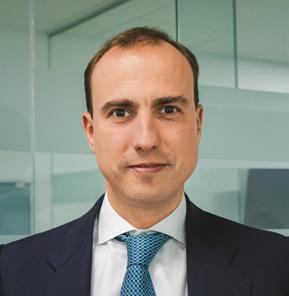
Country Manager Mexico of ROADIS
To detonate investment in infrastructure, there must be adjustments made to legislative policies and more specific actions to promote certain projects. I believe that maintaining the current regulatory framework would be ideal, especially since concessionaires and investors feel comfortable with the current framework. The tendering process could be improved to make it more transparent and competitive. Examples on how to do things can be found within Mexico, as has been done in the energy and oil and gas auctions.
Director General of Acciona
Infraestructuras México
We would like to see more transparency in rules and regulations, efficiency in the identification of projects and continued public investment in infrastructure. It is important that the government identifies the needs of the country. My wish is for a renewed impulse for policies to promote continued infrastructure development in Mexico.
Director General of SCT
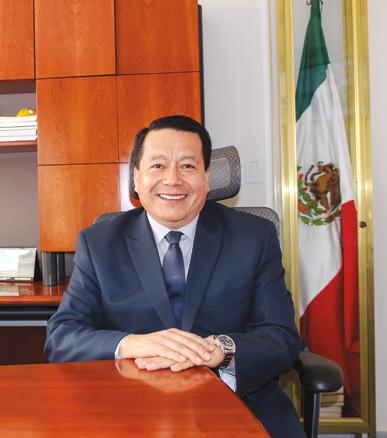
Centro Queretaro
I believe that the Federal Attorney should not only make sure that everything is being done correctly but it should also carry out the tendering processes for the projects. This way SCT could focus on the actual construction, planning and design of the infrastructure projects the country needs. The Federal Attorney has all of the requirements and tools to carry out tenders and ensure transparency.

GONZALO ROBINA
Co-CEO of Fibra Uno (FUNO)
We would like to see incentives for foreign investment. Approximately 55 percent of FUNO’s capital is foreign investment. FUNO has been attracting investment from all over the world. This new administration should have a pro-foreign investment stance.
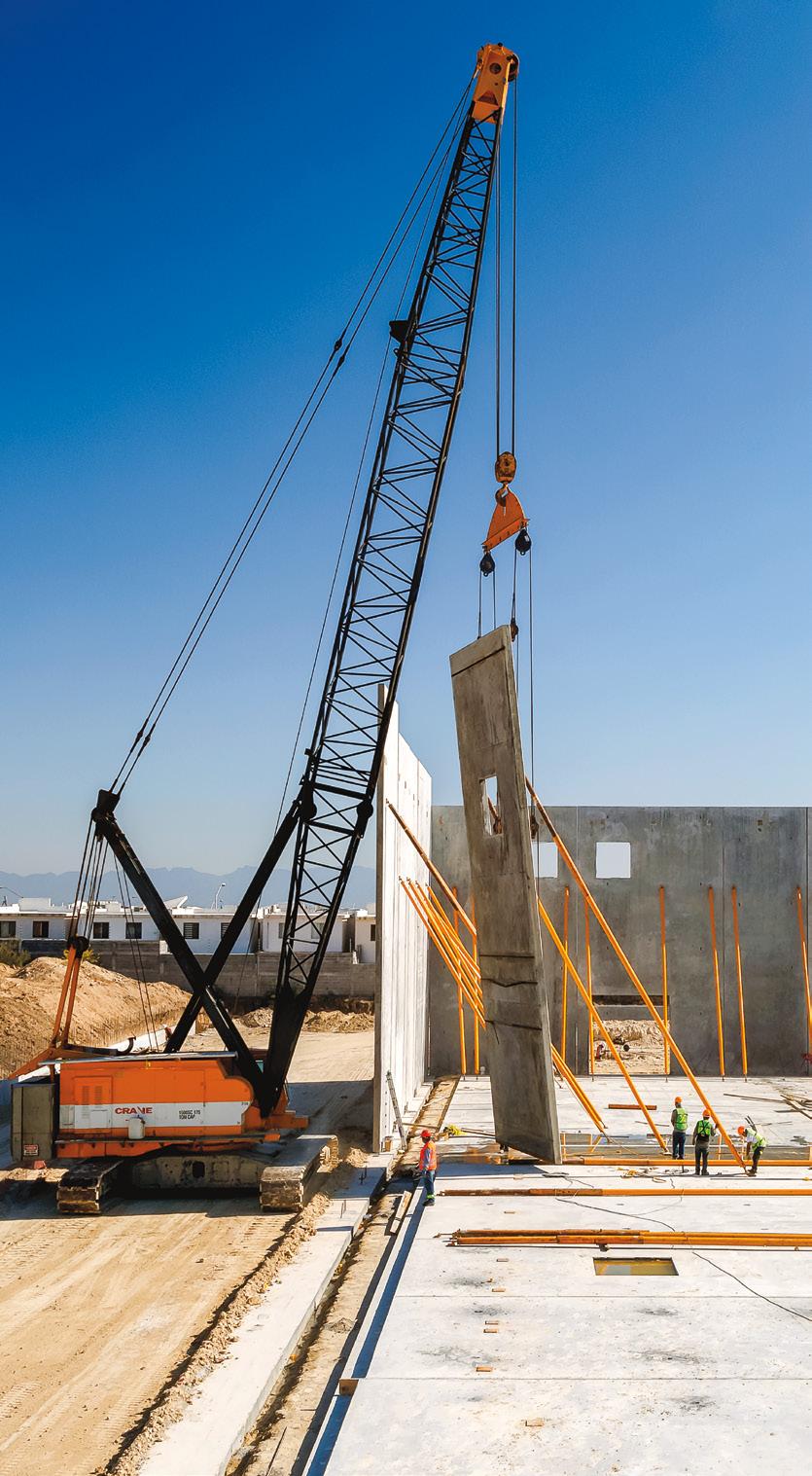
The construction sector plays a major role in the economic development of the country and represents 4-5 percent of GDP. But given the uncertainty that traditionally arises during political transitions, public infrastructure spending is expected to decrease in 2018 and 2019, pushing construction and engineering firms to diversify and invest in real estate and other sectors. Federal budget cuts have deeply impacted the industry in the last five years with an average growth of only 0.4 percent, mainly due to private sector investment.
According to CMIC, the construction market is worth approximately MX$2.4 trillion and is divided into 23 percent public sector and 77 percent private sector. Apart from diversifying during difficult times, international and national construction firms are encountering familiar problems. In the aftermath of the September 2017 earthquakes, the Civil Works Law and Safety Regulations will be changed to demand more from companies, raising the bar for the sector. How will the country ensure that its buildings are up to par with regulations and safety standards? This chapter addresses the main challenges and solutions for the engineering and construction sectors in Mexico directly from its top decision makers.
154 ANALYSIS: Unleashing the Power of Construction Through PPPs
155 VIEW FROM THE TOP: Sergio Ramírez, Acciona Infraestructuras México
156 VIEW FROM THE TOP: Fernando Vázquez, Grupo TADCO Javier Pascual, Grupo TADCO
158 VIEW FROM THE TOP: Enrique Alonso Zúñiga , Sacyr Ingeniería e Infraestructuras México
160 INSIGHT: Roberto Calvet, AECOM
161 VIEW FROM THE TOP: Juan José Risoul, Grupo SACMAG
162 INSIGHT: Jóse Ramón Delgado, Ayesa Mexico
163 VIEW FROM THE TOP: Roberto González, Robbins Mexico
164 VIEW FROM THE TOP: Mario Olivera, PRODEMEX
165 VIEW FROM THE TOP: Guillermo Ortiz, Consorcio IUYET
166 VIEW FROM THE TOP: Federico Alba, Alba Proyecto Estructural
167 VIEW FROM THE TOP: Jesús Valdez, Miyamoto International CDMX
168 INSIGHT: José Amarante, Hill International Máximo Muñoz, Hill International
169 VIEW FROM THE TOP: James Delano, ATCO México
170 VIEW FROM THE TOP: Carlos Salazar, Shimizu Corporation
171 INSIGHT: Alejandro Ruíz, KPMG in Mexico
172 INSIGHT: Iñigo Mariscal, Marhnos
173 INSIGHT: Antonio Garibay, Ingeniería en Administración de Contratos (IAC)
Cities are growing, which creates the need for infrastructure. Yet, governments only have six years to see projects through and normally they do not have the funds to support them. PPPs could be the go-to option to bridge this gap but the people must understand the difference between a partnership and privatization
For citizens, public-private partnerships (PPPs) are often accompanied by the words “privatization” and tend to be automatically vilified. But PPPs are a huge boost to the rate of infrastructure development that couple private sector expertise and public sector risk management. “It is important to educate people about what a PPP consists of, especially when they think that it translates to privatizing the country’s assets. In reality it is simply detonating investment,” says Carlos Redondo, Country Manager Mexico of ROADIS.
According to IDB’s Evaluation of Infrastructure Public-Private Partnerships 2017, PPPs contributed only 0.4 percent to Mexico’s GDP in the last decade. Among Latin American countries, Mexico ranks second in terms of investment through PPPs but in perspective, PPPs represented only 1 percent of the region’s GDP from 2006-2015. Meanwhile, in developing Asian economies PPPs represented 1.6 percent of GDP.
This scheme is not only beneficial for the construction sector but for the government and the entire country, since it expedites the development of infrastructure projects needed to support the growing demands of cities and their inhabitants. The key lies in selecting the right projects and the most qualified players to see them through. PPPs are being used all around the world to help bridge government funding gaps and meet vital public needs. “There needs to be close coordination between the public and private sectors to identify the projects that can be developed through PPPs. We must figure out how to transform PPPs into a business incubator,” says Sergio Ramírez, Director General of Acciona Infraestructuras México.
PPPs also increase transparency within the construction sector. In Mexico, public works can be contracted through three types of processes: direct awarding, restricted invitation and public tenders. According to Manuel Roman, Partner-in-Charge at Jones Day, the PPP mechanism became a way of professionalizing the sector and allowed both national and international private entities to play a larger role in the infrastructure industry. He says the common belief is that PPPs are essentially giving money away to the private sector; on the contrary, they actually increase transparency and reduce opportunity for corruption. “This would promote stricter guidelines for anti-corruption and transparency, which are probable
reasons why international players are hesitant to enter the infrastructure industry,” says Romano.
Transparency is a crucial element to improve investor and company confidence in infrastructure projects through prequalification processes for project tenders. “For some reason, in Mexico everybody is frightened by the idea of prequalification in projects. At the end of the day, establishing prequalification requirements is an excellent way to ensure the skillset of the participants entering a bid, giving a project an added value and ensuring its quality,” says Reyes Juárez, Director General and President of FOA Consulting.
According to the 2018 WB Procuring Infrastructure PublicPrivate Partnerships Report, Mexico’s scoring in the preparation, procurement and contract management of PPPs is above 80 on a 100-point scale. The country’s PPP Law is modeled after successful examples in other countries and the research shows its validity. The challenges arise during the implementation and the assurance of transparency during the selection of projects in order to successfully bridge the infrastructure gap. According to Ignacio García de Presno, Lead Partner of Global Infrastructure and Projects Group of KPMG, projects must be analyzed individually to know if a PPP is actually the most suitable option. “There are a number of different PPP modalities, from concessions to service agreements,” he says. “All could work, some better than others. But there is a perception that all PPPs can fix everything and the issue is that they were not designed to do everything.”
Long-term planning is another key issue that prevents PPPs from successfully delivering the benefits they could offer. The consensus among Mexico Infrastructure & Sustainability Review interviewees is that the lack of long-term planning has been the bane of infrastructure development for the country. Juárez explains that for decades, the country has developed six-year infrastructure plans that align with the term of the administration in power even though the complex nature of the industry makes it difficult for the president who develops the plan to actually finish it. “More than anything, the country needs to establish a decentralized entity to prepare long-term projects and PPPs, which at the same time will disseminate the PPP law so that local and state authorities will know how it works completely,” says Juárez.
SERGIO RAMÍREZ Director General of Acciona Infraestructuras México
Q: What are the main challenges construction companies are facing to develop the country’s most pressing projects and what is Acciona’s role?
A: There needs to be clarity in the regulatory framework so both public and private investment continues. Topics such as right of way need to be addressed so that investment continues to flow into the sector and country as a whole. Projects must be thoroughly valued in terms of both cost and impact. The cheapest option is not necessarily the best choice. Security is another issue that must be addressed. Construction companies must be able to guarantee the safety of their workers throughout the country.
Acciona is present in over 40 countries and we have been operating in Mexico since 1978. We have become a Mexican company building the country’s most important infrastructure and we will continue investing in the nation’s development in the years to come. We have expertise in the delivery of all kinds of infrastructure and we have developed our engineering skills greatly through various transport, water and social infrastructure projects.
Q: How has the country advanced in terms of infrastructure development?
A: Mexico’s infrastructure industry has experienced a transcendent change thanks to the collaboration of the public and private sectors in the delivery of large public works. This has allowed for greater infrastructure development. Many of the roadways developed and the concessions offered in the last few years have not only given work to the construction sector but unified the country. Public private partnerships (PPP) have boosted development greatly but there is still a great amount to do in terms of airports, ports, rail and roads to interconnect the country even more. Railroads should be given priority and they are needed not only to transport people but also cargo and boost the country’s logistics.
Peña Nieto’s administration passed various important structural reforms including for telecommunications, public works, energy and education. We need to work together to identify proposals and present them to the government.
There are many necessary projects that need to be built and now the private sector can promote their development on the local, state and federal levels. If there is a clear balance between public and private investment in infrastructure, the government will be able to allocate more money to social projects that the country desperately needs and more financially-viable projects can be concessioned to the private sector.
Q: How important is the integration of more PPPs and USPs in the Mexican infrastructure industry?
A: The country has a large infrastructure gap and the government does not have the funds to bridge it by itself. There needs to be a close coordination between the public and private sectors to identify the projects that can be developed through PPPs. We must figure out how to transform PPPs into a business incubator.
As for USPs, although companies get their investment back if they do not win the tender, few companies want to invest the amount of time and labor that goes into a proposal. If the public and private sectors can work together on a list of infrastructure priorities, and then develop these through PPPs, USPs and other schemes, this would create jobs and deliver much needed progress.
Q: What role does NAIM play in the future development of the country and how is Acciona participating in it?
A: Construction of Mexico City’s new international airport is already underway and it is creating thousands of jobs. Funding has been raised and is specifically tied to the project, which is vital to the future of the country. Acciona is part of the consortium that is building the terminal. Over 120,000 tons of steel are being used in this structure alone. The manufacture of the steel, its transport and installation has given work to more than 5,000 Mexicans.
Acciona Infraestructuras is a leading company for developing sustainable solutions around the world through its different activities, comprising construction, concessions, water, industrial and service
Fernando Vázquez President of Grupo TADCO
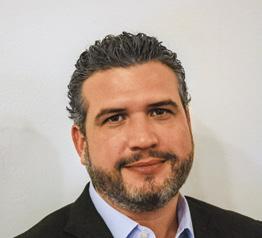
Javier Pascual Director General of Grupo TADCO
Q: How did Grupo TADCO establish its relationship with the government for work in Mexico’s infrastructure industry?
FV: Taller de Arquitectura, Diseño y Construcción (TADCO) was founded in 1985 to support the reconstruction of Mexico City after the earthquake that leveled the city. Through the years, the company transformed into one of the Mexico’s most important construction companies. During this time, we had an opportunity to work with the federal government, supervising a penitentiary project. These types of projects are complex and only big construction companies such as GIA, ICA or Prodemex can carry them out. This is how we became a consultant for the federal government.
Q: What are the main factors that will differentiate companies within the infrastructure industry?
JP: We are betting on three different factors for our future development: technology, innovation and PPPs. In the future, projects will not be delivered on paper but on disks and flash drives. Technologies such as BIM and REVIT will push disruption within the construction sector and push the country forward. It is also surprising that in some projects or areas we are still constructing using the same methodologies as we did years ago. This is why it is vital that we innovate in our construction systems and bring change to the sector by integrating new materials that are more sustainable and that will not only cut down construction times but also increase safety.
Q: Which subsectors are attractive to Grupo TADCO and under what schemes?
JP: In a country like Mexico, I believe PPPs are the future for the development of the country. I think that the private sector is much more efficient than most public entities. In terms of segments, housing is an area we believe will be very active in 2018. The country’s housing deficit, particularly in the social housing segment, will require
Grupo TADCO is a Mexican engineering, supervision and architecture company that has been in the market for more than 30 years. The firm is participating in the supervision of NAIM and various social infrastructure projects in Mexico
the construction of many homes in the next few years. Mexico’s cities are trying to close off their urban centers and migrate toward more vertical developments. Another sector we are hopeful will pick up is public education and more projects will be tendered in the future through PPPs. Outside of Mexico, we are also looking to launch supervisory and consulting services in Central and South America.
FV: We will also see a great amount of activity in the health sector through various hospital tenders from ISSSTE and IMSS. Over the years, we have actively participated in this sector and we are starting to enjoy the fruits of our labor.
Q: How has Grupo TADCO financed its growth and how does it want to continue funding its participation in new projects?
JP: We have credit lines with banks and our participation in NAIM has increased our flows but we are looking for new options to finance our growth. Additionally, we are working on our corporate governance structure to align with the interest of investors. We want to establish an administrative council and comply with other specifications that both banks and the BMV require. Transparency will help us not only improve our day-to-day activities but also to expand and realize our growth expectations.
Q: Why is it so difficult to retain human capital within the construction and engineering sectors in Mexico?
FV: Within the construction sector, the turnaround of human capital is becoming a real challenge. There is a great amount of competition within the industry because these new generations are embracing more skills, especially through technology. Grupo TADCO has experienced many challenges with the fast evolution of technology. People who are continuously learning and training themselves are in high demand from all companies, therefore creating a gap. We are at an important juncture and the sector has to adapt quickly. We see a great opportunity in the niche of BIM and REVIT.
JP: Millennials are particularly difficult to understand. They are more worried about the human aspects of a company,
more than just the compensation. They want more time out of the office and want to have more freedom. The company decided to offer more flexible working hours and home office to adapt to the needs of new generations.
Q: What has been Grupo TADCO’s experience working with SACMAG and NACO in the supervision of NAIM?
JP: The main challenge we are facing is the terrain. It has been incredibly difficult to stabilize the location’s subsoil to a point where both NACO and the CICM have decided to stop fighting nature and work in phases. We want it to sink homogeneously and for this we designed each part of the airport with more than 10,000 specialized instruments. We implement an observation method in which we benchmark each and every instrument to ensure the equal sinking of the terrain and that it is behaving as it was expected to in theory.
Q: What legacy does Grupo TADCO want to leave in Mexico and what are its expansion plans?
JP: Grupo TADCO wants to collaborate with more international companies and provide an added value with our in-depth knowledge not only of the industry but of the country. This is why we have been able to create alliances with European and US companies. We understand how the government operates, which is a great strength that these new companies need to be successful in Mexico. We want to show that Mexican companies can integrate this cutting-edge technology into infrastructure projects and
that they have a great deal to offer to the international market. Our alliance with SACMAG, for instance, has allowed us to begin working in some South American countries.
The presence of corruption and the lack of transparency in various government processes scares many international players. They believe that Latin American countries have high corruption, creating a large barrier to entry. Many international companies have had the experience of investing in tenders only to discover the tender was manipulated. PPPs will professionalize the system and eliminate these barriers for international companies.
Q: What are your recommendations for the next administration to improve infrastructure processes?
JP: I think that we need more openness from various governmental agencies to include more private sector participants in infrastructure projects. There are many basic services that could be drastically improved if placed under a PPP scheme.
FV: One of the biggest problems within the infrastructure industry is that tenders for projects begin in the middle of a presidential term. It should be from the very beginning of a presidential term and everything should have already been adequately planned so that, in the six years of the term, the projects will actually be completed.

ENRIQUE ALONSO ZÚÑIGA Director General of Sacyr Ingeniería e Infraestructuras México
Q: How have Sacyr’s operations evolved in recent years in Mexico?
A: Globally, Sacyr is divided into four divisions: Engineering and Infrastructure, Concessions, Services and Industrial. Sacyr is present in 29 countries and is driven by over 30,000 people who seek to create a more prosperous and sustainable world. We operate 3,800km of highways throughout the world and have constructed more than 700km of 40 different highspeed rail projects. Sacyr also manages more than 40 wastetreatment plants, 2,500 beds in various hospitals and more than 900MW in electricity generation and cogeneration projects.
Sacyr's RARx solution mostly uses rubber dust from tire recycling, which has economic, technical and environmental benefits.
Mexico is a strategic country for us and we believe that we can add value to the development of infrastructure from a technical point of view, integrating innovative and efficient solutions, and as private investors in project financing through PPPs. We believe that PPPs can be an important mechanism for the country’s economic development in the coming years. We also believe that the development of transport projects for people and goods will contribute to the generation of new business opportunities, especially to improve conditions in less favorable regions. There is great potential in developing social projects, such as schools, universities and hospitals.
Sacyr is committed to improving the quality of life of Mexicans through the development and operation of various infrastructure projects such as the Queretaro Regional Hospital, the Pediatric Gynecology Hospital, the Regional General Hospital in San Alejandro, the Ciudad Acuña General Hospital and the Specialty Hospital in Pachuca. Sacyr is also participating in the construction of the New Mexico International Airport (NAIM) and Line 3 of the Guadalajara
Light Train. Through concession contracts, we are also participating in the Piramides-Tulancingo-Pachuca highway and the Tlahuac General Hospital in Mexico City.
Q: What project would you highlight as your main achievement due to its technical difficulty?
A: One of the most emblematic projects we have developed in Mexico is Line 3 of the Guadalajara Light Train. The most difficult aspect of the project was the construction of the tunnel. However, thanks to our experience in other countries we were able to complete it successfully with a TBM tunneling machine. The project consisted of a 5km underground structure that would pass under the historic city cathedral. Of the entire project, 680m were in a trench and the remaining 4km were executed across a tunnel with a diameter of 11.55m. This was necessary to screen and improve the soil through the jet-grouting technique to protect historical buildings. The project has five underground stations (Normal, Mayor, Catedral, Independencia and Plaza de la Bandera) with structures that are 110m in length and 20m in width, double access, waiting areas, distributors and platforms, as well as technical and ventilation rooms in both headers.
Q: Sacyr México recently won the tender for the San Alejandro Hospital in Puebla. What key factors should construction companies consider when bidding for a hospital in Mexico?
A: Hospital projects are highly complex due to their specialization. They involve a large number of installations with technical specifications that are not required in other types of buildings. In these projects, executive design must be exceptional and use of spaces must be well defined so the future operation of the hospital and its services are efficient. Definitely, the user must be the main focus of the project.
The San Alejandro Hospital involved the replacement of the 210-bed Pediatric Gynecology Hospital and the 205bed Regional General Hospital, both located in San Andres Cholula, Puebla. Sacyr’s was in charge of the design and development of the executive project, construction of civil works and the supply, installation and testing of start-up equipment and permanent installations. We also took over the design, manufacturing and installation of furniture, as
well as the signaling, atmosphere, institutional image and civil protection of the hospital.
Q: What is Sacyr’s participation in NAIM and what areas of opportunity have you identified in the project?
A: This project represents a great challenge, which we seek to comply with the highest quality to continue positioning ourselves as a benchmark for infrastructure development in this country. Sacyr is participating in the construction of the foundation of NAIM’s ground transportation center, which consists of a reinforced concrete slab with an approximate surface area of 143,740m2. A special construction process was established with a geotechnical component as a fundamental pillar given the unique characteristics of the soil. In this area, the ground offers little support due to existence of sand sediments through which high-pressure water runs. We designed our concrete formula to comply with the high specifications required in the project. We are even creating this mix in a plant located on-site thus guaranteeing its durability.
Q: How is Sacyr innovating within the Mexican infrastructure industry and what is the main added value it offers to clients?
A: Our main added value is contributing our experience accompanied by innovation. Over the years, this has led us to position ourselves as the fourth-largest infrastructure multinational in Latin America. Sacyr has been in Mexico since 2008 and has joined forces with local companies to develop several projects. We are innovating within the sector by introducing materials that support the circular economy. Our RARx solution uses rubber dust from tire recycling, which has economic, technical and environmental benefits. This increases the durability and useful life of streets and offers better response against reflection and crack propagation, as well as better resistance to fatigue. It also lowers conservation costs. In addition to reusing tires, our new solution also decreases the amount of raw materials needed to manufacture the mixture (aggregates and asphalt) by creating thinner reinforcement layers. RARx also reduces the noise vehicles make, thus increasing the quality of life of people living on streets paved with this material.
Q: What are Sacyr’s views on talent development and its importance for the company’s growth strategy?
A: Sacyr is betting strongly on human talent. Our team in the country consists of 400 direct employees and more than 3,000 indirect employees. Through our Talentya program we promote the development of youngsters. This program targets recent graduates who are starting their professional careers and who are interested in joining a company that is passionate about challenges. Talentya includes all areas within the company and aims to incorporate the best talent within an ambitious development program that is structured and has a specific retention plan. With a duration of 24 months,
participants have the opportunity to follow a specific career path that will allow them to take future key positions in the company.
Q: What are Sacyr’s expectations for your business in Mexico during the AMLO presidency?
A: We are very optimistic about the future scenario with the incoming government, with which we will be working very closely. In this new stage, the development of infrastructure will be boosted and we are committed to being a key participant in this process. We are an established company in Mexico with global presence that watches out for communities where we are present, collaborating with partners and Mexican talent.
• 18 stations
• 13 elevated and 5 underground
• 4 in Zapopan
• 6 in Guadalajara
• 3 in Tlaquepaque
It will integrate Line 1 and 2 of the light train
Links with Macrobus, Trolebus, Pre-Tren
Expected date of completion: Oct. 2018
Transport 15,000 people per hour
Two terminals: Periferico Zapopan and Central Camionera
Reduces the use of 10,000 cars
Estimated cost as of April 2018: MX$25 billion
Source: SCT, SITEUR
Sacyr Ingeniería e Infraestructuras México is a global construction and engineering company with presence in 29 countries. It is participating in the construction of NAIM, hospital projects and the Piramides-Tulancingo-Pachuca highway
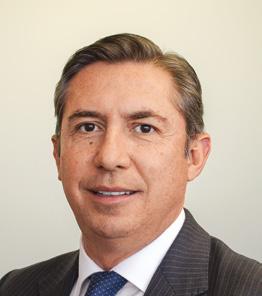
ROBERTO CALVET Director General Mexico of AECOM
While infrastructure investment is directly related to the evolution of the economy and cities, not all industry outlays are appropriate. Roberto Calvet, Director General Mexico of AECOM, believes that scarce resources demand a thorough expenditure plan that tackles the most urgent needs.
“Infrastructure investment must be carefully designed to prioritize projects that innovate in cost-reduction while increasing efficiency and sustainability,” he says.
For wiser investment, Calvet says the private sector’s participation is crucial to creating a long-term planning that coordinates projects in a more efficient way. “The private sector’s contribution starts as a solution to address the need for financial resources but transcends to providing the technical knowledge that companies have to optimize the use of capital,” he says.
Beyond securing financial resources and supplying specialized expertise, involving the private sector in public infrastructure development can also work as a way to distribute risk. “The construction and start-up phases are the riskiest of a project. PPPs are a great strategy for risk management in infrastructure,” says Calvet. He mentions that hospitals make a great case for successful collaborations between the public and private spheres.
“The construction and start-up phases are the riskiest of a project. PPPs are a great strategy for risk management in infrastructure”
To bring about closer collaboration between both sectors, AECOM is promoting the creation of a national infrastructure council with the private sector’s participation.
To address the need for a long-term view, Calvet also hopes to see the prompt creation of a National Planning Institute that ensures the continuity of infrastructure projects
across political administrations. “Mexico needs a long-term planning entity that can help to preserve all the lessons learned from past projects and initiatives. It will also aid guaranteeing projects’ social, environmental and financial sustainability,” he says.
The lack of a long-term infrastructure plan makes investors cautious about their next bets. “Investors want to understand how the next infrastructure projects and programs will be decided,” he says. “The industry is waiting to see which public policies will enhance infrastructure-related sectors such as energy and oil and gas. He says AECOM has a significant responsibility in NAIM so it continues to be one of the company’s priorities. “We will also keep advising the oil and gas sector regarding infrastructure, social, environmental and logistic matters,” he adds.
In the meantime, the company has a private capital division reviewing the future behavior of the market. “AECOM Capital is analyzing where seed capital would be more successful in fostering growth,” he says. “This is our strategy for taking on some project risk while acknowledging that we are not the project developer.” Calvet believes the capital branch is the company’s key differentiator against its competitors. Of the world’s Top 5 engineering and project management companies, AECOM is the only one with such a division.
As a global firm, AECOM also participates in multiple markets to shield itself against uncertainty hindering infrastructure projects. “Each market is like a piston for us so the company’s car can keep rolling even when the inertia of one market tries to brake it,” he says.
Despite the industry suspense over the transition between two political administrations, Calvet remains optimistic about the future of the sector. “The need for infrastructure is imminent. No leader would make decisions to the detriment of the industry that powers economic growth and social development,” he says. “I think the new infrastructure cabinet has the adequate people and that AECOM will be able to collaborate for the benefit of the sector in analyzing the much-needed macro strategies.”
JUAN JOSÉ RISOUL President of Grupo SACMAG
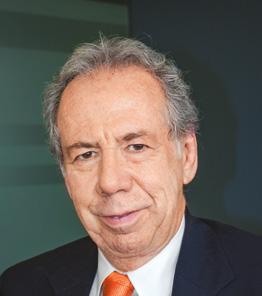
Q: What role has Grupo SACMAG played in the development of Mexican infrastructure and what are its growth strategies?
A: As a consulting company, we are the first to serve potential clients. We are among Mexico’s largest consulting companies and have been named the top consultancy firm in Mexico by the National Consulting Companies Chamber (CNEC). Our role has been to become the eyes of the client during project development, ensuring that the project is executed on time, within the available budget, with the required quality and meeting strict safety standards. Going forward, Mexico will require a great deal of hydrocarbons, energy, health and transportation infrastructure.
Q: What role do PMOs play in the development of transport infrastructure through PPPs?
A: Mexico has reached the point where it no longer builds its infrastructure. Instead, it creates tenders and involves the private sector a lot more through PPPs. These schemes are good alternatives to bridge the country’s infrastructure gap. Years ago, the majority of the country’s highway network belonged to the government and now, most is concessioned to private companies. It is now a rarity for the public sector to oversee the development and maintenance of federal roads.
We are independent engineers and we oversee the quality of a project and ensure it is accomplished on budget and on time. Nevertheless, in Mexico a PMO does not sign contracts. We provide the client with expertise to undergo pre and post-tendering stages but ultimately, the client makes the decision as to who wins the tender. In the US, PMOs usually sign on behalf of the client, which I believe is better because without this system, a consulting company is not able to guarantee its projects.
Q: What experience does Grupo SACMAG have developing Mexico’s airport network?
A: Grupo SACMAG has years of experience working in airports throughout the country. As a company we have participated in the Saltillo, Cozumel, Guadalajara and Cancun airports. We carry out all types of tasks, including engineering, project and construction management, site supervision and consulting.
We have experience in immense projects in Mexico, including the Cancun International Airport’s control tower, which is the tallest in Latin America at a height of over 100m.
We are also working on Mexico’s largest airport, NAIM, as master civil engineers. We are part of a consortium integrated by NACO and TADCO. The tender called for consortia that combined national and international experience. Our consortium integrated our local knowledge together with the global expertise from NACO. We won the airside tender, which includes the airstrips, platforms, runways, drainage systems, electric distribution networks, fuel storage and distribution infrastructure, 17 maintenance buildings and everything that surrounds the terminal building. To give an idea of the complexity of the project, there have been more than 23,000 different blueprints drafted. We have an experienced technical team and have delivered good results as a consortium.
Q: What is the biggest challenge Grupo SACMAG has encountered in the engineering and supervision of NAIM?
A: The largest challenge we have encountered is definitely the soil, so overall design has been a large challenge. In this project, the runways have been the most difficult phase. Nine different trials have been performed on the terrain to determine what system to use. The prevailing solution is based on a preload system that involves 2m of tezontle with 2-3m of basalt stone as preload material. It is expected to sink approximately 2m in 12 months after the total load is installed. The specifications of the runways are also extremely strict. The quality of the runways must ensure that they will only require significant maintenance every 20 years and lighter maintenance every eight years. The current AICM airstrips require maintenance every one to two years. Because they require such frequent maintenance, there are some areas of the airstrips that have more than 10m of pavement layered on top of itself.
Grupo SACMAG is a Mexican engineering and consulting firm with more than 55 years in the market. It has worked on NAIM, the Mexico-Toluca Interurban Train, Mexico City Metro lines 3 and 7 and the Atotonilco WWTP
JÓSE RAMÓN DELGADO
Country Manager of Ayesa Mexico
The Mexican infrastructure industry is going through a transition period as the country shifts into a new political administration. But due to a decline in the development of public infrastructure, Jóse Ramón Delgado, Country Manager of Ayesa Mexico, says engineering companies must adapt. “Ayesa has always worked closely with the public sector and when we first arrived in Latin America 15 years ago, we wanted to continue to working in public projects,” he says. “Diversification is key during times like these and Ayesa is diversifying not only in the different subsectors but also in the regions in which it is operating.”
With the changing administration, public sector projects of the Peña Nieto era are tailing off while the new administration is yet to develop its National Infrastructure Program. This means there has been a natural slowdown in public infrastructure project development but private sector development has continued to boost the industry. In the next year, Delgado foresees a decrease in public projects and says engineering companies should not simply wait around for public projects to present themselves. “There are still many opportunities to take advantage of and Ayesa is taking the leap to new segments within the transport and social infrastructure sectors while the public sector gains traction,” he says.
Ayesa is currently in the process of finalizing various large projects such as Atotonilco, which is already in its operational phase, the Mexico-Toluca Interurban train, the third pipeline of the Cutzamala aqueduct and NAIM. The construction of NAIM is one of the most important projects in Latin America but with the changes in political environment, uncertainty has arisen. “The future of NAIM is unknown in the medium term but we believe it will be an investment that will continue under the new administration,” says Delgado. “It is probable that the contract assignation or construction scheme or even the final allocation may change but due to the advances already made, it would send the wrong message to international markets if the project were stopped.”
Throughout his campaign, incoming President López Obrador established various priorities in terms of
infrastructure projects for his administration, including the Mayan Train and the construction of 300 rural roadways. But Delgado believes that now the new administration must ensure that the campaign promises tally with the budget.
“Many of the projects are very social and are may not be attractive for the private sector to participate through a concession or PPP,” he warns. “The administration will have to differentiate what budget will be allocated to social projects and how the rest will be bridged with private sector resources.”
PPPs have been the most successful in the transport sector, in particular road infrastructure development and maintenance due to the returns that can be provided by tolls collected. Banobras has released PPP tenders to the private sector for various roads such as Tampico-Ciudad Victoria, Campeche-Merida and San Luis Potosi-Matehuala and is expected to continue doing so in the years to come. Banobras decided to open these opportunities to the private sector so it could operate them in a more efficient way and transfer as little cost as possible to the end users. Ayesa recently was awarded the supervision of operation and maintenance through an administrative supervision agent of 580km of the Southeast Package.
This package, also awarded by Banobras, includes six highways that run through Veracruz, Tabasco, Campeche and Chiapas.
Delgado says another factor the government should consider to attract private investment is decreasing project risk. For infrastructure development, this can come in the form of rights of way (ROW) and social and environmental studies. It is common for projects to experience cost and time overruns, in what Delgado believes is a lack of planning, which is exacerbated by government time constraints. “It is important to allocate resources to the planning stages of a project and not just create projects to fulfill political goals,” he explains. “We need to identify the needs of the country, as well as the financial viability of these projects. Infrastructure planning in the investment cycle could save 30-40 percent of the cost overruns generated during the project.”
ROBERTO GONZÁLEZ
General Manager
of Robbins Mexico
Q: What is your assessment of Mexico’s underground infrastructure?
A: Robbins is an advocate and promoter of the use of underground space. The surface is finite and should be used by the people, not by cars. So, we believe in promoting underground mass public transportation, such as the Metro system. Robbins designs boring machines for each type of ground. Geology marks the specifications for each underground project but I think that Mexico must give geological studies the importance they deserve, as project developers often overlook these to reduce time constraints. Geotechnical studies are the best way to choose the best machine for boring in the safest and fastest way. For example, crossover machines allow the operators to change between two boring modes for different ground types, such as rock and clay. This versatility also improves tunneling safety and can minimize the risk of sinkholes or heave on any excavation, which is especially important while boring underground in highly-populated areas such as Mexico City.
Q: How does Robbins provide value to its clients?
A: Robbins has pioneered many types of boring machines since 1952, so our clients can count on our experience. We design our machines to provide the most efficient design and the most profitable excavation for our clients. They can count on us as an ally and a strategic partner that will accompany and guide them through their mechanized excavation phases. We provide very robust machinery that, with the right maintenance, can be reused for several projects and can also be updated by upgrading the technical systems.
Q: How was your experience in the Northern Drainage Tunnel (TEP) and Southern Drainage Tunnel (TEO)?
A: A Robbins Crossover (XRE) TBM was chosen to bore a 5.5km tunnel as part of Mexico City’s wastewater management efforts in the second phase of the TEP, making it the first crossover machine to bore in North America. Regarding our experience collaborating in public projects, we have had experience with construction companies like ICA, Carso and the Aldesa-RECSA Consortium, along with the governmental dependencies such as CONAGUA and
SCT. We have worked on the TEO project for 10 years. I believe the project should have had more comprehensive studies before starting construction, but it is a fundamental infrastructure project for wastewater management in Mexico City. Our machines yield the best returns for mechanized innovation. We have had Robbins equipment working on projects such as the Metro line 12, the TEO, several pipe jacking projects and the TEP.
The TEO is one of the largest drainage infrastructure projects in the world and will work together with the Central Drainage Tunnel that was finished in the late 1970s along with the wastewater canal to transport water into the state of Hidalgo. Robbins supplied three Earth Pressure Balance machines to work on this project. Over the course of construction, there were several changes and unexpected events such as flooding on Lot 1, and mixed ground found on Lot 3. It was truly a unique experience to work on such a fluid project that involved high-water pressure, mixed ground and full-face rock.
Q: What other projects are you considering in Mexico and in which sectors?
A: The transition period between administrations slowed down several tendering processes but I believe there are many opportunities at NAIM. ICA won the tender for deep drainage. There are also tenders for the drainage works related to the runways. All the drainage will be released through the Valley of Mexico General Drainage Tunnel, an 18km tunnel that will feed into the TEO. Also, as Mexico City has many wastewater management needs, CONAGUA has significant plans for collectors feeding into the deep sewage tunnels. There is a lot of demand to build new tunnels for metro or high-speed rail and hydro projects and to start using innovative mechanized tunneling for the mining industry.
The Robbins Company is the world’s foremost developer and manufacturer of advanced, underground construction machinery. Robbins has been involved in hundreds of tunnel boring projects around the world
MARIO OLIVERA
Director of Construction at PRODEMEX
Q: As a 100 percent Mexican construction and infrastructure company, what added value does PRODEMEX offer?
A: Compared to foreign companies our key added value lies in our interests related to the country as we are focused on promoting Mexican growth. We plan to operate in the country for life, so it is in our best interest to collaborate with local companies and foster their development. Foreign companies come to Mexico and often outsource most of their staff and services, while we do everything directly.
Q: What areas of opportunity has PRODEMEX uncovered in social infrastructure and what would it do to improve it?
A: I am also Vice President of PPPs at CMIC. We are carrying out a study with PwC and Currie & Brown to evaluate this scheme’s performance and will present it to the incoming administration. After reviewing the first draft of the study I can say that it is necessary to ensure the Mexican Infrastructure Council is turned into a nonpartisan and long-term body that can implement long-term planning in Mexico. This must be approved and validated by Congress. We must define where we want the country to go at least over the next 30 years, or we will have contradictory efforts that get us nowhere.
Q: What hospital project can act as a showcase for PRODEMEX?
A: The Issemym Hospital in the State of Mexico is already operating perfectly. I think that our expertise in BOT for hospitals was crucial for the success of this project as we developed it with all the strength that only experience provides. For example, when starting a PPP, it is normal to underestimate the initial risk assessment. SCT road projects are constantly updated in terms of tariffs and inflation. But there are price changes, such as a sudden 30 percent increase in asphalt prices, that are not covered by these assessments. When tendering a project through a PPP, the
Promotora y Desarrolladora Mexicana (PRODEMEX) is a Mexican company based in Mexico City. It has become a leading construction and infrastructure generation entity, participating in over 100 projects and it is present in 23 states
government makes a risk transference to the private sector, which we must carefully analyze.
Q: What is your assessment of the NAIM project and its challenges?
A: The first challenge was to create the structure and allocate responsibilities to support such a huge project. I think NAIM is a spectacular project that is very much required by the country but it has been unjustly politized. All the experts and technicians have already said that Texcoco is the right place to build the airport. Although there is a judicial path that can be pursued if the project is canceled, I think the industry must appeal to reason. If every technical player in the country says the project must continue, it would be unreasonable for the incoming administration to say the opposite. To start a new airport in another area would delay its construction for at least five years, which would be expensive and detrimental to the entire country.
I must point out that AICM operates on a similar terrain. It was not built with pre-load, creating the need to fix airstrips every year. NAIM’s engineering has enabled the maintenance times for the airstrips to be around seven years. I think that a public consultation is a must for major infrastructure projects but not at the stage in which NAIM currently is. At this point, the decision of continuing the project must be technical and made by experts and not left to the opinion of the people.
Q: What are your expectations for the infrastructure industry and for PRODEMEX in 2019?
A: The change of administration is the main challenge the industry faces. There are great expectations for the new government, accompanied by doubts about how projects will be developed. I think 2019 will be very tough for SMEs. Those finishing projects at the moment will struggle with pipeline while those that start projects will face the challenge of adapting to a new government while doing so. As for PRODEMEX, we recently launched several PPP projects for roads and hospitals. We are involved in some public works, such as NAIM’s Airstrip 3 and the terminal building. We are also working on a 4km section between Observatorio and Mixcoac for Mexico City’s Metro Line 12.
GUILLERMO ORTIZ Director General of Consorcio IUYET
Q: As a civil engineering and project management company, in which kinds of projects would you like to participate?
A: The newly-elected government is advancing the Mayan Train project, which would be the biggest infrastructure initiative in the country, crossing five states. We would like to take part in this project. So far, we know that it will reuse part of the ancient Palenque Rail, while another segment will cross Tulum and will be available for both passengers and freight. This project is a challenge given the geography of the areas it will straddle, full of cenotes and underground rivers. This would mean stringent due diligence in terms of ROW and for social aspects with so many communities and ejidos involved. It is also of utmost importance to highlight the cost-effectiveness of carrying out this project with Mexican infrastructure companies as we can offer a more competitive price.
We also expect more investment in other rail projects during the next administration and we would like to participate more in this endeavor as I think that Mexico needs more rail. We must also focus on finishing ongoing projects, such as the Mexico City-Toluca Interurban Train and NAIM. I think that both projects are doing well despite some construction setbacks.
Q: How would you address corruption in Mexico?
A: The construction industry is fundamental for the development of the country as it generates new economies, new towns and new local businesses, to mention a few. To address corruption, my approach would be to pay high and competitive salaries to public officers as a measure to tackle extortion. Lowering public wages will not solve anything. According to Maslow’s hierarchy of needs, we must have our workers’ needs covered by their salaries, so they can focus on doing their jobs instead of worrying about how to pay rent and feed their families.
I also perceive the need for more private investment as it is proven to yield better results, delivers projects on time and with higher returns. But the government is giving zero incentives to Mexican construction companies. The reality is that our majority shareholder is SAT. Taxes are killing construction companies as we must invoice and tax return
every peso spent. Also, when advancing a construction project, the government automatically sends the contract to IMSS, so we end up having two partners that do not contribute a cent to the project but are its main shareholders. So, when we submit a budget for a project, we calculate all these payments and, in the end, the project is awarded to some company tendering for half of the price. If the government makes a base budget, why is it tendering projects that come in under what it calculated? I think it is in Mexico’s best interest to have healthy businesses.
Q: What are your goals and expectations as a company over the next two years and what do you need to accomplish these?
A: Seeking to broaden our structure, we are bidding for projects in Guatemala, Peru and Ecuador. We foresee a lot of infrastructure investment in these countries applicable to the technologies that we can offer. In Mexico, we saw the need to expand our range so we are currently collaborating with companies such as Grupo Sordo Madaleno and CAABSA. I find that projects such as Sordo Madaleno’s Torre Reforma Colón are shaping the image of our country to the world. In this project, we are participating in its engineering, with a high-resolution topographic survey. We are also exploring the possibility of using BIM. The added value of our engineering is that it includes the whole project ecosystem.
The country needs to have the right conditions for construction companies and projects to thrive. The market is contracted and people do not want to invest. The proof is that we are working and invoicing 30 percent of what we used to. However, some public officers that have been in charge for too many years are being replaced, which we expect will be beneficial. We also need the incoming administration to fulfill its promises. I think that it must focus on generating more infrastructure as this is the way to foster the country's growth. For this to happen, Mexico needs long-term planning.
Consorcio IUYET is a Mexican company that offers services related to civil engineering. It specializes in project management, construction supervision, BIM and engineering projects
FEDERICO ALBA
Director General of Alba Proyecto Estructural
Q: How has Guadalajara reacted to the vertical building trend that is becoming the rule in residential real estate?
A: The market is craving large residential developments built by experienced residential developers. In Guadalajara, developers such as TyA, DMI and Kiva build residential complexes comprising six or seven towers in which people happily invest. On the other hand, there are companies focused on other sectors that have land and capital then hire managers to become real estate developers. The residential segment has been good to us.
Q: How has the growth of residential real estate in Guadalajara impacted the demand for structural reviews?
A: The arrival or expansion of some companies has detonated demand in the segment in Guadalajara. For instance, Oracle is building its headquarters in the city, which has spurred Greystar, a property management company we work with, to demand at least two 600-unit residential buildings to meet the incoming need. We not only work with Greystar directly but also indirectly. For example, Torre Américas 1254 is a development where Alba Proyecto Estructural took part as an indirect supplier for Greystar. We supported the company that sold it this development. Other projects in which Alba Proyecto Estructural has collaborated with Greystar include the development of a 52-story building in Perisur and the review of the Santa Fe project in Mexico City. Alba Proyecto Estructural operates as a key ally for Greystar as we often carry out the structural design or review of its assets.
Q: What are the main difficulties that Alba Proyecto Estructural has encountered in structural engineering?
A: In terms of regulations for this activity, there are practically no differences between Mexico and other countries. However, there is usually more capital to be invested in adding daring features to a project in countries such as the US. Having a higher budget ceiling allows for the implementation of more
Alba Proyecto Estructural is a Mexican structural engineering firm that offers structural engineering, reviewing and consulting services. It has traditionally focused on large-scale residential development but also on road infrastructure projects
features in a structure. Building developments that meet world-class safety standards while having a smaller budget is one of the most interesting and beautiful challenges that we face as a structural engineering firm. This challenge has prompted Alba Proyecto Estructural to establish its own costs department. We differentiate ourselves from other structural engineering companies in Mexico by involving our costs department in every decision we make as a strategy to ensure that the project we offer clients is developed within budget. We cannot allow ourselves to develop the project blindly and hope that it will meet the budget.
Q: What is the state of the renewal of Expo Guadalajara that Alba Proyecto Estructural is carrying out?
A: This is a very ambitious project. It has seven basement levels that equal 70ha of parking space and a hotel area. A world-class convention center that can hold 3,000 people like Expo Guadalajara will not only boost development but also become an icon for the city. One of the main challenges that we have faced with this project is the fact that our partner’s team wants to have large spans and strong cantilevers while the team within Expo Guadalajara wants the project to be economical. With this project, as well as others, the main goals for Alba Proyecto Estructural are to ensure the building is safe, that it meets the architect’s vision and that it is built according to the client’s budget. This project was awarded to Grupo Sordo Madaleno because of the broad vision it has in the construction business. While the firm has excellent architects, it also knows about branding, urban regeneration and other key topics.
Q: What are the main areas of opportunity for Mexican talent to effectively engage in structural engineering?
A: At an undergraduate level, Mexican universities are doing a great job in the development of talent but at a graduate level there are several gaps. We need more graduate programs in structural engineering. There is only one such program in the area of Guadalajara and it is offered by a private university that not every engineer can afford. Similarly, there are more programs in structural engineering offered in Mexico City, some by public universities, but not everybody can afford to move there to study.
JESÚS VALDEZ CEO of Miyamoto International CDMX
Q: What added value can Miyamoto introduce into the Mexican industry?
A: The way to rebuild the city is through the creation of strategies to facilitate rebuilding and recovering properties. We understand that the owners of the buildings that collapsed during the Sept. 19 earthquake in 2017 have many doubts about engineering and they want certainty that their properties will be rebuilt in the best way possible. We offer engineering services for reconstruction and for new buildings. Miyamoto differentiates itself with our extensive experience across 23 offices worldwide, working with complicated soil such as that found in Japan and New Zealand. We follow national regulations but also the stricter international standards like California’s building codes.
Miyamoto’s philosophy is that engineering saves lives while keeping businesses running. We believe that structures must be designed to protect life. We are reviewing several projects that already have completed the structural engineering phase because investors want to be certain that there will be no structural mistakes and that their investments are safe. We specialize in different types of structural engineering and depending on the building type, we refer these evaluations to one of our international offices. In Mexico City’s case, we are working with Miyamoto Los Angeles.
Q: What opportunities did the Sept. 19 earthquake provide for Miyamoto to display its capabilities?
A: Regarding the opportunities, we think that in the first five years after a high-magnitude earthquake, people keep structural risk very present in their minds. But with time, this awareness fades, as happened in Mexico 32 years ago. Last year’s earthquake reminded people about the importance of structural engineering, which today has become a decisive factor when purchasing a property. This is a value that we can add for investors because Miyamoto has its own Structural Safety Certificate. Our brand experience provides certainty related to structural safety. A one-star certificate means that we reviewed and made recommendations on a given structural design, two stars mean that Miyamoto International carried out the structural design of a building and three stars implies that we designed the structure and supervised the
construction. As a result, we can ensure that a building was constructed following the strictest international standards.
We have found that Mexican engineers are highly qualified in structural matters. But resources often force them to choose conventional constructive methods over their more sophisticated counterparts. We want to complement Miyamoto’s international experience with local knowledge and combine both strengths. For example, many international firms come to Mexico to learn about soil mechanics. Mexico City’s soil is really one of the most complicated in the world, so experience here can be applied anywhere in the world. We have national and international experience. We have worked in some of the tallest skyscrapers in Japan and the US. We have also carried out the engineering and design activities for the development of an isolated support for the statue of Michelangelo Pietà Rondanini in Milan, Italy. We know how to adapt our experience to different businesses and priorities.
Q: What role does Miyamoto International plan to play in the Mexican market over the next two years?
A: We are interested in working closely with project management firms. Our goal is to provide a full package for structural safety backed up by Miyamoto’s quality. We have also identified a huge potential for residential and corporate complexes. The industry is waiting to see how the next administration’s policies will unfold, which has put the brakes on development. Rental residences for coworking and co-living are also booming amid a modern and urban market. We will be focused on vertical building and infrastructure projects through companies that are being allocated the full package for engineering and construction. We hope to collaborate with a construction or construction supervision firm at NAIM. We do not plan to carry out more specialized projects for the moment.
Miyamoto International uses in-depth experience to provide clients with innovative, cost-effective solutions. It has extensive knowledge in disaster response, risk engineering, education, transportation, healthcare, civic projects and risk assessment
“A well-dimensioned structure incorporated at an early stage is an investment, not an expense”
José Amarante, Vice President of Business Development and Operations LATAM at Hill International
Creating quality and resilient projects is directly correlated with employing detailed processes and a replicable methodology.
Máximo Muñoz, Business Development Manager for Mexico of Hill International, says his company has found the secret recipe. Whether it is the Burj Khalifa in Dubai or the Bancomer Operations Center in Mexico City, methodology is the key to success. “Regardless of who executes these set procedures or where, if followed, the project should be successful.” Hill International entered the Mexican market in 2004 and today specializes in two areas: project construction management and monitoring. After collaborating on its first construction contracts, the firm's leaders realized the opportunity for project management in Mexico. “We recognized that projects would usually experience some type of construction deviation, so we saw the opportunity to help clients by offering project management,” Muñoz says.
Project management is designed to anticipate and mitigate any possible risks that may arise during the planning, design, construction or closure phases of a project, resulting in its completion on time, within budget and of the highest quality.
José Amarante, the company’s Business Development Vice
President for Latin America, is convinced that the number and magnitude of risks in infrastructure is significant. “These projects deserve to have a qualified team permanently assigned to monitoring all the vital signs to successfully meet the project’s objectives.” Unfortunately, there is still a lot of improvisation when facing unforeseen conditions, often with a lack of a pre-defined alternative plan, he says. “This approach results in constant unnecessary delays and cost deviations. A well-dimensioned technical structure, incorporated at an early stage of the project is an investment, not an expense.”
Project management is not yet mandatory for all projects in Mexico, but Muñoz believes that it should be fundamental. “Developers should not see it as an expense but as an investment that will be rewarded with a successful project.” Convincing potential clients of its added value has been the company’s greatest entry barrier. “Hill is better positioned in the market segment that has already understood that project management is a necessary investment, as the correct management from the outset allows projects to develop smoothly,” he says.
“The correct management from the outset allows projects to develop smoothly”
Máximo Muñoz, Business Development Manager Mexico at Hill International
JAMES DELANO Vice President of Structures and Logistics, Government and Community Relations at ATCO México
Q: How has ATCO’s structures and logistics division grown in the last year and what opportunities does it see in the real estate market?
A: We want to get our structures and logistics division going this year. This is the business that ATCO Group started with in 1947 and has always been our flagship line. We have been investigating opportunities in the market since our arrival to Mexico in 2014. We have found that there are various companies doing this type of business in Mexico but mostly in the rental sector and only a few manufacturing workforce housing solutions to support new economic growth in nonurban settings. I think demand for workforce housing will definitely play an important role as new development begins, especially after the president takes office and with new economic zones coming in the next few years.
We are approaching a time when prefabricated buildings will play an important role as a shelter solution. This type of structure is at least 25 percent faster to build and has a longer life span, incorporating modern and sustainable materials and energy solutions. The more we can show the market the attributes of this technology, the more popularity it will gain. The world of modular building has been evolving in Europe and other North American countries. It is only a matter of time before we see factory-built kitchens and bathroom units and ready-to-install smart walls. We are ready to begin building our modular structures solutions. This gives us what we have always wanted in Mexico.
Q: What strategy are you employing to develop the modular and logistics structures business?
A: We want to enter sectors we had not been in before, either in Mexico or Canada, such as commercial buildings like food chains, convenience stores, gas stations and pharmacies. These are businesses that can be developed in a modular way that look for fast, easy and efficient construction. Modular buildings allow for 25-50 percent more efficiency in building time in comparison to traditional construction methods. The technology allows construction in a factory-controlled setting while simultaneously preparing the land and permits. We have
been talking to new companies entering these markets looking for fast development, repeatability, market penetration and results. Other high-potential clients include hotel developers needing express and practical multi-story developments. Schools, hospitals, offices and other social infrastructure in Mexico use very traditional building strategies. We will work at changing this and making the market realize there is a new and innovative solution that will solve its needs quickly and efficiently. Then the sector will become even better at adapting new elements.
Q: What projects are in ATCO México’s pipeline for 2018-2019?
A: Since we entered the Mexican market, we have worked closely with productive state enterprises in constructing pipelines. These types of projects have allowed us to become more familiar with the country and with the rules of the game. We continue to look for new opportunities, whether in the energy, water, construction or logistics sectors. The country is demanding more and more reliable energy to compete globally and we continue to develop various energy projects such as distributed generation, hydro plants and solar farms.
We recently purchased a hydro plant and are building a power generation plant in northern Mexico. We are also developing a solar panel plant and bio-generator projects in central Mexico. These are great areas of opportunity in Mexico, generating efficient sustainable energy. On the pipeline and liquids side, we have partnered with CICSA to develop storage infrastructure and take advantage of midstream opportunities. Storage like in every industry is inventory and we need it to be efficient. We are also looking at smaller industrial water projects, where we can apply our experience from Canada.
ATCO México is a division of Canada’s ATCO Group, which specializes in the development of structures and logistics, as well as specialized renewable energy infrastructure such as bio-generators and hydroelectric plants
“Shimizu follows the Japanese culture in which time is law, so our monitoring and control processes are strict, ensuring we comply with our deadlines”
Carlos Salazar, Deputy General Manager of Shimizu Corporation
The Mexican government needs to be more aware of the hurdles it imposes on industries such as infrastructure and construction and strive for procedural flexibility, says Carlos Salazar, Deputy General Manager of Japanese construction expert Shimizu Corporation, adding that greater policy homogenization is required to make the infrastructure industry more efficient.
“The government’s goal is to better control the safety of the construction sector, but in doing so it has established many restrictions. This affects project time frames, so I would ask related dependencies to revise these requirements. Ultimately, they are affecting the sector’s clients and their investments,” Salazar says. The end result is not just an imposition on companies and their bottom lines but it also affects the country as a whole. “All these bottlenecks make international companies hesitate about investing in the country.”
At a global level, Shimizu’s experience covers a wide range of infrastructure, from dams to bridges and nuclear plants, but it has a more focused in Mexico. The company arrived in the country more than 20 years ago to support its Japanese clients with industrial warehouses, a segment that remains a central focus for the company in the country. “We are participating in industrial and corporate projects, building factories and warehouses,” Salazar says.
“Our international added value is that we have extensive expertise and equipment in all types of projects.”
That expertise includes earthquakes. In the wake of the September earthquakes that devastated parts of Mexico City and some surrounding states, Shimizu believes it can provide the kind of technology the country needs.
“Emerging cities, such as Puebla, are experiencing a
verticalization boom. Japanese developers have a lot of expertise managing seismic matters, which is why we believe we can provide high-technology alternatives to withstand earthquakes in Mexico,” Salazar says. The company has a research facility in Japan specifically designed to analyze how a building will behave during a telluric movement. “We are implementing these technologies mainly in Japan and Asia. In Mexico, we started collaborating with UNAM and have conducted two workshops with students and professors to discuss these discoveries,” explains Salazar. “This initiative is the first step on our road to becoming an earthquake engineering firm over the long term.” It has no intention however, of entering the real estate development segment, he adds
Shimizu, which assists projects from their initial stages onward while cooperating with sales and design staff globally, sees an area of opportunity to continue adding value with the continued growth of the industrial market. But Salazar says the company will look beyond its Japanese partners as it seeks to diversify its Mexican business. “Globally, our company has a great deal of experience with non-Japanese clients in various regions around the world. Now is the opportunity for us to engage with new clients.”
Salazar also recognizes that competition is growing. “We have perceived that local companies have improved significantly in terms of quality and safety to compete with us,” he says. As the differences between Shimizu and its competitors become less pronounced, the company will rely on the trust of its clients. “They have the certainty that we will always deliver their projects on time and to a high standard.” To adapt better to the market, the company has built a mostly Mexican team mixed with elements of the Japanese culture and commitment to customer service. “Shimizu follows the Japanese culture in which time is law, so our monitoring and control processes are strict, ensuring we comply with our deadlines. Our construction systems are based on surveillance so we keep track of any time-sensitive adjustment that needs to be made.”
The company also relies on its talent to differentiate itself. “Throughout our experience in the Mexican market,” Salazar says, “we have found that our added value is our technically skilled and qualified engineers who provide professional services that lead to the successful delivery of solutions, efficiency, quality and commitment.”
ALEJANDRO RUÍZ Head of Construction, KPMG in Mexico
Small to medium-sized enterprises (SMEs) are the engine that drives Mexico, representing 99.8 percent of all companies in the country. The construction sector is home to many of these SMEs, which are growing quickly, representing major challenges in oversight and working environments, says Alejandro Ruíz Head of Construction at KPMG in Mexico
According to INEGI’s 2014 Economic Census, 45.7 percent of the companies in the construction sector in 2013 employed 10 or fewer people and 40.4 percent had between 11 to 50 employees. “The Mexican construction market is extremely fragmented. In Mexico City alone, there is a large number of mini-companies that generate approximately MX$2-3 billion a year and most of the time, these companies are not audited at all. They went from earning MX$100 million to MX$2 billion at an exponential rate,” says Ruíz. These hundreds of SMEs found their niche in the market and are profiting greatly; nevertheless, they have yet to install flexible controls to ensure sustainable growth. “When companies grow at such a fast pace, it is hard to establish not only controls, but healthy working cultures.”
KPMG offers auditing, process optimization services, project management and human retention consulting for players of all sizes in the construction sector. One of the main hurdles the firm has highlighted within the sector, especially for Mexican players, is talent retention. “Talent has been a great challenge because millennials no longer want to have long careers. Instead, they look to partake in projects that provide results in a much quicker way, both economically and on their resumés. It is important that construction companies create career plans that encourage their talent to stay and grow within the company,” says Ruíz. According to KPMG’s 2017 Global Construction Survey, 28 percent of respondents said there was no common approach at all to their employee promotion processes and that promotions were generally considered on a case-by-case basis, making standardization a must in the sector.
The virtues and flaws of millennials are shaking up the entire infrastructure industry as companies strive to adapt to
changing generations. The study finds that approximately 40 percent of employees are Generation X and 37 percent are millennials. Construction companies must adapt and facilitate the coexistence of three different generations that are in the market right now. “Baby boomers, Gen X and millennials are integrating themselves into the same working space. Gen X is becoming extremely relevant because it is the generation that generally has more loyalty to the company and responsibility. It will play a key role in incorporating and motivating millennials to participate in projects within the same company,” says Ruíz.
There are many companies that have been around for more than 50 years, have established corporate governance models and are now in their third generation. But Ruíz says that a great part of the market is comprised of companies that are 10 years old on average and are extremely successful. “The time for change is near and there is a fear of handing over control to the next generation. It is important for these companies to create management and organizational charts, where they slowly incorporate these younger generations into decision-making processes, with the help of third-party advisors.” A common cause of conflict, according to KPMG, comes from not establishing rules for financing and compensation. It becomes a power battle and the best way to ensure a healthy culture is not by pitting employees against each other, but rather by complementing the skills and abilities of each member.
Apart from generational changes, every six years the Mexican market is forced to adapt to a new federal administration, which can be a challenge for many businesses. “Creating trans-sexennial master plans would help reduce uncertainty within Mexico’s infrastructure industry and support companies,” Ruíz says. Without longterm master plans, there is always the risk that projects could be suspended when there is a change of government. “This demotivates the industry from investing money in these projects, and if they are not secured, this creates a lack of trust between the public and private sectors. It also makes financial institutions wary, leading to higher debt prices and ultimately hurting the players in the sector.”
IÑIGO MARISCAL Co-Director General of Marhnos
As the government often lacks human and financial resources to plan the new projects the country requires, the private sector is jumping in with unsolicited proposals (USPs). “We have used this scheme to develop projects with a positive cost-benefit return, understanding that not all gains are monetary but are also related to security and inclusion,” says Iñigo Mariscal, Co-Director General of Marhnos. “We always build to operate in the long term so we make sure to build well and with high quality.”
When participating with USPs, Marhnos starts all projects in a way that makes sense socially. “We want people to live near their work and social sphere, so they can reduce commuting times and have a better life quality,” he says.
But with exponentially growing populations and cities, this is becoming a titanic endeavor.
Marhnos reviews over 30 properties a month but only about 2 percent is eligible to be recycled . It looks at l ocation, size and potential to fulfill its purpose of building welfare
Marhnos believes that the solution is in recycling space.
“Recycling the city is a time-consuming process as land is vacated and available at a slow pace,” Mariscal says.
“We review over 30 properties a month but only about 2 percent is eligible to be recycled. We look at location, size and potential to fulfill our purpose of building welfare,” he adds. For example, for the Nueva Ribera development, Marhnos reused an old chocolate factory and turned it into a residential complex.
The firm has five business divisions: Habitat, Roads, Hospitalia, Public-Private Buildings and Properties. Amid such a broad diversification, the company’s secret for
success is to have a specialized team for every business segment. More than a company, Marhnos endeavors to become a platform for talent development and leadership. “We want to have people who are well-trained and who are principled,” Mariscal says. “Our company is also a financial platform with a solid creditworthiness to back up our projects,” he adds.
To continue raising capital, Marhnos is in the process of issuing its second CKD. “This is a long process but we are working with most of the companies we collaborated with on our first CKD: Banamex, Profuturo and Afore XXI Banorte,” Mariscal says.
This CKD is expected to help the company finance its project pipeline in Mexico City and Guadalajara while continuing to bridge Mexico’s infrastructure gap through PPPs. “I think PPPs open the way to build the needed infrastructure without having the government disbursing any money,” he says. “Our goal is to build the best way possible on time, budget and quality. We do not get any money until we build and start operating.”
For example, Marhnos has extensive experience building and operating hospitals through this scheme, such as the only LEED-certified hospital in the country, the Regional Hospital of Tlalnepantla. “I think PPPs for hospitals help solve users’ need for health services. This is the way to create new infrastructure and provide good healthcare services,” Mariscal explains.
This is also a very responsible alternative, he says, as the constructor knows how much it will cost to operate the hospital over the whole concession so it can better administrate the asset. “We undertake the risk of a fixed operational tariff from Day Zero before the hospital is even built,” he says. “The government will pay us a monthly fee made by fixed operational costs and variable operational costs.” This scheme is favorable as the government makes one tender and once concessioned it can entrust the project to one company for its lifetime instead of having to re-tender it every year.
ANTONIO GARIBAY Director General of Ingeniería en Administración de Contratos (IAC)
In an industry constantly trying to boost performance, optimize resources and maximize benefits, innovation is crucial. According to Antonio Garibay, Founder of Ingeniería en Administración de Contratos ( IAC), the best way to disrupt old processes is to empower the new workforce. “We need to grant a degree of confidence to our new collaborators through guided empowerment,” he says. “Education and training are the keys to achieve high performance and diversification, while learning from previous mistakes, especially in construction and management of infrastructure projects.”
IAC has built a multidisciplinary team of engineers, financial analysts and lawyers, among other disciplines, to provide all the in-house knowledge to structure and develop an infrastructure project in the most efficient way. “We add most value in the economic, financial, technical and legal optimization of the life cycle of infrastructure projects,” he says. “We are not a single-focus consultancy. We work across the borders of different areas to build a tailored solution for each development, regardless of whether it is in power generation, oil and gas, water, transport or manufacturing.”
In linking the different threads of a project to maximize its output, Garibay says education is key. “IAC stands out from other firms due to the amount that we have invested in theoretical and practical training for our people,” he explains. “But education does not end by studying a degree and carrying out an internship; it is crucial to have the ability to be multidisciplinary and to understand the different aspects of a whole project.” For example, IAC lawyers spend time on construction sites, enabling them to really understand what is going on in the project and learn about its technical and economical particularities on a daily basis.
When making the transition to a new workforce and empowering the existing one, it is also fundamental to allow existing employees to eventually be able to enjoy retirement. Since their expertise is most valuable at this stage, Garibay highlights their value as advisors and guides for the new people coming in, also giving them
space to build their path and climb up the ladder. “We must not let existing employees become a bottleneck for the people behind,” he says. “We should not be afraid to empower the new workforce knowing that they will make mistakes but also learn in the process.”
But the new workforce is not entering the industry empty handed. According to Garibay, it has much to offer, such as the easy adaptation to new technologies, command of several languages and computing and social media skills. These are becoming ever more important in the context of Industry 4.0, IoT and IIoT. “New technologies for infrastructure developments are extremely useful for reducing risks of error and thus the possibilities of extra expenses and deadline modifications,” he says. “IT tools are disrupting the way project management is carried out. All these mediums and software facilitate the interfaces between suppliers and customers.”
“IT tools are disrupting the way project management is carried out”
For example, Building Information Modelling (BIM) is a technology improving project viability. “BIM is a medium to develop the whole life cycle of an infrastructure project, from its conception to its programming, execution, operation and maintenance,” he explains.
He says the new Mexico City Airport (NAIM) constitutes a great example of a development benefiting from innovative technological platforms, such as ACONEX. “This is a very friendly database that allows joint management of all database and supplier interfaces while enabling a global administration of information,” he says. IAC is taking part in the development of NAIM’s passenger terminal building and the third runway. “We have a well-established relationship with many of the participating companies, such as Carso and ICA so we were invited to help them with the contractual administration of their project scope,” says Garibay.
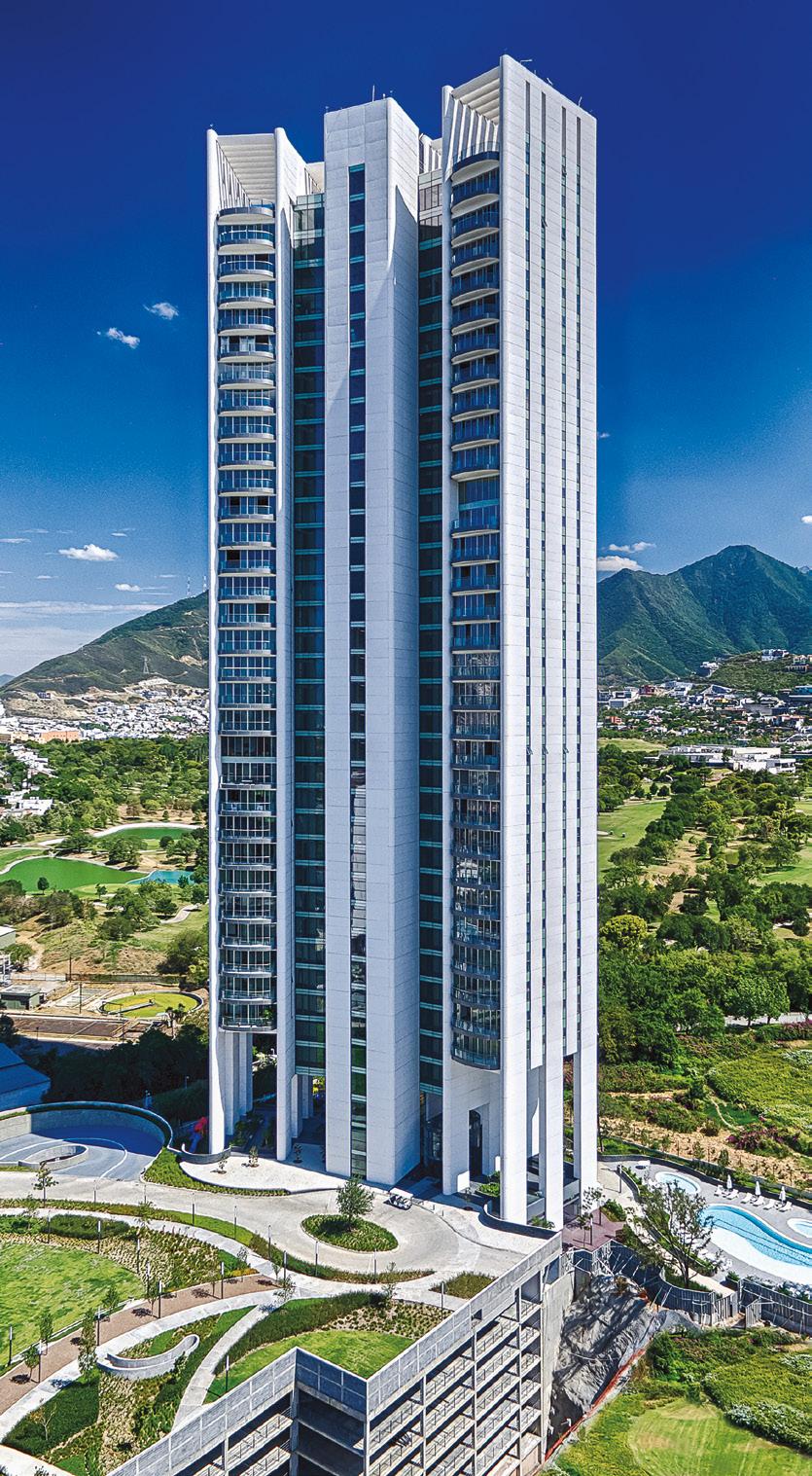
A healthy housing sector is a building block to a sustainable city as housing developments have the ability to transform the life quality of inhabitants. But according to CAF, Latin American housing markets have not responded to rapid urbanization processes for reasons that include a lack of quality housing inventories with access to basic services, price discrepancies between homes and average salaries, low penetration of mortgage markets and the large gap between the informal and formal housing markets. The 2013 National Housing Plan was designed to address the country’s housing deficit. CONAVI states that the country’s formal housing sector drew in MX$450 billion, while more than 500,000 homes were built by the informal sector, putting a roof over the heads of 4 million people.
The country’s middle-upper housing sectors have grown in the last year, especially in cities such as Monterrey, Mexico City and Guadalajara, but the social-middle housing sectors, which have the most demand, still need catering to. CONAVI expects a housing boom in Oaxaca, Yucatan, Tabasco and Veracruz, while Nuevo Leon and Jalisco continue to grow exponentially. This chapter gathers the insights and forecasts of top residential developers and other main stakeholders outlining what the sector is expected to look like going forward.
178 ANALYSIS: The Gentrification of Mexico’s Growing Cities
179 VIEW FROM THE TOP: Marcos Fasja, GFA
180 VIEW FROM THE TOP: Eduardo Orozco, Greystar Mexico
181 INSIGHT: Carlos Rousseau, Orange Investments
182 PROJECT SPOTLIGHT: A New Way to Live in Guadalajara
184 VIEW FROM THE TOP: Ignacio Bezares, Grupo LAR
185 INSIGHT: Antonio Elosúa, U-Calli
186 VIEW FROM THE TOP: Marcelo Chapa, MACH Construye
187 VIEW FROM THE TOP: Fabián Sánchez, CREA
188 INSIGHT: Rogelio Zambrano, Carza
189 INSIGHT: Andreu Cors, Gava Capital
190 COMPANY SPOTLIGHT: Real Estate Giant Highlights Demonstrated Ability to Adapt
192 VIEW FROM THE TOP: Carlos Pantoja, Deloitte
193 INSIGHT: Daniel Tovar, Grupo Acerta
194 INSIGHT: Flavio Tavera, Desarrollos Inmobiliarios de Occidente (DIOCSA)
195 INSIGHT: Ignacio Vivanco, Garvi Grupo Inmobiliario
196 INSIGHT: Jack Levy, Grupo VEQ
197 VIEW FROM THE TOP: Agustin Levy, Levy Holding
198 PROJECT SPOTLIGHT: Recinto Escandón
When it comes to Mexico’s booming cities, the housing sector is transforming traditional neighborhoods and new apartment complexes can be seen across skylines. The momentum is there. The question is, how can Mexico ensure sustainable and inclusive growth?
Mexico’s housing sector is undergoing a transformation that is not only altering city landscapes but impacting the lives of residents across the country. The 2016 Housing Act changed the rules of development and as a result incentivized compact and vertical construction. While this has improved the quality of life for residents, it has also led to price hikes that have put housing out of reach for many. “We are seeing a shift in the market dynamics,” says Andreu Cors, Director General of Gava Capital. “There has been a steady increase in housing prices that are completely unsustainable and people cannot afford to buy.”
According to the findings of the research project, between 2000 and 2015, urban development policies in Mexico City increased the prices of both the land and the units themselves and, although policies have also improved the quality of life of certain neighborhoods, most are inaccessible for the majority of the population. The conclusion of the research is that the policies have contributed to the creation of a more expensive and exclusive city.
The first line of action for governments to promote the development of compact and vertical cities can be seen as a step into “new urbanism.” According to the Congress for the New Urbanism, planning and development is based on the principals of how cities and towns are built with walkable blocks and streets, housing and shopping in close proximity and accessible public spaces. In Mexico, local governments are beginning to change the zoning plans of its downtown districts to allow for more diversified construction, fewer parking requirements and higher-density housing developments. As developers begin to add value by constructing new apartments, the riches are not flowing equally.
A clearer picture of gentrification can be seen in Mexico City, where prices keep going up, even after the Sept. 19 earthquake. In fact, this caused populations that lived in some of the highest-value, but worst-affected areas to migrate out of those neighborhoods. “The Polanco, Cuauhtemoc and Juarez neighborhoods absorbed the excess of artificial demand as people from the hard-hit areas of Condesa and Roma searched for new homes,” says Eduardo Orozco, Country Manager of Greystar Mexico. “Newer and undamaged apartments in buildings in these areas experienced a 20-30 percent rise in rent.”
According to SHF, comparing 3Q16 to 3Q17, Mexico City housing prices rose 7.4 percent. The municipalities with the highest capital gains are Escandon, Coyoacan and Alamos. The construction trends are shifting from the west to the center and south of the city where 63 percent of projects are concentrated as of 4Q17, according to TINSA.
Of the 584 projects registered with the Association of Real Estate Developers (ADI) countrywide, 250 are within the residential sector, representing construction of over 28,868,423m2. ADI associates invested over MX$6 billion in 2017 in the Miguel Hidalgo delegation alone, the majority targeted to the middle, residential and residential-plus subsectors. According to Softec, the middle housing sector is priced between MX$639,663 and MX$1.6 million. According to INEGI’s National Occupation and Job Survey, more than 24 million workers earn less than MX$5,000 a month, only 6.1 percent of the national occupied population earns MX$12,000 a month and the 2018 minimum wage continues to be extremely low at MX$2,686.14 a month.
One area in many cities that is attracting the attention of developers is the downtown core. Queretaro, Mexico City and Monterrey are pioneering in restoring these neglected districts. In Mexico, traditional neighborhoods such as San Rafael, Santa Maria La Ribera and Guerrero are beginning to see the purchasing of vecindades and the construction of six-story-plus housing complexes.
While the development of compact cities will help create more sustainable living spaces in the future, experts say these cities must first make sure that the basic necessities, such as water, energy and mobility infrastructure, are covered. “I have always thought that we need to recycle cities and start by regenerating the city centers that are inhabited. The infrastructure and homes located in the downtown area could be optimized and given a different air,” says Antonio Elosúa, President of the Board of U-Calli discussing Monterrey’s real estate boom. But he warns that developers must learn from past mistakes and carry out the adequate planning beforehand. “Before developing in this area, we must first make sure that the right infrastructure exists or if we need to construct and rehabilitate its basic infrastructure,” he adds.
MARCOS FASJA Deputy Director General of GFA
Q: What is Resort Living and what impact has it had on the Mexican residential real estate market?
A: We focus mainly on residential, hotels and mall projects but we strive to create truly unique projects. We purchase the best land possible to fit the unique needs of our projects. We specialize in the concept of Resort Living. In these type of projects, the goal is for our clients to feel as if they are on vacation or living in a hotel. People often believe that the concept of Resort Living will increase their maintenance and service costs. In these type of projects, we integrate all amenities, such as gyms, salons, yoga studios and parks, within the development itself. Because you already have all the amenities, you no longer have to pay for them in another place and you do not have to leave your complex. With our newest project, Avenue Polanco, in Mexico City, we created a 1,500m2 park, which is very difficult to find in the highly popular Polanco neighborhood. We are involved throughout all the phases of our projects to ensure quality.
Our projects also tend to boost the value of an area. For example, our project in Guadalajara, The Landmark, has drastically increased the value of the surrounding area. Two years ago, prices were at MX$45,000/m2. Now, prices have jumped to MX$75,000/m2. Once we complete the project we are confident that prices will increase even more. The market is looking for new and unique products and people want to have everything they need near their home.
Q: What segment of the Mexican population has embraced Resort Living the most?
A: In most cases, our market is young people and families. Older generations sometimes do not understand why they should sell their homes and move into a much smaller apartment. But the young generations understand that moving to an apartment does not mean that they are only purchasing a 180m2 space. They are also purchasing their share of the pool, spa, gym and gardens. They do not have to worry about providing maintenance for the day-to-day demands of a house. Contrary to what many believe, young generations are buying homes; they are just demanding a different product. The rental and sale market for apartments are completely different but at the same time they
complement each other. Younger clients will want to rent and live near the centers of their everyday lives but once they grow older and need more space or want to settle down, they will purchase larger products like the ones we offer.
Q: What made Privada 14 such a successful example of Resort Living?
A: Our projects must be the best they can possible be in all aspects. In many cases we use most of the land for our projects to offer the best quality. For example, we prefer to develop 150 apartments that are above par instead of 180 regular apartments. We are willing to sacrifice space to boost the value of the other aspects. Privada 14 in Bosques de Las Lomas was constructed four years ago. The apartments were between 400-800m2 but the terrain is 40,000m2, 20,000m2 of which is next to a canyon. That type of land no longer exists. We had the permit to construct only 76 apartments. This project was sold completely in only six months at a price tag of approximately US$1.5 million per apartment. We took it as an opportunity to show our clients that we would exceed their expectations and invested even more on the finishes.
Q: How does GFA maintain its position in a highly competitive market?
A: Years ago, the market had only a few options when it came to purchasing residential real estate. There are many small developers in the market that would simply purchase land and develop any type of project. But the learning curve in real estate development allows us to improve our product continuously. The most important thing a developer has is its name. Creating projects that exceed expectations and leave buyers happy will ensure the reputation of the developer. We have many alliances but we always want our partners to think like we do and prioritize the same values as GFA. One of our strongest partnerships is with Thor Urbana.
GFA is a Mexican real estate development company that specializes in AAA residential developments. Its newest projects, Avenue Polanco and Avenue Napoles, are being built under the concept of Resort Living

Former Country Manager of Greystar Mexico
Q: To what extent is the rental housing market developed in Mexico and how does it compare to the US market?
A: The US rental housing market is much more mature than in Mexico. The majority of assets stabilized and new supply is directly correlated with the creation of jobs.
New sources of employment attract people from different areas, increasing the demand for rental housing locally. This is compounded by existing local demand, which is the bedrock for any new asset. Despite the maturity of the US market, we expect continued growth in key cities that host new jobs and economic activity.
Demand for rental housing in the Mexican market, however, is linked to demographics and consumer behavior rather than the creation of new jobs. This is due to a lack of existing supply of professionally-managed and high-quality rental housing. The country’s large renter population lives in informally leased units referred to as the shadow market. Macroeconomically, Mexico is experiencing steady growth with a positive switch from informal to formal labor.
Demographic trends in Mexico are also positive, with a large percentage of young people entering the workforce, accelerating social and geographic mobility, growth in single and two-person households, and other dynamics that are conducive to rental demand.
Q: How did the September 2017 earthquake impact the rental market in Mexico City?
A: We have witnessed a significant change. People still want to live in central locations with proximity to work and urban amenities but as an outcome of the earthquake, the market is beginning to differentiate between high-quality and poor-quality buildings. The Polanco, Cuauhtemoc and Juarez neighborhoods absorbed the excess of artificial demand as people from the hard-hit areas of Condesa and Roma searched for new homes.
Greystar offers fully-integrated real estate services. It has over 437,000 multifamily and student units under management globally and more than US$11.4 billion of sponsored multifamily projects in the US
Newer and undamaged apartments in buildings in these areas experienced a 20-30 percent rise in rent. This clearly demonstrates the imbalance between supply and demand, where residents continue to rent and compete for the limited supply of quality rental units available. Cities continue to grow, attracting not only investment but also foreign nationals, further increasing the demand for quality rental apartments.
Q: What has been Greystar’s experience in raising capital for these types of projects?
A: We manage foreign capital and are in the process of expanding our assets under management through a CKD with Mexican capital. Raising a CKD is a lengthy process. There are many CKDs in the pipeline and many managers are looking to raise capital for their projects. Meanwhile, the Afores have limited resources to underwrite the pipeline of opportunities before them. As this backlog continues to clear, the market of developers and investment firms looking to enter the industry has become increasingly competitive and sophisticated. However, Mexican capital has historically been conservative and not accustomed to venturing into innovative sectors that are operationally intensive. Mexican institutional investors work over long cycles with small teams charged with making important decisions. This can lead to a lengthy process to raise a CKD.
International funds continue to have a large appetite for Mexico. Despite changing macroeconomic conditions and uncertainty I do not believe these have had a substantial impact on the long-term thesis for investment multifamily housing in Mexico. Project financing has incurred increased volatility in interest rates, raising the cost of leverage. This is especially important in large housing developments like ours with three to four-year timelines to design and build. Over the last few years, we have established a strong relationship with the Federal Mortgage Society (SHF), which has created loans specifically designed to incentivize the construction of rental housing. We hope that these products and our partnership with SHF will prevail through the political changes over the coming
year. Additionally, commercial banks are beginning to show more interest in investing in Mexico.
Q: Why should investors and banks look to rental housing as a favorable option for the next year?
A: Purpose-built rental housing is one of the largest real estate opportunities in which institutional capital in Mexico has almost no presence currently. The asset class has several attractive characteristics that makes it very desirable for institutional investors. Firstly, it is a liquid investment with attractive yields. Secondly, it has proven to be less cyclical than other asset classes in the case of economic downturns. And thirdly, there is very high demand for the product. In more developed markets such as the US, Europe and Japan,
purpose-built rental housing has the lowest cap rates of all real estate classes. This speaks to its attractive risk-return profile and its desirability as an investment product.
In the case of Mexico, we are convinced that the first professional players in the industry will achieve outsized returns. Simple demographics indicate there is an extremely large demand for quality rental housing. In my opinion, we are very far from attaining balance between supply and demand of rental housing across Mexican cities. Greystar is focused on developing directly and through partnerships 10,000 new apartments in the next five years in Mexico. Upon achieving this goal, we will only have scratched the surface of Mexico’s profound market opportunity.
CARLOS ROUSSEAU Co-Director and Founding Partner of Orange Investments
A global vision involves dabbling in new markets, which also implies assuming new risks. To increase the chances of succeeding, Carlos Rousseau, Founding Partner of Orange Investments, believes a local ally is key. “When venturing into a new market it is crucial to go hand in hand with relevant local entities and a good network. This partner must be aligned with our organizational vision,” he says.
As an international company, Orange Investments’ goal is to diversify into new marketplaces. “There is not enough room in one country for all players,” Rousseau says. “Our vision is that of a global company, which demands we keep exploring new markets.” For example, in 2018 the company ventured into Colombia and the US. Orange Investments aims to double its size and staff over the next couple of years.
Latin America remains a target market for the company given the region’s potential. “I believe there are more opportunities in countries south of Mexico than to the north, as these markets are in general less sophisticated than Mexico’s,” he says. But expansion involves the challenge of translating the way of doing business in Mexico to other countries. “For example, the Fibras and CKDs market is not very developed in Colombia, so a developer would need to find other vehicles to meet funding needs,” he adds.
In Mexico, the Bajio region is gaining a significant portion of Orange Investments’ attention. Its proximity to Mexico City has made the region a viable alternative for people seeking to relocate near the capital. “Queretaro is a key market for us. Our performance and experience there have been very strong so far,” Rousseau says. “It is attracting important companies and its procedure times are faster than in most of the country.”
But the secret of venturing into new markets is not only about finding the right ally and opportunity. Both must be buttressed by the company’s added value. To keep developing its value, Orange Investments has designed a set of strategies for positive disruption. “We are developing new alliances to upload our company data to the cloud. We are also venturing into IT for project management,” explains Rousseau. The idea is to be able to better connect with the office and the customer 24/7 from any location.
Besides dependability, Orange Investments’ main added value lies in seizing the full potential of projects. “Landowners increasingly are seeking more information about the potential their land holds. They look at us to design the best strategy to reach this potential,” he says. “We seek to carry out projects that will leave a legacy in the life quality of the people and to develop the market. We design these from scratch aiming to leave a positive footprint.”



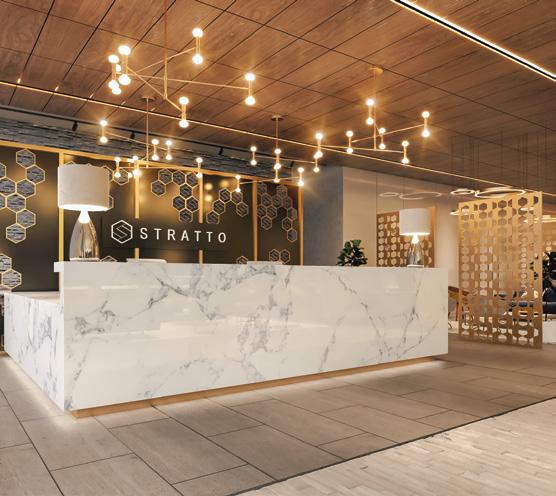
For most Mexicans today, the excitement of moving into a new home is often overshadowed by the stress related to paperwork for a new lease contract, the logistics of the physical move and the struggles faced when discovering all its defects. But what if it was possible to apply for a new apartment online, provide minimal documentation and get full support for a move into a luxury furnished apartment with high-quality amenities and the best service included?
To have the conveniences of a hotel with the comfort of a home, without having to worry about the electricity, gas and water bills or calling the plumber to come fix a leak?
To begin enjoying the space on day one? Greystar is making this new way of living possible, starting in Guadalajara.
Living with Greystar will make sure that home is never a headache but only an encounter with efficiency, comfort, community and new moments. The Stratto Americas experience features purpose-built rental apartments with luxury designs, ample amenities and world-class administration. It also encompasses fast turn-around times for all new applications, minimum obstacles for approval and full support from the Stratto Americas team to streamline contract signing and help organize move in with minimal friction. Residents will have unlimited access to luxury amenities, including the aqua lounge, social room, fitness center, co-working space and a round-the-clock concierge service to cater to any daily need.
Stratto Americas is located entirely on the upper floors of Torre 1500, a 33-floor mixed-use tower designed by Mexican architect Javier Sordo Madaleno and located prominently on Guadalajara’s premier financial and business corridor, Americas Avenue. The project has more than 200 apartments with a mix of studios, one-, two-, and three-bedroom units, as well 14 penthouses on the top floor of the tower with spectacular views of the metropolis. All apartments are equipped with luxury appliances, utilities contracts and have the option to rent a complete furniture package specifically designed and optimally suited to the future resident.
The master plan for Torre 1500 also includes a high-end lifestyle center on the first four floors of the building, which will feature a gourmet food market, fine dining, shopping and services. Office spaces, conference centers and an AC Hotel by Marriott are located in the adjacent tower, seamlessly integrated into the same master plan. Residents will enjoy the privileged views of Americas Avenue as well as Guadalajara’s Country Club, one of the city’s largest and most luxurious green spaces.
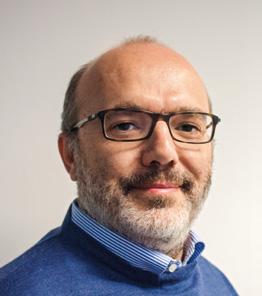
IGNACIO BEZARES
Regional Director for Mexico and Peru at Grupo LAR
Q: What regions of Mexico and which new segments are attractive for Grupo LAR?
A: We concentrate our developments mainly in the State of Mexico and Mexico City. Around 95 percent of the investments in our product are focused on this region. The capacities necessary to succeed in the residential markets of Mexico City and the State of Mexico are different from those in other regions of the country, so we focus on the areas where we excel. Rather than developing in new areas, Grupo LAR is interested in venturing into new price segments of the residential market in these states. Having said that, there are some plans to invest outside of Mexico City and the State of Mexico, but these kinds of investments must be substantial to make sense. The average price of our in-stock residential units is MX$5.5 million but we want to enter less expensive segments. The majority of the investment projects that Grupo LAR is analyzing and about to close focus on offering residences at prices of MX$2.5-$4 million because this market is underserved. We are not interested in substituting luxury residences for more inexpensive housing but in complementing our offering with products that cater to other purchasing powers. Grupo LAR will develop less costly residential projects in areas of the Valley of Mexico where it has not invested before, which makes more sense than trying to maintain our offering of more expensive residences in new areas.
Q: Where in the Valley of Mexico is Grupo LAR planning to develop to target these new segments?
A: The area between the peripheral ring and Punta Norte in northern Mexico City offers a large opportunity where it is possible to invest and where there is a market for MX$2.5 million residences. The Azcapotzalco borough is also attractive but this area presents challenges of water shortages and building restrictions, so we would need to manage projects in a special way there. The Iztacalco and
Grupo LAR funds and manages commercial, residential, industrial and corporate assets. Its strategy is based on risk diversification and the development of competitive advantages through international alliances
Iztapalapa boroughs in eastern Mexico City have everything that Grupo LAR looks for in terms of demand in our target price segments.
Q: What projects in the luxury residential segment does Grupo LAR have in its pipeline?
A: Our residential offering for the top-price segment has been concentrated in the Bosque Real area in Huixquilucan, State of Mexico, ever since we purchased land in this area in 2016. We are launching a variety of residences ranging from 100m2 to 520m2 there. Grupo LAR is excited to develop in Bosque Real because it is one of the last green lungs of Mexico City and the prices per square meter and per unit are highly competitive compared to similar residences in other areas. We have enough land to build around 2,800 residential units, so there is more than enough space to develop for a long time in several phases. Our main target for these products is young people and families who have the purchasing power to acquire larger residences. Grupo LAR is also developing houses in the top-price segment in Moncayo in Atizapan, State of Mexico, but the most important investments in this segment are concentrated in Bosque Real.
Q: How has Grupo LAR evolved to cater to the increasing demand for amenities in residential developments?
A: In Mexico, consumer prices have increased but the purchasing power of people has stagnated. This prompts developers to build smaller apartments so the price of a unit does not increase as much as the price per square meter does. Smaller apartments push families to spend time together in spaces outside of their homes. This incentivizes Grupo LAR to add more amenities in its residential developments, which is possible thanks to the size of the projects. Building a 250-unit development offers few opportunities to offer many amenities as the size does not allow it. We are a company that has few but sizable investments and size is an important factor for Grupo LAR’s success. The company aims to build residential developments that have at least 1,000 residential units. By making large investments, we reduce our dependence on market cycles and more effectively generate and consolidate value in an area.
ANTONIO
ELOSÚA
President of the Board of
U-Calli
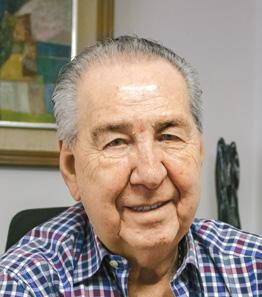
Expanding to new markets is an arduous task for any company but even for the most experienced developers, constructing in a new place can be an intricate process. Antonio Elosúa, President of the Board of Monterrey-based developer U-Calli, says it is important to apply lessons learned when taking the leap.
“ U-Calli has experimented with working outside of Monterrey many times,” he says. “Our first venture was constructing a housing development in Leon, Guanajuato, which allowed us to learn our first lesson when expanding. This was around the time of the subprime mortgage crisis in the US and the company experienced great losses.” U-Calli decided to focus on the market it knew best: Monterrey.
But Elosúa says that a few years later, the time came to take the leap again, this time taking time to find the right partner. U-Calli was invited to venture into the Queretaro housing market through an alliance with VIVESA, called VIALLI. This alliance developed various bulk lots destined for homes. “Boosted by a strong industrial sector, Queretaro is a fast-moving market for real estate development,” says Elosúa. “Each of our developments there sells 10 houses per month, so with eight subdivisions we sell almost 80 houses per month.”
After gaining traction and confidence in the Queretaro market, U-Calli was then invited by Inmobilia to develop a mega project in the still-underdeveloped city of Merida. “Country Towers was our first project in Merida. The two towers were the tallest residential towers from Puebla to Panama. Each tower had 33 floors, breaking the horizontal city’s paradigms,” Elosúa explains. Country Tower units were priced at over MX$6 million each, aiming to cover the needs of Merida’s upper economic level. Elosúa says that the project was not as successful as expected and even though Merida is considered among the best places to live in Mexico, there was not enough market for the products they were offering. “If we decide to construct another project in Merida, we would definitely aim to target the middle-income market,” he adds.
The company’s latest venture was alongside Miami real estate mogul Jorge Pérez, of Related Group, and Inmobilia. Together, Inmobilia and U-Calli acquired a Spanish developer that had gone bankrupt in Puerto Cancun to create a new type of high-end residential project. After Inmobilia and U-Calli had turned the company around, they invited Pérez to join the venture. The SLS Tower in Cancun has 120 apartments with hotel services, and 110 were sold before the construction was even started. Elosúa says the product sold quickly and was a hit among both national and international buyers.
U-Calli has investments in Merida, Cancun, Queretaro, San Miguel de Allende, Saltillo, and of course Monterrey. Although the company continues to look for new opportunities throughout the Mexican territory, Monterrey still plays a vital role in its portfolio. Like Guadalajara and Mexico City, Monterrey has experienced an accelerated and uneven growth that has led to various mobility and security issues. “Monterrey has grown horizontally and it has not done so in an orderly fashion with a joint vision among municipalities. There is no master plan that integrates all the necessary infrastructure,” says Elosúa.
Recently the downtown Monterrey area has caught the eye of investors and developers alike that want to regenerate the urban landscape and build upward. Elosúa is a supporter of this plan. “I have always thought that we need to recycle cities and start by regenerating the city centers that are inhabited. The infrastructure and homes located in the downtown area could be optimized and given a different air,” he says, while also warning that developers must learn from past mistakes and carry out the adequate planning beforehand. “Before developing in this area, we must first make sure the right infrastructure exists or if we need to construct and rehabilitate its basic infrastructure.”
The Mexican real estate sector is a labyrinth to navigate as it involves many variables but as an architect, Elosúa says the ultimate goal of real estate and architecture is to serve a greater purpose. “Architecture’s function is to serve mankind; if it fails to do so then it is a sculpture.”
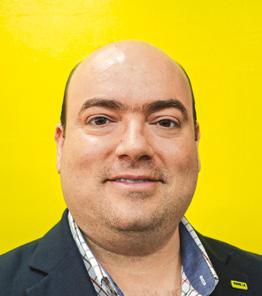
MARCELO CHAPA
Commercial Director of MACH Construye
Q: How did MACH Construye evolve from a construction company to become a developer and what are the advantages of doing both?
A: MACH has always had a large pipeline of projects. We have had up to 68 projects under construction at one time for different companies. We migrated from being a construction company that provided services to other developers, to developing only our own. Each project has its own financial scheme and no project depends on another. MACH Construye includes a concrete plant, design firm, machinery, glass manufacturer and steel plant. We benefit from this integration because it places more than 50 architects and more than 300 pieces of heavy machinery at our disposal for any project.
We have constructed throughout Mexico and in the US but we are now looking to centralize our operations in Nuevo Leon.
The Metropolitan Area of Monterrey (ZMM) is among the areas with the most economic growth in Mexico. The purchasing power of the people in Monterrey is three times higher than any other area in Mexico. Our plan is to continue consolidating our efforts in the ZMM. There is a lot of demand and potential to grow and we want to make sure we make the most of it.
Q: Why has MACH Construye decided to focus on the construction of vertical mixed-use projects?
A: Mixed-use is the future. We have a clear vision of what type of developments we want to create, which is vertical housing. Many developers in Monterrey are working together to create better communities. The city has been expanding drastically, generating more traffic because people are living on the outskirts of town. There is always demand for housing and with urban sprawl, cities become more chaotic. Seoul’s urban area, for instance, has remained stable over the past 30 years despite the fact the population has doubled. The city has learned to verticalize
MACH Construye is a construction and developer group that specializes in the development of vertical mixed-use projects in Monterrey. The group has plants, machinery leasing, an architecture and design firm, and a construction company
its developments to support its growth in a sustainable manner. The myth that purchasing land is better than purchasing air has caused cities to expand in a disorderly way. In the end, it is cheaper for cities to verticalize because higher densities are created with a smaller radius needed for service provision.
Q: What added value does the company provide its clients?
A: MACH Construye has been building projects in Monterrey for many years and we have earned the trust of our customers. That trust allows us to continue selling through word-of-mouth. To perform well in the pre-sale period of a project, you must have the trust of your clients. Skypoint is a 43-floor project with 150 apartments and it is our tallest development at the moment. The pre-sale phase was extremely successful; we had already sold 80 percent of the apartments before starting construction. We have the best prices in the market and we offer the best construction materials possible. The apartments are energy efficient, integrating double-glazed windows to keep the air in and all external walls are thermal. In pre-sale, we allow our clients to personalize their apartments. They can make some architectural changes and choose their own finishes, a feature no other developer provides.
Q: How has MACH Construye been able to maintain affordable price tags on its vertical housing products?
A: We have the best payment plans in the market. We offer down payments of MX$99,000 and monthly payments of MX$9,000, making housing more affordable to more people. We directly finance one part of this and the rest is done through a mortgage. At the moment, banks are extremely flexible and are offering good mortgage rates for people who want to buy homes. Loans are being provided on pre-sale periods up to 24 months in advance. We benefit greatly from this because we are able to offer more attractive plans. We always want to sell at least 30 percent of the units in the pre-sale phase before even breaking ground, to demonstrate viability and demand. This has not proven to be difficult and most of our projects are beginning construction with 50 percent of the units sold during pre-sale.
FABIÁN SÁNCHEZ Executive President of CREA
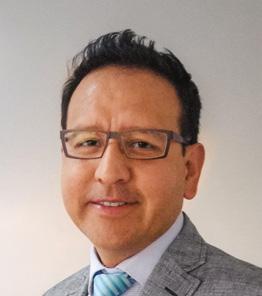
Q: What advice would you give to developers of a commercial real estate project and what is your added value in the process?
A: CREA has been working with institutional investors, banks and developers, analyzing their commercial real estate projects in Mexico and Latin America since 2006. Commercial real estate projects must provide an income in the same way that hotels, shopping malls, offices, hospitals, industrial parks and institutional rental housing do. This sort of project must take into account several quantifiable variables, such as the size of the supply, the size of the demand, the price and occupation rate of commercial real estate in an area. Measuring these elements allows the definition of whether a project represents a good or bad opportunity. Our core value proposition is quantifying the economic and financial feasibility of a given project.
The developer should also choose the best investment opportunity, always thinking of the cost opportunity. For example, in financial terms, the internal return rate (IRR) for institutional multifamily rental is not competitive. Investors do not necessarily find real estate attractive with a 12 percent IRR compared to a risk-free rate approaching 8 percent on the secondary market in Mexico, available through Treasury Bonds. Considering the processes and risks involved in a project, which include obtaining permits, the time for construction and hiring staff, it may not always be the best option. Also, we have seen a compression in cap rates in the commercial real estate space over the past few years. These rates are approaching those of mature markets like the US and Canada. With the perceived higher risk profile of Mexico, these rates are becoming less attractive to investors
Q: How can a developer make a real estate project profitable?
A: First, a developer should analyze what type of commercial real estate is best for a specific property, whether it is a shopping mall, office, industrial or institutional multifamily. We provide a “best use of land” study to assess the greatest use for a property. For example, if a developer wants to build a hotel, it is our
role to advise it on the market conditions and highlight other possible uses of land such as an apartment or office building it can lease or sell, which could yield a much higher return when considering the expenses associated with operating a hotel. We give our clients numbers so they can analyze what the most cost-effective option is. We provide not only the market study, but also information on the financials of the project. Seventy percent of our clients work in mixed-use developments.
In quantifying the feasibility of real estate projects, it is hard to speak qualitatively as interviewees can distort the research. But measuring the average expenditure in consumption, income and retail sales of a particular area can provide better insight for the client. INEGI is providing high-quality quantitative information. Qualitative data is hard to come by as it is more about feeling. Ultimately, it does not yield hard data and the representativeness of the samples is low.
Q: What has been CREA’s biggest challenge in venturing into Mexican real estate consultancy?
A: The biggest challenge for us is the lack of information in developing countries. Compared to the rest of Latin America, Mexico has good statistical data. But some sources are not very good or are not focused enough on retail. Also, USMCA and other commercial treaties gave way to many foreign brands that are used to working with data measurement. The challenge becomes one of obtaining the required information to also supply foreign customers, which translates into getting the qualified human capital that can accomplish this. The ultimate challenge is to elevate the use of all this information and turn it into data science. Many companies are using web algorithms to do data mining but this is useless if not combined with data science to analyze the mined information using regression and econometrics.
CREA is a leading real estate consultancy that helps investment funds, banks and private investors with their real estate projects. CREA has participated in more than 1,000 studies in the US, Mexico, Brazil, Colombia, Guatemala and El Salvador

ROGELIO ZAMBRANO Director General of Carza
Pre-sales are notoriously difficult since the concept is convincing people to part with a significant amount of money for something that does not yet exist. Rogelio Zambrano, Director General of developer Carza, says the key for a company like his is using technology to its advantage and painting a virtual picture of the future building. “We use technology to create a visual building that incorporates everything, right down to the view the apartment will have.”
Zambrano says BIM technology is becoming increasingly accepted in the real-estate industry as developers begin to recognize its inherent benefits. But he does not solely rely on BIM. “We use the Autodesk suite, which is very complete,” he says. “We also construct model houses on a dollhouse scale, meaning we can give the end user or the investor a really complete picture of how the building will ultimately look.”
Carza works on residential spaces in Nuevo Leon and the State of Mexico, targeting socio-economic demographics that range from C to A/B. According to Zambrano, the company’s main asset is its understanding that its clients do not want to buy an apartment but quality of life, based on three pillars: location, security and functionality. “Ultimately, these three factors will dictate quality of life,” he says. “People want proximity not only to work but to schools, services and stores, with amenities inside facilities. Security is a very important factor across the country and obviously all this has to come with high quality.”
The developer has typically worked on horizontal housing projects, such as Cumbres de Sol and Valle Azul, but like most developers in Mexico’s largest urban hubs, it has recognized the need to go vertical. The company’s upcoming projects, Cantera and Living, are both horizontal developments in areas that lack space for construction. “We decided to build Cantera in San Jeronimo because it is an area with a lot of housing demand but very little space,” Zambrano explains. “Similarly, Living is located in San Nicolas de los Garza, where space is even scarcer.”
Although he admits there was some initial resistance from neighbors to a vertical development, Cantera is advancing well and construction on the second tower is slated to begin by the end of 2018. Living is a little less advanced, and as of
yet the building has no showroom for customer pre-sales. This will take place in the next few months and Zambrano is confident that, with the presence of an accurate model of the building, the units will quickly be snapped up. In all its developments, Carza is passionate about the concept of creating living spaces. Living, like Carza’s other projects, will include swimming pools, event halls, green areas, community spaces with barbecue facilities, children’s play areas and roof terraces. “This year we will start to build the first 80 units and the next year we will build the remaining 150,” says Zambrano.
But Carza not only wants to have an impact on its end users, but also on its workers. “We build these projects to make a bigger impact in the sense that we incorporate everyone into them,” Zambrano says. For example, at Cantera, around 800 people are working on the site. Carza has constructed classrooms where, either before or after their shift, workers can take classes, ranging from basic skills like reading and writing to more technical skills such as English or computer science. “We now have a range of graduates from Cantera’s classrooms who have learned various skills,” says Zambrano.
The ability to offer the best project to clients goes beyond end users and workers, and often starts with legislation, according to Zambrano. While he applauds the efforts of the federal government in passing the Human Settlements Law in 2017, he believes it is not being implemented as it should on a state-by-state basis. “This is a law that will help us offer better products to clients because it takes everything into consideration, including surroundings and mobility,” he says. But he says more needs to be done in Nuevo Leon. “In Nuevo Leon, certain things changed with this law but in comparison to the developments in the federal law, the changes have been very limiting.” On the other hand, he warns that if the legislation is very strict, it will limit creativity. This is a risk in Mexico where he says innovation in construction processes needs to be accelerated, not hindered. “Innovation can be very simple or very complex, ranging from using different colors for cement to using 3D printing techniques,” he says. “There are many technologies we are not implementing right now because the correct legislation does not yet exist.”
ANDREU CORS Director General of Gava Capital
Mexico’s housing sector is seeing a shift in demand as young people often cannot afford to buy property, despite a rising middle class. “We are seeing a shift in the market dynamics,” says Andreu Cors, Director General of Gava Capital. “There has been a steady increase in housing prices that is completely unsustainable and people cannot afford to buy. The rise in construction prices and interest rates have impacted the sector greatly.”
Cors adds that, although there is much optimism and investment, there are some red flags that may indicate a new real estate cycle. “There have been many good years with high prices and with a market eager to buy,” he says. But he warns that the emerging cycle will create limitations in purchasing power for the middle class. “Developers must be more prudent when entering this new cycle and should not base their future decisions on how they made past decisions.” He highlights the relatively low penetration of mortgage loans among the middle classes in Mexico in comparison to other countries as a signal that this demographic is suffering a constraint in disposable income.
Gava Capital entered the Mexican housing market at the end of the 2008 housing crisis that struck the US. Previously, Sofomes would help finance projects but after the market grew more complicated and Sofomes became reluctant to invest, Gava Capital saw a window of opportunity. “The market was there and we just needed to offer a different value proposition,” says Cors. He explains that there were already various funds that were focused on financing profitable projects so Gava Capital decided to differentiate itself from other funds by focusing on a specific niche: the middle class.
Gava Capital’s focus is on developing developers that will in return create valuable investments. “Of course, it is important to invest in profitable projects but our real vision is to create long-term relationships with developers and foster the growth of Mexican talent,” he says. The company looks for developers with strong portfolios but it also looks for companies whose values are aligned with its own. Developers are co-investors along with Gava Capital in
the projects and then distribute a percentage of the profits back to the fund.
With more than 36 projects in 15 different cities, the diversification of Gava Capital’s portfolio has been an asset to the company, especially when looking to the BMV for funds. Gava Capital issued its first CKD, GAVACK, in 2017 with a cap of MX$2.5 billion to fund housing and industrial projects. “Mexico has very few pension funds and of those, only three are four are actively investing in structured instruments,” Cors says. “One must create traction with Afores to invest in real estate instruments. Gava Capital was able to issue this CKD because it aligned its interest with that of the Afores and co-invested 16 percent into the CKD.”
“There has been a steady increase in housing prices that is completely unsustainable and people cannot afford to buy”
He says Afores look for companies that have good track records, a diversified portfolio and experienced teams to invest in CKDs. Gava Capital had invested MX$3 billion before it issued its first CKD, which generated trust among the Afores. That money was invested in over 25 projects, providing the company a solid track record.
Half of Gava Capital’s portfolio investment is allocated to projects in Mexico City and the State of Mexico, with an average price tag of MX$850,000–MX$5 million. At the moment, only 20 percent of the CKD has been allocated and the fund plans to invest MX$500 million in the next two years in various housing and mixed-use projects. Cors is optimistic but cautious. “The market looks hopeful but we must definitely watch interest rates,” he warns. “Hikes have been impacting the sector greatly and could stop development, heavily impacting profit margins and the purchasing power of clients.”
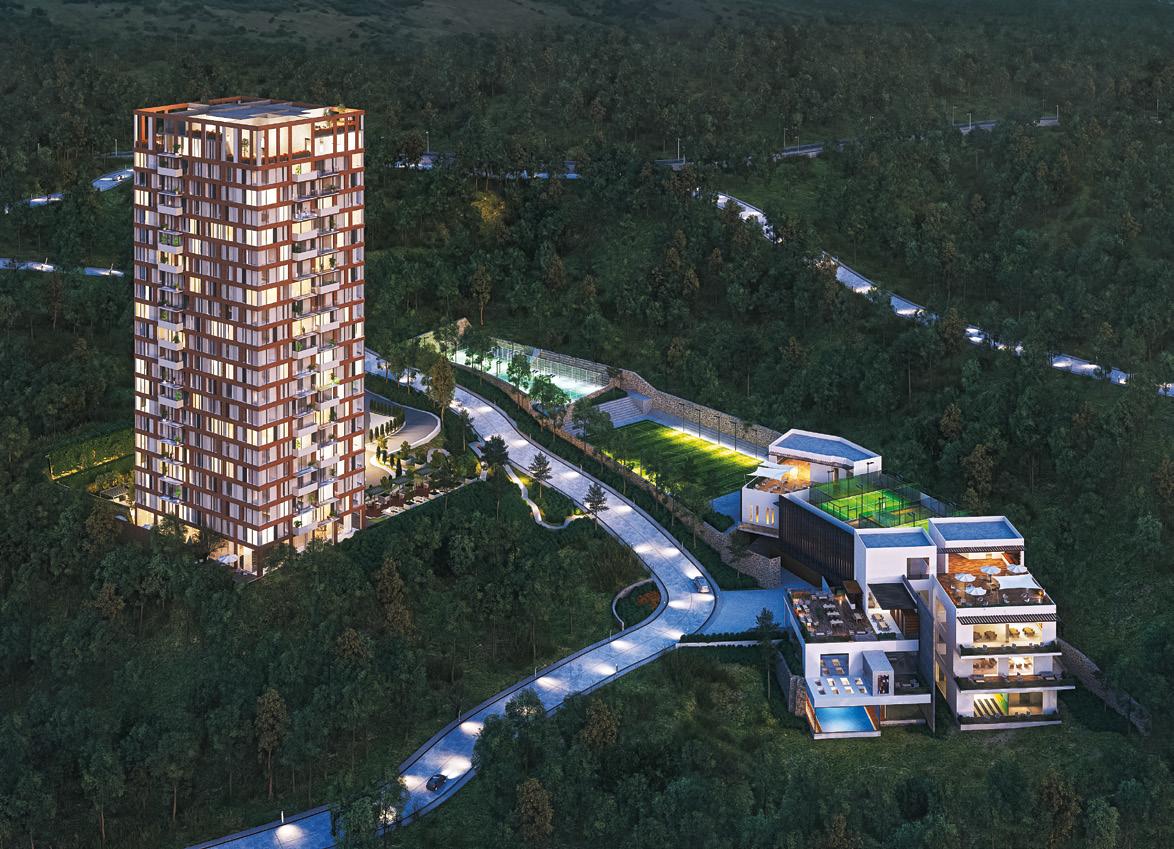




Grupo Lar is a multinational real estate company, specialized in the investment and management of real estate assets. With more than 40 years in the Mexican real estate market, it has demonstrated a great ability to adapt to the cyclical nature of the sector, allowing it to take on future opportunities in optimal conditions in all the segments in which it operates.
Grupo LAR’s organizational structure is based on the improvement of competitive advantages with the help of strategic agreements and constant updates. The company’s diverse expansion markets were selected by evaluating their stability and capacity for expansion, managed by professionals with extensive experience in the sector and international vocation.
Grupo LAR’s objective is to create projects that add value and improve the quality of life of its clients. It provides the best amenities in addition to having excellent locations and a variety of distributions.
Within Bosque Real Country Club, Grupo LAR’s premier project in the State of Mexico, Real de Monteza and Tivé offer nature, safety and quality design to its users. Real de Monteza offers a 6,000m 2 club house and a total of 123,000m2 for development. Over 50 percent of the surface is designated to pedestrian, circulation and green areas, creating a balance between functionality and nature.
In Nuevo Polanco, Grupo LAR’s Polárea is the best place to live in Mexico City. In Zona Esmeralda, its Moncayo development offers exceptional houses and terrains, while its López Cotilla offer attends Guadalajara’s housing demand with an optimal quality project
Approximately 95 percent of the company’s portfolio investments are focused in the State of Mexico and Mexico City areas. It is also venturing into new price segments of the residential markets in these two regions.
Grupo LAR’s developments offer the most exclusive locations that ensure high capital gains for investors. In the same way, the design and vanguard of each project guarantees that buyers of its products will realize the best possible return on investment and that they will have all the necessary amenities at their disposal to make each day special.
CARLOS PANTOJA
Lead
Partner
for the Construction, Tourism and Real Estate Industry at Deloitte
Q: What is Deloitte’s overview of the Mexican infrastructure industry and its most pressing needs?
A: Mexico most certainly requires a greater investment in infrastructure. Most of the world-class studies and infrastructure rankings place the country around 70th or 80 th. These ratings consider roads, rails, ports, airports and other segments of the infrastructure industry. The economic crisis Mexico faced in the last couple of years imposed a budget cut on the industry. As a consequence, many of the NIP projects of the 2013-2018 administration were canceled. The most relevant and visible project at the moment is NAIM, followed by the Mexico City-Toluca Interurban Train and the Lazaro Cárdenas Terminal. In this scenario, the industry requires clear rules and a long-term infrastructure plan that correspond to a deep study on the real impact that projects have and that endorse why they should be prioritized. This requires resources that must be secured by the government as, besides PPPs and other financial mechanisms, it is its responsibility to ensure infrastructure development. The next president should strive to guarantee the resources to implement an infrastructure master plan.
Regarding real estate, Mexico’s population will grow by 12 million by 2025. With a growing middle-class, the demand for housing remains strong. But the reduction of subsidies such as INFONAVIT, higher interest rates and contingencies like earthquakes have people reconsidering what to prioritize. The industry has to learn from its past lessons and aim for clear rules, an urban development master plan for city growth and precise property registries. To make construction processes more clear and efficient, technology is key because it easily allows the identification of construction density levels per area. This is useful in the establishment of fair property tax brackets, for example, which is an important revenue stream for the government.
Deloitte is a business consultancy that addresses customer needs and specific problems through a multidimensional perspective. Its professional services encompass audits, taxes, financial advice, risks and public and private advisory
There is also a pressing need for private companies to abide by zoning restrictions.
Q: What financial mechanisms for real estate funding being used abroad could Mexico benefit from?
A: Mexico has taken important steps with the creation of laws that allow institutional financing to reach the infrastructure industry through Fibras, CerPIs and CKDs. These mechanisms must be public and listed on the stock exchange, but I am convinced that privatization through a limited partnership would be very useful, as is done in the rest of the world. This has not happened here yet due to the government’s fear that it will jeopardize workers’ savings and concerns about documentation and inspection of where resources are going. I perceive that Mexico is achieving a maturity level that will allow the creation of limited partnerships. This will give sponsors more access to institutional funding mechanisms according to their track record, the project and investment proposals. Also, this would negate the need to audit these investments through the stock exchange. This is the next step that Mexico should take, which should be viable in the midterm.
Q: What is Deloitte’s forecast for demand in the infrastructure industry?
A: The market often wonders if Mexico’s commercial real estate has become saturated, which I think is not the case as the country has adopted commercial centers as a safe place to go take a walk and spend family time, so there is still demand. Most shopping malls have incorporated movie theaters, amusement parks and restaurants. This makes commercial centers attractive for users, meaning demand for these spaces will remain steady.
Regarding tourism real estate, the industry has experienced a boom. Today, tourism is mostly oriented to the coast, such as the Riviera Maya, but the sector must start taking advantage of other segments such as cultural, religious and medical tourism. I think these niches can catalyze higher spending per tourist. It is not a matter of attracting more tourists but having them stay longer or spend more in the country.
DANIEL TOVAR
Director General LATAM at Grupo Acerta
The infrastructure industry is vulnerable to geopolitical uncertainty and global market fluctuations. Highly dependent on materials prices, in recent years some cities have experienced a contraction of construction activity as inflation pressured new developments. Daniel Tovar, Director General of LATAM at Grupo Acerta, says that as a result, developers are looking to cities that have withstood these challenges. Among the leaders is Queretaro. “The inflationary impact on the housing sector has drastically boosted prices all across the country. Yet, in comparison to other Mexican markets, Queretaro has contained its prices,” he says.
In the last few years, Queretaro has become home to hundreds of new families. After the September 2017 earthquake, INFONAVIT in Queretaro saw a 33 percent increase in weekly mortgage requests in the state, jumping from 300 loans a week in 2016 to 400 weekly in 2017. Forming part of the Bajio region that represents more than 15 percent of the entire Mexican housing market, Queretaro is now among the Top 5 real estate destinations in Mexico according to the Mexican Association of Real Estate Professionals (AMPI). Many housing developers see Queretaro as the land of opportunity, with an increase in demand forecast for 2018.
Its demographics, industrial attractiveness and proximity to Mexico and Leon make Queretaro a job magnet, boosting the demand for new homes. Developers, including Grupo Acerta, are taking advantage of these factors and looking for new ways to innovate and adapt to the changing needs of new generations. “This year we have been analyzing the opportunity to venture into the rental housing sector and we believe that the results that we have received are positive,” Tovar says. “We are validating a new project for this subsector for the next few years.”
The factor that no developer can escape is volatility. Much like 2017, 2018 began under a cloud of uncertainty, causing a contraction in the country’s economy. In 3Q17, GDP shrank by 0.3 percent compared with the previous quarter, the first contraction in almost two years. This has made it difficult for companies like Grupo Acerta to attract investment. NAFTA renegotiations, rising inflation rates and the November 2018
mid-term elections also led to investor caution. “We have not been able to carry out other projects in our pipeline due to a lack of funding,” he says. “We continue to search for investors that believe in our capabilities. This has been our greatest challenge despite our experience as developers.”
Still, despite the challenges, Tovar says money for investment is there. “Investors are being more cautious, but are still looking for opportunities to invest. We have received positive responses from the banking sector in general and were able to close deals with Banregio and Santander,” says Tovar. Grupo Acerta surpassed its growth expectations in 2017 and aims for 15-20 percent in 2018, a conservative prediction according to Tovar. He adds that convincing investors and attracting capital will always be a challenge for developers.
The construction of housing also involves many public entities, which creates yet another hurdle. “We faced additional challenges working with public bodies on environmental issues because not only were they from different levels of government, but also different agencies,” says Tovar. In some situations, companies face several rounds of negotiations to achieve a win-win situation, making processes much more tedious. “Aligning our interests is difficult,” he continues. “There always comes a time where we believe the government is overstepping and vice versa.”
Grupo Acerta is developing its first planned community in Queretaro, called Altos, in the Juriquilla area of the city. As of January 2017, it had sold more than 50 percent of its lots to renowned developers Ruba, Caisa and Urbana. “The average price for a vertical development is approximately MX$25,000/m 2 and for horizontal developments it is around MX$20,000/m 2,” says Tovar. The company also has its own housing developments within Altos, called ZENDA and Celesta. ZENDA will have 109 individual lots. The project is in the procurement stage. Celesta contains 166 apartments and by February was in the commercialization and presale stages. “The development is receiving a good response from the market and as of January 2018 we have more than 20 apartments sold,” Tovar says.
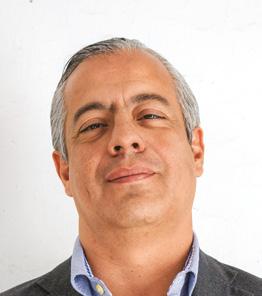
FLAVIO TAVERA
Commercial
Director of Desarrollos Inmobiliarios de Occidente (DIOCSA)
A rapid increase in population over the last decade means Guadalajara’s real estate sector is booming. But while the city is flourishing, it is failing to do so in an orderly way, says Flavio Tavera, Commercial Director of Desarrollos Inmobiliarios de Occidente ( DIOCSA). “The city grew extensively to the south and east, with an unequal distribution of social classes,” he says, highlighting that high-income classes remain mainly located in the west.
DIOCSA is a consortium focused on housing construction and sales that is developing across the state of Jalisco, striving to contribute to its urban development through compact and well-connected housing and mixed-use projects. Today, the metropolitan area of Guadalajara is made up of nine municipalities. DIOCSA understands the social distribution and offers developments for different market niches but with a focus on the middleclass residential segment that has a purchasing power of MXN$1.8-3 million. It also builds social housing near massive transport infrastructure at affordable prices, normally between MX$450,000-850,000. “If there is the potential to avoid high transport costs, social housing becomes more appealing to low-income families,” Tavera adds.
Guadalajara’s fast expansion led big consortiums to buy huge land parcels for housing on the outskirts, but these areas were lacking basic services. “This fostered changes in land-use regulations, a decrease in the quality of housing services and increase in commuting times,” Tavera says. “The problem became one of having over-priced and poorlyconnected land.” This opened the door for developers like DIOCSA to create smart projects that would successfully densify the city, making prices affordable and developments accessible to the main transport systems.
DIOCSA follows the Sustainable Transport Oriented Developments (DOTS) urban model, which focuses on planning and designing around mass transport systems and building compact, high-density neighborhoods. The model has been recognized as a priority in both the National Program for Urban Development and Housing 2014-2018 and by Mexico City’s Mobility Law. “The idea is to provide
housing to low-income families with easy access to mass transportation systems,” says Tavera. “We need to develop living spaces focused on lowering the use of land and commuting costs.”
This agreement between the public and private sectors is especially important when it comes to addressing the needs of low-income market segments, says Tavera. Each municipality has its own development plan, which according to Tavera, should aim to unify and plan an orderly growth of the metropolitan area. “A recent update of some of Jalisco’s municipal plans gave investors more certainty to invest in vertical housing, helping make the city more compact,” he said. “Zapopan is a good example as its market demand called for high-class hotels, housing and offices in one area, requiring developers to build vertically.”
The economic and geographic conditions of Guadalajara also continue to attract investors. “It has been a growth center in the eastern region of the country,” says Tavera. “It can be viewed as a pilot city for commercial purposes. If a project succeeds here, it is likely to do so in other cities.”
But the decline in the younger demographic presents a challenge for Guadalajara’s developers. The forecast finds that the city’s population is getting older, steering the market toward one-story, accessible housing. The demographic trends are also demanding fewer rooms per house. “The average now is 3.7 compared to the previous 4.5 inhabitants per house, as families are becoming smaller and looking for more compact living spaces,” he says.
DIOCSA has experienced the ups and downs of the market, which are largely dictated by demographic changes and public policy. As a result, its next step is to become completely self-sustaining. “We look for the land we buy, carry out the marketing processes and develop it by ourselves, without outsourcing,” Tavera says. Although the company wants to be self-reliant, it does not rule out other developers relying on it. “We build all our projects internally from scratch, but we can also commercialize developments belonging to other constructors.”
IGNACIO VIVANCO Director General of Garvi Grupo Inmobiliario
Guadalajara’s real estate market is responding to a boom in demand but the city’s preference for horizontal development conflicts with land shortages, says Ignacio Vivanco, Director General of Guadalajara-based developer Garvi Grupo Inmobiliario. “The reluctance to adopt verticalization is an entry barrier for many large developers,” he says. “For a developer from Mexico City, where medium-size projects have 40 levels, the height of the biggest building in Guadalajara, projects here may be too small.”
Residential projects in Guadalajara tend to be significantly smaller than in the Mexican capital, with fewer units and an average of 20 levels for vertical projects. Vivanco attributes this mainly to the size of the city and people’s preference to live in smaller and more exclusive developments. “As the city is smaller than Mexico City, people do not like to live in big residential complexes,” he says. This means that larger developers are reluctant to enter the city due to the smaller economies of scale, but this is where Garvi Grupo Inmobiliario sees opportunity.
Vivanco is convinced that, despite its preference for horizontal building, the city will eventually evolve toward the vertical. “People are still reluctant to live in vertical housing but it is increasingly more complicated to build horizontally due to land reserves,” he says. Garvi Grupo Inmobiliario is diversifying its portfolio by offering both horizontal and vertical residential real estate, the latter coming in at around MX$2.5-5 million per unit. “This will complement our portfolio of MX$1-2.5 million projects,” he says. “Our strategy is designed to provide an option for the largest demographic possible.” In this vein, the company is also venturing into leasing mixed-use projects.
Garvi Grupo Inmobiliario started operations a decade ago with horizontal housing projects that followed market demand. Through its current portfolio, the company is characterized by providing affordable housing, working to ensure it can cater to the maximum number of clients possible. “We accept all types of credit,” he says. He explains that for an individual to obtain a bank loan
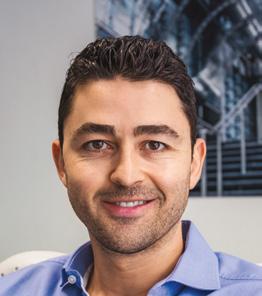
to finance a MX$1 million house, the monthly payment must be at least MX$10,000. This implies that the buyer, individual or couple, has to earn at least triple that, around MX$30,000, meaning the company overwhelmingly targets the low-middle income segment.
“For a developer from Mexico City, where medium-size projects have 40 levels, the height of the biggest building in Guadalajara, projects here may be too small”
Despite the reluctance toward verticalization and mixeduse complexes, Jalisco and its capital remain very attractive for real estate. With 450-500,000 homes sold each year in Mexico and 55,000 in Jalisco, mainly in the metropolitan area, Vivanco says developers are increasingly looking at the state, given the size of its market. He believes that the city’s history has proven that if a project is tested and works in Guadalajara, it will succeed in the rest of Mexico. “Developers are increasingly looking at Jalisco and its special market,” he adds.
But according to Vivanco, management is often the main challenge for projects. “Permits specifically can be a nightmare,” he says. “It seems the authorities, instead of fostering an industry that generates so many jobs in multiple sectors, aim to hamper its growth.” Vivanco believes the incorporation of technology to automate bureaucratic procedures is the best way to overcome this obstacle. “This can save a great deal of time and manpower, while preventing corruption and extortion, as currently licenses still depend on an individual approving them,” he says. He welcomes the announcement by the Property Registry, which will soon launch an online platform that will help address this issue.
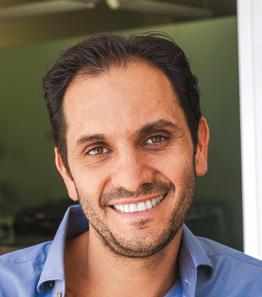
JACK LEVY President of Grupo VEQ
A booming market creates abundant opportunities for real estate developers to prosper but one of the best tools for a successful incursion into any market is having a unified vision within the company, says President of Grupo VEQ Jack Levy. “Grupo VEQ places a great deal of importance on the people within the company and what they want to achieve so that together we can grow with a shared vision,” he says.
This shared vision has allowed the company to adapt quickly and often to go with a gut feeling when choosing its projects. But Levy says the company will now be much more focused on strategic development. “Our team has developed skills to identify great opportunities throughout the country, allowing us to participate in many important projects, which includes the tallest residential buildings in Guadalajara such as Torre Q,” he says. “But we were never able to sit down and establish where we wanted the company to move in terms of the sectors we want to specialize in and the products we want to offer.”
“The next step is to look for new financing solutions through funds or partners that believe in what we are doing”
In the last three years, however, the company has focused on its core strengths and grown in a sustainable manner. Mexico’s rising demand for real estate development has allowed Grupo VEQ to expand to seven cities and develop over 11,000m2. Levy explains that Grupo VEQ's home market, Guadalajara, has slowly moved into vertical development, and the team has been able to better understand the needs of its clients and to forecast what will happen next in residential development. “Our quick growth says good things about how we conduct our business,” he says.
Grupo VEQ has extensive experience, having been involved in 23 projects. But in such a competitive market,
differentiation is key. Its latest project, Meridiano 103, was developed with quality in mind but without sacrificing price. Located on one of Guadalajara’s most important streets, Avenida Vallarta, it is a mixed-use project that consists of three towers divided into 212 apartments and a two-story commercial area. “We wanted to make sure that this would be a development that would truly enhance the quality of life of the people at the best price possible, without sacrificing the quality of the materials and finishes,” says Levy. The development would cater to Guadalajara’s fastgrowing middle-income segment.
Although Grupo VEQ's strength has centered mostly on the residential sector, it has started developing projects within the tourism sector, having identified a growing demand. “At the moment, about 10 percent of our portfolio is destined to tourism projects and we would like to continue actively participating in the sector over the next few years,” says Levy.
The company’s own growth has mostly been through organic means but with its goals of venturing into these new markets and regions, it has also began considering new sources of financing. “We have a good relationship with five commercial banks that allowed us to grow at least 150 percent in the last three years,” Levy says. “The next step is to look for new financing solutions through funds or partners that believe in what we are doing.” There are many funds catering to the Mexican market, such as Nexxus and Seven Bridges Advisors, that use money from investors and pension funds whose long-term investment and ROI goals typically align with real-estate projects.
While there has been an abundance of funding availability for real estate development in the last few years, mainly from Canadian pension funds and Afores through new financial instruments such as CKDs and Fibras, Levy insists that despite the opportunities for development, it is important to build with mindfulness and ensure that the projects created add value. “We must build according to demand and not our own preference, ensuring that projects are integrated into the communities and they meet the needs of our potential residents.”
AGUSTIN LEVY Executive President of Levy Holding
Q: What areas of opportunity has the company identified within the market that it would like to penetrate?
A: We started out as a real estate marketer, which taught us valuable lessons in how, where and why to sell. The next step was to gather resources through specialized crowdfunding. Our capital raising grew to a point where we needed more properties, leading us to venture into real estate development. In this niche, we found that product innovation was lagging and so our goal was to offer a different asset. We believe we are disrupting and re-standardizing the final product in real estate. For example, over a certain area, our clients can choose if they want a loft or a two-bedroom apartment. Also, we integrate sustainability, using solar panels or other technologies to make our buildings eco-friendly and cost-efficient. Our products can create average savings of 40-45 percent, so instead of paying MX$1,000 for maintenance, our clients will pay around MX$450 since we use the monthly rental income from our units to subsidize the monthly maintenance cost.
We also want to grow in the hospitality market and our guidance for the next two years is to have 450 rooms, mainly in the 4-star sector and boutique hotels. Around half of these rooms will be for senior living and we expect to be the pioneers in this niche in Jalisco. AMAR Consulting is an expert on senior living in Mexico and we are seeking to collaborate with the firm by hiring it as our suppliers and exploring a possible alliance in the future. As Chapala has the biggest foreign community in the country, we believe it is a great market for senior living as this population is expected to expand quickly.
Q: What is the company’s strategy for organic growth and how do you finance expansion?
A: We were able to reach our targets due to our company pillars of transparency and autonomy. We strive to have the best qualified team, with 15 shareholders at the moment. I think this is the secret to being a diversified business. We will keep innovating, as this is the foundation for our company’s growth. We use targeted strategies to provide better coverage to some neglected niches in the
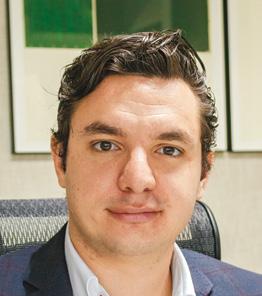
country, such as B+ offices and mixed-use developments with 50 apartments and commercial premises. We are also starting to look for bigger land areas to develop bigger projects, with the intention of doubling our uptake in the next 12 months. We are considering a 1,000-apartment project in Playa del Carmen. But we do not want to lose our segmentation within projects, so our developments remain exclusive to our clients.
Levy Holding’s products can create average savings of 4045 percent; instead of paying MX$1,000 for maintenance, clients will pay around MX$450 and monthly rental income subsidizes maintenance
Regarding the financial aspect, we have used crowdfunding to raise capital and gathered around MX$300 million from word of mouth. But while crowdfunding is a successful way to access financing, we also want to list on the stock exchange. Our goal is to launch our first CKD in no more than two years for MX$3.5-5 billion.
Q: How do you differentiate from your competitors and ensure you are adding the most value to the market?
A: We are changing the idea of how to build and develop real estate, staring with Guadalajara and the Riviera Maya. In four years, we have raised more than MX$3 billion in assets, with exponential growth in the last two years, mainly due to our differentiated product. Regardless of the price, our projects keep selling because nobody else offers a similar product.
Levy Holding is a business group committed to the economic, social and environmental development of Mexico, starting from its five strategic axes: customer service, innovation, sustainability, quality and humanism

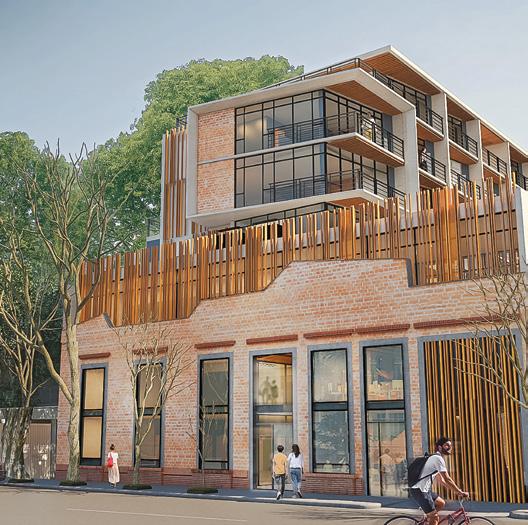

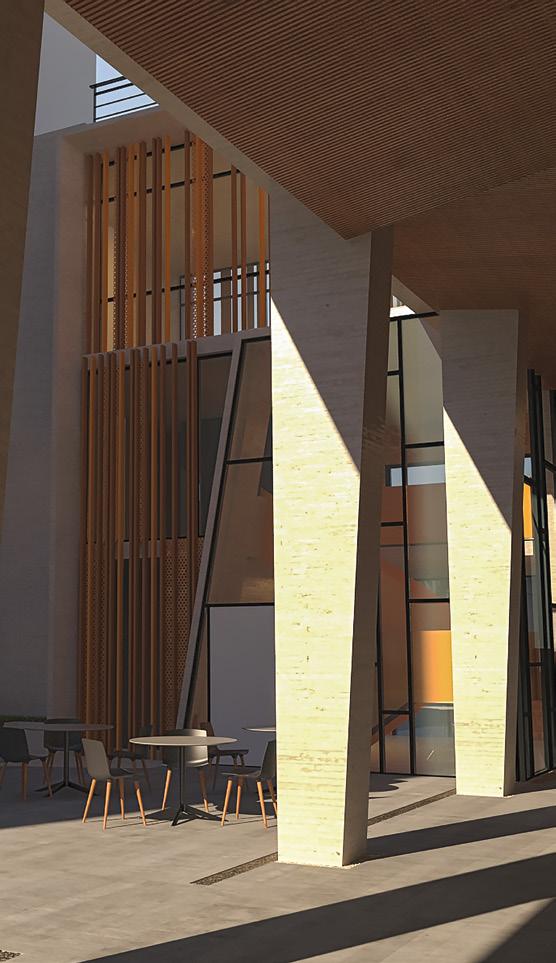
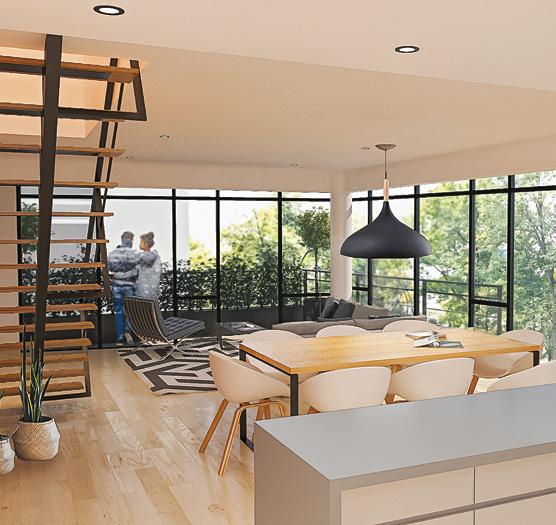
Mexico City’s neighborhoods are transforming and adapting to the needs of new generations. Nevertheless, it is important that new real estate developments integrate into the existing social tissue, preserving neighborhoods’ traditions and culture to create sustainable cities.
Recinto Escandón is a mixed-use development located in the heart of the Escandon neighborhood in Mexico City. It will merge new lifestyles with existing communities and traditions. The project is designed and developed by Estudio Tacubaya, a Mexican architectural firm based in Mexico City with vast experience developing in Escandon. The development will seamlessly integrate into the neighborhood tissue through an inclusive and conscious transition, integrating elements from the present and the past that represent the continuous development of Escandon.
Interconnecting to the city’s main arteries: Viaducto, Circuito Interior, Periferico and Insurgentes, the Escandon neighborhood is a commuter’s paradise, with easy access to the Metrobús, Metro and ECOBICI systems. Located in the Miguel Hidalgo municipality, Escandon’s appeal aligns with the lifestyles of new generations that embrace the shared economy models looking for co-working and coliving spaces that mold into their everyday needs.
The project’s centric location adds a unique capital gain to the development. Not only is real estate development flourishing around it, but government investment continues to pour in and the neighborhood has a continuous housing demand to fulfill. The proximity to Roma and Condesa also is boosting the attractiveness of Escandon, making it a real estate investment trend for middle and upper-middle class buyers.
This urban regeneration project will maintain the cultural essence of its surroundings through an inclusive gentrification. The project will include residential, commercial and cultural spaces that will bring together the neighborhood’s local gastronomy, artisans, performers and talent into one space. The entertainment and dining spaces will foster the exchange of ideas among residents and visitors and drive economic activity into Escandon. This 5,000m 2 mixed-use project contains two towers interconnected by a loggia and a common open area for residents. It contains more than 20 apartments, ranging from 32m 2 to 200m 2 . The property will also include approximately 1,000m2 of cultural and commercial-oriented leasable space. Strategic alliances with alternative mobility solutions providers add another element that allows Recinto Escandón to make the most of this commuter’s paradise.

In the last few years, US commercial real estate headlines have consisted of major chains going out of business and malls shutting down. Yet, Mexico has proven to be the diamond in the rough. With a great deal of GLA available, the commercial real estate segment in Mexico’s cities continues to grow along with the purchasing power of a growing middle class. But building a successful commercial space in Mexico does not mean just creating a building with stores and adding in offices spaces. Culture, food courts, theme parks and other elements are being mixed in to create a broader, marketable experience.
Mexico City, Monterrey and Guadalajara have a surplus of office spaces and developers are turning to mixed-use projects to make sure their portfolios are balanced. The roles developers play in creating cities is vital, creating spaces where people live, work and spend their free time. But they also have the responsibility to make their developments sustainable and inclusive, which can entail spending on social and environmental impact studies and supporting infrastructure. The main commercial real estate developers and brokers working in Mexico are profiled throughout this chapter to detail the state of the segment and its prospects.
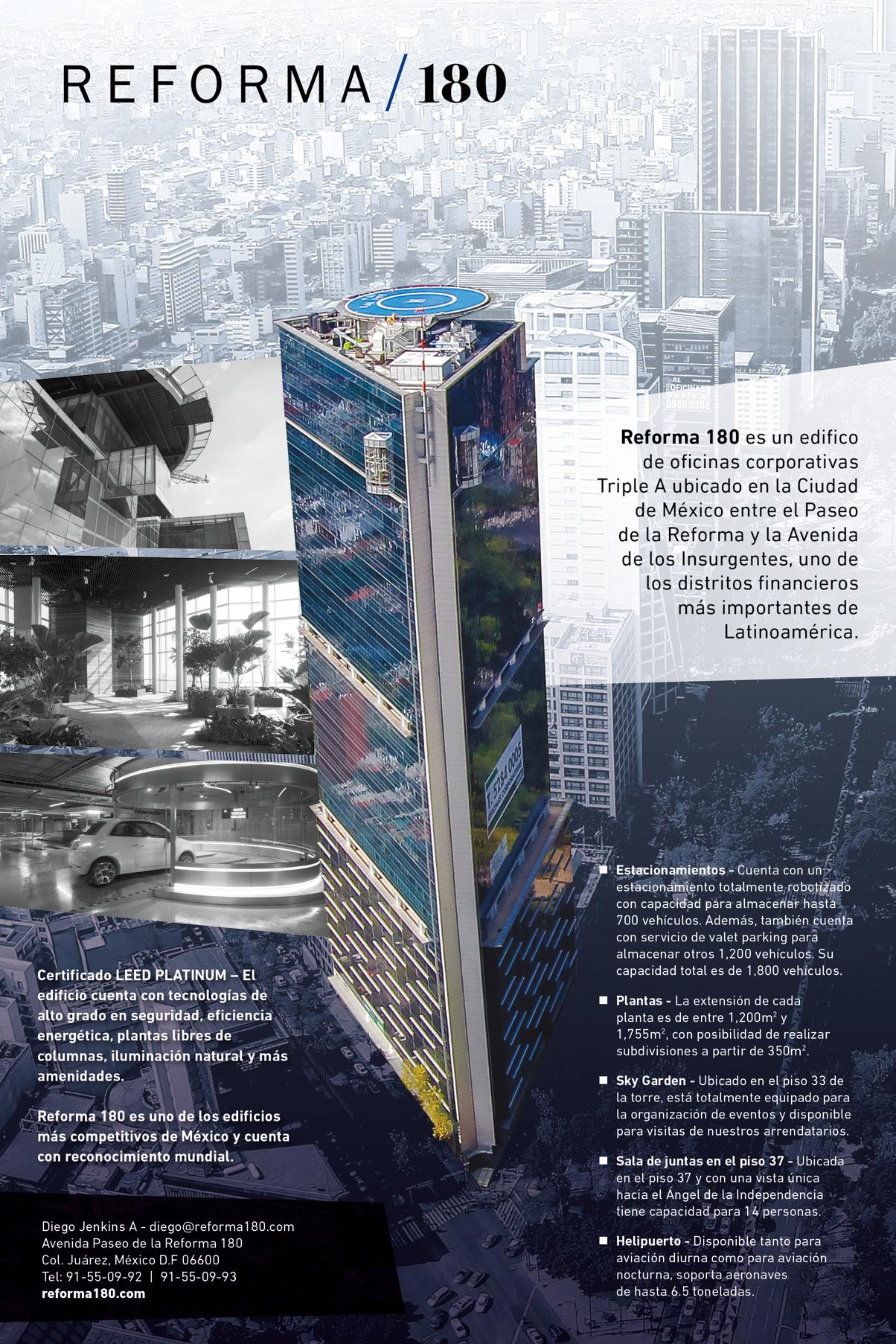
204 ANALYSIS: Mexican Malls Defy Odds, Take Flight
205 VIEW FROM THE TOP: Gonzalo Robina, Fibra Uno (FUNO)
206 INFOGRAPHIC: Designing a Mixed-Use Skyline
208 INSIGHT: Elías Mizrahi, Fibra Danhos
209 VIEW FROM THE TOP: Jimmy Arakanji, Thor Urbana
211 VIEW FROM THE TOP: Gerald “Rick” Ricker, Reichmann International
212 INSIGHT: Enrique Villanueva, Pulso Inmobiliario
213 VIEW FROM THE TOP: Gaston Wainstein, Walmart de México y Centroamérica
214 VIEW FROM THE TOP: Lyman Daniels, CBRE
215 VIEW FROM THE TOP: José Lobatón, Proyectos 9
216 INSIGHT: Marco Garza, GM Capital
217 VIEW FROM THE TOP: José Luis Flores, LOMA Desarrollos
218 VIEW FROM THE TOP: Rafael Garza, Grupo Plate
219 VIEW FROM THE TOP: Javier Lomelín, Colliers International Mexico
220 INSIGHT: Fernando Amescua, KIVA Grupo Inmobiliario
221 VIEW FROM THE TOP: Ignacio Ramírez, INVERTI
222 VIEW FROM THE TOP: Alberto Limón, Consulta
223 VIEW FROM THE TOP: Guillermo Sepúlveda, Avison Young
224 INSIGHT: Victor Lachica, Cushman & Wakefield
225 INSIGHT: Isaac Orozco, Grupo Momentum
It appears the demise of the shopping mall may have been exaggerated. While e-commerce has taken a toll on traditional shopping centers in the US, Mexico has been watching and learning. The result is a significantly different trend south of the border
Due to the unprecedented closing of hundreds of malls throughout the US, the real estate industry has coined the term “dead mall” to describe shopping centers that have high vacancy rates or low consumer traffic. According to a 2017 Credit Suisse report, 20-25 percent of US malls will close within the next five years due to a sharp decline in traffic. The main culprits are e-commerce and developers’ inability to adapt to changing consumer needs. As more people shop online, they shop less at anchor stores, forcing them to close and creating a domino effect where the decrease in mall traffic later causes smaller tenants to close too.
Mexico, on the other hand, is the largest e-commerce market in Latin America with an annual spend in 2017 of US$21 billion, according to the Latin America Ecommerce Report 2018. The market is expected to continue growing due to improvements in connectivity, higher financial inclusion and increased digital literacy. Yet, the Mexican market seems to be bucking the US trend and shopping center GLA is on the rise. Of ADI associate’s 584 projects in 2017-2018, 99 were shopping centers and 101 were mixed-use, representing 34 percent of the total. In 2017, Mexico had an inventory of 22 million m2 of commercial space, and throughout 2018, 300,000m2 were added to the national inventory.
By the end of 2018, Mexico will have an estimated 2.3 million m 2 of shopping center space through the construction of 39 new projects. Unlike its northern neighbor, Mexican commercial real estate developers are completely changing the rules of the game when it comes to shopping malls. According to industry leaders, an element that differentiates the Mexican consumer market to other markets is the culture itself and core traditions. Mexican developers refer to the country’s traditions of using city squares or zocalos to meet their shopping and entertainment needs. “City squares or Zocalos were traditionally the meeting point of communities throughout Latin America and we want our projects to serve the same purpose for the new generations,” says Jimmy Arakanji, Founder and Co-CEO of Thor Urbana. “Many countries, including Mexico, have strayed away from spending time in their city squares due to insecurity. By providing secure environments, we can give back a sense of community and strengthen the social tissue.”
The Mexican consumer looks for a secure environment where they can spend their Sundays with their family, with places to eat, have fun and shop. Developers have adapted to the needs of these consumers and have pushed for projects that stray away from the boxed-in model of traditional shopping centers. Spaces such as Miyana, Toreo, Manacar, Parque Las Antenas and Artz are the types of projects taking over the Mexican market. Open spaces, green areas, gourmet food courts and new brands are the value proposition that will directly impact the success of a project.
A clear example of the impact these factors have on a shopping center can be seen in Cuernavaca, Morelos, about 93km south of Mexico City. Ares Arquitectos designed the Averanda shopping center, with a more open concept, integrating green areas and open-air spaces to take advantage of the weather in the area. “In front of Averanda is one of Cuernavaca’s oldest malls, Galerias, which has a more traditional concept,” says Jacinto Arenas, the firm’s CEO. “Many brands have moved to Averanda due to its popularity. The integration of various amenities such as entertainment areas, offices, homes and of course shopping spaces offers a completely different experience and it has proven to be a success.”
And while the industry’s mantra has always been location, location, location, successful locations can sometimes surprise. Developer Fibra Danhos, for example, has identified various mixed-use diamonds in the rough in areas that are not so obvious. Its Parque Tezontle shopping center in Iztapalapa, one of Mexico City’s lowest-income neighborhoods, has been a success for many years, credited with the highest spend per person compared to the rest of Fibra Danhos’ portfolio. The developer recently opened Parque Las Antenas nearby. “Despite official figures that suggest Iztapalapa is not one of the most affluent neighborhoods, informal labor in the borough is very common, meaning the official figures do not accurately reflect the purchasing power of the people living there,” says Elías Mizrahi, Director of Investor Relations at Fibra Danhos. “When we saw the characteristics of the project, for us it was a no-brainer to increase our reach in Iztapalapa and bring more services to those living in the borough.”
GONZALO ROBINA Co-CEO of Fibra Uno (FUNO)
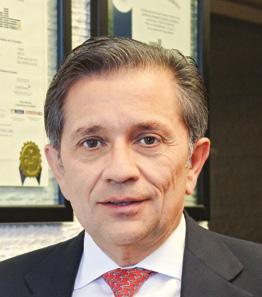
Q: How do fluctuating interest rates impact the performance of Fibras in the Mexican market?
A: What gives the sector relief is that the intention and measures to lower the interest rates are being implemented by Banxico. The presidential elections generated volatility within the market. Some measures and precautions were implemented by the authorities and financial institutions to ensure that the peso would not be affected. The cost of money has become more expensive for the real estate market and developers are advancing cautiously in terms of financial leverage. Previously, financing cost 3.3-3.5 percent and now it is close to 8 percent.
In other years of high volatility, such as in 1994 or 2007, 2008 and 2009, many developers were overleveraged. As a result, they had to auction off their assets to recover funds. This is not happening in the Mexican market because both developers and banks learned from those experiences. As a Fibra, we have been preparing ourselves for this situation by creating additional credit lines to ensure we have the liquidity to seize the opportunities that may arise. In 2018 and 2019 everybody will be cautious. FUNO will continue to focus on delivering long-term sustainable value in the real estate sector.
Q: How does FUNO view the presidential election results?
A: When Andrés Manuel López Obrador was Mayor of Mexico City, he boosted the real estate sector. The skyline that we see today in Reforma is thanks to the policies he implemented. He provided the first incentives to build the first skyscraper, Torre Mayor, on Reforma. He provided incentives for construction, such as making property tax deductible for the first 10 years. I believe that he will continue to boost the sector in the years to come. He seems to support the development of organized real estate growth. This implies changes in the use of land, licensing and population density to make more organized processes but they will not become a constraint.
Q: How will the Mexican Fibras perform in the next year compared with the US REIT market?
A: It is very difficult to compare Fibras with REITs. Real estate in Mexico is in an earlier stage and the US market is
bigger than that in Mexico. The first REITs were created in the 1960s in the US and the first Fibra in Mexico in 2011. The US market is 50 years more mature than our market and it is difficult to compare the two. The REIT boom took place in the 1990s. As of June 2017, there are 13 Fibras operating in the Mexican market. If there are no large jumps in the Mexican economy in the next year, we will see the entrance of a couple more Fibras. Before the presidential elections, two new Fibras joined the market, Fibra Educa and Fibra Upsite. They decided to launch operations regardless of the volatility present in the market, which means that the sector is being viewed positively by investors.
Q: What are the main factors that have helped FUNO to be successful in Mexico’s real estate sector?
A: FUNO has the best commercial real estate portfolio in Mexico and Latin America. Our business model supports all our operations and assures that we deliver the optimal locations for our tenants. Throughout the years, FUNO has been the trailblazer within the Fibra sector. Our goal is clear: to generate the maximum amount of value over time.
FUNO will continue to grow as much as the markets allow us to. FUNO has been able to add to its portfolio over 8 million m2 in such a short period of time by seizing the opportunities offered by the economy and the real estate market We know it is important to consider both factors because it is not enough to have for instance a lot of liquidity within the market, but not enough opportunities in real estate projects. The main characteristic FUNO has demonstrated to be successful is to find the right time to merge both markets. The size and footprint of FUNO’s assets are accompanied by an even larger focus on sustainable practices. We have created a world-class sustainability strategy to have a positive impact on people, cities and surrounding communities.
FUNO is the first and largest real estate trust fund in Mexico. It began operations in 2011 with 13 properties. It now has more than 552 properties and over 8 million m2 in the office retail real estate segments
Mexican real estate developers are not only reaching for the sky but adding new uses to their projects to offer a unique value proposition. In a competitive market, the traditional commercial or corporate space requires innovation in the types of spaces offered. Location, location, location continues to be a top factor that makes a project successful, but developers are also reacting to the new rules of the game.
M2 BUILT IN MEXICO PER SECTOR NATIONAL INVESTMENT PER SECTOR
Total 64.6 million m2
44.7% Residential 28,868,423 m2
34.7% Mixed-Use 22,445,320 m2
12.6% Commercial 8,174,746 m2
3.2% Corporate 2,077,352 m2
2.5% Industrial 1,609,201 m2
1.9% Tourism 1,204,412m2
0.3% Infrastructure 195,000m2
0.1% Hospital 66,330m2
40.9% Mixed-Use
US$14.7 billion
25.9% Residential
US$9.3 billion
22.8% Commercial
US$8.2 billion
4.5% Corporate
US$1.6 billion
4.3% Tourism
US$1.5 billion
1.0% Industrial
US$366.8 million
0.4% Infrastructure
US$143.2 million
0.3% Hospital
US$98 million
between 2013-2018 from ADI Associates
GEOGRAPHIC DISTRIBUTION (Buildings above 100m)
62.3%
• Developer: Fondo Hexa
• Extras: Sky Lobby Robotized parking spaces
Auditorium: 100-person capacity
• Architect: LBR&A Arquitectos
• Structural Engineer: Arup
• Certification: LEED
Platinum
BD+C: Core and Shell v2 –LEED 2.0
Floors:
Space:
What makes it successful?
Torre Reforma broke the skyline with a sustainable and unique design. A 20th century INBA-protected house was moved to make way for the skyscraper. Although not a strictly mixed-use construction, the location gave the office tower an edge and attracted the first Mac Store to Mexico, along with a 2,500m2 Sport City and a unique food court concept, thus incorporating mixed-use elements.
EVOLUTION OF MEXICO'S SKYLINE (100m+)
• Developer: Pulso Inmobiliario
• Extras: Sky Lobby and Robotized parking spaces
• Auditorium: 100-person capacity
• Structural Engineer: Arup
Height: 140m Floors: 29
Commercial Space: 25,000m2
Office Space: 44,000m2
• Architect: Teodoro González de León
• Certification: LEED Gold BD+C: Core and Shell v3 – LEED 2009
• Developer Proyectos 9
• Architect: Landa Arquitectos
US$106.5 million
• Extras: Sky Bar and Heliport
• Auditorium: 4,500-person capacity
• Convention Center: 3,800-person capacity
• Hotel: 178 rooms
Structural Engineer: VSL México
• Certification: None but constructed with sustainable materials to decrease energy consumption
What makes it successful?
Torre Manacar brought the Insurgentes Sur Corridor back to life with a mixed-use project that rekindled both commercial and office flames. The project restored a community legacy, Cine Manacar, and kept it as part of the project itself. Its anchor stores are H&M and Cinemex, bringing a new value to the area. The project is surrounded by a variety of mobility choices making it a sustainable option for corporates. Total Construction: 180,000m2
What makes it successful?
This mixed-use mega-construction incorporates the traditional commercial and office space concept with an auditorium, convention center and hotel to increase traffic. This development sparked construction in the Monterrey downtown district, a step away from the traditional San Pedro Garza Garcia district. Part of the project restored public infrastructure and created a corridor connecting to the Macroplaza.
“ Real estate is completely cyclical and to be able to withstand all those economic cycles, a developer must be disciplined”
Elías Mizrahi, Director of Investor Relations at Fibra Danhos
Unlike its northern neighbors, Mexico lacks public recreational spaces and entertainment, says Elías Mizrahi, Director of Investor Relations at Fibra Danhos, adding that it is up to developers to transcend their role of building infrastructure and also build community. “As developers, we try to make the lives of people within the communities in which we invest much easier. We create shopping malls as community centers where we include stores, restaurants, cinemas and services,” he says.
Fibra Danhos is a Mexican developer dedicated to building, renting, operating and managing iconic commercial properties and high-quality office complexes in Mexico City and Puebla. The group focuses on investing in safety, architecture and good design to transform citizen dynamics through its projects. “The first factors are very basic, such as security, safety, architecture and clean design. The second set of factors make shopping malls very particular,” Mizrahi says. For example, population density, consumer spending and the availability of other malls in the area.
Danhos has thrived as a public entity for five years and as a private company for over 40 years. “Real estate is completely cyclical and to be able to withstand all those economic cycles, a developer must be disciplined. When looking at all the Fibras in the market, the average loanto-value is 35 percent; ours is 10 percent,” says Mizrahi.
To withstand market cycles, it is crucial to invest in healthy macro environments that offer good interest rates, GDP growth and consumer confidence. “Danhos is not doing anything complicated. For us, this is standard vanilla real estate, but our execution is extremely strong,” Mizrahi says. “We buy land at cheap prices and look at superior assets and locations.” Mizrahi gives the example of Iztapalapa as an overlooked municipality in Mexico
City with a huge need for living services. “Sometimes people underestimate the consumption capacity of people in this area,” he says. “Despite official figures that suggest Iztapalapa is not one of the city’s most affluent neighborhoods, informal labor in the borough is common, meaning the official figures do not accurately reflect the purchasing power of the people living there.”
In fact, Fibra Danho’s Parque Tezontle is credited with the highest spend per person compared to the rest of the group’s portfolio.
But Fibra Danho’s recipe for developing successful projects is based on more than just discipline and a good eye for overstated markets. An asset-by-asset approach is critical to take full advantage of any portfolio, making each project unique. “It is really about viewing each project as a standalone asset and identifying what adds the most value in that particular location,” he says. “We try to incorporate uniqueness into each of our developments. For example, in the case of Parque Tezontle, it is the only location in Iztapalapa that provides a terrace with restaurants. Reforma 222 is one of the only open areas on Paseo de la Reforma, a street with many office buildings.”
There is one final factor, Mizrahi says. “The communitybuilding characteristics we incorporate into our designs at Danhos, with the inclusion of banks, gyms, cinemas and green spaces, gives us the edge in that we do not exclusively provide retail.” Parque Las Antenas, for example, includes an entertainment park that stretches over a 23,000m2 area of the shopping mall’s roof.
While there is no infallible recipe for navigating all market cycles, the strategies deployed by Fibra Danhos help to better shield and keep its commercial real estate portfolio healthy. This is increasingly important when dealing with the changes in retail management as new segments gain share, such as e-commerce. “I think e-commerce has not yet fully arrived to Mexico, although sooner or later this will happen,” Mizrahi says. “Having said that, we are better positioned than the US, where there was over-expansion. Also, in the US, private equity is a common form of financing and there is a lot of debt. Mexico is not a very leveraged market.”
Mizrahi does not think e-commerce poses a risk to the firm’s business model, although he says it will transform retail. “Traditional retail will disappear and it will now be all about experience. The Danhos experience is all about creating an ‘Instagrammable’ mall by investing in experience.”
JIMMY ARAKANJI
Co-Founder and Co-CEO of Thor Urbana
Q: Why has Thor Urbana decided to focus on the Mexican commercial real estate market?
A: There continues to be a deficit in quality commercial spaces required to meet the demand of Mexico’s growing population. We continue to see great activity in the construction of commercial real estate and Thor Urbana wants to continue creating new retail and mixed-use projects that adapt to the needs of the 21st century market. We have noticed that modern society is no longer interested in the traditional commercial spaces as people now seek social, community and experiential spaces that add value to their everyday life
Thor Urbana has identified many cities that have the right combination of demographics and economic development for commercial development. Commercial real estate is continuing on an upswing and demand will only continue to grow. There are many new brands that want to penetrate the Mexican market through innovative projects such as the ones we are developing. We are leading commercial developers but we want to make sure that we continue to create truly unique projects that bring cities to life.
Q: What is the role commercial real estate developers have in transforming Mexico’s secondary cities?
A: Developers have a considerable responsibility in detonating investment in secondary cities through the creation of valuable real estate projects. Ultimately, developers have a direct impact on the urban landscape of a city or neighborhood through what they construct. We have the ability to develop world-class projects that will not only boost the aesthetics of an area but also its economic activity. Thor Urbana wants to continue developing spaces that have a positive impact on their surroundings. The type of real estate investments that we are making generate employment and boost economic development, but what we really want to achieve is the creation of a project that society can truly benefit from. The types of projects we are creating go beyond serving a mere commercial purpose but actually aim to create spaces within the community that promote social interaction and wellbeing among clients without them necessarily having to purchase an item.

City squares or Zocalos, were traditionally the meeting point of communities throughout Latin America and we want our projects to serve the same purpose for the new generations. Many countries, including Mexico, have strayed away from spending time in their city squares due to insecurity. By providing secure environments, we can give back a sense of community and strengthen the social tissue. By investing in these inclusive spaces we are able to generate win-win situations where our tenants are able to retain customers longer and continue attracting new ones. We are developing projects with these characteristics in Metepec, Merida, Guadalajara, Cancun, San Luis Potosi and Tijuana, and look to continue doing so within new booming cities.
Q: Why did Thor Urbana decide to construct Town Square Metepec?
A: Our value proposition brings with it a variety of entertainment and restaurant options. A great example is Town Square Metepec. The Toluca Valley has more than 3 million people and there was no project that offered the type of experience, lifestyle and tenant mix that we are offering in our project. Most of the residents of Metepec had to travel to Santa Fe to find these kinds of amenities. This project will break the traditional paradigm and will give Metepec a new city center for social interaction.
Almost all real estate projects are accompanied with social, environmental and economic implications that developers must solve and there will always be groups that are in favor or opposition of its construction. That is the law of real estate development all over the world. Thor Urbana wants to be the best neighbor possible and acts responsibly to improve the quality of life of the area and bring a new value proposition that did not exist before. We investigate and run focus groups to ensure that the project is of the expected quality and that it will have a positive impact on its surroundings.
Thor Urbana is one of Mexico’s leading real estate investment and development companies. It specializes in mixed-use projects with developments in Metepec, Merida, Mexico City and Guadalajara. It is developing over 10 million square feet across the country
GERALD “RICK” RICKER Director General of Reichmann International
Q: From your experience, how has the Mexico City office market performed in 2018 and what are your expectations for the future?
A: The Class A office market has continued to grow at record levels in Mexico City. 1Q18 was a record due to the movement to quality buildings as a result of the September 2017 earthquake. Then, due to various economic factors such as the presidential elections, NAFTA renegotiation and rising interest rates, the velocity of transactions in 2Q18 slowed down. Since the elections in July and the announcement of the USMCA trade agreement, some certainty is stabilizing the Mexican economy. As a result, corporate decision-making on office leases has been very active during 2H18.
The increase in interest rates is keeping the “silly money” out of the market. There is a saying in real estate that bad money chases out good money and in the last couple of years, easy access to cheap capital has allowed almost anybody to build an office project. The office market has seen an incredible amount of new construction and this excess supply of product is not substantially competitive, which has forced some developers to set lower prices to lease their lower-class buildings. The market takes time to realize which new buildings are truly class A from those that may be a B-. The market has expanded but the oversupply of product that is not truly A-level has caused some confusion among tenants.
Transactions that were on hold are now being finalized and we believe 2018 will end with much higher overall net absorption than we have averaged in the last 10-15 years. During the last 20 years, the Mexico City market typically absorbed 200,000-225,000 net rentable square meters (RSM) per year. In the last three years we have been at levels well over 300,000RSM. I am confident that 2018 will also end in the same amount.
Q: What are Reichmann International’s plans to continue transforming the Reforma Corridor?
A: We are looking for new plots of land on the Reforma corridor to develop a new tower. Torre Diana was our

second home run after Torre Mayor and both have been quite the success. With the tenant expansions that we have done recently, Torre Diana is now down to its last 500m2 available for lease of the building’s 64,000m2 capacity. All over the world, Reichmann International has always been attracted to central business districts (CBDs) and it has always been our strong suit. We truly believe that any city is best defined by its CBD. There are also many opportunities in Santa Fe and Insurgentes. But Reichmann can provide special services to the types of tenants, both national and international, that are oriented toward the CBD.
Q: What is the most difficult aspect of acquiring land to develop a project?
A: One of the main challenges to acquire land, particularly on Reforma, is the time it takes to negotiate with the owners. My experience in Mexico is that properties tend to be passed down from generation to generation. This makes it challenging because what was once a negotiation between five family members can quickly turn into 14 members that have conflicting interests. Achieving a 100 percent consensus from the stakeholders to close a deal becomes very difficult. In the case of Torre Mayor for instance, it took more than five years to assemble five different parcels next to the tower. Those parcels were owned by families and individuals with whom we had to negotiate one by one to obtain the land. The land for Torre Diana was originally seven different parcels that were part of a trust that was created by a former minister of education in the 1920s. Instead of leaving it as an inheritance for his children, the previous owner placed it in a trust fund from which the proceeds would go to scholarships and funding for education. After many years, the board of trustees decided to cash out and sell the land. This deal was somewhat easier because the negotiation was not a family with conflicting interests but a trust.
Reichmann International is a Class A office developer and asset manager with more than 60 years of experience building, owning, leasing, financing and operating public and private real estate assets in North America and Europe
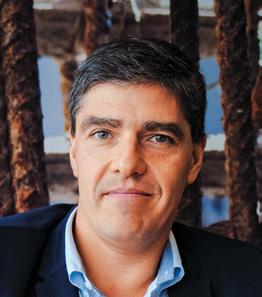
ENRIQUE VILLANUEVA
Development Director at Pulso Inmobiliario
Dense cities offer a great market for new projects but gathering parcels of land large enough and in the right location is growing more difficult each year, says Enrique Villanueva, Development Director of developer Pulso Inmobiliario. “Acquiring the land for a project is no easy feat,” he says. “Buying land piece by piece can take quite some time, as it involves making decisions about the development location and carrying out various market studies, and Pulso Inmobiliario is a specialist in these matters.” He emphasizes that choosing the right location necessitates long-term planning and creativity.
The cost of land, especially in cities such as Mexico City, Guadalajara, Monterrey, Cancun and Puebla, is climbing rapidly as these are some of the most attractive cities for mixed-use developments. Pulso Inmobiliario’s newest project, Encuentro Oceania, located close to AICM, is a good example of choosing a strategic location. “Oceania Avenue is a great location because there are no shopping malls of its size in the area,” Villanueva says. “Although there are many stores and services, there are no mixed-use developments with large anchor stores or entertainment centers.”
Villanueva says that, after analyzing the demand, developers should make sure that the terrain is appropriate for the project in terms of licenses and permits. Encuentro Oceania will be developed on land that was once home to a large factory. “This meant we did not have to purchase many parcels of land and negotiate each one and even though we do have to change the land use permits, it is easier to change from industrial to commercial than any other type,” he says.
But not all Pulso Inmobilario’s developments have gone so smoothly. In the case of Torre Manacar, the developer began by purchasing the Manacar Urban Center, which was a mall with offices that took up half the block. As the project grew and became more ambitious, the company continued purchasing surrounding parcels of land. In total, Pulso Inmobilario bought 11 parcels, each negotiated individually. “Negotiation is difficult because one cannot negotiate in bulk,” he says. “There are people who want to
sell right away and others who may want to take advantage of the situation to drive the price up.” Pulso Inmobiliario hires various brokers to knock on all doors and negotiate each case on its behalf.
Creativity and thinking ahead could save developers hassle and money later, according to Villanueva. Pulso Inmobiliario will build a new skyscraper on Reforma in collaboration with another important developer. The project, Impera, will be built on a plot of land that only this JV could develop, he says. “This parcel had been on the market for years, not because it was not attractive, but because it was extremely difficult to build a project there due to new parking regulations,” says Villanueva. He explains that even though new regulations in Mexico City reduced parkingspace requirements, developers must still offer their clients a certain number of spaces. The terrain’s size only permitted four to five parking basements because any more would be extremely expensive given the type of ground. The ramps themselves would take up most of the terrain, making it almost impossible to integrate parking into the project.
Facing this parcel is the New York Life building, another of Pulso Inmobiliario’s projects that encountered a similar challenge. To provide enough parking for the towers, the developer purchased various pieces of land on a street located approximately 100m away. “Mexico City regulations allow for satellite parking as long as it is within a radius of approximately between 200-300m and there is no need to cross a busy street,” Villanueva says. A high percentage of this satellite parking lot services New York Life and another part will now be used for clients in Impera’s new boutique offices.
There will always be challenges in the market, but Villanueva says it is up to the developer to make the best of the space it has and to innovate in its projects to truly make an impact. “We are no longer a real estate business. We are interested in improving the quality of life of the people living in the neighborhoods surrounding our projects,” he says. “The key to success is making a project that brings a neighborhood to life and boosts the quality of life of its citizens."
GASTON WAINSTEIN
Senior Vice President for Real Estate Development, Corporate Strategy and Special Projects of Walmart de México y Centroamérica
Q: What is Walmart’s expansion strategy for Mexico?
A: We have a portfolio of brands and a strong national presence that has allowed us to grow throughout the entire country. We have the right formats to continue growing and opening not only new stores but also expanding our logistics capacity through distribution centers. We are investing heavily in overall infrastructure and in remodeling our stores to keep them fresh and updated. We have an ambitious investment for the country using all our existing formats. We continue opening new stores in all our formats, which are Bodega Aurrera, Walmart, Sam’s Club and Superama. Bodega Aurrera is a significative vehicle for the company and it has become a popular brand for the value customer segment.
Our extended portfolio is far more urban than those of other markets. For Mexico, that means that spaces are far more reduced, forcing us to focus on making the most of the space available. Walmart’s vast experience allows it to share best practices and create more efficient stores that waste less energy, better sales-floor ratios and more technological stores.
Q: What role does Walmart play in the development of Mexico’s commercial real estate sector?
A: We are a retail company, not a construction company, even though we construct many square meters a year and manage the largest commercial expansion program in Mexico. We prefer to delegate the building to the companies that know how to do it better because it is not our core business. Our business is to find the best locations and offer the best retail services possible.
Walmart does not dabble in real estate speculation. When we do come across large lots of land, we search for another developer or anchor to accompany us in the project. We are not in the business of real estate capital gains. We believe that there is space in Mexico to duplicate our size, which is why we have decided to double in the next 10 years. Walmart announced in 2016 an investment of US$1.3 million in its logistics alone for the next few years precisely to enable that goal. All of the innovation in creating
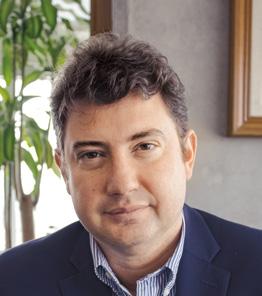
prototypes, costs and strategic alliances are based on our ambitious expansion plans.
Q: How is Walmart adapting its stores and infrastructure to the growing e-commerce trend in Mexico?
A: Walmart wants to continue developing its omnichannel proposal. Omnichannel allows clients to purchase products anytime and anywhere. We are investing a great deal of money in this and the clients value our efforts. Our omnichannel approach combined with our strong physical presence throughout the country allows our offering to be even stronger. We have 23 distribution centers across Mexico and Central America, boosting our logistics network, which we plan to also expand in the coming years.
Although Walmart is a leading company worldwide, its goal is to continue being the leader and to continue innovating on a day-to-day basis. We incorporate a great amount of technology to develop our stores and we are a serious company with a good reputation that wants to innovate within the real estate sector.
Q: What new alliances and partnerships does Walmart wish to develop?
A: We want to strengthen our relationships with local developers, Fibras and other third parties interested in helping us fulfill our mission. We would rather not go it alone. We look for serious partners and good projects. Because the partnerships we create are long term, we place special emphasis on having partners that also look for transparency and quality in their projects. It is important to understand the needs of each party and work toward common ground with all types of developers. A good developer is one that can identify the needs of the end client, the needs of Walmart and others to create a project that is coherent, financially viable and is sustainable in the long term.
Walmart de México y Centroamérica has more than 2,400 stores in Mexico under four brands: Bodega Aurrera (Mi Bodega, Bodega Aurrera Express), Walmart, Sam’s Club and Superama
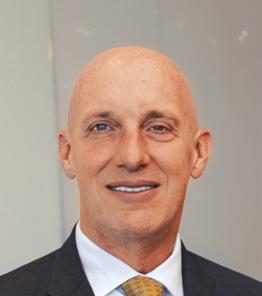
LYMAN DANIELS President of CBRE
Q: How would you respond to suggestions the real estate market has stagnated over the last few months?
A: I would disagree. Firstly, market activity is actually slightly higher than it was at the same time last year in office, industrial and retail. There has been consistency in the market. 2016 was a record year for absorption and when comparing 2017 yearon-year it has been a very strong year so far. The elections certainly caused a certain amount of hesitation but this happens in all countries. But the antagonist is the uncertainty rather than the outcome of the elections.
We measure market activity by demand, and the demand this year has been very consistent with that of last year for 1Q18. However, I believe 2Q18 will show completely different results. Having said that, I think after the elections when we know what direction the country will take, a lot of that uncertainty will be dissipated. Investors and users of the space will be ready to make decisions again.
CBRE remains very bullish on Mexican commercial real estate because of all the factors that have created growth over the last few years, from the population dynamic to the work ethic to the location. We think this market will continue to grow.
Q: Which city do you believe will have the strongest activity in the next few years?
A: I think all the major and secondary cities will have strong activity for their own reasons and each one is very dependent on different industries and different factors. Obviously, Tijuana is strong because of its connection with the US. The issues with Tijuana at the moment are access to labor and access to land. There is a lot of demand in Tijuana for industrial, and right now it is difficult to find solid industrial facilities that are vacant in the city. Guadalajara continues to be a strong market for different reasons. It continues to be an area where there is a lot more development of high tech and R&D facilities.
CBRE Group is the largest commercial real estate services and investment firm in the world. It is based in Los Angeles and operates more than 450 offices worldwide with clients in more than 100 countries
It has highly trained, highly skilled labor and engineers that can satisfy those workforce demands. Monterrey is the major industrial city of the north. It will continue to grow but it is very dependent on industrial activity and output. I think that will have a lot to do with geopolitical and economic situations because ultimately it is an industrial hub.
The whole Bajio region will continue to be important. The growth of this region has historically been very strong, slowing in the last year or two mainly due to the uncertainty in the automotive sector. But I think in general it will continue to grow strongly, but exactly how strongly will be dictated by political and economic forces.
Q: What makes a project really successful in Mexico?
A: Firstly, the current and future demand must be well understood. This comes from having good forecasting abilities and understanding where the economy is moving. After this, a developer should incorporate itself into a region where it adds value.
One important factor is location. But there are also other considerations such as the quality of design, the quality of tenancy, the care and maintenance of the asset and the overall efficiency of that building. It is also important to consider who the neighbors in the building are.
Q: What is the main added value you offer to clients?
A: Real estate is a local business and a personal business. We are the largest, and we have better access to those local markets and relationships. When our clients come and ask for information, we are able to give them first-hand access to those markets, sub-markets, contacts and people, which allows them to gain a foothold in the country. Another factor is that, because of our size as a vertically-integrated company, we can not only help clients find a space, we can also help them go through the design, construction, post-construction, move-in and the management of that space. With all those tools, the client can access the whole range of services in one place. It is the difference between going to a restaurant that serves only a main course, and going to a restaurant that serves starters, entrees, main course, dessert and an aperitif.
JOSÉ LOBATÓN Director General of Proyectos 9
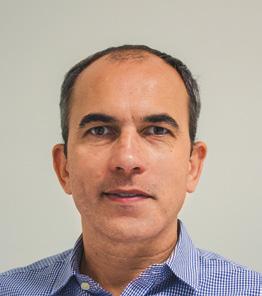
Q: What opportunities did Proyectos 9 identify that prompted the company to develop downtown Monterrey?
A: The accelerated economic growth of the region prompted the construction of real estate in Monterrey’s periphery because it was easy to build in that area. This caused a swift but disorderly growth on the outskirts, which eventually caused environmental and traffic chaos. Proyectos 9 realized there were no new developments in the center of Monterrey because most companies were attracted to the inexpensive land on the outskirts of the city.
Q: What are the main obstacles that you have faced to develop real estate in this area of Monterrey?
A: There have been several challenges, land ownership being one of the most significant. Many properties in downtown Monterrey have been in families for generations and consequently there are legal ownership problems as family members contend for them when an owner dies without a will. At the same time, there were no local government incentives for real estate developers, such as zoning and land use permits.
The fact that there were many abandoned buildings in the center of Monterrey caused several issues when crime rates went up in 2009. These buildings were often used by criminal organizations, so economic activity dropped abruptly at night in downtown Monterrey. Thanks to projects such as Pabellón M, the city center is starting to recover and attract more construction projects. There are around 30 significant projects in the area that will completely transform downtown Monterrey in the next seven years.
Q: How is the local government working with Proyectos 9 to support the rejuvenation of the Monterrey city center?
A: There has been a great collaboration between us and the authorities. This includes basic concepts such as efficiency in delivering permits as well as more complex steps such as studies of the area’s infrastructure and urban transportation offering. This collaboration has translated to more sophisticated guideline models, for instance. We take part in roundtables with the government in which we analyze urban master plans from decades ago in order
to design new master plans that consider the new needs that an area may have. New flexibility guidelines and tax incentives have also been created. For example, the area surrounding subway stations are now unlimited mixed-use areas so that skyscrapers can be built and the Monterrey city government has implemented mechanisms to remit and reimburse some taxes so that this capital is invested in street furniture, parks and other infrastructure.
Q: What is Proyectos 9’s strategy to finance its developments?
A: Proyectos 9 has several investment models. We have a strategic alliance with a private investment fund that takes part in all our real estate developments. That enables us to purchase land and fund construction operations. Once our projects have achieved a level of maturation, Proyectos 9 has solid leverage with Fibras that purchase finished projects that are already stabilized and generating revenues. We do not need to raise CKDs or publicly list in the stock exchange since we are supported by private investment funds and we can effectively balance the capital risks of our projects.
Q: What new real estate developments are part of Proyectos 9’s pipeline?
A: Our vision is to develop 600,000m2 of construction in the center of Monterrey up to 2H22. This offering will include around 100,000m2 oriented to offices, 50,000m2 for commercial use, 500 residential units, 450 hotel rooms, a couple of educational establishments and a hospital. We have developed a land bank to purchase spaces in the areas surrounding the Constitución 999, Torre 411, Centro Cuauhtémoc, Centro Campo and LoLa to develop Distrito Moca. We have a very specific mobility and tree planting plan for this corridor. It will offer both new and secure mobility opportunities for people that come to the area to work and will offer several amenities for people who live there.
Proyectos 9 is a 100-percent Mexican company that focuses on the development of commercial real estate projects from the planning and feasibility phases to the integration, direction and supervision of the project’s evolution
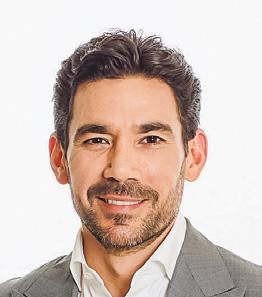
MARCO GARZA Founding Partner of GM Capital
Monterrey may be ignoring the lessons learned by Mexico City’s unplanned and sporadic horizontal growth that created the urban sprawl that exists today, but GM Capital is hoping to correct that by restoring mobility and transforming the Metropolitan Area of Monterrey (ZMM).
“More than 190,000 cars and 230,000 people commute to San Pedro Garza Garcia each day, immobilizing the municipality’s streets,” says Marco Garza, Founding Partner of GM Capital. “Monterrey developers must take action and boost the development of resilient projects that will improve quality of life.”
“More than 190,000 cars and 230,000 people commute to San Pedro Garza Garcia each day, immobilizing the municipality’s streets”
Monterrey’s population has doubled, yet urban sprawl has grown eight times its original size, swallowing up neighboring municipalities. Nuevo Leon, and especially the ZMM, is booming in terms of real estate development. The state of Nuevo Leon has been the leader in Mexico’s housing market, ahead of Jalisco and the State of Mexico, in terms of new housing. Commercial real estate is also on the rise with more than 245 existing commercial projects in the ZMM, 26 in construction and 11 in the planning phase, according to a 2H17 Collier International report. The city’s fast development has given way to new symptoms and Garza believes a lack of vertical housing is a key reason why the city continues to expand horizontally and to grow in an unsustainable manner.
Consequently, Garza says one way to provide relief is through the development of well-planned mixed-use projects. “Mixed-use projects where inhabitants can spend 85 percent of their time will be the cure for Monterrey,” he says. The ZMM has over 30 existing mixed-use projects
and 20 on the way, according to Colliers International. Regardless of the activity, Garza says there needs to be more coherent planning around the projects. “There are many new developers who see the potential in Monterrey but their interests conflict with the city’s needs. They offer real estate products without factoring in urban planning.”
Despite such high rates of development in areas such as Valle Oriente, Garza says people have yet to move back into the city center where they often work. He believes the main reason for this is that the right value proposition has not been transmitted to the market. GM Capital’s two upcoming projects, Distrito Rivera and Distrito Armida, aim to motivate people to leave their homes on the outskirts of town and live closer to where they work. “The plan is to offer education and other services along with affordable housing to motivate people to move into San Pedro Garza Garcia,” he says.
GM Capital’s developments all have different price points. The prices for units in Distrito Armida and Distrito Rivera range from MX$3.5-9.5 million. “Each project targets a different demographic, providing complements for each district,” says Garza. “But this market of 230,000 potential clients is still too large. The market is big enough for more developers to meet the demand.”
As of May 2018, over 50 percent of Torre Malva in Distrito Armida had been sold. Phase 2 of the project consists of a shopping center and a project with Hospital Angeles. “Grupo Empresarial Angeles wanted to expand its hospital by 10,000m 2 into our land and we saw the opportunity to construct a tower alongside it that will contain clinics and a long-stay hotel to complement the development,” he says.
The goal of GM Capital’s projects is to be inclusive and to address in one single area all the needs a family might have, while always keeping in mind the idea that people should live near their jobs. “At GM Capital we believe that we have a responsibility to deliver projects that contribute to a city’s development in terms of the new dynamics required for an improved quality of life,” says Garza.
JOSÉ LUIS
FLORES
Executive Director of LOMA Desarrollos
Q: What segments is LOMA Desarrollos focusing on and what trends has it seen in the market?
A: In these regional markets, the segments we are targeting are C and D, which are slightly lower in income than what most developers strive to achieve. Instead of large department store anchors, we are implementing a strategy of using supermarkets, such as Soriana, as anchors. Due to insecurity in these markets, commercial centers are becoming the meeting point for communities and that is why we want to make sure that our commercial centers create a positive experience for shoppers. In Tijuana, we are developing a mixed-use project that will bring a different vibe to the city and create common areas where people can come together. We are also developing a project in Tizimin, which is located in Yucatan, between Merida and Cancun. This project will become the town’s theater and the focal point for its citizens. Affordable prices also allow smaller businesses to formalize and move into a more sophisticated shopping space. Our projects contain national brands that target lower-income segments, such as Waldos, and we complement this with regional brands. That is why it is important to adapt prices to the area. Developing in regional areas has the advantage of having cheaper land and we have the benefit of having existing business relationships with anchor stores such as Soriana.
Q: What is LOMA Desarrollos’ financial strategy to develop throughout various states in the country?
A: Sixty percent of the capital we use comes from investors, including 20 percent from LOMA Desarrollos, with the rest from national and regional investors. The remaining 40 percent is financed through banks. We are open to new investors with a minimum buy-in of MX$5 million. Our successful projects have created trust among investors and that is how we have grown so much in the past years.
We have two schemes for shopping centers. With one, we create an investor pool, and we rent and sell the spaces in the commercial center to obtain high yield rates between 20-40 percent annually, which is above the market average. The second scheme is to create an investor pool, purchase the land and then lease the spaces monthly. The investor
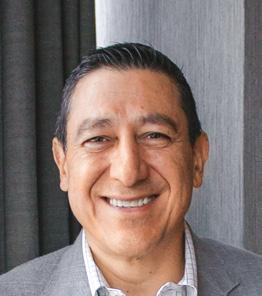
can either choose to enter and exit a high-yield project in two to three years or participate in the monthly lease scheme and receive yields between 9 and 12 percent.
Q: What characteristics do regional markets demand from commercial real estate developments?
A: Mexico is filled with opportunities. The city that will grow the most from now until 2050 in Mexico is Tijuana. In Tijuana, we are developing our large mixed-use project along with two residential projects. Culiacan is another city that is growing rapidly and we already have four projects there. In mediumsized cities, these power centers and smaller projects are perfect, but we are also beginning to develop mixed-use projects in cities that are growing exponentially. Tijuana and Culiacan are a perfect match for us because land prices are more expensive in these areas and one must densify to make it viable. Mixed-use projects create experiences that are not necessarily based on the anchor store but on gastronomy and community. There must be a harmony between prices, store selection and how the spaces are used.
Q: What unique challenges might developers encounter when constructing in Mexico’s northern states?
A: Permits and licensing in the regional markets are extremely difficult processes. In these markets, municipal presidents give the green light for permits and projects. It differs greatly from city to city. For instance, in Tijuana it has been extremely difficult to obtain the permits. In some areas this is due to education and lack of knowledge about the topic and in some it is outright bureaucracy. Insecurity is definitely a challenge in these cities as well. We have already faced various situations in some of our projects in Culiacan and Tijuana. A challenge that is not seen as much in large cities is the use of cash. In Culiacan, for instance, almost everybody uses cash and no cards, which is a good challenge to have in a way.
LOMA Desarrollos is a commercial and housing developer that focuses on markets such as Chihuahua, Nuevo Leon, Sonora and Coahuila. It has more than 25 years of experience and it is now developing two mixed-use projects in Tijuana and Culiacan
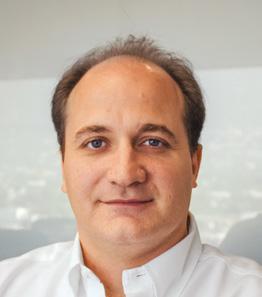
RAFAEL GARZA
Co-Director of Grupo Plate
Q: What added value does Plate bring to project management in the infrastructure sector?
A: Over its 47 years, Plate has been positioned as a project management leader, having managed over 10 million m2 of retail, industrial, corporate, and apartment constructions. There are only a few companies with our experience in Mexico, especially in the northern part of the country. Honesty, fairness and loyalty are three key cultural principles through which our clients distinguish our services and that have led to our success. Our experience brings a great deal of value to each project.
Q: How is your methodology different from that of other project management companies?
A: We build long-term business relationships based on confidence, focusing our efforts primarily on existing clients to guarantee their satisfaction. Our clients include Grupo Acosta Verde, a company we have continually collaborated with over 18 years in more than 34 shopping center projects.
Grupo Plate is a project management company that has 47 years of experience working in the industry. It has managed over 10 million m2 of retail, industrial, corporate, and apartment constructions
We have built such a strong relationship with this company, we have become its go-to project manager. We attribute our success to building these strong relationships and achieving client loyalty. We also work permanently with other national and international real estate firms and institutions such as United Technologies Company (UTC), Internacional de Inversiones, Universidad de Monterrey, BMW and many more. Our goal is to prove to our clients that we are the right partner to manage their projects, working to exceed expectations. In every new client, we see a future partner.
Q: How has Monterrey’s real estate sector evolved over the last decade and how is Plate seizing its opportunities?
A: Real estate firms have to reinforce municipal and state programs focused on the promotion of redensification of downtown areas and vicinities. Land prices in Monterrey are very high, so the use of new guidelines such as higher densities and fewer parking requirements helps real estate firms reduce costs and increase the profitability of their projects. As a project management company, we help our clients to visualize and understand the true potential of their land. We forecast significant growth in Nuevo Leon and other states. In Monterrey, we will continue looking at an increase of mixed-use vertical projects with better urban infrastructure and connectivity.
JAVIER LOMELÍN CEO of Colliers International Mexico
Q: What are developers and investors looking for when they contract companies such as Colliers International?
A: Our clients demand extremely specialized talent. It is not enough to be familiar with the real estate market; it is critical that we know our clients’ businesses to provide personalized advisory services. This has made the service provision sector a lot more demanding and competitive. Colliers International has integrated the wide scope of services offered within the real estate industry and we can do anything from project management, appraisal and commercialization to maintenance and operation of assets. Third-party appraisals are becoming more and more important, as the integration of investors into the realestate market demands transparency and an independent perspective. Land use, fiscal implications, density and regulations are always factors that impact the success of a real estate project.
Q: What opportunities has Colliers International seen in the rental housing segment?
A: Colliers International could become more involved in the rental housing market through mixed-use projects. There could be a decrease in purchases of individual assets that will later be placed on the rental market but we are also seeing a comeback of institutional investors into that segment.
Rental disappeared some years ago because of regulations that were passed, protecting tenants. This made investments less profitable since rent prices were limited and could not be raised more than 85 percent of the increase in the minimum wage. These regulations have been modified, making it a good option for investors once again. We see that developers are now acquiring entire portfolios, giving life to economies of scale and with much greater viability.
Q: How will the 2018 elections impact real estate development in Mexico and how should players prepare for change?
A: This year is filled with question marks. The transition of political administration, the renegotiation of NAFTA, interest rate hikes and modifications in fiscal rules are causing the real estate industry to question its foundations. Players that
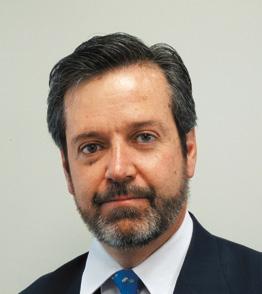
benefit from a year like this are those that can adapt to the new circumstances. These factors automatically slow down activity and players will adopt a wait-and-see attitude. Everyone must understand that real estate is a long-term game, a marathon and not a sprint.
Q: What are the elements that raise asset values in Mexico and what should developers keep in mind when choosing projects?
A: For a development to be successful it is important to consider a broad variety of variables, including architecture, market cycles, potential clients, exposure, efficiency, prices, sustainability, market trends and location. The development must have a focus on future clients. Understanding the requirements and needs of customers facilitates the longterm possibility to lease the project. In terms of pricing, monitoring the real estate market allows us to track the levels of leasing that are prevailing in an area. With additional supply and demand analyses, we can estimate whether a project is viable or modifications must be made, so that the leases cover the cost of development.
In terms of market trends, the analyses go much further. New technologies and the rapid growth of new applications require new jobs and a way of working for the future. It is estimated that in a few years the labor model will change significantly, especially with the growing popularity of home office and shared working spaces. Some jobs such as bank tellers and physical mail and courier services are expected to experience reduced working hours, while on the other hand new jobs will be created in the future that do not currently exist. But by far, one of the most important factors to consider is location. The ability to get from different points in the city with ease and access to public transport leads to a privileged mobility scenario, a component highly valued by any tenant.
Colliers International Group is a global real estate services company with more than 15,400 skilled professionals operating in 69 countries. The company culture encourages people to think differently, share ideas and create solutions
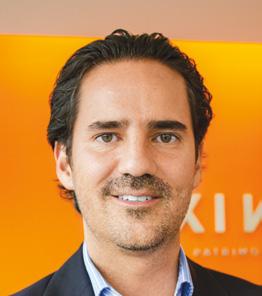
FERNANDO AMESCUA Director of Investor Relations at KIVA Grupo Inmobiliario
Mexico’s most important real estate markets have been Mexico City and Monterrey for many years but another state is gaining strength. Guadalajara has experienced a real estate boom and institutional investors have rushed in to take advantage of commercial opportunities. But there is also room for smaller investors to take part, says Fernando Amescua, Director of Investor Relations of KIVA Grupo Inmobiliario.
“The entry barrier for investors in a residential space is much lower than that of a commercial space due to lower price tags. Corporate buildings and commercial projects have always been in the hands of larger developers,” says Amescua. “The essence of KIVA is to eliminate that entry barrier so individual investors can participate in commercial and corporate projects that give them access to higher capital gains.”
“The entry barrier for investors in a residential space is much lower than that of a commercial space due to lower price tags”
KIVA specializes in the development of mixed-use projects that contain commercial and corporate components, through smaller-ticket prices for investors. But the key to a project’s success is not in entering a completely new market. Instead, KIVA looks for locations that are surrounded by other offices and commercial spaces to create synergies and in return increase traffic and boost capital gains.
The company is developing projects in Jalisco, Queretaro, Guanajuato and Nayarit, but the Guadalajara market continues to show positive signs of growth. “The office market in Guadalajara has grown steadily over the past few years. Companies were accustomed to having their offices in homes or apartments,” Amescua says. A factor that has influenced this growth is the change in generations of family-
owned businesses. “Guadalajara has always had a strong entrepreneurial spirit and that spirit has driven the success of many family-owned companies. These companies are now far more institutionalized, provoking them to move into corporate offices,” says Amescua. When family companies are passed down through generations, they tend to become more institutionalized and look for more collaborative environments and efficient locations to host their offices.
The Guadalajara market still has a great deal of room to grow in comparison to that of Monterrey and Mexico City when it comes to office spaces. Guadalajara is also re-densifying its downtown areas to foster the development of vertical and mixed-use projects just like many other cities across the country. “The urban sprawl of Mexican cities has grown in a disorderly way, without long-term infrastructure planning. Infrastructure development is usually thought out for about five or six years and the lack of long-term planning directly impacts the quality of life of future generations,” says Amescua. An increase in mobility problems and extremely long commutes have pushed governments to reconfigure their zoning plans to bring people back into the cities.
Changing zoning plans to boost vertical and mixed-use development is good for real estate developers and allows them to create new projects in areas that had become too expensive. “People want to have shorter commutes and the current governments have tried to provide certainty to zoning permits to promote the re-densification of some areas. The city of Guadalajara has made these changes to its zoning plans and is pushing vertical development of residential, commercial and office projects,” Amescua says.
With new opportunities on the horizon, KIVA will continue looking for projects that will provide its investors with the highest returns while also having a positive impact on their surroundings. “If our projects are quality projects that offer our investors a hefty capital gain with legal certainty, we will keep developing. We are not interested in being the largest developer; we want to create winning projects,” Amescua says. The company’s newest mixed-use projects include the Avania and Bravante Business Centers in Guadalajara.
IGNACIO RAMÍREZ CEO of INVERTI
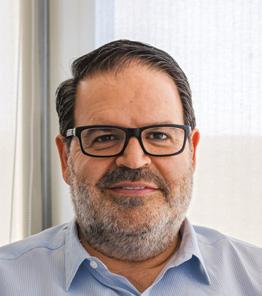
Q: What are the inhibitors and catalyzers of real estate development in Guadalajara and what is INVERTI’s role in improving this market?
A: The main problem in Jalisco and the metropolitan area of Guadalajara is the lack of alignment in urban regulations. Tlajomulco, Zapopan and Guadalajara have clear urban policies that allow improved urban conditions, but that is not the case for the rest of the municipalities. The lack of continuity in these regulations is preventing orderly growth. I believe that the main catalyzer for real estate investment is procedures and permits. Mexico’s National Development Plan (PND) sets out the requirements in a specific way. The fact that the development guidelines are becoming clearer is helping boost real estate investment.
INVERTI has 25 years’ experience helping to professionalize permits and procedures through the creation of a system that compiles all the laws and regulations in Jalisco and the metropolitan area of Guadalajara. This allows us to cooperate and advise the government on which regulations are hindering development. We also provide insight to investors on what they can do with their land according to the land-use regulations to ensure their projects are compliant, which gives developers legal certainty.
Q: What are the main challenges for developers when building successful and profitable projects?
A: We provide integral consulting on real estate projects, at the engineering and architecture stages of a development. Without procedures and permits projects cannot happen, as these are the base for defining the project’s parameters. Ninety percent of developers find a piece of land, design what they envision for it and finally start considering permits, but it should be the other way around. Developers and constructors often blame permits for the problems in their projects, but these should not be an issue if due diligence is carried out. I think the main challenge the country faces in this regard is to professionalize regulatory oversight. For example, universities teach architects and engineers how to build, but not how to handle permits. I think there should be a course on this.
Q: What are INVERTI’s most popular services and how are these shaping its growth strategy?
A: INVERTI was born from the need to follow procedures and solve the question on how to best use a given piece of land. We provide integral consulting that starts with the lawful use of land to delivering the required licenses. We accompany our clients from the land-acquisition stage, through the whole process of deciding what project will be developed, further notarizing the project and obtaining all the licenses to operate it. This turnkey service is in high demand. We have grown 100 percent yearly for the last three years and are forecasting the same growth to 2021 with the same personnel, as we focus on improving our practices and making them more efficient. For example, we have 25 ongoing projects for permits of which nine are in the analysis stage and 10 appraised. When we finish one project we already have a pipeline to substitute it. Some of our main clients are Oracle, Thor Urbana, GFA Architects and BP.
We also have extensive experience within different sectors. For example, over the last four years we have been working with Thor Urbana’s The Landmark project, which is the biggest mixed-use development in the metropolitan area. We were given a deadline to start developing and we made sure all mandatory permitting was done by then. This has helped us gain more clients and also to maintain a strong relationship with architects.
Q: What would be on your wish list for the next administration?
A: I think we need more clarity in the procedures for permits. This is key to continue fostering the growth of investment projects. Clarity will allow us to multiply investment, as it shortens project times, increasing capital returns. Investors need to know from the outset what they can develop on each specific piece of land to mitigate the risk of a project failing.
INVERTI offers integral consulting on permits, procedures and regulations covering the whole process of developing real estate. It is mainly focused on the metropolitan area of Guadalajara, in Zapopan, Tlaquepaque, Tlajomulco, El Salto and Tonala

ALBERTO LIMÓN Founding Partner at Consulta
Q: How do you add value to real estate projects and differentiate yourselves from other project management agencies?
A: Real estate developers have an intuitive instinct regarding which projects to pursue but the need to professionalize developments led to the creation of the construction manager. Nuevo Leon pioneered project management in Mexico, which goes beyond directing the construction project to a holistic management approach. Consulta addresses the need to have the architectural master plan completed on time, within budget and of a high quality. We understand that project management starts with conceptualizing the best use of a property and ends by satisfying the customer’s needs with a value proposition. Value can be tangible, such as profits for investors, and intangible, such as something that is valuable to society. We develop unique projects that are useful to society, in harmony with the environment, convenient for the end user and profitable for investors. Our mission is to translate good ideas into cost-effective and sustainable developments.
Q: What is your forecast for Mexico’s real estate market in the next five years?
A: Many cities are inside a real estate bubble about to explode. Queretaro had a significant inflow of people leaving Mexico City in search of a higher quality of life. But transport solutions, such as the Toluca Interurban Train, and the rehabilitation of secondary cities like Puebla are turning this migratory trend upside down as there is more variety and Queretaro is no longer the main destination. Developers are building for a demand that is no longer growing exponentially. In the case of Mexico City, it has an endless real estate market, diversified with vertical and mixed-use projects. Merida has an overwhelmed market with more commercial area than Guadalajara but a fifth of the population. It is a beautiful and safe city, but it needs
Consulta is a project management firm that creates high-value real estate projects. Its multidisciplinary team specializes in understanding the market to positively transform it through innovative, social and sustainable projects
more people. I think industrial development could help by generating more jobs. Nuevo Leon has huge industrial potential, while its commercial sector is saturated in municipalities such as San Pedro Garza Garcia. But the state remains attractive due to its population density and high concentration of middle-class residents, such as in the San Nicolas municipality.
Overall, Mexico lacks balance between industrial, commercial and residential real estate developments. The private sector should play a more active role to achieve a long-term urban planning that enables the organic growth of the sector. Trade associations and professional chambers can contribute to a more integrated development, for example, through government lobbying.
Q: Who are your main clients and what are the firm’s most emblematic projects at the moment?
A: We have interesting projects in Queretaro, such as overseeing the urban planning of La Porta, a 17-tower project developed by Investti. We are also collaborating with Investti on an industrial development called La Nora, among other projects. We are working on a residential project within a vineyard called Puerta De Lobo in El Marques, a municipality that hopes to become the new stop along Queretaro’s wine and cheese route. We have several projects, mainly for commercial centers in Yucatan and the southeast. We are also working on a 10ha mixed-use development in Tulum, Quintana Roo.
In Nuevo Leon, we are collaborating with Grupo Inmobiliario Monterrey (GIM) to develop Torre Insignia. The project should be finished over the next four years and at a height of 330m, it will be the highest tower in Latin America. We are also working with GIM on the project planning and construction management of a convention center above the Main Entrance and Fashion Drive malls in San Pedro Garza. We are excited about this project as it will incorporate cutting-edge technology and be versatile enough to host concerts, galas and other entertainment activities in the top business municipality of the state. Show Center will be finished by November 2018, hosting 240 events per year.
Principal and Managing Director at Avison Young
Q: In such a competitive market, what differentiates Avison Young from other real estate service firms in Mexico?
A: The main characteristic that differentiates us from our competitors is that we are not a public company but rather a collaborative partnership. We believe that under this scheme we are able to better serve our clients since Commercial Real Estate (CRE) transactions are not necessarily aligned with quarterly reports. This allows us to have better alignment with our clients’ interests. We are a global CRE services company with 84 offices in North America and Europe. Our 2x5x5 service model implies that we serve two types of clients: users/occupiers and owners/ investors. These clients are linked to five asset types: office, industrial, retail, multi-family and hotel. They provide five services: tenant/landlord representation, property and facility management, capital markets, project management and appraisals and advisory services.
Q: What is Avison Young’s relationship with Canadian pension funds and what role do they play in its growth strategy?
A: In July of this year, one of the top institutional investors from Canada, CDPQ decided to invest CA$250 million in Avison Young. We will use the proceeds to invest in acquisitions and the recruitment of key professionals to fuel our ongoing growth and global footprint as well as our service-line capabilities. With almost CA$300 billion in net assets, CDPQ’s global portfolio of investments spans across various markets and sectors, including private equity, infrastructure and real estate. In the latter, for instance, CDPQ owns Ivanhoe Cambridge, which in Mexico owns 50 percent of MIRA through which it invests in large, mixed-use urban developments. We are looking forward to collaborating with this and other CDPQ owned companies in Mexico.
Q: Is there an unhealthy vacancy rate in Mexico City and what is your forecast for the next year in terms of office spaces?
A: The office market has been growing rapidly in the last few years. However, when comparing the size of Mexico City’s 6.2 million m2 Class A and A+ inventory to that of US and Canadian cities, it is still actually a mid-size city in
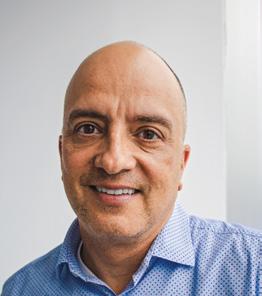
the same leagues as Columbus, Ohio, in spite of being by far the largest office market in Latin America. Having said this, in terms of ongoing new construction, Mexico City has more than 1 million m2, more than larger international office markets such as Chicago.
We expect the inventory to surpass the 7 million m2 ceiling in the next 24 months and thus, for the vacancy rate in some sub-markets in the metro area to start becoming a concern. The desirable average vacancy rate is between 10 to 15 percent and although Mexico’s current average is just above 15 percent, if it starts to elevate, markets develop a surplus of product. If this growth pace continues and assuming the same 300,000-400,000m2 on average are absorbed annually, vacancy rates will go up, which will in turn lower lease prices and subsequently asset values will also follow. For example, the Polanco, Reforma and Insurgentes corridors are today healthy but there is a great amount of new construction of more than 500,000m2 in these three markets alone.
Additionally, developers and landlords will face some new and increasing challenges in the next few months with the change in the federal and local governments. At the federal level, the final signature on a revised NAFTA affects the exchange rate. A majority of the leases in Class A and A+ offices are dollar-denominated, which deters companies from signing new leases. At the local level, the entering government has agreed with the still incumbent city authorities to stop the granting of new construction permits on mid to large size developments. This is troublesome to say the least for developers pushing new projects, albeit if this trend continues, existing buildings and those already under construction would stand to benefit since the impasse would create greater demand for existing and upcoming office inventory.
Avison Young is a global commercial real estate services firm that has rapidly expanded. With offices in Mexico City the firm is interested in expanding its services offering to other locations, both in Mexico and Latin America
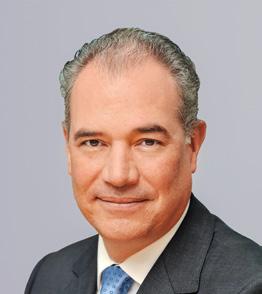
VICTOR LACHICA President and CEO of Mexico and Central America at Cushman & Wakefield
Space in Mexico City is scarce and prices are soaring for the real estate available in prime locations. Some developers are taking advantage of this scenario to generate greater returns, says Victor Lachica, President and CEO of Mexico and Central America at Cushman & Wakefield. “Grupo Lar bought a substantial plot of land next to Carso’s in Nuevo Polanco, in 2012,” he explains. “It was able to develop on part of it but, due to its location, it was attractive to sell certain pieces to Carso at a high premium. The land was valuable to Carso as it would allow expansion of its own assets and it was willing to pay for it.”
The boom of development in Nuevo Polanco started when Sordo Madaleno decided to build Antara on the outskirts of the Polanco neighborhood. Cushman & Wakefield worked on this project alongside Walton Street Capital, leasing the mixed-use development’s office spaces. “In the years since, the area has developed around Antara, incorporating residential developments, public transport and amenities,” he says. “The land in the area has since significantly increased in value.”
This demonstrates the increasing value that new Class A developments are bringing to each location, whether in longestablished areas such as the business district, or through a new well-planned project. “The main objective of all these developments is to improve quality of life,” says Lachica.
Due to the fact the area was largely industrialized before the establishment of Plaza Antara, many large factories, including Grupo Modelo and Colgate were present there. Lachica says Colgate was able to capitalize on the increasing property prices when it decided to move its operations from Mexico City to Guanajuato. “The US Embassy, represented by Cushman & Wakefield, bought the property in a transaction worth more than US$100 million,” he says. “Colgate was able to move to Guanajuato and invest in a Triple A facility, as well as pay to relocate some of its expert technicians as a result of the profit it made.”
Lachica says this development boom can be observed in Mexico’s main cities, like the San Pedro neighborhood in Monterrey or Guadalajara’s Providencia. “Those locations
are seeing innovative developments within them or in their immediate surroundings,” says Lachica. “This generates new interest and impacts on important submarkets, as can be seen in Santa Fe in Mexico City, Valle Oriente in Monterrey, Puerta de Hierro in Guadalajara and even Centro Sur in Queretaro. He adds that this gentrification has been happening all over Mexico City, most notably in the Condesa and Roma neighborhoods, and more recently in Napoles and Del Valle. “These locations have the benefit that they are extremely central and close to transport links,” he says. The next location to experience this will be the area surrounding Metro Observatorio, Lachica says, due to the installation of the Mexico City-Toluca Interurban Train.
The traditional model of residential building is also changing and owners are taking advantage of this. “While previously people were living in large houses, today, mixed-use developments offer smaller apartments but incredibly dynamic and rich surroundings able to satisfy all kinds of needs while working, shopping and living in the same zone,” Lachica explains. “The desire to live in the heart of the city has overtaken the desire to own a large home.” This has benefited those who purchased large homes in up-andcoming areas prior to the boom. “The government allows a house to be converted into eight apartment buildings so the owners are doing this to create more value.”
While his overall perception of commercial real estate is positive for the coming years, he points to the office space trend as a potential risk area. “As long as the trend of moving from old spaces to new continues, office spaces will flourish,” he says. “But developers are now left in doubt by the announcement from President-elect López Obrador that government organizations will be decentralized. This would mean a drop in demand for office space in Mexico City as entire industries are relocated.”
Nevertheless, Lachica predicts large mixed-use projects such as Parque Las Antenas and Puerta La Victoria will continue flourishing in Mexico City, Monterrey and Guadalajara, as well as in up-and-coming secondary cities such as Queretaro, Puebla, Leon and Morelia.
ISAAC OROZCO Commercial Director of Grupo Momentum
Real estate developers traditionally mitigate risk by conducting a market study as a first step to determine viability. Grupo Momentum, a young developer helping to shape Queretaro’s skyline, believes more is needed and works under the premise that sales should shape the design of the product. “First, we launch the pre-sale phase, and depending on the interest we receive, we determine whether or not the project is feasible,” says Isaac Orozco, the company’s Commercial Director. “Sales are our real prefeasibility study.”
Instead of having separate processes, Orozco says that sales, marketing and design must be integrated when developing a project. For example, Momentum Centro Sur in Queretaro, one of the company’s main developments, was meant to be mixed-use, combining offices, health facilities, a clinic and apartments. But the project’s pre-sales showed that the residential aspect did not pique much interest. “We saw that apartments were going to sell but not at the rate we needed,” he says. This led to a re-design and the developer eliminated the residential segment, incorporating a hospital instead of a clinic and doubling the number of offices and health centers offered, which boosted sales.
The pre-sales trial-and-error process is also crucial in determining Grupo Momentum’s growth strategy. Orozco explains that the company aim to grow organically and at a pace it can handle. The company’s business model makes partners its first clients, starting with its shareholders. “The true measure of a valuable project is one we want to own ourselves,” says Orozco. “Selling our properties to a stranger does not ignite confidence in the same way as when we demonstrate to potential clients that we are the first ones to bet on our projects.”
The second financing source is friends and family, although Orozco says this relationship has morphed more into one of regular clients. With foundations in place from seed capital, whether from banks, investment funds or its own resources, Grupo Momentum can kickstart its projects with a unique incentive for those first investors to buy a unit, who can obtain attractive pre-sale prices or
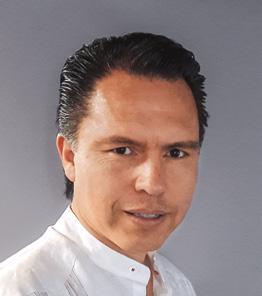
financing plans for up to 48 months. Once the seed capital is secured, the company pre-sells the rest of the project before building it. For example, for the construction of Torre Momentum, the group’s headquarters, around one quarter of the cost was paid upfront equity and the rest was obtained in pre-sales.
The company follows two more principles that add value to its projects. First, ease of use. For example, Grupo Momentum built Torre Momentum in the residential neighborhood of Milenio, Queretaro, so people could live close to the office.
“Selling our properties to a stranger does not ignite confidence in the same way as when we demonstrate that we are the first to bet on our projects”
Second, Grupo Momentum positions itself and its developments by analyzing its competitors in relation to what the market is really demanding. “We realized that the office market in Queretaro was relatively overlooked,” says Orozco. “Our main lesson learned is that we must always strive to provide a product for any neglected market. We observe what our competitors are doing so we do not duplicate their efforts.”
Although competition is healthy, Orozco believes that companies should instead strive to differentiate themselves. “If there is a high level of competition in the market, a company must look for an added value to transcend that competition,” he says. This differentiator can come from special amenities in the projects, location or quality. But if competition is mandatory, developers should compete against their previous projects, always adding something innovative that elevates the new ones, he adds.
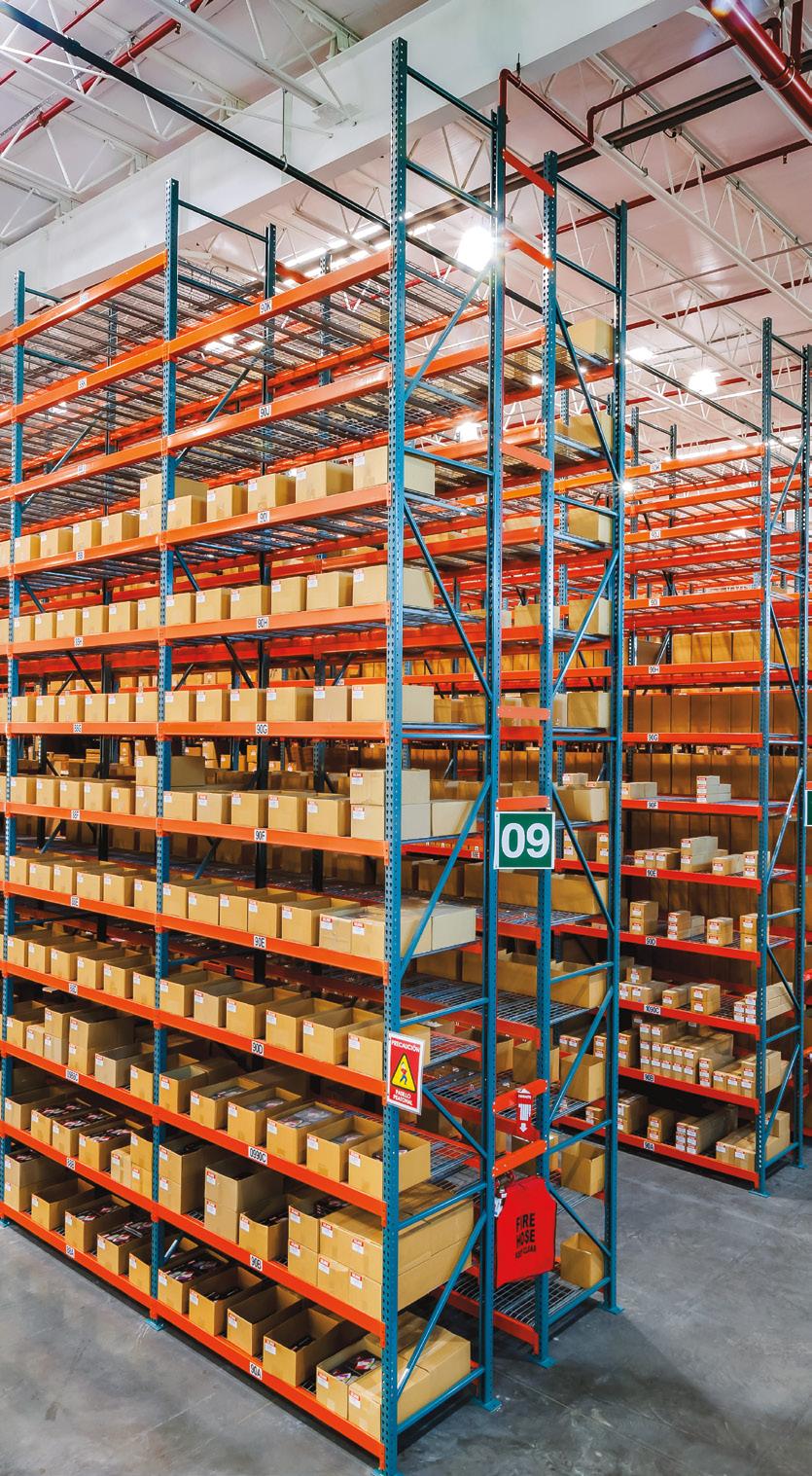
The presidential election and NAFTA uncertainty made industrial investors more cautious in the past year but there are many factors that continue to make Mexico an attractive investment destination. Although FDI decreased by 14.8 percent to US$29.69 billion in 2017 from US$34.86 billion in 2015, Mexico remains the second-most attractive Latin American destination for investors after Brazil.
Similar hurdles continued to hamper the industrial parks, logistics, manufacturing and e-commerce segments, including a lack of basic infrastructure outside primary cities. But the country’s growing middle class, the e-commerce boom, the favorable geographic location for distribution and the affordable human capital helped spur new opportunities that will continue to shape the industry going forward. The sector’s foreign and national industrial investors also welcomed a new government that could provide new growth incentives.
This chapter shines a light on the challenges and the opportunities that marked the previous year and which will color the years to come, directly from the perspective of industry leaders.
230 ANALYSIS: E-Commerce Offers a New Channel of Opportunity
231 VIEW FROM THE TOP: Alberto Chretin, Terrafina
232 VIEW FROM THE TOP: Luis Gutiérrez, Prologis
234 INFOGRAPHIC: Location, Location, Location
236 VIEW FROM THE TOP: Lorenzo Dominique Berho, Vesta
237 VIEW FROM THE TOP: Alejandro Lara, American Industries
238 VIEW FROM THE TOP: Felipe Mier, Kingspan Insulated Panels
239 VIEW FROM THE TOP: David O’Donnell, O’DONNELL
240 VIEW FROM THE TOP: Giovanni D’Agostino, NKF
241 INSIGHT: Mauricio Garza, Interpuerto Monterrey
242 VIEW FROM THE TOP: Francisco Borrego, Grupo Inmobiliario CUBE
243 VIEW FROM THE TOP: Georgina Ibarra, Brickwalling
The industrial sector was significantly boosted by the e-commerce and the export manufacturing boom in Mexico but the renegotiation of NAFTA in 2018 created investment caution. With a new USMCA deal on the table, what is the sector’s outlook?
The increasing availability of new technologies and connectivity services is changing the way goods are purchased, forcing companies to adapt their real estate and warehousing facilities to the e-commerce boom. For the industrial sector, this is an opportunity. “Companies are preparing for this change. They are improving their processes to increase their participation in the e-commerce market,” says Luis Gutiérrez, President Latin America of Prologis. “This boosts demand for logistics real estate as companies change their supply chain strategies.”
“If USMCA is not ratified, tariffs will conform to WTO rules, which will translate into an average weighted tariff of approximately 3 percent for Mexican exports to the US”
David O’Donnell, Director General of O’Donnell
With companies like Amazon offering their Prime services with rapid delivery times, warehouses need to be close enough to residential centers but also far enough so the costs of facilities are not too high. “Companies like Amazon are under increasing pressure to deliver in short time frames so they have begun establishing small to medium sized distribution centers within cities so they can meet e-commerce needs faster,” says Victor Lachica, Director General of Cushman & Wakefield. These distribution centers allow companies to store a small level of stock for a short period of time, significantly decreasing lead times.
As e-commerce gains momentum in Mexico, demand for industrial parks is rising, leading industrial real estate companies to adopt new business strategies. Terrafina, the biggest industrial Fibra in Mexico, expects e-commerce to be a game changer. “As for the logistics sector, e-commerce has been very beneficial for the sector and we expect great opportunities to keep arising from it,” says Alberto Chretin, President and Director General of Terrafina.
After 14 months of talks, North America has a new trade deal: the US-Mexico-Canada Agreement (USMCA) that replaces NAFTA. The lengthy renegotiations had some questioning their further investment in Mexico. Forecasts predicted a hard hit for industrial parks given the sector’s close relationship with the automotive industry, which looked to take the brunt of the trade pressure.
The reaching of a preliminary agreement helped to calm the waters. “Since the elections in July and the announcement of the USMCA trade agreement, the resulting certainty is stabilizing the Mexican economy,” says Gerald “Rick” Ricker, Director General of Reichmann International. Also upbeat about the future, Terrafina’s Chretin says the commercial renegotiations mostly affected those companies that were in the early stages of venturing into the Mexican market. “But those companies already present in the country were already too immersed in their existing supplier and client network,” he says.
Although there remains a modicum of uncertainty given the new deal is still awaiting ratification, David O’Donnell, Director General of O’Donnell, says there will be little long-term disruption in Mexico. “If USMCA is not ratified, tariffs will conform to WTO rules, which will translate into an average weighted tariff of approximately 3 percent for Mexican exports to the US. In the medium and longterm, this will not disrupt existing supply chains or limit Mexico’s competitiveness. In the short run, it will create volatility,” he says, adding that “USMCA is not about each member’s competitive advantage but the USMCA countries’ competitivity vis a vis other trading nations and blocks.”
Regardless of political changes and trade agreements, it is clear that Mexico remains a privileged country in terms of geographic location and population. These factors should keep investors interested in the country and its industrial segment, according to O'Donnell. “Mexico continues to benefit from its work force and a reliable and competitive supplier base. Furthermore, the energy sector represents a great opportunity for the manufacturing sector to create a block that imports and exports to the world,” he concludes.
ALBERTO CHRETIN President and Director General of Terrafina
Q: What are your expectations for the country and the next administration?
A: I hope AMLO succeeds. I also hope the new agreement will be beneficial for Mexico. Regarding investment, I think the Peña Nieto administration achieved a good synergy between the public and private sectors. ProMéxico also developed positive initiatives for investment attraction. I think this promotion should continue regardless of the change in administration. In this scenario, the challenge for Terrafina and the rest of the business sector is to remain present and united, pursuing what is in Mexico’s best interest. To achieve this, we actively take part in several institutions, such as AMPIP, promoting investment in the country. But our main goal is to foster our investors’ success.
I also think that the Fibra sector is performing very well in general terms. The Mexican Association of Fibras (AMEFIBRA) is bringing important topics such as regulation to the table. There are opportunities to improve the current legislation but my expectations for the sector are excellent.
Q: The issuance of CBFIs allows a greater segment of the population to invest. What is the next step in making investment accessible to more people?
A: The legislation that gave birth to Fibras aimed to boost real estate development, for the industrial sector in our case, and laid the industrial foundation of the country. If Mexico has strong industrial developments and a healthy supply of parks at world-class competitive prices, this will boost investment. Fibras and similar financial vehicles allowed more people to profit from real estate. Before, only multimillionaires could invest in the sector. Imagine three people buying a building together and leasing it. Half of the rent covers the asset’s expenses and the other half goes into its owners’ pockets, insured by the asset itself and a long-term contract. Now imagine the same scheme for hundreds of buildings purchased by hundreds of members through CBFIs and with a 10 percent yearly return from the buildings. The value of our properties in the country is US$2.4 billion. Besides their natural valorizations, these also rely on stock value and as more people invest, the recovery also increases. But these investments comes with a risk, which is related to capital and
macroeconomic factors. If the economy becomes stagnant and properties are not rented, then the investment suffers. But at our 95.1 percent occupancy rate, such a situation should lower this rate to 40 percent, which implies a low risk.
Q: What are Terrafina’s goals over the next five years and how will they be achieved?
A: We have seized the growth opportunities that we have encountered. Our growth strategy was based on acquisitions, development and the organic growth of our portfolio. We started with an 80 percent occupancy rate, which we have significantly improved in a short period. While we are not developers, we do know how to develop, which is positive as the recovery for developing is higher than for acquisitions. But the greatest part of our growth comes from the latter. We bought excellent portfolios from Intermex, American Industries and Davisa, just to mention a few. We increased the volume and quality of our portfolio through follow-ons for raising capital from the market.
Today, Terrafina is at a consolidation stage. We do not plan to raise any more capital from the market anytime soon. Our balance sheet is solid, with more than US$100 million in the bank, which is enough to keep expanding, maintaining our buildings and servicing our debt. We are experiencing a period of stability that allows us to wait and see how the business environment develops. We are satisfied with our investors and our performance and will focus on organic growth and some minor expansions. While we are enjoying this period, we also will keep some options for capitalization open. Recycling capital is key. For example, a couple of years ago we sold around 2.5 million ft2 valued at around US$100 million. We are constantly open to the possibility of recycling capital through asset sales, which is a very healthy practice in real estate. These are either vacant properties or located in markets where we want to reduce our presence.
Terrafina is a real estate trust, specialized in industrial and designed mainly to acquire, own, develop and manage real estate in Mexico. The properties within its portfolio consist of stores and light manufacturing assets
President Latin America of Prologis
Q: How has the growth of e-commerce impacted the industrial and logistics real estate segments in Mexico?
A: Mexico has fallen slightly behind in the development of e-commerce compared to countries such as the US. E-commerce accounts for around 3 percent of sales in Mexico while in the US this figure amounts to around 12 percent, so there is still space for development. The arrival of Amazon to Mexico boosted e-commerce in the country as companies started to compete in the area to retain market share. The ways in which people purchase goods are changing and these companies are addressing this change. They are improving their processes to increase their participation in the e-commerce market. This boosts demand for logistics real estate as companies change their supply chain strategies. Around 40 percent of the demand for space in Mexico City is oriented directly to e-commerce and 3PL operators in Mexico are expanding their activities, so Prologis expects solid demand in that segment in 2018.
Q: What advantages have prompted e-commerce companies such as Amazon to trust Prologis with their distribution centers in Mexico?
A: Demand in e-commerce is different from demand in other segments. We have several global clients that engage in e-commerce so we are aware of how this sector has developed and its needs. One of Prologis’s competitive advantages in the e-commerce segment is its global reach. Amazon is our most important client globally. Prologis works with this company in 19 countries. We delivered a 100,000m2-building for Amazon in May 2018 – Amazon’s first distribution center of that size in Mexico. Prologis is building a similar distribution center for Latin American e-commerce giant MercadoLibre.
These developments are probably the only two buildings of this size in Mexico’s industrial real estate segment. Fibra
Prologis is the global leader in the development of industrial real estate with over 30 years of experience in that market. The company entered Mexico in 1996 and went on to become the pre-eminent global industrial real estate company
Prologis planned them well in advance and purchased the spaces because we predicted that trends such as e-commerce would gain importance. There is no other real estate developer that has enough land to house a 100,000m2 building. Fibra Prologis supports other clients with e-commerce operations, such as Palacio de Hierro, Liverpool and DHL. These companies already operate from our distribution centers. We understand the requirements these companies have, such as the need for higher ceilings and special features specific to trucks.
Q: What logistical challenges do e-commerce companies need to overcome to more effectively reach customers?
A: Demand for “last touch,” last-mile delivery services offers a distribution challenge. Companies are looking for ways to place distribution centers closer to consumers to offer more agile deliveries to central areas such as the Condesa neighborhood in Mexico City. Proximity to clients enables companies to deliver products within hours of them being purchased online. To cater to this segment, Prologis is already developing vertical distribution centers in the US as rents increase in central areas. We expect this process will also take place in Mexico City and we plan to replicate those processes locally. New distribution schemes offer opportunities in the short term.
Q: How do you expect Mexico’s industrial real estate market to perform in 2018 compared to other segments?
A: There was a great deal of uncertainty related to NAFTA and the 2018 presidential elections and nobody knew how the real estate market would perform in 2018. While uncertainty can lead investors to postpone investment decisions, markets have behaved more or less the same as in 2017. Growth in consumer sales has decreased slightly but demand for distribution centers is still highly dynamic. While the industrial real estate sector has experienced demand increases, the office buildings segment has lagged behind due to an oversupply that harms rents. Office buildings also have a long construction process that lasts around four years while industrial real estate only takes nine months once the land has been acquired. An oversupply in the industrial sector is rare.
Q: How is demand for industrial space oriented to the manufacturing industry different across Mexico?
A: Markets oriented to the manufacturing industry remain healthy. Several firms plan to continue expanding in Monterrey and several cities on the border with the US, such as Tijuana and Ciudad Juarez, are dynamic. On the other hand, demand in Guadalajara has fallen because companies in this area tend to have a more locally-oriented profile and have suffered a greater impact from the presidential elections. Now that the elections are over, the market is starting to regain momentum in Guadalajara.
Q: How will the results of the federal elections and the US-Mexico-Canada trade deal impact the development of transportation and logistics infrastructure?
A: I expect that President-elect López Obrador will place consumption at the center of his economic policy proposal and provide continuity to trade with the US and Canada. Fibra Prologis is optimistic about this process as infrastructure is one of the pillars of the new government’s economic plans. López Obrador has won solid consumer trust and the support of the Mexican population, which should boost both the real estate market and the country’s economy in general. Regardless of his economic plans, we expect that local supply chains will continue to reconfigure as people change their consumption habits and Fibra Prologis will capitalize on this change. The new trade deal will have a positive effect not only on Fibra Prologis’s business but on Mexico’s economy in general. I expect that the Mexican manufacturing industry will remain an attractive sector. Very few companies’ expansion plans have been affected by NAFTA-related uncertainty and this trend should continue through 2019. Having said that, there is a risk that interest rates will go higher in Mexico, which could push investments toward more developed markets with lower interest rates such as the US.
Q: What are the main challenges that Fibra Prologis has encountered when looking for and purchasing large plots of land in Mexico City?
A: The Valley of Mexico is one of the most dynamic markets worldwide. About half of Fibra Prologis’ investments plans are focused on this state because it is a dynamic market that we know. Mexico City has an annual land vacancy rate of 2 percent, which is minimal. There may be demand for 840,000m2 in 2018 in this region but there is not enough land to satisfy this demand, which increases land prices. It is also difficult to acquire land here because many spaces are ejido-owned. This means it is necessary to try to get dozens of owners on the same page to purchase a plot of land in this region, which can be risky as one or two landowners who are not on board can effectively bring down a project. These challenges reduce the number of players oriented to this market.

For new investors, choosing where to establish their operations can be a challenging endeavor. The Bajio region is growing but so is north and central Mexico. Many factors must be put into the equation for an informed decision to be made, which in the end will depend on the company's priorities in terms of cost and expenditure
projections. Overall, Mexico offers competitive utility and land costs but the benefit will vary depending on the region. Moreover, companies looking to place substantial sums must also consider where their clients are and which region could offer the best opportunity for further development in the long term.
ELECTRICITY COSTS - INDUSTRIAL REGIONAL BREAKDOWN (CFE)
Northwest
North
Gulf North
Jalisco
Bajio
Gulf Center
Center West
Center South
Center East
Valley of Mexico – North
Valley of Mexico – Center
Valley of Mexico – South
TARIFFS FOR LARGE LOW-TENSION (LLT) AND LARGE MEDIUMTENSION (LMT) DEMAND PER REGION (MX$/kWh per month)
LEASING
AVAILABILITY
Pipelines to be tendered by CENAGAS
Pipelines proposed by companies
Pipelines under construction
Private pipelines
Pipelines operated by CENAGAS
95 13,000,000ft2 As of 4Q17, Mexico had 72.13 billion m2 of constructed industrial real estate
37,000,000ft2
34,600,478ft2
178 28,500,000ft2
271 29,281,000ft2
100 22,000,000ft2
LORENZO DOMINIQUE BERHO CEO of Vesta
Q: Over half of Vesta’s real estate development portfolio is in the Bajio region. What are the advantages of the area and what is your differentiator?
A: The automotive industry’s growth has concentrated mostly in this region. Since 2008, states in this area have reached GDP growth rates of 4 percent compared to the national average of 2 percent. This economic growth is directly linked to industry’s expansion. Vesta has focused its operations on the Bajio region because of the area’s economic dynamism. We excel at helping foreign OEMs and suppliers set up shop in the Bajio region because of our 20 years of experience working in this area as opposed to other industrial real-estate developers that have focused on northern or central Mexico.
Q: What is Vesta’s strategy to meet the demands of automotive manufacturing companies?
A: Vesta is focused on understanding every link in the automotive supply chain. We understand the infrastructure needs of each company in terms of quality standards, heights, switchyards, electrical power, automation, proximity to other companies and available labor in each regional market. There are different kinds of automotive companies, from OEMs and Tier 1s to automotive-oriented logistics operators. Vesta tries to understand each client to offer solid support.
Almost 30 percent of our automotive clients are OEMs. These include BMW, Mercedes-Benz, Volkswagen, Nissan, GM and Chrysler. Tier 1s such as Voestalpine, HBPO and ZF account for 52 percent of our automotive clients, while the remaining 18 percent are Tier 2 and Tier 3 suppliers. We also have distribution centers oriented mostly to the aftermarket where we support automotive companies, mainly OEMs. We target multinational companies with high credit quality because they can commit to long-term contracts. Aside from OEMs themselves, our ideal clients are multinational
suppliers that support several automakers and do not depend on a single automaker to operate.
Q: How does Vesta collaborate with public authorities to promote Mexico as an attractive investment destination?
A: We work closely with ProMéxico and state governments where our industrial parks are located. Vesta often visits a company’s headquarters in Europe, Asia or the US in tandem with government authorities to try and attract foreign investment to Mexico and promote the arrival of new companies to our parks. In some cases, our work with some of these potential clients’ partners and customers increases the allure of our spaces. The COMPAS alliance focused on INFINITI and Mercedes-Benz’s production is located next to one of our supplier parks.
Q: What type of lots does Vesta offer at its industrial parks to cater to its clients?
A: We offer build-to-suit (BTS) and speculative buildings. Each type offers its own advantages. BTS industrial warehouses, for example, are developed specifically to support the needs of clients. But Vesta has set itself apart in the sector of speculative construction. Our buildings anticipate the needs of manufacturing clients and are flexible enough to cater to any client. Furthermore, they can be divided depending on the space that a company needs and are equipped with all the services that a manufacturing company may ask for. Building industrial spaces speculatively also helps us to reduce the risks that the build-to-suit model entails. Of Vesta’s project portfolio, 70 percent of the industrial buildings were developed under the speculative scheme.
Q: How can Vesta support its clients in their logistics operations?
A: By collaborating closely with clients. Not only are the avenues in our industrial parks wide enough for trailers to move efficiently, Vesta also makes sure its clients’ switchyards are built with appropriate concrete, receive constant maintenance and have enough space to park trailers. Our buildings’ roofs must be at least 9.7m high so clients can stow and store goods efficiently, while managing forklifts with ease.
ALEJANDRO LARA Director General of American Industries
Q: How has American Industries grown its project portfolio in the real-estate and sheltering markets?
A: We have grown in terms of real estate and new shelter administrative services projects in most of the regions where we operate. These regions include Jalisco, Guanajuato, Queretaro, San Luis Potosi, Nuevo Leon, Ciudad Juarez and Chihuahua. Regarding our real estate offering, we are growing between 50,000m 2 and 70,000m2 in leased area per year, mainly in Guadalajara, Queretaro, Ciudad Juarez, Monterrey and Chihuahua. We are closing between 10 and 12 projects per year and we expect to maintain this level of growth in 2018. Last year was challenging but we hope for more certainty starting in 2Q18. Regardless, we know projects cannot be stopped despite the uncertainty originated in the ongoing politicalcommercial environment.
Q: In which regions does American Industries expect to experience the most growth?
A: Markets that are not too dependent on the automotive industry will not be so sensitive to the uncertainty stemming from the NAFTA renegotiations. As a result, we expect more significant growth in regions such as northern Mexico and areas with greater diversification in the electronics or aerospace industries, such as Queretaro, Chihuahua, Ciudad Juarez and Guadalajara. In comparison, regions with a greater exposure to the automotive sector, such as Guanajuato, San Luis or Aguascalientes, will likely see slower development due to this uncertainty. At the moment, between 30 and 35 percent of our operations are related to the automotive industry but despite the uncertainty regarding trade, we will not change our longterm expectations for the industry.
Q: What should real-estate developers and shelters prioritize to promote investment in Mexico?
A: Having the most updated and accurate information is key to helping companies make a strategic projection of their costs in Mexico. American Industries has a Site Selection service where the company offers potential investors a cost-modeling service that measures the feasibility of their business in Mexico. Depending on the
industry, one region may be better than another. For the automotive industry it varies. The most important factors to consider when identifying a new investment site are location of clients and suppliers, cost and availability of labor. These vary from region to region, generate variations in our costs modeling and impact projects depending on where companies choose to install their operations. The north, for example, was ideal for the production of harnesses 30 years ago but as labor costs rose, many harness companies started looking for locations in central and southern Mexico and in more remote northern areas. In this sense, companies that need more specialized labor and can pay higher salaries may be better placed in a city with a more expensive labor market that suits their specialization needs.
If a company works in a heavy industry and its products are largely destined for the US market, being closer to the border is a better option because the region is more competitive on US-oriented logistics. Comparatively, the Bajio region offers good opportunities to buy land at competitive prices. Finally, if companies depend on electronics and design areas, Guadalajara can be a better option.
Q: How can American Industries promote investment in less industrialized or nontraditionally automotive states?
A: Our clients usually look for places where competition for labor against established industries is not as hard. As industrial promoters, presenting location alternatives to clients is our job. American Industries is considering projects in Durango and Zacatecas. However, clients usually ask us for projects in those states instead of us offering them. Maybe, industrial promoters could be more proactive and propose areas where there is a need for employment sources to bring together demand and supply.
American Industries is a shelter and real-estate services provider with more than 40 years of experience in the Mexican market. It has helped over 200 manufacturing companies establish their operations in Mexico
FELIPE MIER
General Manager Mexico at Kingspan Insulated Panels
Q: How can Mexico bridge its innovation gap in the infrastructure industry?
A: Construction sustainability is one of the main industry challenges in Latin America. Buildings must be efficient, profitable and safe. In Mexico, the market is demanding the professionalization of construction but with more cost-effective products. There are more regulations and policies to enhance construction performance. For example, earthquakes further the demand for safer buildings, while the scarcity of resources leads to a more efficient and ecofriendly use of materials. In advancing a culture of safer construction, fires represent a great risk as some materials are not regulated for fire prevention. One of the main building certifications promoted by Kingspan is FM approval for fire management, increasing safety and reducing insurance costs. We also work with LEED for sustainability.
Also, Mexico has different worlds regarding construction regulations. Obviously, prime projects, such as NAIM, comply with the highest international standards. But the lower-scale projects are not bound by the same regulations so the industry has a great deal of opportunity regarding construction codes, products and material regulations and best practices. Aligning these would contribute to bridging the country’s infrastructure gap.
Q: How do your insulation solutions help improve the safety and efficiency of construction?
A: Insulated panels have the advantage of reducing construction waste and making the process faster and more efficient. It allows cleaner building using less labor. Regarding construction times, installing insulated panels is very quick, allowing reductions in cladding, roofing and wall construction time by six to seven weeks. After setting up the metallic structure, up to 240m2 in panels can be installed per day by a four-person team. Traditional methods, such
Kingspan Insulated Panels is the global leader in highperformance insulation and building cladding. Improving building performance, construction methods and ultimately people’s lives drives the company’s teams around the world
as concrete and blocks, take more time and require the disposal of construction debris when the work is finished. As panels are installed faster and with less staffing, labor costs are reduced and streamlined.
Kingspan panels decrease the spread of fire through a special foam that we developed 20 years ago, made of polyisocyanurate. In Mexico, 80 percent of insulated panels are made of polyurethane. But this material has basically been phased out of the US and European markets in favor of polyisocyunarate while Latin America has yet to catch up. The benefits of polyisocyanurate is that it is more fire-resistant and helps prevent the structural collapse of buildings. Also, polyurethane generates a toxic smoke when burned, and the inhalation of these fumes is often cited as the cause of fatalities in fires. Our panels comply with all the structural resistance regulations, such as for earthquakes and high winds up.
Q: What are Kingspan Mexico’s most emblematic projects?
A: The incipient residential real estate remains key for development in Mexico, given how well-positioned traditional housing construction is. The industrial and commercial real estate segments have the most demand for insulated panels. Kingspan Mexico has worked on several significant projects, such as the roofing for the workshop where the components for the Guadalajara Light Train are being manufactured. The Heineken facilities in Tijuana and Mexicali also use Kingspan panels.
Kingspan is also participating in NAIM, which has been a long and challenging process. We worked closely with the master plan architects, striving to replicate the work that Kingspan carried out in similar projects, such as the airports in Dubai and Abu Dhabi, in which we contributed the ceilings for the terminals. For NAIM, we won the tender for the control tower’s ceilings, to be completed in the summer of 2018. But the control tower, at approximately 2,000m2, is a small project compared to the 250,000m2 roofing of the passenger’s terminal. Kingspan is also in talks with the construction companies who won this tender to obtain the contract for the insulation panels.
DAVID O’DONNELL Director General of O’DONNELL
Q: How does O'DONNELL add value in Mexico’s logistics and industrial sector?
A: All of our work is focused on improving our clients’ competitiveness. We study the markets and sectors, we listen to our clients, we design, build and lease state-ofthe-art industrial projects in core industrial logistics markets and we provide creative financial solutions. We buy vacant land or underperforming industrial assets and we build speculative properties, anticipating market demand. We also upgrade industrial properties or provide marketing expertise to lease vacant properties. For the last 23 years, we have developed a wealth of market knowledge and market contacts, and we have proven our expertise. Our business is driven by demand, so we need to invest where the demand is strong and consistent.
Q: How might the new USMCA treaty impact the growth of the industry?
A: If USMCA is not ratified, tariffs will conform to WTO rules, which will translate into an average weighted tariff of approximately 3 percent for Mexican exports to the US. In the medium and long-term, this will not disrupt existing supply chains or limit Mexico’s competitiveness. In the short run, it will create volatility, which represents an opportunity for us. Mexico continues to benefit from its workforce and a reliable and competitive supplier base. Furthermore, the energy sector represents a great opportunity for the manufacturing sector to create a block that imports and exports to the world. USMCA is not about each member’s competitive advantage but the USMCA countries’ competitivity vis a vis other trading nations and blocks. Regarding the effects of Trump’s administration and the willingness of international investors to base operations in Mexico, the leasing of space has reached a historic high, especially in the logistics sector and near the US border. We have not seen rents drop or companies leave. But we have not seen new companies making significant investments in Mexico, but those already here have driven the market through expansions.
Q: What is your opinion on ZEEs and what are the incentives for industrial parks that settle there?
A: O'DONNELL thinks ZEEs present an attractive opportunity for those companies that can afford to operate in developing areas. But I am concerned that the plan has not been executed yet, nor have we seen any major investment. The government’s transition will mean the next administration must see it through. Regardless of the ZEE initiative, will keep investing in major logistics markets and where there is proven demand.
Q: What is on your wish list for the next administration and what policies should the new administration implement to further boost infrastructure development?
A: The first thing to be addressed is rule of law. The government needs to have more transparency, security and justice in the system. Secondly, education must be prioritized as Mexico will not be able to compete in the long term without an educated work force. Thirdly, I think that Mexico needs to compete with the US on tax policies, so a tax reform is in order. And lastly, there needs to be investment in infrastructure and a focus on manufacturing clusters, inland ports, rail crossings and the expansion of highways.
Q: What new initiatives or incentives can be implemented to boost industrial and warehouse development in Mexico, as well as the logistics sector?
A: If the sector has to rely on incentives, it will not be competitive in the long term. The greatest gift to the sector would be an administration that is responsible and proactive throughout the permitting process. Furthermore, officials need to establish a master plan for each city’s development and invest to support the plan. Also, the government must strive to provide security and enhance the rule of law in the country. Finally, it should improve and extend education to maximize the country’s competitiveness. In summary, we need rule of law, security, a just and effective judicial system, education, infrastructure, a competitive tax policy and responsible and proactive local and state governments.
O’DONNELL is a vertically integrated industrial developer and has developed approximately 11.31 million ft2 of industrial properties with a total investment of around US$600 billion in nine strategically-located markets throughout Mexico
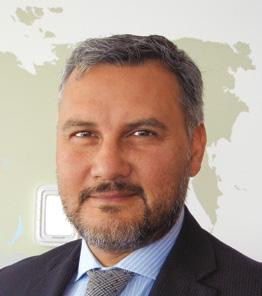
GIOVANNI D’AGOSTINO President Mexico and Regional Managing Director Latin America of NKF
Q: How does NKF, a leading commercial real estate consultancy, innovate within its area of expertise?
A: NKF is the new kid on the block. Since 2011, the company has grown based on mergers and key recruitment and today it is among the Top 5 real estate brokerage firms. We strive to create the best knowledge and skills mix possible to better serve our clients. We have developed our own software, which has allowed us to collaborate with big companies such as Nokia, DOW, Honeywell and Nielsen. The fact that such technologically advanced companies are using NKF’s systems shows that we are doing something right. Our software allows us to measure percentage and efficiency of the use of office space, so we can have better readings and reinvent the same spaces while increasing productivity. We often find companies seek our advice on finding new offices when they feel they have outgrown their current space. Often, however, they already have enough space, but it is used inefficiently.
Co-working has changed the operational methods of many companies and it is the main trend NKF perceives
Q: What are the main trends driving the occupier market in Mexico?
A: The trend is for co-working. WeWork pioneered the adoption of this scheme globally and today the company is almost a substitute for real estate developers as it rents tailored-made spaces to big corporations. This has developers striving to become more sophisticated and
Newmark Knight Frank (NKF) serves clients’ needs across all property types. Its experience and well-recognized team of real estate professionals allow owners and investors to expand their operations and capitalize on emerging market trends
demanding more market studies to really understand what their clients want. Our Global Cities report is an example of the kind of research required to comprehend what new generations need. Co-working has changed the operational methods of many companies and it is the main trend NKF perceives. Even if it is not functional for all the divisions of a company, it can be adapted to certain areas. Also, more users are certifying their spaces with LEED, which implies a reduction of costs and some tax incentives. We are working closely with DOW, which recently merged with DuPont.
Q: How is the uncertainty raised by the renegotiation of NAFTA affecting the real estate industry?
A: The renegotiation of NAFTA may affect the development of industrial parks and warehouses, but I do not believe it will affect real estate services. The industrial regions, including the Bajio may suffer, especially related to the automotive or aerospace industries. As Mexico has robust international trade agreements with multiple partners besides the US, I am convinced that this will help mitigate NAFTA’s possible repercussions. Our commercial diversification helps us remain optimistic about the market.
Q: Has the Trump administration impacted the willingness of international corporations to base operations in Mexico?
A: I think it has had the opposite effect. The political situation in the US has many international investors viewing Latin America as an investment paradise. Mexico is attractive, especially given the instability in other countries in the region. NAFTA’s renegotiation has stalled some investments as investors wait for the outcome of the talks before making any move. But as the political term in the US lasts only four years, I believe that by the time Trump exits office we will realize his impact was not as significant as we thought. Conversely, it is our own internal policy that has the potential to affect us the most in terms of investment. We have been given a higher sovereign credit rating by reference agencies and we are finally starting to see the fruits of the structural reforms. All the factors molding business conditions in Mexico may deaccelerate our growth rate, but the economy will continue expanding anyway.
MAURICIO GARZA CEO of Interpuerto Monterrey

A developed supplier base, skilled labor, as well as road, railroad and airport connectivity are among the advantages that make Nuevo Leon an attractive region for possible automotive investors. Add in price-competitive utilities, logistics advantages and trade-oriented amenities and you have a bulletproof investmentattraction strategy, according to Mauricio Garza, CEO of Interpuerto Monterrey.
“Adding extra advantages such as a customs office, a Free-Trade Zone (FTZ) and competitive utilities have been key in marketing spaces at Interpuerto Monterrey,” says Garza. All automotive companies demand amenities like fiber optic, water, electricity and sometimes natural gas, but Interpuerto Monterrey has gone one step further to offer amenities the market wants to boost efficiency and cut costs. “We have industrial plots ready for automotive companies so they need only focus on producing when they arrive,” says Garza.
Located in the heart of one of Mexico’s key automotive regions, Interpuerto Monterrey is a 1,400ha industrial park in Nuevo Leon. It caters to businesses that supply both the US market and automotive companies located in Central Mexico. Although Interpuerto Monterrey works with tenants from various industries, automotive dominates the park’s operations with 65 percent of its business related to this market.
The park has worked extensively to improve its offering for automotive companies and a customs office will open at Interpuerto’s facilities in August 2018. “The idea is that all of our clients’ imports and exports will be processed through this office,” says Garza. The project will reduce companies’ costs and processing times since products will no longer stop at the Mexican border for processing. “Pre-validation processes will also be carried out within the park so Mexican authorities do not stop goods for revision prior to crossing the border,” says Garza. “In the future, Interpuerto Monterrey seeks to have a bi-national customs system that operates between Mexican and US authorities. “US customs agents will be able to release goods prior to
leaving the park and they will not suffer delays at border crossings,” says Garza.
In terms of utilities, Interpuerto already has an operating electrical substation and is contemplating a cogeneration project to supply its clients with cheaper, cleaner and more reliable energy, as well as steam if necessary. “A natural gas pipeline is planned to cross Interpuerto Monterrey, which will provide this resource at a price that is 20 percent cheaper than the average market price,” says Garza.
The park has also reached several milestones in its logistics development plan. Located directly next to KCSM’s railroad container terminal and several highways, Interpuerto Monterrey offers both railroad and road transportation capabilities. “Trains are the most efficient transportation means in distances over 700km,” says Garza. “For shorter distances, it makes more sense to employ trucks.” Offering both transportation means adds to Interpuerto Monterrey’s attractiveness for companies interested in both exporting and serving the domestic market.
Up to 85 percent of Mexico’s cargo is transported using trucks, so Interpuerto Monterrey invites clients to take advantage of railroad transportation when convenient. “Companies that ship few containers use mostly trucks, due to the fact that in most cases the frequency and delivery time of the train does not meet these needs,” he says. “The challenge is finding ways to implement smallvolume trains to help companies efficiently transport their goods over long distances so they can benefit from the price advantages that rail transportation offers over those distances.”
Garza says that although 2018 has been a challenging year for Interpuerto Monterrey because of the impact from NAFTA renegotiations, domestic elections and the US tax reform, the park expects to sell 30ha and lease a few industrial warehouses in 2018. “We have around 350ha under negotiation but companies are waiting to see what happens with the new Mexican President and the new USMCA prior to moving on,” he says.
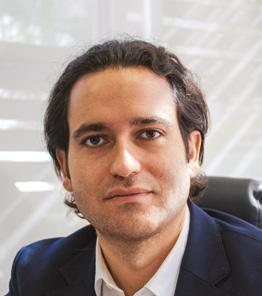
FRANCISCO BORREGO
Director General of Grupo Inmobiliario CUBE
Q: Why is Grupo Inmobiliario CUBE focused on developing projects that are in between horizontal and vertical when most cities are leaning toward verticalization?
A: We want to be disruptive in the market according to what we believe the absorption rate will be. When we created Torre CUBE there was no vertical construction in the area. Ten years ago, it was impossible to find a quality office development in Guadalajara. Most companies worked from actual houses they rented as offices.
We then realized that the market was expanding quickly and we came across the land to build Distrito CUBE which consists of three towers, two of which would be six stories high and the other four. It was a good opportunity because the market in Guadalajara was still resistant to verticalization. This allowed us to introduce a townhouse-style of product into the market that was not completely a house nor an apartment. Millennials do not mind moving into vertical housing or offices, but for older couples, there is often a need to leave their large homes when their children leave home. However, the transition from a big living space to a smaller one is difficult for them. This is the reason we do not call it an apartment, but instead a home. The market has responded very well and we have already sold 60 percent of the homes.
Combining housing, commercial and other aspects of life into an integrated vertical development is a great way of densifying a city and improving the quality of life of its inhabitants. This is not yet happening on a large scale in Mexico. The city is making efforts to improve mobility throughout the city with projects such as Line 3 of the Guadalajara Light Train. The new line is far away from commercial or AAA products in the city, which is a problem. It is not so much in the hands of the developer, but there must be a 50-50 compromise between the public and private sectors to create better cities.
Grupo Inmobiliario CUBE is a real estate developer that concentrates on the metropolitan area of Guadalajara with residential, corporate and industrial projects. Its developments include: Torre CUBE, Rinconada Margaritas and Distrito CUBE
Q: What are the benefits and drawbacks of investing in Guadalajara?
A: The most attractive aspect of Guadalajara is its novelty. Because it is such a new market, there are many opportunities to take advantage of. The market is more receptive to new products and it is willing to pay for them. Guadalajara is a very complex market and has a certain peculiarity that is not found in other cities. Talking with directors of different industries in Guadalajara, they agree that if your business or product succeeds in Guadalajara, it can make it anywhere in Mexico. Land prices in the Guadalajara metropolitan area have grown rapidly along with the prices per m 2 of apartments. Income in the Guadalajara metropolitan area, however, is not the same as in Mexico City and therefore we are having difficulty selling at higher prices. The people do not have the capacity to pay for it. Prices start at MX$30,000/m2, while highend developers like Thor Urbana are selling at MX$60,000/ m2. The risk for developing such expensive products in Mexico is very high, especially in terms of security. We have developed a program for our products that is called Safe Neighborhood where we carry out background studies on the people who purchase homes in our complexes and they must have recommendations. This boosts the safety of the neighborhood and makes our clients feel happier.
Establishing such high prices can attract the wrong people, especially in a city like Guadalajara. A good price range is around MX$40,000-50,000/m 2 but it should not rise greatly in the next few years.
Q: What is keeping international and national players from venturing into the metropolitan Guadalajara market?
A: International players are still wary of coming into Guadalajara because of its unique characteristics. Big corporates, for instance, mostly settle in Mexico City and Monterrey, with few venturing into Guadalajara. However, Grupo Sordo Madaleno’s Corporativo Andares project is one of the largest developments in the area at 36,000m2, and it houses some of the largest corporations in the country. It shifted all forecasts for the office market in the last year. The absorption rate of that project alone was the predicted absorption for the entire year in the market.
GEORGINA IBARRA CEO of Brickwalling

Q: What added value does Brickwalling offer the industry?
A: The key to success when offering a wide services portfolio is being able to adapt to a client’s business model. We contribute across all stages of a project by ensuring compliance with due diligence, strong and experienced staff on site and an efficient closing model. Our value proposition lies in having a broad service offering, instead of narrowing our focus to a few areas. Also, by believing in and betting on our human capital, we add expertise to all the services we offer. The market is constantly changing, so we must evolve at the same rate to make sure we can adapt to our clients’ needs. Customer service and communication are also crucial differentiators from other project managers. We like to look at ourselves as the overseers of our clients’ investments, because it is our role to make sure projects are completed on time and with high quality.
Q: How do you help Fibras, REITS and investment funds to make the best decisions when expanding their portfolios?
A: We find that the added value Fibras and investment funds want is short response times. As the number of properties available for purchase is finite, investors need short turnarounds. It is also essential to ensure investor confidence by carrying out Technical Due Diligence (TDD), Initial Project Reviews (IPR), Property Condition Assessments (PCAs) and Construction Risk Management (CRM) reports, but to do so in a timely manner so they can invest before somebody else does.
The capital reserve analysis of a property is also crucial to understanding how much must be paid to optimize the building’s operating conditions for up to 10 years. We differentiate ourselves through our extensive PCA portfolio, working for several Fibras and market niches, such as industrial parks, hotels, resorts, offices and commercial centers. This expertise allows us to be more assertive when providing a cost estimate for the investment. In Mexico, we have worked with most Fibras, CKDs and other funds. To continue improving our services, we are developing internal software to improve and deliver all kinds of reports in short time frames. One example is a PCA software, the beta version of which will be launched at the end of 2018. This
tool is composed of multiple inputs that allow us to adapt to each customer’s case and provide a faster turnover.
Q: How can construction firms better manage risk and what is your assessment of Mexico’s performance in this regard?
A: When it comes to construction security, it is necessary to have a clear and binding internal regulation on safety and sanitation. It is important for builders to have an on-site engineer to revise security matters. But safety in construction is also a component of the safety of the investment. When managing project risk, it is crucial to prioritize thorough planning and due diligence. There is always going to be risk but it can be managed and mitigated through proper project planning. In comparison to the rest of Latin America, Mexico is outperforming in construction regulation. There are some cases in which regulations are not followed properly but the majority of players involved in construction strive to comply with them.
Q: What is your assessment of the performance of green building certifications in Mexico?
A: We have collaborated in several LEED and BREEAM projects as project and construction managers. For example, we have worked with Bioconstrucción y Energía Alternativa ( BEA) on several occasions. The market is demanding more sustainable building. We have a special position we created as the LEED champion of the projects we assess. This specialist works with the rest of our team and with the certifying firm, such as BEA. But the market is still resistant to adopting these certifications as they imply a significant increase in costs, of around 25-30 percent. When investors review their financial models and conclude that it is not feasible to invest in a green building certification, they will instead focus on the implementation of best practices for their projects, which are not necessarily certified.
Brickwalling is a Mexican company focused on consulting, construction and project management services. Its goal is to provide security and support in edification projects for investors, lenders and developers from the US and Mexico
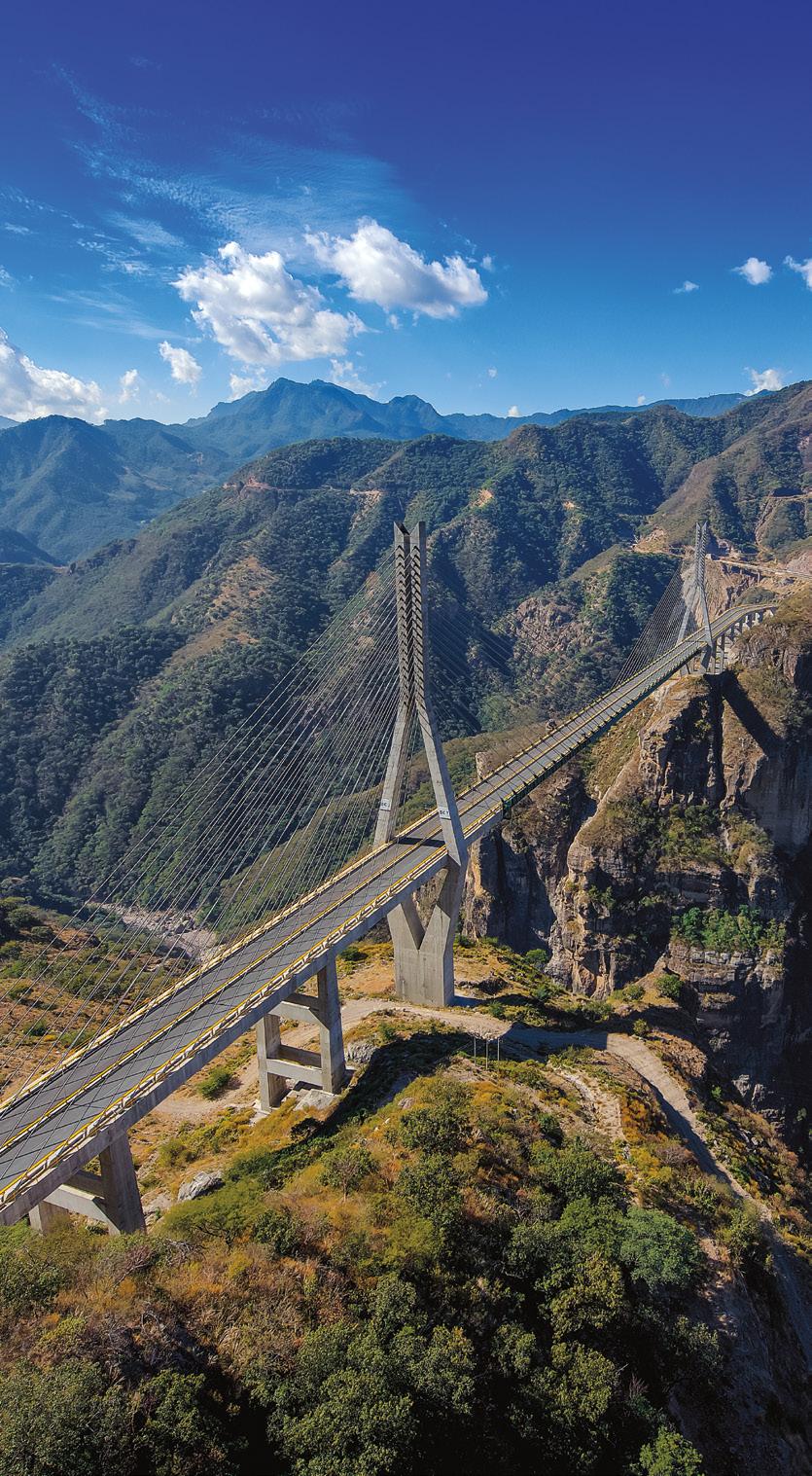
Transport infrastructure is the backbone that props up a country’s economy, providing the avenues down which products and services are delivered. This segment in Mexico is starting to gain the attention it needs and a new federal administration is promising to focus a brighter light on the industry. PPPs are also poised to play a greater role and stakeholders are calling for long-term strategic planning to ensure continuity.
For the industry’s part, key factors have been identified that impact the success or failure of a project, especially under the PPP scheme. Adequate planning, transparent procurement processes, ROW and land permits, for example, continue to slow the development of transport infrastructure, leaving many of the NIP’s largest projects unfinished.
Given the challenges, can Mexico reach its goal of becoming a world-class logistics hub? In this chapter, leading transportation and logistics figures shed light on how to address the segment’s most pressing issues, providing insights and solutions.
248 ANALYSIS: Uniting Mexico’s Southern States for Economic Growth
249 INSIGHT: Jacobo García, OECD
250 INFOGRAPHIC: Enrique Peña Nieto Infrastructure Government Commitments 2013-2018
252 INSIGHT: Leopoldo Zambonino, MEXTYPSA
253 INSIGHT: Carlos Redondo, ROADIS
254 VIEW FROM THE TOP: Sergio León, SENER
255 VIEW FROM THE TOP: José Zozaya, Kansas City Southern Mexico
256 VIEW FROM THE TOP: Eduardo Luque, API Tampico
257 VIEW FROM THE TOP: José Rodríguez, API Altamira
Guerrero, Oaxaca and Chiapas are Mexico’s diamonds in the rough. These states are the richest in natural resources yet continue to be the country’s poorest regions economically. For years, administrations have tried to foster their growth. Now they may have the answer to spur prosperity: connectivity
The Pena Nieto Administration’s goal was to transform Mexico into a world-class logistics hub through 104 Government Commitments (CG) that included the construction, modernization and maintenance of roads, railways, ports and airports throughout the country. Most of these commitments were completed or are under construction. Most CG projects targeted roads. From 2013-2018, over 2,424km of new roads were constructed and over 57,951km of rural roads were modernized. But by far the three states with the least connectivity are Guerrero, Oaxaca and Chiapas.
Andrés Manuel López Obrador’s administration has ambitious goals to increase the prosperity of these states through key infrastructure priorities such as the construction of rural roads, the Tren-Maya and the Transisthmian Corridor. But just like those of previous administrations, these projects are expected to encounter the same hurdles: low federal budget, rights of way, environmental permits and insecurity. A prime example of how these issues have the power to completely halt a project are two highways in Oaxaca that have been undergoing construction for more than one political administration. The Oaxaca-Puerto Escondido and Oaxaca-Istmo de Tehuantepec are two highways that once completed would drastically shorten travel times and safety, but due to a combination of these three factors, have experienced significant delays.
According to México Evalúa, from 2000-2015 the federal government spent more resources than it received and allocated more money than approved by the PEF. Mexico pays hefty subsidies, and its public debt has been like a snowball that continues to grow with rising interest rates. From 2005 to 2015, the public debt increased from MX$153 billion to MX$549 billion. Mexico is spending a great amount of money, but not a lot of money is coming in.
The low public expenditure for infrastructure development has led to higher private sector participation in the construction of transport projects in the last years. Guerrero, for instance, is 95 percent dependent on federal resources, according to Guerrero Minister of Economy Álvaro Burgos. More PPPs were tendered for the modernization, construction and maintenance of the country’s road network to fill in the financing gap. Not only did Mexico receive the highest private sector investment in
infrastructure in 2017 with US$8.6 billion across 20 projects, but it has seen the highest private investment in the sector in the last 25 years. USPs were also introduced, and one of the first to be approved, the Las Varas-Puerto Vallarta is under construction and when finished will interconnect Jalisco to the Riviera Nayarit.
Another problem transport infrastructure projects face is right of way. “When a highway is modernized and expanded, the project may need to adjust its path. Years ago, the modifications were far more modest and roads were constructed with high slopes for a much faster and cheaper construction. Today, many communities are claiming the historical ROW from highways that already exist. ROW has the power to derail a project, especially since now many ejidos do not even have the proper documents to accredit the property,” says Arias.
Environmental regulations are also playing a crucial role in the development of highway projects, especially in change of zoning and land use permits. “There are many laws that do not allow for progress in the development of infrastructure in the country. For example, to obtain an explosives permit to create a tunnel for a road, the process could take more than six months as it goes through the various entities and levels of government,” explains Arias. Finding a middle ground between ejidos, environmental impact and the construction of infrastructure will be necessary for projects such as the Oaxaca-Puerto Escondido highway to be completed and encourage the settlement of industries such as mining operations.
The last factor is insecurity. “The biggest issue the country faces is its insecurity. This is especially important in growing states like Guerrero that have high levels of insecurity and projects in areas that are not urbanized,” says Ricardo Díaz de León, Infrastructure, Mining, Logistics and Tourism Coordinator at ProMéxico. Guerrero and Oaxaca have been particularly prone to insecurity problems in the past due to drug trafficking and high poverty levels. “Insecurity levels the country has experienced creates nervousness for some investors. Federal and local governments need to continue working to improve the country’s security conditions,” says Enrique Escalante, CEO of Grupo Cementos de Chihuahua.
JACOBO GARCÍA Senior Specialist on Integrity and Procurement Policies at the OECD
The infrastructure industry is particularly vulnerable to risks resulting from lack of transparency and should employ mitigation strategies, says Jacobo García, Senior Specialist on Integrity and Procurement Policies at the OECD. “Everything that deals with public contracts, such as public works or service procurement, is highly susceptible to lack of transparency through all phases of a project,” he says. “Each phase has its particular risks and the OECD suggests the application of risk-mitigation techniques. There has been a slight improvement in Mexico but there is still plenty to do.”
According to the Global Infrastructure Anti-Corruption Center, the industry’s uniqueness, complexity in transaction chains, concealed work, official bureaucracy and large investments make the infrastructure industry particularly prone to corruption and unethical actions. In Mexico, the 2016-2017 WEF Global Competitiveness study indicates that institutional issues continue to delay the country’s development. Diversion of public funds, inefficient government spending, preferential treatment in official government decisions, and the unethical behavior of some firms pushed Mexico’s competitiveness to 123 of 137 in the study. It also estimates that 10-30 percent of the value of construction is lost through corruption, making the construction sector the most vulnerable in the economy.
The OECD recommends that pre- and post-tender phases be transparent since these stages usually do not follow the same strict guidelines as the tender phases. “The chaos between different levels of government often experienced in the planning stages demonstrates why transparency is important at this stage,” García says. “An example of that is the famous sinkhole on the Cuernavaca Expressway, where there was a lack of clarity as to which level of government the project fell under. We see a great weakness in the management of infrastructure at a state and local level and we believe that a good place to start is by strengthening the execution power of these institutions.”
As a way to improve communication between government agencies, it is necessary to stop working on paper
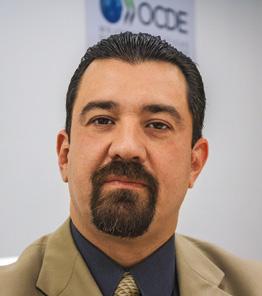
and digitalize processes. CompraNet for instance is not connected to the federal budget databases. The government is working to link the systems but at a state level all these processes tend to be done on paper. “Public procurement should be seen as a strategic process that not only boosts development but develops value chains and supports SMEs. It is far more than just an administrative task,” says García.
Infrastructure projects become even more vulnerable during election years, when their continuity is at risk. García believes that continuity directly correlates to governance and long-term planning. A project that has been in the headlines, with question marks hanging over its future, is NAIM. The OECD sees a halt to the project as highly unlikely given the advanced stage it is in but García says it is important to guarantee that the projects are managed professionally.
The OECD has worked alongside GACM since the planning stages of NAIM, drafting three reports on its governance and integrity. García says that it is the only project in Mexico of that magnitude that completely follows opendata standards. “Some risks we have identified deal with the corporate governance of GACM itself as it operates more as a public entity and not a corporation,” he explains. “This opens it up to political turbulence and I believe this must be kept as separate as possible.” GACM has incorporated four independent members to its board, as well as an ethics committee and codes of conduct, and it is working with the companies that are participating in the project to ensure they adopt these standards and practices.
Many believe this kind of oversight is extremely costly, but García says that, rather than being expensive, these types of initiatives require great commitment. Although GACM’s organic structure is limited, making it far more complicated, the will is there, according to García. “The cost of not implementing transparency measures is much higher, since projects could be jeopardized by corruption, scandals and a loss of credibility,” he says.
Enrique Peña Nieto delegated 105 Government Commitments (CG) to SCT, of which 103 correspond to Mexico's transport sectors. Of the other two, one refers to the digital agenda and the final relates to toursim. Some commitments remain
under construction, including two of three of the country's most emblematic projects. López Obrador's administation will inherit many projects that will require continuity to have to true impact on the country's infrastructure competitiveness.
EVOLUTION OF MEXICO’S RANKING IN WORLD COMPETITIVENESS REPORT 2012-2018
Mexico’s ranking
Overall infrastructure Roads
Railroad infrastructure
Port infrastructure
Air transport infrastructure
*Until August 18, 2018
KEY PROJECTS* HOW MANY CGs DID SCT COMPLETE?
that have not been officially inaugurated are considered under construction or delayed Project
Government commitments
Canceled/ No information
ACCORDING TO THE 6TH GOVERNMENT REPORT FROM DECEMBER 2012 TO JUNE 2018:
2,424km of new roads were constructed with an investment of MX$148 billion
38 new highways and nine operating segments were built
77 federal roads equating to 3,075km were constructed or modernized
Completed
Under construction/Delayed
Canceled/ No information
CANCELED/ NO INFORMATION
CG-243 Transpeninsular Train
Interconnect Mexico's southern states as planned by AMLO's Mayan Train 1 MAIN FACTORS FOR DELAY OR CANCELATION
High costs
Ejidos/Environment 1 2
UNDER CONSTRUCTION/DELAYED
CG-033 Line 3 Monterrey Metro
Boost mobility in the Monterrey Metropolitan Area 1
CG-063 Rehabilitation of Port of Ciudad del Carmen
Improve port's capacity to serve needs of Energy Reform 1
COMPLETED
CG-073 Colima Railway Tunnel
Increase rail capacity from Port of Manzanillo
CG-182 Port of Matamoros
Rehabilitate canals to support growing O&G exploration
CG-183 Nuevo Laredo Cargo Airport
Complete cargo terminal to boost border logistics 1
CG-211 Oaxaca-Istmo
CG-213 Oaxaca-Puerto Escondido
Increase connectivity in Oaxaca and boost logsictics, tourism and economic development 2
CG-210 Ixtepec Airport
Military and civilian airport to boost connectivity in Tehuantepec Isthmus
CG-217 Autopista Siglo XXI
Interconnect Puebla to Guerrero, boosting connectivity of Guerrero to eastern states
CG-027 Strengthen port, airport, railway connectivity to accelerate tourism growth
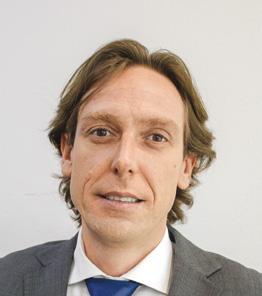
LEOPOLDO ZAMBONINO Director General of MEXTYPSA
Transport infrastructure builds bridges that create social and economic cohesion across cities, states, regions, countries and continents and can especially help isolated communities thrive. But these bridges should follow a plan and a purpose, says Leopoldo Zambonino, Director General of MEXTYPSA. “Transport infrastructure catalyzes the economic development of the whole country but it must be based on a holistic infrastructure development plan to accurately prioritize projects,” he says.
“Transport infrastructure catalyzes the country's economic development but it must be based on a holistic development plan”
MEXTYPSA is a global engineering consulting group working across multiple infrastructure sectors, such as water and roads. Present in Mexico since 2008, the company acknowledges the improvement the country has made in developing road infrastructure to connect such a rich geography. “Mexico has around 42,000km of freeway roads. The government is starting to invest in performance schemes for these roads,” he says, adding that MEXTYPSA is positioned to capitalize on this opportunity. “We want to provide the highest quality to deliver a higher value to all our business divisions.”
But Zambonino also thinks that despite the great effort made, there is yet much to do, especially regarding permits. “Projects are stopped given the difficulties with rights of way. The public good should transcend personal interest to promote macroeconomic development,” he explains.
Before addressing this issue, the industry has yet to see what the next administration’s plan for the sector is. “We have yet to receive more information regarding
AMLO’s infrastructure priorities, but I am hopeful about his announced intention to bring development to lagging regions,” he says. “Public works are likely to be slowed down by the transition period, but we foresee a lot of activity from the private sector, in which we keep a strong focus.”
While expectant about the next development plan, he demands more clarity from the government to see the infrastructure road ahead. “We need coordinated actions for a long-term development regardless of who is president,” he says.
Long-term strategic planning is also crucial to give certainty to investors, setting steadier grounds for pursuing a collaborative development. “I think public-private collaborations are key to deliver a better service to endusers,” he says. Prioritizing end-users, Zambonino also remarks on two contract schemes ideal for PPPs. “MRO and ASS contracts are focused on service and performance standards, so contractors are paid not by m3 but by service. As these favor the users, I think is what the government should aim for,” he adds.
Going deeper into the complexities of PPPs, Zambonino explains it is also important to understand each PPP separately as there is no perfect recipe that can be applied to all projects under this scheme. Accordingly, MEXTYPSA is convinced of the importance of having a specialized team of collaborators in infrastructure financing. “We have created a whole department for infrastructure funding, providing an enhanced structure for every PPP,” he says. From the financial run to the CAPEX investment, he highlights this department as simply crucial for the achievement of projects.
Sharing a success story, he acknowledges Banobras’ and SCT’s performance working on PPPs, entities with which MEXTYPSA has collaborated multiple times. “Our operational models are aligned and I believe that we have learned together to provide a better and safer service to users,” he says.
CARLOS REDONDO
Country Manager Mexico of ROADIS
Mexico’s labyrinth of roads and highways interconnects the country’s main industries and is a backbone for the country’s economic development. Although this backbone has been improved greatly throughout the years, Carlos Redondo, Country Manager Mexico of ROADIS, believes Mexico still has many opportunities for growth. “There is a clear necessity for more road infrastructure. There is a great deal of private capital and the regulatory framework is also good. We need more projects,” he says.
The national road system is composed of more than 377,659km, of which 49,652km make up the federal system. According to WEF, Mexico ranks 52nd of 138 in road infrastructure competitiveness, CANACAR has identified a 150,000km road deficit and McKinsey Global Institute says the country must invest an additional 1.1 percent of its GDP to bridge the infrastructure gap. Throughout the sector, the debate on whether the gap is due to a lack of projects or a lack of money always re-emerges. Redondo explains that Mexico has limitations when it comes to infrastructure planning since planning does not normally surpass a sixyear term. He says this complicates development as a country requires a long-term vision.
ROADIS is an international platform controlled by PSP, a Canadian pension fund with international presence. The company operates the Saltillo-Monterrey and the PeroteBanderilla highway and Xalapa beltway. It began operating in Mexico after it purchased the two assets from Isolux Corsan.
According to his experience in Mexico, another important limitation is the number of profitable projects on offer. “Although the different government entities have many projects, it is not that easy for the private sector to participate in them. Their viability can be an issue,” says Redondo. “Viable projects mean they have been developed correctly from the start. This implies that aspects such as rights of way (ROW), engineering and thorough traffic studies have already been carried out.”
After generating viable projects, the question of where the money should come from arises. Redondo believes that the
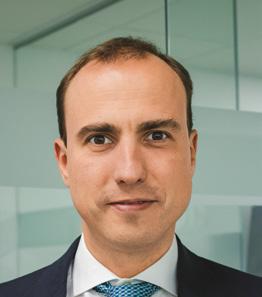
road infrastructure gap cannot be filled by private or public sector resources alone but recommends a combination of both, depending on the risk profile and social benefits.
The Saltillo-Monterrey highway, for instance, was a successful project, not necessarily in the sense of it being the most profitable but because of the effort made for its completion with various governmental entities working closely with private companies. “The project ran into all the typical issues any construction project encounters, such as rights of way and cost overruns, but together we searched for the mechanisms that would allow us finish the project,” Redondo says.
In the last few years of the Peña Nieto administration, SCT tendered various maintenance, rehabilitation and operation contracts (MROs) to develop and improve roads in the quickest way possible. Redondo says that this is not the optimal project scheme for ROADIS, as these contracts are short-term concessions with a high construction component. “ROADIS prefers long-term concessions that will allow us to take full potential of the highway while offering our customers high-quality services. Long-term concessions provide companies the appropriate time frame to implement innovative operational and financial solutions. This allows the company to recover the investment and also face the challenges that may have arisen during the construction and initial years of operations,” says Redondo.
While Redondo says the company prefers to have control with a preference for large assets and brownfield projects, he stresses that ROADIS’ strategy is flexible. “We can participate in greenfield projects, with a certain component of construction and a certain level of proven traffic,” Redondo says. “The ROADIS team brings broad experience in both construction and operations.” According to him, a key element of the added value that ROADIS provides is that, because it is controlled by a Canadian pension fund, the company’s ethics and transparency are embedded in all of its processes and how it carries out its business.
“Because we are a combination of a long-term investor with expertise in operation and management of both brownfield and greenfield projects, we have greater flexibility,” he says.
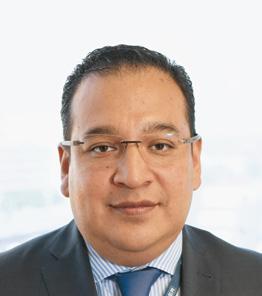
Infrastructure Commercial Director for Mexico at SENER
Q: What role has SENER played in the evolution of Mexico’s transport sector, especially roads and highways?
A: We are a point of reference for Mexico’s transport sector. We have many years of experience working in Intelligent Transportation Systems (ITS). The company assisted SCT in developing the ITS standards in 2011 for Mexico’s network and in 2014 we also supported Banobras in standardizing the electronic toll-collection systems throughout the country. Now the entire road and highway network is standardized, whether it is under the control of FONADIN or concessioned to the private sector.
SENER is participating as an Integral Advisor for BANOBRAS in the new Telepeaje model for the FONADIN road network. This will allow for greater diversification in the market. We also work closely with SCT in the development and support for federal transportation projects. We have collaborated in modernization of road projects and the geometric elements of bridges and tunnels. One of our most important projects with SCT is a Supervision and Operation contract for intelligent tunnels and control centers on the Durango-Mazatlan highway. We work directly with both the public and private sectors, whether they are national or international. In the last three years, SENER has worked on more than 500km of road and highway projects in Mexico.
Q: How important is technology and innovation when developing and improving Mexico’s highway system?
A: In the last few years, SCT has placed a great deal of importance on technology and innovation, especially in highway projects. We have secure and safe highways through the use of technology. For instance, if there is an accident or situation on the Durango-Mazatlan highway, it is recorded and authorities are notified right away. These types of systems require great investment but ultimately will boost the performance of the road sector.
SENER is an international engineering and technology firm specializing in aerospace, infrastructure and transport. In Mexico it has participated in MTS projects as well as various road infrastructure PPPs
In Atizapan-Atlatomulco, a highway that goes through the mountain range that leads to Guadalajara, we have projected the use of 80 different structures, among them bridges, over and underpasses and tunnels. These types of projects are extremely ambitious and require a great amount of expertise to develop from the design to the implementation of engineering processes. The fact that SCT has released more projects under a PPP scheme has definitely improved financial viability and ensures the quality of the infrastructure.
We believe technology is extremely important and we are constantly looking to integrate innovative technologies and processes into our projects, which has truly differentiated us from others in the market. We integrate technologies such as BIM into all of our projects to mitigate risks and stay ahead of the competition.
Q: What types of projects do you believe will keep the industry running over the next two years?
A: There will be a great deal of uncertainty at a national level throughout 2018-2019. This time frame can be defined as the pre and post-election periods. In a regular year, companies tend to have a heavier work load toward the end of the year and in an abnormal year like 2018 the Gauss Curve appears earlier in the year. Post-elections, the industry must wait for the new administration to develop its infrastructure agenda. There will be uncertainty across the industry as a whole and even more if the political color changes.
We believe that PPPs can be a catalyst in these types of situations. These new schemes can be an option for not only the public sector, but for the entire industry to continue developing in the coming years. USP will also help bridge Mexico’s infrastructure needs. Nevertheless, using these schemes requires better risk mitigation and being on top of all processes. I believe that Mexico has yet to achieve a completely successful PPP. Since the PPP law was approved, the industry and government have been working arduously to perfect the practice in Mexico. Apart from the political uncertainty, the fact that petroleum no longer plays a huge role in Mexico’s finances has also impacted the economy.
JOSÉ ZOZAYA
President of Kansas City Southern Mexico
Q: How is KCSM helping unlock railway transportation potential in Mexico and what impact has it achieved in the economic development of the country?
A: KCSM currently has 4,251km of railway in Mexico. We are committed to further upgrading our rail network through an annual investment in its modernization; this in order to have a more competitive and efficient railway system. In 2018 we have planned to invest US$165 million, but the total outlay may end up being higher. We believe that we are achieving our efficiency goal as our key actions attest to our progress. For example, we collaborated with the Mexican and US authorities to establish an inspection booth at the border, which has helped to establish a more efficient train crossing in the area.
We are working on international crew matters to avoid having our trains stopped at the border. We are also making a considerable investment in our rail yard in Nuevo Laredo, building the biggest rail infrastructure that we have in the country. We expect this project to help us speed up train movements on the northern and southern crossings, increasing our efficiency and competitivity. Our outlay is also focused on new equipment and locomotives. All of these actions may seem independent but they pursue the objective of making our trains more efficient and competitive. We move around 40 percent of the total rail freight in the country. While we do not expect to increase this percentage, the volumes moved keep growing.
The energy sector has also grown considerably. Railway transportation is now perceived as the rolling pipeline as services become more efficient and safer. KCSM’s rail network interlinks with the key points for energy development in Mexico and the US, connecting from Texas to the center of Mexico. We have had an important demand for gasoline transport, from the Mexican Gulf to the Bajio region. We participated in the fuels terminal in San Luis Potosi, which speeds up the storage and availability of fuels.
Q: What is the role of KCSM in the development of the rail infrastructure for ZEEs’ success?
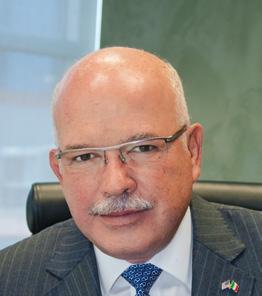
A: KCSM’s rail network converges with the Lazaro Cardenas ZEE, so we opened the dialog with the institutions in charge of its development to explore the possibility of having further reach within the area. For example, we are considering extending some of our railways. We have not yet defined a specific investment for the development of the ZEE, but we do make a yearly investment in modernizing and upgrading our railway network in the area, specifically near the Lazaro Cardenas Port, where we have significant activity related to rails and rolling stock including wagons and locomotives.
Q: What transport projects would you prioritize for the next administration and why?
A: I believe that infrastructure projects are simply fundamental to the country’s logistics with the view to making Mexico a global logistics hub. There is the need to improve existing infrastructure, including roads, rails and ports. I believe that the country has a very good rail system as the KCSM lines are integrated with the US and Canada. As we speak, many trains are crossing both borders, enabling North America to be integrated as a logistics block.
I expect to see an ever more connected and competitive network in the future. This railway efficiency has brought important investments to Mexico, such as the network that serves the automotive industry. We must strive to improve this efficiency through strategic actions. For example, I think security is a relevant issue to deal with. KCSM has been closely working on improving railway transportation security with several authorities, such as the Mexican Army and the Federal Police. We have contributed a great deal financially to control and monitoring equipment for our trains, to better monitor the products we move. We think that it is key to take more preemptive actions instead of reactive ones.
Kansas City Southern Mexico offers the most seamless and efficient transportation option to cross the US-Mexico border, with customs pre-clearance for faster, lower-cost service than trucks can offer
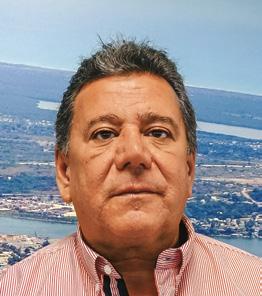
EDUARDO LUQUE Director General of API Tampico
Q: How is the Tampico port expansion changing the way API operates and plans?
A: The port is going through a considerable expansion project that has boosted our growth over the past 12 months. We had a great year in numerical terms with an overall growth of 24 percent in comparison to the previous year and with 115,000 tons more moved in 1Q18 compared to 1Q17. We experienced a 53 percent increase in our public cargo segment, which increased 630,000 tons in comparison with the previous year. Our private cargo also grew by 10 percent, with an increase of 80,000 tons compared to 2017.
The port’s main activity is handling steel, which grew by 98 percent last year, from 690,000 tons to 1.4 million tons. We are working under our Port Master Development Program (PMDP), which also states that hydrocarbons should represent a larger share of our operations and this is where we plan on expanding next. We are also analyzing a move into the tourism sector. We are changing our regulations to make them friendlier to concessioners so they can exploit the land they use. We have seven new projects with this in mind.
Q: What advantages does the port of Tampico offer to companies willing to establish operations here?
A: Connectivity is our first and foremost asset. The terminal is connected to a railroad, which saves costs and time and provides us with a direct link to the Bajio region. We also have a great highway network able to accommodate heavy transport and we will be connected with the TuxpanTampico highway that is under construction and should further push trade to this region. We are close to Monterrey, one of the biggest business hubs in the country, and once the new highway is complete, we will be less than five hours from Mexico City. We have a dredging capacity of 32ft.
API Tampico is the administrative body regulating commercial activities in the trade of steel, wood, hydrocarbons, minerals, oversize cargo and industrial products. The port offers 20 regular commercial lines connecting 100 countries
This year, we are projecting an additional investment of MX$100 million.
Q: Which areas require the most investment to make the port more competitive?
A: Maintaining the port in optimal condition is essential to keeping our competitive edge and further investments in connectivity are key to achieving sustainable growth. As hydrocarbons take their hold in Tampico in the years ahead, a growing number of companies will seek to invest here and we need to provide them with the necessary infrastructure to carry out their activities. We also have a second tender for the expansion of our multiple-use terminal in sight, hopefully receiving bids in 2018 to extend this facility. Infrastructure is the key tool for growth. We need to build and expand our existing roads, airports, ports and railways and use them as our basis for growth in the years to come. The Ministry of Communications and Transport has committed over MX$1 billion to this end.
Q: Halfway into your Port Master Development Program, what has been the main impact on the state’s economic development?
A: The Port of Tampico will be central to the future development of the hydrocarbons industry and this was initially envisioned in our PMDP. The Energy Reform is finally taking its toll in the industry and we expect to see concrete results in the coming two years. The southern part of Tamaulipas is fundamental to the state’s development and hence it represents an important part of our growth plans looking ahead. Tampico is the hub for the state’s imports and exports and its door to and from the world. An example of this is the Custom Maritime House of Tampico that has duplicated its revenue since 2015. As such a growth driver, we are transforming the state’s image in the eyes of the country and the world. Our trade, transportation, imports and exports have not been affected by violence in any way. We want the world to see that companies can trade in Tampico, establish operations here and do business with complete confidence.
JOSÉ
RODRÍGUEZ Director General of API Altamira
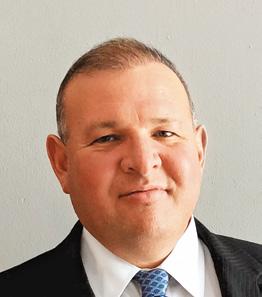
Q: Given the port of Altamira outperformed other ports in Mexico in 2018, what factors accounted for this success?
A: Last year, we had an average growth rate of 23 percent on our total cargo, including our two main business lines of automotive and steel, which involves rolls, plates and tubes. This growth was partially due to the natural gas marine pipeline coming from southern Texas to Tuxpan because logistics were carried out from Altamira and we were right in the middle of the full development process. Our inherent assets are our biggest strength as we have top-of-the-line technology, highly-skilled labor, the latest equipment, a land extension that fits to any project and an entire production chain, from producers to customs, working according to unified rules and principles. We strive to provide the highest quality possible and we have a deep understanding of the industry, keeping deliveries on time and minding our clients’ demands in terms of time and form. Finally, we also made the most of the Energy Reform and the first round of benefits it brought to the oil and gas industry.
Q: Given that Altamira is the undisputed hub for trade in Tamaulipas, which assets in particular offer advantages?
A: We have a privileged location as we stand right in front of the new drilling sites off the coast of Tamaulipas and we are also close to the US. Additionally, we have unbeatable services in terms of quality. We have the largest dock location in Tamaulipas with 9,500ha entirely dedicated to port activities and trade. We also have extensive territorial reserves and strict environmental policies to protect and preserve native species.
Q: API Altamira has been at the center of large federal investment plans. How has the port channeled these investments?
A: We have an extensive public investment agenda that includes widening sailing canals, dredging and installing new electric substations. We try to foresee any potential need our customers might have so we can place the right investments in a timely fashion to save them from future inconveniences. Part of the current investment plan
involved widening the breakwaters and improving the port’s safety. We also provided maintenance to buildings, customs offices and sites to keep them updated. We recently signed an agreement with the Port Coordinator for the expansion of two terminals, as part of its plan to double the capacity of every single port in Mexico, with Altamira being the only port that will actually triple its capacity. Each of these two terminals will expand their berths, providing them with new dynamism, new positions and better equipment. The current administration has been crucial in the port’s development, we grew to unprecedented levels and we have already signed six more water fronts that will unfold in the following months.
Q: What are API’s plans for 2018 and what direction will the port take?
A: We expect 2018 to be as good as 2017 and maybe even better. The Energy Reform is now in full motion and it is prompting things to accelerate. We have projects in the pipeline, such as the new terminals, new concessions and a green light to expand the port. With the first hydrocarbons terminal on the go, we expect to have a second one in the future. The port currently has 17 berths, although it was originally planned for 90, and we are going to close this federal administration with a 25 percent growth. We would like to see a further expansion of berths.
Q: What would you like the next administration to focus on?
A: We pride ourselves on the level of connectivity from and to the port of Altamira. We have a great railroad system and a complete road network connecting the port with the main industrial centers in the north and center of Mexico. We need further connectivity heading to Mexico City and we hope to see this happen during the next administration.
API Altamira is the administrative body in control of the largest port in the state of Tamaulipas and has been operating since 1994. The port distributes the largest cargo of industrial and commercial goods in the northeastern part of Mexico

In the first five years of President Peña Nieto’s term in office, US$27.3 billion was allocated to SCT for the development of infrastructure, but according to the GI Hub, Mexico must invest US$544 billion to meet its infrastructure needs. 2018 marked the deadline for Mexico’s most important projects and investors are awaiting concrete infrastructure proposals from the incoming administration.
Amid uncertainty, investors are more cautious when investing in infrastructure development without the safety net provided by a PPP. As the industry continues to create new financial vehicles to fill its financial gap, Mexico’s stock markets could provide another avenue to help build the infrastructure the country demands, with transport and water infrastructure heading Mexico’s most pressing needs.
In this scenario, pension funds are taking a more active role in the industry through financial vehicles such as Fibras. This chapter covers the top financial entities investing in funding the country’s infrastructure development.

262 ANALYSIS: Opening Mexican Infrastructure Investment to the World
263 VIEW FROM THE TOP: José-Oriol Bosch, BMV Group
264 VIEW FROM THE TOP: Felipe Duarte, Grupo Financiero Banorte
265 VIEW FROM THE TOP: Juan Pablo Mijares, Banregio
266 INFOGRAPHIC: Development Through Capital, Debt Markets
268 VIEW FROM THE TOP: Astra Castillo, Fitch Ratings Cherian George, Fitch Ratings
269 VIEW FROM THE TOP: Adrián Garza, Moody’s Investor Services
271 EXPERT OPINION: Víctor Requejo, Banco Inmobiliario Mexicano (BIM)
272 INSIGHT: Alejandro Rodríguez, Credit Suisse Asset Management
273 INSIGHT: Manuel Romano, Jones Day
274 INSIGHT: Luis Quintero, HR Ratings Mexico Roberto Ballinez, HR Ratings Mexico
275 VIEW FROM THE TOP: Alfonso Vega, Serfimex
Mexico’s infrastructure and real estate sectors have caught the eye of not only national, but international investors. 2018 was an exceptionally good year for private investment in infrastructure. Now with two stock markets, the options are open for constructing the Mexico of the future
The need for private investment in infrastructure development is not recent news. Globalization is pushing countries and cities to improve their infrastructure development to remain as competitive as possible and to keep up with the demands of its populations. Governments have figured out that they cannot do it alone. According to the World Bank’s Private Participation in Infrastructure 2017 report, investment in infrastructure in 2017 increased 37 percent in comparison to 2016, yet it is at the second-lowest level of investment in the past 10 years, and 15 percent below the average for the past five years.
Mexico was one of the Top 5 destinations for infrastructure investment in 2017, with the highest level of private investment in Latin America. Through 20 projects, Mexico collected US$8.6 billion from private investors, making this the highest level of investment in the last 25 years. Mexico’s infrastructure development is composed of 63 percent commercial banking while in the other four destinations (China, Indonesia, Brazil and Pakistan), the share of commercial financing was relatively low.
Among the key sectors for investment is telecommunications. The Telecommunications Reform invited new players and new projects. Mexico’s Red Compartida project brought in US$946 million. In the international telecom sector, the Red Compartida and a project in Myanmar contributed to more than 80 percent of the global 2017 telecom investment. Mexico’s transport infrastructure sector also attracted a great amount of private investment through the construction of the new Mexico City International Airport (NAIM).
Although Mexico is receiving a great deal of private investment, the country’s construction sector still requires greater financing to boost the development of its internal economy. “The industry needs more fiscal incentives, including better interest rates for construction companies,” says Alejandro Ruíz, Head of Construction at KPMG in Mexico.
He says a solution may be a new financial entity designed to this end. “We need a development bank that can
provide financing and maintain competitive market rates to motivate investment in infrastructure projects. At the beginning of this administration, companies would pay TIIE + 4 to 6 percent (averaging 7 to 9 percent) and now rates are around TIIE + 6 to 8 percent (averaging 12 to 14 percent),” Ruíz explains. “This makes debt much more expensive, leading to higher costs for companies, which then must look to reduce their structures and get rid of assets to complete their projects. This has led many companies to bankruptcy, mostly SMEs.”
A 2018, Mexico said hello to its second stock exchange, Bolsa Institucional de Valores (BIVA), which looks to boost the participation of SMEs in the stock market. “Small to medium-sized enterprises (SMEs) are the engine that drives Mexico, representing approximately 99.8 percent of the economy. The country’s construction sector is home to many of these SMEs that are growing quickly, representing major challenges in oversight and working environments,” says Ruíz.
Infrastructure developers are also taking advantage of various instruments being issued in the stock markets. The number of CKDs and Fibras in the Mexican stock market continues to grow and during 2018, more Fibra Es and a new CerPI were issued to fund infrastructure development. The real estate sector now has 11 Fibras and 23 CKDs.
CerPI is a fairly new instrument, created in 2016 to compliment CKDs. In 2018, the second CerPI was issued by GD Structure, an affiliate of Glisco Partners and Discovery Capital Management for a total of US$72 million. These instruments can be used for large greenfield projects, including projects in the energy sector. Fibras have gained traction, but they are designed for developing and acquiring assets and may not be the best fit for companies that look to rent and sell assets.
In February 2018, CONSAR announced changes to the Circular Unica Financiera (CUF) that gave Afores greater flexibility in the type of investments they could make. Most importantly, it allowed Afores to now invest internationally.
JOSÉ-ORIOL BOSCH CEO of BMV Group
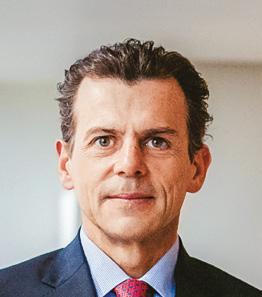
Q: How can the BMV help to bridge Mexico’s infrastructure gap?
A: The BMV has already helped a great deal as there are many infrastructure companies that are listed on the stock exchange. We also have companies financing themselves through debt, and these are the most traditional instruments in the market. In 2009, CKDs were created and since then around 100 issues have raised about MX$170 billion. Of this, infrastructure represents about 30 percent, both in the number of issues and in value.
Fibras were first raised in real estate in 2011, and the numbers continue growing. We are looking at new Fibras and we are about to raise a Fibra in the education sector, which will be the first of its kind. Also, Fibra Es were created in 2015, and the first infrastructure Fibra E was raised by Pinfra in 2016. Since then, we have had various infrastructure Fibra Es, the latest one being that of GACM, as well as a first Fibra E on the energy side, issued by CFE. We have a range of products for the industry to choose from and last year we created the first Special Purpose Acquisition Corporation (SPAC), which is very common in other markets.
Q: Given that GACM recently raised a Fibra E on the BMV, what will be the implications of the elections on this?
A: The Fibra E was created in 2015 for financing of energy and infrastructure projects. There have been some Fibras since then but the most recent was that of the airport on March 26, 2018. The airport is a large, long-term project so I trust the infrastructure plans would not change with different administrations. It is clear to anyone who has traveled through the current airport that the people of Mexico need the NAIM project.
Q: Why has there been such a lack of demand for CerPIs compared to other products?
A: In comparison to the Fibra, which was a new asset class, the CerPI is a product that is similar to the CKDs but with some different management rules, including the role played by the administrator. We had the first CerPI issued in real estate and I think now we will start to see much more demand for the product. There are already various
CerPIs that will be launched in the coming months. It is always difficult to be the first, but now that the first CerPI has been successful, the door has been opened and we will begin seeing more demand. It was the same story as the Fibras – the first real estate Fibra was raised by FUNO in 2011 and it was extremely complex, but it was more easily understood after the first issuance.
Q: What are the implications of the new BIVA stock exchange for your strategy?
A: We are not yet sure what the BIVA’s strategy will be so I cannot comment much on that. However, we hope that the strategy will involve developing the trading market as it has great potential. If, instead of focusing on growing the market, it cannibalizes itself, the market will be equally as small, or even smaller. And with two stock exchanges, this makes no sense.
Q: How can the International Quotation System (SIC) help to position international companies in Mexico?
A: The SIC is a system that caters to foreign companies that are operated in Mexico. There are approximately 1,500 shares listed on the SIC, and of these, half are stocks and half are ETFs. Within those shares, there are companies from different countries and different sectors. In terms of mining, we have companies from the US, Canada, the UK and Latin America listed on this index. This means any investor in Mexico can buy these shares. Rather than being listings, they can be seen more as a registry of international companies that allow Mexican investors to buy shares.
The SIC represents more than a third of the total volume of the BMV and the local exchange represents two-thirds. There is a lot of interest because a Mexican investor can buy shares in an international company, pay in pesos and sell in pesos, while maintaining a fiscal advantage compared to buying the shares in Canada directly.
BMV Group operates a stock exchange, derivative products, an OTC securities and derivatives brokerage company, a securities clearing house and a derivatives clearing house to facilitate the operation of the stock market in Mexico
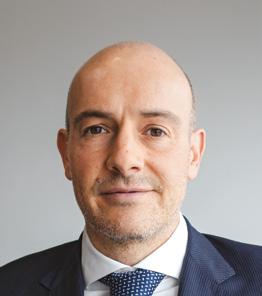
FELIPE DUARTE
Deputy Director General of Infrastructure and Energy
at Grupo Financiero Banorte
Q: How has the infrastructure industry evolved in the last years and how has the financial market evolved with it?
A: I do not see a financial gap within the Mexican infrastructure industry. I do see a vibrant market in which the selection and professionalization of projects has improved drastically in the last years. I also see a financial market that has evolved in the last 10 years, both in equity and debt. The creation of new equity funds and financial instruments such as CKDs has become important tools to finance the country’s infrastructure development. Several commercial banks have also began participating more in the industry. Banorte has specialized in both infrastructure and energy sectors and we have seen that the market is becoming stronger. We see that the infrastructure financing market is becoming more intricate as years go by and this is good news for the project, for the banks and for the people.
Q: How has Banorte participated in the financing of infrastructure projects in the last few years?
A: Banorte provides a complete array of financial products to clients and one of our strengths is that we know the market and we are local players, which is something international companies always look for when investing in Mexico. We are actively providing financial products and services to various participants in the construction of NAIM and airports are a large area of interest for us. In the last 18 months, PPPs have been more active in the country’s road sector when it comes to conservation and maintenance contracts. We believe that the port sector will also continue to grow in the next five to 10 years, mainly to Lazaro Cardenas and Veracruz. We are currently not participating in passenger rail projects but we are open to new opportunities that may arise. PPPs are a relevant tool for governments to build and maintain infrastructure. Although it is a relatively new law, it has great potential in the next few years. It is a very good tool for the market, but
Grupo Financiero Banorte is one of the four largest commercial banks in Mexico. It has participated actively in financing infrastructure projects such as NAIM and various highway projects. It recently acquired Banco Interacciones
it closes the gap for some uncertainties or circumstances that the government sometimes encounters.
Q: How will Banorte’s purchase of Interacciones impact its role infrastructure industry and what are what types of projects does it want to invest in?
A: Banorte’s purchase of Interacciones will have a positive impact on the company’s portfolio and results. It will help us understand the infrastructure needs of local governments and together we can best meet Mexico’s infrastructure and energy needs. Interacciones is an important player within the country’s infrastructure market and has been a flagship of the banking industry in the last 10-12 years. It is very good in understanding the infrastructure needs of local governments. Project selection is important when providing financial services to local governments and municipalities. For a project to be sustainable it must generate productivity gains. Otherwise the project may be compromised in the long term. Sustainability refers to social, financial and environmental sustainability. This makes the selection of a project much easier.
NAIM is one of the best examples of a bankable project. There are various commercial and development banks, as well as financial instruments being used, apart from the fact that it is also an environmentally sustainable project. For investors to feel confident investing in an infrastructure project in Mexico, the project must prove that it is sustainable, that it fulfills a need and that it is also a good anchor for investment in impoverished areas.
Q: How has the participation of pension funds and Afores impacted the country’s financial sector when it comes to infrastructure?
A: Almost all major funds are now operating in the Mexican market. This is a good thing because that means that there are more professional investors in the market that bring with them set of skills that complement the existing players. There is this need to develop managers that can deliver on the investments, including the operation and maintenance of those facilities. Having stronger partnerships in the market allows us to provide financial structuring that is more efficient to specific assets or projects.
JUAN PABLO MIJARES
Real Estate Banking and Appraisal Director at Banregio
Q: In which subsegments of the Mexican real estate industry is Banregio most actively participating?
A: Banregio focuses mainly on the midsized enterprise sector in Mexico and has always had a strong pull toward real estate. The founders of Banregio are strong players within the sector. Banregio provides financing for all aspects of real estate development in Mexico, from office spaces, shopping centers, mixed-use projects and industrial parks to housing developments. It also provides financing for the construction of additional infrastructure necessary for the development of a real estate project, especially for large housing developments.
Banregio provides financing for commercial real estate projects either for lease or for sale, which is the second-largest segment within our portfolio. When we provide financing for sale, the spaces are sold to independent investors and the financing gets repaid with the income from the sales. When projects are financed as a long-term asset, then the process involves long-term loans where our client preserves the commercial center as part of its estate and the repayments are made over the following years with the rental income.
The third-largest segment in our real estate portfolio is the financing of industrial park developments, where we participate in financing the infrastructure of the park itself or build-to-suit (BTS) plants and warehouses. As a bank, we are also becoming more involved in the tourism sector with a great appetite to expand our portfolio in the business hotel segment. Lastly, we offer loans for the purchase of land parcels for real estate development, with the understanding that later on we will provide the financing for the project itself.
Q: What have been the main challenges Banregio has encountered in financing the housing sector?
A: 2018 has been a peculiar year with exceptional events, such as the presidential election and the renegotiation of NAFTA. We knew that we had to be more cautious because the dynamics of the housing sector were bound to change. We forecasted that the economic housing segment was going to deaccelerate due to change in policies, a reduction in subsidies from CONAVI and an increase in interest rates.
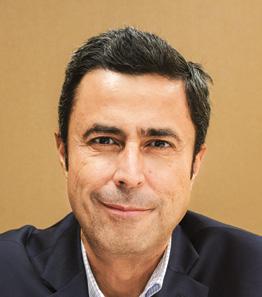
Banregio decided to reduce its position in this segment and focus more on the middle-upper housing segments in Mexico. Before the change in strategy, economic housing was the largest part of our portfolio, and in 2018 we were able to rearrange our portfolio, shifting the middle-upper housing segment to the most relevant position. This has helped us to maintain healthy growth in our housing portfolio.
Many foreign funds are entering the market and looking for guaranteed returns over 20 percent with a series of penalties that could even cause a project to fail. Most funds do not get involved with the projects themselves and base their decisions only on what will provide the best expected return for investors. Many of our clients have explored these types of instruments and end up returning to us due to the importance we place on the projects themselves.
Q: Why did Banregio decide to focus on the SME real estate development market?
A: The risk of working with an SME is that its resources are limited to only a few projects. A successful project could temporarily subsidize another project but SMEs tend to only have the resources to invest in one project at a time. Larger companies tend to have more projects in different geographical areas, which allows them to diversify their income and have a more constant flow. SMEs value that we are highly involved in the projects in comparison to other banks. SMEs and large companies pose the same amount of risk. The important factor is that the project is well-conceived and developed, and that the company has the expertise and ability to execute it. Instead of aiming to have a larger volume of transactions, we look at the quality of the deals and projects we take part in. That has allowed us to have the lowest past-due loan portfolio rates in the real estate market. When it comes to bridge loans for housing development, we have become the third largest bank at a national level.
Banregio is a Mexican regional bank with headquarters in Monterrey. The bank has a strong presence across the real estate markets and is particularly active in funding housing projects
Faced with a cash crunch, the government cast a wider net to meet its budget shortfall to fund Mexico's muchneeded infrastructure projects. Fibras, CKDs, CerPIs and Fibra Es are becoming more popular as vehicles for Afores to invest in the infrastructure industry. Mexico continues to be attractive for international and national investors and as Andrés Manuel López Obrador's administration comes to power, the development of real estate assets will continue to drive construction while the industry awaits a new infrastructure plan.
CKD
CerPI
Fibra
Fibra E
Capital or Debt of operators or construction companies in infrastructure. Can be invested in any infrastructure project
Similar to CKDs but investors play a limited role in the decision-making process
Development, adquisition and leasing of assets. Can be used only for real estate investment
Similar structure to Fibra, but used for the acqusition and leasing of energy, social and road infrastructure only
Amount

Senior Director Mexico of Infrastructure and Project Finance
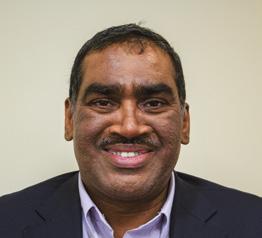
Cherian George Managing Director of Global Infrastructure and Project Finance at Fitch Ratings
Q: Why does the country need more involvement from the private sector in infrastructure development?
AC: We predicted that there would be a larger PPP boom after the first securitization of a PPP, which was ICA’s prison project. It was one of eight projects granted to private companies. The entire market thought it was a new beginning. It has been seven years since then and in this time, there have not been many PPPs at all. It has been slowed down because even though there are many PPP projects in Mexico, many involve national entities, which complicates things a bit. Municipalities and states normally do not have the best counterparty quality, making these projects far more difficult to finance, not only by the market but also by banks. It is an issue because one counterparty in these contracts can have a AAA rating and the other A-. Penitentiary projects have been particularly problematic. They have been downgraded and even though operations have been great from the company’s side, they are not receiving timely payments from the government.
CG: When the public sector manages public infrastructure, some argue that it is inefficient, that costs are higher over time and that there is a lack of transparency in the processes. When the private sector is brought into the picture, there is more attention placed on the project. Any small issue is magnified because the private sector is perceived as making a profit. When thinking about it broadly, the private sector makes profit from 20-30 percent of the capital structure because that is the equity and the rest is debt. There would be debt anyway if it were a public project but, in a PPP, the added equity return is in the single digits relative to total project cost. When comparing it to a public project, and this is true in many countries, overall cost increases can easily reach double-digits, possibly more than offsetting the cost of equity. The private sector is capable of delivering more efficiency but it attracts more
Fitch Ratings is a global leader in credit ratings and research with experience rating more than 3,000 banks, 2,500 insurance companies and 84,000 public entities. In Mexico, it has rated toll roads, public debt and social infrastructure projects
attention because people are much more fearful that it is seeking to make money from the public sector.
In Canada, toll roads are not that viable. This means that road infrastructure projects must be done through availability transactions. The revenue risk is retained by the government and the private sector gets paid to build, operate and maintain that road. The risk allocation has also been tweaked, because sometimes there are risks that the public sector cannot handle, such as environmental elements and rights of way. The bottom line is that there is no one size that fits all. Rather than completely reversing the approach, tweaking the system to reduce the opportunities for the private sector to make too much money while delivering more for the public could be a better way to go.
Q: Is there a lack of liquidity in the market or are there not enough viable infrastructure projects?
AC: There is liquidity in the market. Pension funds are extremely interested in infrastructure projects. Pension funds' balance sheets increase every two months because of contributions from workers. I can see why concessionaires and operators might say that there is not enough liquidity in the market, but the issue comes from bankability. PPP projects can be attractive but unless the contracts are strong, containing clear termination clauses and good counterparties, the bankability of the project limits the construction company’s or operator's ability to acquire financing.
CG: In public infrastructure, the government holds all the cards. For a country to have a good PPP law, the government should begin by creating contracts that are not only attractive to the private sector but which also have restrictions on profit, ensuring quality of services and maintenance. The public will then see the value. The rules are written by the government yet investors are willing to participate more. Infrastructure as an asset class is now global and there are many interested in investing in it. Mexico is one of the stronger emerging markets and is grabbing the attention of many across the globe. Ratings agencies provide an important input for investors on the quality of the credit.
ADRIÁN GARZA Vice President and Senior Analyst at Moody’s Investor Services
Q: How does the allocation of risk change from a PPP to a purely private or purely public infrastructure project?
A: The spirit of a PPP project is to allocate risks based on the ability of each party to assume that risk. Some projects are suited to a PPP, while others may have a public policy nature. For example, the construction of gas pipelines in the south is required to develop the region but it might not make sense for a private entity to invest without the involvement of the government. There is also a significant gray area in which some of the risks and benefits of a project fall under the remit of both the public and private sectors and clearly the government can profit from partnering with private companies that are good at constructing, operating or executing a project, which is not the expertise of the authorities. On the other hand, the private sector may need support with rights of way, the utility of relocation or handling unforeseen risks, which are better suited to the government. Projects that have this combination of characteristics are ideal for PPPs and can benefit from this scheme for their execution and financing.
When banks see that all the pieces are in the right place, they may be more willing to finance these projects. There are also new financing schemes emerging that are similar to equity. For example, in the energy market, CFE introduced the Fibra E, a partnership in which the rights to collect from transmission assets were sold. The asset itself was not transferred but the revenues were. This allowed CFE to partner with private investors without selling its assets, at the same time avoiding taking on debt while giving the private sector a window to invest in the energy sector. Fibra E is an alternative that adds to the options available in the energy sector.
Q: What mechanisms are being used abroad that Mexico could implement to further bridge its infrastructure gap?
A: I am convinced that the underlying project is the most important element and the financing will come if it is strong and it is economically sound. The circumstances of different countries drive them to find different mechanisms to support projects. Mexico has a very strong track record in developing infrastructure via the private sector, with toll-road concessions, power projects, gas pipelines and airports.
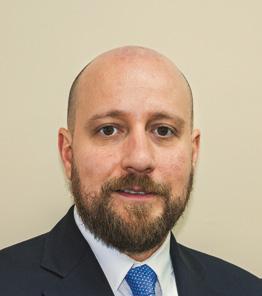
A trend we are seeing in countries such as Peru and Argentina is a PPP in which the government pays back the capital investment with certificates that provide a revenue stream in the future. Basically, these are deferred payments that are unconditional obligations from the government. This allows Peruvian companies to access financing in the international markets. Also, these payments are made in US dollars, eliminating currency risk for international institutional investors. Because they have a strong revenue source from the Government of Peru, sponsors can issue debt backed by these obligations that is paid off as collections from the government occur, moving away from the usual project finance debt risks that typically is dependent on operations and construction. Despite the success this scheme is enjoying in Peru and is being developed in Argentina, I do not think Mexico needs it as the country has a very strong track record and efficient local markets with Afores investing in local projects.
Q: What are Moody’s market expectations for the next 15 years?
A: The trend is to move less toward quantity of projects and increasingly to focus on larger developments such as NAIM and the Mexico City-Toluca Interurban Train. In Mexico, we foresee a lot of activity around the energy sector as a result of the Energy Reform: electricity, pipelines, storage and other related projects. I think that Moody’s Investor Services will continue to participate in pipelines and generation projects, as we expect 80 percent of the investment on the electricity industry – out of a total of US$80 billion in the next 15 years — will be in this sector, especially between transmission, distribution and generation. We rate many of the sponsors of these companies and remain close to the market. For example, we rate CFE and any other company in the energy industry that trades on the Mexican Stock Exchange, like IEnova and TransCanada, among other major players.
Moody’s Investors Services provides credit ratings and research covering debt instruments and securities. Moody’s Analytics offers cutting-edge software, advisory services and research for credit and economic analysis and financial risk management

VÍCTOR REQUEJO
The tale of the two Mexicos describes the country’s twospeed economic growth and how these different economies are pulling the country in different directions, creating a gap in living standards. The housing sector is no different. Magazines, developers and speakers at events and conferences highlight the actions of the Fibras and the opportunities within the high-end segment, which are attracting investment. But we are forgetting the much larger, second Mexico.
The housing market is segmented into two. The first segment includes the buildings developed for and by the Fibras; the other includes the homes constructed by developers. In Mexico, almost 1 million homes are constructed each year, of which 35 percent are constructed by licensed developers and the other 65 percent are constructed on crowded plots. Around 180,000 are built using materials such as sheet steel and bricks. This creates a great deal of opportunity in the MX$1.5 million and below demographic outside the ZMVM, or for the MX$2.5 million and below market within ZMVM.
Mexico has been able to develop so many homes each year in most part because former President Luis Echeverria created INFONAVIT. INFONAVIT made it obligatory for company owners to contribute 5 percent of the worker’s salary to create a housing fund that would bolster his or her ability to purchase a home. INFONAVIT collects approximately MX$150 billion through this fund for the purchase or improvement of housing. It is prepared to sign 10,000 loans weekly for the purchase of a home and finances more than 500,000 homes a year.
The government then created FOVISSSTE, which is a fund in which the federal government and other entities contribute resources so that their workers can also receive loans. The average loan INFONAVIT provides is between MX$350,000 to MX$380,000, which are for small homes. But FOVISSSTE provides higher loans, on average MX$600,000, which allows for the purchase of bigger, more valuable homes.
In 2016, banks provided the most housing loans to the population but the rate has decreased since then. Banco Inmobiliario Mexicano has funded housing development
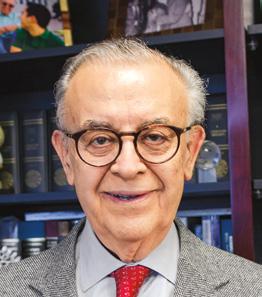
since 2009 and in the beginning, we operated with money from SHF and 65 percent of our funds had to be allocated to social housing. That has changed throughout the years and now we allocate 40-45 percent to social housing, approximately the same for middle housing, and 10-15 percent for middle residential housing. It is difficult for commercial banks to compete with INFONAVIT and FOVISSSTE. INFONAVIT can provide loans at 4-6 percent rates. Although the banks provide affordable rates for middle-class housing, those are still above 9 percent.
Some developers are now putting their projects on hold to see what path the sector will take after Andrés Manuel López Obrador (AMLO) takes charge. He certainly faces many challenges but I believe some far-reaching solutions would be to introduce vertical housing on a broad scale in the suburbs, convince banks to provide loans and mortgages to the informal economy and increase the scope of social housing subsidies. Thanks to FOVISSSTE and INFONAVIT, the country’s housing deficit has decreased, but now it is necessary to examine the kind of housing that is provided. To create more social housing, we must develop alternative cities that may be farther away from the main cities but with more affordable prices. But before developing new cities, the country must first ensure that they are well-connected and walkable, or with a robust transportation system to interlink each city.
Although all this sounds like a challenge, in reality it is an opportunity. Even though Mexico constructs more homes than any other country in Latin America, including Brazil, the housing deficit is decreasing at a slow rate. There is a gap in Mexico of between 8-9 million houses. At 11.2 percent, investment in mortgage credit is lower in Mexico as a percentage of its GDP compared to similar economies such as Chile with 23 percent or Brazil with 35 percent, not to mention Canada and the US. By 2025, Mexico’s GDP is expected to grow to MX$40 trillion and our goal is to reach 20 percent of GDP in mortgage credit, which would equate to MX$8 trillion. Considering 2017 mortgage credits reached approximately MX$3.47 trillion, this means a MX$4.53 trillion opportunity for housing over the next six years.
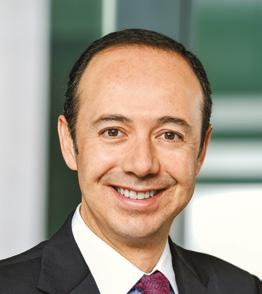
ALEJANDRO RODRÍGUEZ Investment Director at Credit Suisse Asset Management
Fibras and CKDs have boosted real estate development across Mexico and have institutionalized the market. But it is time to make way for a new type of vehicle that until now has only existed in more sophisticated markets: the Mortgage REIT or Fibra Hipotecaria Credit Suisse issued the first CKD on the BMV and is now looking to make history once again by issuing the first Mortgage REIT.
“The current real estate vehicles on the BMV are dedicated to funding equity,” says Alejandro Rodríguez, Director of Investment at Credit Suisse Asset Management. “Our intention is to convert our real estate financing CKDs into a Mortgage REIT in the next three years. The main benefit is that instead of having a CKD with a three-year investment period and a 10-year lifetime, we will create a permanent capital vehicle.” Credit Suisse launched its first debt CKD in the market in 2012 and then the second in 2015: both high-yield general credits that were not specifically for real estate.
In the last few years, Fibras have raised and invested a significant amount of money in the country, as one of the preferred asset classes for local and foreign investors. What differentiates a traditional Fibra and mortgage Fibra is the way returns are distributed. “The main difference between a Fibra and a mortgage Fibra is that Fibras own the properties and then distribute the product of the rent to investors,” explains Rodríguez. “A mortgage Fibra, on the other hand, lends the income-generating assets and then distributes the product of the interest on the mortgage itself.”
To convert into a mortgage Fibra, the manager must first originate the loans needed to distribute the corresponding interest. “We began by issuing our CKDs, allowing us to make the capital calls necessary to construct a portfolio of loans in an orderly fashion,” says Rodríguez. To continue with its plans to issue the first mortgage Fibra, Credit Suisse has been developing its portfolios to match the requirements of its future yields. “In our third CKD, we created an adjacent strategy to both CKDs that made us the largest credit fund manager in Mexico,” he says. “Both
CKDs managed to raise approximately US$1.25 billion. With the RE CKD we raised close to MX$6.5 billion.”
The first institutional investor that entered the Mexican market was GE Capital, which was the top player for many years. It was not until the 2000s that the country became investment grade and more funds began pouring their resources into real estate. “Many began developing in Mexico through global funds,” Rodríguez says. “Funds such as Prudential, Blackcreek and Walton entered the market and began developing institutional-class assets and once the banks regained strength after the crisis, they also began lending once again.”
When the 2008 crisis hit Mexico’s markets, global funds were stuck with illiquid assets and quickly began pulling out their investments in Mexico. This is when the local market jumped in and issued the first CKD in 2009. “This CKD was not destined for real estate but it was used to pull resources from Afores that remained healthy after the crisis,” says Rodríguez. Because CKDs are closed-ended funds with finite lifespans, the market began exploring new vehicles that fulfilled the permanent capital needs of real estate.
This need led to changes in the country’s regulatory framework that gave life to Fibras. These instruments allowed public investment through the BMV and were a huge milestone for the real estate sector. Yet most of the funds that were being injected into the sector were in the form of equity. Rodríguez explains that the leverage in the sector in comparison to international standards was rather low and that the penetration of debt into the asset class was modest. “In Mexico, the total debt in commercial real estate is around US$25 billion while in the US it exceeds US$3 trillion,” he says. “The way Mexico finances its real estate developments is still in a premature stage and must continue to incorporate banks, life companies, capital markets, specialized funds and Mortgage REITs to reach its full potential. Credit Suisse RE’s debt fund is a new step in a natural evolution toward a developed market.”
MANUEL ROMANO Partner-in-Charge at Jones Day
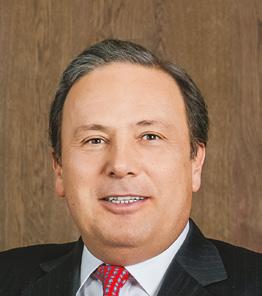
Infrastructure in Mexico continues to be a local game when it comes to financing, with the support of FONADIN and Banobras. “There are very few non-Mexican banks that are working in infrastructure and the main question is, why not? Especially if many are already participating in other sectors in the country,” asks Manuel Romano, Partner-in-Charge at integrated law firm Jones Day.
The answer may lie in the PPP scheme. After it began to be more widely adopted in 2000, the mechanism became a way of professionalizing the sector and allowing private players to play a larger role in bridging the infrastructure gap. “Through PPPs we could get more US and Canadian firms involved in the industry,” says Romano. “This would also promote stricter guidelines for anti-corruption and transparency, which are probable reasons why international players are hesitant to enter the infrastructure industry.”
Increasingly, the private sector is becoming more involved in infrastructure through these schemes and the country’s health and road sectors are encouraging its participation. But there are far more complex factors at work in Mexico’s failure to attract international infrastructure companies, says Romano. “In Mexico, it is not a matter of legality because the laws are well-crafted,” he says. “Complications arise during the implementation. The PPP Law for instance is based on the success stories of Chile, Spain and Colombia.” But, he adds, Mexico’s environment has unique nuances that were not properly taken into account when the law was drafted.
Take for instance road infrastructure’s biggest headache: Rights of Way (ROW). ROW is regularly an issue in the development of new roads and MTS projects such as the Mexico-Toluca Interurban Train. To help alleviate developers’ headaches with ROW, Romano says that the PPP Law intended to improve processes by removing the need of a full appraisal from INDABIN, allowing the private sector to assume full responsibility for negotiations to liberate ROW. “In practice, it is an entirely different story,” he says. “Mexico has various issues that no law can resolve. Companies have all the legal instruments to expropriate parcels, but it is
impossible in some cases.” Although the legal basis is well laid out, he says enforcement is hazy or even non-existent.
Closely linked to this issue is another that continues to gain traction in Mexico: neighbors. The Chapultepec CETRAM was a project intended to serve as a transportation hub to rescue one of Mexico City’s most important streets. The project involved the construction of an underground mall, offices and hotels along Chapultepec Park, improving security and restoring an important part of the city. “Again, it was not a problem of legality,” says Romano. “Neighbors began opposing the project and to this day, the project is halted. There was nothing the investor could do, even with the power of the law behind it.”
“Through PPPs we could get more US and Canadian firms involved in the industry. This would also promote stricter anticorruption guidelines”
Apart from ROW and community issues, the complex nature of infrastructure projects calls for the diversification of risk through project finance. Romano believes syndicated loans can be a good option to reduce risk levels for a participant. PPPs allow developers to share the risk, which is the scheme’s attraction in these types of projects. But he says many developers have failed to consider risk allocation and have overleveraged themselves to participate because they feel they bid aggressively. “Without risk sharing, the liability rests solely on the shoulders of one party,” Romano says. “If something does not go according to plan, then a company could lose a lot. Aggressive bidding on projects that could ultimately end up costing twice more than expected, could potentially push companies to delay the project and like a house of cards, lead to lawsuits or even the cancelation of contracts.”

Luis Quintero Executive Director Corporates/ ABS of HR Ratings Mexico
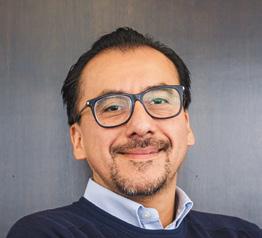
Roberto Ballinez Executive Senior Director of Public Finances and Infrastructure of HR Ratings Mexico
The desire to address climate change and abide by environmental regulations has infrastructure developers and investors seeking to promote sustainable growth. Roberto Ballinez, Executive Public Finance and Infrastructure Director of HR Ratings, says awareness of social and environmental impact calls for sustainable mechanisms for project financing. HR Ratings, he says, is at the forefront of financial innovation, breaking ground with its methodology to rate green and social bonds.
“HR Ratings’ ratings process is our differentiator. We are headed in the right direction as the market for these financial tools is growing.” On the path to sustainable infrastructure, the market has the option to invest in a green, social or sustainable bond. All financial resources obtained from the issuing of the bond must be allocated to projects that represent a social and environmental benefit.
According to HR Ratings’ Directors, the global market for social bonds is growing, as they tap into a market that aims to invest in projects that improve social welfare. Pioneered in the UK in September 2010 by Social Finance, they have quickly spread. Aligned with the UN Sustainable Development Goals (SDGs) the international community is increasingly appealed to place its investments in them, encouraged by international organizations such as the IFC launching social and green bond programs. In Mexico, NAFIN took the first leap of faith on social investment mechanisms in 2017, issuing the first social bond in the country with the MSE for MX$4 billion. The funds will be allocated to education, access to financial services for lowincome communities, microcredits for women and SMEs, among other targets.
Luis Quintero, the agency’s Executive Corporate Director, agrees that investor interest in projects is piqued when there is a green element. “Our perception is that investors are increasingly demanding a green and social component for the projects they invest in. Besides the usual race for profits, sustainable awareness is gaining momentum.” Grupo Rotoplas pioneered with the first sustainable bond issuance in Latin America for MX$2 billion, followed by Banobras for
MX$10 billion, which was five times oversubscribed. Both examples are a good thermometer of what investors are looking for, says Ballinez. “There is still some reluctance, but the market has provided a first step that gives private investors some certainty and encouragement to bet on sustainable bonds.”
Despite the increasing popularity of financial mechanisms for sustainable infrastructure, green and social bonds are still unknown to many. Now that awareness is beginning to grow, new mechanisms are emerging to ensure a smooth process. “HR Ratings previously had a methodology only for green bonds and was unable to rate the social component of projects, hindering our ability to incorporate sustainable bonds,” says Ballinez. To meet market demand, the Credit Rating Agency (CRA) developed a methodology for both social and green bonds, opening the path for sustainable bonds that can be rated in Mexico.
In the case of green bonds, investors want to be socially responsible and environmentally aware when placing their capital, says Quintero. “When choosing between two similar projects, the possibility to go for the green one is higher,” he says. But it is crucial for investors to understand that the presence of a green bond rating for a project does not come with any direct financial benefit, as the credit rating is independent. Social bonds work somewhat differently, in that they are not exclusively issued for infrastructure projects. “The first social bonds have been mostly directed to infrastructure developments but their goal is also to support that segment of the population looking to escape the poverty threshold and to break the cycle of inequality,” says Quintero.
Keeping at the leading edge of financial mechanisms, HR Ratings’ products provide the framework to rate new sustainable projects. “We believe that we will keep growing with the market, supporting and guiding investors on social and green ratings,” says Quintero. “It is paramount for us to keep innovating and we strive to have updated methodologies, in order to act as a catalyst to incentivize market growth.”
ALFONSO VEGA
Commercial Director of Serfimex
Q: What niche does Serfimex serve in Mexico?
A: Family-owned companies and SMEs in Mexico are not all served by direct banking. This is the niche where most intermediary banking institutions focus because larger banks do not have the capacity to provide services to this segment. We generated specific products for these companies in which the greatest added value is providing personalized attention. We strive to become partners of companies that are growing rapidly and to develop long-lasting relationships. Our bestselling service is leasing, where we concentrate on specific subsectors, such as hospitality, that have had positive growth in the last two years. We are part of Grupo Kamaji, which has a real estate division that constructs hotels throughout the Riviera Maya. Two years ago, we opened an office in Cancun to provide better service to all those companies. Leasing to the hospitality industry is risky because their actives are extremely specialized. It is difficult to commercialize assets such as industrial-sized kitchens. Not many institutions are willing to take the risk.
As an intermediary there are many factors to take into account. It is not easy to maintain operations and obtain funding. It is difficult for intermediary financial institutions to go from a more boutique service to institutionalizing its services but we were able to take that step and we are now maintaining our position in the market. Although our portfolio has expanded, we still retain our key value of fostering closeknit relationships with our clients.
Q: What role does Serfimex play within the Mexican construction and real estate industries?
A: Providing services to the construction is difficult, especially to companies that have more activity in public works. During the 2015-2016 real estate boom, we worked closely with heavy machinery providers, providing them leasing services. But the sector entered a rough patch and we have not worked with many companies involved in the construction sector unless they specialize in the private projects. When it comes to the real estate sector, we have leased elevators, control and fires systems, as well as other types of technology. Our strategy is to search for developers that work solely for private projects. At the moment, we are working more
closely with stores such as Sonora Grill, Sushitto and various others. We have also become the financial arm of Sport Fitness that has the subsidiary brand Life Fitness, which is one of the top gym brands in the country. We also finance gyms for residential projects. Although we provide loans to construction companies, the construction and infrastructure industry represents only 5-7 percent of our credit portfolio, while hospitality represents approximately 45 percent.
Q: What are the main market barriers for SOFOMEs such as Serfimex?
A: In general, the market does not completely understand how leasing works and the benefits it has. Another entry barrier is the cultural aspect. In comparison to other European markets or the US, Mexicans want to own things. Changing that mindset has been extremely difficult. If you use leverage, this will be taken into account after the operational costs. When leasing, that cost is attributed to operational costs and is 100-percent tax deductible. This is an important fiscal advantage and for VAT generators it is accreditable in terms of interest and VAT on the entire rent.
Q: Are there more risks when financing SMEs in Mexico compared to larger companies?
A: Our nonperforming loans actually behave better than that of our loan portfolio. There is a natural guarantee and if the person stops paying, it is simpler to come into an agreement to sell the asset. Because these are productive assets, companies pay extra attention to the payments because without them, they would not be able to continue operations and make money. The nonperforming loans portfolio is much lower than that of the working capital because the SMEs’ working capital is almost the same as a consumption loan where the destination of the funds is unknown. In Mexico, most SMEs are family companies that normally do not separate their expenses.
Serfimex is a nonbank lending and finance institution (SOFOM) that provides credit and financial leasing to SMEs for both working capital and the acquisition of assets. It is part of Corporativo Kamaji, owner of Pulso Inmobiliario
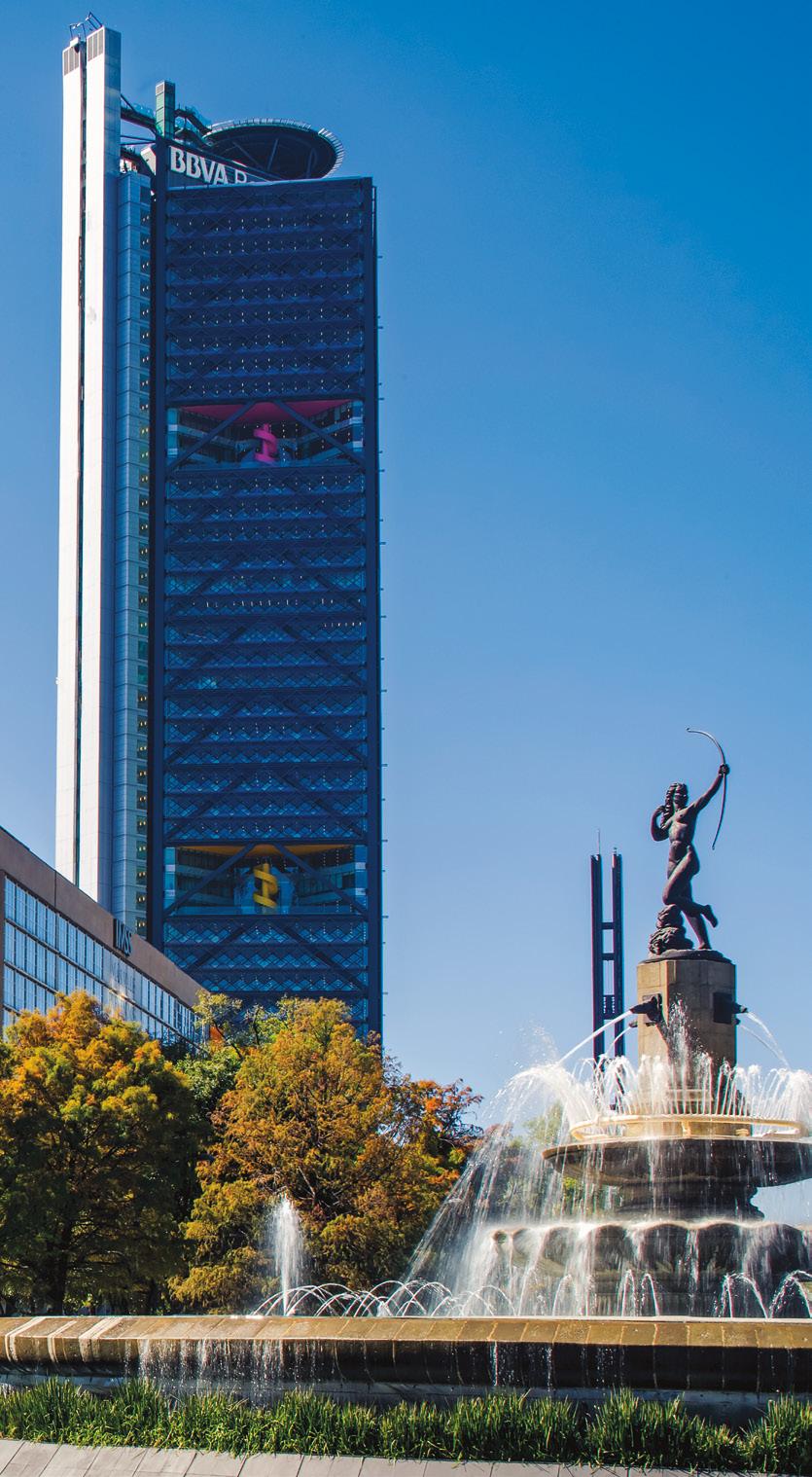
The new federal administration led by Andrés Manuel López Obrador has touted an infrastructure revival as a top priority for reinvigorating the economy. López Obrador has said that he would increase spending in the sector, highlighting modernization as a key plank in his strategy. That is good news for the industry but promises and action are two different things and key stakeholders are in waitand-see mode as the new president has also said he would revisit key projects from the Peña Nieto era, including NAIM.
Despite the political transition, not everything is uncertain. The government should remain committed to policies to reduce CO2 emissions and continue its path to sustainable development so the country can achieve its COP20 goals. At the same time, both the public and private sectors will have to embrace new ideas and actions to ensure the resilient growth of the country through a long-term plan.
In this chapter, industry experts cast their eyes at 2019 and beyond, discussing the country’s priorities in terms of infrastructure development, financing and sustainability.
280 INSIGHT: Luis Vega, Sustentabilidad para México (SUMe)
281 INSIGHT: Eduardo Miranda, Mexican Association of Intelligent and Sustainable Building (IMEI)
283 INSIGHT: Jorge Caballero, KPMG in Mexico
284 INSIGHT: César Treviño, Bioconstrucción y Energía Alternativa (BEA)
285 INSIGHT: Lourdes Salinas, THREE Environmental Consulting
286 INSIGHT: David Domínguez, 3Lotus Consulting Mexico
287 INSIGHT: Antonio Villarreal, Axioma
288 INSIGHT: Fina Moisés, Urban Land Institute (ULI) Mexico
289 VIEW FROM THE TOP: Francisco González, Constitucionalistas Mexicanos
LUIS VEGA President of Sustentabilidad para México (SUMe)
Certifications like LEED or WELL are often viewed as an extra expense, and a niche for developers that want to brand themselves as sustainable. Luis Vega, President of Sustentabilidad para México ( SUMe), says that if companies correctly followed Mexican legislation on sustainability, they could easily obtain these international certifications. “We do not have the correct auditing processes and we must work on that,” he says. “But if every developer in Mexico adhered to Mexican norms, we could easily meet the requirements for any other legislation, including LEED.”
Supported by the World Green Building Council (WGBC), SUMe works as a nonprofit consultancy that emphasizes the importance of sustainable certifications and helps companies obtain them for their developments. The consultancy works across a wide variety of certifications, including LEED, WELL and EDGE, and Vega says it is constantly searching for others to help improve urban lifestyles. This also enables SUMe to offer a tailored approach to certifications. “We want to get all the certifications under our umbrella so we can provide the right information to the market,” he says. “We want to avoid the use of certain certifications that may not be appropriate for a certain project.”
But for some, LEED certification is merely a branding tool. One study found that, for US buildings, a normal construction could consume on average 29 percent more energy in some cases than a LEED-certified building. Vega dismisses the idea that certification is simply a marketing ploy and argues that it is a display of each company’s mindset and commitment to sustainability. “LEED is not only a brand but a part of the spirit of the people pursuing a better world,” he says. “A building without the LEED label is not necessarily unsustainable. But LEED is designed for companies that want to show the world that they are conscious of their construction decisions and are committed to the future of the country.”
Vega also argues that while LEED is not necessarily more cost-effective for developers in the short term, which
can put them off the idea, there are long-term benefits associated with certification. “When comparing the average price of a standard house to a totally certified development, the latter will never be more than 10-15 percent more expensive,” he says. Although that may sound like a lot for a developer’s bottom line, over the lifetime of the house it is a drop in the ocean, he says.
Still, the private sector can only do so much; the bigger picture, according to Vega, requires a policy change. ““LEED cannot only go so far alone,” he warns. “In September 2017, we learned that a natural disaster like an earthquake can change our landscape in an instant and if we do not invest in infrastructure, we will continue to exacerbate the problem.” He says that it is ultimately the responsibility of the government to implement the macro policy related to infrastructure, the environment and water use.
Vega points to events in South Africa as a reference for Mexico to take action sooner rather later. In the midst of a three-year drought, on June 4, 2018, Cape Town was expected to become the first major modern city in the world to face “Day Zero,” when the city’s aquifers were forecast to run dry. To avoid that result, the country launched an aggressive but successful campaign geared at conserving the resource. “We must make the commitment to do the right thing today,” he says. “If we move in the right direction today, we can avoid a situation like this.”
The next presidential administration must also act by implementing a strong infrastructure policy, Vega adds. He believes incorporating sustainability into the culture of the country would go a long way toward meeting infrastructure goals. “In every school today, children are talking about how to recycle and separate trash, and every day they are starting to have a greater understanding about the importance of these initiatives,” he says. “Mexico City made the decision to separate trash but the problem is that this decision is not aligned with the rest of the country. This means most of the time it all goes into the same landfill.”
EDUARDO MIRANDA President of the Mexican Association of Intelligent and Sustainable Building (IMEI)
Many companies in Mexico are pushing for more sustainable practices and the country has made great progress through the adoption of certifications such as LEED. But regardless of the strategies applied, Eduardo Miranda, President of the Mexican Association of Intelligent and Sustainable Building ( IMEI), a nonprofit that provides training and education related to sustainable construction, says cultural and regulatory barriers still exist. “Even though the country’s regulatory framework is strong, there are many regulations that are not obligatory and therefore remain recommendations for the industry,” he says.
Although many sustainable practices are not mandatory, the private sector is quickly adapting these norms into their projects and continue pushing not only the quality of their developments but of the industry as a whole. IMEI works closely with lawyers, consultants, developers and other industry players to accelerate the professionalization of the sector, to act as the role models for the country.
“After enjoying many success stories in implementing these norms, we can then go to the government and demonstrate the positive impact that it has not only on the sector, but on the entire population,” says Miranda.
Sustainability may not be mandatory in legislation but Miranda says many developers are beginning to feel pressure from their private sector counterparts, especially as transnational companies continue to enter the country.
“JLL, CBRE and others are now demanding that buildings comply with sustainable characteristics before selling or leasing the assets,” he says. “Certifications such as LEED, EDGE and BREAM will continue to push and incentivize new players entering the market in the coming years to serve these niches.”
Acting as almost a bridge between the public and private, IMEI belongs to a chapter of BOMA Mexico that is continuing to lobby for the implementation of sustainable norms in the country. Miranda says this high-level coordination is required to ensure the industry grows evenly. “We want the market to grow in a uniform manner so that services and products are professionalized along with it,” he says. “Together we
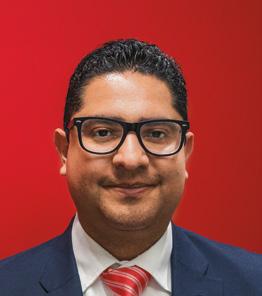
will educate the Mexican market to adopt sustainable norms in a conscious way and not just to follow a trend.”
Regardless of lobbying efforts, the public sector in Mexico tends to have a much slower learning curve than the private sector. IMEI has developed a good relationship with CONUEE through the years and looks to continue creating strong bonds with other government entities. “Although CONUEE has responded positively, it has not been as fast as we would like it to be,” Miranda says. “We strongly believe that professionalizing the sector, especially when it comes to installation services, will be a breakthrough for energy efficiency in all types of projects.” He points out that there are many cases where the design and development of a project follows all the steps necessary to be sustainable, but when it comes down to the small operations such as installation of cables, processes are not carried out correctly and this generates problems in the project’s path to sustainability.
Traditional energy consumption in buildings brings to mind air conditioning and lighting but Miranda points out that there are new high-consumption sources in the form of cell phones, computers and tablets. “Miscellaneous objects are now exceeding the consumption of lighting, especially after the incorporation of LED products,” he says. “We never considered these objects before because they were not as common. Servers, printers and even kitchens are other elements that exist in most buildings and cannot be turned off, while items such as air conditioning can be controlled to save energy.”
Raising awareness among the Mexican population could play a significant role in saving energy, especially due to the new consumption and building trends. “These new urban ecosystems brought together by coworking spaces concentrate large numbers of people and energy consumption will only increase from here. We must educate the country to truly impact the sector,” he says, adding that progress is being made, although not nearly enough. “There is a positive trend to follow sustainability and the technology exists in the market, but the problem is that it is being underused due to a lack of culture and professionalization.”

JORGE CABALLERO Head of Real Estate, KPMG in Mexico
Mexico’s real estate market, whether commercial, residential or corporate, appears to be on track to a promising future, thanks in part to disruptive financial tools that are underpinning the sector. “There is no bubble forming in Mexico, at least from the real estate perspective,” says Jorge Caballero, Head of Real Estate at KPMG in Mexico. “Funding and institutional investors continue to mature, especially with the introduction of CKDs and Fibras into the BMV. Now, more real estate assets are owned by private institutions or investors, both national and international.”
Fibras, CKDs, CerPIs and Fibra Es are encouraging Afores to diversify their investment portfolios and venture into new sectors. “Afores are playing a larger role and they want to expand their limitations of how much they can invest in properties, nationally and internationally,” says Caballero.
Since CKDs emerged in 2009, Afores have participated in 78 CKDs and one CerPI with an investment of more than MX$159.9 billion as of February 2018. With the announcement that CerPIs can be used for international investment, the participation of foreign investors is expected to increase. Caballero explains that US and Canadian pension funds that are investing in Mexico are granted tax benefits and that in the near future, Afores will be able to invest in international assets. Some funds are taking advantage of the various opportunities the market is offering, especially in real estate and infrastructure development.
“The need for investors to gain capital through Afores is huge,” he says. But Mexico must make sure that its macroeconomic conditions are favorable for investors. Interest rates have jumped from 2 percent when these instruments were released, to 7 percent in 2018. “It could get to a point where investors will question whether they should put their money in a secure instrument where they have 7 percent return, or on an attractive but risky investment.”
One wrench in the machinery is the uncertainty created by NAFTA renegotiations and the aftermath of the presidential elections in Mexico, which have made it more difficult to
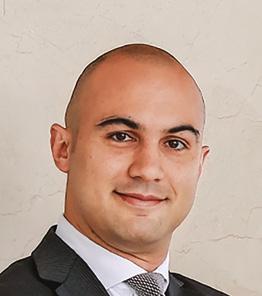
issue these financial instruments. “At the moment, there is a significant pipeline of CKDs that are close to IPO, but we believe the market will behave similar to the way it did during the 2016 US presidential elections. At first, there was a decrease in investment and, once the results were revealed, the projects resumed in 2Q17. The impact was temporary, companies slowed their investments and were more cautious. The market realized that there was no imminent risk and continued with their projects.”
The interest is there, primarily among US and Canadian funds, says Caballero. Changes in political administrations often bring challenges for all players throughout the infrastructure industry. For real estate developers in particular changes in legislation could pose a hurdle. “The local legislation surrounding parking lots for instance has created a grey area around mixed-use projects,” Caballero says. “Assets have a designated number of parking lots depending on whether they are housing, commercial, tourism or corporate developments; however, there is no legislation for mixed-use projects.”
Housing appears to be whetting investor appetite the most. According to Caballero, a number of investors are trying to introduce a new type of housing asset: rental housing. Developers are paying close attention to the changing generations and understand that they want to live, work and relax in the same area and are not looking for mortgages.
“One asset with a lot of potential is rental housing in cities. In other markets such as the US and Singapore, people are more often choosing apartments and condos in the city over traditional housing to avoid traffic and to increase efficiency in their everyday activities,” Caballero says.
Disruption in the financial market for infrastructure development is positive for the sector but it must be complemented by disruption in related sectors to make these initiatives truly successful. “We are seeing new asset classes but there are no loans for these new assets, such as rental housing. Because the returns and structures of these types of projects are different, existing standards and products do not always apply,” he says.
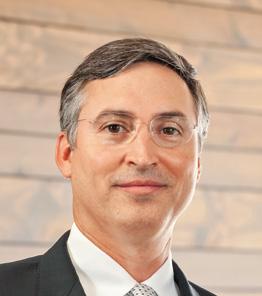
CEO and Founder of Bioconstrucción y Energía Alternativa (BEA)
Mexico has come a long way in terms of pushing for sustainability but although there are more LEED buildings and other certifications, Mexican regulation is still catching up to international standards, says César Treviño, CEO of Bioconstruccion y Energia Alternativa (BEA). “In the 16 years that we have been in the market, we have yet to see a project in Mexico where the official Mexican energy efficiency and environmental impact code is more demanding than the international best practices of LEED,” he says.
Mexico’s first certification was in 2005 and in 2015 the country had 139 LEED-certified buildings. By the end of 2017, Mexico had more than 305 LEED-certified buildings, totaling over 5.16 million m2 of space. But Treviño says an extra boost is needed, and only the government can provide it. In Mexico, the Voluntary Certification Standards are based on additional fulfilment going beyond the minimum requirements. In the case of LEED, it requires developers to comply with various international energy efficiency standards. If the local standard is equal or superior to its international counterpart, the local one can be used. Treviño explains that this is never the case and that LEED-seeking projects continuously refer to international standards.
In a way, this scenario has also boosted the attractiveness of LEED certifications among developers. Treviño explains that it allows developers to truly differentiate their projects in the market as they go above and beyond local regulations and do things differently. Treviño believes the public sector will also come around in the near future. “We anticipate that the companies adhering to international standards will begin to demand more from Mexican norms,” he says. “In the next few years, standards will be raised in terms of sustainability and voluntary certification requirements will also increase.”
Traditionally, the private sector is quicker to innovate and adapt new technologies and sustainability practices. Despite the push from private sector investors and developers, the public sector still has room to grow. According to Treviño, 90 percent of the projects BEA participates in are private sector and only 10 percent public sector. “At the moment we have seldom participated in public transport, schools and
hospital projects,” he says. “But there is growing interest from public institutions to incorporate more sustainable practices in social infrastructure.”
Just like in large infrastructure projects, Treviño says that the greatest challenge is in providing continuity to the strategic sustainable plans across political terms. “We have worked in projects where there are political changes in the planning and development stages and it drastically alters the goal, dynamic and final outcomes of the project,” he says. “But there are better practices in terms of project management and planning. We need to implement these improved methodologies in public works.”
To encourage the public sector’s adoption of sustainable practices, Treviño believes that the development of specialized teams would help. “Depending on the type of project, public institutions should have an in-house team with professional capacity to carry out the technical supervision of critical projects,” he says. “For a particularly large project like a hospital or airport, the government can subcontract these processes because it does not have the staff.”
Sustainability and related certifications in particular are not yet mainstream in Mexico but Treviño explains that recently they have been adopted in unprecedented numbers. “Since green building is not obligatory for real estate projects, many developers saw it as an effective differentiation tool,” he says. “The sector is at a stage where it is shaping its technical abilities for the market and breaking the status quo, providing more value to sustainability practices and monetizing the results.”
There is hope for the widespread use of certifications in Mexico and Latin America, even though some are not as fast to catch on as others. EDGE for instance has had a slower market penetration but Treviño says the possibilities it offers will help it take off among private sector companies. “There is a healthy market balance between world-class certifications, the increase in commercial performance and the enforcement of basic national standards that will raise the bar in the country’s sustainability standings,” he says.
LOURDES SALINAS
Director General of THREE Environmental Consulting
Mexico’s mindset regarding sustainability is changing for the better but there are still gray areas as developers come to grips with just what it means to create a sustainable project. “Sustainability can be seen simply as a label that one can place on a building or as a marketing strategy,” says Lourdes Salinas, Director General of THREE Environmental Consulting. “On the other hand, if carried out in the right way, with the right studies and analysis, it will give developers greater added value and a return on their investment.”
THREE Environmental Consulting’s goal is to support developers in the creation of projects that focus on the most cost-effective strategies within sustainability consulting and LEED certification. “THREE Environmental Consulting carries out a series of numerical studies using computer programs to precisely measure the results each sustainability or architectural strategy would generate,” Salinas explains. “It is important that any strategy implemented is not simply aesthetic or subjective, but that it actually has numbers to back up the investment. When developers see these results, that is when sustainability stops being a trend and becomes a replicable investment strategy.”
One size does not necessarily fit all, which is why it is crucial to carry out the proper studies before implementing a strategy. “Not all sectors or projects are the same and it is our job to be creative and find the unique characteristics that can increase the value of each product,” Salinas says. She stresses the importance of not only taking into consideration the space and environment, but also the habits of the people that will inhabit that space. “Developing best-fit solutions for residential real estate is far more complex due to the variety of uses the space can have, as opposed to commercial real estate, which tends to have standardized schedules and uses.”
THREE Environmental Consulting has experience working on commercial and residential real estate, which includes many corporate, housing and mixed-use projects in Monterrey and other cities across Mexico and the US. Salinas identifies Monterrey as a city that is experiencing a strong push forward in sustainability. Urban projects such

as Distrito Tec, which is being carried out by ITESM, push for the construction of sustainable buildings and bolster the involvement of communities in infrastructure projects to generate greater value.
Salinas says one of the toughest sectors in Mexico’s real estate is social housing due to restricted budgets, specifications and locations. THREE Environmental Consulting has participated in research alongside the Association of Companies for Energy Savings in Construction (AEAEE), where together they studied 14 cities with high population growth and different bioclimatic characteristics to identify the best ways to increase comfort and reduce energy consumption in social housing.
Later, in collaboration with IDB, KfW and SHF, THREE Environmental Consulting participated in the evaluation of energy consumption, humidity, and temperature with realtime sensors for EcoCasa housing, a federal program that provides credit to developers that incorporate sustainable technologies and practices in their projects. “Through this project, we identified that in many cases, the problem is not energy consumption, but occupant comfort in social housing,” Salinas says. “Comfort levels vary greatly depending on how the house is used by each family, so comfort can be improved through education and community security.”
One of the main issues the firm has identified is that it is common in Mexico to have the subcontractor generating the design and engineering for a certain system also selling and installing the equipment. This is uncommon internationally; it means the same company providing the engineering solutions also provides the technology and systems, and without generalizing, this may adhere to the most convenient low-cost and fast-turnaround metrics for the designer but fail to consider quality or energy efficiency for the project. “The ideal situation is where a specialized engineering firm focuses on the most cost-effective, energy efficient design and a specialized construction company carries out an adequate installation; this is the recommended way to assure the best interests of any project.”
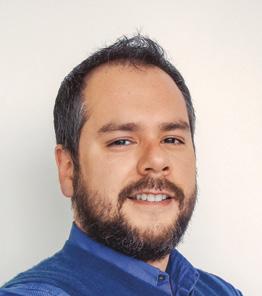
DAVID DOMÍNGUEZ Founder and CEO of 3Lotus Consulting Mexico
Just like finding the right shoe to fit Cinderella, developers must ensure they choose the correct certification for their project. LEED, BREEAM, SITES, TRUE, EDGE – each has its own scope and impact. It is a matter of finding the right one for every market niche, says David Domínguez, Founder and CEO of 3Lotus Consulting Mexico. Sometimes, however, the top option is not always the best fit.
In the end it comes down to priorities. LEED aim for net-zero energy consumption, while EDGE focuses more on resources and simple sustainability. At the top of the pyramid, the Living Community Challenge (LCC) targets a symbiotic relationship between all aspects of the environment and people. “The most demanding is the Living Building Challenge, followed by Regenerative Design,” Domínguez explains. “LEED is on par with SITES and TRUE.”
Despite LCC setting the course that all sustainable buildings should follow, it is still hard for Mexican metropolises to comply with all its waste, energy and water requirements. “LCC is the best option for new developments and its principles should be adopted in existing buildings where possible,” says Domínguez. “But it is key to acknowledge that it is not always going to be viable and that other certifications may fit certain projects better.”
3Lotus Consulting Mexico has advised several projects on how to achieve LLC, but it is so restrictive that so far, no skyscraper has obtained the certification in the world. “The available technology in Mexico is good, but compliance with this certification’s requirements is still difficult,” Domínguez says. Given how much of a challenge it can be for big constructions to achieve net-zero energy, water and waste; LCC currently fits residential real estate better. “In my opinion, residential is the right way to go,” he says. “But in cities like Mexico City, with such a high resource-consumption rate, it is more challenging.”
Given LCC’s complexity, LEED has been the certification with greatest market penetration, making Mexico the LEED leader in Latin America. Despite its popularity with certain projects, Domínguez believes that LEED and the other certifications at a similar impact level answer to a market that sometimes
is elite and represents 30 percent of global infrastructure developers. “EDGE, on the other hand, is a tool that seeks to serve the remaining 70 percent through a mass market transformation,” he explains. The latter is simpler, cheaper and faster to obtain, as it does not have the same scope of the other certifications. But he stresses that the certifications do not compete. Instead, each has a specific feature that makes it the best fit for a particular project. “For example, in Mexico, the cost of LEED is too high for hospitals, hotels and the housing market,” he says. “Other certifications, such as EDGE, can bridge this gap.”
This raises an important issue: green building must also meet developers’ budgets. Constructing sustainably can be more expensive at the beginning, as the market needs to adapt its regulations, permits processes and materials to certifications’ requirements. Domínguez believes that, at the moment, sustainable building can increase project costs by 5-10 percent, but many developments have seen the benefits of building green without their costs going up. “We also need incentives because if it is more expensive to build sustainably, developers typically will not do it,” he says.
In general terms, Domínguez believes these costs can be divided in three. One is the money paid to the US Green Building Council for the certification, which for large projects can reach US$30,000. The second cost is market-driven and considers all the consultants required for obtaining the certification. The remaining costs are allocated to all the extras the developer must incorporate to comply with the certifications, such as special materials. “Developers need to undergo a decision-making process to choose which materials to use,” says Domínguez. “According to estimates, materials can increase costs between 3-5 percent.”
Materials could also be the key for what Domínguez believes is the ultimate solution for building sustainability: energy consumption. “Facades can be the solution to 60-70 percent to all energy problems,” he says. “A good facade with the right material and proper building orientation that manages natural light can save a lot of money on air conditioning and lighting, increasing energy efficiency.”
ANTONIO VILLARREAL Director General of Axioma
As the Mexican construction industry continues to evolve, the demand for qualified project managers increases, and along with that comes competition. Because project managers do not sell a product but services, Antonio Villarreal, Director General of Axioma, says that the key factor that will differentiate project management companies in the future is their ability to innovate.
“According to KPMG, 49 percent of Mexican companies will have at least one project fail. In construction, a successful project is measured by its timely completion, within budget and that it meets the client's expectations. This fast-evolving economy demands continuous innovation,” he explains.
Innovation in construction can be achieved through the improvement of products, processes, construction systems and designs and according to Villarreal, developers and investors are becoming more demanding in terms of construction quality, times and, of course, lower costs with higher returns. Villarreal believes the potential of the Mexican construction industry is immense and that each year more investors choose to place their money in Mexico. According to INEGI, in 2Q18 FDI increased 14 percent in comparison to the previous year, despite the cloud of uncertainty generated by the presidential elections and the NAFTA renegotiation.
One of the most alluring sectors for investors has been the Mexican real estate market and he says it is important that companies innovate through continuous improvement and creativity. “Mexico invests less than 1 percent of GDP in innovation while the international standard is 2 percent. Axioma is trying to break the mold and constantly invest a percentage of its earnings in innovation,” Villarreal explains. “But we are aware that innovation in the construction industry is a long-term process and it requires a great deal of work.”
When asked to define a successful project management firm, Villarreal says that it must understand the business of its client to fully understand how to manage it. This philosophy has helped Axioma expand from its Monterrey
roots to new markets across the country and to gain the trust of many small, medium and large developers. Axioma has participated in projects such as Saqqara Residential tower in Monterrey, Sukarne plant in Durango, CFRSO Ramos Arzipe with Black Rock and the platforms for BMW plant with Artha Capital.
“In construction, a successful project is measured by its timely completion, within budget and that it meets the client's expectations”
Although there are many advantages to innovating, it is not always easy to do, says Villarreal. “The main challenges companies face when approaching innovation is the lack of information and knowledge,” he says. “Axioma integrates project management strategies from other industries and adapts those to the current situation. We use lean construction, design thinking and other strategies to promote innovation internally.”
The construction sector itself demands the integration of technologies such as BIM to ensure projects run smoothly. These technologies are the right hand of any project manager. Human capital also is extremely important to determine success in the construction sector and, according to Villarreal, there are many challenges ahead for project management players.
“There is a bright future ahead for the Mexican construction industry and a great deal to learn. Yet there are many things for which we can provide better solutions and improve,” he says. “The construction industry continues to be dominated by large companies that often make it difficult for smallersized companies to keep up. This makes the retention of human capital even more challenging.”

FINA MOISÉS Director of Urban Land Institute (ULI) Mexico
Mexico has typically overlooked urban planning but a little education could go a long way to improving the landscape going forward, says Fina Moisés, the Director of Urban Land Institute Mexico. She adds that the best urban planning is rooted in knowledge-sharing between governments, industry and academia. “Collaborative learning may be the key to educate Mexicans on improved urban planning,” Moisés says. “Our mission is communication, information and education.”
ULI, an expert in the responsible and sustainable use of land, brings infrastructure experts together to share their knowledge on how to build the best infrastructure that cities need but it also educates young people through mentorship programs. One of the organization’s core initiatives to foster collaborative learning is the Young Leaders Group (YLG). This involves a team of professionals under 35 years old immersed in mentorship programs with groups of six people mentored by an industry leader. “This allows new generations to immerse themselves in the knowledge of experts,” Moisés says.
“Collaborative learning may be the key to educate Mexicans on improved urban planning. Our mission is communication, information and education”
Technical Assistance Panels (TAPs) are another component of ULI’s legacy and Advisory Services Programs. Its goal is to solve real urbanism cases through the collaboration of both authorities and industry experts. “TAPs have significantly helped in the rehabilitation of cities,” Moisés says. These are run and implemented by ULI’s local district councils. These councils select the panelists who will collaborate in working sessions to address land-use challenges. In Mexico, the first TAP took place in Tijuana in June 2013. Moisés wants to continue promoting the program across new governmental
administrations. “We want to carry out more TAPs with greater participation from the authorities.”
But Mexico’s gap in education needs to be addressed through multiple strategies in which TAPs and YLG are only two pieces of the puzzle. Technology is one way Moisés says the country can learn to better integrate urban planning. But while new technologies contribute to create public spaces, it is vital to inform the users on how to use them safely. For example, the public needs basic training on the use of public transport, such as biking systems.
To further address cities’ mobility issues, the industry wants to provide mass public transport systems, such as new Metrobús lines. In metropolises that often never sleep, with people in the street at all times, safe public transport solutions working at all times are required, Moisés says. “I have seen positive changes regarding transport and the creation and rehabilitation of public spaces but we still have a lot to do.”
Education and mobility are two pieces of the puzzle but Moisés says this should not be the only focus. The growth of secondary cities should be fostered to alleviate the pressure from the biggest urban centers like Mexico City, Monterrey and Guadalajara. Moisés gives the example of the US and Europe boosting secondary cities where people can still access opportunities. “Fostering gentrification of secondary cities must stem from urban planning,” she says. That being said, Moisés acknowledges Mexico is learning from other countries’ best urban planning practices. “I think we are moving in the right direction and it is our mission to foster this trend,” she says.
Moisés adds that the gentrification trend implies urban planning for emerging sustainable cities. With ever more people living in urban areas, cities are experiencing a population boom that calls for new building techniques. “The use of land is being concentrated and mixeduse projects are setting the trend for real estate infrastructure,” she says. “Construction is shifting to verticalization, as the industry aim to make the best use of land and natural resources.”
Partner at Constitucionalistas Mexicanos
Q: How can real estate developers better manage the due diligence aspects of their projects?
A: There are several factors to take into account. Regarding legal certainty, institutions have been proven to have a certain degree of corruption, which causes the industry to be more cautious with due diligence, elevating project costs. Also, the fiscal burden for the construction industry is growing extensively as Mexico City is imposing new taxes and other states are replicating this, affecting the feasibility of several projects.
Our firm aims to encourage the analysis of the constitutionality of taxes. A great part of the fiscal costs of a project can be recuperated, but about 70 percent of developers are clueless about this. As for the execution of the project, I advise my clients to really comply with applicable law. In a hurry to construct quickly, developers often overlook procedures and end up being shut down. A great deal of the litigation we solve could have been prevented by complying with due diligence.
Our clients are mainly Fibras, real estate developers and multinational supermarket chains across Mexico. Some are afraid to contest taxes, which often enables abuse by the authorities. The best way to prevent any corrupt practices is to ensure the project is within the legal framework and complies with all procedures. If the developer falters at any stage, it is going to increase times and costs of projects. Carrying out thorough due diligence allows developers to contest any possible objection to the project from a legal standpoint without giving way to bribes.
Q: How can real estate developers better contest and manage the tax-burden of their projects?
A: There are two paths for fighting an excessive fiscal burden. The first is how to structure the business to pay a lower amount of taxes without resorting to adversarial dispute settlement. The second relates to the land acquisition process as there are several notarial and procedural strategies to reduce times and costs. There are some taxes that must be contested from the very beginning of projects. For example, certain taxes must be
paid in accordance with the amount of land developed, and this can reach up to 10 percent, both for commercial and residential projects. This is one example of a tax that we address from the beginning, because to lose 10 percent of the land beforehand is very harmful.
The day-to-day work of our firm is to contest construction taxes; of the taxes paid by a developer, up to 90 percent are unconstitutional. Very few developers are aware of this, and of those that are aware, even fewer launch dispute actions against the authorities. This requires extensive explanation to the clients so they can better understand which institutions are involved in the process.
Q: How do you reduce a developer’s project costs through legal strategies?
A: We must ensure that normativity is being complied with; it is not viable to build an industrial park in a residential area or to build a 60-story building in an area with heights restricted to 30 stories. The key is to draft the executive plan according to the land regulations and always be very clear so the developer understands the legal constraints.
To reduce land costs, it is important to have a thorough negotiation process with the ejido. The first owner after the ejido is not subject to taxes, which can mean a significant cost-savings for the developer. Our goal is to conclude the first transaction to avoid this tax. In cases when the firstownership premise is not applicable, it is a good strategy to make the landowner a partner of the project to avoid taxes over immovable property and income tax. How much we can reduce costs depends on the type of project. For example, for a commercial real estate development, such as a shopping mall, taxes represent 12-15 percent of total costs. We have been able to retrieve up to 90 percent of these taxes and our clients end up paying only around 3 percent of project costs.
Constitucionalistas Mexicanos is a law firm specialized in the design of strategies to counsel real estate developers on the due diligence of their projects to reduce their fiscal burdens
AFDZEE Federal Authority for Special Economic Zones
Afore Mexican Pension Funds
AICM Mexico City International Airport
AMEFI Mexican Fibra Association
BIM Building Information Modelling
BMV Mexican Stock Exchange
BOT Build, Operate, Transfer
CAPUFE Federal Roads and Bridges
CBFI Real Estate Stock Certificates
CEPAL Economic Commission for Latin America and the Caribbean
CERPI Investment Project Stock Certificates
CETRAM Mexico City Modal Transport Centers
CFE Federal Energy Commission
CIEN Certificate for National Educational Infrastructure
CMIC Mexican Chamber of the Construction Industry
CNBV National Banking and Stock Commission
Compranet Mexico’s electronic procurement system
CONACYT National Council of Science and Technology
CONAGUA National Water Commission
CONAVI National Housing Commission
CONSAR National Commission for the Retirement Savings System
COPARMEX Mexican Employers Association
CRM Construction Risk Management
DBO Design, Build, Operate
Ejido Area of communal land
EPC Engineering, Procurement and Construction
Fibra Mexican Real Estate Investment Trust
Fibra E Mexican Real Estate Investment Trust for the Energy and Infrastructure Sectors
GACM Grupo Aeroportuario de la Ciudad de Mexico
GLA Gross Leasable Area
IFT Federal Telecommunications Institute
IMSS Mexican Institute of Social Security
IMTA Mexican Water Technology Institute
INAH National Institute of Anthropology and History
INEGI National Institute of Statistics and Geography
INFONAVIT Instite for the National Housing Fund for Workers
IIoT Industrial Internet of Things
IoT Internet of Things
IPGH Pan-American Institute of History and Geography
IPR Initial Project Reviews
ISSTE State’s Employees’ Social Security and Social Services Institute
LFZEE Federal Law for Special Economic Zones
MLP Master Limited Partnerships
MTS Mass Transportation System
NAFTA North America Trade Agreement
NAIM New Mexico International Airport
NIP National Infrastructure Program
NOM Mexican Official Norm
OECD Organization for Economic Development and Cooperation
PCAs Property Condition Assessments
PMO Project Manager Officer
PPP Public Private Partnership
R&D Research and Development
ROI Return on Investment
ROW Right of Way
SAT Revenue Service
SCT Ministry of Communications and Transport
SEDATU Ministry of Agricultural, Urban and Territorial Development
SEDUVI Ministry of Urban and Housing Development
SEMARNAT Ministry of the Environment and Natural Resources
SHCP Ministry of Finance and Public Credit
SHF Federal Mortgage Society
SME Small and Medium Enterprises
TDD Technical Due Diligence
UNAM National Autonomous University of Mexico
USMCA United States-Mexico-Canada Agreement
USP Unsolicited Proposal
WEF World Economic Forum
WTP Water Treatment Plants
WWTP Wastewater Treatment Plants
ZEE Special Economic Zones
ZMG Guadalajara Metropolitan Area
ZMM Monterrey Metropolitan Area
ZMVM Valley of Mexico Metropolitan Area
40-41 A Strategic Water Overview
62-63 Mobility, A Work in Progress
76-77 One of its Kind: Deploying the Shared Network
206-207 Designing a Mixed-Use Skyline 234-235 Location, Location, Location 250-251 EPN Infrastructure Government Commitments 2013-2018
266-267 Development Through Capital, Debt Markets
83 Trend Spotlight: Smarten Up: Mexico Lags in Smart Rankings
106-107 Project Spotlight: Reshaping the Visuals of the Santa Maria District - Naranjo Arquitectos
182-183 Project Spotlight: A New Way to Live in Guadalajara - Greystar
190-191 Company Spotlight: Real Estate Giant Highlights Demonstrated Ability to Adapt
Project Spotlight: Recinto Escandón
3Lotus Consulting Mexico 286
Acciona Infraestructuras 149, 154, 155
Aceros Metalli 130
ADCOMA 128
AECOM 160
Alba Proyecto Estructural 166
Allied Wireless and National Fiber Networks Mexico 91
American Industries 231, 235, 237
ANEAS 22, 38, 39
API Altamira 257
API Tampico 256
Aqualia 46
Ares Arquitectos 96, 101, 204
ATCO 169
AutoTraffic 67
Avison Young 223
Axioma 287
Ayesa 162
Ballesteros y Mureddu 8, 69
Banco Inmobiliario Mexicano 271
Banregio 193, 265
Belden 87
Bentley Systems 88
BIM 85, 108, 156, 165, 165, 173, 173
Bioconstrucción y Energía Alternativa 243, 284
BMV 10, 14, 136, 147, 189, 263, 267, 272, 283, 156
Brickwalling 243
Cabify 62
CAF 53, 56, 60-61, 73, 175
CallisonRTKL 97
Campeche 25, 143, 162
Carza 188, 267
Caterpillar 120, 128
CBRE 113, 214, 281
CENAGAS 235
CFE 234
Clear Channel International 81
CMIC 9-10, 12, 30, 31, 33, 139, 140, 144, 151, 164
CMIC Queretaro 30
CMIC San Luis Potosi 31
Colliers International 113, 216, 219
CONAVI 9, 11, 30, 145, 175, 265, 290
Consorcio IUYET 165
Constitucionalistas Mexicanos 289
Consulta 222
Corev 115
CREA 187
Credit Suisse 204, 266, 272
Cushman & Wakefield 113, 224, 230
Danpal Mexico 122
Deloitte 192
DiDi Chuxing 62
DIOCSA 194
dormakaba 130-131
Durango Ministry of Economy 29
Easy 62
Econduce 62, 63
Fibra Danhos 146, 204, 208, 267
Fibra Uno 9, 114, 149, 205, 263, 267
Fitch Ratings 134, 268
Fluence 50-51
FOA Consulting 13, 135, 145, 154
FR-EE 98-99
Garvi Grupo Inmobiliario 195
Gava Capital 178, 189
General Paint 131
GFA 179, 221
GLR Arquitectos 111
GM Capital 130, 216
Greystar 9, 178, 180-181, 166
Grupo Acerta 193
Grupo Cementos de Chihuahua 125, 248
GRUPO CONSTRULITA 114
Grupo Financiero Banorte 264
Grupo IDESA 123
Grupo Inmobiliario CUBE 242
Grupo LAR 184
Grupo Momentum 225
Grupo Plate 218
Grupo SACMAG 147, 157, 161
Grupo Tadco 156-157, 161
Grupo VEQ 196
Guanajuato 24, 29, 185, 220, 224, 237
Guardian Glass 121
Guerrero Ministry of Economy 33
GVA 71
Herman Miller 113
HH & Asociados 32
Hill International 168
Holland & Knight 86, 148
HR Ratings 274
IMEI 281
Iñaki Echeverria 96, 102
Indra 80
INEGI 63
Ingeniería en Administración de Contratos 173
Interpuerto Monterrey 241
INVERTI 221
Jalisco 234
Johnson Controls 82
Jones Day 154, 273
KCSM 241, 255
Kingspan 129, 238
KIVA 220
KPMG 9, 16, 23, 135, 148, 154, 171, 234
Levy Holding 197
LOMA Desarrollos 217
MABASA 129
Mac Arquitectos Consultores 112
MACH Construye 186
MANUEL TORRES DESIGN 110
Marhnos 82, 172
Mayer Hasbani 109
Metrobús 62, 63
MEXTYPSA 252
Ministry of Economy of the State of Durango 145
Ministry of Mobility of the Municipality of Queretaro 58-59
Miyamoto 167
Modutram 64
Moody’s 134, 269
Naranjo Arquitectos 105, 107
NKF 240
Nokia 79, 83, 147, 240
NOVIDESA 123
O’DONNELL 230, 239
OECD 15, 22, 41, 134, 139, 146, 249, 290
Orange Investments 181
O-tek 47
Owens Corning 124
PRODEMEX 82, 164
Prologis 10, 126, 226, 230, 232-233, 235, 267
ProMéxico 14, 42, 231, 236, 248
Prosperia 70
Proyectos 9 207, 215
Pulso Inmobiliario 207, 212, 275
Queretaro 234
Reichmann International 211, 230
Rizoma 85
ROADIS 80, 149, 154, 253
Robbins Mexico 163
SACMEX 38, 42-43, 44, 49
s*arc 103
Sacyr 158-159
Schindler 83, 90
SCT State Office Queretaro 28
SEMOVI 57, 60, 89
SENER 254, 294
Serfimex 275
Shimizu 170
Siemens 78
SITA 72, 83, 89
spAce 108
State of Mexico 63
SUEMA 48
SUEZ Mexico 49
Sustentabilidad para México 280
Tamaulipas 26, 256, 257
Terrafina 230, 231, 235, 267
Thor Urbana 179, 204, 209, 221, 242, 267
THREE Environmental Consulting 285
Transconsult 68
Uber 62, 63
U-Calli 56, 178, 185
ULMA Construction 127
UN-Habitat 17, 56, 67
Urban Land Institute Mexico 288
Veolia 38, 44-45
Vertiv 84
Vesta 236
VIDAL Arquitectos 104
Walmart 213
WRI Mexico 65
ZVA Group 100, 200
26
28
143 GACM
MBP
145 MBP, CAF México
146 SEFODECO Guerrero, Sara Warden, MBP
147 MBP, Grupo BMV
148 Holland & Knight, Alejandro Alvarez Etchegaray
149 MBP, SCT State Office Queretaro, FUNO 150 Prologis
MBP
MBP
SACYR
Industries
ATCO México
KPMG
172 MBP 173 Ingeniería en Administración de Contratos
Oficina Adrián Llaguno 179 MBP
Greystar
Orange Investments
MBP
MBP
MBP
MBP
Credit Suisse Asset Management
María Dolores Robles Martínez
MBP
Back Cover Secretaria de Obras y Servicios, CDMX
SENIOR JOURNALIST & INDUSTRY ANALYST: Brenda Salas
JOURNALIST & INDUSTRY ANALYST: Veronica Yepes
EDITOR: Ricardo Guzmán
SENIOR EDITORIAL MANAGER: Sara Warden
EDITORIAL DIRECTOR: Mario Di Simine
PUBLICATION COORDINATOR: Omar Martínez
COMMERCIAL MANAGER: Bruna Brandão
COMMERCIAL DIRECTOR: Jack Miller
COLLABORATOR: Madina Kurbanova
COLLABORATOR: Estefania Villavicencio
COLABORATOR: Alejandro Salas
COLLABORATOR: Luis Pesce
GRAPHIC DESIGNER: Mónica López
SENIOR GRAPHIC DESIGNER: Ailette Córdova
DESIGN DIRECTOR: Marcos González
WEB DEVELOPMENT: Omar Sánchez
SOCIAL MEDIA COORDINATOR: Karen Sujo
CIRCULATION MANAGER: Elizabeth Solís
DIRECTOR GENERAL: Jeroen Posma
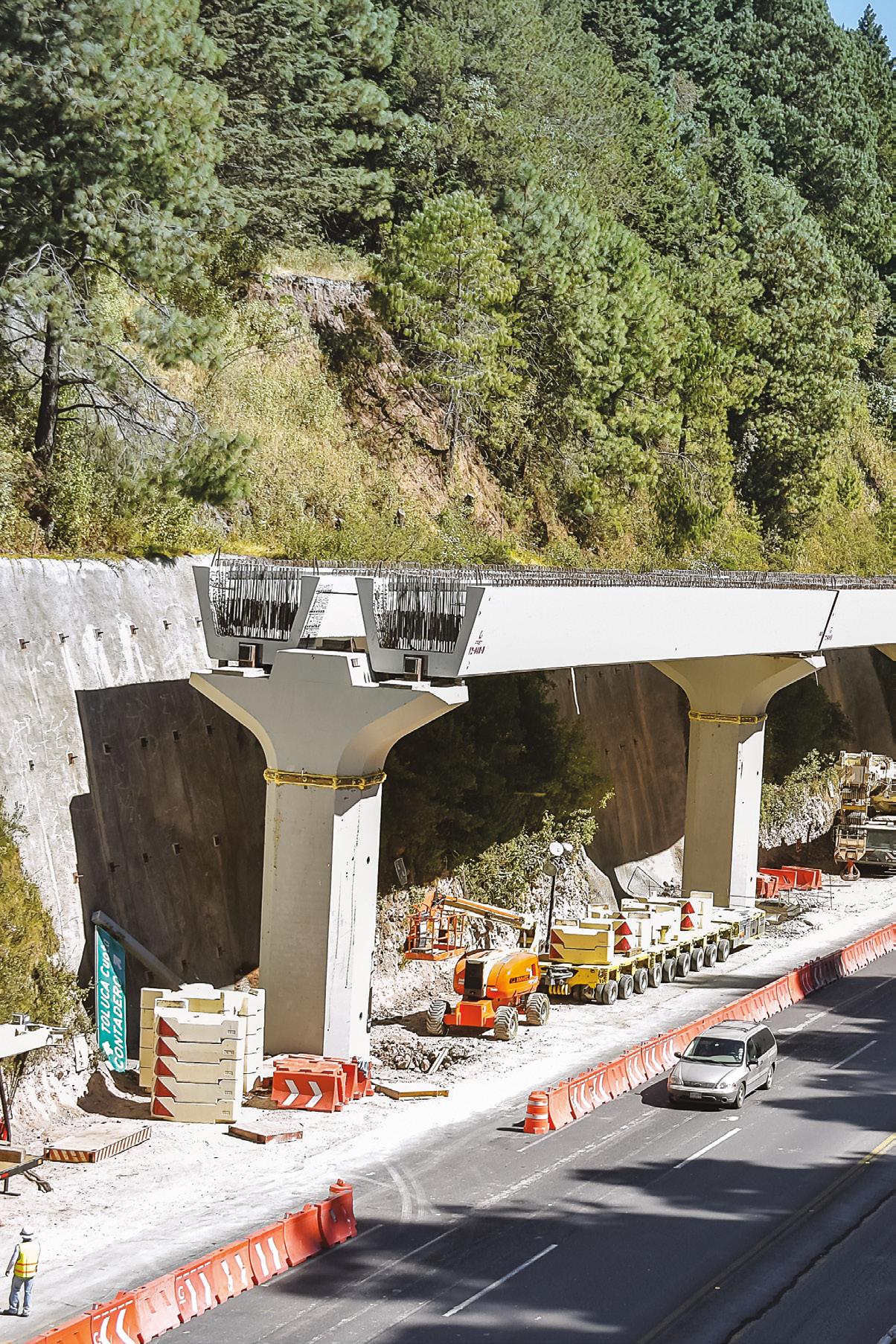
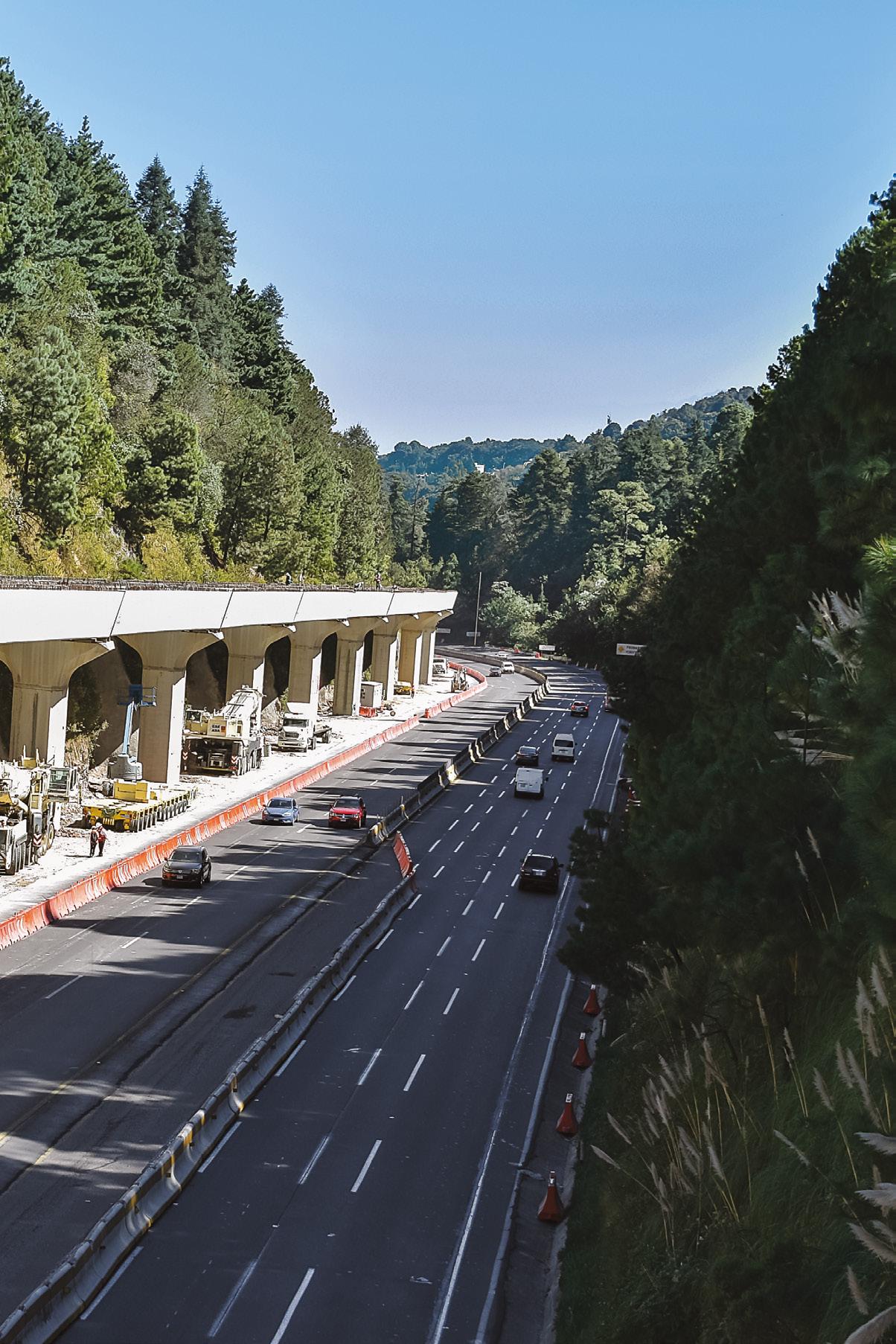
“A country that invests in infrastructure is investing in the development and the progress of its society”
Enrique Peña Nieto, President