
Networking Sponsor






Platinum Sponsor
Gold Sponsors
Silver Sponsors

Networking Sponsor
Top leaders of the life sciences industry met in Mexico Health Summit ECHO 2021 to showcase the opportunities and challenges that are emerging in the sector, as it deals with the worst sanitary crisis of the modern era.
For the industry, the pandemic brought many lessons but also opportunities to grow and reinvent itself while putting patients at the center. Businesses are now introducing innovative approaches and solutions that respond to today’s health realities and prevent a future sanitary crisis.
The sector’s is also striving to meet sustainability goals, which are being supported by technology, financing premium plans, preventive healthcare culture and patient empowerment. Care providers seek to improve their internal performance to reflect their visions for a healthier society.
There are still challenges to overcome. The COVID-19 pandemic is not over but multinational efforts have provided Mexico sufficient doses to immunize its entire population, a task that is still going on. Meanwhile, IMSS, the country’s largest public health institute, remains committed to achieve universal healthcare.
During Mexico Health Summit ECHO 2021, we learned that the sector is stronger when it works together and that efforts to improve are not isolated. Healthcare leaders are working to meet new targets in health prevention, technology integration, stronger communication and collaboration among stakeholders to create a sustainable, patient-centric ecosystem that foments innovation and is accessible for everyone.
129 companies
360 conference participants
64 speakers
8 sponsors
4,003 visitors to the conference website
How would you rate the quality of the conference program and speakers?
Breakdown by job title
Mexico’s leading B2B conference organizer introduces the world’s leading event networking platform.

Delivering intent-based matchmaking powered by a rtificial Intelligence that connects the right people. Network, no matter where you are.



207 participants
809 matchmaking communications
116 1:1 meetings conducted
How would you rate the quality of the matchmaking on Brella?
Matchmaking intentions
1,365
• avalon Pharmaceutical
• abbott Laboratories, Inc.
• accord Farma
• alivia Clinica de alta Especialidad
• allen Laboratorios
• allergan
• ambar Capital
• aMID asociacion Mexicana de Industrias Innovadoras de Dispositivos Médicos aC
• anadim
• apotex
• arrOBa INGENIErIa , Sa DE CV
• asociación mexicana de diabetes en la Ciudad de México aC
• asociación Mexicana de Laboratorios Farmacéuticos, a .C.
• astellas
• aVa Salud
• aXa Keralty
• aXa Seguros México
• Biomérieux
• BIOSKINCO
• Boston Scientific
• Brella Ltd
• Brightsea
• Bristol Myers Squibb
• British Embassy
• Bupa México
• CaNIFarMa
• Central Media
• Centro de Investigación Sophia
• CHG-Meridian México
• CHIESI
• Christus Muguerza
• CIrCUTOr México, Centro américa y Caribe
• CISNE México (Centro de Investigación en Sistema Nervioso)
• City Cancer Challenge
• City Council
• Cluster Medico Jalisco
• Cold Chain Technologies
• Colorcon
• Consejo Coordinador Empresarial
• Consejo de Salubridad General
• Consejo mexicano de neurologia
• Consejo Mexicano de Ortopedia y Traumatología
• ConvaTec Mexico
• Draeger
• Ecaresoft
• Edwards Lifesciences Mexico Sa de CV
• Embassy of Canada in Mexico
• Eolis
• Farmacéuticos Maypo, S. a . de C.V.
• Farmacia Guadalajara, Sa de CV
• Farmacias ISSEG
• Farmacos Continentales S. a de C.V
• FarMaPIEL
• FrontierView
• Fundación Mexicana para la Salud. a .C.
• Genetics and Health Sa de CV
• Gobierno de Ontario en Mexico
• GrUPO DaLINDE
SaN aNGEL INN
• Grupo GSMexico
• Grupo Médico rossano
• Grupo Promotor de la Industria de Cannabis
• Grupo Torre Médica
• GSK
• HL7 México
• Hospital Ginequito
• Hospital San angel Inn Chapultepec
• Hospitales San angel Inn
• Hospitaria
• IMSS
• IMSS aBC
• Indra
• Instituto de Salud Pública de Chile
• INTEraCIONaL FarMaCEUTICa
• Investigacion Farmaceutica
• IQVIa
• Janssen Cilag
• Johnson & Johnson
• Kaspersky
• Kuehne Nagel
• Laboratorio Médico Polanco
• Laboratorios alfasigma
Mexico Sa de CV
• Laboratorios Liomont S. a . de C.V.
• Laboratorios Sanfer
• Laboratorios Sophia
• LaVarTEX
• Mayo Clinic
• MediHC
• Medisi america
• Medtronic
• Merck
• Mexico Business
• MexicoView
• Microport
• Moksha8
• MSD
• Multiplica
• Mural Med
• Nadro
• Netherlands Embassy in Mexico
• Novartis
• Olympus Mexico
• Omron
• PaSCUaL aSESOrIa y CONSULTOrIa
• perrigo mexico
• Pharmadvice
• PLM
• QbD México
• rGa reinsurance Company
• roche
• Sánchez Devanny
• Sandoz Mexico
• Sanofi
• Sarstedt Mexico
• Sartorius México
• Siemens Healthineers
• T5DC
• Takeda
• Tecsalud
• TIS
• Tokio Marine Mexico
• Trout & Partners
• UCIN MEDICa
• UDIMEB
• ULTra LaBOraTOrIOS
• UNIVErSIDaD DE GUaDaLaJara
• Viveo Health
• Von Wobeser y Sierra
• Within3
• Zacsoft
08:55 WELCOME TO MEXICO HEALTH SUMMIT - DAY 1
09:00 DIPLOMACY, SOLIDARITY STAND AGAINST WORST GLOBAL PANDEMIC
Speaker: Martha Delgado Peralta, Undersecretary for Multilateral affairs and Human rights at Mexican Ministry of Foreign affairs
09:30 MEXICO OUTLOOK IN 2022: PREPARE TO CAPTURE BUSINESS OPPORTUNITIES AMID A CHALLENGING OPERATING ENVIRONMENT
Speaker: Alejandro Valerio, a ssociate Practice Leader Mexico and Central america of FrontierView
10:00 PUBLIC-PRIVATE COLLABORATIONS TO CREATE HIGH-QUALITY SERVICES
Moderator: Hector Valle, Executive President of Funsalud
Panelists: Javier Potes, Director General of CMH
Raul Anaya Nuñez, Director General of Certificación at Consejo de Salubridad General
Patrick Devlyn, President of the Health Commission at CCE
10:45 BOOSTING HEALTHCARE UTILIZATION BY ADDRESSING FINANCIAL HARDSHIP
Moderator: Javier Potes, Director General of CMH
Panelists: Horacio Garza Ghio, Health System General Director of CH rISTUS MUGUEr Z a Gustavo Fernandez, CEO at Grupo Torre Médica
Paula Garavito, Managing Director at a X a /Keralty
Cesar Carrasco, Excecutive Managing Director at Hospitales San angel Inn
11:30 NETWORKING OPPORTUNITY - AI POWERED 1:1 MEETINGS
12:30 GOING BEYOND THE VIDEO CALL: THE FUTURE OF STAKEHOLDER ENGAGEMENT
Speakers: Lance Hill, CEO of Within3
Estefanía Torres, Therapeutic area Lead Immunology Director of Takeda
13:15 BETTER CARE THROUGH AN INTERCONNECTED HEALTH SYSTEM
Moderator: Georgina García, President of Cluster Médico Jalisco
Panelists: Jose Solis Padilla, Senior administrator for International Business Development of Mayo Clinic
Jorge Camargo, CEO of EC ar ESOFT
Esteban López, MD Healthcare and Life Sciences Market Lead for the americas at Google Cloud
Sandra Sánchez-Oldenhage, President of Pharmadvice
14:00 NETWORKING OPPORTUNITY - AI-POWERED 1:1 MEETINGS
15:00 HEALTH SERVICES CONTINUITY: PANDEMIC AND POST-PANDEMIC SCENARIOS
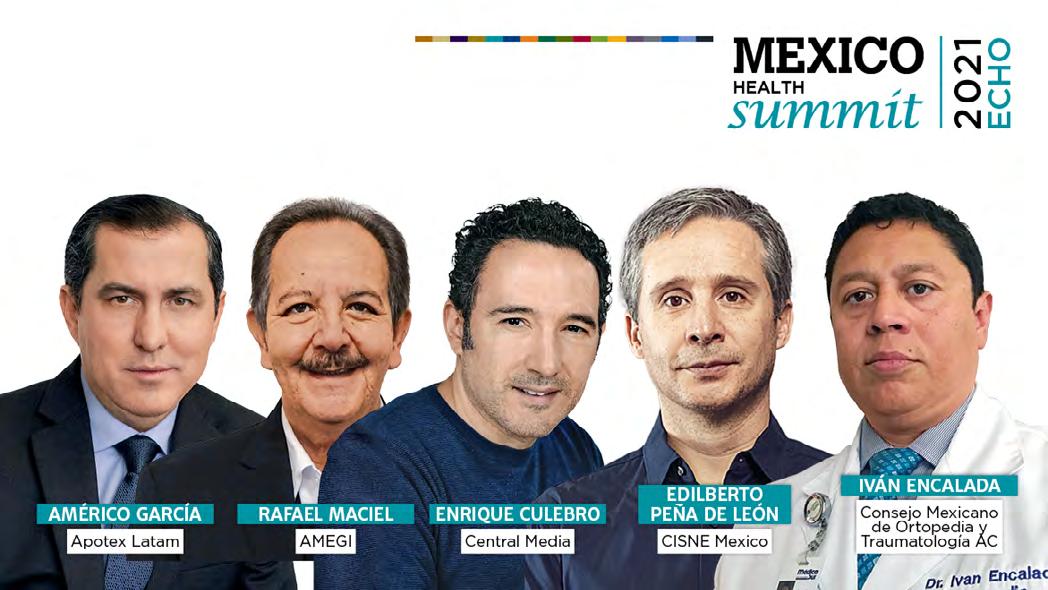
Moderator: Américo García, VP and Director General of apotex Latam
Panelists: Rafael Enrique Maciel Martínez, President of a sociación Mexicana de Genéricos (aMEGI)
Enrique Culebro Karam, Director of Central Media
Edilberto Peña de León, Director General of CISNE Mexico
Iván Encalada Díaz, Vice President of Consejo Mexicano de Ortopedia y Traumatología aC
Leopoldo Cavazos Castro, Health regulation Consultant at M yC a sociados
16:00 AN INTEGRAL APPROACH TO HEALTH PREVENTION
Moderator: Guillaume Corpart, Managing Director of Global Health Intelligence
Panelists: Jaime Fragoso, Director of Processing Centers of LMP
Eduardo Lara, Vice President, Head of Health Latin america at rGa
Fernando J. Cruz, Country President and Head of Corporate affairs and Communication at Novartis Group Mexico
Gabriela Allard, President at Mexican Diabetes a ssociation
17:00 HEALTHCARE ACCESS AS A NATIONAL PRIORITY
Speaker: Manuel Cervantes Ocampo, Coordinator of First Level Medical Units at IMSS
17:30 NETWORKING OPPORTUNITY
08:55 WELCOME TO MEXICO HEALTH SUMMIT - DAY 2
09:00 COMPROMISED MEDICINE SUPPLY: THREAT TO PUBLIC HEALTH
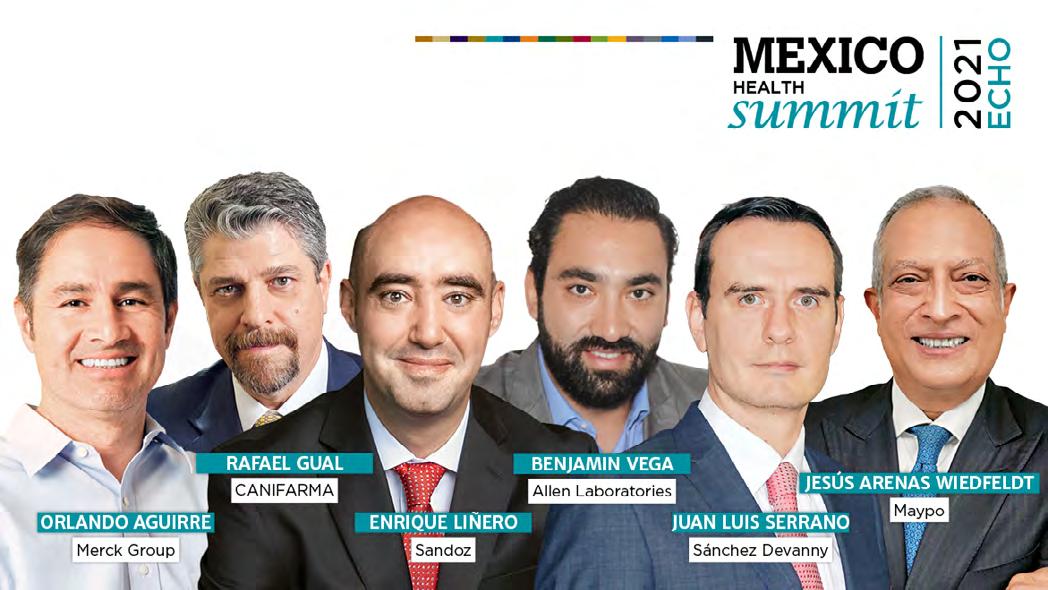
Moderator: Rafael Gual, Director General of C aNIFar Ma
Panelists: Orlando Aguirre, Government Sales Director, Market access & Pricing of Merck Group
Benjamin Vega, Commercial Director of allen Laboratories
Juan Luis Serrano Leets, Partner- Life Sciences at Sánchez Devanny
Jesús Arenas Wiedfeldt, Corporate Communication Director of Maypo
Enrique Liñero, Country Head at Sandoz
10:00 COUNTERFEIT DRUGS: THE IMPACT ON THE PHARMACEUTICAL INDUSTRY
Speaker: Gary Pond, Global Product authentication Lead of Colorcon
10:45 ACCELERATED PATHWAYS FOR ACCESS TO PHARMACEUTICAL INNOVATION
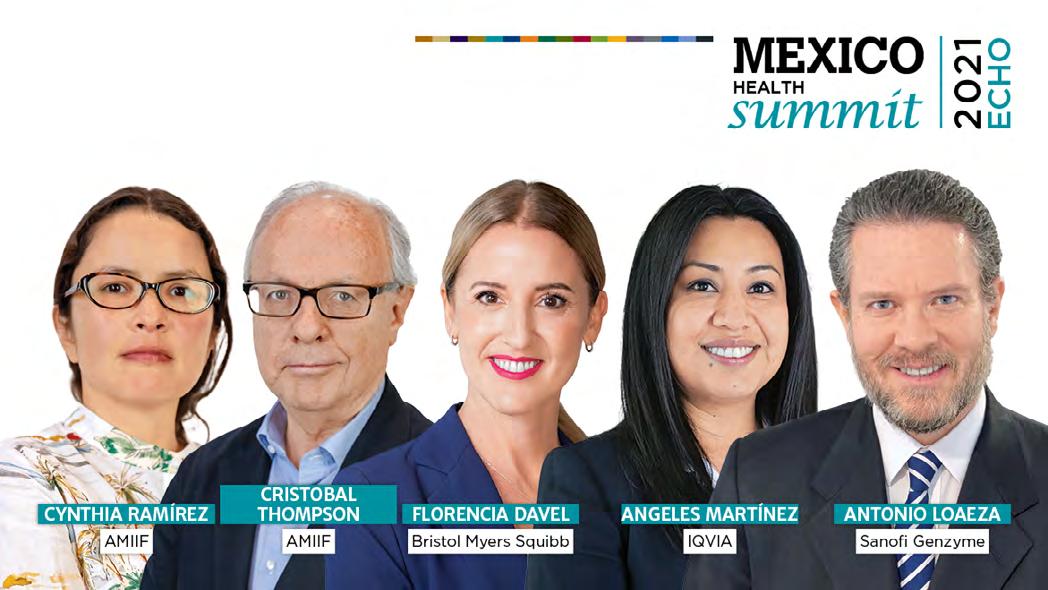
Moderator: Cynthia Ramírez, Communications Director of aMIIF
Panelists: Cristobal Thompson, Executive Director of aMIIF
Florencia Davel, VP, General Manager, Latin america at Bristol Myers Squibb
Antonio Loaeza, Country Medical Director at Sanofi Genzyme
Angeles Martínez, Senior Principal and Head of Consulting, North Lat am at IQVIa
11:30 NETWORKING OPPORTUNITY - AI-POWERED 1:1 MEETINGS
12:30 INTEGRATION OF HEALTH ECOSYSTEMS 5.0
Moderator: Alejandro Ruiz, Health Industry Global Head at Multiplica
Panelists: Carlos Flores, Chief Innovation Officer of Nadro
Hector Sobrino, Director of Health Services and Transformation of a X a /Keralty
Jesus David Diaz Garaygordobil, CIO at CH rISTUS MUGUEr Z a
13:15 IMPACT OF THE DIAGNOSIS IN THE FIGHT AGAINST ANTIMICROBIAL RESISTANCE
Moderator: David Godínez, Medical advisor of bioMérieux
Panelists: Hector Barillas, Director General of bioMérieux
Suria González, Infectionist of bioMérieux
Julian Jiménez, Lab Specialist of bioMérieux
14:00 NETWORKING OPPORTUNITY - AI-POWERED 1:1 MEETINGS
15:00 VALUE-BASED INVESTMENT FOR STATE-OF-THEART MEDICAL DEVICE TECHNOLOGY
Moderator: Ana Riquelme, Executive Director of aMID
Panelists: Alejandro Paolini, Managing Director - Mexico, Central america & the Caribbean at Siemens Healthineers
Juan Gabriel Gay, Managing Director at TI Salud
Héctor Orellana, VP North Latam at Medtronic
15:45 DATA: PRIVACY, OWNERSHIP, ETHICS, AND CYBERSECURITY
Moderator: Guillermo Bilbao, Director of Energy Business Mexico of Minsait
Panelists: Fernando Gamallo, Director of Information Tchnology of Sanfer
José Arriaga Murcia, CIO at Tokio Marine Mexico
Pablo Cubela, IT Director of BUPa Mexico
Victor Medina, acting President at HL7 Mexico
16:30 WOMEN IN HEALTHCARE: THEIR EXPERIENCE AS INDUSTRY LEADERSV
Moderator: Massiel Nunez, Director americas at FrontierView
Panelists: Florencia Davel, VP, General Manager, Latin america at Bristol Myers Squibb
María Johnson, VP of Channels for Latin america at Boston Scientific
Sandra Cifuentes, Latam area Lead of a stellas
Luly de Samper, International Vice President, MEDIC aL DEVICES, Latin america at Johnson & Johnson
Mariana Tolovi, Managing Director, Latin america at Edwards Lifesciences
To contain the COVID-19 pandemic, Mexico has strengthened international alliances to secure the necessary vaccines, medicines and medical equipment to care for its population. The country’s multilateral agreements have helped promote universal access to vaccines, argued Martha Delgado Peralta, Deputy Minister for Multilateral a ffairs and Human r ights at the Mexican Ministry of Foreig n a ffairs.
“Since march 2020, (the Ministry of Foreign a ffairs) has worked with other public and private institutions to guarantee the reception of donations from other countries. To date, we have revied the equivalent of MX$200 million (US$10 million) in donations,” said Delgado.
Mexico is receiving vaccines at an accelerated pace as part of López Obrador’s goal to have applied at least one dose of a COVID-19 vaccine to all Mexicans by October. “The number of vaccines we have received is enough to inoculate entire countries, such as Spain, Peru or Germany.” These deliveries are part of vaccine contracts that have given Mexico over 120 million vaccines. “Be sure that we have all those vaccines and they will get to every person in Mexico,” said Delgado.
While vaccine access has dominated the news, Delgado explains that the Ministry’s actions extend much further. “We managed to accommodate Mexico’s participation on phase III of clinical trials with pharmaceuticals CanSino, Janssen, CureVac and Novavax.”
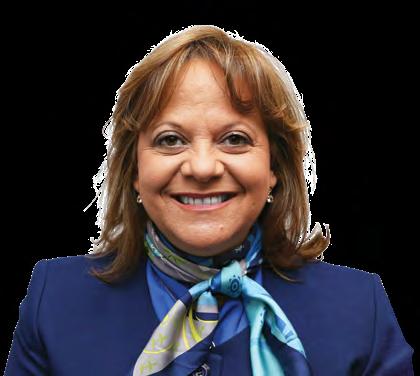
“We
managed to accommodate Mexico’s participation on phase III of clinical trials with pharmaceuticals CanSino, Janssen, CureVac and Novavax.”
Delgado
Deputy Minister for Multilateral Affairs and Human Rights at the Mexican Ministry of Foreign Affairs
The Ministry also created a Mexico-China air bridge, which has coordinated around 54 flights to Mexico. These include 25 flights carrying medical devices, 25 flights carrying vaccines from SinoVac and CanSino, 2 flights carrying private donations and 2 flights from private hospitals.”
From the start of the pandemic, the Ministry of Foreign affairs was appointed to support, by all means possible, the acquisition of medical supplies. Later, this goal expanded to the acquisition of vaccines to inoculate all Mexicans. Minister of Foreign a ffairs Marcelo Ebrard was appointed by President andrés Manuel López Obrador to coordinate all diplomatic activities so Mexico could properly face the COVID-19 pandemic.
To achieve this mission, the Ministry coordinated three primary action areas to face COVID-19: donations, access to personal protection equipment (PPE) and access to vaccines. “Through our efforts, we managed to increase Mexico’s ventilator capacity by 170 percent, helping reduce the country’s hospital burden,” sai d Delgado.
The Ministry has heavily supported COFEPrIS to accelerate the access to medicines and vaccines. “We have intervened for the proper and timely access to the results of clinical trials carried out globally so approvals can happen as soon as possible,” said Delgado. She also explained that the Ministry is trying to position COFEPr IS as part of the world committee on pharmaceutical regulation, “which will enhance the credibility of our agency and position it again at a world class level. “
These efforts are not one-sided. The Ministry has also joined multilateral agreements and mechanisms to support the universal delivery of vaccines. “We, for example, joined the (Coalition for Epidemic Preparedness Innovations) CEPI in May 2020 to achieve universal access to vaccines. a s such, the country joined COVaX, led by CEPI, to receive and distribute about 2 billion vaccine doses.” COVa X’s goal is to distribute at least 20 percent of the vaccines each country acquires to other countries.
“We cannot leave out the donations that Mexico has encouraged and carried out. We have donated 1 million doses to Central a merican and Caribbean countries which requested them as they were struggling to start or complete their vaccination processes,” said Delgado. The Ministry of Foreign affairs will leave the rest of this coordination task to the Ministry of Health, so by 2022 the health sector will be in charge of coordinating vaccine supply.
Mexico was also in favor of the resolution 74/274 on the UN’s General a ssembly, an initiative that further promoted international collaboration and access to vaccinations, explained Delgado. “The country was not shy to share its view on equal access to vaccines globally.” Mexico is also advocating for access to vaccines at the Community of Latin american and Caribbean States (CELaC) as part of its efforts to support Latin america. “It is through CEL a C’s efforts that we achieved the joint collaboration to produce and package the a straZeneca vaccine in argentina and Mexico, respectively.”
Through the UN Economic Commission for Latin america and the Caribbean (CEPaL), Mexico shows solidarity not only through
vaccines but also through humanitarian donations for countries facing severe crises like Haiti. “We have sent humanitarian aid ships to help them address the politic, economic, ecological and social crisis they are facing. Mexico has shown solidarity with its own region first.”
Much of the Ministry’s work aims to strengthen Mexico’s position on the economic sphere. “We should not forget that the country has a large capacity to export pharmaceutical products to central a merica and Latin a merica.” Delgado said that the Ministry of Health will be, as the Ministry of Foreign a ffairs was, supported by the nation’s customs department, BIrMEX and SEDENa , among others.
In May 2020, the Ministry met with Mexican scientists to encourage the development of the national COVID-19 vaccine “Patria,” which is being developed through joint efforts from Mexican universities including Univeridad a utónoma de Quretaro, Universidad Michoacana de San Nicolas de Hidalgo, UN a M Centro de Biomedicina, IMSS and ITESM. During the meeting both parties also addressed funding and preparation of future epidemics.
a lthough 2021 has been better than expected for the Mexican economy, factors such as the slow vaccination process and the spending priorities of President andrés Manuel López Obrador’s administration pose a large risk to the country’s finances, says a lejandro Valerio, a ssociate Practice
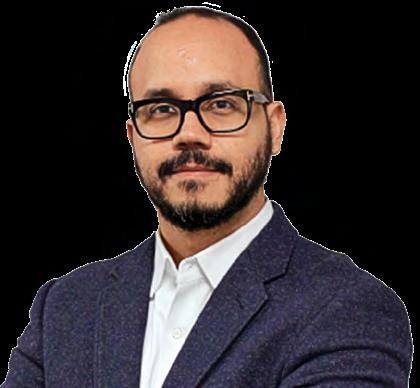
“About 40 percent of the population in developed economies has been fully vaccinated, compared with 11 percent in emerging nations and a very small fraction in low-income developing countries”
Associate Practice Leader Mexico and Central America of FrontierView
Leader Mexico and Central a merica of FrontierView. “The country’s economic recovery will continue in 2022 mainly on the back of exports to the US. However, we should expect an uneven recovery across industries and segments amid a challenging operating environment.”
From the beginning of the pandemic, markets have witnessed the Mexican economy’s growth prospects increase. Just in early a ugust, the International Monetary Fund (IMF) raised its growth outlook for Mexico from 5 to 6.3 percent in 2021, whereas by 2022 it expects the Mexican economy to grow by 4.2 percent from the 3 percent previously expected. a month earlier, the World Bank raised

its forecast for Mexico’s economic growth in 2021 from 3.7 percent to 5 percent, largely supported by the recovery in the US. “a bout 40 percent of the population in developed economies has been fully vaccinated, compared with 11 percent in emerging nations and a very small fraction in low-income developing countries,” IMF Chief Economist Gita Gopinath said in a statement. To date, 45.6 percent of Mexicans have received at least one dose of a COVID-19 vaccine, according to Our Worl d in Data.
Nonetheless, Valerio warned, Mexico will not return to pre-pandemic levels until late 2023 or early 2024. This effect is partly due to the government’s lack of fiscal stimulus, which amounted to less than 2 percent of GDP, “the lowest among all major economies” and only surpassing Uganda when compared to 80 countries. “This is related to the austerity policy of the current government, which was one of the reasons why over 1 million SMBs closed permanently,” he said. Due to the lack of fiscal stimulus, the country’s sovereign debt remains relatively stable, he added, which explains why rating agencies
have issued red flags for countries that “exceeded themselves in dealing with the COVID-19 shock.”
In addition to economic stimulus, recovery continues to be linked to the vaccination process. according to FrontierView, Mexico has secured enough vaccines to immunize 99 percent of its population but the process has been sluggish. By late august, only 27 percent of the country’s population had already received the two shots. Other countries in the region have vaccinated much larger segments of their population: Chile already vaccinated 72 percent, Ecuador 50 percent and Brazil 31 percent. Mexico, on the other hand, is expected to have 80 percent of its population fully vaccinated by early 2022, FrontierView data reveals.
The emergence of new virus variants has also posed a challenge to countries’ economic recovery, Valerio said. Countries with very high vaccination levels such as Israel and Chile have shown rising infection trends in the face of these new variants. according to Valerio, Mexico has a head start in this regard as the vaccines it has applied have been diversified, from Pfizer, a straZeneca, SputnikV, CanSino and recently Moderna. “This has led to an improvement in the trend of infections compared to 2020. The data and the trend indicate that Mexico will not return to the same situation as in 1Q20.”
The situation for companies will continue to be challenging, Valerio noted, as issues on the government’s agenda including the outsourcing reform, changes to the energy reform and the tax reform currently underway pose major hurdles. While the outsourcing reform will bring negative impacts such as increased labor costs and a decrease in competitiveness against other countries such as China, the changes to the energy reform will present hurdles for the renewable energy sector. Meanwhile, the tax reform, aimed at targeting large corporations’ profits, “will result in an increase in the cost of doing business in the country,” he explained.
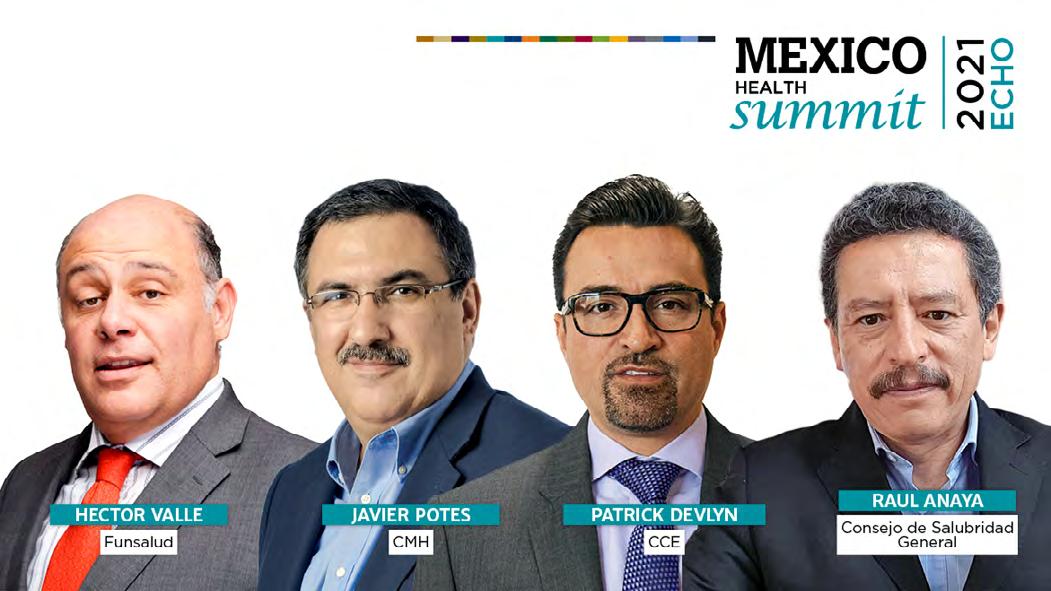
The COVID-19 pandemic proved how successful public-private partnerships (PPPs) in healthcare provision could be and broke paradigms between sectors thanks to their combined efforts during the emergency’s worst times. While PPPs are common in other sectors, they are unusual in the strongly divided Mexican healthcare system but implementing them could bring plenty of benefits, according to industr y experts.
“Healthcare provision for the entire population was a great aspiration in the 1980s that comes along with a great number of challenges. We have to think beyond sectors and institutions.
Mexico needs a real, global healthcare system with the collaboration of actors, including public and private entities, and the pandemic proved it possible,” said r aúl a naya Núñez, Director General of Certificación at Consejo de Salubrida d General.
The Public-Private Partnerships Law, in force since January 2012, defines them as “those that are carried out with any scheme to establish a long-term contractual relationship between instances of the public sector and the private sector for the provision of services to the public sector,
wholesalers, intermediaries or the end user and in which infrastructure is used provided totally or partially by the private sector with objectives that increase social welfare and investment in the country.”
a sustainable and well financed health system is crucial for every country to keep its population safe. The international recommendation is to have an 80/20 composition between public spending and private spending, according to WHO. In 2018, public expenditure in healthcare represented 51 percent of the total health spending in Mexico, with the remaining 49 percent being financed by private parties. “Collaborations such as the one achieved in the pandemic, helped to combine healthcare workers, infrastructure, medicines and devices in a timely manner, which is the only way to truly achieve healthcare access for everyone,” said Héctor Valle, Executive President at FunSalud.
In this kind of collaborations, the private investment is recovered with the consideration paid by the public sector via multi-year payments, along with the fees and rates that the users or beneficiaries must pay in some cases. PPPs allow an optimal risk sharing between the public
and private sectors and result in more affordable projects for the publ ic sector.
While the partnership during the pandemic was successful and helped both parties have a better understanding of each other, collaborations must be planned long term, said Javier Potes, Director General at Mexico’s Hospital Consortium (CMH). “The private sector, including insurance companies, has to take some risks. We have to focus more in health than in diseases, working on prevention,” said Potes.

“We started to break down stereotypes. Ideas such as that the private sector only seeks profit and is unethical or that the public sector is corruptible and riddled with advance-stopping bureaucracy. It has been proved that those stereotypes could be broken down”
Raul Anaya Nuñez
Director General of Certificación at Consejo de Salubridad General
In 2018, chronic-degenerative diseases, such as heart diseases and diabetes, caused 50 percent of the total deaths in Mexico, according to INEGI. These diseases, often called the “silent epidemic” by WHO, have to be targeted in Mexico through an integral prevention solution between public and private sectors, according to Patrick Devlyn, President of the Health Commission at Business Coordinating Council (CCE).
“We started to break down stereotypes. Ideas such as that the private sector only seeks profit and is unethical or that the public sector is corruptible and riddled with advance-stopping bureaucracy. It has been proved that those stereotypes could be broken down,” said a naya, who explained that the political-ideological idea that public and private sectors could not collaborate has been left behind.
To date, Mexico’s eight operational PPP contracts in the healthcare sector are hospitals in Guanajuato, Tamaulipas, State of
Mexico, Nayarit, Chiapas, yucatan and Mexico City. These contracts are considered more transparent thanks to monthly performance reports, which strengthen accountability for both public and private actors.
Patient-Centered, the Priority
a patient-centered approach is needed in the Mexican healthcare system. “Patients should be the focal point in the healthcare system,” said Potes, “we used to focus on our own organization and hospitals. The pandemic forced this discussion between sectors to break barriers down.” Understanding how the other party worked was the most difficult part, agreed industry experts, but putting the patient as the focal point forced mutually beneficial agreements.
Patient-centered attention can be achieved through a reorganization of the public institutions’ legal and administrative framework, with a prevention-over-diseasesattention mindset and a clear equity principle, according to a naya. He insisted in the importance of taking examples, such from pandemic collaborations.
For PPPs to be successful, both parties need to consider priorities and challenges, such as infrastructure, community facilities and financing. “Both sectors have their own strengths. For instance, with a local point of view, we can take advantage the infrastructure of institutes such as Pemex or INSaBI in different cities across the country. Private clinics, hospitals and pharmacies also have an important presence. We can collaborate subrogating patients to private entities when public institutions suffer demand peaks, just like it happened during the pandemic,” said Devlyn.
The public sector could also help finance operations, mainly services in communities that do not have a hospital due to poor economic viability, a small population or other socioeconomic situation, according to Potes. In these collaborations, “both actors must act within the law and respect established policies,” said Valle.
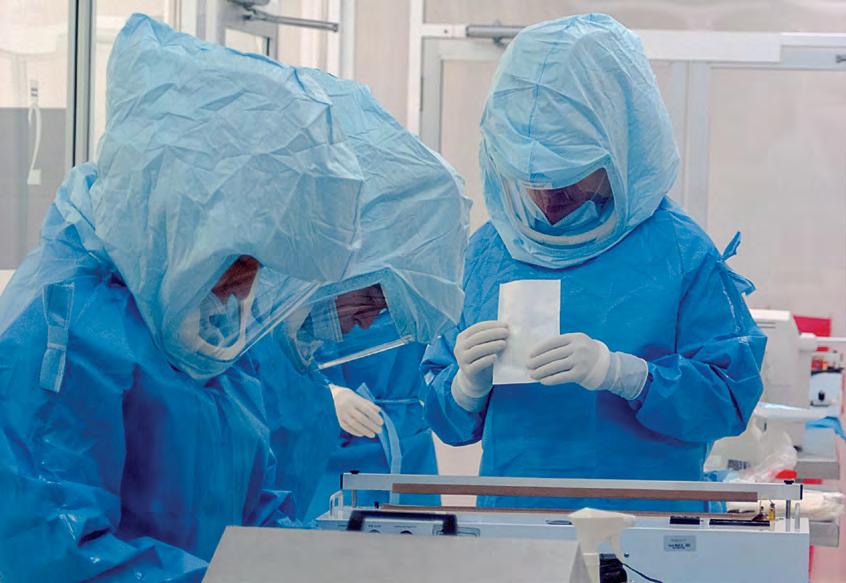
Last year there were 87.4 million Mexicans affiliated to at least one public health institution (IMSS, ISSSTE, Pemex or IMSS Bienestar, among others), less than the 102 million affiliated in 2018, according to the Economic Budget Investigation Center (CIEP). Besides the contractions in affiliations to the public health system,
the number of actual users also decreased by 8.5 million, with 57.5 percent choosing to be treated at private hospitals. With the decrease of population affiliated to public health institutions, the private sector’s intervention is crucial, said Potes: “The private sector needs to join within a better structure between its actors. We have to optimize out-of-pocket expenses in healthcare matters.”
In the same two-year period between 2018 and 2020, out-of-pocket expenses in health matters increased from MX$2,358 (US$118) to MX$3,299 (US$165) per quarter. This phenomenon also affected those affiliated to healthcare institutions, especially Pemex affiliates, who suffered an 85.3 percent increase, according to CIEP.
To pursue equal, quality healthcare for the Mexican population, PPPs have to become a reality. “Health is a priority for the country to achieve its potential development,” said Devlyn.
Working toward the common goal to improving Mexico’s private healthcare systems implies looking for multistakeholder partnerships with clearly defined goals, information transparency, shared risks and responsibilities, agree experts. While complex, these plans could help patients enjoy a private healthcare system at a competitive cost.
In Mexico, out-of-pocket expenditure in healthcare is one of the most evident signs of how expensive healthcare may be to a patient in primary care. “Pocket expenditure in health is linked to Mexico’s informal economy, which is the source of employment for 50 percent of all workers, and low penetration of private insurance. Only about 9 percent of the population has private insurance. Moreover, 46 percent of individuals finance healthcare by themselves, creating risk funnels in which should there be a catastrophic event, people
suffer,” says Paula Garavito, Managing Director of a X a Keralty.
Javier Potes, Director General of the Mexican Consortium of Hospitals (CMH), explained that Mexico faces a vicious circle, in which high healthcare costs impact not only the general conditions of the populations’ health but also the healthcare system. “That 9 percent is a dubious number since copayments and other insurance fees have to be paid out of pocket. The bottom line is: is healthcare really expensive or is there a lack of coverage and adequate financing schemes that provide affordable healthcare to the general public?” asked Potes.
according to healthcare experts, population ageing, low fertility rates, higher life expectancy and the epidemiologic transition toward chronic degenerative diseases, such as diabetes or hypertension, increase the medical need of a population.
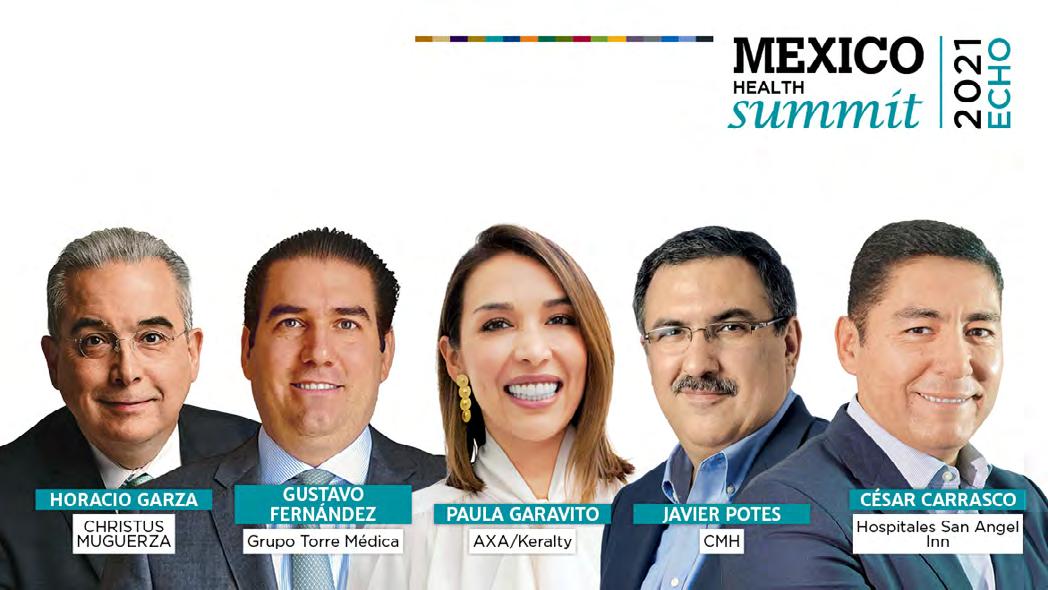
Meanwhile, the high costs of new healthcare technologies are also spilled to the patients, raising the overall cost of care. Furthermore, pocket expenditures are also increased by neglecting primary medical attention, said Horacio Garza Ghio, Health System General Director at CH r ISTUS MUGUE r Z a . “The system in Mexico is reactive rather than preventive. Within the CH r ISTUS Health group and other healthcare models in Latin america, 47 percent of fees are invested on primary attention,” he said.
Healthcare attention is also costly because there are not enough incentives for the patient or for hospitals, said Cesar Carrasco, Executive Managing Director at Hospitales San a ngel Inn. “Healthcare attention is perceived as costly because it focuses on the incident. We do not have any incentive to promote prevention or early diagnosis. Economic incentives are not well distributed across the chain.” This problem could be addressed by increasing the number of people insured and by improving the hospital’s supply chain. “If we add providers, payers and suppliers for a holistic vision of healthcare we could create a virtuous cycle,” said Carrasco.
alternative healthcare models should also be designed in close collaboration with other stakeholders within the healthcare value chain. “We need to acknowledge that the insurance model in Mexico is reactive
as it provides severance only when the problem has already occurred. There should be an alternative model that involves every link of the chain of the healthcare system. We need a model that establishes not vertical network but an intertwined network in which private medical stakeholders share benefits rather than just increasing their own profits,” says Garza Ghio. This will ultimately be reflected in the healthc are costs.
To improve, different stakeholders need a common goal, said Gustavo Fernández, CEO of Grupo Torre Medica. “The pandemic set a good example on how healthcare stakeholders can work together toward a better healthcare.” During this period, public and private parties created partnerships based on the needs of the patients. These partnerships involved insurances, hospitals and other parties, explained Fernández. “If the entire chain shares information, sits at the table then we can reduce costs for patients while increasing the overall benefits for hospitals too,” he said.
The draft of a possible solution to improve the system should focus on two main areas, argue experts. First, parties should share relevant information across the value chain, from suppliers to hospitals, insurance and patients. Second, the sector needs a network that shares benefits and risks. “It will take years to optimize pocket expenditure but there will come a time
when pocket expenditure becomes private insurance. To lower healthcare costs, there should be a commitment in which all actors of the system assume a risk to deliver better services and more competitive costs, with a technological backup that diminishes risks,” says Garavito. The key is understanding how economic incentives are established throughout the chain to address them with clear, shared objectives and well-defined goals,” said Carrasco.
To achieve these alliances, sharing information on best practices that improve
healthcare services is essential, said Garza Ghio. “Businesses are built on real information. For as long as we do not have a free flow of information, we are walking blind. Suppliers know this and they sell products at different prices to different hospitals.”
a s information is essential to build a collaborative model, transparency becomes a key element. “When information is transparent both in costs and results when medical outcomes are certain parties should be rewarded. reward patients that take care of themselves and prevent” said Fernández.
The pandemic changed how people communicate and allowed companies to innovate their approach to KOLs and stakeholders. Within3 identified the barriers to in-person or real-life virtual meetings to offer a platform for information and valuable insights.
Within3 is a software communications company for life sciences and healthcare organizations that allows stakeholders and organizations to engage with physicians, nurses, payers and patients. To date, the company works with the top 20 pharma companies and medical and biotech companies. “Within3 is a software company whose mission is to connect the world of life sciences and healthcare. a ll
these companies need to be in constant communication with their consumers, from payers to physicians. We bring them together through presential or virtual meetings with these actors,” said Lance Hill, CEO and Founder of Within3.
Within traditional communication dynamics there are several barriers that stop companies from getting the full advantage of meetings. For instance, real time virtual meetings require everyone to connect at the same time using the same platform and for everyone to speak the same language and have good internet bandwidth. “Meetings promote interaction but as more people join the call it is harder for everyone to par ticipate.”
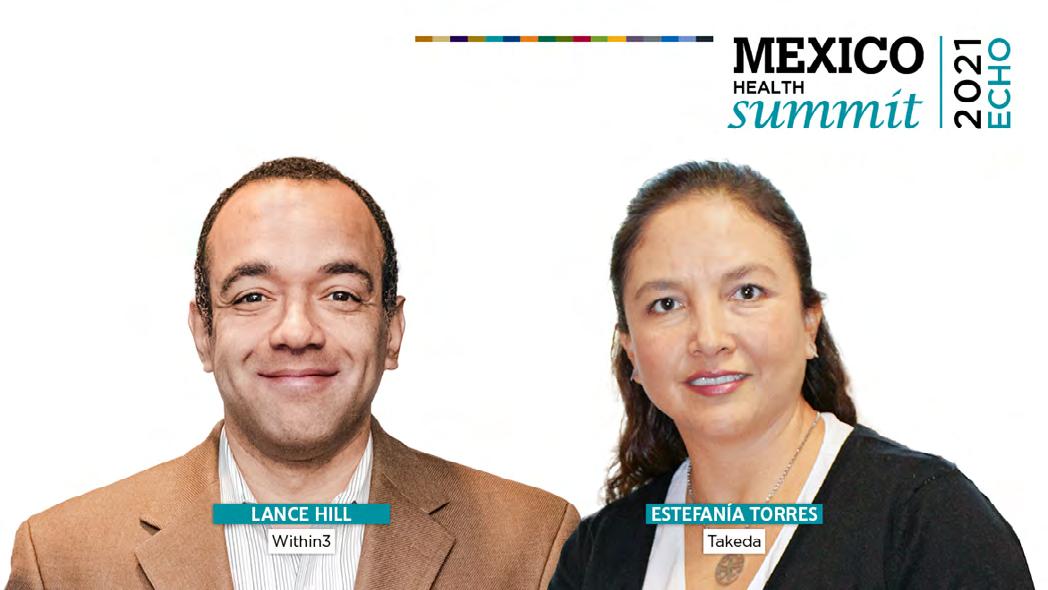
In-person meetings involve different logistics and expenses because companies have to get their KOLs and stakeholders present at the same location, which involves arranging flights and planning venues. This takes more effort, time and significantly limits the ability to get everyone involved. Within3’s platform avoids these technological limits based through smart data analysis. “anytime virtual meetings allow people to interact at different times while sharing information and material in the same space,” explains Hill. Due to their functionality, these meetings are common at universities but they are now seeing their peak in the business world.
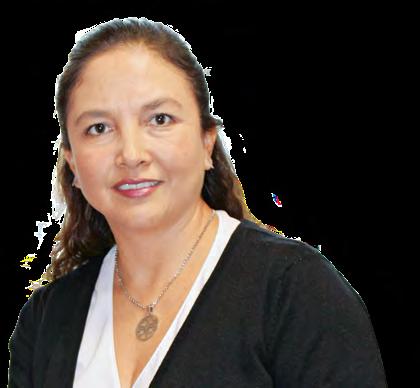
“We identified how some of the team members could engage easier and on n their own terms. We learned that some stakeholders and KOLs would contribute in the middle of the night, which would not have worked in a real-time meeting, so we could have lost that input.
Torres said that to have continuity in research projects, Takeda adopted the Within3 platform. “It was not easy at the beginning, as there are barriers within the same team. For example, many are not used to these technologies and we had to provide personal guidance to the ones that struggled the most. But when we saw the result, it was all worth it,” said Torres.
Takeda, through Within3, made an advisory board that allowed it to develop creative solutions for projects. “We faced an external barrier because others were not familiar with the resources, but this was easy to overcome,” said Torres. Using Within3, the Japanese pharmaceutical was able to provide personalized, close attention. “a s industry leader, we had to explore these novel interaction resources,” said Torres. “The advisory board was successful because it allowed us to approach members and eliminate the time required to travel and stays in one place for in-person meetings.”
Takeda
Estefanía Torres Therapeutic Area Lead Immunology Director of
“Typically, the capabilities of anytime virtual meetings are based on conversation, like social media,” Hill said. Within3 has taken the benefits of these meetings and created a platform that allows conversation, documents and co-authoring it also has a language translation and medical dictation. “One of the largest benefits of the Within3 platform is that it offers a structured output that is easier to understand for the company.”
Within3 worked with Takeda, a multinational pharmaceutical company with an innovationdriven approach focusing on oncology, gastroenterology, central nervous system and vaccines, to facilitate project continuity. “Takeda faced barriers to engagement due to the disruption of in-person meetings caused by the pandemic,” said Estefanía Torres, Therapeutic area Lead Immunology Director at Takeda. “But we need these kinds of engagements to embrace and find the solutions we intend to deliver to patients.”
The Within3 platform allowed Takeda to receive the true value of meetings and receive the true message each stakeholder wanted to communicate. “This process was much more effective than anything we did in the past,” said Torres. Takeda has continued to schedule real-time virtual meetings but these are now different because they are complemented by the insight obtained from the platform, said Torres. “We integrated the platform to in-person meetings, making them much more effectively.
Teams appreciated the platform’s time flexibility and the different ways it allowed users to engage, said Torres. “We identified how some of the team members could engage easier and on n their own terms. We learned that some stakeholders and KOLs would contribute in the middle of the night, which would not have worked in a real-time meeting, so we could have lost that input.”
Hill explained that people’s personalities really shine through in real-time meetings, but those are not always positive. By using the Within3, Takeda realized that people
that would not usually participate engaged more actively through the platform.
“The future is for us to continue embracing this type of platforms,” says Torres. “a t Takeda we learned that over 50 percent
of the physicians would prefer a hybrid engagement, so it is important to have this in mind to promote technology and inperson meetings, which is why Takeda does the in-person or real-time meetings after it had insights from the online platform.”
an interconnected health system can have a major impact on health services. Through technology and by sharing information, healthcare providers can improve their internal performance and provide better care to patients. However, the challenges in interconnecting the entire healthcare ecosystem are still many.
Mayo Clinic, founded in 1889 and present in Mexico through partnerships with hospitals including Medica Sur, knows that after a patient visits one of its clinics, they do not have to repeat their medical history at another. Through its interconnected technology platform, the hospital has seen major benefits in patient outcomes. “When a patient has consistency in their medical history, amazing things happen,” said José Solís Padilla, Senior a dministrator for International Business Development at Mayo Clinic. “Usually patients come to us for very complex medical issues and that is why we have taken on the task of generating a technology platform that has two-way communication with doctors
outside of Mayo Clinic, not only nationally but internationally as well.”
The clinical outcomes that Mayo Clinic has witnessed as a result of the interconnectedness of its processes have earned the hospital a top ranking among the world’s leading hospitals. This not only demonstrates that the hospital delivers good patient care but also shows patient preference, said Solis Padilla, which in turn leads to good financial results. “In healthcare, the most complex patient issues are the most cost-effective. a subspecialty practice is always more profitable than an internal medicine practice.”
For Jorge Camargo, CEO of healthcare tech company ECarESOFT, interconnectedness is synonymous with better communication between hospital departments, between hospital and doctor and even between healthcare providers. This challenge, he adds, is not exclusive to companies in the healthcare sector but to any industry looking to improve their internal communication.
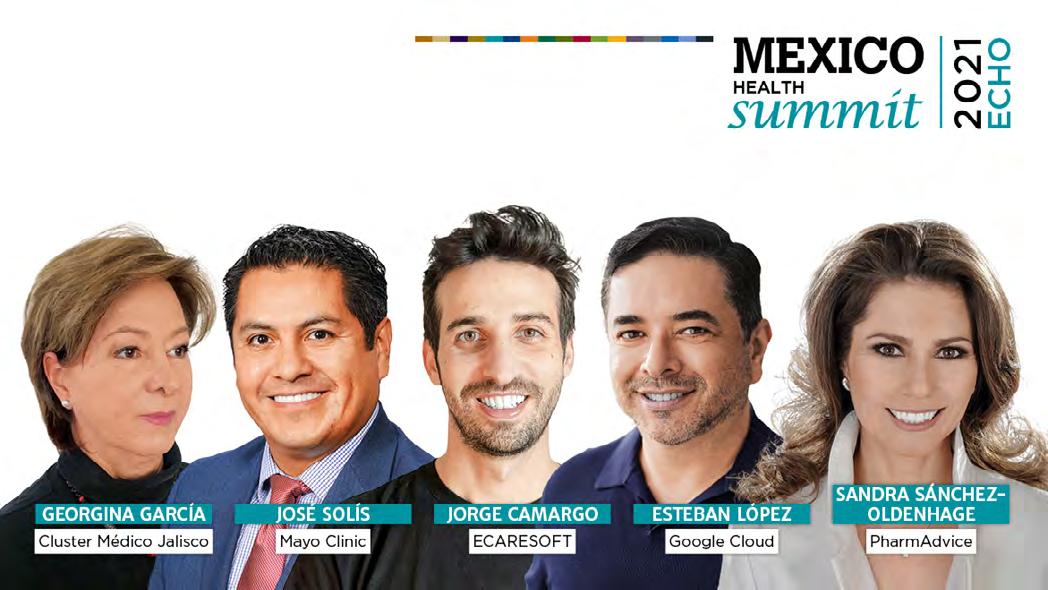
But for healthcare companies, the challenge takes a deeper meaning as the patient stands in the middle. In the US, deaths from medical errors are even higher than the number of deaths from car accidents. “Many of these accidents could have been prevented if everyone was working on the same page and looking at the same information seamlessly,” Camargo explained. “Everyone should be pursuing the same goals and perceiving the same risks and rewards.”
To achieve this, technology is already playing a vital role in producing data to improve patient care, says Sandra SánchezOldenhage, President of Pharmadvice. The downside, however, is that today’s use of that technology has been isolated and not interconnected. The evolution of this technology should be towards the creation of a healthcare community that is based on collaboration rather than competition, said Sánchez-Oldenhage. “We need to develop an interconnected system where there is alignment and standardization between metrics, health outcomes, incentives, treatment and prevention protocols across the medical community.” The one caveat, she notes, is data privacy, which institutions must strive to protect.
Many healthcare professionals, according to Esteban López, Healthcare and Life Sciences Market Lead for the a mericas at Google Cloud, feel that the medical digital transformation has been more of a hindrance than a help. While doctors like having information in the palm of their hands, they also need a system that is as user-friendly as possible so they can focus on caring for their patients “instead of struggling to operate computers and other digital devices,” Lopez said.
Google Cloud, which as of 2Q21 holds an 8 percent market share of the global cloud infrastructure services market behind a mazon Web Services and Microsoft’s a zure, offers several strategies that have enabled leading healthcare companies to meet demands by streamlining operations, while improving the patient experience and simplifying care, Lopez explained. One of these strategies is secure access to patient information with Google Cloud, a storage hub for all data that only authorized employees have access to but can do so from any device. Improving the patient experience with “fast and easy” virtual care has also been one of the approaches the technology company is offering to the healthcare sector.
COVID-19 exposed healthcare system failures but it also showed a new way of providing services due to the acceleration of the digital revolution. The pandemic still going strong and continuously changing the health industry, which will eventually help the population have greater access to healthcare services. However, these new opportunities carry big challenges, agreed industr y experts.
“With already 70 percent of the population with access to internet, the Mexico we live in has changed in many aspects, including in its approach to healthcare services. Nowadays, people inform themselves through social media, look for medical solutions on internet
and turn to telemedicine. Some patients even take for granted that doctors should use digital platforms,” said Enrique Culebro Karam, Director at Central Media.
Mexico is a limited country in terms of health access. according to OECD, the country is located in 34th place out of its 37 members in doctors available per 1,000 inhabitants, last place in hospital beds available per 1,000 inhabitants and 35th in percentage of GDP used for health expenditure.
Mexicans are more adapted to e-commerce, which will affect the business model of health companies, according to Culebro. Even when the pandemic ends, videoconferences
will remain and change the way health services are provided.
COVID-19 also shifted dramatically the mental health industry. “One of the positive aspects of the pandemic is that there is no return to the stigma people had about mental health. Psychiatrists became more important than ever after the lockdowns and other measures that COVID-19 brought,” said Edilberto Peña de León, Director General at CISNE México. a bout 70 percent of the global population changed their sleeping patterns during the pandemic and depressive disorders increased by 20 percent, he added.
The digital transformation triggered by the pandemic also impacted the mental health industry, which became more open to telemedicine, according to Peña de León. remote healthcare opened new possibilities for psychiatrists and doctors in general, who are now able to attend patients from different places. “Ten percent of my medical office’s patients are from different states and even countries,” said Peña de León.
“In 2018, Mexicans’ peak connection times were early in the morning and late at night, which means they used these media for entertainment. During the past two years, usage peaks shifted to the afternoon, which tells us that people are using internet for more productive tasks including the search for health information,” said Culebro.
Videoconference usage rate grew 25 times during 2020, according to Culebro, opening big opportunities not only for telemedicine but for doctors’ constant medical learning and communication. “Nowadays, there is no need to be flying around the world to keep preparing ourselves or listening to conferences. Even communication with colleagues and the pharmaceutical industry has become more direct and effective,” said Peña de León.
The technological acceleration has been useful in many medical areas but it has not replaced in-person visits. While surgical operations still need to be done on-site, telemedicine could help in post-operatory monitoring and communication with patients, according to Iván Encalada Diaz, Vice President at Consejo Mexicano de Ortopedia y Traumatología aC. Telemedicine opens the field to more possibilities to serve patients.
Benefits almost invariably carry responsibilities and challenges. The health sector’s digital transformation is not the exception. The main challenges involve regulations and the creation of a clear legal framework that protects patient data and helps public institutions, according to Leopoldo Cavazos Castro, Consultant at MyC asociados en regulación Sanitaria en México.
“It is imperative to create a government body that standardizes and applies the
same regulations at every institution. COFEPr IS and the Ministry of Health have already made some advances in this regard. The ideal scenario is that every actor from the industry, doctors, pharmaceutical companies, public institutions and patients operate under the same, clear legal framework. also, accelerating COFEP r IS’s approval mechanisms would help both the industry and people to have earlier access to effective treatments,” said Cavazos.
Standardization is not only important in regulation but also in the medical procedures themselves. “One of the biggest issues with our health system is standardization. We have more than 10 systems, such as IMSS, ISSSTE, Pemex and private sector, and surgical matters are treated differently in each of them. Itis difficult to have a correct, complete medical file, either physical or electronic in this way,” said Encalada.
Prevention campaigns and several adjustments are needed for the Mexican healthcare system to improve, according to r afael Enrique Maciel Martínez, President at a sociación Mexicana de Genéricos. He argued that the pandemic showed that Mexico has to be “more proactive
than reactive,” invest more money in its healthcare system, strengthen COFEP r IS and boost biocompatible medicines. “a strong COFEPrIS creates a strong industry and guarantees people’s access to quality and affordable medicines. Generic drugs are used when economic situations demand it. That is exactly what we need in Mexico: to produce quality generic medicines to fight against the most common illnesses, such as chronic-degenerative diseases,” said Maciel. The Mexican health system will improve with collaborative work between the different players of the industry, he argued highlighting the importance of the generics pharmaceutical industry to boost affordable, quality drugs.
a nother benefit from the digital transformation brought about by the pandemic are digital prescriptions, which need special regulation but could develop a safer environment, according to Cavazos. Mexicans’ interest in researching medical stuff on internet have also forced doctors to create a digital persona. “Doctors have become digital. Our work is graded, rated and judged online. Patients search for the best doctors and we now have to work in creating a digital personality,” said Peña de León.
a few years ago, Novartis took part in a study on the impact of preventive medicine in Guanajuato’s automotive sector. The results were astounding: health absences and ill people going to work costed the sector 7.31 percent of its contribution to the GDP. “This is just one sector in one state. at the national level, the benefits of preventive medicine can add up to many GDP points,” says Fernando Cruz, Country President and Head of Corporate affairs and Communication in Novartis Group Mexico.
In Mexico, preventive medicine is not a priority and it takes a considerably number of resources from private and public healthcare entities. “Traditionally
Mexican patients only seek healthcare services when the disease is already presenting complications. To address this, primary attention should change to focus on population groups that are most likely to get ill but are not aware,” says Jaime Fragoso, Director of Processing Centers of Laboratorio Medico Polanco.
according to public records diabetes is the top death cause in the country. If prevented, it can bring significant savings that could be invested in more preventive strategies. Fragoso highlights that Mexico’s total expenditure on diabetes is about US$3.43 billion per year, which includes tests and preventive measures. If a fraction of that
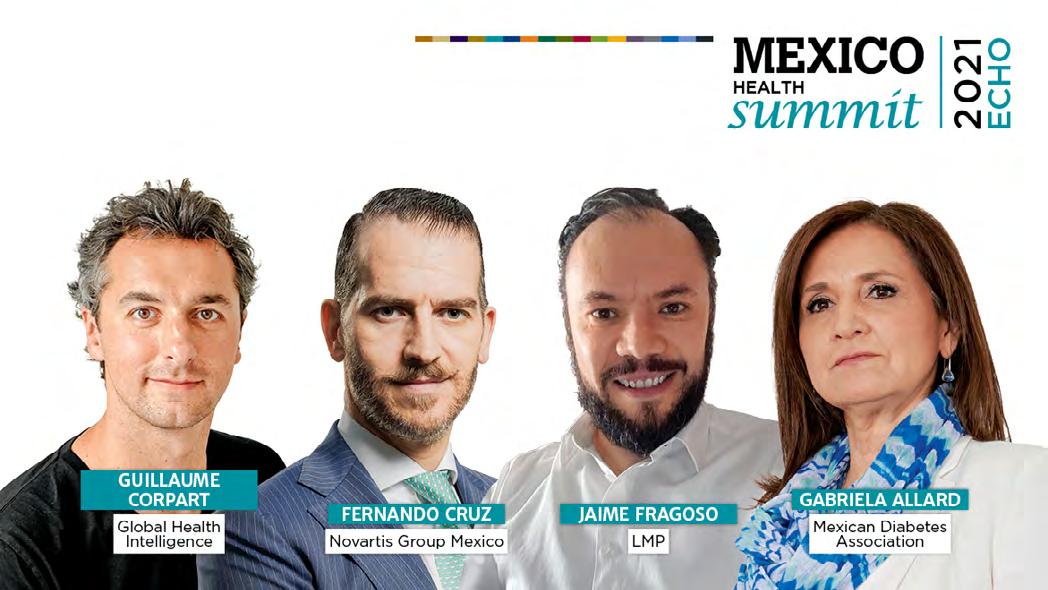
expenditure could be spent on preventing diabetes, greater savings could be achieved. “If we invest US$185 million, which is around 5 percent of the total expenditure on diabetes now, on preventing the disease among the population between 20 and 30 years old, we can save up to between 50-70 percent of the total expenditure,” said Fragoso.
Chronical illnesses, such as diabetes, require more than just addressing the decease, explained Gabriela allard, President of the Mexican Diabetes a ssociation. Preventive health is also about empowering the patient to become a health promoter within their community. “Health promotion and education is not directed equally to all sectors. Patients should become health promoters to identify all those risks factors and prevent the illness in other members of their immediate environment. It is not only about the medicine or pocket expenditure, but about an individual’s entire lifestyle. The most important element is to empower the patients with the information they need,” said allard.
The effects of preventive medicine can be seen in populations across the globe. For example, while patients living with HIV can expect a similar life expectancy than the general public, some populations of HIV patients in the UK have actually enjoyed higher life expectancy through preventive actions, according to Fragoso. “The immediate conclusion is that a person that acquires the infection becomes
more health conscious and approaches the healthcare systems before turning 40 and begin to be monitored for all diseases earlier than the general population. This way, their life expectancy can be not only similar has the potential to be larger because future complications can be prevented or addressed early,” said Fragoso.
To create a solid preventive healthcare system in Mexico, the sector should agree on a longterm vision. “We need to understand the healthcare system we want for the future. First, we need a vision that includes financial sustainability to materialize a healthcare system where prevention is fundamental and where we can guarantee universal healthcare. a long-term vision will require us to leave behind the short-term vision present in the system, which is mostly based on a transactional model,” says Cruz.
according to figures of the OECD, shared by Cruz, Mexico has 1 bed per 1,000 inhabitants while the average in the organization is 4.4 beds. as for medical talent, Mexico has 2.4 doctors per 1,000 inhabitants while in the OECD average is 3.5. “a new healthcare system will rely on the willingness and the advancements of different stakeholders in coverage, medical talent and effective access to medicine,” says Cruz.
a barrier to this vision is that health policies in Mexico do not differentiate between

coverage and access, said allard. “access and coverage are directly related to technological capabilities. Diabetes remains the same; what has improved patients’ life quality are all those devices that provide them with a better treatment.”
The path forward, she argued, sounds simple but it might be anything but. “First, we need to achieve universal healthcare coverage, that is primary attention. Then we can move to access different–and most advanced–technologies or treatments,” said allard. In Mexico, 90 percent of the population use the public healthcare systems and only one out of 10 people use private healthcare.
To promote preventive medicine, Mexico could take a page from other countries and
develop collegiate society of preventive medicine, argued Fragoso. “These associations include other stakeholders to create partnerships for preventive education. a lso, medical specialization for preventive medicine is needed in the medical field. These specialists have a different focus based on biostatistics, epidemiology and other specialties that could make them the first link to prevent future diseases,” he said.
a ltogether, the sector needs active participation and will. “We need to educate patients and take out the ‘magic’ element of reactive medicine. Patients should realize that their daily choices bring exponential benefits to themselves, their families and the country’s GDP,” said allard.
Despite the challenges of providing free and equal access to healthcare, the Mexican Social Security Institute (IMSS) is committed to delivering universal access. This goal is a national priority, said Manuel Cervantes Ocampo, Coordinator of First Level Medical Units at IMSS.
access to health is defined as “the degree to which individuals and groups of individuals have the ability to obtain the care they require from health care services,” according to the US National academy of Medicine. With this in mind, Cervantes Ocampo said, governments are committed to adopting international health policies to provide access.
“We have guaranteed that people who are not affiliated to social security institutions have access to medical and hospital care, including medicines, healing materials and medical examinations.”
Manuel
Cervantes Ocampo Coordinator of First Level Medical Units at IMSS
health services to all people and communities without distinction regardless of their financial capabilities, especially marginalized groups, said Cervantes Ocampo. To achieve this, the sector requires appropriate and competent health and care personnel, proximity services in communities “where people study, work or live,” equitable distribution of resources and financial support.
The third goal of the UN 2030 agenda for Sustainable Development, which features 17 goals, states that access to health is “about ensuring healthy lives and promoting wellbeing for all ages.”
a s a national priority, access to health implies providing access to comprehensive
With these international aspects in mind, the National Development Plan (PND) 20192024 of President a ndrés Manuel López Obrador’s administration includes ‘Health for the Whole Population,’ a plan that highlights that “there are millions of people without access to any institution or modality of the health system or live in conditions without access to coverage.” The former Seguro Popular, which has been turned into INSaBI, failed to include conditions such as kidney failure or some types of cancer in its coverage, explained Cervantes Ocampo.
The main objective of the current PND is to provide access to effective, universal and free healthcare services. “The best example we have is the COVID-19 vaccine,” he notes. “We have guaranteed that people who are not affiliated to social security institutions have access to medical and hospital care, including medicines, healing materials and medical exam inations.”
During the current administration, IMSS has set as a priority to contribute to universal and free access to health services and
medicines for the entire population, said Cervantes Ocampo. Likewise, the institute seeks to guarantee the quality and coverage of institutional services and benefits, “giving priority to disease prevention and health promotion.”
Some of these services are being provided now as part of the IMSS Bienestar program, which is free for all Mexicans, especially for marginalized populations. “The responsibility to provide health services lies not only with a few, but with everyone,” said Cervantes Ocampo.
Medicine shortages are not a new phenomenon but have been increasing during past years in Mexico after new policies affected the industry’s operations. Compromised medicine supply threatens the healthcare system as a whole by causing additional costs in the search for replacements and putting patients at risk, agreed industr y experts.
“Mexico used to buy medicines and medical supplies through a centralized system to avoid different prices for every institution and state. The new administration changed everything aiming to avoid intermediaries and buy directly from the pharmaceutical companies, which caused considerable logistic problems. The supply problems we
are living now began with these decisions made during the past three years,” said Juan Luis Serrano Leets, Partner of Life Sciences at Sánchez Devanny.
Centralized purchases helped Mexico in the past. r emote, rural communities used to receive medicines later and at higher costs. The ability to purchase large quantities of supplies, organize them and then distribute them through a third party helped keep prices down and supplies available despite the complexities of Mexico’s healthcare system.
Globally, healthcare systems have been facing trouble supplying a wide range of medications, including as antibiotics,
anesthetics, cancer medicines and cardiovascular medicines, according to WHO. To address this problem, WHO recommended a supplier base that did not depend on one single supplier or manufacturer, implementing a risk-based public health approach, procuring fair prices, ethical medicine use, regulation and a patientcentric approach. The recent changes in Mexico’s medicine acquisition systems step away from WHO’s recommendations, leading to shortages. “Mexico is becoming unable to provide medicines to the ones that need them the most,” said rafael Gual, Director General of CaNIFarMa
The main challenge for the pharmaceutical industry on these turbulent times is to keep its prices fair, said Enrique Liñero, Country Head at Sandoz. He stated that Mexicans are seeing a worrying increase in their out-ofpocket expenses in healthcare matters, which increased from MX$2,358 (US$118) to MX$3,299 (US$165) per quarter between 2018 and 2020, according to the Economic Budget Investigation Center (CIEP).
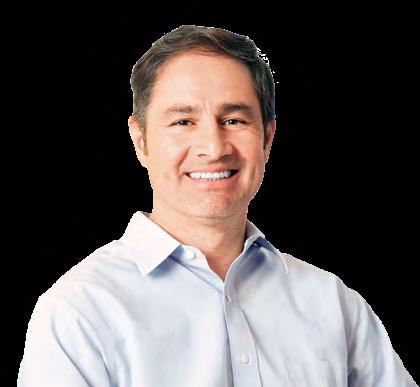
“We have not stopped trying to strengthen communication between the industry and government institutions, looking for transparency that allows us to keep responding to the country’s needs,”
Orlando Aguirre
Government
Sales Director, Market Access & Pricing of Merck Group
The industry has made big efforts to keep its lowest possible prices as many people are turning to the private sector. “We have not stopped trying to strengthen communication between the industry and government institutions, looking for transparency that allows us to keep responding to the country’s needs,” said Orlando aguirre, Government Sales Director, Market access & Pricing at Merck Group. But for pharmaceutical companies, it became challenging to do correct planning with their suppliers and clients, given the uncertainties, explained aguirre.
Mexico’s government signed an agreement with the UN Project Services Office (UNOPS) and WHO for the consolidated purchasing of medicines, vaccines and medical equipment abroad back in July 2020. Jorge a lcocer, Minister of Health, said that the goal is to let the UN office guide and provide technical assistance on tenders to INSa BI to secure the best market conditions. This decision was criticized by the national industry. The sector has not stopped investing and trying to work as a team, according to Benjamin Vega, Commercial Director in allen Laboratories.
“The industry continues investing and trying to work as a team with all actors involved. We look to create synergies between suppliers, laboratories and manufacturers to keep the best possible prices. It is difficult to have direct communication with the complex system and UNOPS, making it very difficult to negotiate raw materials with our suppliers,” said Vega.
The decision to cut intermediaries taken by the Federal Government ended with 20 years of centralized purchases. The system used favored the creation of “concentrators,” distribution companies that offered very specific services such as taking medical supplies directly to surgery rooms and hospitals in general. Before 2019, in Mexico there were over 1,000 distributors, with roughly 60 of them focused on public institutions, according to El Economista.
These distributors used to take care of the complex logistics of millions of units, that were usually made by different laboratories to successfully cover the great demand. In centralized purchases, even transportation prices were included. The new administration did not understand the complexity of the distribution system, said Jesús a renas Wiedfeldt, Corporate Communication Director at Maypo.
“Distributors do a very complex job. The new administration did an incomplete diagnosis and now faces logistic problems. Large quantities of medicines and supplies
need to be handled in different inventories by institution, dispatched depending on consumption frequencies, with a very detailed picking and packing. We are trying to explain to decision-makers how important our job is,” said arenas.
From February 2019, the Mexican organization Zero Shortage has received 4,504 reports of shortages of medicines or medical supplies in public healthcare institutions across Mexico. From January to a pril 2021, the organization covered 30 states, 94 percent of the country, and received 773 shortage reports from patients and healthcare workers. r eports from the first four months of 2021 increased by 33 percent compared to 2020’s last four months.
The medicine supply problem affects everyone involved, from the government to the industry and patients. a n integral
solution can only come from efficient, transparent communication. Eliminating shortages is crucial for the development of Mexico, said arenas, because health means productivity, longer life expectancy and efficiency.
“a s an industry, we can do our best effort, but it is necessary to work as partners of the government, as a team, always with a patient-centered focus. We need interaction, communication and exchange of ideas,” said aguirre.
The changes also hit Mexico’s economy, with transnational companies being discouraged from coming to Mexico and national companies seeing fewer possibilities to go out to the international market, according to Serrano. To thrive, the sector needs good communication between the private and public sectors and a long-term mindset when making decisions.
The globalization of medicine trade has led to the growth of pharmaceutical counterfeiting, a significant threat that put millions of patients at risk but has been largely unaddressed. a nalytical authentication technologies are some of the most effective methods to identify active pharmaceutical ingredients and impurities, but most of these techniques are expensive and require highly-skilled staff. To address this problem, Colorcon has developed a disruptive cost-effect product to fight drug counterfeit.
“Whenever a person does an online search for medicines, around 50 percent of them are led to a fake website,” said Gary Pond, Global Product a uthentication Lead at Colorcon. Drug counterfeiting costs about 1 million lives per year, he explained. For the global pharmaceutical industry, this problem costs US$200 billion per year.
Moreover, the COVID-19 pandemic led to an exponential increase in the false postings of
medicines in online websites, added Pond. The pandemic also made criminals bolder. Eight months prior to its development, a supposed COVID-19 vaccine was already being offered online. “In Mexico, a fake Pfizer vaccine have been identified in the market recently. The problem is that these fake drugs do reach the market.”
Despite of the numbers and the known dangers of counterfeit medicines, this problem has grown by over 70 percent from 2015 to 2019. “This is a low-risk, high reward activity, with very low penalties and with free access to high-technology to carry it out.” according to Pond, there are over 600 illegal pharmacies entering the market each month.
Mexico ranks sixth in the Top 10 illegal medication markets and about 60 percent of the medicines sold in the country are stolen, expired or falsified, according to a MIIF. “a s a result, the measures agencies take to prevent counterfeit are already
being evaluated, since everything is focused on packages,” said Pond.
“Current tracking protections are always on the secondary package, rarely on the primary package and almost never on the tablet itself.” Pond explains that this secondary-package protection can be easily falsified. “Barcodes/tacking numbers can be easily copied, packages are discarder and reused, the ability to verify an individual pack is not global and only limited to a specific country or region, and illegal online pharmacies are driving growth of falsified medicines.”

“The microtaggant we are utilizing is described by the FDA as a physical-chemical identifier (PCID) and the agency recommends using these technologies in addition to serialization”
Pond
Global Product Authentication Lead of Colorcon
levels (ppb). The tagging has no impact on analytical measurements such as chemical/ a PI assays. Second, is a silica based microtaggant, that takes advantage of the common use of silica dioxide as an excipient because it is chemically inert, extremely resilient and considered G ra S by FDa . Tt has an inclusion level approximately 0.03 percent of tablet.
“These solutions are easy to adopt in existing Opadry Fil Coating, as it already has the taggant mixed in it, so the coating process does not have to change and there is not major investment required in the manufacturing process of the tablets,” explained Pond.
To address this problem, Colorcon has developed an On-Dose a uthentication Compliments Serialization called Soteriar X, which is a covert microtaggant, a molecular DN a taggant and a silica taggant incorporating directly onto the tablet via the film coating. This technology is not detectable to the naked eye. “Soteria r X is a tablet coating with a built-in taggant, meaning that the tablet becomes the barcode itself,” said Pond.
“Soteria r X is a tagged fil coating with invisible taggants, containing coded information, placed into Opadry film coating or primary packaging inks. Its detection method is decoded and read by custom software using desktop reader or standard smartphone.
Colorcon offers two different taggant solutions. The first are molecular taggants made with synthetic DN a . These are very difficult to detect and use fully synthetic, non-biological DN a in part per billion
The taggants can be detected through a PC r M aCHINE or a Portable PC r that can be connected to a phone. Pond shared that a smartphone application is under development and will broaden access, leading the way for a wider digitalization of medicines. The app will take a picture of the tablet and determine if it is real or not in seconds by reading a customizable message by the manufacturer of the drug. The app can also include patient support reminders to ensure they follow their treatment and give them information about the product.
“The microtaggant we are utilizing is described by the FD a as a physicalchemical identifier (PCID) and the agency recommends using these technologies in addition to serialization,” said Pond bout the regulatory status of the development. It is a NoTox Primary Pharmaceutical Packaging Ink, allowing drug delivery applications beyond solid oral dose with no need to open package to authenticate available for blister packs, bottle seals, desiccants, transdermal patches, inserts and other applications. Pond explains that de FDa marked Soteriar X as an excipient submitted on a level 1 report.
The product benefits the supply chain by enhancing the quality assurance processes to counter fraud. These solution offers a broad range of benefits for patients, supply
chains operators, pharmacists, hospitals, markets and regulatory agencies. This technology can also be applied outside of the pharmaceutical sector. “Nutraceutical companies can also include on-dose authentication with little change to their typical film coating manufacturing process,
as the microtaggants are added directly into the coating system. With this innovation, companies are now able to uniquely tag their tablets and authenticate them in the field using a desktop reader.” Soteria r X will be commercially available soon and the app will be ready to download in 2022.
Behind pharmaceutical innovation are long efforts and large investments. However, the main goal of innovation is only achieved when it reaches the patient, a path that is still fraught with challenges in Mexico.
In the last few years, access to basic sanitation, clean water, immunization and access to pharmaceuticals have been critical drivers of health improvement, said Cristobal Thompson, Executive Director of the Mexican a ssociation of Pharmaceutical r esearch Industries ( a MIIF). Global economists point out that in the last 100 years at least a third of economic growth and development has been driven by access to innovative therapies worldwide. In short, being healthy increases quality of life and wellbeing, explained Thompson.
The speed at which innovations arrive to the market and the industry pipeline play an active role in patients’ quality of life. “We are moving from mitigating the impact of diseases through symptom management
to novel treatments that create real transformative change for patients, their families and their environment,” said Cynthia ramírez, Communications Director of a MIIF. “What was once untreatable is now becoming treatable.” The value of innovation, however, only becomes meaningful when it reaches the patients who need it. a chieving this is no easy task, says r amírez, as everyone in the healthcare ecosystem, from patients to service providers, doctors, researchers, pharmaceutical companies and healthcare institutions, needs to accelerate access pathways to pharmaceutical innovation so that patients have access to new treatments.
a ccess must be provided on time, which has not yet been achieved in Mexico as regulatory processes are slow. “Until a year ago we had a big bottleneck in COFEPrIS’ New Molecules Committee, which was not operating,” Thompson said. “a lbeit with the arrival of a lejandro Svarch to lead the commission, the processes have accelerated
for new therapies.” Despite this progress, Thompson mentioned that the bottleneck now lies in the issuing of registrations because there are still 22 pending registrations to bring the medicines into the country to treat those who need them.
a solution to process delays, while vital for innovation, is just one of many potholes that are holding the industry back, says angeles Martínez, Senior Principal and Head of Consulting for North Latin america at IQVIa Mexico, unlike other countries like Brazil, the US or Japan, still has many areas of improvement to make innovation accessible. While in Mexico it takes over four years to make a treatment available, in other regions of the world it can take less than two. “all the changes that have taken place in the health system have also generated some uncertainty and delays in processes that used to work properly.” IQVIa , which has provided health information technology and conducted clinical research since 1982, found in a recent study that countries that allocate a higher percentage of government spending to health services have much healthier populations.
Working in partnership rather than individually in the healthcare ecosystem is another step towards bringing innovation to patients. Florencia Davel, VP and General Manager for Latin america of Bristol Myers Squibb, explained that scientific advances
over the last century have addressed the diseases challenging the sector, such as HIV, which has seen a 60 percent decrease in deaths compared to 2004. More recently, she noted, the COVID-19 vaccine that has lowered the risk of hospitalization is a sign of “early accessible innovation.”
The pandemic is an unprecedented event where collaboration between different stakeholders of the healthcare ecosystem has taken place at a global scale, added Country Medical Director of Sanofi Genzyme a ntonio Loaeza. “This has given us the opportunity to bring new technologies and biologic platforms like those using messenger rNa (mrNa), which are gaining strength in areas such as oncology and immunology.” In Mexico, Sanofi recently launched a product for moderate to severe atopic dermatitis “that otherwise would not have had a specific treatment,” Loaeza said.
according to Davel, who also chairs the Latin american Federation of the Pharmaceutical Industry (FIF ar M a ), pharma’s global investment in 2020 was approximately US$188 billion, while this year the figure is estimated to exceed US$200 billion.
“The efforts we have made to digitize the approval of registrations is fundamental to get this innovation to patients earlier and to bring more clinical research to the region’s markets,” she states.
The digital transformation in healthcare is reshaping interactions between patients and health professionals. Innovation has become crucial with actors trying to take full advantage of technology to improve their business models, have more efficient operations and explore new opportunities in the market. However, being a highly regulated industry that mainly follows traditional processes has made its digital transformation rough, agreed industry experts.
Technology penetrated Mexico faster in the wake of the COVID-19 pandemic, which accelerated the digital media
usage rate across the country. But in their goal to digitalize the industry, players are undertaking isolated efforts that will not lead to a real integration of the different ecosystems, explained Jesús David Díaz Garaygordobil, CIO at CH rISTUS MUGUEr Z a
“There are two key points for integration to happen in the health industry: technical aspects and public policies. For the latter, there have to be clear regulations, benefits and incentives for companies to invest their money. For the technical approach, we need interoperability standards,” said Díaz.
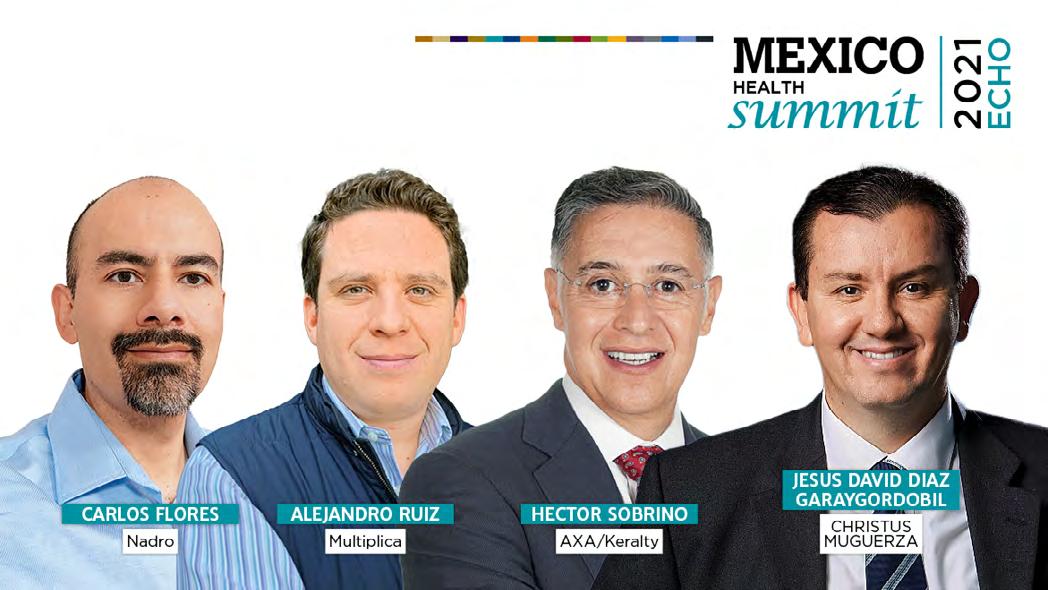
Interoperability standardization allows different data systems, devices and systems to access, exchange, integrate and cooperatively use information while breaking organizational, regional and even national boundaries. If some players, such as insurance companies, do not have access to the information of other players like hospitals and vice versa, digitalization will not reach its biggest potential, according to Díaz.
While full integration looks complex, companies form the health industry are already taking advantage of the technology. “Digitalization helps us reducing time and costs. The pandemic reshaped internal workflows and optimized some processes, made them less bureaucratic, helping us stick better to schedules,” said Carlos Flores, Chief Innovation Officer at Nadro.
Integration of health ecosystems will bring benefits to everyone involved, including the government, public institutions, private sector and ultimately, the patient, who is the “guiding thread” of the industry, according to Díaz. Insurance companies, for instance, continue expanding their services thanks to technology advances. “Insurance companies are trying to integrate more services besides the insurance itself. Services that allow us to know our client, the patient, better and give them the best possible attention,” said Héctor Sobrino, Director of Health Services and Transformation of a X a /Keralty.
Insurance companies have implemented primary attention clinics to promote healthcare to their clients. Technology played a key role during the pandemic by allowing thousands of telemedicine consultations, according to Sobrino.
as digitalization continues moving forward, more challenges appear. Telemedicine has helped thousands have access to doctors more efficiently. However, virtual consultation still lack regulations for good practices. Furthermore, the sector lacks regulation for digital prescriptions, which the doctor’s services and pharmacies. “Until mid-2018, regulation foresaw only the use of a hand-written signature for prescriptions. That year, the Ministry of Health amended the applicable regulation for medical services (mainly the Secondary regulations for Health Services) to recognize a digital or electronic signature for prescriptions. It was great news. Unfortunately, it did not solve the problem, as the regulation for pharmacies (mainly the Secondary r egulations for Medical Products and the Supplement for Establishments of the Mexican Pharmacopeia) remained the same. Many pharmacies did not recognize electronic prescriptions because the regulation applicable to them still required a hand-written signature and they feared a sanction from the regulator if they deviate,” wrote Christian López-Silva, PartnerHealthcare and Life Sciences at Baker

McKenzie, and Carlos Vela, Partner-Head of Technology, Media and Telecomm at Baker McKenzie, on MBN.
E-prescriptions could boost the entire telemedicine business model and benefit patients, who will be able to have consultations with doctors form different cities and even receive their medications at home. Physicians will be able to monitor how treatments are working and have immediate communication with their patients, according to Flores. “E-prescriptions would be very helpful, much more now with the pandemic. regulations are not clear enough, not all medications are covered by the law. Under clear regulation, a patient could have a quality telemedicine consultation, prescription and medicines delivered home within very few hours.”
Mexico’s health system is very complex and faces all kinds of challenges. While technology can help it solve some of them, first actions must be taken to address coverage, supply, the democratization of
health and prevention. “It is not only about implementing technology. We need cultural changes implemented through an integral campaign that promotes health prevention. Mexicans tend to notice the importance of health only when they are sick, it is important to take care early and prevent diseases,” said Sobrino.
With the patient being the “guiding thread” uniting the different sectors inside the industry, a fully-integrated ecosystem is achievable, according to Díaz. Technology implementation will lead to a democratization of health and “more social justice.” For the private sector standpoint, technology allows different stakeholders to access more information immediately.
“a s stakeholders we have to become a bridge between regulatory institutions, such as the Ministry of Health and its regulatory arms. We need to keep working to overcome problems, such as the e-prescriptions. Mexico is in the correct path; it has the stakeholders and opportunities and it is just a matter of reaching agreements and working together,” said Díaz.
a ntimicrobial resistance ( a M r ) is an unattended global health issue that claims millions of lives per year. Multinational diagnosis companies are using technology to prevent the spread of these deadly pathogens.
The development of antibiotics transformed medicine, changed health provision and life expectancy. But an excess use of antibiotics can lead to the development of antimicrobial resistance either by a modification of the ecology of
“Globally, about 700,000 people die each year from medication resistant tuberculosis, HIV, malaria and staph infection”
Héctor Barillas Country Manager of bioMérieux
the body’s bacterial flora or by propelling evolutionary changes in microorganisms that confer them resistance to antimicrobial drugs. Bacteria, parasites, viruses and fungi can become resistant to common treatments and continue growing to the point when infectious diseases become impossible to treat.
Globally, about 700,000 people die each year from medication resistant tuberculosis, HIV, malaria and staph infections. Hector Barillas, Country Manager at bioMérieux, explained that resistance also doubles the possibility of developing a healthcare complication and increases the possibility of death due to the limitation of antibiotic treatments. a ccording to Barillas, antimicrobial resistance could claim 10 million lives a year by 2050, a higher death toll than cancer.
In Mexico, antimicrobial resistance is a public health concern as it represents a barrier to combat common infections but companies like bioMerieux are developing support programs to address this global issue. bioMerieux’s tools for syndromic diagnoses have changed the game for doctors and patients. Suria González, Infectionist of bioMérieux explained that bioMerieux PC r Multiplex for syndromic diagnosis has been useful when dealing with viral infections that are not diagnosed by viral cultures, such as meningitis. “bioMérieux PCr panels give an answer readily. They identify with exactitude the microorganism causing the problem, which is difficult to determine.”
bioMerieux’s gastrointestinal panels can work for viral or parasitic infections. “Sepsis is another complex and urgent problem to solve. Patients could lose three days while waiting for results but these PC r test can do it in within an hour,” said González. Fast diagnosis eliminates the need to apply extra antibiotics and prevents their abuse, decreasing the risk of creating microbial resistant pathogens. This also leads to shorter treatments that are more targeted and have less sequelae.
“Pneumonia is one of the most common complications that cause sepsis,” she said, “and bioMérieux panel helps reduce nosocomial infections that have a high mortality type pneumonia.” These infections are more common in intensive units or hospitalization areas. bioMérieux pneumonia panel simplifies culture development time in the lab. “The new panel detects two different microorganisms, when others detect only one. If the other is not isolated, we cannot correctly orient ourselves to give a more targeted therapy,” said Gonzaléz. These panels give a broad spectrum to give doctors information to avoid the use of unnecessary antibiotics that cause shock.
Technology has played a significant role in achieving these testing capacities, said David Godínez, Medical a dvisor of bioMérieux.
“Technology determines the operation and limitations of the microbiology laboratory
that provides the results. Its use is to be encouraged. Microbiology laboratories are essential, they support the medical parties to make correct and assertive decisions.” To deliver exact results, laboratories should prioritize: “automation to take advantage of technology; process integration through the use of automation; and people and team work,” explained Julian Jiménez, Lab Specialist of bioMérieux.
automation has transformed microbiology laboratories, argued Jiménez. “a ntibiotic susceptibility tests are one concrete example. Many aspects of manual processes can go wrong. For example, while collecting a sample it can be contaminated or collected incorrectly, which delays and hinders the process.” Jiménez said that sometimes there multiple pathogens present in samples and it is difficult to recognize what causes the infection.
“The laboratory integrates technological solutions to offer the results in real time and help doctors make a timely decision. We are committed to improving the laboratoryclinical part relationship,” said Jiménez. bioMérieux’s goal is to understand the path each sample takes to improve their approach to the patient. “One of our solutions provides an integrating vision of the results, which also saves time in the very repetitive culture process.” repetitive processes lead to tired operators, which leads to human errors. “a fter the whole day of culture isolation, those at the laboratory are tired. automation helps them save time and allows them to focus on interpreting results.”
bioMérieux integration of technology also helps with cost reduction. “The less control in antibiotic consumption, the more resistance, which sharply increases costs for the entire health system,” explained Gonzaléz. “It is not the same to use a maximum of three antibiotics per patient than three whole packages. a dditionally, overuse of antibiotics can lead to kidney or liver failure.” This also leads to more infections because the more resistant the microorganisms are in intensive units, the
more in-hospital pneumonia cases increase, he explained.
Gonzaléz urged action to tackle antimicrobial resistance, especially after
On the road to a value-based healthcare model (VBHC), medical devices play a unique and vital role by creating track records and making patient treatments more cost-effective. However, challenges such as lack of data and slow regulatory processes lead to an incohesive healthcare ecosystem.
Medical devices are critical to the valuebased model, which incentivizes healthcare providers to focus on the quality of services provided rather than quantity, said alejandro Paolini, Managing Director for Mexico, Central a merica and the Caribbean at Siemens Healthineers. “When we talk about medical devices we have to consider everything from a simple face mask or a digital thermometer to the most sophisticated equipment such as an MrI or a Da Vinci surgical system,” he said. “If there is one positive thing we can take away from this pandemic, it is that the role that medical devices play in any healthcare system has become clear.”
Medical devices, embedded in the entire healthcare cycle of prevention, diagnosis,
the pandemic. “With the pandemic, doctors had to follow different protocols due to the reconfiguration of the ICUs. antibiotics were also abused in several cases of pneumonia and the consequences can be significant.”
treatment and monitoring, have the ultimate goal of improving patient outcomes at lower costs. These benefits also translate into financial and operational advantages for healthcare providers, adds Paolini. “I cannot imagine a value-based healthcare system that does not consider medical devices at the heart of its value proposition.”
a value-based healthcare model implemented by a UnitedHealthcare hospital and medical devices company Medtronic benefited both companies, reports a study by Deloitte previously reported by Mexico Business. The model was for the implementation of an insulin pump therapy and while it helped Medtronic gain new users, it brought UnitedHealthcare cost savings between 20-30 percent.
The amount of information that medical devices are capable of generating, storing and analyzing is just a glimpse of the potential that these tools have in a valuebased model, says Juan Gabriel Gay, Managing Director of IT Healthcare. In
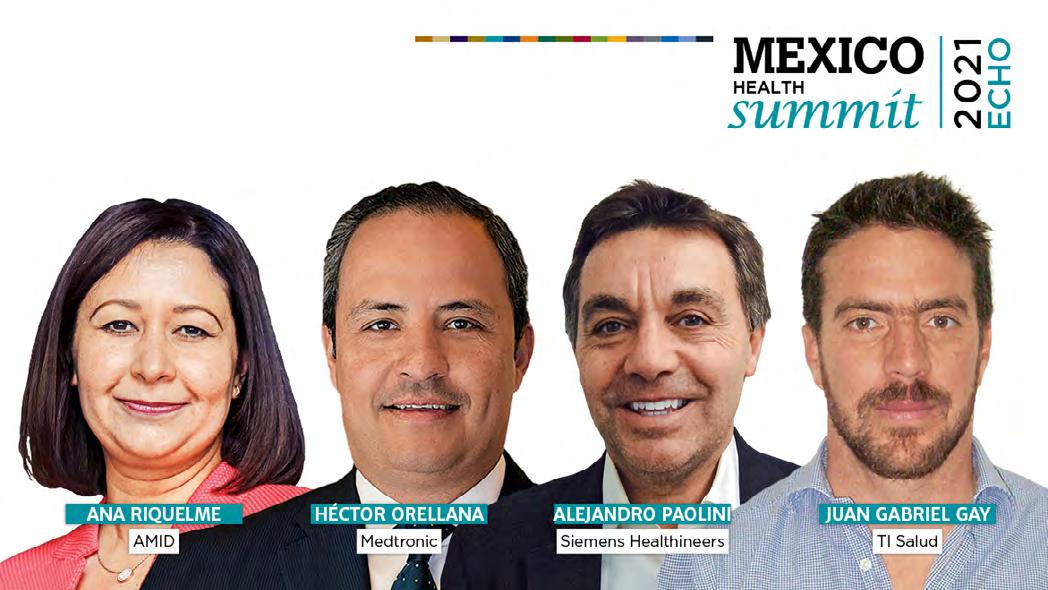
addition, the cost-effectiveness of medical devices allows the ecosystem to move faster towards “quality rather than quantity.” according to Gay, it is more common today to find less expensive and more effective medical devices, noting that sensitivity, specificity and specificity positively impact the cost of care. “The less specificity you have, the lengthier and therefore more costly the patient process becomes.”
“Collaboration between technology providers, public and private health systems is necessary to tackle this issue,”
Héctor Orellana
VP
North Latam at Medtronic
improving the patient experience. The incorporation of state-of-the-art technology, he adds, must keep the human factor at the center of everything.
Given the outlook for medical devices in the healthcare sector, innovation priorities for medical device companies like Medtronic have shifted to meet the demands of valuebased models. “Medical device outcomes need to be demonstrable to both the healthcare provider and the patient,” said Hector Orellana, Vice President for North Latin america of Medtronic.
Wanting to move towards a value-based model with a noticeable lag in data collection is for Gay “like driving a Volkswagen in a Formula 1 race.” In his view, the amount of data that healthcare providers are collecting today could already have laid the groundwork for a value-based model. “Data is the fuel we need for decision making.”
For Paolini, who also chairs the Mexican a ssociation of Innovative Medical Device Industries (aMID), the shift towards a valuebased model has to go hand in hand with digitalization, “empowering healthcare professionals with new technologies” and
Including medical devices in the country’s medical ecosystem is also a weapon to address current challenges in the sector, including the increasing saturation of healthcare systems, and ultimately improving the health of patients.
“Collaboration between technology providers, public and private health systems is necessary to tackle this issue,” said Orellana. “No one’s resources are unlimited but this is a way to achieve costeffectiveness in th e system.”
“Medical devices have always provided solutions that make life easier for healthcare professionals,” said ana riquelme, Executive Director of a MID. “They improve quality of service by lowering per capita costs, enhancing the patient experience and improving coverage.”
Technology and digitalization continue transforming the health industry by allowing stakeholders and patients to take advantage of automate features. While this advancement helps the whole sector, data privacy, ethics and cybersecurity remain a concern due to the delicate information that the health industry manages, agreed industr y experts.
“Data protection in the health industry is vital. Even when banks are vulnerated they have the chance to recover the money lost to their clients. With medical information,
the patients’ reputation would never be recovered, which forces us to have strict protocols to access information and to manage it carefully. Technology opens tons of opportunities for patients but also tons of risks,” said Pablo Cubela, IT Director of BU Pa Mexico.
Information must be protected at three different levels, according to Fernando Gamallo, Director of Information Technology at Laboratorios Sanfer. These are: regulations and a legal framework; companies managing data responsibly ;
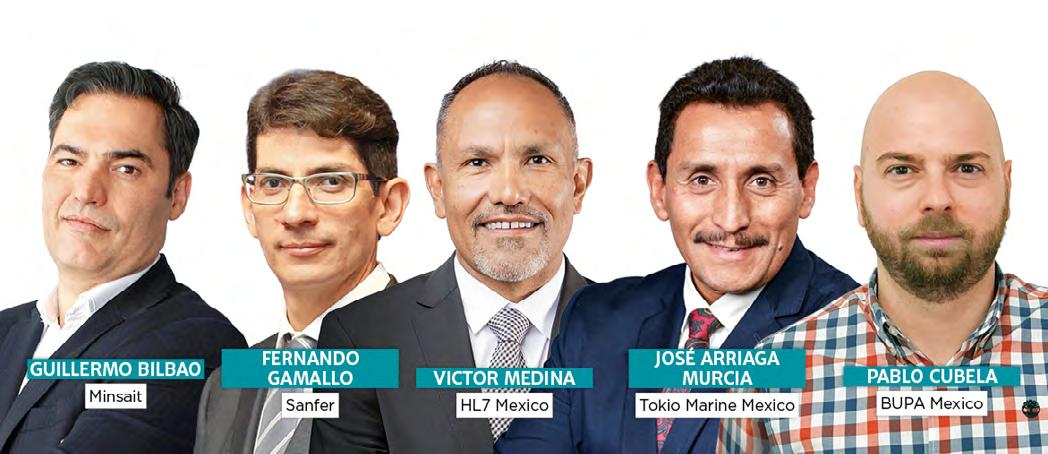
and at a personal level, having individuals protect their own information.
Health care data breaches are very common across the world. Ninety percent of healthcare organizations lose data due to breaches according to Becker’s Hospital r eview. These breaches could be caused both unintentionally or by cybercrooks targeting this kind of companies to access millions’ individual records. The COVID-19 pandemic put the health industry in the spotlight of cybercrooks. according to the 2021 Identity Breach r eport, the industry experienced a 51 percent increase in the total volume of attacks when compared with 2019.
Data governance is the pillar of data security, according to Victor Medina, acting President at HL7 Mexico. Mexico’s public healthcare system lacks data governance as it provides irregular reports and information. Data governance is the capability within an organization to provide and protect high-quality data throughout its entire lifecycle, explained aT&T. “This includes data integrity, data security, availability, and consistency. Data governance includes people, processes and technology that help enable appropriate handling of the data across the organization.”
In June 2009, the 16th constitutional article of Mexico was reformed to recognize the right of every individual to the protection of their private information, access, rectification and cancelation of the data. This norm has two ramifications. First, the Federal Law on the Protection of Personal
Data Held by Private Individuals regulates the companies’ use of the information. Second, the Federal Law on the Protection of Personal Data Held by Obliged Subjects regulates the government’s use of the information. The National Institute of Transparency, access to Information and Personal Data Protection (IN a I) is the vigilant body for these matters in Mexico. “To have a security plan, first you need to know where, how and who registers data. Then, how and where it is stored, how is it mined, who and when it will be used,” said Medina.
The health sector was the industry most targeted by cyberattacks in 2020, with 44 percent of all attacks. a bout 61 percent of them occur via identity fraud, according to Guillermo Bilbao, Director of Health Care of Minsait. This makes important that companies’ employees are trained in data protection matters.
“Cyberattacks are more common than you expect. We continuously receive alerts, because a big part of the job is the monitoring and preventing part. Phishing and awareness campaigns to employees keep everyone ready and keep risks as low as possible,” said Cubela.
Prevention and defense play a big role when protecting a company’s cybersecurity. But what happens if the attack is successful? Companies must have an emergency protocol for cyberattacks that defines how they should respond to these situations, according to José a rriaga Murcia, CIO at
Tokio Marine Mexico. “Nobody is 100 percent safe even with the best awareness campaigns and prevention. Companies need an action framework, which guides those in charge and tells them what to do. It is important to have backups and be always ready for these situations to happen,” said arriaga.
The customer journey, usually defined as the sum of experiences that customers live when interacting with certain brand, has clear marketing purposes. However, Gamallo explains that companies need to create a “data journey” for cybersecurity. “Nowadays, we are constantly under attack. We should create the data journey and make people aware of the value of their information. r esponsibility is not only on companies and governments;
Gender equality is a priority for the healthcare sector because there are still few women in leadership positions. While the road ahead is still long, female leaders are taking conscious actions to help more women reach leadership positions.
“Studies show that men take up 94 percent of the CEO roles in the biopharmaceutical industry,” said Florencia Davel, Vice President and General Manager of Latin a merica at Bristol Myers Squibb and President of FIFar M a . “Eight years ago, when I took a management position in BMS the dominant presence of men at high-levels meetings was evident. While there are more women in leadership positions, there is still a long road ahead.”
“When we look outside our own journey, we can see how we are some of the few privileged women that have reached a leadership position with no bias imposed on our work,” said María Johnson, Vice President of Channels for Latin a merica at Boston Scientific. “This is when you understand you need women supporting
data protection starts with individuals,” said Gamallo. Key to an effective plan is considering that some data could be valuable for its owner but not for the company holding it and vice versa. r egarding the digital footprint, fewer is better when sharing information on the internet, said Gamallo.
Ethics when handling data are well defined, agreed experts. However, it is up to every company to follow or ignore those ethical norms. Data is very valuable and can be analyzed for academic purposes, clinical research or statistics. “The first step to an ethical use of data is to have the owner’s consent. Then, you just have to follow the law, regulations and bioethics norms. It is important to anonymize that information to ensure that there is no danger if it falls into the wrong hands,” said Medina.
women and people believing in you and your work, such as mentors and sponsors.”
Growing professionally, “every professional should have mentors, sponsors and personal board of directors,” said Johnson, “particularly women, who often network lees due to the gender roles imposed on them.” When women support women by becoming a mentor or sponsor, another woman takes that as an example, said Johnson.
To build these supportive environments, companies must set clear and tangible objectives. “In order to pave the way forward and reduce the gender gap, companies need to implement a clear statement and agenda. It has to be intentional,” said Luly de Samper, International Vice President of Medical Devices in Latin america at Johnson & Johnson. “Equality at corporations is not only right; it is also smart business.” de Samper explained that a workforce that reflects the people they target is most likely to understand what that segment of the population needs and wants. “at Johnson & Johnson, 43 percent of our 130,000

employees are women. a dditionally, 46 percent of the management positions and above are taken by women.”
To achieve gender equality, every policy, training, employees research group, talent acquisition process, sponsorship program and flexible work arrangements need to be planned. Offering maternal and paternal leave also has to be a priority. Johnson & Johnson has implemented trainings to promote the conscious inclusion, eliminate unconscious bias and foster inclusivity, said de Samper. The company also created mentoring and networking forums to intentionally bring men to the conversation. “The effort is from women to women but bringing men into the conversation is fundamental to stop expanding the gender gap,” said de Samper.
“I am sure that me and my fellow female leaders were the first and the only women in many rooms but what matters is that we are making sure we are not the last. We share a sense of responsibility to end gender bias,” said Mariana Tolovi, Managing Director of Latin a merica at Edwards Lifesciences. Eliminating gender bias begins with education, explained Tolovi, because people need to understand what they are and how to actively identify them. Engage, communicate and educate are the pillars for gender equality at Edwards Lifesciences. “Based on a conscious study we are able to see what is behind gender inequality to then implement a business approach to close the gap.”
Incorporating men in the conversation is the secret for gender equality, also explained
Tolovi. “Men need to understand their role on achieving gender equality.” However, gender equality can only be achieved through actions that start at the top. “Leaders that walk the talk. This is general management matter,” said Johnson. Massiel Nunez, Director americas at FrontierView, also explained that cultures cannot change unless leadership is held accountable for gender equality.
“Our place as leaders is to lead conversations and environments,” said Sandra Cifuentes, Latam area Lead of a stellas. There are few leaders that take care of the mental and physical health of their employees but “if we are to lead by example, we need to connect with people and be empathic and listen to our female employees.” astellas has created emotion programs and psychological safe spaces where employees can connect and share their fears, achievements and how they deal their personal and professional lives. “We also have programs like Women in action and a stellas Girls to motivate young girls to explore areas like STEM (science, technology, engineering and mathematics), where we see few female participation since an early stage.”
a s more women become leaders, they can encourage other women to follow their footsteps. “I see many women drop out of their careers when they reach management roles because of their personal lives. I say to them ‘It can be done!’,” said de Samper. “But it requires passion for what you do, a strong support system and embracing the challenges that help you grow.”