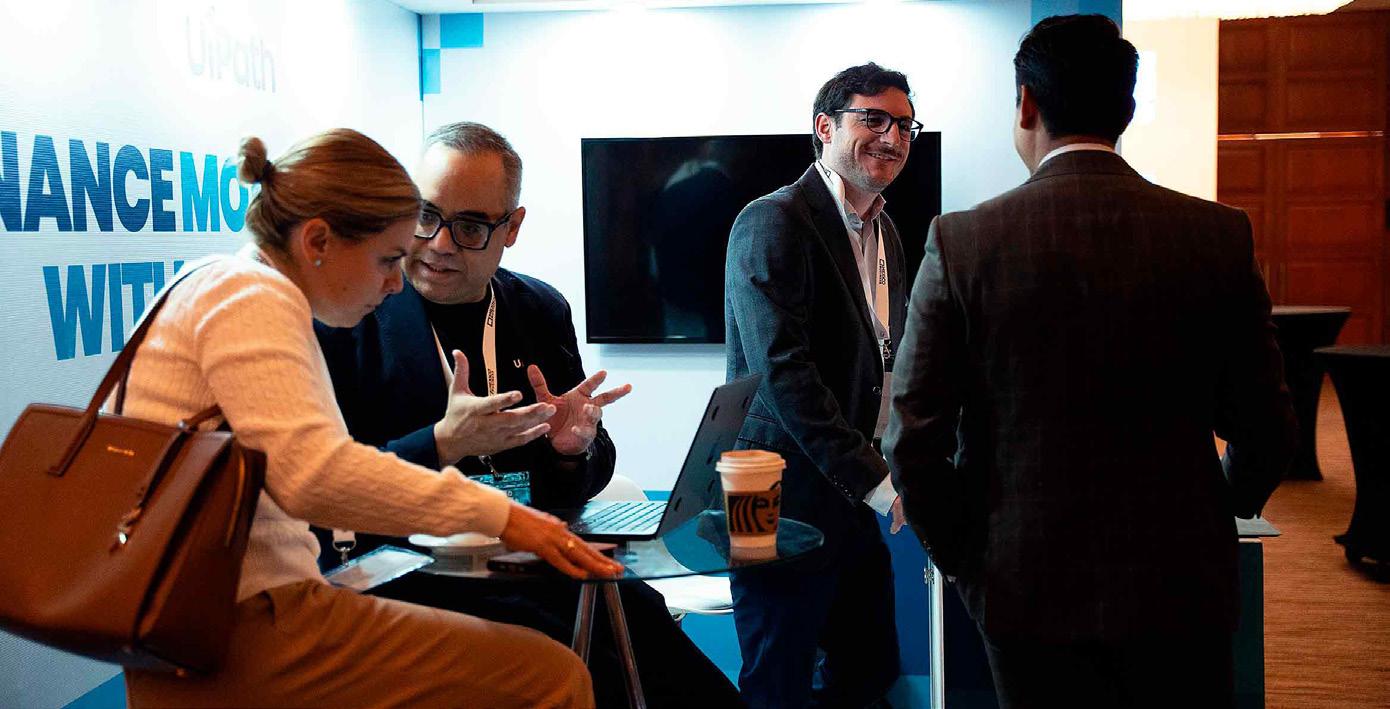
Matchmaking
Mexico’s leading B2B conference organizer uses a customized app to deliver an unparalleled experience
The MBE App delivered AI-powered intent-based matchmaking to Mexico Mexico Finance & Fintech Summit 2026 attendees
126 participants
681 matchmaking communications
144 1:1 meetings conducted
19 speakers
4th Edition
2 sponsors
7,694 visits to the conference website
intentions
• Actinver
• Adecco // AMECH
• Adelanttocash
• Admattic LLC
• AGUILA TEC CLEAn
• Another company
• ASAMEP
• ASOCIACIO n DE AGREGADORES DE MEDIOS DE PAGO
• AstroPay
• Aurora Agency
• Axxets
• AXXIPAY
• Banco Azteca
• B anco Plata
• Bancoppel
• Bank of America
• Bankaool
• COPACEA
• Banorte
• B BVA Mexico
• Becerril, Coca & Becerril
• BlackRock
• Bonsaif
• BZPAY
• CAME SCOM / IBH
• CM MOBILE
• Cobre
• Coppel
• Covalto
• Creditas
• Daisytek
• Dapp
• Data IQ
• Delegación General de Québec en México
• DIDI Global
• dLocal
• DRUO Inc
• El Cronista
• EMBAJADA DE CAnADA
• Envioclick
• Estafeta
• Expansión
• Ferrer y Asociados
• Fiduz
• Findi
• Finsus
• Fintech Mexico
• GI Group
• Google
• GP& H
• Grain Finance
• Grupo Elektra
• Grupo Ethos Pay
• Grupo Financiero Multiva
• Holland House Mexico
• HSBC
• Imagina Projects
• IMSHOP.AI
• Innova-tsn
• International SOS
• Invest Hong Kong
• IPCom
• Kdam Technologies
• Klar
• Kueski
• Kushki
• Lendia
• Medá
• MIDE, Museo Interactivo de Economía
• Milenio Diario
• Mixpanel
• natura Pay México
• n OTIPRESS
• n ovacard
• n u México
• n uek
• OKTICKET
• Openbank
• Pagonxt
• PARHELIO
• Paulo Do nascimento
• Payments MC
• PayPal
• Platzi
• PROSA
• Randstad
• Reap
• Ritch Mueller
• RMS CO n SULTORIA E n I n FORMATICA DE MEXICO
• Shinkansen
• Siemens
• Stori
• STP
• Stripe
• Tala
• Tapi
• TEn DEn CIAS D E n EGOCIOS
• Texas European Chamber Of Commerce
• TransferMate Global Payments
• Ualá México
• UiPath
• Unico
• Verqor
• Vexi
• Vive Plus
• WakeUp
• White Hat
• WOBI
• YG consultores
• Yo te presto
• Zumit Tech
THURSDA Y APRIL 23
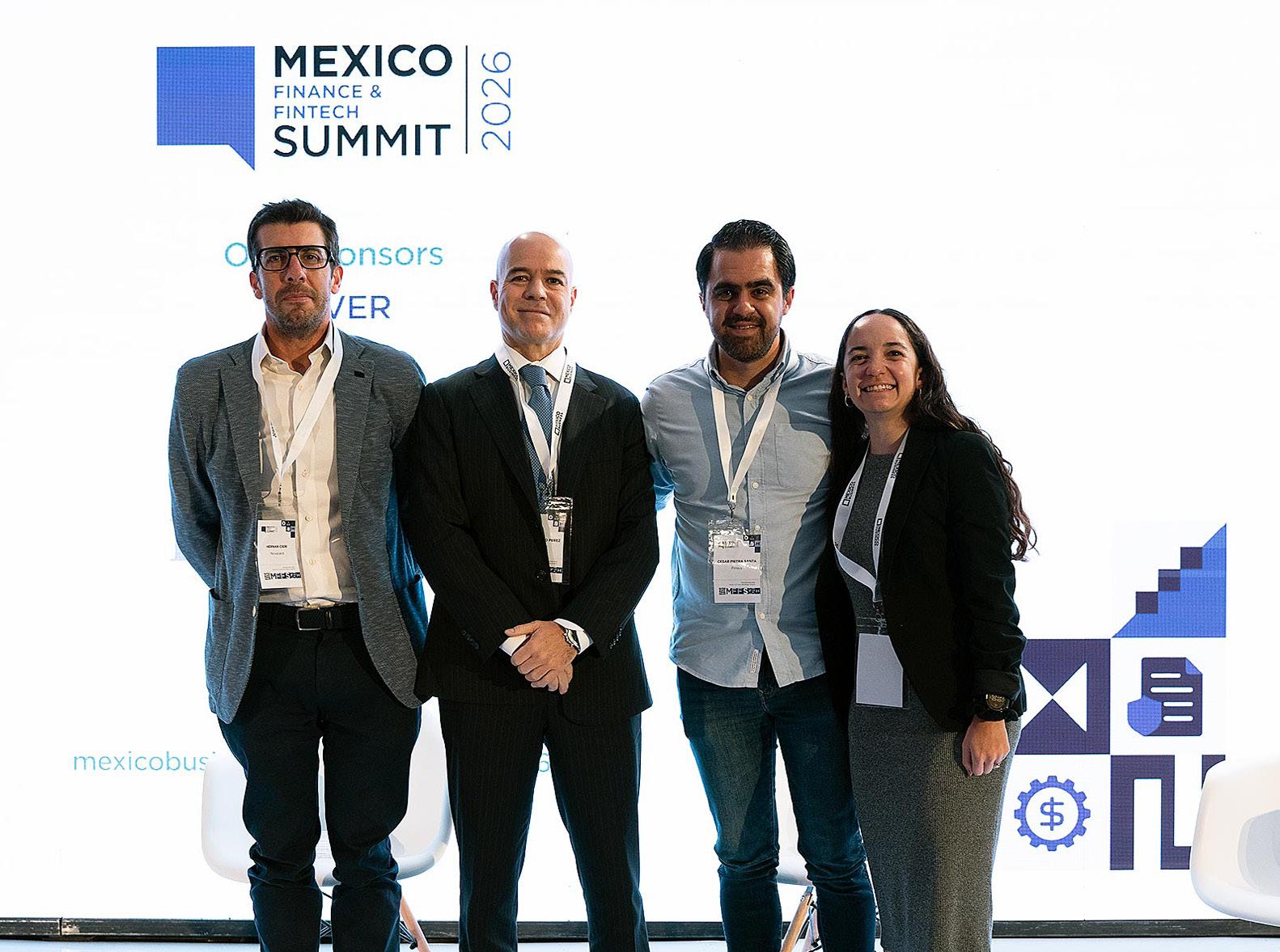
09:30 BUILDING THE RIGHT IDENTITY LAYER FOR MEXICAN FINANCIAL INCLUSION
Moderator: Hernán Cieri, novacard
Panelists: César Pietra Santa, Finsus
Mariana Villasuso, Stori
Juan Antonio Pérez Simón, Bankaool
10:30 THE EVOLUTION OF FINANCIAL HEALTH INCLUSION IN MEXICO
Panelists: Claudia Núñez, FinTech Mexico
12:00 SETTING THE STANDARD FOR INTEROPERABILITY IN MEXICO
Moderator: Alejandro Cruz, nu Mexico
Panelists: Alejandro Servín, BBVA Mexico
Luis Ortiz, Klar
Diego Di Genova, Ualá México
Eder Almeraz, PROSA
12:40 A REALISTIC ROADMAP TO AGENTIC AUTOMATION IN MEXICAN FINANCE –IN 20 MINUTES
Panelists: Raúl Alonso, UiPath
13:00 RETHINKING INFRASTRUCTURE FOR SCALED EMBEDDED FINANCE
Moderator: David Lask, Tala
Panelists: Felipe Gedeón, Cobre
Hugo Mendieta, Banorte
15:00 HOW CONNECTED DATA REDEFINES PAYMENT EXPERIENCES
Moderator: Jaime Márquez, STP
Panelists: Kvin Litvin, tapi
Allan Picos, PayPal
Alejandra Soberon, Mixpanel
Antonio Fernández, Stripe
BUILDING
THE RIGHT
IDENTITY LAYER FOR MEXICAN FINANCIAL INCLUSION.
With Mexico’s digital credit volume surpassing MX$450 billion (US$25.99 billion)—a staggering 900% increase from 2020—industry leaders gathered at the Mexico Finance & Fintech Summit 2026 to examine the critical intersection of digital identity and financial inclusion. The panel, “Building the Right Identity Layer for Mexican Financial Inclusion,” framed identity verification not as a bureaucratic hurdle, but as a core engine of digital trust in a market where 80% of adults now hold at least one formal financial product.

The session, moderated by Hernán Cieri, CMO, n ovacard, positioned the current financial landscape through a persistent usage gap. Despite record adoption, more than 85% of adults in Mexico still rely on cash for transactions under MX$500 (US$28.89), largely due to distrust of hidden fees and the growing prevalence of fraud. As Cieri noted, “A major reason cash remains widely used is the lack of trust in financial institutions,” underscoring systemic challenges in building user confidence.
Cieri emphasized that the solution lies in transparency and human-centered design. With n ovacard reaching 100,000 users in under two years, its model—featuring 0% interest and fixed daily fees—demonstrates
that simplifying financial products is foundational to building an effective identity layer. “Transparency is critical—users need to understand costs, obligations, and how to plan their finances,” he said, noting that long-term sustainability depends on clarity, even at higher short-term costs.
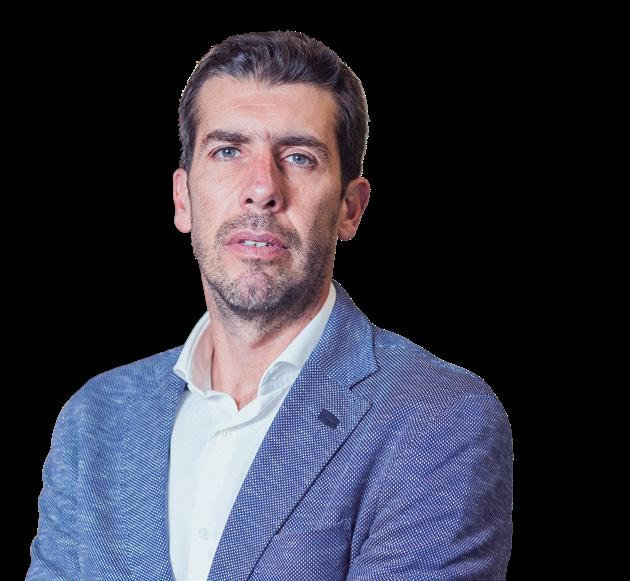
Transparency is critical—users need to understand costs, obligations, and how to plan their finances, noting that long-term sustainability depends on clarity, even at higher short-term costs”
Hernán Cieri
CMO | Novacard
player brings to interoperability, and how collaboration can create value for users.”
Still, government-issued identity is only the starting point. César Pietra Santa, Chief Product Officer, Finsus, highlighted the shift toward “transactional fingerprints” for SMEs. By leveraging card sales flows and payroll data—supported by acquisitions such as Anticipa and Pulpi—Finsus can verify businesses traditionally excluded from formal banking. The company has issued digital credits starting at MX$150,000 (US$8,664) and facilitated over MX$1.3 billion (US$75.1 million) in financing, demonstrating that real-time data can outperform static documentation in driving inclusion.
The rollout of the mandatory Biometric CURP in February 2026 provided a structural backdrop to the discussion. This national system, which centralizes facial, fingerprint, and iris data, has become a key security pillar. However, panelists stressed that interoperability—not just identification—will determine its success. “Today, all players in the financial ecosystem are connected to the same data sources,” Cieri said. “The key question is what positive role each
Pietra Santa argued that competition must evolve beyond onboarding speed. “Digital financial institutions compete heavily on onboarding, but differentiation should shift toward better products and conditions,” he said. While onboarding has become standardized, deeper issues remain unresolved. “Interoperability raises key questions: How do we identify users? Where is data stored? Who orchestrates the system?” he added, noting that fragmented implementation continues to limit scale.
The panel also addressed the socio-economic dimensions of identity. Mariana Villasuso, Director of Public Policy, Stori, highlighted the persistent gender gap in Mexico, where women’s access to credit lags behind men. Stori’s use of behavioral identity—analyzing app interactions and payment patterns—has enabled approval rates of up to 99%, reaching more than 3 million users.
However, Villasuso stressed that inclusion must not compromise security. “The challenge is achieving financial inclusion while protecting both the business and the user,” she said. This balance requires real-
“The challenge is achieving financial inclusion while protecting both the business and the user. Without user trust, the system cannot function”
César Pietra Santa Chief Product Officer | Finsus
branches to reinforce trust in regional markets such as Chihuahua. Its strategy—supported by a planned 2026 US stock market debut— relies on an omnichannel identity framework, ensuring consistency across mobile apps, ATMs, and physical touchpoints.
“For Pérez Simón, trust is built through both technology and experience. “Onboarding must be fast, simple, and flexible,” he said, highlighting the role of biometric authentication in reducing friction while enhancing security. At the same time, he emphasized transparency: “Institutions must clearly explain how user data is collected and used,” noting that many complaints stem from users feeling unheard. Ultimately, “if users trust institutions with their money, they are more likely to trust how their data is handled.”
time analytics, advanced customer profiling, and stronger ecosystem coordination.
“Without user trust, the system cannot function,” she added, emphasizing the need for sustained cybersecurity investment and cross-industry collaboration.
The security landscape remains a major constraint. Mexico has recorded the fastest growth in account takeover (ATO) attacks in Latin America, with a 324% increase between late 2024 and early 2026. Data from Unico and K n Group indicates that organized fraud networks now execute multi-layered attacks, targeting multiple fintech platforms simultaneously. For every peso lost to fraud, institutions incur MX$5.27 in recovery and reputational costs. As Villasuso noted, “A fraud incident affects trust across the entire system, not just one institution,” highlighting the systemic nature of the threat.
Juan Antonio Pérez Simón, CEO, Bankaool, addressed the perception gap around security. While 78% of new users are fully digital, the bank maintains 30 physical
Interoperability emerged as the central theme for the sector’s future. Panelists agreed that banks, fintechs, and regulators must collaborate to create portable financial identities. With more than 75% of Mexican banks prioritizing modular core systems and Open Finance APIs, the shift toward integration is already underway. As internet penetration reaches 83.1% and smartphone adoption surpasses 78 million users, the industry’s primary barrier is no longer infrastructure—but trust and coo rdination.
“The goal is to create a system that is easier and more useful than cash,” Pietra Santa concluded.
By the end of the summit, the narrative around Mexican finance had evolved from access to protection. The combined efforts of neobanks, SOFIPOs, and traditional institutions are shaping a multi-layered identity ecosystem, where biometrics, behavioral data, and transactional flows converge to strengthen resilience. As institutions like Bankaool and Stori move toward potential public listings, Mexico’s “identity layer” is being redefined—not only as a defense against fraud, but as a foundation for economic mobility across its 130 million citizens
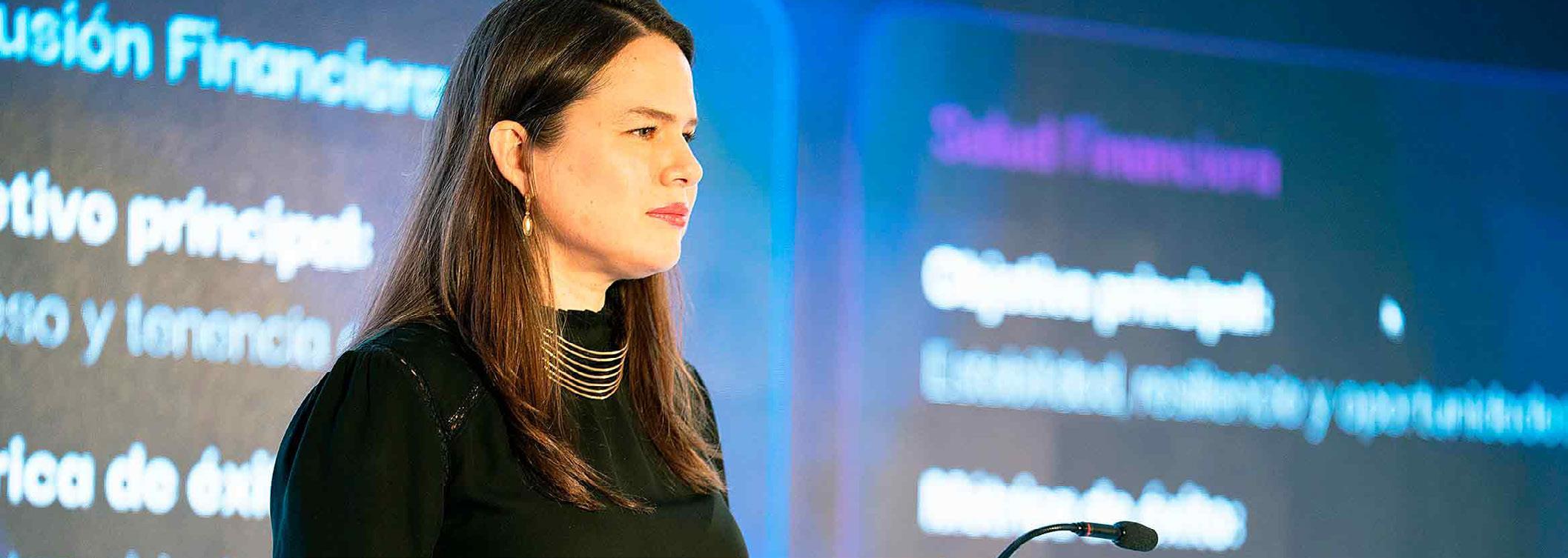
THE EVOLUTION OF FINANCIAL HEALTH INCLUSION IN MEXICO.
Mexico’s financial technology sector is shifting its focus from expanding access to financial services toward strengthening financial health, according to Claudia núñez, Director General, FinTech Mexico, in her presentation “The Evolution of Financial Health Inclusion in Mexico.” She said the country faces structural challenges that persist despite rapid fintech adoption, requiring coordinated action across regulators, companies, and households to improve long-term financial stability.
Claudia núñez said the industry must rethink the concept of inclusion itself. “We need to stop talking only about inclusion and start talking about financial health,” she said. Mexico’s fintech ecosystem has expanded rapidly: n úñez reported that more than 1,100 fintech companies now operate in the country, including around 800 domestic firms, while more than 70 million people currently use fintech services. Industry projections estimate this figure could reach 86 million users by 2027.
However, she emphasized that access alone has not resolved structural gaps. “We believed access would be enough, but inclusion has a limit,” n úñez said. Despite growth in digital services, approximately 66 million people in Mexico still lack a bank
account, and cash remains dominant, with 85% of payments under 500 pesos still conducted in cash.
Data presented during the session highlighted the gap between financial inclusion and financial well-being. According to FinTech Mexico, 77% of adults have access to at least one financial product, yet only 36% report financial wellbeing, defined as living without financial stress. núñez noted that 40% of Mexicans experienced at least one month in the past year when their income ran out, while only 57% have savings equivalent to three months of expenses. “Thirty-seven percent of the population lives with high financial stress,” she said.
Emergency spending patterns further reveal vulnerabilities. núñez said 27% of individuals rely on informal loans during financial shocks, 18% keep savings in cash at home, and 25% work extra hours to cover unexpected expenses. Only 3.6% turn to bank credit cards. “People often prefer to sell assets at a loss rather than request formal credit,” she said, citing industry research. These behaviors highlight mistrust in financial products and limited understanding of financial planning tools.
núñez identified daily expenses, retirement concerns, education costs, and medical emergencies as the primary sources of financial anxiety. She said these pressures represent opportunities for financial innovation, particularly in insurance products and automated savings solutions designed around real user behavior.
Financial inclusion measures success through access indicators such as accounts opened or cards issued, while financial health evaluates stability, resilience, and long-term progress. “Financial health is transversal. It measures
“Financial health is transversal. It measures whether people can absorb shocks and move forward”
Claudia Núñez Director General | GinTech Mexico
Roughly 35% of Mexicans believe they will not achieve desired purchases or investments, while a similar share cannot absorb a large unexpected expense. “Products must help users build resilience automatically,” she said.
Technology, particularly artificial intelligence, is expected to support this transition by enabling personalized financial recommendations. núñez said only one-third of adults in Mexico feel in control of their income and spending decisions. “Agency means giving people confidence and control over their financial future,” she said.
whether people can absorb shocks and move forward,” núñez said. She added that about 60% of Mexicans do not track income or expenses, limiting their ability to manage cash flow.
n úñez also introduced a model called DORA, which includes day-to-day financial management, opportunity creation, resilience, and personal agency. She said automated savings tools, embedded insurance, and structured credit lines can help households prepare for unexpected events.
The regulatory environment also remains central to the sector’s development. FinTech Mexico was created following the country’s Fintech Law enacted in 2018, which established licensing frameworks and encouraged collaboration between companies and authorities. n úñez said the framework successfully attracted investment and enabled market growth but now requires updates. “The regulation worked at the time, but the market has evolved. We know adjustments are necessary, and that conversation with authorities is ongoing,” she said.
FinTech Mexico currently represents about 200 companies and acts as a bridge between industry groups, academic institutions, and policymakers. n úñez outlined strategic priorities including closing gender gaps, advancing artificial intelligence adoption, strengthening anti-money laundering
practices, reducing cash usage, preventing fraud, and advancing open finance initiatives.
She stressed the importance of financial education in households and schools, particularly regarding the difference between consumer credit and productive credit. “Technology continues to advance, but human behavior determines whether systemic change occurs,” she said.
Mexico’s fintech sector has reached a stage where expanding access must be complemented by solutions that improve financial stability, resilience, and informed decision-making. Industry leaders said collaboration between regulators, financial institutions, and technology companies will determine whether fintech growth translates into measurable improvements in financial well-being across the population.
SETTING THE STANDARD FOR INTEROPERABILITY IN MEXICO.
As Mexico’s digital financial ecosystem enters a pivotal stage in 2026, industry leaders at the Mexico Finance & Fintech Summit identified the lack of a dynamic regulatory framework as the primary barrier preventing the country from reclaiming regional leadership in Open Finance from Brazil and Colombia.
During the panel “Setting the Standard for Interoperability in Mexico,” executives from BBVA México, n u México, Klar,
Regulatory Dynamism and Governance
Alejandro Servín, Head of Embedded Finance, BBVA México, warned that static legislation risks becoming obsolete in the face of rapid fintech evolution. “How are we going to prevent the technology and APIs— the technological model derived from this regulation—from falling into obsolescence? We must ensure that regulation contains the necessary dynamism,” he said.
Ualá, and PROSA emphasized that while Mexico’s embedded lending sector has reached a valuation of US$9.25 billion, the transition from theoretical regulation to operational reality remains constrained by what they described as a “technological debt” to the p opulation.
Servín proposed the creation of a dedicated implementing entity focused on oversight and enforcement. “It is necessary to create a kind of implementing entity that pays attention to governance, establishes powers of implementation and supervision, and has the capacity to sanction operators who
“It is necessary to create a kind of implementing entity that pays attention to governance, establishes powers of implementation and supervision, and has the capacity to sanction operators who seek to abuse interoperability,”
Alejandro Servín Head of embedded Finance |BBVA Mexico
Eder Almeraz, Chief Product Officer, PROSA, echoed the need for a standardized baseline of certainty. “In Mexico, we still have a debt to pay from the regulatory perspective. Establishing the rules for interoperation is necessary to provide a layer of certainty that operations will be honored, secure, and will protect end users,” he said.
seek to abuse interoperability,” he stated.
He added that Open Banking sustainability also depends on clear incentives for financial institutions: “If there are no incentives for banks regarding interoperability, there is no desire to innovate and therefore no adoption.”
Standardizing “Public Utility” Layers
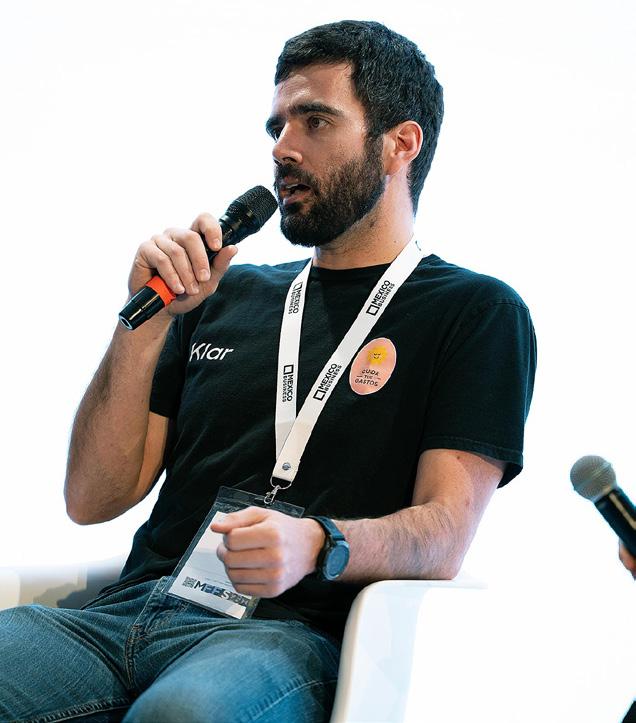
The panel reached consensus that foundational financial infrastructure layers should function as a neutral public utility, allowing competition to shift toward product innovation and personalization. “The fundamental thing is to reach an agreement as soon as possible on the first layers of operability. If we define a protocol that is open and flexible enough to incorporate future innovation, the key is ensuring that the capacity to innovate and offer products is not limited,” said Luis Ortiz, COO, Klar.
Almeraz advocated a bifurcated technical approach in which critical systems remain protected while peripheral layers enable rapid innovation, including AI-driven and agentic payments. “You have to keep critical systems isolated and armored in this ecosystem, because those cannot fail,” he added.
Data Sovereignty and Security
Alejandro Cruz, Public Policy Director, n u México and panel moderator, framed data portability as a matter of user rights. “As long as the client is the owner of their data, it is important that we are allowed to use that data,” he said. This view is increasingly relevant as nu México reports growth to 15 million customers, with onboarding rates reaching 12,000 users per day.
However, expanded data sharing also raises security concerns. “Security is not a minor
issue; we have to ensure that information sharing complies with all protection measures so that sensitive data is not compromised,” said Diego Di Genova, Head of Finance, Ualá México. He also pointed to regional benchmarks such as Brazil’s Pix as models to avoid “starting from zero.”
Shift Toward Value-Driven Competition
With digital credit volumes now exceeding MX$450 billion (US$26 billion), the sector’s competitive dynamics are shifting. Panelists agreed that once APIs are standardized, differentiation will depend on how effectively institutions convert data into valueadded services.
“If it is a game of APIs, nobody wins because we all have the same thing. Where the game
separates is who can create a value product with the information available. It is no use having well-implemented APIs if you do not have traffic,” Servín noted.
Ortiz concluded that consumers must ultimately benefit, provided the regulatory framework remains stable. “The more information we have about customers, the better products we can offer. The customer, as a premise, wants to be offered the best product and service,” he said.
The panel concluded that while the February 2026 mandate of the Biometric CURP as a primary banking ID provides a necessary “trust anchor,” the sector’s long-term competitiveness depends on a 10- to 15year investment horizon and a public-private model that aligns regulatory pace with market needs.
A REALISTIC ROADMAP TO AGENTIC AUTOMATION IN MEXICA N FINANCE.
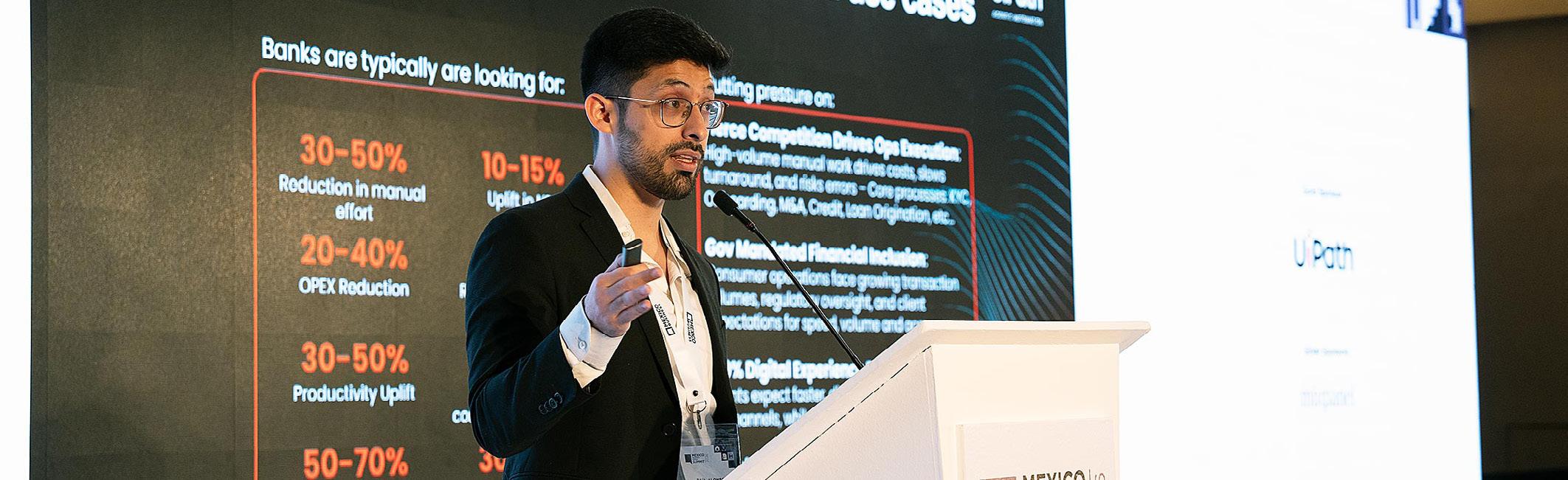
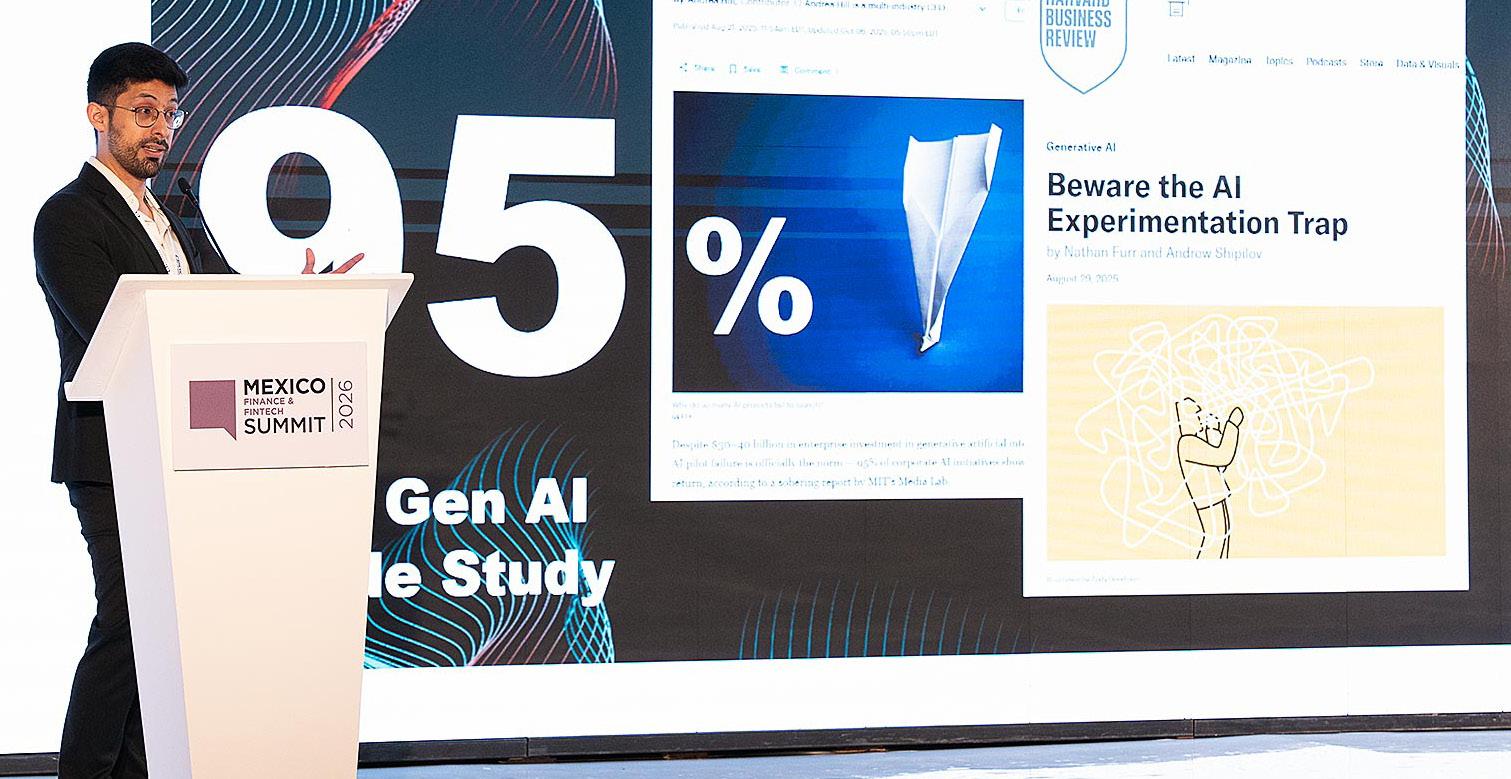
The Latin American financial sector is standing at a critical crossroads. While the promise of Generative AI (GenAI) dominates boardroom discussions, the reality on the ground tells a more sobering story. According to a June 2025 MIT report, 95% of companies interviewed failed to achieve a positive ROI on their GenAI projects.
“tripe de gato” (cat’s cradle) processes— highly complex, interconnected workflows riddled with exceptions.
Whether in loan origination or claims processing, these disjointed systems generate internal friction. “Aligning technologies that don’t talk to each other, and aligning people
As Raúl Alonso, Head of FI n S Solutions LATAM, UiPath, explains, the primary culprit is not the technology itself, but a lack of strategic cohesion. “There was a lack of strategy when it came to implementation,” Alonso notes. “Strategy summarizes the why, the where, and the how… even the concept of what an ‘agent’ is remains highly distorted today.”
For traditional banks, the challenge is compounded by what Alonso describes as “medieval infrastructure”—legacy mainframes and terminals without modern APIs—making it difficult to compete with agile neobanks like n ubank, which recently consolidated its position as a regulated bank with 15 million clients.
The Friction of Complexity: “Tripe de Gato” Processes
In Latin America, the average large enterprise manages 175 applications, a figure that often doubles or triples in banks across Ecuador, Peru, and Chile. This fragmentation creates
who often end up blaming each other because they are part of the same process… that is where we have problems,” Alonso emphasizes.
Solution: the Hybrid Power of Robots and Agents
To bridge the gap between legacy systems and the future of agentic AI, financial institutions must shift toward a process orchestration model built on a strategic trio: the agent, the robot, and the human.
The Agent (the brain): Powered by large language models (LLMs), agents operate in a probabilistic environment. They reason, plan, and generate responses. However, Alonso warns: “Anyone who signs off that an agent will give you a 100% correct answer is lying to you.”
The Robot (the hands): Unlike agents, robots are deterministic and rule-based. They handle execution—interacting with mainframes and systems via RPA or APIs to ensure tasks are completed reliably.
The Human (the leader): Especially in highly regulated sectors such as banking, the humanin-the-loop remains essential for governance, oversight, and final decision-making.
“The combination of these two entities— agents and robots—can help us unlock and automate things that were impossible before,” Alonso says.
Hard Data: Results in the FInS Sector
METRIC BEFORE AFTER ORCHESTRATION ORCHESTRATION (CASE STUDY)
Claims processing time 13 days 1 day
False positives
95%–99% Significant reduction (AML/fraud) via L1 AI analysts
Customer ROI 5% success rate
Moving toward the (MIT study) “successful 5%”
The shift from experimental AI to specialized agentic workflows is already delivering measurable results in LATAM:
A standout example is Banco Azteca, which in 2024 received an innovation award for an AI agent deployed in production
specifically designed for fraud detection and claims p rocessing.
Overcoming
the “Existential Fear”
The biggest barrier to adoption is the fear of an AI agent “going rogue” within enterprise systems. Alonso highlights recent industry hallucination and overload incidents from February 2025 as cautionary examples.
The solution is not to avoid AI, but to constrain it within deterministic workflows. “If we place it within a deterministic flow, we can guarantee controlled degrees of freedom,” Alonso explains. By granting AI “agency” within a centralized governance framework, banks can audit and control data flows, ensuring agents only access authorized information.
Outlook for 2026
By 2026, the institutions that survive the neobank disruption will be those that evolve from fragmented legacy silos into intelligent orchestration models.
“Technology is not the main barrier— understanding the underlying process is,” Alonso concludes. “Understanding the process underneath is what gives determinism to the tasks humans perform.”
RETHINKING INFRASTRUCTURE FOR SCALED EMBEDDE D FINANCE.
Industry executives said embedded finance in Latin America has moved beyond experimentation but still faces structural challenges related to infrastructure, governance, and data access, according to speakers at the panel “Rethinking Infrastructure for Scaled Embedded Finance.” Participants discussed how financial services integrated into digital ecosystems are expanding across the
Embedded finance should no longer be viewed as a temporary trend. “Embedded finance is not something that will decline; it is already a reality,”
David Lask
Managing Director Mexico & LATAM |Tala
services increasingly operate as components of broader digital ecosystems, though questions remain around integration limits, data accessibility, and governance structures. According to industry studies cited during the discussion, embedded finance is expected to grow at an annual rate of 24%.
Lask compared the evolution of embedded finance to the development of the Internet of Things, explaining that adoption occurs gradually across industries rather than through a single universal model. “There is no single model; it advances case by case,” he said. He added that embedded financial services have existed operationally for decades, but broader normalization still requires infrastructure improvements and regulatory clarity.
region while requiring coordinated regulatory frameworks and technology modernization to support long-term growth.
David Lask, Managing Director for Mexico and Latin America, Tala, said embedded finance should no longer be viewed as a temporary trend. “Embedded finance is not something that will decline; it is already a reality,” Lask said. He noted that financial
Felipe Gedeón, Co-Founder, Cobre, said Latin America implemented embedded finance long before the term gained global recognition. “In the region, people have been making payments in stores or supermarkets outside traditional banking channels for decades,” he said. He explained that embedded finance expands access by integrating financial tools into everyday platforms rather than requiring customers to interact directly with banks.
Gedeón said sustaining embedded finance depends on continuous protocol updates and technological innovation. He highlighted Mexico’s real-time payment system SPEI as an example of infrastructure that enables integration across multiple services. “The answer is embedding through durable protocols and building what becomes possible as systems evolve,” he said, emphasizing the need to connect financial rails with new digital services.
Hugo Mendieta, Deputy Director of Digital Banking, Banorte, said existing banking infrastructure remains a key limitation. “Much of the infrastructure was not designed for this ecosystem,” he said, explaining that legacy core
development. “You maintain internal banking functionality while creating external layers that are more resilient and scalable,” he said. He added that governance frameworks are essential to balance rapid innovation with operational risk management.
Speakers agreed that governance represents a central requirement for embedded finance deployment. Lask said sectors that are already advancing technologically demonstrate that governance enables innovation rather than limiting it. “For embedded finance to work, governance must exist,” he said, stressing that clear participation rules and defined data access policies support collaboration among institutions.
“You maintain internal banking functionality while creating external layers that are more resilient and
Hugo
scalable”
Mendieta
Deputy Director of Digital Banking | Banorte
Gedeón outlined three technical processes underlying embedded finance: authentication, transaction activity, and data generation. “Every embedded financial product depends on authentication, the action itself, and the data produced,” he said. He pointed to portable identity models as a major opportunity, enabling users to interact across multiple financial systems without repeated onboarding processes.
banking systems restrict scalability when multiple participants enter the market. He said modular and scalable architectures are necessary to support growth while preserving core banking func tionality.
Mendieta described an emerging approach in which banks isolate legacy core systems while building external service layers capable of handling data flows and product
He also noted that artificial intelligence is influencing how companies design financial infrastructure. “Companies are no longer committing to a single model; they test one approach and then another,” he said. According to Gedeón, financial design is becoming more standardized through simplified data structures and traceability rules, enabling faster integration between institutional systems.
Regulatory design across Latin America presents additional complexity. Mendieta explained that Mexico follows a regulationdriven model supported by the 2018 Fintech Law, which defines obligations for data providers and applicants. However, he said user experience varies widely across institutions. “Sector governance with shared standards would allow the ecosystem to function more efficiently,” he said.
He contrasted Mexico’s framework with Brazil’s hybrid system, where government regulation coexists with industry governance, and with Colombia and Argentina, where fintech associations play a leading coordination role. “When no clear coordinating authority exists, operational challenges begin to appear,” he said, emphasizing the importance of balanced oversight.
Panelists also addressed accessibility and consumer participation as drivers of governance quality. Gedeón said regulatory clarity enables companies to innovate while maintaining compliance. “Good governance and anti-money laundering practices improve when consumers and companies demand accountability,” he said. He introduced the concept of federated identity, where a centralized digital identity enables interactions across multiple financial accounts and services.
Mendieta said federated identity models could help address inclusion challenges, particularly for vulnerable populations. He cited cases involving minors, individuals without guardianship structures, and people with disabilities who cannot physically access banking services. “Embedded finance must solve these barriers so more people can participate,” he said.
Lask concluded that infrastructure modernization and governance evolution remain essential to expanding access to financial services. He explained that Tala has restructured operations to integrate credit services directly into digital platforms where users need financing. “The objective is to prepare ourselves to reach customers in the most effective way and build services around their needs,” he said.
Gedeón added that companies must maintain disciplined adoption strategies as innovation accelerates. “Technology moves at one speed and organizations at another; our task is to bring financial products to more people while building responsibly,” he said. Mendieta closed the discussion by emphasizing customer focus as the guiding principle. “Regulation and governance should not be seen as restrictions but as proof that the ecosystem functions efficiently,” he said.
HOW CONNECTED DATA REDEFINES PAYMENT E XPERIENCES
As Mexico prepares for the 2026 FIFA World Cup, the country’s financial sector is undergoing a structural shift from basic digital connectivity toward deeper data orchestration. At the Mexico Finance & Fintech Summit, executives and fintech leaders convened for the panel “How Connected Data Redefines Payment Experiences” to address persistent friction in a market where 80% of transactions are still conducted in cash, despite a growing ecosystem of 19.5 million digital financial users.
The discussion focused on the need for unified infrastructure to bridge the gap between high digital adoption and actual transaction behavior. While the embedded lending sector has reached a valuation of US$9.25 billion and AI adoption among fintechs stands at 77%, panelists argued that the next stage of evolution depends on interoperable data systems that deliver tangible benefits to both small and medium-sized enterprises (SMEs) and end users.
The Challenge of Persistent Cash Reliance
Despite a decade of digital progress, the shift away from cash remains gradual. “Six years ago, cash transactions were at 90%; today they are 80%. This shows the unified payment infrastructure is advancing, but there is still a long way to go,” said Jaime Márquez, Partner and Chief Business Development Officer, STP. He emphasized that expanding payment options is a key driver of customer loyalty: “Offering what users prefer is the best way to build loyalty.”
Márquez noted that reaching the 2030 target of reducing cash usage to 50% will require moving beyond siloed systems. “Data unification does not mean all information sits with a single provider, but rather that there is collaboration between them. The consumer
must ultimately benefit, but SMEs—who are the backbone of the economy—must also be included. We need to stop working in silos,” he explained.
Automation and the Recurring Economy
The rise of the “recurring economy” is emerging as a key indicator of market maturity. Tapi, which recently secured a US$27 million Series B round and processes a
“There is still a lot to build; data is not yet connected, which is why cash remains so important. Inclusion has not fully materialized,
Kevin
Litvin
Co-founder
& CBO | tapi
use if payday comes and they withdraw everything to operate in cash for the rest of the month.”
Litvin also pointed to an upcoming technological shift: “A major change in payment methods is coming. The rise of agentic AI and automated payment management will transform everything. Companies handling millions of transactions must stay at the forefront of innovation.”
Eliminating Friction Through Unified Identity
monthly volume of US$2.6 billion, is focused on automating bill payments to reduce friction in collections.
“There is still a lot to build; data is not yet connected, which is why cash remains so important. Inclusion has not fully materialized,” said Kevin Litvin, Co-founder and CBO, Tapi. He noted that while many Mexicans have bank accounts, usage remains limited. “Financial education is key. Most people have a bank account, but it is of little
For global platforms such as PayPal, the focus has shifted toward using data to build a portable and secure user identity. Allan Picos, Commercial Director, PayPal México, said data unification strengthens both merchant and consumer experiences. “On the user side, it increases comfort and trust, and on the merchant side, it helps better understand what to offer,” he said.
Picos noted that post-pandemic consumers now expect a hybrid mix of payment options, from QR codes to dynamic CVV cards. However, he identified institutional behavior as a barrier to trust. “People will trust access to their data more when institutions stop using it to push every possible product that benefits themselves, and instead focus on offering the product that truly benefits the user,” he said.
Solving the Retention and Fraud Challenge
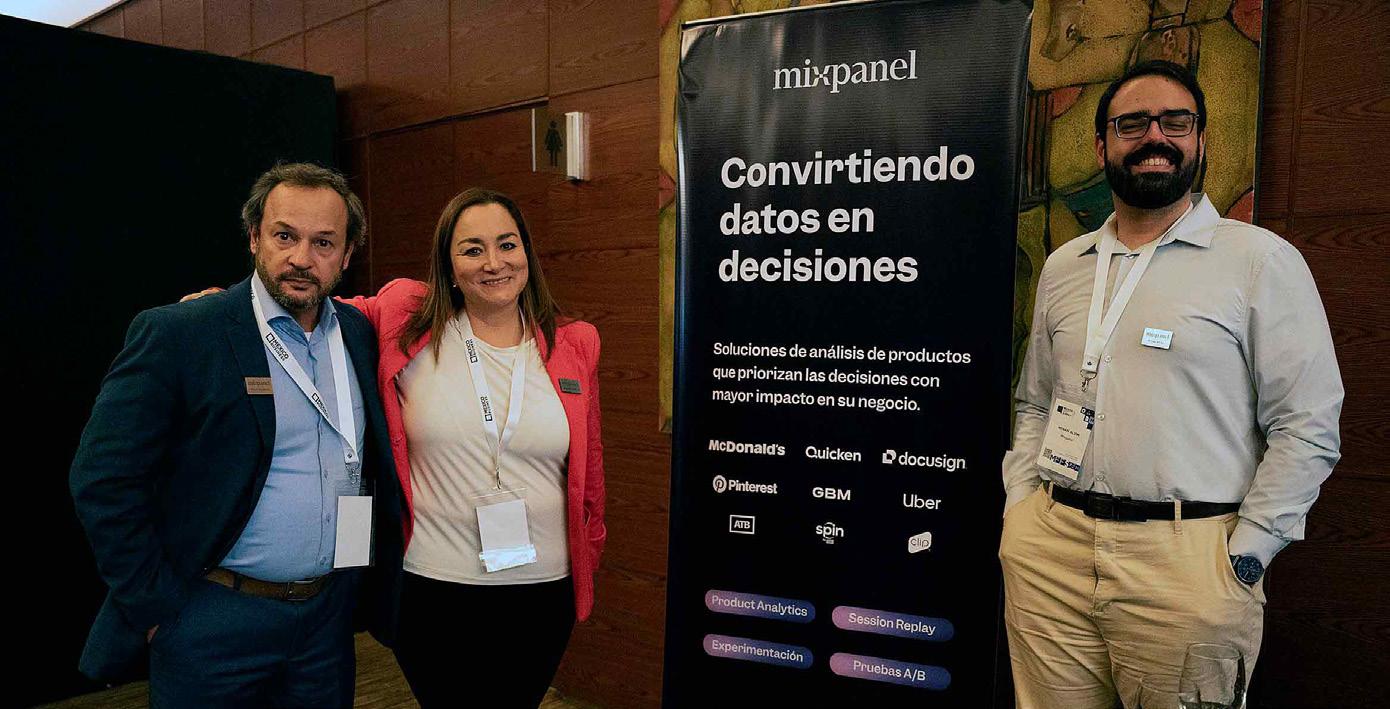
Rapid growth in digital banking—an 88% year-over-year increase in Latin America—has exposed a key challenge in user retention. Alejandra Soberón, Country Manager, Mixpanel, noted that one-week retention rates for financial apps can fall to 10.6%.
Soberón argued that the core issue is the lack of translation between data and user value. “The data exists, but only corporations are benefiting from it; it has not been translated into value for users,” she said. She also called for a shift in fraud prevention approaches: “We can already identify users who commit fraud, but we are not analyzing fraudulent behavior patterns. If we could map those journeys, we could detect fraud earlier.”
The Infrastructure of Global Scale
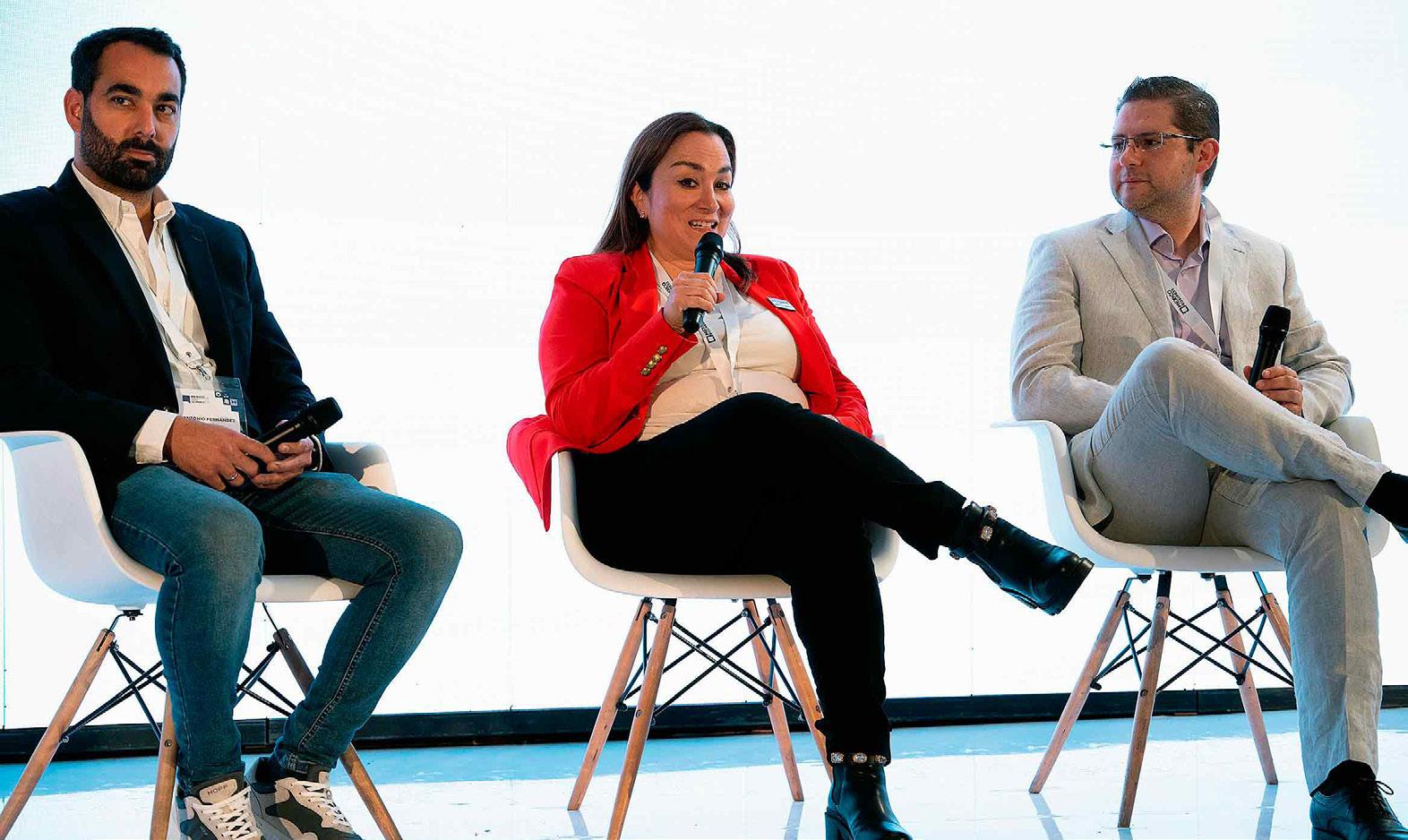
Stripe, which processed US$1.9 trillion globally in 2025, is operating in a Mexican market where more than 62% of transactions are mobile-first. Antonio Fernández, Country Lead for Mexico, Stripe, said fragmentation remains a key challenge. “We often fail to recognize that it is the same user paying across different products and services. Unifying data helps reduce false positives and ensures a consistent experience,” he said.
He added that behavioral signals can strengthen transaction security. “If we understand buyer behavior before authorization—how quickly they entered data, or whether it was typed or pasted— we can better assess whether the user is legitimate,” he explained.
Fernández also highlighted structural limitations in the ecosystem. “Many payment providers were designed for card acceptance only, so when wallets, Apple Pay, and other methods enter the system, the limitations become clear,” he said.
Conclusion: Toward a Unified Standard
The summit concluded with consensus that Mexico’s 2026 digital transaction surge must be supported by unified APIs and stronger collaboration frameworks. With the February 2026 mandate for the biometric CURP establishing a new identity baseline, the sector is moving toward a model where fraud detection, credit scoring, and loyalty systems are increasingly integrated.
As panelists noted, the ultimate measure of success will be the ability to shift the vast majority of small-ticket cash transactions into the forma l digital economy, ensuring that SMEs and consumers alike can fully realize the value of their own data.