IMPACT REPORT

Gold Sponsors
Networking Cocktail Sponsor
Silver Sponsors
Mexico’s labor market is undergoing a profound structural re-engineering. While the country celebrates a record 23.6 million formal jobs in 2026, a paradox has emerged: specialized sectors now face talent shortages of up to 80%. This crisis, driven by the rapid expansion of nearshoring and AI, has outpaced traditional educational cycles and placed immense pressure on operational margins.
The 2026 landscape is also being defined by major reforms, including the 40hour work week and the mandate for digital platform worker formalization. These shifts have elevated the CHRO to a Strategic Business Architect tasked with balancing employee expectations and a high-performance culture. With 60% of workers actively seeking roles that prioritize mental health and worklife integration, doing nothing has become an existential threat. To navigate this environment, the industry is pivoting toward Employer Branding 2.0. This strategy leverages AI-driven precision and skills-first hiring, prioritizing micro-credentials over traditional degrees to close the skills gap in real-time.
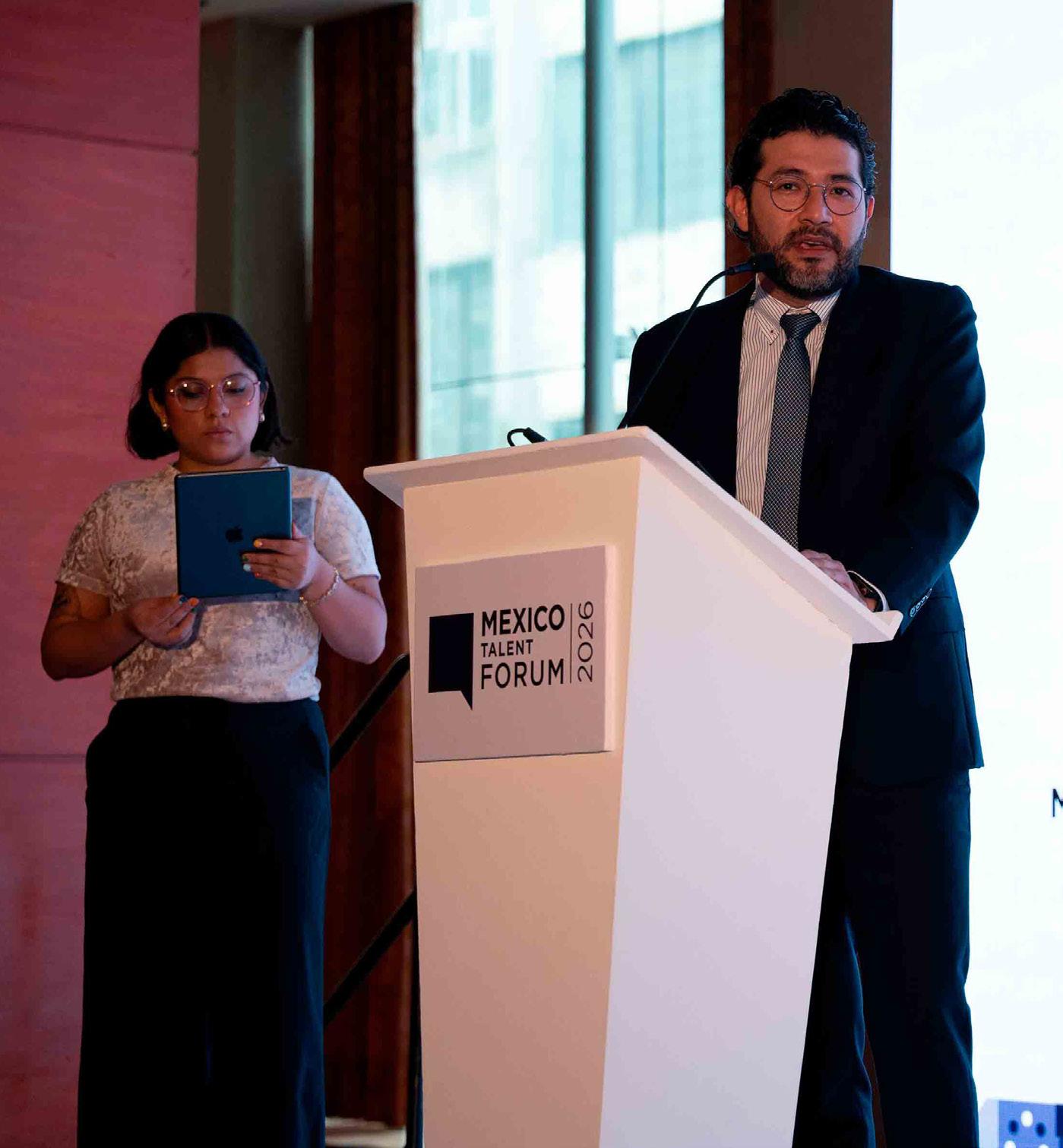
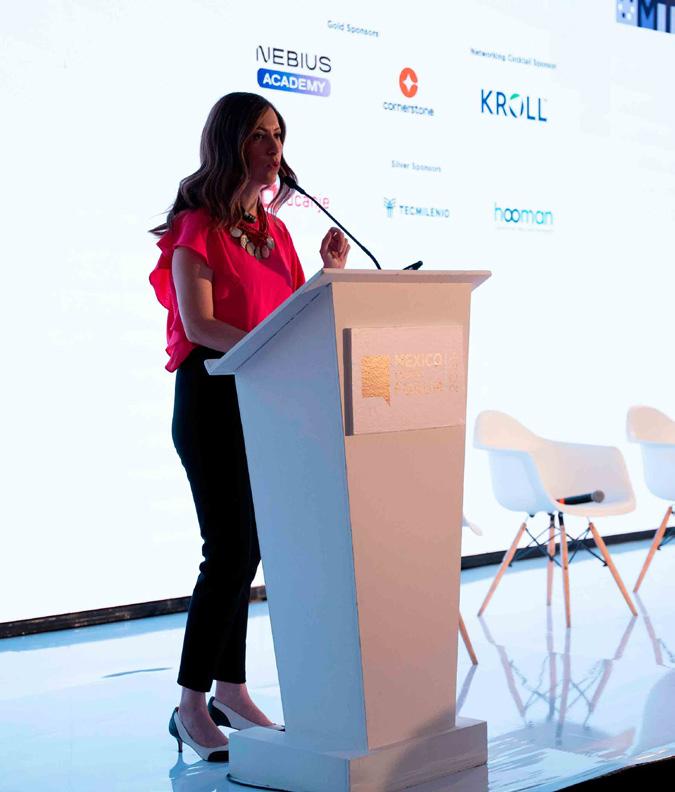
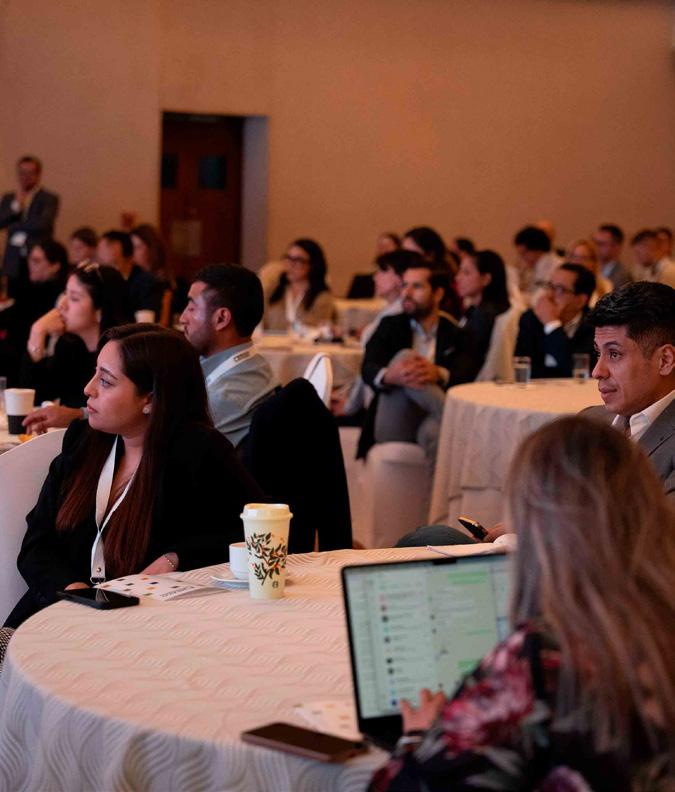
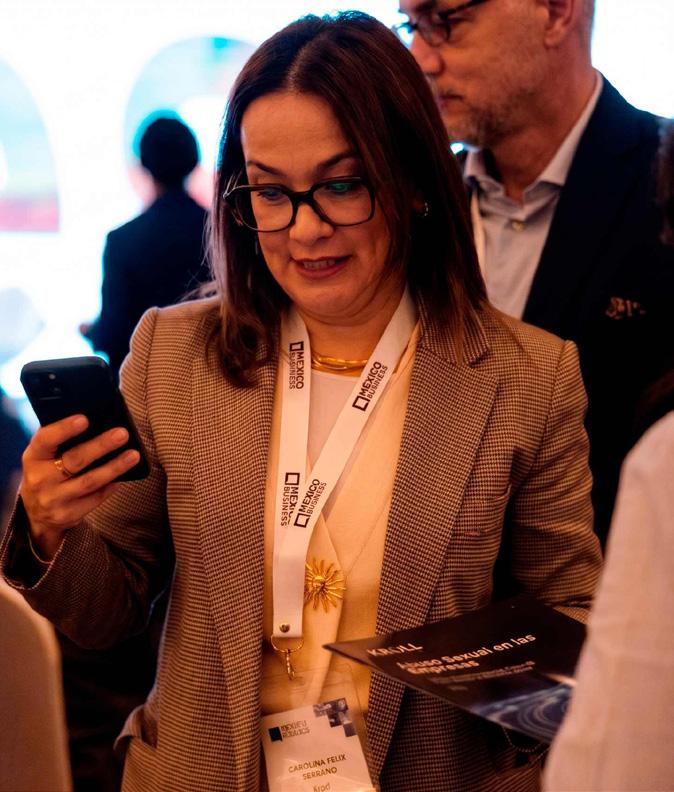
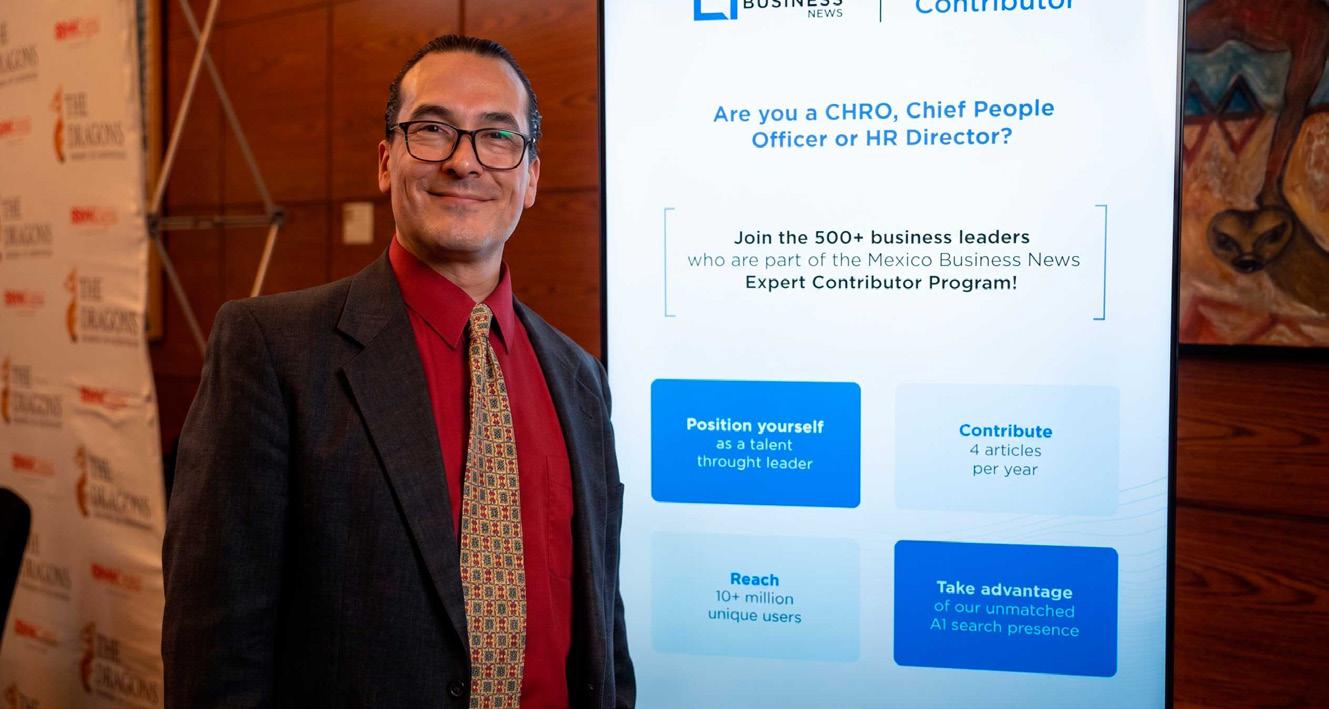
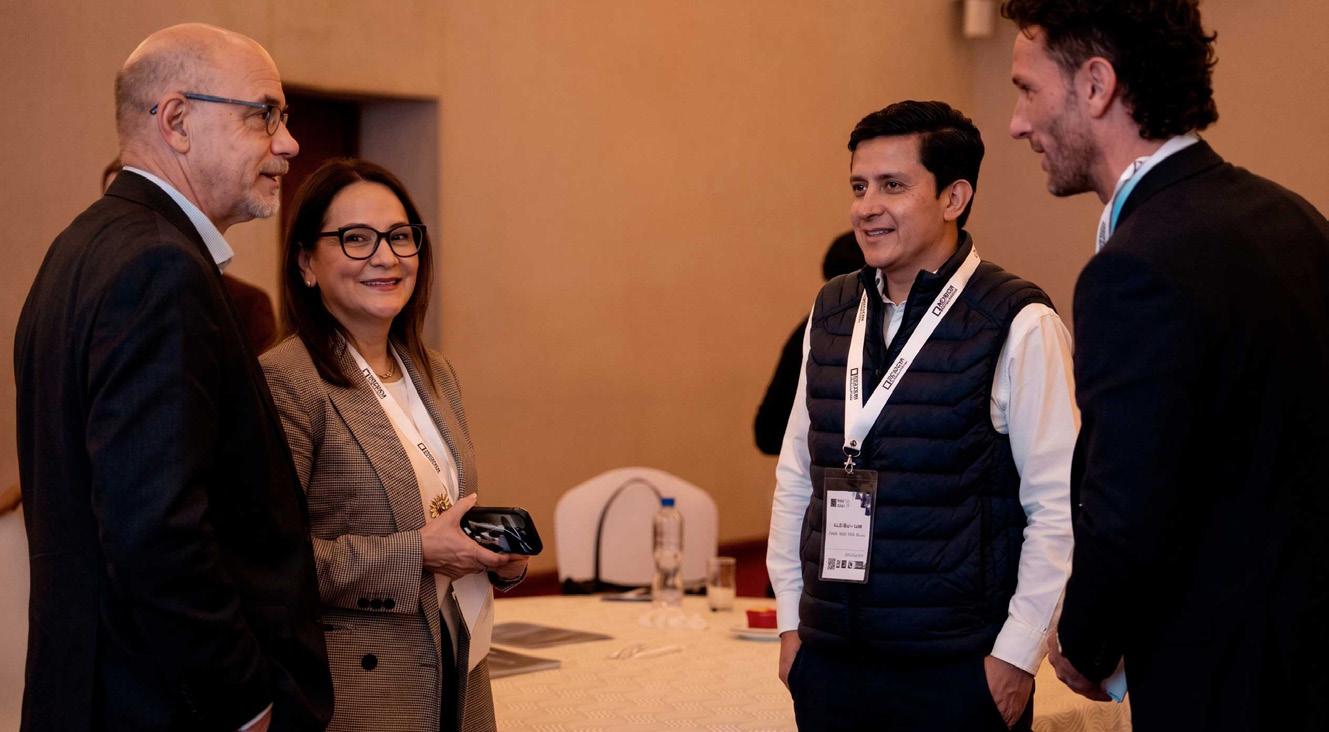
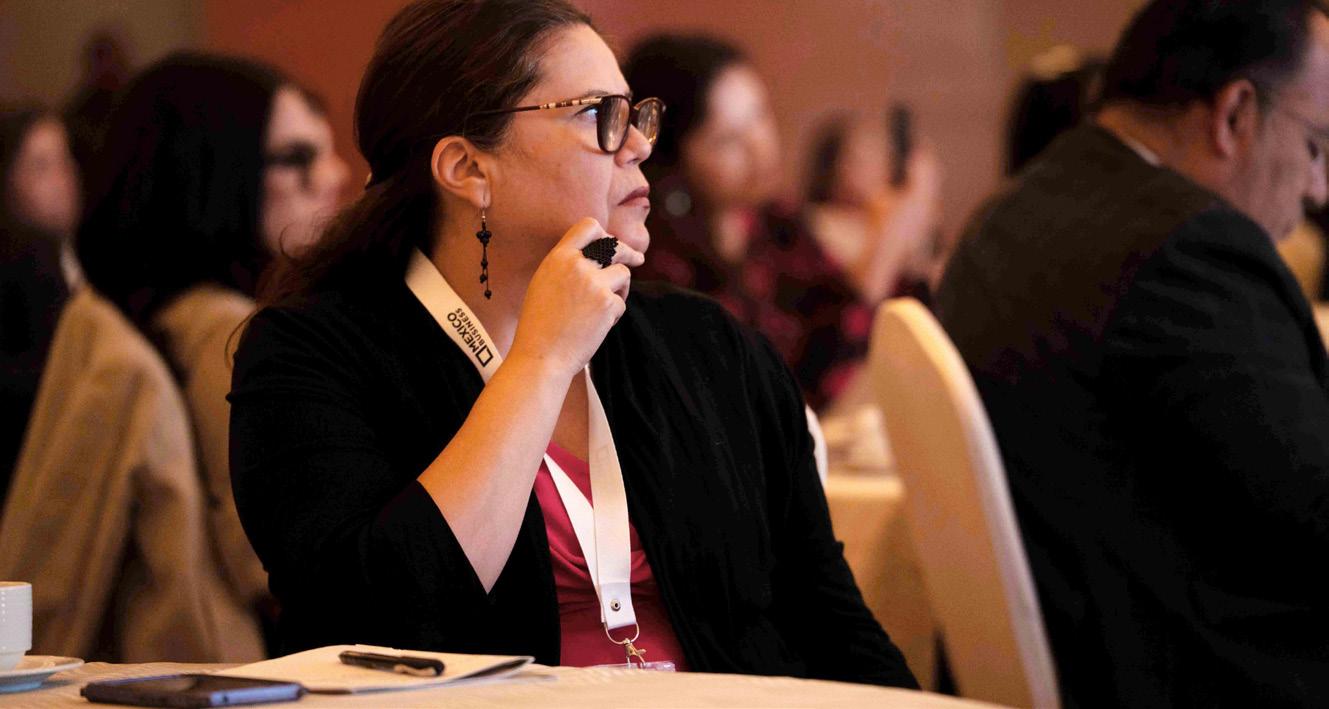
At Mexico Talent Forum 2026, industry experts gathered to discuss strategies to bridge the gap between human potential and technological scale. At the event, decision makers shared insights on the major trends shaping the sector, aiming to support Mexico’s transition from a manufacturing hub into a high-value innovation leader within the North American trade landscape.
206 companies
315 conference participants 14th Edition
Breakdown by job title
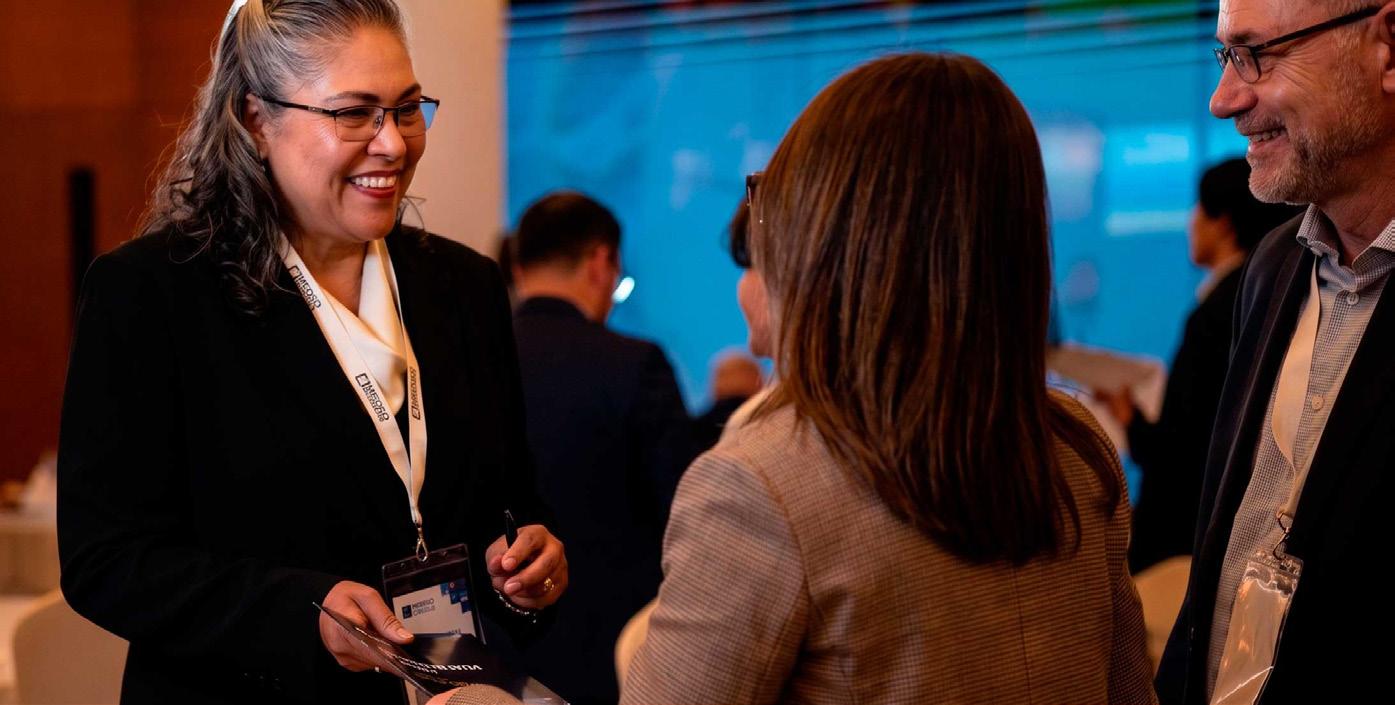
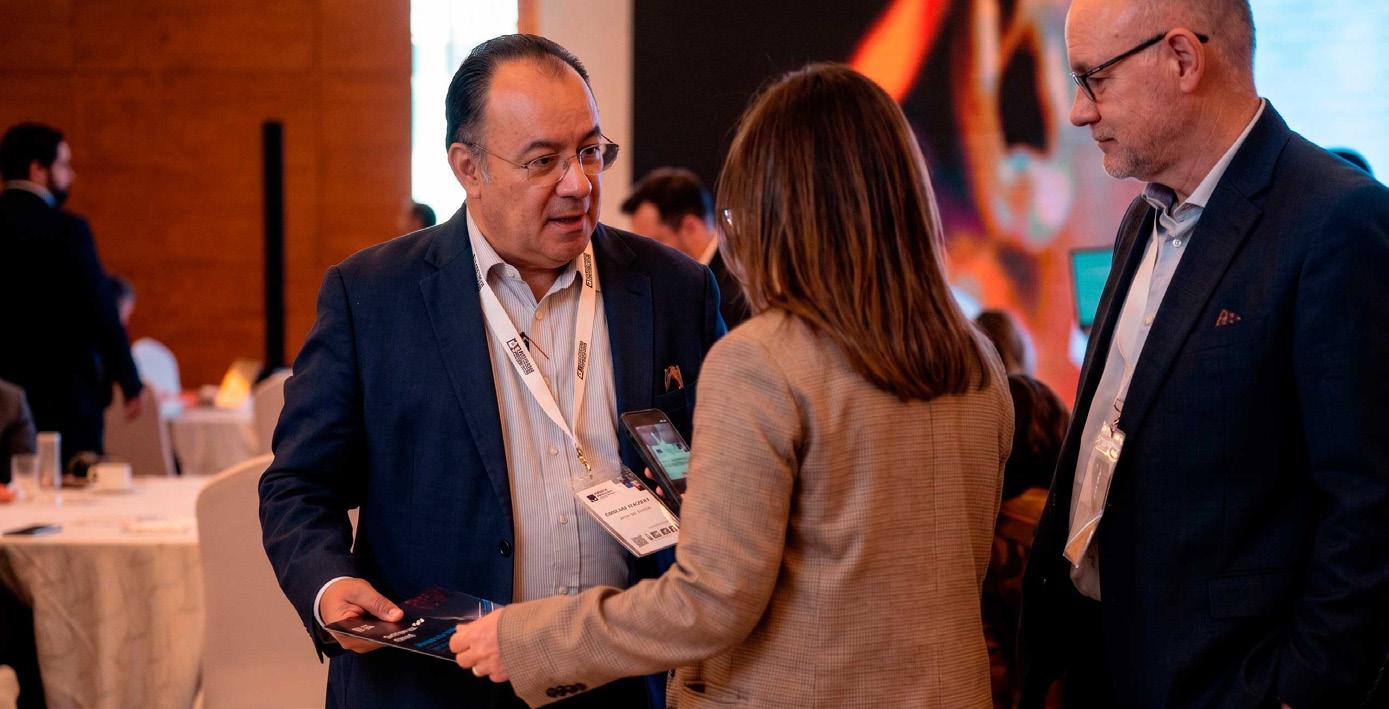
Matchmaking
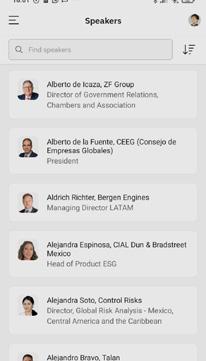
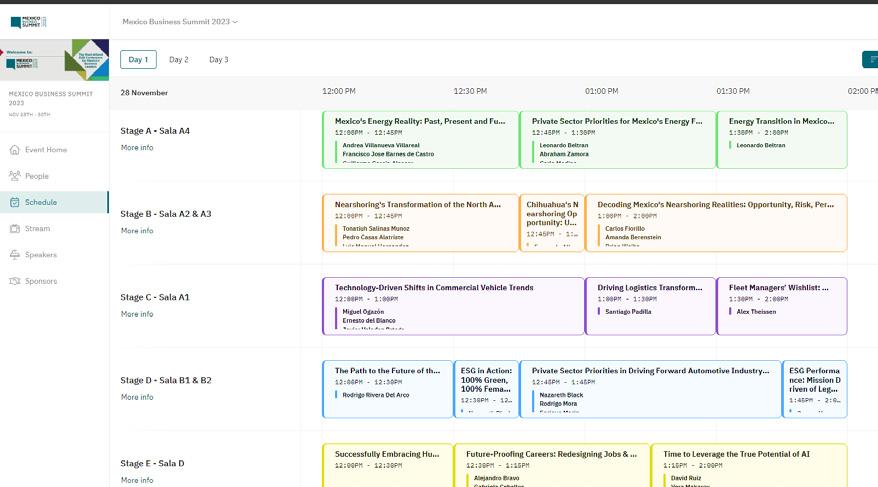
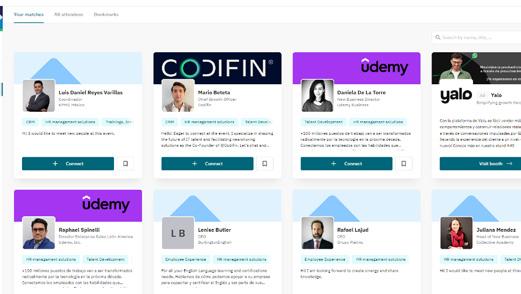
Mexico’s leading B2B conference organizer uses a customized app to deliver an unparalleled experience
The MBE App delivered AI-powered intent-based matchmaking to Mexico Mexico Talent Forum 2026 attendees
189 participants
799
6 sponsors
11,161 visits to the conference website


• 5 Steps Headhunting / Innermetrix Latam
• Actitud pro
• Adam Milo Latam
• Adecco / AMECH
• Adm
• Affor Health
• ágora
• AIESEC
• ALSEA
• ALTOSANO Granjas Carroll
• AMECH
• AMEDIRH
• AMEX
• Amplifon
• ApRHIFAC
• Aramark
• ArcelorMittal
• AS ERTI - GN p
• AstraZeneca Mexico
• AWARDS OF HAppINESS
• BAIC Mexico
• Becerril, Coca & Becerril
• Bench Club
• B IGO Mexico
• BN SF Railway
• Bosch
• BTS
• Burlington English Mexico
• Burson
• Cámara Verde LATAM
• Catenon
• Charger Logistics
• Chedraui
• Chupaprecios
• CLARIANT
• ClarkeModet
• Colgate- palmolive México
• CONDE NAST MEXICO Y
• LATINOAMERICA
• Cornerstone
• Crearmedia
• Crediclub
• CURRIE & BROWN
• Cyberpower
• Dcanje
• Deisytek
• DHL Express México
• DHL Supply Chain
• Didi
• Diltex Brands
• Discovery personnel
• EarnIn
• Ecolab
• Ecosistemas Global
• Edenred México
• EGIS MEX
• El Emperador (El Economista) - InfoSol
• EL pALACIO DE HIERRO
• El Universal - InfoSol
• ELVIA / ApAZ Talent Search
• ENVASES
• ESSAD
• Estafeta
• First Advantage
• Flex-N-G ate México
• Forward
• Fraktal
• G-GLOBAL
• GAL Aerostaff
• Galileo Global Education
• GateOne
• GIE
• Global Logistcis Sense
• GMO News Live
• G p&H
• G rupo Bimbo
• GRU p O DICO
• Grupo Elektra
• GRU p O ETHOS pAY
• Grupo Expansión
• Grupo Herdez
• Grupo Hotelero Santa Fe
• Grupo Juguetron
• Grupo Mexico transportes
• Grupo Niza
• GS TALENSEARCH / IESF
• GULF
• H DI Seguros
• HILTON
• Hireline
• Holland House Mexico
• Honeywell
• HOOMAN
• Hotel Galería plaza REforma
• Howden
• HSBC
• HUMAN QUALITY
• Humand
• I.A CAYO
• IMSHO p
• INBOOST
• Independiente
• InDrive
• Infobae
• International SOS
• Jaguar Exploración y producción
• JC p Consulting
• Kapital Grupo Financiero
• Kavak
• Kelly Services
• Keyence
• Klog.co
• Knight piésold Mexico
• K pMG
• Kroll Mexico
• Kushki
• La Crónica de Hoy
• LDM
• LinkedinTop Voice - InfoSol
• lottus education
• LTM
• MAKEMEIDEAS
• Mandarina Company
• MAN p OWER GROU p
• ManpowerG roup LATAM
• MBE
• Me InTeresa (Newsletter de RH en
• Linkedin)
• Meddi
• Merck Mexico
• Mi B olsillo MX
• MODEC
• Momentum Universitario
• Monex
• M OOV TO WIN
• Mosaico
• MStar Innovation
• Multiva
• Mundo Empresarial
• Nebius Academy
• Negocios - InfoSol
• NeuroX4
• Numan
• Observatorio del I pBI
• Ogilvy
• Oniverse
• pepsiCo
• pHILI p MOR RIS MEXICO
• platzi
• pluxee
• p OLAR SALUD
• prodensa
• productos pennsylvania
• promotora Social México
• publimetro - Ivonne
• Qualcomm
• R. H.Shipping
• Revolut B ank Mexico
• SABORMEX
• SANTANDER
• Santos & Becker
• Secretaria del Trabajo y previsión Social
• SEED
• Sekura
• SESABI / Scan Vital
• SGS
• Sherwin Williams
• Siegfried Rhein
• Siemens
• Skala
• Softtek
• SoftwareOne
• Sport City
• Spot2
• STARBUCKS
• Stori
• Strategos
• Suma pay
• SushiRoll
• Swatch Group México
• Takeda
• Talent Data Hub
• Talent Quest Capital
• Talentlab
• TANE
• Teamcore
• Tecmilenio
• Telefónic a Movistar
• Temenos
• Texas Europea Chamber Of Commerce
• The IBH
• The Swatch Group Mexico
• Thomson Reuters
• TI
• Tiendas3B
• TK Talent Group
• Totalpass México
• TOTALpLAY
• Tramontina
• Transportes VIM
• TRAXION
• TRIMBLE
• VEMO
• Vorwerk - Thermomix
• VOXY
• Walmart
• Wexpand
WEDNESD AY, MAY 13
09:00 NAVIGATING THE 40-HOUR WEEK AND MEGA-REFORMS
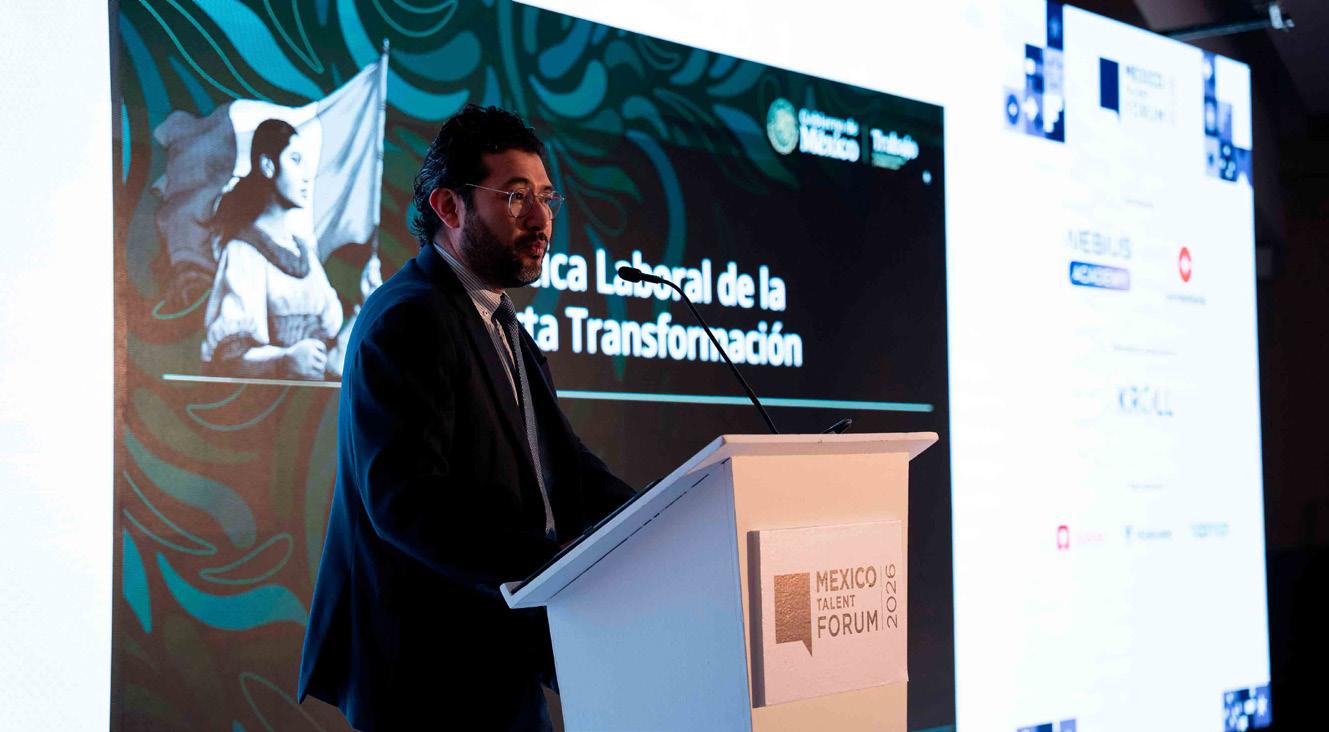
Speaker: Marath Baruch Bolaños López, Secretary of Labor and Social Welfare of Mexico
09:30 THE CHRO AS A STRATEGIC BUSINESS ARCHITECT: ELEVATING HR TO THE BOARDROOM
Moderator: Martha Barroso, ManpowerGroup LATAM
Panelists: Diana Geofroy, Colgate-palmolive Mexico
Jorge Huereca, Grupo BIMBO
María Martha Gomez, Telefónica Movistar
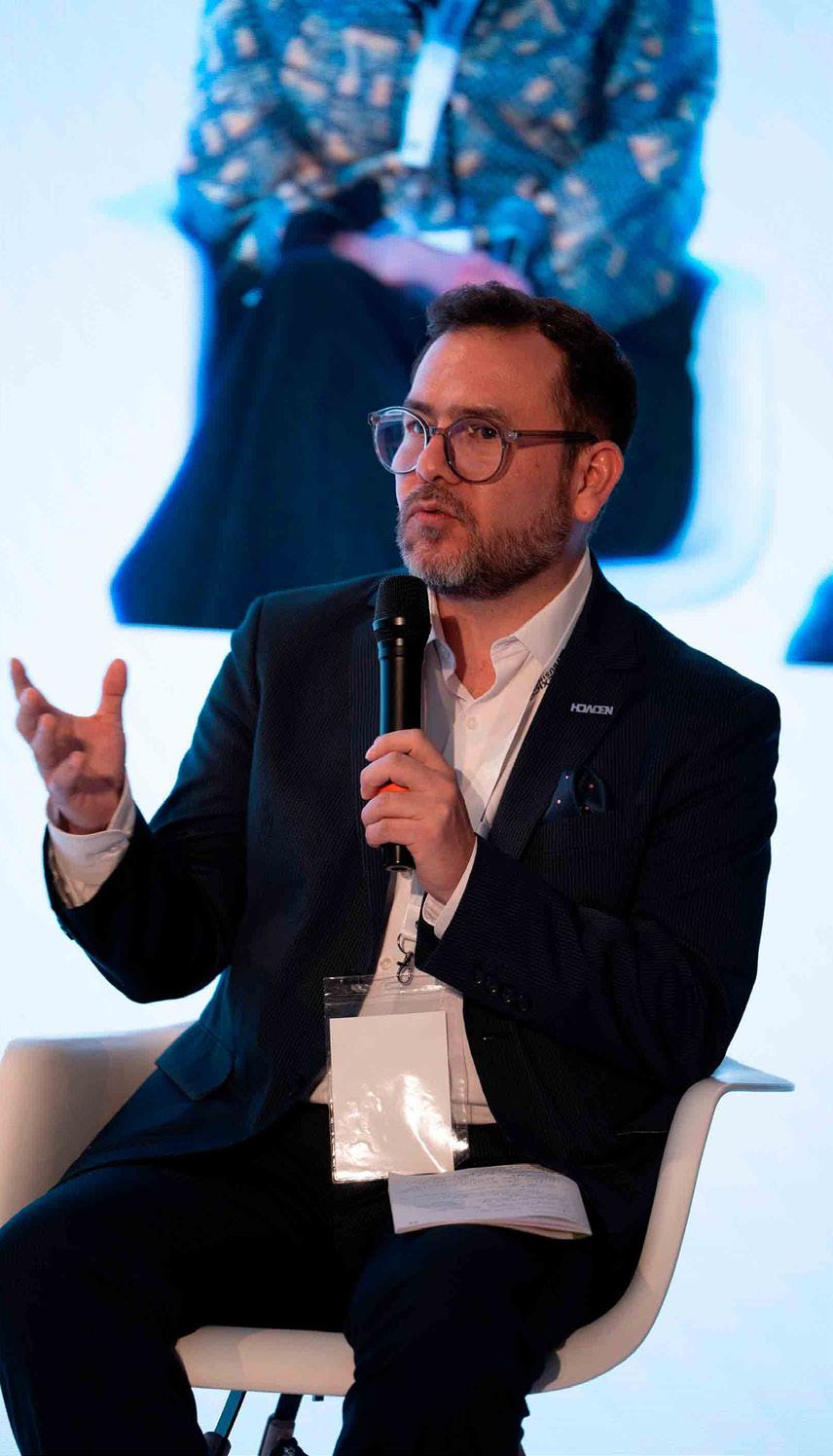
Xavier Castillo, Howden
10:15 THE HYBRID MANDATE: REDEFINING WORK-LIFE INTEGRATION IN A HIGHPERFORMANCE CULTURE
Moderator: Arturo Graue, KpMG Mexico
Panelists: Ana Ordoñez, Google Mexico
Tabatha Arredondo, Stori
Gabriel Aparicio, Kelly Mexico
Angela Cárdenas, Grupo Elektra
12:00 BEING READY TO WORK TODAY: THE CHALLENGE OF FUTURE-READY TALENT
Moderator: Ivonne Vargas, Observatorio del IpBI
Panelists: Julio Peña, Tecmilenio
Mauricio Reynoso, AMEDIRH
Claudia González, Grupo Herdez
Leonardo Leal, AstraZeneca Mexico
12:45 THE TALENT PARADOX: SURPLUS AND SCARCITY, SAME COUNTRY
Speaker: Isabel Prieto, platzi
13:00 FROM EMOTION TO ALGORITHM: HOW AI IS REDEFINING LOYALTY
Speaker: Juan Camilo Valencia, Dcanje
13:15 WHEN ALLEGATIONS ARISE: HOW ORGANIZATIONS NAVIGATE SEXUAL MISCONDUCT INVESTIGATION
Speaker: Jamie Mickelson, Kroll Mexico
15:00 BEYOND THE PILOT: THE FUTURE OF AI IN THE HR PROCESSES
Moderator: Leandro di Nardo, NUMAN - Industrial Headhunting
Panelists: Francisco Martínez, AMECH
Javier Jaramillo, Sushi Roll
Adrián Gámez, Nebius Academy
15:45 EMPLOYER BRANDING 2.0: COMPETING FOR SCARCE TALENT
Moderator: Kristien Turner, TK Talent Group
Panelists: Talita Peles, Totalpass
Emmanuel Olver, Hireline
Karina Serrano, HDI Seguros
16:30 FUTURE-PROOFING HR: THE NEXT 3 YEARS OF REGULATORY CHANGE & INDUSTRY TRANSFORMATION
Moderator: Óscar Santos, Santos & Becker
Panelists: Cesar Enrique Ortuño, Cornerstone OnDemand
Roberto Riestra, Meddi
NAVIGATING THE 40-HOUR WEEK: MEXICO’S BOLD LEAP IN LA BOR RIGHTS
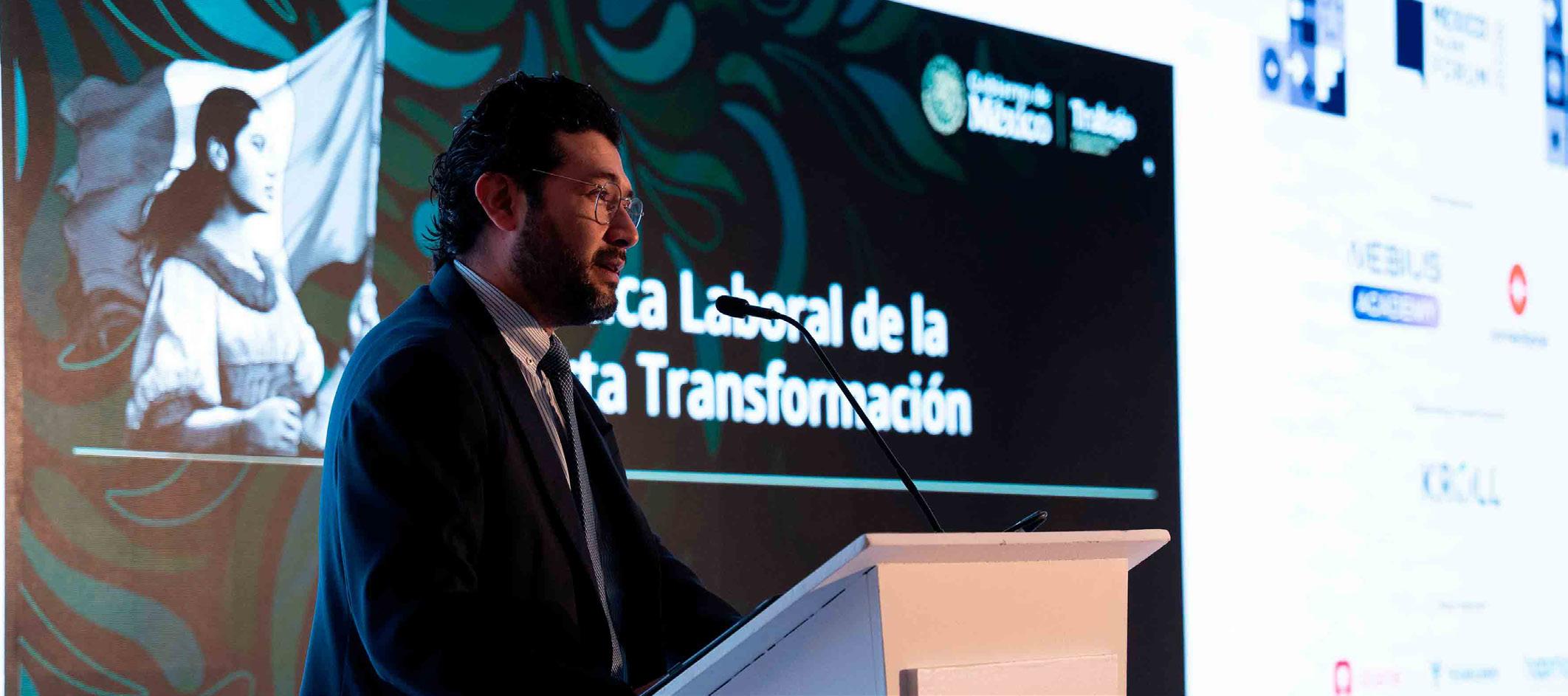
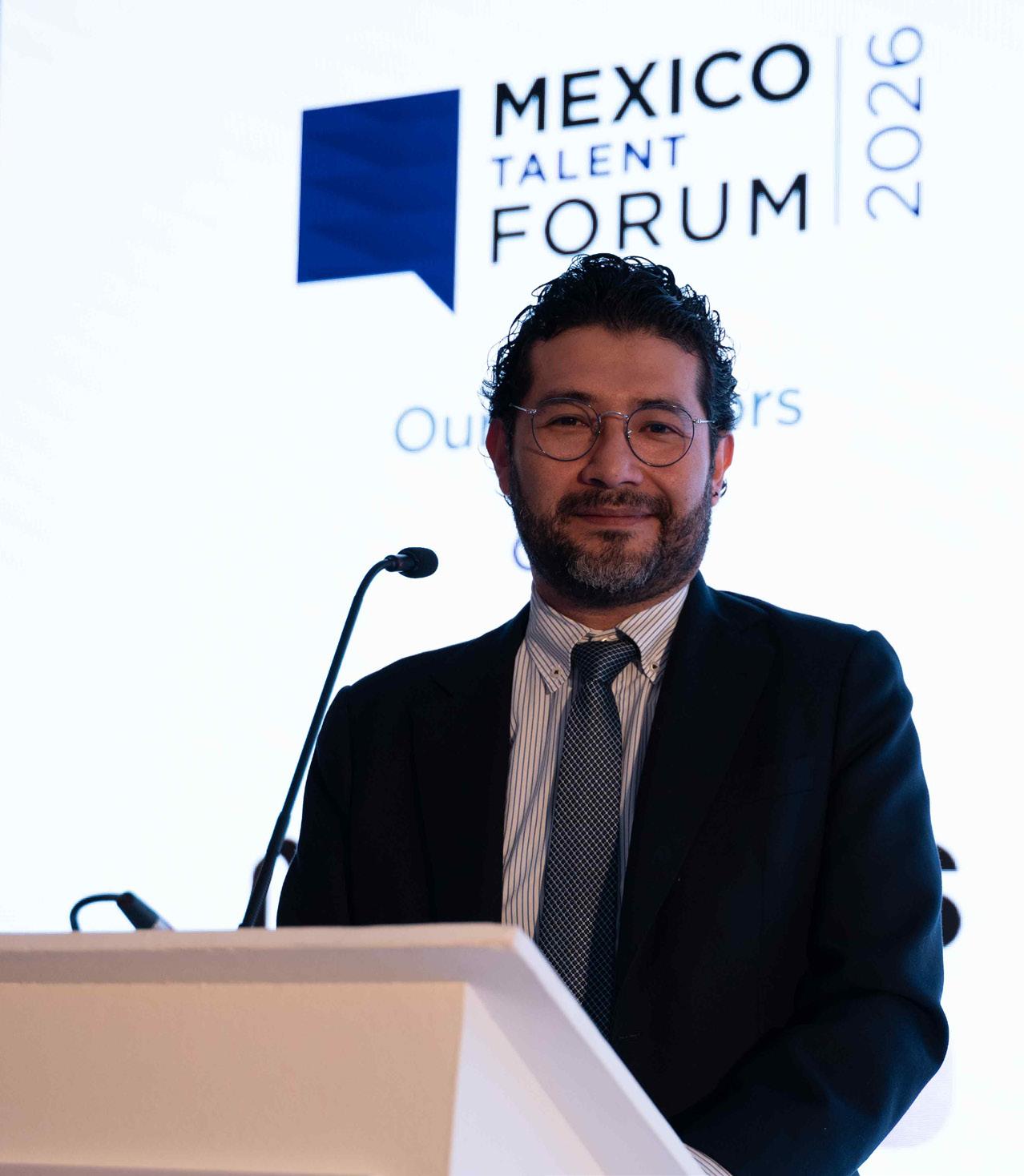
In a comprehensive update on the nation’s labor landscape, Marath Bolaños, Minister of Labor and Social Welfare, details a series of historic reforms aimed at balancing economic productivity with human dignity.
Mexico is witnessing a series of reforms that aim to transform its labor environment, all with the ultimate goal of protecting workers rights, explains Marath Bolaños, Minister

“Mexico is one of the countries where people work the most and rest the least; [holidays] went from six to 12 days... contributing to the rest that will eventually be reflected in the participation and greater wellbeing of the workers”
Marath Baruch Bolaños López Secretary of Labor and Social Welfare of Mexico
The Landmark Shift to 40 Hours
The centerpiece of the current administration’s labor agenda is the transition from a 48hour to a 40-hour work week. This reform, which begins its gradual implementation on Jan. 1, 2027, is designed to reduce worker fatigue and improve safety without impacting wages. Bolaños says that this shift is a necessary step for Mexico to align with international standards.
“Mexico is one of the countries where people work the most and rest the least; [holidays] went from six to 12 days... contributing to the rest that will eventually be reflected in the participation and greater well-being of the workers, “ says Bolaños.
To ensure a smooth transition, the reduction will occur incrementally at a rate of two hours per year until the 40-hour limit is reached in 2030.
A Record of Reform
of Labor and Social Welfare. Bolaños emphasizes that these legal changes are not merely administrative updates, but a fundamental “updating and strengthening of labor rights.”
Bolaños explains that recent policies are designed to have a cumulative impact and reshape the lives of millions. These reforms include the growth of the minimum wage,
as under the current administration, the minimum wage has seen a real recovery of 154%, with the most recent increase being 13%.
Data from the National Survey of Household Income and Expenditure (ENIGH) shows that 13.4 million people have emerged from poverty, bolstered by a 12.4% increase in the middle class, explains Bolaños. Moreover, over 3.4 million young people have benefited from the Jóvenes Construyendo el Futuro (Youth Building the Future) program, while new regulations have extended social security to 1.37 million digital platform workers.
Modernizing the Workplace
Beyond hours and wages, the Ministry of Labor is focusing on the health and transparency of the modern workplace. This includes the first update to the Table of Diseases and Disabilities in over five decades, which now recognizes mental health, stress, and conditions like endometriosis.
Authorities are also making efforts to balance technology with labor rights. “What we want is for the development of technology not to leave behind labor rights,” says Bolaños. He adds that the reform on digital platform work, “a very innovative measure,” benefitted 1.34 million people.
Authorities are also modernizing the health and safety frameworks in the Mexican workplace. Bolaños highlights a significant legislative update regarding occupational health, specifically the revision of the official Table of Diseases and Disabilities.
The update is of historical significance, says Bolaños, adding that the country had gone 52 years without updating its registry of recognized occupational illnesses and disabilities. This reform ensures that contemporary medical conditions are legally recognized for social security and disability purposes.
These changes include the formal recognition of work-related stress and mental health conditions as occupational hazards for the first time, says Bolaños. The table was also updated to include conditions such as endometriosis as a factor for disability. The list further was modernized to include contemporary health threats, specifically COVID-19.
Bolaños says that these elements are supported by a new Official Mexican Standard (NOM) that focuses on mental health and well-being, providing the legal tools necessary for organizations to support their collaborators’ health. This is a vital step in “contributing to well-being within the organizations themselves,” he adds.
As Mexico prepares for the 2027 implementation of the 40-hour week, the Ministry of Labor continues to engage in a tripartite dialogue between the government, employers, and workers. By prioritizing “dignified workdays” and leveraging electronic registries for transparency, the administration aims to solidify Mexico’s position as a leader in progressive labor reform.
THE CHRO AS A STRATEGIC BUSINESS ARCHITECT: ELEVATING HR TO THE BOARDROOM
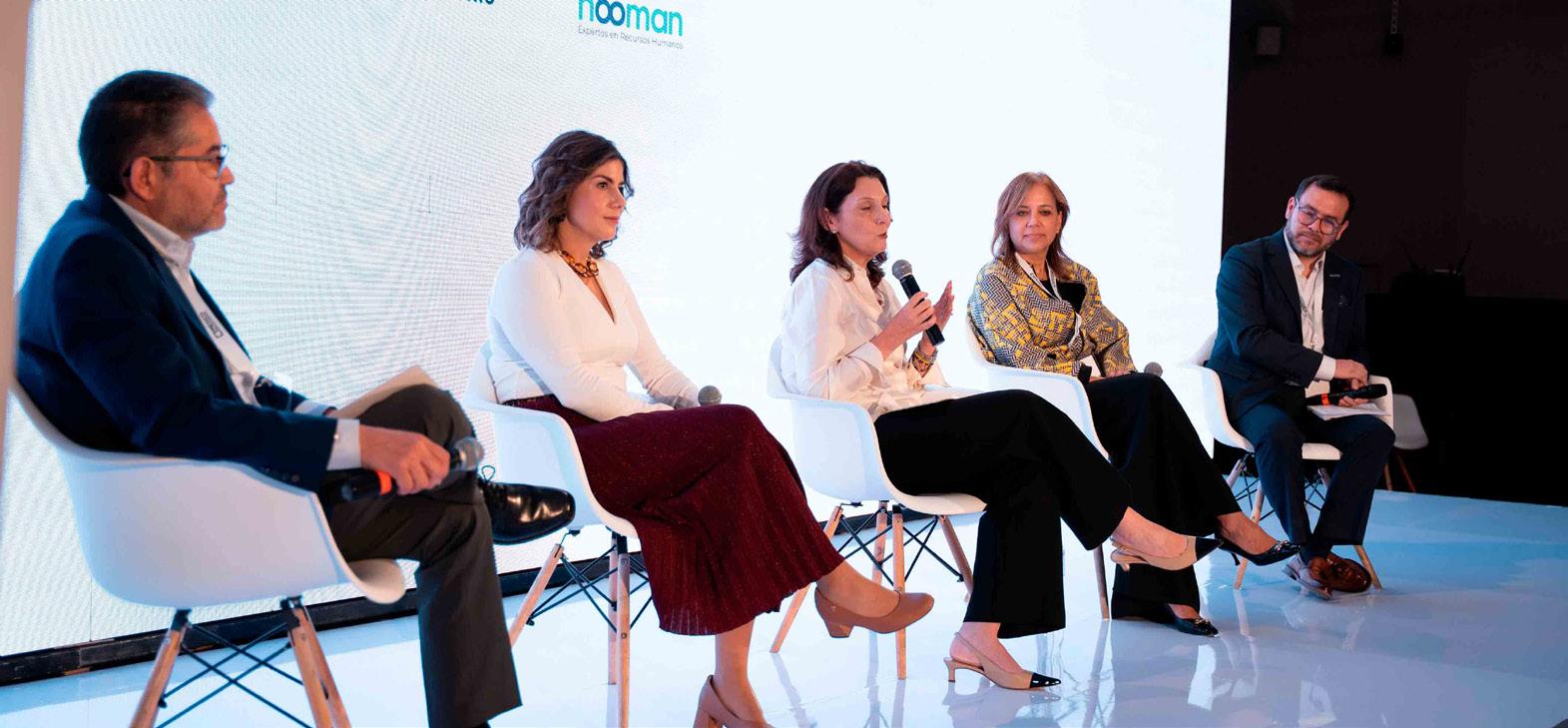
The transition toward the Talent Architect CEO model in Mexico is becoming a reality. Experts during the Mexico Talent Forum 2026 highlight how human capital synchronization, predictive analytics, and human–AI integration are driving profitability, while addressing the structural talent shortage and challenges in the country.
Organizations in Mexico are replacing the financially driven Operator CEO model with the Talent Architect CEO to address a persistent productivity crisis, experts say. This shift prioritizes human capital as the primary strategic asset to ensure long-term corporate viability.
“If we put the person at the center, our strategies will always be better executed,” says Jorge Huereca, Director of Talent and Development, Grupo Bimbo, during the Mexico Talent Forum 2026.
The Mexican leadership landscape is undergoing a radical transition. According to research by ManpowerGroup, 72% of boards in the region name the lack of adequate leadership as a major strategic risk. This concern is particularly acute in the industrial and financial sectors of Mexico, where a structural talent shortage persists. In 2026, 67% of employers report significant difficulty filling key roles.
The challenge for corporations has evolved from simple recruitment to managing a productivity crisis. Organizations must extract more value from existing workforces rather than expanding headcount, explains Martha Barroso, Regional Director of p eople and Culture, ManpowerGroup LATAM. However, traditional human resources models often remain isolated. people data and financial data frequently exist in separate systems, making it difficult for the C-suite to correlate employee wellbeing with the bottom line.
Although 76% of workers rank wellbeing as a top priority, many organizations still view human resources initiatives as static costs rather than strategic investments.
The Evolution of the Strategic Business Architect
To bridge the gap between people and profits, the Chief Human Resources Officer (CHRO) must evolve into a strategic business architect. This role acts as a stability anchor during periods of volatility, moving beyond process management to the design of complex organizational systems. To elevate human resources to the boardroom, the CHRO must adopt a framework of financial fluency, translating qualitative metrics into the language of the Chief Financial Officer (CFO).
Key elements of this architectural approach include predictive modeling and opportunity cost analysis. By using people analytics, companies move beyond static headcount metrics toward insights that forecast how retention and engagement impact

“Innovation is an important metric, and to innovate you have to fail. The difficult thing has been convincing the organization that the workforce has to fail to grow”
Diana Geofroy
Senior Vice President of Human Resources | Colgate-Palmolive Mexico
AI augmentation. The goal is to design a roadmap where technology does not replace the workforce but augments it. This requires the native integration of AI into daily workflows to unlock productivity gains.
“Defending wellbeing and mental health as business impact metrics has been a challenge before the board,” says Xavier Castillo, CHRO, Howden. “However, the integration of technology allows for more precise measurements of how these factors influence output. By identifying which functions to expand and which to automate, the CHRO manages the identity crisis within the traditional workforce, ensuring that human talent focuses on high-value tasks.”
operating margins. Quantifying the real cost of turnover, including time-to-fill and lost productivity, allows the organization to defend wellness and development budgets as risk-mitigation strategies.
Human–AI
Integration Strategy
Designing the workforce of the future involves a strategic choice regarding the balance between human capacity and
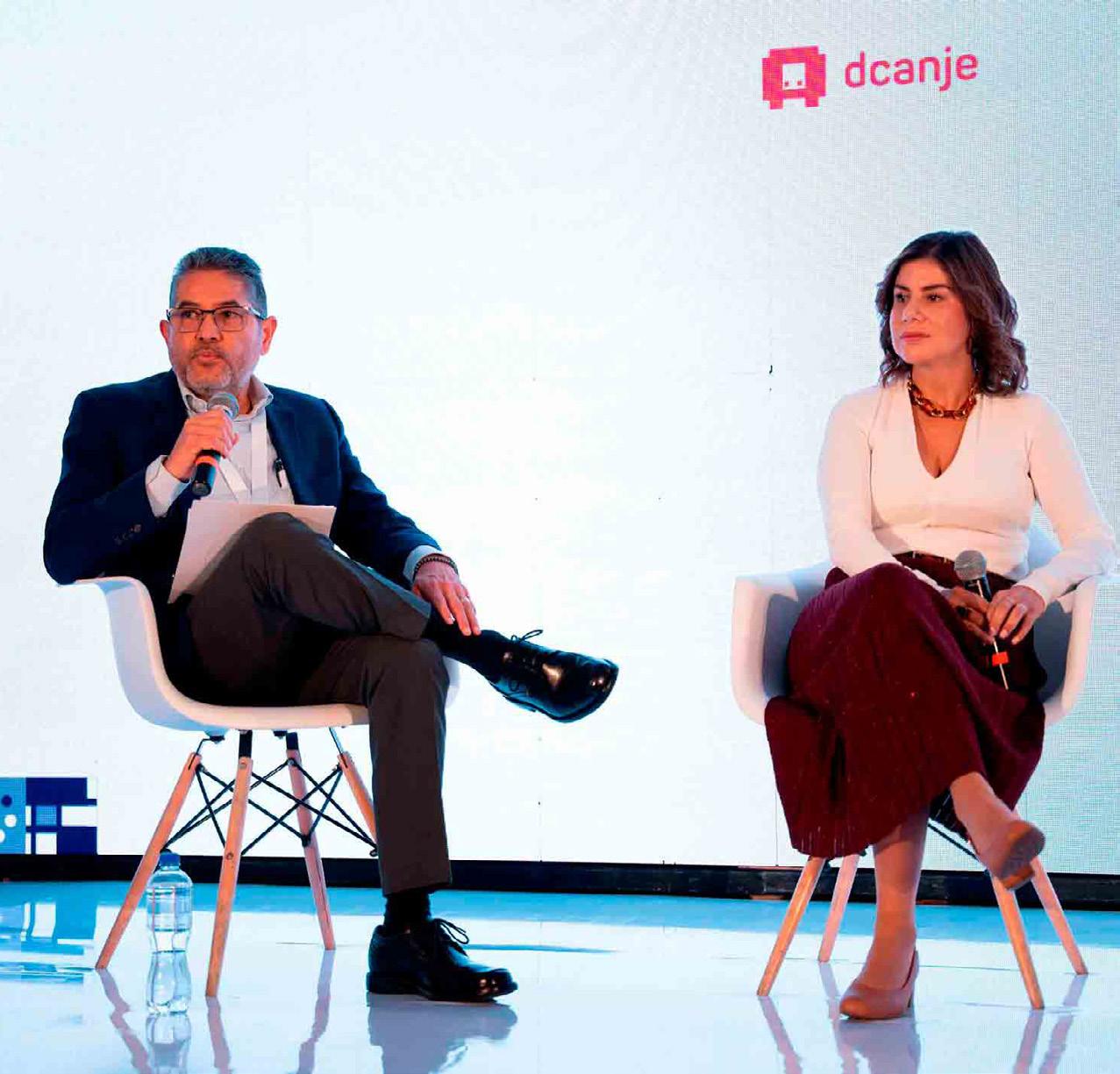
Navigating the Nearshoring Talent Wars
Mexico has become a global battlefield for specialized skills due to the rise of nearshoring. Global corporations often possess the capital to outbid local salary offers. Therefore, a strategic architect must build an ecosystem of loyalty and career trajectory based on organizational design rather than a remuneration arms race.
“The retention of critical talent requires multiple levers, such as specialized offers and wellbeing,” says María Martha Gómez, CHRO, Telefonica Movistar. “This is especially relevant in sectors like engineering, where the loss of a single specialist can disrupt multimillion projects”.
Diana Geofroy, Senior Vice p resident of Human Resources, Colgate-palmolive Mexico, suggests that innovation requires a cultural shift toward accepting failure. “Innovation is an important metric, and to innovate you have to fail. The difficult thing has been convincing the organization that the workforce has to fail to grow,” says Geofroy.
Before implementing this model, companies in Mexico must address a structural gap in senior leadership. Finding candidates who balance strategic vision with the execution required by local labor reforms, such as the
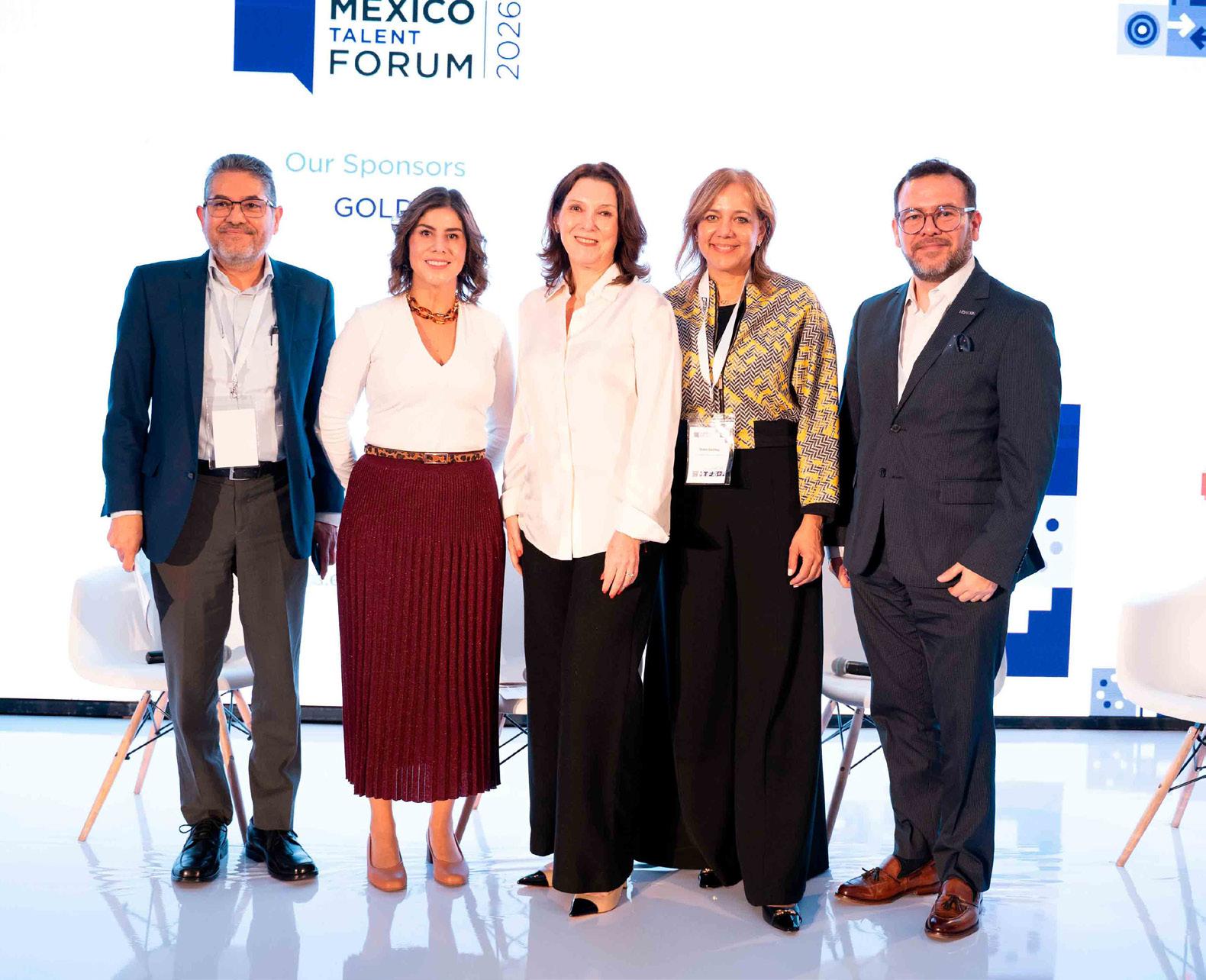
40-hour workweek, is increasingly difficult. Many organizations still lack the people analytics tools necessary for data-driven decision-making.
To overcome these hurdles, the CHRO must align with finance to establish shared definitions. This alignment ensures that human context improves the accuracy of financial forecasting. Furthermore, professionalizing middle management is essential.
“Employees do not leave companies, they leave untrained bosses,” says Geofroy. “Focusing on the organizational architect model at all levels ensures that corporate strategy translates i nto viable local execution”.
Bridging the Skills Divide
Technological adoption is drastically shortening the lifespan of technical skills. Organizations must move from buying talent to building it through aggressive reskilling. Looking toward 2030, the talent industry in Mexico will be defined by a human-centric culture backed by AI-powered efficiency.
Huereca notes that while workers are optimistic about AI, the missing link remains formal, strategic training. The future CHRO will be responsible for closing this gap, ensuring that the fluid relationship younger generations have with technology combines with the experience of veteran leaders.
In the long term, the distinction between talent management and business strategy will vanish. Success will depend on integrated strategies that combine flexibility, technology, and inclusion. The CHRO will serve as a permanent transformation architect. As AI eliminates redundant tasks, the organization must double down on its true differentiator: high-value, uniquely human talent.
By integrating human resources into the core of business strategy, companies can mitigate the risks of the 2026 talent shortage and build a resilient, productive, and innovative future. Success in this new era requires leaders to anticipate needs five years in advance. As Geofroy says, leaders must consider what they will need in the next five years and determine what they must do today to anticipate those requirements.
THE HYBRID MANDATE: REDEFINING WORK-LIFE INTEGRATION IN A HIGH-PERFORMAN CE CULTURE
Mexico’s talent industry faces growing tension between executives pushing officecentric work and employees who report better productivity remotely. The core issue is not where people work, but outdated management models based on visibility rather than results. Outcome-Based Management, using clear KpIs to measure impact instead of attendance, could be an optimal solution.
Mexico’s talent industry is navigating a period of profound structural tension characterized by a tug-of-war between executive mandates and employee expectations. There is an increasing push from corporate leadership to reinstate office-centric models under the banners of culture and “productivity.” However, this narrative often clashes with data-driven realities where professionals report higher performance levels and better focus in remote environments.
The reliance on presence-based management has long been a surrogate for trust. This has created a landscape where culture is often conflated with physical proximity,
leading to friction as organizations attempt to reconcile legacy oversight habits with a workforce that has fundamentally evolved. The central problem is not the location of work, but the lack of frameworks that balance culture, results, and autonomy without falling into the trap of subjective perception or micromanagement.
“We must separate the definitions of hybrid and flexibility. We often believe that working hybrid hours is automatically flexible, but that does not always apply to every business model. For us, being in the office is about more than just being connected to work,” says Angela Cárdenas, Director of Human Capital, Grupo Elektra.
A potential solution comes in the form of a strategic shift toward Outcome-Based Management (OBM), where the Hybrid Mandate is redefined as a performance-driven framework rather than a location-based one. To effectively balance culture and autonomy, Mexican enterprises must transition from monitoring activity to measuring impact.
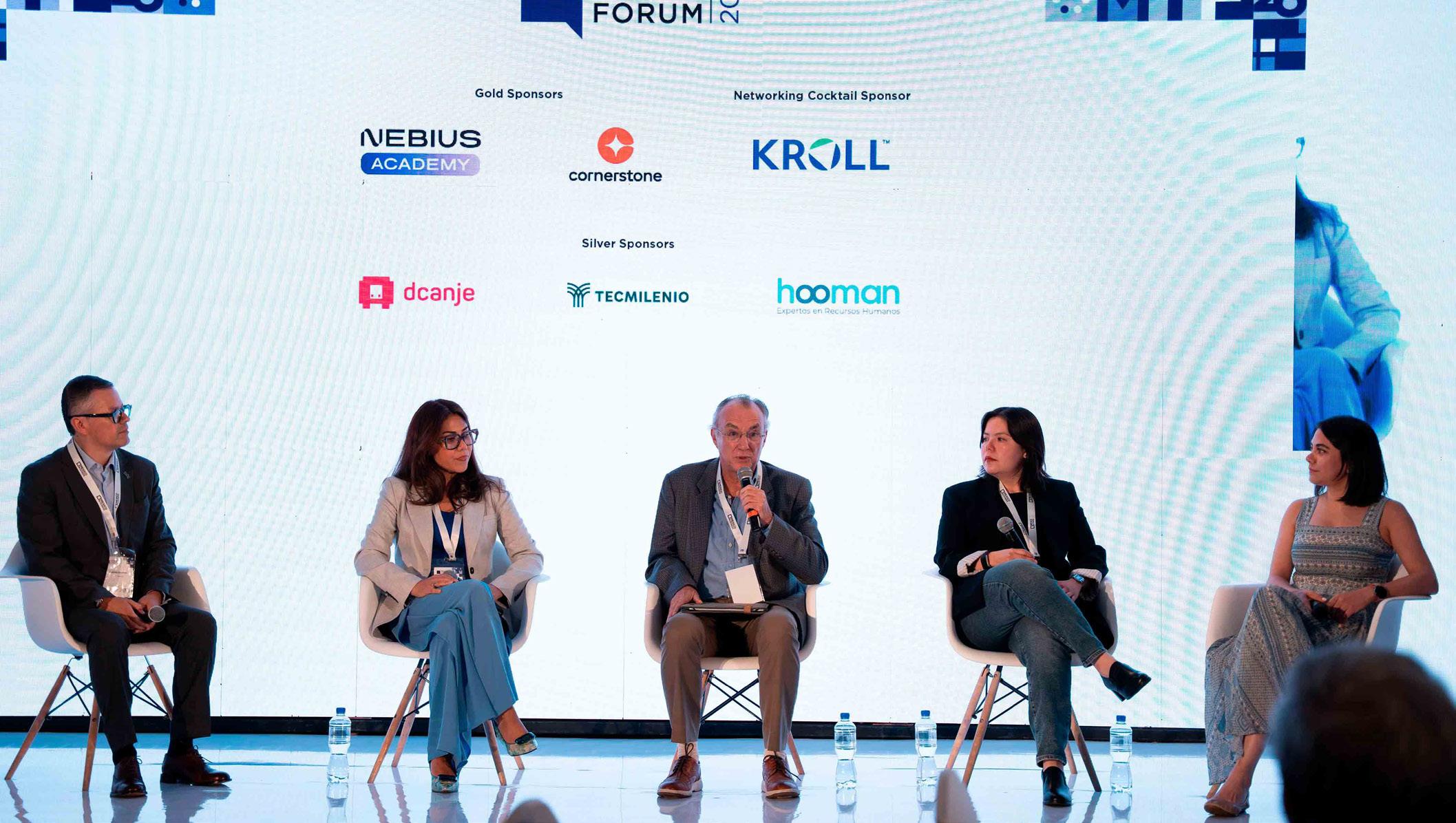
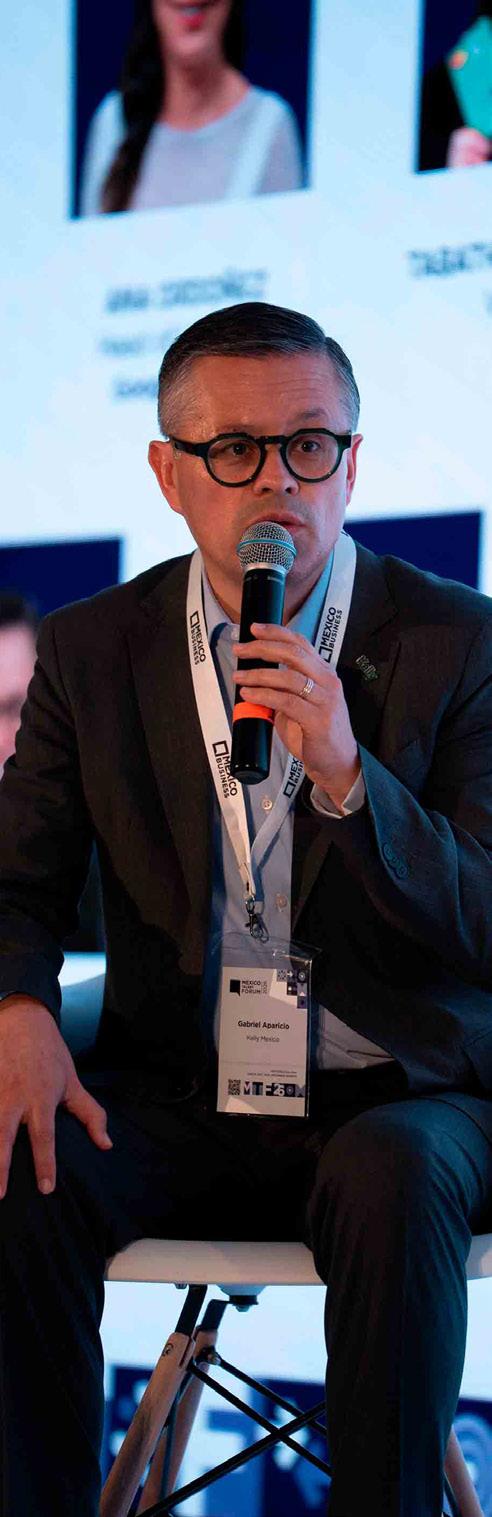
This involves establishing clear, objective KpIs that are location-agnostic, ensuring that a collaborator’s value is determined by their contribution to business goals rather than their visibility in a physical office.
“The most successful companies will be those that understand the balance of their people. When we try to enforce a written policy exactly as it sits on the page, we ignore the individual situations that make or break the employee experience,” says Ana Ordoñez, Head of HR SpLA, Google.
This shift requires repositioning the office as a Strategic Hub rather than a default workstation. In this model, physical spaces are reserved for high-value collaborative activities, such as creative brainstorming, mentorship, and complex problem-solving, while individual deep work remains autonomous. By fostering intentionality in physical presence, companies can preserve cultural cohesion and social capital without resorting to mandatory attendance that erodes employee trust and productivity.
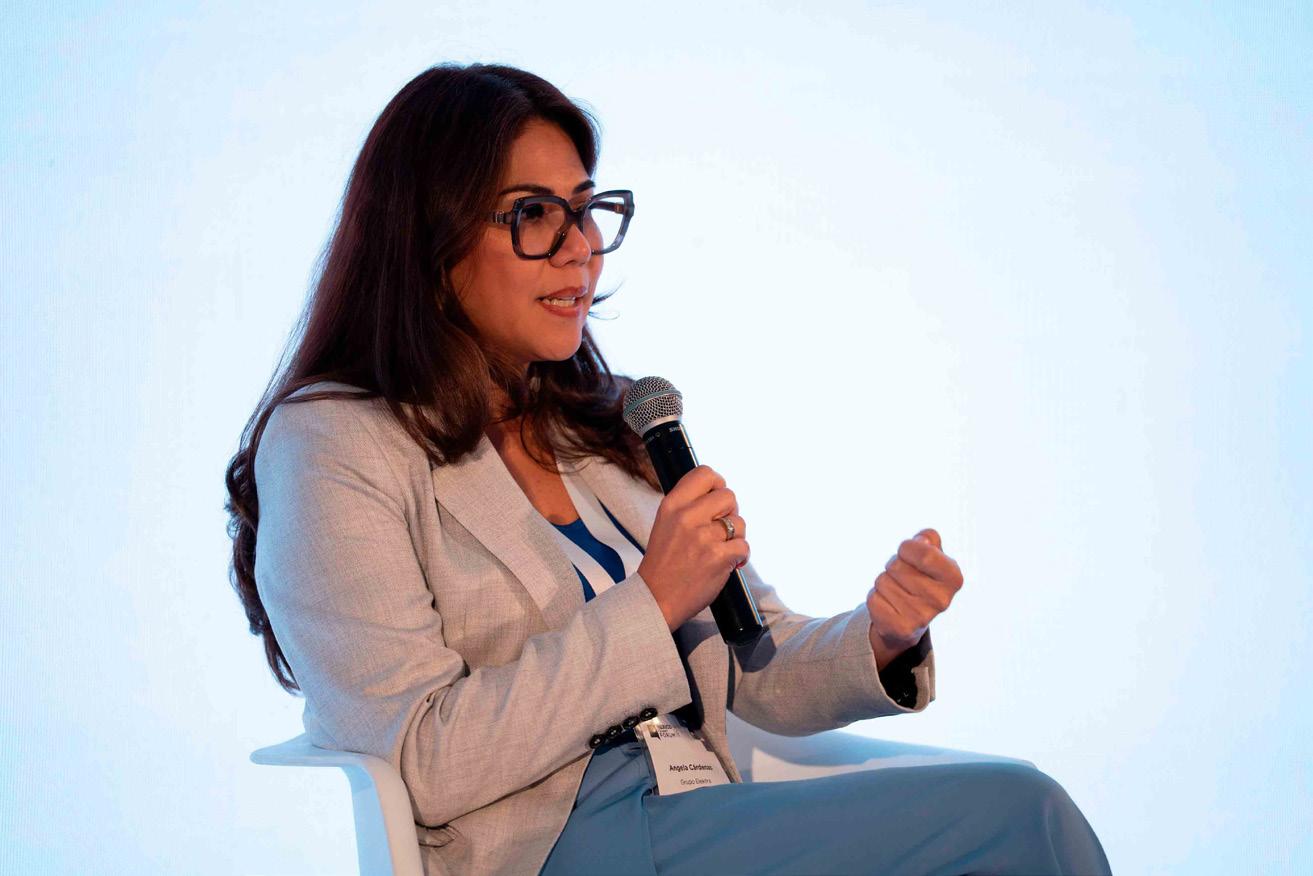
Cárdenas explains that Grupo Elektra implemented a “Hotel Office” model designed to transition the workplace from a mandatory destination to a purposeful connection center. By designating specific areas as Hotel Offices, employees can book spaces across various locations when they need to sync with different teams or projects.
“If you go to the office, it must be with intention. A collaborator should not feel they went in just to take calls they could have taken anywhere else,” says Tabatha Arredondo, Vice president people, Stori.
Challenges and Implementation
Implementing this shift within the Mexican regulatory and cultural context presents significant hurdles, particularly regarding the NOM-037, which manages telework regulations and the right to disconnect. Organizations must navigate the complexities of operational costs associated with teleworking while maintaining business competitiveness.
Key strategies for successful implementation include:
+ Metric Substitution: Replacing desk time with objective delivery milestones and peer-review systems to ensure parity between remote and on-site staff.
+ Leadership Upskilling: Moving middle management away from visual supervision and toward a coaching-led approach that focuses on output and mental well-being.
+ Regulatory Compliance: Integrating the right to disconnect into the corporate DNA to prevent burnout, ensuring that the flexibility of hybrid work does not turn into a 24/7 availability requirement.
+ Digital Infrastructure: Investing in asynchronous communication tools that allow for a seamless flow of information, reducing the need for synchronous, time-consuming meetings.
Gabriel Aparicio, Director General, Kelly México, emphasizes that this transition requires a formalization of expectations. Aparicio explains that performance K p Is must be specific, measurable, and achievable within defined windows of time, allowing leaders and collaborators to move away from visual supervision and instead co-write a success story based on clarity.
To achieve this, the feedback loop must also evolve, says Arredondo. Rather than
waiting for an annual review, frequent 1:1 sessions make the evaluation process lighter and more integrated into the daily flow, reducing the pressure often associated with traditional grading.
“In Latin cultures, we worry too much about the ‘grade’ or the number. We need to move toward feedback that feels like development

“In Latin cultures, we worry too much about the ‘grade’ or the number. We need to move toward feedback that feels like development rather than pressure. The evaluation itself has not changed, but the communication around it must”
Arturo Graue HR Director | KPMG Mexico
available hands, but of competencies ready to start the work,” says Ordoñez. This shift toward a Liquid Talent model requires organizations to move beyond traditional hiring and focus on continuous upskilling to meet the demands of a high-performance B2B landscape.
Looking ahead, the long-term perspective for the talent industry in Mexico points toward a Liquid Talent model. In the coming years, the sector is expected to increasingly integrate work and life with technology acting as a bridge rather than a barrier.
rather than pressure. The evaluation itself has not changed, but the communication around it must,” says Arturo Graue, HR Director, KpMG Mexico.
However, becoming a global hub requires addressing a fundamental shift in the labor market. “The crisis we face is not a lack of
The organizations that will lead the Mexican market are those that view the hybrid mandate not as a logistical challenge to be solved, but as a strategic advantage. By 2030, the integration of performance-tracking AI and personalized work-life frameworks will likely become the standard, positioning Mexico as a premier hub for high-performance B2B services that prioritize both institutional excellence and the human element.
“It is not about returning to the past; it is about how we create a different format that adapts to the needs of the client, the business, and the people,” Cárdenas says.
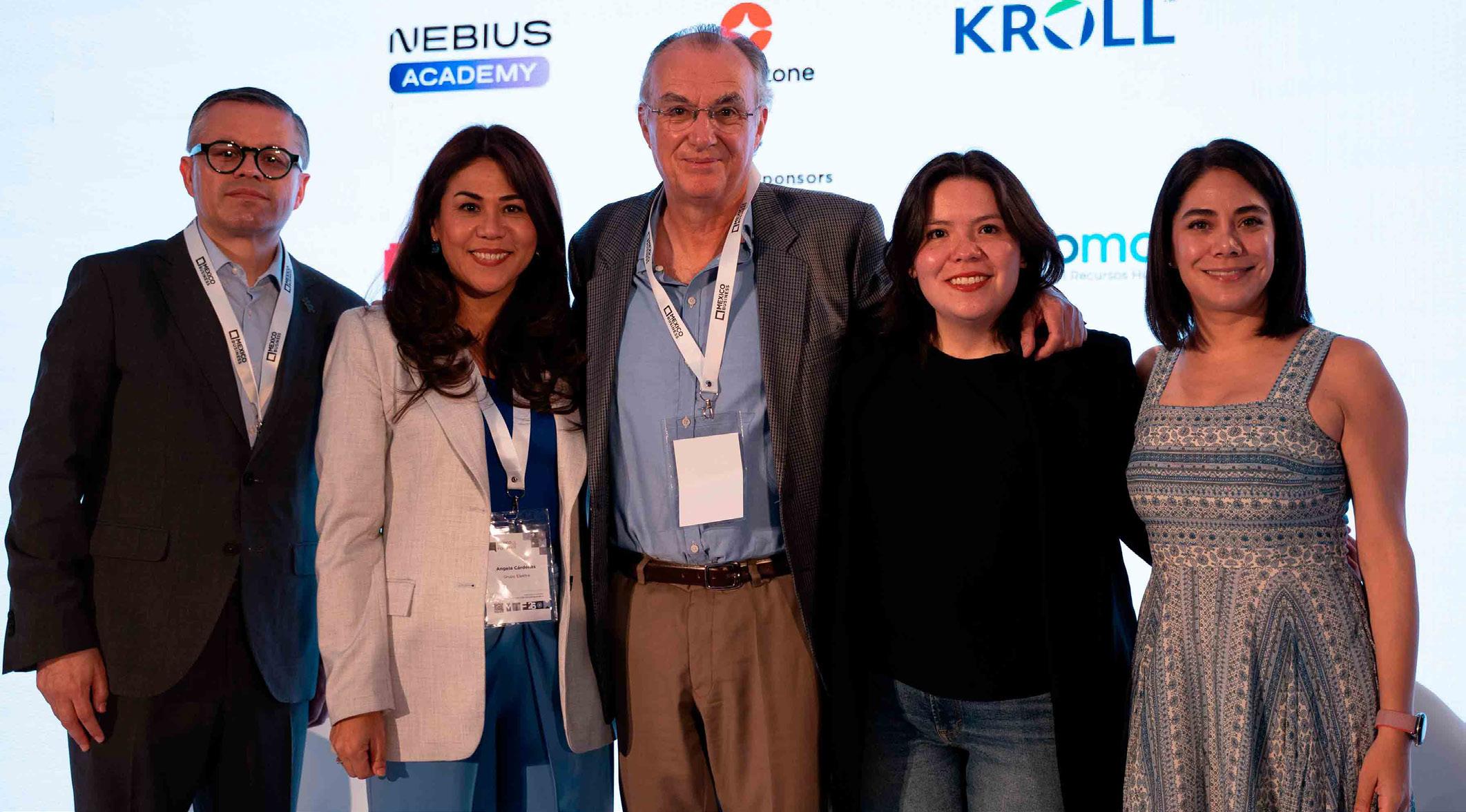

BEING READY TO WORK TODAY: THE CHALLENGE OF FUTURE-RE ADY TALENT
Mexico’s labor market is facing a widening skills gap as nearshoring and Industry 4.0 increase demand for AI, cybersecurity, and digital talent. Mexican companies, universities and HR leaders are accelerating skills-first strategies, dual education models, and lifelong learning initiatives to strengthen workforce competitiveness and sustain highvalue manufacturing growth.
are truly capable of adapting,” says Ivonne Vargas, Editorial Director, Observatorio del I p RI. The current challenge is no longer only about academic credentials, but about proving real capabilities in practice. “It is important not only to talk about skills, but also to demonstrate and validate them in practice,” she adds.
The Mexican labor market is navigating a period of unprecedented structural transformation, driven primarily by the acceleration of nearshoring and the consolidation of Industry 4.0. While Mexico has solidified its position
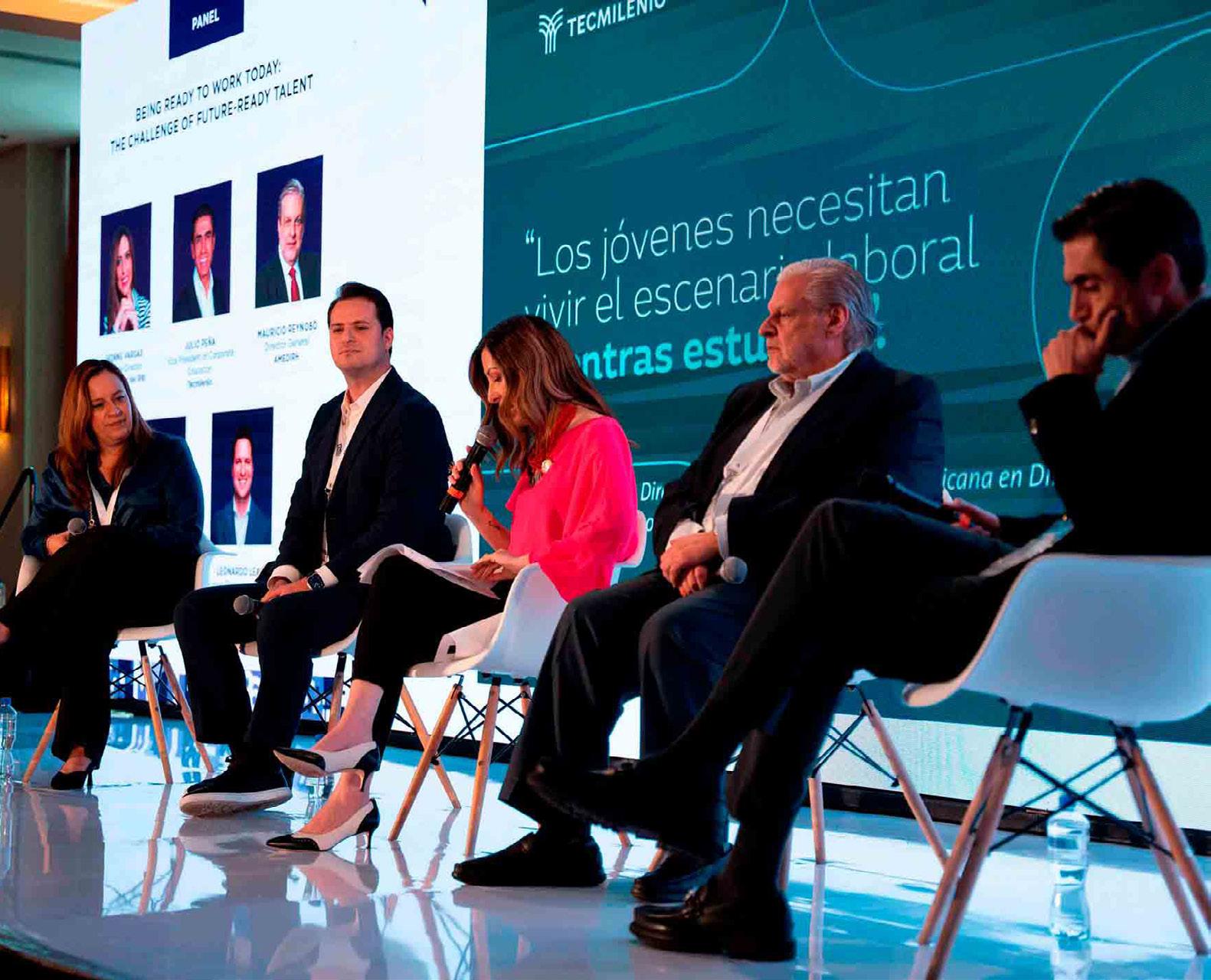
Mexico’s labor market is undergoing major transformation due to nearshoring and Industry 4.0, exposing a growing gap between workforce skills and industry demands. Employers increasingly need talent with expertise in AI, cybersecurity, cloud computing, and digital systems, while traditional education often fails to provide practical, job-ready skills.
“We are living in a very specific moment of transformation. In six months, we will clearly see which organizations and individuals
as a global manufacturing hub, particularly in the automotive, aerospace, and electronics sectors, a critical disconnect persists between the available labor supply and the specialized technical demands of modern industry. About 68% of employers in Mexico report significant difficulty in finding qualified talent to fill roles essential for global supply chain integration.
This talent gap is no longer just a shortage of workers but a misalignment of competencies. The demand has shifted toward knowledgeintensive activities that require advanced analytical skills, digital literacy, and technical expertise in cloud computing, cybersecurity, and AI. However, traditional educational frameworks are struggling to keep pace with this rapid evolution, creating a scenario where degree holders often lack the practical, jobready evidence required by B2B organizations.

“Young professionals can no longer be trained under models that only evolve every 10 or 15 years, adding that companies increasingly prioritize adaptability, learning speed, and meaningful learning experiences. Dual education models make a major difference and should be institutionalized as a long-term strategy.”
Mauricio Reynoso Director General | AMEDIRH
industry increasingly important, says Mauricio Reynoso, Director General, AMEDIRH. “I strongly believe in the connection between universities and companies,” he adds. “What is being achieved through collaboration between academia and industry demonstrates the power and potential of communication between both sectors.”
Reynoso explains that organizations can no longer rely on outdated training structures. “Young professionals can no longer be trained under models that only evolve every 10 or 15 years,” he says, adding that companies increasingly prioritize “adaptability, learning speed, and meaningful learning experiences.” He highlights that dual education models “make a major difference and should be institutionalized as a long-term strategy.”
At the same time, education itself is becoming more integrated with corporate needs, says Julio peña, Vice p resident of Corporate Education, Tecmilenio. “Today, most educational activities still rely on traditional classroom models, but there is
“There is still a major gap between traditional education models and what companies are actually looking for,” says Vargas, while warning that “39% of the most important skills for the workforce will be different by 2030.”
From “Degree-First” to “Skills-First”
To address these systemic gaps, the industry must transition from a traditional “degreefirst” mentality to a “skills-first” ecosystem. This proposal centers on the integration of a dual-education model where academic institutions and private enterprises collaborate to synchronize curricula with real-time market needs. By embedding micro-credentials and industry-standard certifications — such as those focused on AI, big data, and automated manufacturing — directly into the educational journey, the time-to-productivity for new hires can be drastically reduced.
These circumstances make strengthening collaboration between academia and
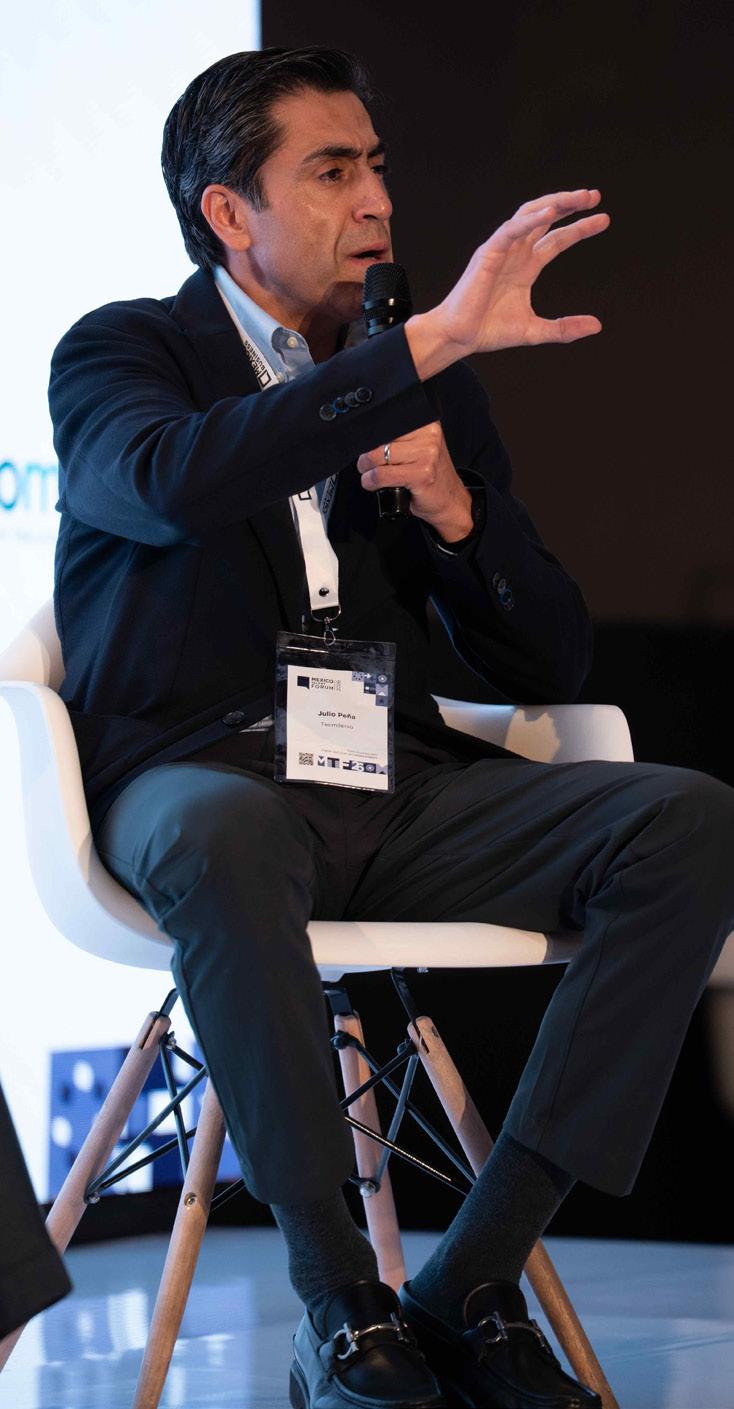
increasing integration between academic and corporate learning,” he adds. According to p eña, organizations are increasingly prioritizing talent with adaptability and strong human-centered capabilities. “Beyond technical skills, organizations are increasingly valuing purpose-driven professionals with strong soft skills,” he explains.
peña also highlights the emergence of new evaluation criteria in talent development. “Since the end of 2020, companies have started measuring not only emotional intelligence, but also a new indicator:
upskilling and reskilling pathways that treat talent development as a strategic capital investment rather than an operational expense. This includes the implementation of work-based learning programs and apprenticeship models that provide students with tangible, evidence-based experience before they enter the formal job market.
Regulatory and Structural Challenges
Implementing a future-ready talent strategy faces several regulatory and structural headwinds. Internally, Mexican companies are
the curiosity quotient,” he says. Many organizations, he adds, are hiring based on curiosity, learning capacity, and the personal agency to take initiative and shape one’s own growth.
Key to this change is the adoption of “employability infrastructure” that leverages technology to bridge the gap between students and the workforce. Companies should prioritize the creation of internal
managing significant labor reforms, including the 2026 minimum wage increases and the designated adaptation year for the 40-hour workweek reduction. These factors increase workforce costs, making productivity gains through talent optimization a necessity rather than an option.
Furthermore, a primary hurdle is the “evidence gap” or the difficulty for employers to verify the practical application of skills beyond a diploma.
Overcoming this requires the standardization of competency-based assessments and a shift in recruitment technology to focus on portfolio-based evaluation.
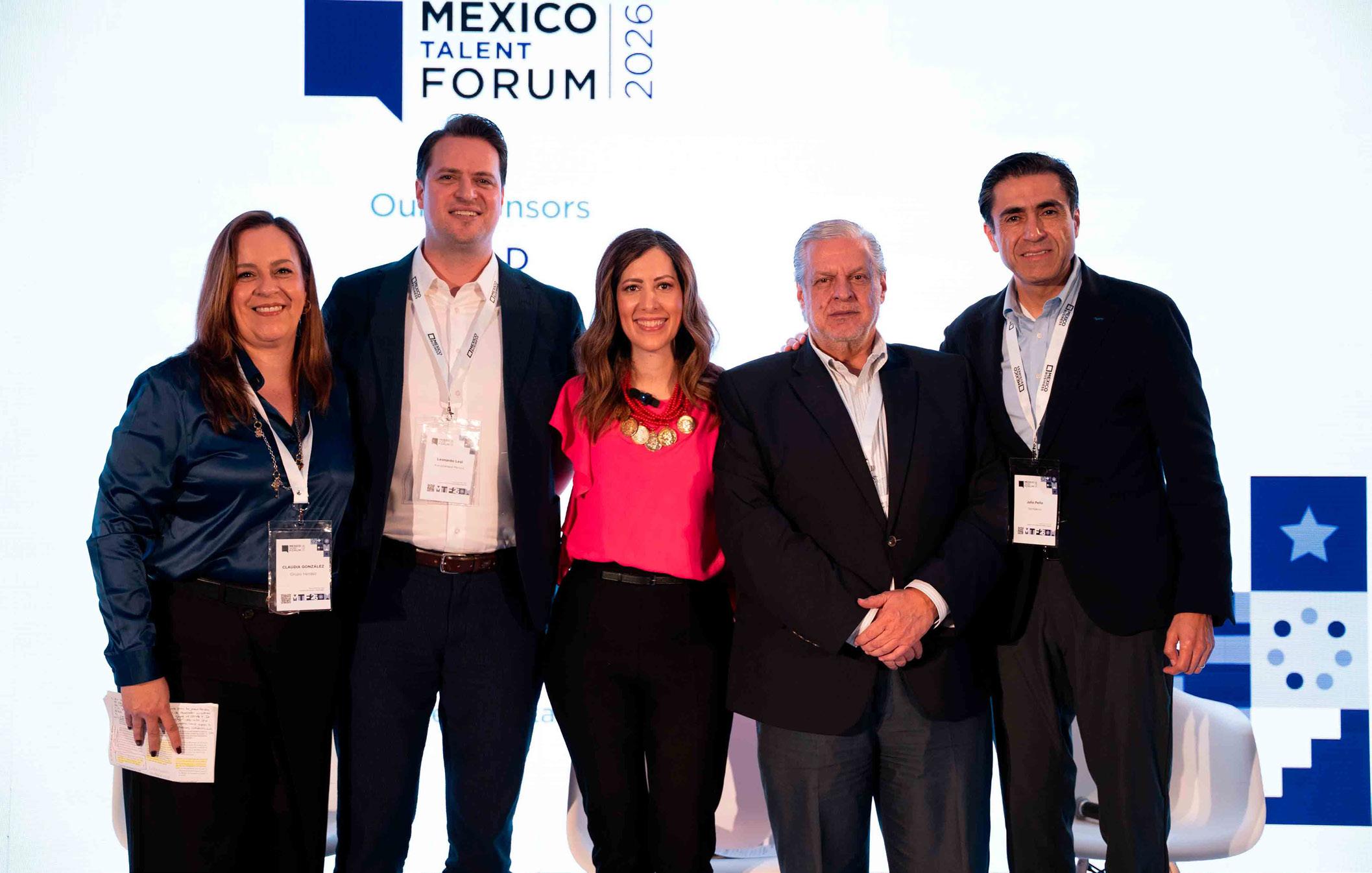
Organizations are increasingly focused on identifying candidates who can adapt and generate value quickly, says Claudia González, Talent Management Manager, Grupo Herdez.
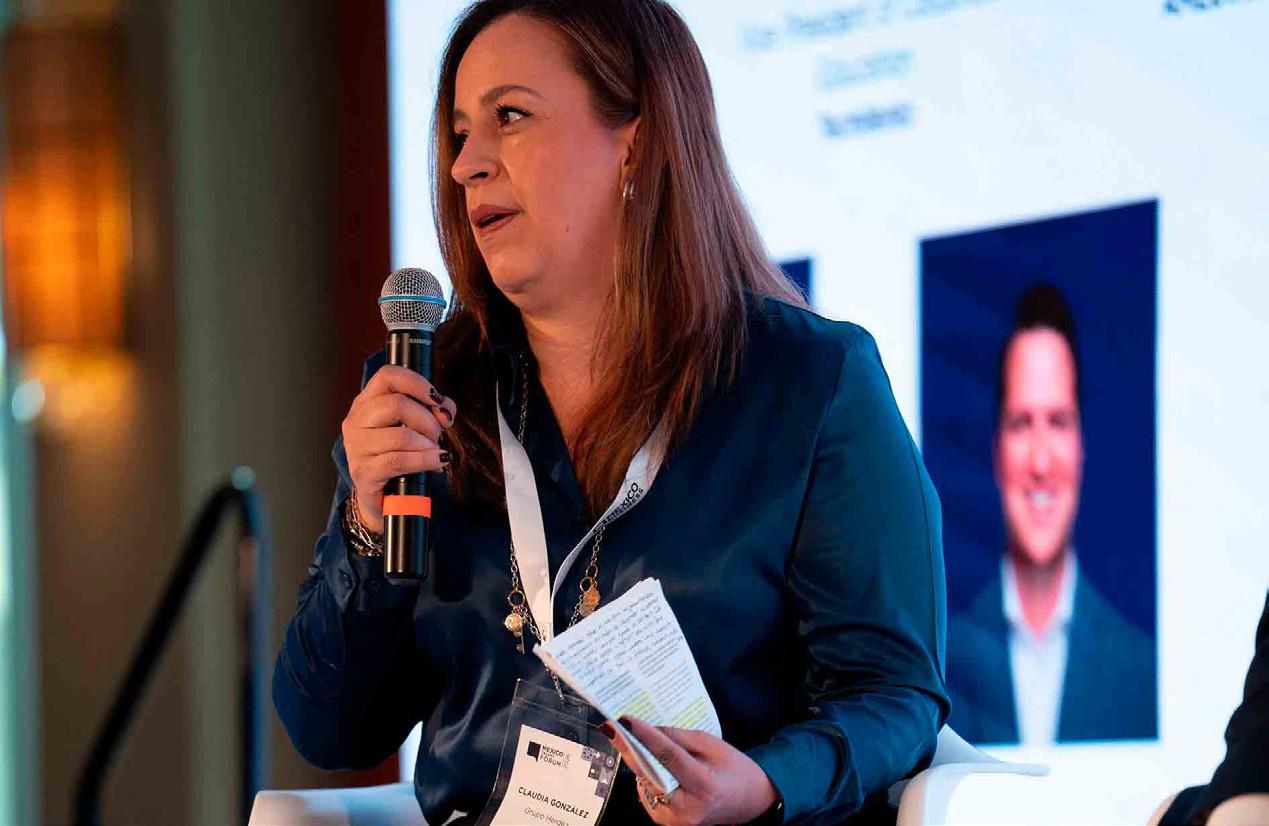
“Grupo Herdez places strong emphasis on students’ passion and motivation,” she says. The company values candidates “who are passionate about what they studied and are highly open to learning.”
Competencies such as collaboration, adaptability, result orientation, and critical thinking are becoming increasingly important in workforce development, explains González. “In a constantly changing world, agile thinking has become essential,” she says. “Companies need people capable of solving problems independently.” She adds that resilience today also means “the ability to reinvent oneself much faster.”
Additionally, SMEs, which form the backbone of the Mexican economy, often lack the infrastructure to sustain long-term training programs. Collaborative networks and publicprivate partnerships are essential to lower the entry barriers for these organizations, ensuring that talent development is accessible across all tiers of the supply chain.
A Culture of Lifelong Learning
Looking toward 2030, the Mexican talent sector is expected to evolve from a maquila-based economy toward a highvalue manufacturing and service platform. The rise of “hybrid profiles,” professionals who blend deep technical knowledge with strategic business acumen, will become the new standard for competitiveness.
p urpose and development potential are becoming decisive differentiators in talent evaluation, says Leonardo Leal, Human Resources Director, AstraZeneca Mexico. “Organizations are not necessarily looking for people who already have all the answers, but for individuals with accountability and responsibility,” he says. “Companies are no longer searching for perfection, but for development potential.”
Leal emphasizes that learning agility and critical thinking are among the strongest competitive advantages in the modern labor market. “ p eople who continuously learn from multiple sources and know where to invest their time stand out significantly,” he says. He also stresses the importance of creating opportunities for younger generations and identifying talent capable of generating impact not only within organizations, but across society a s a whole.
In the coming years, the integration of AI will shift from being a niche differentiator to a foundational requirement for every role. Long-term success for the Mexican talent industry will depend on its ability to foster a culture of lifelong learning, where the workforce remains agile enough to pivot alongside technological disruptions. “The pace of change requires faster adaptation from both educational institutions and organizations,” says Vargas.
By 2027 and beyond, the focus will likely shift toward “talent-as-a-service” models and highly flexible, formal employment structures that can sustain Mexico’s leadership in the global trade arena.
THE TALENT
PARADOX: SURPLUS AND SCARCITY, SA ME COUNTRY
There is a structural misalignment between academic output and technical demand in Mexico, explains p latzi. With 70% of employers reporting talent shortages despite high graduation rates, AI can have a significant impact on productivity and continuous learning models.
The labor market in Mexico consists of two divergent realities. According to the ANUIES Statistical Yearbook of Higher Education for the 2023–2024 cycle, published in March 2025, 1,700 young Mexicans receive a university degree every day, so over 500,000 professionals enter the workforce
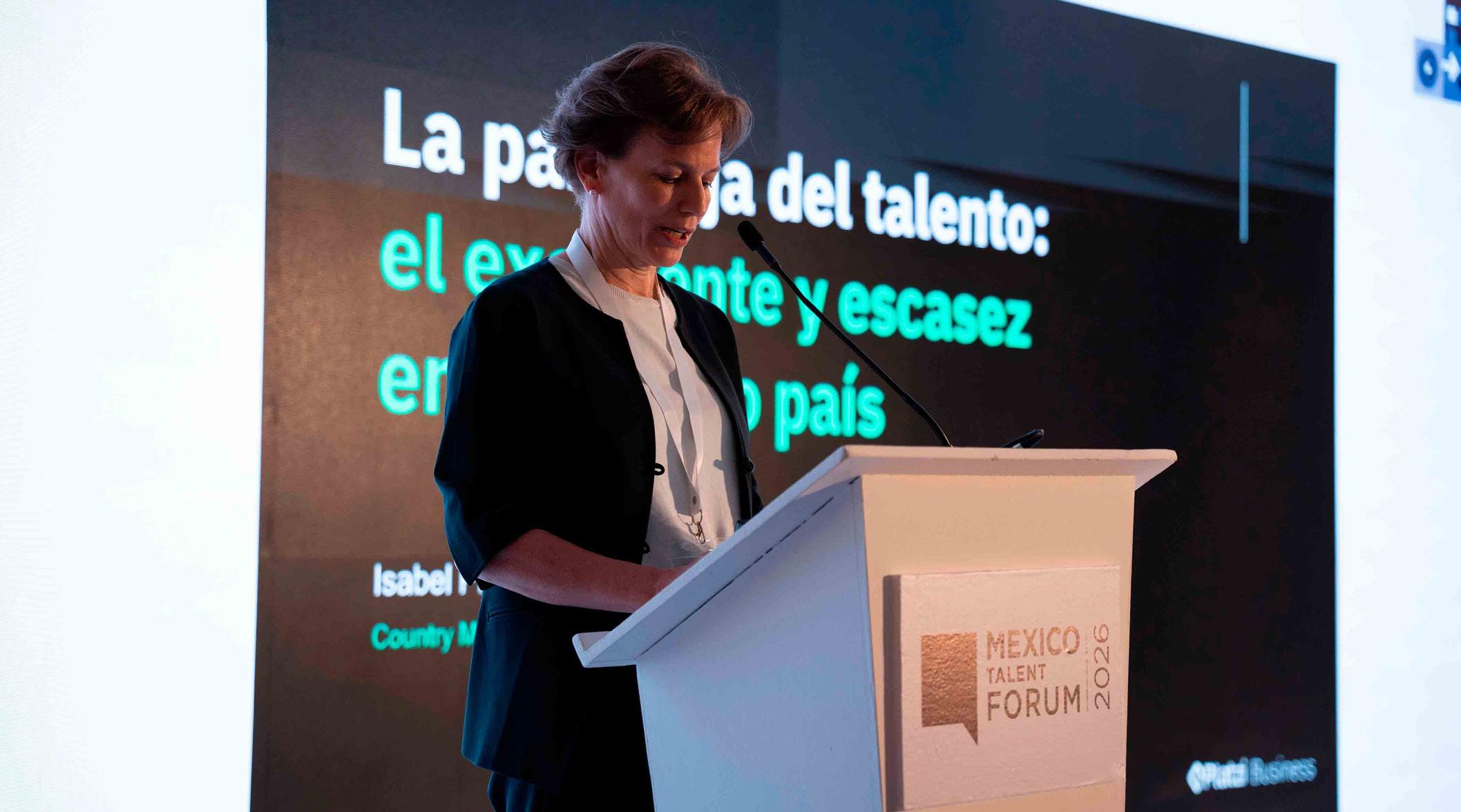
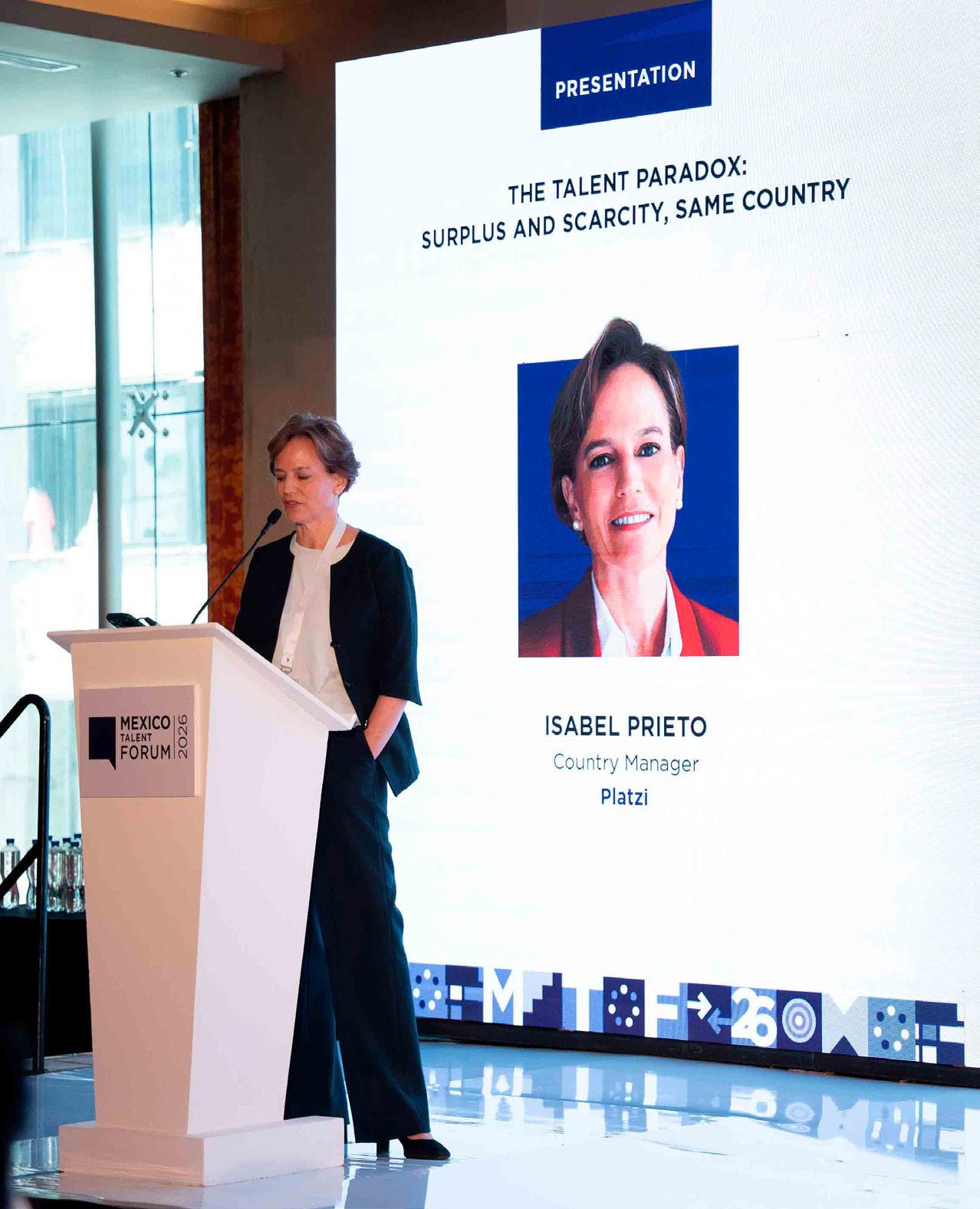
Mexico faces a structural labor paradox where 600,000 students graduate annually while 70% of employers report an inability to find qualified talent. This trend places the country in the fourth position for global talent shortages, explains Isabel p rieto, Country Manager, platzi Mexico.
The disparity exists because technological innovation outpaces traditional academic curricula. “We continue to develop talent, but at the same time, companies keep saying they can’t find the people they need,” said prieto during the Mexico Talent Forum 2026. “But talent is not hired: it is built.” Thus, resolving the shortage requires organizations to develop internal competencies rather than relying solely on external recruitment, she added.
each year. However, combined data from the International Labour Organization (ILO) and the World Bank from 2024 indicates that five out of 10 graduates are unemployed, working in unrelated fields, or participating in the informal economy.
Three primary causes drive this paradox. First, a gap exists between academic deep knowledge and the rapid speed of technological innovation. Second, companies require professionals with applicable skills from day one rather than academic titles alone. Finally, AI has redefined the minimum digital competency floor for almost all positions.
“Today, having a degree is no longer enough. Today, you need practical skills, digital literacy, and the ability to adapt,” says prieto.
“We have to learn at the same pace the world is changing, and never stop learning.”
Generative AI has introduced a new variable in employment dynamics. The Latin America in the Intelligent Age 2025 report by McKinsey & Company argues that Generative AI reduced entry-level employment for youth by 13%. Meanwhile, employment for experienced workers continues to grow. This trend is particularly evident in the customer service and software development sectors.
In Mexico, only 12% of organizations have captured a positive impact on their earnings before interest and taxes (EBIT) through the use of AI. Implementation success varies significantly by company size. Very large corporations with revenues exceeding US$1 billion achieve a 57% success rate. Conversely, SMEs with revenues below US$100 million report little positive impact or do not know the results.
p roductivity gains from Generative AI implementations are substantial when performed at scale. Manual work represents a baseline of one. Using AI tools for assistance with decisions and simple iterations increases productivity to 1.2x, says prieto. Transitioning to AI agents for proactive task execution doubles productivity. Furthermore, utilizing multi-agent AI systems can increase productivity by 20 times compared to manual labor, she adds.
“Today, learning is no longer just a bonus: it is the foundation of competitiveness,” says prieto.
To mitigate these gaps, p latzi Business utilizes an ecosystem designed to guarantee learning and practical application. This process involves four phases: assessments to understand current skills, courses and paths tailored to specific roles, simulators for practical use cases, and certifications to validate knowledge.
The organization supports 7 million active students and over 4,000 companies. Their curriculum includes more than 1,900 courses updated quarterly to follow the rhythm of innovation. These courses cover 17 schools, including AI, data science, cybersecurity, and cloud computing.
The industry average for online course completion is 10%, yet p latzi reports a 70% completion rate among its users. This suggests that personalized content created with company information is more effective for professional development, says p ietro. Organizations that use these methods prioritize “never stop learning” as a core cultural value to maintain a competitive a dvantage.
prieto highlights that executives must evaluate their workforce development strategies to bridge the talent gap. Relevant inquiries for leadership include whether they understand how employees use AI and if a real diagnosis of digital skills exists within the team. Ultimately, the talent required by the market already exists, but it requires systematic development through continuous education.
FROM EMOTION TO ALGORITHM: HOW AI IS REDEFINI NG LOYALTY
Traditional management models face the critical challenge of scaling culture and leadership as organizations scale up. To address this problem, Dcanje is introducing an AI-driven recognition architecture designed to scale human leadership.
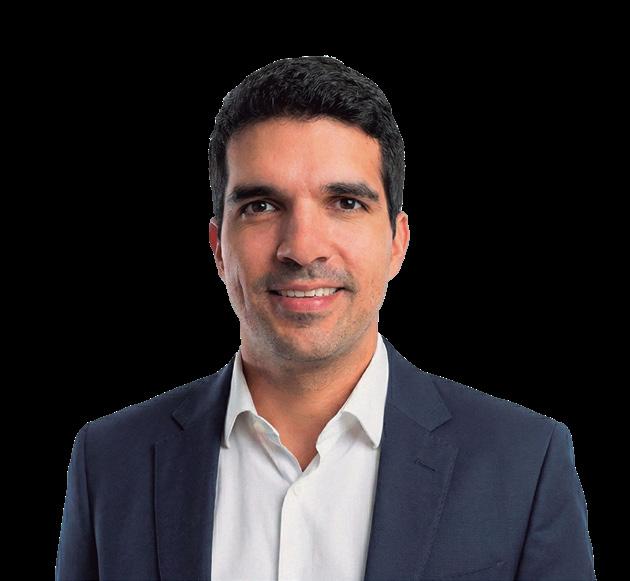
“AI is not here to replace people or leaders, Rather, it is here to give them better tools to reach more people, to scale their impact, and to empower them.”
Juan Camilo
Valencia Country Manager Mexico | Dcanje
In the era of AI, organizations face the critical challenge of scaling culture and leadership within structures that comprise hundreds or thousands of collaborators. Traditional management models often lack the capacity to maintain justice, equity, and strategic coherence on a massive scale.
In this context, Dcanje introduced Rewards 2.0, an AI-driven recognition architecture designed to scale human leadership through automated patterns and data analysis. The model projects a 34% mitigation in personnel turnover through strategic micro-rewards and real-time measurement.
“people should not just be compensated, but they also need to be valued, recognized, and appreciated,” says Juan Valencia, Country Manager for Mexico, Dcanje. “These two concepts must always go hand in hand when we think about compensation and benefits.”
Valencia argues that while engagement originates in the emotional dimension, its sustainability requires technical structure and analytical precision. Recognition is no longer a discretionary corporate benefit but an essential component of the employee ex perience.
The integration of people analytics allows AI to act as a tool that enhances the capabilities of the leader, who becomes a “superhuman” capable of managing culture with surgical precision.
“AI is not here to replace people or leaders,” says Valencia. “Rather, it is here to give them better tools to reach more people, to scale their impact, and to empower them.”
Rewards 2.0 Systems
The implementation of an intelligent recognition architecture addresses critical areas that were previously invisible to human talent management. The Rewards 2.0 system
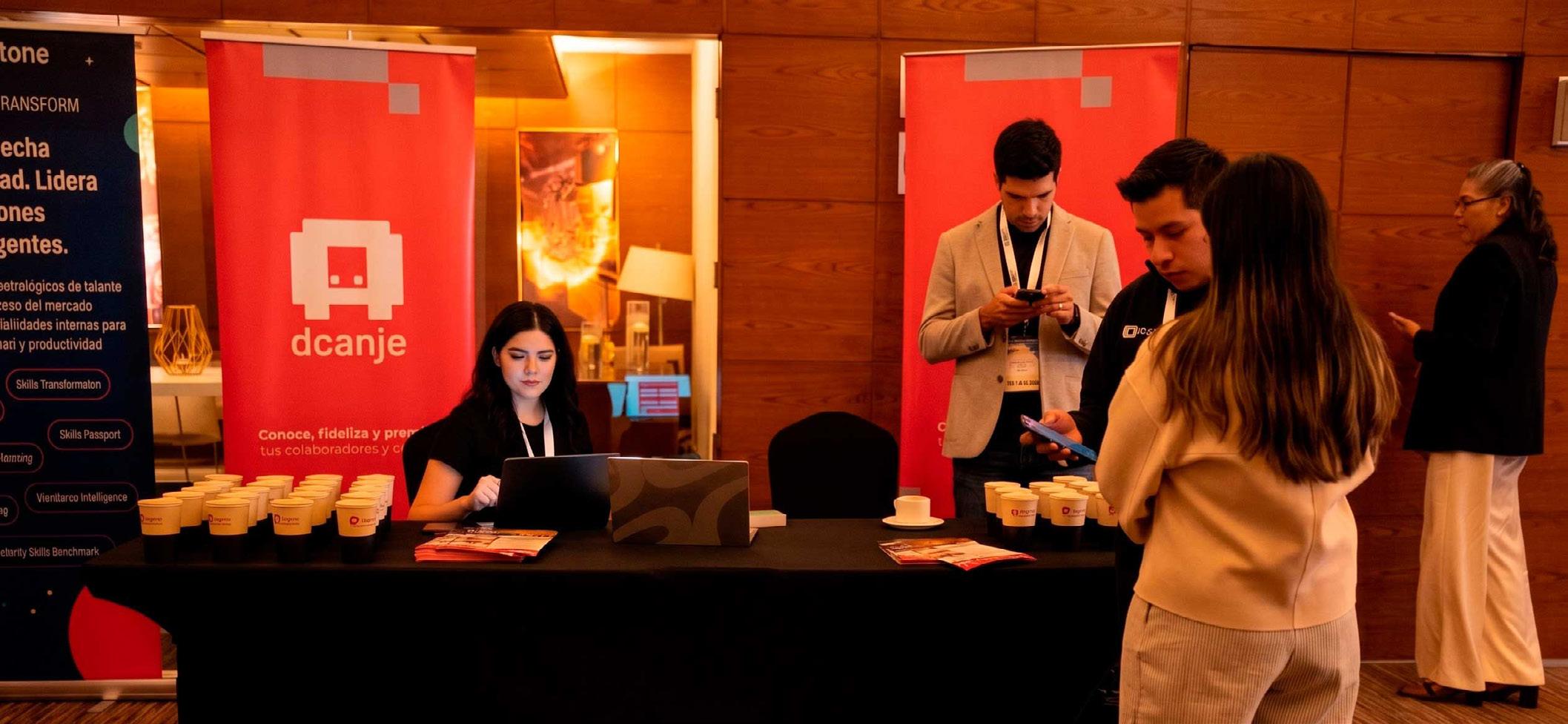
focuses on five fundamental operational pillars: detecting recognition patterns by specific areas, identifying invisible teams that contribute value without formal validation, automating key moments of the collaborator cycle, suggesting micro-rewards aligned with the culture, and measuring impact in real time.
Data collected in preliminary implementations demonstrate significant quantitative results in organizational performance, says Dcanje, which recorded an average increase in engagement of between 20%–35%. Likewise, general employee commitment shows a 31% increase. In terms of satisfaction, net promoter score metrics related to incentives reach a score of 80/100, says the company.
One of the most significant financial impact indicators is the 34% reduction in personnel turnover, which represents considerable
optimization in recruitment and training costs. These results are complemented by an improvement in the perception of internal equity, as the system eliminates bias in the distribution of incentives and compensation.
Finally, the deployment of this technology allows for the creation of personalized recognition systems for companies in less than two minutes. Dcanje says the platform uses corporate data to align the AI with brand identity. The company has initiated a three-month pilot phase for Rewards 2.0, limited to the first 15 companies interested in integrating AI-driven recognition into their talent development strategy.
“Recognition is a human need, not a corporate benefit,” says Valencia. “Engagement is built on emotion, but it is sustained by structure, by a system; and this is where AI can play a fundamental role.”
WHEN ALLEGATIONS ARISE: HOW ORGANIZATIONS NAVIGATE SEXUAL MISCONDUCT INVE STIGATIONS
Sexual harassment remains a systemic corporate risk with a 50% underreporting rate, reports financial and risk advisory firm Kroll. Organizations must thus adopt formal investigation protocols to mitigate the severe human, legal, financial, and reputational damages caused by workplace misconduct.
The escalation of corporate crises often stems from the normalization of boundary transgressions. Arturo del Castillo, Managing Director, Kroll Mexico, explains that “80% of sexual harassment cases began with jokes or comments minimized in the workplace.” This statistic underscores how the failure of early-intervention mechanisms allows minor incidents to transition into severe misconduct.
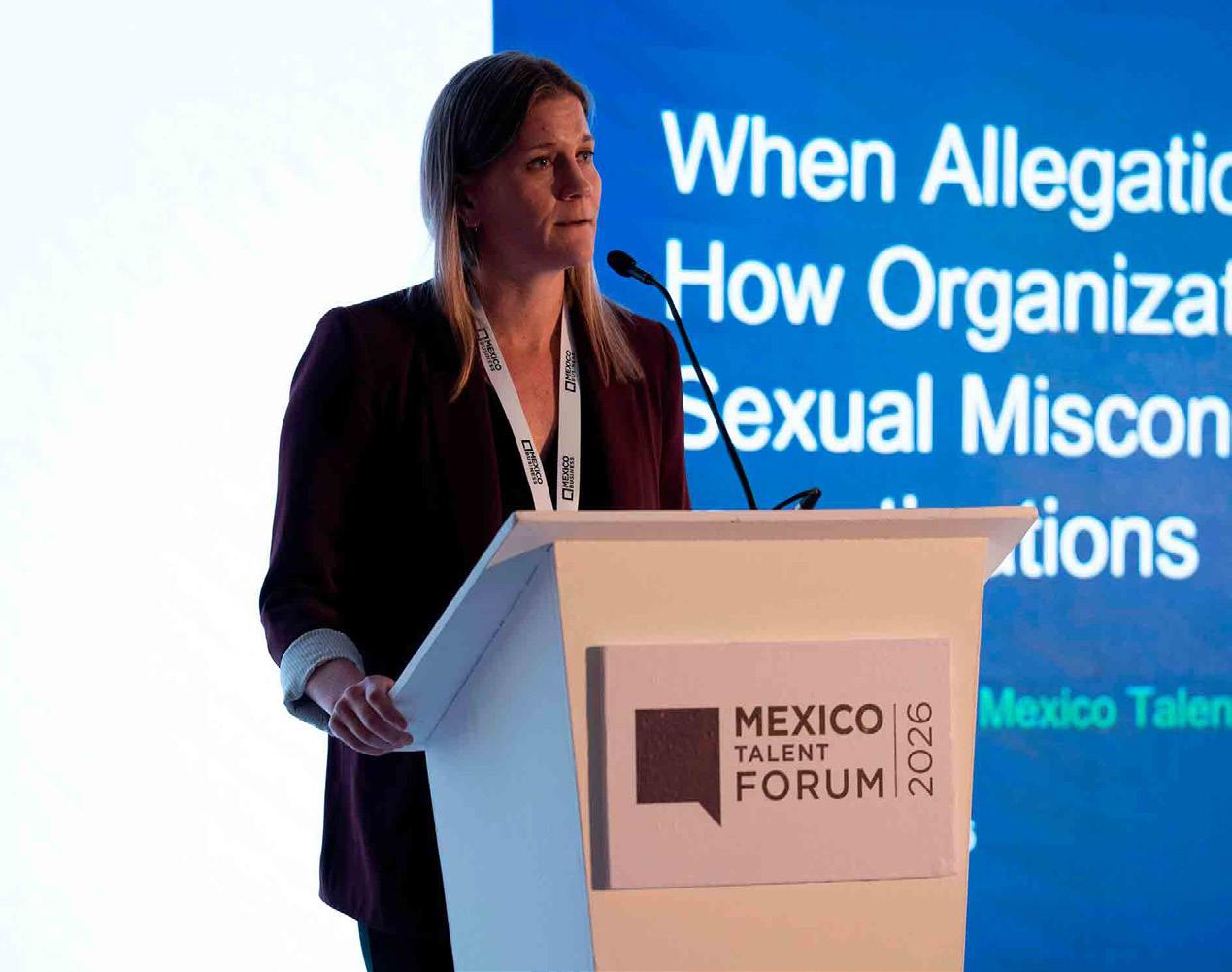
Jamie Mickelson, Managing Director of Investigations, Due Diligence, and Compliance, Kroll Mexico, notes that 83% of victims in cases handled by the company are women, emphasizing a persistent genderbased risk profile in professional settings. “In 83% of the cases reviewed by Kroll, the victim was a woman. While anyone can experience sexual harassment, regardless of gender or sexual orientation, our experience shows it has a clear gendered impact,” she adds.
“Do not wait for the complaint to arrive to decide how you will act,” Mickelson advises. She challenges HR leaders to reflect on their immediate readiness. “If you received a
report today involving a high-level director and a new recruit, would you know the steps to ensure a transparent, objective, and independent investigation? Having a protocol in place provides the transparency employees need to trust that their voices will be heard,” she says.
“If

you received a report today involving a high-level director and a new recruit, would you know the steps to ensure a transparent, objective, and independent investigation?
Having a protocol in place provides the transparency employees need to trust that their voices will be hear.”
Jamie
Mickelson
Managing Director of Investigations, Due Diligence, and Compliance | Kroll Mexico
Technical Details and Investigation Framework
A failure to address allegations impacts the entire company, primarily in three ways:
+ Labor Climate: Deterioration of productivity, high personnel turnover, and psychological health issues among employees.
+ Reputation: permanent damage to the public image of the company and its leaders in the eyes of partners, clients, and investors.
+ Legal and Economic: Exposure to civil or criminal lawsuits from victims who feel their cases were not properly managed.
Workplace sexual harassment, as defined by the International Labour Organization (ILO), involves unwelcome sexual conduct that creates an offensive, humiliated, or intimidating environment. According to the ILO, more than one in five workers globally has experienced violence or harassment during their careers. Despite this prevalence, the underreporting is systemic. Half of all victims choose not to report incidents due to a lack of confidence in human resources processes or fear of retaliation.
Organizations in Mexico face increasing pressure to comply with international standards such as the 2024 Ibero-American p rotocol for the Investigation of Sexual Violence. Misconduct is not limited to physical contact; it includes actions without consent that threaten the sexual autonomy and freedom of an individual.
When allegations arise, first responders must determine if an independent investigation is required. Castillo says that companies often decide to hire an external provider often depending on the position of the accused person. If the subject is a C-level executive or a high-profile director, an internal investigation may lack the necessary objectivity, he adds. “If the accused is the CEO or the HR Director themselves, it is virtually impossible for an internal team to be perceived as objective. In these cases, a third-party investigator is not just a luxury; it is a requirement to maintain the integrity of the process and the trust of the workforce,” he adds.
Other factors include the internal capacity to handle sensitive evidence, the level of employee trust in internal teams, and the existence of a clear action protocol.
The profile of the most frequent harasser in corporations is a male between 50 and 60 years old, says Mickelson. The company adds
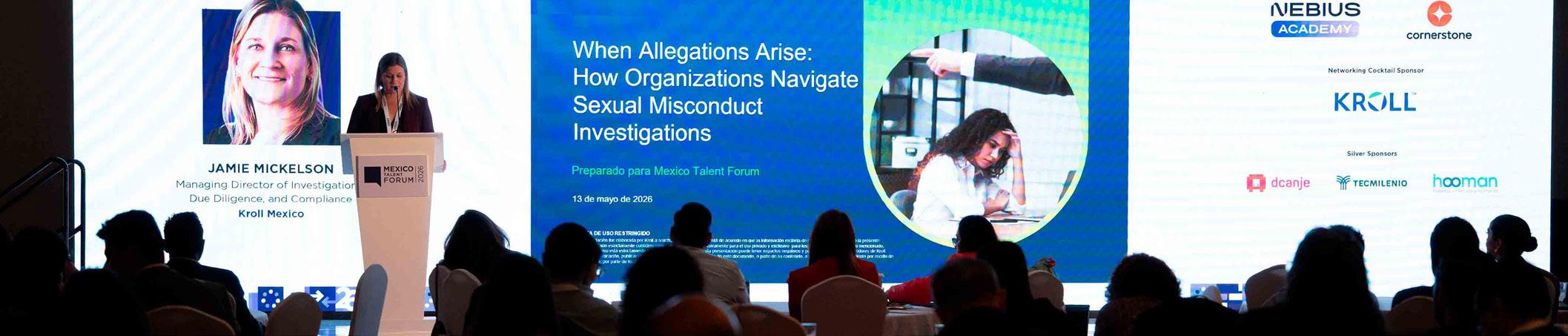
that 56% of those investigated occupy C-level or high-profile positions, and 50% hold a higher hierarchical rank than the victim.
The Five-Step Investigative process
To resolve complaints, such as an anonymous report involving a director making inappropriate comments to junior staff, Kroll follows a structured five-step methodology:
+ Initial Assessment: Meetings with the client to understand the organizational context and the specifics of the case.
+ Strategy Development: Reviewing the complaint to prepare a forensic investigative approach.
+ Evidence Collection: Conducting interviews with victims, witnesses, and the subject. This phase includes the technical review of digital evidence,
such as WhatsApp messages and screenshots.
+ Reporting: Delivering a report of findings and providing recommendations for an official protocol to address future complaints.
+ Training: Accompanying the client in staff-wide training sessions to educate employees on inappropriate sexual conduct.
“The goal of an independent investigation is not to tell the company what decision to make, but to provide the most accurate information possible so they can take reasonable action,” Mickelson says. Following the report, she recommends staff-wide training to reset the normalization of abnormal conduct, which would help employees distinguish between appropriate conduct and behavior that creates an intimidating environment.
BEYOND THE PILOT: THE FUTURE OF AI IN THE HR PROCESSES
Mexico’s talent industry faces a “productivity paradox” as companies accelerate AI adoption while employees increasingly value mental health and transparent leadership. Although many organizations use AI for recruitment tasks, most still lack integrated p eople Analytics, creating fragmented candidate experiences and governance risks from
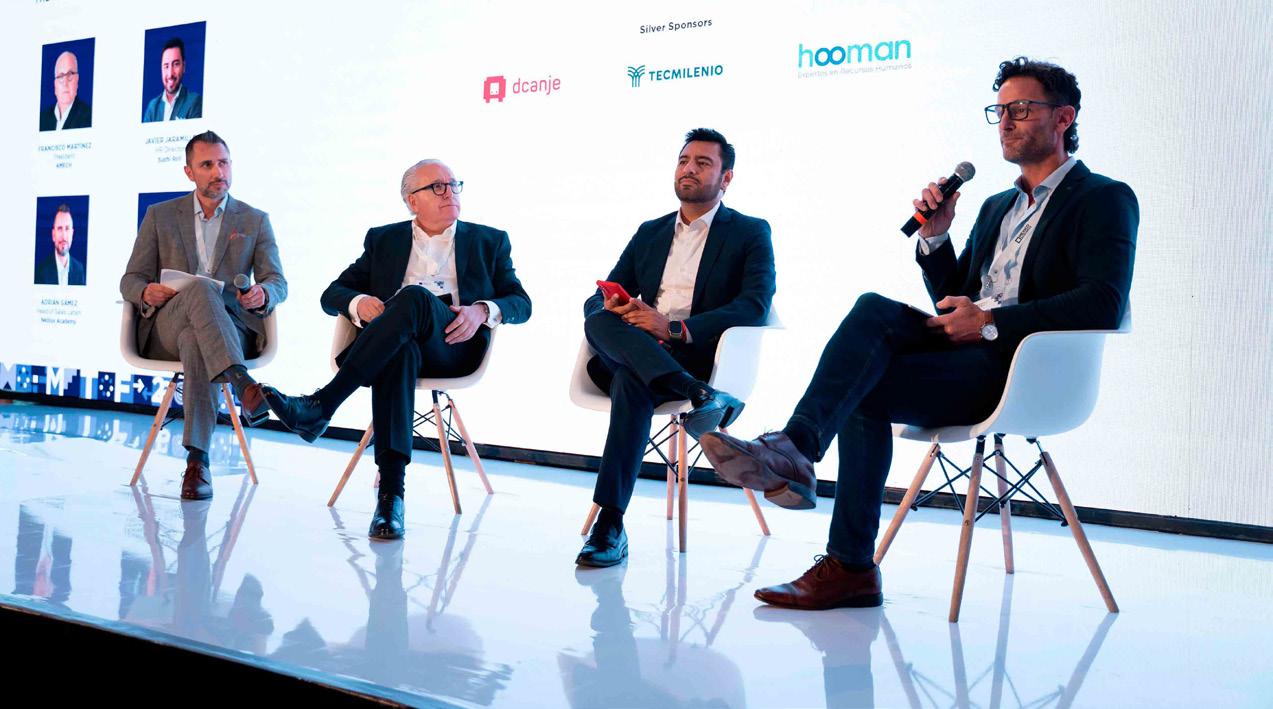
“Shadow AI.” By 2030, Mexico is expected to build a tech-enabled workforce where AI enhances productivity while humans focus on strategic, high-value interactions.
As of 2026, Mexico’s talent industry faces a “ p roductivity p aradox.” While 52% of HR departments have prioritized digital transformation and AI integration, a significant gap exists between operational efficiency and the human experience. Research from OCC and Sesame indicates that while recruiters focus on talent attraction (71%), employees are increasingly prioritizing mental health (76%) and transparent leadership.
“AI is only as effective as the way you educate and guide it,” says Francisco Martínez, p resident, AMECH, warning companies to remain cautious when selecting platforms and providers. “I would recommend working with providers that have a solid legal and compliance framework,” he says, adding that AI technology “still has significant room to mature.”
The Mexican labor market is also becoming increasingly “over-piloted.” Many companies have implemented isolated AI tools for CV filtering or interview scheduling, yet 63% of organizations still lack integrated people Analytics. This has led to a fragmented candidate experience where speed is
prioritized over “human touch,” while “Shadow AI” — employees using personal AI tools without corporate oversight — creates new governance and compliance risks.
Industry leaders argue that organizations must approach implementation with caution and long-term vision. “We must be very careful about how we train AI

“We must ask ourselves: what are we doing to ensure employees stay with the organization?. Career growth must include both vertical and lateral development opportunities.”
Javier Jaramillo HR Director | Sushi Roll

systems,” says Leandro di Nardo, Regional Director, NUMAN-Industrial Headhunting. “AI should be trained using historical data and organizational context.”
Moving Toward Agentic Talent Orchestration
To move “Beyond the pilot,” organizations are shifting from isolated automation toward Integrated Talent Orchestration. This approach focuses on three pillars. The first is a Skills-First Infrastructure, which involves shifting from traditional credentials to verifiable competencies. Under this model, AI serves as a “skill-inference engine” capable of identifying hidden talent and bridging technical gaps critical to Mexico’s nearshoring boom. According to Adrián Gámez, Head of Sales Latin America, Nebius Academy, “When evaluating talent, there will always be bias, which is why skills must be tested objectively.”
The second is Augmented Decision Intelligence, as AI is increasingly evolving from a “gatekeeper” into a strategic consultant. This ensures that talent attraction in complex sectors, from industrial headhunting to highvolume retail, retains a human and strategic edge. “We should not limit AI in HR to
screening alone; strategy must come first,” says Martínez.
“AI should function as a bank of evidence to support decision-making,” says Gámez, while warning that “the key question is whether AI is genuinely helping us or simply accelerating poor decisions.”
The third is p redictive Matchmaking, as organizations are beginning to use deep learning to forecast not only who can do the job, but who will stay and thrive within a company culture. Retention remains one of the defining challenges of the next decade, explains Javier Jaramillo, HR Director, Sushi Roll. “We must ask ourselves: what are we doing to ensure employees stay with the organization?” he adds. “Career growth must include both vertical and lateral development opportunities.”
Navigating the New LFT Reforms
The implementation phase in Mexico is now being shaped by significant legislative shifts. The May 2026 Senate proposal to amend the Federal Labor Law (LFT) introduces a new era of “Human-in-the-Loop” requirements. proposed reforms to Article 132 would require companies to disclose AI use in workplace decisions and prohibit fully automated hiring processes. Decisions affecting labor rights would require human validation.
For industry leaders, governance and explainability are becoming non-negotiable. Martínez notes that organizations must also evaluate “how recruiters themselves react to AI integration,” emphasizing that adoption cannot focus exclusively on technology. “Applied to HR, AI is already transforming public-facing processes, candidate screening, talent mapping platforms, and database management,” he says. “We are entering a new talent acquisition model.”
Implementation requires a shift from “speed at all costs” toward explainable and transparent AI systems. HR leaders are increasingly being tasked with building governance frameworks that prevent algorithmic exclusion and ensure ethical oversight.
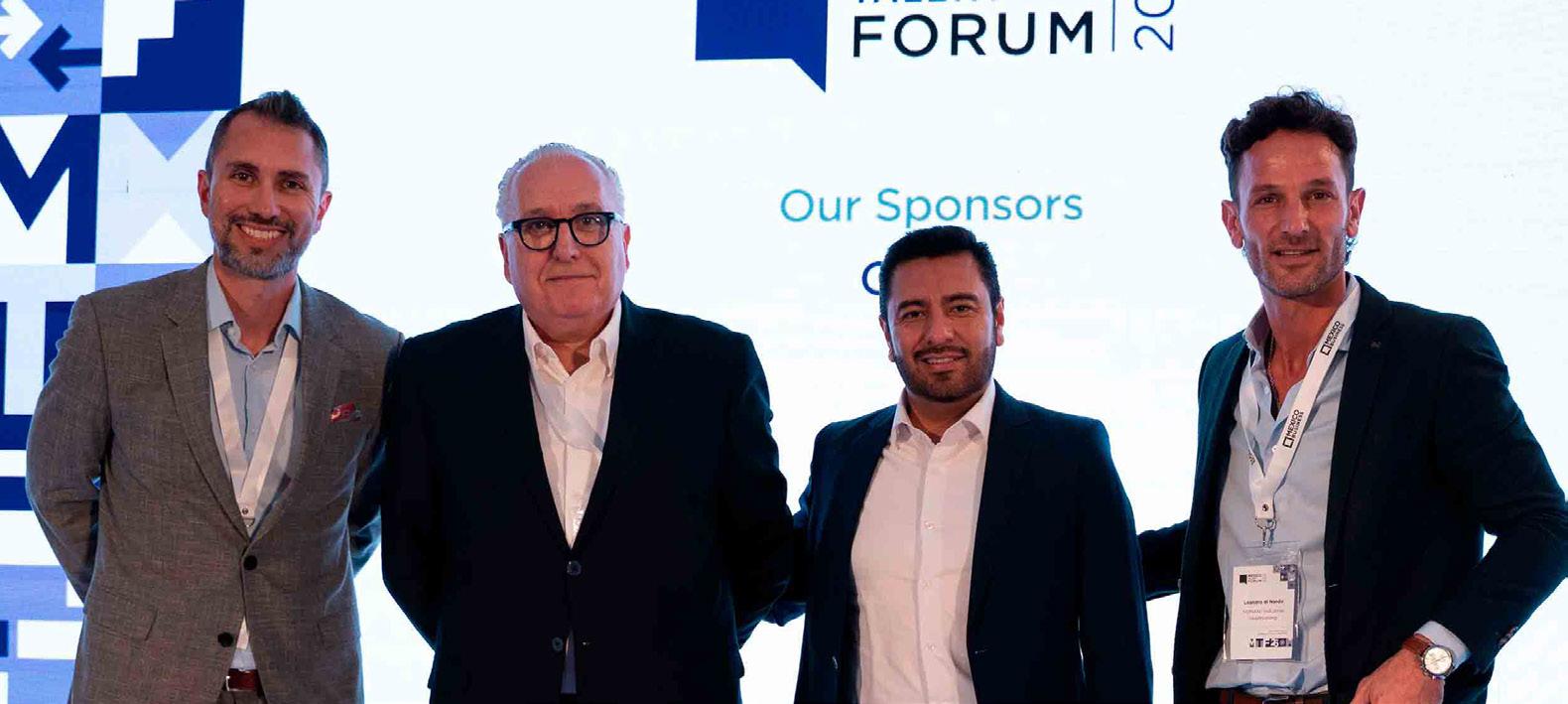
“A process without AI can also be unfair,” says Gámez, who argues that AI can improve objectivity when implemented responsibly. However, he stresses that “if AI is going to accompany us, trust becomes a critical point of truth,” particularly as companies scale operations while trying to preserve human interaction. “The challenge is achieving scalability without losing humanity,” he adds.
Role Redefinition
The recruiter’s role is thus evolving into that of an AI Orchestrator. The challenge now lies in upskilling HR teams to interpret data, oversee ethical implementation, and focus on the highvalue interactions machines cannot replicate.
“AI adoption must be approached as both a cultural and strategic transformation, supported by an end-to-end process,” says Jaramillo. “Leadership must remain visible, while organizations build expertise in AI and data interpretation.” He also warns that “AI projects do not fail because of technology; they fail because organizations ignore the human factor.”
The Resilient, Tech-Enabled Workforce
Looking toward 2030, Mexico’s talent sector is projected to evolve into a unified, datadriven ecosystem. The AI Talent Management market is expected to grow by more than US$2.6 billion, signaling that these technologies will become a foundational layer of HR operations.
Yet industry leaders argue that the future is not about replacing workers, but augmenting them. “AI will significantly reduce the time required to analyze data, enabling predictive and explainable insights while helping organizations avoid repeating mistakes,” says Jaramillo. Still, he cautions against viewing AI as an infallible solution. “Beyond reducing costs and improving efficiency, expecting AI to always provide the ‘correct answer’ is a mistake. We should view it as a strategic ally.”
For Gámez, productivity gains represent only the beginning. “Efficiency is only the entry point,” he said. “AI’s true role is to increase productivity and strengthen HR’s strategic responsibility.” He added that organizations “must learn to operate at scale, achieve more with fewer resources, and become predictive,” while rethinking traditional metrics such as “time to performance” and long-term workforce development.
Ultimately, experts agree that education will define competitive advantage in Mexico’s next phase of talent transformation. “Everything begins with education,” said Gámez, Head of Sales Latam at Nebius Academy. “Competitive advantage starts with education.”
By integrating AI fluency as a core competency and adopting metrics such as “Skill Velocity” and “Match Quality,” Mexico is positioning itself to lead Latin America in ethical, tech-enabled talent management — one where AI handles “volume” so humans can focus on “value.”
EMPLOYER BRANDING 2.0: COMPETING FOR SCA RCE TALENT
The Mexican talent market faces a shortage of specialized talent due to AI integration. A potential solution, “Employer Branding 2.0,” aims to leverage AI-driven recruitment, human-centric employee value propositions, and authentic employee advocacy.
Mexican companies are implementing the Employer Branding 2.0 model to address a technical talent shortage that reaches 80% in specialized sectors. This strategy integrates
a paradox of unfilled vacancies. The expansion of nearshoring and the adoption of large language models (LLMs) have outpaced the speed of traditional educational cycles, which has created a gap in technical skills.
Simultaneously, recent labor reforms have increased the minimum wage to MX$315.04 per day (US$18.34), which compresses operating margins. In this scenario, 60% of the workforce expresses a disconnection
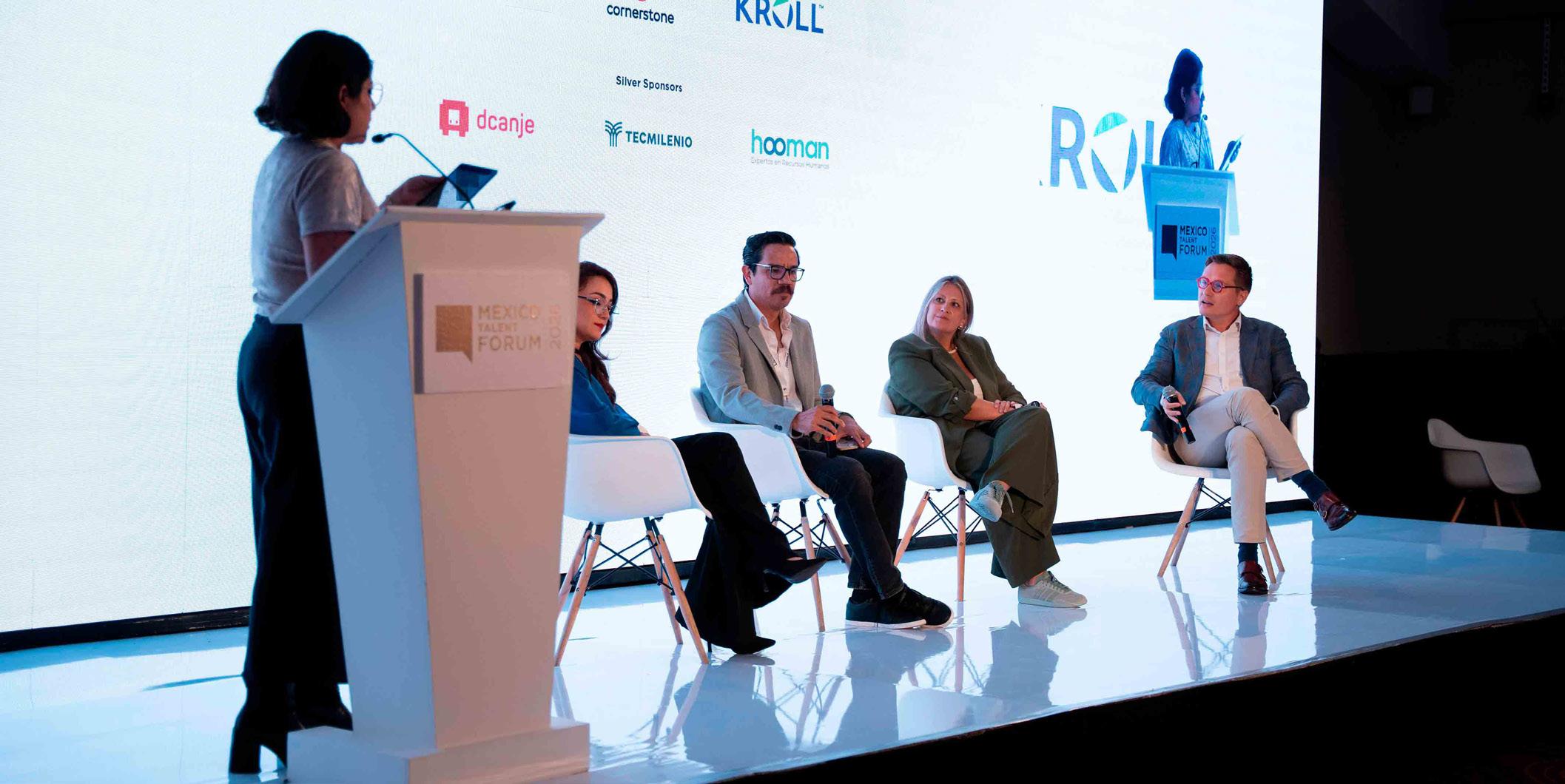
predictive analytics and employee advocacy to ensure competitiveness within the North American trade landscape.
Technical longevity has become essential for modern workers, says Kristien Turner, Founder and CEO, TK Talent. “The people want to ensure that if they accept an offer from a company today, it will keep them relevant for the market,” says Turner. “They want to ensure that in five or eight years the skills they will learn remain employed”.
Mexico’s labor ecosystem operates under unprecedented structural pressure. Despite reaching record levels of formal employment with 23.6 million jobs, the country experiences
between corporate goals and personal well-being expectations. The execution of a deficient employer brand now represents a financial liability. The cost of turnover, combined with the increase in social security contributions for digital platform workers, forces B2B corporations to professionalize their employee value proposition.
Employer Branding 2.0
The transition toward the 2.0 model requires abandoning the projection of corporate fantasies to focus on operational transparency. The immediacy of digital communication has eliminated the margin for reputational error.

“It is of no use to say that we are the best company on LinkedIn if that is not our reality, because that will affect turnover. The most valuable people who will speak well of our company are the internal people.”
Talita Peles Director of People & Culture | Totalpass
“In the past, companies always dedicated themselves to selling the company in the best way,” says Karina Serrano, Culture and Development Manager, HDI Seguros. “However, there is no better employer brand than the one people are living in reality. With social media, you are only one post away from creating the worst reputation for the company.”
Serrano highlights that talent management must be segmented by region, responding to the specific and different needs between regions. “Leadership must evolve from an exclusive focus on results to one that enables spaces for well-being and active listening,” she says.
The Specialization of profiles and Strategic Well-being
For technology sectors, the employer brand must be communicated through technical challenges rather than just peripheral benefits. Emmanuel Olvera, Founder and General Manager, Hireline, says that 65% of programmers consider the technological challenge a determining factor for accepting an offer.
“We suggest that you bring engineers to conferences so that they can explain the technical challenges they are experiencing, the programming languages they use, and the technologies they are building. This is what they are passionate about: being updated with technology,” says Olvera.
process efficiency is a key metric, Olvera says. While the average time to hire in Mexico is 42 days, high-performance companies manage
to reduce it to 30 days through direct contact via instant messaging platforms.
The credibility of the employer brand depends on the congruence between the recruitment discourse and the daily experience of the collaborator. Internal collaborators are thus the most effective brand ambassadors, says Talita p eles, Director of people and Culture, Totalpass.
“It is of no use to say that we are the best company on LinkedIn if that is not our reality, because that will affect turnover,” says peles. “The most valuable people who will speak well of our company are the internal people.”
peles says that Totalpass has implemented pilot projects that use AI to measure the correlation between employee physical activity, the use of health benefits, and the actual productivity of the corporation. The company seeks to provide hard data that justifies the return on investment for finance de partments.

Execution Risks and 2030 projections
A transition to Employer Branding 2.0 could help companies navigate this hypercompetitive market. Such a strategy must be defined by three pillars:
+ AI-Driven precision: Utilizing predictive analytics and AI to move beyond generic sourcing.
+ The “Human-Centric” Value proposition: Organizations must bridge the gap between recruiter priorities (attraction/ efficiency) and employee demands (well-being/growth).
+ Employee-Led Storytelling: Shifting the narrative from corporate marketing to authentic advocacy.
Experts agree that culture washing creates critical operational risks. A poorly executed brand strategy increases the talent premium, which forces companies to pay salaries above the market rate to compensate for a poor internal reputation. “It is about forming a team with the people who are already there. Reviewing exit interviews is fundamental to identify why people left and to prevent future departures,” says Turner.
Toward 2030, the success of B2B corporations in Mexico will depend on their ability to operate as learning organizations. With the projection that AI will increase or replace up to 30% of formal roles, the demand for soft skills such as negotiation and leadership will increase.

FUTURE-PROOFING HR: THE NEXT 3 YEARS OF REGULATORY CHANGE & INDUSTRY TRAN SFORMATION
Mexico’s talent industry is facing growing pressure from labor reforms, rising operational costs, and increased regulatory oversight. Traditional HR models focused only on compliance are no longer effective, especially because HR often operates separately from financial and legal strategy.
Mexico’s talent industry is at a crossroads. Historically, HR departments have operated under a reactive model, prioritizing immediate legal compliance in response to successive labor reforms. However, the
complexity of the environment, marked by the reduction of the workweek, rising operational costs, and increasing digital oversight by authorities, has proven the traditional approach to be insufficient.
The central problem lies in the functional isolation of HR from strategic financial and legal decision-making. The primary challenge for HR directors is “making management see talent management as an investment rather than an expense,” says Roberto Riestra, CEO, Meddi.
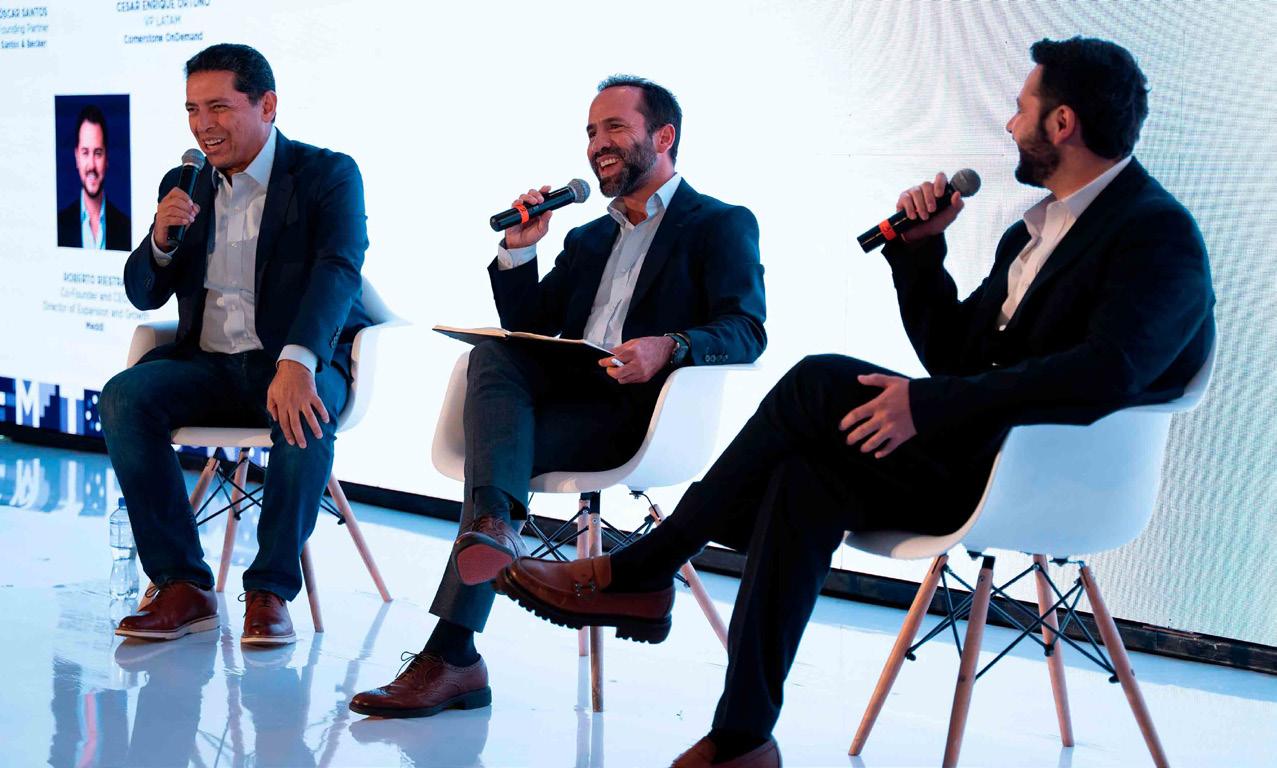
In a highly regulated and competitive market, the lack of cross-departmental integration prevents organizations from anticipating labor risks and optimizing productivity, limiting their ability to respond to a regulatory framework that is evolving faster than organizational culture.
Strategic Integration and Labor Analytics
The proposed solution for the next three years is a transition toward a comprehensive HR Business p artnership model. This approach positions the CHRO as a strategic orchestrator who aligns people management with financial goals and preventive legal compliance. At the core of this proposal is the adoption of electronic time-tracking and digital record-keeping, viewed not merely as a legal requirement but as a primary source for people Analytics.
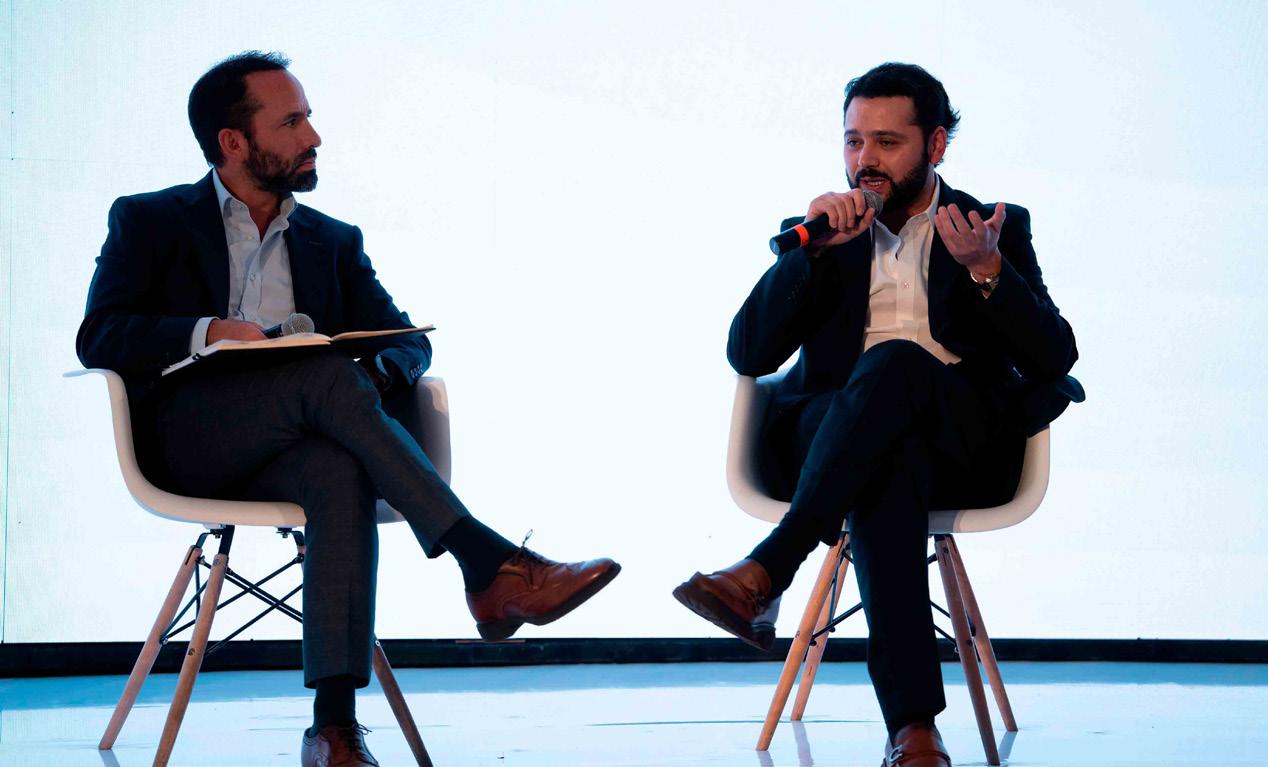
The financial impact of data-driven talent sourcing is perhaps most clearly seen in the cost-benefit analysis of labor inclusion. For example, large-scale employers in Mexico have found that it is 26% cheaper to relocate a family from Tapachula to Monterrey, covering housing, legal permits, and transition support, than to leave a strategic vacancy unfilled, says Óscar Santos, Founding partner, Santos & Becker. This cost of vacancy metric shifts the conversation about hiring migrants from a corporate social responsibility (CSR) effort to a vital operational necessity. When HR uses these analytics, it proves that solving the talent scarcity gap through geographic mobility is not just an inclusive gesture, but a superior financial decision.
The transformation of attendance and performance data into efficiency indicators provides HR and senior management with real-time visibility into the workforce’s cost-benefit ratio. This integration ensures that talent decisions shift from subjective perceptions to data-driven financial arguments, elevating HR to a consultative and strategic level.
“This evolution is already visible in highperformance sectors like finance and technology,” says César Enrique Ortuño, Vice president Latin America, Cornerstone on Demand. The gap between business needs and HR’s response capacity is widening because many organizations still operate with processes written 20 years ago, says Ortuño.
Closing this gap requires a data-driven business case; for example, some leading firms in Mexico now employ dedicated data science teams within HR to find correlations that improve development, retention, and happiness, says Ortuño. “By shifting from periodic, annual reviews to real-time digital tracking, HR can finally justify investments to the board, proving that digitalizing people management has a direct, measurable impact on business recovery and agility,” he adds.
Riestra argues that investing in collaborator well-being is directly tied to productivity. By using 360° platforms that generate real-time
data and metrics, HR can move beyond simply offering perks to demonstrating how specific benefits correlate with business results.
Bridging the Gap Between platforms and Decisions
The primary challenge in Mexico is not the acquisition of technology, but the gap in adoption and digital maturity. Many companies possess robust management systems that remain underutilized. To overcome this problem, implementation must focus on the technical upskilling of talent leaders in data interpretation and change management.

“By shifting from periodic, annual reviews to real-time digital tracking, HR can finally justify investments to the board, proving that digitalizing people management has a direct, measurable impact on business recovery and agility.”
Cesar Ortuño VP LATAM | Cornerstone OnDemands
based supervision to results-oriented monitoring through technology, ensuring that regulatory compliance is the baseline, not the ceiling, of organizational agility.
Mexico’s talent sector is expected to eventually consolidate into an ecosystem driven by predictability. Technology will shift from a recording tool to an intelligence engine that anticipates turnover and identifies productivity bottlenecks before they impact financial statements. Leading organizations will be those that successfully fuse labor culture with operational flexibility, allowing them to attract specialized talent in a global scarcity environment.
In the long term, success in Mexico’s talent industry will depend on the ability to convert regulatory burdens into competitive advantages, where operational transparency and digital efficiency serve as the pillars of corporate sustainability.
An additional obstacle is the cultural resistance to workplace flexibility; therefore, the implementation strategy must start by updating the Internal Work Regulations (RIT). These documents must evolve to include digital disconnection protocols, hybrid work schemes, and productivity metrics based on objectives. The key is moving from presence-
This strategic outlook transforms compliance from a hurdle into a message of value. Riestra suggests that by staying ahead of mandates, such as new work-hour regulations and certifications like the NOM-024 for electronic clinical records, companies send a clear signal to workers that their well-being matters.
“Technology must be at the service of the business strategy,” Ortuño says. Thus, digital transformation must be driven by true organizational needs rather than the mere adoption of new features.