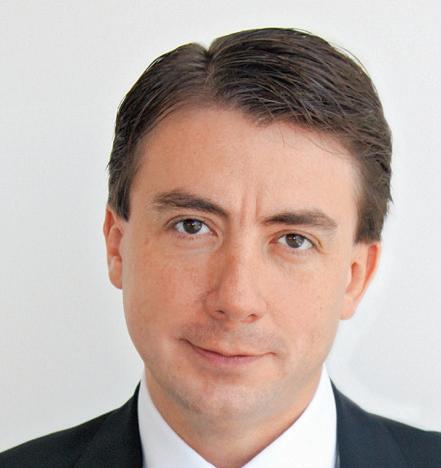
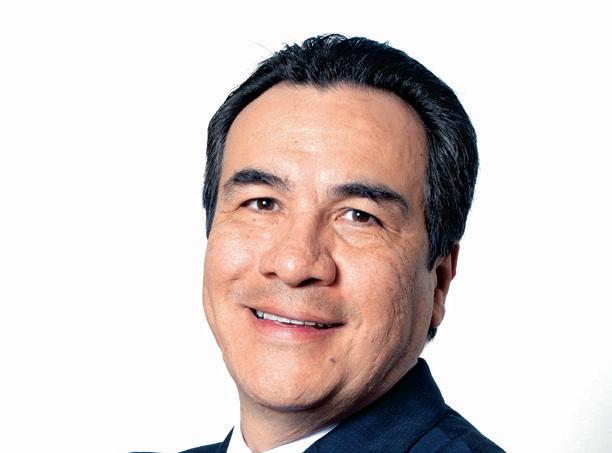
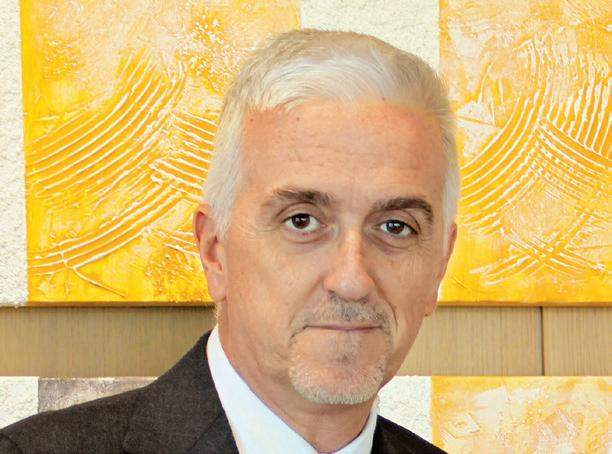
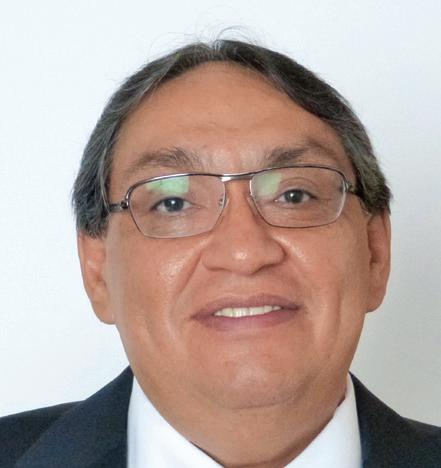
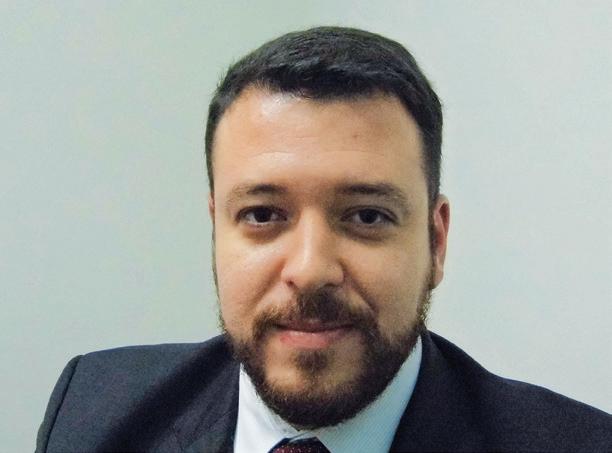
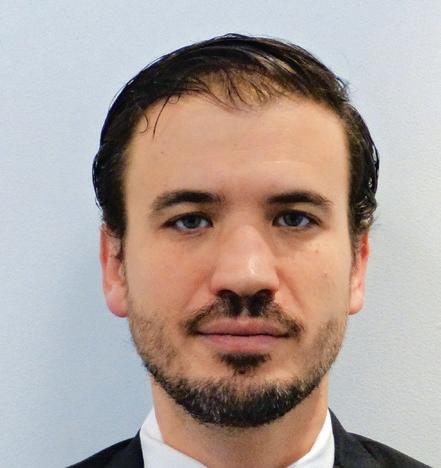
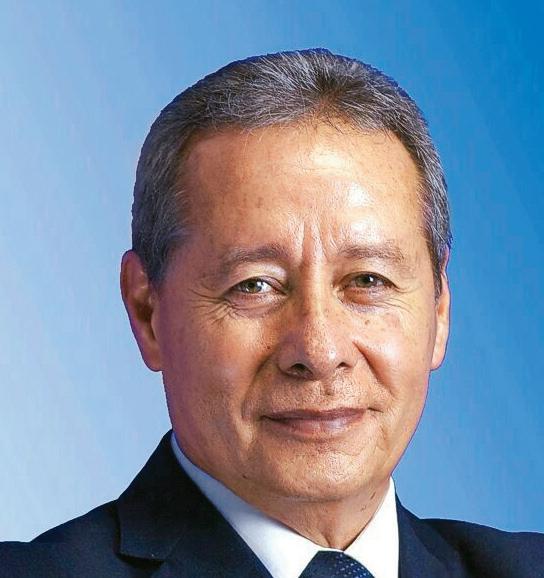
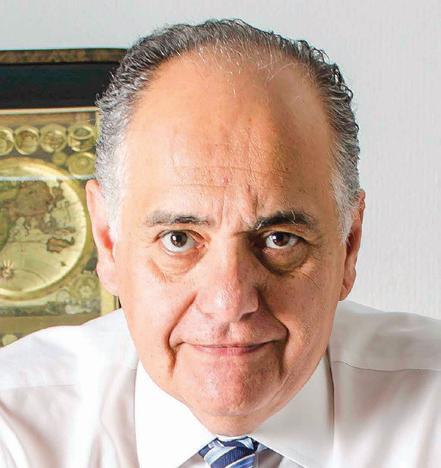
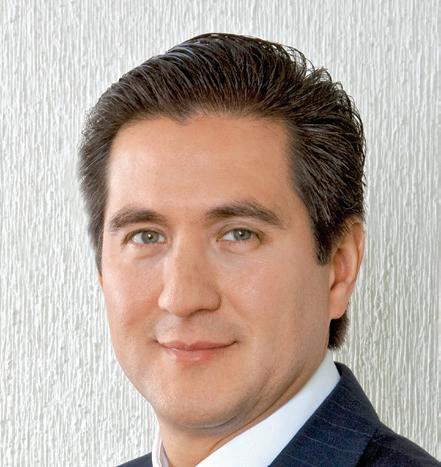
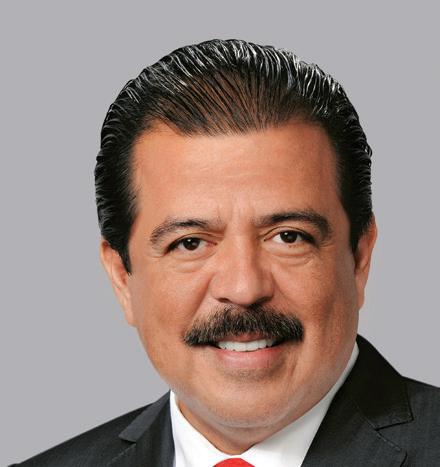
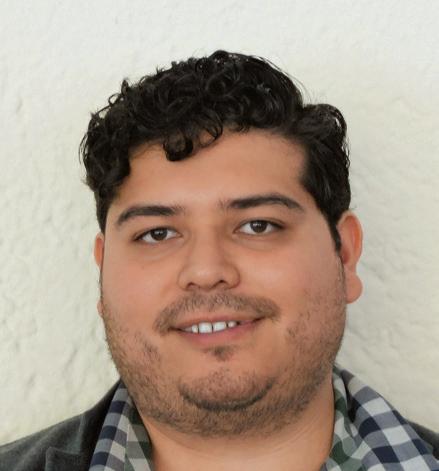
“The reforms that we have shaped and that today are being implemented make it possible for Mexico to continue being a safe haven for large, medium, and small investments”
Enrique Peña Nieto, President of Mexico
Two years have passed since Mexico decided to open its energy sector to private participation, enabling it to realize its potential as a catalyst for economic development. However, the eagerly awaited emergence of new opportunities following the Energy Reform are yet to materialize as the past two years were dominated by the definition of the legal and regulatory frameworks, as well as the strengthening of industry regulators and the creation of new institutions. With a welldefined operational framework in place, 2016 is poised to be a turning point as the newfound legal certainty and market stability are expected to trigger a wave of investment. Private players can assert their roles as producers, and new system regulators will ensure that the companies are successfully integrated into the country’s energy matrix. At the same time, the wholesale electricity market will be launched, officially opening the electricity sector to private participation.
The coming years will be characterized by the government’s continuous commitment to ensuring Mexico’s competitiveness as an energy investment destination, while companies are redefining their strategies to capitalize on the transformation of the Mexican energy market. In this context, Mexico Energy & Sustainability Review 2015/16 is an essential read for stakeholders in both the public and private sectors who seek to understand the trends that are shaping the energy and sustainability industries in Mexico.
The publisher has made all reasonable efforts to provide accurate information, and the information contained in this publication is derived from sources believed to be true and accurate. However, the information in this publication should not be considered to be complete or definitive, and may contain inaccuracies or typographical errors. The publisher accepts no responsibility regarding the accuracy of information and use of such information is at your own risk. The publisher will not be liable to any party for any direct, indirect, special or other consequential damages arising out of any use of information in this publication. The publisher provides no representations or warranties, express or implied, including any implied warranties of fitness for a particular purpose, merchantability or otherwise in relation to any information provided by the publisher in this publication.
ISBN: 978-0-9968026-1-1
Mexico decided to take a new path to economic growth by reinventing the core of its energy industry. The sector was opened to private investment with the 2013 Energy Reform, and since then the government has worked on the guidelines that will shape the new energy market. The country will now rely on its State-owned enterprises and private experience to capitalize on its natural resources in order to generate cleaner electricity, increase the national capacity and comply with its commitment to fight climate change.
The following chapter introduces some of the key stakeholders in the Energy Reform, who explain the implementation of the Constitutional Amendment and its secondary legislation. It also provides a comprehensive overview of the current state of the Mexican energy industry and its expected evolution in the coming years. Experts share their concerns on the implementation of the Reform and indicate the greatest areas of opportunity. Finally, prominent figures explain how the private sector is engaging to help the country meet its sustainability and power generation objectives.
THE YEAR IN REVIEW
Since Congress formally approved the Energy Reform in 2013, the authorities have been working on drafting and issuing secondary laws and regulations meant to delineate the path the industry and the country will take. This package includes new legislative mechanisms such as the Hydrocarbons Law, the Law of the Electricity Industry, the Geothermal Energy Law, and new laws outlining the roles and obligations of the State-owned energy companies, CFE and PEMEX. Existing laws were modified to facilitate the enactment of the Energy Reform, including changes to the National Water Law that contemplate the development of geothermal resources, and modifications to the legislations pertaining to public works and foreign investment. As for the electricity industry, the authorities spent most of 2015 working on the Rules of the Wholesale Electricity Market, the document that will shape the way players interact in this sector. Now that the mechanisms are being put in place, it is worth looking at the factors that will shape Mexico’s new energy landscape in the years to come.
EVOLUTION OF DEMAND
The comprehensive restructuring of the electricity industry is designed to meet the increase in demand that CFE will be unable to cover on its own. In 2014, total energy generation in Mexico amounted to 258.25 million MWh. The effective installed capacity in Mexico amounted to 64,278MW, and 25% of this (16,070MW) came from renewable sources. It is expected that demand will increase by more than 3.5% in the next ten years, which calls for the incorporation of an additional 38GW by 2024. The private sector is already seizing the opportunities brought about by the new regulatory framework, as evidenced by the fact that between 2014 and 2015, CRE received 247 requests for generation permits under the self-supply, small power producer, and IPP schemes, as well as exportation and cogeneration permits.
In order to make the National Electricity System more reliable, PRODESEN 2015-2029 plans for the retirement of 127 facilities across 20 states in the next 20 years, equating to 15,840MW. Plants that will be decommissioned are chosen according to efficiency and operation costs, so older facilities are most likely to be taken offline. The geothermal segment will see the decommissioning of 80MW, while the rest will be taken from conventional thermoelectric facilities. According to CFE’s Unit Decommission Program, 465MW were to be taken offline in 2015, but only 39MW of installed capacity were retired in the first half of the year. The delay in the decommissioning of CFE’s generation plant is justified by the need for backup capacity in case of an emergency, such as the possibility of a natural gas shortage. Looking ahead, nine plants are expected to be decommissioned in 2016.
PRICE DEVELOPMENT
CFE’s strategy of replacing expensive, polluting fuels such as fuel oil with cleaner and cheaper natural gas is already having an impact, as evidenced in the reduction of electricity tariffs. In August 2015, tariffs continued to decrease for the eighth consecutive month when compared to the same periods in previous years. For the industrial sector, electricity tariffs decreased between 28-38% in August 2015 in comparison with August 2014. Likewise, tariffs for the commercial sector dropped 12-14%, while the DAC tariff for the residential sector saw an 11.9% decrease. The low-consumption tariff for the residential sector, which has risen by 4% annually since 2006, did not increase in 2015, but rather dropped 2% compared to December 2014.
GENERATION COST PER MWH (JULY 2015) Cost per Megawatt (July 2015) (Source: CFE)
Generation According to Source in 2014 (Megawatts) (Source: SENER and CRE)
Source: CFE
CFE
& PEMEX
A crucial step in opening the market and creating a level playing field was the elimination of the vertical integration of the State-owned enterprises. According to Article 8 of the CFE Law, electricity generation, transmission, distribution, and commercialization, as well as the supply of primary goods for the electricity industry, must be completely separated under strict conditions. In order to comply with these mandates and dismantle its vertical integration, CFE will create several subsidiaries to address each business
line. Although the subsidiaries have not yet been formally announced, Pedro Joaquín Coldwell, Minister of Energy, has mentioned on several occasions that there will be generation, transmission, distribution, and commercialization companies operating under the umbrella of the national utility. Other possible divisions could include branches dedicated to smallscale distributed generation and natural gas.
Private companies are responsible for 36% of the country’s electricity generation, but they were not allowed to commercialize electricity in the wholesale market. Under the new framework, PEMEX is also expected to participate in the wholesale market by forming partnerships and selling the surplus energy from its cogeneration processes. Both the CFE Law and the Law of the Electricity Industry make a clear division between regular commercialization activities and basic services. The latter remain exclusive to CFE.
Following the transitory articles of the PEMEX Law, on November 18, 2014, PEMEX’s Board of Directors approved a proposal to transform the company’s four existing subsidiaries into two new subsidiaries. The new companies will have a legal presence, individual budgets, and technical and operational autonomy, although they will be subject to PEMEX’s central management and strategic direction. The first subsidiary is PEMEX Exploration & Production, and it is in charge of carrying out exploration, production, and development activities related to hydrocarbons. The second is PEMEX Industrial Transformation, which will merge the activities, responsibilities, and assets of PEMEX Refining, PEMEX Gas and Basic Petrochemicals, and PEMEX Petrochemicals. In addition to these subsidiaries, the Board of Directors also approved the creation of five new subsidiary branches: PEMEX Drilling and Services, PEMEX Logistics, PEMEX Fertilizers, PEMEX Ethylene, and PEMEX Cogeneration and Services. The latter will utilize the heat and steam generated by the oil company’s industrial processes to generate electricity. This way, it will increase efficiency and operational reliability in productive processes while enabling PEMEX to take advantage of the economic opportunities in the wholesale electricity market. PEMEX has identified a cogeneration potential of 5GW across its different areas.
CENAGAS & CENACE
The measures implemented to facilitate the removal of the monopoly position of the State-owned companies include the creation of two system operators in charge of the transportation infrastructure for electricity and natural gas: CENACE and CENAGAS. Both entities were created by a decree published on August 28, 2014. These are decentralized entities closely linked to the Ministry of Energy, with their own Director General and administrative board.
CENACE, a former division of CFE, is now in charge of administering the National Electricity System, which consists of the country’s generation park, substations, and transmission and distribution lines. It is in charge of planning the operation and expansion of the National Electricity System, ensuring that the cheapest electricity in terms of variable costs is dispatched, interconnecting new generation facilities to the grid, and proposing adjustments and modifications to the rules of the market to CRE, the regulator of the energy industry. In order to help CENACE begin to perform its new duties, CFE transferred the necessary human, economic, and administrative resources to the new system operator.
CENAGAS was entrusted with the management, administration, and operation of the country’s natural gas transportation and storage system, for which it can tender strategic infrastructure projects, as stated in the Hydrocarbons Law. This operator is responsible for ensuring the availability of natural gas in the country. PEMEX is transferring its natural gas pipeline infrastructure to the new system operator, an initiative on which both entities will work together for two years.
CFE’S ENERGY MIX
Brute Generation In The Public Service For Used Source Of Energy, 2003 and 2013. ( TWh and
CFE AND RENEWABLES
Aligned with CFE’s commitment to the development of renewables, the State-owned company began the operations of two renewable energy power plants in 2015: the Los Azufres III Phase I geothermal plant, in Michoacan, and the Sureste I Phase II wind farm in Oaxaca. These developments have a combined installed capacity of 150MW and required an investment close to US$230 million. In addition, CFE has three more renewable energy projects under construction, the development of which was awarded to three different consortia. These include the Chicoasén II hydroelectric plant in Chiapas, the revamp and modernization of the Temascal hydroelectric plant in Oaxaca, and the Los Humeros III geothermal plant in Puebla. The development of renewables plays a prominent role in CFE’s plans, as there is currently one renewables project undergoing tendering, with nine more expected to be tendered soon. These 15 projects will add close to 2.8GW to the country’s installed capacity and will increase CFE’s renewable energy installed capacity by 20%. The investment needed for these developments is estimated at US$4.8 billion.
FUEL OIL CONSUMPTION
Projects aimed at increasing natural gas availability and the expansion of hydroelectric capacity helped CFE reduce its dependence on fuel oil, decreasing the use of the latter by 45%. CFE went from using 201,000 b/d in 2014 to 111,000 b/d in 2014. With new natural gas pipelines, combined cycle plants, renewable energy projects, and power plant conversions, CFE plans to reduce its fuel oil consumption by 90% by 2018 from the 2012 baseline, going down to 19,000 b/d. The polluting emissions associated with the use of fuel oil for electricity generation will, as a result, decrease by 90%, dropping from 36 million tonnes of CO2 equivalent in 2012 to 3 million tonnes in 2018.
THE WHOLESALE ELECTRICITY MARKET
In February 2015, the Ministry of Energy published the Rules of the Wholesale Electricity Market, a document composed of 19 chapters that details the rights and obligations of participants regarding each product that will be commercialized in this market. These include the trading of electricity and related services, capacity, financial transmission rights, CELs, and other products intrinsic to the National Electricity System. The document also defines the administrative dispositions related to measurements, accounting, and settlements, which are needed to provide certainty to the daily activities of both public and private players. According to the document, CENACE will be in charge of administering and operating the wholesale market; therefore, parties interested in participating as generators, marketers, suppliers, or qualified users must sign contracts with this entity. The rules consider those with consumption needs of at least 3MW to be qualified users, and this subsector can participate in the market by selecting the supplier of their choice. A year after the
launch of the market, the requirement will be lowered to 2MW and to 1MW the following year. The rules allow the grouping of several low-consumption users in order to reach the electricity requirements needed to become a qualified user. Generators with a surplus generation of at least 500kW will be able to supply electricity to the market. The fact that the electricity with the lowest variable costs, depending on the fuels and technologies used, will be the first to be dispatched is an incentive for generators to reduce their generation costs, thus fostering competition between participants and ultimately reducing electricity tariffs. This is poised to promote the incorporation of clean energies into the country’s energy matrix. The wholesale electricity market will be launched on January 1, 2016. However, a day-in-advance market will begin on December 31, 2015. The authorities began running several tests and pilot programs in September 2015 to identify areas that need to be improved. The first tenders for electricity and CELs will take place in October of 2015, while tenders for capacity and financial transmission rights will be carried out in 2016. CELs will not be enforced until 2018.
FLAGSHIP PROJECTS
NATURAL GAS
Some of the most emblematic projects for the energy sector that were completed in the past year will be presented throughout this publication. Other developments worth mentioning are included in this section, such as the Tamazunchale-El Sauze natural gas pipeline. This project began operating in November 2014, and it consists of a 230km long pipeline with a 620mcf/d capacity. This pipeline transports natural gas to the states of San Luis Potosi, Hidalgo, and Queretaro, where it supplies fuel for the El Sauz combined cycle plant. TransCanada was Source:
responsible for developing this pipeline, which required an investment of US$250 million. Moreover, CFE completed the conversion of the Manzanillo power plant in Colima in December 2014. With an investment totaling US$12 million, the converted plant has an installed capacity of 700MW and receives fuel from the Manzanillo LNG Terminal. CFE also finished converting the Central Puerto Libertad power plant in Sonora, which received natural gas through the Sásabe-Guaymas pipeline. An investment of US$50 million was allocated to this project, and the power station now has an installed capacity of 630MW.
SOLAR
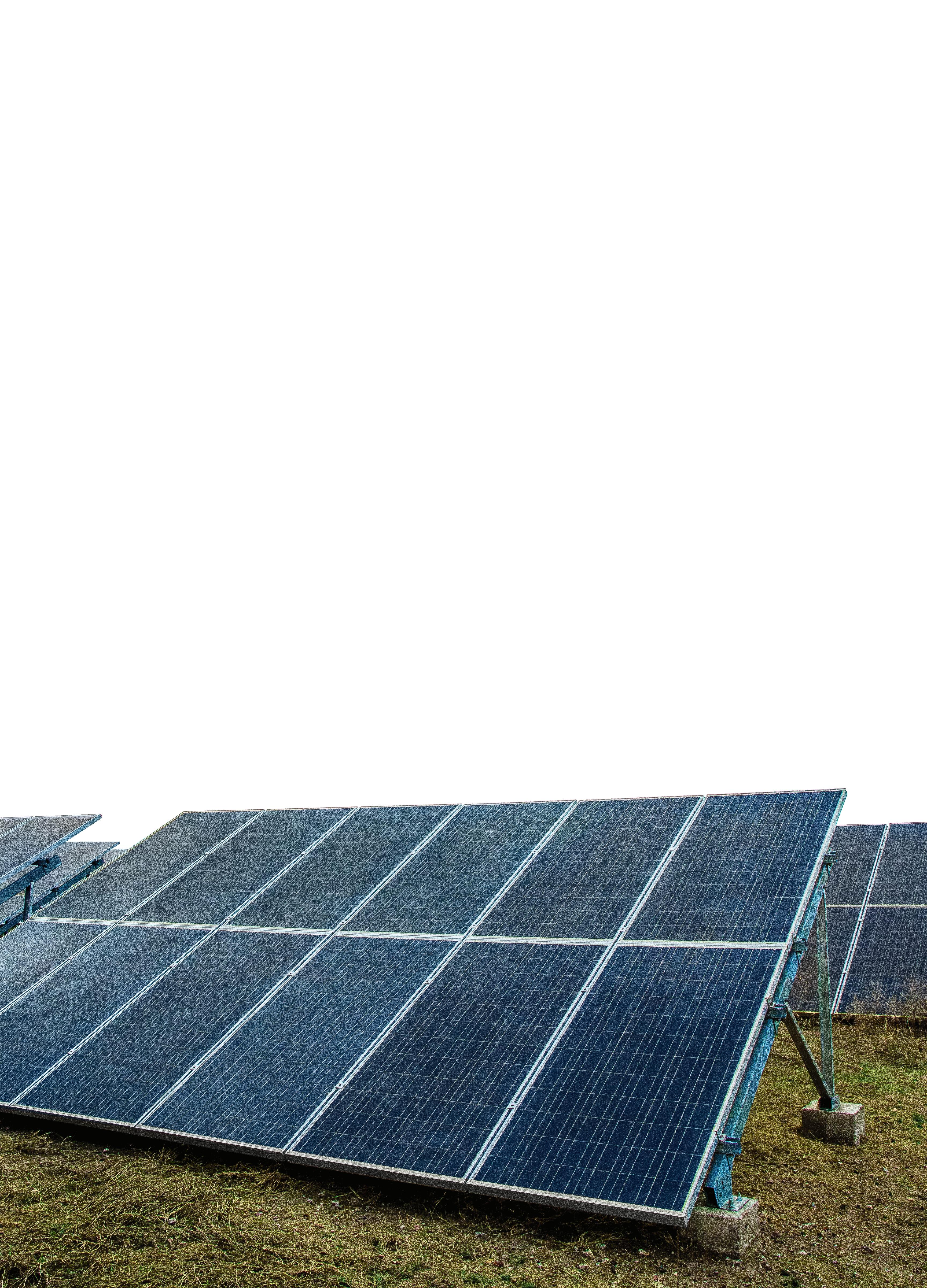
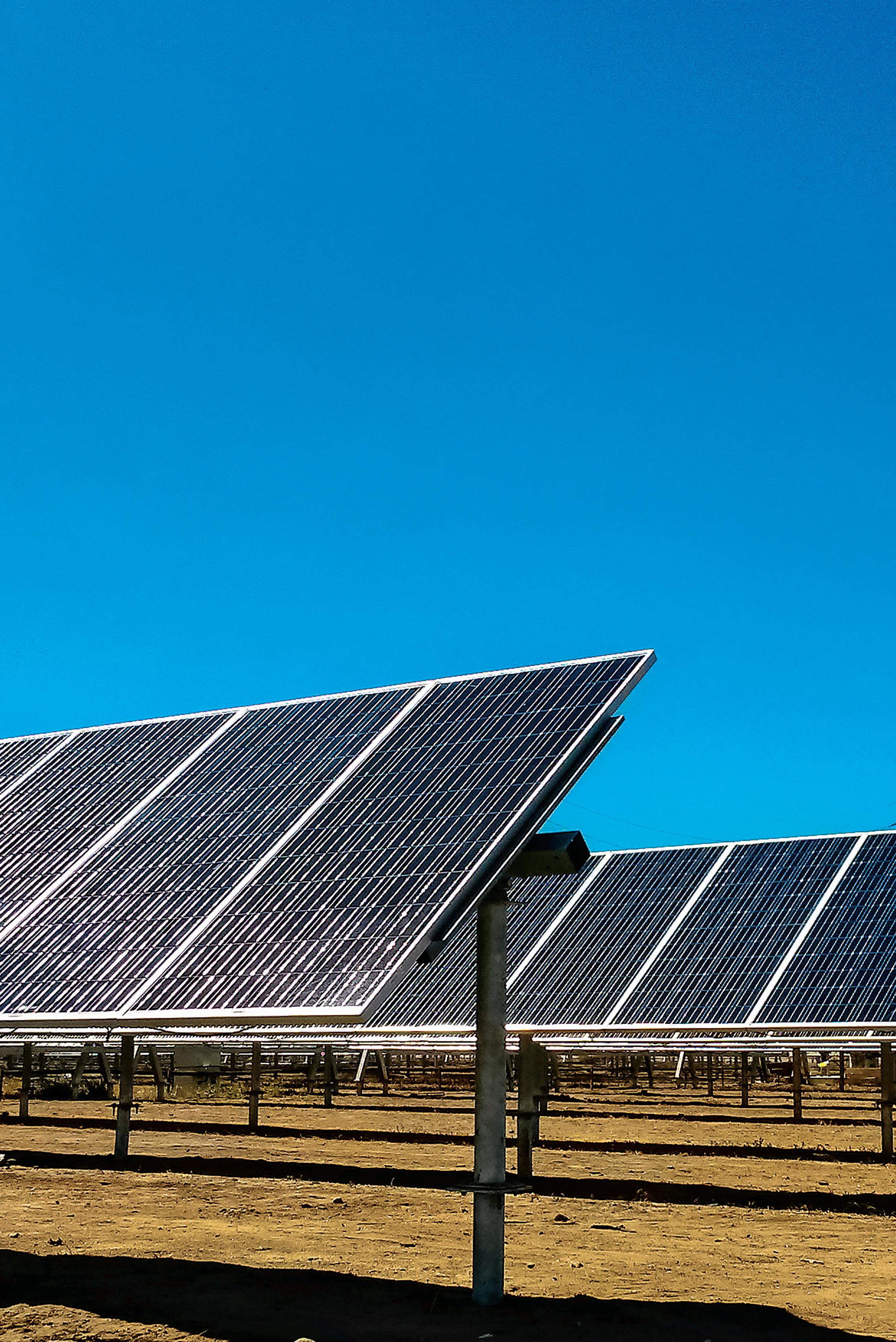
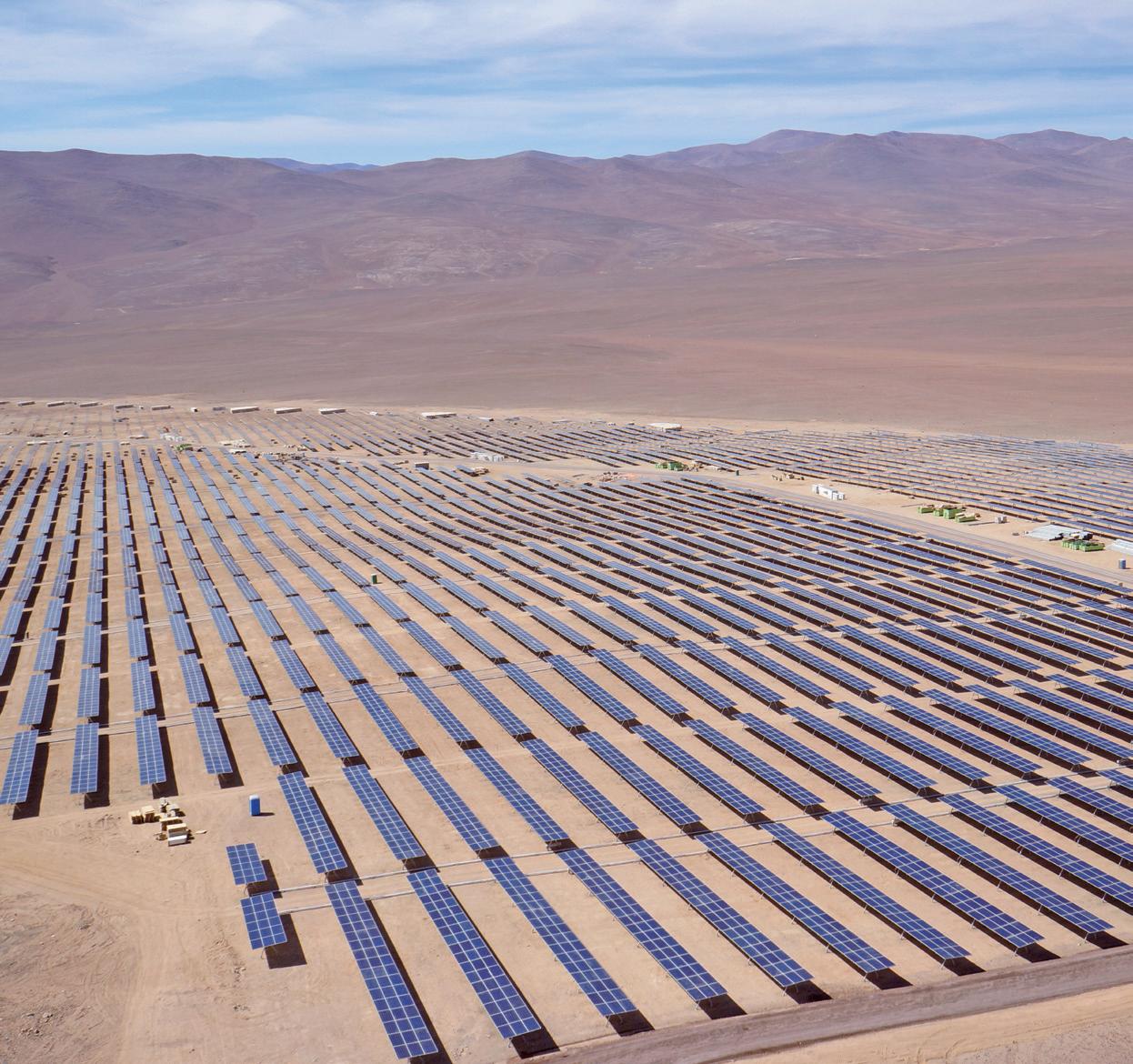
The first stage of EOSOL’s Tai Durango solar park was inaugurated in May 2014. This is the first utility-scale solar development to be interconnected to the National Electricity System, and its first stage consists of 70,000 panels spread out across 32 hectares. The project required investments of US$33.3 million to produce 16.8MW. The second phase of this solar park, known as Las Ánimas, began construction in May 2015. According to the development plans, the park will evolve to accommodate 216,000 panels resting on 100 hectares, reaching an installed capacity of 49.8MW. Once the expansion is completed, Tai Durango will become one of the largest solar parks in the Americas and Durango will become a leading state in renewable energy generation.
WIND
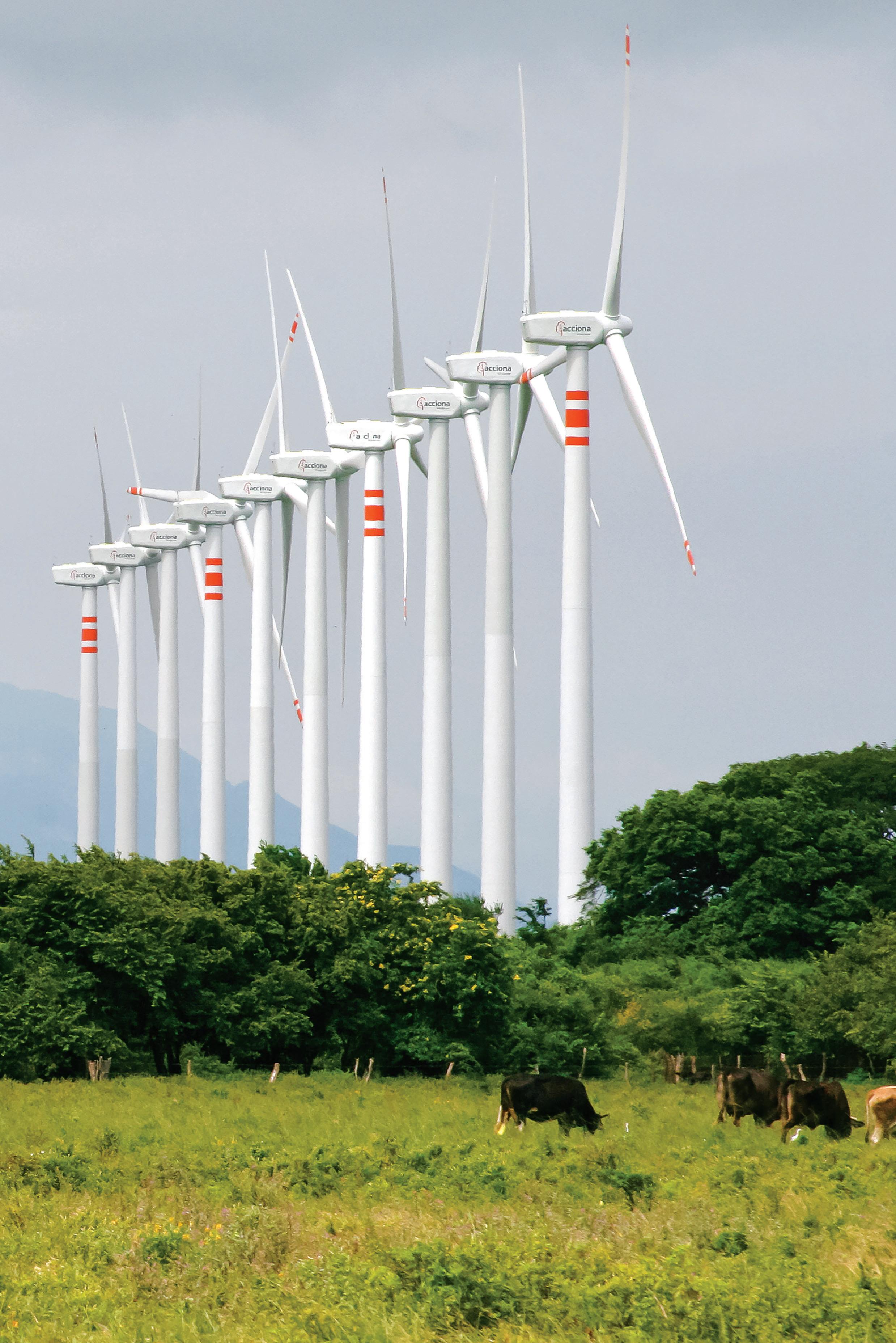
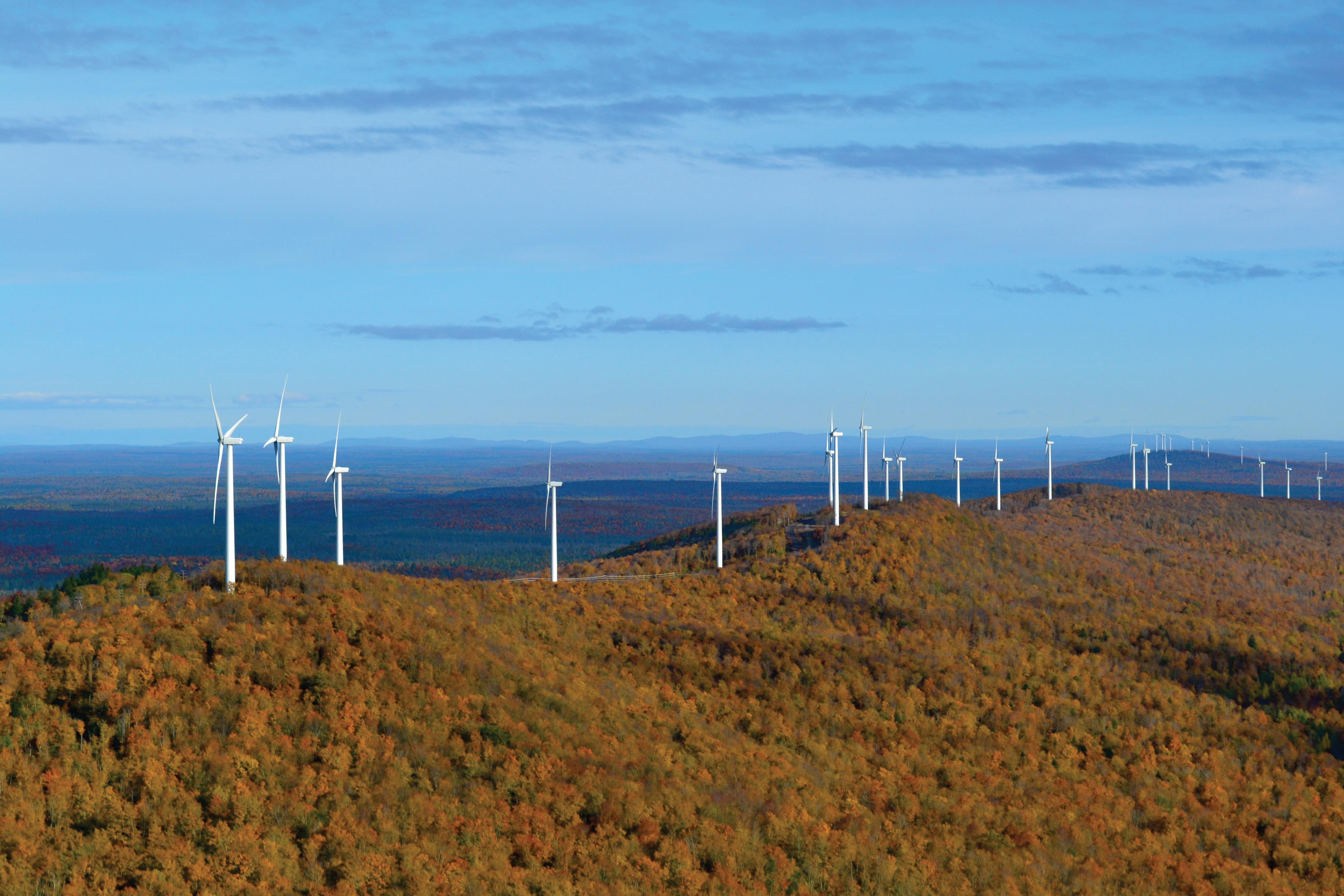
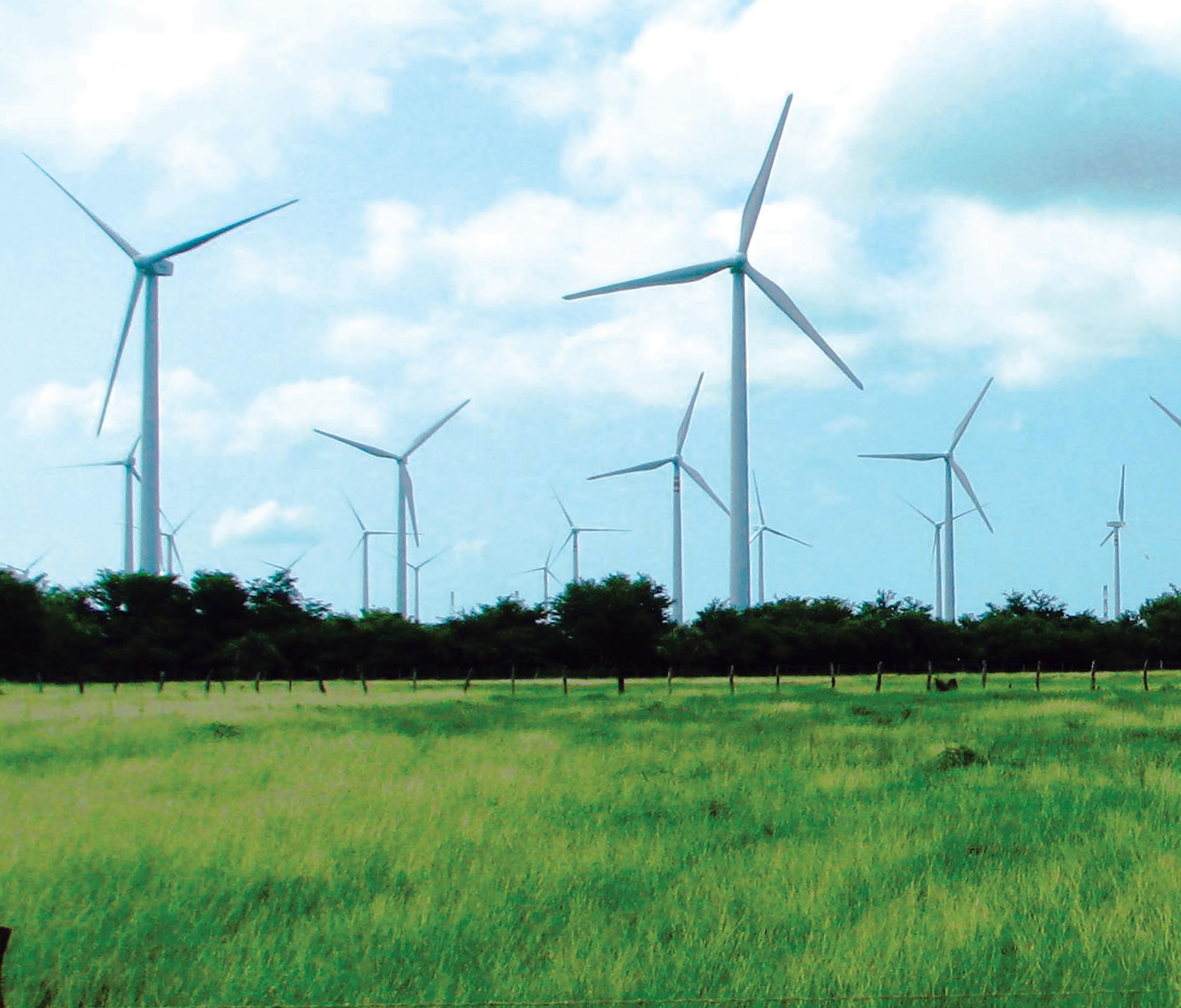
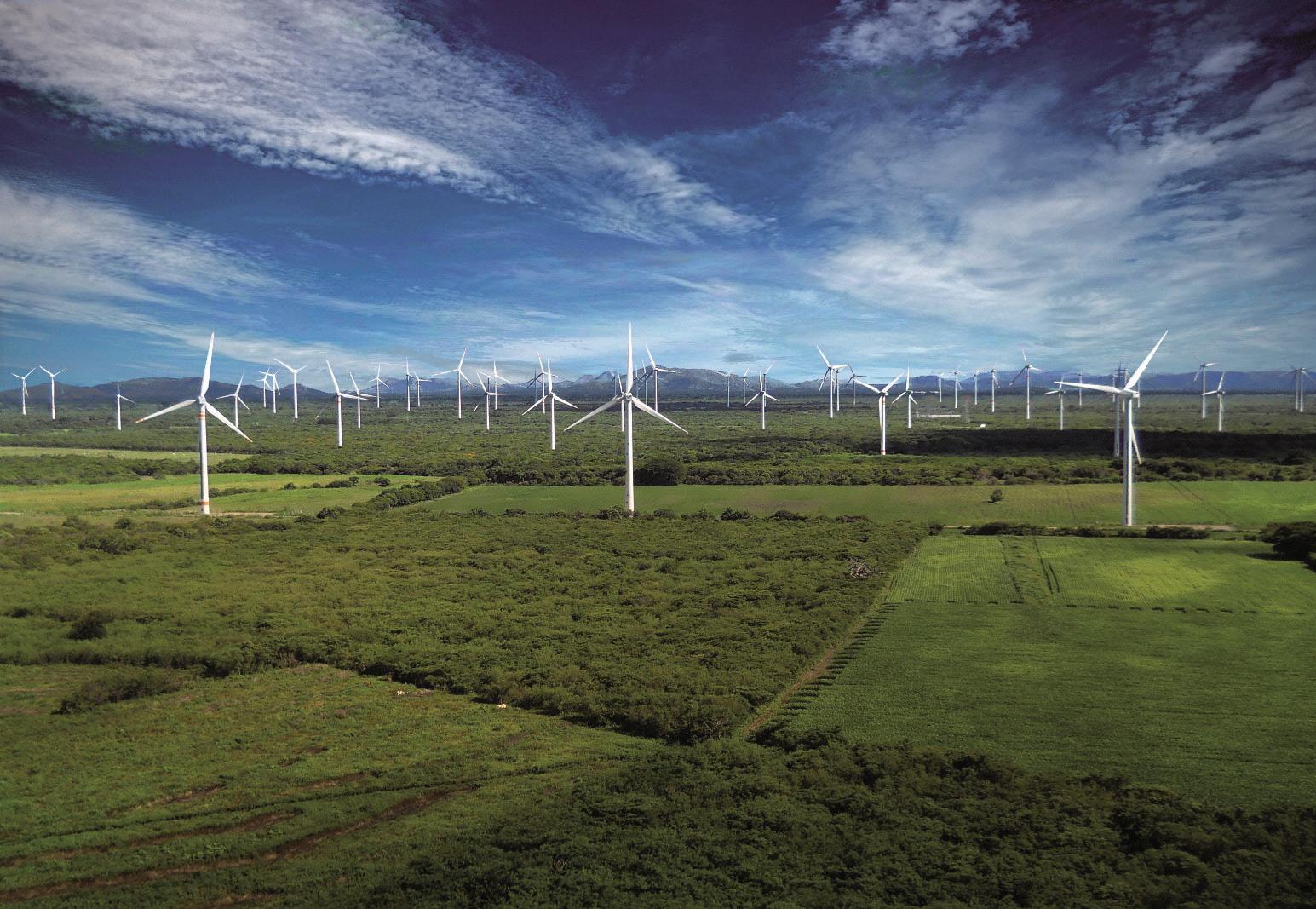
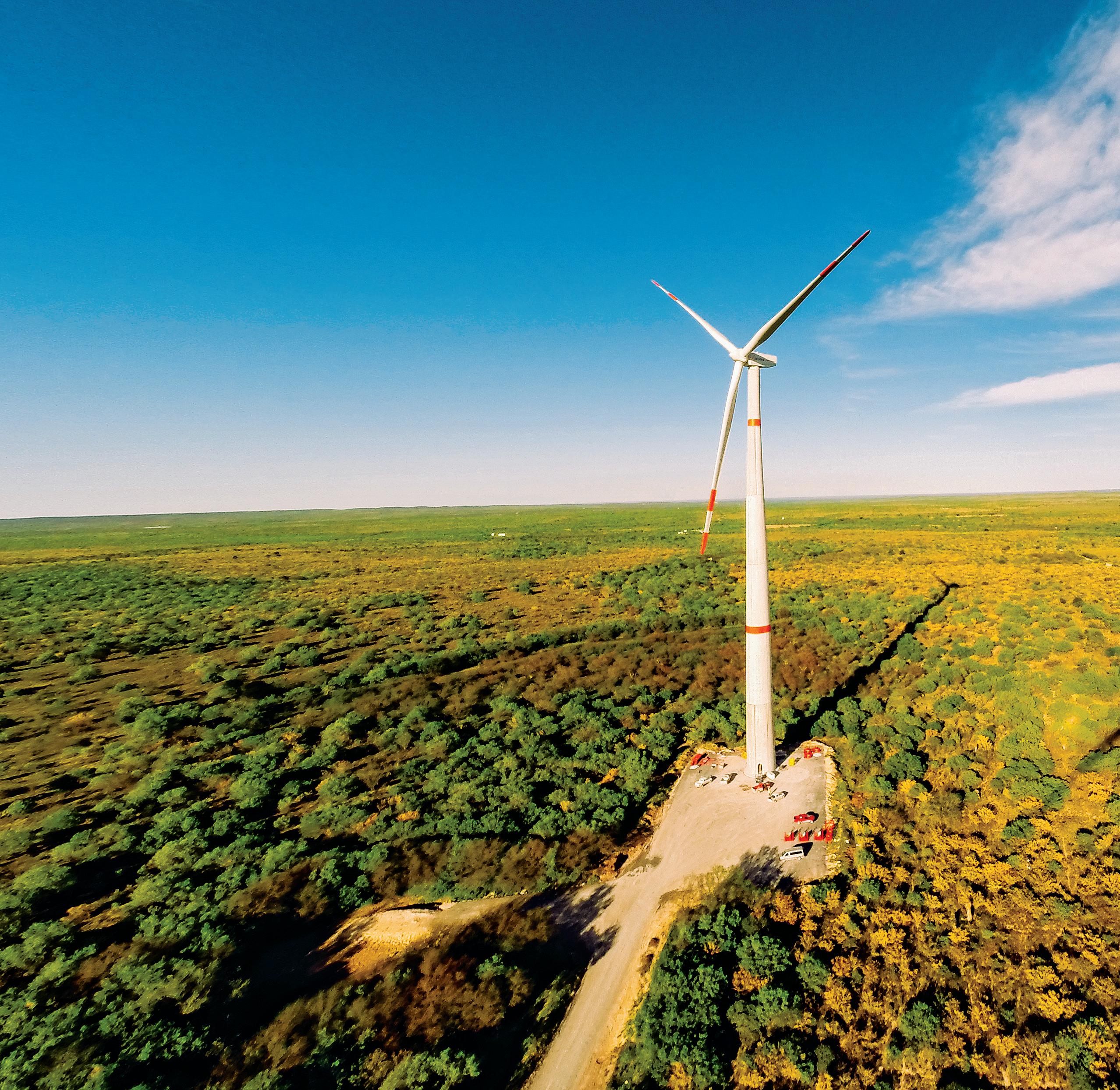
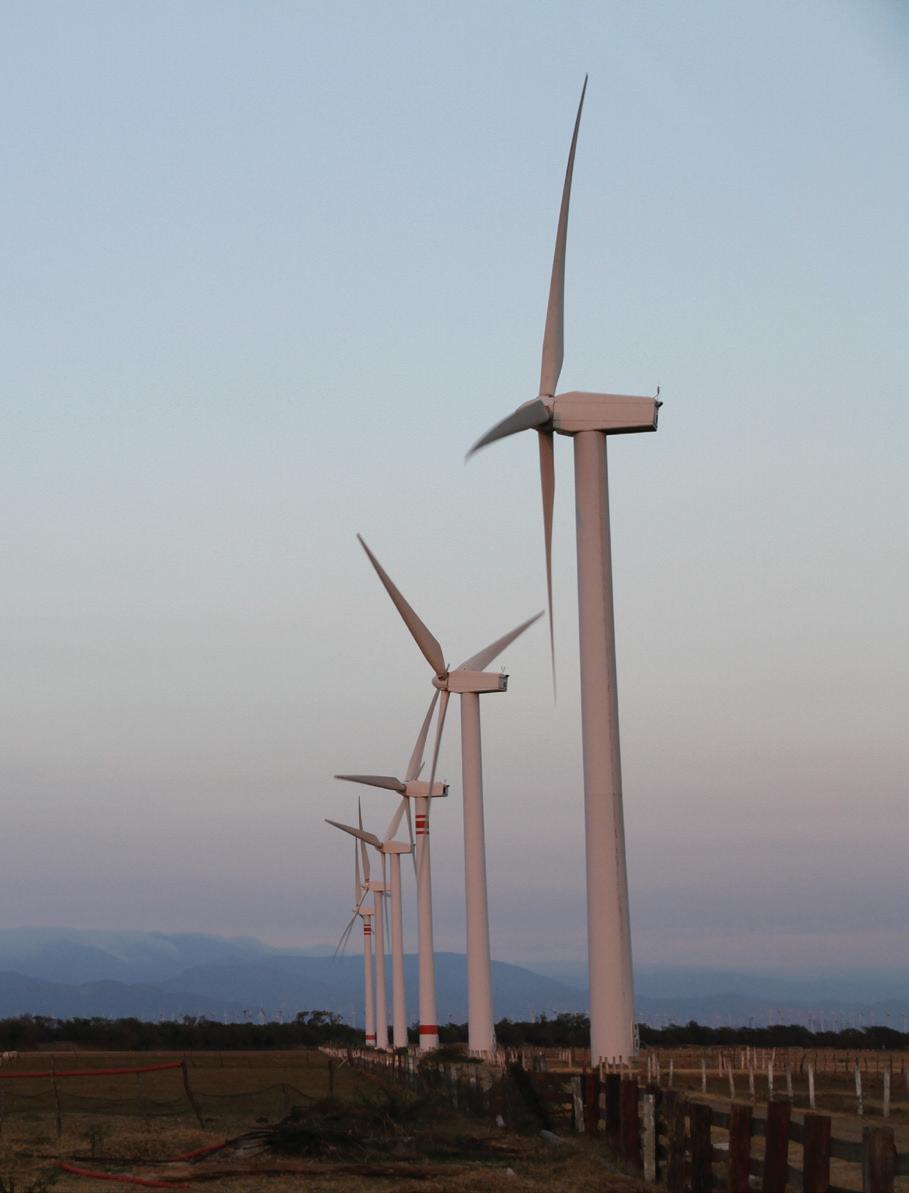
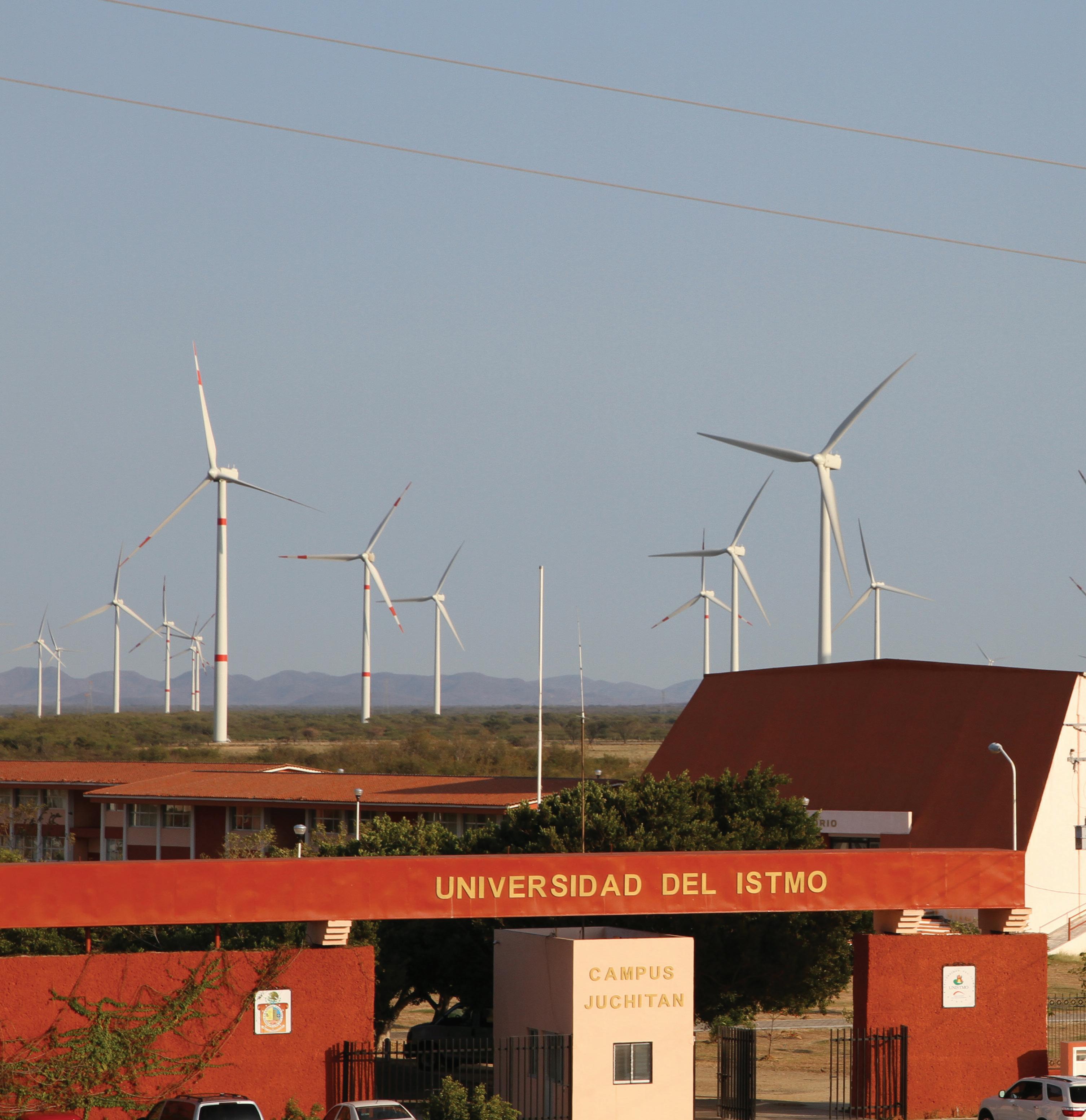
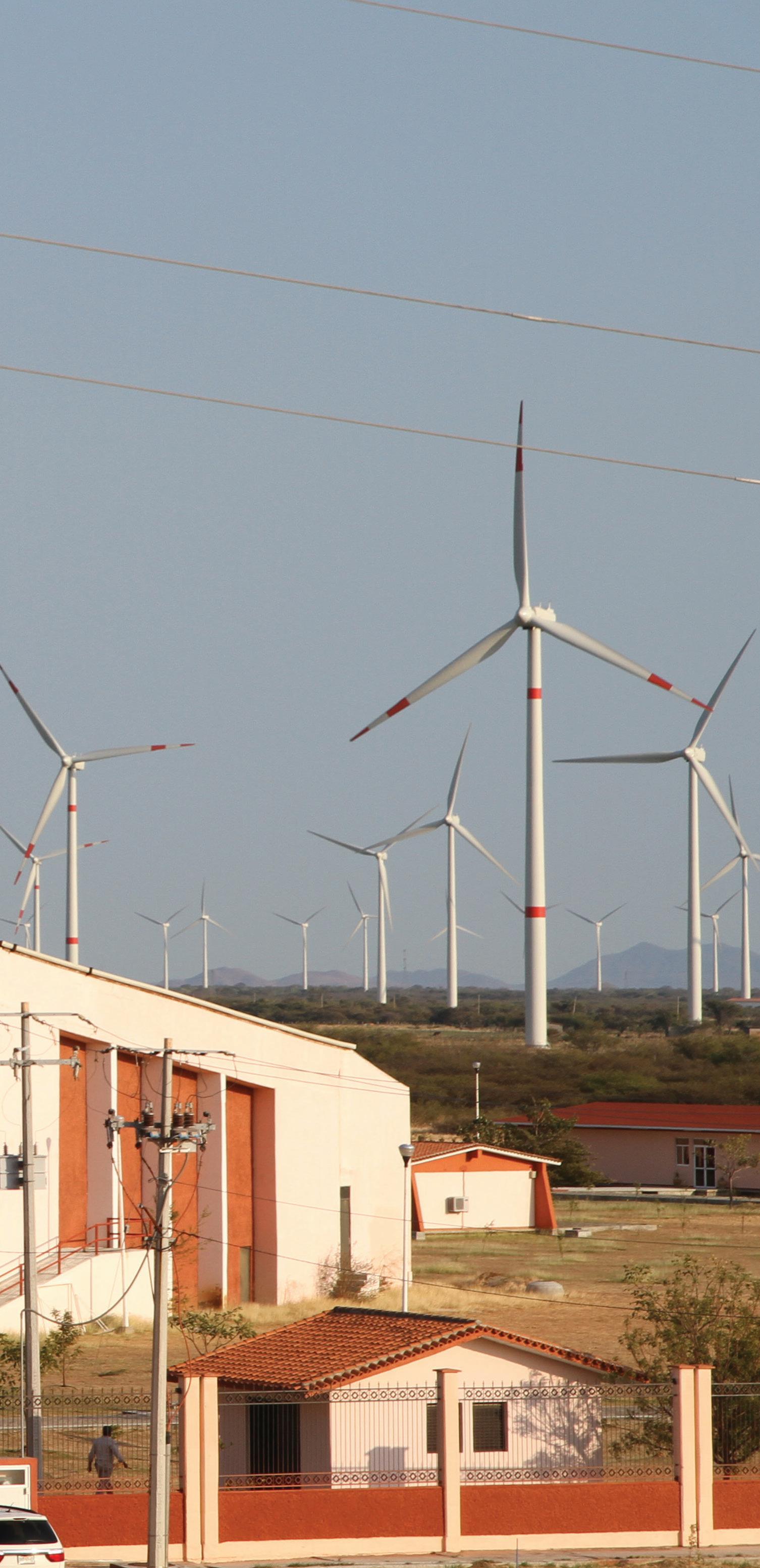
The Energía Eólica del Sur wind farm situated in the community of San Dionisimo del Mar in the Isthmus of Tehuantepec, Oaxaca is Latin America’s largest wind farm, with 132 wind turbines capable of generating 396MW. Requiring an investment of over US$933 million, the project adds to the capacity of the 21 existing wind farms in the region. The municipal wind farm is expected to lower local electricity tariffs by 35%. After ongoing protests from the local indigenous community were resolved, the project was finally authorized in July of this year.
| GLOSSARY
ASEA Energy and Environmental Security Agency
AMDEE Mexican Wind Energy Association
AMGN Mexican Natural Gas Association
ANES National Solar Energy Association
CEL Clean Energy Certificate
CENACE National Center of Energy Control
CENAGAS National Center of Natural Gas Control
CFE Federal Energy Commission
CNG Compressed Natural Gas
CONAVI National Housing Commission
CONACYT National Science and Technology Council
CONAGUA National Water Commission
CONUEE National Commission for Efficient Energy Use
COPAR Costs and Reference Parameters for the Formulation of Investment Projects in the Energy Sector
COPARMEX Mexican Employers’ Association
CRE Energy Regulatory Commission
EJIDO Area of communal land
ESCO Energy Savings Company
FIDE Trust for Electric Energy Savings
FTR Financial Transmission Rights
INDAABIN Institute of National Assets Administration and Valuation
INFONAVIT Institute of the National Housing Fund for Workers
IPP Independent Power Producer
ITESM Monterrey Higher Education Technological Institute
LAERFTE Law on the Use of Renewable Energies and the Financing of the Energy Transition
LASE Law for the Sustainable Use of Energy
LEED Leadership in Energy and Environmental Design
LNG Liquefied Natural Gas
NMX Mexican Voluntary Norm
NOM Mexican Official Norm
PPA Power Purchase Agreement
PPP Public-Private Partnership
PRODESEN Program for the Development of the Electricity Sector
PROFEPA Federal Attorney’s Office for Environmental Protection
SCADA Supervisory Control and Data Acquisition
SEDEMA Secretariat of the Environment for Mexico City
SEMARNAT Ministry of the Environment and Natural Resources
SIE Energy Information Center
| VIEW FROM THE TOP
NEW ENERGY POLICY TO BENEFIT ALL PLAYERS
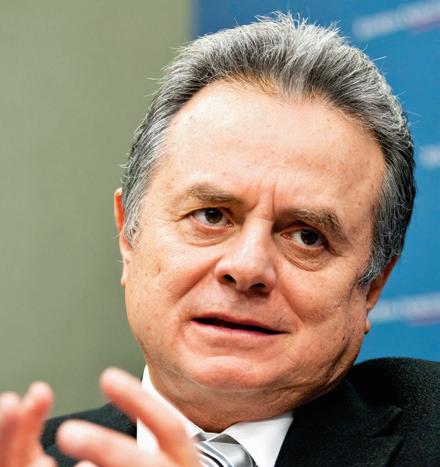
PEDRO JOAQUÍN COLDWELL Minister of Energy
Q: What are the main changes in the Ministry of Energy’s policy achievements since the Energy Reform, and which hurdles have to be overcome to make the Reform a success?
A: One of the most important contributions of the Energy Reform is the opening up of Mexico’s hydrocarbons and electricity sectors. A little over a year after its approval, it is generating structural changes that will lead to the increase of Mexico’s energy security and competitiveness. As a result, we can attract capital and state-of-the-art technology to make the most of our resources in a more efficient manner.
Another one of the government’s priorities is to guarantee the supply of natural gas, an input that the national industry uses in its productive processes to reduce production costs. Since the enactment of the Energy Reform, six gas pipelines have been concluded with seven more under construction, five have been awarded, four are under bidding, and eleven new projects are expected to be built in the next few years. With these new gas pipelines, natural gas will be supplied to the national power company, CFE, which is modernizing its generation plants to replace fuel oil and diesel.
Q: How has the creation of new agencies such as CENACE impacted the landscape of the energy sector?
A: As for power generation, the creation of CENACE is a landmark achievement. It will operate the wholesale electricity market from the start of 2016, and both public and private companies will participate under equal conditions. The Energy Reform provides opportunities for new public and private investments and brings Mexico up to date on international bidding practices and methods. For the first time in the history of Mexico, public tenders will be open to national and international companies. The Energy Reform established norms, institutions, weights and counterweights which guarantee the commitment of the State to competitiveness and transparency.
Q: How will the Ministry of Energy ensure the availability of skilled labor, given the number of jobs expected to be created over the next four years?
A: With the opening up of the hydrocarbons and electricity sectors, qualified professional and technicians possessing
the relevant knowledge and skills to face Mexico’s future challenges in energy matters will be required. In 2014, the Strategic Program for the Development of Human Resources in the Energy Sector was published. This program implemented mechanisms to best promote talent development, to identify training needs, and to enable inter-institutional coordination. This will all contribute to the development of a more competitive and dynamic energy sector. For this, more than 60,000 scholarships will be granted to technical, high school, and postgraduate students, existing educational programs will be adapted, and the development of scientific research, innovation, and technological modernization in Mexico will be promoted.
Q: How is the Mexican government seeking to enhance the overall competitiveness of oil and gas SMEs so they may benefit from the Energy Reform?
A: The opening of the energy sector to private investment will create new opportunities for the Mexican industry. The Reform promotes the development of suppliers and the strengthening of local production chains through the establishment of minimum national content percentages, which will increase from 25% in 2015 to 35% in 2025. These percentages will demand compliance from any contractors operating hydrocarbon-related projects in Mexico. Likewise, the state will give preference to national companies offering similar prices, quality, and timely delivery conditions. The development of suppliers will also be promoted by financing training programs, research, and the obtaining of certifications through the Public Trust to Promote the Development of National Suppliers and Contractors, which will be operated by the Ministry of Economy in coordination with NAFINSA.
This Trust has an initial budget of MX$200 million (US$13.3 million) for 2015, rising to MX$300 million (US$20 million) for 2016. Through this Trust, the direct participation of companies engaged in activities related to the energy sector will be promoted. Partnerships between Mexican and foreign companies will be encouraged, and we will seek an increase in the transfer of technology and of private investment between local and foreign companies.
SECURITY AND ECONOMY PUSHED THE ENERGY REFORM
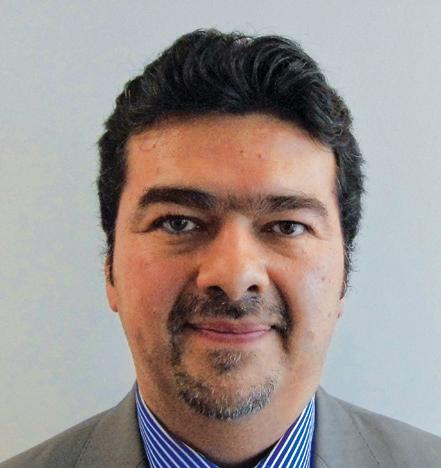
LEONARDO BELTRÁN
Undersecretary of Planning and Energy Transition at the Ministry of Energy
Q: What pushed the government to undertake an energy reform, and what would have happened if this reform had not been passed?
A: We carried out some diagnostics at the beginning of this administration, and we decided to include all the stakeholders in this endeavor in order to reach a consensus regarding the energy sector. Firstly, we saw that the production of oil had reached a peak in Cantarell in the year 2003-2004. When examining the graph of public investment and production of oil and gas, we noticed that the investment curve goes up, with a subsequent downward trend in production. This gives us the impression that public investments are not enough, and in order to develop other resources for a diversified energy sector, we needed private investment. As a result, we had to generate optimal conditions to attract private investors for the development of the energy sector.
If there had been no energy reform, we would have found ourselves in the position of having to import gasoline, petrochemicals, and even crude oil. Eventually, the costs of energy would have increased and the logistics of importing and the infrastructure for importing capacity would have raised costs even more. Manufacturing hubs would have had to be relocated to other markets to capitalize on better conditions, and Mexico would have become a net importer of energy even though the country has plenty of resources.
Q: Why did the government decide to open the energy sector to private investment?
A: We agreed as a nation that the energy sector should be a lever for economic evolution. The goals were designed to democratize productivity and promote growth, which is exactly what is reflected in the National Development Plan and the sectorial programs that were generated by this plan. Given the chosen trajectory, the public sector was not going to be the only responsible party; this required a larger effort with the entire market contributing to the risk management aspects of the initiative. The Reform creates the conditions to match and align incentives, and create opportunities in other markets that were absent when the public sector was the only driver of growth in the energy sector. In terms of production, we have the timeline published already. In the
oil and gas sector we are looking for the opportunities and the portfolio for harvesting the resources and generating growth. We have also set up the conditions for new participants in the electricity sector to come in and develop both conventional and unconventional renewable resources. This will create markets and foster regional growth, as investors will come to different states where the resources are located. We are basically generating the conditions to make Mexico an attractive investment destination and create employment opportunities.
Q: How will the Ministry of Energy ensure that the transition to renewables goes as smoothly as the shift to natural gas?
A: The sectors in the energy industry are at varying stages. The oil and gas sector is well-established, yet the renewable energy industry is generally in its infancy on a global scale. In Mexico we have both renewable energy sources and natural gas. It is not a matter of one source or the other; it is about creating a harmony of natural gas and renewables in order to meet the energy needs of the Mexican population. The Reform aims to ensure that the portfolio is completely diversified, so we should not neglect the country’s natural resources.
Q: In what way has the creation of clean energy certificates promoted the entry of new players into the Mexican energy market?
A: We have created a market with equal and fair conditions for all actors. Given the state of development of the traditional energy industry and the renewables industry, we have created CELs, the point of which is to level the playing field for new actors entering the market. Egalitarian conditions and a market with CELs makes Mexico a highly attractive renewable energy industry in which to invest. Since the externalities of using certain fuels will be taken into account, there will be a punitive fee for using traditional fuels, which will further foster equitable conditions for investors and developers. Players are obliged to present their certificates every three years. This gives companies the chance to measure the number of certificates they need, creating the incentives to make sure that the rules will not change and that the playing field is truly fair and even.
| VIEW FROM THE TOP
ELECTRICITY MARKET PUSHES MEXICO TO CLEANER ENERGY SOURCES
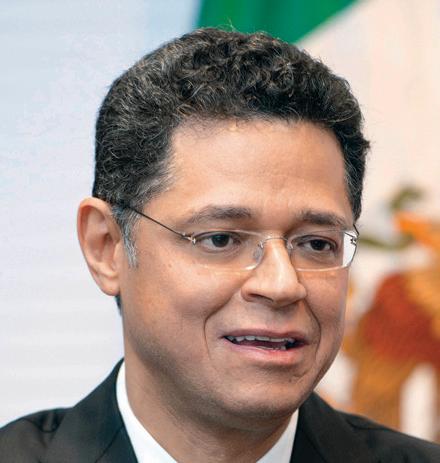
CÉSAR HERNÁNDEZ OCHOA
Undersecretary of Electricity at the Ministry of Energy
Q: What progress has been made in the past two years in transitioning from fuel oil to cleaner sources?
A: Over the past two years, both electricity generation from natural gas and renewables have grown by 10% compared with the previous two years, gradually displacing fuel oil. It is a tendency that will continue, and this year we carried out the first exercise in indicative planning for generation. As stated by law, each year we have to indicate the obligatory percentage of CELs that will come into effect in 2018. We set this percentage with the goal of fulfilling the country’s objectives, such as 35% of non-fossil fuel generation by 2024. The sector’s plan includes a goal of 25% for 2018. The expectation for the upcoming years, which is shown in the planning exercise, is to reach the 25% objective in 2018 with the projects that are already under construction or are being reviewed. Currently, we are on track to meet our objective for 2024.
Q: What measures are being taken to expand the role of natural gas in the energy matrix without affecting the participation of renewables?
A: In the indicative planning for generation exercise, it was shown that the most efficient model for a medium-term plan of 15 years consisted of increased use of natural gas and clean energies, mainly renewables. Therefore, rather than competing with each other, both are growing at the expense of the inefficiency of fuel oil generation. Wind energy is expected to evolve the most, with geothermal and solar following closely behind, as well as natural gas combined cycle plants. The policies directed at natural gas include the development of new interconnected pipelines, which has been promoted by CFE and PEMEX. The carbon tax included in the latest Fiscal Reform does not impact natural gas generation, as methane is exempted from this tax. In the case of renewables, there are also fiscal incentives, such as the immediate deductibility of investments in these types of technology. Thus, natural gas does not have the burden of the carbon tax and investments in renewables come with a fiscal incentive. Both are cheap energy sources that will be incorporated at the expense of more expensive, inefficient technologies.
Q: What is the Ministry of Energy doing to guarantee clarity and certainty in the wholesale electricity market?
A: The rules of a wholesale electricity market are naturally complex, but no more so than the rules of a banking system or the stock exchange. Mexico is an emerging economy that has enough capacity in all of its economic sectors to deal with the complexity that is necessary to develop sophisticated products. With this in mind, the launch of a system implies learning the new rules, which is why we are holding seminars and conducting consultation sessions and intense communication with the industry. Evidently, we cannot condense the regulations of complex products to three paragraphs, and at the moment we are working on improving the clarity and the wording of the regulations we are issuing. As the rules develop and players become more comfortable with the new arena, it will become easier to become acquainted with the new regulations. Companies have a regulatory department that knows how each of the elements work, and for users, the complexity of the system does not affect their daily operations.
Q: What are the expected challenges and results of the initial stage of the wholesale electricity market?
A: I think the wholesale market will be a key tool in ensuring a reduction of tariffs, which is the dominant objective in the restructuring of the electricity sector, and this will be achieved through a competition scheme. The wholesale market will generate this competition in all the products related to electricity and in the electricity itself, because this has to be dispatched through marginal costs. This will take place in the nodes and the congestion, which will incentivize players to generate energy where it can be evacuated, as well as in the capacity, since we will have a market that rewards availability in demand peaks, and finally in the incorporation of clean energies through an instrument in which each clean energy generator will compete to become the most efficient. In each of the markets -capacity, electricity, clean energy, and transmission- there will be competition and instruments that reflect international best practices. This is a product and an institutional development that will guarantee that there is a constant pressure on the efficiency of the electric system in economic terms, which should ultimately translate into better tariffs for all users. In my view, this will be the biggest legacy this reform will leave.
MAJOR INVESTORS STRENGTHEN ELECTRICITY MARKET
In 1992, the Law of Electric Energy of the Public Service was created to allow private companies to generate electricity. In 1996, the Law was enacted under three different schemes, one of which was IPP, the driving force for the creation of AME the following year.
Applicants bidding for IPP contracts were required to be experienced utility companies or large investors, and these large players shared common interests that consolidated the creation of AME. In principle, the association was founded in order to strengthen private companies in a market dominated by CFE and PEMEX.
AME was consolidated when the first combined cycle plant from the private sector began commercial operations. Currently, AME has close to 30 members, who have collectively made investments of close to US$28 billion, mostly in power generation through the IPP, self-supply, and small producer schemes. In 2008, the organization entered the renewable energy market through LAERFTE, and its members began investing in renewables under the self-supply scheme. Today, members of AME are responsible for 34% of the energy generated in the country, with 1,000MW of wind power from private investments and roughly 17,000MW from combined cycle plants. Some current affiliates of the scheme include Iberdrola, Acciona, Gas Natural, Mitsui, Mitsubishi, Alstom, TransCanada, Ienova-Sempra, Enel, and Enagás, as well as other associations such as ANES and AMDEE.
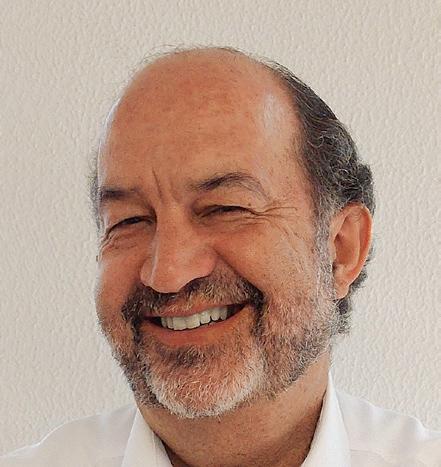
In the wake of the energy reform, Jaime de la Rosa, President of AME, shares that the alliance of private investors has made concerted efforts to meet the government’s objectives for the electricity, oil, and gas sectors. In order to facilitate investment opportunities and provide better services in these industries, AME participated in several meetings with the authorities, mainly with the Ministry of Energy, as well as CRE and the Ministry of Finance. “Our role is to continue incentivizing private investment in Mexico and make sure that we have the mechanisms to continue investing as we have done in the past,” says de la Rosa.
Initially, members of AME were not pleased with the first draft of the Energy Reform, since qualified users were limited to participation in projects over 5MW. “This meant that the private sector would only have 166 possible customers,” de la
Rosa laments. “After AME lobbied with the authorities in order to produce a more balanced law, participation is allowed with 1-3MW per customer.” Overall, the organization’s aim was to guarantee that the market in which it operates is transparent and that CFE, as the dominant player, abides by the rules. During government dialogue regarding the structure of the Reform, AME representatives negotiated the secondary laws so that these were appropriate for private investors, in an effort to ensure that CFE competes in the market under the same terms as the private sector.
Additionally, AME suggested the creation of a market for renewables, since it is more difficult for these resources to compete. De la Rosa explains, “This is why the rules of the market are important, because if a plant is going to dispatch energy below production costs, it will lose money. If we can compete fairly, then the country and the final users will benefit.” According to de la Rosa, the previous legislation was clear and straightforward, enabling the association’s affiliates to finance projects. Banks, financial institutions, and investors collaborated well, he recalls. Today, the situation is slightly challenging for AME because of the uncertainty surrounding the market rules, like the uncertainty regarding the management and bankability of clean energy certificates. According to de la Rosa, “The market transition is significant, and we need to be able to anticipate how it is going to evolve and what the drivers will be.”
So far, the alliance’s most rewarding experience has been with combined cycle plants under the IPP scheme, and de la Rosa attests to their efficiency. “We, the private investors, were able to establish a competitive tariff that is divided into two areas, one for capacity and another for energy consumption, which leads to a mutually beneficial situation for the investors and for CFE,” he explains. The benefit for the private investors is that they have a 25year contract with a fixed tariff and natural gas charged as pass-through, resulting in moderate yet attractive returns. Likewise, CFE is released from the burden of providing the capital to build a plant, so the utility can spend money on infrastructure developments like transmission and distribution lines to provide electricity to remote locations.
In this way, private institutions incorporated into AME have a successful history of working in conjunction with public organizations such as CFE. Provided that the implications of the Energy Reforms result in favorable conditions for both parties, and that further guidance is provided on the implementation of these reforms, de la Rosa sees no reason why both sectors cannot continue to work together productively.
Jaime de la Rosa, President of AME
| VIEW FROM THE TOP
PRIORITIES AND DUTIES OF THE WHOLESALE MARKET’S NEW OPERATOR
EDUARDO MERAZ ATECA
Director General of CENACE
Q: Which are the new roles of CENACE, and how will these affect the regulator’s relationship with the Ministry of Energy, CRE, and CFE?
A: CENACE’s main priority is to ensure the proper functioning of the National Electricity System. Secondly, we have to guarantee the quality of the electricity supply; that is, we have to avoid variations in voltage and electrical frequency. Finally, we have to ensure that the grid has enough capacity so that all the generators can deliver their electricity at competitive prices.
We have a good relationship with CFE at the moment, from which we have received valuable support. It is worth noting that CFE has understood CENACE’s new role. For CENACE, the operative control of the system entails giving out safe and well-planned instructions, such as the opening and closing of transmission lines, which will be followed by CFE’s operative personnel. Not a single component in the system should be operated without CENACE’s instructions. CRE, as the regulator, is in charge of making the rules and approving changes to these. CENACE, on its part, will be in charge of overseeing compliance with those rules under equal conditions for all the participants in the market and will play the role of an arbitrator. All these entities are preparing the materials needed so that CENACE can efficiently do its part.
Q: What have been the advancements in the transfer of resources from CFE to CENACE?
A: The transfer of these resources has been successful and is now at advanced stages. Since the secondary laws were published back in August 2014, the Ministry of Energy, the coordinator of the Energy Reform, and CFE have supported CENACE in its endeavor to become the operator of Mexico’s wholesale electricity market. The transfer has consisted of 12 control centers, including buildings, equipment, and systems that CFE originally used to operate the former National Center of Energy Control Subdirectorate. The personnel that worked in this area were kept, enabling the continuous operation of the National Electricity System. At the moment, we are working on administrative processes so that these people can officially become part of CENACE.
Q: How will transmission change once the wholesale market takes off?
A: Transmission modalities as we know them will change in the electricity market. There will no longer be a price and reserved transmission rights for wheeling, since all players will have equal access to the grid. This means all players will compete for the right to use the transmission lines, with priority given to the most affordable forms electricity. Since energy will be dispatched according to the variable cost of generation, renewables will be the first to access transmission lines. Renewables use natural resources like the wind or solar irradiation that have low variable costs, and cost-based dispatch will prioritize energy generation methods that do not have to pay for fossil fuels. The challenge will be to provide enough transmission infrastructure so that generators do not have to fight over the grid in order to reach consumption points. Congestion will be minimized through proper plans to expand the grid. If there is enough transmission infrastructure for everyone, then we can avoid regional market powers.
Q: How is CENACE prepared to launch the wholesale market?
A: Back in the year 2000, there was a possibility for a reform of the electricity sector. The people heading CFE back then thought it was necessary to carry out several tests and exercises on a virtual market, so CFE, CENACE, and the Institute of Electricity Research (IIE) started developing the model and the required software tools. CENACE started running this virtual market, and the model began evolving from a single-node market to a multi-nodal one. Using dispatch rules, marginal costs were determined in 1,500 nodes in this virtual market.
When the 2013 Energy Reform was approved, CENACE was advanced in this regard, particularly because its virtual market was similar to the spot market the Ministry of Energy has planned for Mexico. Putting a market in place in one year is a difficult task, but if we use this platform as a point of departure, making the necessary adjustments and modifications needed to adapt to Ministry’s plans, it will be possible to have a functioning market in a short time.
THE TOP
NATURAL GAS SYSTEM OPERATOR IS ENTRUSTED WITH ENERGY SECURITY
DAVID MADERO SUÁREZ
Director General of CENAGAS
Q: What is CENAGAS’ main role, and how will it relate with other entities?
A: Mexico is shifting from liquid fuels to natural gas for electricity generation, making gas security a crucial element in the energy industry. With this in mind, CENAGAS has been entrusted with guaranteeing a safe, efficient, and reliable natural gas supply. The creation of this entity, as well as its efficient operation, is important in order to ensure that the electricity sector will have the cheapest and most eco-friendly feedstock.
CENAGAS was created with the objective of serving as the technical system operator for natural gas. Therefore, it has to carry out several functions, including the planning of the expansion of the natural gas pipeline network, carrying out tenders for strategic projects, and coordinating the system’s operations through automation and remote control systems. CENAGAS will also inherit 9,000km of pipelines from PEMEX, and it has the task of operating them in an efficient, safe, and reliable manner. In this sense, CRE will regulate the center’s four core activities, so we will maintain a close and intense relationship with this authority. We will become the Commission’s main regulated organism for natural gas.
As for other entities, CENAGAS will provide much-needed gas transportation services to CFE. We will work on the sectorial coordination so that we can react immediately and in the most efficient way in cases where there are problems in the national supply or any other operational problem with the pipelines or compression stations. PEMEX will use CENAGAS’ services when commercializing gas, which it will produce or import, in order to satisfy the national market. In addition, CENAGAS has become a member of the AMGN, so we now have an important interaction with the other natural gas shippers as a technical system operator and as a shipping player.
Q: Why is it important to have a technical system operator for the gas sector during an energy transition?
A: A common entity in Europe, the technical system operator aims at creating an efficient system and ensuring available supply, which entails having redundancy in the
system and sufficient storage capacity. Today, we are facing an aggressive growth in demand resulting from the energy transition. The system operator will manage this growth in the most appropriate way so that the gas is made cheaper, safer, and more readily available in Mexico.
Q: How will CENAGAS make tenders attractive enough to lure players into the sector?
A: The fact that CENAGAS has to participate in preparing the tenders is a great opportunity for clarity in terms of conflict of interests, ultimately making the bids more attractive. We are thinking about implementing models that are similar to the ones CNH is using for the exploration and production rounds, such as establishing prequalifying criteria for companies and fostering close dialogue in order to establish the exact technical and financial conditions in the contracts. We will do this to attract companies and make the process more competitive. CENAGAS is also committed to finding the best international practices in tendering processes and bringing them to Mexico to create more trustworthiness among interested players, who will be able to participate in an environment of enhanced transparency.
Q: What are CENAGAS’ priorities for the short term, and what expectations does this entity have for its role as a technical system operator?
A: Our objective as a technical system operator is clear, and our first task is to coordinate our activities with the government and the private sector so that CENAGAS can react in a timely fashion, because the daily operations of the natural gas segment are filled with unexpected situations. We will then seek models to ensure the most affordable supply for energy generation and to cover the remaining industrial and residential demand, while reducing costs for compression and fuels as much as possible. This means evaluating all the combinations to ascertain the most efficient way to supply. We expect to conclude these projects by the end of the current administration. We might not achieve 100% coverage, but there will be significant advancements nonetheless, especially since the system will have the robustness and redundancies necessary to be more flexible, operative, and capable of fulfilling demand at all times.
| VIEW FROM THE TOP REFORM GIVES CLEAN ENERGIES AN ADVANTAGE
JESÚS SERRANO Commissioner at CRE
Q: How competitive are renewables against fuel oil when considering current oil prices, externalities, and constant changes in the costs of technology?
A: There are many technologies for estimating the generation costs of clean technologies, and a common factor is that costs continue to decrease. For example, the registered costs for photovoltaic technology in 2013 were 75% lower than those observed in 2007. According to CRE’s annual document called Costs and Reference Parameters for the Drafting of Investment Projects in the Energy Sector 2014 (COPAR 2014), the average cost of solar photovoltaic technology is US$150.59 per megawatt-hour, while that of conventional thermoelectric technology costs US$160.2 per megawatthour. On the other hand, clean energy generation offers certainty regarding generation costs. While fossil fuel-based technology are exposed to volatile oil and natural gas prices, clean energies only have to worry about operations and maintenance. According to COPAR 2014, fuel can represent up to three-quarters of the generation costs for conventional, gas, and diesel-powered thermoelectric plants. Even in the case of combined cycle plants, fuels can represent 60% of the associated costs. In addition, CELs provide clean energy technologies with the necessary resources to make them more competitive. The market will determine the price of CELs, which will cover the difference between the costs of clean generation and fossil fuel generation, without resulting in excessive revenues for clean energy generators. It is expected that clean sources will become more competitive in the medium term, reducing the price of CELs and, in turn, lowering the cost of achieving the clean energy generation objectives implemented by LAERFTE.
Q: Could you describe the process of selecting and prioritizing technologies in accordance with factors such as cost, capacity, and efficiency?
A: Given that generation planning will be indicative, technology will be chosen according to the generation source. It is also important to know whether the technology will be implemented for base, intermediate, or peak demands in the power system, as well as measuring the speed at which a technology can be implemented and its availability. It is important to highlight the fact that the policy surrounding energy is technologically neutral, meaning that
companies are free to choose whichever technology they deem more viable for their operations. In this sense, it is important to take note that while the planning of power generation of PRODESEN is indicative, the planning of the mechanisms for the clean energy certificates ensures that the goals for clean energy will be met.
Q: What steps are being taken by both CFE and the private sector to take advantage of cogeneration and combined cycle plants and reduce CO2 emissions?
A: Due to the technology used and the nature of its main fuel, natural gas, combined cycle plants provide several advantages over all other fossil fuel-based generation methods. In 2014, the generation of electricity with combined cycle plants, which amounted to 149,688GWh and 49.7% of the total generation, prevented the release of 44.6 million tonnes of CO2 from using fuel oil in conventional thermal power plants. This translates to savings of MX$3,152 million (US$210 million) in externalities. The leveled cost of a combined cycle plant is 38.5% lower than that of a conventional fuel oil-powered thermal plant and 27% lower than a coal-powered plant. This is because combined cycle plants have efficiency levels of 50%, which are 12 and 10 percentage points above conventional thermal power stations and coal power plants respectively. This, added to net capacity factors above 80%, results in efficient operations and considerable savings.
CFE has designed a strategy to revamp its generation facilities in a manner that is compatible with natural gas, including seven conventional thermoelectric plants with a total capacity of 4,558MW. In addition to this strategy, CFE will soon tender six new combined cycle plants with a total capacity of 3,290MW, which will contribute to four projects with an accumulated capacity of 3,316MW that have already been tendered and five projects for a total of 2,373MW already under construction.
Q: What measures have been put in place to allow the integration of non-conventional energy sources, and what have been the results so far?
A: The reform of the electricity sector was designed to reduce generation costs by replacing expensive and
polluting technologies with more efficient non-conventional sources. Dispatch rules are based on generation costs, so those technologies with the lowest variable costs will be the first dispatched. In addition, the authorities will carry out bids for long-term contracts, which will provide investors more certainty regarding the revenues they will obtain from their projects. A new approach to the planning of transmission and distribution networks guarantees open access to the grid for each participant in the electricity market. The authorities are also looking at pushing smart grids, which will facilitate the incorporation of distributed generation technologies, improve distribution, and optimize the way demand is administered. In this sense, PRODESEN foresees the installation of 1.8 million smart metering systems in the next five years.
Q: What technical measures must be implemented in order to reduce energy losses in the grid?
A: The Law of the Electric Industry points out that PRODESEN will include smart grid elements. There are many technologies that can be implemented, ranging from Advanced Metering Infrastructure (AMI) and sensors to substation control automation systems, such as SCADA. One of the most attractive advantages of these solutions is that they are able to pinpoint locations of possible energy losses and implement corrective measures. Additionally, the regulations establish that losses reaching a certain percentage of the total supplied power will be charged to the suppliers. This way they will have incentives to implement the necessary technologies to reduce losses.
Q: What steps are you taking in order to align the objectives proposed by the government with the aspirations of the private sector?
A: The instruments that will be implemented have been designed to incentivize participants in the market to act in a competitive manner. An example would be CELs, which are a new instrument that is being introduced. The government has a set a target of increasing clean power generation by 5% by 2018 and this objective is translated into obligations for participants in the market from the demand side. CELs will be the mechanism that makes it possible to reach the clean energy objectives. Regarding economic regulation in the case of activities where there is a natural monopoly, such as transmission, the competition will be ex-ante. This means that the company that is in charge of building and operating transmission lines will be the one that offers the lowest costs while at the same time guaranteeing security and transparency. Regardless, be it a competitive activity or natural monopoly, the objective remains the same: to reduce electricity costs through efficiency and incentives.
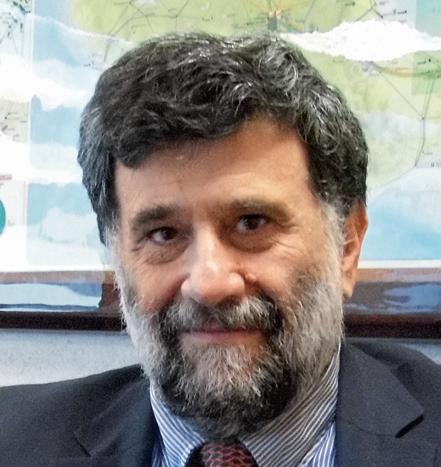
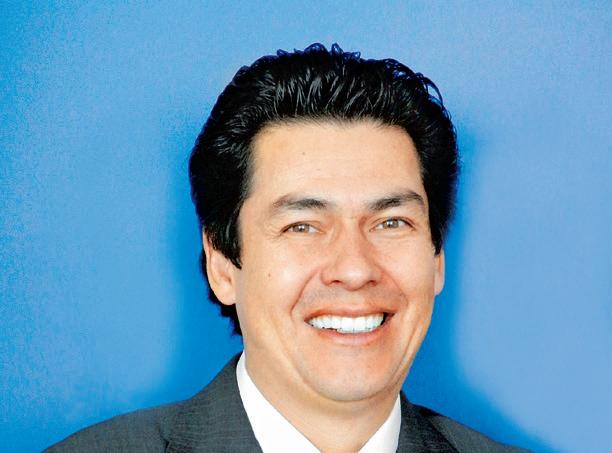
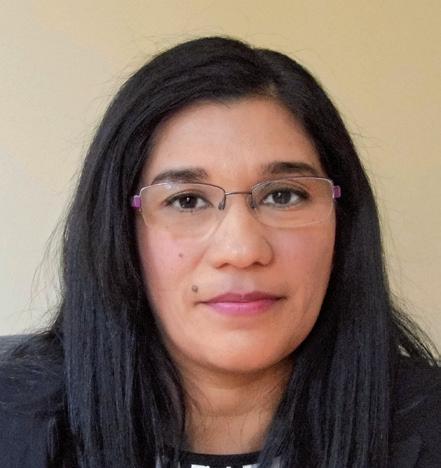
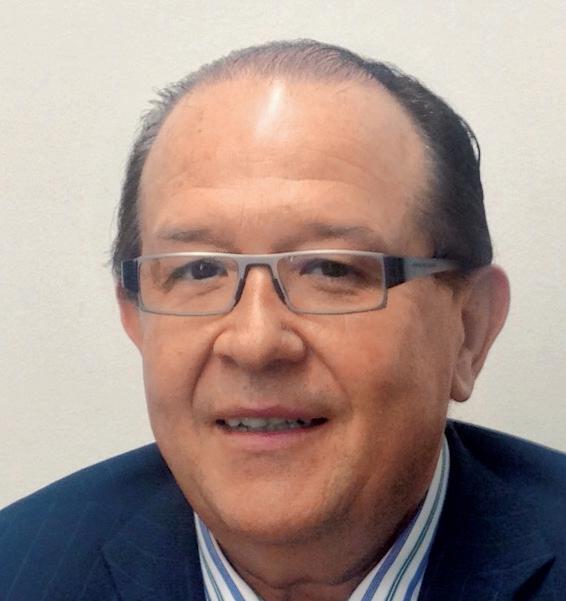
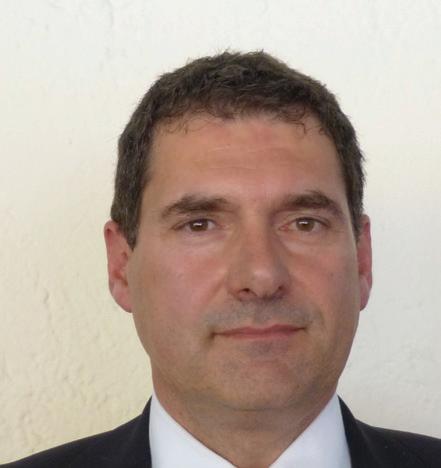
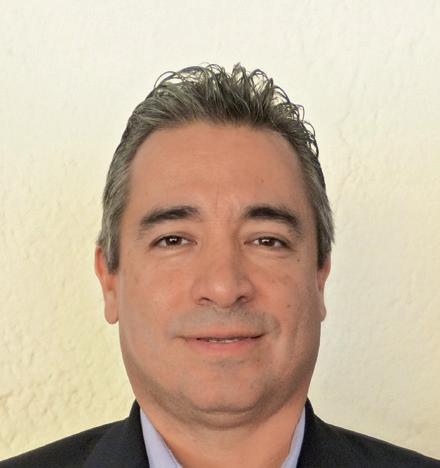
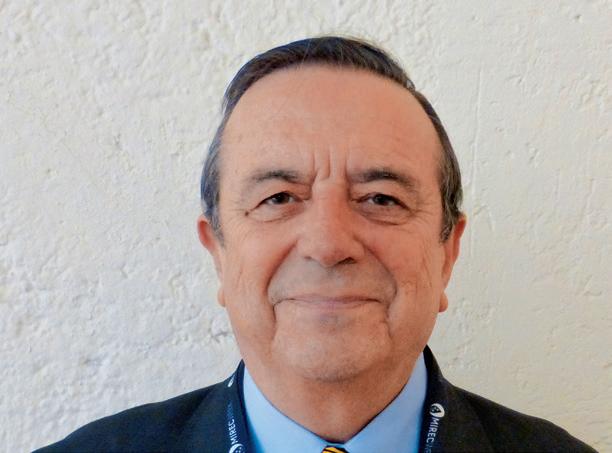
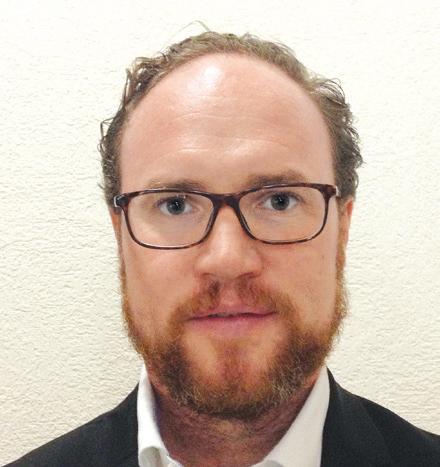
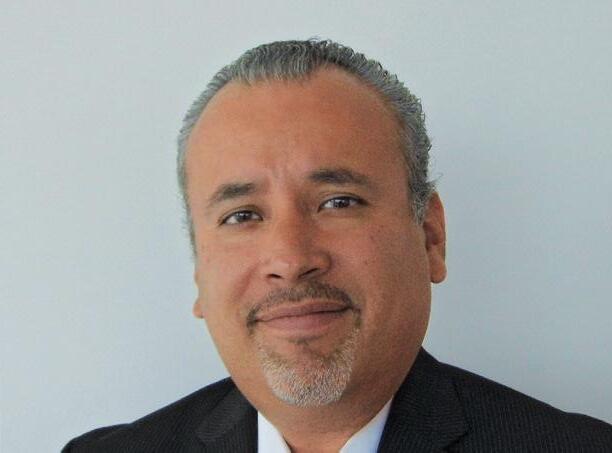
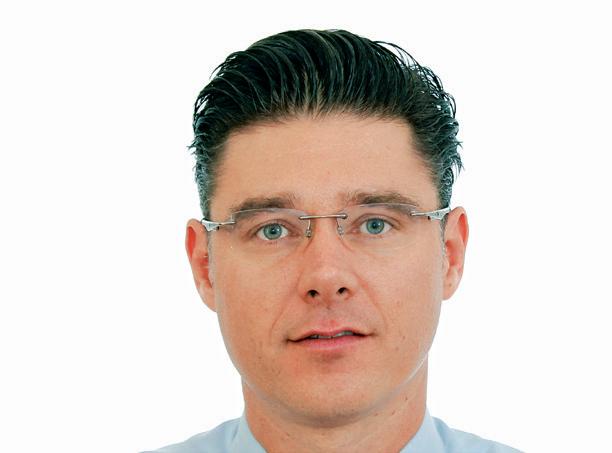
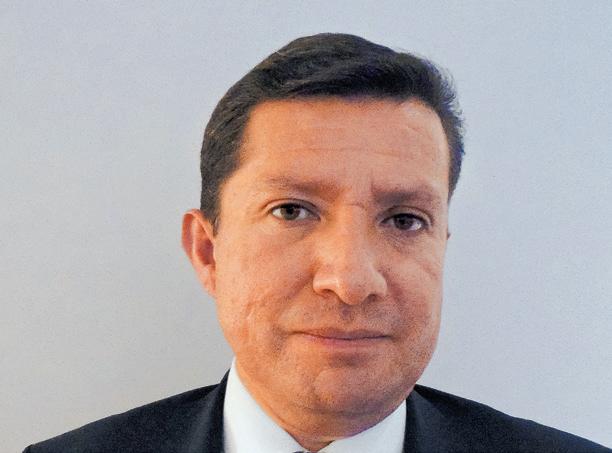
Commissioner at CRE
Commissioner at CRE
Commissioner at CRE
Commissioner at CRE
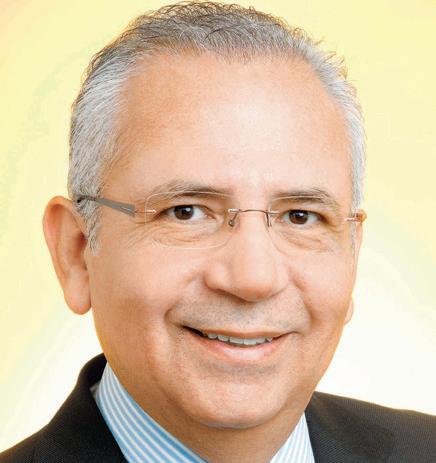
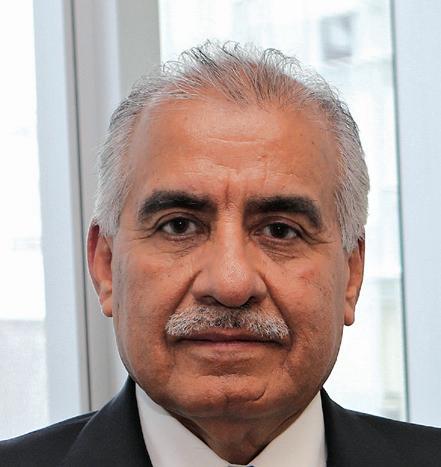
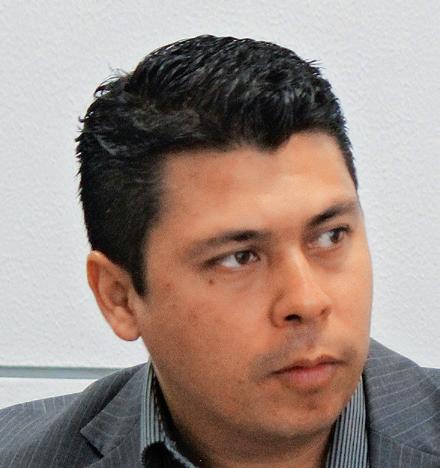
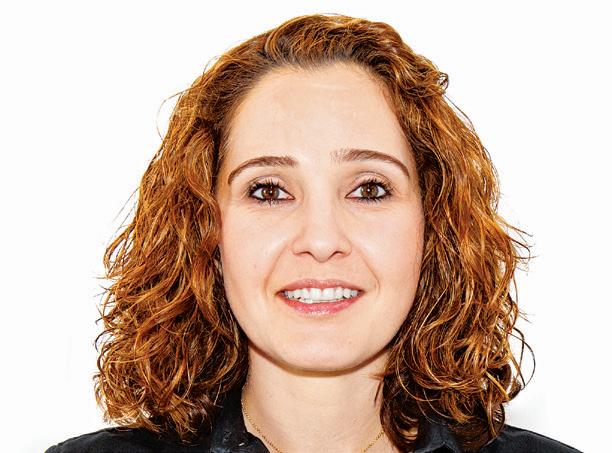
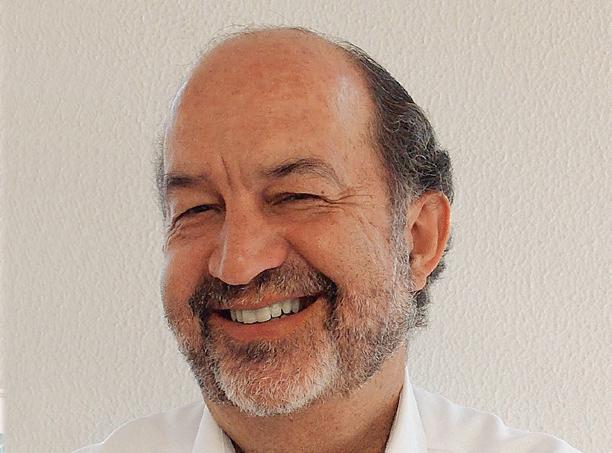
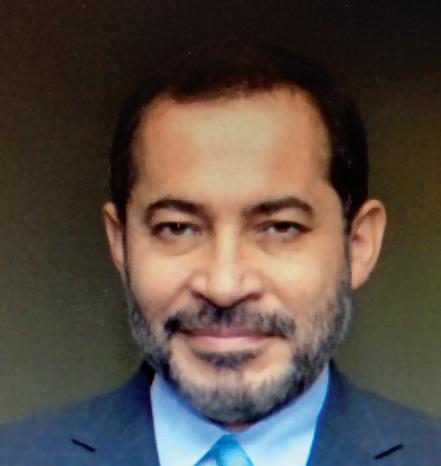
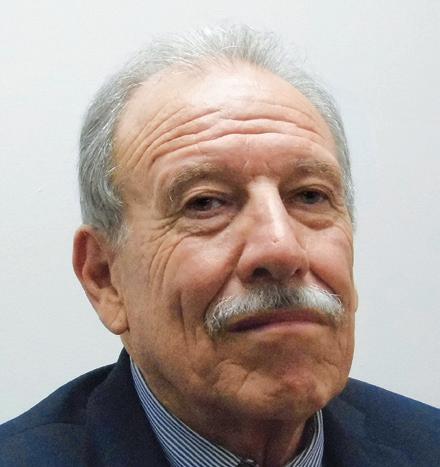
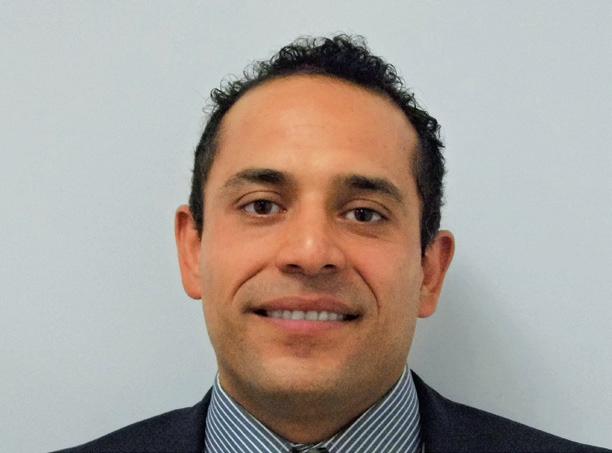
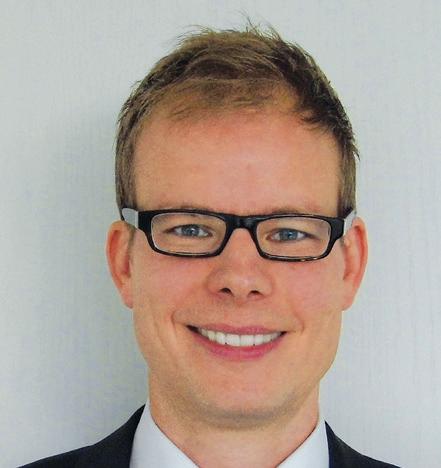
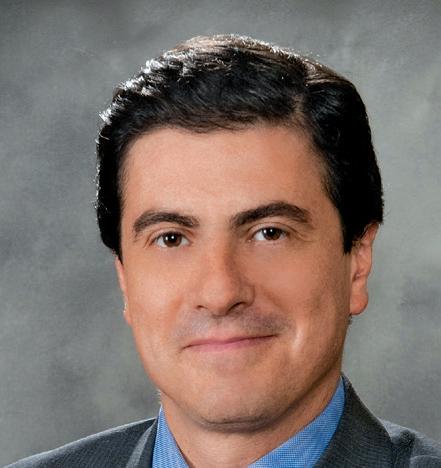
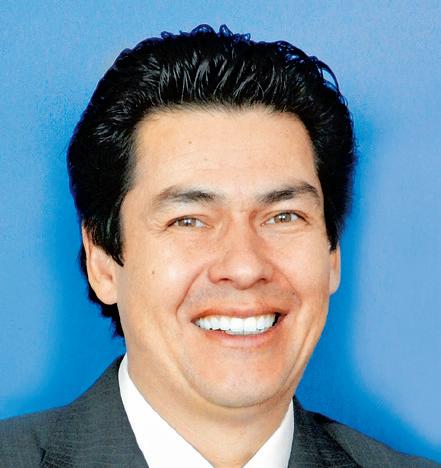
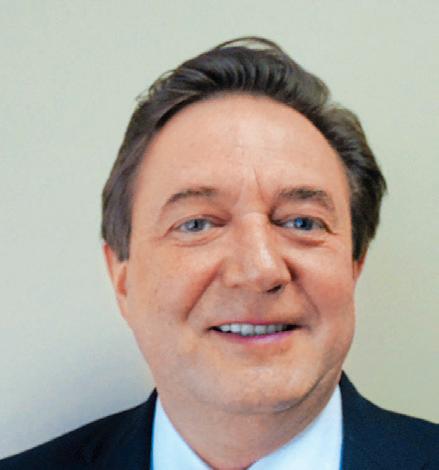
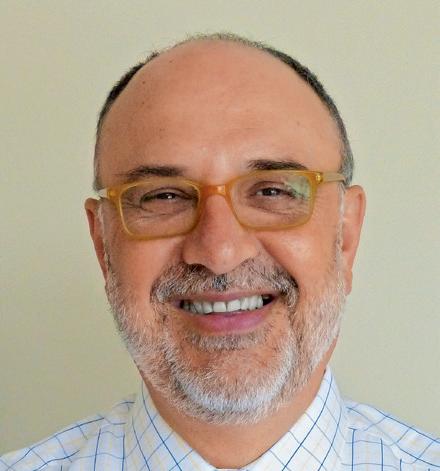
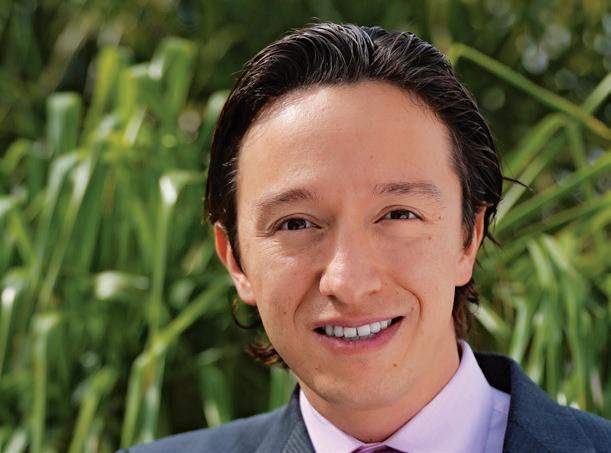
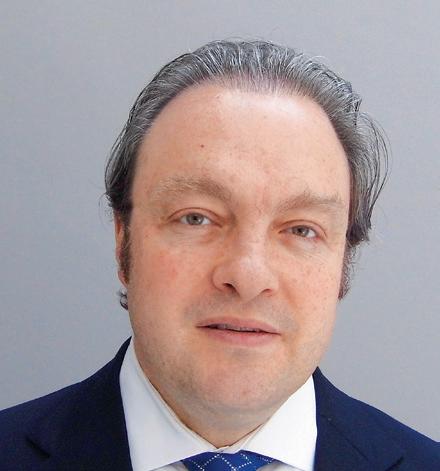
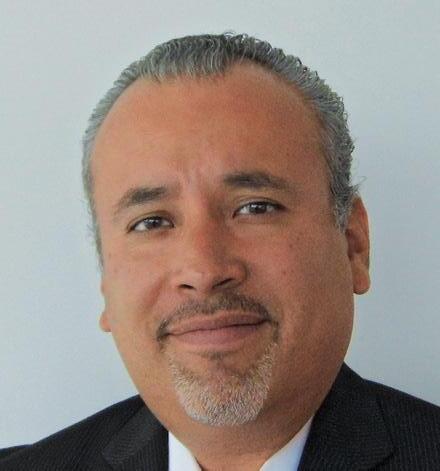
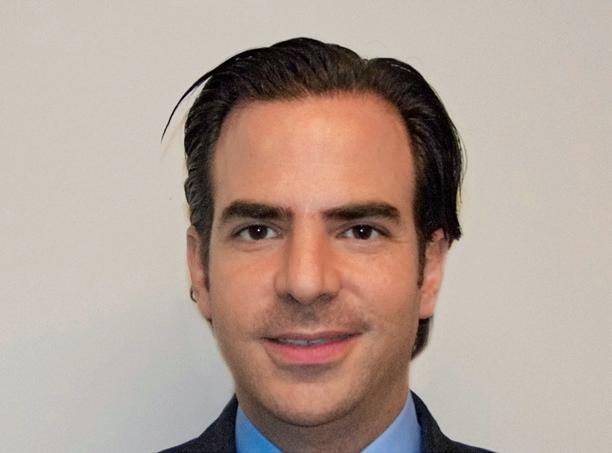
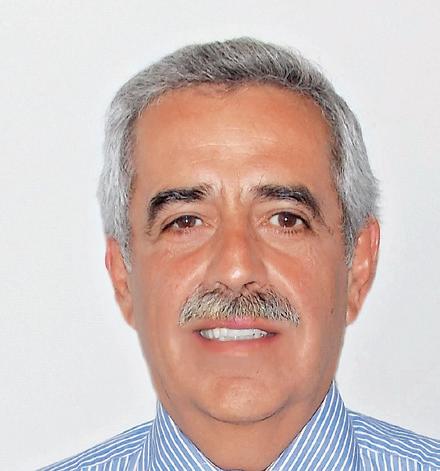
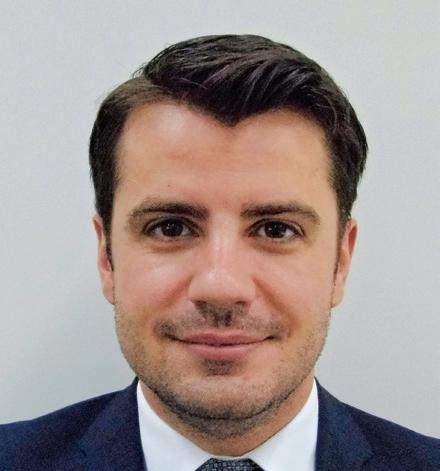
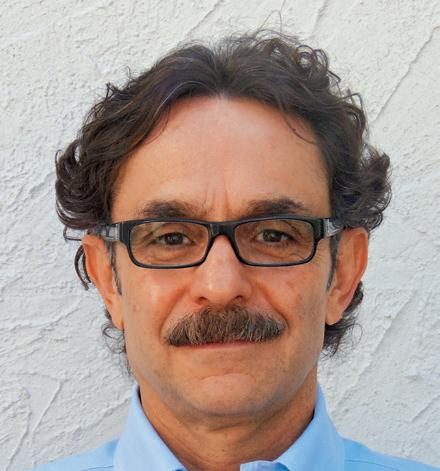
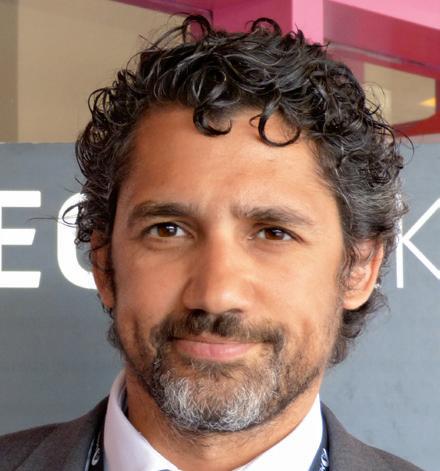
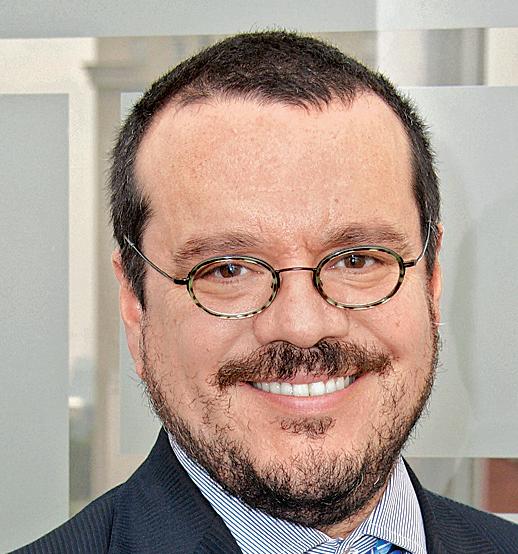
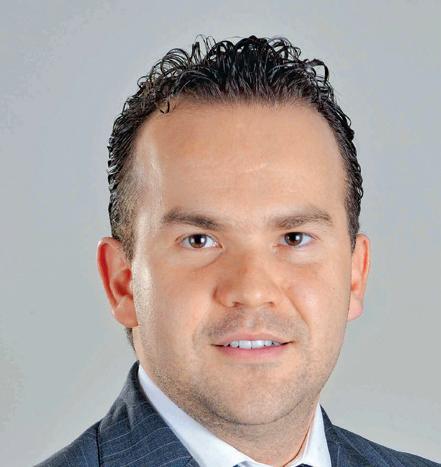
FRANCISCO SALAZAR
President Commissioner of CRE
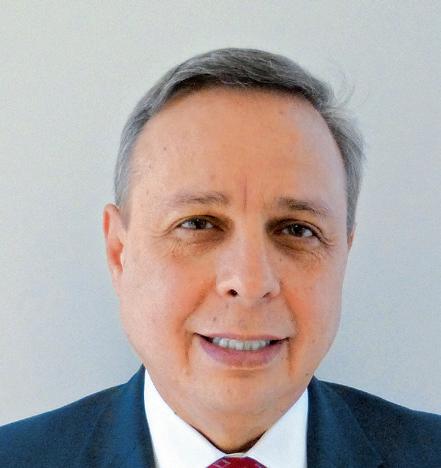
GUILLERMO ZÚÑIGA Commissioner at CRE
JESÚS SERRANO
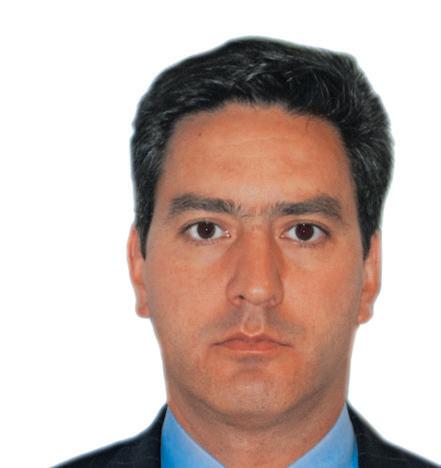
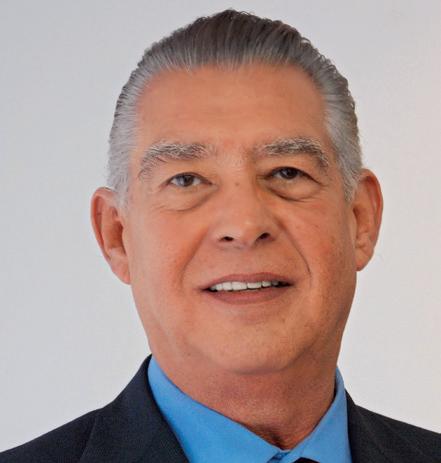
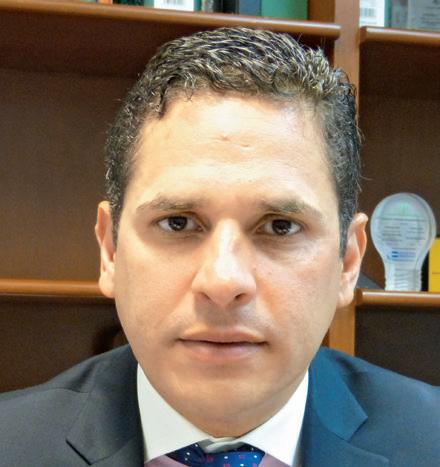
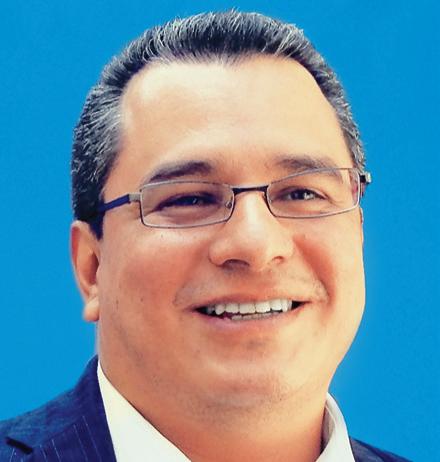
MARCELINO MADRIGAL
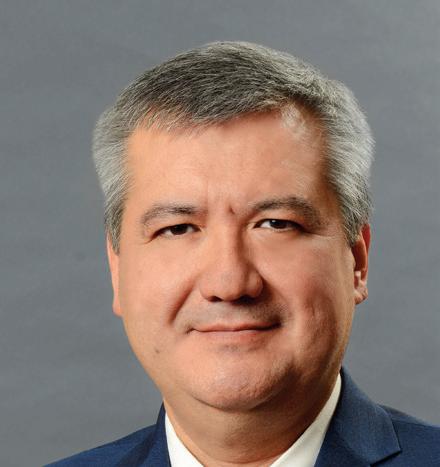
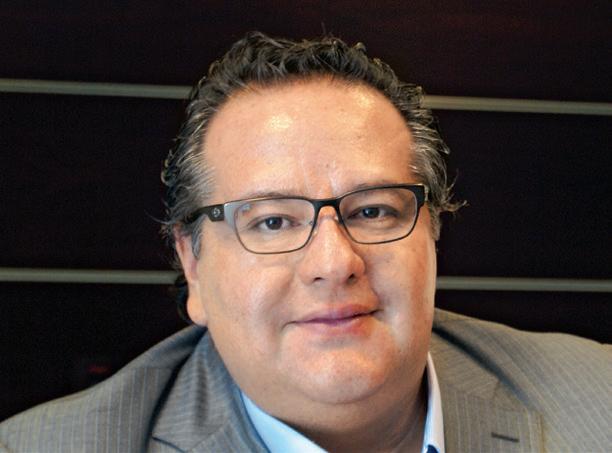
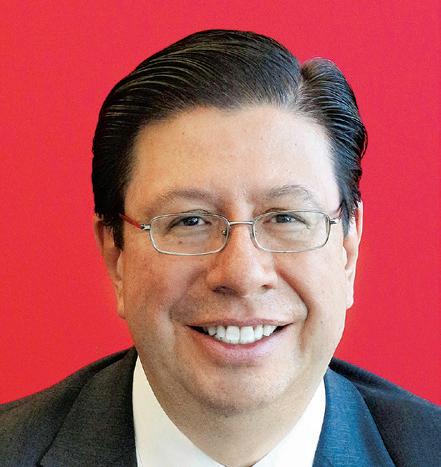
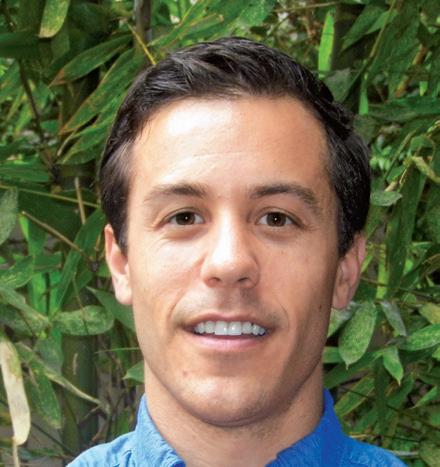
NOÉ NAVARRETE
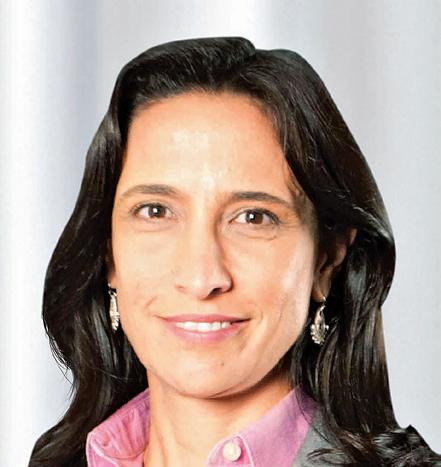
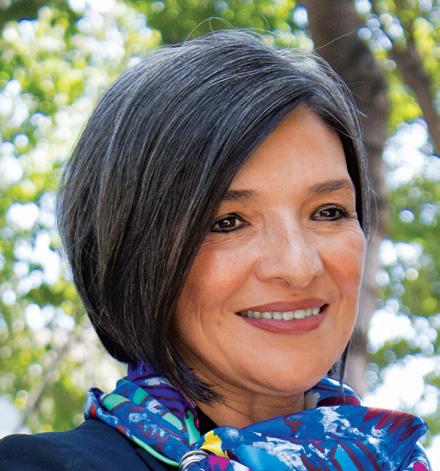
MONTSERRAT RAMIRO XIMÉNEZ
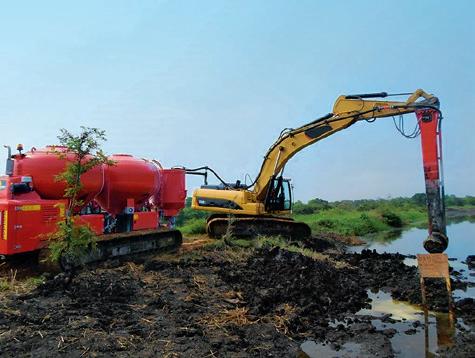
We are the leading construction company in civil works. Our infrastructure and qualified personnel allows us to develop quality projects efficiently and timely.
WHAT DO WE OFFER?
• We participate in the panning, execution, and control of civil works.
• We do property management for the development of wind energy projects.
• We offer inconformity management services with ejido landowners.
• We have our own crushing equipment, heavy machinery, vehicles, and minor equipment.
Gardenias no. 1, Fraccionamiento La Riviera, Juchitán de Zaragoza, Oaxaca, C.P. 70040
A COMPANY BETTING ON MEXICO’S ENERGY POTENTIAL
Guest article by Iberdrola - Being the main private utility in Mexico, Iberdrola holds a position of authority that has allowed it to embark on a five-year investment plan worth US$5 billion, enabling it to focus on diverse projects that will duplicate the company’s installed capacity of 5,000MW to almost 10,000MW. Iberdrola has been in Mexico for over 15 years, constantly increasing its investment in the country. With its current capacity, Iberdrola generates 15% of the total energy consumed in the country and provides services to over 20 million people. To date, Iberdrola has invested US$1.5 billion in three new combined cycle plants, including one of 300MW in Ensenada, Baja California, for CFE; a fifth generation unit in the Dulces Nombres combined cycle complex in Monterrey, with a capacity of 300MW; and lastly, a cogeneration plant for Kimberly Clark of 50MW in Coahuila. On top of these developments, the company has completed the expansion of the Enertek cogeneration site, increasing its capacity from 110MW to 150MW.
In the renewable energy arena, Iberdrola is an uncontested leader in wind power. This reputation is reflected in Mexico by the company’s construction of two wind farms: Pier 2 in Puebla and Dos Arbolitos in Oaxaca. Iberdrola is the second largest power generator in Mexico after CFE, and these two players are tied together with IPP contracts that will ensure the generation and sale of energy for the next 25 years. In addition, Iberdrola distributes energy to heavyweight industrial players in the country, all of its plants in Mexico boast the AENOR certification, and this year the company renovated its CSR that is bestowed by CEMEFI.
Thanks to a strong, rapid internationalization process, and the fact that it supplies power to over 120 million people, Iberdrola is able to call itself one of the major energy players in the world. The company has expanded operations in a wide variety of markets, from the UK, the US, and Spain, to Mexico and Brazil, and is committed to fully developing an active presence in these markets over the years to come. It has garnered international recognition by being the first Spanish utility and one of the main operators in the UK after the integration of ScottishPower in 2007. In the Americas, Iberdrola has captured the Brazilian market, where it acquired Elektro in order to take the lead. In the US, it has strengthened its foothold with the purchase of Energy East 2008, which is now known as Iberdrola USA. In February 2014, it agreed the integration of its US subsidiary to UIL Holdings Corporation in order to become one of the main utilities in the country. At the end of 2014, Grupo Iberdrola showcased over 45,000MW in power around the world and it now possesses a project portfolio known for its efficiency and diversity, which guarantees
the company’s ability to adapt to any changing scenery in the industry.
The company continues to bet on the development of renewables, particularly wind, and the use of clean technologies, while upholding respect for the environment. These constitute the three main pillars of growth that the company has followed in the past decade, and they are one of the group’s key expansion drivers. This commitment is reflected in the installed capacity the company has in renewables, which amounts to 14,600MW.
Iberdrola is firmly committed to the development of a sustainable energy model that is capable of complying with three objectives. The model must incorporate an economic component, which will guarantee a secure supply of energy. Secondly, it must have a social pillar where it details how people will gain access to energy and improve their economic condition. Lastly, environmental compliance is a must, since it will translate to fewer emissions, more efficiency in the generation and consumption of energy, and further environmental normativity. Bearing this in mind, the strategy of Iberdrola is oriented toward satisfying the demands and expectations of its stakeholders, clients, suppliers, and employees. In its quest for leadership, Iberdrola stresses the importance of equilibrium between economic results and environmental and social compliance in all countries where its activities are developed.
For over a century, Iberdrola has contributed to the economic development and wellbeing of the communities where it settles in and the territories it embarks in. Besides providing an essential service that is inextricably linked to the evolution of society, the utility is a catalyst that attracts investment, creates jobs, and strengthens local supply chains. In addition, Iberdrola takes steps in promoting R&D and technological innovation and this has a snowball effect in society. This commitment to social and sustainable development has made Grupo Iberdrola worthy of several prestigious recognitions and has consolidated the company’s presence in the top sustainability indexes. For Iberdrola, conserving the environment is not only fundamental to life and biodiversity on this planet, but the future of the company also depends on its activities being sustainable. Ultimately, the company will not be competitive if it is not environmentally responsible. On one side of Iberdrola’s coin lies knowledge, innovation, and competitiveness, and on the other is a distinct respect for its own legacy, as well as the commitment the company has made to future generations in ensuring a cleaner and greener planet.
MEXICAN GOVERNMENT VOWS TO FIGHT CLIMATE CHANGE
Guest article by SEMARNAT - The climate change scenarios forecasted for Mexico in the 2015-2039 period are worrying. It is predicted that temperature could increase by up to 2°C per year in the northern regions, while the rest of the country could suffer increments of between 1-1.5°C. Unless urgent actions are taken, these predictions could have severe social, economic, and environmental consequences in the country.
Globally, there is a similar situation. If the international community does not reach an agreement in the next World Climate Summit in Paris, the planet’s temperature could increase by more than 2°C by the end of the 21st Century.
The actions Mexico has undertaken to fight climate change have been internationally acknowledged. In 2012, Congress passed the General Climate Change Law, making Mexico the first developing country to enshrine climate change policy into law, and the second nation to do so, following the UK.
Throughout President Peña Nieto’s administration, we have implemented this legislation, achieving significant advancements, such as the drafting and issuing of the 2013 National Climate Change Strategy. This instrument will be the backbone of the country’s climate change policy for the next 40 years. The Special Climate Change Program spawns from this document, and it details the specific actions the government is taking to help the country
become competitive and resilient in reducing its carbon emissions. It is worth mentioning that both instruments address the reduction of short-lived climate pollutants, such as black carbon, which is not only crucial in fighting climate change, but also fundamental in improving the health of the Mexican people.
Mexico has also been a pioneer in creating a tax on the importation and sale of fossil fuels, which came into effect in January 2014. In addition, and as outlined in the General Climate Change Law, SEMARNAT created and is already operating Mexico’s Climate Change Fund, which promotes adaptation and mitigation projects to combat this phenomenon.
Two of the main climate policy instruments that derive from the General Climate Change Law are the National Greenhouse Emissions Inventory and the National Emissions Registry. The former was updated during this administrative period with figures from 2013, while the latter became effective in October 2014. These instruments are crucial for identifying mitigation opportunities and designing efficient public policies. All of these actions have been carried out with the Inter-Ministerial Climate Change Commission, the Climate Change Council, and the National Ecology and Climate Change Institute. These three Mexican institutions, along with federal entities, national municipal associations, and Congress, compose the National Climate Change System.
In March 2015, Mexico presented its Intended Nationally Determined Contributions (INDCs) to the UN’s Framework Convention on Climate Change, which display the Mexican Government’s commitment to support global efforts in the reduction of emissions and the promotion of adaptation. For the first time, the country will adhere to legally established goals if an agreement applicable to every country is reached during the next World Climate Summit. We have relatively ambitious targets, like the nonconditional reduction of greenhouse gases by 22% and black carbon by 51% during the 2020-2030 period, as well as aiming for peak emissions in 2026. If we can also obtain financial and technological resources from abroad, we could even reduce greenhouse gases by 36% and black carbon by 70%.
The challenge is colossal, as it requires a profound transformation in a short period of time and strong leadership, both in a political and social context. In this sense, Mexican society and the government are firmly committed to doing our part.
| VIEW FROM THE TOP
ENERGY SECTOR PURSUES ENVIRONMENTAL COMPLIANCE
GUILLERMO HARO Federal Attorney of PROFEPA
Q: What advancements has Mexico made regarding actions to combat climate change?
A: In 2010, Mexico’s greenhouse gas emissions amounted to 784 million tonnes of CO2, a 19% increase from 2001. In fact, Mexico was among the 15 countries that emitted the highest levels of greenhouse gases in 2010, accounting for 1.4% of global emissions. With this in mind, Mexico’s achievements in this area are of global relevance, and the country is promoting policies and strategies to effectively fight climate change. Between 2010 and 2013, Mexico reduced its CO2 equivalent emissions by 4.5%, going from 637 million tonnes to 606 million tonnes. In addition to the creation of the General Climate Change Law and the National Climate Change Strategy, states have been given the faculties to draft their own Climate Change State Strategies. This will enable states to adopt and create tailored and locally focused measures to decrease polluting emissions and reduce their vulnerability.
Q: What will be some of PROFEPA’s activities in the energy sector?
A: PROFEPA signed an agreement with PEMEX so that all of its facilities voluntarily comply with environmental regulations. At the moment, 30% of PEMEX facilities have received certification. The process for awarding the certificate is completed through a thorough examination from independent auditors with credentials from the Mexican Accreditation Entity. The certificate is valid for two years, as its constant renewal allows monitoring a company’s evolution in terms of environmental compliance. Because of the creation of ASEA, PROFEPA no longer has any faculties related to PEMEX. Now, we are working with CFE on the same process. CFE is adopting international standards that even surpass Mexican norms. Likewise, new players are obliged to comply with environmental normativity just like any other domestic company. They will also be encouraged to demonstrate the necessary credentials for environmental standards in order to enter tenders.
Q: How is PROFEPA strengthening its capabilities now that the private sector will have a larger participation in the energy industry?
A: Currently, less than 1% of companies present serious irregularities worthy of sanctions. Also, the number of industries without irregularities found during inspections has increased significantly, reaching almost 40%. In general, we predict more attention from the private sector in complying with its environmental obligations.
PROFEPA is updating its staff’s technical capabilities in order to better implement the environmental legislation. We are also working on providing our personnel with better tools for their daily activities. PROFEPA is in the process of updating its environmental laboratories, and we have received resources to buy drones for inspection activities.
Q: How is PROFEPA working to strengthen its attributions and improve the environmental legislation?
A: PROFEPA does not have an organic law; it has attributions stated in the Organic Law of the Public Administration and in SEMARNAT’s internal regulation. PROFEPA is a decentralized organ of SEMARNAT, the head of the environmental sector. We are pushing for several initiatives, the first being a codification of the environmental legislation to create a single law that encompasses all aspects related to environmental affairs. Today there are ten important environmental legislations. The main one is the General Law of Protection of Ecological Balance (LEGEPA), with almost ten regulations, so we want to include every environmental rule in a single code. This will result in simpler, more unified laws, higher sanctions, and faster procedures for addressing and ruling cases.
Our other goal is to draft PROFEPA’s Organic Law, which would give us more independence from SEMARNAT. The fact that SEMARNAT governs PROFEPA creates confusion because we act as judge and jury. The idea is for PROFEPA to act as a decentralized organization with its own resources and rules. The last task is to create a National Environmental Responsibility Penal Law. A federal law will homogenize sanctions and modify conducts throughout the whole country. We are working with the executive branch and Congress so that we can present a legislative package as soon as possible.
| VIEW FROM THE TOP
SCIENTIFIC SUPPORT BEHIND THE ENERGY TRANSITION
FRANCISCO BARNÉS REGUEIRO
Executive Director of Centro Mario Molina
Q: How do the five core subjects of Centro Mario Molina influence its approach to the energy sector?
A: The Center operates across five core subjects: energy, climate change, urban sustainability, pollution and environmental health, and education. Since these subjects are inherently intertwined and it is difficult to trace their boundaries, we work on them transversally. When talking about energy, we are referring to the interface between the environment and energy in the oil, gas, and electricity sectors, as well as everything regarding demand from end users. Our current work in the electricity sector consists of tracing pathways to reach the country’s decarbonization goals for 2024, which involve a 35% participation of clean energies into the matrix. We discuss the role of each energy source, how to deal with intermittency, and the role of gas as a transition fuel, among other aspects.
Q: In which ways does the center work within the energy industry, and which areas have captured the interest of the Center?
A:Part of our work in the oil and gas sector includes discussing the possibility of producing shale gas as part of the country’s economic development without incurring a major environmental impact, and establishing the criteria under which this activity would be acceptable. The Center is heavily involved in energy efficiency, and now we are working on a project with the tourism sector, advising hotels on how to optimize their energy consumption. Hopefully, this endeavor will result in generation of a standardized public policy for the entire hospitality sector.
Generally, we try to plan for the topics we expect to work on. We try to give continuity to our lines of activity, as we usually work on cross-year projects, such as the long-term clean energy objectives. In addition, we can work on similar areas that are aligned to Centro Mario Molina’s mission or specific projects requested by the government, the civil society, or the private sector.
Q: What are the most economically viable clean energy sources to begin the energy transition?
A: The costs of clean energy have dropped significantly over the past few years. Perhaps the biggest competitor
to natural gas is wind power, which is also potentially the most cost-effective modern renewable. Hydroelectric plants should also be considered because even though they require high investments, their operational costs are low. However, mini hydroelectric plants are not yet competitive against natural gas. In some regions of the country, wind energy can compete with natural gas because the wind resources are strong enough to allow generation for most of the day.
On the other hand, solar technology, which is more expensive than gas, has seen a drop in operational costs over the past few years due to technological advancements. An issue with some clean energy sources is their intermittent nature, which is not a problem for hydrocarbon-based generation. Therefore, clean energies require special grid management systems and storage mechanisms. Nonetheless, the most competitive renewable right now is wind, and solar PV will be a major frontrunner in a few years. Solar is not competitive in terms of costs at the moment, but when comparing costs from five years ago, there has already been a substantial reduction. Due to the rate of technological advancements, I am confident that solar energy will be competitive in a few years.
Q: More than a transition fuel, natural gas is positioning itself as the new base fuel. What are the environmental implications of using natural gas as the main source of electricity generation?
A: Natural gas is cleaner than other hydrocarbon-based fuels, such as fuel oil or coal, as it generates less carbon dioxide and sulfur oxide emissions. Additionally, combined cycle technologies are reaching significant thermodynamic efficiency levels, optimizing costs. The price of natural gas in North America is low and is expected to remain that way in the medium term. There are many factors that make gas an attractive technology for Mexico, so it makes sense for it to be considered a transition fuel. However, if we truly want a diversified energy matrix that complies with the established targets, the role of renewables is important.
Natural gas presents some problems. For instance, natural gas is not entirely clean when quantifying methane leaks through the chain, from drilling to commercialization. This
can be mitigated by reducing methane leaks, but then costs to end users would increase due to the companies absorbing costs of improving the efficiency. This is important because the benefits of natural gas are being inflated due to companies’ failure to take these emissions and their global warming implications into account. On the other hand, renewable energy technologies are entirely compatible with natural gas. The latter can be used as a base load fuel with renewables, so it is possible to establish hybrid solar-gas plants. I do not see why natural gas should hamper the development of renewables, especially considering their compatibility and the fact that we need a diversified energy matrix.
Q: How can Mexico reconcile its clean energy objective with its increased oil production targets?
A: The General Climate Change Law mandates two main objectives. The first is to reduce the country’s greenhouse gas emissions by 30% from a baseline by 2020, and the second is to reduce emissions by 50% by 2050 from an absolute amount measured in 2000. In the INDCs that Mexico announced in March, which will be further discussed in Paris, the country committed to reducing its GHG emissions by 22% by 2030 in a non-conditional way. This differs from the targets stated in the Climate Change Law, which were set as conditional to financial support, technology transfer, and carbon markets, among other factors. We are
The Mexican INDCs’ goals also set a conditional target of 36% below BAU for 2030, which is higher than what was laid out in the Law. The targets are always established in relation to a baseline because Mexico is a developing country that needs to grow and build further infrastructure, and this implies that the country has not yet reached peak emissions. It is possible to increase oil production and simultaneously reach the climate change targets because the baseline considers the need to increase oil production. Mexico cannot neglect oil and gas activities, but it can produce hydrocarbons and electricity in the cleanest way possible. The key terms are ‘clean economy’ and ‘lowcarbon economy’, which means being able to develop as a country in the most sustainable way.
Q: Centro Mario Molina was involved in the creation of CELs. What made this system attractive for the Center?
A: The logic behind CELs was to give clean energy technologies, such as renewables, cogeneration, and even nuclear energy, an incentive. Otherwise these technologies would not necessarily be the first choice from an economic perspective. What makes CELs attractive is that they create a market that increases the system’s economic efficiency, because for some it is cheaper to generate clean energy and for others the cheaper option is buying a certificate. CELs are awarded to qualified users, who are obliged to present these certificates before the authorities.
a company with significant expertise in bringing solutions to environmental challenges…
Specialists
in:
/ Natural Resources Engineering and constructions for wastewater and industrial water treatment / Soil stabilization and solidification for remediation and construction activities / Characterization and remediation of contaminated sites (soil and water) / Well drilling / Environmental risk assessments and other services
Av. Paseo de las Alamedas No.72, Frac. Las Alamedas Atizapán de Zaragoza, Edo. De México, C.P.
| VIEW FROM THE TOP
A GREEN CHAMBER WILL SET THE EXAMPLE
ERICK MARTE President of the Renewable Energy Commission of the Chamber of Deputies
Q: What elements led to the creation of the Renewable Energy Commission?
A: Traditionally, the energy theme in the Chamber of Deputies has been summarized by two agencies: PEMEX and CFE. This meant that the topics of conversation centered on hydrocarbons and power generation. In response, in 2012, the parliamentary group PAN suggested the need to create a special commission that focused solely on clean and renewable energies, as well as on matters of sustainability.
In our eyes, we could not leave the subject of renewable energies in the hands of the traditional Energy Commission since we identified several potential risks. As we all saw, the main debate regarding the Energy Reform revolved not around renewable energies but oil, so we felt that by creating a separate commission, we could increase transparency and eliminate conflict of interest surrounding hydrocarbons from renewable energies.
Q: What key role does the Renewable Energy Commission of the Chamber of Deputies play?
A: The Renewable Energies Commission is there to reinforce the objectives and goals that the legislative and executive powers defined in conjunction, and it has been widely accepted by all the legislators that integrate it. Some members see renewable energies as economically crucial and as sources of employment, others see them as cultural tools to teach the younger generations, and others as important environmental tools. Through active cooperation between all political parties, we have proposed several initiatives that will improve the conditions of energy development in Mexico.
Q: What is the Renewable Energy Commission’s view on the objectives stated in the Energy Reform?
A: During the promulgation of the Energy Reform, the image that was constantly reinforced was that of renewable energies. The reason is obvious, since it attracted the attention of younger generations that are the most interested in clean energies. We were concerned that this focus would not be reflected in the actual legislation or in the profundity it requires. We see with great sadness
that the Energy Reform concentrated its efforts on the theme of oil. As the Commission of Renewable Energy, when we spoke of energy independence we did not refer to Mexicans ceasing to depend on the importation of oil, but rather becoming independent from oil altogether.
There was little understanding on behalf of many legislators surrounding the energy market and especially renewable energies. I have proposed an initiative in the Chamber of Deputies that will protect the existing energy reserves. If we reduce the volume of oil used and simultaneously expand the energy portfolio with renewable energies, we will reach a point where the reserves will only be used for emergencies. However, if we evaluate the budget assigned to the Energy Reform and the goals we have for renewable energies, we see these are misaligned. We will not reach the goals unless the resources increase, and for this reason we believe that the Mexican Hydrocarbons Fund should be more generous. Likewise, we should also provide incentives and more favorable conditions to investors and private players.
Q: What steps is the government taking to make its offices more aligned with sustainable practices?
A: The Chamber of Deputies consumes MX$20 million worth of electricity per year, which amounts to the consumption of 6,000 households. We realized that if the Chamber of Deputies is legislating for an energy transition and has climate change as one of its priorities, then it should reflect this by consuming energy efficiently and becoming a promoter of clean energies. The Commission is proposing the implementation of clean energies in every government building.
Modifying the lighting in the Chamber would have an immediate impact, since our electricity consumption would drop by 30-40%. The effect would be greater if we generate our own energy by installing solar panels in the Chamber. If we carry out this project, the Chamber of Deputies would become the first green congress in the world. We hope this project can motivate all state and municipal governments to follow suit and opt for greener options.
| VIEW FROM THE TOP INNOVATIVE POTENTIAL
MUST LEAD TO PROSPERITY
RICHARD WELLS
President of the Lexington Group
Q: What are your main concerns surrounding the Energy Reform and its impact on sustainability?
A: Mexico has had a tendency to place too much emphasis on history. In a sense, it has been too easy to do business in Mexico because it is next to the biggest market in the world, and historically, Mexico has had enormous amounts of resources at its disposal. However, the country relies too much on copying models from the US and Canada, and not enough on its tremendous natural and cultural heritage or the creativity and innovative capacity of its people.
Mexico will most likely benefit from hydrocarbons through the Energy Reform. There is some talk of renewables, but I am more concerned about the possible development of Mexico’s large shale gas resources in Nuevo Leon and Tamaulipas. These substantial resources are on a similar level to the Eagle Ford shale gas reserves in the US, making Mexico the world’s fourth largest shale oil reserve. If Mexico were to develop shale gas while following a successful US development model, it would only provide a temporary solution to an energy problem.
Q: What are the main factors that have hindered Mexico’s innovation potential?
A: Historically, this country has been able to capitalize on rich natural resources like petroleum, therefore encountering few problems in conducting business. In the early 1970s, Mexico was developing an entrepreneurial industry, particularly in chemistry. At the time, there were some highly innovative chemical companies that were at the cutting edge. When petroleum came along, it overwhelmed most other industries, transforming Mexico into a country reliant on oil exports. Later on, NAFTA redesigned the image of Mexico as a strategic manufacturing country for
foreign exports. Then the country was hit by China, which could manufacture more cheaply after joining the WTO, and Mexico suffered another setback.
The country has to find a basis for growth that can be sustained over time, economically, socially, and environmentally. I believe this growth must be based on innovation and creativity, leveraging Mexico’s enormous natural and cultural diversity. Mexico has a tremendous creative and innovative capacity. It is right next to the world’s largest and most dynamic market, and it has an enormous short-term need for growth to address poverty and inequality. It is tempting for Mexico to become a supplier to such a major economy as the US in order to provide the quick fix that it urgently needs. I hope it can find a way to simultaneously promote necessary growth while building a future economy based on innovation and creativity.
Q: In your view, what policies are leading Mexico on the path of innovation?
A: I think that Mexico’s tax on carbon will be a highly successful initiative. I disagree with the argument that it is imposing an additional cost on Mexican industry that will make it less competitive. It may not have been implemented well, but objecting to stringent environmental regulations purely because they impose a near-term cost can be a mistake. What this tax is really doing is imposing a constraint that will force innovation. The Porter hypothesis states that countries with more stringent environmental regulations gain an advantage because they are forced to adjust. Mexico will have an advantage because, eventually, everyone will require a carbon tax. A carbon tax imposes a short-term loss that forces innovation, something that Mexico needs to promote.
Richard Wells is President and Founder of The Lexington Group, a consulting firm that specializes in sustainable development and social and environmental management for businesses, governments, and non-governmental organizations (NGOs). He has advised major companies, governments, NGOs, and institutions across the US and Latin America. The firm focuses on the design and implementation of competitive strategies and initiatives for positive social and environmental impact. The model developed by Mr. Wells for integrating sustainability into value chains has been implemented throughout Latin America and Asia in projects for the Inter-American Development Bank, the World Bank and USAID.
| VIEW FROM THE TOP LEADING THE PRIVATE SECTOR ON THE PATH TO SUSTAINABILITY
VANESSA PÉREZ-CIRERA
Director of the Climate Change
and Energy Program at WWF
Q: What is WWF’s approach in creating an inclusive agenda that all Mexicans can identify with?
A: Our emphasis is on two aspects: water, and climate change and energy. The latter was launched in 2010 and it is comprised of four lines of business. One focuses on renewable energies, as WWF is a strong believer that these can be a solution for developing economies as part of an energy security agenda. Mexico can show other developing countries how to upscale in the use of renewable energies. Another priority is climate change policy, where we have been working on an economic analysis behind policy planning and the role renewable energies play in climate change. Finally, we focus on ecosystem adaptation, which is an important division since Mexico is responsible for 1.5% of global emissions. In terms of adaptation, it is one of the most vulnerable countries in the world due to its topography and coastal areas. We are trying to implement nature-based adaptations, while leaving aside adaptations involving physical infrastructure that create more problems than solutions.
Engagement with the private sector also plays an important part in our agenda. We work with companies on two fronts, a policy agenda for renewable energies and cost-competitive mitigation opportunities. In a recent study, we arrived at the conclusion that 40 million tonnes of CO2 could be saved by 2020. In terms of economic benefits, we estimate this could be equivalent to 8% of Mexico’s GDP growth over the past decade.
Q: Do you think the Energy Reform fully considered all the ways in which Mexico could potentially reduce emissions?
A: The focus of the Energy Reform was on competitiveness and market opportunities, so the topic of sustainability did not play a prominent part in its early stages. However, certain interesting instruments, such as CELs, are encouraging sustainable practices. The Law of the Energy Transition complements the Law of the Electricity Industry by strengthening the framework and fostering the development and implementation of renewable energies. Nevertheless, clean energies still require a more accurate definition. At the moment, the Law of the Electricity Industry uses ambiguous definitions that include natural gas. While gas might be an important part of a diversified energy
matrix, it is not necessarily a clean energy. It is important that externalities are recognized, such as the impact on health, ecosystems, and CO2 emissions. This is the only way a fair playing field can be established for all energy sources to compete in.
Q: With which industries do you most commonly work in your business engagement strategy?
A: Our business engagement strategy involves working with decision-makers in energy-intensive industries. We help companies achieve the best standards and we help them engage with the players in their value chains in order to promote change. It is easier for companies in energyintensive industries to instill change in their own sectors. It is important to suggest cost-competitive solutions that present the right goals for these players’ concerns.
Our international Climate Savers program is made up of an exclusive group of 35 companies that have the most efficient benchmarks in their respective industries. These companies are large international players and we believe they can incentivize change across their supply chains. In the first few years, companies focus on reducing emissions derived from electricity consumption. Later, the company works with its supply chain to implement green practices, and finally, we engage with companies to achieve changes in policy.
Q: In what ways do WWF’s objectives converge with or differ from those of the government?
A: This administration has made a specific effort to promote renewable energies and its ambitious goals are a reflection of that. The second important factor is the purchasing of energy, where long-term contracts are crucial for the renewable energy industry. These contracts must be longterm because the most attractive incentive a company can give to someone buying power from renewables is consistent prices. The third point is transmission infrastructure. If a company wishes to develop a renewables project, it must have interconnection to the grid. Contrastingly, natural gas concessions are allocated and the private sector can then construct the pipelines. Infrastructure is crucial for the growth of the renewable industry and demands high investments and a significant investment of time.
| VIEW FROM THE TOP
UNCOVERING THE NEW CLIMATE CHANGE ACTION PROGRAM
TANYA MÜLLER Secretary of SEDEMA
Q: What are the main vulnerabilities of Mexico City in the face of climate change?
A: In 2014, Mexico City presented its Climate Change Action Program 2014-2020, which identified areas of vulnerability. Currently there are 5.6 million inhabitants that have been impacted to a certain degree by climate change; of these 40,000 are at risk of high floods and 3 million are in danger of minor floods. The extreme hydrometeorological risks such as flooding and landslides are a main concern. There are also less obvious impacts such as health, as the rising temperatures lead to dehydration, which impacts the elderly and the youth the most. In 2013, Mexico City was among 33 cities that were selected by the Rockefeller Foundation to support climate change programs. Over 400 cities applied and Mexico City was chosen because of the clear vision within the Climate Change Action Program and because the subject of resilience was woven throughout. Our program revolves around sustainable urban development that involves transversal and social strategies.
Q: What are the main characteristics that distinguish this new program, and what were the stages of its development?
A: This program was developed alongside Centro Mario Molina and has several concrete goals. The first is mitigation, with the objective of reducing 10 million tonnes of CO2. The second refers to increasing the city’s resilience and helping those 5.6 million inhabitants who are vulnerable to climate change. Another important area is urban planning; if the city continues to grow horizontally toward the peripheries, then the environmental impact is larger. We need to redensify the urban areas of Mexico City and encourage equitative development, dynamism, and densification. There is also a non-motorized mobility strategy which involves investment in bike mobility. The program also includes the theme of urban spaces and land conservation, where 60% of the land in the city must be considered as conservation area.
Q: What are the mitigation strategies that you are implementing in order to reduce CO2 and greenhouse gas emissions?
A: It is important to note that there are indirect and direct reduction of emissions. In our program there are 73 actions in seven main areas, and it is important to quantify how
each will reduce emissions and how much cost it will entail for the government. For instance, the incorporation of the new metrobus lines represents a good opportunity for CO2 reduction, since it entails renewing the old buses with vehicles that have ultra-low emission technologies. The next metrobus extension is scheduled for line five, which has a length of 17km entending from San Lazaro to Vaqueritos. We know that with this new route, we will reduce the equivalent of 20,000 tonnes of CO2 per year.
Q: What are the initiatives SEDEMA has put in place in the transport sector in order to reduce pollution and improve the quality of life and security of the inhabitants of the city?
A: One of the strongest areas in our program is transportation, and this is where we will find the highest levels of CO2 reductions. The four actions we are implementing will require an investment of US$41.2 billion. With this investment we can eliminate 10 million tonnes of emissions, and the present administration must reach three-quarters of the actual program, thus mitigating 6.5 million tonnes of CO2. Our scrapping program is focused on public transportation, and, while we want to encourage the use of this transportation, we must also make sure it is of high quality, safe, and efficient. The tune-up verification programs incentivize people to renew their cars and maintain them in good working order. As a result, the metropolitan area has the largest and newest vehicle park in the whole country.
Q: How does SEDEMA collaborate with the private sector in order to further its agenda?
A: A success story detailing this constant collaboration is that of Bosque de Chapultepec, where a trustfund has been put in place. Each peso that the private sector contributes is matched by the government. The second section of the forest will be renewed in a record time of four years. We also collaborate with NGOs in order to validate our findings, and the study for the Ecobici is conducted externally by an NGO that is specialized in sustainable transportation. Additionally, SEDEMA provides fiscal incentives to companies that adhere to environmental programs so they can receive benefits by opting for sustainable and green practices.
2Mexico’s historical Energy Reform applied a series of legislations needed to guide the country as it opens up its energy sector. CFE and PEMEX saw upgrades in their corresponding laws and regulations, such as the mandates to become State productive enterprises. In addition, entities were created or strengthened to oversee the development of the sector, which now has independent system operators. The electricity sector itself became the center of several legislative bodies, with the most important being the Law of the Electricity Industry. Among other things, this instrument promotes the development of renewables through CELs, making it a key legislation for the energy transition. The Rules of the Wholesale Electricity Market were issued, detailing the way in which all types of players will participate in Mexico’s electricity industry. The authorities continue working on pending laws and are prepared to modify issued regulations in order to foster a level playing field and attract more participants.
In this chapter, experts share their views on the development of the Energy Reform from a juridical perspective, providing critical analyses on its successes and grey areas. Representatives of prestigious law firms shed some light on regulatory intricacies, the role the public sector will play in the industry, and the way in which the wholesale market is expected to function. Some of the key instruments that will be implemented to foster an attractive market and egalitarian conditions for all players are examined. In other words, this chapter describes the roadmap players in the electricity industry will follow when building their strategies.
FIDE, un cuarto de siglo trabajando por el ahorro de energía eléctrica y la eficiencia energética
Creado en 1990, el Fideicomiso para el Ahorro de Energía Eléctrica tiene por objetivo inducir y promover el empleo racional de la energía eléctrica en la industria, la agricultura y los servicios, incidir en los hábitos de la población y prestar servicios de asistencia técnica a los consumidores tendientes al ahorro de energía con un beneficio de carácter social. Acorde con estos propósitos, el campo de acción del FIDE ha evolucionado para responder a las prioridades del sector energético:
1. Proyectos demostrativos y de cultura del ahorro (1990)
Comenzó financiando los primeros proyectos sin costo para el usuario para demostrar la factibilidad y conveniencia del ahorro de energía, logrando con la difusión de sus resultados un efecto multiplicador entre los usuarios. Después ofreció créditos a tasas blandas y periodos cortos de recuperación, para implementar proyectos de eficiencia energética y ahorro de energía con recursos patrimoniales.
2. Atención al sector doméstico en iluminación (1996)
Se implementaron los primeros programas de sustitución de lámparas incandescentes por fluorescentes compactas autobalastradas (LFCA) para usuarios residenciales. Con las acciones iniciadas en esta etapa que prosiguen actualmente, en total se habrán colocado más de 100 millones de focos ahorradores en todo el país, sentando un precedente a nivel mundial.
Beneficios acumulados 1991 - 2015
3. Incentivos para la transformación del mercado (1998)
Proyectos con el fin de acelerar la transformación del mercado mediante estímulos económicos para la adquisición de equipos de alta eficiencia, para lo que se incorporó fondeo externo de agentes nacionales e internacionales. Uno de los primeros fue el Programa de Motores Eléctricos y Compresores de Alta Eficiencia que facilitó la entrada de la norma NOM-016-ENER-2010.
4. Programas multiobjetivo con recursos de terceros (2002)
Requieren de un amplio acuerdo de ingeniería financiera con otros actores y persiguen beneficios económicos, energéticos y ambientales. El primero estuvo dedicado a sustituir refrigeradores y equipos de aire acondicionado ineficientes que logró la sustitución de 1.8 millones de equipos ineficientes. Actualmente opera Eco-Crédito Empresarial, dirigido a pymes con un esquema financiero similar.
5. Apoyo a la sustentabilidad energética (2013)
La etapa más reciente ha seguido los compromisos nacionales establecidos en la legislación, los cuales apuntan la reducción en la generación de energía con combustibles fósiles. Por ello se ha incrementado el financiamiento de proyectos fotovoltaicos y de generación distribuida, particularmente de cogeneración y microgeneración, tanto para empresas como para el sector residencial, con recursos patrimoniales.
corrientes
Una de las mayores contribuciones del FIDE ha consistido en superar el escepticismo de los usuarios sobre la viabilidad y conveniencia del ahorro de energía eléctrica, logro que se constata en los resultados obtenidos hasta el momento.
Terawatts hora
Toneladas de Bióxido de Carbono Equivalente 3 Megawatts
Millones de pesos a precios
Pedro Reséndez-Bocanegra, Greenberg Taurig Derek Woodhouse, Woodhouse Lorente Ludlow Luis Fernández, Woodhouse Lorente Ludlow
Jáuregui y Del Valle
Alanís Ortega, CEMDA
| VIEW FROM THE TOP
REGULATOR STRIVES TO MAKE MARKET BANKABLE
NOÉ NAVARRETE Commissioner at CRE
Q: Which criteria will be used for dispatching?
A: Dispatching was traditionally centralized; CFE was the only generator and it dispatched according to its criteria. However, it had to deal with IPPs and self-supply generators. CFE created a virtual market offering with its own resources, which competed in a virtual way, but the management was entirely centralized. Now that there is a market, there will be offerings and proposals for purchasing electricity. Whoever comes up with the best proposals will dispatch first or will be the ones successfully entering the market.
The market will have two modalities: a day-in-advance market and a real-time market. The day-in-advance market can be understood as a pre-dispatch model where a request is submitted for electricity requirements in advance. Generators will then offer options on an hourly basis. Once the generation and demand proposals are in place, the market will seek options, thus maximizing benefits.
Q: What is the position of renewables in the new open market landscape?
A: This is where CELs come in. The mechanism relies on day-to-day energy generation and long-term contracts of at least ten years. Generators will offer electricity in the market but they must be backed up with CELs, which will amortize their investments. Generators can access CELs and sell electricity to off-takers, which makes this scheme attractive for renewables.
In Mexico, the clean energy requirements are imposed on the suppliers, not on the generator. Suppliers need to cover a percentage of their demand with CELs, with each CEL being equivalent to 1MWh. To cover this requirement, a supplier will search the market for CELs and clean energy. A generator might be able to supply 2MW and another player might sell two CELs that help the initial supplier cover his requirements. The price of CELs will be set by the market, but initially each CEL is likely to be valued at US$30, which is the cost of each fine per megawatt.
Q: What is CRE doing to address the private sector’s concerns about the bankability of CELs and incentives for renewables?
A: The private sector is worried because three effective mechanisms will disappear: green wheeling, the energy bank, and capacity recognition. Green wheeling will cease to exist, and now wheeling will have a regulated tariff for basic service users. Some of the elements we are considering are the investment returns for existing infrastructure and attraction of more investment. As for qualified users, depending on the type of transactions, there will probably be a methodology similar to those found elsewhere in the world.
Now the law allows for bilateral contracts, so a generator can sign a contract with a supplier that will enable both parties to leverage their investments. In addition, a tender for CELs with ten-year duration makes any project bankable. Considering our installed capacity from renewables and the fact that we have a 35% clean generation objective, significant investment must be made and we have to find ways to make them bankable. The most attractive scheme today is capacity bids for ten-year contracts, since the tenders are designed to make projects bankable.
Q: How are the costs of electricity and tariffs being calculated?
A: For qualified users, the market and competition will establish the tariffs. These users can seek options in the spot market or they can sign bilateral agreements with suppliers. If they choose a supplier from clean energy sources, the qualified users will also obtain CELs. Basic services will have regulated tariffs. This has to be a clear, transparent tariff that includes costs of electricity, transportation, and distribution. The separation of CFE’s subsidiaries will highlight the differences between distribution zones, forcing improvements that will result in more competitive tariffs for final users. Regional tariffs will intentionally reflect the marginal price of electricity in a given region and limitations in transmission lines. This will not be the case for distribution, since lines generally have the capacity to interconnect the final user. Tariffs currently consider a temperature component. It is likely that focalized subsidies will remain because basic services are still considered public services, but I think they will be implemented differently.
FORGING A PATH IN THE NEW LEGAL FRAMEWORK
PEDRO RESÉNDEZ-BOCANEGRA
Partner at Greenberg Traurig
Q: How would you compare the legal framework surrounding the Energy Reform with that of other countries that have passed a similar regulation?
A: It is important to make a division between oil and gas industries and electricity in order to obtain a holistic perspective. In the former, we see a crucial change in a legal framework that has stagnated for 60 years. The new production-sharing agreements and license agreements for oil production and exploration we are now seeing were prohibited in the past, while in other parts of the world they were being successfully implemented. We also see radical changes in downstream; the law that has been enacted, amended, and enforced allows private participation in refining, processing, transportation, distribution, and commercialization. In the past it was impossible to carry out joint ventures, so the only thing PEMEX was allowed to do was subcontract other players, but now PEMEX can partner up with the private sector.
The creation of the Mexican Petroleum Fund is significant and it places us on the same level as other countries such as Brazil, Norway, and Colombia. CENAGAS has been created to act as an independent manager of the largest gas pipeline system in Mexico, guaranteeing open access and addressing concerns regarding availability, trading, and capacity. We are studying the markets that served as a basis for the consultants that were hired by the Mexican government to draft this legal framework. Additionally, the possibility for the private sector to co-invest in transmission and distribution represents a promising area of opportunity for many players.
Q: How are you helping to establish alliances and partnerships between US companies and local players, and what are the major concerns of companies entering the Mexican market?
A: We are assisting companies in creating partnerships and joint ventures in the sector. Recently, we have received constant visits from international investors carrying out independent research. The have complex questions revolving around regulatory concerns based on their experiences in projects that have been developed in other countries. There are also questions regarding the contracts because many players
have gotten used to working with 25-year IPP contracts. The year 2015 is a transition year and we are receiving questions about how the market will look in subsequent years, and what sorts of projects will be developed. There are also questions about transmission and distribution, and how the contracts will function under this scheme. At the moment, we need to carry out research and learn how similar contracts work in markets under the same rules.
Q: With the Energy Reform seeking to diversify the energy mix, how do mechanisms like the model contract need to evolve?
A: CFE has created a new department for Energy Modernization. This area will be in charge of studying and drafting the new contracts that the market is expecting at the end of this year. These contracts must reflect the vision that Mexico is an evolved market and that any players wishing to enter can do so by assuming the appropriate risks. For the gas industry, I would like the contracts to reflect some caution regarding the gas supply and the barriers developers and investors will face. Additionally I would like the permits to acknowledge the environmental problems that may arise. Finally, right of way is also an important consideration, and under the Reform there is a new mechanism to negotiate, secure, and register rights of way.
Q: What do you believe is the role of legal instruments, and which other elements influence the growth of the industry?
A: Some companies are concerned about entering a country that demands a combined cycle power plant to secure electricity production. In these cases, gas companies are forced to risk gas prices, sometimes build the pipeline, and look for traders. There must be a balance between natural gas and renewables. Our client base is diverse; we have lenders, developers, off-takers, and traders, and recently we have begun to receive visits from Mexican investors. The competition between energy law professionals is very aggressive. Given that the market was essentially monopolized by CFE and PEMEX, there were few law firms specializing in the energy industry. We have a new challenging task ahead of promoting and educating the next generation of energy lawyers.
UNDERSTANDING THE NEW MODEL
LEFT: Derek Woodhouse, Partner at Woodhouse Lorente Ludlow
RIGHT: Luis Fernández, Senior Associate at Woodhouse Lorente Ludlow
Q: How will the role of CRE evolve, and how will these transformations help to drive the diversification of Mexico’s energy mix?
DW: The legislation was clear regarding the diversification of Mexico’s energy mix and the importance of sustainability. In fact, it uses the term “sustainability” 44 times. On the other hand, it is astounding how different the regulations emerged, as these only mention “sustainability” 11 times and “clean energies” three times. There are two possible explanations for this. Firstly, legislators created the guidelines for the CELs as separate instruments; and secondly, they are waiting for a new piece of legislation that will be released imminently.
The legislation will implement a transitory law that will tackle the environmental issues and, as it stands, it is unclear who will have to handle this, whether it will be the Ministry of Energy or SEMARNAT. The Ministry of Energy
only focused on the CELs as a tool to promote renewable projects. It took a renewable portfolio standard approach with a mix of tenders that will be implemented. From our perspective, this is strategic and the only way to make the system work without running the risks of having feed-in tariffs like Spain or Germany.
Q: What is the biggest challenge the government will face in the implementation of the new model?
LF: The highest risk entails the unbundling of CFE, which means that different entities will be formed within the utility company. It is predicted that approximately 20 different companies will emerge from CFE; some will be in charge of transmission and others of distribution, supply, generation, and basic services. This unbundling will prevent CFE from holding market power and capitalizing on the market rules. The Ministry of Energy will have to make the decisions and CRE and CENACE will have to implement them correctly.
ABSENCE OF LAW IN ENERGY TRANSITION
Mexico’s shift toward a low-carbon economy will depend on several policies and laws that will set the standard for the country. One of these instruments is the Law of the Energy Transition, which includes clauses related to energy efficiency and the goals and timeframes of incorporating clean energies in the matrix. This law will give the Ministry of Energy’s clean energy objectives a legal format, strengthening CONUEE’s authority, and providing dispositions for the financing of various energy efficiency projects. It also describes regulatory benefits and guidelines for the use of decentralized systems, and even contemplates the possibility of having the Ministry of Finance fund some distributed energy and smart grid projects. César Hernández Ochoa, Undersecretary of Electricity at the Ministry of Energy, says this law incorporates some of the best practices in energy efficiency and energy transition seen in other countries, thus it will be a valuable contribution to the legal framework.
The fact that this law was not passed during the Senate’s ordinary sessions has sparked the anger of many activists,
environmentalists, and journalists who believe this is the key instrument in Mexico’s energy transition. The Ministry of Energy’s Undersecretary of Planning and Energy Transition, Leonardo Beltrán, claims the matter will be addressed in the legislative term that will begin in the last quarter of 2015. “Of course we are interested in having this legislation passed because it will provide the tools to transition into a low carbon economy. Nonetheless, we preferred to establish strong and robust foundations for the market rather than speeding up the energy transition. We opted for an open market, so we had to focus on developing clear rules.” Hernández Ochoa is not concerned with the absence of a law regulating the energy transition because renewables have already been given the necessary tools to thrive in the Law of the Electricity Industry: CELs. “The Law of the Energy Transition contributes to the development of renewables, but it is not the principal instrument in the progression of clean energies. As for energy efficiency, LASE and LAERFTE will provide solid precedent for this area for the duration of their validity,” he asserts.
CRE will be in charge of ensuring no insider trading or price fixing. The ambitions of CRE are sizeable and it must further intensify in order to face the challenges head on. The Commission must carry out its goals in a short period of time and this is a massive responsibility.
Q: What are the advantages and disadvantages of the new framework in proposing mechanisms to make municipalities potential off-takers?
DW: We still need to wait for CRE to announce all the criteria that will decide whether a player is a qualified user. Since we do not know the criteria, we are unsure whether municipalities will be in or out of the game. If it is decided that it is not possible to bundle a large group of delivery points, as in the case for a public lighting system, then a municipality will not be able to participate in the market as a qualified user.
I imagine that some municipalities will be lobbying strongly to become qualified users because if they are not, then they will be served by a basic service supplier, which will remain CFE. There is a lot of uncertainty as to the steps required to become a qualified user. In the first year the user must consume 3MW, the second year 2MW, and in the third year 1MW. In the early stages there might be few users that use 3MW, but this might change dramatically depending on the criteria on how the delivery points
will be incorporated under the same user. As the market matures, CRE and the Ministry of Energy will decide the new thresholds and criteria for new users.
Q: How much uncertainty is generated by the new model, and how will CELs play a role in this?
DW: The uncertainty that the new model brings poses a significant challenge since it will make projects more difficult to finance. While the old system was ineffective, I have to recognize it had more certainty, since people were aware of the costs and would have long-term agreements under a fixed price. Under the new model there is a spot price which will vary considerably, and there will be uncertainty in some instances if players have to use the spot market.
Also, the value of the CELs will fluctuate and will be decided by the market, similar to the certified reductions credits from the Kyoto Protocol. One year the certificates may be US$17 and the next US$2, so a company cannot take these to a bank to obtain finance. Due to this issue, a secondary market of certificates at a given price will be created by traders willing to make a long-term commitment. This secondary market will create the certainty that banks need. The challenge will then lie on how long Mexico takes to transition into the new regime, have it functioning properly, and have the new traders to come in and work directly.
BASIC FINANCIAL TRANSMISSION RIGHTS
One of the new instruments intended to help the development of the wholesale electricity market is financial transmission rights (FTRs). The Ministry of Energy’s Undersecretary of Electricity, César Hernández Ochoa, discloses that incidents such as the Enron Crisis in California were the catalyst for the creation of innovative regulations that take into account nodal prices and congestion costs. Financial transmission rights can mitigate the latter and they have been tested and proven in other markets, such as by PJM Interconnection in the US, which has been using this instrument for 15 years.
CENACE’s Director General, Eduardo Meraz, explains that when a line becomes congested, then electricity has to be generated using more expensive plants located in other spots. “Purchasers are reluctant to pay for the variation in price between the two spots,” he points out. Hérnandez Ochoa details that FTRs are instruments that put a price on congestion so that generators can be confident of their ability to deliver electricity at the established price.
Meraz sees FTRs as a type of insurance that guarantees security to electricity purchasers because the price of electricity will not vary when the transmission lines become congested. “With the FTRs, purchasers have the variations in price dictated by congested lines covered. This is particularly important because Mexico will be implementing a nodal market, which entails regional price variations.” In cases where generators wish to sell their electricity in the consumption point, they will assume the risk of price volatility from the purchaser. Conversely, when the generator sells in the generation point, then the purchaser has the option of buying its own financial transmission rights.
Since the instrument is negotiable because it is a financial right, explains Hernández Ochoa, it is possible to buy and sell, so a generator can buy excess energy from another party if needed to fulfill its contract. He also points out that due to the instrument’s complexity, it will not be implemented until six months after the wholesale market is launched.
| VIEW FROM THE TOP
LOOSE ENDS POSE A THREAT TO INVESTMENT
MIGUEL JÁUREGUI Partner at Jáuregui y Del Valle
Q: How have the recent political environment, global economy, and dropping oil prices affected the mindset of companies looking to invest in the Mexican energy industry?
A: The thought process of investors has been impacted, and we see this clearly in company investment procedures. The current situation was neither expected nor speculated upon, so it turned out to be far more complex and regulated than anticipated, with a lack of contractual freedoms. The way in which private players can participate with PEMEX has to be further defined, since the differences between the two types of contracts players can use are not precise. Further detail is needed on how the profit sharing will work in terms of where the cut will be, the perception of participation, tasks players must carry out to earn participation, and finally, requirements of PEMEX. This lack of clarity may be attributed to several factors, ranging from policy to private interests, but at the end of the day, the contracts have to be perfectly defined so as to leave no room for interpretation or mistakes.
Q: In what ways have rescission and arbitration affected the energy market and its main players?
A: One area that urgently must be addressed is the administrative rescission, which is not an easy concept for financiers of projects, investors, and players given that it heightens the levels of insecurity of purpose, and can be taken at a whim by the government and by the productive enterprise of the State. Another highly complex issue that needs to be further explored is how the arbitration will play out. If we combine this lack of definition, high taxation threats to producers, and the backdrop of the oil price, we see a rising wave of worry that seeps into the decisions of the private sector, both national and foreign. As it stands, the arbitrage between the price of oil and extraction costs is what governs in Mexico; however, if the price tag is coupled with insecurities and high taxation rates from international market trends, then it might discourage investment. We hope this does not occur, and in our experience, we continue to see a heightened interest in the Mexican energy industry from international players. PEMEX must evolve into a world class company, and it is freer now to be clearer in its control and operations, but it must take measures to thrive on a level playing field.
Q: Do you see enough urgency in the government to make sure the country has an adequate rule of law?
A: I do not believe the Mexican government is fully prepared, although I do not doubt that there are enough qualified personnel on board. However, issues like money laundering, tax evasion, irregular economy, and extinction of ownership are brought to mind. We are finding ourselves with a system that cannot even process the number of requests the government is claiming to receive, causing the portal to become bottlenecked. Are these responsibilities the government can withstand, bearing in mind the situation it is in? I do not think so, and it is important to deal with the process in an adequate manner, since there is a lot at stake, such as people’s livelihoods, businesses, and economic losses.
Q: In your opinion, which factors must the government take into account in order to ensure a stable energy sector?
A: During this time the government has been juggling two aspects: policy and business. The former is abstract, so there is flexibility in whether it works, whereas in the latter, there is no margin for error and it has to be addressed in the right manner. Otherwise, it will result in a considerable dispute and the credibility of the government will be put in jeopardy, since everyone will expect the outcome of the dispute to be regulated by arbitration or the courts.
Another important variable to take into account is the people. Some cynics may rejoice in the lack of preparedness and might see it as a cue to do what they please. Others might see this lack of guidance and knowledge as dangerous factors that will interfere with their decision to enter the market. Companies will have to choose a camp and I hope that international and Mexican investors have clear strategies, and are aware of how to salvage their own patrimonies and how to deal with the situations appropriately. Ultimately, the price of oil will continue to fluctuate and we cannot predict its significance in the Mexican economy in the next two years. The Energy Reform should not be seen through a short-term lens because the industry will be dealing with projects that last over 15 years. If parties sit down to discuss the real consequences of the Reform, this may motivate the government to expedite its procedures.
| VIEW FROM THE TOP
WARMING THE WATERS OF INVESTMENT
JOSÉ ANTONIO PRADO Partner at Holland & Knight
Q: Now that the doors to the renewable energy market are wide open, how do you see private investment evolving?
A: CFE has to change from fuel oil to natural gas, which will require a lot of investment. In the past few months we have seen investors seeking legacy projects and are carrying out detailed analyses of projects that fall under the previous regime. While the industry has slowed down, we have seen new projects submitting for permits even though the regulations have not been fully established. CRE will request further information from these new projects as the guidance and regulations are being issued. It is important to wait and gauge how the regulatory framework will look in order to evaluate the project’s level of certainty. Another trend we have identified is that the industry has a voracious appetite for PPA agreements. As it stands, we do not want to take a project to our managing board without knowledge of how the model will be deployed. These projects, if approved, will be there for the next 15 to 20 years. We know that CFE will play a substantial role; it has the money and the experience to bid for projects that will generate cheaper energy, and private players will bear this in mind as they compete against CFE.
Q: What are the most economically viable renewable energies, and how do they prepare themselves to compete against hydrocarbons?
A: The renewable energy market will be supported with schemes such as clean energy certificates. The government is imposing a levy upon projects that will be producing electricity with conventional fuels such as hydrocarbons. The market has evolved over the years; technologies have improved and prices have dropped. There is a high interest in developing solar, wind, and small hydro projects. There is a significant piece of the puzzle missing; a solid green package must be implemented to strengthen the renewable market. This package must address the issues surrounding energy security and bankability. Mexico has an opportunity, and with the right incentives in place, this market could certainly flourish. The market is in its development phase and it is yet to reach its full potential.
Q: How would you describe the relationship between developers and banks?
A: Banks are certainly willing to finance renewable energy projects. We are currently involved in five different finance structures, in some cases we stand as the developer and in others as a bank. Financing is a sensitive issue in this market because, from the outset, the project must have all the details in place in order to become bankable. We have heard of success stories for wind and solar projects that are financed by the authorities. Unfortunately, there are some cases where developers do not consult with law firms or specialists, so they ultimately overlook some crucial information to make their projects bankable.
Q: What should CFE’s priorities be as a productive enterprise of the State? Which areas should it invest in?
A: The whole idea is to transform CFE from an electricity company to an energy company. CFE will take the place of PEMEX Gas and Petrochemicals. On the electricity side of the business, CFE must continue developing the infrastructure and conditions in order to provide coverage to the whole country. While 98% of the population might have electricity, the remaining 2% does not, which amounts to several millions. CFE will continue to supply small consumers such as the commercial and residential segments but private companies will prefer to supply large private projects. PEMEX has announced its cogeneration division and its ambition to become the second largest producer of electricity in the country. Conversely, CFE will mark its territory within the gas industry. PEMEX and CFE seem to be overlapping. In my eyes this move is desirable given that it is part of the goal to attract foreign investment.
Q: Which areas must be immediately addressed by the authorities in order to ensure the growth of the energy market?
A: There should be a special plan to solidify the role of the regulators. The regulatory issues are a crucial aspect of the Energy Reform and the government should pour resources into supporting the regulators. If the appropriate regulations are not issued, Mexico’s transformation will attract no confidence, no matter how many advantages the country possesses or how positive the environment may be. It must be a clean process and the authorities are in a strong position to create a solid regulatory framework.
MAP OF THE EMERGING ELECTRICITY MARKET
The new electricity market has certainly raised doubts among the players in the sector. Raquel Bierzwinsky, Counsel at Chadbourne & Parke, sheds light on different aspects of how the market will operate and what companies can expect. Regarding power generation and renewables, Bierzwinsky says the point to bear in mind is that a wholesale energy market is being created. Previously, the market had been partially open and gave the opportunity to several market players to participate in different ways, albeit not fully. “Now the market is going from semi-open to fully open and all players will be able to participate, sell to a spot market, and some generators will even be able to sell directly to qualified users through PPAs.”
applies to CFE, meaning that on its own it cannot remain the single multipurpose entity, but rather it will have to divest itself into different units.
CFE will still remain the sole provider of transmission and distribution services with a few caveats. For instance, the fact that CFE does not have the funding to build the required infrastructure is well-known. Therefore, the law allows transmission and distribution companies, including CFE and its subsidiaries, to enter joint ventures to perform these services. Bierzwinsky says private companies are also allowed to build and operate transmission and distribution lines but CFE will ultimately control and bill for
“Players have five years to determine if they want to continue operating under the new market or if they want to revert to the old permit. This gives companies a chance
to trial the new market”
Raquel Bierzwinsky, Counsel at Chadbourne & Parke
The sector is moving from a market regulated and controlled by the government to a model akin to those of the US with the Regional Transmission Operators, and Chile and Spain, where there is an independent system operator. Many financial elements will be added to the market, so instead of being a pure capacity generation exchange market, like Mexico’s current model, now the market will have the more typical financial elements seen in open markets around the world. These include financial transmission rights, the way that the tariffs and pricing for power will be calculated, and several other elements that are new to Mexico. Bierzwinsky says that in this new landscape, with the exception of those already operating in open markets, most players will have to learn from scratch.
Another key item, which also applies to the oil and gas sector, is that the major energy utility in Mexico, CFE, is in the process of becoming a productive enterprise of the State. “This means it will have to become a competitor, and it will have to basically reorganize itself to become an entity with an independent budget and corporate governance. That will be a significant challenge for CFE because it will have to reinvent itself,” comments Bierzwinsky, and points out that the Law of the Electricity Industry prohibits vertical integration. Companies can be integrated horizontally, meaning that they can have a holding company that can own a generator, a supplier, a power marketer, or that can enter joint ventures for transmission and distribution. The vertical integration rule
those services. In terms of distribution, CFE will continue to be the sole provider of services to residential users and qualified users, who are those that from 2014 to August of 2015 have load points or off-take needs under 3MW. That requirement will subsequently go down to 2MW, and the following year to 1MW. She points out that the grid will be operated by CENACE, an independent system operator. “The idea is that if CFE is going to become a competitor, it should not have control of the grid.”
In terms of generation, the government wants the price of electricity to eventually reduce, particularly for the general industry, so that the country can be more competitive. According to Bierzwinsky, this will take time for several reasons; more generation capacity has to be built, as well as more transmission capacity to wheel the power to the consumption points. Nonetheless, the government purposely did not include any specific benefits or subsidies for the renewable industry, thus everyone is going to have to compete.
Bierzwinsky foresees investments in thermal conventional power plants because she believes these are more viable competitors in the open market. Bierzwinsky points out that the law does not use the word “renewable”; instead it mentions clean energies and it provides a long list of technologies that can provide clean energy as a source that will be able to compete, including wind, solar, hydro, geothermal, clean coal, and others.
Given that there are no subsidies for clean energies, the only benefit that the law provides for these energy sources are clean energy certificates. The government is giving a three-year period for the open market to get established and for players to get used to a wholesale electricity market and the trading of the certificates. It is not an immediate obligation. This is another element that is significant for renewables.
The law respects granted permits to the extent that a market player, who had a permit under the old law or had applied for a permit and paid the necessary fees prior to August 11 2014, will be able to operate under the old regulation for the term of the permit. “All these players that are already operating have the right to continue doing so, as forcing existing players to suddenly switch would destabilize the market,” explains Bierzwinsky. Players who have one of these permits have to consider two things. First of all, permit holders that were not in operation had until October 9 2014 to notify CRE if they wanted to continue to pursue their project under the permit. Companies that did not do so forfeited their right. The law also states that permit holders have until December 31 2016, to provide evidence that they have financing for the entire project or that they have already laid out 30% of project costs. Bierzwinsky explains that the objective is to weed out projects that applied for a permit just for the
sake of having one under the old rules, but still do not have the means to build and operate their project.
The legacy projects have the right to enter an interconnection agreement for 20 years under the old rules and interconnect according to the old conditions. “This is significant for renewable projects because those that already have a permit for self-supply or are on the small producer scheme, which means they sell directly to CFE at the node price, and already have a PPA, do not have an obligation to participate in the wholesale market with everyone else. I think those projects will continue to be successful because these rules have not changed.”
Bierzwinsky highlights that the law allows players with a legacy permit to switch to one of the new generation permits. “Players have five years to determine if they want to continue operating under the new market or if they want to revert to the old permit. This gives companies a chance to trial the new market, providing more certainty to renewable power companies because they will be able to rely on the existing interconnection rules for renewable power projects.” Those rules provide several benefits, such as a stamp tax wheeling tariff, meaning that there is a set price for the wheeling of the power regardless of location or distance. Renewable energy projects can certainly benefit from this, as they tend to be located far from the load points.
GLOBAL EXPERTISE TO GUIDE CLIENTS
Since the passing of the Energy Reform, law firm Chadbourne & Parke has been receiving a lot of calls from existing and potential clients. “Many of our clients worldwide are interested in the Mexican market. Right now we are performing several educational tasks because of the nature of the new market,” says Raquel Bierzwinsky, Counsel at Chadbourne & Parke. She notes that clients who are already established in Mexico have a better understanding of the new market. Even though they know the institutions and have contacts, they have questions because they do not entirely understand the full extent of the legislation.
The firm is also helping clients structure their potential operations. If they have existing projects, Chadbourne & Parke helps them define whether they want to remain under the old framework or if they want to venture into the new one. According to Bierzwinsky, everyone is part of the learning process, even the authorities because regulators like CRE and CNH still have to get to grips with their roles. “The wholesale electricity market will not start operating until mid-2016, so the government is allowing this period of time for everyone to adjust and understand their capabilities. It is such a ground breaking reform that I think there is only a few people in the Ministry of Energy that fully
understand its implications.” She believes it will take 12 to 18 more months for everything to settle and for players in the industry to fully understand the extent of these changes.
Bierzwinsky is confident that Chadbourne & Parke is more competitive than other firms because the expertise it acquired after 30 years of working in the energy sector around the world has provided the firm with a deep understanding of how markets work. This statement can be corroborated by the fact that Chadbourne & Parke was awarded the ‘US Energy Award for 2014’ by The Legal 500: United States 2014. “We are already familiar with plenty of the changes that are occurring here and, even though this is brand new in Mexico, we know how the concepts are structured,” says Bierzwinsky. “Even though we are learning too, we have the expertise to guide our clients through these changes and help them understand what the opportunities will be and how the new market regulations will affect their businesses. In that way, I think we are in a strategic position because of our experience in other countries. We can also help clients that work in other markets enter the Mexican market and understand or familiarize themselves with the changes that are occurring here,” she concludes.
LEVELING THE FIELD THROUGH CLEAN ENERGY CERTIFICATES
Imagine a soccer team with unlimited access to resources, with the ability to monopolize the world’s greatest talent. With all the Messis, Ronaldos, and Pélés imaginable, the team would be able to dominate the playing field unchallenged. This is the situation in which CFE and PEMEX found themselves prior to the 2013 Energy Reform, but now that the private sector is able to enter the market, the transfer window is wide open and a new arena has been formed. As part of the endeavors aimed at creating an electricity market, the government, in collaboration with the private sector, had to foster the creation of an environment in which all the actors could operate under the same conditions. To the extent that there are no specific subsidies or benefits granted by the government, a question mark remains over how renewable energy projects, particularly those that are not legacy projects, are going to be able to compete. Leonardo Beltrán, the Undersecretary of Energy Transition and Planning, emphasizes the creation of tradable clean energy certificates as a solution. “The point of these certificates is to level the playing field so that new teams can come and develop their game.”
The certificates work in a cap-and-trade scheme, an economically conservative approach to control greenhouse gas emissions. This method can be described in simple terms. The “cap” sets a maximum allowable level of pollution, and if companies exceed their emission allowance, they are penalized. The “trade” refers to the creation of a market for carbon allowances that will incentivize companies to comply or undergo restrictions.
The less a company emits, the less it pays, so less pollution is in its economic interest. Pollution cuts are transformed into profit, making them attractive and powerful incentives. If the amount of clean energy in a generator’s mix is below the established percentage, it will have to buy clean certificates from an actor whose clean energy production is above the established target. This will create a market and those who need to buy certificates will push for a low price, forcing the prices to drop and helping to achieve the established goal at the lowest cost. The use of clean energies is incentivized because users obtain both energy at low prices, and energy certificates.
According to the terms stated in Article 123 of the Law of the Electricity Industry, suppliers, participating qualified users, and end users who obtain their power from decentralized sources, as well as interconnection contract holders, both public and private, are expected to comply with the Clean Energy Certificates (CEL) requirements. Raquel Bierzwinsky, Counsel at Chadbourne & Parke, explains that energy
generators will be assigned one certificate per megawatthour produced from clean sources. The generators that either do not generate clean energy or that operate on a mix will also be assigned CELs but under a different formula. Beltrán claims players are required to present their certificates every three years. This gives players the chance to establish the number of certificates necessary and catch up on the quota, creating the incentives to make sure that the rules will not change and that the terms remain fair. CEL requirements will not be enforced until 2018. Bierzwinsky explains that the government is giving a three year period for the open market to get established and for market participants to get used to the idea of a wholesale electricity market and the trading of the certificates. “It is not an immediate obligation, and I would assume it would be dramatic for all these companies to have to adjust to this in a very quick period.”
As stated in Article 165, Fraction VI, of the Law of the Electricity Industry, CRE will be able to impose a fine of between six and 50 times the minimum wage for each megawatt-hour of noncompliance in the acquisition of the certificates. “CRE will oversee the imposing of the fines. The Commission will also administer the certificates and fine companies that do not deliver certificates at the end of an established period,” states Former CRE Commissioner Francisco Barnés. State-owned companies, in addition to paying the fines, will have to face the public responsibility of non-compliance with targets. Barnés explains that CFE will have to make sure that it has clean certificates for the next 25 years, for which every year it will be obligated to open bids through CENACE. “The existing contracts and plants are not enough, so CFE will have to convene bids. This approach will provide certainty because it will replace the IPP contracts that CFE used for renewables.”
Richard Wells, President of the Lexington Group, was involved in the group that proposed cap-and-trade in the US for the control of sulfur dioxide emissions. “The US was dealing with acid rain, so the electric utilities were burning low-sulfur coal and selling it in New England. EPA wanted to regulate it, so they performed an analysis on the cost of regulation,” he recalls. “We decided to set up a market where the electric utilities could exchange the right to emit. This meant that the most efficient ones could produce more and sell their reductions to the less efficient ones.” Wells believes the system worked incredibly, and this is backed by several figures. According to the Environmental and Health Results of 2012, the acid deposits between 1989 to 1991 and 2010 to 2012 decreased by 59% across the Eastern US. Air quality also went through a radical change between the periods
1989 to 1991 and 2010 to 2012, with average particulate concentrations of sulfate decreasing by 59% in the MidAtlantic, 57% in Midwest, and 63% in the Northeast of the US.
Wells says the cap-and-trade system was replicated to deal with climate change when this became a global issue. Initially he considered the scheme promising, but he changed his mind for a number of reasons. “In sulfur dioxide, there are around 100 sources, whereas in carbon, there are millions of sources. In sulfur dioxide, there was one country, while in carbon dioxide, there are 194 countries. Kyoto was doomed from the outset. We wasted ten years of carbon reduction trying to make it work, and now each country is making individual commitments.”
As for the initiatives Mexico has pushed, Wells praises the carbon tax, mainly because it aligns with the Porter hypothesis, which states that countries with more stringent environmental regulations gain an advantage because they are forced to adjust. “Carbon tax imposes a short-term loss that drives innovation, something that we have to push in Mexico. When other countries follow suit, Mexico will have an advantage because, eventually, everyone will require a carbon tax.” On the other hand, Wells thinks green certificates will be more problematic because they would have to be industry-specific in order to avoid complications and prevent the certificates market from collapsing. “The first obstacle is establishing a baseline for green certificates. It was simple enough with sulfur because there were only 100 plants and they all had the same technology. In a much broader sector, it becomes extremely complicated. I am not sure that I see the point of cap-and-trade because a straightforward tax would have the same effects.”
There is a considerable amount of skepticism surrounding clean energy certification. The authorities, however, are confident that CELs will give renewables the push
they need without the need for feed-in tariffs or other incentives. Jesús Serrano, Commissioner at CRE, says CELs monetize all the support required by renewables, therefore, adding another supporting mechanism in a competitive environment would decrease the amount of economic resources resulting from CELs. “Since these certificates are designed in a way that demand and supply will determine their value, it is expected that additional revenues obtained by clean energy generators will be enough to cover the difference in costs against conventional generation technologies. If additional incentives are given, the aforementioned difference will decrease, and the price of CELs will decrease too,” he explains. In this sense, the total additional revenues for clean energy generators will remain the same. “Finally, we have to keep in mind that cash support mechanisms do not yield fewer benefits than material support, so CELs guarantee the most results, mainly participation in clean energy generation, with a given social cost, which is the price of the certificates.”
Barnés is also confident about this system because it has yielded positive results in certain areas. In addition to decreasing carbon emissions, he believes they will harness a fruitful market and push the development of renewables. In this vein, Beltrán says that due to the international nature of the electricity industry, companies are used to playing outside. Now the sector is bringing international practices to Mexico, taking into account the lessons learned from other countries’ experiences. Eduardo Reyes, Director of Energy and Infrastructure Strategy at PwC, says one of the biggest risks similar certificates have encountered in the past is the price volatility, but if the mechanisms begin with long-term tenders, then there is a long-term vision of the price, and thus the volatility of the prices is reduced. However, other experts like Bierzwinsky believe it will take a couple of years to determine whether the clean energy certificates alone will be able to boost the renewable energy industry.
The Guidelines on the Criteria for the Awarding of Clean Energy Certificates and the Requisites for their Acquisition states that CELs will be awarded for a 20-year period to:
I. Clean energy centrals that begin operations after August 11, 2014.
II. Power plants that generate energy from clean sources that began operations before August 11, 2014, provided they have increased their clean energy output. In this case, the 20-year period will begin the moment the project aimed at increasing the clean energy output becomes operational. The amount of CELs will correspond to the generated clean energy that exceeds:
a) The average value of the clean energy generated by the power plant between 2012-2014, which only includes the period in which the plant has operated, and
b) The average value of the clean energy generated by the power plant ten years prior to the expansion project, which only includes the period in which the plant has operated
III. Clean energy centrals whose capacity was excluded from a Legacy Interconnection Contract with the aim of including it in an Interconnection Contract in accordance with the law, for the period in which the contract holder has the right to include said capacity in the Legacy Interconnection Contract. In this case, the number of CELs will correspond to the amount of clean energy generated with said capacity.
| VIEW FROM THE TOP
NEW ELEMENTS AND MISSING PIECES IN THE ELECTRICITY MARKET
FRANCISCO VALDÉS
Partner at Cervantes Sainz
Q: What are the most important elements in the Law of the Electricity industry?
A: The legal framework is entirely new in the sense that it shifts the way private investment is made in the electricity sector, changing the way projects are now being developed. Essentially, this new scheme motivates the whole industry to find any kind of investor, whether you are a producer, a seller, or a full service company. From now on, players will be operating as if in a wholesale market.
Regarding the energy market, now there is no obligation for acquisition of services from CFE, since every company can participate in all segments of the value chain. Similarly, there is a third and independent party who will decide how to proceed regarding the distribution of electricity. CRE will have the duty of finding an interconnection point, indicating the kind of facilities that have to be built in order to interconnect a power source to the grid, and determining the number of
delivery points allowed under an interconnection agreement. Basically, the main change is that CFE will no longer have control over these matters. Instead, the industry will have an independent arbitrator who will set the rules and define the way an interconnection has to be performed.
Q: Which areas do you believe need to be addressed before the wholesale electricity market is launched?
A: The rules open three different areas: capacity, energy, and clean energy certificates. The more complex is the capacity market, which is designed to prevent shutdowns in the system. The tender’s structure has to be defined in order to deliver certainty to basic-supply providers. It is also unclear how the market of clean energy certificates will function, when the certificates are going to be issued or at what price, and if the acquisition will be a fiscal obligation or not. Likewise, we do not know if the market guidelines will provide a specific alternative to the current energy banking scheme.
THE FUTURE OF TARIFFS IN THE WHOLESALE MARKET
In spite of the uncertainty entailed in moving from a singleplayer industry to an open market, players are excited about the creation of a wholesale market in Mexico. In the view of Verónica Irastorza, Principal at NERA Economic Consulting, one of the benefits of having a wholesale market is that there will be more transparency. This is a positive element for investors, as it will give them access to crucial information such as appropriate project location or the status of the transmission system.
In Irastorza’s opinion, another positive outcome of the Energy Reform is that now the regulator, CRE, will set the tariffs instead of the Ministry of Finance. She is confident that CRE’s involvement will move the tariffs in a more efficient direction, especially considering that until now, tariffs have not reflected actual production costs. “Today, subsidies are not directed to the players that need them the most. Likewise, some tariffs such as DAC are too expensive, which
also makes them inefficient. Although subsidies are being used ineffectively, charging too much is also detrimental. The tariffs must be set at the right level,” she comments.
For Irastorza, the current industrial and commercial tariffs are relatively expensive, so qualified users have incentives to look for cheaper options. “It will be interesting to see how these qualified users start moving to the market and participating in it. Now, it will be even easier for them to find an alternative to CFE.” She points out that it will take longer for smaller users to join the qualified user scheme, as experience from other markets indicates that retail competition for small customers has not been of huge importance. However, Irastorza foresees the basic service supply being conducted in a more competitive way. “CRE is going to supervise the alternatives, making sure users pay efficient and competitive tariffs and that they are not being overcharged. That is where I think users will see the benefit of the market.”
At the moment, the Ministry of Energy is analysing the methodologies that will best fit the national scenario, exploring additional incentives for the production of renewables. The Minister of Energy has sent the first draft to the Federal Commission of Regulatory Improvement (COFEMER), where interested parties are allowed to review the draft and provide specific comments or suggestions on how the market should be working.
Q: How will private parties engage in the commercialization of electricity?
A: Companies can operate through three alternatives that were not available before the approval of the new legislation. The first option is to enter through a bilateral contract, in which two different parties agree to terms and conditions to either buy or sell electricity. Another approach is to participate in tenders, and the third one is to sell directly in the spot market. The bilateral contracts are similar to the off-taker model, but CENACE will play an important role in distributing the production contemplated in the contract. At the end, the physical transaction is made through the national grid, which CENACE operates, and at the same time this regulator dictates which facility the electricity needs to be dispatched from and in what order. If a company signs a bilateral agreement, it will set a selling price for its off-taker. Afterwards, the enterprise will have to declare to CENACE its bilateral agreement operation.
Ultimately, CENACE will finalize the settlement between these two parties at the market price of each specific hour of any given day. The difference will arise when, for instance, the market establishes that on a certain day at 11pm, the price of energy was US$10 per megawatt-hour and you set the price with your off-taker at US$12. The US$2 should be the difference between what CENACE is going to collect from the off-taker and what it is going to pay the producer. The challenge comes when the remaining US$2 are to be sold through a mechanism that needs to be agreed exclusively between both parties, without any participation of the authorities.
Q: What makes Cervantes Sainz more suited to help clients in the electricity sector than its competitors?
A: I acted as an Executive Secretary at CRE for five years, and during this period I was involved in discussions and decisions related to project developments, including renewables. We have a strong professional relationship with the authorities in the sector, including the Ministry of Energy, the Ministry of Finance, and CRE. Furthermore, the most important role we have played is being a legal advisor of the Mexican Business Council. Our firm is wellpositioned, and we have been approached by potential investors and several clients working under the legacy scheme that are studying whether to switch to the new scheme or not.
| VIEW FROM THE TOP
STRONG AGENCIES MUST ENSURE LEGAL ENFORCEMENT
GABRIEL CALVILLO Partner at Carswell & Calvillo
Q: The Constitution guarantees the right to a healthy environment. How has the Energy Reform followed through in this obligation?
A: The Constitutional Reform was designed not only to promote investment in the sector, but to encourage human rights that had been lacking for some time in Mexico. This has a huge transcendence and it irrevocably changes the rules of the game, especially taking into account the political system ruling Mexico. The biggest changes will be the way laws will be enforced and how they will be interpreted by the arriving companies. When Mexico joined NAFTA, a corresponding environmental agreement was signed to guarantee that the investments arriving in Mexico would adhere to environmental human rights. It has been over two decades since NAFTA was ratified, and the Energy Reform reflects similar social demands. Mexico wishes to develop an energy market but not at the expense of the environmental human rights of Mexicans. We are measuring how companies view Mexico in terms of guaranteeing that the investments will be socially responsible.
Q: How would you describe the capacity of PROFEPA to enforce the laws, and which areas must be addressed urgently?
A: We have been working with Congress since 2008 to write and issue a new organic law for PROFEPA and it has been under discussion since then. It was presented
¡Solarcell es una empresa de Solartec, tu aliado en energía Solar!
Solarcell es una empresa dedicada ofrecer soluciones de energía renovable mediante la fabricación de celdas cristalinas fotovoltaicas
¡Somos los primeros en Latinoamérica!
Nuestras celdas fotovoltaicas cuentan con las certificaciones:
ISO 9000
ISO 14000 OHSAS
to the Chamber of Deputies, and the final version is being debated by the Environmental Commission of the Chamber and by PROFEPA. The law proposes the creation of a new PROFEPA, since at the moment it does not exist in the law but as an administrative regulation. If we compare PROFEPA with Environment Canada or EPA from the US, we see that Mexico clearly lacks some basic tools. For example, PROFEPA cannot initiative collective actions, and it does not have an area dedicated to civil enforcement or technical experts. This reaches deep into the constructs of PROFEPA, transforming the agency from one dedicated to environmental protection to an agency defending the environmental human rights of Mexicans. The theme is not only in solving the conflicts between PROFEPA and private investors, but also in involving the affected communities. Companies entering the hydrocarbons industry cannot operate because there are social conflicts in the area. The agencies are not addressing these community problems and are only focusing on legal matters.
Q: Do you believe the creation of agencies like ASEA is beneficial and necessary for the enforcement of environmental responsibility?
A: The intention to create an agency like ASEA was positive, given the level of specialization of the hydrocarbons industry. The drawback we identified was that we need a much stronger PROFEPA rather than
MÉXICO
100 MW MÓDULOS
60 MW CELDAS
100 MW WAFERS
EUA
50 MW MÓDULOS
MAS DE 2,600 TERA WHR generados a lo largo de 6 años.
dividing competencies between agencies. When we were consulted by the Senate during the creation of ASEA, we suggested incorporating the agency within the body of PROFEPA. While this might sound ambitious, it has been carried out in other agencies in the past. For example, the Federal Investigation Agency was within the Office of the Attorney-General of Mexico.
Dividing the competencies between agencies has created duplicity of functions that companies in the private sector find difficult to navigate. For instance, a company with contracts in the hydrocarbon industry might not know which entity to approach for permits, raising the question of what defines membership in the hydrocarbons industry. Imagine there are two companies, one is a hydrocarbon player and the other is not, and both carry out identical environmental violations. The non-hydrocarbon player can be fined MX$3 million (US$200,000) while its counterpart can pay up to MX$600 million (US$40 million). The model that has been created for the agency is unconstitutional. We want the agencies to work efficiently in solving the problems, and this is important for citizens and investors. In order to generate successful businesses and investments, we need strong agencies.
Q: What are the barriers Carswell & Calvillo has faced during the process of proposing this organic law?
A: The main barrier we have encountered is PROFEPA itself, and we cannot understand why previous administrations of the agency refused a law that gave them multiple tools other than the system PROFEPA currently has. The law would give PROFEPA additional tools such as advisory reports in order to carry out collective actions. We have been working to reform the Environmental Responsibility Law. The main barrier we have been combatting is the agency’s inertia, but with a new administration under the
guidance of Guillermo Haro Bélchez, we have seen the doors open and this organic law has been reactivated.
Q: What is the process for punishing companies that inflict environmental damages and what are the complications involved?
A: The community is interested in companies and authorities taking responsibility for the direct and indirect impacts the accident has generated. PROFEPA operates under the criteria that it can only act administratively with laws expedited prior to the Environmental Responsibility Law. If the agency is dealing with soil contamination, then it only applies the administrative procedures of the law pertaining to waste management. Then the culprit is ordered to repair the damages. To repair the damage, a soil remediation order is carried out. While it might seem simple, it can actually turn into an administrative nightmare. Administrative laws are theme-based and revolve around water, residues, forests, and wildlife, and each are partially integrated into the reparation payments.
For soil remediation the only order PROFEPA can make is for the removal of pollutants from the soil. Yet what happens if the damage extends to water? At this stage CONAGUA takes charge of the administrative processes. However, what happens if it is discovered that wildlife was also affected? PROFEPA must return with a different administrative order to apply a new law. This is an administrative complication has been addressed by the Environmental Responsibility Law. With this law it does not matter which authority intervenes, and remediation is carried out in a single integrated administrative process. It is difficult for our clients who wish to resolve a conflict to work with an agency that only partially solves the problem. Fortunately, the judicial power is beginning to endorse change by informing the agencies that they must fully enforce the law.
FROM THE TOP
ENVIRONMENTAL RIGHTS CLAIM THEIR PLACE
GUSTAVO ALANÍS ORTEGA Director General of CEMDA
Q: The Mexican Constitution guarantees the right to a ‘healthy environment’. Do you think the Energy Reform met the expectations of this right?
A: The Constitution grants the right to a healthy environment, to health, and to water, with these three rights harmonious to each other. At CEMDA, we believe these aspects were not prioritized in the drafting of the Energy Reform. If those rights are not fully protected, it will not be possible for the Reform to have positive effects on the economy. I think the government missed the chance for a fully integrated Reform, as this legislation contemplates many aspects but not in complementary ways. Even though it will be positive for the energy sector and for foreign direct investment into Mexico, it is not possible to achieve promising economic conditions while treating the environment poorly. Therefore, we need to ensure that environmental laws and regulations are put in place and fully enforced. This is a huge challenge, as SEMARNAT cannot handle all these obstacles on its own. If SEMARNAT cannot handle overseeing PEMEX, which is just one company, it remains to be seen how ASEA will oversee ten or more companies. Institutionally speaking, ASEA must be created with full support for its HR, finances, and infrastructure. If not, it will simply become another institution with no impact or influence.
We have no choice but to take the environment seriously, due to the far-reaching implications any damage creates. The second presidential report was mostly a political message and it barely touched upon the environment, although President Peña Nieto stressed that his government was committed to the preservation of natural resources, and that sanctions would be imposed on those who pollute. Now we have to see this political message being enacted in SEMARNAT’s actions, with support from PROFEPA and ANSIPA.
Q: Do you believe the government ever considered social benefits to be a priority for the Energy Reform?
A: President Enrique Peña Nieto has barely touched upon the environment. However, he did say that his government was committed to the preservation of natural resources and sanctions were going to be imposed on polluters.
The message was short but clear, and we now have to see enforcement by SEMARNAT, PROFEPA, and ASEA. In 1992, the government created PROFEPA during the NAFTA negotiations as a result of US concerns about Mexican environmental laws. The body was created but no meaningful enforcement was put in place. Now, 23 years on, the situation remains the same. With ASEA, we should learn from the lessons of the past about how to create institutions without them being seen as an obstacle. For example, governors blame PROFEPA for a lack of regional investment due to environmental constraints. Most recently, the governor of Sonora publicly rejected PROFEPA for trying to enforce the law. If Mexico cannot begin to respect the rule of law, the general public will have to intervene and pressure our institutions for change.
Overall, I view the Energy Reform in a positive light, and I believe things will move in the right direction, although this remains unclear because the economy remains a priority. The government needs to demonstrate its serious commitment to the environment and to safeguarding natural resources. My real concern is the political will, or lack thereof, at the highest levels of government, since this directly affects change, regardless of documents such as the National Climate Change Strategy. We need to voice our concerns and push the president into embracing an environmental agenda.
Q: Is the general public educated enough about the actions it can take?
A: Unfortunately, I do not think society understands the full scope of the reforms. Plans for the construction of a new airport in Mexico City were recently announced but nobody has seen the preliminary technical studies that back up this decision. This means that NGOs, think-tanks, and other entities must act as the voice of the Mexican public. Beyond this, the federal government has poorly communicated the full impact of the Energy Reform, the secondary laws, and the fallout of electricity prices. There is still an opportunity for the government to send out the message of how these legislative changes will benefit the population.
Even though the reforms are taking place on a federal level, states and municipalities should have a say. There
are instances, such as in land use and construction permit disputes, where municipalities can intervene. A problem arises when things are dealt with at the federal level and are neglected at the state or municipal levels. The way agencies and institutions deal with this discrepancy is crucial because it can provide opportunity for corruption, and local governments should be taken seriously due to their ability to halt projects.
Finally, the question of where civilians can go to have their environmental concerns addressed is a complicated one. However, there are many legal mechanisms people can use, such as amparos, reviews of sentences, or nullity suits. For instance, the environmental impact assessment process is detailed in Articles 28-35 of the Federal Environmental Law. Within this process, people have the right to a public consultation and to an informative public meeting, where developers present projects before the larger population. Even though these laws exist, nobody can guarantee that the public’s concerns or suggestions will be taken into consideration.
Q: What does the government need to do to make sure that negative externalities are being sanctioned?
A: The general population is the first to feel negative externalities because of the quality of the water or air, and the way these impact the public’s health. Every year in Mexico, 14,700 people die due to the poor quality of the air, according to WHO, and the country lacks a policy to address this issue. The public is aware of the negative externalities, but I do not think the public is aware of how to address these issues or which organizations to approach for assistance.
As well as economic sanctions, which can reach US$4 million, other sanctions can be imposed, such as the revocation of concessions or the approved environmental impact assessment. There are also four modalities for shutting down a project: partial, total, temporary, and definite. Plenty of administrative sanctions are available, and in some severe cases criminal charges can be brought through the Attorney General’s Office. A party may fall foul of the Law of Environmental Responsibility or may be sued in a civil case and forced to pay damages, and class actions are another possibility. The main problem, however, is that these mechanisms are not being put into practice. Overall, I would say these sanctions have had little consequences over the past few years.
Q: Is there a risk that the environment will never be seen as a top priority?
A: Education, crime, and employment are important subjects that should be at the top of the public agenda. However, the environment must be at the same level or even higher. Everything stems from nature and this country has not fully understood how important nature is. We need to change the way we think about the environment and the way we drive public policy in order to integrate the environment into the country’s productive activities.
The first draft of the Energy Reform put some protected areas at risk because land use for energy generation was made a priority. CEMDA was integral in the campaign to change this clause because protecting natural areas is a priority for our organization. CEMDA was created mainly because we wanted to work on the compliance and enforcement of environmental regulations in Mexico.
Mexico’s energy sector has traditionally been defined by two names. In the aftermath of the Energy Reform, CFE and PEMEX must undergo a transformation in order to become productive, efficient, profit-seeking enterprises of the State. The opening of the energy sector created the opportunity for these companies to increase their scope, with CFE adopting a more prominent role in the natural gas segment, and PEMEX entering the power generation sector through cogeneration plants. Given the incursion of new players in Mexico’s power industry, these productive enterprises of the State must align their strategies with the goals set forth by the government, while simultaneously maintaining their position as the country’s leading energy companies in an open market.
The following chapter details the strategies and roles of CFE and PEMEX in the electricity segment under the new legislative structures. Additionally, the heads and representatives of some of these companies’ most trusted suppliers narrate their experiences working with these two giants and explain the products and services they offer. The chapter emphasizes information technologies, as the two State-owned companies increasingly depend on these instruments in their quest to become more efficient and outperform international standards.
CHAPTER 3: CFE & PEMEX
52 VIEW FROM THE TOP: Enrique Ochoa Reza, CFE
54 VIEW FROM THE TOP: Emilio Lozoya Austin, PEMEX
55 AGENCY SPOTLIGHT: ASEA
56 EXPERT OPINION: CFE
57 EXPERT OPINION: CFE
57 EXPERT INSIGHT: César Hernández Ochoa, Ministry of Energy
58 INSIGHT: Miguel Jáuregui, Jáuregui y Del Valle
59 VIEW FROM THE TOP: Francisco Barnés De Castro, CRE
62 VIEW FROM THE TOP: Dr. Nydia Suppen Reynaga, CADIS
62 INSIGHT: Mauro Mendes, WEG
64 VIEW FROM THE TOP: Reynaldo Yruegas, Microsoft
66 TECHNOLOGY SPOTLIGHT: Fluke Dominion Mexico
67 VIEW FROM THE TOP: Javier Cordero, Oracle México
68 VIEW FROM THE TOP: Dario Labattaglia, Itron
69 VIEW FROM THE TOP: Juan Ignacio Rubiolo, AES México
| VIEW FROM THE TOP
CFE ALREADY ON THE PATH TO TRANSFORMATION
ENRIQUE OCHOA REZA Director General of CFE
Q: What progress has been made and what further steps need to be taken to complete CFE’s transformation into a productive enterprise of the State?
A: The historic Energy Reform has resulted in CFE’s evolution from Mexico’s sole electricity provider to a company competing in an open market for the first time. On top of its continued activities generating and distributing electricity, CFE will be allowed to commercialize natural gas as a result of the Reform, an activity that was traditionally PEMEX. CFE will therefore become a major supplier of natural gas to the Mexican market, while simultaneously using that same supply to power its generation facilities.
Increased competition with new companies for the first time highlights an important change in the electricity market. Expensive, environmentally damaging fuels are being replaced with cleaner, cheaper feedstocks such as natural gas and renewables. The over-dependence on inefficient fuel sources for power generation has long been acknowledged; however, the results of our efforts to transition to alternative feedstock have only recently become apparent. Between 2012 and 2014, CFE reduced its fuel oil consumption by 43% and this was followed by a substantial decline in electricity rates from June 2014 to June 2015. Industrial consumers have witnessed rates drop by 25-35%, commercial rates have decreased by 11-22%, and household rates between 11-12%.
Q: What infrastructure investments does Mexico’s electricity grid most urgently require?
A: CFE has more than US$17 billion in investments planned for priority infrastructure projects that aim to fulfil levels of supply to address the booming electricity demand. These include 11 natural gas pipelines (US$5.2 billion), seven thermoelectric power plant conversions (US$200 million), seven combined cycle power plants (US$6 billion), 15 renewable power generation projects (US$4.8 billion), and a combination of seven transmission lines and nine distribution projects (US$1 billion).
Between 2015 and 2016 alone, CFE plans to complete 11 natural gas transportation infrastructure projects amounting to around 2,300km of pipelines, and the total
investment for these developments is expected to equate to around US$5.2 billion. Natural gas represents an ideal energy source and is quickly gaining ground in the energy market. The feedstock is both economically viable and more environmentally friendly than the fuel sources that were previously used.
Tendering processes for the seven combined cycle power plants are ongoing, and to date, the contracts for three power plants have been awarded to three different companies. Once completed, these plants will add 5.3GW of capacity to the country’s electricity grid. CFE is also developing 15 renewable energy projects worth over US$4.8 billion: two hydro projects, five geothermal projects, and eight wind projects.
Q: What investments and projects is CFE carrying out in the short term in order to strengthen the development of renewable energies?
A: Between 2015 and 2018, CFE will develop 15 renewable energy projects that will represent an additional 2,700MW of installed capacity, with an estimated total investment of US$4.7 billion. CFE will develop five geothermic projects to equal around 130 MW of installed capacity, with an investment of US$252 million. These developments will increase CFE’s geothermic installed capacity by 15%. Currently, there is a geothermal power plant being developed in Puebla (Los Humeros III Phase A) and an additional one (Los Azufres III Phase II) is currently undergoing the tendering stage.
Likewise, with the new Law of Geothermal Energy, the geothermal energy generation sector now has the solid legal framework required to attract private investment. Under these new regulations, CFE is given the opportunity to retain its exploration activities within 13 geothermal fields that have an estimated potential of 448MW. In addition to the exploration permits, CFE has five geothermal energy concessions: four for continued exploitation of CFE’s geothermal plants (Cerro Prieto in Baja California, Los Azufres in Michoacan, Los Humeros in Puebla, and Tres Vírgenes in Baja California Sur), and a new concession for the exploitation of a geothermal field in Cerritos Colorados,
Jalisco. With these developments, CFE will expand Mexico’s geothermal potential by increasing its installed geothermal energy capacity to reach 1,300 MW.
In terms of other technologies, CFE will also develop two hydropower projects. One will be a brand new facility located in Chiapas called Chicoasén II, and the other will be a revamp of an existing power plant in Temascal, Oaxaca. These will add 254MW of installed capacity and will require an investment of US$412 million. These projects will increase CFE’s hydroelectric installed capacity by 2%. Moreover, CFE is currently developing eight wind power projects that equate to 2,383MW of installed capacity, with a total investment of more than US$4 billion. These will increase CFE’s installed wind capacity by almost 400%. One of these wind projects, Sureste I Phase II, was brought online in June, with a total installed capacity of 102MW.
Q: How can Mexico mitigate electricity losses caused by technical and non-technical issues?
A: CFE has reduced its energy losses from 16% in 2012 to 14% in 2014. Our goal is to further reduce this number to between 10-11% by 2018. The US$17 billion allocated to infrastructure investments will have a massive impact on reducing losses associated with electricity distribution, but more action is needed in order to completely eliminate these issues.
As part of CFE’s nine distribution projects, the installation of 910,400 metering infrastructure devices, 20,500
transformers, and the construction of 1,437km of circuits will be prioritized. These projects, focused solely on the modernization of the country’s transmission and distribution networks, represent a total investment of around US$1 billion.
As a result of ongoing infrastructure modernization, operational losses are rapidly being reduced. In 2014, CFE registered an operational loss of US$2.1 billion, a 30% decrease compared to 2013. Factors contributing to these developments include the increasing natural gas supply to power generation facilities from pipelines such as Los Ramones, as well as a year of high rainfall. As a result, the level of hydroelectricity production was high throughout 2014, which in turn led to efficient electricity production and lower prices for consumers. In 2014, electricity sales rose by more than 5% to US$19.6 billion.
Q: What is the significance of the five pipelines in northern Mexico to the country’s power generation activities?
A: The Northwestern System of pipelines represents critical infrastructure for the effectiveness of the country’s electricity production. They include the Chihuahua Corridor, El Encino-Topolobampo, Sásabe-Guaymas, Guaymas-El Oro, and El Oro-Mazatlan. These structures will eventually be interconnected with the North-Central System to consist of five pipelines, among which will be the El Encino-La Laguna and the Ojinaga-El Encino pipelines. Connecting these structures will ultimately represent an investment of around US$2.8 billion.
| VIEW FROM THE TOP
PEMEX APPROACHING THE WHOLESALE ELECTRICITY MARKET
EMILIO LOZOYA AUSTIN
Director General of PEMEX
Q: How do you envision the role of PEMEX in the Mexican electricity market?
A: Renewable energies are increasing in prevalence, so in this context, natural gas will play a key role in the energy transition. The National Gas Strategy is centered on the construction of new transportation infrastructure to increase coverage, the elimination of bottlenecks in existing systems, and the increased importation capacity at the US border. An important step in the energy transition consists of capitalizing on the current natural gas availability as a fuel to achieving a sustainable energy sector.
PEMEX intends to undergo a transition by shifting from fuel-based to natural gas generation in its refineries, gas processing facilities, and petrochemical complexes by implementing cogeneration plants and obtaining an estimated potential of 5,000MW of clean and efficient electricity. A first phase will focus on the Cactus Gas Processing Complex, while subsequent endeavors will work on the Tula, Cadereyta, and Salina Cruz refineries, totaling an estimated capacity of 2,500MW. The goal is to take advantage of the company’s cogeneration potential, which is estimated at 5,000MW, and increase efficiency and reliability in PEMEX’s productive processes.
With this in mind, PEMEX entered a new sector through the creation of PEMEX Cogeneration and Services. As a result, the company expects to increase its operational efficiency and reliability, as well as to participate in the new wholesale electricity market, becoming the second largest electricity generator in the country in the next five years.
Q: How important are electricity generation and natural gas transportation in PEMEX’s portfolio?
A: PEMEX’s productive processes require large amounts of electricity and vapor, so it is crucial to implement cogeneration systems as a key practice for improving efficiency. Cogeneration systems allow both the reduction in power generation costs by approximately 30% due to the recovery factor in thermal energy (vapor) for productive processes, as well as the economic benefits brought about by clean energy. The simultaneous
generation of electricity and thermal energy means the overall efficiency of cogeneration systems exceeds that of using other electricity and thermal generation technologies individually. Conventional power generation systems experience efficiency rates of 30-40%, while cogeneration systems achieve levels of 80-85%. PEMEX has an estimated cogeneration potential of 5,000MW, therefore the company can become self-sufficient in terms of electricity and vapor (5,000 ton/h).
Q: In your opinion, why is PEMEX well-positioned to tackle the electricity market?
A: The high demand for vapor in PEMEX facilities creates the opportunity for a new business line within the company, especially considering the stringent requirements for thermal energy that facilitate the development of largescale cogeneration projects. Cogeneration provides a reduction in losses associated with the transmission and distribution network, as well as contributing to the stability and reliability of the National Electricity System, providing voltage control, reserve capacity during contingencies, cold start capabilities, and reducing congestion in the grid. When considering the substantial availability of PEMEX facilities, electricity from cogeneration plants ensures the supply and dispatch to the National Electricity System. The Energy Reform provides PEMEX the opportunity to participate in the wholesale electricity market by selling electricity surplus resulting from cogeneration activities, while also benefiting from operational, environmental, and economic benefits. On another note, vapor is essential in the operations of PEMEX plants, and its supply increases efficiency in the facilities and guarantees the dispatch of low-cost electricity 24 hours a day.
Q: What are PEMEX’s ambitions in the electricity generation sector?
A: Through its cogeneration division, PEMEX seeks to maximize value, satisfying the company’s energy demand and guaranteeing a reliable, efficient, and secure supply that will allow it to strengthen the sector’s competitiveness and participate in the wholesale electricity market. It is estimated that PEMEX can seize 47% of the country’s cogeneration potential, and PEMEX Cogeneration and
Services is expected to become a socially responsible and competitive player in the electricity sector.
PEMEX will showcase high levels of innovation that will increase the value of its assets and contribute to the development of the sector by offering clean and affordable energy. This will permit us to position ourselves as the second largest electricity producer and take advantage of strategic alliances with leading companies in order to push cogeneration projects while mitigating risks for PEMEX.
Pemex Structure
Source: El Financiero
| AGENCY SPOTLIGHT
ASEA TAKES WEIGHT OFF PROFEPA’S SHOULDERS
One of the newcomers that have arrived on the new energy scene is the Safety, Energy, and Environment Agency (ASEA). In January 2015, ASEA became responsible for overseeing environmental compliance throughout the entire value chain of the hydrocarbons sector. “Due to the relevance attributed to environmental security in the oil and gas sector, it was deemed necessary to create a specialized agency with specific attributes for industrial inspections and environmental security.
“These are areas that previously fell under PROFEPA’s remit in terms of inspections and supervision, and SEMARNAT in terms of approving environmental assessment,” according to Guillermo Haro, Federal Attorney of PROFEPA. ASEA’s mission is to guarantee people’s safety and environmental integrity while bringing legal certainty to the industry. Its vision over the next ten years is to be the agency that helped the Mexican oil and gas industry become one of the safest and cleanest in the world.
Given the scope of the oil and gas sector, Haro claims ASEA will have an enormous undertaking. For instance, there were close to 450 environmental emergencies resulting from illegal pipeline theft in 2014 alone. This gives ASEA plenty of material to work on in order to initiate its operations. Since ASEA is a relatively new agency and still lacks certain resources, it has relied on PROFEPA’s assistance in following through on a significant proportion of its responsibilities. Both entities have signed agreements so that PROFEPA can act on behalf of ASEA, ensuring a smooth transfer of responsibilities. PROFEPA has concluded the process of conceding approximately 600 files to ASEA. This transition period will continue until ASEA has the necessary staff to fully undertake its duties. Even though PROFEPA is currently helping ASEA with personnel requirements, the attorney’s office has not undergone any staff alterations.
Throughout 2015, PROFEPA has helped ASEA with its inspection activities, although the attorney’s office will progressively withdraw from the hydrocarbons sector. Haro believes that leaving the hydrocarbons sector in the hands of ASEA will enable PROFEPA to focus on other industries that present environmentally sensitive issues.
CFE WORKS ON INCREASING NATURAL GAS AVAILABILITY
Guest Article by CFE - The Energy Reform, pushed by the Executive Branch and approved by Congress, aims to offer more competitive electricity tariffs for industries, commerce, and households. Achieving this goal is crucial, as it will enable Mexico to develop socially and economically, thus benefiting the general population. The Energy Reform has created new opportunities for CFE, which is now transforming into a productive enterprise of the State in an environment characterized by competition. In this sense, CFE moves forward with the clear objective of providing its users a high-quality, more affordable, and environmentally friendly electricity service.
Electricity services cover 98.4% of the Mexican population, and CFE has enough installed capacity to satisfy the country’s energy demands. In fact, the highest energy demand in 2015 was covered with 40,000MW of installed capacity, while CFE has a total of 54,000MW installed capacity for electricity services. Before the Energy Reform was passed, the challenge the country faced regarding energy was not related to the availability of electricity services, but to high generation costs. This situation raises the question of why electricity tariffs have been so high in the country. The simplest answer is in the fact that 80% of generation costs depend on the price of the fuels used to generate electricity. If more competitive eco-friendly fuels are used, such as natural gas and renewables, then generation costs, tariffs, and the impact on the environment will be lower.
Back in 2012, Mexico had limited access to affordable, less polluting fuels, as the country’s infrastructure was not enough to guarantee availability and supply. For instance, the country did not have enough pipelines to punctually satisfy the demand for natural gas because the national pipeline system for the fuel was only 11,300km long and was not entirely interconnected. The system did not have redundancy and half of the states lacked pipelines. As a reference, the US pipeline network was 43 times longer than that of Mexico. Texas alone, which is three times smaller than Mexico, had eight times the length of pipelines. This lack of infrastructure
resulted in 35 critical alerts between 2012 and 2013, during which time PEMEX asked the Mexican industry and CFE to reduce their natural gas consumption, which in turn harmed the country’s productivity. The critical alerts also forced CFE to use more expensive fuels for electricity generation, incurring additional expenses of more than US$1 billion.
In order to address the lack of infrastructure in the energy sector, CFE is running 85 projects across 30 states, amounting to an investment of US$28.5 billion. Four of these pipeline projects, which received investments of US$1.2 billion, are already operating, adding more than 1,300km to the National Pipeline System. Through these projects, CFE is able to secure long-term transportation capacity, while the private companies that own said pipelines assume the risks entailed during operation and construction. In other words, the risk falls on the private sector while the benefits are public.
At the moment, there are eight CFE pipelines under construction, with two recently tendered that will begin construction soon. These ten pipelines have been awarded to six different consortia through international public biddings, representing investments of US$4 billion and adding 2,600km to the National Pipeline System. During the second half of 2015, CFE tendered six more pipelines, amounting to 1,700km and an estimated investment of US$5.8 billion. In addition, CFE is currently tendering four more pipelines as well as a project to transport natural gas to Baja California Sur, representing the first of its type. CFE has also participated in open season schemes to reserve natural gas capacity, as is the case with the Howard Midstream Energy Partners open season, where the Mexican energy company ensured natural gas transportation from Webb County in the US to Escobedo and Monterrey in Nuevo Leon. Aligned with the National Infrastructure Program and under the Ministry of Energy’s coordination, CFE and PEMEX are tendering pipelines that will increase the National Pipeline System by more than 75% from the 2012 baseline. All of these projects will be finished and operational by 2018.
Q: Now that CENAGAS is the technical system operator, what will PEMEX’s role be in the natural gas sector?
A: PEMEX maintains its natural gas processing and commercialization activities, with which it will compete in an open market. In addition, PEMEX has a logistics company that operates natural gas infrastructure, and the company will sign contracts with shippers that will deliver gas to the end users. In order to guarantee an efficient, competitive, and safe long-term supply, PEMEX will have to coordinate with current and potential users so that it can plan the expansion of transportation infrastructure. This will be based on the expected demand and the country’s estimated economic growth, which will in turn foster private investments.
Emilio Lozoya Austin, Director General of PEMEX
TRANSFORMATION BEGINS WITH POWER GENERATION
Guest Article by CFE - Aligned with its mandate to efficiently generate electricity at lower costs, CFE has a program aimed at revamping seven fuel oil-powered plants so that these can also be powered by natural gas. Between December 2014 and June 2015, CFE converted three power plants in Sonora, Colima, and Tamaulipas. The conversion of a power central in Hidalgo is expected to be concluded in the last quarter of 2015, while two plants in Sinaloa and one more in San Luis Potosi are expected to be finished in 2016. These seven refurbishments represent close to 4,600MW of installed capacity and investments of over US$200 million.
In December 2014, CFE added the finishing touches to the conversion of the Manzanillo Central plant in Colima, which now has a 700MW capacity and required an investment of US$12 million. The plant receives fuel from the LNG terminal in the Port of Manzanillo. Similarly, the conversion of the Puerto Libertad Central in Sonora was finalized in May 2015. The operation required an investment of US$50 million and the facility now has a 630MW installed capacity, receiving gas through the Sasabe-Guaymas pipeline.
In addition to upgrading fuel oil-powered plants so that they can use gas, CFE is working on the construction of nine generation facilities in areas that will have access to natural gas pipelines in the near future. Of these centrals, eight will be combined cycle plants, and one will be able to run on both fuel oil and natural gas. These nine facilities
represent an investment of US$6.1 billion and an installed capacity of 6,200MW.
Moreover, in the first half of 2015, CFE tendered the construction of three combined cycle plants: Norte III in Chihuahua, Empalme I in Sonora, and Valle de Mexico II in the State of Mexico. The bidding processes for four more centrals are expected to conclude in the last quarter of 2015, while two more tenders should be completed in the first half of 2016. One of these is the Baja California Sur IV internal combustion plant, which will run on natural gas by 2018, when this fuel is made available in this state.
The savings these investments entail are not to be overlooked. In July 2015, generating 1MWh in a fuel oilpowered plant cost MX$1,388 (US$92.5). Using natural gas in the same power plant would result in generation costs of MX$587 (US$39.1) per megawatt-hour. Likewise, the cost of generating a megawatt-hour in a combined cycle plant is MX$370 (US$24.6), which is four times less than generation with fuel oil and slightly less than half the cost of generating in a converted power plant.
A combination of factors, such as the sufficient supply of natural gas and the increase of hydroelectric power generation, have helped CFE reduce its fuel oil consumption by 45%. This has allowed the parastatal to go from 201,000 barrels per day in 2014 to 111,000 in 2014. According to Centro Mario Molina, this reduction in fuel oil use also resulted in a 45% decrease of CO2 emissions in these facilities.
Q: How will CFE overcome the financial challenges entailed in converting its plants from fuel oil to natural gas while undergoing a budget reduction?
A: CFE is proactively assuming the challenge of taking the necessary actions. The now-productive enterprise of the State has not been idle, and it has shown a great commitment to converting its old fuel oil-powered plants so that they can run on gas and combined cycles, and moving in a direction that is aligned with the goals stated in the regulations. The budget cuts were less severe for CFE than for PEMEX, and the utility company’s response was to dismiss some duplicated expenses, but it did not cancel any modernization projects. All its revamping plans and pipeline projects remain on the table, and
the enterprise and its administrative council have been working on new financing schemes that were not possible in the previous framework. Now, thanks to the new legislation, CFE can create specific-purpose subsidiaries and use instruments that are already available in the Mexican market to finance some of its investment projects. Many of CFE’s assets can be monetized in a way that generates resources that are not contemplated in the budget but are available in the market, and these tools can be used to modernize the generation methods according to the plans and objectives.
César Hernández Ochoa, Undersecretary of Electricity at the Ministry of Energy
DRIVERS FOR INVESTMENT IN AN UNEVEN FIELD
The radical shift in Mexico’s energy sector has led the authorities to urgently develop the necessary conditions for all players to participate in a competitive and egalitarian environment. However, Miguel Jáuregui, Partner at Jáuregui y Del Valle, is skeptical about the creation of a level playing field, particularly when considering that PEMEX will start rendering electricity services and the government will continue operating the grid through CENACE and CFE.
Jáuregui reminds us that the policy guiding the sector will be that of the Ministry of Energy and not necessarily the issue of CRE or CNH, since these are operators and should remain as such. “The Ministry of Energy is accustomed to the self-supply scheme and not to the open field, so it is at risk of suffering the same inadequacies as CNH,” he comments. Jáuregui believes the government should have established energy’s importance to the country and its neighbors, while demonstrating its compatibility with US energy and clarifying that the authorities will be committed to creating a state of equality.
highlighting its decision to produce electricity, because this shows a deviation of focus from its core business.
Jáuregui posits that without an even playing field, Mexico could struggle to become attractive for investors. However, this could be solved by Mexico’s commitment to adding renewables to the energy matrix. “The adoption of renewables is now necessary if Mexico is to comply with the codes and treaties it has ratified,” Jáuregui explains. He believes it is mandatory for the authorities to support renewables with the right policies. However, Jáuregui is concerned about unions in the renewables, hydrocarbons, and electricity sectors, as these groups have been left in the dark. “Let us recall how the Mexican Electrical Workers Union (SME) never generated a single kilowatt when it was employed by Luz y Fuerza del Centro. In all this upheaval caused by the Reform, where are the unions? This is a matter that must be clarified.”
According to Jáuregui, renewable energies are not designed for subsidized consumption due to their sophistication,
“The adoption of renewables is now necessary if Mexico is to comply with the codes and treaties it has ratified”
As for the parastatals changing into productive enterprises of the State, Jáuregui does not perceive any major problems in PEMEX’s ability to compete because the NOC faces no threat of a loss of customers. Conversely, he has reason to believe CFE will lose its best clients and effectively become a burden on federal resources. “CFE’s focus should be on the residential segment, as it could continue to serve the underprivileged and subsidized markets,” he argues. Given the social function CFE will play, Jáuregui stresses that the company will have to invest in capital goods, power generation plants, and improving its equipment in order to reduce inefficiencies.
“Taking into consideration the energy shortages, voltage fluxes, and inexperience, the utility will prompt the private sector to generate for industrial players, and this is happening as we speak. While CFE holds a place in history in social terms, there are other companies with modern equipment and cheaper technology that are capable of increased efficiency, so the organization could end up disappearing.” Just as Jáuregui thinks that CFE is superfluous, he also believes that PEMEX should not be
Miguel Jáuregui, Partner at Jáuregui y Del Valle
which demands proper PPAs and clients. Therefore, private players in this sector must ensure that the energy goes straight to the consumer through private finance and that there is a proper handling of the grid. “Iberdrola is here because it has enough capital to expand its renewable energy base. The company is now a leader of the pack, but it is unclear if this aggressive positioning will scare others away, since all will depend on the playing field.”
In Jáuregui’s view, the fact that reforms to electricity and hydrocarbons were implemented simultaneously means there is limited capacity to deal with both. “The opening of the electricity industry should have been broader, more specific, and better planned to stand as the real success of the Energy Reform.” Nonetheless, Jáuregui’s advice to players wishing to enter Mexico’s renewable energy market is that the entry of new players will accelerate its development. If it is dual fired, then the companies get the green light from the country as long as they have the right technology, capital, project finance, and are reinforced by their headquarters. “Players should not wait to enter the electricity market. The time is now and Mexico is open to business,” he urges.
VIEW FROM THE TOP
CFE WORKING TO LEAVE PAST PROBLEMS BEHIND
FRANCISCO BARNÉS DE CASTRO
Former Commissioner at CRE
Q: Given all the expenses entailed in the sector’s changes, do you believe electricity will become cheaper?
A: Nowadays, electricity is more expensive in Mexico than in the US because Mexico has different technologies and uses different fuels. Ten years ago, the cost of fuel oil was equivalent to the cost of natural gas in terms of energy units, but today, fuel oil is four times more expensive. The market will accelerate the substitution of fuel oil in electricity generating plants or risk losing competitiveness. If CFE wants to maintain constant generation capacity and compete with qualified users as a supplier of electricity, it will need cheap sources of electricity. To achieve this, CFE is currently working to substitute the use of fuel oil in existing plants as soon as possible. All the units able to operate with natural gas instead of fuel oil for the next couple of years must rapidly be transformed into combined cycle plants. The timeframe for this process under a competition-driven market is much more drastic. The State-owned enterprises will no longer see their budgets constrained by the Ministry of Economy, which used to reject certain projects in the energy sector.
Another aspect that will reduce electricity costs is that losses in the transmission system are unacceptable under a market that demands efficiency. In order to set tariffs, we must initially map existing tariffs and existing losses. However, CRE has to impose a strict timeframe for CFE to correct losses or absorb them in its budget and the utility company is aware of this. Although this was previously impossible, CRE will not accept that the costs generated by stolen electricity is passed on to other users, so CFE will have to address this much more assertively than in the past. CFE needs to learn how to reduce the economic losses that result from technical issues and energy theft, or the Ministry of Energy will award the transmission and distribution segment to a more efficient player.
Q: What options does CFE have for reducing losses in the grid in an economically viable way?
A: Marginal increments in modern grids are achieved through the use of smart grids. Smart grids could optimize this process in Mexico, but this would imply replacing all the systems in cities such as Mexico City and its metropolitan area. These regions were previously supplied by Luz y
Fuerza del Centro, which was not known for its efficiency. CFE has done well in reducing losses in metropolitan areas, although this has not happened as quickly as expected. CFE has certain distribution areas with performance levels that are as efficient as the best distribution systems in Latin America. If CFE can do this using old technology without investments in smart grids, this can be rolled out across the whole country.
Nevertheless, some of these losses are not technical, and the most significant ones come from medium and large companies siphoning electricity illegally in metropolitan areas. As for impoverished households that use electricity without paying, subsidies are important. These subsidies have to be targeted and their legal use has to be guaranteed so that CFE can recover electricity costs. Subsidizing a large part of the population will act as a tool for social development. All global governments, including the US, have used this tool during certain stages of development. There is a difference between subsidizing disadvantaged populations and large companies. Certain major agricultural companies that use modern irrigation processes have electricity and water subsidized when smaller producers should be the ones receiving financial aid. The Reform will force us to make those difficult political decisions because CFE has to be a productive enterprise.
Q: Given the difficulties faced by the utility, are the expectations placed on CFE realistic?
A: CFE is addressing its problems with remarkable efficiency. Even before the Reform, CFE was guaranteed access to natural gas, meaning that in a short time CFE will be able to substitute fuel oil. This will happen independently from implementation of the market rules, and will take place over the coming years as pipelines are built. This process will be important in reducing tariffs in the country. In addition, CFE is moving quickly in reducing technical losses in the system, which is fortunate since CENACE will only administer the operation of the system, meaning that the ultimate responsibility falls on CFE. Therefore, we will now have a regulator to establish a framework and determine if it is possible for CFE to meet a set of targets in a given timeframe.
PREDICTING THE CREDIT RATINGS OF CFE AND PEMEX
If the energy landscape resembled a chessboard, CFE and PEMEX would ultimately hold the roles of the Queens, and as the strongest pieces in the game, they now move unfettered across the black and white milieu. The most renowned credit rating agencies, Standard & Poor’s Rating Services (S&P) and Moody’s Investors Service, have tracked the movement of these two key players and the roles they play in Mexico’s energy strategy. These two parastatals are now tasked with reinventing themselves into State Productive Enterprises and, given the enormity of this feat, some begin to question the security of their credit ratings, and whether or not they will falter.
more market risk. Nevertheless, this will not prevent projects from being developed. The government can facilitate the development of renewables and fashion PPAs that are aligned to the needs of producers,” he expands. CFE is arming itself with the best available tools; it will have the largest generation footprint, access to gas, and some of its facilities will showcase competitive PPAs. “CFE can now share the risk and offer more competitive terms to customers. The changes will allow CFE more commercial freedom,” Coballasi explains.
Having the best tools in the market is not enough, and in order for CFE to capitalize on new markets, it will have to
“We expect CFE to grow in a commensurate manner that is levelled with its commitment to society”
Victor Herrera, Managing Director of S&P, is not so easily swayed by such opinions. “Financially speaking we will not see much difference, and it ultimately does not matter if they are state-owned. In fact, there are several state-owned companies across the world with a set of goals to achieve, and when these are not attained there are consequences.” This view is likewise echoed by José Coballasi, Senior Director of S&P, as he states that in the short and medium term, the ratings of both PEMEX and CFE are likely to align with those of the government. This conclusion comes from looking at other countries undergoing similar circumstances. “When we examine other markets such as Brazil, Petrobras and Electrobrás have important minority ownership and the ratings are aligned with those of the government.” Another example to highlight this perspective is Colombia’s Ecopetrol, which continues to hold first place in the market. As a result, one fact is incontrovertible for Coballasi, “National energy companies will continue to enjoy a position of leadership even as new players set up shop.”
In the past, CFE’s actions were confined since it could not sign bilateral contracts with an industrial client, but after the sweeping reforms, new mechanisms will now allow it to do so. In S&P’s eyes, CFE will continue to sign long-term contracts and many large players will opt for the PPAs in order to anchor the multimillion dollar investments they will contribute. Indeed, CFE’s contracts are attractive and bankable; however, according to Coballasi, the longevity and transparency of these terms remains a concern. “We have seen contracts in the private sector where there is
José Coballasi, Senior Director of S&P
provide cheaper and better services. At least this is what Nymia Almeida, Vice President Senior Credit Officer of Moody’s, believes. “CFE must be wary because everyone is eager to look for alternatives; CFE must reinvent itself,” she adds. In this new market all players are revamping themselves and CFE is no exception, as Alberto Jones, Director General of Moody’s, describes, “On the one hand you can imagine CFE competing fiercely with these players, and on the other you can envision CFE in a comfortable position of being the monopoly that is supported by the government.” For Jones, one aspect remains clear, the energy prices will ultimately drive the market and the players at the top will be those that can offer cheaper energy.
With this transformation, a question remains unanswered: how much of a challenge will it be for CFE to maintain its critical and overwhelming presence when competing against other players? In response, Jones stresses that CFE has been very diligent in the way it finances its operations. “We expect CFE to grow in a commensurate manner that is levelled with its commitment to society. From a risk perspective, its profile will improve over time rather than deteriorate.” For Moody’s, CFE is committed to growth and the new entrants must find additional value, especially in terms of the geographical regions where energy is urgently needed. “In terms of energy sources, the private sector will step in with its ingenuity and creativity and develop the most suitable technologies,” Jones adds. As the market unfolds, the position CFE will hold within it is a story that is ultimately yet to be written.
PEMEX is also busy figuring out its next business strategy. As some players in the electricity market appear puzzled regarding CFE’s next move, according to Jones, this is not the case in the oil industry. “The incumbent investors are serious bidders, so they already know how the market works. Basically, the industry has revolved around one player, which is PEMEX.” The burning question for investors seems to be centered on the likelihood of PEMEX filing for bankruptcy. “According to its by-laws, it cannot. However, there is the question of what will happen if PEMEX cannot pay. It is a difficult question to answer because it cannot file for bankruptcy, there is no facility for repayment plans,” according to Almeida. “This is a gray area at the moment, so as a result we are seeing new financing schemes related to the new position of PEMEX as a productive enterprise of the State,” she adds. In any event, new types of instruments are needed to help PEMEX fund itself without reporting this as debt, since the raise in debt is very much a concern that Moody’s and its investors share.
Regardless of new legislation, oil exploration and subsequent exploitation projects have always stood out as risky business ventures. For Herrera, all oil companies may lose money in their investments, but this comes with the territory. “Annually, PEMEX has been investing US$25 billion for the past seven years and still we continue to see a drop in production and persistently inefficient costs. If we begin to evaluate how much of that investment is used productively, we see the figures barely scratch 50%.” This shows that PEMEX is not as productive as other oil companies that are investing in other parts of the world. Now the NOC is given a chance to improve its performance across all processes. “Explaining failure in a billion-dollar project to stakeholders is a difficult task, and it is daunting to imagine doing so in front of Congress. Now that PEMEX can share the risk, its E&P segment can pursue opportunities more aggressively,” Coballasi comments.
CFE and PEMEX serve as two parastatal entities that are inextricably linked, and any miniscule change in one will be reflected in the other. “If only US$500 million of the US$25 billion that PEMEX spends are used to develop gas, then obviously CFE has no other option than to burn oil to generate electricity. This will dramatically change and we will begin to see a higher rate of investment in gas and thus more productivity,” Herrera expands. These two entities will now be able to offer contracts for the oversight of certain assets and this will generate many opportunities across value chains in all industries that need energy to operate. As these two parastatals strategize their next move across the shifting sands of the energy industry, one factor remains immutable, as Coballasi explains, “The more freedom these two entities are given in the operational side, the more aggressive they will become in the commercial side.”
NUESTROS SOCIOS
Socios Fundadores
Jorge Isaac Gastélum Miranda
María Teresa Llantada Voigt
Jorge Enrique Borbolla Gómez Llanos, Socio de Corporativo
Alfonso Pasapera Mora, Socio Consultor
Mauricio Zarza Carecer, Socio de Litigio
Nuestras Áreas
Litigio Civil y Mercantil
• Concursos Mercantiles y Quiebras
• Derecho Corporativo
• Reestructuras y Financiamiento
• Derecho Penal y Asesoría en la Prevención de Delitos
Fusiones y Adquisiciones
• Competencia Económica
• Contratos
Derecho Administrativo
• Mercado de Capitales
Comercio Exterior y Aduanas
Condominio Arcos Oriente Bosque de Alisos 45-B Planta Baja Bosques de las Lomas 05120, México, D.F. Tel.: 33 00 19 00 Fax: 52 57 16 41
LCA AS THE TOOL OF CHOICE FOR PARASTATALS
DR. NYDIA SUPPEN REYNAGA Director General of Centro de Análisis de Ciclo de Vida y Diseño Sustentable (CADIS)
Q: How has the perception and role of CADIS been evolving this last year?
A: CADIS is a center specialized in life cycle assessment (LCA) and sustainable design that operates in Mexico and the rest of Latin America. For ten years we have implemented this methodology to assess the potential environmental impact of an organization’s products, processes, or services. LCA is interlinked to energy and environmental policies. It is important for companies to know how they interact with the environment and the true impact of their operations. These assessments are applied in a practical way during the policymaking process in Mexico, allowing companies to visualize how they consume fossil fuels and the opportunities they have to transition into cleaner energy sources. Additionally, LCA forms part of the United Nations’ sustainable production and consumption strategy that was signed in Marrakesh and is now entering its next ten-year phase. Once LCA is implemented, a metric can be developed to provide
information on how resources and energy are being used and how clean and renewable energies can be incorporated.
Q: How have the two productive enterprises of the State, CFE and PEMEX, implemented LCA into their own processes?
A: The first to consider LCA as a tool for internal decision making were these two players. In the case of CFE, we carried out a project that was managed by CONACYT, where we evaluated the different types of technologies with the exception of nuclear. This enabled CFE to examine and understand the impacts of energy generation from different technologies. PEMEX began implementing LCA in 20052006 in areas such as petrochemical. PEMEX Petrochemicals analyzed the environmental impact of recycling oils and solvents used through LCA. It also carried out an LCA on the production process of low-density polyethylene (LDPE) in the Cangreja Petrochemical Complex. Lastly,
PRODUCT DIVERSIFICATION TECHNIQUES
WEG has a tradition of focusing on industrial products, from motors to transformers, across a wide range of industries. The company has a presence in a wide range of countries from Portugal, Austria, Germany, Colombia, and Argentina to India, and produces specific products for these markets. The company has been in Mexico for 15 years, and the country holds a coveted position in the growth strategy of the company as it caters to the US, Canada, and Central American markets. Rather than buying the finished product, WEG will source the raw materials and produce internally. This means that WEG will be shifting suppliers and searching for new ones further down the chain.
Recently, WEG expanded its operations and included more products into its portfolio. “Now we do not only assemble but we also manufacture certain components internally. The vertical integration allows us to control the planning and production of the products from the start to finish,” shares Mauro Mendes, Managing Director of WEG. He claims there are a series of competitive advantages that come with
vertical integration, such as quality and cost control, and being able to deliver products to clients more efficiently.
WEG products can be applied to a wide range of industries, but the best opportunities for the company are in the mining, oil, and gas industries. WEG holds a unique position in the energy value chain because its products are sold to OEMs and subsequently arrive at PEMEX refineries or CFE power generation plants or substations. “We have direct contact with CFE in our transformers division, since these products have a range of applications from power generation to distribution,” Mendes explains. Setting its sights on PEMEX, it has spotted a niche in ultra-low-sulfur diesel (ULSD). PEMEX is planning to increase the production of this fuel, thus it will need new infrastructure and WEG will participate in providing the products to make this a reality. Mendes is evaluating other areas of the energy sector that could be beneficial to the company. “The cogeneration sector represents 10% of our revenue, and, given the heightened focus the government has given to this technology, we believe this figure will rise to 15%.”
PEMEX estimated the reduction of greenhouse gases for its cogeneration project in the Morelos Petrochemical Complex.
With LCA, metrics can be obtained that provide visibility across the supply chain, enabling companies to communicate more efficiently with their suppliers. LCA allows a dialogue with important stakeholders within the supply chain, and it makes companies realize the impact they have on the environment. LCA is not limited to industrial players or companies that make consumer products; governments, research centers, and even any kind of service enterprise can benefit from this assessment.
Q: What role have you played in the development of international standards and local norms to be adopted by industries across Mexico?
A: As a Mexican delegate for LCA standards in ISO, I have been involved in the development of strategies in carbon footprint, and water and waste management. I was involved in the development of the Water Footprint ISO 14046 as co-convener within Technical Committee 207. The first collaboration was seen ten years ago when we helped the Pollutant Release and Transfer Register (PRTR) area incorporate LCA data in order to align the results of companies and those collected by the authorities. Another important actor in global reporting and analysis is the National Institute of Ecology and Climate Change (INECC).
This institution focuses its reports on key industries like transportation, housing, and construction. We have worked with INECC and CONAVI in developing analyses that incorporate LCA for public policies like INFONAVIT and the green mortgage.
The construction industry is leading the implementation of LCA since players are adopting this methodology and following sustainable strategies. All these endeavors will ultimately lead to urban sustainability. SEMARNAT is pouring its efforts into constructing a program surrounding sustainable consumption and production. This program will target different sectors ranging from tourism, construction, eco labelling, and research. The authorities are also developing an eco-labelling project, which is related to the creation of a water and carbon footprint scheme.
Q: What role will CADIS play in the implementation of sustainability in the energy markets?
A: Environmental LCA has been around since the 1970s. One of the drawbacks is that large amounts of data are required and in some regions there is a lack thereof. Sustainability consists of three pillars: economic, social, and environmental, and the biggest area of opportunity for CADIS lies in social LCA. CADIS is aiming to become a leader in topics related to LCA and sustainability, and become a key player in helping companies opt for sustainable decision making.
| VIEW FROM THE TOP TECHNOLOGY LEADER OFFERS A LESSON IN EFFICIENCY
REYNALDO YRUEGAS
Energy Lead, Public Sector at Microsoft
Q: As a market leader in software solutions, what are the global trends that are influencing Microsoft’s position within the energy industry?
A: As we are all well aware, there is a range of shifts and forces that are driving the transformation of the oil and gas industry worldwide. There are several players competing in the emerging markets, such as China and India, countries that have increasing energy demands that must be fulfilled. Furthermore, there is an interesting shale gas development occurring in the US that is expected to reach US$52 billion by 2016, and given that the pricing in natural gas is at an all-time low, this is bound to drive efficiency and cost considerations across the industry. Another important factor to consider is the dynamism of the workforce in the energy industry, as we see workers moving from country to country and gaining expertise.
According to research, the average age of employees working in top energy companies is 46-49 years-old, and they have a high level of experience across the upstream, downstream, and midstream segments of the industry. It is a known fact that 40% of current workers will retire in the coming six years, and this will demand a major shift within the markets. In turn, millennials will constitute 75% of the American workforce by 2025. There is also an increasing awareness surrounding environmental responsibility, and the penalties in the US for oil spills can reach US$8,000 per barrel. Companies at the helm of the oil and gas industry are seeking intelligent systems, and this is partly due to the fact that the amount of connected devices is expected to grow to 26 billion by 2020. The forecast for smartphones, tablets, and PCs will reach US$7.3 billion during the same time period. There are mega trends that are bound to dominate in the coming decades across several markets and industries. It is well documented that by 2016, smartphones and tablets will be within the reach of a billion consumers worldwide, and the working population that is connected to the aforementioned devices will reach 1.3 billion. These figures reflect the significant opportunities that are present in connected devices and this is a market on which we plan to capitalize fully.
Q: What are the local drivers that are influencing the position of technology companies such as Microsoft within
the energy industry, particularly after the enactment of the Energy Reform?
A: The drop in oil prices has impacted Mexico’s economy in a significant way due to the fact that the country is very much dependent on its oil revenues. Microsoft aims to support PEMEX across all its divisions. Efficiency and competitiveness are crucial terms in the business lines of exploration, drilling, and production, so PEMEX must arm itself with new tools and strategies in order to achieve optimization. The Energy Reform mandates that PEMEX must always uphold international standards of efficiency, quality, and reliability. There is a series of virtues that PEMEX must bring to its core in its endeavor to become a productive enterprise of the State: agility, collaboration, productivity, and transparency. Microsoft will support PEMEX in several areas. Firstly, it will focus on operative efficiency and will help the parastatal improve all its operations, including HR, in order to increase productivity. We also support PEMEX in its process management and corporate responsibility strategies.
Q: PEMEX is shaping itself into a productive enterprise of the State. In turn, how are its investment decisions evolving to consider new technologies and software solutions?
A: Operational efficiency ranks highly on the list of priorities for PEMEX across its business divisions. Energy companies that wish to stand out in this competitive environment will take advantage of the synergies created by Big Data, Business Intelligence, and other trends such as cloud, social networks, and mobile technologies. We offer PEMEX predictive analytics that help it determine when to carry out preventive maintenance on specific machinery, and this enables the parastatal to continue operations and increase competitiveness. We can monitor all variables in real time, and this enables the utility to reduce costs of energy and resources in production sites. Microsoft offers solutions that promote interdisciplinary collaboration, such as Share Point and Office 365. This means that workers across PEMEX’s areas, such as corporate offices, oil platforms, and pipelines, can communicate in real time. Collaboration with our partners is crucial. Indeed, Microsoft can work with iPhone and Android, and it develops the
necessary data transfer channels. Microsoft provides the infrastructure and helps its partners develop the solutions. We have worked with companies like Schlumberger, Honeywell, and Rockwell in developing the solutions and tailoring them to their needs.
Q: Could you describe the advantages of your Azure cloud service, and how similar technologies and services will improve the performance of energy players in Mexico?
A: The cloud encapsulates three main concepts: software as a service, infrastructure as a service, and lastly, platform as a service. There are three main players in the realm of the cloud –Microsoft, Amazon, and Google– and they have over 800,000 servers scattered across different points in the world. The cloud has been transformed from a mythical concept to one of the strongest trends present in all industries. The strategic focus of the cloud is to move to applications platforms, and in fact 80% of new apps in the coming five years will be distributed and deployed by the cloud. Companies are seeking efficiency and are downsizing in cost, and the cloud offers an ideal alternative where everything will be available, meaning thatno on-site servers will be required. Microsoft holds uncontested technology leadership in the energy industry, which is divided into four major areas: stakeholder management, connected operations, operations excellence, and modernization.
The cloud is one of the megatrends that can drastically reduce costs. If a company uses the cloud, it will cease to require a server, a room to maintain it, energy to run it, and people to operate it. All of this represents huge savings, and all the data and applications can be made available in the cloud. PEMEX has roughly 25 data centers scattered across Mexico, which implies a lot of servers and investment in their maintenance and operations. All the applications of these centers can be transferred to the cloud and this may represent a saving of 25-40%. Some information remains on the premises of PEMEX, since it is considered sensitive, and there are cybersecurity concerns. The cloud offers unparalleled efficiency; for instance, if PEMEX uses SCADA in a refinery and has a set of parameters that are sent to the cloud, the cloud, after months of data analysis, can identify and predict the behavior of the systems in the refinery. When something begins to malfunction in the refinery, it can be swiftly identified and treated.
Q: What services do you provide to CFE at the moment, and what new products are you open to offer in order to help it succeed in the new sectors it enters?
A: CFE is beginning to change its model and adopt new technologies and tools. Microsoft has begun taking small steps in pushing this parastatal in the right direction. CFE is
a little behind PEMEX, and the workers union complicates matters even further when trying to offer aggressive solutions. At the moment, we are working with CFE’s online framework and we are unifying its communication channels. Once this is completed, we will be able to venture into SCADA and evaluate the way energy is being distributed and consumed in a given area. We have a pilot project with CFE where the information gathered by the metering systems in a given street can be pooled into a single device. This means CFE’s workers do not have to go from house to house checking the information manually. It is important for CFE to invest in technologies that optimize its processes, especially in the critical areas of commercialization and administration. It is important to note that we also work with a series of governmental entities such as CRE, CNH, and SEMARNAT. The latter is incredibly important, since the government wants to stay informed about the companies entering the market and ensure that they uphold environmental standards.
Q: How is cybersecurity taken into account by companies in Mexico, especially in the energy sector, and how are attitudes changing toward this concern?
A: The most experienced hackers in the world come from Asia, and they follow particular cyberattack models. For instance, if a user downloads a certain app or information to the PC, the device installs an agent that begins to analyze all the information and sends it to a cloud. This intelligent device can monitor 100 million computers and carry out analytics. This acquired knowledge enables the hackers to carry out fraud, from financial felonies to provoking the collapse of refineries, banks, or a series of industries. Microsoft provides defined and clear solutions. For example, Bit Locker encrypts information on the computer, and the well-known firewall monitors and detects external agents. The issue lies in the fact that no proper follow-up is carried out either by the companies or by the public sector.
Q: How would you describe the contribution Microsoft has made to the successful development of Mexico’s energy sector?
A: Our clear objective is to help all these companies achieve their business goals and become more efficient and transparent in the information they provide. With the market opening its doors, it is important for companies to be transparent when faced with all the regulatory entities in the industry. Another important aspect is for Microsoft to uphold green practices across its processes. Microsoft ultimately offers efficiency through technological solutions that make companies more competitive within the highly competitive energy industry.
Internet of Things (IoT) has taken over the industry and a recent innovation that will revolutionize the test and measurement culture is Fluke Connect Assets. It is a cloudbased wireless system of software that enables test tools to collect all data and upload it into an online database and dashboard. This unique solution helps increase productivity and lower costs, thus maximizing uptime.
Fluke Connect Assets stands out from the crowd by being the industry’s only wireless one-step measurement transfer for more than 30 Fluke Connect wireless test tools. Technicians take a measurement with their test tool, use their phone to capture the data, and with a simple click they save it to the database. This process eliminates the need for manual recording of measurements, so maintenance managers can be more confident that the information is accurate. End users can have a comprehensive view of their critical electricity equipment, including baseline, historical, current test tool measurement data, and past inspection data. This is extremely valuable for energy companies like CFE, PEMEX, Iberdrola, or Shell that have several sites spread across the region or globe. By using this solution they can measure and cross reference the results across the different sites. This system streamlines maintenance
tasks, which ultimately enables the company to make informed decisions on the maintenance and replacement of equipment.
The inclusion of the IoT and connectivity into test and measurement solutions brings about other competitive advantages that might be overlooked. For instance, it provides a complete historical overview of all assets on one screen; this means that users can compare all measurement data (thermal, electrical, and vibration) and identify where they need to focus their resources as part of a routine preventive maintenance program. Companies will also gain a fast ROI, since Fluke Connect Assets is cloud-based, so it can be implemented without support from IT or capital expenditure outside any test tools that may be needed. This solution embodies the advantages of IoT for it uses state-of-the-art electronic surveillance, multi factor access control systems, built in firewalls, encrypted data storage, and secures access designed to protect assets. Fluke aims to keep the world up and running and today companies are aiming to do more with less. Efficiency ranks highly on the wish list of companies and solutions like Fluke Connect Assets can truly facilitate this objective.
| VIEW FROM THE TOP
HELPING UTILITIES DEVELOP HUMAN TALENT
JAVIER CORDERO President & Director General of Oracle México
Q: What role does the technology industry play in helping Mexico reach the goals it has set out to accomplish?
A: Oracle embodies an out-of-the-box mentality that furthers modernization and innovation, and it has a unique viewpoint regarding the Reforms. It has noted that these mandates demand a higher level of specialization in the market, which translates into capabilities, talent management, and human resources. In the past, IT had a generic application where information was simply stored in a database, but now the industry has migrated to applications that are tailored for specific uses. Oracle is a unique company that can offer this generalized application and individual solutions. The role of technology providers in the implementation of the Energy Reform is crucial, since the mandate is beginning to include new concepts such as data management, which is administered by the IT industry.
Q: What steps must CFE and PEMEX take in order to obtain the most qualified talent available, and how can Oracle help in this endeavor?
A: Companies must begin strategizing to obtain the best talent available at the right time in order to make their business goals a reality. The energy industry has been in the hands of CFE and PEMEX, and now new players have a serious drive to acquire the experienced talent. Who will be the supplier of said talent? CFE and PEMEX. These entities should be concerned with the possibility of brain drain. Both parastatals need a good talent inventory that allows them to track the capabilities and potential of workers. In addition, they must ensure that the salaries they offer are competitive in a market that did not previously exist. Talent management will be a key component in the successful implementation of the Energy Reform. Oracle has ingrained a series of concepts, such as Big Data and the Internet of Things (IoT), and this enables it to be the sole technology provider offering end-to-end solutions to the industry. There is a series of emerging technologies that will protect the human talent that, ultimately, will be the one to implement the Reforms. New economies are based on the Internet and social networks. For instance, we have a solution that seeks out social networks, such as LinkedIn and Twitter, and it maps human resources and profiles that match the needs of the industries and those of energy players.
Q: How are CFE and PEMEX changing their investment decisions in order to include new IT concepts?
A: Companies such as CFE and PEMEX have come to grips with the fact that achieving significant change in the industry has to be done through the inclusion of IT across all functions. The reason the US has transformed itself into a major energy player is due to the fact that it invested in technologies completely related to the IT industry. The IT sector allows the energy industry to make significant strides in the development of new processes and ways of doing business. PEMEX and CFE have noted that the only way to survive in the open market is through efficiency, and the industry that has this virtue at its core is IT. Our aim is to provide cost competitive end-to-end solutions that allow companies to operate with the highest levels of efficiency, while simultaneously promoting innovation within their management structure. Optimization of processes ranks highly on the list of priorities in the agenda of both CFE and PEMEX, and IT allows energy companies access to the many advantages that trends such as Big Data and IoT bring.
Q: What is the impact of trends such as the cloud, IoT, and Big Data on investment decisions carried out by utilities in the energy industry?
A: There are several trends governing the IT industry, and one of the drivers is simplification. In a way, the cloud reflects the revolution that service utilities brought to the markets 50 years ago. The cloud provides services on a massive scale, securely, and with advanced accessibility. All of Oracle’s solutions are on the cloud, and this way it can provide end-to-end solutions at a competitive cost and with the least amount of complexity. This is very alluring for energy companies that have many processes and operations within their businesses. For the cloud to exist there must be an interlocution between the brain and an unintelligent device, and the architecture is backed up by the Internet. Oracle was an important contributor, since nine out of ten devices use JAVA, a solution developed by Oracle. The world of the cloud makes it possible to gain access to services that work just as easily as electricity or water. The Big Data trend is occurring thanks to the vast amounts of information that is collected and analyzed, and this allows companies to identify patterns.
| VIEW FROM THE TOP
GUIDING CFE ON THE PATH TO SMART TECHNOLOGIES
DARÍO LABATTAGLIA
Senior Sales Manager Mexico at Itron
Q: How has Itron used its position within the market to bring new technologies and solutions to the energy sector?
A: The technology and energy industries merge in one respect, which is efficiency. Itron has strived to share its vision on efficiency and productivity in two main areas: energy and water management. Particularly in the electric sector, we have been working with CFE, one of the largest utilities in the world with millions of customers. Itron is advising CFE in the adoption of innovative technologies as the sector undergoes the Reform. CFE released Request for Proposals (RFP) with the objective of becoming more efficient and reducing non-technical losses, which represents an important opportunity for Itron and other firms in this industry.
Q: Which areas is CFE working on in order to increase its efficiency and reduce non-technical losses, and how will Itron help in these endeavors?
A: CFE is focusing its primary efforts in Mexico City and its surroundings. It is planning to cover approximately one third of the total population of the country, and it is working diligently to reduce field work, greenhouse gases, and improve customer satisfaction. In parallel, the company has been spending time in areas with high nontechnical losses rates. CFE will release more than 1.2 million endpoint RFP’s for smart metering technologies that will include meters, communication networks, data collection, and professional services. With the implementation of technology comes the challenge of managing data. Imagine capturing data from millions of metering systems across a dense urban area every 15 minutes. In the US, we helped CenterPoint Energy manage 220 million pieces of data per day for 2.2 million customers; doing so with CFE will be a considerable challenge, due to its approximately 36 million clients. There will be a need for enterprise systems (Meter Data Management and Analytics, among others) that will allow CFE to transform data into information in order to help the company make decisions, ultimately improving its business.
Q: How is Itron positioning itself to take advantage of the upcoming tenders?
A: Itron leads the industry with more than 15 million end points deployed across the globe and has projects in the US, Ecuador, Brazil, and Australia, among others. This will encourage CFE to move toward the path of smart technologies in order to secure a ROI. It is important to build a strong business case that incorporates transparency and clarity into all the benefits smart grid technologies bring to the table. Itron showcases all the operational efficiency, savings, and benefits that these technologies provide for companies like CFE. Operational maintenance cost is lower when implementing new technologies. If a utility in Latin America has 40% of non-technical losses, it purchases 100MW from a power generator company and only sells 60MW then it is only invoicing 60%. In cases like these, the ROI is incredibly fast when adopting new technologies and every year the utility sees more profitability. When investing in smart grid technologies, it is important to make sure their implementation is correctly followed through in order to maximize efficiency and savings.
Q: Which breakthrough technologies are you introducing in Mexico, and how are these tailored to the conditions of the local electricity market?
A: CFE is a big company and Itron acts as a partner by providing key technologies that will serve to improve operations. Products are tailored to the way the utility carries out its business and the way it operates. CFE has technical specifications and new technologies have to be aligned with them. In Mexico, we are also introducing the communication protocol IPV6, which is used in different countries around the world. The IPV6 is a standard and this open communication protocol gives CFE unparalleled flexibility and helps it adopt a range of different technologies. It was developed in order to address the growing need of connected devices, which is now impossible to support using the old IPV4 standard, since there are no more IP addresses available in the world to be assigned. Mexico is undergoing a considerable transformation process that is historical in its magnitude and breadth. Companies like Itron will help smooth the transition and ease this process. The regulators and operators, such as CRE and CENACE, need all the support available in order to execute the mandates dictated by the law.
| VIEW FROM THE TOP
PLAYER READY TO TAKE ON UTILITY JUGGERNAUT
JUAN IGNACIO RUBIOLO
President and CEO of AES México
Q: How has the position of Mexico developed within the world of AES with the enactment of the Energy Reform?
A: AES is a global company with a presence in more than 20 countries and an installed capacity of over 50,000MW. In 1997, AES became the first IPP company to operate in Mexico by obtaining the permits from CRE for Merida III. In 2008, it acquired a second power plant in Tamuin, and now it has two units that serve CEMEX and Grupo Peñoles. At the beginning of 2014, we identified Mexico as one of our main markets in the Americas, with approximately 70% of our portfolio. Mexico forms part of the Central America and Caribbean structure and is the largest country in terms of installed capacity.
Worldwide, AES encompasses a broad range of technologies and fuel types like coal, hydropower, biomass, and wind. In Mexico we have two main growth pillars. The first is conventional power, which includes thermal and cogeneration, both based on natural gas. This pillar includes small-scale LNG distribution, and is definitely a viable energy solution for the replacement of diesel and oil derivatives. The second pillar is renewables and innovative solutions that will encompass wind, solar, and our energy storage product solutions.
Q: AES is planning to invest US$1 billion over the coming years. How are you planning to allocate this investment?
A: We have identified four markets as a consequence of the Energy Reform. The first two are CFE and PEMEX, which are markets of their own due to their size and specific requirements in projects and technologies. Thirdly, qualified users, and lastly, the wholesale market will constitute the remainder of our client base. Our focus will be on providing solutions to the private sector, and we will also participate to a certain extent in the CFE tenders, provided we find the right partners to remain competitive.
On the private sector front, we have established connections with potential customers, especially the companies that will benefit from the Reform by entering bilateral contracts with generators. Our current goal is to identify which are the viable projects that better fit our strategy. At the moment, there is a lot of potential, but in terms of concrete projects, there are many question marks floating around. Our goal is
to add at least 1,000MW of installed capacity by 2018. Most of this installed capacity will come from cogeneration or combined cycles, while 20-30% will come from renewables and energy storage. At the moment we have just over 1,050MW, so we plan to double it.
Q: What are the concerns that off-takers share with AES, and how can these be overcome?
A: In order to make a project bankable, you need to have certain basic factors already in place. An adequate off-taker, a well-balanced risk profile between off-taker and supplier, avoidance of excessive risks and market exposures, and mid to long-term contracts are all essential for the success of the process. Off-takers always seek competitive power, and this means they might not want contracts that last more than three years in order to reduce long-term risks, or may ask for fixed prices to avoid commodity risks and potential loss of competitiveness over the long term. All these challenges must be overcome in order to develop successful projects in the new market.
Potential off-takers have approached AES with their concerns regarding how the market will evolve and what impact it will have for their businesses. Off-takers have little experience, whereas generators will bring expertise from other markets to the new field. At the moment we are working with prospective clients and at the same time contacting EPC companies, since the latter work closely with off-takers in convincing them what technologies and types of projects to develop.
Q: How will AES’ relationship with CFE evolve, taking into consideration CFE’s new position?
A: If CFE transitions, as the laws states, then it will be unprecedented in the continent. The new CFE will have to increase flexibility by streamlining its business model. AES would like to compete against an efficient CFE; it is much easier to compete with another company with the same level of expertise. AES will compete against CFE in the generation business segment and we are also preparing to challenge CFE in the wholesale market and the industrial segment. In the latter, CFE will have to be very aggressive and innovative due to its restricted cost structure.
The much lauded Energy Reform has revamped the country’s monolithic State-owned companies and set out an ambitious roadmap for the development of transmission infrastructure. As renewables and clean energy players compete for the best locations, they have found ingenious ways to make up for the insufficient grid infrastructure, such as the Open Season Scheme. Under this new context we see the rise of the new agency, CENACE, which will manage the grid and further cooperation between CFE and private enterprises in creating these new transmission lines. Between November 2014 and August 2015, CFE tendered four transmission projects and a further five projects will emerge at the end of the year. In total, these nine projects represent approximately US$550 million and 1,600km of circuits. In matters of distribution, CFE has tendered 19 projects that represent a staggering investment of US$850 million. All of these projects are aimed at reducing energy losses and modernizing and expanding the grid.
This chapter reveals CENACE’s new role and clarifies uncertainties regarding access to the grid, financial transmission rights, and energy dispatch. As smart grid technologies take over major grid infrastructures across the globe, there is a focus on new smart solutions and software available in the Mexican market. Technology providers and EPCs specializing in transmission lines shine a light on the new projects and solutions that will ultimately facilitate the creation of a smart grid and improve energy quality.
¿Supercorredores ambientalmente amigables?
Típicamente, la energía proveniente de fuentes renovables como la hidroeléctrica, eólica o solar, se encuentra localizada lejos de los grandes centros de carga. Las tecnologías UHVDC y HVDC (Corriente Directa en Ultra-Alto y Alto Voltaje) permiten que la energía eléctrica sea transportada a grandes distancias con pérdidas mínimas, para llevar suministro de energía a millones de consumidores. ABB pionero en tecnología HVDC desde la década de 1950, y actualmente líder global con cerca de 100 instalaciones, soporta a una capacidad total instalada de más de 120,000 MW a nivel mundial. www.abb.com/HVDC
Centro de Contacto: 01 800 5222 365 marketinghvdc@mx.abb.com
CHAPTER 4: TRANSMISSION INFRASTRUCTURE
74 INSIGHT: Eduardo Meraz Ateca, CENACE
75 INSIGHT: Luis Fernández, IIE
76 MAP: Interregional Transmission Capacity
78 VIEW FROM THE TOP: Oscar Miranda, Smart Grid México
79 INSIGHT: Ulises Castillo, Scitum
80 INSIGHT: Pedro Martín, GE Digital Energy
81 VIEW FROM THE TOP: Enrique González Haas, Schneider Electric
82 INSIGHT: Rigoberto Castañón, S&C Electric Mexicana
83 INSIGHT: Dario Labattaglia, Itron
84 VIEW FROM THE TOP: Fidelmar Molina, ABB
85 VIEW FROM THE TOP: Miguel Muñoz Báscones, Elecnor
86 TECHNOLOGY SPOTLIGHT: Grupo Arteche
87 VIEW FROM THE TOP: Manuel Fernández, Grupo Arteche
88 VIEW FROM THE TOP: Vicente García Montero, Isolux Corsán México
89 VIEW FROM THE TOP: David Flores, Ormazábal
90 INSiGHT: Alfonso Guarneros, Roxtec de México
90 INSIGHT: Paul Pauzé, SunRise Power
DESIGNING THE GRID IN THE WHOLESALE MARKET
Towns, cities, and states are dotted with soaring transmission towers, and crisscrossing the land are power lines carrying the precious electricity that will power all of Mexico. So who is the architect behind this impressive network? Planning the expansion of the national grid is a task that has been entrusted to CENACE by the Law of the Electricity Industry. Even though CENACE’s title of Technical System Operator is new, the entity has been involved in the operation of the National Electricity System for years, so it has the expertise and abilities needed to maintain the grid’s stability. Now that more players will interconnect, the challenge lies in planning the expansion of the grid taking into account new nodes that will deliver electricity and at the same time ensuring the secure and continuous operation of the system.
CENACE’s Director General, Eduardo Meraz Ateca, claims that the System Operator is working on centralized plans that consider probable generation projects that will need to interconnect to the National Electricity System. It is important to note that the cost-benefit ratio is taken into account when deciding to build new infrastructure.On the list of CENACE’s duties, one particular task stands out: it can propose the construction of as many new transmission lines and new interconnection points are required. According to Meraz, this is particularly useful for renewables, since generators are located where the resources are available. For instance, if we look at the wind sector, we find its players in isolated regions, where they benefit from the strong gusts of wind far from the required network infrastructure.
CRE created the Open Season scheme to determine the necessary infrastructure in collaboration with companies interested in developing projects in a given region. In the new model, reinforcements for the grid are also included in the plans in order to guarantee the dispatch of electricity. However, players will be asked to pay a deposit to guarantee their commitment to their projects, meaning the authorities will be able to invest in new infrastructure. It is undeniable that the National Electricity System must be adapted in order to successfully incorporate renewable energies, some of which are noted to be intermittent sources and, as such, their performance is unpredictable. New technologies, such as smart metering systems, are being added to the list for adequate adaptation to the National Electricity System.
According to Meraz, there will be valuable opportunities for private companies to participate in the construction of new power facilities. The private investment in transmission might occur within the limits established by the Ministry of Energy and in compliance with contracts with the carrier or distributor of CFE. “Without a doubt, tenders will be one of the most important elements in the wholesale market because they will foster the stable development of new generation projects,” comments Meraz.
The Ministry of Energy and other authorities continue to work on the design of the bidding rounds in order to provide certainty to future participants and make sure they have the necessary technical and financial capabilities to complete the projects. Recently, The Ministry of Energy received a proposal for the expansion of the National Electricity System over the next 15 years, estimating an average annual growth rate of 3.5% in demand. Meraz explains that 2015 has seen a slow increase in demand, amounting to 1.3%, but if the country’s economic conditions improve, demand will again rise. Once a growth rate is calculated, CENACE can forecast the increase in demand and draft the indicative plan for the new generation capacities and the retirement of some plants.
The System Operator can also calculate whether generation capacities will be sufficient to cover the expected demand, and if the National Electricity System will have enough reserve capacity to operate in a reliable manner. “These estimates allow subsequent planning of actions to be taken at the required capacity. The plans take into consideration the expected increase in transmission and distribution.” Meraz points out that many generators have submitted interconnection requests for future projects.
Source: CENACE
Eduardo Meraz Ateca, Director General of CENACE
TECHNOLOGICAL RESEARCH ARM FOR ELECTRICITY INDUSTRY
The Institute of Electric Research (IIE) was founded 40 years ago with the specific aim of supporting CFE, although it has also helped PEMEX with electricity-related matters so that this entity can operate in the most productive way by integrating technologies and suppliers it is not familiar with. Since its creation in 1975, IIE has worked in every energy source, including maritime, through a theoretical approach. The research groups have faced challenges when certain sources have been discarded due to a lack of interest from CFE in their development. However, all energy sources have managed to survive. Wind energy is probably the strongest energy source in Mexico today, and IIE was awarded oversight of the National Center for Innovation in Wind Energy.
IIE was originally a department within CFE, a situation that has changed over time because private companies that have their own technologies have increased their market participation in the past 15 years. However, a technological intermediate has been necessary in this process in order to interpret the technologies and prepare specialized personnel. Due to this gradual change, the Institute is currently in an advantageous position because it has developed close ties with private companies and can collaborate with these players and CFE.
IIE’s efforts to support CFE always begin with the drafting of a business plan that considers how much CFE invests in the Institute and how much it will save when implementing its suggestions. Therefore, CFE accompanies IIE throughout the whole process of developing a technology until it is operational and fully implemented. Over 80% of IIE’s budget comes from sales, as there are basically no subsidies. Luis Fernández, Executive Director of IIE, proudly states that the Institute has inflated its presence among private clients. “Through our work with the private sector, CFE witnesses the competitive advantages we provide, and feels inclined to buy more from the Institute,” he explains.
Fernández states that IIE is deeply involved with CENACE in developing software tools to model possible market scenarios so that market rules can be drafted and a spot market created. He highlights the importance of examining the market’s past responses when looking at market simulation models, as this helps to predict future
scenarios. In addition, he believes the Institute will play an important role in making the grid more efficient and flexible, promoting the development of local markets and decentralized systems that will allow competitiveness across the entire chain. For Fernández, smart grid technologies are now indispensable because measuring the offer and demand are crucial steps in developing a market. Thus, he cannot visualize a market that does not use smart metering systems. “The possibilities with intelligent technologies are incredibly vast, such as the creation of new types of secondary markets,” he describes.
Smart technologies yield returns in the medium term, and can help CFE become more efficient by reducing technical losses and energy theft in the high-voltage segment, according to Fernández. He points out that there is a tendency in the federal government to assume social costs outside CFE’s reach, which might result in the involvement of the Ministry of Social Development. “If the issue of losses were delegated to the State-owned companies, things would not change. On the other hand, there have been many instances of success in Mexico where security is tendered and awarded to private companies, like in the case of bank security.”
The Institute conducts research on autonomous systems that can be implemented in the most remote places. Fernández explains that although the national grid covers 98% of the population, the remaining 2% amounts to millions of people. He reminds that CFE cannot supply remote communities because it is a costly task, and this goes against the utility’s integral mandate. In addition, he believes decentralized systems are a better idea than expanding the grid and could create business opportunities for local companies in remote locations. However, financing schemes must be developed so that companies can supply this market in a competitive way. “Financial markets are become adverse to risk, favoring large, longterm investments. This is a shortcoming in developing a market where there is significant local participation and more distributed generation,” Fernández laments.
One of IIE’s decentralized developments for rural communities consists of a hybrid wind-photovoltaic system with a backup diesel engine. “Our experience with these systems has taught us to be meticulous when modeling the market for such a hybrid system and demand scenarios,” says Fernández, adding that it is equally important to carry out a technical pilot and conduct social research to understand the end users’ needs.
Luis Fernández, Executive Director of IIE
28. Lazaro Cardenas
29. Queretaro
30. Central
31. Poza Rica
32. Veracruz
33. Puebla
34. Acapulco
35. Temascal
36. Coatzacoalcos
37. Tabasco 38. Grijalva 39. Campeche 40. Merida
41. Cancun
42. Chetumal
43. WECC (USA)
44. Tijuana
45. Ensenada
46. Mexicali
47. San Luis Rio Colorado
49. La Paz
Salamanca 26. Manzanillo 27. Carapan
48. Villa Constitución
50. Los Cabos
400
A. Los Brillantes (Guatemala) - Tapachula
230 kV
B. Otay Mesa (California) - Tijuana
C. Imperial Valley (California) - La Rosita
D. Laredo (Texas) VFT - Nuevo Laredo
138 kV
E. Eagle Pass (Texas) BtB Light - Piedras Negras
F. Falcon (Texas) - Falcon
G. P. Frontera (Texas) - Reynosa
H. Sharyland (Texas) - BtB - Reynosa
I. Brownsville (Texas) - Matamoros
115 kV
J. Diablo (Texas) - Paso del Norte
K. Azcarate (Texas) - Reforma
L. West (Belice) - Chetumal
69 kV
M. Military Highway (Texas) - Matamoros
| VIEW FROM THE TOP
SMART GRID TECHNOLOGIES FOSTER STABILITY
OSCAR MIRANDA President of Smart Grid México
Q: What are the main accomplishments of Smart Grid México in the past year that fosters the implementation of smart grid technologies in Mexico’s electricity market?
A: Smart Grid México was borne from the need of companies within the sector to spread the implications of smart grid technologies. In Mexico there is not enough basic knowledge surrounding these technologies, and a bridge is yet to be created between the technology providers and the users. Companies, specialists, and academics joined forces to create the association in order to represent the interests of the smart grid community. Smart Grid fosters knowledge of the sector, offers solutions, and provides networking mechanisms in order to create synergies between members. The association is also supported by international organizations such as the Global Smart Grid Federation in order to incentivize the growth of the smart grid sector globally and locally. We have an open dialogue with CFE, CENACE, and the Ministry of Energy, and we see that the authorities acknowledged the importance of these technologies and their implementation in the electricity market. It is a well-known fact that smart grid technologies foster economic competitiveness and improve operational processes across the electricity market. When an industry is mature it demands IT technologies in order to ensure its continuous running, and overall smart grid applications make better use of the assets and increase consciousness of energy usage.
Q: How do smart grid technologies help the incorporation of renewable energy in the National Electricity System?
A: Smart meters and sensors are found in strategic areas of the grid, and these help regulate the continuous flow of electricity in a large system. One of the advantages of a smart grid is that it accumulates vast amounts of information that can be used for analysis and helps operators identify areas of improvement. Renewable energies are intermittent and injecting them into the grid on a large scale can cause serious disturbances in the system, but we are using a number of mechanisms in order to incorporate them into the grid. Firstly, large-scale energy storage can enable the grid to receive a constant flow of electricity when required. Another alternative is power electronics that regulate the fluctuations of energy and establish balance mechanisms. The latter requires precise mathematical models and
experienced engineers to manage the power electronics. The incorporation of renewables into the national system must be resolved because if it is left unaddressed, then the government will not be able to reach its renewable energy goals. Smart grids are a piece of the puzzle that will allow the integration of renewables into the grid.
Q: What is the true value that smart grid technologies provide to end users and players in the electricity market?
A: Smart grid technologies should be an inherent part of any energy project with an established ROI. Smart grid is not an area that is tackled separately; rather, any project that wishes to modernize or incorporate efficiency must have this ingrained at the core. With the implementation of the Reform, we will begin to see energy players solve the issue of energy storage in different ways, and this will be driven by the innovation capabilities of all players in the market. Having smart grid technologies enables the company, through its control system, to see how it its generating power and know when to dispatch or store energy. New players entering the market stand to benefit the most from smart grid technologies. In Mexico, one of the greatest areas of opportunity is Advanced Metering Infrastructure (AMI), which reduces losses and provides clearer information to the decision support systems.
Q: What actions and strategies have CFE and CENACE implemented in favor of smart grid technologies?
A CFE and CENACE have adopted new missions in the energy industry, and they must accomplish a series of tasks that have been mandated by the Energy Reform. Accessible new technologies could help solve several efficiency issues for these entities. The electricity market must take care when adopting new technologies and it does not have the luxury to experiment with new equipment. We understand that CFE and CENACE have major responsibilities in maintaining the security of the network, so we are trying to help the community understand and adopt best practices, technologies, and offer solutions with strong business cases. Ultimately, only CFE and CENACE have a clear view of their priorities and needs, and as a result, Smart Grid will be aligning its academic and industrial activities to help these entities achieve their goals.
HACKING THE GRID
A hijacker manages to gain control of 1 million smart meters and decides to fake consumption metrics. This would invariably create a mess in the whole country’s energy management. Even worse, the system could detect the need to deploy more energy or redirect it to other regions, overcharging the substations and transformers and causing them to blow up. While this scenario seems to be ripped out of a page from a popular Sci-Fi book, for Ulises Castillo, CEO of cybersecurity firm Scitum, the situation could very well become a reality.
is a customized type of phishing contextualized to the victim’s situation. Five years ago we began seeing specific malware focused on SCADA and ICSs, which are used to manage critical infrastructure in many countries.” The most efficient virus so far, which has been specifically created for SCADA, is Stuxnet. “It was first used to attack the SCADA systems used to enrich uranium for production of nuclear power in Iran,” Castillo recalls, adding that Stuxnet marked the beginning of a new era of malware focused on the SCADA system.
“We need to create more awareness on the risks and expand the number of projects to increase cybersecurity”
Companies in the electricity market have embraced SCADA and industrial control systems (ICSs) and these now form part of IP networks and the famous Internet of Things (IoT). “Developers of these smart technologies are unaware of security issues, so they launch products and features to fulfill the market’s expectations. However, the IoT means a new world of vulnerabilities waiting to be exploited, even with basic attacks in some instances,” Castillo warns. Companies implementing smart grid technologies must be aware of the risks and avoid vulnerabilities in their codes. Raising awareness about cybersecurity is a monumental task for Scitum; nevertheless, it strives to offer a new set of products and services to protect SCADA systems, ICSs, and the IoT infrastructures, all of which are an inherent part of smart grids.
What are the current practices electricity companies take in regards to cybersecurity? This is a question Scitum sought to answer a few years ago. Castillo relates the experience, “Some time ago, one of the top executives in Mexico’s energy sector visited us to review some services we were providing at the time. His team asked us to hack some substations, which we did, and ultimately we showed how easy it was.” In this instance, Scitum was able to penetrate the systems controlling the substation by using basic tools. These were not even considered advanced attacks and the consequences could have been dire, “Once in the system, we had the ability to shut down the substations and cause a blackout in an entire region. This happened a few years ago, and now things are even worse,” Castillo adds.
Attacks are constantly evolving, and it is common that attack vectors use spear phishing, which differs from the typical phishing spam email. “This spear phishing
Ulises Castillo, CEO of Scitum
With IoT and smart grids, security is paramount, “Four years ago, security units found SCADA handbooks in the hands of Al Qaeda. In addition, experts have studied the work of Chinese hackers, and the results show many of them are evaluating the intricacies of SCADA systems around the world.” Even the director of NSA has stated that China has the ability to cause power cuts across an entire country. In the case of Mexico, there has been only one crowning utility in the electricity market and now that this is bound to change, in Castillo’s eyes, there will be more risks for the country. “We need to create more awareness on the risks and expand the number of projects to increase cybersecurity,” he insists.
It is through collaboration that companies in the cybersecurity milieu can keep track of the evolution of malware. “Scitum is actively collaborating on a daily basis with different Mexican and international organizations. We are now collaborating with Microsoft’s Digital Crime Unit in Seattle, which is disseminating materials and sharing its information with different countries.” The company has also started working with the Scientific Police in Mexico, and it has links with several cyber intelligence services. “Now we are receiving information for the Latin American region on issues such as possible cyber risks in the energy sector, new types of attacks, the attack vectors (the path attackers follow to penetrate a network), SCADA systems, databases, and so forth. Collaborating with specialists across the technology industry enables Scitum to help customers protect their infrastructure.” The services include not only the traditional IT services, but also identification of risks related to SCADA, ICSs, or smart grids. As Mexico strides towards technology and innovation, cybersecurity players will serve as its shield.
PROVEN SOLUTIONS FOR A HEALTHY GRID
It is an undisputed fact that the National Electricity System will be expanded in the coming years, as new generators will be introduced, and their energy will have to be connected to the grid. This situation creates valuable business opportunities for a well-known name in the industry: GE. The multinational has developed close ties with generators over several years, so it is in a strategic position to offer them an integrated electrical plant. Pedro Martín, Commercial Director North Latin America of GE, explains that when strong solar or wind resources suddenly generate large amounts of power, the unexpected increase in electricity injects disturbances into the network, such as frequency variations and harmonics, which can blow up a substation if they are strong enough. “Every renewable energy generator needs to mitigate these phenomena, and GE Energy Management has tools to achieve this, such as capacitor banks and synchronous condensers,” Martín says.
GE is also examining opportunities in the grid itself. “The Mexican electric system is well-developed, since CFE has been incredibly thorough in creating and maintaining the grid. I must say GE Energy Management is well-positioned to work in this area too, as we are leaders in substation automation with a commanding market penetration,” explains Martín. He points out that the Energy Reform allows for private entities to enter the transmission area through the Independent Transmission Entity modality, which consists of a private company building and operating parts of the grid. GE Digital Energy (GE DE), a division of GE that provides solutions for energy management optimization, will take advantage of its leading position in technological development and its proximity to CFE to position itself with new players in the transmission segment. “A private company entering the Mexican market or a domestic company that decides to enter the transmission segment will have an advantage when working with GE because we have been collaborating with CFE since the utility’s creation,” Martín advises.
GE has solutions for grid diagnostics and demand forecasting that can help in planning the expansion of the grid. Its energy management system (EMS) handles the usual variables in a network, using information obtained from elements in the field, such as syncrophasors. Other pieces of equipment are used to monitor transmission
lines, cables, and even temperature. “If the temperature rises, the transmission capacity in a copper cable is reduced. Therefore, we need to know the temperature of every transmission cable so that the system can manage all of these variables and determine the transmission capacity in real time,” Martín comments. Once GE has all this information, it examines the generators to determine the best alternative for evacuating the electricity. Martín stresses that plenty of these complex variables and decisions need to happen in real time, which is what its EMS enables users to do.
The distribution segment also provides opportunities for GE, but Martín acknowledges that this segment faces more challenges. “Now CFE has a different business model focused on profit, so it will have to maximize its efficiency. It cannot afford losses, either technical or otherwise.” The main concern surrounding non-technical losses is electricity theft, and Martín says an optimal solution is to install a meter that cannot be tampered with, such as GE’s automated metering infrastructure that allows for remote operations, including remote readings and management of the infrastructure. “These technologies have proven successful in other countries, so they can help in Mexico too,” he asserts.
On the technical losses side, Martín claims the key is to manage the distribution grid in the most efficient manner. “We need to monitor certain factors, such as the capacity at which the lines are operating. We can also audit transformers in real time and predict any failure from insulation degradation or electrical abnormalities in aged infrastructure.” GE Energy Management also uses systems to manage the workforce, making efficient use of human resources when a technical issue rises. The systems can determine at which point in the distribution network an outage was generated and what caused it. If the problem cannot be solved remotely because a transformer blew up, for example, the system will identify where this happened and send out a crew to fix it according to the location and the type of issue. “It will be done quickly and efficiently, enabling operations to be resumed as soon as possible. Efficiency does not only mean maximizing the use of your current infrastructure, it also means saving money,” Martín explains.
Smart technologies will be vital in Mexico beyond the reduction of losses in the grid. Martín believes that there will be several ways to determine prices in the wholesale electricity market, one of them being the spot market. “Spot prices require real-time information, and a smart system reads several variables in real time and provides intelligent information so that a person can make a correct decision.”
Pedro Martín, Commercial Director North Latin America of GE
EFFICIENCY & DIGITIZATION FOR SMART GRID INTEGRATION
ENRIQUE GONZÁLEZ HAAS President and CEO of Schneider Electric Mexico and Central America
Q: Which trends in the Mexican electricity market have had the most influence on the demand for products and solutions across the various segments of Schneider Electric’s portfolio over the past year?
A: The electricity market must grow at an unprecedented rate if Mexico wishes to sustain its economic growth. It is imperative that the market grows at the same speed as other industries in the country. The Reform is allowing further private investment in the generation of electricity, and under this scope, it will be easier to resolve this challenge. It is estimated that the global electricity demand will double by 2050, so we have to be prepared to replicate the existing infrastructure in the coming 35 years.
As a result, we are seeing major growth in two of our business areas: energy efficiency and digitization. In the former we are concerned with helping our clients achieve energy efficiency in their normal production activities and processes, and we also help generators use fewer resources. In the latter area of interest, the focus is on software development that allows clients to have a more stringent control platform in their power plants. This way we encourage the interconnection between substations and end users. In a sense the digitization area of business unites all actors involved in the electricity market, from generation and transmission to distribution. Our EcoStruxure software makes it possible to monitor and control how much energy is being consumed, and it is inherently tied to the development of the smart grid. For an effective smart grid, software that runs in parallel and interacts with the customer and producer is necessary. Our solutions make the cycle of generation, transmission, and distribution more efficient.
Q: What sort of technologies can actually be successfully implemented in smart grids in Mexico?
In the past, CFE was the only player on the market so it was hard to invest in generation, transmission, and distribution simultaneously. The arrival of new actors trying to penetrate the market will drive innovation and investment. At the moment the relationship with the client is linear because CFE carries out all the processes, but in the future it will become more multidimensional, and smart grids will allow an efficient interface with end
users. Energy losses occur due to outdated machinery to generate electricity, since more resources are being used up. Our products can detect energy losses and allow clients to monitor and make adjustments to the grid. Our systems can offer up to 50% more efficiency and between 25-30% in energy savings, so they are in tune with the developments of the market. Schneider Electric’s answer for the smart grid is EcoStruxure, as it strikes a critical balance between active energy efficiency and smart facilities for customers, and efficient and green distribution on the supply side.
Q: What progress has Schneider made to transform itself from a product supplier to an integrated solutions provider?
A: It is a process we started close to ten years ago when we noticed that our product portfolio served as an excellent platform to provide integrated solutions. We started to establish in-house capabilities in order to develop these solutions. In energy management we can offer solutions that interconnect our products to specific areas of our clients’ operations that require monitoring and control. Maintaining a pioneering position is crucial for the company and it encourages energy efficiency programs. Schneider Electric has reduced its energy consumption by 35% and CO2 emissions by 16% in its 300 installations worldwide, and in Mexico all of our 11 facilities have adopted specific energy saving plans.
Q: Which flagship project reflects Schneider Electric’s vision to encourage the development of energy efficency markets?
A: There is an alliance that started out between Schneider Electric and BMW three years ago. BMW decided to enter the electrical vehicle market, so it started looking for suppliers for the chargers. At the beginning we developed a home-use charger, but we knew that in order for the electrical vehicle market to succeed, charging stations would be needed across the city. The idea is to motivate the population to invest in these cleaner vehicles, and Walmart was interested in providing these services. It is important to note that CFE provided the infrastructure and support to build these stations. We hope this project will spread across the whole country and hopefully we will see a rise in these types of vehicles in Mexico.
INTELLIGENT TECHNOLOGIES
MITIGATE ENERGY LOSSES
The face of the Mexican power sector is not the only one that has been changed beyond recognition; companies across the sector are now creating innovative business models in order to get to grips with the shifting sands of this new energy landscape.
Rigoberto Castañón, General Manager of S&C Electric Mexicana (S&C), says his company can now seize opportunities in generation, distribution, and transmission, areas in which S&C has developed expertise. “There will be a chance to offer integrated and intelligent solutions that will make the business of generation, transmission, and distribution far more efficient. Likewise, we have identified areas of interest in the solar and wind sectors by providing electromechanical solutions.”
Castañón says the new framework for the energy sector has set in motion an interest in his company’s products. “This new framework promotes efficiency and profitability, and these factors can be achieved through intelligent equipment. Competition will become fierce, and suppliers that are not up to par will be pushed to one side.” According to Castañón, CFE will follow new and transparent rules so that all providers are given equal footing. However, he believes the most important factor will be taking care of CFE’s needs, rather than adjusting to the rules. As a result, a public tender where the determining factor is price can be rather complicated for a company specialized in technology and added value products.
As CFE transforms itself into a profitable enterprise, S&C will find the greatest business opportunities in the incorporation of new technologies. “The company has cutting-edge equipment for protection, control, and automation of transmission and distribution systems,” says Castañón, adding that S&C products are suitable for the creation of smart grids. Power failures can be isolated in efficient ways that allow those in charge of the distribution network to repair the problem while continuing to supply electricity.
S&C is taking advantage of its success stories in order to showcase its expertise to potential clients, particularly CFE. The company has designed and installed smart grids in several US cities, and Castañón believes some of these projects can be replicated in Mexico. For example, in Chattanooga there are 2,500 switch status points
controlled by S&C intelligent equipment, which decide whether electricity can pass. This region is prone to weather phenomena so electricity was frequently lost, causing a negative economic impact for utility companies. The smart grid allows identification of the spots where electricity is being lost, and efficient control.
S&C installed seven switch status points in Cozumel and has been operating this project for a year and, like any prototype, there have been certain problems that have needed adjustment. The decision to incorporate smart grids lies in the hands of CFE; however, local and state governments can push for the adoption of these technologies. “In Mexico we have had discussions with CFE and other authorities, but nothing has yet materialized,” explains Castañón.
Tracing the improvement of power quality begins the moment energy is generated. There are several solutions that can be used to mitigate technical losses, such as automatic and fixed capacitor banks. One of the factors leading to energy loses is voltage variations. These fluctuations give way to rising temperatures, and if the equipment is not maintained at operational and stable temperatures then energy is lost. Poorly engineered infrastructure also contributes to energy losses. “If a transmission line of 20km long is used and no capacitor banks are installed, then energy will debilitate and some will certainly be lost.”
The generation process of intermittent sources, such as solar and wind, can create voltage variations and imbalances. Certain pieces of equipment have to be installed in order to reduce these factors. S&C has a product called DSTATCOM, which increases the efficiency of energy storage systems by controlling voltage variations. “At the moment the storage solutions use batteries and these are not exactly environmentally friendly,” explains Castañón. “The plan is to transition to hydrogen cells or other technologies that can be more efficient and less aggressive to the environment.”
Currently there are different battery types, such as the ones that use sodium and lithium, which are far more efficient than lead batteries used in industrial applications. Given the size of the batteries, sometimes there is a need to control their temperature so as to not lose power. For instance, S&C provided equipment that made it possible to use solar generated power at night by storing it in largescale batteries during the day in several US cities. The implementation of similar technologies in Mexico could boost the use of renewables in the country.
Rigoberto Castañón, General Manager of S&C Electric Mexicana
ADAPTIVE COMMUNICATIONS TECHNOLOGY FOR THE GRID
Utilities around the world are now looking to smart grid infrastructure to solve pervasive problems like electricity theft, operational inefficiency, and unreliability. The technology par excellence is that which can be shared across multiple communication pathways, normally known as Adaptive Communications Technology. These systems can determine the most appropriate paths in the grid and adapt to changing conditions. This is attractive for utilities like CFE that have to interact with dense urban landscapes as well as lower density environments and rural areas. Developing a dynamic communication platform that can enable the flow of information across every device, link, and network can be challenging. Itron, a noted technology and service company dedicated to energy, sought to answer one question: what if a utility could deploy a network that integrates multiple communications technologies like RF mesh and PLC on the same module? If this were to happen, the module would always choose the best and fastest communication path available, and the goal posts would be irrevocably shifted.
Itron has solved the hypothesis by creating the OpenWay network platform and using Itron Riva technology. This solution is the ultimate communications infrastructure for smart grid applications, since it delivers high-speed network performance without straining connectivity. Darío
Labattaglia, Senior Sales Manager of Itron, explains how the OpenWay Riva works. “This technology uses PLC and RF, which is built for the mesh network. This mesh is the communication network that meters share and the collection points decide which communication path is the most appropriate.” Traditional networks transmit data using either RF or PLC, so integrating these two modes offers efficiency and a higher probability of successfully transmitting the data. “This capability reduces network planning, design implementation time, and significantly flattens the cost curve for field area network deployments,” he adds.
This solution builds on the Cisco IPv6 multi-application smart grid reference architecture, which was jointly developed with Itron and provides plug-and-play interoperability for devices and applications running on the network. These capabilities will allow utilities like CFE to push numerous smart grid applications to the very edge of the grid and include demand response and distributed generation coordination at a sub-transformer level. “This will ultimately improve outage detection and analysis, transformer load management, revenue assurance, and theft detection,” Labattaglia details. All of these are benefits that CFE desperately needs, and smart grid technologies such as OpenWay Riva are certainly the tools of choice.
| VIEW FROM THE TOP
INNOVATIVE TECHNOLOGY ENSURES GRID’S RELIABILITY
FIDELMAR MOLINA Strategic Account Manager CFE Industrial Solutions at ABB
Q: Could you describe the opportunities ABB finds in the transmission and distribution segment?
A: In the past, transmission was held back by the federal budget, and CFE tried to maintain growth but fell short every year. There have been some difficulties in increasing transmission lines at the same pace as the demand. ABB is a critical partner of CFE, as 70% of the installed capacity uses ABB equipment. Our company brings the most added value and has the most presence in transmission and distribution. CENACE is in charge of planning and analyzing the regions where the future electricity corridors will be established, and we will support this process. We have developed technologies that bring stability to the grid, ensuring all participants access to a reliable network. One of these technologies is called flexible alternating current transmission systems (FACTS). In the future, we expect these systems to be continuously updated, and an expansion of the grid that results in sound reliability.
On the side of distribution, the urgency lies in eliminating energy losses. Now, CFE is investing half of the resources allocated to distribution to mitigate these losses. Smart grid technologies will also play an important part in this endeavor. We have solutions and software that optimize the assets in distribution networks called Asset Health Centers.
Q: Could you describe the competitive advantages of unique products such as FACTS and high voltage direct current (HVDC)?
A: HVDC is an important technology in transmission, since it will be the first time that it will be implemented in Mexico, and it poised to accelerate the rhythm of growth. This solution resolves several technical aspects in the National Electricity System, with the ability to isolate the effects caused by intermittent energies when they enter the grid. When solar or wind power enter the system, the alterations can be intense, so this technology works like a firewall that prevents these disturbances from impacting the grid. Another advantage is that it can transmit large quantities of electricity with fewer infrastructures, thus reducing the need for rights of way and the impact on the environments and communities. The fact that it reduces energy losses, a high-ranking task in the authorities’ agenda, makes
it attractive for the government. ABB has led important HVDC projects worldwide, such as the recently awarded NSN link, which will interconnect Nordic and UK energy markets, enabling both regions to better leverage the benefits of renewable energy. Another example is the DolWin2 platform in the North Sea, which will integrate 916MW of clean wind energy into the German grid –enough to power over a million households.
Q: ABB has a historic relationship with the parastatal. How would you describe the progress of CFE’s transformation into a productive enterprise of the State?
A: CFE is making strides in mitigating energy losses, a tangible accomplishment for the parastatal. Another important development ABB is following closely is the division of CFE into different subsidiaries. This is an important step, since transmission, distribution, and power generation all have different objectives, so having individual companies will make it more competitive.
We have been strategic partners of CFE for over 70 years, and since day one we have endeavored to work on key projects. One of the systems that have gained attention is Static Var Compensators (SVC), which helps stabilize the transmission network and make it more efficient. To date, there are over 20 systems installed across the grid, and they are critical to the functioning of the system. These SVCs alleviate bottlenecks in the grid and stabilize voltage, which can otherwise be problematic.
Q: What are the competitive advantages of Gas Insulated Substations (GIS)?
A: ABB’s GIS are unmatched when it comes to compactness, efficiency, and safety. The GIS-based design minimizes the substation’s footprint by as much as 70%, enabling it to be installed indoors and in urban areas. A GIS is a high-voltage substation where the major structures are contained in a sealed environment, with sulfur hexafluoride gas being the insulating medium. Besides the advantage of reducing space requirements, GIS are less sensitive to pollution and contaminants. While the initial cost may be higher than building an air-insulated substation, the operation and maintenance costs of a GIS are considerably less.
TRANSMISSION LEADER DIVERSIFIES ACTIVITIES IN MEXICO
MIGUEL MUÑOZ BÁSCONES
Country Manager of Elecnor
Q: What role does Mexico play in Elecnor’s growth strategies?
A: A year ago, Elecnor set three priority countries for its global operations in the Americas: Chile, Brazil, and Mexico. These are the countries where different geographic regions are going to be managed. In the case of Mexico, this is where we will manage all our Central American operations. Around 80% of our projects are carried out with CFE, mainly in the power lines and substations market. Mexico is becoming increasingly important for Elecnor because of the changes that the Energy Reform will bring about as well as the expectations surrounding it. However, at Elecnor we want to be cautious until we see a return from this reform process. This does not mean we are halting activities, but it means we are analyzing the sectors in which we can invest, and our possible market options.
Q: What are Elecnor’s main objectives in Mexico, and in which sectors is the company present?
A: The company has a strong presence in transmission lines and substations. Three years ago we obtained the Morelos contract, our first contract for pipelines, and the contract for Agua Prieta, in a co-ownership with CFE. Elecnor has a subsidiary called Enerfín, which develops wind farms, and another one dedicated to water treatment called Hidroambiente. Enerfín recently established a base in Mexico, although the subsidiary has already bid for tenders in the country from Spain. We have also made offers for satellite imaging. The main objective is to expand and increase our presence in the Mexican market by taking advantage of the opportunities brought about by the Energy Reform. We are carefully selecting which projects to invest in. Pipelines will definitely be in our portfolio, we are interested in wind energy, and we are keeping an eye on tenders for energy generation.
Our most distinguishing trait is the quality of our work and our delivery of quality projects on time. The market for transmission lines and substations is fiercely competitive and the prices have dropped. In the case of Elecnor, we have not been awarded a contract for transmission lines in a few years, although I do not think tenders should be based solely on price, since quality is beneficial for the country.
Q: How will the relationship between Elecnor and CFE evolve, and are you working in conjunction with any other companies?
A: For us it is very important to be able to establish partnerships with companies such as CFE and PEMEX in order to seize investment projects. We are already in talks with these companies to discuss possible partnerships, although we do not know if these could include transmission lines. As I mentioned, we are interested in investing in ducts, wind energy, and generation, and in Brazil we have several assets in transmission lines. CFE could benefit from this too, but everything depends on the Reform.
We also established an alliance with APG Asset Management as part of our eagerness to grow. The specific goal is to carry out energy transmission projects in Latin America. Since in the present financial climate resources are limited, partnerships with major investment firms such as APG provide an attractive lever for continued growth. Over the past 15 years, we have invested a lot of resources in Brazil for wind energy and transmission, and we have also invested in Canada. The objective was to have the support of a fund to be able to invest in countries like Mexico.
Q: What are Elecnor’s immediate ambitions for its Mexican operations?
A: Mexico is a key country for Elecnor, where we want to establish a strong and renowned company beyond substations and transmission lines. Elecnor would like to operate in Mexico like we do in other countries, providing services such as dumping site sealing, biodigestors, and solar energy projects. We want to be strong in renewables and sustainable solutions. Railways are also an important segment for Elecnor, and the company even has its own design for overhead lines. We are trying to get the Ministry of Communications and Transportation to tender projects, but the bids that have been issued have been aimed at manufacturers of rolling stock and we feel that it is a shame that we have to work with these manufacturers instead of working directly with the Ministry. We would like to be recognized not only for what we have done, but also as a diversified company. Our company views Mexico as a priority area for growth over the medium and long term.
Flaws in Instrument Transformers (ITs) have increase worldwide at an alarming rate. In Mexico, 236 pieces of equipment experienced flaws between 2001 and 2006. These malfunctions can cause fires or explosions, putting staff and substations at risk, and resulting in economic losses due to interruptions in the power supply, damages to peripheral equipment, replacement costs, and environmental liabilities from oil leaks. A flaw in an IT implies an estimated cost of MX$17 million or more. According to several studies, the main cause of these faults is humidity and temperature increases that degrade the transformer’s isolation. At the moment, the most common way of diagnosing the condition of an IT’s isolation is through periodic checkups carried out every year or two. These revisions require the shut down of the equipment and have proven to be insufficient.
Arteche, through its INELAP subsidiary, developed a monitoring system to prevent and manage flaws in ITs in real time, without the need to depower the equipment. The diagnostic it provides includes the equipment’s condition and its remaining working life, enabling the user to make decisions on its maintenance or replacement. This results in an efficient diagnostic tool that completely prevents flaws in high-voltage assets.
The methodology for the online monitoring of ITs uses both software and hardware, and is based on calculations
1 6/10/15 11:35
on the power factor. Given the relationship between this value and the losses in dielectric energy, this methodology offers a clear indicator of the isolation deterioration in ITs, which could be further accelerated due to a temperature increase. The monitoring system consists of obtaining signals from the leakage current of the ITs and a reference signal, which should be the system’s voltage. Temperature and humidity are also monitored in order to include these variables in the algorithms. These are obtained directly from the substation’s transformers and are later sent to a concentrator module.
Since these signals have to be measured simultaneously, they are synchronized using an atomic clock, and they all reach the concentrator via optic fiber. Afterward, this module sends all these signals to a central server, along with the synchronization signal from the clock. It is important for the signals to be synchronized so that they function properly across INELAP’s algorithms, and in order for the algorithms to make corrections based on environmental conditions. The system also boasts a temperature and humidity monitoring card in the substation, sending information to the concentrator and then to the server. The system is integrated into the substation’s SCADA network through an IP address and an Ethernet cable so that it can send information on the condition of all the ITs that are being monitored.
CUTTING EDGE TECHNOLOGY TO COUNTER TECHNICAL LOSSES
MANUEL FERNÁNDEZ
Director General North America of Grupo Arteche
Q: How has your experience in Mexico helped open the doors to new business prospects in Latin America?
A: Grupo Arteche (Arteche) has been around for 65 years and for the past two decades the Americas have been a strategic region in our expansion goals. Our previous experience has proven to be useful, since Arteche was a key player in the construction of wind energy infrastructure during the renewable energy boom in Spain, as well as having been involved in more than 42% of the wind park projects in Brazil. In the case of Mexico, our experience opens up plenty of possibilities, particularly in the aftermath of the Energy Reform. Mexico has huge wind and solar power potential, and we want to be part of this sector’s development.
Q: Can you break down which business divisions provide the bulk of Arteche’s revenue and what are its new pillars of growth?
A: The most active division is our core business, Instrument Transformers. Arteche began operations with the transformer business line, and later, the company diversified through other product lines oriented towards Power Quality, Smart Grids, and Turnkey Solutions. Our main business in Mexico is related to transformers, but we are growing at an accelerated pace in the other three divisions. We are using our core business line as a foundation, although we see the largest potential in our other business units.
Arteche has traditionally been a manufacturer of primary equipment. Although this has been our strongest area, the company is increasingly adding value by supplying for the peripheral components of primary equipment, such as technological services and technical studies. Arteche does not focus on equipment or the construction of substations exclusively; we sell integrated solutions with technical value. The company is one of the few around the world that can perform analysis of phenomenon like ferroresonance, and also provide solutions in protections coordination, short circuit analysis, power quality, harmonic analysis, voltage stability studies, dynamic stability studies, transient stability studies, system impact studies, and field diagnostics for instrument transformers.
Q: How is Arteche working with CFE and CRE on reducing technical loses in the Mexican grid?
A: Mexico faces a great challenge regarding electricity loses, especially in Mexico City. In fact, energy loses in Mexico amount to more than 30%, more than three times the international standard. Arteche supplies products that can address this problem, like high accuracy and extended range instrument transformers and anti-theft solutions for metering systems.
One of CFE’s objectives is to reduce technical losses, although there is a lot of work to be done in terms of regulation and implementation. Arteche has always worked closely with CFE and the current relationship will change drastically due to the Reform. Regarding technical losses, we work with CFE to determine its needs, and then Arteche examines possible ways to address these needs. We have several pilot projects, many of which are in the transmission and distribution segments.
Q: What are the main priorities of the company’s R&D division at the moment?
A: R&D is an important part of our business strategy, with more than 3% of our revenue invested in innovation. Arteche has a global technological development center that traces the evolution of technologies and it performs studies and simulations. In Mexico we opened a local innovation center three years ago, and it has been a unique experience that has enabled us to form ties with other technology centers and universities. We are working in sustainability, asset management, protocol 61850, and network reliability. Arteche develops its future technologies according to these areas, and this approach goes hand in hand with the goals of the Energy Reform. Arteche has an engineering services division where it carries out studies in fields like ferroresonance, electrical interconnectivity, and energy quality, among others. One of the unique technologies that add value to our service is the PSS/E software used for grid interconnection. Often these innovations are part of the projects we deliver to our clients or they are a special service that our customers demand. We are expanding and exporting our measurements product line, mainly to the US and Canada.
| VIEW FROM THE TOP TRANSMISSION AN OPPORTUNITY AREA FOR INFRASTRUCTURE GIANT
VICENTE GARCÍA MONTERO
Director of Business Development at Isolux Corsán México
Q: Transmission has become an attractive investment destination for players. What are some of Isolux Corsán’s most emblematic projects that showcase its permanence in the sector?
A: We began with transmission lines 25 years ago and we have a historic presence in this sector. Isolux Corsán is responsible for 5,000km of high voltage transmission lines and 50 substations, with a presence in almost every Mexican state. In electricity generation, the largest combined cycle plant we have built in Mexico, which has a 280MW capacity, is located in Rosarito, Baja California.
In addition to energy generation and transmission, the renewables industry has become increasingly important for the company over the past few years. In 2014 we finished the BOP for a 54MW wind park in Tamaulipas, and we were awarded the entire EPC for the construction of a 100MW wind park in the same state. We have another concession for a small 5-6MW solar park in La Paz, Baja California Sur, intended to sell electricity directly to CFE for a 20-year period under the small producer scheme. Even though this is a small park, it is significant because solar energy has so far seen very limited development in Mexico.
Q: Last year Isolux Corsán secured a contract to build 26km of transmission lines and ten substations in the Valle de México project. How are these developments advancing?
A: The company was very lucky last year in terms of awarded projects because we won three contracts with CFE for transmission lines in Huasteca-Monterrey, Valle de Mexico (Mexico City, Hidalgo, and State of Mexico), and 1116 Transformacion Noreste (Nuevo Leon).
We won two of the largest transmission contracts CFE has granted in the last years, with the Huasteca-Monterrey line, with 422km of 400kW transmission lines and an investment of US$127 million. The Valle de Mexico line amounts to 26km of transmission lines and required an investment of US$89 million, and 1116 Transformacion Noreste, which also has a substation, is 42km long with voltages of 400kW and 115kW.
In these cases, the capital comes from CFE in the form of public investments under the financed public works
scheme. This is also one of the reasons we have stayed in Mexico for so long, since we have had the financial muscle to undertake capital-intensive projects.
Q: Are you planning on offering private companies services in building transmission lines and infrastructure for energy generation projects located in remote areas?
A: We believe this will be one of the largest areas of opportunity resulting from the Energy Reform. Although the regulatory framework is still unclear, we know that the law states that transmission and distribution are considered public services, and CFE will still hold ownership of the grid.
Regardless, the law considers the participation of the private sector and the possibility of forming alliances with CFE or other State productive enterprises. The law states that the private sector can participate by financing, installing, operating, managing, and upgrading transmission lines. We would like a clause that allows the private sector to develop transmission lines, since Mexico is a large country that will require significant investment in transmission lines.
Q: Do you foresee a future for public and private partnerships within the transmission sector?
Renewables experience bottlenecks in transmission due to the remote locations where these energies are produced, and this lack of infrastructure is a hurdle for the development of these sources. Our experience in this field is quite broad, since Isolux Corsán is one of the leading global investors in private transmission lines, but CFE knows a lot more about transmission, as it is a very experienced player. I believe that, regardless of the model, the authorities need private participation in this sector while respecting government ownership. At Isolux Corsán, we believe that it is important that the Energy Reform expands its scope in this line; the State could retain ownership while allowing private parties to participate in transmission. We acknowledge that private management will result in a more affordable development of the grid, as we have witnessed in other countries. If this segment opens to private investment, Mexico will certainly benefit because energy losses will be reduced, the required investments will decrease, and renewables will have a better chance of proliferating.
PROMOTING THE POTENTIAL OF INTELLIGENT TECHNOLOGY IN MEXICO
DAVID FLORES
Managing Director of Ormazábal Mexico, Central America, and the Caribbean
Q: What have been Ormazábal’s most successful projects in Mexico over the past year, and how does a higher degree of intelligent equipment increase its clients’ competitiveness?
A: Ormazábal products and services can be found in any medium-voltage market, which encompasses almost every segment of the electricity industry. Until 2014, Ormazábal focused on renewable energy generation, mainly wind and solar, and in electricity projects from private investment, such those in the automotive, hospitality, and infrastructure sectors. In 2014, through collaboration with CFE, we won the most important substation project in Mexico: Valle de México Phase II. Our main clients here are contractors to whom we supply equipment that is later operated and maintained by CFE. Regarding distribution, we are working on automation and distribution control pilot projects in Santa Fe, Acapulco, and Cancun’s hotel zone. These are strategic projects for the company because they allow us to enter the automation and distribution control segments, which remain unexplored in Mexico.
We are also working on the BBVA Bancomer tower, a complex project in terms of engineering due to the amount of equipment required. Ormazábal provided sophisticated automation and control systems that prevent serious incidents that may affect the bank’s operational activity, such as a reliable electric system that reconfigures itself automatically so that emergency power plants can intervene in case of a contingency situation. A degree of intelligence in the equipment, which translates into fewer losses, has a clear impact on the building’s sustainability. Another achievement consisted of participating in a 250MW wind energy project in Nuevo Leon headed by CEMEX and Acciona, called Ventika I and Ventika II. This will be the first large-scale wind development in this state, and we used the project as an opportunity to introduce our transformers to Mexico for the first time.
Q: In which projects does Ormazábal have the opportunity to implement smart grids in Mexico?
A: There are three areas that are seeing the most development globally. Firstly, telemetry or Advanced Mater Infrastructure (AMI) has been partly pushed due to
legal mandates, mainly in Europe. Secondly, automation and distribution control is seen to be important, as is integration of renewables or distributed generation into the system. Fortunately, Ormazábal has plenty of experience in these three areas. In Mexico we are already carrying out integration of distributed generation. For AMI, we have a company in the US called Current that specializes in powerline communications, which entails the transmission of data from the gauges through the power line instead of using radio, GPS, or optical fiber. In automation and distribution control, we want to concentrate on the projects with which we are already involved and contribute to the standardization of products and technologies for the automation of the grid and integration of distributed energy.
Q: In your view, what factors could hamper the implementation of sophisticated transmission and distribution technologies in Mexico?
A: Firstly, a comprehensive standardization for certain technologies, such as AMI, has not yet been implemented. CFE has launched several tenders aimed at reducing losses. The basic idea is to install metering systems in the low- and medium-voltage segments and transmit consumption-related information to CFE, allowing this company to optimize the grid, anticipate its evolution based on consumption patterns, and detect theft. We believe that the amount of investment CFE will contribute to the projects justifies the need to standardize the technologies that will be used in these developments, thus fostering competiveness and the reduction of costs.
Considering the advancements of AMI in Europe and the US, Mexico should learn lessons from international experiences. For instance, in Europe conventional gauges have to be replaced with intelligent gauges by the end of the decade. Since companies were forced to invest in this endeavor, some utilities decided to also invest in creating a communication channel for introducing future technologies that would enable remote automation and control of the grid. They decided to capitalize on their investment and generate profit by planning over the medium and long term. Mexico could adopt this approach to smart technology.
PERFECTION IS IN THE DETAILS
Alfonso Guarneros, Director General of Roxtec de México
George Eliot once said “great things are not done by impulse, but by a series of small things brought together.” Indeed, no one knows this better than Roxtec, a supplier company whose products and solutions, although seemingly insignificant, keep projects from grinding to a standstill. Cable and pipe seals branch out to almost every single energy project, and Alfonso Guarneros, Director General of Roxtec de México, is well aware of this. “We want to serve the whole spectrum, and we have major ambitions in the generation sector. We have identified opportunities in hydro and thermal generation, and we are even in touch with the Laguna Verde nuclear plant regarding a potential project.”
Roxtec’s strong presence in the industry is evoked in the wide range of applications and products it offers. The company provides equipment for several applications in solar power generation, and in wind generation, it covers
from the basement to the canopy and wind turbines. Roxtec even stocks products for control rooms and outdoor cabinets for the geothermal segment. This flexibility has given the company the opportunity to work with giants, such as Iberdrola and Acciona. “Most of the equipment is imported, and Roxtec’s products are already used by the OEMs that are established in Denmark, China, Spain, and Germany,” Guarneros shares. EPC companies have become the bread and butter of Roxtec, and as such, the company is eager to maintain constant communication. “They are our main target, so it is important to predict their needs and be prepared for the future.”
Roxtec places innovation at the heart of its product portfolio, as it allows the company to directly tackle the biggest industry challenges. For example, in wind power generation, one of the obstacles lies in the turning of the nacelle, because the power cables hanging from the fixing point of the nacelle inside the tower are exposed to vibration, torsion, and constant movement. Traditional cable fixing methods fail to address these issues, but Roxtec’s system for loop retention has significantly extended the lifetime of cables, dampened the vibration, and eliminated the friction. “The rubber we use has a unique softness that
ADDRESSING INTERMITTENCY THROUGH INNOVATION
‘Intermittency’ is a word that strikes fear in the hearts of solar and wind developers alike, and it is seen as a major roadblock the industry is yet to fully solve. Paul Pauzé, President of Canadian-based solar power equipment manufacturer and distributor SunRise Power, explores ways to connect solar energy to the grid. “We believe that most of the advancements will come from new materials that will allow us to better capture the sun’s energy and to store this power more efficiently at night.” As soon as a company adds renewables to its operations, it will be able to save tremendous amounts of money. However, Pauzé admits that the company has to avoid frequency issues because solar energy is largely intermittent due to cloud movement. “It is important to have a technology that allows you to buffer these energy variations.”
Energy storage poses both a challenge and opportunity for the industry, mainly because common storage products are obsolete and extremely expensive. “PV technology has largely outpaced storage technology in terms of price and quality. Although this is quickly changing, there still exists a large gap that no one has yet found a way to bridge.”
Pauzé believes that the tide has turned with Tesla Motors’ recent announcement of the release of its PowerWall, designed to eliminate this disconnect. “It will only be a matter of time until this becomes a viable solution for residential, commercial, and utility-scale generation, and I believe this will lead to a revolution in the power generation and transmission industry,” he predicts.
Once this revolution is on its way, Pauzé believes utilities are destined to eventually disappear, much like what is currently happening in the telecommunications market. Just like the evolution from hardwired home phone lines to cellphones, this change will be seen in a similar fashion in power generation and supply. “People will no longer look for utilities to obtain their energy supply, but rather generate the energy they need themselves.” SunRise Power has worked tirelessly with utilities, over 35 in Canada alone, in order to help them understand the evolution, and their requirements, in order to succeed.
Pauzé feels the missing link has been found with a product that can finally contribute to all the industries that operate
does not damage the cable and provides the required retention, flexibility, and support,” Guarneros explains.
The incoming investments herald the development of new projects, all of which will require cables to be properly sealed, and this is where Roxtec will enter the game.
Amidst the melee of boundless business opportunities, the company is eyeing the transmission and infrastructure sector as a crucial target. “In transmission, distribution, and electrical substations there are many components that need to be sealed in order to increase operational reliability,” Guarneros tells. The company is ready to offer its corrective sealing solutions for transmission lines. This particular activity is called retrofit and it provides a higher operational reliability to the end user. Potential customers weigh the benefits of retrofit sealing in two ways, operational reliability and protection of assets. According to Guarneros, it is not enough to be leaders in retrofit sealing, it is also important to understand the dynamics of the sector in order to predict clients’ future needs.
In the eyes of Guarneros, CFE is bound to see solid opportunities to invest in Roxtec in order to protect its assets. “In order to avoid energy losses, the energy stations must be optimized, and retrofit sealers will play an important role in their renovation.” Following the same lines of efficiency and
reliability, the company is releasing new solutions. “We have a new product called UG that is for underground sealing against constant water pressure, which is ideal for power cables entering via foundations,” Guarneros describes. The seals are designed to be resistant to constant and even catastrophic water pressure, preventing humidity from damaging the equipment in a wide range of applications in the power and transmission sectors. Roxtec has also identified opportunities at the new natural gas compression stations, as many components must be sealed there, ranging throughout control rooms, engine rooms to outer cabinets.
As world leaders for modular sealing solutions, Roxtec will maintain its position by investing in research and development. “In fact we are opening a materials research center in Sweden. We find ourselves in a position where we constantly have to innovate in order to maintain our lead,” Guarneros comments. As it stands, most of the R&D is carried out in Sweden, Germany, and the US, so all the knowledge is then poured into Mexico’s engineering department and then tropicalized to the peculiarities of the Latin American markets. However, Guarneros has important plans for Roxtec’s Mexican subsidiary. “Mexico has a technical engineering department, but in the future we want this country to become Latin America’s technology hub for Roxtec.”
off-grid and that want to bring renewables to their sites.
“We have a Variable Speed Generator (VSG) called Innovus Power that essentially produces a constant and stable frequency regardless of load or renewables variances.”
Pauzé compares its effect to windmills, since regardless of how fast the helix turns, it will still deliver a consistent amount of energy both in frequency and voltage. Basically, Innovus Power adopts the windmill systems and reengineers them for diesel gensets. “Its design enables the generator to run at the most efficient operating speed under any load. This is one of the first products in the renewable market that allows users power certainty and high penetration in their operations,” he adds.
Current grids are powered by fixed speed generators, and in some cases the energy comes from renewable sources like solar or wind. According to Pauzé, the challenge is to deeply penetrate these micro-grids while maintaining their stability and keeping energy costs low. “This VSG has the capacity to do exactly that. Its hybrid platform control systems prioritize the renewable portion of the power system and allow it to maintain energy stability without storage, reducing the costs considerably,” Pauzé boasts. One of the competitive advantages of VSG systems is that they are able to buffer power fluctuations and limit voltage during excess generation. This can represent substantial
savings, and most importantly, maintain power certainty. “This solution works with all sources of renewable power, but currently we are primarily focusing on the integration of solar projects.”
For Pauzé any company, whether it is connected to the grid or not, stands to benefit from VSG technologies. “I believe that the companies that would benefit the most from this technology are those that depend on energy generated from fossil fuels.” Companies can generate the same amount of energy using 10-15% less diesel or natural gas. In addition, VSG can deliver 35% lower operation costs when compared to a fixed-speed generator. Innovus Power is perfect for micro-grids and unstable grids, and SunRise Power has discovered that the VSG can cover the needs of a range of companies, from hotel chains and manufacturing plants, to mines located in remote regions. “Companies are now recognizing the cost benefit of generating their own power instead of connecting to the grid.” With the disappearance of energy banks in the wake of the Energy Reform, this technology has arrived on the doorstep of intermittent energies at an opportune time. As batteries and energy storage technologies become cheaper, companies will seek to become energy independent, and if a tight rein is put on the issue of intermittency, renewables stand to conquer a slice of one of the most important markets.
When Mexico began to prioritize cleaner, more efficient ways to generate electricity, natural gas was chosen as the transition fuel. A cheap and abundant supply of natural gas from the US prompted the development of several pipelines to ensure the availability of this fuel within Mexico. These endeavors are a priority in energy security due to the critical alerts the authorities issued in the 2012-2013 period. The private sector has been building and operating natural gas pipelines since 1995, so it is well-positioned to help achieve the sector’s objectives laid out in the National Infrastructure Plan. Several pipelines are being built to transport natural gas from the US, with Los Ramones being the most emblematic, in an attempt to lower energy costs for the country’s thriving industrial sector. The natural gas availability derived from these developments facilitates the implementation of cogeneration and combined cycle plants. Their high efficiency levels and cost-competitive nature is aligned with Mexico’s energy strategy, and therefore these facilities are expected to proliferate in the country in the coming years. While CFE and the private sector will continue taking advantage of these technologies, PEMEX will enter the wholesale electricity market through the creation of a cogeneration division.
The following chapter discusses the projects that will expand Mexico’s natural gas pipeline system and the players undertaking them. Key stakeholders share their perspectives on the role of natural gas in the aftermath of the Energy Reform and the development of crucial infrastructure. Developers comment on the benefits of cogeneration and the importance of this technology in Mexico’s energy transition. Although natural gas was chosen as a transition fuel, many players believe it is here for the long run.
• Solid waste landfill
• Municipal sewage plants
• Anaerobic digestion Optimized For A
Built For Maximum
Of
Customized Solutions, From Single Services To Turnkey Packages.
• Individual services and turnkey solutions spanning plant design, project management, financing and installation, plus operation and maintenance
• Complete waste-to-energy packages incorporating generator sets and waste-to-fuel conversion systems like digesters
• Build-Own-Operate (BOO) contracts where we design, finance, construct and operate to supply the power you need
• Containerized solutions using custom-built, pre-assembled generator set packages delivered to your site
CHAPTER 5: NATURAL GAS & COGENERATION
OPERATOR ENTRUSTED TO DEVELOP INFRASTRUCTURE
As part of the authorities’ effort to generate a transparent and open energy sector, CENAGAS was created to manage and operate the national natural gas transportation and storage system.
In order to ensure gas availability in the country, CENAGAS needs to construct a solid strategy that anticipates the average and peak demands based on the numbers it will obtain from the electricity sector, the cogeneration industry, and the industrial demand, as well as the penetration of natural gas into the domestic market. According to David Madero Suárez, Director General of CENAGAS, once the operator has estimated this demand, it will have to devise a balance of pipelines and storage infrastructure that will allow it to bring gas to places where it is needed, while simultaneously limiting costs.
The existence of a technical system operator raises questions about the role of the productive enterprises of the State in the natural gas sector. “All the pipelines CFE has tendered have been built and operated by private companies. People mistake these for CFE pipelines, but the fact is that they are operated by professional international companies participating in the Mexican market,” he clarifies. CENAGAS will participate alongside these companies by operating 9,000km of pipelines it will inherit from PEMEX. Madero points out that the oil company has not participated in the distribution segment for quite some time now. Nonetheless, PEMEX will continue to transport natural gas until the transfer of duties to CENAGAS is complete, and in the meantime, PEMEX will assist the system operator with its transportation responsibilities. Madero is confident that eliminating the possibility of PEMEX acting as a shipping company will allow the oil company to become an important producer that could also commercialize the gas it produces, or alternatively import gas.
Amid these changes, Madero says that the Administrative Board of CENAGAS does not foresee the system operator being involved in the construction of new ducts in the medium term. The pipelines that are already planned will be built by private companies, amounting to an additional 6,000km of ducts and investments of up to US$10 billion.
“Some productive enterprises of the State could participate through joint ventures, subsidiaries, or companies where they have stakes, but we are looking for private companies
with experience in building and operating these projects,” Madero stresses. However, he admits that the authorities must identify possible storage projects and pipelines to transport gas from new processing centers.
At the moment, no storage projects are planned for the next few years. “Nowadays, storage in Mexico is technically nonexistent aside from our LNG facilities in Altamira and Manzanillo,” Madero states. In his view, one option would be to implement strategic projects and launch tenders. “We need storage projects for the short term, with the capacity to increase supply relatively quickly. Saline cavities can serve this purpose. Nonetheless, we also need long-term solutions that can store large volumes. In this case, we have to evaluate depleted oil wells and other underground geological formations where we can potentially store natural gas.”
Madero comments that technology will play an important role in ensuring a reliable natural gas system in the country. He mentions that PEMEX already uses SCADA systems with satellite technology and microwaves. In his view, pipeline systems are evolving as a result of technological improvements, and now SCADA systems not only have the capability of measuring gas flow, they can also assess the quality of the gas and provide reports across large distances. Even though the equipment linked to PEMEX pipelines will be transferred to CENAGAS, the oil company will retain its SCADA system because these can be used for other substances, such as liquids and crude oil. Therefore, CENAGAS will install its own SCADA, which means an upgrade to the latest version of the software, powerful servers, and the possibility of including remote automation. “We should also seize the opportunity to implement networks such as those used by mobile phones to collect information from control centers, enabling us to detect leaks, among many other things.” Madero says CENAGAS will seek a broad investment program aimed at pipelines with the goal of tightening security and improving the operator’s daily activities, while also increasing the efficiency of technology.
At the moment, CENAGAS is polishing its strategy and concentrating its efforts on completing the transfer of PEMEX assets over the next two years, and beginning its activities as a technical system operator. Between three to five years from now, CENAGAS will work on improving its operational efficiency with the goal of establishing benchmarks with the rest of the international industry, and with other worldwide systems operators, to ensure CENAGAS is at the forefront as a technical operator. For Madero, the ideal scenario would be for CENAGAS to be rated among the top 25 shippers in terms of efficiency, costs, and operational safety.
David Madero Suárez, Director General of CENAGAS
| VIEW FROM THE TOP
THE COMMON VOICE OF THE GAS INDUSTRY
TANIA ORTIZ President of the Board of AMGN
Q: What is your perspective on the emphasis the government has put on natural gas as a transition fuel?
A: About five years ago, we started seeing declining gas prices, which allowed Mexico to access a supply of cheap gas from the US. Natural gas is critical for Mexico, and the country is making the right decisions in promoting the development of pipelines to obtain this resource from the US. Natural gas is not only competitive, but it is also a clean and reliable fuel. A lot of people call natural gas a transition fuel, but I think natural gas is going to see longevity in the market.
Q: In light of the new structures, how will the role of CFE change in the development of pipelines?
A: One of the main goals of the Energy Reform was to lower electricity prices by switching generation from fuel oil to natural gas. The Ministry of Energy put together the National Infrastructure Plan. Initially, this was not targeted toward CFE or PEMEX; it was a blueprint of the pipelines that the country needed to ensure access to gas supplies. Nonetheless, CFE is the largest gas consumer in Mexico, so it has a clear interest in ensuring it has access to gas and that the resource is available at a competitive price.
CFE recently started modifying its gas supply strategy and began buying its gas directly from marketers and producers in order to secure an active role in pipeline development. In 2012, CFE issued tenders for 2,000km of pipelines, all of which were awarded, and in the past three years it has awarded five pipelines. CFE is transforming itself into an integrated gas and power company, which are resources that are inherently linked.
Q: Agencies such as CRE and CENAGAS are also undergoing change. How will their roles be modified by the optimization of CFE and PEMEX?
A: CRE will regulate both the gas pipelines and the marketers, ensuring that the transportation companies offer open access, and establishing the regulated rates at which these companies will need to provide services. This regulator will issue permits to the marketing companies, including CFE and PEMEX, to ensure that there is a clear barrier between the pipeline company and the marketing
company. Today CFE and PEMEX are the two largest gas marketers in Mexico, but other shippers will soon emerge onto this market.
After 1995, PEMEX continued to have a dominant role in the gas industry, as it was the largest gas supplier in Mexico and owned the National Pipeline System. During that period, many privately owned pipelines were developed, mostly in areas where PEMEX had no presence. Furthermore, CENAGAS will shortly own PEMEX’s pipelines, and CENAGAS’ role will be ensuring open access to those pipelines. PEMEX will become another in a range of users, albeit the largest. The NOC will continue to play an important role in gas marketing, but it will no longer own infrastructure.
Q: What are the main contributions of the AMGN in the development of the Mexican energy industry during the drafting of the Energy Reform?
A: The natural gas industry was opened to private investment back in 1995 and there have been a substantial number of companies that have been involved in the development of natural gas infrastructure and the natural gas market in general since then. The AMGN was created in the late 1980s, and today the Association represents each company that has investments in either natural gas transportation or distribution in Mexico.
In Mexico, every time a new agency issues a regulation, it goes to a public access website and there is a process through which we can submit comments. The AMGN evaluates all the new regulations being drafted. We have debates, and then we submit a proposal as part of this process. I would not call our work lobbying, because lobbying is more political, what we do is more in-depth. The goal of the Association is to include every company that participates in the natural gas industry in Mexico. With the opening of the market, more Mexican and international companies are joining the Association as well as some of the newly created State-owned entities, such as CENAGAS. We are all competitors, but when sitting at the AMGN, we are focused on the same goal of being able to work more efficiently as an industry.
MEXICO’S INTERNATIONAL NATURAL GAS TRADE
Mexico has always been more of an oil producer than a natural gas producer, yet up until 2000, it was able to remain self-sufficient in terms of natural gas. In that year, demand started surpassing production and the investment priorities of PEMEX, the only hydrocarbon producer at the time, did not involve the necessary investment to ensure natural gas independence. Following stagnant production and increasing demand, Mexico became a net importer. Right around that time, the US was perfecting fracking, a technology that would allow production of difficult-toaccess unconventional gas resources and the increase of production to levels conducive to export.
According to the US Energy Information Administration (EIA), Mexico went from importing 105,102MMcf from the US in 2000 to 728,513MMcf in 2014, which represents a nearly sevenfold increase. The Henry Hub natural gas spot price has also responded to the evolution of supply and demand. In 2000, Mexico paid US4.26/Mcf. The price saw a significant drop and hit a low of US$2.94/Mcf in 2010, when Mexico imported 619,802MMcf. Natural gas prices saw subsequent increases, reaching US$4.65 per million cubic feet in 2014. To date, Mexico imports approximately 40% of its natural gas consumption. Given that US natural gas prices make it more financially attractive to import than to produce locally, these figures are expected to continue to rise, and by some estimates, Mexico could consume up to 10% of the total US natural gas production over the next two to three years.
Mexico’s natural gas transportation sector has been open to private participation since 1995. However, the
Energy Reform and the opening of the electricity market have catalyzed cascading investments in this sector. US pipeline companies and producers are already evaluating opportunities in Mexico, as evidenced by BlackRock and First Reserve buying shares for US$900 million in the emblematic Los Ramones II pipeline. This project, originally launched by PEMEX’s TAG Pipelines subsidiary, aims to satisfy up to 20% of the national demand for natural gas. Meanwhile, Los Ramones I is designed to facilitate the import of 2.1MMcf/d. The other productive enterprise of the state, CFE, is also playing a prominent role in fostering natural gas imports. The energy company is tendering projects to import gas from the US, including WahaSamalayuca, Waha-Ojinaga, Ojinaga-El Encino, El EncinoLa Laguna, and Enherenberg-San Luis Río Colorado, to meet Mexico’s increasing demand. Although these projects are intended to supply CFE’s plants, they will also benefit the industrial sector with a transportation capacity of 5.78bcf/d across 1,647km of new pipeline infrastructure.
EIA data estimates that natural gas exports to Mexico, which amounted to 3% of the US production in the first quarter of 2015, will grow to 5% by 2030. Between 2008 and 2013, the capacity of pipelines connecting the US and Mexico doubled in capacity, in anticipation of the medium-term demand increase. Mexico’s natural gas exports, on the other hand, tend to be low. In 2010, Mexico exported 19.25mcf/d, a number that drastically dropped to 1.30mcf/d the following year. In 2012, the country’s natural gas exports reached their lowest level in the past five years, amounting to 0.90mcf/d. This segment has seen a slow but progressive recovery, and export levels reached
BALANCE OF FOREIGN TRADE IN NATURAL GAS (MILLION M3, JAN 2007-JUN 2015)
Balance of foreign trade in natural gas Jan 2007-Jun 2015 in million cubic meters (Source: CRE, based on information from importers, exporters and Sener)
Historical spot price
STEO forecast price
NYMEX futures price
95% NYMEX futures upper confidence interval
95% NYMEX futures lower confidence interval
Source: Short-Term Energy Outlook, October 2015 and Thomson Reuters
1.38mcf/d between January and June of 2015. Tania Ortiz, President of the Board of AMGN, explains that long before the Energy Reform, PEMEX decided to focus its resources on oil production. “It was a rational and economic decision, as there are limited resources and the NOC could produce oil at US$100 per barrel or gas at US$20 per barrel equivalent.” However, she emphasizes that the country has plenty of gas resources awaiting development by PEMEX and other interested parties.
To implement Mexico’s gasification strategy, Mexico’s National Infrastructure Program 2014-2018 calls for public investment for the construction of pipelines. In June 2015, CFE announced it would tender 24 energy infrastructure projects totaling an investment of $10 billion, including a US$3 billion subsea pipeline between Texas and Tuxpan, Veracruz, that will be able to transport 2.6MMcf/d, at its
Source: Short-Term Energy Outlook and Thomson Reuters
expected start of operation in 2018. As Ortiz points out, the first priority is to ensure a reliable and efficient supply to meet the local demand. The pipeline infrastructure that was recently completed, is currently under construction, or is in planning stages is destined to bring low-cost natural gas from the US that is will allow the country to lower its average electricity costs and therefore tariffs. At the same time, Mexico’s Ministry of Energy has mentioned plans to export natural gas to Asia after 2017, as this market presents attractive prices for the re-exportation of natural gas as LNG. These ambitions are supported by the construction of liquefaction plants in Oaxaca and Sinaloa, which are included in the National Infrastructure Plan, and by the potential development of liquefaction facilities at Sempra LNG and IEnova’s Costa Azul terminal in Baja California for the export of LNG to Asia. Similarly, the Executive Branch has also announced plans to export gas to Central America.
IMPORTS AND EXPORTS BY PRIVATE SECTOR VS PEMEX (MILLION M3, JAN 2007-JUN 2015)
Imports and exports by private sector vs Pemex Jan 2007-Jun 2015 in million cubic meters (Source: CRE, based on information from importers, exporters and Sener)
| VIEW FROM THE TOP
COGENERATION IMPROVES PROCESSES IN PEMEX
ELEAZAR GÓMEZ ZAPATA
Director of PEMEX Cogeneration and Services
Q: How will PEMEX transition from being the first electricity consumer to the second energy producer in the medium term?
A: PEMEX has followed a self-supply electricity strategy over the past few years. In this sense, the Nuevo PEMEX cogeneration plant, which began operations in 2013, has an installed capacity of 300MW. The electricity it generates is dispatched across the country to cover the power needs of PEMEX facilities. After the Energy Reform, and once it achieves self-sufficiency in terms of power generation, PEMEX will continue developing new cogeneration projects to sell its excess power in the wholesale market.
Q: What opportunities has the company identified in electricity generation?
A: PEMEX’s productive processes are energy intensive and use large amounts of vapor; therefore, cogeneration is a highly efficient way to cover these needs. Since 2008, PEMEX has advanced in the design and execution of a cogeneration strategy to increase efficiency and reliability in its productive processes, reduce operational costs, guarantee energy selfsufficiency, and reduce greenhouse gas emissions.
PEMEX’s cogeneration potential represents 47% of the national potential, and the electricity generated can exceed the levels required in its industrial facilities. PEMEX has moved forward in the design of a cogeneration project portfolio, which contemplates its facilities with the highest energy demands, smaller cogeneration plants that will significantly reduce generation costs, and projects to transform energy leaks into generation opportunities. As part of its corporate transformation, PEMEX decided to create a cogeneration subsidiary, which was formally constituted in June 2015. Through this subsidiary, PEMEX establishes alliances with third parties to develop projects, participating as an industrial partner without investing its own resources. At the moment, alliances with four consortia for the development of cogeneration plants total an estimated generation capacity of 2,316MW and 3,530ton/h of vapor, which should begin operations in the 2018-2019 period. The planning stage also considers an additional generation capacity of 2,700MW; 2,00MW in cogeneration plants and 700MW in cogeneration systems in exploration, production, and logistics.
Q: What are the implications of the creation of PEMEX Cogeneration and Services?
A: The creation of a cogeneration division represents an opportunity to reduce vapor and electricity generation costs in PEMEX facilities, and to modernize and make its plants more efficient. It is also an opportunity to reduce greenhouse gas emissions and take advantage of additional sources of income through the sale of electricity. Our cogeneration projects are currently being developed with international consortia with extensive experience in project development, operation, and maintenance, as well as commercialization, supported by cutting-edge technology that ensures the best efficiency levels, and thus the lowest generation costs and environmental impact.
Q: How will the availability of raw materials help position PEMEX in its efforts to consolidate its cogeneration activities?
A: PEMEX and its facilities produce fuels that can be used for self-consumption, such as coke, fuel oil, natural gas, and diesel, giving the company a competitive advantage over other industries in the country. For example, a cogeneration station is being built at our Cactus gas processing plant to take advantage of the gas produced in this facility to generate electricity and vapor. The availability of raw materials leads to lower production costs and polluting emissions, allowing PEMEX to optimize its processes.
Q: In what way has the Salina Cruz cogeneration plant in Oaxaca been a statement of intent from PEMEX into fully venturing into the path of cogeneration?
A: The plant has an estimated generation capacity of 517MW, of which 120MW will be used to power the refinery, while the remaining power will be dispatched to the wholesale electricity market. Similarly, the 850ton/h of vapor resulting from the process will be used in the Ing. Antonio Dovalí Jaime refinery. The latter allows for flexibility in the design and scope of the project, as long as all the parties agree on possible modifications and these increase the profitability and efficiency of the cogeneration plant. Third parties also participate in decision-making processes regarding EPC, operations and maintenance, and financing.
NATURAL GAS OPENS DOORS FOR THE PRIVATE SECTOR
AGUSTÍN HUMANN ADAME
Specialist in Natural Gas Business Development
Q: What opportunities and obstacles will the private sector face, considering CFE is aiming to become the biggest consumer of natural gas and is planning to increase its presence in that particular sector?
A: Frankly, I do not perceive any immediate obstacles; on the contrary, the chance to freely import and produce gas will provide the private sector with many business opportunities. At the moment, LNG is overpriced due to the liquefaction and transportation processes, but now with the changes to CFE, companies will be able to import cheaper gas. The production of gas in the US is promising, and will enable the development of a series of intermediary trading companies that will manage the gas, as well as players dedicated to its storage. In the coming five years, demand will grow thanks to the prices and the benefits of the resource, so the focus will be on satisfying this demand.
Q: In your opinion, is the current infrastructure in the country advanced enough to cope with these changes?
A: Infrastructure needs to catch up with the demand, and advancements have been made with Los Ramones I and II. Pipelines are being built or designed in the major ports of Mexico, such as Lázaro Cárdenas, but even then there is a huge gap in terms of infrastructure. One of the elements that have hindered the private sector’s construction of pipelines is the fact that there were no conditions to establish a fixed tariff that would provide the appropriate bankability for the investment. Any investor that puts money on the table always looks for the fastest ROI and this sector did not provide it, so players had to look elsewhere. On the other hand, PEMEX stopped constructing pipelines because it ran out of resources, and the private players, while allowed to construct, would not do so due to lack of tariffs. Now, the system determined by CRE makes the development of the pipeline feasible for the private sector. In the past, CFE would only build enough pipelines to satisfy the demand of its power plants. Now, the new pipelines that CFE builds will have a capacity exceeding that which it normally requires. As a result, there will be an Open Season that will allow for purchases by interested parties.
Q: What were the factors that led to the stopping of critical alerts?
A: One of the factors was the stabilization of production by PEMEX. The cost of production at the time made it far more attractive to re-inject gas from its own production to produce more oil, rather than introducing it into the national duct system. PEMEX was trying to maximize the value of the investments it was administrating. However, given the negative effects the gas shortage was having on the industrial sectors, the government decided that all gas being produced would be introduced into the pipeline for distribution purposes.
Part of the demand was satisfied by the produced gas and another part by the LNG imported through Manzanillo. This did not create expectations of immediate consumption in companies that urgently required natural gas. In fact, the companies had to wait until they had full certainty of gas availability. PEMEX also took matters into its own hands by building specialized plants to have the nitrogen removed from the gas it produced so that this could be introduced into the pipelines. These actions, in conjunction with the importation and the creation of compression stations, helped in addressing the critical alerts, which particularly affected industries in the Bajio region.
Q: How are you assessing the potential of Mexico as a producer of natural gas, and how will this enable the country’s full energy independence?
A: Mexico, as a producer of gas, occupies an important role in proven and probable reserves. Production costs in Mexico are high compared to those of the US, and this is why it is far more convenient to import. There are a series of elements to be considered, such as human capital and land rights, when planning to build a pipeline. The production of gas in the medium and long term is completely feasible; even the Ministry of Energy, through its projections and analyses, predicts that Mexico could be exporting gas by 2025. One of the questions that arise in the importation of natural gas is whether Mexico can achieve full energy independence. Right now 18% of the natural gas that is consumed in Mexico is imported. While this might mean dependence, Mexico is in no risk of shortages. I believe this figure will remain stable and then slowly decrease as production levels rise.
Importation and exportation spots
1. Los Algodones
2. Piedras Negras
3. Argüelles
4. Reynosa (Tetco)
5. Reynosa (Tennessee)
Importation spots
6. Mexicali
7. Nogales
8. Naco
9. Agua Prieta
10. Cd. Juarez
11. Gloria a Dios
12. Acuña
13. Cd. Mier - Monterrey
14. Rio Bravo
Exportation spots
15. Otay
La Laguna
Ojinaga
Samalayuca
El Encino
Northwest
Topolobampo
Durango
Zacatecas
Aguascalientes
Guadalajara
Lazaro Cardenas
Paz
Pipelines in operation
Pipelines to be developed
Maritime route for natural gas transportation
Proposed liquefaction plant / natural gas compression
Proposed regasification plant / natural gas decompression
Escobedo
Zacatecas
Los Ramones
Naranjos
Tula
V. Reyes
Acapulco
Morelos
Jaltipan
Salina Cruz
Mayakan
Tapachula
Merida
Cancun
Tuxpan
Zempoala
SEIZING OPPORTUNITIES BEYOND
MEXICO’S
BORDERS
“The natural gas industry did not see much change after the Energy Reform. Nonetheless, the industry has taken an interesting turn due to the lack of natural gas production in Mexico, the promotion of gas-fired power generation, and the pricing and availability of gas in the US.” Fernando Calvillo, President and CEO of Fermaca, believes this dynamic will allow his company to become an international player, as it is building its first cross-border pipeline between Mexico and the US. Fermaca has undertaken the so-called Roadrunner project in a joint-venture with OneOk, a leading gas company in the US, and it is expected to be operational in the first quarter of 2017. “This project depends on the certainty of gas supply in the US. In fact, we believe that sooner or later, an integrated energy hub will be established between Canada, the US, and Mexico, a development we hope will be facilitated by the Roadrunner project,” Calvillo explains.
While the Roadrunner project is consolidated, Fermaca is focusing on the construction of the Encino-La Laguna pipeline, which has already begun. Calvillo says his company is striving to meet two delivery dates, as one segment is scheduled to begin operating in April 2016, and the second part is anticipated for the first quarter of 2017. As construction stands today, the project is expected to be delivered on time. “We are using improved procedures and techniques to those that we used in the Tarahumara project, the first pipeline delivered to the federal government on time and within budget.”
Fermaca wants to keep its business development focused on future projects, including any new tenders from CFE, CENAGAS, and PEMEX. Being a pipeline company provides Fermaca with opportunities beyond the natural gas segment.
“The industry has taken an interesting turn due to the lack of natural gas production in Mexico, the promotion of gas-fired power generation, and the pricing and availability of gas in the US”
President and CEO of Fermaca
The main reason OneOk was chosen as Fermaca’s partner in the Roadrunner project is the close relationship both companies have built over the years. In fact, OneOK was Fermaca’s first partner. Additionally, OneOk has a large, competitive, interconnected system across Oklahoma and Texas that not only achieves several systemic solutions by transporting gas into Mexico, but also taps into several gas sources, providing a balance between its receipt and delivery points. “In the end, it comes down to trust and OneOk is our most trusted partner,” Calvillo comments.
In his view, gas production in Mexico cannot sustain sufficient electricity generation, so the country has no choice but to import. The Roadrunner project rests on the fact that this undertaking generates equal opportunities for both Fermaca and its US partners by transporting gas to the Mexican market. “Bringing LNG from remote regions would be more expensive than building a pipeline from Southern Texas to Mexico. Access to gas at a price between US$35 will continue to benefit Mexico’s power producers and industrial consumers. At the same time, US gas production and transportation will benefit from close, stable and long-term outlets across the border that allow continuing business with high-value products in most shale plays while selling and transporting the gas profitably. That is why we have chosen to undertake this project,” Calvillo details.
As a midstream company, Fermaca is also interested in crude oil and refined products. “We look forward to the opportunity to work with PEMEX again, possibly in the crude oil sector. The major players of the oil and gas industry focus on producing barrels of crude oil, so outsourcing pipelines, systems, and tanks is a common practice. We are relying on our extensive experience, our reputation, and perseverance to gain contracts with many of these future players of the Mexican oil and gas industry,” according to Calvillo, adding that his company is already in contact with players that wish to outsource some of these activities.
As for the other two entities, Calvillo points out that CFE does not operate pipelines, which is why the energy company tenders capacity and the transportation service itself. In his view, CFE has done a remarkable job tendering transparent and competitive projects. As for CENAGAS, Calvillo believes this entity should focus on being a system operator rather than being an owner of infrastructure. “Both CFE and CENAGAS should delegate significantly to private companies in order to implement their plans. We have high hopes that we will build, own, and operate more pipelines within the next two or three years. By the following year, Fermaca will have close to 1,300km of interconnected pipelines in operation, and a substantial compression capacity.
Fernando Calvillo,
| VIEW FROM THE TOP SURVEYING OPPORTUNITIES IN POWER GENERATION
ROBERT JONES
President of TransCanada in Mexico
Q: What were the drivers that inspired TransCanada to venture into Mexico in 1997?
A: The entry of the private sector in the 1990s helped support the economic growth of the country and the development of the industry. These conditions provided opportunities that TransCanada seized, which led to the construction of the first privately owned pipelines in Mexico: Energia Mayakan in Yucatan and El Bajio in the country’s central region. In the 2000s, TransCanada built the Manzanillo-Guadalajara pipeline and subsequently the Naranjos-Tamazunchale and the Tamazunchale extension. Currently, we are building the El Encino-Topolobampo and El Oro-Mazatlan pipelines in the northwest of the country, thus consolidating our presence. The two pipelines we currently have under construction will increase our capacity by 30%, which will increase Mexico’s participation in the overall revenue for the company. More importantly, we will continue to assess new opportunities as they arise.
Q: Which main challenges did you have to overcome while constructing your first three pipelines in Mexico?
A: Mexico’s geography, and even sometimes its weather, can be challenging for projects such as ours. In many cases we have had to rely on the experience of developing projects in other countries, and in other instances we have had to innovate. For instance, in our Tamazunchale Extension project, we have used micro-tunneling techniques in order to overcome the geological challenges of the site. In El Encino-Topolobampo, we have used air cranes for transporting pipe sections to remote areas. Some of these solutions have begun to be implemented in projects in other parts of the parts.
Q: How has your relationship with the Mexican utility company and the authorities evolved now that CFE and CENAGAS have defined roles in the midstream segment?
A: Now that CFE and CENAGAS have defined roles in the midstream segment, companies involved in the sector will have more clarity and transparency. This ultimately cascades down to the bidding processes and operations. It has been a competitive and transparent process, which will ultimately lower the cost of energy to Mexican citizens. If Mexico decides to increase domestic production or continue to
import gas from the US, it will be a decision highly driven by costs, technology, infrastructure, and certain other factors. However, the remaining variables are the need for transportation of this fuel and the accompanying expansion of the current gas pipeline network. The other constant is the trend of increasing the use of natural gas as a cleaner, more efficient and economic source of fuel for power generation. This will require the expansion of infrastructure in order to promote access to the power generation sites.
Q: How will TransCanada ensure a smooth transition from a pipeline constructor and operator to an electricity generator?
A: TransCanada has a long-standing tradition of innovation and a strong track record not only in the construction and operation of pipelines, but also in gas storage and power generation. Currently, we own and operate 19 energy plants in the US and Canada, providing electricity to around 11 million homes in those countries. More than transitioning from one business to another, we aim to build on our expertise in order to contribute to the energy infrastructure of the country. At the same time, we will continue operating our projects and assessing future opportunities in our pipeline. We will be evaluating the prospects that are generated by the Energy Reform and even those in the power generation sector.
Q: Which regions of the country stand to benefit from your future developments?
A: One of TransCanada’s competitive advantages is the positive impact it has on the communities where it develops its projects. An example is our El Encino-Topolobampo project that is currently under construction. This project has so far created around 3,000 direct and indirect jobs, which ultimately contributes to local and state economies. We have also provided support and assistance to indigenous communities who now have access to better schools, electricity, and water. There are also benefits such as providing industries and power plants with access to natural gas, providing them an efficient, cheaper, and more environmentally friendly source of energy. Our projects consolidate our presence in these communities for decades, and we aim to have a positive impact through our work.
NATURAL GAS DISTRIBUTOR
SEEKS TO EXPAND ACTIVITIES
As natural gas becomes the anointed transition fuel, the authorities and the incipient CENAGAS are hard at work tracing the future natural gas pipeline network across Mexico’s topography. The private initiative is ready to capitalize on this endeavor and provide its two-decade expertise in the sector. Grupo Diavaz, a leading conglomerate in the gas sector and Compañía Mexicana de Gas’ parent company, is interested in participating in the entire value chain by dividing its involvement across different divisions. Ricardo Ortiz, CEO of Mexicana de Gas, claims E&P, Marine Operations, and the Natural Gas divisions of Grupo Diavaz will play an important role in the oil and gas value chain. He sees opportunities for the company to continue participating in the natural gas sector and even expand into other areas. “Mexicana de Gas is already active in our share of natural gas distribution in Monterrey, and we are already looking at potential investments and new clients in other areas. We are evaluating opportunities in natural gas supply and commercialization for energy producers that will set up operations within our distribution zone.”
For Ortiz, participating as a natural gas provider in different cogeneration or combined cycle projects is an attractive possibility. In fact, he considers carrying out these projects either within the company’s distribution zone or another area. “It is possible that in a few years we may have a power station and a business park that obtain electricity from Mexicana de Gas. Power generation could be another business opportunity for us in the future.” Moreover, the company is also looking at opportunities to take on CNG business through Neomexicana in areas where natural gas is still unavailable. “We know that there are significant possibilities to venture into this market, and we feel that this business line could complement the overall portfolio of Mexicana de Gas,” comments Ortiz. Mexicana de Gas is discussing strategies for developing CNG stations in places lacking pipeline infrastructure. “We consider that CNG for vehicle use will be developed extensively in Mexico over the coming years, and we want to tap into these opportunities accordingly.”
Regarding Mexicana de Gas’ market reach, Ortiz is aware that competition will increase in the near future and even more so because distribution areas will cease to enjoy exclusivity; these will be controlled for a determined period of time to be later offered to other companies, and that is where new participants can enter. Mexicana de Gas will be looking out for new companies that will establish operations in its area of coverage in Monterrey, while increasing its infrastructure capabilities in order to guarantee its natural gas distribution reliability.
Ortiz believes gas imports will increase as a result of the construction of the Los Ramones pipeline, which will distribute natural gas to places that lacked this resource. While the availability will be of great benefit to all, the conditions the Energy Reform has prescribed will allow for increased investments in the construction of further infrastructure for this sector. The outcome will have a positive impact on the development of already established and new industries. At the moment, he says, about 30% of natural gas is imported from the US through pipelines and some LNG imports come in through the Pacific. “I expect natural gas production to increase over the next few years, thus further promoting the availability of this resource. Nonetheless, I am confident that natural gas prices will continue to follow the US standard, resulting in very competitive prices.”
Mexicana de Gas will continue to take advantage of the natural gas culture that exists in Monterrey by considering new investments in infrastructure that supports the connection of new customers for the coming years. Currently, Mexicana de Gas is growing at a rate of 13,00015,000 new clients per year in the residential market, helping the company reach its goal of having from 100,000 to 170,000 residential clients by 2018. Mexicana de Gas’ residential clients enjoy the benefit of paying after they have already used the natural gas, every 30 days. Conversely, LPG consumers have to pay for the service up front. Residential clients also benefit from natural gas being safer than other sources like LPG, as natural gas dissipates in the event of a leak.
The company is also taking the necessary steps in order to start serving the new industries that are being set up in Monterrey’s metropolitan area. “One of our most important arguments to attract clients lies in the costs; by comparing the price of natural gas to other fuels, we are able to show them that the best option for them is to use natural gas,” shares Ortiz, citing the natural gas availability in the Monterrey area and the northern part of the country.
Even though Mexicana de Gas intends to maintain its growth rate, it plans to align its strategy with the growing demand for gas in Monterrey’s industrial and residential segments. “The state government of Nuevo Leon has created a division specialized in energy in order to meet its objective of becoming an energy hub. We have been in contact with the authorities and we will be collaborating directly with this division to make it happen,” Ortiz shares. He notes that expanding into other distribution areas, either via pipeline construction or natural gas transportation, is also among the company’s priorities over the coming years.
| VIEW FROM THE TOP NATURAL GAS HERALDS INDUSTRIAL PROSPERITY
RICARDO ORTIZ
General Manager of NEOmexicana
Q: In what ways does the development of natural gas foster industrial and economic growth in a region?
A: Logically, the push for natural gas will demand investment from both the public and private sectors. Monterrey has been catalogued as one of the most important industrial hubs in the country and it is no coincidence that natural gas has been present for over 80 years. Today, Monterrey is a good example of what natural gas accomplishes as it fosters economic growth and job creation. Given the limited pipeline infrastructure, efforts have been made to promote this resource using virtual pipelines. A compression site is built and the compressed gas is then channeled into carbon fiber containers that can supply to a 300km radius surrounding the base. Virtual pipelines give access to industries and vehicle charging stations, and foster the arrival of the pipelines. Virtual pipelines help generate the critical mass of consumption needed to justify the infrastructure investment.
Q: Which markets stand to benefit the most from this peak in natural gas and which segments is NEOmexicana targeting?
A: The first area of opportunity is the industrial market with companies that do not have access to the natural gas infrastructure, and NEOmexicana is there to offer a cheap and competitive solution. For instance, we supply gas to an automotive supplier called Saint Gobain, and it has obtained significant savings by opting for natural gas and removing fuel oil from its operations. We supply natural gas to Nissan for its painting furnaces, and this reflects the diverse applications of this fuel. We are also promoting the development of natural gas in vehicle applications and urban transport. NEOmexicana is taking advantage of the evolution of technology and the fact that buses and trucks now feature natural gas engines. This solution is especially attractive for fleets, buses, and urban routes. We use the concept of mother-daughter charging stations, this means we build a compression site and then transport the gas using a special unit to the vehicle station that is denominated the daughter site, where vehicles can be charged. Through the patented technology of our partners, NEOGas of Brazil, we are able discharge the natural gas from the container to the vehicle without losing its compressed state.
Q: In what ways does the development of some industries such as automotive impact the adoption of natural gas as the fuel of choice?
A: In late 2015, we are launching the first daughter vehicle charging station that will be supplied by a mother station located in Puebla, with a view to satisfying the urban routes in the State of Mexico. The technology we have developed is called HPU, which uses hydraulic power to efficiently displace the gas from the container to the vehicle while maintaining constant pressure. This technology reduces energy consumption, it is 40% faster than alternative technologies, and it eliminates the need for using an additional compressor to replenish the pressure. We are creating alliances with fleet owners, municipal governments, and urban routes. We are also developing programs to convert older, polluting diesel transit buses and trucks to run on clean natural gas. We are working alongside a heavy duty OEM that uses Cummins engines in order to carry out tests to evaluate the performance of engines running on natural gas. In this program we are evaluating engine wear and all the working conditions of the trucks in order to share this information and technology with other automotive players. There are many competitive advantages to natural gas. The first is the price that enables the company to carry out additional investments in other business areas, and another is the level of emissions that are considerably lower compared to other fuels.
Q: What role will NEOmexicana play in the medium term to promote the adoption of natural gas for both industrial and automotive applications?
A: We want to be leaders in this transitional period in Mexico. Firstly, we will provide a competitive solution to industrial players and secondly, we will help the automotive industry take advantage of the push the government has made towards natural gas. Countries like Argentina have implemented strong natural gas initiatives and today it has 1.5 million vehicles running on natural gas, which represents 15% of its total vehicle park. In the case of Mexico, only 5,000 vehicles operate using natural gas and the vehicle park is much larger than that of Argentina. Mexico is in an advantageous position, since it has the opportunity to import cheap natural gas while simultaneously increasing levels of production.
| PROJECT SPOTLIGHT
AGUA PRIETA II
Located in Sonora, Agua Prieta II is the first hybrid power center in Mexico, consisting of a solar park and a combined cycle plant. This technology is referred to as Integrated Solar Combined Cycle (ISCC), and is the third project of its kind developed by Abengoa, a Spanish company dedicated to developing sustainable energy projects. Taking advantage of Sonora’s intense solar irradiation, the first phase of development consisted of a solar park with 104 Abengoa parabolic solar components, totaling an installed capacity of 12MW, which will be spread out across 85,000m2
The second phase comprised a combined-cycle power plant fueled by natural gas with a capacity for generating 464.4MW. This natural gas will be imported from the US and supplied through a pipeline located 2km offsite. The combined cycle unit will be interconnected with the solar park, forming a hybrid power generation plant.
The facility includes two gas turbines, one steam turbine, and a heat exchanger, as well as cooling, condensing, and power systems. A modular water treatment facility will be installed to treat greywater, the only source of water available, and produce clean water for the plant and to clean the solar components. The project will also have two transmission lines and three substations.
The Global Environment Facility provided US$49.3 million for the solar park, while the World Bank supported CFE in financing the combined cycle plant, which has an estimated cost of $US350 million. Aligned with Mexico’s clean energy targets and Abengoa’s penchant for sustainable energy projects, Agua Prieta II will prevent 19,080 tonnes of CO2 equivalent emissions from being released into the atmosphere every year.
PLANT DEVELOPER PINS FUTURE ON NATURAL GAS
InterGen is characterized by an entrepreneurial spirit that has pushed the company to enter emerging markets for 20 years now. David Fatzinger, Vice President and General Manager Latin America of InterGen, stresses that this same entrepreneurial spirit drove the company to Mexico, where it won some CFE bids in the aftermath of the 2008 Energy Reform. The company built several plants and acquired others as a foundation for its secondary group of customers, which are industrial players. The firm’s principal approach consists of developing power plants as single asset solutions for governments. For Fatzinger, the first challenge when entering a market is to implement a single asset energy solution, which is normally a response to a utility bid for a new power plant. Then, once the project is running, the company must understand the market and its constraints. Today, 80% of the company’s business lies with CFE, while the remaining 20% is made up of industrial clients.
that the plant has three commercial solutions. It supplies to CFE, industrial clients in Mexico, and industrial clients in Southern California. “Baja California alone is an interesting case since it is an independent market that implies closer ties with the market of Southern California than Mexico’s national grid,” comments Fatzinger.
InterGen spotted an opportunity to import gas from the US and supply fuel for La Rosita. A 126-mile pipeline runs from Ehrenberg, Arizona, to the combined cycle plant. Fatzinger comments that bidding for a PPA in a CFE tender is one of the most complex processes InterGen has undergone worldwide. “The bids are incredibly detailed and require a significant upfront investment in order to attain that level of specificity.” He also points out the immense competition, although he mentions that many players do not understand the peculiarities of the market they are entering.
“This is a fascinating era in the energy industry and we see the consolidation of technologies like solar and wind”
David Fatzinger, Vice President and General Manager Latin America of InterGen
Fatzinger says his company tends to implement similar systems and practices across all of its plants as a company policy, but InterGen also strives to maintain a level of competitiveness in each of the markets in which it works, forcing the company to strike a balance. “This is a fascinating era in the energy industry and we see the consolidation of technologies like solar and wind. We are also seeing new trends arising such distributed generation, smart metering, and Internet of Things,” says Fatzinger. Keeping up with all these changes poses a challenge to many when drafting a product for a customer and measuring the idea’s viability. InterGen focuses on proven and bankable technologies and integrates them under one solution.
The La Rosita power plant in Baja California provides an example of InterGen’s integrated use of technology and international best practices. Considered one of the cleanest power generation plants in Latin America, SEMARNAT and PROFEPA awarded La Rosita the Clean Industry Certificate. The combined cycle plant has a 1,100MW capacity and is equipped with a water treatment facility that cleans sewage water to later cool the plant. Fatzinger claims La Rosita presents a unique case because it is close to two markets, Mexico and the US, and it had to conform to the expectations of both. Another peculiarity is the fact
Given the drop in oil prices, a lot of attention is being drawn to the electricity market. As natural gas becomes a conventional product for energy solutions, Fatzinger expects his company to become involved in the development of national natural gas. He believes supply options in Mexico will become more dynamic as the market expands. In the short and medium term, the shale gas being imported from the US will be an important economic driver and will provide a downward pressure on the price of the fuel and electricity. However, the importation of shale gas from the US will wane over the long term.
This presents a chance to develop Mexico’s gas resources, leading to a second wave of competitive pricing. InterGen sees opportunities in pipeline development, since the company can branch out from electricity to downstream and upstream in the gas sector. “The interesting part of the Mexican market is the change it is undergoing. InterGen has diverse expertise and skills, which will enable it to take advantage of opportunities as they materialize,” Fatzinger shares. “We entered a partnership in Baja California for a wind park with IEnova that is entering its commercial stage. In addition, we bought a commercial compression station in Tampico, Tamaulipas, and in July 2015, we will bring another combined cycle plant online,” he says.
| VIEW FROM THE TOP
DISCOVERING ALTERNATIVE COGENERATION APPLICATIONS
GERARDO PANDAL
Director of Operations at Guascor
de México
Q: Which industries are already clamoring for cogeneration services, and how are you preparing yourself to meet to their needs?
A: Mexico’s industries were borne with an abundance of energy, so the term “efficiency” was consequently erased from the map. Industrial players have not sought energy or fuel efficiency, and as prices rise, this will become important leverage for distributed generation and cogeneration players. Most industries make use of thermal energy, particularly pharmaceutical, food and beverage, textile, paper, ceramic, and the service sector, and many players are conveniently located where natural gas is already available. A company that consumes electricity and gas for thermal processes can opt for efficient cogeneration and natural gas. It is a proven technology and there is no doubt that it can reach efficiency levels of 70-75%, which makes it one of the cheapest forms of energy generation in the market and can translate into an overall energy cost savings of 25-45%.
Q: Why have financial institutions been reticent to invest in efficiency cogeneration projects?
A: The barrier this sector has encountered is financial institutions’ lack of appetite for investing in this technology. Cogeneration is a fairly young sector, so it will take time for it to penetrate the energy mix in a significant way. These projects hold a better position when facing financial institutions than in the past. Many institutions previously overlooked distributed cogeneration because the projects demand investments of US$1-10 million and do not seem viable. Now, financial entities recognize the importance and bankability of this technology, and they are beginning to invest in groups of cogeneration projects. The premise of this model is to offer users cheap, reliable, and clean energy and to incentivize efficient power generation. All players involved have made considerable efforts to make this transition as smooth as possible. There is uncertainty, however, as this is a temporary situation and we have already surpassed last year’s sales. Despite the new configurations, all players know the benefits they will gain from using distributed cogeneration.
Q: How can grouped cogeneration projects attract the attention of investors and financial institutions?
A: Our clients range from small to large corporations with several manufacturing sites across the country. For the latter, we propose an analysis of their sites and present the different projects in unison in such a way that the investment figure is attractive for financial institutions. The more cogeneration projects are grouped together, the higher the allocation of resources, meaning that banks and financial institutions are more open to invest. It is far better to have a group of projects than individual ones scattered across the country requiring investments of US$1 million each. Also, banks and financial institutions like to optimize their time, so it is far more efficient and less time consuming to invest in a group of projects. Many sectors stand to benefit from cogeneration, since they use thermal energy in their processes. In an industrial cluster, we optimize processes by placing the cogeneration plant in a strategic area, offering electricity and heat to several players. Biogas is a particularly interesting sector, and anaerobic water treatment plants have great capacity generation. We are currently installing our fifth such project.
Q: What is the process of installing a cogeneration plant in an anaerobic water treatment facility?
A: We work with operators that win concessions to operate the water treatment facility. The plant must be anaerobic and have bio-digesters in which the decomposition of residues takes place. These bio-digesters are large containers where the mud is concentrated and decomposed by bacteria. In order to keep the bacteria alive, the bio-digesters must maintain a constant temperature, and when a cogeneration plant is not on site, these are heated using diesel or other fuels through conventional boilers. Running a water facility demands a lot of electricity and thermal energy, so installing a cogeneration plant is a good opportunity. The decomposition of the mud generates biogas with high quantities of methane. If the gas is corrosive, it goes through intermediary processes of carbon filters or sprays in order to clean it before being used in the engines to generate electricity and heat. These projects offer the highest efficiency possible and fastest return of investment. We also intend to introduce further groundbreaking technologies to the Mexican market, having invested a significant figure in new technologies, and in seeking more efficiency in our processes and products.
| VIEW FROM THE TOP
NEW RULES LEAD TO EXPANDED NATURAL GAS PORTFOLIO
OSWALDO CHIMAL
Director of Power Solutions Mexico & CA for Cummins
Q: How important is the Mexican energy generation industry for Cummins’ growth in terms of sales and manufacturing?
A: Cummins has a global growth strategy and the energy generation industry plays an important role within it. Through the expertise we have accumulated in other industries, such as automotive, oil and gas, marine, and military, we have been able to integrate this knowledge into systems and solutions offered to the energy generation industry. This allows Cummins to always be a step ahead of competitors by providing efficient and green technologies, while we have recently concentrated our efforts in the cogeneration sector. This was formerly considered to be an important segment for Cummins in specific countries, but it is now seen as a pillar of growth in our global strategy. We have carried out huge investments in order to include the latest innovations in our engines and systems, which are then integrated into our electric energy generator sets. This particular branch of Cummins stands out because it offers integrated solutions rather than standalone products. In this industry, it is better to offer complete solutions as they increase the efficiency and competitiveness of our customers.
Q: What are the flagship renewable projects Cummins has been involved in, and what contribution did it make to them?
A: One of Cummins’ flagship projects was a trigeneration project under the self-supply scheme for a renowned chemical company. This trigeneration solution can provide electricity, heat or cool water, and generate vapor, with solar panels also operating in parallel. With this integrated solution, that client will have the first LEED Platinumcertified plant in Latin America. Integrated solutions allow clients to obtain the efficiency they need. We teamed up with Coca-Cola on another memorable project, in which we also followed the same trigeneration process, although the CO2 obtained was then used in the gasification of the drink. This project was carried out in Africa and Brazil, and we will shortly replicate it in Mexico. What stands out in projects like these is the integration of solar panels, as Cummins has successfully merged these different generation processes into one integrated solution.
Q: As CFE gears up to lower electricity tariffs, how have your motivations and business objectives evolved?
A: The government sees natural gas as the fuel of choice for the future, yet this transition will be very slow. In my opinion, it will take at least three years for the market to stabilize and for us to have a perfect understanding of the new legislation. While we are experiencing growth, we are still tied to the availability of natural gas and the existing infrastructure. It is expected that the market will have matured by 2018. In the interim, we are investing in providing products to complement existing infrastructure. For example, we supply products to natural gas compression and decompression centers. These stations can take up to one year to be fully developed, a process that requires a lot of collaboration with clients. Normally, energy projects take one or two years to mature, which means we must be proactive. We are also confident that Mexico’s natural gas supply will improve in the coming years and that the price will remain stable thanks to CENAGAS. Another area of opportunity we have identified is biogas and biomass, which are considered renewable energy sources, as we have technologies and products that cater to them. However, there are many challenges surrounding the biogas sector, such as ensuring that the machinery is compatible with the gas, otherwise it will not work.
Q: How can your integrated solutions ensure a quick ROI, and how do you convince skeptics to choose your solutions?
A: In this industry, the measurement of ROI depends on three important factors: initial investment, production cost, and gas prices. Clients expect a return on initial investment of two to three years, which would be a normal timeframe in any industry. Since we manufacture our own technology and directly provide aftermarket support, our customers can be certain that they are operating at the most competitive cost throughout their project’s life. Alongside this, we have to be focused on helping our customers obtain the full benefits of cogeneration. Clients tend to focus on the electricity aspect of cogeneration, which ignores a wealth of possibilities. To summarize, all these advantages are fully transmitted to our potential customers, leading to the expected ROI being achieved.
Q: Since Cummins is supplying emergency power plants for CFE, how has the relationship between the two organizations evolved?
A: In the past, we have collaborated with CFE by supplying emergency power plants and by participating in public tenders. There have been times when we supported CFE in certain areas, such as supplying over 170MW in Zacatecas. However, it should be pointed out that these emergency power plants were fueled with diesel. The Temporary Energy division is another part of Cummins that is tied to this type of solution. Within it, generators can be leased to provide a temporary energy supply during emergencies. However, while we have a longstanding relationship with CFE, our strongest relationship lies with CRE, since it is within this particular entity that the legislation is being molded and drafted. Cummins participates very actively in Cogenera Mexico to promote cogeneration technologies. PEMEX is dipping its toes in energy generation and CFE is planning to ship natural gas. The irony does not escape us, but it is still a good business opportunity. As CFE turns its sights to natural gas, we will be positioned to supply it the necessary equipment.
Q: How does Cummins adapt its efficient, low emission product specifications to the Mexican market?
A: Cummins has to make adaptations to its products due to some peculiarities of the market. For example, Mexico’s lack
of low sulfur diesel impacts the types of engines Cummins can release here. In terms of the energy market, most of our adaptations are in biogas. Given the high levels of sulphur, this area demands a highly competitive filtration system. During the design stage of our biogas components, we discovered a process that occurs in the combustion stage called “knocking.” This is where the mixture alters during the combustion, causing the piston to knock on other components, sometimes leading to catastrophic failures. Cummins’ components prevent this knocking effect and regulate the amount of sulphur.
R&D plays an important role, not only for Power Solutions, but for all business units. Cummins sets its sights on the future when developing new technologies, and thanks to this approach, the products that exist in the Mexican market today are perfectly tested and adapted to current conditions. Durability and efficiency are pillars of Cummins’ R&D strategy, so as we become more efficient, we are more sustainable as well. At the moment, we offer products from 20KW to 2.2MW in the natural gas and biogas sectors, but we are planning to expand our product portfolio following the new legislation. We have been leaders in many industries, such as automotive, and we have the same ambition for our position in the energy generation industry.
THE FINAL PIECE OF THE REFORM PUZZLE
In the new energy arena, Severo López, Senior Partner at Galo Energy, quickly spotted the need to offer specialized consulting services with hands-on experience, which led to the company’s creation. “Galo is a consulting firm specialized in the power market, natural gas, and upstream oil segment. It brings together a qualified interdisciplinary team, with knowledge and experience in regulation, policy, and business development aspects of the industry,” López explains. This enables the firm to supervise projects from their inception all the way to their development. “Galo Energy is currently focused on taking on infrastructure projects from US$300 million up to US$1 billion,” he adds.
While some players relish the challenges that lay ahead, others fear missing important business opportunities. López has identified two major hurdles that must be surmounted for the smooth navigation of the budding energy industry.
“First of all, the transfer of assets from PEMEX to CENAGAS must be transparent. This is a complex process in terms of human resources and assets, as well as from a legal and financial perspective. CENAGAS must develop the people
and regulations required to succeed.” This will take time and, in Lopez’s view, its implementation will affect the full spectrum of the energy sector in Mexico.
A missing piece of the puzzle is how CENAGAS will cooperate with CFE, considering the latter is an important purchaser of natural gas in North America. López questions how CENAGAS will maintain a level playing field in a market with such a predominant player. Another factor that is often overlooked is the availability of capable human capital.
“CENAGAS and all new institutions that are a product of the Energy Reform must create the necessary building blocks of knowledge and experience in its workforce,” López asserts. Galo Energy has deep insight into the thought process of the industry. “When analyzing the opportunities in Mexico, there are two major factors: uncertainty and big expectations.” When facing the enforcement of the Reform. Consultancy firms must amass politically shrewd teams that are knowledgeable in engineering, energy, and regulatory matters in order to prevent precious business opportunities from falling between the cracks of the energy landscape.
| VIEW FROM THE TOP
NEW SPANISH APPETITE FOR INDUSTRIAL PROJECTS
LEFT: Juan Antonio Alonso, Director of Energy and Cogeneration Services at Grupo Ortiz
RIGHT: Jorge Calderón, Director México of Grupo Ortiz
Q: How does Mexico compare with other Latin American markets?
JA: Mexico has a stable political backdrop and has experienced considerable economic growth. Additionally, the energy demand is both significant and challenging. No other country in Latin America is growing like Mexico, and considering its population and the growth in the demand for energy, the possibilities are endless. Mexico has access to cheap gas that allows developing technologies such as cogeneration at attractive costs. Other smaller countries, like those in Central America, present a situation where natural gas infrastructure is lacking, making it more difficult to establish cogeneration plants. It is true that cogeneration can use other fuels, such as fuel oil or coal, but it is still easier, cleaner, and more feasible to use gas. For example, Peru has gas resources, but in this country cogeneration would compete against the more developed hydro. In Mexico, gas can be used for cogeneration and combined cycle at competitive costs.
Q: What can Grupo Ortiz bring to the Mexican market that will allow it to succeed?
JA: Grupo Ortiz is successfully operating in Mexico thanks to the support of Gastélum Abogados. The first element we can provide customers is a broad experience. The interest of Grupo Ortiz in this country should also be taken into account, as well as our dedication and effort to generating the most effective technical solutions. Our tailor-made solutions in previous projects have entailed the evaluation of several options and optimization of services according to the user’s strategy, Mexico’s estimated growth, and energy costs.
The Group does not have any particular commitments with equipment manufacturers, enabling it to use the most suitable machinery according to a project’s requirements. Conversely, other companies use equipment that is not always the most adequate because they want to position a product as part of a deal with an allied manufacturer. We adapt to our clients’ needs, proposing flexible solutions and even providing financial support or financial advice. In order to do this, we offer clients pre-assessments to determine whether cogeneration is their best option. Grupo Ortiz is open to the possibility of acting as an
investor, so we are an energy-related service company that invests and subsequently sells electricity and heat to industrial clients. Rather than focusing on selling a project, we concentrate on providing integrated solutions.
Q: Given the conditions in Mexico, what will be the company’s specialization?
JA: Personally, I prefer working in the private market because it enables me to offer clients different alternatives. There is a dialogue, a negotiation, and an adjustment regarding the proposed solutions when dealing with private customers, which is not usually the case when working with the public sector. This is because projects in the public sector are entirely defined, leaving no room to propose areas of improvement. With these clients, it is necessary to follow requests, even if there is a potentially better option available. Grupo Ortiz seeks to offer excellence in all of its projects, and many public projects are designed in a way in which this approach is not possible. Our solutions are of the highest quality, which is not always valued in a public project because the options we suggest might not be regarded as competitive. However, we provide advice to the public sector even before a tender is launched, so whenever possible, we try to help the authorities determine certain technical specifications.
JC: An advantage of Grupo Ortiz is its flexibility, as we can implement a small cogeneration plant for a hospital or a large one for a ceramics manufacturer. Conversely, our competitors do not focus on smaller projects and if they do, the client is not given the proper attention. We are closer to our clients, regardless of their size, and provide flexible solutions. There is a lack of companies that are interested in or willing to invest in their clients’ projects, which marks another important differentiator. Some financial institutions are willing to provide 100% of the financing because of the Group’s experience and reputation. In these cases, Grupo Ortiz has to be involved throughout the whole project, including the operational stages. Another specialty of the Group consists of turnkey projects for PV and wind energy developments, and we also see opportunities in CFE’s public works in transmission and distribution through our affiliated companies.
Q: How would you describe the ideal cogeneration project for Grupo Ortiz?
JA: That would be a project for a specific industry with a considerably high demand for electricity and thermal energy. The electricity demand would have to be large enough so that the design would not require exporting, meaning it could handle a demand for self-consumption of approximately 8,600 hours per year. The more hours, the better, as continuous use increases the plant’s performance and stability. Another important element would be to have access to natural gas in order to avoid additional gasrelated infrastructure costs. In cases where electricity has to be exported, there should be a clear guideline to facilitate this process. These would be the main criteria, and then we would be open to discussing several financing options.
Grupo Ortiz should seek projects in several sectors, including the chemical sector, the paper industry, ceramic flooring, the food industry, vehicle manufacturing, and other industries that work continuously and have high demands for thermal energy. There is another market for smaller projects in shopping centers, hospitals, and hotels. In these, the cogeneration capacity needed is usually between 1-5MW, but the technical effort is not to be overlooked, as these projects tend to take place in facilities that demand both heat and cooling. In these cases, I would implement an additional technology consisting of absorption equipment. Unlike larger industrial projects, the plant has to be turned on and off every day, and there are also seasons when there is no demand for heat, complicating the programing of the project. I generally tend to seek the largest global output and efficiency levels in a plant, reaching performance levels of at least 85% and equivalent electricity outputs of 75-78%, which puts us 20 points ahead of most combined cycle plants.
Q: In addition to cogeneration, what experience does the Group have in energy efficiency?
JC: I believe our experience in Spain will be replicated in Mexico. In Spain there were plenty of industrial facilities, such as smelting furnaces, that ran on electricity at high costs, or by using fuel oil and coal. As a result, the product that ultimately entered the furnace did not undergo the same environmental conditions as at the combustion stage, thus there was a thermal exchange that reduced the output. Natural gas, due to its excellent combustion and the fact that it does not produce particles when burning, provides a stable environment for the products to be heated. Moreover, ceramics can be heated directly with natural gas. The implementation of natural gas generated massive energy savings in the Spanish industry, and companies only had to adapt their facilities to natural gas-powered equipment. Mexico plans to develop approximately 16,000km of natural gas pipelines in a relatively short time, so many industrial regions will improve their performance. There are many natural gas technologies that can be used, and industries that utilize large engines can install speed variation devices in order to increase savings.
Grupo Ortiz is interested in cogeneration projects in Mexico, and we are putting a lot of effort in implementing other clean technologies. Another example of energy efficiency would be LED technology, which allows savings of more than 60%. There is a wide range of energy-saving options, but these require evaluation on a case by case basis to establish the best choice for a given industry in order to make a recommendation. We are looking at the possibility of working on a large photovoltaic park (150MW) in Aguascalientes that will feed electricity to the grid. Given the magnitude of this development, it would be a flagship project for the Group. We will begin with two 30MW modules and then expand to 150MW. We are excited about entering the Mexican market, especially because Grupo Ortiz has other connected business lines such as energy infrastructure for electricity transmission and distribution, and natural gas pipelines and substations.
Q: What are the implications of placing so much importance on natural gas when this commodity depends on international trading prices?
A: The price of natural gas is extremely low at the moment, so it would be strategic to move toward this resource. At the same time, I believe that a diversified portfolio is essential in any enterprise. I hope that once CELs become effective, there will be more emphasis on energy generation through
renewables. Hopefully, CFE will also evaluate alternatives such as nuclear power as a backup in the case of natural gas price increases. I do not think it is a good idea to rely solely on one source. In countries like Brazil, where there are large hydro developments, the overreliance on this source led to serious problems, highlighting the need for a diverse portfolio.
Verónica Irastorza, Principal at NERA Economic Consulting
Energy is our business. And our responsibility.
In Mexico and around the world, we embrace the challenges of energy solutions using a portfolio of generation technologies, pipelines, compression stations, and related infrastructure. What we build, develop, operate, finance and generate makes a difference. To ourselves, our families, our communities, our world,
To Life, on InterGen. For
La Rosita Power Plant, Mexicali, BC
NATIONAL PIONEER OUTLINES BENEFITS OF COGENERATION
KEVIN PICCOLO Director of Energy and Cogeneration at IGSA
Q: IGSA is a Mexican company with a presence in 16 countries. What strategy allowed such an achievement?
A: Our successful international presence is based on our work with partners who are dedicated to our brand and its quality requirements. Our company also benefits from having a relatively high participation in the national market in terms of volume, which makes us attractive to suppliers. When it comes to sales, we prefer to collaborate with a partner who knows the local market, rather than initiating operations abroad and experimenting in an unknown business environment.
Q: What makes the company unique and what benefits do clients gain from using IGSA’s electric generation products?
A: In addition to our electric plants division, we also have uninterrupted power supply plants for critical sites and bank databases. In the exportation segment, we work with backup plants, small electric generators of up to 3.5MW that we distribute through these partners. I think one of the advantages that IGSA has is our wide diversity of motor and generator brands in our equipment assembly, which allows us to create solutions according to our clients’ needs.
Today we can work with motors or turbines. In the case of motors, we are able to handle various types of fuels; we can also recover the heat retained by the cylinders’ liners in the form of water, in addition to the heat provided by the exhaust gases. This allows us to generate steam and hot water from the motor’s heat. We have projects in which we will use biomass from sugar bagasse. Its combustion will create steam, which in turn will go through a turbine, generating electricity. Opting for biomass depends on the availability of the input and the chance of taking advantage of an existing process and using its secondary products to create energy. We also have projects in waste dumps and in cattle tracks, where we can benefit from the methane produced through decomposition.
Q: How is IGSA positioned to take advantage of natural gas as a transition fuel?
A: It creates a situation from which foreign companies will want to benefit, but luckily, IGSA already has a competitive
advantage. Firstly, IGSA has the most experience in cogeneration among Mexican companies, and secondly, we have several projects that are already running. We have gone from being an EPC company to having our own cogeneration plants and offering services selling electric and thermal energy.
Q: Which are IGSA’s most emblematic cogeneration and combined cycle projects?
A: Our energy and cogeneration plants are designed to share the sales and electric energy services so that our clients may have cheaper energy. The expansion of the pipeline network will facilitate the development of different cogeneration plants in places where there are shortages of fuel, allowing for more efficient and cheaper energy. Although the cogeneration plants we are constructing run mainly on gas, we do not limit ourselves when it comes to fuels. We use the heat emitted from the gases in the turbine’s exhaust connected to a heat recovery unit. From that point, we can cool the steam and send it through an absorption chiller for freezing water or cooling systems.
Our most emblematic project in cogeneration would have to be IGSAPAK, which is a 47MW project with a configuration of two gas turbines, each combined with a heat recovery system. The steam and 20% of the energy produced are sold locally. We will also add a steam turbine to capitalize on additional capacity in order to generate more energy. In the public sector, the most emblematic project is Poza Rica III, which has a 230MW capacity.
Q: How is IGSA working with the State-owned energy companies?
A: We have two projects for upgrading two combined cycle plants, Poza Rica and Guerrero Negro, which are near completion. The first consists of maximizing a combined cycle plant with a 1-1-3 configuration consisting of a gas turbine, a heat recovery system, and three steam turbines. In the future, we would like to work with PEMEX as service providers on gas compression projects for the optimization of wells in which the pressure has dropped. The gas would be extracted, compressed, and then reinjected into the well in order to increase its lifespan.
FINANCIAL SAVINGS FOR MID-SIZED COMPANIES
Sampol offers the industrial sector access to its broad experience in cogeneration, including in PC plants, financed and non-financed plants, and even operation and maintenance services. Rather than being recognized as one of the top international energy generation and distribution companies, this company wants to establish a presence in the mid segment, as mediumsized projects are in demand and easy to undertake.
Familiarization with a client’s process is a key aspect in Sampol’s services. Enrique Manzano, Sampol’s Director of Business Development Mexico, explains, “Knowing how to use these byproducts in the most advantageous ways in each sector is what sets our work apart,” he states. For instance, a data processing center in Canada might need a free cooling system to decrease the servers’ temperature. Years of working with data processing centers has given Sampol the knowledge necessary to take advantage of the environment to optimize consumption.
Sampol’s sales pitch is that if a customer uses gas and has a thermal consumption over 4MW, then they should be interested in building a cogeneration plant with a four year ROI. Every energy generation process uses fossil fuels, explains Manzano, and an engine or turbine is unlikely to surpass 25-27% efficiency levels. “If we add the losses of 6-9% during deployment, then it becomes evident that an industrial facility located in Mexico City and supplied with energy generated in another state will have an efficiency rate of 20%.” If a generation process that uses the same fossil fuel is established in the same place where the energy is consumed, the thermal byproduct is channeled, and losses from deployment are removed from the equation, meaning that efficiency levels can increase up to 70%.
The company’s most significant expertise lies in the meat, dairy, and mechanical sectors. At the moment, Sampol is working with a fruit transportation company, which uses large refrigeration facilities that have large thermal energy consumption levels. Sampol has also worked with a rubber manufacturer that makes components for vehicle tires. “Its energy consumption was so significant that it was not able to run its two presses simultaneously,” explains Manzano. The area where the plant was located did not have enough CFE coverage so the company could not increase the
energy input, limiting its production levels. Sampol built a cogeneration plant for this customer, which enabled it to run both presses at the same time.
For Manzano, the most evident benefit cogeneration provides is optimization of prices. “Cogeneration and trigeneration processes transform energy that would otherwise be wasted, enabling users to obtain three different energy sources. This improves energy efficiency and reduces harm to the environment.” Manzano believes the reasons a company does not opt for cogeneration are entirely financial. “We have come across plenty of people who are aware of the costs of energy in Mexico but cannot afford to make a three year investment.” He claims this is also the case for other technologies such as PV and even combined cycles, a system that is becoming popular and is promoted by the government. “Mexico has plenty of natural resources for renewables, but money is definitely the obstacle.”
For Manzano, adequate financing is a matter of creating awareness among the banking sector. “Banks can acknowledge a business opportunity, but they never assume risks. Since banks use our money to finance projects, they should have more affordable schemes.” He believes it is crucial for Mexico to develop financial schemes and fiscal incentives like the ones found in other countries so that cogeneration can become widespread. “It is important for banks to see the authorities putting efforts into facilitating the financing of these energy projects. If the Mexican authorities manage to make the procedures simpler and foster these kinds of solutions, people could have a reliable, affordable source of energy,” he voices, and adds that the private sector could always help by creating awareness within the public sector so that granting permits and other procedures are expedited.
Manzano notices that Mexican clients are used to working directly with equipment manufacturers, an approach that rarely leads to optimal results, instead of working with integrators like Sampol. The company has warehouses with spare components from both domestic and international manufacturers, which is a more efficient option than dealing with manufacturers abroad, according to Manzano. “This is particularly important for Mexico, where I have noticed a lack of maintenance culture.” As an engineering firm, Sampol has a vast knowledge of the equipment available on the market, enabling the company to give its clients freedom of choice. “Although we have our preferred suppliers, this policy has worked well for us. That is why we continue to operate in this way. We have trade agreements with the main manufacturers, but we are flexible when a client has a specific request,” tells Manzano.
Enrique Manzano, Director of Business Development Mexico at Sampol
NEW ENERGY LANDSCAPE INSPIRES NEW BUSINESS MODELS
RAMIRO ROJAS CAÑAMAR
Director General of Primero Energía
Q: What were the motives behind the creation of Primero Energía, and how have the early ambitions of the company evolved throughout the years?
A: One of the drivers behind the creation of Primero Energía came from the desire to lower the cost of electricity in energy intensive industries. Throughout our research we discovered there was a lot of potential in on-site solutions and cogeneration installations. As a result, we developed a business model that offers integrated solutions. We carry out all the investment and the only thing the client has to do is pay for their power consumption.
With this vision we chose Agua Prieta, Sonora, as the ideal location because it is close to the US border, has access to the gas pipeline, and is close to high-voltage transmission lines. Primero Energía would set up the infrastructure by mounting the different micro turbine plants and it would then charge companies for the space used. The clients would then become the owners of the plants and they would reap the benefits. CFE approached us because there was a deficit of over 350MW in that particular node. As a result, we restructured into the previous scheme of small producers and created three subsidiaries, each with a capacity of 30MW, which fulfilled the requirements at that time. Despite the struggles due to the Energy Reform and restructuring, we succeeded in obtaining the PPAs for the two 30MW subsidiaries and the third was reserved for another scheme.
Q: What are the competitive advantages of being located in Agua Prieta?
A: The new model is very attractive because processes will be made transparent. Viable costs are also important since the cost of fuel and maintenance represents 90% of the total costs. We are in an advantageous position because in Agua Prieta, we have access to natural gas, a spot market, and secure gas transportation for 20 years with Kinder Morgan. Due to the strategic location of the plant the cost of fuel will not be added to the distribution and commercialization costs, so we can offer competitive pricing with savings of 20%. CFE approached us to restructure the PPA for 110MW and we will simultaneously develop the second phase and increase the capacity to 480MW. For the other two PPA contracts we will sell energy to CFE.
Now, CFE will compete not only with us, but with other energy generators. Despite this increasing competition, we have an advantage and, while CFE has declared 30.6% of electrical efficiency, we will have 53%. We ultimately envision a 600MW plant. The second 480MW phase will be possible once the transmission infrastructure in that particular node is reinforced. We have enough space and the pipeline has the capacity to reach our target of 110MW. The pipeline required for the 480MW is expected to be constructed by 2018 and from that point, it is a matter of power evacuation.
Q: Which industries do you consider to be high potential customers for your unique product offering?
A: We are targeting transformation industries, and we have a potential customer with seven manufacturing plants spread across Mexico, with which we can save at least 20% or even 30%. The automotive industry is incredibly interesting for us and the Bajio region is growing in importance. All private investment from independent producers is tied to CFE and these companies do not have the option to go into the market and explore other possibilities. Established companies are undergoing a restructuring phase or operating under the old regime and newcomers will have to start from zero, which means we are ahead of the pack. Even if the bureaucratic process is simplified, it will still take time to obtain the permits and this two year advantage means we will be able to swiftly replicate our business model across the whole of Mexico.
Q: How would you describe the unique characteristics of your business model?
A: All that we need is access to gas and the grid for our business model. Our idea is to set up 500-600MW power plants. Companies will be able to save on transmission, operational costs, and other countless factors. For us, the key factor is understanding the gas pipeline layouts and building on the intersection points between grid and pipelines. The business model also contemplates on-site cogeneration systems. We offer two solutions: on-site cogeneration and interconnection to the grid. Prior to the Reform, CFE did not incentivize this new model because it would mean losing customers. On-site generation has many benefits, as there are no losses in transmission and the company can contribute positively to the environment.
The power of nuclear, geothermal, and hydropower in Mexico’s energy mix is undeniable, as their combined capacity exceeds 14,898MW. Today’s energy discourse often offers contrasting viewpoints where, on the one hand, baseload energy is dead, while on the other, diversity of electricity sources is eagerly anticipated. Regardless of the rhetoric, in order to ensure grid stability and security, and reduce the overall risks of volatility in Mexico’s electric system, baseload energy is crucial. The combination of these three powers is viewed as an integral element to meeting demand effectively, and the investments appropriated by CFE and private players alike is testament to this fact.
This chapter begins by revealing the untapped geothermal potential hidden in Mexico and the coming tenders that will define the role private players and CFE will play. The increased participation of the former will prove essential if the right technology and innovation is to flourish in Mexico. Likewise, it also explores the ongoing risks and high costs associated with exploration and exploitation. Subsequently, hydropower enters the limelight where associations, technology providers, and developers showcase the competitive advantages of this source. Finally, the chapter closes with an exploration of Mexico’s sole nuclear power plant, Laguna Verde, the Russian expertise contributing to Mexico’s nuclear capacity, and safety measures that will secure this source’s position in the country’s evolving energy mix.
CHAPTER 6: HYDRO, NUCLEAR & GEOTHERMAL
124 ANALYSIS: Future of Mexico’s Clean Baseload Power Sources
125 INSIGHT: Luis Fernández, Woodhouse Lorente Ludlow
125 EXPERT INSIGHT: Jesús Serrano, CRE
126 INSIGHT: Luis Miguel Krasovsky, Krasovsky Asociados
134 VIEW FROM THE TOP: Frédéric Sauze, Andritz Hydro
PLANT SPOTLIGHT: Chicoasén
137 INSIGHT: Gilbert Salvi, Sinohydro
138 VIEW FROM THE TOP: Jaime Suárez Coppel, Power Development de México
INSIGHT: Francisco Javier Carrión, Marersa
INSIGHT: Juan Eibenschutz, National Commission of Nuclear Safety and Safeguards 127 VIEW FROM THE TOP:
The Showdown between Nuclear and Renewables
VIEW FROM THE TOP: Alexander Merten, Rosatom International Network
FUTURE OF MEXICO’S CLEAN BASELOAD POWER SOURCES
Mexico is moving towards a greener energy mix by phasing out of coal and fuel oil-fired power plants in favor of natural gas and renewables, which will alter the county’s balance between base load and intermittent energy sources in the country’s energy mix. Base load power plants using nonrenewable fuels include coal-fired and nuclear power plants, while renewable energy sources such as geothermal, and hydroelectric power plants can also provide base load power. Nuclear power plants are notoriously expensive and time consuming to build and do not offer flexibility to match fluctuations in energy demand, however, they offer a low energy cost per Kwh generated, which is alluring for emerging economies like Mexico that need access to affordable energy to fuel their economic growth.
Geothermal power is gaining favor in markets around the world as global capacity equates to 10.7GW, and the US leads the way with 3.1GW online. Mexico is the fourth largest producer of geothermal energy and up to 2015, the installed capacity reached 830MW. The gross power generation between January and July 2015 was 3,094GWh. As a result, geothermal represents 1.3% of effective capacity
in the country. The presence of nuclear in the country is deeply rooted in the need to reduce its reliance on dirty energy sources. Given that in the coming few years Mexico will increasingly rely on natural gas, it is expected that nuclear may recede into the background. So far, natural gas contributes 2.2% to the energy mix and its capacity has increased from 1,400MW in 2014 to 1,500MW up to July 2015, its future capacity and role in the energy matrix lies in the hands of the government and whether it will opt to develop its nuclear capacity even further.
Hydropower is the crowning glory of baseload power sources, and compared to the other two, represents a more active investment from the private sector. In 2014, there was an installed capacity of 12,268MW in operation distributed across 17 states, including mini hydro projects of 30MW or less. The gross energy generation has steadily increased. In 2014 it reached 38,144GWh and 2015 promises similar results given that the effective capacity has increased to 12,293MW and up to July, generation had already reached 17,582GWh. Enrique Ochoa Reza, Director General of CFE, explains the pivotal role hydropower plays in production costs and electricity prices for consumers. “2014 was a year of high rainfall, and as a result, the level of hydroelectricity production was high, which in turn led to efficient electricity production and lower prices for consumers.” The giant of hydropower, CFE, plans on developing a brand new facility located in Chiapas called Chicoasen II and revamping an existing power plant in Temascal, Oaxaca. These will add 254MW of installed capacity and increase CFE’S hydroelectricity capacity by 2%. Of the three baseloads, geothermal and hydropower will continue to hold sway in Mexico’s evolving energy matrix, while nuclear is expected to remain on the bench for the coming years.
LAW FIRM HELPS REGULATE GEOTHERMAL ENERGY
During the drafting of the Reform, law firm Woodhouse Lorente Ludlow was involved in the creation of the law and regulations for the geothermal sector. As a result, the firm’s services have experienced an unprecedented demand from companies like Enel, the largest producer of electricity in this particular sector. “In Mexico there are few law firms that specialize in geothermal; in that sense we have a decided advantage,” says Luis Fernández, Senior Associate at Woodhouse Lorente Ludlow.
Fernández says the Ministry of Energy and the InterAmerican Development Bank encouraged the firm to participate in the drafting of the legislation, and then in the drafting of the regulations. “We tapped into the expertise of CMS Cameron McKenna, which is active in other geothermal markets around the world, so it was easy to become experts in the geothermal sector in a matter of months.” In order to prepare for the task, the firm studied other markets like Chile, Indonesia, and Iceland. “From this we were able to develop a first class legal framework. So far the feedback from the industry
| EXPERT INSIGHT
Q: What financial mechanisms are being implemented in order to take advantage of Mexico’s geothermal resources and make the country a leader in this sector?
A: Geothermal energy faces a considerable financial risk resulting from elevated initial costs. In addition, it takes rather a long time for a project to become operational. In order to foster optimal development conditions and a better assessment of available geothermal resources, the Law of Geothermal Energy regulates the exploration and exploitation of these resources according to international best practices. In this way, it provides legal certainty to investors and their projects so that they can have enough incentives to carry out the capital-intensive initial stages.
Geothermal developments will have the following characteristics:
i. The recognition stage, which consists of an eightmonth registration with no intrusive activities.
has been positive because the legislation has provided the certainty it needs.”
In the geothermal sector, explains Fernández, there is a recognition period, which is then followed by exploration and exploitation periods. This sequence is similar to that of the oil industry. A company obtains exclusivity permits for the exploration of a particular region, and if it is able to locate resources after drilling a couple of wells, then it obtains a long-term concession. “This was not possible in the previous legal framework and as a result, it was difficult to develop a geothermal project. Amazingly, Mexico has 10,000MW of potential geothermal energy that can be capitalized on in the short term,” Fernández comments. Geothermal is a renewable source that can act as a constant energy source, and it is relatively cheap over the long term, making it an extremely competitive sector. In the past, CFE was the only one that was in a position to take advantage of Mexico’s plentiful geothermal resources and, although it carried out several projects, its interest was in other sectors. “Now with the clean energy certificate program, it will be a matter of time before we see more geothermal projects in the market,” says Fernández, and adds that the private sector will be able to establish projects of its own. Companies will also be able to collaborate with CFE. “These partnerships will prove beneficial to CFE since these companies have acquired a long history of knowledge that they can share.”
ii. A three-year permit that can be extended for an additional three years in an area of up to 150km2
iii. The production stage, where an extendable 30-year concession is granted.
As part of Round Zero for geothermal energy, on January 30 2015, CFE presented to the Ministry of Energy a list of the geothermal fields it plans to develop, which are located in Michoacan, Puebla, Baja California and Baja California Sur. These are all states where the company already operates similar developments. Last July, the Ministry adjudged 13 exploration areas to CFE, but these areas represent only 52% of the geothermal fields originally requested. After Round Zero, there will be subsequent rounds so that national and international private players can develop fields on their own or in partnership with CFE.
Jesús Serrano, Commissioner at CRE
Luis Fernández, Senior Associate at Woodhouse Lorente Ludlow
PERMITS AND CONCESSIONS FOR THE NEW GEOTHERMAL SECTOR
In the past, the government served as a guide for the private sector given its inextricable links to energy, but these traditions have been changed with the introduction of the Energy Reform. According to Luis Miguel Krasovsky, Managing Partner at Krasovsky Asociados, there are chances to integrate new practices into this fresh environment.
Krasovsky has worked with Grupo Diavaz, which was carrying out exploration and production petroleum activities, even before the Reform. When the firm learned that access to the energy market was to be made available, its members began preparing for the new opportunities and developing the required marketing strategies to reach foreign investors. Krasovsky was recently hired by an Icelandic engineering firm and world leader in geothermal energy: Mannvit. Krasovsky points out that there is little experience in geothermal energy in Mexico, despite the fact that it is poised to become one of the most important renewable energy sources because of its constant availability.
The first thing a company has to do to develop a geothermal project in Mexico is to establish itself in the country. Afterwards, it must be registered with the Ministry of Energy, a process for which the company has to demonstrate technical, juridical, and financial capabilities. In addition, interested parties have to present a technical program with scheduled goals and investment details for each stage of the exploration process. The registration is valid for eight months, and companies have to request the exploration permit two months prior to the expiry date of the registration. The exploration permit is valid for three years and may be renewed for an additional three years. If companies are interested in exploiting the reservoir, they must then request a concession six months before the exploration permit expires. Krasovsky highlights that each permit and concession is limited to areas of 150m2 or less.
“Exploitation concessions last for 30-year periods and these allow the continuous and exclusive exploitation of a geothermal reservoir. The law does not provide property rights, but instead enables operators to take full advantage of the property. Exploitation concessions can be extended for one or more additional periods of 30 years,” Krasovsky discloses. The energy generated from geothermal activities will be regulated according to the general rules contained
in the Law of the Electricity Industry, and electricity can be sold directly through PPAs or other models.
The Law of Geothermal Energy states that the characteristics of aquifers close to geothermal projects must remain unaffected, providing proof to the Ministry of Energy before a concession is awarded. Therefore, professional and in-depth environmental studies have to be carried out to obtain a concession, just like anywhere else in the world. In case it is suspected that an adjacent reservoir is being affected, the Ministry of Energy will ask CONAGUA to get involved so that this entity may determine what actions are to be taken.
There are two peculiarities of the Mexican model that Krasovsky finds interesting. Firstly, the concessionaire can assign or transfer the concessions, including all the investments, as long as such transfer is authorized by the Ministry of Energy. This is something that could happen if, for example, a developer runs out of money or decides to make the investment in a different country. Secondly, if the concessionaire cannot find a company to which to transfer the rights or fails in fulfilling its obligations, the Ministry of Energy may revoke the concession and call for public bids. “Legislation is protective and covers a plethora of scenarios, which speaks of the authorities’ intent to oversee a successful geothermal energy sector,” praises Krasovsky.
Although Krasovsky is preparing for a new sector, his firm is experienced in social rights, an element highlighted in the Law of Geothermal Energy. “Our real estate division has constantly worked with cooperatives (ejidos) since it was created 30 years ago,” he comments. “Also, I take pride in the fact that Krasovsky is one of the leading law firms to have actively promoted class actions in Mexico. For example, we are working on class lawsuits in more than ten Mexican cities. Krasovsky is a firm that is sensitive to legal elements that fall under the social rights umbrella.” Krasovsky lacked strength in terms of environmental litigation a few years ago, so it made an alliance with Celis Aguilar Álvarez y Asociados, ultimately creating a mutually beneficial relationship. The firm’s extensive real estate and agrarian practice and its recent alliance gives it an ideal profile to successfully represent companies dedicated to geothermal energy generation in Mexico. Finally, Krasovsky believes the best way to become an expert is by directly participating in the energy sector. “Although our main role is as attorneys for investors, I recently decided to invest in the development of a 6MW PV park in Mexicali, Baja California,” shares Krasovsky, eagerly preparing to become a prestigious name in the country’s energy landscape.
Luis Miguel Krasovsky, Managing Partner at Krasovsky Asociados
| VIEW FROM THE TOP
HARVESTING THE EARTH’S HEAT
LEFT: Frédéric Sauze, President of ClusterGeo
RIGHT: Roberto Ortiz, Director of ClusterGeo
Q: What were the drivers that led to the creation of ClusterGeo, and what are its main objectives?
FS: We created ClusterGeo in 2011 with the aim of having an organism that could help drive social and economic growth in the state of Michoacan. We knew there were several actors in the geothermal field in that state, so it was a promising starting point. CFE owns one of the most efficient geothermal fields called Los Azufres, and a number of concessions have been explored in the area. The government was interested in creating a cluster to promote the development of the local geothermal industry by strengthening the local supply chain and by fostering social integration. The cluster brings together scientists and researchers from public and private universities, as well as government agencies among other players.
Q: What role did ClusterGeo play in the creation of CEMIEGeo, and how will it foster innovation and strengthen the available human capital?
FS: The main focus of the cluster is geothermal energy, but it is also open to other renewable sources of clean energy generation. One of the main initiatives we have seen so far was the creation of the Center of Excellence and Innovation, also called CEMIE-Geo, which was sponsored by the Ministry of Energy. In order to maximize the reach of this center, we partnered with UNAM and with a research center based in Baja California called CICESE. Together, we managed to raise around MX$950 million (US$63.3 million), which has been allocated to different engineering and research projects. The idea is to better understand low- and high-enthalpy projects, low temperature resources, and the benefits of fueling power plants with geothermal water for other industries such as agronomy. We have also fostered the implementation of an insurance scheme for geothermal drilling that is common in other countries, in which the government provides insurance mechanisms to investors willing to take the financial risk of exploration. Aside from this, we have created a special academic program in the University of Michoacan to train students in the field of geothermal power generation.
Q: How can this Exploration Risk Insurance Fund help the industry mitigate the financial risks involved in the exploration of the resource?
FS: This model is very common in European countries, like France, where most of the housing development around Paris, as well as the Orly airport, are heated by geothermal power. The authorities drill wells that deliver the thermal energy and then transfer it to the heating systems of the city. The French government understood that the high financial risks involved could not be undertaken by private investors, especially taking into consideration the size of their respective companies. If the exploration campaign is successful, the investor has to repay the government through its future revenues, but if the exploration fails, it is the government that absorbs the risk. We took this model and presented it to the Ministry of Energy and FOCIR, and since then, these two organizations have been working hard to realize the project. Geothermal generation is relatively new and small compared to other natural resource industries, so we do not always have the capital required to fast-track our projects. Now, with the help of these governmental agencies, it is possible to advance projects with a lot less complications.
Q: Which advancements or opportunities have been created for the geothermal industry with Round Zero?
FS: The first round will tender high-enthalpy projects, whereas the second round will tender low-enthalpy projects. CFE dominated Round Zero, since it has many projects of this kind in advanced exploration stages or in development. I think that the government took its time to advance the biddings to allow CFE time to analyze which projects it wanted to develop and operate.
Q: What role is ClusterGeo playing in the promotion and implementation of new technologies and processes in order to foster the growth of the sector?
RO: I believe that ClusterGeo provides the perfect opportunity to bring cohesion to our industry by reuniting academia, the government, the private sector, and society. Together we tackle the challenges the sector presents. The geothermal industry has developed because of the facilitation of the exchange of knowledge and expertise. We see a very dynamic and motivated sector; the people that work for this industry truly believe in the benefits it can bring to society. ClusterGeo is using this momentum to bring together some of the most daring and intelligent ideas to allow the sector to evolve.
THE REBIRTH OF THE GEOTHERMAL GOLDEN ERA
Geothermal is a pioneer, as one of the first renewable energy sources to be applied to electricity generation, not only in Mexico, but in several countries around the world. For instance, it has been used in Italy since the 19th century, while in Mexico it has flourished since 1959. Gerardo Hiriart, President and CEO of ENAL Group, recalls the decline of the geothermal industry’s golden era. “Forty years ago countries like the US, Iceland, Italy, and New Zealand invested heavily in the development of geothermal fields. Unfortunately, this did not endure because the sector was forced to compete with subsidized oil-carbon fuels.” The amount of projects reaching operational levels has depleted, even as new geothermal fields continue to be discovered. Although the sector has lagged behind, Hiriart maintains belief in its potential, “Luckily for the world and for our industry, society began to develop a deeper environmental consciousness. People began to demand better environmental practices and non-polluting sources of energy.” For Hiriart, this explains the reawakening of the industry.
exploration capabilities, which enable detection of world class geothermal fields in the country. “We have successfully explored a large number of fields in Mexico over the last few years, and with those, we have confirmed the vast potential Mexico possesses for this type of energy generation.”
Scouring the land looking for pockets of geothermal potential requires solid geological understanding. “With have a solid understanding of the volcanic setting, then geochemistry and geophysics knowledge can be put into practice. These tools are crucial to understanding what is happening underneath our feet; the forces and dynamics, as well as the amount of water trapped underground, define whether there is potential or not,” Hiriart explains. In his eyes the number of areas in Mexico that hold potential for geothermal energy is astonishing. “The most promising region sees considerable volcanic activity, so naturally the Mexican Transvolcanic Belt is the most attractive zone. Another interesting site to explore is Baja California, where the tectonic stresses that
“We have successfully explored a large number of fields in Mexico over the last few years, and with those, we have confirmed the vast potential Mexico possesses for this type of energy generation”
Gerardo Hiriart, President and CEO of ENAL Group
Mexico’s social and cultural development was sparked thanks to geothermal energy. It is estimated that a millennium before the Spanish conquest, many of the settlements, especially those in the central region of the country, were constructed thanks to the proximity of hot springs. At the end of 1959, a geothermal plant with a capacity of 3.5MW was developed in Pathe, Hidalgo, located 300km north of Mexico City. This was the first plant of its kind in the Americas and it was finally taken offline in 1973. Today, CFE operates four geothermal fields with a total installed capacity of over 1,000MW and this is estimated to satisfy the energy demands of 2 million households. The crown jewel is Cerro Prieto, located in Baja California, with an installed capacity of 720MW, and close on its heels is Los Azufres in Michoacan with 194MW.
To generate energy using the earth’s heat is no easy task and the process is far more complicated than other sources. “The latter energy sources do not require exploration, so they do not involve any risk. Geothermal fields must be thoroughly explored and analyzed before being able to ensure their power generation potential,” Hiriart explains. While it can take years for the energy to be harvested, in his eyes geothermal is worthy of all this hard work. ENAL Group is noted for its
take place propitiate fields such as Cerro Prieto.” ENAL Group has amassed a wealth of knowledge, which it has successfully applied in its projects. “Our flagship project is Domo San Pedro, where we explored for Grupo Dragón, and all five exploratory wells we drilled hit geothermal energy.”
Geothermal holds a distinguished place in the energy matrix. Nonetheless, Hiriart points out that companies in the field must understand the risk during the exploration phase. “An appealing factor is the marginal costs of operations once the plant has been constructed, since large investments are no longer required.” He adds that maintenance costs of the installations are minimal, as are those related to the expansion of the plant’s capacity. The industry is reliant on the performance of other industries. Hiriart explains, “The competitiveness of geothermal is extremely susceptible to the prices of energy commodities. It is hard to enter longterm agreements because clients are expecting the drop in value of certain fuels to make their operations more profitable.” Some companies may be intimidated by such barriers, yet ENAL Group is undeterred in its search to cheapen geothermal. “Hopefully, every industry in the world will put the environment at the forefront of their priorities.”
| VIEW FROM THE TOP
ICELAND EAGER TO HELP MEXICO DEVELOP ITS GEOTHERMAL RESOURCES
BRAD DONOVAN
Honorary Consul General of Iceland in Mexico
Q: How can the Icelandic geothermal model serve as an example for Mexico as it begins to develop its own geothermal sector?
A: We have faced so many challenges that we have overcome, and sharing those experiences with Mexico is a great pleasure because it helps speed up the process of geothermal development. The electricity produced from renewables in Iceland is 20 times the domestic demand, and geothermal energy has changed the economic landscape of the country and created not only a high standard of living for its citizens but also an environment conducive to indirect exports. The steel and aluminum factories are benefitting from low electricity prices, attracting indirect exports and creating employment, which leads to an enhanced quality of life. This goes beyond just technology, risk mitigation, and finance, and leads to the main agenda and the ultimate goal of the Energy Reform, which is communal development of the country.
Q: What actions should the authorities take to further promote the development of the geothermal sector?
A: The government is currently doing well, taking advantage of a dynamic time with results that will emerge in the medium- and long-term. We were able to communicate with the Presidency, Congress, and the Senate, and all levels were extremely effective in the reengineering of CFE with a reinvigorated CRE and the new system operators, CENAGAS and CENACE.
The structural work has been carried out at the federal level and now the implementation must be passed down to local levels. I suggest states within Mexico set up energy boards whereby we can replicate models not only for investments in energy, but also the universal economic implications arising from those developments. Those boards will be able to attract investment, carry out the necessary training, and act under the auspices of this new legal body. First and foremost, we need to promote this practice in an intelligent way that protects the local population, whether that be through royalties or production sharing contracts, or through simple job creation and training. The commissions will be in charge of ensuring that the benefits of the Energy Reform trickle down to the appropriate segments of the population locally.
Q: How can the geothermal energy sector ensure compliance with environmental regulations?
A: Let us use the current example of Iceland. As of January 2015, if a geothermal facility falls out of the safety and environmental parameters, it is shut down that same day and it does not reopen until it meets compliance requirements. Therefore, there is no doubt in the minds of the constituents that the environment is being respected. Prior planning is the key to integrity for the environment and performance of the economic model. Again, we have so much experience in geothermal that there is no reason why there should be any form of environmental disaster occurring in Mexico as a result of exploiting geothermal energy. If we treat the communities with respect, I believe they will embrace this power concept and economic development mechanism.
Q: Where will geothermal find its strength in Mexico’s renewable energy mix?
A: That will be led by the data. There is such a wealth of statistics about proven geothermal resources, and so we are going to pursue those and develop them under the auspices of the federal government of Mexico with the interest and contribution of the domestic and international investment community. It will be a natural progression given that so many studies have been done. The more renewable energy we can introduce into the grid to help meet the president’s goal of renewable energy content, the better.
Q: What does the geothermal sector need to thrive in Mexico?
A: Honestly, I think all of the elements are in place for this sector to finally flourish. Mexico has significant potential for geothermal, and there is so much research being conducted in the country as well as sizeable amounts of implementation. Finance and technological experts are looking to enter Mexico to take advantage of the new legal framework. In addition, the new planning schemes for the transmission network will certainly help in the development of the geothermal industry, with mechanisms like the Geothermal Risk Mitigation Fund playing a crucial role. All of the pieces are in place; it is up to us to simply put them together.
Director, Strategy and Project Finance of Reykjavik Geothermal
Q: Reykjavik Geothermal’s reputation in the industry is unparalleled, with projects in challenging environments such as Ethiopia and Papua New Guinea. What was attractive about Mexico and why now?
A: Mexico has tremendous geothermal resources from a technical standpoint. Reykjavik Geothermal focuses on the most promising resources around the world, adjusting priority to political and economic landscape. The company started pursuing Mexico four years ago after COP 16, when the President of Mexico committed to a 35% contribution of renewable energy to the national energy mix by 2024. For Mexico to hit that 35% target, it was clear from our analysis that geothermal was going to have to become more accessible. We have a background in understanding the renewable energy mix and the possibilities it offers in various places. As a private geothermal developer operating around the world, it was obvious to Reykjavik Geothermal that Mexico was going to present one of the most tremendous opportunities for geothermal development worldwide. The industry is moving forward but not as fast as it could have.
Q: What needs to happen, from a public sector standpoint, to unlock Mexico’s geothermal potential?
A: The Energy Reform is boosting the industry, and it includes a specific geothermal law as part of the secondary regulations.
Mexico’s problems with geothermal were because of an absence of laws, which is not an uncommon situation for Reykjavik Geothermal to run into. Experienced parties tend to believe they know how to develop geothermal, but it was virtually impossible to create a process to get the approval to do it here. The most obvious issue, which is now being addressed, is the CONAGUA permitting process.
CONAGUA had authority over geothermal fluids but had no significant experience or process for permitting geothermal. That has been the underlying problem for several years. Other than this issue, the regulatory barriers in Mexico were not really obstacles but catalysts in moving forward. A similar problem in developing countries is having separate agencies with separate interests, making it hard to align everyone. Some of the staff in Mexican public agencies spent time internally aligning the various agencies, and it is clear that CONAGUA wants to establish a permitting process. There is a genuine interest in boosting investment in the country, so geothermal is seen as one of several possible opportunities for economic advancement and power development in Mexico.
Q: What common vision did you see in Mexxus Drilling for the development of Ceboruco and the future of geothermal in Mexico?
ICELANDIC ENGINEERING EXPERTISE AT MEXICO’S SERVICE
Mannvit is an international consulting firm that offers comprehensive engineering, consulting, management, operational, and EPCM services. It is a leader in geothermal power development with decades of experience developing geothermal resources. Over the past years, the firm has established and acquired subsidiaries in several countries to learn from their local expertise. Mannvit also creates partnerships with other established and emerging players within the geothermal sector. The firm currently has plans to develop new geothermal power plants in Iceland in conjunction with Reykjavik Energy Landsvirkjun, among others.
“Mannvit has a wealth of experience as a troubleshooter and an engineering consultant, with over 50 years of experience in mitigating risk and adding value for its clients. The beauty is the lack of competition because of the unique skillset that exists within the company,” says Brad Donovan, Mexico Country Manager of Mannvit. Whether in Kenya or Mexico, the firm constantly evaluates new techniques in drilling and reservoir management issues to help with the long-term production of power, while also examining environmental protection issues. With this in mind, Donovan firmly believes Mannvit has a unique expertise that will help
A: Mexxus Drilling is a young company but it has become wellestablished in the industry. It had the foresight to recognize that private development was going to expand and create more market opportunities. Mexxus Drilling’s commitment to geothermal was clear, as was our own. As a result, in 2011 we formed a joint venture to identify and develop a geothermal concession in Mexico, with the expertise for identifying the appropriate location from a technical and social standpoint. It is now well-known that our concession is in Ceboruco, Nayarit. With the support of the governor of Nayarit, it was easy to analyze the region knowing that there are several opportunities in the state. We chose what we thought was the best technical resource leveraging our Icelandic expertise and corresponding activities around the world.
We examined prior publications about geothermal energy in Mexico, analyzed the macro landscape, performed site surveys and several forms of scientific studies in order to narrow the site down to one concession area. We looked at ten locations, filtered those to two, and then chose Ceboruco. The project was sanctioned by CRE some time ago. It is not moving as fast as we would like but we also recognize that as a pioneering projects we are interacting with agencies at the national, state, and municipal levels that are not familiar with the opportunity that geothermal power presents. Reykjavik Geothermal is extremely happy with our JV with Mexxus Drilling to develop Ceboruco and we will also look to significantly expand our activities in Mexico.
Q: How important is the risk minimizing program set up by NAFINSA and the IDB?
A: From a financial standpoint, Mexico is in a unique situation. Without exceeding its borders, it has the ability to diversify development risk. NAFINSA, IDB, and Munich RE understand that. Geothermal development is one of the
in the development of Mexico’s new geothermal energy sector. “Mannvit definitely wants to be positioned as the reference company and the industry leader. It is committed to training and employing Mexican people, and it operates on an extremely integral code of ethics,” asserts Donovan.
Among other activities, Mannvit carries out exploration, drilling, and reservoir management. Given that it has been a leader in geothermal for 50 years, the company aims to progress quickly so it can cut down on the development time and either pass the project on to an EPC or provide oversight internally. “I think the first part of the cycle of a project is where Mannvit’s strengths lie. It is such an interesting way of doing business whereby there is not a whole lot of competition because Mannvit has the ability to
riskiest types of power development, but this diversification provides a considerable opportunity to create financial structures to facilitate development. They are implementing a program to address a historical fundamental problem with geothermal, which is the initial outlay of US$25 million that needs to be spent before a developer knows if it will have a financially bankable project. That means putting a lot of equity at risk. Reykjavik Geothermal has spent a lot of time trying to solve this problem here and around the world. NAFINSA is implementing a program of lending for sensitive sectors by diversifying the portfolio risk.
In our case, the first phase at Ceboruco is a 30MW project. The exact investment amount for this project is yet to be determined, but we know that the total cost for the first phase is around US$30 million, of which NAFINSA will probably lend US$20 million. That will leave equity at risk of around US$10 million but with the potential to bring 30MW online. As for the structure of the loan, NAFINSA is the coordinator, but the funders are IDB and the World Bank through its Clean Technology Fund, while The Ministry of Energy is a partial sponsor. This pool of capital is designed to create a revolving structure. It is an 18-month loan that aims to bring a project to financial close, before the loan value gets extracted, and goes back into the pool to be lent to another developer for another geothermal project. While all parties involved are assuming risk, portfolio theory diversifies that risk and, as a result, NAFINSA and the underlying funders of the program facilitate large amounts of power development with low cumulative risk. Realistically, 15 years from now, with this program in place, Mexico will be the largest geothermal power producer in the world. Mexico is a wonderful economy to develop geothermal power, since there is a lot of demand and this financing program ultimately creates opportunities for us to develop Ceboruco to its fullest technical potential.
bring all of the pieces together and that is what is needed in Mexico,” Donovan comments.
During the Round Zero tender in Mexico’s geothermal sector, Mannvit provided some advice to different committees and legislators in the Senate and in Congress. “We have been following this even before the Reform was passed, with dialogues with UNAM and CICESE and the experts in CFE, Morelia, and the College of Engineers,” shares Donovan. However, he stresses that the company is in Mexico to help implement the reform with the commercial partners that choose to work with Mannvit. “Anybody with a viable project should approach us in order to save time and money. The real aim is to help enable Mexican geothermal to come to the forefront of the global market,” Donovan concludes.
HYDROELECTRICITY TRIUMPHS IN FACE OF UNCERTAINTY
Historically, Mexico has relied heavily on hydroelectricity for much of its power. In fact, small, hydroelectric power plants still churn out power in remote areas of the country, and some even date back to the 1920s. Presently, hydroelectric plants account for more than 11,499MW of electric generation capacity, which equates to a quarter of total generation capacity in Mexico. This year CFE has projects under development that amount to 1,500MW and the private sector in turn has a pipeline of 1,500MW. Jacobo Mekler, President of AMEXHIDRO, is keen to finally elevate hydro to center stage. “The government must recognize hydro and not be blinded by misconceptions and old fashioned beliefs.”
Legal certainty remains a concern for the sector, since CONAGUA only awards water concessions if permits have been granted by CRE and SEMARNAT. As it stands, companies must approach a string of entities in order to obtain the permits and for many this spells a loss of investment and time. “CONAGUA, the Ministry of Energy, and CRE have been receptive to streamlining permitting. On the other hand, SEMARNAT has been reticent, and we attribute this to its unique processes because it believes its online platform is sufficient,” Mekler describes. Hydro players must also race against time in the pursuit of their projects; building a solar park can take up to six months and a wind farm up to a year, whereas building a hydro plant can take up to three years. This can be challenging when considering the transition into the new legal scheme. “In order to adhere to the timeline authorities have laid out for the project to be considered a legacy, the company would have to start building very soon.” These barriers have forced hydro companies to adopt new measures, and some are diversifying and building a new portfolio that includes wind, solar, and even thermoelectric.
“It is unreasonable that in Mexico it takes up to four years to develop a hydro project, and even before the company has the certainty of feasibility, it has to have all the permits and guarantees in place,” Mekler rails. In other parts of the world, developers are given two years to develop and obtain all the permits and if they are able to develop the project within that time frame it legally becomes theirs. It is the opposite in Mexico, where investment does not necessarily ensure the ownership of the project. “If a company is working on a project, it is likely that there are a few others working on the same one simultaneously.”
There can be other complications, for instance, when a company presents its environmental impact assessment to SEMARNAT, and the authority makes the study available to the public. While superficially this might seem like
knowledge sharing, the problem arises when another company downloads the study, changes the name, prints it again, and presents it the exact same day. There is not a specific order in obtaining the permits, so various companies may be developing the same projects with different permits, one might have the land rights, another CRE permits, and others the environmental impact assessment. “AMEXHIDRO is pushing to have a PreConcession where only one company may be working on a site a time, which will bring certainty to investors,” he adds. Hydroelectricity has been mired by misconceptions, and players take great pains to eradicate them. “Companies invest more time and money in developing community ties than in technology. If a technological problem arises, it can be easily dealt with, yet if a project does not obtain social acceptance, then it is doomed to fail,” Mekler clarifies. Regarding community relations, project development becomes more complex due to a new law called Consultation of Indigenous Peoples that was borne from an international labor organization treaty that Mexico signed in 1992. Mexico never enforced this law until 2013, and since it is a treaty, the government is the party responsible for carrying out the consultations. “The consultation cannot be conducted prior to the development, since it would not be well informed.”
The guidelines state that the company must invite representatives from different agencies like the Ministry of Economy, the Ministry of Energy, the Ministry of Finance, CRE, and the Human Rights Commission in order to ensure that the project is being developed properly. For Mekler, this aspect will be difficult to implement because the government does not have the time, human capital, or resources to carry it out. The smartest move left for Mexico is diversification of its energy matrix to make use of all the resources available. Hydroelectricity comes to the forefront as a sector that will incentivize new technologies in the market and foster internal innovation. Players within the sector have successfully tackled many barriers in their quest for growth and Mekler is confident they are ready to step into the limelight.
“AMEXHIDRO is pushing to have a Pre-Concession where only one company may be working on a site a time, which will bring certainty to investors”
Jacobo Mekler, President of AMEXHIDRO
| VIEW FROM THE TOP
HYDROELECTRICITY RETURNS TO THE LIMELIGHT
JACOBO MEKLER President of AMEXHIDRO
Q: How do you feel the hydroelectric power needs were addressed in the round table of the Consultative Council on Renewable Energies for the National Development Plan?
A: We pushed for fixed, long-term wheeling costs, preferential dispatch, and energy banks. While there is still space for the authorities to address these issues under the new framework, these were unfortunately not incorporated. The Law of the Electricity Industry places renewables and cogeneration plants on the same playing field, as they both receive CELs. In the past, clean energies were the exclusive domain of renewables, but now combined cycles with carbon capture and cogeneration are seen as clean. Having renewables compete with natural gas at current prices of below US$3 is a difficult task. After pushing the government, we successfully negotiated that cogeneration plants will only receive the certificates for the additional energy that is generated, without counting the initial energy output that the facility generated before converting into cogeneration, which will make renewables more competitive.
Q: What role will hydro play in Mexico’s energy matrix, and how has the Reform placed the sector within this arena?
A: In 2013, 14% of the electricity generated in Mexico came from hydropower. This year it will increase to 16%. The issue is that in Mexico it is difficult to estimate the real potential of hydropower. Hydropower requires onsite research, and the government was able to provide accurate measurements from the 1940s to the 1990s. After that period most of the installed meter stations were abandoned, so there was a lack of data. It is important to note that by using information from the 1940s to the 1990s, impacts of climate change may corrupt actual results. We have made an effort to invest in research that should be carried out by the government. Last year, we pushed for the creation of the Mexican Research Center for Hydroelectric Power (CEMIE-Hidro) with the objective of defining hydroelectric potential. At the end of 2014 the government published a request for the creation of the CEMIE-Hidro, to the satisfaction of many institutes and private players. Given the changes in the law and the cuts in government spending, it has been challenging to have the Ministry of Energy lead this effort. Hopefully, the association, together with CONAGUA, CFE, IMTA, and IER, will be able to establish a cohesive unit and create this CEMIE.
Q: How should AMEXHIDRO’s members prepare themselves and what short-term strategies should they employ to ensure their survival?
A: Private players will have to consolidate their operations in order to compete with the major players that are expected to arrive. There will be a greater need for equity, and lately an interest has been seen from pension funds in investment in infrastructure and energy through CKDs. The uncertainties in the market have made it difficult for new projects to arise, so there was a lack of investment in 2014. We will wait for the new market rules to be implemented and gauge competition in terms of electricity prices, as well as the contribution of newly created CELs to the renewables target of 35% of generation by 2024.
Q: What key factors have caused hydroelectric projects to remain out of the spotlight, and what steps are you taking to ensure that the sector acquires a leading role?
A: This year CFE has 1,500MW of projects under development, and the private sector also has 1,500MW, totaling 3,000MW. This means that hydro accounts for more than 90% of renewable generation in Mexico. Firstly, AMEXHIDRO is lobbying the government in order to identify areas of opportunity and encourage resources to be allocated to the development of the sector. Secondly, we are highlighting hydro benefits, like increased control over generating, especially during peak times. This competitive advantage contributes significant stability to the grid, and CFE benefits from this energy source because it allows for operational control.
Q: What are the key ambitions and strategies of AMEXHIDRO to help hydro take its well-deserved place among the crucial energy sources?
A: We want to construct the CEMIE-Hidro technological center in order to establish the real potential of hydro in Mexico. We are also promoting an established distinction between renewables and clean energies in order to ensure that the renewable energies can compete fairly against gas. A crucial advantage that is often overlooked is that hydroelectricity negates the need for investment in additional backup facilities and serves as an important buffer for the capacity reserve.
| VIEW FROM THE TOP COMPANY RELIES ON HOLISTIC HYDROPOWER ACTIVITIES
FRÉDÉRIC SAUZE CEO of ANDRITZ HYDRO
Q: ANDRITZ is a company with 170 years experience worldwide in the hydro power generation sector. How would you describe the role ANDRITZ has played in the development of the sector in Mexico?
A: ANDRITZ has a historic presence in the hydroelectricity sector, and it has continuously embarked on a series of emblematic projects in different markets around the world. The most recent acquisition was in 2008, when ANDRITZ acquired GE Hydro’s assets and references, as it complimented its existing portfolio. The company targets three main sectors. The first is large hydropower plants between 30MW and 800MW, and we supply electromechanical products and solutions that enable the smooth running of the power plant. In this particular segment we do not cover civil engineering at all, and act independently for the investor or as a sub-contractor of a civil contractor. The second sector is mainly comprised of mini hydro power plants, for which we supply electromechanical products and solutions for projects below 30MW. In this area we sometimes collaborate with strategic civil engineering companies and carry out “Water to Wire” strategies, where we ensure that the electromechanical equipment is in working order and electricity is delivered to the grid. In addition, we offer solutions for micro applications, which are suitable for villages or small companies. Finally, the third line of business is maintenance and renovation of existing power plants, where we update the equipment in small- to largescale hydropower plants. We arrived in Mexico in the 1980s with the support of NAFINSA, and since then we have been serving the needs of Latin American markets. Here in Mexico almost every CFE hydropower plant has partial or complete electro-mechanical equipment from ANDRITZ. The initial driver that brought ANDRITZ to Mexico was the demand from the Mexican government to acquire new practices and transfer technology.
Q: Could you describe the process of winning the tender for the modernization of Central Hydroelectric Temascal 1 to 4?
A: CFE is familiar with the hydropower sector and, as a result, has a high level of technical expertise. Usually, CFE designs the specifications for the modernization of the plants, since it knows what must be changed, what technologies
are needed, and how they must be implemented. The level of client input, which in this case comes from CFE, is very high. CFE consults with suppliers to map the evolution of technologies, and ANDRITZ provides attractive benefits to enhance its assets. The tender is a transparent process where the pre-specifications are published and we make some recommendations; afterwards, CFE publishes the official request for quotation (RFQ), which is a list of fixed specifications that must be fulfilled. There are open question and answer sessions where we could raise concerns and CFE provides insight and answers. Finally, we submit an economic and technical offer without deviating from CFE’s requirements, and we deliver a competitive price within the allocated budget. This is not the first tender we have been allocated in Mexico. We won another contract in the state of Michoacan called El Infiernillo, which, like Temascal, constitutes a sizable refurbishment and an investment of around US$20 million for three units. CFE was able to see its ROI in less than a year and this shows the significant advantages of refurbishing power plants. By using the existing complex as a frame and only changing key components, it is possible to attain higher efficiency or output reliability, or sometimes even both. It is a perfect alternative to the construction of a power plant.
Q: What opportunities do you see in the development of mini hydros?
A: One of the advantages of compact hydro is that it can be extremely efficient. For instance, we developed a project called Truchas for a mining company that used the water from their process to generate electricity. The project was designed, manufactured, installed, and commissioned in less than one year, which is an attractive timeframe for the investor. When the dust settles after the Reform, we will see a boom of small- and medium-sized hydro projects in the private sector and through CFE. The commitment of Mexico to adopt renewables is clear and there is a lot of market potential. Every technology has its advantages and disadvantages, and one of the biggest benefits of hydro is that it can support other intermittent technologies and act as a source of energy storage. As more renewable energies connect to grid, hydropower will help create a balance by using Pump Storage Plants (PSP). Hydropower
can be applied to existing processes like irrigation and desalination systems, channels, and water management systems.
Q: Could you describe the potential of renewable energies in Michoacan?
A: Michoacan is reasonably advanced when it comes to clean energies, with the main source being hydropower.
CFE’s Infiernillo hydropower plant is one of the most profitable in the country and Michoacan also boasts the second largest geothermal field in Mexico, Los Azufres. To a lesser extent, the state has biogas capabilities and some cogeneration plants. There is plenty of opportunity to develop small and medium-sized hydropower plants, and we will begin to see a rise of interest in developing smaller projects for municipalities. Cooperation is required across all levels of the government and across its different agencies, but our experience so far has been positive
Su socio en energía limpia y renovable
and we have witnessed the authorities’ openness to new suggestions and ideas. At a state level, consciousness is growing around clean and renewable energies, and some states like Chiapas, Jalisco, and Michoacan have gone further by creating energy secretariats. We will maintain our position within this market and we will contribute new solutions and products.
CFE will carry on investing alone and with partners as it has done it in the past, and in this respect it is important to offer the best technologies and solutions available in the market. We will play a bigger role in the refurbishment and modernization of power plants. There is another area into which we wish to venture with CFE, and this is long term maintenance contracts. CFE has significant manpower, resources and technical expertise, and teaming up with a technology-driven company like ANDRITZ would be a good fit.
Agua, generalmente implica fascinación e inspiración. Pero para nosotros en ANDRITZ HYDRO, significa aún más pues, representa un desafío constante para crear las últimas invenciones tecnológicas. Las compañías de servicios de todo el mundo valoran nuestro know-how y compromiso, mientras creen en la seguridad y confiabilidad de nuestras soluciones de generación hechas a la medida. Desde equipos para nuevas centrales hidroeléctricas llave en mano, hasta renovaciones y modernizaciones de instalaciones existentes, incluyendo soluciones completas en automatismo. Nos focalizamos en la mejor solución – from water to wire.
| PLANT SPOTLIGHT: CHICOASÉN
Forty one kilometers northwest of the city of Tuxtla Gutierrez and at an altitude of 261m, deep in the hills of Chicoasen, and nestled among the greenery in the mouth of the Sumidero Canyon on the Grijalva river, lays the spectacular Manuel Moreno Torres Dam. Known informally as ‘Chicoasén’, the CFE-operated dam was completed in 1982, has a capacity of 2,400MW, a storage space for 1,376 cubic hectometers of water and is counted among the ten highest dams in the world. The plant has eight turbo generators, each with a capacity of 300MW, and the energy generated is carried through ten transmission lines. Six of the lines carry 400kV to the city of Veracruz and across the central belt of the country, with links to the La Angostura Hydroelectric dam in Venustiano Carranza, and the four remaining 115kV transmission lines carry energy to nearby Tuxtla Gutierrez and San Cristobal de las Casas, and are linked with the Bombana hydroelectric plant in Soyala.
The Chicoasén Dam boasts a machine room with electromechanical equipment and a control room for the
operation of the plant. In order to harness the energy of water, these facilities are located below the base level of the dam. With a total area of 7,940km2, and a length of 584m, the Chicoasén Dam provides 35% of the national electricity consumption. In 2014, CFE announced plans to construct a fifth dam in the state of Chiapas, which would be known as Chicoasén II. In January 2015, the tender for construction was ceded to the consortium comprised of Omega Construcciones, Sinohydro, DYCUSA, and CAABSA Infrastructure. The group submitted a proposal that came in below budget at US$386 million and will now build the hydroelectric plant that will provide renewable energy to the southeast region, producing enough to supply 537,000 homes. The plant will be equipped with three 81.64MW bulb turbines and will provide 591GWh annually to the national grid. With a trapezoidal open channel of 933.62m and a base of 25m, the main dam includes a spillway and two lateral walls. The construction is expected to last 42 months, meaning that the plant should begin operations in July 2018.
CHINESE GIANT BREAKS GROUND IN MEXICO’S ENERGY SECTOR
Over the last decade, Sinohydro Corporation has become one of the leading construction contractors worldwide, with a presence in more than 60 countries. Sinohydro, a subsidiary of PowerChina Group, is responsible for more than 65% of the hydropower projects in China, including the biggest hydroelectric power plant, Three Gorges, which has a capacity of more than 22,000MW. Sinohydro’s global strategy has consisted of developing a complete business line of activities with a network of more than 70 offices in Latin America, Asia, Africa, the Pacific, and Eastern Europe. Thanks to the reputation the construction company acquired in Three Gorges, Sinohydro has been able to establish operations abroad, targeting hydropower projects such as the Coca Codo Sinclair hydroelectric project in Ecuador. With an installed capacity of 1,500MW, this will be the largest hydropower plant in Ecuador upon its completion in 2016.
Mexico has always been of interest to the company because the country’s need for large infrastructure projects provides valuable opportunities in energy and gas, water, transportation, railways, and other fields. Sinohydro recently landed a breakthrough opportunity to consolidate its reputation in Mexico by winning the bid to build the Chicoasén II hydroelectric plant. Victory does not come without blood, sweat, and tears, however. “Securing projects in Mexico is not easy for newcomers, especially a Chinese company like ours. Chicoasén II was not our first tender attempt in Mexico,” says Gilbert Salvi, Vice President Americas of Sinohydro, who admits his company has had to familiarize itself with the country’s fundamentals through trial and error.
When entering a new country, Sinohydro strategically selects projects where it can bring added value in terms of engineering, technical resources, management, and construction, according to Salvi. In this sense, cooperation with local partners was crucial to entering the Mexican market. Indeed, the Chinese giant won the tender as part of a consortium composed of Omega Construcciones, DYCUSA, and CAABSA Infraestructura. Chicoasén II, which was tendered as a financed public work, will have a capacity of 240MW and will supply the country’s southeastern region.
Sinohydro first carried out a thorough analysis of the works required, making sure it would be able to provide the adequate methodology and the most advance technology according to the technical specifications of this project. For instance, one of the requisites for the project was the use of bulb turbines. “Upon completion of studies, we were convinced that we would be able to carry out the project within the established time frame of four years and within
CFE’s budget,” tells Salvi. Once the technical, contractual, and financial risks were considered, the consortium decided to place an offer with a competitive price.
An outstanding factor is the fact that the consortium submitted a proposal for US$390 million, almost US$20 million below CFE’s budget for the project. “All the groups that prequalified for the tender were aware that any proposal above CFE’s budget price would be automatically discarded. Therefore, we had to make a professional and appropriate cost analysis of the project, with a thorough understanding of CFE’s technical specifications and contractual requirements,” Salvi explains. As part of the bidding proposal for a financed public work contract, the consortium had to come up with a way to finance up to 100% of the project. “Financing such an infrastructure project required financial partners, mainly international commercial banks and multilaterals, willing to share the risk based on a project finance scheme, where the financing is guaranteed by the CFE contract’s structure, the consortium’s profile, and the project’s risk,” Salvi recounts.
The financing structure was developed with a pool of banks, while the members of the consortium provided equity to cover the initial costs of the development until the completion of the financial contract. Fortunately, Sinohydro has the ability to participate in projects not only as a contractor, but also as an investor, which helped in securing the Chicoasén II contract. Sinohydro wants to develop a close relationship with CFE so that both stateowned companies can work on a sustainable energy policy and implement the corresponding projects together. Salvi says the quality of the projects and the transparency in the procurement processes influences international companies’ interest in Mexico. In this sense, he believes CFE could benefit from updating and adapting the financing conditions laid out in the Public Works Contracts, using international standards to mitigate the risk sharing ratio between CFE and the contractor.
Salvi says Sinohydro’s business strategy for Mexico is focusing on major infrastructure projects where the company can work as a single contractor or as part of a team. Salvi believes the latter option will increase his company’s chances of being awarded a project, as the approach proved successful in Chicoasén II. “Our Mexican partners will bring in their own resources in terms of plants, equipment, manpower, and management. The idea is to contribute a transfer of knowledge that will benefit our partners, as well as the subcontractors and local communities.” In fact, he expects the company to repeat the strategy for the next tender.
| VIEW FROM THE TOP JUMPING THROUGH REGULATORY HOOPS IN HYDROPOWER
JAIME SUÁREZ COPPEL
Chairman of the Board of Directors at Power Development de México
Q: What opportunities were identified in the hydraulic industry that led to the unique business model of Power Development de México (PDM)?
A: When the company was created, it was entrusted by the Chiapas government to become a promoter and encourage investment in the region. During that time, we were able to identify the economic potential of the state, and hydropower was the sector that stood out. It is a wellknown fact that Chiapas holds 40% of Mexico’s superficial water, so in a sense it is the crown jewel of water resources. We wish to develop mini hydro projects, since these are not viewed pejoratively from an environmental perspective. With this new business vision, PDM was given the mandate by the state government to develop a pipeline of projects amounting to 400MW. To generate such a significant amount, we put together a team of specialists in several areas, such as technical, commercial, engineering, and institutional. In simpler terms, the company was given the task of harnessing the region’s hydropower market. As a result, our business model has had to undergo several changes. Our traditional model was a portfolio of projects in early stages of development that could be obtained by development funds, banks, developers, or EPCs.
Q: What research methods did the company implement in order to identify the best regions for hydropower?
A: We developed a unique methodology to map opportunities within the state of Chiapas. Firstly, we collected all existing information on topography, which we then cross referenced in order to begin selecting the most promising projects. During this process we discovered that it is difficult to obtain data from the State regarding transmission lines, and that there is little information surrounding water resources due to the fact that most of the research is carried out on Mexico’s large rivers and not its affluent ones. We eliminated sites found in federal natural reserves, close to agricultural processes, nuclei of communities, and those focused on by social movements. In the early stages we had an ambit of 300 areas within Chiapas, and from this large list, we selected 70 sites to carry out field work. This involved carrying out water measurements in order to identify available resources, and we then hand selected the 30 sites that we found the most promising.
Q: How complex is the permitting process, and has this changed with the implementation of the Reform?
A: Our original vision was to carry out less permitting processes and focus our energies on the commercial stages of the projects by looking for potential buyers or partners. For each site, there is a minimum required time of two years to be spent measuring the water resources, as stipulated by CONAGUA, in order to obtain the water concession. This is then followed by detailed technical studies of the surface. The crucial piece of the puzzle is the environmental impact assessment that is carried out by SEMARNAT. Given that this assessment is made public, any player can download the study and plagiarize its findings. We manage our projects carefully in order to prevent these situations.
A project reaches a commercial stage when the site has been secured and the land acquisition has been negotiated. The permitting process encapsulates many small procedures, some of which are misaligned. For instance, the prefeasibility study and power generation schemes are processes demanded at the beginning of a project when, logically, these should be obtained at the end. If the authorities ask for these permits, it puts the companies in a difficult position because at that stage there is no solid indication of how much energy the site can actually generate. The first prefeasibility permit from CFE took a year and a half to obtain, while the subsequent permit took even longer. We certainly hope that the new framework will ease the permitting processes.
Q: How can PDM help shine a light on the true potential of hydropower?
A: All information collected during the exploration phases was donated to the local authorities. The research we carried out helped reveal the most appropriate development sites and shine a light on the potential of hydro in Chiapas. We are leaders in Chiapas and our client base is diverse, so our clients constitute developers that want to buy a project with all the initial permits and studies already incorporated. For projects that are in a ready-to-build stage, the natural clients are investment funds and off-takers interested in running their own plants. We are looking to expand beyond the borders of Chiapas and we constantly look for fresh business opportunities.
HARNESSING THE POWER OF THE OCEAN
In today’s world, tidal and wave power is gearing up to be a sound solution for delivering clean, abundant, and consistent energy. Francisco Javier Carrión, CEO of Marersa, has identified the rich coastline of Mexico, extending over 11,000km, as having significant business potential, but certain technologies still need fine-tuning. For instance, technologies designed for waves 3-5m high need a stronger impact to generate electricity, so they are normally installed at least 1km away from the coast. These systems require a strong connection to the seabed and submarine cables, which increases costs. Another technology is the Pelamis Wave Energy Converter that consists of several partiallysubmerged hydraulic cylinders pumping oil through hydraulic motors. “This technology is expensive and it also entails several potential problems, such as possible leaks of hydraulic oil, and the need for replacement every two years, which comes at a high cost,” Carrión describes.
development. While most companies would have shied away from developing future projects, Marersa continued to pursue the development of Rosarito.
Change has come in the form of the new administration and Carrión is confident that the government will support renewable technologies. “We see that this administration has been honest and helpful, unlike previous ones, which were more likely to block renewable energy initiatives.” Marersa’s flagship project is evocative of this new mindset and the comparable ease with which it is being developed speaks of crumbling barriers. The project is located in the Lazaro Cardenas port and it began in 2014 when Marersa asked for a concession of 6.7km of the ocean front from the Integral Port Administration (API). This project has a capacity of between 100-140MW, and little environmental impact, since the infrastructure will stand at 15m in front of the wave breakers.
“We see that this administration has been honest and helpful, unlike previous ones, which were more likely to block renewable energy initiatives”
Marersa has been inspired to create its own system that tackles some of the limitations technologies face today. “Our system is less expensive, with low operation and maintenance costs. Our generators are manufactured with aerospace steel, which is resistant to corrosion and has been tested in aerospace facilities against accelerated deterioration,” Carrión explains. The greatest advantage of this mechanical generator is that hydraulic oil is no longer needed, making it a 100% clean energy system. “From tests carried out in Naples University, Italy, we discovered that this generator has the potential of 96% efficiency, which is more effective than hydroelectric plants and natural gas facilities,” he adds. This technology has garnered recognition, and in 2008, Marersa obtained a clean energy certificate from the UN.
Carrión recalls the hurdles the company confronted when attempting to develop a 3MW project with CFE called Rosarito. “This project is incomplete because we had problems with CFE’s previous administration. Initially, it provided the wrong location to build the plant, and when pressed for the correct location, it told us that the information belonged exclusively to CFE and could not be shared with contractors,” Carrión laments. This led to Marersa having to design a project with an unspecified location, which naturally did not align with the initial specifications, halting the project
Francisco Javier Carrión, CEO of Marersa
All the equipment will be on top of a platform, so nothing is placed on land except cables to connect to the internal grid.
The uniqueness of this project has enabled the company to tackle the two barriers most projects stumble upon: offtaker availability and financing. To address the former, the port has its own grid so it is possible to connect the wave breakers to the port’s internal grids to supply electricity to all manufacturers inside the port. For the latter, the investment of this project amounts to US$245 million, and while it was difficult to locate financing in Mexico, Marersa found a suitable alternative. “We approached a Korean fund to which we provided land guarantees worth an approximate US$100 million,” he explains. Marersa’s project is estimated to reach 85% efficiency, which can be increased by up to 10% by installing a buoy that follows the frequency of the waves. The buoy is tailored to the exact conditions of the Pacific Ocean in Mexico. The system is also able to manipulate the generator to change its frequencies to predict subsequent waves and follow their frequency. “Our business plan is to use our experience from Lazaro Cardenas port and expand to other ports between 2015 and 2016. After that, we plan to expand to locations without ports, which have no use for tourism, fishing, or other local industries, but are suited to renewables.”
|
Since its inception in 1976, Veracruz’s Laguna Verde Nuclear Power Plant has been plagued with controversy. The first unit was activated in 1989, the second in 1995, and the recent announcement of a further expansion has resulted in a backlash from the Xalapa arm of activist group Pobladores A.C., which claims that the plant uses considerable amounts of water, generating waste that has saturated the region. The announcement by Actopan Mayor Félix Manuel Domínguez Lagunes of the construction of a vertical dumping ground for this waste has not been received positively by the group.
The plant is administered by CFE and has an area of 270 hectares, with two active 805MW BRW-5 reactors built by GE that use Uranium 325 fortified to 3-4%. The plant employs 1,400 workers and, as the only nuclear power station in Mexico, produces about 4.5% of the country’s energy supply. CENACE oversees the planning, supervision, and transmission processes of the plant, classifying it as a base load power plant. The annual average energy generation has been 10.5TWh and steam flow rate from each reactor is 3,944 kt/h. Both reactors operate with 444 enriched uranium assemblies, storing the equivalent of 38.9 million oil barrels in power. Every 18 months, maintenance is carried out on the reactors during outages, which involve replacing 25-30% of the nuclear fuel. This is a process that converts kinetic energy to mechanical energy by funneling the steam through the turbine and subsequently cooling it in a condenser before pumping the water produced toward the reactor in order to restart the generation cycle.
In 2007, a deal to expand the plant by 20% was announced by CFE, and 97% of the US$605 million tender was awarded
to Spanish-owned Iberdrola, while the remaining 3% went to Alstom Mexicana. The expansion was completed in 2013, and included the replacement of all the equipment, allowing the plant to reach a capacity of 1,640MW. This remodel was carried out with the intention of extending the life of the plant, and it required more than 2,000 workers and involved many local companies, helping to rejuvenate the economy of this coastal area of the Gulf of Mexico. Updates included the replacement of the main condenser, the steam heaters and separators, the turbo generator, the ventilation systems, and the heating and air conditioning systems, as well as the auxiliary power systems, transformers, isolated phase bus, and main interrupter.
Despite controversy, the plant has been awarded several accolades in recognition of its quality control and risk management practices. In 2009, the plant was given the Nuclear Excellence Recognition Award by the World Association of Nuclear Operators (WANO), and regular inspections reinforce the value of the safety measures implemented by operators. The plant also adheres to guidelines set out by WANO and the International Atomic Energy Agency, and this year, was awarded the International Award for Quality by the Organization for Quality in Asia Pacific (APQO). The plant is certified to ISO 14001 and has several awards recognizing its green processes and energy efficiency. The plant currently supplies more than 4 million people with energy in Tecali, the state of Puebla, Poza Rica, and the city of Veracruz, and this year, capitalizing on growing demand, plans were announced to expand the plant to include two new reactors, with the aim of increasing supply to a national level.
THE SHOWDOWN BETWEEN NUCLEAR AND RENEWABLES
Renewables are altering and lowering market prices for electricity on a global basis, and much of the new capacity has circumvented the grasp of large utilities. The large expanse of market share that utilities enjoy is beginning to shrink and, in this competitive environment, their electricity sales at peak hours are also reducing. In today’s energy environment, utilities must contend with lower profit margins and credit ratings. Does this energy context spell doom and gloom to nuclear power? The horizon is grim and this can be seen in some parts of the world.
The largest nuclear operator in the world, French-based EDF, has been struggling for some time with debts of massive proportions and unrelenting operating costs. Credit rating agency Moody’s has identified that electricity volumes that the utility sells under a regulated tariff are on a downward slope from 84% to 50% by 2016. These choppy waters have forced European utility electricity companies to innovate in order to remain afloat in the new market conditions. Rebranding and restructuring are the utilities’ two favorite strategies. For instance, E.ON, owner of four of the remaining nine operating nuclear reactors in Germany, announced that the company would split. One division will remain under the E.ON umbrella and will focus on efficiency, distribution networks, customer solutions, and renewables. The other company will be called Uniper and it will manage existing generation assets. Another renowned utility, GDF Suez, has opted to take a similar route by rebranding to become ENGIE.
Energy is becoming three dimensional, digitized, decentralized, and decarbonized. Large centralized power stations, particularly coal and nuclear, are being affected on an economic and operational level by the mass deployment of renewable energies. Nuclear power stations are suited to baseload capacity and cannot adapt promptly enough to the changing prices in the market. Renewables like solar and wind have no fuel costs, so they can enter the grid whenever they are able to generate. In addition, they produce power at lower costs. New and efficient electricity systems require flexible energy sources, whether it be wasteto-energy, decentralized storage, or even conventional micro power plants that support renewables. The adoption of renewables into the energy mix is detrimental to nuclear power and other baseload generators that are structurally rigid and therefore disadvantaged. In this way, large-scale power plants are poised to become the dinosaurs of the energy industry. UBS, the largest Swiss bank, published a report in June 2015 stating that solar will one day replace nuclear and coal to become the technology of choice in the generation and supply of electricity.
The growth of renewables shows no signs of stopping, and this is forecasted by an increasing number of investors and financial entities. Supporters of renewables have celebrated the continuous drop in production costs of technologies, with PV emerging as the forerunner. The drop in prices of energy storage is also bound to push forth the imminent transformation of the power industry. According to the UN Environment Programme, global investment in renewables, with the exception of large hydro reached US$270 billion in 2014, a significant 17% increase from 2013’s US$231 billion. The largest portion of funding was allocated to asset financing, with a value of US$170 billion, 10% higher than the previous year. The year 2014 experienced a sharp drop in new nuclear investment; only three new units are under construction (BarakahY3 in UAE, BelarusY2 in Belarus, and Carem in Argentina). This is a slight disappointment compared to the ten constructions carried out in 2013 and the 15 in 2010. The list of countries that now generate more electricity from non-hydro renewables than from nuclear power is growing, encapsulating China, Germany, Japan, Brazil, India, the Netherlands, Spain, and Mexico. It is important to note that these eight countries represent 45% of the world’s population.
While the outlook may look grim in some perspectives, nuclear power plants produce more electricity per megawatt of installed capacity than renewables. Juan Eibenschutz, Director General of Mexico’s National Commission of Nuclear Safety and Safeguards, explains the positive nuclear global trends, “Even though some countries like Germany and Italy have moved away from nuclear power, other countries are committed to continuing developing this power source, the most notable being China, as well as other countries such as Russia, South Korea, India, and even the UK.” As of 2015, 30 countries were operating nuclear reactors for energy purposes, and these generated 2,410TWh of electricity in 2014 alone.
In addition, the share of nuclear power in global commercial electricity generation has remained constant over the past three years. Nuclear generation has increased in 19 countries and surprisingly, China, Hungary, India, Russia, Slovenia, South Africa, South Korea, and Taiwan have achieved their greatest nuclear production to date. The plethora of trends and figures surrounding this sector showcases how the debate over the role of nuclear power in tomorrow’s low carbon world continues to rage on, causing a striking division among countries with nuclear capacity.
| VIEW FROM THE TOP RUSSIAN NUCLEAR GIANT LENDS HELPING HAND
ALEXANDER MERTEN President of Rosatom International Network
Q: What are the accomplishments that distinguish Rosatom, bearing in mind it is a leader in its number of nuclear reactors under simultaneous construction globally, and in Uranium reserves and extraction?
A: Rosatom is flexible in its interaction with foreign partners, as it presents integrated solutions. This approach has allowed it to become the leader in the volume of foreign orders that currently consists of 38 projects, 29 of which are at various construction stages around the world. In addition, this pipeline includes contracts in nuclear fuel cycle, NPP service and refurbishment, and equipment supplies, among others. Rosatom has a presence in many countries, from South Africa to India, Bangladesh, Jordan, Algeria, Nigeria, and Egypt. Our competitive advantages lie in the safe and referential technologies, high-end manufacturing facilities, state support, experience, and financial resources, all of which we are ready to share with our partners.
Our integrated solutions include state-of-the-art technologies, modern nuclear fuel supplies, and support in building nuclear infrastructure. It is important to note that we uphold the legal and regulatory foundations of the national authorities in order to provide efficient management and supervision over the appropriate use of nuclear energy. We also have strategies to encourage the popularization of nuclear power, which entail the management of radioactive waste, spent nuclear fuel management, personnel training,
and nuclear education. We are present across the whole value chain from uranium mining to electricity sales and NPP decommissioning. Technology, safety, and reliability rank highly on the list of concerns for countries making a new NPP construction. Our units belong to the modern 3+ generation and their safety systems comply with postFukushima requirements that combine both active and passive safety measures.
Q: What role should nuclear play as an substitute for fossil fuels in global efforts to combat climate change?
A: Nuclear technologies have reached a level of advanced development that can compete head on with conventional power generation based on fossil fuels. The price volatility in commodity markets forces countries to search for alternative energy sources and nuclear is a viable option. The share of fuel components in operational costs does not exceed 25% in nuclear, and uranium costs are even lower. This cannot be applied to conventional gas and coal generation where the share of components amounts to 80-90%. The cost of a kilowatt-hour of electricity at an APP is the least vulnerable to fluctuations in the commodity market, making it the most predictable. This allows energy players to plan firm electricity tariffs for the medium term.
In terms of resource use, the generation of 1MWh requires approximately 340kg of coal or 210kg of oil, while only 1-3g
STORAGE OPTIONS AT LAGUNA VERDE
The sourcing and storage of fuel for nuclear energy generation is perplexing to most, and people tend to associate the practice with misconceptions of hazardous materials of unknown origins and deep political implications. Juan Eibenschutz, Director General of the National Commission of Nuclear Safety and Safeguards, explains that, like most minerals, uranium comes from mining processes. He points out that Mexico has adopted “an old-school approach” to uranium because the authorities have labeled this resource as property of the nation, just like hydrocarbons. “If a mining company finds uranium quantities exceeding an established content measured in parts per million, then they have
to report it to the authorities. The State can then assume ownership of the concession, or the mining company can reach an agreement with the authorities for selling the uranium to the government.” However, due to Mexico’s uranium resources, and with the value of this mineral increasing, uranium mining could be an interesting business opportunity even without a clear nuclear energy program. As for the potential dangers of the mineral, Eibenschutz asserts that the fuel cycle for uranium procurement, enrichment, fuel fabrication, and disposal or storage must be carried out under the safeguards and guidelines of the International Atomic Energy Agency (IAEA).
of enriched uranium is necessary. Annual operation dictates that a 1,000MW power generation facility will require 24 tonnes of enriched uranium, compared to 1.7 million tonnes of oil, 2.7 million tonnes of coal, or a staggering 2.4 billion m3 of natural gas. In simpler terms, three uranium pellets can replace a whole wagon of coal. NPP can also combat global warming as it does not emit greenhouse gases. In Europe, nuclear has made it possible to limit emissions by 700 million tonnes of CO2 per year and in Russia there are ten NPPs under operation, which prevent emissions of 210 million tonnes. The share of nuclear power in the global energy matrix is expected to increase from the present 11% in the coming decades. Additionally, renewables require a large area to generate a high output, as a 4GW wind farm occupies 207,925 football pitches, while a NPP only needs 287 football pitches.
Q: What overall role do the Latin American markets play within Rosatom’s growth strategy, and what are the biggest areas of opportunity Rosatom wishes to seize?
A: Latin America is one of the main priorities for us in terms of business development and it is not a new market for Rosatom. There are countries like Argentina and Brazil that boast a reactor fleet and are pioneers in the region. In April 2015, we signed the Memorandum of Understanding with Argentina that determines the basis for cooperation in the construction of Unit Six at the NPP, with a Russiandesigned reactor of up to 1,200MW of installed capacity in Argentina. In addition, TVEL, our subsidiary, has signed two Memoranda with the National Atomic Energy Commission of Argentina and INVAP state corporation, which detail a wide range of issues from supplies of nuclear fuel cycle products for research reactors to zirconium components and uranium metal. Given the growing demand for nuclear power in the market, Rosatom has opened regional offices in Rio de Janeiro.
Q: What role should nuclear play in Mexico’s energy mix, and what best practices, knowledge, and internationally proven technologies does Rosatom wish to bring to the Mexican energy landscape?
A: When it comes to Mexico, Rosatom is a strategic partner in the development of nuclear technologies that are not limited to the NPP construction based on Russian technologies. We offer integrated solutions that include generation 3+ VVER, flexible financial solutions, and long term support in the operation of the NPP. We can also support the utility with radioactive waste management, personnel training, and nuclear education. We are also interested in developing projects in other business areas of the company, for instance, we see a potential in water desalination, water treatment systems, and research reactors. Rosatom is a major global energy company that sees promising opportunities by cooperating with Mexico.
Q: What are the main areas of opportunity that Rosatom has spotted in Mexico in particular, and how are you planning to seize them?
A: In December 2013, the Cooperation Agreement was signed between the Russian Federation and the Mexican government, detailing the peaceful use of nuclear energy. In July 2015, we received notice from the Mexican government that the Agreement was being enforced. The document highlights the legal foundations for the interaction been Russia and Mexico regarding nuclear power. This includes research, design, construction, operation, decommissioning, human capital training, provision and development of nuclear fuel cycle services, radioisotopes production and application, and even medicine and agriculture. Based on the Agreement, a joint coordination committee will be formed to work out particular key priorities of cooperation. We expect the Mexican government to further develop nuclear power in the country.
In Mexico, 95% of the radioactive residues come from the Laguna Verde nuclear plant and the remaining 5% comes from medical applications. Regardless of its origin, the Ministry of Energy is responsible for managing high- and low-level radioactive materials. The storage of low- and medium-level radioactive material that result from the operation of Laguna Verde, as well as radioactive residues from industrial and medical applications, has to be safeguarded to guarantee safety and security according to strict national and international standards.
Laguna Verde has temporary storage facilities for low- and high-activity residues, with enough capacity to hold the materials for as long as necessary. “Due to their radioactive
characteristics, these residues will have to be transferred to permanent storage where they will stay for 300 years in order to decay and neutralize,” tells Eibenschutz. Highactivity residues consist of the irradiated fuel, which is kept in the fuel pools at the reactor buildings. He claims this irradiated fuel presents a more interesting case in terms of storage because the fuel is stored in pools with water cooling systems. Since Laguna Verde plans to apply for an extension of its operational license, the capacity of the fuel pools will not be enough. As a temporary solution, Laguna Verde has resorted to dry storage, a common practice in the industry. A decision will have to be made regarding whether to store the fuel or reprocess it, and if this will be done locally, or through an international service provider.
The energy subsector that is fashioning itself into a preponderant leader is most certainly wind power. Players in this sector play hardball, with investments reaching US$14 billion between 2015 and 2018. Some players speculate that wind energy will become the most important renewable in the country’s energy mix and the main source of large-scale renewable energy by 2033, overshadowing hydropower. Installed capacity is expected to rise to 9,500MW and, besides Oaxaca, new states such as Chiapas, Jalisco, Tamaulipas, and Nuevo Leon are garnering attention. Imposing projects such as La Ventika with a total capacity of 252MW in Nuevo Leon, and Eolica Del Sur with 396MW in Oaxaca are two fine examples of the opportunities waiting to be seized in Mexico’s nascent wind sector.
This chapter showcases the business strategies that leading global wind manufacturers and developers are carving out in this new landscape and the new technological advancements that they are ready to deploy. As developers seek new regions in which to develop projects, we explore the challenges that must be overcome with this geographical diversification, the nuances in community relations, and the opportunities that must be capitalized upon. The chapter details the newest wind projects that effectively harness the elusive power of the wind, and the wish list of major stakeholders that will position this sector ahead of the renewable energy pack.
POWERING PROGRESS
With over 6,100 MW of renewable energy projects developed in North America and almost 15 years of experience in Mexico, EDF EN Group is the trusted leader in the execution and operation of successful renewable energy projects.
EDF Renewable Services, our Operations & Maintenance affiliate, oversees more than 10,500 MW, ensuring your investments’ long-term performance.
EXPERTISE | COMMITMENT | INNOVATION
CHAPTER 7: WIND
148 ANALYSIS: At the Forefront of Mexico’s Clean Energy Targets
149 VIEW FROM THE TOP: Adrián Escofet Cedeño, AMDEE
150 INSIGHT: Miguel Ángel Alonso, Acciona Energía
151 VIEW FROM THE TOP: Hipólito Suárez, Gamesa
152 INSIGHT: Marco Graziano, Vestas
153 VIEW FROM THE TOP: Gerardo Pérez Guerra, EDF Energies Nouvelles
154 INSIGHT: Renato Santos, GE Power & Water
155 VIEW FROM THE TOP: Adrián Katzew, Zuma Energía
156 MAP: Wind Projects in Operation
158 MAP: Wind Projects in Operation in Oaxaca
160 VIEW FROM THE TOP: Ana Violeta Horta, CISA Energía
160 INSIGHT: Javier Ivars, TYPSA Group
162 INSIGHT: Oscar Toral, Construtoral
163 VIEW FROM THE TOP: Toralf Hey, Biosolventus
165 PROJECT SPOTLIGHT: La Ventika
166 INSIGHT: Ricardo Pérez-Gil, Auriga
167 VIEW FROM THE TOP: Vanesa Revelli, ABO Wind
168 VIEW FROM THE TOP: Mauricio Trujillo, Climatik
168 INSIGHT: John Prock, Mexico Power Group
170 INSIGHT: Alejandro Robles, SOWITEC
171 VIEW FROM THE TOP: Jorge Ochoa, AWS Truepower
172 INSIGHT: Benigno Villareal, Vive Energía
173 INSIGHT: Brian Gaylord, MAKE Consulting
174 INSIGHT: Vanesa Magar, CICESE
AT THE FOREFRONT OF MEXICO’S CLEAN ENERGY TARGETS
With Mexico hailed for its ambitions to achieve 35% of power generation through clean energies by 2024, 50% of this energy goal will be reached thanks to the wind sector. Between 2015 and 2018, investments in the sector are expected to reach US$14 billion, according to Adrián Escofet, President of AMDEE. The commitment of the sector has been set in stone with the announcement that US$1.4 billion will be invested in 2015, which equates to an installed capacity of 730MW. At the beginning of 2015, capacity stood at 2,551MW from 31 wind farms across the country, and the number is expected to rise to 9,500MW in 2018. While Oaxaca continues to be the mecca for wind farm developments, the presence of the sector is expanding to other regions such as Baja California, Chiapas, Jalisco, Tamaulipas, San Luis Potosi, and Nuevo Leon. By 2018, the wind sector is predicted to supply 8% of the electricity consumed in Mexico. In the eyes of Escofet, the sector shows no signs of slowing, with 15,000MW expected to be installed by 2022. The importance of the wind sector will be incontrovertible, as it will come to represent 1214% of the country’s total electricity consumed. By 2022 the sector will have accumulated investments of US$30 billion, 80% of which will be financed by commercial and development banks.
CFE STEPS INTO THE LIMELIGHT
As CFE transforms itself into a productive enterprise of the State, it has emphasized its commitment to the development of the wind sector. The Director General of CFE, Enrique Ochoa Reza, stated that CFE plans to build eight wind farms with an accumulated installed capacity of 2,300MW. These projects are yet to be defined and will require an investment of US$3.7billion. As a result, 2015 is gearing up to be a successful year for CFE’s wind projects,
with 102MW Sureste Phase II beginning operations in the first quarter of the year.
PRIVATE SECTOR JOINS THE PARTY
Miguel Ángel Alonso, Director General of Acciona Energía, explains that the company aims to develop an additional 1,000MW to add to its existing 556MW through the development of four farms across Mexico. In the same spirit, Hipólito Suárez, Director General of Gamesa, states that the company will increase operations by 500MW. Iberdrola shares its immediate plans, with its new 66MW wind farm to be inaugurated in Puebla. Iberdrola also stresses the importance of diversification by factoring thermal and cogeneration projects into its estimated investment of US$5 billion. Finally, the director of Peñoles, Arturo Vaca Durán, recently announced that the 200MW farm in Coahuila will be inaugurated in the first half of 2016, and this will be added to the group’s existing 80MW installed in the Isthmus of Tehuantepec.
The regions with the most potential are numerous, and include the Isthmus of Tehuantepec in Oaxaca, La Rumorosa in Baja California, the Gulf of Mexico, Yucatan’s peninsula, and numerous areas in the northern parts of the country. In Baja California, Sempra developed the Energía Sierra Juárez (ESJ) project, and its first 156MW were deployed in 2015. Another highlight is the Alfa conglomerate’s project in Tamaulipas that will require an investment of US$125 million to install 19 wind turbines. While La Rumorosa has a potential of 5,000MW, the Isthmus of Tehuantepec remains the preferred site for wind farm developments. In fact, the largest Latin American wind farm, Energía Eólica del Sur, will be developed in the Isthmus and is expected to have a generation capacity of 396MW.
VIEW FROM THE TOP
THE WIND SECTOR CHOOSES ITS BATTLES WISELY
ADRIÁN ESCOFET CEDEÑO President of AMDEE
Q: What have been the highlights of AMDEE’s contribution to the development of the Mexican wind industry over the past two years?
A: AMDEE is the only wind energy association in Mexico, and it has worked incessantly to disseminate the benefits of wind energy and push for the development of a strong value chain. In the past year we have been active in trying to present ideas and suggestions to the Ministry of Energy and Congress in order to create a modern and efficient legal framework. AMDEE’s expertise and knowledge should be taken into account when drafting a comprehensive legal framework. AMDEE has 56 members and it represents all of the wind industry in Mexico, including both large and small players. Many of AMDEE’s members have international experience, which allows the association to adapt and implement specific programs and strategies that have been established in other countries. We were impressed that the government and parties involved in the drafting of the Energy Reform and secondary laws were open to including all the serious actors in the sector. This interaction might be considered as one of AMDEE’s main contribution in the development of the wind sector.
Q: Which were the main points you lobbied for in the Energy Reform?
A: The wind sector is in its infancy in Mexico, with the oldest project in operation only eight years old. There are several issues that need to be resolved in order for the wind sector to truly develop. We require long-term visibility of the programs, plans, and goals regarding the future of the renewable energy in Mexico. The energy and electricity sectors will be drastically transformed from a monopolistic structure to an open market, but this transition will take years to complete, so a desired trajectory must established. AMDEE suggested important transitory articles in the secondary laws regarding the electricity industry, which will allow the wind sector to continue developing projects that had already broken ground, also known as legacy projects. Another important issue we discussed is the development of a strong transmission network, which is one of the main obstacles the wind sector faces at the moment. To secure the output of energy in order to have a
national energy market, we need the possibility of regional interchanges of electricity. The final point we lobbied for was the creation of a strong market, governed by clear rules and regulations.
Q: Considering this new energy landscape, what is AMDEE’s installed capacity target for the coming years?
A: Based on studies carried out by AMDEE members, experts, and PwC, the target of installed capacity between 2022 and 2024 is 15,000MW to 20,000MW. Thanks to the development of new technologies, the targets have shifted over the years. With an installed capacity of 2,000MW, the Mexican wind sector has only seen the tip of the iceberg. In the past, financing projects was problematic, but now new projects have a good ROI for investors and financial institutions. Oaxaca used to be the main area of interest because it was the only region where you could find projects with 40% wind factors. Now, with the new generators and technologies, the potential areas in northern Mexico have increased. Potentially, we will be able to achieve more than 8,000MW of installed capacity by the end of this administration. Besides the 2,000MW already in operation, we have another 500MW that will start operating in the next few months. There are also 2,500MW in Oaxaca that will start operating between 2017 and 2018. Getting to almost 8,000MW for 2018 can be achieved if we can meet requirements for transmission infrastructure, market rules, and so on.
Q: What are AMDEE’s ambitions and strategy to promote the development of the Mexican wind industry?
A: We want to have monthly or weekly meetings with CFE, CENACE, CRE, and the Ministry of Energy in order to discuss the rules and regulations, and offer our perspective. AMDEE will create alliances with other associations, not only in the renewables sector, but also with industrial associations. The government, CFE, CENACE, CRE, and the Ministry of Energy have been asking AMDEE to be increasingly creative in the design of the new regulations in order to guarantee the most suitable outcome for all parties. Mexico has the capabilities, the people, and the resources to push the wind sector forward, and AMDEE will be deeply involved in the process.
SOCIAL RELATIONSHIPS ARE ESSENTIAL FOR SUCCESS
The Energy Reform will be advantageous for companies in the wind sector, but Acciona Energía (Acciona) seems to be already reaping the benefits. Acciona was actively involved in the development of the Energy Reform, both individually and as part of associations like AMDEE and AME. The efforts of these associations greatly contributed to the issuing of Transitory Article 13 of the Law of the Electricity Industry, which is noted for distinguishing legacy projects from new ones. “The members of AMDEE believed this to be a mandatory article the legislation, since it was crucial to provide certainty for all the projects that were already under development. Had this transitory article not been approved, project developments, and investments would have halted,” shares Miguel Ángel Alonso, Director General of Acciona Energía México.
“When
The 558MW Acciona has installed across Oaxaca are an achievement that should not be overlooked. The key to the company’s success, according to Alonso, is deeply rooted in community relations. “We engage in social development because it is inherent to the company. When we saw the conditions under which the people of the Isthmus of Tehuantepec live, we saw a perfect opportunity to implement Acciona’s social programs without amalgamating them with the construction of our projects,” shares Alonso. In addition, he notes that when the communities noticed Acciona’s approach, they realized that the company’s social commitment was not some sort of currency the firm was using in exchange for their approval.
we saw the conditions under which the people of the
Isthmus of Tehuantepec
live, we saw a perfect opportunity to implement Acciona’s social programs without amalgamating them with the construction of our projects”
Miguel Ángel Alonso, Director General of Acciona Energía México
Acciona’s strategy is centered on stable growth at a steady pace; so its current condition will enable the company to develop more projects, with certainty that the law is protecting its assets. “The incorporation of additional megawatts in the company’s portfolio fluctuates because of the rate at which projects are built, but on average we grow by 150MW annually. The new legislative framework will push us to increase this number and also diversify our energy matrix,” tells Alonso.
Transitory Article 13 of the Law of the Electricity Industry protected Acciona’s four running projects, which amount to 558MW. Since the issuing of the Energy Reform, Acciona has closed deals for two EPC projects with third parties, the first being a 250MW project for Blackstone developed by CEMEX, and the second one a 50MW project with Actis that was later sold to Zuma Energía. “This was a project we developed and then sold because we were growing too much in one area and we saw an opportunity to diversify geographically,” explains Alonso. He emphasizes that Mexico has plenty of wind resources distributed across different regions that can be developed if the proper infrastructure is built. “The Burgos basin has some of the best wind resources, with productive hours equivalent to those in the Isthmus of Tehuantepec. Transmission lines are being built, such as the La HuastecaMonterrey transmission line, but at the moment there is no transmission capacity in Burgos.”
Nonetheless, Alonso claims that, at first, his company experienced the same hurdles as any other wind power player; there was constant opposition to the wind farms and projects were being blocked. This was further complicated by the fact that Acciona did not fully understand the Isthmus’ culture. Alonso says that being faithful to its word helped Acciona establish a solid relationship with the people in the communities. Dialogue is just one part of the endeavor. According to Alonso, companies that work in the communities should contribute to improving living conditions. Acciona has several social responsibility programs that have been successfully received in Mexico. The Luz en Casa program began in Peru, where it has been developed the most. It consists of bringing electricity to households that do not have access to the grid. Acciona was determined to bring the project to Mexico, and at first it implied a lot of work because of the geographic conditions of the Isthmus of Tehuantepec. However, these challenges were overcome and now Acciona has installed close to 1,800 electric systems in the region. It is not surprising that Alonso considers this to be Acciona’s flagship social program. Other social programs have also had a positive impact in the Isthmus of Tehuantepec, such that with Mexfam for the detection of cervical cancer and HIV. “I believe this has been one of our most effective social programs, and I would like to keep it running for several years,” comments Alonso.
| VIEW FROM THE TOP GAMESA STRIVES TO MAINTAIN POSITION THROUGH VERTICAL INTEGRATION
HIPÓLITO SUÁREZ
Director General of Gamesa Latinoamérica
Q: What were the opportunities Gamesa spotted that inspired it to establish its Latin American headquarters in Mexico?
A: We decided to establish our headquarters for Latin American operations here in Mexico because we expect the market to experience considerable growth. This decision was made even while the Energy Reform was being drafted. If the market is going to grow as we expect, we thought it was pertinent to allocate sufficient human and financial resources to Mexico. From here it makes sense to reach out to other markets such as Central America and the Caribbean.
We not only install the wind farms, but we are also manufacturers, with 73% of the market in 2013 as a wind turbines supplier. We are the leaders and will maintain this position, so this prompts us to continue investing in Mexico. The Ministry of Energy’s plan for 2017 sets a goal of installing 8,722MW, which means that around 5,000MW have to be installed between 2015 and 2017. This creates a huge market and for this reason we will continue investing in Mexico and trying to sell as much as we can.
Q: How will Gamesa maintain its position as the leading wind turbine supplier in Mexico now that the Energy Reform will bring more competitors to the market?
A: The most important thing for Gamesa is that it is imbedded in the whole value chain of the wind sector. It is crucial that we maintain our productivity across the value chain by designing and manufacturing wind turbines, developing wind farms, and carrying out Operation and Maintenance services (O&M). Working on these three areas differentiates us from the rest of our competitors. Even if our main global activity is supply, our experience in developing and selling wind farms has proven crucial to our benchmark position in the self-supply segment.
At the moment, we are the leaders in Mexico with around 1,400MW. We have developed, built, and commissioned over 244MW, an additional 70MW are under construction, and we have more than 1,000MW under O&M. We plan on developing our operations across these three sectors and maintaining our position as leaders in the wind market.
Q: How can wind energy keep its leadership in Mexico’s renewable energy sector now that other clean sources will start competing in the market?
A: We have great deal of suppliers in Mexico, and it is easy to find innovation in the sector, from companies manufacturing components to engineering and construction. In order to further push the Mexican value chain in the wind energy sector, we are constantly trying to find new customers and new local suppliers. Being able to work locally provides several benefits for the company, so we are putting a significant effort in finding new collaborators that will enable us to sell equipment at lower prices and develop more advanced wind farms. Gamesa puts emphasis on local content; therefore, the company also recruits local engineers and technicians.
The intention of the Reform is to create cheaper energy sources and we think we can contribute to this objective because wind energy can easily compete with all the other renewable sources. In fact, I think wind energy is more competitive than alternatives because it performs more efficiently in terms of capacity, costs, and energy factors. Considering these elements, we assume that wind is going to remain strong in the future. Gamesa will collaborate with CFE and the rest of the energy sector in order to achieve the targets established in the law.
Q: Ultimately, do you think the Energy Reform achieved the right framework to accurately regulate the renewable energy sector?
A: I think the Reform has very positive elements and some shortcomings. For example, positive aspects include clean energy certificates, targets by percentage of renewable energy, carbon credits, and a new wholesale market. These are positive traits that will promote the development of the wind sector. On the other hand, there are shortcomings, such as the failure to address logistics of market functioning and prices. Everything is new and everybody has expectations and wants to know what will happen with this market. Provided that the problems will be quickly rectified, there will be a flood of investments for these kinds of projects. Gamesa is investing in Mexico because we are confident that this will become a significant market.
SHAPING A PROMISING LANDSCAPE FOR LEADING FIRM
Marco Graziano’s first contact with Vestas was in early 2013, a time when the company was undergoing a serious restructuring. Graziano, who now acts as President of Vestas Mediterranean, says his plans for the next three years are aimed at securing the company’s position as a leader in the global wind industry. “Vestas has the largest market share and is present in 73 countries. But more interestingly, in a large number of those countries we were the first company to install wind turbines. It is safe to say Vestas is a pioneer in the industry,” Graziano boasts, adding that Vestas actually created markets in some of the 40 countries where it pioneered. For him, it is important to engage governments at early stages in countries where the wind industry is yet to be developed.
them more modular. Vestas’ equipment adapts to different conditions, even high altitudes, as in the case of the Valle de los Vientos in Chile, which is located at an altitude of 2,000m. One of Vestas’ competitive advantages is its 2-3MW platforms that cover a wide range of wind conditions. Another of the company’s strengths is the size of its fleet, which is reflected in the fact that Vestas has installed 68GW worldwide. Vestas has a rich database of wind resources around the world with information gathered from the turbines it operates, enabling the company to work with developers at the earliest stages of a project. Graziano also highlights the company’s strong brand name because it gives assurance to investors both on the equity and lender side.
“The Reform is moving in the right direction because it aims to reduce the costs of electricity. The end of CFE’s monopoly will create room for private investment and the market will gain transparency”
Marco Graziano, President of Vestas Mediterranean
Vestas entered Mexico in 1994, with the La Venta project in Oaxaca. Since then, the company has installed 406MW of wind power capacity in the country, and it recently signed a 148MW order for the Tres Mesas wind project in Tamaulipas. Mexico is an important market for Vestas due to the size of the fleet it maintains. The enactment of the Energy Reform, Graziano believes, will create a competitive market by inviting new players. “In my view, the Reform is moving in the right direction because it aims to reduce the costs of electricity. The end of CFE’s monopoly will create room for private investment and the market will gain transparency,” comments Graziano. Nonetheless, he finds the implementation of the Reform quite complex and thinks there may be a danger of overregulation due to its incorporation of best practices from all around the world. Graziano claims the Mexican authorities have been relatively supportive. “Vestas signed an MOU with the Mexican government and that promotes collaboration in implementing the Energy Reform. We worked on Mexico’s Wind Atlas in 2013, and now the MOU is part of this,” he tells.
Vestas plans to continue leading in the wind industry and driving down the cost of electricity, ultimately promoting growth of the market. “As worldwide leaders, Vestas continues to reduce the cost of our products not only by improving the sourcing and redesigning the cost, but also by increasing the efficiency of our product offering.” This was done by expanding its range of turbines and making
Vestas can play several roles according to the project’s needs and development stage. “We have a strong team and we can go from one end to the other. Vestas can just supply turbines without even doing the installation, while certain customers ask for full EPC and not many companies can offer that,” says Graziano. The role Vestas plays depends on the customer’s profile. The company prefers to enter projects in the initial stages because this gives ample room to maximize value for Vestas and the wind farm. The more experienced the developer, the earlier Vestas is integrated into a project. “Sometimes the request for us being the EPC contractor, or at least the head of the consortium, comes from the financing side because of the guarantees we offer,” Graziano explains.
There is a general feeling of confidence in Vestas because the new Mexican market will provide opportunities to take advantage of the country’s resources and the company’s capabilities. Graziano believes the ambitious clean energy targets could result in attractive projects for his company. As for establishing a manufacturing facility in the country, he says the choice is determined by the market that makes the most sense for the long-term sustainability of the industry. “I would recommend that the government focus on job creation rather than on localization.” Mexico is already an important market for Vestas, and Graziano says it can become a major industry in the coming years once the Energy Reform is up and running.
| VIEW FROM THE TOP
JUMPING INTO THE FRAY DESPITE MARKET UNCERTAINTY
GERARDO PÉREZ GUERRA
Vice President & Country Manager of EDF Energies Nouvelles
Q: EDF is a noted giant in the European market. How will you use this position to seize new opportunities in the flourishing Mexican energy market?
A: When EDF began operations in Mexico some 15 years ago, we saw the country as an ideal platform from which to launch business ventures across the North American market. While EDF already had operations in the US, we saw Mexico as a market brimming with potential. Our strategy is two-fold. Firstly, we are reinforcing our position in the renewable energy industry and secondly, we are broadening our participation in other sectors. At the moment we have 400MW of installed capacity in the wind sector and we have three 30MW solar farms in early stages of development. The group is planning to develop an additional 300MW wind project which will nearly double our installed capacity. The restructuring of the market has enabled EDF to seize opportunities in other sectors, such as hydropower, and the company is monitoring the option of developing projects in those technologies.
Q: What criteria does EDF follow in order to wisely select new business opportunities in the wind sector?
A: The criteria implemented in the wind sector vary from player to player, but a company like EDF must be extremely selective since, when a project is chosen, EDF remains involved for the long-term. The criteria begin with the site selection, addressing important points like social conflict and security. Many companies follow strict security protocols during the construction phase of a project, but do not follow through during the operation stage. Since EDF operates in areas for 15-year periods, we ensure adherence to maximum security protocols. We have regional representatives native to the area where we will operate that understand the cultural nuances. Factors like resources, logistics, interconnection points and environmental assessments are also included in the criteria.
Q: How is EDF attracting new off-takers, especially those that are not familiar with wind power or renewable energy as such?
A: We continue to be interested in large AAA companies as off-takers, but we are looking to diversify our client mix. The ideal situation would be to partner 50% with large companies and the other 50% with a mixture of smaller players. Chain
stores are particularly attractive. For example, a coffee chain store may have 300 points of sale, so collectively it becomes a viable off-taker. The drawback is that many metering systems must be implemented in order to maintain control. With 200-300 shops, 400 metering systems would be required. On the one hand, higher revenues and competition are generated with AAA companies, and on the other, volume is more substantial with these smaller off-takers.
Q: How will the project of 2018 consolidate the presence of EDF in the wind sector, and how does this reflect its commitment to the sector?
A: The project originated with the possibility of a second Open Season. We wrote a proposal and we have the largest project so far. We have letters of interest and intent from several potential off-takers; however, this will be decided when the rules of the market are fully established. This project is located in Oaxaca and is close to our existing projects. This is beneficial since Oaxaca is an established region for us and most of our maintenance and operation teams are located there. In the US alone, we have 4.3GW of developed projects, and we wish to replicate this position in the Mexican market. We are placing our trust in the commercialization of electricity, and we are looking to integrate ourselves with a partner that can make this a reality.
Q: What position does the company hold in regards to the newly created market rules, and what are its initial observations?
A: EDF conducted an analysis of the market rules the moment they were presented in COFEMER. The market rules adopted many elements of the US model, which is not a criticism, but we believe that the rules must be adapted to the Mexican market due to its inherent differences. It is important that the voices of large players are heard because they have unique experiences in a wide range of markets that can serve as a guiding force in this transition. Incentives such as the energy bank, green wheeling, and recognition of capacity have been deleted in this new market, and as a result, the projects in our pipeline fall into the legacy scheme. At this stage, we are faced with the decreasing costs of natural gas and we are racing against time. With these conditions, it is difficult to foresee the current bankability of a wind farm.
TURBINES ADAPTED TO MEXICO’S DIVERSITY
The history of GE in Mexico dates back more than 100 years, but the company’s renewable energy segment began to focus on Mexico rather recently. Previously, GE’s renewables division was focused on the US, but the financial crisis of 2008 pushed the company to diversify into other markets, such as Europe, Asia, and Latin America. As a result of the success GE experienced in Brazil, the company decided to expand to another country in the same region and opted for Mexico, deciding to increase its operations and double its workforce. Eólica Santa Catarina was GE’s first wind energy project in Mexico. According to Renato Santos, Renewables Mexico Leader GE Power & Water, the project involved the installation of eight turbines with the company’s GE2.75-103 technology, and allowed GE to demonstrate that a turnkey solution is not necessary for generating productivity
As the sector is geographically expanding to other states, the R&D division will have to provide specific solutions for every new site, something it will do by working alongside customers. Santos believes R&D should not be exclusive to one part of the country, but rather it should develop concepts that can be adapted to every region, which is why GE employs local engineers with knowledge of the area. The R&D division is currently focused on application of technologies such as micro-siting, which is the evaluation of wind on site. This will help the company increase its capacity to develop new technologies and provide the most comprehensive solutions for its clients. Santos claims the company’s goal is to develop technology that will enable wind power to be competitive against other energy sources.
“Without the proper financial support, small developers will find it hard to push their projects”
Although many believe Mexico does not have a large enough supply chain to invest in manufacturing plants, GE has 15 manufacturing facilities in this country. Santos believes that the Mexican renewables are estimated to generate 500-600MW per year. Mexico’s installed wind capacity reached 2.4GW by the end of 2014, and around 500MW more have been added. “GE is experienced in supplying single components to other countries, and while we understand that the market may not be large enough in Mexico for many companies, we believe it may be possible to build these specific components here,” says Santos. He adds that GE needs the government to assure a high demand for these products for at least three years, a possibility that increased with the Energy Reform.
GE has an engineering center in Queretaro with 1,800 engineers specialized across several industries, including GE Aviation and GE Power & Water. The R&D division identifies and solves problems that are unique to the country. In the case of Mexico, the country has good resources for wind power, with winds of 6.5-8m/s even outside of Oaxaca, which has the characteristics of Class I wind speed (above 8.5m/s).
“The problem is that many projects in Mexico are situated at high altitudes of up to 3,000m, with low air density, and high temperatures, which are not a good combination for wind turbines, since they are usually designed to operate at a maximum of 2,500m,” Santos points out.
Renato Santos, Renewables Mexico Leader GE Power & Water
Santos acknowledges that GE’s competitors possess significant knowledge and experience, but these factors are focused on wind power exclusively. On the other hand, GE is involved in several other divisions, enabling the company to optimize its operations in the wind sector. For example, “While wind turbines are highly complex, other technologies such as gas turbines are even more so,” asserts Santos. “We have a lot of experience with gas turbines and we can utilize this knowledge to transfer the necessary technology, including software and controls, to wind turbines.”
In addition to providing technology-related services, GE can also help clients find financial support, either through GE Capital or its global network. “Without the proper financial support, small developers will find it hard to push their projects. GE has an Energy Finance Services (EFS) team to support small developers,” Santos informs. Projects are financed through GE Capital by EFS, which operates in a similar way to a bank, analyzing whether the projects will be profitable and lending the amount of money it deems appropriate. “The added value that clients acquire through GE Capital is the technical support. Unlike a bank, we can also contribute our technical knowledge to support the developer during the project. GE Capital is interested in promoting GE technology, it is familiar with our technology, and knows all potential risks involved,” details Santos.
| VIEW FROM THE TOP SEEKING BUSINESS OPPORTUNITIES BEYOND INCENTIVES
ADRIÁN KATZEW Chief Executive Officer of Zuma Energía
Q: Zuma Energía is a relatively new platform eager to invest in Mexico. What factors do you think will help the company succeed in its ambitious agenda?
A: There are two dimensions to be considered in the path to success. One is the external environment that is comprised of the regulatory framework and market rules. The latter will enable Zuma to define the scale and attractiveness of opportunities in the renewable energies sector. The other dimension comprises the variables Zuma will manage as an entrepreneurial organization, and this will entail attracting the appropriate talent pool and establishing a strong organizational culture. In September 2014, 30% of Zuma was sold to Mesoamerica Mexico Corp, which strengthened Zuma’s execution perspective, since it now has a larger capital base. We have the capability of pursuing more opportunities, and in addition, Actis and Mesoamerica have a long history of building successful projects across Central America. This track record means that Zuma can benefit from a solid reference with good practices and knowledge.
Q: What advantages does Mexico provide for energy projects, and what are some of the shortcomings you have found?
A: There are attractive wind resources in Oaxaca and Tamaulipas, with net capacity factors of around 45%, which is compelling in terms of efficiency. The other factor to consider is that up until the Reform, the mechanisms that were in place were conducive to attracting investments. Elements such as energy banks, recognition of capacity, and simplified wheeling charges made Mexico an attractive country for investment. It is important that that the new regulations continue to promote a friendly environment for investors. The issue we face right now is that the uncertainty has hampered the activities of the sector, and there will be an active dialogue with the authorities surrounding the market rules. With the decline of oil prices, we must ensure that clean energies continue to be competitive. Fuel prices always fluctuate, so we must strive to maintain a long-term vision of the cost of generation.
Q: How will this change in incentives for renewables influence Zuma Energía’s business decisions?
A: This new environment is transforming the way we do business, since we no longer have to structure a system around the monopolies. The market will now be ruled by the interaction between supply and demand, so it is important to continue promoting the renewables sector. The authorities have introduced CELs and the question right now is how the contracts will be structured around these certificates in order to make clean energies bankable. We have noted that the tenure time of the contracts is now shorter, which makes energy more expensive compared to longer-term contracts. In addition, this exposes generators to certain market risks, so we need a proper dialogue with the authorities in order to gauge the type of market risks we will encounter.
Wind power will play a key role in providing CELs, and the certificates that will come from efficient cogeneration plants will be significantly smaller. A significant number of certificates will come from the most cost-effective generation source, which is wind power, as reflected in the amount of gigawatts installed. This allows us to conclude that we will continue to see more wind projects, and as the market rules are solidified, we will see what types of projects will be developed.
Q: How is Zuma Energía planning to handle the required investment in building transmission lines to interconnect its own projects?
A: The lack of transmission infrastructure has been a major constraint for the development of the industry in general in Mexico. A perfect example would be the need for Open Seasons in Oaxaca and Tamaulipas. There are companies that have decided to place themselves in a position where the transmission will be expanded. CENACE must propose the expansion of the grid as an essential mechanism in order to take advantage of the generation potential in certain areas and proactively mitigate bottlenecks. We are prioritizing the projects that have transmission in place, and we are also looking at projects that will have transmission in the future. Personally, I have had the pleasure of working in regions such as Chiapas and Jalisco, and I have experienced the opportunity to create new markets. There are other geographical regions that are poised with the right potential to create competitive projects in the future.
Paz
Guadalajara Zacatecas
I WIND PROJECTS IN OPERATION IN OAXACA
Matías Romero
La Ventosa La Venta
Source: AMDEE
17. Piedra Larga I
18. Piedra Larga II
19. Eoliatec del Pacifico
20. Oaxaca II, III y IV
21. La Venta III
22. Oaxaca I
23. La Mata - La Ventosa
24. Parques Ecológicos de México I (Ventosa I)
25. Parques Ecológicos de México II (Ventosa II)
26. Eurus 1era Fase
27. Eurus 2da Fase Oaxaca
28. Eoliatec del Istmo (Bii Stinú) Oaxaca
29. Parques Eólicos de México (La Ventosa III)
30. Bii Hioxo Oaxaca
31. Bii Nee Stipa II Fase IV Dos Arbolitos Oaxaca
32. La Venta Oaxaca Operational
33.
34. Sureste I Fase II (Energías Renovables La Mata)
35. Bii Nee Stipa I
36. Fuerza Eólica del Istmo Oaxaca
37. Fuerza Eólica del Istmo Oaxaca
38. Bii Nee Stipa II (Stipa Nayaá) Oaxaca
39. Bii Nee Stipa III (Zopiloapan)
40. Bii Nee Stipa II Fase III El Retiro
41. Energia Eolica del Sur I Oaxaca
42. Energia Eolica del Sur II Oaxaca
43. Granja SEDENA Oaxaca
44. Sureste I-Fase II
| VIEW FROM THE TOP DIVERSIFICATION ADDRESSES ENERGY NEEDS
ANA VIOLETA HORTA Managing Director of CISA Energía
Q: CISA is a leading company in the wind power sector. How has the Energy Reform transformed your products and services?
A: Given all the changes in the legislative and operative framework, we have found it important to diversify our project and service portfolio. As a result we are now turning to commercial and industrial solar projects. We have been looking at solar energy but there will come a time when we will need to make in-depth adjustments to the business model. The official announcement of investment plans for the wind sector has been made, and approximately US$18 billion are expected to be allocated between 2015 and 2018. We are looking forward to any new ventures that may appear, as well as all possible support from the government.
We have a goal to generate 450MW, and this will be distributed along different sectors. A part will be generated by wind and another by solar and hydro. We are evaluating
the possibility of entering the cogeneration sector, but this will depend on the prices of natural gas. We are currently focusing on wind, solar, and hydro, and we want to maintain our expertise in those areas. We are leaders in wind power and we want to grow in solar generation and hydro projects. Currently, we have a micro-hydro project and its construction is our current priority. In terms of wind power, we just finished the construction of a wind farm in Baja California, and we are open to opportunities for construction and project management.
Q: How are renewable energies competing with cogeneration and natural gas in Baja California?
A: The problem with cogeneration is that prices are more volatile, whereas in renewables, prices tend to remain more stable and predictable. The best solution is to harness these energies in a mutually complementary way, and we are working on a combination that offers constant resources
SOPHISTICATED ENGINEERING AT THE HEART OF SUCCESSFUL PROJECTS
Wind turbines are an imposing sight, with blades of over 50m long slicing the skies and towering over 100m tall. Transporting such immense items often presents problems, especially given the fact that projects are typically built in remote areas. Roads must be widened, and in rural areas, they must be built from scratch, with engineering firms stepping in to smooth the way. TYPSA Group is a firm specialized in civil engineering and construction in the energy sector, and through its Mexican subsidiary, MEXTYPSA, it has aimed to optimize current engineering solutions. Javier Ivars, Wind Power Division Director of TYPSA Group, points out that Mexico’s wind sector is maturing and undergoing an important transformation. In countries where wind power is at its inception, financial entities place stringent conditions on EPC schemes due to the lack of experience in the country and in an attempt to lessen construction risks. “This is not the case with Mexico, as it has overcome the technological learning curve,
and developers are now opting for more mature and less costly schemes,” he explains. According to Ivars, the role of engineering firms under these schemes can achieve the reduction of CAPEX costs by 10-20%. Wind farms require a multidisciplinary approach because they entail high voltage infrastructure, complex geotechnical conditions, and the building of road infrastructure in hard-to-access locations. Ivars recalls the company’s involvement in the Piedra Larga I wind farm and the multifaceted engineering processes it entailed. “In the first phase we carried out the validation and redesign for the optimization of 45 turbines. This process required geotechnical engineering, as demanded by our client, Gamesa, in order to reduce its costs.” In the second phase the company was entrusted with the design, construction, and technical support of the foundations of the wind farm. “This intricate process has enabled the TYPSA Group to develop fast track engineering, allowing us to adapt to the timeframe that clients demand,” he adds.
at competitive prices. In the long run, we expect to have hybrid projects that depend both on wind power and cogeneration, but in order to do that, the first steps that we need to take involve land scouting and organization of our permits. We are hoping that the Energy Reform is favorable for these future projects.
Q: How is the company progressing in developing its own wind farms and what problems have you encountered?
A: We are progressing slowly but with promising results so far. We have the measurements for the wind farms, but its development is still in an early phase. We are waiting for the new reforms to be enforced, and negotiating the necessary technology to make the most out of these sites. Currently, we are developing wind farms in Oaxaca and in Baja California. So far, we working independently, but eventually we expect to form an alliance with other companies. As for our clients, if the market is competitive enough, we hope to offer renewable energy to private consumers. One of the main problems is the grid capacity, which can frequently be saturated, so we need to monitor that area closely.
Agregar la otra dirección de Tijuana
Q: What factors influence the allocation of investments and the geographical destination of your windfarms?
A: The geographical disposition of the farms is based on the scouting process that we follow. Our projects in Baja California were chosen because it is where our main office is located and there are strong wind sites, in Oaxaca there is excellent wind capacity in La Ventosa, and we have managed to successfully develop projects in that state. In terms of security, our farms are not located in states that have high security concerns like other parts of Mexico. If consumers are offered a reasonable contract with a fair price, there is no reason to reject renewable energy. Nowadays, there is a high acceptance of renewables and most major companies harness this type of energy.
Q: Which one of your projects attracts more attention for foreign investment?
A: Our flagship project used to be Bii Nee Stipa, since it was the first private wind farm to enter the grid in Mexico, but currently, our most important projects are with Sempra in La Rumorosa. However, Bii Nee Stipa remains significant because we managed to develop and construct the entire project amid a highly skeptical environment. David Horta, the founder, was a pioneer in venturing into Oaxaca when only CFE had working turbines at the time. CISA continues this pioneering spirit by taking on independent projects. We may partner with another corporation in the future, and the ideal company would be someone with experience, capital, and the appropriate networking capacity.
Wind energy project predevelopment, engineering, procurement, construction, operation and maintenance, throughout Mexico
CORPORATE OFFICE
Cándido Aguilar #17120
Col. Otay Constituyentes Tijuana, B. C., C.P. 22457 T. +52 (664) 478-8000
Jaime Balmes # 11 L-130E
Col. Los Morales Polanco, México, D.F. T. +52 (55) 8526.1233 Fax. +52 (55) 1084.7565
SOLID FOUNDATIONS AND STRONG SOCIAL MANAGEMENT
Construtoral was created in 2011 to address several necessities in the construction industries and now it focuses on a range of civil construction projects. At the moment, the firm is working with the Ministry of Communications and Transportation on building highways and is also bidding to develop several small runways. However, this company has found a niche in the construction of wind farms.
“Our
who had signed a usufruct contract with the company, but were continuously asking for more money. “All construction projects face these kinds of problems, but these are harder to face in Oaxaca. While Oaxaca may have strong potential for wind power, this situation may push companies to other states. Our considerable experience in solving these social problems has helped us minimize them,” Toral comments.
strategy is to promote dialogue between the local public, the authorities, and construction companies. We are both a construction company and a mediator with social communities”
Oscar Toral, Member of the Board at Construtoral
Construtoral is currently working with Acciona Energía on the PE Ingenio wind project. This partnership is important to Oscar Toral, Member of the Board at Construtoral, because in his view, Acciona is one of the few companies that have a solid reputation when it comes to social management. The alliance becomes a powerhouse when we consider Toral’s statement, “Our main strength is in creating awareness among the public and mediating between communities and the companies we work with.” Toral’s experience in community relations comes from the 25 years he spent at PEMEX’s exploration and production division, where he worked as a representative of social development in Tabasco, Chiapas, and Veracruz. “At PEMEX, I developed the necessary abilities for mediation and social management, and I am also acquainted with the idiosyncrasies of rural areas and the way people think. Creating dialogue with those who may not be interested or informed about the benefits of our projects is part of the daily operations undertaken by our company,” he asserts proudly, adding that he personally engages with communities to resolve issues that occur during the construction stages.
Toral explains that Oaxaca, the most iconic wind energy region in Mexico, has significant social problems derived from construction. “Our strategy is to promote dialogue between the local public, the authorities, and construction companies. We are both a construction company and a mediator with social communities.” For Toral, working in Oaxaca was remarkably difficult for his company, which at the time was working on Bií Hioxo, a gas project with 117 turbines. The hardest part of the project, as he recalls, was the violent opposition developers and service companies faced from locals who constantly vandalized the infrastructure and machinery. There was also opposition from landowners
The wind energy sector is diversifying geographically, now growing in states like Tamaulipas and Baja California. As an experienced construction company, Construtoral does not believe wind developments differ much from state to state, at least in terms of construction. The social elements, on the other hand, tend to vary from state to state, and Toral says companies are unlikely to face the obstacles Construtoral has encountered in Oaxaca. Regarding construction, Toral finds rocky terrain to be more difficult to negotiate, but his company has the necessary machinery to overcome this obstacle. Construtoral is acquiring its own equipment in order to avoid leasing costs, and Toral’s company owns 90% of the equipment it is using for the project with Acciona. At the moment, Construtoral is collaborating with Global Energy Services (GES) and is bidding for new projects in Tamaulipas and Coahuila. Construtoral is also interested in working with Eólica del Sur, which is experiencing social issues, and on being recognized by potential clients such as Gas Natural Fenosa and Enel.
Toral says his company is also planning to expand to other energy sectors besides wind power, such as combined cycle. “We want to work with clients from the wind sector who are interested in transferring to combined cycle plants.” Diversifying into other energy sectors is a slow process, as regulatory authorities have many requirements such as endorsements and guarantees. In addition, Construtoral’s expertise lies in construction, so is not involved in the engineering process. This means the company must decide whether it will take on a project on its own or if it will enter a partnership with another company to manage large projects. Construtoral already has ISO certification, which is an essential requirement to enter bidding for many projects.
| VIEW FROM THE TOP FORECASTING SOFTWARE PLACES BIG PLAYERS ON THE MAP
TORALF HEY
Managing Director of Biosolventus
Q: What are the advantages of using meteorological data, and what benefits do these bring to solar and wind operators?
A: When forecasting the exact production of a solar park or wind farm, the regional conditions must be taken into account. These conditions entail the geography, topography, infrastructure, and layout of each project development. In order to determine the local conditions, it is essential to consider what is occurring on a global scale. These are meteorological considerations that include wind and other variables such as temperature, pressure, heat fluxes, humidity, and irradiation in the case of solar. It is a non-linear process in which the use of regional numerical weather prediction models (NWP) is necessary, and where the regional data is then localized in the power conversion process.
Q: What software have you implemented to build the actual sets of data that you provide?
A: Our software collects information, visualizes it, and then gives users an indication of the direction of the demand, load, or generation. Wind or solar generation forecasts are only two elements of the data flow in the system. Our solution is web-based and, at its core, offers high-resolution meter data management combined with powerful analysis and forecasting technology. All calculated results are accessible via secure web access. The input data used is taken from the global platform and fed into the meteorological model, which then calculates the desired results while adapting a multiple-scenario approach. This means that in order to determine what the generation output will be, we calculate multiple scenarios, thus creating a security corridor between the maximum and minimum values, and also calculating each scenario’s probability in order to determine the most probable path at the time of calculation. The result of this first calculation may be updated by real-time data.
Q: What are the advantages that solar and wind companies obtain from using your solutions?
A: There are two different types of forecasting. The first type is geared toward the early stages of project development, where the forecast focuses on how much
wind the site will receive in the coming 20 years. This forecast is geared to the sum of all the resources in order to make the project bankable, and essentially serves as an estimation of generation in a site. An actual forecast is needed in the operation of the project and the distribution system line connected to the actual site, in order to align and match the profiles of the generator and off-taker, and also to allow the distribution and transmission system operator to balance the grid. A generator or any off-taker needs this information in order to receive the most profit from their investment. This data is essential in a market where the generator is responsible for marketing the electricity, or where there are incentives or even deterrents that punish the company for failing to sell all of the generated electricity.
Q: Have there been any significant challenges in convincing potential clients in Mexico of the value of your services?
A: It is much easier to penetrate a country such as Germany, where there has been a liquid market for a couple of years now and off-takers have had time to experience and understand the importance of hedging their position with financial instruments. The functioning of the Mexican market is similar to any other financial market, so it is not difficult to explain why our solution would bring value to the companies’ portfolios. The challenge today lies in the layout of the market that is being currently shaped, since clients are hesitant to make any major decision regarding where to invest. As we establish our presence in Mexico, we want to cooperate with those companies that see themselves as pioneers and are at the forefront of the market. There is a heightened interest in the Mexican market, and at first we will see a rush of investment, followed by consolidations. We have had experience in working with transmission system operators that are comparable to entities like CFE and CENACE, with control of the transmission lines. In my experience, there is also a potential for industrials that have the manpower and resources to expand their core business. Biosolventus is a highly specialized company that implements a detailed approach and employs German practices, using this to its and its clients’ advantage.
| PROJECT SPOTLIGHT
LA VENTIKA
One of Mexico’s most emblematic companies and an internationally recognized name, CEMEX, decided to invest in renewable energy, partnering with Blackstone to build a 252MW wind farm in the state of Nuevo Leon. The wind farm, known as La Ventika, began construction in 2014 and consists of two adjacent wind farms: La Ventika I and La Ventika II. These are located in Nuevo Leon in the General Bravo municipality, 56km from the US border. The wind farm has a total capacity of 252MW, with each section comprising 126MW.
Acciona was entrusted with the wind farm’s operation and maintenance in a 20-year contract. La Ventika consists of 84 of Acciona’s AW-3000 turbines with 116 meter-long rotor blades that each has a 3MW capacity. Miguel Ángel Alonso, Country Manager of Acciona Energy, says this product is perfect for the Mexican market because its height and long blades allow for the most capitalization on the trade winds in the north of the country. Another feature of this product is its ability to stand on either steel or concrete towers, with Acciona opting for 120 meter-tall concrete towers. The project also includes a 230kV substation and 14km of transmission lines that feed the generated power into the grid. The impact of the wind farm’s construction on the local economy and the creation of jobs can be seen in the opening of a manufacturing plant in the General Escobedo municipality to supply the concrete towers for the project.
The project is being carried out by Fisterra Energy, a joint venture between Blackstone, CEMEX, and other private investors. The project required investments of US$650 million, of which 75% came from debt and 25% from equity. Some of the lending parties that put forward the US$480 million include Banobras, NAFINSA, Bancomext, Santander, and the North American Development Bank, which finances renewable energy projects in the Mexico-US border region. AWS Truepower also contributed as a consultant in construction and debt financing.
The energy generated at La Ventika, which is expected to begin operations in the second quarter of 2016, will be used by FEMSA, Deacero, ITESM, and CEMEX, as agreed in the self-supply scheme approved by CRE. Additional off-takers have the possibility of joining the project in the future. According to CEMEX, the use of energy from la Ventika will allow the company to save US$15 million every year.
GAUGING THE SHIFTING WINDS OF MEXICO
The entire Mexican energy sector can attest to the capabilities of Auriga, a company specialized in leasing cranes and transportation services. Cogeneration makes up to 60% of the company’s activities in the power sector, while wind comprises 20%. In the latter, it has worked with top tiers like Iberdrola, Acciona, Gamesa, and Vestas. Auriga’s Director General, Ricardo Pérez-Gil, says installations are his company’s main focus, followed by maintenance operations. “The Mexican wind sector is relatively new, thus maintenance operations are specific and require small pieces of equipment. On the other hand, Auriga has the tallest cranes in Mexico, and transportation systems to move the towers to the sites.”
A difficult aspect of working with wind parks, says PérezGil, lies in the relatively tight timeframes. Strong winds limit the raising of towers to the months between October and March, although maintenance operations are carried out all year round. “In Oaxaca, sometimes we can only work for a couple of days and lift a few towers because of
the strong winds.” To circumvent nature’s forces, Auriga’s cranes are equipped with anemometers to determine whether conditions are favorable for operations.
Wind parks also have strict security specifications, which actually gives Auriga a competitive advantage. “Safety is the most important aspect for customers, even more so than equipment availability and costs. We work with international companies that are accustomed to high safety standards.” Security requirements regarding the equipment’s age are strict. For instance, working with equipment more than five or six years old is prohibited, so Auriga renews its machines every three years. The company maintains a clean track record for accidents after five years of working in the wind sector. This is the result of having certified equipment made with state-of-the-art technology. “We prefer acquiring cranes made with European technology, including machines made by US manufacturers using European components,” comments Pérez-Gil. Nonetheless, Auriga recently began integrating Chinese technology. “Chinese products have a bad reputation, but they are cheap and the quality is surprisingly good.” Each time Auriga buys a new crane, its operators receive training directly from the manufacturers. Auriga’s strategy has put the company in a position that will allow it to take advantage of two of the most promising areas of the Mexican power industry: wind power and cogeneration.
With energy into the future
With 19 years in the market ABO Wind is one of Europe’s most experienced developers of wind energy projects. Since 2001, ABO Wind is internationally active with a staff of 350 professionals located in Germany, Finland, Spain, France, Mexico, Argentina, Belgium, Ireland, Bulgaria, Sweden, Uruguay and Great Britain.
ABO Wind is involved in all stages of the wind farm project (development, financing planning, construction, operation and maintenance).
ABO Wind has a leading position in wind farm development with an annual project volume of circa 300 million Euros and more than 1000 megawatts connected to the grid.
Considering the enormous wind potential of Argentina, in early 2006, ABO Wind founded the subsidiary ABO Wind Energías Renovables SA based in Buenos Aires. Since then and to date has positioned firmly in the Argentine market, with a volume of more than 900 megawatts projects, which 250 MW are Ready to Build.
In 2010, ABO Wind founded ABO Wind Uruguay SA, its second subsidiary in Latin America.
Since 2012, ABO Wind is working on several projects and providing services in Latin America by replicating the success at regional level. Due to its excellent wind condition Mexico has become ABO Wind’s next target market.
For further information, please contact us:
Eng. Vanesa M. Revelli
Latin America Director Unter den Eichen 7, 65195 Wiesbaden, Germany +49 (0)611 267 65 – 563 vanesa.revelli@abo-wind.de www.abo-wind.de
Eng. Fernando Errea
Project Manager
Av. Alicia Moreau de Justo 1050 – Piso 4, Of. 196, C1107AAP – Dock 7, Buenos Aires, Argentina +54 11 5917 1235 – 204 fernando.errea@abo-wind.com www.abo-wind.com
Ricardo Pérez-Gil, Director General of Auriga
EXPLORING THE EARLY STEPS TAKEN BY NEW PLAYER
VANESA REVELLI
Latin America Director and CEO of Argentina and Uruguay at ABO Wind
Q: Who is ABO Wind, and what do you believe makes the company different from others in the segment?
A: ABO Wind is a German company that is wellestablished in the European market and has experience generating electricity from different technologies. Our core expertise is wind energy and besides designing, constructing, and operating wind farms, we also help fund projects through our sister company called ABO Invest. We have been operating in Latin America for the past ten years and our main priority is to enter Mexico. Our goal is to have a fully operational subsidiary in Mexico by 2018, and in order to achieve that, we must work to offer the same range of services in Mexico that we do in Germany. We want to develop, construct, and operate our own wind farms as well as those of third parties. Mexico is developing its industries, and to achieve this it will need a lot of energy. The country offers everything a company like ours needs, it has a vast wind potential, a solid supply chain, and experienced human capital. We believe that our company will be able to thrive in the landscape that has been created in the country and that we will be able to take wind farms to the level Mexico deserves.
Q: Before entering the country, companies assess the risks involved. What challenges has the company identified, and how do you plan to overcome them?
A: We are aware of the challenges we may encounter and we are ready to combat them. It is important to work with local authorities in order to be sure that the approach we are taking is the most appropriate. Besides government agencies, we believe it is also important to establish local partners. Another factor that concerns us is transparency when conducting business, and for this reason we will be very rigorous when carrying out our due diligence activities in order to ensure that we are working with the right companies.
Q: Once you enter the country, you will have to look for local providers. How will you ensure the implementation of the best technologies in your wind farms or solar parks?
A: When selecting our providers, we seek those with a solid understanding of the Mexican culture. We are looking for professional companies that adhere to corporate values.
Many equipment providers we work with in Germany are also global companies, so we can collaborate with them in Mexico. Of course we also want to help develop the local supply chain, thus we will definitely look to cooperate with Mexican companies. Our main priority is to establish an autonomous and independent subsidiary by 2016, so we need to find the right people to ensure our company’s success. In order to achieve this, we are working on projects through joint ventures to generate enough capital to install our subsidiary so that we can later on take projects independently. We are now working with small companies in Mexico but it is a mutually beneficial situation for all parties, since they can expand their knowledge and we begin to build a reputation.
Q: What are the company’s ambitions in the Mexican wind market?
A: We would like to begin with a medium-to-large project, such as a 50MW wind farm, and of course we want to be involved in the development and construction stages. There are many locations in Mexico that hold a solid wind potential, like Oaxaca, but we are not interested in entering this state because it is already saturated with wind players and it lacks infrastructure to connect us to the grid. At first, we were looking at Ciudad Victoria, Tamaulipas, but security there raised questions, so right now we are considering states like San Luis Potosi and Jalisco. We have been working closely with a legal firm in Mexico that advises us on the best jurisdictions in which to invest and the ones that will see increased potential as security matters improve. One of the main challenges that we have detected, besides security, is access to the grid. The way the energy distribution system works in Mexico is very different from other countries. There is a lack of information about power lines in Mexico, meaning it is difficult to locate substation or transformers for connection. This, of course, makes our job more difficult but thanks to our local partners we now have strategies to address this issue. Our company stands out in the sense that it is capable of delivering full results within time and cost parameters. We are a company that invests in R&D, and we are looking at innovative power solutions, for example, through hydrogen. Opportunities abound in power generation and through R&D we can seize them all.
| VIEW FROM THE TOP MEASUREMENTS THAT PUSH THE MEXICAN WIND INDUSTRY
MAURICIO
TRUJILLO
Director General of Climatik
Q: The wind power sector is highly competitive, what main strategies has Climatik used in order to defend its position within the value chain?
A: Our solidified position within Mexican wind power was generated by our high quality wind measuring services. Before Climatik was consolidated as a company, foreign firms coming to the country were uneasy about moving to regions like Tamaulipas, which has strong wind resources, and the products we now offer had to be imported from Spain or Germany, resulting in higher costs. Climatik’s team knows the Mexican territory, and clients in Mexico feel comfortable using a company like Climatik as a service provider, which is made evident in the relationship we have with the main stakeholders in the wind industry. Most wind farm developers in Mexico require the type of sensors we sell, and our relationship with key equipment manufacturers has given us an advantage by allowing us to offer financially attractive solutions. For instance, Climatik has close ties with
Thies Clima, the main anemometer manufacturer in Germany, and Renewable NRG Systems, the main producer in the US.
Q: Which breakthrough technology reflects the ambitions of Climatik within the wind power market, and how does it stand out from the crowd?
A: We recently made an agreement with Vaisala, which bought Second Wind, the manufacturer of the Triton. I believe this device is the future of measurements in the industry. The Triton is a sodar, a device that sends out sound waves into the air and receives information like a Doppler system. This equipment allows users to take measurements from 30m to 200m away and can profile the site in one day, as opposed to the four weeks it can take to build a tower. It enables users to carry out measurements for a couple of months in Greenfield sites. Before making an investment, people want to know if a site is fruitful, therefore the Triton is an extremely useful instrument. It is also used in already-operating wind farms
DIVERSIFICATION SPELLS SUCCESS FOR DEVELOPERS
While Oaxaca is considered a haven for wind energy, seed firm Mexico Power Group decided to diversify its strategy in the country and stick to the northern territories. Instead, the company will focus on its three current projects in Baja California, Zacatecas, and Tamaulipas. These will be carried out under the old framework, which is the selfsupply mechanism, and the permitting projects have been completed. The transition into the new regulations introduced by the Energy Reform has been made easier for the company, according to Director General John Prock, by the possibility of transitioning back to the old scheme should the new framework prove inviable.
The company’s decision to avoid Oaxaca was due to the infrastructure and the availability, since there is no local load and everything must come from the north. “Our projects in the center of the country have local loads in some circumstances, and in the north of the country there are consumption centers,” says Prock. “We anticipate
that this market place will incentivize both producers and consumers to stick to their own node.”
This year offered the group a window of opportunity to concentrate on land and wind measurements and the company is open to all development options, including solar and hybrid projects. Maintaining its power play for the north, Mexico Power Group is also developing long-term products in Chihuahua, Veracruz, and Nuevo Leon. Prock believes that these projects will depend on the demand of the market, but since the project in Nuevo Leon is close to the node center of Monterrey, there are opportunities for hybrid projects, combining renewable energies with cheap fuels like natural gas to create a blended product that meets green standards. “If the company were to enter the solar sector, it would be through hybrid projects,” says Prock, adding that now the new regulations allow companies to compete with CFE, everyone is considering the potential of combined cycle plants.
to measure the power curve of the equipment and improve production. The Triton is new to Mexico, but it has been used for many years in the US and Europe. We are working to bring this tool to developers in Mexico and display the benefits and advantages of this instrument.
Q: What challenges has Climatik faced as the sector looks beyond the idyllic resource of Oaxaca, and how were these overcome?
A: We have noticed that sites in these new locations are more complex, mainly due to their topography. The company, therefore, needs to be more creative when setting up towers. Also, most wind currents are slower than those in Oaxaca, so the new wind turbines need to be situated at a higher altitude. When Climatik started six or eight years ago, we used to put towers at heights of 4060m. Over the last two years the standard height increased to 80m, and now we are even reaching 100-120m. Setting such tall towers in complex topographies is challenging, although it provides opportunities for new technologies such as the Triton.
Since wind currents are different from those in Oaxaca, the designs of wind farms in these regions are different as well. For instance, changes have to be made in the way the foundations are built. Additionally, the software previously used had a linear approach, whereas the software used
today in more complex sites uses a computational fluid dynamics (CFD) approach, which enables modulation of performance. Climatik is a distributor and authorized dealer for WindSim, a developer of this software. These are helpful tools because modulation requires knowledge of the characteristics and topography of the site, as well as accurate wind measurements from at least two towers. Developers need enough details regarding speed and force of the wind in order to make long-lasting, efficient blades. We are working on the construction of a wind farm in Puebla located at 2,000m above sea level, which will pose challenges in terms of equipment and maintenance.
Q: Ultimately, what kind of clients would benefit the most from Climatik’s integrated services?
A: We have customers who know the industry very well, like Gamesa and others who have been developing for many years. Moreover, people who have suitable land are aware that they can increase the price of their land threefold if they have a wind farm. With a positive, comprehensive response, developers can obtain a productive asset. Our current client portfolio consists of 90% experienced developers and 10% entrepreneurs, since few individuals have the financial resources to build a tower. In order to reach out to interested customers on a limited budget, we developed a leasing model that has received a positive response because it entails a lower investment risk.
LÍDER GLOBAL EN EL DESARROLLO DE LAS ENERGÍAS RENOVABLES
SunEdison Inc. (NYSE:SUNE) cuenta con más de 55 años de experiencia
Más de 1000 plantas de energía solar interconectadas
2.7 GW de capacidad de energía solar fotovoltaica interconectada
Financiamiento de proyectos por casi $6 billones
4 GW de capacidad solar fotovoltaica en operación y mantenimiento
Más de 1 GW de parques eólicos en operación
Presencia en más de 35 países alrededor del mundo
Centros de fabricación en 3 continentes
GEOGRAPHIC DIVERSIFICATION LEADS TO SUCCESS
Wind players are pulling out all the stops to win more market share in this vast energy industry, and business and investment strategies are undergoing a massive restructure. The wind sector is poised to be the preponderant leader in the renewables sector and is emerging as a frontrunner, with investment announcements reaching US$14 billion. Few companies have been part of the backbone of the wind industry to the same extent as SOWITEC, with projects still holding prestige as success stories years after their completion. Alejandro Robles, Managing Director of SOWITEC, intends to reaffirm this hard-earned reputation by reviving its pioneering spirit, “Companies are leaving Oaxaca and we were pioneers in searching for new opportunities for development in different states. In fact, we have found states that generate even more profit than Oaxaca.” Geographical diversification is a business strategy that will enable the company to successfully branch out into unknown regions and thrive.
“Companies
For SOWITEC, it is not enough to have wind resources; a company also needs interconnection, strong engineering and technical and economic factors in place in order to have a bankable project. Prior to taking the plunge, SOWITEC seriously considers social aspects, with Robles explaining, “We have worked with the Equator Principles for some time. These principles are a risk management framework adopted by institutions in order to determine, assess, and manage environmental and social risks in projects.”
If a project was to take pride of place in SOWITEC’s product portfolio, it would be Dominica Energía Limpia, a 200MW project, with 100MW having entered into operation, while the remaining half is being built. SOWITEC’S pipeline reaches 5,000MW, a significant figure that places the company as a leader in the sector. “We are developing 800MW for our client Enel. We also sold 600MW to Grupo
are leaving Oaxaca and we were pioneers in searching for new opportunities for development in different states. In fact, we have found states that generate even more profit than Oaxaca”
Alejandro Robles, Managing Director of SOWITEC
For Robles, the narrative surrounding the Energy Reform remains unchanged, with promises, expectations, and uncertainties still in the mix. “Envisioning a new business model is complicated because there are factors yet to be defined. In the past, we were accustomed to developing projects under the self-supply scheme and we were aware of all the rules and mechanisms. This is no longer the case, so we have to familiarize ourselves with new ways of doing business.” While these uncertainties have limited the development of certain projects, it is important to highlight the benefits, especially the impact of a growing infrastructure on wind farms. Robles is keen to point out that the grid will be expanded in three main ways. The first will be in accordance with governmental decisions that take into account the development of the territory, equality of conditions, and required increasing capacity in certain parts of the grid. The second will be through private companies wishing to develop a project and willing to pay for the reinforcement themselves. Lastly, CENACE will distinguish the areas with the highest potential and expand the grid. Thankfully, the information of the grid will be made public and this will allow players to evaluate the optimal size of projects and their prospective location.
Santander, and we have 350MW in advanced stages,” Robles describes. “Additionally, we have over 3,000MW in different development stages, including 1,500MW in the wind measurement stage and 500MW in the six-month development phase,” he adds.
Oaxaca has earned its title as the mecca for wind developers, yet the north of Mexico is beginning to garner attention as an area rife with potential. Most of the projects SOWITEC is developing are located in the north, and in order to find a bankable project, the site must be close to large substations, making it easier for the company to use technologies for low wind resources. When deciding to develop a project, environmental responsibility is a crucial aspect the company considers. To succeed in the wind sector, perseverance is needed during the gathering of evidence and research, and it is during this process that SOWITEC identified the vast differences between regions. In the north of the country land ownership is vastly different; acres upon acres of land can belong to just one owner, while in Oaxaca a company may encounter a hundred owners on the same piece of land. SOWITEC is not afraid to venture outside the comfort zone in search of new wind resources. ”
| VIEW FROM THE TOP
DUE DILIGENCE AND INDEPENDENT ENGINEERING GIVE CERTAINTY TO INVESTORS
JORGE OCHOA
Country Manager of AWS Truepower
Q: Understanding and mitigating risks associated with renewable energy projects is critical for developers, lenders, and investors alike. What is the criteria that you follow in your due diligence service?
A: AWS supported the financing arm of the largest wind farm in Mexico, La Ventika, which consists of two wind farms with a total capacity of 252MW. Through our technical perspective, we give the certainty that banks need and provide assurances regarding the viability of a project. Las Ventikas was an important project but involved a difficult process, since we had to review the complete project in order to detect areas in need of reinforcement. Our contribution in due diligence must extend to the medium term and offer support in all stages of the construction of the wind farm. Our services ensure that all stages of the project progress smoothly, and dealing with uncertainty is crucial in order to understand and mitigate risks associated with projects, as well as providing developers a higher chance of obtaining financing. We use the industry’s best practices and apply them into the unique characteristics of a project. Joan Aymamí, Vice-President, Latin America of AWS Truepower, said, “The Ventika I and II projects are a major advancement in the development of wind energy in Mexico and Latin America, and are also a great example of the growing momentum of wind projects globally.”
Q: Which other new projects are you targeting, and how will your services complement their creation and development?
A: In Oaxaca we continue to see the development of large projects that rival the Ventika wind farms, despite the social barriers that some companies encounter. Other regions, such as Baja California, Tamaulipas, and Coahuila, are beginning to show promise. In Mexico we continue to offer support to developers through our energy resource assessment, due diligence, and independent engineering, with products aimed at the early development process of a wind farm. In other markets such as Europe or the US, we offer products focused on windfarms that have been in operation for over five years, so this is mainly provided to mature markets. As the sector continues to evolve, we will strive to incorporate more of our services into the market.
Q: How do your renewable energy forecast and tools directly benefit developers and operators?
A: In the new framework, forecasting must be accurate because the market requires a tight control on the system. If a company has a wind farm, it will have to accurately report the energy that it will contribute to the grid to CENACE; in some cases projections will have to be made a week in advance and in others just hours. We also have an area focused on software development where we generate tools that are used by our clients. The most common software is related to wind resources node layout design, which is used by developers. We have worked with CFE by providing courses and training to help it understand our methods and tools and, while the software used to be internal, we allow other players to make use of it. Our criteria and services will not necessarily change with the new framework, rather the greatest change will be seen in the way developers sell the energy generated in the wind farm. We see many companies eager to establish operations in the Mexican market, and this indicates a considerable number of opportunities for us.
Q: How do you guide your clients in making the right decisions in order to optimize their economic potential on spot and real time markets?
A: Usually, developers believe there are promising wind resources in a site and believe they understand the characterization of wind, and as a result, they use this unsubstantiated information to begin investing in site measuring. Realistically, a year is needed to determine the wind flow and carry out the necessary stages of modelling and technology evaluation. Through our modelling and preliminary evaluation of the sites, we help clients obtain information prior to making the investment decision for on-site research. While there is a percentage of uncertainty using this pre-evaluation model, it helps clients make more informed investment decisions. Financing entities are more confident in investing when a developer is proactive in taking care of all risks and uncertainties. It is important to determine the long-term representation of the wind measurements, because a project has a lifetime of over 20 years. We must carefully evaluate the developer’s processes and evaluate the variability.
DEVELOPER’S STRATEGIC USE OF LEGACY SCHEME
Uncertainty is the word of choice for the energy industry and it has deeply characterized the development of renewable energies in Mexico. “Even though the Energy Reform promised the accessibility of the Mexican energy market and its plethora of opportunities, there was ongoing speculation across the sector during the debate,” recalls Benigno Villareal, Director General of Vive Energía. He recounts that the participation of financial institutions, equity investors, and off-takers was put on hold until everyone could identify the shape of the legislation. It is important to note that projects were not halted in their development, merely slowing down. “The whole sector had to undergo this experience, but the long-term benefits will justify that methodology.” Villareal is confident that a wholesale energy market in Mexico will certainly bring new developers, generators, off-takes, and participants that will ultimately create the robust market that has long been desired.
For Villareal, the constitutional amendment and the enactment of the secondary legislation are considerable accomplishments, but there are still hurdles to overcome, including the structuring of organizations such as CFE, CRE, and CENACE, and guaranteeing their efficient functioning. “Once we have an operating market in Mexico, we then need another more time to promote the market to banks and financial institutions in order to finance new projects.”
For Villareal, an ideal operating market is one that gives space to developers in order to help them get the projects on time. “If I had to summarize an ideal market, I would say that it should contain certainty in legal and economic terms for all parties involved.” Vive Energía considers itself to have ample market knowledge, enabling the company to develop projects efficiently and to ensure time to market its projects. By providing cutting edge technology, Vive Energía is able to offer attractive prices, result in striking returns of investment.
In Villareal’s opinion, legacy and new projects will develop at different speeds. For companies such as Vive Energía, which have had a presence in the Mexican market for some time, legacy projects will provide short-term development material until there is a fully operating and functional energy market that offers certainty. One of the primary virtues of Vive Energía is that its portfolio has a 50:50 split between legacy and new projects. “Under the legacy scheme, we currently have over 500MW of projected installed capacity distributed across four different projects in the state of Yucatan, Guanajuato, and Tamaulipas,” shares Villareal.
Vive Energía opts to develop projects in inconspicuous locations because the company wants to access new markets. “We have tried to avoid congestion to a certain
extent, and we will continue to do so. The lack of wind can be compensated by higher energy prices. This does not necessarily exclude developing in places like Oaxaca, Baja California, or Tamaulipas.” Villareal believes Tamaulipas has great potential for wind energy generation and will be moving forward with its own Open Season and strengthening of the local grid. He foresees the development of between 300MW and 600MW in the Yucatan peninsula. Vive Energía expects to have a project up and running in Yucatan by the end of 2015, and the Guanajuato and Tamaulipas projects should be functional by 2016. Finally, the Yucatán II project is expected to start operations between 2016 and 2017.
The Yucatan Peninsula is growing in demand at over 6% annually, explains Villareal. “There is a project underway to build a new gas pipeline, and this will allow CFE and private companies to establish non-intermittent energy generation in that area.” As the population grows in the region, demand for energy will also grow. Therefore, transmission infrastructure and the grid must be reinforced, opening up future opportunities for additional interconnections.
CFE is working on a program to create a stronger and more robust transmission infrastructure in Yucatan. Villareal says private companies trying to generate solar and wind power in Yucatan have been asked to collaborate with CFE in order to precisely improve the infrastructure. “CFE usually asks companies to make modifications to their substations or to the grid itself in such a way that the existing infrastructure can receive and withstand a project’s energy. The investment companies have to make would not be necessary if they did not interconnect. With this in mind, it is only fair that CFE passes along this cost to the private developer,” expresses Villareal. This means that private companies with projects under development should have a pre-feasibility agreement that can be turned into an interconnection contract.
Vive Energía’s geographic strategy continues to yield business opportunities in spite of the uncertainty surrounding the market. Potential off-takers have already expressed interest in close to 300% of the generation capacity of Vive Energía’s current pipeline. “We are currently signing some of them for our ready-to-build projects,” says Villareal. Vive Energía selects its off-takers based on their credit history, but the company also looks at the possibilities of increasing the amount of energy that off-takers are being allocated. “The best off-taker is the one that can take energy from different projects of the pipeline.” Villareal says they want developers that can guarantee that a project will progress from a binder full of documents to an actual power plant.
GLOBAL TRENDS SHAPE MEXICO’S WIND POWER
Nations around the world have earmarked the wind sector as the preferred method for generating renewable energy. With a wealth of benefits, it is seen as a catalyst for economic activity and a worthy combatant against climate change. In 2013, the global wind market was worth US$130 billion, which then rose to US$165.5 billion in 2014, and this year it is expected to reach record heights of US$176.2 billion. Brian Gaylord, Senior Analyst at MAKE Consulting, narrates the global trends that are impacting the development of the Mexican wind sector and how the latter can learn from international best practices.
Mexico’s neighboring market, the US, experiences many fluctuations. “At any given point, this country can have projects of 10GW per year, affording market share to turbine manufacturers beyond the top three dominant turbine OEMs. However, when the market contracts, these players may be left unable to sustain themselves,” Gaylord describes. Amid this upheaval, the three US market leaders that remain dominant are GE, Siemens, and Vestas. Spanish companies have maintained a strong foothold in Mexico, since they were the first to break into it, but when the focus is turned to their own shores, the vision is rather bleak. “When wind power was initiated, there was strong local demand in Spain, but the collapse of the country’s economy has forced players to emphasize on exports, mostly to Latin America.” With this global trend, it is clear that mature markets are saturated and emerging ones are brimming with opportunity. Gaylord admits that picking the right profitable market can be a complicated process. “Everyone is trying to invest in emerging markets, so they are becoming saturated.” In this situation two main trends have arisen. The first is that new markets are looking beyond subsidies and incentives, and secondly, energy companies are trying to compete with natural gas.
Partnerships between transnational and local players can help companies successfully navigate the waters of emerging markets. “Active international developers bring their knowledge, best practices, and better bankability, since banks are more likely to invest in companies with global multigigawatt portfolios. Local partners can contribute localized information about land leasing, community outreach, and signing of purchasing power parities,” Gaylord expands. Latin America is shaping up to be an attractive destination, especially Mexico, Chile, Brazil, and Uruguay. Gaylord advises
that it is important for US developers to partner with local players, since land access and regulations can be significantly more complex in the country. “Five years ago, many nonSpanish developers were wary of initiating operations in Mexico, but after collaborating with local companies, they are aware of how to mitigate risks,” he adds.
Mexico is the second largest market for wind power in Latin America after Brazil. As the dust settles after the Reform, investors are worried that the cost of wind energy will increase with an accelerated depreciation when current fees are eliminated. Additionally, there are concerns because the returns on green markets have typically been unpredictable. Gaylord provides an additional perspective, “I believe general electricity market prices will be reduced by more private participation and an impartial operator. Natural gas should be a focus, since it is heavily relied upon to supply new electricity to the market.” Other trends such as supply chain development have remained relatively unchanged in Mexico, due to the global overcapacity. “Between 2006 and 2008 Mexico missed an opportunity to manufacture and attract US investment. There is little possibility of growth in this area, even with the low manufacturing costs that the country offers,” he adds. There are some supply chain companies in the northeast of Mexico, including Mexican, US, Swedish, and German manufacturers, as there have been some successful investments in this region. “Sales are generally geared to blades, bearings, and towers, and while I could see another tower manufacturer entering this market, I do not believe multiple turbine manufacturers will come,” Gaylord admits.
According to Gaylord, Mexico should learn from Brazil’s operations wind energy, since it is a model primarily based on supply and demand. The cost of wind energy is also much lower than in most markets, even though this country works with more expensive, locally produced turbines. Gaylord suggests that further investments must be carried out in transmission, looking beyond the current ones in Tamaulipas and Oaxaca. The diversification of the geographical footprint will force investors to expand to new areas such as Coahuila and Zacatecas. Companies seeking to expand into other sectors should further explore transmission and infrastructure for investment opportunities. “In this case I would not recommend the Brazilian transmission model, but a similar one implemented in Texas, in which the best locations for resources were examined and several prefeasibility studies were carried out. In this way, the most cost-effective way to build a new transmission was determined,” Gaylord offers. Indeed, it is by tracing the threads of global trends that allows the possibility of glimpsing the path the Mexican wind sector has chosen to take.
Brian Gaylord, Senior Analyst at MAKE Consulting
LAYING THE FOUNDATIONS FOR MEXICO’S MARINE WIND SECTOR
After living in the UK for 17 years, Dr. Vanesa Magar, Senior Researcher at CICESE, came back to Mexico in 2014 with the idea of developing the Mexican coastal wind sector. InTrust Global Investment (InTrust) is helping the project advance with permits, finding clients for the coastal wind farm, and helping with planning, scheduling, and with the business plan. “The plan is to start with a wind farm in an offshore area near a region where wind energy resources are also exploitable in the coast and in the nearshore, so that we can have a departing point for developing a coastal wind farm. This, in turn, will allow us to develop the skills and the expertise in the field of coastal wind energy. We then want to expand the wind farms toward the sea within 10km of the coast, where we can relatively easily build an offshore wind farm with our previous experience,” she explains. Ideally, the project would be located in the Gulf of California because of the offshore wind potential that can be combined with other marine energy sources, such as tidal and hydrokinetic.
Just like her ally, Dr. Magar deeply believes that local communities should be involved because they will be affected by the project. “These are not just commercial developments that benefit someone outside the project, but they have to yield benefits to the communities and help in the development of the rural and coastal regions in Mexico.” As partners of InTrust, Dr. Magar’s team can consider similar projects in areas with many indigenous groups who have been historically disadvantaged, like the Seri people in Sonora, and other communities along the coast. “It is important to think of a long-term plan to make these communities sustainable and more resilient to climate change,” says Dr. Magar.
The Energy Reform will facilitate the initial stages of the project through the opening of the market, says Dr. Magar. “Just like new players will come into the country, we will bring talent from abroad so that high-level, specialized offshore renewable energy skills are available
“Mexico has an extensive coastline with many prime locations for exploiting wind energy resources, so
wind farms could be built before
offshore arises”
Dr. Magar has encountered difficulties in disseminating the benefits of her initiative, mainly changing the mindset in a country where windfarms are not a common feature. “I believe that although inland resources are easier to exploit, in the long term we should have a balance between offshore and onshore energy generation projects.” She argues that, rather than using all the land for renewable energy projects, it would be more beneficial to install an offshore wind farm or a marine energy plant, which could also be used to produce clean water through desalination. “The desalinated water could be used to improve land for agriculture, because viable agricultural activities are challenging in the northern part of the country due to water scarcity.” This would also give an alternative source of income to fishermen, who in some parts of Mexico are prohibited from fishing by the government, in order to protect endangered marine species. “If clean water is provided, the fishermen could also start to think about farming, agriculture, or other potential opportunities derived from this project.”
One of the converging points in the interests of Dr. Magar and InTrust is their interest in community development.
several nearshore
the need to move further
Dr. Vanesa Magar, Senior Researcher at CICESE
locally. These specialists, together with researchers and university professors, will train the local populations and university students in the development of technical, financial, management, and other required skills.” Skilled worked will also have to be brought in for the installation of the structures, to build the workshops where turbines will be stored, and to install the testing and monitoring instrumentation.
The cost of the farms, explains Dr. Magar, depends on their distance from the coast, so projects within 10km of the coast are not much more expensive than onshore wind farms. Also, costs tend to decrease as the installed capacity increases. “The first projects using the same technology are always expensive, and then the costs decrease because developers gain the expertise, the infrastructure, and the local supply chain.” Dr. Magar explains that in Europe, increasing the installed capacity has not decreased the costs, mainly due to developers moving further offshore. This observation suggests that Mexico could keep costs steady once it develops the necessary skills and infrastructure. “Mexico has an extensive coastline with many prime locations for exploiting wind
energy resources, so several nearshore wind farms could be built before the need to move further offshore arises,” she highlights and adds that starting with nearshore developments will gradually cause the prices to decrease.
“We need to work slowly to convince investors that this is a good opportunity, which is why we explored installation of a coastal wind farm first. Coastal windfarms are bankable because the energy can be sold at a competitive price.”
Since this type of energy project is new to the authorities, Dr. Magar’s team will help with the environmental assessments by providing information collected from wind farms in Europe or Japan. “A lot of work has been done in Europe regarding the environmental impact of similar projects. For example, there is a published report in PLOS ONE on the impact of offshore wind farms on pelagic bird populations. In fact, we are collaborating with some universities in France and the UK in assessing the environmental impact of offshore wind farm foundations. We have been actively involved in some of the studies conducted in Europe, therefore we are familiar with the effects of these projects,” she details. Since the members of
Dr. Magar’s team are specialists on physical oceanography studies, this is the area they are concentrating on. However, they have partners within the bird research community and marine ecology departments, who are studying impacts on mammal populations. Dr. Magar believes it is necessary to identify the key players in the communities of researchers specialized in either coastal populations or offshore populations so that they can be involved in the project from the beginning.
“Hopefully, by 2018, we will have our coastal wind farm connected to the grid and a significant portfolio of clients buying energy from us. By then, we are expecting to have developed most of the local infrastructure that we will need for the offshore development,” she shares. The team expects to start the offshore wind farm installation by 2020-2022. At the moment, Dr. Magar is involved in tidal and hydrokinetic energy research projects with CICESE students and interns from CONACYT. “These projects are far from commercial, but we hope we will be able to make that transition for tidal and hydrokinetic energy within the next ten years,” she says.
When discussing renewables, most people immediately envision solar panels that harvest the sun’s abundant light and turn it into clean energy. This image is a reality in many countries like Germany, where solar panels are a common sight on the average rooftop. However, this energy source has not managed to secure the position it deserves in Mexico, a country with enviable levels of solar irradiation. Although the development of solar energy has lagged behind compared to other renewables, the completion of Aura Solar I and the advancements in Tai Durango indicate a promising future for the development of utility-scale solar energy projects in the country. In addition, the decreasing costs of PV technology is encouraging the use of solar energy in the commercial, industrial, and residential segments, providing a clean and affordable alternative to conventional sources.
This chapter explores the development of Mexico’s solar energy sector. The heads of the most prestigious companies in this industry share their experiences regarding the obstacles and opportunities encountered while trying to promote the widespread use of solar technology.
Industry experts, from developers to component manufacturers, comment on the policies that will help harness this sector, the way they will benefit from their products and supply chains to secure a privileged position in the market, and the consumer segments that provide the most promising business opportunities. The most emblematic renewable is beginning to claim its place in the Mexican energy mix, and there are several players working hard to make this ambition a reality.
5 MÓDULOS FOTOVOLTAICOS RECIÉN SALIDOS DEL SIMULADOR SOLAR
En Solartec siempre estamos a la vanguardia en tecnología solar y lo confirmamos estrenando 5 nuevos productos
Estos módulos cuentan con mayor eficiencia, menos pérdidas en la generación de energía, mejor eficiencia de celda, son ideales para aplicaciones arquitectónicas y 100% mexicanos.
Solartec es la única empresa mexicana de generación de energía fotovoltaica que cuenta con integración vertical, esto nos permite controlar cada paso de la producción y ofrecer la mejor calidad para tus proyectos.
Juan Pablo Revuelta, Ready Energy Solutions Rodrigo Revuelta, Ready Energy Solutions
202 INSIGHT: Juan Antonio Balcázar, Granite Chief
202 INSIGHT: Rodolfo Martínez, BUTECSA
203 INISiGHT: David Mekler, Heliocol México Solar
| VIEW FROM THE TOP
ASSOCIATION RE-ENERGIZES SECTOR GROWTH
DR. ALBERTO VALDÉS PALACIOS President of ANES
Q: How has ANES contributed to the development of the Mexican solar energy industry in the past two years?
A: ANES has actively participated in the drafting of norms for solar thermal collectors because it is aware of the importance of quality components. We are involved in many regulatory committees, including the one that works on the official norm for solar thermal equipment. This norm intends for all thermal equipment to comply with quality standards and be certified by noted laboratories in the country. Once this is accomplished, we will work on the regulations for photovoltaic systems and we will start by supporting the construction of the necessary infrastructure, which entails the laboratories that will carry out the quality tests. The government cannot issue a norm if there is a lack of infrastructure to enforce it, so we must aid in this endeavor by supporting the development of the laboratories. We already have five running laboratories for solar collectors and we expect the same for PV systems.
Q: What areas must be addressed in order to encourage financial institutions to see the solar sector in a favorable light?
A: Historically, banks that have given credits to renewable energy projects have seen solar as a risk venture. This is primarily due to the misconception that the technology has yet to reach a mature stage, and this is why we need certified, high-quality equipment in the market in order to dispel these false impressions. The installation process plays an important part in reducing risk, because even if a great piece of equipment is used in the project, it will not perform optimally if installed incorrectly. This area is being addressed by the committee through the management of renewable energy competencies, where it helps certify the people in charge of installing the equipment. Certifying the equipment and installers will provide certainty to investors and financial institutions. Another route to ensure financing is to have an investor provide a certain amount of money as a guarantee in order to reduce interest on loans. This would ultimately lead to reducing the high rates and the risks that have been stunting the solar sector’s growth.
Q: What are the advantages of developing a local manufacturing base, and what have been the major barriers hindering its creation?
A: Linking the supply chain would create a considerable advantage for Mexico, namely the creation of jobs. The Energy Reform addresses the inclusion of local components in equipment by initially establishing a 25% quota, which will progressively increase until it reaches 35%. In the past, the absence of a strong solar market was justified by the lack of a national supply chain, but now the tides are turning. There is a thriving market and players such as Solartec and IUSASOL have established two manufacturing sites. There are many foreign companies that are eyeing the possibility of establishing a plant in Mexico for the purpose of selling to the US. Mexico is now a strategic location for solar technology, not only due to NAFTA, but also because of its access to the burgeoning markets of Central and South America. It is a well-known fact that the country with the best fiscal options will get the attention of foreign players. Competition between states will be tough and some states, such as Chihuahua, Sinaloa, Guanajuato, and Queretaro, are already rising to the occasion. These states are aware of the benefits that foreign companies with manufacturing on the ground can bring, particularly job creation. These foreign players that are eager to venture into the Mexican market then approach ANES for advice. Firstly, we tell them to learn about the country and establish business alliances. It is important to have local partners because they will guide the company around the legislation process and the complexities of the market. The national players will also offer the international company an established distribution channel and a market niche.
Q: How will ANES re-energize the interest in solar and position the sector at the forefront of renewable energies?
A: The association is building a training center that will include webinars in order to cater to our regional divisions in all the Mexican states. It will be an important platform that will reach every state in the country and we plan on offering it to our corporate associates and affiliates. We are also thinking about building a showroom so that our associates can display their products. Additionally, we want to have an annual commercial forum in order to foster networking and business opportunities among members.
REFORM CLARITY ESSENTIAL FOR SOLAR INVESTMENTS
Even though there is great potential in the solar market, there has been a significant reluctance to invest. Gauss Energía took a different approach, seizing business opportunities and investments when no other company saw the potential.
Now the company is one of the most renowned players in the Mexican solar industry, as evidenced by its involvement in Mexico’s largest solar park, Aura Solar I. Like many others, Héctor Olea, President and CEO of Gauss Energía, believes that the enactment of the Energy Reform has brought about a renewed interest in the PV sector. “I was personally involved in the consulting process with Congress and I can say, with confidence, that it was very transparent and open,” he states. “From the other side of the negotiating table I have witnessed that the interest from policy-makers has been genuine.”
Mexico experienced a similar reform in 1992, one which also allowed for private participation. Since then, US$43 billion have been directed at private energy projects, with US$7.5 billion of that revenue eventually being claimed by these projects when the renewable energy regulation was passed in 2006. “That particular regime certainly began to lag, but the new Energy Reform is allowing Mexico to enter the global mainstream,” Olea points out. “The country will now be able to implement strategies that global players already understand, such as private participation across the board and competitive spot markets.” Olea believes that the changes are so profound that even knowledgeable companies have to adapt themselves to the new rules in the energy generation sector, while also ensuring that their roles are clear-cut and well defined. “The State is the policymaker and the owner, the companies are the operators and the managers, and entities like PEMEX and CFE are taking on a new role as ‘productive enterprises of the State’, while CRE acts an independent regulator,” details Olea. For him, this differentiation was important because CFE was sometimes seen as the owner, regulator, and operator simultaneously, creating confusion in the industry.
According to Olea, the PV industry has two agendas. The first is to look forward and focus on the Energy Reform, while the second is to analyze certain factors that are not proving efficient in the current framework. In the latter, the sector is facing an important issue surrounding import tariffs, as Olea explains. “The PV industry was exempt from
any import duties, especially regarding PV panels, but some projects have been obliged to pay 15% tax due to the misclassification of one tariff with another. This situation has caused great uncertainty because it will have a major economic impact on the projects. Gauss Energía is now working with the Ministry of Energy and the Ministry of Economy to clarify why we are exempt from one tariff and not another.”
Olea has found that projects like Aura Solar I are starting commercial operations without the proper rules for grid integration. “A grid integration protocol for PV projects is still lacking, so Gauss Energía is working closely with CRE and CFE to formalize the rules and to come up with a proposal for operating with CENACE. We have been asked by CFE to come up with a storage capacity mechanism. I am surprised that PV has been the only sector asked to provide this.” Before Aura Solar I, project finance structuring did not combine well with merchant risks. To deal with this, Gauss Energía has asked its equity participants and financiers to come up with creative ideas to mix these two elements together. One method for convincing banks to invest in its projects was an econometric analysis which revealed that the price of energy correlated with the price of oil. “While few companies understand the short-run marginal cost (SRMC) methodology, everyone understands the risks of West Texas Intermediate (WTI) crude oil,” explains Olea. “To increase awareness of SRMC, we mapped the correlation between that and WTI and discovered how changing technologies like fuel oil and gas can affect the cost of energy generation. The possibility of WTI reaching US$40 may be catastrophic according to the model, but the probability of that happening is rather small.” After Aura Solar I, there was an elated sense of satisfaction at Gauss Energía because the IFC was able to finance three projects in Chile with the same characteristics of merchant risk.
For Olea, solar energy is competitive enough for the retail market. “We can easily compete with a medium-voltage tariff, and if the cost of electricity goes down due to the use of natural gas, then we will try to lower costs, but this will pose a challenge for PV’s future development. If a project has a well-grounded commercial factor, the rest will easily fall into place; however, we have to be careful because the required regulations for making projects bankable are not yet clear. This issue has been recurring for off-takers that need to place a large bet on solar while considering what will happen to them in the future. The Energy Reform remains positive in the short term, but some projects have been put on hold while they wait to gain a better understanding of the new developments,” he concludes.
Héctor Olea, President and CEO of Gauss Energía
| SOLAR IRRADIANCE
Source: ProMéxico
HEWLETT PACKARD PROJECT
860 KW PV SYSTEM / FRONIUS / SHARP / E2 ENERGÍAS
FRONIUS MEXICO EVOLVES TOWARDS A NEW ENERGY CONSUMPTION MODEL
In January 2014 Hewlett Packard (HP) finished the installation of its 8th photovoltaic project worldwide and the first one in Mexico in a record time of four months. The facilities located in Toluquilla, Jalisco have a system consisting of over 3,000 solar panels provided by Sharp and Fronius Central Inverters like Agilo
The ambitious project performed by a company named E2 Energías which specializes in the development of renewable energy and energetic efficiency projects, is completely installed on-roof to supply the whole plant with 860 kilowatts, it saves over 30% and prevents more than 1,000 tons of CO2 from being released to the atmosphere.
Fronius Mexico is a company that’s committed to overcoming the climatic change challenge and it’s proud of taking a stand in projects that move towards a new energy consumption model, making renewable energies a priority and also serving as an important partner in the development of large scale projects like this one.
Fronius México, S.A de C.V.
Carretera Monterrey Saltillo 3279E Santa Catarina, NL 66367
Q: Which segments of the energy industry represent your highest priorities?
A: EOSOL’s team was tasked with developing the solar park for Chrysler in 2008 and since then it has not looked back. Our main focus in Mexico has been in the solar sector. The country’s potential is undeniable, yet clearly other technologies shine brighter in the eyes of the authorities and, unfortunately, the solar sector has fallen behind. In the past year alone, 110 projects were awarded permits by CRE and only one project is operating, which is Tai Durango. From our point of view, the panorama brought about by the Reform brings home one clear message: natural gas is the energy source of choice. It seems that the Reform was not designed for the healthy development of renewable energies and the sole advantage it could have garnered, which is the CELs, has also been given to natural gas. Short-sighted policies do not favor anyone and it is necessary to have clear laws that delineate a precise energy transition. If this does not occur, the country will become an importer of energy and its energy security will be compromised. Our commitment to Mexico’s solar sector remains undeterred. In fact, this year we have added an additional 55MW, which demonstrates our faith in the clear road the sector will have ahead.
Q: How can solar players like EOSOL support the evolution of batteries and similar technologies?
A: The solar sector and its players play a hand in encouraging innovation in energy storage and batteries. One of the industries that have fostered R&D is the automotive industry with electric vehicles. The automotive industry has been called a leader in innovation. Frankly, the energy industry and the solar sector in particular have made leaps and bounds in R&D that far outmatch the automotive industry. The most prominent innovation is in the advancement in PV where the prices dropped dramatically, thus increasing competitiveness. The energy transition must occur before the last drop of oil disappears, and the public sector must be equally innovative and proactive in policy making.
Q: Tai Durango is an emblematic utility-scale project in Mexico. What did EOSOL do differently to ensure its successful development?
A: Mexico is a country worth betting on, and Tai Durango is a reflection of our commitment. In fact, the project was developed with our own funds and the subsequent stages, two, three, four, and five, will also be financed from our own funds. Right now the investment stands at US$100 million and we have three Spanish investors. In a sense, it is the foreign players and investors that are betting more heavily on the success of Mexico rather than the locals. The first stage has 17MW and the next stages will have an accumulated capacity of 50MW, creating a grand total of 67MW. The three levels of government have been very supportive in the development of the project. Initially, we were eyeing Baja California as a potential destination, but that was before the Secretariat of Economic Development of Durango approached us and we began a dialogue. The government has facilitated the process, and while there might not be any clear incentives for renewables, we are content as long as there is a favorable political environment.
Q: What role can energy players play in encouraging state governments to develop strong energy programs and strategies?
A: All industries develop thanks to energy, since it represents the foundation of everything. Almeria in Spain is a good example of this, as the region was one of the poorest in the whole of Europe. However, 25 years ago it decided to bet on renewables and greenhouses, making it now the largest horticulture reserve in the whole of Europe and an important contributor to the country’s GDP. We need a clear regulatory framework and norms that do not confuse the sectors and the technologies. EOSOL has placed enormous faith in Mexico in the hopes that 4,000MW can be developed and that we can obtain 10% market share. Even so, the government is not placing enough emphasis on the development of the sector and renewables. For example, the duty placed on the importation of solar panels does not incentivize the local industry, nor does it help develop the projects. Everything make us think that this Energy Reform is not a green reform, but we still have to see the final regulation. Regardless, EOSOL has seen that a window of opportunity will open and that prospects will arise.
LOCAL MANUFACTURER SETS OUT TO CONQUER MARKETS
The advantages of solar power are there for the taking, with limitless opportunities in developing small- to utility-scale solar farms. IUSASOL is aware of this fact and thus seeks to position itself as a producer of solar panels in Mexico. The company’s solar panel manufacturing plant in the State of Mexico is the largest of its kind in the whole of Latin America, with four production lines totalling 500MW of capacity. The manufacturing plant demanded an investment of US$200 million, with Miroslava Meléndez, Director General of IUSASOL, assured of the advantages of manufacturing in Mexico thanks to the company’s strong local product backed by German expertise and technology. “In order to have a competitive product, we are aiming to have as much local content as possible without sacrificing cost and quality,” she explains. “By gathering the best components, we can ensure that the best possible solar panel arrives to the customer, which is why we have stringent criteria when selecting suppliers. We are trying to vertically integrate our operations as much as possible in Mexico since we truly believe in the development of national industries.” Even so, Meléndez stresses that some components must be imported due to their high specifications. For example, materials like aluminium are easily sourced in Mexico, but solar cells must be imported from IUSASOL’s plant in East Germany. Eventually, the company plans to bring that manufacturing plant to Mexico in order for its products to be considered 100% Mexican made.
Looking internationally, while the US and Canada have implemented some anti-dumping initiatives that have negatively impacted players from Asia, particularly from China and Taiwan, the tariff disputes have had a positive impact on IUSASOL’s business model. “The main driver behind this strategy is to create fairness in the local markets,” states Meléndez. “As a result, we see more business opportunities in North America, and we have all the required certificates and the interest from potential customers.” Mexico is yet to implement a stringent anti-dumping initiative and local companies do not want to compete with products that have been subsidized indirectly or directly. According to Meléndez, all players want clear rules and a fair game, because many are investing heavily and making a concerted effort to develop a healthy market. In this respect, IUSASOL has a firm position, collaborating with other companies to create a national association for local manufacturers called AMFEF. “We see many markets such as the US, Canada, Europe, and India taking steps to protect their national industries and we are concerned that Mexico has not taken these measures too,” says Meléndez. “We have opened up several channels of communication with different governmental entities in order to push for the development and protection of local
industries. So far, 20% of products must have local content in accordance to the Energy Reform and we highlight this requirement when lobbying the government.”
According to CFE, between January 2014 and January 2015, 110 solar projects were presented for authorization, most under the small producer scheme, yet only one is now in operation. At the moment, projects can be split between legacy and those under the new regulation. In the former there were two available schemes: self-supply and small producer. As a small producer, the company would need to sell energy to CFE under a price set out and regulated by the parastatal. According to Meléndez, the financial sector was not comfortable with the way the price was set out by CFE, so few projects were financed. “The reason we got a figure like the one CRE presented is because over 90% of projects fell under that scheme,” she explains. In order for one of IUSASOL’s projects to succeed in this highly competitive market, the company has ensured that it forms part of the self-supply category, which meant obtaining a strong and reliable off-taker. “Our off-taker is naturally our parent company Grupo IUSA and we tackled the financing hurdle by also being the investor that brought in the capital to the project,” states Meléndez. “Our first project has 20MW, and it will be up and running by the end of 2015. It will be the first project to be developed in Mexico using local products, requiring an investment of US$40 million.” Keeping in mind IUSASOL’s strong vision of a local industry, this project is vertically integrated in the sense that the EPC, engineering, and financing is Mexican. Furthermore, Grupo IUSA has 1,600 acres in Mexico Estate (where its manufacturing sites are based) and it has 800 acres available to develop solar farms. This is where the company will develop 20MW of the 400MW project. “Originally, for 2015 we wanted to develop 100MW but due to the market uncertainty it is difficult to obtain an off-taker at this stage, so until there is clarity we cannot move on with the plan.”
IUSASOL is building its reputation in order to become a main player in wholesale and distributed energy. In the next five years, the company plans to enter other markets in Latin America. “While some may label these objectives as farfetched, we are very aggressive in our commitments,” says Meléndez. “In 2014, we set out to manufacture, accomplishing this goal in October of the same year. Additionally, in August 2014 we looked to develop a solar farm, making it a reality in Q3 2015.” This enthusiasm and ambition clearly showcases the company’s optimistic approach to the solar market, and, although it has lagged somewhat behind in comparison to other players, IUSASOL continues to overflow with potential.
MEXICAN SOLAR LEADER AIMS TO SEIZE US MARKET
MIGUEL MEDINA Director General of Solartec
Q: What progress has Solartec made toward strengthening its position as a manufacturer of solar panels?
A: Over the past 18 months, our efforts have been directed toward making the company more vertically integrated in the solar panels business. Our main competitor comes from China, which has a more integrated and robust supply chain than Mexico. When we started out five years ago, we had to import most components, as there was little availability of raw materials in the country. To this day, 80% of the raw materials we use come from other countries, mainly from China. However, we have created a new company, Solarcell, which will make polycrystalline cells with 17.2% efficiency rates for some Chinese customers, as well as Solartec modules intended for the US market. Anti-dumping policies are leading to a shortage of solar modules in the US, where we are currently exporting about 40% of our production. This is why we are looking at producing solar modules exclusively for that market through Solarcell. To move toward this, we decided to further integrate the company by purchasing Bosch Solar Energy’s wafer division in early 2014. We set up a new facility in Houston, Texas, which began operations in January 2015. Initially, this plant is only making polycrystalline modules of 250W, 260W, and 315W, as these are required in the US market.
Q: How do your panels compare to those of leading Chinese manufacturers?
A: We have the same warranties and certifications for the Mexican market as Chinese companies. Nonetheless, we only have an installed capacity of 50MW while Chinese companies have gigawatts of capacity. We are soon going to input 60MW of installations in the US, and we expect Solartec’s capacity to reach 110MW in modules in 2015. Compared to Chinese companies, this remains small. Chinese companies have more competitive prices right now because of the size of their industry, which is something Mexico still lacks. In addition, we still have to import raw materials. However, we can compete on projects. The service side is also completely different as our facilities are closely connected to the main Mexican markets. Large EPC companies, many of which come from Spain, are concerned with price as they can get cheaper equipment from Chinese suppliers. In addition, bankability is an issue as Solartec is
a young company. There is a liability insurance company working with us on this problem so that we can compete with Chinese players in terms of bankability.
Q: How do you envision the balance between your sales in Mexico and the US?
A: The costs of production in the US are higher than in Mexico, but so are the revenues. We need to increase capacity in the US because, as a US company, we could receive more financing from government banks. I believe Solartec will grow faster in the US because of the demand in the country. We expect demand from the US for Solartec to increase by about 50-60MW in 2015. Right now, Solartec has some important clients in the US which request about 10MW per month, but we can only deliver slightly over 1MW at the moment. If Solartec could increase its production capacity, we could increase our sales tenfold. Nevertheless, we also want to be present in Mexico and develop the domestic market, given the amount of opportunities appearing here. This is why we decided to divide our production. In Mexico, we sold about 30MW in 2014, which was double that of 2013. We expect this trend to continue for 2015 and beyond.
Q: What sort of clients and projects do you think will drive demand in Mexico?
A: We actually have some projects with GM and Nissan, with the latter being in Aguascalientes. Mazda also has some lighting systems powered by our modules, and it is looking to supply part of its energy from solar generation in the next two years. Japanese automotive companies provide a very good market for solar power generation as they genuinely seek to include this energy source in their plants.
For 2016, we expect to work on smaller EPC projects ranging from 1-10MW. Considering the Energy Reform, we also foresee some large government-driven projects in two years or so. For the US market, we are also working with EPCs on small projects around the 10MW range. One of our dreams, which will hopefully become a reality, is to work with leasing companies in the US, such as SolarCity, because these have a very large demand for modules, financing, and credits.
| VIEW FROM THE TOP REACHING FOR THE HOT SPOTS IN THE MARKET
PETER ESCHENBACH
General Manager México of SunEdison
Q: What role and position do you hold in the Mexican solar sector?
A: Worldwide, SunEdison holds a coveted position by managing over 1,000 photovoltaic plants, generating 2.4GW, and a portfolio of 5.1GW. SunEdison arrived to Mexico in 2013 and its origins can be traced to the PV sector. We have three 30MW solar parks in Sonora, one 20MW park in Coahuila, and another in Chihuahua, which are all in different stages of development. Recently, we also acquired a wind project of 120MW in Durango. Since the acquisition of First Wind in 2015, the company has decided to look for new markets and business opportunities. We have chosen Ciudad Juarez as a platform for our production of PV modules, as well as opening a support center in Guadalajara for our operations in the US. It might be that many companies view local manufacturing as unnecessary, given that there is worldwide overproduction in the sector. Nevertheless, Mexico is an attractive manufacturing hub due
to its proximity to the US and the growing local market. The production of PV modules will be carried out thanks to a JV with Flextronics. In Mexico we wish to position ourselves in the wind, solar, and hydropower sectors and we are looking to participate in the energy auctions in October 2015. With this in mind we must secure our position in this market.
Q: Mexico lags behind other countries in terms of largescale solar parks. Now that a new legislative framework guides the industry, do you see Mexico betting on largescale PV energy?
A: We definitely wish to be active in the development of utility-scale projects. Unfortunately, we had to postpone the construction of our solar parks because they were designed under the small power producer scheme, and due to the collapse of CFE’s marginal costs, we decided to halt the process. Under the new legislation there will be incentives to sell energy with the auctions planned by CFE. There
SPREADING THE BENEFITS OF HRES
The potential for the winning partnership of renewable energy and farming is often overlooked. Wind, biomass energy, and solar technologies can be harvested infinitely and used to replace other fuels. Against this backdrop, hybrid renewable energy systems (HRES) are becoming popular power systems for providing electricity in remote areas, with hybrid systems encapsulating renewable energy and efficiency, as well as generating a generous energy supply. INELECSA has perfected these business strategies by focusing on the two main areas of distributed energy facilities in industry and commerce, and energy savings and efficiency. “The company also has a presence in renewable energies, electrical installations, and water pumping systems, in which we act as an EPC player,” José Luis Barquet, Owner of INELECSA, mentions.
Barquet is a fervent believer in solar power, highlighting its gain in momentum as people turn to it as an economically viable energy source. “Not only do we offer solutions by integrating conventional structures with a PV pumping system, we take things a step further by combining
renewable energy with conventional sources, as well as creating hybrid systems,” he adds. When creating HRES, Barquet stresses the importance of outlining the costs and benefits that the customer will incur, as well as ensuring that the adequate energy resources are already in place. Solar has a plethora of applications and is often less expensive than extending power lines when a site is far away.
Developing hybrid systems is no easy task, commonly requiring in-depth evaluation of energy consumption. This involves analyzing the power consumption, the facilities, the equipment, and the quality of the energy used by the consumer. In this process, INELECSA has discovered that large companies are likely to have this information at hand, while SMEs are not. “By simply making an assessment of the facilities, we can help companies save up to 40% by upgrading equipment,” Barquet explains. The fight to incorporate renewables into all market segments continues and, according to Barquet, the struggle originates from the population growing more aware of the impact of renewables in mitigating climate change.
will be equal opportunities for solar and wind because so far only the latter has obtained capacity recognition while the former does not, which has been a disadvantage. In order to consolidate our presence in this emerging energy landscape, we plan to grow organically through greenfield development, and we will be developing some projects on our own. SunEdison is a highly integrated company that started out manufacturing modules and then moved to developing projects and selling them once in operation. The recent creation of the US-listed Yield Co. allows us to change our business model. Now, we will no longer sell projects, as we became a utility that builds and operates the projects. Yield Co. gives us several advantages, one of which is obtaining cheap financing for our projects. The business model is positioning the company as a utility company and this is why Yield Co. was created.
Q: Could you describe the benefits of developing hybrid projects and having a diversified portfolio?
A: The market will tend to demand strong capacity, and by being an intermittent energy developer, we face a difficulty matching the profile required by CFE. I believe that by developing both solar and wind projects, we will have a
different projects across various technologies, including hydro. The projects we are looking for can be at different stages of development. Mexico is gearing up to be an incredibly competitive market, so we must look for projects that reflect this. We need projects with good resources, low interconnection costs, and built near competitive spots. In general, we look closely at the Leveled Costs of Electricity (LCOEs), which is the industry norm to compare the competitiveness of projects. We are carrying out indepth research in order to know where the energy will be needed and where the emerging markets are found so that we can be there.
Q: What sort of advancement have you made in bringing electricity to distended communities in Mexico?
A: We have an initiative called Share, where we give grants to different communities across the world. In addition, SunEdison has developed a business model where it can supply electricity to remote areas and isolated communities. In Mexico we donated a large solar installation for a hospital in Chihuahua. All markets are interesting for SunEdison, so we wish to develop projects in the residential and commercial segments. In the residential segment, we plan on leasing the
LÍDER GLOBAL EN EL DESARROLLO DE LAS ENERGÍAS RENOVABLES
SunEdison Inc. (NYSE:SUNE) cuenta con más de 55 años de experiencia
Más de 1000 plantas de energía solar interconectadas
2.7 GW de capacidad de energía solar fotovoltaica interconectada
Financiamiento de proyectos por casi $6 billones
4 GW de capacidad solar fotovoltaica en operación y mantenimiento
Más de 1 GW de parques eólicos en operación
Presencia en más de 35 países alrededor del mundo
Centros de fabricación en 3 continentes
AMANECER SOLAR CAP - 100 MW, Atacama Desert, Chile
| VIEW FROM THE TOP TECHNOLOGY EVOLVES IN LEAPS AND BOUNDS
PEDRO ELIO
Former Country Manager of First Solar
Q: How would you describe the contribution of First Solar in the development of a sector that has notoriously lagged behind compared to other renewable energy sources?
A: One of the biggest issues plaguing the solar sector is a lack of knowledge regarding the technology. The energy industry moves almost at a snail’s pace, so when it is confronted with a quick and dynamic sector like solar, it can be difficult to explain its evolution and benefits. It is a well-known fact that solar has changed and continues to do so since it mirrors very much the dynamisms of the electronics industry. In the new association, ASOLMEX, we bring together key stakeholders and the public sector in order share the advancements of technology and bring clarity to this sector. Competition in the solar sector is tough, and all players are making momentous decisions about their business plans that will have a noticeable impact over the coming years.
First Solar intends to plant seeds, which means we are selecting the best sites for early stage development projects. We are taking a portfolio approach by developing sites across Mexico; we see the great resources available in Sonora, the high demand in Mexico City, and the manufacturing and industrial growth in the Bajio as it clamors for energy. All these regions are fertile with possibilities and we look to develop ten projects to varying stages by the end of 2015. We are considering a combination of brownfield and greenfield developments, and our vision is to begin the construction phase by 20162017, with operations beginning in 2018 once the market is well-established. We are looking forward to the energy auctions that will take place in 2015 and we believe we can be very competitive in this respect.
Q: What role does R&D play in ensuring the survival of a company in a market that is packed with developers, but with few megawatts installed?
A: In this sector it is important to showcase permanence and a track record. To achieve this, we keep a strong balance sheet and we manage our corporate debt in order to provide that certainty to end customers. Solar technology evolves in leaps and bounds, so it is important to keep up. This is why we have invested US$650 million
in R&D over the past five years. In our research we strive to improve the efficiency of our products. Many companies measure the efficiency of their products in a static and standard way with a defined humidity, irradiation, and temperature. The reality is far from this, since each site is unique and has different variables. Through our research we have been able to adapt our products to these variables, and as a result our products are ideal for the country’s conditions. In the last few years we have invested heavily in thin film modules. There is a competitive price advantage of thin film modules over the traditional crystalline silicon PV modules. Through our research we have been able to improve and even surpass the efficiency of traditional modules.
Q: In this transitional phase, what are the measures that a company like First Solar must take in order to ensure a healthy client base?
A: As First Solar plants the seeds of the ten projects, it sees that it must be flexible when creating its client base. For instance, we can develop a 50MW solar farm with ten different PPAs of 5MW each. Furthermore, we can build solar farms for other companies or we can develop our own projects and sell the energy to third parties. The options are limitless and it is important to be inventive and innovative when working under these new rules. We wish to engage with industrial players and exchange opinions regarding technology, regulations, and uncertainties in order to win them over. The company has a strong track record, evidenced by a couple of projects that are representative of our commitment to solar technology. Topaz is located in California and has an installed capacity of 550MW, making it one of the largest projects that encapsulates all the technological advancements the company has made, and we have a PPA with Apple to develop a solar project in California. The off-taker will receive 130MW of electricity under a 25-year contract. This is one of the largest agreements in the industry to provide energy to a commercial end user. Moreover, this international experience will serve the company’s activities in Mexico, since it can use the expertise and knowledge acquired in other markets and apply them to the local market conditions.
TOP
JAPANESE MODULE PERFORMANCE TO TACKLE MEXICAN MARKET
CHARLES PIMENTEL
Chief Operating Officer and Senior Vice President of Solar Frontier Americas
Q: How do you see Solar Frontier contributing to the development of the solar industry in Mexico?
A: Solar Frontier is a Japanese solar energy solution provider that manufactures state-of-the-art CIS solar modules. We differ from most of our competitors, as our modules offer a higher performance, specifically in the kind of environmental conditions present in Mexico. We do not compete on price but on quality, marketability, and most fiercely, on performance, including durability and reliability. We bring the highest performing module to the market which will consistently generate 5-10% more energy per kilowatt peak installed, thereby increasing revenues by the same amount. A phenomenon in the solar market, known as Light Induced Degradation (LID), negatively affects crystalline photovoltaic modules. Our modules are not affected by Potential Inducer Degradation (PID) because of the way they are built and due to how the cells are laid on the glass. Our modules are also pretty flexible and work with a wider range of inverters than most modules, such as floating ground and bipolar inverters. Our largest project in the US (83MW) is with SMA, but nearly every Tier 1 inverter will be compatible with our technology.
At the moment we are trying to figure out what role we will play in the Mexican arena. We can bring some of the advantages we have in other markets into Mexico, such as the backing of Japanese quasi-governmental banking and agencies, which can minimize the risk for investors at large. The role played by the Japan Bank for International Cooperation (JBIC) is very similar to the Export-Import Bank of the United States (Ex-Im Bank). In fact, the two have a working arrangement where if Ex-Im is working on a project in Mexico, it may handle matters for JBIC as well. The end result for our customers is less financing risk and the potential for a lower cost of capital.
Q: What is Solar Frontier’s opinion of the Mexican market, where most players compete on cost?
A: We do not try to be everything at the same time. We will not be able to compete on price. Our modules provide an added value of 5-10% more production over 20 years. When we are approached by developers, we ask them what 10% more energy production means to their project. In short, we can compete directly with crystalline anywhere in the world.
Our modules are smaller and the voltage involved is higher, which has an appreciable impact on the balance of system. However, that impact still fits well within the added headroom that our extra production can provide for investors.
Q: Could you tell us about Solar Frontier’s current position within the solar market, and what are your main concerns when coming to Mexico?
A: In late 2012, we finally reached profitability on a Probable Maximum Loss (PML) basis, not simply on a cash basis. That is all done within the context of having over 1GW installed. We will surpass 3GW installed this year, so we are a relative anomaly within the CIS manufacturer space. For the last two years, we have concentrated almost exclusively on Japanese domestic projects. Because of a very aggressive feed-in tariff from the Japanese government, our company made the conscious choice to focus the majority of our resources in Japan. We actually entered the US market in 2010, where we found ourselves competing with all our rivals, and we successfully contracted and shipped around 150MW within the first two years.
As for Mexico, our biggest concern in coming here is whether it will prove to be a sustainable enough market for us to invest in the long term. We like the way Mexico is trying to bring in solar energy through a very controlled, logical process. Mexico is trying to learn from the rest of the world’s mistakes. The government really does not want the country to be another market on the list of markets that skyrocketed only to fall shortly after implementation.
Q: What would be the perfect project for you in Mexico?
A: Solar Frontier’s ideal project in Mexico would be a utility-scale or large, ground-mount commercial project with a developer that is a long-term owner, as opposed to one that would flip the entire project to unknown investors and back away from it. It is well-known that commercial markets rise to the top before the large mega-projects do, so we expect to work on both rooftop projects and larger ones. If we can find a developer that is looking to carry out large rooftop projects in Mexico, we stand ready to support them from the design perspective with our technical expertise.
| PROJECT SPOTLIGHT
AURA SOLAR I
Located in La Paz, Baja California Sur, Aura Solar I is the first large-scale photovoltaic project in Mexico and the second largest in Latin America, preceded only by Amanecer Solar Cap in Chile. La Paz is one of the regions in Mexico with the highest solar irradiation levels, with a global horizontal irradiation of 5.7kWh/ m2, and an average of 250 sunny days per year. The conditions in this region enable Aura Solar I, with its installed capacity of 39MWp, to generate 82GWh per year, which is enough energy to supply 65% of La Paz’s population. Aura Solar I was completed in a record time of seven months and began producing electricity from sunlight in 2013. Unlike similar projects in other parts of the world, Aura Solar I does not receive any subsidies.
The electricity generated in Aura Solar I is to be exclusively supplied to CFE, as stated in the negotiable 20-year PPA. A 2.9km long 115kV transmission line will deliver electricity to the Olas Altas substation. The solar park is owned by Corporación Aura Solar, which invested US$100 million in the project in collaboration with NAFINSA and the International Finance Corporation. Gauss Energía, a leader in renewable energy projects, was in charge of development, and Martifer Solar was in charge of providing EPC services, while the solar panels were supplied by Suntech. Close to 132,000 single axis polycrystalline modules were installed across 100 hectares in the La Paz industrial park. The Aura Solar I solar park has an expected working life of 30 years.
Unlike most Mexican states, Baja California Sur is not connected to the national grid or the national gas pipeline system. Instead, the state uses diesel and fuel oil to generate electricity. Aura Solar I will have a significant impact on lowering the use of fossil fuels for energy generation in Baja California Sur, preventing 60,000 tonnes of greenhouse gases from being released into the atmosphere. Additionally, the project will mitigate the logistical risks of transporting hydrocarbons through the Sea of Cortez. The photovoltaic site has been certified due to its lack of impact on the surrounding area, and SEMARNAT has stated that there is no vegetation that could be negatively affected in the zone. During its development, Aura Solar I was poised to be a key project, as it would encourage the construction of more large-scale solar parks at a time when small pilot projects dominated Mexico’s solar energy sector.
MEXICO IS KEY FOR CHINESE MANUFACTURER’S EXPANSION
The objective of Jinko Solar is to capture as much market share as possible, an approach that has proven successful enough for the company to become a leader in countries like Chile, where it has deployed more than 400MW. Arturo Herrero, Jinko Solar’s CSO and Head of Emerging Markets, says Mexico is the company’s next target, where it plans to obtain 30-40% of the market share. With the company signing a 55MW contract with TSK, for a project in Durango, Jinko Solar has already taken its first steps in the market, giving it a competitive edge.
According to Herrero, the main difference between Jinko Solar and other Chinese companies is the way it approaches the market. In the Jinko Solar model, two teams work in continuous coordination. Its sales force team works closely with the customer in order to finalize negotiations and contracts. Another team is focused on business development, approaching international investors and banks in order to make sure that Jinko Solar is bankable. This team also approaches utilities, developers, technical due diligence companies, and industry analysts, ensuring that they realize the value of the Jinko Solar brand.
Contrary to common reports, the tariff disputes between Chinese solar panel manufacturers and European and American governments has actually been a driver for Jinko Solar’s growth strategy, moving manufacturing outside of China and supplying its markets through different bases. The company now invests heavily in local markets, a move Herrero confidently believes will further the globalization trend. “It shows Jinko Solar is not afraid of the imposed barriers. Today we are the second largest producer of solar equipment in the world. By 2016 the company will reach 10GW of installed capacity and supply over 85 countries,” Herrero states. In this sense, Jinko Solar sees the possibility of carrying out local manufacturing in Mexico. “This country ranks highly on the company’s list of future developments because it is a key production market with several FTAs, including NAFTA, which would enable us to supply internally and serve many other countries,” he mentions. However, he points out that Jinko Solar will only choose Mexico as the right location to invest once it has identified the feasibility and possible risks of doing so. “We must see how serious the government is about establishing a stable market and that the prices
of electricity are not manipulated. We will not invest in Mexico if we do not trust the electricity prices.”
To achieve its pursuit of innovation, Jinko Solar places significant importance on partnerships, such as the one it has with DuPont for the development of advanced materials used in panels. Herrero acknowledges that Chinese products have a reputation for using low-quality materials, but he asserts that this is far from the case for Jinko Solar. “For us, innovation does not stop with our products. We also implement it in our production processes, which are as high-quality as the materials we use. All of our equipment is fully automatized, and we have amalgamated expertise and technology from Switzerland, Germany, and Italy.” The fact that Jinko Solar is vertically integrated also drives innovation, as it can introduce technological breakthroughs across the production of its ingots, wafers, cells, and modules. One of the key components of Jinko Solar’s manufacturing skills is related to innovation and technological improvements. For example, the company introduced four busbars in its production to increase the efficiency of its cells.
There are two main courses of action Jinko Solar takes when developing partnerships. The first is related to the supply chain and production process. “We look for highquality suppliers of equipment and materials to stock our production plants in China, South Africa, Portugal, and Malaysia,” Herrero details. The second consists of a local action targeting Mexican developers and customers. In this regard, the company approaches distributors that will supply its products to the end customer, and it also targets EPC companies that will implement Jinko Solar’s technology in the development of their projects. An important aspect in Jinko Solar’s development of partnerships is its relationship with banks. “Project financing is a tricky part of the sector, so our business development team focuses on establishing relationships between banks, the developers, and the technology provider, which is Jinko Solar in this case,” mentions Herrero. At the moment, Jinko Solar has over 86 banks financing projects worldwide and relies on local banks that support its customers for equity or debt.
Synergies with these banks are crucial, explains Herrero, since some European banks are arriving in Latin America in pursuit of JV investments with local banks. For example, Herrero says Bancomext needs the reinforcement and expertise from European banks, since the latter have more experience and knowledge in project financing. “Mexico is still learning how to carry out this kind of project finance for solar projects. Jinko Solar is happy to bridge this gap by providing the needed knowledge,” Herrero concludes.
Arturo Herrero, CSO and Head of Emerging Markets at Jinko Solar
MEXICAN SOLAR PANELS CLOSE TO COMPETING WITH CHINA
Many analysts view China and Mexico as manufacturing rivals in a number of industries. This is certainly true of the solar industry, in which Mexico has benefited from highquality solar panels while also being flooded with a slew of cheap, unreliable counterfeits. For José Jaime Rodríguez, President and Partner of Saya Energy, this rivalry is simply an opportunity. Saya Energy has hit upon an innovative line of business by importing raw materials from Chinese companies that cannot enter the American market, assembling solar products in Mexico, and then exporting them. However, the increasing competitiveness of Mexico’s own solar energy market and manufacturing means that Saya Energy may not need to get its raw materials from China for much longer.
could reduce delivery times of the finished products by up to 30 days. “Another problem with solar panels is their price,” he states. “China received significant help from its government, enabling manufacturers to offer cheap panels. Mexico could also produce affordable panels because we have great labor and we could get raw materials at a good price. The cost of labor is pretty similar in China as in Mexico, providing plenty of opportunities for keeping prices lower than Germany, where labor is expensive labor and automation receives heavy investment.” Furthermore, Mexican delivery times to the US are very fast, which is one of the country’s biggest advantages. With the warranties on Mexican products also lasting longer than their Chinese
“The opportunities for solar energy in Mexico are significant because the sector is currently experiencing a considerable push from the government”
“The opportunities for solar energy in Mexico are significant because the sector is currently experiencing a considerable push from the government,” says Rodríguez.
“In terms of competition with the Chinese market, we are close but not close enough. The subject of prices continues to be a common discussion between China and Mexico.”
He explains that the cost of solar equipment made in Mexico is approximately 5% more expensive than in China, including transportation and importation costs. Rodríguez is adamant that Saya Energy would no longer have to rely on Chinese components if it had the right access to local suppliers, as it could make panels at home for less. According to him, a fully developed Mexican supply chain
José Jaime Rodríguez, President and Partner of Saya Energy
counterparts, Saya Energy is banking on these strengths to expand its US exports to meet 70% of its capacity.
Currently, Saya Energy only manufactures solar panels from 50W to 310W, for which it exclusively uses polycrystalline technology. It also makes semi-transparent solar panels that can be used as rooftops in the large warehouses of production facilities, enabling natural light to pass through while producing energy. In Aguascalientes, where Saya Energy has its plant, there are approximately only 50 homes currently using solar panels. However, due to low wind resources and the blossoming market, he predicts that this number will increase to 1,000 homes in the next two years.
REVIVING THE LEGENDARY SPIRIT OF THE SILK ROAD
Globalization is sometimes considered a contemporary premise that has been created by today’s society, yet there are ancient footpaths over 5,000 years old that first ushered in this concept, one of which is the Silk Road. The Silk Road was a magnificent path linking China to a range of countries, from Kazakhstan and Turkey, to India and Italy. Camels would stomp along the dusty roads of China’s Xian, offloading goods like sandalwood and precious stones to be traded across the far reaches of Asia and beyond. Adventurous travelers heralding from Europe would bring offerings of wool and perfume in exchange for gunpowder, porcelain, and above all, silk. The thread binding these countries went beyond commerce; it linked them to an exchange of scientific and technological innovations. The spirit of this legendary trade route has been revived with Mexico and China, and Sergio Beristain, Director General of Chase Solar, has made it his mission to foster the exchange of solar knowledge between these two countries.
“Chase Solar traces its roots to a law firm that has provided legal services to the energy sector for a long time,” Beristain explains. The company views Mexico as one of the best alternatives for producing solar power, and as a result, it decided to import solar panels to Mexico. “The sector has been catatonic for some time, so we wanted to jumpstart this burgeoning industry by bringing high-quality solar panels into the market.” As it began this venture, the company quickly confronted the unique combination of challenges and opportunities attached to the sector.
According to Beristain, in Mexico you need engineering knowledge and an understanding of the Mexican way of doing business, which entails permitting and licensing. Chase Solar has over 35 years of experience navigating Mexico’s legal waters, and now it is perfecting the technical and engineering factors related to the operation and maintenance of a project. “In our pursuit to thrive in this market, we look for partners that have similar ambitions,” states Beristain. “If you wish to survive the complex nature of the Mexican market, you need a local partner as a guide, and Chase Solar fits this role to perfection.” In the pursuit of the perfect partnership, Chase Solar looked to Asia for an answer.
Chase Solar is based in Mexico, China, and Hong Kong, stressing the importance of a continuous and daily
exchange of information and ideas when maintaining the delivery of high-quality services. “Chase Solar stands as a bridge that enables companies established in Asia to capture opportunities in the Mexican market,” he describes. The company has invested in Asia, which enables it to acquire the best products at the best price. In this process, one of the key words Beristain highlights when having partnerships in Asia is trustworthiness. “Our business associates are related to the German solar power industry, giving us extra support and a reputable image,” he expands.
In Beristain’s eyes, some foreign investors are hesitant to dip into Mexican waters, as they have been scarred with disastrous experiences in other regions. “These investors must realize that Mexico is unique and that there is no need for this suffering,” he advises. “In a way, the market resembles an oasis where consumers are plentiful and there is a desperate need for energy. In the past few years, the company has seen many solar projects on paper, yet few have been developed. As a result, we look for potential partners that have a track record and a strong project pipeline. In Beristain’s perspective, the solar power industry has been under attack due to bad practices that some unprofessional companies have carried out, mainly by offering low-quality solar panels. Chase Solar aims to showcase the best products and services the solar market has to offer in order to dispel these misunderstandings. When choosing partners, the company implements rigorous criteria, as Beristain explains. “We check the complete background of the company to see if it is sound and has an R&D department.”
Chase Solar has discovered many potential customers have been disillusioned by poor quality solar products, which is why the company highlights the stringent international standards and certifications its products possess. “Chase Solar is going a step beyond importing solar panels and is seeking to provide comprehensive solar solutions,” asserts Beristain. “To make the jump from product supplier to integrated solutions provider, we will import solar power water heating systems and efficient air conditioning systems. One of the strongest weapons in our armory is local insight, which will be invaluable for international companies vying to enter the Mexican market. This has given Chase Solar an advantage in creating profitable ventures with serious Chinese companies.” The new Silk Road between Mexico and China has been paved, with serious solar companies like Chase Solar lighting the way as they single out the best business opportunities in this developing environment.
Sergio Beristain, Director General of Chase Solar
FLASHY SOLAR PROJECTS ARRIVE ON MEXICO’S DOORSTEP
SANTIAGO DESENTIS
Former Country Manager of Yingli Solar Mexico
Q: How close has Yingli Solar come to reaching last year’s goal of a 15% gain in Mexican market share by 2015?
A: We anticipate achieving a 15% market share in Mexico’s distributed generation (DG) market segment, in which we expect to grow between 80-100% per year over the coming years. Mexico’s utility market is also showing potential but, due to the Energy Reform’s slow evolution and implementation, reaching our market share goals in this segment has been more challenging. While the companies involved in this market remain interested, a large amount of projects are in the pipeline and on standby while they wait for more clearly defined regulations to be announced. Even though we will be ready for those opportunities when they materialize, our internal resources are currently aimed at increasing market share in the DG segment. We are currently targeting many projects with PPAs and selfsupply schemes, which are both viable during this period of uncertainty. The rules of the game are still undefined, but the Energy Reform has certainly succeeded in opening up the market significantly. As the world’s leading solar PV manufacturer, Yingli is familiar with market uncertainty. We have experienced this in almost every market we have entered to date, including the US, Australia, and many more. Despite uncertainties, the company has continued to thrive in these regions by retaining its flexibility and adapting to the needs of the market.
Q: Which projects constitute your Mexican portfolio, and which of those was the breakthrough project that consolidated Yingli’s presence and reputation in the country?
A: We are proud of our success in the DG market segment, which has been responsible for the bulk of Yingli’s sales in Mexico to date. Our panels can be found on the rooftops of businesses such as Mexifrutas in San Cayetano, Nayarit, schools such as the Colegio Sagrado Corazon México in El Pedregal, Mexico City, and hundreds of homes and small businesses throughout the country. The flagship project that contributed to the consolidation of Yingli in Mexico was a 1.5MW system at a Soriana store. Our partner in this project was Ilioss Soluciones Sustentables, a Mexican EPC provider who is very active in the DG market. As is often the case, we became involved in the project in its
early stages and provided local support to our partner throughout the development.
Q: What criteria does Yingli Solar use to select the right projects and what help do you provide your partners in terms of financing?
A: We are selective when choosing our partners, as we believe that the individuals involved in each project have the greatest impact on its success or failure. Our first step is to gauge their level of experience in the market, and then we determine if all the necessary elements are in place for the project to succeed, including financing and EPC services. When we believe that the project and our partner both have a high possibility of success, we act as an intermediary, connecting our partner to financing opportunities and permitting entities. Our goal is to create synergies within the sector. As an example of this, in September 2014 we held a customer summit and invited all the local industry stakeholders. These included balanceof-systems manufacturers, financing institutions, EPCs, and project developers. The summit was designed to help our customers and partners generate new opportunities and develop the relationships they needed in order to grow their businesses.
Q: To what extent did Yingli’s World Cup sponsorship impact business opportunities in Mexico?
A: As the most-watched sporting event in the world, the FIFA World Cup provided us with exposure and brand awareness that otherwise would not have been attainable. Our sponsorship allowed us to make a bigger impact on the awareness of solar energy than any other sponsorship could, helping to drive business for Yingli and for our partners in the industry. As a FIFA partner, Yingli Solar can announce with confidence that it is a world-class brand, as its name is more broadly recognized than ever before. Global solar companies are eager to partner up with industry-leading suppliers, but they have been restricted by their limited exposure to companies like ours. Thanks to the World Cup, the company has been able to quickly and effectively establish its brand in emerging solar markets, including Mexico. We are committed to helping the solar industry’s growth in Mexico and we will continue supporting our partners throughout this uncertain period.
EXPERIENCE HELPING TO AVOID COMMON SOLAR PITFALLS
FIDEL GUAJARDO
Director General of Fronius México
Q: How does Fronius’ Austrian headquarters view the opportunities present in the Mexican market?
A: Fronius’ board and its technical divisions are both astonished by the business potential that Mexico presents. While the US and Canada already have mature markets, Mexico is seeing new developments as a result of the recent reforms, which makes it an interesting market. Mexico is great at helping us determine specific needs in a growing market, making it different from other more mature markets.
The main opportunities for us come from the way in which the solar market has developed. Our sales have dramatically increased every year since 2007. Furthermore, since the Energy Reform was passed, new products have been launched due to CFE having set aggressive targets for solar energy production. This means we expect business to pick up even more in 2015, during which time we aim to secure a larger market share. The biggest challenge right now is keeping up with the market’s needs. We currently have the right products and services, such as inverters, but it is difficult to predict how the market’s requirements will evolve in the
near future. We are therefore remaining flexible enough to keep up with the same pace as the Mexican solar market. We have grown sevenfold over the past seven years and we have to keep the pace while adapting our product offering.
Q: Currently, what are your most successful products in the Mexican power industry?
A: We have central inverters of every size, some of which are used for voltage measured in megawatts. Our biggest seller is the IG Plus that is available from 1.5W to 10kW. Part of its appeal is that several IG Plus inverters can be linked together. We also have larger central inverters, such as the CL, that are used for bigger projects. 2014 also saw us roll out our new generation of inverters in Mexico, which are more flexible when it comes to installing them.
Information is very important in this market, especially considering that Mexican customers have a difficult time understanding and gauging the benefits of solar energy. In a nutshell, it allows customers to use electricity that they produce instead of purchasing it, but this means
INVERTER MANUFACTURER SEEKS TO BECOME A NATIONAL SUPPLIER
Jema Irizar Group (Jema), a Spanish firm with significant global expansion levels, has always maintained a good relationship with Mexico for two reasons: its FTAs with many countries and the overall acceptance of European products. Massimo Ferrarini, Business Development Manager of Jema Irizar Group Mexico, wants to establish the company as a national supplier and hopes the new regulations will help it gain a more relevant role in the energy industry.”
According to Ferrarini, Jema’s flagship contribution in Mexico is its participation with supplying 1MW solar inverters for a 350MW photovoltaic park in the north of the country. Furthermore, the company is also proud of its involvement in the Agua Prieta project, where the company provided uninterruptible power systems, critical
battery chargers, and battery banks for the combined cycle central. Ferrarini says this project was important due to its location and because of the opportunity it gave Jema to consolidate its presence in Mexico.
Ferrarini stresses that the critical part in any solar system is the inverter, as the quality of the power electronics determines the efficiency of the entire system. This means that more efficiency equates to capturing more energy from the photovoltaic cells. To this day, all of Jema’s inverters work at more than 98% efficiency, in some cases even achieving 99%. Additionally, the company has used the knowledge gained from research activities and applied it to commercial applications of solar technology. Ferrarini identifies the continuity of the system as another important factor, which is the ability the system has to operate under
the benefits seem intangible to most people. To spot these advantages, customers need to look at how much energy they are saving and how much CO2 emissions they are preventing, while also tracking their daily and annual energy production, as well as peak production times. We have products to fit all situations, while also adapting new features to products that were already available in Mexico.
Q: How much time and energy do you spend educating your customers about why they should invest in solar?
A: We have been providing training to our sales partners and customers since Fronius started. During this period, we have trained 320 companies in Mexico, which gives you an idea of how much interest exists here for solar technologies. We are trying to educate the country in the way solar energy works and its benefits, with an emphasis on Fronius inverters. A solar system is an investment that will last approximately 20 years, so customers should look for something reliable from a supplier like Fronius that will guarantee long-term support.
Many companies enter the solar market and then promptly disappear. Demand in Europe is going up again, but last year saw Europe go from an established market to a dropping one. It was a difficult time and many companies closed. Thanks to our three divisions, we had the tools to stay afloat, so we are betting on this model to continue expanding. Being in the market for 50 years certainly helps to back a product up. Our technology has been proven all over the world and it is reliable. These are the reasons
that customers choose to invest in our equipment, which incidentally cannot be bought off the shelf. Our Mexican headquarters are in Monterrey, and we have offices in San Luis Potosi, Puebla, and Mexico City. Fronius is located in those specific areas so that we are no more than a threehour drive away from our customers.
Q: What have been the main projects in Mexico that you have been involved in?
A: Guadalajara is the hotspot for solar systems in Mexico. We recently installed a 2MW rooftop system in this city for IMSA as well as a 1.5MW system in Hewlett-Packard’s offices there. We have ongoing projects in Puebla, we are closing an important project in Hermosillo, and have carried out other important solar installations in Baja California and Colima.
Beyond this, I do not make a distinction between the industrial, commercial, and residential segments in Mexico. Utility companies will provide a large market, while residential and commercial customers are really beginning to understand the benefits of solar technology. Personally, I would focus more on utility companies, but I know that residential and commercial will grow. In other markets, we noticed that particular segments were not growing, which affected the stability that a solar market requires. The utility segment will continue to grow, and the information that people are getting on solar technology will definitely trigger expansion in the residential and commercial segments, particularly with SMEs.
critical conditions. “This is a huge advantage in solar technology since it guarantees that the equipment can work as much as possible, with a minimal fail rate. Inverters normally function only as converters from DC to AC, but now they are evolving to interact with the distribution network to back up redistribution,” he explains. They are turning into bidirectional and intelligent systems, offering high levels of reactive power and functioning as battery chargers. In Chile, for example, Jema is providing inverters for a project of 100MW in the Atacama Desert. In this case, out of 100MW nominal, 12MW are stored in the batteries. Energy storage is a constant issue for solar energy. Ferrarini highlights that ultra-low maintenance batteries, such as Ni-Cd, lead-acid, or lithium-ion batteries, are the most common technologies for solar applications. Jema is working on different solutions like a battery storage and charge-discharge control systems. In Ferrarini’s view, the advantage of these turnkey solutions is the versatility and modularity that can be installed in low-power projects, as
well as on big solar farms, using 1MW to 3.6MW plug-andplay solutions.
At this moment, Ferrarini believes the Mexican electricity market is going through a deep transformation that will lead to investments and project development opportunities, some public but mostly private. “There are new power generation projects approved by CFE and some other projects in oil and gas, but at Jema we are mainly focused on utility-scale solar projects,” notes Ferrarini. In both cases, Jema offers customized solutions that guarantee the equipment meets strict requirements to ensure its functionality under extreme conditions. For solar inverters, says Ferrarini, Jema produces a solar box solution of up to 3.6MW that can operate in temperatures above 40°C and at altitudes over 1,500m, ensuring the delivery of active or reactive power, according to the grid’s specifications. “Not every manufacturer is able to offer similar traits,” boasts Ferrarini.
MORE UTILITY-SCALE SOLAR PROJECTS ARE COMING
KEVIN LUIS GUTIÉRREZ TREVIÑO General Manager of Ingeteam
Q: Ingeteam has a strong presence in wind and solar., but with the changes in the energy landscape, how does Ingeteam see its opportunities evolving?
A: We have identified two commercial targets in the coming years: big legacy projects with a demand for specialized technology, which will be carried out by private players, and projects to be developed by the government. Ingeteam normally goes for large developments, as this is how it builds its flagship projects. However, we are also turning our gaze to other markets and we plan to introduce new products for projects lower than 500kW. At the moment, Mexico possesses an installed PV capacity of slightly over 100MW, of which 46MW uses materials produced by Ingeteam. This great market share is explained by the fact that Ingeteam has been involved in the two of the largest PV projects in Mexico.
Q: What is your perspective on solar’s competitiveness, and what has Ingeteam done differently from other suppliers to obtain this significant market share?
A: Ingeteam’s distinguishing factor is its technology, which can be easily applied to utility-scale projects. As it stands, we can supply power stations with a capacity of up to 2.14MW and all the needed equipment, from inverters to protection systems. Our contribution to the two largest PV projects in Mexico is a testament to this. Just as developers expect their projects to last over 20 years, they also expect warranties to ensure the equipment will last an equal amount of time.
In the early stages of a project’s development, clients know how much the equipment costs, how much they need, and how much it costs to maintain it. During this process, we offer strong consulting services because we know how long it can take such projects to see the light of day. This is particularly necessary, since strong changes are occurring in the Mexican energy landscape and everybody is nervous, including CFE. Despite these changes, the cost of solar components has fallen in recent years, meaning that solar energy is now available at a much more competitive price.
Q: Which breakthrough technologies do you wish to introduce to the Mexican market, and how will these impact your entry into other market segments?
A: In the past, Ingeteam focused on big inverters that were destined for utility-scale projects. However, we are now incorporating new equipment that will compete in the string inverters market. Taking into consideration that the distribution and generation of energy will become stronger in Mexico, Ingeteam will introduce a new 10-20kW three-phase inverter in response. Ingeteam’s designs cater to the specifications of the European market, so any new products for the Mexican market have to be adapted to its peculiarities. These new products are tailored to industrial customers. We are also targeting the residential market with our new novelty inverter Ingecon Sun 1 Play HF.
Q: Now Aura Solar I Is up and running, how soon will we see other solar projects on this scale?
A: Ingeteam believes projects like Aura Solar I will continue to be seen in the Mexican energy mix. Because of this, we are preparing to supply as many PV inverters as possible. There are skeptics that believe the solar sector will not flourish, but we strongly believe it will continue to grow and develop. Last year, I mentioned that local developers would be inspired thanks to utility-scale projects like Aura Solar I, and I still uphold that belief. While Aura Solar I is favorably positioned in an area that allows such projects to be more easily developed due to electricity costs, the grid is very weak and can only sustain a limited amount of similar projects.
Q: What potential do you see for the introduction of batteries in solar energy projects?
A: The introduction of batteries across Mexico is utterly unnecessary and the development of projects will be hindered, as prices would rise due to these technologies. However, we have to concede that isolated grids like the one in Baja California would benefit from such solutions to maintain their stability. There are two possible outcomes. If batteries are used in Baja California, there will be lower electricity prices but projects will be more expensive to develop. If batteries are not used, projects will be cheaper to develop but in limited quantities. The introduction of batteries will completely transform the financial processes that projects undergo. At the moment, batteries are expensive and their technology still requires development.
INNOVATIVE BUSINESS MODEL
GENERATING SUCCESS
“Many perceive the solar sector to be an old man’s playground populated by inflexible business models; however, this is far from reality,” states Andrés González Reyes Retana, Director General of DMSolar. “In truth, the solar sector is home to many entrepreneurs with innovative products and business models. Newcomers to the solar sector can find rewarding experiences, providing that the company is innovative, flexible, and most importantly, presents unique business opportunities.” DMSolar is one of these newcomers, securing a large share of this nascent industry since its creation in 2012. González Reyes Retana believes that the potential of the solar sector is clear, given that commercial and industrial players are now chasing after greener solutions. He also expects this trend to continue developing, predicting at least a 40% growth over the next five to seven years.
Part of DMSolar’s success can be attributed to the unique approach of deploying its solar panels exclusively to installation companies. When the company receives a project from a potential customer, it carries out an analysis to evaluate which products should be installed based on variables like sun resources. It can then perform test runs with the use of optimizers, giving the customers a choice of which brands best fit their projects. Once this information has been collected, DMSolar can design, build, and deploy the photovoltaic products. Additionally, DMSolar offers a platform called DMSolar Impulse, which helps installers track product performance in each project, and obtain real-time statistics for the energy generated.
Since the installation companies and the developers have long-term commitments with their clients, the quality that DMSolar provides is crucial for protecting everyone involved. To offer additional protection, the company takes control of the warranty management on all of its products. This holds significant added value if a product must be replaced. To be able to provide this service, and to uphold its high-quality standards, DMSolar must also ensure that it has the necessary certifications. For instance, the assembly certification is crucial due to the possibility of panels becoming detached from the holders. “We do not want to worry about our products deteriorating after about five years,” González Reyes Retana states. “Instead, we want to be secure in the knowledge that they will maintain their quality and performance. Furthermore, these tests and certifications have to be in place to ensure that the prices we offer are competitive.”
While these certifications are essential, there are no different requirements for them across commercial and domestic markets. For a commercial project, DMSolar can supply a 100kW inverter with the same certifications and quality standards as a 2kW residential inverter of the same brand. González Reyes Retana goes on to mention that some certifications are not yet implemented in Mexico, but expects them to arrive sometime in the future. At the moment, 100% of the company is focused solely on Mexico, but it would like to expand its presence to Central America. In fact, DMSolar has already begun exporting some products to new clients, showing that further success is indeed on the horizon.
RIDING THE COATTAILS OF SUCCESS
Necessity is the mother of invention and no one knows this better than solar project developer Ready Energy Solutions (RES). Juan Pablo Revuelta, Marketing Director and Director of Operations at RES, recalls the unique origins of the company as a successful construction developer. Unfortunately, the economic crisis of 2008 led the construction industry through several pitfalls, but it offered the company a period of reinvention that led to the energy market. Within the solar sector, a strategy that burgeoning companies take is to participate through larger companies that are able to obtain CFE tenders. “A simple definition would be that they win the projects and we build them. With this experience and expertise, we can take the next step and begin developing our own projects and transition from contractors to project developers,” Rodrigo Revuelta, Planning & Strategy Director of RES, explains. Riding the coattails of large developers has enabled the company to
seek unique partners that have a serious business agenda and fit RES’ structure. “We recently closed a deal with Sun Energy, a German-based company that has solidified its commitment to Mexico. An alliance with us would be beneficial for a 50MW project, since we will provide the PPAs and Sun Energy will supply the capital,” he explains. According to Rodrigo, the success of a solar player will depend on the efforts it makes to adapt to the evolving needs of the market. “In the solar market, competition is fierce and you see many companies close down, so it is crucial to be persistent in order to thrive,” he explains. A solid business model that upholds quality and knowledge as its core principles is the perfect remedy for the pitfalls of the solar sector. RES has a unique strategy that it believes leads to success, and both company representatives agree, “For a company to successfully operate within this market, it needs to know the ins and outs of the industry.”
PV COMPANY MAKES THE MOST OF EACH MARKET
Of all the words in the English vernacular, ‘explosive’ is the term chosen by Juan Antonio Balcázar, Director General of Granite Chief to describe the unprecedented growth of the solar sector over the last couple of years. “The north of the country is full of competitors looking for land to develop solar farm projects; everywhere we look there is somebody searching for business opportunities in the same place.” For Balcázar, this is the new tone for the solar energy business in Mexico, and he believes the market will continue to grow exponentially over the next two or three years. “The two segments responsible for this growth will be the industrial segment, which can be supplied through solar farms, and the residential segment, which will provide a great opportunity because of the DAC tariff,” Balcázar explains. “Even so, both markets face obstacles that sometimes overlap, such as financing. Clients in the industrial segment expect to save money over a determined timeframe, and they want to see the ROI in no more than five years.” He continues by stressing that the residential market wants financing, but people in this segment do not seem too concerned with the time it takes to see economic benefits.
Despite the specific differences, both markets are very active and interested in solar technology.
Balcázar considers that the problem with solar energy in is that prices are rather high, therefore business only becomes viable through volume. The industrial market provides volume, as it entails large, robust projects, while comparatively the residential market does not provide significant volumes in the short term. “The residential segment is in its infancy and I would not say that even 0.1% of this segment has been installed.” For this reason, Granite Chief designs strategies that balance costs and benefits to launch this market. “We offer direct financing options that lower the economic impact on our customers. In addition, funding can be offered through financing institutions that could support DAC clients, for which we have been in negotiations with a credit union,” tells Balcázar.
Granite Chief has put a lot of effort into staying in the residential market. As part of the company’s strategy in this segment, Granite Chief representatives go directly to
SUPPORTING GREEN POLICIES CREATES OPPORTUNITIES IN THE SOLAR SECTOR
Great strides have been made in the implementation of renewable energies; yet, existing fossil fuel infrastructure remains an economic barrier, hindering more rapid progress for the industry. Rodolfo Martínez, Director General of BUTECSA, a company specializing in thermal and PV energy generation, echoes this belief. “The Reform should have gone beyond oil by promoting energy diversification and giving renewables a fundamental position.” Although much furor and controversy has enveloped the oil and gas industry, Martínez concedes that the energy sector has some shades of green to look forward to. One promising technology stands out from the crowd, and that is solar thermal energy, which harnesses solar energy to generate either heat or electricity. “The government has promoted the acquisition of efficient refrigerators and lightbulbs. Why is the same not being done for solar thermal equipment?” The search for an answer to this question has led Martínez and BUTECSA to take matters into their own hands.
Competition is fierce in the thermal energy sector, as players must contend with CNG, LPG, diesel, and fuel oil. “In industries such as hotels, the use of LPG prevails, although natural gas is becoming popular. Mexico does not have enough refining
capacity, thus 30-40% of LPG has to be imported,” Martínez explains. BUTECSA has taken on an intriguing approach to gaining more market share by targeting the commercial and industrial segments. So far, the company has been involved in projects with hospitals, hotels, correctional facilities, sports clubs, and diverse industries. “We are working with La Raza hospital, where we will provide solar powered boilers to heat up 50,000L per day. Due to our experience, ROI is possible after three to five years, which is an attractive period,” he states. BUTECSA is working alongside IMSS in the installation of thermal and PV systems in new hospitals, as an effort by the institute to reduce operation costs.
Some players content themselves with simply importing existing technologies and distributing them across Mexico, but BUTECSA promotes innovative techniques in both its PV and thermal systems. “We are now implementing new welding techniques based on plastic materials that are replacing the use of copper in thermal equipment. We are also using copper tubes and sockets that do not need tin or highly polluting lead.” These innovations will benefit developers seeking greater LEED ranking, since cold pressed copper materials are a better alternative.
households and offer technology and services. The specific consumer profile that the company seeks is people under the DAC tariff with the economic means to invest in solar systems.
In comparison, Granite Chief has already walked the longer path in the industrial market, where the company has experience in starting its own plant, as well as in financing and construction. “Once the plant was completed, we faced the challenge of operating it. This gave us experience with operating across the whole cycle of the solar energy business,” says Balcázar. As a result of this experience, Granite Chief was able to develop internal tools, such as technology for determining the energy output of its projects. This process is carried out in the company’s facilities in Mexico, enabling it to ensure the energy output that will determine a project’s financial feasibility.
A testament to Granite Chief’s work in the industrial segment is the Apaseo El Grande solar farm, which is a project intended for self-supply purposes. Balcázar states that prices were stipulated at the beginning of this contract, as prioritizing this is paramount for obtaining a profitable project. In addition, a project must accomplish the forecasted energy output for the next 25 years, with Balcázar explaining that if energy production is affected
by an obstacle in the plant, the project loses all its profitability. “You might have a very well-built project, but if you do not take care of even the smallest detail, you will lose energy instantly.” For Balcázar, the planning and conceptualization stages are very important, as these provide opportunities to cover all the details, avoiding possible problems in the execution and start-up phases. The impact of focusing on these stages, he says, translates into lower costs.
In order to be a serious player in the Mexican energy industry, it is important for a company to demonstrate its capabilities to CFE. Granite Chief has shown the Mexican utility company its expertise and knowledge in technological assessment, and for this reason it was chosen to evaluate five different technologies in the Cerro Prieto solar farm. “We want people to know that we are providing the technology for CFE’s Cerro Prieto pilot program. Granite Chief is a company that is positively impacting the mentality of the market, changing the way our customers think about energy and the environment.” Ultimately, Balcázar believes people will eventually change their attitude toward solar energy because large corporations are starting to look at renewables as viable solutions. “All eyes will soon be focusing on the benefits that solar energy can bring,” he asserts.
INDUSTRIAL SEGMENT PAVES THE WAY FOR SOLAR HEATING
The difference between companies that fail and those that succeed lie mostly in the quality of their products. After 16 years in the Mexican solar market, it is not surprising that David Mekler, CEO of Heliocol México Solar (Heliocol), is able to boast the long-term benefits of excellent quality. Heliocol began installing solar powered heating systems for swimming pools in the year 2000. Today, Heliocol has installed more than 400,000m2 of solar powered systems across Mexico, both industrial and residential, from Tijuana to Cancun.
The residential segment has been slightly challenging for Helicol. “People in this segment would rather buy a gas operated boiler that has to be heated every day, than buy a higher quality product,” says Mekler. He believes that once the public is more educated about the the health benefits, economic benefits, and long-term savings involved, his product will dominate the water heating market. As of today, Heliocol’s systems are only found in households that understand the long-term benefits. A good example of the mindset shift was Heliocol’s involvement in INFONAVIT’s green mortgages. “We were working on low income housing projects with SADASI. One day, former president Calderón learned about one of our projects
and thought that every house should have a solar heater, which led to the creation of green mortgages.”
Heliocol’s market presence shifted dramatically in 2005, when it equipped Mexico’s Ministry of Health with state-ofthe-art solar water heaters. Soon after, Heliocol installed solar water heating systems for almost 7,000m2 of the Centro Médico de Occidente in Guadalajara, as well as in many other important hospitals around the country. Mekler credits the company’s growth to environmentally responsible programs, such as those of Coca Cola, Pfizer, and General Motors. “Our products are also used within the aeronautical and metal manufacturing industries; in fact, anyone that uses energy is a potential client of our thermal division,” he explains.
Despite these successes, Mekler has noticed that customers are often content with their hot water systems and believe that new technology is unnecessary. However, Mekler is eager to demonstrate that solar heaters are cleaner than fossil fuels and the ROI is relatively fast. Demonstrating the benefits of solar technology with state-of-the-art, high-quality products has been Heliocol’s main contribution to the development of the Mexican solar market.
Mexico is at a point of transition, in which a cresting wave of sustainability is breaking across its cities, driven forward by the unrelenting pace of urbanization and the increasing demand for high-quality infrastructure that follows in its wake. The presence of cities in the landscape of the future is undeniable, as seven out of ten people will live in urban areas by 2050. It is compelling to imagine what the future urban landscape will look like when factoring in climate change, a growing population, and declining resources. Constructing successful cities or regenerating existing urban centers will require a harmonization between concrete and steel and nature. In turn, actors now seek commitments to energy efficiency policies from the government and consumer markets as a necessary strategy to achieving both climate change targets and sustainable urban development.
This chapter initially details the legal backbone for energy efficiency and the implementation of key technologies that can be adopted by multinational and small businesses alike. It delves into efficiency practices adopted by municipalities and the competitive advantages of vying for LEED certificates and other internationally recognized certifications. Ultimately, this chapter seeks to convince key decision makers that energy efficiency is an essential investment rather than a cost. Through a mosaic of ESCO associations, top consulting firms, technology providers, and groundbreaking architects, we glimpse the ways in which energy efficiency practices can be turned into profitable business.
CHAPTER 9: ENERGY EFFICIENCY & URBAN SUSTAINABILITY
208 VIEW FROM THE TOP: Odón De Buen, CONUEE
209 INSIGHT: Santiago Barcón, AMESCO
210 VIEW FROM THE TOP: Michel Yehuda, Fluke Dominion Mexico
210 INSIGHT: Alfonso Rodríguez, Powergreen Technologies
211 ANALYSIS: Transforming the Market through Replacement Programs
212 VIEW FROM THE TOP: Sergio Villalón, Philips Lighting Latin America
213 VIEW FROM THE TOP: Octavio Azcoitia, OSRAM Mexico
Eduardo Silva Montaño, Verde Alterno Eric Villagómez Dorantes, Verde Alterno
215 VIEW FROM THE TOP: Ricardo Maiselson de la Rosa, CIME
216 INSIGHT: Guli Lima, ECOCHOICE México
216 INSIGHT: César Ulises Treviño, Bioconstrucción y Energía Alternativa
217 PROJECT SPOTLIGHT: Torre Mayor
218 INSIGHT: Femke Bartels, Greenpeace Mexico
219 VIEW FROM THE TOP: Darío Ibargüengoitia, SUMe 220 INSIGHT: José Picciotto, Picciotto Arquitectos
María Virginia Pérez, ITACA Proyectos Sustentables Caroline Verut, ITACA Proyectos Sustentables
Alicia Silva, Revitaliza Consultores
Santiago Rodríguez, Revitaliza Consultores
223 INSIGHT: Pedro Paredes, EA Energía y Arquitectura
224 INSIGHT: César Ulises Treviño, Bioconstrucción y Energía Alternativa
224 INSIGHT: Enrique Abaroa, Grupo DESUS
| VIEW FROM THE TOP
PUBLIC POLICY: THE BACKBONE OF ENERGY EFFICIENCY
ODÓN DE BUEN
Director General of CONUEE
Q: CONUEE has succeeded in creating 29 energy efficiency norms. What best practices from other markets have you implemented?
A: We have been working on setting standards for the past 22 years. We already have 29 energy efficiency norms, close to 50 accredited laboratories, and six certification organizations. In addition, the Mexican Accreditation Entity (EMA) established a system for this, and we must continue convincing others to apply these same standards. There are two standards that apply to lighting systems in buildings and street lighting, and those are to be enforced by CFE in the contracting process. There are two others for building developments, one for housing and one for commercial buildings that should be enforced locally by municipalities. We are also trying to fulfill the standards that CONAVI and INFONAVIT require for their programs, especially in terms of subsidies and green mortgages.
CONUEE is holding ongoing dialogues regarding harmonization of standards with the US and Canada. In 2002, there was an effort to harmonize minimum performance standards and test procedures for three standards in the US, Canada, and Mexico. The North America Energy Working Group was in charge of overseeing the process, as agreed by an energy efficiency working group. Since then, two standards have changed in the US and we are behind in terms of guidelines for engines and refrigerators, while that of window air conditioners remains aligned with the rest of North America.
Q: What role do you play in terms of enforcing energy efficiency related norms and standards?
A: As a regulatory agency, CONUEE is a legal authority in terms of standards. We can provide support to energy users with information and technical assistance regardless of certain capacity limitations we face. CONUEE remains the authority for standards on refrigerators, stoves, and water heaters, among others. In the case of systems, we are still the authority, but we delegate to third parties. For lighting, we depend on CFE, which requires proof of compliance with the standards of its contracting process with new clients. If the requirements are not met, CFE will not grant contracts for commercial buildings or street lighting systems.
Regarding energy efficiency-related norms and standards, CONUEE is the main authority. In the case of products, the Ministry of Finance enforces these regulations for imported products at customs. For an item that must comply with a NOM and is already available on the local market but does not have a certificate to prove adherence, PROFECO can step in and prevent its sale. It is much easier for us to negotiate and use a more diplomatic approach rather than issuing sanctions. CONUEE has 130 people who are in charge of dealing with municipalities, CFE, buildings in the public sector, PEMEX, the building industry, and manufacturers, along with several other players.
Q: How do you help AAA companies to establish energy management systems?
A: CONUEE has a mandate to request information on energy usage rates from high-consumption energy users. This segment is comprised of close to 3,000 installations and frankly, we have had difficulties enforcing full compliance with this requirement because it had previously gone unenforced.
CONUEE is intensifying its promotion of energy management systems because there is a movement toward these practices on an international level. This program is operated by five players, but we have made alliances to strengthen our efforts. In fact, we are supported by the Danish government in providing assistance to companies here. There are also at least five private organizations with certification capacities in Mexico, and the German technical cooperation agency (GIZ) is now running a pilot project for ten medium-sized enterprises.
We are working on promoting energy management systems. For this purpose, we are using a concept that we have not fully developed, which consists of knowledge networks where various actors can support each other and share best practices. CONUEE also has tools like blogs and social media in order to inform as many people as it can about energy management systems and the practices of AAA companies. There are close to 3,000 high consumption energy users, and the ideal scenario would be one in which all 3,000 make efforts to mitigate damage to the environment.
THE RELENTLESS RISE OF THE ESCO SCHEME
Sustainability is gaining momentum across many Mexican cities given the unstoppable pace of urbanization. In its wake, we can see the rise of the ESCO scheme, which is comprised of companies devoted to energy savings. This is a vision upheld by Santiago Barcón, President of the Mexican Association of ESCO Companies (AMESCO). While the ESCO scheme has been used for decades in countries like the US and Germany, it has been a somewhat overlooked concept in Mexico. “Among the OECD countries, Mexico comes last in energy efficiency. Rather than building more generation stations, even if they come from renewable sources, we must improve the efficiency of the existing ones first,” Barcón explains.
A flicker of understanding is beginning to spread through the public sector, and Barcón is a witness to it. “There has certainly been a change in the government’s mentality and CONUEE has been extremely helpful.” At the end of 2008 there were only seven major formal ESCO identified in Mexico, and since then the number has grown exponentially, which is reflected in the amount of members in the association. “AMESCO has 28 members and approximately ten of them are of a significant enough size that they are able to commit to large projects. As the figure shows, we have taken considerable steps, but we are only half way there,” Barcón describes. As the numbers grow, AMESCO is tasked with weeding out the weak links and choosing carefully which companies it accepts into its fold. “One of the premises is that an ESCO must always install brand new equipment. If a company installs used machinery, they will be able to save energy for a significantly shorter time.” For the customer, this represents high maintenance costs and a slower ROI. “When a company says that its clients will save energy just by installing a piece of equipment but does not explain how, this is a red flag that indicates a lack of viability,” he adds.
As AMESCO helps drive the ESCO rhetoric across Mexico, for the past couple of years there has been a tug of war regarding the true savings this scheme can offer. On one side, CONUEE maintains that the potential energy savings of 11.6 million kW translates to US$1.2 billion and a market opportunity for ESCO of US$121 million. While Barcón does not contest this figure, he believes this is only the tip of the iceberg, since the CONUEE figures are measured in terms of kilowatt-hours and they do not take thermal energy into consideration. Barcón
sheds light on this issue, “By taking the US market and dividing its installed capacity by that of Mexico, it is evident that the US has 30 times greater capacity. The US market for ESCOs represents US$7-8 million, and multiplied by 30, this means that there is an approximately US$250 million market for ESCOs in Mexico. Additionally, if Mexico’s lack of efficiency is taken into consideration, another 30-40% can be added, which increases the market size to US$400 million.”
Strikingly, the ESCO model possesses unique attributes in the market. The distinguishing feature of an ESCO is its approach, with an extensive energy audit for potential customers in order to identify required improvements for generating energy savings. In conjunction with the client, the ESCO then designs and constructs a project that meets the client’s needs and arranges the necessary financing. “If a company wishes to develop a 20MW cogeneration plant because it consumes 20MW of electricity, the ESCO in this case will first propose a reduction in energy consumption. In these cases the client may have been consuming 20MW, although operations only require 16MW. When it starts its own generation, it can sell its energy to other companies,” Barcón clarifies. In the meantime, the ESCO must guarantee the improvements through Energy Savings Performance Contracts (ESPCs). These contracts have fiscal advantages, since they resemble leasing processes. The company pays for the equipment for three years, while normally it can take ten years to depreciate. “The most important aspect of the contract between ESCO and client is that if it does not work, the client does not pay for it,” Barcón adds. While this might seem risky, Barcón is assured that it poses no problem as long as the ESCO is certified and has enough experience in the market. Additionally, the financing comes from ESCO capital, meaning that it must be careful with the clients it picks.
In spite of such evident benefits, ESCO remains an unexplored option. Barcón identifies financing as the biggest barrier. “The banking system is not geared toward providing support for energy saving schemes and the government has strict rules regarding multiyear contracts,” he laments. With the latter, use of performance contractors becomes unfeasible since there is no way these players can recover the total investment in less than one year. Barcón has spotted a few clouds on the horizon, and according to him, the Energy Reform does not concentrate enough on improvement of energy efficiency; all attention has been centered on higher and faster production. Yet, this has not deterred AMESCO from its mission. “If the government begins to pay attention and encourage the development of ESCO projects, then the opportunities will be endless.”
Santiago Barcón, President of the Mexican Association of ESCO Companies (AMESCO)
| VIEW FROM THE TOP REVOLUTIONIZING ENERGY MEASUREMENT SOLUTIONS
MICHEL YEHUDA
Industrial Business Unit Director of Fluke Dominion Mexico
Q: The opening of the wholesale electricity market is hailed by many. How would you describe the main opportunities that have arisen, particularly in the commercial and industrial segments?
A: Fluke has been a preferred Test and Measurement solutions leader in the Mexican energy sector for many years by creating added value and fostering commercial ties with public and private players alike. For Fluke, the opening of the wholesale electricity market is a natural transition that entails balancing its client portfolio equally between public and private sectors. The new Mexican energy market has attracted foreign investment, and many of the arriving companies are already familiarized with our solutions. New companies arriving to these shores require guidance and want to make sure that they are opting for the best possible solutions. Two years ago, we began to map out the key energy players arriving in Mexico and identify their needs in a wide variety of applications. Today, it is not enough to cater to giants like CFE and PEMEX, but we must also look for other companies
that would benefit from the efficiency and savings our test solutions provide. Through our on-site support and seminars programs, we are helping energy-related companies adhere to the highest quality test and measurement solutions so that their plants and manufacturing sites uphold the best efficiency standards. We are planting the seeds that, as the energy market grows, will generate more demand for us.
Q: What kind of projects does Fluke wish to be involved in with the parastatals, and how will it reflect the shift in perception?
A: Fluke Power Quality analyzers are the only ones in the world that can monetize the cost of energy waste due to poor power quality. This unique feature allows customers access to the estimated cost of their energy failures on a yearly basis. The customer can then prioritize the correction of these issues. CFE has recently started to use this feature with its customers, carrying out power measurements and immediately identifying the related cost for each electrical
SEIZING OPPORTUNITIES IN RESIDENTIAL SEGMENTS
In the residential market, there is one segment in particular that is highly coveted by energy efficiency companies: the DAC. There are over 30 million homes in Mexico and out of these, only 500,000 form part of the DAC segment. While companies attempt to conquer this segment, other players have set out to capture the remaining 29.5 million homes that consume subsidized energy. Powergreen Technologies forms part of this group and according to its Director General, Alfonso Rodríguez, its ECOWISE product will spearhead the efforts. This product is a solution for smart grid par excellence, as it optimizes voltage usage by reducing the amount of energy wasted by appliances. The way to cater to this market, says Rodríguez, is through INFONAVIT and its Green Mortgage. “Our product is included in the Green Mortgage, where all developers need to include certain energy efficient products in the construction of houses,” Rodríguez explains. Each product must undergo rigorous tests by INFONAVIT and FIDE, and it takes up to a year to
obtain results. “So far, we are the only company in the Green Mortgage scheme with a product prioritizing the concept of voltage control and reduction,” he boasts.
The end consumer has very little consciousness of the costs of electricity, since this is subsidized. This means the government is the one to carry the burden, so CFE must begin to adopt new forms of energy saving devices in order to lessen this pressure. Every product that CFE buys must undergo evaluations, and one of those filters is the Laboratory for Equipment and Materials Testing (LAPEM).
“We are carrying out a pilot test in Irapuato with 200 homes alongside CFE in order to reduce energy consumption in the residential sector.” It took the company three years to obtain the contract for this project, yet its success spells a change of mindset in the market and a rising confidence in energy efficiency products on the part of not only the authorities, but also players that need it most, such as CFE.
problem it finds. This displays how Fluke promotes effective decision making within a company in terms of its energy management. Another recent technological contribution has been provided by our Industrial Thermal Imagers. These tools use infrared images in order to detect electrical/mechanical failures faster. In the past, thermal imagers were expensive and fragile but Fluke’s engineers have designed affordable and durable thermal imagers for the industrial end user.
Q: Which technologies stand out from the crowd, and what benefits do they bring to the electricity market?
A: One recent innovation that is bound to revolutionize the test and measurement culture is Fluke Connect. This system of wireless tools and software helps increase productivity, lower costs, and maximize uptime. Fluke Connect test tools have both wireless and online communication capabilities that enable the transfer of measurements from one instrument to another. The data is then uploaded to our secure cloud and can be shared with the end user’s team. This is valuable for energy companies like CFE, PEMEX, Iberdrola, or Shell that have several sites spread across large geographical areas. Using our connected tools, they can measure and crossreference the results with different sites. This software can help predict possible downtime of key industrial elements, so predictive and corrective maintenance can be swiftly carried out. One of the competitive advantages of this solution is that it reduces the amount of labor force required to carry out critical measurements.
Q: What are the common malpractices committed by Fluke’s clients that result in energy waste, and how are these mitigated?
A: Many companies in Mexico do not have an in-house predictive maintenance program, so they hire third parties to carry out the measurements and spot the maintenance issues. There is a distinct lack of culture surrounding predictive maintenance, and this must be urgently incorporated into the daily operations of a company. A success story that showcases the technology’s advantages is a project with Walmart Mexico. It used to have a third party carrying out measurements and maintenance, and some of its stores experienced critical electric failures that caused fires and major losses to the company. A few years ago, we contacted Walmart Mexico and explained the benefits of having an in-house predictive maintenance program that measures energy consumption and efficiency. Fluke offered to train the engineers in energy test and measurement, which took a few months and today, Walmart’s engineers use a complete toolbox of Fluke solutions. They have much less energy management issues and they do not have to depend on third party measurement services. Recently, we developed an important project with Audi Mexico, with our thermal imagers helping to increase the productivity within its manufacturing site. Automotive companies understand the importance of high-quality test and measurement systems, and the impact they have on the assembly line.
TRANSFORMING THE MARKET THROUGH REPLACEMENT PROGRAMS
Most countries, including Mexico, have concentrated their efforts on increasing power generation, rather than promoting a better use of existing infrastructure through energy efficiency. Raúl Talán, Director General of FIDE aims to turn this around by working tirelessly to create public policies in energy efficiency that aim to transform the market. In this endeavor, substitution projects are an important tool for introducing new technologies and finally implementing an energy efficiency standard.
One of the most emblematic projects is the removal of inefficient lightbulbs through the enactment of NOM-028ENER-2010. In Mexico, the domestic sector represents an opportunity for considerable energy savings given that it constitutes 25% of total energy consumption. Of this percentage lighting alone represents 26%, so when contemplating the possibility of homes across Mexico using lightbulbs that consume 75% less energy, the savings could
be staggering. The norm was implemented through various stages; the first began with the removal of 100W bulbs in December 2011, followed by 75W in December 2012, and lastly those ranging between 40-60W in December 2014.
To promote the adoption of new technologies, an accompanying project was undertaken called Ahorrate una Luz (Save a Light), where 40 million CFI lights were distributed to localities of up to 100,000 inhabitants, impacting 8 million families. The companies that won the tender were OSRAM with 70%, Philips with 20% and Iluminación Especializada de Occidente with 10%. “This has been the most important replacement program in the world so far. Now, we are focusing on public lighting by helping municipalities across Mexico replace traditional technology with LED,” shares Sergio Villalón, Senior Vice President & General Manager of Philips Lighting Latin America.
| VIEW FROM THE TOP
SHARING BEST PRACTICES ACROSS LATIN AMERICAN MARKETS
SERGIO VILLALÓN
Senior Vice President and General Manager of Philips Lighting Latin America
Q: Philips has 124 years of experience in the lighting industry, what does the recent restructuring imply for the company’s position within the market?
A: Globally speaking, the lighting division has played an important role in the strategy of the company. In those 124 years in the market, Philips has made significant investment in innovation in this sector. The company is preparing two leadership position companies that will carry out independent activities in two sectors. The consumer goods and health products will be consolidated under the HealthTech company, and the lighting and energy efficiency solutions will fall under the remit of a new company.
One of the advantages is that the lighting division has had an enduring presence in Latin American markets, with 75 established years in Mexico, 90 in Brazil, and over 80 in Argentina. In Mexico, Philips has been involved in all the new energy legislation processes and has formed part of important initiatives from the World Bank for the energy efficiency transition. We formed part of the Sustainable Light Project, where we replaced 22.9 million incandescent lamps with CFI lights, and were involved in the second and third generations of the program under a different scheme. This was the most important replacement program in the world of its time. Now, we are participating in public lighting projects by helping municipalities across Mexico replace traditional technology with LED.
Q: What is the flagship project that Philips wishes to bring to Mexican shores and other Latin American markets?
A: The most relevant project is in Buenos Aires, Argentina, where we are replacing 99,000 points of public lighting with the most updated LED technology. This project also incorporates a control system that will enable the municipality to monitor the lighting. So far we have replaced 50,000 points and the system is a success, since it allows the municipality to offer better security, efficiency, and address the needs of the citizens. This software is called City Touch and it will eventually be integrated into Mexico, Brazil, Colombia, and other markets across Latin America. We have created a competence center that will collate success stories, projects, and best practices across
all markets in Latin America. This will enable us to transfer technologies and knowledge to other countries. It will be interesting to oversee the transition of Latin American markets toward energy efficiency.
Q: What are the main trends you have identified across these Latin American markets?
A: Technology is changing and LED is becoming cheaper and more accessible. Connectivity has entered the discourse of lighting solutions and is picking up speed. An example would be our HUE concept, where LED lights are connected to an application and control system. Through devices, the end user can control the light, turn it off, change its colors, dim it, and make it interact with other applications. Replacing light bulbs is not enough, thus we must create added value in our products by including connectivity and next generation technology. The HUE started out with only an app and now it is an interconnected lighting solution. In the premium segment, the City Touch software is the ideal solution for municipalities looking to incorporate efficiency in their public lighting. Within the commercial segment we offer the Dynalite lighting control system, which integrates a series of products. There is a lot of room for innovation in the lighting industry and the company reinvests 8% of its revenues in R&D. Our projects are always people-oriented, and important monuments are lit by our solutions, such as the London Eye, Eiffel Tower, and the Empire State building.
Q: What possibilities do you see of working with municipalities and offering integrated lighting solutions?
A: We have worked closely with FIDE and CONUEE in order to include energy efficiency in public discourse and the legal framework. The authorities support Philips when it decides to bring new technologies from other markets, like Europe, to Mexico. Our work with municipalities in Mexico includes installing over 40,000 lighting points across several districts of Guadalajara. In the future, the city might also consider using our software in order to efficiently manage its public lighting. Helping municipalities entails demonstrating the benefits of a solutions provider rather than a company that only offers LED technology.
| VIEW FROM THE TOP
MEXICO AS THE NEXT EFFICIENCY TRENDSETTER
OCTAVIO AZCOITIA President and CEO of OSRAM Mexico
Q: How would you describe the evolution within the lighting industry and the role OSRAM will play in incentivizing green markets?
A: The lighting industry is evolving at an unprecedented rate and is undergoing the most disruptive phase in its history since the invention of the incandescent light bulb. The Solid State Lighting (LED) technology has proven efficient, longlasting, and friendlier to the environment. OSRAM is now more focused on the electronics, digital, and energy efficient solutions, and this is evident in the product portfolio for different applications. As the second largest producer of LEDs worldwide, and with 48 years of experience in Solid State Lighting, OSRAM’s role is to implement responsible, high-performance solutions in the market.
Q: How does OSRAM collaborate with the Mexican government to promote norms and standards?
A: Behind the OSRAM name there are over 100 years of research and development, prestige, performance, and quality. We have been working closely with Mexican authorities like CONUEE and FIDE in order to improve standards. When a potential customer opts for an unusually low cost alternative, it is opening the doors to a potential safety risk. This is crucial because these products are directly related to the safety and health of the end users. OSRAM does not compete with manufacturers that choose price over quality. We have collaborated closely with the government in the creation and review of standards, like the NOM-028 for incandescent lightbulbs that was successfully implemented.
Q: What are the benefits and future business opportunities that arise from winning the tender for the ‘National Replacement Program of Incandescent Lamps’?
A: The government launched a program to buy 32 million pieces of Compact Fluorescent Lamps with integrated ballasts, and given the success of the project, this number was increased up to 38 million. OSRAM was awarded the first place in the tender and we are in the process of delivering 27 million pieces. This project will help 7.6 million families that are scattered across 120,000 small cities across Mexico. The Mexican government, through this initiative, will be able to obtain energy savings of
75% in these households. The program was designed and implemented by FIDE with an efficient and strict control process, making it one of the most successful lighting programs of its kind. FIDE inspected all shipments and took samples of containers in order to be sure that the lamps met with the requirements. As a result of this experience, we were awarded a CFLi tender in Nicaragua. When the government launched the program, it searched the market and invited all companies to offer their best solution and OSRAM was given 100% of this tender. We are in the process of delivering 2 million pieces, and these lamps are known for their high power factor. In some cases, Mexico is shaping itself into a trendsetter for many other countries, such as those in Central America.
Q: What possibilities do you see of working with municipalities and offering integrated lighting solutions?
A: Working directing with municipalities can prove complex, and thus OSRAM relies on its government specialized distributor network for this segment. In the past, municipalities were eager to adopt new technologies; regrettably, they tend to choose the cheapest options, and therefore, products of questionable quality. The solutions OSRAM offers to municipalities are unique, like our specific lamps for main roads and other products for public spaces or secondary roads. Sometimes the reason why municipalities find these solutions too expensive is because they push for the same product to be used universally.
Q: What are OSRAM’s achievements in sustainable practices through the supply and distribution chains?
A: Our worldwide procurement strategy takes care of the development of our suppliers and supports their green policies and regulations. We are also paying close attention to our own internal processes. For example, we have low mercury CFLi products and lead-free soldering initiatives. Two years ago we started a Global Value Sourcing (GVS) initiative in order to develop world-class suppliers located in Mexico to serve our plants in the NAFTA region and around the world. By developing a local supply chain, we can serve our plants better, with competitive prices, and shorter lead times.
| VIEW FROM THE TOP CREATIVE LED SOLUTIONS FOR ENERGY EFFICIENCY
LEFT: Eduardo Silva Montaño, Director General of Verde Alterno
RIGHT: Eric Villagómez Dorantes, Director of Operations at Verde Alterno
Q: How much longer do you think it will take for LED lights to become a staple product in the market?
ES: LED lighting is growing in Mexico, prices are dropping, and the technology is evolving, which are all factors aiding the adoption of LED lighting. Several commercial companies like Starbucks and Chili’s have incorporated LED technology in their establishments, and municipalities and local authorities are also following this trend and incorporating LED in public lighting. The market is now established and LED is readily available, so the next step will be to innovate and create new products and applications with this technology. An interesting application we developed was the mobile illumination towers, which are used in construction sites and festivals. Similar towers are usually powered by diesel engines, whereas our products are powered by solar panels and use LED lighting.
Q: Who is your current client base, and how important are the residential, commercial, and agricultural segments for the company?
EV: The commercial segment provides the bulk of revenue to the company, and in recent years we have seen a growing interest from municipalities. Currently, only 300-500 out of 2,454 municipalities are using LED technologies. The tariff for public lighting is one of the most expensive ones and it is almost double that of the industrial tariff, so it is important to adopt energy efficiency practices. We offer municipalities a PPP where we guarantee a 50% saving in electricity bills. We absorb the investment for ten years and we replace all the lighting fixtures, so this contract resembles an ESCO. A business proposition for a municipality always requires the goodwill of the municipal president. Given the short administrative terms of municipalities, the municipal governing body must sign the agreement in order to allow contracts to extend over five years. At the beginning we would approach municipalities but it was difficult for them to purchase our technology because of lack of funds. At that point, the technology we offered was worth US$200 million; now through technological advances, we can offer solutions costing US$20 million.
Q: What strategies do you put in place to become an authorized supplier? How do you negotiate costs and
percentages in order to bring over 1,000 LED models to Mexico and offer them at accessible prices?
ES: At Verde Alterno, we seek manufacturing companies that offer unique products and applications at a reasonable price. There is a pricing war so we must ensure that we look for high standard LED products that have competitive prices. Additionally, our LED applications are not readily available in the Mexican market, and are custom made to our requirements. We do not see ourselves as distributors of LED products, but rather as lighting project developers. Verde Alterno helps its clients design and develop their lighting projects according to their needs. We import the products from many markets, but mostly from Taiwan and China. We travelled to some of our suppliers’ manufacturing sites in order to oversee their processes and ensure high quality.
Q: Could you tell us about the GrowLED technology? How has this created new business opportunities for Verde Alterno?
ES: It is LED technology that is used for agricultural processes and it is generally used by think tanks, sanitation and governmental agencies, and laboratories. These technologies enable scientists to monitor the growth of certain plants under strict environmental conditions. Energy efficiency norms have largely promoted the development of LED technologies in the market. There is a NOM that encourages the replacement of incandescent light bulbs, but this has been targeted to the lower segments of the market. It is difficult to enforce these NOMs and there are shops that continue to sell these incandescent light bulbs. In the LED market we continue to compete with incredibly cheap and poor quality products.
Q: Now that normativity is creating opportunities for energy efficient lighting, what role would you like Verde Alterno to have in the Mexican efficient lighting industry?
ES: This year we have plans to develop three to four landfill projects and we would like to offer the integrated solution which includes LED technology for public lighting. To stay ahead of the game, we will continue to introduce new technologies into the market and follow the Energy Reform.
| VIEW FROM THE TOP
DIVERSIFIED PRODUCT PORTFOLIO OPENS DOORS TO NEW MARKETS
RICARDO MAISELSON DE LA ROSA Director General of CIME
Q: Since efficiency is at the forefront of the industry, how is CIME positioned to take advantage of the growth in the market?
A: CIME’s main business line is dedicated to the supply of power generation equipment with continuous duty and standby generators. Our model is tailored to reach different sectors of the economy; we have products and services for the private sector, including industrial clients, and companies in the construction and energy sectors. We have a complete line of products focused on power generation, efficiency, redundancy, and flexibility, and we also provide power generator leasing services, so we are attuned with the entire engineering, construction, and project development industries across the country.
Q: Apart from the residential segment, what industries can benefit the most from your services?
A: CIME is a long-standing supplier of natural gas powered generators; in fact, we are one of the most specialized gas power generator supplying companies in Mexico today. We are distributors for Generac, one of the largest manufacturers of power generators in the world, and we have been its industrial dealer in Mexico for close to 17 years. CIME can provide solutions across a broader range of power that extends from 5kW to 6MW. A typical gas generator will help commercial and small- and mediumsized industrial customers reduce their electricity bills because they can produce their own power at peak times, when the utility prices are the highest. By using a natural gas power generator, clients can reduce their electricity bill by more than half in many cases. Natural gas generators are just one part of the product-specific solutions CIME offers.
Another segment we are targeting thanks to the Energy Reform is shale gas developments. Once these developments begin taking place, we will be well-equipped to serve this market, providing onsite energy generation. Our gas-powered generators are more affordable and pollute less than diesel-powered generators.
Q: How do you manage to implement these services so quickly and ensure that your customers receive a quick return of investment?
A: A lot of the time the return of investment is related to the way in which the equipment is used. We have customers that have these systems running for hours or even days and this prevents them from losing production, transactions, and sales. One case is data centers or financial services, where having a backup system provides these players with economic benefits by avoiding critical situations. Another case is when customers want to start their business but do not have an energy supply at the time, so they rent a generator to start their operations immediately. This is also the case for the mining and energy sectors, where operations are run from remote locations with no access to electricity, and companies need to use onsite generators as the only way to produce energy. People from the construction industry who purchase a generator use it across multiple worksites and the clients are likely to get a return within a period of 14-16 months. Industrial clients want to reduce their electricity bills, and they can do that by supplying their own power with a generator. If a client buys a natural gas-powered generator and uses it for four to six hours per day to reduce their electricity bill, the return of investment comes in less than five years. This relates to customers in medium-sized industries and projects under 1,000kW.
Q: How do you tailor your products to suit the industrial specifications of your clients?
A: Our clients mostly use diesel-powered generators because of availability and costs, and since these systems are easy to source and finding spare parts and maintenance is not complicated. CIME offers specialized products, oriented to customers related to PEMEX and the oil and gas industry with natural gas units meeting with technical specifications regarding materials and performance. If these are used on oil platforms, we comply with other specifications like the provision of fire extinguishers and other safety measurements, such as alarms and prealarms, digital displays for special data, remote controls, interfaces, and other requirements. CIME will continue to be present in residential, commercial, and industrial segments, as our business model needs those sectors. We would like our clients to see CIME as a company that can provide integrated energy solutions.
NAVIGATING MISCONCEPTIONS IN GREEN MARKETS
“Mexico is a country of contrasts; you can find advanced companies in sustainability and energy efficiency right next door to a company that has made no headway in these matters,” Guli Lima, Director General of ECOCHOICE México, explains. The original business model was comprised of 70% consulting services and 30% engineering. “When we began operations, we were hit with the stark reality that our potential customers lacked trust in the industry due to previous negative experiences,” he admits. In simple terms, companies were masquerading as energy efficiency consultants, when in fact they would merely sell equipment like LEDs and air-conditioning units. “It was difficult to convey ECOCHOICE’s purpose and vision, so it decided to shift its business model from purely consultative to an engineering and project implementation company.”
ECOCHOICE has made strides in removing the misconception surrounding energy efficiency practices, and the first step begins by making the distinction between the imposters and the legitimate companies. Energy efficiency is a holistic
sector and this means that the company providing these services must look at energy consumption in a complete way by taking into account all relevant variables. According to Lima, when companies claim to be energy efficient and only look at the lighting and air-conditioning, it is obvious they are only selling efficiency equipment. In turn, a real energy efficient company proposes strategies to lower energy consumption as a whole.
There is a change in mentality on behalf of Mexican companies that could benefit from adopting these green standards. The markets that would profit the most are those that have high electricity and gas bills, and usually ECOCHOICE looks at companies that consume over US$200,000 a year. “Energy is a crucial part of production costs as it represents 20% of total costs, yet it can be reduced by 10%. The company can increase its margins, or pass the savings on to the customer to be more competitive in the market.” Lower down the supply chain, Tier 1 and 2 suppliers of the manufacturing industries tend to have high energy bills, and this is where the success stories resonate. “We have been able to cut electricity bills by 15-20%, which is huge in some industries. In commercial segments we can reach up to 30% of energy savings.” As ECOCHOICE navigates this market, it takes pride that through its practices and business model, it has been of great aid for those customers facing budgetary constraints.
GREEN CITIES BROUGHT TO LIFE THROUGH NORMATIVITY
Perhaps the most pertinent aspect to address in the creation of a solid sustainability market is the country’s normative and political landscape. César Ulises Treviño, Director General of specialized consulting firm Bioconstrucción y Energía Alternativa (BEA), believes that, while the private sector pushes for these new innovative projects, it is the policy makers that will set the course for Mexico’s future cities. In his view, the government must push the boundaries of minimum performance levels and the private sector must intensify interest in the market and promote initiatives.
“The process of creating norms is complex and we cannot expect the government to introduce energy efficiency norms for the residential and commercial segments in a matter of days,” Treviño admits. In 2013, the NMX-AA164-SCFI for Sustainable Construction was created, and previous norms, such as the NOM-020-ENER from 2011, also target energy efficiency for housing developments.
The government is improving its operations through INDAABIN, which has an effective program similar to that of the EPA Energy Start Portfolio in the US. This entails benchmarking 600-800 governmental buildings in order to establish a baseline for improving energy efficiency practices. “It is unfortunate that while we have norms and regulations for energy efficiency, these are not properly administered,” Treviño laments. He attributes this lack of control to the authorities’ limited resources for carrying out the evaluations and the lack of analytical follow-up.
As former president of the Mexican Green Building Council, Treviño had the opportunity to work alongside the UN and ITESM in an environmental program on green buildings and their impact on reducing climate change. Mexico was commended for its various initiatives surrounding sustainable housing developments like INFONAVIT and COTRAVI.
Guli Lima, Director General of ECOCHOICE México
| PROJECT SPOTLIGHT
UNVEILING THE SECRETS OF SUSTAINABLE BUILDING
The shadow of the 1985 earthquake lingered in the minds of the architects of the Mexican skyline and at that time the thought of building a skyscraper was little more than a fantasy. According to Felipe Flores, Director of Operations at Torre Mayor, this perception quickly faded when Reichmann International Co. decided to develop Torre Mayor, marking a breakthrough in the history of Mexico City. “The building contributed to corporate and commercial activities, thus returning life to Paseo de la Reforma, the main limb of the business district of Mexico City,” he boasts. The completion of Torre Mayor convinced the construction industry of the possibility of developing high quality constructions with deep sustainability principles at their core. “Moreover, Torre Mayor was designed in 1997, a time when there were no green certifications, but it was quickly certified as a green building due to the advanced technology installed in the tower.”
One of the achievements of Torre Mayor that developers should emulate is its EBOM certification. This is an award given only to buildings that are at full operation and, when Torre Mayor sought this recognition, it enlisted an expert consultant on the subject. “It was necessary to hire a technical advisor in order to create an internal committee in Torre Mayor to help us tackle the five factors required for the LEED certification.” Some of the main issues include energy efficiency and cultural behaviour, and the latter entailed modifying the way in which the tower operates and adopting a sustainable mind set. “We work with each company in the tower to educate them and promote principles in favour of sustainability,” he adds.
A crucial piece of the puzzle is water, and Torre Mayor was able to significantly reduce its water consumption. “We achieved this by revising all of our bathroom features, which resulted in an additional 25% of water savings,” he explains. This was not enough for the tower’s ambitious developers, as they decided to incorporate a wastewater treatment plant that will recycle all water used daily. “This will make the tower a zero discharge building. Once again, we demonstrate the possibility of investing in green actions that align with our business model.” This thirst for innovation will help Torre Mayor maintain its position at the forefront of the building industry. “There are no secrets in what we do at Torre Mayor, and we are open to sharing all of our information in order to promote a more sustainable approach to developing and operating buildings,” Flores admits.
MEXICO CITY PILOT OF MEGACITIES PROJECT
Acting as the Executive Director of Greenpeace in any country is never an easy task. Every country presents different environmental liabilities, varying levels of commitment within the government and the private sector, and a general population in need of education. In Mexico, this problem is compounded by the sheer size of its capital. With over 22 million inhabitants, Mexico City’s levels of waste management, emissions, and urban planning flaws are just some of the issues that its government has to grapple with. However, this is an area where Greenpeace believes it can help.
“Mexico
Mexico is the promotion of solar panel projects, but people are distrustful about making a big investment without guaranteed returns. This has led us to look at business models in leasing solar panels so that people can pay an affordable price to install panels for renewable energy,” states Bartels. One part of the megacities project will also look at the structure of waste collection facilities in Mexico City. With the majority currently being carried out manually, Bartels acknowledges that building large, centralized infrastructures to handle waste would be pointless. Instead, Greenpeace seeks to play to Mexico City’s strengths by
City emits more CO2 emissions than the whole of Ireland, so urgent action is required. We do not have the time to approach every municipality individually, and Mexico City is a good place to start”
Femke Bartels, the Executive Director of Greenpeace Mexico, explains that a major new focus for the NGO concerns megacities. “We are piloting this program in Mexico. Mexico City emits more CO2 emissions than the whole of Ireland, so urgent action is required. We do not have the time to approach every municipality individually, and Mexico City is a good place to start,” she explains. It is Greenpeace’s belief that if Mexico City implements a program that leads to success, other Mexican cities will follow suit. In the Mexico City pilot program, Greenpeace will focus on transportation, decentralized renewable energy generation, urban farming, and green roofs. According to Bartels, many specific actions can be taken to make the city greener, such as regulating water flow. “Mexico City faces heavy rainfall but the water simply floods the streets, leaving 5.6 million people in the capital at a high risk of flooding. Added to the fact that Mexico City is sinking, the problem becomes acute. We want to look at the city as an ecosystem and answer questions such as how it can generate its own clean energy,” she says.
With the anticipated roll-out of the project scheduled for 2015, Greenpeace will be making specific recommendations to the city government, but it knows that further collaboration is required. Discussions have already taken place with CEMDA, ClimateWorks, and Centro Mario Molina. Such a collective approach will certainly make Greenpeace’s voice louder but Bartels knows that the aim of this megacity pilot project must go further than simply convincing the government to take the right steps. “Greenpeace wants to work alongside the Mexico City government in a complementary way. One of the primary ideas we have for
Femke
Bartels, the Executive Director of Greenpeace Mexico
designing decentralized systems that are more resilient, more efficient, and allow more control.
A similar final initiative concerns micro biogas installations, which could prove particularly useful, given the scale of Mexico City’s waste problem. These installations would allow citizens to collectively use organic waste to produce energy. According to Bartels, Greenpeace has been made aware of a lack of collaboration and cohesion between levels of government and political parties within Mexico City and its metropolitan area. In this way, a particular advantage of the biogas initiative is that it is less focused on government action or policy-making, and the responsibility lies with public action.
This megacity project in Mexico City will be one of Greenpeace’s three main enterprises in Mexico over the next five years, alongside toxic rivers, and sustainable agriculture. However, these three areas will be linked, given the way in which water quality and unhealthy nutrition impact life inside the city. “Three to four years from now, Mexico City can be made more livable through concerted efforts to change the infrastructure, particularly in the transport sector. The city’s public transportation is highly inefficient, meaning that some people might opt for a car, even if this alternative is more expensive. Mexico City could quickly be the ride-sharing capital of Latin America through shared economies such as Ecobici and Carrot, which are already active in the city, but relatively overlooked,” says Bartels. Greenpeace sees these initiatives as being conducive to sustainability, especially for those who cannot afford cars or other services.
FROM THE TOP
LOCAL STANDARDS NEEDED IN GREEN MARKETS
DARÍO IBARGÜENGOITIA President of SUMe
Q: What benefits can Mexico gain from concentrating more efforts on the proliferation of green buildings?
A: The increasing prevalence of green buildings in Mexico is amazing and it can be attributed to the fact that developers are now aware of the benefits these buildings provide. LEED is the most important certification in Mexico at the moment. However, SUMe is working with SEMARNAT in creating a national certification for green buildings. The first step consists of creating standards and norms to outline the rules for buildings in general, the purpose of which is to foster a new culture around green buildings. After all, certifications are not as expensive as people believe; they raise the original investment by 8-12%, but it is possible to recover this amount within two to five years. It is relatively easy to certify a building in Mexico, it is not overly expensive, and green buildings will lead to green urbanisms, making cities embrace sustainability.
Q: What steps must be taken in order to create local standards suited to the Mexican green building market?
A: SEMARNAT is coordinating the government’s efforts in the creation of the certification, and SUMe is overseeing the private sector’s participation. The intention is for this certification to come from the private sector exclusively, not the government, although local standards will be used. Standards in Mexico are very different from international ones, which are not always validated by the government. We need to start modifying regulations and creating new local standards. After all, Mexico has an appetite for sustainability. We are pushing change slowly because we cannot implement international certifications at the beginning of a construction, since most contractors and developers have not yet adopted the culture and practices for green buildings.
Q: How helpful have norms such as Edificación Sustentable been in encouraging the development of green buildings?
A: We need to create so many norms because in Mexico the construction market has a very regional nature in terms of state and municipal codes. I would say Mexico City is the most advanced in this area; the rest of the states either copy Mexico City’s codes or comply with them. We want SEMARNAT to set a single standard for all Mexican
localities. It is important to deliver new standards or modify old ones to create these new minimum requirements, and then create the baseline for the certification. These would be NMX, thus they would be voluntary. Some of these standards will be NOM for government buildings, because if the federal government is asked to comply with these standards, then we can transform an NMX into an NOM.
Q: What changes in the sustainable construction market do you expect to see, taking into consideration that there are so many industrial hubs?
A: We are working with these hubs and industrial parks. These are growing in an amazing way in regions such as Bajio, Monterrey, and State of Mexico. We are trying to change the way they use the land, as they tend to abandon their facilities, altering the landscape. We want to provide new processes for manufacturers or industries to make all the facilities sustainable and efficient. In terms of best practices, I would love to see some drastic changes in the excavation and demolition stages of constructions in Mexico. The way we deal with residual materials is terrible. The cultural shift, however, can be seen in manufacturers who are changing the way they manufacture their products in order to make them sustainable, regional, or are making them from recycled materials.
Q: SUMe has become an emergent council for the World Green Building Council. How would you describe the process of becoming part of this emergent council?
A: SUMe worked for a year and a half on some programs and processes to deliver all the required material to the WGBC to achieve emergent council status, finally achieving the certification in March 2014. We are creating a network with councils from the US, Colombia, Canada, Argentina, and Brazil in order to provide the best practices within Latin American culture. Due to the prevalence of global companies in Mexico, we are adapting standards, codes, and practices from all over the world, so that it becomes easier to provide sustainable solutions with standards similar to those found elsewhere. Our ambition is to continue working with USGBC, which is the designer of LEED, so that we can deliver the new Mexican certification guide, which we expect to be ready in 2018.
DESIGN IS AT THE CORE OF GREEN ARCHITECTURE
“There is a misconception regarding the definition of ‘green’, which is just an umbrella term. Socalled green buildings aim for efficiency and a reduction in energy consumption.” When José Picciotto, Design Director of Picciotto Arquitectos, began focusing on energy efficient buildings 15 years ago, he was a pioneer in the market. Back then, the private sector was not familiar with what Picciotto was offering, and therefore there was barely any demand for his services. The situation started changing eight years ago and now sustainability and energy efficiency are common subjects of conversation. A turning point, Picciotto says, was when the US became concerned with the environment even though Europe had already made significant progress in energy efficient architecture.
“In Europe, people have been aware of efficiency for years now because of their limitations. Some countries are not rich in hydrocarbons and so their energy costs are expensive. This situation forced European countries to embrace a sustainable building approach, which the US recently adopted,” details Picciotto. In his view, two events reshaped the way buildings are planned in Mexico City: the 1985 earthquake and NAFTA, which brought about quick changes to the construction sector. He believes the same will happen with the Energy Reform. “Many international companies will arrive in Mexico and will look for office buildings that adhere to sustainable practices.”
Twenty years ago, says Picciotto, intelligent buildings were the trend in the Mexican construction industry. The focus of these buildings was not on energy efficiency, but on the control and automation of lighting and security.
“This was a promising start for the increasing interest in energy efficiency we are seeing today, as the evolution of the market generated requirements for something new.”
The 2009 recession, however, had negative effects on the construction sector, and green buildings were not a priority for clients because of budget constraints.
“It was difficult to find a client that is looking to have a green building from the start. Usually, we would have to convince our customers,” tells Picciotto, who adds that nowadays the popularity of green buildings is increasing because of marketing strategies. He resents the fact that many companies claim to be green for public image purposes, when in fact they are some of the highest-polluting corporations
worldwide. This brings about the issue of certifications, which are used as a marketing tool and, in Picciotto’s opinion, are not as efficient as they claim to be. Although LEED certificates have several shortcomings, in his opinion, he believes these are better than having no certifications at all. Mexico could have its own certification system, says Picciotto, but this would require a leader with the ability to draft the requirements. “There is an excess of bureaucracy surrounding this subject and coordinating the different levels of the government would be very difficult. Mexico would probably need regional certification mechanisms.”
In Picciotto’s view, the construction industry has not been an important feature of the government’s agenda, as other factors such as energy security and protecting ecosystems have been the center of attention. “Take the Energy Reform, for example, which is at the forefront of the government’s priorities right now. The construction sector may not be high on the government’s agenda, but the changes in the Energy Reform will eventually trickle down the construction industry because of its significant energy consumption,” he explains. Picciotto finds that enforcement of normativity in the construction industry lacks coherence and consistency because too many players are involved.
Even though clients are now more familiar with sustainability, Picciotto claims they still believe green buildings are a luxury like intelligent buildings. “Clients do not see green buildings as a matter of design, but rather as a matter of electronics and certifications that require a considerable investment as an intelligent building would.” In Europe, he explains, legislation demands the construction of efficient buildings that can withstand extreme temperatures, while similar laws are lacking in Mexico. Picciotto Arquitectos promotes, among other things, bioclimatic architecture, which provides energy saving advantages because it ensures buildings have a mild temperature all year round.
“Bioclimatic architecture is not a matter of technology; it is a matter of design, insulation, and the orientation of a building. These are elements our ancestors took into account when designing their buildings,” Picciotto asserts.
Bioclimatic architecture is proof that green buildings do not always require high performance, imported materials.
“Suppliers sell green and sustainable elements, but many still do not really understand that the issue is design,” explains Picciotto adding that there are already enough foreign companies manufacturing their products in Mexico. Picciotto claims people follow trends blindly without taking into consideration the main goals of those trends.
José Picciotto, Design Director of Picciotto Arquitectos
| VIEW FROM THE TOP
CLIMATE CHANGE CRISIS SPURS TRANSFORMATION
LEFT: María Virginia Pérez, Director General of ITACA Proyectos Sustentables
RIGHT: Caroline Verut, Deputy Director of ITACA Proyectos Sustentables
Q: Could you share the drivers that led to the creation of ITACA Proyectos Sustentables?
MVP: The company was founded in Villahermosa, Tabasco, in 1994, and had been working in the region for many years. At that time we had an established interest in the environment, but it did not consitute a crucial part of our business vision, it was simply a point of inspiration. Then in 2007, mother nature sent Mexico its first bill in the form of the massive floods and Tabasco was one of the first to pay. The whole city of Villahermosa was submerged and the inhabitants were evacuated. I decided to remain in the city for the duration of the crisis, and get involved in the clean-up of my home town. It was then that I realized that, as an architect, I needed to design buidings in an entirely different way to combat the repercussions of climate change. We prioritize sustainability, and all of our projects are built with an acknowledgement of the impact they have on the environment. We have now expanded our presence and inaugurated an office in Mexico City to enter a market that is more receptive to green architecture.
Q: How can ITACA improve urban planning and improve the adaptability and resilience of vulnerable settlements?
CV: ITACA’s transformation viewed a major natural disaster as an opportunity to innovate and change urban development. Seeing the effects of climate change firsthand had a deep impact on us and put our values and legacy into perspective. The first step we decided to take was to create consciousness, so I became a Climate Reality Leader to inform people about climate change, as well as its effects and challenges. Then we decided to take action in the building industry, since it is one of the sectors that can have one of the most positive impacts in reversing climate change and mitigating its effects. It is the understanding of the energy and water nexus, of the link of life and biodiversity, and of the risks to human health that allow us to create sustainable buildings. Our contribution has been mostly in individual buildings rather than urban design. While we have worked with some local authorities, most of the time they are not receptive to these practices. For instance, the way they face the prospect of flooding is by increasing the height of the riverbanks, and when the water overflows there is no safeguard. This mentality does not consider cause, it only focuses on the effects and
fails to correlate the deeper underlying factors, whereas sustainability demands a wider vision.
Q: What are the advantages of choosing bioclimatic architecture, and how can it result in cost efficiency?
CV: Firstly, water and waste management systems are included in our structures. For the former we maximize water efficiency and include rain water harvesting and filtration, and closed cycles are implemented for the treatment and reuse of water within the project, and for irrigation. During the design process we specify local, reused, recycled, and recyclable products and materials. Secondly, our waste management studies have led us to realise the complexities of this sector. In Tabasco, for instance, we visited a transfer and processing center. It was a disconcerting sight, with vultures and people fighting over the organic matter and plastics, respectively, leading us to incorporate waste management systems in our designs. Lastly, we tackle the concept of legacy, which is closely intertwined with the concept of beauty, using designs that are inspired by nature and organic geometry to create forms that are conducive to human wellbeing. Therefore, we have a significant responsibility as designers to leave behind buildings that reflect value and culture, but that also withstand the rigors of aging, like those of our prehispanic and colonial ancestors.
Q: Which is your flagship project, and how has it applied these sustainability principles?
CV: We applied the aforementioned principles to the Centro Gerontológico Tabasco, a care center developed for DIF to house the elderly during the day, offering infrastructure for sports, recreation, education, and healthcare. We maintained the site’s multitude of almost 100 trees and designed around them, using the principles of bioclimatic architecture and energy efficiency, which earned us the Premio SEEER 2014. The project is 98% independent of municipal water sources through the use of rainwater harvesting and onsite water treatment systems. Photovoltaic panels generate solar energy for interior and exterior lighting, and thermosolar panels are used to heat the water in the therapeutic pools. This is one of our signature projects, which we would like to replicate throughout the country and even internationally.
HISTORIC BUILDINGS GIVEN A NEW GREEN LIFE
Wandering down the streets of Mexico City’s historical center you will find buildings erected and scarred by the tumultuous history of the country, from the buried relics of the Aztec empire to the palaces of colonial power. It is precisely these historic jewels and existing buildings that could benefit the most from today’s technologies. Alicia Silva, Director General and Founder of Revitaliza Consultores, and Santiago Rodríguez, Director of Energy Efficiency of the same consulting firm, both agree that the market segment that must capitalize on energy efficiency practices is existing buildings. “There is a lot of confusion in this particular sector, since many potential customers view this new technology as too expensive; however, they must realize the enormous potential and energy savings it brings,” Silva points out.
estimate with precision how much energy the design will consume and how it will be distributed. This enables the client to assess different designs of the building in order to identify the most efficient. “The first advantage is obvious; it is cheaper and prevents making adjustments during the construction period. It shows clients how energy efficiency measures will impact their operations and it is a tool that can spell out how much a client saves per solution applied to the design,” Rodríguez comments. Silva adds that for existing buildings, the firm also carries out energy audits using the ASHRAE standards. “It is a process in which we review the whole building from the maintenance and operation processes to the actual construction. We use a platform from the EPA called Portfolio Manager, where the client can
“It is better and far more transparent to opt for international standards, since they will provide increased credibility levels to the customers”
For Silva, the buildings in Mexico are built to last and usually they have durable structures that can be renovated with energy efficient technologies. The benefit of upgrading current sites over demolition and reconstruction is that less money is spent upgrading the system. Silva offers an example, “We ran the ROI cycle in a project in Queretaro where the customer had an existing building and wanted to add an extra story. We discovered that working with the existing structure rather than starting from scratch would be more efficient.” Huge potential has been identified in the area of heating, ventilation, and air conditioning (HVAC), and a boom is beginning to be seen in the renovation of old buildings with new equipment, where energy savings are significant. “We have seen, for instance, that many old buildings have R22 refrigerants, which are bad for the environment, and are banned in Europe and the US. Mexico is to follow suit in banning this particular equipment, so the companies buying these systems can only use them temporarily and the equipment will have to be replaced in the short term,” Silva explains. For her, complying with higher standards is necessary, since the client will not only save in energy consumption, but the equipment will also last for longer.
Offering the most advanced tools for designing sustainable buildings is at the core of Revitaliza Consultores. One of these is energy modelling, where a 3D model of the building is created and a thermodynamic simulation performed to
Alicia Silva, Director General and Founder of Revitaliza Consultores
benchmark its building against others in similar categories.” Unfortunately, in Silva’s eyes, Mexico has lagged behind in terms of normativity. “We have the NOM-008-ENER-2001, which is related to energy efficiency for non-residential buildings. This norm has seen some improvements, but will be difficult to enforce over the long term. We also have programs such as the PECES, but it is inherently inefficient,” she laments. Some organizations have made progress in setting out a national certificate, yet Silva opposes these initiatives and deems them unnecessary. “When you tropicalize processes, you make them easily corruptible. It is better and far more transparent to opt for international standards, since they will provide increased credibility levels to the customers.”
In Silva’s experience, the human element plays an important part in existing buildings in terms of efficiency, and if people participate, energy savings of up to 30% can be obtained. The sector that is leading the way in the sustainability market is corporate buildings, and the manufacturing industry is beginning to understand that energy is essential for its survival. Despite common misconceptions and regulatory shortcomings, the government is beginning to adopt a greener mindset. “The issue does not lie in the unwillingness of the government, but rather the lack of knowledge in certain segments. People in general are eager to adopt sustainability and become green, since they feel they are making a difference,” Silva declares.
ARCHITECTURE FIRM PAVES GREEN PATH WITH LEED
Until a few years ago, energy was relatively cheap, and therefore there was no real economic motivation for sustainability initiatives. However, when resources became scarce and more expensive, there was an increased consciousness of money saving methods. People realized that by constructing more efficient buildings with green rooftops and rainwater collection mechanisms, money could be saved. Since it was founded in 2007, EA Energía y Arquitectura (EA) has been actively promoting these practices, and the firm discovered that LEED certifications were the most effective approach in accomplishing this. The company aims to improve the way buildings are constructed in Mexico, as well as promoting such initiatives to reach as many people as possible. “We have always tried to be leaders in the energy efficient buildings market, both in terms of profitability and ideology. We try to advocate green practices to as many people as possible through a deep understanding of the benefits they offer,” says Pedro Paredes, Project Director of EA Energía y Arquitectura.
buildings. The continuous publicity and awareness-raising campaigns on climate change to which the public has been exposed plays a fundamental role. In places like Mexico City and Guadalajara, people are starting to think about the environment and about improving sustainability of buildings, which is encouraging LEED certification. Foreign companies such as Colgate have similarly helped in the development of the green building industry. Paredes affirms that recently, real estate developers have also been considering LEED certification. By offering LEED-certified buildings, the company stands out from the competition, with a product that adheres to recognized international standards while requiring less operational costs, which is very attractive to potential clients.
The demand for green buildings represents a significant opportunity for manufacturers as well. “When we started the business seven years ago, there was a lack of availability and variety among the products that were needed for
“The hardest element is changing people’s preconceived ideas, but ultimately overcoming this barrier becomes the most gratifying aspect of the entire process”
Green buildings imply much more than just using renewable energy, including simple mechanisms that lead to cost savings. “People involved in the construction sector in Mexico often do not fully understand what sustainability and LEED are really about. They have a long-established way of doing business, so new and previously unexplored options are off-putting. Companies are mainly concerned with overheads and profit, thus they hesitate to adopt the concept of LEED,” explains Paredes. The problematic misconception that EA often encounter is the sentiment that sustainable buildings are not suited for Mexico due to a lack of accessibility to technology and the lack of regulations, norms, and incentives. The second is related to the high costs associated with implementing green buildings, with some believing these will total twice as much as regular buildings. “EA has played a fundamental role in trying to publicize the correct information. The reality is that success in green buildings is actually about strategy, planning, and developing a project that will lead to energy and cost savings,” says Paredes.
Despite these challenges, Paredes asserts there have been important drivers in the promotion of green
Pedro Paredes, Project Director of EA Energía y Arquitectura
the construction of sustainable buildings. Today, such materials are starting to be produced in Mexico and there is an assortment of locally-manufactured products that we use to make LEED-certified buildings. The green building market is demanding a green product market for elements such as paint or certified wood,” explains Paredes.
The growth of the industry and EA’s success occurred with no proper incentives from the government, although Paredes clarifies that these would be welcomed by EA. However, without proper regulations, rules for certification, or mechanisms to measure the performance of existing infrastructure, provision of incentives will create a risk of greenwashing. This practice consists of companies claiming to have green buildings in order to benefit financially, without paying for the permits or abiding by required green criteria. For EA, LEED is not about investing significant capital in a building in order to make it green; rather, it is about thinking sustainably when designing a building. “The hardest element is changing people’s preconceived ideas, but ultimately overcoming this barrier becomes the most gratifying aspect of the entire process,” concludes Paredes.
THE RISE OF SUSTAINABLE CONSTRUCTION
The presence of cities in the landscape of the future is undeniable, as seven out of ten people will live in urban areas by 2050. It is compelling to imagine what the future urban landscape will look like when we add climate change, a growing population, and declining resources into the mix. Building successful cities or regenerating existing urban centers will require a harmonization between concrete and steel, and nature. Bioconstrucción y Energía Alternativa (BEA), a consulting firm specializing in sustainable construction, is at the epicenter of this transition. César Ulises Treviño, Director General of BEA, has noticed a significant appetite for sustainability and efficiency in the construction industry. “International companies sparked this interest as they began to operate under more sustainable practices,” he explains.
The rise of sustainable construction in the private sector has given way to the creation of a new green market. These companies have begun to demand services, products, and in some cases certifications, in order to reach their goals. As a specialist in LEED accreditation, BEA has been involved in the most prominent projects in the entry of sustainability to the construction industry. For example, as the consulting firm for the construction of the iconic HSBC tower, the company can boast an input into the construction of the first green building in Mexico,
and is the first to achieve the gold LEED certification in Latin America. Treviño recalls the experience, “People doubted it would work; however, when we succeeded, the offers started pouring in.” The building came to deliver impressive economic savings in terms of operations and maintenance. Treviño notes that the growing market is dominated by international players, “70% of green buildings belong to transnational companies and the remaining 30% are owned by Mexican companies.”
As the largest accredited professional group for LEED certification in Latin America, BEA upholds its position by offering high quality and professional services. The principal factors in gaining the client’s trust are operational costs, health and productivity, and market differentiation. “Another factor we stress is that this is a technological and scientific process that offers results, knowledge, and best practices in terms of energy modelling and data analysis,” he adds. There are many savings that can be measured, such as energy and water, but there are also intangible benefits such as the quality of life of workers. Marketing and brand image plays an important role in convincing companies to opt for a green building. Companies might hesitate to invest due to fears related to high capital and slow returns, but BEA reassures its potential customers that they can achieve silver certifications or higher for
GREEN URBANIZATION USHERS IN ECONOMIC PROSPERITY
Urbanization must usher in a new era of well-being, resource management, and economic efficiency, but to do so cities must reinvent themselves, or they will end up bursting at the seams. Energy efficiency companies in the Mexican sustainability market boast unique origins and they are the chisel and hammer shaping the urban landscapes. Grupo DESUS is one of those companies, attributed with masterminding the transformation of Monterrey from concrete and steel to green landscapes and parks. Enrique Abaroa, Director General of Grupo DESUS, recalls the company’s humble beginnings, “Forty five years ago we began as a company called Urban Landscapes, which pushed for the government to allocate funds to green developments, and it helped in the design of urban landscapes like Fundidora Park, Santa Lucia River, Calzada del Valle, and La Pastora.” As it became entrenched in the backdrop of the city, the company decided on two strategies: institutionalization and the integration of more companies into the Grupo DESUS fold.
As the approaching steps of giant conglomerates resound across the plains of the sustainability market, Mexicanbased companies must arm themselves in preparation for the arduous competition ahead. Consolidation will serve as an important tool in this battle, and one that Grupo DESUS has selected as its weapon of choice. “As a result, the group has reaffirmed its position within the market and the companies within the group benefit from a strong image and an outstanding product portfolio that they can showcase as success stories,” Abaroa boasts. As Grupo DESUS acquires a wide range of knowledge, one fact remains clear for Abaroa: “Sustainability should no longer be seen as philanthropy, but a profitable business opportunity.”
The consolidation of the group depends on the opportunities not only within the sustainability market, but also in the energy sector. For instance, in 2008 it created Energreen, a company focusing on biogas energy projects that has since grown exponentially. “At that time we had
“In
the most important streets
in Mexico City, such as Reforma, the owners of over 60% of the buildings are pursuing some sort of certification or adopting sustainable practices that surpass regulations”
César Ulises Treviño, Director General of BEA
less than 2% of the initial cost. Treviño states that, “In the most important streets in Mexico City, such as Reforma, the owners of over 60% of the buildings are pursuing some sort of certification or adopting sustainable practices that surpass regulations.”
Treviño stresses that if a world class building in terms of efficiency or sustainability is desired, then processes must be realigned so the building can become a reality. “The architects, project manager, engineering firms, and general contractors must adopt a new mindset, and as consultants we facilitate this change.” Whilst there may be 118 LEED certified buildings in Mexico, obtaining the certificate is no easy feat. “There are 520 buildings that are vying to become LEED certified and approximately 10% of those will never achieve the standard. This is due to a number of factors, such as incomplete initial planning,” he states.
Every city is different and its roads and avenues echo with its history and cultures. Companies in the sustainability sector must promote understanding of these nuances in order to offer specialized services. Treviño has spotted a
two projects: Cancun and Atizapan. We have now added several projects in our portfolio, including San Luis Potosi, Pachuca, and Mextepec, and have become the company with the most concessions,” Abaroa states. To survive in this competitive environment, players must choose their battles wisely, a requirement of which Grupo DESUS is acutely aware. “Large corporations will assume projects that are larger than 30MW, so we decided to target smaller projects of 2-3MW. While everyone vies for large projects, we see a lot of potential in mid-sized commercial and industrial players,” Abaroa points out. Additionally, Grupo DESUS has entered the solar sector with three 30MW ready-to-build projects in Chihuahua. “We have obtained funding from a Spanish company, and we already have permits from CRE and CFE, as well as the approved environmental impact assessment,” he adds. After the convolution and difficulties faced in obtaining the permits for these three projects, the company now has a fourth solar project in the pipeline. Under the new law, small power producers working on projects lower than 30MW can switch to PPA, a prospect on which Grupo DESUS has capitalized. “We are implementing this in conjunction with our biogas project and we are switching to a municipality tariff,” he clarifies.
major area of opportunity in existing buildings that do not possess sustainable qualities. “We must adapt our services to the existing constructions in order to help them achieve the standards with their current facilities,” he explains. It is undeniable that this will require an extraordinary effort from the decision makers and owners of these buildings, so to succeed in this new segment, the company must present the benefits of making the shift in a comprehensive and tangible way. Treviño explains, “every building has a budget for operations and maintenance. If you approach this with a proposal demanding ten times the initial budget, then it is a difficult decision to make.” To circumvent this obstacle, Treviño proposes the implementation of the ESCO model and offering ESCO integrated solutions. Conquering this new market segment requires collaboration with the public sector through new initiatives, norms, and incentive programs to promote a major transformation for the large percentage of existing, unsustainable buildings. For consulting firms like BEA the future looks bright. “It has taken time for the concept of sustainability and green buildings to popularize, but thanks to the media, it has gradually come to the forefront of the public mindset.”
Grupo DESUS takes on the new challenge of providing integrated solutions that include energy efficiency and power. In the former category, it identified considerable potential in the sector of efficient lighting, and following its consolidation strategy, Grupo DESUS opted to create alliances with companies specializing in the sector. “We created an alliance with Iluminación Total, a company with 40 years of experience in lighting engineering, and with GDS (Global Display Solutions), which specializes in LED lighting,” Abaroa states. This enabled the company to begin manufacturing LED-based street lighting systems and develop industrial applications. The success of this strategic maneuver is apparent, as Grupo DESUS now boasts clients such as Nemak and Grupo Soriana.
Consolidation will continue to hold sway and Grupo DESUS will integrate smaller companies as it ventures further down the new path it has pledged to conquer. For Abaroa the vision of the future is clear, “Our goal is to create smart and sustainable cities. It is inevitable that cities will continue to grow and become overpopulated, so intelligent urban planning is urgently required.” Certainly, Grupo DESUS will be on hand to form Mexico’s smart cities of the future.
Children struggle to walk across a dusty pathway carrying buckets of murky water on their shoulders. This is an image that has been ingrained in the Western World’s psyche for decades.
Waste landfills spanning the outskirts of urban landscapes with carrion feeders flying overhead is fast becoming a common sight. Having well-established water and waste management strategies ranks highly on Mexico’s list of priorities, especially considering the strain population and economic growth are putting on precious resources like water and on the proper handling of waste. At the heart of this issue lies the energy-water nexus, and addressing both of these trends in an integrated way will ultimately lead to innovative and efficient solutions.
Water management policies of CONAGUA and SACMEX, and sustainability and environmental requirements emerge at the beginning of the chapter, followed by players specializing in top water treatment technologies, water remediation, and management solutions. The inherent link between waste and energy is explored through examples of landfill energy projects commissioned by municipalities and key waste-to-energy projects that incorporate top-of-theline technologies. The principal challenges generated by handling and managing waste in Mexico are unearthed, ultimately showcasing the importance these have on the overall functioning of Mexico’s society.
Planta Clasificadora de Reciclables
Generación de Energía
Eléctrica a partir de BIOGAS
SIMEPRODE es un organismo público descentralizado del Estado de Nuevo León, dedicado al procesamiento de desechos sólidos no peligrosos generados en el Área
Metropolitana de Monterrey y algunos otros municipios del Estado de Nuevo León.
El medio ambiente, representa la razón principal de ser de la organización.
Relleno Sanitario
CHAPTER 10: WATER & WASTE MANAGEMENT
Eduardo Silva, Verde Alterno
| VIEW FROM THE TOP
A GLIMPSE OF MEXICO’S WATER POLICY
ROBERTO RAMÍREZ DE LA PARRA
Director General of CONAGUA
Q: How is Mexico positioned in the international arena in terms of water management, and how is it implementing international best practices?
A: Mexico is a point of reference in water management given its hydrological diversity, the unique challenges it faces, and the new solutions implemented by the government. We have been active in the international arena by working with different organizations and associations like the World Water Council (WWC), International Water Association (IWA), American Water Works Association (AWWA), the World Bank, OCDE, and UNESCO’s International Hydrological Programme (IHP). It is also important to note that we are actively aligning our activities to the new objectives for sustainable development that will be defined by the International Water Agenda until 2030. In addition, we are working on the goals that were set out by President Peña Nieto during the general assembly of the UN, as well as creating an intergovernmental water panel. The objective of this panel is to develop technical capacities in order to tackle climate change and to obtain the support of other countries and organizations.
Q: How would you describe the way CONAGUA collaborates with other agencies in order to mitigate the effects of climate change like drought and floods?
A: Mitigating and preventing the risks associated with climate change is one of the toughest challenges we have to tackle in terms of water. CONAGUA has played an integral part in the success stories over the past three years, one of which was the protection of over 900,000 inhabitants across 11 states against flooding.
The construction of important infrastructures like the 100km of deep tunnels intersecting the Valley of Mexico, the Hydrological Program in Tabasco, and the Nuevo Guerrero Plan are among others. To mitigate flooding and droughts we have created a new Inter-Ministerial Commission that implements preventive programs. We have deep ties with SAGARPA and this will enable us to develop practices that integrate efficiency and sustainability with water management. Another important strategy is to increase efficiency of dams in order to cover the demand for the coming two years.
Q: Most of the renewable energy CFE generates comes from hydropower. How is CONAGUA improving permitting processes for both CFE and private players in order to incentivize the creation of hydropower plants?
A: The federal government is attempting to improve the permitting processes across a wide array of sectors, and particularly in water permits emitted by CONAGUA. The agency already has a pre-established protocol that defines the deadlines in all the permits that it receives. In terms of the projects CFE presents to CONAGUA, the close collaboration allows a quick response to queries, analyses, and ensures that the projects are safe and operable.
For CONAGUA, all players are important and as such the permits that are granted are related to the availability of national waters. The Energy Reform promotes clean and renewable energies such as geothermal, which uses water vapor and represents a reliable and clean energy source. As a testament to this commitment, in July 2015 we granted CFE the first water concession for the use of geothermal water.
Q: What role does CONAGUA anticipate for Mexico in the adoption of sustainable water management strategies?
A: So far, several initiatives have been carried out to achieve a greener and more sustainable management of this precious resource. For example, we have forbidden the drilling of water in different regions of the country without our direct authorization. This measure is of great relevance and allows us better control over the 10 billion m3 of underwater resources. In addition, we are working with international specialists for the recovery of ten contaminated aquifers across the country and removal of the negative factors that affect them, which represent an unprecedented effort from our part. Another important development sparked by the 1913 act signed between Mexico and the US is the release of over 130 million m3 of water in the delta of the Colorado River. This volume of water will allow the ecological development of 950 acres and will benefit the flora and fauna located there. This is an excellent example of successful bilateral cooperation in the management of water resources.
| VIEW FROM THE TOP
OVERCOMING CHALLENGES IN METROPOLITAN WATER SUPPLY
ALEJANDRO MARTÍNEZ
Executive Director of Operations at SACMEX
Q: What role does Mexico City Water Systems (SACMEX) play in providing water-related services to the inhabitants of Mexico City?
A: SACMEX is a decentralized organism belonging to SEDEMA and is in charge of supplying potable water to the residential sector. We also take care of sewage and drainage, and our waste water division treats 12% of the water that is used in Mexico City. SACMEX has a program for unclogging drainage systems that provides maintenance to the pipes throughout the year. General maintenance is carried out on the 13,000km of potable water pipelines every two years. Our water treatment operations rely heavily on the largest water treatment plant in the city, which can handle 4m3/s. At the moment, we are treating 2.2m3/s in that plant, and these operations are supported by smaller plants that range from 10l to 200l. SACMEX also maintains to the electromechanical systems used to supply potable water, such as pumps used in wells, pumping facilities, and water tanks.
Q: How are you working on making sure that potable water is effectively supplied to the people of Mexico City?
A: Mexico City obtains its potable water from internal and external sources, and due to the city’s topography it is difficult to import water from other locations. Therefore, the water that is used in the city comes from the subsoil and is extracted through wells, which are known as internal resources. Wells in Mexico City and the State of Mexico comprise 70% of the supply, while the remaining 30% comes from external resources, mainly from three water systems under CONAGUA’s jurisdiction. The Cutzamala system produces 9,000l/s, Barrientos produces 2,200l/s, and La Caldera contributes with 600l/s. On average, the city’s total water consumption is close to 31,000/s. We have drilled 970 wells in Mexico City and the State of Mexico, with 250 potable water pumping facilities. SACMEX’s potable water operations also entail repairing leaks. According to the latest studies, close to 25-26% of the city’s water supply is lost in leaks. This is the equivalent of 8.5m3/s and includes water use from households and commercial establishments that do not pay for their water. We repair close to 20,000 leaks each year, and so far we have replaced close to 1,500km out of 13,000km in the potable water pipeline network with newer polyethylene pipes.
Q: What challenges have you faced during your tenure of supplying the Mexican capital and how are you addressing these?
SACMEX’s objective is to supply water to everyone in Mexico City, but it impossible to maintain a constant supply at all times across the whole city. The way we mitigate this shortcoming is by supplying water to different districts during different schedules. In case of an emergency related to water shortage, we have 260 potable water storage tanks with an auxiliary 1.5 million m3 of supply. However, this water reserve would not last more than a day and a half. Given these difficulties, we are currently working on a strategy to improve the distribution and quality of potable water. This will be achieved by replacing some of the pipes, as some of the city’s water infrastructure has exceeded its standard lifespan, thus increasing the possibility of leaks. At the moment, we are carrying out studies to triage the neighborhoods and streets where the piping needs to be replaced. We are currently working on segmenting the city’s water network in order to supply water to locations where it is currently unavailable, or where pressure levels are too high to supply water in traditional ways. The way these segments operate is by isolation from the primary network so that pressure levels can be controlled during distribution.
Q: Have you sought alternatives for supplying water to remote settlements with infrastructure deficiencies?
A: We have projects to recover rain water from rooftops, and we have also been working on drilling absorbing wells. Unlike traditional potable water extraction wells, these wells receive the rain water we collect, which we then treat to remove large, solid particles. SACMEX, in collaboration with the district governments of Iztapalapa, Xochimilco, and Tlalpan, has drilled approximately 400 absorbing wells that will help replenish the aquifers to some extent. It is important to keep in mind that in Mexico City, it only rains for five months per year. Making a rain water network is rather expensive when considering that rain is intermittent. At the moment we are working on a water recovery project with schools in Tlalpan, Xochimilco, and Milpa Alta, where rain water is captured from the schools’ rooftops, then sent to water wagons, and ultimately used in restrooms.
| VIEW FROM THE TOP
NEW TECHNOLOGIES FOR SOIL AND WATER REMEDIATION
SANDER VAN DE LAGEMAAT Director General of OPC Ambiental
Q: What are the main causes of contamination that OPC Ambiental has identified in its soil remediation business segment?
A: The main cause of contamination we have identified is a result of gasoline theft from pipelines and the resulting oil spills. PEMEX is our main client, and once these spills are detected, action is swiftly taken. Unfortunately, municipalities and state governments lack the funds to invest in environmental initiatives, especially in soil remediation. I believe this is a responsibility that the federal government must address. Within the federal government, different entities had to deal with their own contamination problems and seek oversight from SEMARNAT, but during this process there were budgeting barriers and a lack of technical capabilities. As a result, SEMARNAT now funds the remediation of contaminated sites, an approach which promotes increased collective knowledge and better results.
Q: What are the different technologies available for soil remediation, and how have these been successfully implemented?
A: We carried out an interesting project with PEMEX in the Salamanca region where we had to deal with a difficult and high concentration of contaminants. Luckily, we completed this project in a shorter period than initially planned. Time can be a constraint when working with the public sector or PEMEX due to the budget cycles. Soil remediation and other similar projects are time consuming, since bioventing requires 9-12 months of treatment time, and in the case of complex contaminants like heavy metals, the treatment can last for several years. There are different ways of treating contaminated soil. The first is by excavating and incinerating the land, the second is putting the contaminated soil in a landfill and treating it with nutrients and chemicals, and lastly, there is bioventing, in which we inject nutrients, oxygen, chemicals, and water
CLEANING UP THE OIL AND GAS INDUSTRY
Züblin Ambiental (Züblin) is a company with over 50 years of experience in the restoration of contaminated sites and groundwater treatment.
“The company was first established in Germany, after World War II and the industrialization of the country caused significant levels of contamination,” explains the company’s Director General, Rubén Mendoza. Züblin began as a construction company with an arm for the restoration of contaminated sites and water treatment. The company arrived in Mexico 15 years ago. “Most of the problems we are solving in Mexico are a result of practices from the 1970s, and while these had been identified and classified, they had been solved at a slow pace until that point,” Mendoza conveys. In Mendoza’s experience, the oil industry is a considerable polluter not only in Mexico but all over the world, so it is
not surprising that PEMEX is the firm’s main Mexican client. Züblin mostly works on soil contamination caused by spills and leaks of oil pipelines and storage tanks. At the moment Züblin is dealing with retrospective problems, since the previous mentality has been focused on production regardless of the consequences. “The gasoline residue was delayed due to lack of budget, but now PEMEX has made a considerable effort.” He adds that PEMEX adopted a new vision in the late 1990s that began to prioritize matters of safety and environmental protection. Gasoline theft by duct sabotage is a new problem that was first witnessed six years ago, Mendoza mentions. “This problem is difficult to control and in many cases it causes soil contamination and leaking. PEMEX has developed a faster response, yet this is occurring more and more often.”
Mendoza firmly believes waste management is a critical area that must be addressed and the government has no clear policy surrounding this issue. “PEMEX requires a clear waste management policy since, at the moment, technology cannot distinguish between ordinary and toxic waste.” He
Rubén Mendoza, Director General of Züblin Ambiental
into the soil, the main advantage being that there is no need to interrupt ongoing activity.
Q: What breakthrough technologies have you incorporated into you water management product portfolio?
A: In many instances, a client may not know what it wants or the type of water quality it deals with; the only thing it knows is that it needs to build a water treatment plant. Prior to building a water plant we carry out in-depth research to measure how much water is being consumed daily, peak times, continuous flow of resources, and contamination levels. Once this information is collected, we design the plant and implement it. One of the breakthroughs we have incorporated into our product portfolio is a mobile water treatment plant. With this plant, apart from treating the water, we also receive realtime information on the water quality, enabling us to better design and accommodate needs of that specific client.
Approximately 95% of the market uses biological water treatment plants, and there are other accepted technologies like reverse osmosis systems, but these require a specific water quality. The MARPOL convention is an international agreement covering pollution prevention of the marine environment by ships from operational or accidental causes. When it was signed, companies realized the difficulties of treating waste water from ships, since
notes that, in some instances, PEMEX must implement expensive solutions because the cheaper alternatives are yet to be introduced to Mexico. According to Mendoza, Mexico began to draft environmental laws in the 1990s and the first soil remediation norm was published in 2004. His concern lies not in the norms themselves, but in the authority’s lack of enforcement, which has been a long-standing issue. Züblin has the technology and knowledge to provide preventive measures, but the main barrier is that companies have not developed enough of an environmental consciousness to invest in these solutions. “Few companies in the mining industry implement preventive measures, and chemical and textile industries were even less keen to approach environmental problems. In reality, most companies see these environmental solutions as expenses and not investments.”
In spite of the structural obstacles, Züblin has the means to help PEMEX and other companies mitigate their environmental externalities. Traditional soil remediation technologies consist of removing the soil, treating it, storing it, and then returning it. Mendoza claims it is difficult for PEMEX and other industries to implement these technologies because they require a halt in operations. Züblin’s technology
they had to deal with amounts of salinity in a limited area. In the 1980s, electric pulse technology was introduced to the ships to tackle these problems. OPC Ambiental adapted this technology into a variable pulse system that transmits electrical pulses in accordance with the levels of contaminants, and this gives us a competitive advantage, since we can more accurately predict the end result and guarantee a stable output of water.
Q: Which markets are poised to benefit the most from your services, and how are you positioning yourself in order to capture these new areas of opportunity?
A: The private sector is open to these solutions, and we have worked with the construction industry in malls and large infrastructure projects. Right now a driver in the market is the rising water costs that are impacting a range of industries. Companies in the past would only install a water plant in fear of PROFEPA monitoring, but now they see the advantages of recycling and reusing treated water. One of our competitive advantages is that we have a notable control over the output quality of the water, which makes it easier to recycle and reinsert into the systems. This differs from biological treatment systems where it is difficult to measure the output quality of the water. We are tapping into new markets by offering financed water treatment plants. We offer potential customers the possibility of leasing a plant and afterward they are given the opportunity to buy the plant.
is based on bioventing, and it involves taking the firm’s equipment onsite, digging wells, injecting air, and removing the contamination as vapor. The main competitive advantage of this solution is that operations are not interrupted. Züblin has successfully implemented this method since 2006.
Züblin is also introducing a new water treatment called wetlands, which has been successfully developed in other parts of the world. “The unique quality of this water treatment is that the system is completely natural. The systems use natural processes involving wetland vegetation, soils, and naturally-occurring bacteria to improve water quality,” explains Mendoza. This biological method is low maintenance and it focuses on the harmonious interaction between the plants, filters, and micro-organisms. This system is especially relevant for treating areas that were lost to development and for mitigating environmental disturbances. “We have cooperated with Bauer, which is a leader in this area, in order to gain expertise and knowledge. PEMEX is interested in installing this technology in some of its facilities across Mexico. We are in the planning stages, but we hope to see this project come to fruition by the end of 2015,” tells Mendoza.
| VIEW FROM THE TOP
DEFYING CONVENTIONAL TECHNOLOGIES IN WATER TREATMENT
ROBERT LANGLOIS Director General of CANROMEX
Q: What were the main drivers that led to the creation of CANROMEX, and how has its experience in waste projects led it to identify business opportunities in other sectors?
A: The company was founded in 2006 in response to a rising opportunity in the market to transform waste into energy. We formed associations with a Canadian company called Smart Soil that has unique technology to optimize the production of biogas from municipal waste. The first project was developed in 2006 in Ciudad Juarez, Chihuahua; it has an installed capacity of 4MW and has been in operation since 2007. Despite having won seven waste-to-energy project bids, working with municipalities has been a complex process. The first project in Ciudad Juarez was a success and frankly it is one of the best projects in this sector. As we ventured into other projects we encountered several major obstacles. All the equipment in a project of this kind has to be located in the landfill in order to extract the biogas, and several problems arise from this. Land ownership can be a major barrier, in some cases the titles of the land are unclear, or in other cases the landfill is located on ejidos
Q: What are some of the barriers you have faced when working with municipalities?
Reaching an agreement can be a difficult process and you cannot carry out an investment of US$15 million where there is no land title security. The second barrier is the Mexican political system that is reflected in the short administration periods of municipalities. For continuity, the State Congress must ratify agreements that are longer than three years. This is a political situation that can sometimes be difficult to navigate. As a result, obtaining financing can be challenging because the investment is a high risk and investors may avoid these obstacles. To develop these projects you need a secure legal system, and this is a weakness in Mexico due to slow judicial processes and there are several cases where it took up to 15 years to enforce rights. This is detrimental to investment incentives.
Q: In response to these challenges, how has CANROMEX diversified its service portfolio to enter into other sectors?
A: We made a strategic decision to venture into the water management sector given the significant opportunities
and its potential in Mexico. Worldwide, there is a major concern regarding the preservation of water and its reserves since there is a need to ensure that it continues to supply our needs as well as those of our future generations. Mexico has a long road ahead to implement sustainable and efficient water management strategies. According to governmental statistics, over 95% of the population has access to potable water, but this does not reflect the realities. The water may be potable in the treatment plant but once it reaches the end user it is contaminated due to problems in the pipelines. Mexico is the biggest consumer of bottled water in the world per inhabitant and even people with low incomes buy water instead of drinking tap water. Mexico continues to use technologies that are over 100 years old and it has pushed very little for innovation in water treatment technologies. It continues to use activated sludge technologies, and while these are good technology in terms of capabilities, they are difficult to operate. With a project that uses this technology, experts are needed to operate it because inadequate operation will progressively deteriorate the quality of the water to the point where it will be totally useless.
Q: What has been the process of implementing new technologies in Mexico’s water management sector?
A: It was a strategic decision not to compete with companies that implement the activated sludge technology; instead we decided to look for unique technologies from around the world. While a technology may work very well in a country, it does not mean it can be implemented in Mexico; local conditions have to be taken into consideration. We carried out an extensive study of technologies in order to identify those that could be implemented successfully in Mexico. We now have a selection of technologies from Australia, Canada, the US, and Germany and they can be tropicalized to suit the needs of Mexico’s water treatment. The main advantage is that they are far more efficient and they are easy to operate. One of the issues in water treatment is the space that will be used to construct the plant and this is especially relevant in cities where the cost of land can be quite high. Our systems may occupy as little as 25% of the surface conventionally required, and so clients save 75% extra space where land can be used for higher-value applications.
In a residential compound, instead of using 1,000m2 for a water treatment plant, we are able to achieve the same results with only 250m2, which leaves 750m2 available for the construction of more houses. Energy costs are a critical aspect for any business and even government, so by using new technologies, clients can not only reduce their operational costs but also lower their energy costs. In addition, most of our systems do not use chemicals, so there are further savings and the processes are far more environmentally friendly. Ultimately, innovative and efficient systems offer a better water quality. Normativity is also an important driver. According to SEMARNAT’s NOM-003-2007, all water can be recycled into nonpotable applications so the recycled resource can be used for washing, gardening, and toilets. Even industrial companies can reuse the water in their manufacturing processes. The goal is to reduce the consumption of water through recycling.
Q: Could you describe a technology that you have successfully adapted and implemented to the conditions of the Mexican market?
A: We select the technologies according to each application. One of the technologies we like to use comes from Australia and it is called BioGill. It is a modular system made up of nanoceramic membranes and its distinguishing feature is that it does not use a blower system for the oxygen that is usually injected into the water. The treatment of any biological system requires
keeping a colony of live microorganisms that consume the contaminants. These systems are mostly designed for black and grey water since chemicals are needed to treat industrial water. This technology is unique in the sense that the oxygen provided to the organisms comes from the ambient air, which is unusual in biological treatment systems. It is a compact module where the water is circulated from top to bottom, percolating on the membrane rather than through it, and allowing the microorganisms to consume the unwanted matter. Because it does not use blowers, the system achieves the lowest energy cost of any water treatment system, using less than 0.5kWh/m3 per day. We have an exclusive license to distribute this technology in Mexico.
Q: What breakthrough technologies have you developed in Mexico, and what are the country’s main advantages?
A: Our corporate and engineering offices are in Saltillo, Coahuila, and there we have developed a new portable water treatment system. This system is housed in a container and can process from 2m3 to 80m3 of water a day. In many cases, it is necessary to build the infrastructure to house the system, yet the advantage of our system is that the only things needed are the usual sewer pipes and the underground reception tank. Usually a conventional system requires a series of tanks for separation, but in only two days we can deploy our treatment plant and be quickly connected. This is a Mexican innovation that incorporates the best practices from around the world.
Mexicans spent up to US$7.8 billion on bottled water in 2014, due to a combination of factors that makes the naturally occurring resource largely unpotable or unavailable in the country. In response, CANROMEX has put German technology to the test in an attempt to capitalize on this gap in the market and provide a more sustainable way to bring clean drinking water to the complex terrain of Mexico. The Intewa water purifying system is designed to treat gray and rainwater, converting it into pure and potable water through its integration of a simple and self-cleaning filtering device called the Purain. This acts as a pre-treatment to eliminate solids from the source water, and subsequently a “bundled UF” membrane station named the Aqualoop purifies the water by removing any particulate left in the water, as well as bacteria, virus, and any contaminant that enters the flow. The Aqualoop membrane station is modular and each station has the capacity to operate
between one and six membranes, with each membrane able to treat between 1,600-1,800l/d. Several stations can be installed in conjunction, meaning that the system’s capacity is unlimited. The technology can alternatively be used for very small volume of 1,000l/d up to 50,000l/d or more. Not only can the Purain filter be used for treating potable water, but also for cleaning water for non-drinking purposes, for applications such as lawn watering, washing, and toilets.Among the plethora of benefits offered by the Intewa system are its adaptability, sustainability, and low cost, with a return on investment normally generated within less than six months. Moreover, the need to purchase bottled water is eliminated, meaning mitigation of the risk associated with refill bottles as well as pollution caused by inadequate disposal of plastic bottles. All this means that this product could constitute a realistic and sustainable option to combat several severe environmental issues within Mexico.
| TECHNOLOGY SPOTLIGHT: UNVEILING THE INTEWA WATER SYSTEM
WATER RESOURCES IMPROVE THROUGH BILATERAL COOPERATION
MARÍA ELENA GINER
General Manager of the
Border Environment Cooperation Commission
Q: What were the situations and conditions that led to the creation of the Border Environment Cooperation Commission (BECC) when NAFTA was signed?
A: At the time when NAFTA was under review, there was a lot of public opposition to the treaty because of the fact that the border region between the US and Mexico experienced serious environmental issues related to water and wastewater. At that time, only 22% of the Mexican border cities had wastewater treatment and a lot of wastewater ran into the Rio Grande and other shared water bodies. On the US side, there were serious problem with communities that had no water or wastewater services, and in the case of Texas, it was documented that 500,000 people along the border lacked these facilities. There was an expectation that the growth of economic development resulting from NAFTA would cause further degradation of the environmental conditions of these cities, so the NGO community came to a consensus that attention needed to be given to environmental issues along the border. Because of that, three organizations were created: BECC, the North American Development Bank (NADB), and the Commission for Environmental Cooperation, which is based in Montreal. At the moment, we are working on merging BECC and NADB into one organization. Our mandate is to preserve, protect, and enhance the environmental conditions along the border with the purpose of improving the quality of life and addressing these environmental issues.
Q: Which models or mechanisms do you use to foster bilateral cooperation?
A: We have 245 certified projects that amount to a total investment of US$8.6 billion, and of these, 140 are in water and wastewater. A significant amount of work has been done in the wastewater area, so a need was created to address the bilateral issue of waste contaminating shared water bodies. This was done through a US Environmental Protection Agency (EPA) program called the US-Mexico Border Infrastructure Fund, which contributed nearly US$700 million. About US$321 million was allocated to Mexican communities adjacent to the border and the number was matched by CONAGUA, states, and municipalities. This bilateral cooperation improved the water treatment along the US-Mexico border from 22% to 88%, which is equivalent to 450 million gallons per day of treated water.
Q: Could you outline the challenges of working on water treatment projects with municipalities?
A: All of the water and wastewater projects that we have worked on have been municipal projects, which include industrial entities that discharge into the wastewater treatment plant. In many of these projects, we have installed or assisted the communities in implementing pre-treatment programs, so when the industrial sector discharges into the municipal water and wastewater system, the quality of their wastewater does not impact the treatment plant. The issue with these programs is that there are serious enforcement issues and the pre-treatment programs lack enough funding to employ inspectors for random inspections. Although this not documented, it is what we have witnessed in the communities we work with. The communities are interested in pursuing this, but they do not have sufficient funding for operations and maintenance.
Q: What are the short- and medium-term plans and ambitions of BECC?
A: Our short-term plans are to continue with our typical water and wastewater, renewable energy, and air quality projects. In the medium to long term, I see more of an involvement in many types of environmental projects that are private sectordriven. For instance, we have not certified any projects in the maquiladora area where companies are using renewables, improving their energy efficiency practices, or improving their air quality and emissions practices.
Regarding climate change, this phenomenon is going to be one of the greatest security threats in the world. A greenhouse gas inventory completed in 2010 of the six Mexican border states shows about 80% of greenhouse emissions are coming from energy consumption and transportation. More importantly, by 2025 the combined emissions of these states is projected to reach 31% of Mexico’s total emissions, produced by only 19% of its population. Any efforts to reduce greenhouse gas emissions will require the support of these border states in terms of targeting inefficiencies in energy consumption and transportation. We have addressed this by working with utilities on energy efficiency projects, and the results indicate a possible 30% reduction in energy consumption.
MANAGING MEXICO’S DRIVING FORCE
“Water is the driving force of all nature,” stated Leonardo Da Vinci in his Water Theory: On the Origin and Fate of Water, and almost 600 years later, this statement continues to hold weight. Like the ancient Egyptian empire that rose alongside the banks of the river Nile or the enigmatic city of Teotihuacan that crumbled into dust as the rivers dried up, history reminds us of the intrinsic link cultures and societies have to water. In the modern world, water continues to affect all cross-sections of society, and is an important motivator for industrial, urban, and agricultural development. As a preponderant agent in Mexico’s economic growth, one must explore the sourcing and use of this valuable resource.
SEMARNAT and INEGI agree that Mexico contains approximately 0.1% of the world’s potable water, a percentage that highlights the fact that a large section of the territory is catalogued as a semidesertic zone. In the whole country rainfall is approximately 1,551km3 of water each year. This is equivalent to a pool a kilometer deep the size of Mexico City, and 72% of this amount evaporates. While this image might be striking, on a global scale, Mexico is considered to be a country with low water availability, as 56% of the territory is semidesertic and 10.6 million Mexicans do not have access to potable water.
For time immemorial, dams, rivers, pumping plants, and natural aquifers have supplied cities, and Mexico City is an important case study that highlights this particular management of water resources. This city is a colossus in water consumption, as it receives 34,430l of potable water per second. Alejandro Martínez, Executive Director of Operations at SACMEX, also known as Mexico City Water Systems, is in charge of managing the domestic potable water, drainage, and sewerage of this complex network. “The city is supplied both internally and externally. The former consist of wells, which is due to the fact that the topography of the city makes sourcing potable water from alternative sites difficult,” he describes. The wells in Mexico City and the State of Mexico constitute 70% of the total water supply. The remaining 30% comes from three systems that belong to CONAGUA: Cutzamala (9,000l/s), Barrientos (2,200l/s), and La Caldera (600l/s). “The average consumption of the city oscillates between 30-31m3 (31,000), which is the equivalent of four water pipes per second.”
Given Mexico’s altitude, precipitation is considerable and one cannot forget that this large city is built on a lake, hence the common flooding. Over 1 billion m3 fall during the rainy season and 90% of this is lost. For many, harvesting rainwater is becoming a viable solution to make
the city sustainable in its water consumption. SACMEX has developed projects for the recovery of water from rooftops by working on the drilling of absorption wells. “Unlike extraction wells for drinking water, these wells collect rainwater and a special system removes large solids from the resource,” Martínez expands. “With the help of SACMEX, municipalities like Iztapalapa, Xochimilco, and Tlalpan have drilled approximately 400 wells of this type, and these help recharge the natural aquifers,” he adds. However, Martínez points out that it only rains five months of the year, so this intermittency must be considered when deciding to invest in the construction of rainwater capture networks.
This limitation has inspired SACMEX to look for alternative solutions. “We are currently developing a water collection project for schools in Tlalpan, Xochimilco, and Milpa Alta, where rainwater is captured on the schools’ rooftops and then recycled.” The private sector is also playing a role in these new solutions. Isla Urbana is a project dedicated to finding a solution to Mexico’s water supply shortage. Created by the International Institute of Renewable Resources and Temo Foundation, it has so far installed over 1,700 systems in low-income regions and where water shortages are becoming a real problem. This movement has helped over 12,000 people spread across Mexico. According to Isla Urbana, when a family begins using its rainwater systems, their reservoir will be full for up to six months.
Access to clean water, sanitation, and water management creates multiple opportunities for underprivileged communities and is a progressive strategy for sustained economic growth. Effective water management brings certainty and efficiency across all productive economic sectors and contributes not only to the health of ecosystems, but also to the quality of life in the region. If Mexico wishes to succes in the goals it has set out to accomplish, it must first intervene in its water management; without this, its social, economic, and environmental goals will quickly evaporate.
“With the help of SACMEX, municipalities like Iztapalapa, Xochimilco, and Tlalpan have drilled approximately 400 wells of this type, and these help recharge the natural aquifers”
Alejandro Martínez, Executive Director of Operations of SACMEX
| VIEW FROM THE TOP
AT THE FOREFRONT OF WATER TREATMENT
LUIS RUBÉN GUTIÉRREZ
Vice President of Operations at PepsiCo Mexico
Q: What have been the most significant accomplishments in terms of green practices and sustainability that have made PepsiCo stand out in the past year?
A: PepsiCo México has ingrained a clear and focused sustainability agenda into the company’s daily operations, creating a positive work environment for employees, driving a strong performance, and unlocking shareholder value. This strategy is called Performance with Purpose (PwP) and is designed to deliver sustained growth. One of the pillars of this method is environmental sustainability, and this is interpreted as the optimization of our value chain through the use of innovative technologies, while simultaneously minimizing our impact on the environment.
PepsiCo Mexico’s environmental strategy is based on three pillars: comprehensive resource management, efficient water usage, and the use of cleaner energies and reducing emissions. Among the most outstanding developments seen as a result of this strategy is the reduction of water usage in our production processes by 47%, migration to the use of wind power for 25% of domestic operations, transformation of the transportation fleet to hybrid technology, and recycling of over 30 million packages. Among the newest advancements are the creation of two new water treatment plants with cutting-edge technology and the inclusion of 100 additional hybrid vehicles to the distribution fleet predicted to reduce carbon emissions by 44%.
Q: Which key water management strategies have you developed, and what technologies have you implemented to reduce your water consumption?
A: As a global food and beverage company, we understand that access to safe water is fundamental to our business and the communities in which we operate. It impacts both our internal company operations and our supply chain, much of which is dependent on water. For us, water stewardship is imperative, which is why at PepsiCo our strategy and commitment to saving and using water efficiently is designed around the essential human right of access to water. For this reason we seek to preserve water resources by promoting efficiency in our operations and implementing advanced technologies that allow us to minimize our water usage, while our associates across
the value chain are also embracing a cultural change and taking better care of our natural resources.
We have implemented innovative technologies across our value chain. We have worked hand in hand with local producers in the development of advanced irrigation technologies and techniques. Today, we have managed to convert 90% of the potato fields to efficient pressurized irrigation systems, and with the introduction of stateof-the-art technology to monitor climatologic variables, water savings amount to 30%, compared to alternatives. To reduce our water consumption during production processes, we have installed water treatment plants and Membrane Bioreactor (MBR) plants, which allowed us to reduce our water usage and recycle 25% of it. In addition, we operate according to the Resource Conservation program created by PepsiCo in 2006, which has contributed to a 47% reduction in water consumption.
Q: Could you describe the creation of the water treatment plants in Guadalajara and Saltillo, and what impact they have on the water management of PepsiCo?
A: In order to minimize our environmental impact with regard to wastewater discharged from our processes, we have installed water treatment plants in 11 of our 18 production plants across the country. Five of these are MBR plants, which made it possible to recycle 25% of the water used in our manufacturing plants by the end of 2014. By introducing this cutting-edge technology into Mexico, we have saved the equivalent of the annual consumption of 1,843 families.
These MBR systems apply a combination of technologies to purify the water. Primarily, mechanical and biological methods are used to remove solid and biodegradable waste, and then the water goes through membrane bioreactors. These are essential for eliminating all solid suspensions from the water and reducing turbidity to less than one unit. The water is then disinfected though UV lights, carbon filters, a reverse osmosis system, and the addition of a hypochlorite solution to guarantee the elimination of any contaminating microorganisms. After evaluating the results, we decided to introduce these high-tech treatment plants in Guadalajara and Saltillo to reduce our water usage even further.
FLOURISHING SUPPLY CHAIN LEADS TO GROWTH
MANUEL GÓMEZ Vice President of Sustainability at Walmart Mexico and Central America
Q: How have the attitudes towards sustainability and CSR changed, and in turn how have you adapted your priorities in the past year?
A: The attitudes towards sustainability and CSR have been reinforced, as more companies develop and integrate sustainability strategies as part of their core business. We can see a growing number of companies actively engaged in renewable energy, waste reduction, and water management. In the case of Walmart Mexico and Central America, we have developed a sustainability business plan with clear targets, which entail 100% renewable energy consumption, reduction of energy intensity, waste reduction, and collaboration with suppliers. We diverted 74% of waste from landfill and reduced food waste by 6% compared to last year. We developed a waste reduction campaign to reduce food disposal and increase revenues from recyclables. We launched an online program in Eco-Efficiency for small- and medium-sized enterprises. The objective is to develop eco-efficiency projects that decrease operational costs by means of optimized use of energy, water, and raw materials. The program was developed and operated by the Global Institute for Sustainability (GIS), and is sponsored by ITESM.
Q: What are the implemented strategies that enabled Walmart Mexico and Central America to recycle 55,000 tonnes in the first quarter of 2015?
A: The strategy incorporates three elements: engage employees, track and measure waste, and review processes. The campaign is called “Reduce, Recycle and Win”, which combines best practices to reduce organic waste and increase the recovery of recyclable materials. At the end, there is a competition that rewards the stores with the best results in the reduction of organic waste and the increase of recyclables. Each store has an indicator regarding the amount of recyclable materials generated in relation to sales. We then conduct periodic store visits to ensure that the procedures for recovering, compacting, and sending recyclables are properly implemented.
Q: How do you collaborate with research centers, such as GIS, in order to help SMEs become part of your chain and become more sustainable?
A: The collaboration with our suppliers and other organizations is fundamental to making greater progress toward a more sustainable supply chain. Initiatives developed by our suppliers allow us to offer over 1,500 products that have managed to reduce the impact in their life cycles. A pilot test was performed on the Product Sustainability Index, which is a tool that identifies significant environmental impacts of products in their life cycle and the actions to reduce such impact. The testing stage included four categories: coffee, detergents, dairy products, and domestic use paper. The companies that participated had to answer a questionnaire relating to the impact of their products, achievements, and areas of opportunity. This initiative allows Walmart to increase its assortment of lowimpact products and improve current versions. Our Tier 1 suppliers must disclose their carbon emissions to the CDP Supply Chain Program. We work with GIS in implementing the eco-efficient SME training program and in 2014, 65 of our suppliers started the first module of the program, which will be completed by the end of 2015.
Q: Water management is an important and rising concern for transnationals. What strategies have you created in order to improve your water management strategies?
A: Our water management strategy has two elements: reducing consumption at stores and distribution centers by installing equipment and developing initiatives to preserve water. We set internal water reduction goals, for example, last year our goal was to reduce water consumption by 7% and we achieved 8%. The second element of the strategy is to treat wastewater onsite and recycle as much as possible. Last year we recycled 34% of our used water. Walmart is ahead of the pack in water management strategies, since it aims to have 665 wastewater treatment plants, which will make it the biggest water treatment network in the private sector to date. We are strongly committed to continuing to pioneer in sustainable supply chain development. Walmart is uniquely positioned, given its scale and reach, to drive significant change and make sustainability affordable. We plan to double the size of our business over the next ten years. The combination of energy efficiency and leadership on renewable energy will allow us to grow and at the same time reduce our carbon emissions.
| PROJECT SPOTLIGHT
ATOTONILCO
Mexico City was not always the concrete jungle that it is today. During the reign of the Aztecs, it has been reported that the city was built on an island in the middle of Lake Texcoco, with canoes used to navigate the connecting canals and advanced water management techniques to mitigate damage to the area’s biodiversity. It was only when the Spanish settlers arrived and decided to build over Tenochtitlan, extending its area to cover the expanse of water without taking the proper precautions that the city began to experience problems. As a result of the mistreatment of the land, tipping of rubbish, and overpumping of the lake, Mexico City now finds itself sinking into a chasm of its own making, in the face of chronic flooding, a shrinking infrastructure budget and a shortage of clean water.
As the population increases, so too does the amount of waste water. The overpumping of water from the lake bed has also intensified, and the fact that the city is covered by asphalt and cement means that replenishment of the aquifers is limited to only 8% of annual rainfall. With a problem that involves both flooding during wet season and a shortage of clean drinking water, several initiatives have been attempted in order to address these inherently linked issues. At the beginning of the 20th century, President Porfirio Diaz inaugurated the 47.5km Gran Canal to carry sewage from the city. Additionally, the Cutzamala water system carries clean water from other states, flowing through seven dams and several hundred miles of pipes. However, demand is still not met, and around 40% of the clean water is lost through inefficient piping.
As a response to Mexico’s growing water crisis, CONAGUA constructed the Atontilco wastewater treatment plant, the largest of its kind in Latin America and one of the largest in the world. The plant has an average capacity of 23,000l/s, with the potential for an extra 12,000l/s during the rainy season. The system digests anaerobic sludge through 28 points measuring 13,500m3 each, with which methane can be derived to be used for generation of electricity. This allows the plant to power itself, reducing greenhouse gas emissions and sludge volume. The project is designed to mitigate the contamination of the Valle de Mezquital, which has been an unrelenting problem over the last 100 years. Not only will the treatment plant improve living conditions for more than 700,000 people, it will lead to diversified cultivation of more than 80,000 hectares of land, and will allow for the exploration of new economic sectors such as ecotourism.
BIOENERGY CHAMPION UPGRADES FACILITIES
The Mexican laws indicate that state and municipal authorities have to handle waste from the residential sector. The Constitution of the State of Nuevo Leon adjudicates the responsibility of waste recollection to municipal authorities. However, municipalities have faced problems in fulfilling this commitment, for which they have contracted private parties dedicated to collection, while the public sector takes care of storage.
The reason behind this is that privately-owned landfills have a rather limited capacity and their costs are higher. Additionally, it is difficult for a private entity to obtain permits for waste storage because environmental regulations are stringent. Private waste collection companies can work for municipalities through concessions, but leaving collection and storage activities in the hands of the private sector is dangerous due to municipalities’ liquidity problem. “If the municipality cannot pay a government-owned operator, it still has to collect residential waste as mandated by the law, but if a private company does not receive its payment, it could stop providing the service. Failing to provide garbage collection services could result in significant social problems across the state, which is why waste management lies within the remit of the public sector,” explains Ricardo Páez, Director General of SIMEPRODE. The company was created in response to the unsanitary conditions generated by poor waste management practices and, originally, the organism was in charge of confinement. Subsequently, the sorting plant was built, and then the opportunity arose for investment with private entities to use the gas generated from waste. “Private companies had the knowledge and the support of international financing institutions with experience in environmental affairs, such as the World Bank,” tells Páez.
Regional conditions and regulations are responsible for SIMEPRODE’s success. In almost every state, says Páez, each municipality is responsible for waste management. “I believe that a model similar to ours will only work if other states create their own organizations similar to SIMEPRODE, so that a part of the waste control activities falls under municipal governments and another is managed at the state level.” In many states, the metropolitan area is the epicenter of waste generation, while suburban areas generate less, and therefore the conditions are not conducive to generating energy from waste.
The maintenance operations that are currently being carried out intend to promote methane gas generation so that the plant can also increase the amount of energy produced. “We are currently producing 17MW, and we want to take our capacity to 24MW. By expanding the plant and making the necessary infrastructure adjustments, we can anticipate potential limitations in energy generations,” says Páez. Under current conditions, SIMEPRODE is producing enough energy to provide public lighting in the Monterrey metropolitan area and to power the city’s subway, the Government Palace, the Secretariat of Finances’ building, and the DIF building.
Unfortunately, increasing capacity is not high in SIMEPRODE’s list due to several constraints. The organization requires broad maintenance operations of recycling equipment, machinery, final confinement in landfills, and transmission substations. “In its current condition, the sorting plant does not have enough capacity to classify the amount of waste we are receiving,” shares Páez. One of the reasons SIMEPRODE is not considering investing in new technology is because its main clients are municipalities with a limited budget. “From a financial point of view, we are obtaining promising results, but the organization is experiencing problems with liquidity. Given our lack of resources, we cannot afford to think about mid- and long-term plans to expand the plant or buy new equipment.” In addition, changes in the structure of the market will also have an impact on SIMEPRODE’s operations, although the outcome could be a positive one. Páez acknowledges that CFE will face competition soon, which means that SIEMEPRODE will closely follow. “Our current strategy with CFE consists of anticipating competition in order to grow. In addition, we want to assess the possibility of adding new clients to our portfolio, since most of the energy we sell has been focused on federal dependencies at the state and municipal levels.”
New opportunities are appearing for SIMEPRODE. Páez comments that at the moment there is no exploitation, use, or commercialization of the waste in landfills in the outskirts of the metropolitan area. He believes the first step will not entail using gas to produce energy, but rather recycling and optimizing the raw materials. However, the Linares municipality is receiving an investment for recycling and generating gas for waste-to-energy generation. The main difference with SIMEPRODE is the technology being used. “They have an identical classification process that optimizes the recovery of raw and recyclable materials. The innovative aspect is that their technology enables them to capture the gas in tanks that can later be sold to energy generating entities,” Páez explains. This municipality could serve as a potential client or even a future partner of SIMEPRODE.
Ricardo Páez, Director General of SIMEPRODE
VENTURING INTO INNOVATIVE WASTE-ENERGY PROJECTS
Verde Alterno has positioned itself in the Mexican energy efficiency sector due to its innovative use of LED lighting. However, the company decided to expand into new territories, entering the relatively risky area of waste-toenergy. Eric Villagómez, Director of Operations at Verde Alterno, says his company has three landfill projects: one generating 1,000t/d, another of 500 tonnes, and a small one of 150-200 tonnes. “In the early stages, we considered the idea of installing processing plants in these landfills, but then we realized the opportunities represented by waste-to-energy,” he explains. Verde Alterno is presenting an integrated solution, as it will provide municipalities with energy generated from waste, with additional energy savings resulting from the company’s LED lighting solutions.
Villagómez thinks navigating this sector is a rather complicated endeavor, since most of the large landfills in cities, and even the concessions of trash collection, are contracted to large companies. The development of these projects will depend on the size of the landfills and Verde Alterno’s chosen partners. “Landfill projects that are between 300-1,000 tonnes will be developed alongside our commercial partner, a Mexican company. While there is a lack of Mexican manufacturers for biogas engines, we will be using top of the line equipment imported either from the US or Europe,” details Villagómez. The Mexican company will provide the turnkey solutions and Verde Alterno will be in charge of obtaining the capital, permits, and interconnectivity agreements. For projects exceeding 700 tonnes Verde Alterno has spotted an ideal Spanishbased partner. In this case, the Spanish partner will focus on the financing and construction, and Verde Alterno will be in charge of obtaining the permits, sites, and PPAs. Villagómez says there is a third option, with a European company providing the investment, but this option is only
viable for projects that exceed 1,000 tonnes and cost at least US$331 million.
“When approaching entities like NAFINSA and Banobras, they ask for 40% equity, which roughly equates to US$12 million”
Eric Villagómez, Director of Operations at Verde Alterno
Villagómez points out that obtaining financing is a crucial component to the development of these waste-to-energy projects. “When approaching entities like NAFINSA and Banobras, they ask for 40% equity, which roughly equates to US$12 million. This impedes many companies because they are unable to meet this requirement,” he shares. “After approaching private banks, risk capital banks, the InterAmerican Development Bank, Banobras, and the World Bank, we found a US fund that helps us in the financing of the projects that oscillate between US$40-100 million.”
Eduardo Silva, the company’s Director General, is swift to note that the technology that goes into a waste-to-energy project is extremely complicated, so developers must always make sure they are choosing the right equipment that suits the characteristics of the site. He explains that studies have to be carried out prior to the development to ensure the correct gas on-site. At the moment there are many municipalities being fined for establishing landfills of less than 500 tonnes due to the contamination caused. These municipalities do not have the financing to invest in a proper landfill site and they are a tempting business opportunity for budding developers like Verde Alterno.
| VIEW FROM THE TOP
INTERNATIONAL PLAYER CHAMPIONS THE BENEFITS OF LANDFILL GAS GENERATION
IAN COOPER
Country Manager and Business Development Director of ENER-G
Q: What are some of ENER-G’s achievements in the ten years it has been present in Mexico?
A: The ENER-G Group entered the Mexican market in 2004 through its sister company, Biogas Technology Group Limited. We secured several projects to destroy harmful methane-rich landfill gas under the Kyoto Protocol’s Clean Development Mechanism (CDM). Our projects are located in Durango, Aguascalientes, Tecamac, and Tultitlan, and have been successfully developed and operational for several years. In all, over 1 million carbon credits have been generated to date. Carbon prices dropped during the 2008 financial crisis, significantly affecting the economic viability of each project. As a result, our business plan turned to power generation. This had always been our long-term goal, but until the 2008 economic crisis, power generation opportunities did not benefit from high power prices.
Following the closure of a negotiation in 2010 with the Municipality of Aguascalientes and Nissan Mexicana, the CDM project at the San Nicolas Landfill Site in Aguascalientes became our starting point in the Mexico landfill gas-to-power market. Under the rules of a selfsupply contract arrangement, and working with our longstanding partner, the Municipality of Aguascalientes, we teamed up with Nissan Mexicana to set up our self-supply company. This enabled us to supply Nissan Mexicana with power for its car manufacturing facilities in Aguascalientes. The power generation project with an installed capacity of 3.2MW was developed by a small team of four people and became operational in December 2011.
Q: What challenges have you faced in Mexico, and how has the Energy Reform impacted on ENER-G’s operations?
A: Our second power generation project is in Durango, at the municipality’s landfill facility. Construction was completed in August 2013, but it was not commissioned until October 2014 due to delays with interconnection to the national grid. This project is operating under the Small Power Producer regime. Unfortunately, the financial returns are suffering because the Collaborative Transport Control Protocol (CTCP) node pricing system is linked to oil prices, which have dropped dramatically recently. This is resulting in limited operational time, but the Municipality of Durango recognizes that once
the Energy Reform is fully in place in terms of the new electricity market, it will be able to realize the potential of one of Mexico’s few operational clean energy-from-landfill projects. While the self-supply agreement is one of the most complicated contractual arrangements that we have, we believe the Energy Reform will make the development procedure much smoother in the future.
Q: What are the key characteristics of the 2.45MW plant ENER-G built to supply Nissan’s manufacturing facility in Aguascalientes?
A: Nissan Mexicana has partnered with ENER-G and utilized our expertise to deliver this flagship project. This is the first project globally where Nissan is consuming electricity generated from landfill gas. The project’s construction works were initiated by a former president of Mexico, and ENER-G is proud to have developed the initiative with the Municipality of Aguascalientes and Nissan Mexicana. The project has two Caterpillar generation units installed, one is a CAT3520 (1.6MW) and the other a CAT3515 (1MW). Initially the project had two CAT3520 (1.6MW) units, but experience has shown us that gas prediction in Mexico is far more complex and unpredictable than in other jurisdictions where ENER-G operates. One of the most important benefits of ENER-G’s technology is that it successful destroys methane, which is 21 times more harmful to the atmosphere than CO2. The project is currently being reviewed to examine opportunities for increasing and improving the gas collection system.
Q: What is the role of waste-to-energy now that the Energy Reform has been passed?
A: The renewable energy that ENER-G produces is derived from the waste industry, with landfill gas being the main fuel source. Landfill gas has always been seen as a resource, and in fact, the USA and the UK have been exploiting landfill gas since the late 1970s and early 1980s. The reality is that most countries have a support mechanism, which incentivizes third party investors and developers, such as ENER-G, to invest in renewable energy generation. In the UK we have Renewable Obligation Certificates (ROC) and in other countries there are Green Certificates. Over time, this will all migrate to Mexico in terms of environmental standards and operational best practices.
| PROJECT SPOTLIGHT: LOREAN SALTILLO
Waste-to-energy facilities offer safe and technologically advanced means of waste disposal while at the same time generating clean energy, reducing emissions, and supporting recycling through the recovery of metals. This list of qualities attracts the attention of municipalities dotted across Mexico, as they stand to benefit the most from biogas projects of this nature. Gerardo Pandal, Director of Project Development at Guascor de México, describes a biogas flagship project.
Three months prior to stepping down from his position as Municipal President, Jericó Abramo Masso inaugurated the renewable power plant that runs on biogas from the landfill in the city of Saltillo, Coahuila. Lorean Energy, in association with Guascor de México, which specializes in the design and construction of cogeneration and biogas plants, won the tender that included the concession to treat the solid residue in the municipal landfill and the contract to generate electricity. Said concession states that the supply of electricity falls under a self-supply scheme and is destined for the public lighting of Saltillo, with a 10% discount on the tariff paid to CFE.
The plant began operations in August 2013 with a generation capacity of 1MW that was increased with
the installation of a second engine in 2014, elevating the capacity to 1.6MW. This project was significant for the region since the municipality of Saltillo consumes approximately 4.5MW, which means that Lorean Energy began to supply 35% of the needs of the municipality with renewable energy, and at a considerable discount. This biogas project was the third of its kind in the country, after Monterrey and Aguascalientes, and by April 2015 it had generated 15 million kWh. In addition, it has been certified by COCEF and it is said to contribute to the displacement of 45,015 tonnes of CO2. The NADB disbursed credit resources of MX$38 million and the financing fell under the novel structure of Project Finance.
After this success story, Lorean Energy finds itself in the process of expanding and developing new projects to supply energy to private industrial players and to the newly minted wholesale electricity market. “We will be riding the waves of opportunities that come with the Law of the Electricity Industry and CELs, which are fundamental pieces of Mexico’s monumental Energy Reform,” Pandal shares. Waste-to-energy projects burn bright in today’s Mexican market and municipalities would do well to follow in the footsteps of Saltillo’s success.
REVIVING RURAL ECONOMIES THROUGH BIOGAS
For a long time, history was littered with civilizations that crumbled into dust. Today, a pattern has appeared and their collapse is traced to several sources, some of which capture our attention, including transgression of ecological boundaries and intensive agricultural systems. It is a littleknown fact that agriculture ranks highly on the list of emitters of greenhouse gases and is a precursor for air pollution. The intensification of agriculture and energy is leading to the conundrum of how to maintain existing patterns of consumption and the environment simultaneously. Sistema Biobolsa, a company specialized in anaerobic digesters, attempts to answer this question through the technology it has created: modular anaerobic bio-digesters.
for the fields and can reduce contamination of local water resources by mitigating animal waste contamination and use of chemical fertilizers. “Handling the waste properly reduces the risk of infections and in some segments the displacement of wood in the household has additional health benefits,” Pagés points out.
Displacement of energy is at the heart of these systems, and Pagés is swift to confirm this. “Our efforts are aimed at displacing LP gas and gasoline usage in the agricultural sector.” The level of displacement will depend on the size of the system and amount of biogas produced. In some cases, clients can place 100% of their energy consumption into
“Our efforts are aimed at displacing LP gas and gasoline usage in the agricultural sector”
Sistema Biobolsa began ten years ago as a company working in creating small scale biogas technologies for Mexican and Latin American rural communities. Its CoFounder and Director, Camilo Pagés explains the enormous potential, “In Mexico there are over 4 million small farms and rural households that could benefit from this technology and this was a powerful driver to create Sistema Biobolsa.” Its system is characterized by being small-scale and modular and it is made by using a highly resistant geo-membrane that delivers flexibility. “We manufacture, package, and ship the system to any part of the world,” Pagés describes. “The advantages of the system are that it is easy to install, taking up to two hours, and its modular design means the capacity can be expanded.”
Reviving rural economies, creating employment, and maintaining ecosystems require a unique methodology and Sistema Biobolsa has perfected it. In the traditional smallscale biogas sector rustic processes are used with local materials, a process which is inefficient since it can take up to six working days to implement. “We have a unique program where we generate local capacity in communities and we have biogas experts in each community,” Pagés explains. The benefits end users attain from the system are numerous, with one of the most salient being that their household and production processes become energy independent. This enables communities the opportunity to generate economic savings and displace fossil fuels. Additionally, the resulting waste can be used as nutrient
Camilo Pagés, CoFounder and Director of Sistema Biobolsa
biogas, and others can even enter an agreement with CFE in which they displace a large part of their electricity bill. In order to generate impact reports and track the financial return of the clients, Sistema Biobolsa has a monitoring and evaluation system for every digester it installs. Through its database the company is aware of which type of energy is used and which forms are being displaced.
The success of these energy systems depends heavily on governmental support, and for the company, the interaction with the authorities closely resembles that of a supplier. “We study different programs and operative guidelines published by the government, and we explore the opportunities in these funding sources with our clients,” Pagés explains. “Sometimes there are specific tenders and programs such as the FAO food security project where our technology is among a combination used to meet program objectives,” he adds. A demand for these systems must be generated despite these programs, so Sistema Biobolsa works alongside agricultural producers to present the paperwork in order to obtain subsidies that vary between 50-70%. In these early stages of the technology, this level of government involvement is crucial in supporting early adopters and allowing companies like Sistema Biobolsa to create a strong portfolio with a rich project pipeline. So far, Sistema Biobolsa has installed over 2,000 systems across Mexico and expanded into markets in Central America and the Caribbean with the varying support from governments and international development funds.
RECYCLING MEXICO’S MOST PROBLEMATIC SOURCE OF WASTE
One of modern society’s most ubiquitous and problematic sources of waste is tires, due their durability, ecologically problematic components, and the large volumes produced. It is estimated that 1.5 billion tires are discarded each year worldwide. This shocking figure inspired Victor Pagaza, Director General of a3p, to start a business focusing on recycling used tires. The company operates within an aggressive market and the figures reflect this. “In the state of California in the US, 180 million tires are thrown away per year and in Texas over 36 million. In Mexico, the figure is not as steep, but it is equally galling: 40 million tires are discarded annually.”
Despite the unique ways a3p recycled the tires, these barely scratched the surface of those 40 million tires. As a result, it sought products that could recycle tires on a mass scale and this led to the waterproof materials. “There are many commercial businesses and houses that require waterproofing systems and our product is an ideal solution,” Pagaza explains. One of the company’s flagship projects is with McDonald’s, where it waterproofed 80 of its restaurant. “This client was so impressed by the products that it wanted us to waterproof all the restaurants from Mexico’s Rio Bravo to the tip of Argentina. Unfortunately, we did not have the capacity, yet we developed a
“In the state of California in the US, 180 million tires are thrown away per year and in Texas over 36 million. In Mexico, the figure is not as steep, but it is equally shocking: 40 million tires are discarded annually”
Victor Pagaza, Director General of a3p
According to Pagaza, for a time it was difficult for people to grasp the concept of sustainability and the market could not mantain the businesses. “It was common to see the opening and closing of recycling factories. For a while, the government and the general population paid no heed to recycling, but when news spread about the impact of climate change and the auspicious consumption of today’s society, we saw a change of mindset.” As a result, a3p has found unique ways of recycling tires, and the most common application is waterproof materials, which has become part of a3p’s core business. “The company has ties with universities, so undergraduate students help design and create new applications and products,” he adds. The support of universities and R&D centers is crucial for a3p.
successful relationship and success story,” he boasts. A3p has worked to acquire other large clients; however, it has encountered a major barrier in payment times that do not suit the financial needs of the company. “For instance, Walmart pays every 120 days. It is difficult for SMEs to establish commercial ties and become suppliers to these large companies because of this,” he laments.
Pagaza remains undeterred. The company has many ambitions and one of them is to open its own distribution store, which will serve as an environmentally-friendly supermarket that offers only green and recycled products. Recycling should be at the forefront of any company’s business model.
| VIEW FROM THE TOP
PROOF THAT BIODIESEL CAN BE PROFITABLE BUSINESS
DANIEL GONZÁLEZ ÍÑIGUEZ CEO of Solben
Q: How have opportunities within the bioenergy sector evolved in the fallout of the Energy Reform?
A: The Energy Reform has awoken interest in the market but it is still unclear where the exact opportunities for biofuels lie. These will come after international companies start fully operating here, most likely through alliances or joint ventures with local companies. We can use our branding and awareness to convince international companies to customize their products for the local market. Another area of opportunity will come as these players realize the potential that lies in replicating Mexican renewable technologies and solutions around the world. We just inaugurated a biodiesel facility in France, we were in Singapore last year to access the Asian market, and this was all achieved from companies realizing the potential of our Mexican technology. Innovative Mexican companies will certainly be able to grow internationally due to the exposure provided by the Energy Reform.
Q: How does the international market for biofuels compare to that in Mexico?
A: Argentina’s nationalization of Repsol’s interests in the country led to the EU blocking Argentinean biodiesel imports into Europe. This led to an opportunity to import that biodiesel into Mexico, and then export it to the EU but this led to certain disposal challenges. We are currently not seeking to buy biodiesel, but to buy feedstock instead, processing it in Mexico or Central America, and selling the resulting biodiesel to the Mexican market. In 2015, we will be able to sell biodiesel at diesel prices, which should lead to strong growth in the domestic biodiesel market. This used to be a problem since we were selling biodiesel at higher prices than diesel, and companies like PEMEX refused to pay a higher price only to achieve sustainability. The next challenges that the Mexican market will face concern logistics, feedstock, and the infrastructure needed to process that feedstock. As the market grows, we will also have to ensure that the quality of our biodiesel product stays high.
Q: Who is your traditional client base, and what new segments are you planning to target?
A: Solben started as a technology company in 2007, at which point we spotted a niche in biodiesel production, but
there was no local technology to cater to that. We already owned the patents for the technologies used to transform feedstock into biodiesel. About a year ago, we had 15 facilities and our equipment was producing more than 80% of all the biodiesel in Mexico. However, being a company with a focus on technology meant it was hard to sustain the growth of a market we were essentially stimulating by ourselves. We then changed our strategy to start building infrastructure to directly produce biodiesel. We also began developing other products such as lubricants and additives for petroleum extraction, meaning we could show clients that replacing diesel with biodiesel was more profitable. We also saw that these value-added products could be sold at two or three times the price of the pure biodiesel alternative. That allowed us to buy even the most expensive feedstock, since the margin on our products was also high.
After we started developing these products, we realized the Mexican market was not that big. This is when we began increasing our interest in substitutes for the petroleum industry, as large volumes of are required. In this way, we integrated with a commercialization company, a production company, and a feedstock company. By integrating the whole value chain, we produce our own biodiesel, we sell our own technology, and our R&D unit allows us to bring new technologies straight to the market. We are also innovating in terms of feedstock. From the outset, we had no desire to compete with food crops. This led us to developing a new feedstock from animal fats, so we are building a new facility dedicated to that. We obtain the oil from animal fats, turn it into biodiesel, and use this to make water treatment plants self-sustainable.
Q: In 2013, you were awarded the Innovator of the Year Award by MIT. What was the fallout from that?
A: For us, it was very important to demonstrate to the market that such MIT awards rarely go to such young entrepreneurs. Solben’s founders were just 22 years old when we won, and that changed the entire market perspective on our company. We had received entrepreneurship awards before that that accolade from MIT showed that our technology was deserving of market attention.
ADVISING CLIENTS TO ENSURE SUSTAINABLE FACILITIES
CH2M Hill (CH2M) was founded in 1946 when three engineers and a professor decided to combine their skills and four simple values: client care, high-quality outcomes, employee value, and a culture of integrity and honesty. The firm’s business includes the chemical and infrastructure industries, among others, and its wide portfolio enables it to tackle international markets. CH2M’s infrastructure services also span to consulting, and the firm performs master planning, administration, studies for energy and efficiency, environmental surveys, and permitting procedures. On the consulting side, CH2M examines water, soil, and air in the site to measure adherence to requirements set out by SEMARNAT, PROFEPA, and other government entities in Mexico.
Should CH2M encounter soil issues or conditions out with regulatory parameters in the development stage, the company researches the pollutants and then disseminates the information with its teams of scientists from the US and Latin America to determine potential solutions. “This is a multidisciplinary endeavor in which we involve scientists, lawyers, anthropologists, and other experts. This area is crucial to help our clients obtain the permits. Failing to meet the requirements can result in severe penalties,” shares Elisa Guinea, BD Manager Energy & Chemicals at CH2M. When the plant is actually being built, CH2M works
on waste and disposable material handling, as well as health and safety audits, chemical audits, process audits, and risk assessments. Afterward, there is another stage in which the firm can provide auditing services and ensure that the commitments its clients made to obtain their permits are being complied with.
Guinea highlights the importance of promoting sustainability among the company’s clients. “Most of the clients think sustainability is extremely costly. Nevertheless, I believe that many companies are starting to consider these kinds of measures, especially within the pharma industry, due to its strict international standards, their partner companies promote those investments.” The main problem she finds in Mexico in this respect is the fact that engineers and managers are not aligned with the practices of international companies. CH2M will not obtain the optimal amount of business without aggressive promotion of the benefits of sustainability. “We work with prestigious international companies that understand these concepts and this way of thinking has been proven to generate profits for these businesses. We must promote the concept more and convince clients of the benefits they will obtain,” says Guinea. The short-term strategy is displaying to clients the way in which sustainability, profit, and people can be combined, resulting in a shared endeavor with CH2M.
Mexico’s diverse topography has cemented its position as a haven for renewable energy generation; strong gusts of wind raze through Tamaulipas and Oaxaca, while in states like Chihuahua and Sonora irradiation levels reach levels similar to those of the Saharan desert. Untapped geothermal potential lies hidden under the many volcanic and seismic regions, and in the south, water resources are plentiful for hydropower generation. These opportunities will differ from state to state given the resource availability, access to the grid, and the importance local authorities place on clean energy generation. As developers scrutinize Mexico’s opportunities, municipalities and states constitute two of the fundamental factors when choosing a site and strategy for project development.
The chapter begins detailing the capacity and generation of all states, paying close attention to the northern part of the country, where exciting developments in wind, solar, and natural gas are underway. Through the unique viewpoint of governors and public figures, we explore the different states’ attitudes to clean energy sources and investment opportunities. Renewable energy players share their experience in developing projects across Mexico, as well as the social issues, requirements, resources, and grid availability they must contend with.
“Primero Energía is a wholly Mexican company dedicated to the sale of energy and industrial equipment in the energy sector. Our mission is to help our clients achieve sustainable development through savings, innovation, technology, and the optimization of their energy resources. Our range of services
• Sale of remote electricity at competitive prices
• Onsite cogeneration projects
• Comprehensive engineering for electricity infrastructure
• Permit management with municipal, state, and federal authorities (CRE, CENACE, CFE, natural gas)
Industry applications
• Agriculture and livestock
• Automotive
• Breweries
• Bottled beverages
• Cardboard and paper
• Chemicals
• Distilleries
• Electronics
• Food
• Greenhouses
• Hospitals
• Hospitality
• Manufacturing
• Metallurgy
• Mining
• Petrochemicals
• Pharmaceuticals
• Real estate
• Synthetic fibers
• Steel
• Textiles
• Tires
CHAPTER 11: STATES & MUNICIPALITIES
254 ANALYSIS: Mexican States Eager to Become Energy Hubs
256 VIEW FROM THE TOP: Rodrigo Medina de la Cruz, Government of Nuevo Leon
257 VIEW FROM THE TOP: Carlos Lozano de la Torre, Government of Aguascalientes
258 VIEW FROM THE TOP: Marcelo López, Government of Queretaro
259 VIEW FROM THE TOP: José María Leal Gutiérrez, Tamaulipas Energy Agency
260 VIEW FROM THE TOP: Sinaí Casillas Cano, Government of Oaxaca
261 VIEW FROM THE TOP: Eviel Pérez Magaña, Commission of Indigenous Affairs
262 INSIGHT: Tanya Müller, SEDEMA
263 INSIGHT: Odón de Buen, CONUEE
264 MAP: Electricity Sales by State, 2013
266 INSiGHT: Rafael López de Cárdenas, Main Energy Projects
267 INSIGHT:
Francisco Hernández-Manzano, Iniciativa Energía
Lucía Martínez, Iniciativa Energía
268 INSIGHT: Federico De Arteaga, Grupo JB
269 VIEW FROM THE TOP: Rogelio Nochebuena Tinoco, Grupo Evoasis
270 INSIGHT:
Manuel Wiechers, ILUMéxico Hugo Ham, ILUMéxico
271 INSIGHT: Kai Schluetter, Internovum Solar
272 INSIGHT: Carlos Walls, SolarAct
273 VIEW FROM THE TOP: Mannti Cummins, Energía Veleta
MEXICAN STATES EAGER TO BECOME ENERGY HUBS
The federal government has planted the seeds for economic prosperity, and as the Energy Reform branches out, the fruits will be seen in all 31 states of the country, mapping out their individual roles in the energy industry. Tamaulipas, Campeche, Chiapas, Tabasco, Veracruz, Baja California, Chihuahua, and Nuevo Leon stand out from the crowd, as they are seen as the main states that will attract the most investment and create the most jobs following the Energy Reform. It is also expected that these regions will experience a surge in the construction of public and private infrastructure and energy clusters. While some states will exploit shale gas, natural gas, and oil, others will pour their attention into development of renewable sources. High on the list of priorities for these states is the formation of energy clusters, which will include universities, research centers, and private players. In addition, state governments must draft strong public policies that will enable them to land those coveted investments.
The two giants PEMEX and CFE are also strengthening their roots across the republic. It is undeniable that the Energy Reform has enabled the harvesting of development opportunities across different regions of the country, and local industries will have more room to breathe, grow and flourish. This is particularly true for the northern states, which have already set their eye on the opportunities brought about by the electricity market. While CFE’s west region administrative division contributes with 27% of the company’s installed capacity, the north and northwest administrative regions amount to 17% and 15% respectively. Nonetheless, the northern states are working on becoming serious players in the country’s electricity sector.
SONORA
If Oaxaca is considered the home of wind power in Mexico, then Sonora is equally important for solar power. According to extensive research carried out by IIE, the irradiation received by 1% of the territory of Sonora has the potential to power the entire country. In fact, the amount of solar irradiation is one of the highest in the world and is comparable to the Saharan desert. Players are spotting opportunities to export solar power to the US, particularly to California, New Mexico, and Arizona. With 320 days of continuous sunshine, developers are jumping at the chance to invest here. In early 2015, CRE approved 37 solar energy projects and, according to ANES, 40% of these will be located in the sunny state of Sonora.
COAHUILA
“The state of Coahuila is a pioneer of energy clusters in this country,” affirms Pedro Joaquín Coldwell, Minister of Energy, and this leadership is reflected in the fact that the state produces 10% of the country’s energy. In addition, Coahuila has played host to a wide array of industries, which has led to it producing 20% of products that are exported to other markets. It has garnered an important automotive presence in the southeast region, as well as a reputation for mining activities in the La Laguna region. Ruben Moreira Valdez, Governor of Coahuila, has stated that the benefits generated by the Energy Reform are beginning to be felt, especially in the hydrocarbons sector. Coahuila possesses 24% of non-conventional hydrocarbon reserves of shale gas and shale oil, which is equivalent to 18 billion boe, and revenues that could potentially reach US$12.8 billion in the coming five years.
BAJA CALIFORNIA
Baja California is a unique case study given the wide array of energy sources it has accumulated and the fact that it has an independent grid. In Baja California, the installed capacity is over 3,000MW and it boasts one of the most important geothermal sites, Cerro Prieto, with an installed capacity of 720MW. According to the Baja California: Energy Profile 2010-2020 document, the geothermal field of Cerro Prieto lays claim to estimated reserves of 1,200MW, of which 840MW are proven. Geothermal used to constitute 75% of installed capacity in the state and today it represents 27%, a drop that is explained by the increase of natural gas. Renewables such as wind and solar are beginning to gain a foothold in this independent grid, with the La Rumorosa wind farm constituting an illustration of success due to its installed capacity of 10MW. This state strives to develop a wide array of technologies and it has spotted opportunities in tidal energy in the Gulf of California, with a potential 800MW waiting to be exploited.
NUEVO LEON
The energy sector in Nuevo Leon holds pride of place given the amount of employment it generates and investment it attracts. The increasing industrial activity in the state is demanding greater installed capacity and Nuevo Leon is responding by intensifying its presence in the renewable energy industry. According to the Secretariat of Economic Development, an investment of US$1.3 billion is expected for ten projects in solar, wind, and biogas. Among these initiatives authorized by CRE, one solar project stands out from the crowd; it will be developed by Iberdrola in the municipality of Galeana with an investment of US$175 million. Nuevo Leon has an untapped wind potential that could exceed 1,000MW over the next five years and, as one of the top energy consumers in the country.
ELECTRICITY SALES PER USER (MWH/USER, 2003-2013)
TAMAULIPAS
Tamaulipas holds the coveted second position on a national level for traditional energy generation, with energy contributing 20% to the local GDP. The wind sector in the state has flourished and it currently has the potential to generate 2,500MW. This means that Tamaulipas is one of the three top states in the country for the development of wind power projects. In 2015, investments in the energy sector reached over US$250 million with Iberdrola leading the way with an investment amounting to US$30 million.
José María Leal Gutiérrez, Head of the Tamaulipas Energy Agency, stresses the importance of generating a clean energy culture and incentivizing the necessary investment.
In 2015, CRE awarded permits for the development of 26 wind farms and three are already under construction. The Agency, in coordination with the Secretariat of Education, has established a roadmap to incentivize R&D. This innovation is intrinsically linked to human capital and the government has established collaborative alliances with the University of Texas in Austin, San Antonio, and Laredo.
CHIHUAHUA
Chihuahua is to become a haven for the development of natural gas infrastructure. CFE and PEMEX have constructed important gas pipelines intersecting the state in order to strengthen the thermoelectric power plants located in the region. The pipelines cross the most important cities of Juarez, Chihuahua, Delicias, Cuauhtemoc, and Parral. This infrastructure is conveniently located in the state’s gas reserves and, once the hydrocarbon is exploited, the pipeline is anticipated to be used to its full capacity. Five pipelines are under construction measuring over 1,367km and the investment has amounted to MX$29 billion (US$1.93 billion).
The Juarez-Topolobampo and the Ojinaga-Laguna pipelines will supply natural gas to seven of CFE’s energy generation plants, which will benefit over 2.4 million inhabitants.
| VIEW FROM THE TOP NORTHERN GIANT SHARES INVESTMENT STRATEGIES
RODRIGO
MEDINA DE LA CRUZ
Governor of the State of Nuevo Leon 2009-2015
Q: What are the main accomplishments of Nuevo Leon in matters of energy, and how will these contribute to the long term prosperity of the state?
A: The government of Nuevo Leon has strived to maximize the benefits brought about by the Energy Reform through concrete actions. One of the main lines of action was to create new agencies specialized in the energy industry.
An Undersecretary of Energy was created at a state level and it will be in charge of ensuring that the energy goals are achieved, as well as strengthening the business environment and promoting investment in the industry.
The Undersecretary also follows the Energy Sector Plan of Nuevo Leon, which is a strategic document that describes the public policies and objectives related to energy. To support these nascent agencies, an Energy Council of Nuevo Leon was established.
This council will process information following a strict scientific criteria and make recommendations for public policy to the authorities. The council is conformed of representatives of the federal and state government, and noted academic and private sector leaders. We are also fostering the collaboration between private companies and the academic sector in order to develop talented technicians and specialized researchers in the energy sector. In addition, the Undersecretary of Energy has collaborated in the creation of new academic programs that are geared toward the needs of the industry. At the end of 2014 the goal of reaching US$1.5 billion of investment was surpassed with actual levels of US$1.6 billion, which is a record for the state and it is an increase of 47% compared to the previous year.
Q: What key strategies did you implement in order to increase investment levels in the energy sector of the state?
A: The model has been noted for its capacity to design, implement, and evaluate public policies of the energy industry. We support the development of energy projects across a wide array of sectors, from hydrocarbons to electricity and renewables. Transparency plays an important role and we take steps to ensure that the public is informed about the recent and most relevant energy projects in the state. I must concede that renewables is a fairly new sector and to date
we have two projects in operation; nevertheless, thanks to our efforts over the last two years we have 12 new projects in the initial stages of development. It is important to highlight the contribution of the private sector since all the projects operating and under development have been fostered by national and international players. Executives of Nuevo Leon that had the vision of developing the first wind farm and it finally became a reality in 2013. Besides wind power, another sector that has caught the attention of investors is solar. Studies have shown that Nuevo Leon is highly attractive with annual irradiation levels of 6.5kWh/m2. The implementation of the Energy Reform will demand highly capable human capital and we are working directly with public and private universities in shaping strong educational programs.
Q: What role is the private sector playing in the development of gas pipeline infrastructure in Nuevo Leon?
A: The participation of the private sector in this area has been significant due to the new public policies created by the current federal government. The sector has opened its doors and naturally more resources are pouring into the development of infrastructure. The National Infrastructure Plan announced investments of MX$7.7 billion in the 20132018 period and 51% of these resources have been allocated to the energy sector. The most important project in Nuevo Leon is the Los Ramones pipeline that demands an investment of over US$2.5 billion and it is expected to transport 1 billion cubic feet of natural gas per day. Thanks to this gas pipeline the industrial area Linares will have access to cheap natural gas and it will serve as an important tool for development.
Q: Natural gas has become the fuel of choice for many industries. How will this energy source spark economic prosperity in the state?
A: Investments in natural gas are expected to increase with each coming year, and in the last three years the state has been able to reach record FDI figures. There are many factors that come to influence the role natural gas will play in Nuevo Leon, which include the energy revolution in the US, drop in natural gas prices, proximity to the border, and increasing industrial activities. All these elements make it very attractive to develop combined cycle plants as these will help supply energy to industrial players in the state.
| VIEW FROM THE TOP AGUASCALIENTES AT THE FOREFRONT OF SUSTAINABILITY
CARLOS LOZANO DE LA TORRE
Governor of the State of Aguascalientes
Q: What are the competitive advantages of the state of Aguascalientes that position it as an attractive investment destination?
A: Our previous experience played a major role in this process. Aguascalientes’ standards of competitiveness, productivity, and knowledge have been more advanced than what could be found in other countries, but its defining factors have been the working environment, the safety of the region, and the educational level of the local workforce. Aguascalientes offers many investment opportunities. Its geographic location offers a natural advantage, as the state is fairly close to the Pacific Ocean and the Gulf of Mexico. It is also situated at a short distance from the border, and it is less than 500km away from the largest markets in the country. In addition, we have lower inflation ratings compared to the national indicators, and we have important infrastructure projects planned for the future. In terms of electricity, Aguascalientes is probably the only state with no energy fluctuation whatsoever, thanks to a network grid encircling the region, completely interconnected, with triple redundancy.
Q: What were your specific strategies in fostering Aguascalientes’ current status in terms of energy generation?
A: Nothing happening in Aguascalientes is circumstantial. I presented these goals in my campaign and I built my whole strategy around them. Once I took office, we already knew what we had to do financially, and in terms of safety and education, we developed a program based on six strategic pillars: economic and social progress, legality and safety, efficiency, education, sustainability, and quality of life, to regenerate the industry in Aguascalientes. We are now the most advantageously positioned state in the country, we are the second safest state just behind Yucatan, and we are the third state in terms of low corruption perception according to IMCO and CIDE.
Q: What are the key strategies Aguascalientes considers in matters of energy and sustainability in order to offer a better quality of life and security to its inhabitants?
A: We have become the first state with a thorough environmental strategy, and we are the number one state
in urban development and housing. In fact, SEDATU’s strategy for the country was taken from the Aguascalientes model. Environmental practices are not only focused on companies, we are also trying to instill a green mindset in each individual. We work closely with the federal government and with the industry to develop all our strategies, and we are leaders in water treatment processes, waste disposal, recycling, and energy management. Aguascalientes is the only state with electric taxis, and we have a program to provide solar water heaters to senior citizens. We are the state with the largest amount of green areas per inhabitant, and we have just started construction of a 700 hectares park.
We are heavily involved with sustainability, and it is a common theme across all our projects. In terms of our electric vehicles project, we are still at an early stage and it remains an expensive technology. At the moment, the cars are recharging directly from CFE, but we are planning a strategy to generate this electricity through solar energy. Aguascalientes is one of the states with the largest solar exposure in the country, so we are turning one of our weaknesses into an opportunity, becoming the first to cover the entire cycle of energy generation. Currently, we have some zones where people can recharge their vehicles, but one of our goals is to offer these solar energy stations to electric car owners for free. CFE has already presented its proposal to us, and we are planning to launch the project within the next six months.
Q: What future plans do you have for the state, and how do you want to end your term as Governor?
A: We still have one and a half years to consolidate all these projects. Aguascalientes has always been an important contributor to Mexican culture, we are currently finalizing a cultural complex in our old train terminal facilities. Every day we meet new companies interested in establishing operations in the state, and we are continuously announcing new investments. Banamex’s forecast for this year places us as the largest-growing state in the country with a GDP increase of 7.8%, displaying that the incorporation of sustainability into our development reaps not only benefits for the environment, but also for the economy.
| VIEW FROM THE TOP INDUSTRIAL GROWTH BOOSTS ENERGY DEMAND
MARCELO LÓPEZ
Secretary of Sustainable Development, Government of Queretaro
Q: What are the competitive advantages Queretaro offers for the development of renewable energy sources?
A: There are two notable aspects. The first relates to the state’s potential due to its geographical characteristics, mainly its solar irradiation levels. The second is due to the state’s accelerated economic growth, which is creating a demand for energy that makes large-scale power projects viable. Other states might have the natural resources but lack this consumer demand. Queretaro’s economic growth has resulted in the proliferation of industrial parks. The number of industrial parks has doubled over the past six years, and today we have 34, resulting in promising energy consumption potential. We are trying to decentralize industrial activity, moving it away from Queretaro’s metropolitan area and San Juan del Rio, and into municipalities such as Colon and El Marquez. Coincidentally, these areas have significant irradiation levels that could promote the development of solar energy projects.
Q: The growth of the industrial sector creates a demand for more energy. What challenges does this create, and what is the government of Queretaro doing to address these?
A: For the government, the main challenge has been negotiating this growth and expanding the infrastructure at the pace of the investment attraction. In the case of electricity infrastructure, we have had to coordinate closely with CFE’s planning division at the state level in order to address the energy demands of companies that are arriving to Queretaro in the required timeframes.
An aspect that has facilitated the state’s growth is the fact that municipal governments work closely with the private sector in the development of industrial parks. In Queretaro, all industrial parks –except for one– were built with private investment, allowing the authorities to work on the planning stages with the investors and CFE in order to ensure that the timeframes are realistic and that we can successfully meet the companies’ needs. The challenge has been significant, but the collaboration between the state government, CFE, and the private sector has yielded encouraging results when overcoming obstacles.
Q: What strategies is the state government implementing to increase the installed capacity of renewables?
A: Today, solar has a relatively small participation in Queretaro’s energy mix, and it is mainly used to supply companies in areas, such as lighting. Although there are technological and financial obstacles that prevent the full exploitation of solar potential, foreign investors have shown a deep interest in participating in energy generation alongside industrial park developers, seeking to intertwine power generation and industrial electricity demands. The initiatives have not yet materialized due to the need for a financial model that includes land ownership, investment amortization, and arrangements with end users. Nonetheless, companies and potential end users are confident that these subjects will mature in the near future, allowing the large-scale development of solar power in the region. In this endeavor, human capital is also important. There are several initiatives in place from both public and private educational institutions regarding renewables. The state’s priority regarding education is to supply the creative, engineering, and administrative talent needed to cover the investments entering Queretaro. Talent development in the renewables sector is not extensive at the moment, although institutions are already developing programs. The business sector is attentive to the potential of this sector, but young people seem more attracted to the industrial segment due to the abundant opportunities it presents.
Q: What opportunities does Queretaro’s government see in taking advantage of the state’s growing energy demand to push a competitive and sustainable economy?
A: The opportunity in Queretaro lies in consumption, and the state’s challenge is to promote joint collaborations between the government and general private investment, such as manufacturing companies, to start exploring innovative electricity generation schemes. There are already cases of plastic injection companies that are experimenting with power generation methods in order to reduce their electricity bills. However, this is relatively new territory for Queretaro and its potential is yet to be explored. We will certainly see a rapid inclusion of renewable energy technologies in the industrial sector.
THE NEW EPICENTER FOR RENEWABLES
JOSÉ MARÍA LEAL GUTIÉRREZ Head of the Tamaulipas Energy Agency
Q: What aspirations does Tamaulipas hold in terms of renewables, and how will it incentivize economic growth in the state?
A: Tamaulipas is betting heavily on clean energies since it boasts all the necessary conditions to develop them successfully. For instance it has strong wind and solar resources throughout the year, which is attractive for developers. Given that Tamaulipas is betting on renewables, it is important that the electricity industry is also fostered in order to capitalize on all opportunities. There are many benefits that have risen thanks to the geographical diversification of wind power in Tamaulipas. This year CRE authorized the development of 26 new wind farms in Tamaulipas alone and this will be added to the existing infrastructure in the border of the state, particularly Reynosa.
The Tamaulipas Energy Agency was created to attract investments and expedite the development of projects. The agency is able to establish points of contact with key stakeholders and look for investment alternatives that benefit the citizens of Tamaulipas and uphold technical and legal aptitudes. The wind sector has found a second home in Tamaulipas after Oaxaca, yet we must also look to develop other sectors such as solar. There are high irradiation levels across Tamaulipas and it is a sector that boasts a lot of potential. We have worked with Pedro Joaquín Coldwell, the Minister of Energy in identifying ways of developing this renewable source. We are working with the Autonomous University of Tamaulipas in developing projects across all its campuses and the state authorities are preparing the development of a promising project in the Parque Bicentenario in Ciudad Victoria.
Q: What role does the Tamaulipas Energy Agency play in fostering public private collaborations?
A: In October 2014, we assembled educational institutions, public agencies, private players, chambers of commerce and civil organizations to create the State Energy Commission, of which the Tamaulipas Energy Agency is a branch. The collaboration of different players has created an innovative model that is greatly valued not only by Tamaulipas but by Texas and other entities as well. There is a tightly knit collaboration between public entities and the communities
in order to develop projects that have arisen from the Energy Reform and that benefit all parties. One of the schemes we have developed is the Energy Agenda, which allows the government to manage all factors that play a role in the attraction of investment. The state and municipal authorities are more willing to establish points of contact with private players that wish to invest in Tamaulipas.
Q: What steps are you taking to increase the participation of SMEs in the value chain of the energy industry in the state?
A: There are several steps that must be taken in order to ensure the participation of small players in the industry. Firstly, we help companies by offering training courses and by creating networks with major players and important energy projects. We are also working on a supply catalogue that lists all the local suppliers, which will provide them with visibility and an opportunity to develop business opportunities within the sector in the region. The projects that are currently being developed can serve as a platform for developers and suppliers. For instance, the three wind farms that are being developed near Ciudad Victoria can lead to further developments in other areas like Matamoros or Aldama.
Q: What are the characteristics that make Tamaulipas an ideal investment destination and a manufacturing hub for the electricity sector?
A: Tamaulipas boasts ideal conditions for the development of solar and wind; however, another area that is often overlooked is that Tamaulipas has certainty in land acquisition. It is important to note that the world is slowly progressing to decarbonized markets and Mexico is following the same footsteps. It will take time, but Tamaulipas will be a cornerstone for the development of renewables in the country. The Energy Agenda is clear in terms of objectives and one of the most important is the development of human capital. We have increased the number of scholarships that are associated to the energy sector and we have gone a step further by signing academic agreements with prestigious universities like the University of Texas in Austin, San Antonio, and Laredo. There are many challenges that lie ahead that Tamaulipas must conquer, but these do not differ from other states in the country. If we implement the Energy Agenda then we can certainly face any obstacle that might lie in our way.
WIND ENERGY LEADER WORKS TO BECOME A RENEWABLE ENERGY HUB
SINAÍ CASILLAS CANO
Renewable Energy Coordinator at the Secretariat of Tourism and Economic Development of Oaxaca
Q: What has Oaxaca’s historical role been as one of the largest renewable energy hubs in Latin America?
A: Oaxaca is the state with the greatest potential for renewable energy generation due to its biodiversity, as our natural resources allow for the development of wind, solar, and hydroelectric power projects. Over the past 20 years the Isthmus of Tehuantepec has been the region with the most outstanding renewable energy generation. The state has the potential for 10,000MW, it has a daily production of 2,247MW, and it is home to one of the main wind energy projects in the country. In this way, Oaxaca represents a stronghold in the fight against climate change and an important tool in reaching the 2024 clean energy objectives.
Q: What are Oaxaca’s priorities in strengthening the energy matrix through the use of alternative power sources?
A: One of Oaxaca’s goals is to become a national leader in renewable energy generation. We will take advantage of the wind power potential in the Isthmus of Tehuantepec, as well as the hydroelectric potential in Paploapan, Costa Region, Sierra Norte, and Sierra Sur by implementing mini hydroelectric plants. Additionally, the Costa Region, Valles Centrales, and Mixteca Region have a valuable potential for solar energy. If the proper promotion mechanisms are put in place, it will be possible to generate 120MW of solar energy in the Mixteca and Costa regions. Linking industrial projects to renewable energies will promote job creation and the development of local human capital. Finally, it is crucial to integrate the communities so that they can also benefit from renewable power developments. We also create laws and regulations that allow the state to manage the renewable energy sector.
Q: How can the energy sector serve to close the gap between marginal regions and those experiencing significant economic development?
A: Currently, we are implementing two rural electrification projects through public-private partnerships, which are unique in their management model: Luz en Casa and Prende Oaxaca. It is expected that these programs will enable the electrification of more than 10,000 households by the end of 2016 through the use of small photovoltaic systems. So
far, 3,422 systems have been installed. The government is determined to reach isolated communities that do not have access to electricity; therefore, it is helping initiatives like Luz en Casa and Prende Oaxaca with logistics, economic resources, and the design of management systems, establishing sustainability mechanisms that are lacking in most electrification endeavors in the country. We believe the development of renewable energies can foster the social and economic growth of all regions in the state.
Q: In which areas do you see the best investment opportunities for renewables in Oaxaca, and what strategies have the state government implemented to achieve its investment objectives?
A: Wind and hydropower energy projects have been the most prolific in Oaxaca, and the majority of investments have been channeled into the wind sector. At the current rate, investments will reach US$11 billion by 2024 and a generation capacity amounting to 5,000MW. In order to reach the expected investment levels, we have worked with the federal government in areas such as drafting the public consultation for Juchitan de Zaragoza, which will prioritize inclusive schemes for the indigenous communities as well as best practices. The Government of Oaxaca has carried out several studies, including the Strategic Plan for the Oaxaca Technological Park and the study for the Mexican Center of Innovation in Wind Energy in Oaxaca. It has also carried out economic, social, environmental, and financial studies for Salina Cruz and the Isthmus of Tehuantepec. In the latter, the authorities have emphasized studies on social factors in wind projects and the impact of the development of industries and clusters in the regional economy of Isthmus of Tehuantepec.
We are the only state that belongs to the Mexican Center of Innovation in Wind Energy. Additionally, there are several universities in the state, such as UNISMO and the Valles Centrales University, which train specialists in the energy sector. Institutions like the Isthmus Technological Institute and the Oaxaca Technical Institute also offer degrees in electromechanical and electrical engineering. The success of these programs is evidenced by the fact that a large percentage of the wind parks are operated by graduates from local universities.
| VIEW FROM THE TOP
NAVIGATING COMMUNITY RELATIONS
EVIEL PÉREZ MAGAÑA
President of the Commission of Indigenous Affairs
Q: What are the priorities of the Commission of Indigenous Affairs and what are its key accomplishments in the past two years?
A: The commissions, including the Commission of Indigenous Affairs, incorporate a set of objectives that have been mapped out by law. They elaborate points of opinion and reports that are then presented to the Board of Directors of the Senate, and through this process we have been able to position the commission as a leader in the rights of indigenous communities and peoples. The Commission has strong ties with the National Commission for the Development of Indigenous Populations, The National Institute of Indigenous Languages, the National Commission of Human Rights, INEGI, INE, and many others.
The Commission is comprised of Senators from Oaxaca, Guerrero, Hidalgo, and Yucatan, among others, and its main political responsibility is to contribute to the decision making process in order to ensure that public and private investments are realized without the stain of social conflict. The Commission for Indigenous Affairs has specific attributes that push laws to strengthen justice and human rights.
Q: How will the Energy Reform help protect the rights of communities?
A: All the Reforms, including the Energy Reform, represent a turning point for the contemporary history of Mexico. Through unprecedented effort from all national political parties, a consensus was reached and it has reshaped the face of the Mexican government. Within the Energy Reform, and specifically the Law of the Electricity Industry, there are benefits that have been incorporated for rural and marginalized regions. For example, a fund has been created that promotes the process of bringing electrical power to rural and remote areas. In addition, the Ministry of Energy will establish policies and strategies to supply electricity to these communities at the lowest cost. It is important that the energy infrastructure that will be created bears in mind the principles of sustainability and the integral rights of communities. I would like to highlight the law that obliges the Ministry of Energy to convene the necessary assemblies to safeguard the interests and rights of communities and indigenous people.
Q: What strategies should companies embrace when approaching communities and what best practices do you endorse?
A: As president of the Commission of Indigenous Affairs of the Senate, and as an official for the Oaxaca Government from 2004 to 2010, where I served as Director of the Institute for Housing and Public Works, I have had the opportunity to trace the development of wind power in Oaxaca. Indeed, the relationship between companies and communities is essential; however, it is important to highlight that there is not always conflict with the communities. These conflicts arise when the fundamental rules have been ignored. The new Law of the Electricity Industry and the willingness of the institutions to respect the rights of indigenous people allow for the relationship between companies and communities to be transparent and open.
One of the most important infrastructure projects of the state of Oaxaca was developed by Eólica del Sur in the indigenous communities of Juchitan de Zaragoza and El Espinal in the Isthmus of Tehuantepec. After a consultation period of one year that encapsulated several stages and upheld international standards, the company will be able to install 132 wind turbines in the region. This project will have a generation capacity of 396MW and will demand an investment of US$4.3 billion. One of the most basic best practices we endorse is permanent dialogue with communities. We must all act with strict accordance to these new laws for they embody a democratic, egalitarian, and prosperous spirit.
Q: How will the Commission help assuage the concerns of communities and protect their human rights?
A: Oaxaca is a state of unmatchable wealth and it is considered to encapsulate the highest potential for the generation of renewables and clean energies. While its biodiversity is immense, what truly stands out is its cultural diversity. This demands a high level of sensitivity and knowledge of the diverse communities living there. We have been witnesses to the resistance in Oaxaca to a sector that favored the interests of the unions over the quality of the education. In this process, we have nurtured the trust of the people of Oaxaca.
MEXICO CITY AS AN EPICENTER OF SUSTAINABILITY
Economic growth cannot be achieved at the expense of sustainability. This is a statement that Tanya Müller, Secretary of SEDEMA, upholds and it is a motto the present administration of Mancera has pushed forth. “Urban development must go hand in hand with sustainability and on an international level, Mexico City is garnering recognition. The C40 Cities Climate Leadership Group is a network of the world’s megacities taking action to address climate change risks and impacts both locally and globally. Mexico City has been chosen to host the summit in 2016,” Müller boasts.
implement sustainability at its core. “New buildings are incorporating energy efficiency strategies and developers are looking to obtain international certifications. This is mainly motivated by strict transnational companies that ask that their buildings have a degree of sustainability,” she expands. SEDEMA is incentivizing the construction of new green buildings and the renewal of existing ones within the city.
Monitoring systems and trends such as Big Data are beginning to take a prominent position in defining public
“Urban development must go hand in hand with sustainability and on an international level, Mexico City is garnering recognition”
In Müller’s eyes, environmental education plays a fundamental role in changing the behavior of people and upholding solid sustainability practices. SEDEMA has carried out several activities and implemented campaigns to raise awareness, and one of the most prominent is in water management. According to Müller, in Europe water consumption is around 150l per person, which is due to the fact that water is relatively expensive per cubic meter so there is an incentive to preserve this resource. Mexico City has the lowest tariffs on a national level and, as a result, water consumption reaches 350-500l per person.
“We must find a balance of supplying this precious resource and charging the appropriate tariffs. Overall 97% of the population has access to quality, potable water and the remaining 3% do not receive a constant supply of water, meaning this demographic is payment exempt,” she explains. SEDEMA is carrying out an integral program to find new supply sources, make the system more efficient, and improve infrastructure. However, she is quick to add that illegal settlements in the periphery of the city do not receive infrastructure support in order to discourage urban development in these regions due to unsafe and unhygienic living conditions. There are also several waste management campaigns where families are encouraged to separate their residues and in return receive vegetables and goods from the productive areas of the city.
The private sector has also made an important contribution in incentivizing green practices, and for Müller the construction industry is to be lauded for its attempts to
Tanya Müller, Secretary of SEDEMA
policy and helping governmental agencies make concise decisions. One of the most efficient and robust systems nationwide is SEDEMA’s air quality monitor. This platform serves as an example for other cities in Mexico and the secretariat takes steps to share its knowledge by providing courses and training. Nationwide, only 92 cities have an air quality monitoring system in real time, and with the support of experts this could certainly increase. In order to ensure the optimal performance of the system each year, auditors from the US are brought in to survey the equipment and the interpretation of the data. “Our system is the only one in Latin America that forms part of the Air Now platform, and in order to be included we must follow strict criteria.”
The platform is open to the public so people can evaluate the quality of the air in some cities in North America. It is important to note that Ciudad Juarez is also part of Air Now; however, Müller makes the distinction that it does not report its results directly, rather it uses the platform to process its own data. Achieving the ambitious goals Mexico has set out in its climate change strategy requires the involvement of different governmental agencies. “We also have a digital platform, which can be updated by each secretariat with its advancements. It is a holistic program and all entities have goals to reach,” she points out. The challenges a megacity like Mexico City faces are enormous. This city is an unstoppable epicenter of social, cultural, political, and economic development. For Müller the message and mission are clear, “We must ensure that all these activities are conducive to the themes of efficiency and sustainability.”
MUNICIPALITIES SET TO BENEFIT FROM ENERGY EFFICIENCY
The urban landscape is at the epicenter of human development and cities are the depository of cultural vibrancy and economic growth. The world is riding the largest wave of urban growth in history; more than half of the world’s population lives in towns and cities, and by 2050 this number will swell to a staggering 5 billion. Mexico is no exception, and restraint is sorely needed to keep this conspicuous consumption in check. CONUEE has worked tirelessly to establish a green market with efficiency at its core. “We have been working for the past 22 years on establishing standards. We already have 29 energy efficiency norms, close to 50 accredited labs, and six certification organizations,” Odón de Buen, Director General of CONUEE boasts. Within this plethora of green tools, there is one market in particular that stands to benefit above all: municipalities.
because many municipalities propose projects but never complete them, or do not achieve the expected ROI. “Most municipalities have high levels of debt, and they partly depend on federal contributions to pay loans, but in many cases they have already been allocated,” de Buen comments. There is a clear guideline that municipalities must follow to register for the energy efficiency program, and according to the law, CONUEE cannot give advice to municipalities. “We review their applications, identify the systems they have at the time, assess their proposals, and finally determine if they are bankable,” de Buen delineates. At a municipal level, installing efficient lighting system is not enough, since a full immersion in energy efficiency is crucial. “Our other challenge relates to building standards and their acceptance by municipalities,” de Buen states.
“We have been working for the past 22 years on establishing standards. We already have 29 energy efficiency norms, close to 50 accredited labs, and six certification organizations”
Public lighting accounts for 15% of the municipal budget. In order to incentivize efficient systems at this level, CONUEE has implemented a program that traces its roots to the previous administration, the National Project for Energy Efficiency in Municipal Lighting. “It has resources of MX$120 million, to be used for rebates for municipalities, in a fund operated by the Ministry of Energy,” de Buen describes. In this area, CONUEE’s work consists of promoting the implementation of NOM-certified equipment with municipalities seeking to change their systems and maintain high quality. “Once the new lamps are installed, the Ministry of Energy’s fund pays up to 15% of their value, with a limit of MX$10 million per municipality,” he adds. Shockingly, at the beginning of the administration no municipalities had received any benefits, but this is rapidly changing with 11 municipalities having gained the support and an additional 30 registering to obtain the funds. So far MX$45 million have been used and the program has broadened its scope to help municipalities define their purchasing processes. “The challenge we face is making sure that every product is certified so we must ensure that every municipality that receives the funds demonstrates that the products comply,” de Buen explains.
There is no denying that aiding municipalities in their pursuit of green practices is a difficult task. During the revision of submitted proposals by the municipalities, the Ministry of Finance has asked CONUEE for support
Odón de Buen, Director General of CONUEE
These must be incorporated into the local construction codes. “CONUEE is working arduously on getting banks to consider energy efficiency and construction standardsrelated activities for their loaning portfolio, especially for SMEs.” Additionally, FIDE is making notable efforts in financing, but its focus is on equipment replacement, rather than installations that include HVAC. “Getting banks involved would require schemes similar to those we have for standards, that is, verifications, units, evaluation and estimation of savings, and certification of the companies that present proposals,” he points out.
The recent governmental budget cuts have provided CONUEE the chance to promote medium and small energy efficiency projects. In Mexico the ESCO scheme has proven to be popular in the private sector, and de Buen hopes to replicate this success in the public sector. “At the moment, we are slowly working on developing an ESCO market in the government sector, for which the prestigious law firm Baker & McKenzie - paid by GIZ - has helped in drafting a standard contract.” The budget cuts are a useful driver for this initiative and according to de Buen, the ESCO market for federal buildings is estimated at MX$300 million (US$20 million) a year, so the savings would surpass this amount. While other governmental agencies lament the fact that their programs will feel the pinch of these cuts, CONUEE shines a light on a new path that will lead to greener, energy efficient markets.
Northwest / Total GWh 28,788
1. Sonora 38.6%
2. Baja California Norte 33.1%
3. Sinaloa 21.0%
4. Baja California Sur 7.2% North-east / Total GWh 50,191
5. Nuevo Leon 33.9%
6. Chihuahua 21.7%
7. Coahuila 20.9%
8. Tamaulipas 17.7%
9. Durango 5.9%
Center West / Total GWh 49,264
10. Jalisco 25.0%
11. Guanajuato 21.4%
12. Michoacan 15.0%
13. San Luis Potosi 11.8%
14. Queretaro 9.6%
15. Zacatecas 5.9%
16. Aguascalientes 4.9%
17. Colima 3.6%
18. Nayarit 2.9% Center / Total GWh 48,04
Source: Ministry of Energy and CFE
South - South-east / Total GWh 31,092
Veracruz 35.4% 26. Quintana Roo 13.0%
Tabasco 10.8%
Yucatan 10.3% 29. Chiapas 9.2%
NUEVO LEON SEES THE DAWN OF PHOTOVOLTAIC TECHNOLOGY
Wind power developers have comfortably nestled themselves in Mexico’s northern states and have enjoyed competitive business environments. Now it would appear it is solar’s turn. Covering nearly half of the country’s total surface, the six northern border states possess an arid desert climate and high levels of solar irradiation. The figures are bound to attract solar players in droves as there is an average daily solar irradiation level of 5.853kWh/m2. Baja California takes first place with an average of 6.4kWh/m2 and the state of Chihuahua is noted for being an area with one of the highest solar irradiation levels worldwide. Rafael López de Cárdenas, Chief Operating Officer at Main Energy Projects set out to capitalize on the opportunities in the region.
“Our company is based in Monterrey, so we are focusing on this area. Fortunately it is an industrial city and there are many players that can benefit from the solutions we offer,” he explains. One of the advantages López de Cardenas has spotted is that the high irradiation levels make it possible to maximize the efficiency of the photovoltaic cells. Despite the outstanding conditions, competition remains strong between technologies, “We face strong competition in the north, with wind companies based in the same geographical locations as us. As a result, it is crucial to understand the energy market and the needs of every off-taker.” In order to maintain a competitive advantage,
López de Cárdenas stresses the importance of making a valuable offer by understanding the energy needs of every industry and the precedent for powering operations. Competition not only exists between energy sources, but also between states, as the central region is beginning to garner more attention because of the growing activity there. Nevertheless, in López de Cárdenas’ eyes the most attractive markets continue to be located in the north in states like Coahuila, Chihuahua, and Sonora.
One of the characteristics of the northern states is the openness to creating a landscape for newcomers, and Main Energy Projects must ensure its position in this growing and shifting market. Joint ventures and associations with foreign players have proven to be the ideal solution for this. “The joint venture we created in 2013 provided us with valuable information about some of the main markets, such as Spain and Germany.” In addition, the company gained expertise and experience in the decision making process, which allows it to work more efficiently in Mexico. “This international knowledge gives us an advantage over other competitors with only local experience. Our insights into the industry and market will help us to capitalize on existing opportunities.” Ultimately, these collaborations will allow the company to maintain a continuous workflow in a solar market that has yet to prove its value.
TEARING DOWN THE INFORMATION BARRIER
Energy security ranks highly on the public agenda of developed markets and this has not been always the case with Mexico. “Although Mexico is a large exporter of crude oil, it is a net importer of refined products; it imports more than 60% of the gasoline it consumes and it is dependent on natural gas imports, even though it has plenty of reserves. Therefore, Mexico does not have real energy independence,” comments Francisco HernándezManzano, Founding Partner and Director of Iniciativa Energía. While studying in Germany, he realized energy efficiency and energy management were part of the daily corporate culture, with companies concerned with obtaining certifications and improving their energy management systems. All these factors made him and a group of colleagues realize the potential for energy management, energy savings, and tracing a path toward energy security in Mexico. This is how Iniciativa Energía, a firm specialized in energy efficiency and energy management systems, was created.
Although the firm’s strongest segment is the private sector, it has important projects with the public sector. “We like working with the government, mainly with CONUEE and the Ministry of Energy, because there is huge potential for improving operations in municipalities and other areas,” Hernández-Manzano asserts. Lucía Martínez, Partner and Environmental & Renewable Energy Director at the firm, explains that even when working with private clients, there are many elements in a project that directly involve the public sector, such as procedures, contracts, or certification processes. For Hernández-Manzano, it is important for the public sector to invest in energy efficiency because 40% of their government energy expenditure is wasteful spending. Iniciativa Energía has already mastered the art of working with municipalities, which many players find cumbersome. “Once the Chamber of Deputies authorizes budget allocations, we look for an interested party. Iniciativa Energía carries out the technical annex and helps with procedures, such as permits and audits, assisting municipalities until the authorities approve the projects. Municipal presidents can rely on their links with federal representatives that can influence the approval of the projects,” tells Hernández-Manzano.
Iniciativa Energía seeks to work with municipalities with liquidity and a relatively large population. The problem lies in
the fact many municipalities, even the ones that have the cash flow, are unaware of the resources available from the federal budget program, or do not know how to gain access to them. “Everyone has access to energy efficiency programs, but not everyone is prepared enough to access them or knows which agencies to approach. The government should provide additional assistance services.” He notes that a municipality’s source of income, such as property taxes or revenues from utilities, is limited. “Imagine what would happen if the federal government truly strengthened municipalities in technological capabilities, civil servant career paths, and training in accessing funds. This would result in a sound and effective federal energy efficiency program.”
Martínez is convinced that the success of well-implemented programs depends on tearing down the information barrier. “Many governors or municipal presidents are not knowledgeable on energy efficiency, so they think they are making a difference and being energy efficient by installing solar panels and LED lights.” The situation gets more complicated when lighting solutions providers develop energy efficiency projects. According to Martínez, the challenge and solution is to broaden the municipalities’ vision, educating them on energy efficiency, availability of resources, and optimization of these systems. Hernández-Manzano says the joint participation of the Ministry of Energy, SEMARNAT, and CONUEE, could have a deep impact in the scope of these programs because they have to guarantee that the consulting firms they are hiring have the right certifications, credentials, and experience in energy management.
Hernández-Manzano feels optimistic because he has worked with people who believe in their municipalities and seek advancement. More structured municipalities already know what they have to do each year in order to secure resources and who to approach for assistance in processes and technical aspects, even if their executive leaders change. In these cases, Iniciativa Energía supports the authorities that already know what path to take by giving them alternatives. Energy efficiency is also a promising area, since HernándezManzano says some municipalities have already obtained their energy efficiency certificates in pumping systems, lighting, government buildings, and vehicular parks. The firm continues to gain the necessary experience to become a notable player, although Hernández-Manzano would like to see more competition so that the industry can thrive. He concludes with a piece of advice for those who wish to work with municipalities, “The problem with municipalities is that, although they are the main client, sometimes they are not the ones making the final decisions. Patience and perseverance are crucial.”
Francisco Hernández-Manzano, Founding Partner and Director of Iniciativa Energía
SMART TECHNOLOGIES
EMBRACED IN SMALL TOWN
Dotted across the vast expanse of Mexico’s landscape are small villages that epitomize the cultural riches and traditions of the country. They are named Pueblos Mágicos (Magic Towns) and they stand as a tapestry immortalizing the rich history of Mexico.
One of the most noted is Tequila, located in Guadalajara. Federico De Arteaga, Director of Planning of Grupo JB, plans on developing this emblematic city into a touristic, intelligent, and sustainable destination that unifies many aspects of the country’s culture.
The term “smart city” is not limited to the megalopolis; small towns can also innovate and actively embrace technology to benefit their communities. “In fact, their small size gives them an advantage over their larger counterparts since the implementation of solutions is easier to oversee,” De Arteaga declares. In addition, it is easier to evaluate the impact on the entire city and adjust faster, so municipalities can develop small scale projects for key innovations and new technologies.
According to De Arteaga, large cities already implement long term strategies for urban development and elaborate systems within the city management. “Because of this, when implementing an inclusive plan, big cities must plan for considerable restructuring if they wish to successfully execute their plans.” Through the ‘Tequila Espíritu de México’ project, the city has been able to showcase how a small town can serve as a blank canvas for the implementation of smart technologies. De Arteaga points out that the project has been able to successfully integrate health services, transportation, security, social services, energy, and water management, and roll it out across the whole of Tequila. This means that all departments share data and information and this enables the city to predict future needs.
De Arteaga admits that this project has been made possible thanks to the contribution of other private players, one of which is IBM, a noted industry leader in advanced technologies and design of smart cities worldwide. “IBM helped improve the transportation system in Sweden and the security system in Atlanta. It even established a Network Operations Center in Rio de Janeiro to manage everything related to natural disasters in the city,” he adds.
Tequila offers a promising opportunity for IBM to deploy its entire range of solutions due to the size and population of the town, “Tequila serves as a comprehensive model for IBM and the government, which they can then replicate across different municipalities in Mexico.”
Technology is a key foundation for all smart cities since it is an enabler of Big Data, mobility, traceability, and connectivity. “It allows us to better understand Tequila’s visitors, where they come from, how many days they stayed, their interests, and overall experience,” De Arteaga explains. The project also ensures the inclusion of residents, businesses, and local government by creating the Integrated Development Council of Tequila (CODIT).
“The objective of the CODIT is to ensure a sustainable, structured, competitive, and inclusive urban development by aiding in the training of various fields, and to establish the city as the heart of Agave culture.” This project aims to improve living conditions of locals and create sustainable opportunities for local businesses.
“Cooperation between the private and public sector is crucial because they are ultimately mutually dependent,” De Arteaga asserts. Grupo JB worked hand in hand with Tequila’s municipality to design the urban planning project for 2040. “The plan was then approved by the local population and the communities are aware of the changes the town is about to undergo.” When smart technologies are integrated into the fabric of a city, the community understands that this represents a great opportunity for the population and investors alike. “This is the beauty of the project: everybody benefits from the initiative.”
Federico De Arteaga, Director of Planning of Grupo JB
| VIEW FROM THE TOP
SPOTTING THE UNIQUE ATTRIBUTES OF ENERGY STATES
ROGELIO NOCHEBUENA TINOCO
Chief Operations Officer of Grupo
Evoasis
Q: Grupo Evoasis follows the German distributed energy model. Could you explain how this model has been adapted to the peculiarities of the Mexican solar market?
A: Distributed Generation (DG) in general terms refers to the decentralized production of electricity by small scale systems. Rooftop solar systems are the preferred technology for DG, however, other sources such as biomass and wind can be used too. In Europe we have begun to see utilities lose position in the market as DG reaches higher levels of penetration. Germany is one of said countries and others such as the UK and Italy are beginning to catch up. Grupo Evoasis was founded by Simon Lloyd, a UK entrepreneur, in response to the opportunities in the Mexican market. The company has had unique experiences in the market, which has led it to identify business opportunities across Mexico’s different states, such as Jalisco and Baja California.
Q: What are the opportunities you have identified in Jalisco for renewable energies?
A: Jalisco is an attractive destination for renewable energies, especially solar for a number of reasons. Firstly, Jalisco is a net importer of electricity, with 92-93% of electricity coming from out of state. The city of Guadalajara relies 100% on a power line coming from a power plant in Manzanillo. Clearly, this dependency has several risks attached to it. A way to mitigate this is by implementing other technologies in the state and already there are companies like Grupo Dragón that have begun to venture into this arena. Another attractive factor is the number of potential off-takers in the region. This is due to the manufacturing industries scattered across the state; in fact, Jalisco is one of the centers for electronic manufacturing in the country. We have also seen an increasing support from the public sector, especially at a state and municipal level. For instance, the solar resources are decent in Jalisco and certain parts of the state have irradiation levels of around 1.9kW/m2. The permitting process has been relatively smooth since local authorities see the benefits of renewable energies, especially utility scale solar farms.
Q: How would you define the approach Secretariats of Economic Development take toward renewable energy project and what barriers have you encountered?
A: The state of Jalisco is beginning to comprehend the risks associated with relying on one energy source and having a reputation as a net importer. One of the factors of attraction for the public sector in terms of renewable energies is that they provide a steady source of employment to local communities. Many municipalities and states across Mexico are looking for these types of investments. In the initial stages of a solar farm, 400 people may be required in the construction phase and then approximately 15 people in the operation stage. One fact is incontrovertible: renewable energies are an employment multiplier.
Q: Which other states show potential for solar farm developments?
A: Everyone is paying close attention to the northern states, particularly Baja California and Sonora. The main barrier the solar sector is facing is the lack of financing in the early stages and a skewed perception regarding the costs of solar energy. The debate of wind versus solar has become antiquated and it is important to delineate the positive aspects of solar energy. The technology has improved and its costs have decreased, which addresses the misconception that solar is not reliable. In the state of California, you can find solar projects that reach grid parity with fossil fuels. There are several states in Mexico that are a fountain of opportunity for renewable energies and these must be seized by all players.
Q: What unique projects have you spotted in regions such as Baja California?
A: We are currently in the process of developing a water desalination plant in Baja California. At the moment we are going through the permitting and land acquisition processes. By nature, these plants are very energy intensive since they require high amounts of electricity to pump the water through the membranes of reverse osmosis. There are talks of developing a solar farm that can provide the plant with electricity and to other off takers as well. There has been some social unrest between the Yaqui Indians and the citizens of Hermosillo. This due to the fact that the Yaqui have water rights for certain rivers and much of this precious resource is being redirected to supply the evergrowing city of Hermosillo. We believe this project can mitigate some of this social conflict and unrest.
SOLAR ENERGY FOSTERS SOCIAL DEVELOPMENT
Access to electricity has a significant impact on social and economic development. As of today, roughly 3% of Mexico’s population lacks access to the national power grid. Most of the 3 million people affected by this live in rural communities located in remote and highly marginalized areas. Electricity services do not reach their homes because of the high costs of grid expansion, low population or dispersion, or complex geographical conditions within these regions. Previously, a group of young entrepreneurs shared a common notion of developing a project to impact and foster social and community development, promote renewable energies, and fight climate change in locations without access to electricity through technological innovation. With this in mind, ILUMéxico was founded in 2010. “I used to work in wind projects for GE. Being a student at the time, I was constantly asking myself how I could make a meaningful contribution to Mexico. My associates and I share the notion that Mexico’s potential for renewable energy is not fully taken advantage of,” tells Manuel Wiechers, co-founder and CEO of ILUMéxico.
ILUMéxico develops its own technology to provide solar powered generators to marginalized rural communities with no access to electricity through tailored microfinancing schemes. “Families can spend up to US$12 per month on candles or diesel lamps. In addition to being expensive, they are dangerous because they are fire hazards, and the smoke they emit contributes to lung diseases,” explains Hugo Ham, ILUMéxico’s co-founder and CIO. The solution ILUMéxico offers has an impact on households savings and income generation capacity, as having electricity at night helps people perform activities that could lead to an increased income. Wiechers claims the impact his company has on its target population is aligned with the UN’s development plan.
It was with the help of an NGO that ILUMéxico gained access to the rural community, and it launched its pilot program in Veracruz in 2010. Wiechers points out that his company has always prioritized local support, be it from an NGO, any government entity, or a socially responsible enterprise willing to create a partnership. “It is hard to convince communities, as there is not a one-size-fits-all solution for this kind of situation. Each community will have its own concerns and objections. It is all about making
them understand that charging for our services compels us to give them high-quality services,” explains Wiechers.
The pilot program proved ILUMéxico’s solution to be successful, and since then the company has worked with almost 3,000 households in 11 states with a total installed capacity of 75kW. Even though having the correct partners eased the acceptance process when entering communities, ILUMéxico has faced considerable challenges and obstacles when scaling up the business. “We started four years ago and our model depended on subsidies, grants, and non-profit donations. When the government changed in 2012, we realized that we could not depend on administrative cycles for funding. We started our own microfinance model with the goal of making solar systems accessible; this allows financial sustainability that benefits costumers and ensures the durability of our programs over time,” says Wiechers.
Another obstacle involves logistics, considering ILUMéxico is working in regions beyond the reach of conventional transportation and logistics companies. For this reason, it had to create its own distribution channel internally by integrating the whole value chain, from manufacturing to distribution and financing. ILUMéxico implemented a decentralization strategy that led to the creation of ILUCentros, which are rural branches staffed by young engineers from the region that are in charge of marketing, sales, training, and installation and maintenance operations. “Right now we have four branches for logistics management. Once we scale up, however, we will have to modify the strategy and mechanisms to make them work correctly,” says Ham. “Even if you have the best technology, the chances are the systems will stop working if left unattended in a rural community,” contributes Wiechers. ILUMéxico also provides free evaluation, system repairs, and tailored maintenance plans for people with solar equipment from other programs. These people, says Wiechers, eventually become long-term clients.
ILUMéxico’s plan in the short-term is to establish, consolidate, and structure the ILUCentros model to seek and enhance investment. The mid-term goal is to reach 50,000 households in the next five years through 50 different ILUCentros or regional offices. The company also wants to strengthen bonds with the government to continue working together and even influence public policies. “If we manage to provide electricity to communities, then their living conditions improve. If we can get other actors on board, the communities have a bigger chance of overcoming poverty,” affirms Wiechers.
Manuel Wiechers, co-founder and CEO of ILUMéxico
IT IS TIME FOR STATE GOVERNMENTS TO BET ON SOLAR
Time and time again have Mexico’s geography and its world class solar resources been lauded by energy players across the globe. Unfortunately, investment in the sector has been limited and it has lagged behind that of wind and other technologies. These several barriers that continue to hold back the sector have not tarnished the extraordinary opportunities for investment that some states across Mexico offer. For Kai Schluetter, Managing Partner at Internovum Solar, the federal government has paved new roads for private investment and it is now time for state authorities to strengthen this new option and make renewable energies a reality. “The main advantage of developing photovoltaic projects is that you can develop and install them in almost every region of Mexico, which helps increase the awareness of solar technology throughout the country,” Schluetter expresses.
the area covered by the modules, as this will exponentially increase the taxes to be paid.” In these instances the company has to explain to the authorities the basis of the construction location and in Schluetter’s experience most of the officials are straightforward, open, and enthusiastic about renewable energies and solar technology. “They are willing to reconsider the way they calculate the property taxes and adapt them to the needs we have in order for the project to be bankable.”
Struggles arise when developing projects on community lands or common lands and according to Schluetter, since there are more people involved in the negotiation process, the company is expected to meet conflicting interests. However, Internovum Solar does not back away from a challenge, “The negotiation is actually the most interesting
“The main advantage of developing photovoltaic projects is that you can develop and install them in almost every region of Mexico”
In Schluetter eyes, there is a lack of knowledge surrounding PV technology and this has driven Internovum Solar to bridge this gap and promote solar across Mexico. “We are developing ten projects in various states of Mexico, mostly in the central and northern states. Most of them started over two years ago and are currently being developed under the previous legal scheme.” The quality and quantity of northern Mexico’s solar resources are superb. The best solar thermal resources are in the states of Baja California, Sonora, and Chihuahua. For instance, Baja California has a solar thermal capacity of 5GW, with the potential to generate 11.6GWh of solar electricity per year.
One of the most common stumbling blocks that companies encounter when entering the local authorities’ panorama is the government’s lack of familiarity with the technology. “To circumvent this, there is an early consultation with the government at the very beginning of a project in order to gauge the viability of developing it, and the licenses and permissions needed to build roads and other important assets.” An example would be the construction license or the land-use permit, where normally certain fees are involved. Schluetter explains the process, “When you are constructing a building, a predetermined area is taken into consideration to estimate the taxes payable. With PV fields it is different since you want to avoid calculations based on
Kai Schluetter, Managing Partner at Internovum Solar
part of the project development in Mexico, and you can see the differences between community and private lands,” he expands. Schluetter emphasizes the importance of building trust during the negotiation process with the communities, “because they will be living there their entire lives and you will have to interact with them, whether it is pleasant or not.”
At the end of the day, despite the barriers companies must overcome, Schuletter is convinced that the construction of renewable energy projects will not only bring price stability for the off-taker in the long term but economic prosperity to those states that decide to bet on solar.
Solar will play an important role in Mexico’s power matrix in the future, but for now, it will be overshadowed by other technologies. Mexico certainly has its objectives and needs; the first to cover the energy demand, and the second to generate cheap energy for all consumers. “The construction of gas pipelines and imports will have an impact on the reduction of electricity in the short term, but in the medium term the effects will be minimal.” Schluetter indicates that the impact will be limited due to the decrease in oil prices and the possibility of a similar trend in natural gas. “This means Mexico should lower its dependency on gas and diversify its energy sources.” Renewables such as solar provide this much needed certainty and advantage in the medium and long term.
MUNICIPALITIES ATTEST TO THE BENEFITS OF SOLAR ENERGY
Making solar technology accessible will increase its demand among the general population, which is why SolarAct has been focused on installing solar powered lighting systems in municipalities across Mexico. Carlos Walls, Director General of SolarAct, says the most important competitive advantage that helped his company position itself lies in offering quality products adapted to the conditions of the Mexican market, as well as reliable aftersales services. The latter is useful when providing equipment maintenance, since spare parts have to be imported. Nonetheless, SolarAct has to compete with foreign products aggressively entering the market. According to Walls, the low quality of some of these products can even cause interference in the national grid. Before 2013, Mexican regulation was vague regarding the quality standards required from imported solar equipment. The issuing of the Ministry of Energy’s NOM-031 enforced certain compliance standards, enabling manufacturers like SolarAct to compete in egalitarian conditions.
The use of LED lights has enabled SolarAct to offer highquality, certified products that can compete with imported technology. LEDs yield 50% savings when compared to technologies that use sodium vapor or metal additives, leading Walls to the conclusion that this is the most efficient lighting source available today. “LEDs enable us to generate a greater amount of light with smaller solar panels, resulting in both environmental and economic benefits. Other light emitting technologies would force us to use larger solar panels and develop more expensive systems that are inaccessible to the general population,” he explains.
Currently, SolarAct works mostly in the municipal, commercial, and industrial segments. The company has developed public lighting projects in rural communities, in Mexico City’s downtown, and in small and mediumsized cities in the State of Mexico. According to Walls, the costs of CFE’s traditional energy generated through hydroelectric processes will continue increasing, while the costs of solar technology will decrease, making it more accessible to private parties. Nonetheless, Walls explains: “There will be no true competition because CFE needs the support of the private sector to compensate for the increase in Mexico’s energy demand. Rather than a competition, we see it as a complement.” Although Walls
believes opportunities in the residential market will arise, the municipal and industrial segments will continue being the company’s most important clients.
In order to further promote solar technology, SolarAct develops its market through a distribution network comprising small companies belonging to businesspeople that invest in implementing solar panels in their communities. “We are sure that SolarAct is not going to capitalize on opportunities alone. We plan on doing so in collaboration with small- and medium-sized companies that will disseminate the applications and benefits of this technology in a way that reaches the whole population,” Walls proclaims. He believes that when it comes to popularizing solar technology, small energy producers will be more important than the large international firms. Distributors are at the core of the company’s action plan, so SolarAct has a solar energy training center to train its ambassadors. Walls points out to a lack of knowledge as one of the reasons this technology not being implemented more in spite of its benefits. Walls believes that municipal authorities are distrustful regarding solar technology, which has slowed down the implementation of solar panels for public lighting. “Municipal authorities do not find it financially attractive to invest in similar technologies because they are looking for investments that are profitable during their tenures, not three years later.” Changing the three-year model is something SolarAct often discusses in solar energy associations. In spite of this hindrance, Walls claims the government is interested in the solar energy sector. For instance, there are several funding mechanisms, such as FIDE, in which federal resources are used so that municipalities and states can begin implementing solar panels.
The solar energy sector could be further developed if certain actions are taken, according to Walls. He believes one of the necessary incentives should be lowering the amount of bureaucratic procedures, mainly on CFE’s part, so that people can have easier access to this technology.
“Nowadays these procedures are too long and complicated, and the authorities tend to obstruct rather than help, which ultimately discourages people. Regulation should facilitate access to solar technology in remote communities, which is something the government should be working on.” For Walls, the most important role the government can play in pushing the solar sector is disseminating information so that the population can learn about the benefits of solar power. He champions this technology because he believes that if the costs of solar energy continue to decrease while the costs of traditionally generated energy rise, solar energy will have a strong impact in Mexico.
Carlos Walls, Director General of SolarAct
| VIEW FROM THE TOP
NAVIGATING COMPLEX AGRARIAN AND REAL ESTATE LAWS
MANNTI CUMMINS
Director General of Energía Veleta
Q: How have Energía Veleta’s unique origins and business model helped it stand out from the crowd?
A: The company traces its roots to the US energy industry, particularly the oil and gas sector based in South Texas. American Shoreline developed a successful business model in the oil and gas sector that was adapted to the wind sector. Our core skill has been our open and transparent style of negotiation for land contracting with local land owners. In Mexico, Energía Veleta has four project zones with a potential installed capacity of 1,000MW. We have leased over 110,000 hectares in four separate areas. We search for regions and locations that have been overlooked by other developers and have set our sights on the north of Mexico.
Q: How important is the collaboration with the Secretariats of Economic Development of the respective states in furthering your projects and vision?
A: The level of collaboration with the government entails a process of education and promotion of clean energies. The initial contact with the state government begins with the Secretariat of Economic Development and, once it sees the potential, it is very supportive. There is an interaction between the state and federal governments, and the land use agreement must go through federal agencies like SEDATU. The cooperation between national governments is also noteworthy, for instance the Tres Mesas project in Tamaulipas is being financed by the NADB, a binational bank straddling Mexico and US. The board of directors is comprised of the US Secretary of State, and Ministry of Treasury and its Mexican counterparts, among others. The Overseas Private Investment Corporation (OPIC), an agency of the US Government, is also providing debt financing to the Tres Mesas project.
Q: How does the application of the Law of Electricity Industry, especially Chapter Eight, impact the leasing process?
A: When developing projects, there are a series of laws that the company must navigate, like the agrarian laws of 1992 that permit the legality of ejido leasing and prescribes a process of notice for development and contract approval. Additionally, there are 19 different clauses in Chapter Eight of the Law of the Electricity Industry dealing with the occupation and use
of land surface, which is creating an additional burden for developers. The developer must provide a written proposal to the landowner among other disclosure requirements. In this chapter of the law, new responsibilities and roles have been given to a variety of governmental agencies making them active participants in the land negotiation process. The changes in land acquisition process have not impacted our ambitions. We have signed an additional 10,000 hectares in 2015 and we are in the process of negotiating another 36,000 hectares. We are looking to partner up with other companies to develop new projects and we have identified two new locations. During the land acquisition process, it is important to make a distinction between private landowners and ejido lands. Private lands were expropriated during the creation of ejidos so large private owners divided their lands among family members in order to minimize expropriation risk. Today, these landowners are the third or second generation after that property title division. Many family groups have conflicting goals and ideas on how the land should operate, so we have to navigate these differences. By involving the communities in the development process it could help resolve social issues,
Q: In your eyes, are the agencies ready to take on their new responsibilities and how will this ultimately impact the development of renewable energy projects?
A: In the past, you would go to the notary, property and agrarian registry, now before you begin negotiating with the landowner you need to send notice to SEDATU. Currently, SEDATU is not prepared to actively carry out the responsibilities entailed in this process. The economic proposal given to the landowner must include land value tables. INDAABIN is the agency in charge of publishing these reference tables, yet they currently do not exist. After signing an agrarian contract, an Agrarian Tribunal is necessary to obtain a judicial decision, and in order to check that all provisions of Chapter Eight are followed. If it is a private contract, you must go to the District Court. Many developers do not know how the District and Agrarian courts work and, due to the peculiarities of a wind energy lease, it is likely the Courts are unaware of how they are structured. There are many questions that are left unanswered regarding the efficient and smooth application of the law.
Financing can be seen as an insurmountable barrier for renewable energy developers, and the new legal scheme and contracting models are raising the bar even higher. Projects under the legacy scheme will continue to be developed without interruption, but uncertainty remains on financing of new projects. Historically, development banks pave the way for new sectors and deployment of technology, and commercial lenders follow suit in financing projects for established energy sources. AAA off-takers are thin on the ground, so developers must seek other breeds of potential off-takers with an interest in clean energy sources. Mitigating risk and overcoming these barriers are crucial for any player wishing to survive in this new energy environment.
This chapter provides insight into the concerns and interests of commercial and development banks, and the challenge developers must overcome in order to make their projects bankable. We focus on new risks that are emerging in the energy milieu, such as cybersecurity and hijacking, and we share the interest top off-takers have displayed toward certain technologies. We uncover the barriers encountered by renewable energy players in their quest to solidify their position in the market, and we offer unique insight into the decision-making process of financing agencies that play an important role in defining their survival.
Environmental Resources Management is a leading global provider of environmental, health, safety, risk, social consulting and sustainability related services. We have more than 5,000 people in over 40 countries and territories working out of more than 150 offices. ERM is committed to providing a service that is consistent, professional and of the highest quality to create value for our clients.
Over the past three years we have worked for more than 50 per cent of the Global Fortune 500 delivering innovative solutions for business and selected government clients helping them understand and manage the sustainability challenges that the world is increasingly facing.
The way we see Sustainability at ERM:
Through 7 key performance areas we define and live sustainability.
286 VIEW FROM THE TOP: Carlos Vargas, BBVA Bancomer
287 VIEW FROM THE TOP:
Víctor Herrera, Standard & Poor’s Rating Services José Coballasi, Standard & Poor’s Rating Services
288 VIEW FROM THE TOP: Alberto Jones Tamayo, Moody’s Investors Service
288 VIEW FROM THE TOP: Eugenio López Garza, Fitch Ratings
290 INSIGHT: Daniel Pardo, DNV GL
291 INSIGHT: Juan Francisco Toro, Astris Finance
292 VIEW FROM THE TOP: David Arelle, Ilioss
293 INSIGHT: Michael Harrington, Actis Capital 294 VIEW FROM THE TOP: Ulises Castillo, Scitum
295 INSIGHT: Ricardo Panez, Check Point Software Technologies
296 INSIGHT: Claudio Rodríguez-Galán, RGRH
297 VIEW FROM THE TOP: Juan Carlos Serra, Basham Abogados
298 VIEW FROM THE TOP: Marco Antonio Ribera, Nissan Mexicana
299 VIEW FROM THE TOP: Manuel Gómez, Walmart Mexico
INTERMEDIARY FINANCING TO HARNESS RENEWABLES
Being entrusted by the government with the task of harnessing the participation of SMEs in the renewable energy sector through financing and other forms of assistance is not an easy task. Enrique Nieto, NAFINSA’s Director of Sustainable Projects, says that there are now equity funds available for these projects, which was not the case three years ago, due to lower internal return rates than those of industrial projects. “Suddenly, interested parties started appearing, and now we have around 20 different funds looking for projects.” In order to fulfill its obligation, NAFINSA uses intermediaries to fund SMEs. “We use commercial banks, financial intermediaries, and leasing companies, among others, as distributors of resources, as we are not able to analyze small credits individually. NAFINSA uses other banks and packages of warranties and funding through different third parties instead,” explains Nieto.
Working with intermediaries entails the responsibility of selecting the right partners to make sure the resources are well spent. In order to do so, NAFINSA has implemented a risk sharing model. The bank carries out due diligence on its potential partners’ systems and procedures, including assessments on the granting of credit. Providing warranties on a portfolio basis also reduces risks, according to Nieto. However, he points out that non-banking intermediaries are more difficult to evaluate. “These intermediaries almost have to act as a bank in terms of procedure in order for us to be able to provide warranties.” NAFINSA has different products focused on small, single projects carried out through intermediaries, which are known as selective warranties and are judged on a case-by-case basis. “These are small projects with a value of up to US$40 million, although we have carried out projects that needed US$2 million or even US$10 million.” Other banks carry out the assessments and make the decision to take the risk and share it with NAFINSA. Banks then apply for NAFINSA’s warranty, and the development bank conducts a secondary evaluation. If the project is approved, NAFINSA agrees to take on up to half the credit risk.
Nieto recalls that the first wind project in Oaxaca was established by development banks exclusively. The situation has changed over time and now private banks are becoming increasingly involved in this sector. Commercial banks are getting more comfortable with taking the risks
on projects with experienced developers and promising off-takers, a road that NAFINSA paved several years ago. This kind of competition does not raise any red flags for Nieto, as he believes that his bank’s role is not just to facilitate the entry of other financing institutions, but also to promote business generation.
NAFINSA, says Nieto, currently has a positive working relationship with commercial banks when it comes to financing renewable energy projects. “We started off with single off-takers, and then we began working with multiple off-takers. Now we are starting with lower tier companies on smaller contracts, but these pay higher tariffs, which allow for a different kind of project evaluation,” Nieto comments. He is sure that NAFINSA will eventually own a risk portfolio similar to the one the bank has with SMEs.
Nonetheless, Nieto claims NAFINSA is well-capitalized at the moment. “It is not a matter of how much capital NAFINSA has available; the bank has to be ready to finance projects at any given moment, since NAFINSA has to fund itself, which entails long-term difficulties. Therefore, the development bank tends to finance itself through multilateral organizations, as Nieto explains: “We can ask the IDB or the World Bank for money that we will subsequently lend.”
NAFINSA will be carrying out projects to enhance the market, such as bond markets, or taking portfolio risks in order to support the foreign banks that are willing to enter the country. Nieto claims these institutions trust NAFINSA and feel comfortable lending their resources due to the fact that a government development bank is involved in the projects. As a way to lure them to Mexico, NAFINSA provides funding in order to provide a peso denominated deal. Nieto says this is rather difficult to manage, but NAFINSA has found novel ways to implement this technique. It can be done by either funding the project with the bank’s guarantee, which takes on the risk while NAFINSA provides the financing, or by funding the bank, which consequently finances the project.
As time goes by, NAFINSA becomes more experienced in financing renewable energy projects. “It took us several months to evaluate ways of managing the first projects. Now, the process takes little time,” says Nieto. He claims that due diligence and authorization currently takes no longer than three months for clients with structured plans. Financing institutions like NAFINSA are still learning how to manage this sector, as Nieto explains, “Lending the money is just one part. There is an ongoing operation that needs to be mapped and replicated, resulting in an internal educational process.”
Enrique Nieto, Director of Sustainable Projects at NAFINSA
| VIEW FROM THE TOP
FINANCING SCHEMES DEPENDENT ON THE ENERGY REFORM
ENRIQUE LARA
Sub-director of Hydraulic, Social, and Environmental Infrastructure at Banobras
Q: How did the initial stages of the Energy Reform influence your activities in financing renewable energy projects?
A: We had several meetings with solar developers in 2014 to move these projects forward, but we were unable to establish them. This is mainly due to the fact that when the Energy Reform was presented, the procedures to finance renewables were unclear and on top of that we were unsure how CENACE would buy the energy generated by renewable sources. Since these processes are yet unclear, we are unable to establish the appropriate financing conditions for these projects. On the other hand, the Energy Reform mandates that projects approved before its publication can be developed under the previous regulations, allowing us to finance these projects under the self-sufficient and self-supply schemes. Despite this turmoil, we are financing some small hydroelectric projects and we are currently analyzing a wind project under the previous scheme, and these projects are advancing as expected. As the dust settles, Banobras will revise the new initiatives to ensure they comply with the rules that will be established with the Energy Reform.
Q: In terms of the challenges faced by the Energy Reform, what are some of the remaining gray areas that lead to uncertainty?
A: Under the former regulations, both a permit and a PPA were needed, and both processes were simultaneous. This results in a problem for investors because now they might be unwilling to sign a contract for the long-term purchase of energy if the market conditions are likely to change. In my opinion this is the heart of the discussion, but another mayor problem is pricing. The Energy Reform states that renewable energy will be sold based on market conditions, meaning that the market will determine the price and investors will have to risk uncertainty. This is problematic for us, since Banobras’ methodologies are based on project finance tools. The previous PPA model had an established and well-known price for the energy produced.
Another important gray area that is crucial in the new regulations is the clean energy certificates, since the guidelines for their use are still hazy. At this stage, we
want to know how they will be exchanged and whether it will be mandatory for big producers to purchase them. When the regulatory framework for the purchase of clean energy certificates is established, Banobras will still have to thoroughly analyze how the market responds to them and how to incorporate them in its finance schemes.
Q: What are the main factors that make projects in the natural gas sector attractive for Banobras?
A: There are three main reasons that make natural gas pipeline projects feasible for us to finance. The first is that the off-taker is either PEMEX or CFE, so as financers we are assuming the risk from these organizations. The second is that, in most cases, the consortium that wins the bid and the company that is tasked with building the project are not the same entity, so is important to clarify construction risks as the penalties are to be paid by construction companies. The third is that we are already familiar with natural gas projects, so are aware of the risks they present, such as rights of way arguments. Being aware of potential problems is advantageous for us because we can propose potential solutions. There are companies experienced in several of these issues in other markets but this is still a new area, so future problems cannot be fully determined. Another important point is that these are take-or-pay projects, which means that payment is subject to availability criteria.
Q: Is Banobras concerned about PEMEX’s credit rating now that the company will seek profit and value creation?
A: That is a question that our credit committee has asked itself over the past few months. It is not possible for us to analyze PEMEX the way that we used to because the conditions have changed considerably. Now it is a productive enterprise of the State, and the risk levels will invariably increase because anything that happens to this company will impact the entire Mexican economy. However, we are certain that PEMEX will continue to be a large and powerful company connected to the main branches of the economy. We will have to be careful when assessing the risks, but we do not believe they will greatly increase from one year to the next. We feel that we can handle these risks and if PEMEX needs financing support, we can provide reinforcement.
BETTING ON SMES AS MEXICO’S FUTURE OFFTAKERS
LUIS ALFONSO ACOSTA
Financing Director of the Energy Sector at Bancomext
Q: In terms of renewable energy promotion, what have been Bancomext’s most important contributions?
A: We have developed various programs to support this industry through preferential conditions. We began in 2007 when we created the Mexican Carbon Fund with contributions from The World Bank and KfW, in an effort to support projects in obtaining carbon credits related to certified emission reductions. Since the emissions reduction market did not prosper, this initiative was cancelled, but it heralded more programs to support the renewable industry. As of today, the renewable market is one of the main three sectors in Bancomext, and we are fully committed to finance projects for different technologies, such as wind, photovoltaic, hydroelectric, and biogas. We have received special funding from KfW and JBIC to promote renewable energy projects and we are waiting to evaluate the development of these projects. Bancomext obtained support from the German Development Bank KfW and its subsidiary DEG in order to understand on a wide scope all the changes and challenges that the Energy Reform might bring.
Q: How important is the renewable sector for Bancomext?
How many resources are destined to this area?
A: Last year, we closed the year with a portfolio of MX$5 billion (US$400 million) and the year before, we had MX$1.2 billion (US$90 million). It is a significant growth and for 2015, we are expecting to achieve at least a 15% increase. In terms of resources, we favor wind power and hydroelectric because of the current development and stability of those sectors. The photovoltaic sector, on the other hand, is riskier given that the return is not sizable enough to cover the investments. We are currently analyzing biogas and we still need to look into tidal and geothermal generation; both have potential but we do not yet possess the necessary knowledge of the segments.
Q: The current strategy of Bancomext is to target large corporations. How are you going to migrate from them to the Mexican SMEs?
A: We signed an agreement with CONCAMIN and CANACINTRA to target SMEs with clean energy at competitive prices. At the moment, we are designing a project based on wind and photovoltaic energy directed
toward a small group of 200 off-taker SMEs elected by these associations and Bancomext. We are currently looking for small corporations with sufficient credit quality ratings and if the project is successful, we will diversify in order to cover a larger set of companies.
Q: What barriers must be addressed in order to allow municipalities to become off-takers?
A: With the new regulations, it is necessary to have a minimum of 3MW in one consumption point during the first year in order to be classed as an off-taker. The project that we are implementing falls under the previous scheme, but now these companies cannot be considered qualified users. Bancomext already has many projects where municipalities are off-takers, like in one of our projects in Santa Catarina, Monterrey, where all surrounding municipalities are offtakers. While they hold great potential, we are aware that many of them do not have high credit ratings, so we are seeking regions that have support from the local government, in order to reduce this potential financial risk. There are other projects that involve municipalities such as lamp substitutions for public lighting.
Q: What are some of Bancomext’s most emblematic projects, and how do these reflect its ambitions and goals within the renewable energy sector?
A: Bancomext has a wide range of emblematic projects. In cogeneration, we carried out a project in Tabasco for a PEMEX plant. In the wind sector, we are collaborating with Banobras and NADB in projects like the Ventikas in Nuevo Leon, which produce 252MW. In this case, we have first level off-takers like FEMSA, CEMEX, and ITESM. We are also involved in the EURUS wind farm in Oaxaca, Piedra Larga I and II along with Bimbo. We are also working on Eólica Santa Catarina, and the Ingenio wind farm sponsored by Actis and Comexhidro. We want to promote the initiatives proposed by the federal government for a cleaner industry, creating a competitive export market fueled by clean energies. To reach this goal, we are offering products with competitive conditions in terms, prices, and funding sources like the World Bank, NADB, and KfW. We have agreements with all these organizations and they are all eyeing renewable projects.
EXPLORING THE HISTORICAL ENERGY EFFICIENCY TRUST FUND
DR. RAÚL TALÁN RAMÍREZ Director General of FIDE
Q: How have the priorities of FIDE evolved in order to continue its contribution to sustainable development in the country and consolidate the energy transition strategy?
A: FIDE was created in 1990, during a time when the themes of energy efficiency were beginning to be taken more seriously. A national program of energy efficiency was integrated into the national development strategy at the time. In the space of less than a year, several institutions were created consecutively, such as CONAE, which later became CONUEE. In essence FIDE is a private trust fund that follows public policy in regards to energy efficiency and it is born out of a collaboration agreement between CFE and major organizations like CONCAMIN, CANACINTRA, CMIC, CANAME, CNEC, and SUTERM. All these entities established a voluntary quota, which became the seed capital that boosted FIDE. A technical committee is established where the fiduciary, which is NAFINSA, delegates responsibilities for its management. We were the first institution to tackle the existing barriers in energy efficiency in the electricity industry. Some of these obstacles included lack of norms, incentives, consciousness, and financial institutes interested in venturing into those fields.
Q: What initiatives has FIDE put forth to encourage the application of energy efficiency practices?
A: For the past 20 years we have created educational material and carried out workshops across Mexico to promote the value of energy efficiency to younger generations. In addition, we work on training the personnel that install energy efficiency equipment, and this will strengthen the human capital in the sector. In the early stages we offered free support for some projects across a wide array of industries, and these were documented as success stories and distributed across the chambers as references. We then adopted a scheme similar to ESCO where we financed projects with soft interest rates. So far we have financed 5,500 projects for SMEs and municipalities. One of the factors we look at when financing a project is the ROI, and the maximum we can reach is four years. In the case of PV projects, we have extended ROI to reflect the novelty of the technology.
Q: What steps are you taking to create consciousness of the benefits of energy efficiency and the available funds in the private sector?
A: Through EcoCredit we have been able to support SMEs that belong in the second and third electricity tariffs. This program was created thanks to Ministry of Energy, Ministry of Economy, NAFINSA, and CFE. The credits are tailored to the needs of smaller players and help them adapt to more efficient energy practices. In the past we used to work with municipalities in regards to public lighting and water administration, and other entities have similar projects such as FOTEASE, the Treasury, Banobras, and SEMARNAT. When working with municipalities, it is important to evaluate the projects because sometimes it is difficult to charge them. In many cases municipalities do not know that these funds are available, so it is important to highlight them.
Q: What are the most important technological trends that will drive the energy efficiency markets?
A: There is an inextricable link between environmental impacts and the energy industry. Today energy security is a matter that is being discussed not only in Mexico but in other important markets across the globe, such as Europe and the US. We are migrating into other schemes and FIDE is now focusing on medium-scale projects, moving from the substitution of equipment to the retrofit and modernization of production lines. Projects are becoming more complex and integrated, and we see opportunities in new sectors such as industrial parks. Distributed power generation is a current issue and we are financing several PV projects across commercial and residential segments, having funded 500 projects in the last two years with extra support from FOTEASE. We are also venturing into the cogeneration sector with medium-scale projects and so far we have carried out six projects in hotels and manufacturing sites. In order to successfully venture into these new schemes, FIDE is creating the necessary technical capacity and acquiring the most experienced human capital. We also work with CFE to develop some of the expertise and we plan to collaborate with CRE and CENACE to gauge the opportunities and help new players connect their projects to the grid.
A PIONEERING SPIRIT IN THE BANKING SYSTEM
Mexico ranks highly on the list of countries receiving financing from some of the world’s major climate funds. The figures are staggering; so far it has received US$591.1 million, of which US$582.65 million were used for mitigating the effects of climate change. Given the sizeable chunk Mexico has received from international funds, some questions have arisen over the effectiveness of the use of the money in increasing renewable energy capacity and removing the focus from the historical domination of fossil fuels. Guillermo Hernández, Energy Specialist with the Energy and Extractives Global Practice of the World Bank, attempts to answer this query.
The World Bank has laid out two goals to be achieved by 2030: end extreme poverty by decreasing the percentage of people living on less than US$1.25 a day to no more than 3%, and promote shared prosperity by fostering the income growth of the bottom 40% for every country. These ambitions and are deeply rooted in every single project the bank decides to stage within the industry. “We are currently implementing the Integrated Energy Services Project, which supplies electricity to remote communities through solar PV energy,” Hernández boasts. “Through a strong partnership with the World Bank, the Mexican
“Ultimately, we can facilitate and promote collaboration between the Mexican government and other agencies across the globe, whose best practices can serve as an example for Mexico”
Mexico has an ambitious climate change mitigation agenda, finishing ahead of many other countries by becoming one of the first to submit its national climate change plan to the UN, ahead of the climate summit to be held in Paris in December 2015. The World Bank, as one of the agencies with two major climate change funds, the Clean Technology Fund (CTF) and the Global Environmental Facility (GEF), has supported the Mexican government in the implementation of innovative projects. “The aim is to remove barriers in order to increase the prevalence of renewable energy in Mexico. So far, sound public policy and strong institutional capacity have allowed Mexico to make efficient use of those funds,” Hernández explains.
One of the five institutions of the World Bank that has developed a strong relationship with Mexico is The International Bank for Reconstruction and Development (IBRD), a division tasked with providing a combination of financial resources, knowledge, and technical services to developing countries and middle income states such as Mexico. “It has provided both financial and technical support for numerous energy projects whose purpose is to promote renewable energy and energy efficiency technologies in order to reduce greenhouse gas emissions,” he adds. These projects are seedlings that will serve as inspiration for the private sector and will help pave the way for the commercial and full-scale deployment of a renewable sector. One of these seeds is the 100MW wind farm La Venta III in the Isthmus of Tehuantepec. The World Bank has a pioneering spirit and is involved in the creation of unique developments, like the solar-thermal plant in Agua Prieta.
Guillermo Hernández, Energy Specialist at the Energy and Extractives Global Practice of the World Bank
government is enhancing its institutional capacity in order to address its growing energy requirements with climate friendly technologies across the territory.”
Efficiency is a term that is beginning to be sewn into the very fabric of public policy. The World Bank has taken steps to incorporate this concept into its project portfolio and help its clients reach unprecedented levels of energy efficiency. “The Efficient Lighting and Appliances Project supported the Mexican government is replacing 1.8 million old and inefficient appliances, and substituting 45 million incandescent lightbulbs with compact fluorescent lamps,” Hernández describes. This project stands out by incorporating an integral approach that started from the acquisition of the goods and the creation of the distribution scheme through retail stores, to a promotion campaign for the effective disposal of inefficient products.
The World Bank does not stand alone in helping governments across the globe reduce poverty and inequality. In recent months, funding from Chinese development banks has increased across Latin America. While some would view this as the arrival of strong competition, this is not the case and according to Hernández, these entities serve more as partners than fierce competitors. The World Bank’s long history of fostering burgeoning clean energy markets positions it favorably when supporting Mexico in its transition to a low-carbon energy sector. “Ultimately, we can facilitate and promote collaboration between the Mexican government and other agencies across the globe, whose best practices can serve as an example for Mexico,” Hernández concludes.
THE TOP
FINANCIAL EXPERTISE OF GERMAN DEVELOPMENT BANK
STEFAN BLUM Director of KfW-DEG Mexico
Q: What made KfW-DEG (DEG) choose Mexico as one of its largest operations worldwide?
A: Mexico is within DEG’s top five countries. We mainly operate in industries such as agriculture and infrastructure, which includes the renewable energy sector. Considering this diverse range of industries, Mexico is a significant player for us. We have a different structure from local development banks, as these can only finance within Mexico and come under a lot of political pressure to generate returns. DEG can invest in any emerging economy, but we never felt comfortable with the risk on the debt side for financing a small power producer project. I can see DEG being a pioneer on the equity and mezzanine front. Our value lies in that fact that we contribute global benchmarking, international standards, and international best practices to projects, differentiating us from local development banks.
Q: How do you compare the ease of financing legacy projects that existed before the Energy Reform as opposed to projects that are now initiating?
A: I believe legacy projects are going to fill up our project pipeline for 2015 and 2016. The continuation of projects is a reflection on the fact that Mexico is a wide market and the government is promoting renewables. Being under the old scheme is optimal right now, but new companies will have to accept a slight delay, since starting a new project now implies playing a pioneering role. The main question that every renewable energy developer is asking is whether the new regulation will prove better than the previous one. Most are taking a cautious approach, by locking projects under the old structure while gauging the implications of the new regulations. The secondary laws have been issued, but it will still take time for the new model to be properly constituted, and afterward, we will have to wait for a conflict that indicates court rulings in order to measure the functioning of the system.
Q: Will DEG be a pioneer institution that will get involved with new projects to help accelerate their financing?
A: Definitely. DEG offers equity and mezzanine funds, as well as senior loans, and as a development bank, we can take risks that others cannot. There is considerable liquidity in terms of debt in the renewables sector, which
comes from the commercial banks and is targeted for projects with a fixed-price PPA. We identified the greatest business opportunity in the Mexican renewables sector as belonging to equity and mezzanine funding, covering the majority of the projects we acquire in the renewables sector. In the future, I foresee DEG continuing with senior loans, especially for long tenures and dollar-based PPAs. We would also be willing to provide senior loans for projects that make sense under the new scheme.
Our acquisition strategies are regionally organized, and we look at all the sectors in the regions where we are active. At the second stage, after approval and clearance, we pass the projects on to DEG departments in charge of due diligence and handling negotiations until the first disbursement. Those in charge of this process are sectorial experts who are familiar with the regulatory frameworks of the countries in which DEG works. When it comes to Mexico’s specific situation, we are a small organization, so we rarely carry out entire sectorial studies independently from a project, instead waiting for an attractive project. During due diligence on a specific project, we can draw conclusions that may apply to the sector in general. We can also ask for help from sectorial advisors or law firms that can help us understand the bigger picture.
Q: Do you anticipate DEG keeping its primary focus on wind, or are you open to financing more solar or geothermal?
A: DEG should definitely look at solar and we have been in contact with several solar developers in recent years. Nevertheless, we have only financed a small number of projects, since the progress of the solar sector in Mexico has been disappointing, although we are open to more projects in the future. In terms of hydro projects, we have a few interesting transactions in the pipeline, and these projects come with a viability that makes them easy to promote internally. Geothermal is an interesting source and there are some meaningful projects taking place in Mexico, in which NAFINSA and Munich Re are involved with rotating financing. DEG is also interested in participating in this sector, as we have financed large geothermal developments in Kenya.
| VIEW FROM THE TOP PROMOTING GREEN INFRASTRUCTURE IN BORDER REGION
GERÓNIMO GUTIÉRREZ
Managing Director of the NADB
Q: What role has the North American Development Bank (NADB) played in promoting environmental projects and investments?
A: The bank was created as part of some subordinate agreements between Mexico and the US during the NAFTA negotiations. Both governments knew that NAFTA would generate demand for environmental infrastructure along the border because of the population growth rate and the economic growth of the border states, which in the last ten years has been above the national average both for Mexico and the US. The NADB was meant to be a tool to help the governments of these states work with the private sector and local public entities in developing and financing environmental infrastructure. In some way, the NADB was the first green bank created. Over the past 20 years we have played an important role in three ways. We have helped develop and finance several projects that help preserve, protect, and enhance the environment in the border region. Through our technical assistance program, we have also helped in developing and strengthening the capacities of private and public entities related to the environment. Lastly, we have also managed a non-reimbursable resource initiative that has contributed to the development of a significant number of water projects along the border.
Q: Which sector is the most important in your portfolio?
A: We work in renewables, clean energy, water and solid waste management, and improving air quality, which encompasses urban mobility and other similar projects. However, through our numbers, the two important segments that stand out are the water sector and the renewable and clean energy sector. Water continues to be a top priority for us, but both in Mexico and the US this area normally receives a significant amount of non-reimbursable resources, so it is not easy to make related projects bankable. The renewables segment has grown slightly faster in the past ten years due to the fact that in Mexico, the renewables market is still relatively small and in the early stages of development. The enactment of the Energy Reform has somewhat halted the expansion of renewable energy projects because the players have been waiting for certain regulations and rules to be issued. There is an obvious transition from the old self-supply scheme, which was the way most projects were previously developed, into
a new electricity market. A significant number of players are experiencing more difficulties in obtaining long-term PPAs. The model is predicted to change for these qualified users, who will be increasingly inclined to seek shorter-term contracts. Renewable projects will begin to gather pace once certain elements are clarified, and it makes sense for us to be present in the development of the market during its early stages.
Q: How does the NADB mitigate risks when financing water treatment and renewable energy projects?
A: The bank takes a conservative approach to risk, whether market, credit, or operational risk. There are four elements to our approach. Firstly, our business model involves a competent and professional team on the project development side, which works alongside a team with strong technical capacities. The bank also gets support from external top tier consultants, which brings me to the second element. We rely on prestigious law firms to evaluate the contracts, on technical firms to examine the wind projection or irradiation projections, and on relevant teams for the insurance requirements for these types of projects. Thirdly, we believe PPAs are crucial, thus we devote a lot of time to examining the PPA and making sure it is appropriate for us, the sponsor, and all other parties involved. Finally, we put emphasis on the quality of the off-taker.
Q. How is the NADB fostering green practices in Mexico?
A: We wish to help develop and finance infrastructure that helps preserve, protect, and enhance the environment of the border region. In terms of best practices, we have the Utility Management Institute (UMI), where we train officials from public water utilities from Mexico and the US in best practices in the water management sector. We have been doing that for quite some time now and it has been a successful initiative. We are also constantly funding studies through our technical assistance programs aimed at fostering best practices. For example, we are now working on the green infrastructure sector, which is intended to help develop and foster best practices in cities regarding basic urban infrastructure, such as sidewalks. Through our technical assistance division and UMI, we are promoting best practices as part of our daily operations.
| FINANCIAL SPOTLIGHT
COLLABORATION STRENGTHENS FINANCIAL MUSCLE
The Mexican energy sector has been characterized by a chicken-egg situation. On one side, banks claim they have the resources and openness to finance renewable energy projects, yet unfortunately developers seldom knock on their doors. On the other, developers resent the fact that banks are reluctant to finance their projects due to risks involved and lack of knowledge regarding technologies used. Given the conditions of the wholesale market and the clean energy objectives, financing mechanisms have to be adjusted if more projects are to see the light of day. Fortunately, commercial banks seem more open to financing these enterprises. According to Miguel Ángel Laporta, HSBC’s Director of Corporate Sustainability for Mexico and Latin America, the Energy Reform is the reason commercial banks changed their attitude toward financing renewable energy projects. “I think that over the past year, the Energy Reform acted as a catalyst for the expansion of the market, and energy will become a prolific business within the next seven years. Now there is an open market and investors are more interested. ”
Due to the risk and capital involved in a renewable energy project, commercial and development banks will interact closely in order to provide the resources developers need. For instance, HSBC collaborated with NAFINSA to create the Impulso Energético fund for financing energy efficiency and energy generation projects. NAFINSA’s support has enabled HSBC to provide warranties, thus reducing interest rates. Similarly, Banobras encourages commercial banks to participate in infrastructure projects. Enrique Lara, Sub-director of Hydraulic, Social, and Environmental Infrastructure at Banobras, makes it clear that his bank’s objective is to collaborate with commercial banks and not to supplant them. “When we find bankable projects, we try to induce commercial banks into participating as well.”
Lara mentions that, given a situation in which there are too many projects, Banobras would finance the first in every renewable source in order to provide a viable business model for the subsequent projects to follow through financing from interested commercial banks. The newly minted market rules have made it difficult for development banks to establish new financing conditions. Likewise, Laporta says the lack of clarity on future electricity tariffs is the reason why HSBC has not signed PPAs lately.
Undeterred, Banobras will continue encouraging commercial banks to partake in renewable energy projects. “We know the authorities are aware that renewable energy projects require clear rules in order to generate financing. Once these conditions are established, we will discuss new financing schemes,” says Lara.
Formerly Capín, Calderón, Ramírez y Gutiérrez-Azpe, S.C., since 1997 we have been an independent law firm in Mexico.
Member of GlobalLaw and InterLaw associations.
Ranked as a top 10 leading Energy law firm serving global companies in the gas, power, renewables, water and midstream industries and infrastructure projects.
Energy Practice lead by Claudio Rodríguez-Galán, ranked as Leading Lawyer in Energy by Chambers & Partners, Legal500, Who’sWho, IFLR1000 and Latin Lawyer.
Regina Legorreta Palomino regina.legorreta@rgrhmx.com
BANK EMBRACES NEW RENEWABLE BUSINESS MODELS
CARLOS VARGAS
IB Energy Executive Director at BBVA Bancomer
Q: In what ways has BBVA Bancomer’s support for the UN Global Compact, the UN’s Environmental Program, the Equator Principles, the Carbon Disclosure Project, and similar initiatives shaped the bank’s strategy?
A: These initiatives have shaped BBVA Bancomer’s strict policy and commitment to renewables and clean energy. For instance, we are in the process of acquiring a wind farm to supply energy for our new corporate building. We are aware of the government’s target of generating at least 35% of energy from clean sources, therefore our goal is to support both investors and off-takers and to contribute financially to these projects. We have a special division tasked with overviewing equipment, processes, permits, and other elements related to renewables. In order to ensure compliance with these procedures, we sometimes hire advisors who are specialized in environmental affairs. This is how we ensure that in each project with which we are involved, whether it is financing an off-taker or an investor, all principles and regulations have been complied with.
Q: How important are renewable energy projects in your portfolio, and what are the main risks you see in this field?
A: Renewables are an important part of our portfolio, although there are several factors that should be taken into account. The most important part of our portfolio is clean energy, such as natural gas and combined cycle plants. It is also worth mentioning the tendency of large consumers such as Bimbo, CEMEX, and Grupo Peñoles toward renewables and obtaining their electricity from wind farms. There are many factors that come into play when assessing risk. For instance, rights of way are crucial in Mexico. Secondly, technology is rapidly changing, and parties who are already comfortable using a determined technology have to adapt to new developments. Finally, we are accustomed to assigning EPC to a single company. However, investors are navigating through competitive conditions by recruiting different companies to take care of engineering, construction, and procurement separately. Mitigating risk through a combination of these factors becomes somewhat challenging. We understand the industry is changing, so we are trying to maintain our position in order to be prepared for future opportunities.
Q: What are the criteria you have for selecting your clients and for financing projects, and what are the requirements clients have to uphold in order for you to support them?
A: First of all, the sponsorship has to be proven and clients have to demonstrate expertise. Even if a developer is new and does not have a sufficient credit rating, it should have support from an investor with experience, proven technology, and the capacity to develop a project. The second element is the off-taker, which should have a solid credit profile, preferably with a credit rating. We prefer integrated EPC services; however, we are used to other construction models, since we understand the business and the way risk can be mitigated. Finally, permits and environmental assessments must be demonstrated. We understand that these are long-term investments, so we see no problem financing projects lasting 10-20 years. Financing a 20-year project can be complicated, but we have experience, both in Mexican pesos and US dollars.
We are interested in collaborating with SMEs, and in terms of our share of wallet, we are the most relevant bank in the Mexican energy sector, particularly regarding CFE and PEMEX. I would say we are an important player right now and we would like to maintain our position. BBVA will be there for large corporations, new entities, SMEs, and companies under the self-supply scheme, as we have the interest and the means. Participation in smaller projects is a key element, so we have to tackle this market and have a bigger participation than we have at the moment.
Q: How does the entrance of Chinese banks and trust funds affect the Mexican energy sector?
A: Chinese funds and banks are attracting a lot of attention, but even though they have a strong financial muscle, they are not aware of the full scope of changes taking place in Mexico, which gives banks like BBVA Bancomer an advantage. Japanese banks have a deeper knowledge of the Mexican market, the regulations, and risk mitigation, as well as offering competitive costs. In terms of our share of the market, we are the most relevant bank in the Mexican energy sector, particularly in terms of our relationships with CFE and PEMEX. We are an important player and we would like to maintain our market share.
SPOTTING LOW HANGING FRUITS
LEFT: Víctor Herrera, Managing Director of Standard & Poor’s Rating Services
RIGHT: José Coballasi, Senior Director of Standard & Poor’s Rating Services
Q: How important is the Mexican energy sector to S&P’s activities in the country?
VH: Our activities in the Mexican energy sector are dictated by the analyses we carry out in projects that investors bring to us for financing in the capital markets. From the moment the Energy Reform was enacted, we knew that deepwater drilling would garner the attention of investors. The projects are astounding, as we see projects that can cost up to US$7 billion that range from exploration to production and take up to ten years to mature. We know that these projects will take some time to materialize, and it is probable that investors will wait until shale gas reaches over US$5 per BTU, but the market has potential.
There are two main global rating agencies used by the capital markets: Moody’s and S&P. In Latin America we hold dominant positions in certain countries in terms of coverage. What differentiates us from other rating agencies is our expertise and global credibility. We have the ability carry out complex projects, and as we see more of those arriving to Mexican shores, S&P will be well-positioned to offer our services. We are in approximately 40 countries and we have global experience with local knowledge. There is heavy investment lined up to interconnect the natural gas pipelines from the border to the center of the country.
Q: What advances have you seen in the development of natural gas pipelines and what issues are companies encountering?
VH: At the moment the industry is importing natural gas from countries like Peru at US$16-18 per BTU, while at the US prices are at US$3.50-4 per BTU, so naturally importation from the US is more lucrative. Now there are possibilities to invest in gas pipelines to transport this cheap gas that will then be used by CFE to produce cheap electricity. Fuel oil is currently being burnt and this source is far more expensive and polluting than natural gas. The importation of natural gas will not only make CFE more competitive, but it will contribute to manufacturing and heavy industries as well. Rights of way have been a challenge in Mexico for some time, and I anticipate the same for gas pipelines. The possibility of speeding up the process to compensate landowners will be tested, which
will be a better for the projects, since planned trajectory can be deviated due to issues with rights of way.
Q: How do you view the arrival of the green bond market in Mexico, and what are the barriers to its success here?
VH: The capital market in Mexico took 20 years to develop, and it was possible thanks to a series of reforms that trace back to the early 1990s. The clean energy certificates and the green bonds are obscure concepts of which investors are wary. The market worldwide is limited when compared to the size of the capital markets, and being able to comply with the requirements of the World Bank will be challenging. Certainly, the advantage of the World Bank’s reputation may make the endeavor worthwhile; however, the government must offer some support in the creation of this market.
Q: How do Mexican companies fare against their US and Canadian counterparts on the Dow Jones Sustainability Index, which S&P largely helps to prepare?
JC: In order to benchmark the efforts of companies in Mexico with their counterparts in the US and Canada, the countries’ context must be taken into consideration. Mexico is a country in the process of development, and in terms of competitiveness of infrastructure, it is placed in the middle of the pack. The driving force behind the market is the substitution of fuel oil with natural gas. We see a commitment from the government and private players to fully develop wind resources in Oaxaca. Compared to other countries in Latin America, like Brazil and Colombia, Mexico lags behind in renewable energy, mainly due to the fact that these countries rely on water for most of their power generation.
VH: Countries like the US and Canada are eons ahead in water management and waste disposal techniques. At the moment, companies in heavy industries are implementing sustainability programs but not of their own volition. Once again, the focus is on the substitution of fuel oil, since Mexico continues to burn around 40% for power generation. The reason we have this footprint is due to the fact that the refineries were producing this fuel in large quantities, and it made sense to burn it back then. The fact that we did not have natural gas at the time compounded this situation.
| VIEW FROM THE TOP
BUILDING AND MAINTAINING A GOOD CREDIT RATING
ALBERTO JONES TAMAYO Director General of Moody’s Investors Service
Q: Last year, Mexico’s credit rating was raised one level to A3 after the energy industry opened. How will this upgrade draw more investors to the country and signal the opportunities within the industry?
A: The doors to the energy industry were opened with the Energy Reform in 2013 and the sheer force and momentum took us by surprise. In a sense, we did not expect such bold changes and Moody’s was the only credit rating agency that took action based on this. As the first credit rating agency in the world, Moody’s has had a unique trajectory, with experience in providing ratings during the inception of the railroad and steel industries in the Americas. This means it has become accustomed to rating through cycles and looking at risk over the long term. In many respects Mexico holds credit A attributes, and the sheer breadth of the Reforms meant that its long-term growth profile would change, albeit over time. Prior to the reforms, Mexico was
| VIEW FROM THE TOP
REFORMS TO CEMENT COUNTRY’S COMPETITIVENESS
EUGENIO LÓPEZ GARZA
Country Business Leader at Fitch Ratings
Q: In your opinion, what role did the Energy Reform play in raising the credit rating of Mexico?
A: Fitch Ratings was the first ratings agency to increase Mexico’s credit rating prior to the implementation of the reforms. For some time, we have been questioning not only the high dependency on oil revenues in the public finances, but also the double effect that comes with this high reliance and the drop in oil production. The production of oil has consistently dropped and the public finance from oil revenues has been a major barrier in the ratings we have attributed to sovereign risk. The Energy Reform is not the solution to all these problems, but rather the combination
already an attractive destination and prestigious players were already in place. Five years ago institutional investors, primarily from North America, Europe, and to a lesser extent Asia, were setting their sights on this market. Additionally, a huge portion of the Mexican government’s local debt is in the hands of foreign residents. For the past 20 years, Mexico has conducted extensive research on the economic and fiscal front, and this A3 upgrade is a confirmation to all investors that the country is on the right path. Perhaps it is not only financial investors, but also companies across the globe that will see Mexico’s potential.
Q: What are the concerns that investors share, and what are the risk factors that you take into account during credit ratings?
A: Security issues in Mexico are a prevalent question among investors, yet for us they are not relevant because we have
of all reforms has been oriented to address different areas of opportunity. A new legal environment is a step in the right direction, but addressing the implementation of all these different critical reforms is essential. We cannot put labor and education reforms to one side, since these will have a deep and significant impact in the formation of human capital. In addition, if Mexico aspires to grow by 5%, the Financial Reform will be its backbone in this endeavor.
Q: What impact does your credit rating have on the development of a project, and what process is followed with companies that are being rated for the first time?
a long-term perspective. We focus on risks that have an impact on stability and can alter the credit profile of our issuers. Businesses have pragmatic viewpoints and handle different levels of risk. While there might be reasonable concerns surrounding security and corruption, many companies have managed to thrive in equally problematic regions such as the Middle East and some African nations. Companies need a solid balance sheet in order to face these challenges, and while insurance and operating costs may be higher, they will invest if the business model makes sense. Investment opportunities are scarce at the moment in some markets, and when we turn our sights to Mexico, the prospects certainly look brighter.
Q: What are the challenges of giving smaller players accurate credit ratings?
A: Transparency may be difficult to obtain from these companies, so we follow strict criteria. We want to know details of the auditors, their rank, the owners, and their reputation and track records. Moody’s has a conservative approach, especially for lower rated credits and there are a lot of new entities being created so we limit the number of companies to which we provide ratings. We can rate an enterprise even if it is relatively young, provided the shareholders have a good reputation and the business model makes sense. We look at who is behind the
company; sometimes we see that it is a local family with different businesses across sectors and this is something that is taken into consideration.
Q: When examining credit ratings for companies in Mexico, does Moody’s apply specific criteria for this country, or does it use the same criteria globally?
A: A series of questions have to be thoroughly answered. For instance, who is behind the companies? What is their expertise? Who are their partners? What is their track record? It is not only the size that matters, but also the experience and financial solvency that the stakeholders have. However, the business plan also holds great importance regardless of ownership. Having a renowned parent company does not necessarily mean companies will obtain the same rating as the parent. While this background might give them added value, it may not translate to the same rating. Even if solid, highrated conglomerates are behind these new ventures, the subsidiaries will not be rated as highly as their parents without real backing, capital, and funding. Serious companies are managed by experienced investors and these are the only ones that can truly be rated. To date, there has been no influx of energy companies desiring ratings, since they typically approach credit rating agencies at the end of the process.
A: Ultimately, our opinions put a price on the financing of any energy project. There are certain risks attached to any kind of project, ranging from legal, engineering, and contracting, to construction risks. Fitch Ratings provides an opinion on the credit risk attached to a project and this is reflected in the interest rates; for instance, the higher the risk, the higher the interest rate. When we release our ratings, we give investors an idea regarding the real risk and the projected cost. In the past, in the global markets companies would be rated using public information, even if the company did not request a rating.
In the 1990s and early 2000s companies were rated with information that was available in the market, and next to the rating, Public Information (PI) was attached. This meant that the company did not participate or provide any information and it was still rated. In Mexico, this was not the case, and here we cannot initiate the rating process without a contract from a company with a formal request. It is an active participation between both parties. This gives companies more freedom to participate in the credit rating process.
Q: How are you collaborating in order to map out the business plans and the evolution of risks of CFE and PEMEX?
A: We have met with both entities to begin tracing their evolution and plans in accordance with the new legal framework. There is a clear intention to increase productivity of these two companies and undoubtedly they will face several challenges. We are in a transition period, so the implementation of the reforms at this stage is crucial because it will impact the competitiveness of Mexico. When considering the amount of FTAs this country has with other nations, it is clear that Mexico must be competitive and support its national production base so it can compete with foreign players.
Foreign investors are looking beyond elements of risk, to aspects such as insecurity, and investing heavily on new productive projects across several Mexican states. With the backbone of FTAs there are many global entities ready to seize business opportunities. One of the byproducts of these reforms is a strong legal framework, which will cement Mexico’s competitiveness in the global markets.
CERTIFICATIONS TRANSLATE INTO CONFIDENCE
Very few companies can boast such unique origins as DNV GL, hailing from Germany and Norway through a merger of DNV and GL respectively. Since, it has become the world’s largest classification society. The firm operates within the four business areas of Maritime, Business Assurance, Oil & Gas, and Energy. Daniel Pardo, Mexico Country Manager Energy Division, shares that one of the company’s main goals in Mexico is to help businesses attract investors. To do so, DNV GL assesses the potential technical risks behind each project, and provides advice to clients on risk identification and mitigation, and evaluates acceptability and outliers of the Mexican standard. “International companies involve us in their projects because they want to have a competent and professional opinion on how to control their risks,” he asserts.
certification because of the lower level of control in the production process. The certification standard is less demanding than what DNV GL considers optimum, and that is why the firm advises that the panels its clients send to its testing facilities come directly from the batch that the manufacturer plans to use in a particular project. “Our testing scope increases the confidence of our clients in the panels that they are going to buy. We believe that it will be beneficial for investors in the solar field to have an external consultant like DNV GL that operates in this way.”
Although the development of photovoltaic energy has been slower than that of other renewables, Pardo believes this market will have more opportunity to grow now that the Energy Reform is in place. “When all the details are resolved,
“When all the details are resolved, there are going to be many more large solar projects under development”
The two different certifications DNV GL offers to its energy customers are product certification, mainly for wind turbines and photovoltaic panels for the Energy Division, and project certification, which remains uncommon in Mexico. Pardo points out that, for wind turbines, the attraction of certification for clients is largely generated by OEM product reliability. “Most turbine manufacturers around the world certify their products and in recent years, there was a lot of pressure on Chinese companies to have their products certified. Currently, some of these corporations certify their turbines and that increases their chances of competing with European manufacturers, which are the ones currently dominating the Mexican market.” Proper certification is a way for DNV GL to build trust among the parties involved in a project. DNV GL has been involved in the Zapoteca de Energía project, La Ventosa wind farm, and in CEMEX’s Ventikas initiative. The firm has also participated in due diligence processes for wind projects that are under construction or already operating, resulting in approximately 1,800MW of installed power. Wind energy will continue to be an important segment for DNV GL, since Prado is confident that Mexico will become the second largest wind market in Latin America over the coming years.
Regarding photovoltaic technology, DNV GL has testing facilities for solar panels in the US. Pardo says that in solar testing, his firm tries to offer results beyond the standard
Daniel Pardo, Mexico Country Manager Energy Division at DNV GL
there are going to be many more large solar projects under development, and we expect to see developments of up to 10MW.” In his view, solar energy will be particularly beneficial for the northern part of the country, given its high resource availability, but it will also help diversify the matrix and add energy to the grid. However, Pardo believes the Mexican solar energy market is still lacking in extensive background research on equipment. In his view, the opening of the market might promote a focus on research similar to that seen in the wind sector. “At the moment, most solar projects are too small to justify an investment on detailed due diligence, but since we are expecting to accommodate larger solar projects, theoretically there will be enough investment in the future to pay for these technical revisions,” he expresses confidently.
Pardo says the opening of the Mexican electricity market to private participation will certainly have an impact on certification and standardization for projects. In terms of standardization, the NOMs have many standards regarding infrastructure and working protocols. From that point of view, there seem to be enough standards, but the international industry is expected to bring new knowledge into the market, which will complement the current regulation. In terms of certification, there is still some uncertainty, regarding mechanisms such as clean energy certificates, according to Pardo. These doubts are currently under review, so all industry players need to stay aware of new developments.
COMPANY’S BUSINESS IS TO LOOK AFTER CLIENTS’ RISK
Eight years ago, Astris Finance, an investment and transaction advisory company specialized in infrastructure and energy, decided to establish operations in Mexico. Being active in every country in Latin America prompted Astris Finance to enter Mexico. “It seemed like an interesting market in the sense that we can actually try to understand and quantify the risk, whereas in other countries, the attractiveness of the market is limited to its size,” explains Juan Francisco Toro, Director of Astris Finance. When comparing Latin American countries, he believes only Brazil and Mexico have the proper industrial drive, with companies establishing operations in these countries in order to export to Asia and the US.
Although the size of the market was attractive for the firm, the size of the potential market made the country even more interesting. “When looking at the states that are not being properly served, there is potential to install efficient power plants. Given the natural resources, such as hydro, the potential market could be lucrative, but there are areas I believe require development,” asserts Toro. He also says the way in which CFE works made Astris Finance comfortable with the idea of working in Mexico. “On CFEsponsored projects, the type of support the utility would provide and the regulatory process was relatively easy to understand.”
The firm works in different sectors in Latin America, but its focus in Mexico has been on infrastructure, transportation, water treatment, and energy. For the latter, Astris Finance has worked on most projects related to oil and gas, such as pipelines. In electricity generation, the firm has worked on Differed Impact on Registered Expenses Investment Projects (Pidiregas) for hydro developments, with involvement in the bidding process of Chicoasén II. Although Astris Finance does not focus on wind power in Mexico, it has worked in wind projects in Europe. The reason why the company has faced limitations in the Mexican wind energy industry, explains Toro, is that its development has been a corporate-led process. “The projects are possible with procurement of an AAA off-taker. The projects were so bankable, that a financial advisor became unnecessary since off-takers were major corporations, eliminating the level of risk,” he explains, adding that the technology was secure due to its maturity, and projects resulted in MX$0.5
per kilowatt hour. “Our services are required when a client needs to facilitate the bankability of a project, which was not the case for wind energy developments.”
The company also has a strong solar franchise, but Toro admits he had higher hopes for the Mexican solar industry. He explains that, in Mexico, there are other resources in addition to solar irradiation that are not available in other countries where solar has become strong. The areas of Mexico where solar could be developed presented conditions that made projects difficult to implement. For instance, potential locations were far from the transmission infrastructure, resulting in a need for large investments. “The fact that the locations are so far from the grid made investors think of solar as base load electricity, and that was a huge mistake. The requirements for batteries and additional investments for developments of 25-30MW basically killed most projects,” he comments. In his view, financing has also been an obstacle for the solar industry. “CTCP, the risk in the different nodes, has been a challenging concept to explain to banks but now development banks are beginning to take that risk. All the commercial banks we have talked to are unwilling to take the risks implied by solar energy because there is no stability in the cost of electricity.” In Toro’s opinion, the rules will have to change to accommodate these projects.
Given Astris Finance’s strong relationship with investors in the electricity sector, such as funds, the firm has mandates to seek projects and companies that can be sold or are interested in divesting. Toro perceives significant opportunity resulting from the current available liquidity in the markets. There are also some companies that might want to exit the market. “We are working with certain infrastructure companies who want to get out of the industry, change industries, or divest,” he comments. There are several infrastructure and energy funds that want to invest in energy companies, and Astris Finance advises clients on possibilities within the industry.
For Toro, there are plenty of opportunities in projects where the industrial and energy segments overlap. He believes that the way in which states have attracted investment to industrial projects is by presenting similar structures to PFI or PPS. In the energy segment, there are plans for industrial developments over the next five years, which will create offtakers for electricity projects. The region where these projects take place will have a direct impact on the models chosen to implement the projects. “CFE could be the developer in partnership with a private investor, or alternatively a particular technology may have a strong link to the location. Everything can be intertwined,” he comments.
Juan Francisco Toro, Director of Astris Finance
| VIEW FROM THE TOP INNOVATIVE FINANCING FOR SMALLER OFFTAKERS
DAVID ARELLE
Director General and CEO of Ilioss
Q: How did Ilioss become a leader in rooftop installations with a project pipeline of over 500MW?
A: Ilioss has been successful with rooftop installation projects, with our most prominent deal being the one with Grupo Soriana. For that particular project, we installed solar panels on the roofs of ten stores in Baja California Sur, from which we are now generating and selling energy to Soriana. After this initial project, we have been entrusted to install solar panels in another 120 stores spread across the center of Mexico. The total installed capacity will then reach 32MW. When we carried out this project, we realized how difficult it can be to replicate it, but since Grupo Soriana is an AAA off-taker, it was easy to finance alongside Hanwha Q CELLS. We swiftly realized that financing does not exist for smaller companies, so we see a great area of opportunity there. To exploit this potential, we endeavored to find a financial associate and forged an exclusive alliance with Greenwood, which is part of the Libra Group. We now envision an investment of US$500 million over the next three years that will be allocated through different companies around the country. Over this time, we expect to reach an installed capacity of 300MW.
Q: What aspects make you confident about succeeding in this large-scale endeavor?
A: Until the Energy Reform, the Constitution did not allow for the sale of energy. Part of the strategy behind the Energy Reform is to reduce electricity prices through private initiatives. Our alliance with Libra Group is a step in this direction. When we began this business, the main barrier was that none of our customers wanted to invest US$2 million to save 10% on their energy costs, given the long-term ROI involved.
We therefore had to adapt our business model so that our clients would not have to make any upfront investment. We install our own equipment, which avoids any investment coming from the client. The only thing the client has to do is pay for the energy we supply at the agreed price as we take care of the maintenance of the equipment.
Q: How did Ilioss establish ties with Grupo Soriana, and what obstacles did it encounter in the development of the project?
A: This was the first PPA rooftop project of its kind to be seen in Mexico, so we had to collaborate very closely with Grupo Soriana and the authorities, over two years. However, this success story has now given us the expertise and knowledge to carry out other projects in Mexico. Another major advantage is that the final user receives tangible benefits. For example, when electricity is bought from CFE, it arrives to the commercial client at high or medium voltage, so it must pass through a transformer to reduce the voltage. During this process, 3% of the electricity is lost, which represents a loss for the company. If generated onsite, a company will benefit from 100% of the electricity.
The contracts we provide are focused on three main principles: clients need not invest, clients save money, and clients obtain certainty on their future energy costs while becoming greener. The third point is crucial, since when a long-term contract is signed, the cost of electricity is pre-established. Since companies in Mexico cannot predict their electricity costs, they are still hesitant to sign a 20year contract, which is understandable when we see the fluctuation in CFE’s tariffs over time. In 1995, electricity costs rose by 40%, in 2008, they rose by 34%, and by 28% in 2011. If a company had signed with Ilioss in 1995, its electricity costs would only have risen by a pre-established figure of around 6%.
Q: How will Ilioss adapt its business model to smaller companies that may also want to become off-takers?
A: With smaller companies, it is difficult to obtain the financing, but we can overcome this hurdle through our alliance with Libra Group. Nevertheless, we have to apply some criteria when selecting potential customers. This is carried out in a similar way to a bank, as we analyze the client’s financial health in order to ascertain whether we can sell them energy. We can cater to clients that pay over MX$30,000 (US$2,000) on their energy bills and we can install from 150kW upward. At the moment, we are working with 200 companies in Mexico and we have established a large network of alliances in the main regions of the country. Since solar resources are not evenly spread across Mexico, we will focus on the areas with the best solar irradiation in order to offer better energy savings to our customers.
NEW FUND TARGETS VAST RENEWABLE PORTFOLIO
Having a renewable energy platform over 500MW in markets such as Brazil and Chile prompted Actis Capital to confidently enter Mexico as a natural next step. To do so, the private equity fund established Zuma Energía with the intention of investing over US$300 million and installing over 500MW in the country. Actis has constructed, operated, and developed over 14,000MW in emerging markets, so the firm is comfortable with all technologies, including hydroelectric, oil, and gas. According to Michael Harrington, Director of Energy for Latin America at Actis Capital, wind energy projects make sense in Mexico due to the strong wind resources, installation costs, and sophisticated financial systems that can fund these projects. In September 2014, Zuma Energía acquired the PE Ingenio wind farm in Oaxaca, which was commissioned to Acciona Energía. “The reason we chose PE Ingenio as Zuma Energía’s first acquisition was that the project was already established,” explains Harrington.
acquisition-based and can be found in various states, with some in advanced stages and others still going through the land permitting process. As a global firm, we have been approached by many international players.”
Harrington says that prior to making investment decisions, it is important to assess and evaluate the macro-level components of a country. This entails exploring the sophistication of the energy sector and the ease of interaction with the authorities. In renewable energy, Actis examines asset considerations such as resource endowment, an element that made Mexico attractive for the equity fund. The next aspect to look at consists of the cost components. “One of Mexico’s advantages is that it is competitive in terms of installation costs. The cost of installing a wind park is roughly US$2 million per megawatt, but in Central America, this cost approaches US$3 million. These inputs help us tailor a risk return profile
“One of Mexico’s advantages is that it is competitive in terms of installation costs. The cost of installing a wind park is roughly US$2 million per megawatt”
Michael Harrington, Director of Energy for Latin America at Actis Capital
Soon after the acquisition of PE Ingenio, Actis sold 30% of its stake in Zuma Energía to Mesopower Group. Actis has identified over 3,000MW in projects, of which 250MW are tangible, according to Harrington. “All these projects are
that meets our needs.” In spite of the ease in carrying out projects, Harrington stresses that the reforms need to be implemented quickly to make sure that the capital keeps flowing and that the end users benefit.
| VIEW FROM THE TOP
CYBERSECURITY AT THE FOREFRONT OF RISK MANAGEMENT
ULISES CASTILLO CEO of Scitum
Q: What is the role IT security plays within all the structural changes taking place in Mexico?
A: Over the past three years, the world has seen a wave of cyber criminals, mainly hackers, rogue employees, former employees, competitors, and even nations and organized crime groups trying to penetrate digital infrastructure. Whether it is private or public organizations is irrelevant; illintended actors are trying to penetrate systems. In Mexico there is a pool of different players from the government and all other sectors who are quite unaware of the new cyber risks. For example, ransomware is a type of malware that infects PCs and servers with a virus or Trojan, encrypting all the information. The hijacker then captures the information held on the hard drive and holds it for ransom. This started happening on a wider scale about three years ago, but in Mexico it began recently and has now become an epidemic affecting large organizations. The typical control for protecting networks used to be technologies like firewalls or intrusion prevention systems, and although those tools remain necessary, they are no longer enough. The landscape has changed significantly in terms of new attacks and new attackers, so awareness needs to be raised. Investments in technology and also in trained professionals need to be prioritized to face the new threats.
Q: What is the relevance of companies focused on cybersecurity in the energy industry, such as Scitum?
A: Companies like energy producers use SCADA and industrial control systems (ICSs), which entail new kinds of exposure. I talk about new risks because in the past, SCADA and ICSs were independent, autonomous, and isolated, but now they are part of an IP network. In many cases, clients are not aware of their accessibility, that is, the ability of anyone in the Internet to compromise their systems. Now we also have a new set of risks in the Internet of Things (IoT). Many new technologies being implemented in the network, such as smart meters or systems to economize a car’s fuel use constitute software, and the people who developed them are not entirely aware of the possible dangers. Companies like Microsoft or Oracle are highly aware of the risks and avoid vulnerability in their codes, but developers for smart technologies unassumingly launch products and features to fulfill the market’s expectations. The IoT implies a new
world of vulnerabilities waiting to be exploited, even with basic attacks in some instances that do not work on classic IT infrastructure.
Q: What innovative technology have you developed to combat cyber-attacks?
A: Cybersecurity agents all over the world are expecting bad news regarding the IoT in terms of security bridges. The world needs to become aware of the new risks, mainly the developers of new smart technologies, which are not being designed with security in mind. One of our new goals is to target the new security issues, with a new set of products and services to protect the SCADA systems, ICSs, and the IoT infrastructure. It is important for us to gain more knowledge about the people or entities that pose a threat, their current operations, how they organize themselves, and which attack vectors they are using. For this purpose, we opened the cyber intelligence services division. Our cyber intelligent services division consists of gathering information from social media and the Dark Web, for which we use avatars to infiltrate the system while adhering to legal guidelines. A key component is open channels to share the gathered information with the customers and the law enforcement agencies with which we work.
Q: What are the characteristics of the Cybersecurity Center that was recently launched in Latin America?
A: This is the first cybersecurity and cyber intelligence center in Latin America. Normal IT security, like managing firewalls or content filtering solutions, is performed from our security operations center. However, we have a different approach for Advanced Persistent Threats (APTs). Usually, there is a powerful actor behind an APT, such as a criminal organization or even a government, as an APT needs to go undetected by normal IT security measures. The Cybersecurity Center has considerable knowledge of APTs, and we have an advanced malware lab that provides in-depth analysis of any potential discrepancies in the customer’s systems. When necessary, we share information with other labs, and we are finalizing strategic alliances with CISCO and HP; we have already negotiated with Microsoft. In Mexico we have alliances with the Scientific Police and with UNAM, all of which are sharing information as a community.
STRONG PROTOCOLS REQUIRED FOR CYBERSECURITY
Energy powers the world, and anyone that contributes to this eminent sector must be cognizant that any impact on the end product will have widespread implications across society. No one is more aware of this than Ricardo Panez,
Regional Director of Latin America
Sales at Check Point Software Technologies. Cybersecurity has become a priority for energy companies, since one or two failures in a new structure will wreak havoc in an energy system. Ultimately, protecting critical infrastructure is crucial, not only for prestigious energy companies like CFE and PEMEX, but also for all other players. IT security is no longer viewed at the peripheries of a company, and for Panez it is not enough to have a firewall; security must be ingrained at the core. “Here, we delve into governance risk and regulatory frameworks that support security protocols. In the IT world, assets are defined as information, and Check Point looks at ways of protecting the companies’ precious data.” The biggest factor missing in the equation is a strong regulatory framework aimed at protecting infrastructure.
According to Panez, this slack regulatory framework surrounding critical infrastructure has an impact on the development of some energy technologies across not only Mexico, but Latin America as well. “Few regulations have
been established in relation to nuclear power throughout Latin America, and some prototypes are decades away from materializing precisely because of this lack of protocols.” Panez is adamant that, without strict security policies embedded in the energy sector, there cannot be serious technological developments. He compares the processes to those in the US, where existing nuclear reactors must comply with stringent regulatory requirements that all companies must meet. He relates the disappointing reaction in Mexico when trying to work with CFE in Laguna Verde in his attempts to reinforce its security protocols. “It is unconscionable that the main electricity utility in the country has not renewed its protocols and has made little advancement.”
The slow development of technologies is not the only challenge that lies ahead, and after the Reform there will be new agencies and entities adopting new strategies and procedures. “It is interesting to note that there is not a standard security protocol adopted and agreed on by all agencies. Rather, each entity has its own approach to security,” he points out. “Legislation is the only way to solve this discrepancy. It is important for the government to be as transparent as possible.” As a result, cybersecurity companies must take on advisory roles in order to show the government which path to take in relation to protecting critical infrastructure. “In essence, all security companies must play a contributory role, providing expertise in the decision the authorities make regarding its security,” he concludes.
Ricardo Panez, Regional Director of Latin America Sales at Check Point Software Technologies
MERGERS AND ACQUISITIONS ON THE HORIZON
Established in 1997, Ramírez, Gutiérrez-Azpe, RodríguezRivero y Hurtado (RGRH) recently adopted a new corporate name as a result of several changes, but clients can rest assured that the expertise remains the same. RGRH has a strong M&A practice that works alongside the firm’s core business areas, which include energy, competition, and taxes. Claudio Rodríguez-Galán joined the firm as Head of the Energy Practice three years ago, and his experience allows him to shed some light on the way partnerships and M&As might play out in Mexico’s energy industry.
For Rodríguez-Galán the fact that CFE might enter agreements under civil and commercial law is an outstanding feature because it means that, in addition to entering new types of agreements, CFE can grant many guarantees that it was not allowed to give before. In his view, this trait will definitely have an impact on PPPs with international players. According to Rodríguez-Galán, the way CFE interacts with the private sector will depend on the company’s corporate strategy. One main difference he stresses is that now CFE has a board of directors that can decide on the path the company will take. An example of this trend is the creation of CFE International. In his opinion, CFE has a duty to optimize its services in order to function well under the new legislation. “CFE can do many things to attract potential partners or to fill the gaps it still has in order to compete in the new market. The energy company is currently focusing on gas distribution, an area where it has no experience, thus creating plenty of opportunities. I also see a lot of opportunities for PPPs in geothermal because CFE has the most experience in operating geothermal fields in Mexico.”
In Rodríguez-Galán’s view, the new legislation will present Mexico in an extremely attractive light, and will bring the benefit of international players with the experience in energy trading that is currently lacking. Another phenomenon that he predicts is that companies will transform from firms dedicated to gas or wind exclusively into full energy companies, as is already occurring with CFE. “Electricidade de Portugal expanded its activities and is now known as Energias de Portugal. The fact that companies are changing their names demonstrates they are committing to diversifying their operations,” he illustrates.
According to Rodríguez-Galán, companies will be likely to adopt one of two strategies to successfully thrive in Mexico. Firstly, they can transform into vertically integrated companies in order to fit into the market. The other option is to enter alliances, M&As, and partnerships
to gain the experience or financing capabilities they would otherwise lack. This is the reason why firms like RGRH are foreseeing mergers and alliances in the energy market to be a strong trend. “The mergers and PPP schemes will be interesting in this market because previously, there were few major players, such as Iberdrola and EDF, but now there will be a flood of investment from companies who are already interested in this market. I believe the opportunities are such that even SMEs from around the world will make attempts at entering the Mexican market through partnerships and M&As,” Rodríguez-Galán shares.
The drivers for M&As, according to Rodríguez-Galán, can be financial, experienced-based, or even the national content requirements. “Perhaps an EPC company, a pipeline developer, and a company with experience in transmission might be interested in forming a new enterprise to create a gas-fired efficient project and sell that power in the market. In order to do so and build the necessary infrastructure, a considerable financial capability is needed, but companies will need to make many guarantees. With these elements in mind, I see a growing importance in alliances with experienced Mexican companies.”
The M&A activity Rodríguez-Galán expects to see the most in the renewables sector is in the solar segment. However, these will depend on the new rules for renewables and on the industry’s ability to overcome existing obstacles, such as the ones the solar energy community has experienced so far. “Since the rulings make solar developments more attractive, I expect more M&A transactions to happen within this segment. The wind sector is already seeing a wave of mergers and projects, like the case of Zuma Energía acquiring PE Ingenio,” he points out. In RodríguezGalán’s view, there are many serious solar energy companies in Mexico, but they are spread out across the whole national territory. “Four years ago, everyone was developing projects in Sonora, yet there are still no active projects in the state. If the solar market manages to finally succeed, Sonora might have a second chance of becoming the solar Oaxaca.”
“CFE can do many things to attract potential partners or to fill the gaps it still has in order to compete in the new market”
Claudio Rodríguez-Galán, Head of Energy Practice at RGRH
| VIEW FROM THE TOP
UNVEILING FUTURE CHALLENGES IN MIDSTREAM
JUAN CARLOS SERRA Partner at Basham Abogados
Q: Periods of economic recovery, such as the current one, have often been rife with M&A opportunities. Do you believe the Mexican renewable and clean energy sectors might be about to undergo such a period?
A: I do not believe we are in the M&A stage yet. Projects are beginning to be developed and once those endeavours become operational and bear fruit, then we will start looking at M&A activity. One can concede that there have been some mergers and acquisitions in the hydrocarbons sector, mainly foreign oil and gas companies acquiring or partnering with Mexican ones, often in the services segment, with the aim of complying with the national content rules. These M&As are something we are starting to explore, but I do not think the renewables segment is experiencing such activities yet.
Q: To what extent will the requirement of local content influence M&A between Mexican and foreign companies?
A: The national content requirement may be fulfilled through input from locals. If a company carries out an acquisition to comply with national content rules, it will need to maintain the acquired firm’s current operations. This entails employees, assets, and local facilities, among others. In my view, foreign players will try to buy local companies to gain local presence, but not to meet the national content requirements. An important aspect to bear in mind is that under the tenders, the company that will need to comply with the national content requirements is the one receiving the concession from the government. If a supplier does not honour the rule for any reason, the concessionaire will be held responsible. Companies will still be relying on local suppliers that are trustworthy and have become aligned with the international operating standards of the big players. Basham has been involved in the construction of projects such as the Los Ramones pipeline and the new container terminal in the Lazaro Cardenas port. With this track record, we have been able to identify a trend of private equity funds seeking assets related to natural gas pipelines, ports, water treatment facilities, and even highways. These funds might not necessarily become the final operators of the business, instead owning a minority stake. Nonetheless, they have an appetite for what is occurring within the Mexican
industry. Funds will want to invest in more sophisticated, well-structured projects, raising the quality of the sector. As more investment floods the country, assets will become more valuable.
Q: The pipeline and natural gas transportation market has been open to private participation for years now. What are the lessons learnt that were applied in the wake of the Energy Reform?
A: The most important aspects are regulation and the development of projects, especially when completing a checklist ranging from right of way and environmental issues, to pricing and CRE’s decision-making process. Public consultations will be prevalent and this might delay projects in some cases, such as hydrocarbons projects, which have specific requirements outlined in the Hydrocarbons Law for conducting public consultations and social impact assessments. Mining firms already engage in these practices because the International Labour Organization demands those consultations, requiring that mining corporations present environmental impact assessments and carry out public consultations before they can be granted an environmental approval. Now that this is written into the law, more requirements are likely to surface for projects before their development. The formalities surrounding these procedures, such as consulting, serving a party, notifying a party, and giving a party the ability to challenge, will be difficult to navigate, but it will also provide plenty of work for law firms. Another important consideration is the development of storage capacity for natural gas. Since 1992, private companies have been allowed to invest in transportation, distribution, and warehousing. Warehousing still requires more investment, and this may be seen when ports are developed.
Once companies start bringing fuel to Mexico, ports like Salina Cruz and Tuxpan will see an optimal development. All that we have are the three LNG facilities in Ensenada, Altamira, and Manzanillo, but these are basically warehousing for CFE. These three facilities are anchored to a natural gas supply agreement with CFE and to the supply of certain private parties. As a result, there is a lack of storage facilities at the moment.
| VIEW FROM THE TOP AUTOMOTIVE PLAYER EMBRACES RENEWABLES
MARCO ANTONIO RIBERA Senior Corporate Manager Environment and Safety of Nissan Mexicana
Q: What role does the global automotive industry play in pushing forth green practices?
A: The automotive industry involves the use of raw materials, transformation processes, and the use of the vehicle until the moment it is scrapped. When you consider the entire life cycle of a vehicle, you see the important impact it has on the environment. All OEMs today incorporate themes of sustainability in manufacturing processes because not doing so has a negative impact on the environment. Within our Nissan Power 88 business plan there are several pillars of growth, one of which is Zero Emissions Leadership, a major component of the company’s DNA and vision. This pillar includes the Nissan Green Program, which allows us to incorporate green practices in the life cycle of our vehicles. The life cycle of a car begins the moment it is designed, and lasts until its disposal, and throughout every stage we have specific plans of action with key targets. Nissan Mexicana has stood out in reducing the carbon footprint and raw materials used in manufacturing processes. This is remarkable, considering the manufacturing capacity of Nissan Mexicana and the fact that in 2014 it assembled more than 800,000 vehicles, of which almost 70% were exported.
Q: How has the incorporation of renewable technologies increased Nissan Mexicana’s competitiveness?
A: We have been able to balance Nissan’s Green Program with energy consumption. As a result, we are the leaders in economized energy consumption for every vehicle assembled and we are even more competitive than our plants in Japan. A significant percentage of the energy we consume comes from renewable sources. In the case of Aguascalientes’ A1 Plant, Nissan’s biggest manufacturing complex in Mexico, around 66% of the electricity consumed comes from renewable energy and the rest from combined cycle plants using clean fuels like natural gas. Within the 58 plants of the Renault-Nissan Alliance worldwide, Nissan Mexicana is the only one that incorporates biogas generated from a landfill. The waste-to-energy project falls under the self-supply scheme, and the three parties involved are the city council that manages the landfill and is certified to ISO 14000, a UK developer called ENER-G, with the technology and experience, and Nissan, which acted as the off-taker and provided the financial support for the project.
Q: What are the rising concerns of Nissan Mexicana as an AAA off-taker considering the upheaval in the energy market?
A: We began to seek energy alternatives besides the electricity provided by CFE in 2007. In 2012 we introduced the first renewable energy that covered 5% of the needs of Aguascalientes’ A1 Plant, and in 2013, a great volume of energy was incorporated into the mix from the wind project located in Oaxaca. One of the factors we take seriously regarding renewable energies is the intermittency. When we compare renewables with other clean, traditional sources of energy, we realize that natural gas is rising in popularity and it is becoming incredibly competitive. There are many elements to consider when studying a project, such as intermittency, cost, location, and contract terms. Long-term contracts make Nissan Mexicana more competitive, however, given that the automotive industry is known to fluctuate, we has to consider that sometimes the energy that was purchased might not be consumed in the future. We are attentive to the promotion of the great potential of renewable energies by the authorities and the rising competition faced by the industry’s emerging players. Nissan Mexicana has had a positive experience with biogas, since this fuel does not suffer from intermittency, which makes it a very attractive energy source when compared to other traditional forms of energy.
Q: What steps did Nissan Mexicana take in order to align its manufacturing processes with sustainability practices?
A: Nissan Mexicana is the global benchmark in water and waste management strategies. The plants in Mexico take the lead by assembling vehicles using less water, although this depends on the production volume. For instance, Aguascalientes’ A1 Plant uses 1m3 of water per vehicle assembled, while Aguascalientes’ A2 Plant uses 1.4m3, and the CIVAC plant uses 1.5m3. In order to achieve sustainability, there must be a balance between green practices and economics, so as less waste is generated and resources are better managed, costs are immediately lowered and competitiveness increased. It is through the implementation of water and waste management strategies and renewable energies that Nissan has been able to increase its competitiveness and stand out from the crowd.
| VIEW FROM THE TOP
OFF-TAKERS CONTINUE TO SUPPORT RENEWABLES
MANUEL GÓMEZ Vice President of Sustainability at Walmart Mexico and Central America
Q: What have been the accomplishments in terms of green practices and sustainability that Walmart has achieved this past year?
A: We have proven that it is possible to expand the business while simultaneously reducing our carbon footprint. Over the past five years, Walmart Mexico was able to increase the sales floor by 18% and it had not implemented sustainability initiatives, its footprint would have grown proportionally. Walmart invested in new technologies, such as LED lighting, and implemented operational efficiency programs at a store level. This has allowed it to reduce its energy impact by 26% in the past five years, and 51% of stores are now supplied by renewable energy. The latter is thanks to the addition of one more wind farm and a hydroelectric power plant. The combination of lower energy use and renewable energy has allowed us to reduce our greenhouse gas emissions by 12%. We would like more companies to follow our lead since this hard data reflects that our commitment to sustainability and our innovative actions have led to a tangible impact.
Q: Walmart covers 51% of its energy needs with renewable power in Mexico. What opportunities have you identified within the new electricity market, especially as a qualified user?
A: We are learning and evaluating how to navigate the waters of this new regulatory framework. Indeed, in the new electricity market, being a qualified user is one option open to us, among others. One thing that remains certain is that Walmart will continue to lead in renewable energies because it strongly believes it can correlate business growth with a small environmental footprint. The combination of energy efficiency and renewable energy will play a key role in reducing greenhouse gas emissions. We are fully prepared for SEMARNAT’s National Emissions Inventory, as we have publically reported our emissions since 2007 to the GEI Mexico Program and to the CDP since 2011. In addition, our emissions report is verified by an independent third party.
Q: Which renewable energies are capturing your attention, and what do you look for in an ideal partner to develop renewable projects?
A: An ideal supplier needs to have an excellent track record, be competitive, have a solid reputation, and be a driver of innovation. The developer has to follow best practices and protocols and this means taking into consideration the environmental and social impacts. All renewable energies have captured our attention and we strongly believe in the importance of a mix of technologies, since they all have unique strengths and they complement each other. Having a mix helps build a more competitive portfolio, since development times differ and each technology has different generation peaks during the day or during the year. Another important factor to consider is the scale, since utility-scale renewable energy projects are more competitive, and offer stability and predictable rates.
Q: As an AAA company and ideal off-taker, what are the concerns that you share with players in the energy industry? How will you be positioned within this new electricity market?
A: There are two factors that position us at the forefront of the new electricity market. Firstly, we are pioneers in implementing environmental programs that demonstrate business growth potential. Secondly, we will reduce our environmental footprint in absolute terms and simultaneously double the size of the business. Our current pipeline showcases a range of technologies and geographies and this will allow us to diversify and build on the strength of our project portfolio. As an AAA rated off-taker we bring a variety of factors to the table, some of which include economies of scale and quality. Our commitment to sustainability is undeniable, and Mexico has opened its doors to the opportunities to develop competitive renewable energy projects. The new regulatory framework offers off-takers the choice between traditional and renewable energy, and spot versus fixed prices. Choice is ultimately of the utmost importance for off-takers. Mexico’s goal regarding the renewable options it currently provides is extremely ambitious and requires collaborative partnerships and an active role of the private sector. I strongly believe Mexico is well positioned to be a leader in renewable energy in a way that is sustainable. I trust we will continue to be a leader in the market with the new electricity regulatory framework.
An open market entails a plethora of opportunities for players across several specialties, ranging from power generation to business development and consultancy services. Likewise, Mexico’s clean energy generation objectives are opening the door to investors and developers who will help the country achieve these goals. The market rules, as well as the newly assigned roles of regulatory organizations and system operators, are changing the environment in which companies engage with the Mexican electricity industry. Taking the new frameworks into consideration, sponsors and project developers will rely on experts to guide them through the new terrain in order to successfully carry out their business activities in a way that is both profitable and aligned with the objectives of the Energy Reform.
In the following chapter, players in different fields explain the intricacies of Mexico’s electricity industry from a business perspective, providing valuable advice navigating these waters. We address topics every project developer should consider, such as community relations. Newcomers share the innovative business models that enabled their entry into the country, highlighting the importance of innovation and entrepreneurship. Experts comment on the strategies that are poised to catalyze the market, while stakeholders describe the way in which the private sector, from SMEs to multinationals, are participating in Mexico’s energy industry. Finally, representatives of renowned firms discuss corporate sustainability strategies and explain how these have benefited their business and their clients alike.
SECURITY & POLICY ENFORCEMENT CENTER
This suite of products is the centerpiece of an effective risk mitigation strategy. The Security and Policy Enforcement Center protects against web and network-based threats, expands your security footprint, prevents data loss, controls access and usage of your networks, and gives you flexible business policy control across enterprise, web, social, and mobile networks.
MOBILITY EMPOWERMENT CENTER
With Mobility Empowerment Center technologies you can secure all of the devices and applications used for business—regardless of who owns and uses them or where and how they connect to your network. So you can untether your workforce and let people choose among the best devices and apps the world has to offer—and embrace BYOD rather than fight it.
TRUSTED APPLICATION CENTER
This portfolio of products empowers your business to take control of “applification” – the explosion of business apps, web apps, and consumer apps, so users can take advantage of the world’s best applications wherever they reside. Now you can see, understand, and control the entire app landscape according to your business policies and priorities, and you can protect both trusted and untrusted web environments.
PERFORMANCE CENTER
If you’re looking for better visibility into web and application performance, look to Performance Center. It gives you 20/20 visibility into network traffic so you can decide how best to allocate bandwidth and optimize performance. With the Performance Center suite of products, you can control performance based on your business priorities—slowing down recreational apps during business hours, for example—and you can optimize performance without necessarily having to buy more bandwidth.
RESOLUTION CENTER
A complete security solution must provide both prevention and preparedness. Resolution Center harnesses Big Data to deliver a faster, more effective way to recognize and resolve attacks that do occur, and a way to learn from those attacks. Simply put, it gives you full visibility into the how, what, where, when, and why of advanced attacks, so that the risks—and the damage—of future attacks are mitigated.
ADVANCED THREAT PROTECTION
Cyberattacks are becoming more sophisticated, more targeted, and more persistent. A technology layer that spans all of the Blue Coat Centers, Advanced Threat Protection: Lifecycle Defense products and services let you see and block advanced threats as they happen, as well as continuously monitor your network for hidden threats that bypass your existing security defenses. Together, these innovative products empower you to create an adaptive, context-aware, advanced threat defense.
CHAPTER 13: DOING BUSINESS & CORPORATE SUSTAINABILITY
304 VIEW FROM THE TOP: Juan Acra, COPARMEX
305 VIEW FROM THE TOP: Dr. Isabel Studer, Global Institute for Sustainability
306 INSIGHT: Luis Aguirre-Torres, GreenMomentum
307 INSIGHT: Jonah Greenberger, Bright
308 VIEW FROM THE TOP: Fernando Flores, GREENid
309 INSIGHT: Jesús González Arellano, KPMG
310 INSIGHT: René Maingot, Thermion
311 INSIGHT: Antonio Garibay, Ingeniería Administración de Contratos
312 VIEW FROM THE TOP: Leopoldo Burguete Stanek, González Calvillo Abogados
313 INSIGHT: Edgar Villaseñor, ICLEI
314 VIEW FROM THE TOP: Jaime Martínez, ERM
316 VIEW FROM THE TOP: Francisco Acuña, InTrust Global Investments
321 VIEW FROM THE TOP: Jesús González Arellano, KPMG
322 INSIGHT: Miguel Ángel Laporta, HSBC
323 VIEW FROM THE TOP: Enrique Nieto, NAFINSA
324 VIEW FROM THE TOP: Eduardo Piquero, MÉXICO2 Mexican Carbon Platform
325 VIEW FROM THE TOP: Gabriel Quadri, SigeaCarbon Mexico
326 VIEW FROM THE TOP: Nadim Chaudhry, Green Power Conferences
327 VIEW FROM THE TOP: Daniel Casados, Blue Coat Systems
328 INSIGHT: Rodrigo Benet, Soriana
328 INSIGHT: Ana Paula Fernández del Castillo, ICA
329 INSIGHT: José Navarro, EJ Krause
| VIEW FROM THE TOP
STRENGTHENING LOCAL SMES IN RESPONSE TO INCOMING COMPETITION
JUAN ACRA President of the National Energy Commission of COPARMEX
Q: How much communication has COPARMEX had with the government and other entities regarding the rules and legislation that have been passed since the Energy Reform?
A: There is constant communication with the government, mainly with the Ministry of Energy, the Ministry of Finance, and the Ministry of Economy. COPARMEX’s Energy Commission is comprised of members of the oil industry, which include the executive directors of Exxon, Mobil, Chevron, Shell, BP, Repsol, and other oil companies. There are also members in the natural gas, LP gas, electricity, and renewables sector. There is an important link between the Energy Commission and state governments, and we have state energy commissions in 20 states related to electricity, and the oil and gas industries. In COPARMEX we have 37,000 SMEs and 200 of the largest companies in Mexico are also members of the confederation. We see many opportunities arising from the Energy Reform and we wish to support companies and parties interested in making investments in Mexico.
Q: What have been some of the topics that have been debated in COPARMEX’s Renewable Energy Work Group?
A: We have a National Energy Efficiency Program that is being developed in conjunction with the Mexican Bank Association (ABM), Ministry of Energy, and FIDE. We want to promote self-supply projects and help SMEs gain access to cheap electricity generated from renewable sources. We also want to aid SMEs in getting financial support for equipment that would make them more energy efficient, so we will carry out efficiency studies in order to provide them with viable solutions. COPARMEX has been working with NAFINSA on a pilot project in State of Mexico, intended to help 40 companies by providing them with renewable energy. We will also help them obtain financial aid for any efficient equipment they might need.
We could decrease these companies’ electricity bills by 3050%. The annual amount each of these 40 SMEs pay for electricity amounts to US$10 million. CFE is pleased with this program since it will allow the utility to increase its capacity by lowering stress on transmission lines. Making these companies more competitive will enable them to compete on an international level.
Q: How is the advice COPARMEX giving to the public sector evolving as new companies enter the Mexican market?
A: Joint ventures between local and foreign companies will prove beneficial for national ones for a number of reasons; one of them is that the technology transfer will push local entities toward the cutting edge of innovation and state of the art technology. The formula for success is a combination of connections with key players and the appropriate knowledge. COPARMEX is also working with the government in developing a web platform where potential foreign investors can obtain all the information they need related to the private sector, chambers, and associations. This will help users initiate contact with the private entities that could prove to be valuable contacts. We are working together with the Ministry of Energy and the Ministry of Finance in order to develop a solution.
Q: What will happen when foreign SMEs come to Mexico and start competing with domestic SMEs?
A: Right now, we have to work on the financial aspect so that SMEs can access competitive credits. The national content clause in the Energy Reform was proposed by the private sector, and the COPARMEX Energy Commission suggested a section devoted to national content, which was drafted by the Ministry of Economy. The second subject in our proposal was to create two consulting boards for the oil and gas industry and for the electricity industry. The Ministry of Economy invited COPARMEX to formally create these boards at the beginning of 2015. In addition, we are promoting the creation of a national supplier and contractor registry. Companies that wish to register have to fill out a large amount of paperwork, and then it is possible to generate a number of qualified companies, so these companies can be linked with financing institutions that provide financing according to the companies’ rating and financial indicators. The organization that rates the companies is the one that links them with financial institutions. If a company wants to improve its own rating in order to obtain more funds, there is an opportunity to take courses, seminars, and training sessions for a wide array of subjects. This is the model we want to follow for our national registry to strengthen the Mexican SMEs.
TURNING SUPPLY CHAINS GREEN THROUGH SMES
DR. ISABEL STUDER Founding Director of the Global Institute for Sustainability
Q: How can the renewable energy industries and sustainability markets foment innovation in the country?
A: Mexico’s history and development is ingrained in hydrocarbons, so it is sometimes difficult to believe that it can fundamentally transform itself into a renewable country. However, Mexico is rich in renewable energy sources, and the potential for solar, hydro, geothermal, and wind is enormous. It is fascinating that countries that have faced scarcity such as Germany and Japan are at the forefront of innovation. Scarcity is the mother of innovation, and this is especially true when dealing with limited natural resources. It is precisely Mexico’s abundance of natural resources that has made it slow to understand the potential to innovate. In the promotion of innovation, Mexico lags behind other emerging economies such as India, China, and Brazil. Being next door to the US, and having the presence of transnational companies that develop technology, negates the need to innovate. The question is not whether renewable energies will bring innovation, the question lies in whether Mexico is willing to make the investment and develop the infrastructure required to promote innovation within this industry. There must be not one fund, as exists now, but the construction of a complete network that supports universities and provides collaboration opportunities with the private sector in a more systematic way so as to harness ideas and technological breakthroughs.
Q: In your eyes, is Mexico willing to see itself as a leader in terms of promoting this industry, not only as a source of innovation, but also as a driver of economic growth and dynamism?
A: It is not only a matter of whether the country is going to promote an energy transition and fight against climate change, but rather whether it wishes to become a leader or lag behind. Sooner or later, we will run out of fossil fuels. One of the benefits of using renewable energies is the positive effect on health and water conservation. Given that most of the population around the world is migrating to cities, using these energies will dramatically reduce health costs. Another aspect that is often disregarded is the lack of association between renewables and water. Water and fossil fuels are inherently connected, which has a tremendous effect on water availability. This is crucial
given the scarcity of water in Mexico, which will be more profound with the effects of climate change. We need to be aware of how increasing the use of renewables will directly benefit water availability and reduce water contamination.
Q: What are the most emblematic projects of the Global Institute for Sustainability (GIS), and how has its project with SMEs promoted eco-efficient practices?
A: GIS’ project with SMEs is in its infancy, so it is difficult to report results. The pilot project was carried out with 3,000 small suppliers of Walmart and FEMSA. The preliminary results with a pilot project of 30 SMEs show that companies have realized that being small does not exempt them from impacting resource availability and climate change. The advisory program encourages them to become more efficient and less dependent on fossil fuels. The program has also allowed these companies to become more efficient in their use of natural resources and improve their productivity levels. When we devised the program, we wanted companies to understand that sustainability is intrinsic to the business model and not a fleeting effort. Eco-efficiency allows companies to obtain financial resources that would be otherwise unavailable from a commercial bank, by freeing up resources in their own production systems in order to make the enterprises grow.
Q: What has been your experience working alongside companies like Walmart and FEMSA?
A: These companies are beginning to understand that their influence does not stop at their own factories’ borders, and in fact they have to work with their supply chains to address major sources of emissions and environmental impacts. While FEMSA and Walmart have different sustainability strategies, they converge in the importance they place in working with small suppliers. Turning the supply chain green encourages growth and productivity, and we are considering expanding our partnerships with other companies. We are increasingly convinced that the issue of inefficient use of natural resources will become ever more evident in the development of competitive strategies for both large and small companies. For many of these small suppliers, the only way to improve their competitiveness is through resource efficiency.
INNOVATION ESSENTIAL TO THE FUTURE OF CLEAN ENERGY
When operating within an industry that relies heavily on innovative changes, it is important that innovation is proactively promoted. By helping to provide the environment that inspiration requires to flourish and by rewarding those who bring the best ideas to the table, GreenMomentum hopes to encourage the innovation that the clean energy sector needs in order to realize its full potential.
There is a continued interest in clean technology (cleantech) in Mexico, enough so that GreenMomentum is focused on market intelligence for these forms of energy generation. Now that the Energy Reform will enforce renewable energyrelated targets, the company’s customers are realizing the viability of cleantech, providing a welcome boost to GreenMomentum’s pool of business opportunities. Luis Aguirre-Torres, CEO of GreenMomentum, believes that distributed solar energy generation is the future. However, solar companies are still faced with the challenge of raising the necessary capital, meaning they are forced to opt for creative leasing options. This is where the Fund for Sustainable Energy comes in. Approved by Mexico’s Ministry of Energy and CONACYT, the Fund for Sustainable Energy will help GreenMomentum to finance more pureplay cleantech SMEs, as well as promote the development of disruptive technologies. The initial idea behind the fund was to bolster innovation, but unfortunately, there were some problems with missing funds, as Aguirre-Torres points out. “The money invested from 2008 to 2012 has just gone, meaning that the innovation that we expected to see never surfaced.” According to the company’s CEO, the first call of business for GreenMomentum is to discover what went wrong with the fund, and to ensure it does not fall victim to previous mistakes.
To combat this less than favorable perception of the fund, GreenMomentum has affiliated itself with Cleantech Challenge Mexico (CTCM). For the last five years, CTCM has promoted economic development by pitting cleantech entrepreneurs against one another in an annual competition for innovation. The initiative also provides services that facilitate the progression of ideas into viable business models in Mexico and Latin America. AguirreTorres considers CTCM to be a useful pipeline for the fund, as it allows participating developers of disruptive
technology to return to GreenMomentum in order to seek development financing after the competition is over.
Another of the keys to entrepreneurial success within any industry is the formation of business clusters, something that GreenMomentum hopes to facilitate with the help of the Mexican Technology Platform (MTP). The company wants to work in Puebla, Queretaro, and State of Mexico to create a cluster that is focused on energy efficiency; however, the Fund for Sustainable Energy will not play a part in its inception. “I do not think the fund is an appropriate vehicle for creating clusters,” says Aguirre-Torres. “Besides, INADEM has regional programs that could finance their creation within municipalities as long as they provide a comprehensive report on the region’s strengths.” When combined with the changes laid out in the Energy Reform, GreenMomentum’s cluster could attract Corporate Venture companies looking to invest in and develop their own supply chains in Mexico. Aguirre-Torres cites the Mexico-US Entrepreneurship and Innovation Council (MUSEIC) as being particularly favorable for both GreenMomentum’s cluster ambitions and the industry in general. “MUSEIC produces extremely innovative ideas because those at the helm are not concerned with losing their jobs if they make a bad decision. One of its subcommittees recently obtained about US$2.6 million to finance the iCluster project. This project is relevant to GreenMomentum as it is represents an easy-to-replicate model for financing the creation of energy clusters.”
GreenMomentum’s reasons for actively incentivizing innovation in Mexico are clear, especially when its CEO describes the country as having “no culture of innovation and no infrastructure for innovation”. Now that the reforms have passed, he believes that these will play a role in guaranteeing a more competitive market. “The country has had consistent problems with sophistication across the whole of the clean energy sector. Young entrepreneurs are now bringing a higher level of sophistication to the supply chain and the distribution network, giving them a competitive advantage over SMEs.” Aguirre-Torres explains that even though public universities have the resources, the funds, the incentives, and the people needed to bring more sophistication to Mexico, their resistance toward the release of new patents for their cutting-edge technology is holding the country back.
By taking decisive control over the Fund for Sustainable Energy, using it to nurture those with new ideas, uniting businesses in a collaborative cluster, and rewarding those who drive the industry forward, GreenMomentum is making great strides towards its goal of bringing innovation to the forefront of the clean energy industry.
Luis Aguirre-Torres, CEO of GreenMomentum
SOFTWARE FOR MASS SOLAR ADOPTION
One of the conundrums of solar is that it is mature in some countries like the US, but it is relatively immature in markets where solar would make the most sense, like countries with sunny climates, high electricity tariffs, and low labor costs. Mexico is a great example, since it is close to the US, it has much higher irradiation rates, often twice the electricity rates, and a fifth of the labor costs. These conditions led Jonah Greenberger, CoFounder of Bright, to choose Mexico as the laboratory for a business model intended to spread the use of solar technology. “Something interesting about lending credit to a solar installation versus lending credit to a consumer for an unsecured loan is that the default rates look much more like default rates on paying a utility bill versus default rates on paying a credit card bill or a loan, which in Mexico is much higher. However, people pay their CFE bills because they need electricity.”
Greenberger found that there was a recurring belief among Mexican investors about the importance of being a firstmover, while US investors were skeptical about Mexico’s political and regulatory risks, even though the business model made sense to them. Fortunately, Bright was accepted into Y Combinator’s program, the incubator responsible for Dropbox and Airbnb. “Y Combinator saw risks in our proposal, but thought if we could figure out how to address them, we could replicate the model in other countries with similar trends,” Greenberger tells. The company’s new traction generated investment from both Mexico and the US.
Bright’s goal is to enable mass solar adoption in the residential sector in the developing world, and it wants to do so in a scalable way. The real delay in the market is how to reliably install solar in a viable way that makes financers comfortable. “We are hoping to target millions of consumers, so that is millions of underwriting processes that we have to perform. We need a reliable and repeatable process that is controlled through software.” The software component is not easy to replicate, and a lot of that goes back to sourcing talent. Much of the best software talent is in Silicon Valley, so the company’s software and finance teams are in Silicon Valley, working on taking friction out of the process of billing, underwriting, and partnering with installers. The sales and operations teams are located in Mexico, along with the projects.
The company’s main target is DAC consumers, the highest tariff, but Bright is also creating a solution for the mass population. “DAC customers paying the highest tariff are the primary market, but we want millions of homes to adopt solar. If we want to address the mass market in Mexico, we have waive upfront cost because a home that has US$20,000 available would rather spend this amount on their children’s education or a car.” In Bright’s model, clients’ pay a monthly fee with no upfront costs, equating to less than their CFE bill. The contract is for ten years, so Bright becomes these clients’ solar energy provider.
In order to expand its business, the company created a partnership model with installers and sales companies to sell solar subscriptions as well. Greenberger quickly noticed Mexico’s entrepreneurial ecosystem, where there are thousands of family-run companies. In his perspective, many people want to start companies, but once they do, they often lack access to financing and experienced software talent. Bright is working to link the entrepreneurial spirit of Mexico to financing and software talent found in other areas of the world. However, a challenge Bright ran into is the lack of high quality installers in Mexico. “The ecosystem is also new, so there are a lot of solar installers but not many have decades of expertise,” Greenberger explains.
Another issue relates to consumer awareness, since solar is still a relatively new asset from a consumer perspective. According to Greenberger, homeowners believe solar technology advances like that of cellphones, are in need of constant replacement, so they are reluctant to adopt a system that could become obsolete in a few years. “A solar system supplying 100% of your electricity today will also supply 100% of your electricity next year. You can replace it with a newer, smaller installation, but that will not add much value for consumers,” he tells, highlighting his company’s challenge in educating consumers.
Greenberger is aware of CFE’s renewable energy targets and the fact that more power is needed in Mexico, two elements with which his company is attempting to align itself. “Since most of the population receives subsidized electricity, it would be interesting if we could also partner with CFE to lower electricity tariffs by providing solar to the segments that are most subsidized.” In doing so, the amount of funding CFE would need to provide for the solar installation would be much less than what it currently pays. “We are intrigued by this idea but have not been able to find the right connection to CFE. Hopefully this will happen soon,” he shares.
Jonah Greenberger, CoFounder of Bright
| VIEW FROM THE TOP
SYNERGIES BETWEEN ENTREPRENEURSHIP AND INNOVATION
FERNANDO FLORES
Mexico City Office Manager of GREENid
Q: How does Green ID bridge the supply and demand for new clean and smart technologies in energy and water in Mexico?
A: Both founders of GREENid are Mexican and we studied sustainable energy technologies. The business model resembles a bridge and this image has driven the company forward as it strives to connect emerging markets with established ones around the world. GREENid wants to reduce the technology gap and promote the smooth transfer of technologies. One of the questions that have emerged from the Energy Reform is how to do business in this new environment, and companies are now evaluating which technologies will best suit their needs of the future. We are a link that provides the information the industry players need and it gives companies the best available business scenarios. We serve as a bridge between key stakeholders and the most advanced technology suppliers to create the most sustainable project.
Q: What are the highlights of this unique business model, and how can these be applied to the Mexican market?
A: We represent the Dutch Cycling Embassy and we have been involved with several successful activities with this entity. We also developed a new concept of doing business with communities called the Sustainable Seed Project, and it is aimed at rural communities that need energy. In general terms, we select a public building in a community and we transform it not only by applying new technologies, but also by carrying out technology workshops and identifying the real needs of the community.
We held a competition in the Netherlands for start-ups and entrepreneurs that wished to participate in the project and form part of a new endeavour in another market. This way we could encourage the implementation of new technologies and companies that wanted to develop projects in these rural communities. Networking is crucial when creating strong business ties and we have over 300 entrepreneurs in our sustainable technology network, all of which are looking for opportunities to enter Mexico.
Q:What is the link you have discovered between entrepreneurship and innovation?
A: Innovation is crucial so we have close links with regional science parks and universities. We see the possibility of creating an internship program for Mexican entrepreneurs in key industries called Pioneers in Technology. In this program, entrepreneurs can shadow key stakeholders in their respective industries and learn best practices. Most of the entrepreneurs originate from start-ups in different incubators and we offer them the opportunity to test out their technologies in other markets around the world. We are in the process of creating a green innovation hub, which is an online platform where entrepreneurs can see where other players in other sectors are established.
Q: What opportunities exist for entrepreneurs working with the giants of the market?
A: The prospect of entrepreneurs partnering up with large companies depends on how the project is tailored and technology opportunity. We can help big companies learn more about new technologies and give a chance to entrepreneurs to become partners. There are funds that support the development of new technologies, but the only drawback is that some funds ask for a proportion of the intellectual property and this can be difficult to negotiate. The aim is not to put the entrepreneur at a disadvantage by working with a large player, but rather to complement technologies and experience.
Q: How do the barriers converge between Mexican and foreign entrepeneurs wishing to enter the market?
A: The barriers Mexican entrepreneurs face are networking and accessibility to funds, and regrettably these two are interlinked. Most of the funds are locked and very few can reach them so entrepreneurs need the support of more experienced players to gain access. Obtaining funds can be very complex for start-ups to untangle so many incubators have coaching to help the process. However, after a startup completes the incubator program it is left to its own devices and this can be daunting for the entrepreneur. It is important to create a community of entrepreneurs so they can share business experience and identify opportunities. International entrepreneurs, have to face new types of risks, so in order to reduce these barriers they must establish ties with local players and this is where we step in.
SUSTAINABILITY AT THE HEART OF SME BUSINESS VISION
Historically, large corporations have been viewed by the public as mammoths stomping their way to the top, consequentially leaving behind sizable ecological footprints. In recent years, corporations have begun to tread softly as they realize that their global, overarching supply chains have been made vulnerable to climate risks and resource constraints. As sustainability strategies are incorporated into corporate culture, sights are turned to the less conspicuous consumers: SMEs. Suppliers and customers are increasingly demanding incorporation of sustainability management across supply chains, and this is especially relevant for those SMEs that are looking to acquire contracts with large corporations. Sustainability is no longer a term that pertains exclusively to corporations, meaning that small and medium companies must disentangle themselves from the misconceptions that sustainability is an unnecessary burden. In fact, they must quickly realize that sustainability must be fully ingrained in their business vision.
at long-term issues like energy costs, emissions, resource availability, and regulatory compliance. González explains, “When speaking of sustainability we incorporate strategy, energy costs, regulations, waste management, raw material availability, and resources. If a company wishes to have a place in the markets of the future it must incorporate this concept in its business plan.” Sustainability does not only encompass risks, it also includes a plethora of opportunities. “The challenge now lies in the lack of education and knowledge. While sustainability incentives exist, the question lies in whether companies are aware of them.”
Within this scope it is important to benchmark Mexico against other developing countries. Countries like Brazil, India, and China made an impact in terms of carbon credit sales, while Mexico’s role was limited in comparison. “From 130 projects issued in Mexico that obtained the credits, 80 of them were farms. This figure is insignificant when we compare it to
“It is believed that Mexico is one of the most susceptible countries to the consequences of climate change”
Individually, small players might leave behind slight traces of an ecological footprint, but when measured as a whole, their true impact is revealed. “There are 5.1 million organizations in Mexico. Of these, 95.5% is comprised of micro and small organizations, 0.3% are medium-sized, and 0.2% are large enterprises,” Jesús González Arellano, Advisory Partner of Corporate Government, Risk Management and Sustainability at KPMG, calculates. These entities normally do not look
Green ID is the international ecosystem for business innovation where startups and SMEs connect with investors, cities, governments and corporates to drive climate action by bridging supply and demand for new, smart and clean technologies.
Be part of the Green future.
Where to find us:
Mexico City, MX Rotterdam, NL
Jesús González Arellano, Advisory Partner of Corporate Government, Risk Management and Sustainability at KPMG
those 5.1 million enterprises in the other markets,” González laments. There are relevant challenges from a social, economic, and environmental perspective, but there are also opportunities to be seized. “It is believed that Mexico is one of the most susceptible countries to the consequences of climate change.” It is not a matter of only comparing Mexico with other countries, but of recognizing the significant risks and opportunities for citizens over the long term.
FLEXIBLE SOLUTIONS THROUGH A DIVERSIFIED PORTFOLIO
Having a strong name in a specific segment definitely boosts a company’s reputation, but having a diversified portfolio and making a name across the entire industry is good for business. Thermion, a private equity firm focused on the power sector in Mexico, is currently building a diversified IPP platform using both renewables and natural gas-fired generation facilities. Since the start of 2013, the company has been developing approximately 15 projects and is negotiating the acquisition of a few more. Thermion focuses on a combination of proven power generation technologies, such as wind, solar PV, landfill gas-to-energy, and combined cycle power plants.
“The
Thermion’s goal is to build a strong and profitable cashgenerating platform for its investors, for which it aims to invest close to US$17 billion in debt and equity in Mexico over the coming years. “The investment opportunity in Mexico is significant, as the country requires approximately US$154 billion in electricity infrastructure, US$78 billion in power generation, US$45 billion in transmission and distribution, $16 billion in maintenance, and another US$15 billion in gas pipelines,” says Maingot. In terms of energy sales, almost all will be supplied to companies in the private sector based on traditional PPAs, although in some cases Thermion will also sign
benefit of renewables is that the energy prices are incorporated into the contract from day one and there is no volatility of the electricity price”
“Our energy mix is geared toward renewable power generation and is complemented by the combined cycle plants. We believe this provides us with a strong customer value proposition, as we are able to offer power in practically any electricity tariff segment,” explains the company’s CEO, René Maingot. Thermion’s mix is currently comprised of 67% wind, 22% solar, 10% combined cycle, and 1% landfill gas-to-energy. Nonetheless, its mix is not static; it evolves with opportunities. “With time, the natural gas component might grow to a larger percentage, but our focus will always be biased towards renewables. We anticipate that as solar energy becomes increasingly competitive, it should also comprise a larger segment of our mix.” Maingot says Thermion’s energy blend resembles that of many leading global utility companies and independent power producers, meaning a combination of renewables and natural gas-fired facilities.
New power projects require that their owners ensure they can produce at least 90% of the production contracted for the next 15-20 years before building the facility. Therefore, Maingot finds solar energy and landfill gas-to-energy projects to be speedy solutions because of their small size and rapid deployment. The company’s wind farms are sizeable, most of them with capacities ranging from 100-250MW. “The benefit of renewables is that the energy prices are incorporated into the contract from day one and there is no volatility of the electricity price, so customers know what they will be paying every year and they can plan with an increased level of certainty,” Maingot asserts.
René
Maingot, CEO of Thermion
long-term contracts with city and state governments, as well as public institutions, including CFE.
Maingot claims his company’s approach is to provide practical and value-enhancing customer solutions. “It is easy to get caught up in technology, when the real focus for us is the customer.” Thermion’s ideal client base consist of customers with an annual consumption of 30-40GW; nonetheless, the company is flexible when it comes to working with clients with lower energy needs. For Maingot, the aim is to win customers, not to discard them. Some aspects he looks at when selecting clients and projects include credit quality, tariff ranges, and growth rates. Most clients like the idea of a mix, as they feel more comfortable with several plants delivering energy to their operations, as opposed to just one. “In practice, there is not much of a difference, given that most clients will not notice which source their energy comes from. What they will certainly notice is the value of the electricity bill and whether they are paying less than before or not. Regardless, we show them pictures of the plants and sometimes invite them to visit the sites,” Maingot explains. This approach allows Thermion to tailor the energy supply solutions to its customers’ needs rather than impose a solution on them. “Customers like this aspect and see it as an integral part of our value proposition,” he boasts, adding that companies are unlikely to sign a PPA in Mexico just for the sake of becoming green, so there always has to be an attractive savings component involved. Depending on the electricity source, the savings Thermion offers could be anywhere between 7-20%.
NEW BUSINESS MODELS WILL THRIVE IN THE NEW MARKET
For a firm specialized in integrated contract management, technical and financial consulting, and turnkey project development, the opportunities are endless in the aftermath of Mexico’s structural reforms. Antonio Garibay, Director General of Ingeniería Administración de Contratos (IAC), sees a lot of potential in Mexico’s renewed electricity market, as companies show rising interest in developing renewable energy projects, among others. With this in mind, IAC is broadening its horizons by examining new sectors such as solar, wind, biomass, and even nuclear if the possibility arises, since the firm can take advantage of its previous participation and experience won in a Laguna Verde retrofit project a few ago. Garibay says his company is also looking to delve deeper into cogeneration and combined cycle plants. After all, IAC was involved in the first private cogeneration projects in Mexico. According to Garibay, the transmission and distribution markets for EPC projects have traditionally been dominated by European companies, but now he is noticing players from other countries wishing to enter the local market. “We are aiming to work with them and offer our local expertise and knowledge. One of the competitive advantages of IAC is its vertical integration. We have the technical, legal, environmental, and financial aspects under control and we understand how to navigate this complicated environment.”
business development plans. Now that CFE will compete with other private companies, and private projects of all sizes will arise, Garibay says IAC needs to redefine its strategies and start following the lead of private players on a more regular and permanent basis, while trying to enter new projects at the point of conception.
Garibay says that CFE helped craft the first generation of regulatory mechanisms to foster renewables, and with the Energy Reform seeking to level out the playing field, mechanisms such as contract models need to evolve. He believes several aspects have to be addressed in the regulation, such as market demand, production costs, TIR analyses, and environmental impact assessment. “In the case of renewables, which tend to be in isolated areas, it will be crucial to define the technical and legal considerations and rules for interconnection to the grid, and these should be included in the contracts.” For Garibay, it is important to clarify how energy will be integrated into the grid so that companies can enjoy the same interconnection and dispatching possibilities.
A popular business model in the renewables energy industry is to develop a project and sell that developed project to a buyer under a stock or asset purchase and sale agreement (PSA). Garibay explains that a company’s desire to sell
“New schemes in Mexico will provide new criteria and will incorporate variables into the general analysis for selling and acquiring assets in the industry”
Antonio Garibay, Director General of Ingeniería Administración de Contratos
For Garibay, important projects are not defined by size, but rather by their transcendence in terms of technology, environmental, and social impact. “I can think of a wasteto-energy project of less than 1MW that incorporates interesting technology and has an evident impact on the adjacent communities. Geothermal projects are also beautiful in terms of where the energy originates from and the complex technology that they incorporate,” Garibay shares, adding that IAC likes to be involved in the early stages of a project in order to help select the financing schemes and the technology.
IAC has kept a close eye on CFE in order to secure business in Mexico. The Mexican utility publishes its future projects according to its power generation and distribution needs, enabling IAC to approach CFE and its contractors with
or buy a legacy project does not rely on the new laws or new schemes, but rather on how the company wishes to be positioned in a particular market and how it can use the features of the new schemes and new laws to do that. For example, a natural gas transporting company may wish to buy a legacy project in order to incorporate generation into its business portfolio model. Garibay recalls that there has been a shift of paradigm in the electricity industry, resulting in more consolidation around the world. He claims the acquisition of Alstom Power by GE, and joint ventures created in the renewable energy industry herald a diversification within the industry, and as a result, the market will consist of small and large companies with differing business strategies. “New schemes in Mexico will provide new criteria and will incorporate variables into the general analysis for selling and acquiring assets in the industry,” he asserts.
| VIEW FROM THE TOP SOCIAL CONSCIENCE REQUIRED FOR SUCCESSFUL PROJECTS
LEOPOLDO BURGUETE STANEK
Partner at González Calvillo Abogados
Q: How will the shifting energy landscape impact the healthy development of renewables?
A: One of the main objectives of these Reforms is to allow private investment in energy-related sectors in order to foster growth. The initial idea behind this new legislation was to promote an energy transition from conventional electricity generation to renewable and clean energy sources. Yet this new framework seems to favor conventional power generation instead of renewable or clean sources. However, this landscape provides an opportunity for foreign investors to participate in the development of renewable energy. Legal certainty is the most important aspect because without a strong legal framework, incentives cannot flourish. The legislation motivates public companies to increase competitiveness, and consumers also want these players to be more environmentally friendly, so this will foster changes in the short-term.
Q: How does Mexico’s new legislative framework compare with that of other countries?
A: Mexico is not creating brand new legislation, but rather basing the Reform on best practices from other countries. When comparing the Mexican environmental regulation with that of the US, there are similarities. However, Mexican legislation is stronger and stricter than that of the US because Mexican law has many more formalities. The management of hazardous waste is one of the areas in which the protocols differ greatly. There are some forms of waste materials that are not considered to be hazardous in the US, but in Mexico they are, which can be problematic for companies that want to work the way they do in the US. Mexico has a lot of restrictions and any activity that has a potential environmental impact needs a permit. This is highlighted in the energy sector, where a set of authorizations need to be obtained before any project or activity begins.
Q: What are your recommendations for companies that want to develop wind projects?
A: If the project is going to be built on an ejido, public consultations are essential. González Calvillo Abogados is frequently hired to carry out public consultations and public hearings and we have 20 years’ experience in this area. The corresponding environmental agency
might request public hearings, which differ from public consultations. Some banks even require compliance with the Equator Principles for financing projects over US$10 million. The idea is to involve the community and for the community to be aware of the projects and their scope.
What González Calvillo Abogados has been doing in public consultations is identifying opinion leaders and the opposing parties to find out why they are against the project. Such methods help in preventing possible confrontations later on. I would say projects fail not because of a lack of alignment between developers and ejido members, but rather between ejido members and opinion leaders. Once we identify them, we talk with them and we make an executive summary of the project and its possible economic, social, and environmental impacts. We create questionnaires and ask the respondents if they are familiar with similar projects and their concerns regarding their development. Once we obtain the information, we answer the most frequent questions and concerns during a public hearing. In addition, having records and information allows developers to comply with the Equator Principles.
Q: What is the best way to avoid social problems when developing projects when working with ejidos?
A: It is important to educate and inform both ejidos and developers. Sometimes foreign companies, particularly investors from the US, have difficulty understanding the concept of an ejido. Investors need to be educated on the obstacles they will face and the ways to navigate them while evaluating possible social impacts. Developers must make it clear that projects involve investment and developers are looking for their returns on investment. Companies have to detail how many jobs will be created and who will be eligible for those jobs. Unfortunately, the bulk of the labor these projects need is in the preconstruction and construction stages. The subsequent stages include operating very sophisticated machinery, which requires 20-30 people with specific technical skills. These people can receive the necessary training to continue working in later stages of the project. The important aspect of these projects is that they are going to last for a couple of years, and it is essential to promote the ongoing construction work, which will promote the local economy.
MUNICIPALITIES IN THE FIGHT AGAINST CLIMATE CHANGE
Edgar Villaseñor, Regional Secretary for Mexico, Central America, & the Carribbean at ICLEI expects the time to implement renewable projects in municipalities to decrease as a result of the Energy Reform. Furthermore, he also anticipates larger funds destined for local governments for these developments. If these conditions are met, ICLEI could fully unleash its potential to help develop renewable projects at the local level. ICLEI is established in many cities across the world where it works on implementing activities, training programs, and preparing relevant information to assist cities in renewable projects. In Mexico, it has not been easy to replicate this success because of cumbersome procedures.
In Mexico, municipalities do not collect as much tax revenue as they need, leaving them dependent on money from the federal government. The main barriers hindering the implementation of renewable practices are a lack of funds, time, unfamiliarity with the rules, and the short political terms for municipal authorities. “This is a big problem when trying to develop renewable projects and this will become more apparent in the next years if the distribution of funds does not change,” says Villaseñor. “Fortunately, new opportunities have risen thanks to the interest of private companies wishing to invest in local renewable projects.” Now with the Energy Reform, solar and wind projects represent promising opportunities. ICLEI is in direct contact with mayors and public officials, and trains them in different aspects of sustainability. “We have to be very clear that sustainable development does not only take place in the economic and environmental spheres, but also in the social sphere,” details Villaseñor. For this reason, ICLEI’s advises municipalities to look for different options rather than focusing on just one. “It is likely the project with the best economic proposal will be chosen, although it may not be the best one in terms of sustainability. We must push for projects that include social and environmental issues rather than exclusively involving economic gains.”
A second opportunity the Energy Reform presents is energy efficiency at a municipal level. At the moment, ICLEI has a lot of projects in municipal public street lighting and electricity, like the PEPS Mexico Program that promotes public procurement in the public sector. A
problem Villaseñor identifies is that SEMARNAT distributes funds but it does not ask for specific project plans. In order to address the problem of inefficient allocation of funds, Villaseñor believes the government should ask for strong project proposals prior to releasing the money for funding.
Over the last few years, one of the most important projects ICLEI has carried out is the Municipal Climate Action Plans (PACMUN), in collaboration with the National Institute of Ecology and Climate Change (INECC) and funded by the British Embassy in Mexico. In the PACMUN strategy, local governments and different actors from civil society carry out climate change action plans. In turn, ICLEI offers training and technical assistance. “At the moment, our criteria are focused on establishing a strong public policy, for which we review information alongside the INECC using IPCC protocols.” Nowadays, PACMUN is benefiting more than 300 municipalities and more than 25,000 people are involved in the project. “The climate change strategy was only focused at the state level, but local authorities did not have the tools to enable resilience in preparing projects, until ICLEI proposed PACMUN to the British Embassy,” details Villaseñor. This project, alongside Mexico’s General Climate Change Law, encouraged municipalities to create public policies in order to receive climate change funds.
A first step for municipalities is to identify how vulnerable they are to climate change at the social and economic levels, and secondly, a greenhouse gases inventory must be carried out. Villaseñor explains that local governments often spend a lot of money on infrastructure, but every year the same environmental issues arise and result in great economic losses. If local authorities have a strong strategic plan, they can reduce this loss and improve efficiency. Of the 330 municipalities carrying out climate action plans in Mexico, 61 have a complete public policy and are trying to implement the projects they have included within it.
Villaseñor expects to be working with close to 500 municipalities by 2015. In addition, a lot of private companies want to implement this program, for which they are actively looking for funding and local support. Today, not only government bodies, but civil societies are recognizing the impact of PACMUN at municipal levels. At this point, it is uncertain how many PACMUN projects ICLEI can continue to fund with its own funding. ICLEI will approach different organizations to raise funds before targeting specific municipalities that would benefit the most from renewable energy. “We already have success stories from countries like India and Brazil and that knowledge can easily be implemented here,” asserts Villaseñor.
Edgar Villaseñor, Regional Secretary for Mexico, Central America, & the Carribbean at ICLEI
| VIEW FROM THE TOP CHARACTERISTICS OF THE SOCIAL IMPACT ASSESSMENT
JAIME MARTÍNEZ
Business Development Director of ERM
Q: What new services must you launch, taking the energy transition into consideration?
A: The aftershocks of the Energy Reform are beginning to be felt and we have been preparing ourselves for some time now. As we transition from the old scheme to the new one, there are particular factors that are gaining importance such as the Social Impact Assessment for energy projects. ERM has been providing services in these areas and it will gain momentum, which is why we have a designated group for tackling social aspects. In addition to prepared staff, we are active in contacting relevant authorities such as the Ministry of Energy to facilitate this transition process and share our expertise in developing the social guidelines of this new era. The Social Impact Assessment and ILO Convention No. 169 are two factors that will impact the industry and we are well positioned to support our clients in these areas.
Q: How successful have companies been in upholding their commitment to benefit indigenous communities with their projects, and what are the main barriers to be addressed for improving these practices?
A: It is important to distinguish between general social aspects and indigenous communities. Currently, there is some confusion and uncertainty in the industry regarding the definition of what constitutes an indigenous community. When it is clear that a project must liaise with indigenous communities then it can begin to address the issues related to ILO Convention No. 169. This is an area of concern for our clients so we are creating a dialogue between authorities and private sector representatives so these issues can be addressed with clarity. As a result, we have seen a flexibility and willingness from entities such as the Ministry of Energy in helping players respond to these social aspects. We have seen more activity from companies preparing their social management strategies and the main driver behind this change is the level of maturity in the industry.
Companies have learnt that the best way to face social implications of the projects is to engage as early as possible. Once the communities perceive the openness, proactivity, and transparency of the company then a level of trust is created. At the beginning, communities can be defensive,
but once they pick up on the first signs of true interest in engaging properly then a project can move forward.
Q: To what extent can consulting services for engaging with communities impact the increased development of projects?
A: One of the key aspects that cannot be disregarded in the Social Impact Assessment is the definition of the direct and indirect areas of influence of a project. A company should not limit the impact area to the footprint of the project because the impact typically goes beyond that. Firstly, ERM helps determine the areas of influence and identify the key stakeholders in the region and, once this is mapped out, plans for engaging with key players can be designed based on the assessment of the social context. It is important that companies consider all relevant stakeholders in the communities in order to define the social strategies and investment plans. These investments must be allocated to areas of real need so these resources can have a positive impact on the development of the communities.
Q: How does the approach to social management differ between regions in the country and the type of technology to be implemented in the project?
A: Companies are learning that doing things right from the outset pays off. A company in Tamaulipas developed a wind farm on ejido land and it implemented a proactive approach by including the ejidatarios in the process. One of the conditions they negotiated was to pay above the average in land leasing and the ejidatarios became stakeholders in the project. This approach had a positive impact in the development and operational stages of the project, since ejidatarios are now involved in providing information about malfunctioning equipment. We help other wind developers adopt best practices and engage early by organizing group meetings with community members and defining the message they wish to transmit. There are many factors that influence the whole development of the project, such as the location and the biodiversity. Proposing a power plant in Chiapas, where there is more biodiversity and where the impact may be bigger, differs from developing a project in the north of the country, where the environment is more arid and
desert-like. In situations like this, these assessments help companies make the right decision before they commit a significant amount to the development of the project. Solar and wind are technologies that require a lot of land and developers have to scout for regions where there is real potential. This means that developers are more likely to be familiar with carrying out the environmental and social assessments before breaking ground.
Q: What are the challenges companies have pinpointed with the implementation of ILO Convention No. 169, especially in how to perform the public assemblies?
A: Companies must conduct public and open assemblies prior to the development of the project in accordance to international standards. They cannot start measuring and assessing the site without these consultations, so they have to participate in early engagement with the communities and thoroughly document this. The aim of this early work is to identify potential red flags that might pop up and address them as soon as possible. When the secondary legislation was published, the players in the industry knew that the Ministry of Energy would be involved in the Social Impact Assessment, yet it was unclear what role the agency would play. It was only later that companies understood that the Ministry of Energy would provide
regional Social Impact Assessments to potential bidders and subsequently companies would be obliged to carry out local assessments. There will be a new agency called ASEA involved in the environmental assessment. International best practices dictate that the environmental and social assessments have to be conducted in parallel and presented in a document called ECHA; however, in Mexico these must be separated and players have to become accustomed to this peculiarity.
Q: How do ERM’s integrated solutions help clients tackle all the obstacles encountered in the life cycle of an energy project?
A: ERM offers integrated solutions in order to provide support throughout the entire life cycle of a project. In the startup phase we ensure that the facilities comply with safety and security regulations, and that the plant operates in accordance to Mexican regulations. After 20 or 30 years, a power plant is decommissioned and the company must bear in mind all the environmental and social implications, meaning that sometimes Asset Retirement Funds are necessary. In the past we would offer individual services ranging from regulatory compliance to environmental remediation, now our approach is holistic and it suits the new energy market.
| VIEW FROM THE TOP LINKING HUMAN CAPITAL AND COMMUNITY DEVELOPMENT
FRANCISCO ACUÑA CEO and Founder of InTrust Global Investments
Q: What are the basic elements of the Applied Leadership Program in Renewable Energies and Energy Efficiency in Mexico?
A: This program’s core characteristic is that it enables sponsors to partner with individuals within indigenous or rural communities, who have commonly mistrusted traditional developers. At InTrust, we realized that energy could be the best vehicle for building community engagement, while also lowering the credit and political risks within projects, making them much more attractive for all stakeholders. The first step was to acknowledge and study the growing tension within these communities in Mexico, leading to the discovery of an inherently economic issue that directly correlates with communities’ lack of active participation in projects. As a result, while projects are creating a cluster of wealth around the country, the communities surrounding them still live in impoverished conditions.
We found that three main actors in rural Mexico have the ability to act as a bridge between communities and developers: priests, physicians, and teachers. While political actors change every three years, these actors are consistently present, so providing them with the skills to connect the two demographics is vital to the program’s success. The main stakeholders we are able to train are engineering professors, so we mapped out their locations and established who had raised either public or private funds to develop projects, representing the first building blocks of the program. We also partnered with Harvard University’s Center for Health and the Global Environment, as well as with international and local investors and developers, before inviting the professors to a graduate program supported by the Ministry of Energy. The program, which took place in Sonora in the north, Morelia in the central region, and Yucatan in the south, was attended by participants from all Mexican states. The experience has been rewarding and a lot of universities are requesting more chances to participate, fulfilling our desire for universities to see themselves as allies to development.
Q: How is the program changing the teachers’ attitudes towards project development?
A: The program is focused on leadership, business development, and energy. We chose to concentrate on
leadership because this concept entails developing skills such as self-confidence and creating alliances, and some of these professors are confined by the Mexican education system to the point that they feel trapped. The education system has created an inertia in which professors are involved in many activities that are not at all linked to the development of the country. However, the majority of professors in Mexico possess the skills and passion to lead change in their classrooms and beyond, representing one of Mexico’s great potential successes.
We thought it would be unique to train these professors and engineers to think differently about their role as developers while staying in school. A similar approach is used by many universities around the world, where professors are sponsors, consultants, promoters, or developers of strategic projects that bring more wealth and development to their communities. The main eye-opener for Mexican teachers was learning that professors in other universities were encountering the same issues, which included dealing with bureaucratic procedures and facing obstacles to the development of projects, such as teaching long hours and writing several papers. This mirror with Harvard’s professors created an empathic link, which was a key motivator for Mexican teachers.
The program did not train the professors to become financiers, developers, or social activists; it trained them to be able to engage with communities and foster community development around green energy initiatives, as well as to understand the banks’ lending requirements and what developers look for. The program trained them to create incentives within their universities so they could become hubs of energy and social innovation within rural Mexico. According to one of our studies, Mexico is capable of achieving a significant GDP increase in rural productivity if 5% of its professors can support strategic projects without leaving academia. The country has one of the largest numbers of engineering professors in the world, so we need to harness that 5% and seize the opportunity.
Linking Mexican professors to their counterparts has allowed them to see the necessary process during negotiations with stakeholders, helping them to understand that there
is a critical path to take if they are to increase their chance of success. This was transformational for the professors, as they were not aware of what they could do under the new rules that emerged from the Energy Reform. The ninemonth project has helped them to upscale their ideas and potentially turn them into real projects. We also introduced them to investors willing to work with cooperative systems, which have expanded their perspective. Since InTrust takes care of training them to play a more prominent role in organizing their communities, these professors should focus their innovation on energy developments that have a significant social and financial impact.
Q: What kind of communities is InTrust Global targeting in its program?
A: We are focusing on communities are ready to move forward with projects, or are still hesitant about the idea of a project but are organized and willing to listen. Communities that are not well-organized or are in extremely impoverished conditions require more dedication. These communities do not want to lease their land because they want to leave something to their children. Those are the key targets for an intervention for community development projects because sometimes they can pledge land and capital, and clean energy and agriculture initiatives can be their way out.
The biggest opportunities are with communities that are able to make a project more competitive by either working for the project, being on the board, or training the next generation to eventually scale it. This is just starting to happen in Mexico, with Oaxaca presenting the most extreme example since there is already a large installed wind power capacity in the state, but most of the human capital working on these projects comes from abroad. Our challenge as Mexicans is to invert that reality.
Right now there is an opportunity for sponsors and developers to look for partnership opportunities in Mexico, in which professors and universities can help make energy projects more competitive while fostering community development, lowering credit risk, and getting the locals to do some of the work. They will not immediately operate the wind farms, but maybe they could do so in the second or third project if trained properly, making them part of the real value chain. InTrust is now negotiating a second phase of the project, as a lot of institutions want to replicate the model and take it to the next level. Ultimately, the Applied Leadership Program in Renewable Energies and Energy Efficiency in Mexico is a win-win situation for investors, communities, and universities in the country.
LUCRATIVE BRIDGES BETWEEN CANADA AND MEXICO
About seven years ago, Nova Monarca began implementing renewable energy projects in Canada. “Our partners, Monarch Energy and Sunfire Energy, are the largest solar installers in the country, and we figured if we could do it in the snow, we could do it in Mexico,” asserts Brad Donovan, President of Nova Monarca. The company’s typical installation consists of rooftop systems for commercial facilities, and Donovan is eager to capitalize on Mexico’s natural resources. “If you look at California, there are 2,000 solar farms, but just across the border, there are only two. Therefore, we see the opportunity to help Mexico realize its potential.” He believes Mexico’s solar energy industry has not taken off because the market has only recently been deregulated. Now that the legislation has changed, it is up to the industry to capitalize on this market.
In Donovan’s view, the relationship between Canada and Mexico requires communication because the Canadian press and the Canadian government have misinterpreted Mexico in many ways. One way to promote and protect Mexico’s reputation in Canada, according to Donovan, is by
building commercial links. “At Nova Monarca, we believe that the proper implementation of the Energy Reform will lead to community development and mechanisms that will improve the wellbeing of millions of people. It is an exercise in building commercial connections, but the end result should also generate an important cultural exchange,” Donovan expresses.
Donovan believes that many Canadian companies are still largely confused by the Mexican renewable energy industry. That is why Nova Monarca is working with ProMéxico, Bancomext, and other trade associations and agencies in order to provide clarity and understanding, and in order to forge a clear path to project implementation and finance in Mexico. By working through Scotia Bank, Nova Monarca is able to provide extremely inexpensive insurance and warranties to Canadian manufacturers and exporters. “The Canadian banks, like the Mexican banks, are strong, and the more collaboration we can foster between these corresponding institutions, the better,” comments Donovan and adds that this is a key element of Nova Monarca’s mandate.
ENERGY SECTOR’S SUCCESS DEPENDS ON DOMESTIC TALENT
In order for emerging economies like Mexico to sustain growth and development in the wake of the Energy Reform, substantial enhancement of human capital is required. If this is handled correctly, the country will inevitably attract more investment. As the energy landscape continues its metamorphosis, executives within the sector are doubtful about finding the right leaders to address the growing issues and opportunities confronting the sector. For Lewis Adams, Principal in the Mexico City office of Heidrick & Struggles, “Mexico does not have the capacity to cover the sector’s future demand for specialized human capital. It is likely that there will be a huge deficit within all levels of expertise, not only in leadership and management, but also in engineering and technical positions.” As a provider of senior-level executive search, culture shaping, and leadership consulting, Heidrick & Struggles aims to play a fundamental role in mobilizing this necessary talent. By following the current trends impacting the renewables sector through its Alternative and Renewable Energy Team, the company obtains the knowledge required to help Mexico adapt and thrive through its transitional period in this industry.
to fill the gaps in their experience so they can become global leaders in the Mexican market,” he remarks. “However, compensation structures are still lacking.” Regardless of these factors, there are very few countries which can lay claim to a market as open as Mexico’s, while also providing so many kinds of energy sources, from renewables to hydrocarbons, which presents a significant advantage for the sector.
For many developing and emerging markets, despite their growing and relatively young populations, the lack of available talent is one of the biggest obstacles to future growth. Many people are working in Mexico with considerable expertise on renewables, but the majority of these are expatriates with more than a decade of experience. In the short-term, the country will have to continue importing talent, but at the same time, it needs to properly invest in younger talent to encourage knowledge transfer so that domestic talent can eventually take the reins. This challenge will demand massive financing for education and training, as well as increased talent planning within
“Mexico does not have the capacity to cover the sector’s future demand for specialized human capital. It is likely that there will be a huge deficit within all levels of expertise”
Adams knows that in order to be successful in Mexico, companies have to understand the domestic market, the culture, and the local procedures in the country. “As Mexico is not able to satisfy the human capital demand, Heidrick & Struggles will be looking for international candidates to fill the executive voids while the Mexican energy market grows,” he explains. “By communicating with partners and various sector leaders the company is able to identify global trends and practices that need to be understood by all executives operating in Mexico.” Although Mexico has started to move away from hiring expatriates, Adams predicts that this trend will return as talent becomes more scarce. In terms of the energy sector, potential candidates are expected to come from Venezuela, Colombia, and the US, although attracting the latter will be difficult because of the country’s natural gas and energy boom.
Adams considers that opportunities exist in terms of growth; multinationals will attract more investment, motivating growth from local Mexican companies. “We are focusing on how to develop Mexican leaders and how
Lewis Adams, Principal at Heidrick & Struggles
companies and other measures designed to attract and retain both domestic and international talent. “We want to contribute more in terms of attracting talent, ensuring good succession plans are in place, transferring more knowledge, and helping Mexican companies develop the cultural shape needed to succeed on the international stage. To do so, we are building strong links in locations where renewable energy is more developed so we can eventually bring more skills and expertise from those areas,” comments Adams.
The risk of talent shortages is exacerbated by the fact that Mexico is entering a new stage in its development. “Mexico still only represents a relatively small part of the renewables side of our organization, but that will soon change,” Adams reasserts. “In order to succeed in today’s competitive business environment, companies must aggressively manage their talent to ensure the right people are in the right place at the right time. We want to work directly with Mexican companies to recruit, develop, and retain talent to help our clients build transformational leadership teams designed for seizing opportunities in Mexico.”
|
FROM THE TOP
ELECTRICITY SECTOR OPENS DOORS TO INVESTORS
Q: How do the core activities of Baker Tilly’s Energy Desk help its clients successfully develop projects?
KS: The Energy Desk can be thought of as a business developer. We have a highly diversified client portfolio, as we work with experienced industry players and newcomers alike. These people put their money in our hands and ask us how to move their money in order to create a business. The Energy Desk can also help customers who are looking to enter a tender by assisting them with all the necessary documentation and steps, as we have the diversified professionals needed to accomplish this. Our highly interdisciplinary team has outstanding strengths in finance, engineering, and project management. The idea is to be able to develop an entire project from scratch until all agreements are closed with the EPC companies, which entails fiscal, accounting, and legal consulting services. In addition to staff members with experience in lobbying, we also refer to external professionals according to a project’s requirements.
Q: How can the integrated services you provide help ease the challenges that arise in the development of energy projects?
RA: The fact that our team consists of experts in financing, law, and fiscal matters enables us to advise firms in a way that helps them streamline registrations, contracting procedures, credit approvals, and access to financing for their projects. Since the Energy Desk helps clients design their projects from their conception until the final stages, we seek the support of engineering firms to provide turnkey solutions. We are also present in the public sector, where we advise government organizations in areas such as public accounting or tax collection.
Q: What are your clients’ most common questions and concerns regarding the energy sector?
KS: The first thing worth pointing out is that the electricity sector is drawing our clients’ attention more than oil and gas because the latter is being seen as an overcrowded, slower, and more complicated area. Opportunities in oil and gas are limited because reservoirs must be identified and then companies have to begin exploration drilling activities. Oil and gas is a less inclusive market due to the technology it demands in areas such as deepwater fields.
Q: In your eyes, why is the electricity sector the truly revolutionary element of the Reform and where are the areas of opportunity for newcomers?
KS: The Energy Reform’s focus on the oil and gas sector might have created the most hype, but for me, the truly revolutionary element of the Reform is the one related to electricity, which pushes the development of renewables, facilitates the entrance of investors, and creates a level playing field. I have noticed a particular concern regarding the way clean energy certificates will work. Regardless, companies are under the impression that the electricity sector can be more profitable than oil and gas. Investors are aware that now is the right time to jump on board, and those who do not have previous experience in energy are looking at electricity, mainly clean energy sources.
RA: Investment levels required in the electricity sector are lower, thus more investors are attracted. The Energy Reform represents the beginning of a necessary change that was not carried out quickly enough. The Mexican oil and gas industry has been characterized by the State’s historical dependence on oil revenues and PEMEX’s lack of resources for future investment. Deepwater was never an option until Cantarell started declining. The great contribution of the Energy Reform is its power to enable investment in alternative energy sources, because this is an area that will see plenty of activity, job creation, and competitiveness; this is where Mexico is aligning with the rest of the world.
Q: Which other sectors are the low-hanging fruits for investors and how should they seize the opportunities?
RA: If we were to advise investors on where to allocate their money in Mexico’s energy sector, I would suggest natural gas pipelines, cogeneration plants, and similar projects. Mexico is lacking when it comes to infrastructure for natural gas transportation, which is much needed now that the country will increase imports from the US. This situation creates plenty of opportunities for investments and project development. We are keen on mini-cogeneration because it is an effective starting point for obtaining cheaper energy, and renewables are a promising sector. We are excited about the development of these projects, and we currently have a client who is looking to build a 100MW solar photovoltaic park.
LEFT: Karen Sainz, Energy Desk Associate at Baker Tilly Mexico
RIGHT: Raúl Aguilar, Energy Desk Associate at Baker Tilly Mexico
| VIEW FROM THE TOP
REMOVING UNCERTAINTY FROM THE INVESTMENT EQUATION
EDUARDO REYES
Director of Energy and Infrastructure Strategy at PwC
Q: How did PwC participate with the Ministry of Energy regarding the National Energy Strategy 2012-2027?
A: We began working with the Ministry of Energy, development banks, key stakeholders, and power sector associations like AMDEE and AMEXHIDRO as early as 2008. We have worked tirelessly in revealing the economic potential of renewables in Mexico given the competitive natural resources that are available. It is important to note that Mexico has a unique profile compared to other markets, such as Europe, where there are feed-in tariffs and subsidies for renewables. Mexico has a market-driven philosophy, so the inclusion of renewable resources must come without hampering the competitiveness of the industry.
Q: Do you believe CELs will work as planned or has their implementation been too hasty and convoluted?
A: In all fairness, these certificates are complicated mechanisms to implement and control and this has been made evident in other markets across the world. The situation Mexico presents is not unique and the uncertainty is normal in this process. The value of the clean energy emissions in Europe practically dropped to zero, while in others the prices were so high governments had to intervene. The certificates will begin to represent value in 2018, so it is too soon to make a judgment. In the first phase, the market will be driven by long term tenders that will occur in October 2015 for clean energy. These contracts will last for 15 years, while the certificates for expire after 20. The contracts will be with CFE and having the parastatal as an off-taker reduces the risks in the long term contracts. One of the biggest risks of the CELs have had in the past is the price volatility, but if the mechanisms begin with long-term tenders, then there is a prediction of the price and as such the volatility is reduced.
Q: What advice would you give players wishing to invest in the electricity industry?
A: The best strategy in the current climate is diversification and we are working with public and private sectors alike in identifying investment opportunities in both fossil fuels and renewables. It all depends on how companies identify their risk profile, since some companies do not wish to be
embroiled with commodity risks such as natural gas, so they opt for renewables. There are others that have a higher risk profile and wish to enter commodities because they see more value in these investments. By diversifying the energy portfolio a country can mitigate risks that arise when the price of natural gas jumps. Apart from power generation, there are several opportunities in transmission since, until now, CFE was the owner of the assets, and now companies can play a hand in developing the transmission infrastructure.
Q: How do you think tariffs will be set during the initial years of the wholesale electricity market?
A: During the first few years we will witness a transformation in the energy mix, more combined cycles will enter the market, and expensive fossil fuel power plants will be decommissioned. In the coming six years, the price will be linked to the value of natural gas, and ultimately the market will be based on economic merit and the most competitive technologies. After the zero price technologies are dispatched, then come the cheaper ones. In the short term, market natural gas and renewables will be competing head on. The natural market for renewables is not envisioned to enter in the short-term market, but rather in the long-term market, through tenders that have fixed-price contracts for the coming 20 years.
Q: Energy is 3D: digitized, decarbonized, and decentralized. How will this momentous shift impact the evolution of Mexico’s electricity industry?
A: One of the advantages of being one of the last countries to implement a reform in its energy industry is that it can identify best practices and avoid mistakes. This utility model transformation can be attributed to two factors. The first is the transition to distributed generation where the power generation is closer to consumption points. This trend is somewhat underdeveloped in Mexico, so we are working on creating a national solar distributed generation plan in order to boost investment in the sector. The other trend is market driven, and renewables in Europe increased with the support of feed-in tariffs and this has forced utilities to adapt in order to survive. Here in Mexico, there are no feed-in tariffs so the utility model will not be compromised in that way.
THE TOP
OVERCOMING FINANCIAL HURDLES WINS INDUSTRY GROWTH
JESÚS GONZÁLEZ ARELLANO
Advisory Partner, Corporate Government, Risk Management and Sustainability at KPMG
Q: Since the Energy Reform, what evolution have you seen in the risk profiles for renewable energy projects among commercial banks?
A: The Energy Reform has brought about many opportunities for renewable energy projects, yet this surge of projects that we see cannot be attributed only to the enactment of the Reform. When we think about the development of a renewable energy project, we must come to terms with the fact that it takes at least five years for it to fully develop. The Reform was not even in place when companies took the plunge and started to invest in Mexico.
We are working with several banks and measuring the different methods to attract investors. One of the trending topics we have identified is the creation of integrated packages that are comprised of financing, compliance, business strategy case, and even infrastructure. In the past, financing was a difficult barrier for renewables due to the fact that the business models for certain financial organizations are not designed for the peculiarities of renewable energy projects. For example, some projects have a ROI of 20 years and many financing models are conceived to generate an earlier return. Funds have more flexible deals in terms of what they look for in a project and the type of investments that can be made over the long term.
Q: How will the government incorporate new players to more easily meet climate change targets?
A: Mexico has done well in the disclosure and publicity of the Reform. We worked with several international enterprises in 2014 and they are excited to take advantage of the opportunities in the market. With a developed country, opportunities are usually thin on the ground. Here, there are plenty of chances to be creative and forge new markets to cater to the expanding needs. The government has been showcasing these opportunities abroad to potential foreign investors, but now it must guide these new investors into Mexico formally, clearly, and with transparency in order to help them successfully implement their projects.
Q: To what extent will the Mexican renewable energy market be a prime market for M&As?
A: If we think about M&As in the Mexican market, we see that they have developed considerably over the past ten years. Many Mexican companies have been acquired, and this is mainly due to globalization. Mexican companies are attempting to take advantage of the new opportunities, and we have seen SMEs come together to form strong groups. The current mindset is the acquisition of strength to consolidate market positioning or to become attractive to potential buyers in the near future. Local organizations can prove their expertise and business viability, which might be attractive to investors from more mature markets. Finally, Mexico has over 120 million potential consumers. There is definitely a market out there, and this is something investors always appreciate.
Q: On the fiscal side, how can development and commercial lenders come together to help the solar energy sector grow?
A: Investing in solar energy represents a significant commitment and a significant investment in terms of technology and infrastructure. Based on feedback, small companies do not see enough incentives in place to invest, and at the moment it is cheaper for them to remain as they are. Large corporations can carry out these types of investment decisions, but SMEs cannot afford to make an investment that will involve a return in ten years’ time. While there might be an accelerated depreciation in place, this is not enough to push the solar sector forward, especially when we think about the ROI.
Q: What role will KPMG play in helping the sector develop?
A: KMPG must quickly adapt to the changes seen not only in Mexico, but all over the world. The stock market, investors, and regulations are changing, and we must remain up to date. Through the in-depth research we carry out, we will be able to continue advising our clients on how to improve their business in terms of compliance, financing, efficiency, and operations. Our broad communication network in both the public and private sectors enables us to venture into the complexities of the Reforms. We have multidisciplinary teams focused on identifying opportunities and risks in the Reform, as well as in any other sustainability matter that can be of value to our clients and Mexican society.
SUSTAINABLE PRACTICES
ENSURE SURVIVAL
“HSBC has been around for 150 years, and we believe that if we want to be around for another 150 years, we need to be sustainable.” The words of Miguel Ángel Laporta, Director of Corporate Sustainability for México and Latin America at HSBC, highlight the importance of sustainable practices in the bank’s corporate culture and daily activities. For HSBC, sustainability means taking care of its operations before looking after its investments. In this sense, the bank has implemented a campaign aimed at reducing 1 tonne of CO2 equivalent per year for each employee. “In Mexico, our employeecreated CO2 emissions equate to 3.2 tonnes per year, so by 2020 we have to reduce this number to 2.2 tonnes. Accomplishing this goal is challenging because there are more than 17,000 HSBC employees in Mexico,” explains Laporta, adding that this model is being implemented in each country in which the bank operates.
that HSBC has been analyzing the possibility of signing a PPA to become an off-taker of renewable energy. “HSBC has an important alliance with KPMG, which is helping us make this deal, and we are evaluating how much of our energy consumption will come from clean sources.”
Becoming an off-taker would make sense, considering HSBC’s participation in the energy sector. “It is important for HSBC to motivate its customers to participate in climate business, which consists of economic activity that has a positive impact on the environment,” Laporta explains. In 2014, HSBC collaborated with NAFINSA in the creation of the Impulso Energético fund, which is focused on giving credits to CFE and PEMEX suppliers. There is a significant market surrounding the parastatal companies, as SMEs are seeking credits so that they can grow and improve their service offering. So far the fund has been successful, as
“Our energy consumption is similar to that of other countries. However, the CO2 emissions in Mexico are higher because of fossil fuels used in electricity generation”
HSBC is also keen on adopting sustainable models for its assets, like the HSBC tower, which became the first doubleLEED certified building in Mexico. It was first certified upon its construction in 2008, and then it was awarded another certificate for operations and maintenance in 2013. The bank’s penchant for sustainable buildings was taken a step further a year ago, when HSBC partnered up with the Green Building Council to certify 25 branches. “All of our branches are built under the same protocols and using similar prototypes, which allowed us to obtain LEED certification for the 25 branches. No other bank in Mexico has carried out a similar program,” Laporta boasts.
In order to reduce its carbon footprint, HSBC implements various initiatives, such as carrying out energy consumption awareness campaigns with its employees or adopting a paperless scheme. According to Laporta, several reports show that these initiatives have helped reduce the bank’s energy use. In spite of this success, HSBC will not sit on its laurels and will strive to become even more energy efficient. “When comparing our energy consumption with other countries like Brazil, we can see that our consumption is similar in terms of kilowatts. However, the CO2 emissions in Mexico are higher because of fossil fuels used in electricity generation,” Laporta explains, adding
Miguel Ángel Laporta, Director of Corporate Sustainability for México and Latin America at HSBC
evidenced by the fact that HSBC has already distributed 60% of the resources.
Laporta says the bank is pleased to see an increase in demand for financing in the solar energy segment, and HSBC is analyzing potential new projects. According to him, the financial sector’s challenge lies in the risk analysis of these projects, which should vary given the project’s duration and capital requirements. “Normally, banks, including HSBC, do not provide credits to projects lasting longer than seven years, and energy projects last between 15-25 years.” HSBC has created specialized areas to analyze these projects. Once a project is approved in Mexico, a group of experts based in London analyze the project. Sometimes the bank provides consultancy services to our clients so that they can obtain certifications, making it easier for them to obtain a credit. It is worth saying that the bank is aligned with the Equator Principles, so it analyzes every project with investments of over US$10 million. In addition to financial indicators, HSBC looks at elements such as the social and environmental impact of these projects within the areas where they are to be implemented. “In fact, we have rejected significant projects because of their negative environmental and social impact,” Laporta comments.
CONTINUED PARTICIPATION IN FINANCING THE RENEWABLES SECTOR
ENRIQUE NIETO
Director of Sustainable Projects at NAFINSA
Q: How has the role of NAFINSA changed as renewable energy projects begin to enter Mexico’s energy mix?
A: NAFINSA is a development bank focused on small- and medium-sized businesses and tends to provide funds through intermediaries such as commercial banks or leasing companies. Sometimes these have programs specialized in specific sectors. For example, HSBC was providing around US$2 billion for energy generation and energy efficiency. In this initiative, HSBC was using NAFINSA products, such as warranties. We have two different areas of focus in the investment banking division. Energy is the first, where we are responsible for almost 2GW worth of projects, and we have a project portfolio worth approximately US$5 billion in terms of total investment. NAFINSA has been involved in projects for wind, solar, and geothermal energy, although we are also interested in developing cogeneration projects with PEMEX, CFE, and the private sector. We have completed two projects in this area, and we are analyzing the opportunity for more, especially because natural gas will soon come to the forefront of the market. The second area is the investment banking division, which deals with infrastructure such as pipelines. We want to be involved in this area along with other development banks because the expected investments will be huge.
Q: How do small businesses rank in NAFINSA’s priority list, considering the bank is known to finance large projects?
A: Today, 90% of NAFINSA’s balance sheet is probably comprised of small businesses given that SMEs are included in the National Development Plan for financial inclusion. We have programs for these purposes, and in that sense, we are developing a new energy efficiency program that will work through intermediaries in order to provide technical assistance for measurements and diagnosis so that small businesses can have access to financing with an interest rate that is attractive for both companies and banks. We have to consider that energy efficiency is an area that is hard to enter. This program has been approved and is under development, so I expect it to be ready by the last quarter of this year or the beginning of next year.
Q: What have been NAFINSA’s contributions to the development of renewable energy and cogeneration projects in the past five years?
A: We started with Eurus, which was exclusively financed by development banks, including the World Bank and the IDB. Subsequent projects have been financed by NAFINSA and commercial banks. Although this led to problems with exchange rates, Mexican banks became more active, triggering more business. In regards to solar, NAFINSA’s participation has been crucial to its development, but water projects are different, as they involve well-known technology. This same strategy will be implemented with geothermal and we have a new scheme where we will provide a type of credit to attract investors. We have developed a new mechanism together with the IDB to use grant money to support several projects and help companies get through the exploration phases, although we will do this through the whole cycle. Once companies have certainty, an exploration stage will follow, which will also be part of the scheme. Then there is the building of the plant and if companies do not succeed, our credit is insured and losses will be equally shared. We already have two projects undergoing early analysis.
Q: To what extent does NAFINSA take issues such as relationships with communities into consideration when deciding to develop a project?
A: Our business and social development objectives are usually aligned. I was once at a meeting on climate funds, and there was a general concern about the availability of resources that were not being used. People were asking about funds destined to help indigenous people, rural communities, and disadvantaged populations. My answer was: “The money is already there.” For instance, in Oaxaca there was land that was used for either livestock or agriculture yielding very little productivity. Now the people are still using that land for the same purposes, but they also have a 30-year contract with a project developer, which allows them access to money to invest at will. If you look at Juchitan, the population is growing and businesses are booming. In addition to benefiting from specific social projects, such as schools and cultural centers, communities benefit from the infrastructure built for the projects, like roads. Additionally, people in the communities have gained credit scores and can now borrow money from banks because of their contract, which is a huge benefit.
SETTING FOUNDATIONS FOR A CARBON MARKET
EDUARDO PIQUERO Director of MÉXICO2 Mexican Carbon Platform
Q: How is the fact that companies rate higher in the Mexican Stock Exchange Sustainability Index pushing the development of Mexico’s carbon market?
A: In 2014, the National Emissions Inventory was finally approved by SEMARNAT and now over 3,000 companies nationwide are requested to annually submit their emissions reports. This is the first step that will enable the development of a compulsory carbon market and will also allow companies to benchmark their positions with their competitors, which includes many sectors such as aerospace, automotive, construction, steel, and cement. No industry wants to be the most complacent, so this will incentivize many companies to regulate their emissions. Mexico is the first country in Latin America to do this and one of the few worldwide. There are now more countries taking steps to develop their own carbon markets such as China, South Korea, Chile, and South Africa. Mexico is moving quickly and is taking decisive steps toward creating a mechanism that tackles greenhouse gas emissions.
The Inventory is a crucial step for creating a solid carbon market, and once companies begin reporting, no company will want to lag behind. Large companies face pressure from investors to comply with environmental obligations so they will submit to the inventory. At the moment there is a significant knowledge barrier to be tackled since many companies are not familiar with this sort of inventory and they must learn how to calculate their carbon footprint. As a result, the market needs more professionals in the field in order to help companies incorporate these new requirements. The second step must be taken by the government to set a strong regulatory backbone for the carbon market.
Q: How will the mandatory requirement for clean energy certificates impact carbon credits?
A: An electricity company has carbon and renewable energy obligations to comply with, and these clean energy certificates can be accounted for in both markets. If this occurs then Mexico will have a de facto carbon market with incentives. Certificates cover energy, while carbon credits cover energy, electricity, and other industries such as transportation and agriculture. Mexico is gearing up to have an emission reduction based mechanism in the electricity sector.
Q: What are the respective roles of the public and private sectors in disseminating information surrounding the carbon tax?
A: The tax is not on emissions but fossil fuels and their CO2 content. The dirtier the fuel the more companies have to pay. At the moment there are only two companies that account for 90% of this tax, which are PEMEX and CFE. Once the hydrocarbons and electricity markets are fully deregulated, there will be more companies that will comply with this carbon tax. The Ministry of Finance needs to develop secondary regulations that include emission reductions and carbon credits. The private sector, on the other hand, must understand that it is good practice to lower emissions, and this sends a clear message that the players are thinking long term, and investors have always liked long-term visions.
The biggest lesson Mexico could learn comes from the European Union’s European Union Emissions Trading Scheme (EUETS). This scheme set the targets before knowing how much CO2 was being emitted and this miscalculation led to a drop in prices. Another important lesson Mexico can learn from this market is that it is essential to have institutional strength, and by this I mean that the authorities must be very clear and flexible. The private sector must understand that a low carbon economy is not only good for the environment, but represents an important investment in the long term.
Q: How can you help clients secure financing for projects that will decrease their emissions and, in some cases, help them produce their own electricity?
A: Mexico needs a deeply entrenched carbon market where companies can sign purchase agreements and use these as collateral. This year, there is a plan to develop a green bond market, where the debt programs will be labelled as either green or otherwise, which will allow investors the opportunity to invest in debt for green projects. When an investor picks a green project it knows the money will go to renewable energies, waste management, or agriculture. At the moment, there are questions surrounding the oil and gas industry, especially concerning oil prices so the attention is being drawn to renewables. This green bond market is an ambitious initiative and the first of its kind in Latin America.
ENVIRONMENTAL IMPACT ASSESSMENTS ARE KEY IN LOW-CARBON ECONOMY
GABRIEL QUADRI Partner and Director of SigeaCarbon Mexico
Q: Given Mexico’s vulnerability to the effects of climate change, how can the country benefit from climate change economics?
A: Before considering a comprehensive cap-and-trade system, Mexico should explore the possibility of a carbon tax. A carbon tax has many advantages, as it has almost no administrative costs and it can generate a substantial amount of revenue for the government. Mexico has a CO2 tax but it is insignificant. The cap-and-trade system would be an unnecessary change given that the Law of the Electricity Industry and the Energy Reform offer certificates for clean energy, making a carbon market redundant.
We will run out of oil and, in the long run, what will transform Mexico into a sustainable productive economy will be electricity. Therefore, a carbon tax could be an interesting possibility, marking a new architecture and increasing the possibility of a low-carbon economy. This, in turn, could become a major source of government revenue and it may lead to an opportunity to reduce income taxes, making the Mexican economy more competitive and attractive, with a broader growth potential. If we raised the prices of gas and diesel to the same levels of Brazil, Chile, or any European country, the resulting revenue from this tax would be immense. Annually, Mexico consumes 80 billion liters of fuel. If we add a tax of just MX$10 (US$0.66) to every liter, we could generate MX$800 billion (US$60 billion) in revenues, which is about 80% of the revenue obtained from income taxes.
Q: What are the most important externalities to be considered in the renewable energies market in Mexico?
A: Sigea works closely with renewable energy developers in environmental impact assessments. For wind energy the most important aspects would be birds and bats, visual impact, noise, and sometimes opposition from local communities. For hydro plants the main problems are catchment area management and confrontations with local communities. Additionally, there is a considerable deficit in meteorological stations in Mexico, so we need a more efficient and comprehensive network that can provide information about water, precipitation, and other important variables that hydro energy requires. Finally, for geothermal,
the most important concerns are pollution, wastewater disposal, reinjection of water, and hazardous waste.
Q: What are some of the challenges that companies like Sigea experience?
A: The relationships with local communities and political groups are usually out of our control. Therefore, we work alongside other companies to try to disseminate the best possible information based on experience in order to incorporate local suggestions and concerns. In the end, it is a complex political operation, especially in states like Oaxaca, Guerrero, and Veracruz. We work as a team with a group of the most competent environmental lawyers in Mexico and we have a protocol for public consultations with indigenous people, as stated in Article 169 of the Constitution.
Q: Considering that Sigea aspires to be the workplace epitome for environmental experts, what is your perspective on the available talent pool?
A: Nowadays there are many universities that offer environmental engineering programs, and we employ people with other types of backgrounds like civil engineering, chemical engineering, and environmental economy. Rather than a deficit of professionals gravitating toward environmental issues, we probably have a lack of opportunities and an excessive supply of professionals.
The environmental consulting business in Mexico is closely tied to the GDP growth; in other words, if there is no growth, there is a lack of jobs. It is cyclical, so if the US economy grows, the Mexican economy grows. Other contributory factors are public and private investment, productivity, violence and crime, and education. The productivity in Mexico is extremely low and we need a profound educational reform. Besides that, the fiscal structure of the country is a major factor that explains the economy’s behavior. Investment plays a pivotal role too, since if there is no investment in new projects, then there is no sufficient demand for environmental consultancy. The projects to develop the trains to Queretaro and Yucatan have been shut down and many infrastructure projects are being cancelled. This could mean a failure to capitalize on a promising growth opportunity for the environmental industry.
| VIEW FROM THE TOP PECULIARITIES OF DOING BUSINESS IN MEXICO
NADIM CHAUDHRY President and Founder of Green Power Conferences
Q: What are the crucial trends that are impacting the adoption of renewable energies around the world and in Mexico?
A: Globally speaking the renewable energy industry has been growing exponentially, and in 2014 alone it expanded by 16%. This will lead to more renewable assets being built and costs will continue to decline. In the last six years, costs of solar technology have decreased by 80% and this dramatic change is encouraging a revision of forecasts and plans in an energy industry that is traditionally conservative. We are witnessing a switch from centralized to decentralized power generation and this will have a significant impact on business models. This evolution is threatening the utility model while simultaneously creating tremendous value.
Q: How will the transition to decentralized power generation impact the utility model?
A: Utilities are investing vast amounts of money in developing energy projects with the assurance that they have a strong customer base. We are seeing a rise of selfsupply and solar rooftop installations in the residential market and this will grow with the adoption of energy storage technologies. Batteries have been improving dramatically and, just as the prices of PV and silicon went down, we anticipate the same trend with lithium ion batteries. The improvement in this technology is driven by electric vehicles and personal devices, and ultimately the beneficiary will be solar power. Utilities are now making an effort to understand their customers and provide a multitude of services.
Q: What role will governments play in ensuring that the proper regulation is in place?
A: It will be challenging for governments to regulate this transition and some are reluctant to help this evolution. The fossil fuel industry has an irresistible pull in policy making and we see former politicians sitting at the helm of fossil fuel companies. The energy industry is conservative and at the moment it is going through unprecedented changes. In terms of other trends, the coal industry is floundering, with 24GW of coal having been decommissioned in the US, China stopping the development of new coal and India having stopped importing coal from Australia.
Time is an important consideration for technologies, and nuclear power faces some challenges in how fast it can be deployed compared to other technologies. One of the benefits of some renewable energy technologies is the speed with which they can get to the grid. Mexico needs to double its grid in order to satisfy the growing demand for energy and to become a top ten global economy it needs a strong and diverse energy mix. Governments have noticed that the renewable energy industry provides jobs and this is vital for growing economies.
Q: How can events help the development of renewable energy projects and ease the business process?
A: Green Power Conferences has specialized in renewable energy events since 2003 and it has seen huge amounts of change in the industry. Equity and debt investors play an important part in the survival of a project, so we are careful to ensure that they are present at the events. Renewable energy development banks also play an important role in bridging the gap between equity and debt and addressing risks. In the geothermal sector, NAFINSA has underwritten US$25 million in order to lower exploration risks. Developers have to juggle many aspects in the pursuit of their projects, from contracts, permits, operational licenses, PPA expiration dates, COD dates, and even land acquisition. We have seen the dramatic rise of green bond markets in the last few years and this is a key component since institutional investors control a huge part of the economy. The more percentage points that are poured into renewable power, the faster we will reach targets of decarbonizing the global electricity market.
Q: To what extent can events allow energy players contact potential off-takers from energy intensive industries?
A: In the past two years, we have seen a rise of large multinationals interested in setting renewable energy targets. In Mexico there is an interest from the mining industry since mines are often located in remote regions with no access to the grid, so solar farms and other renewables are becoming extremely cost-competitive. Renewables provide companies certainty in their balance sheets and forecasts because they do not have to deal with the cost variabilities of fossil fuels.
| VIEW FROM THE TOP
CYBERSECURITY PROVES ESSENTIAL IN MITIGATING RISK
DANIEL CASADOS
Director General of Blue Coat Systems
Q: What are the driving forces influencing the adoption of cybersecurity in companies’ business models in Mexico?
A: Mexico is a high consumer of internet access technology and mobility has grown considerably quickly. The spread of applications and technology for end users has had a significant impact, and as it progresses, one begins to discern security gaps. Mexico may be very active in terms of internet access, but this does not mean that it is secure. Blue Coat Systems was acquired by Bain Capital and the plan is to become public in the coming three years. In order to reach this goal, the company will continue to invest in R&D and acquire companies that are suited to Blue Coat Systems’ growth strategy. The operations in Mexico have been tasked with maintaining double digit growth and expanding human capital. Mexico represents 50% of revenue in Latin America and is our most strategic location in the entire region.
Q: How will global IT trends foster innovation and economic development in the country?
A: The Internet of Things (IoT) embodies the idea that any device can gain access to the internet and that a single individual can have an array of devices available for use. On the one hand, we see the internet as a recreational tool, but on the other it is used for enterprise and business. Now that the Reforms, especially in Energy, have increased market accessibility, the implications for the companies that rely on this tool must be considered. The Reforms are pushing for the adoption of new technologies, platforms, and the ongoing dependency on the internet. Companies and individuals must distinguish between uses of devices in order for companies to safely secure their assets, which in this case it is data.
Blue Coat Systems firmly believes that security empowers business and that it should be an enabler rather than an inhibitor. We are a leader in the security sector and we consider the concept of cybersecurity to be an important component of any business strategy. The company has an open architecture that allows the adoption of different solutions and technologies across a wide array of industries and sectors and this flexibility is crucial in our approach. We have global visibility and we can detect malware
activity worldwide, as well as being equipped with the most comprehensive internet cloud security.
Q: Why should companies in the energy industry adopt a strong cybersecurity practice?
A: The Energy Reform has opened the doors and new players will enter an environment that was previously dominated by CFE and PEMEX. This is why it is important to have an open architecture so companies can liaise with PEMEX and CFE in a transparent way. The energy industry must develop at speed and one of the crucial components is SCADA. All the information traffic that a utility like CFE and PEMEX compile has to be protected and we are developing systems that secure SCADA and the traffic data. CFE and PEMEX are transforming themselves into productive enterprises of the State, and cybersecurity might not rank high on their list of priorities. It is our responsibility to foster internet security in their business strategies and we aim to do this through sharing best practices. Not only must industries conform to the new reforms, but so must federal entities. Sometimes, we go beyond the norms and we are one step ahead, so it is important to effectively communicate all advancements to industry players.
Q: What cybersecurity malpractices has Blue Coat Systems spotted, and how will it help address them?
A: Companies with experience in other markets are already accustomed to dealing with cybersecurity and, in many instances, they share their own processes and techniques. Companies that will work with PEMEX and CFE have to have a comprehensive approach to cybersecurity. In the case of the parastatals, the work they have carried out so far shows that they are heading in the right direction. The federal government has also been developing best practices and in many ways it is more advanced in cybersecurity compared to the private sector. We have to dispel misconceptions about cybersecurity and make companies realize the potentially disastrous implications of complacency toward protecting their data. When we approach potential clients we always pose one specific question: what is the value of your brand? The name and reputation of the brand is one of the most important assets that are at risk if cybersecurity is neglected.
SUPERMARKET GIANT PROMOTES
SUSTAINABILITY BENEFITS
Companies today are increasingly realizing the potential of sustainability in many of their business practices, and Soriana is advancing in this regard at a rapid pace. Five years ago, the company took sustainability to a strategic level and even created a sustainability division. Rodrigo Benet, Soriana’s Director of Planning Strategy and Communication, says his company views sustainability as something positive enough to be included in the corporate strategy. “Sustainability goes beyond social and environmental benefits; being sustainable is actually profitable and provides a wealth of benefits to the company,” he explains.
The main driver behind Soriana’s adoption of sustainable practices is the firm’s sense of commitment to Mexico. “We see ourselves as a national champion and Mexico has given a lot to Soriana. Therefore, we wanted to give
something back, ultimately benefiting the people and the country.” The second driver is that the people at Soriana are convinced that such policies make the company more efficient, as it achieves savings, profitability, and better resource management, ultimately proving an effective business strategy for the company.
Benet feels fortunate because the company has experienced significant advancements and many achievements in the past few years. In 2007, Soriana launched a recycling program with internal and external scope. The original goal was to recycle all waste materials generated from the company’s operations, but Benet says the company then decided to take the program one step further and installed recycling modules in its stores so that the community could dispose of its cardboard, paper, batteries, and electronics. The recycling modules are strategically located next to the customer service desks, although additional channels are used to inform customers about this initiative. In order to promote a culture of recycling among its clientele, the retailer provides incentives to the clients using the recycling modules through points systems, and subsequently ensures that those materials undergo the proper recycling process. Nonetheless,
THE ROAD TO A GREEN ECONOMY
The road to a Green Economy is fraught with obstacles that, for some countries, are almost insurmountable. This is understandable considering the continuing uncertainties in the financial markets and the debt crises that still continue to haunt the global economy. While the challenge of attaining a Green Economy and sustainable society is daunting, there is no alternative. Countries cannot forget that growth at all costs comes with rising emissions, disappearing ecosystems, and fast declining resources. The debate on the Green Economy takes an interesting turn when estimating the costs and benefits in monetary terms of low-carbon resources, efficiency, and a socially inclusive economy. One of the green threads woven into Mexico’s economy is the Sustainability Index in the Mexican Stock Exchange. It has become an ideal parameter from which to identify the best sustainability practices of companies with the objective of building this fabled Green Economy. Companies that can prove high performance in environmental, social, and corporate governance gain a place in this platform and gain access to a new set of investors with serious concerns about the country’s sustainability. Listed entities become a reference point in the financial markets and a benchmark for other companies striving to obtain the same achievement.
There are several areas a company must consider, such as water consumption, waste, energy, biodiversity, and emissions. Organisms like OECD, UN, Global Compact and GRI release criteria to evaluate the best performance in matters of environmental commitment and social responsibility. Irrevocably it also touches upon Social Responsible Investment (SRI) and it has gained momentum in emerging markets such as Brazil and Mexico. In the US market, SRI represents 12% of total investments in the market while in Europe, this is between 12-15%. It is estimated that of these international resources only 3-6% will reach Mexico and other Latin American markets.
ICA is the sole construction company in Latin America that belongs to the Sustainability Indexes of the Mexican Stock Exchange and the Dow Jones. Ana Paula Fernández del Castillo, Chief Sustainability Officer of ICA, describes the trajectory that allowed the company to enter this eminent list. “In order to be included for a third year in a row in these platforms, we defined eight key priorities that would enable the company to grow sustainably,” she explains. “Sustainability is immersed in our daily operations in order to identify the added value we bring to all projects we develop,” she adds.
Rodrigo Benet, Director of Planning Strategy and Communication at Soriana
Benet stresses that the main incentive should come from environmental consciousness, not economic benefits.
With this in mind, Soriana also works on creating awareness within the community, for which it relies on collaborations with other companies. For instance, Soriana and several other companies from Monterrey organized a recycling structure, in which PASA took care of collection, Vitro assumed the recycling responsibilities, and Multimedios gave the program visibility. “Grouping companies for sustainability initiatives makes a stronger case and can yield promising results. Creating synergies is important, whether these are done with NGOs, non-profit organizations, or even the government. After all, these issues pertain to everyone, therefore everyone has to contribute,” he explains.
As the company strived to generate more savings from sustainable practices, it opted to change the lighting systems in its sales floors, an initiative that years later was also implemented in some of the stores’ parking lots. More specific targets were defined in 2012, including minimizing water and energy use, and reducing greenhouse gas emissions by 15% by 2017. After these targets were set, Soriana became deeply involved in clean energy, mainly from wind farms and solar parks. Benet notes that Soriana is an off-taker, and its associate, Gemex, makes the investments and develops the wind farms, while Banorte and the North American Development Bank
provide the financing. “I praise the fact that there are financing institutions that are willing to support these types of projects and have credits specifically destined for the development of clean energies,” Benet expresses.
In Baja California, Soriana has approximately 25 stores that generate 25% of their electricity through wind energy. A wind farm that provides electricity for 32 units became operational in 2012, and the following year the company entered another wind energy project that supplies 100% of the energy required to power 163 stores. In 2015, the company announced the construction of two more wind farms that will cover the electricity needs of 350 stores. “Our goal is to be using clean energy in all of our units within three or four years. We hope to integrate 160 Comercial Mexicana stores into our sustainability platform, and once this is achieved, we will look for ways to provide clean energy to these stores so that our entire chain can function exclusively on clean energy,” says Benet.
Benet hopes Soriana’s experience encourages other companies to adopt similar practices. “We are convinced this is the way forward because it benefits the country and our business model. I would tell other enterprises that it is worth doing some research on this subject and delving into it, as it will increase their efficiency and profitability. There is no downside; everybody wins, and that is the objective of any company,” he asserts.
BUSINESS OPPORTUNITIES UNDER ONE ROOF
All companies are at the starting line with their eyes trained on the best projects in the market. The race is about to commence and players are paying close attention to the changing legal paradigms. In parallel, they are also measuring themselves against their closest competitors, and what better way to gauge a company’s positioning than at a trade show where all businesses are gathered under one roof. EJ Krause, a global company that has created over 40 events worldwide, has identified a growing interest in emerging markets, such as Mexico, for staging trade exhibitions. José Navarro, Director General of EJ Krause de México, has particularly noted that the renewable energy and sustainability industries bring together a rich variety of investors, financiers, and other professionals.
One of the main events it hosts is the GREEN Expo, an environmental and renewable energy show that has been growing over the past 22 years, and every year it gathers over 300 companies from around the world. “The GREEN Expo covers a wide range of trending topics, from waste management, to recycling, water management, energy savings, energy efficiency, green cities, and construction markets,” Navarro explains. Events such as GREEN Expo
allow companies to glimpse the rising trends in the industries. “Mexico recycles very little of its waste and, as a result there is a need for new recycling businesses to be developed. We have witnessed the evolution of a new business model and we are intent on helping recycling companies develop and grow through our events,” he adds. Another flagship tradeshow is Mexico WindPower, which is dedicated to the development of the Mexican wind energy market. “It features the largest array of companies that manufacture wind energy equipment and products, and offer services to aid the wind energy generation,” Navarro describes. This show also gathers the most influential players, from policy makers, manufacturers, and wind farm developers, to academia. To ensure the success of tradeshows, associations like CONIECO and AMDEE play an important role in representing the interests of the companies in their respective sectors. These entities aim to share knowledge, liaise with the government, and encourage ties between international and national industrial communities. “We are a perfect match because we can share our expertise by gathering renowned industrial players under one roof to do business, and at the same time assume the financial risk of hosting a professional event,” Navarro states.
The pieces are in place. The first tenders for the electricity sector are scheduled for the last quarter of 2015, and the day-in-advance market will be launched on December 31, meaning that the wholesale electricity market will come into existence on the first day of 2016. The private sector has been gauging opportunities for some time, and now players are polishing the strategies that will secure their places in the Mexican power industry. CFE already began its transformation in order to meet the challenge of being the largest and most important player in Mexico’s open electricity sector. Meanwhile, the authorities are working on clearing up the remaining areas of uncertainty. Entities such as the Ministry of Energy, CENAGAS, and CENACE are meeting with other stakeholders and running pilot programs to ensure that every element is in place. The process has been intense and arduous, and the government is aware that it will have to make the necessary changes, for a new open market is a work in progress.
The last chapter in this edition examines the future of Mexico’s power industry. It details the actions the government is taking to ensure that the country has enough specialized human capital to meet the expected demand of the energy sector. Key players share their ambitions, expectations, and predictions regarding the development of the industry, as well as the challenges it faces and the opportunities it presents. The Reform has well and truly been set in motion and there is no turning back.
More than 35 years’ experience providing legal shielding and giving comprehensive solutions to our clients, endorse us as a solid firm.
Legal shielding in all areas of the Mexican Law. We have the know-how in all procedures within all players, especially those related to mining and energy. Where others see difficulties, we envision opportunities and growth areas. For more information, please visit www.beristain-abogados.com
| VIEW FROM THE TOP AUTHORITIES GUARANTEE A SUCCESSFUL ELECTRICITY MARKET
LEONARDO BELTRÁN
Undersecretary of Planning and Energy Transition at the Ministry of Energy
Q: What have been the highlights in the implementation of the Energy Reform in the electricity area?
A: By the end of June 2015, we will have the Program for the Development of the System, a roadmap of how CENACE is planning to develop the infrastructure it needs, and how we see the development of certain projects in the infrastructure program. This will map the supply and demand in order to have a more integrated electricity system. The idea is to have a more robust network, to take advantage of the resources available across the country, and to create better conditions for regional development in specific areas. We recently presented a series of CFEpromoted projects in transmission, generation, and distribution with the intention of having the private sector partnering with CFE and developing these projects. This outlook will rely on CENACE’s help in incorporating government policy.
Q: What steps must be taken to reduce the remaining uncertainty and allow companies to start investing?
A: Proper policies send out a strong signal that can lead to informed decision-making. In this sense, the policy serves to guide and inform the market on demand and infrastructure development from the public sector side, and support the evolution of the market with government data. The demand side is something the private sector, as a participant, should assess through surveys and other methods to determine the value of the market. With the appropriate information, a player can decide if it wants to be a service provider or a supplier, and if it will have a primary or a secondary role. There are then different elements, including regulation, and the degree of clarity of this regulation, which allow a player to decide whether to enter the market or not.
In preparation for the launch of the market, we will run a test during the last quarter of 2015 in order to measure the possible challenges. Since the test will take place in the fourth quarter, we will have ample time to learn about the interactions between the operators and regulators, and the intricacies of operating the new market. Just like with any other test, the goal is to learn, adapt, and practice. Players will be able to quickly determine if they will take part in the spot market or the overnight market.
Q: What will be impact of the creation of the wholesale electricity market on the electricity users in Mexico?
A: Given the policy and regulation, we are envisioning a competitive electricity tariff, which entails a reduction of costs for the industry as a whole, and that translates into a more productive environment because one of the main inputs will be more competitive than it used to be. Ultimately, we are creating these conditions for a more competitive economy, and there will be trickle down effects in other markets, thus other industries are deciding to come to Mexico. For instance, the first quarter of 2015 experienced the highest investment any first quarter has seen in Mexico, amounting to US$7.5 billion of direct investment in a single quarter. If you look at other signals from the market, you will see that the economy as a whole is adjusting to this new environment. The fact that industries are setting up facilities in Mexico, such as automotive, construction, and manufacturing, means that people have confidence in the country.
Q: How is Mexico advancing in its goal to meet the 2018 and 2024 clean energy targets?
A: We are on track to meet the targets, even those established for 2018. In addition, there is a Program for the Promotion of Renewable Energy in which there are twoyear targets per technology or resource. This particular document was created through the Renewable Energy Council, with actors from the private sector, academia, and all relevant stakeholders interested in renewable energy. The policy was drafted before the Reform, and now that the regulation is in place, we have a stronger position for complying with those targets due to the wholesale market and CELs that ensure that a percentage of consumption comes from clean energy.
The wind power industry announced plans to invest US$14 billion in wind projects alone. Recently, CFE also announced a few projects in wind and one in geothermal, in addition to CFE’s existing geothermal activities. Although I agree that there was a lapse in the past 12 months, actors are now starting to resume projects. We have set up the mechanisms for the community as a whole to take part and interact. If anything, the Reform created a more robust path toward these particular objectives.
| VIEW FROM THE TOP
FIRST SEEDLINGS OF THE ENERGY REFORM
DAVID PENCHYNA President of the Energy Commission of the Senate
Q: What have been some of the achievements of the Senate’s Energy Commission, and what are its new objectives?
A: I can proudly claim that the achievements of the Senate’s Energy Commission have no parallel in recent legislative terms. Constitutional Articles 26, 27, and 28 were modified, thus enabling the Mexican electricity industry to become an open market. After these Constitutional Reforms, several secondary legislations and bylaws were issued to regulate, among other things, private participation in the production chains of hydrocarbons and electricity production and commercialization. We paid attention to all the voices and opinions regarding the possible modalities of the Energy Reform, while disseminating the Constitutional Amendment as much as possible so that citizens could be aware and informed about the meaning and implications of the legislative reforms.
The Senate is not in charge of the administrative application of the approved legislation. However, our responsibility entails constantly overseeing the public administration’s application of the reforms. We demand constant information about the advancements and achievements with the aim of directing the implementation of the objectives set by the Reform.
Q: What tools are being given to CFE and PEMEX so that they can overcome the obstacles in their journey toward becoming productive enterprises of the State?
A: The transformation of PEMEX and CFE from decentralized organisms to productive enterprises allows for more administrative and financial autonomy in both companies’ operations. Proof that these companies took the right path is already evident in the fact that CFE is performing more efficiently, which has reduced electricity tariffs, particularly for the national industry. It is obvious that this transformation cannot happen overnight, as it implies a thorough restructuring of both companies, enabling them to simultaneously become more competitive and attractive enough to receive future investments.
Q: What are the key elements in ensuring that the new operative framework creates a level playing field for the private sector?
A: By becoming a new player in the global energy market, Mexico will have to compete for investments on an international level. This will force the Reform’s implementation and measuring mechanism to attract the needed capital, while considering that Mexico is lagging several decades behind other open markets. The progress of these national markets will be delayed due to the nature of these developments. In the concrete case of CFE, significant investments are already in place, which will foster the development of a wholesale electricity market that will allow the diversification of the country’s energy matrix.
Q: How is the Senate working to ensure the success of the Energy Reform?
A: The Senate is already participating actively in the implementation of the Energy Reform. Our job is to identify, suggest, and perfect the application measures that will allow the country to obtain the most profit from the decisions made in the energy sector. Changes and results, particularly in the hydrocarbons sector, will not be seen in the short term because of the nature of the projects. The Energy Reform was devised with future generations in mind, who, in spite of the market’s volatility, should adopt a positive outlook on economic prosperity for public finances, the private sector, and consumers in general.
ELECTRICITY INDUSTRY OUTLOOK
Optimism surrounds the electricity sector due to the Energy Reform, which will allow increasing productivity and investments in the segment, ultimately promulgating Mexico’s economic development. The Mexican economy is expected to awaken from its lethargic stage in the next few years, even in the face of the currently low hydrocarbon prices, which are intesifying the attractiveness of natural gas in the energy mix while having a negative effect on the competitiveness of renewables. Nevertheless, according to data from the IEA, 60% of the investments aimed at the development of energy infrastructure will be allocated to green energy sources following a combination of countries pledging to decrease emissions and the continuing shift in the cost of renewable energy toward price parity with hydrocarbons. This is expected to reduce the global dependency on fossil fuels over the long term. Mexico has opted to limit the use of oil and its derivatives, which not only reduces power generation costs and benefits the environment, but also mitigates potential future risks for the sector through diversification. Mapping the future development of Mexico’s electricity market requires analysis of economic variables and fuel prices, as well as the needs of the population and the impact of the implementation of energy efficiency technologies and incentive programs.
THE RELATIONSHIP BETWEEN MEXICO’S GDP GROWTH AND ELECTRICITY CONSUMPTION
Evolution of GDP growth and National Electricity Consumption
Source: Ministry of Energy and CFE Source:
FOUNDATION OF THE MEXICAN ENERGY STRATEGY
Variations in the GDP have been relatively moderate over the past decade, following a period of stagnation between 2001 and 2003. Optimism regarding the country’s economy grew afterward, until the dawning of the 2009 global recession. Mexico’s electricity market forecasts up to 2028 are based on an expected annual GDP growth rate of 3.5% combined with a 1% annual growth of Mexico’s population of 112.3 million inhabitants based on the country’s 2012 census. The model considers two pricing scales to estimate the behavior of demand patterns. The first is the price of fuels that is subject to fluctuation based on global supply and demand, while the second is the price of electricity in the country.
NATIONAL ELECTRICITY CONSUMPTION
Based on the forecasted 3.5% GDP growth, energy demand is expected to increase at an annual rate of 4.4%, almost one percentage point above the growth recorded in the last decade. Over the past few years,
the industrial sector has been the largest electricity consumer. The industrial sector is expected to grow by 4.5% per year, representing 61.8% of sales in the wholesale electricity market by 2028. The residential, commercial, and services segments are anticipated to grow by 3.9% annually; however, the residential segment’s annual growth rate is expected to shrink. The agriculture sector is growing at a yearly rate of 1.2%, a considerably low rate compared to the 3.4% recorded in the previous decade.
REGIONAL ELECTRICITY CONSUMPTION
In 2013, electricity consumption in the National Electricity System amounted to 277.6TWh, and this figure is expected to reach 502.9TWh by 2028. Mexico is divided into nine regions composed of 149 zones, 6 exploration areas, and 11 isolated systems, which facilitates evaluation of the needs of each section. Calculating the electricity requirements of each section is an important variable when determining the capacity and location of new power plants.
SELF-SUPPLY LOADS
In the process of planning the expansion of the grid, it is important to first evaluate and predict the impact of private projects on the grid. Obtaining this information is a complex process, and projects must be evaluated on a case by case basis by compiling the total value of the local loads and the remote loads. Afterward, these amounts are then added to the public demand in accordance with the different regions of Mexico. The results show that the annual self-supply load grew by 5.8% in the 2003-2012 period, while the remote self-supply load attained an annual average growth of 18.4%.
For 2013-2028, the local and remote loads are forecasted to increase by 1.6% and 8.9%, respectively. When renewables are added into the mix, the remote load reaches 10.2%. In 2013, the impact of remote renewable energy projects began to be felt in the self-supply load, which started out with 3,379MW and reached 5,674MW in 2015. From 2019 onwards, groups of self-supply loads derived from renewable energy will be called Renewable Energy Blocks. It can be noted that there is a considerable peak in the 2016-2018 period that can be attributed to the interconnection of renewable projects under the legacy scheme, the implementation of Clean Energy Certificates (CELs), and the fact that also by 2018, at least 5% of energy consumed by users and companies in the wholesale electricity market must come from clean energy sources.
EVOLUTION OF CAPACITY OF PRIVATE PROJECTS (MW)
Evolution of capacity from private projects (MW)
Source: Ministry of Energy and CFE
Source: Ministry of Energy and CFE
REDUCING ENERGY LOSSES
In 2024, non-technical energy losses are expected to have been reduced from 8.7% to 2.5% while technical losses will decrease from 7.9% to 5.5%. Some regions of Mexico will have to step up their game, especially in the central, eastern, and western areas. Other regions such as Baja California and Baja California Sur are close to reaching the established goal, and this is mainly due to the reduced geographic coverage, implementation of previous programs, and the smaller proportion of rural areas. Of the recovered energy, 30.9% stems from preventing technical losses, while the remaining 69.1% comes from the reduction of non-technical losses. The anticipated reversal of the downward trend in energy losses in 2024 is attributed to the increase of energy demand that is intrinsically linked to losses, although it is important to note that these losses are in line with international standards. The east, west, and central regions will be required to make most progress in reducing energy losses, while Baja California and Baja California Sur are facing a lesser challenge.
and
losses in the National Electric System (TWh)
Source: CFE
PLANT DECOMMISSIONING AND INSTALLED CAPACITY
In order to keep the National Electricity System efficient and cost-effective, the authorities have planned the retirement of 15,840MW between 2015 and 2020. By the end of 2012, 19,457MW of installed capacity came from plants operating for over 25 years, and 15,317MW came from plants over 30 years old, representing 36.6% and 28.8% of the total installed capacity, respectively. In order to delineate the development of the power generation system, the authorities established a decommissioning program based on the facilities’ generation costs and years of operation. Some of these facilities include Puerto Libertad U1-U4, Topolobampo II U2 and U3, Mazatlán II U3, and Río Bravo U3. CFE’s Unit Decommission Program states that 465MW is expected to be taken offline in 2015; however, the government acknowledged that only 39MW was decommissioned in the first seven months of this year.
DECOMMISSION PROGRAM (MW)
and
Source: Ministry of
Thermoelectric power plants and facilities powered by gas turbines over 30 years old will be decommissioned, according to the plan. However, some conventional thermoelectric centrals that are now powered by fuel oil will be converted into dual-generation facilities so that they can operate on natural gas in the meantime. Plant rehabilitation seeks to improve and modernize insulation, cooling, control, and protection systems and are aimed at increasing a power plant’s reliability, working life, availability, and efficiency. In some cases, efficiency levels can increase by 17%. Recently, a rehabilitation program was completed in the Laguna Verde nuclear power plant, with units 1 and 2 increasing their capacity by 122.6MW each. Poza Rica units 1 and 2 are undergoing the process of becoming combined cycle plants in order to increase their efficiency by 16.8%, while the performance of the El Sauz combined cycle plant will be enhanced by 9.4%. Rehabilitation and modernization operations in hydroelectric power stations will see the installed capacity expanded by 97.1MW,
only increasing efficiency levels, but also leading to an additional 590GWh per year. CFE is assessing the possibility of converting other thermoelectric plants into combined cycle plants, particularly Río
Ministry of Energy and CFE ESTIMATED AVAILABILITY OF GENERATION PARK (%)
Bravo U3, Francisco Villa U4 and U5, Topolobampo II U1 and U2, and certain units in CT Tuxpan. Overall, the rehabilitation endeavors are poised to increase the availability of CFE’s thermoelectric park over the next 15 years. In 2013, the availability index was estimated at 87.8%, a number that is now estimated at 88%.
ESTIMATED AVAILABILITY OF GENERATION PARK (MW)
Estimated availability of the generation park (MW)
Historical
Source: Ministry of Energy
EVOLUTION OF GRID CAPACITY
The capacity of the National Electricity System totaled 53,114MW in 2012, but is expected to reach 95,342MW by 2028 based on the addition of 55,550MW, the decommissioning of 13,322MW, and additional privately sponsored projects will add 9,582MW. According to these predictions, the grid will have a 107,503MW capacity by the end of 2028. Private local and remote projects will contribute with an additional capacity of 11,020MW, so the National Electricity System is forecasted to have a total capacity of 113,708MW by 2028. At that moment, natural gas-based technologies are expected to constitute 47.1% of the energy mix; renewables will amount to 27.6%; fuel oil, diesel, and coke will see their participation reduced to 2.8%; and coal will also see decreased participation, constituting just 4.2% of generation. Conventional and new clean generation technologies, including nuclear, will represent 40.3% of the electric sector’s capacity.
The expansion strategy for the national grid is based on both the demand outlook and the locations of the new power generation and transmission plants that the system will require to meet the demand increase. Two fundamental aspects
Source:
cannot be overlooked. The first factor is time, since the projects related to the expansion of the grid can take years to fully mature. The time between the moment a generation facility is tendered and the moment it enters into commercial operation can extend up to seven years, while transmission projects can take three to five years to enter the operational stage. The second factor to consider is that the decision to expand the grid has long term economic repercussions since these projects have life cycles that extend over 30 years. Expansion plans are no easy undertaking, since they require updated information of all generation and transmission projects that can be incorporated into the program. This information is sourced from studies carried out by CFE and other specialized sources, and with this data it is possible to catalogue feasible projects in accordance with technical information, technology, and costs.
The projects undergo economic and technical evaluations, based on six major elements. These consist of the forecasted energy demand, existing generation infrastructure, decommissioning programs, planned investments in generation and transmission, fuel costs, and political priorities in matters of electricity development. All of these studies are carried out for the three systems: the National Interconnection System, Baja California and Baja California Sur. Each study pinpoints where new generation sites must be located. During this process an important development was made with the interconnection of the Baja California grid to the National Interconnection System. This interconnection will generate several benefits, including support to meet Baja California’s peak demand through generation resources located in the interconnection system. In turn, during periods of less demand in Baja California the surplus energy can be exported to the interconnection system. This way, the diversity in demand can be fully capitalized upon, the investment costs in infrastructure will be reduced, and opportunities will be presented for energy transactions with the US.
INSTALLED CAPACITY OUTLOOK
The Ministry of Energy and CFE carried out studies that indicate that, in order to satisfy the electricity demand for the next 15 years, an additional installed capacity of 54,950MW will be needed. Of this amount, 4,848MW is currently under construction or being tendered, the remaining 50,102MW corresponds to future projects, while rehabilitation and conversion initiatives will contribute with an additional 600MW. Of the installed capacity to be added in 2014-2022, almost 24% will consist of non-fossil fuel powered plants, while 76% will operate on fossil fuels. For the latter, combined cycle plants represent 72% of the additional capacity. For the period between 2023 and 2028, an additional 26,955MW are expected to meet the demand, of which 47% is expected to come from new clean generation technologies, followed by combined cycle plants contributing 40%.
DEVELOPMENT OF MEXICO’S ENERGY MIX
Source: Ministry of Energy and CFE
MEXICO’S MINISTRY OF ENERGY
COMMITTED TO
The Energy Reform was passed and is being implemented, while the authorities are perfecting the finishing touches of the wholesale electricity market. Now, one of the next tasks consists of ensuring the availability of the talent that will guarantee the success of the authorities’ efforts. Documents like PRODESEN help the Ministry of Energy predict how the industry will play out in terms of talent requirements. Carlos Ortiz, Director General of Research, Technological Development and Human Resources at the Ministry Of Energy, explains, “If the electricity sector’s forecast says we are to increase the installed solar capacity by a specific percentage in a determined time frame, we then use this information to determine what this capacity increase implies in terms of talent requirements.” In other words, the Ministry plans and implements programs to train people when it detects a gap between highly specialized talent and current workforce existence and production. This is based on the analysis of industry best practices, data taken from existing projects, educational information, and occupational surveys, among other factors.
TRAINING TALENT
to invest in addressing the talent gap in order to increase opportunities for Mexican professionals.
Ortiz wonders if the market has the talent the industry requires, as this question will help the authorities determine the areas to be addressed. “If you only focus on developing one specific output within the system, then the rest of the elements will not be ready to assimilate the growth of that single variable. This is a systemic approach where we try to play a significant role in producing talent at the level of maturity that the industry requires.” However, there is a worrisome scenario in which the talent the authorities invest in ends up working for another industry. “I think this is a question of the kind of risk we are willing to assimilate. Do we want to assimilate the risk of the energy sector maturing and the lack of talent becoming bottlenecked, or the risk of a talent surplus?” Ortiz uses South Korea as an example of a country Mexico could learn from, with its massive investments in education, drastically overhauling its economy within less than 40 years. Also, he views talent surplus as something
“A kid in a rural community, given the right opportunity, can exploit his full potential and become a sector leader or a bright scientist”
Carlos Ortiz, Director General of Research, Technological Development and Human Resources at the Ministry Of Energy
Ortiz stresses the fact that the industry will be highly competitive in the aftermath of the Energy Reform. The challenge is for government, industry, and academia to jointly accumulate all the pieces to deploy Mexican talent that is internationally competitive, and ready to retain high-quality employment opportunities.
Some might also question why the government should get involved in fostering talent rather than letting the industry solve the issue on its own. “I consider talent gaps to be a market flaw, and an important role of the government is to work on solutions to address market flaws,” responds Ortiz. “If the industry is left alone, it will find more investment barriers, less profitable projects, and a harsher environment to deploy technologies.” In the second perspective, the government intervenes by developing programs to train people, which will strengthen the industry. “In this scenario, we will facilitate investment flow, which in turn is positive for the economy and for the people who will get the opportunities for higher skilled and higher paying jobs.” In addition, with the creation of the Energy Sectorial Funds, Congress made a statement about its desire and willingness
positive that can trigger innovation. “People who do not find a niche will eventually seek new challenges or opportunities that are not being capitalized on, and propose solutions that will add value. This is how many startups begin. A lot of talent and energy could be focused on creative solutions for problems that were probably not even there.”
The Program will yield results in the short, medium, and long term. Initiatives like ‘Ciencias para Compartir’ will take longer to show results. This initiative is aimed at promoting interest in science, technology, engineering, and math to children with limited resources. “A kid in a rural community, given the right opportunity, can exploit his full potential and become a sector leader or a bright scientist. We do not only invest in fixing today’s problems; we also look further in to the future and invest in a cultural change that will become the basis of the energy sector of tomorrow,” comments Ortiz. For him, the fact that the Program has inspired many actors in the academic community to reinvent themselves in order to become relevant to the energy sector means some immediate and even unexpected results are already tangible.
MEXICAN CENTERS OF INNOVATION IN ENERGY
While the potential economic benefits of the Energy Reform have been broadly celebrated, there is one issue that raises concerns for both companies and authorities in that 500,000 jobs are expected to be created in the electricity industry in the next few years. Leonardo Beltrán, Undersecretary of Planning and Energy Transition, explains that the growth of an economy depends on capital, land, and labor. He is confident that capital will not be an issue due to the new legislation and the country’s natural resources. As for talent, several initiatives must be
implemented to make sure that there is enough talent to cover the demand as the industry grows. “Now that the sector is open, market driven, and transparent, CFE and PEMEX will have to compete for talent with private players. If we do not provide a skilled labor force from the outset, it must be imported, which is not sustainable,” Beltrán warns.
Part of the government’s strategy to develop the valuecreating skilled labor for the sector consists of investing in networks aimed at exchanging knowledge and technology.
The Ministry of Energy and CONACYT developed an initiative known as Mexican Centers of Innovation in Energy (CEMIEs) through the Energy Sustainability Fund, in which the academic sector, research centers, and companies join forces to develop each renewable energy source. The idea is to create products that will generate growth and create a market, or will promote competitiveness in their respective industry. The Undersecretary of Electricity, César Hernández Ochoa, explains that CEMIEs will work by building links between academia and the productive sectors across different institutions in the country. Due to the way these centers are designed, researchers do not need to be stationary, so they work in a network model. “CEMIEs need a link with a production demand that makes the research
| PROJECT SPOTLIGHT
PREPARING OAXACA’S FUTURE WIND FARM OPERATORS
With a shrewd awareness of the region’s natural resources, the government of Oaxaca has undertaken several initiatives to develop the human capital needed to meet the growing energy sector demands.
Back in 2002, the government of Oaxaca created a public institute of higher education and scientific research: Universidad del Isthmo (Isthmus University). This institution has three campuses located in strategic parts of the state, Santo Domingo Tehuantepec, Ciudad Ixtepec, and Juchitan de Zaragoza. The Tehuantepec campus offers a plethoxeering. However, the institution has a penchant for renewable energy sources, as evidenced by its master’s degrees in solar energy and wind power.
The Juchitan campus has a capacity-building center exclusively devoted to wind energy, to which the university contributes with infrastructure and personnel, while renowned turbine manufacturer Gamesa provides the necessary equipment. This research center is poised to significantlt impact on Oaxaca’s wind sector, as it will provide locals with the necessary skills and knowledge to take advantage of the state’s energy potential and position themselves in the job market. Wind farm technicians are commonly imported from abroad, which implies high costs for companies and the loss of employment opportunities for locals. The Isthmus University is undertaking similar initiatives to ensure that Mexican youth can progressively take on technical positions in wind energy projects that were previously reserved for more experienced foreign professionals.
more focused on concrete subjects. Considering the assigned resources and their institutional design, I believe CEMIEs will yield favorable results,” he asserts.
At the moment, there are already CEMIEs working on solar, wind, and geothermal energy, and centers for biofuels and marine energy are being tendered. Beltrán stresses that the authorities do not want CEMIEs to compete between themselves at the moment because their numbers are still relatively small. “We would like them to join forces as a community to compete in the international market. Of course we want competition once we have established a solid base of researchers, which is what drove us to come up with the CEMIE initiative in the first place.”
NATIONAL CHAMPION SEEKS TO BECOME AN ENERGY TRADER
The rapidly changing energy industry poses challenges for even the most experienced players. Grupo Dragón, a prolific player in the renewables segment and a pioneer in Mexico’s geothermal energy sector, is aware of the difficulties involved in understanding and adapting to the new landscape. José Pablo Fernandez, the company’s CEO, is taking advantage of the dynamism caused by the market’s shift and is looking at new opportunities. In this sense, Grupo Dragón is now preparing to create an energy trading division. “Grupo Dragón has solid knowledge because it was the first company in Mexico to implement a real trading strategy five years ago. It is worth noting we did not establish this in the spot market. The company created a monthly trading strategy that gave us the necessary knowledge on management, regulations, and communication with CRE and CFE,” Fernández boasts.
area. According to Fernández, CFE experiences annual losses of MX$57 billion due to malfunctions in software and invoicing, energy theft, and poorly executed commercial strategies. Instead of being perceived as a competitor, Fernández would like his company to be seen as a supplier of solutions and potential partner.
Grupo Dragón’s power generation activities will keep the company busy while it crafts its commercialization division and the rules of the game are established. “As we shape ourselves to become an energy trader, this particular strategy of power generation will form part of our core business. Our plan is to divide the business into power generation, marketing, and lastly a service division,” Fernández shares. The service division will focus on the operation and maintenance of the company’s infrastructure, and even on other players’
“In our eyes, the Energy Reform has tackled many themes and is geared to be a success. My only concern lies in that the time of the transition phase should be shortened”
Energy trading creates both opportunities and challenges for the company that has so far dedicated itself to energy generation. Férnandez believes Grupo Dragón is wellpositioned to establish itself as the main player in electricity commercialization in Mexico, as the company has the technology, both software and hardware, needed to initiate such an endeavor. The fact that CFE will create several subsidiaries makes Fernández even more optimistic about his plans. “CFE will decide to focus less on certain areas it deems less profitable, so there will be segments for other companies to seize. We want to commercialize electricity, and we are talking with many generators about our strategy.”
In order to establish the best model possible, Grupo Dragón is working with the authorities, mainly CENACE. The key, according to Fernández, is to be prolific when working with these entities. He says idly waiting for a solution would result in his company’s demise, so the firm proactively proposes initiatives and carries them out. The company is providing software and hardware solutions to CFE and CENACE, although the system operator will gradually gain a more important position in Grupo Dragón’s portfolio. Fernández acknowledges CFE’s experiences in distribution and commercialization, so in his view, Grupo Dragón will be another player in the market. However, the company has detected some issues CFE is facing in its commercial
José Pablo Fernandez, CEO of Grupo Dragón
solar and wind plants. The generation division is comprised of renewable energies. “We are not the only company that has the ambition to become such an integrated energy company. Therefore, we must be aggressive in our strategies and attentive to the trends of the industry in order to remain ahead of the game,” according to Fernández. In this sense, Grupo Dragón will specialize in segments other companies do not find interesting. In the long term, Grupo Dragón might diversify into other energy sources such as natural gas, but Fernández says this is far in the future.
In the past, Grupo Dragón shied away from the limelight, but the company’s is now ready to reveal its ambitions in the new market. The themes at the top of Fernández’s wish list can be summarized as a solid, efficient regulation. “In our eyes, the Energy Reform has tackled many themes and is geared to be a success. My only concern lies in that the time of the transition phase should be shortened.” Grupo Dragón has five projects it wishes to fully deploy once the uncertainty has been cleared: the geothermal plant in Nayarit, two solar parks, and the Los Altos II and Vigil wind farms, which fall under the legacy scheme. The marketing and trading division will receive the most attention, and the company continues to work on creating a solid strategy that will be presented to the rest of the world, leaving no room for doubt in terms of the company’s potential.
UNTANGLING THE MARKET RULES
The government has finally defined the rules whereby private players can participate in the wholesale electricity market. The Minister of Energy, Pedro Joaquín Coldwell expressed that these would be the foundation that would encourage competitiveness in the electricity industry and where generators would have to offer their best prices, which would translate into lower costs. “The Reform we are implementing has vigorously shaken up Mexico’s old electricity system. Ultimately, we intend to balance the electricity supply,” he expresses. During this lapse, the Ministry of Energy revised over 400 pages of suggestions proposed by companies, organizations, and users. The Law of the Electricity Industry indicates that suppliers are those energy traders or marketers that can sell to end users, whether these are qualified users or consumers in the basic service segment. These players must first submit a request to obtain a permit for supplying electricity from CRE, and the agency will verify the technical, financial, and legal capacity of the companies in order to ensure that they have the capacity to offer the services. It is important to note that marketers can skip this process if they do not sell to end users.
In addition, suppliers have to sign long-term electricity coverage contracts for periods established by CRE. Suppliers of basic services have to sign electricity coverage contracts through tenders launched by CENACE.
Article 55 of the Law of the Electricity Industry states that, in cases where suppliers of basic services do not fulfill their payment or obligations set out by CENACE, the Ministry of Energy will intervene. Likewise, in case a supplier of
qualified services stops providing the agreed services to a qualified user, the Last Resource Supplier will provide electricity to the client in question until a stable supply is once again achieved. There will be a Last Resource Supplier in each geographic division, and in case a determined area does not have a Last Resource Supplier, providers of basic services are obliged to offer their services.
Traders can be specialized in just one type of product, such as CELs or electricity. As a result, it is unnecessary to establish a minimum installed capacity requirement when upholding a contract in the case of non-supplier commercializing companies. According to the Law of the Electricity Industry, supplying electricity or representing exempted generators requires a CRE permit in the Supplier modality, and this organization can impose additional conditions for basic service providers and Last Resource suppliers.
CFE will be able to supply through two modalities. The first includes generation integrated in the Federal Expense Budget and intended to be delivered to basic service users at the lowest price, through electricity coverage contracts. Generated power that is not part of these contracts, as well as additional CFE energy, can be sold to the highest bidder through long-term contracts or in the spot market. Prices in the wholesale market will be determined in each node according to electricity, congestion, and losses, reflecting marginal costs in each node based on a minimal dispatch cost. CENACE will be in charge of calculating local marginal costs, which will be determined by the energy offerings for a specific node during a determined period.
Q: What should Mexico’s energy mix look like in the long term?
A: I would expect that by 2050, Mexico will have a significant proportion of electricity generated by renewable sources and nuclear power. Due to few possibilities for large dams, there will only be two or three more large hydroelectric plants. I would also predict 40,000MW of wind energy being generated by 2050, 10,000MW of solar, and between 20,000MW and 30,000MW of nuclear electricity. Mexico also has geothermal capacity, and around 10,000MW can probably be generated with this resource, which is minimal. Geothermal is limited, as it is not a resource that can be expanded indefinitely. I think climate change will hugely impact the world’s energy sector sooner or later. This will become a major and overriding issue overv
the next decade, and without nuclear it will be difficult to enhance economic development and mitigate climate change simultaneously. There have been discussions on constructing an entire electricity grid with renewables, the intelligence of which would need to be high in order to account for the intermittent nature of the resources. Even if power generation was possible through exclusive use of renewables, it would be extremely expensive for a number of technical reasons. Nuclear will undergo a dramatic evolution, with new technologies available, more safety, and smaller reactors less prone to accidents. If we are going to be serious about climate change and we want to grow, we need to be serious about nuclear energy.
Gabriel Quadri, Director General of Enerclima
| EXPERT INSIGHT: THE POSSIBLE FUTURE OF MEXICO’S ENERGY MIX
| VIEW FROM THE TOP
FLOURISHING INDUSTRIAL GROWTH BOOSTS ENERGY INDUSTRY
PIERRE COMPTDAER
Country Managing Director of ABB Mexico
Q: What contribution will Mexico make to ABB’s growth strategy, and how will its importance evolve over the coming years?
A: The geopolitical scenario that Europe is facing has wounded its industrial growth, while the Asian economies are decelerating. In the case of North America, we have seen that its politics are leading to a sort of reindustrialization.
In Mexico we see an enormous potential for growth due to the strategies that the government has implemented. In 2014 we saw the number of large projects and investments recovering, especially in the infrastructure segment. We are now participating in the expansion project of the maritime port of Lázaro Cárdenas, Michoacan, where we are involved in the automation and electrification process. This terminal is based on ABB’s smart port concept and will be the first completely automated terminal in Latin America. We are also participating in another large electrification project for PEMEX.
Q: What obstacles threaten the healthy development of the energy sector in Mexico?
A: Most of the investment that will be poured into energy generation will come from the private sector, since most of it is destined to cogeneration plants, renewables, and IPPs. The government must focus on how it will install the transmission lines that are needed to deploy the electricity faster than the demand growth. On one side, you need to make cheap gas available to the companies looking to enter the country, and on the other, the transmission capacity has to be competitive. For that reason, HVDC transmission technology will provide a robust and efficient infrastructure to alleviate the stress on the grid, and also to provide certainty for medium and longterm generation investments.
Q: What role will ABB play in supporting the parastatal reach its goals in these areas?
A: One of the concerns for CFE is related to energy losses that occur in its distribution lines. CFE managed to reduce losses from 16% in 2012 to 14% in 2014. Ochoa Reza plans to end at 10% by 2018. Addressing technical losses is important, not only to increase profitability for the distributor, but also because it dramatically improves the quality of the energy and the service. ABB has highly
advanced distribution transformers that help significantly reduce energy losses. In addition, we can help redesign and automate the grid in order to maintain the quality and reliability of the network. This smart grid is administered by powerful software with a hardware backbone. Once a country has reached enough energy quality, it can upgrade the system through automation. Basically, before creating a smart grid, you need to be sure it is strong enough. We are working on a smart grid pilot project in Cozumel and it will offer insight into its workings.
Q: What will Mexico need in order to meet the target of generating 34% of its electricity from renewable energy by 2024?
A: When we talk about renewables, we need to consider four sectors: wind, solar, geothermal and hydro. In terms of technology there are no major difficulties. Companies are struggling a little with the regulations and the profitability of those projects. In the short term, I believe the biggest potential is held by wind and solar power because this is where the majority of investments are going. The cost of photovoltaic cells has decreased tremendously in the last five years. It is now cost-effective for end users to install their own solar systems to power their consumption needs. A lot of people in Germany, France, and Holland already have solar panels working in their house, which has been driven by government incentives. Unfortunately, there are no incentives in Mexico as there are in Europe.
Q: What are ABB’s ambitions to bring more R&D activities into the country?
A: We have already begun with R&D practices in the country, in fact, we have an R&D team working on low and medium voltage solutions. The idea is that whatever knowledge comes from these investigations will be used to develop products for the Americas. In medium voltage we have a smaller team working on adapting the products to Mexican norms. ABB has seven corporate research centers that are working in different business units (BU). The product development is done at BU level, coordinated on a global basis. Normally, where we have manufacturing sites, we like to concentrate our R&D teams to try to support local suppliers and adapt the products to specific market needs.
| INDUSTRY EXPERTS’ FUTURE OUTLOOK
“The Energy Reform’s fundamental purpose is to fully capitalize on the country’s energy resources as a lever of economic growth, in order to improve the population’s quality of life. Another objective consists of ensuring universal access to reliable, efficient, clean, and competitive energy. The Reform poses a new juridical framework that allows attracting private investments and cutting-edge technology to maximize energy revenues, ultimately benefiting the country.
Emilio Lozoya Austin, Director General of PEMEX
“The Energy Reform was devised with future generations in mind, who, in spite of the market’s volubility, should adopt a positive outlook on economic prosperity for public finances, the private sector, and consumers in general. There is now no turning back, as the application and instrumentation of this structural reform will deeply and positively change Mexico’s profile in the 21st century.
David
Penchyna, President of the Energy Commission of the Senate
“The energy sector has history, infrastructure, and a model we have yet to take advantage of. Previously, the public sector was the main driver and now it will be complemented with the strength of the private sector. The Reform creates the conditions to match and align incentives, and create opportunities in other markets that were absent when the public sector was the only driver of growth in the energy sector. For the electricity segment, we have formulated the conditions for new participants to come and develop renewable resources, thus creating markets and regional growth. We are also generating the conditions to make Mexico an attractive investment destination and create employment.
Leonardo Beltrán, Undersecretary of Planning and Energy Transition at the Ministry of Energy
“Scarcity is the mother of innovation, and this is especially true when dealing with limited natural resources. It is precisely Mexico’s abundance of natural resources that has made it slow to grasp the potential to innovate. The question is not whether renewable energies will bring innovation; the question lies in whether Mexico is willing to make the investment and develop the infrastructure required to promote innovation within the energy industry.
Dr. Isabel Studer, Founding Director of the Global Institute for Sustainability
“
The problem I see is that there is no culture of innovation and there is no infrastructure for innovation. Now that the reforms have passed, their implementation will be a challenge, raising above all the issues of transparency, competitiveness, and financing. The reforms will play a role in guaranteeing a more competitive market, and energy is a particularly interesting market because of the push that is coming from the federal government, and now the conditions are optimal. What is currently happening in Mexico is going to help the energy industry flourish. The cultural change required for innovation will take many years, but energy will be at its core.
Luis Aguirre-Torres, CEO of GreenMomentum
a3p 247
ABB 84, 346
Abengoa 109
ABO Wind 167
Acciona Energía 148, 150, 165
Actis Capital 293
AES México 69
Agustín Humann Adame 101
AMDEE 148, 149
AME 13
AMESCO 209
AMEXHIDRO 132, 133
AMGN 97, 99
ANDRITZ HYDRO 134-135
ANES 180
Arteche 86, 87
ASEA 21, 45-46, 55
Astris Finance 291
Auriga 166
AWS Truepower 171
Baker Tilly Mexico 319
Bancomext 280
Banobras 279
Basham Abogados 297
BBVA Bancomer 286
Bioconstrucción y Energía Alternativa 216, 224-225
Biosolventus 163
Blue Coat Systems 327
Border Environment Cooperation Commission 236
Bright 307
BUTECSA 202
CADIS 62-63
CANROMEX 234-235
Carswell & Calvillo 44-45
CEMDA 46-47
CEMEX 165
CENACE 7, 14, 35, 74
CENAGAS 7, 15, 96
Centro Mario Molina 22-23
Cervantes Sainz 42-43
CFE 6-7, 52-53, 56, 57, 98-99
CH2M Hill 249
Chadbourne & Parke 38-39, 40-41
Chase Solar 196
Check Point Software Technologies 295
CICESE 174-175
CIME 215
CISA Energía 160-161
Climatik 168-169
ClusterGeo 127
Commission of Indigenous Affairs 261
Compañía Mexicana de Gas 106
CONAGUA 230, 241
Construtoral 162
Consulate of Iceland 129
CONUEE 208, 263
COPARMEX 304
CRE Francisco Barnés 40-41, 59
Jesús Serrano 16-17, 125
Noé Navarrete 32
Cummins 112-113
DMSolar 201
DNV GL 290
EA Energía y Arquitectura 223
ECOCHOICE México 216
EDF Energies Nouvelles 153
EJ Krause 329
Elecnor 85
ENAL Group 128
Enerclima 345
ENER-G 244
Energía Eólica del Sur 9, 148, 261
Energía Veleta 273
Energy Commission of the Senate 335
EOSOL Energy México 9, 185
ERM 314-315
Fermaca 104
FIDE 211, 281
First Solar 190
Fitch Ratings 288-289
Fluke Dominion Mexico 66, 210-211
Fronius México 198-199
Galo Energy 113
Gamesa 148, 151
Gastélum Abogados 114
Gauss Energía 181, 193
GE Digital Energy 80
GE Power and Water 154
Global Institute for Sustainability 305, 347
González Calvillo Abogados 312
Government of Aguascaliente 257
Government of Nuevo Leon 256
Government of Oaxaca 260
Government of Queretaro 258
Granite Chief 202-203
Green Power Conferences 326
Greenberg Traurig 33
GREENid 308
GreenMomentum 306, 347
Greenpeace 218
Grupo DESUS 224-225
Grupo Dragón 344
Grupo Evoasis 269
Grupo JB 268
Grupo Ortiz 114-115
Guascor de México 111, 245
Heidrick & Struggles 318
Heliocol México Solar 203
Holland & Knight 37
HSBC 285, 322
Iberdrola 19
ICA 328
ICLEI 313
IGSA 117
IIE 75
Ilios 292
ILUMéxico 270
INELECSA 188
Ingeniería Administración de Contratos 311
Ingeteam 200
Iniciativa Energía 267
InterGen 110
Internovum Solar 271
Intrust Global Investment 174-175, 316-317
Isolux Corsán México 88
ITACA Proyectos Sustentables 221
Itron 68, 83
IUSASOL 186
Jáuregui y Del Valle 36, 58
Jema Irizar Group Mexico 198-199
Jinko Solar 194
KfW-DEG 283
KPMG 309, 321
Krasovsky Asociados 126
Lexington Group 25, 40-41
Main Energy Projects 266
MAKE Consulting 173
Mannvit 130
Marersa 139
Mexico Power Group 168
MÉXICO2 Mexican Carbon Platform 324
Microsoft 64-65
Ministry of Energy
Carlos Ortiz 341
César Hernández Ochoa 12, 34, 35, 57, 342-343
Leonardo Beltrán 11, 34, 40-41, 334, 342-343, 347
Pedro Joaquín Coldwell 10, 345
Moody’s 60-61, 288-289
NAFINSA 131, 278, 285, 323
National Commission of Nuclear Safety and Safeguards 141, 142-143
NEOmexicana 107
NERA Economic Consulting 42, 115
Nissan Mexicana 244, 298
North American Development Bank 236, 284
Nova Monarca 317
OPC Ambiental 232-233
Oracle México 67
Ormazábal 89
OSRAM Mexico 213
PEMEX 6-7, 54-55, 56, 98-99, 347
PEMEX Cogeneration and Services 100
PepsiCo Mexico 238
Philips Lighting Latin America 211, 212
Picciotto Arquitectos 220
Power Development de México 138
Powergreen Technologies 210
Primero Energía 119
PROFEPA 21, 45-46, 55
PwC 40-41, 320
Ready Energy Solutions 201
Renewable Energy Commission of the Chamber of Deputies 24
Revitaliza Consultores 222
Reykjavik Geothermal 130
RGRH 296
Rosatom International Network 142-143
Roxtec de México 90
S&C Electric Mexicana 82
SACMEX 231, 237
Sampol 118
Saya Energy 195
Schneider Electric 81
Scitum 79, 294
SEDEMA 27, 262
SigeaCarbon Mexico 325
SIMEPRODE 242
Sinohydro 136, 137
Sistema Biobolsa 246
Smart Grid México 78
Solar Frontier Americas 191
SolarAct 272
Solartec 187
Solben 248
Soriana 292, 328-329
SOWITEC 170
Standard & Poor’s 60-61, 287
SUMe 219
SunEdison 188-189
SunRise Power 90
Tamaulipas Energy Agency 259
Thermion 310
TransCanada 8, 105
TYPSA Group 160
Universidad del Istmo 343
Verde Alterno 214, 243
Vestas 152
Vive Energía 172
Walmart Mexico 239, 299
WEG 62
Woodhouse Lorente Ludlow 34, 125
World Bank 282
World Wildlife Fund 26
Yingli Solar Mexico 197
Züblin Ambiental 232-233
Zuma Energía 155, 293
SPOTLIGHT INDEX 109 Agua Prieta Ii
Software Harnesses Power of Data, Fluke
Monitoring Instrument Transformers, Arteche
Unveiling the INTEWA Water System, CANROMEX
Preparing Oaxaca’s Future Wind Farm Operators PROJECT SPOTLIGHT INDEX
La Ventika
Aura Solar I
Unveiling the Secrets of Sustainable Building
Lorean Saltillo
Mexican Centers of Innovation in Energy
Laguna Verde PLANT SPOTLIGHT INDEX
Collaboration Strengthens Financial Muscle FINANCIAL SPOTLIGHT INDEX
Asea Takes Weight off PROFEPA’s Shoulders AGENCY SPOTLIGHT INDEX