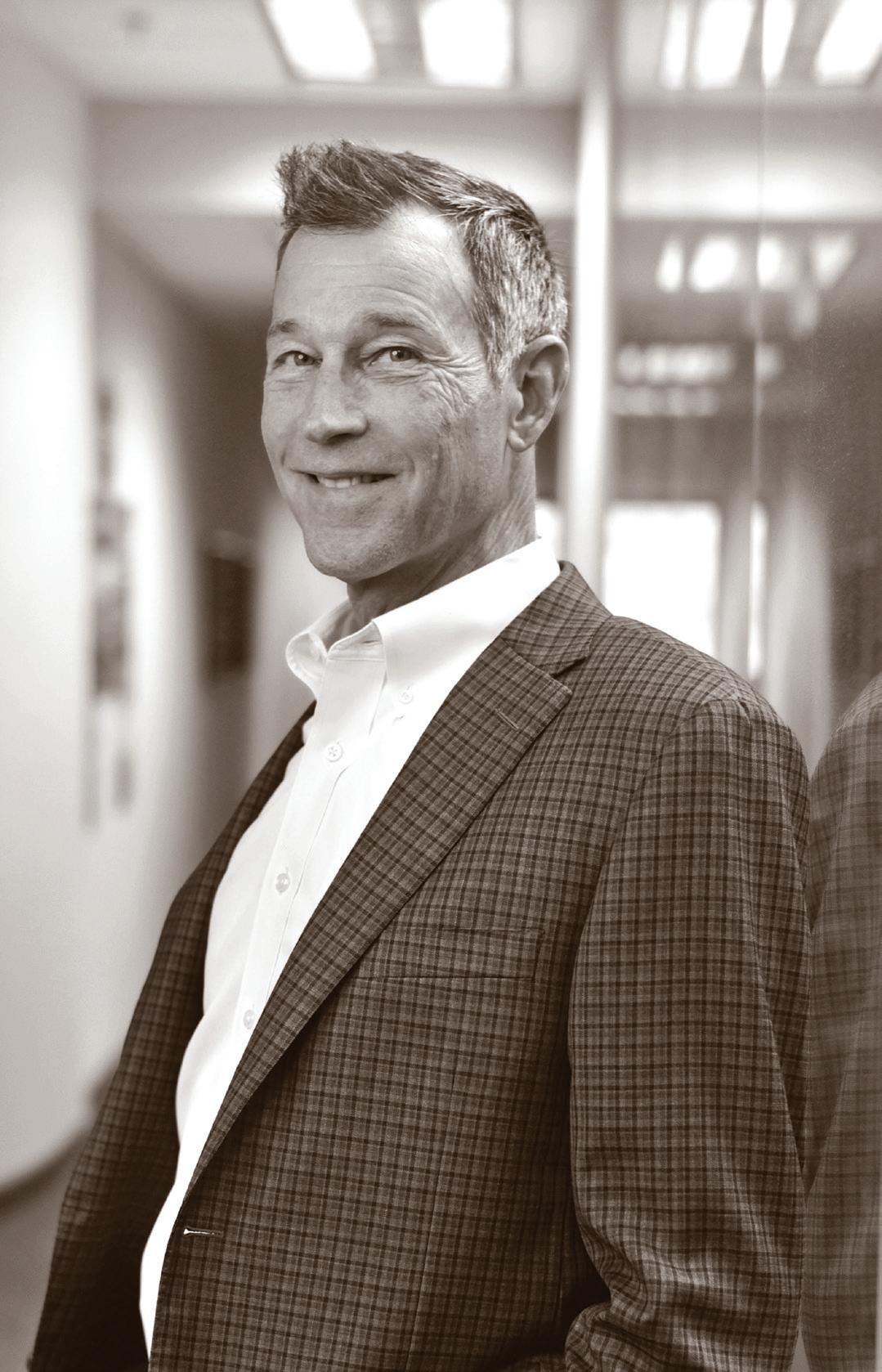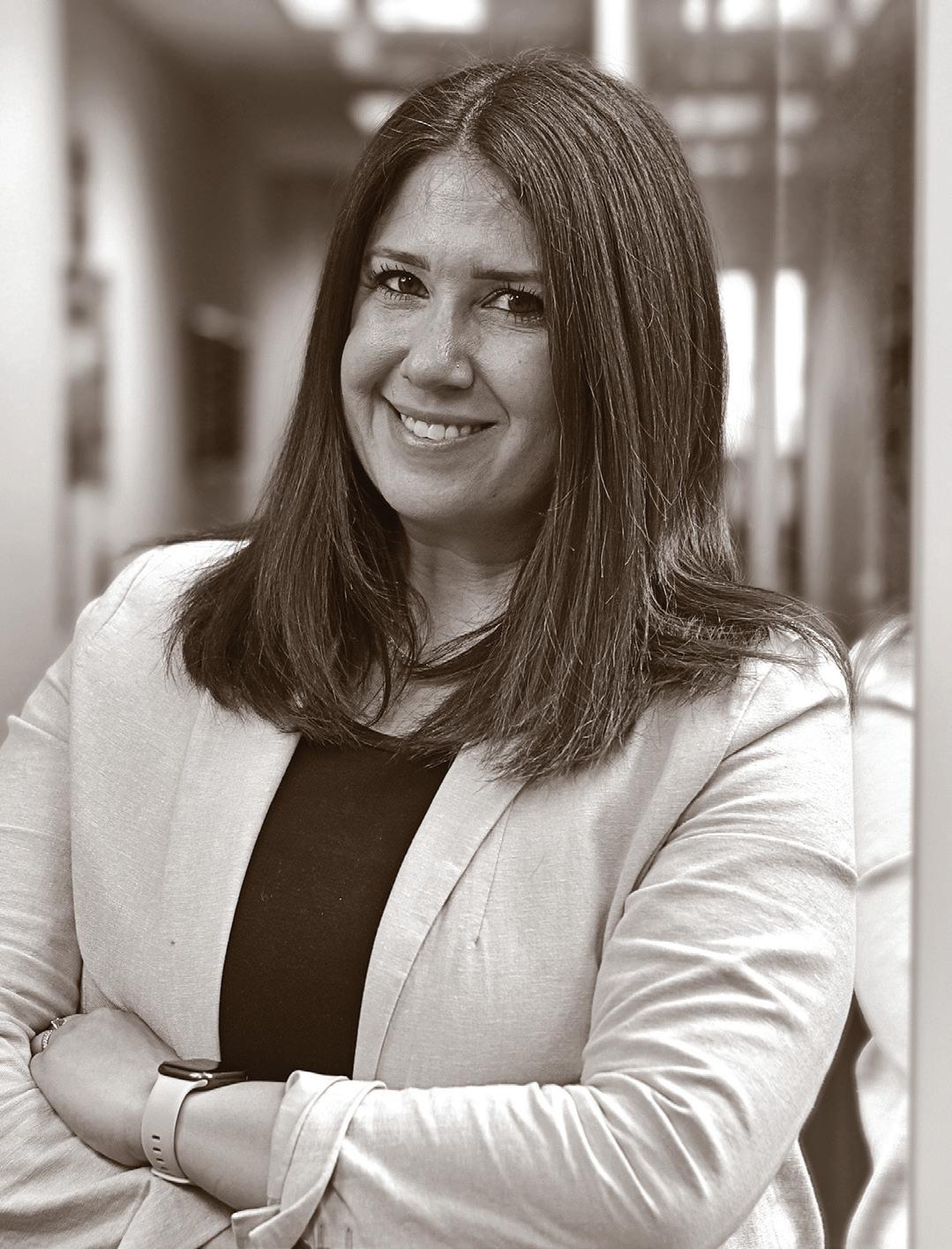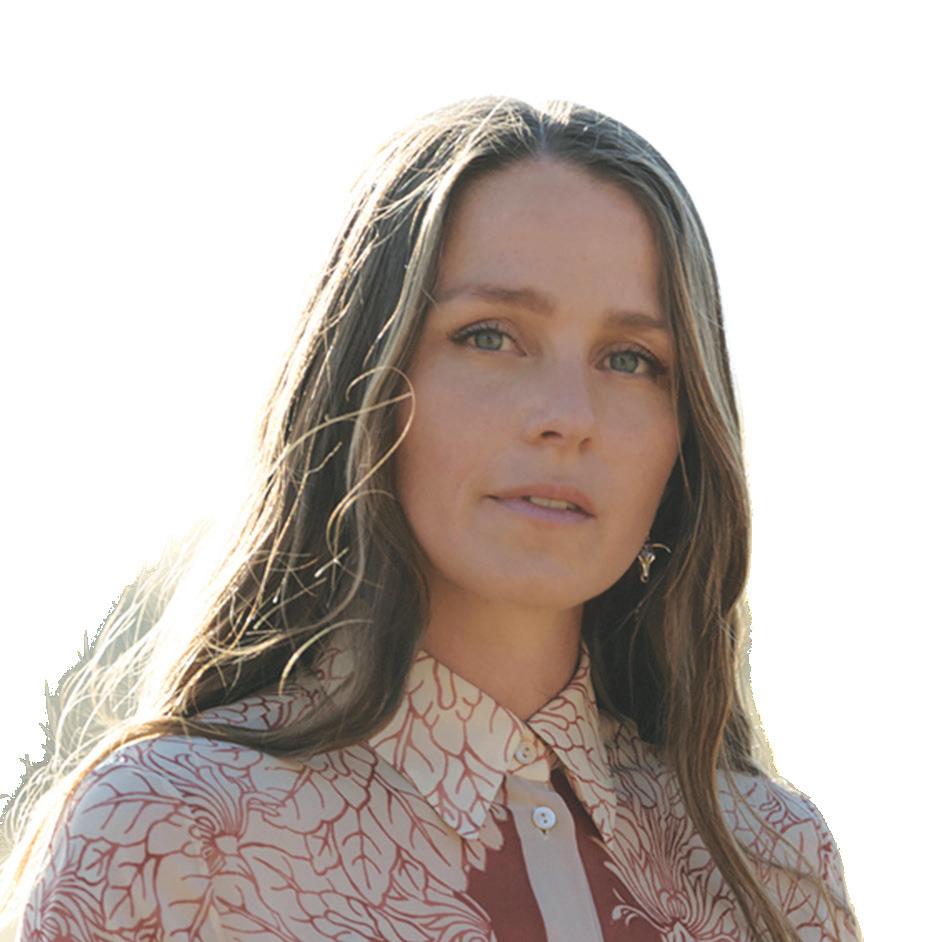
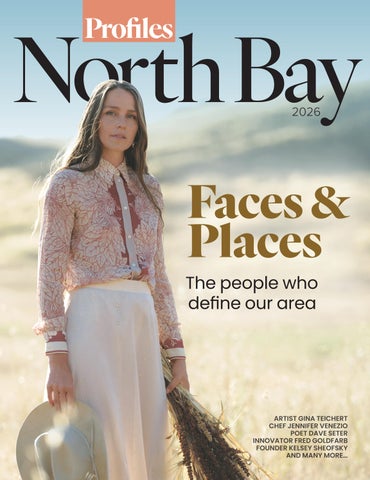
INNOVATOR FRED GOLDFARB FOUNDER KELSEY SHEOFSKY AND MANY MORE…
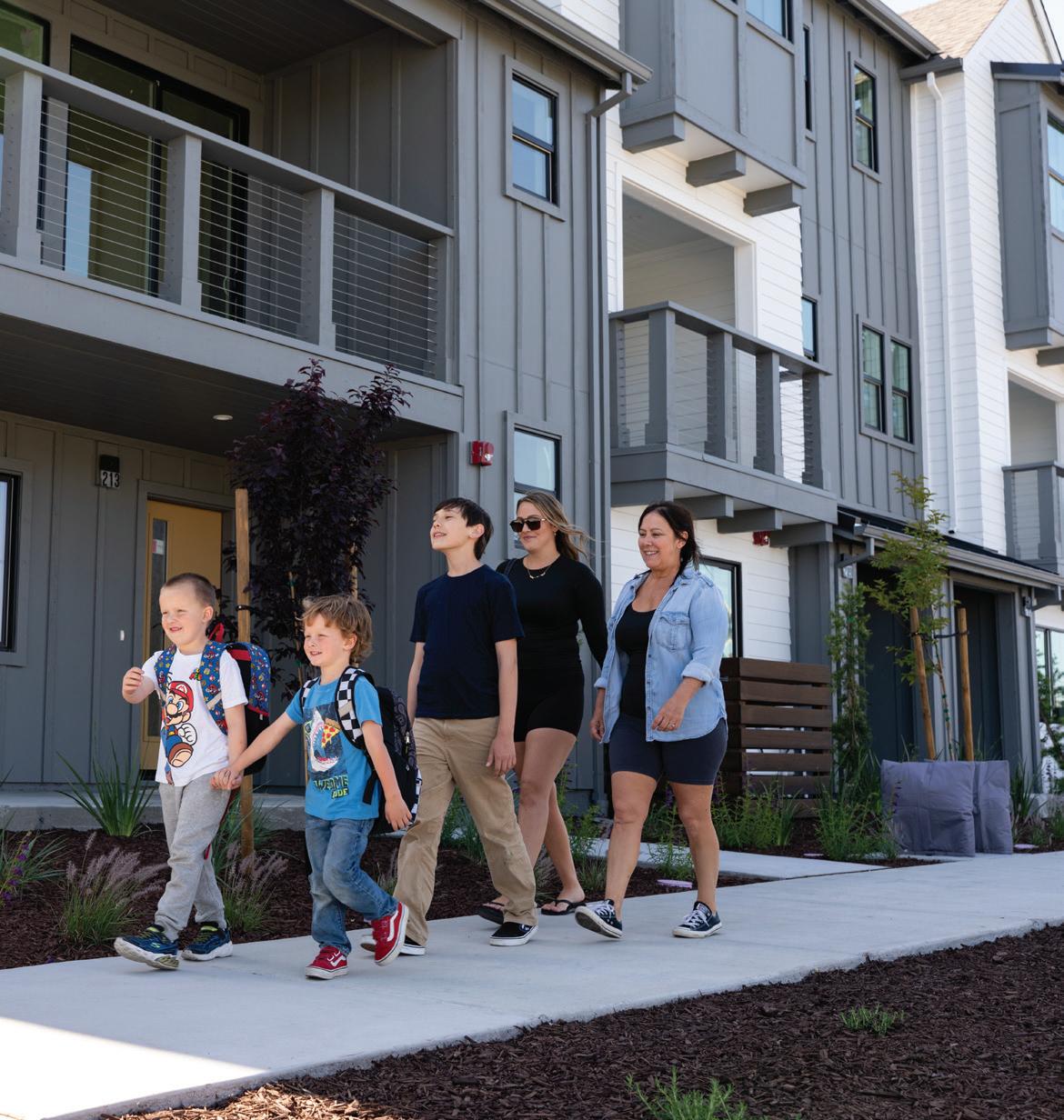









SOMO Village is an intentional community in the heart of Sonoma County, where tness, work, recreation, and home share an address. By design, not by accident.
Walkable streets, shared green space, on-site amenities, and homes built with intention. A village reimagined for the way Sonoma County actually lives, day to day.
On site, somo t is a boutique tness club voted Best Gym in the North Bay 2026. Small-group strength training, movement classes, and recovery for members who train for the long term.
www.somo t.com
SOMO Cowork sits at the center of the village. Flexible workspace, day passes, dedicated desks, private o ces, and meeting rooms, designed so your workday ts alongside the rest of your life, not against it.
www.somocowork.com
For families, Adventure Recreation runs year-round kids programming. Gymnastics, ninja warrior, and tumbling, all screen free with dedicated coaches and small class sizes. www.skillmeetswill.com
Interested in living at SOMO Village? Reach out to our dedicated Real Estate team
crystal@somorealty.com
(707)-343-4999
www.somorealty.com to tour what's coming and join the early-release list.
PUBLISHER
Rosemary Olson
EDITOR
Daedalus Howell
COPY EDITOR
Suzanne Michel
CREATIVE SERVICES PRODUCTION MANAGER
Deb Fisher
EDITORIAL PRODUCTION MANAGER
Zk Bradley
ASSISTANT EDITORIAL PRODUCTION MANAGER
Haley Tweedell
GRAPHIC DESIGNERS
Rowdy Tompkins
EDITORIAL GRAPHIC DESIGNER
Dina Kuhar
ADVERTISING DIRECTOR
Lisa Marie Santos
ADVERTISING ACCOUNT MANAGERS
Erin Hanson
Danielle McCoy
Dianna Stone
FACES PHOTOGRAPHERS
Will Bucquoy
William Wayland
CEO
Dan Pulcrano
CREATIVE SERVICES DIRECTOR
Cindy Couling
STRATEGIC INITIATIVES DIRECTOR
Stephen Buel
Randy Wentzel






CHIMPING Photographers refer to the habit of instantly reviewing images on a camera screen after taking them as ‘chimping,’ a playful nod to the excited reactions that often follow a successful shot.





With the risk of outing myself as a complete film geek with an overly arcane movie reference, suffice it to say that when it comes to both Soylent Green and this special “Profiles” edition of North Bay Magazine—it’s all about people.
Naturally, the abiding mantra of the lifestyle magazine trade is to always showcase “places and faces.” The reasoning is simple—we’re monkeys. We love to see others of our species in their natural habitats, what they’re doing, how they’re doing it and then imagine ourselves there too.
That intrinsically interests us as readers and as the hairless apes we’ve evolved into. Our monkey brains love to see places to go and who might be there when we arrive; it’s in our nature, and it’s what informs the editorial approach for this special “Profiles” edition of North Bay Magazine
The North Bay, meanwhile, appears to be having a moment.
Apart from its obvious natural beauty,


it continues to attract next-level thinkers, innovators, artists, entrepreneurs and iconoclasts who add immeasurable talent and cachet to the local experience. Some are building businesses. Some are making art. Some are quietly reshaping culture from behind the scenes. Others simply embody the curious, ambitious and occasionally eccentric spirit that has long defined this corner of California.
We’ve collected some of them here.
This is not a definitive list—such a thing would be impossible in a region as creatively fertile and perpetually evolving as the North Bay—but rather it’s a snapshot of a place defined by the people animating it.
Within these pages are chefs, vintners, designers, musicians, makers, philanthropists, performers and civic leaders, each contributing in their own way to the strange and compelling ecosystem we call home.
Because ultimately, places become meaningful because of the people within them. The landscapes may lure us here, but it’s human character that gives a region its soul.
— Daedalus Howell, Editor

























BY Daedalus Howell







n the popular imagination, the American West has always been less a place than a projection: part dust bowl, part backlot, part postcard. Some discover it through history books; others through the long, strange miles between nowhere and someplace else, contending with the dust, dirt and cow shit that come with it. Those people often become the West’s greatest mythologizers, and among their ranks is Gina Teichert.
The Napa County-based artist has built a body of work that filters Western iconography through a lens polished equally by cattle ranches, spaghetti westerns, roadside attractions, fashion campaigns, noir cinema and fine art traditions. The result is less like nostalgia than a kind of hallucinated Americana: cosmic cowgirls, mysterious drifters, desert expanses and neon-lit dreamscapes rendered with both technical rigor and playful irreverence. Think Wim Wenders’ film Paris, Texas by way of Georgia O’Keeffe and a Doors’ lyric.
And yet for all the stylization of its milieu, Teichert’s work is never ironic for its own sake—she always punches up. Moreover, she understands the West because she lived it.










Her biography reads a bit like an American fever dream: raised on a rural cattle ranch, later modeling for brands including Stetson, Levi’s and HarleyDavidson before emerging as a painter whose work has appeared at the de Young Museum, the Cheyenne Frontier Days Old West Museum and the West Coast Biennial. In 2018, Alaska Airlines acquired her piece, “Outerlands,” now installed in San Francisco International Airport’s Terminal 2, greeting travelers with her distinctly cinematic version of the West.
Teichert is especially fascinated by how the mythology of the American West is often sharpened, stylized and romanticized by people standing slightly outside it.


“I was talking to some friends the other night about American iconography in art made by outsiders,” she said. “Japanese and Italian filmmakers show us a stylized and exaggerated version of ourselves. Ralph Lauren—a son of Jewish immigrants from the Bronx—illustrates how romantic (and even cool) growing up on a ranch can be.”
That tension between reality and aspiration fascinates her.
“Of course, the reality is always a little different, but I think art, film and fashion





escape,” she noted. “The way you dress, the way you live, the things you paint, can


This may explain why Teichert views artistic labels with a kind of amused suspicion.
“A lot of artists get hung up on labels,” she said, “and while they can send useful signals to galleries and search engine robots, they kind of flatten the human experience.”
That flattening appears to be precisely what her work resists. Her paintings frequently occupy multiple realities at once: traditional Western portraiture colliding with abstraction, cosmic imagery bleeding into figurative draftsmanship, camp humor sharing space with melancholic beauty.
“Very few people are all one thing,” she observed. “The sooner you can understand that, the sooner it becomes your superpower.”
In Teichert’s case, those detours include fashion and modeling, industries she credits with inaugurating her sense of professionalism.
“Modeling was my first foray into professional life and visual culture,” she said. “It taught me a lot about being a
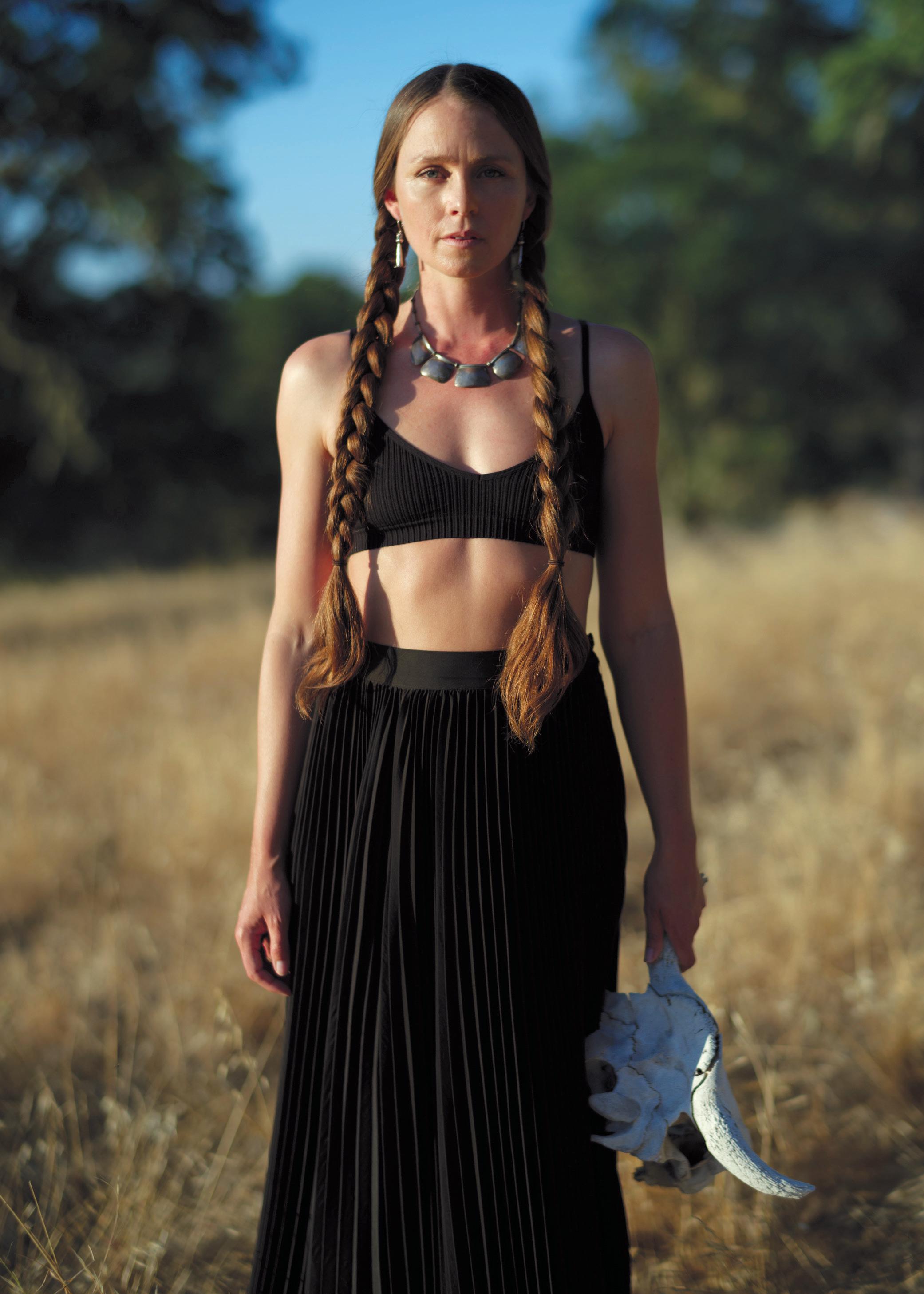
small business and how to present myself and my product.”
Like many contemporary artists in this particular cultural moment, Teichert has also become increasingly preoccupied with the question hanging over visual culture in the age of AI: What exactly can painting still do?
“It’s a daily challenge not to become a hermit and move to the mountains,” she joked.
Still, her concerns are less about robots replacing painters than about the broader social consequences surrounding
technological acceleration.
“I am concerned about the industry’s toll on the climate and privacy and human rights,” she said. “But that’s a conversation for another time.”
What interests her more immediately is how image-making itself changes in an era when appropriation, remixing and visual overload have become ambient conditions.
“I remember thinking what a landmark case it was when the Supreme Court ruled against the Andy Warhol Foundation for his use of a photograph by Lynn Goldsmith,” she noted. “Three years later,
the idea of fair use is totally quaint.”
To Teichert, contemporary culture increasingly treats all of visual history as one giant archive to sample from.
“For better or worse, it feels like everything is fair game,” she said. “So in a world where all of human history is considered reference material, artmaking is going to be less about the raw ingredients and more about who’s making the soup.”
That perspective partly explains why her recent work leans harder into physicality, texture and accident—the sorts of things difficult to replicate digitally.
“There’s an old saying that with the advent of photography, painting quit its day job,” she pointed out. “And as images become even more ubiquitous and throwaway today, art is tasked with cutting through the noise.”
Her answer has been to embrace materiality.
“We’ve seen a huge resurgence of fiber art and ceramics over the past few years, and they’re not very legible on a screen,” she said. “They’re tactile, warm, flawed … and you really need to see it in person.”
Teichert’s studio process mirrors this sentiment and raises the stakes by inviting fortuitous possibilities.
“The humanizing thing about analog art is the element of chance,” she explained. To that end, she has experimented with drips, bleed-throughs and painterly imperfections that become incorporated into otherwise classically composed works.
“A few years ago, I had been trying to paint the cosmos one for one and found it really stiff,” she said. “Now I’m using the nature of the paint and swirls to suggest the cosmos without painting every little detail of a Hubble image.”
Lately, she has also been working an antique photographic process that creates rich blue exposures using photosensitive chemicals and sunlight.
“Using a photosensitive medium called cyanotype, I create an analog photograph on the canvas, which I then paint over, leaving some of those areas exposed,” she explained.
The process eventually led her toward experiments with indigo-dyed canvases.
“You feel kind of like a 19th century washer woman dying huge bolts of fabric under a tree,” she said, “so I guess my dream of turning into a luddite is actually coming true.”
HEAVEN’S GATE ‘A few years ago, I had been trying to paint the cosmos one for one and found it really stiff,’ Teichert observed. ‘Now I’m using the nature of the paint and swirls to suggest the cosmos without painting every little detail of a Hubble image.’


That mixture of humor and romanticism runs throughout her work, particularly in series like “Ballad of Boot Hill,” an ongoing tribute to dangerous women, desert noir and the iconography of B-movie Americana.
“I grew up in the desert and have an affinity for lousy B movies, campy westerns, roadside attractions and truckstop neon,” Teichert noted, then quipped, “the definition of class, obviously.”
The figures in these paintings, part femme fatale, part outlaw or apparition, occupy a heightened cinematic reality.
“I like the idea of these heroines being sexy and mysterious and potentially dangerous,” Teichert said. “While I paint from real models, some of these figures might also act as my alter ego,” she added. “Grindhouse heroine meets mild mannered painter, anyone?”
Elsewhere, Teichert’s “Cowboyology”
series takes a more openly comic approach to Western identity, riffing on cowboy slang, cultural archetypes and the absurdity embedded within rugged individualism.
“If the cowboy lifestyle has a fault, it’s taking itself too seriously,” she said.
Her satirical “failure belt buckles” have become especially beloved among those fluent in ranch-life humor.
“Not everybody understands the failure belt buckles, but I guess they’re not for everybody,” she observed. “If you know, you know.”
One favorite bears the title “Champion Hay Burner.”
“My horses have no responsibilities other than looking pretty and eating hay,” she said. “So they’re essentially big, indulgent pets.”
Recently, Teichert expanded her practice beyond the studio by mounting a pop-up gallery exhibition in
St. Helena titled “Wine Country.”
“Yes, I am full of puns,” she admitted.
The show emerged partly from necessity.
“There aren’t a lot of places to exhibit work in the North Bay,” she said.
“Sometimes you have to take matters into your own hands.”
More importantly, it reinforced her interest in building an artistic community within a region whose geography can isolate creatives from one another.
She is now exploring future group exhibitions and artist-run collaborations designed to connect North Bay artists working somewhat outside traditional metropolitan art centers. Which, in its own way, feels deeply Western too: making culture where one is rather than waiting for permission from someplace else.
Or as Teichert put it, “Putting the ‘country’ in Wine Country is an ongoing mission.”
For more, visit ginateichert.com.










Outgoing poet laureate Dave Seter on nature, infrastructure and verse
BY Kary Hess
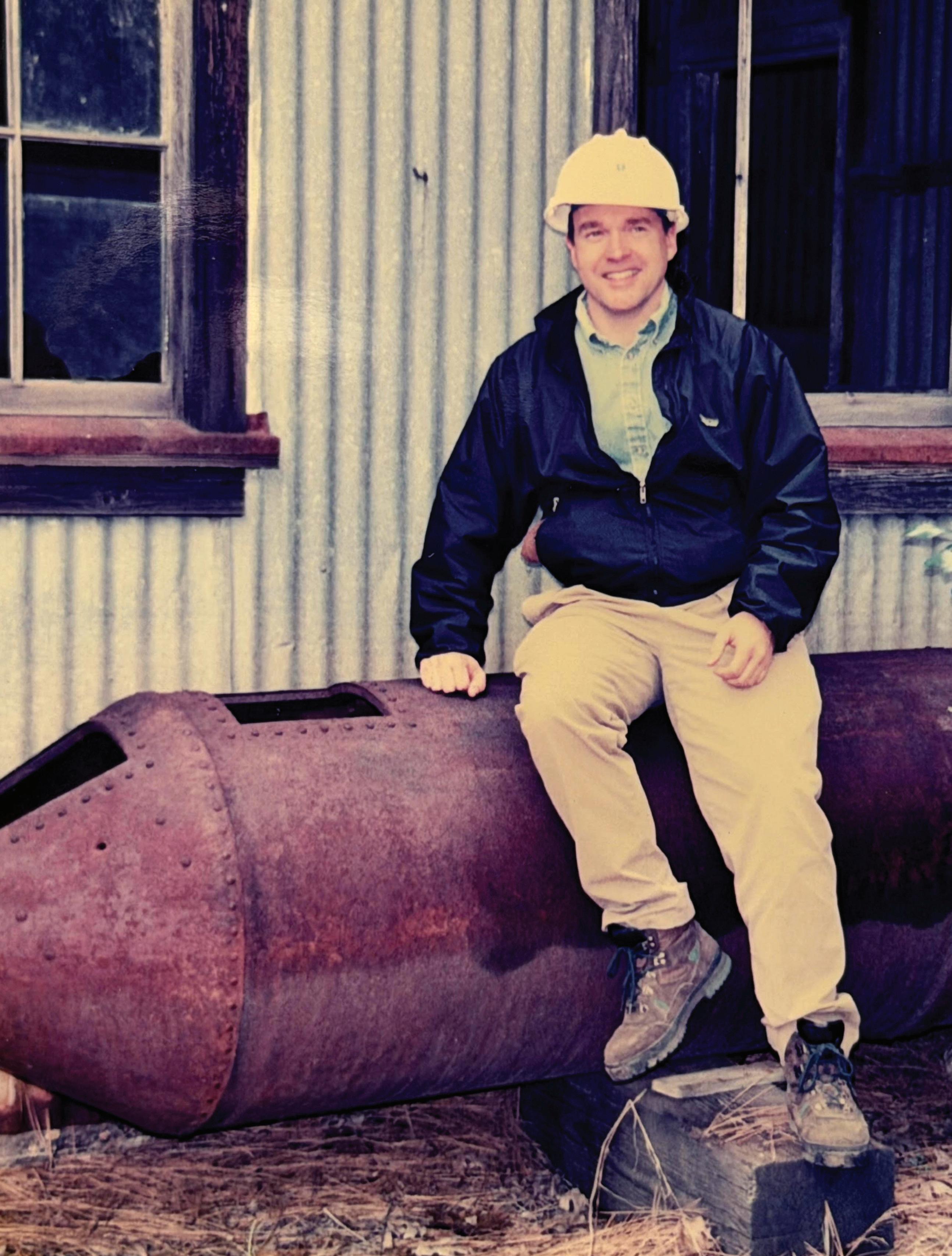



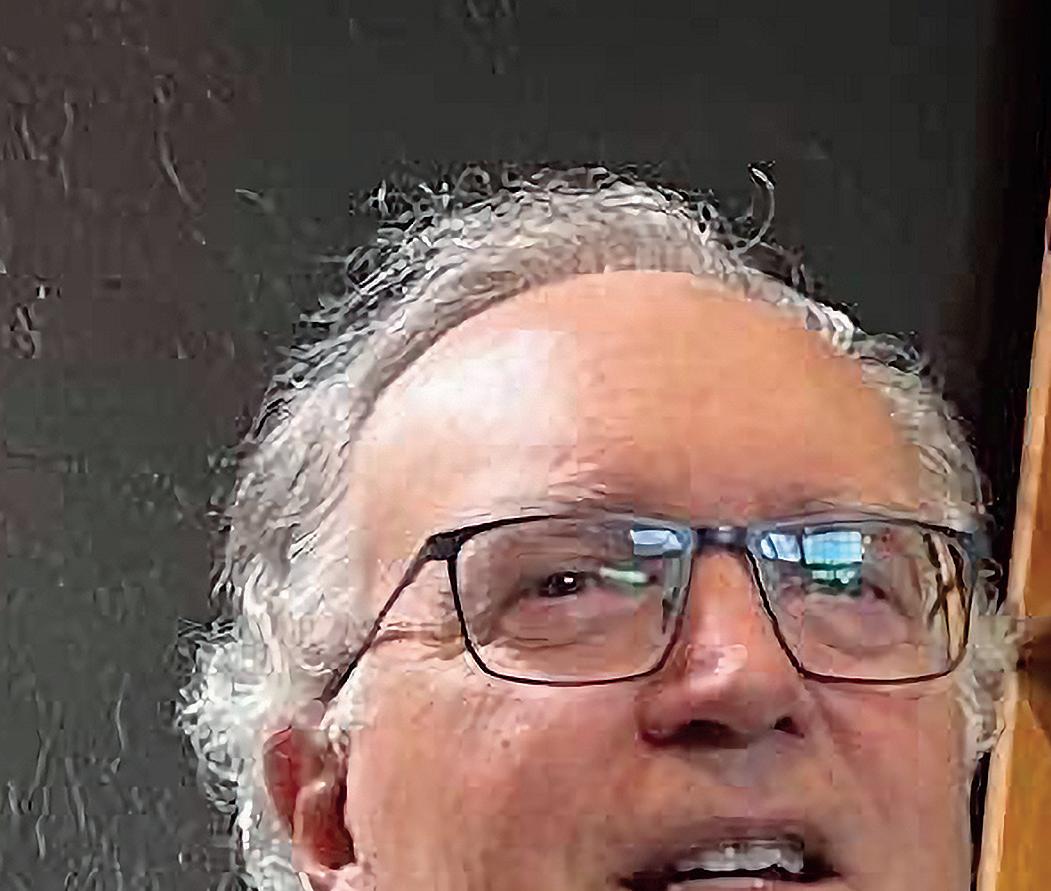
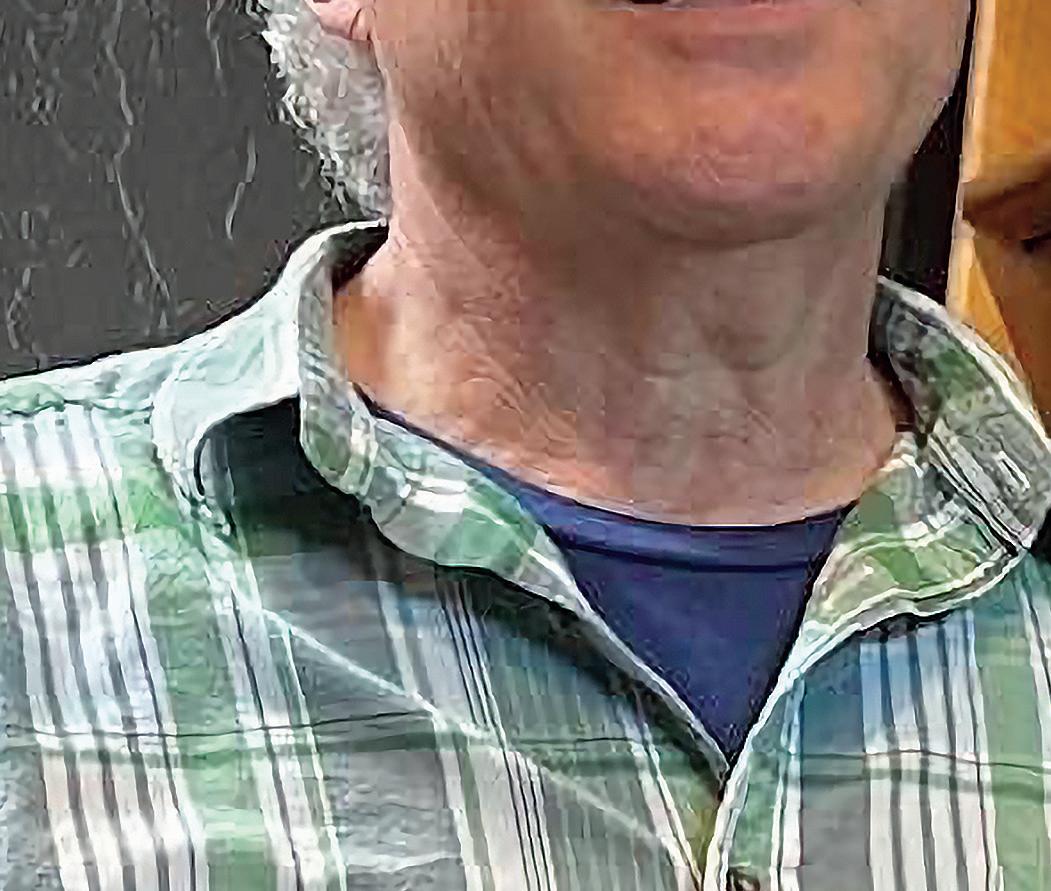








There’s a certain kind of poet whose work is attuned to systems both visible and invisible. Sonoma County’s current poet laureate, Dave Seter, is one of those poets.
He’s a civil engineer by trade, an ecopoet by calling, and, perhaps most importantly, an observer of the relationship between these two worlds.


Seter’s résumé reads like a study in opposites. He holds a degree in civil engineering from Princeton and a graduate degree in humanities from Dominican University of California. He spent his career as an engineer, has translated Lithuanian poetry and has earned literary awards including the KNOCK Ecolit Prize and Pushcart nominations (which are when a literary journal submits a poet’s work for a prestigious annual small-press anthology).





From those dualities comes work that listens closely to the land and acknowledges the reality of human interventions. His poems celebrate the natural world through the lens of his experience with the built environment, including observations of nuclear generating stations and jackhammers.
“I believe that poets, whatever their career path, are natural observers of the world they live in,” Seter says. “Working at something other than writing poetry gives us unique subjects to write about.”
That sense of scientific perception threads through his work. He’s the author of the full length poetry collection, Don’t Sing to Me of Electric Fences, and two chapbooks, Night Duty and Somewhere West of the Mississippi, all of which unfold conversations about the interconnectivity





and entwined fates of our natural and engineered worlds.
Where an engineer might focus on physical impact, Seter considers emotional impact: a lizard pickled in a solution used in Nevada copper mines; farmland being returned to San Pablo Bay just off of our own Highway 37; a river set aflame by industrial neglect. These aren’t abstractions; they’re moments of reckoning.

One of Seter’s earliest ecological awakenings came in childhood, reading about the infamous Cuyahoga River fire. “I was angry and wondered who would speak for the river,” he recalls. “I decided I would speak for the river, for the egret, for the lizard.”
As an engineer, he understands that every act of construction carries a cost. As a poet, he examines the implications of that cost.
“I’m aware whenever we build something we impact the lives of other species,” he says. “I try to be honest in my writing about the pros and cons of what we build.”

In Seter’s work, there’s no illusion that we can return to an untouched world. Instead, his poems inhabit a liminal space where human ingenuity and environmental degradation coexist.
Many times, his poems literally begin in motion. “Often the beginning lines of my poems pop into my head as I’m walking,” he says. “Something about the rhythm of walking is much like the rhythm of the poetic line.”
There’s even a kind of logic in how the practical turns symbolic—how walking can become a form of thinking, the body quietly setting the pace. Because for Seter, writing poetry is not removed from daily life but means that he’s an embedded, attentive observer within it.

In Seter’s work, there’s no illusion that we can return to an untouched world.
Instead, his poems inhabit a liminal space where human ingenuity and environmental degradation coexist.
That attentiveness has taken on a broader public dimension since his appointment as Sonoma County poet laureate (2024–26). These past two years, he’s leaned into the role of facilitator as much as writer, leading workshops designed to demystify poetry and invite participation, even from those who have never written poetry before. “I think it’s important for the poet laureate to set people at ease about writing poetry,” he says.
The emphasis here is on openness rather than instruction. His workshops are structured around ideas—“Thinking Like a Mountain,” for instance, where participants are encouraged to play, experiment and share.
“At first I was surprised when almost everyone wanted to share their work,” he admits. “But now I simply sit back and listen, awestruck at the variety of our community’s voices and stories.”
Seter’s perspective is that poetry is all about attention and participation. This also aligns with his work as a translator of Lithuanian poetry, which was inspired by his Lithuanian ancestry. It sharpened his sensitivity to language and cultural context. “Translating poetry has made me more aware of the weight of each word,” he says, “and the importance of choosing the right word for the circumstance.”
For example, in Lithuania, unlike the United States, pagan traditions remain woven into contemporary life. Noticing that cultural landscape is key to an ability to choose words in English that preserve the meanings of the original poems.
As his tenure as Sonoma County’s poet laureate wraps up this year, Seter
looks forward to learning from the new appointee. “I’m the 13th Sonoma County poet laureate,” he says. “The term is for two years, and there’s a reason for that. Someone new will take my place with new ideas. No kings and no laureates for life.”
The demands of public engagement have, by his own admission, pushed his personal writing to the side. Even so, he has a new poetry book manuscript almost completed, plans to return to his Lithuanian studies, and is currently resuming work on a novel about a ghost girl living in Gold Country who is searching for her mother.
“There is no one way to write. Procrastination is the bane of all writers,” says Seter. “The antidote is to jump in and not edit one’s thoughts before one even begins. Writers should give themselves permission to fail. Like children, they should embrace play and just simply have fun.”
In the end, the writer is always a translator, someone who moves between worlds, even interweaving them. Poetry, he thinks, may struggle at times to find its audience. But its purpose remains intact: to observe, to record, to remind us what it means to be human.
In Seter’s hands, that process is grounded in the particulars of place: rivers and roads, lizards and levees, and the quiet tension between what we build and what we inherit.
Learn more at daveseter.com.
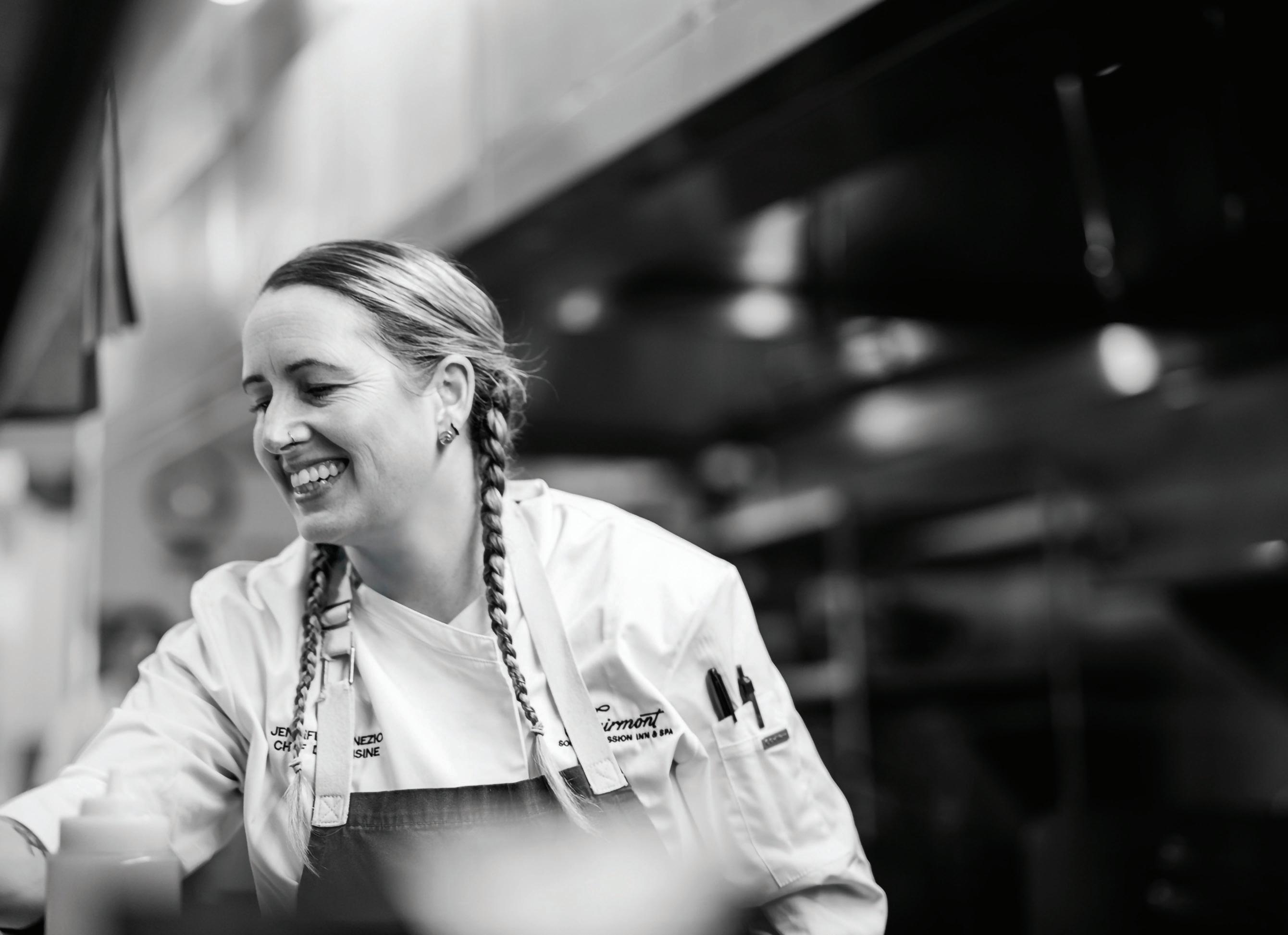
For years, Santé at the Fairmont Sonoma Mission Inn has occupied an interesting liminal space in Wine Country dining mythology—beloved by many but tucked away in a landmark enclave such that locals may not have known it was available to them too. That’s about to change.
Now the landmark Sonoma restaurant is entering a new phase under chef de cuisine Jennifer Venezio, a Sonoma County native whose return to the kitchen marks something of a full-circle moment. That local grounding matters because the new Santé is trying to strike a careful balance between refinement and approachability: preserving the polish expected of a luxury resort restaurant while loosening the collar a bit to meet contemporary travelers and area diners with conviviality, seasonality and a memorable—and repeatable—shared experience.
The relaunch, officially unveiled this spring, reframes Santé as a modern California French restaurant infused with Mediterranean influences and deeply rooted in Sonoma County agriculture, seafood and wine culture.
“It’s really nice to be back in Sonoma,” Venezio said recently. The chef is originally from nearby Glen Ellen and is extending the local ethos throughout Santé’s menu, which favors large-format dishes, family-style presentations and ingredients sourced largely from within the surrounding region. According to the Fairmont, much of the produce, seafood and meat used at Santé comes from within roughly 100 miles of the resort.
“I just love Sonoma County and the abundance of the produce,” said Venezio.
That regional loyalty shows up all across the menu. One standout, during our recent crab season, was Venezio’s bouillabaisse, a saffron-laced seafood stew built on crab broth and anchored in Northern California coastal ingredients. The dish also reflects the restaurant’s increasing emphasis on sustainability and seasonality.
Elsewhere, Liberty Duck from Petaluma makes an appearance in a dish showcasing crispy skin and rich duck breast—a nod to one of Sonoma County’s most respected producers. Weekend brunch offerings include chilaquiles, lemon cottage cheese pancakes and crab Benedict.
The restaurant’s roasted half kampachi for two reflects that philosophy while also leaning into a growing trend toward communal dining. Sustainability may be a guiding principle, but abundance remains part of the appeal.
“Dining at Santé is designed as a shared experience, encouraging guests to gather, discover and savor together. Signature offerings include thoughtfully composed tasting experiences complemented by Sonoma County wines that highlight the artistry of chef Jennifer and her dynamic culinary brigade,” shared Brice Giannotti, Santé general manager.
To that end, Venezio’s return to Santé also represents a personal homecoming. Before serving as executive chef at Due West in Olema during the pandemic era, she worked at the Fairmont as sous chef. Back then, the restaurant was known for elaborate seven-to-eleven-course tasting menus and a tendency toward
highly formal fine dining. The new Santé broadens that perception without sacrificing technical rigor.
The kitchen still employs refined techniques including in-house fermentation, house-made misos and sourdough starters, according to the Fairmont, but the experience is now calibrated less toward culinary theater and more toward warmth, accessibility and connection.
That extends to the restaurant’s evolving programming as well. Santé’s new monthly Sunday Supper Series offers four-course prix fixe dinners served family style around communal tables, each centered on rotating seasonal themes ranging from Provençal spring menus to seafood-focused feasts.
“It’s about embracing sharing a meal together,” Venezio noted. “‘Breaking bread together’ is what we say.”
For the Fairmont, the relaunch arrives during a broader evolution in Wine Country hospitality itself. Increasingly, luxury destinations are embracing local diners, not just tourists. Moreover, locals
not only expect quality but authenticity. Santé understands this.
“Locals are more than welcome,” stated Fairmont representative Michelle Heston. “They’re our best ambassadors really.”
That local-first mentality may ultimately define whether the new Santé succeeds not merely as a resort restaurant but in its rightful place as a Sonoma institution.
After all, Wine Country already has plenty of places engineered for Instagram. What it needs more of are restaurants capable of becoming part of people’s lives—places where anniversaries, birthdays, business deals and Sunday suppers all happen under the same roof.
In that sense, Santé’s reinvention feels like a return to something older and perhaps more enduring: hospitality rooted not in exclusivity but belonging.
— North Bay Magazine Staff
Santé is located at the Fairmont Sonoma Mission Inn & Spa, 100 Boyes Blvd., Sonoma. For reservations, call 707.939.2415 or visit fairmont-sonoma.com/dine/sante.






gets to the heart of the matter
Wine Country hospitality has long operated on a kind of unspoken binary: either rustic enough to require bug spray or luxurious enough to require a reservation six months in advance.
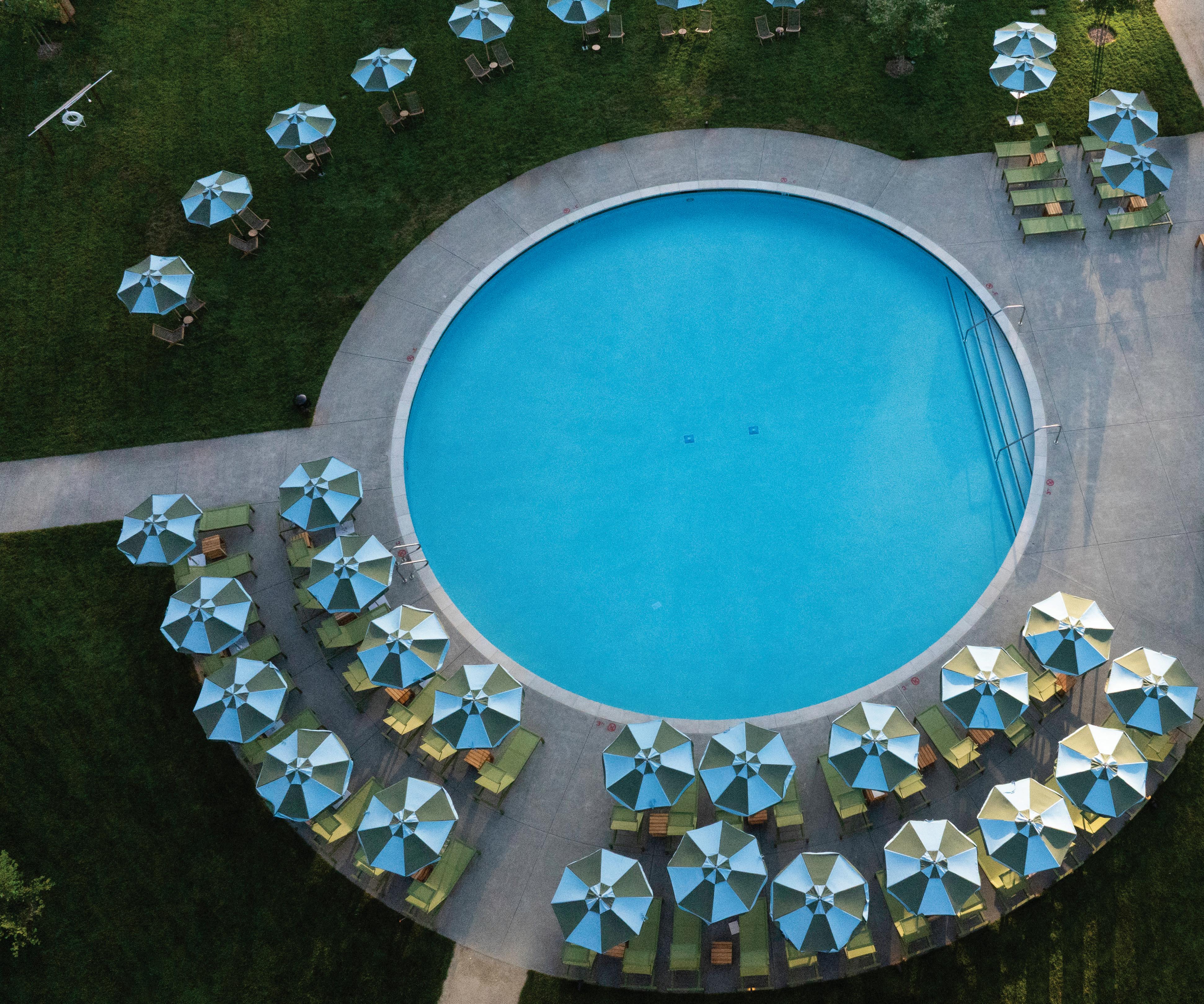
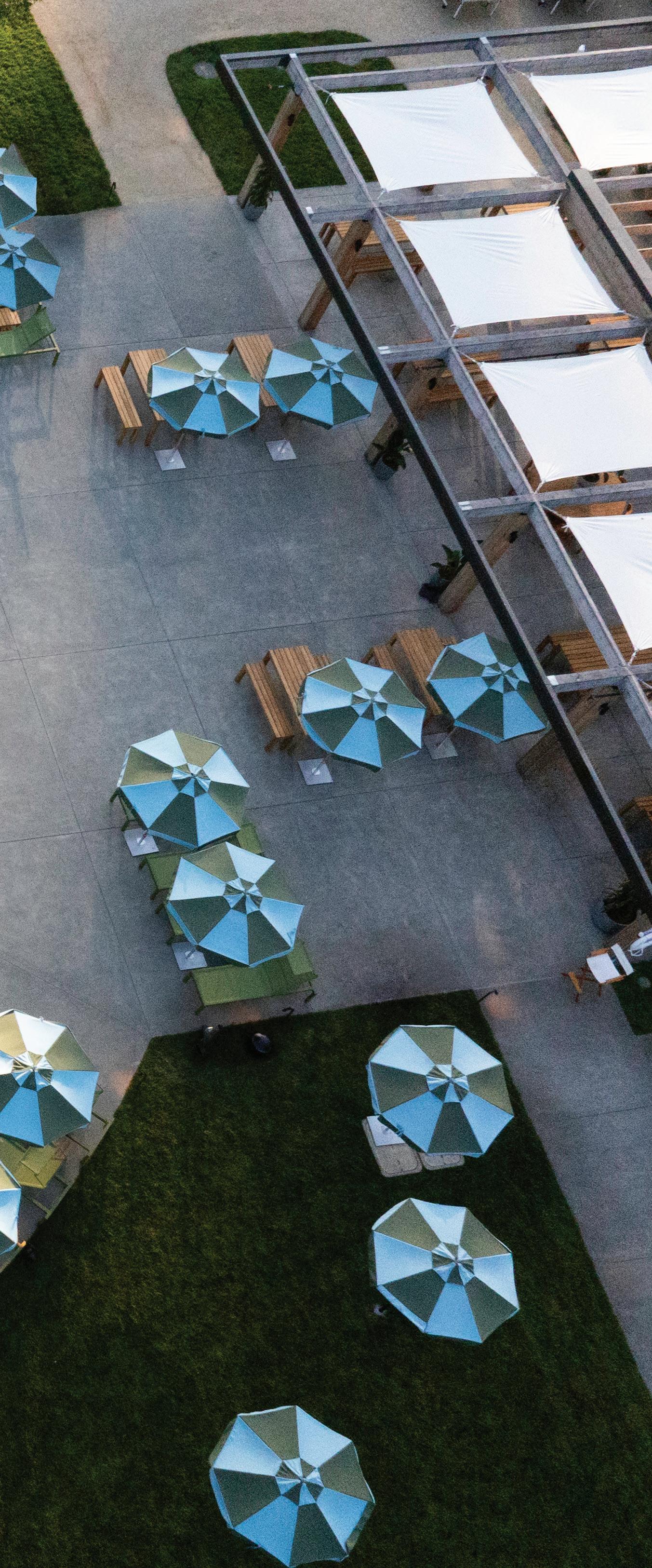
Somewhere between the yurts and the infinity pools sits a new contender in Guerneville called The River Electric, a retro-leaning swim club and camp resort that appears intent on splitting the difference between summer camp nostalgia and the polish of a boutique hotel experience.
The property opened for stays beginning in May, its 12 acres unfolding beneath the
redwoods with 45 furnished canvas tents, a European-style swim club and poolside dining. But unlike many contemporary luxury escapes that feel engineered primarily for Instagram stories, The River Electric seems more interested in cultivating repeat visitors than those checking boxes on a bucket list.
“A lot of places in Wine Country lean either rustic or luxury,” said co-founder Kelsey Sheofsky. “Sonoma County already does both ends of the spectrum incredibly well. You have world-class hotels, Michelinstarred restaurants and gated wineries next to unpretentious dive bars, roadside spots and family campsites. That contrast is part
of what makes Sonoma County so distinct and special, especially to locals.”
That duality became the project’s organizing principle.
“Our senior team has spent decades working long shifts delivering refined, detail-oriented events,” Sheofsky said. “Personally, we crave a more relaxed, irreverent and genuinely fun atmosphere when we travel.”
In practice, that translates into a place designed around what Sheofsky calls “decompression.” There are furnished tents with electricity and Wi-Fi, but also cabana drapes, poolside burgers and locals wandering in after work for a drink. The

resort is the latest venture from the Shelter Co. family of brands, and the project leans heavily into the increasingly desirable (and marketable) idea of “slow travel.”
“We actually love the idea of passing through,” she noted. “And hopefully it happens over and over through the summer.”
That may be where the Guerneville setting becomes essential. The Russian River has always occupied a slightly different psychic frequency than the rest of Wine Country—long steeped in a bohemian ethos; it’s the “you do you” heart of the county.
“Guerneville is famously unfussy,” Sheofsky stated, “and The River Electric is built to support a sense of spontaneity you don’t typically find in California.”
The property includes locals’ days, adultsonly weekends, trivia nights, yoga, Sunday suppers and even a weekly kids’ camp, though the team appears careful not to over-curate the experience into submission.
“We don’t overdo it on activities on purpose,” Sheofsky said. “So much of what makes a stay here memorable is stuff we don’t directly control. The river. Walking into town. Local wine tasting. Driving to the coast for oysters.”
Notably, the swim club is also open to locals through day passes and memberships, a move that could either make the place feel woven into the community or produce low-level turf warfare over lounge chairs by July. Sheofsky insists the intention from the outset was


integration rather than exclusivity.
“We didn’t set out to build a compound,” she explained. “We wanted to be a place to enjoy in conjunction with all the other amazing things Guerneville has to offer.”
The property itself was shaped as much by environmental limitations as aesthetics. Located in a floodplain, the project required sustainable, resilient construction methods. Concrete and redwood became defining materials, while textiles and soft furnishings were treated almost like visual punctuation marks.
“The point of visiting River Electric is to be in nature,” Sheofsky said, “so all our designs prioritized highlighting that experience.”
That design-forward sensibility recently helped land the swim club a finalist spot in the Hospitality Design HD Awards ahead of its opening season.
Still, perhaps the smartest thing about the project is its embrace of Sonoma County’s unofficial “real summer”—that golden September-through-October stretch when the fog retreats, the river warms and everyone who knows better quietly keeps vacationing after Labor Day.
“Fall is actually my favorite time up here,” noted Sheofsky. “The fog takes a break, the river warms up, the crowds thin out, and the light gets that magical gold quality.”
— North Bay Magazine Staff
The River Electric is located at 16101 Neeley Rd., Guerneville. More information at theriverelectric.com.
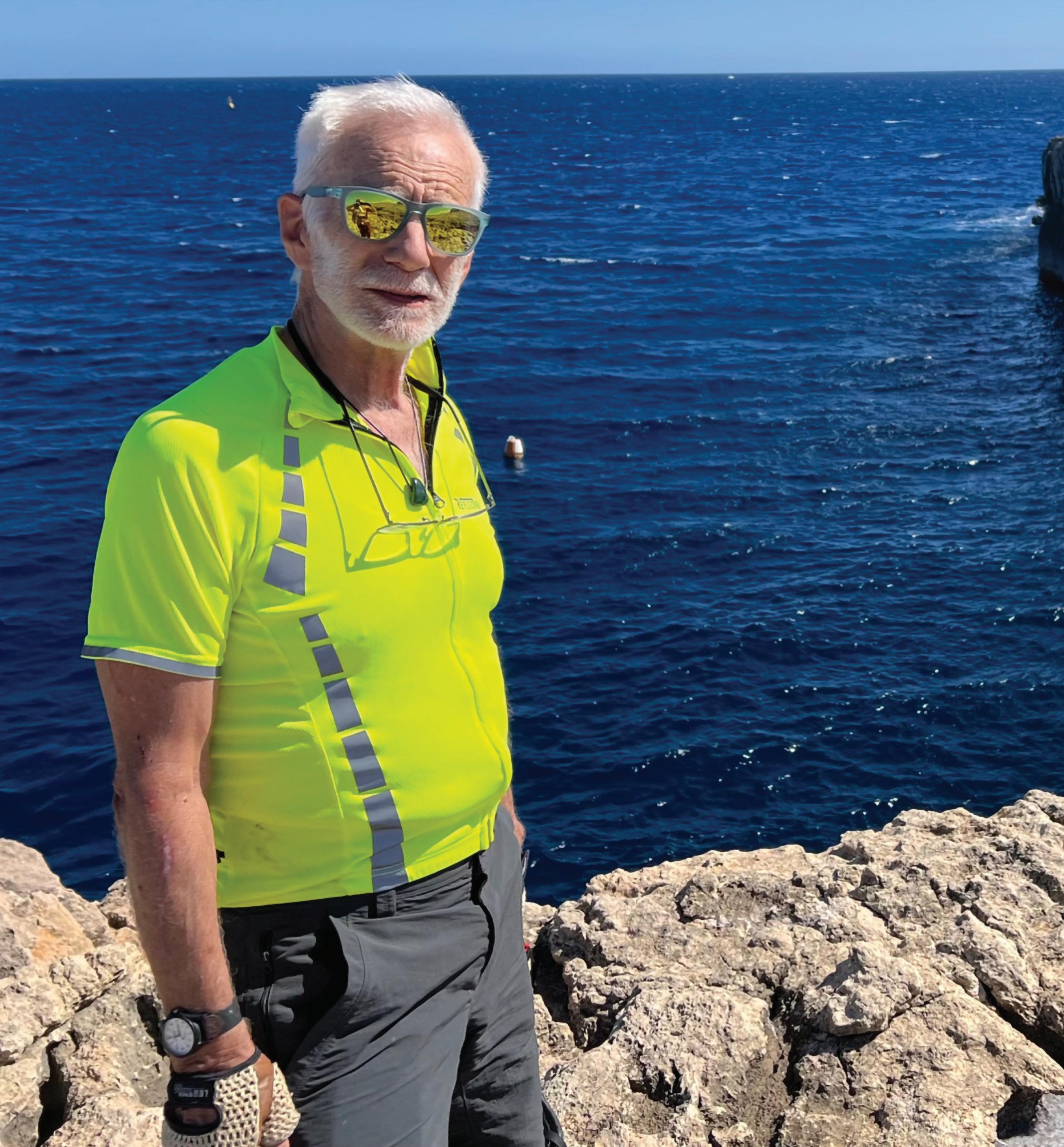
Fred Goldfarb
It is hard to imagine that there once was a time when cycling in Marin County was basically a blood pact with gravity. Riders barreled down fire roads on modified cruisers with minimal protective gear and called it “mountain biking.” Crashes were an anticipated part of the experience.
Today, however, the risks surrounding cycling feel less roguish and more systemic.
The roads are more crowded. Bikes are faster. Cars are heavier and more distracting to operate thanks to phones and onboard touchscreens. And increasingly, cyclists of every age are sharing infrastructure that was not designed for the current mix of vehicles, available speeds and behavior.
Fred Goldfarb has spent years thinking about that shift.
The founder of Tailgator, a Marinbased bicycle safety company, traces his own cycling experience back nearly seven decades.
“I rode a Schwinn bike in 1956,” Goldfarb says. “Low tech, but it was my vehicle of choice, and there weren’t many others except my feet.”
That long view informs his perspective on how dramatically cycling culture has evolved. In his telling, bikes in the 1960s and early ’70s were largely recreational tools for children rather than serious transportation or fitness gear. Interest expanded during the environmental movement and oil crisis of the 1970s, then surged again with the rise of mountain biking in Marin during the 1980s.
More recently, cycling participation accelerated again during the pandemic as outdoor recreation became one of the few available activities.
And, of course, the bike-shaped elephant in the room is the emergence of e-bikes, which have become one of the most visible flashpoints in the larger safety conversation.
“With more riders come more accidents,” says Goldfarb. “Improved technology increases bike speeds on both roads and mountain trails. Infrastructure doesn’t keep up with the growth in cycling,” he adds. “While more cyclists of all ages are on the roads with more cars, California still lacks laws requiring helmets for adults. It sensibly does for children on e-bikes however.”
Goldfarb believes the severity of
accidents has increased while overall they have stayed at a similar frequency. But increased speeds cause more broken bones and internal injuries. Faster bikes and heavier e-bikes contribute to more serious injuries when collisions occur. Goldfarb also points to broader technological changes that affect both drivers and cyclists.
“Drivers are distracted by cell phones,” Goldfarb suggests. “Drivers look for directions or music on their large media monitors.”
At the same time, cyclists themselves may be wearing earbuds or operating increasingly sophisticated electric bikes capable of higher speeds than traditional bicycles.
The San Francisco Chronicle recently stated that, according to Marin County figures, emergency responses involving youth bicycle crashes more than doubled between 2019 and 2022, rising by 110%. More recent data gathered since 2023 indicates that riders ages 10 to 15 are involved in crashes at a rate roughly five times greater than any other age group.
Goldfarb believes part of the problem stems from confusion surrounding the types of vehicles being sold.
“There are three legal classifications of e-bikes,” Goldfarb says, “but there are also other e-bikes, or e-motos that often claim to be e-bikes but are faster and more dangerous, especially in unskilled hands.”
Goldfarb argues that parents, retailers and policymakers all share responsibility in addressing the issue. He supports stronger enforcement against improperly classified vehicles and believes parents should pay closer attention to what their children are riding.
His own entry into bicycle safety innovation came after a personal crash.
“In 2016, I had an accident caused by a sudden unexpected stop,” Goldfarb recalls. “I fell, broke my wrist and landed in the ER.”
While recovering, he began thinking about why bicycles lacked the sort of braking signals standard on automobiles.
“I concluded that bikes needed brake lights,” he says. “They work well for cars; state laws started requiring them in 1911. It made sense then and has proven essential for stopping rear-end collisions, so why not for bikes?”
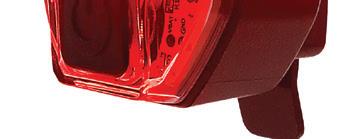
That idea eventually became Tailgator, a bicycle brake-light system designed to brighten automatically when riders slow down or stop.

Goldfarb says the concept gained traction after he spoke with bike shops and retailers including REI and Mike’s Bikes.
“The idea for a bike brake light turned into a company, Tailgator, whose focus is improving cycling safety,” he says. “The light is now on thousands of bikes nationwide.”
The ad copy seems to have come from the man himself—per its website, tailgator.io: “Why? Because your ass is more exposed than a bumper out there. The Tailgator bike light is more than a tail light—it’s a 300-lumen ‘notice-me’ flare when you brake.”
That said, Goldfarb does not believe technology alone will solve the broader safety problem.
“It will require a mutual awareness for everyone to keep cycling safe,” he says.
For cyclists, he advocates practical visibility measures including bright headlights, reflective gear and brake lights.
“Better gear is the easiest way to improve safety,” Goldfarb notes. “You can control that.”
He also believes the issue ultimately comes down to shared responsibility between riders, motorists, parents, schools, retailers and local governments.
“Parental involvement, consistent enforcement, responsible retailers and better infrastructure all have to work together,” he says.
Despite his concerns, Goldfarb remains deeply attached to cycling culture and the freedom bicycles represent.
“If I was here in 1975-85, would I have joined the crew racing each other down Repack—the trail they created that began the world of mountain biking?” he asks. “You bet.”
Decades later, he is still riding—only now with a sharper focus on what it takes to keep riders safe on increasingly complicated roads.
— North Bay Magazine Staff More information at Tailgator.io.

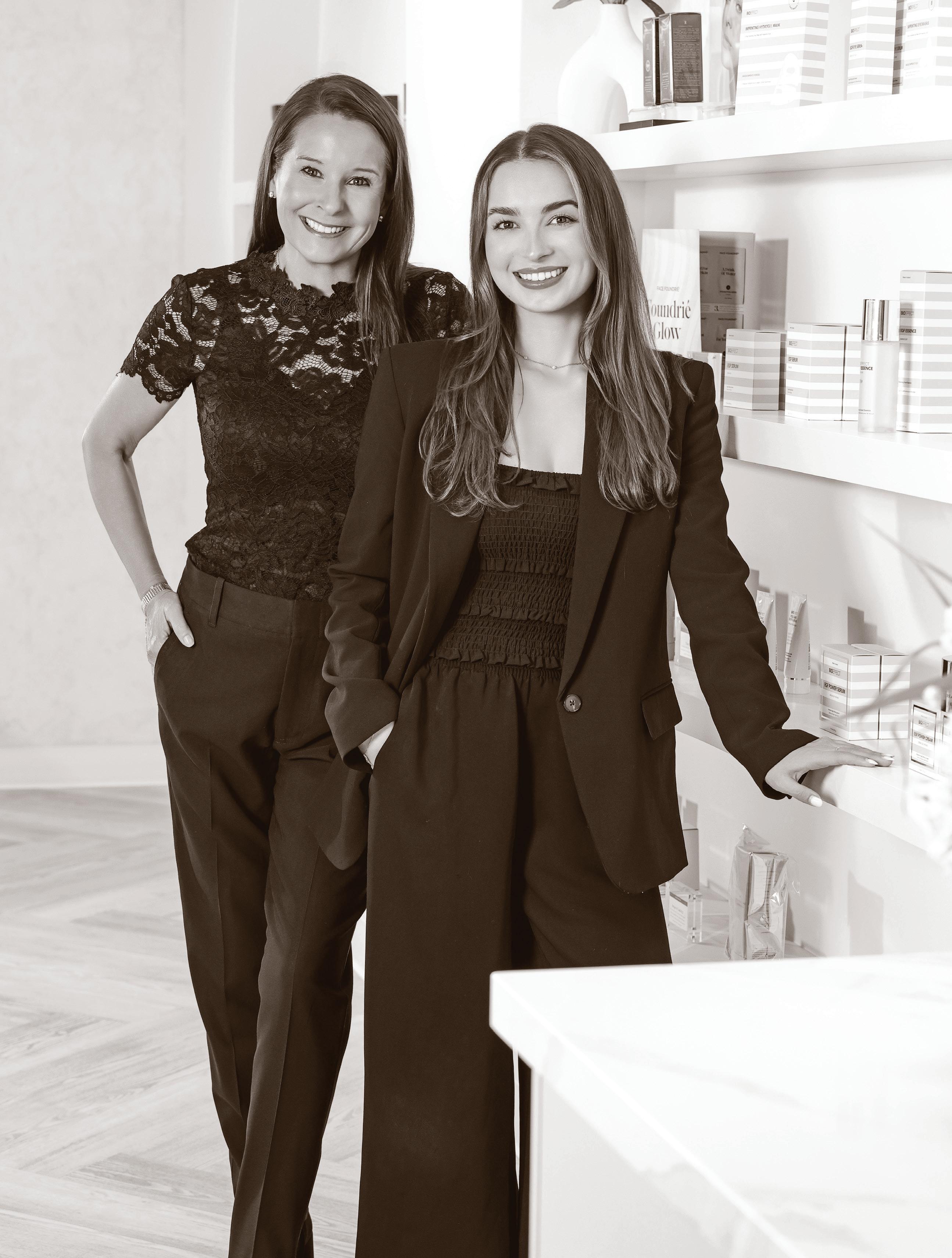
The mother-and-daughter entrepreneurs behind the focused facial bar FACE FOUNDRIÉ are Santa Rosa natives Heidi and Hayley Jacquin. Besides having beautiful skin, they share a commitment to inclusivity, accessibility and results when it comes to skincare. Hayley is the face of the franchise, which totals three shops in Santa Rosa, Corte Madera and San Francisco. She fell in love with FACE FOUNDRIÉ in Minnesota, especially its open floorplan and reasonable prices. She is beyond thrilled to provide cutting edge facial, brow, and lash services, making self-care a regular, affordable routine: 40-minute facials for $99 and a monthly membership for $109.
FACE FOUNDRIÉ
2420 Midway Dr., Santa Rosa, 707-909-5399
113 Corte Madera Town Center, Corte Madera, 415-521-0378 2156 Chestnut St., San Francisco, 415-480-9669 facefoundrie.com
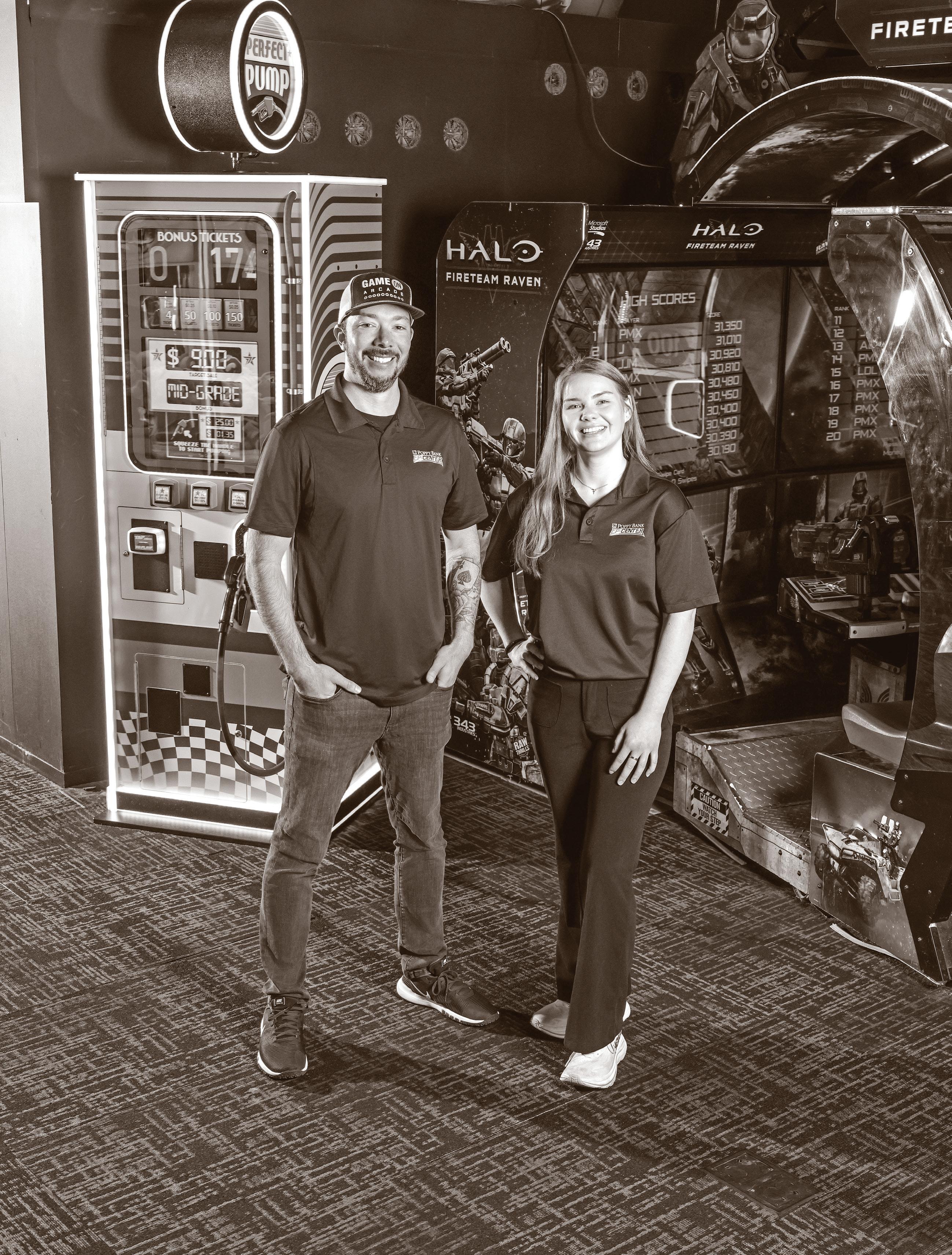
Poppy Bank Epicenter is the ultimate place for families, young adults, old adults and anyone else looking for a time to remember. This massive, one-of-a-kind, 130,000-square-foot Costco-sized facility puts sports, fitness and recreation plus a sports bar and restaurant under one roof and caters to every age and demographic. Owned by nine local families dedicated to reflecting the desires of Santa Rosa, Poppy Bank Epicenter is the North Bay’s largest destination for family entertainment and special events. It’s the only venue offering indoor sports fields, a game and arcade center, health club, event space, trampoline park and bowling center, and adds new attractions regularly.
Poppy Bank Epicenter 3215 Coffey Lane, Santa Rosa 707-757-9051, visitepicenter.com
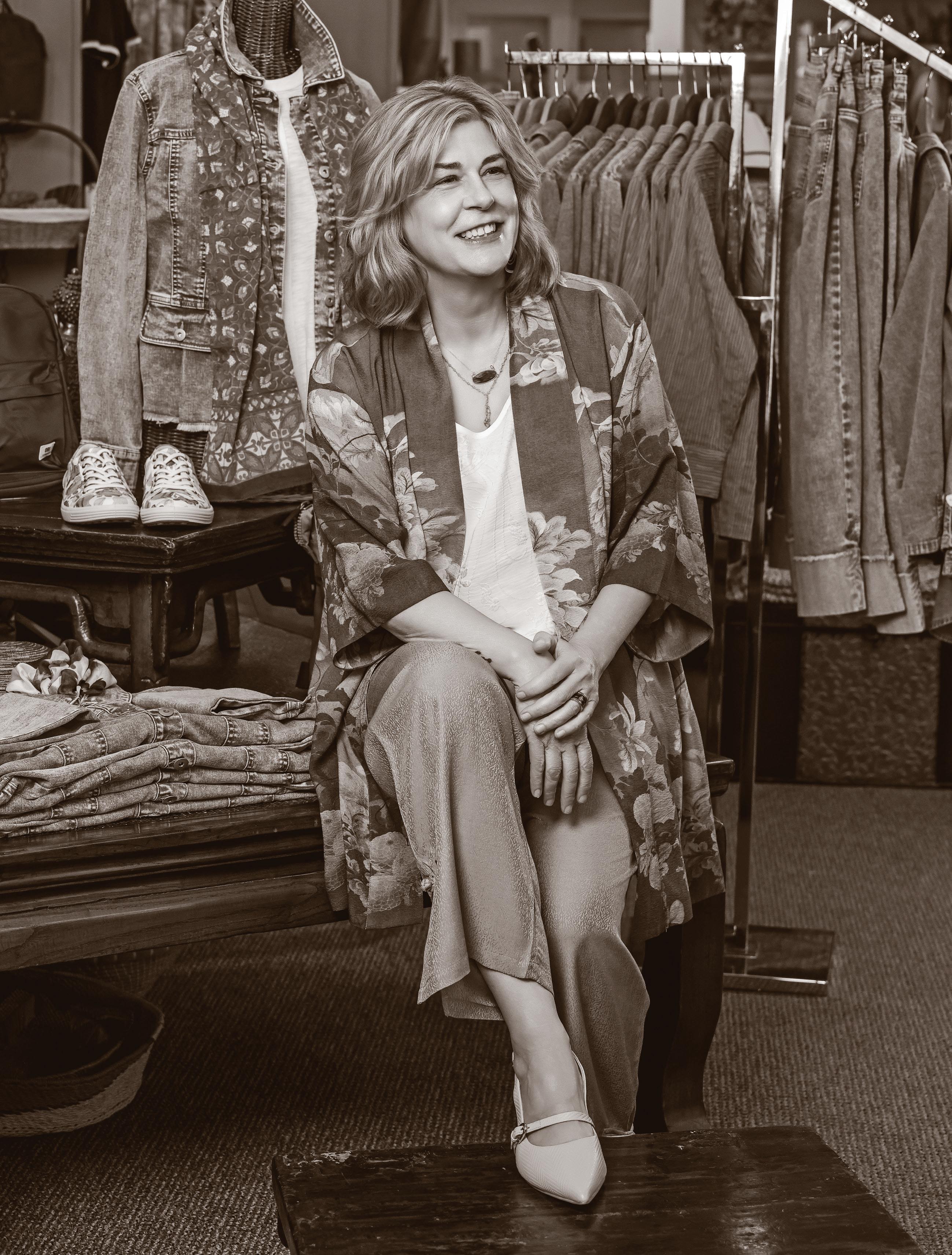
Andrea Caron and Melanie Goodpasture of Silk Moon have become trusted style guides for North Bay women and men seeking fashion that feels as good as it looks. Alongside their knowledgeable, personable styling team, they have created a lifestyle boutique known for quality, comfort, color and individuality. Located in the heart of Sebastopol, Silk Moon offers distinctive clothing, shoes, jewelry, scarves and accessories for both women and men, all carefully chosen for their feel, fit and style. For 16 years, Andrea, Melanie, and their talented staff have delighted customers with personalized styling, exceptional service, and a shopping experience built on relationships, trust, and genuine care.”
195 North Main St., Sebastopol, CA 95472 707-824-4300, silkmoonca.com
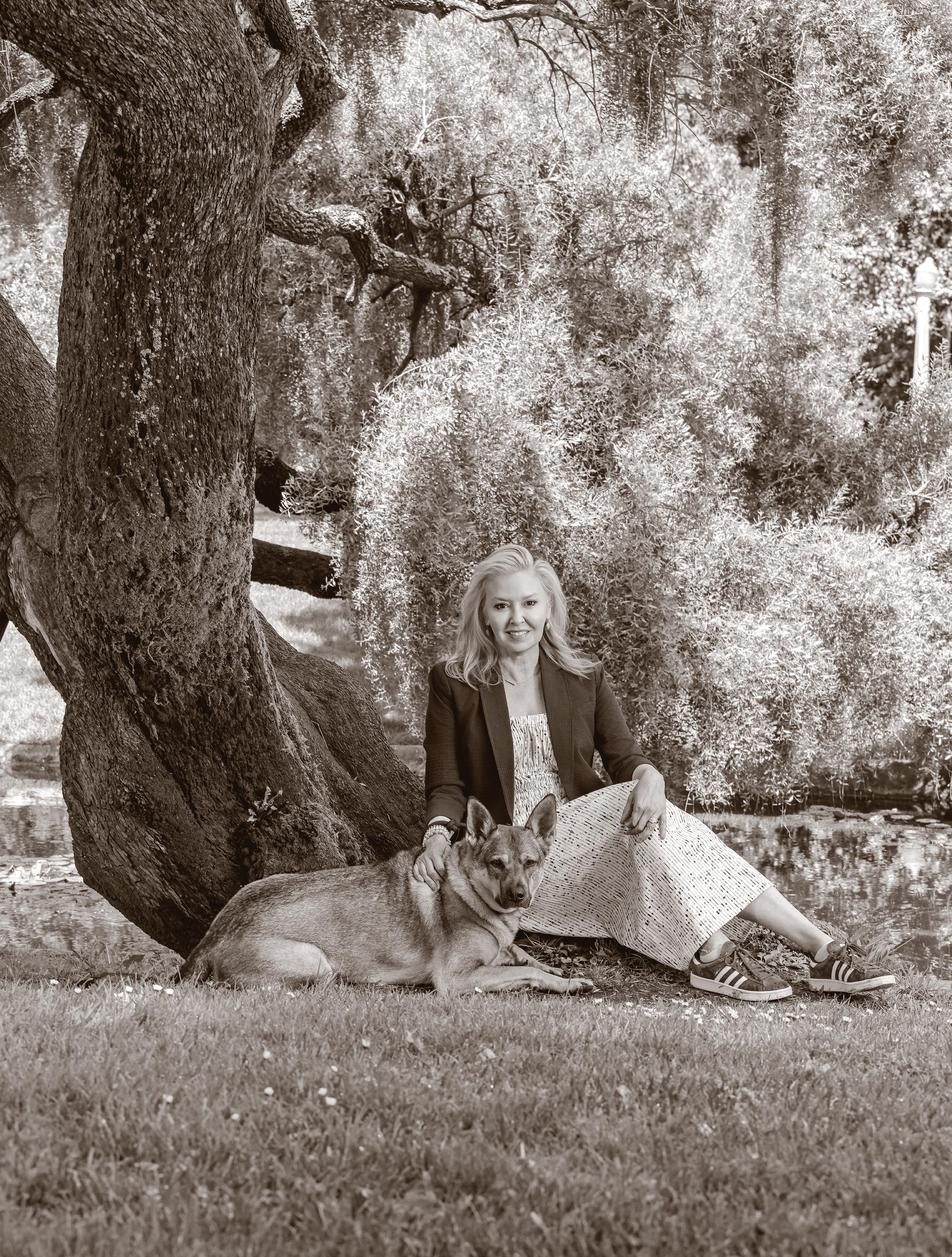
Retirement from the legal field lasted about six months for Dana Marie Knapp, the friendly owner of Pawsarotti’s Dog & Cat Boutique. So impressed by the topnotch service and quality products she witnessed there as a pet mom, she went from customer to proprietor in no time. Friday is her day to be on site at this warm and welcoming gem of a pet boutique, where the critters come first. High-quality brands, staff longevity and knowledge base as well as the Birthday Bar and support for local animal rescue groups are among the qualities that separate Pawsarotti’s from the rest of the pack.
Pawsarotti’s Dog & Cat Boutique 106 Calistoga Road, St. Francis Shopping Center, Santa Rosa 707-595-3357, pawsarottis.com

For Brett Rhodes, estate planning is about protecting loved ones and providing peace of mind. The Sonoma County native built Rhodes Law to help neighbors navigate important decisions with clarity and compassion. He works with young families planning ahead, retirees updating documents, and clients hoping to avoid the stress, expense, and uncertainty of California probate. “When someone passes away, families should focus on each other, not untangling legal and financial problems,” he says. Rhodes was recognized as Best Attorney in Sonoma County by the Press Democrat in 2025 and Best of the North Bay by the Bohemian in 2026. He remains focused on helping North Bay residents protect what matters most.
Rhodes Law
3035 Cleveland Ave., Suite 101, Santa Rosa 707-536-1088, rhodeslawca.com
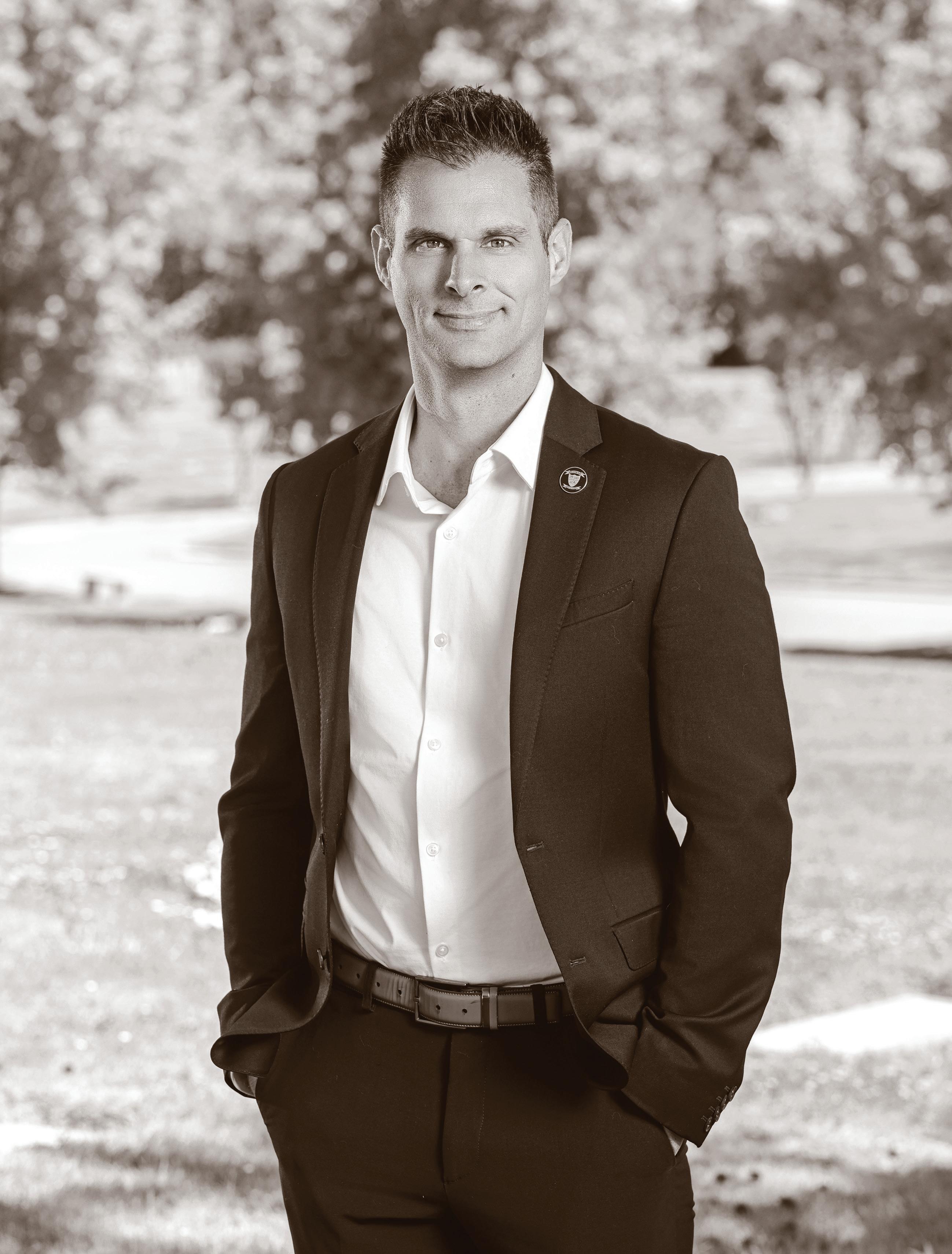
Mortuary service is more complicated and costlier than ever, but family run Santa Rosa Mortuary/Eggen & Lance/Fred Young Funeral Home does its best to demystify and simplify bereavement. Matthew Disbrow, general manager and funeral director, says we are in the business of helping at a time when emotions are fraught. As a result, the staff at Eggen & Lance slow everything down, compassionately and transparently explaining burial, cremation, funeral and reception services and costs. The directors begin by asking families how they envision the final farewell and then offer a personal and professional approach to match those wishes.
Santa Rosa Mortuary 1900 Franklin Ave., Santa Rosa, 707-545-3747
Eggen & Lance 1540 Mendocino Ave., Santa Rosa, 707-545-3747
Fred Young Funeral Home
718 Healdsburg Ave., Healdsburg, 707- 473-8431
Fred Young Funeral Home
428 N. Cloverdale Blvd., Cloverdale, 707-894-2540
srmel.com, FD 1779, FD 240, FD 1944, FD 2212
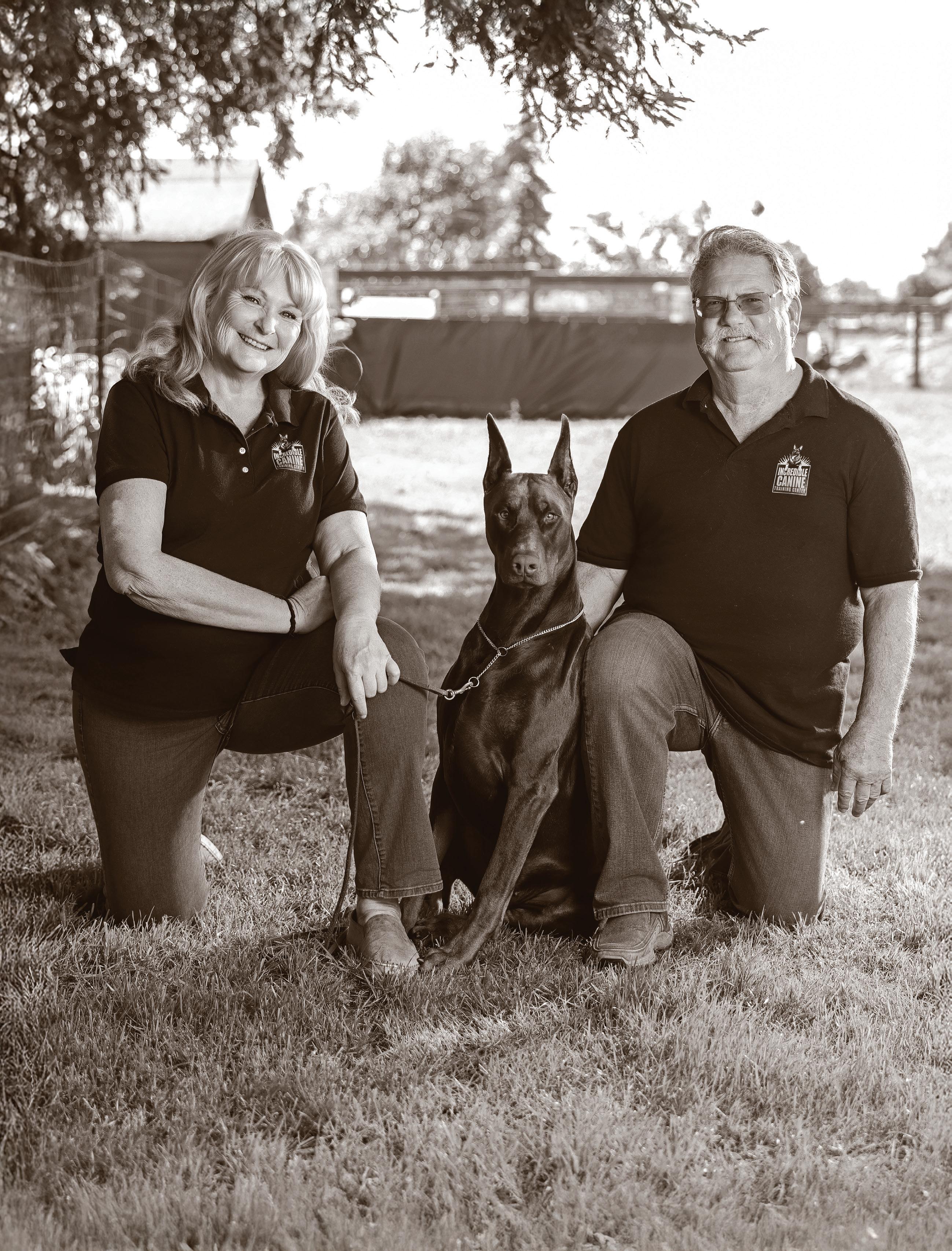
Master dog trainers Patrick and Lorna O’Connor of Incredible Canine Training Center are known for their deep understanding of canine behavior and ability to create lasting results through trust, communication and connection. With 98 years combined experience, the O’Connors take a personalized approach with every dog, focusing on engagement, respect and relationship-building rather than food rewards. Their philosophy is rooted in understanding how dogs naturally communicate, allowing them to guide dogs in a way that feels instinctive and clear. By teaching owners to connect with their dogs through calm leadership and meaningful interaction, they have transformed the lives of countless dogs and families, creating stronger bonds, confidence and greater harmony.
Incredible Canine Training Center
3163 Juniper Ave., Santa Rosa, CA 95407 707-322-3272, incrediblecanine.com
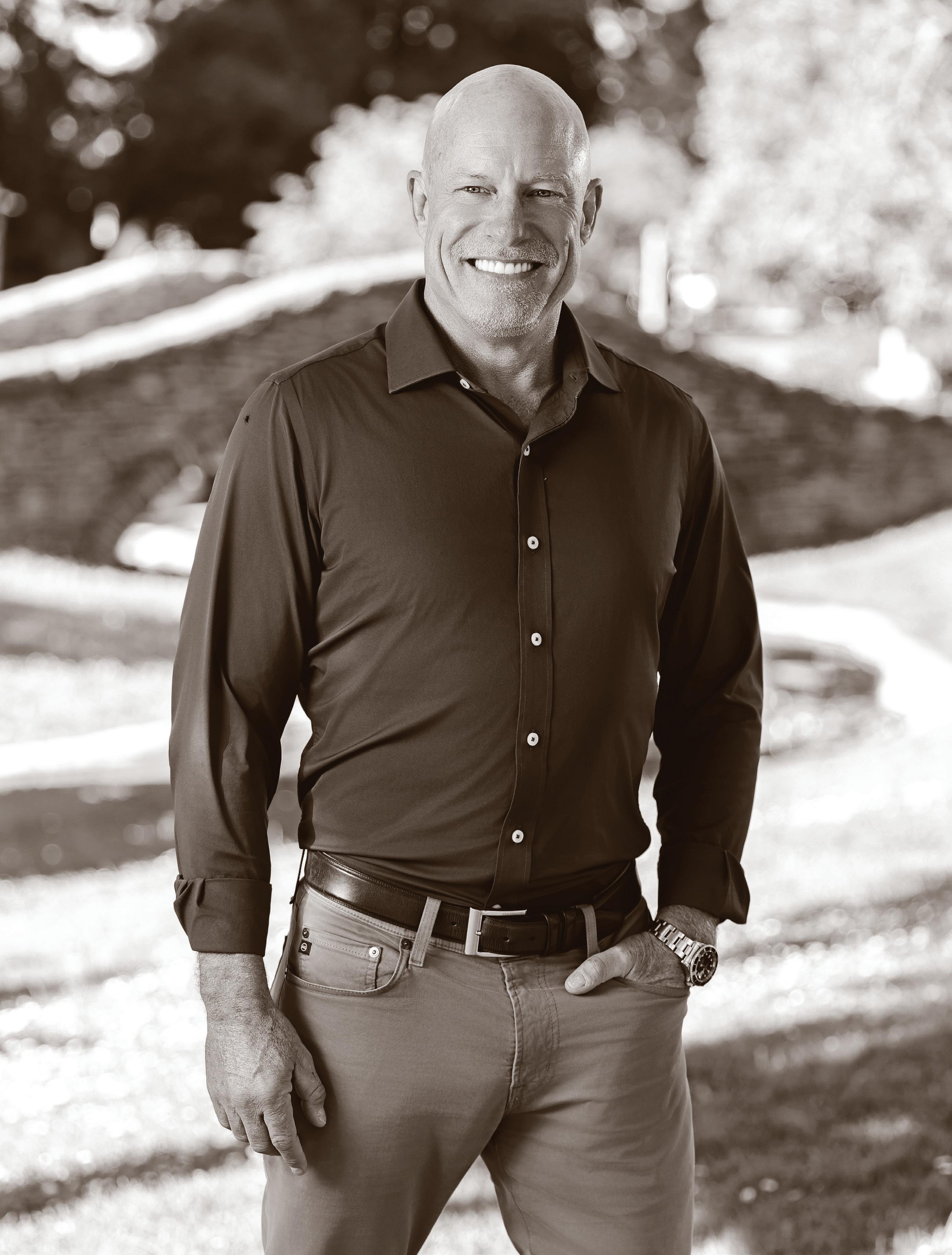
A lot has changed in cosmetic dentistry—especially with preferred materials and complex treatment techniques— since dentist Sean Wilson started practicing dentistry 25 years ago. Wilson, who also practices general dentistry, brings the most advanced dental developments to his practice, crediting the early influence of his mentor, Dr. Jeff Morley of San Francisco, a lifelong learner and world-renowned cosmetic dentist who taught cosmetic dentistry to practitioners around the globe. “A smile is the first thing people notice about you,” Wilson says. “It’s probably the most important thing, and it’s the one thing a person has control over and can change more than any other physical condition.”
Sean Wilson, DDS 98 Montgomery Dr., Santa Rosa 701-578-7424, seanwilsondds.com
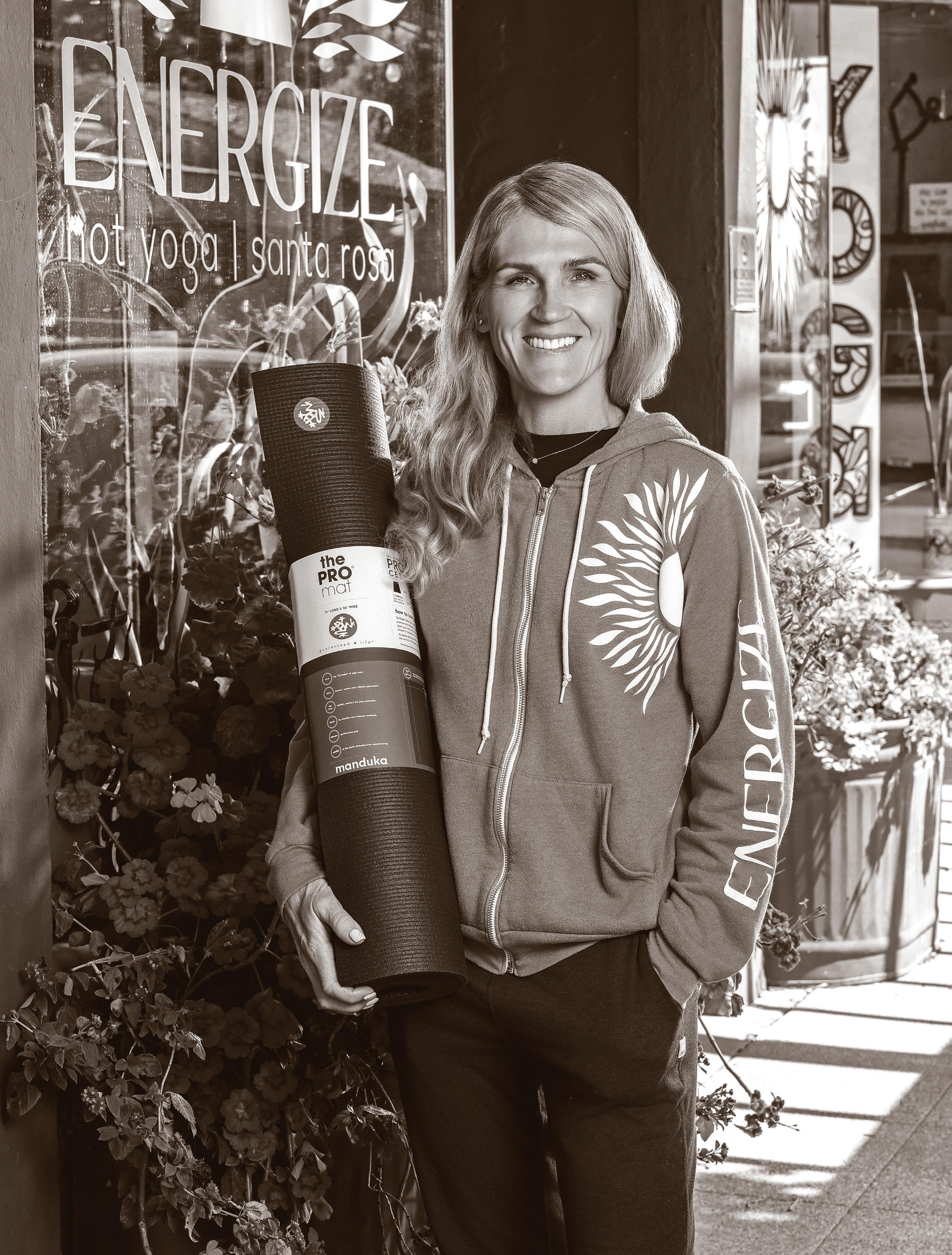
Energize Hot Yoga is a community staple for a reason. Its pilates and yoga classes cater to everyone, from naturally lit early morning wake-up sessions to late evening wind-downs with a calming purple ambience. In such a positive environment, a rising tide lifts all boats, says studio owner Rebecca Pennington. “Our instructors focus on the positive benefits that come from a good exercise routine such as stress relief, clear mind, uplifting mood, more energy, better sleep, feeling strong and focused. Most importantly, we want students to feel comfortable, motivated and happy in classes. We encourage students in a heartfelt positive way to push through challenging workouts and reach their fitness goals.”
Energize Hot Yoga 522 Wilson St., Santa Rosa 707-545-9642, energizehotyoga.com
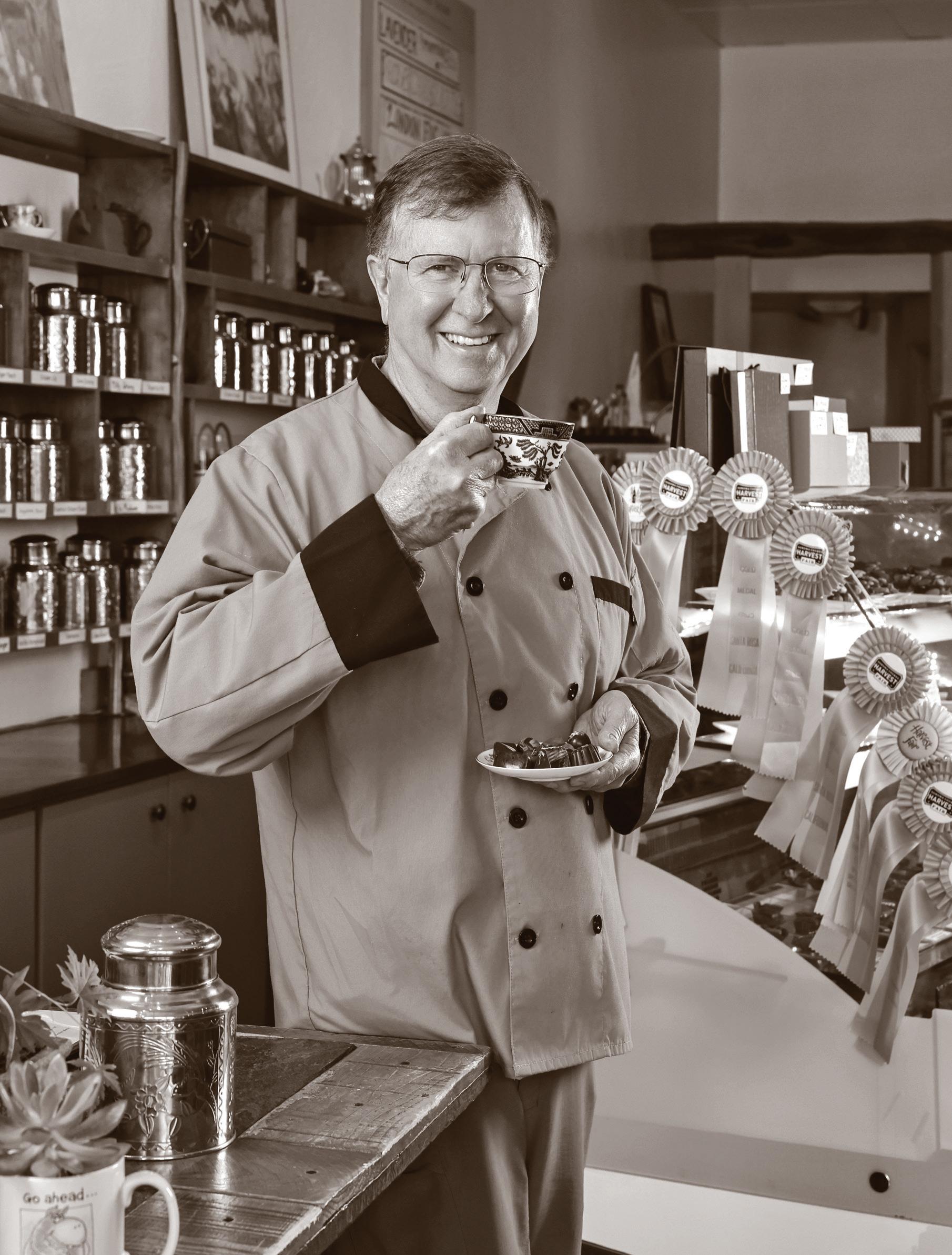
David Gambill and Susan McCarn have been a Sonoma County gem for more than 17 years—voted Best Chocolatier in Sonoma County since 2009—and to hear them describe their creation process in chocolate and tea, you’d believe they were spinning gold. From their first tea truffle in France to their Sebastopol storefront, they’ve explored the chemistry of chocolate, its symphony of flavors, the way the best beans are sourced and how to sell their greatest product: smiles. “Only fine-flavor beans are used to make fine chocolate,” David says. “The flavor starts with the variety of bean that is grown; just like wine grapes, each step of the process then contributes to the final flavor, and each variety of cacao needs to be handled differently, from fermenting to roasting. A fine chocolate will linger in your mouth for many minutes. That’s one of the reasons that it takes very little fine chocolate to satisfy one’s desire.”
Sonoma Chocolatiers
6988 McKinley St., Sebastopol
707-829-1181, sonomachocolatiers.com
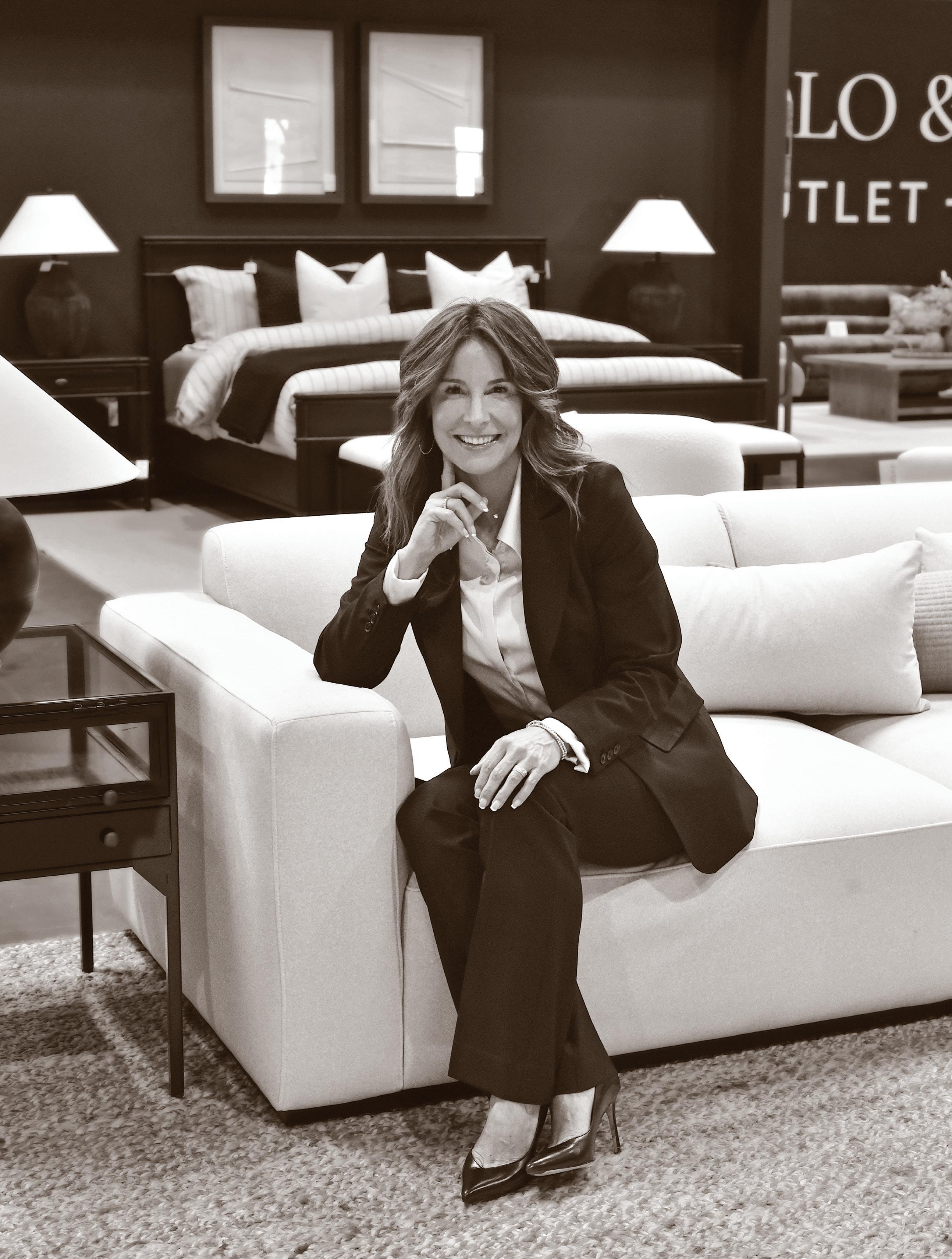
Jennifer Pezzolo has spent more than two decades transforming properties across Marin and Sonoma Counties into spaces that stop buyers in their tracks. As founder of Pezzolo & Co., one of the North Bay’s most sought-after home staging firms, her signature aesthetic—layered neutrals, organic textures, and a curator’s eye for the right piece in the right place—has become synonymous with the region’s most desirable listings. Now that look is available to everyone. The Pezzolo & Co. Outlet in Petaluma brings Jennifer’s design sensibility directly to the public, with brand-new designer furniture and décor at up to 30 percent off retail, ready to take home today.
Staging Inquiries: 415-897-0404
Outlet: 850 Lindberg Lane, Petaluma 707-241-4040, pezzoloandco.com
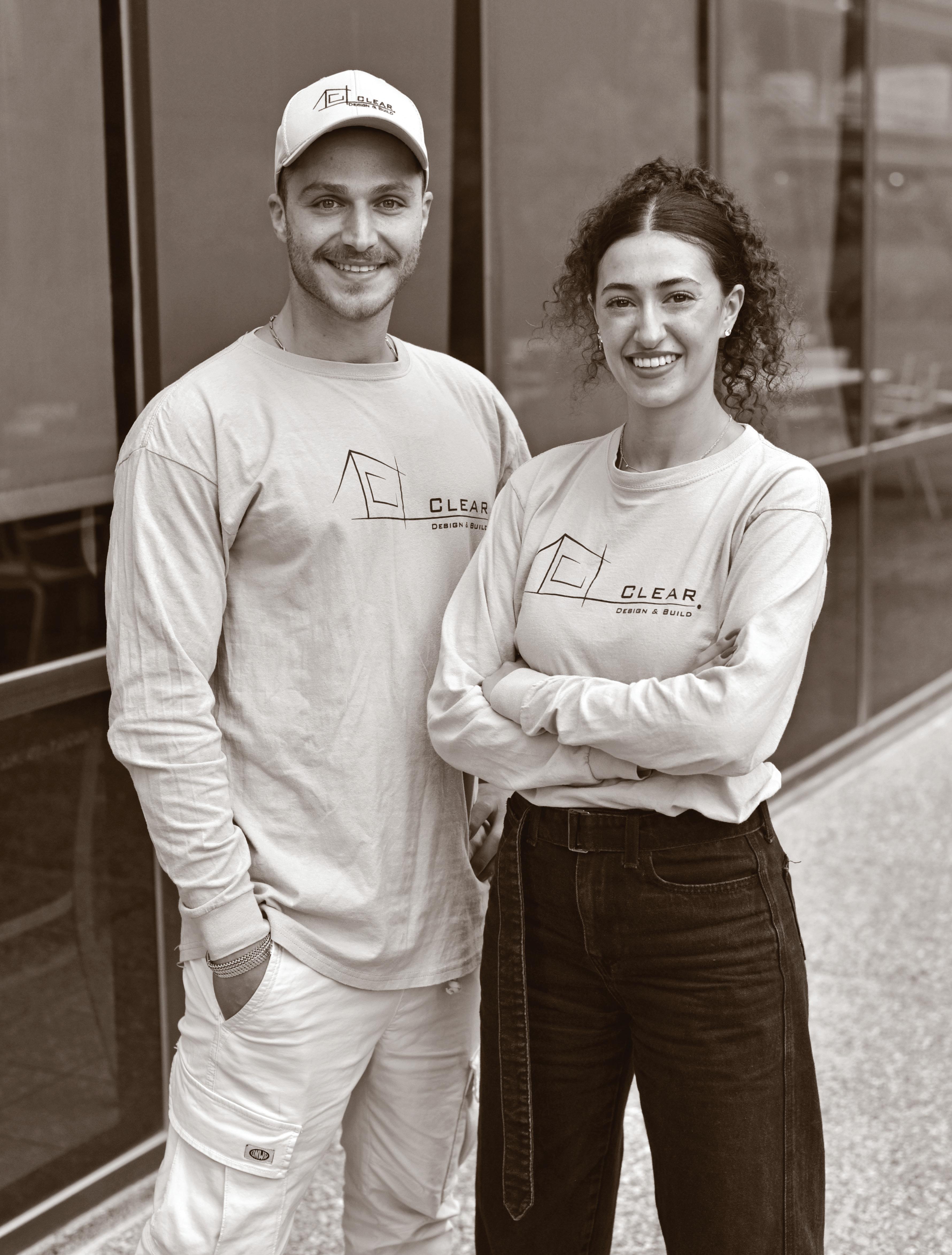
Leeor and Roi Bardenstein, the passionate young couple behind Clear Design & Build, are specialists at seamlessly integrating all the moving parts of remodeling jobs and new build projects. The number one goal at their remodeling and new construction firm is thorough communication via daily updates on WhatsApp to ensure that no detail get overlooked, no matter how big or small. That approach, as well as their team’s high emotional intelligence and extensive communication skills, eliminates project confusion, uncertainty and errors. Ultimately, it ensures a comprehensive, stress-free experience for clients. They believe exceptional projects are built through craftsmanship, treating every home with care and attention as if it were their own.
Clear Design & Build
4040 Civic Center Dr., Suite 200, San Rafael 415-964-7779, cleardesignbuild.com
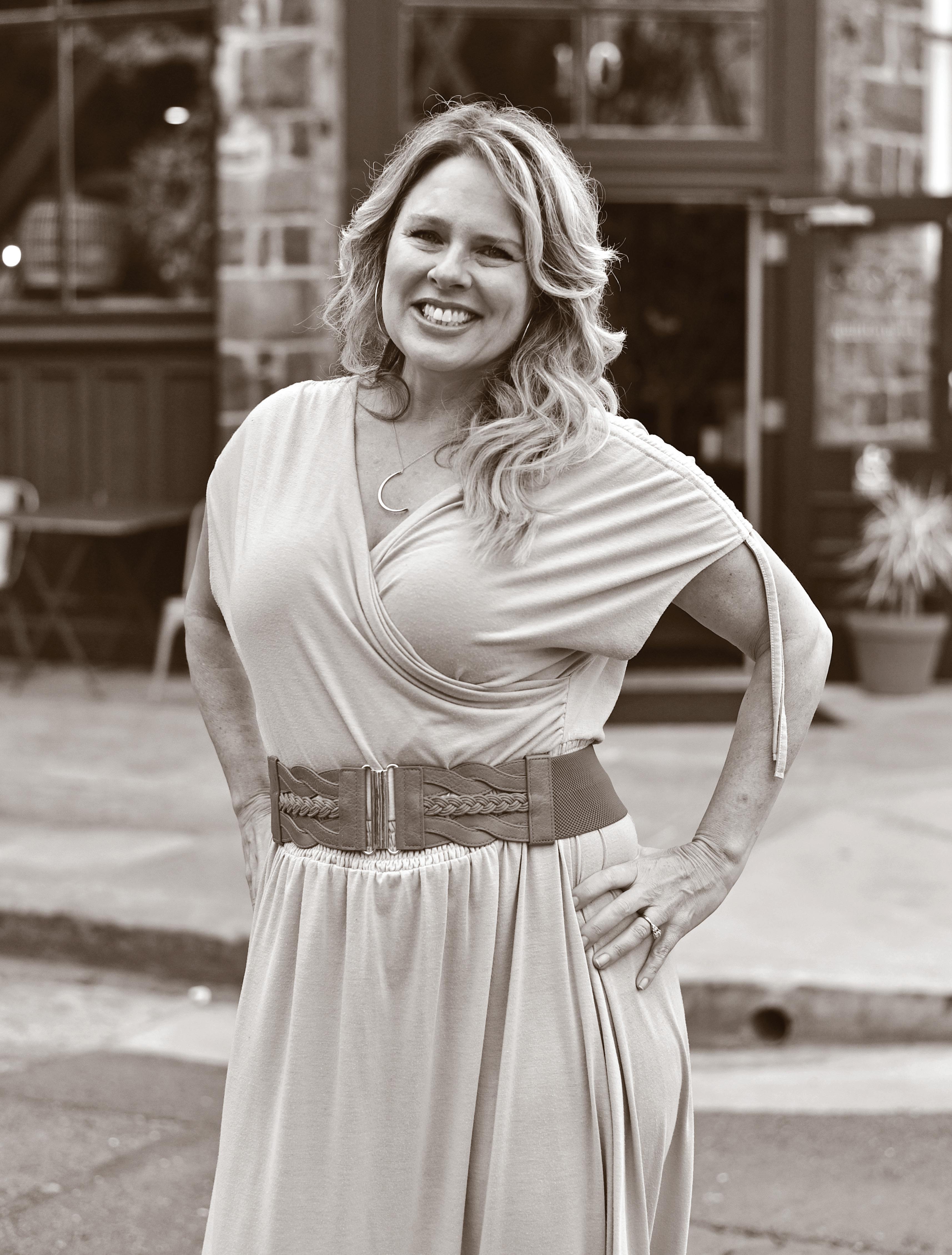
Jeannine Sheppard bought her first house at 18, so she knows the process can feel “scary, big and expensive.” But it doesn’t have to. Jeannine’s expertise as a Realtor and mortgage broker comes with a supportive touch. “Over the years of purchasing houses myself, I learned that people cared, but they didn’t really take the time to hold my hand or explain things to me. For me to understand the process, from start to finish and all angles, I can keep my clients feeling confident that they’re making a good choice, that they’re in good hands, and ultimately that they are creating generational wealth for their families. I love to be a part of that.”
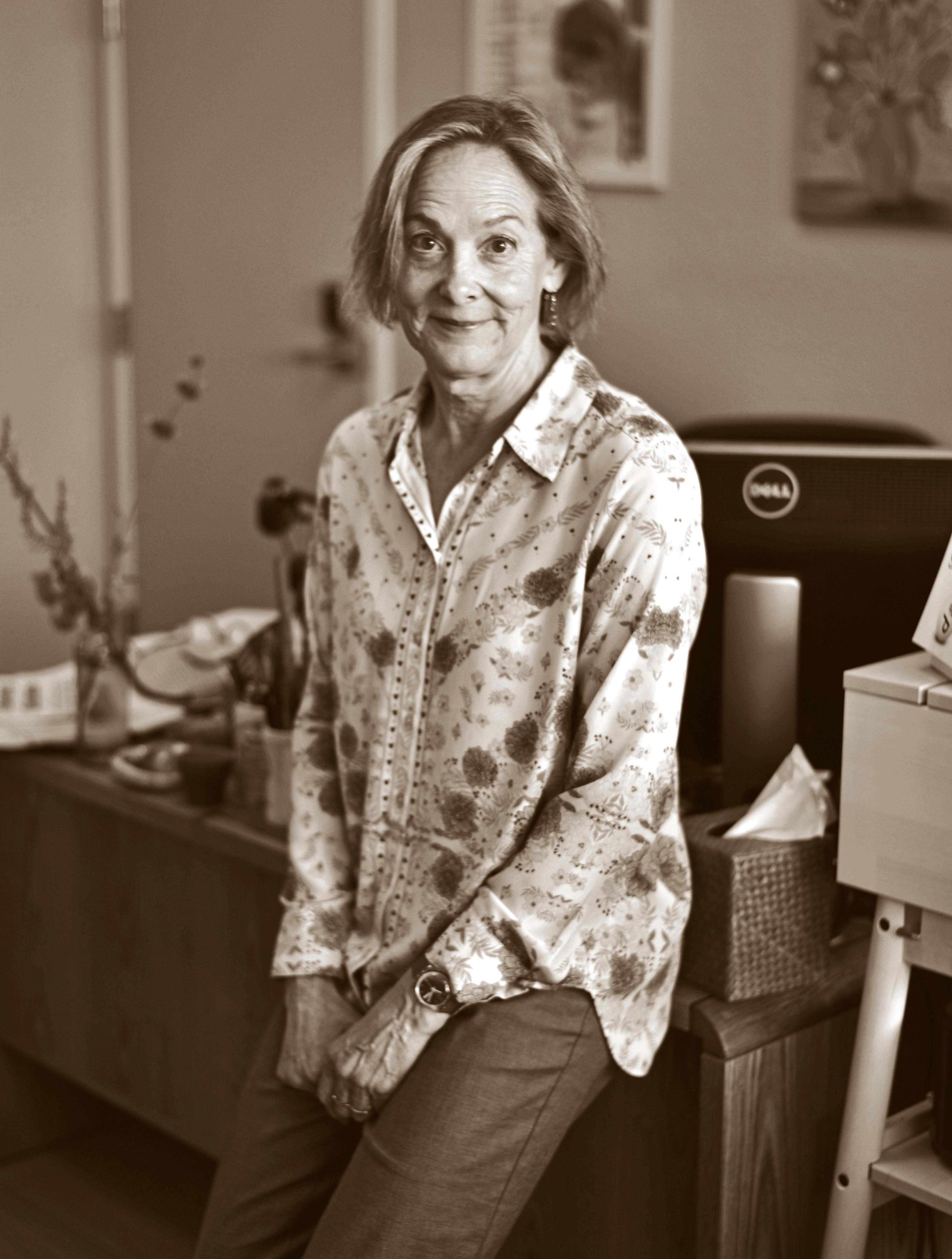
Every young person deserves the tools to achieve their potential. At Winston Preparatory School for neurodivergent students, these are called the “Qualities of a Sustainable and Independent Learner.” Through Winston’s model, which includes 1:1 instruction, social-emotional learning, and ongoing assessment that supports responsive programming, students discover how to self-advocate, tackle challenges, and develop essential skills needed for life and learning.“We inspire neurodiverse students and help them acquire the skills to be independent and confident learners,” says Kristen Atkins, Head of School at the Marin County campus.
Winston Preparatory School Marin County 1 Saint Vincents Dr., San Rafael 415-993-5533, winstonprep.edu
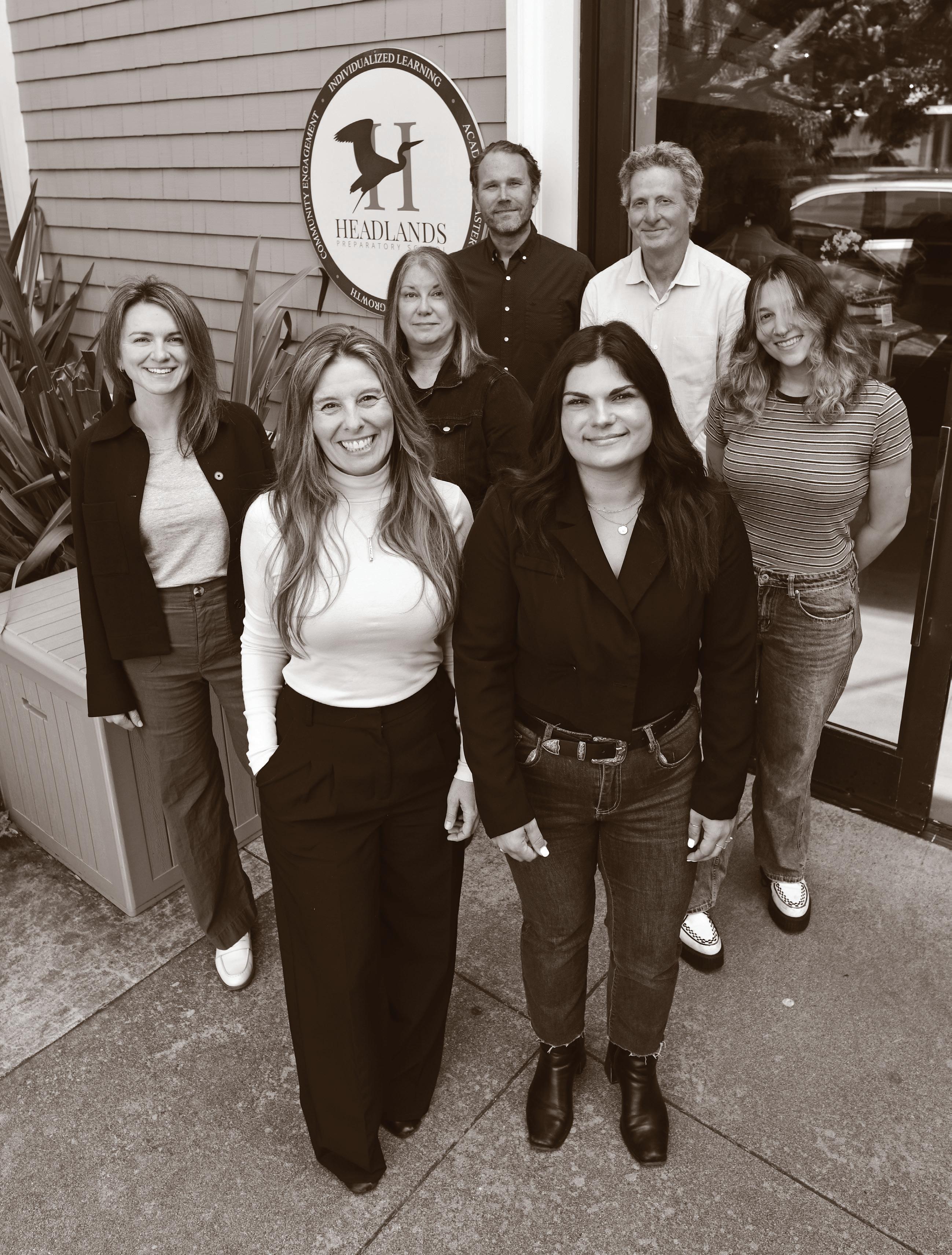
“Belonging.” “Engagement.” “Flexibility.” Students attending Headlands Preparatory School don’t get lost in the crowd, says Executive Director Kristie Moore-Arauz. They’re part of a cohesive learning community that focuses on individualized instruction for each student. Headlands Prep meets students where they are, so they can pursue their highest potential. “The one-to-one, mastery learning model allows for a level of personalization that’s hard to replicate, while the emphasis on relationships extends beyond the classroom to create a genuine sense of belonging. Students are supported not just academically, but as whole people, in an environment where they feel seen, valued and part of something larger than themselves.”
Headlands Preparatory School 1050 Bridgeway, Sausalito 415-944-2254, headlandsprep.com
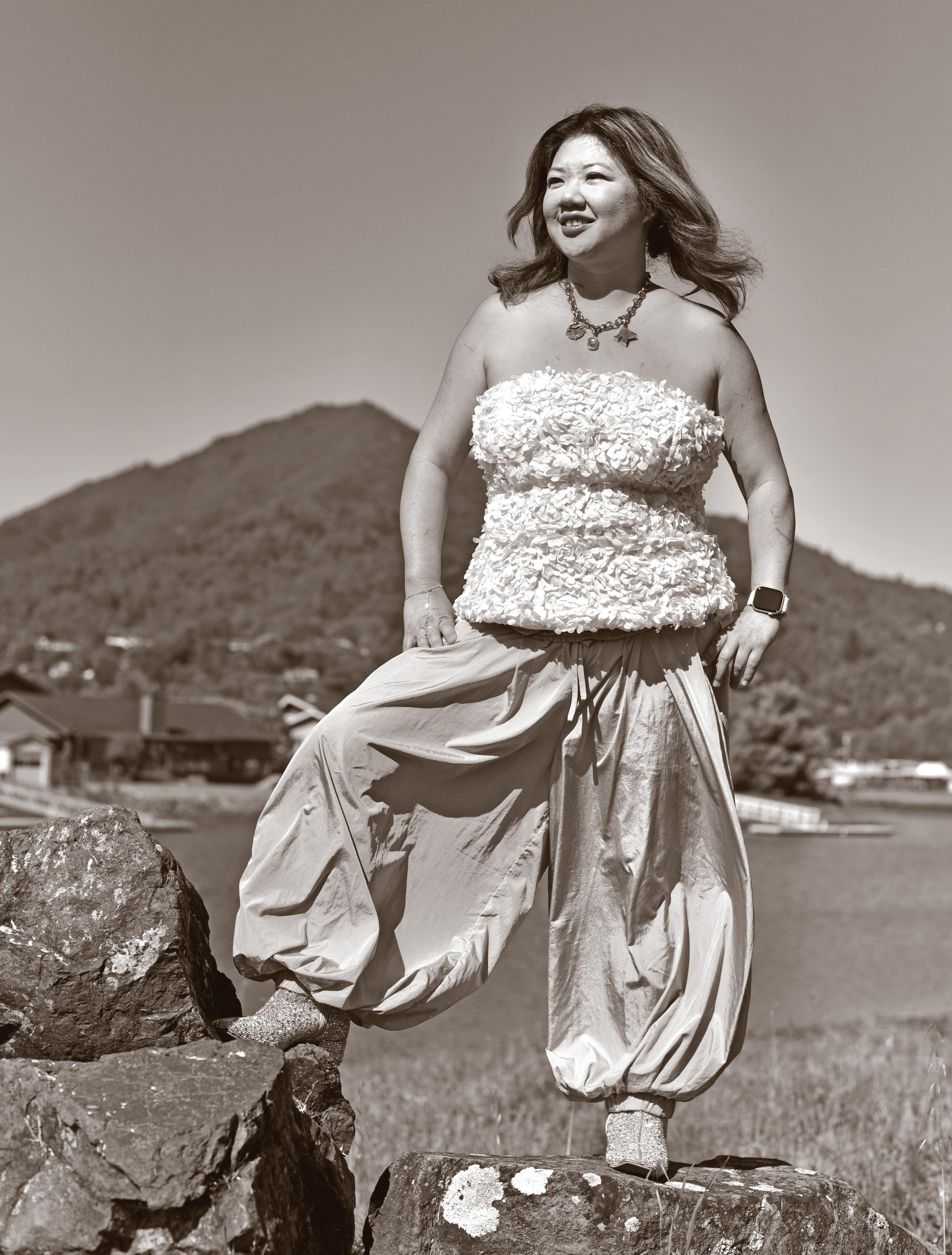
When people see their life as a story, they realize they can change it. This idea is at the heart of Kelsay Myers’ work as founder of Dialogical Persona Healing Arts. Through expressive arts, embodiment, storytelling and transformational coaching, Myers helps clients reconnect with their “mythic self,” a vision of who they are capable of becoming. A Korean adoptee, writer and expressive arts practitioner, Myers draws on both personal experience and creative practice to guide clients toward healing, authenticity and self-expression. Her work encourages people to move beyond the narratives placed upon them and reconnect with their inner strengths, purpose and possibility.
Dialogical Persona Healing Arts
Larkspur 616-560-0212, dialogicalpersona.com
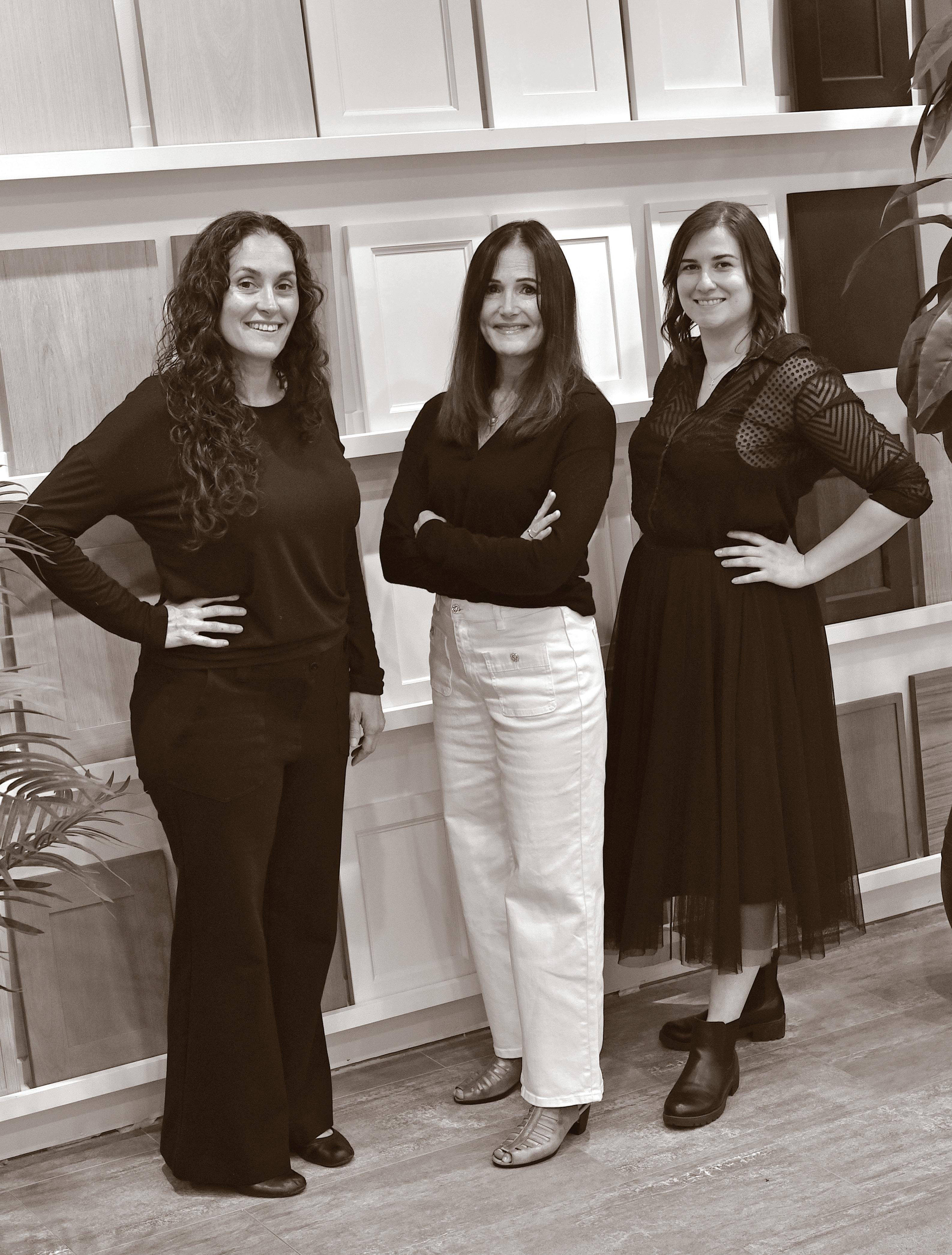
CTW Kitchen & Bath has been a trusted tile showroom for almost 50 years and has expanded to include stone countertops, plumbing fixtures and cabinetry. With the addition of Certified Kitchen Designer Michelle Grady, we now provide design services in collaboration with Plumbing Manager Kristina Casazza and Tile & Stone Designer Kari Snyder. This lets us offer customers a one-stop shopping experience. “We welcome clients as they are,” says Michelle. “Everyone needs to start somewhere, and our team can guide you through budgeting, design and product selection for a smooth project.” Kristina adds, “Our goal is to be experts in our field while making our customers feel confident and comfortable.” CTW Kitchen & Bath 10 Hamilton Dr., Novato 415-883-8861, ctwdesigns.com
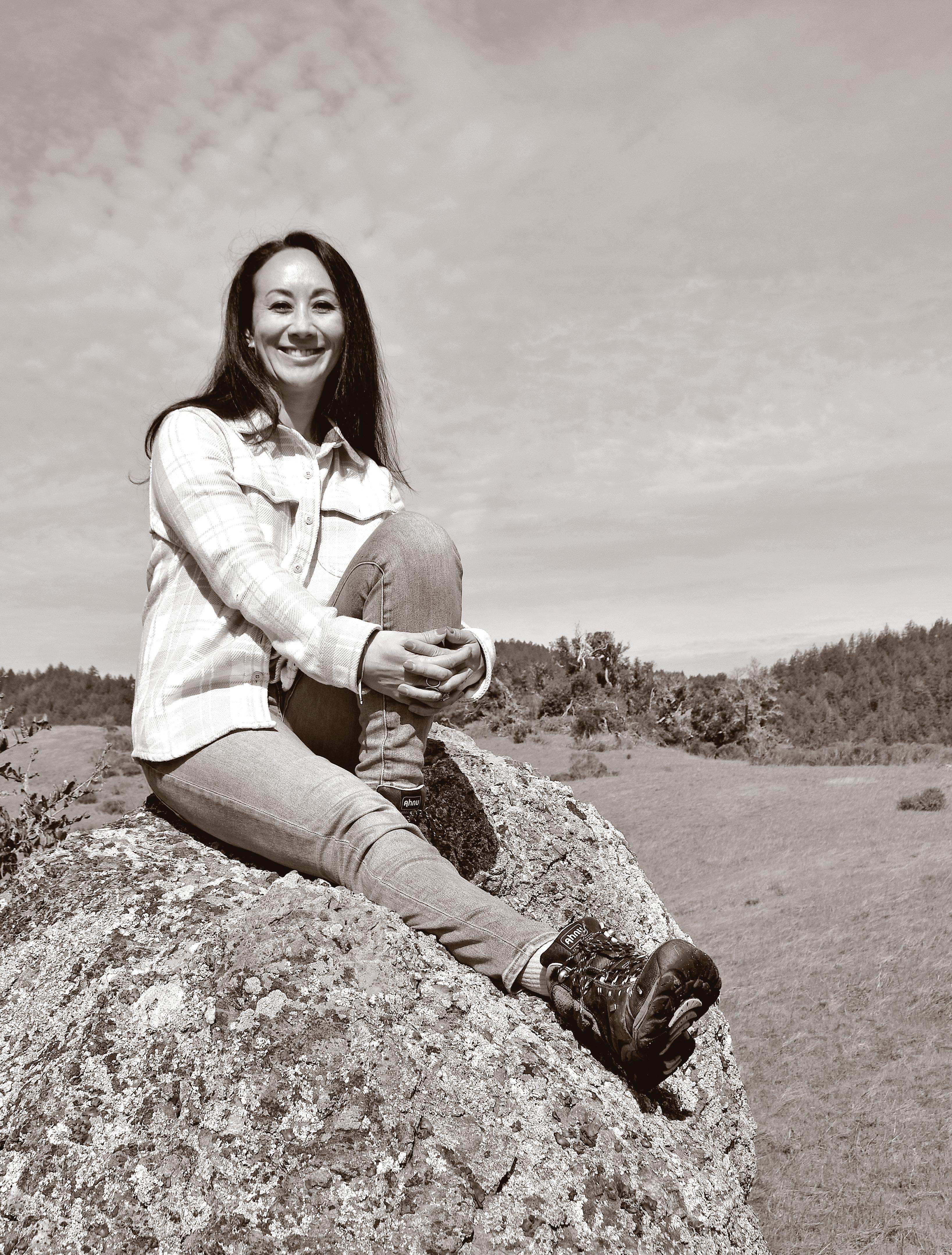
Finding premium cannabis products shouldn’t be complicated. That’s why Monica Gray and her husband Adam Fong started Nice Guys Delivery—to bring safe, high-quality cannabis directly to Marin County customers with ease and discretion. Since 2015, her team has provided expert guidance, exceptional service and a carefully curated selection of trusted products. “Our customers deserve a seamless experience, from ordering to delivery,” Monica says. As a leader in the industry, she also fights for fair regulations that keep legal cannabis businesses thriving. With Nice Guys Delivery, customers get more than just cannabis—they get reliability, education and a commitment to their well-being.
Nice Guys Delivery Marin County, niceguysdelivery.com




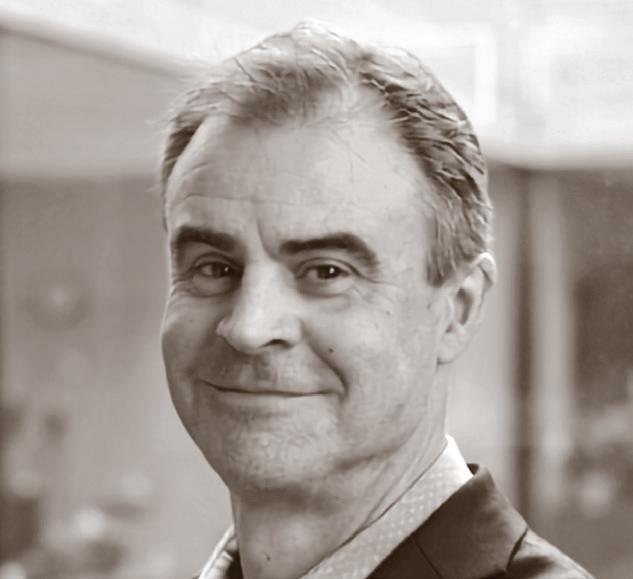
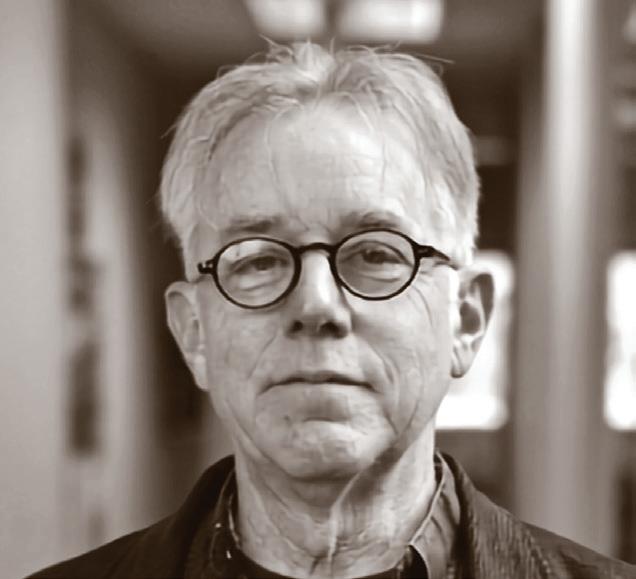
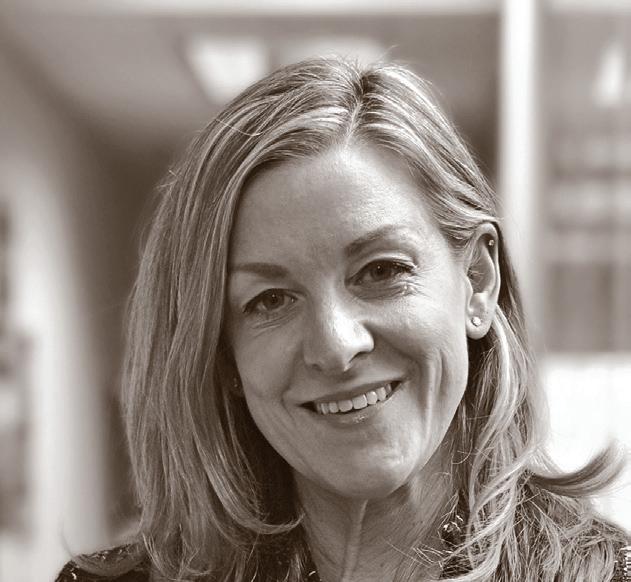

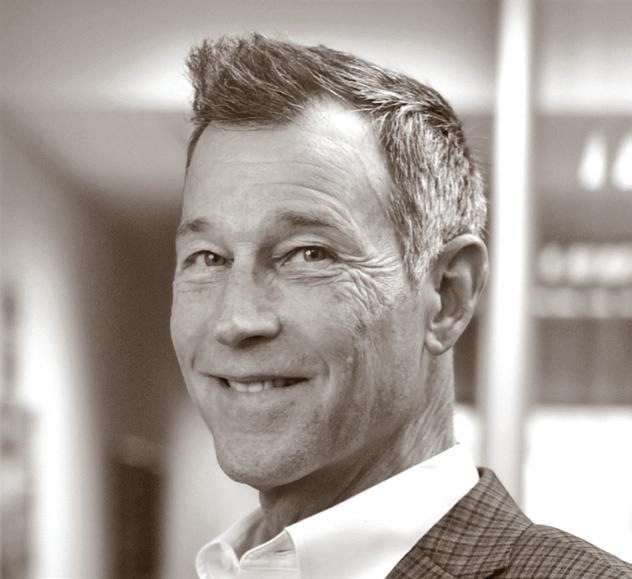

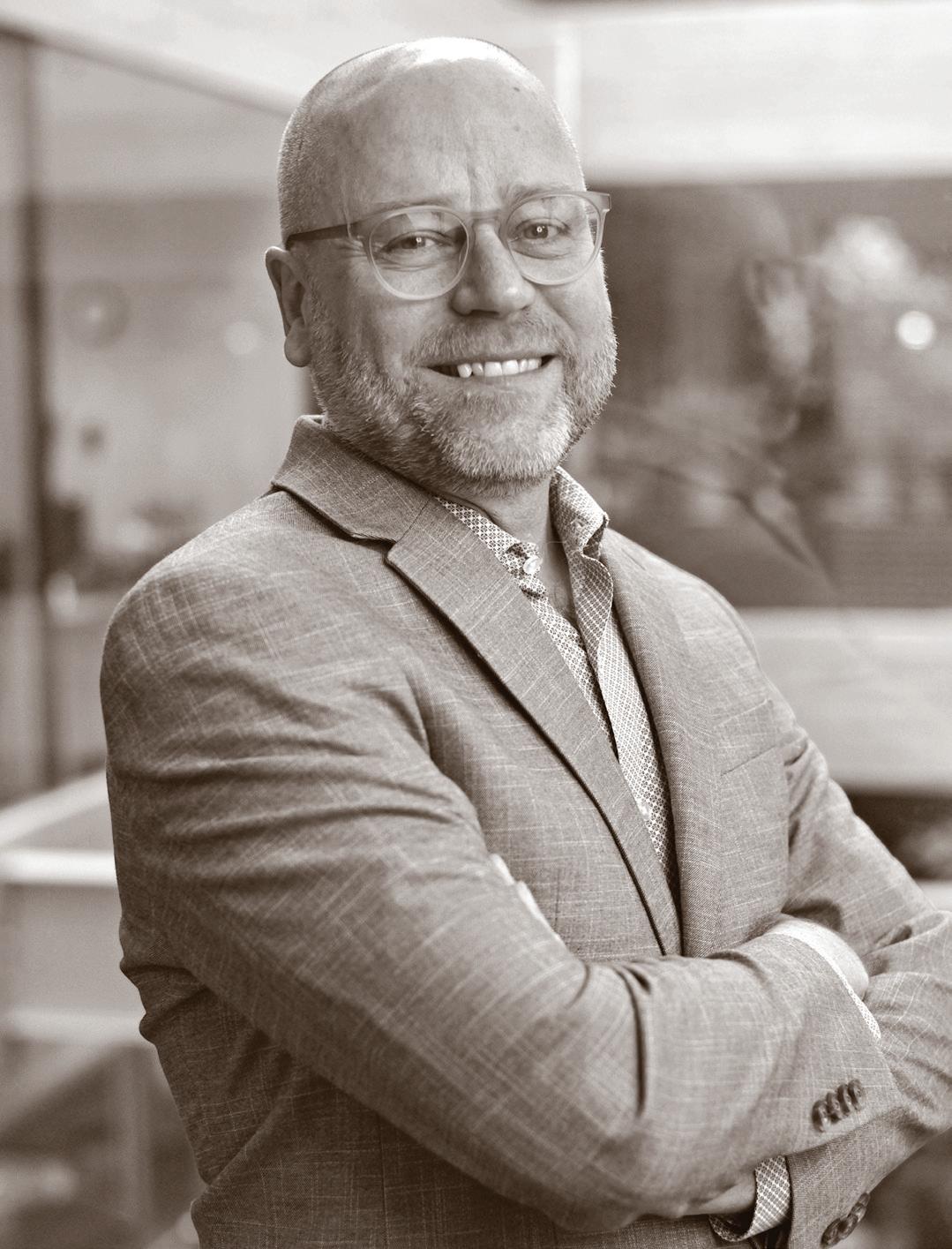
With an MBA and firsthand entrepreneurial experience, Thomas R. Del Monte brings a practical, real-world perspective to his work in business and real estate law. Having built and run his own company, he understands the challenges SMT clients face and applies that insight to every engagement. Thomas sees his role as stepping in when challenges arise and guiding clients forward. “I like to dig in and really understand what’s at stake,” he says. He often helps resolve issues before they escalate. Outside the office, Thomas focuses his time on his young family and serves on the board of Legal Aid of Sonoma County.
Thomas Del Monte, 707-524-1900 tdelmonte@smlaw.com, smlaw.com
“DJ” Drennan is a business attorney with deep experience guiding companies through every stage of the business lifecycle, from formation and growth to mergers, acquisitions and succession planning for family-owned businesses. He helps SMT clients understand complex legal issues through practical, experience-driven advice. In high-stakes M&A transactions involving multiple legal disciplines, DJ coordinates SMT’s attorneys to keep deals moving efficiently while securing strong outcomes for clients. He describes SMT’s culture simply: “We take the work seriously, but we don’t take ourselves too seriously.” Outside the office, DJ enjoys traveling, spending time outdoors and crafting the ideal cocktail.
Douglas J. “DJ” Drennan, 707-524-1900 ddrennan@smlaw.com, smlaw.com
Barbara Gallagher brings decades of experience across business, real estate, trusts and estates and intellectual property law. Her practice has long focused on helping business owners navigate both professional and personal matters, often building relationships that span decades. Barbara believes effective counsel begins with listening. “What’s most important is that clients feel they were listened to and that they believe I care about what happens,” she says. Known for her thoughtful and relationship-driven approach, she helps clients see the bigger picture while addressing complex legal and strategic issues. Outside the office, Barbara enjoys hiking, Pilates, pickleball, traveling and spending time with her children and grandchildren along the Sonoma Coast.
Barbara Gallagher, 707-524-1900 bgallagher@smlaw.com, smlaw.com
A business attorney focused on building long-term relationships with his clients. Andrew Spaulding began his career in litigation before shifting to business-focused work to emphasize collaboration and shared outcomes. “I value relationships that last decades, not just transactions,” he says. Andrew takes a proactive and personal approach to understanding each client’s needs, helping them navigate change and growth over time. Outside the office, he enjoys spending time with his family and is involved in youth-oriented nonprofits—including Luther Burbank Center for the Arts and the Children’s Museum of Sonoma County— supporting arts and education initiatives in Sonoma County.
Andrew Spaulding, 707-524-1900 aspaulding@smlaw.com, smlaw.com
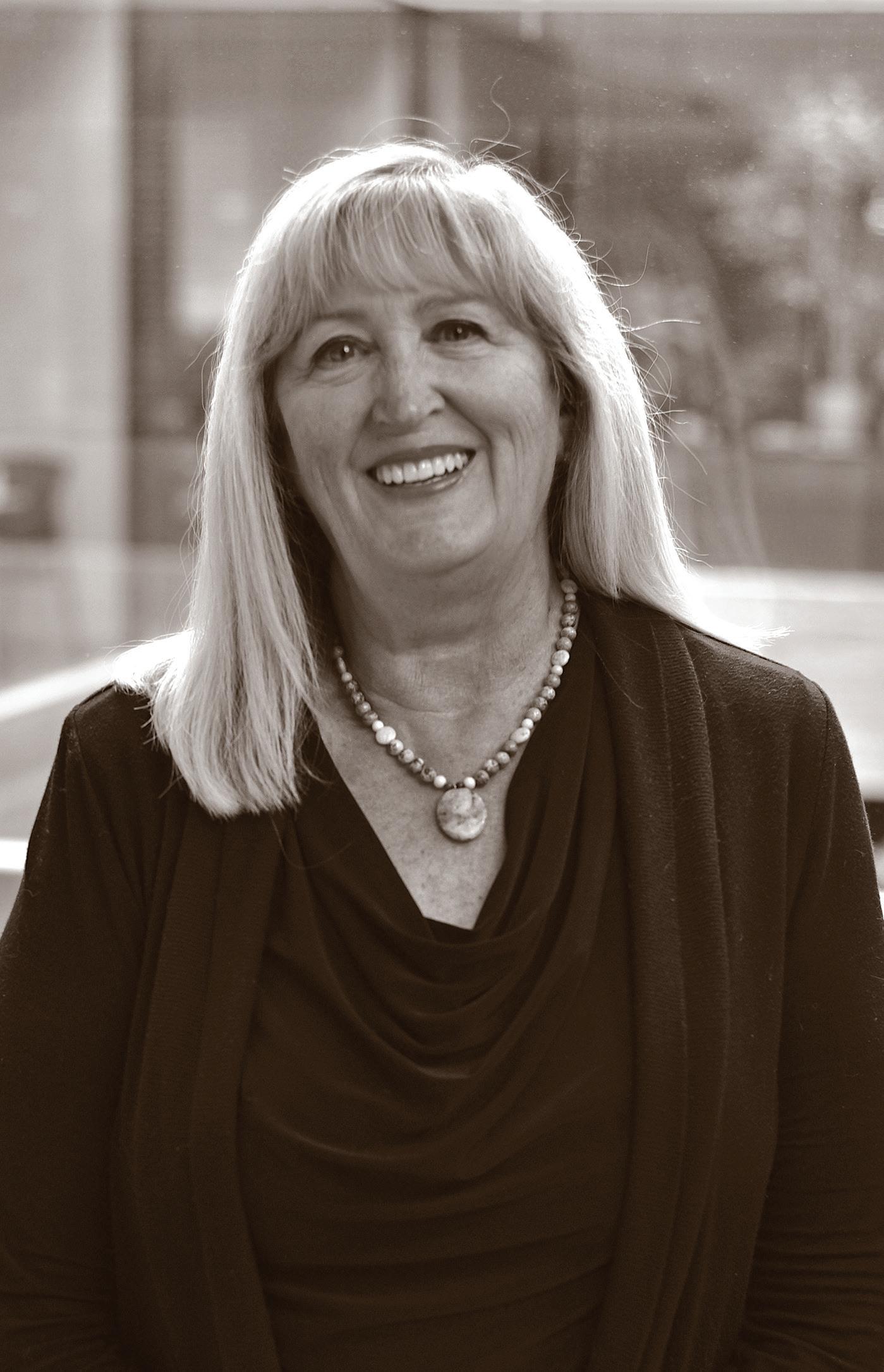

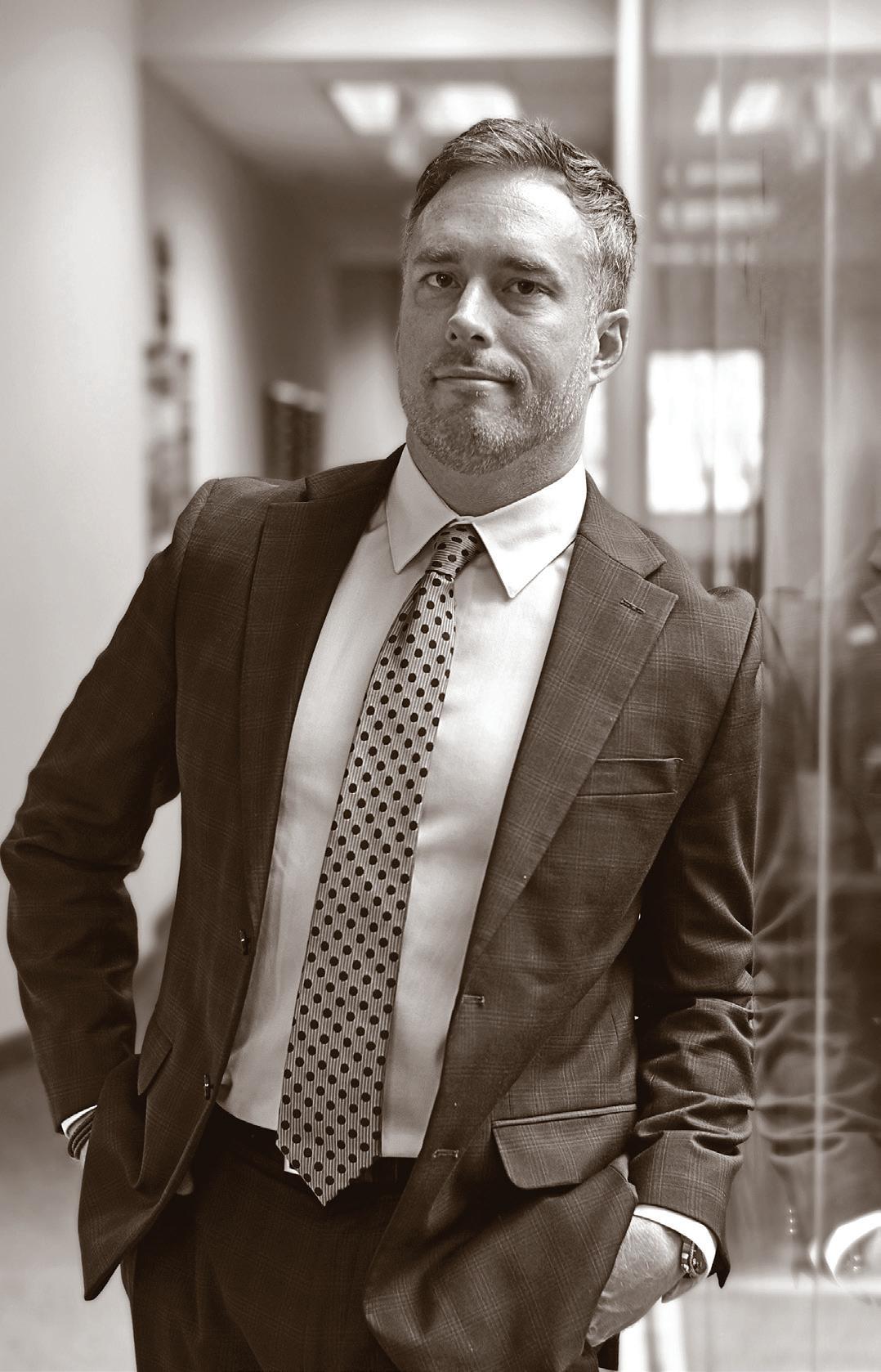
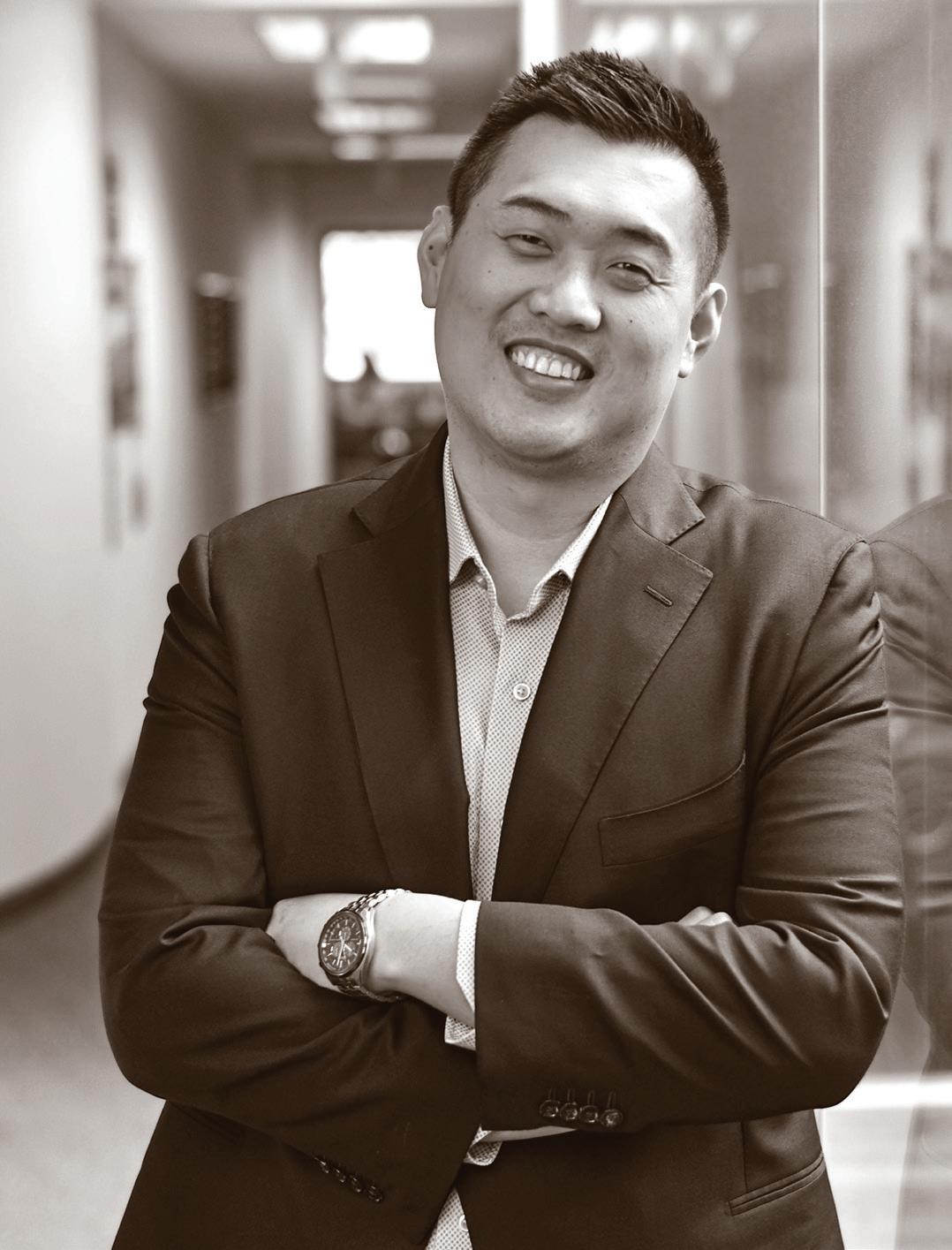
A fierce advocate for his clients in trial and arbitration, Regan Masi is a civil litigator with extensive courtroom experience. While fully prepared to litigate when necessary, his approach focuses on the efficient and strategic resolution of conflicts through negotiation and settlement when it serves his clients’ best interests. “My goal is to solve problems,” he says, noting that many disputes can be resolved with thoughtful conversation before going to trial. Regan works closely with attorneys across SMT’s practice areas, drawing on the firm’s broad subject matter expertise to support clients facing complex legal disputes. A lifelong Sonoma County resident and Air Force veteran, he brings both perspective and determination to his practice.
Regan Masi, 707-524-1900 rmasi@smlaw.com, smlaw.com
David Chu advises SMT clients on corporate, securities and real estate matters with a strong understanding of both legal and business realities. He works as a strategic partner, blending legal analysis with practical business insight to help clients make informed decisions. As he puts it, “You can be on solid legal footing, but that doesn’t always make it the best business decision.” David helps clients balance risk, cost and opportunity to achieve real-world results. Outside the office, he enjoys playing chess, a pursuit that reflects his ability to anticipate challenges and think several moves ahead.
David Chu, 707-524-1900 dchu@smlaw.com, smlaw.com
With a strong litigation background, Kari Brown represents employers in nearly all areas of employment law and litigation, helping them navigate complex and often overwhelming situations. She brings strong analytical skills to her work, with a focus on resolution and practical outcomes. Kari describes her approach as “breaking things down into smaller digestible steps so clients can move forward with their business and with life,” even when challenges feel daunting. She is known for making difficult issues approachable and actionable. Kari has two young children and spends much of her free time with her family, often at sporting events, enjoying time together and staying active.
Kari Brown, 707-524-1900 kbrown@smlaw.com, smlaw.com
Lisa Ann Hilario helps businesses navigate employment law through a distinctly human lens. Specializing in labor and employment law, she focuses on the intersection of compliance and workplace relationships, helping SMT clients build stronger organizations while navigating complex legal requirements with confidence. “Employment law allows me to focus on the human perspective, not just its complexity,” she says. Lisa Ann works closely with business owners and HR professionals to provide practical guidance that helps them make informed decisions and avoid unnecessary risk. Outside the office, she educates the community about the legal risks associated with hiring private caregivers and domestic employees.
Lisa Ann Hilario, 707-524-1900 hilario@smlaw.com, smlaw.com
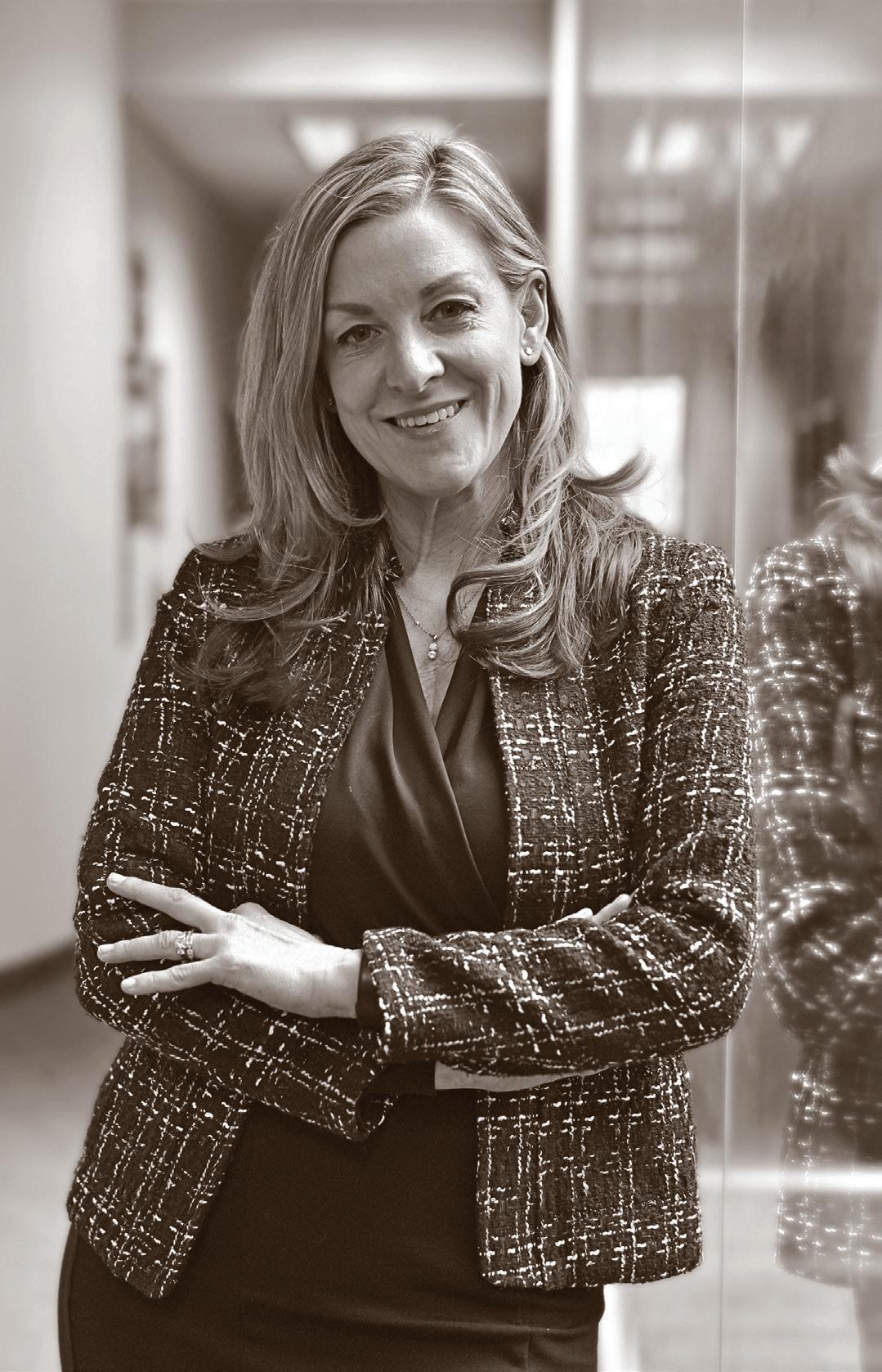
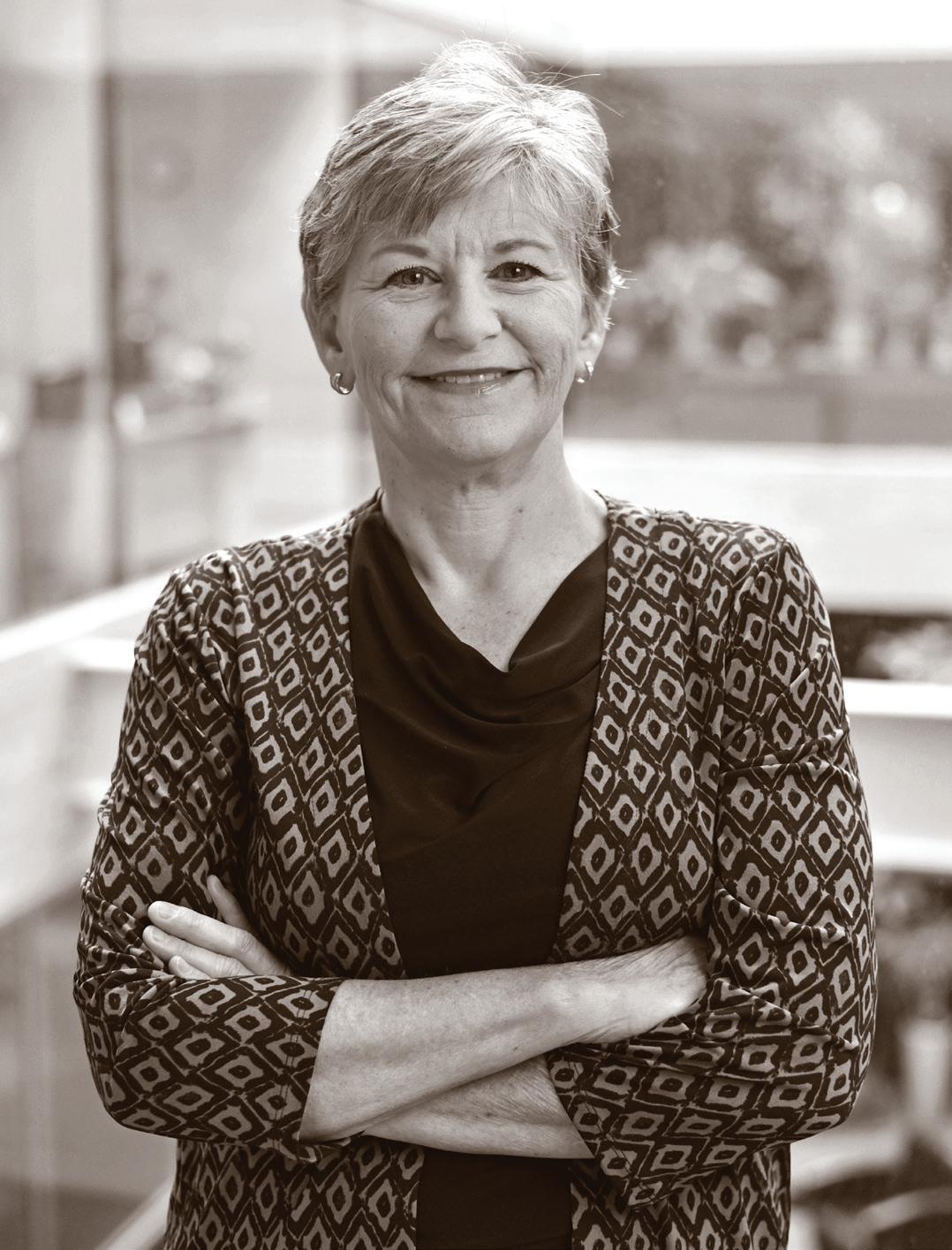
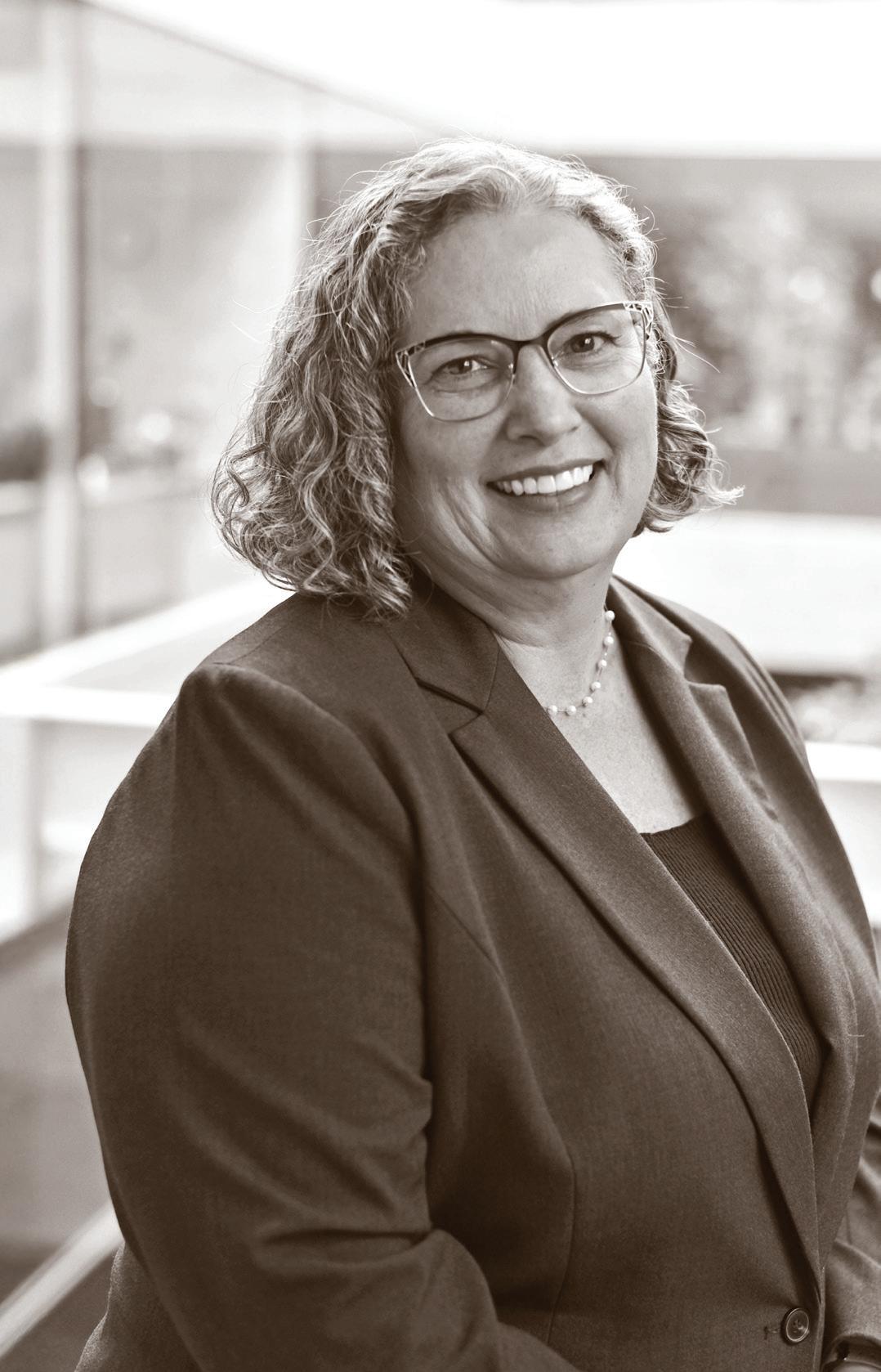
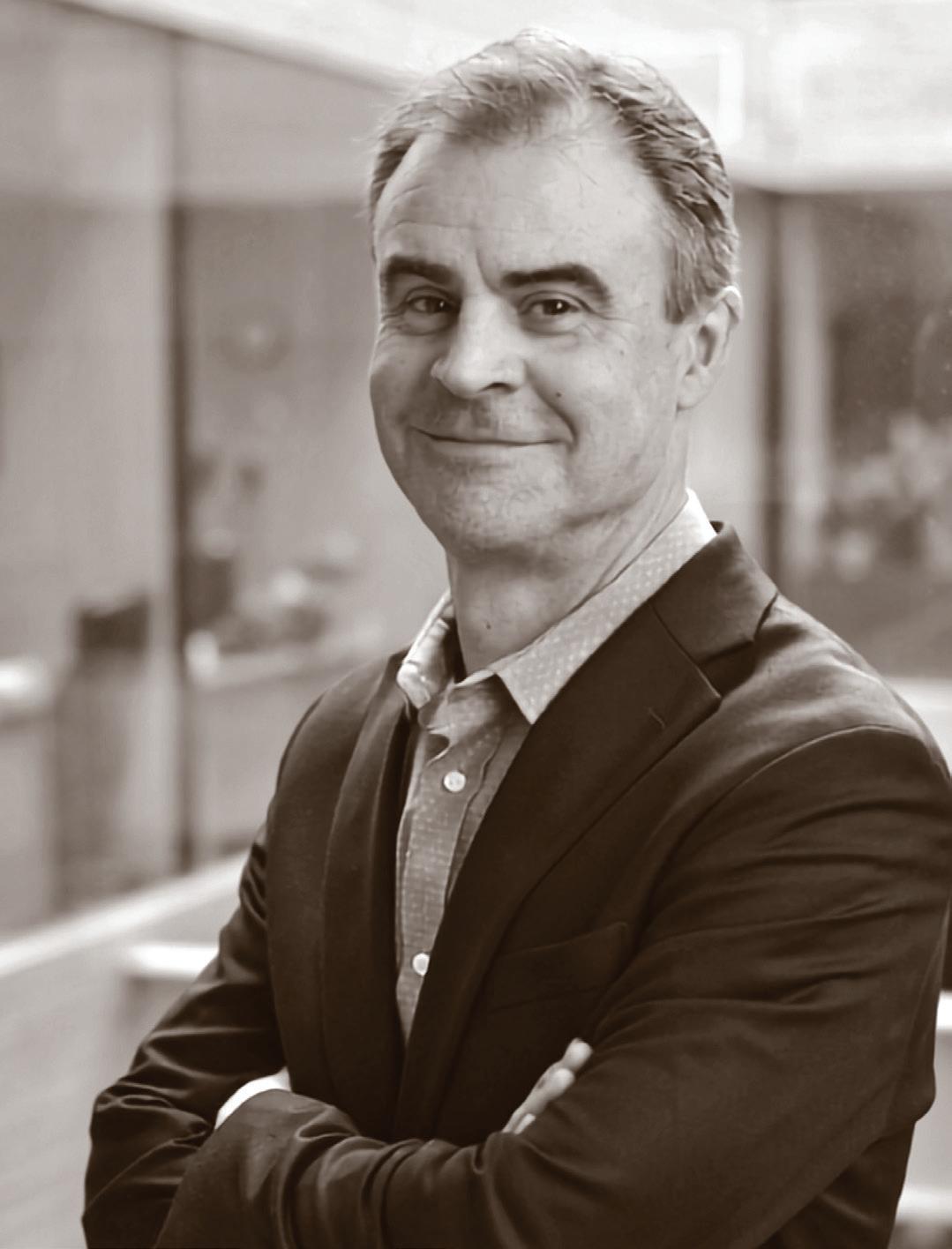
Jessica L. Alys brings a thoughtful, people-first perspective to her work as an estate planning attorney. She was drawn to estate planning because it combines “complex legal nuance with real human impact.” She focuses on understanding each client’s needs, helping SMT clients navigate decisions with clarity and care. Her approach balances intellectual curiosity with empathy, ensuring each plan reflects her client’s intentions. Having lived in five countries and speaking four languages, Jessica brings a global perspective that shapes how she connects with clients from diverse backgrounds.
Jessica L. Alys, 707-524-1900 jalys@smlaw.com, smlaw.com
Kevin T. O’Connor brings a steady and compassionate presence to his work in estate planning, trust administration and probate. It’s an approach shaped by his background as a hospice social worker. He was drawn to estate planning as “a part of the law where I could work with clients to help things go smoothly rather than fighting over them.” Kevin helps SMT clients navigate emotional decisions with clarity, ensuring that plans are thoughtful, complete and easy to understand. His calm, reassuring style makes complex processes feel manageable. Outside the office, his hospice experience continues to inform how he supports families through some of life’s most meaningful transitions.
Kevin T. O’Connor, 707-524-1900 koconnor@smlaw.com, smlaw.com
With a background in science and a natural affinity for numbers, Candice L. Raposo brings analytical precision to her work in estate planning, trust administration and probate, with a strong focus on tax strategy. “I’ve always been drawn to the numbers side of the legal profession,” she says, particularly when navigating estate and gift tax issues while recognizing the personal and family considerations involved. Candice is committed to helping clients understand their options so they can make informed, confident decisions aligned with their goals. Outside the office, she volunteers in her children’s classrooms and supports legal education efforts within the Sonoma County legal community.
Candice L. Raposo, 707-524-1900 craposo@smlaw.com, smlaw.com
Warren Dranit practices intellectual property and technology law. With a background in software engineering and advanced training in math and computer science, he brings an analytical rigor that helps SMT clients protect and grow their business, ideas and brands. He is known for his collaborative, thoughtful approach to problem-solving. Outside the office, Warren spends time hiking Northern California’s trails, where he finds space to think and recharge.
Warren Dranit, 707-524-1900 wdranit@smlaw.com, smlaw.com
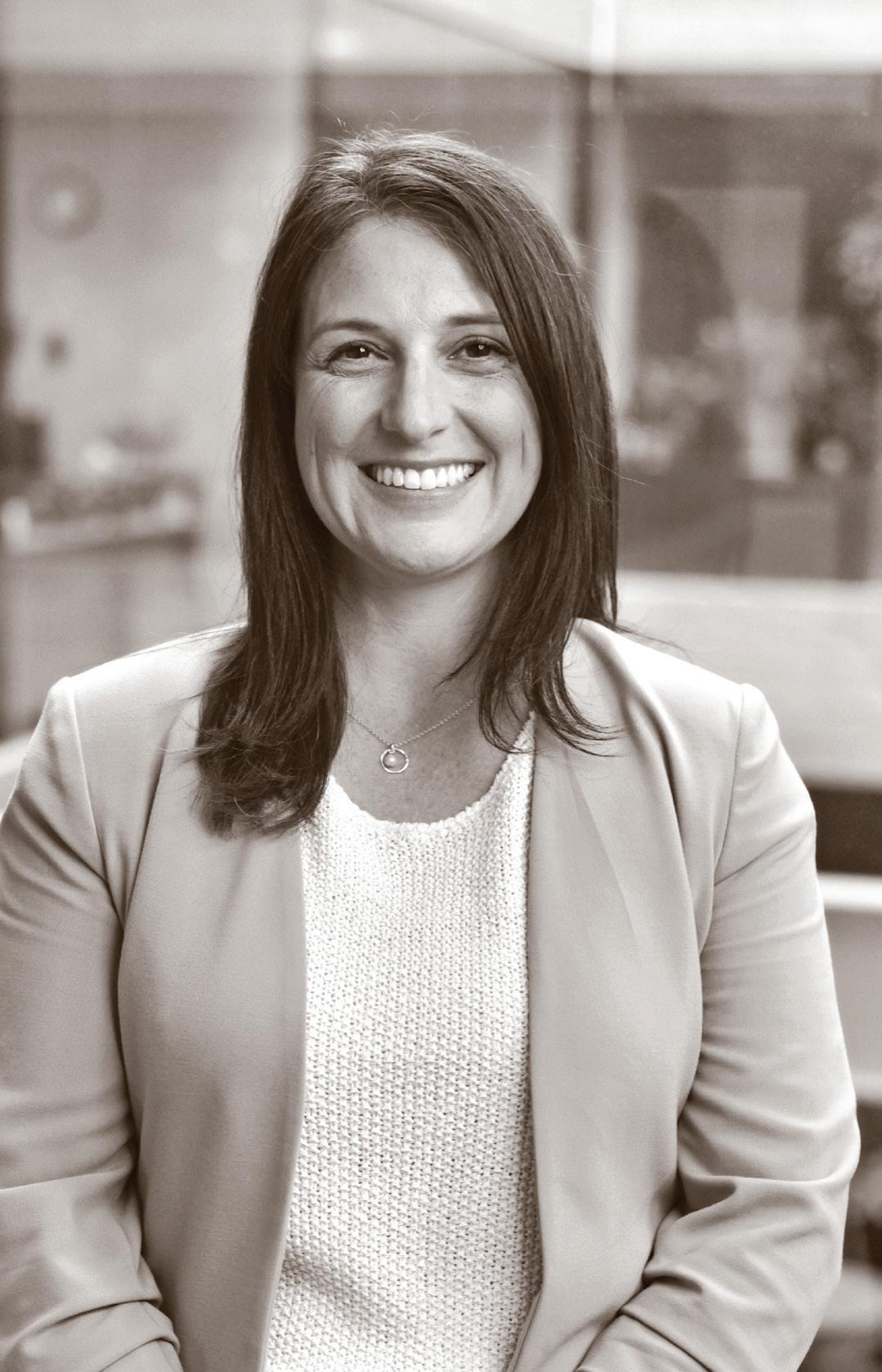
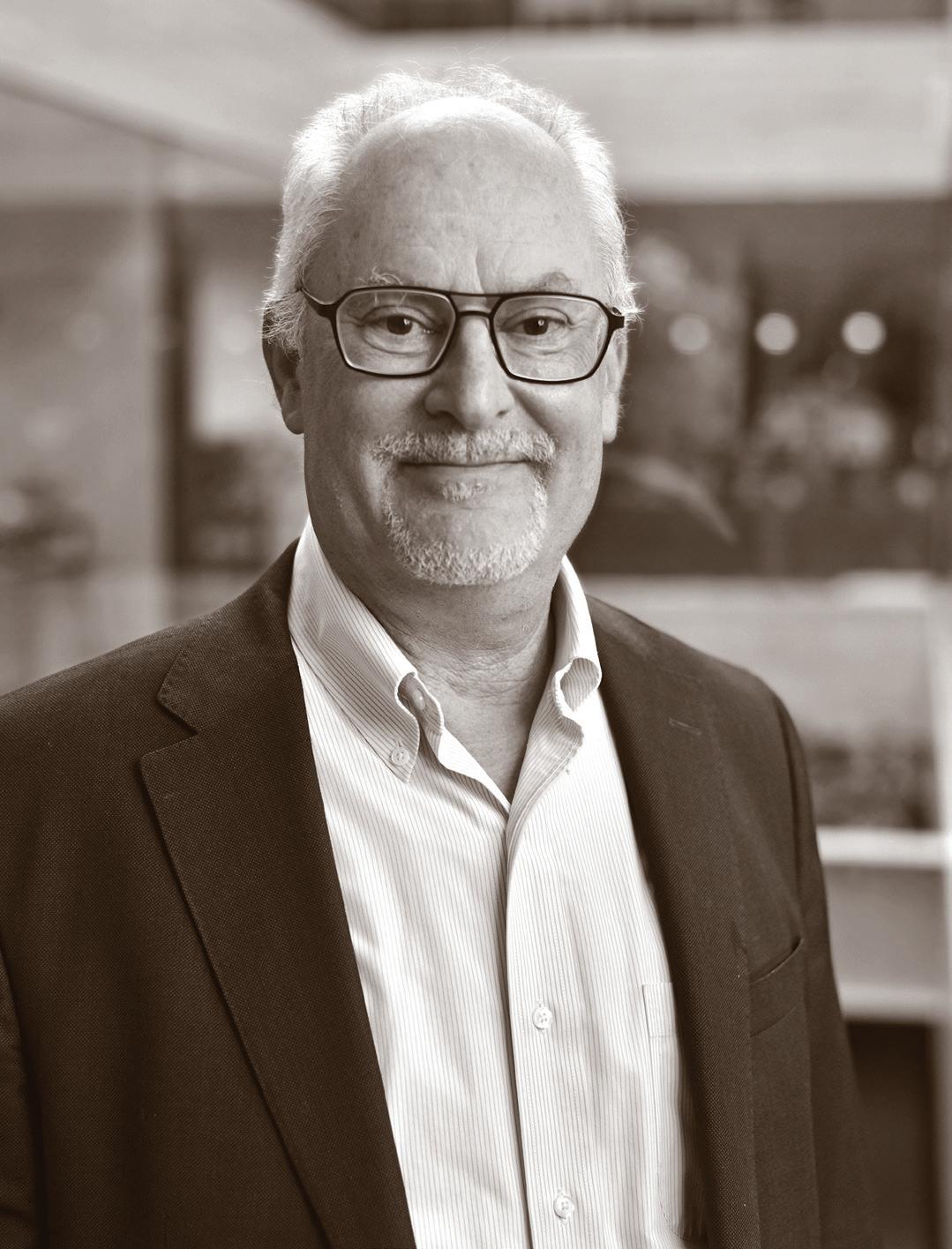
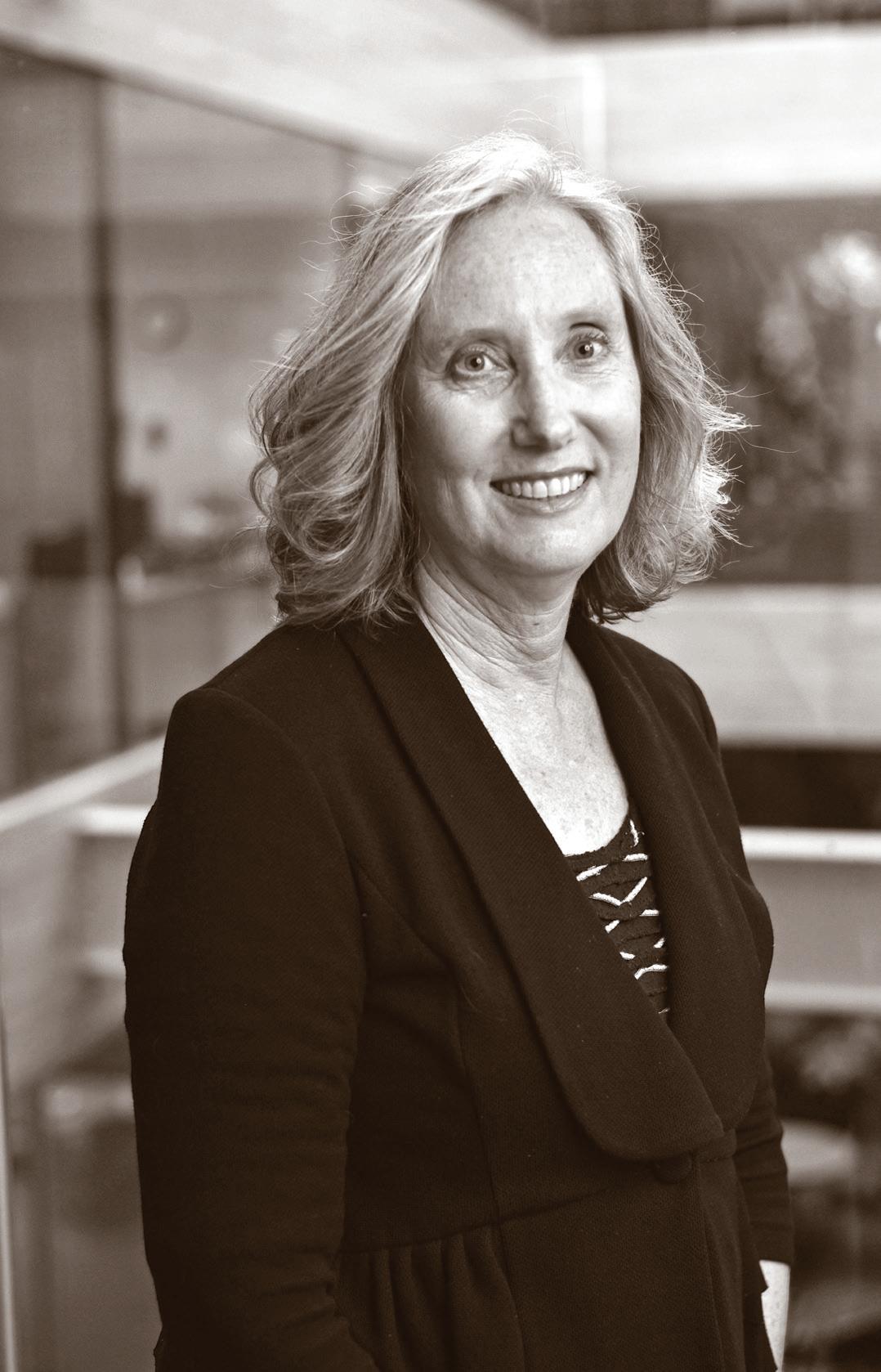
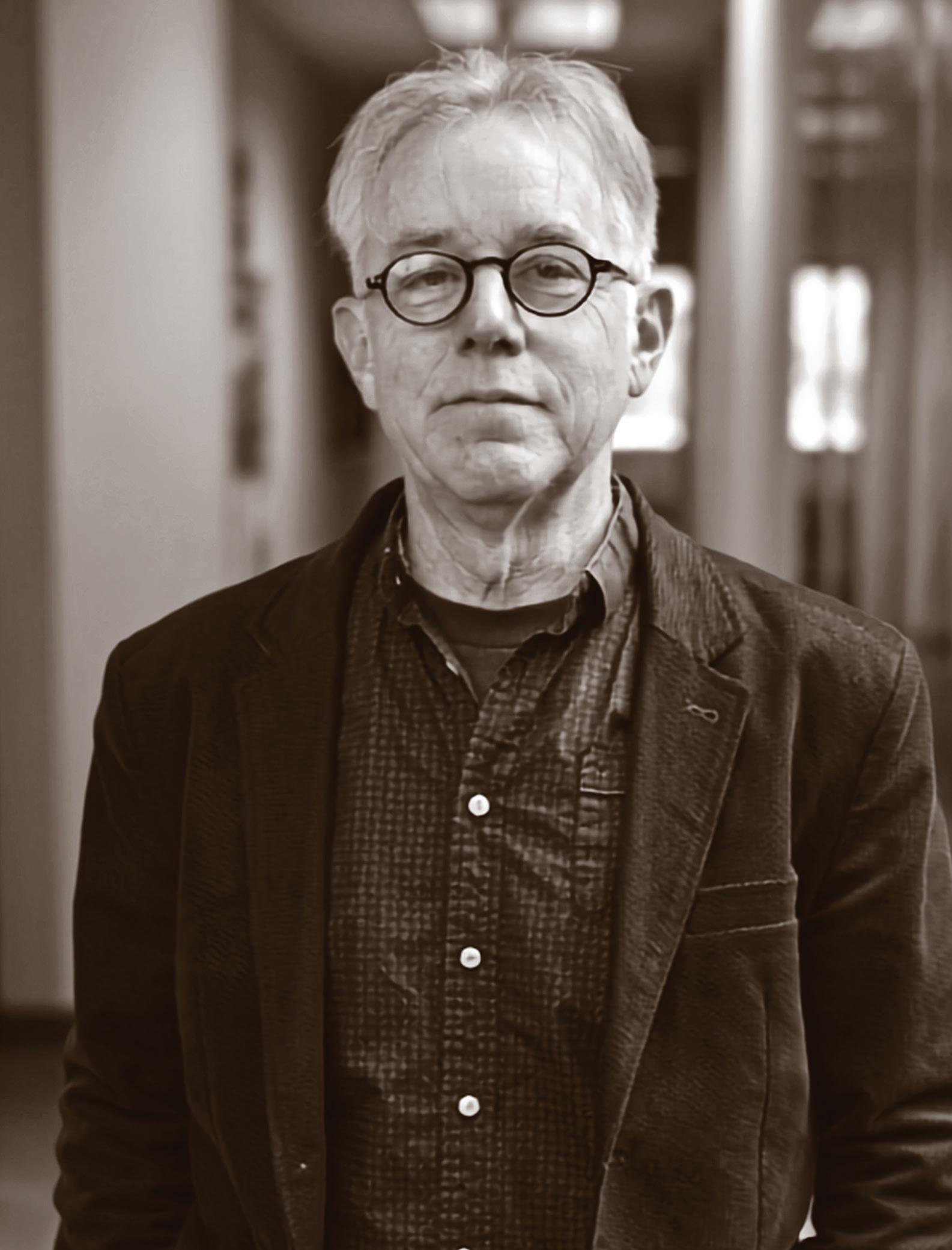
A litigation attorney who focuses on research, strategy and motion practice, Annette Holland brings more than 35 years of experience to her work. She collaborates behind the scenes with attorneys across SMT to develop sound legal strategies grounded in a deep understanding of how courts think and decide cases. “A strong argument comes from understanding both the law and how it’s applied,” she explains. Annette’s work strengthens every case the firm handles. Outside the office, she enjoys live music and dancing, often attending performances throughout Sonoma County.
Annette Holland, 707-524-1900 aholland@smlaw.com, smlaw.com
With a background in engineering, Don Winkle brings a practical, solutions-oriented approach to mergers, acquisitions, and corporate finance. A substantial portion of Don’s practice is in the craft beer and wine sectors. He views his legal work as a means to move businesses forward, not hold them back. “I’m at the positive end of business,” he says. “I help people build things, not argue over them.” Don focuses on delivering solutions that are efficient, realistic and aligned with his clients’ goals. Outside the office, he is passionate about music and actively involved with NorCal Public Media. Don is veteran of the United States Navy’s Submarine Service.
Don Winkle, 707-524-1900 dwinkle@smlaw.com, smlaw.com
Mark Miller brings nearly four decades of legal experience across real property, business and estate matters. His thoughtful, measured approach emphasizes truly understanding his clients and their needs. “It’s rewarding when I act as a counselor, helping clients identify options so they are empowered to make informed decisions.” Mark combines legal knowledge with practical insight to guide clients forward with confidence. Outside the office, he supports organizations dedicated to youth services and education.
Mark Miller, 707-524-1900 mmiller@smlaw.com, smlaw.com
Ashlee Hellman brings a highly relational and educational approach to her work in trusts and estates. She values the opportunity to connect with clients on a personal level, taking time to understand their stories and priorities. “It’s deeply fulfilling for me to sit down and really listen to people and their stories,” she says. Ashlee helps clients understand their options and make informed decisions that reflect their values. Her work emphasizes clarity, connection and long-term peace of mind. Outside the office, her strong ties to family and community shape the way she approaches both her practice and her relationships.
Ashlee Hellman, 707-524-1900 ahellman@smlaw.com, smlaw.com